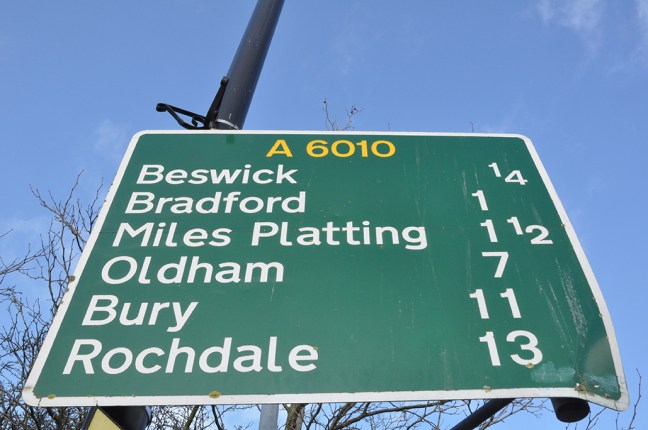
You’re never more than a thousand yards from a main road, six feet from a rat, or a quarter of a mile from Beswick, one of many Beswicks.
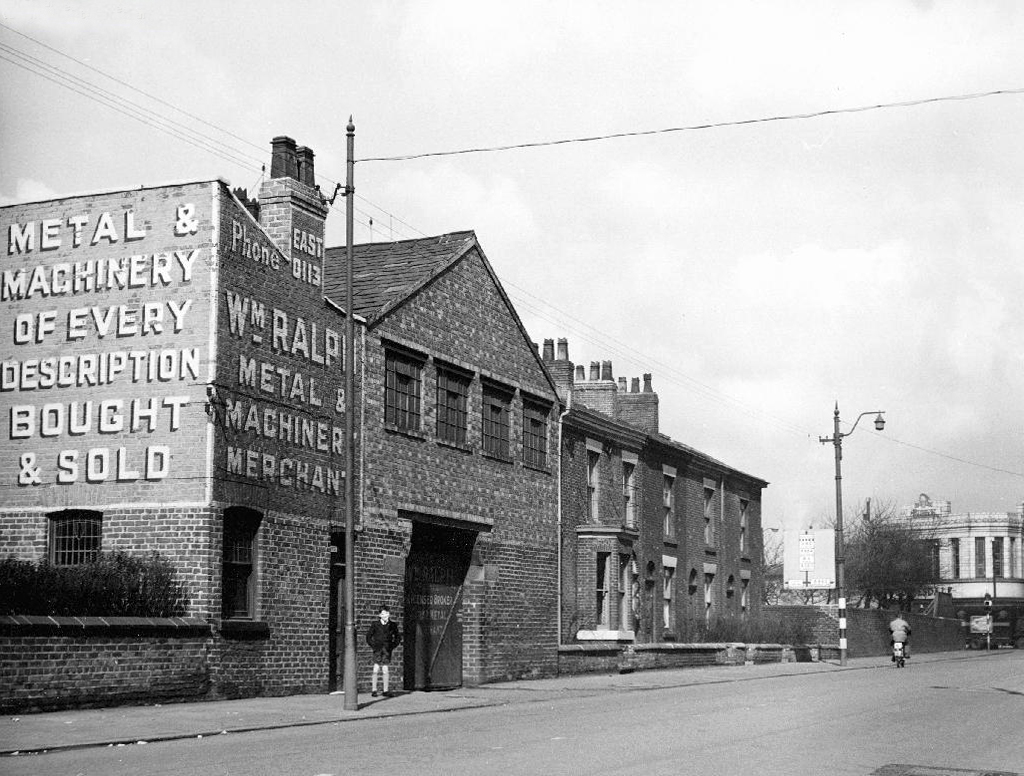
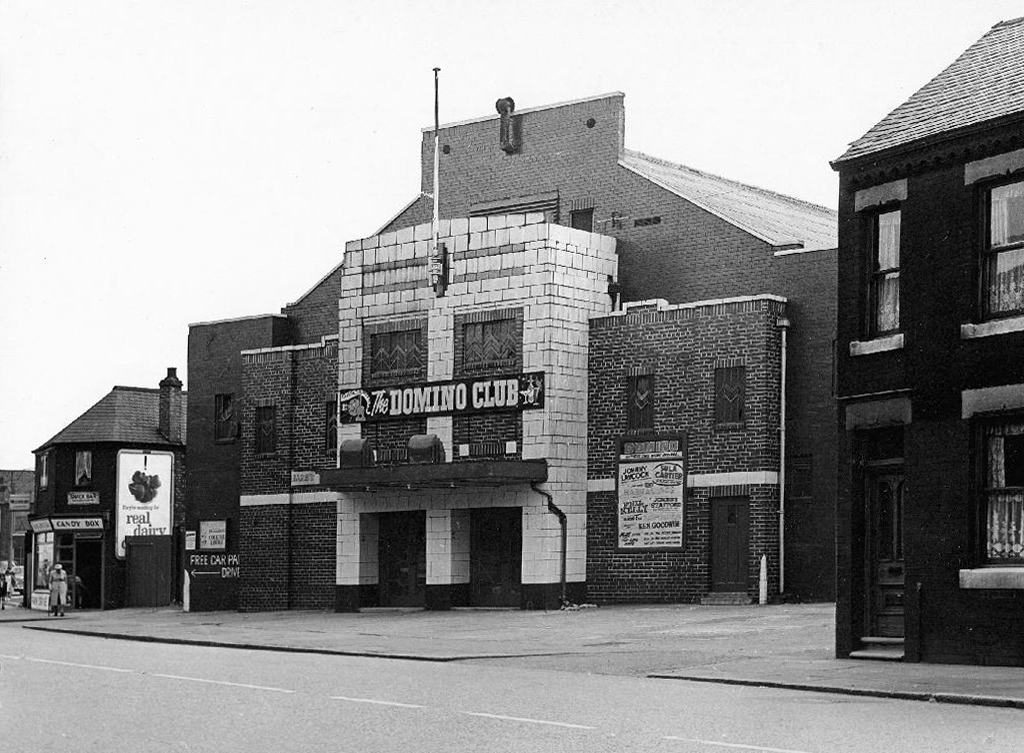
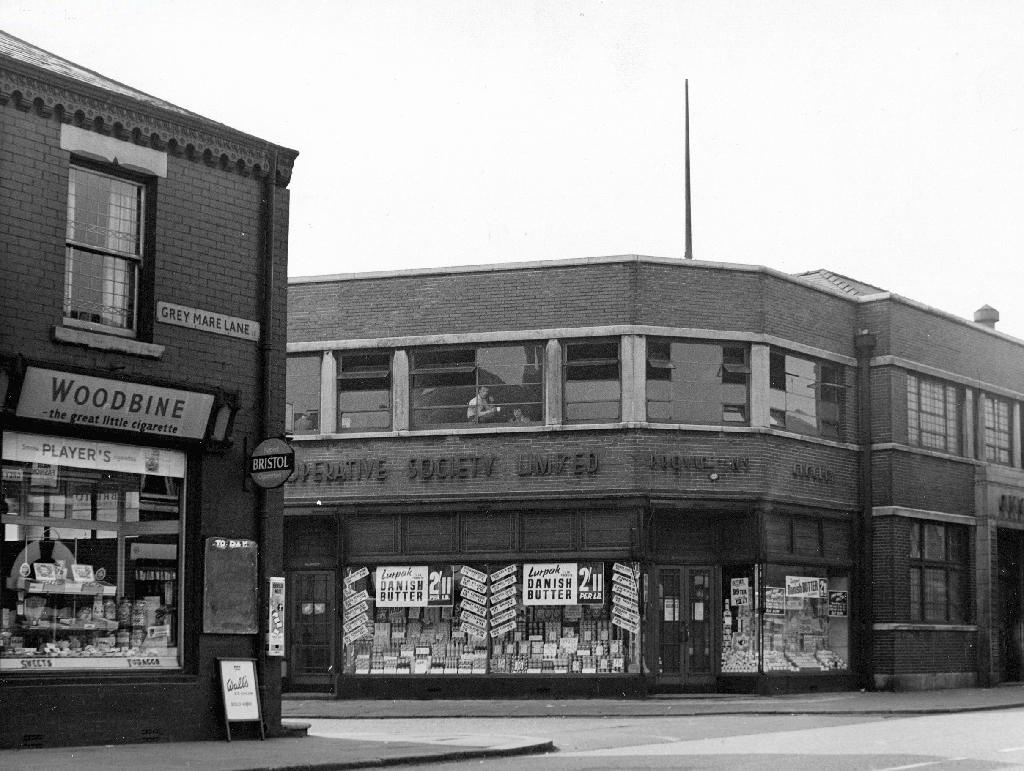
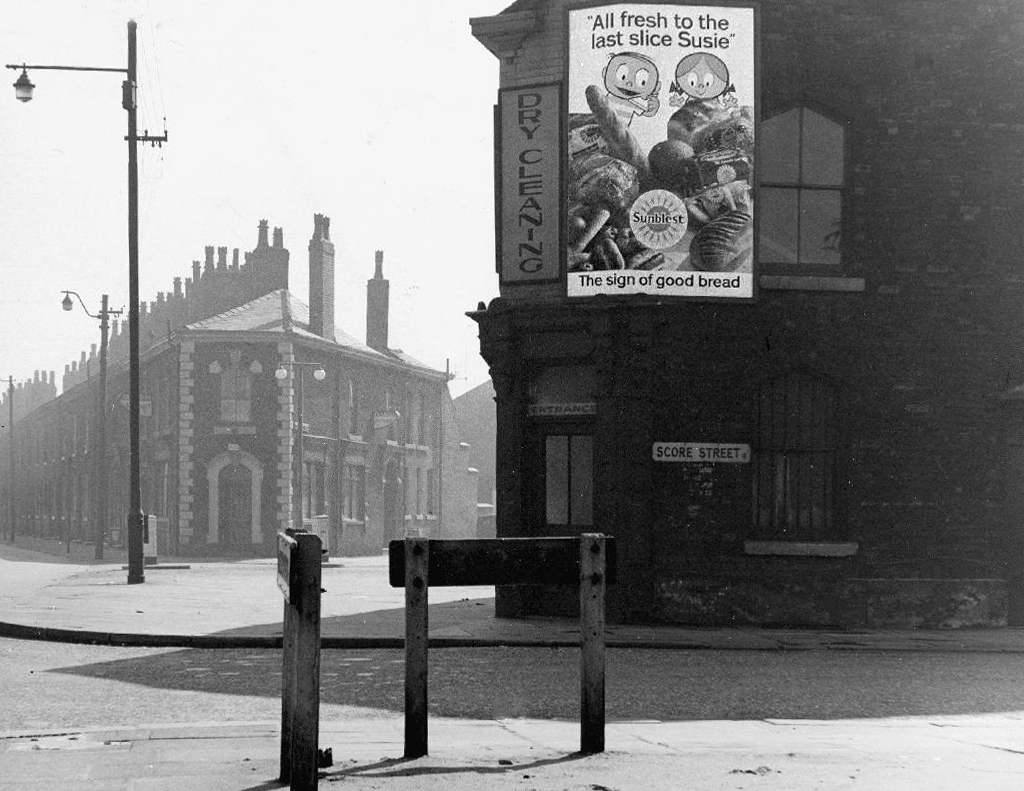
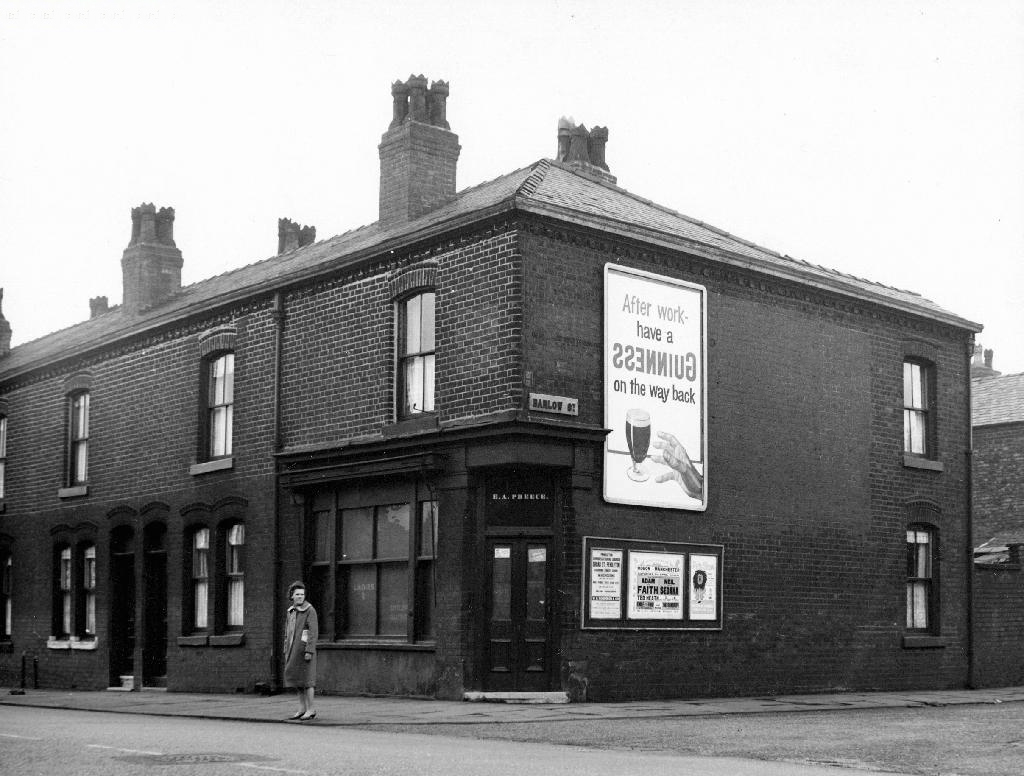
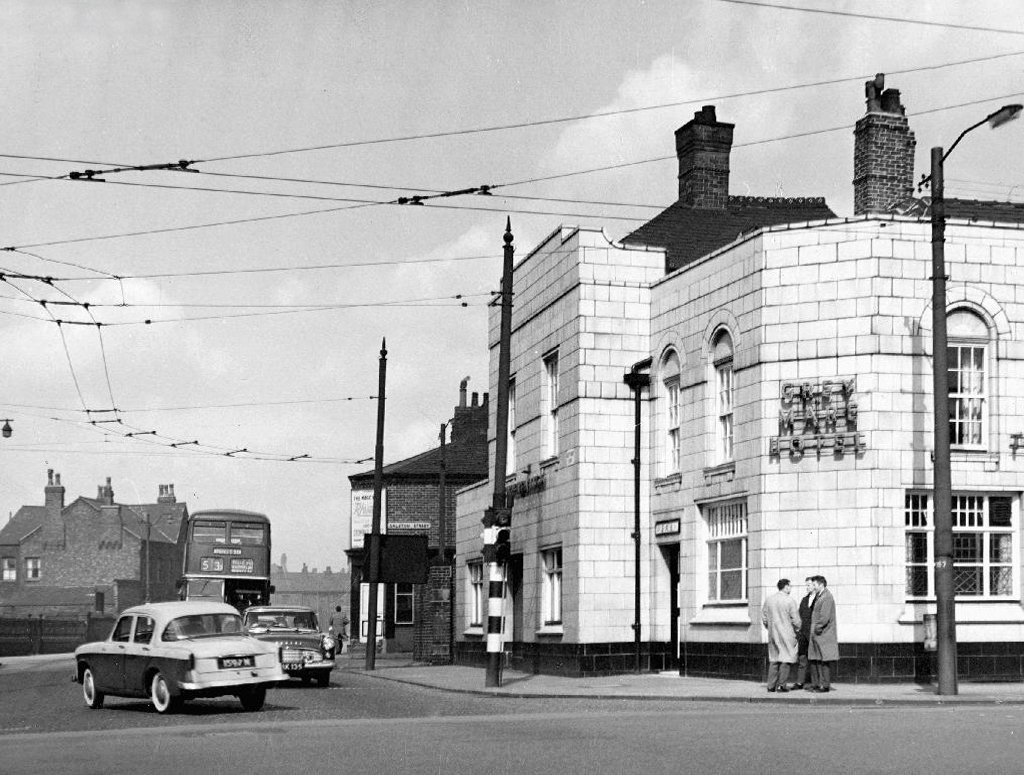
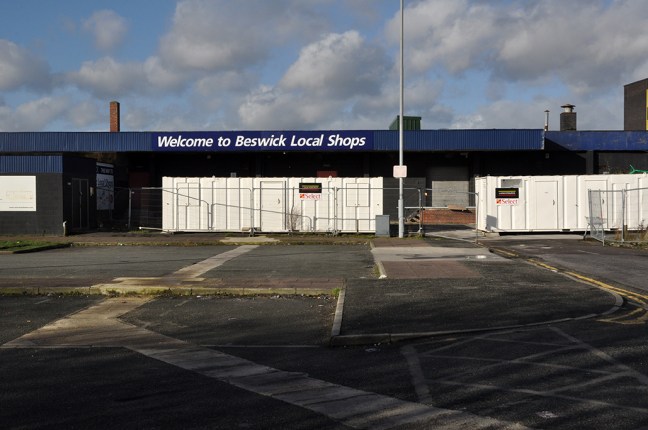
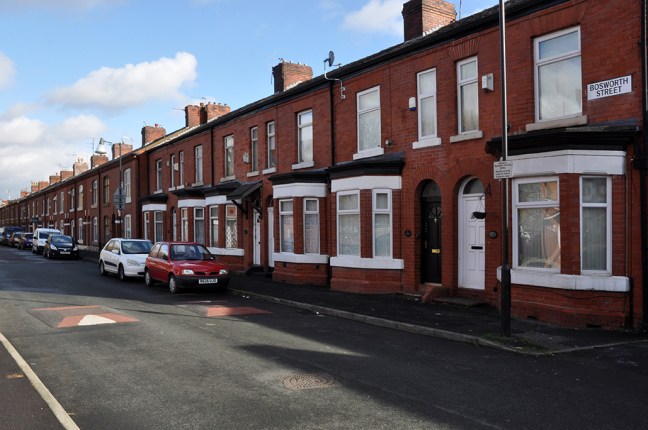
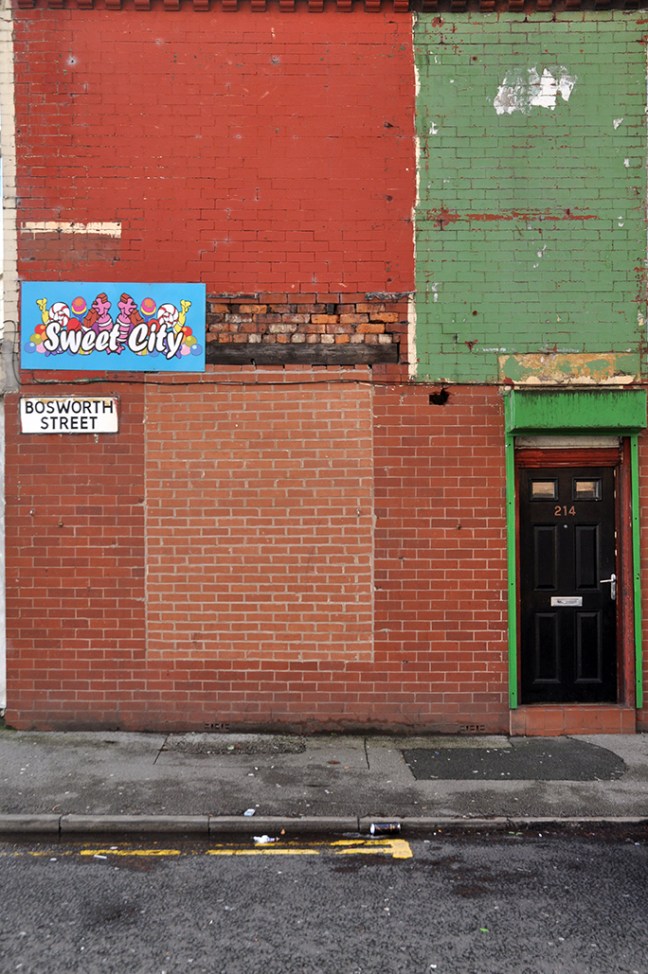
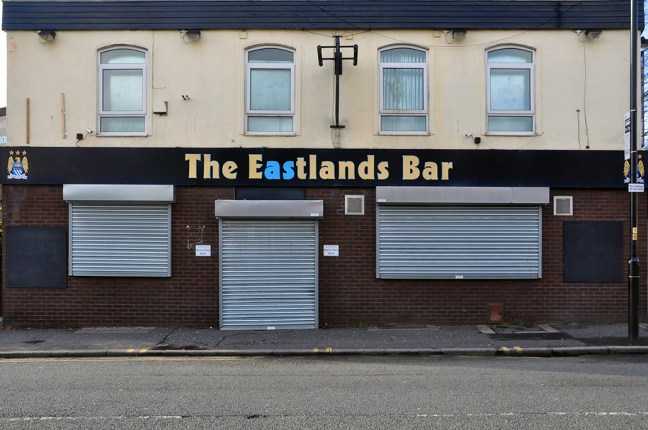
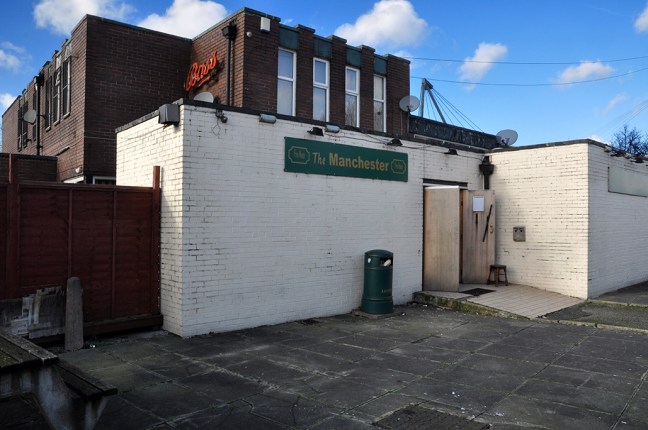
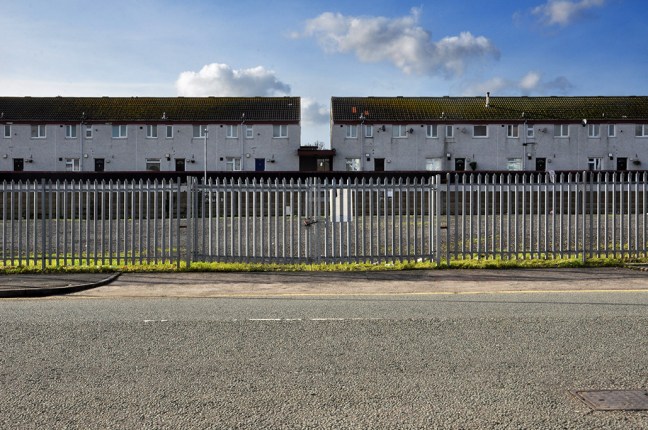
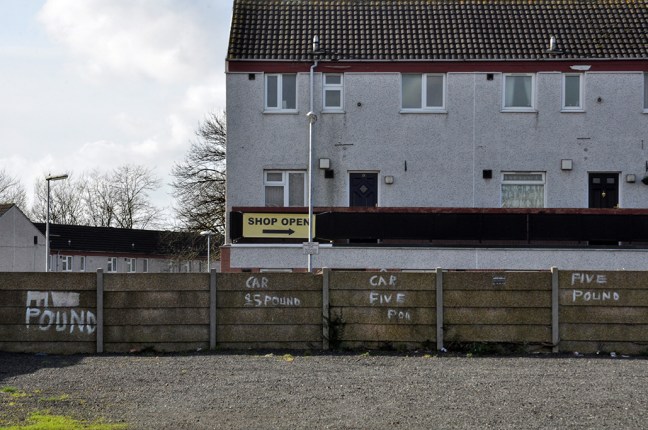
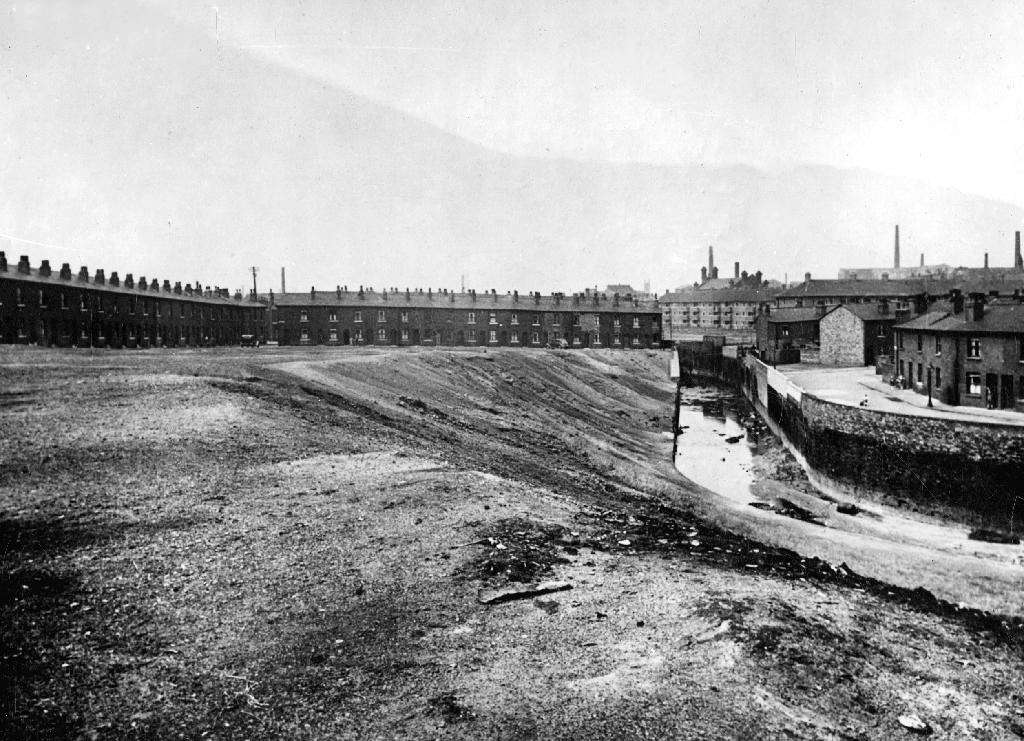
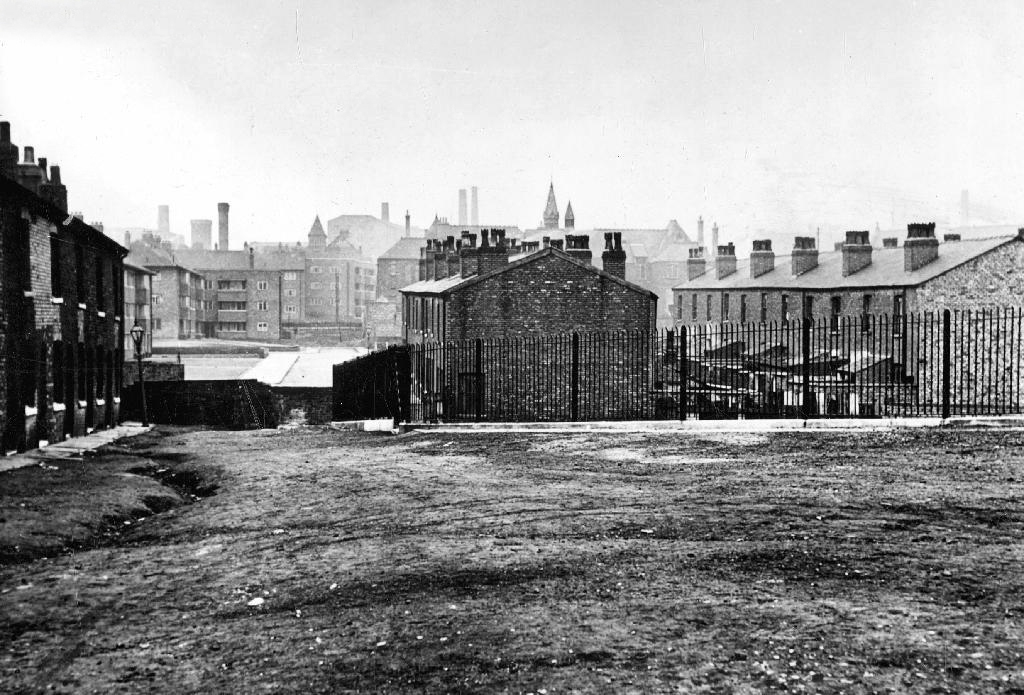
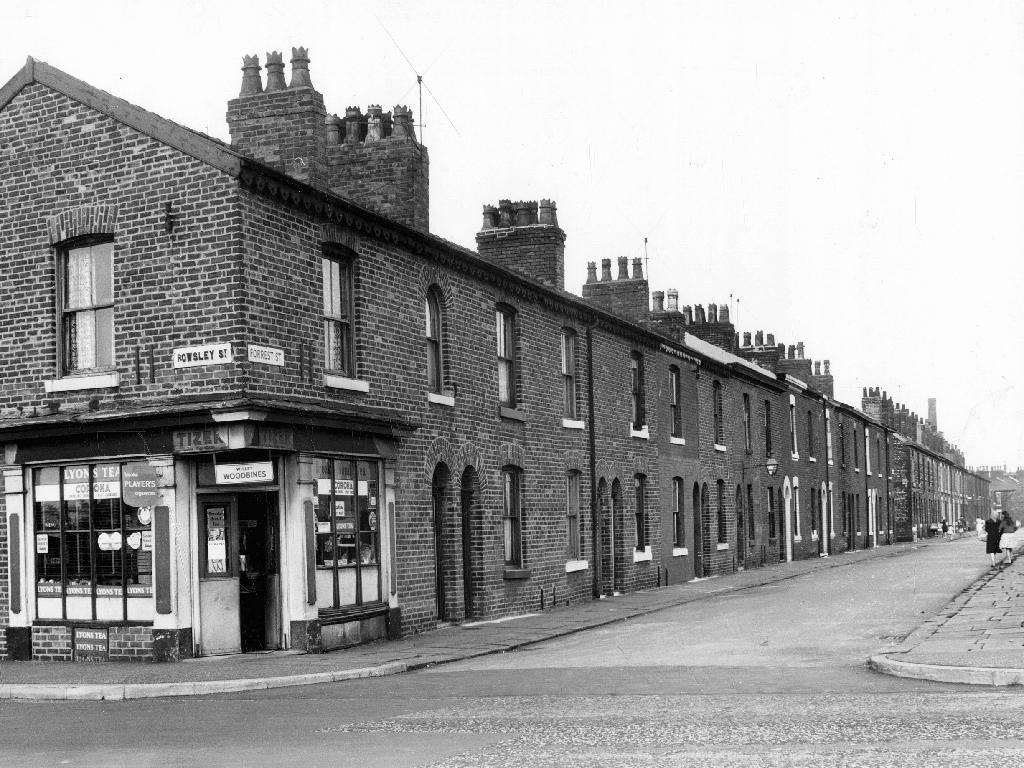
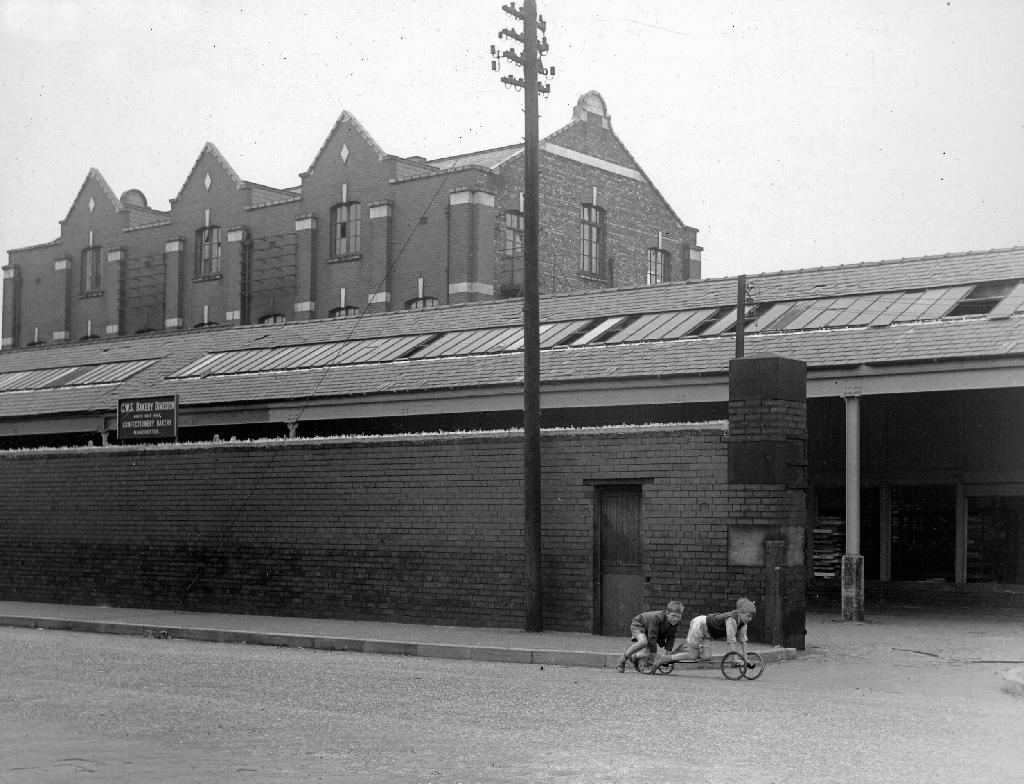
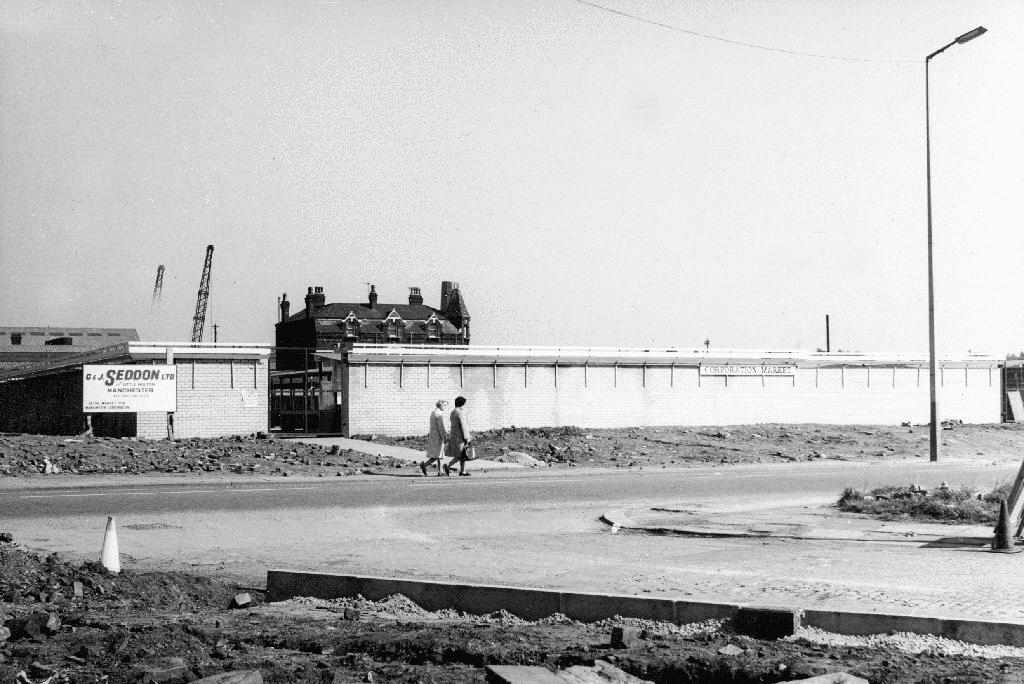
Beswick was once a bustling mixed industrial and residential area of east Manchester, alive with back to back terraced housing, pubs, clubs, shops and people.
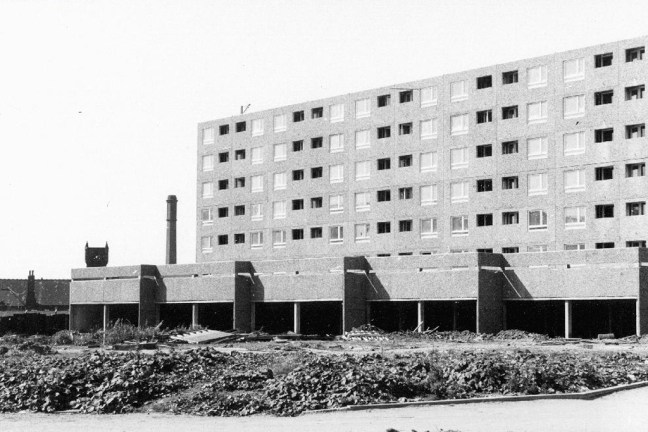
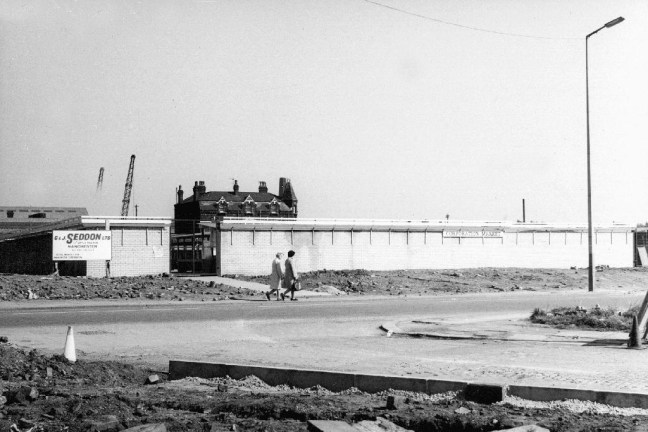
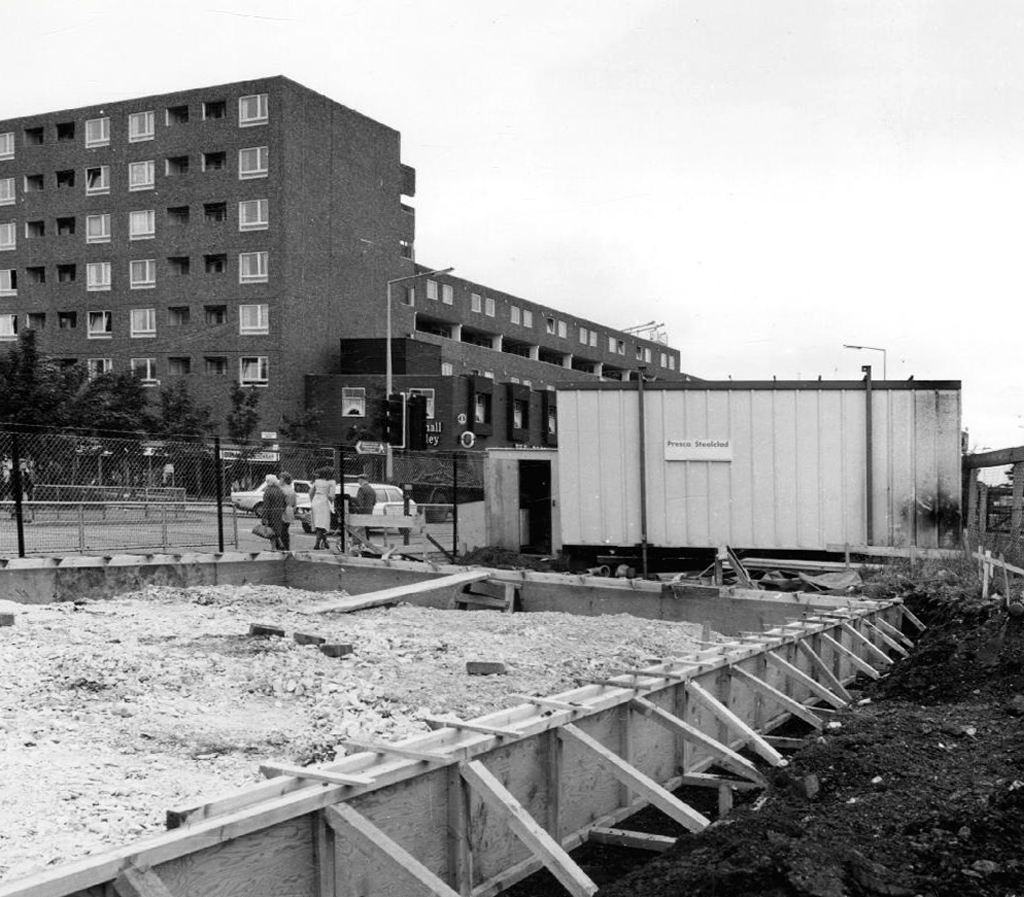
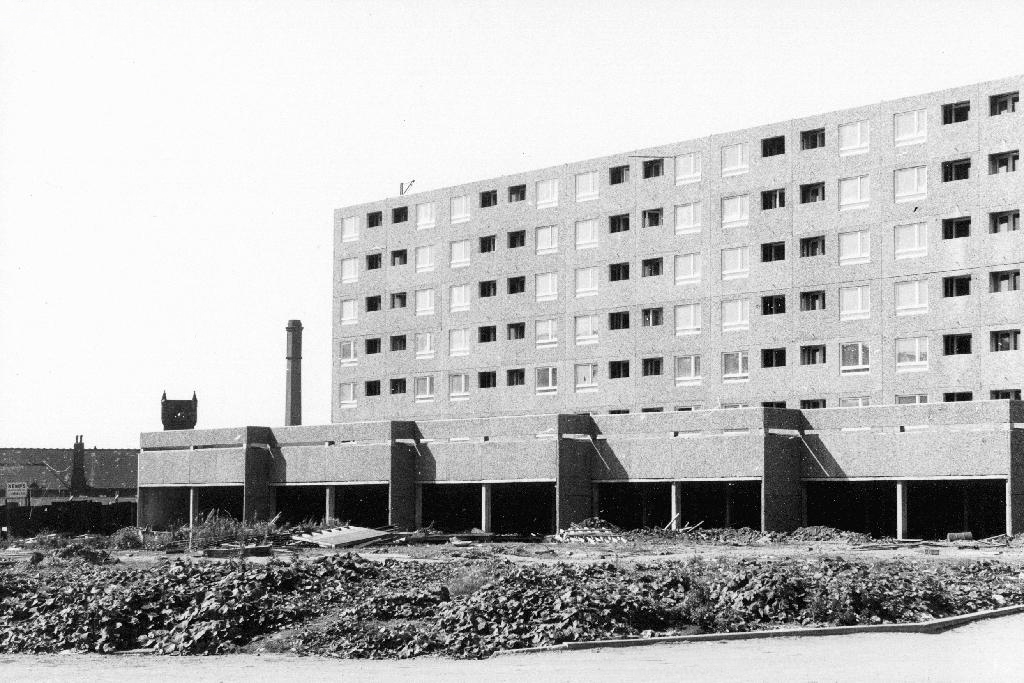
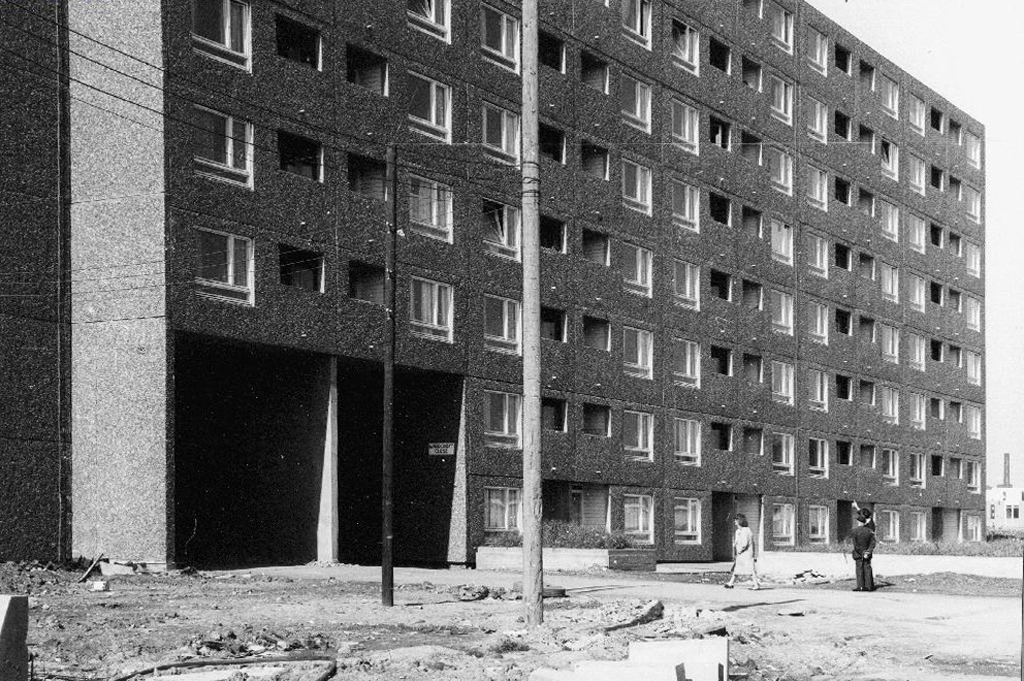
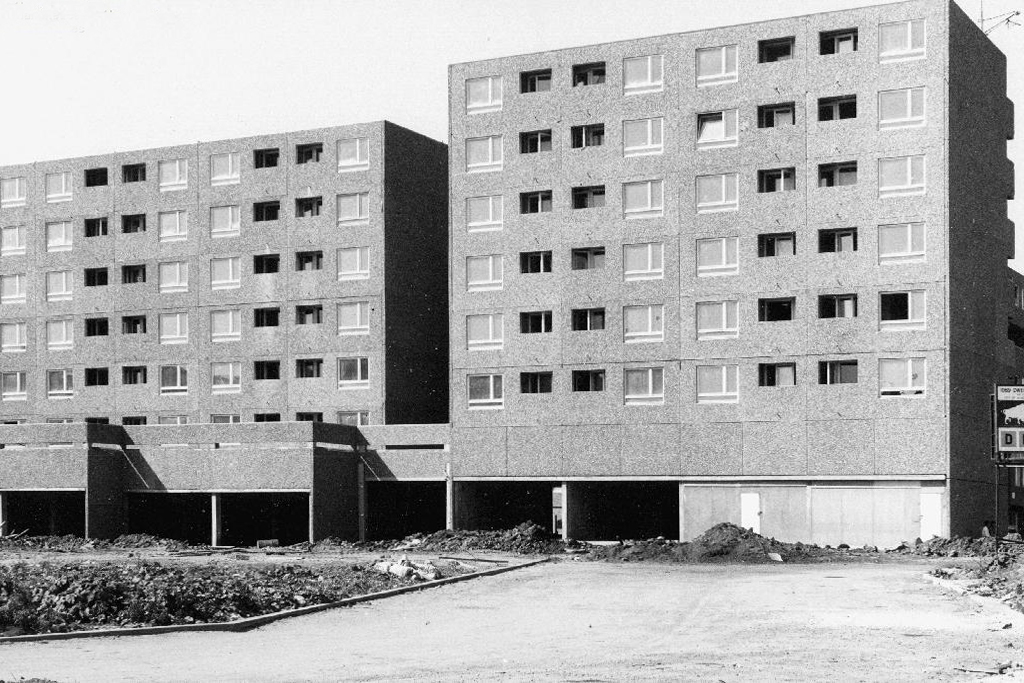
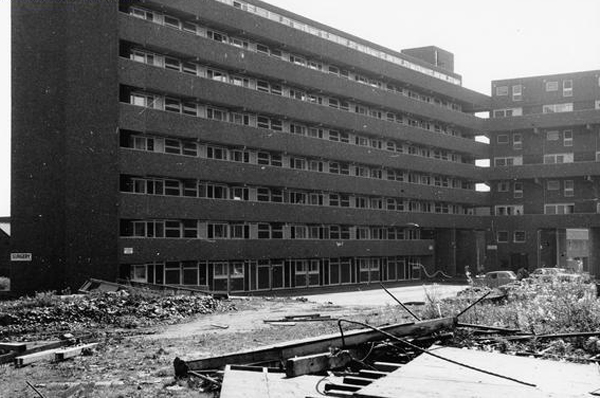
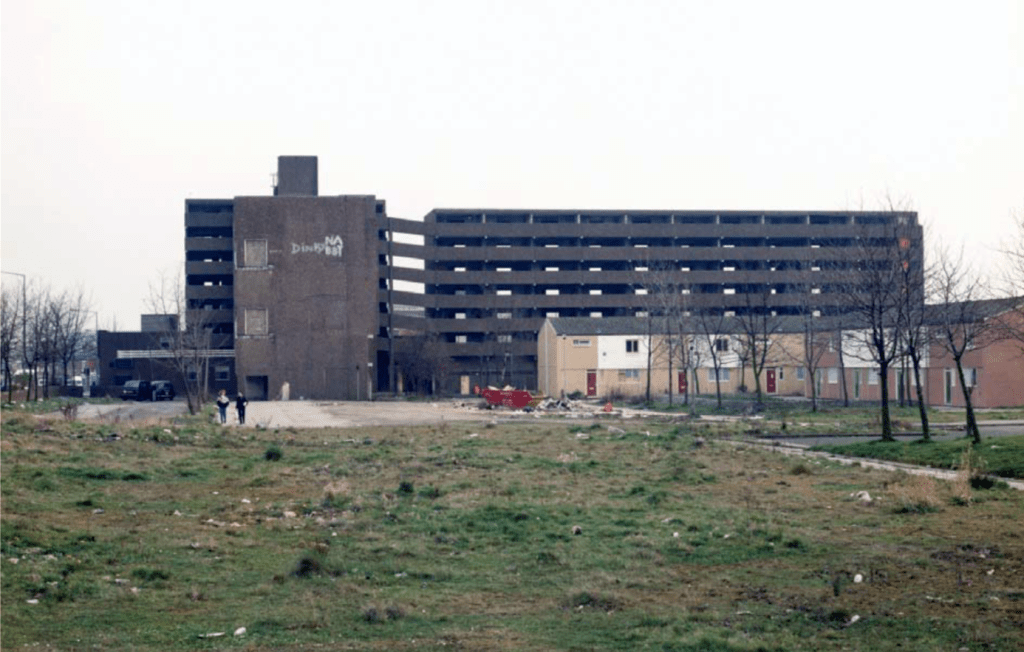
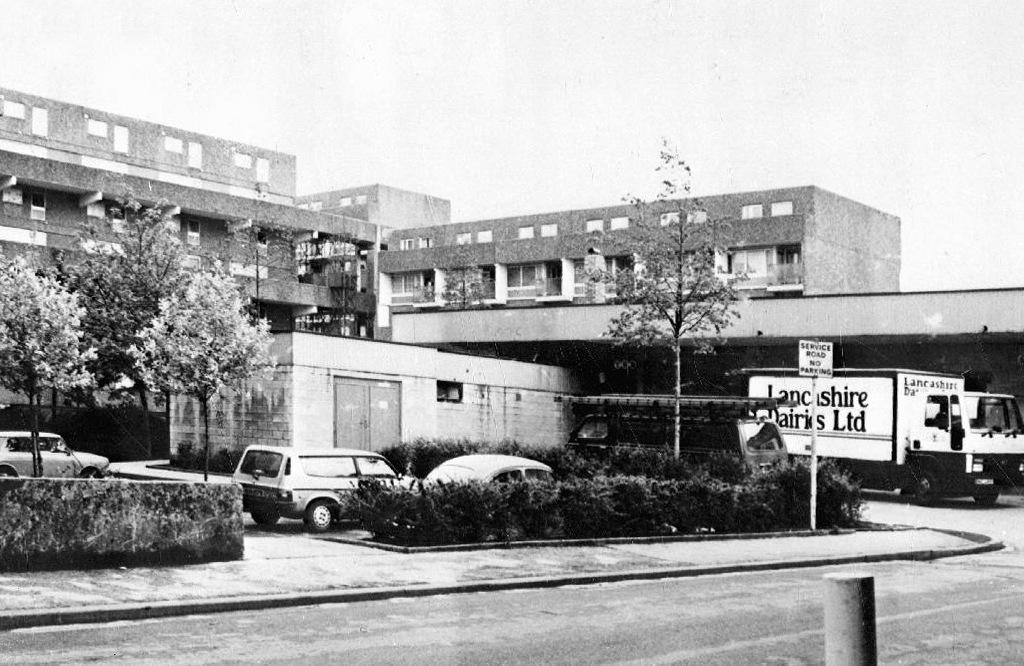
Sixties slum clearance swept away most of its past when Fort Beswick was built.
Remember the Alamo?
Forget Fort Beswick.
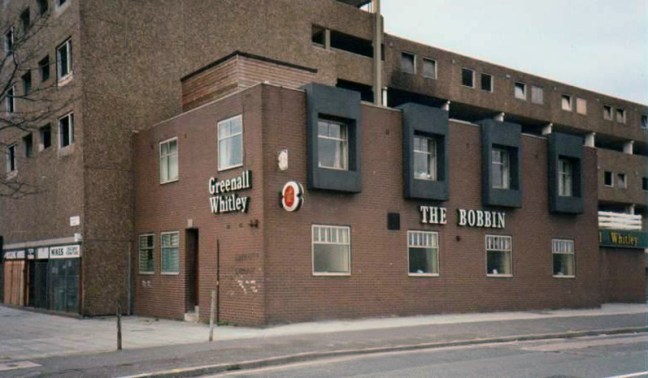
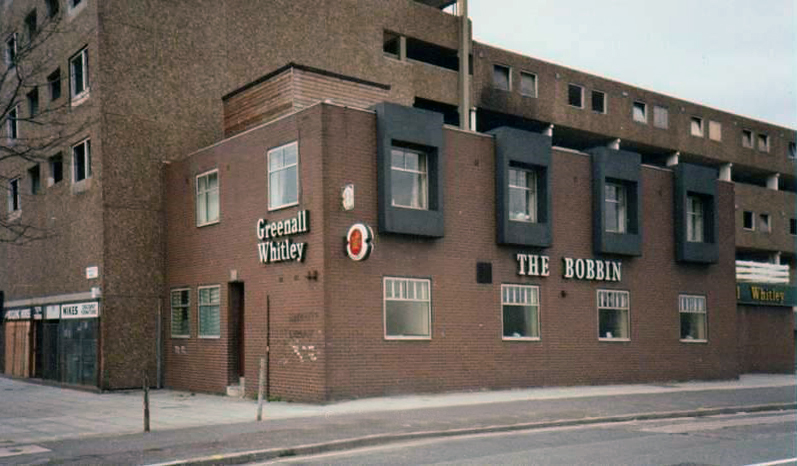
It’s gone – wind the Bobbin up.
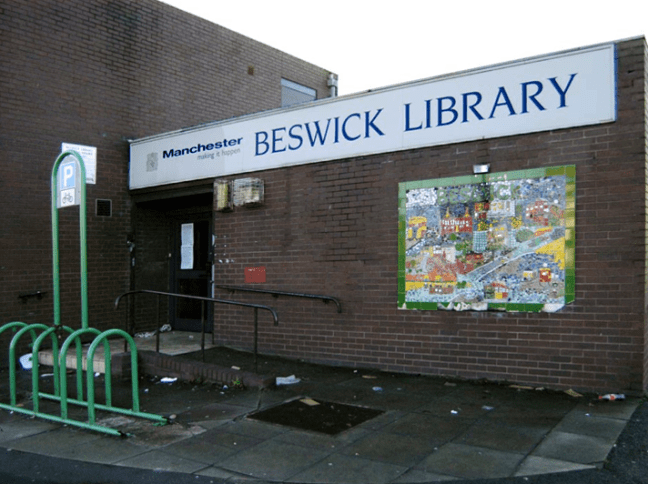
Turn it into a Library
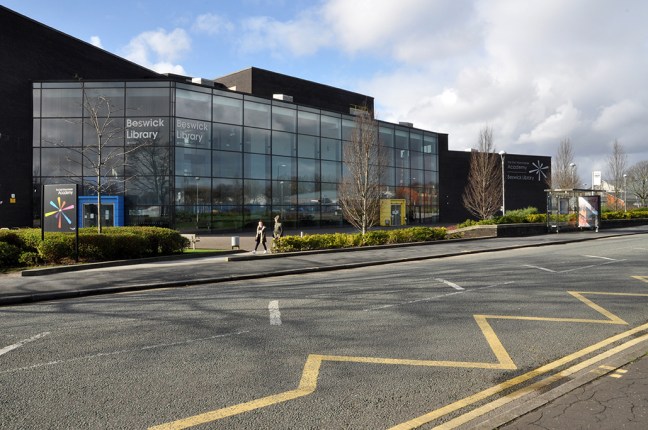
Wind the library up
Build another
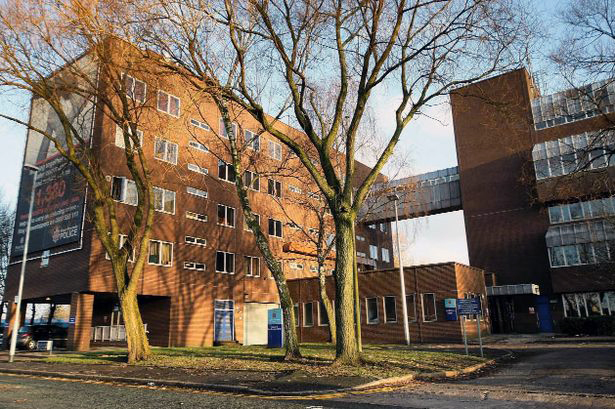
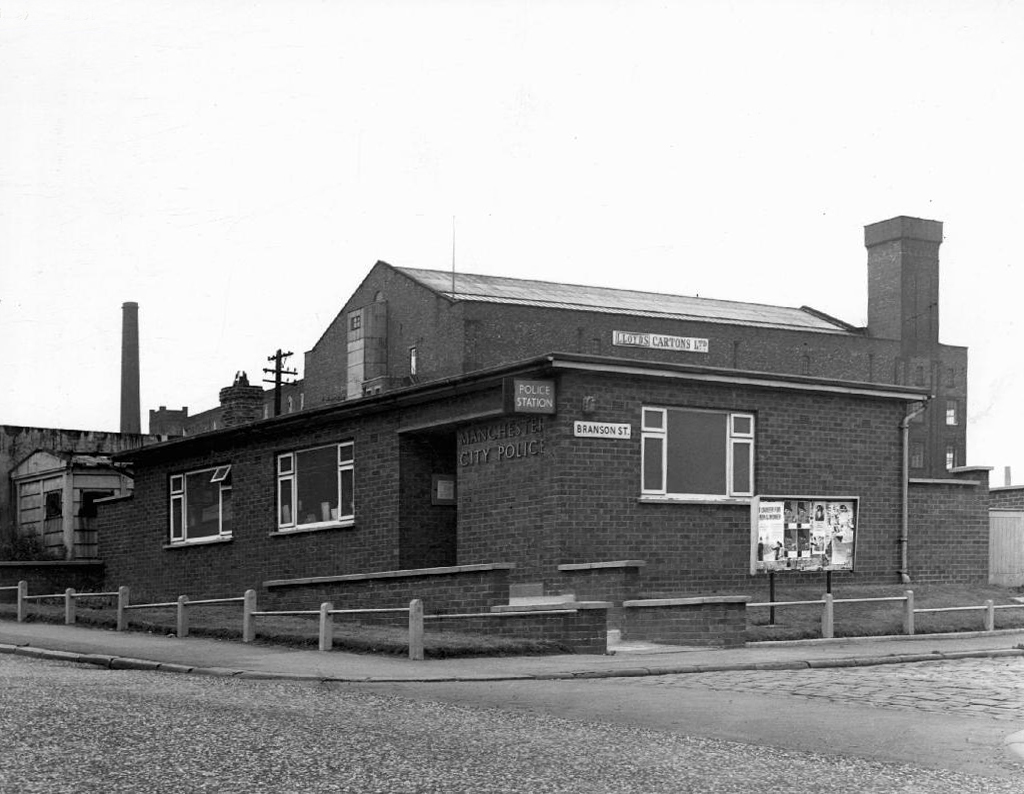
Call the Police!
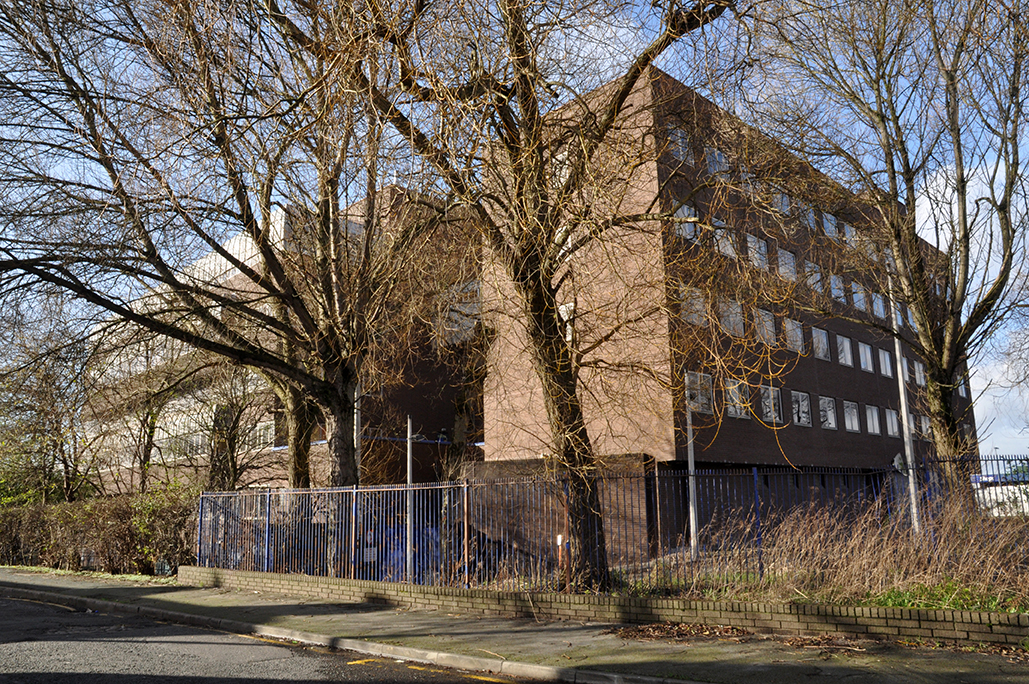
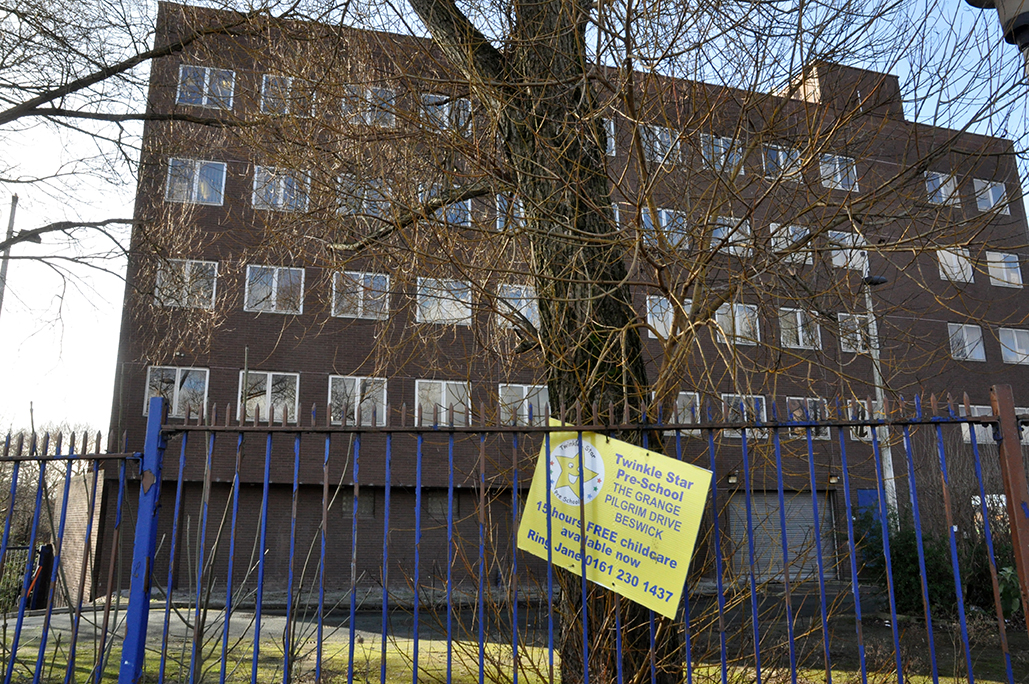
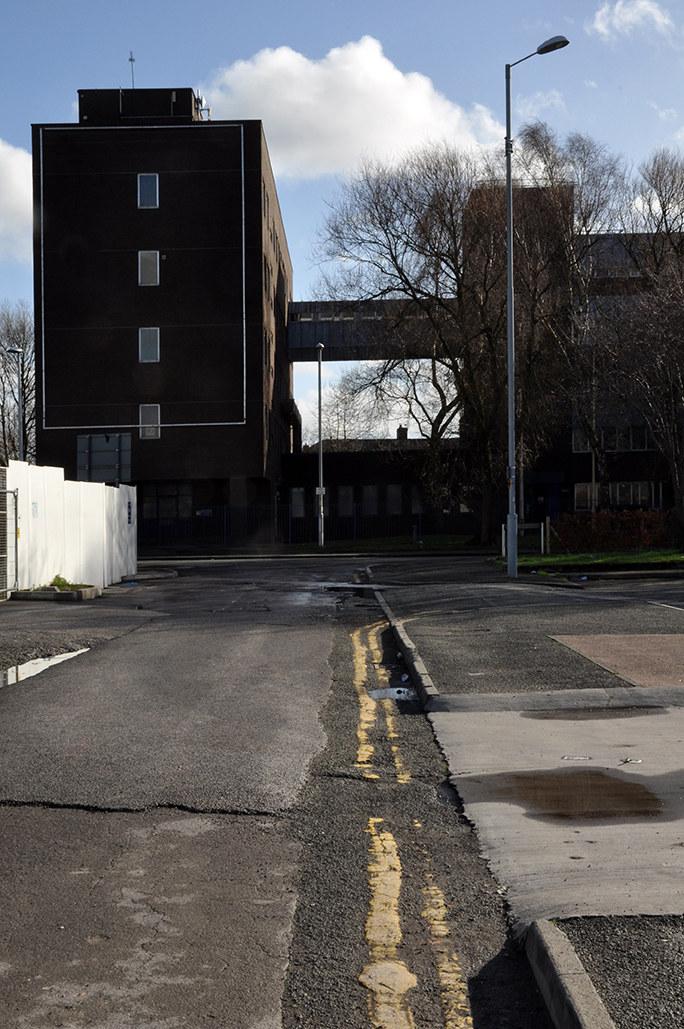
But the Police Station has closed now, and moved further on.
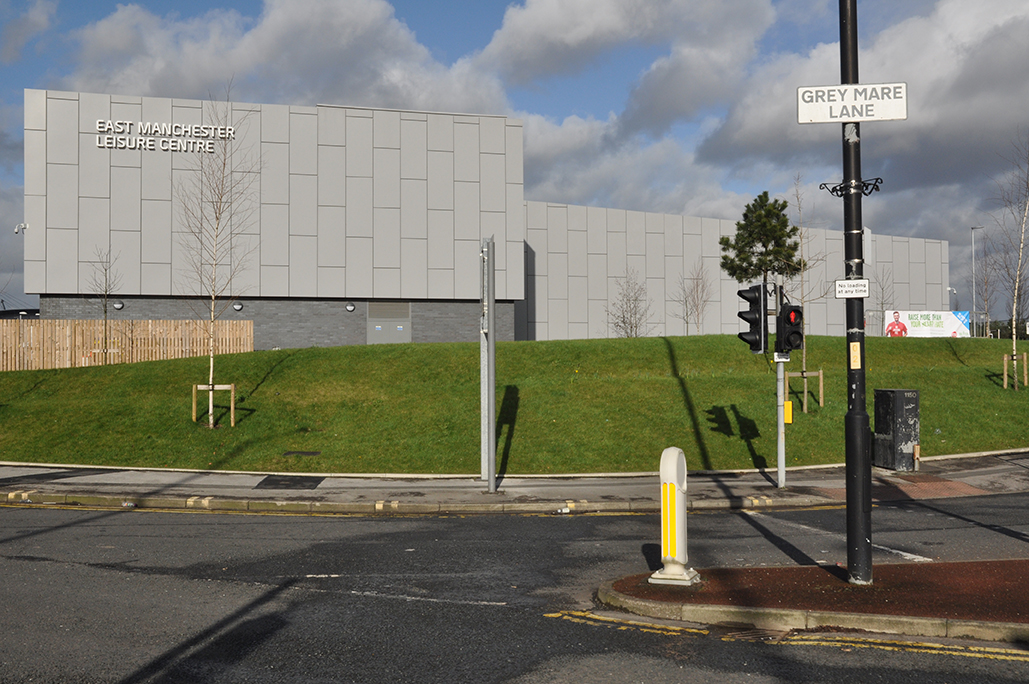
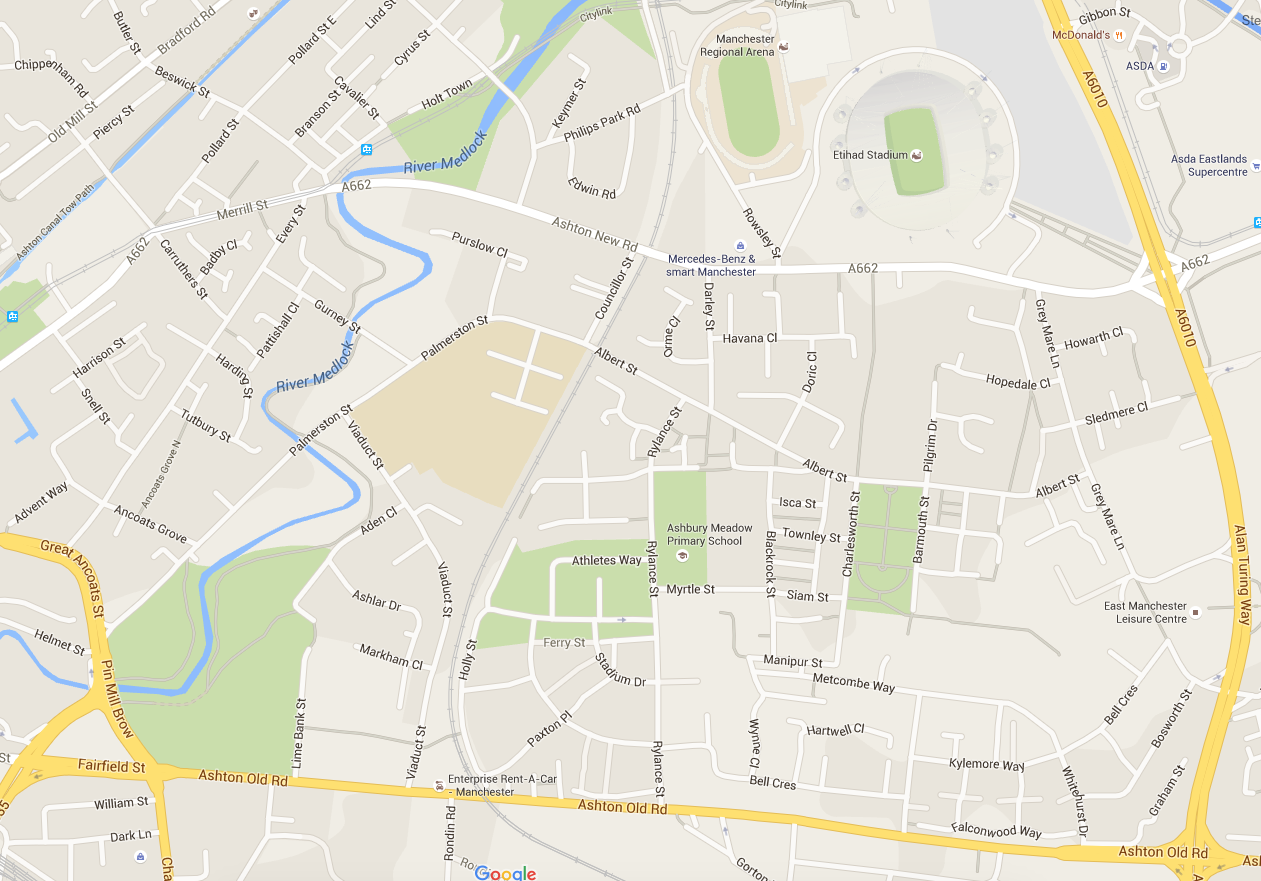
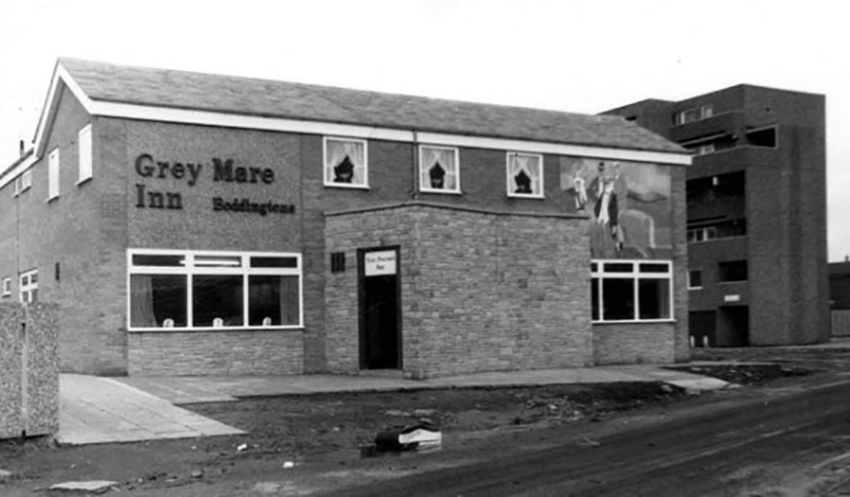
Beswick is a small district located on the east side of Manchester bounded by Ashton Old Road, Ashton New Road and Grey Mare Lane and was incorporated into Manchester in 1838. Pronounced Bes-ick the “w” is silent. Before 1066, in Saxon times, the district was called Beaces Hlaw – Hlaw was an old word for a small hill, often used as a burial mound. By the 13th century it had changed to “Beaces Wic” indicating that the area was predominantly farm land. Who or what the Bes element of the placename signified is open to interpretation, though the simplest and most plausible is that it belonged to a person called Bes or Bess.
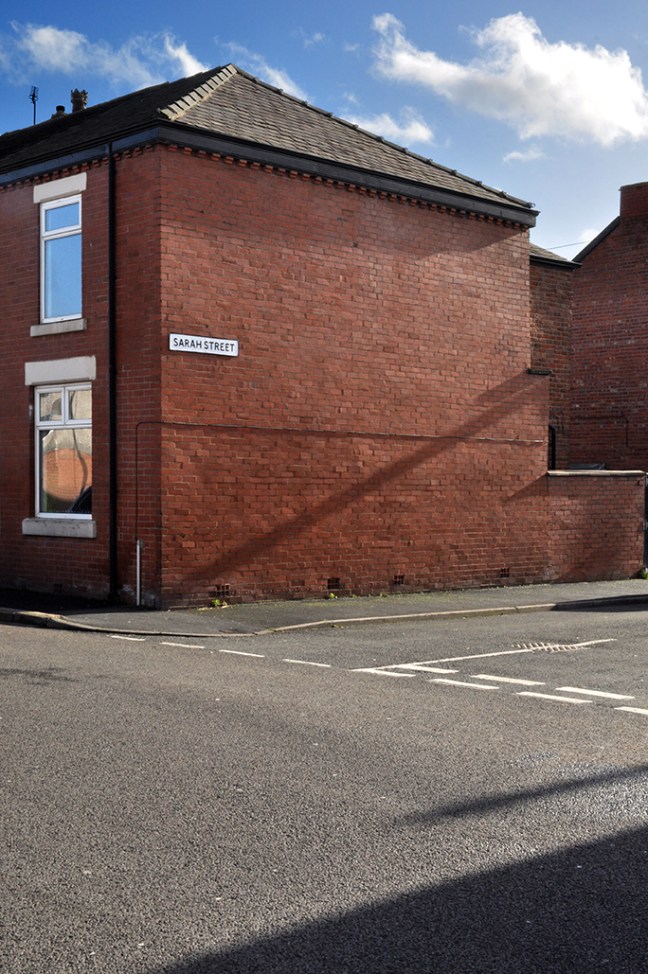
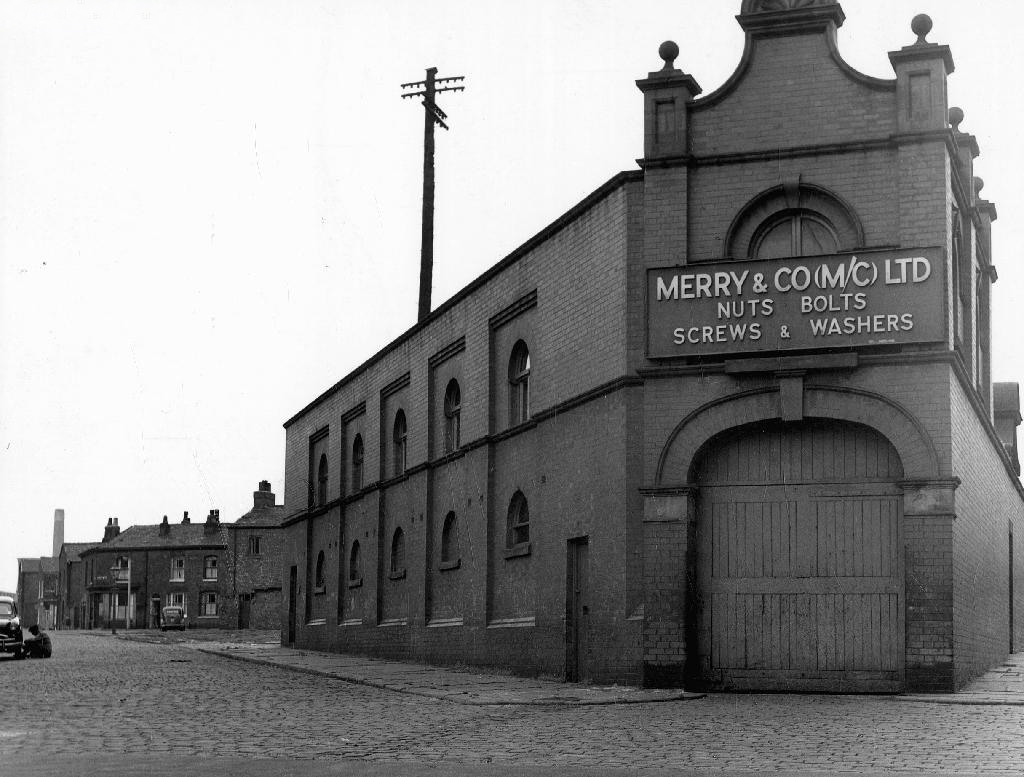
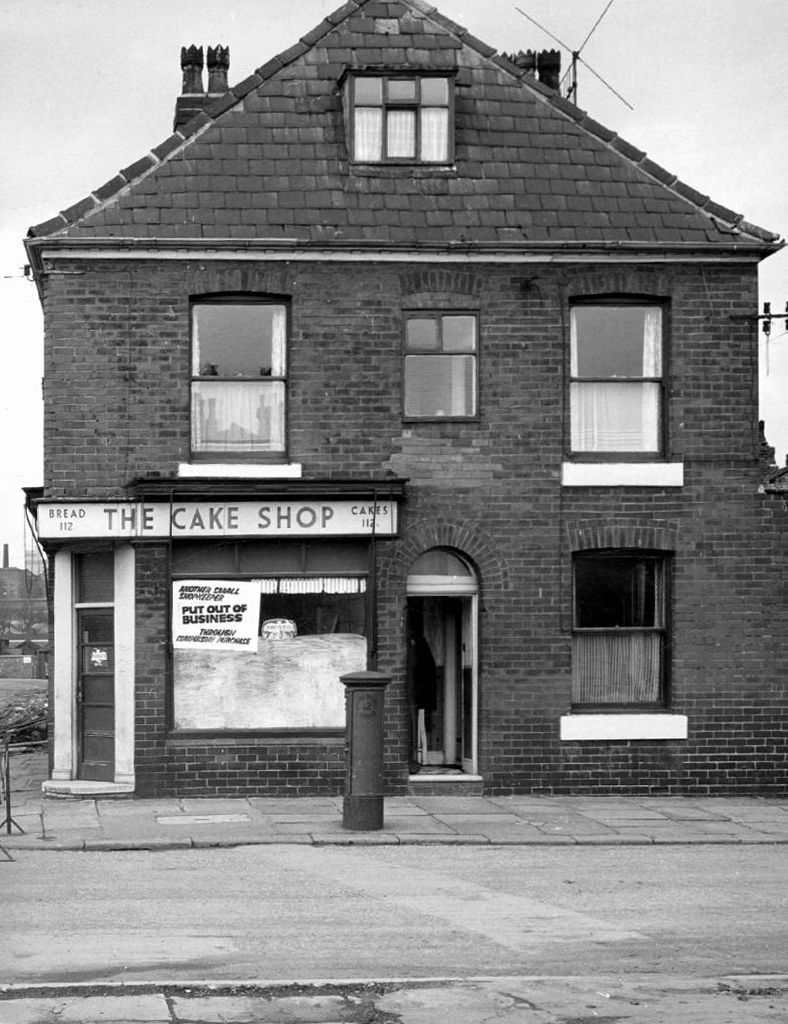
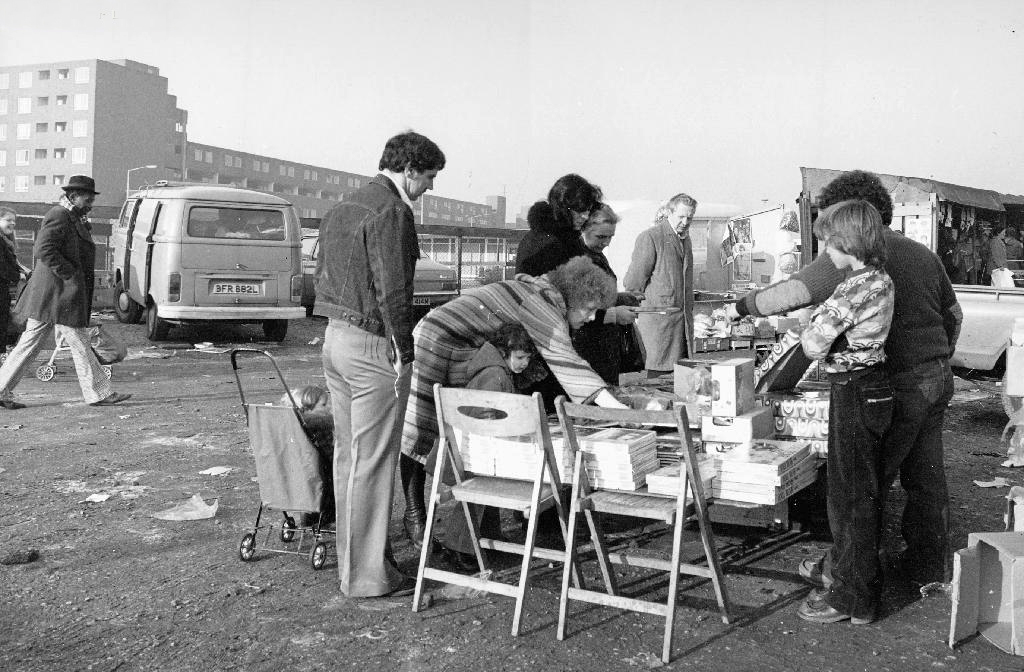
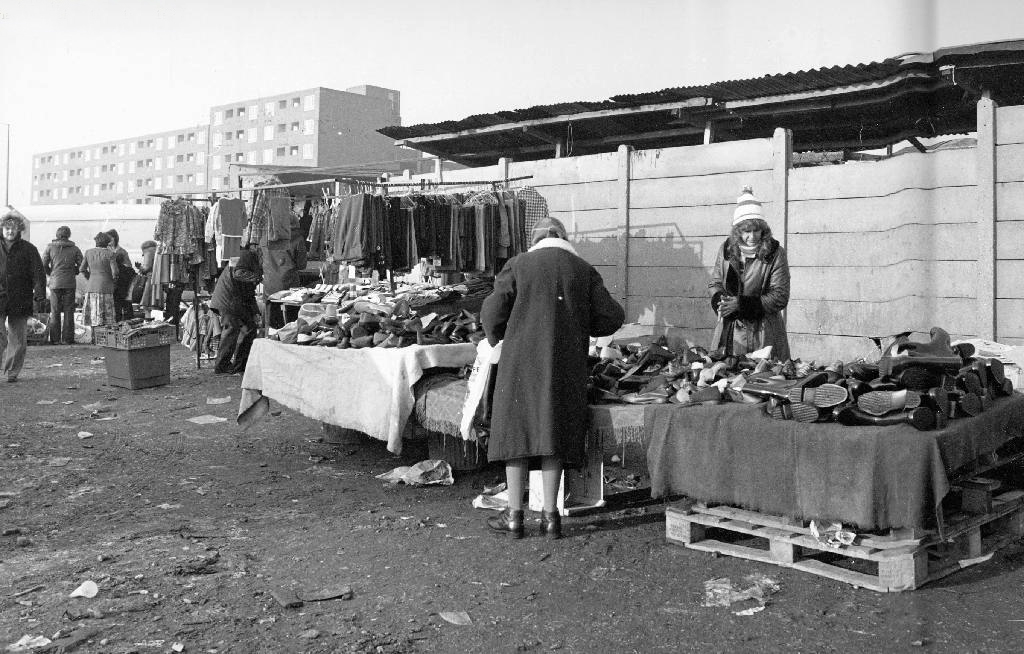
In the 60s it was, as I remember it, a typically vibrant mixed East Manchester community, industry, housing, retail, entertainment and goodness knows what bumping along together incautiously, down tight streets of Victorian terraced housing. I worked in the area as a Mother’s Pride van lad, hauling bread, cakes and galvanised trays in and out of a plethora of superabundant corner shops.
The year of 1970, approximately, dawns, ushering in a decade of great change, slum clearance and the building of brand new homes – the end, by and large, of the back to back corner shop world.
10 years later, and long gone the years of postwar full employment, and the made round to go round world of the weekly wage.
The early 1980s saw growing unemployment and world-wide recession. The large new estates suffered most. Inner city districts of Manchester saw street riots in 1981, as did many other major cities around Britain. Manchester had suffered badly as a result of the recession. In 1986, over 59% of adult males living in Hulme were unemployed; in Miles Platting the figure was 46%; Cheetham Hill and Moss Side both had an unemployment rate of 44%. The main group of unemployed were young people under the age of 21. Hulme’s youth employment was recorded at 68%, and Cheetham Hill suffered 59%.
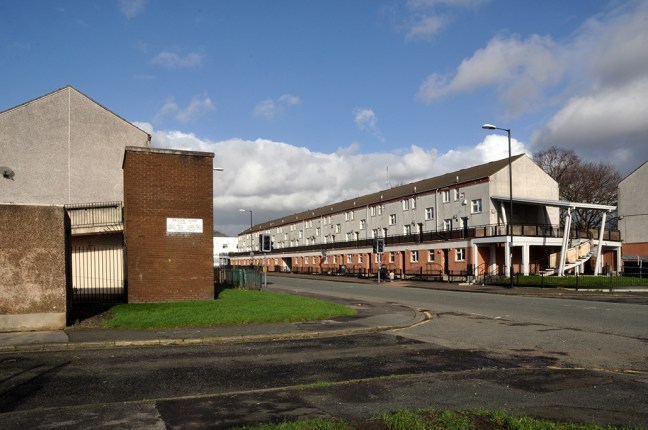
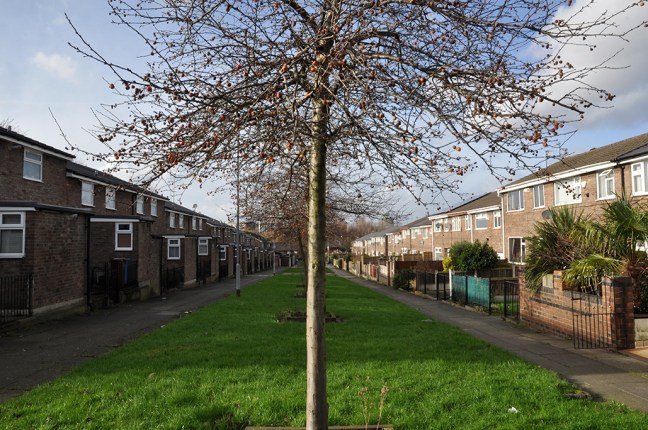
It is true that the new developments have great advantages in many ways over the terraces they replaced. Tenants who live in houses without baths or indoor sanitation and with no hot water are delighted to move into bright new flats and maisonettes, with indoor plumbing, with baths, and accommodation which has more rooms and far better kitchen facilities and central heating, even though they sometimes grumble at the cost of that central heating.
But although we can build a new housing development, we cannot easily recreate the warm community spirit which has vanished with the terraces which have been demolished. There is the noise from neighbours on the deck above and the deck below. The wind-swept balconies along which tenants have to walk are not as cosy as the streets from which they have come. Those welcoming corner shops, with their bright lights on winter evenings, have gone, and sometimes a new development has no new shops for too long a period. Even when they come, there are not enough of them.
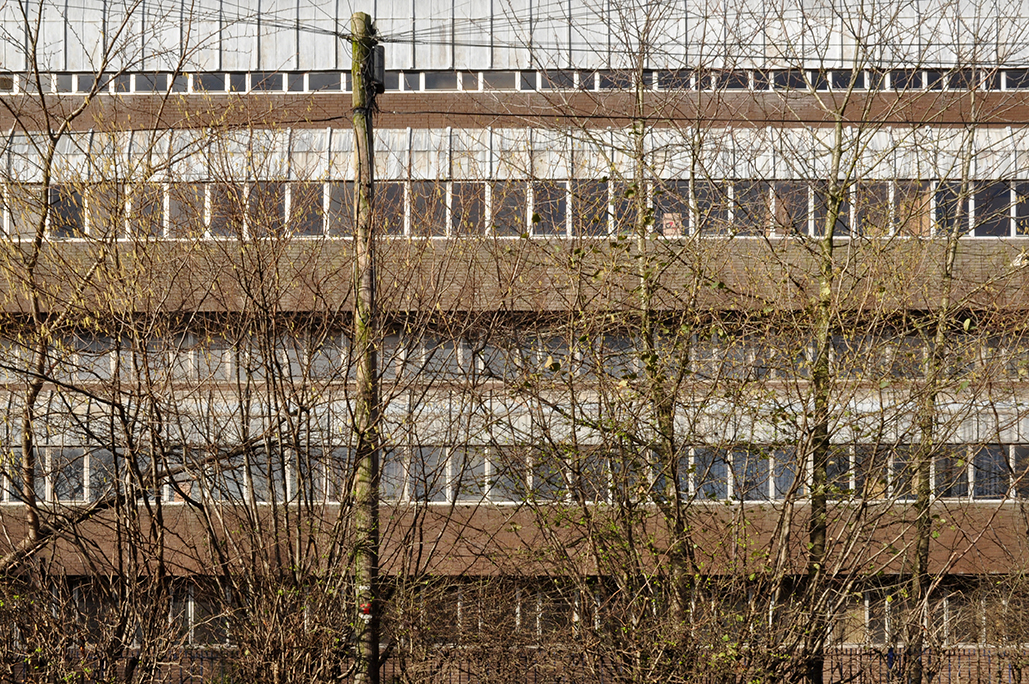
The scale of the buildings is often daunting. I have in mind Fort Beswick and Fort Ardwick in my own constituency. The design is frequently all too forbidding. That is why the two estates are called Forts.
When the tenants of these development have lived in cosy old houses, however inadequate they were in terms of physical provision, they are bitterly disappointed by the shortcomings of new property which they have looked forward to occupying.
The year of 1990, approximately, dawns, ushering in a decade of great change, multi-storey development clearance and the building of brand new homes – the end, by and large, of the one on top of another topsy-turvy world.
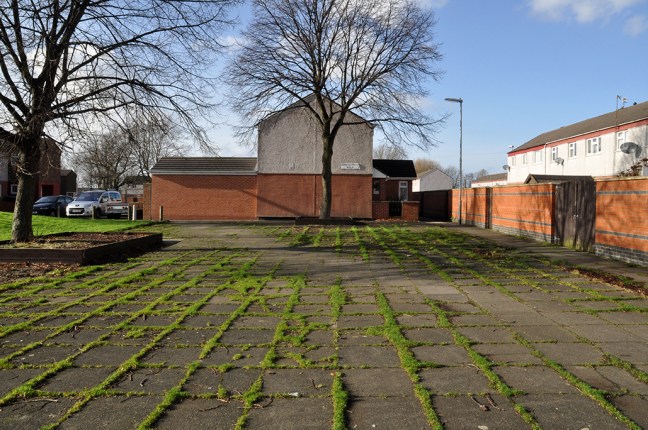
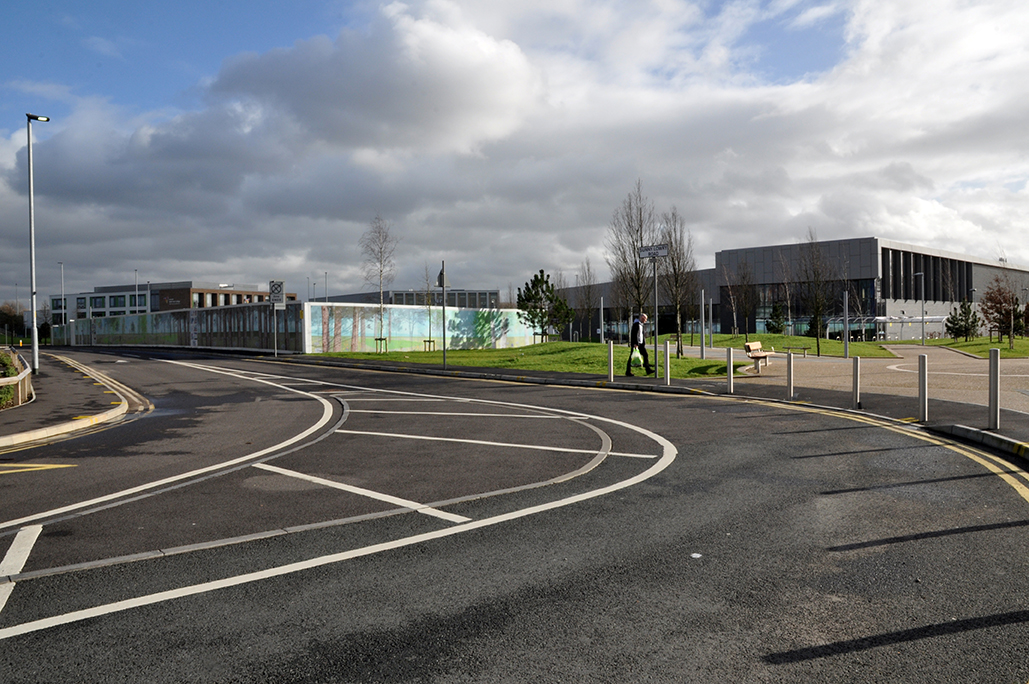
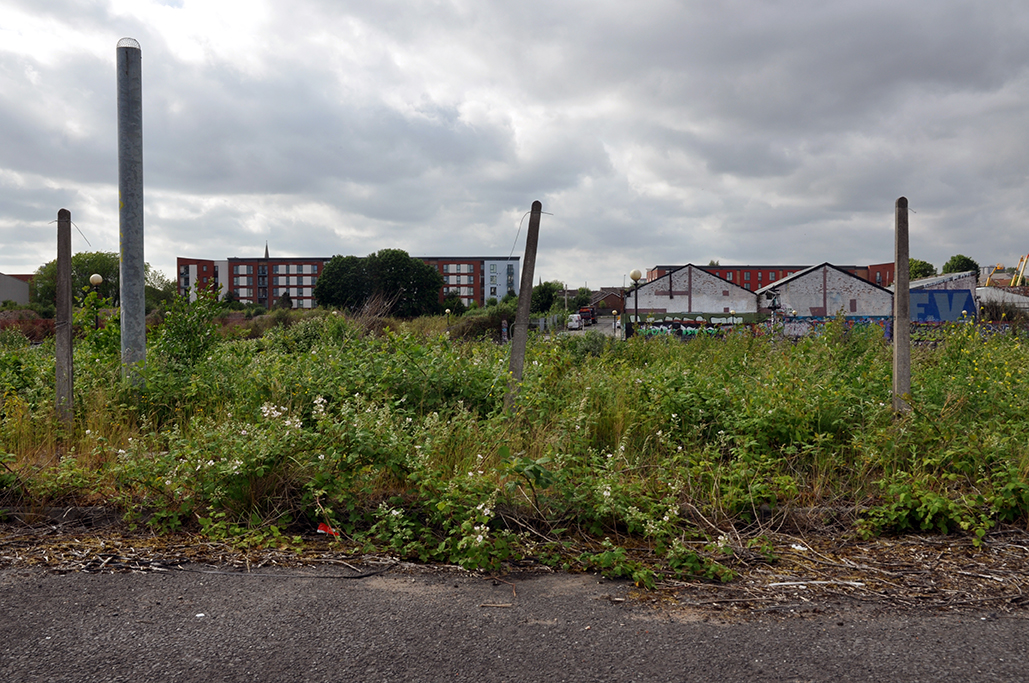
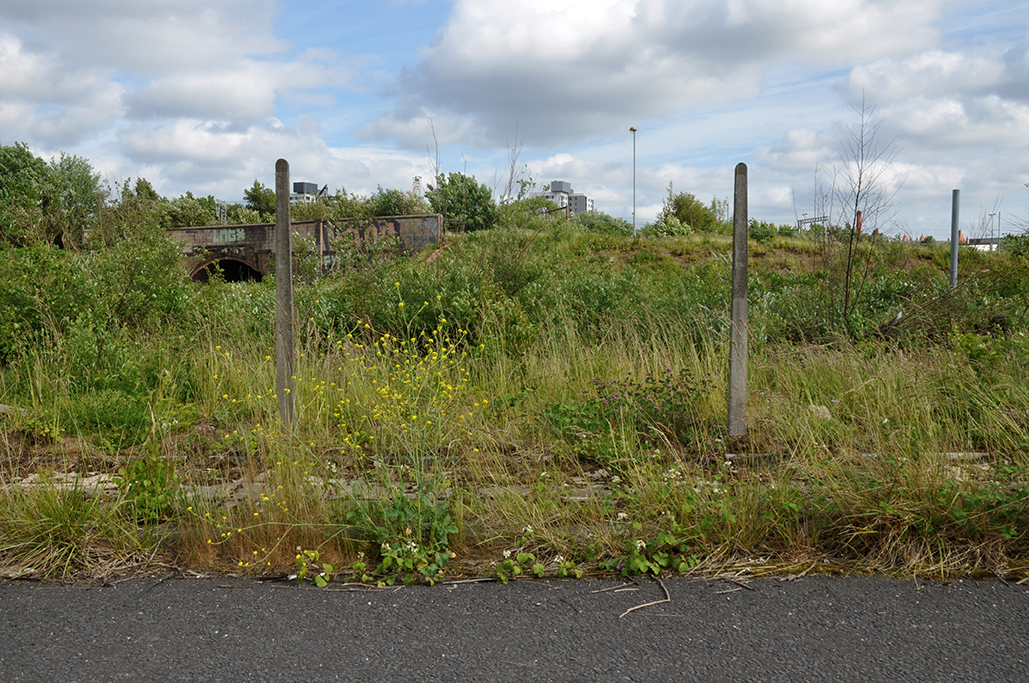
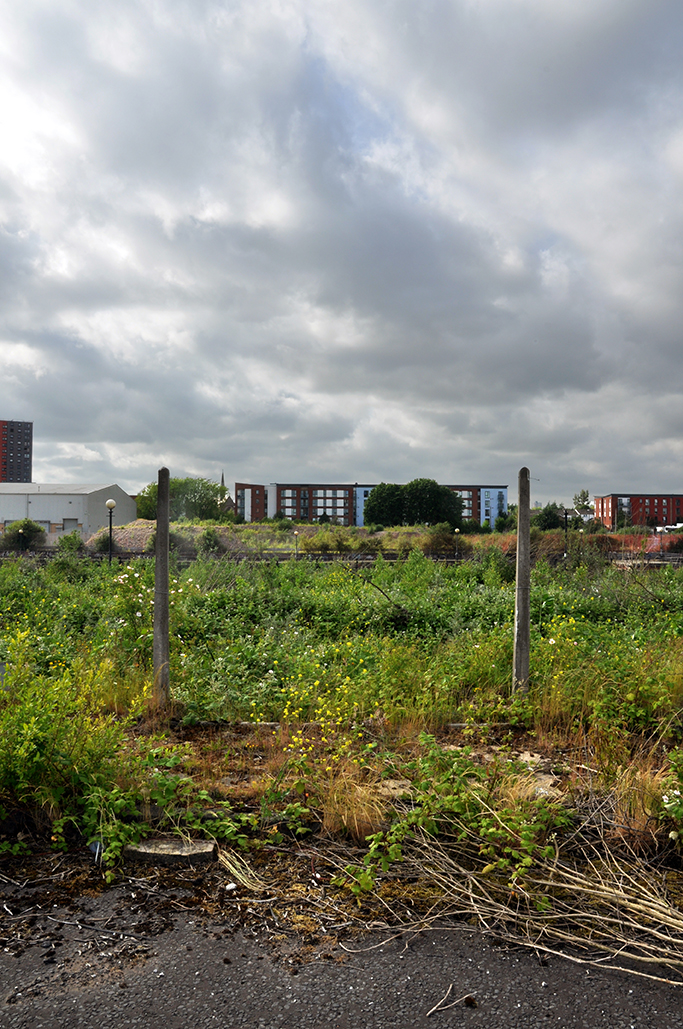
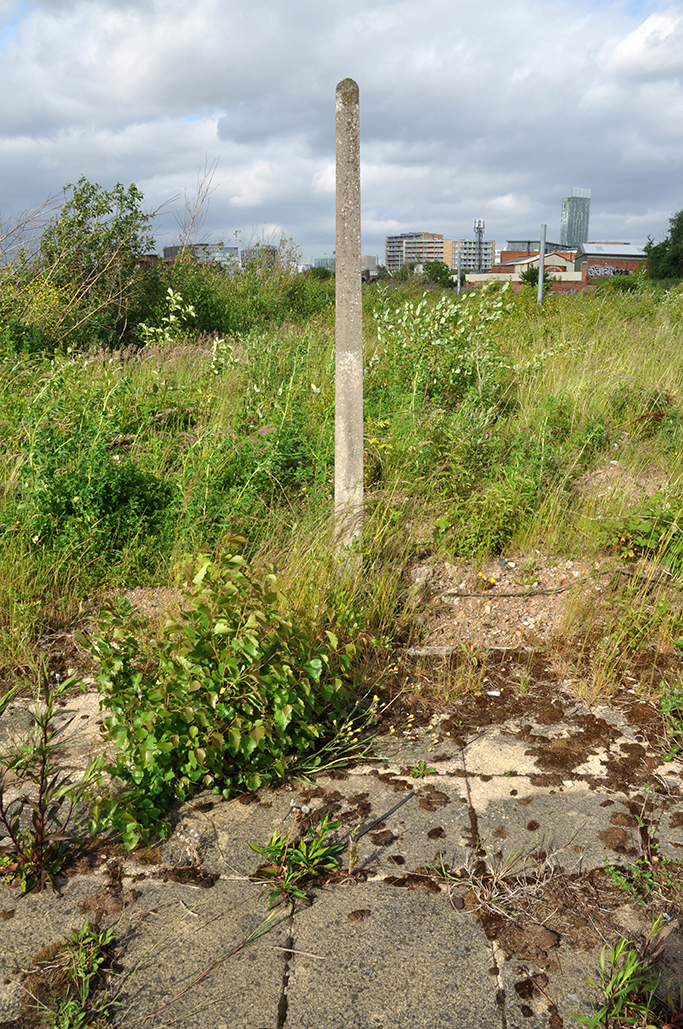
Fort Beswick was subsequently demolished.
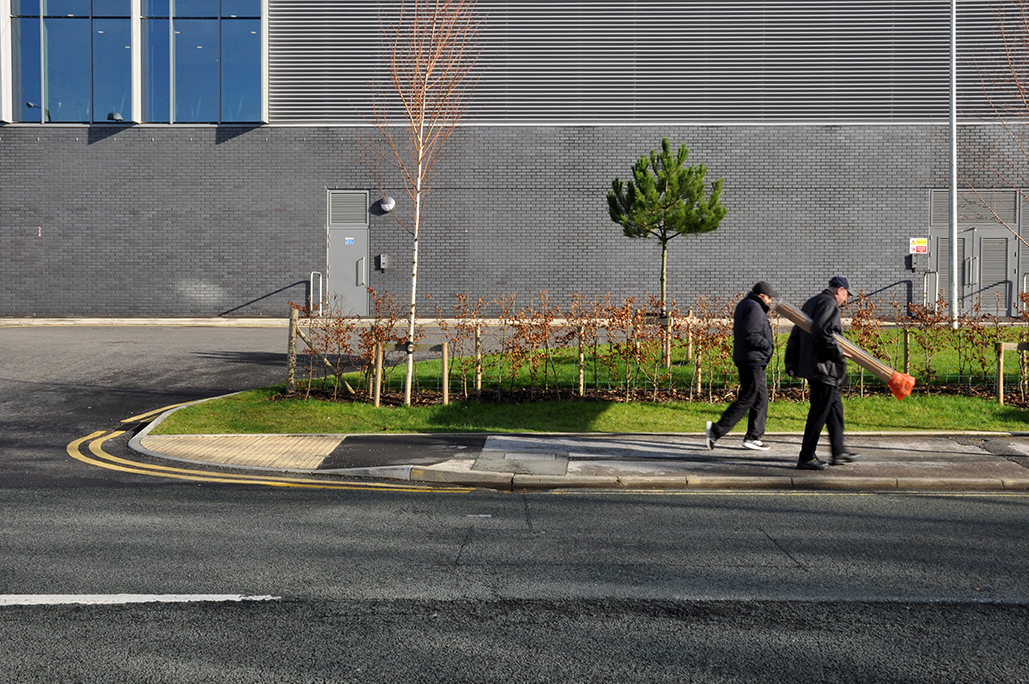
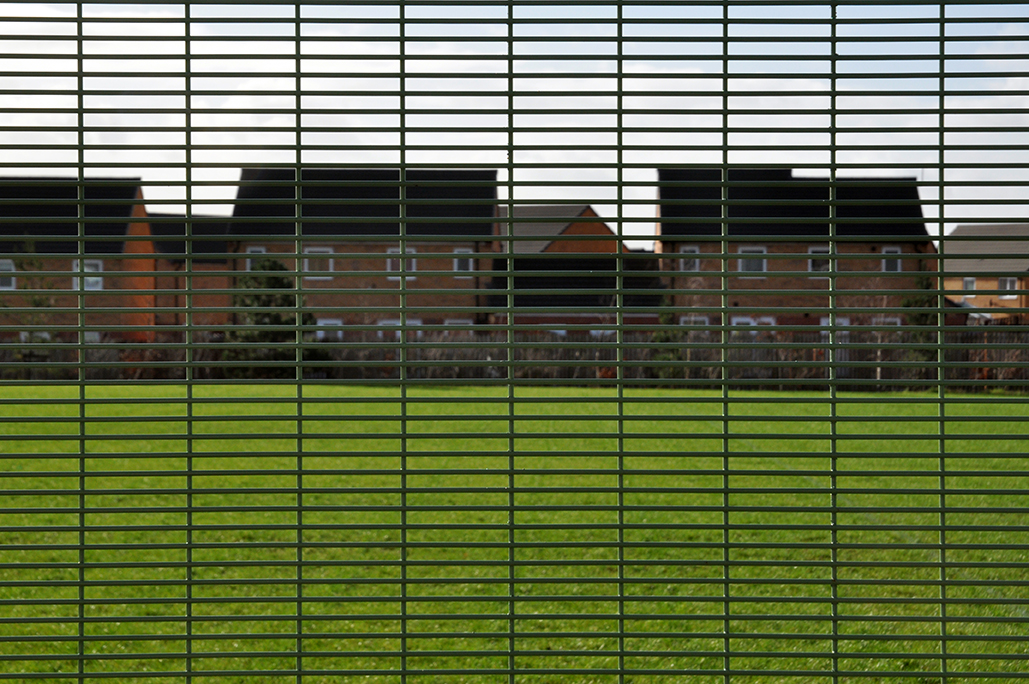
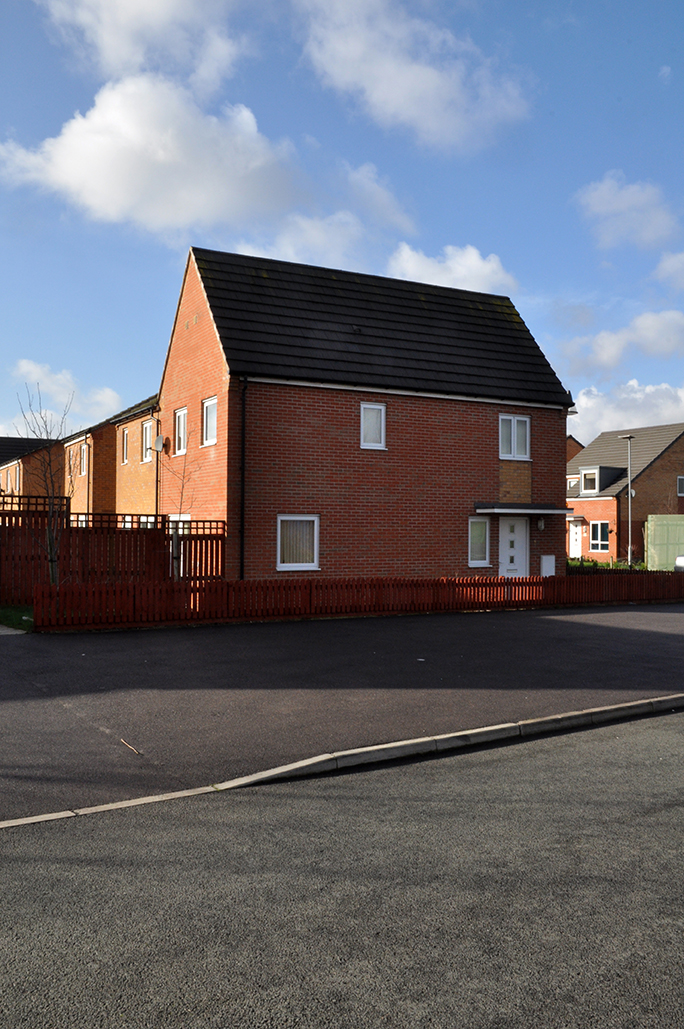
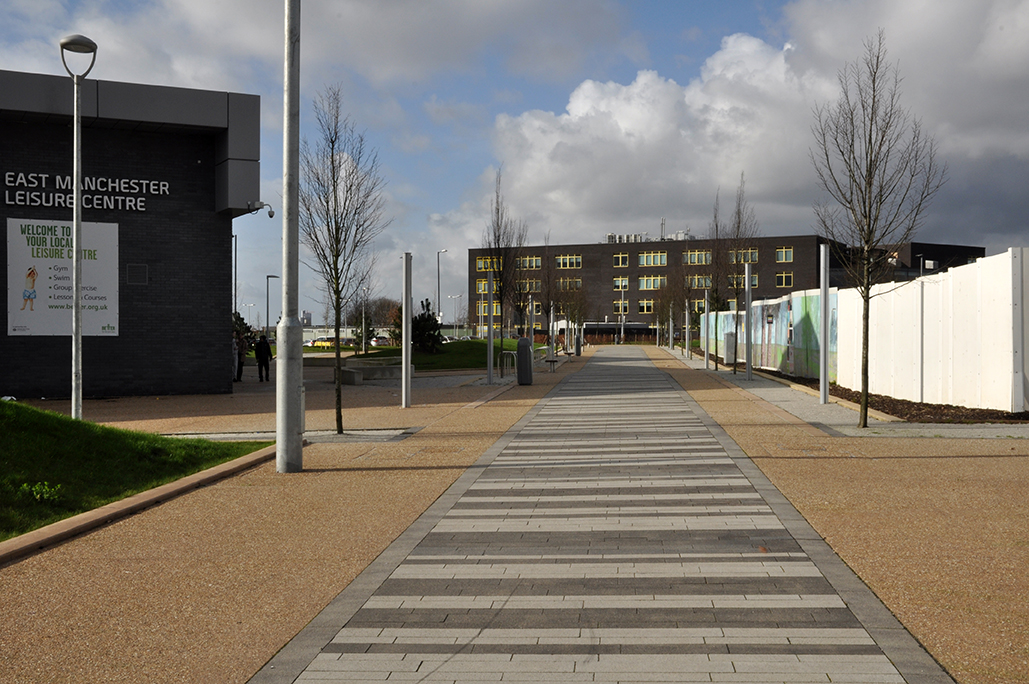
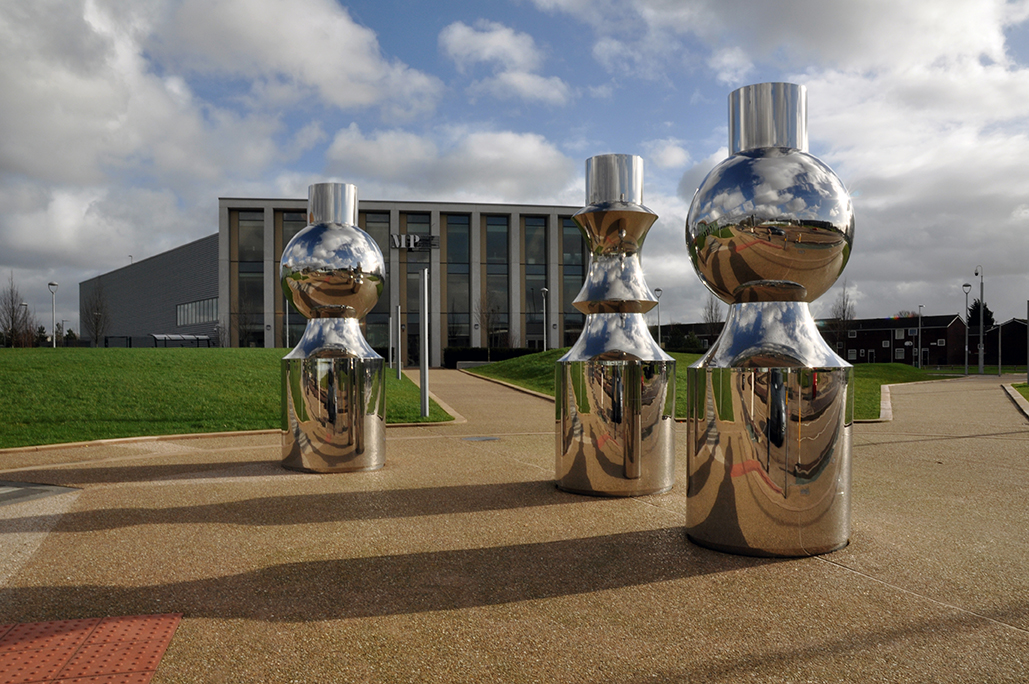
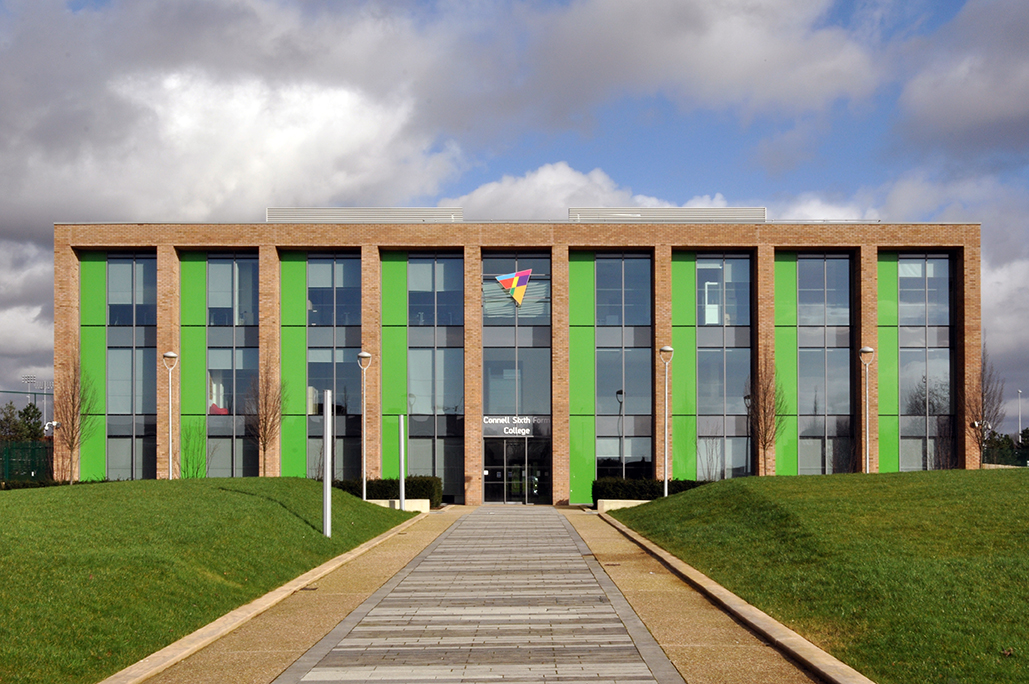
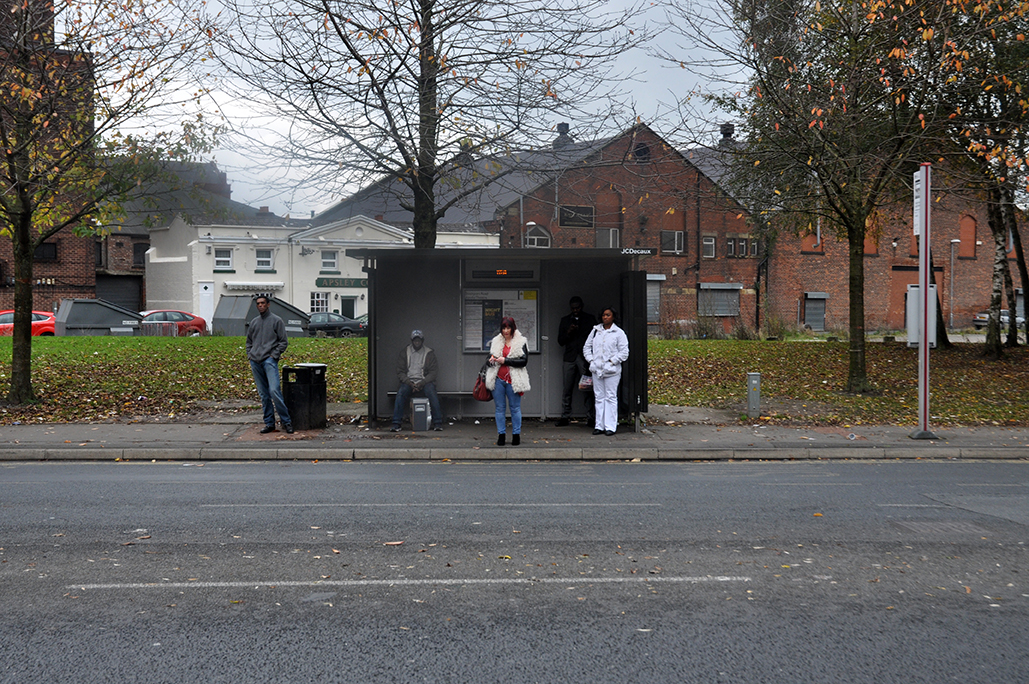
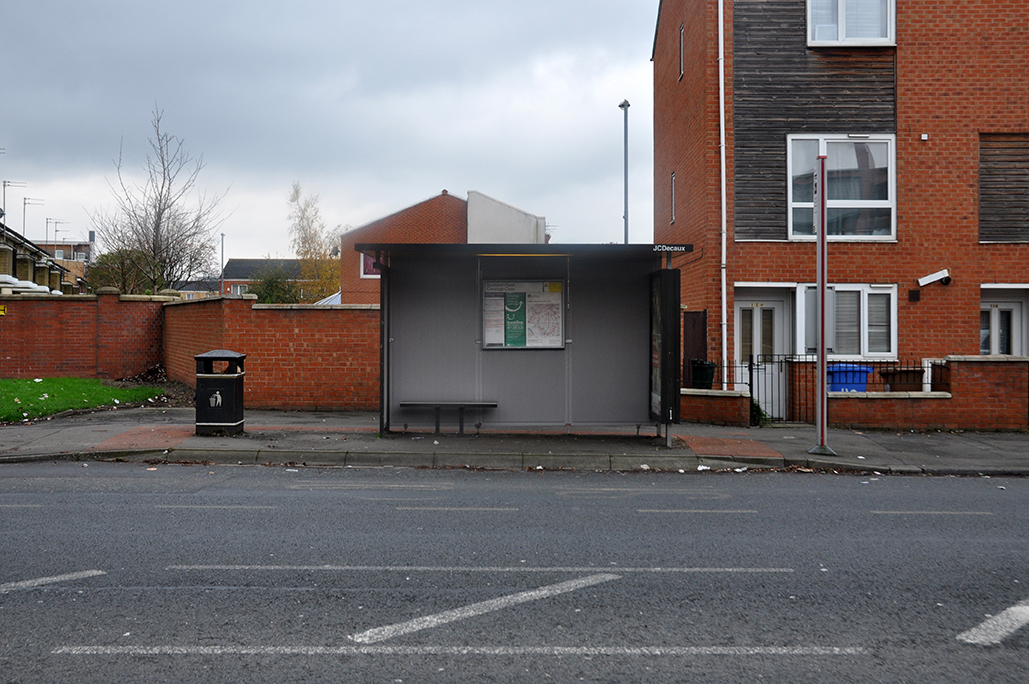
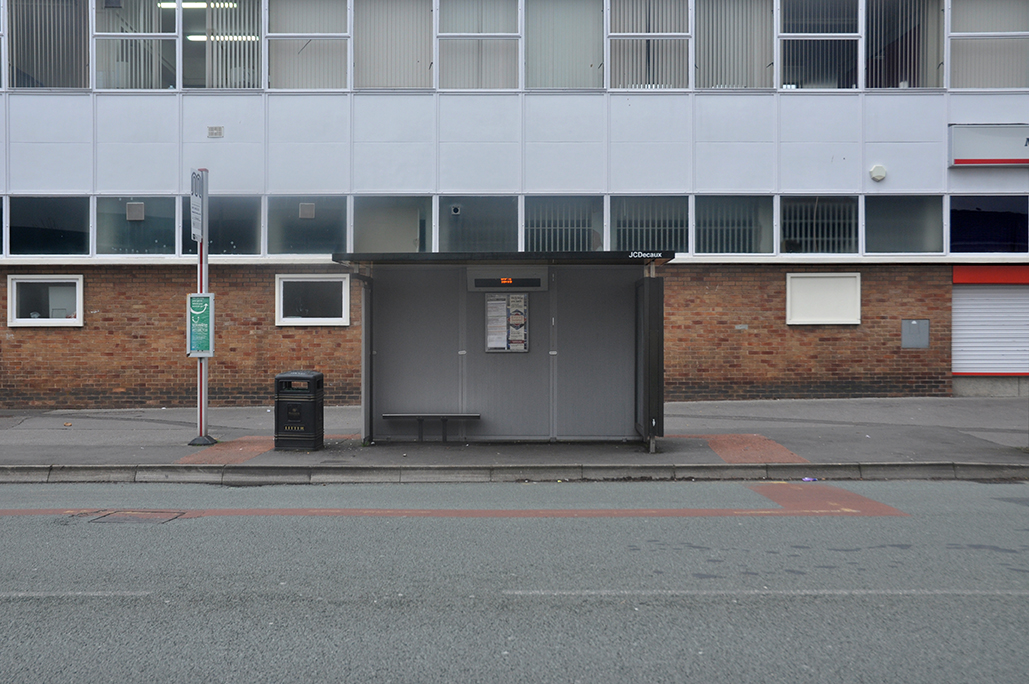
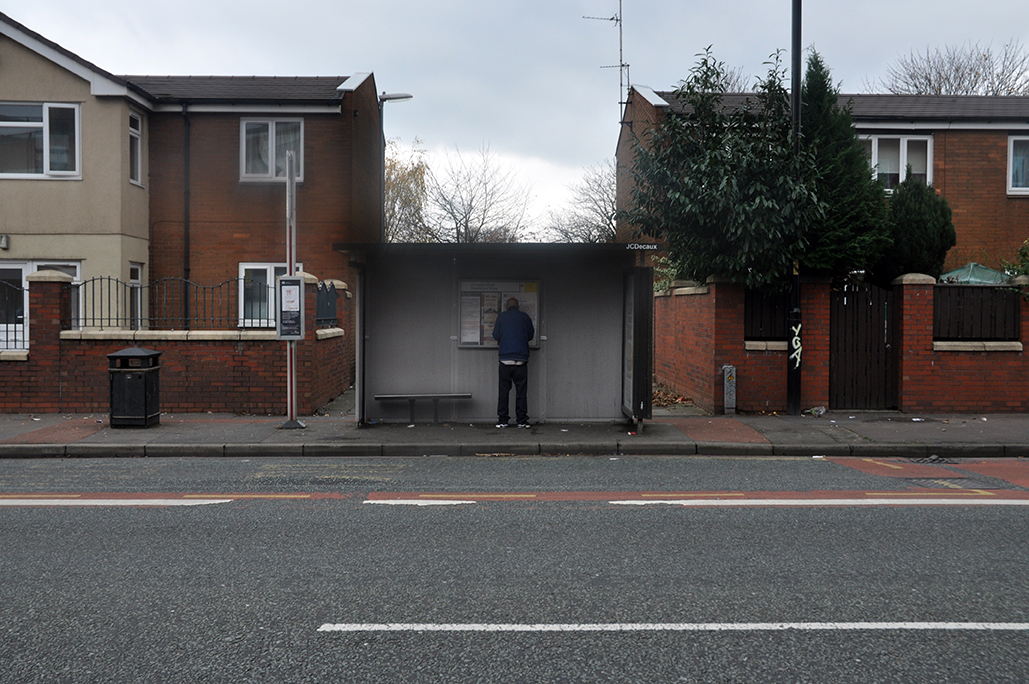
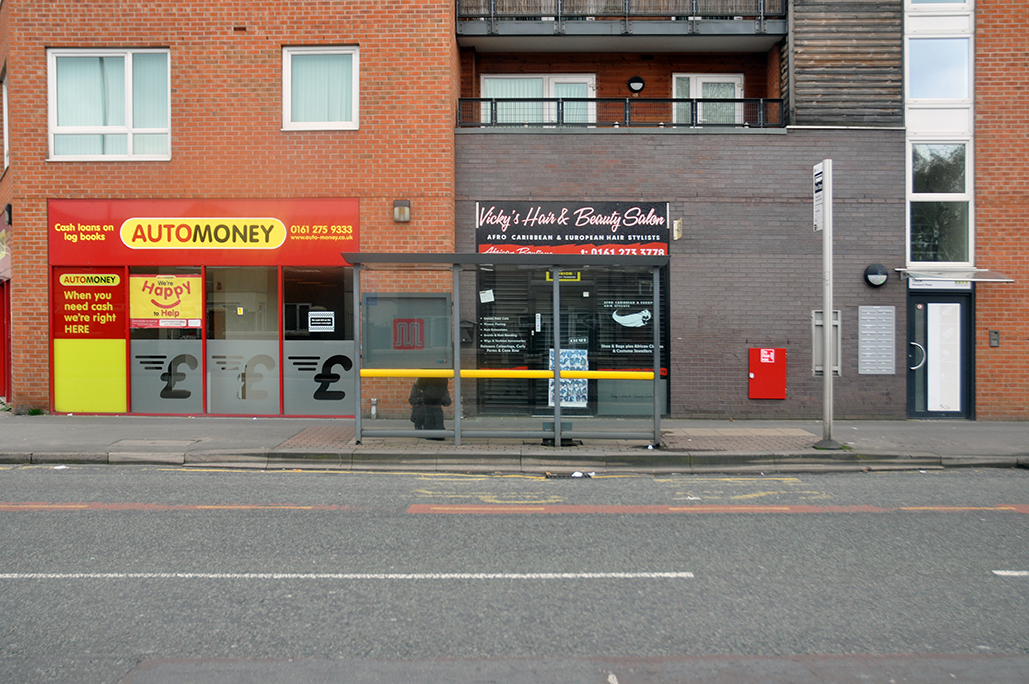
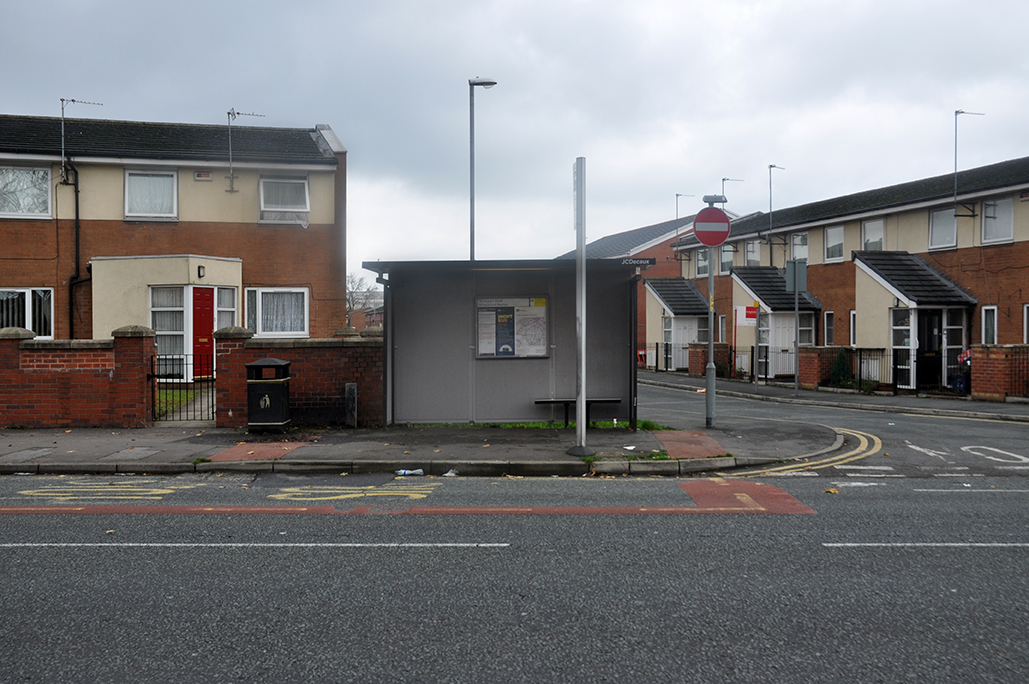
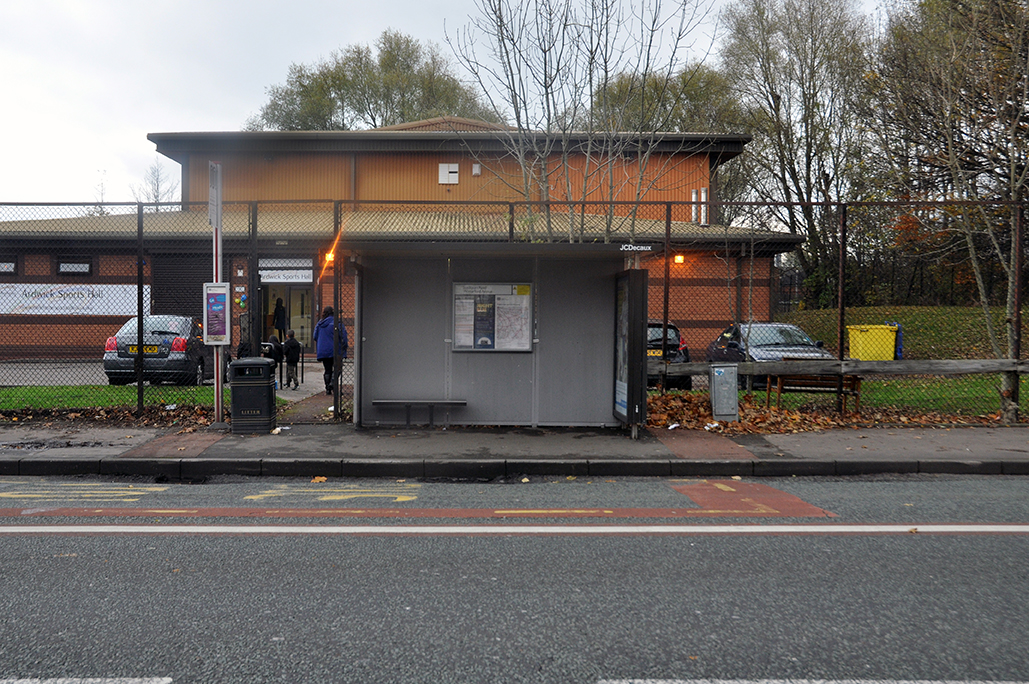
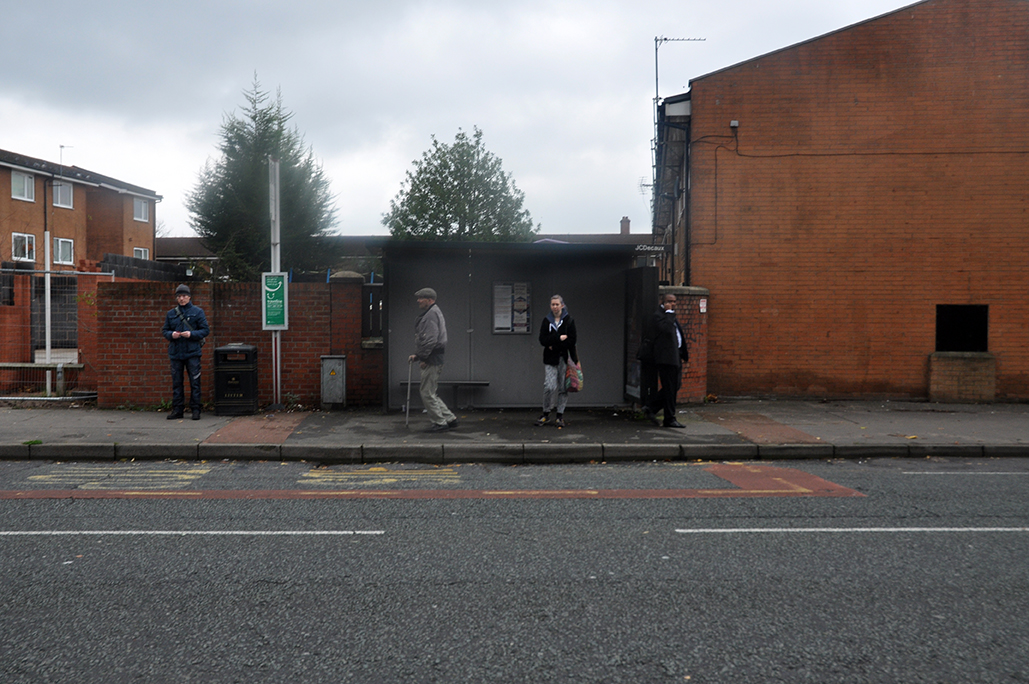
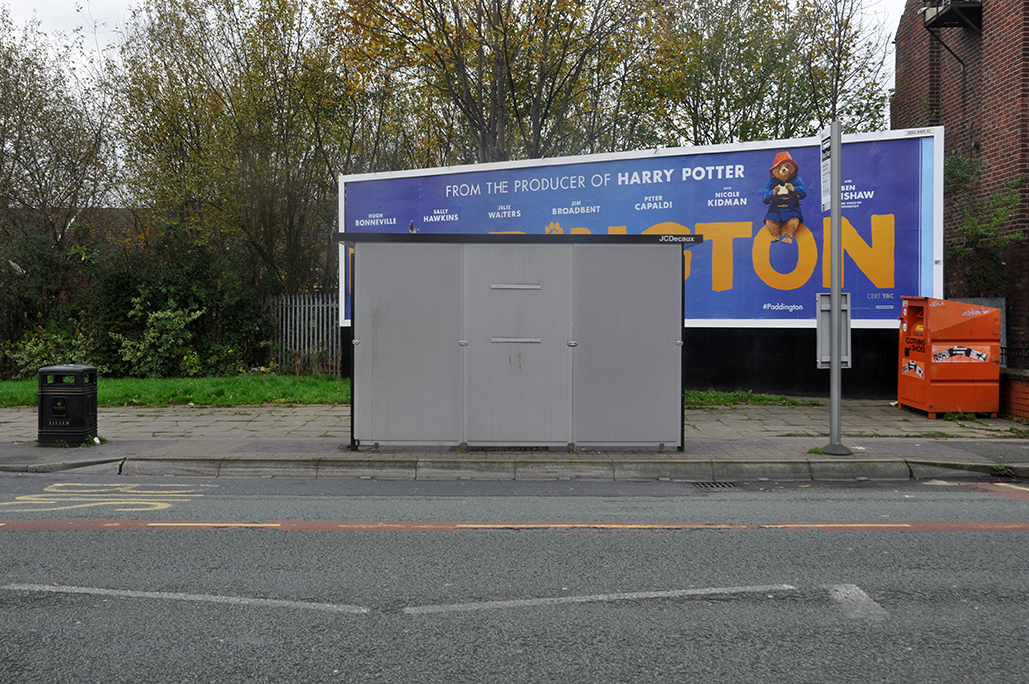
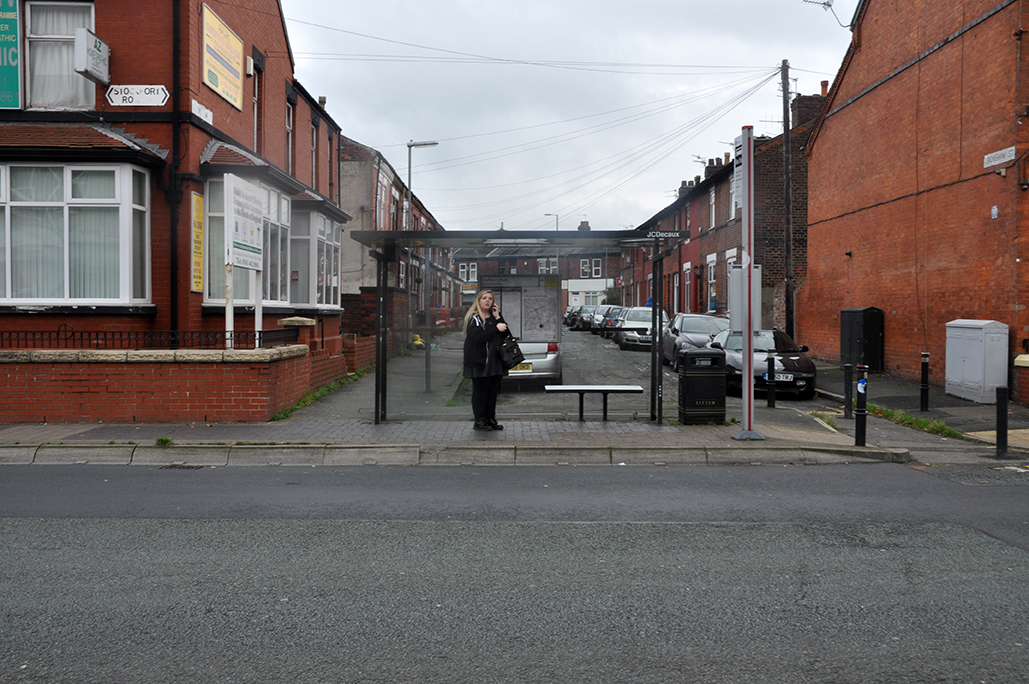
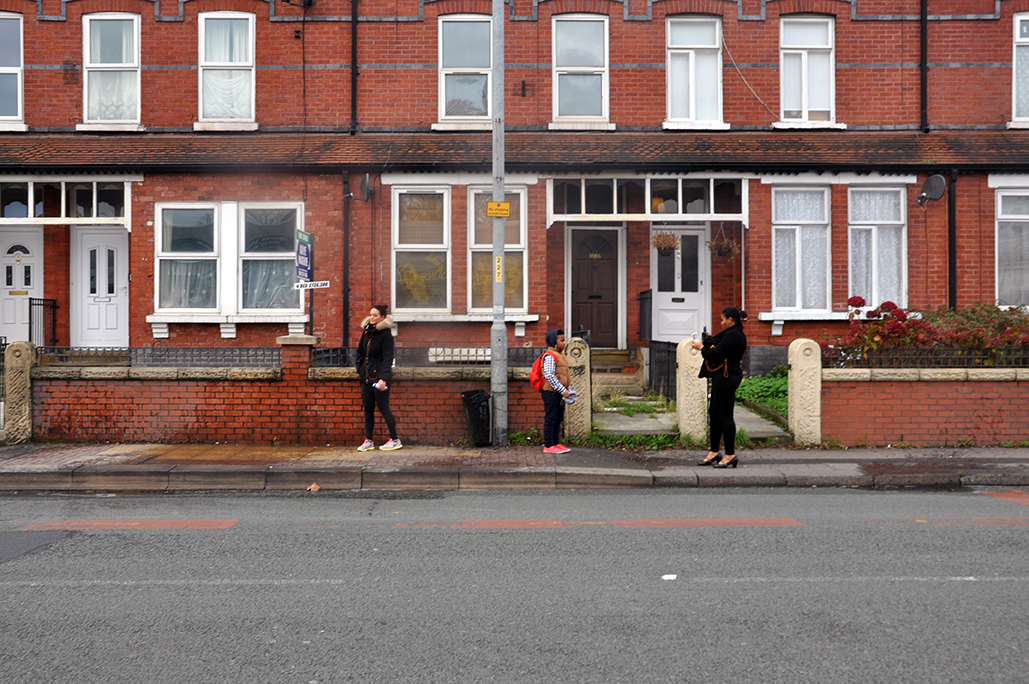
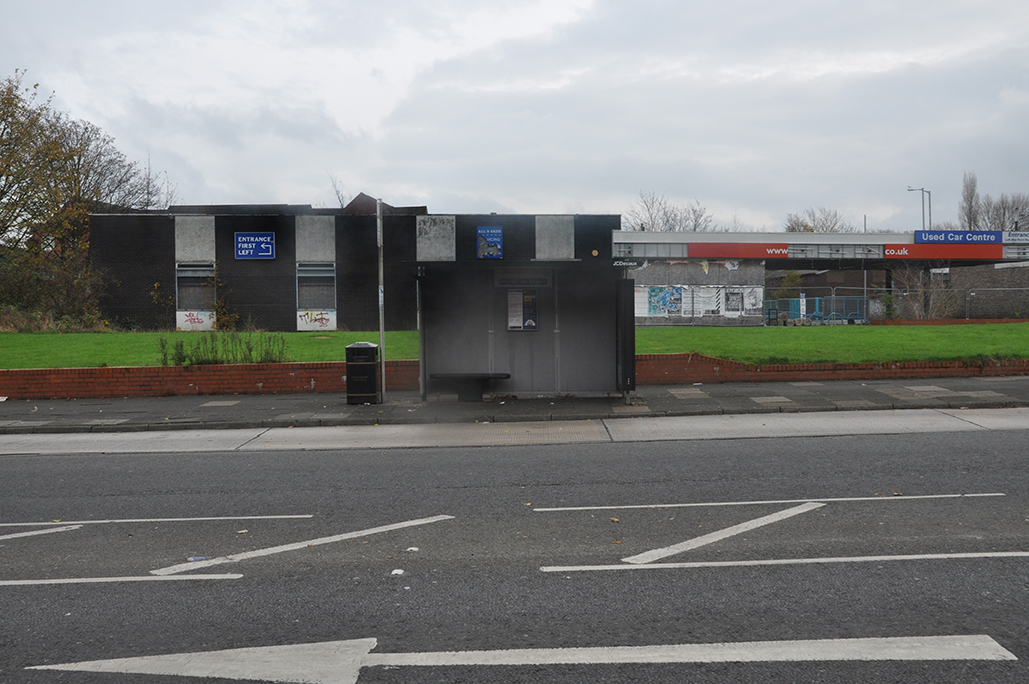
The beat goes on as Len Grant records the most recent redevelopment of East Manchester.
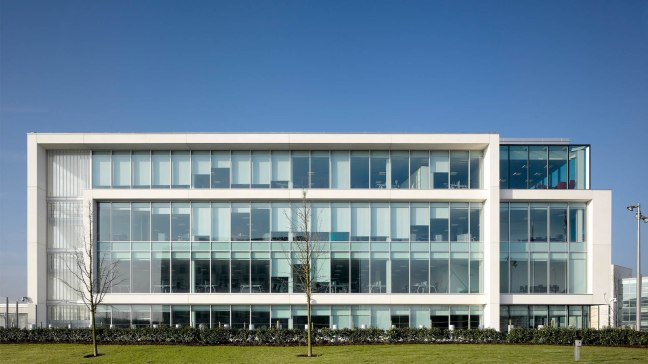
And the M.E.Nshouts loud and proud from the roof tops, heralding a brand new, privately funded public domain
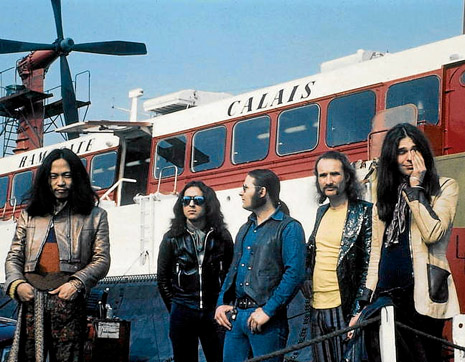
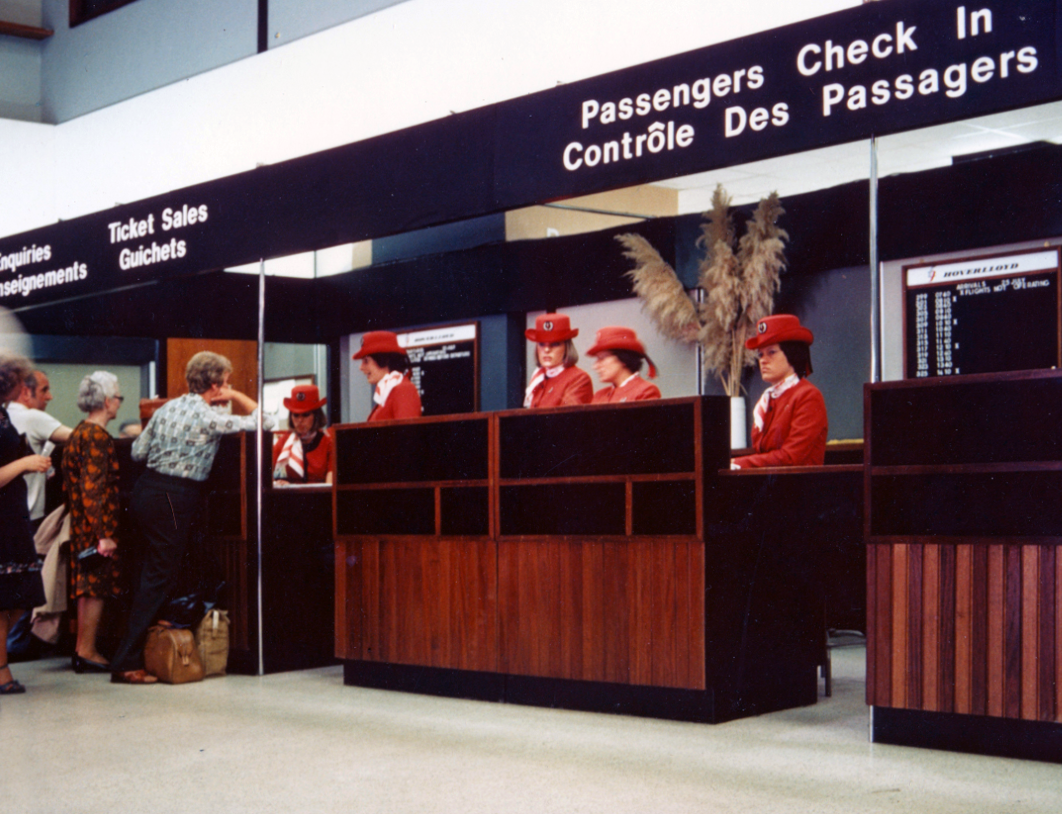
The passengers’ every need was attended to with alacrity and style.
“As a Stewardess your appearance was paramount, a beautician would come in during training to teach us how to apply make up.”
But it simply wasn’t enough.
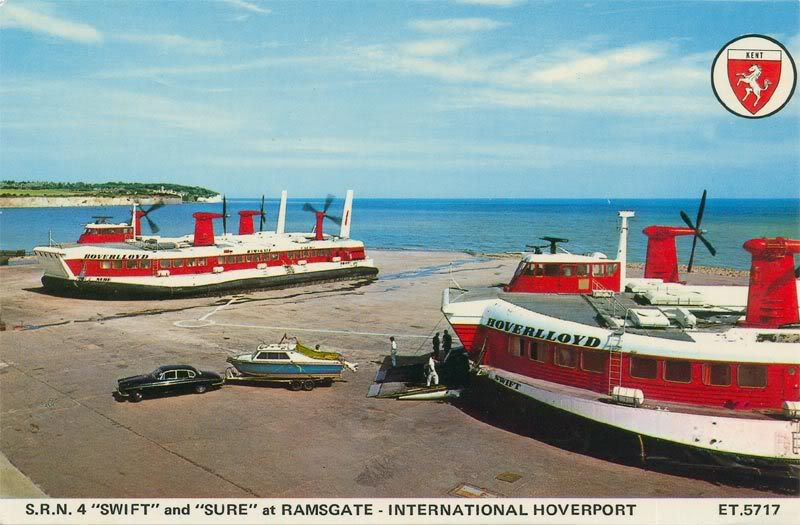
The life of Christopher Cockerell’s bold British invention, was short and bumpy.
Genevieve Payne, a former stewardess:
“I remember the summer of 1979 as a year of really bad weather and rough seas.”
“I was working on a craft in a force 8, so on this day we were literally hitting the ceiling, passengers were throwing up everywhere.”
“One lady became hysterical I had to slap her to calm her down.”
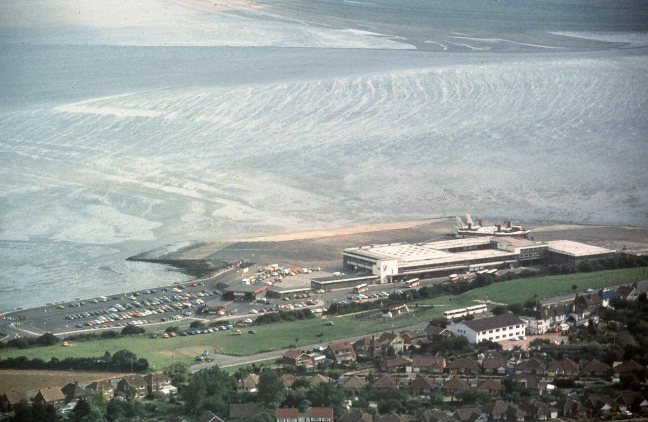
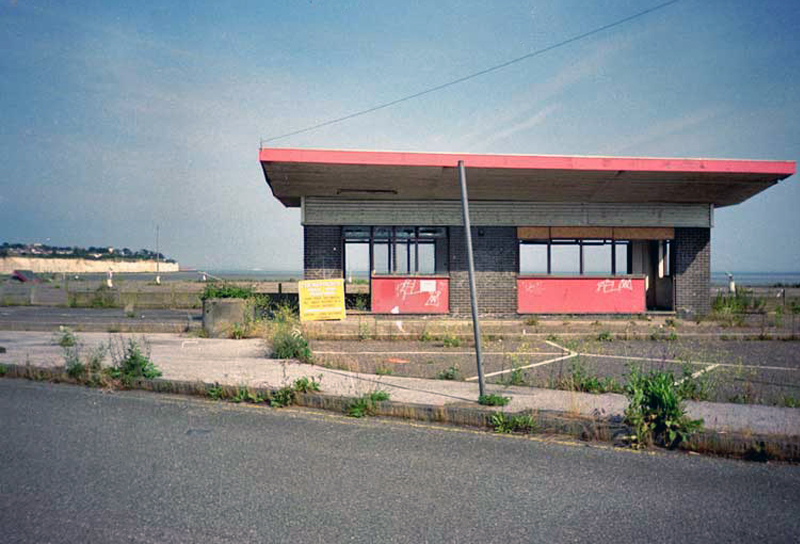
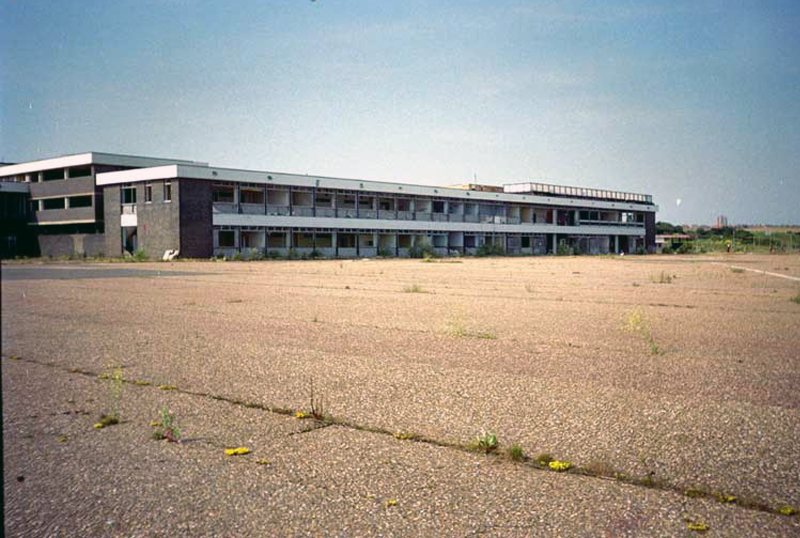
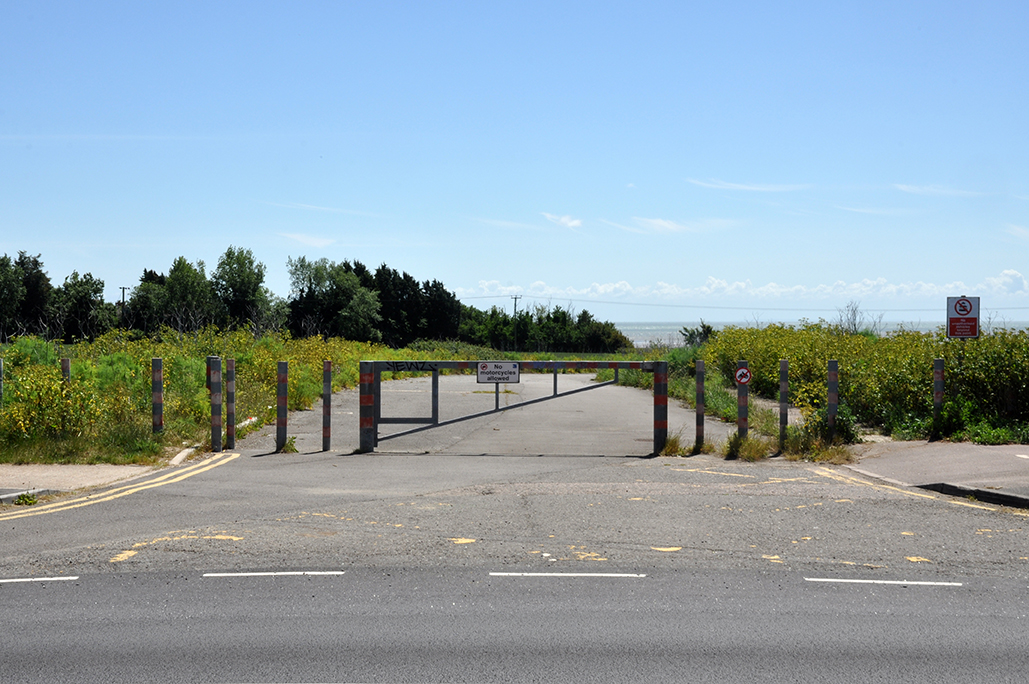
By the 1980’s Pegwell and the hovercraft were in terminal terminus decline.
It’s a lot less bother without a hover.
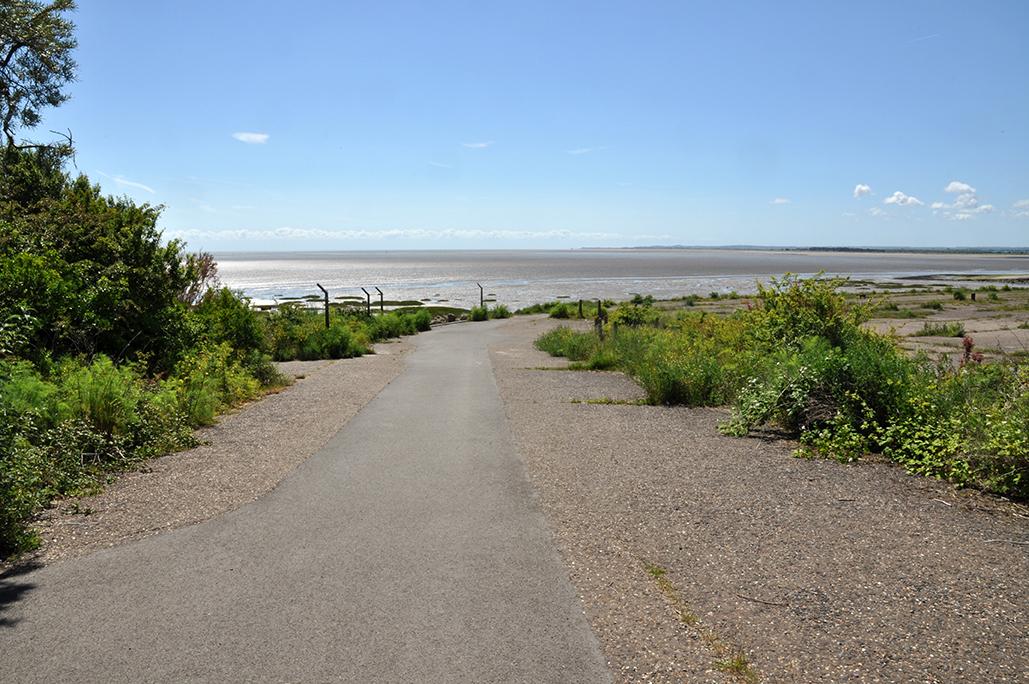
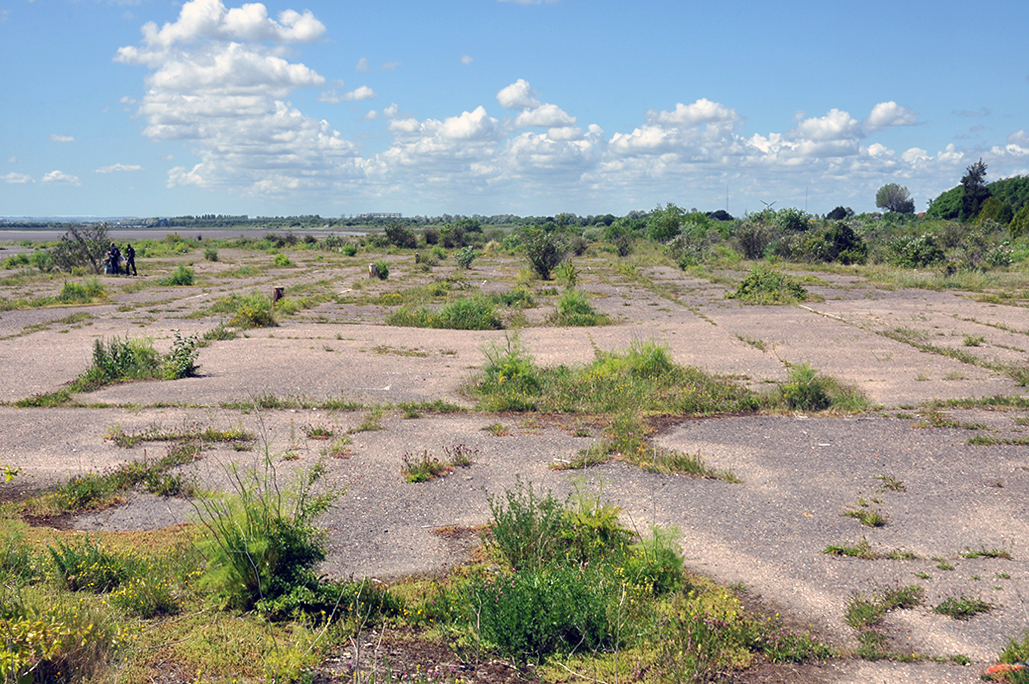
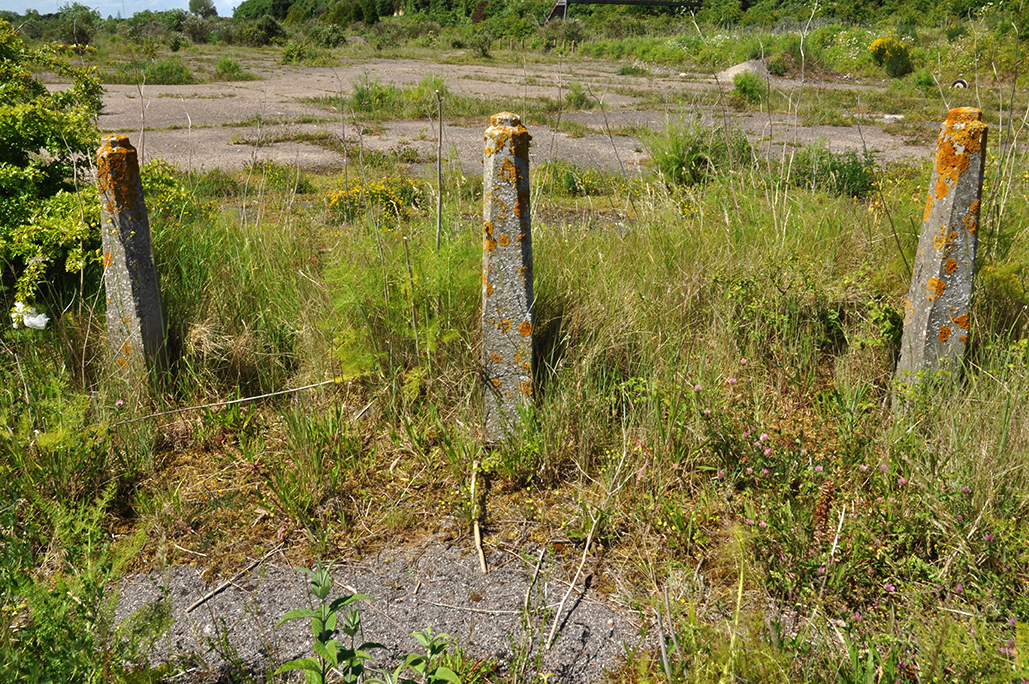
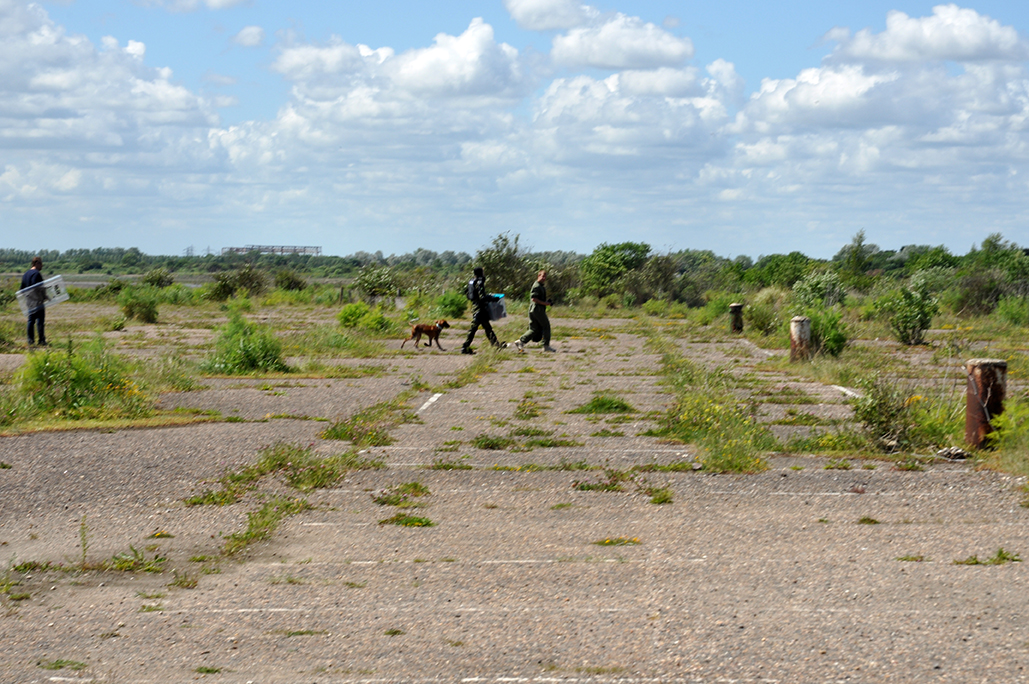
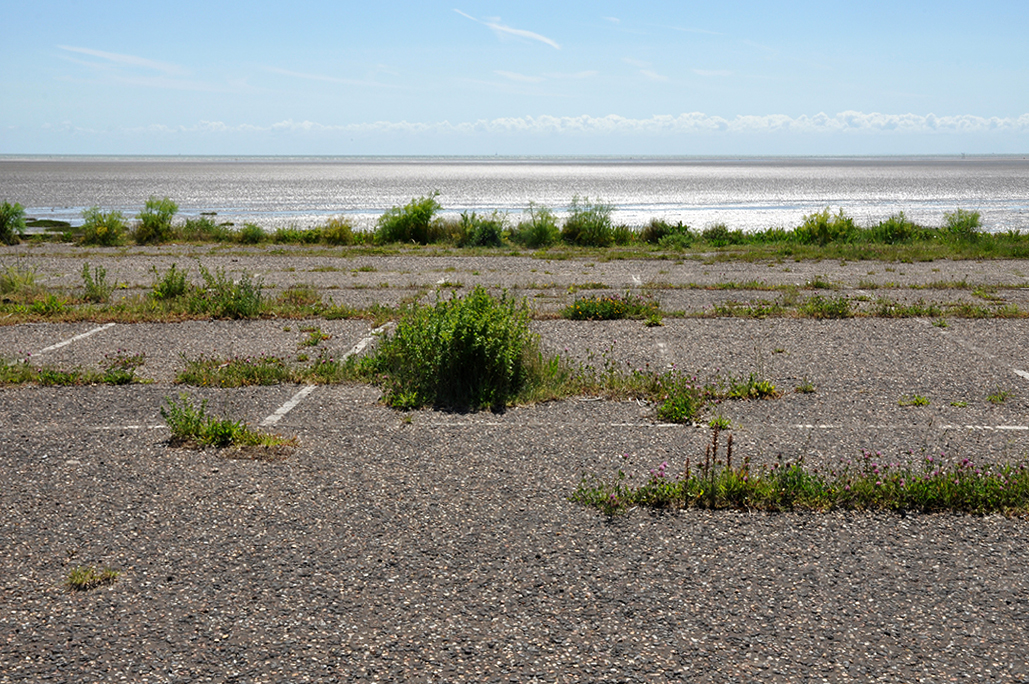
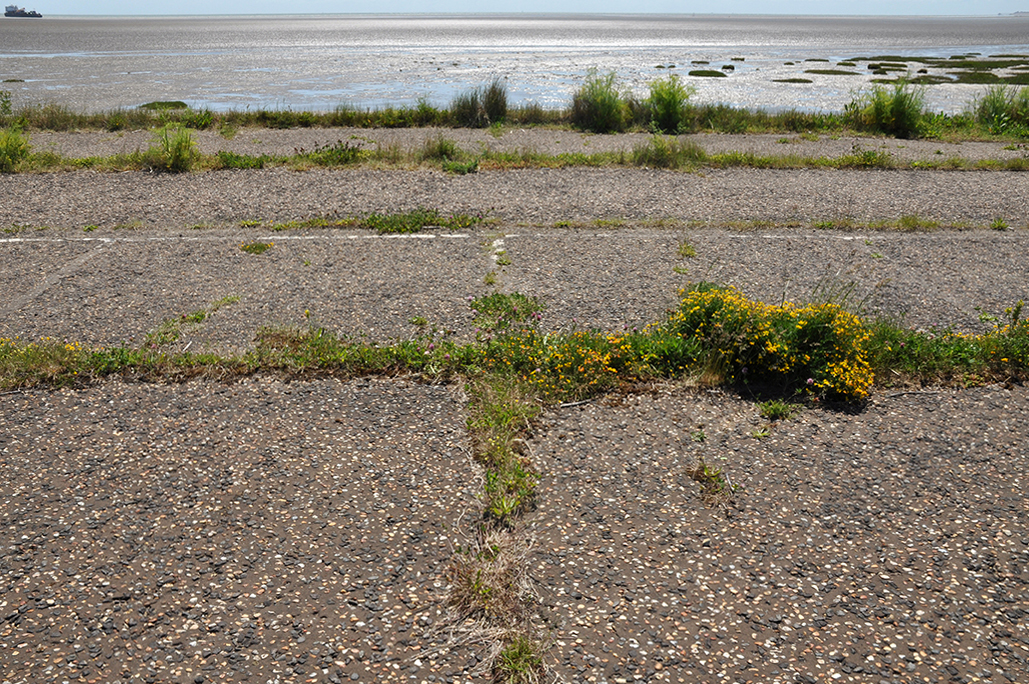
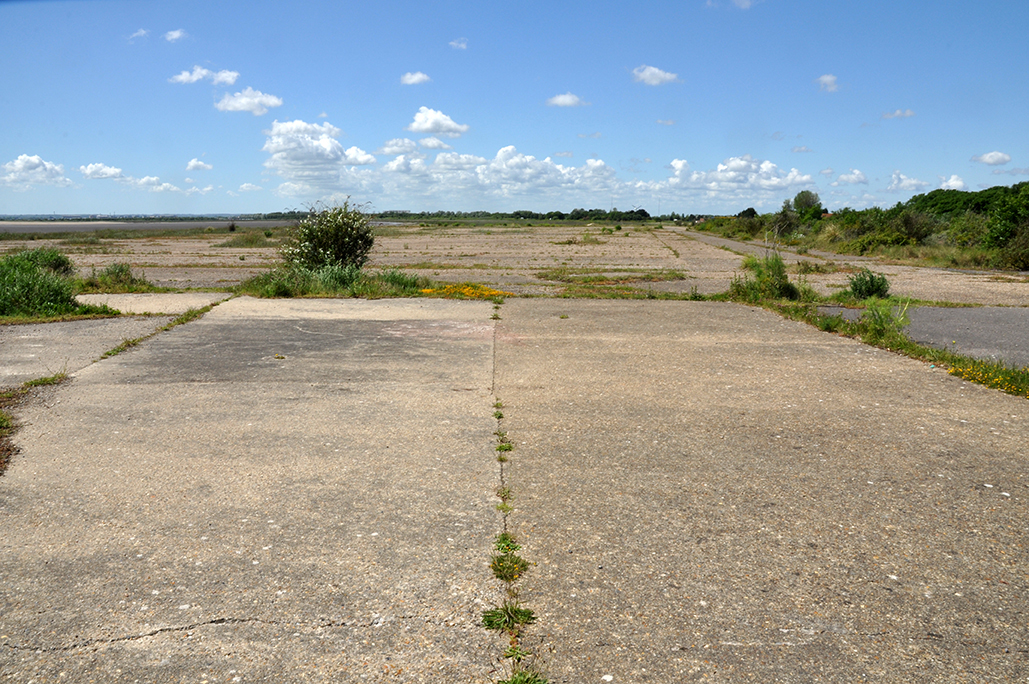
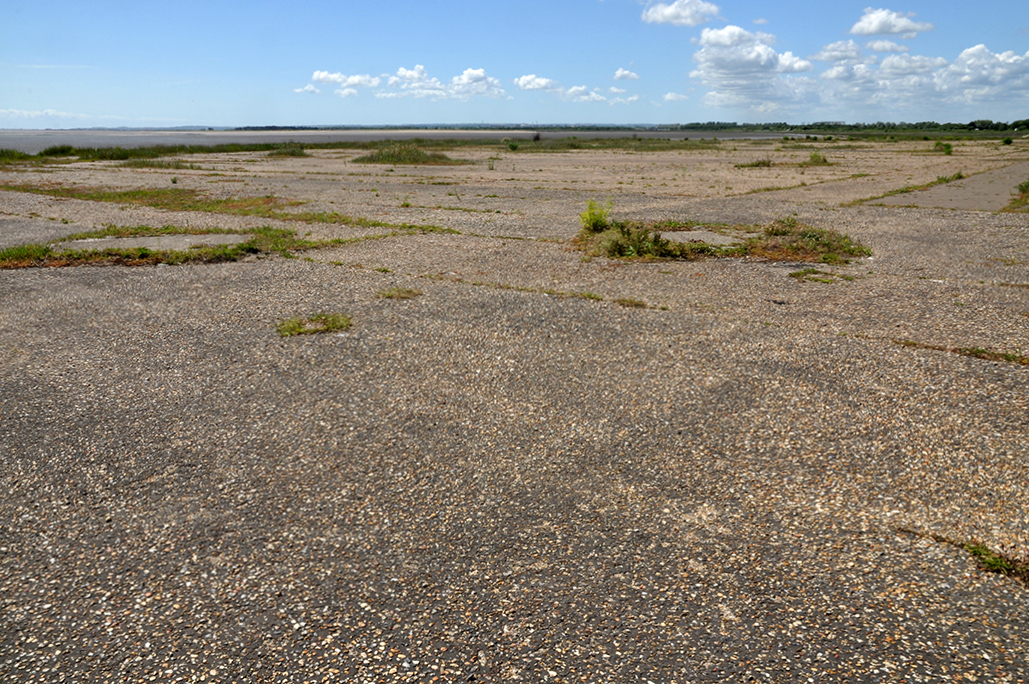
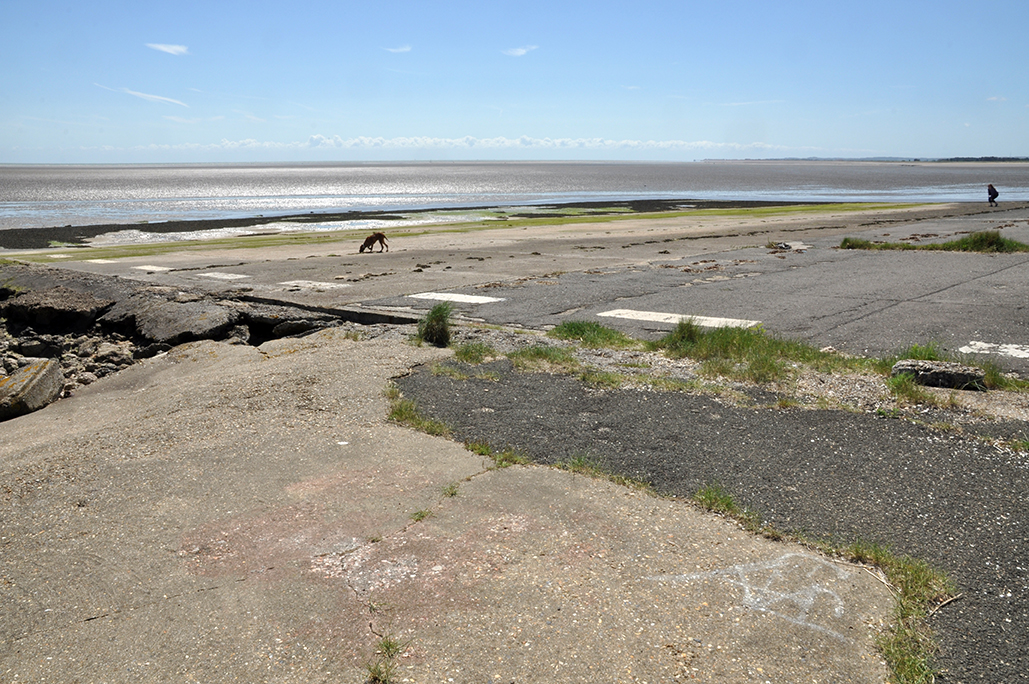
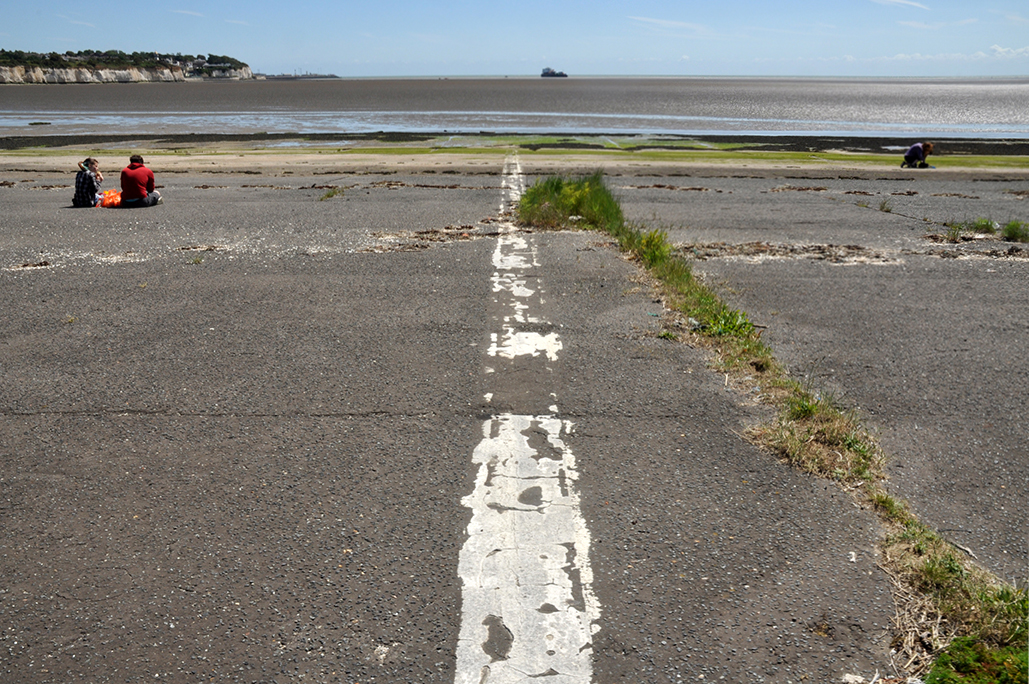
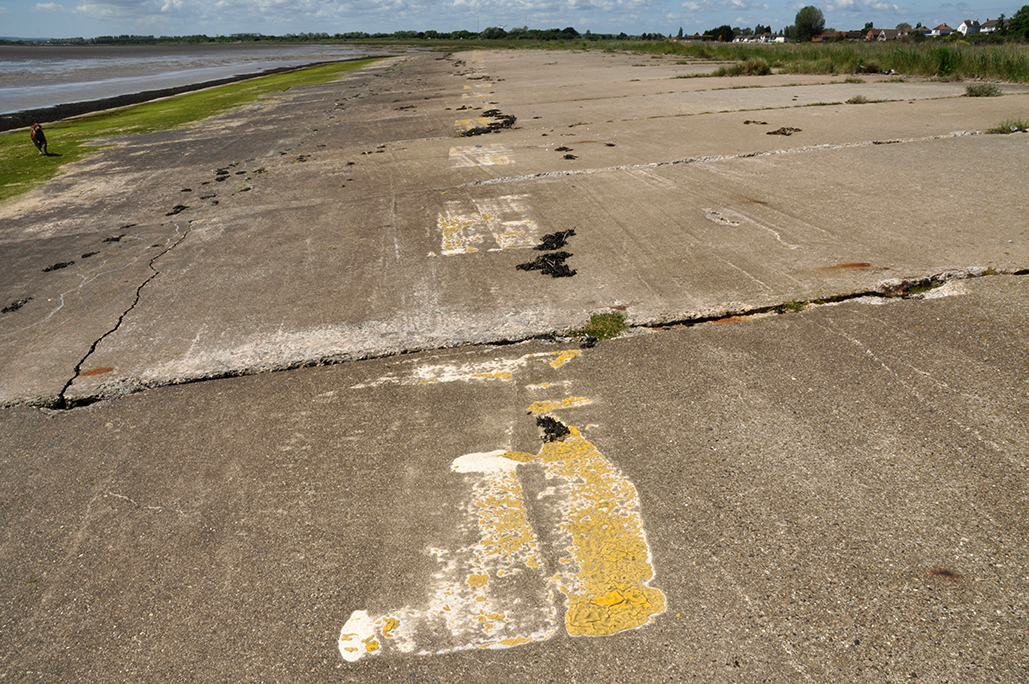
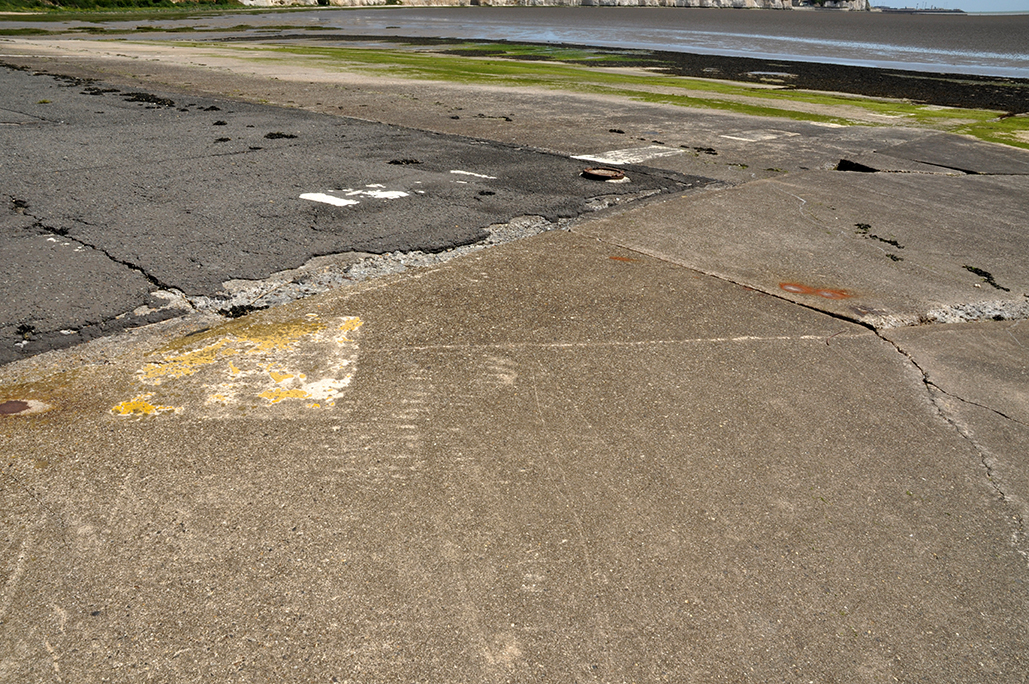
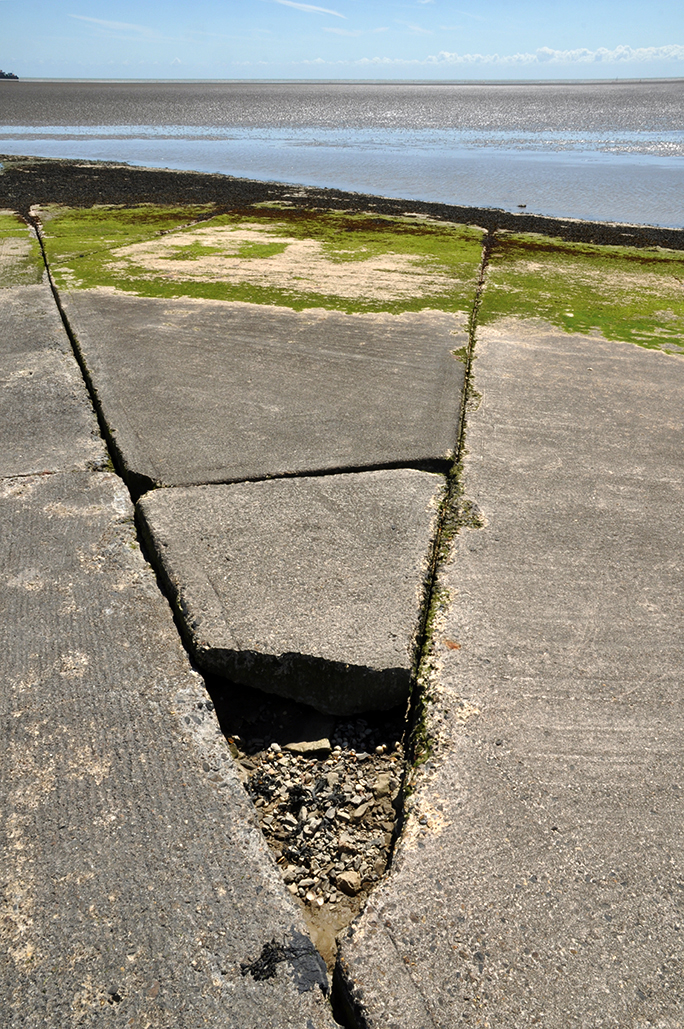
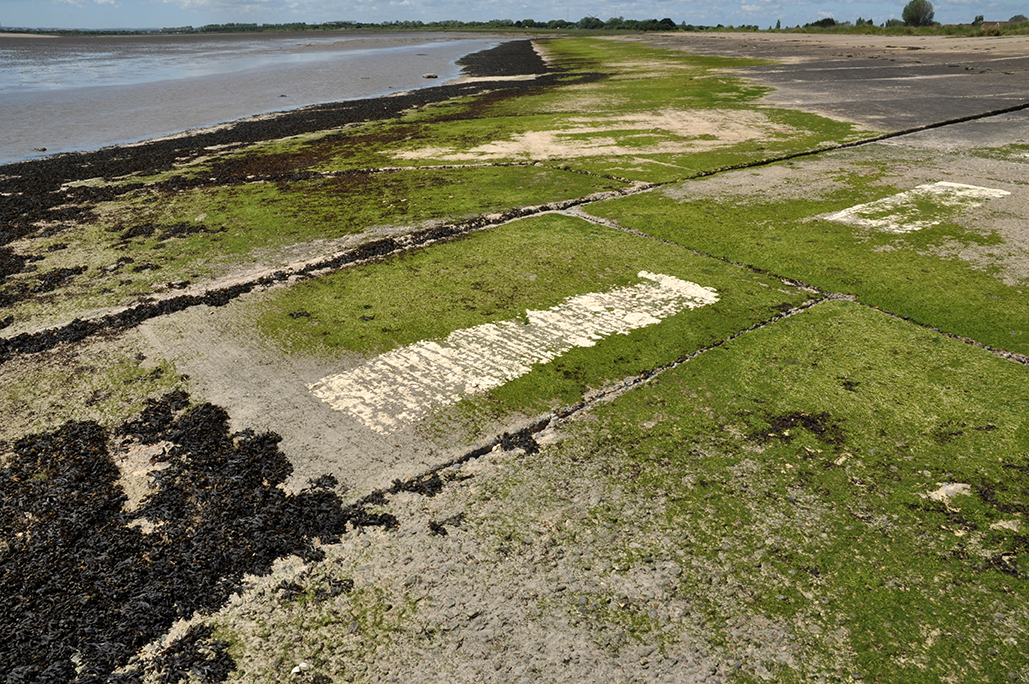
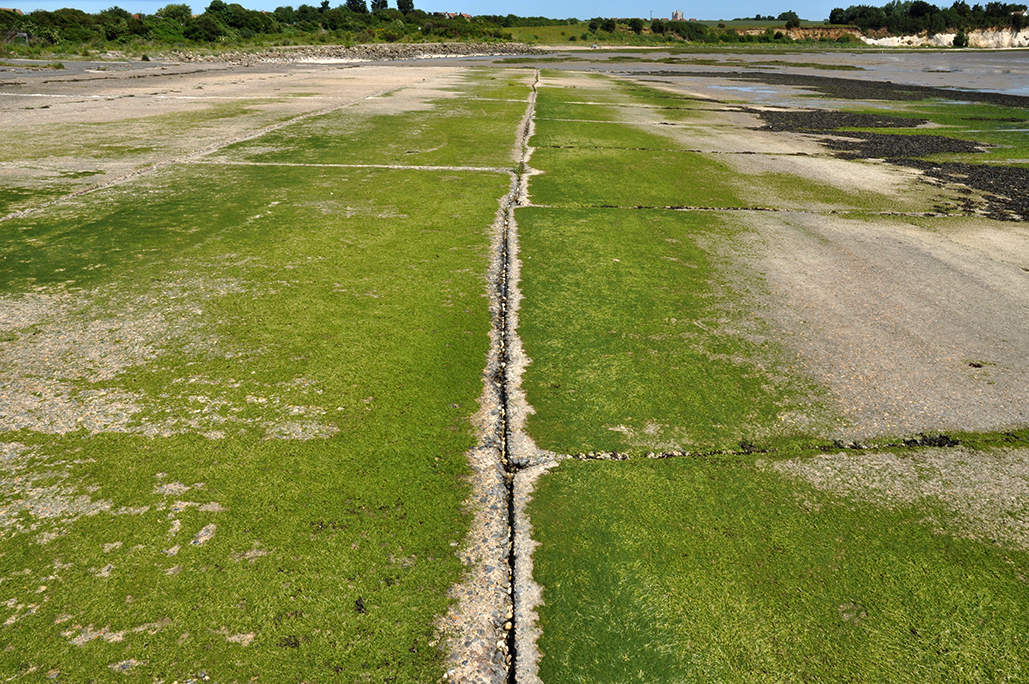
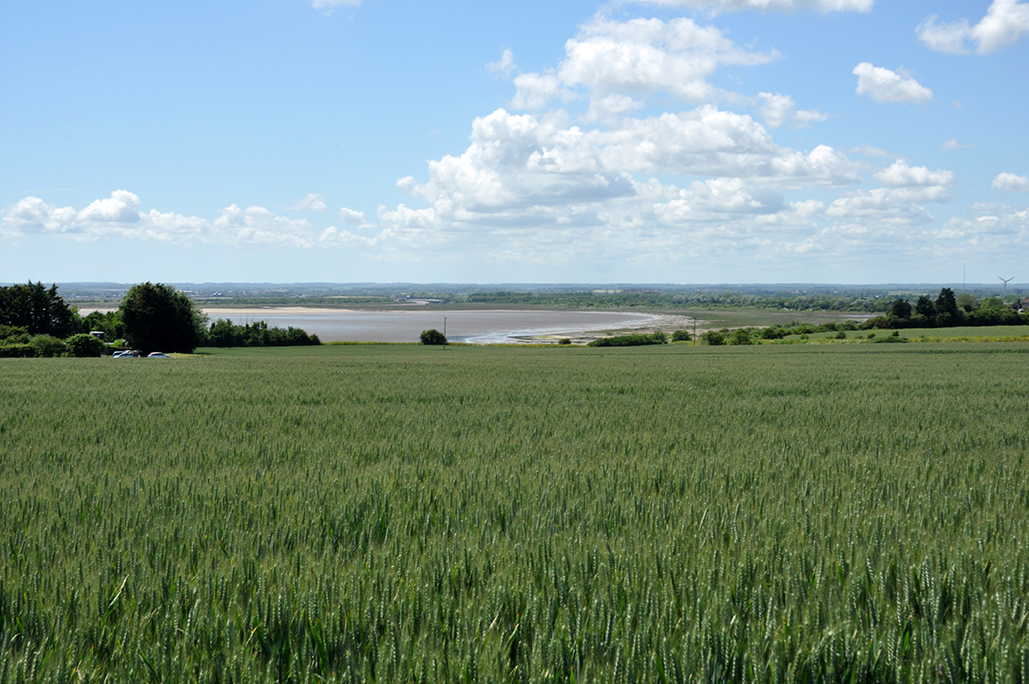
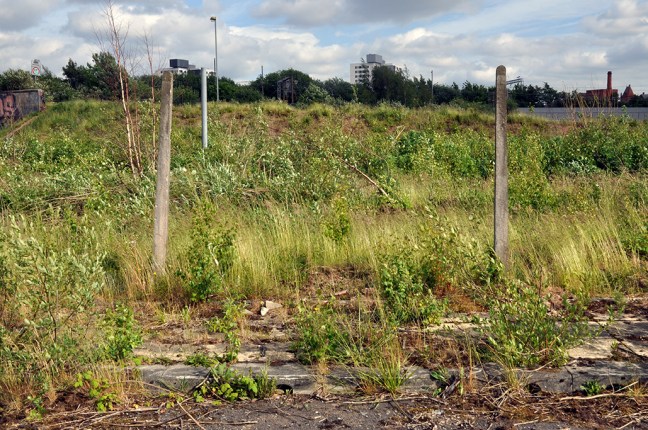
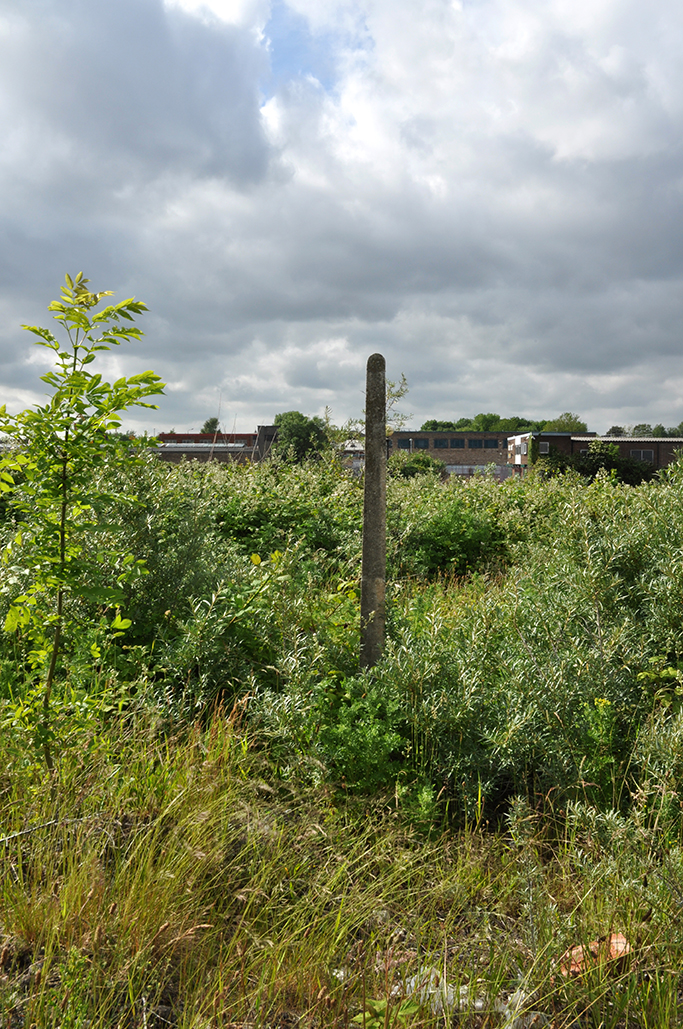
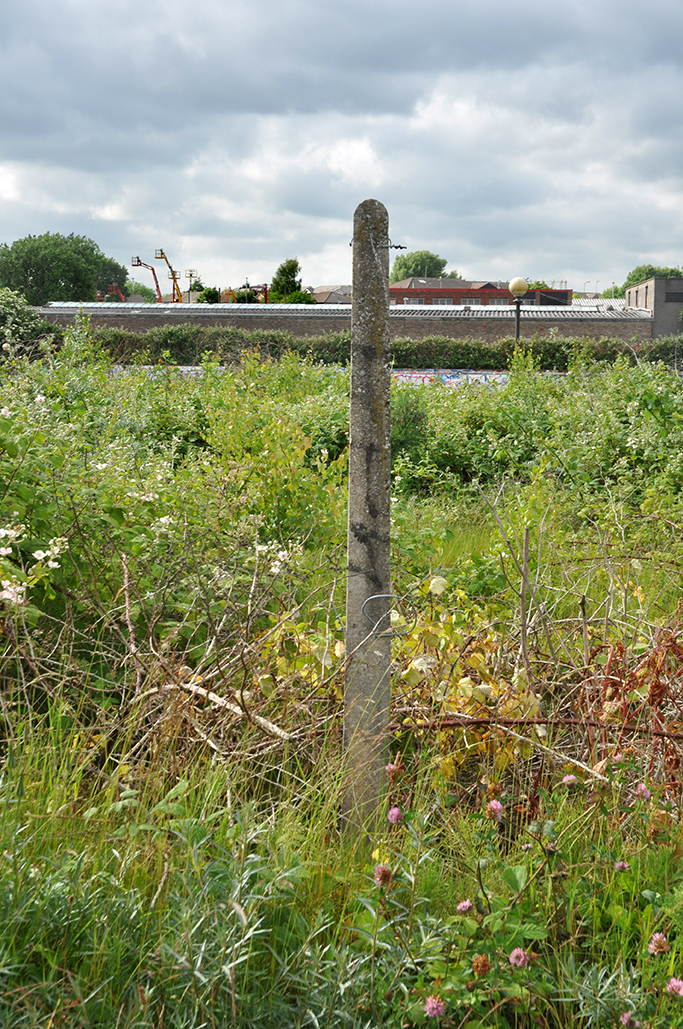
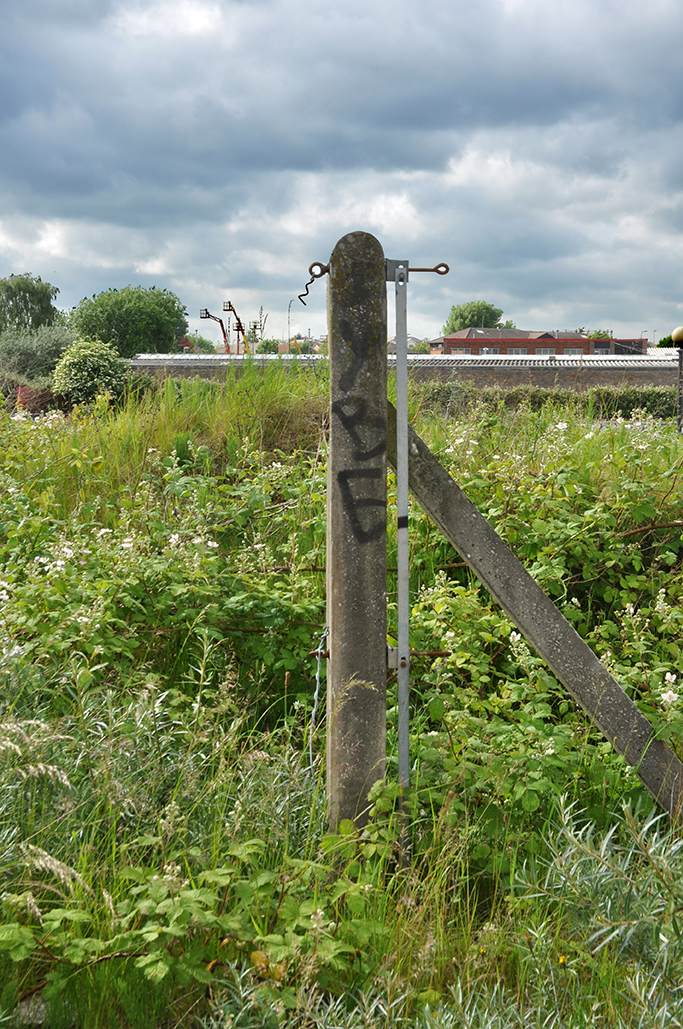
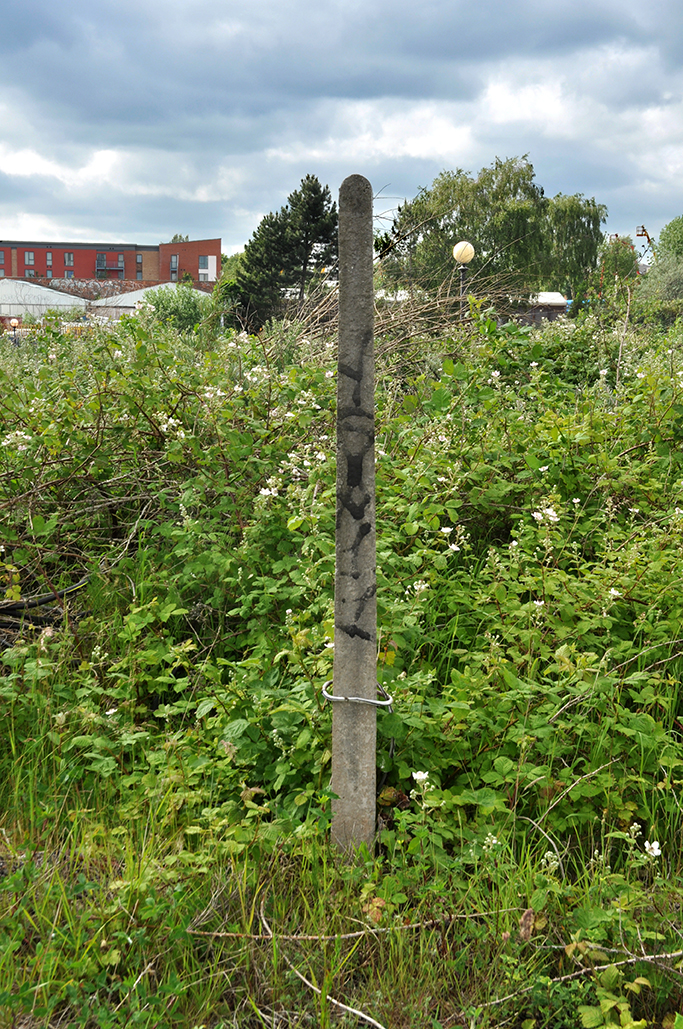
What prevails is the shoreline, a concrete landing skirt and the slow process of reclamation, as nature decides that the council is quite right to decide to create a nature reserve.







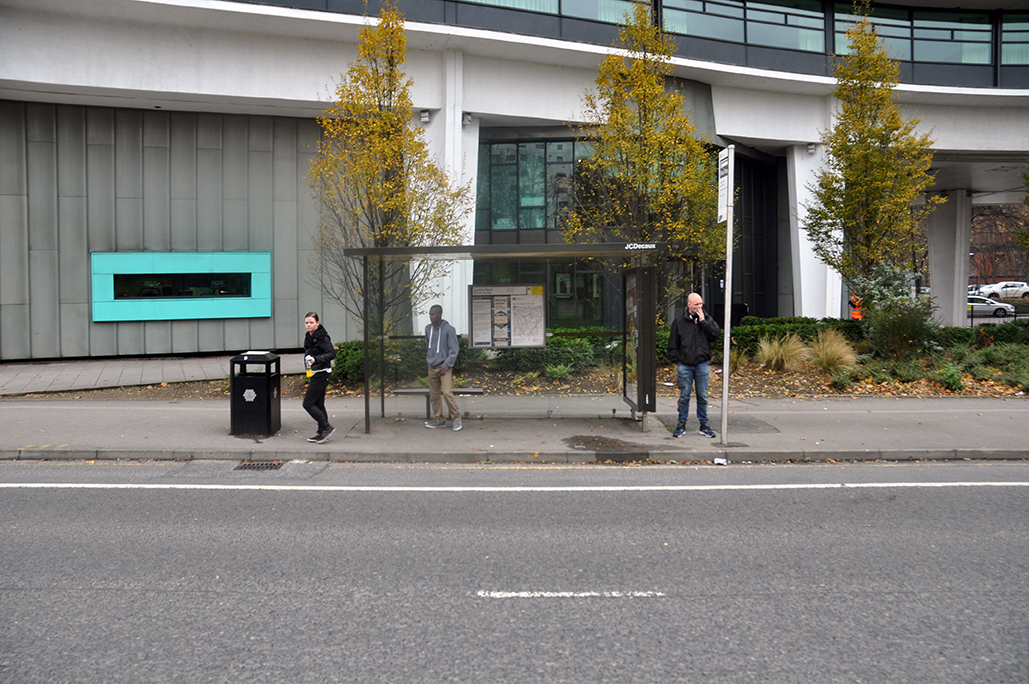
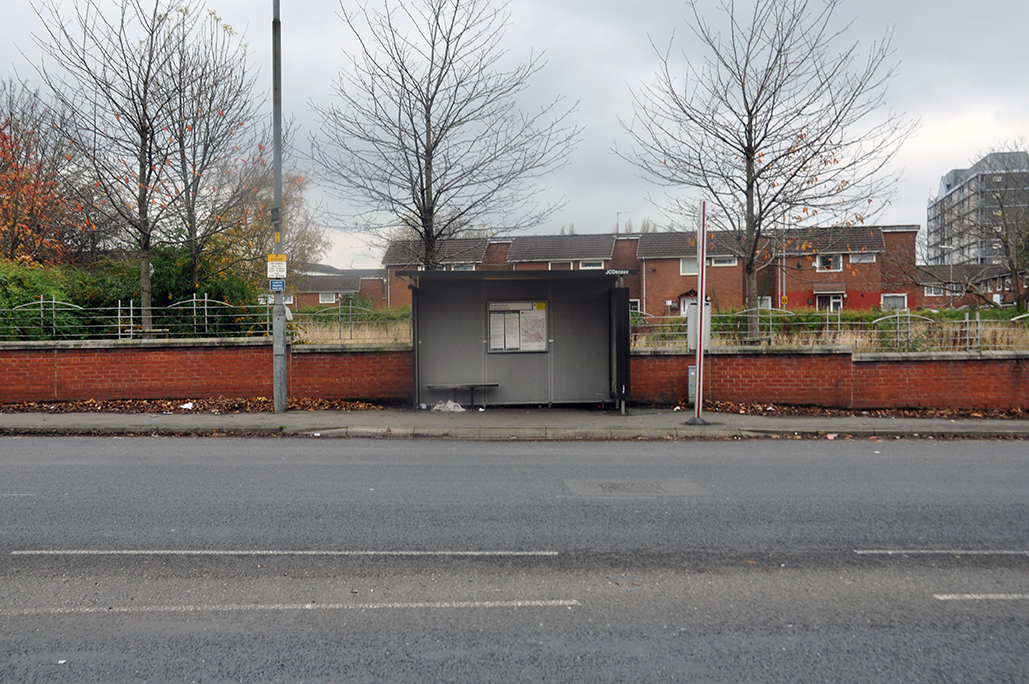
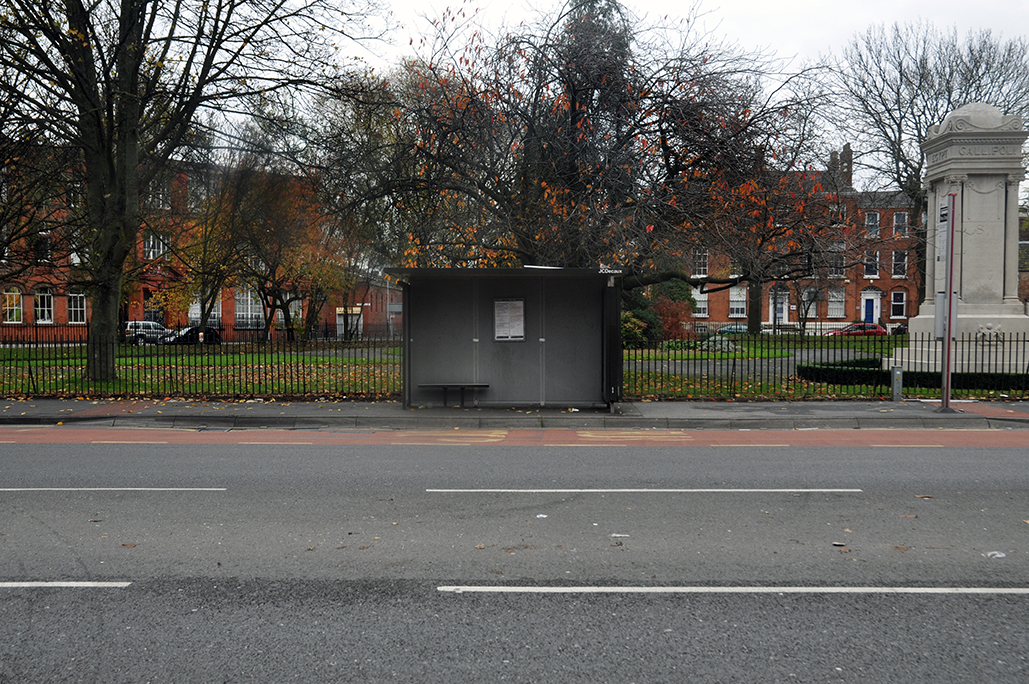
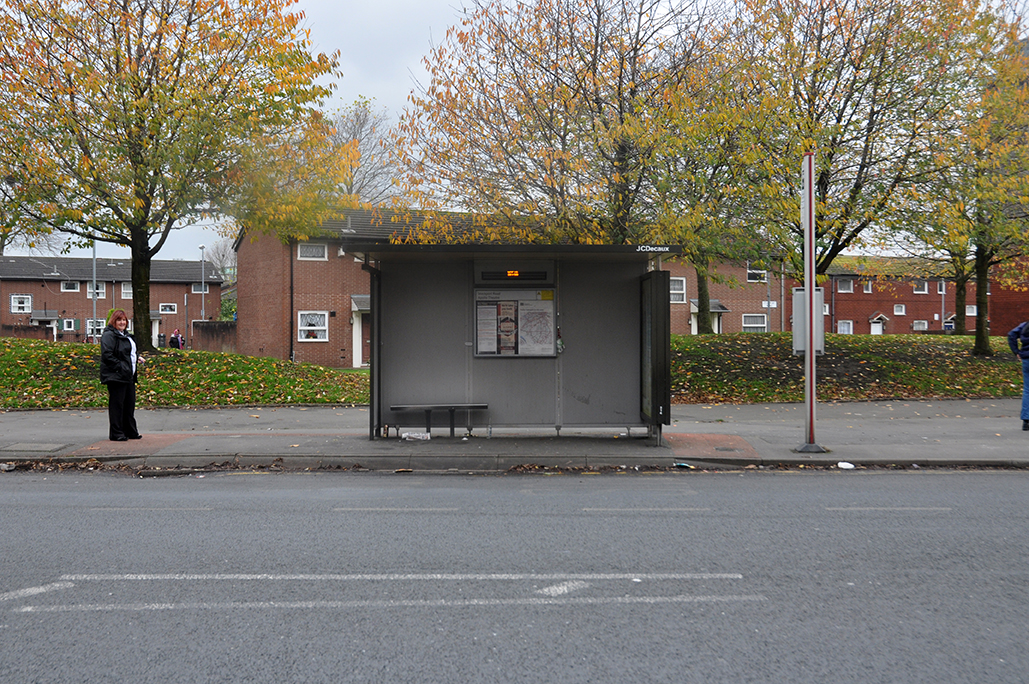
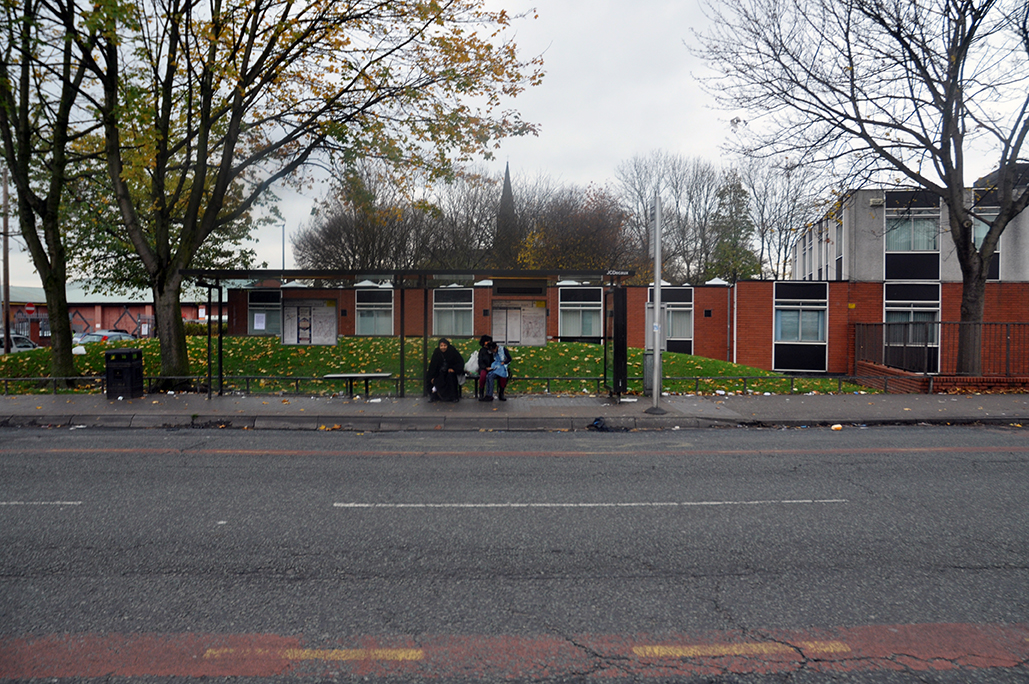
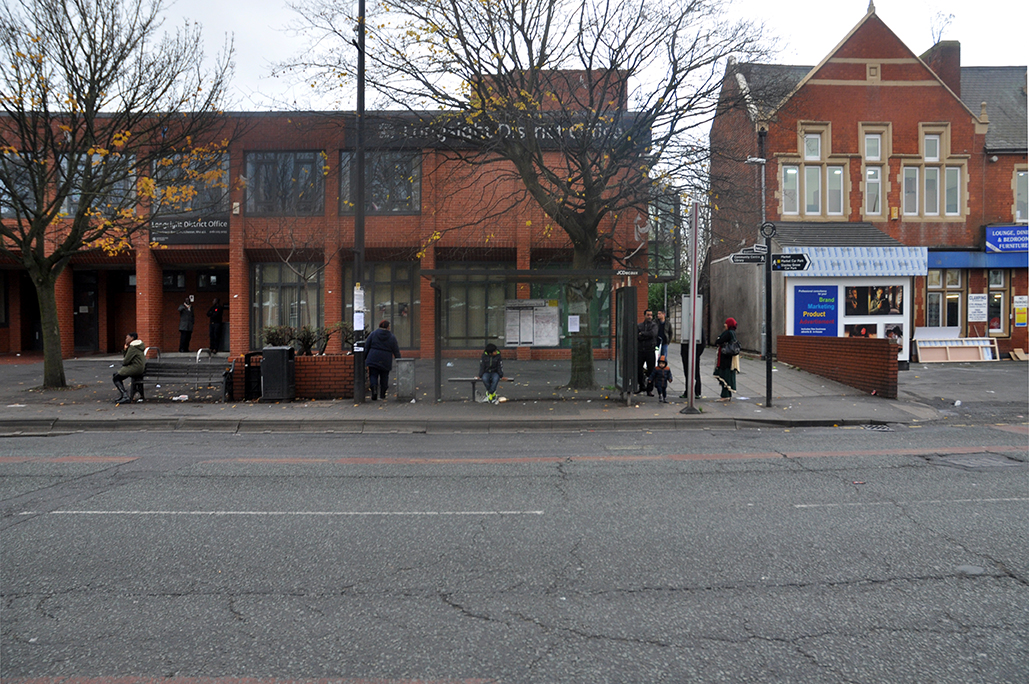
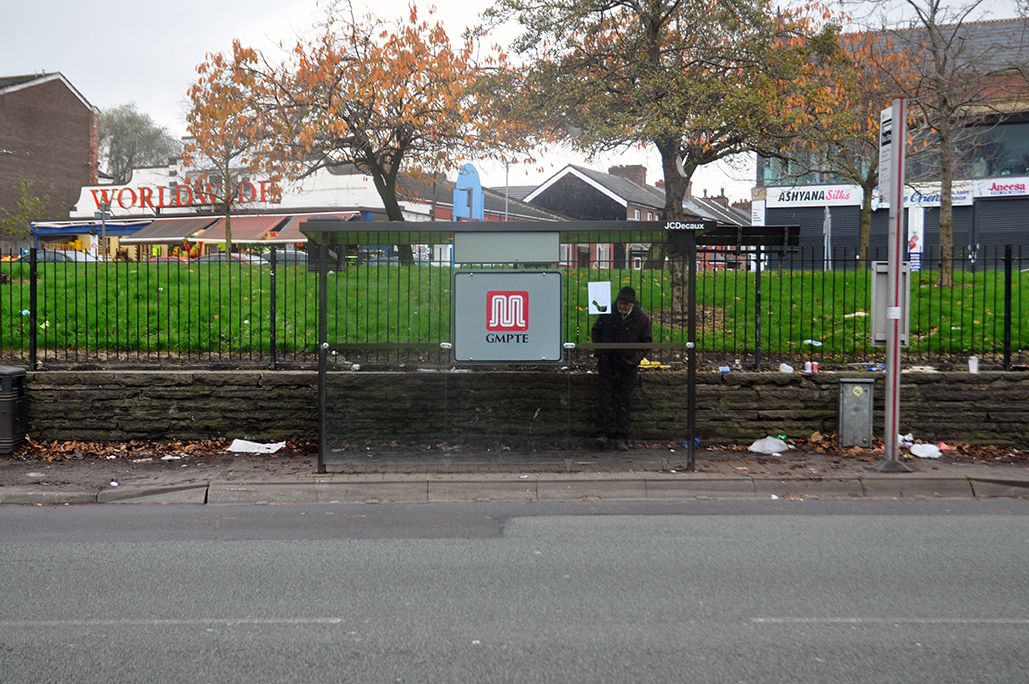
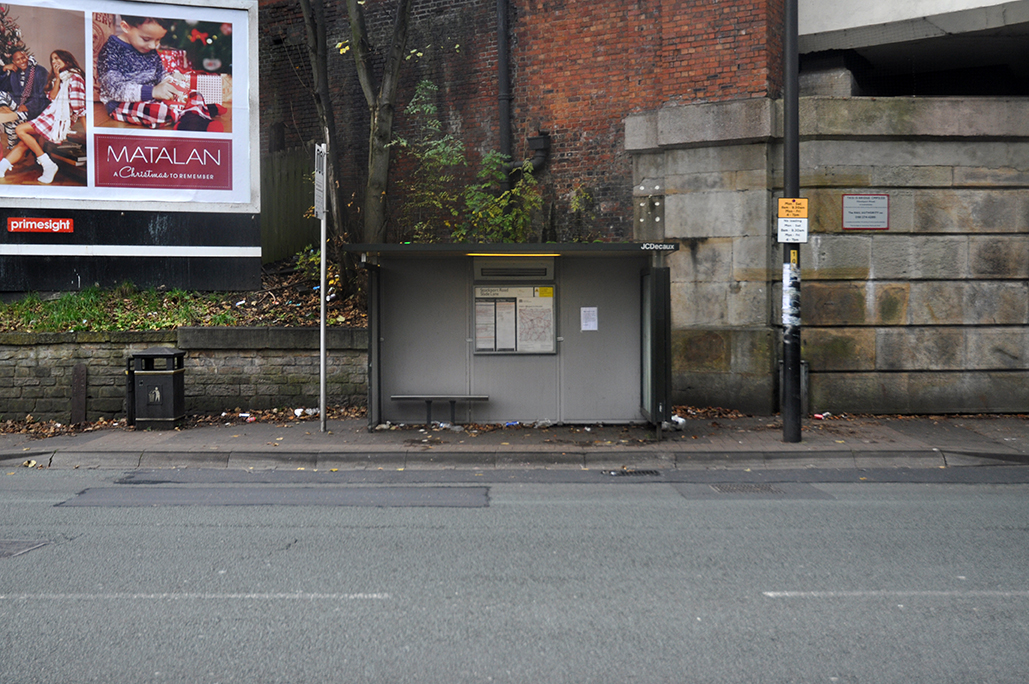

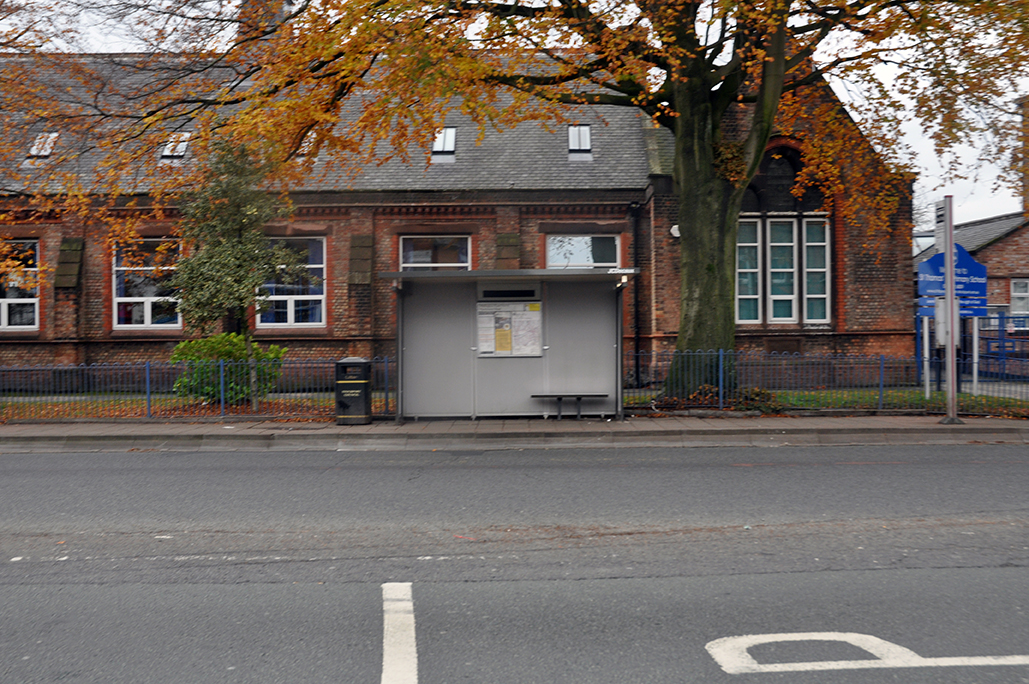
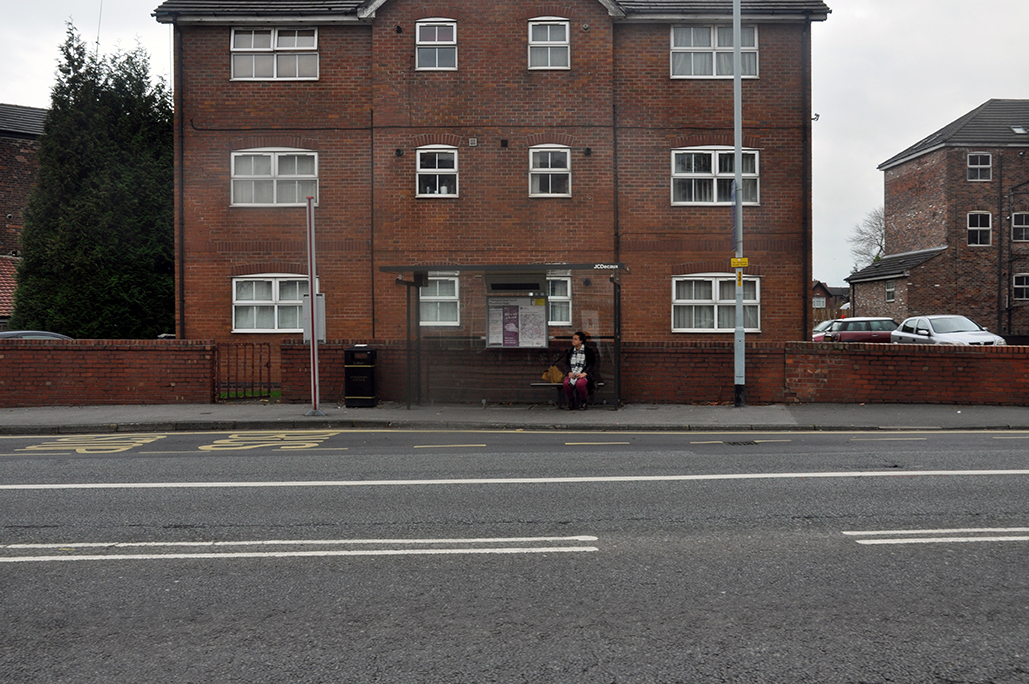
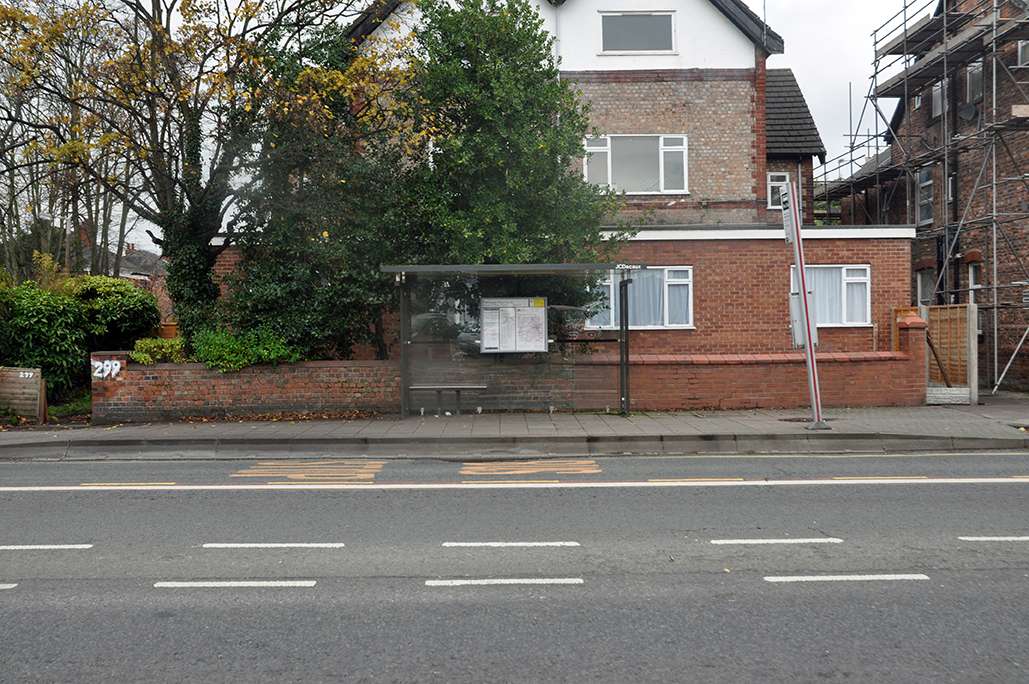
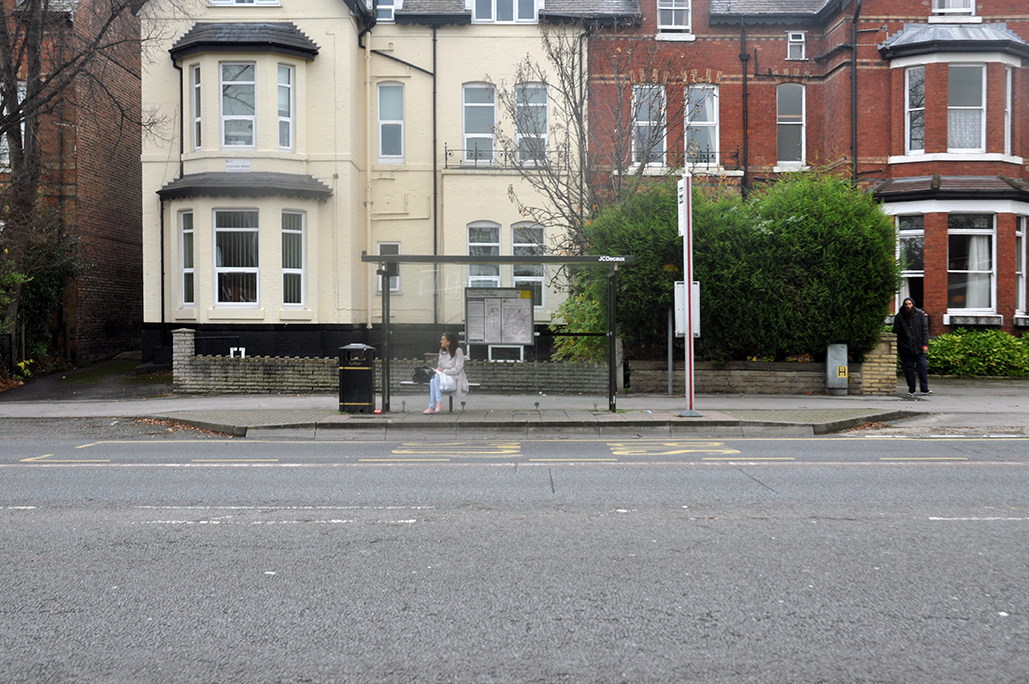
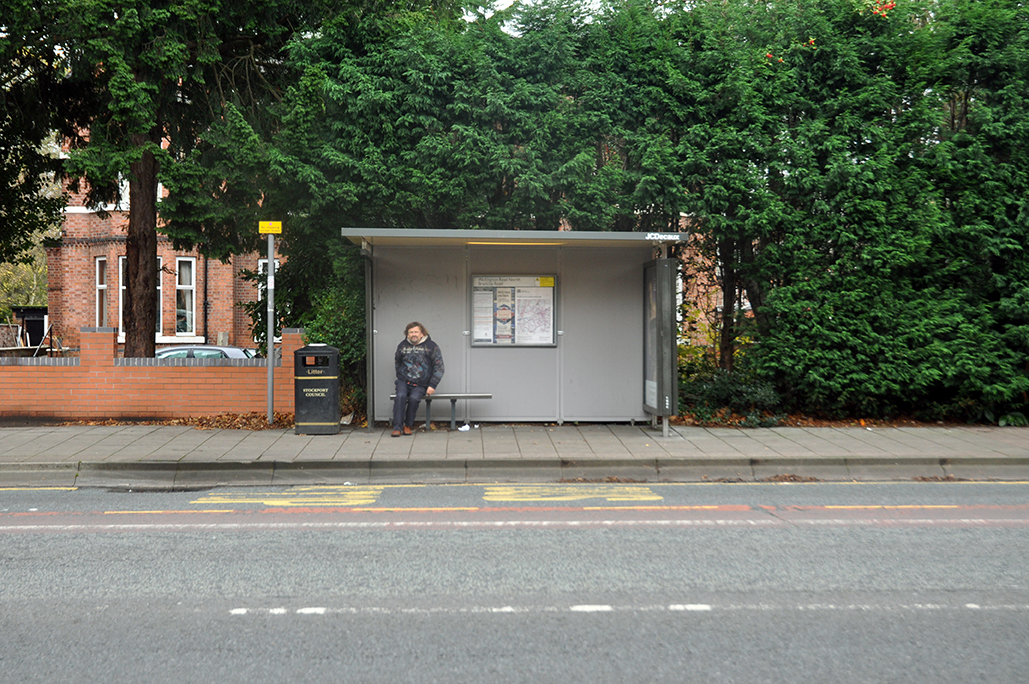
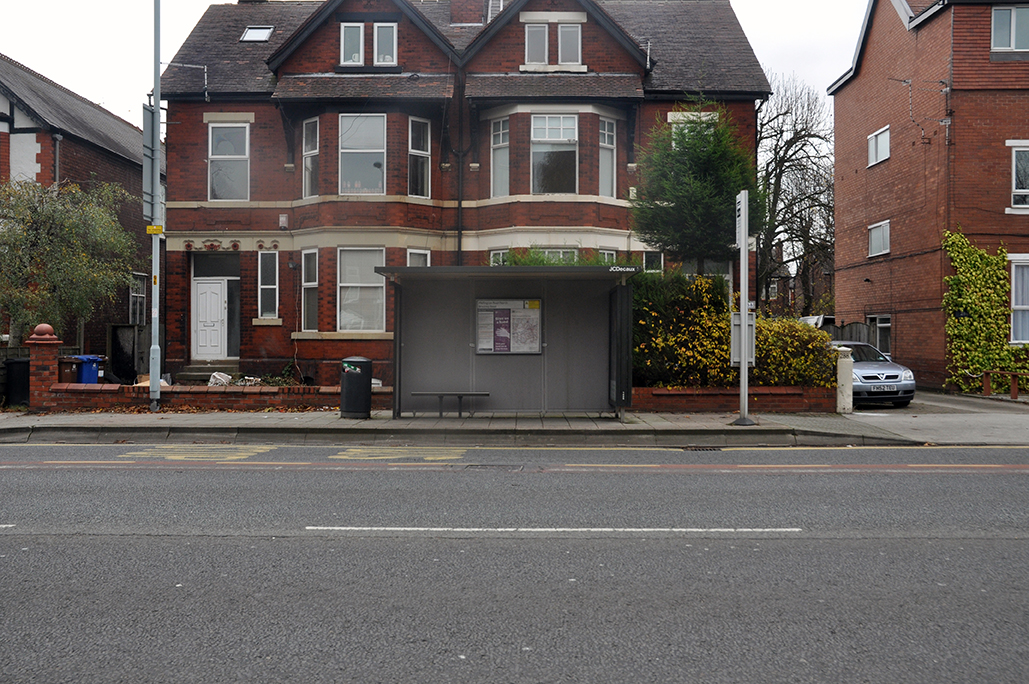
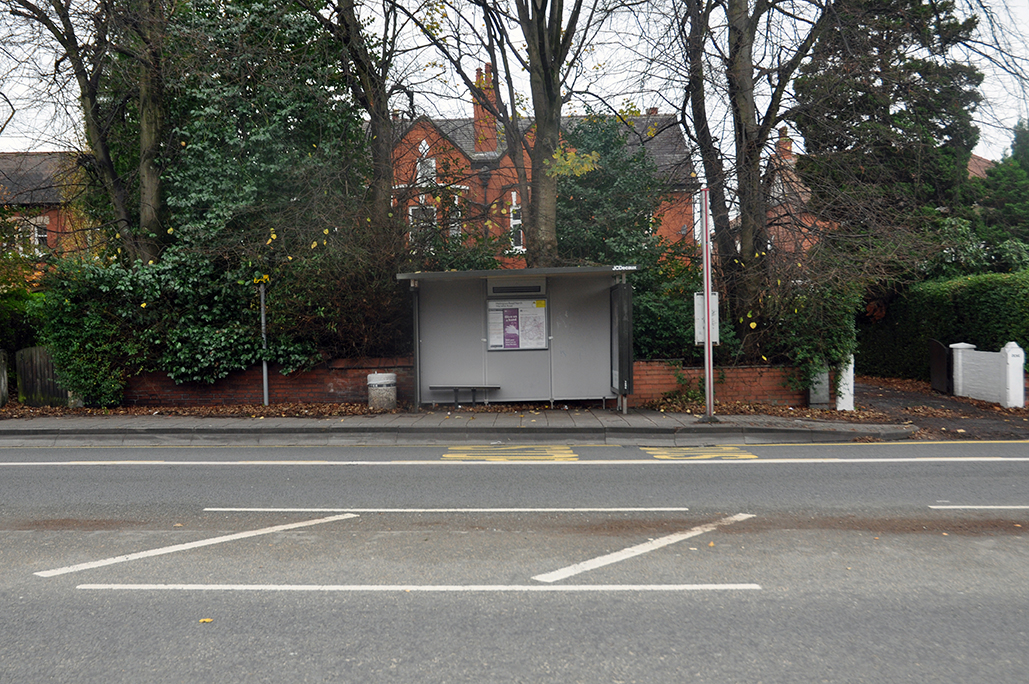
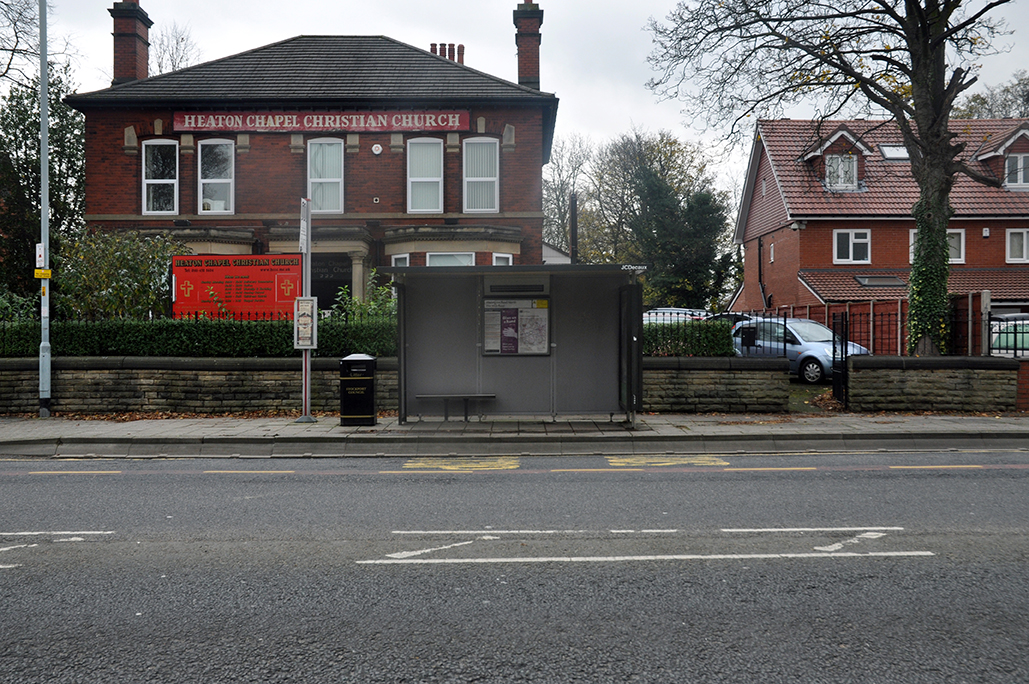








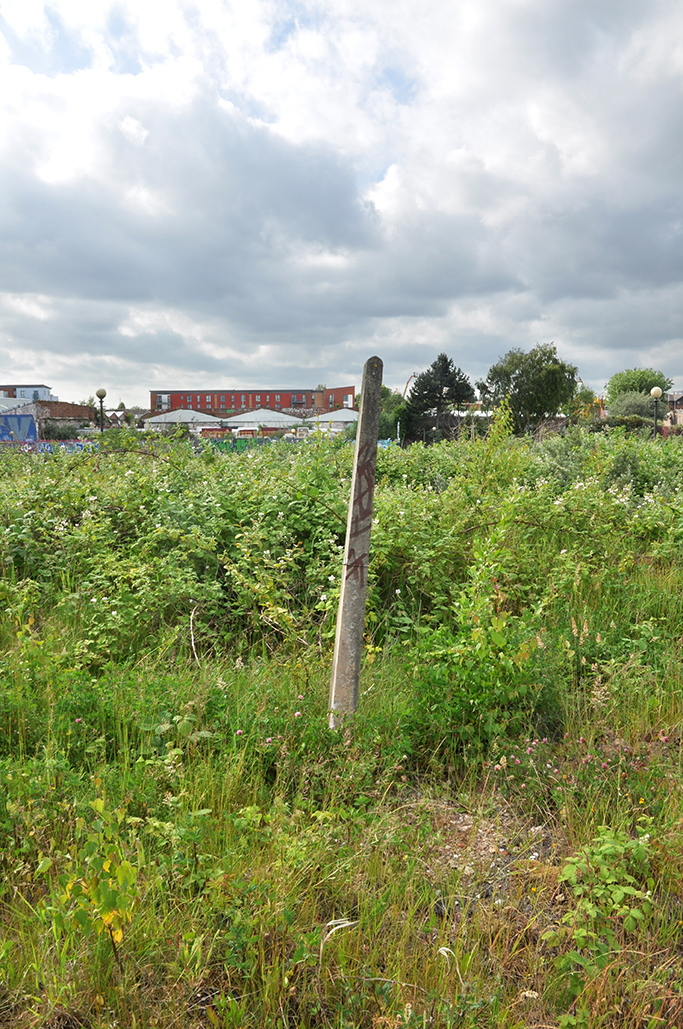
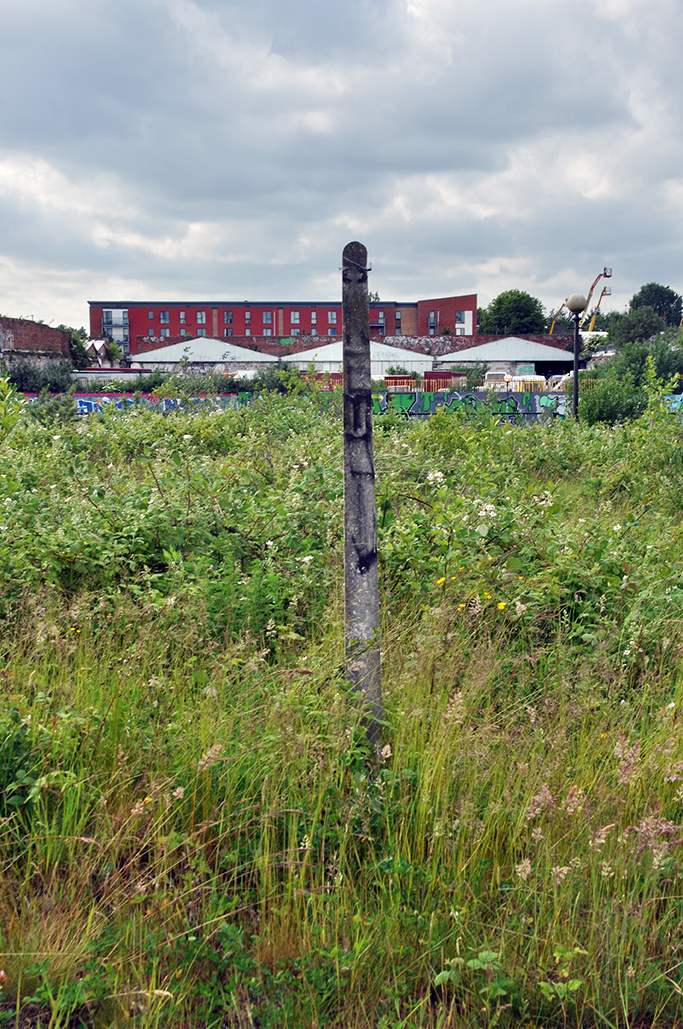
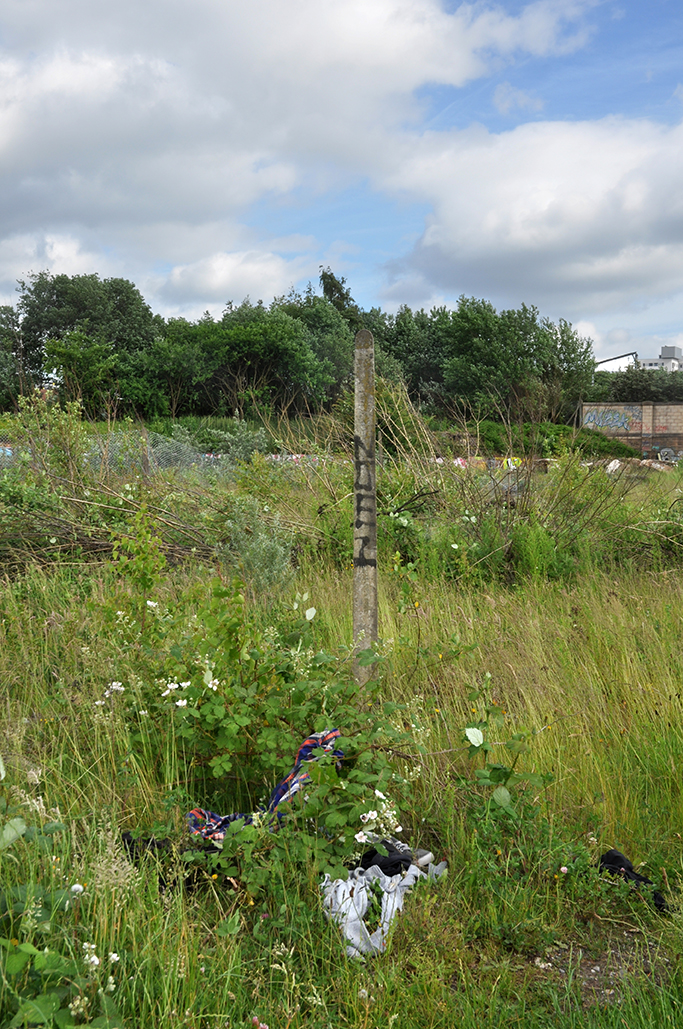
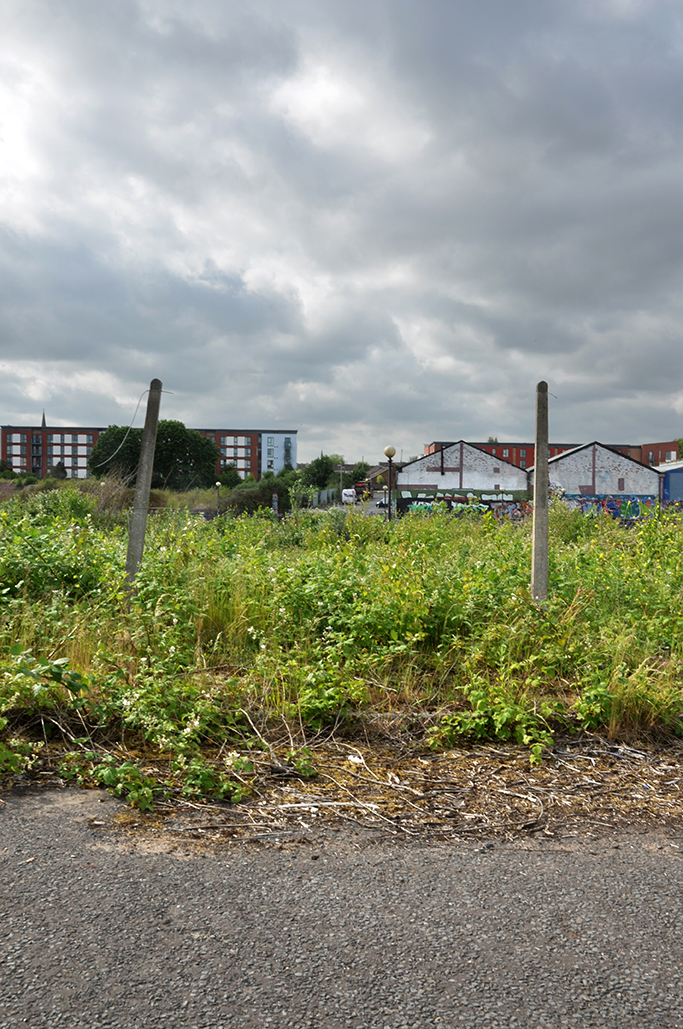
 Modern Mooch