Paddling Pool – Whitby

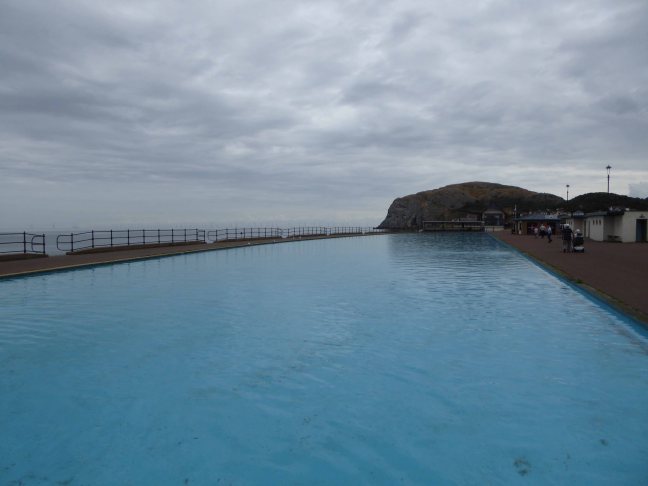
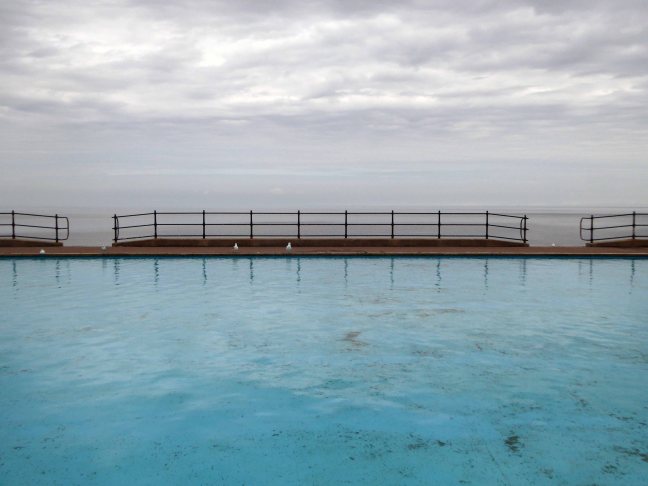
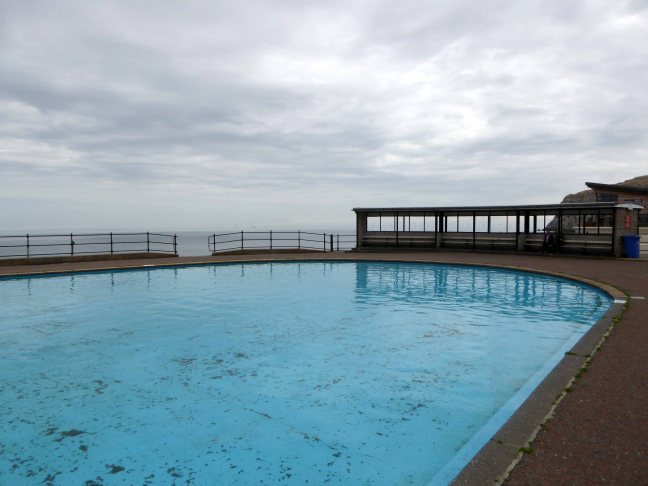
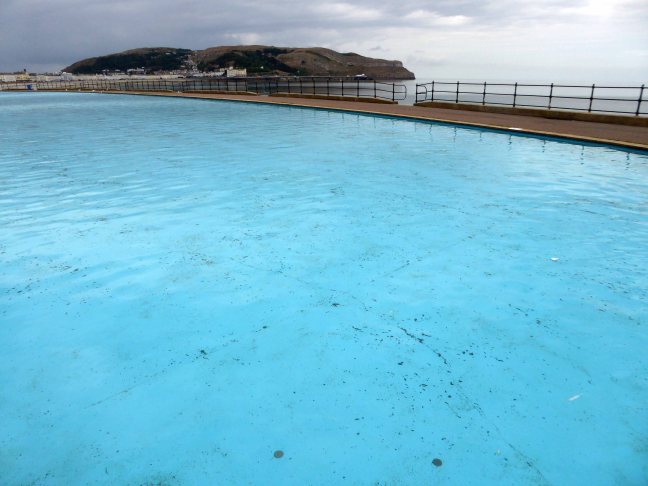
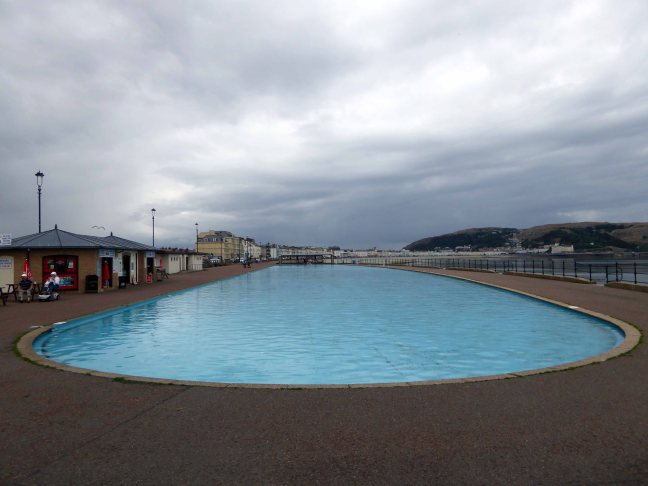
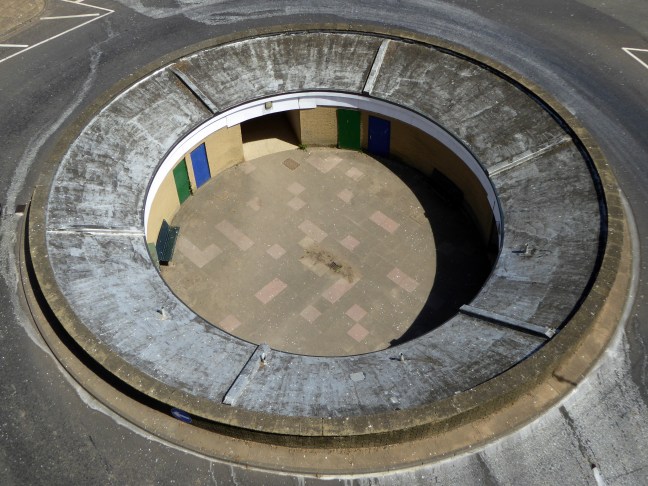
High atop West Cliff Whitby is a pale blue imitation of the deep blue North Sea below.

A TG Green Cornishware blue and cream striped pot, reimagined on the distant Yorkshire coast, in paddling pool form.

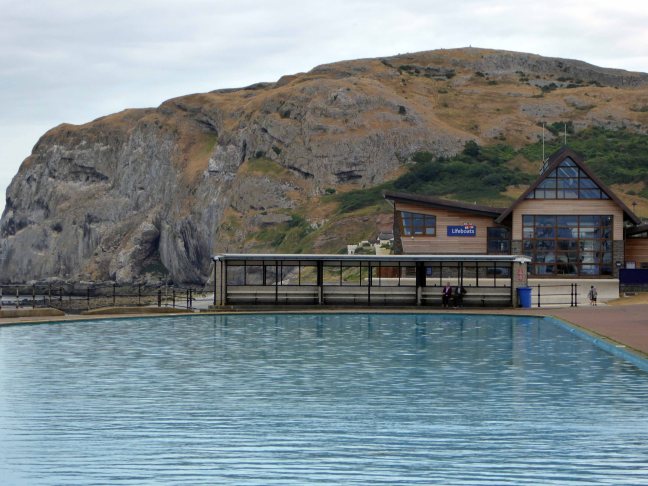
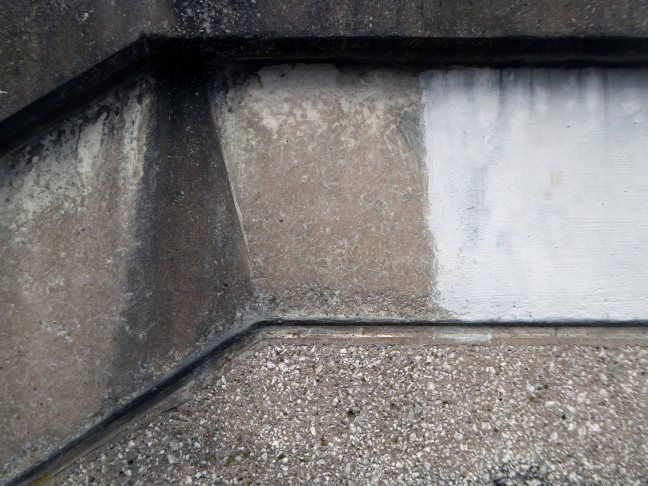
Scarborough Borough Council has resurfaced the paddling pool, re-concreted and repainted the bottom and the sides. The railings adjacent to the footpaths at Whitby Pavilion have been repaired and re-painted and seating next to the crazy golf has also been improved.

 Martin Pedley, Scarborough Borough Council’s asset and risk manager said:
The council has, in conjunction with the voluntary sector, invested both time and money in continuing to revitalise the West Cliff area in preparation for the summer season and the influx of visitors to Whitby.
1033839943West Cliff councillor Joe Plant added:

The improvement works that have been done both last year and this year is most welcome. Not only the visitors will benefit, but local people also and it again shows working in partnership with the voluntary sector does make a difference.

The Big Society in action, replacing railings improving lives.

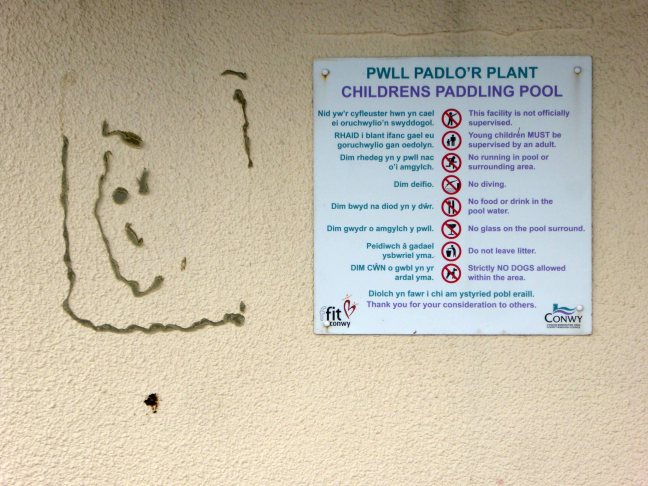
I arrived in late April the pool as yet sans d’eau, more of a pedalling pool than paddling pool as the BMX bandits invaded the space, in direct contravention of the rules and regulations.

P1150592

The water when present is some twelve inches deep, clearly better suited to larking, splashing and cavorting rather than performing The Twister, a  bewildering blur of twists and turns two and a half back-somersaults with two and a half twists during the 1.5 seconds between launching and entering the water at 40mph.

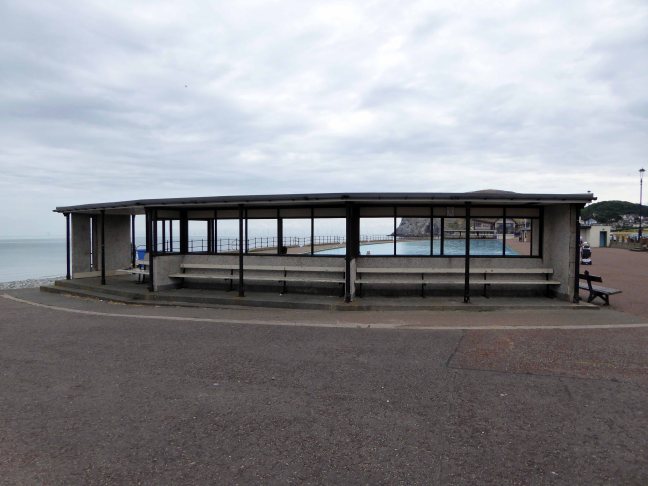
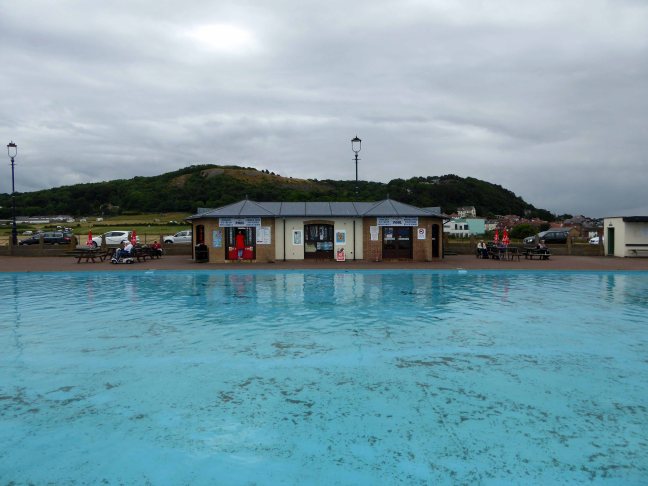
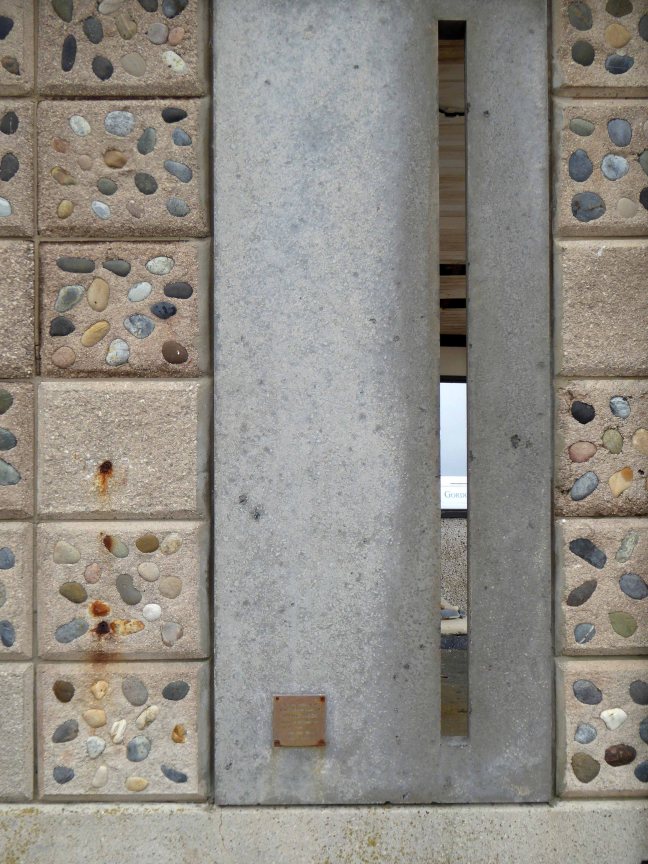
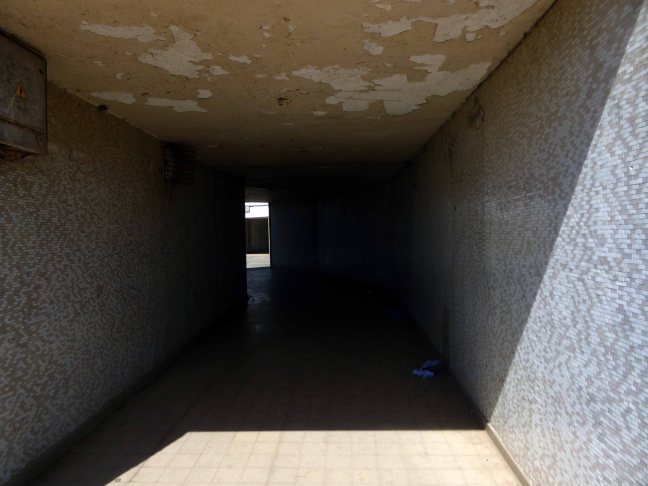
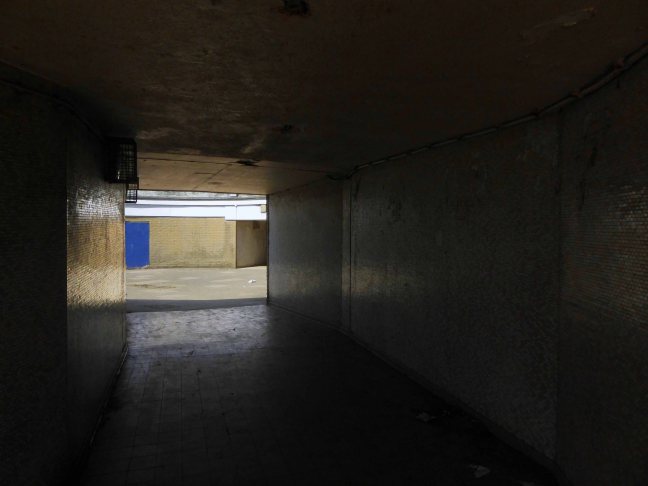
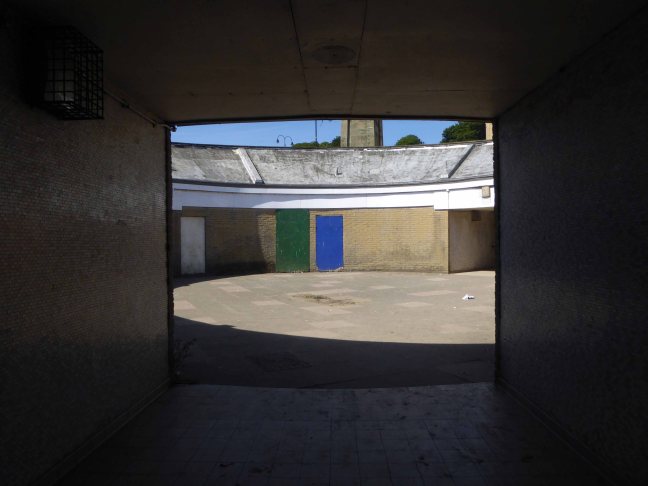
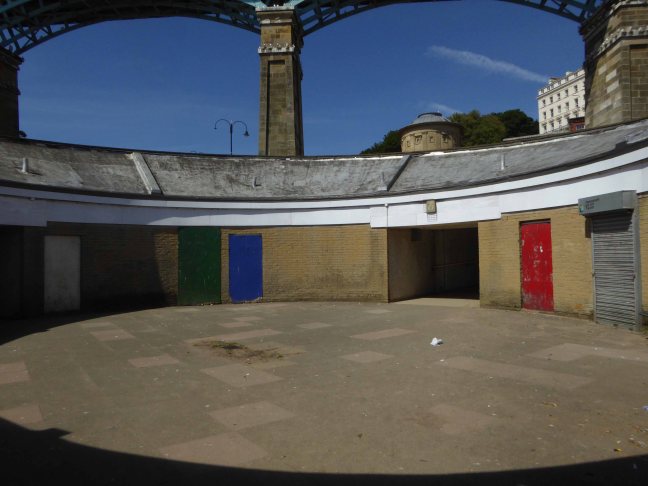
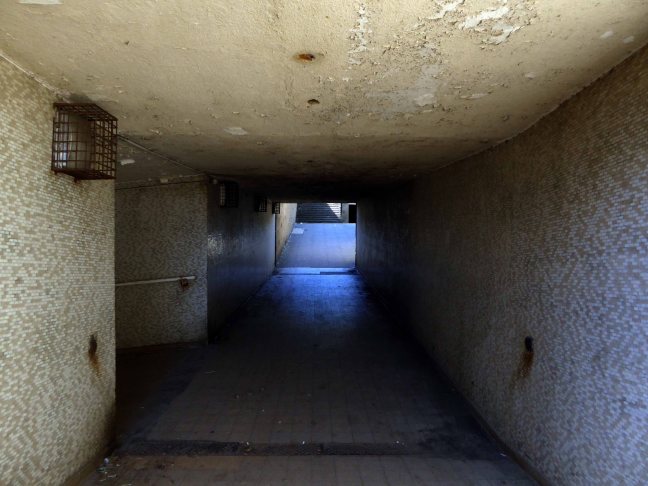
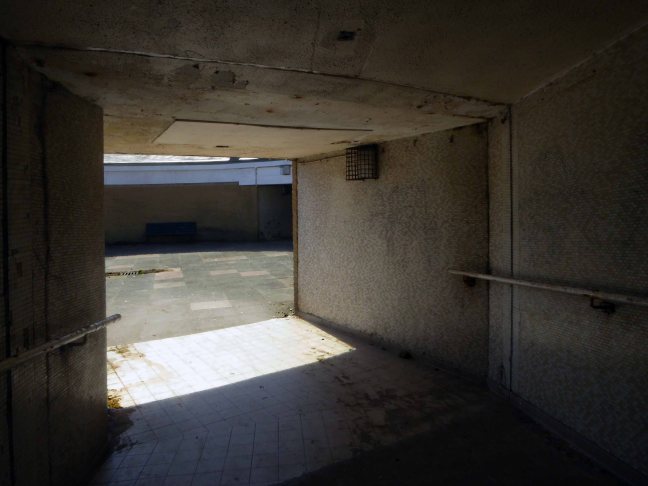
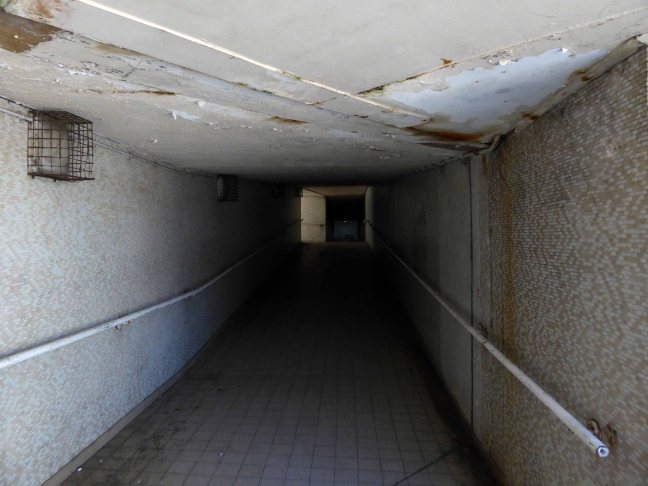
The pool is flanked to the north by a sweeping Lubetkin style, flat roofed pavilion complete with fully functioning toilet facilities.

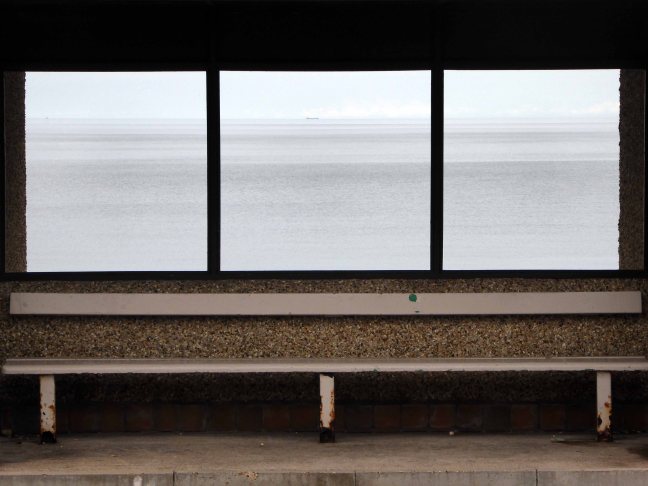
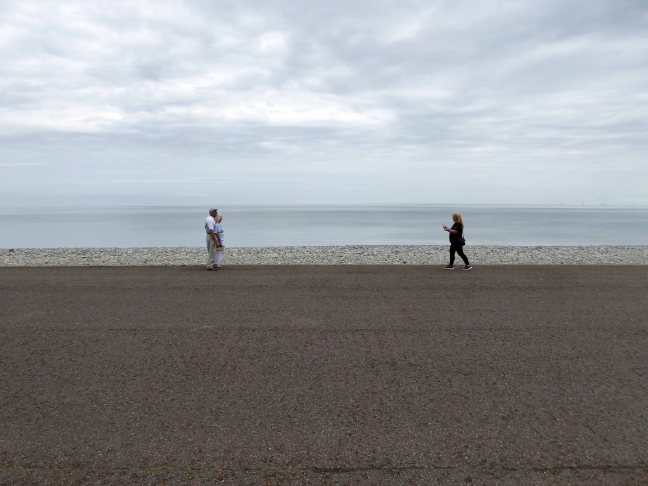
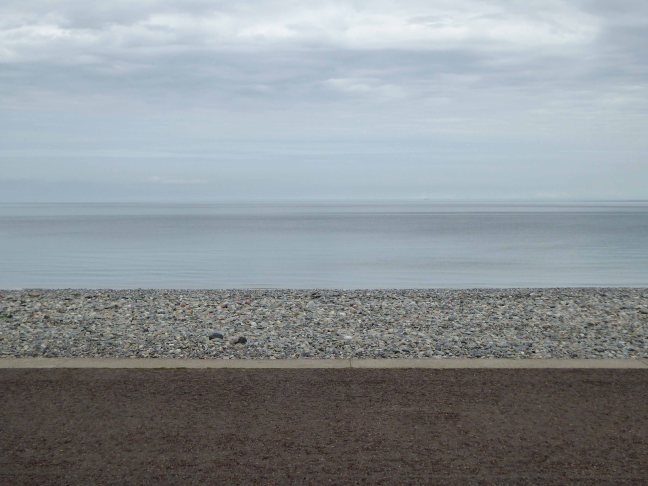
Turn your back on the Abbey, go wild – take a wet walk on the West Cliff side.

P1150586

P1150587

P1150588

P1150589

P1150590

P1150596

P1150599

P1150603

P1150604

P1150605

P1150606

P1150607

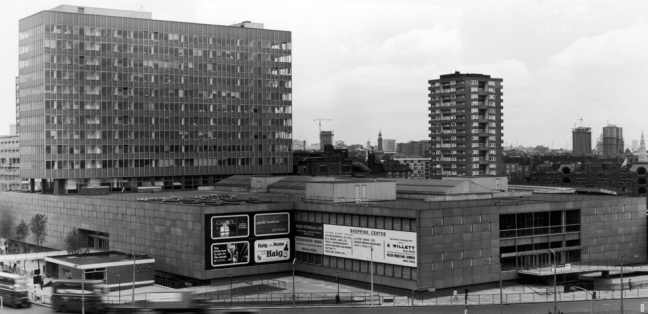
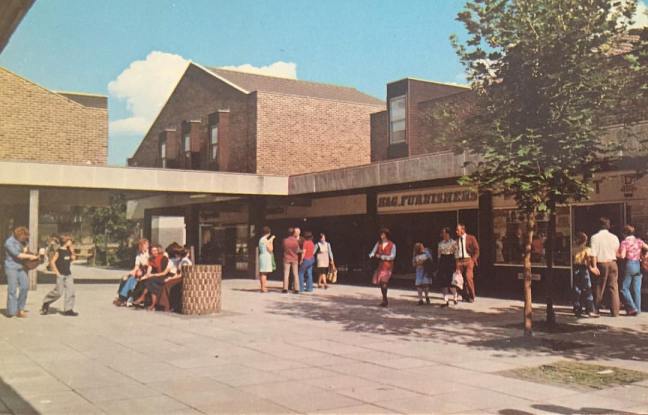
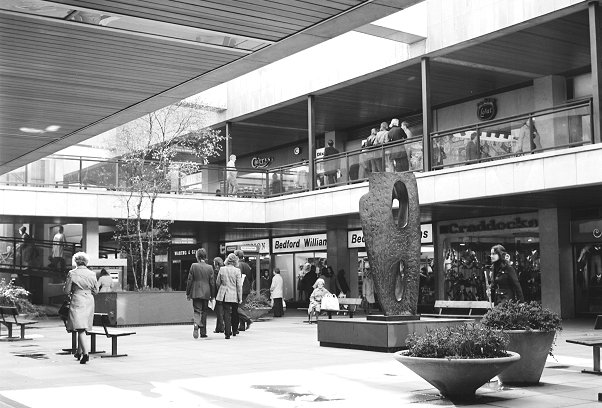
Salford Shopping City

The construction of the shopping centre and surrounding areas continued and on 21 May 1970 the new Salford Market officially opened. From 1971 onwards new shops inside the precinct itself began to open.

However, due to a lack of funds and a political scandal which saw chairman Albert Jones jailed for eight months construction of Salford Precinct was halted. The site had only 95 shop units compared to the proposed 260, the hotel and two storey car park were never built.

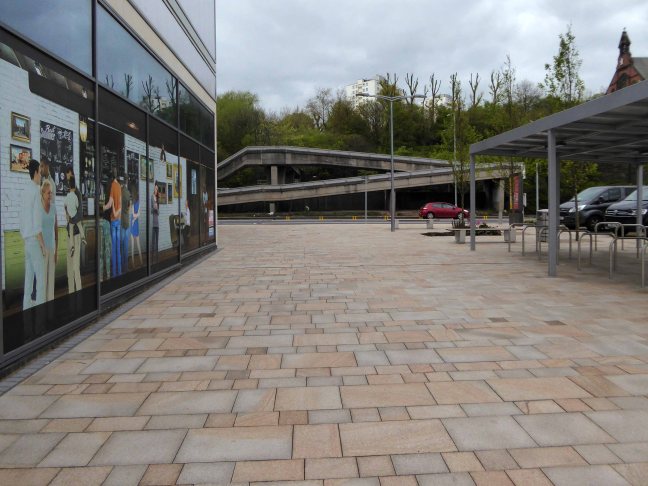
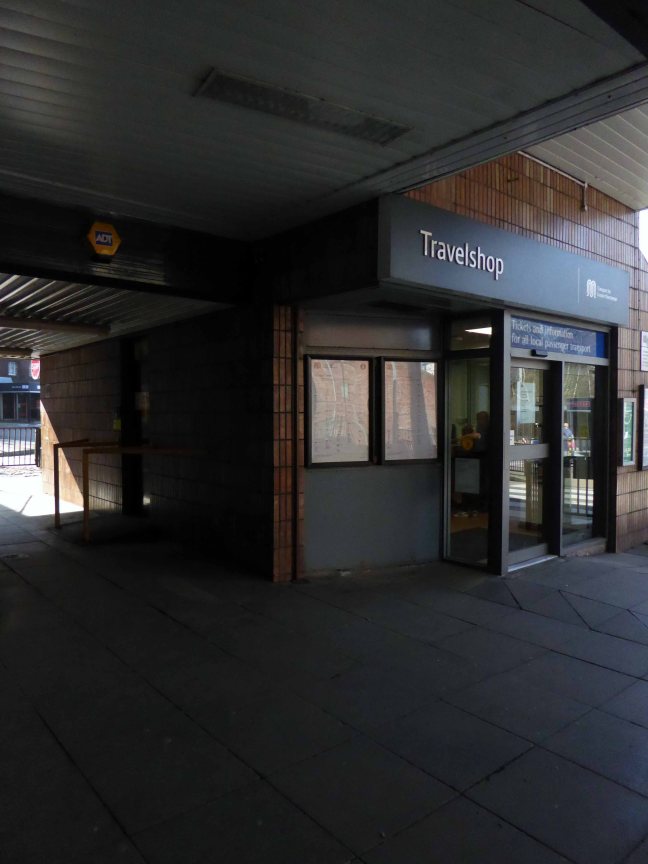
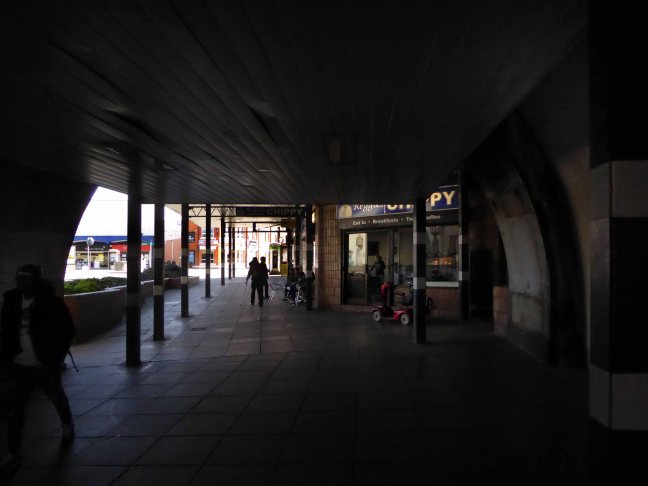
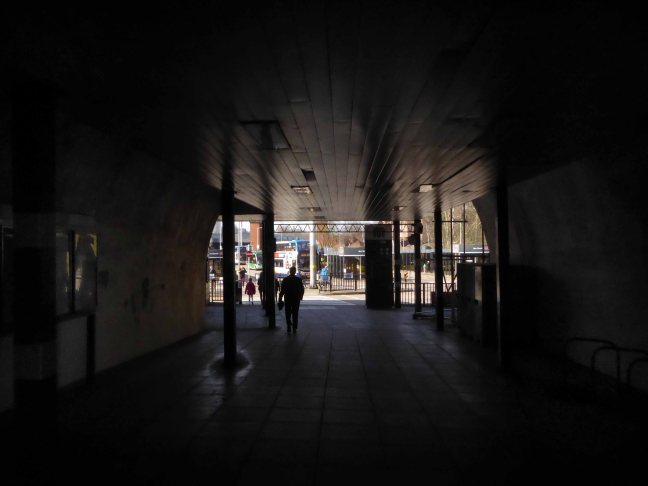
In 1991 the building was refurbished at a cost of £4 million, this included the installation of roofs across various walkways, making large swathes of the centre undercover. The shopping centre which at the time was known as Salford Precinct was renamed Salford Shopping City.

On 9 August 1994 the Manchester Evening News reported that Salford City Council was planning on selling off Salford Shopping City to raise money for local housing repairs, these plans split the ruling Labour Party council, one councillor telling the press that it would be like selling off the family silver.

In 2000 Salford Shopping City was eventually sold to a private company for £10 million in an effort to cut the council’s deficit. It was then later sold in March 2010 to Praxis Holdings for £40 million, the company stated that it wanted to invest in the precinct and link it to the new food superstore.

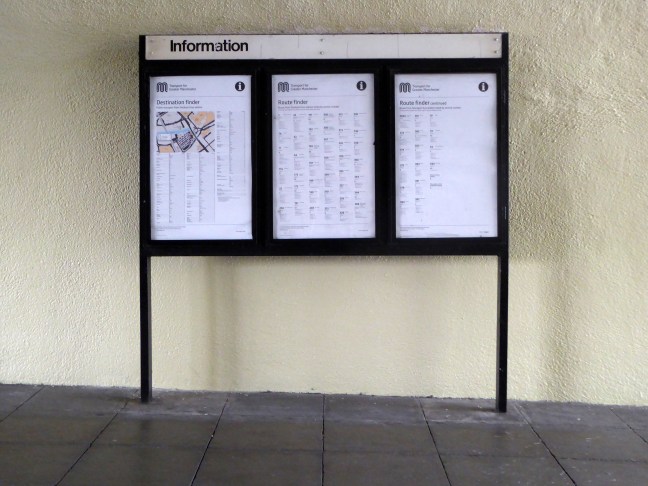
This is a tale of our times – 60s and 70s redevelopment designed and built in the rampant spirit of free enterprise and uber-buoyant consumerism, falling foul of an economic downturn, subsequent unemployment and shrinking retail spending. Property is ping-ponged between local authority and speculative developers.

Following the riots of 2011 pledges were made regarding the future of the site, plans are still afoot, as yet to be rendered corporeal. Although the area has benefitted from an influx of students and a refurbishment of housing stock, there is pressure on the prosperity of the precinct from thriving retail developments in nearby Manchester and the Trafford Centre.

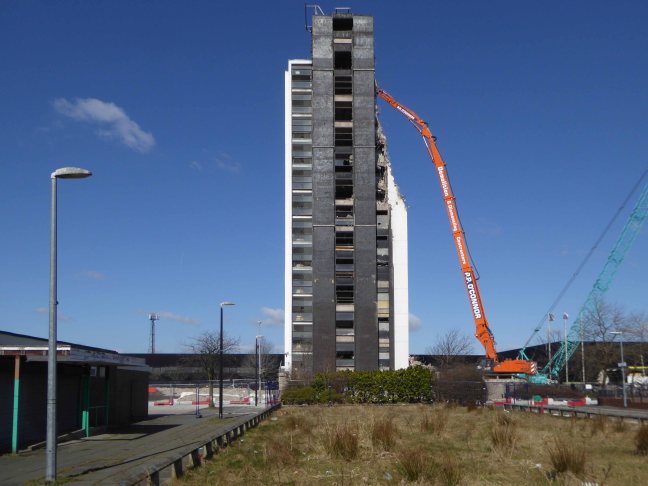
The architectural core of the site has been retained, including the 23 storey Briar Court residential tower, though diluted by more recent additions, misguided post modern detailing that threatens the integrity of full many a post war development.

P1140819

P1140823

P1140827

P1140828

P1140832

P1140834

P1140835

P1140836

P1140837

P1140839

P1140840

P1140843

P1140855

P1140856

P1140857

P1140858

P1140861

P1140864

P1140865

P1140868

P1140869

P1140870

P1140871

P1140872

P1140873

P1140874

P1140875

P1140876

P1140878

P1140879

P1140881

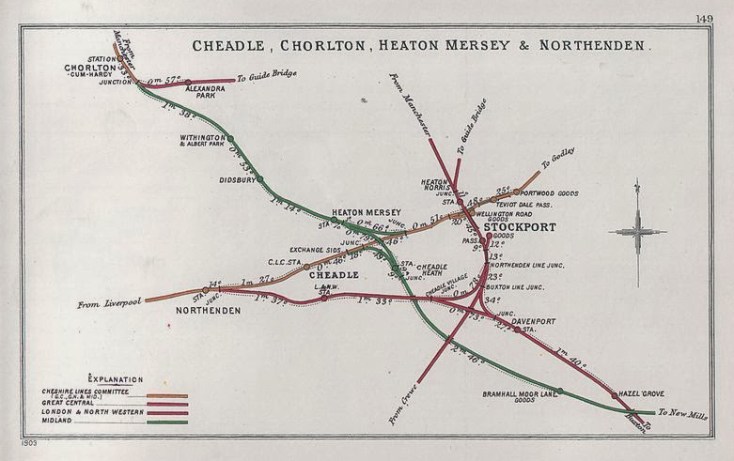
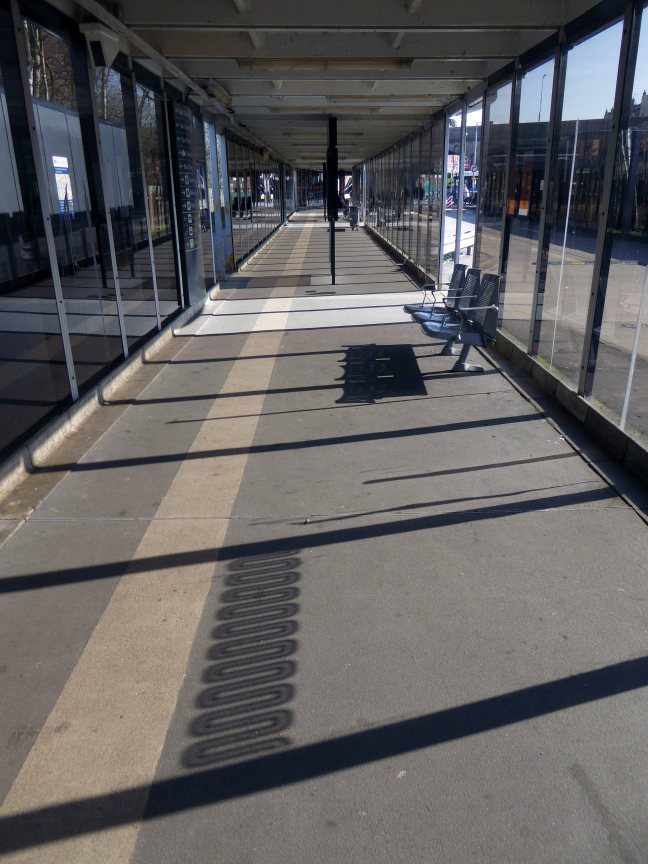
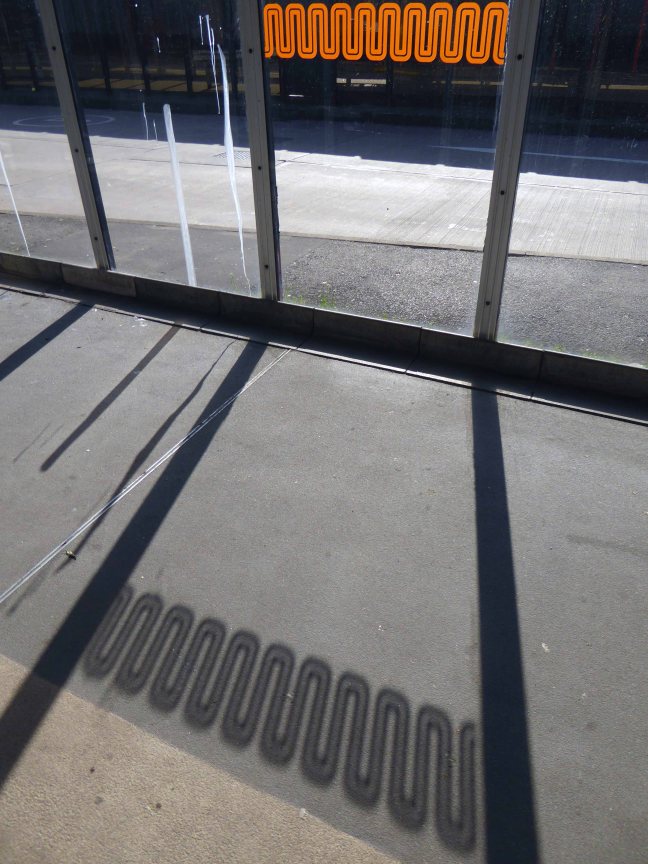
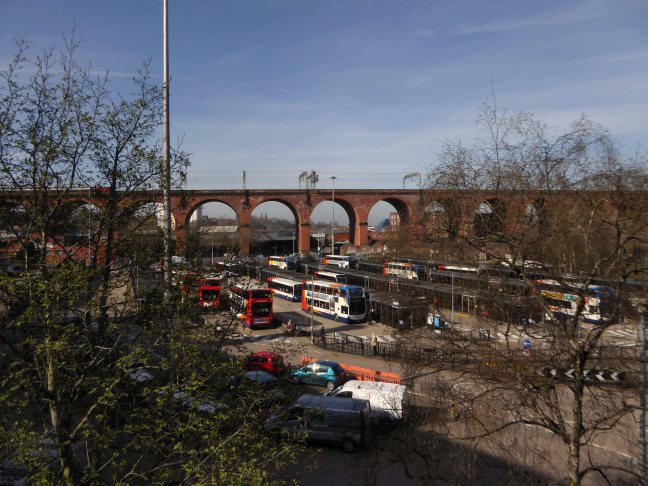
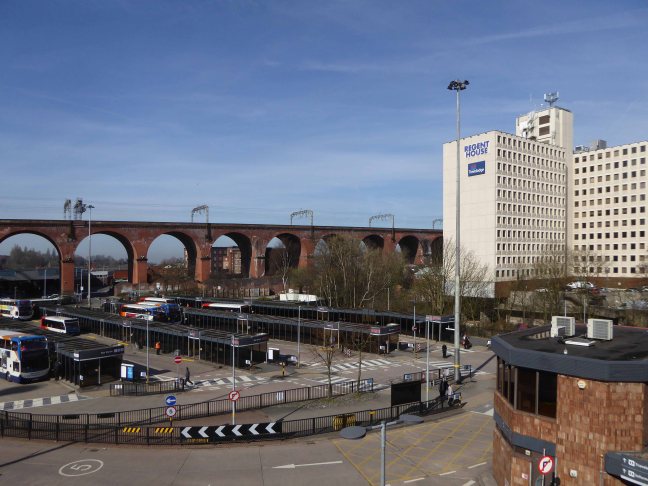
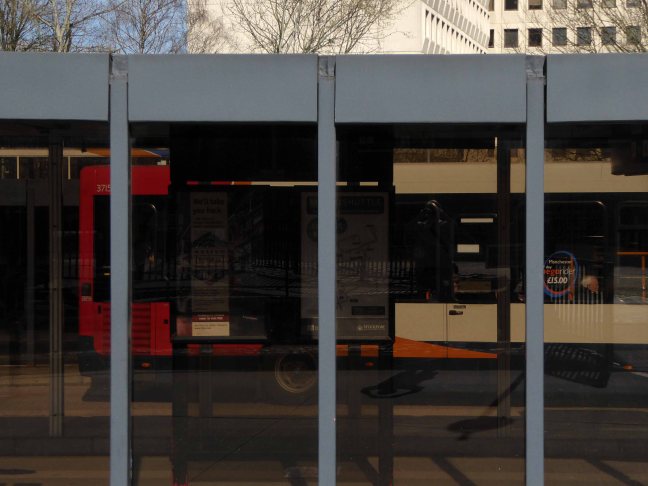
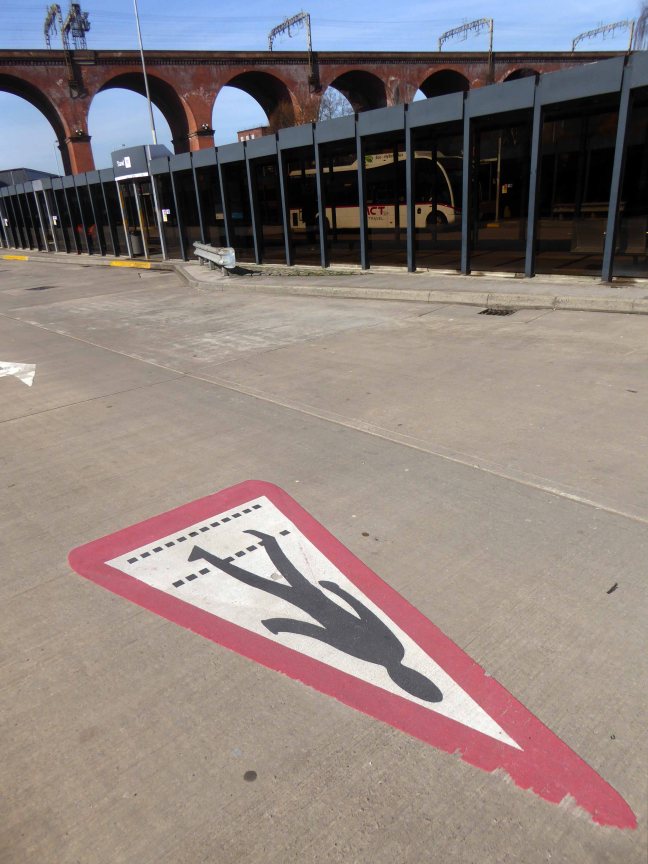
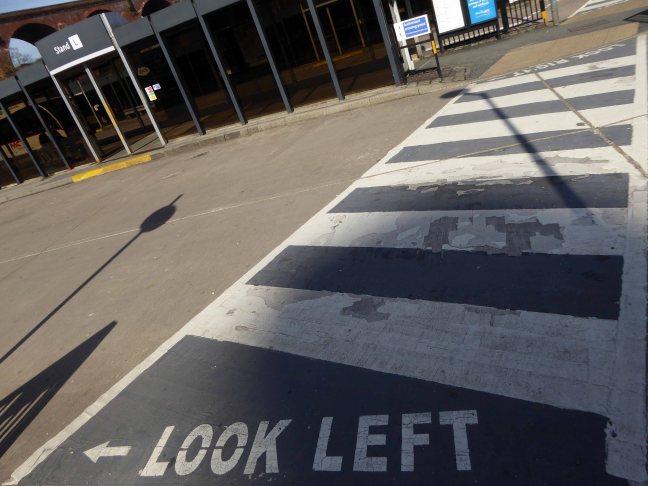
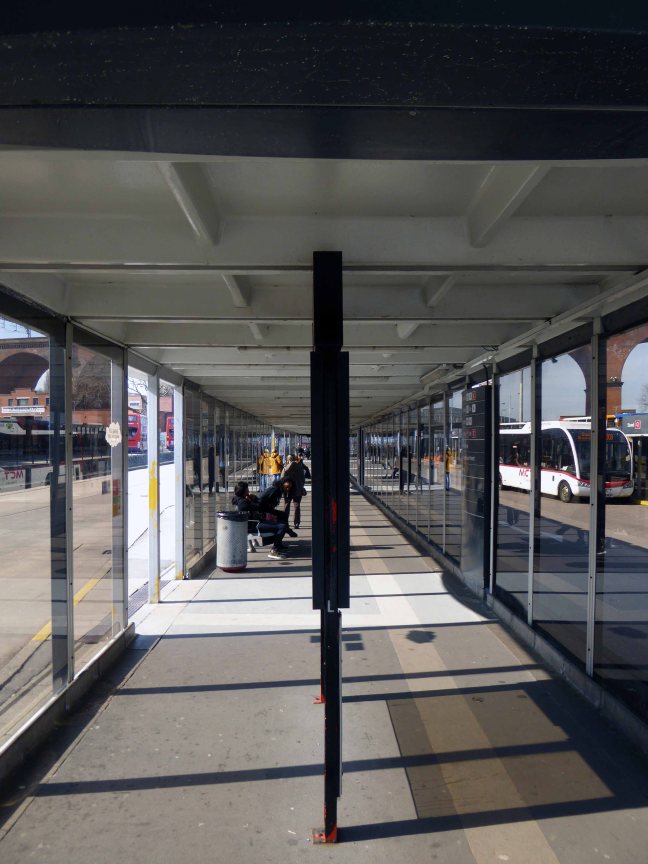
Tiviot Dale to Norris Bank – Stockport

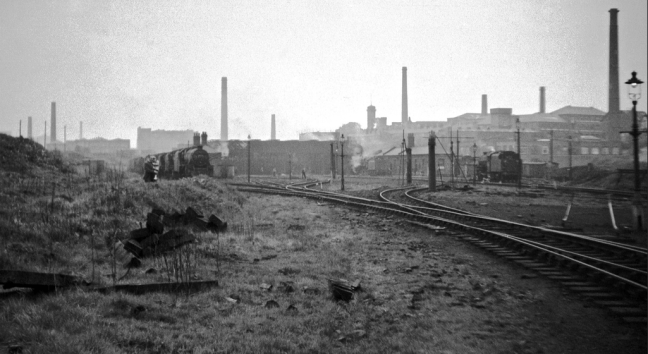
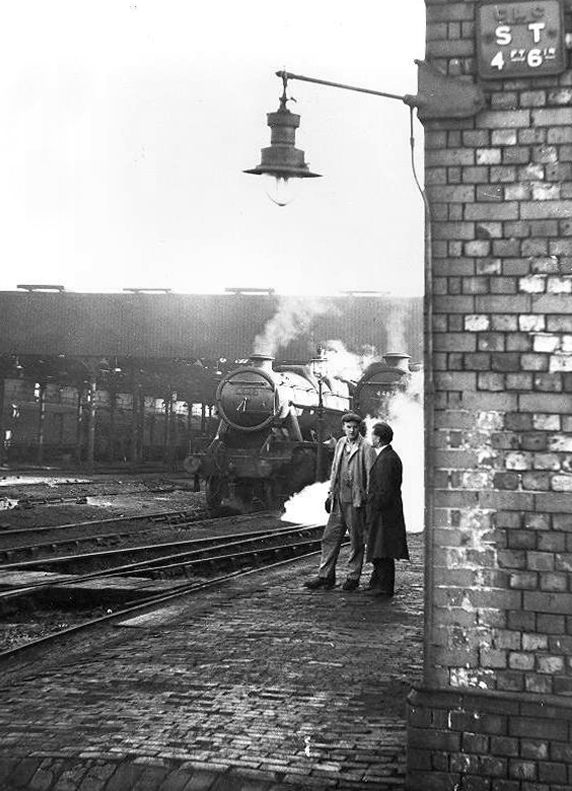
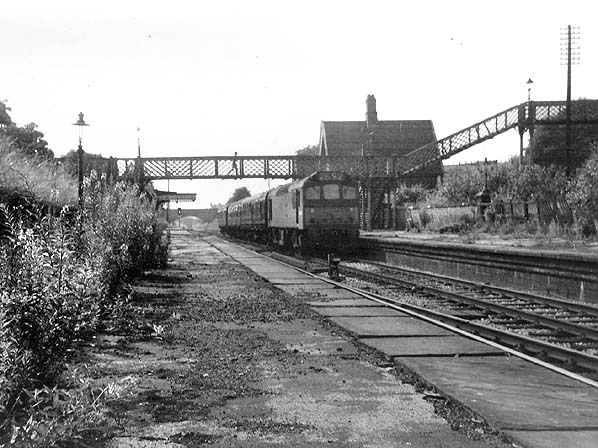
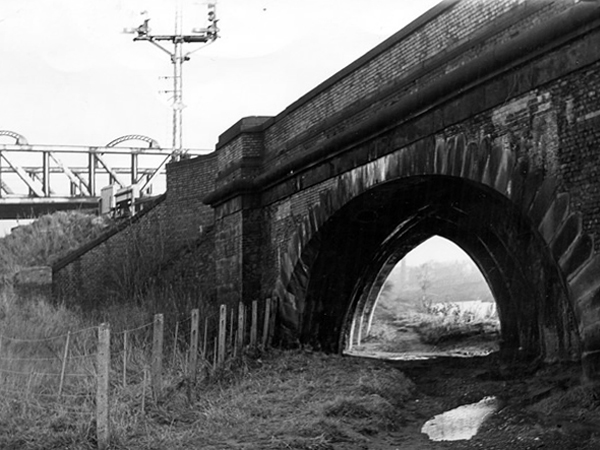
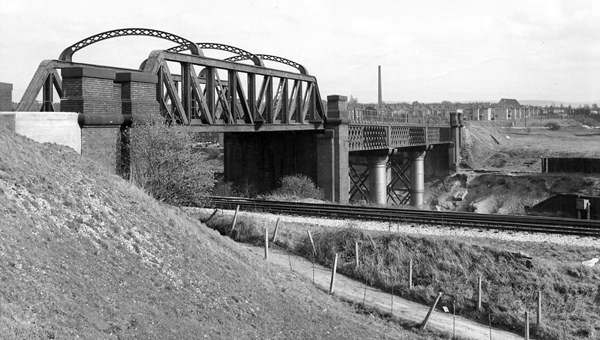
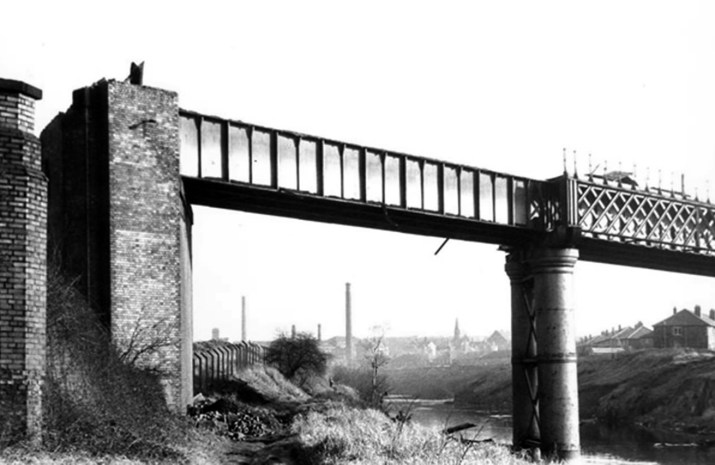
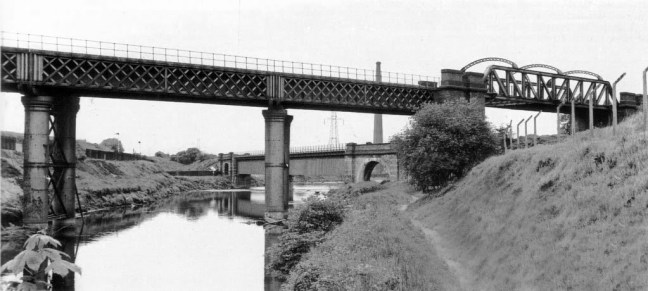
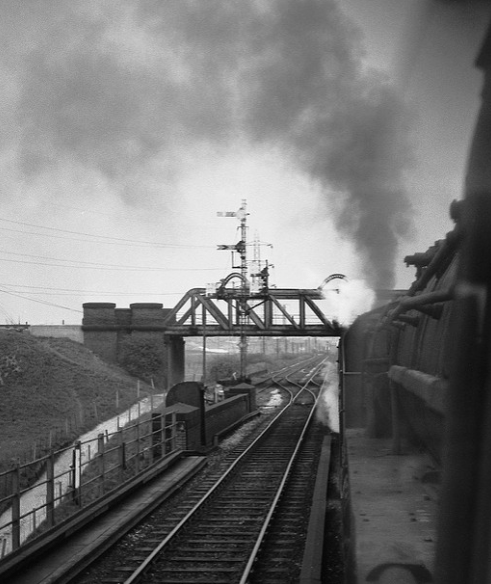
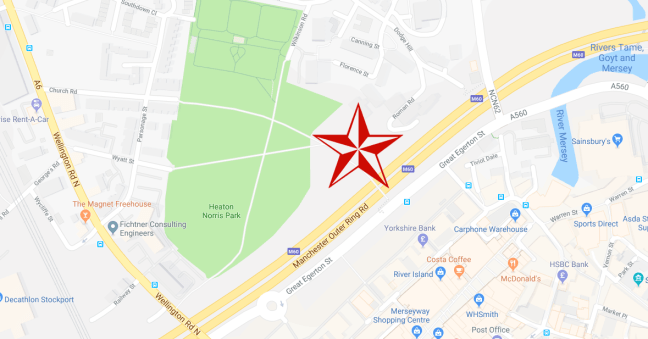
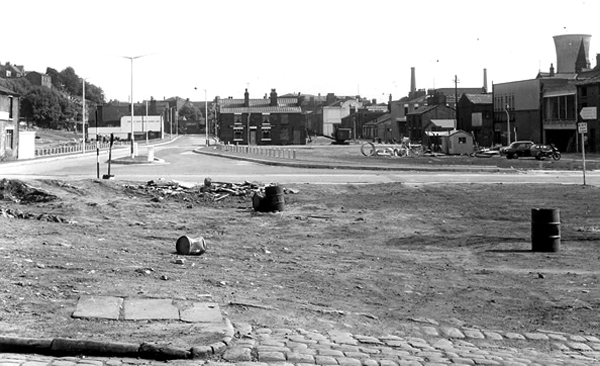
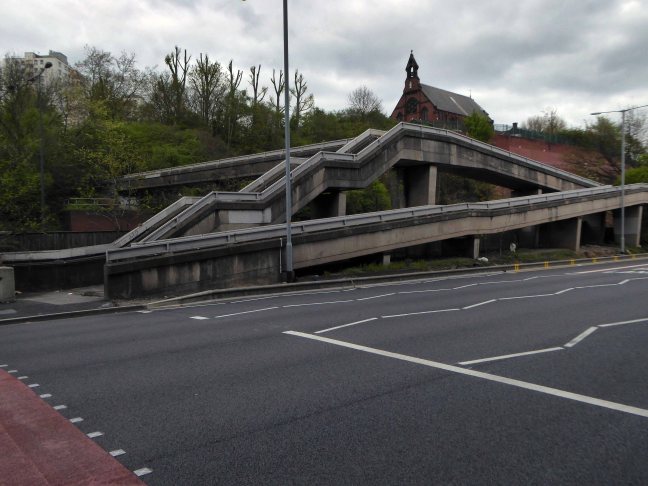
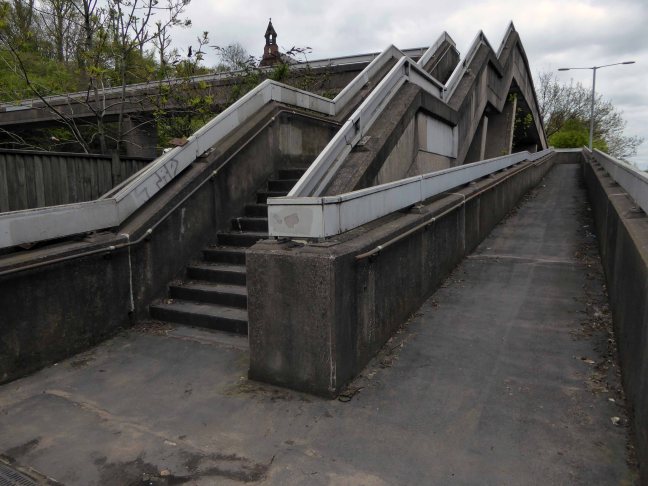
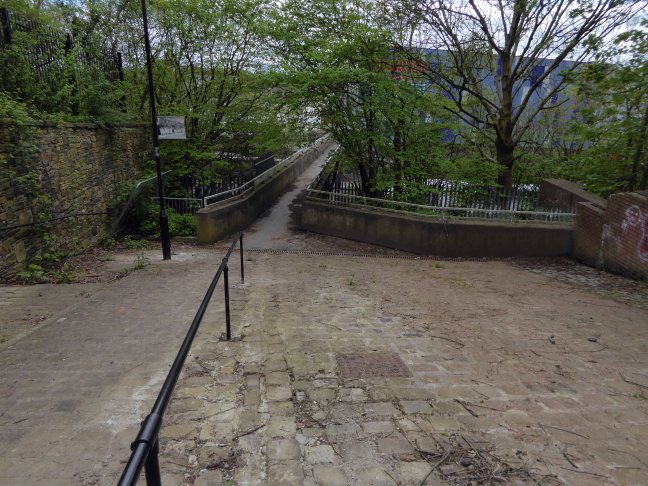
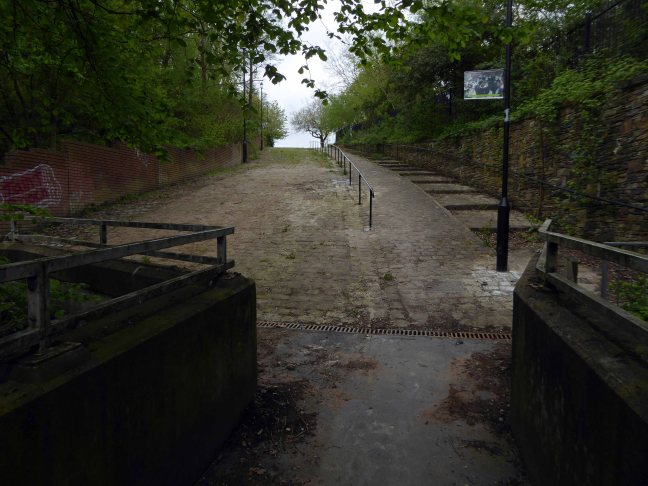
This is a journey I made as a BR Guide Bridge goods guard in the late 1970s, often with driver Eric Clough, into the George’s Road scrap yard. It was also at one time the Cheshire Lines passenger route out of Stockport Tiviot Dale Station to Liverpool, Southport, St Pancras and beyond.

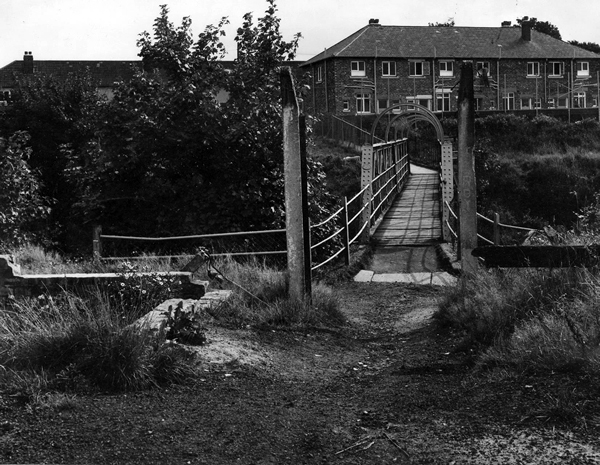
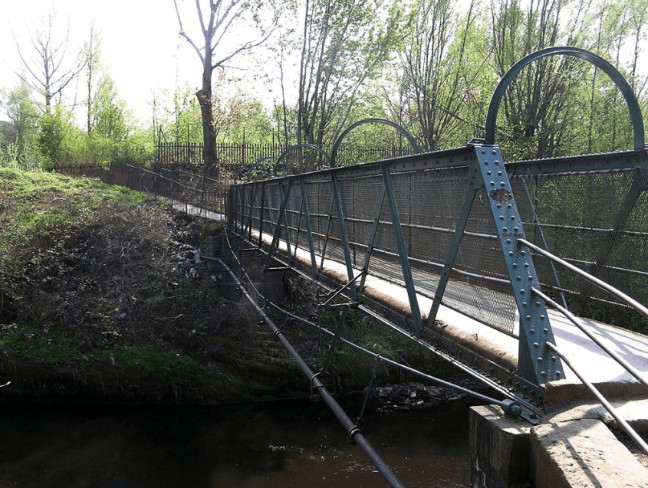
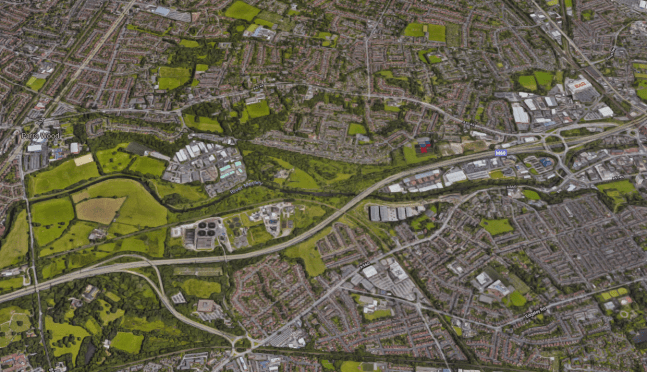
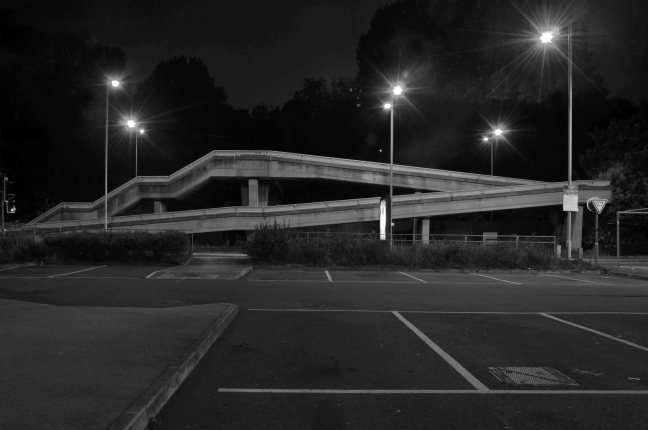
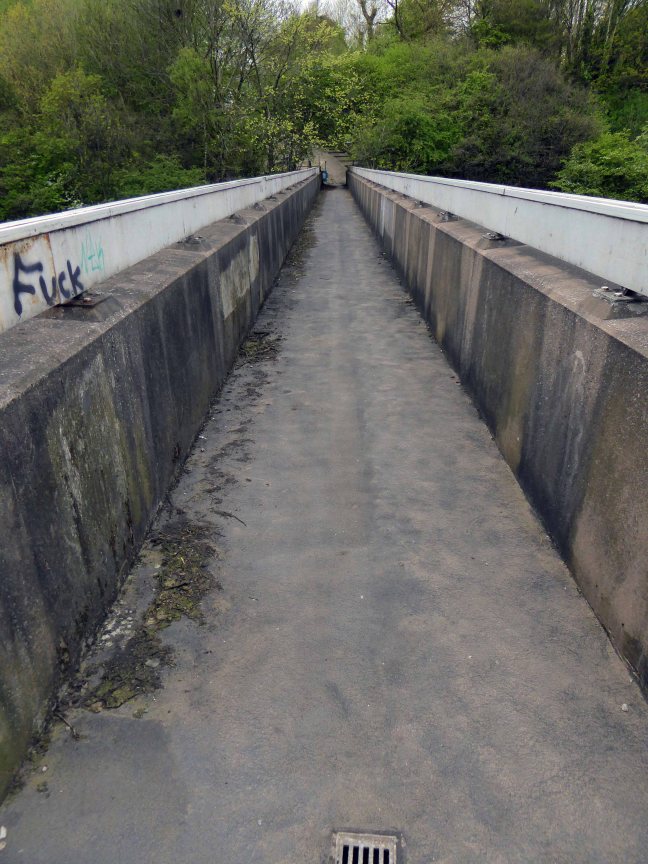
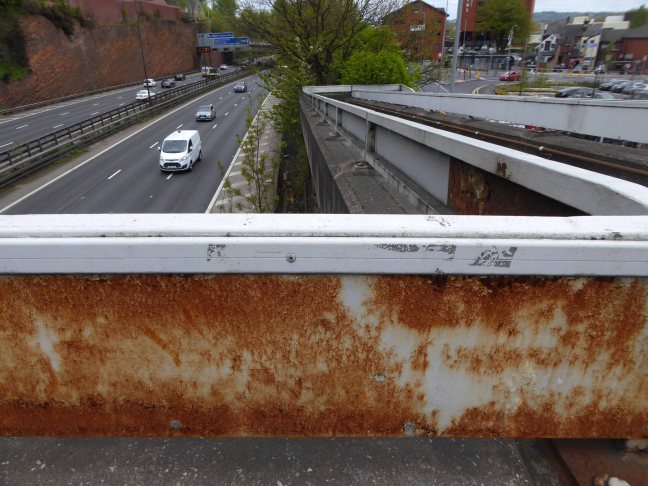
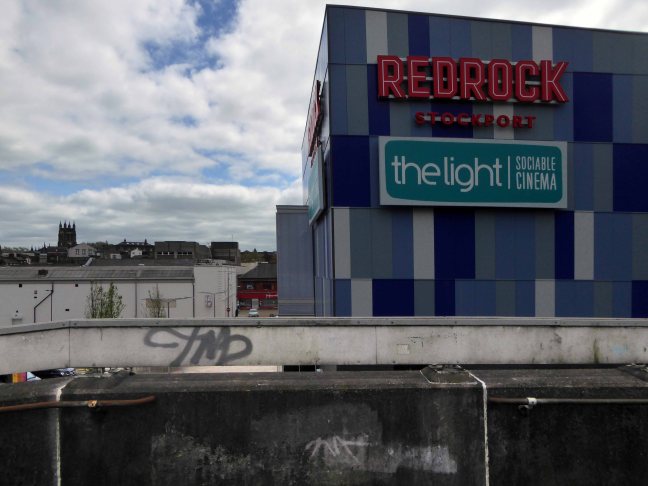
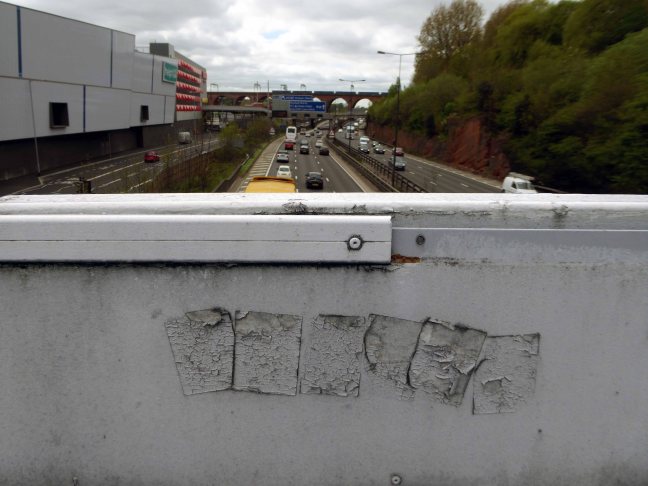
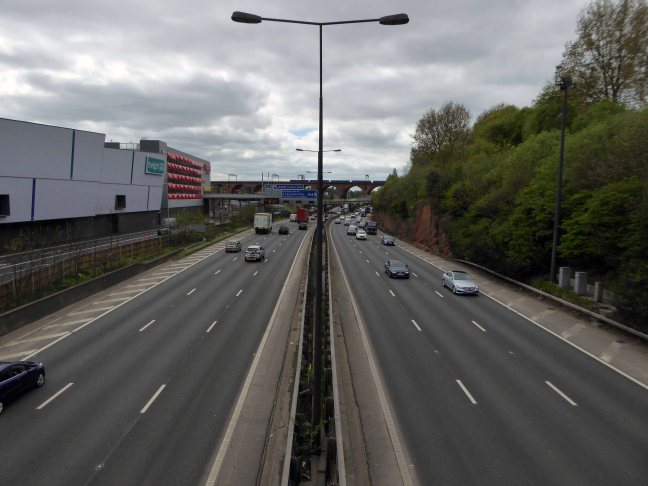
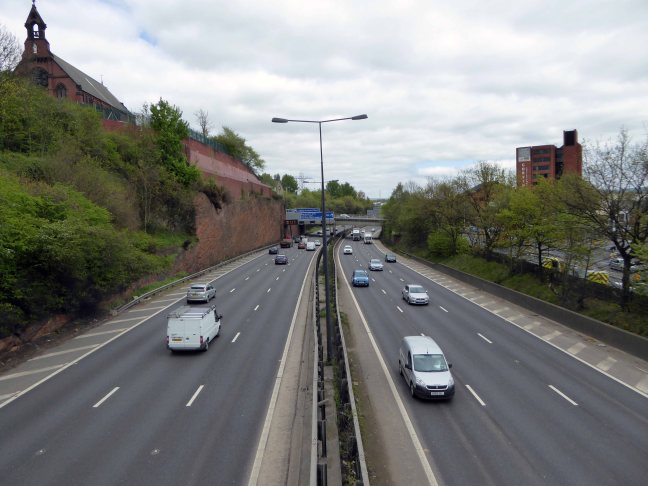
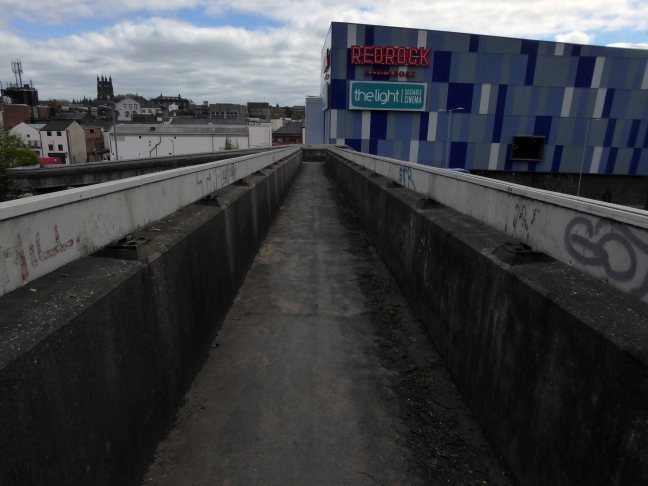
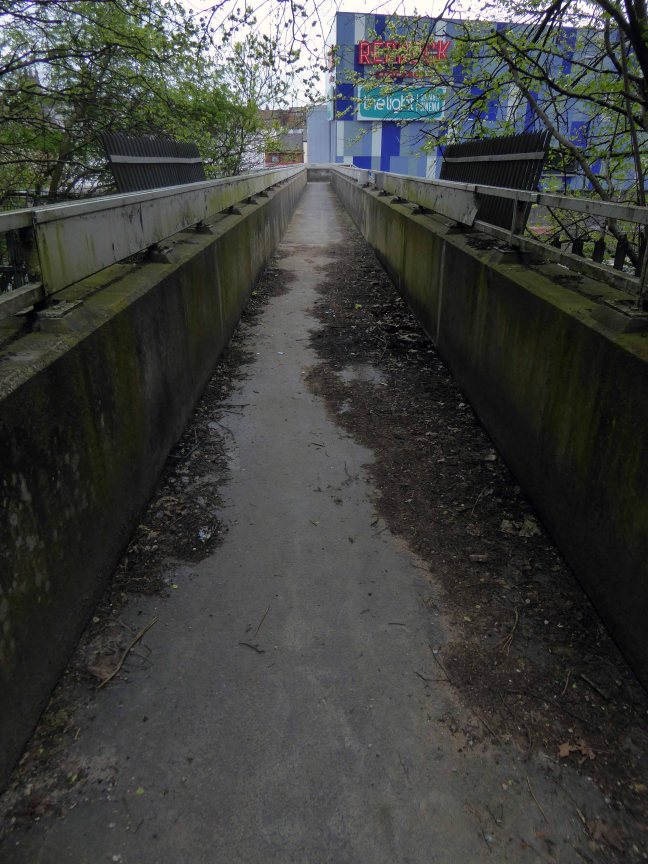
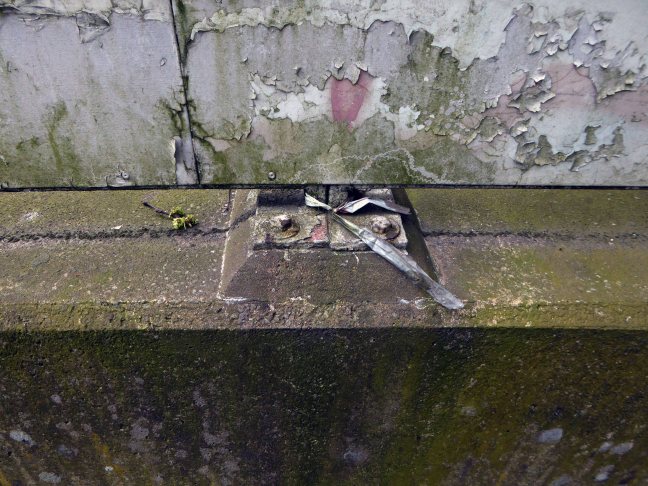
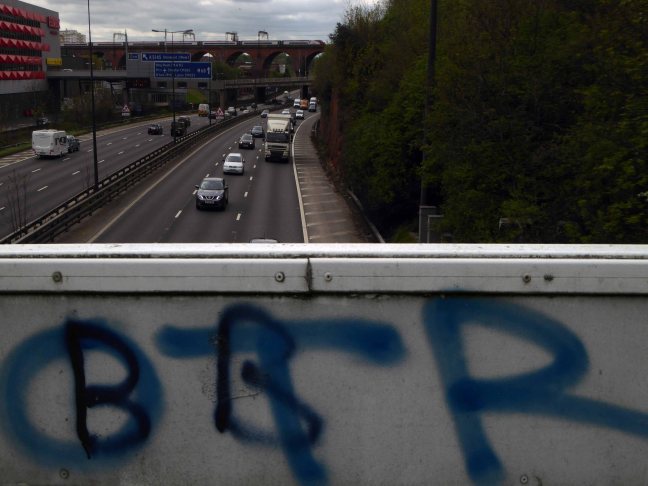
This is a journey I made on foot through bramble, puddle and scrub on a now disused line, cheek by jowl with a motorway and the passing crowd, blissfully unaware of its existence.

intro

page1

page2

page2a

page4

page5

page6a

page7

page8

page9

page9a

page11

page12

page13

page14

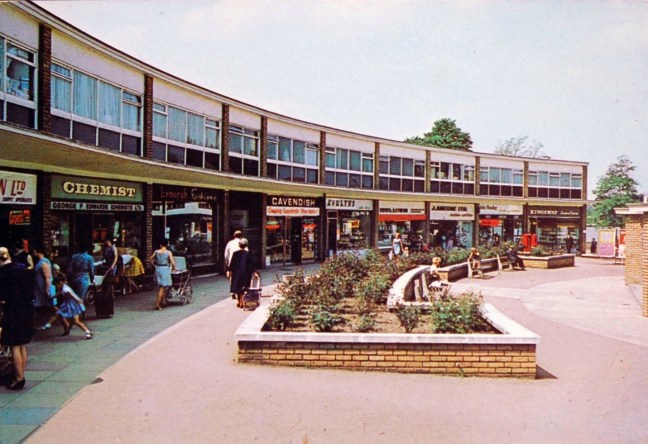
Merseyway – Stockport

Once there was a river there, formed by the thunder of Irish Sea ice gouging a great glacial valley, bowling along boulders and millstone grit through phyllosilicate clays and sedimentary sandstone.

27983074_10215926263608490_3556820789336334741_o

Then there wasn’t.

The Mersey, formed in Stockport as the Tame and Goyt conjoined, inconveniently filled with industrial grime and mire, then conveniently covered over in 1936.

16066

Creating the thoroughly modern thoroughfare Merseyway.

43094

The giant concrete culvert and bridge leaving the river cowering cautiously below.

11889

Of time and a river – little stands still and the town is whisked briskly into the late Twentieth Century with plans for a pedestrianised precinct.

15162

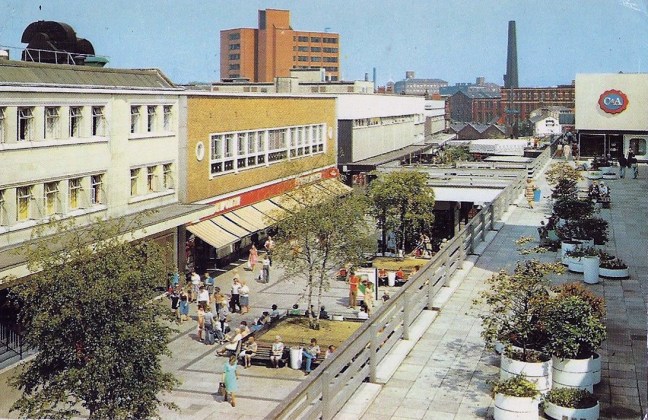
Completed and opened in 1965 the shopping precinct was concrete poetry in motion, incorporating the surrounding topography and extant architecture with grace and aplomb. Combining retail, restaurants and car parking facilities in a manner that critic Ian Nairn considered to be amongst the finest in the land.

4906

We had travelators, integrated paving, street furniture, and lighting across several levels. A carefully considered whole, combining all that was best in modern design with style, élan and panache – along with Freeman, Hardy and Willis.

16347
34942
44282

A clock tower, an Alan Boyson concrete car park screen and public art.

17379
19366

Would that it was still so, a variety of additions and subtractions have left Merseyway in architectural limbo, concrete legs akimbo across the river below, striding towards the future in a more than somewhat bewildered manner.

Yet we still continue cast our eyes upwards towards a clock that isn’t there, ride a non-existent walkway to the sky, try on an imaginary crop-top in C&A’s Clockhouse.

11408
17376
25379
17594

Photographs Stockport Image Archive

Lansbury Estate – London

The Lansbury Estate, to the north of East India Dock Road, is the most important, largest and best-known council estate in Poplar. It demonstrates the different trends in post-war council house design and layout. The interest of the estate lies as much, if not more, in the story of its planning and construction, as in what was actually built. This is especially true of its first phase, which formed the basis of the Live Architecture Exhibition in the 1951 Festival of Britain.

lansbury-neighbourhood-map-1951


Originally outlined in the 1943 plan for London, replacing the bomb damaged homes of displaced dockers, the estate has weathered well enough, though changes in demographics, the ever greater engulfing tide of gentrification and the containerisation of all ports, brings a fresh set of challenges and changes.

Go east – I visited the V&A Micro Museum, which has become a focus for residents’ and visitors’  memories and projections of a certain uncertain past and future. Arriving by the Docklands Light Railway, I was immediately drawn towards my destination, by the prominent Lansbury Tower, its clock patiently ticking away the time to and from 1951. Welcomed by staff and fellow travellers at the Chrisp Street Market site we began our tour at the heart of the Festival area – further details of which can be found here at Municipal Dreams.

A mix of market, shops, Festival pub, warm cream London brick terraces and low rise, later tower blocks, schools, churches and open grassed communal areas. On a cold and getting colder late winter’s day, a smattering of residents went purposefully about their business.

Life goes on.

Next time everything’s going to be different.

P1130822 copy

P1130821 copy

P1130820 copy

P1130819 copy

P1130818 copy

P1130817 copy

P1130815 copy


P1130812 copy

P1130811 copy

P1130810 copy

P1130809 copy

P1130807 copy

P1130806 copy

P1130805 copy

P1130803 copy

P1130800 copy

P1130796 copy

P1130794 copy

P1130793 copy

P1130788 copy

P1130786 copy

P1130785 copy

P1130784 copy

P1130783 copy

P1130781 copy

P1130769 copy

P1130767 copy

P1130754 copy

P1130753 copy

P1130751 copy


Seven Sisters – Return to Rochdale

I’ve passed this way before, they’re hard to miss, seven substantial tower blocks towering over the town on College Bank.

But what goes up, may come down.

Screen Shot 2017-03-23 at 13.53.11

Construction in 1963

Demolition in 2017 is one suggestion – following years of poor maintenance, problems of heating and ingress, plus a whole host of other reasons outlined here.

Screen Shot 2017-03-23 at 13.50.02

The housing trust in consultation with residents, have produced a tentative plan.

Screen Shot 2017-03-23 at 13.50.49

This may or may not include the demolition of one or more blocks. On the day of my visit, the tenants I spoke with understood that the blocks faced an uncertain future, and were rightly concerned by the rumours and conjecture. The majority would prefer to stay put, having lived there for several years, raising families and building  homes.

Whatever the outcome I hope that the wishes of the residents are not overwhelmed by political expedience, or the will of the developer.

Take a look for yourself.

P1140328 copy

P1140335 copy

P1140337 copy

P1140339 copy

P1140340 copy

P1140346 copy

P1140347 copy

P1140348 copy

P1140350 copy

P1140351 copy

P1140353 copy

P1140355 copy

P1140356 copy

P1140358 copy

P1140362 copy

P1140370 copy

P1140372 copy

P1140374 copy

P1140444 copy

P1140445 copy


Barmouth Street – Bradford Manchester

Once again I am following in the footsteps of Rita Tushinghan and the Taste of Honey film crew, this time my research has lead me to Barmouth Street, Manchester.

screen-shot-2017-02-11-at-14-42-03

To the east of the city centre, Bradford Park School was the scene of the opening scene, Jo’s netball match. The school is now long gone, now the site of a much enlarged public park, as can be seen from the map above.

Shelagh Delaney, author of the original play on which the film was based, can be seen fleetingly in this opening scene, appearing momentarily over the games teacher’s shoulder.

screen-shot-2017-02-11-at-14-43-12

I have found one archive image of the school, as the scholars prepare for the annual Whit Walks, this along with many other community traditions and conventions, have all but disappeared from the streets of the city.

webmedia-php

This was once a tight knit community, surrounded by industry, full employment and a short lived period of post-war growth and optimism.

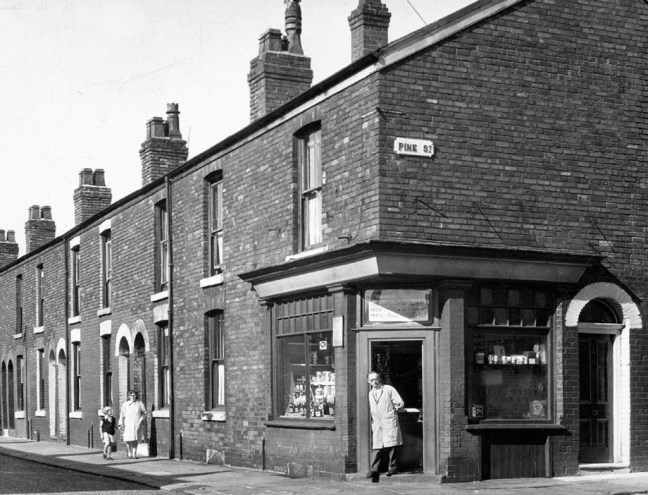
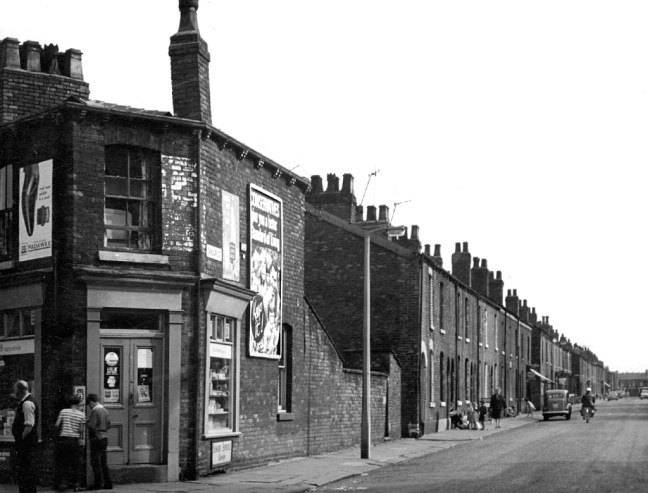
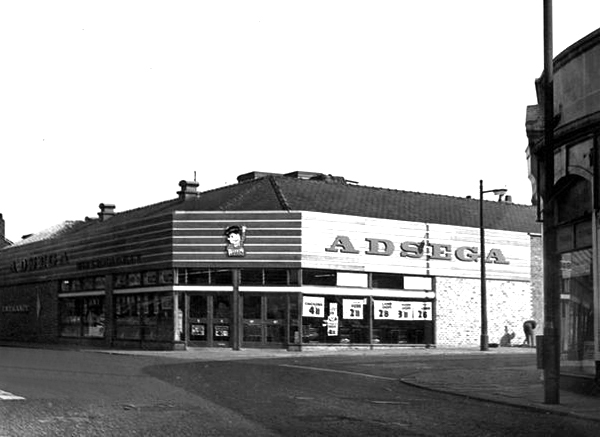
A corner shop on very corner, though by the time I worked as a Mothers Pride van lad in the late sixties, many were already on their last legs. A lethal cocktail of closing factories, incipient supermarkets, and an urban renewal programme, which lead to slum clearance, would change the character of the area forever.

screen-shot-2017-02-08-at-11-59-09

screen-shot-2017-02-08-at-11-59-38

screen-shot-2017-02-08-at-12-02-21

screen-shot-2017-02-08-at-12-03-37

screen-shot-2017-02-08-at-12-04-58

screen-shot-2017-02-08-at-12-05-23

screen-shot-2017-02-08-at-12-06-37

screen-shot-2017-02-08-at-12-00-28

The man responsible for the majority of these archive photographs is Tommy Brooks of 56 Gransmoor Road, Higher Openshaw.

He is my hero, a member go the Manchester Amateur Photographic Society, cycling the streets of Manchester to produce a unique record of life in the Sixties.

The Manchester Image Collection is awash with his work.

Central to the social and sanitary life of that that community were the Barmouth Street Baths and Washhouse, where citizens would swim, wash, dry, iron, chat convivially, and surprisingly – play bowls.

screen-shot-2017-02-08-at-12-08-14

screen-shot-2017-02-08-at-12-14-20

screen-shot-2017-02-08-at-12-17-35

screen-shot-2017-02-08-at-12-16-24

screen-shot-2017-02-08-at-12-15-54

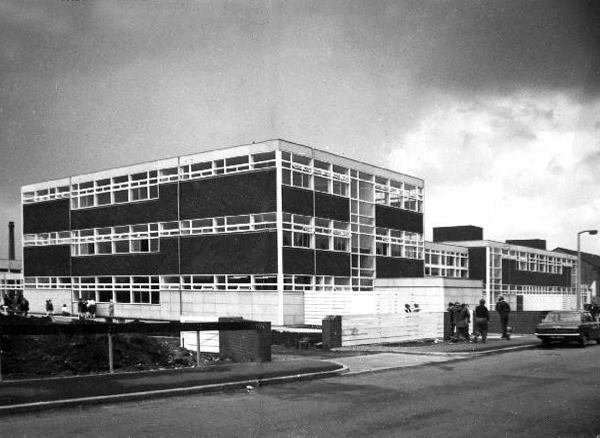
Now long gone, along with the provision of local authority nursery care. There were similar low level pre-fabricated buildings dotted all over the city. Built quickly and cheaply, to provide for a growing population, of largely working-class families, with no shortage of work opportunities.

screen-shot-2017-02-08-at-12-07-54

screen-shot-2017-02-08-at-12-08-53

This was a time of great social change, a time which the film attempts to anticipate -a more diverse, and hopefully more tolerant time, a time of possibilities and opportunities for all.

Holt Town Manchester – Part One

1785 Established by David Holt, and described as the only known example of a factory colony in Manchester, that is, an isolated mill complex with housing for the workers.

1794 Mills advertised for sale following the bankruptcy of David Holt and Company.

Things, as we know, have a tendency to come and go – ’twas ever thus.

A whole history of the area can be found here.

screen-shot-2017-02-08-at-12-40-07

River Medlock Holt Town

The area has seen a transition, in some two hundred year or more, from a leafy rural idyll, to smoke choked industrial hell and back again.

pollard-st

Pollard Street

dcs

Photographs from the Manchester Image Archive.

In 2014 I visited the site of the former Distillers Company, later Air Liquide UK, production had ceased. The factory was just about standing, litter and detritus strewn, unloved and unwanted, temporary home to the homeless.

The Industrial Revolution has been and gone – bye bye.

screen-shot-2017-02-08-at-20-51-31

There are plans for redevelopment, couched in the terms of the professional new-speak of the new urban renewalists.

The international design competition for Holt Town looked for a solution to the dilemma of providing a sustainable, distinctive, high density family-led residential community in close proximity of the Manchester regional centre.

Promising open green spaces and housing based on the traditional European perimeter block model, not a mention of a mill.

Possibly lasting a little longer than David Holt’s dream, and subsequent manifestations.

dsc_0139

dsc_0153

dsc_0137

dsc_0141

dsc_0142

dsc_0144

dsc_0147

dsc_0150

dsc_0157

dsc_0184

dsc_0160

dsc_0168

dsc_0171

dsc_0175

dsc_0185

dsc_0189

dsc_0190

dsc_0199

The Mancunian Way

The burnt out carcasses of cars are now hastily improvised cloches, following the annual cataclysmic courgette shortage.

Almost everything is made of Graphene, and a robot has taken your job.

The lucky ones are comfortably ensconced in custom built eco-pods, watching implanted Tarkovsky flicks around the clock and eating tasteless gloop.

Or Ultra-HD projections from the past.

Turn on.

Tune in.

Drop off.

Walk the Mancunian way – history buffs and tech heads can take a look here.

Photographs from the Manchester Image Archive

16463426_10212141901922228_700052626864377295_o

tumblr_nm6lpv4wwg1rr41pto1_1280

webmedia-1-php

webmedia-2-php

webmedia-3-php

webmedia-4-php

webmedia-7-php

webmedia-5-php

webmedia-6-php

webmedia-8-php

webmedia-9-php

webmedia-10-php

webmedia-11-php

webmedia-12-php

webmedia-13-php

webmedia-14-php

webmedia-15-php

webmedia-php

A Taste of the North

Where is the North and what does it look like?

It’s up there somewhere isn’t it, a dark elsewhere, a mythological other place.

I was curious, searching for clues.

I began in a nearby place in a faraway time, my first reference point, the film adaptation of Shelagh Delaney’s play A Taste of Honey.

Set in Salford by Salford born teenager Shelagh.

A  teenager becomes pregnant by a black sailor. She leaves her feckless mother and her flashy new boyfriend to set up her own home. She moves in with a young gay man, who helps look after her as she faces an uncertain future.

I have compiled a series of photographs of the film’s locations. 

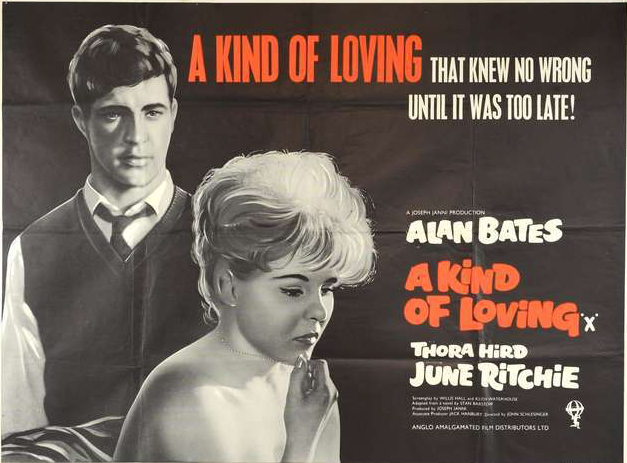
poster2

The film’s release in 1962 broke new ground in terms of its matter of fact depiction of contentious and sensational subject matter. My interest in this instance rests with the visual image of the North that it created.

a_taste_of_honey_1961_film_woodfall_film_productions_mm

Larkhill Road Edgeley Stockport

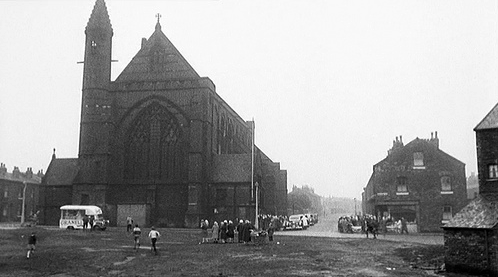
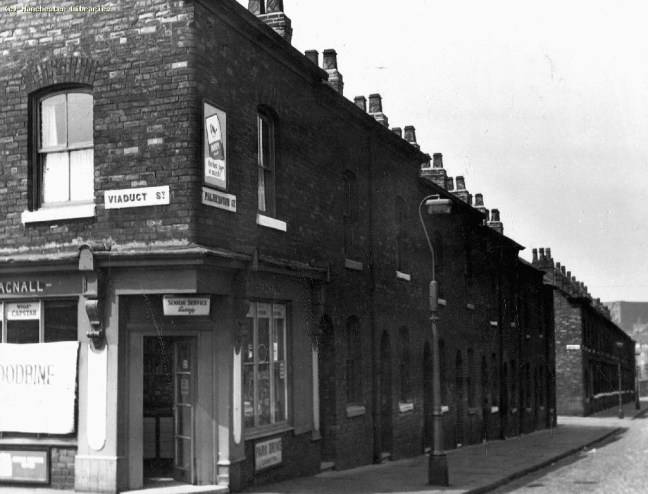
Shot almost entirely on location in black and white by cinematographer Walter Lassally, we are treated to dark treeless vistas, cobbled streets, industrial areas almost perpetually in decline, bleak canals and terraced homes.

As shown in these archive images of the 1950s, illustrating locations that would subsequently be used in the film adaptation.

There is a comprehensive list of locations here at Reel Streets

cambrian-street

Cambrian Street Holt Town Manchester

gas

Phillips Park Gasworks Manchester

Director Tony Richardson was a product of the British Free Cinema movement, which had previously produced short, sharp documentary and drama work, driven by a leftist outlook and using a restless, immediate approach, aided by the new lightweight cameras and faster film stocks. This is an ethos and methodology that would be carried over into the feature productions of the Woodfall Films company.

bfi-00m-nn0.jpg

Rochdale Canal Manchester

The film was shot in the flat, low, even light of the Winter which heightened the mildly desolate character of the landscape, though ostensibly Salford set many of the locations are in nearby Manchester and Stockport. An early long and free flowing title sequence and establishing shot, is a bus tour around Central Manchester, a city centre which at the time was still graced by a thick accumulation of dark industrial emissions and miasma.

screen-shot-2017-02-03-at-19-44-30

A soot blackened Queen Victoria mute and imperious in Piccadilly Gardens, the freshly blooming cranes of post-war renewal tentatively appearing in the background.

screen-shot-2017-02-03-at-20-30-43

The skyline punctuated by factory chimneys, the tight huddled streets of terraced houses chuffing billowing great grey clouds of smoke – a view familiar in the work of LS Lowry.

a-taste-of-honey-new-4

Barton Bridge

lr-taste-of-honey-msc-swing-bridge

Trafford Swing Bridge

taste-of-honey

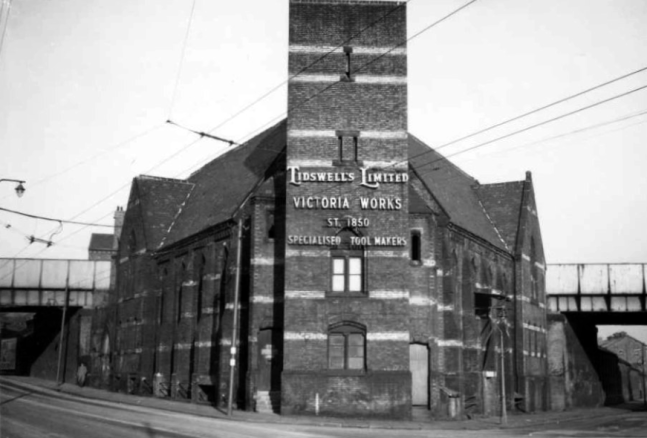
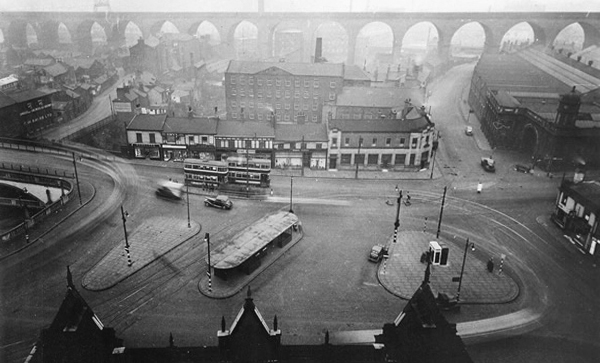
Stockport Rail Viaduct

taste_of_honey_01

Phillips Park Gasworks

screen-shot-2017-02-03-at-20-05-24

The location of the home that Jo sets up was ironically the stage set workshop of the Royal Court Theatre (the very theatre where the play was developed and produced) in London – that most northern of cities.

There is a brief respite from this milieu, through a picture in picture sequence based on the image of a suburban bungalow – which along with the coming age of mass motor car ownership, offers the promise of escape.

screen-shot-2017-02-03-at-20-34-51

screen-shot-2017-02-03-at-20-37-15

A giddy day trip to Blackpool represents the temporary release from a contrasting and constricting world, a trip which for Jo emphasises the divide between Mother and her lover.

screen-shot-2017-02-03-at-20-35-56

So we the viewers are left with a cloudily clear, black and white world, a pervasive construct that the North and Manchester is eagerly beginning to casually shuffle off.

Where streets are no longer paved with Eccles Cakes and whippets are hip.

Identity through landscape and location can both define and constrain, but that landscape, its representation, and the identity that it produces are all mutually mutable.

Take some time to watch and rewatch the film, freeze frame where are we?

Who are you?

Semi Detached – Warrington

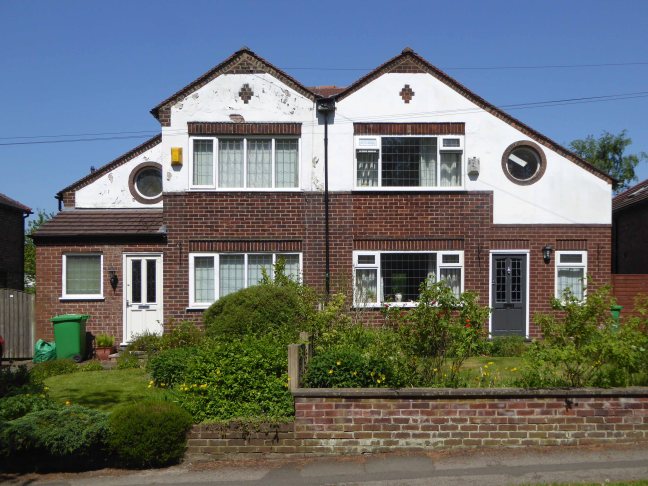
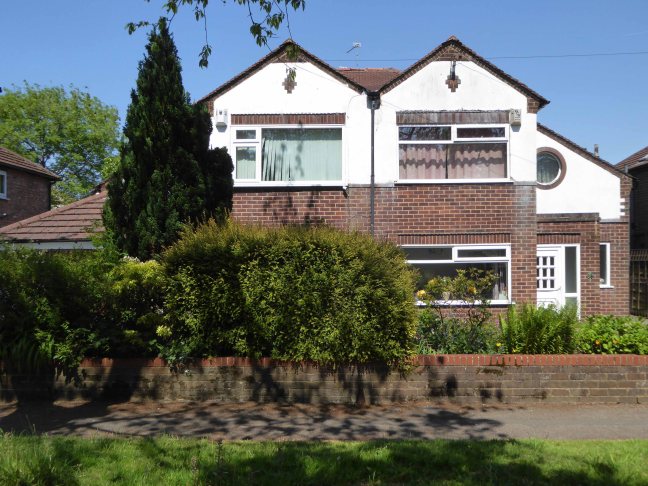
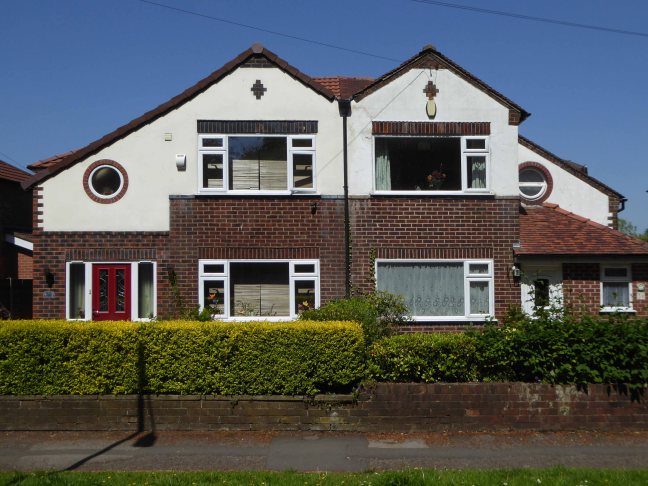
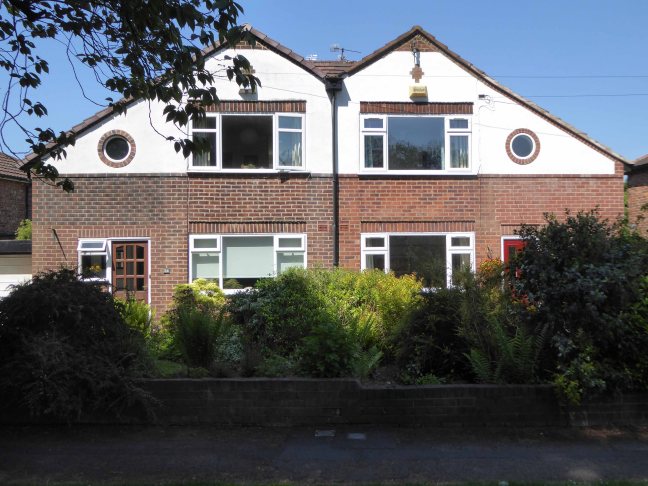
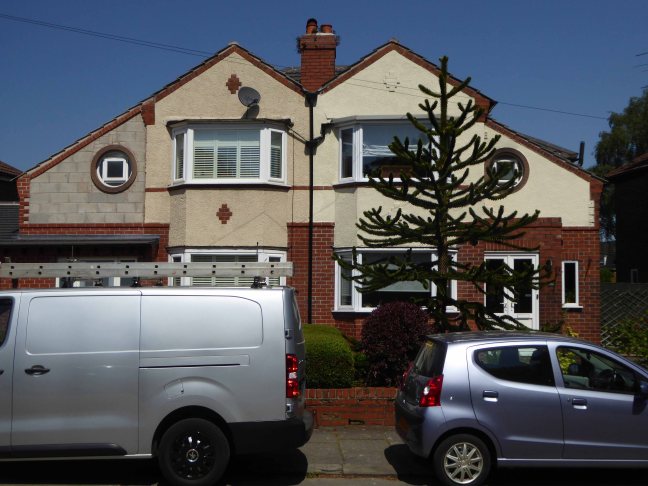
I was walking back from St Stephen’s Church recently, when I chanced upon a small group of two storey, flat roofed, semi detached social houses.

They were blessed with that post war functionalist brick and concrete chic.

Part of a larger development of homes in the Longford area of the town.

screen-shot-2017-01-31-at-15-33-18

An area which is one of the most socially deprived in the country, with more than its fair share of problems, crack and weed would once have been pressing matters for the Borough Highways Department – these days they are more likely to attract the attention of the boys and girls in blue.

screen-shot-2017-01-31-at-17-17-47

And to cap it all the area is prone to frequent flooding.

longford-flooding

There are signs of hope as the housing association and council embark on a multi million pound refurbishment of the estate including:

Replacing fencing around bungalows.

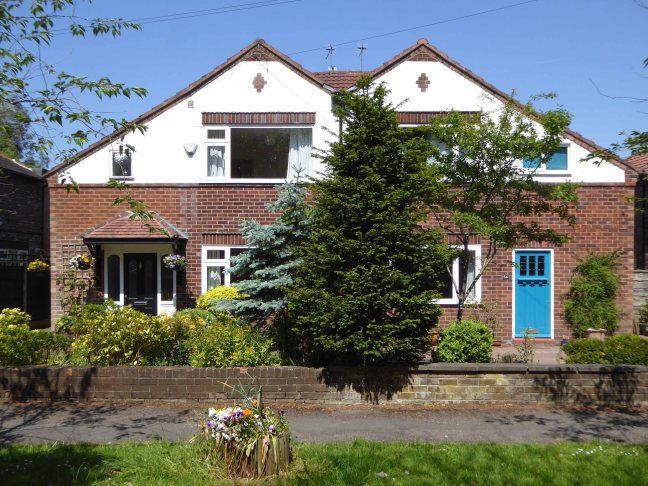
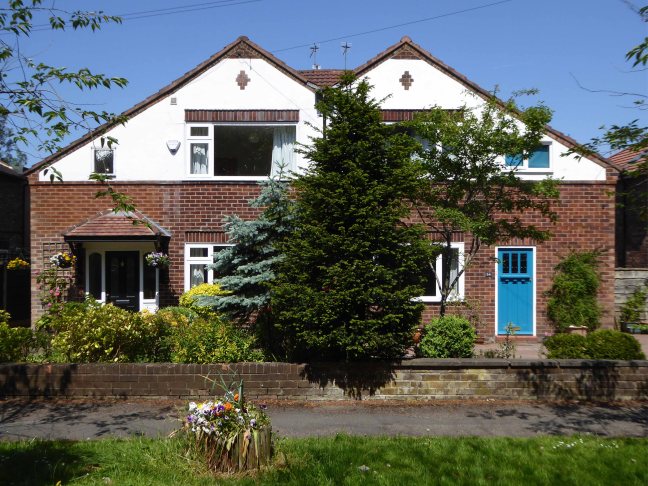
On the day of my visit the chill January streets seemed quiet and ordered, and I was enchanted by the mismatched pairs of semis that I encountered.

p1130204

p1130205

p1130206

p1130207

p1130208

p1130209

p1130210

p1130212

p1130213

p1130214

p1130215

p1130216

p1130218

p1130219

p1130220


Transporter Bridge – Warrington

I set out one morning with a clear intent, to travel.

To travel to see the Warrington Transporter Bridge – of which I had only just become aware. Ignorance in this instance is not bliss, expectation and fulfilment is.

Guided by the detailed instructions on the Transporter Bridge Website I made my way from Bank Quay Station, mildly imperilled yet not impeded by caged walkways, tunnels, bridges, muddy paths and Giant Hogweed!

p1130109

p1130111

p1130164

p1130122

p1130127

Finally catching a glimpse of:

Warrington Transporter Bridge, also known as Bank Quay Transporter Bridge or Crosfield’s Transporter Bridge, across the River Mersey is a structural steel transporter bridge with a span of 200 feet. It is 30 feet wide, and 76 feet above high water level, with an overall length of 339 feet. It was built in 1915 and, although it has been out of use since about 1964, it is still standing. It was designed by William Henry Hunter and built by William Arrol and Co.

bridge_in_use_1951

The bridge in use 1951.

It is till standing today, and was built to despatch finished product from the cement plant that had been built on the peninsula. It was originally used to carry rail vehicles up to 18 tons in weight, and was converted for road vehicles in 1940. In 1953 it was modified to carry loads of up to 30 tons.

The bridge is designated by English Heritage as a Grade II* listed building, and because of its poor condition it is on their Heritage at Risk Register. The bridge is protected as a Scheduled Ancient Monument.

My thanks to the Friends of the Warrington Transporter Bridge for the historical information and archive image.

Here are my photographs expectations more than fully fulfilled an epic structure and a triumph of engineering, go take a look real soon.

p1130129

p1130133

p1130134

p1130135

p1130136

p1130144

p1130145

p1130148

p1130149

p1130158

p1130166

Rochdale – Seven Sisters Flats

Arriving in Rochdale in search of something else entirely, it was impossible to ignore seven prominent, as yet unclad tower blocks, high upon a hill. I was informed by a local resident that they were known locally as the Seven Sisters, though variously identified as Falinge B, College Bank, and Holland Street flats.

js81348360

The area was formerly home to Victorian workers’ dwellings, known as The Paddock – the post-war policy of slum clearance saw them swept away, in readiness for municipal modernity.

js81348349

js81348353

js81348355

Photographs Rochdale Image Archives

Hey presto 1963 and there appears four 21 storey blocks containing 476 dwellings; three 17 storey blocks containing 286 dwellings.

5995650872_2ed2d9ab80_b

Photograph Mancunian 101

Building contractors were Wimpey and the flats were designed by Rochdale’s Borough Surveyor, Mr W H G Mercer and Mr D. Broadbent along with Mr E V Collins, chief architect to contractors George Wimpey and Company.

Many thanks to the Tower Block project for the facts.

On Friday October 1 1965 the Minister of Housing and Local Government, Richard Crossman, officially opened the first of the College Bank flats – Underwood.

So go take a look ride the rail or tram, get on your bike, walk a while and abide, take a frenzied dance around with the Seven Sisters.

p1040789-copy

p1040787-copy

p1040785-copy

p1040788-copy

p1040797-copy

p1040795-copy

p1040794-copy

p1040793-copy

p1040792-copy

p1040786-copy

p1040800-copy

p1040801-copy

p1040791-copy

p1040796-copy

p1040798-copy

p1040799-copy

Motorways an Introduction

Once upon time there was no such things as motorways, we made our way across country in a haphazard fashion, by way of of a raggle-taggle bunch of muddy, puddle strewn byways, tracks A, B and C roads.

Journey times were long and often unpredictable, it was not unusual for a traveller to never ever reach their intended destination.

But then as if by magic:

On 5 December 1958, the day the 8 mile Preston bypass opened.

Robert Gornall was the AA’s first motorway patrol and he was on duty on the Preston by Pass – now the M6, from day one – he even attended the opening ceremony.

Robert recalls that in those early motorway days, when there was no speed limit or hard shoulder, things were very different when it came to dealing with breakdowns. 

Robert said:


“This was entirely new and when we reached a broken down car we simply pushed it, bumper to bumper, out of the way to a place of safety where we could fix it – our vehicles were fitted with special rubber bumpers so as not to cause any damage.

Breakdowns came thick and fast because cars just couldn’t cope with the higher speed – engines just simply blew. The vehicles we used were Ford Escorts and even a soft top Land Rover.”

Having overcome these early teething troubles a whole complex network was developed.

motorwaymap2008

Opened by the transport minister Ernest Marples and other assorted worthies.

marples_owen_openingm1_2

Speed limits and controls were applied to quell the threat of crashes and blow-outs.

c11c126e-c491-49c5-9f7a-d5b4a053808c_pa-1730423

Welcome to the fact packed modern world of the modern motorway.

550px-tcc_motorway_example

New typography and signage systems were developed by Margaret Calvert and Jock Kinneir.

margaret-calvert-typography

3791254247_fa4d8d3aeb_b

Special provision was made for provisions for the motorway motorist in special places, with special names – and their own unique approach to modern cuisine.

motorway14

Quite literally food on the move at the motorway services.

motorway4forblog

Ever eager to communicate their fondness for the modern motorway, the modern motorist would often send a picture postcard to friends and/or family.

m6motorway

A whole literary and visual culture built up over time, to celebrate a deep and growing affection for the motorway network.

920108_10151602324156600_410904325_o

0416560806

motorway5forblog

5253_l

IM000285.JPG
IM000285.JPG

7122_l

3088_l

The rest is history, so break out the string backed gloves, top-down hit the road!

Jacqueline and/or Jack.


Ashton Moss – Expo 2025

Why are we here?

Screen Shot 2016-09-03 at 13.02.21

A heady cocktail of capital, coal, cotton, cultivation, commerce and cricket created you.

The end of the age of celery heralded the construction of a new landscape of consumption.

Spoil and soil from the cuttings of the M60, added to by Etihad detritus created an elevated mound some hundred feet in height, across an area of seventeen hectares.

Where are we going?

Playing golf has been permanently postponed, the proposed light industrial units were knocked back by local authority planning officers, and residents’ objections.

So let’s get off to the Expo!

I took myself off there, take a look around, get a feel for the place. Currently the province of rebel dog walkers and guerrilla gardeners, I was informed that the rights of way are regularly blocked by an employee of Cordingley’s Estate Agents, who closes the gaps in the perimeter fencing, subsequently photographing his wiry handiwork. The gaps are then promptly reopened and walkways reestablished.

P1080223

Short eared owls have been spotted.

I was told of the legend concerning Peg’s lantern – fearing for the well being of her son, Peg wanders the dark lanes in search of the errant offspring, later found drunk in a ditch.

This area is a locus of deep, deep energies and histories, monkey with it at your peril.

These are observations from a hill:

P1080237

P1080246

P1080239

P1080236

P1080219

P1080216

P1080207

P1080198

P1080197

P1080195

P1080194

P1080193

P1080191

P1080189

P1080184

P1080181

P1080179


Ashton Moss – Leisure and Light Industry

Absolute disgrace the food was disgusting and we’re we was sat it stunk of urine.

Never again will I go.

Welcome to the modern world, once home to the world’s finest celery, now home to the world’s worst online reviews.

The area, under cultivation for over a hundred years was bulldozed to one side, and left in a heap. The M60 arrived wiped its feet on the greensward  and awaited the expected redevelopment.

Welcome to the brand new shiny nowhere, the dual carriageway expanse of Robert Sheldon Way carries you away to a strikingly inevitable array of chains, human bondage has never appeared so  clean and bright.

Muse developments:

Good design is required as a key aspect of pursuing sustainable development indivisible from good planning. Good design involves seeking positive improvements in the quality of our built, natural and historic environment, addressing the connections between people and places.


P1080156

P1080157

P1080164

P1080167

P1080173

P1080256

P1080257

P1080259

P1080260

P1080261

P1080262

P1080271

P1080274

P1080275

P1080300

P1080301

P1080304

P1080320

P1080321

P1080328

Ashton Moss

Ashton Moss is an area I have known for some fifty years or so, my grandfather was a collier at the Ashton Moss Pit, I worked trains around the triangle of rail that encloses the area – I returned some time ago to take a look at what remained of a once fertile area.

This area of low lying, deep peaty bog, just outside Ashton-under Lyne, was drained in the mid 1800’s to grow some of the best crops – It was world famous for its celery but also grew good cabbage, cauliflowers and lettuce, with cucumbers and tomatoes grown in glasshouses. The ground was apparently fertilised by marl dug from local banks or pits, and by dung brought by horse and cart from the elephant and tiger enclosures at Belle Vue Zoo, down the road.

Four brothers of the Kelly family came from Ireland shortly after the Irish potato famine of 1840’s, settled on the Moss and still have a descendent selling fruit and vegetables on Ashton Market today.

The Moss is also where Bill Sowerbutts, of Gardener’s Question Time fame, learnt his trade. Bill’s first memories were of his Father’s smallholding on the Moss, which had been bought from a market gardener called Tommy Knight in 1892.

http://kindling.org.uk/digging-around-ashton-moss

The celery is long gone, the land now in use as a retail leisure park, intersected by the Manchester Orbital ring road, a Metrolink tram track, several dual carriageways and the existing rail network.

Its passing does not seem to be matter of record save for this archived account of 1989.

I read today of plans to set the 2025 World’s Fair there.

In January 2009 it looked like this, heaps of spoil, recently relocated slag heaps, frozen lakes and puddles, rough tracks, barely preserved rights of way and restricted access.

DSC_0001

DSC_0006

DSC_0007

DSC_0008

DSC_0010

DSC_0011

DSC_0013DSC_0016

DSC_0017

DSC_0018

DSC_0019

DSC_0020

DSC_0021

DSC_0022

DSC_0024

DSC_0025

DSC_0034

DSC_0037

DSC_0043

DSC_0047

DSC_0052


Found Art

For more years than I care to remember I have had an interest in Found Art.

The naturally occurring collision of printed material, the unseen hand and weather.

Our streets are literally littered with the stuff.

Conscious of the work of Kurt Schwitters, Hannah Hoch, Jasper Johns and Robert Rauschenberg, I’m conscientiously out and about in search of the unconscious.

something-or-other-1922

getimageexe1363235610983

1987_Web

header_rauschenberg

Here’s a sample of my findings so far:

P1060361 copy

P1060413 copy

Screen Shot 2016-08-09 at 12.47.51

Screen Shot 2016-08-09 at 12.48.18

Screen Shot 2016-08-09 at 12.48.46

Screen Shot 2016-08-09 at 12.49.21

Screen Shot 2016-08-09 at 12.54.52

Screen Shot 2016-08-09 at 12.55.17

Screen Shot 2016-08-09 at 12.55.30

Screen Shot 2016-08-09 at 12.55.49

Screen Shot 2016-08-09 at 12.56.11

Screen Shot 2016-08-09 at 12.56.27

Screen Shot 2016-08-09 at 12.56.39

Screen Shot 2016-08-09 at 12.56.56

Needwood Close – Collyhurst

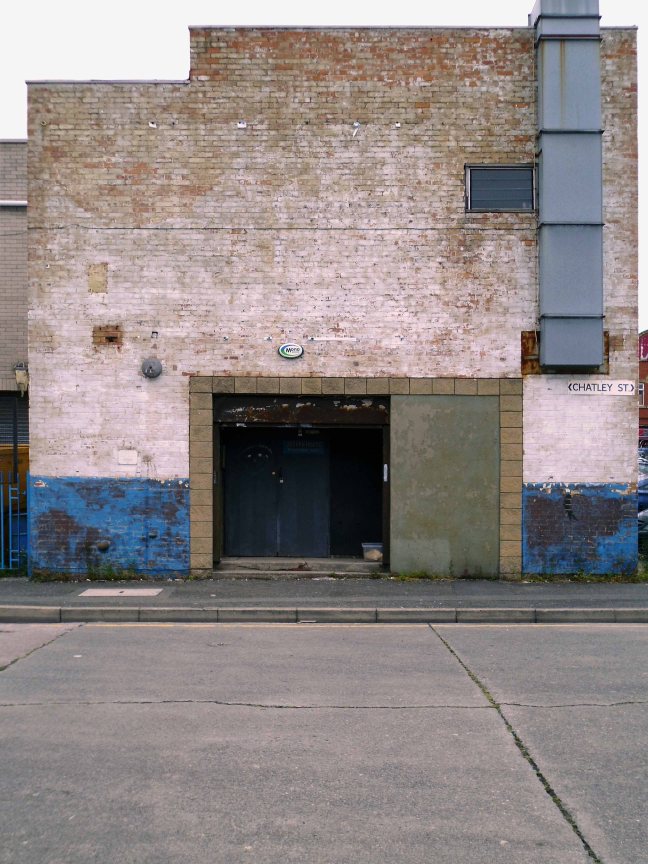
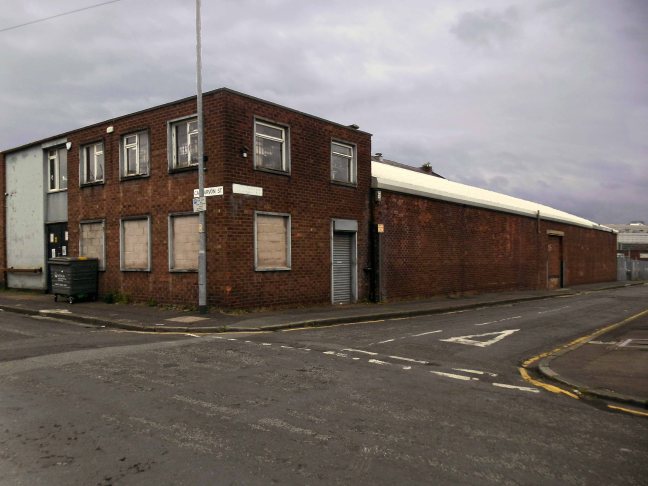
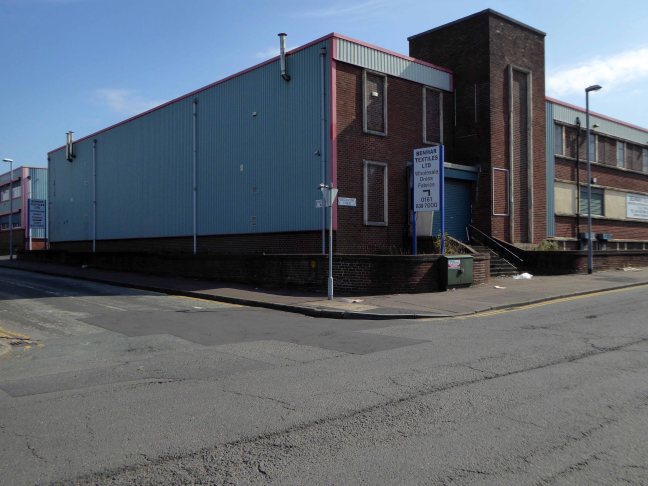
Deep in the heart, just on the edge of central Manchester, there exists a dilemma.

Once a place of full employment and home occupation, time has not been kind to Collyhurst. Work is scarce and the area blighted by a reputation for crime and social problems. Yet it sits by an area of inner city wealth, economic expansion and a growing professional class.

The plan is to expand this growth outside of the fringes of city and into north Manchester, since 2008 this has been the stated aim of the local authority. Tram stops, academies, and retail parks apart, change seems slow to arrive.

Screen Shot 2016-06-17 at 13.54.30

There is a chronic shortage of public funding and seemingly an absence of private capital and speculative development – life is elsewhere.

In the mean time there are properties tinned up awaiting a new dawn.

Needwood Close is one such example.

P1040450 copy

P1040451 copy

P1040453 copy

P1040458 copy

P1040459 copy

P1040460 copy

P1040465 copy

P1040466 copy

P1040468 copy

P1040469 copy

P1040476 copy

P1040477 copy

P1040480 copy

P1040483 copy


Margate – Tidal Pools

Margate a town of two pools.

The first tucked in by the prom, a moments walk from the station and overlooked by the imposing Arlington House and the shimmer of the Turner Contemporary

– alas no longer the domain of the wild swimmer.

A large delicious expanse of seawater, now sadly designated as a boating pond.

I was drawn magnetically to this elemental artifice, where untamed waters meet a controlled concrete geometry, waves temptingly lapping the walls.

Would that it could be open again to the town’s swimmers.

I am latterly reliably informed, that the pool is well used by local aquarists, despite the Local Authority’s prohibitions and ministrations – bravo!

P1050061 copy

P1050062 copy

P1050063 copy


P1050065 copy

P1050066 copy

P1050067 copy


P1050072 copy

P1050073 copy

P1050077 copy


P1050082 copy

P1050083 copy

P1050085 copy

The second at Walpole Bay still open to the swimmer and what’s more it’s listed.

Walpole Bay Tidal Pool, one of two tidal pools designed by Margate’s borough engineer in 1937, constructed in concrete blocks reinforced by reused iron tram rails, is listed at Grade II for the following principal reasons: * Structural engineering interest: an ambitious project because of its scale, the weight of each concrete block, and that work needing to be carried out day and night because of the tides; * Scale and design: impressive in scale and shape, occupying 4 acres and three sides of a rectangle, the sides 450 feet long diminishing towards the seaward end which was 300 feet long; * Social historical interest: provided an improvement to sea bathing at the period of the greatest popularity of the English seaside; * Degree of intactness: intact apart from the loss of the two diving boards which do not often survive; * Group value: situated quite near the remains of the 1824-6 Clifton Baths (Grade II), an 1935 lift and the other 1937 tidal pool. 

P1040713 copy

P1040716 copy

P1040717 copy

P1040718 copy

P1040719 copy

P1040720 copy

P1040836 copy