Ford Lane Didsbury – Manchester

Screen Shot 2018-05-27 at 06.28.11

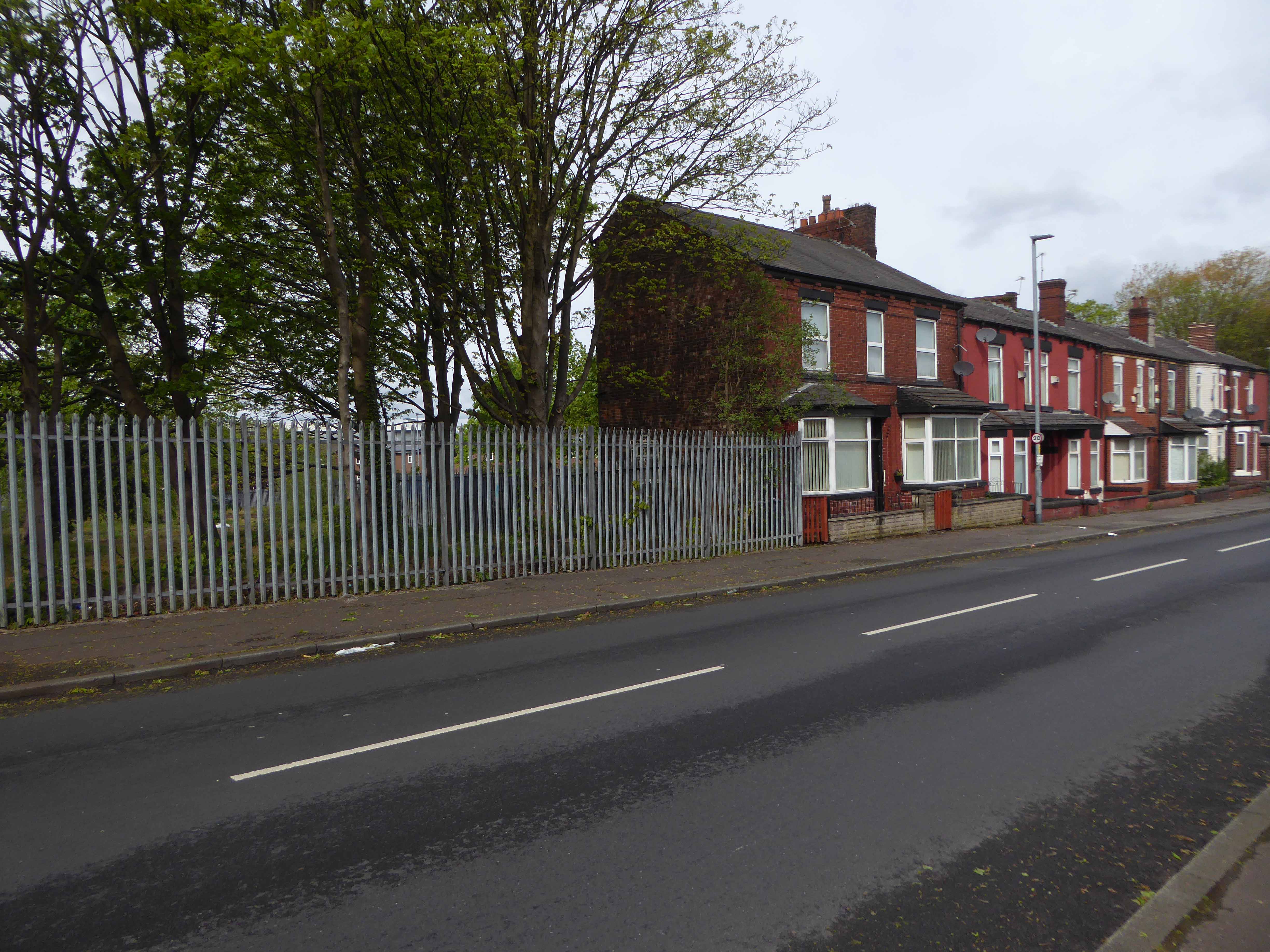
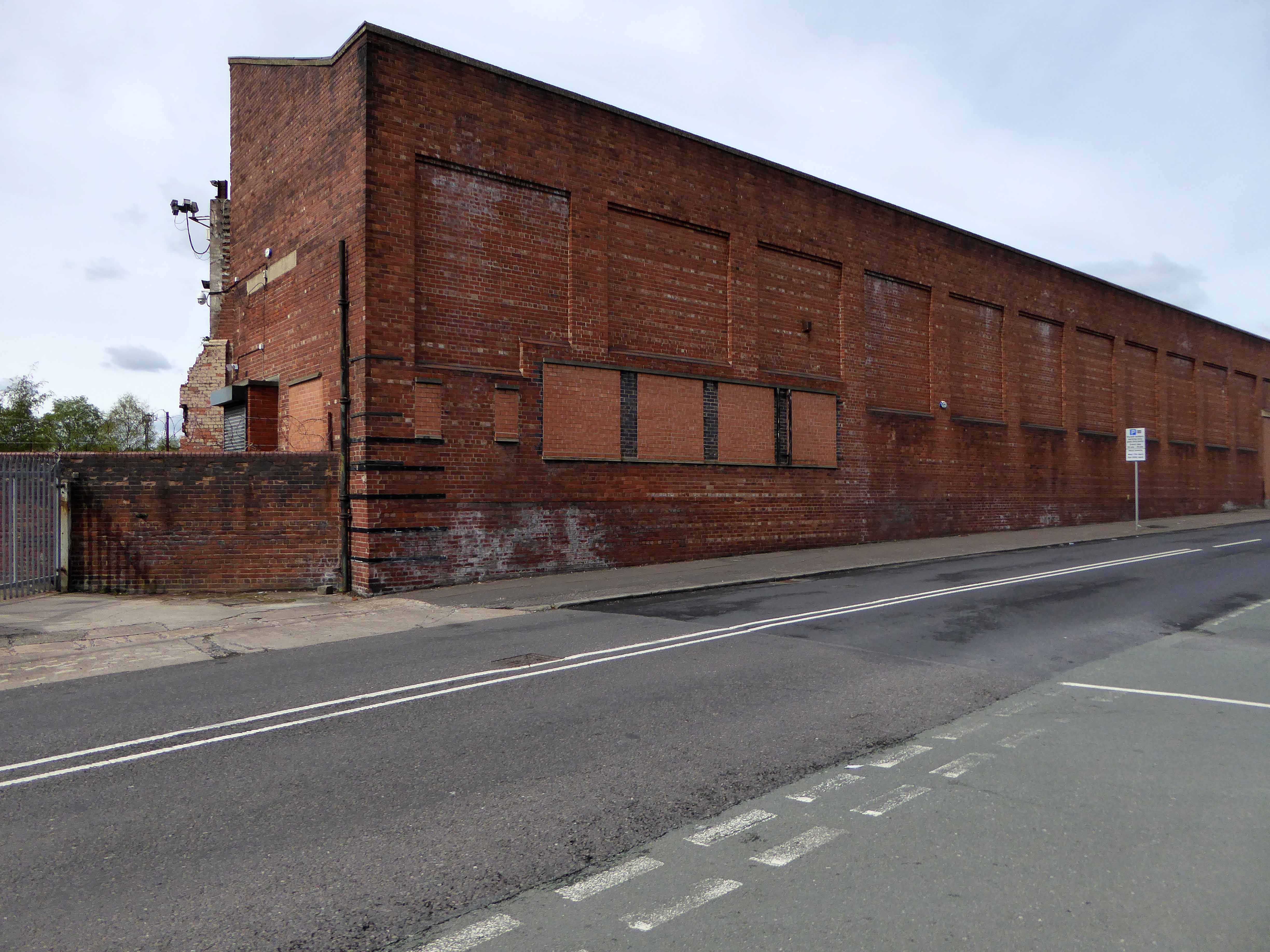
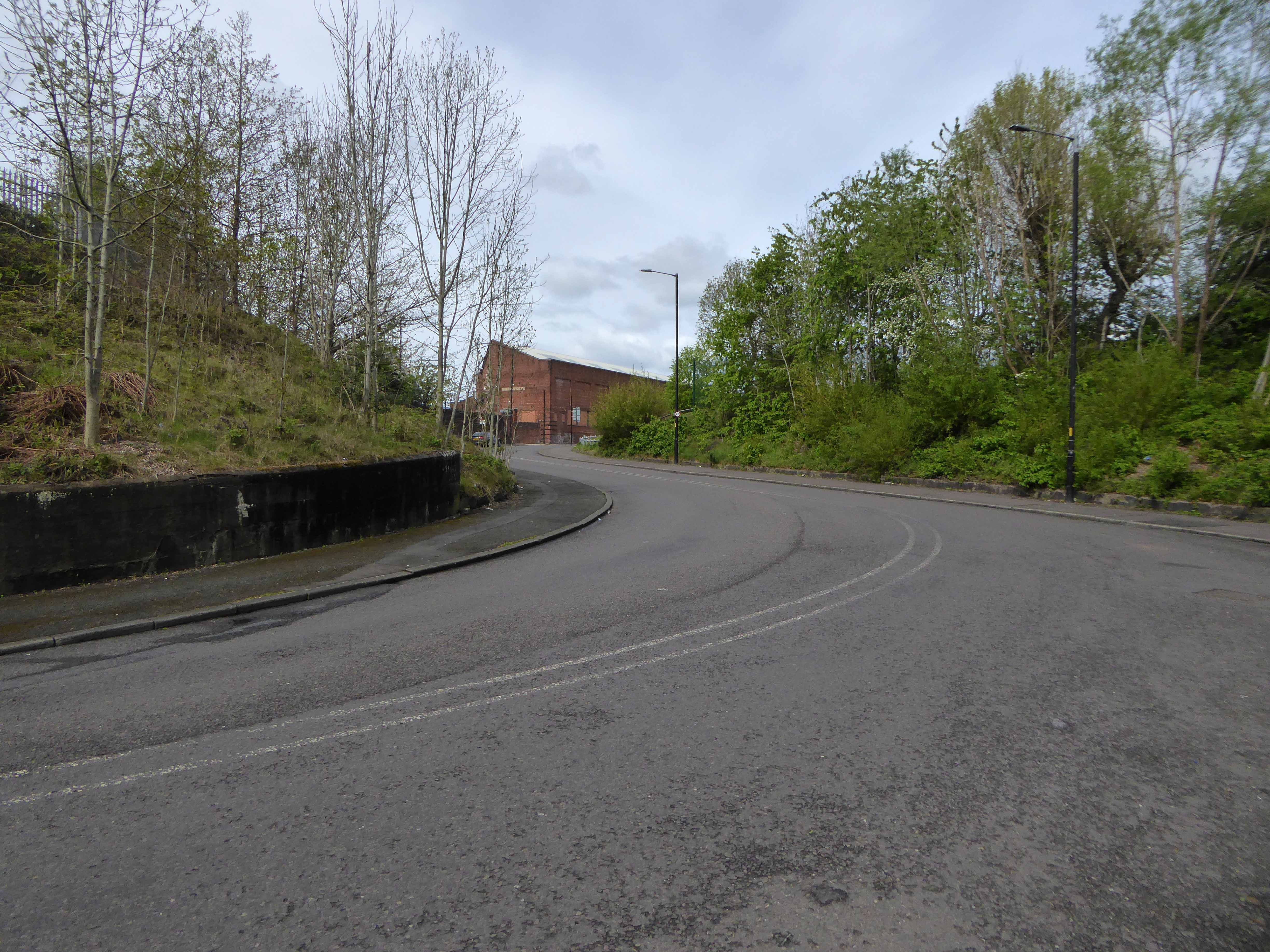
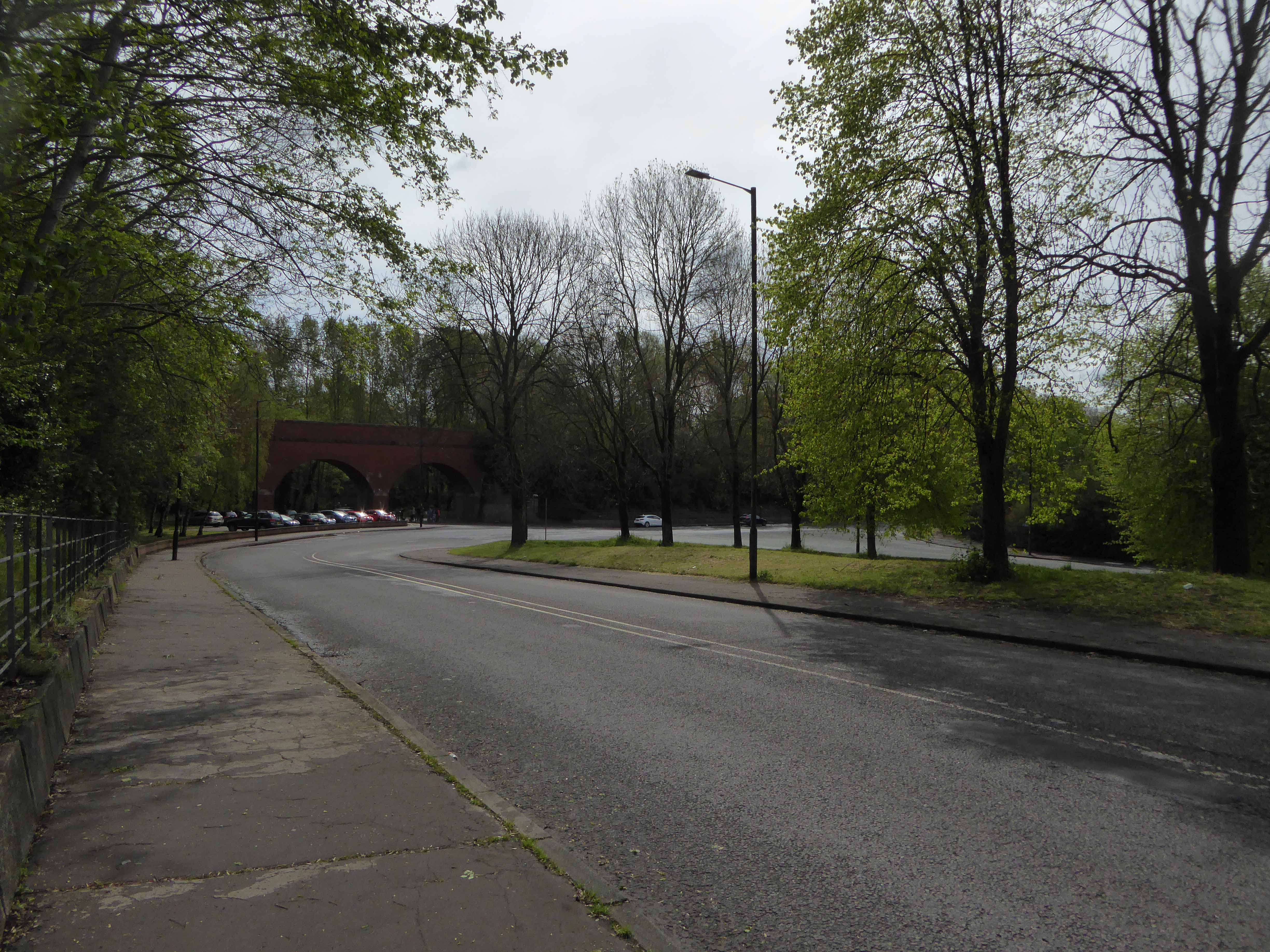
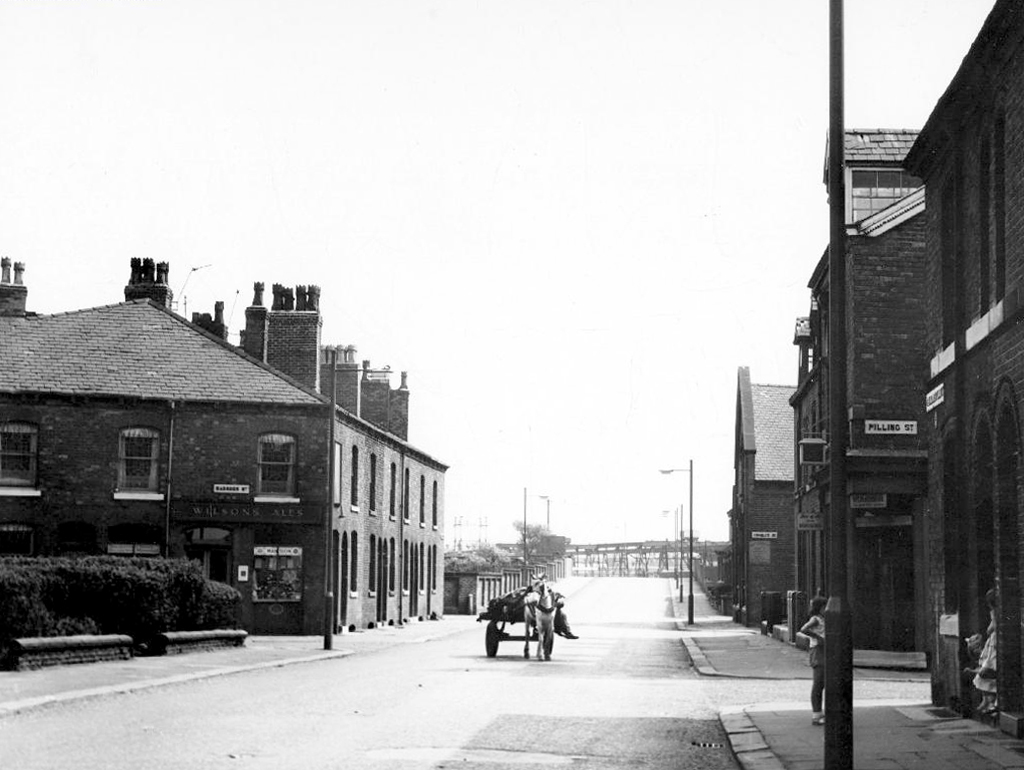
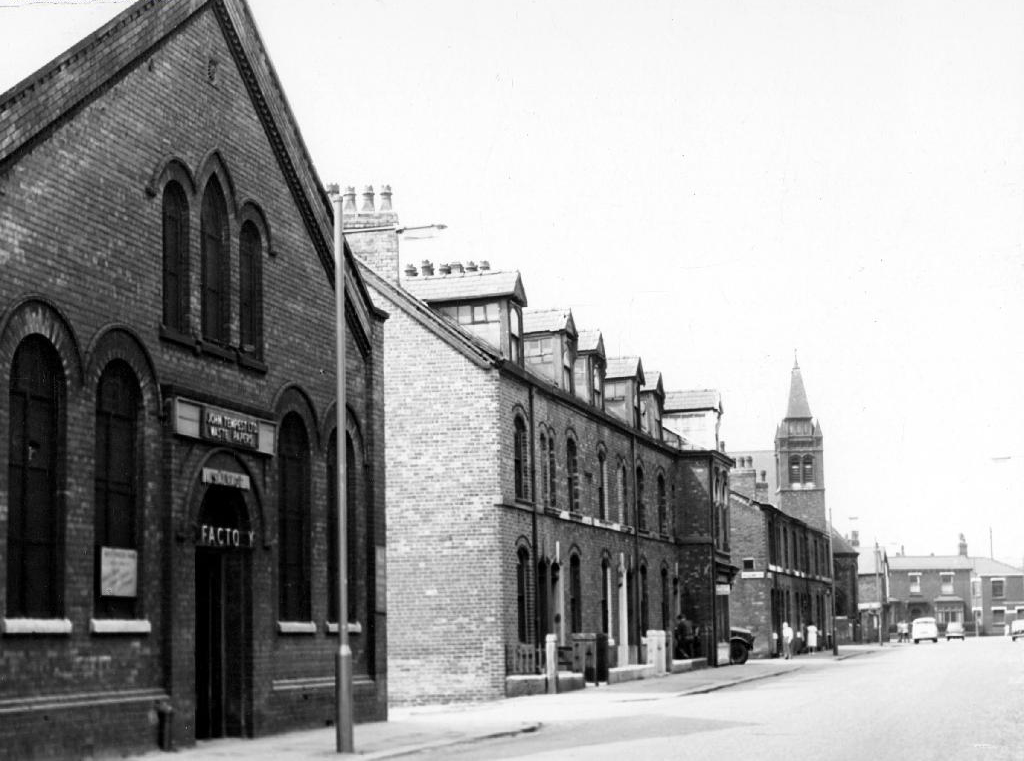
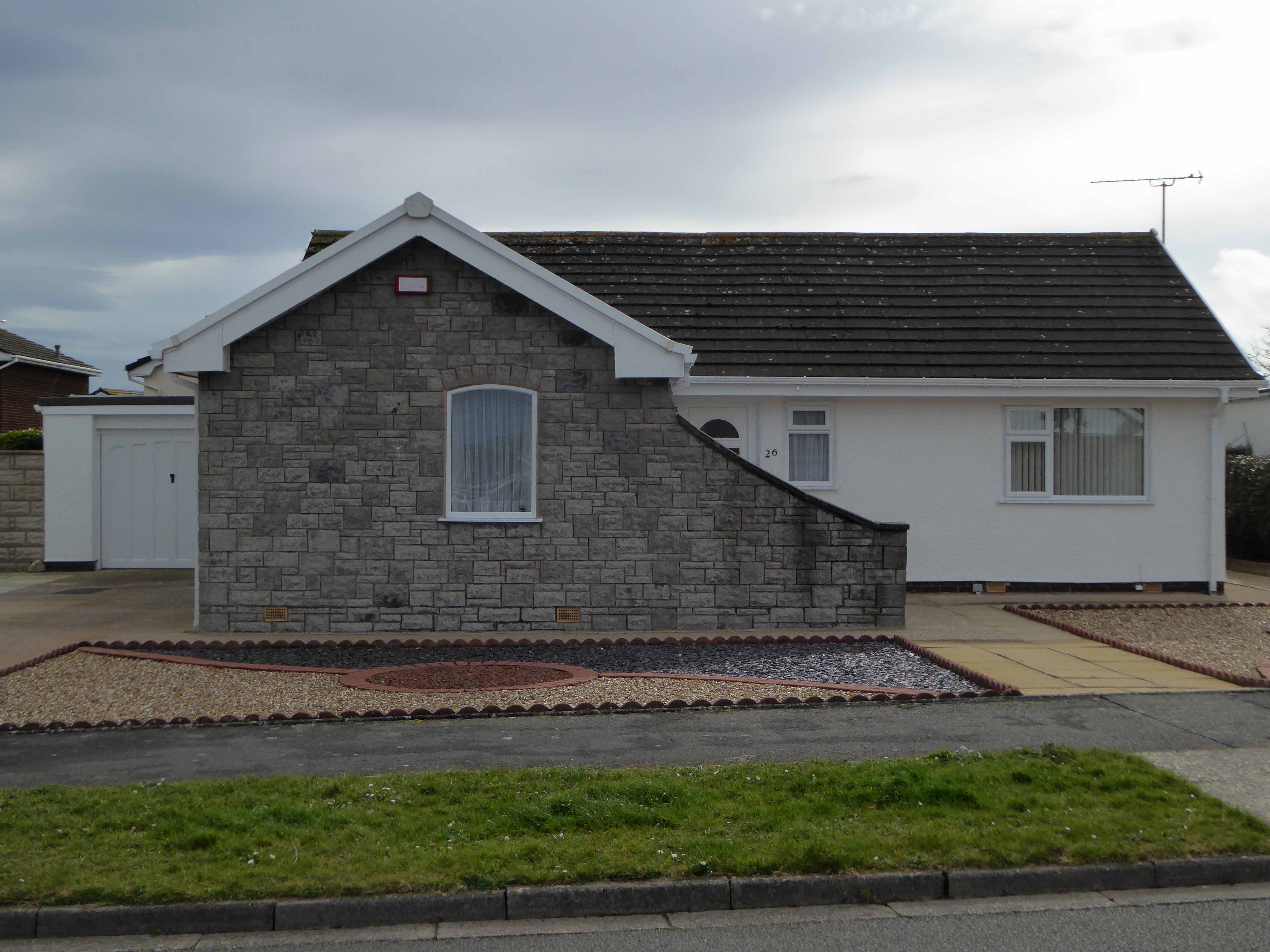
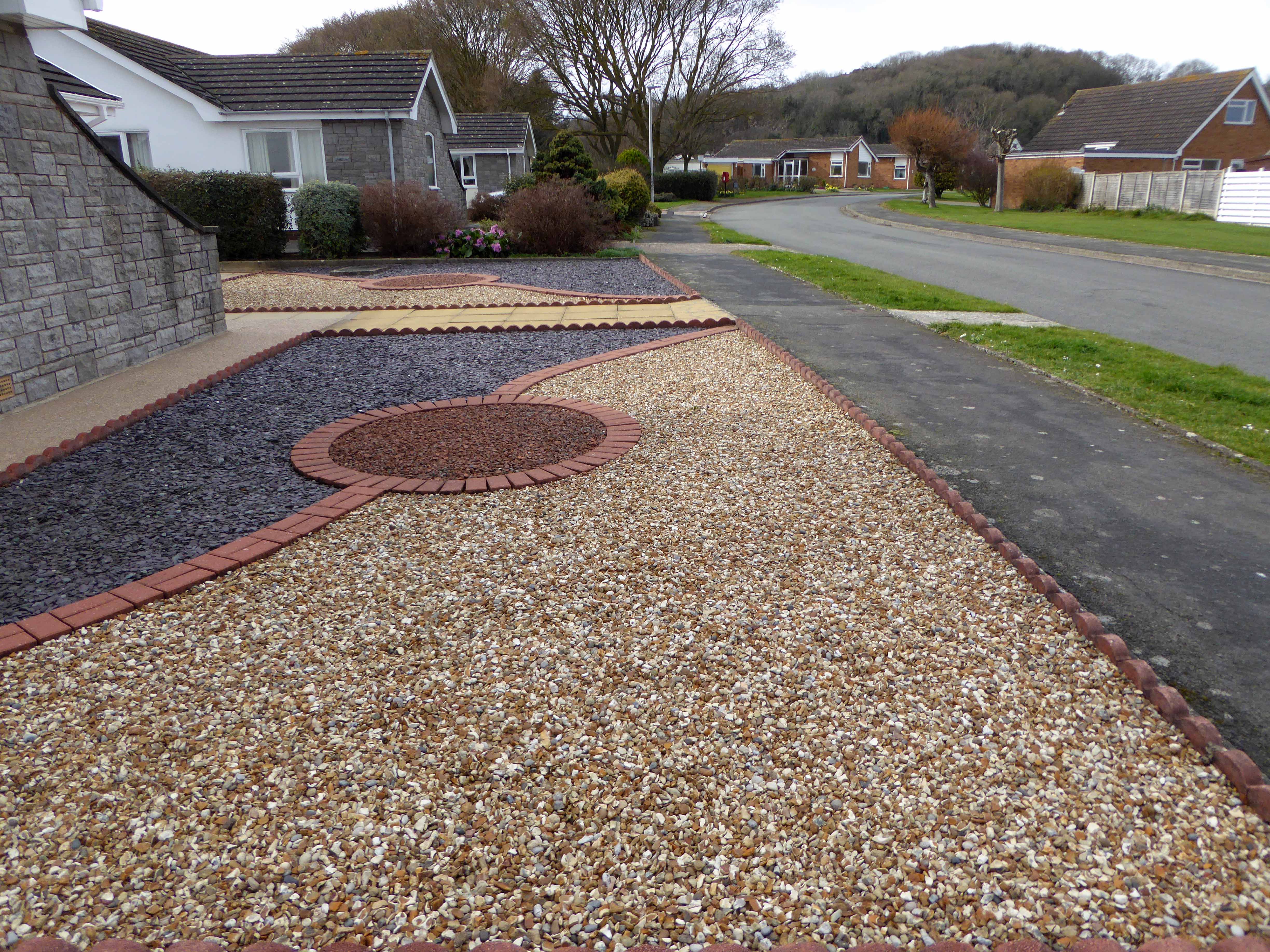
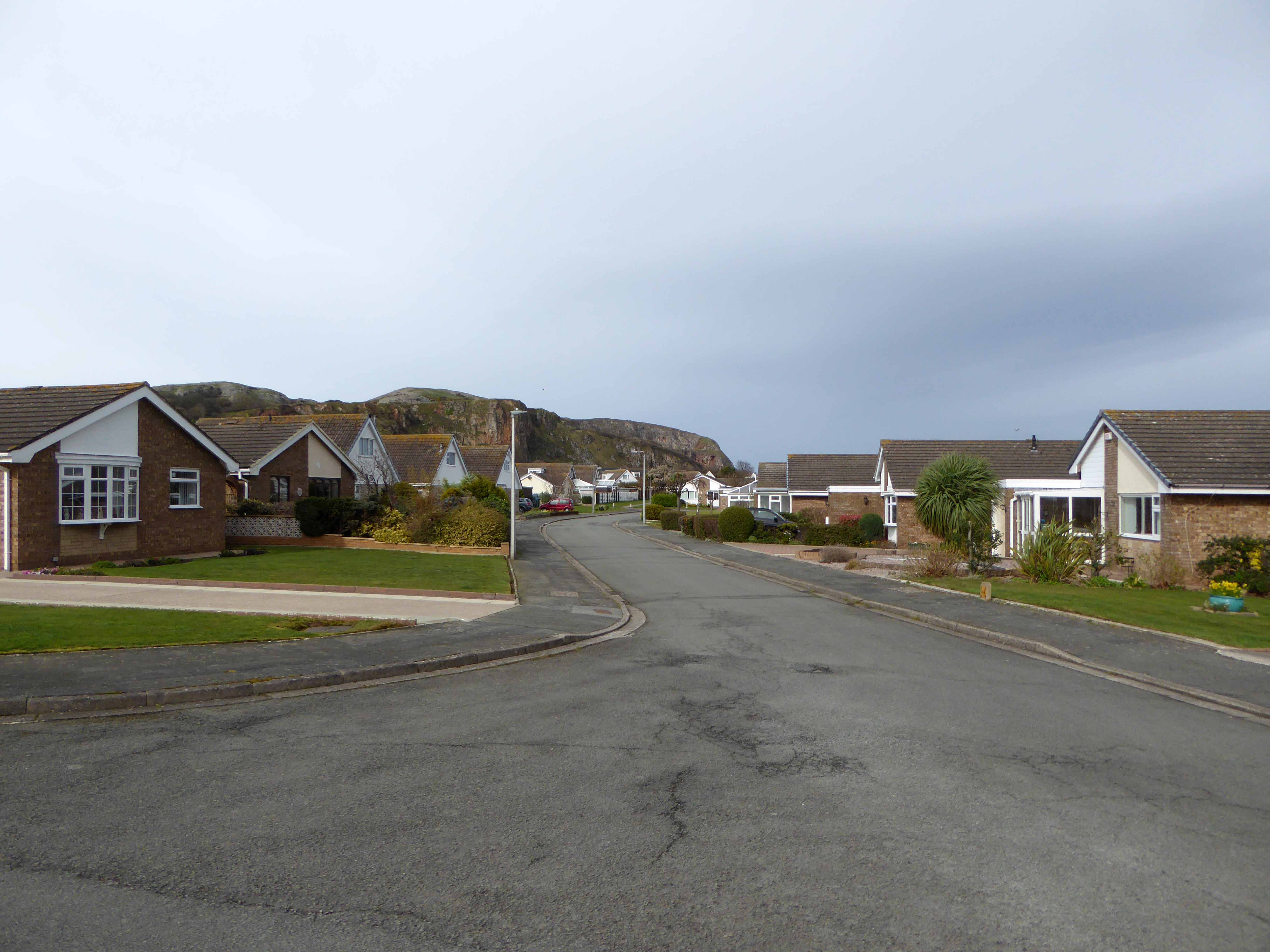
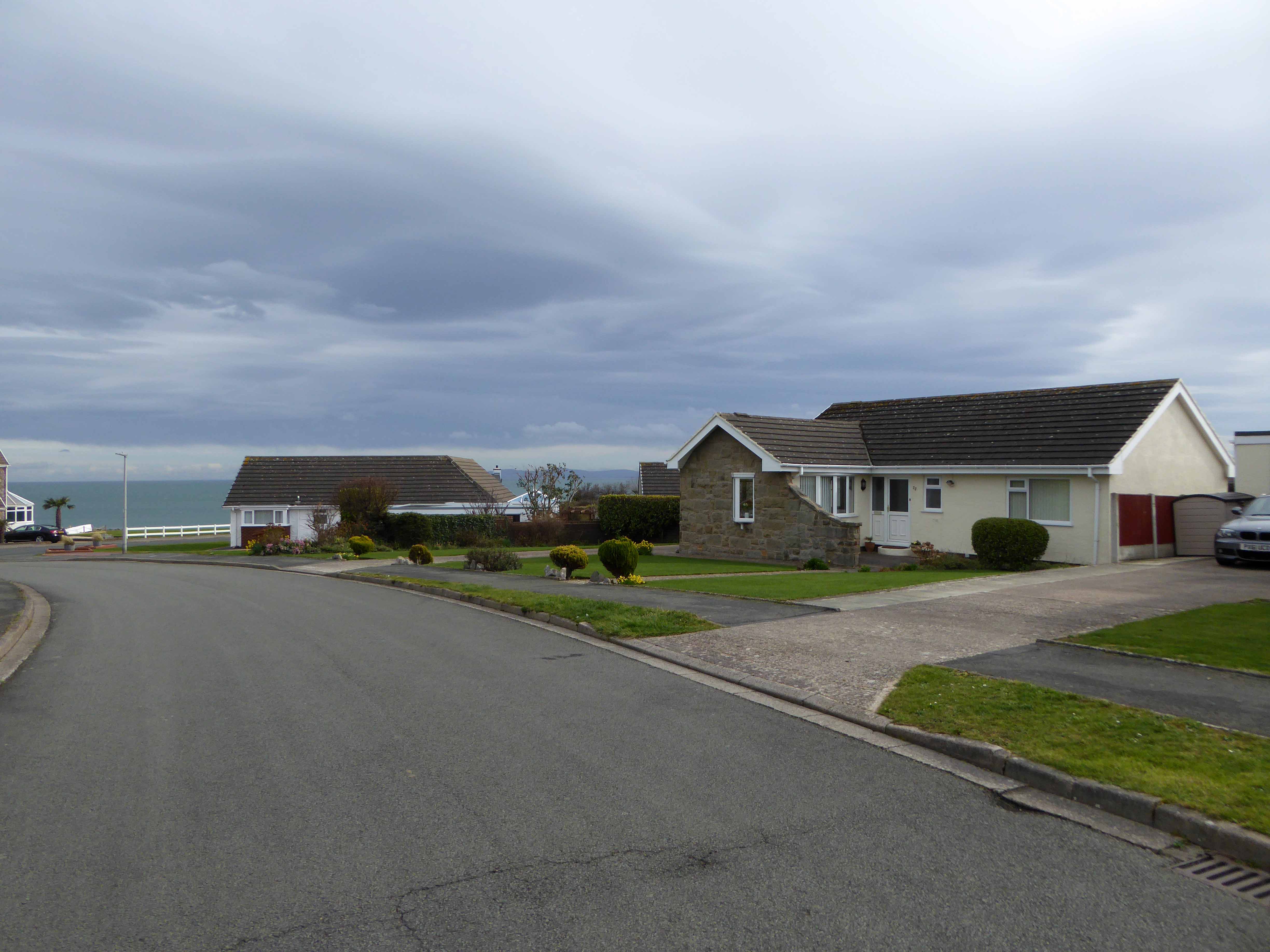
This a tale of a lane, a shady lane in south Manchester.

This is a tale of several Manchesters, layer upon layer of history.

Shady history.

Screen Shot 2018-05-27 at 06.12.50

Ford Bank House occupied much of what is now the Ford Bank Estate and prior to that it was believed to be farm land. Ford Bank House, probably the largest house erected in Didsbury was built in about 1823 by Joseph Birley a cotton manufacturer. The extended Birley family had a widespread influence on Manchester history even going back to the Peterloo massacre where one of the Birley ancestors led a contingent of the mounted soldiers who attacked what was a peaceful protest gathering. 

Ford Bank Residents

A tale of emergent capital and political control, rendered corporeal in brick, stone, wood, glass and slate. A cotton-rich mercantile class seeking to suppress the democratic demands of a burgeoning proletariat.

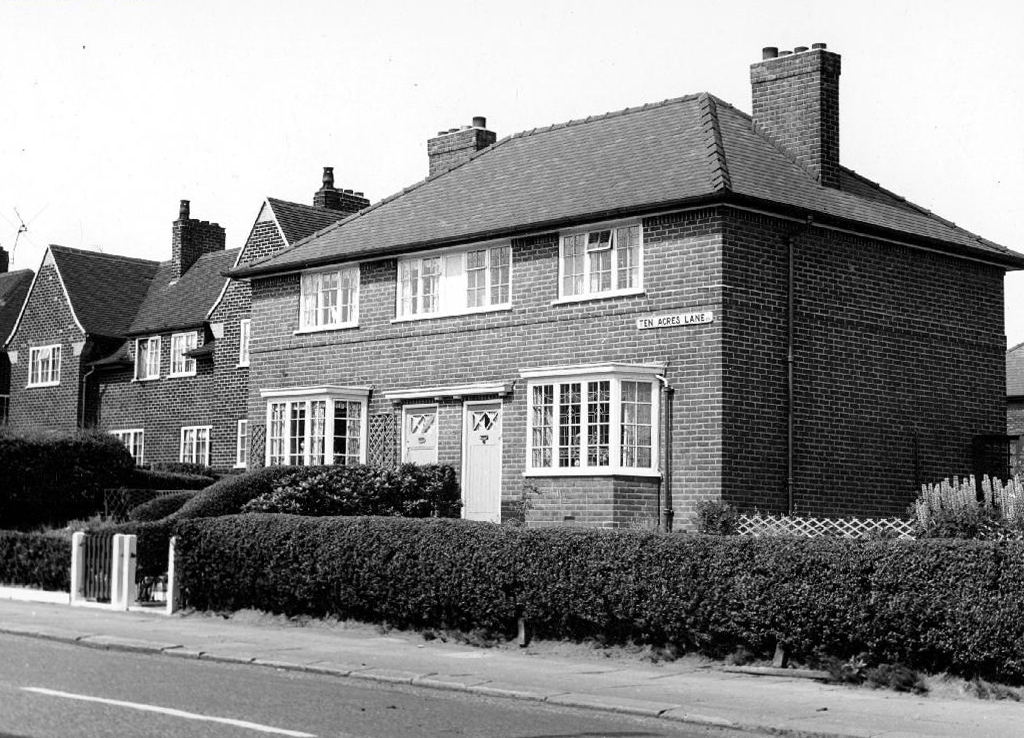
Ford Bank House was sold to Thomas Ashton in 1858, when he died in 1898. In 1919 the remaining estate was sold to Dr Herbert Levinstien who worked on mustard gas research during the first world war. In 1934 the estate was sold to Ford Bank Estates Limited who developed and built what is now the Ford Bank Estate.

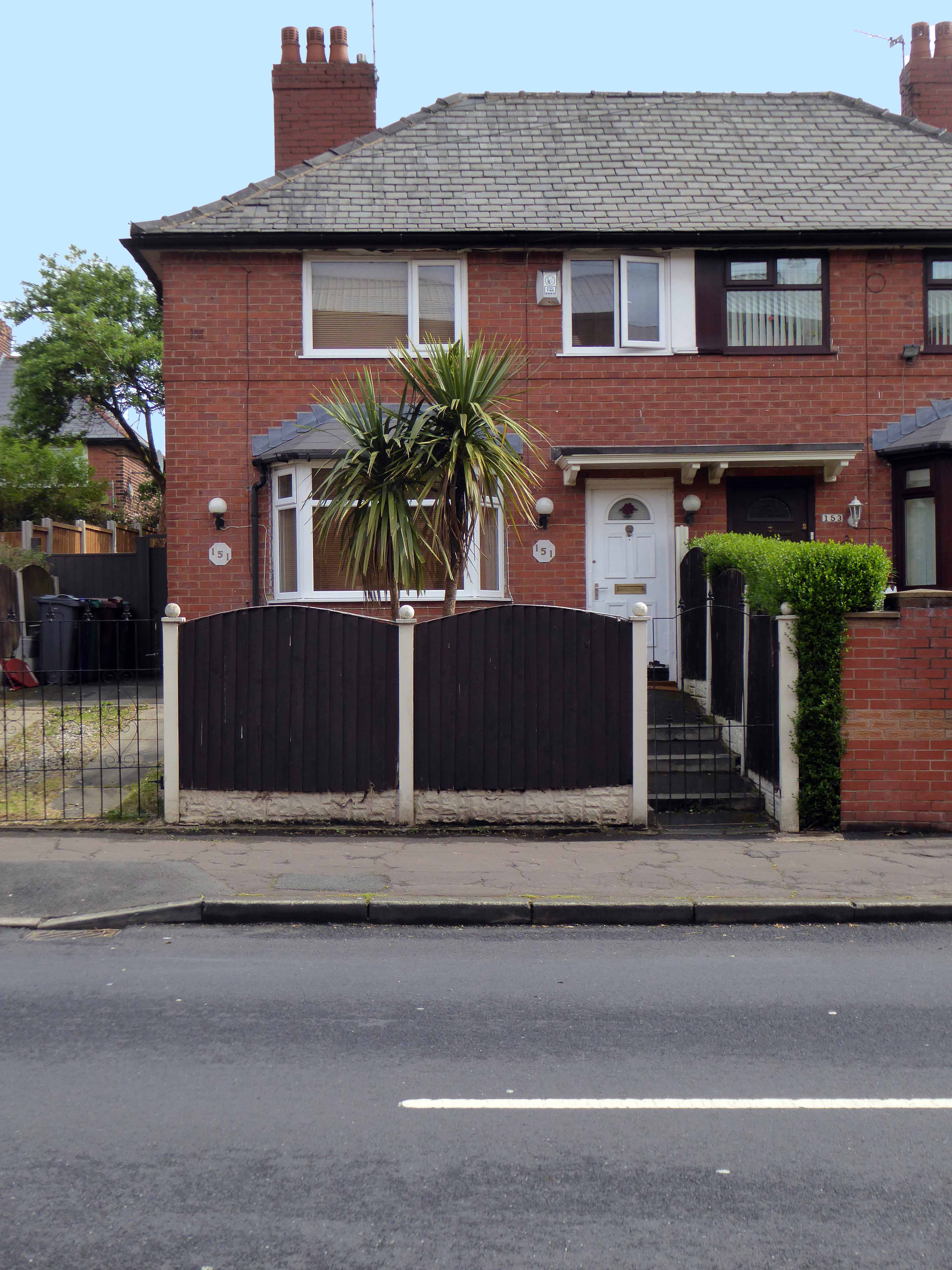
A tale of a growing and aspirational professional middle class, seeking inter-war semis in a leafy Didsbury glade – and the timely response of speculative builders.

Looking cheekily over the hedge in search of a monkey puzzle.

Screen Shot 2018-05-27 at 06.12.10

Screen Shot 2018-05-27 at 06.12.31

webmedia-14.php

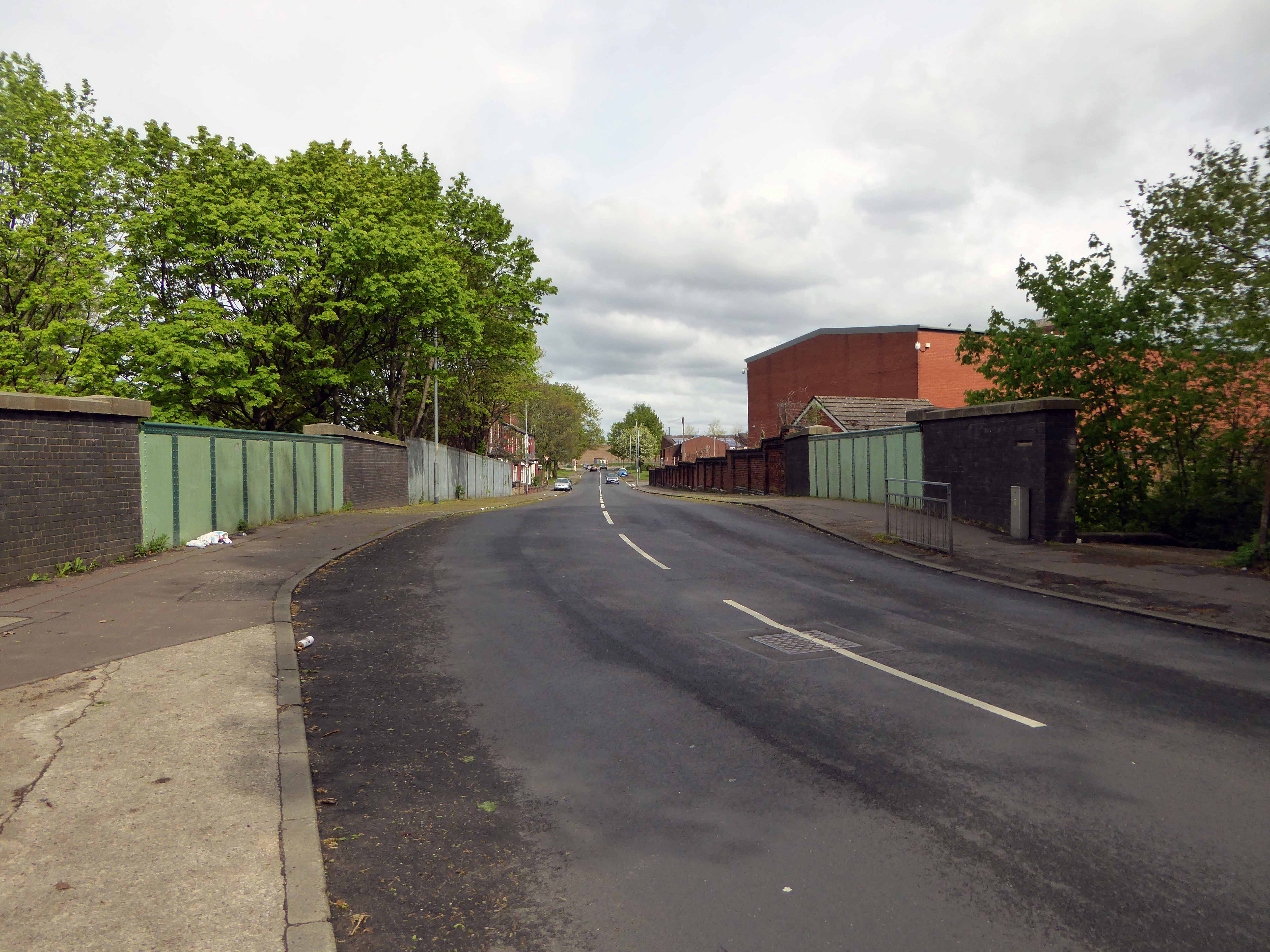
The ford of Ford Lane crosses the nearby River Mersey – thought to be the route of retreating Royalists following the siege of Wythenshawe Hall in 1644.

webmedia.php

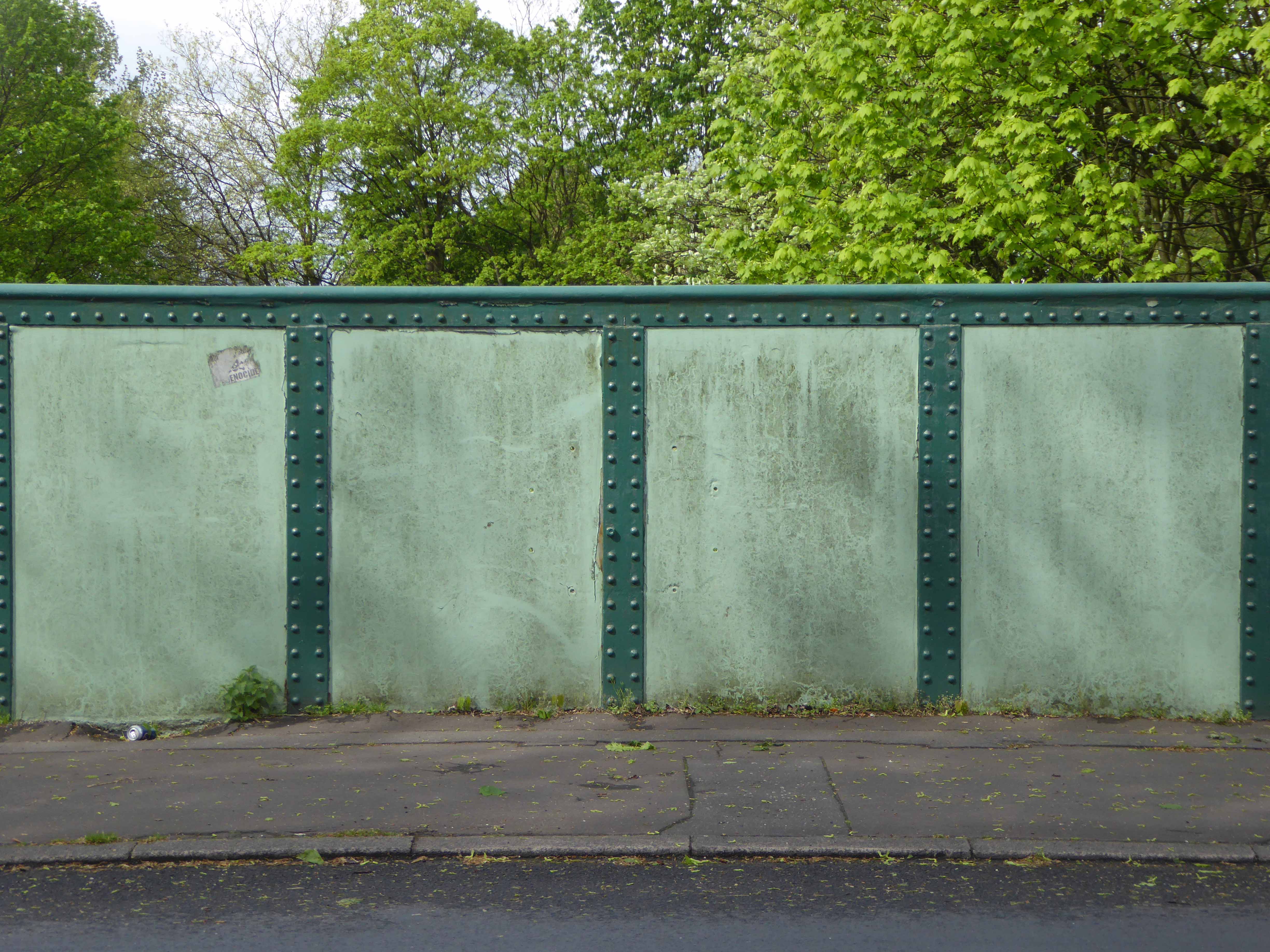
In 1901 a bridge was opened at the behest of local emigres engineer and social benefactor Henry Simon – a German born engineer who revolutionised Great Britain’s flour milling industry and in 1878 founded the engineering companies Henry Simon Ltd and Simon Carves.

He and his family were a serious reforming political force in the area – instrumental in the founding and development of the Halle Orchestra, Wythenshawe Park and housing estate.

webmedia-1.php

For many years this was my route to work – cycling from Stockport to Northenden, each and every day forever. Witnessing the rise and fall of the river and the vacillating  fortunes of Manchester’s economic regeneration.

This is south Manchester where the years of austerity, central government fiscal prudence and free-market economics, have had a far from adverse effect.

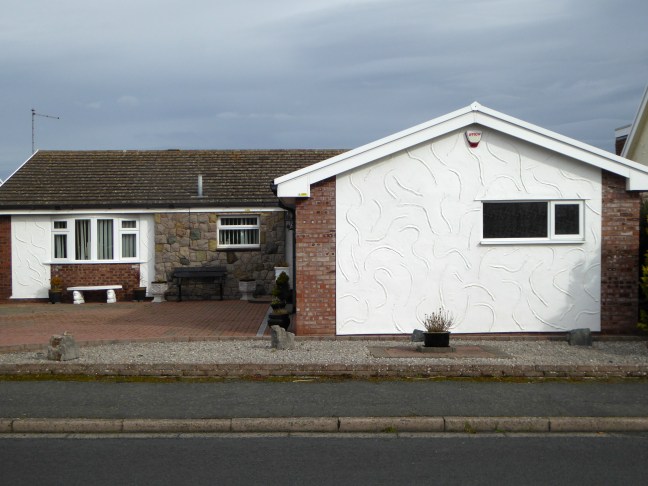
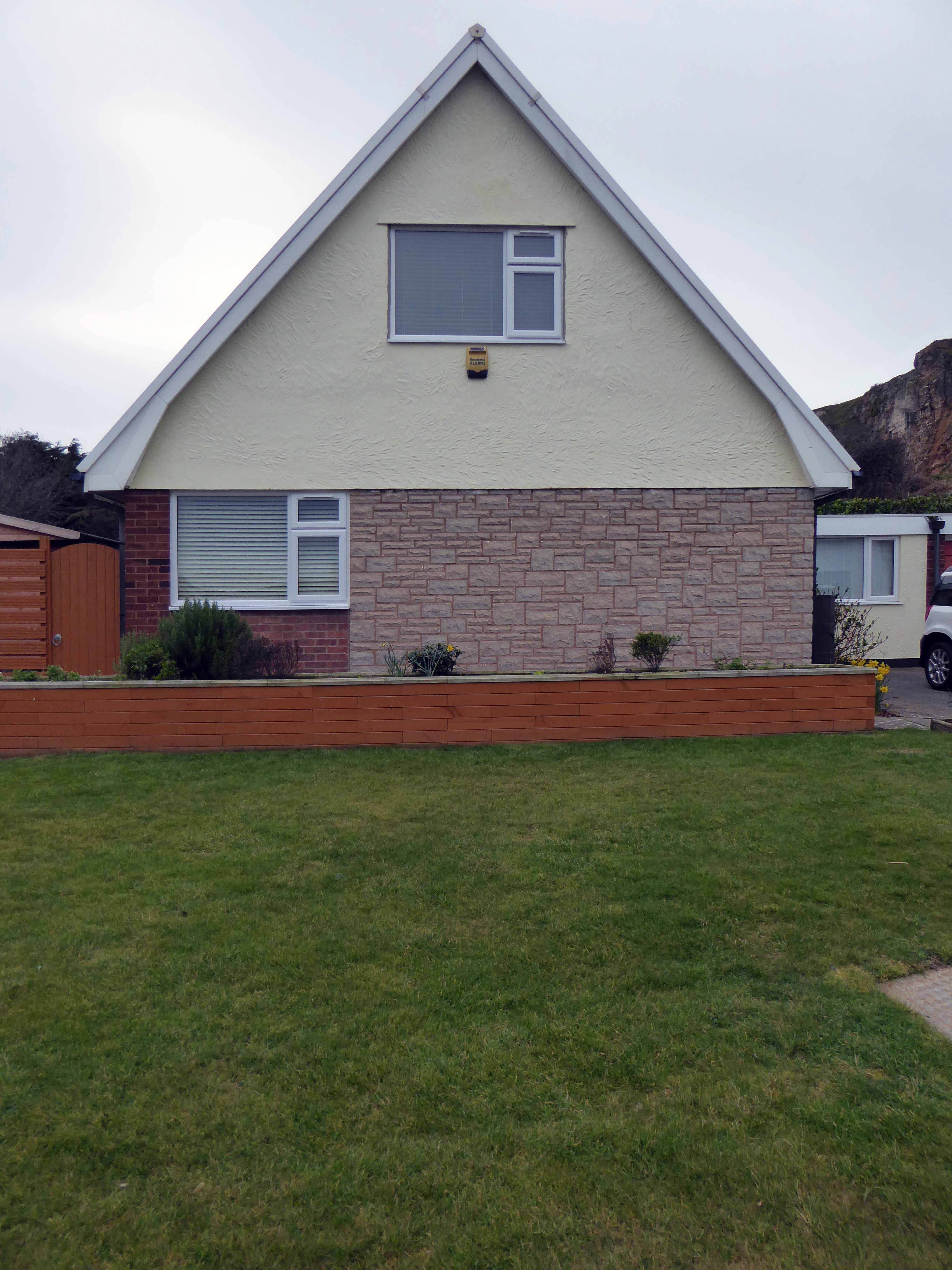
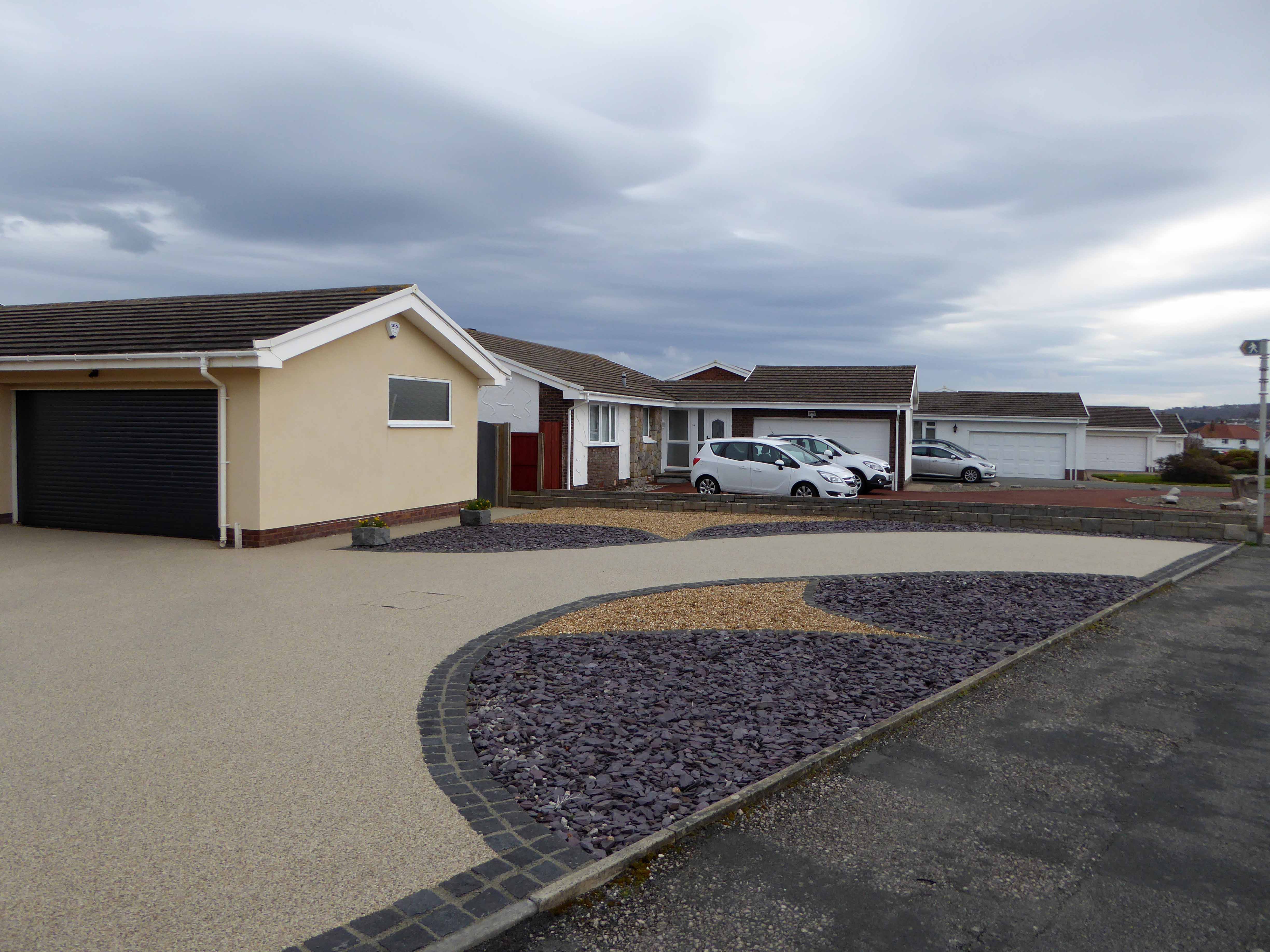
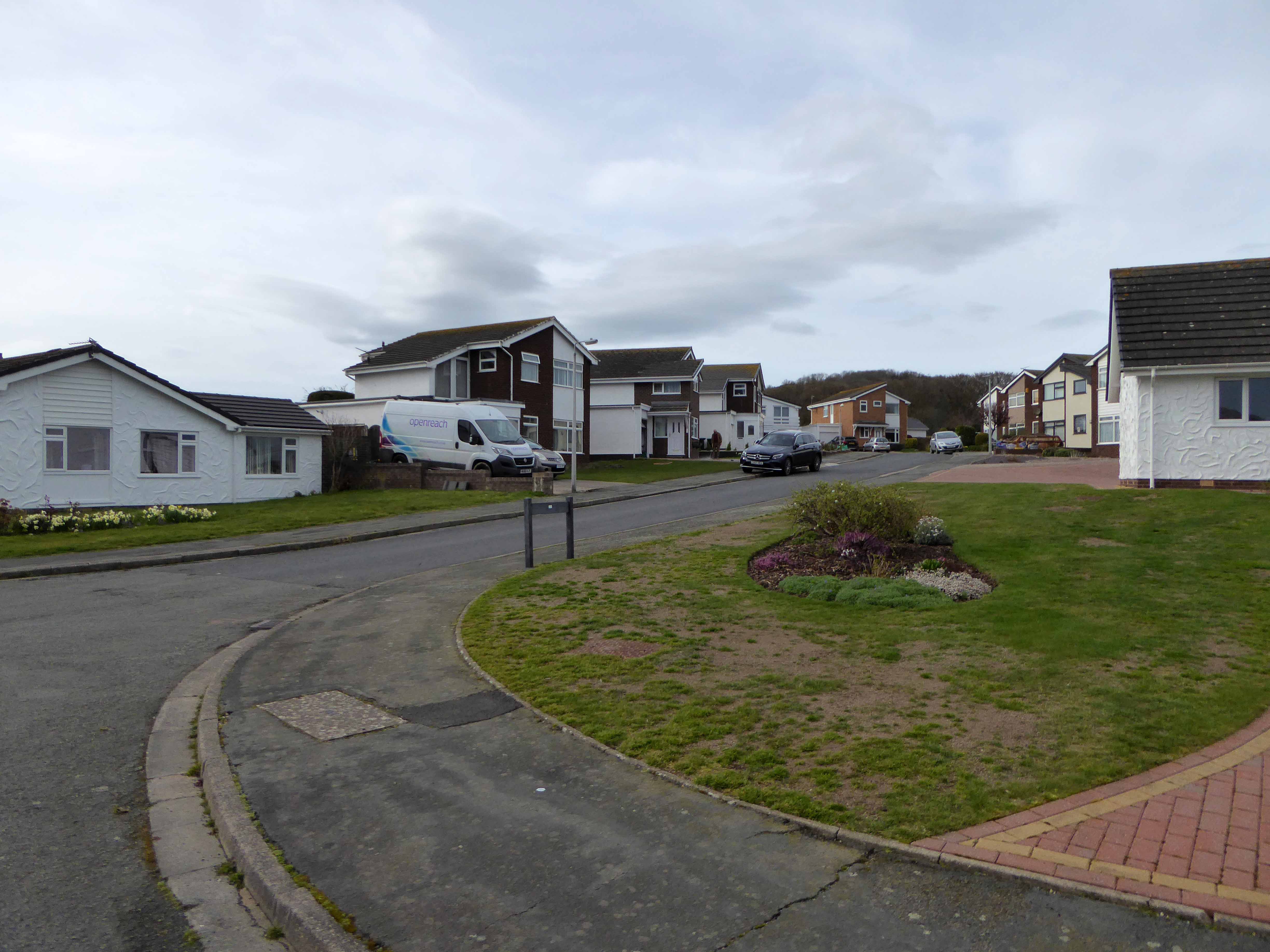
In stark contrast to the malaise of the north and east of the city, here we see a constant parade of skips and scaffold, free from the fickle trick of trickle down. As extensions and mortgages are extended at an alarming rate.
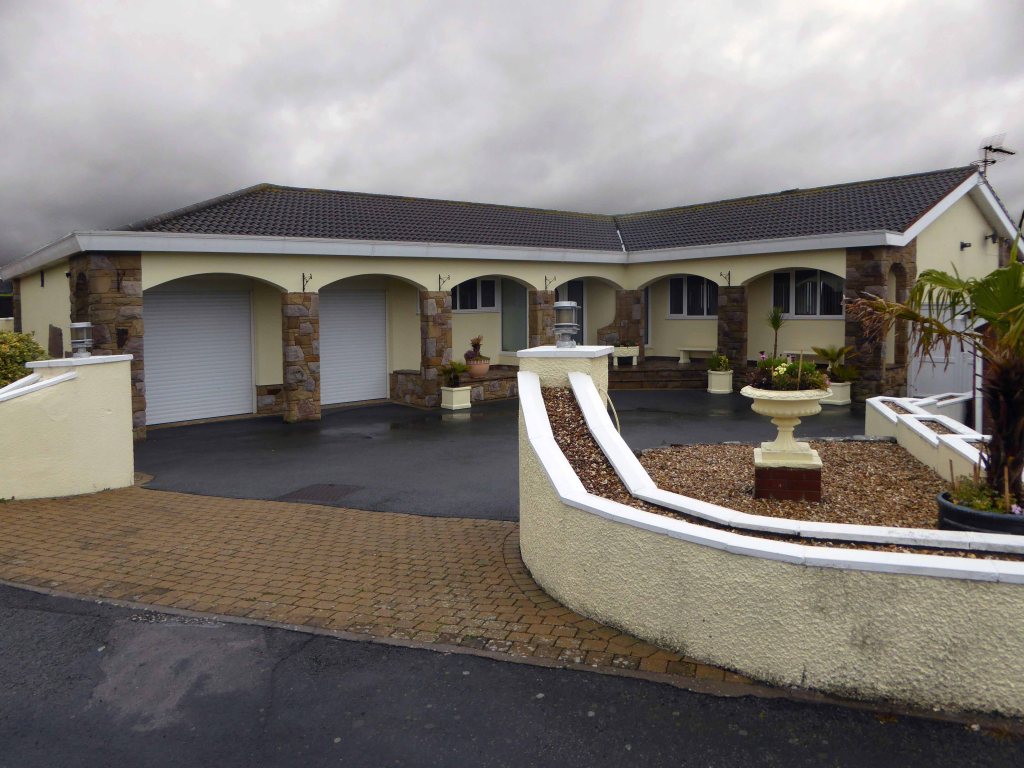
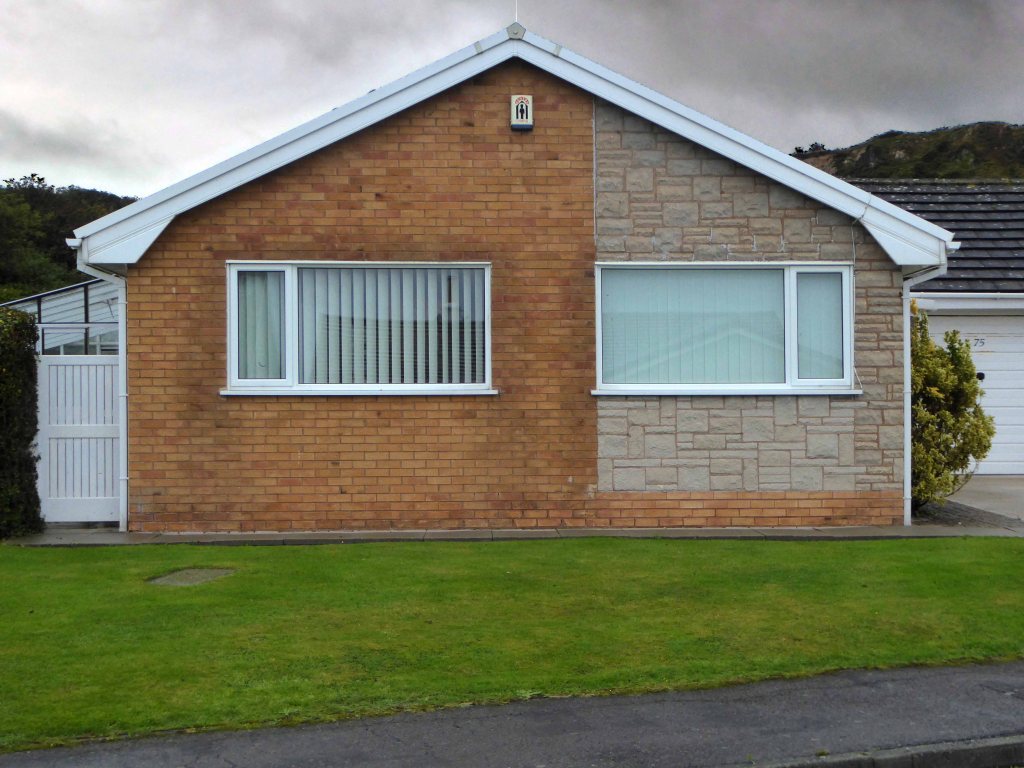
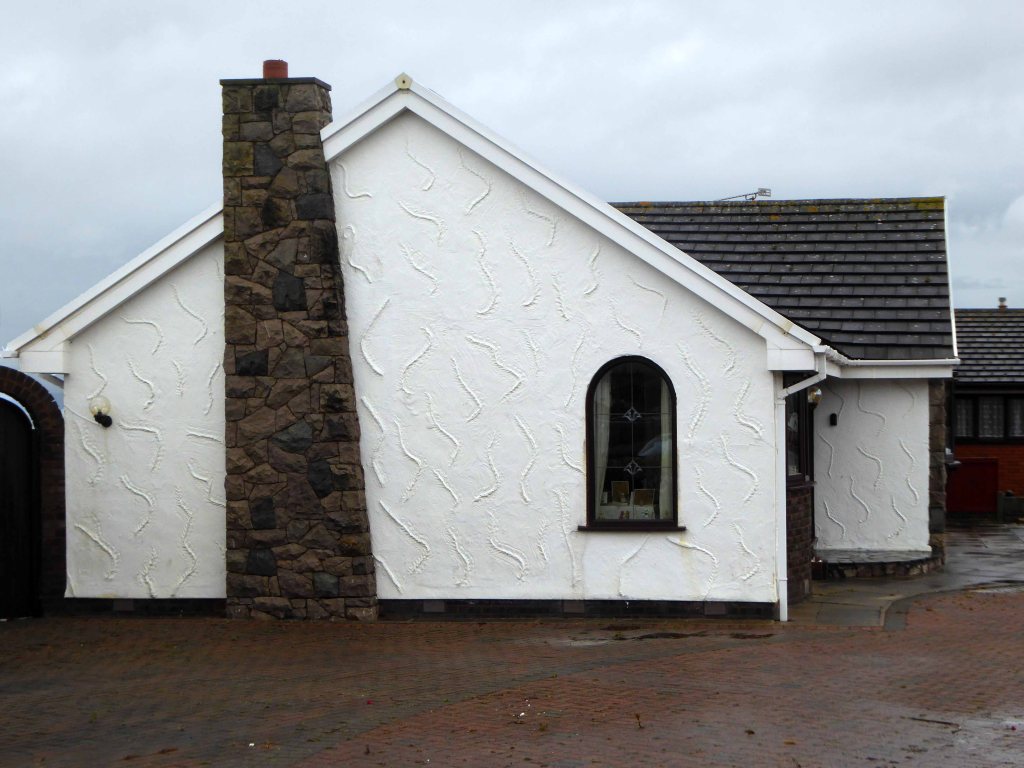
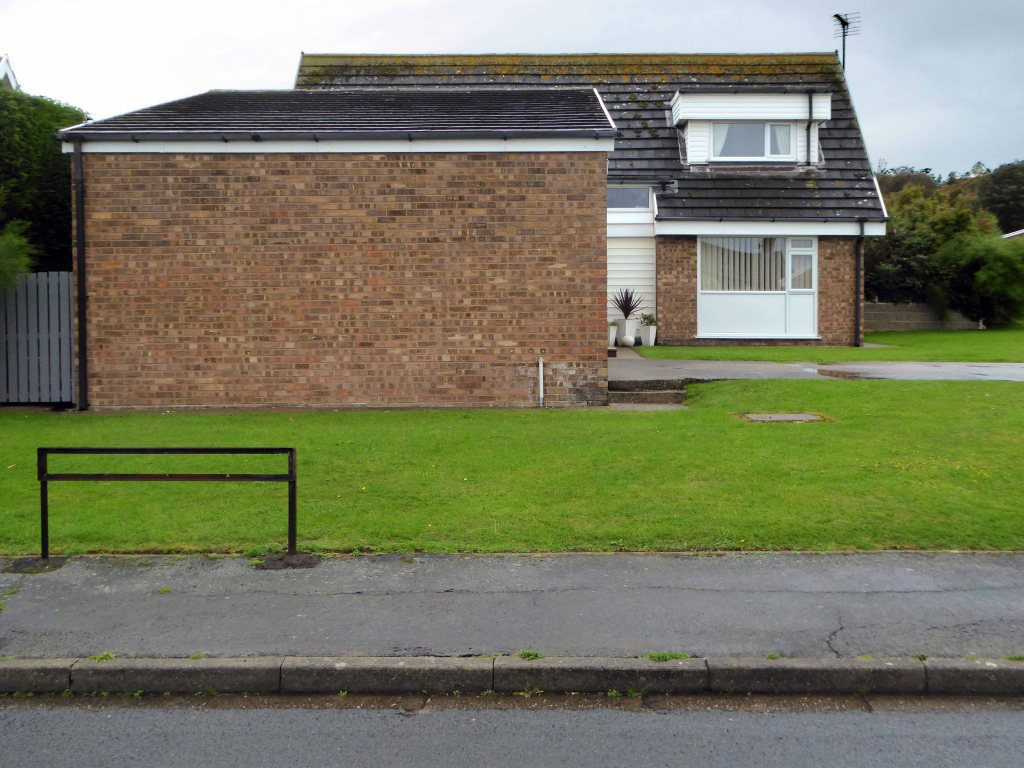
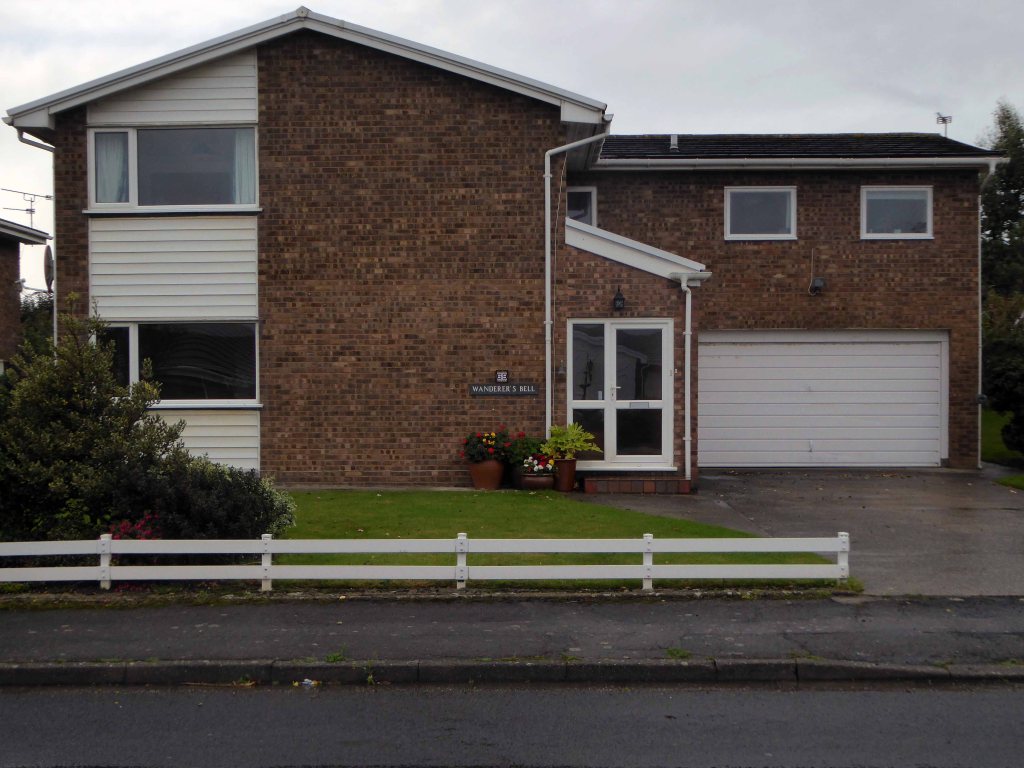
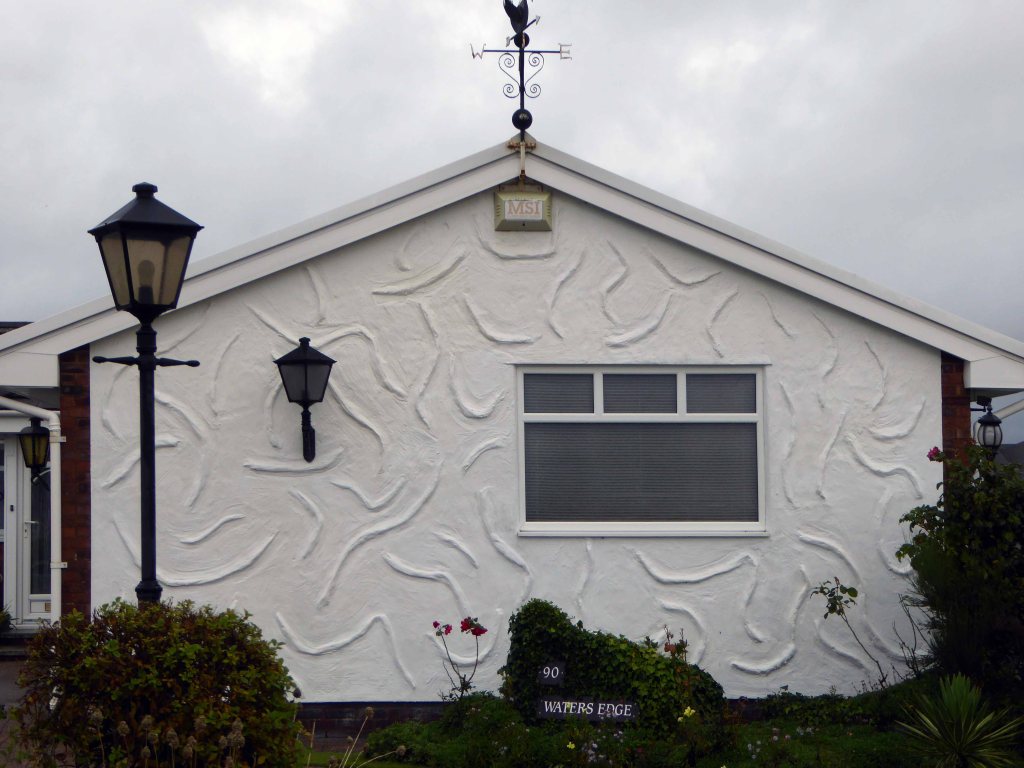
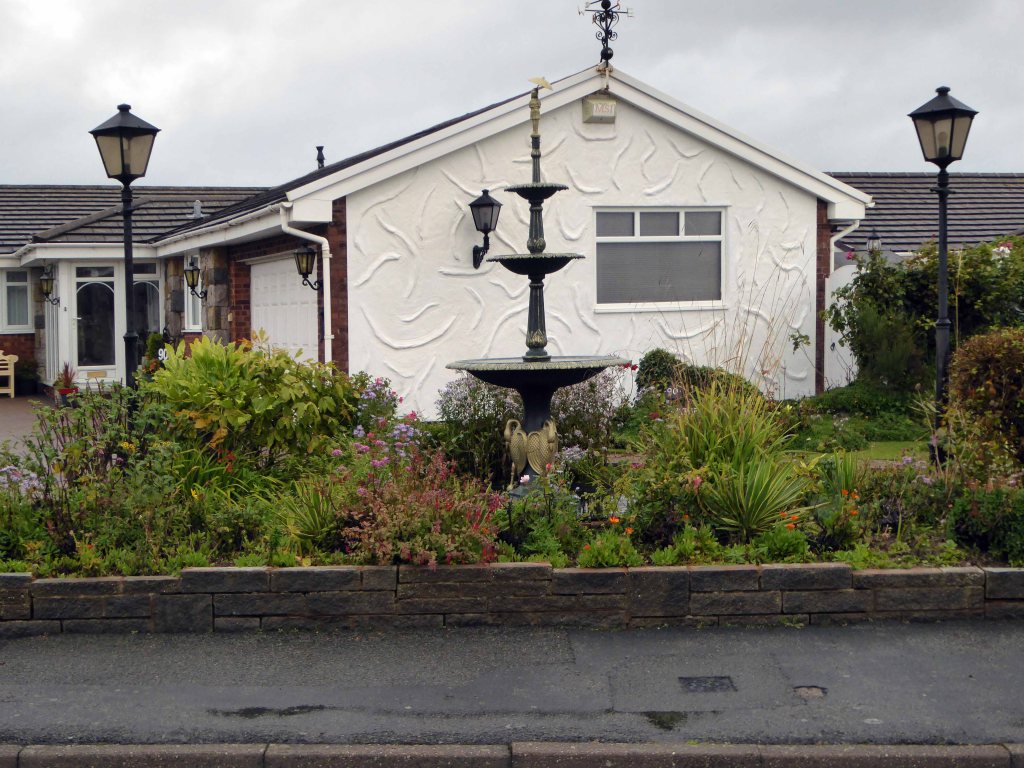
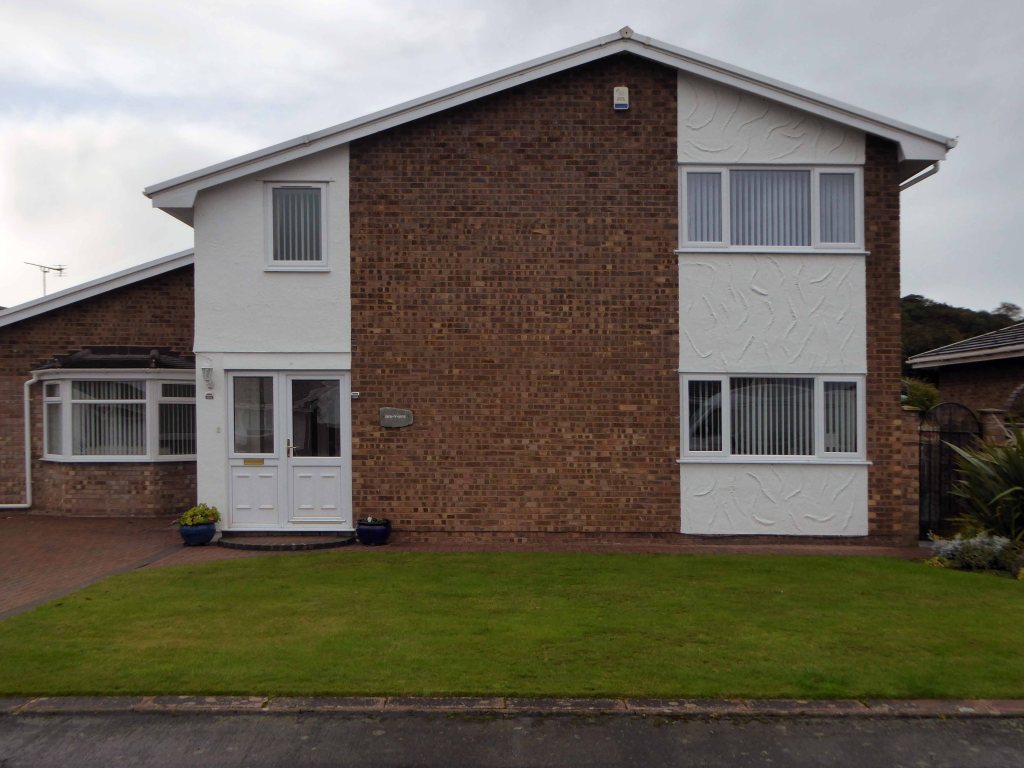
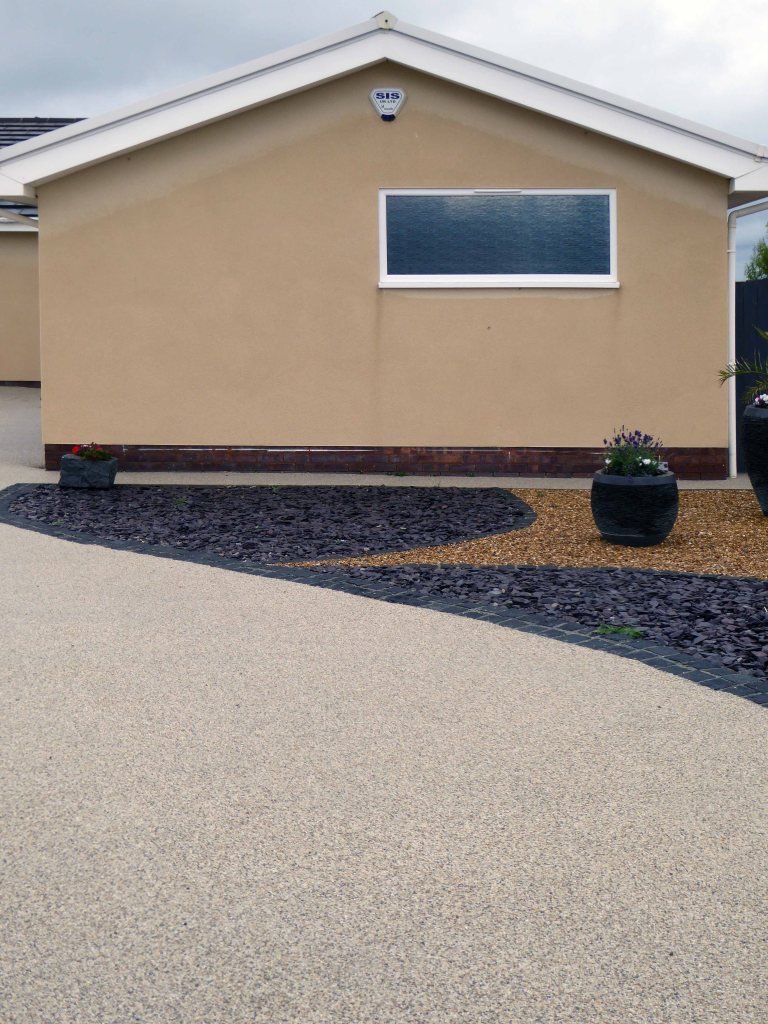
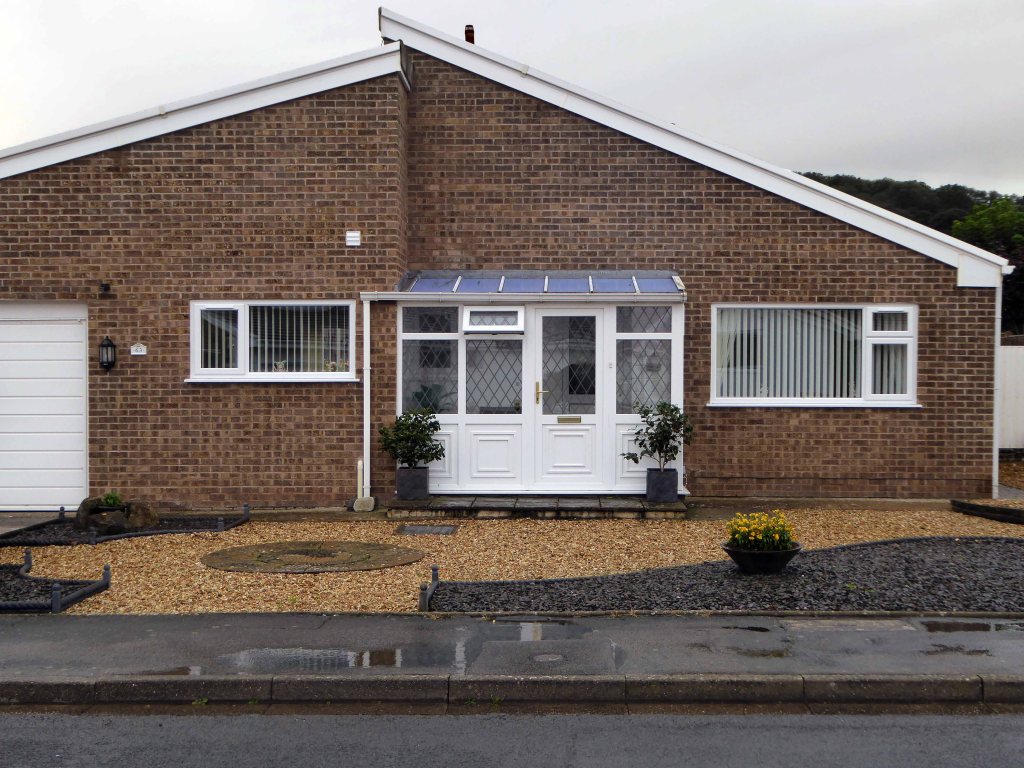
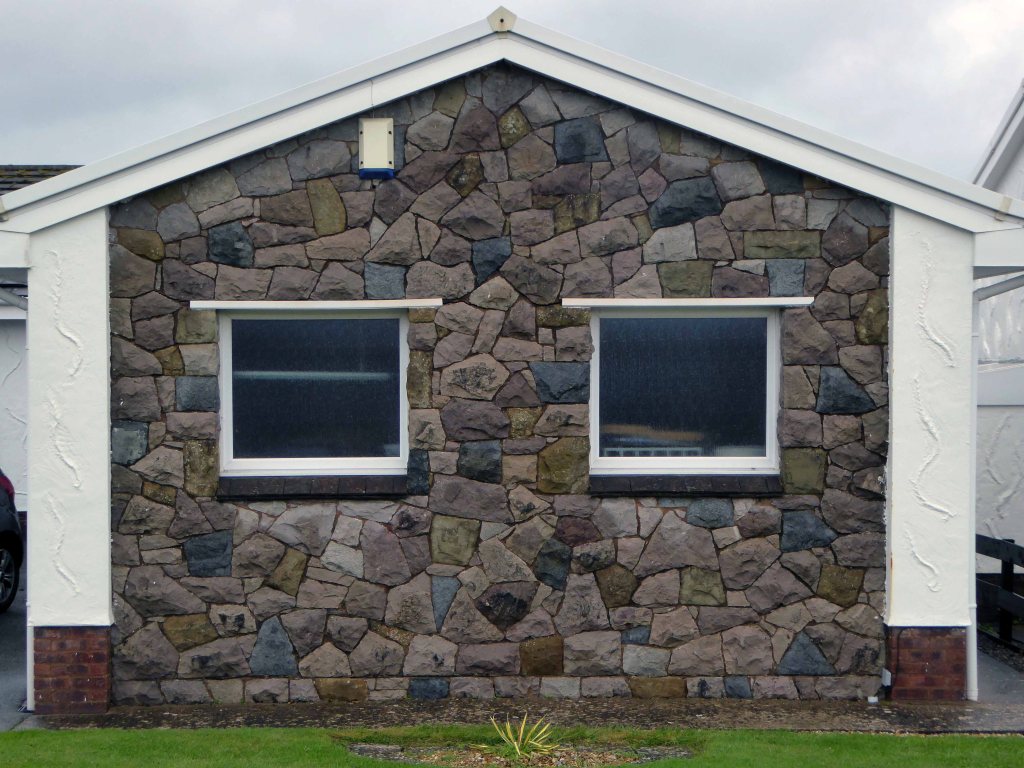
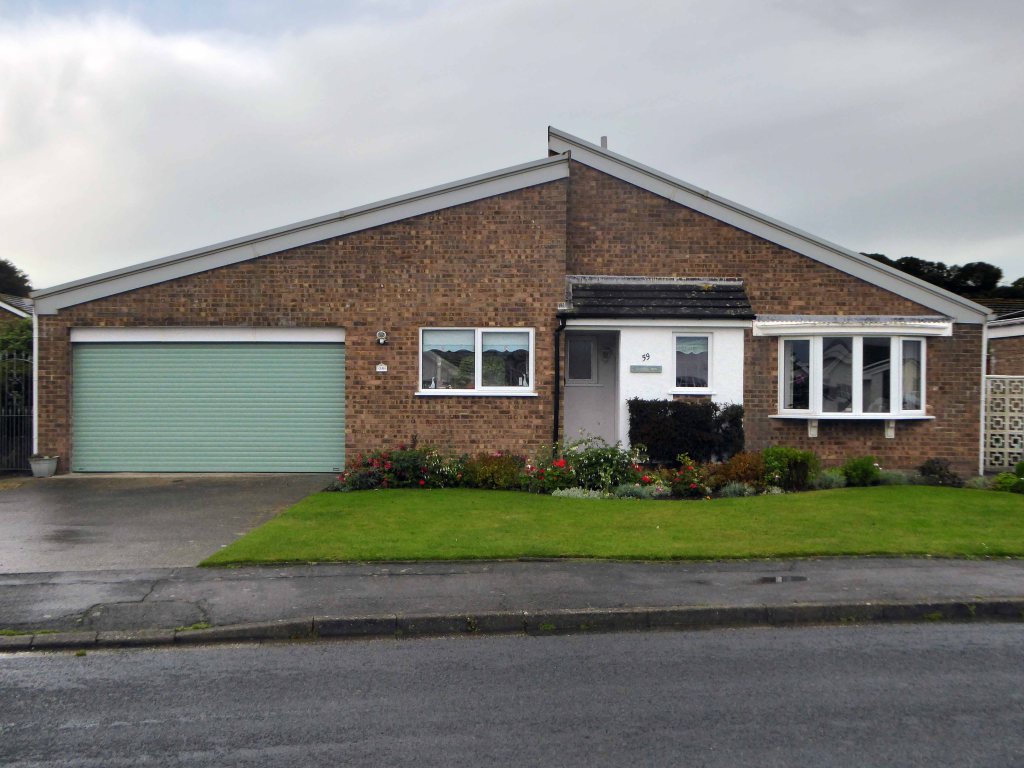
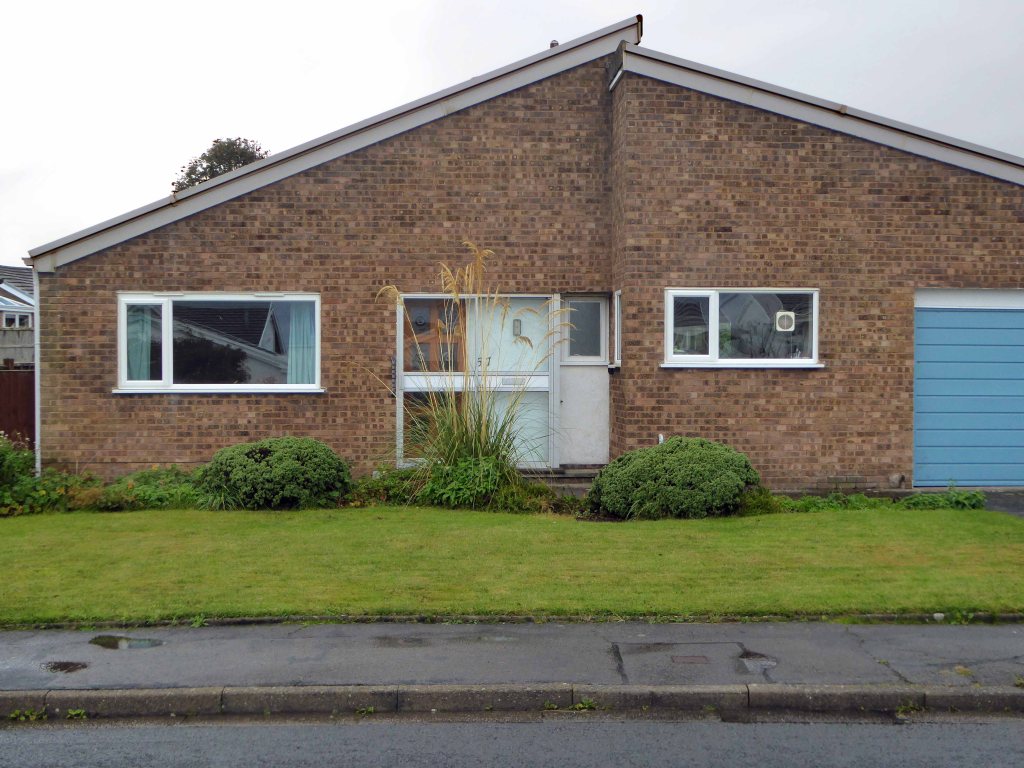
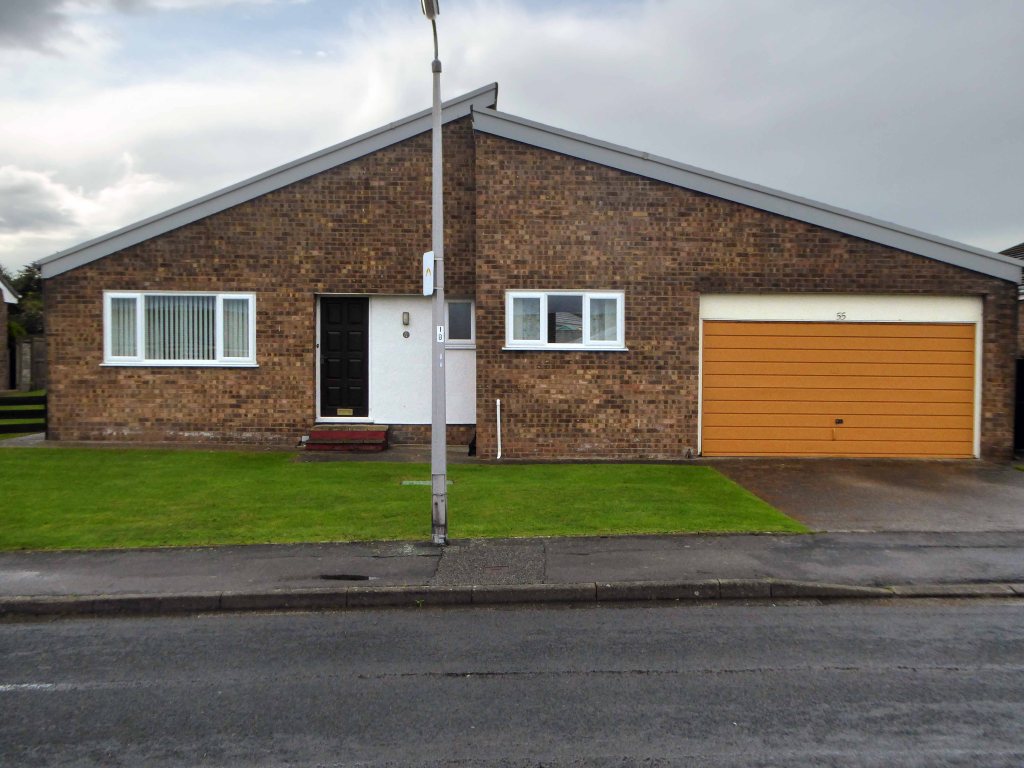
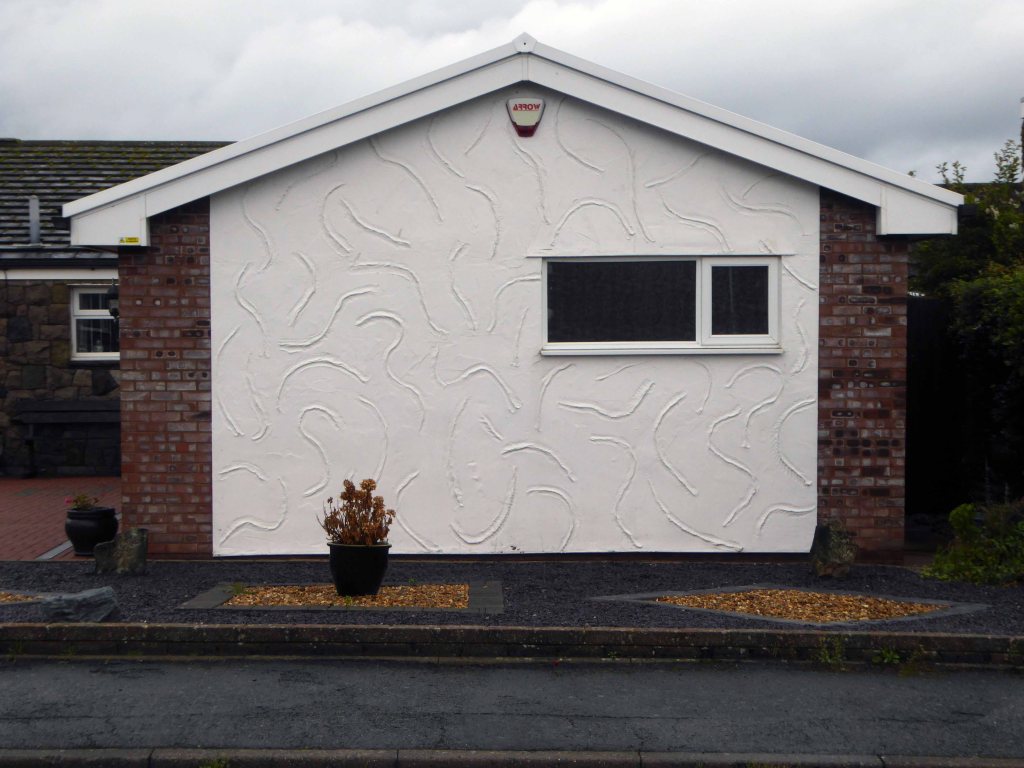
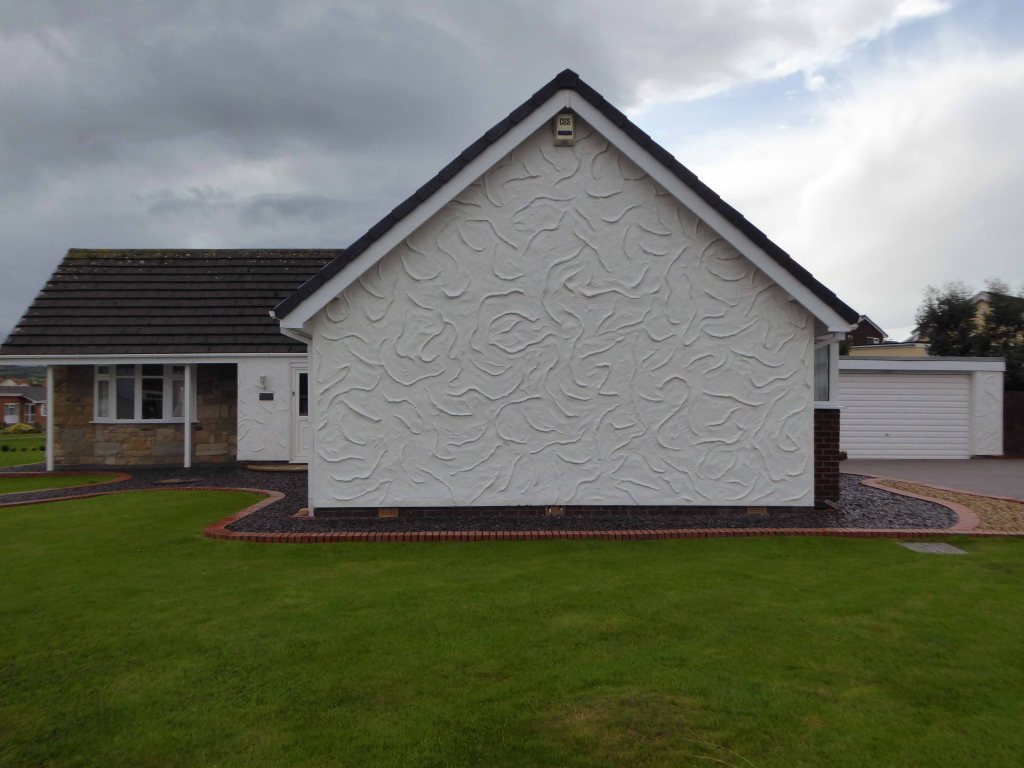
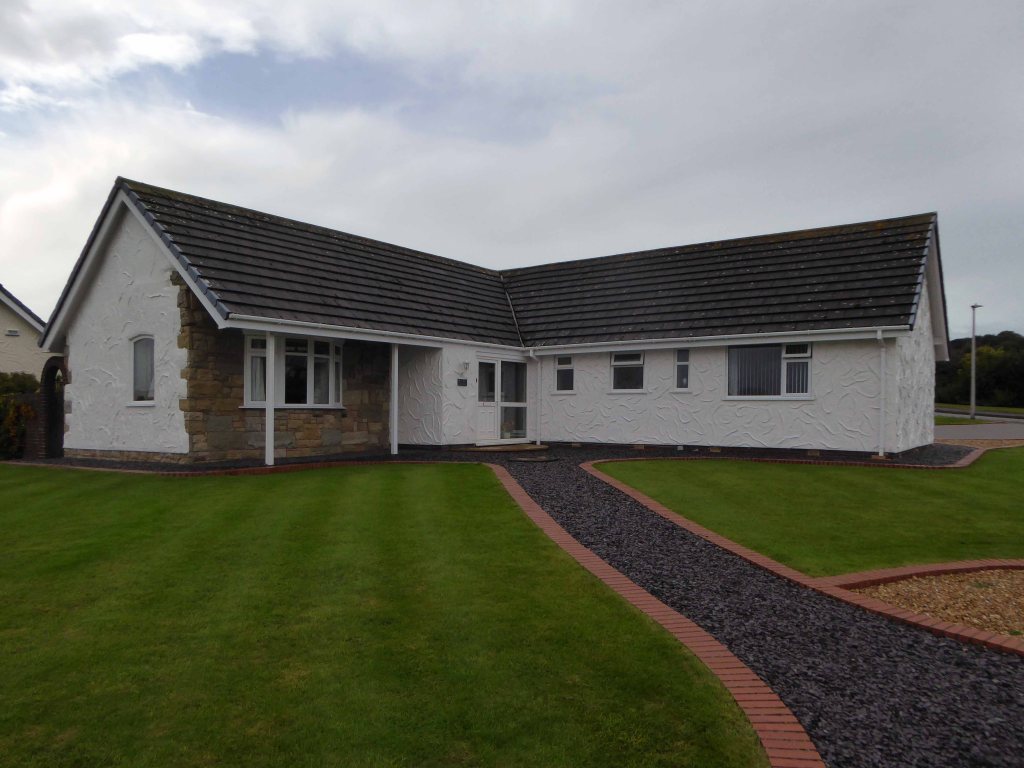
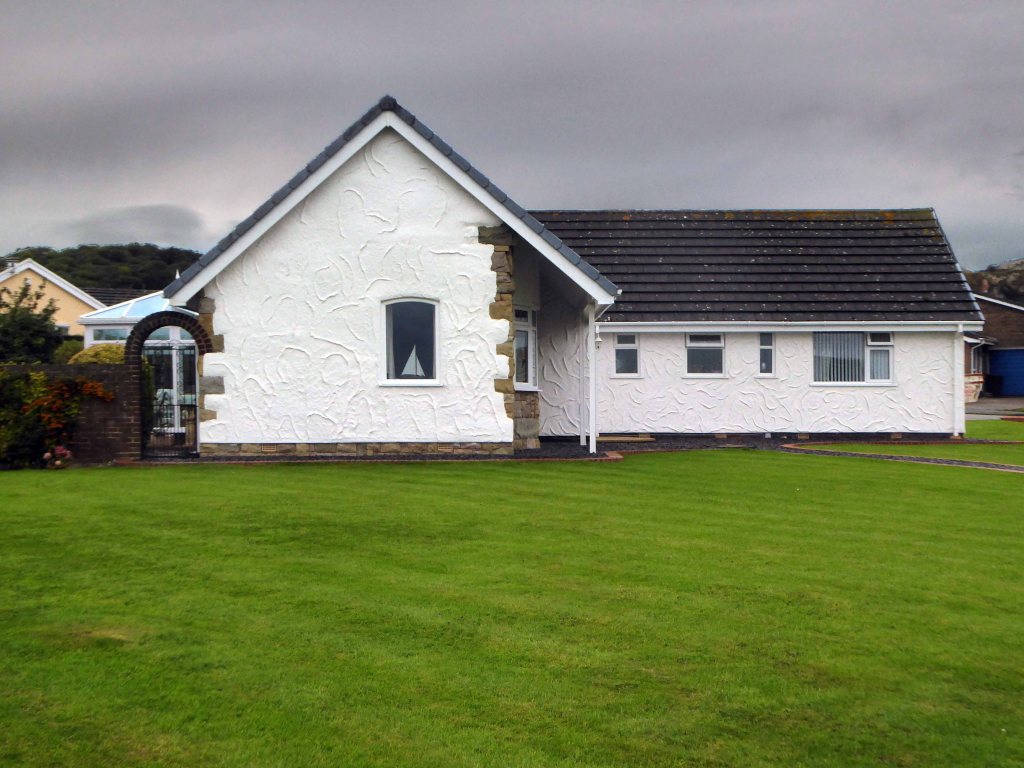
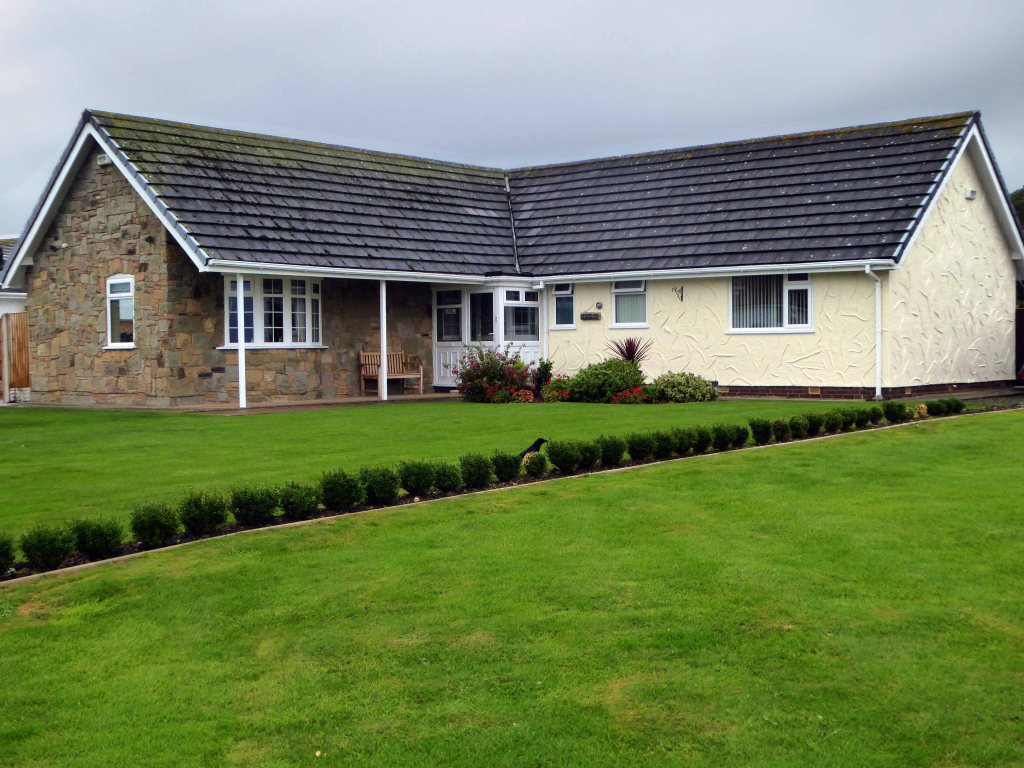
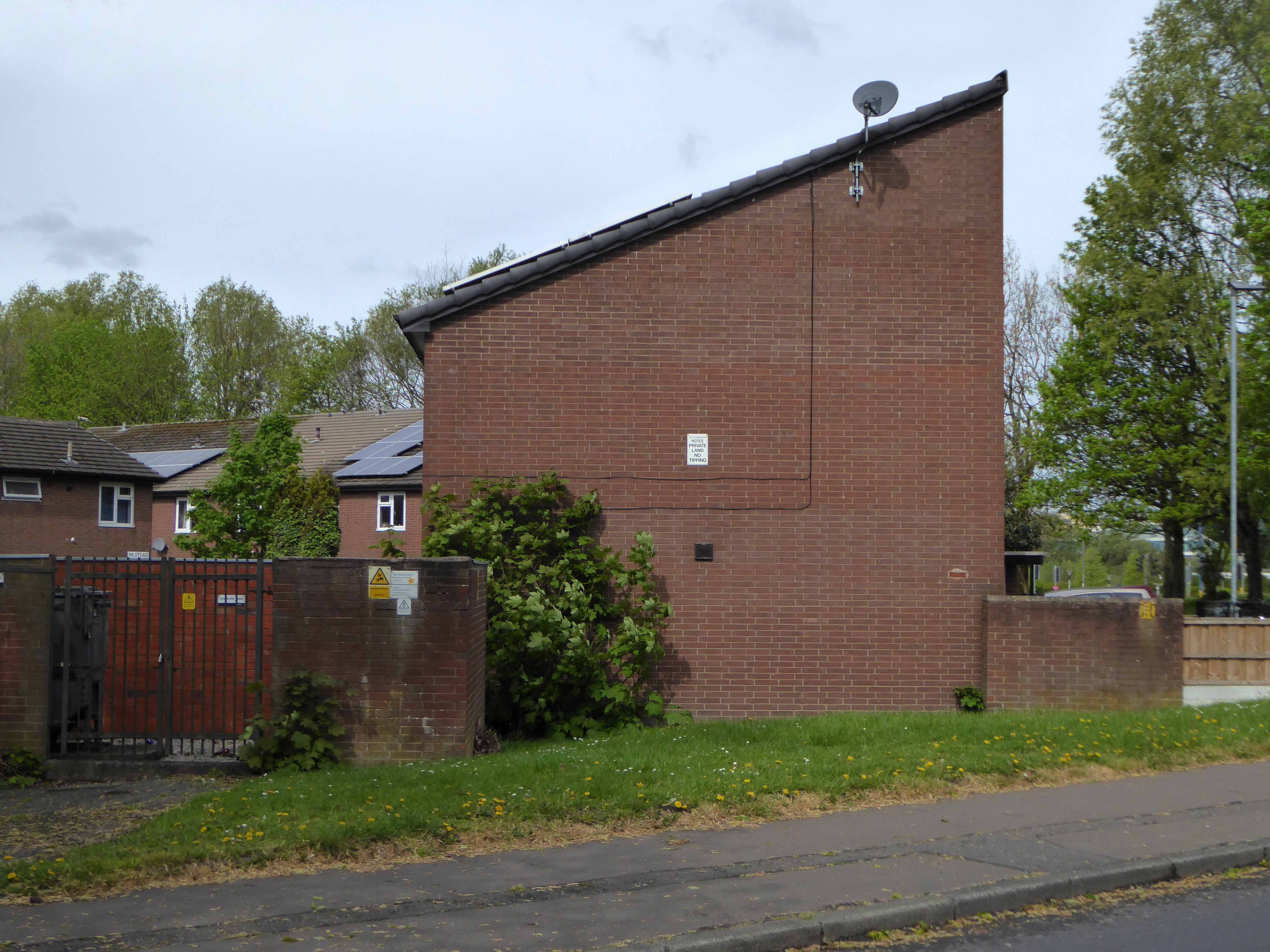
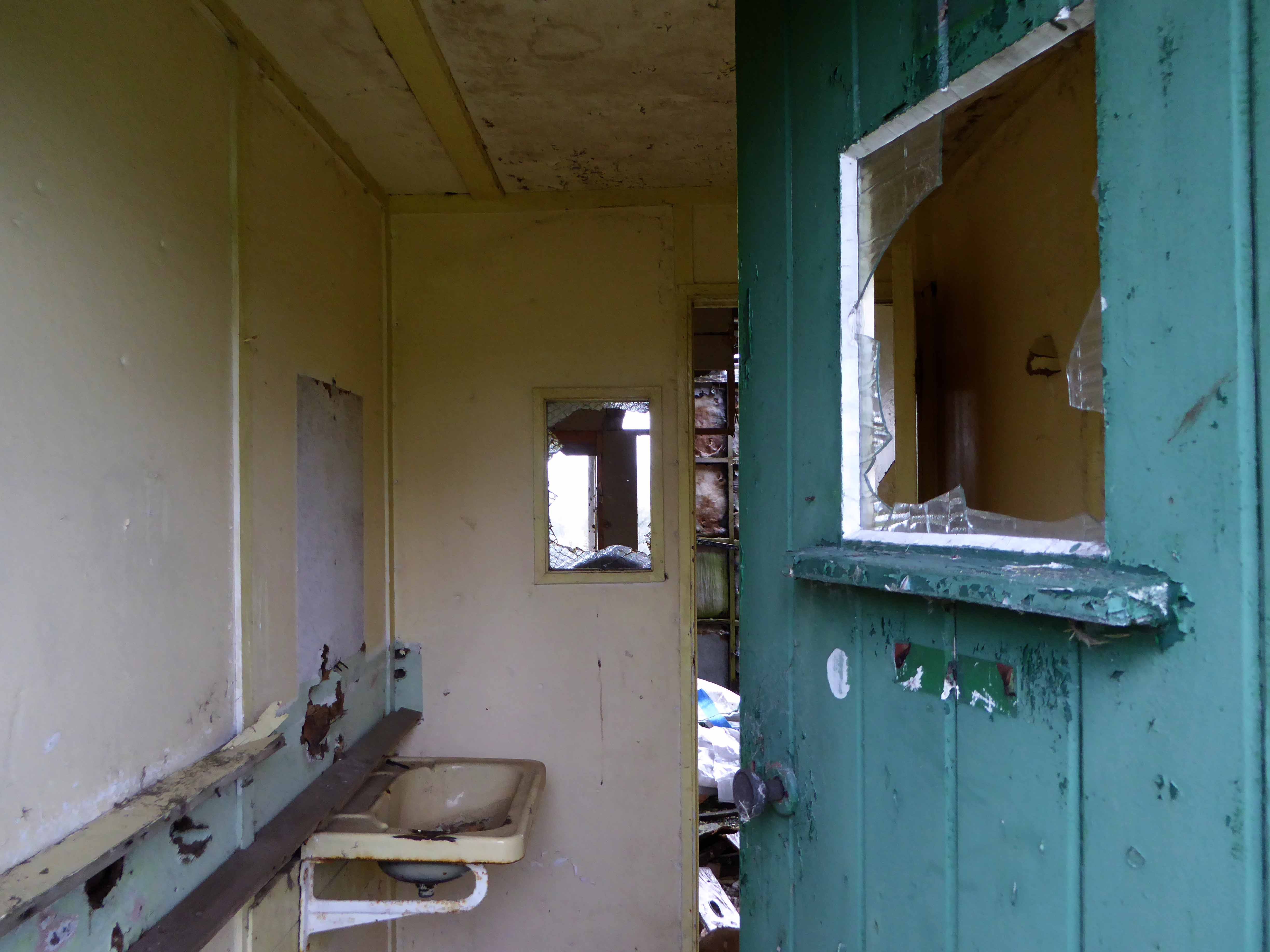
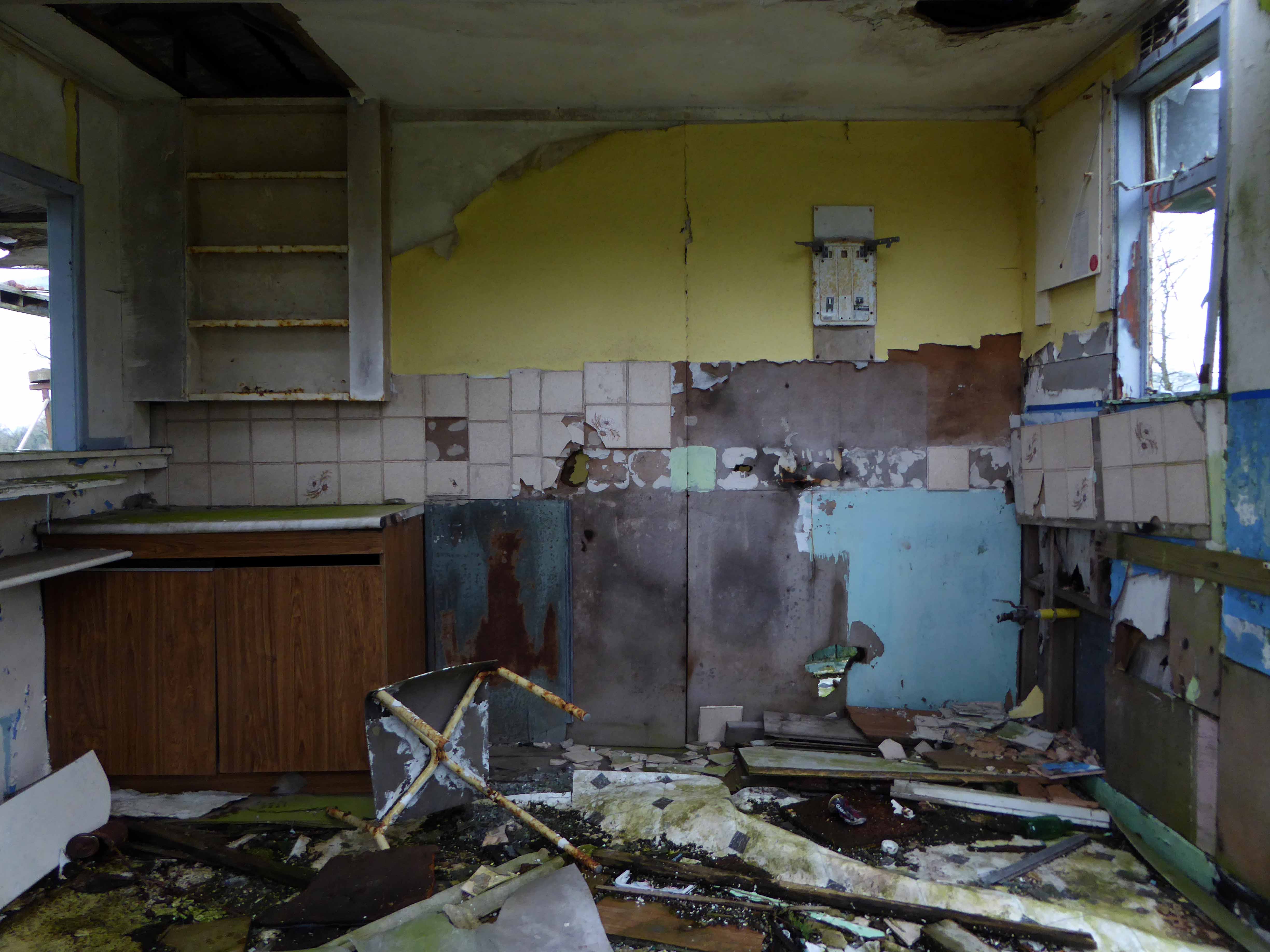
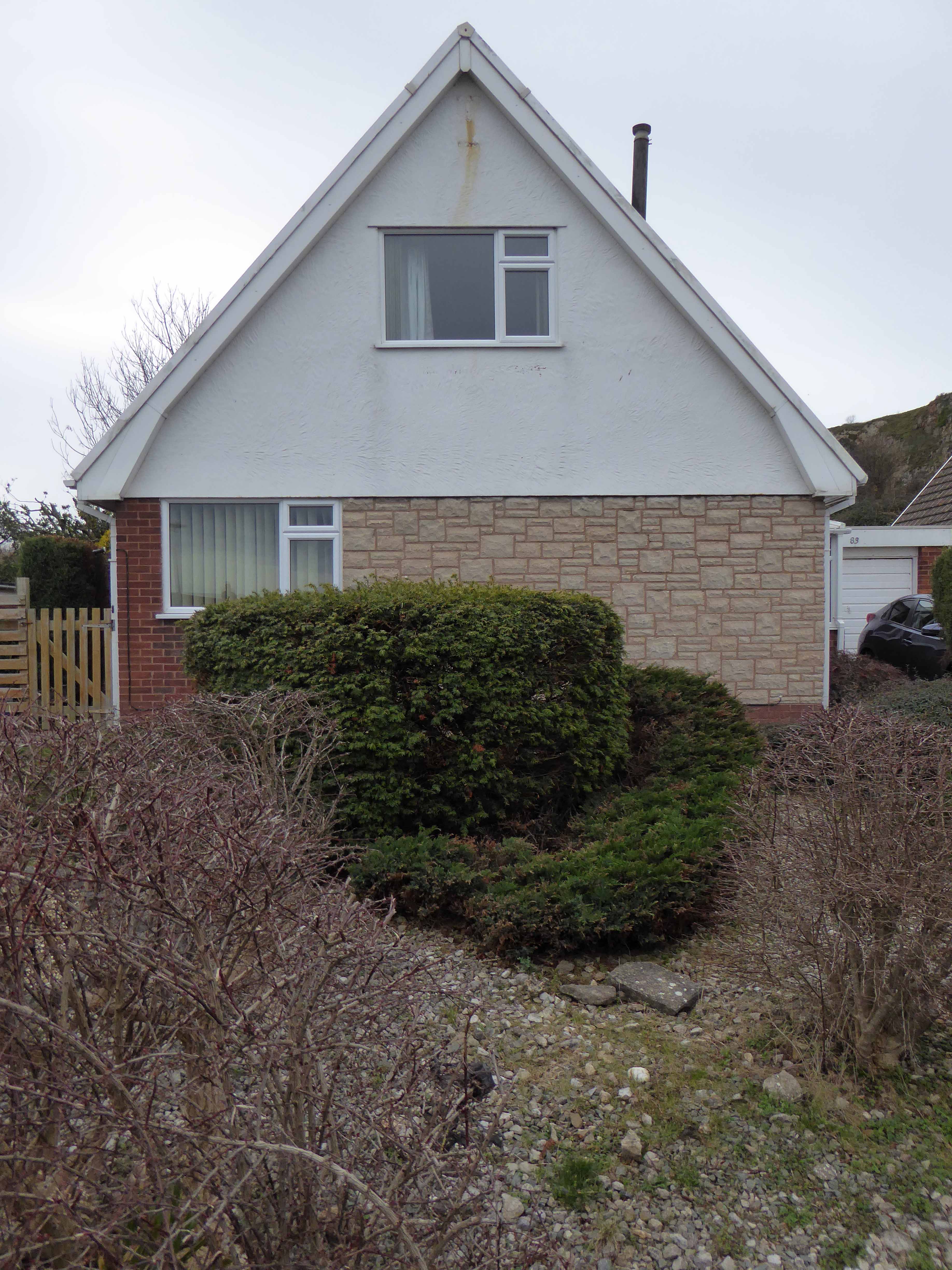
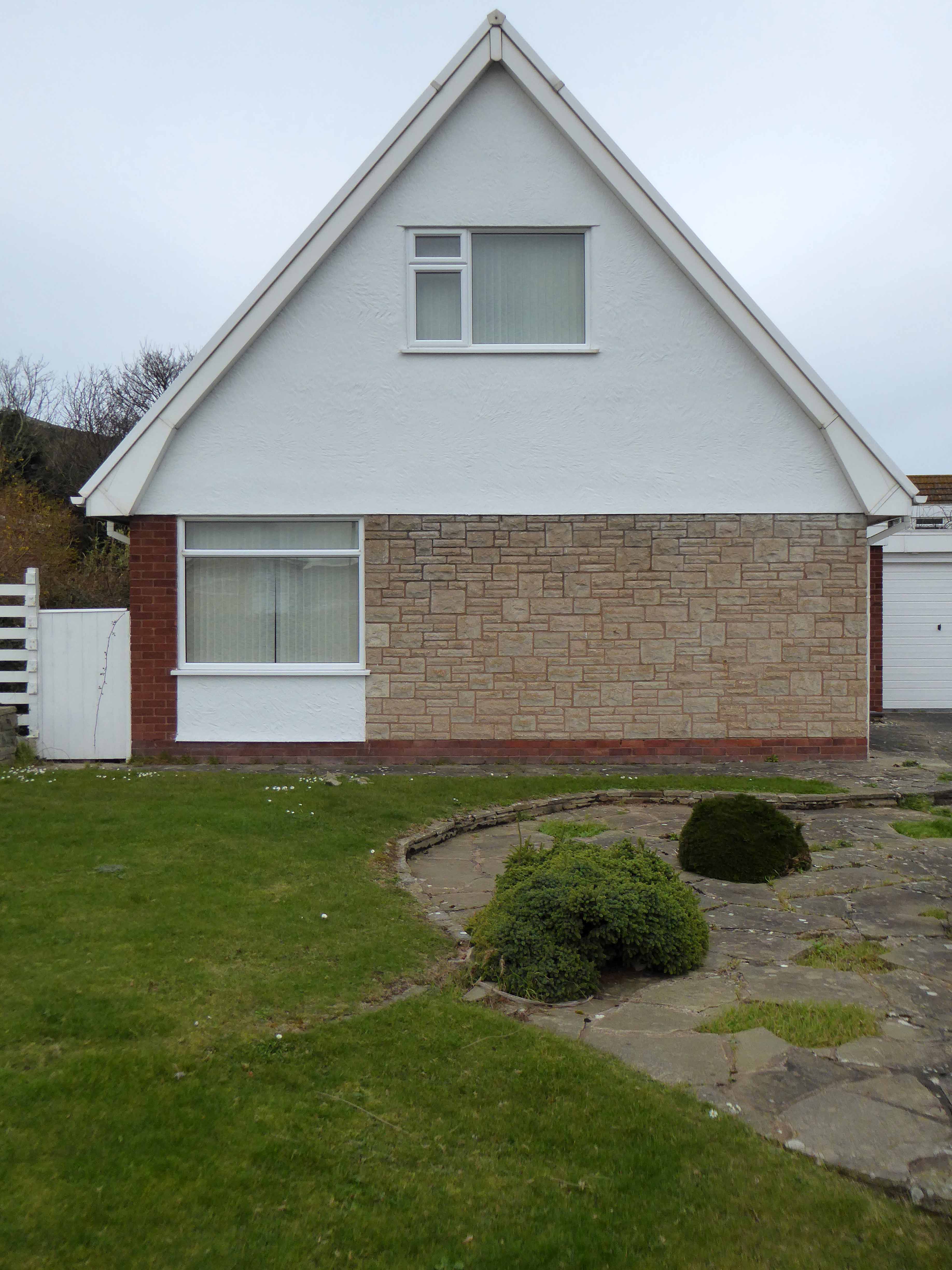
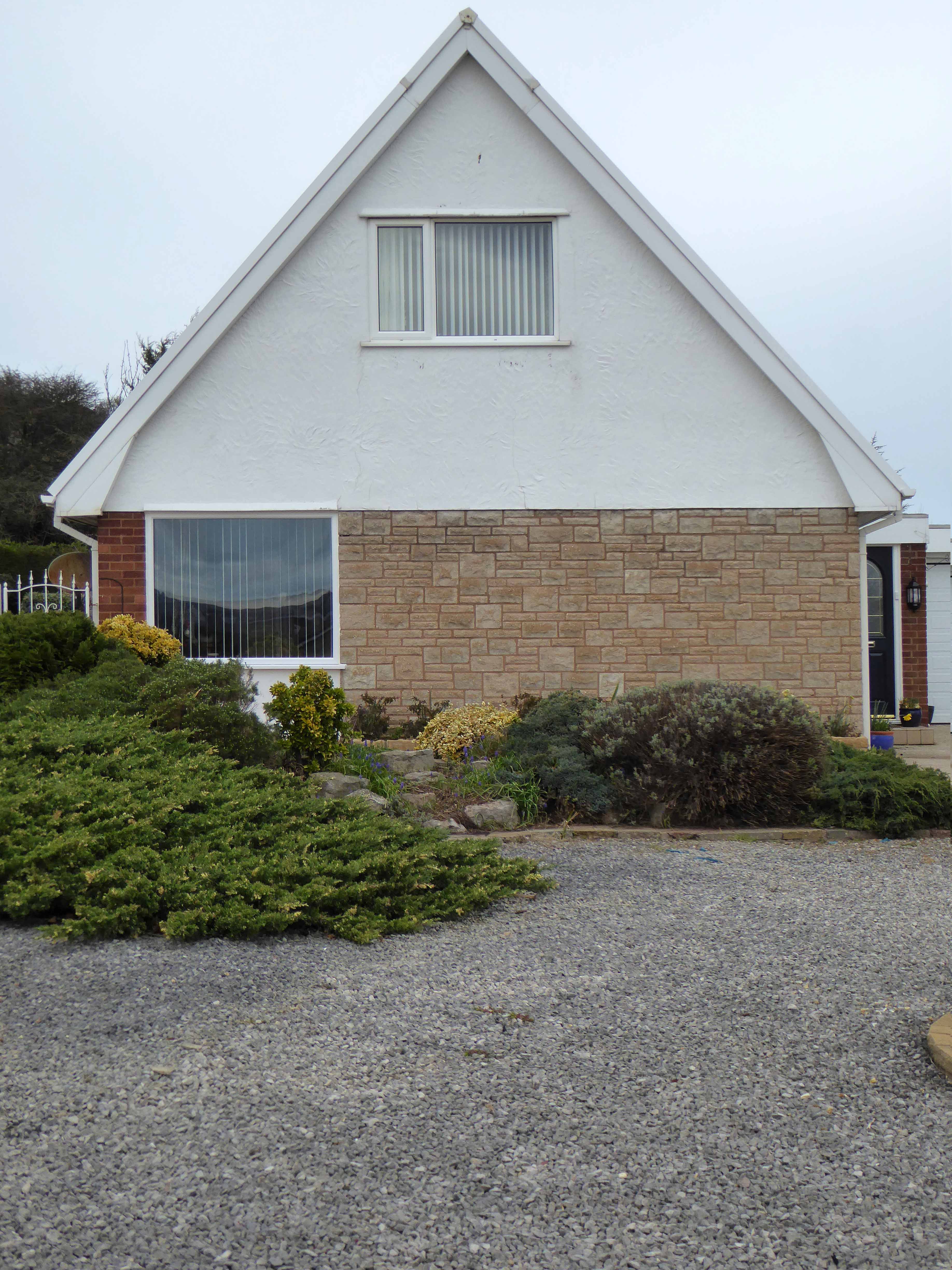
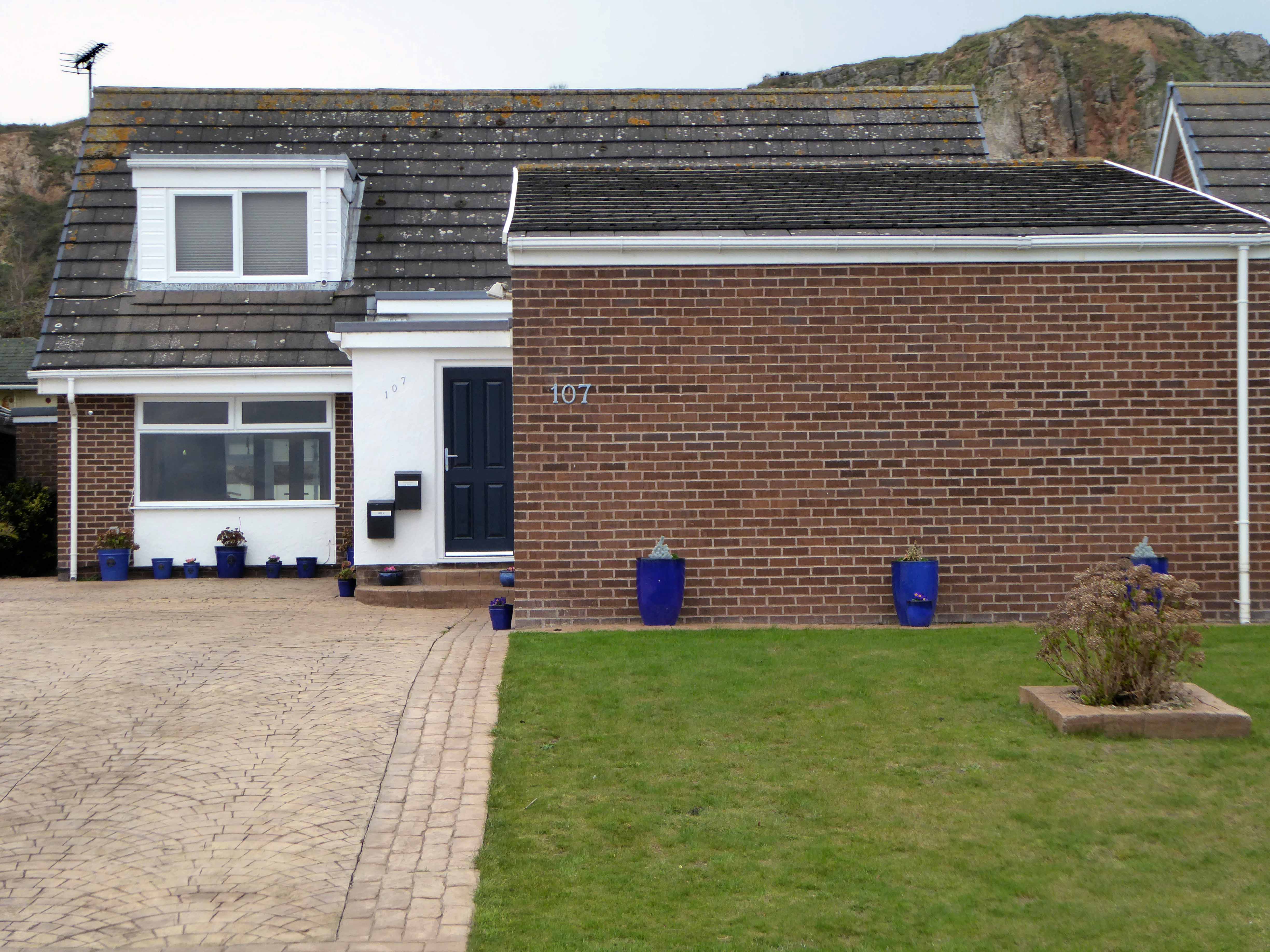
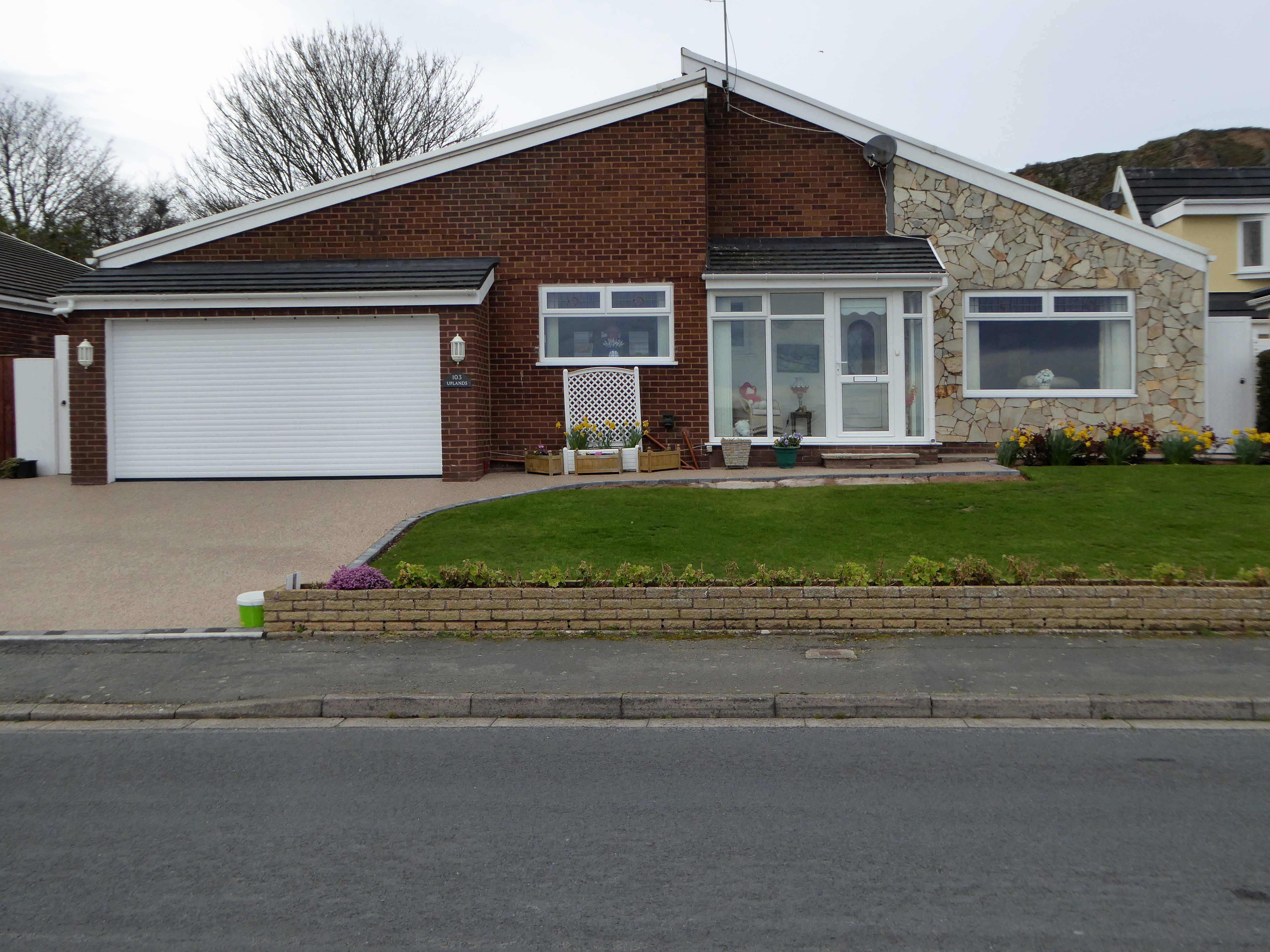
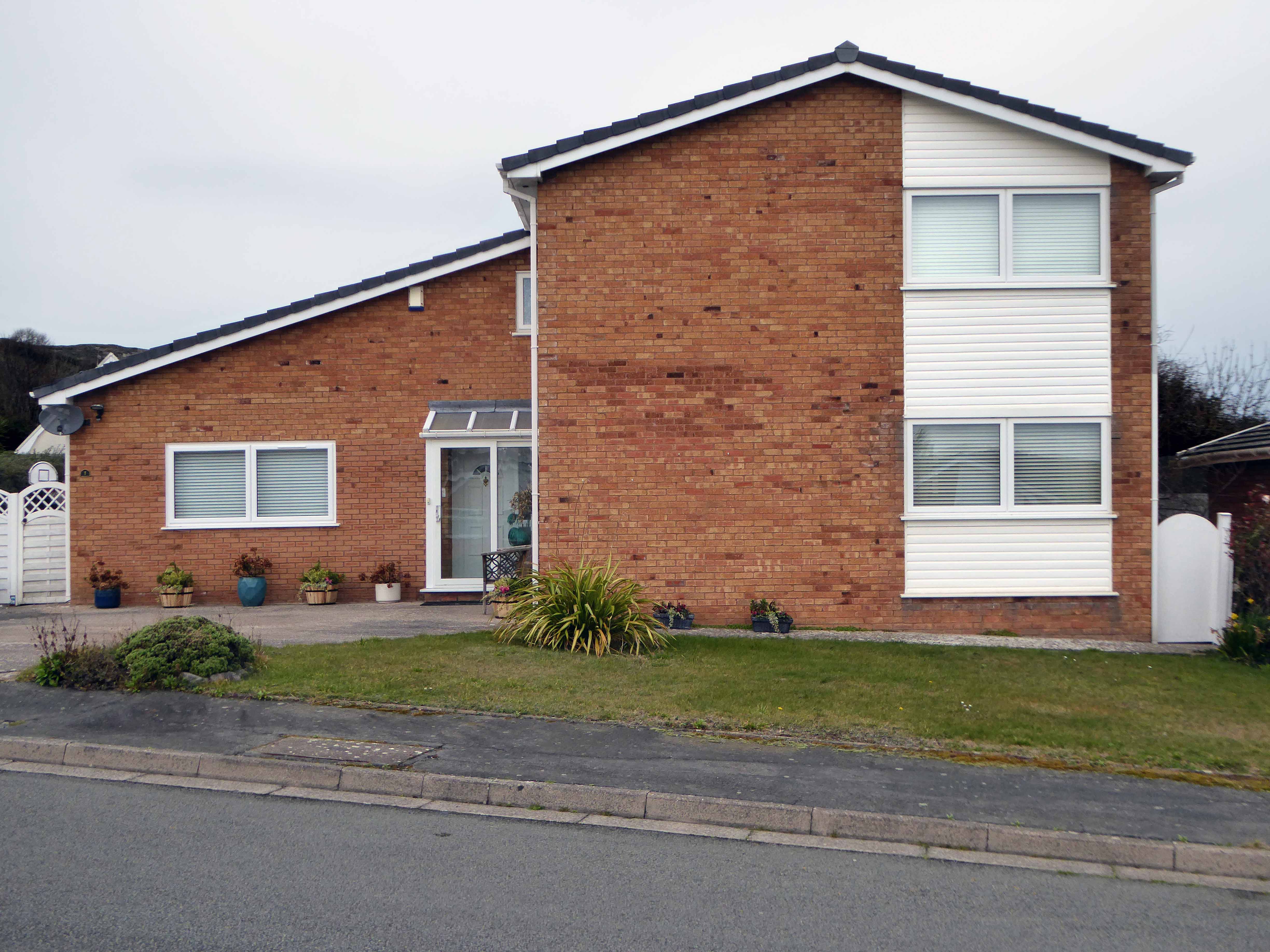
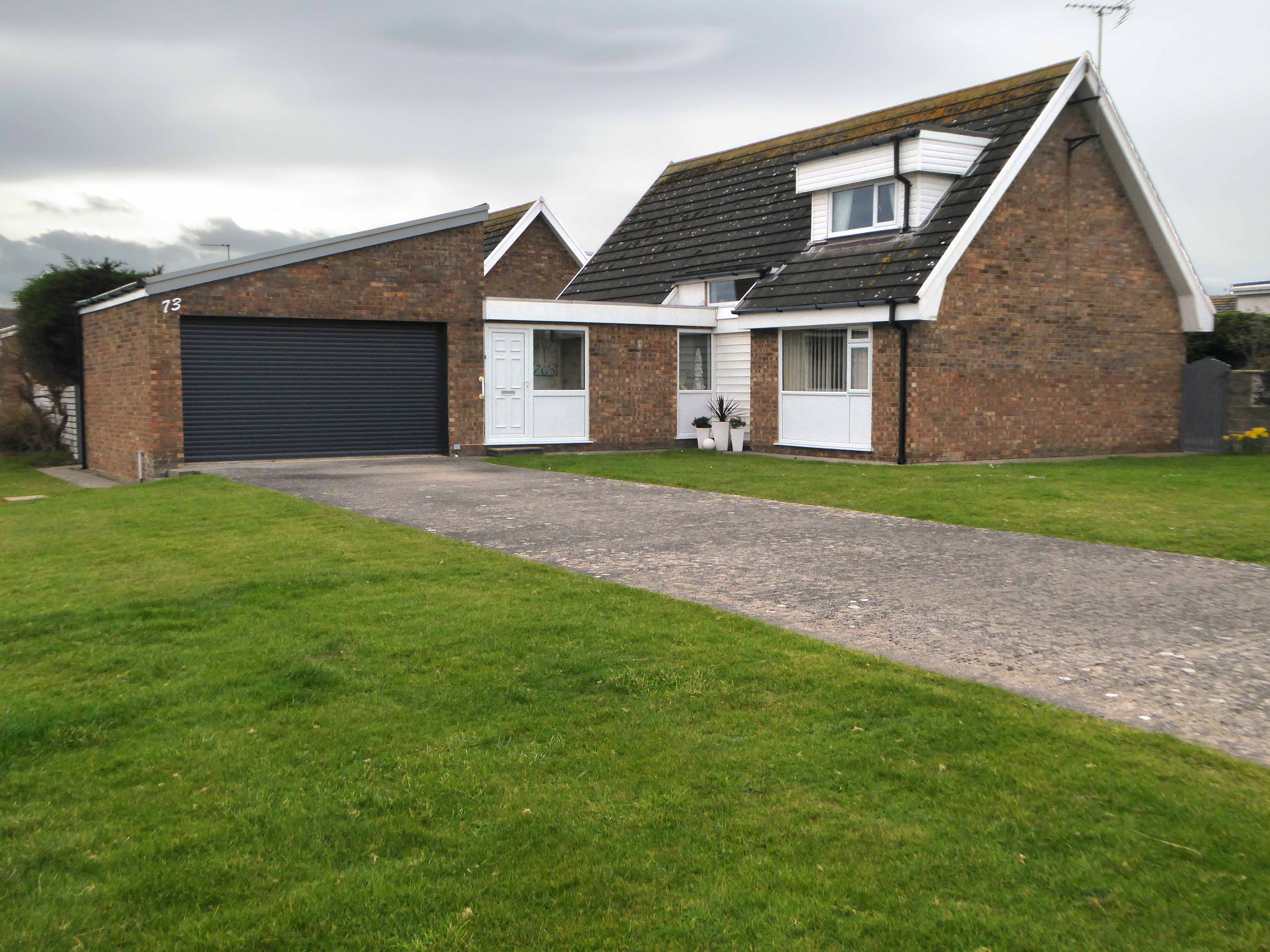
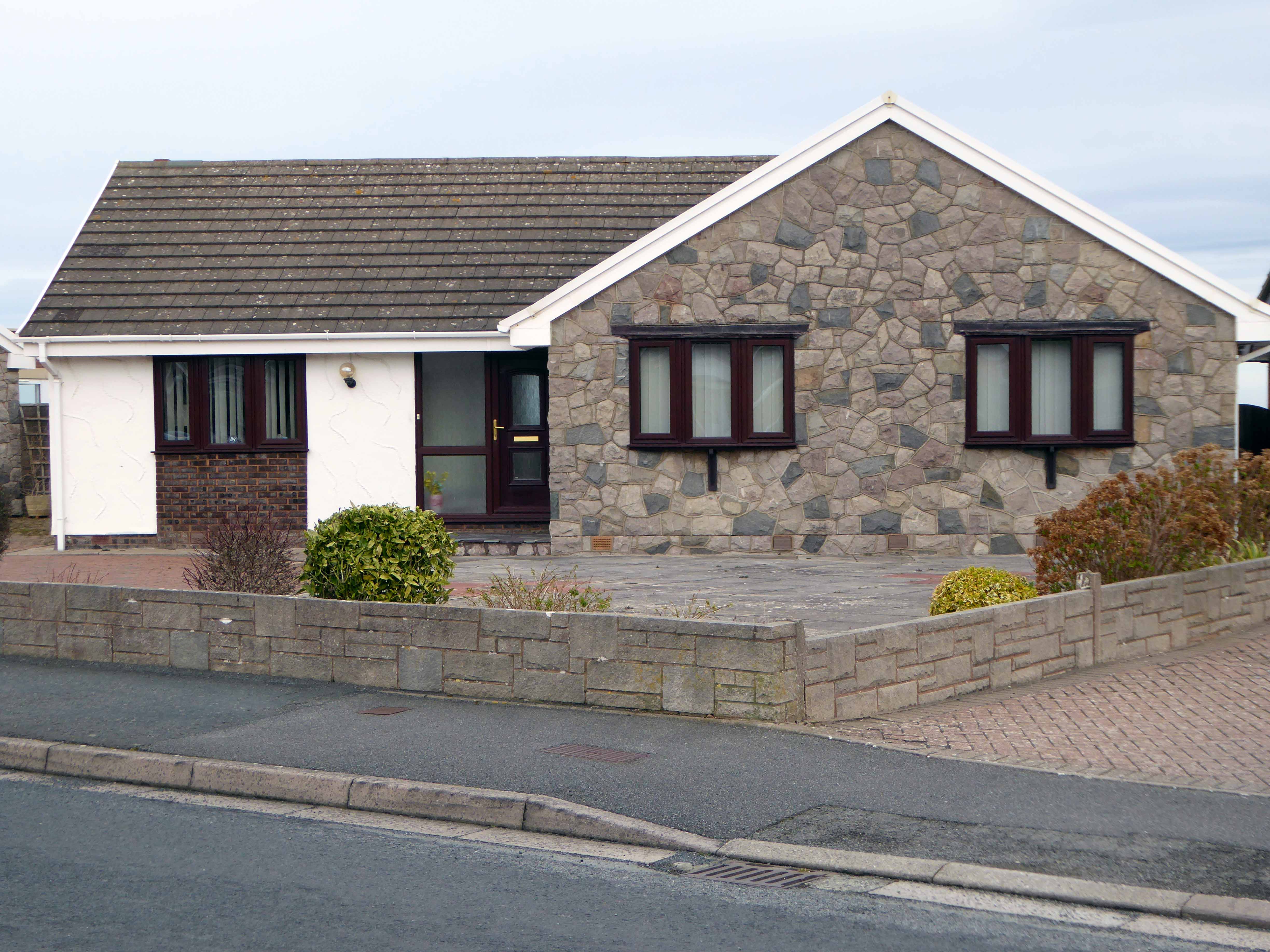
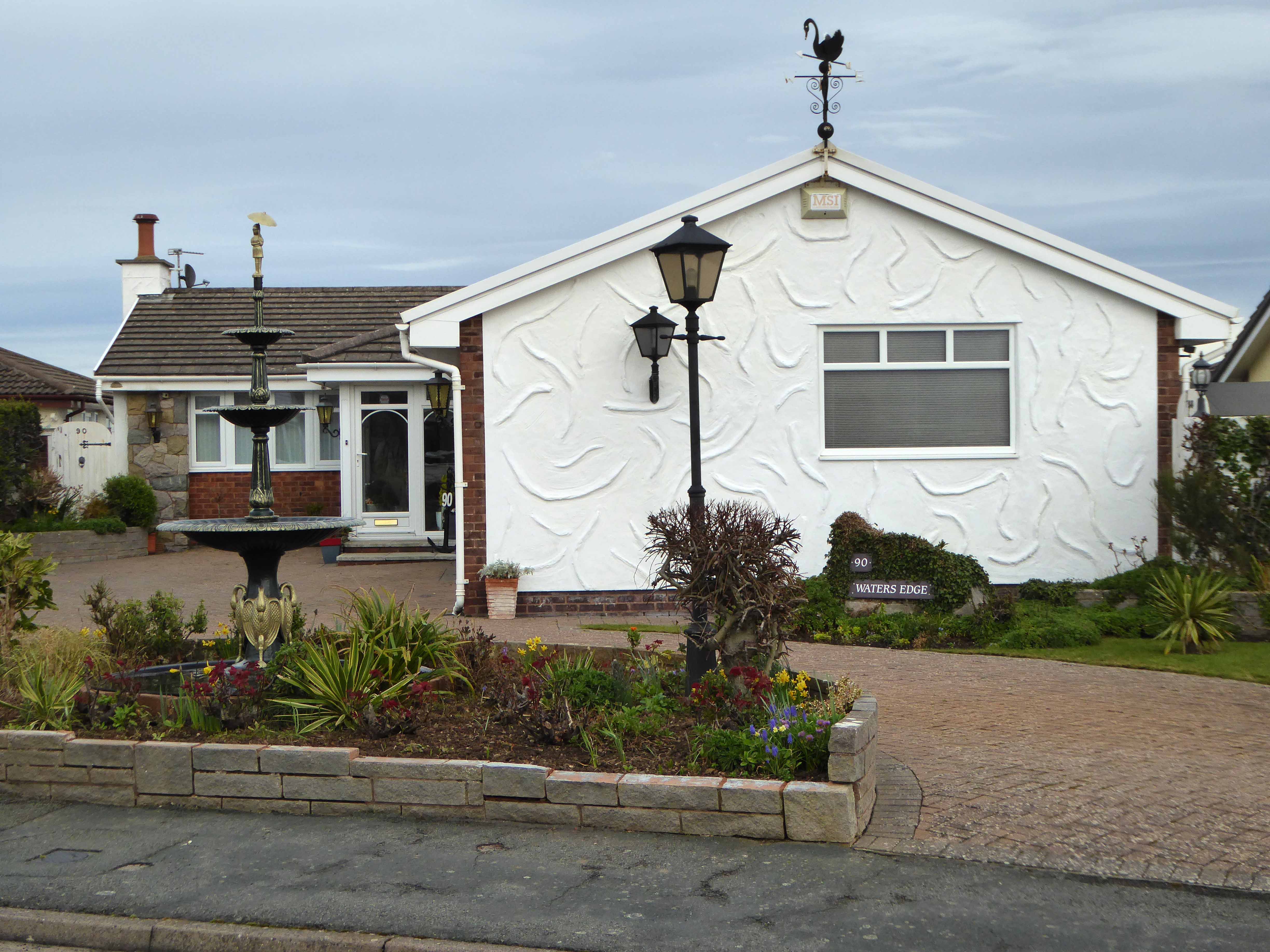
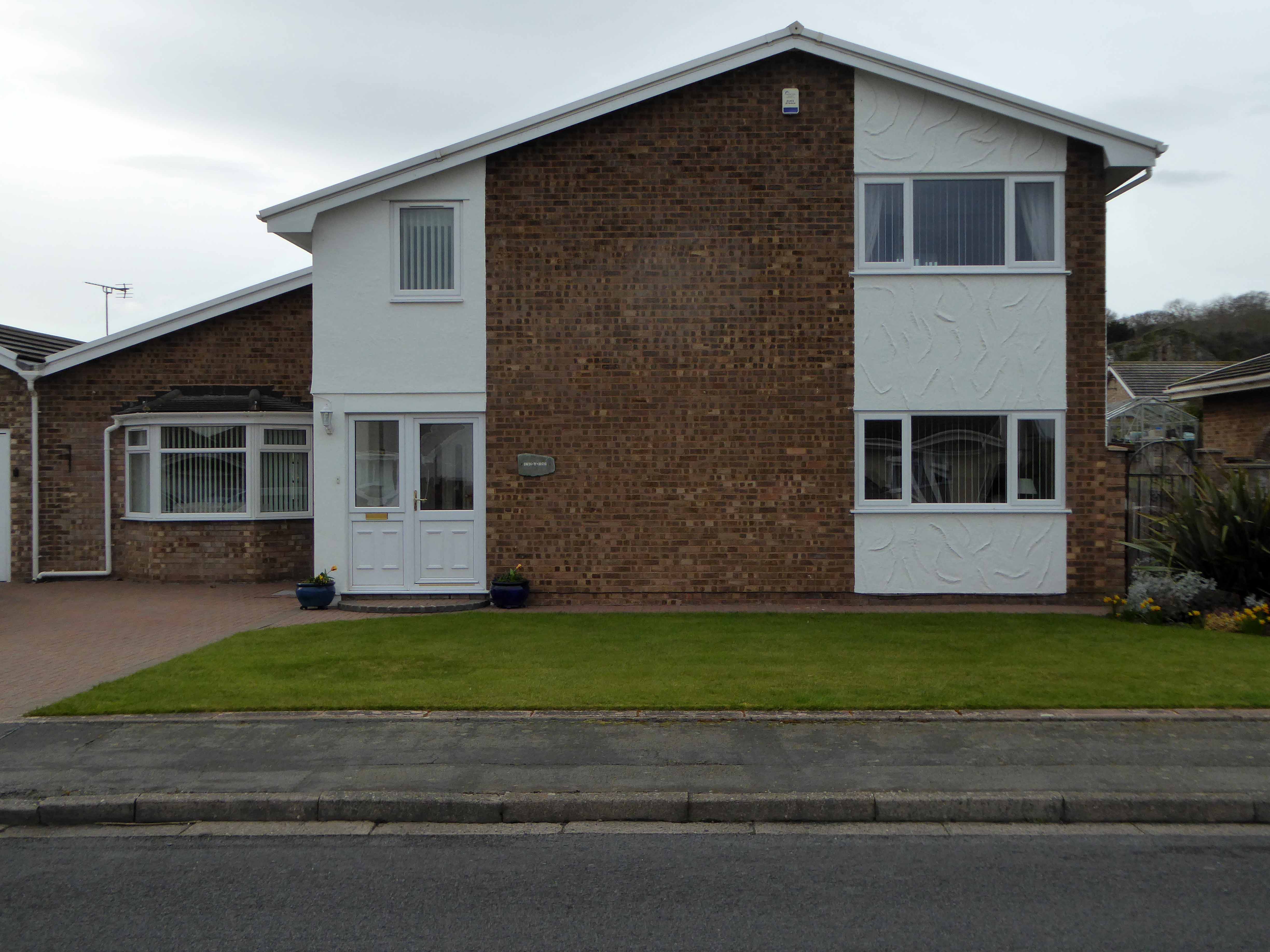
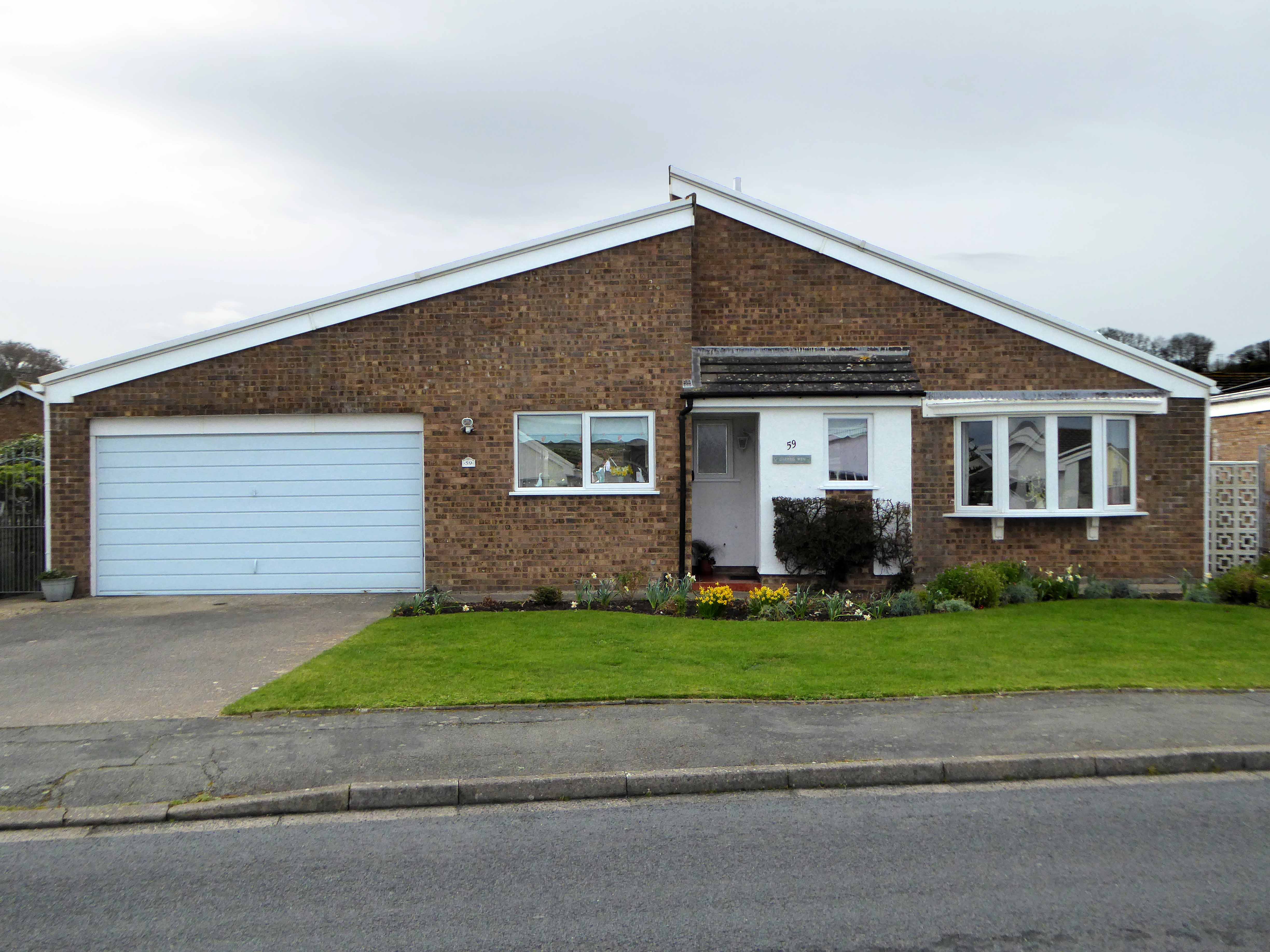
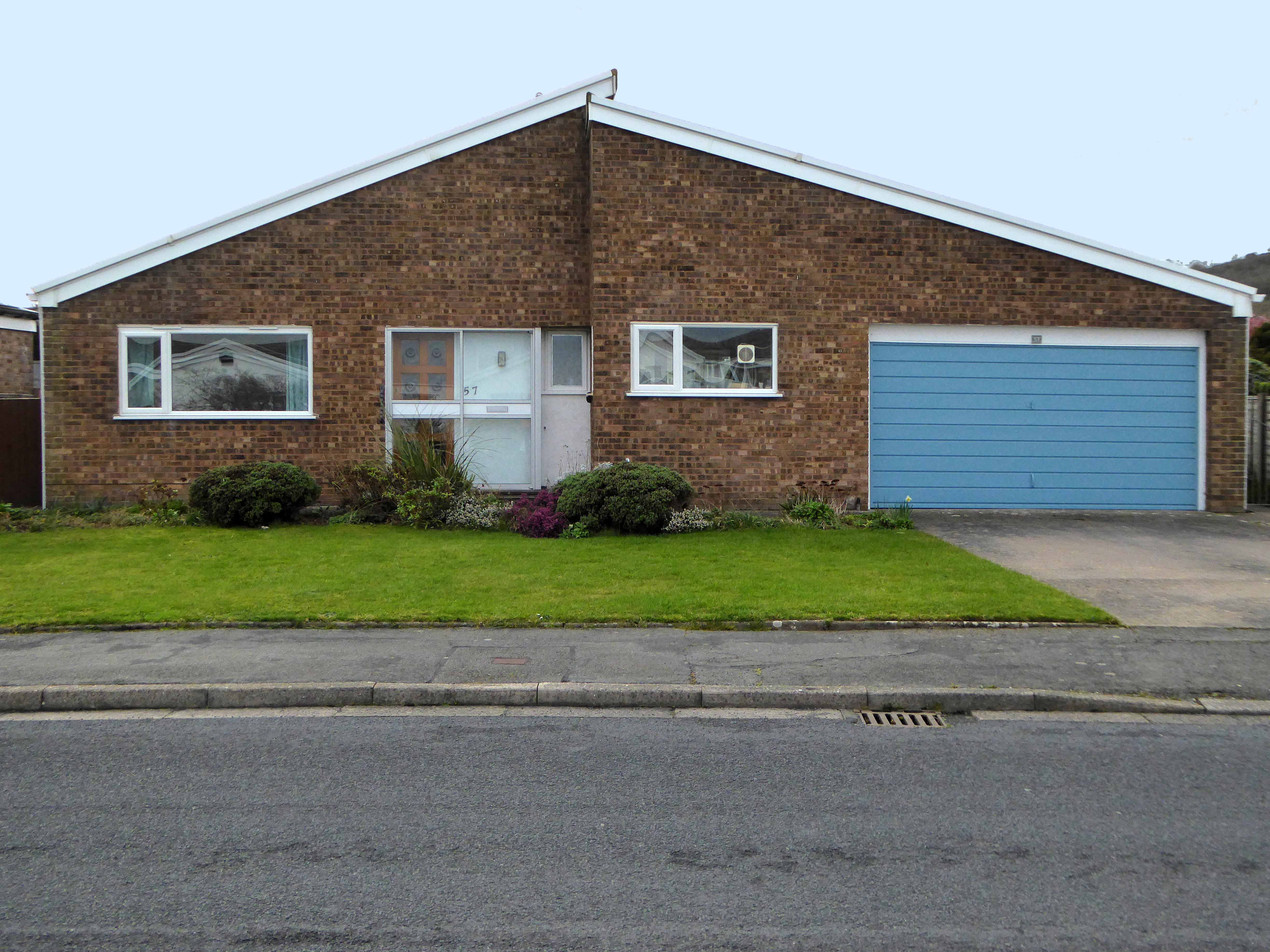
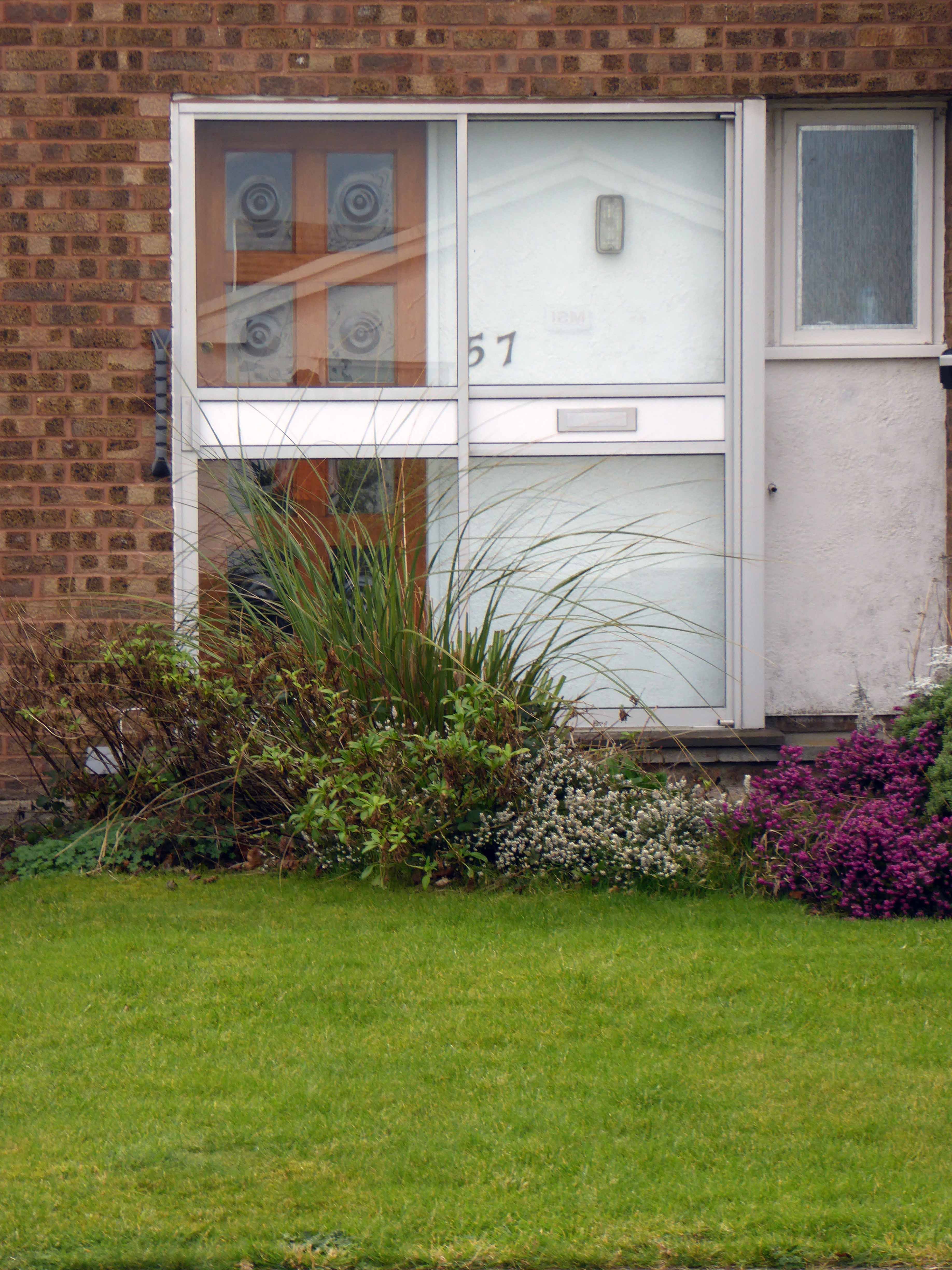
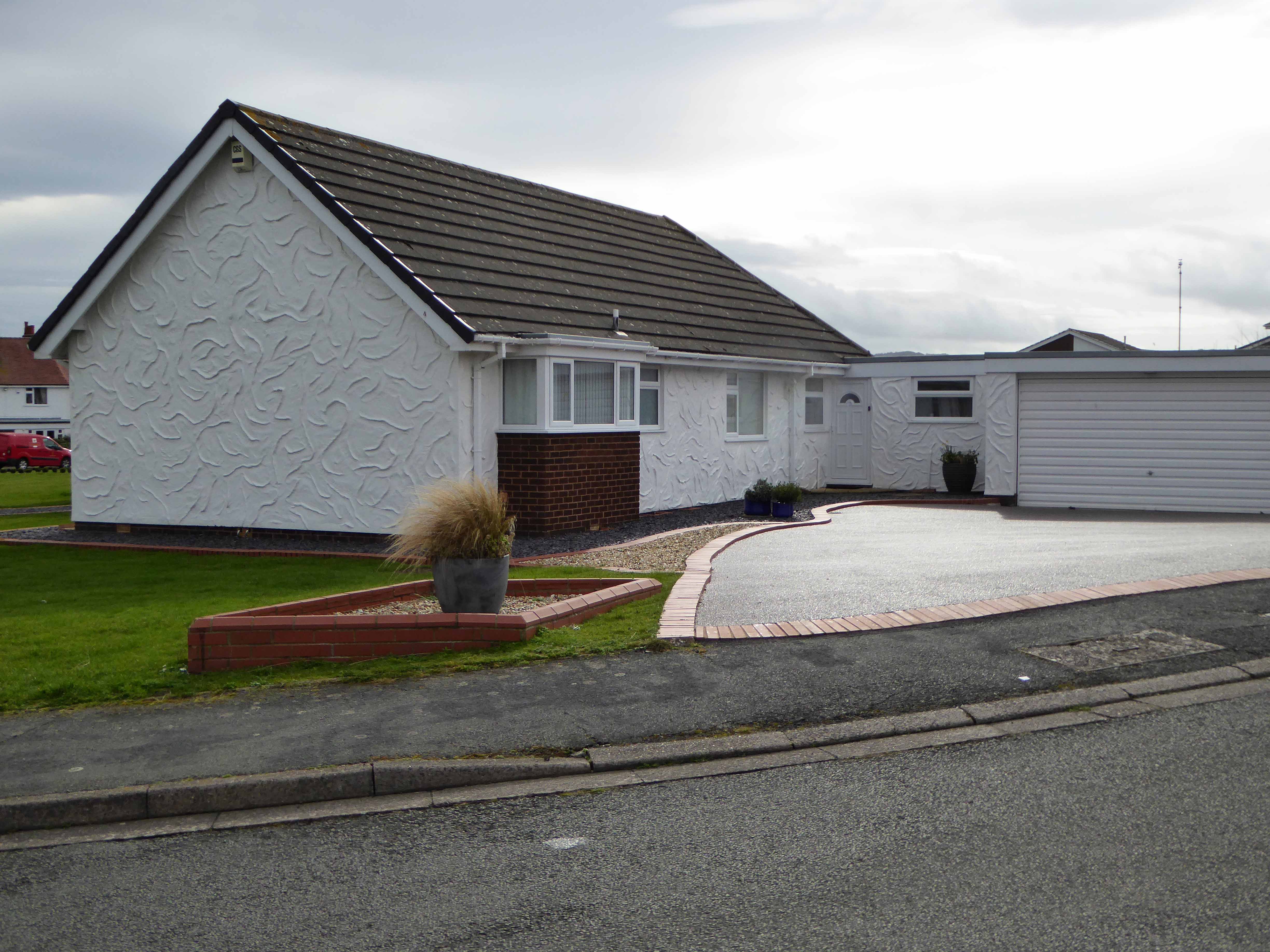
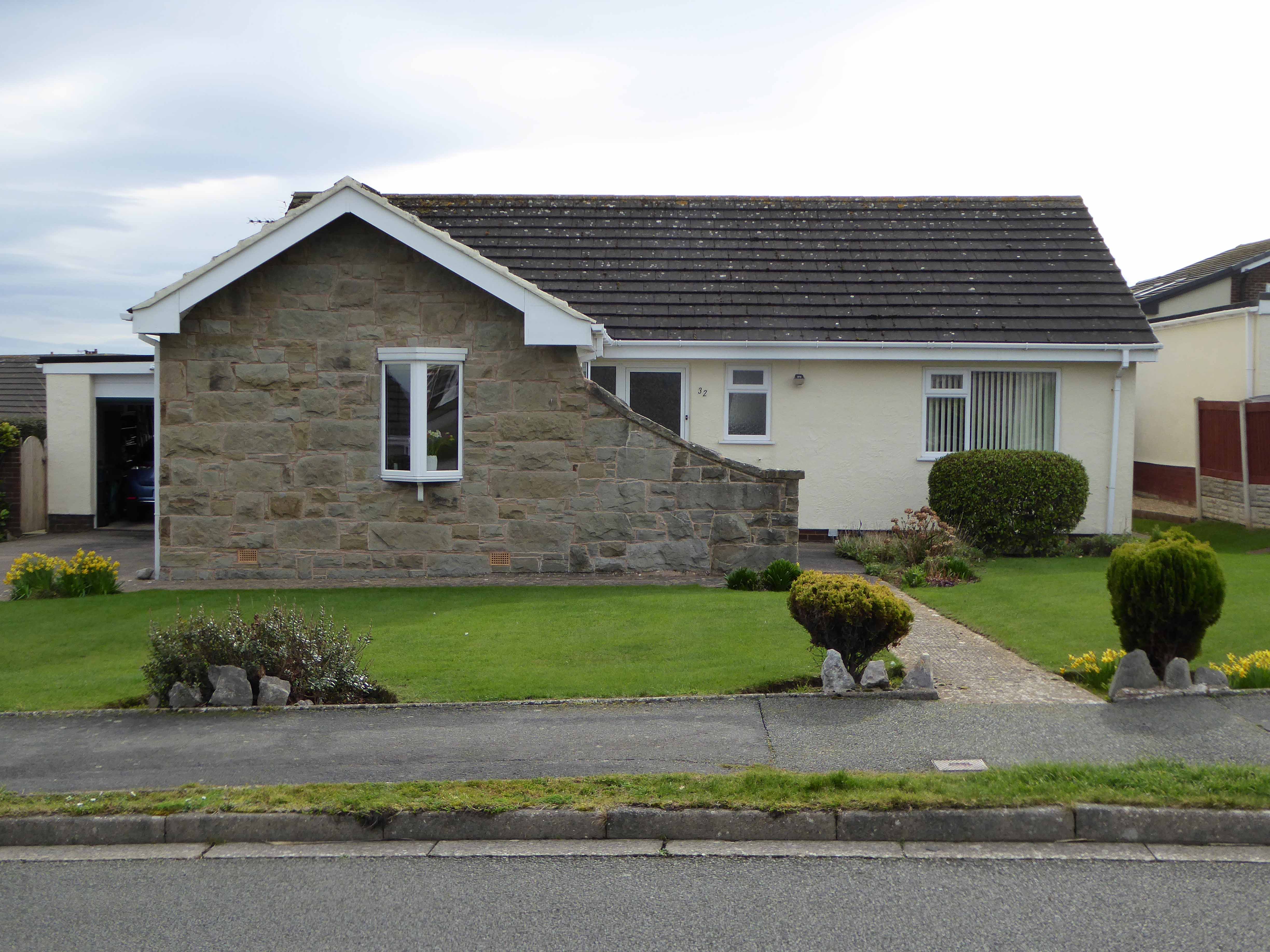
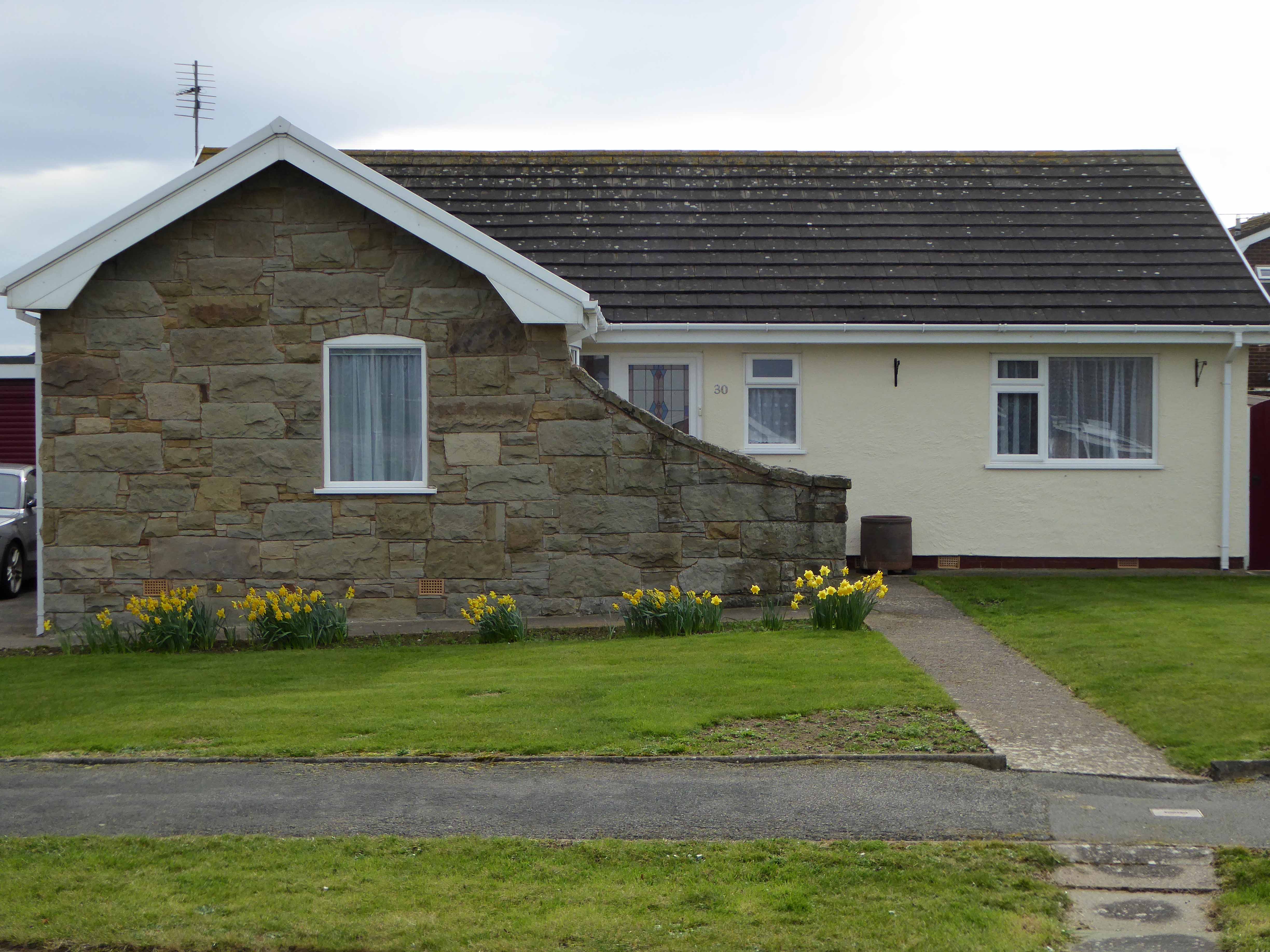
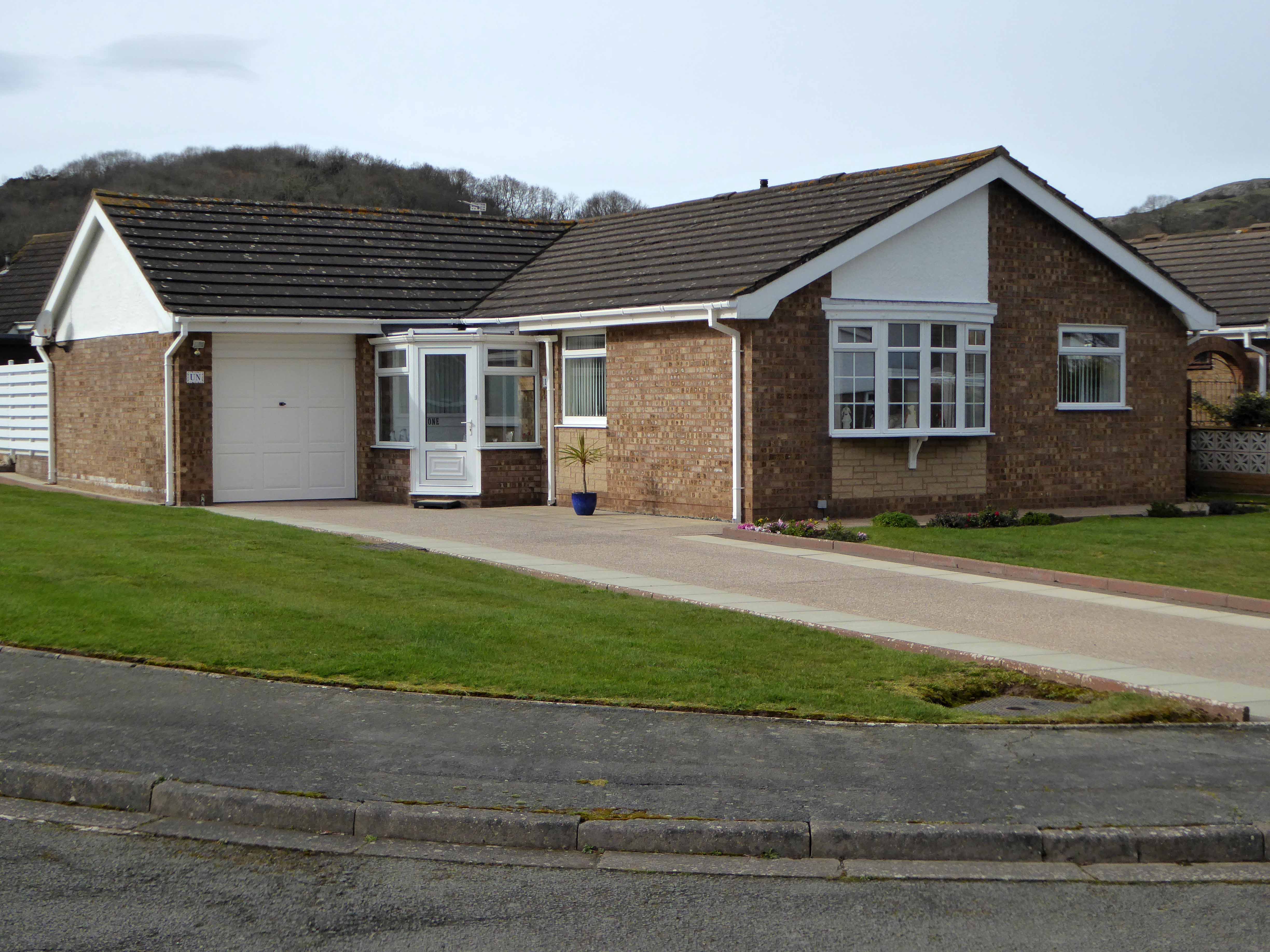
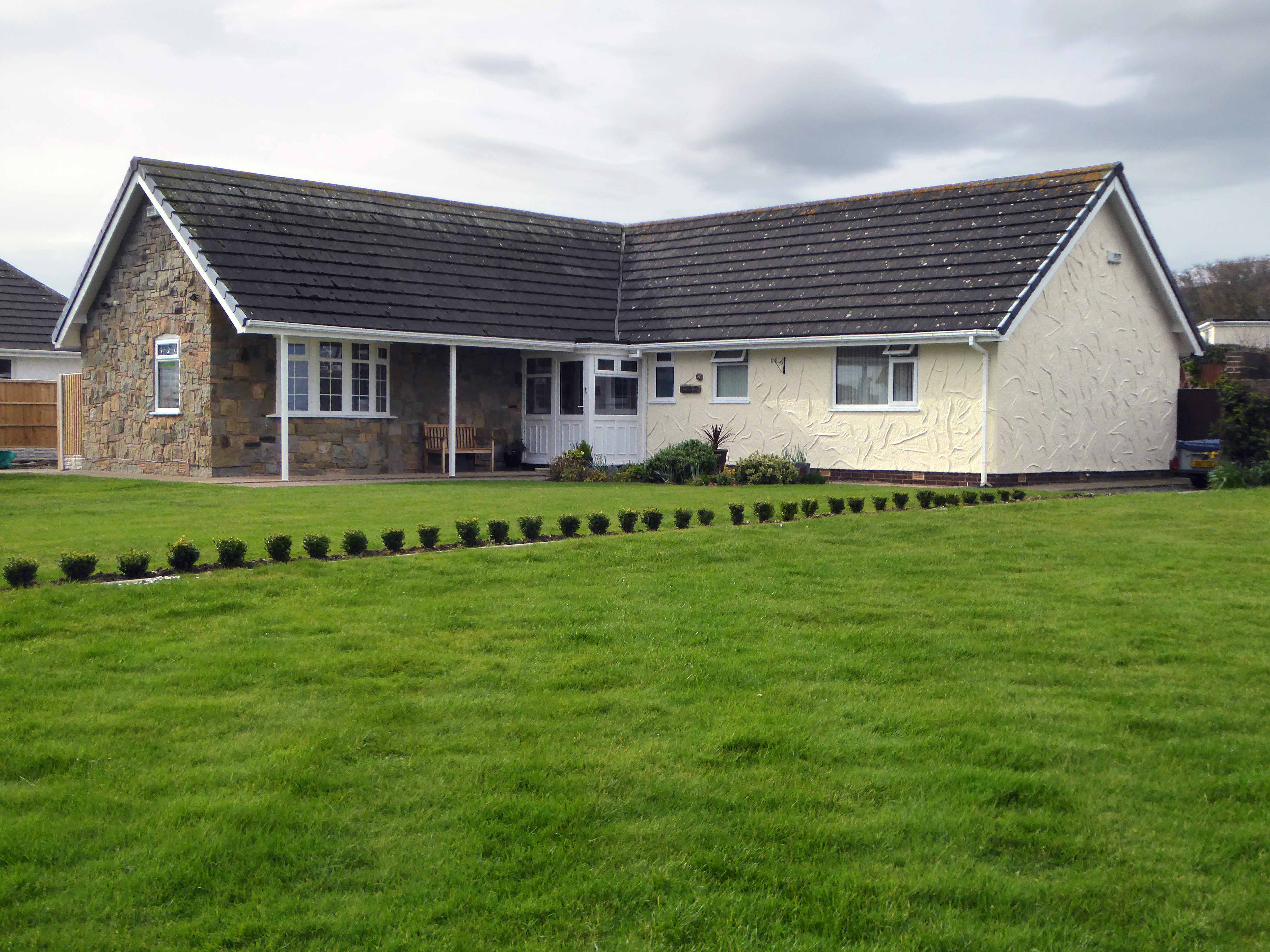
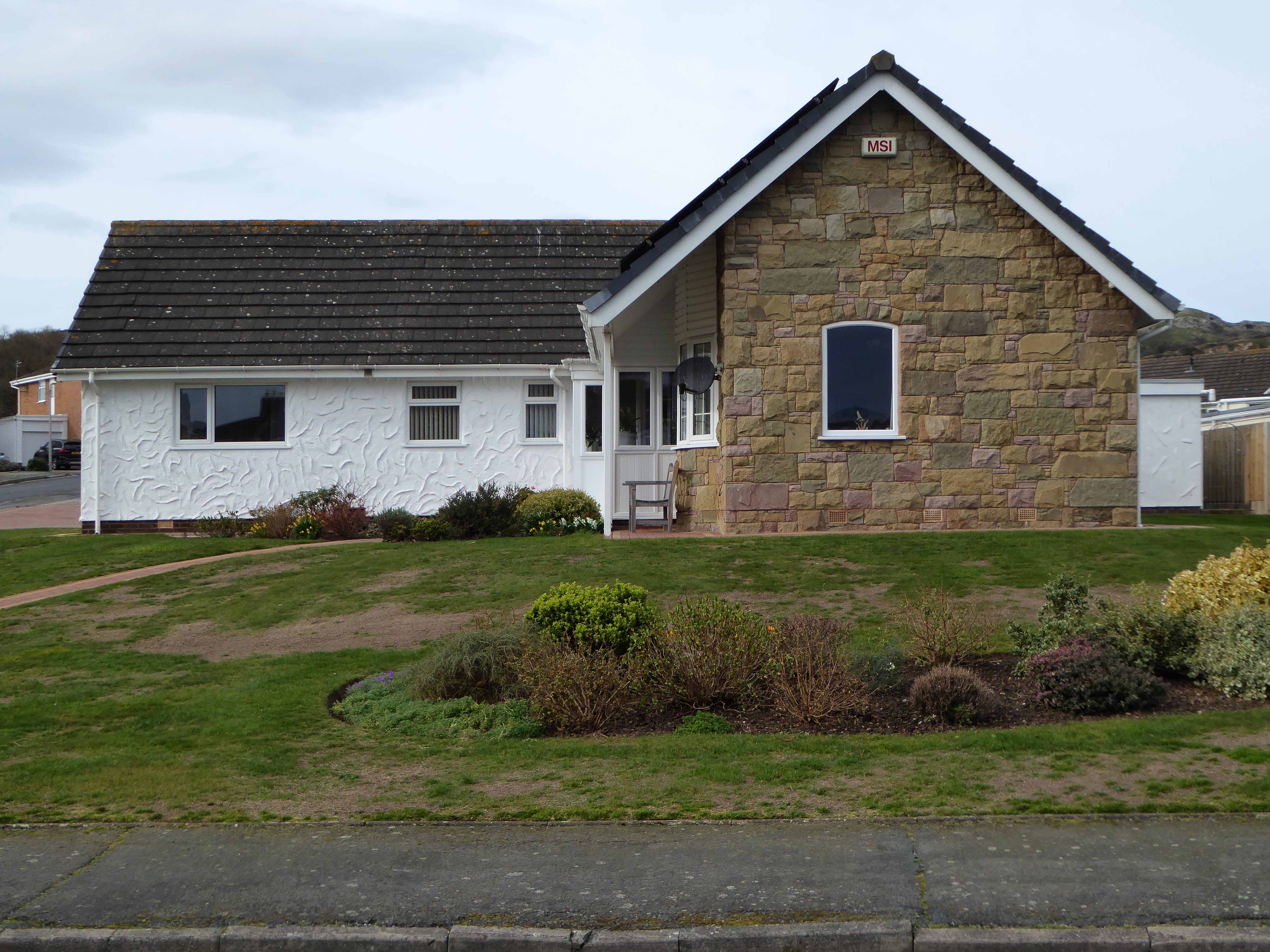
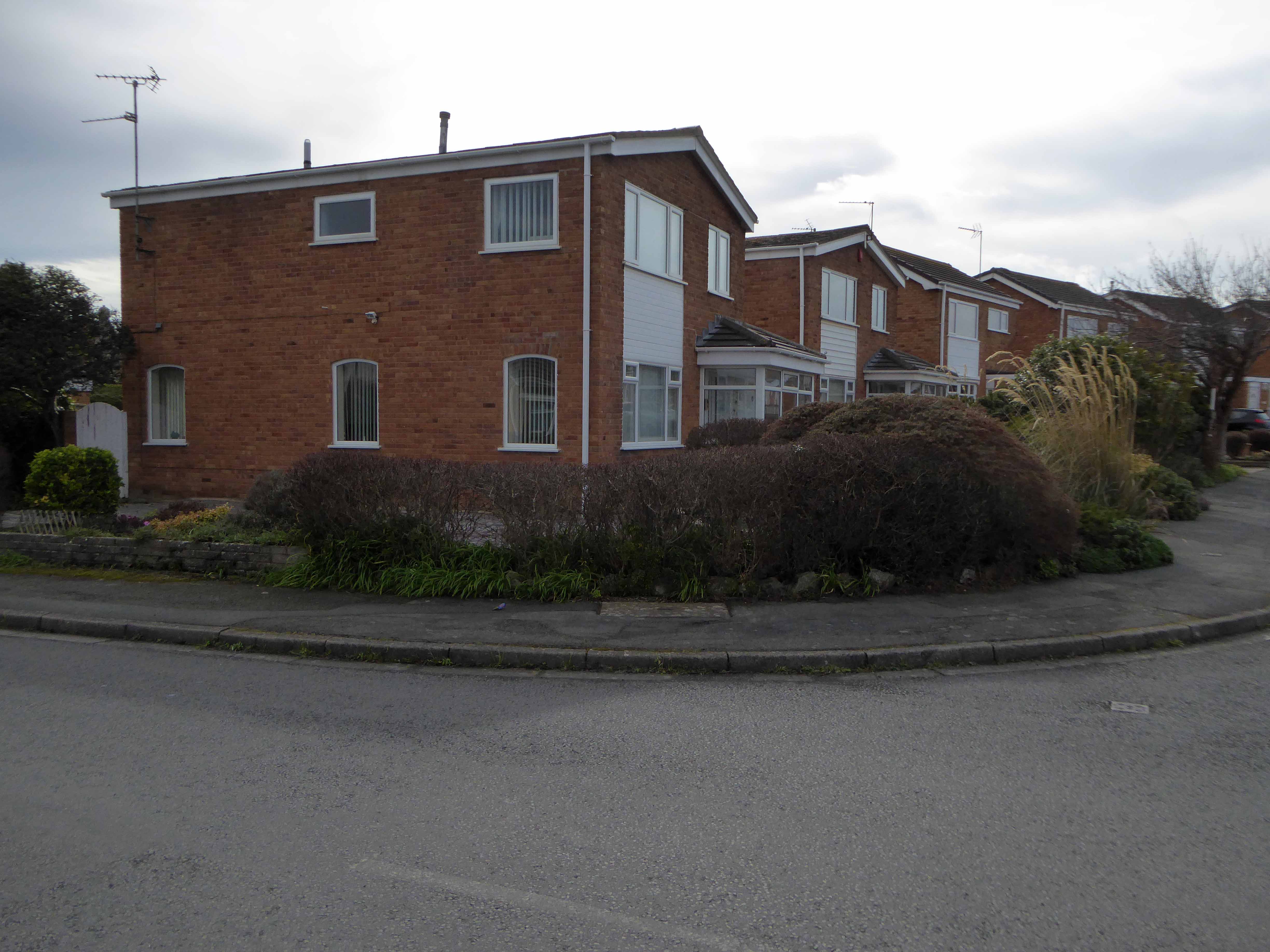
The round windowed gaze of the asymmetric homes, seem endlessly surprised at the good fortune that has befallen the residents of Ford Lane.

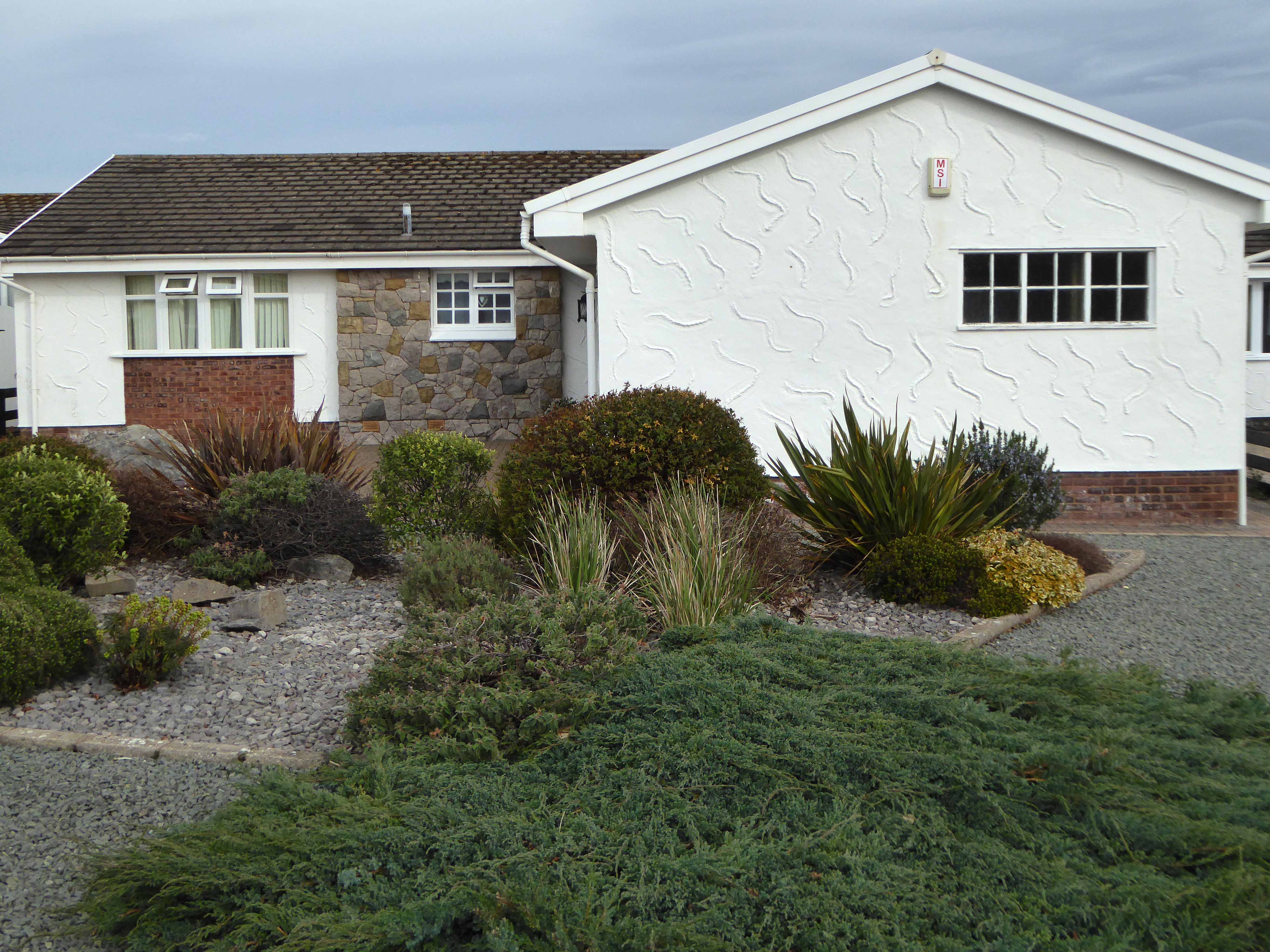
Owner occupiers preoccupied with owning.

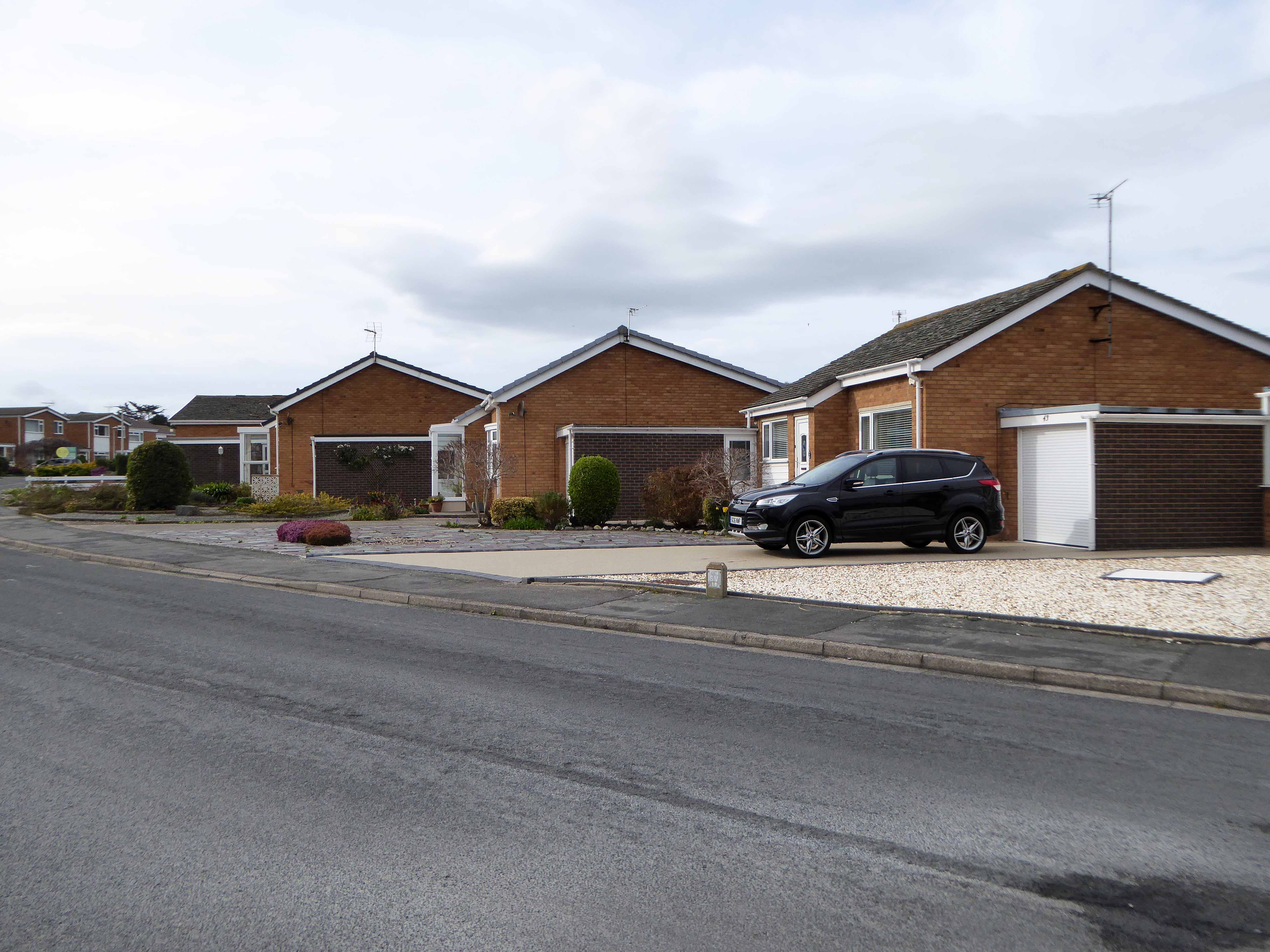
Semi-detached.

P1250526

P1250527

P1250528

P1250529

P1250530

P1250531

P1250532

P1250533

P1250534


Heaton Mersey Vale – Stockport

A mighty river valley was formed in the second Ice Age, as the glaciers receded and rushed seaward.

The mighty River Mersey was formed on the eastern edge of Stockport, at the confluence of the Tame and Goyt/Etherow rivers.

Thousands of years in the making, as the water-powered mills of the adjacent Pennine Hills migrate to the lower reaches of the towns, in search of water, workers and steam, the full force of the Industrial Revolution takes shape in the west.

The mixed farming of the alluvial valley, which opens up onto the Lancashire and Cheshire Plains, meets and greets the incursion of dye and brick works, mills and manufacturing.

31891

Fred Schofield’s farm 1930

1963

View towards Stockport from Heaton Mersey Park

Serviced by a complex and competing rail system based around Heaton Mersey Shed.

edgeley2016-11

Opened in 1889 and served until May 1968 operating steam locomotives to the end -Coded 9F.

Heaton_Mersey rail map

Here we were at the centre of a rail hub spreading out in all directions, to and from the ports, cities and resources of the country and beyond.

Great movements of steel, cotton, coal, people and manufactured goods.

Screen Shot 2018-05-16 at 19.27.37

38106

Fireman Eddy “Ned” Kelly

heaton(nigel_bruce7.1965)mersey_old7

Heaton Mersey railway station was opened on 1 January 1880 by the Midland Railway and lay on the newly opened line which ran from Heaton Mersey East Junction to Chorlton Junction and on to Manchester Central station.

The station was situated at the southern end of Station Road which still exists. The station was later operated by the London Midland and Scottish Railway and was closed by the London Midland Region of British Railways on 3 July 1961.

The area was criss-crossed by railways – its bridges traversing the roads, fields and river, dominating the landscape in a wild flurry of steam and smoke.

2633

32822

32625936_2079214925657568_2140863625928114176_o

HeatonMerseyHLBridge3

Screen Shot 2018-05-16 at 10.04.03

Further photographs from Grip 99

Crossing the Mersey – the link between Gorsey Bank and the Shed

10220

Surviving until 2007

screen-shot-2018-05-16-at-10-17-14.png

B&W photographs Stockport Image Archive

The end of steam – as drivers, fireman and staff were transferred to Newton Heath, was followed by the slow demise of the rail network, freight moved to road and passengers purchasing their first cars and a passport to illusory freedom.

The mighty Mersey is now flanked by newer neighbours, a shiny blue administrative pyramid, business park, car showrooms and nature reserve, the only certainty is change.

Screen Shot 2018-05-16 at 10.19.19

P1220916 copy

P1220917 copy

Great volumes of earth are moved to from a new topography a topography of leisure – the gentle stroll, jog and cycle replaces the clank of fire doors and shovel on coal.

NEW-GWEB

But take a look around you and you will see the remnants of the industrial age, shrouded in fresh hawthorn and enshrined in birch and beech.

P1250163

P1250164

P1250169

P1250178

P1250179

P1250180

P1250182

P1250185

P1250186

P1250187

To walk this landscape is to traverse geological, agrarian, industrial and post-industrial time – they all coexist and coalesce. Have an eye, ear and heart open to their resonance and presence, transcend time and space in the Mersey Valley today, you’re part of the leisured generation.


Farewell Grand Central – Stockport

O day and night, but this is wondrous strange!

And therefore as a stranger give it welcome.
There are more things in heaven and hell, Horatio,
Than are dreamt of in your philosophy.

We have seen things come and go in, on and around Stockport Station’s little acre.

From coal drops to tear drops.

1921

Before

32150409_10211361729907095_2053268313387040768_n

During

32151652_10211361731187127_591730808444682240_n

32169802_10211361731267129_7236074038882205696_n

32266781_10211361732587162_1190410895449128960_n

Archive photographs courtesy of John Eaton

After

The post-industrial leisure complex has come almost full circle – overwritten by the complex needs of the modern day service-worker –  Holiday Inn, Espresso Bar and Mini-mart complement the hot-desked, twenty-four hour online access all areas open-plan office operative.

Gone now the Laser Quest, Super Bowl, Multiplex, Theme Pub days of old.


50807

53566

53567

53568

53569

53570

Photographs from Stockport Image Archive

Time has been called on the post-modern film-set, cast and clad in plastic, brick, steel and concrete.

The future is here today and it means business.

P1240988

P1240991

P1240993

P1240995

P1240996

P1240997

P1240998

P1240999

P1250001

P1250002

P1250003

P1250005

P1250006

P1250008

P1250009


Motorway Footbridge – Stockport

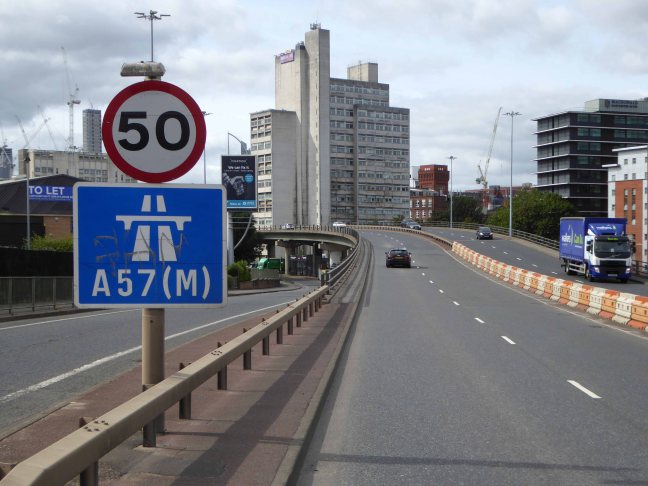
A Moebius Band of motorway formerly known as the M63 wraps and warps itself around the city, ever so conveniently linking the traffic of Greater Manchester with itself.

2000px-UK-Motorway-M63.svg

Ever so conveniently it passes through Stockport – only moments from my home.

M63

Screen Shot 2018-05-04 at 17.03.27

Before the white man came.

11993

11996

The view from Princes Street along Hatton Street – towards Heaton Norris Rec. 

19617

1945

50450

1960

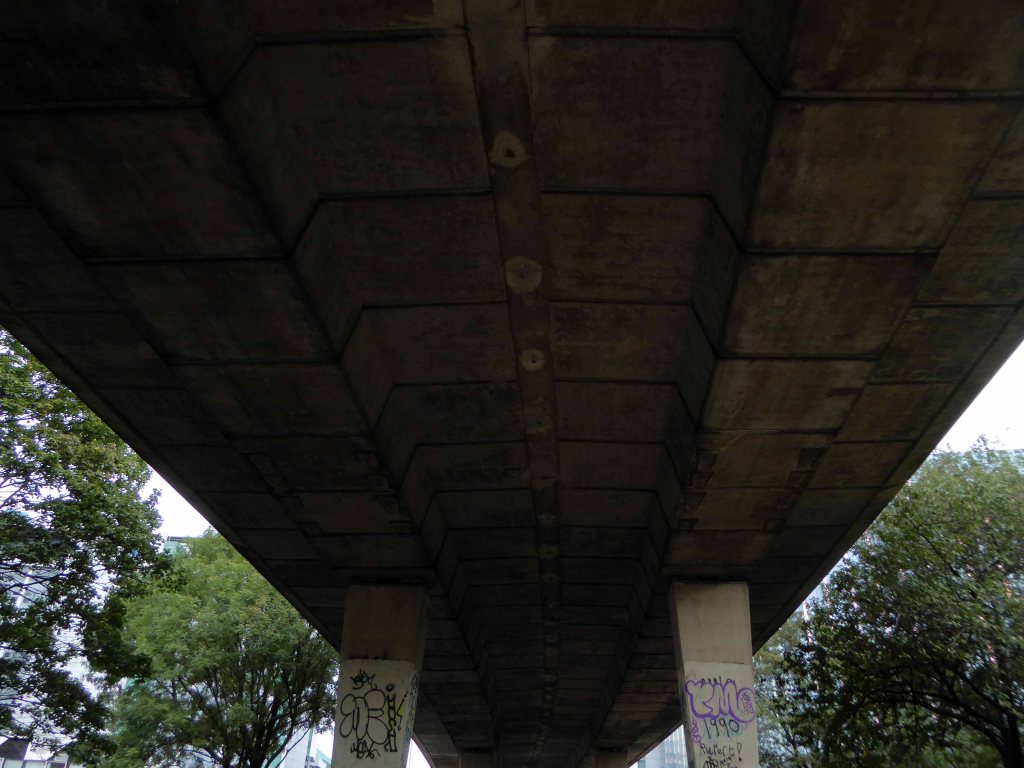
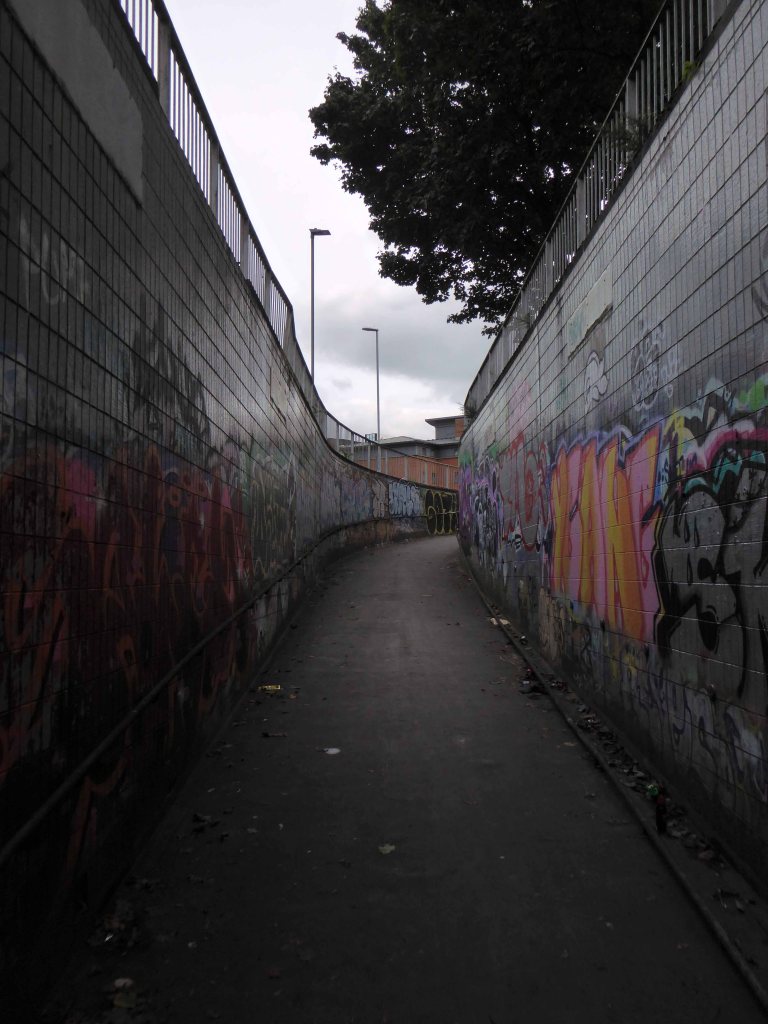
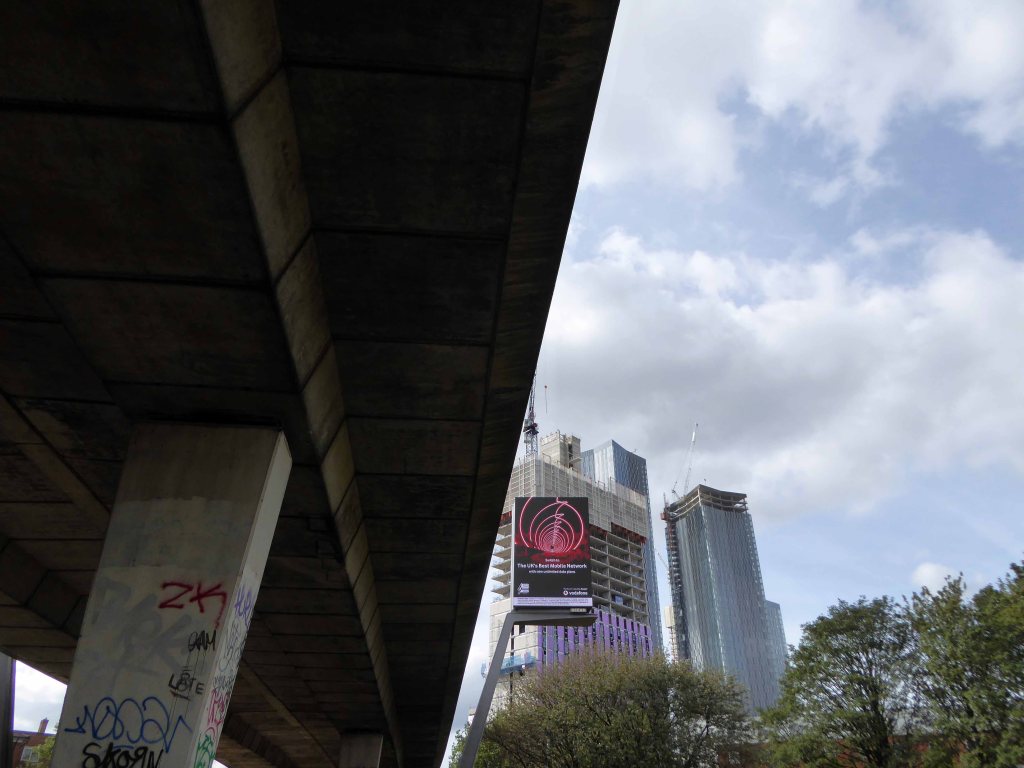
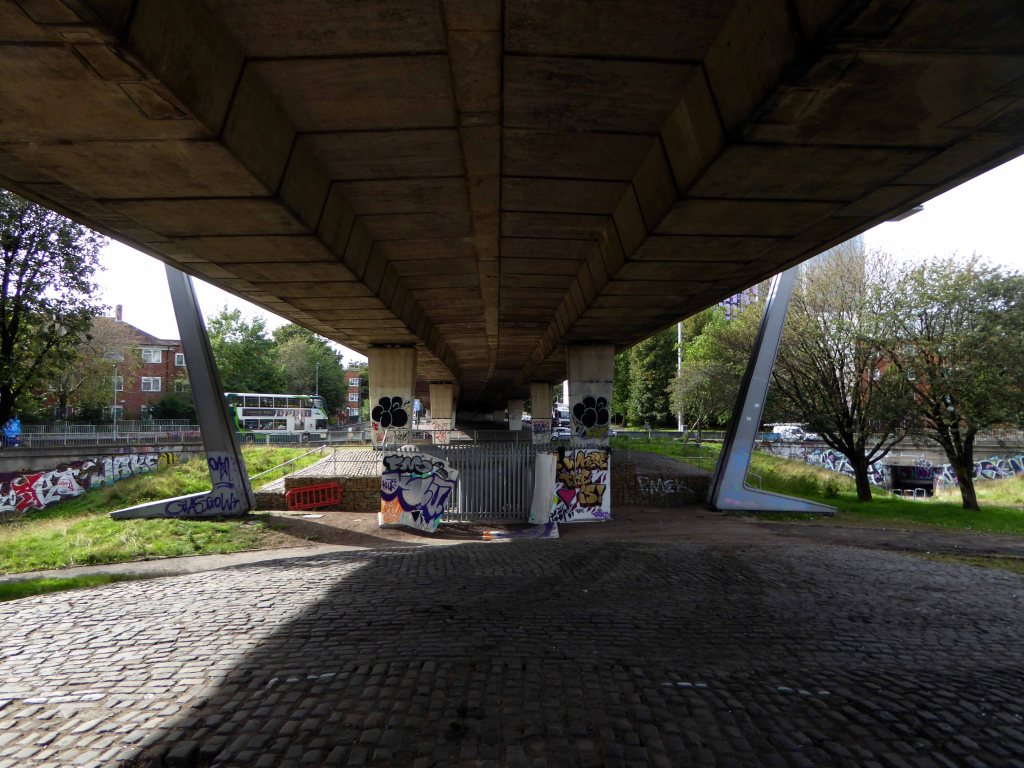
A boon to the modern day motorist, though happily the modern day pedestrian is also catered for in the form of the Hatton Street Footbridge – linking Great Egerton Street below, with Heaton Norris Recreation ground above.

t-s-parkinson-81.jpg

88

821-e1525450826497.jpg

Images TS Parkinson –  Stockport Image Archive

For the past two years the footbridge has been inconveniently closed, during the development of the Redrock Leisure Facility, built on the site of the former car park, in the foreground of the image above. Thus prohibiting the passage from the Post Modern world of the big brash entertainment box, to the leafy cobbled street beyond.

The Hatton Street footbridge has two spans of in-situ u-section deck, is at ground level on the north side, but is reached by steps or ramp from Great Egerton Street on the south.

William B Ball

I’m ever so pleased that access has been reinstated, from me it is both fully functional yet imbued with an elegant concrete sculptural grace, worthy of Niemeyer or Lasdun.

So take a walk on the slightly higher side, either way you win.

P1240904

P1240906

P1240908

P1240909

P1240910

P1240912

P1240913

P1240919

P1240920

P1240922

P1240924

P1240925

P1240926

P1240927

P1240928

P1240929

P1240930

P1240931

P1240932

P1240933

P1240934

P1240935

P1240936

P1240938

P1240939

P1240942

P1240943

P1240948

P1240952


Bus Station – Stockport

From the early part of the Twentieth Century trams and then buses stopped and started in Mersey Square, affording limited succour, space or shelter for the weary traveller.

22942

View from the Fire Station Tower.

10891

View from the Plaza Steps.

The land where the bus station currently stands was then owned and used by North Western Buses – a rather large and uncultivated plot.

pd hancock 78

Work began in April 1979 on a brand new bus station, the first stage finally opening on March 2nd 1982.

14406

Slowly emerging from the rough ground – a series of glass and steel boxes worthy of that master of minimalism Ludwig Mies van der Rohe, a Neue Nationalgalerie in miniature.

79

1979 copy

81

Photographs from Stockport Image Archive

It has stood and withstood the winds of change and perfidious public transport policy, the privatisation of the service, snatched greedily from local authority control.

Passengers have met and parted, whilst buses of every hue and stripe have departed from these draughty boxes.

Screen Shot 2018-04-09 at 17.13.54

Photograph from Victory Guy

There are now plans for imminent demolition and rebuilding – shaping a transport hub fit for the Twenty First Century – Space Age forms for a brave new world.

A new £42m transport interchange in Stockport town centre has taken a step forward after the local council agreed key measures to back the project.

Screen-Shot-2017-09-19-at-07.02.03

Untitled-1

April 9th 2017 here is my photographic record of the Bus Station, I’ve been, gone and come back again countless times through the years.

P1240953 copy

P1240954 copy

P1240456

P1240429

P1240431

P1240441

P1240445

P1240446

P1240447

P1240457

P1250012

P1250013

P1240459

P1240460

P1240462

P1240470

P1240472

P1240473

P1240474

P1240475

P1240476

P1240478

P1240479

P1240484

P1240485

P1240487

P1240488

P1240490

P1240507

P1240512

P1240514

P1240515


Shopping Precincts – UK

I was brought up with Sixties’ shopping precincts and centres, they are so very dear to my heart, I spent my teenage years here in AshtonStalybridge, and latterly in Stockport’s Merseyway.

I’ve visited Hanley, Preston, Salford, and Coventry in search of a certain something – that exciting sweeping swoop of concrete, brick, glass and steel. Underpasses with overarching designs and luxurious layouts of leisurely interlocking levels. Each one different in a different way yet essentially similar – embodying a sense of civic pride, a sense of the future realised.

1571 – The Royal Exchange, a trading market in the City of London, is officially opened by Elizabeth I. Above the open-air piazza where dealers buy and sell commodities, there is a two-storey shopping mall, with 100 different kiosks – making it Britain’s first shopping centre.

1964 – It was a monument to provincial pride in reinforced concrete and glass. When the Duke of Edinburgh opened the Birmingham Bull Ring in May 1964, it was the largest indoor shopping centre in Europe, with a total floor area of 23 acres. Inspired by American suburban malls, the Bull Ring promised coatless shopping in an air-conditioned, temperature-controlled hall maintained at late-spring level.

JS55897014

2017 – Many are now no more, or redeveloped beyond recognition. The integrity of the architecture, street furniture, public art, space and usage a thing of folk memory.

So come with me now on a whirlwind picture postcard tour of this Nation’s saving grace – it’s modernist shopping spaces.

aberdeen-e1522241288210.jpg

Aberdeen

barlaston

Barlaston

bedford-copy.jpg

Bedford

Bracknell copy

Bracknell

brentwood a

Brentwood

brighton

Brighton

burton

Burton on Trent

butts reading

Butts – Reading

chelmsford

Chelmsford

corby b

Corby

cov

coventry a

coventry

Coventry

cowplain

Cowplain

crawley

Crawley

crewe

Crewe

croydon

Croydon

cwmbran

Cwmbran

dudley

Dudley

elephant and castle

Elephant and Castle

great yarmouth copy

Great Yarmouth

hanley

Hanley

harlow

Harlow

hartlepool.jpg

Hartlepool

Hebburn

Hebburn

immingham

Immingham

irvine

Irvine

leamore

Leamore

letch arena_parade_mid

Letchworth

leyland.jpg

Leyland

liverpool

Liverpool

mexborough

Mexborough

MK b

MK

MKa

Milton Keynes

nantwich

Nantwich

norris green

Norris Green

plymouth

Plymouth

runcorn

Runcorn

sleaford.jpg

Sleaford

southampton

Southampton

stockport b

Stockport

swanley

Swanley

telford

Telford

wakefield

Wakefield

walton on thames

Walton on Thames

westway frome

Westway – Frome

w mander centre wolv

Wolverhampton

s-l1600-31.jpg

Worksop


ICL Tower – Gorton Manchester

Designed by architects Cruickshank and Seward in the Sixties, to house the cutting-edge computing power of the time, the ICT later ICL Tower, towered over Wenlock Way, Gorton in East Manchester.

A landmark for many from bus, train, car, Shanks’s pony or low flying VC10.

A place of work for thousands.

7500908638_b289e691ec_b

At a time when modern technology looked a little like this:

res49d

resi

Sadly ending like this:

S1031451

Two weeks into the demolition process the east elevation is no more, revealing a concrete honeycomb of torn steel and fresh air.

A few weeks time and it will be little more than so much dust and memories.

P1240074

P1240078

P1240079

P1240080

P1240084

P1240088

P1240089

P1240091

P1240092

P1240093

P1240099

P1240102

P1240105

P1240107

P1240108

P1240110

P1240113

Humberston Fitties

Betwixt and between the two world wars, the shortage of housing for the homeless, hopeless and dispossessed lead to an acceleration in the building of an informal architecture – the so-called Plotlands.

One such area and precious survivor from the last century is the Humberston Fitties – situated to south of Cleethorpes, preserved in time by the happy homesteaders.

Screen Shot 2018-03-04 at 14.47.01

Though under threat from Local Authority negligence or intervention, three hundred and twenty chalets prevail – against the incursion of planning regulations, building specs and a lack of respect.

_P1090924_edited-1

I feel a real affinity for all Plotlands, having spent many summers in the converted Pagham railway carriage, belonging to my Aunty Alice and Uncle Arthur. They relocated to the south coast seeking cleaner air for Arthur’s ailing, industrialised northern lungs, thus prolonging his life.

tamarisk

Tamarisk – Pagham

So here are the photographs I took on a visit to The Fitties in July 2008, I walked the home made roads, amazed by the vigour and variety of shape, size, personal affectation and practical pragmatism, of this all too human architecture.

This is a particular form of independent minded Modernism – hand-forged from the vernacular.

It is better to have your head in the clouds, and know where you are, than to breathe the clearer atmosphere below them, and think that you are in paradise.

Henry David Thoreau

123 copy

barometer

DSC_0003

DSC_0004

DSC_0005

DSC_0006

DSC_0007

DSC_0009

DSC_0010

DSC_0012

DSC_0013

DSC_0014

DSC_0015

DSC_0016

DSC_0017

DSC_0018

DSC_0019

DSC_0020

DSC_0021

DSC_0022

DSC_0023

DSC_0024

DSC_0025

DSC_0030

DSC_0032

DSC_0033

DSC_0035

DSC_0036

DSC_0037

DSC_0038

DSC_0040

DSC_0041

DSC_0042

DSC_0043

DSC_0044

DSC_0045

DSC_0046

DSC_0047

DSC_0048

DSC_0049

DSC_0051

DSC_0052

DSC_0054

DSC_0055

DSC_0056

DSC_0057

DSC_0058

DSC_0059

DSC_0061

nets copy

nets2 copy

roof copy

sea way copy

verandah


Strangeways Manchester #2

Way back in the Twentieth Century – Cheetwood Industrial Estate was built.

The future was functionalist flat-roofed, concrete, steel and brick boxes.

Adorned with the flowing scripts and signage of the multi-nationals, nationals and local companies, intent upon rendering corporeal the post-war optimism, attendant full-employment and the buoyant business of business.

Fast forward to the future – the roofs have been pitched up, the windows bricked up or shuttered or both, walls encased in sad cladding.

The semi-permanent signage replaced with terminally temporary vinyl.

Joe Sunlight’s neo-classical pediments have been painted a funny colour.

P1000135 copy

P1000157 copy

P1000217 copy

P1000218 copy

P1000223 copy

P1000229 copy

P1000231 copy

P1000234 copy

P1000235 copy

P1000252 copy

P1000255 copy

P1190103 copy

P1190104 copy

P1190106 copy

P1190111 copy

P1190112 copy

P1190114 copy

P1190117 copy

P1190385 copy

P1190387 copy

P1190388 copy

P1190391 copy

P1190398 copy


Strangeways Manchester #1

Strangeways?

– How strange.

The Strangeways family themselves are certainly recorded in antiquity at the site, although the name appears differently over time; Strongways in 1306, Strangewayes in 1349 and Strangwishe in 1473. In the late 1500s in records at Manchester Cathedral the surname is spelt Strangwaies.

My thanks to Thomas McGrath for his – Long Lost Histories: Strangeways Hall, Manchester

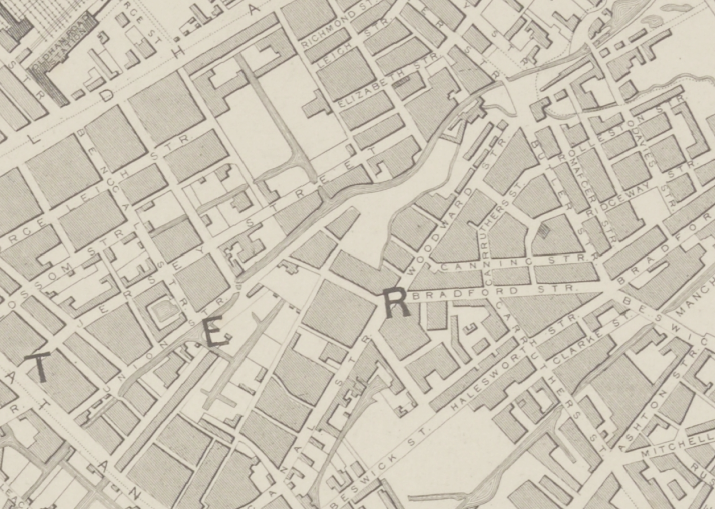
Before panopticon prisons entered the public imagination, and incarceration was the order of the day for the disorderly, it was all fields around here – with the odd house or baronial hall.

Screen Shot 2018-02-04 at 15.08.30

Swire’s map of 1824

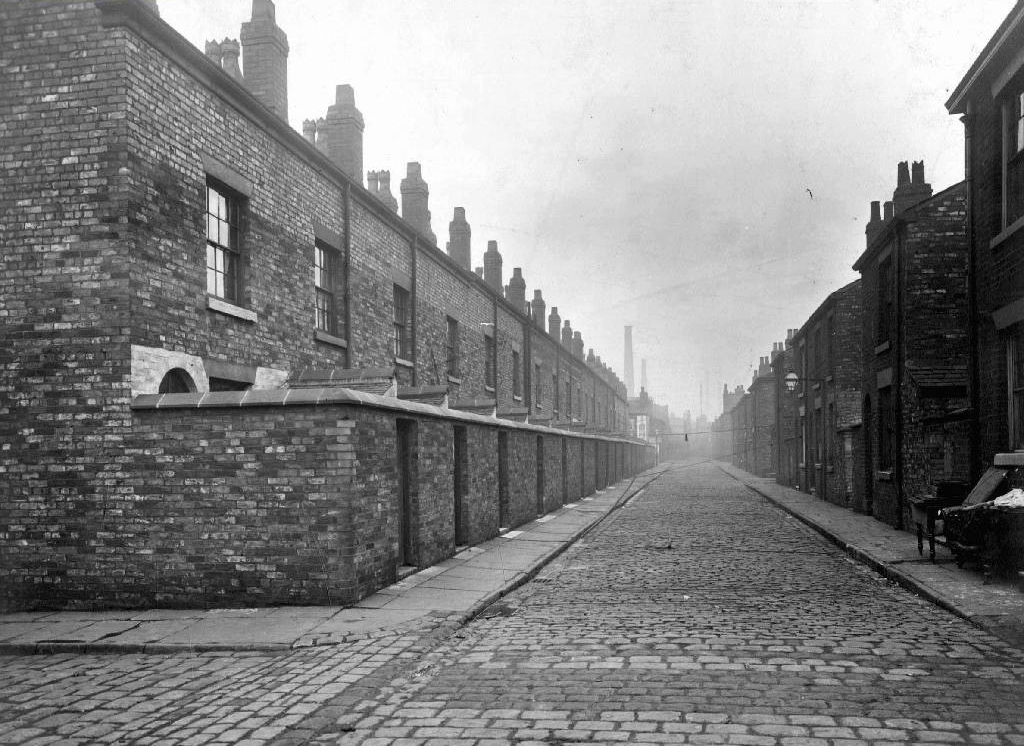
Strange days, over time the prison is built, the assizes appears and disappears and tight groups of tired houses cluster around the incipient industry. The fiefdom’s of old become tie and tithe to successions of industrial plutocrats.

webmedia.php copy

webmedia.php

Broughton Street 1910Photograph J Jackson

Screen Shot 2018-02-04 at 15.10.54

Kelly’s map of 1920

The area becomes the centre of the city’s rag trade, a large Jewish Community, the largest outside of London, grows up around Strangeways, Cheetwood and Cheetham Hill – houses, mills, wholesale, retail, warehouse, ice palace, beer-house, brewery. The area is home to several of Joe Sunlight’s inter-war industrial developments – his Jewish family were named Schimschlavitch, his father a cotton merchant. The family emigrated to England in 1890 and settled in Manchester.

So much for Joe Soap – the area was also the location for local lads, Karl Marx, and Marks & Spencer.

v0_medium

Derby Street 1901 – 1924

Further developments took place with the building of the Cheetwood Industrial Estate – a postwar group of flat-rooved, blocky brick and concrete utilitarian units.

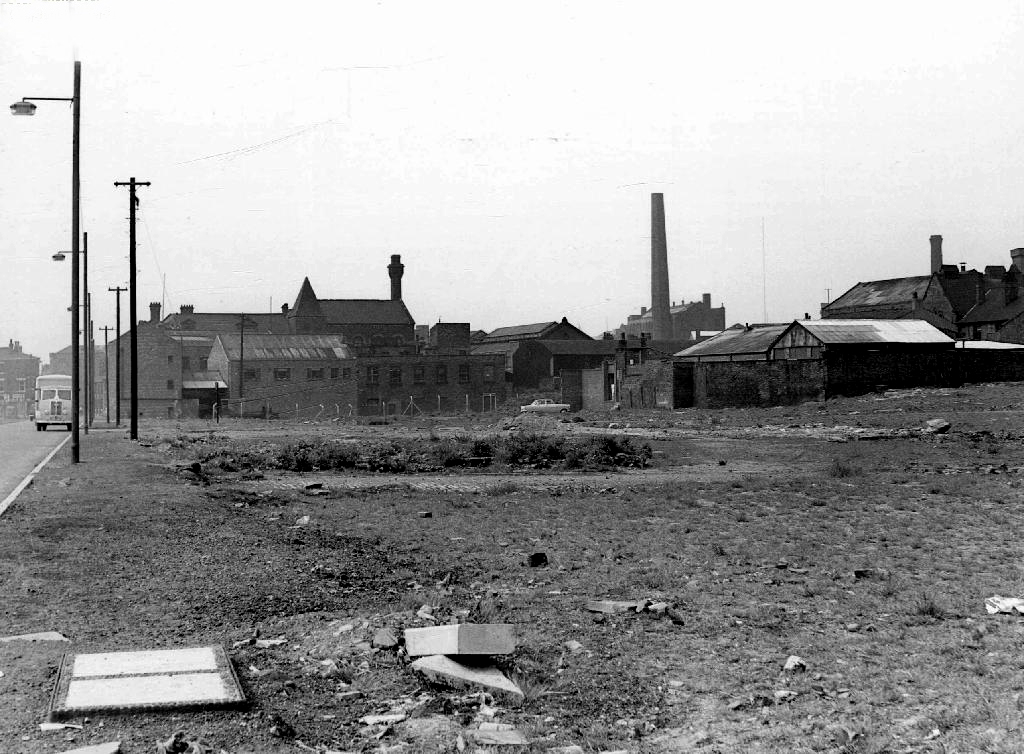
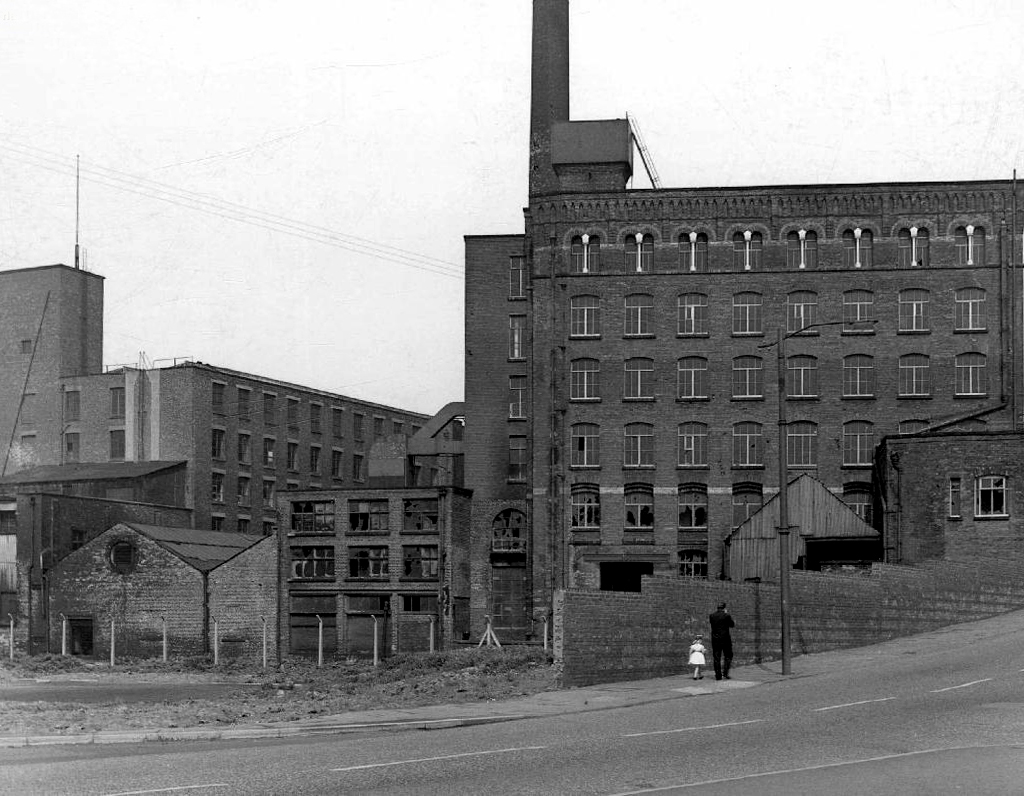
So let’s take a look at the ever so strange streets of Strangeways, in that period of change during the latter part of the Twentieth Century, when manufacturing, retail, repair and distribution were almost, just about to disappear in a puff of globalisation, economic depression and Thatcherism. Where Jack and Jill the lads and lasses, traded, ducked, dived, wheeler dealed from Cortinas, Transits and low milage, one owner, luxuriously leather-seated and walnut-dashed Jags. A vanishing or vanished world, where however briefly – Manchester went architecturally mod.

webmedia-1.php

webmedia-7.php

webmedia.php

Bent Street

webmedia-4.php

webmedia-6.php

webmedia-7.php

webmedia-9.php

webmedia-13.php

Broughton Street

webmedia-1.php

webmedia.php

Carnarvon Street

webmedia-1.php

webmedia-2.php

webmedia.php

Chatley Street

webmedia-5.php

webmedia-9.php

webmedia-10.php

webmedia-4.php

Cheetwood Street

webmedia-3.php

webmedia-5.php

webmedia-8.php

webmedia-9.php copy

webmedia-11.php

webmedia-12.php

webmedia-18.php

Derby Street

webmedia-1.php

webmedia-2.php

webmedia.php

Julia Street

webmedia-1.php

webmedia-2.php

webmedia-3.php

webmedia-5.php

webmedia-6.php

webmedia-8.php

webmedia.php

Knowsely Street

webmedia.php

webmedia-8.php

webmedia-5.php

webmedia-3.php

Sherbourne Street

webmedia.php

Stocks Street

All archival photographs from the Manchester Local Images Collection


Gorsey Bank – Stockport #3

Once there were homes – 200 homes tucked between the M60, River Mersey and A560 Stockport Road.

2253


I’ve been here before, many times, seen those homes demolished and the site returning  to nature, brambled and overgrown, as the long standing lampposts disappeared for scrap, the kerbs covered in thick grass and moss.

DSC_0011 copy

Then the diggers arrived, the trees felled and the site cleared – no longer any trace remained of the lost homes of Gorsey Bank.

P1100079 copy

Building commences, steel erected, fences, roads and paths instated.

P1110236 copy

Welcome to the Aurora Industrial Park – open for business.

Screen Shot 2018-01-22 at 15.38.37

Emerging from the houses, the undergrowth, the Mersey clay and sandstone – a shiny new assemblage of state of the art industrial sheds. I’ll  wander by from time to time, listen to the ghostly chatter of busy neighbours, going about their business.

Wait for the trees and brambles to take over again.

P1220877

P1220878

P1220882

P1220884

P1220885

P1220887

P1220889

P1220892

P1220893

P1220894

P1220899

P1220901

P1220905

P1220906

P1220908

P1220909

P1220911


Mottram Street Flats – Stockport

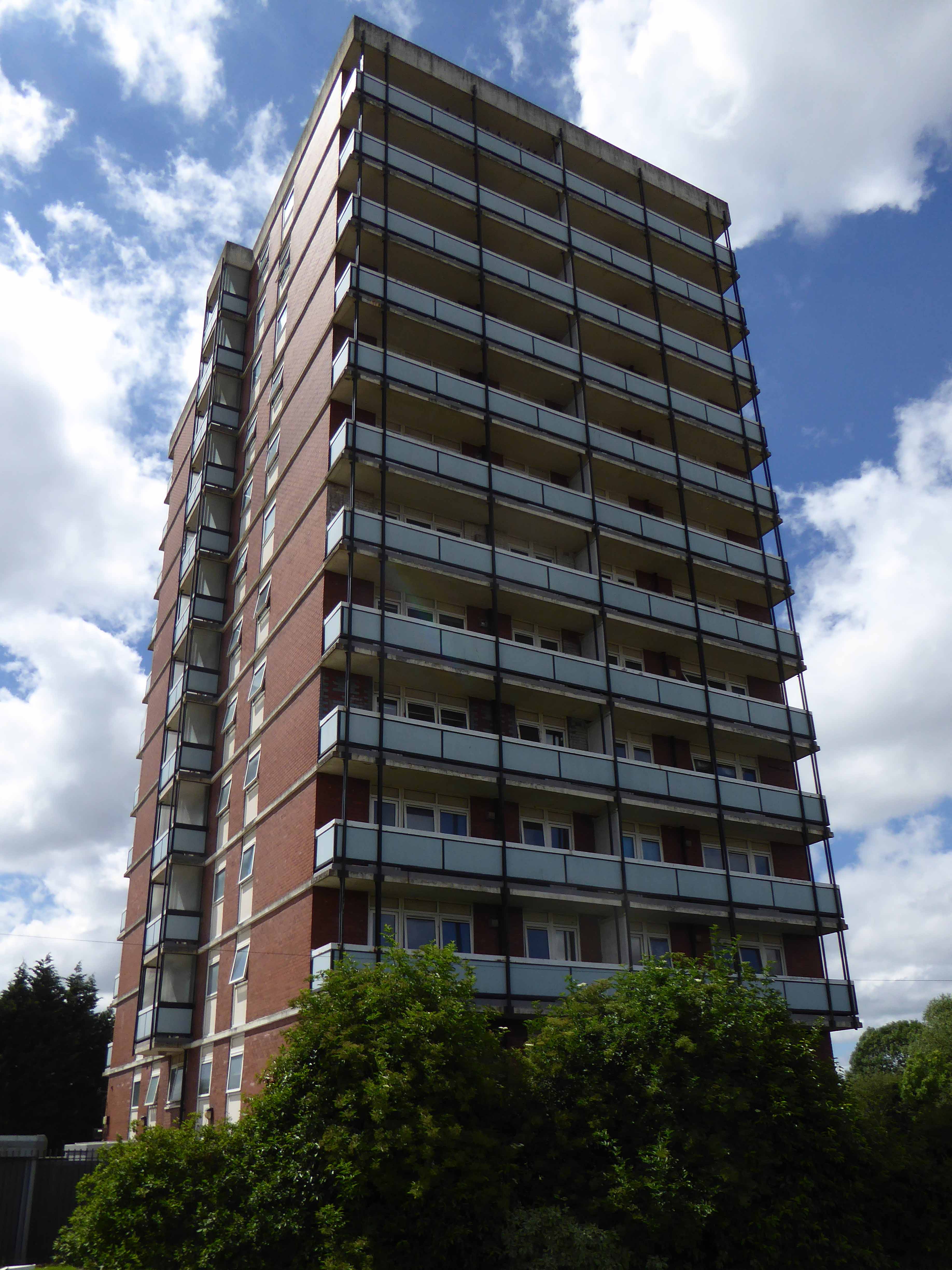
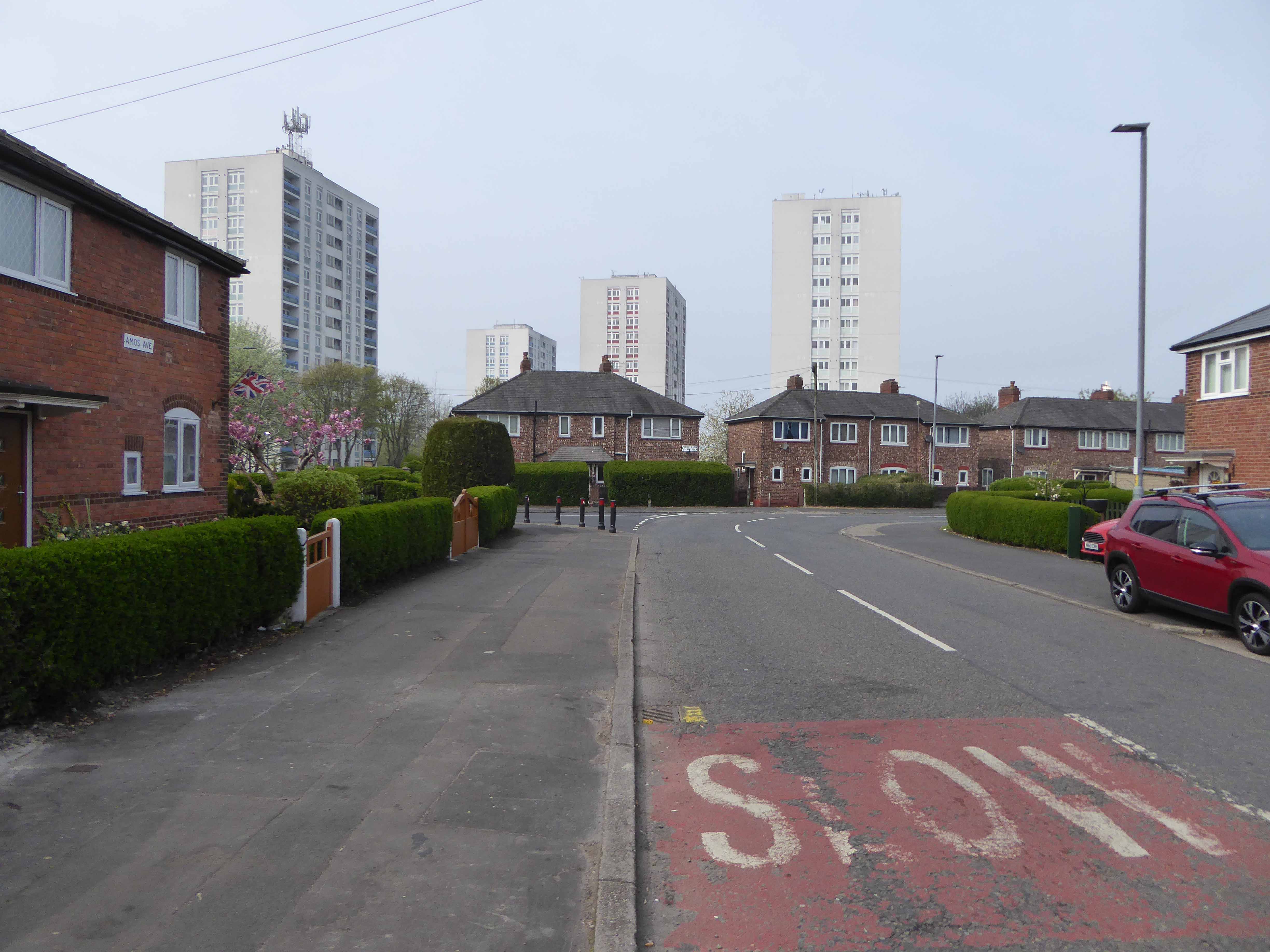
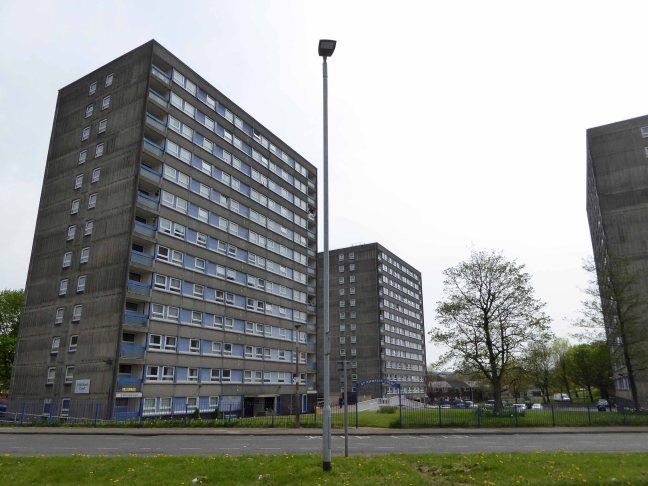
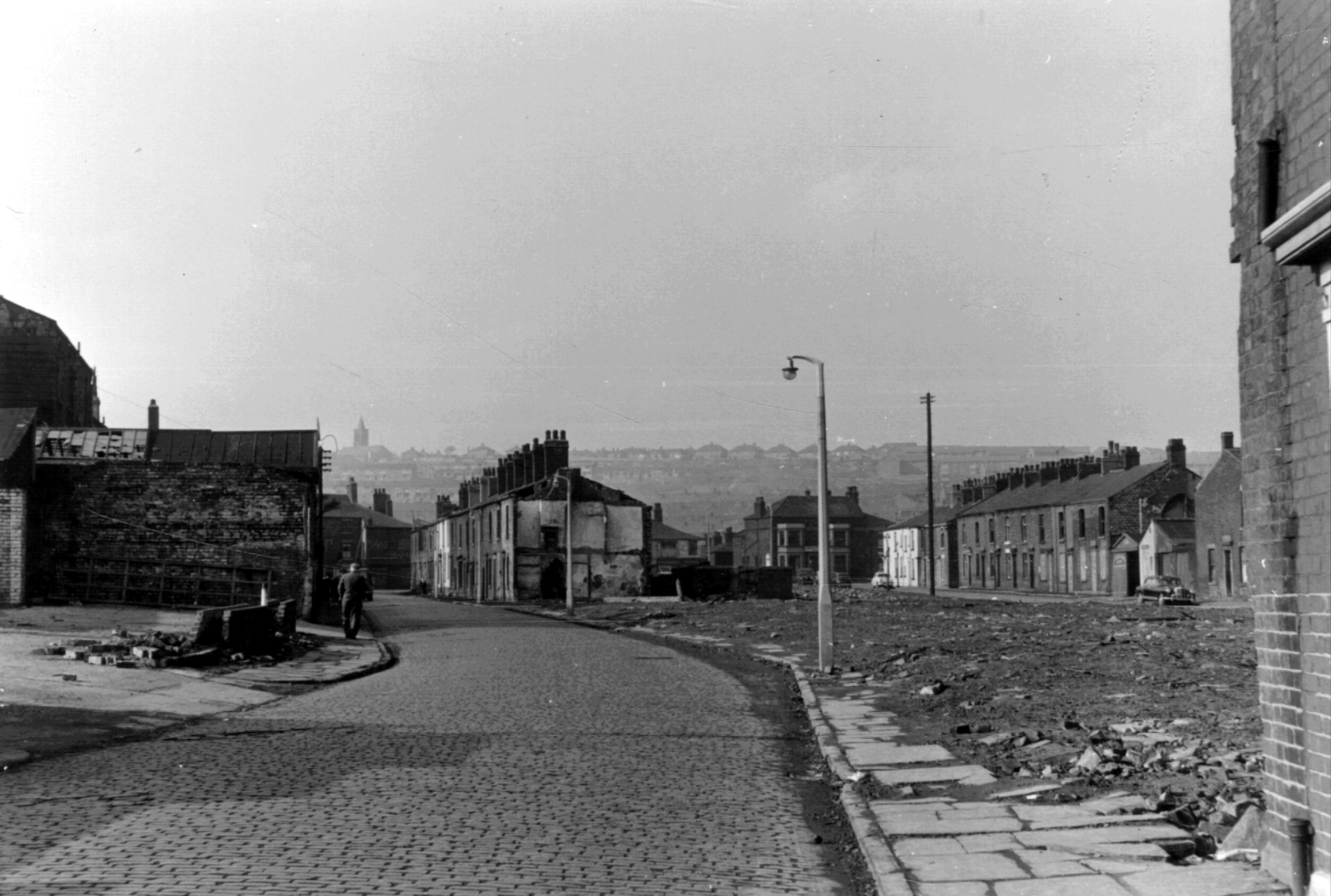
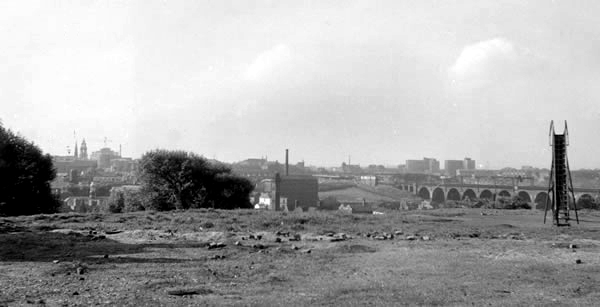
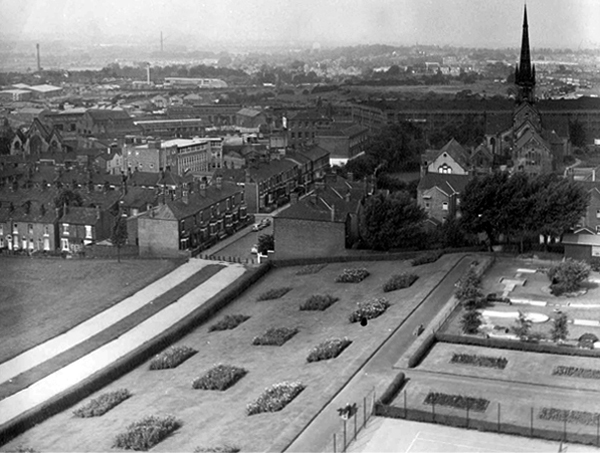
A post-war northern town, facing the problems of bomb damage, poor quality housing, and the pressing need for new homes.

In 1963 there seemed to be space and the will to build, the site at the centre of the image flanked by ageing Victorian terraces and industry.

5060

1960a

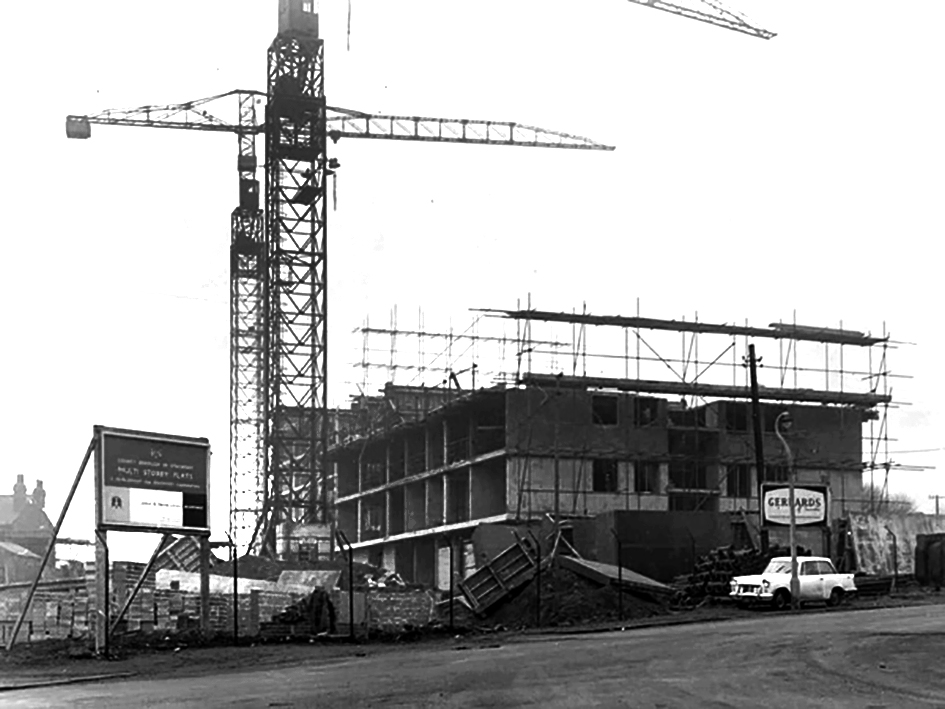
Soon to become the Mottram Street Development.

31117

5061

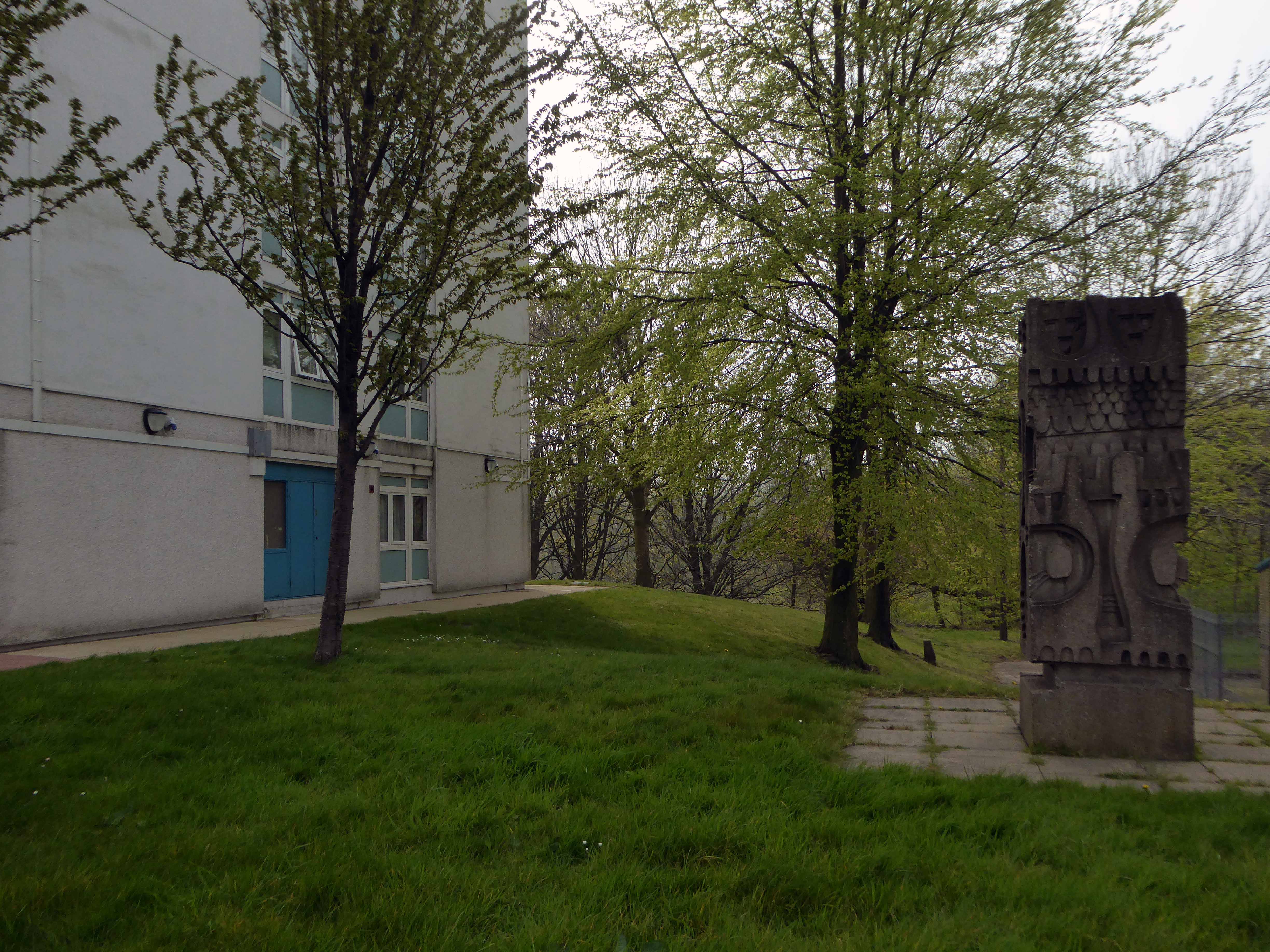
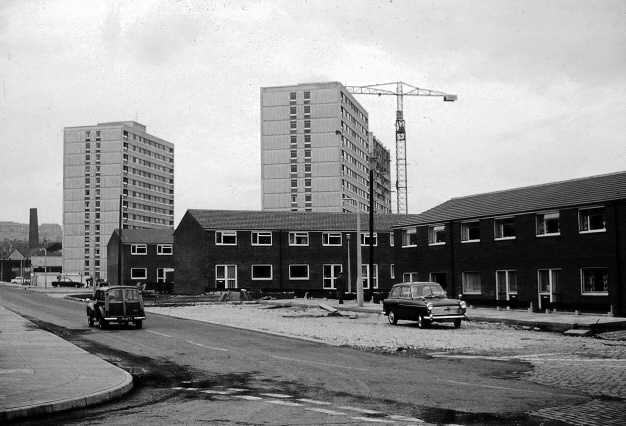
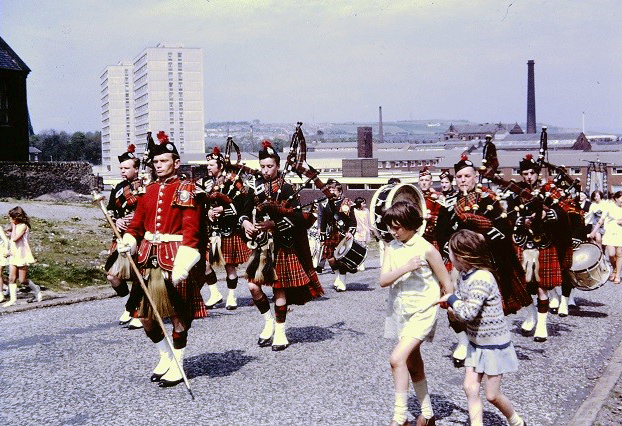
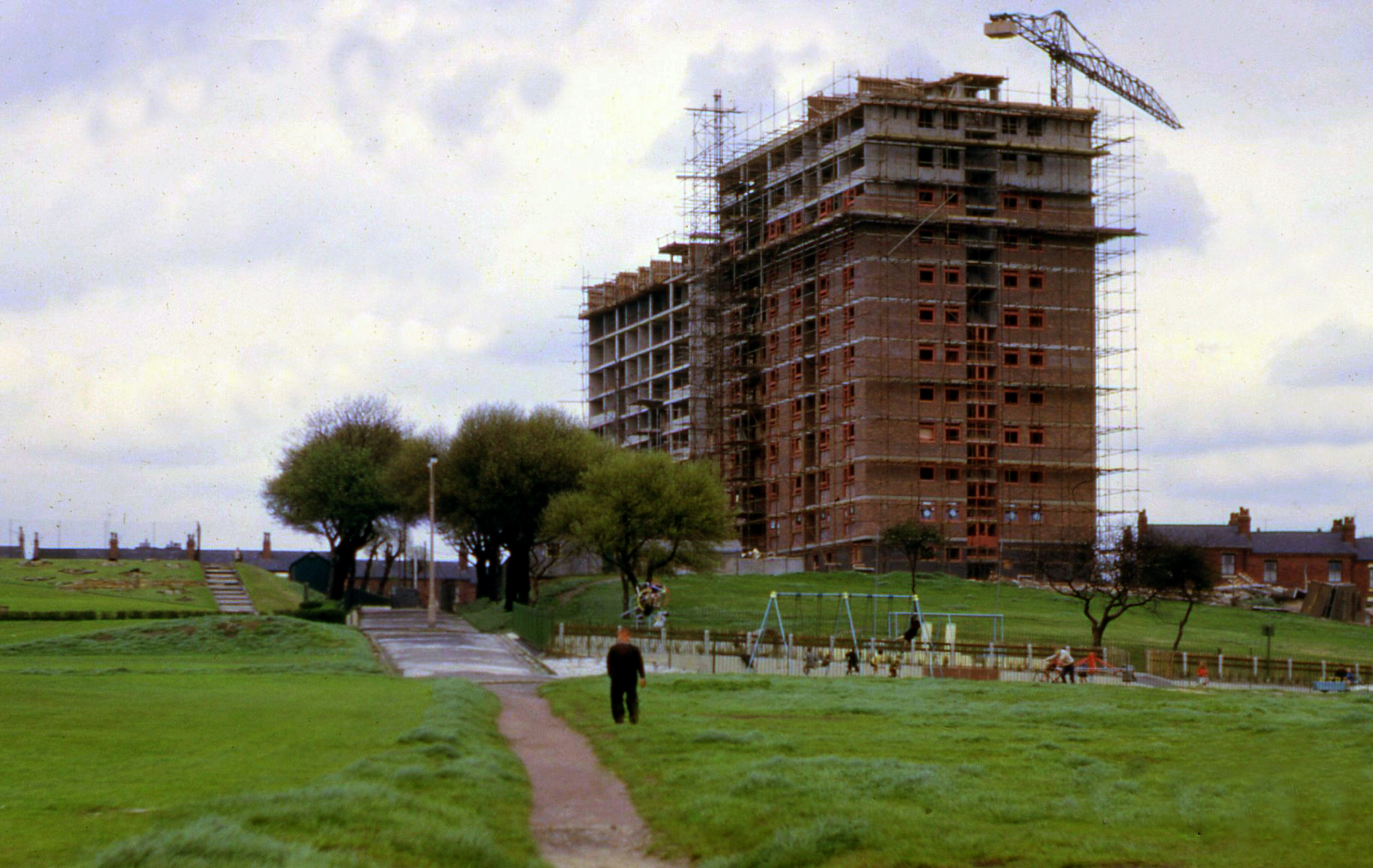
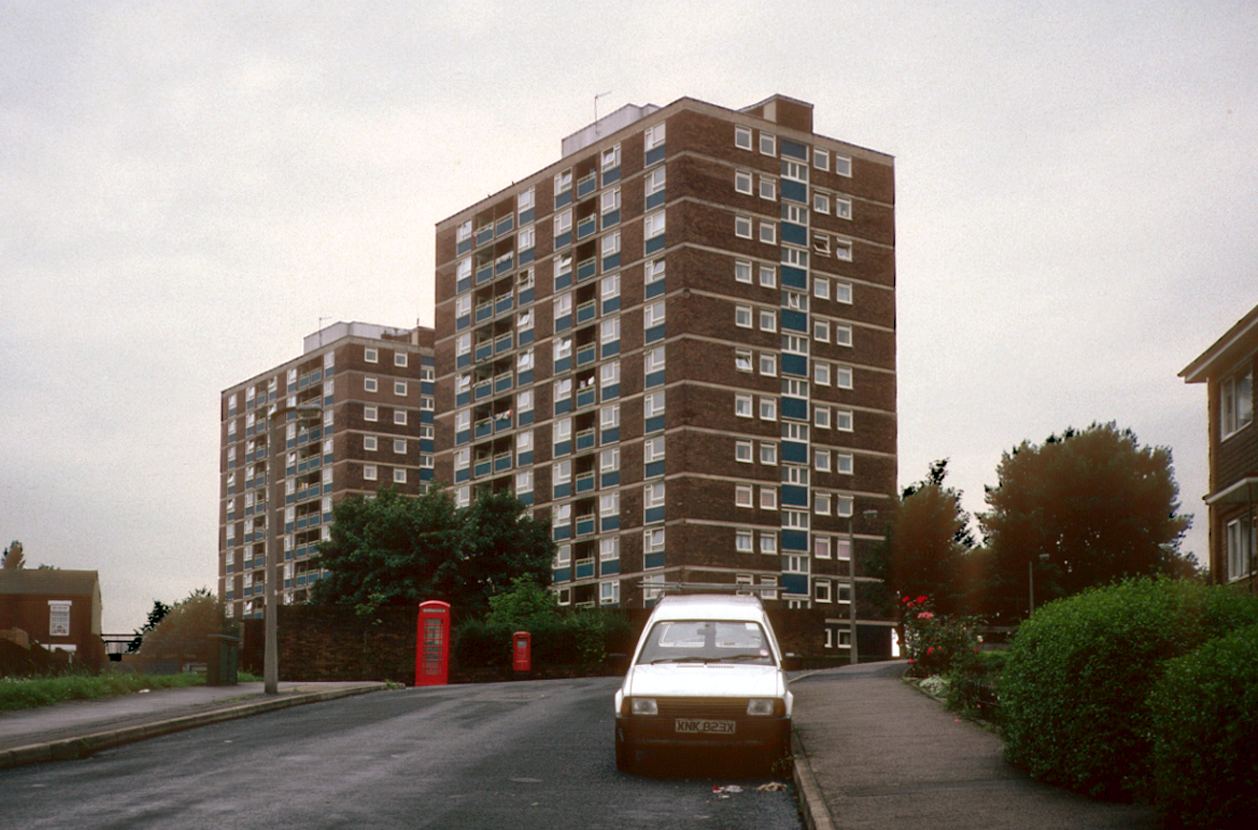
Back in 1965 these were the highest housing tower blocks in Greater Manchester.

The work of borough architects John Rank and Clifford Fernley.

1348

123

1351

1352

1353

34249

47177

1960’s Photographs from the Stockport Image Archive

Screen Shot 2017-10-22 at 14.01.33

Screen Shot 2017-10-22 at 14.02.34

1980’s photographs from The Tower Block

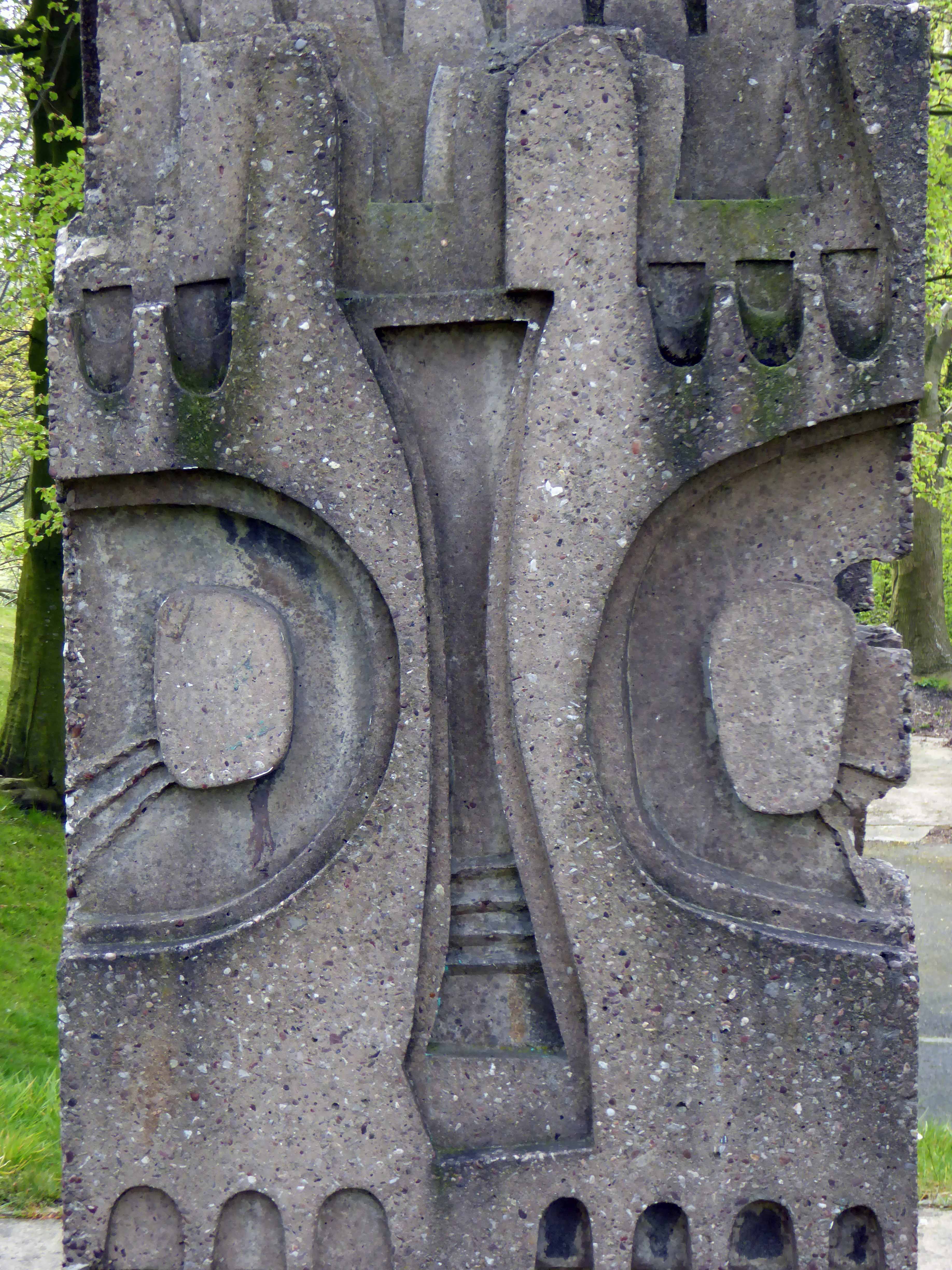
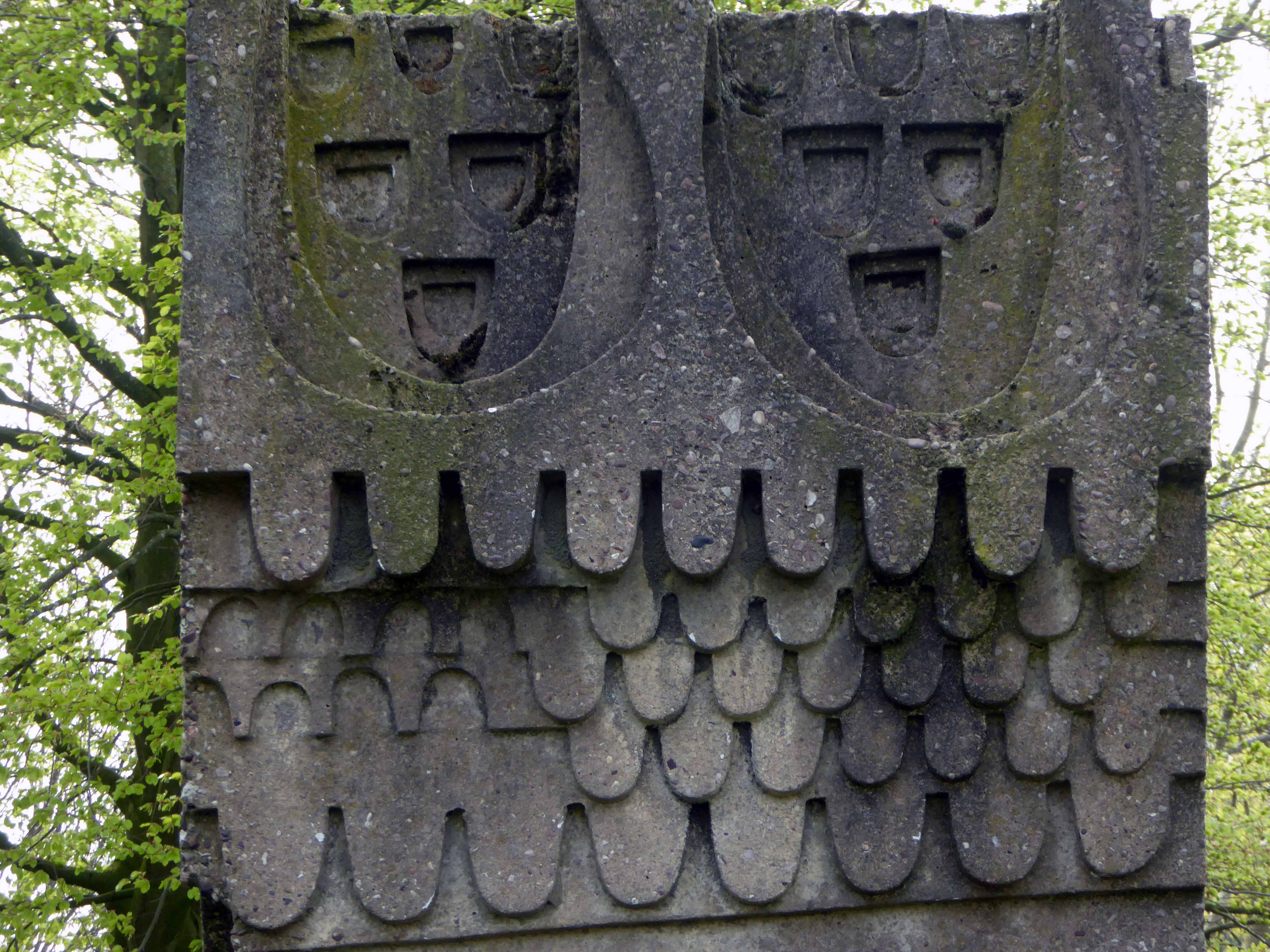
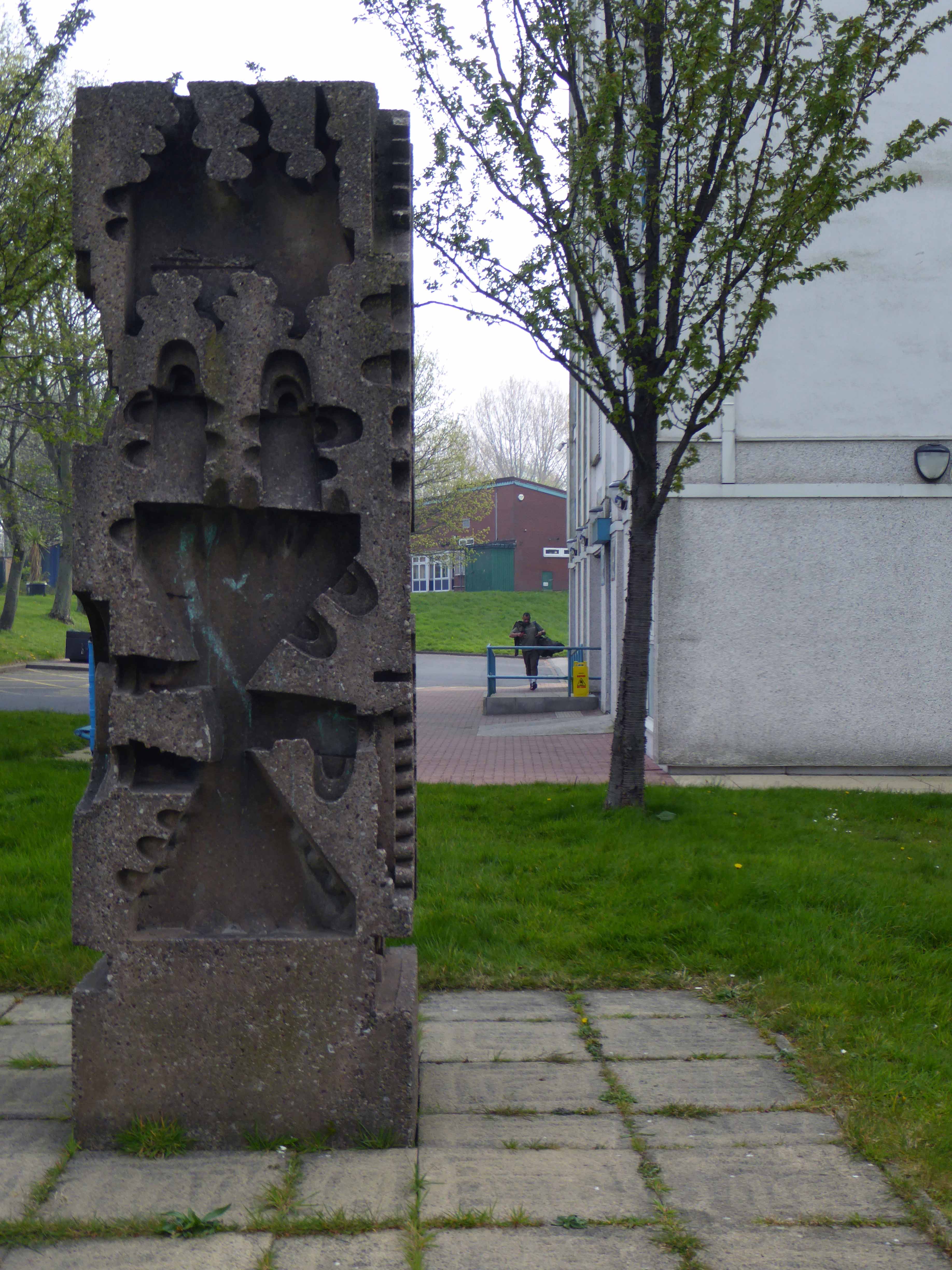
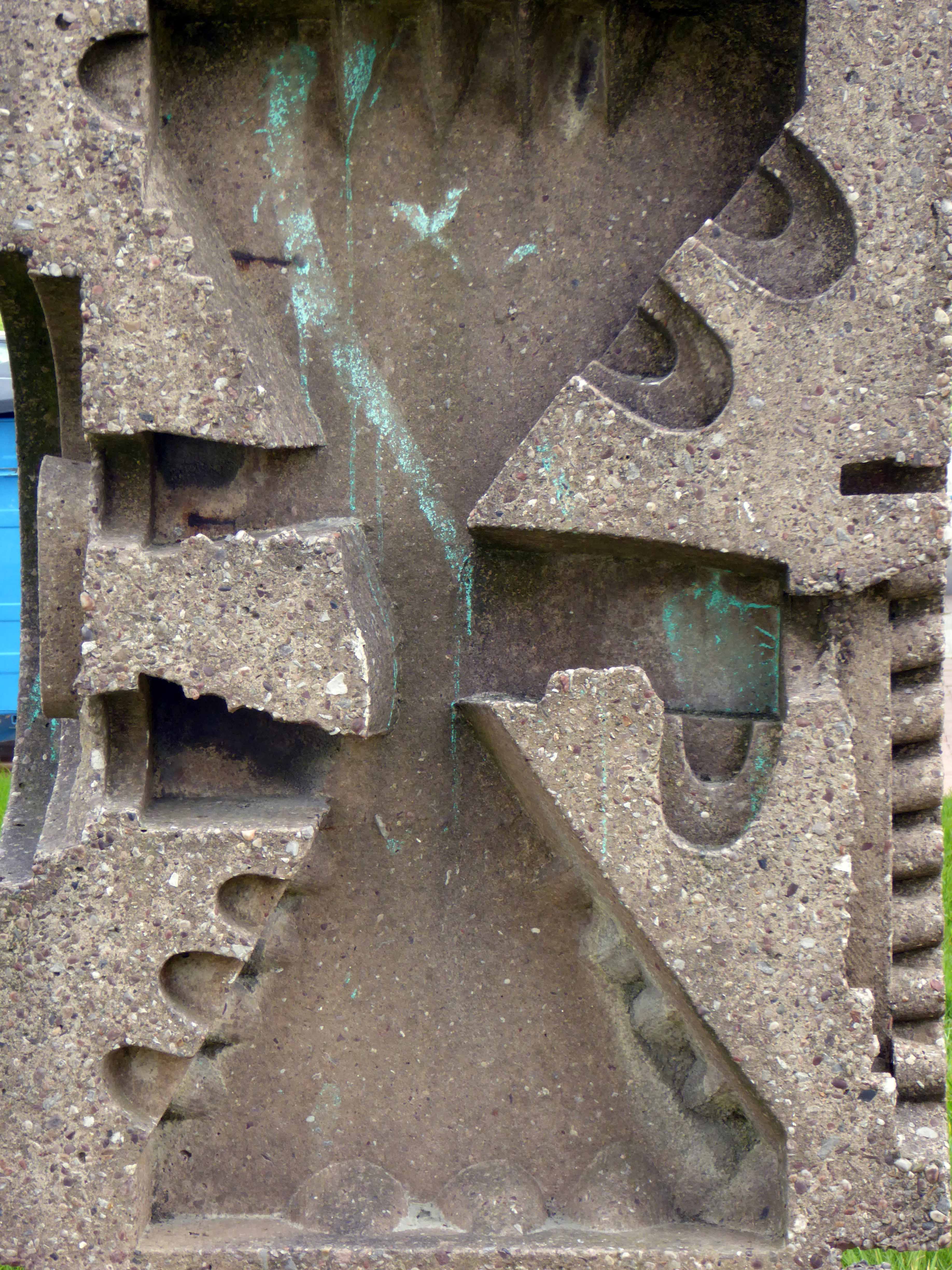
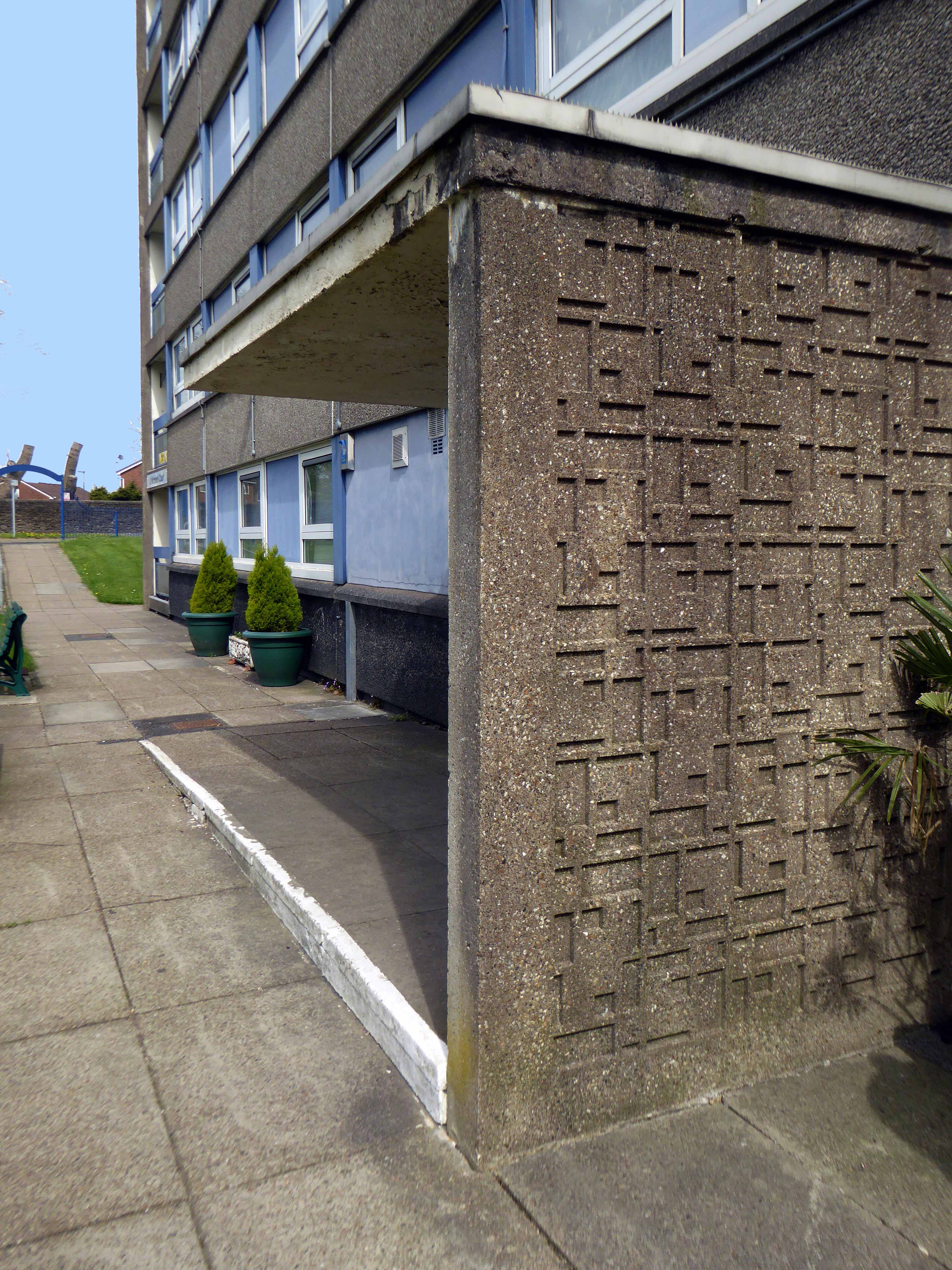
Typically they incorporated concrete street furniture, sculptural and decorative detail, in keeping with the age.

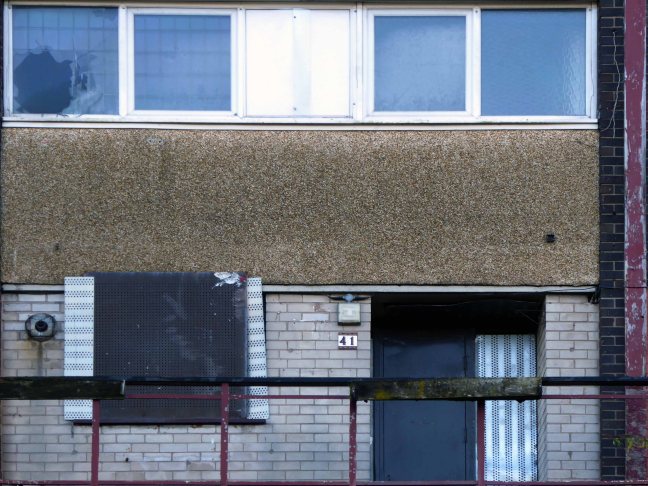
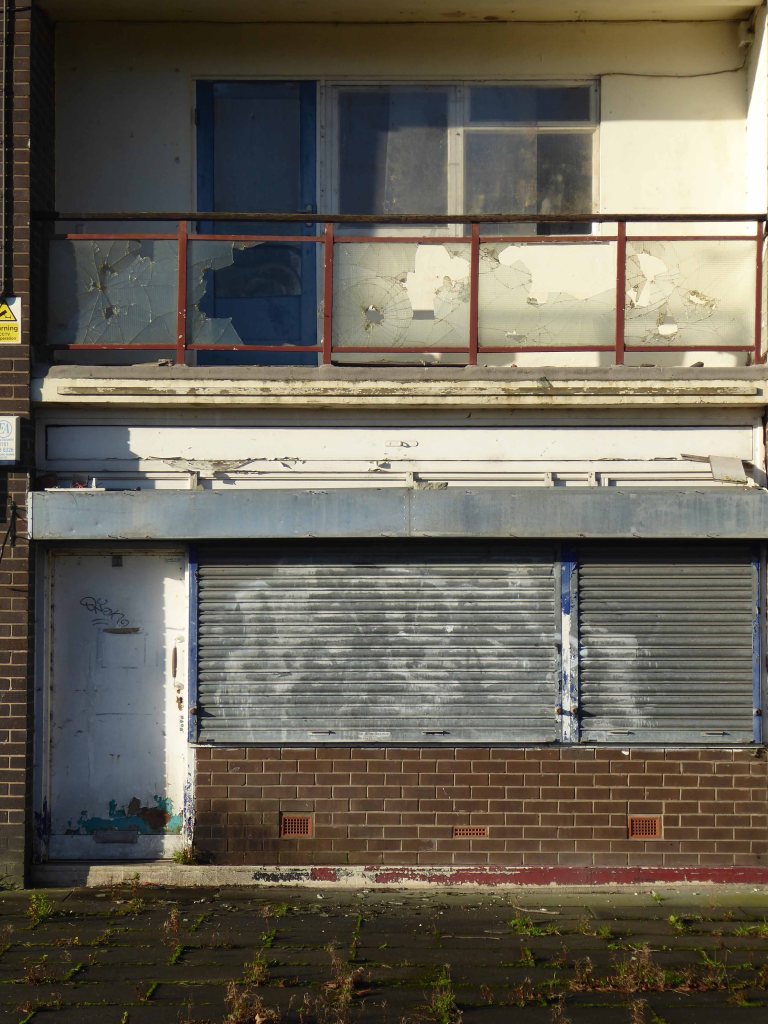
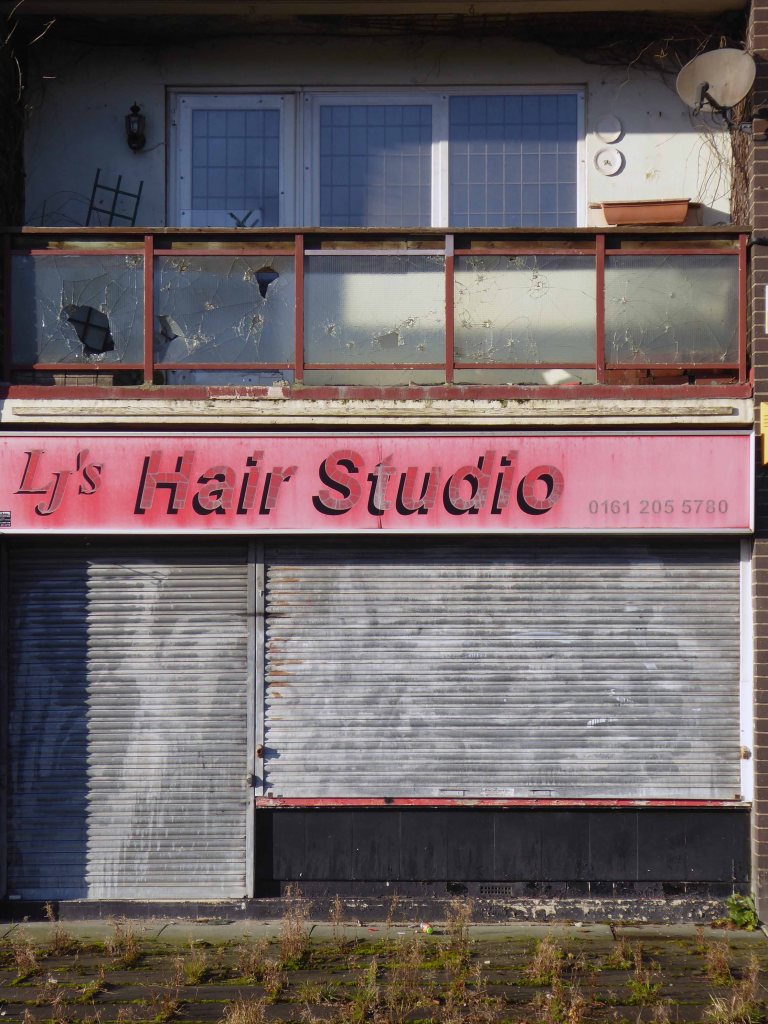
Like many other developments of the period they have subsequently been clad, fenced, painted and secured beyond recognition.

There was a raised concrete play area, of which nothing has survived.

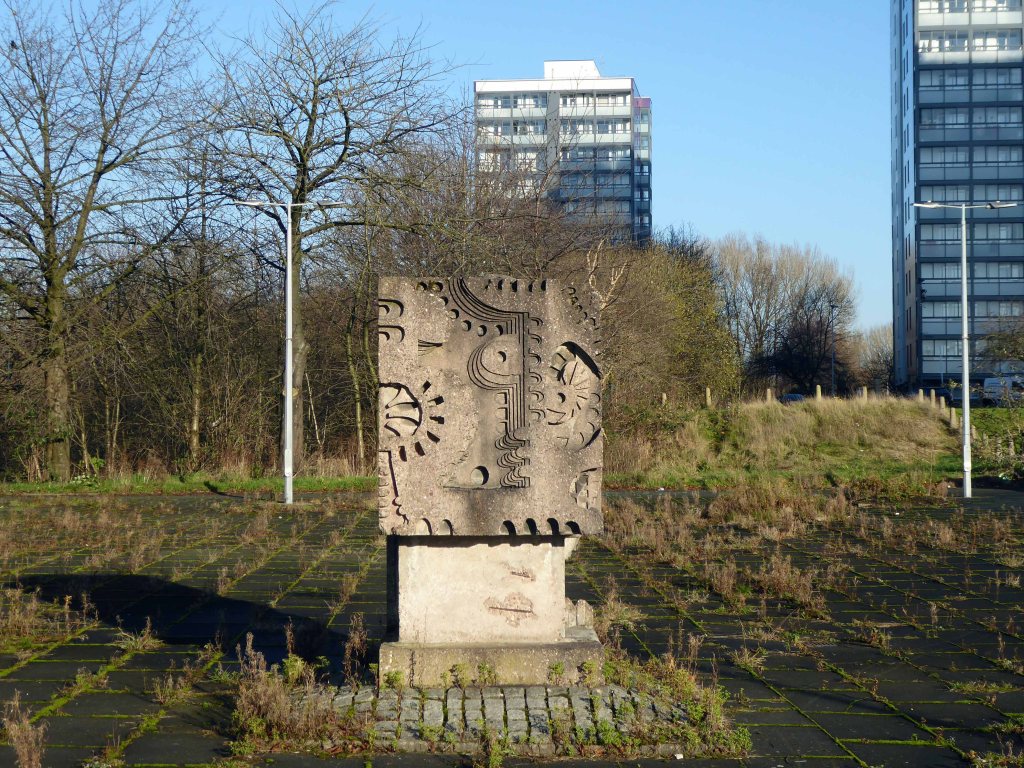
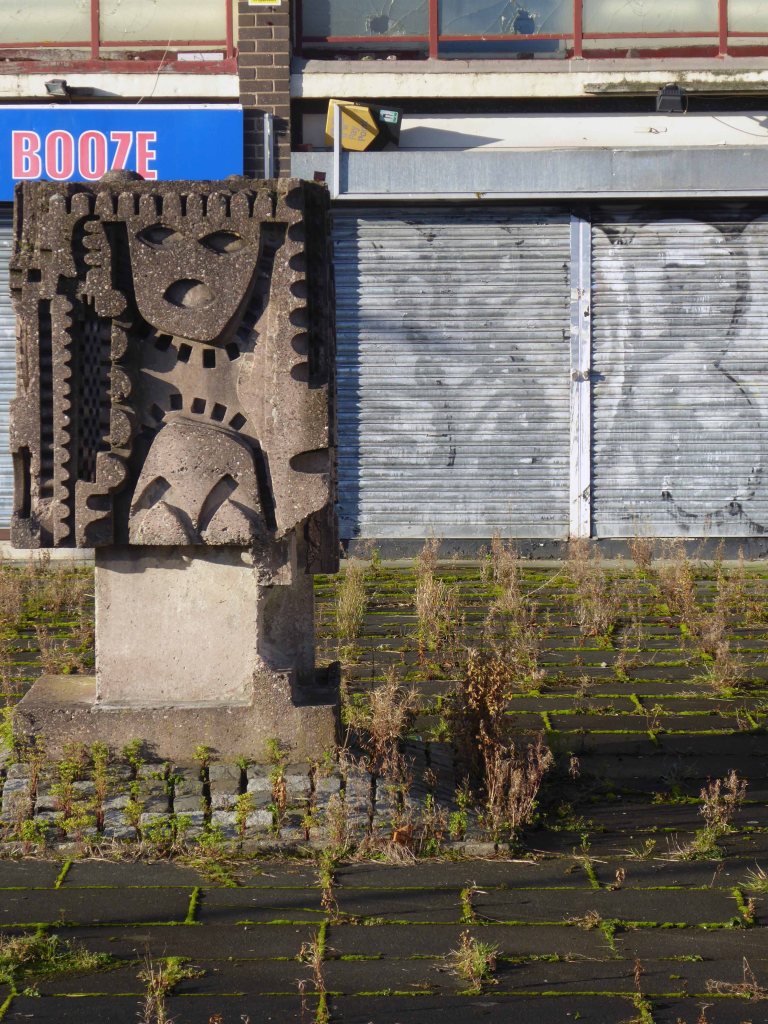
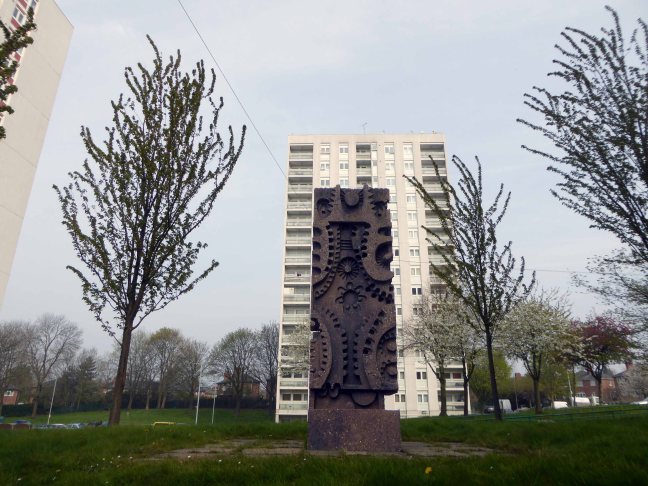
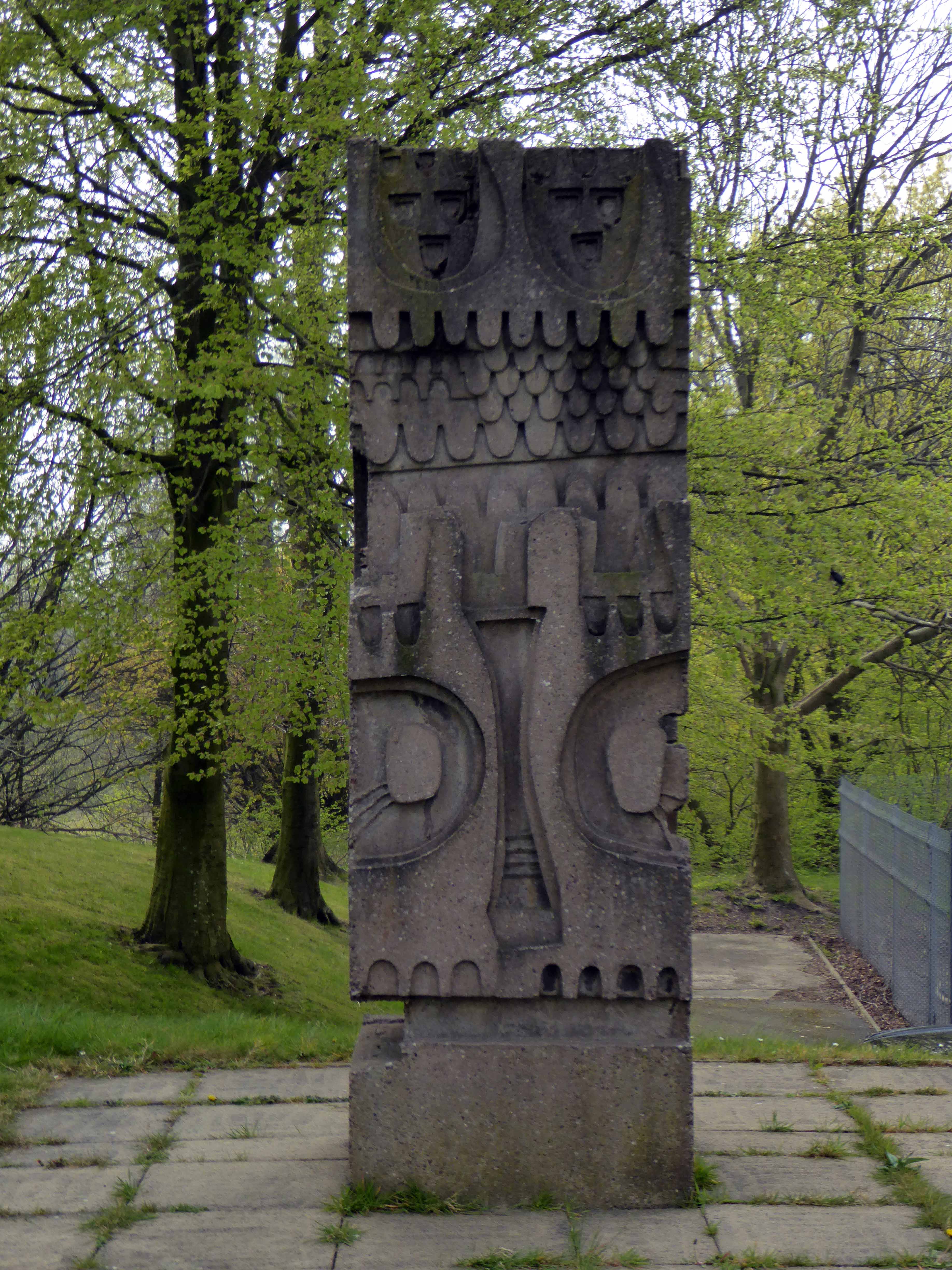
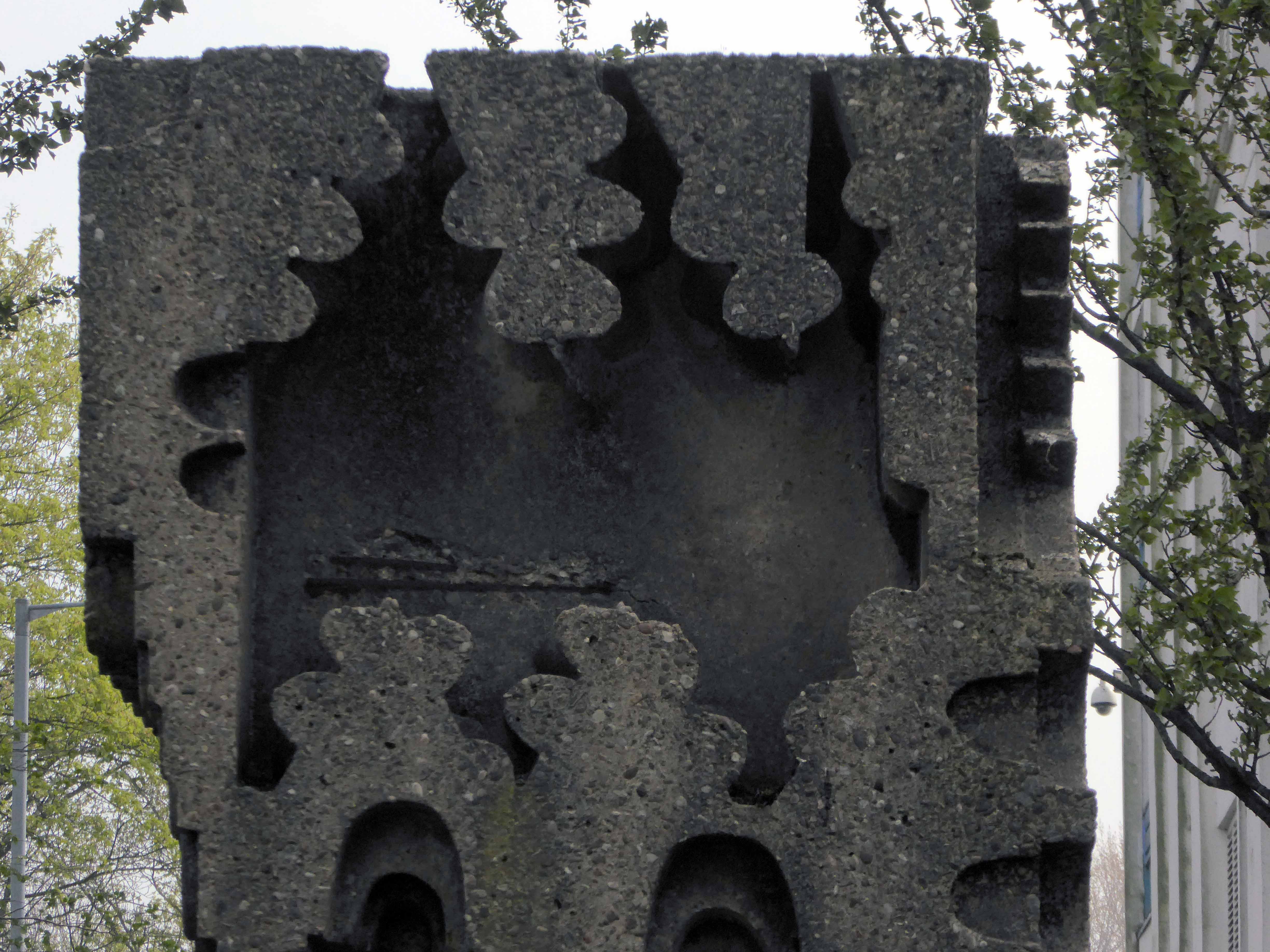
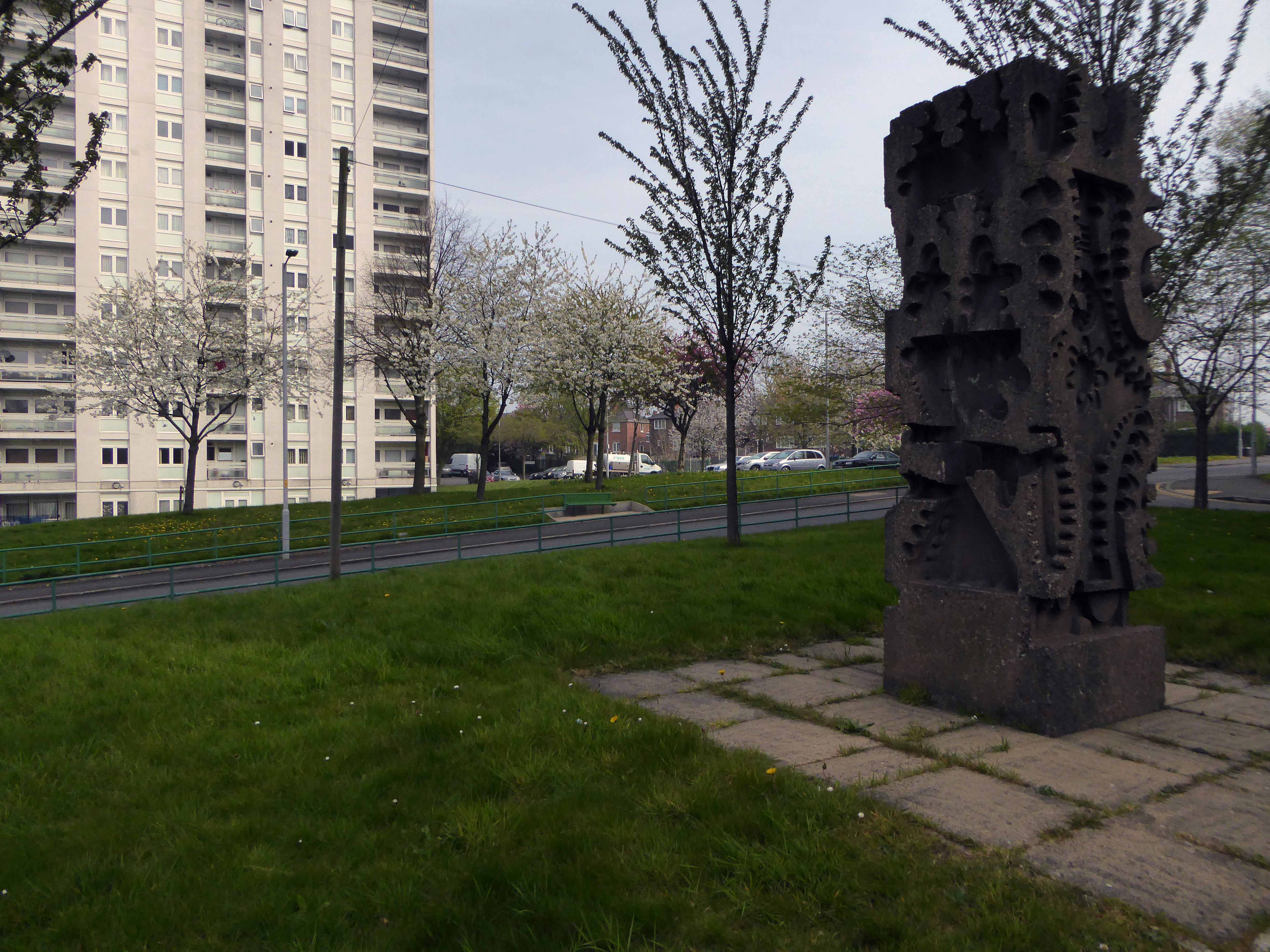
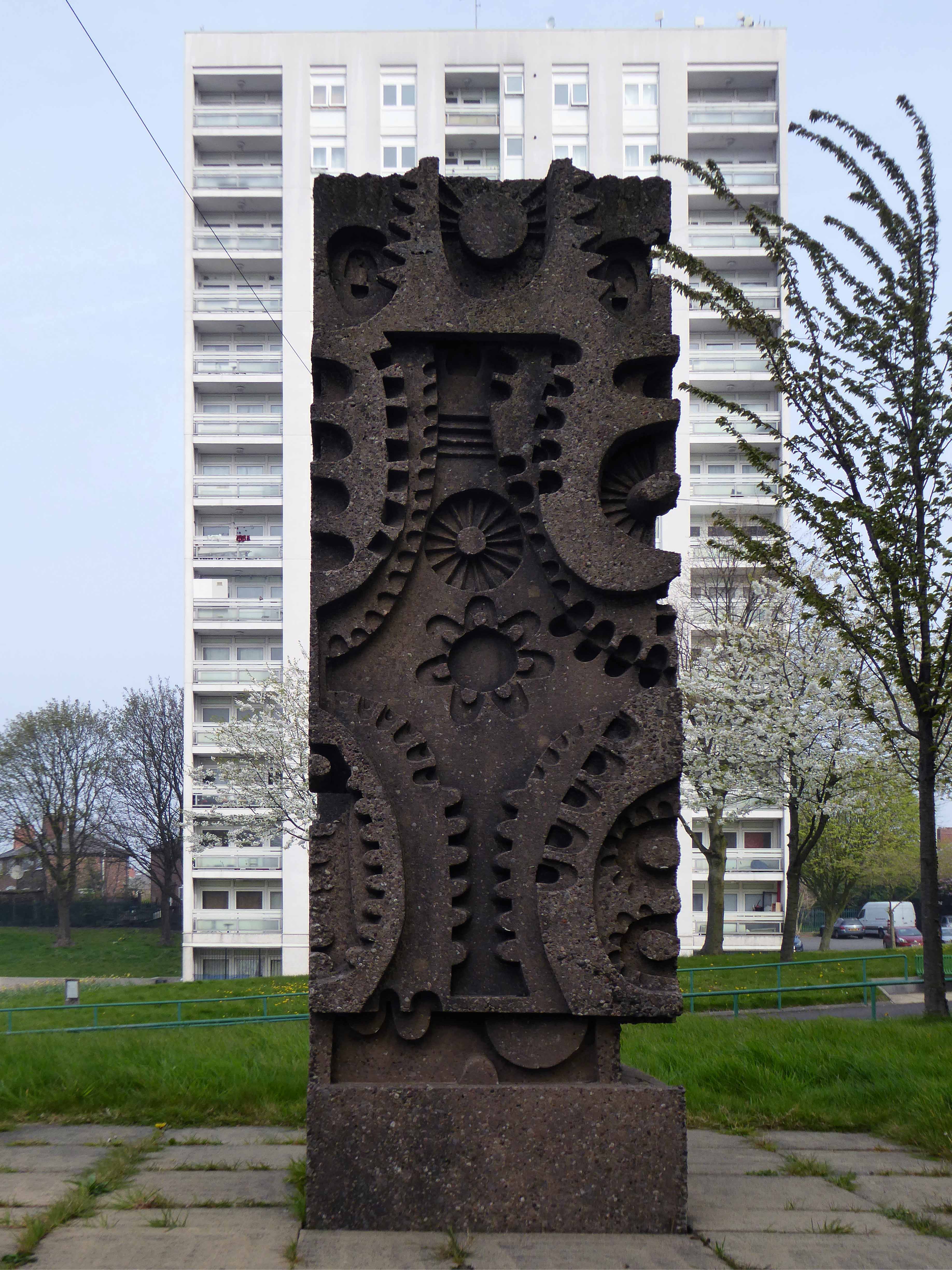
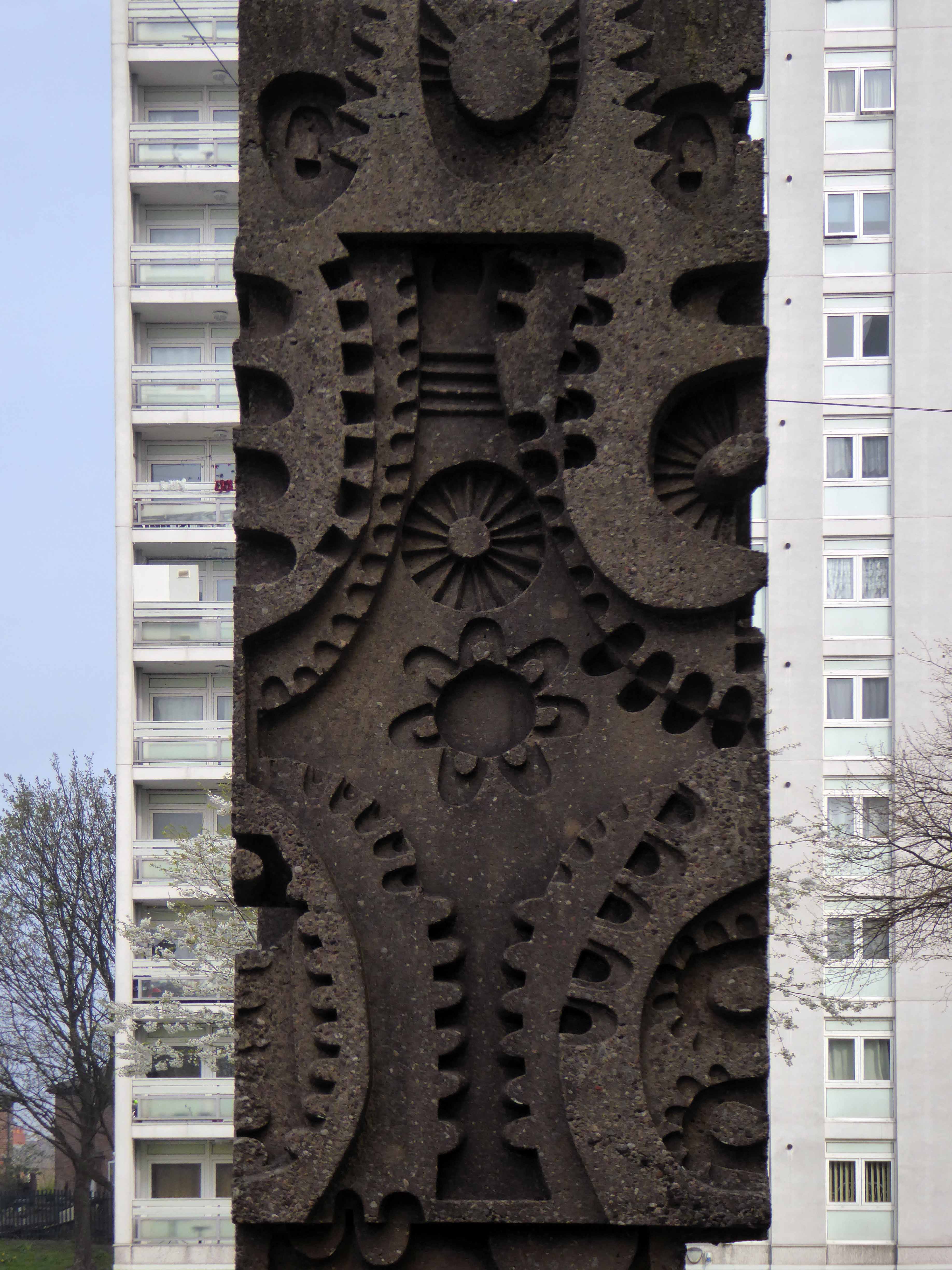
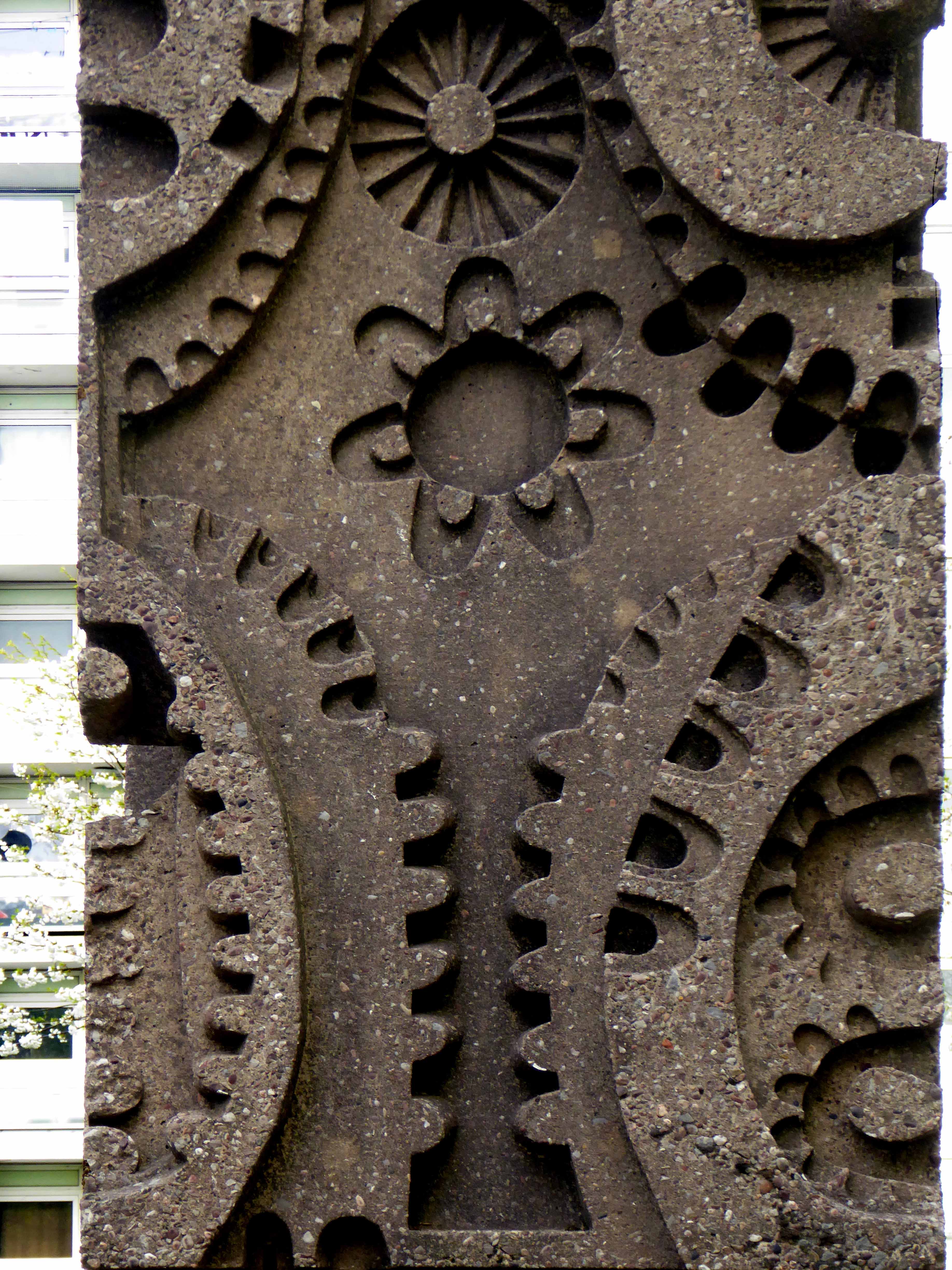
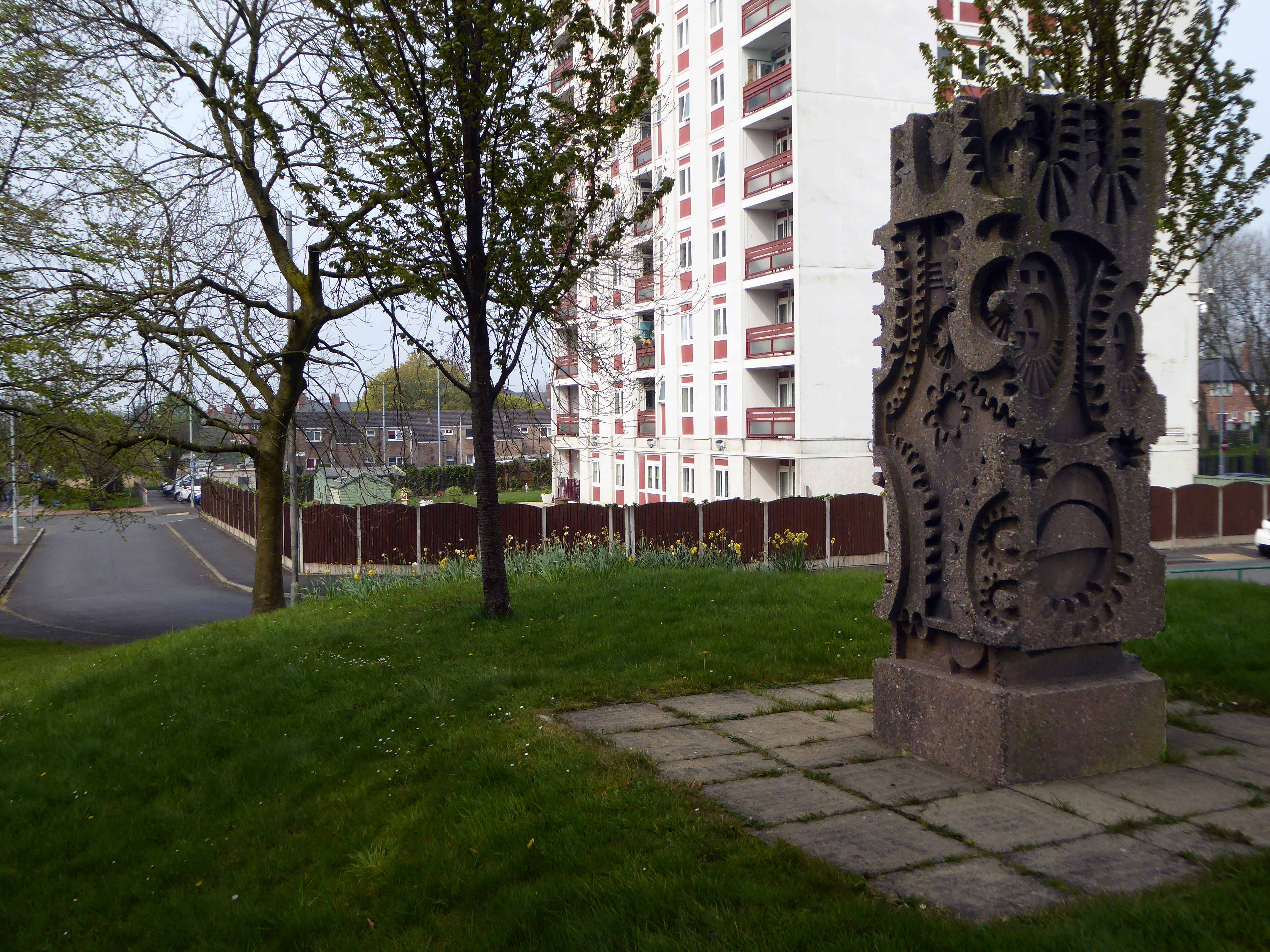
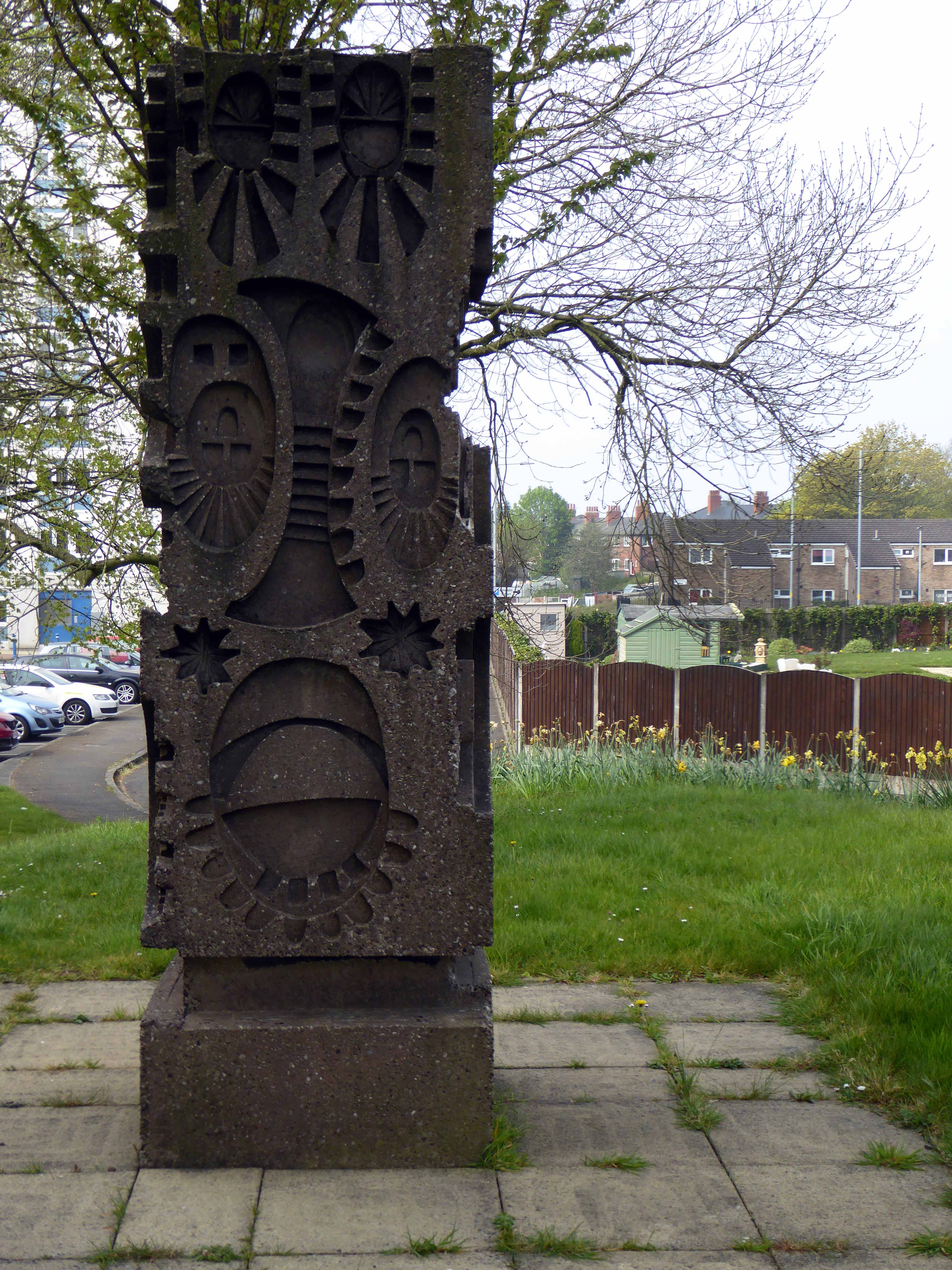
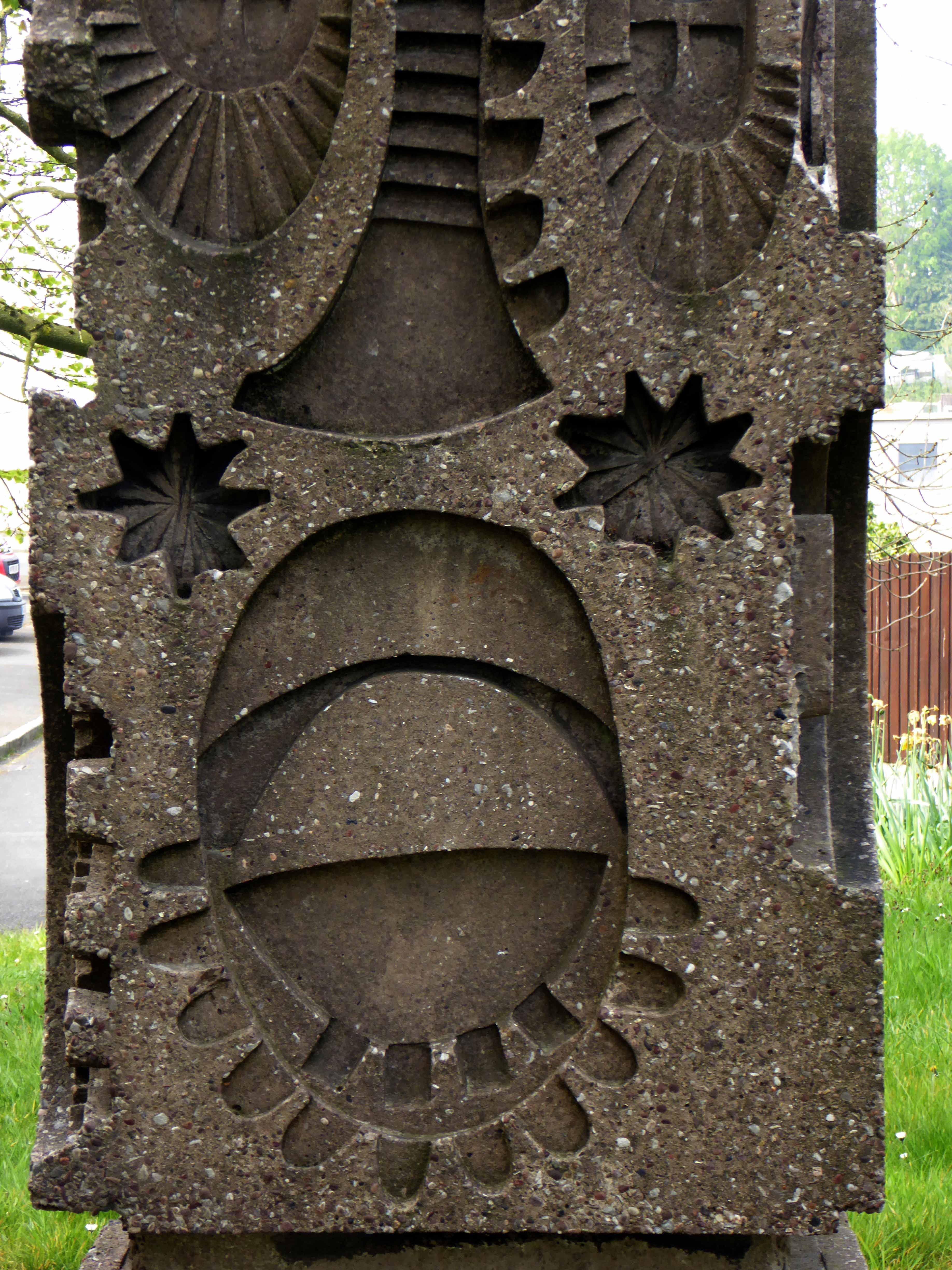
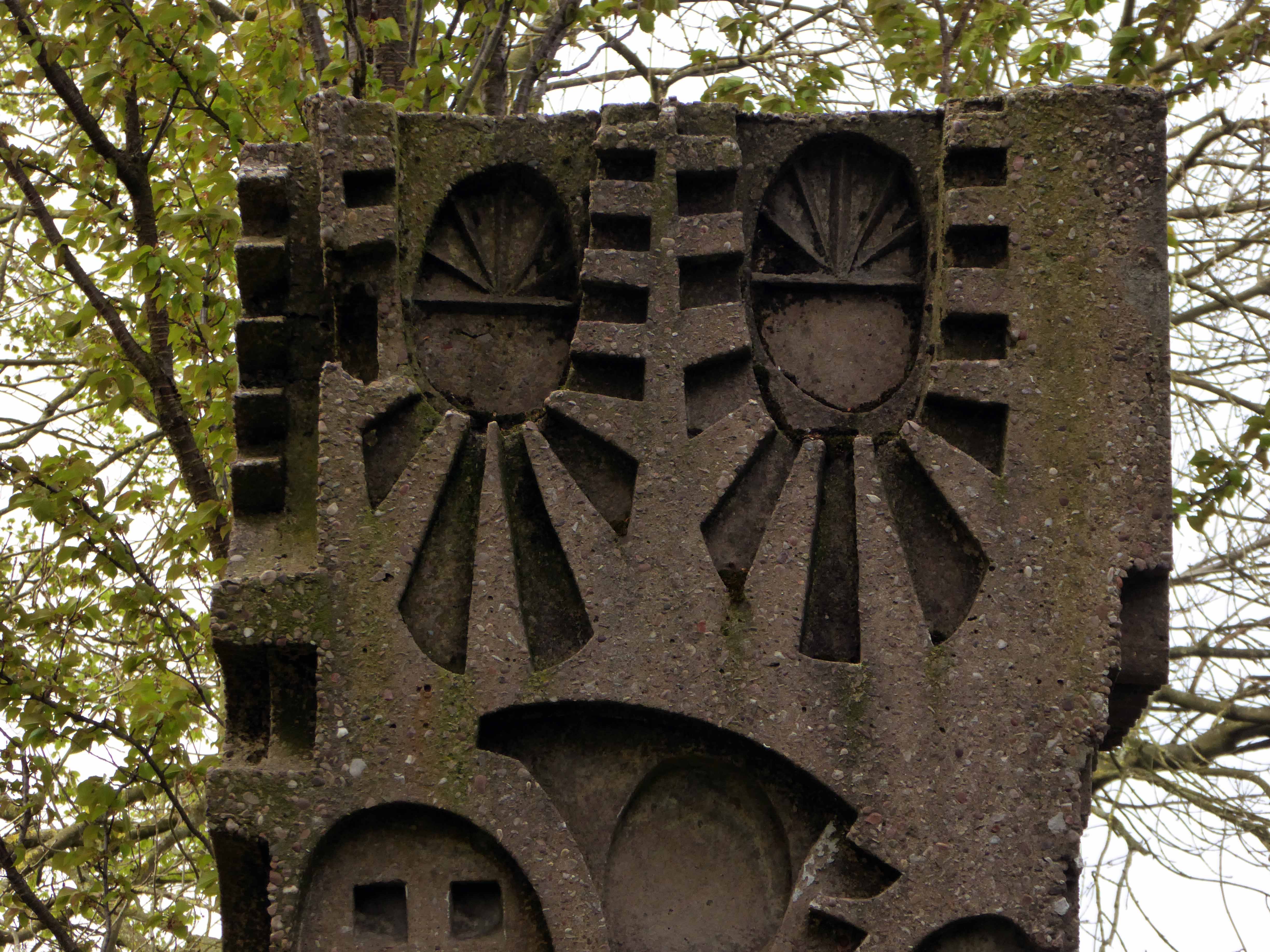
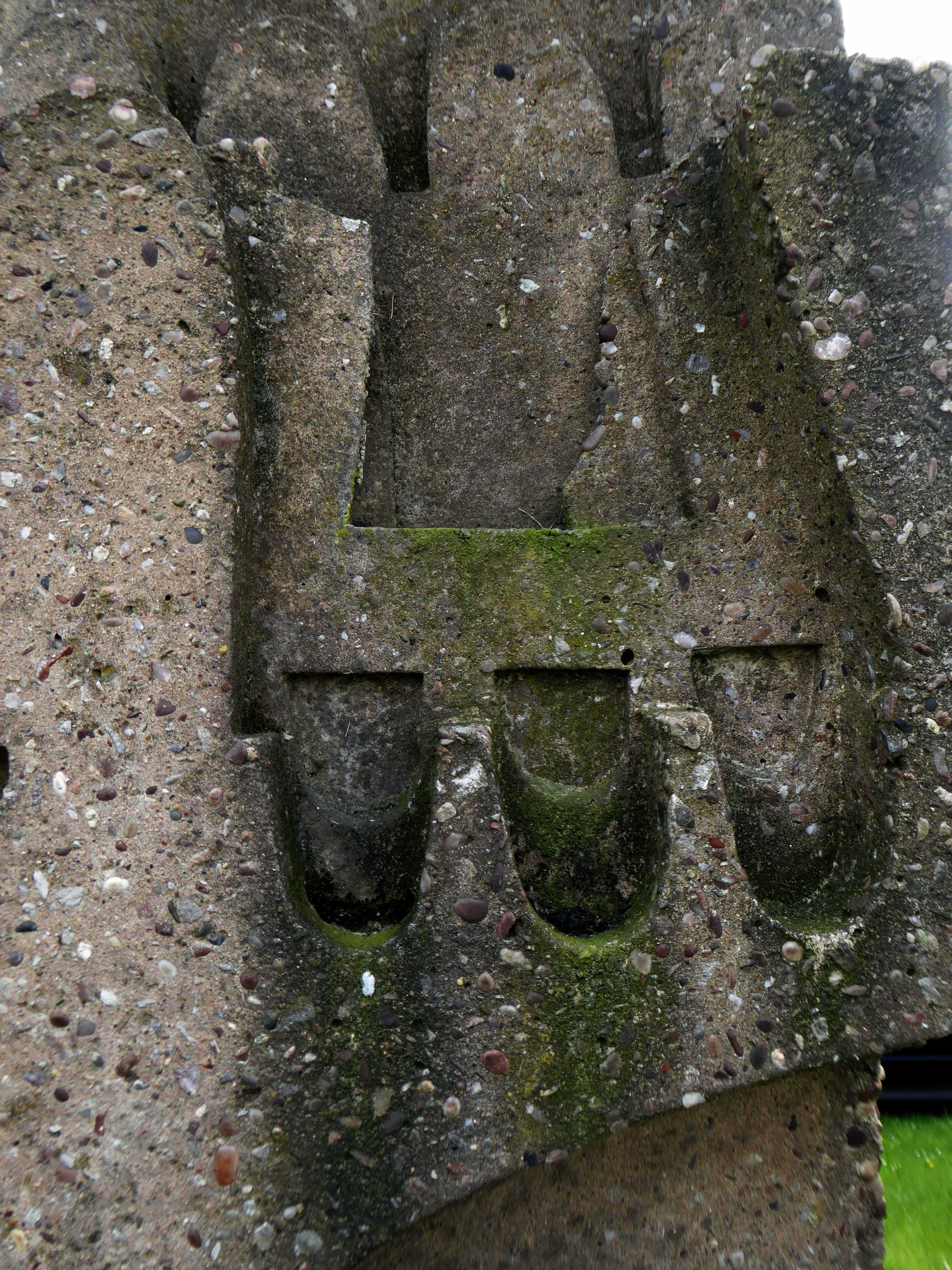
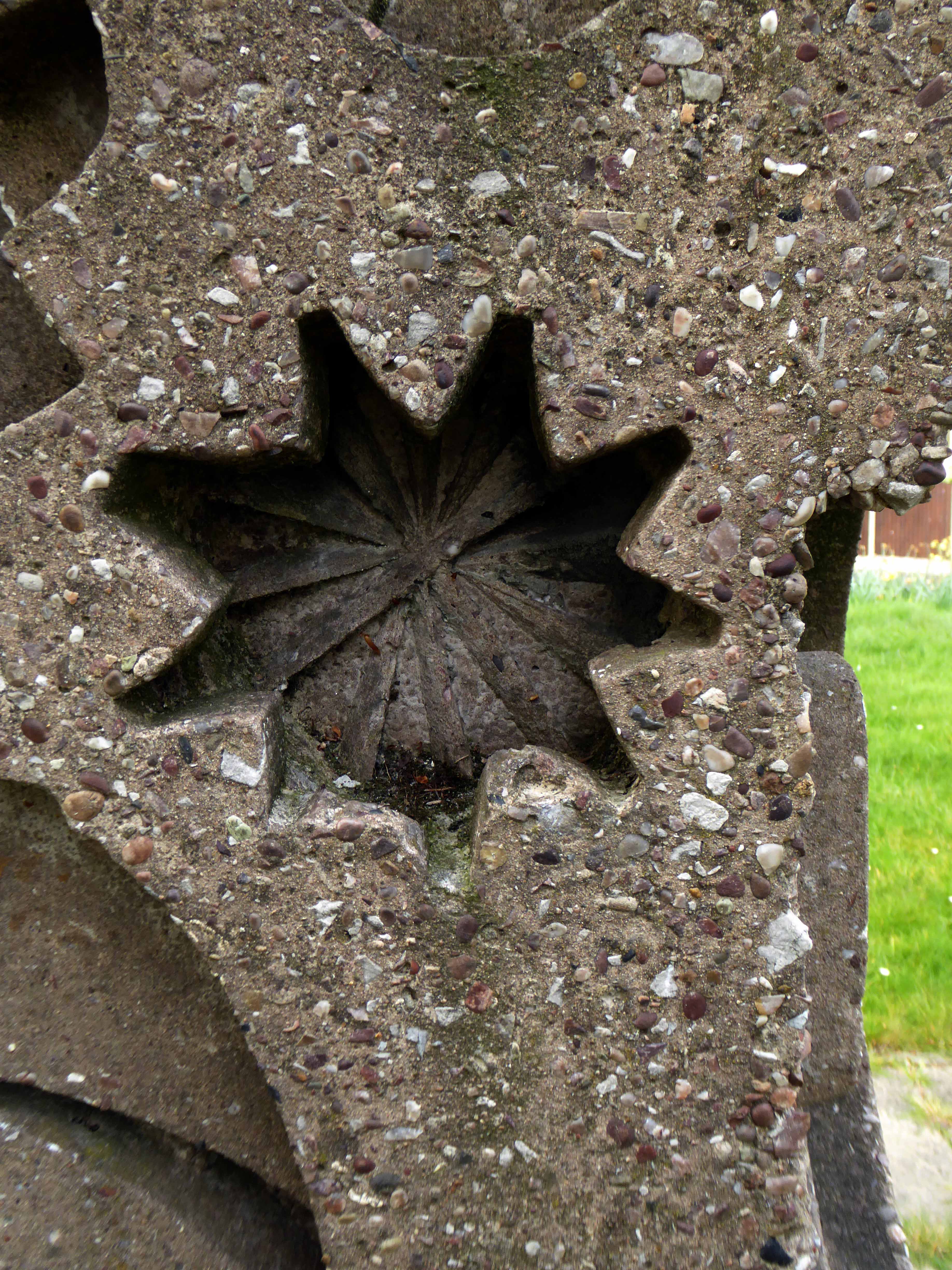
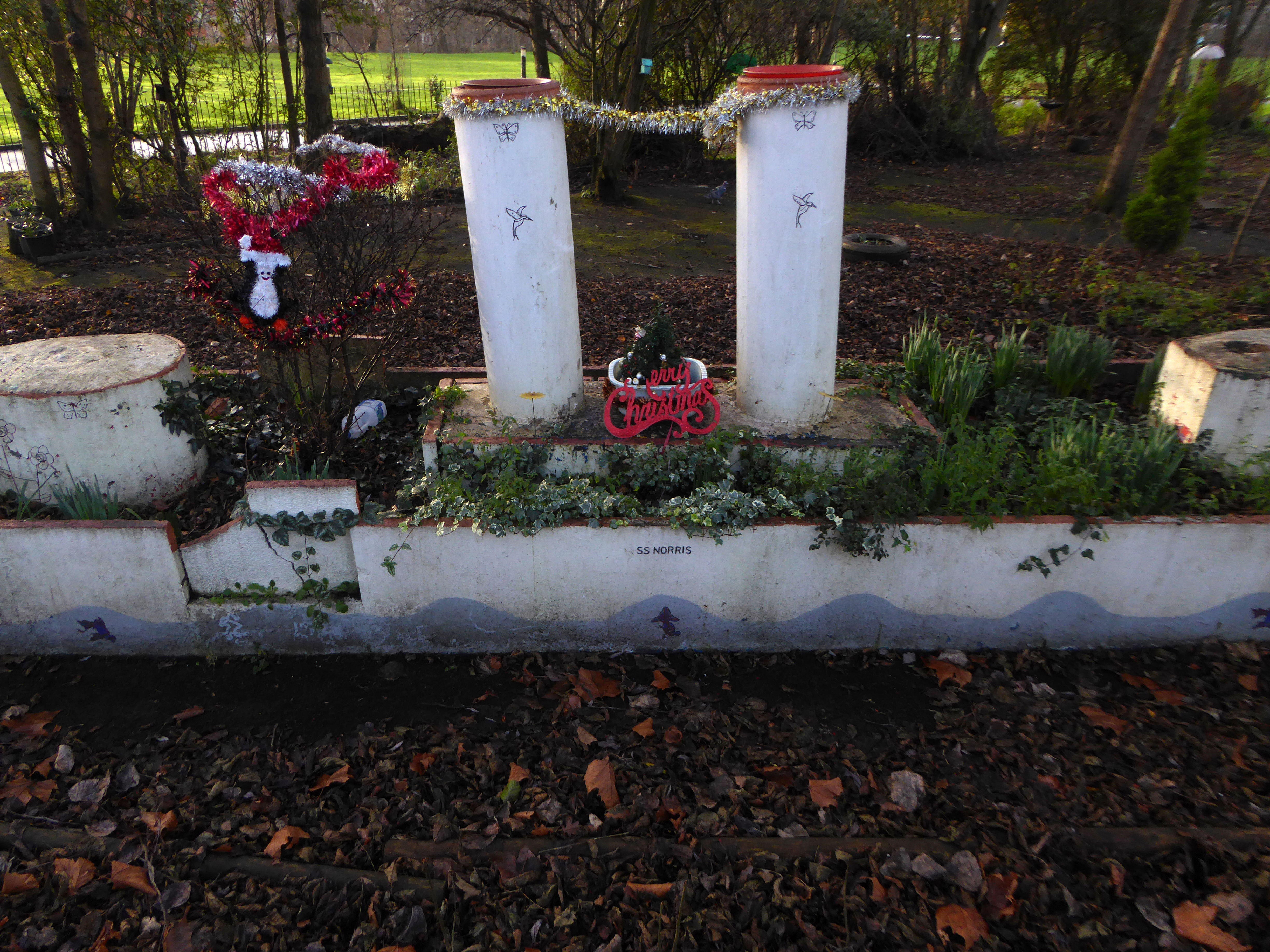
A little of their original character however has prevailed – a William Mitchellesque fallen obelisk, along with some panelling and planters.

The monolith was designed by Peter Shuttleworth, a newly qualified architect at Stockport Council

Curious to see public art behind bars

– would that they were removed.

DSC_0038 copy

a new relief copy

DSC_0032 copy

DSC_0033 copy

DSC_0037 copy

DSC_0039 copy

DSC_0046 copy

DSC_0047 copy

DSC_0048 copy

DSC_0049 copy

DSC_0050 copy

DSC_0051 copy

DSC_0030 copy

Gore Brook – A History

To begin at the beginning, well actually to begin in the middle and walk to the current beginning. The Gore Brook flows from the Lower Gorton Reservoir and from there onwards to meet the Chorlton Brook in the west, though I should imagine that prior to the construction of the waterworks, it was fed by more distant moorland waters.

gore map

Manchester being on the eastern edge of the Lancashire Plain and the western edge of the Pennines is riddled with rivers, rivers which now wriggle in an under and overground web, across heavily developed urban areas. Following the Industrial Revolution former meadow, common and farmland was overwritten by factories, housing and roads, the rural character of the rivers and brooks soon becoming darkened and polluted by the surrounding industries.

I was lead here by my search for a lost pub The Garratt on Pink Bank Lane, then drawn in further by this site The Red Path of Longsight.

The Red Path is a pedestrian link between Pink Bank Lane and the Gorton boundary at Buckley Road. It roughly follows the course of Gore Brook. The original footpath, running from Buckley Road to the bank of the brook, was made using black cinders. It was probably made in the 1940s to provide access to the allotments located on either side. In the early 1950s , a concrete bridge was laid across Gore Brook and the footpath extended to Pink Bank Lane. This section used red bricks in it’s construction, probably supplied by Jacksons brickworks . Crushed bricks were then used as a topping to make the path smoother and fill in any cracks. The thoroughfare soon became known as the Red Path.

So wide eyed and mapless I bowled up at Brook Terrace, just off Stockport Road Longsight, in search of The Gore and its source.

stockport rd 1911

stockport road

In the early 1900’s the river was still open and bridged, here at Stockport Road, later culverted and covered – anticipating the arrival of Tesco’s and Granada TV Rentals.

beneath

From there we pass under the railway along Brook Terrace and into Parry Road.

brook

The underpass is still there and very much in use, as is Stanley Grove School – the Manchester Central Schools’ Kitchens are long gone, along with the food filled, insulated aluminium cases, that fed the hungry mouths of many, with semolina, pink custard, meat pies and lumpy mash.

parry 64

kitchens 1965

Onwards to Elgar Street and still no sign of the river, hidden beneath our feet, the corner of Northmoor Road, can be seen on the corner, no longer distributing dividends, but now providing social housing.

elgar

We arrive at Pink Bank Lane, a rich mix of terraced homes, flats and factories – and the long lost Garratt, and the long lost Gore.

garratt

pink bank 64

Though the lazy, lazy river has been confined in a brick lined wind, to meet the ever pressing needs of the Gorton Sewage Works.

sewage 1910

sewage works 38

The river then hugs the edge of Annie Lea Playing fields on Buckley Road, until it disappears again as it meets Mount Road, the playing fields are still open ground – the Manchester Cleansing Department, seen on the left – is no more.

annie lea

Here on Knutsford Road we see the construction of the tunnels and culverts, the footbridge to the left spanning the railway, is still there.

knutsfrod 1907

1907

knutt 1911

1911

knut 1914

1914

Finally we see The Gore reemerging clear, clean, wide, proud and resplendent in Sunny Brow Park, where it is still maintained as a decorative, duck-filled lake.

sunny 1907

1907

sunny1910

1910

sunny 1964

1964

Briefly underground again and into the back of Far Lane, skirting the Brookfield Church graveyard.

far 1920

1920

far 1937

1937

fa 64

1964

Then tunnelling under Hyde Road at the back of the church lodge, appearing once again alongside Tan Yard Brow.

webmedia-1.php

ty 1904

1904

tan yard 1922

1922

tan yard brow 1964

1964

The manmade waterfall continues to cascade, the Fairfield to Old Trafford railway is now the Fallowfield Loop, Manchester Cycleway, young lads no longer mess about in wellies and torn Tek Sac jeans on the bank, the Tannery no longer tans.

Then we end our journey by the broad expanse of the Lower Gorton Reservoir, implausibly dotted with jolly yachts, and home to a now absent stepped outflow stream. Look up to the east, and there you’ll see the moors, you could go further.

deb 66

deb

All archive photographs from Manchester Local Image Collection.


Pleasure Gardens – Battersea

So suddenly the war ended and all of a sudden the fun began, followed with indecent haste by a wholesale national lack of fun, no fun anywhere no how.

Well why not have a festival, a Festival of Britain!

The south bank of the Thames had once been home to the Vauxhall Pleasure Gardens.

Why not put it there or thereabouts.

‘This was always a raucous place, but a temple of the muses too. Under the management of its gifted, quixotic master of ceremonies, Jonathan Tyers, it was perhaps the first public art gallery, hung with paintings by Hogarth and Hayman. The buildings – first Palladian then Gothic and exotic – were splendid and the music inspired. The Vauxhall season was unmissable. Royalty came regularly. Canaletto painted it, Casanova loitered under the trees, Leopold Mozart was astonished by the dazzling lights. The poor could manage an occasional treat. For everyone it was a fantasyland of wonder and pride.’

It was decided there and then, the government would enforce state funded fun!

Programmes were printed and works undertaken.

Festival-Pleasure-Gardens-17-761x1024

Posters were pasted, let the fun begin in Battersea – and all the rest is history.

16 Poster for the Festival Pleasure Gardens in Battersea Park

Then just as suddenly the fun was all but blown away, by the chill wind of the incoming Tory Government.

Much to my surprise there are still remnants and  reminders to be found on the site, planting, fountains furniture and sculptural structures abound, restored in 2011 by Wandsworth Council – a timely reminder of a time when we were encouraged to have fun on the rates.

CNV00042

CNV00056

CNV00054

CNV00058

CNV00063

CNV00066

CNV00067

CNV00070

CNV00072

CNV00075

CNV00078

CNV00186

CNV00187

CNV00192

CNV00195

Chesterfield – Magistrates Courts

Mysteriously lacking much evidence of its past, save for this Historic England listing.

Chesterfield Courthouse – II Magistrates Court house. 1963-65. Designed by Prof S Allen and Robert Keenlyside for Chesterfield Borough Council, altered in 1975. Reinforced concrete, with decorative stone cladding, and timber roofs clad with copper sheeting. Double fan shaped plan, three storeys. Original east entrance front has recessed ground floor with central double glazed doors now blocked with glazed side lights. Either side four windows with concrete louvres to the offices. Above eleven bays topped with gables, the three central bays have recessed windows to both floors. Either side the two storey courts have grey slate panels with side lights and set back grey! green slate cladding. West front has recessed ground floor with eleven windows each with concrete louvres. Above eleven gabled bays, the central three and outer tow with grey slate cladding and side lights with set back grey green slate cladding. The four remaining bays on either side have recessed windows. The north and south sides have recessed angled facades with slightly recessed ground floor with glazed entrance at centre of east section with large glazed windows above. Flanking wings have concrete louvres set in grey slate cladding. Interior has original Y-shaped entrance hall way which rises up through all three floors. East entrance now blocked and converted to offices. Entrances from north and south into hallway with marled floor and marble clad columns with wooden ceilings and recessed lights. Central imperial type staircase marble clad with metal and wood balustrade. Upper floors have wooden clad walls and movable glazed screen for dividing access from juvenile court when in session. Two storey courts on upper floor retain original wooden cladding, ceilings and courtroom fittings, including magistrates bench, dock, seating for lawyers and the public. 

P1190488

And self evidently facing a very uncertain future:

2015 – The Grade II listed building, which is located between Rose Hill and West Bars, has received planning consent allowing it to be used for a range of purposes including office, retail and leisure facilities. Stuart Waite, associate director at Innes England in Derby, who is handling lettings on behalf of a private client, said: “We have been in serious discussions with a number of occupiers regarding this building for a variety of uses. “Occupier confidence is growing and with the economic forecast for 2015 looking positive we are confident that will see early interest converted into deals. “We are working closely with Chesterfield Borough Council which has identified the Rose Hill and West Bars area of the town as a key strategic location for growth.”

It has stood empty for the last few years and been a hotspot for vandalism.

Last July, arsonists set a wheelie bin on fire and pushed it up against the building, causing the flames to spread.

mqgh90gr0b3fnfoy2jkq

2017 – Chesterfield’s former magistrates’ court is being used as a drugs den, shock pictures reveal – and a council chief has warned that the building poses a danger to public health. Extremely concerning images obtained by the Derbyshire Times today show hypodermic needles and what appears to be heroin inside the historic property – as well as extensive damage in rooms and excrement smeared up walls.

Derbyshire Times.

It’s seen better days.

It remains on the market for £450,000 a steal if you ask me.

Thread Architects have proposed redevelopment as an Arts Centre

dna p1.psd
dna p1.psd

On the day of my visit there was little evidence of arts activity, save for a short performance piece by a heavily intoxicated mini-mosher and her partner – funding sources having proved to be at best illusory and subject to market forces.

Talk is cheap.

Take a walk on the wild green sward side of town, it remains a marvel, open and accessible, just requires a tender touch, of cash.

P1190489
P1190490
P1190491
P1190492
P1190493
P1190494
P1190495
P1190496
P1190497
P1190499
P1190501
P1190502
P1190503
P1190508
P1190509
P1190510
P1190511

Bromley Street Manchester

Bromley Street – its northern tip joining with Dantzic Street in the valley of the River Irk, so far so very bucolic, so very, very nice, the street that was going places, tucked cosily beneath the shade of the old L&Y bridge.

webmedia-5.php

The south bank of the Irk is here very steep and between fifteen and thirty feet high. On this declivitous hillside there are planted three rows of houses, of which the lowest rise directly out of the river, while the front walls of the highest stand on the crest of the hill in Long Millgate. Among them are mills on the river, in short, the method of construction is as crowded and disorderly here as in the lower part of Long Millgate. Right and left a multitude of covered passages lead from the main street into numerous courts, and he who turns in thither gets into a filth and disgusting grime, the equal of which is not to be found – especially in the courts which lead down to the Irk, and which contain unqualifiedly the most horrible dwellings which I have yet beheld. Below it on the river there are several tanneries which fill the whole neighbourhood with the stench of animal putrefaction. The view from Ducie Bridge, mercifully concealed from mortals of small stature by a parapet as high as a man, is characteristic for the whole district. At the bottom flows, or rather stagnates, the Irk, a narrow, coal-black, foul-smelling stream, full of debris and refuse, which it deposits on the shallower right bank.

So said Mr Friedrich Engels.

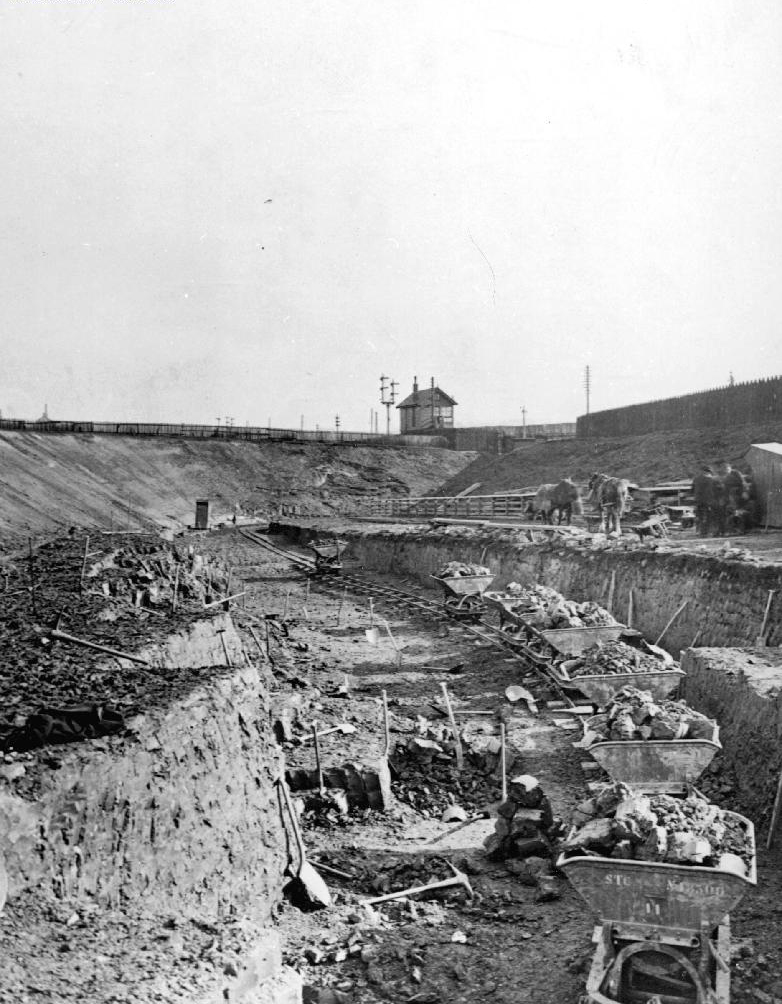
“Not only the blackest but the most sluggish of all rivers” – was surrounded by road, rail, dwelling and factory, high density industrialisation through most of the last century.

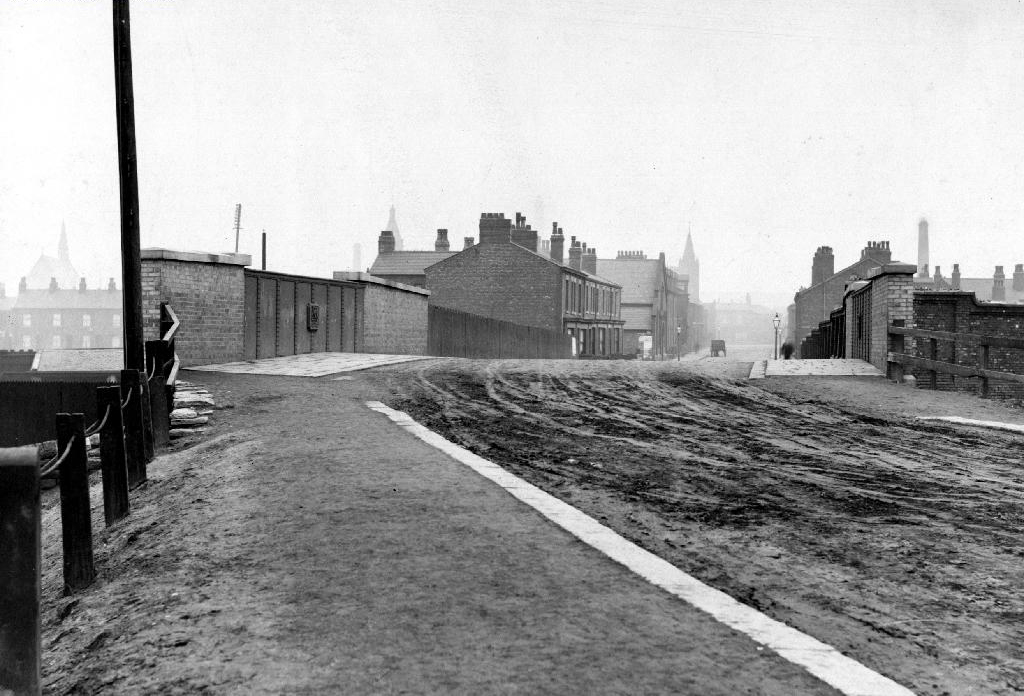
webmedia-1.php

Then all of sudden along came a series of events, that saw a shift away from inner-city manufacturing, the outsourcing of all sorts and the demolition of homes. The area and the city became a pale shadow of its former self. Help however was at hand, the boom in buy to let, overseas investment and an ever expanding professional middle class, eagerly  paddled up the murky Irk, emulating the massed forces of 7th Cavalry and the Lone Ranger combined – hurrah!

Screen Shot 2017-08-16 at 15.19.42

If you earn a minimum of £300,000 a year, have a net worth in excess of £3m and want an exceptional mortgage service that is designed to suit your individual needs, get in touch.

160317_DSR_MEN_Angelgate

What have you got to lose?

It’s the gravy train as thick, dark and rewarding as the very inky Irk itself!

The stylishly designed living areas and carefully considered external finishes within the new buildings, have been designed to compliment the rich industrial architectural style of the area.

A development that even Mr Friedrich Engels himself would be proud of.

But wait, all is not rosy in the digitally constructed flower box garden, that you may see before you, in our online presentation and brochures.

Pinnacle Alliance plans to build 344 luxury apartments on a site near Dantzic Street, as part of the ‘Northern Gateway’. Dozens of investors have paid up to £350,000 for the off-plan apartments in the proposed scheme. But two years since many first paid out for their home, no work has actually begun on the £30m scheme.

The dispute has led to a demonstration in Hong Kong, where around 50 buyers took to the streets over Christmas urging local authorities to take up their concerns. And in an unusual twist, protestors even recorded their own campaign song – to the tune of Jingle Bells – criticising Pinnacle.

On the day of my visit the site was home to several jackdaws, the charred husk of a burnt out car, hastily discarded childrens’ toys, the most curious of plywood constructs and a sense of anything and everything, ceasing to make any sense whatsoever.

This stunning development will be an original and inspiring place to live.

P1190415

P1190418

P1190419

P1190420

P1190424

P1190428

P1190429

P1190432

P1190438

P1190440

P1190441

P1190442

P1190444

P1190445

P1190446

P1190447

P1190448

Buxton Raceway – High Edge

About 340 million years ago, the area which is now the Peak District was covered by a warm, clear, shallow sea. The sea was full of microscopic shell-creatures, and on the sea bed there were several coral reefs and beds of shellfish. Over a long period, millions of years, these creatures lived and died in this area, gradually laying down a thick bed of calcium deposits from their shells up to a depth of 600m in places. This is now the rock which is known as Carboniferous Limestone and this rock lies under the whole of the Peak District. 

Then suddenly in 1972 the Buxton Rock Festival relocated from the nearby Pavilion Gardens to an area high atop the moors, on High Edge.

buxton-72-poster-2

Don’t recall rain but it was very cold at night. The beer tent was selling Party Seven cans of beer, with seven pints in them. The queues for them were so long you had to make an important decision one can or two? Unfortunately I chose the latter, while one wasn’t enough, two was too much for a sixteen year old. Part way through the second can, I got up to dance to Easy Livin’ by Uriah Heep and fell flat on my face – Tim Hardman

Then suddenly in 1974.

I raced at the first meeting at High Edge Raceway and competed in that first year when the track was just a bulldozed dirt oval with earth banks and tyres for protection. I remember going to the Quiet Woman pub in Earl Sterndale for the first drivers meeting to see if there would be enough support for racing to take place. The people who went included a group of disillusioned hot rodders seeking to get away from the Belle Vue promoter, others ranged from truckers and farmers to car-nuts who just wanted to race anything. The first meeting I well remember those earth banks because I spent most of my first race sat on one, I couldn’t get the car off the top where I had been shunted by another racer. I wasn’t a successful banger racer and I didn’t continue after that first year but I am glad that racing has kept going at the venue – Alan Inwood

2017 and the track continues to grow and thrive currently trading as Buxton Raceway.

Offering a wide range of motor sports, racing anything with wheels and an engine, including bangers, buses and speedway bikes, being home to the Buxton Hitmen.

I often cycle or walk by and was privileged on this occasion to be given a guide tour by track worker, keen racer and self confessed car-nut Shane.

P1180181

Pop in if your passing, you won’t be disappointed.

P1180177

P1180178

P1180180

P1180183

P1180185

P1180186

P1180188

P1180189

P1180191

P1180195

P1180196

P1180197

P1180199

P1180200

P1180202

P1180203

P1180204


P1180206


Sea Front Shelter – Hastings

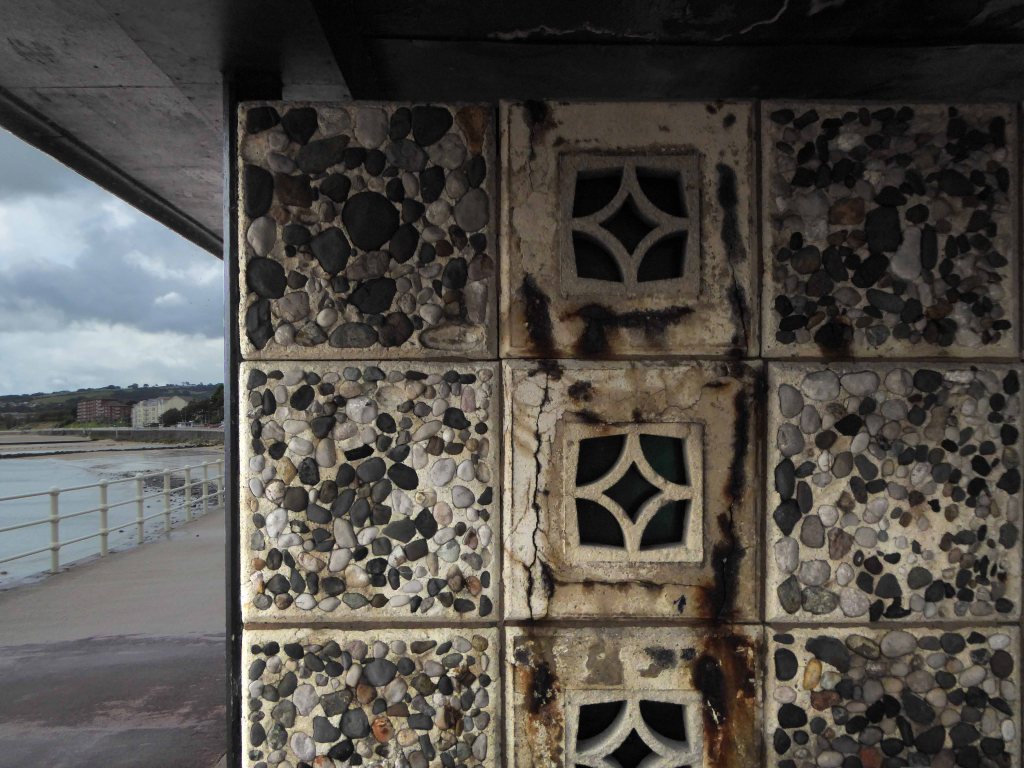
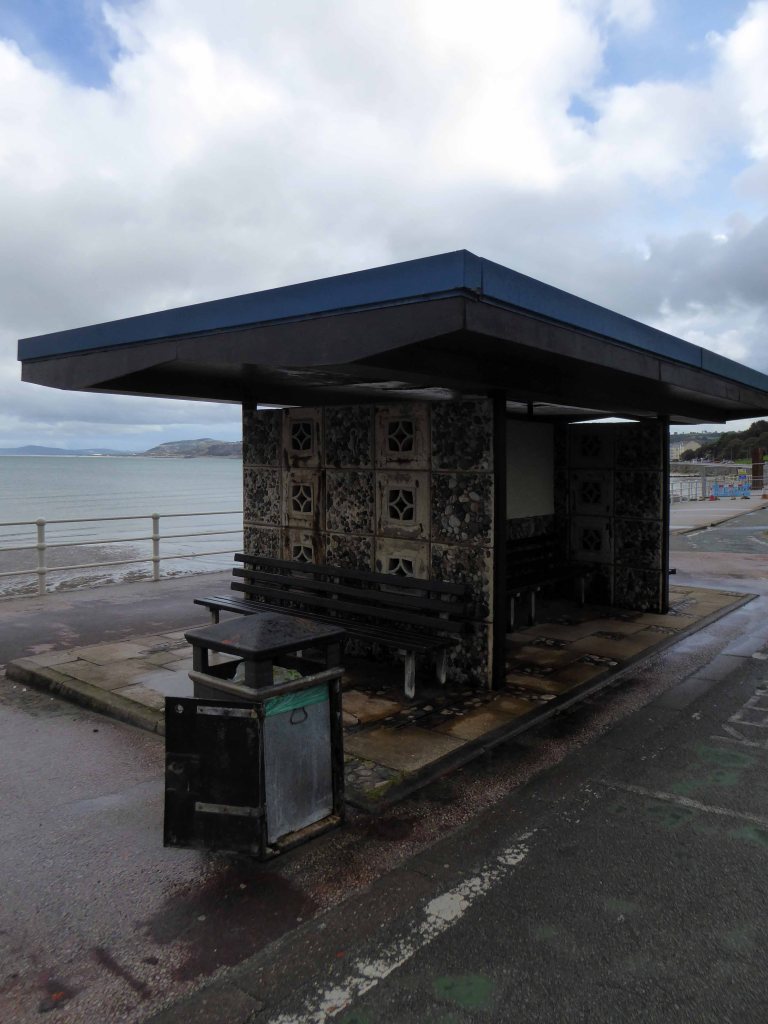
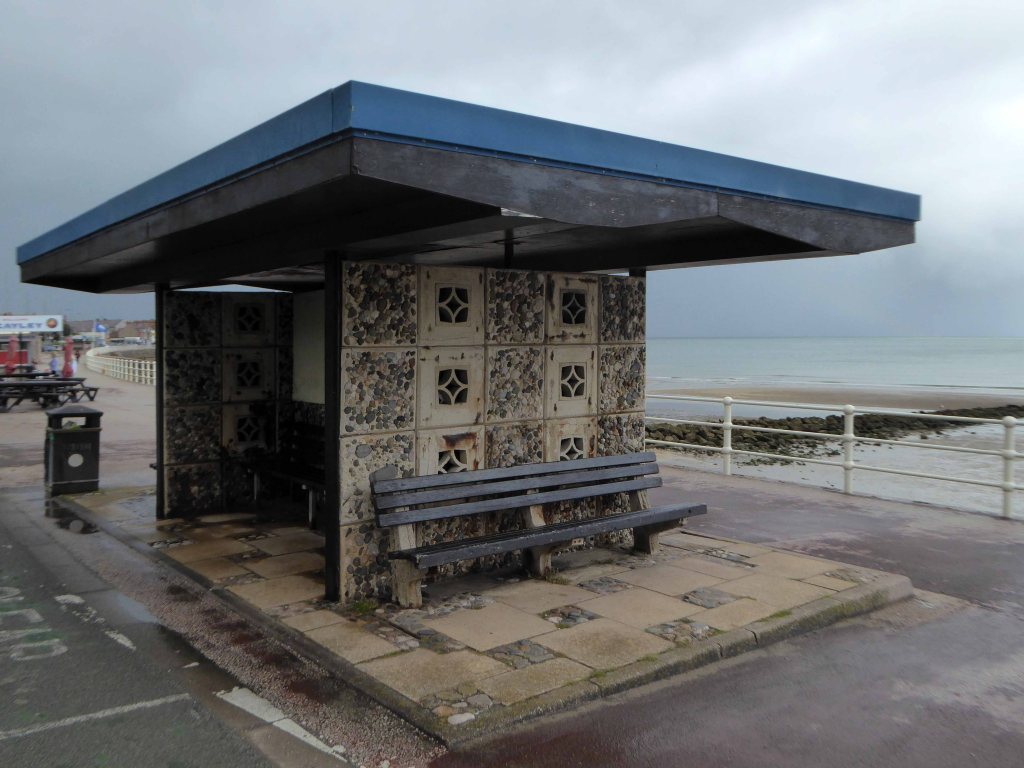
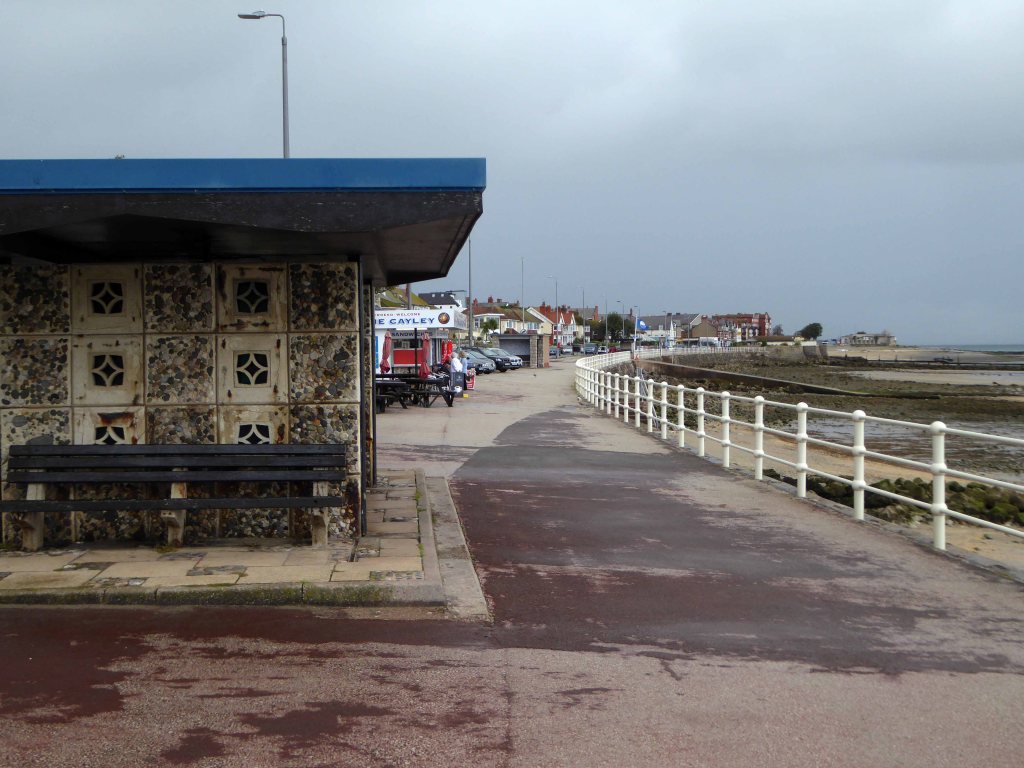
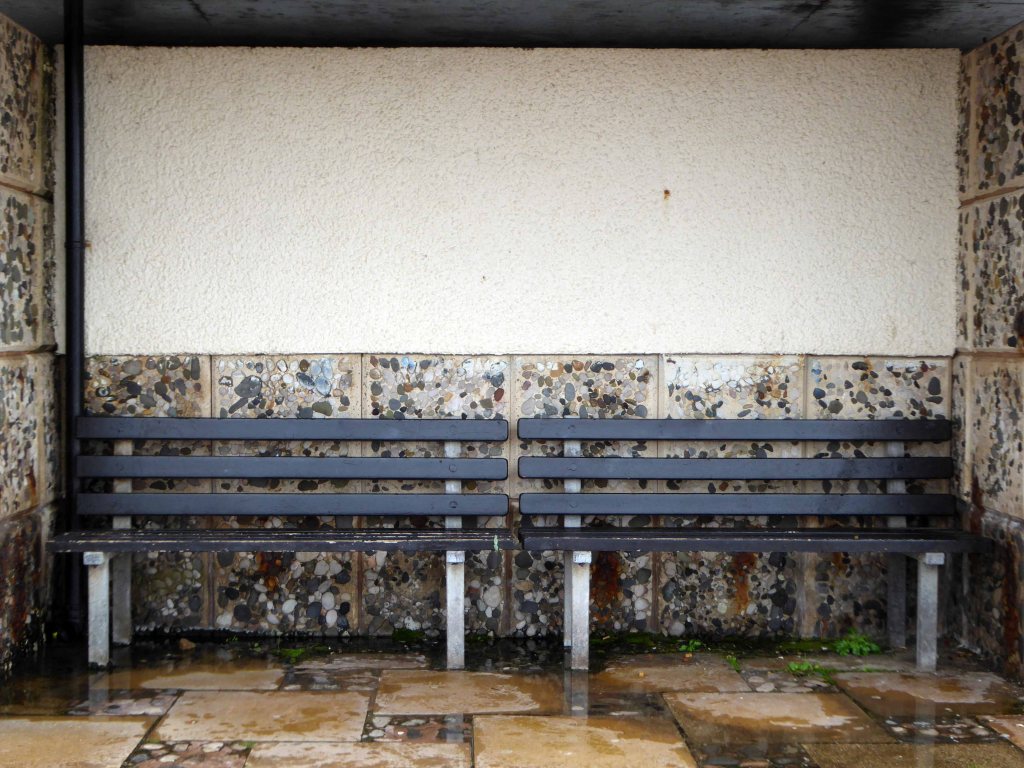
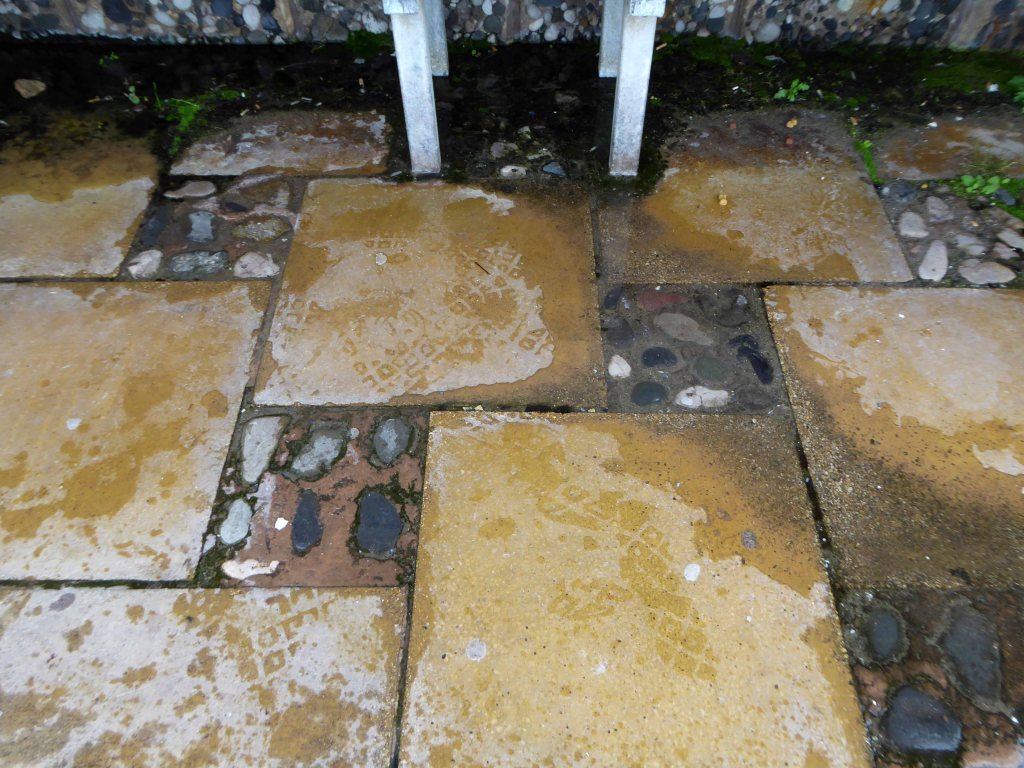
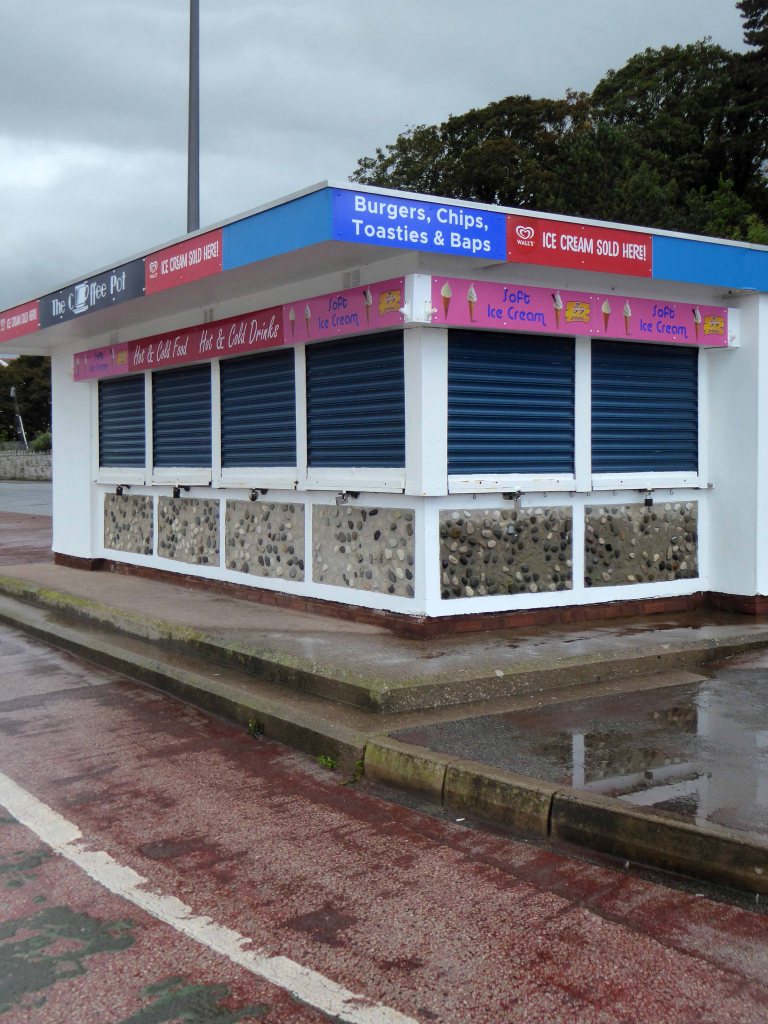
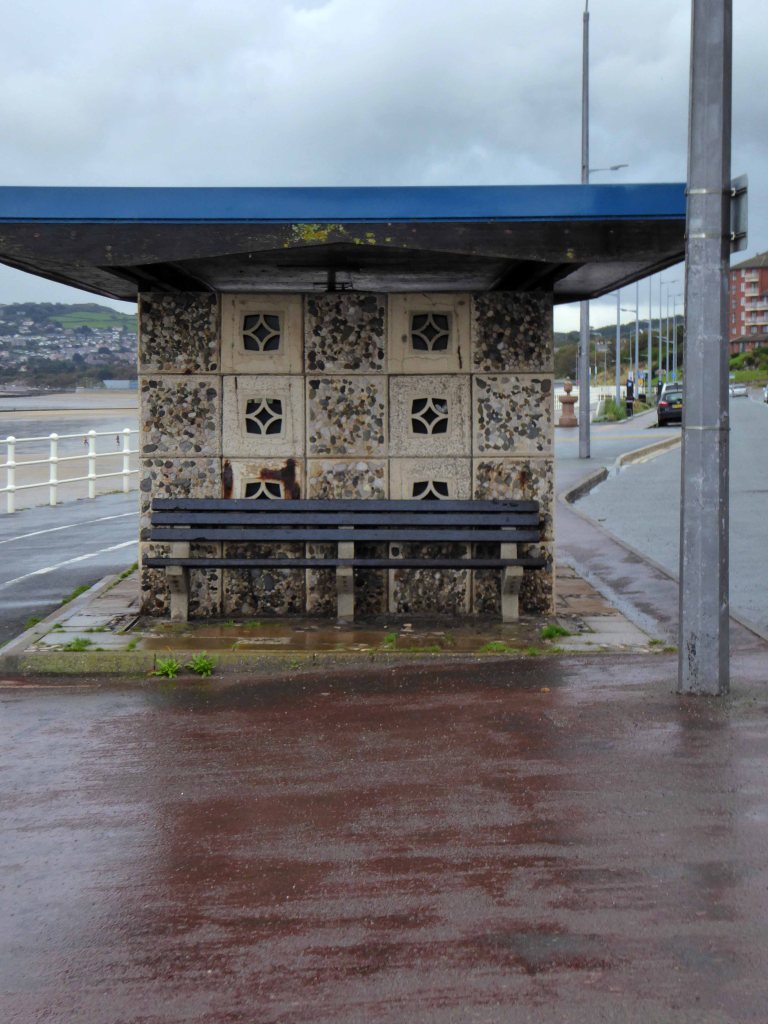
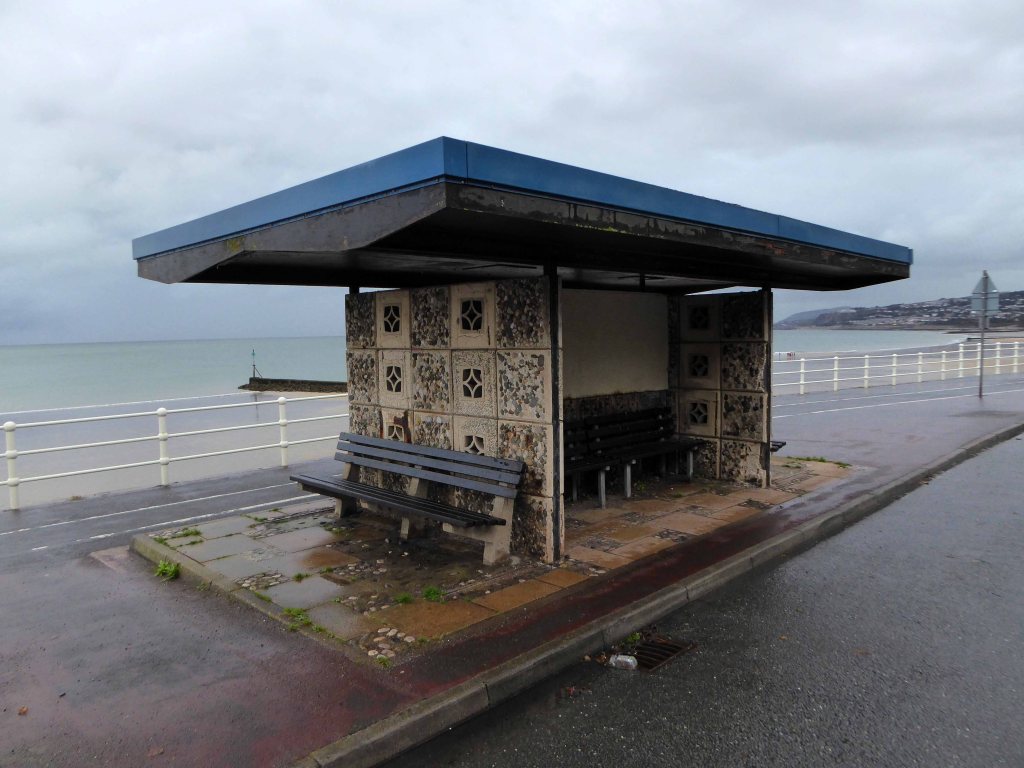
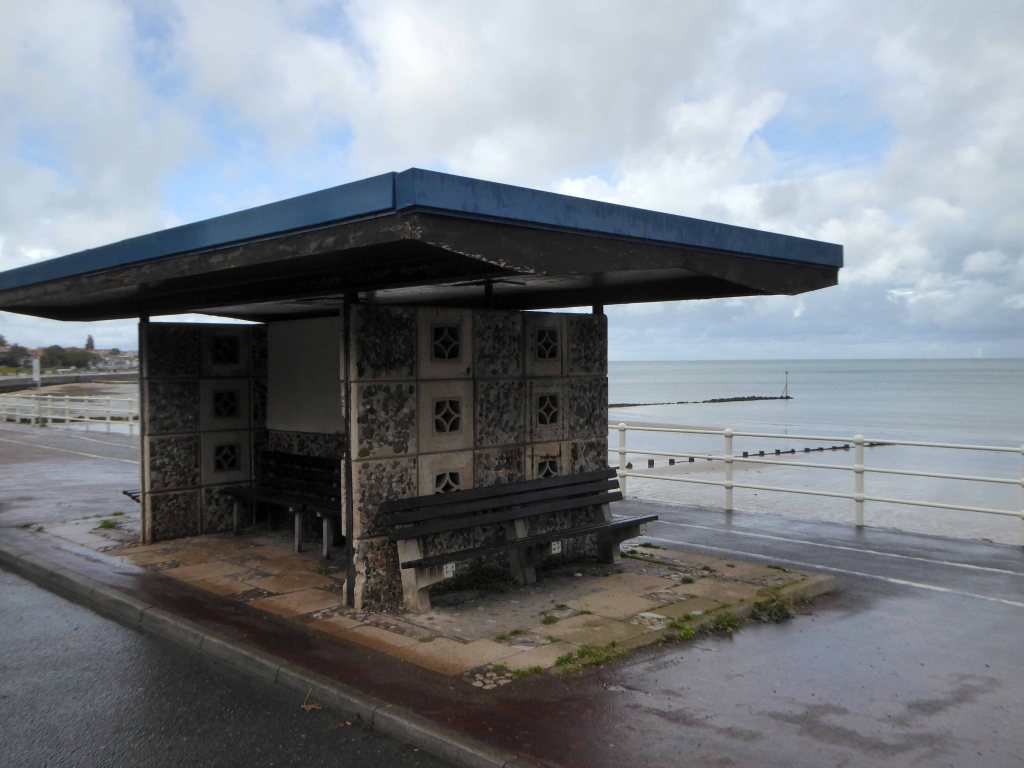
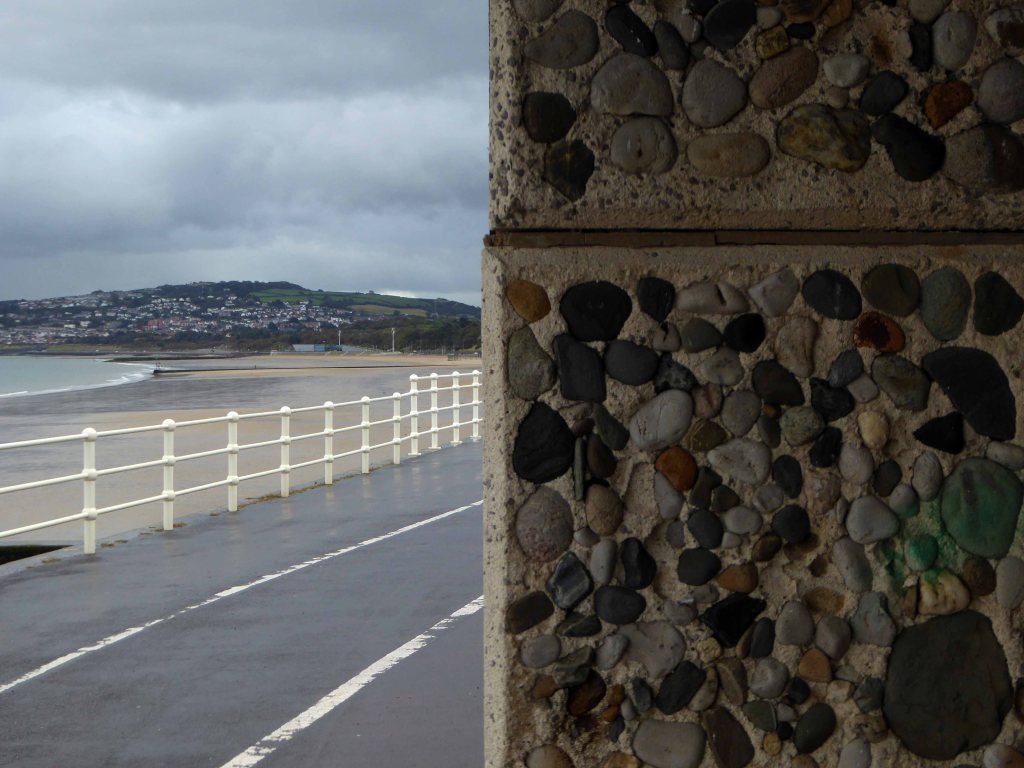
I have been here before, adoring the full range of Hasting’s sea front shelters.

They form an integral part of the general scheme designed and overseen by The Concrete King Sidney Little.

On my most recent visit the most distant shelter was receiving a wash and brush up, a brand new coat of paint or two, restored to bright red and white shipshape order, this land locked delight looked ready to set sail across the adjacent Channel to who knows where.

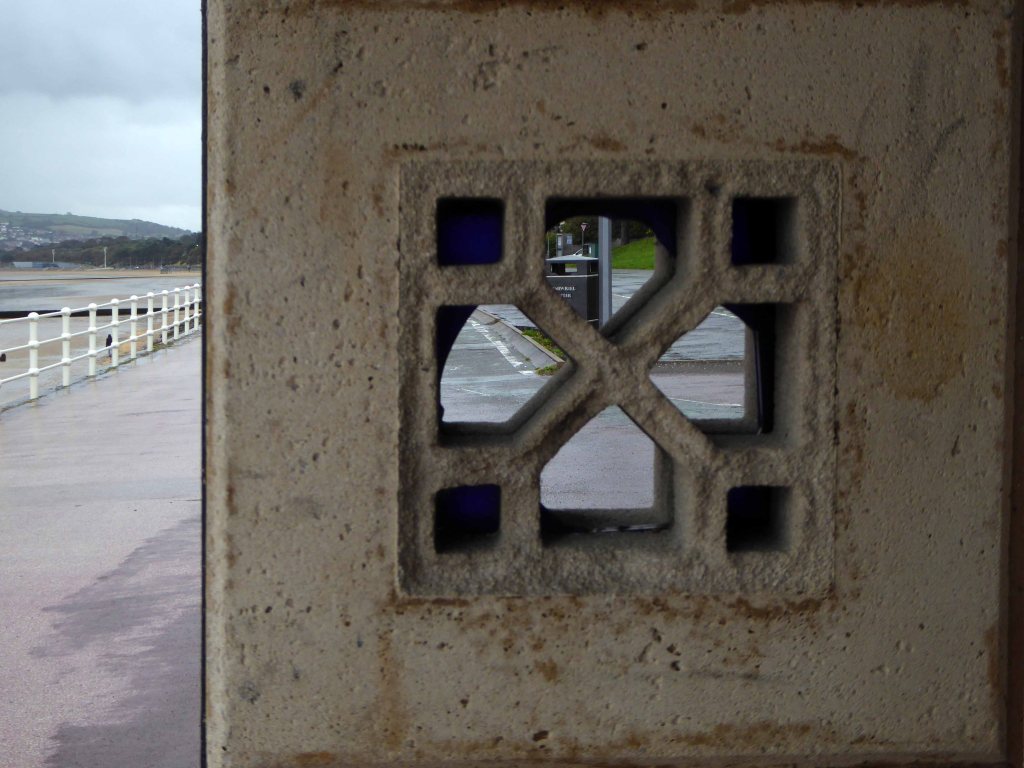
Offering a somewhat occluded view of blue skies and faraway shores, the bus stops here and goes on forever and forever.

P1170950

P1170955

P1170956


P1170961

P1170963


P1170965

P1170966

P1170967

P1170968

P1170969

P1170970

P1170971

P1170972

P1170973

P1170974

P1170976

P1170977

P1170978

P1170979

P1170980

P1170982

Fire Station – Bury

Curvilinear, cantilevered, concrete canopies wave – wave goodbye.

Opened in 1967

fire-station-the-rock-built-1967

Closed in 2012, it continues to stand idly by, as the Bury Town centre doughnuts the site with shiny new developments.

A striking tower topped by a hyper parabolic roof with a cheeky twist, it remains an elegant feature on The Rock.

Facing an uncertain future it can only be a matter of time, as the new build proliferates that the fire station disappears in a puff of smoke.

Who you gonna call?

P1160753

P1160754

P1160755

P1160756

P1160758

P1160759

P1160760

P1160761

P1160762

P1160763

P1160764

P1160765

P1160766

P1160767

P1160768

P1160770

P1160771

P1160772

P1160783

P1160784

Subway – Scarborough

When is a subway not a sandwich?

When it’s a doughnut!

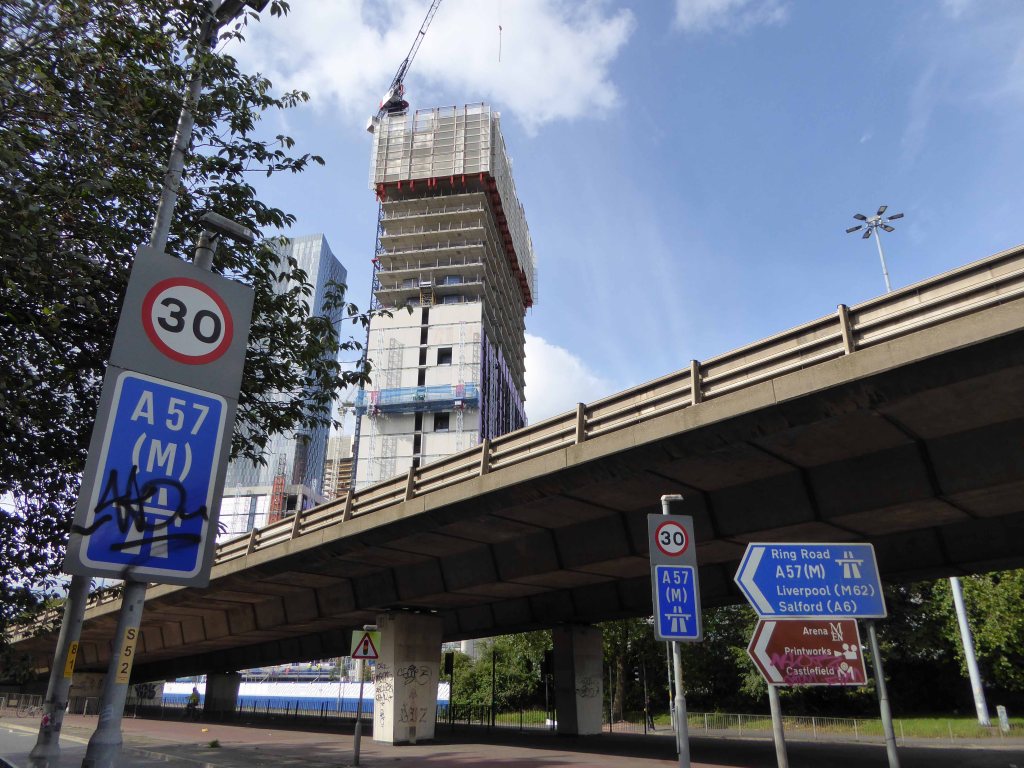
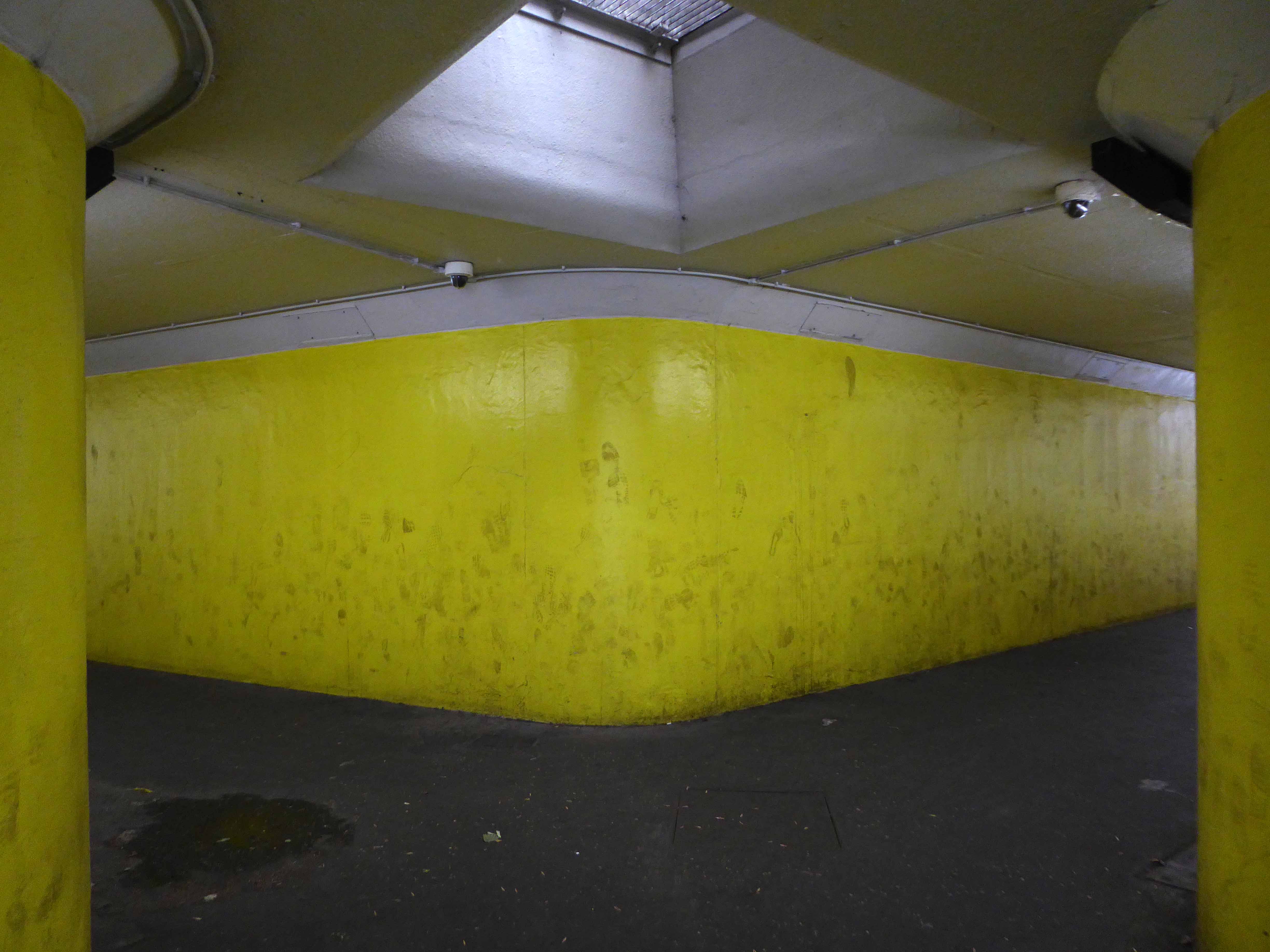
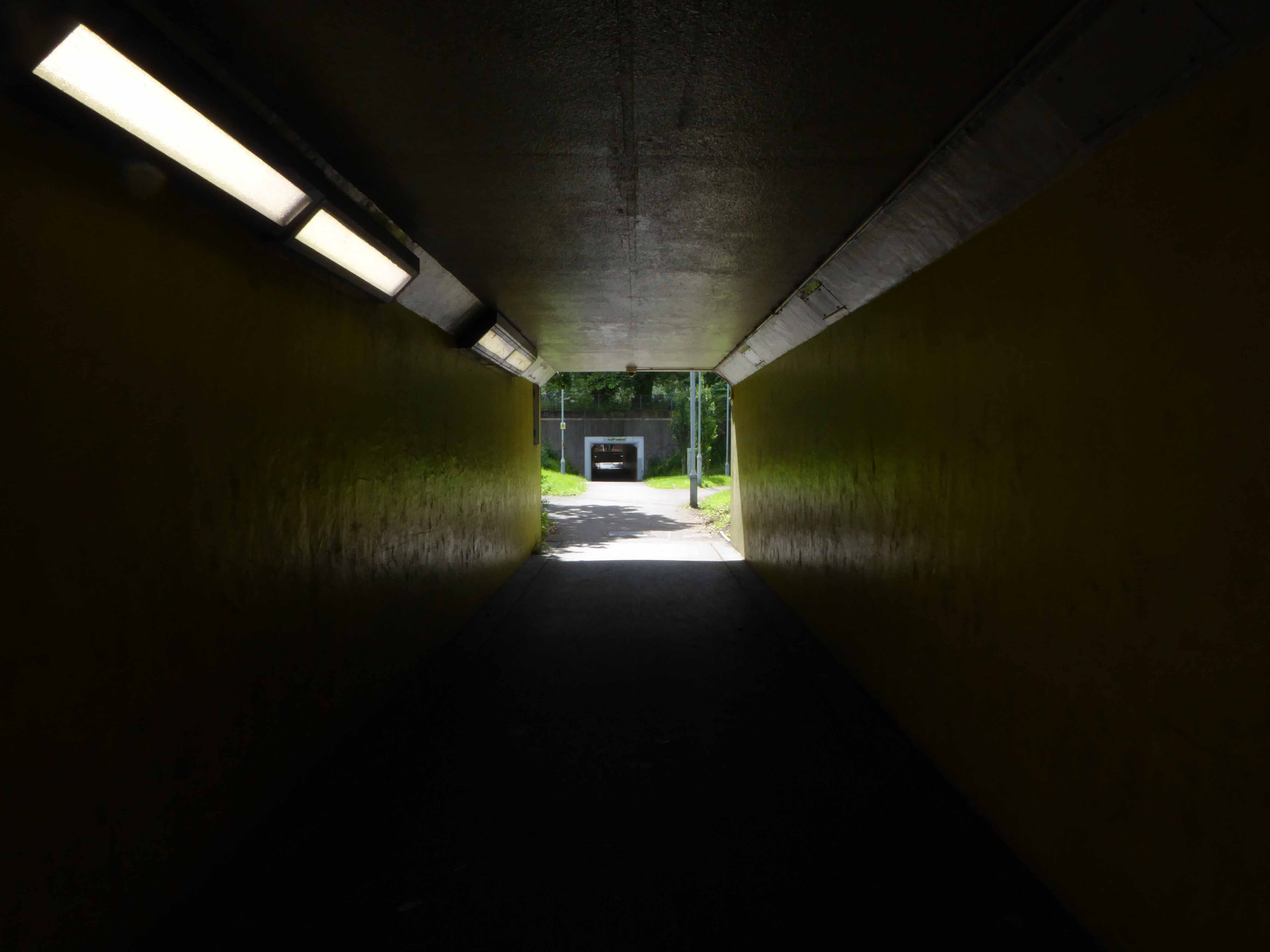
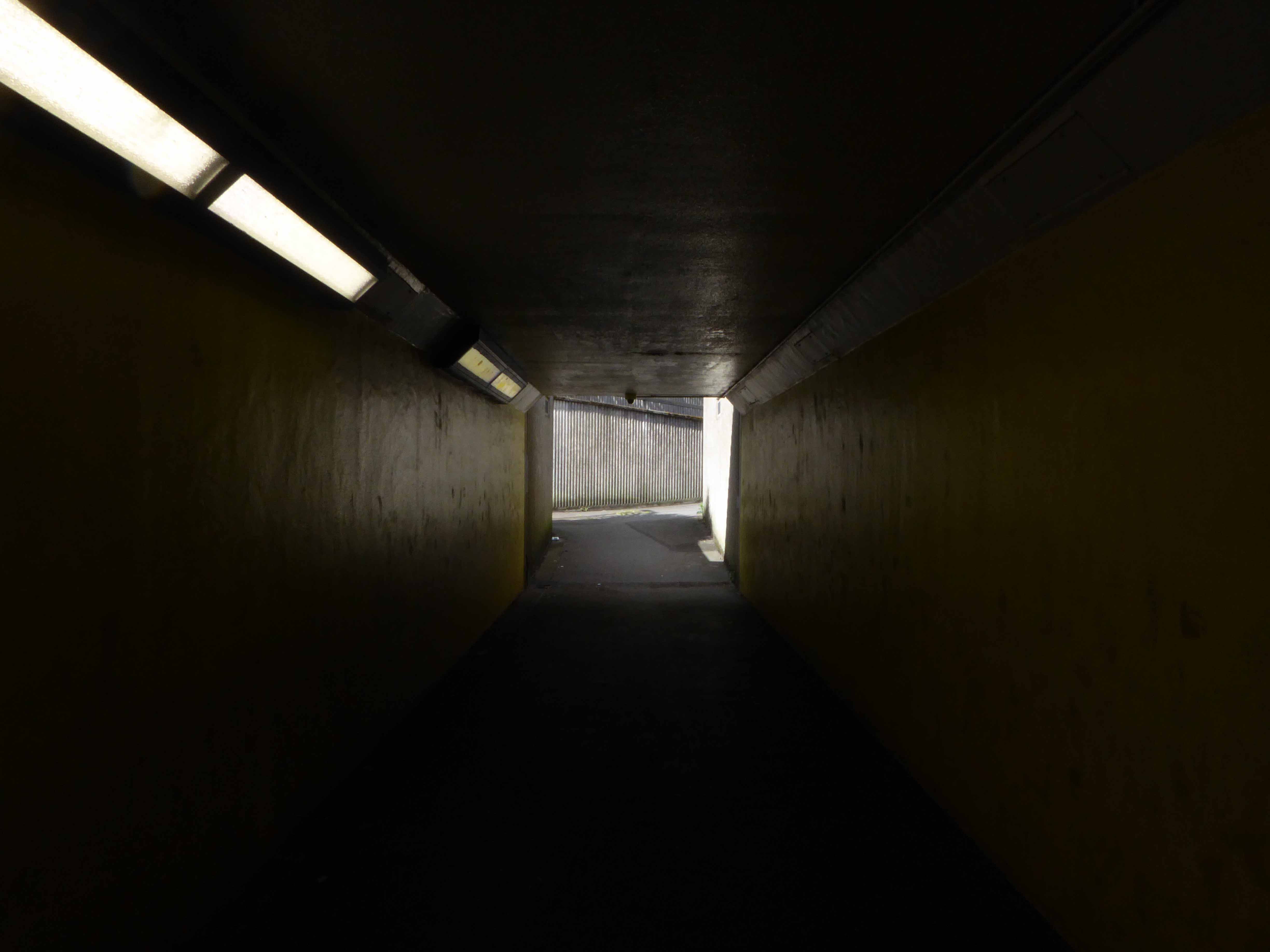
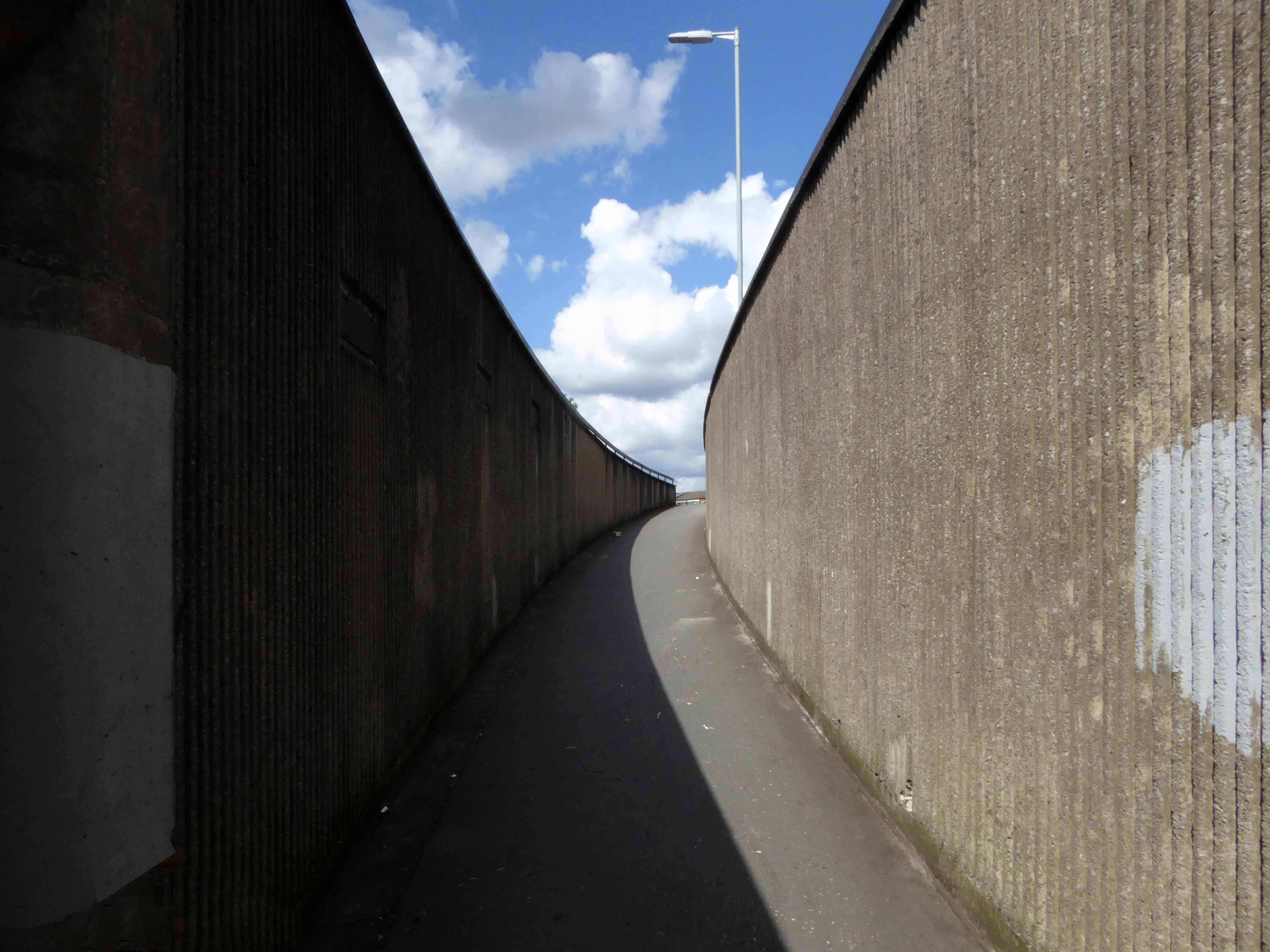
Hard by the seafront linking Foreshore, Cleveland Way and Valley Road sits a neat little tight little island, giving pedestrian access to almost everywhere – and a car park.

Screen Shot 2017-05-03 at 16.54.51

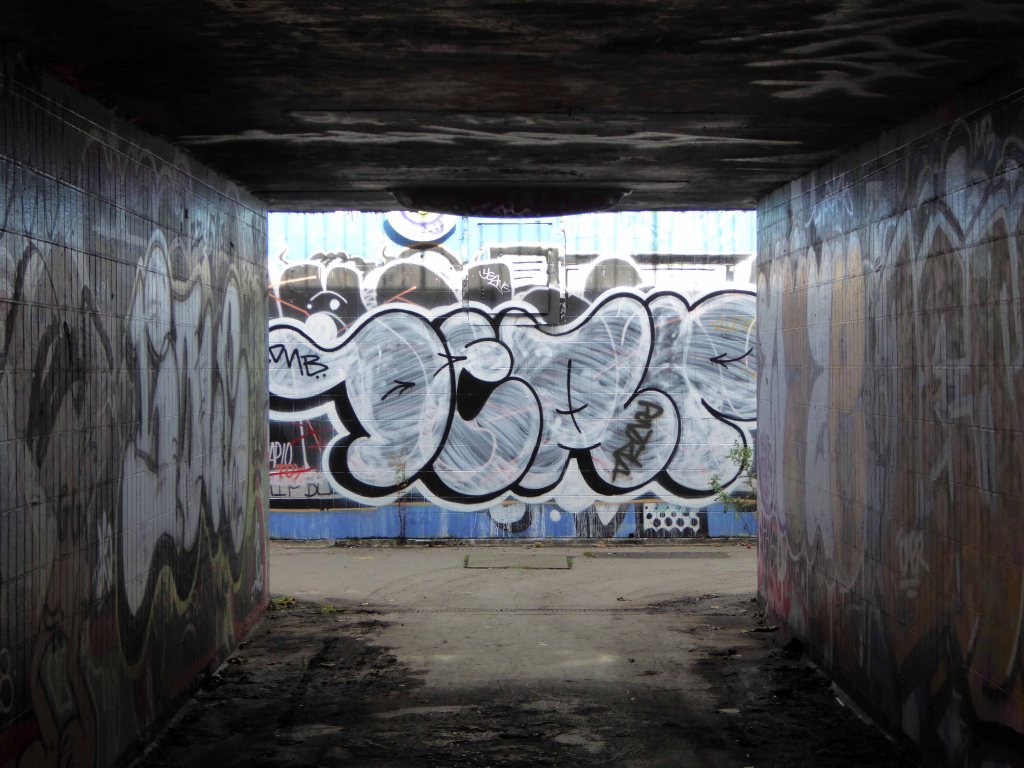
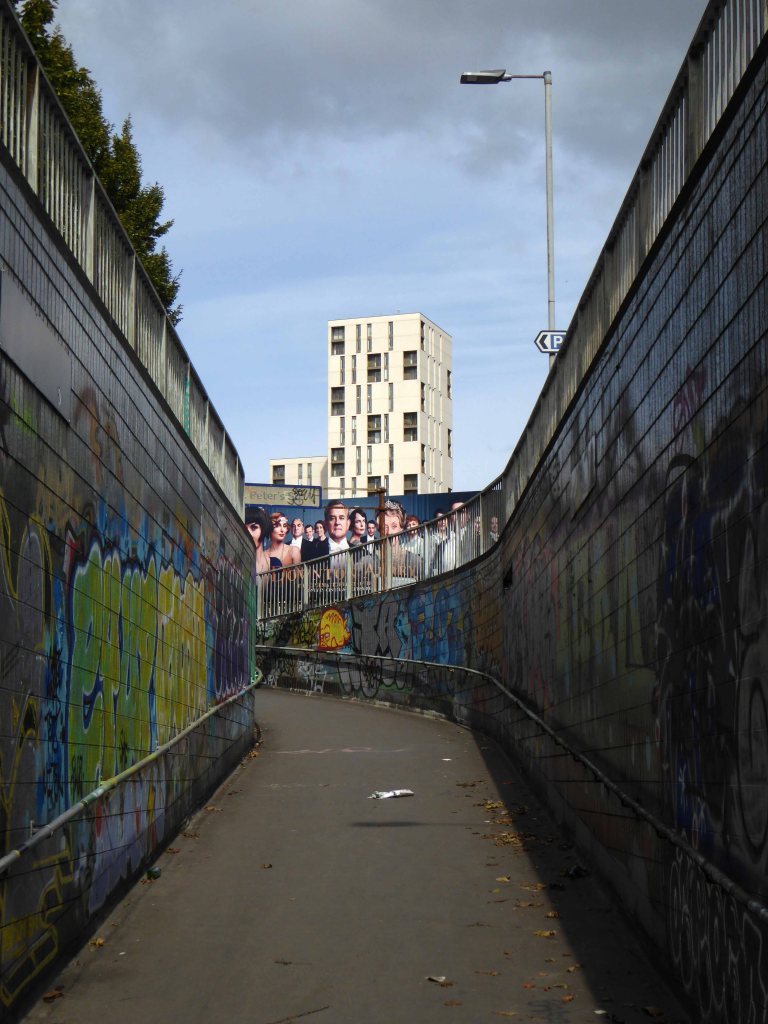
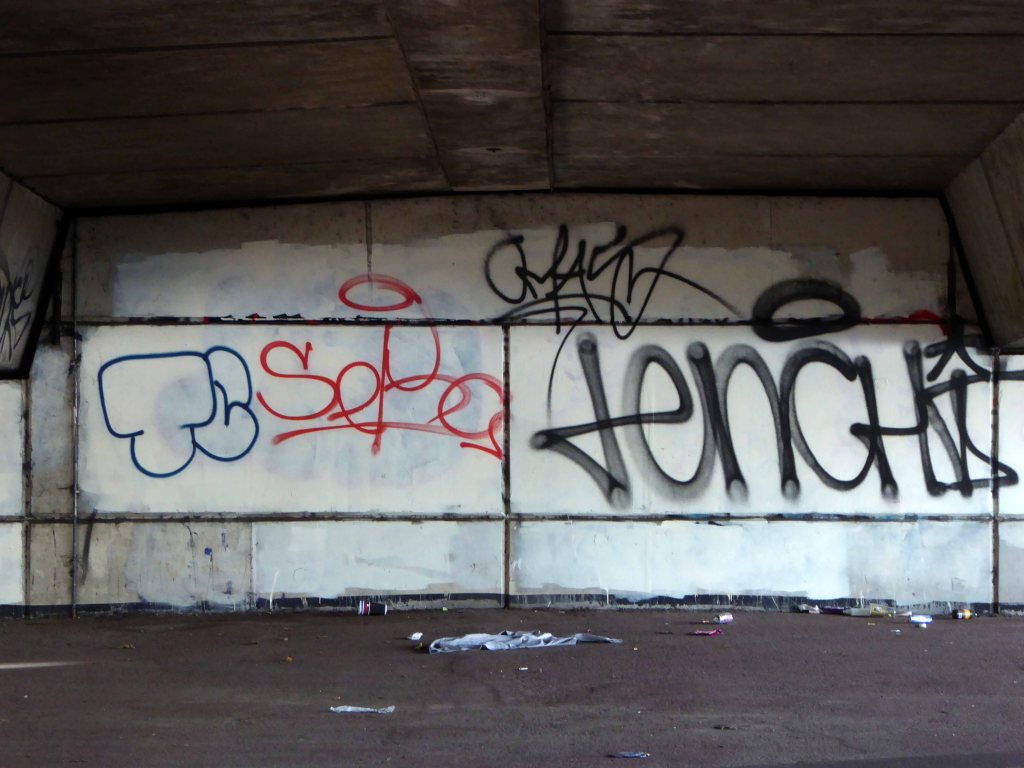
As with every other torus worth calling a torus, at its very centre sits the presence of absence, darkened concrete subterranean causeways, linking everything to nothing.

There’s a world going on underground.

P1150450

P1150451

P1150452

P1150453

P1150454

P1150456

P1150457

P1150458

P1150459

P1150461

P1150465

P1150467

P1150468

P1150469

P1150471

P1150472

P1150482