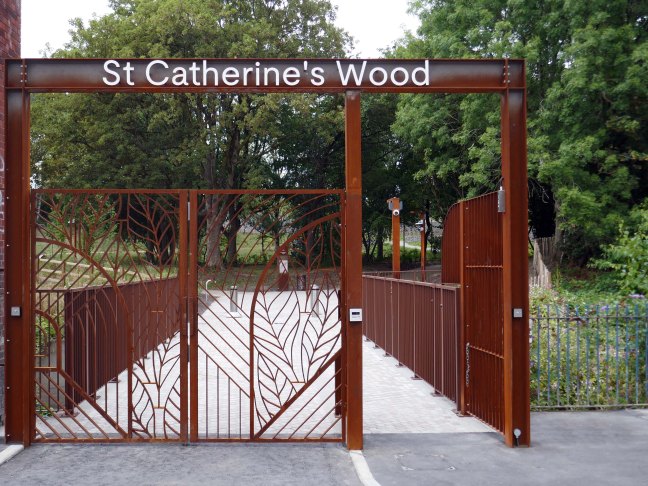
1807
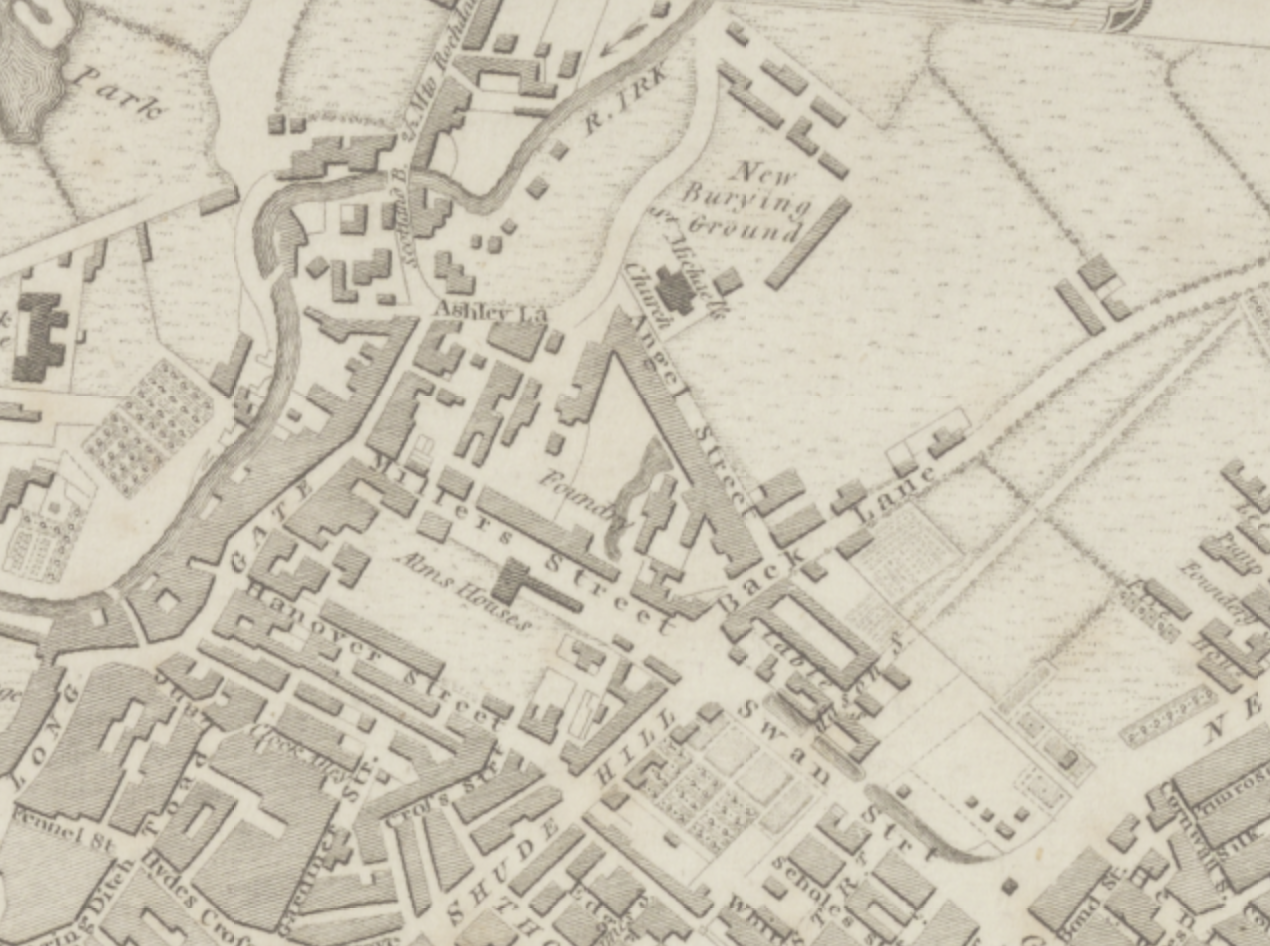
1821
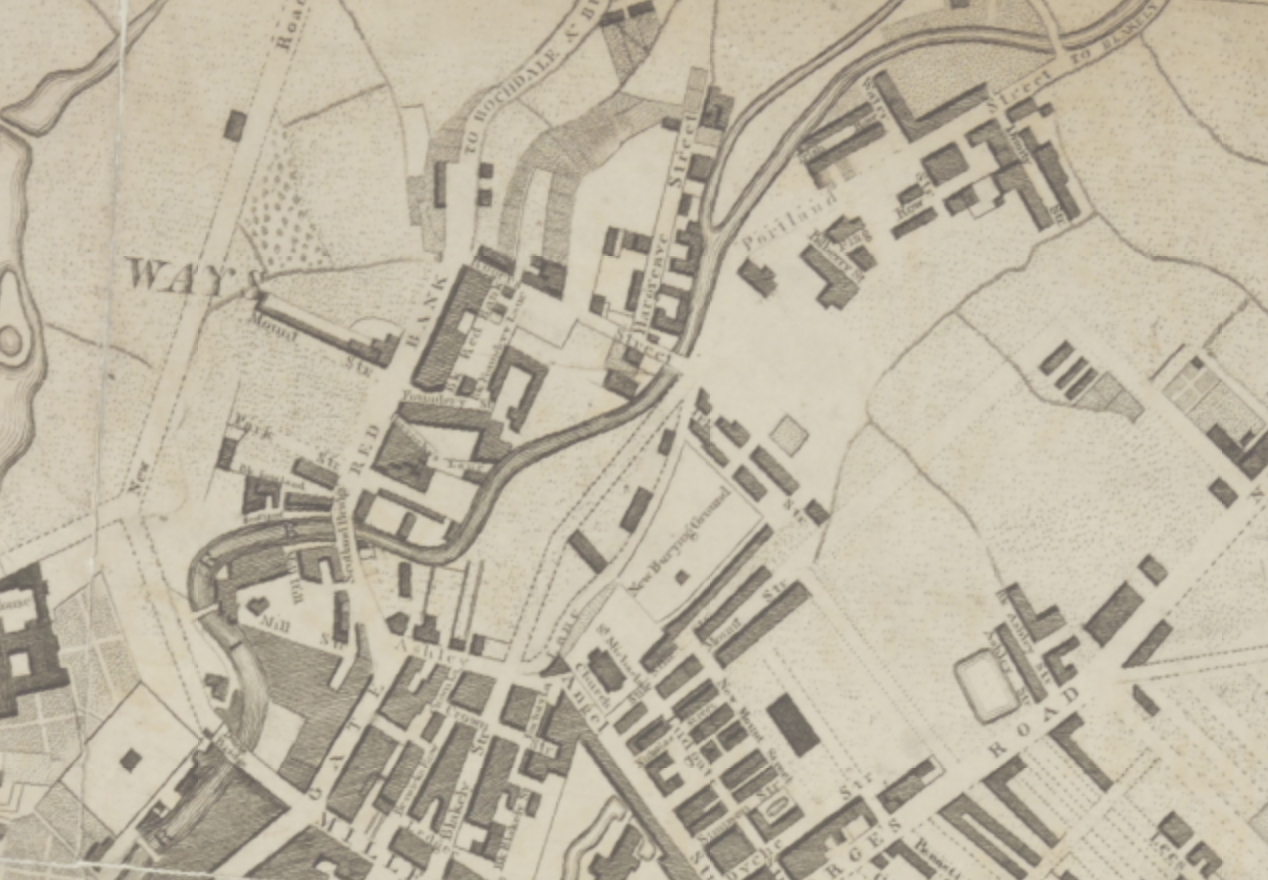
1860
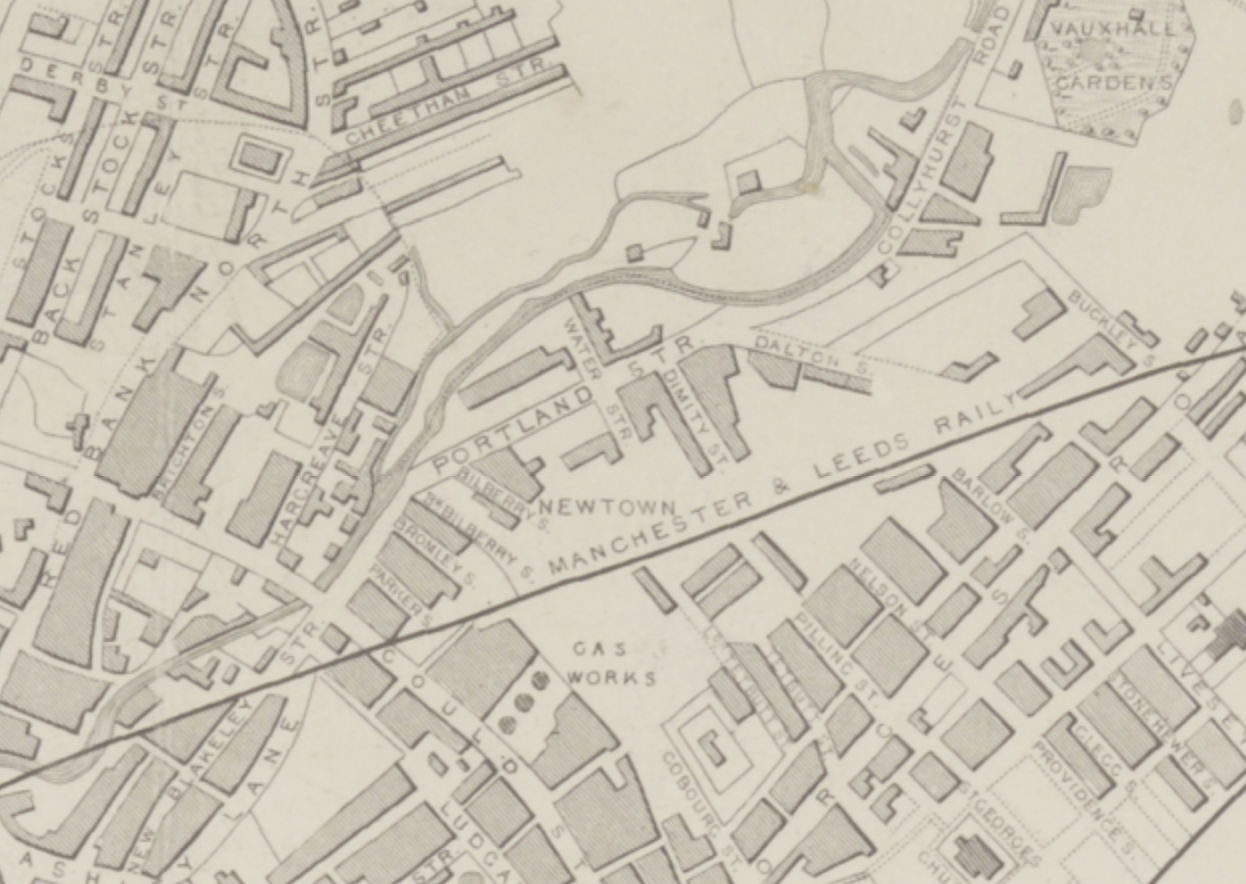
1908
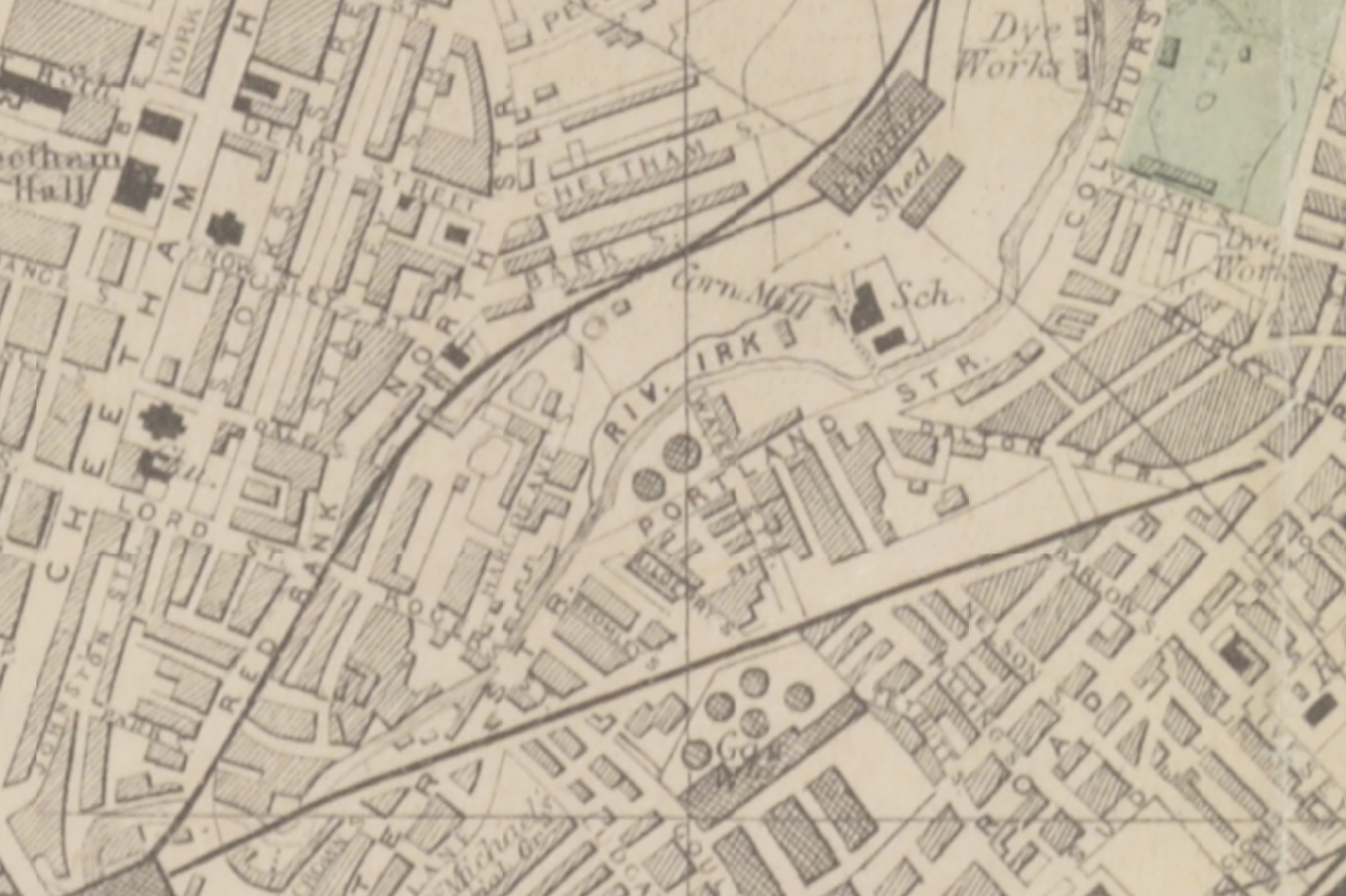
1960
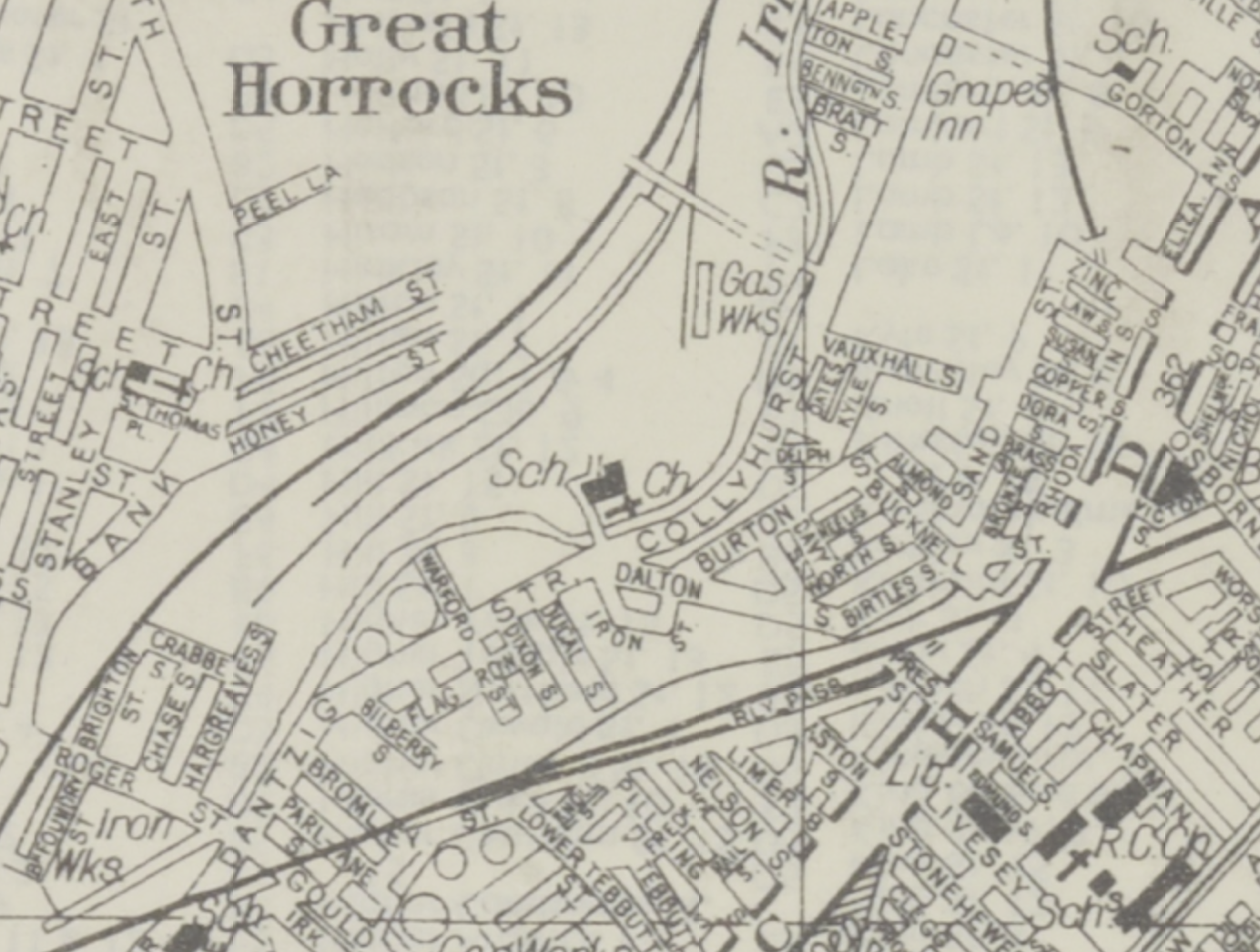
Collyhurst Rd Manchester M40 7TW
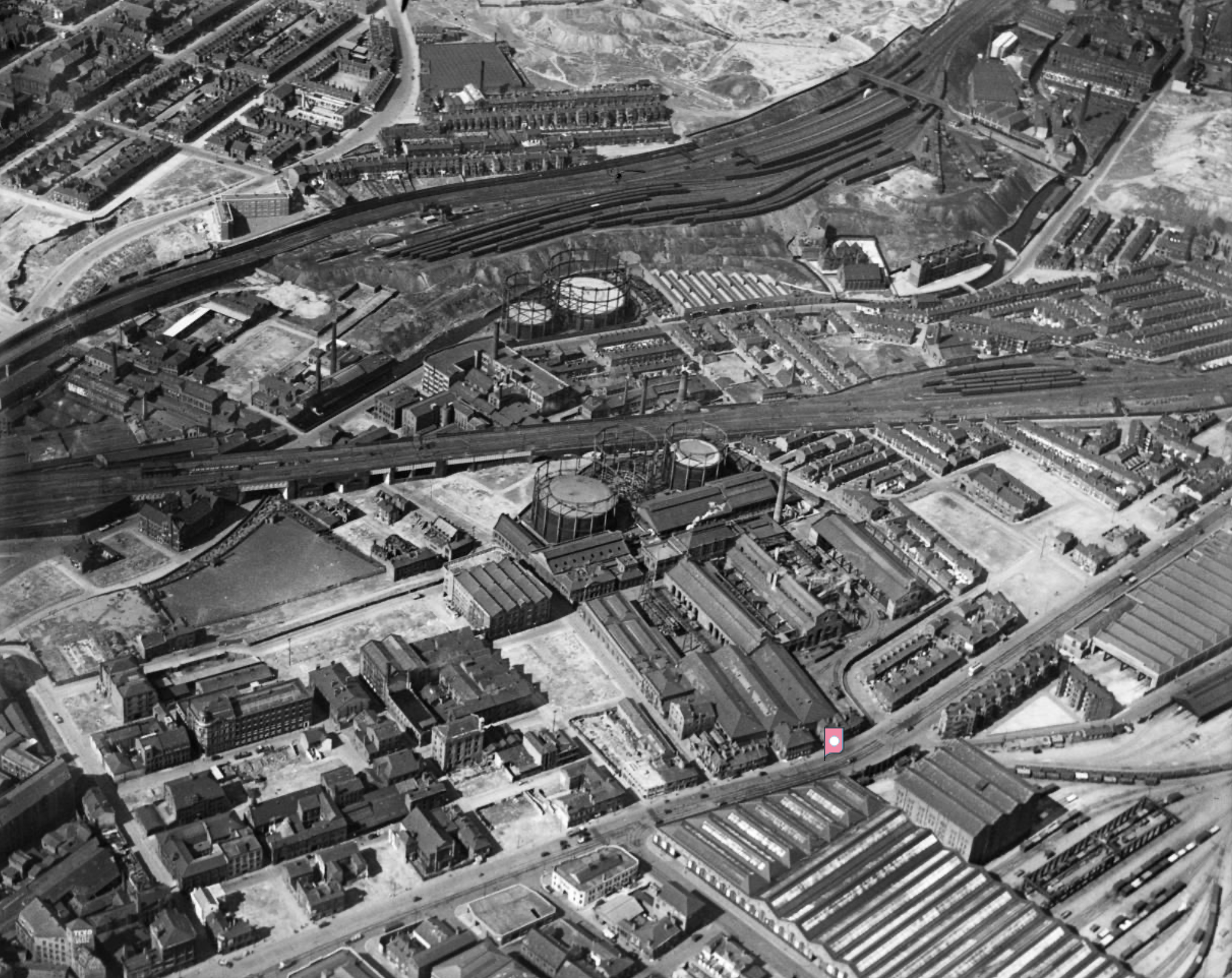
Image 1939 – Britain from the Air
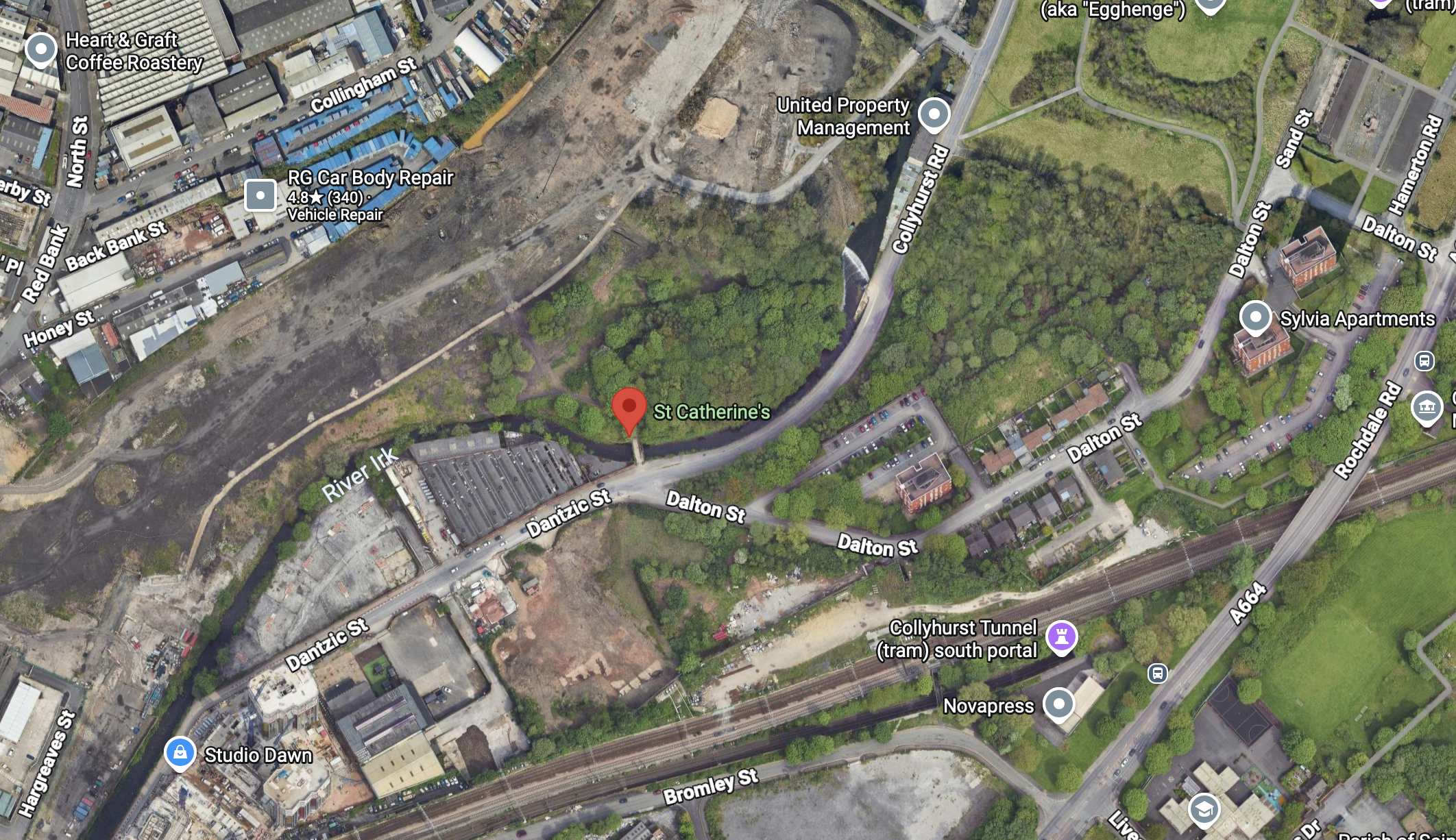
Situated at the western end of the Irk Valley – there’s a brand new urban woodland park.
We worked together with Copenhagen practice, Schulze + Grassov on the Red Bank Masterplan in Manchester for Far East Consortium. It combines the wilderness of the riverside park setting and the metropolitan urbanity of Central Manchester.
Set within this wilderness, social, community and commercial infrastructure will support a thriving residential neighbourhood to foster an equitable, active, local, and resilient urban dwelling.
It is one of the first seven neighbourhoods being regenerated as part of the £4 billion Victoria North project, which is one of the largest in the UK and expected to build 15,000 new houses over the next decade.
2022 plan – here’s one we made earlier.
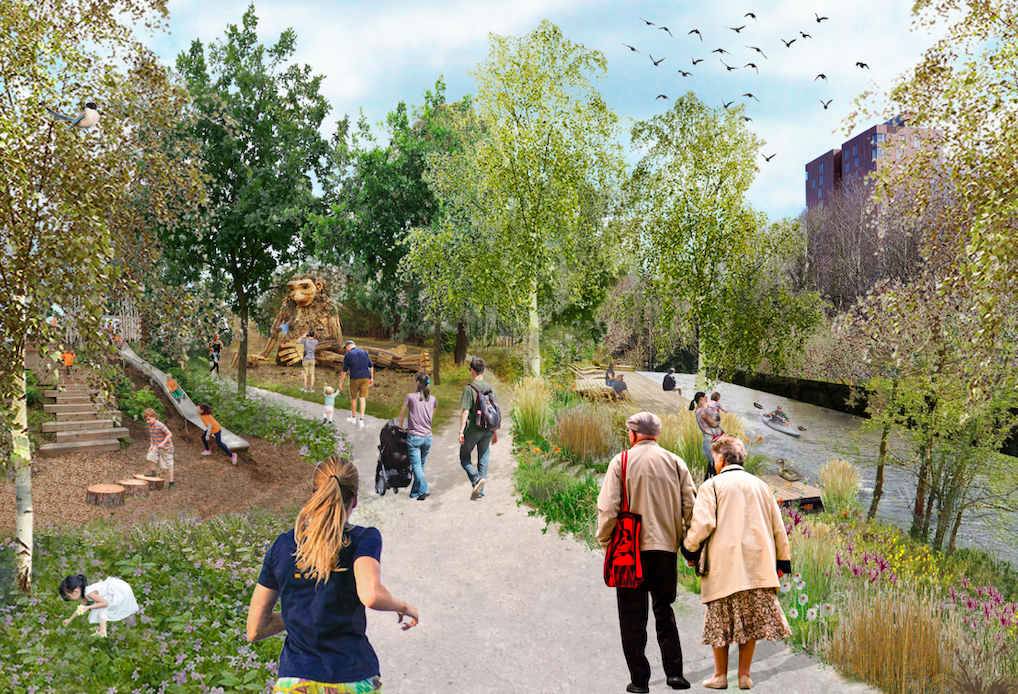
The 2.7 acre St Catherine’s Wood, part of the emerging 5,000-home Red Bank neighbourhood within Victoria North, welcomed its first visitors on Friday.
Manchester City Council and Victoria North development partner FEC unveiled the city’s newest park at an event last week that gathered local stakeholders to the previously forgotten patch of woodland next to the River Irk.
Accessed via a pre-existing bridge off Collyhurst Road, the site has been transformed using part of a £51.6m Housing Infrastructure Fund grant from Homes England and £7m from the GMCA.
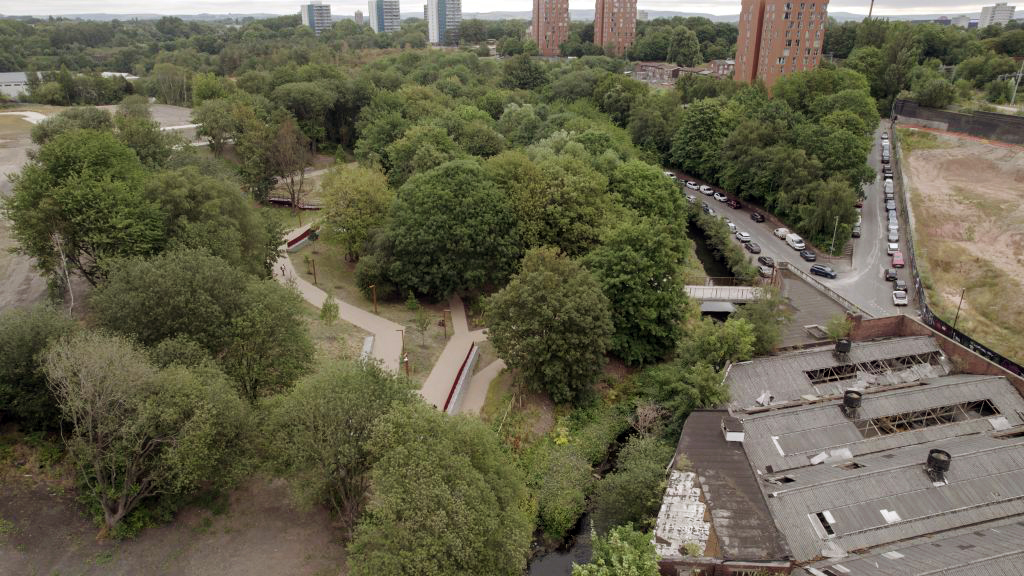
This is the first phase of wider plans for Red Bank.
Red Bank forms the first phase of Victoria North that will see the regeneration of Manchester’s neighbourhoods running north of the city centre along the River Irk.
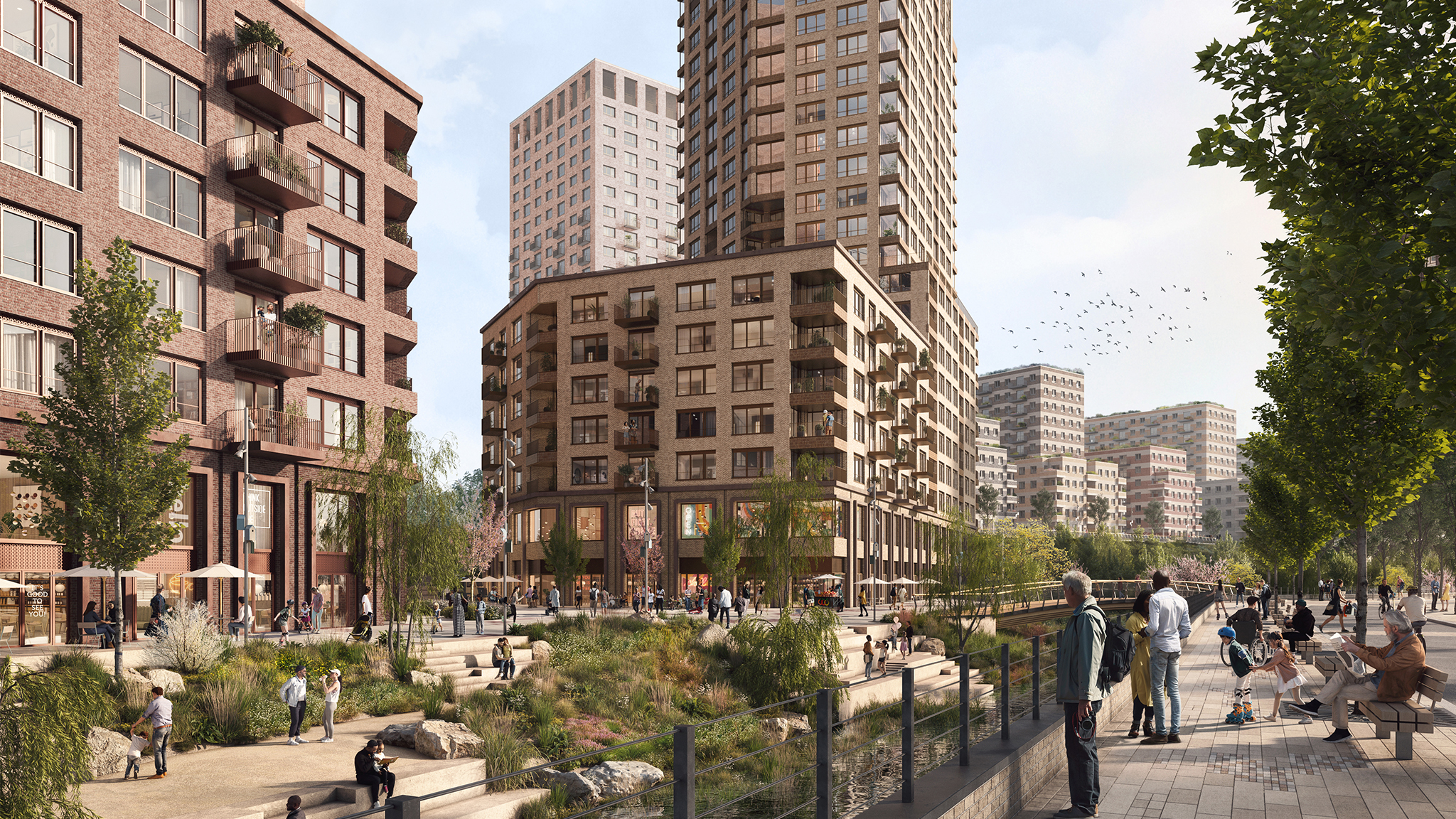
Red Bank forms the first phase of Victoria North that will see the regeneration of Manchester’s neighbourhoods running north of the city centre along the River Irk. The fast-flowing river is nested at the bottom of a valley, with its dramatic topography providing a respite from the general flatness of the central Manchester. The surrounding area was formerly at the centre of Manchester’s industrial might. Red Bank itself had held gasworks, a railway depot, mills, small factories and workers’ housing. Infamously, it was this neighbourhood that Engels used to describe the appalling quality of urban living in the “Conditions of the Working Class in England”.
The park is named for long gone St Catherine’s Church on Collyhurst Road.
Architects – Speakman and Charlesworth, built by, Messrs A Cochrane and Company, Manchester
On 5th November 1859, St Catherine’s Church Collyhurst was consecrated, with the service from the Book of Common Prayer, which gave thanks for the delivery of Parliament from the Gunpowder Plot and for the landing of William of Orange at Torbay in 1688. The church was named after a daughter of Lord Derby.
The rector of St Catherine’s in 1959 was Rev Robert C Tootel a Deputy Grand Chaplain of the Loyal Orange Institution of England. Due to dry-rot and a declining population the church had to close and the building was demolished in the 1960’s.
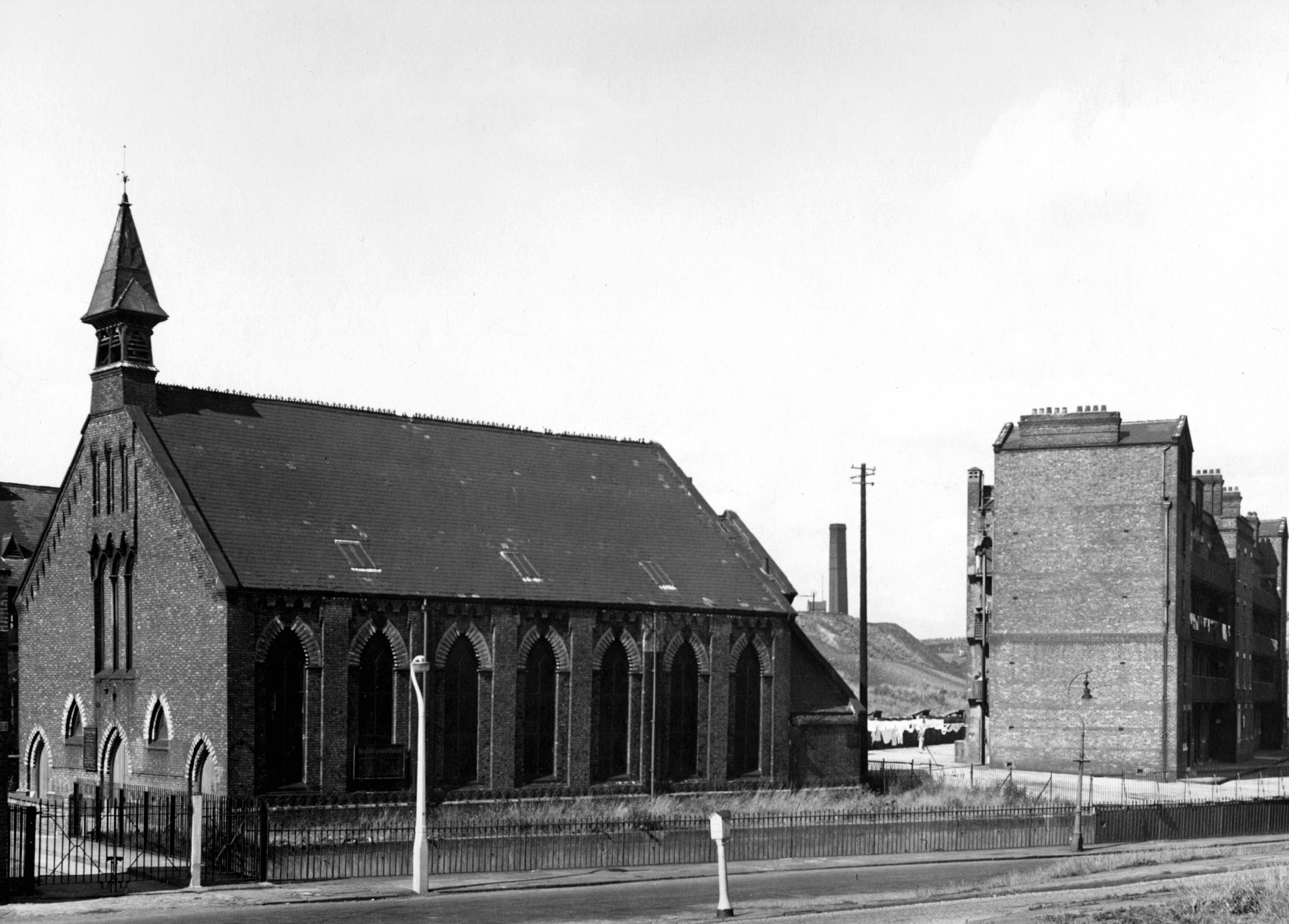
Image 1968 Lawrence Kaye Manchester Local Image Collection.
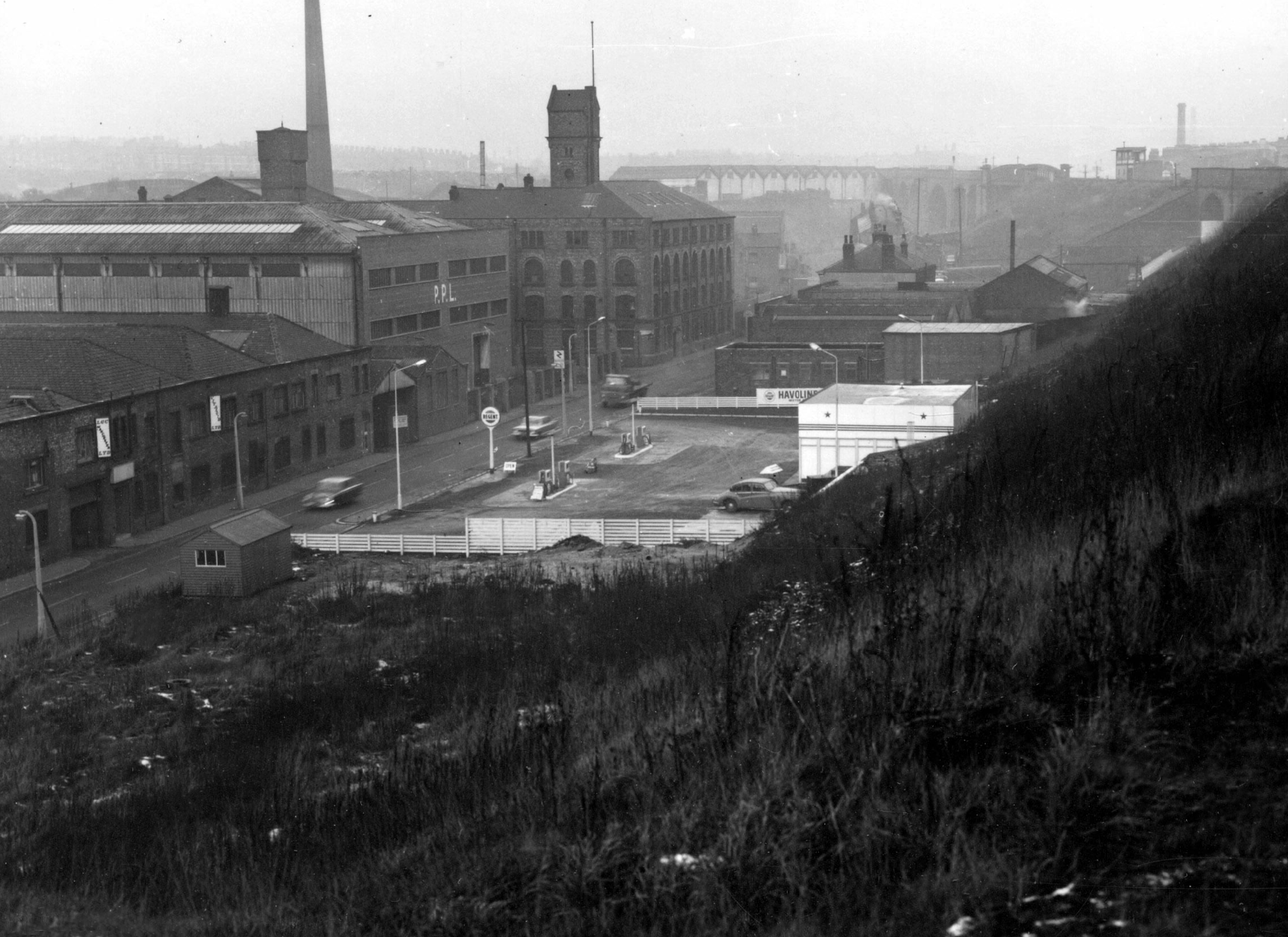
Collyhurst Road 1968 Manchester Local Image collection.
So the industry is all but gone, the older houses and their occupants displaced, the church and its congregation demolished and dispersed. A new world awaits the incoming population, a demographic and architectural leap into a high rise high rent future.
In this sense, the theory of the Communists may be summed up in the single sentence: Abolition of private property.
Friedrich Engels – The Communist Manifesto
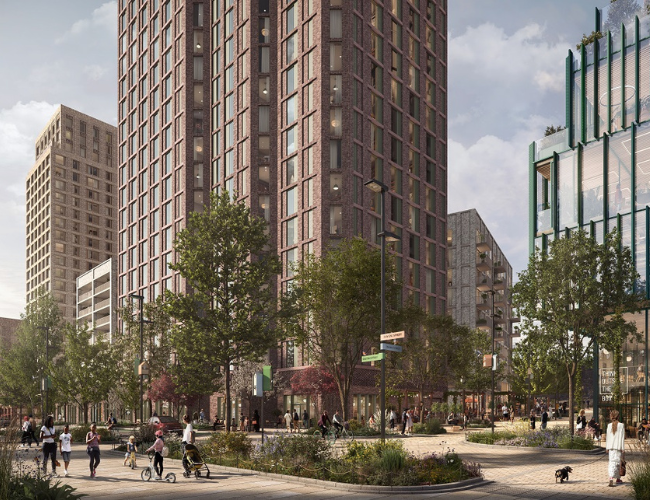
Let’s take a walk in the park.
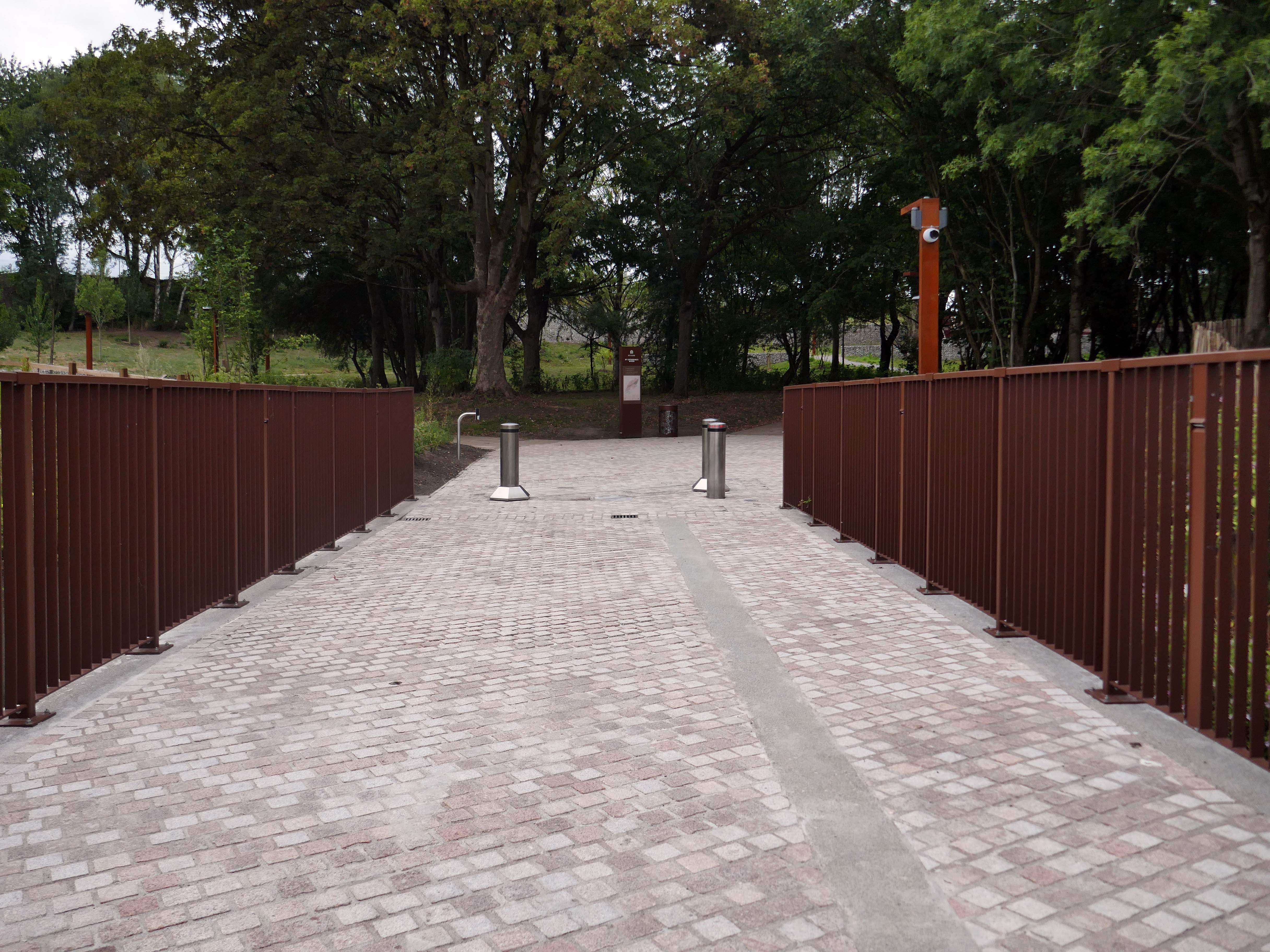
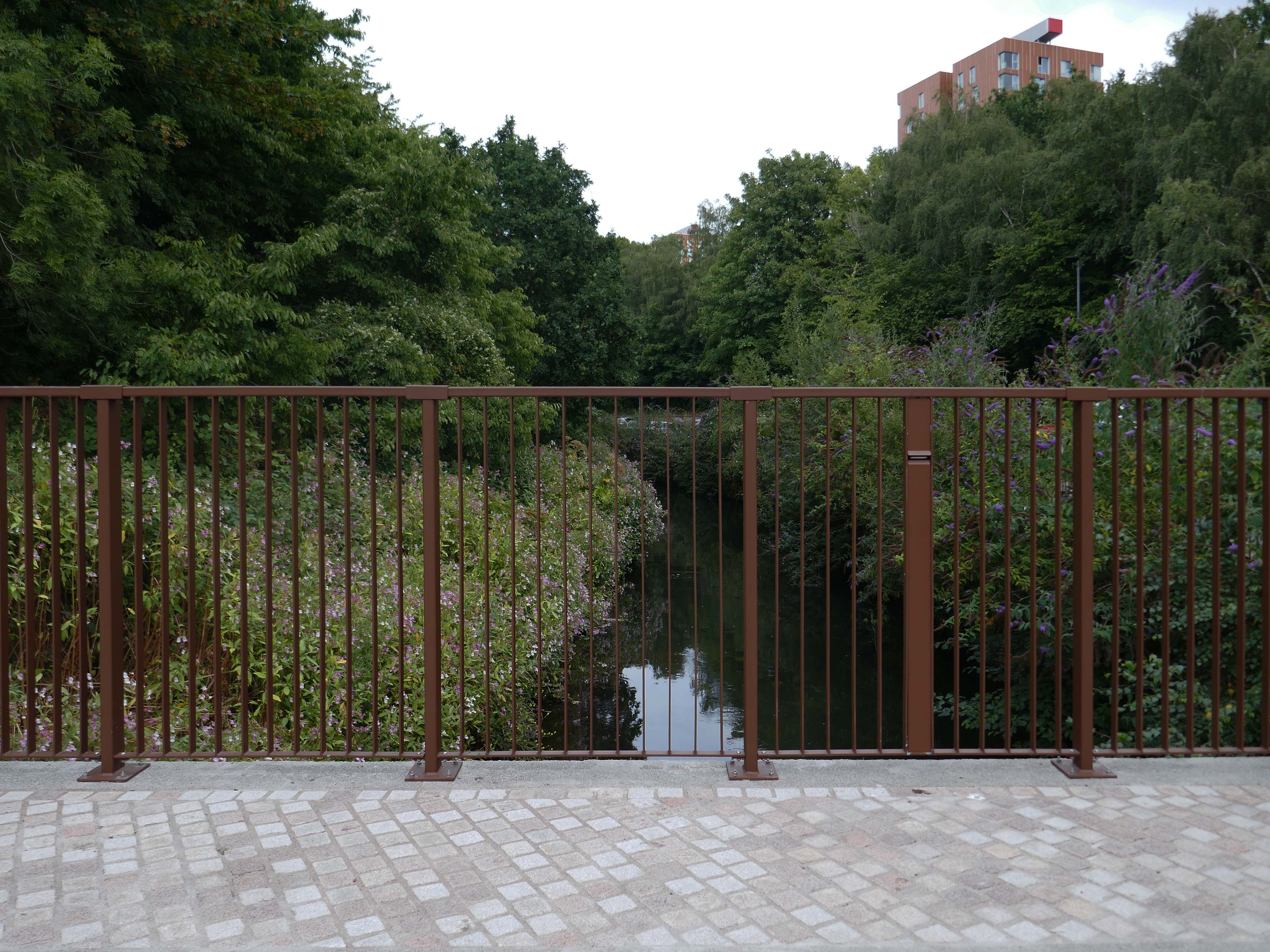
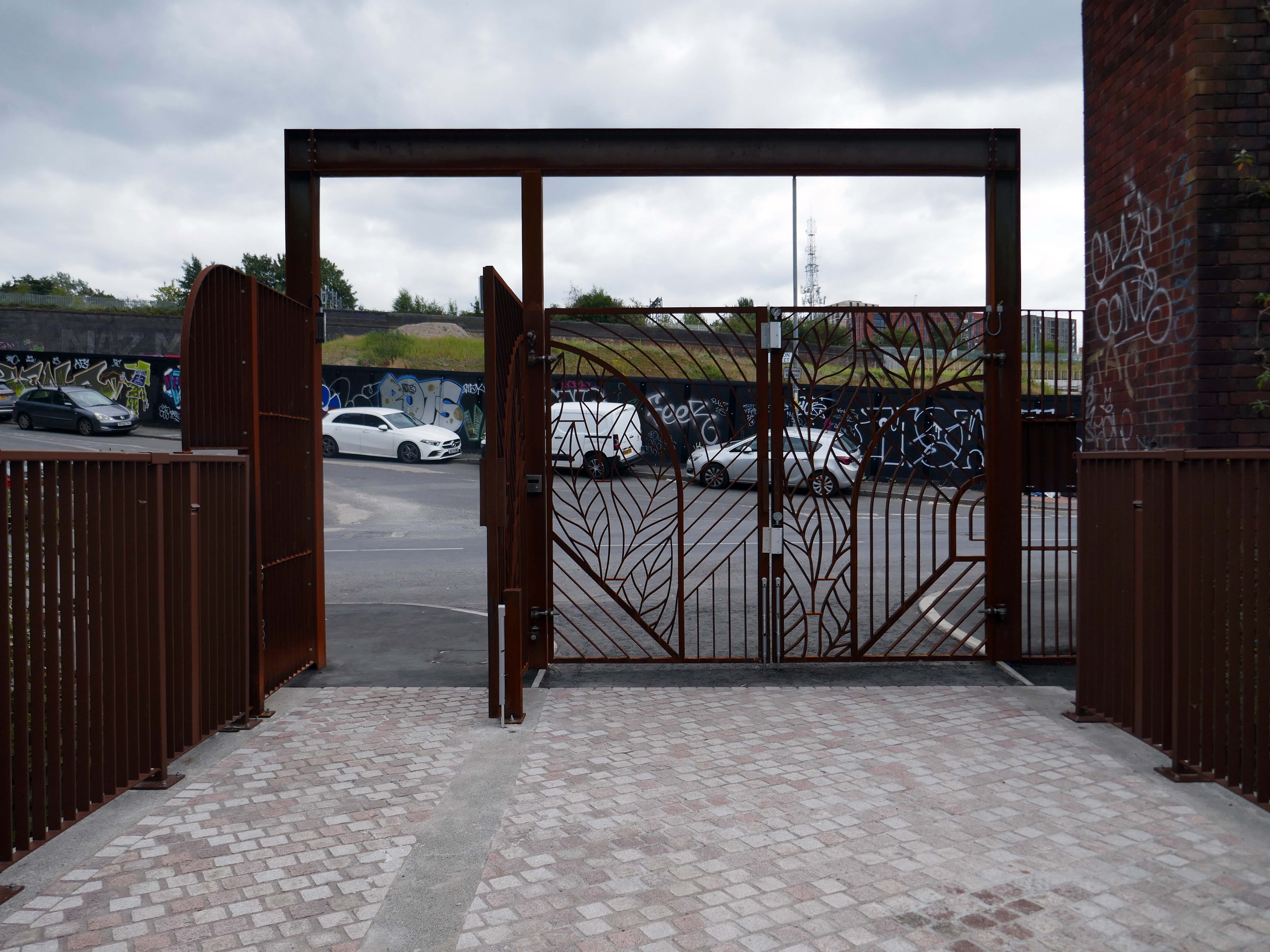
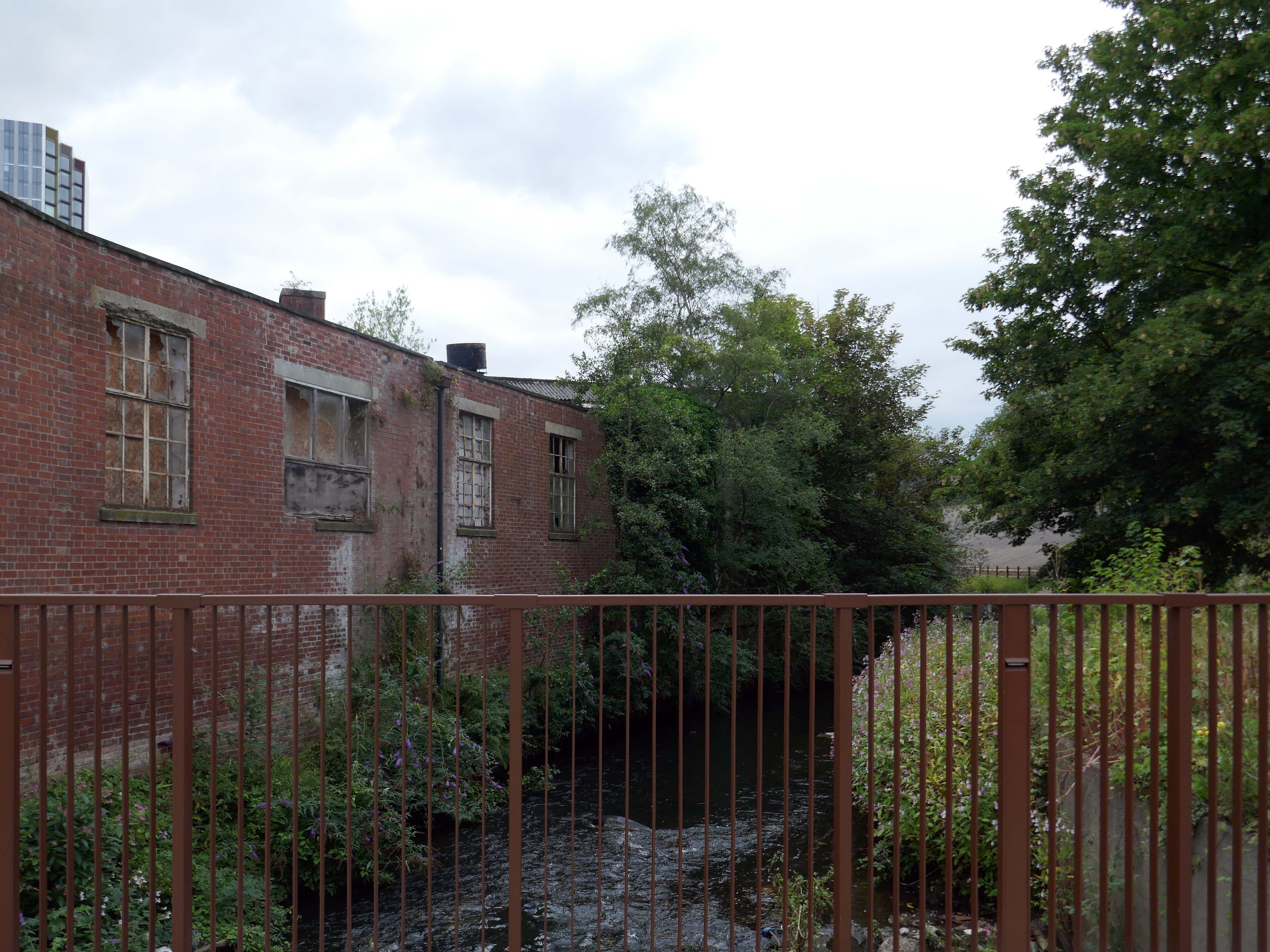
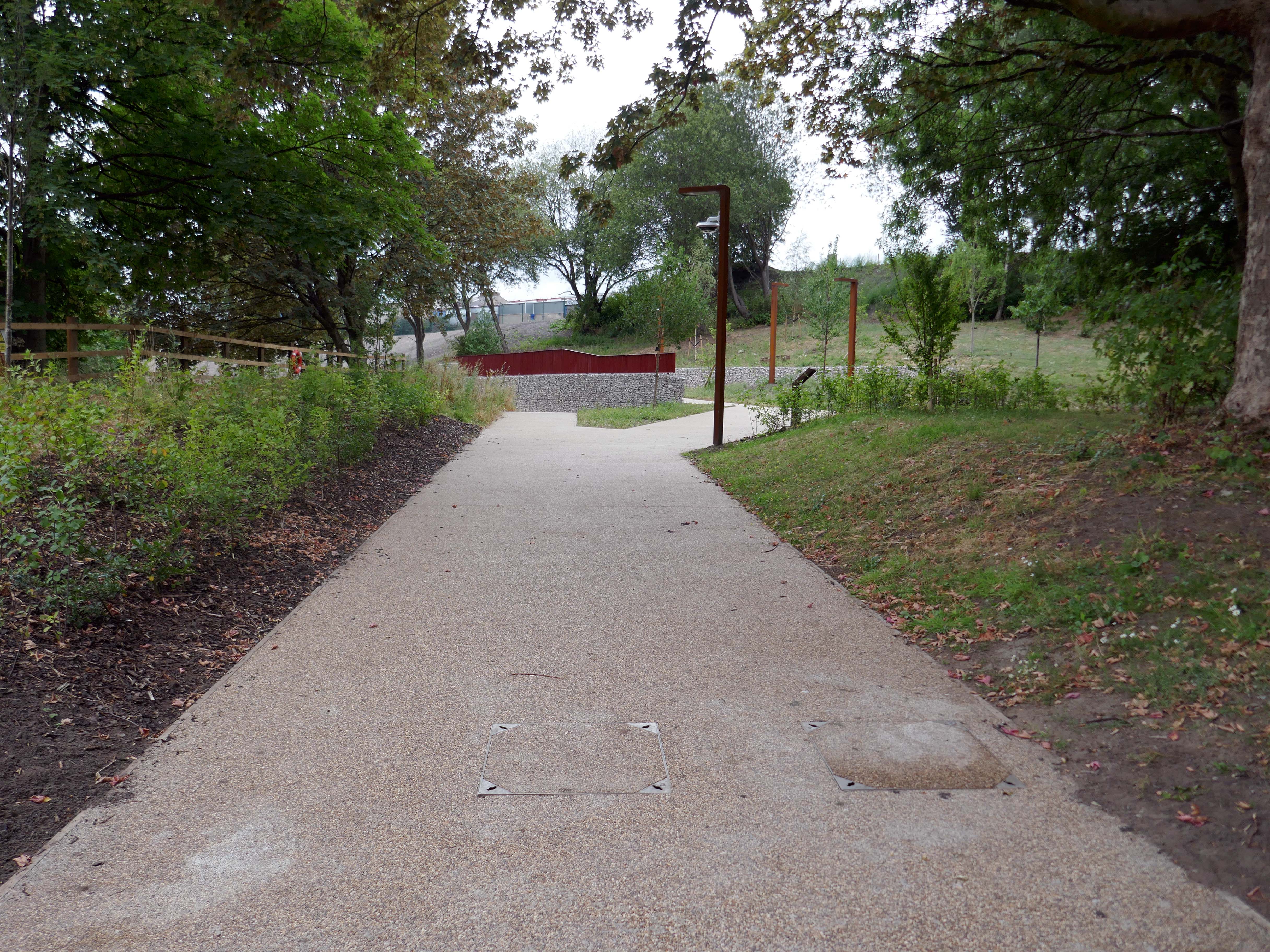
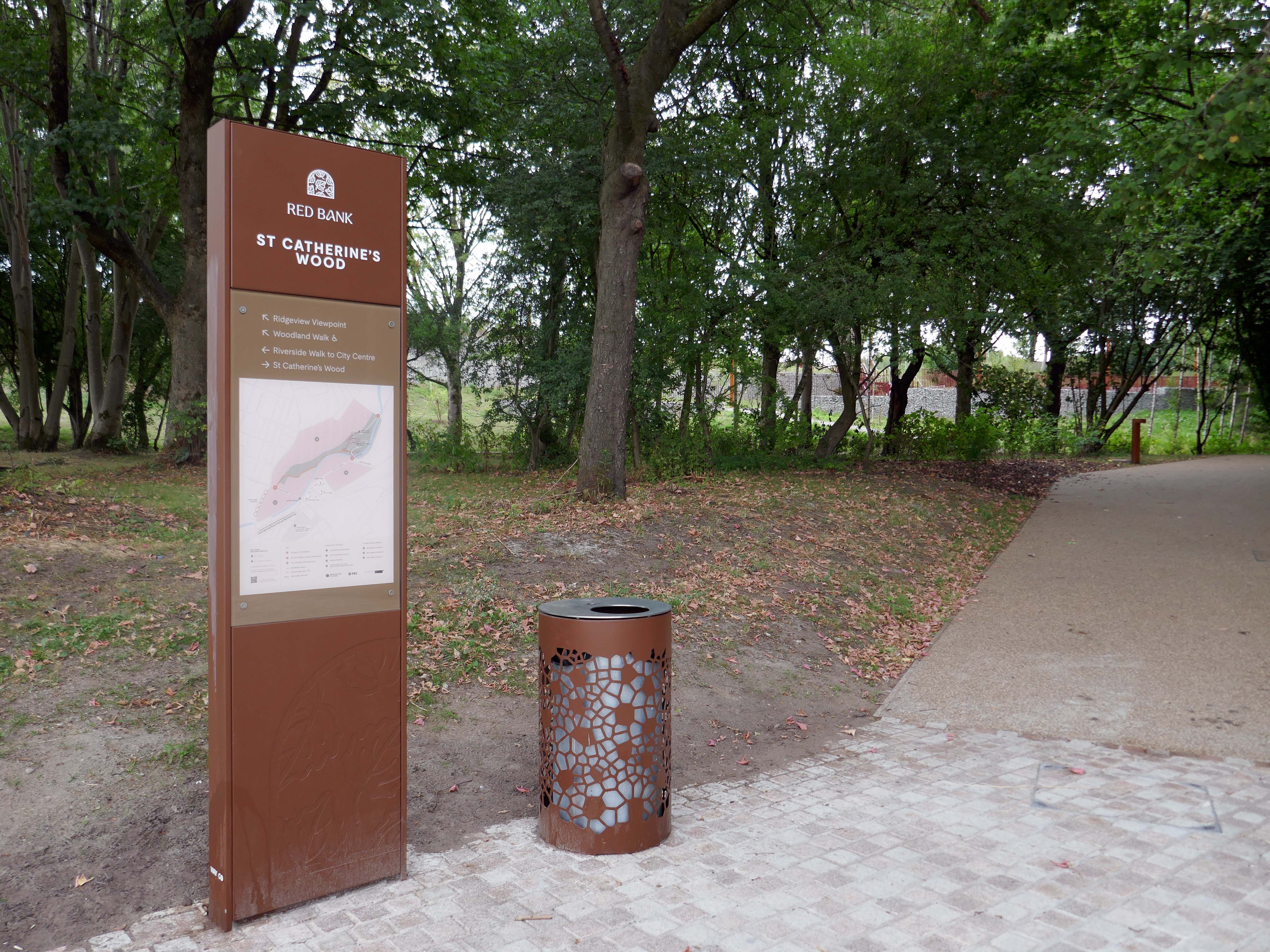
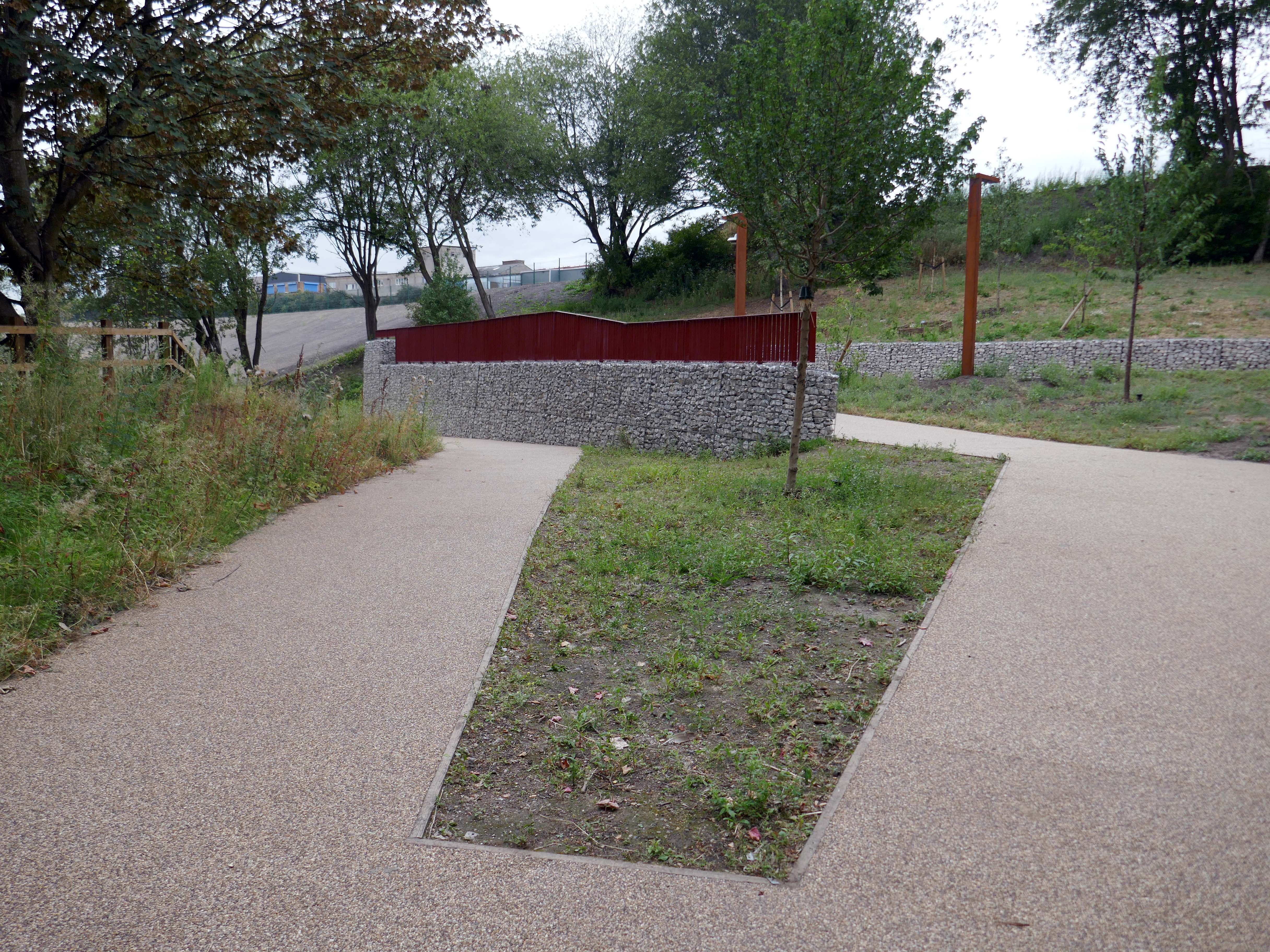
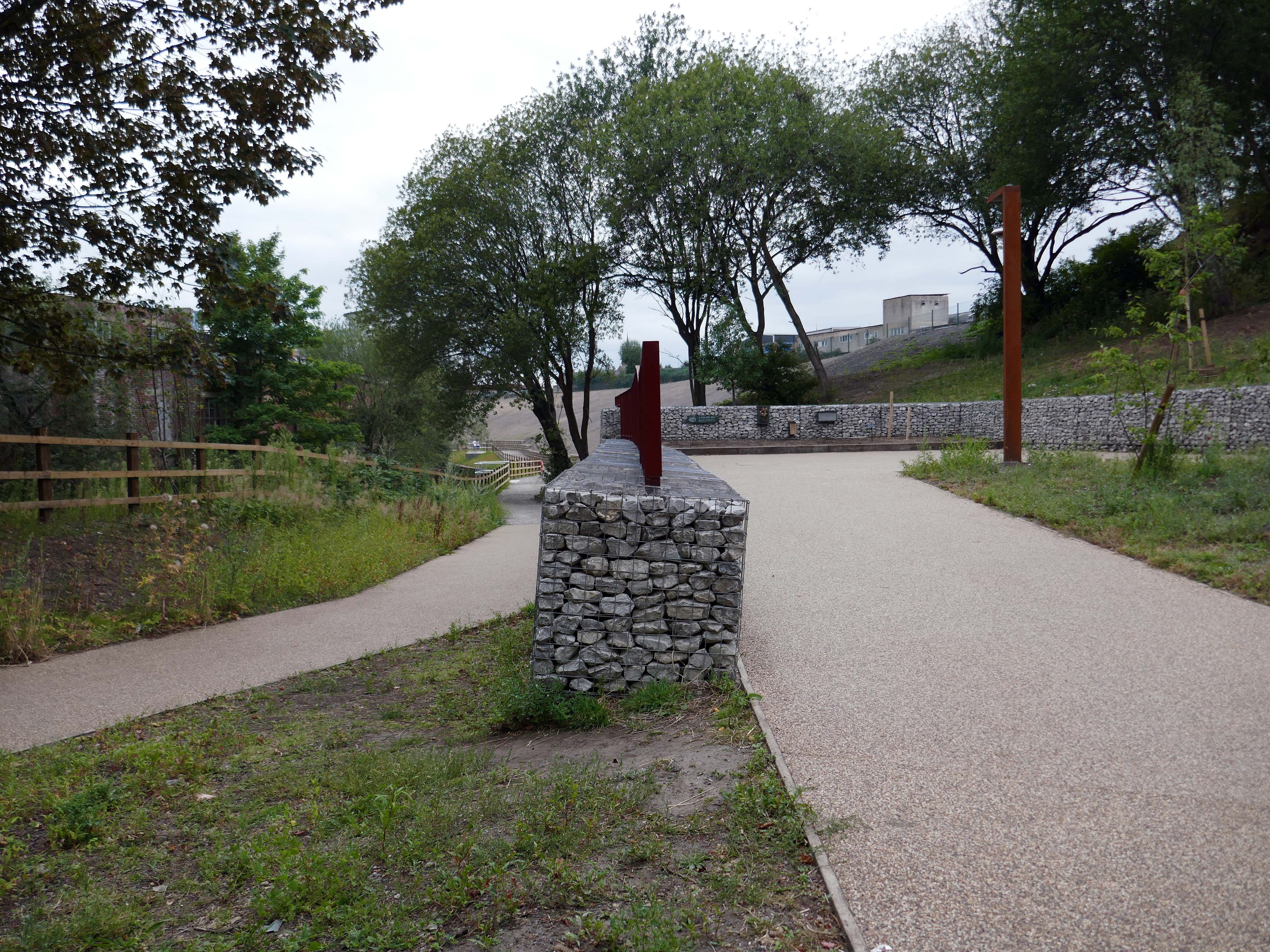
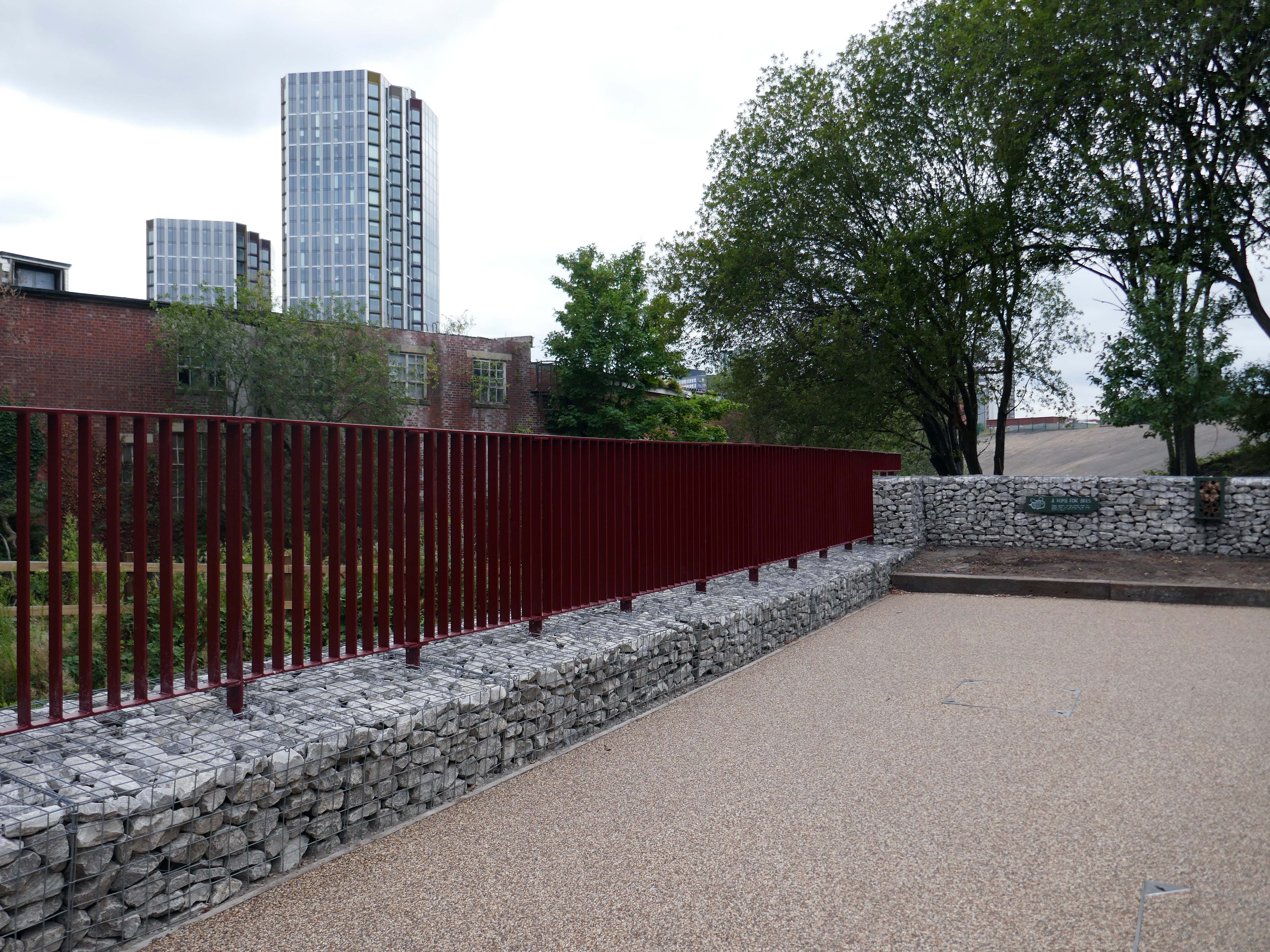
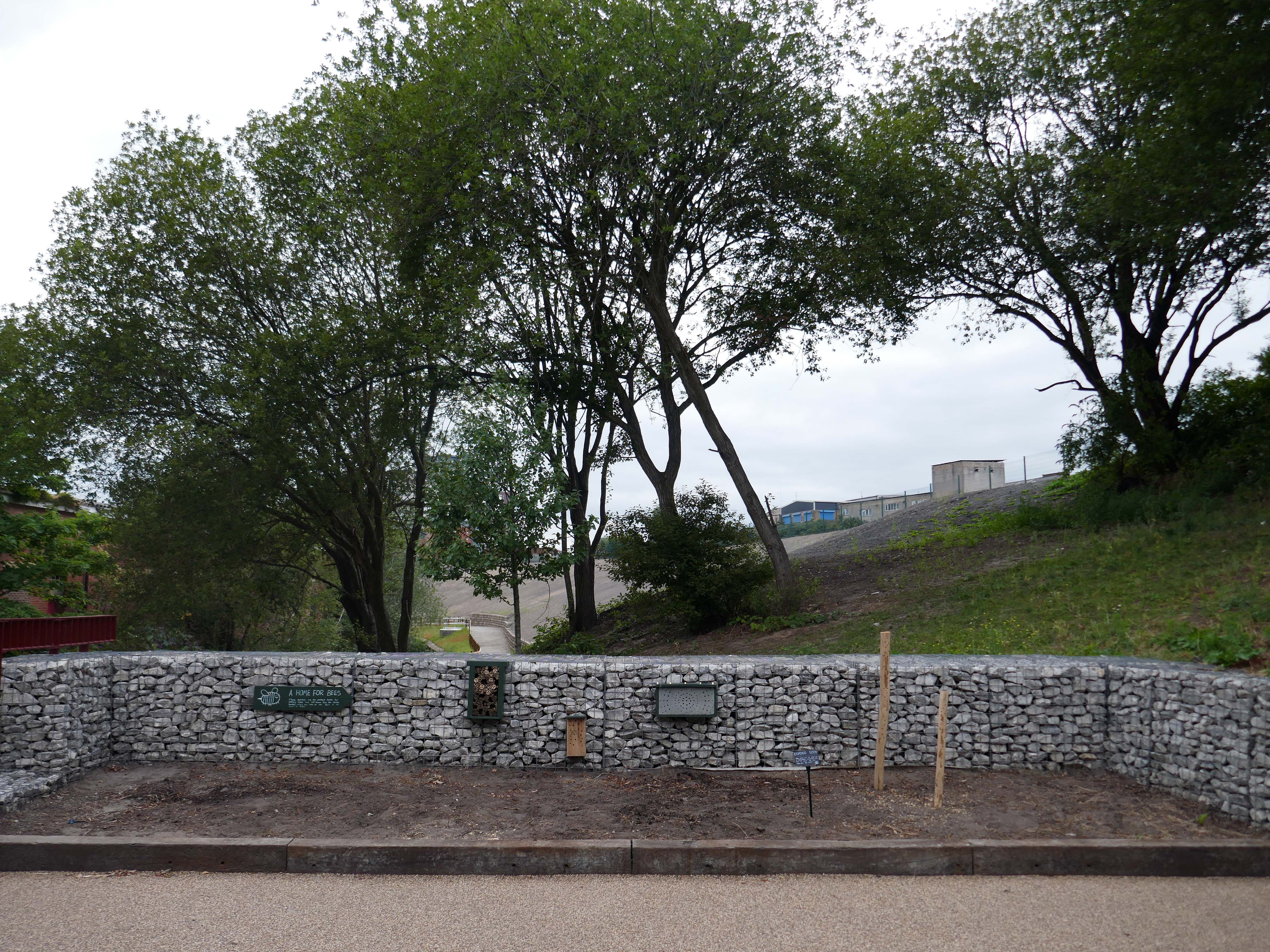
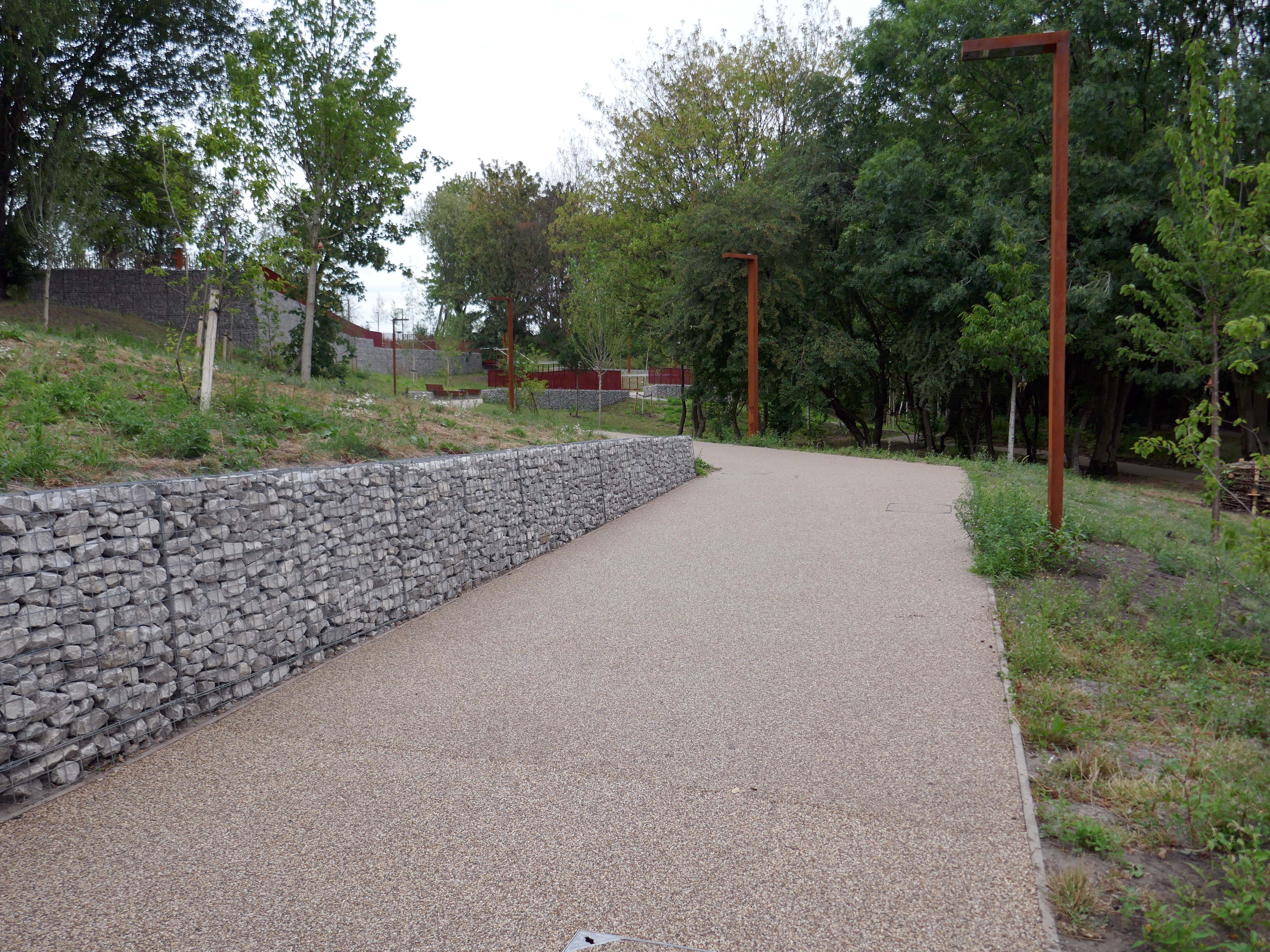
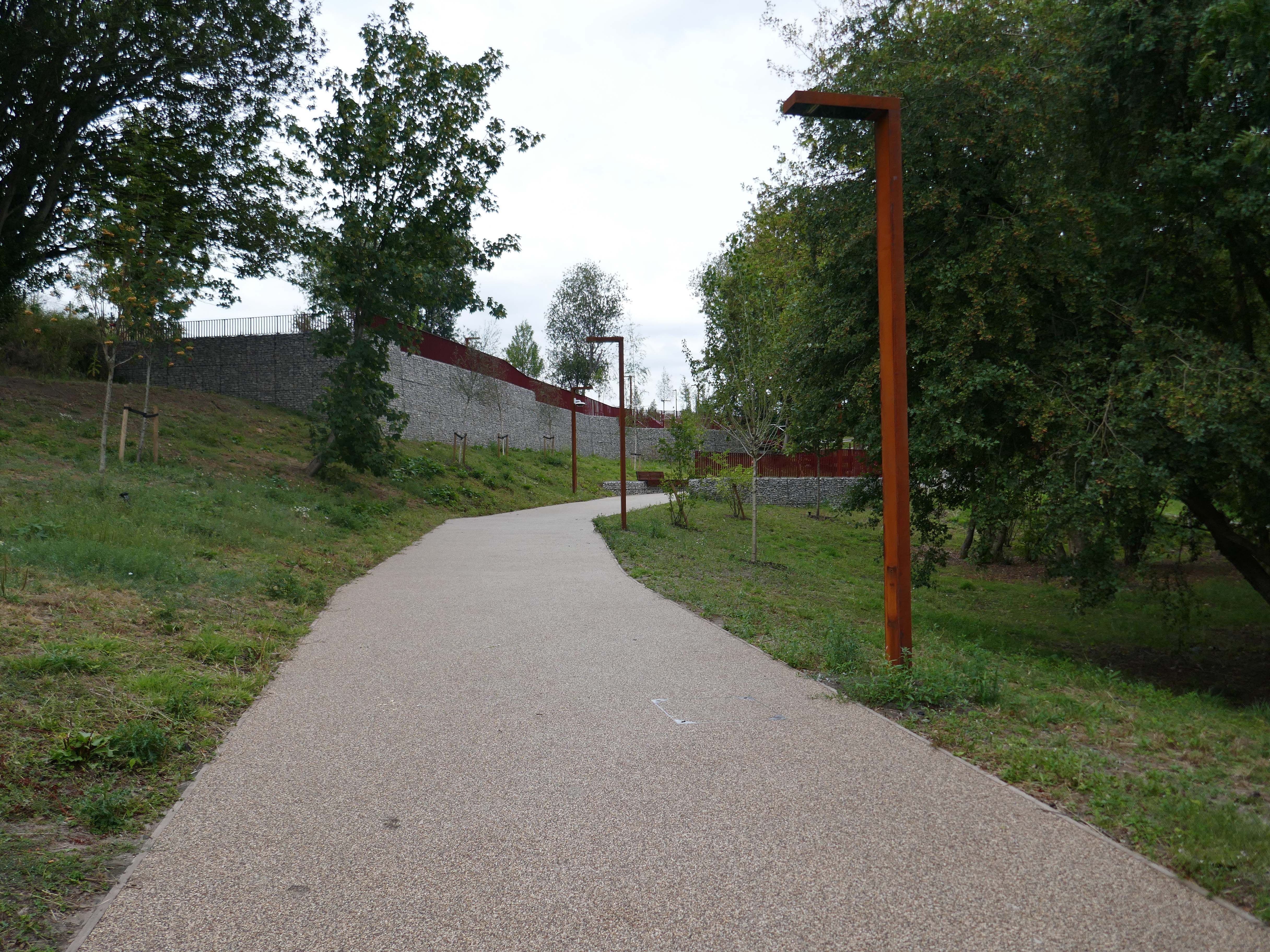
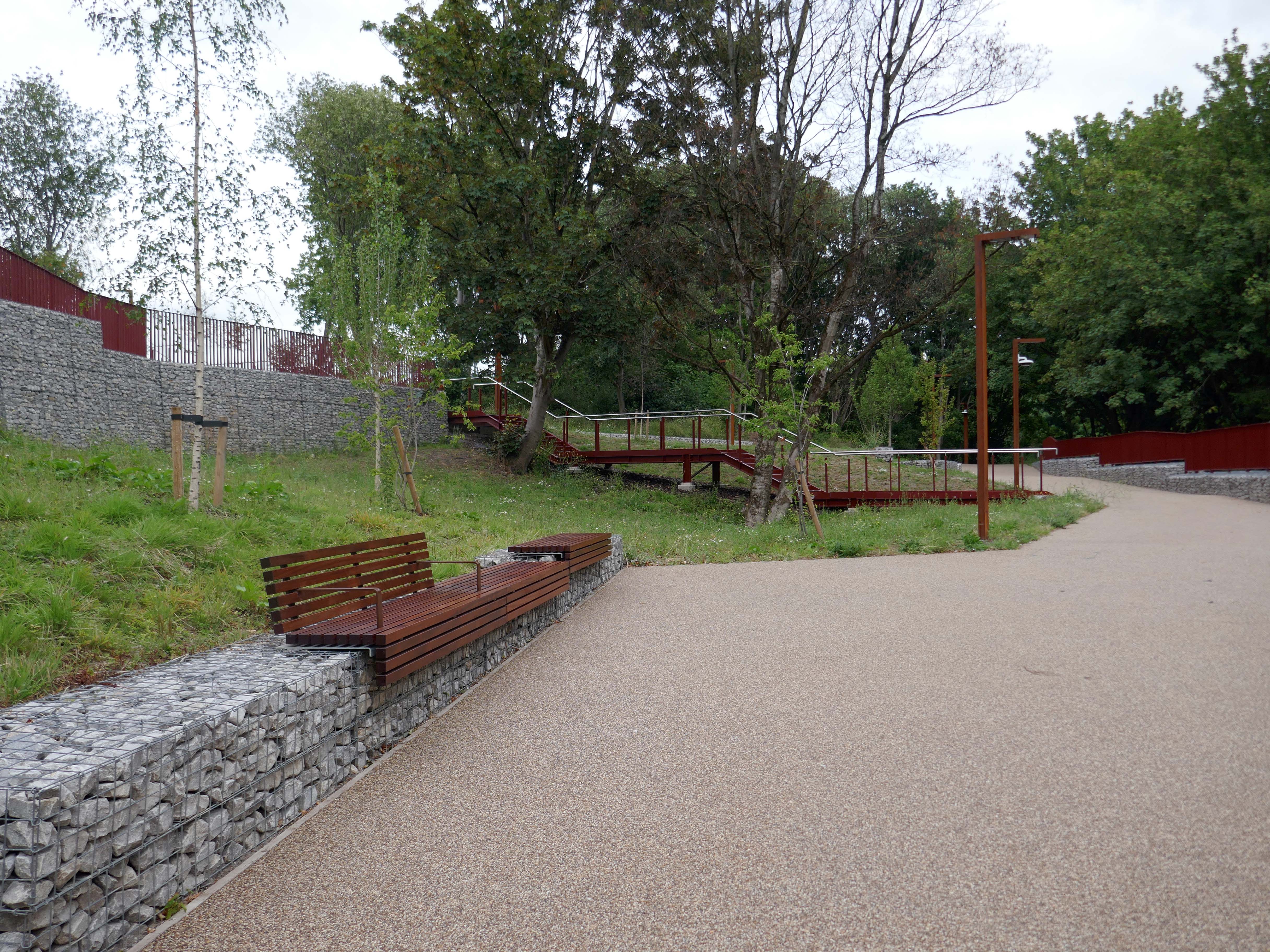
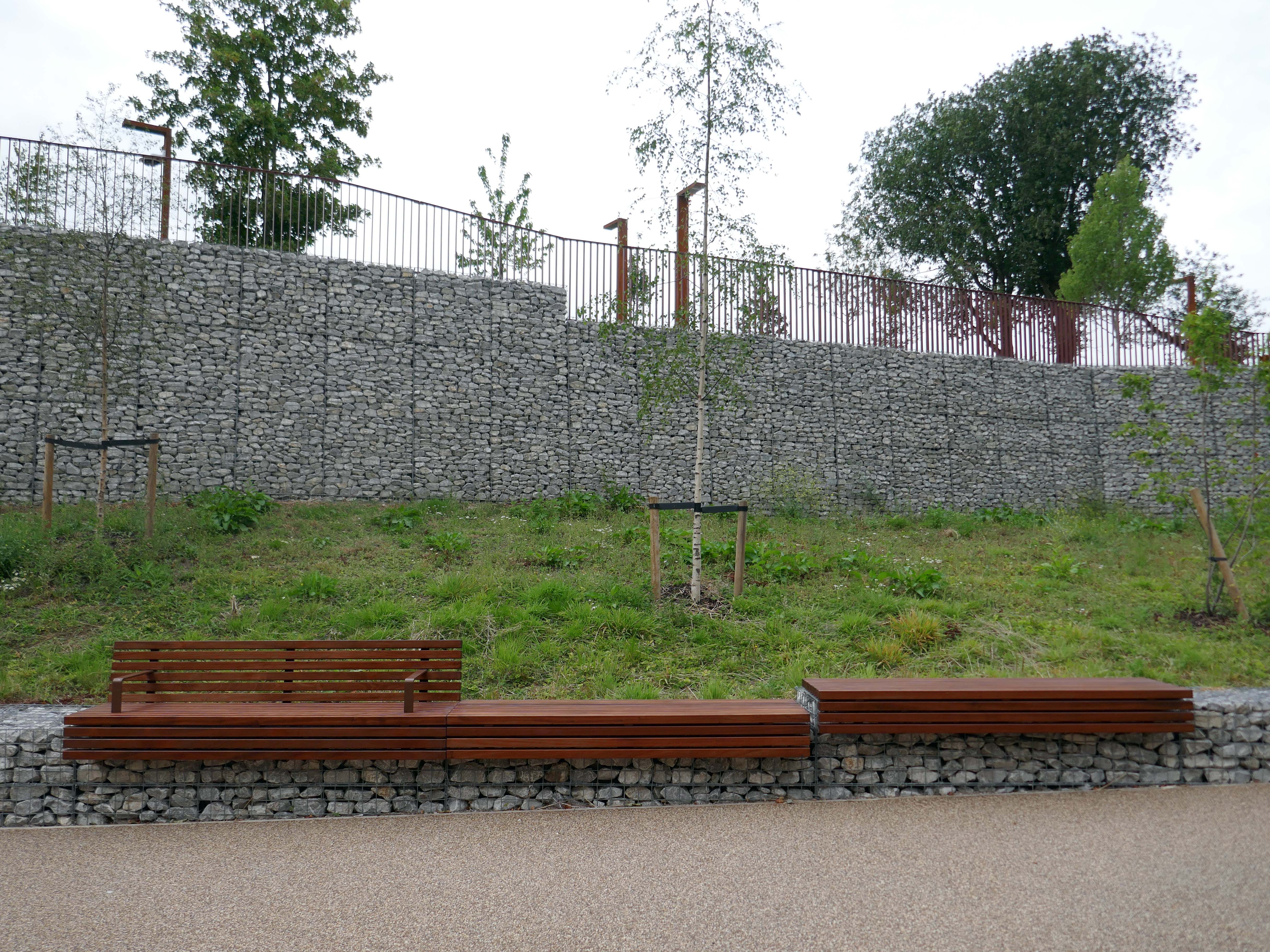
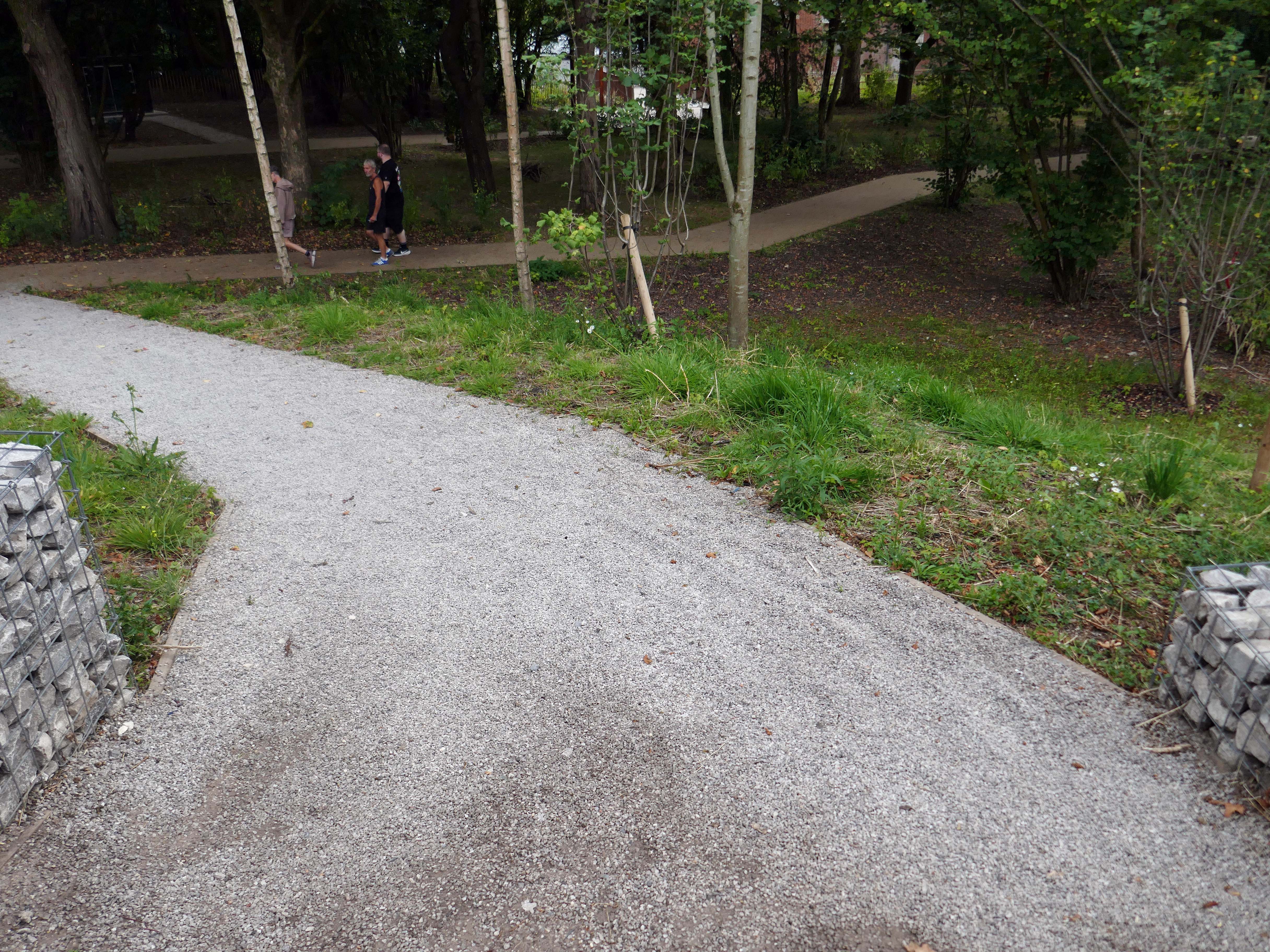
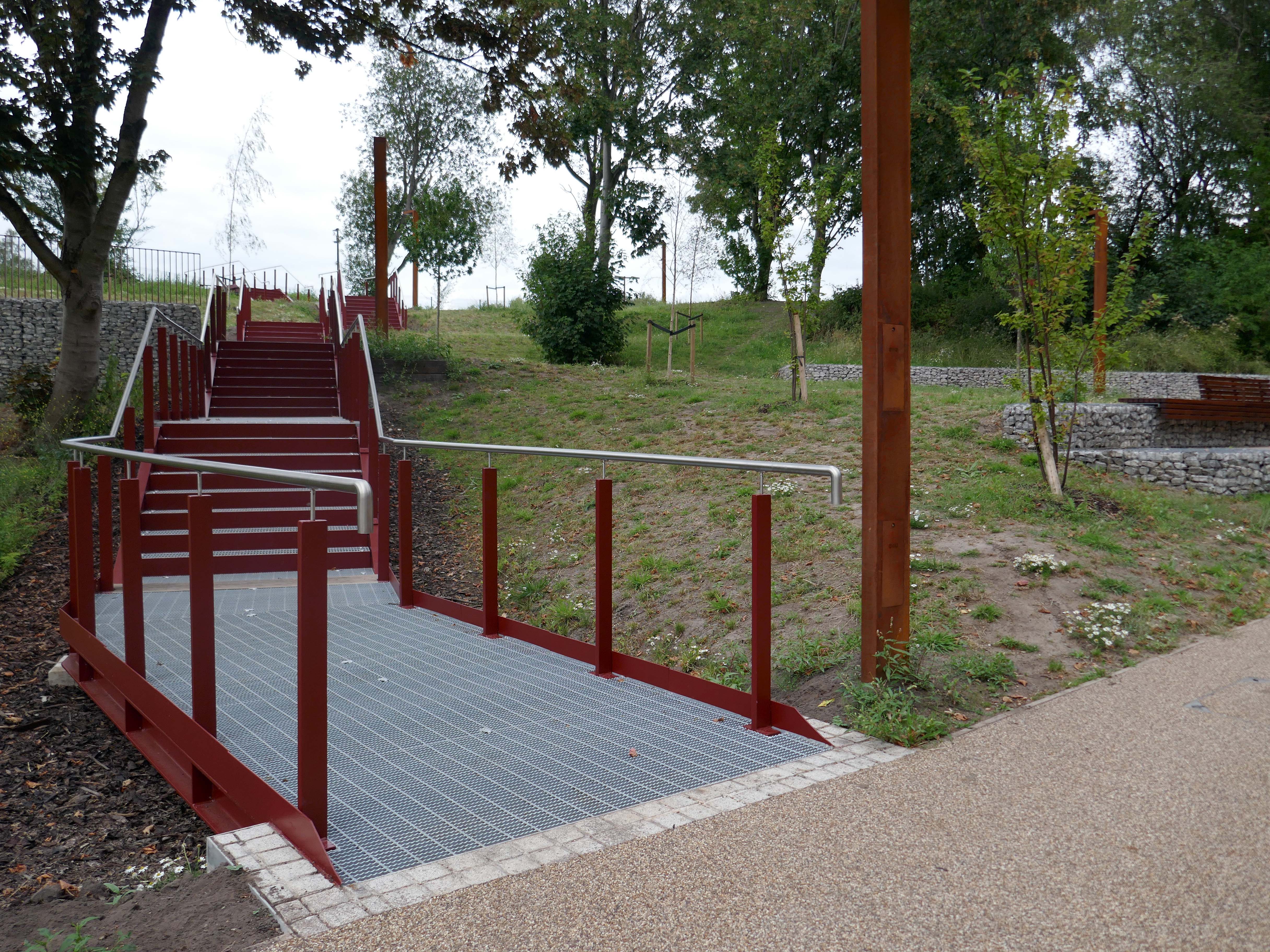
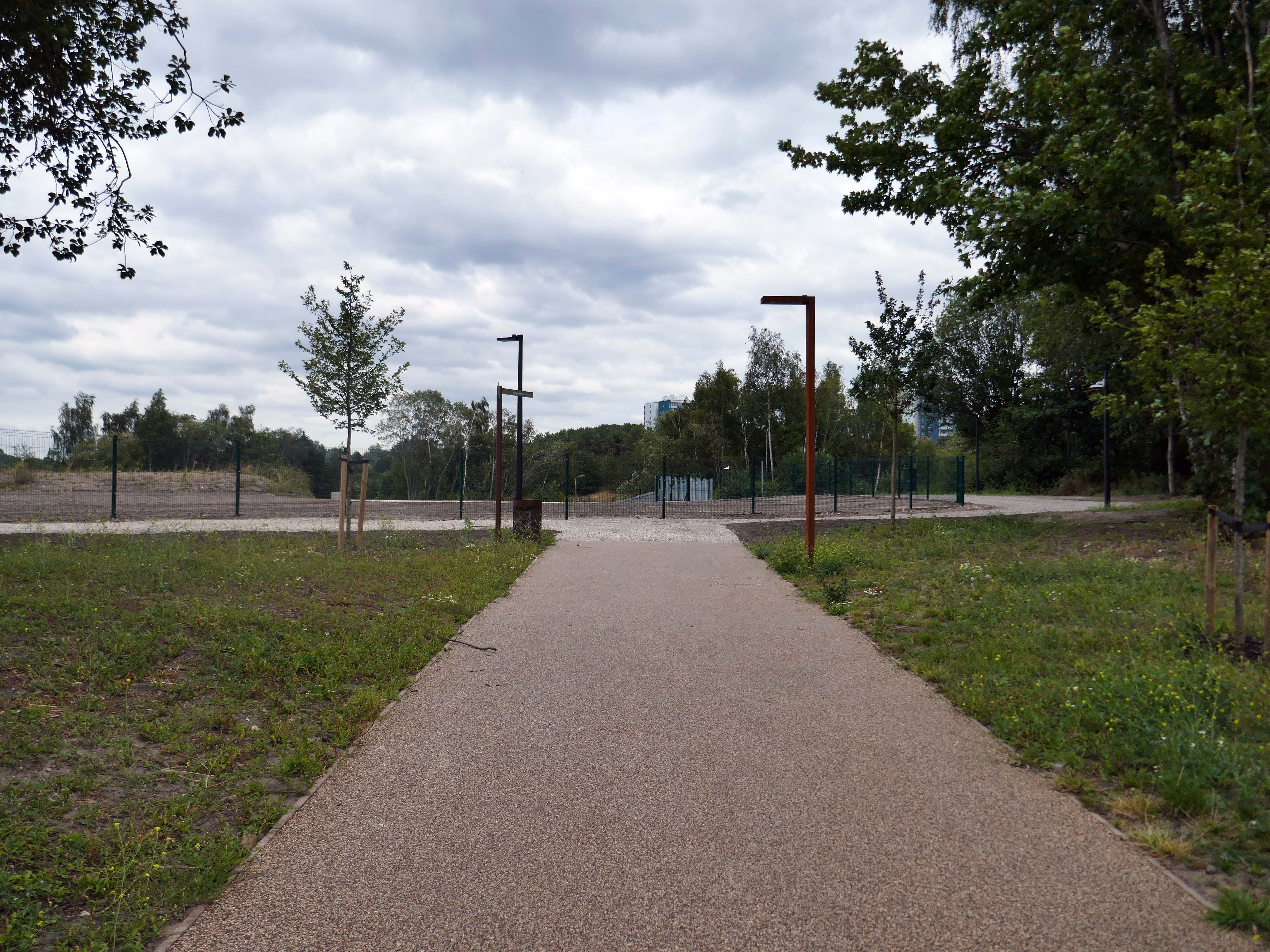
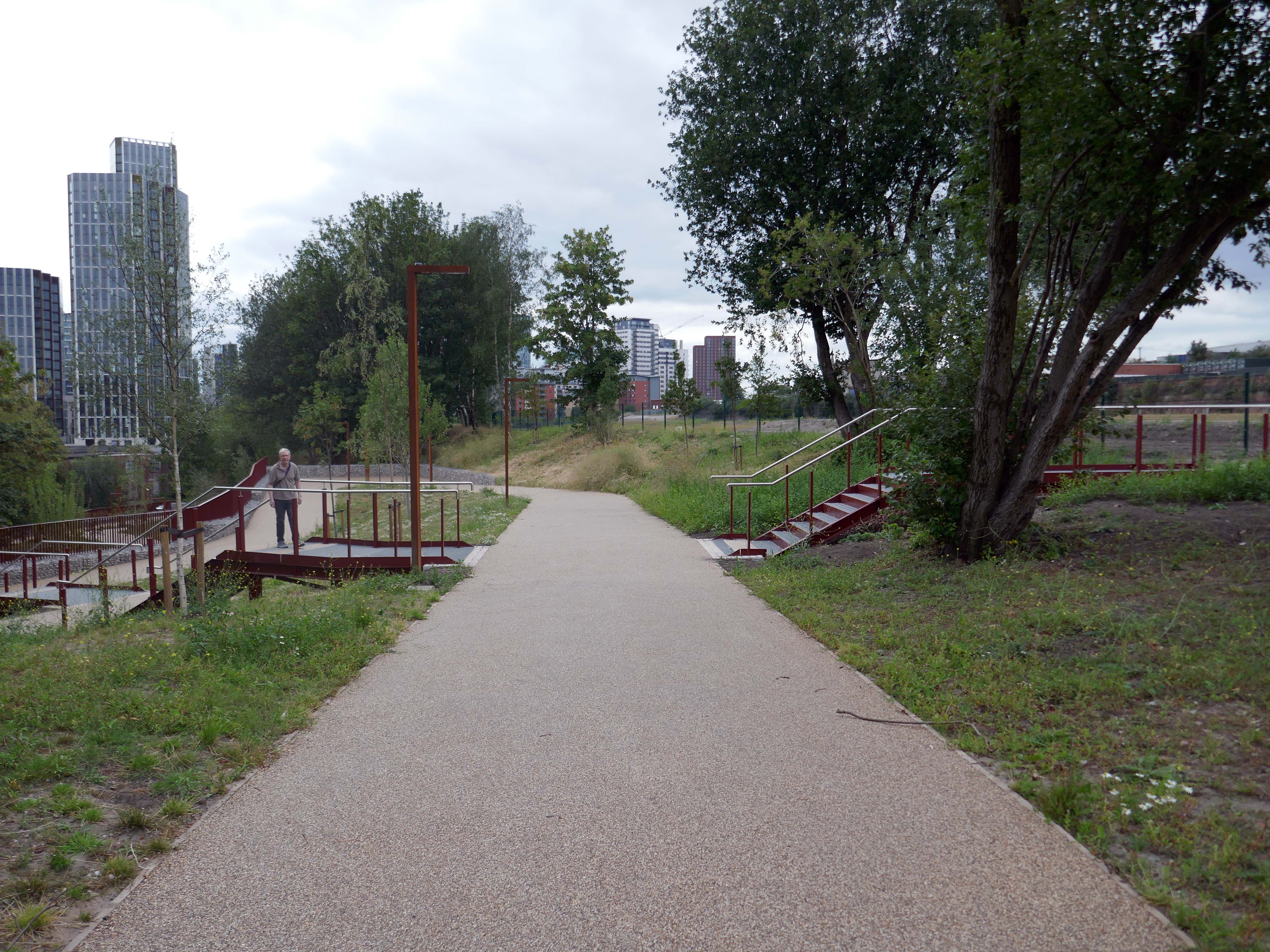
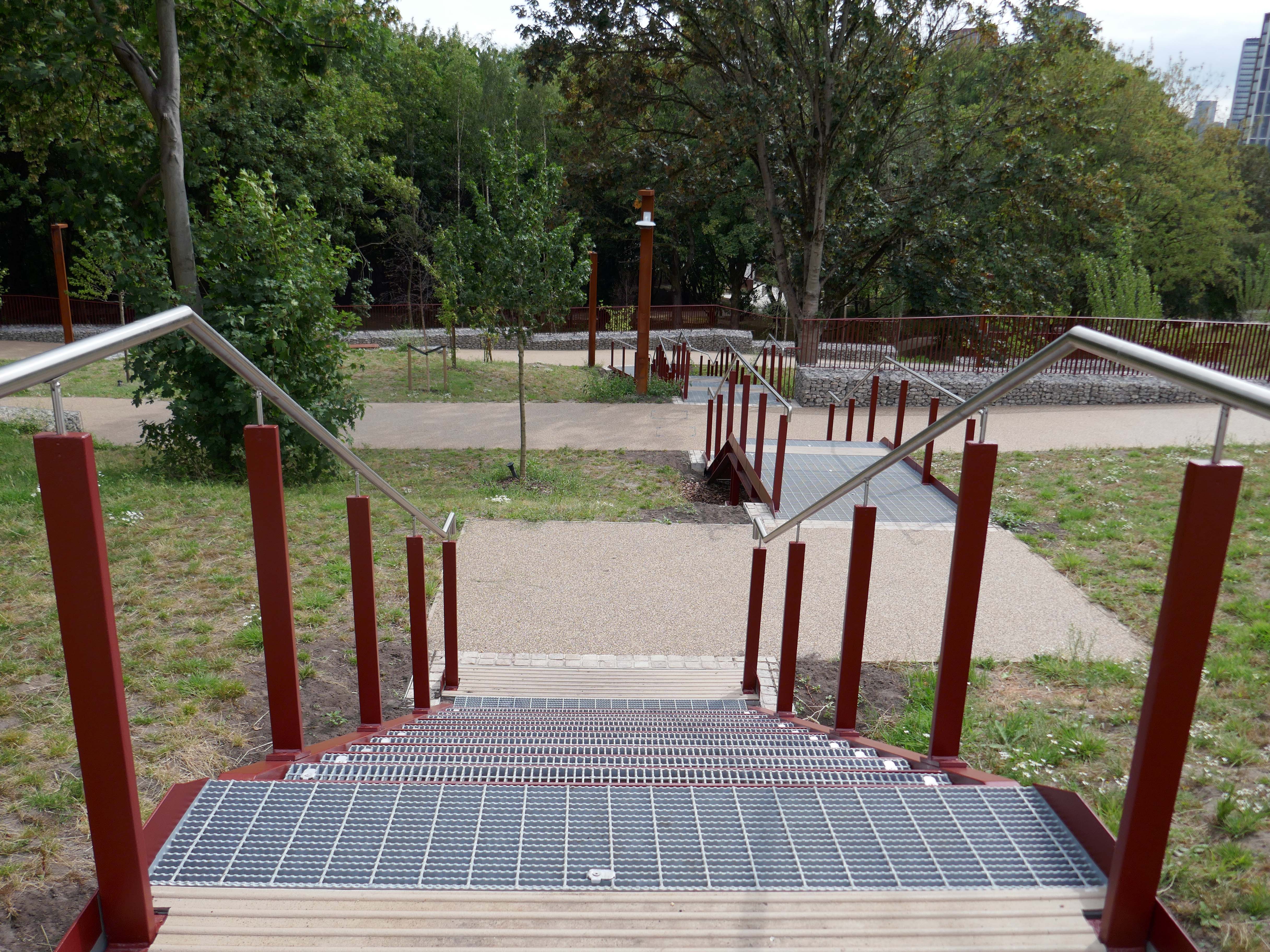
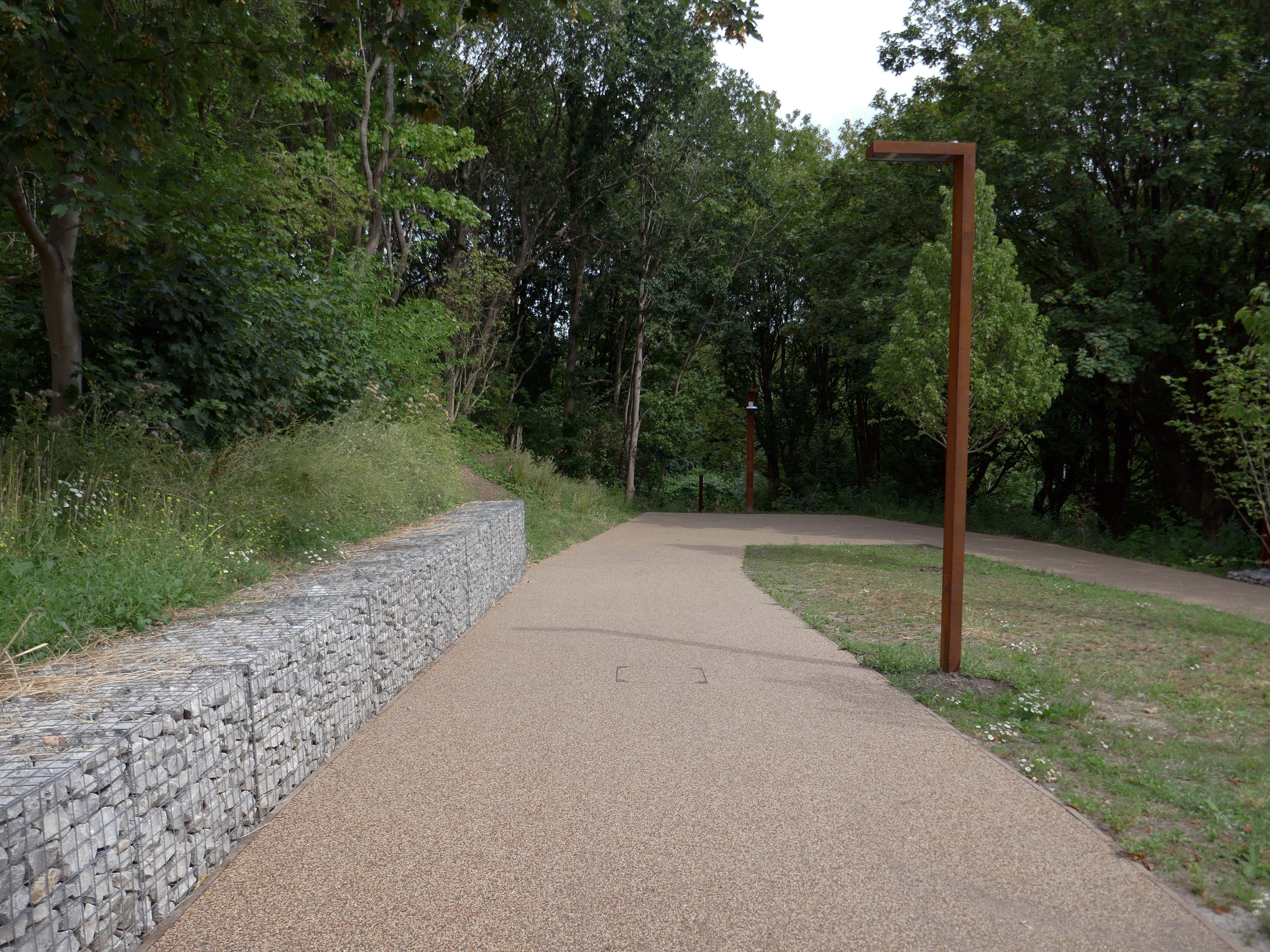
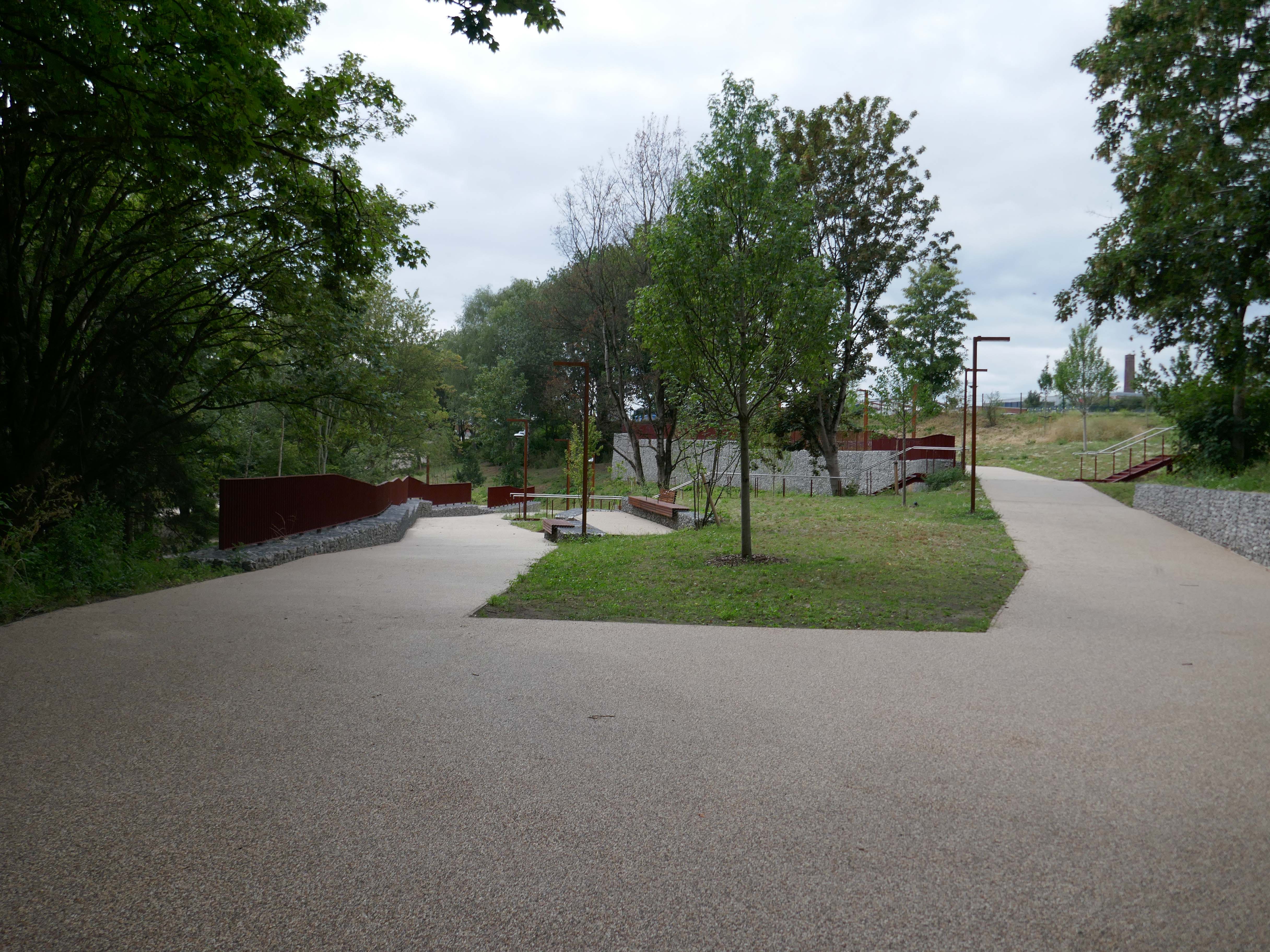
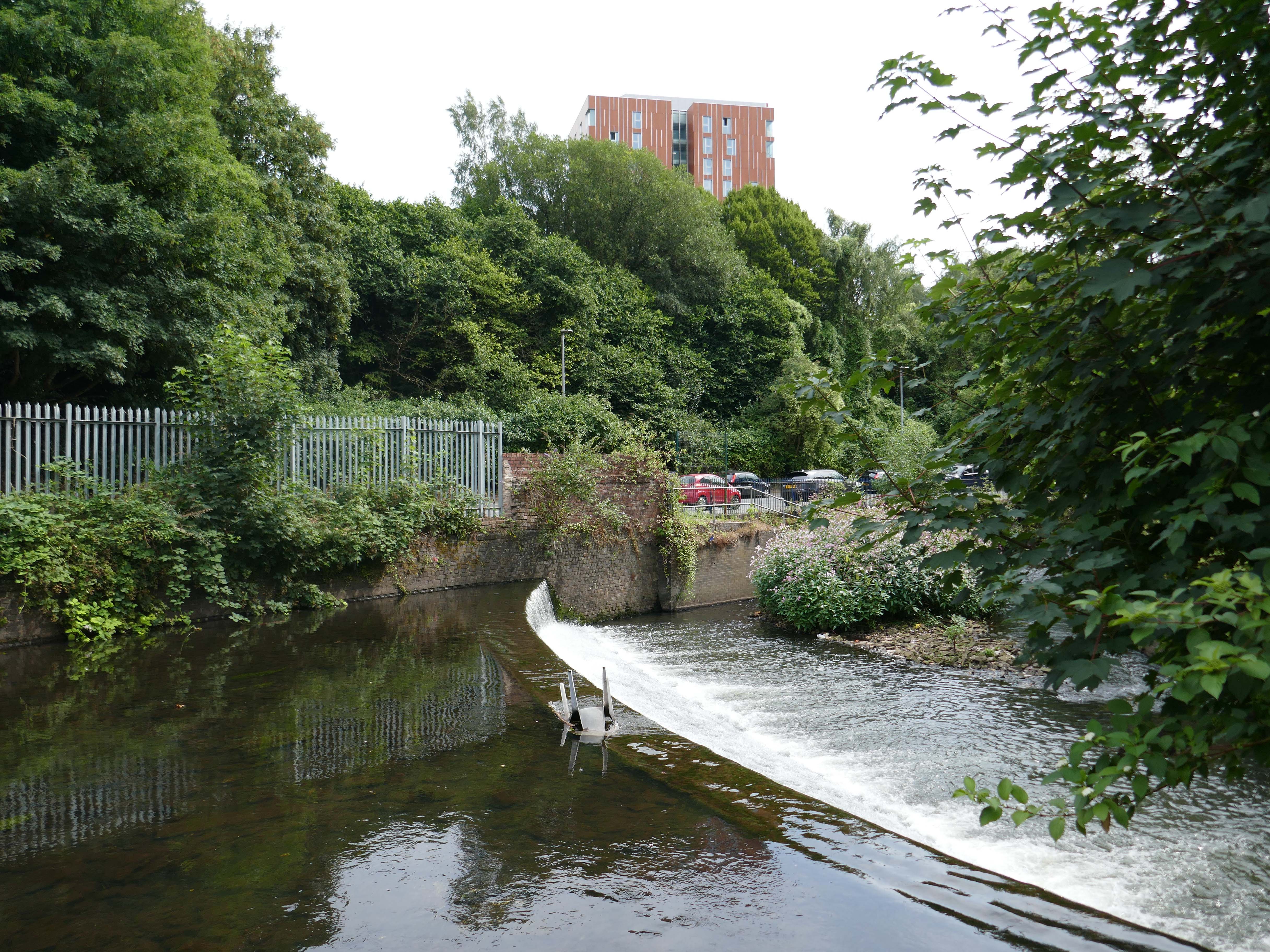
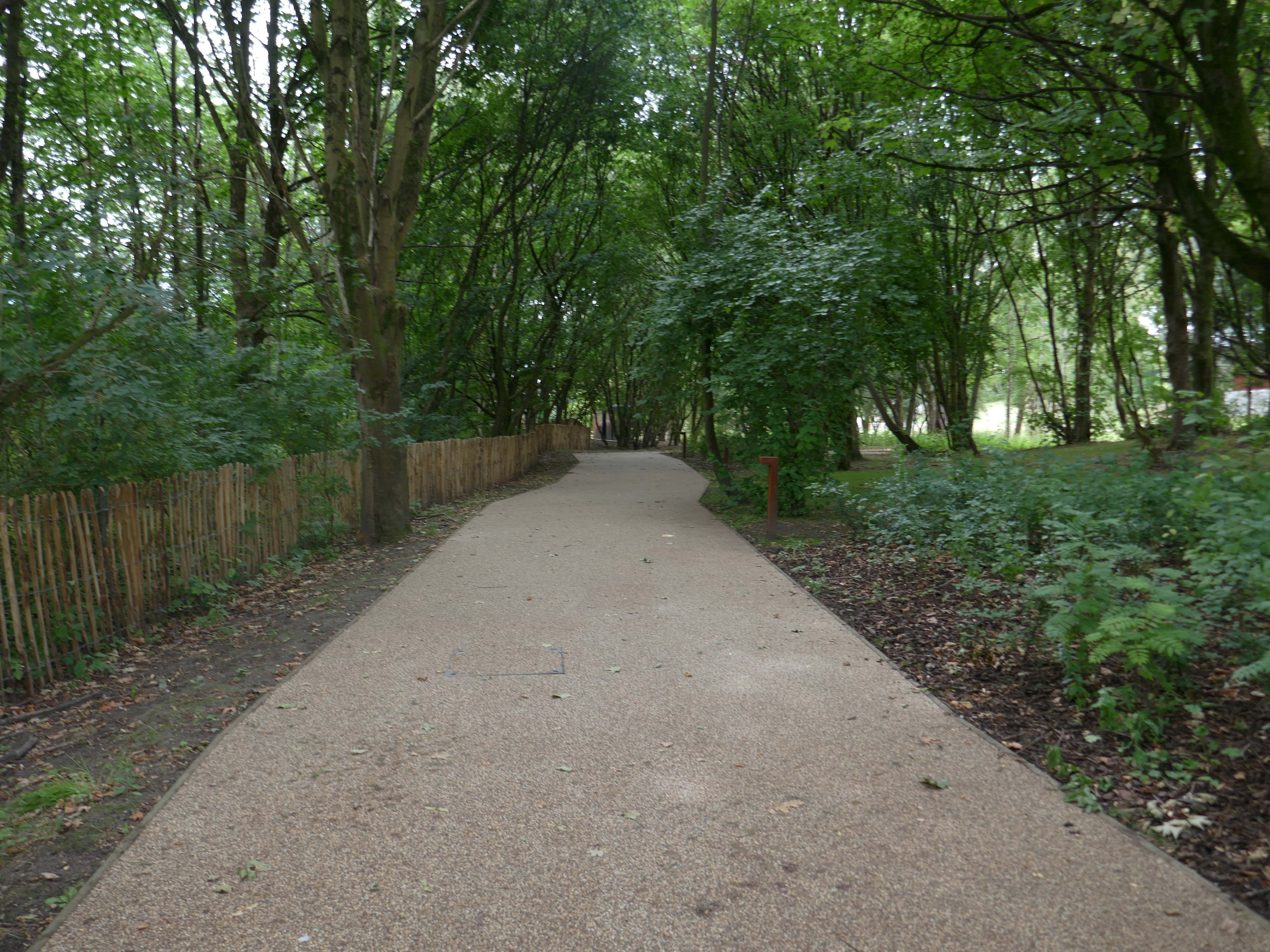
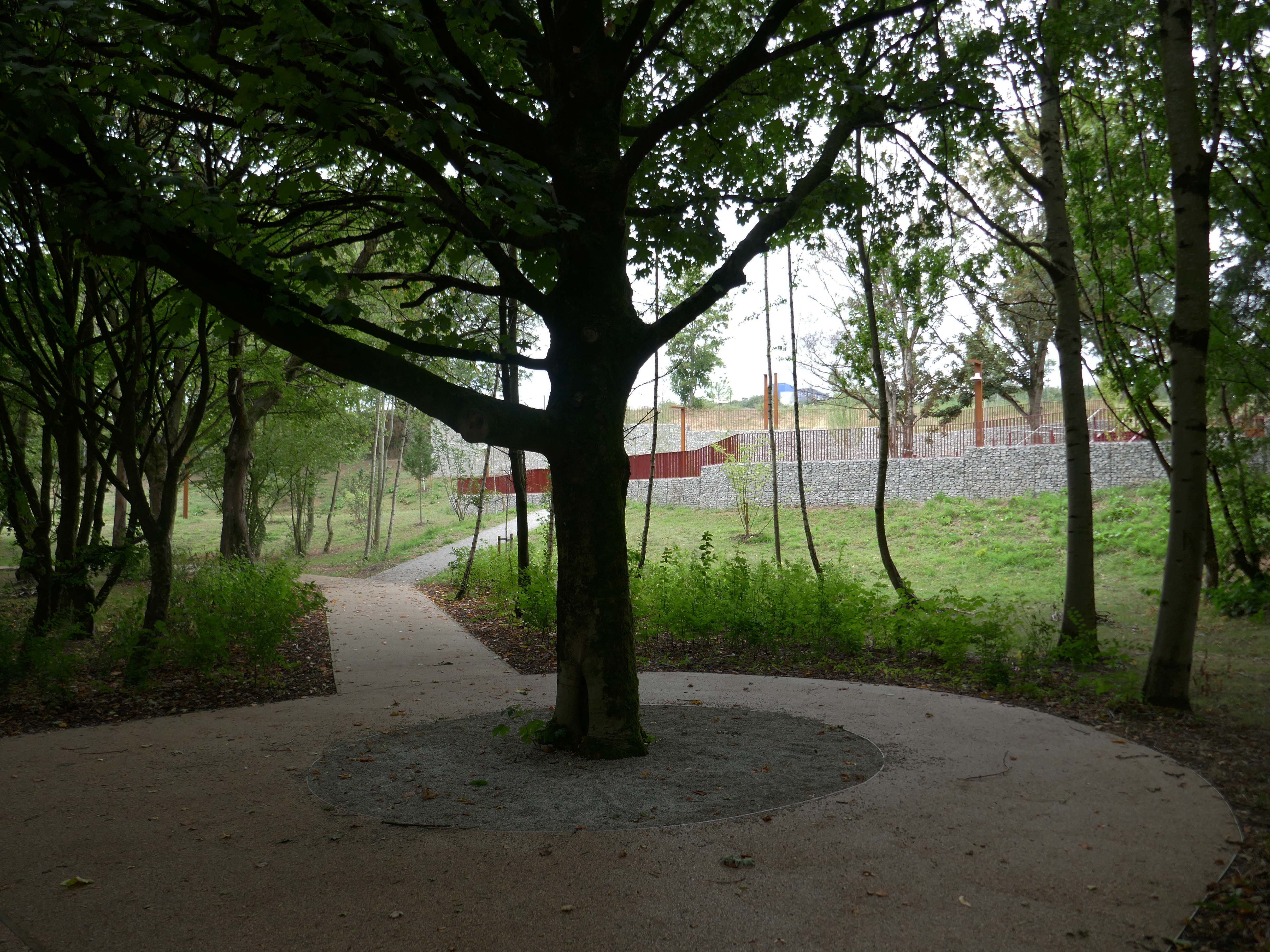
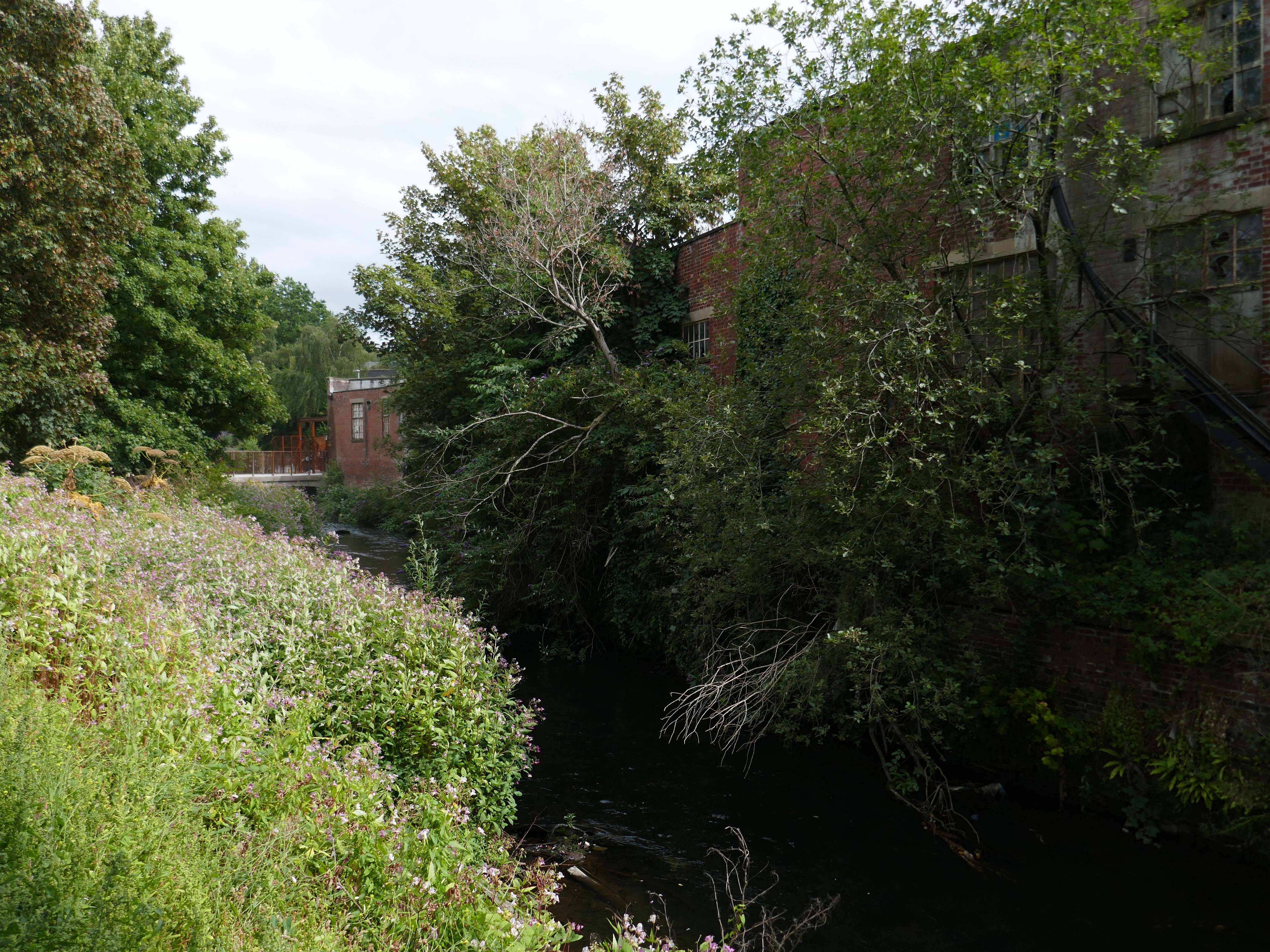
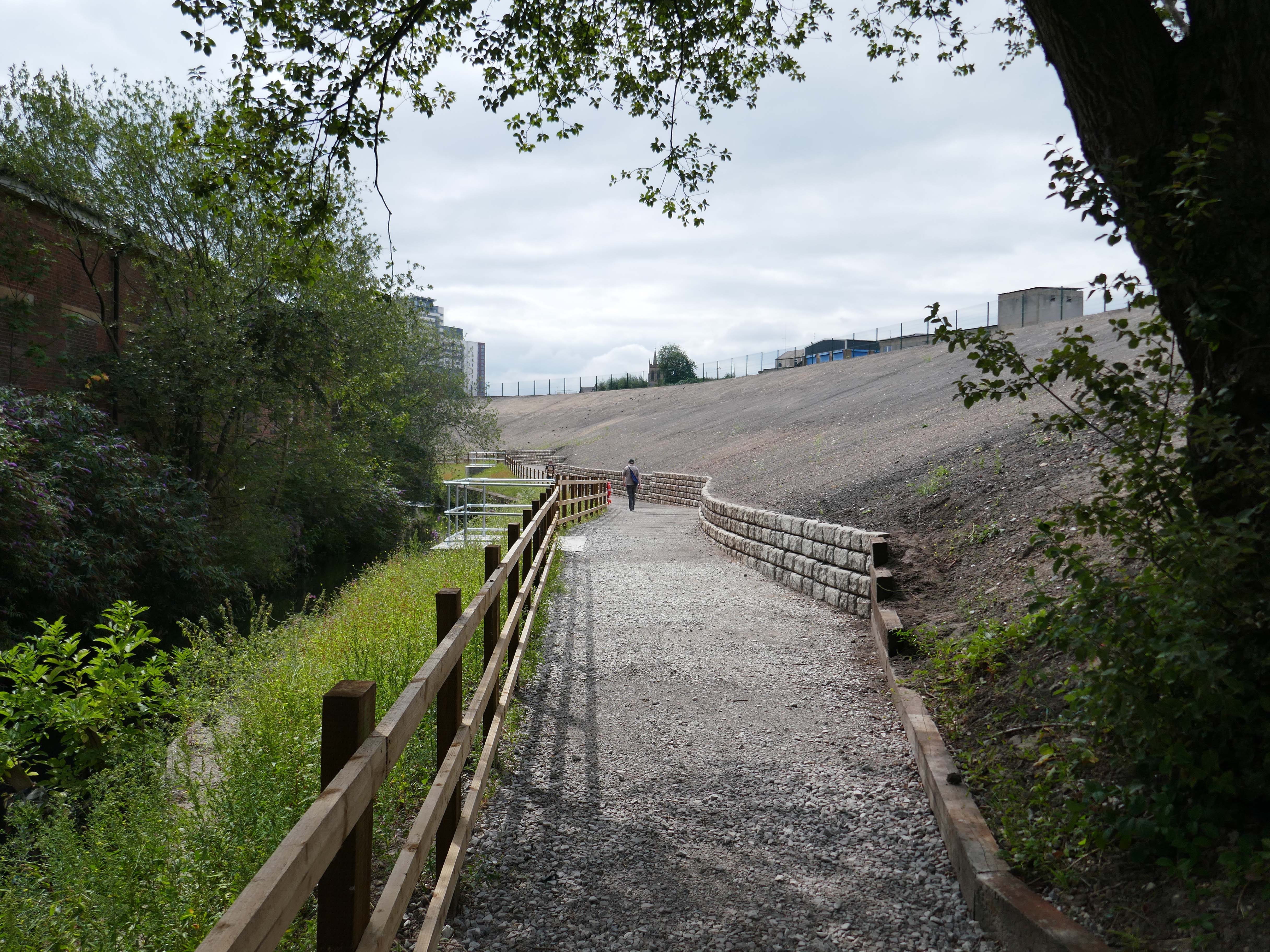
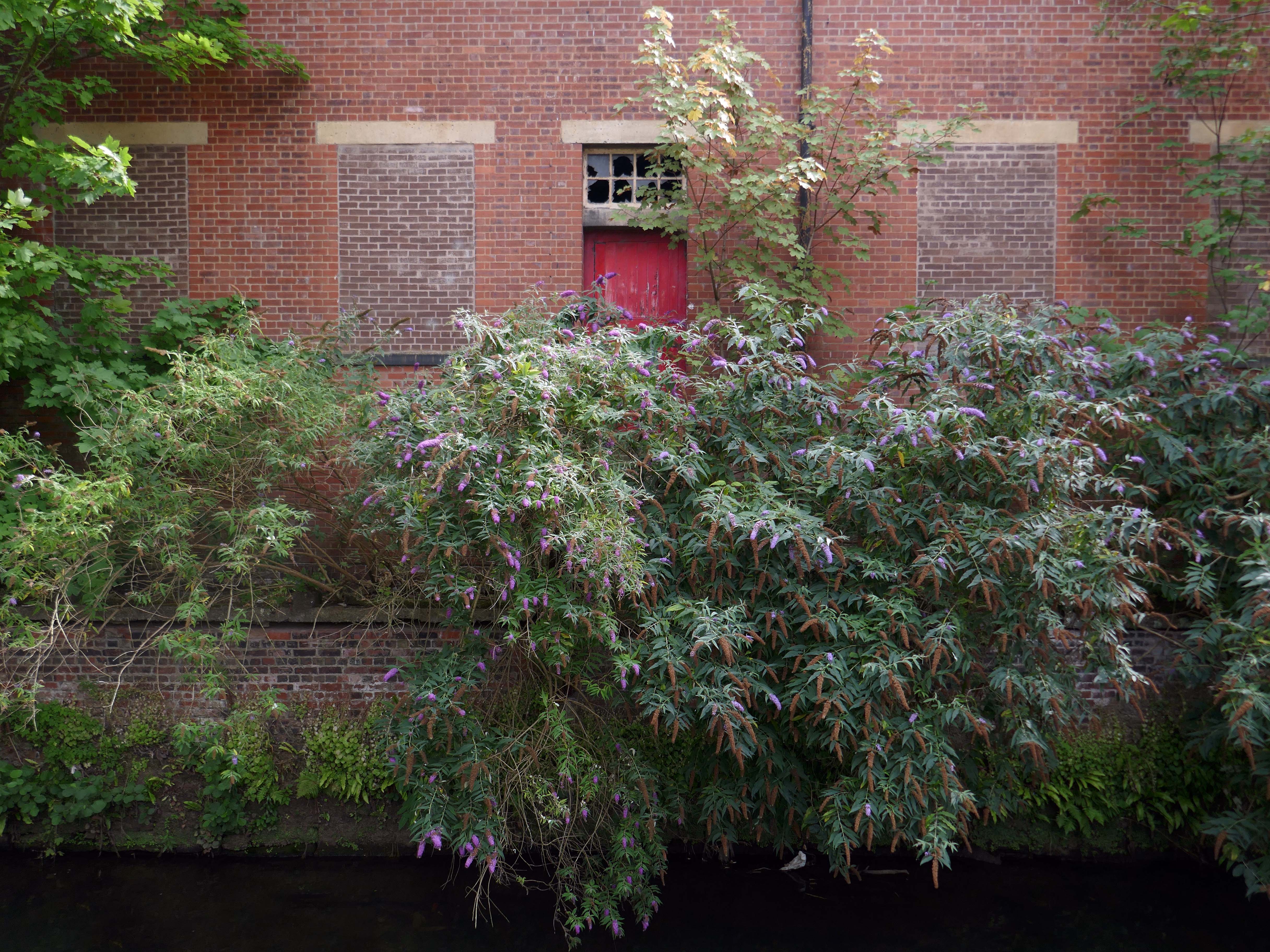
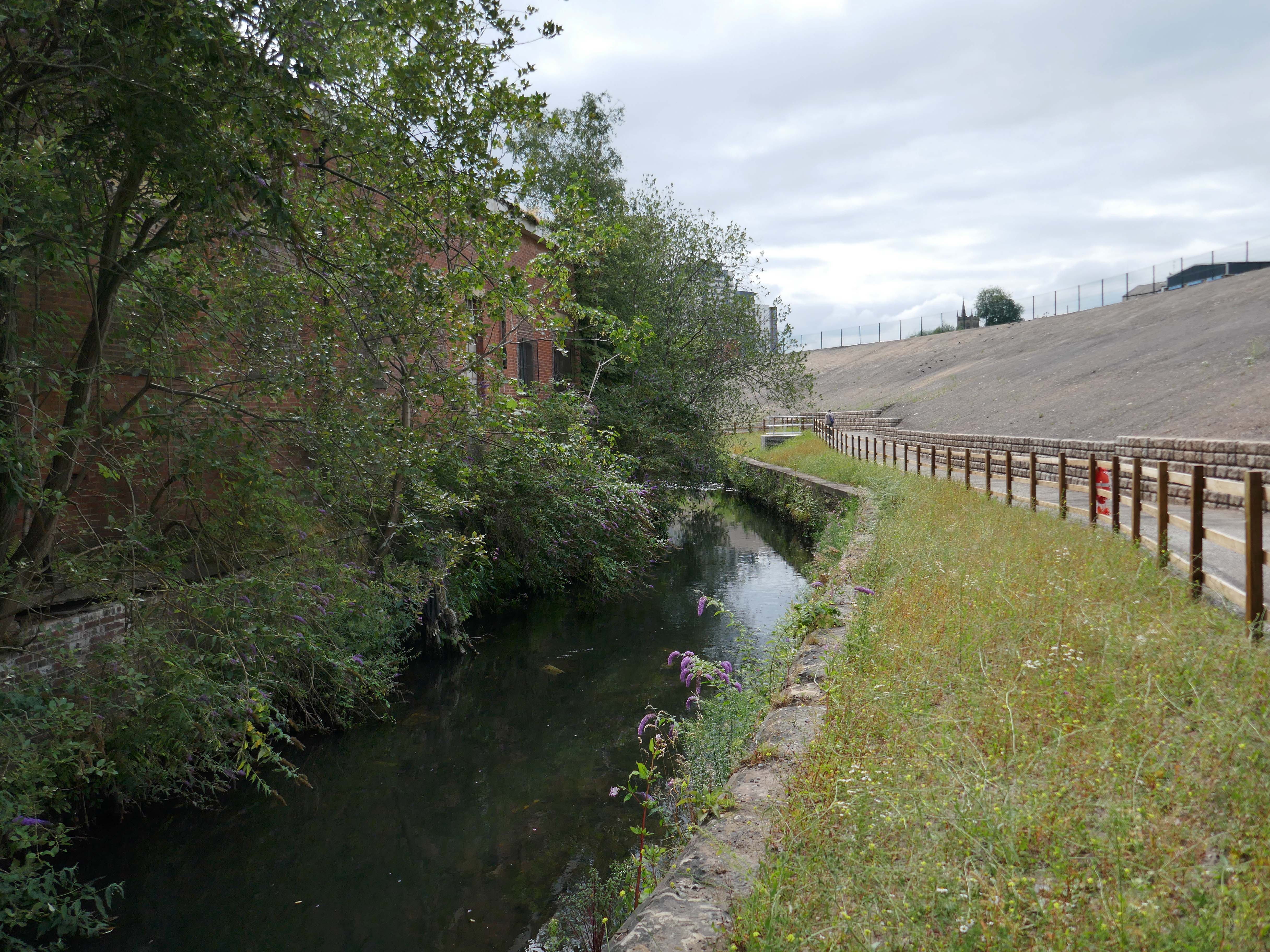
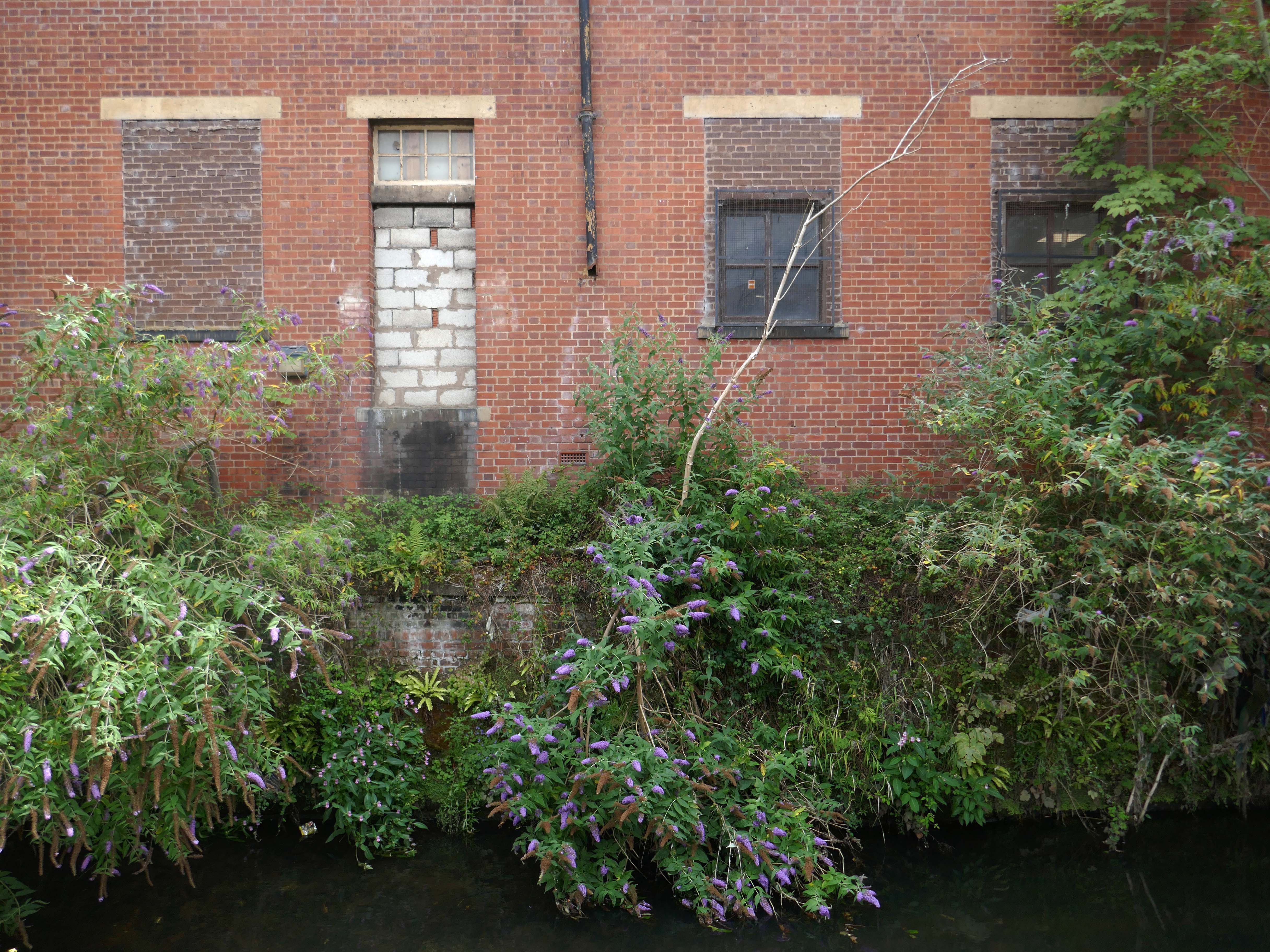
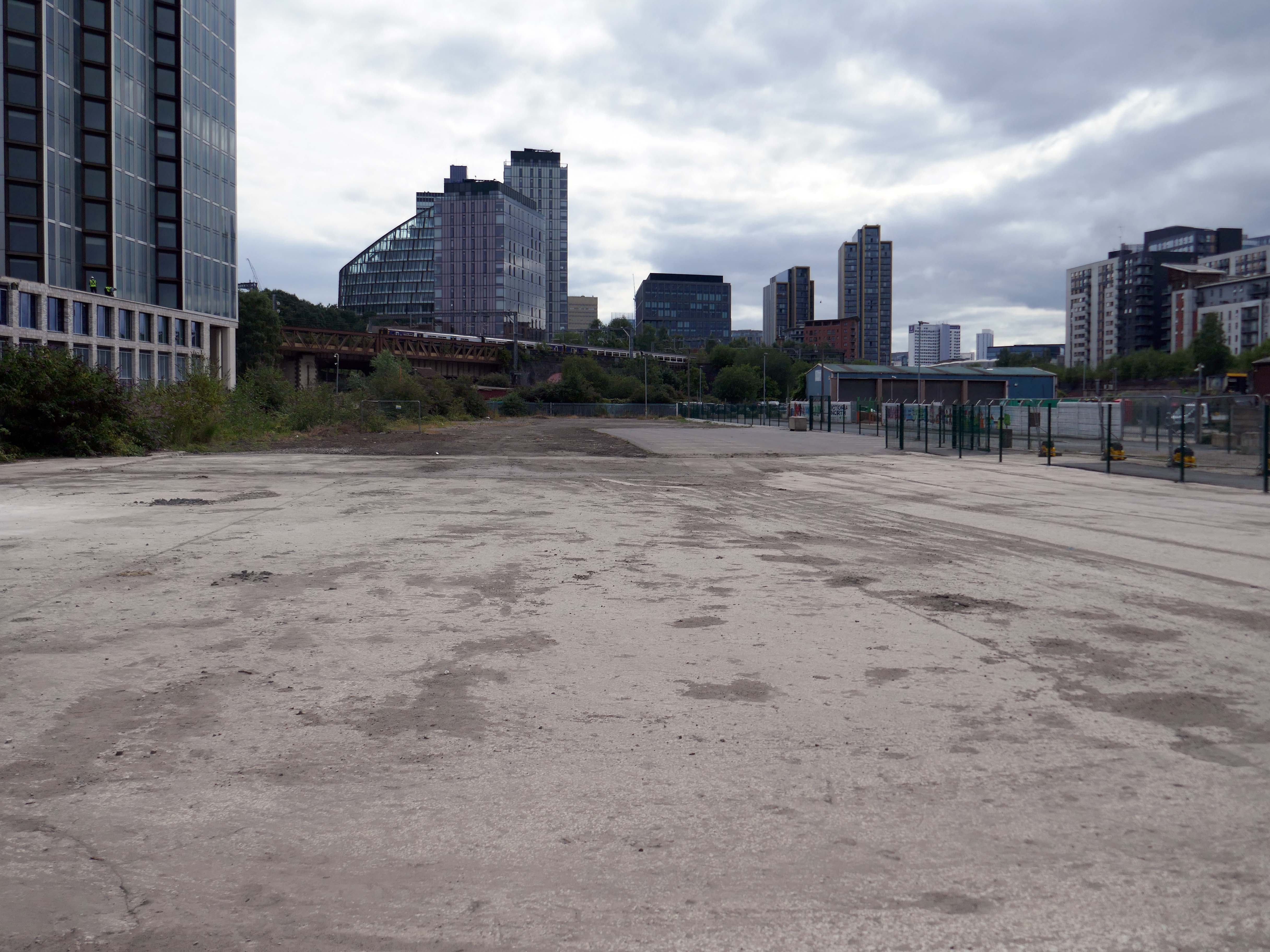
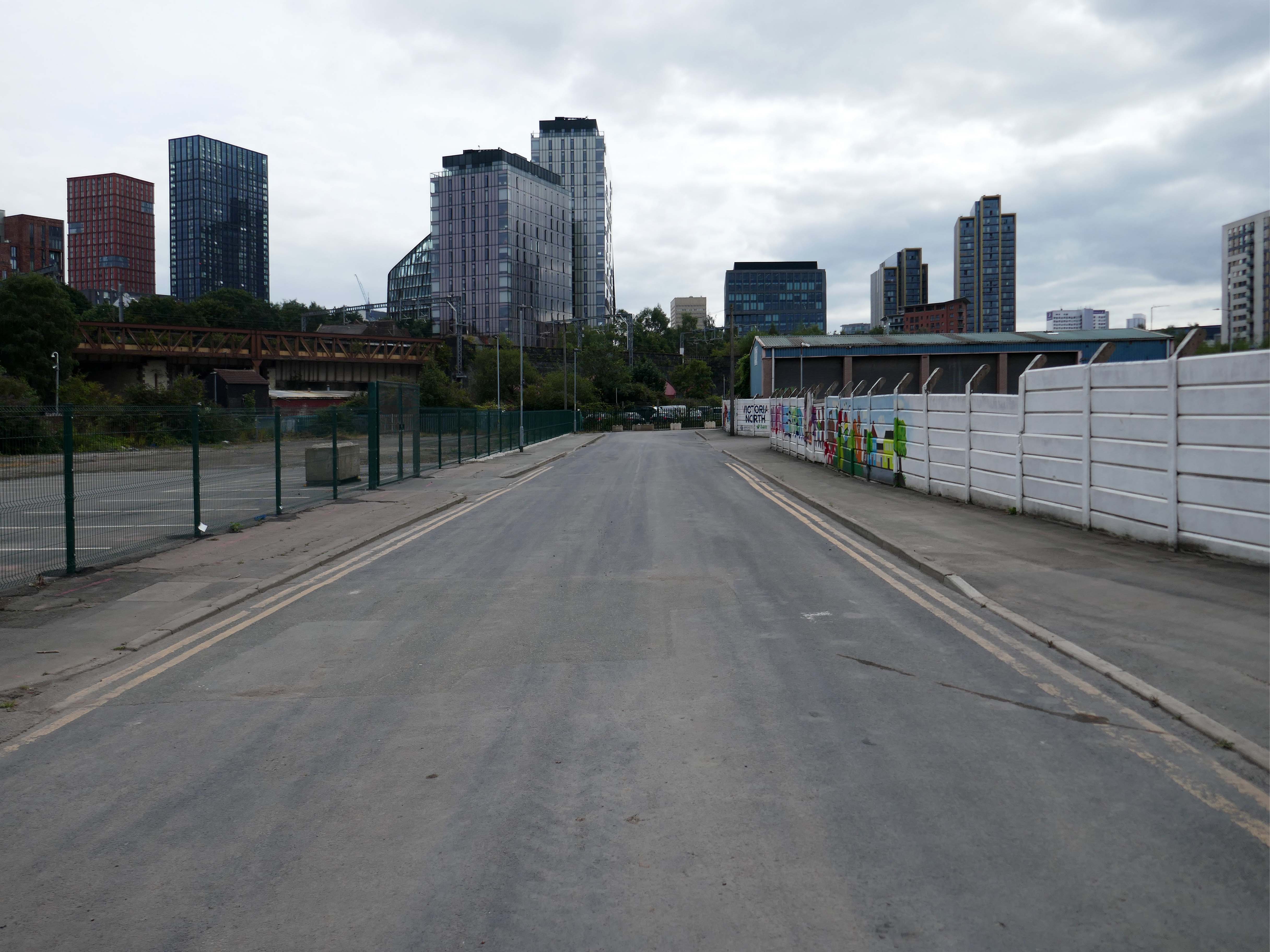
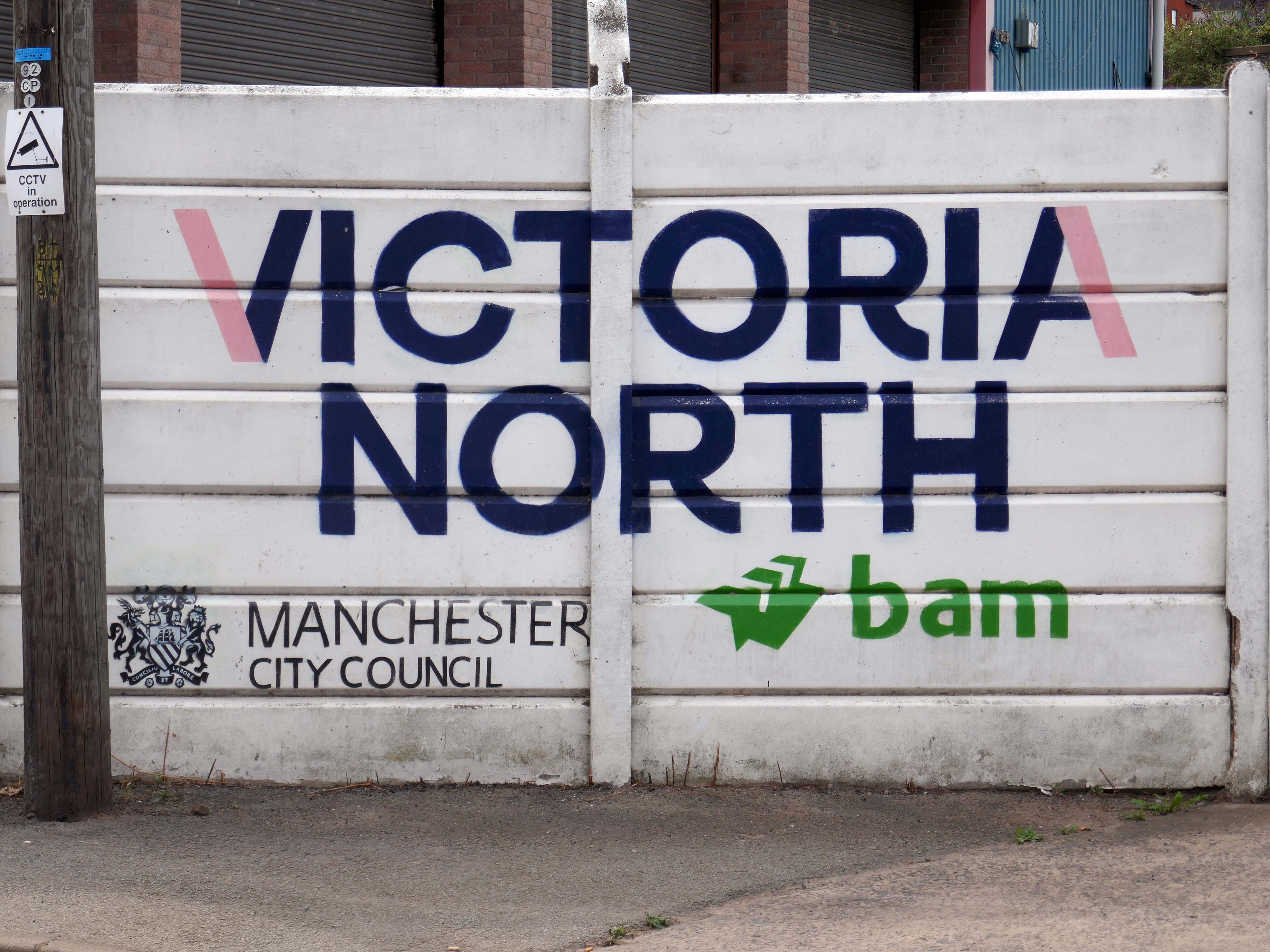
Collectively, we developed the idea of – Wild Urbanism, uniting the wilderness of the re-naturalised post-industrial landscape with the urbanity of the metropolitan world directly adjoining it. Merging nature and city life, it will offer the naturalised River Irk, the extended existing St Catherine’s Wood and a myriad of other interconnected green spaces to Mancunians. Cafes, restaurants, shops, community spaces and homes will be set among the nature to bring a dose of urbanity to the wilderness.
MACCREANOR LAVINGTON
When is a wilderness not a wilderness?
When it’s Wild Urbanism.
For further context see previous posts Dalton Street, Eastford Square, Sandhills and Collyhurst Circular.
This wilderness was and is home to a significant community of people with a sense of their history.