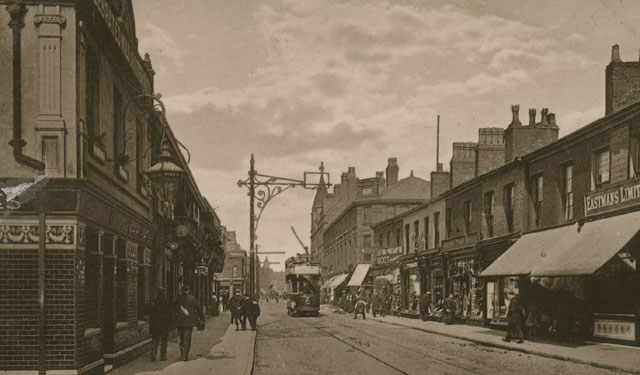
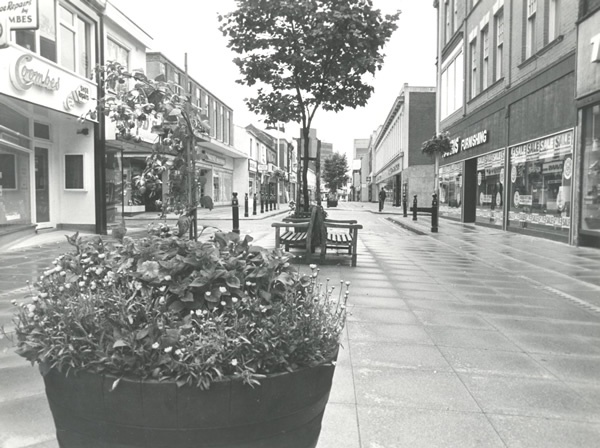
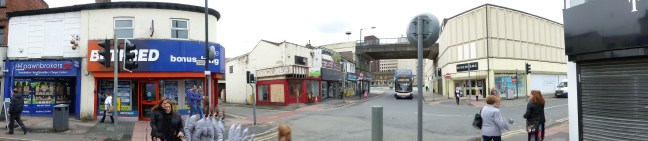
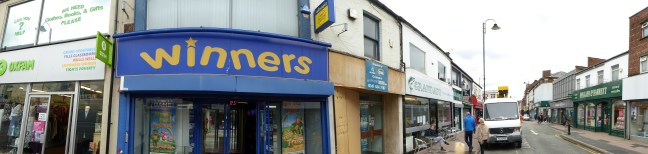
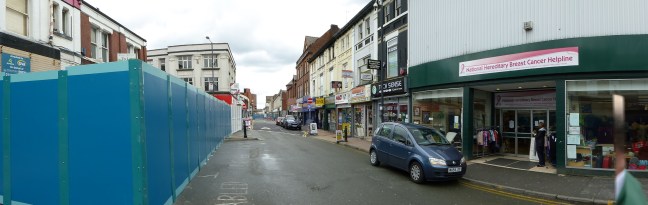
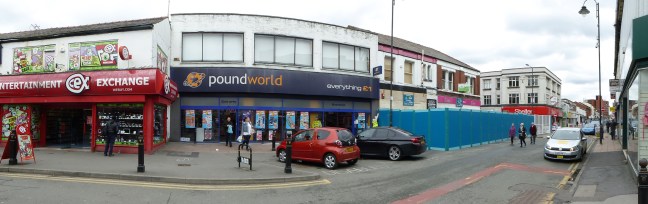
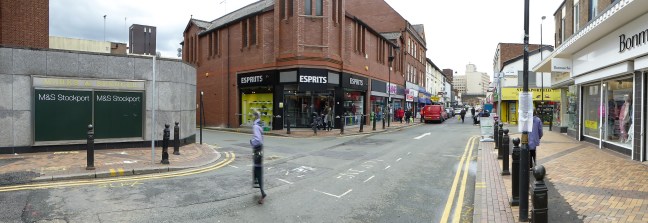
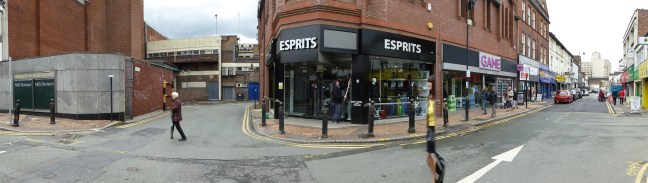
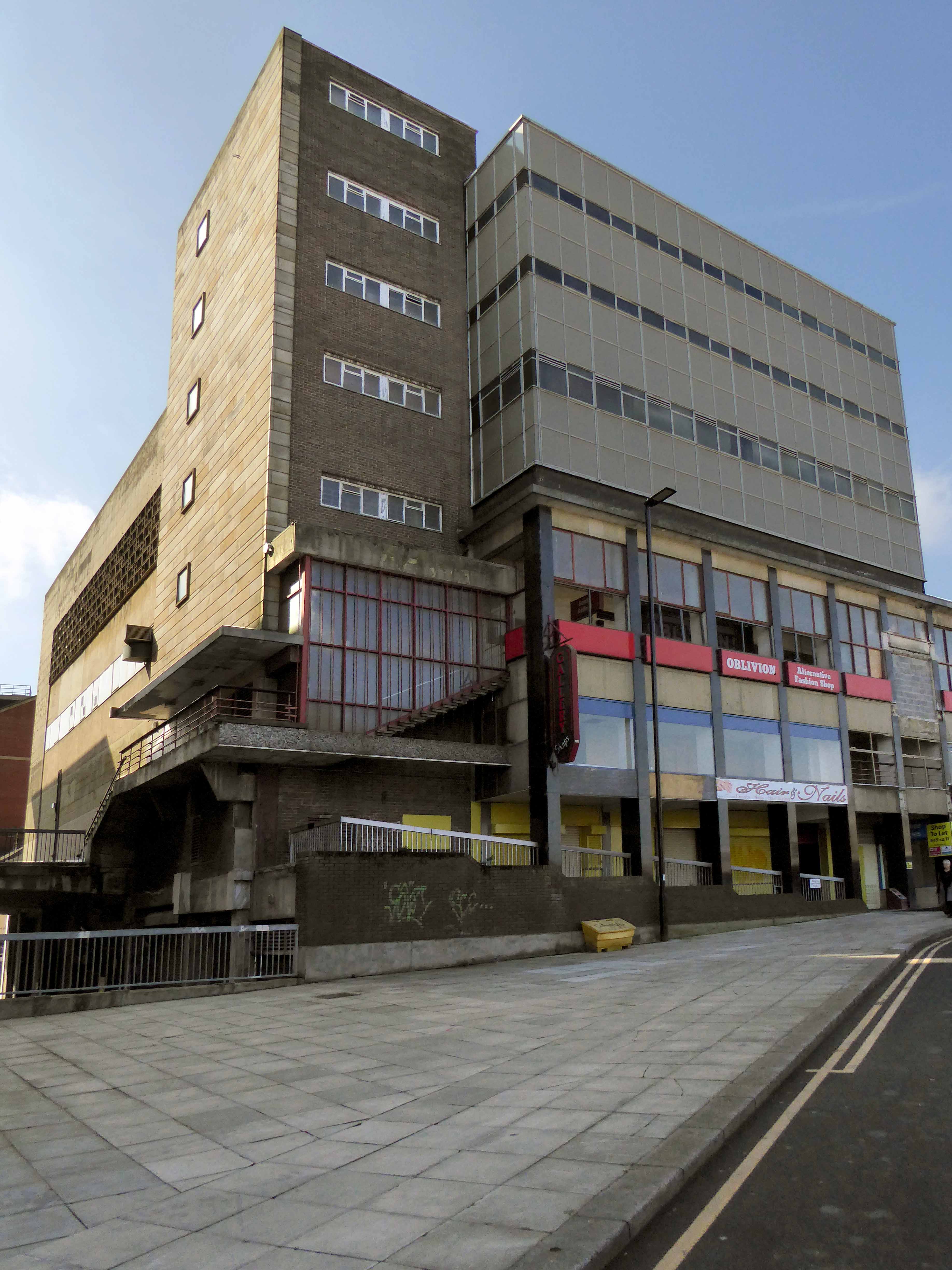
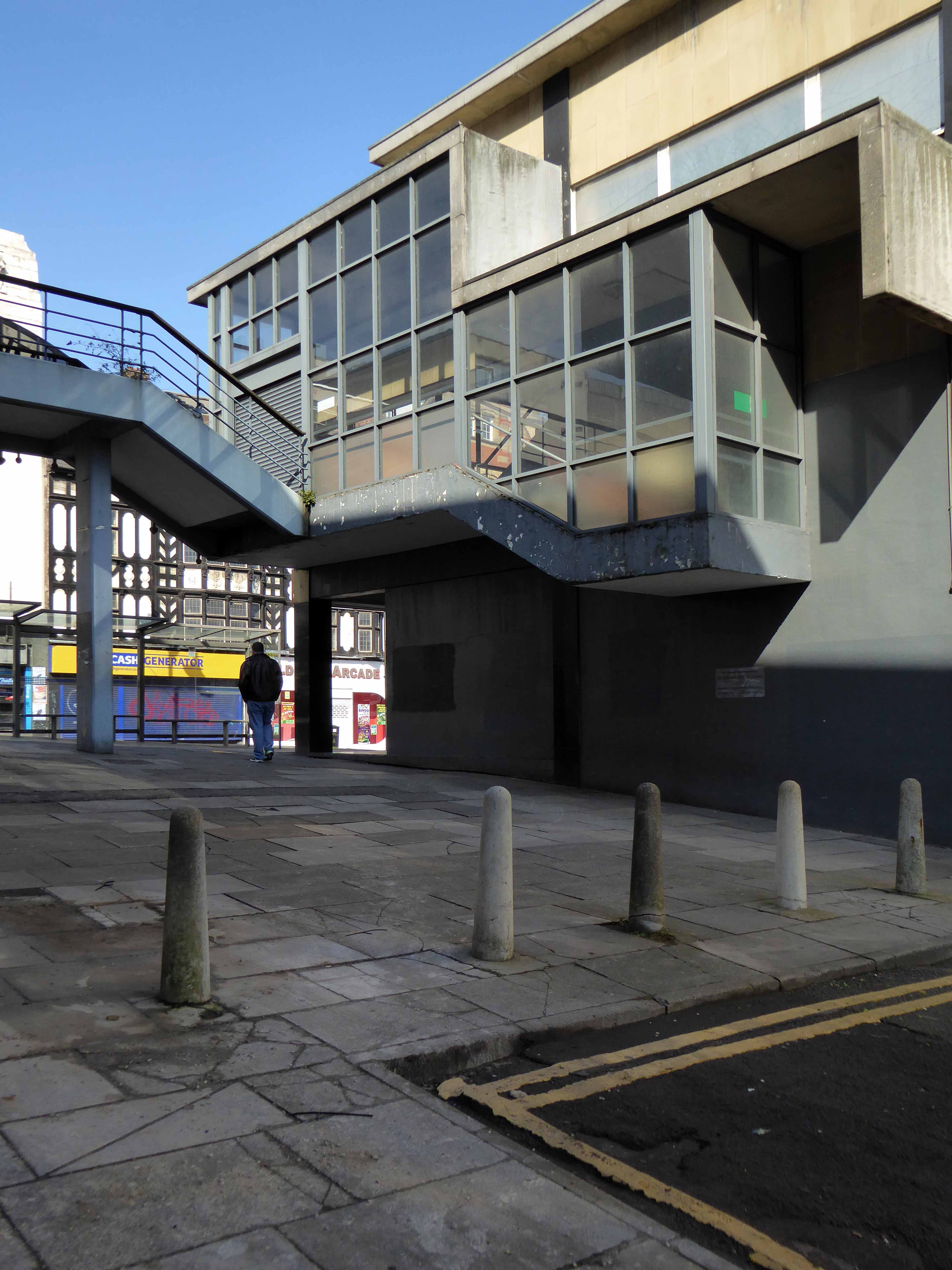
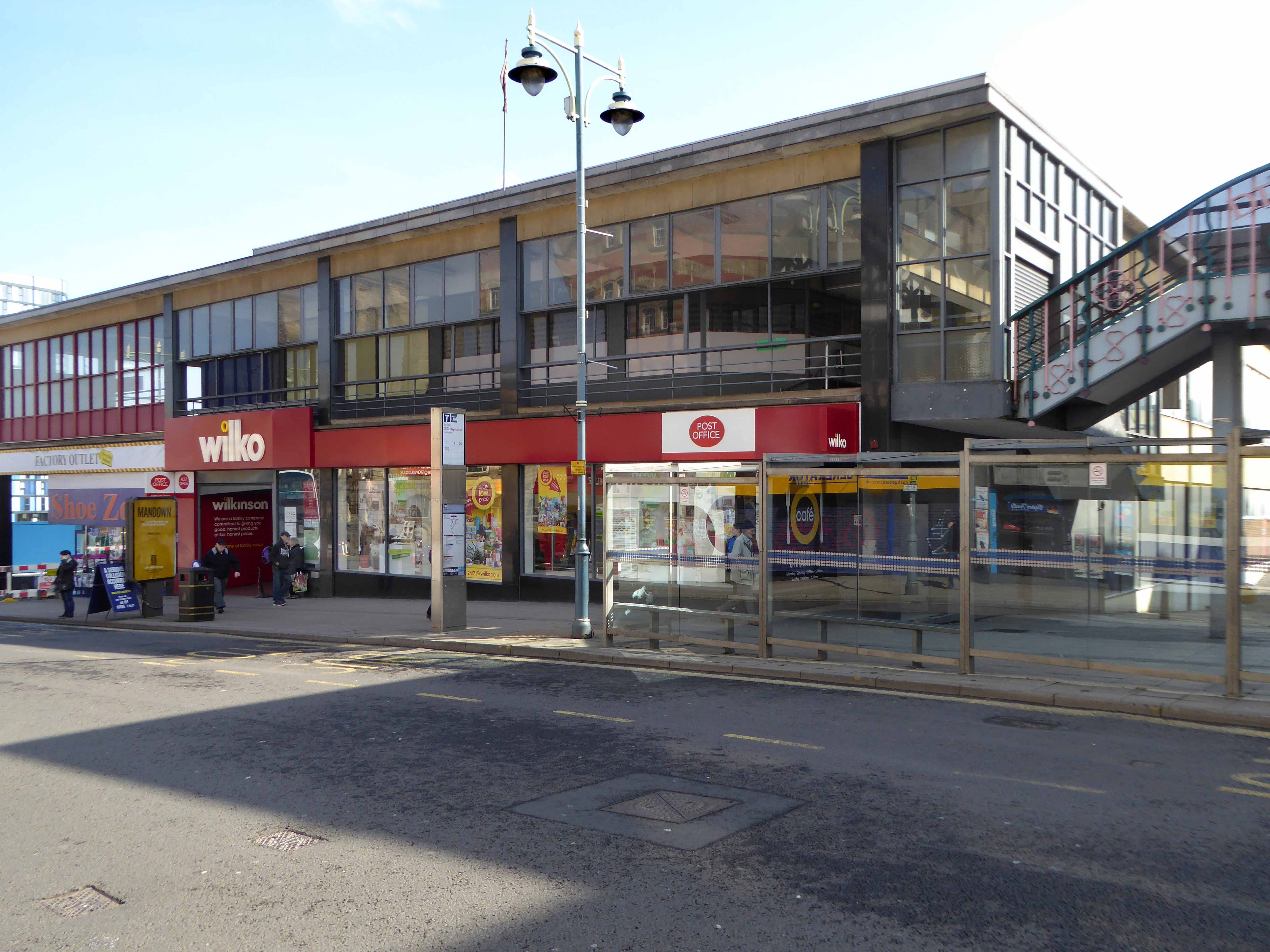
Over a hundred years or so trams, prams, pedestrians, cars, buses, buildings, businesses, and homes have been and gone, not even the name has remained the same.
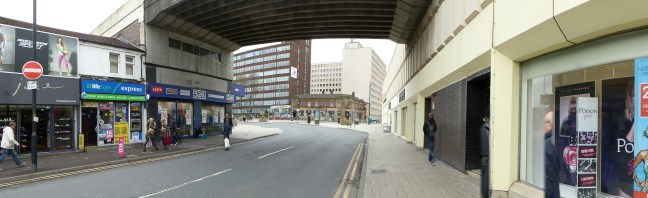
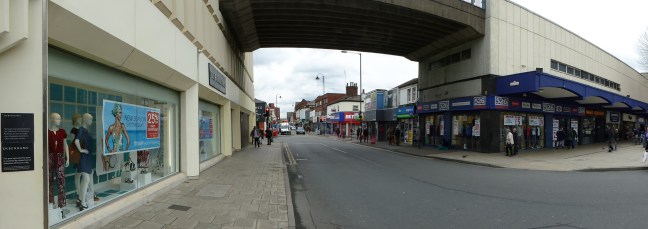
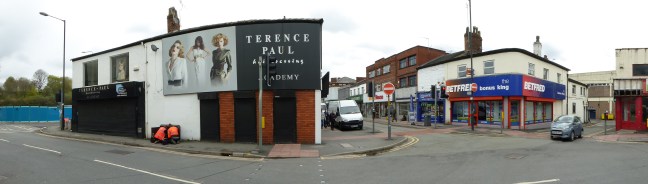
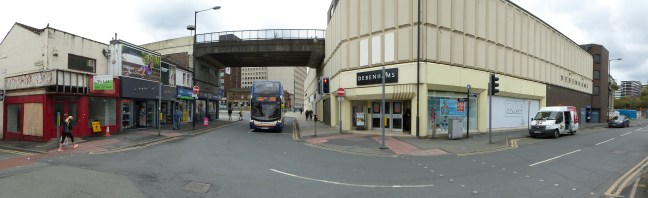
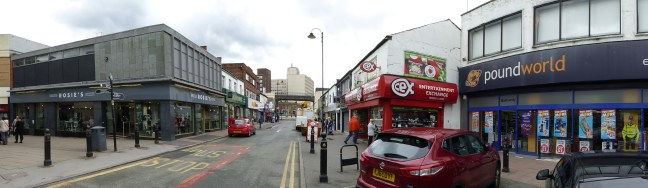
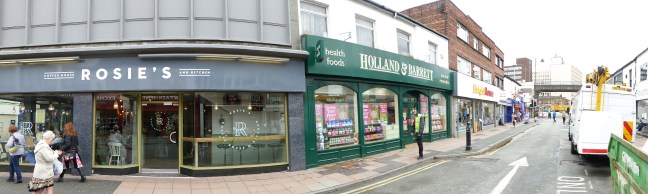
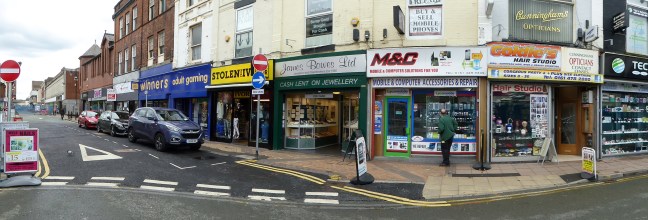
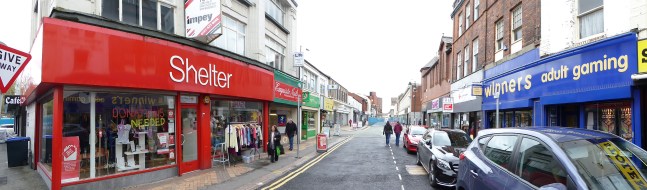
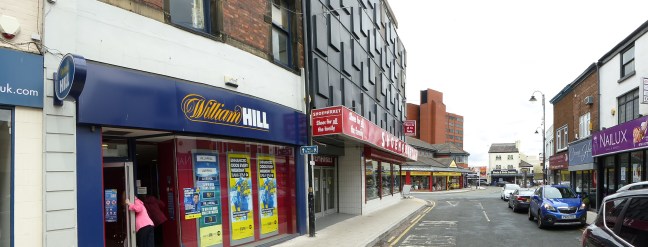
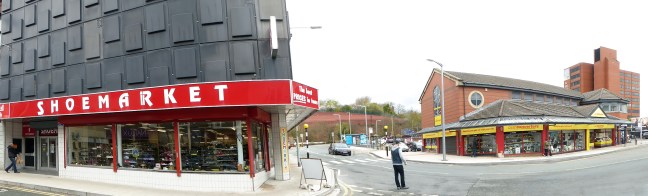
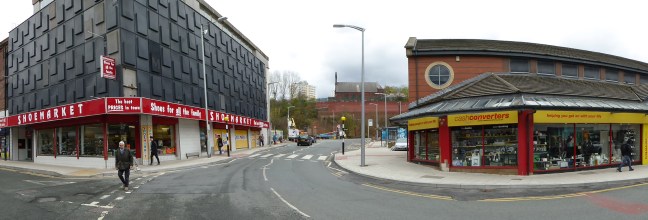
Heaton Lane becomes Princes Street.
From decorous Victorian thoroughfare.
To 80’s pedestrianised passageway.
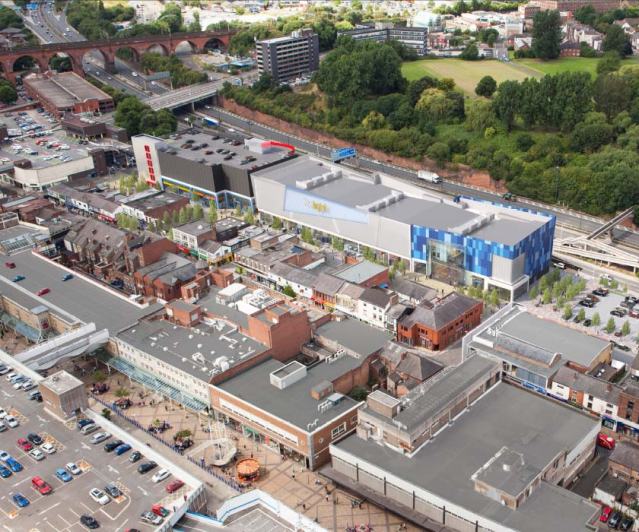
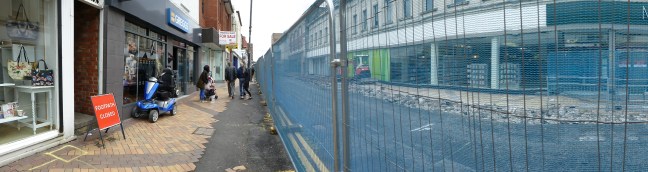
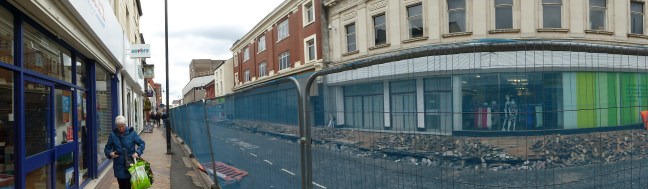
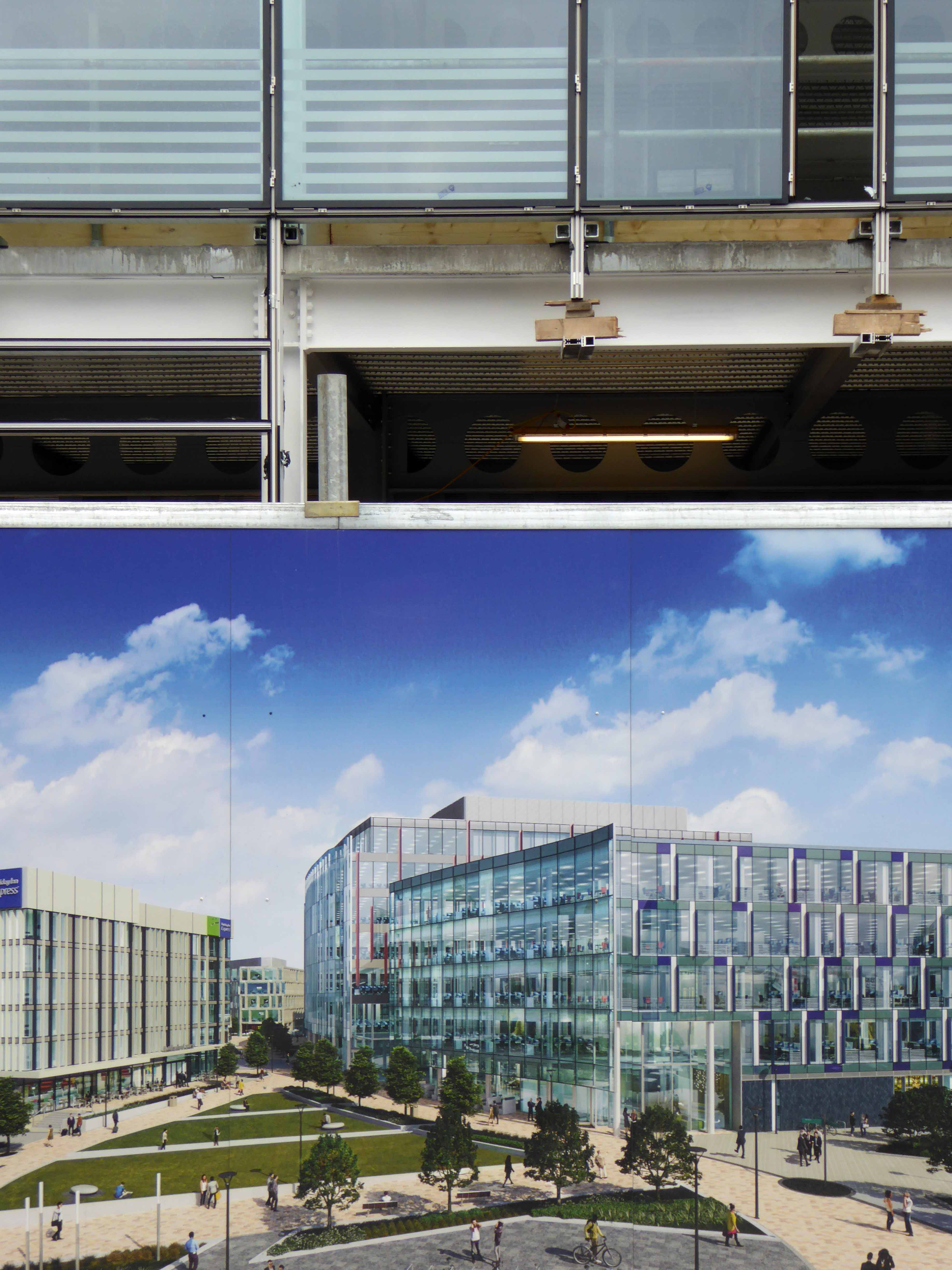
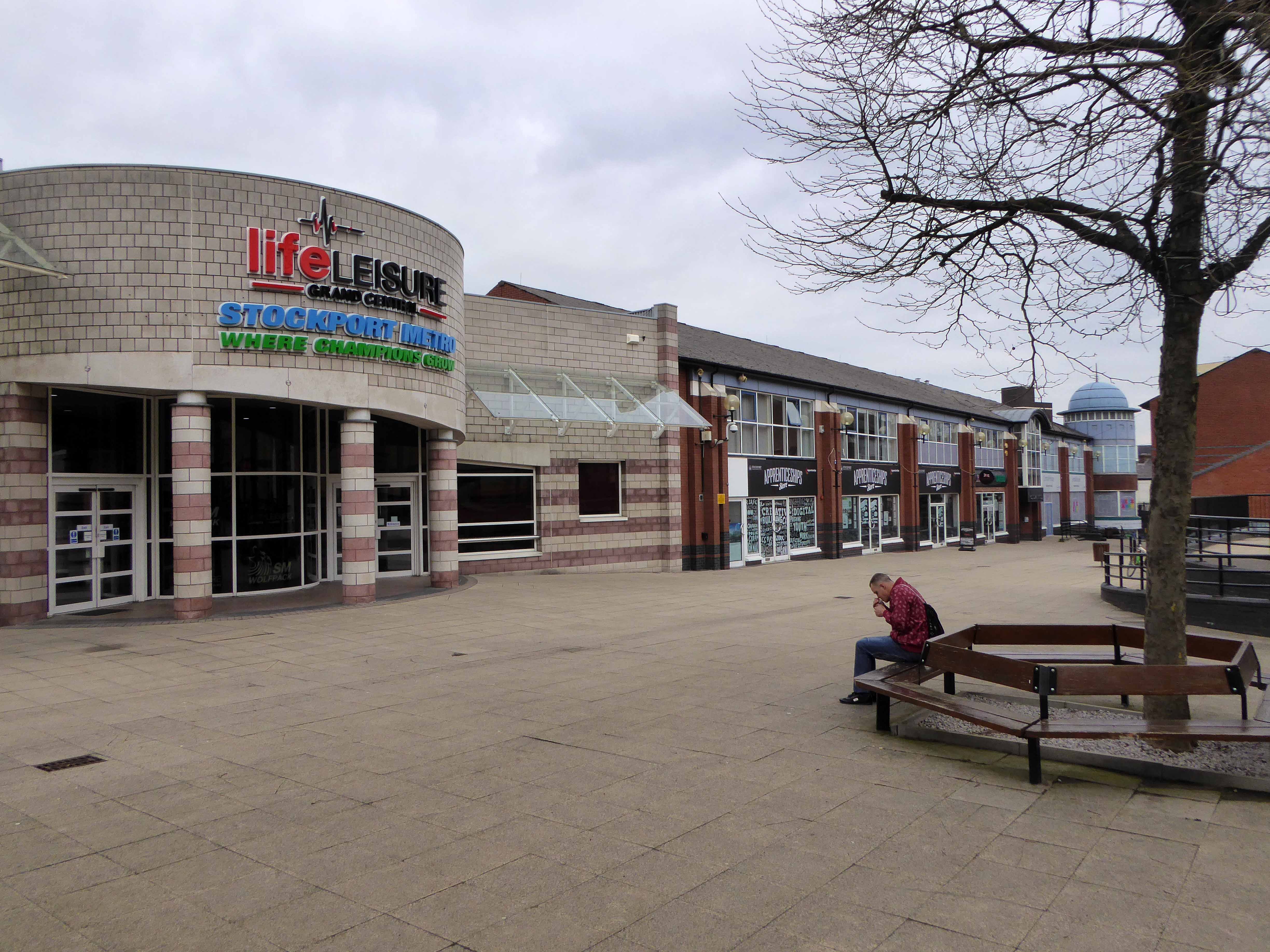
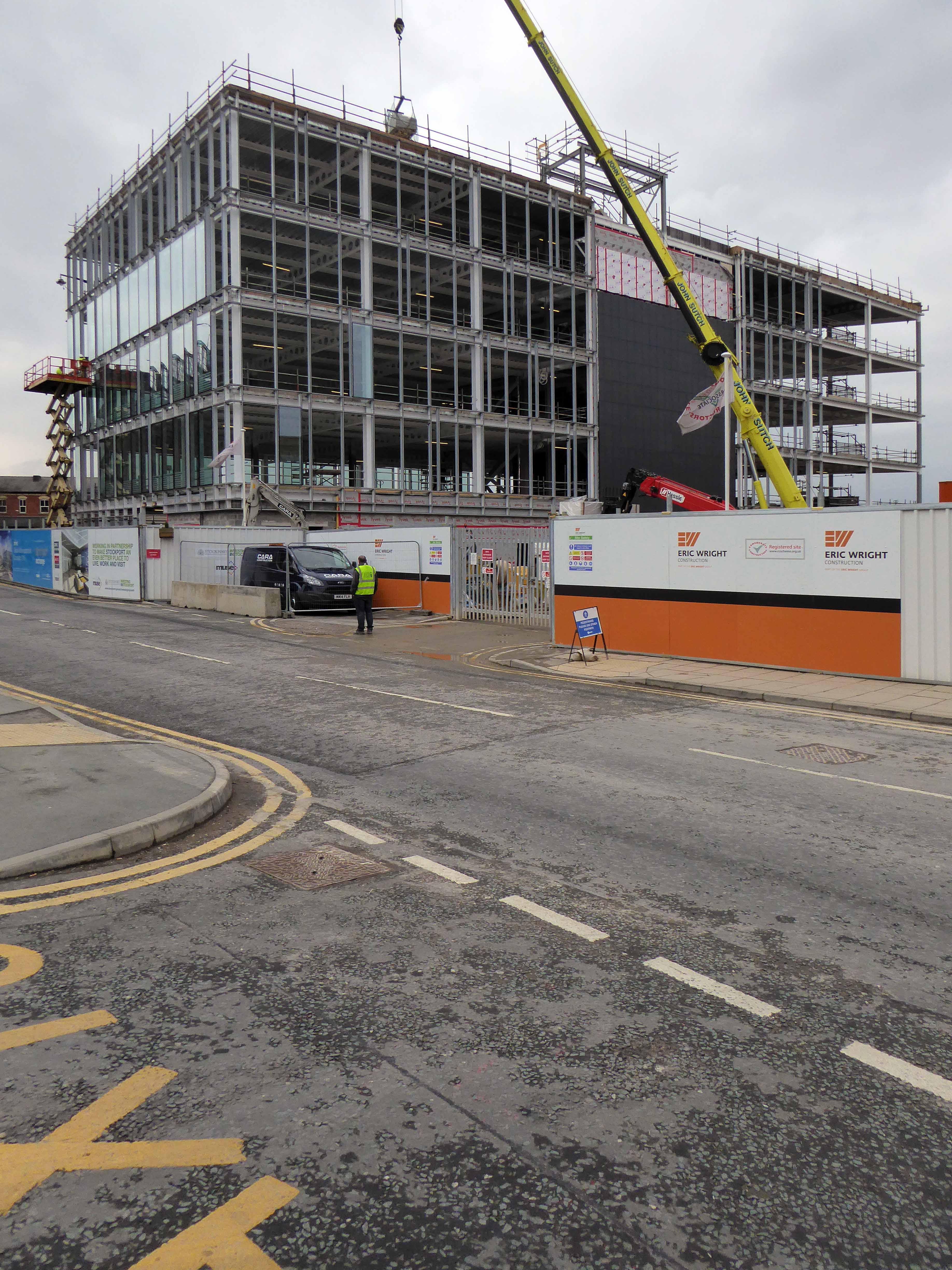
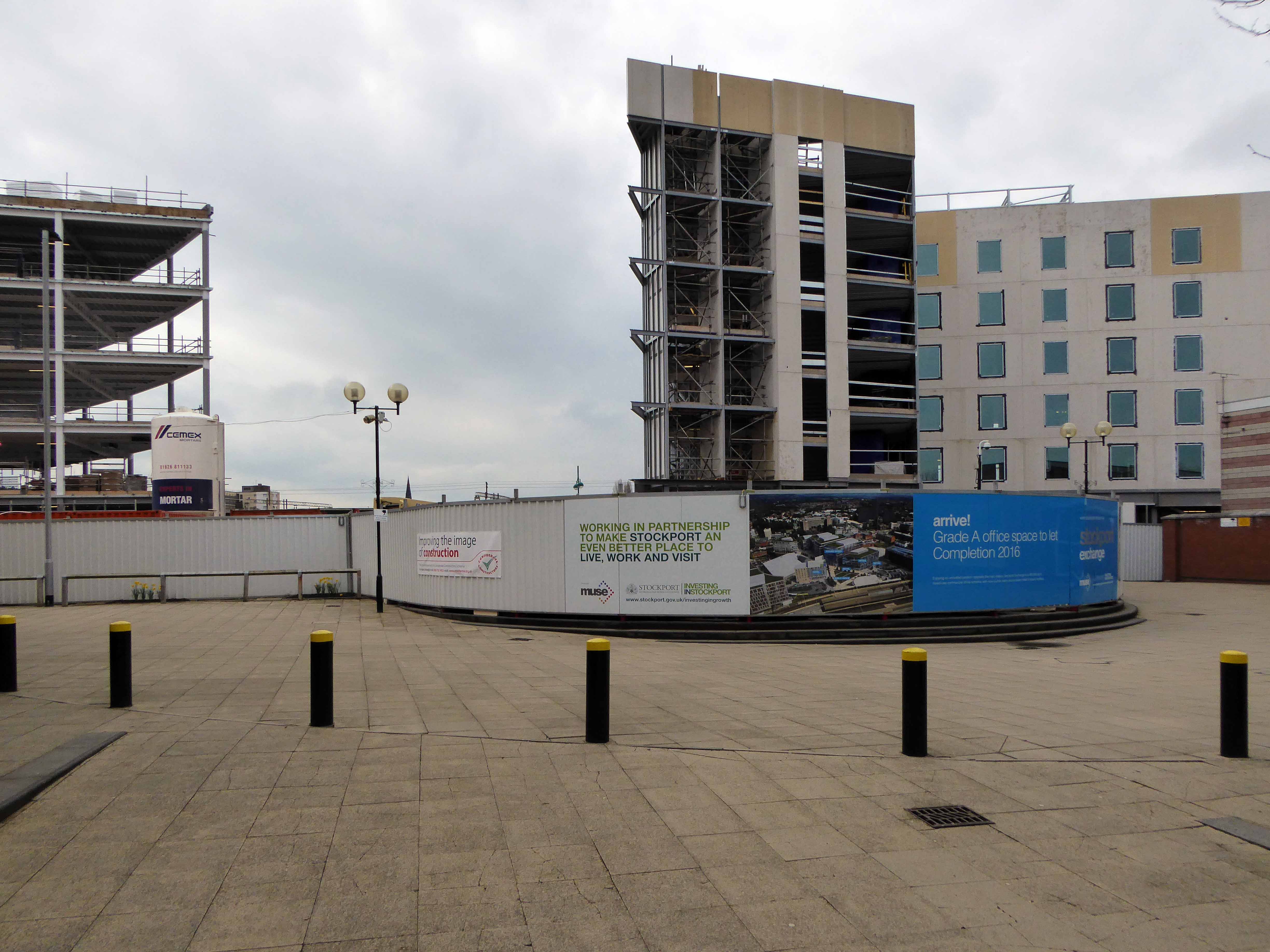
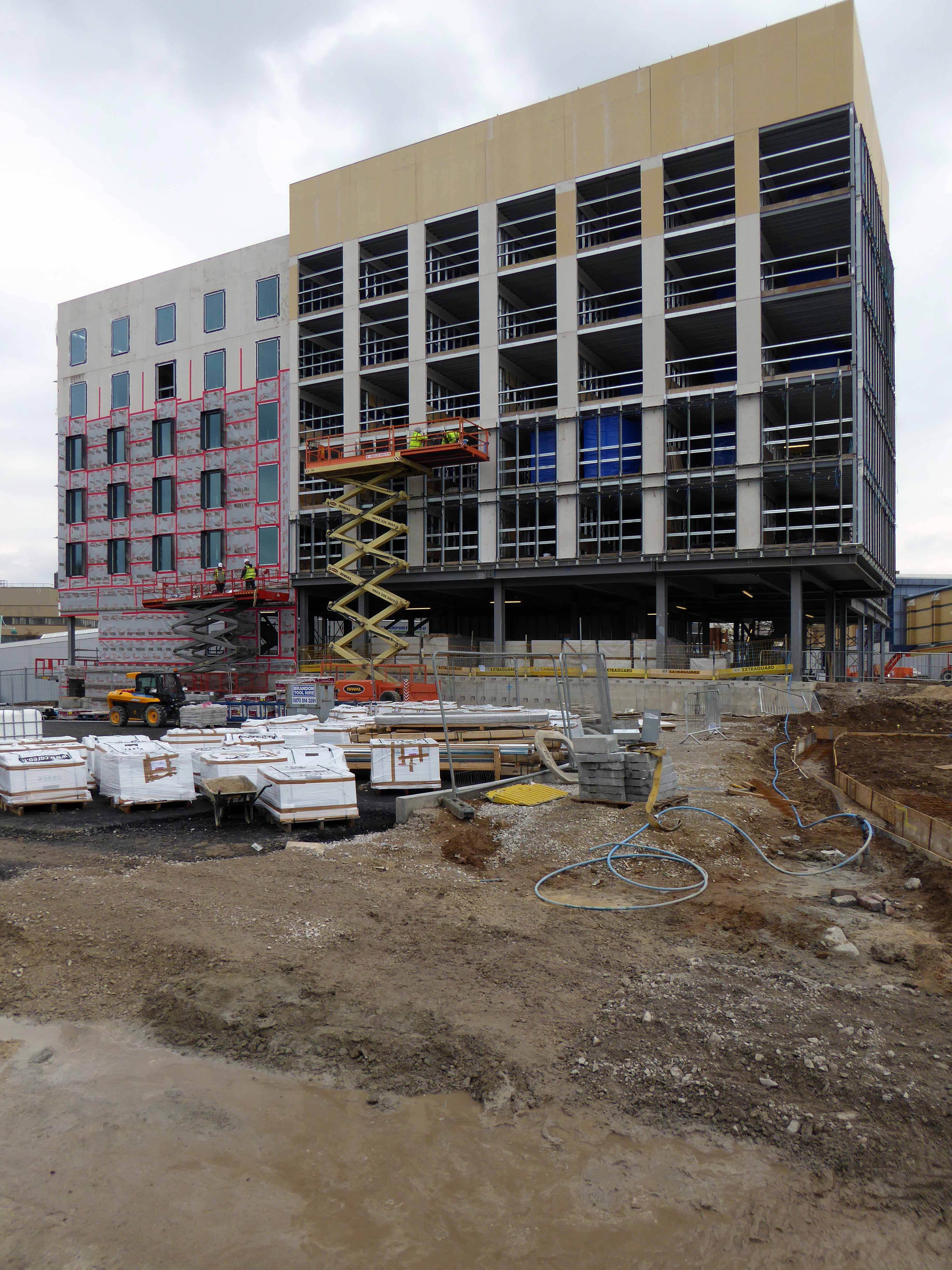
The future is almost here today with the imminent addition of the Redrock Centre.
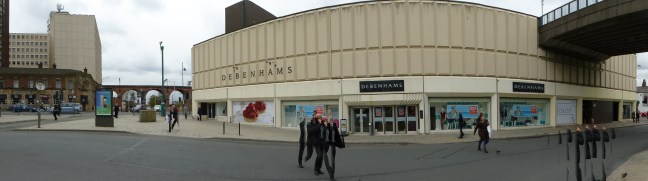
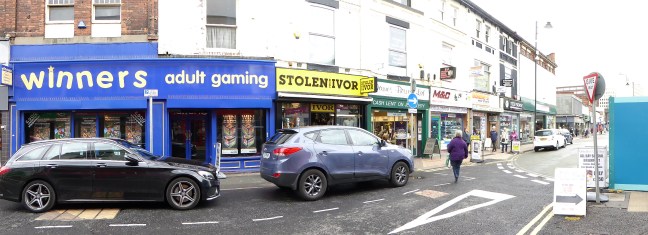
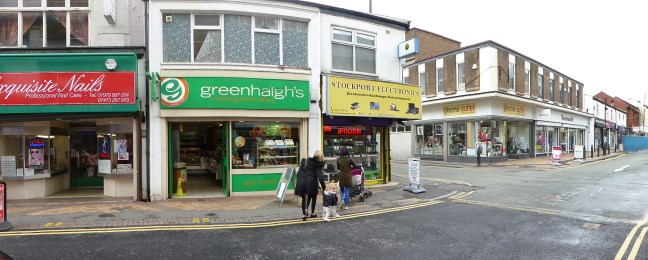
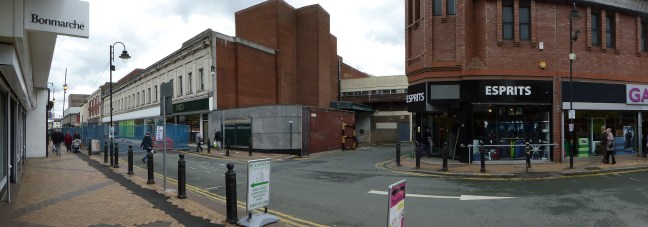
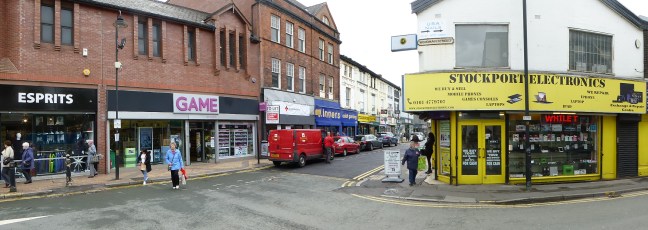
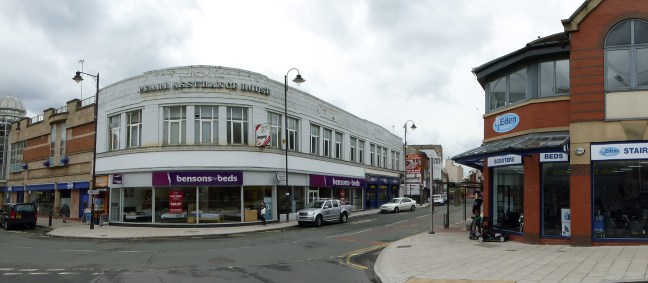
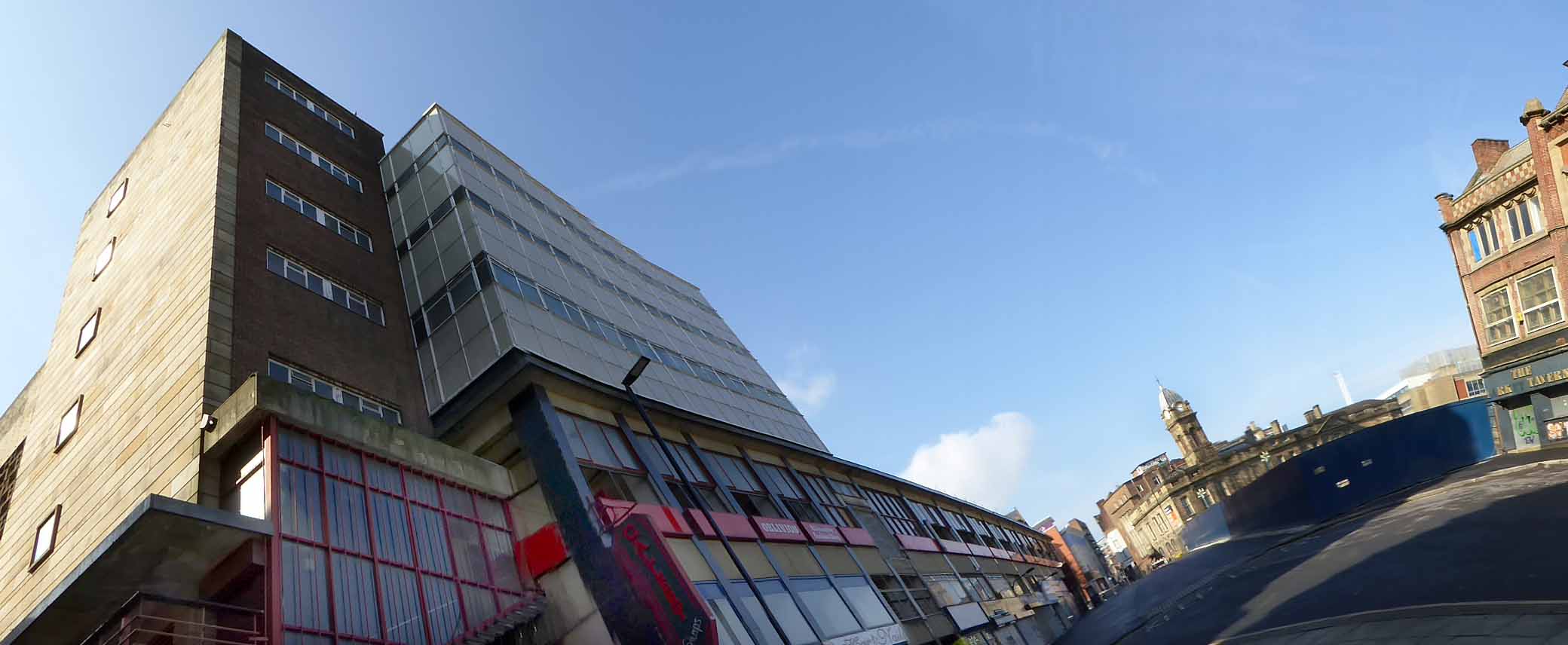
I walked along today to capture the Princes Street panorama, take a look.
Turn right into a right to buy road, past passed by, sub sub Lutyens semis, to the sublime, sub prime suburban worlds, teetering on the brink of prosperity.
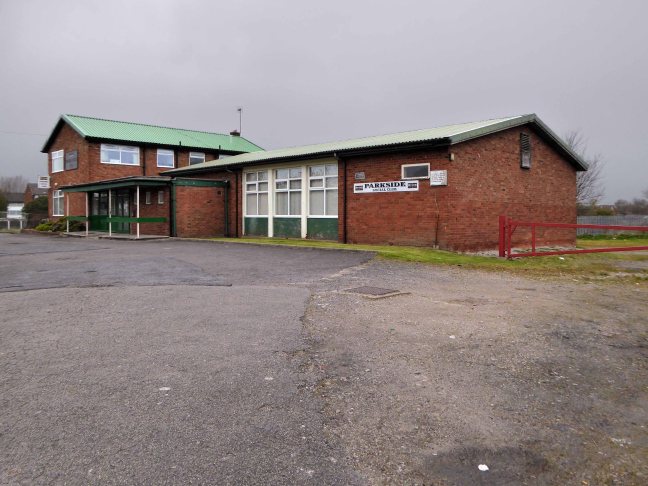
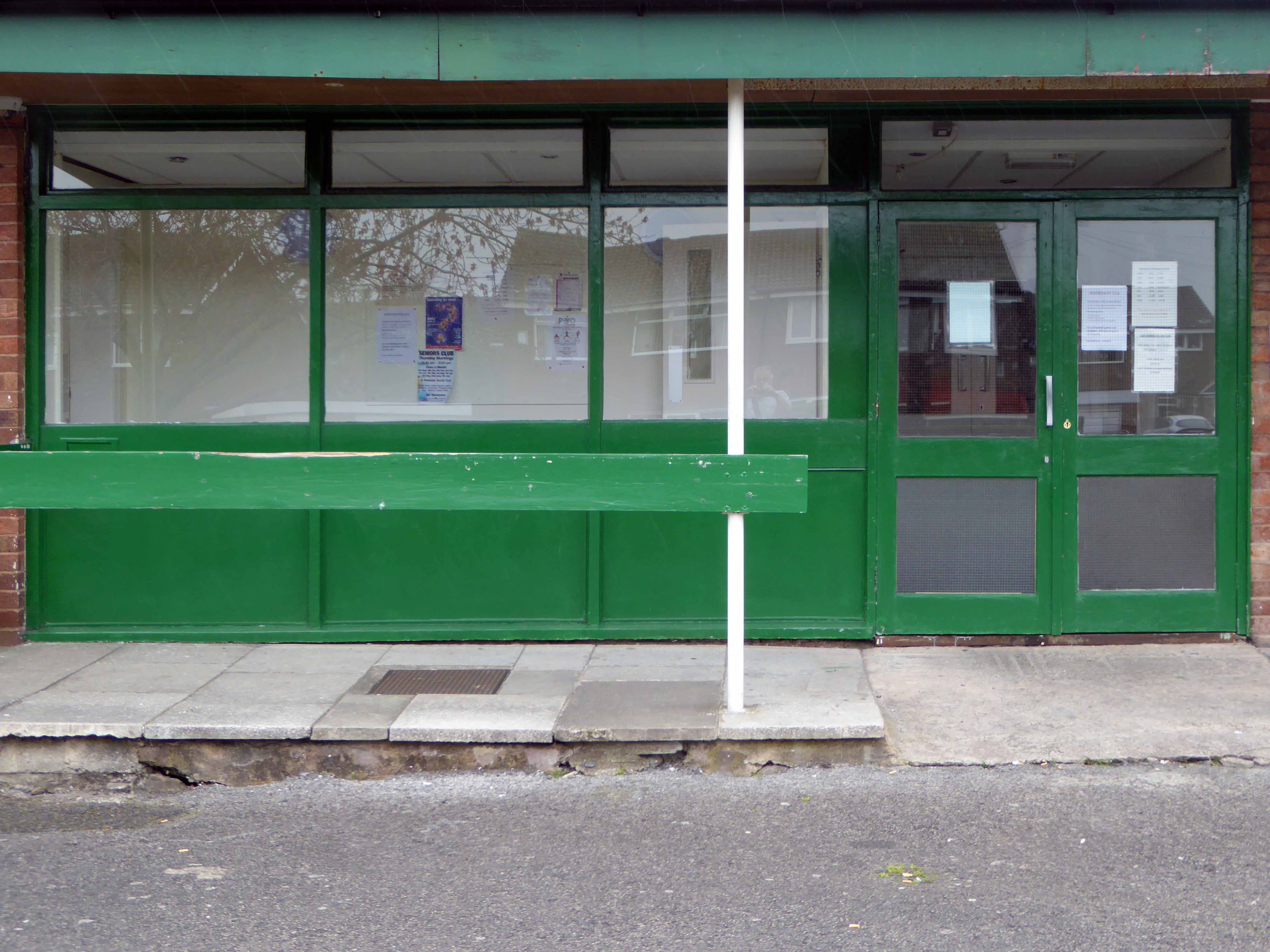
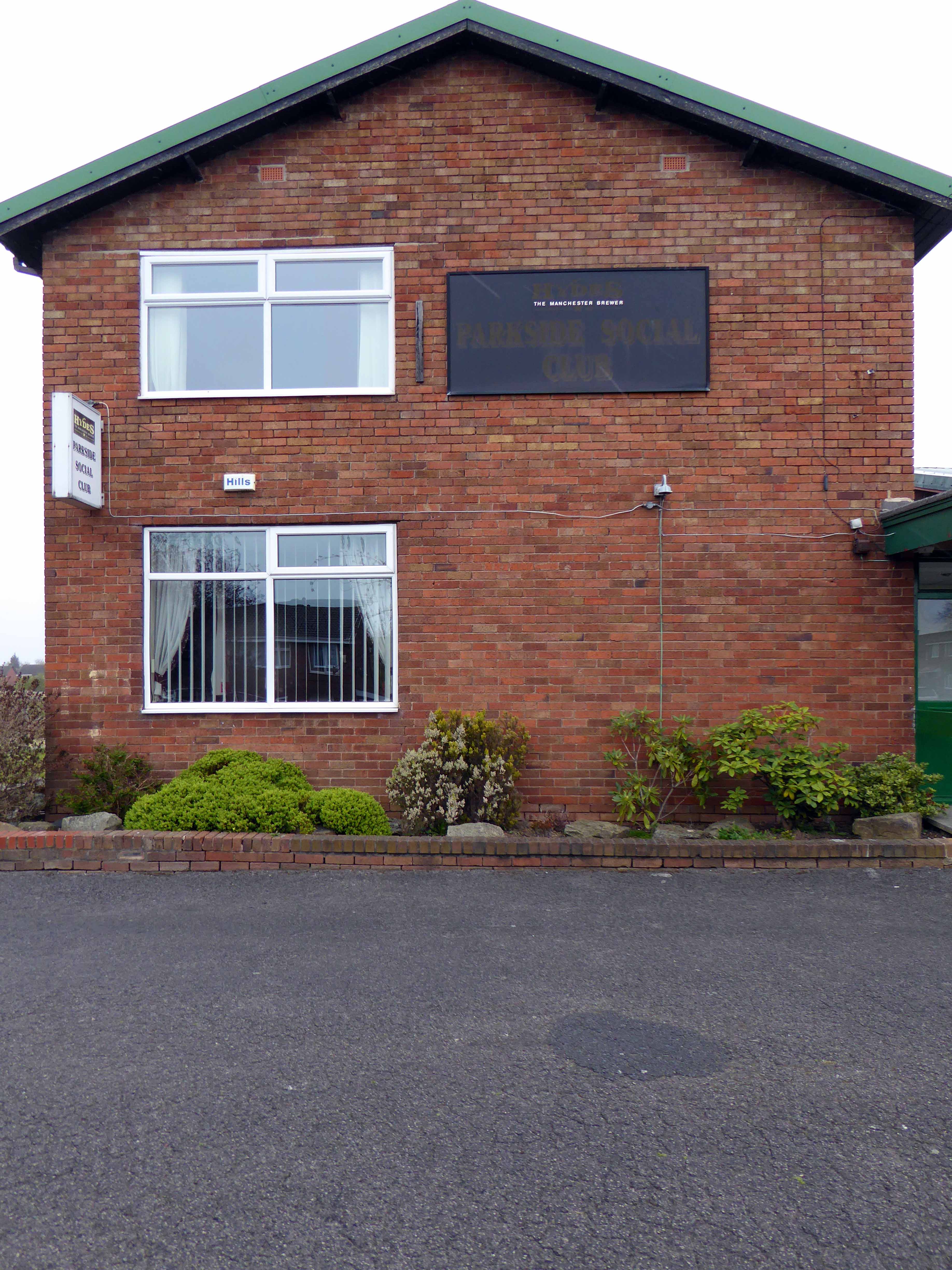
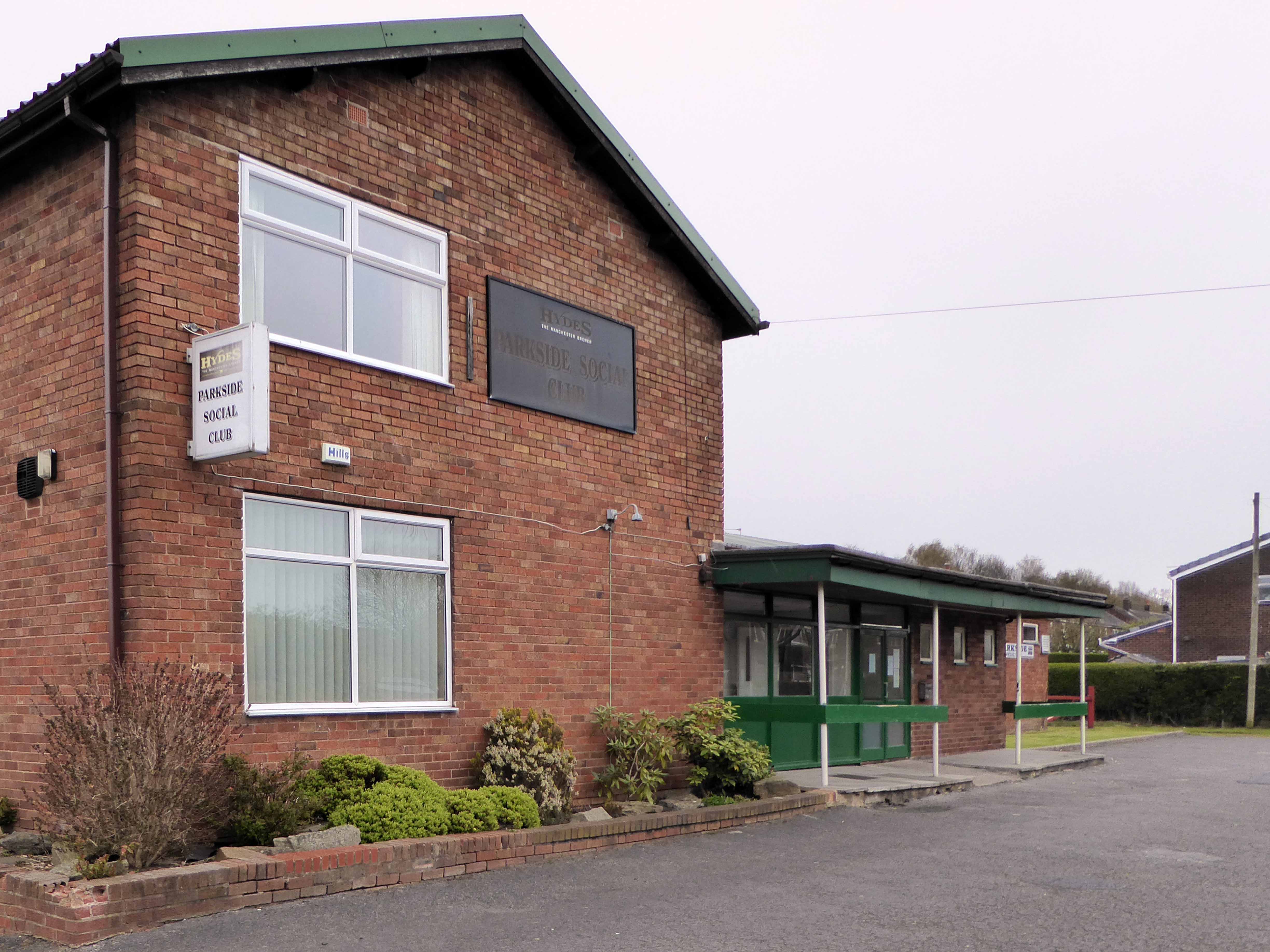
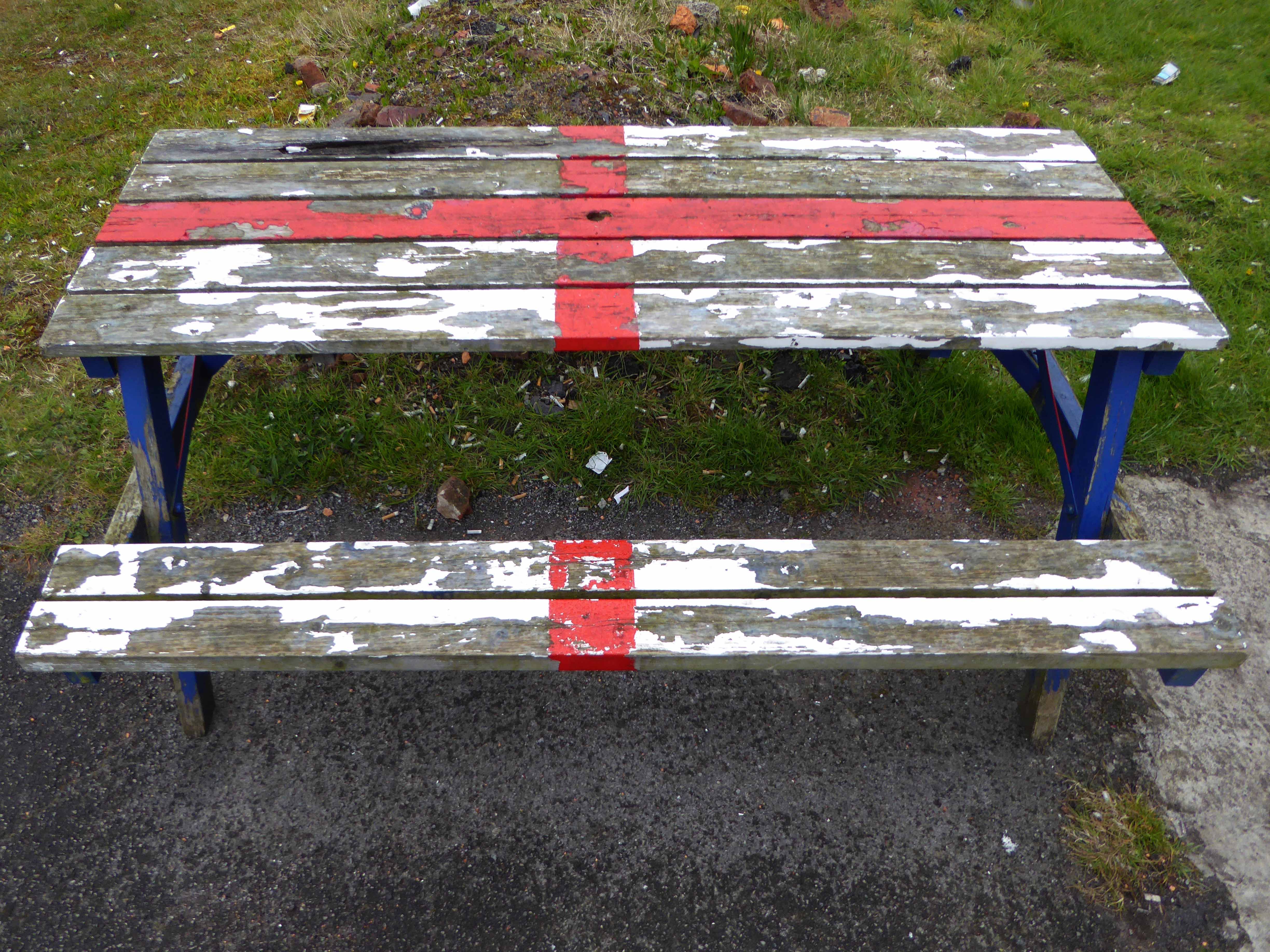
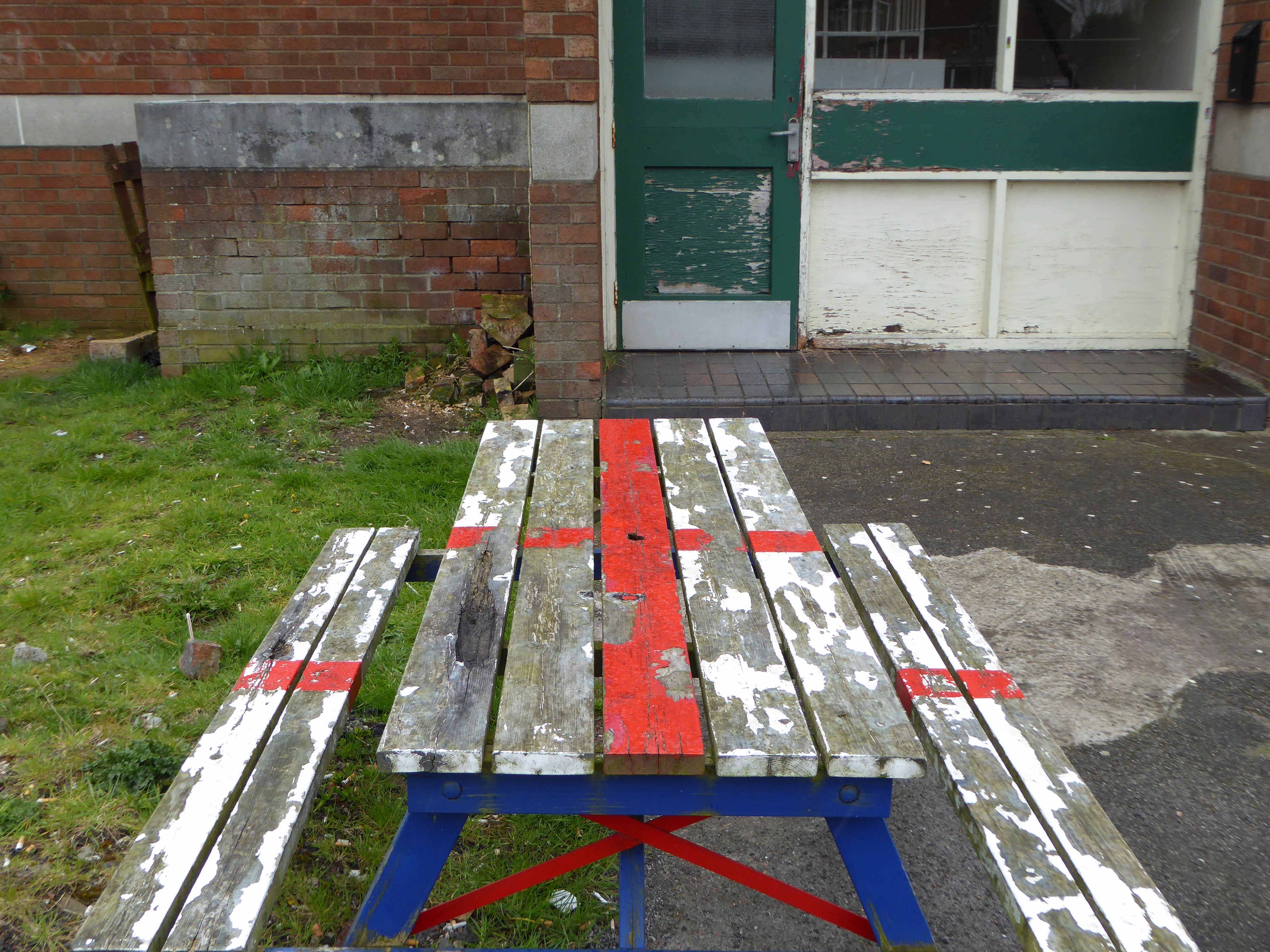
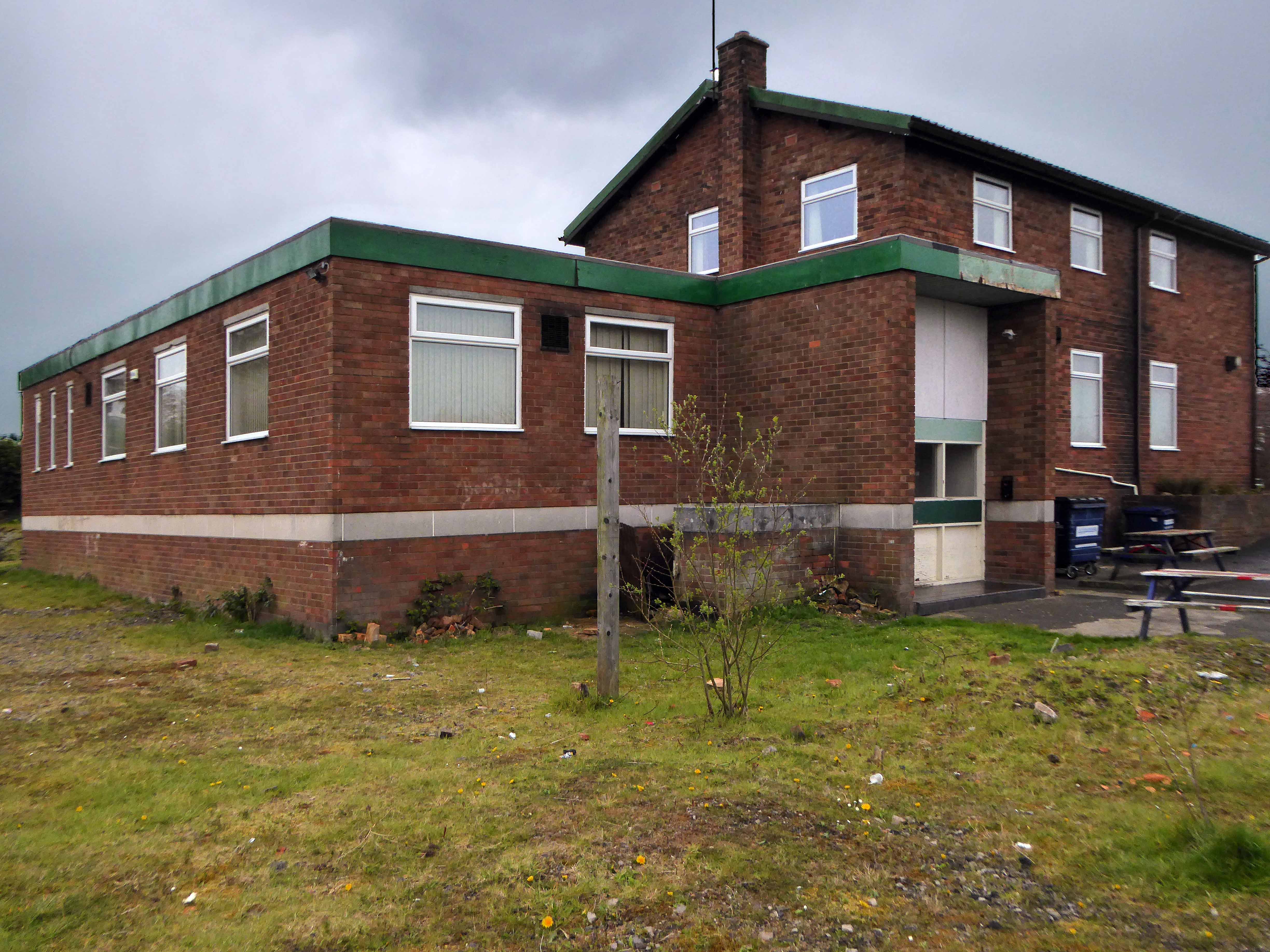
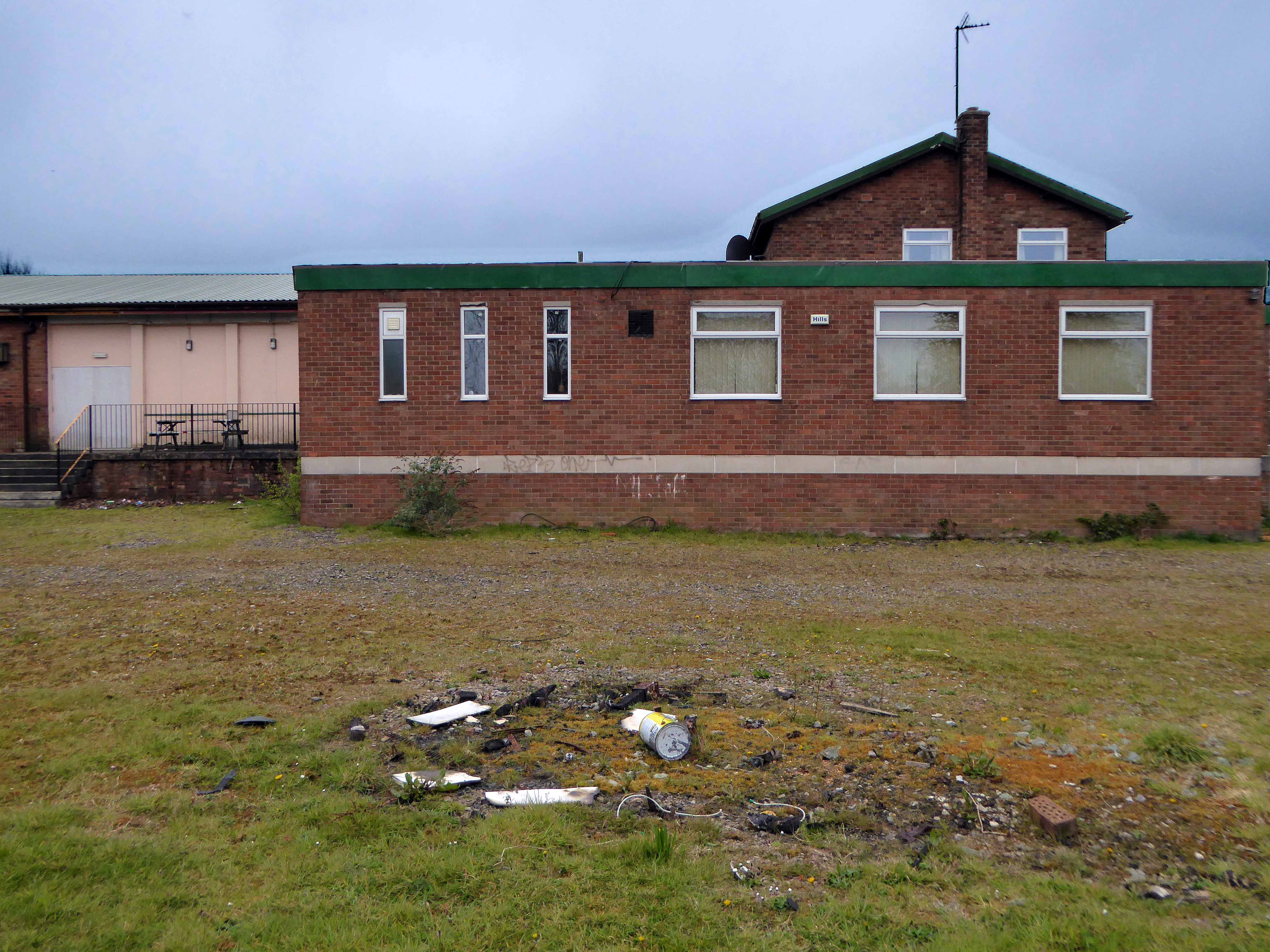
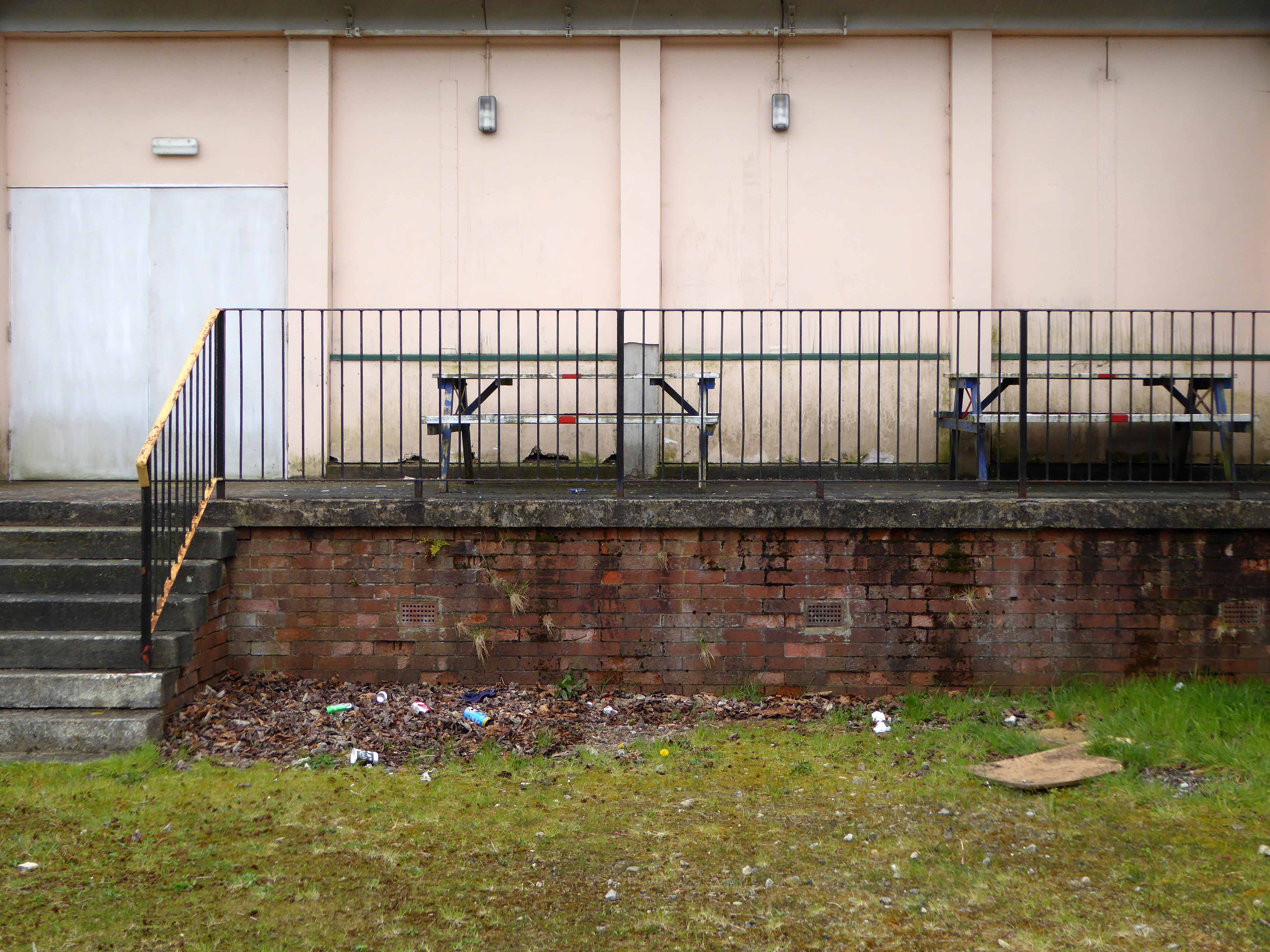
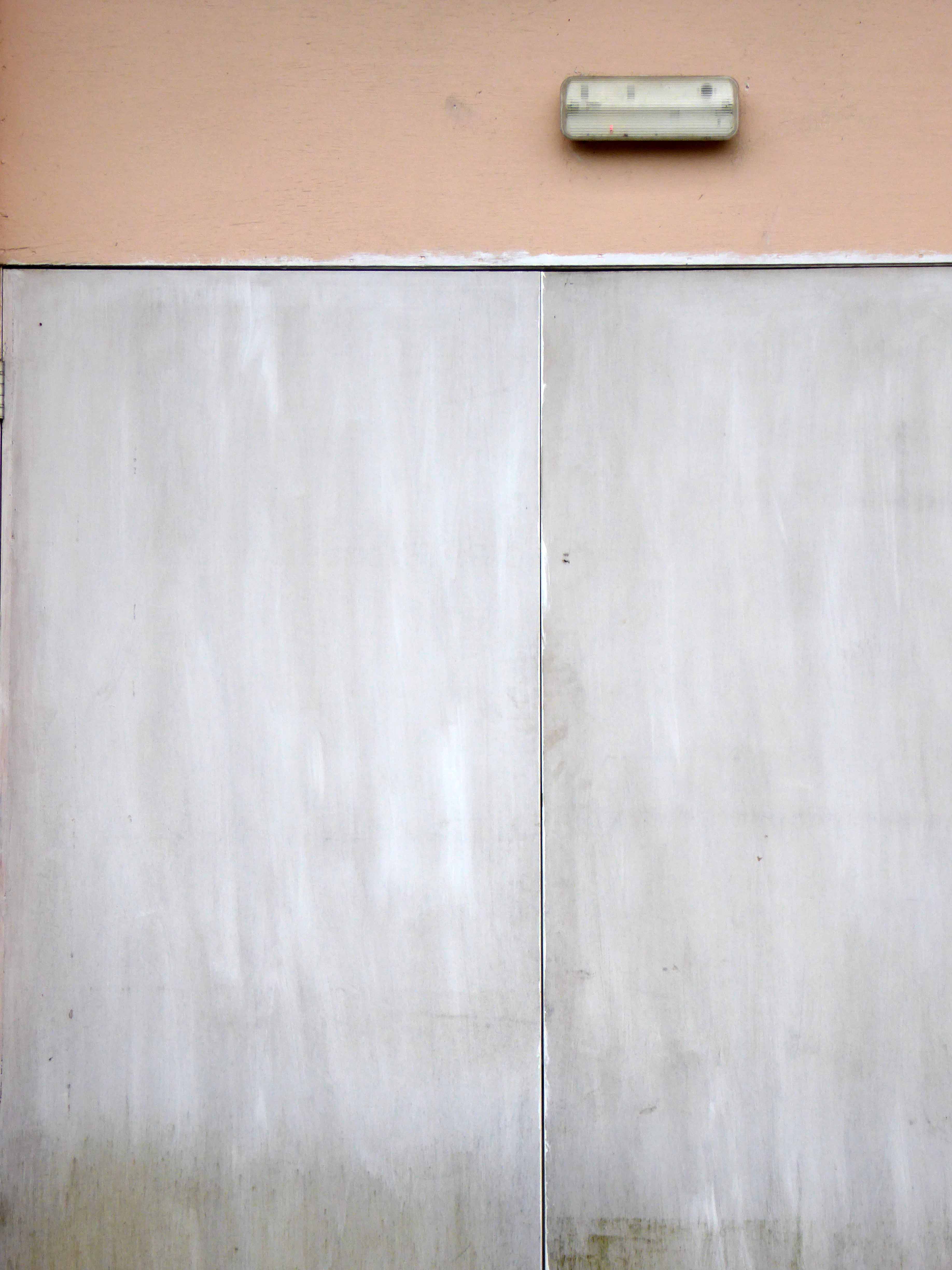
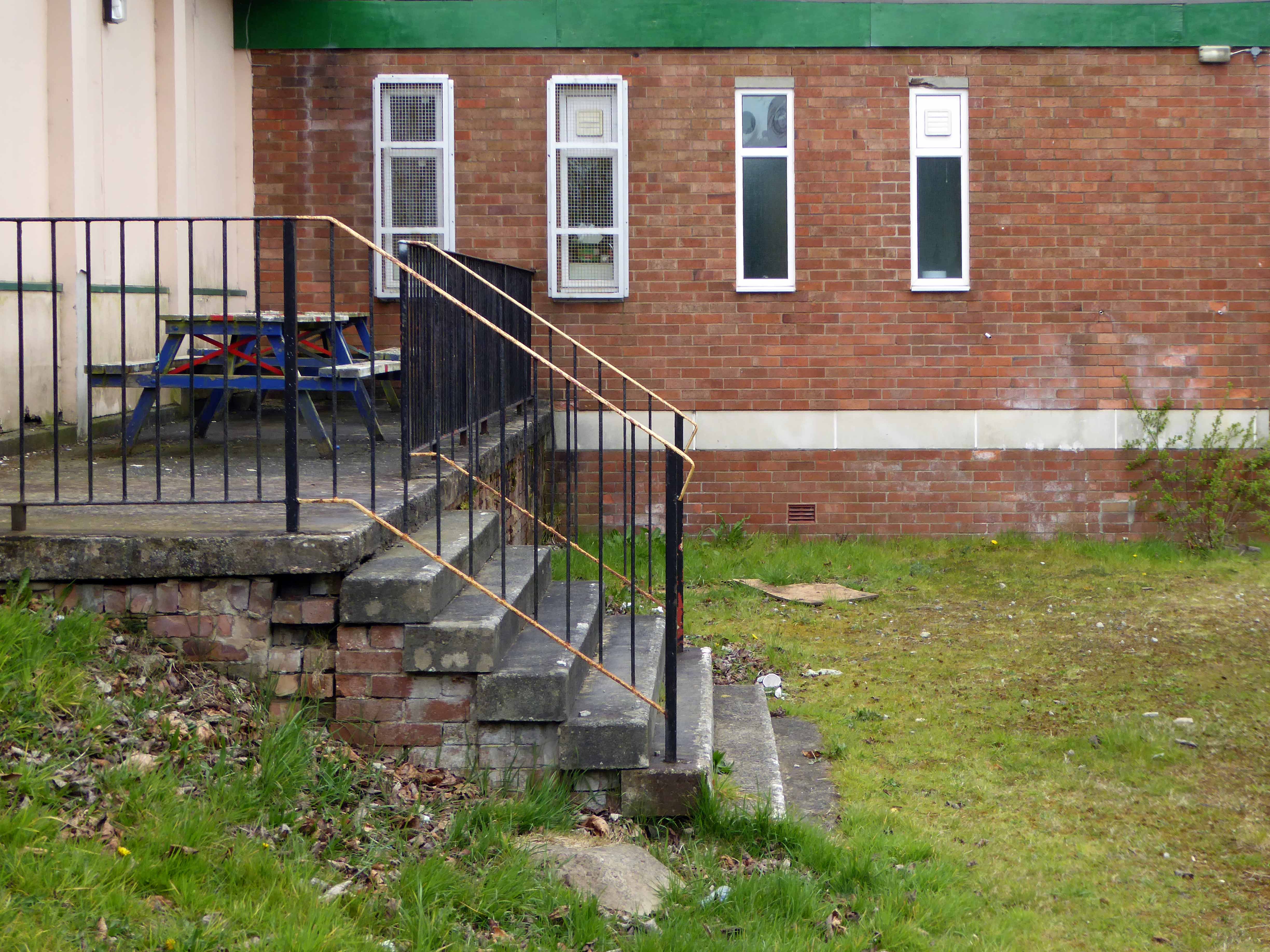
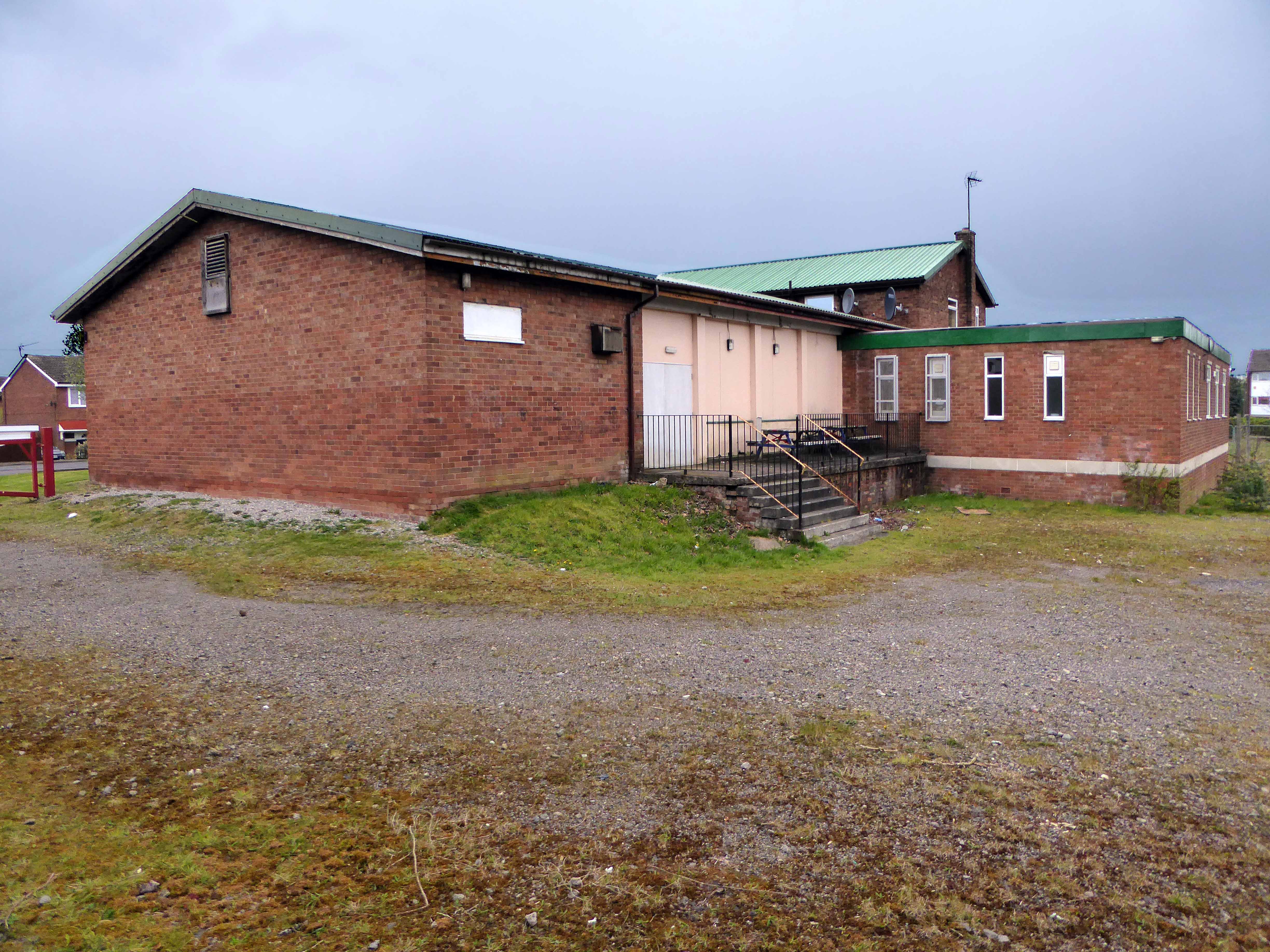
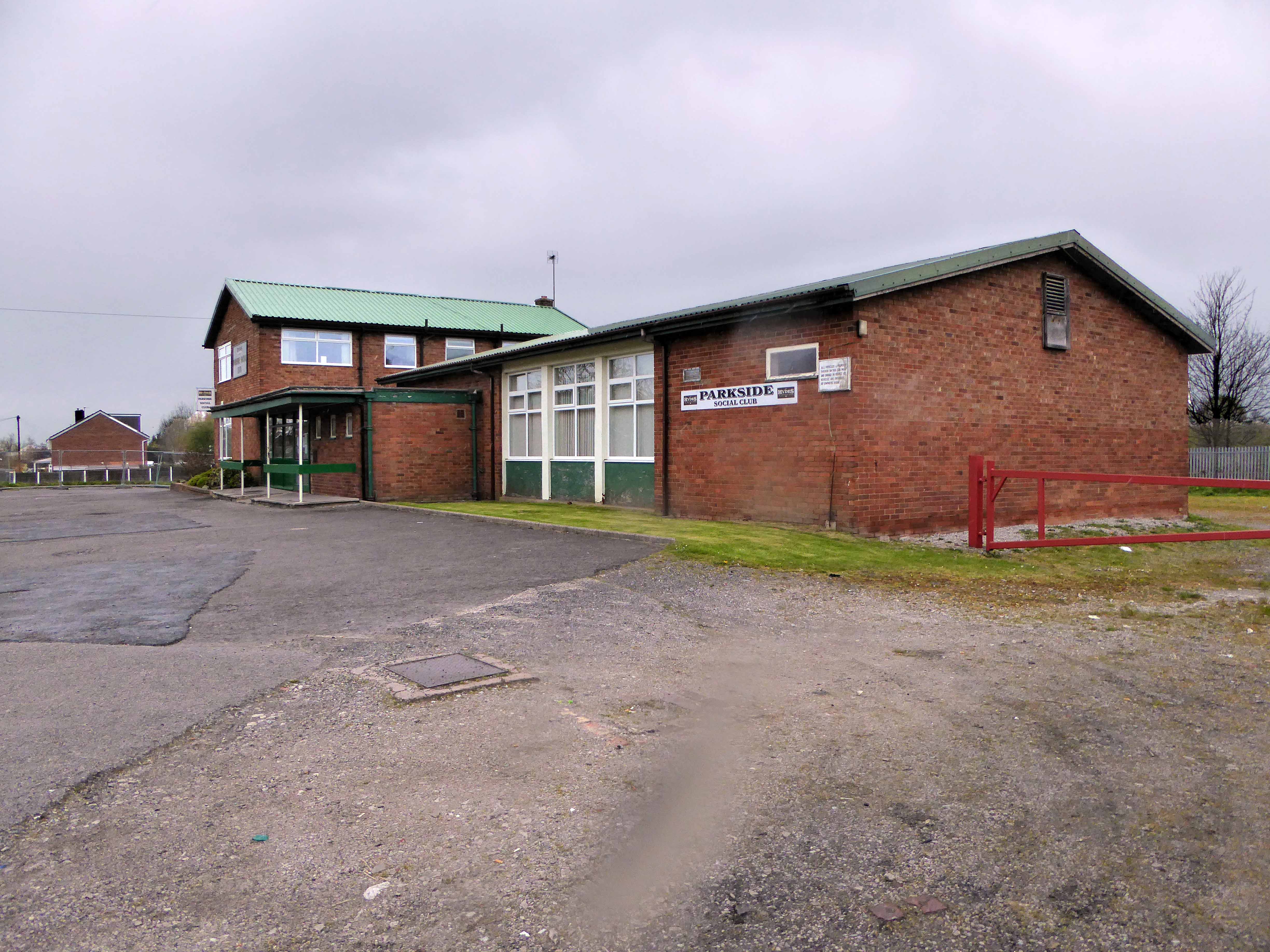
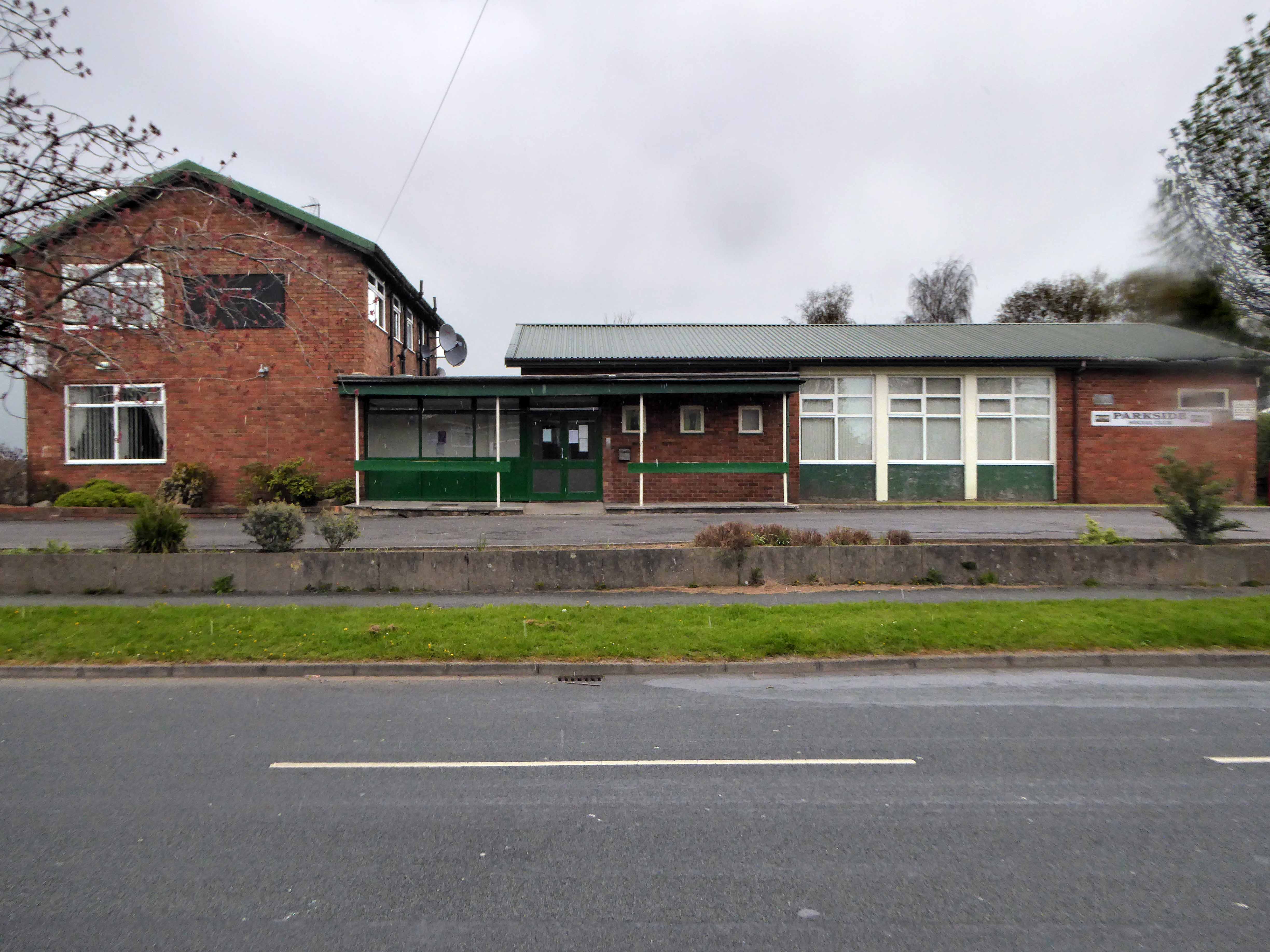
Set back, set against a greying gun metal sky, sits Parkside Social Club.
So there it’s not there.
A chilling ambivalence that merely suggests occupation, a last grasp gasp.
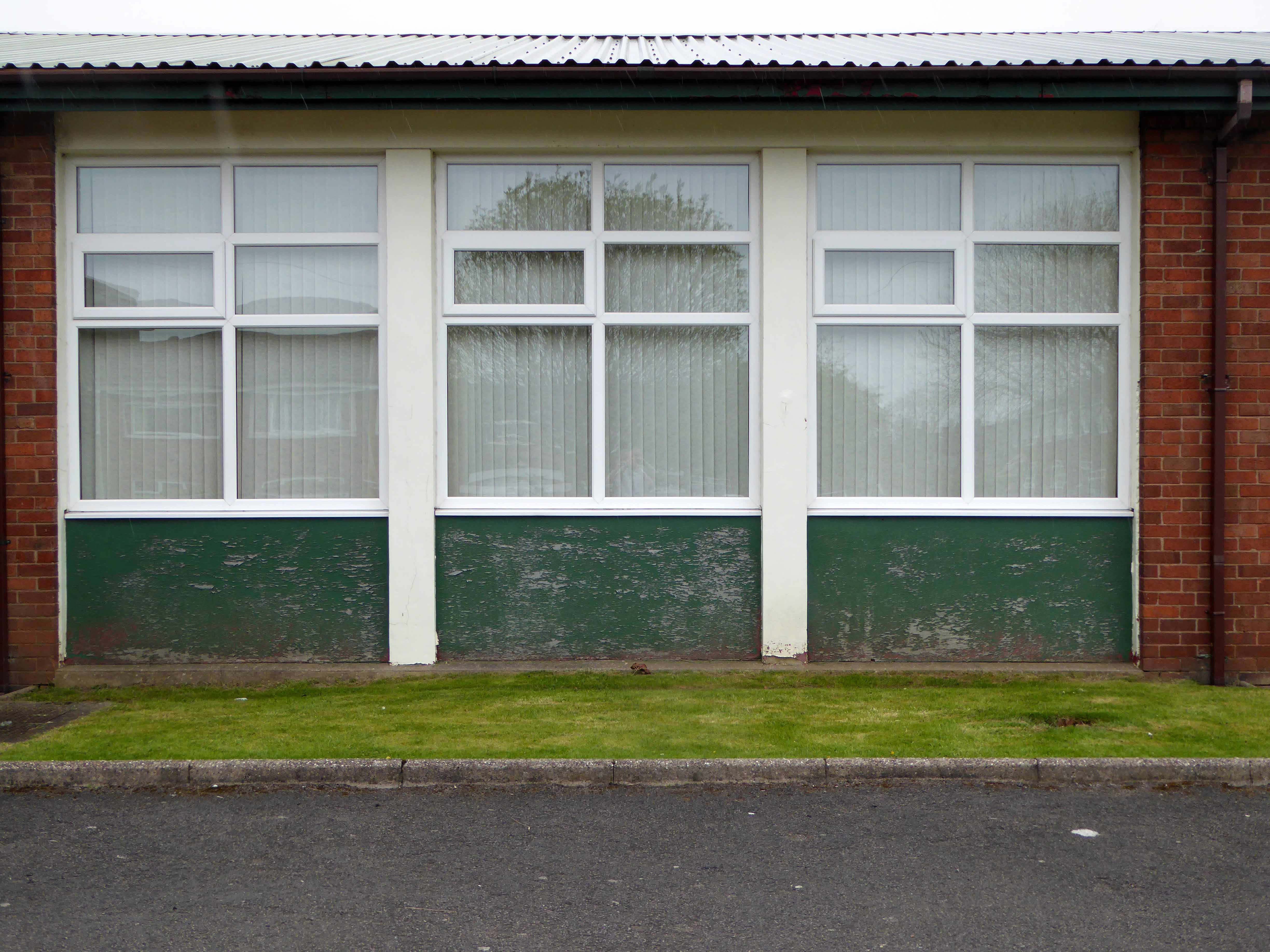
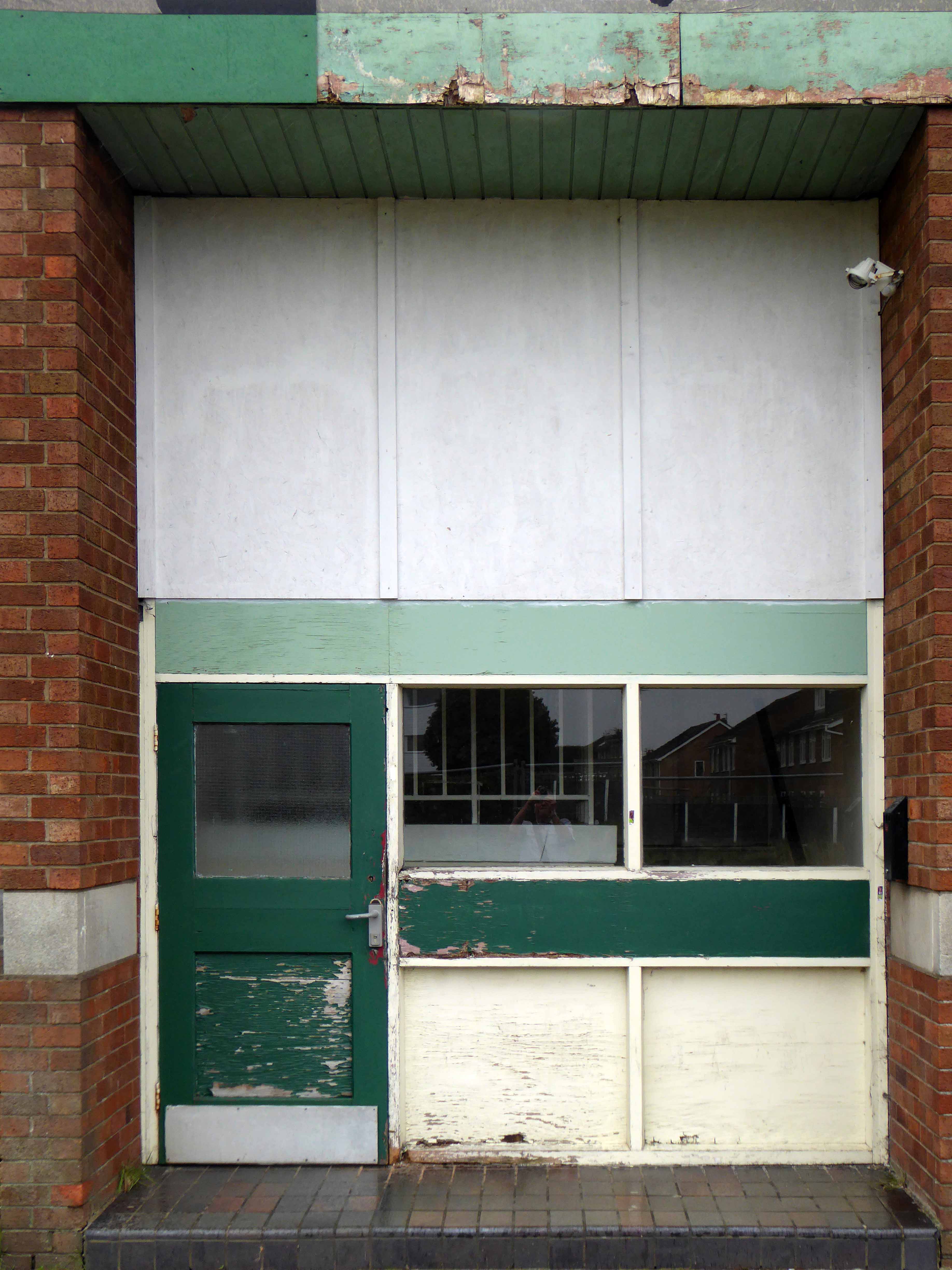
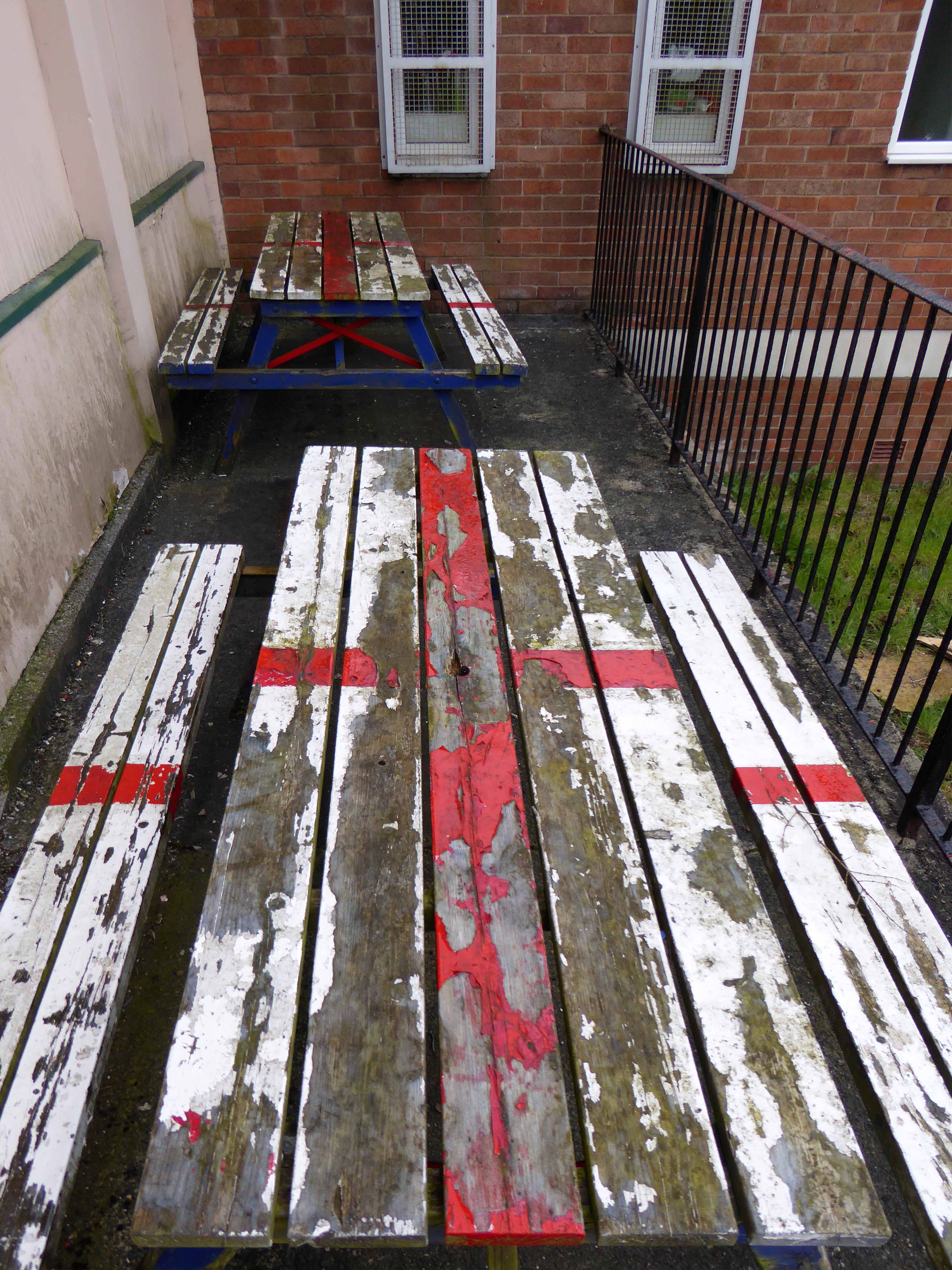
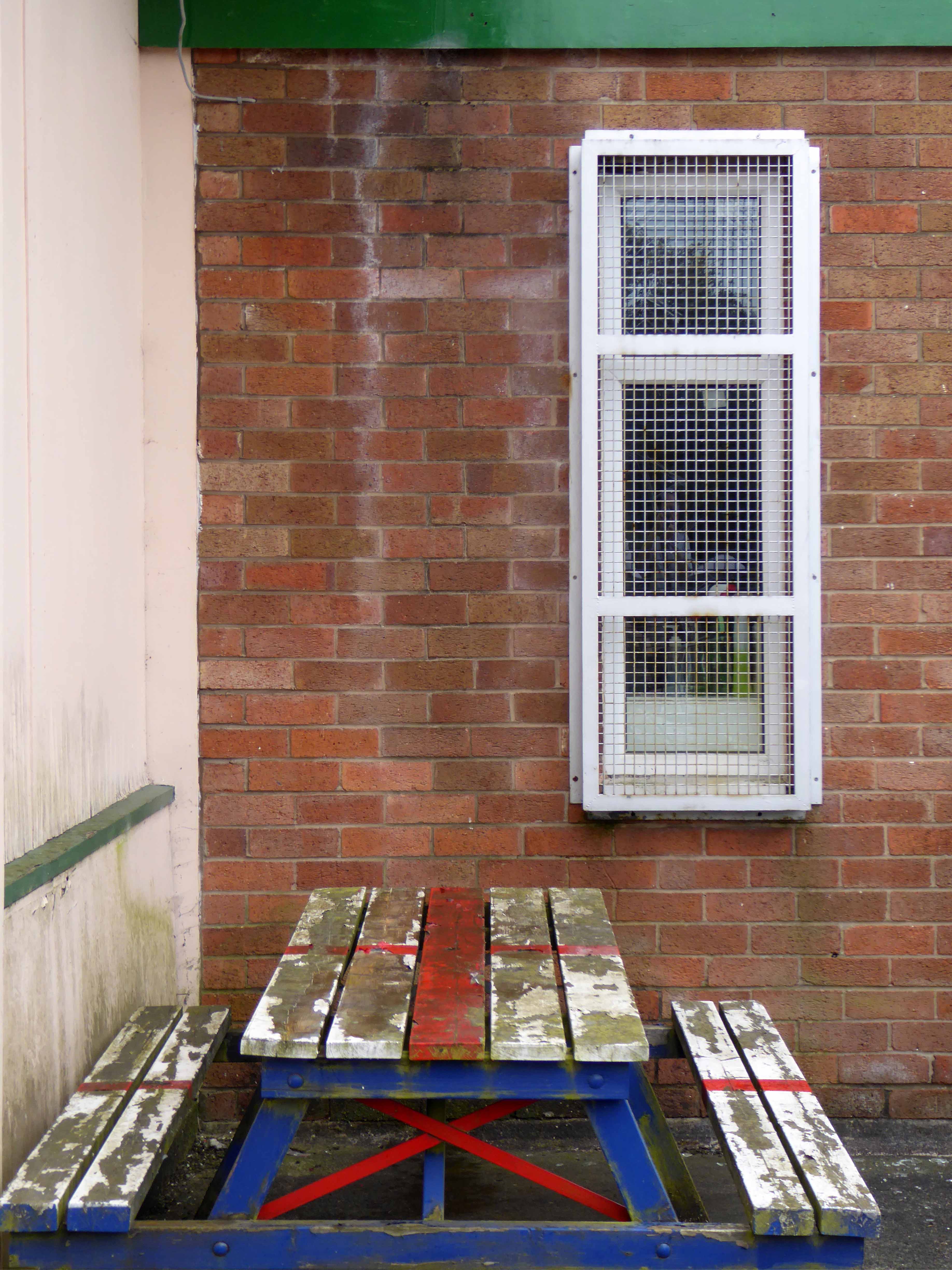
Tattered flag picnics, burnt out embers, paint peels for want of anything better to do.
You don’t have to go far out off town to discover the unfamiliar familiar.
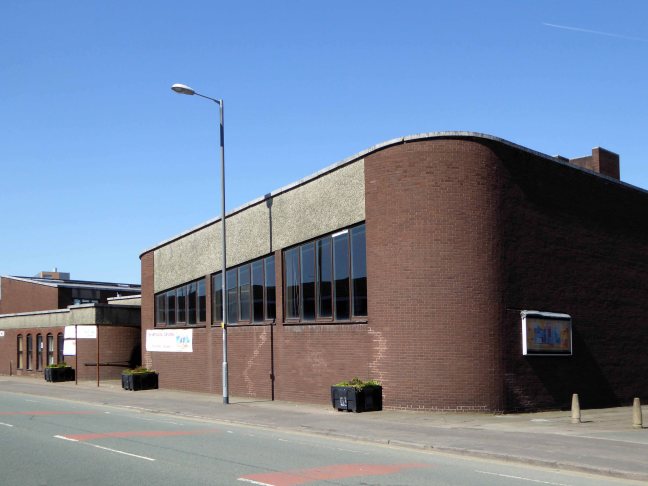
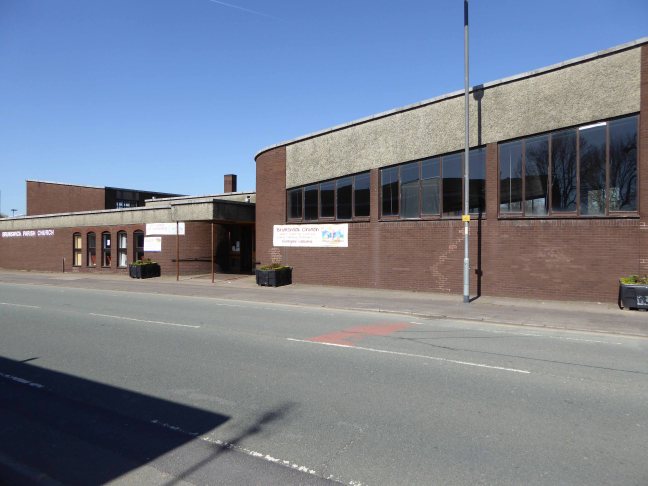
Tucked betwixt and between Chorlton on Medlock and Ardwick, is Brunswick, so near and yet so far, from the booming cosmopolis.
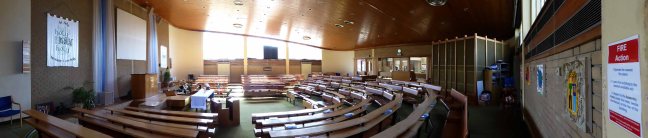
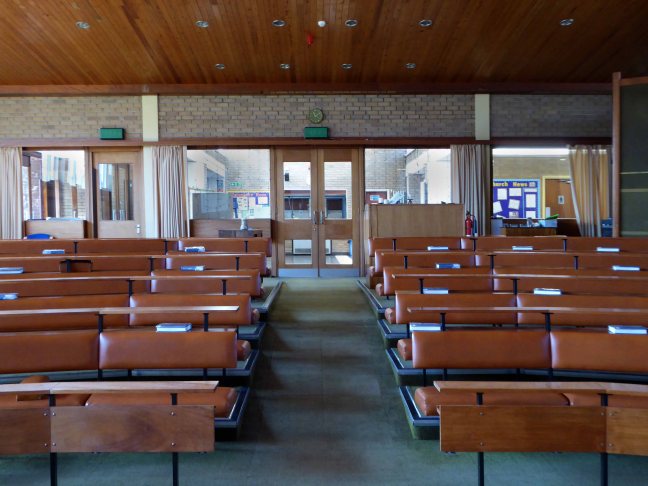
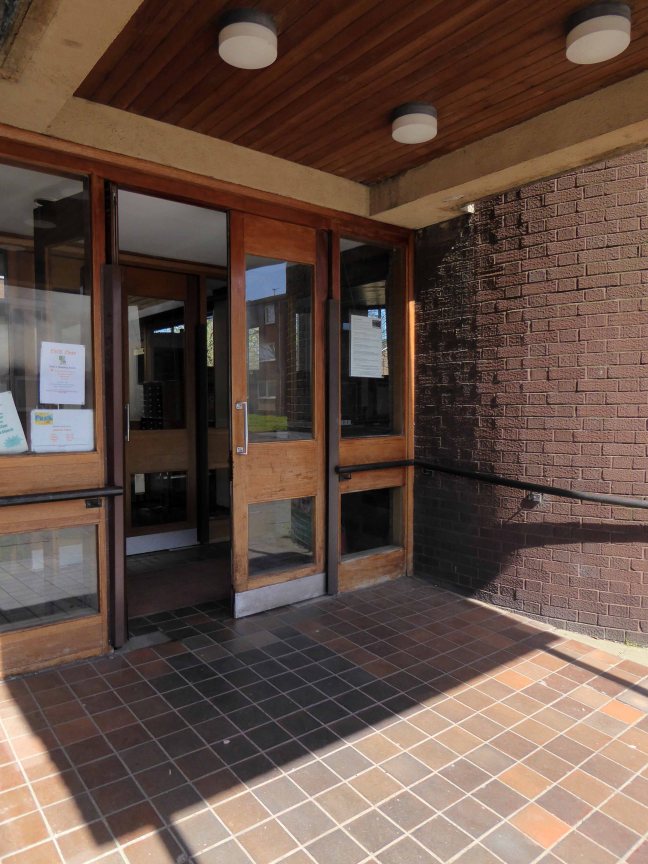
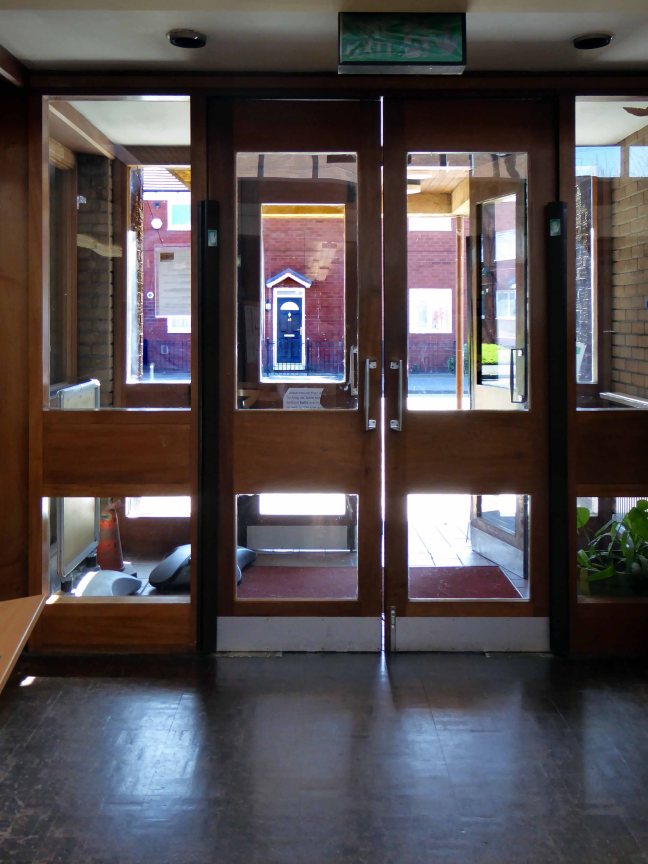
At its heart, a solid brick modernist church, built to serve the new social housing estates that surround it. Bold curves, angled interlocking volumes, an warmly lit interior space with a dynamic timber roof, and a dramatic arc of tiered seating.
Perhaps you’ve never passed by, perhaps you’ve never noticed.
Operating as a community centre and place of worship, it continues to serve the area well.
I was given the warmest of welcomes by the staff and clerics, thanks.
Simon the vicar says: Please don’t get us grade two listed.
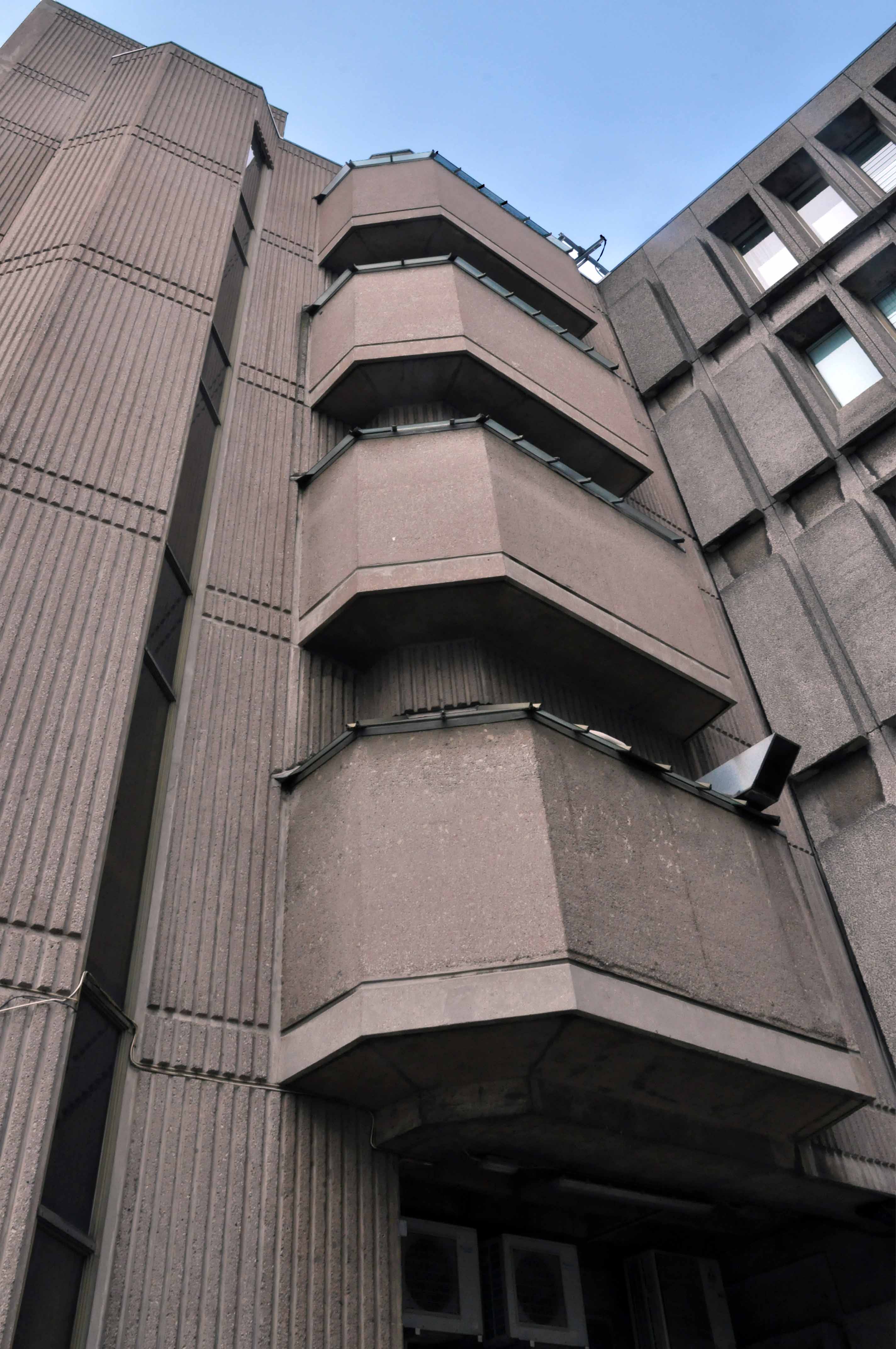
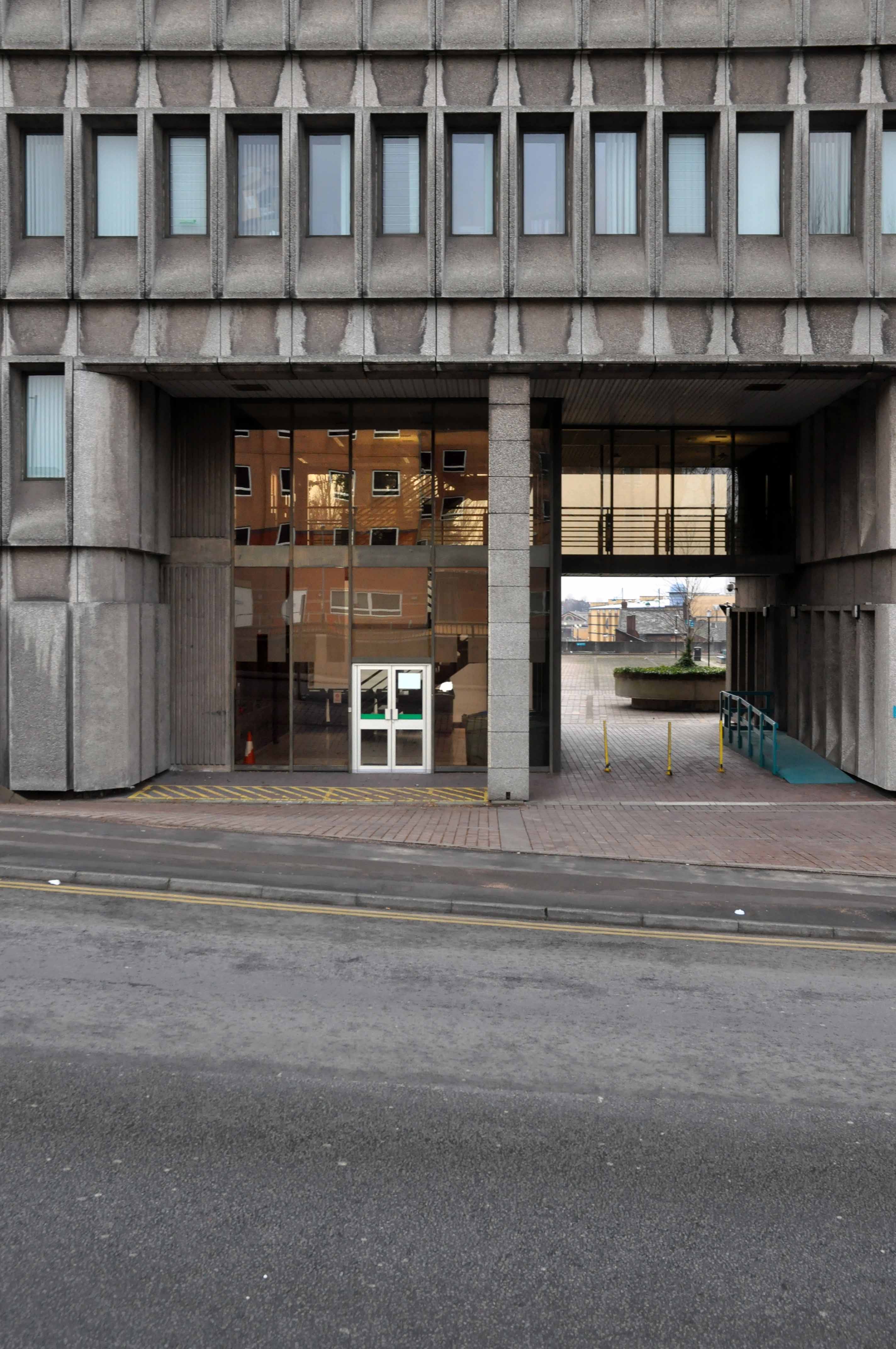
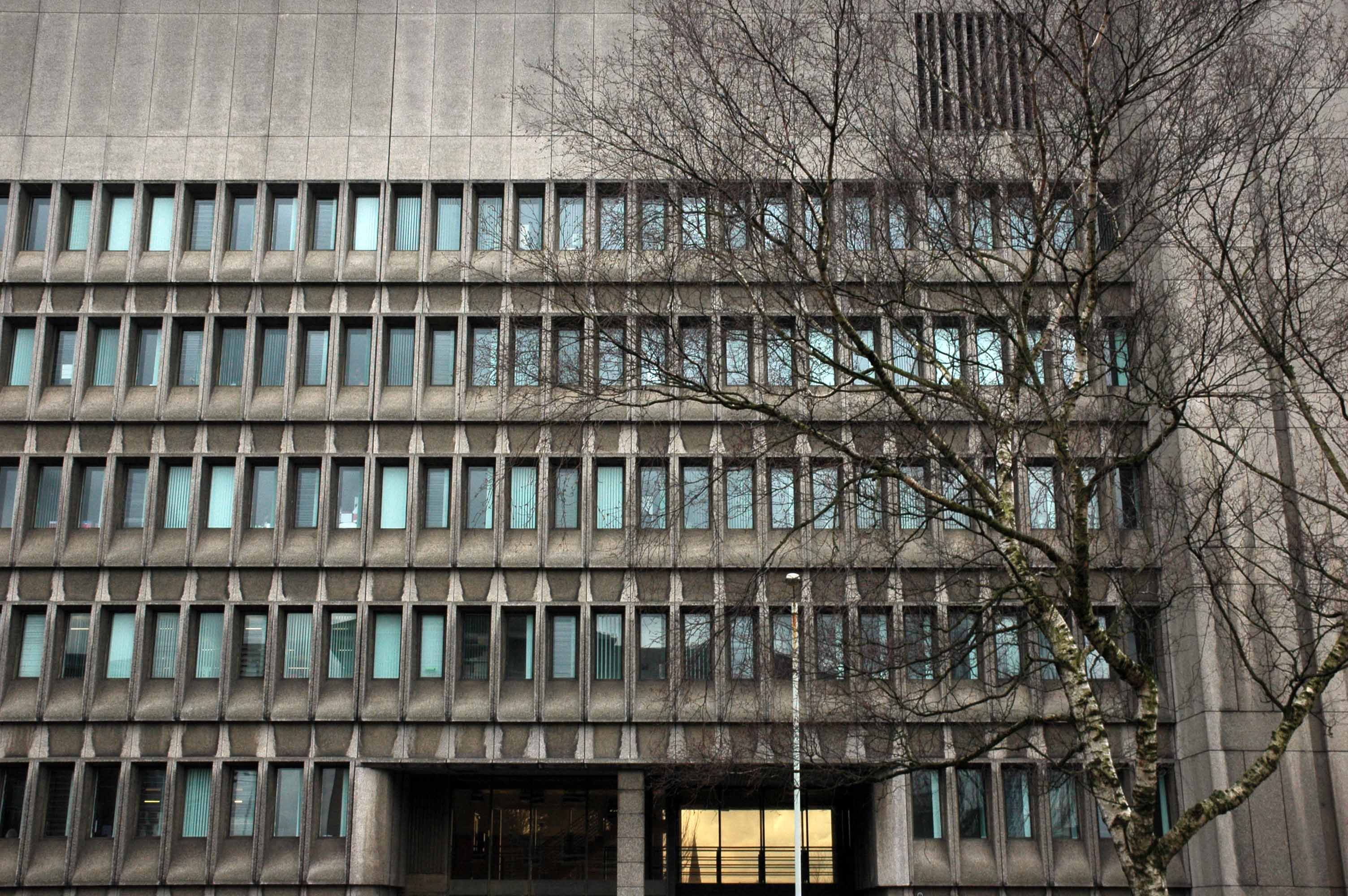
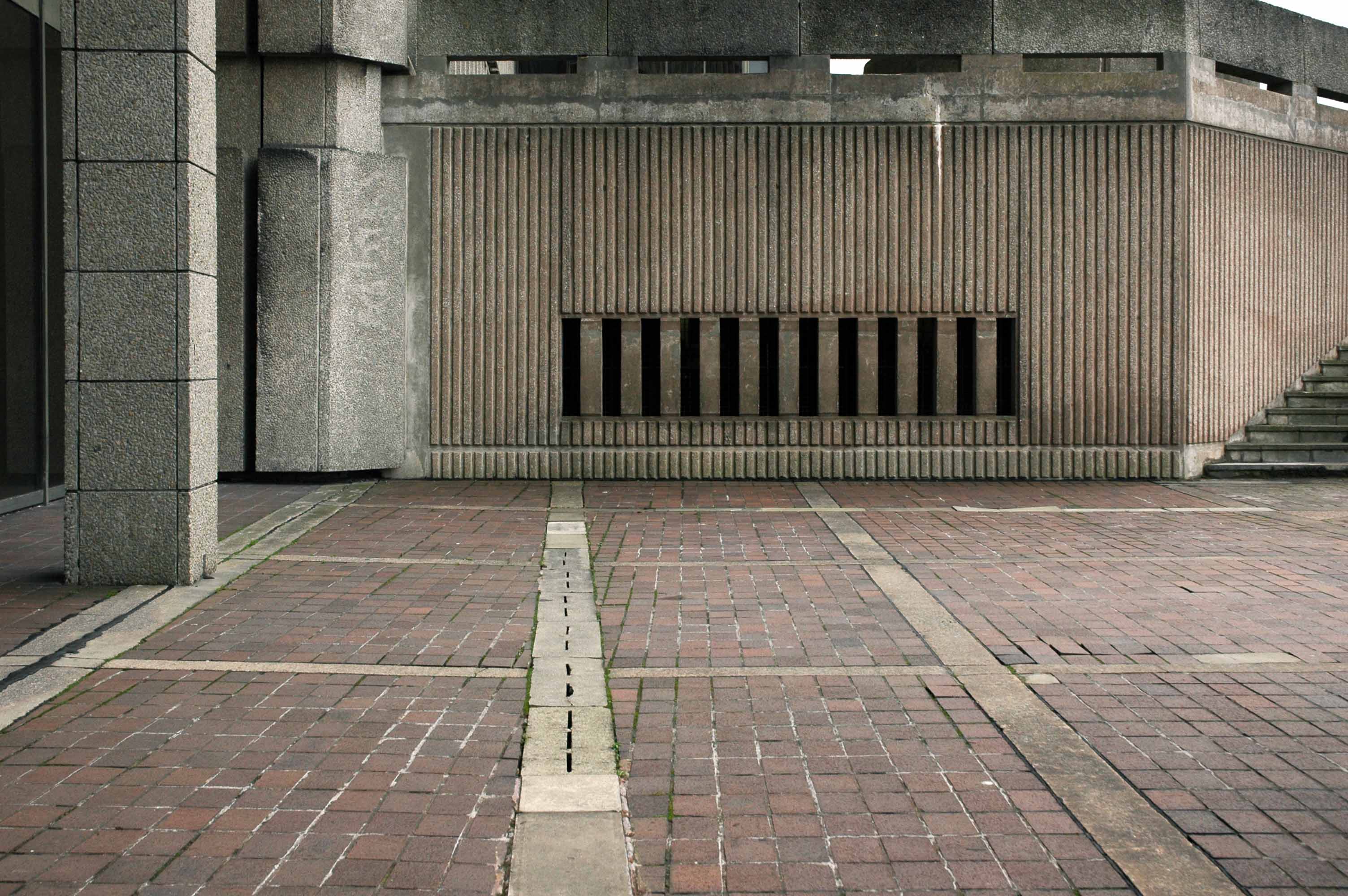
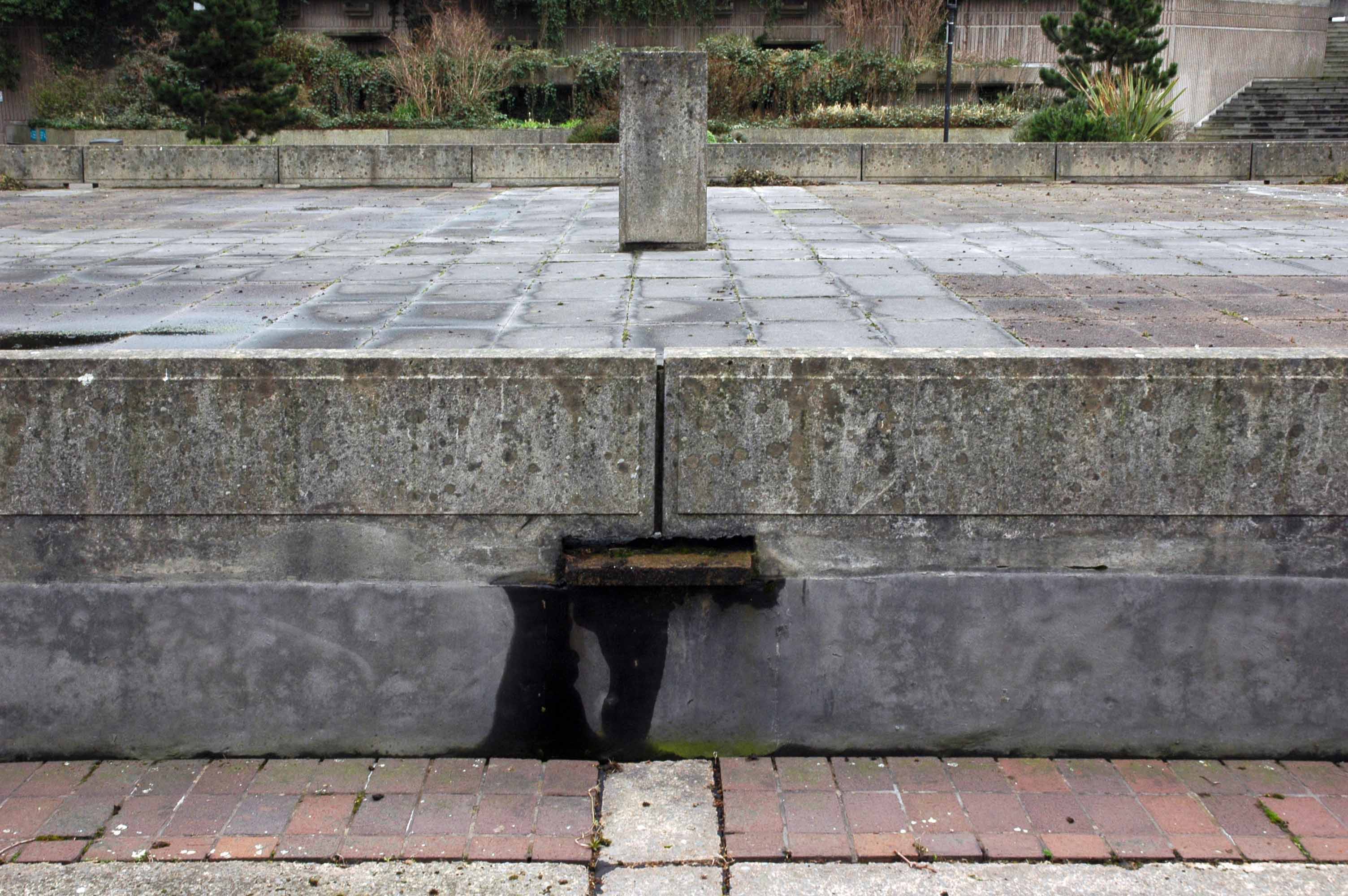
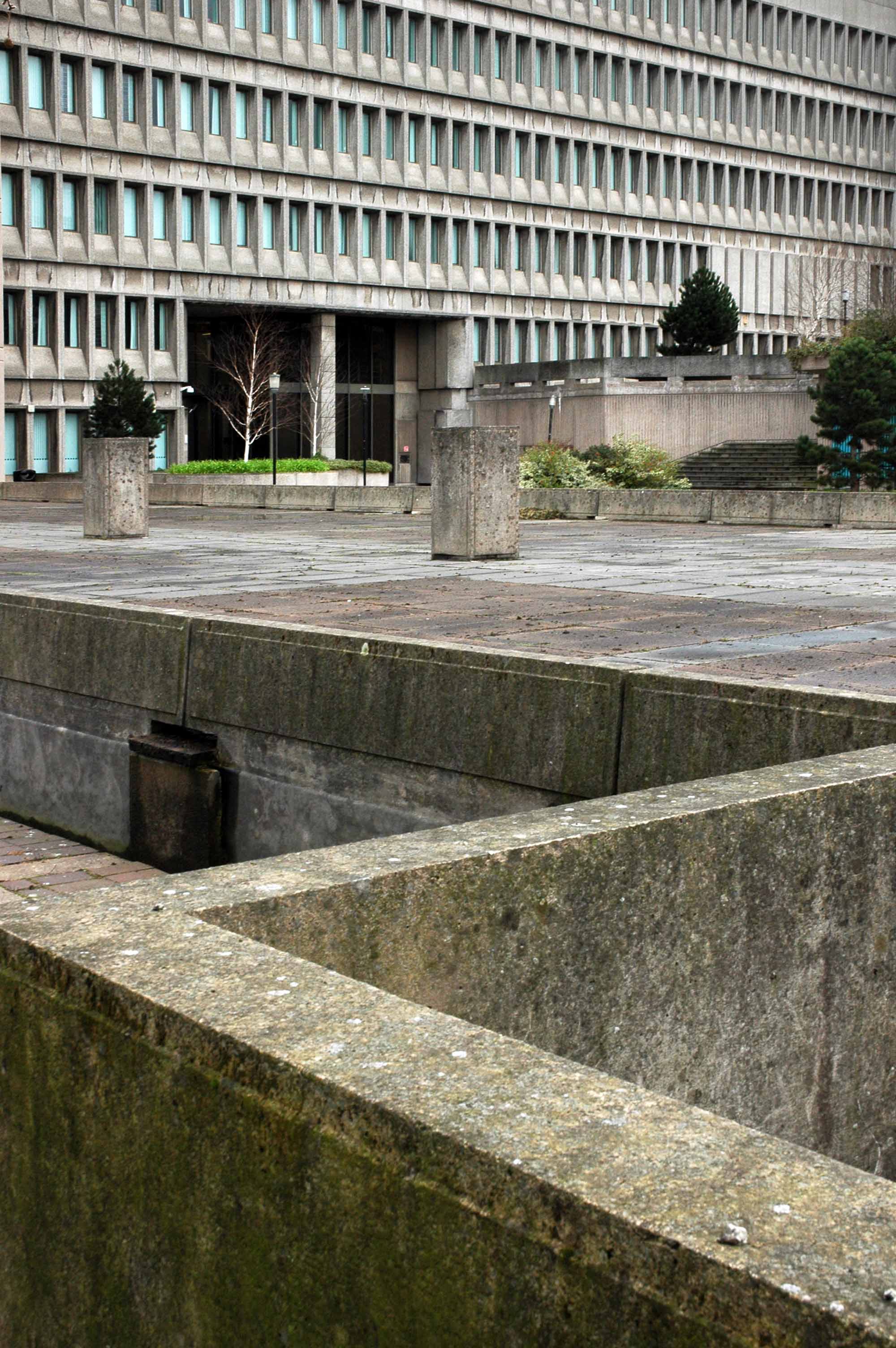
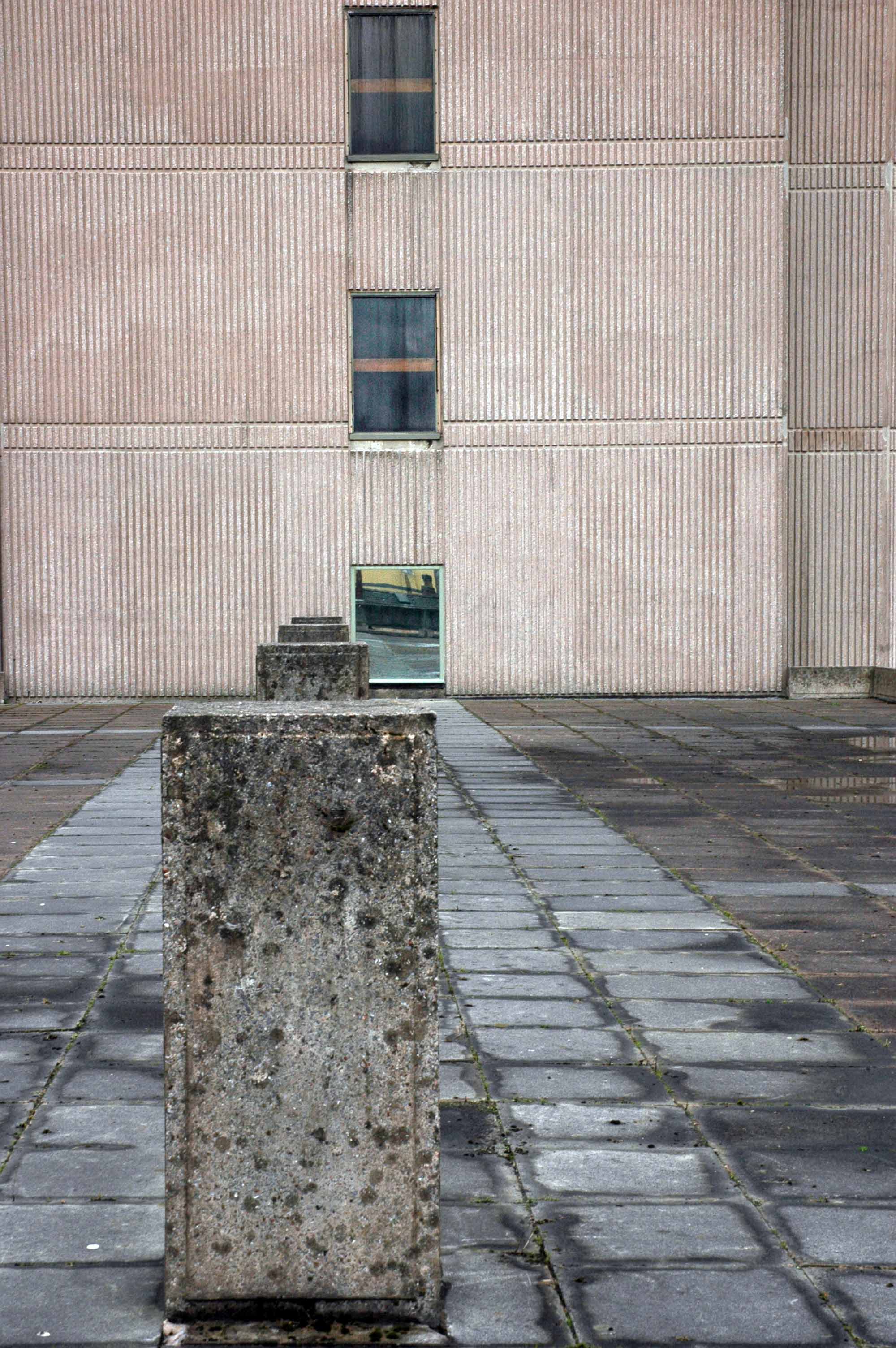
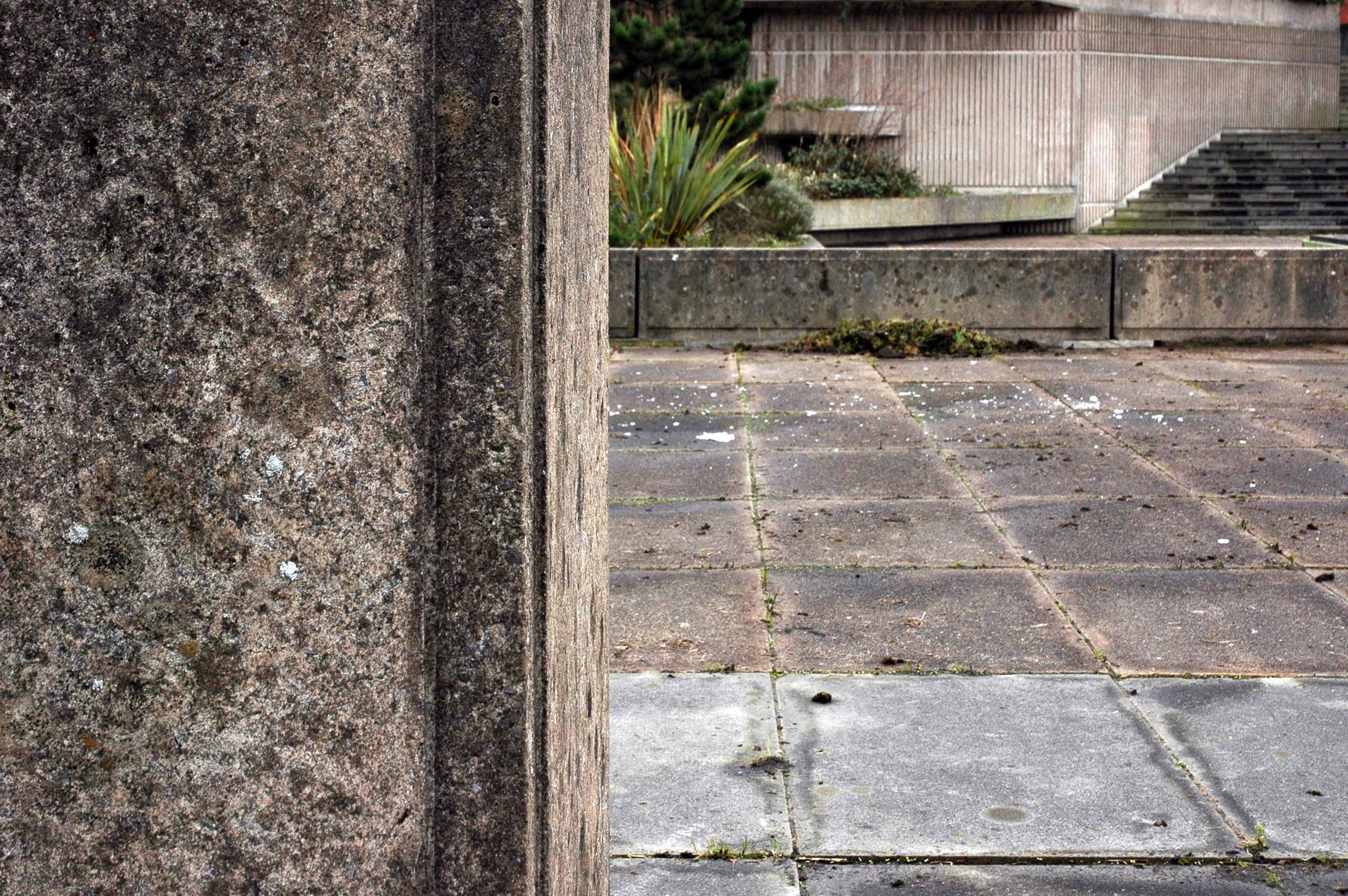
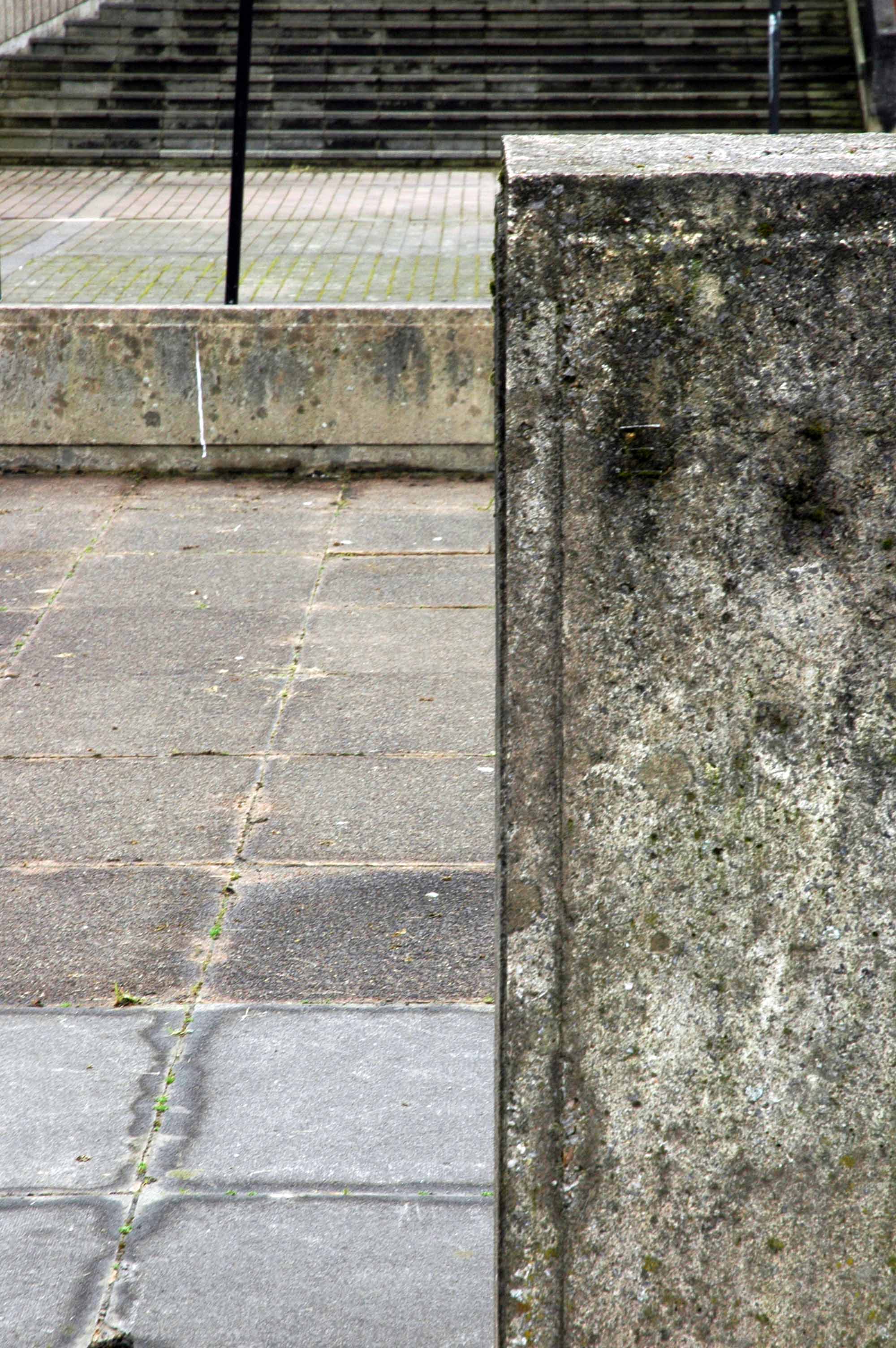
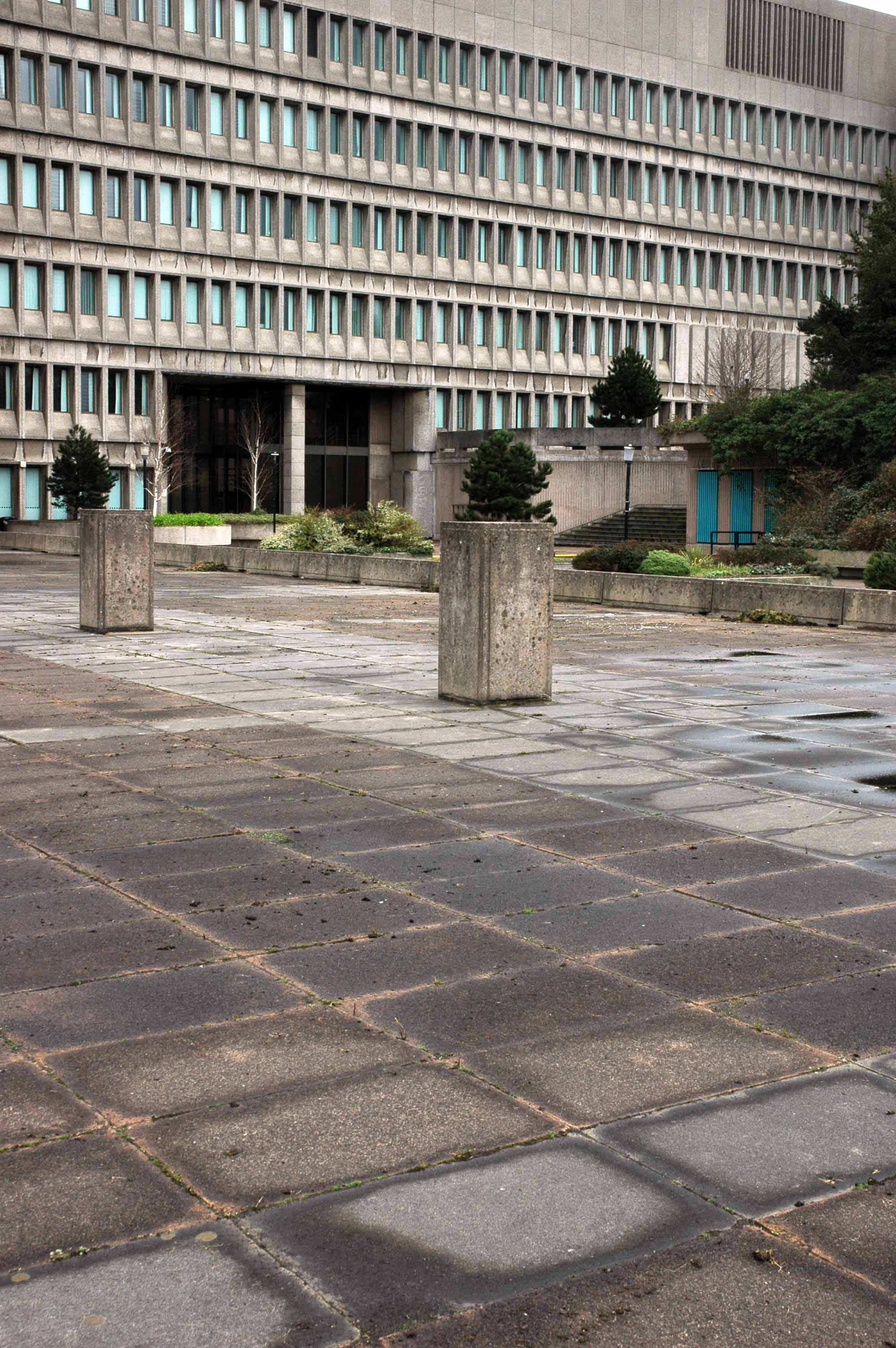
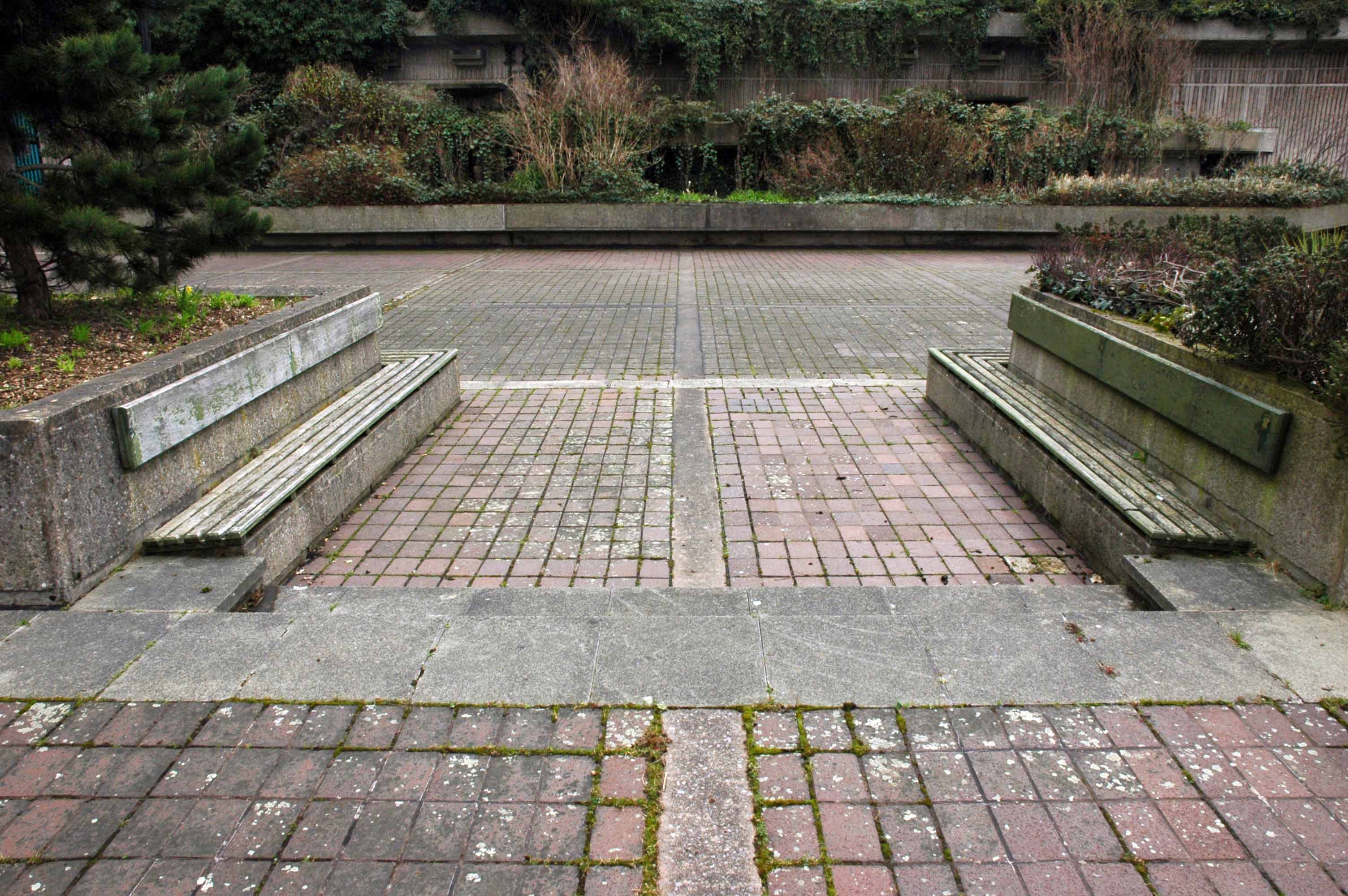
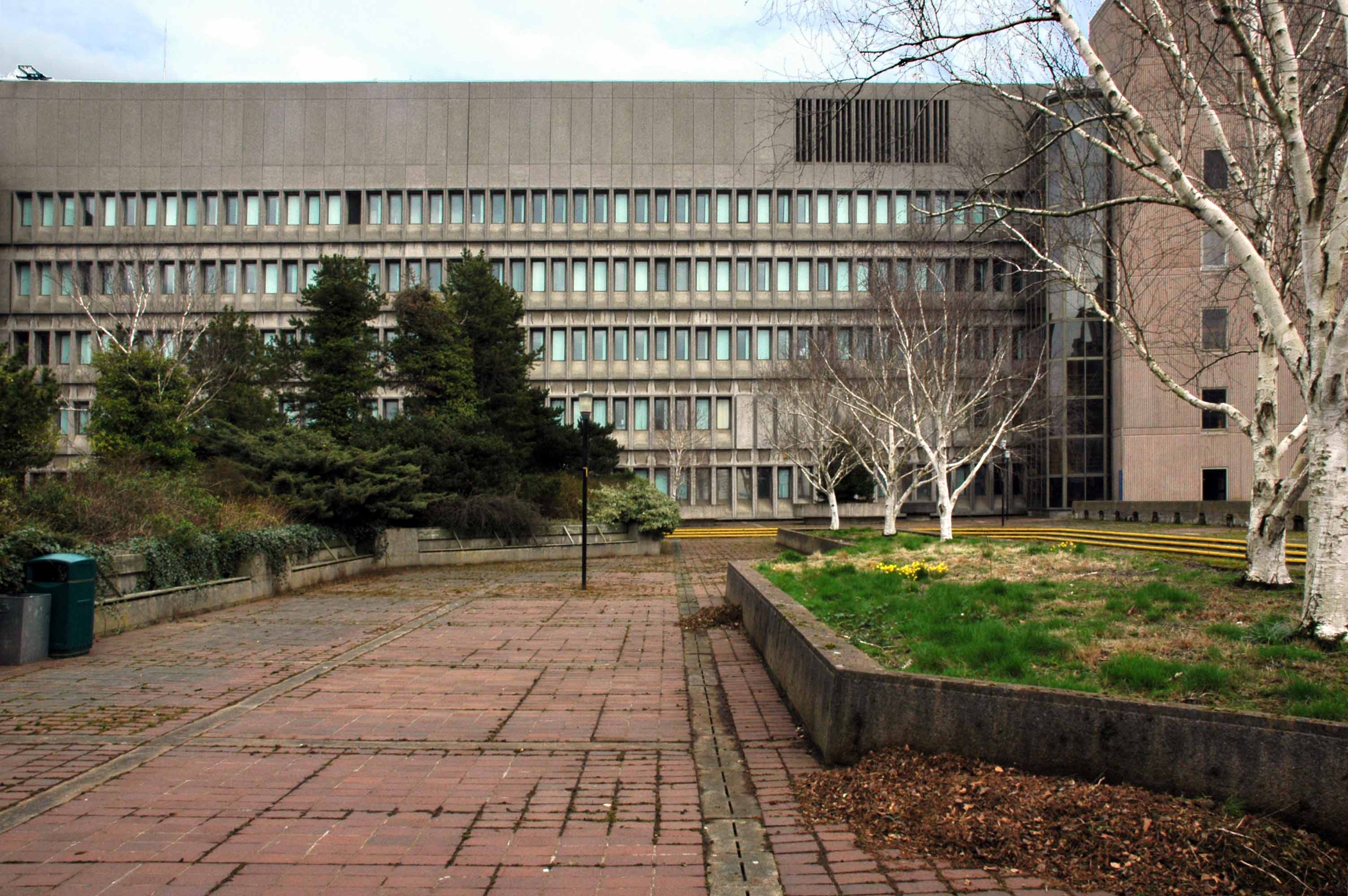
Famed as an imaginary TV police station, this civic building is a civic building I simply can’t resist. I return on a regular basis to wander and snap. This is an open public space that seems little loved and has few visitors.
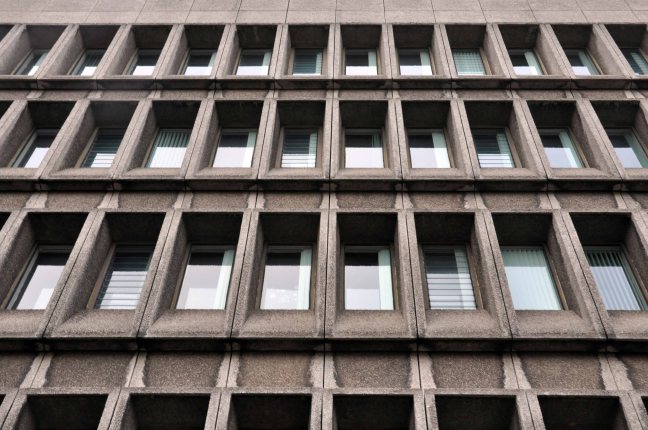
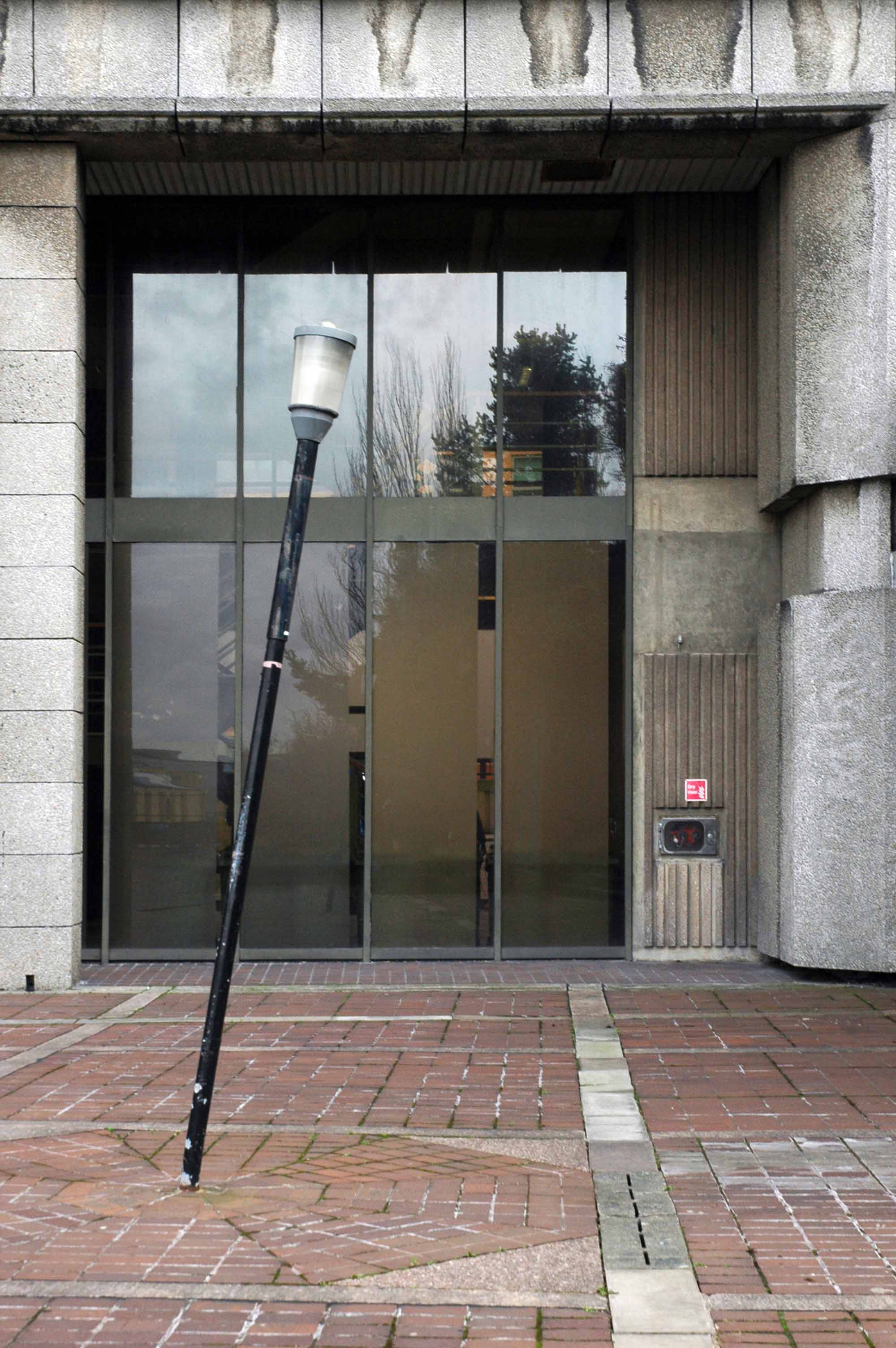
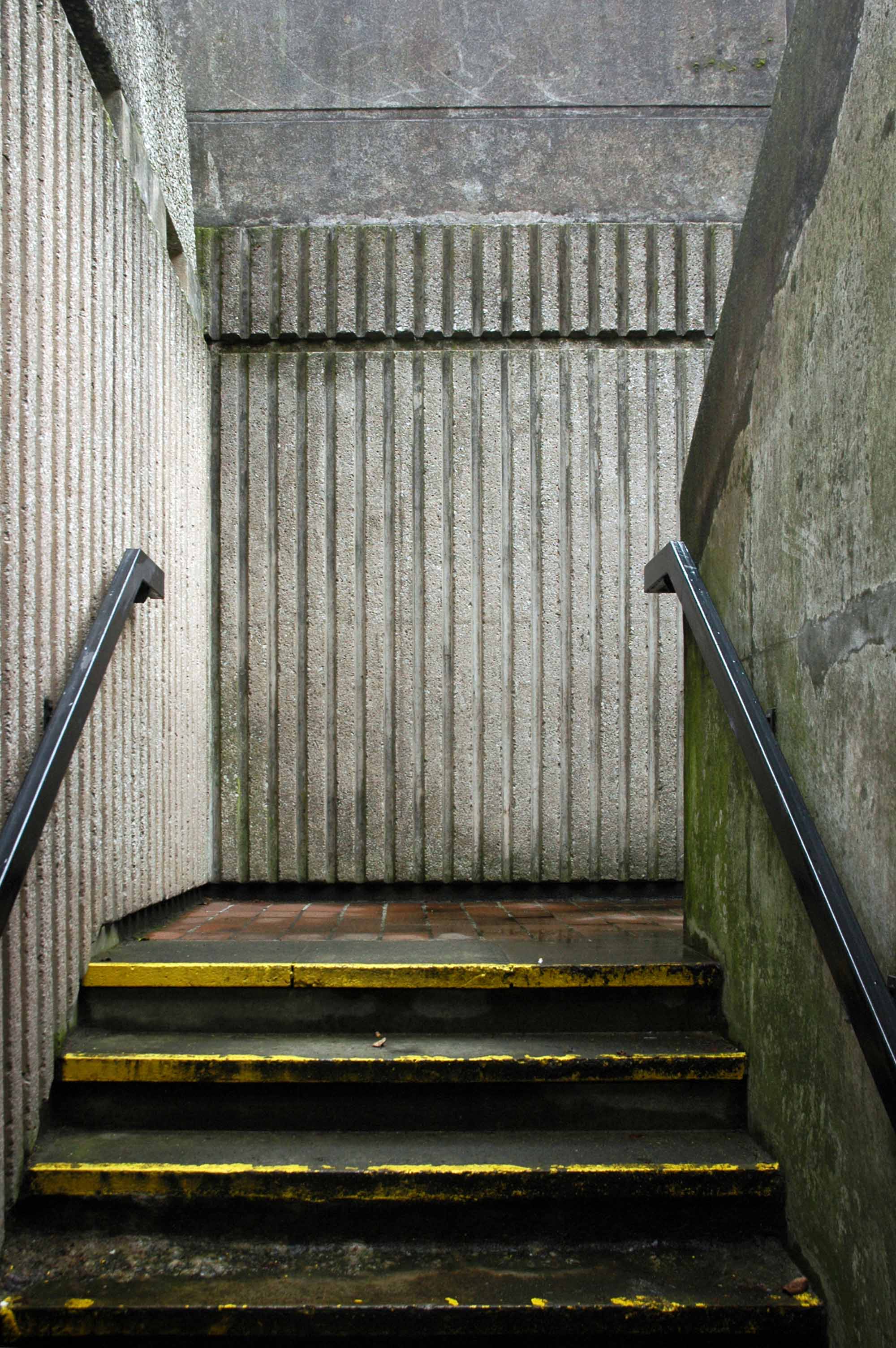
It is quite literally concrete poetry incarnate, a careful collision of form, tone, texture and line, softened with sympathetic planting.
There had been proposals to extend the Town Hall provison since 1945, which were finally realised in 1975. Built at a cost of £1,500,000 – to provide additional office provision for the Local Authority. A further two blocks were planned but never built.
Stopford House was built 1975 and designed by JS Rank OBE, Director of Development & Town Planning, Stockport Council.
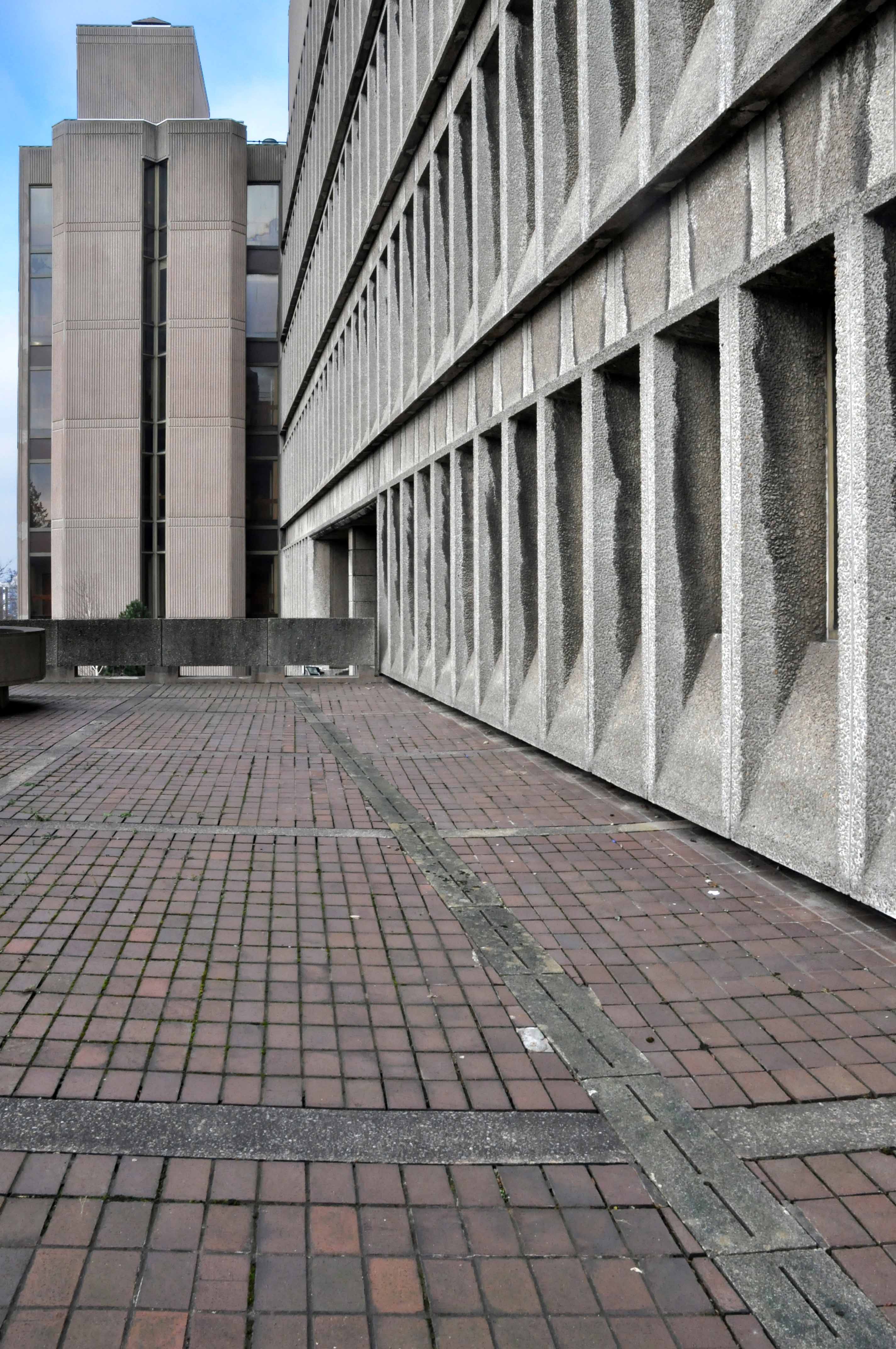
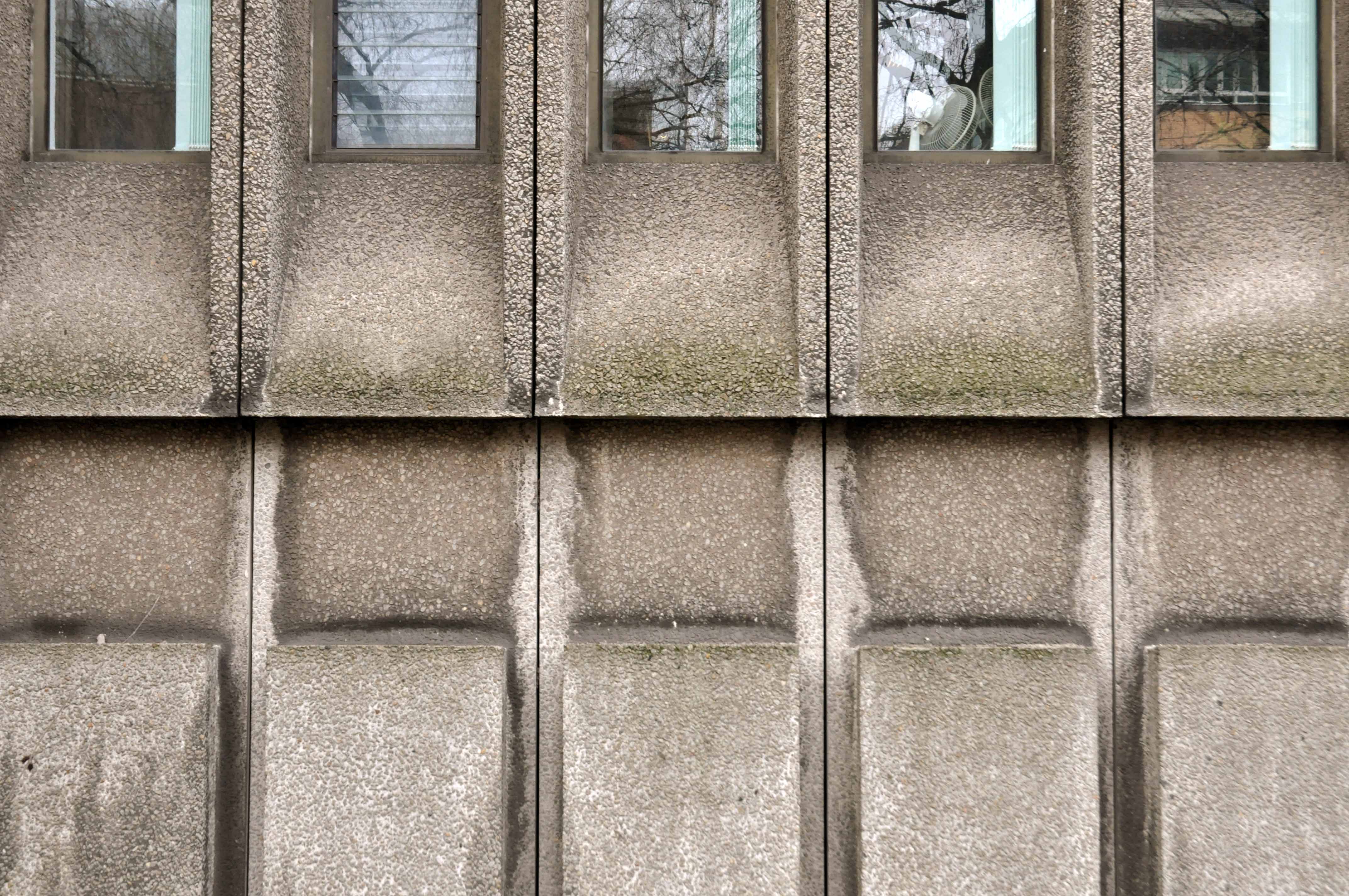
The main block is clad in 1400 exposed aggregate precast panels and the link blocks have ribbed walls constructed with in situ concrete, bush hammered to expose the limestone aggregate. The precast panels were carefully matched in order to harmonize with the existing Town Hall, the mix contained coarse aggregate from the Scottish Granite Company of Creetown, a fine Leemoor sand from the Fordamin Company, together with white cement.
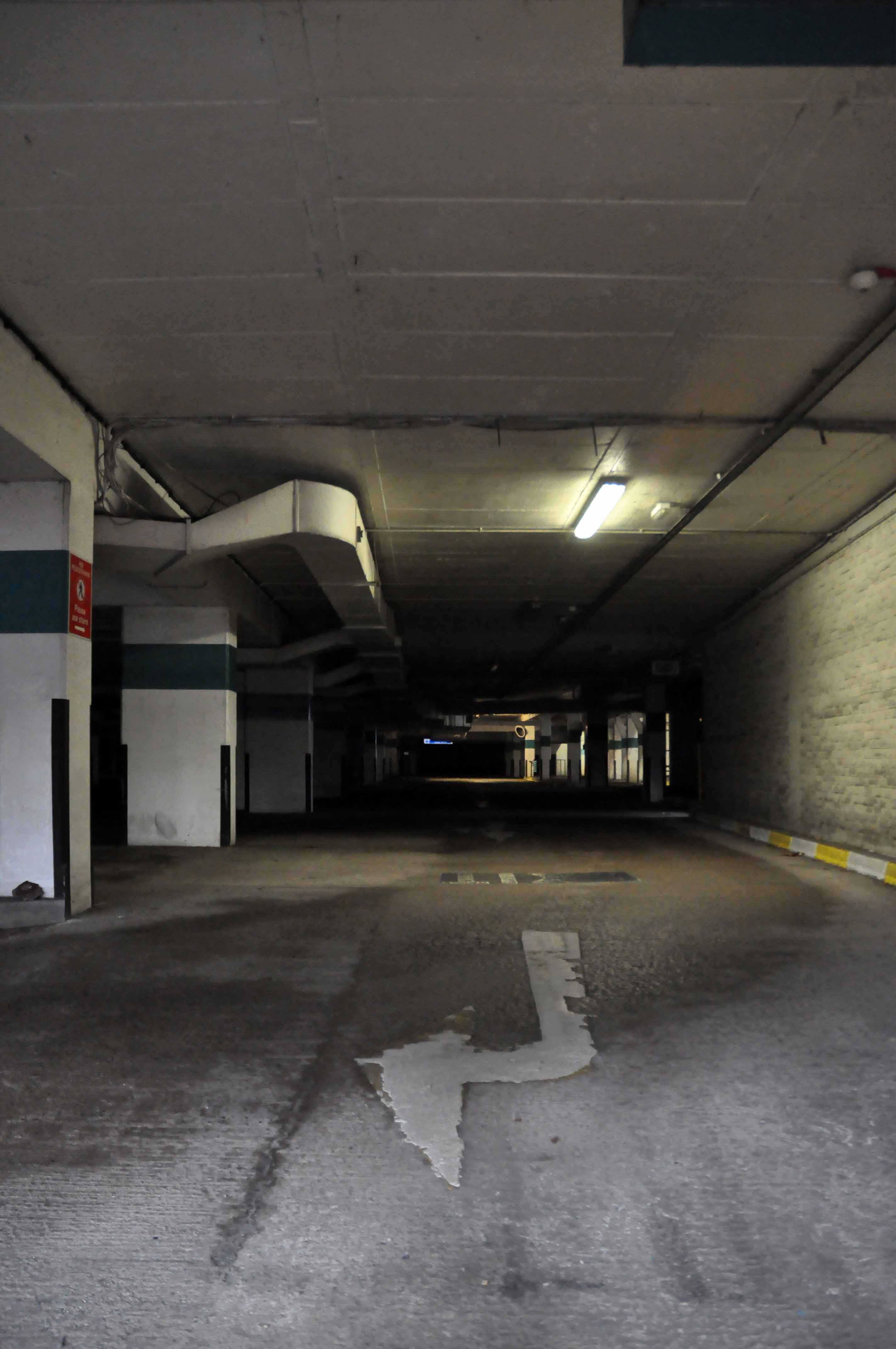
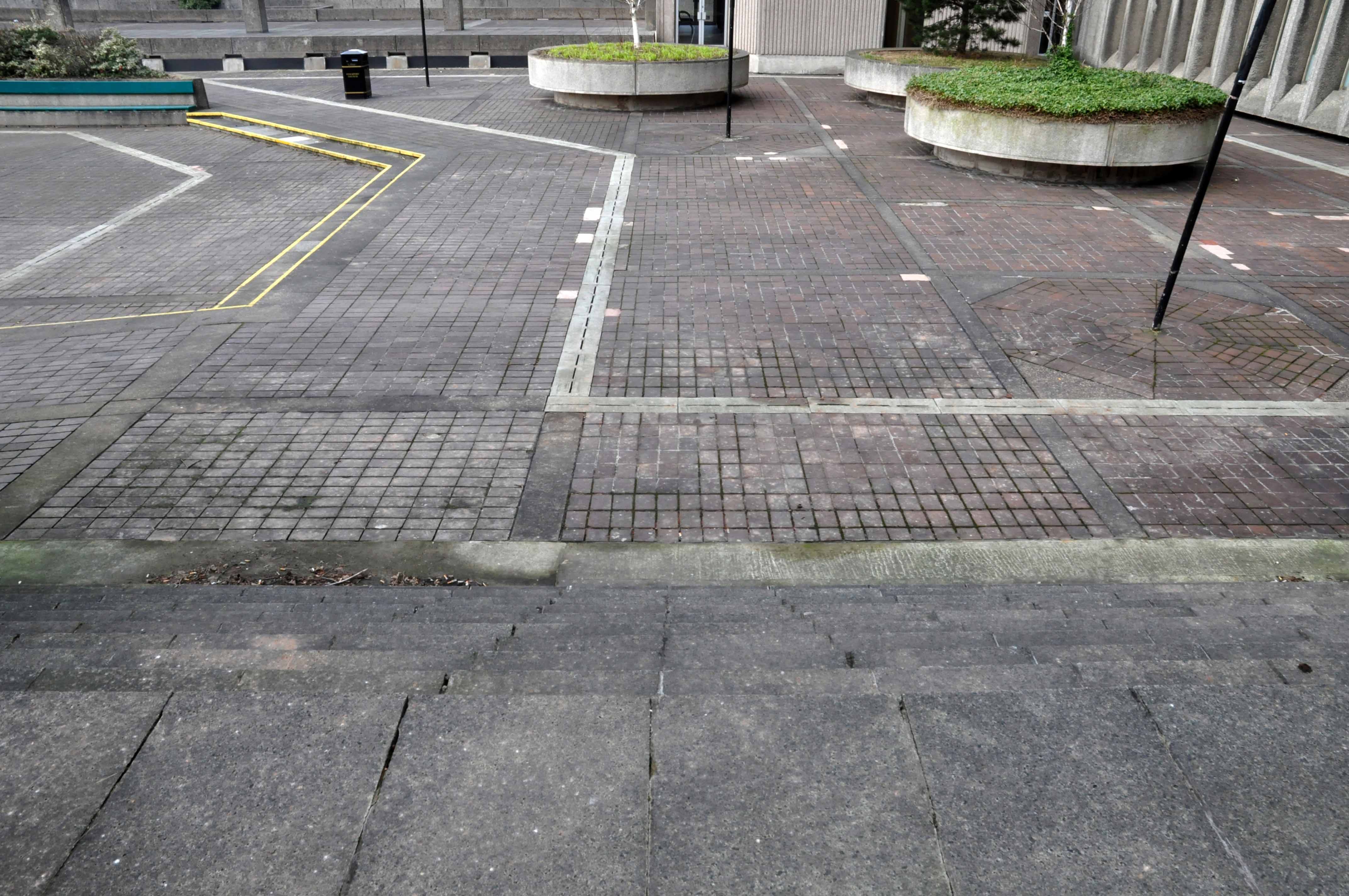
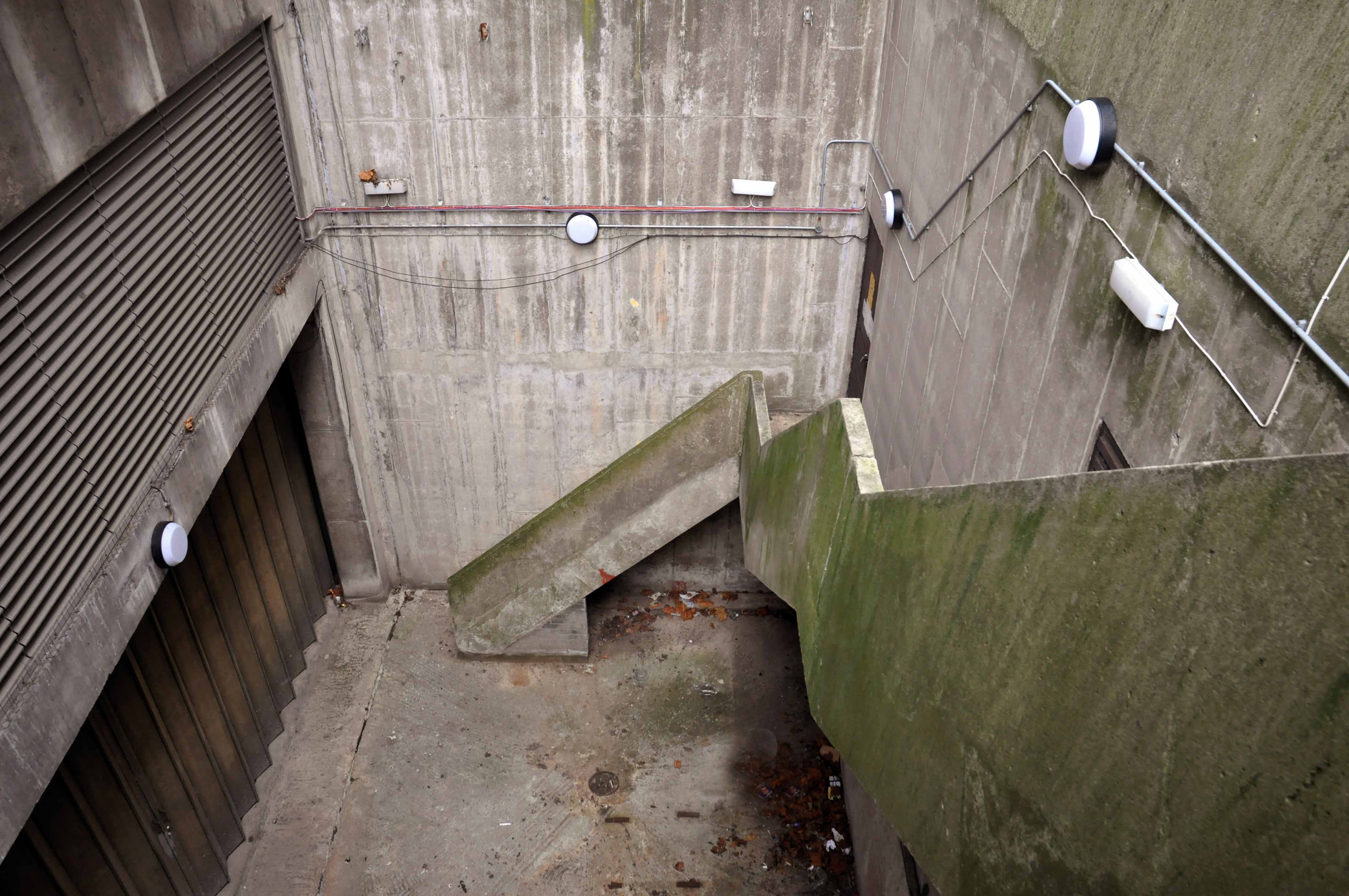
There are two levels of underground parking beneath the whole of the development. The piazza betwen the blocks was to have had a water cascde falling into a pond running the whole length of the area. Though exciting and expansive in the modern manner the piazza area, sadly, seems little used.
It needs a little love pop by and say hello sometime.
Walk up Hillgate from the centre of Stockport, pass the former Cobden’s, Gladstone, Peter Carlson Furniture, following a former coaching road of former lives, shops, pubs, clubs and factories. This was historically a vibrant area, a crazy mixed up mixed economy, getting by by any means.
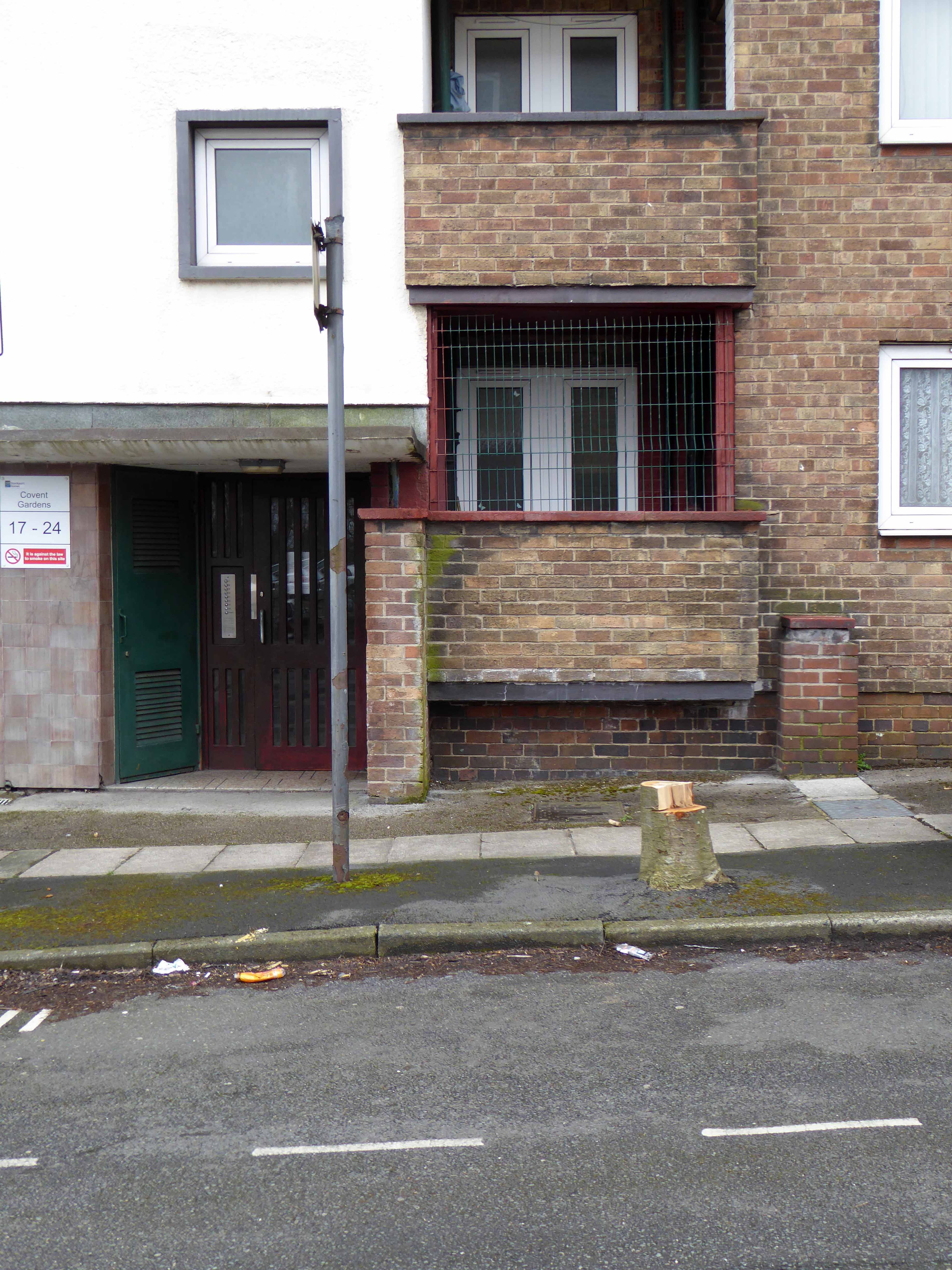
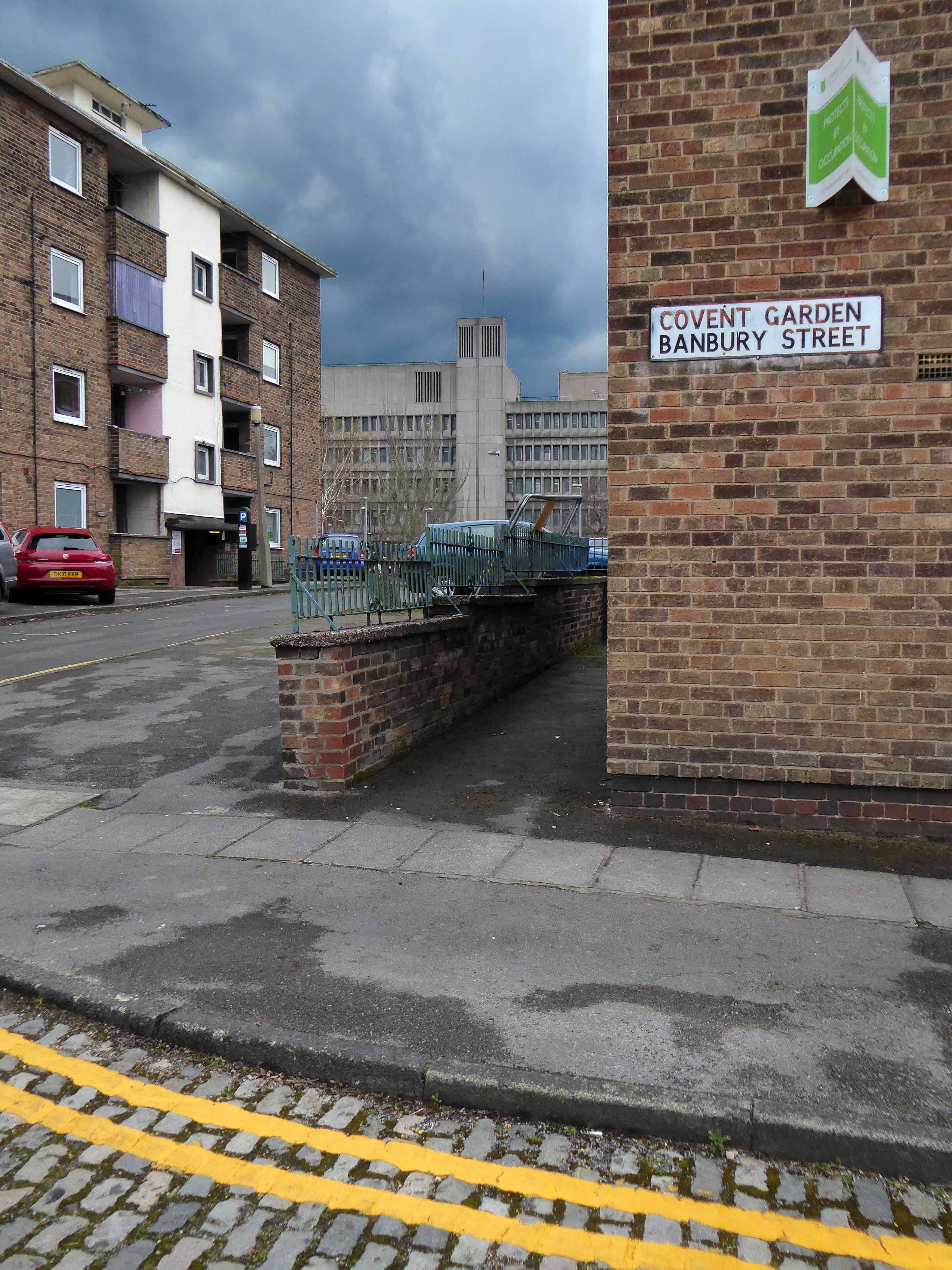
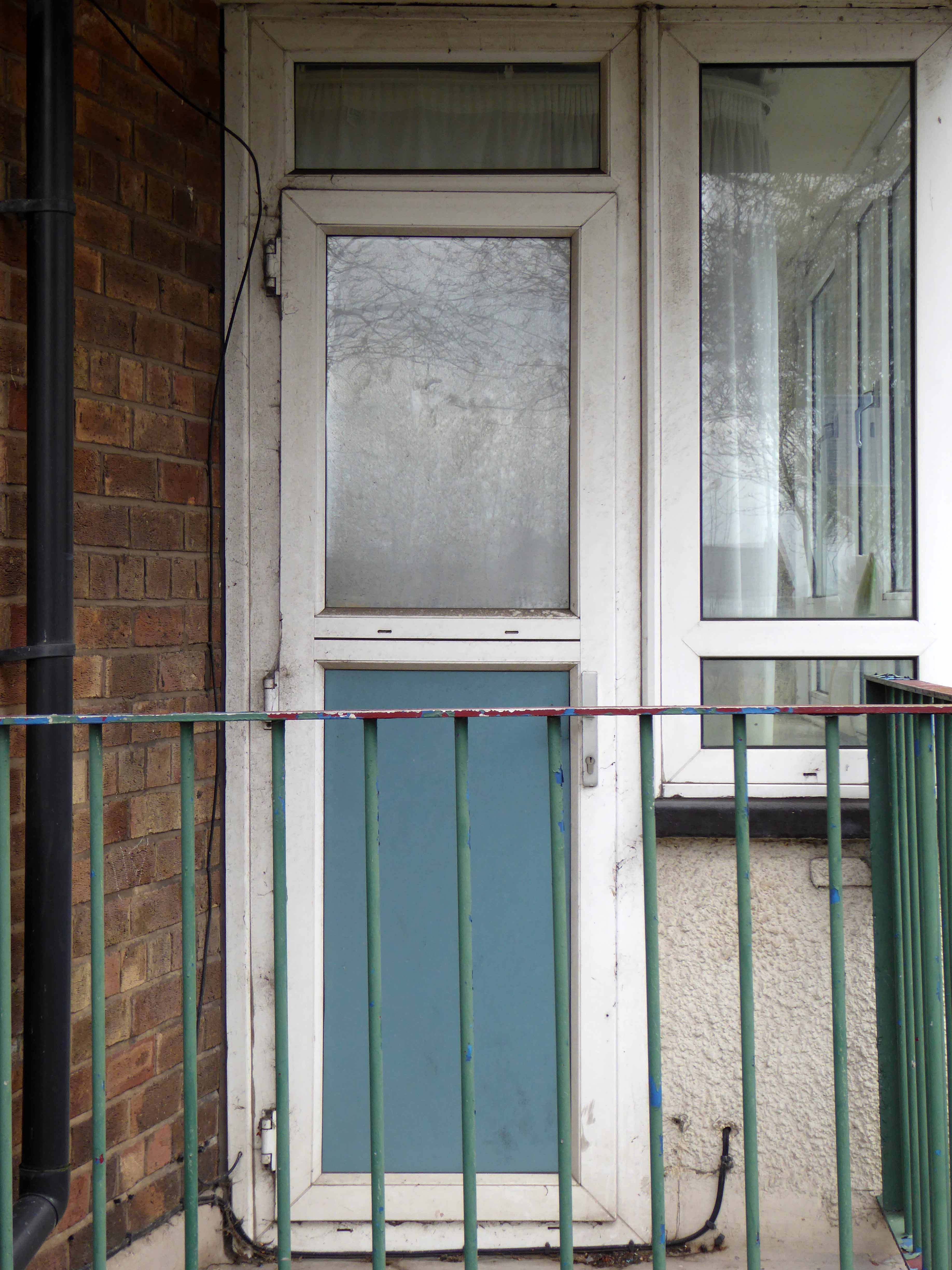
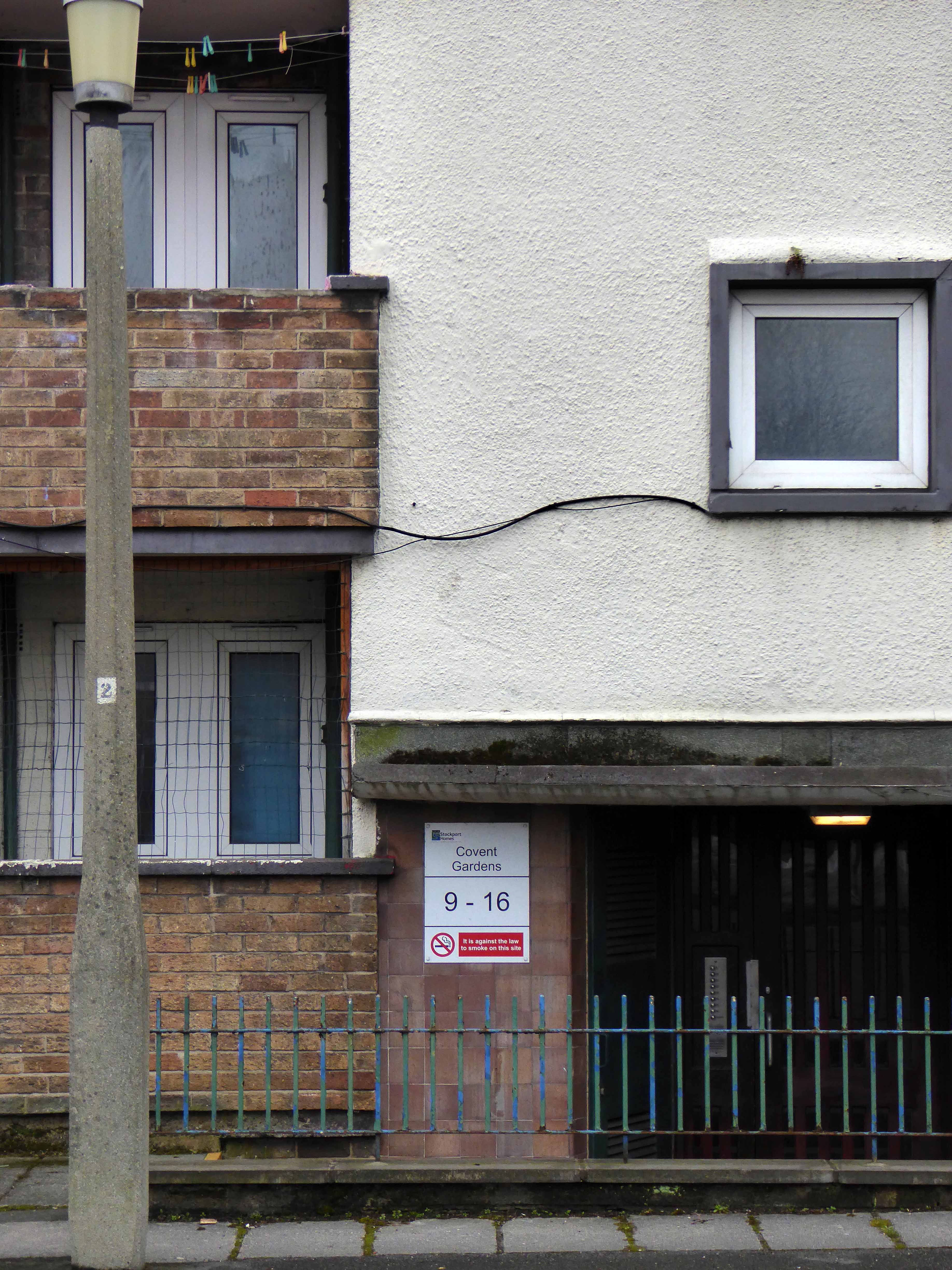
Walk a little further, to your right is a small plateau, it leads across to the civic area, behind the Town Hall, it is known as Covent Garden.
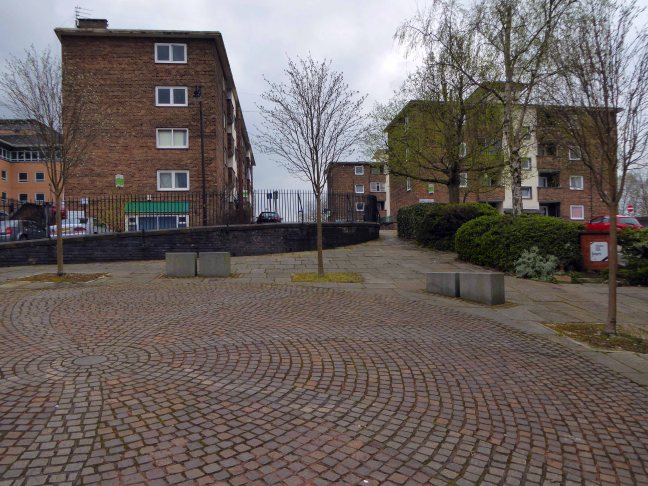
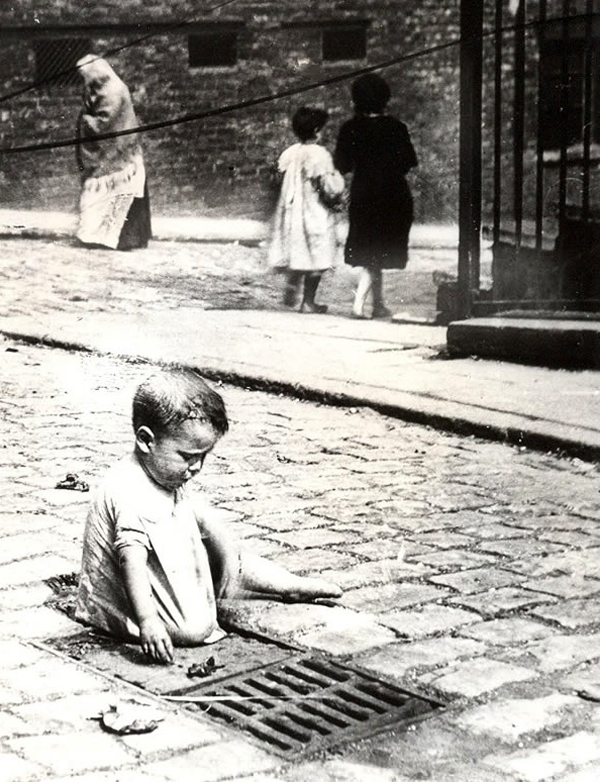
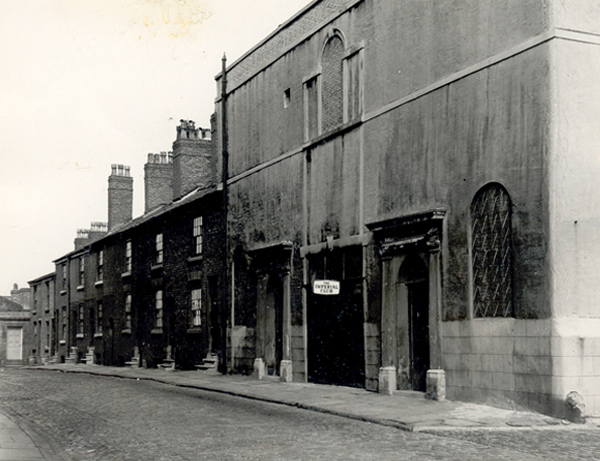
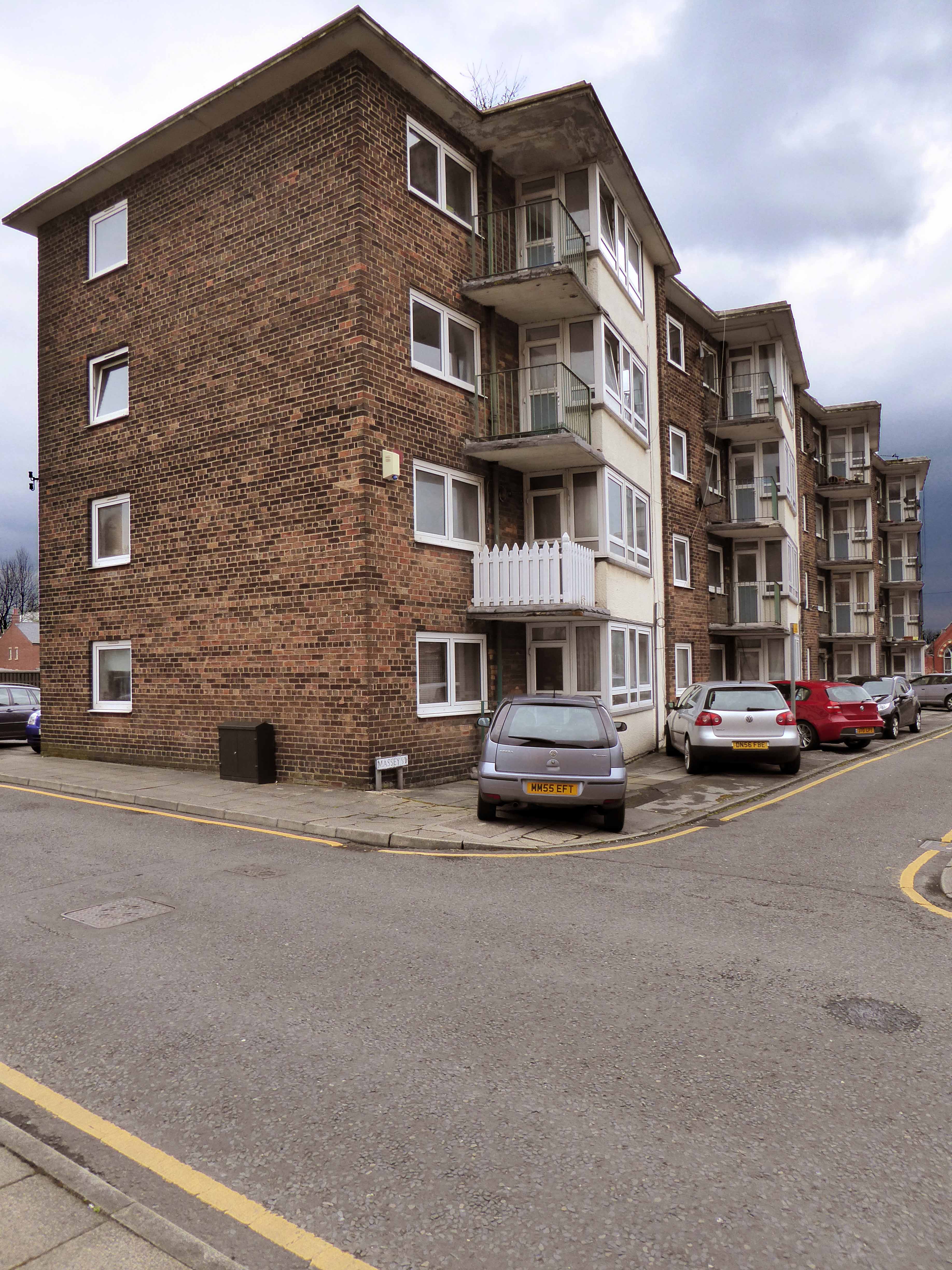
London Square, Massey Street and Banbury Street, once a cluster of terraced houses, never the wealthiest of areas, but typical of the town’s industrial past. The homes growing up around small pockets of industry – foundries, hat making and glove manufacture.
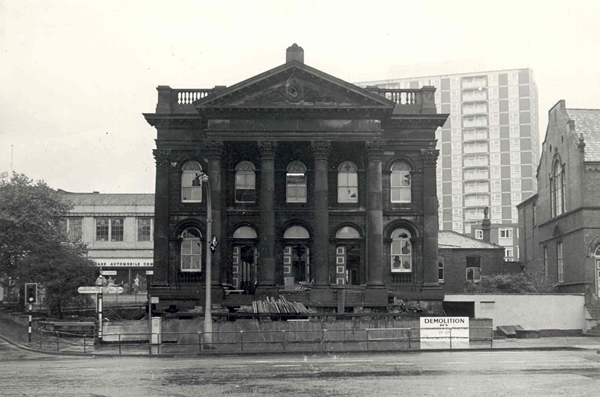
There was a graveyard there, belonging to the Mount Tabor Chapel, which was situated nearby on Wellington Road, a soot blackened, imperious classical facade.
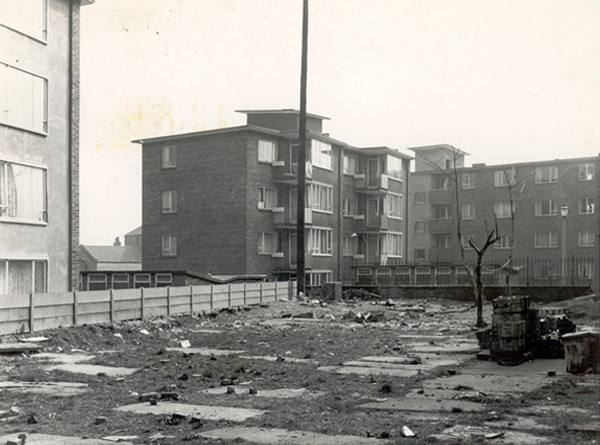
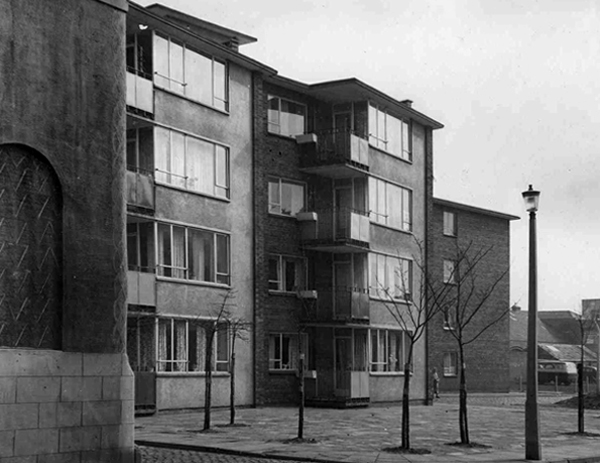
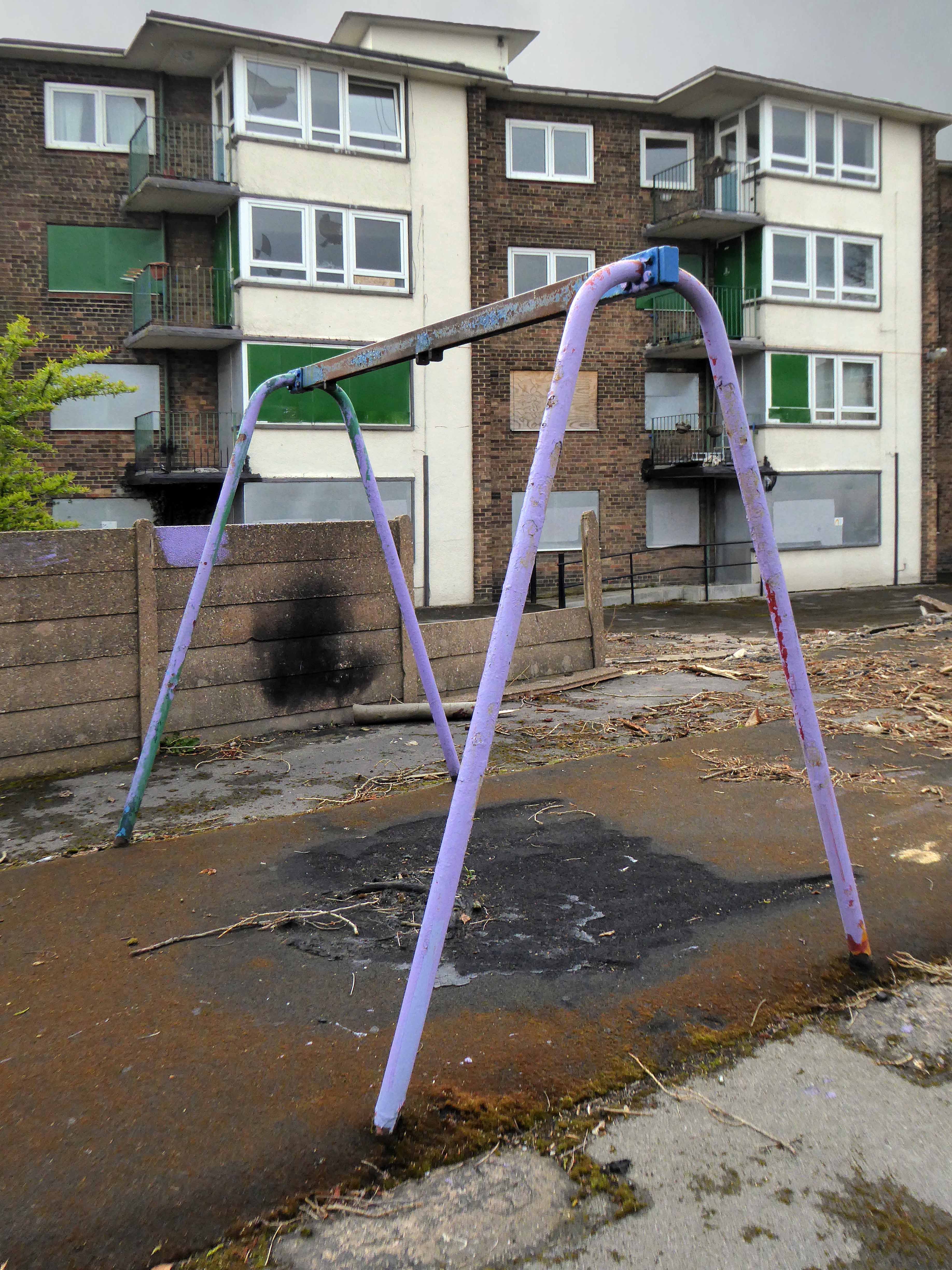
The chapel is no longer standing, and little remains of the graveyard, the foreground shows the site, soon to become a children’s playground for the new flats.
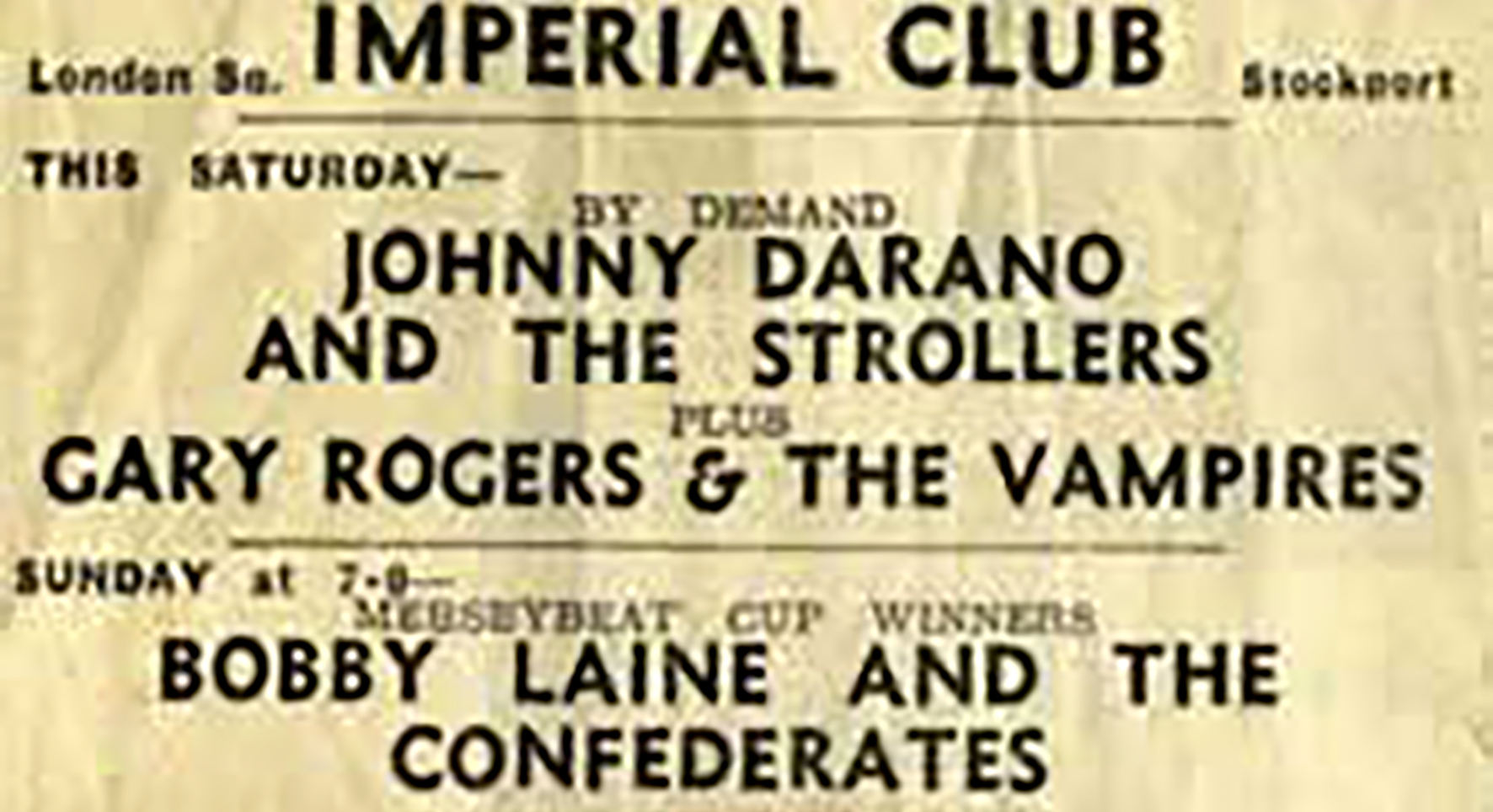
The Imperial Club survived into the 60s playing host to local beat groups, and a significant venue on the local soul scene.
The streets no longer ring with the the ringing guitars of Johnny Darano and the Strollers
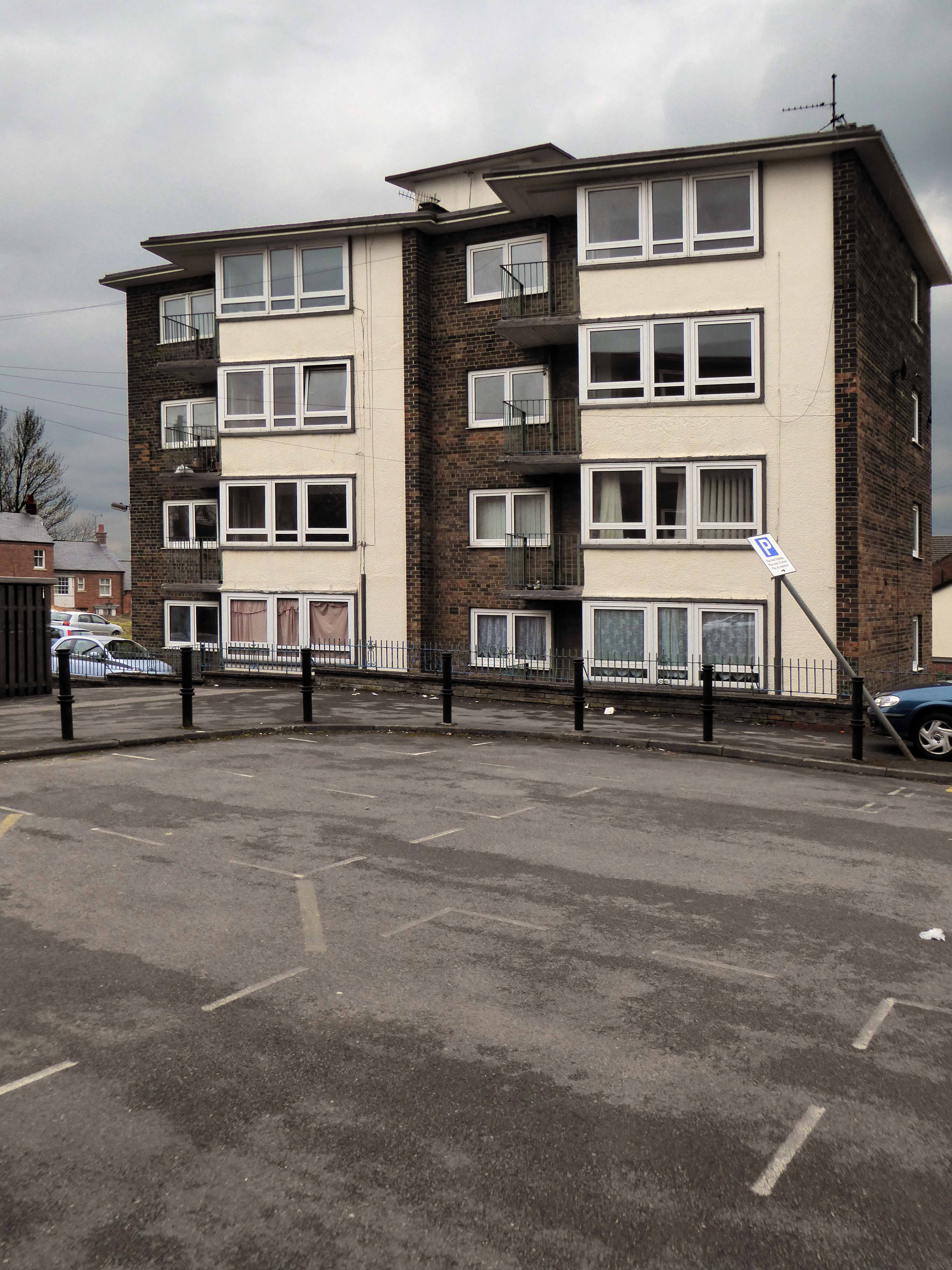
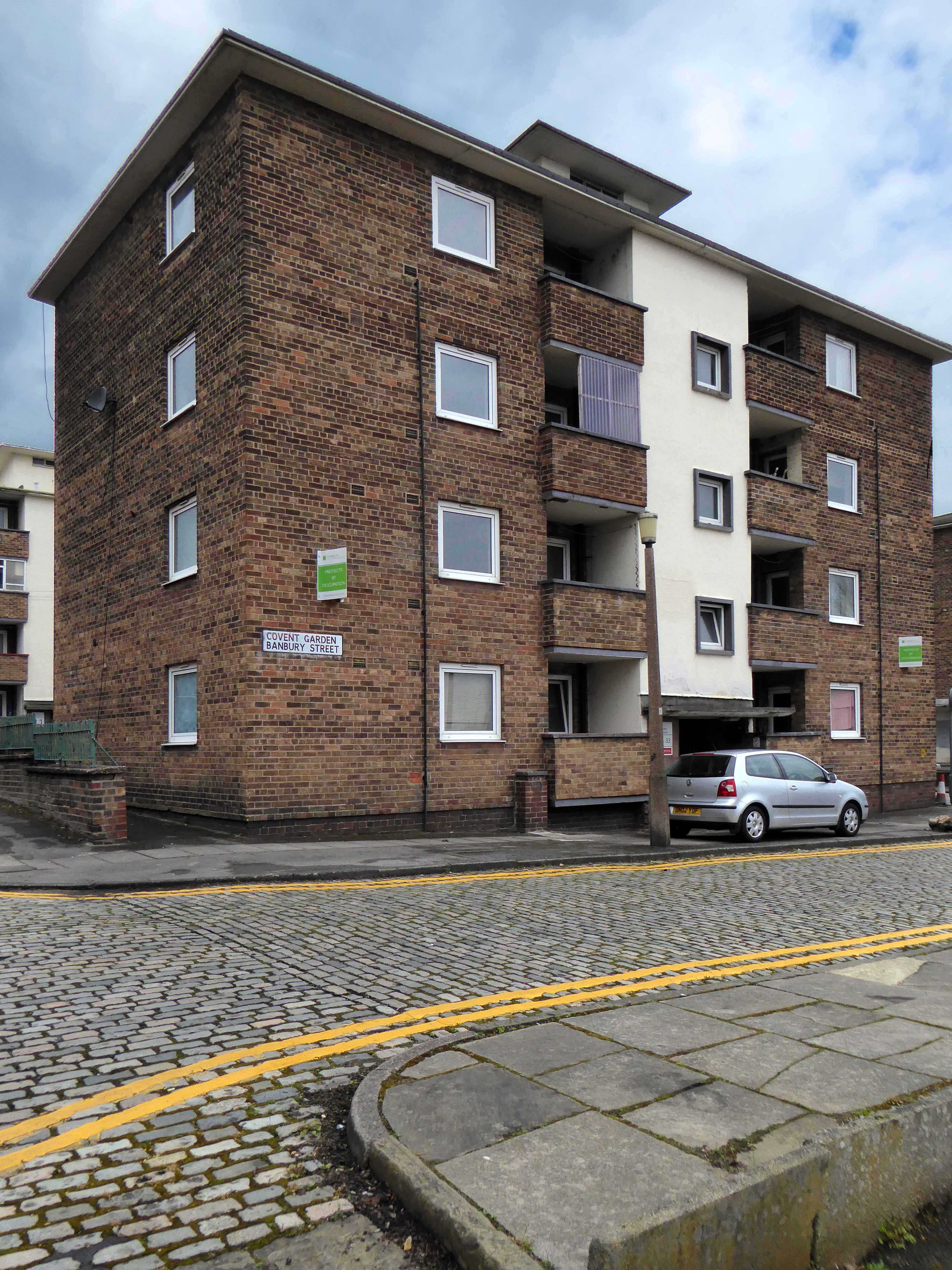
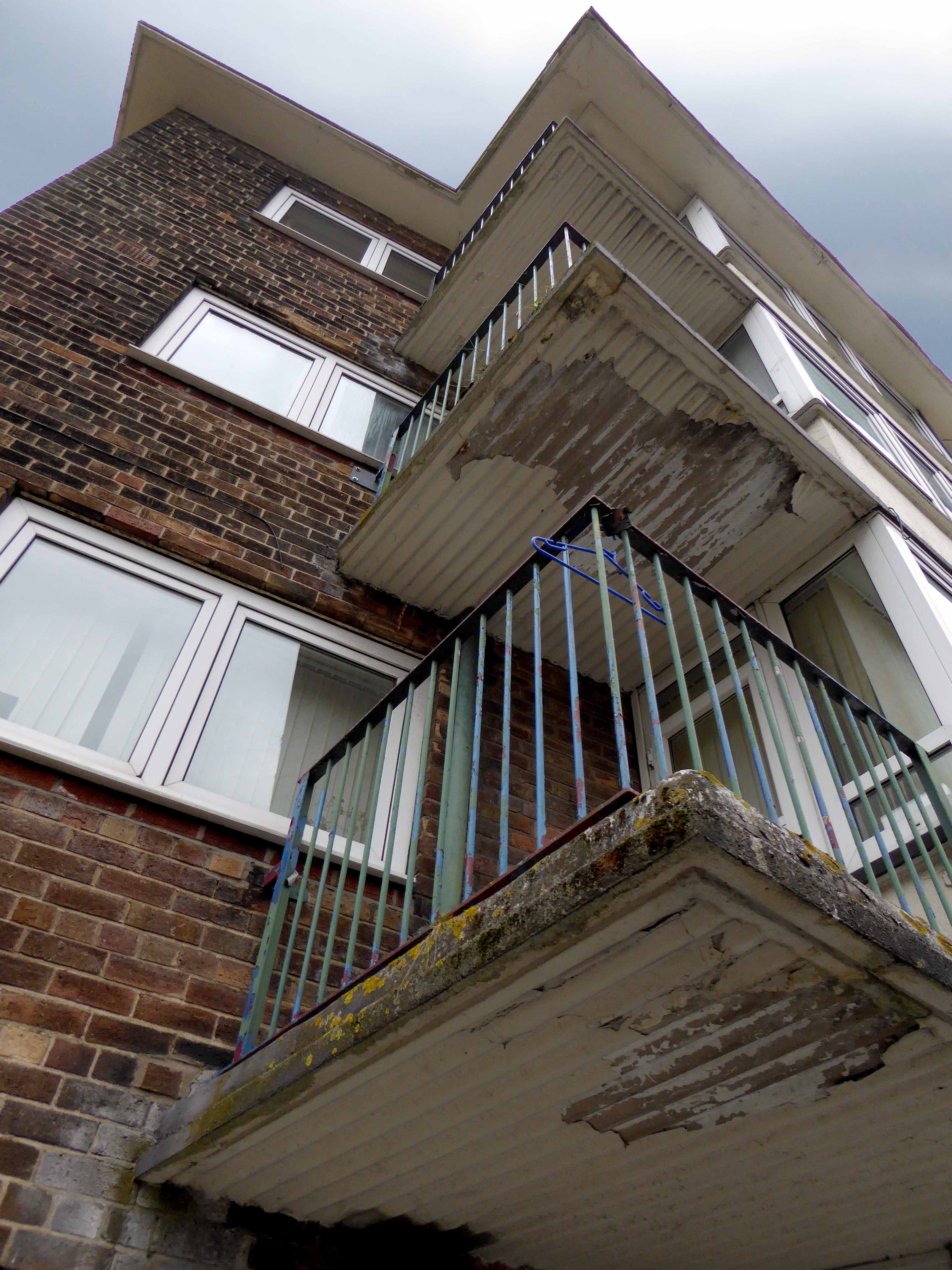
The Fairhurst designed flats were a breath of fresh air for the area, slim Crittall metal windows, concrete and brick structure, light and clean living for a new era. Social housing for a new era of social justice, postwar optimism written all over the facades.
Contrasting with the poorly built, stock brick, stolid terraces that they replaced, here was a little of the Modernist Movement for the masses.
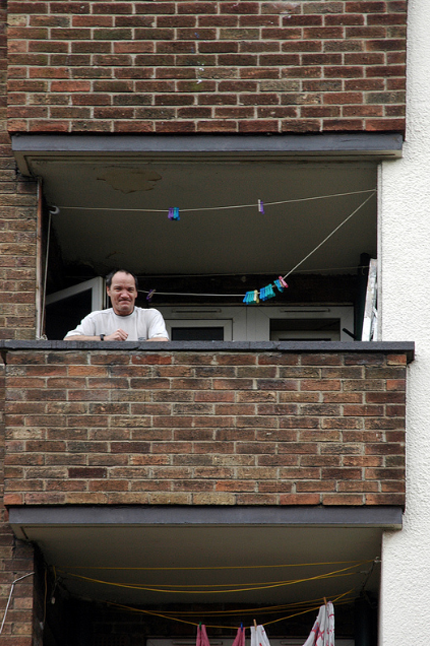
Some years ago when I first photographed the area, here were residents, happy to share their thoughts and feelings, at home in their homes. A settled community, whose homes were soon to be central to a masterplan, the very word sends shivers down you spine.
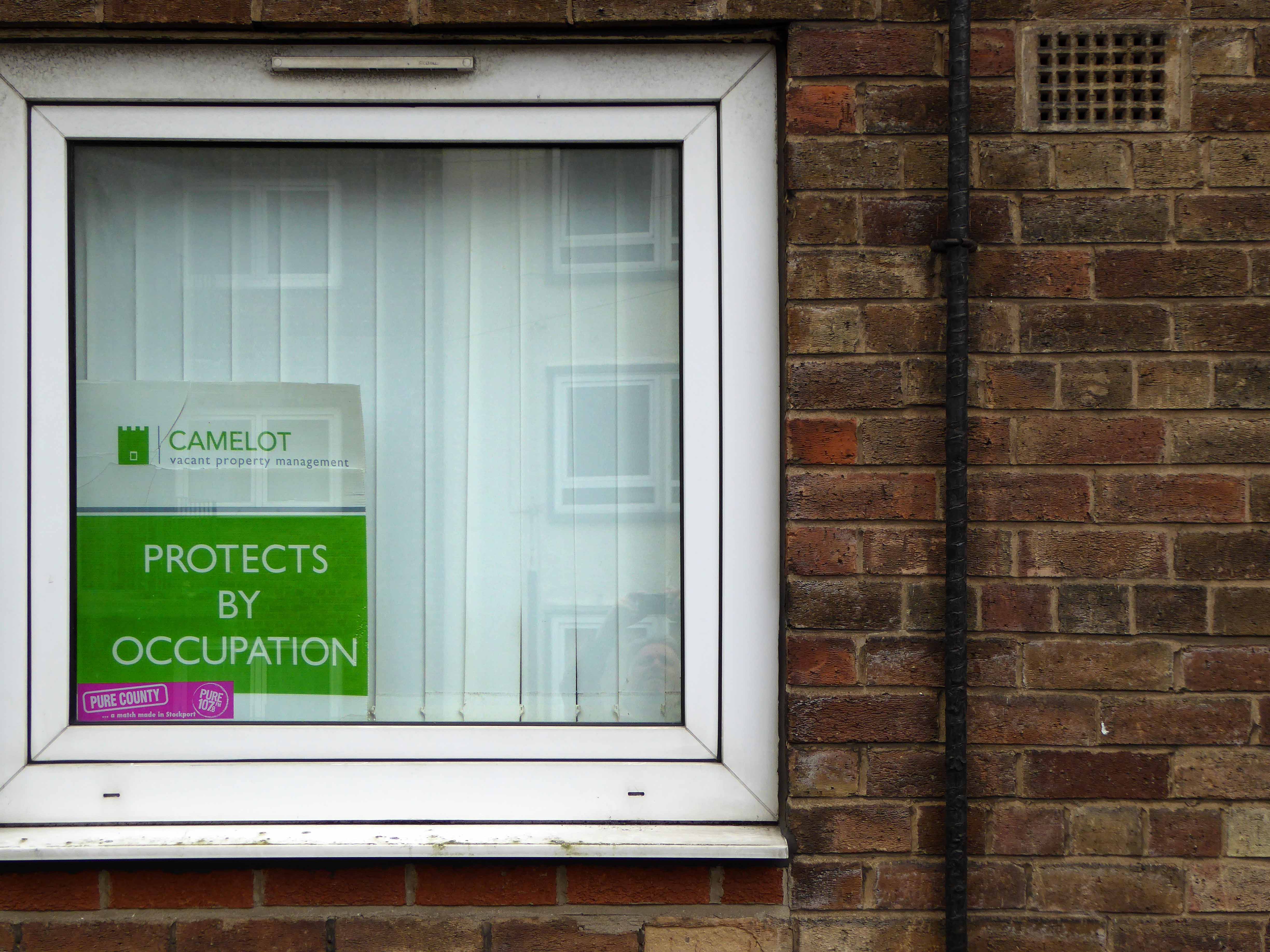
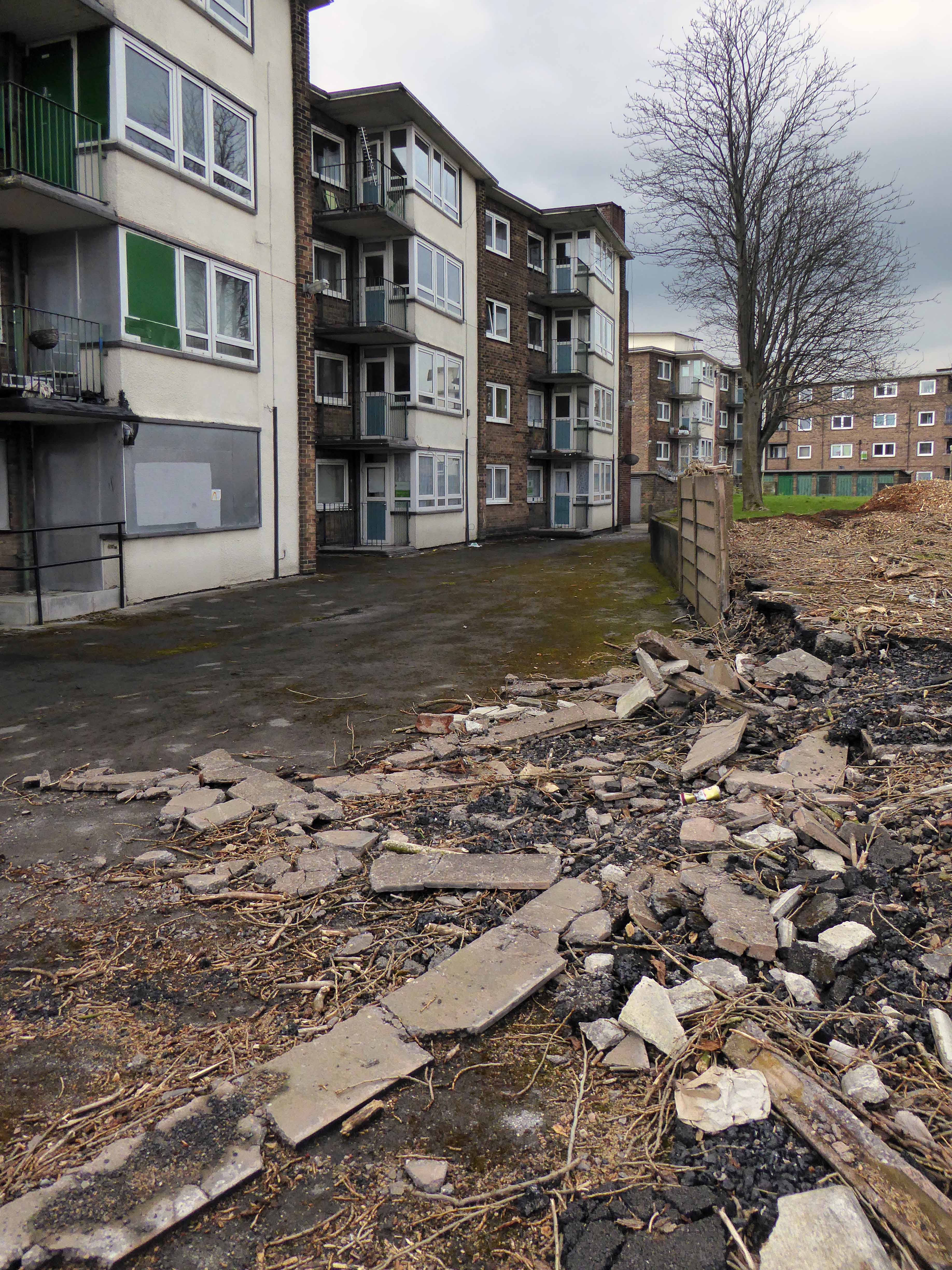
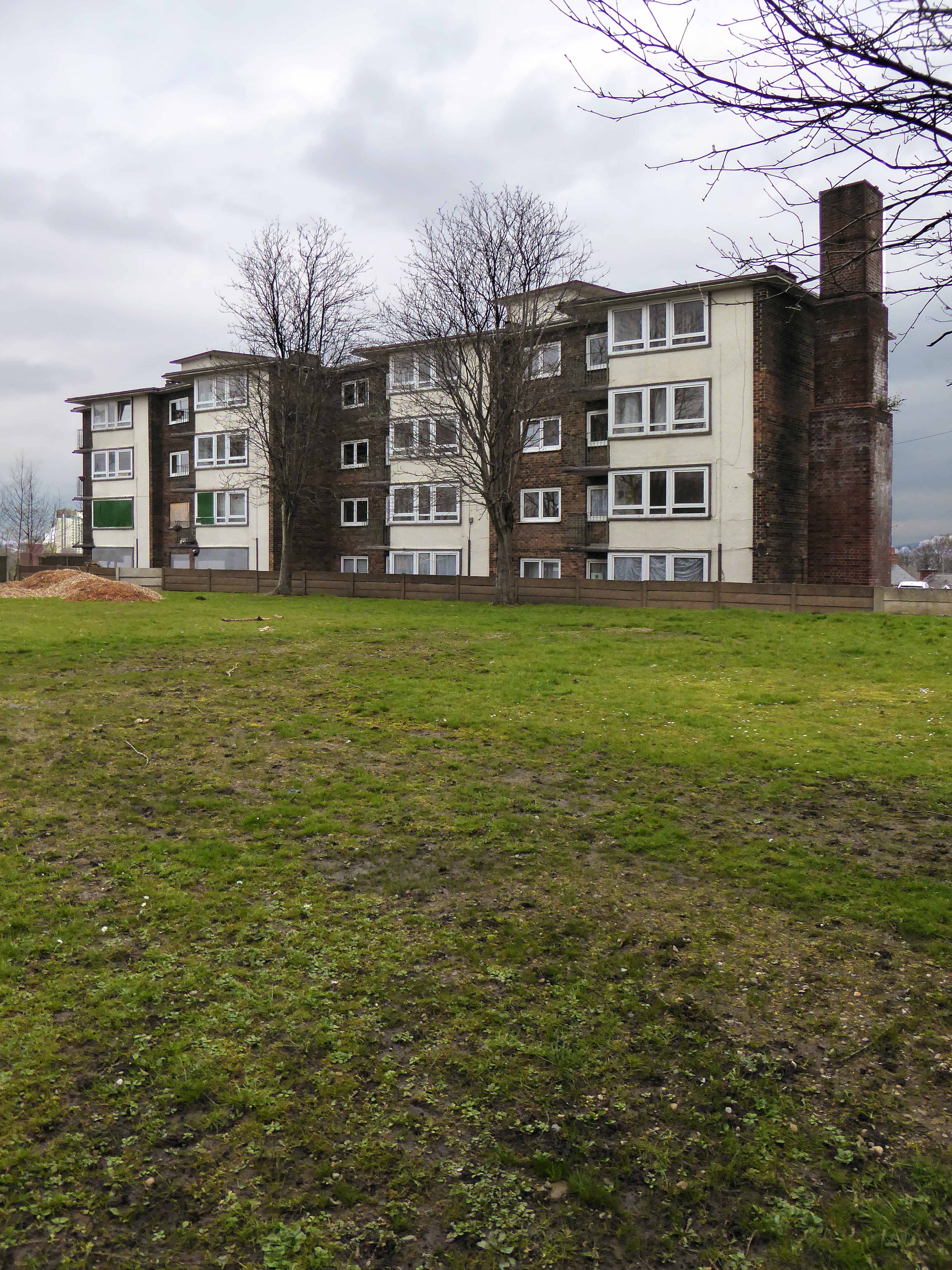
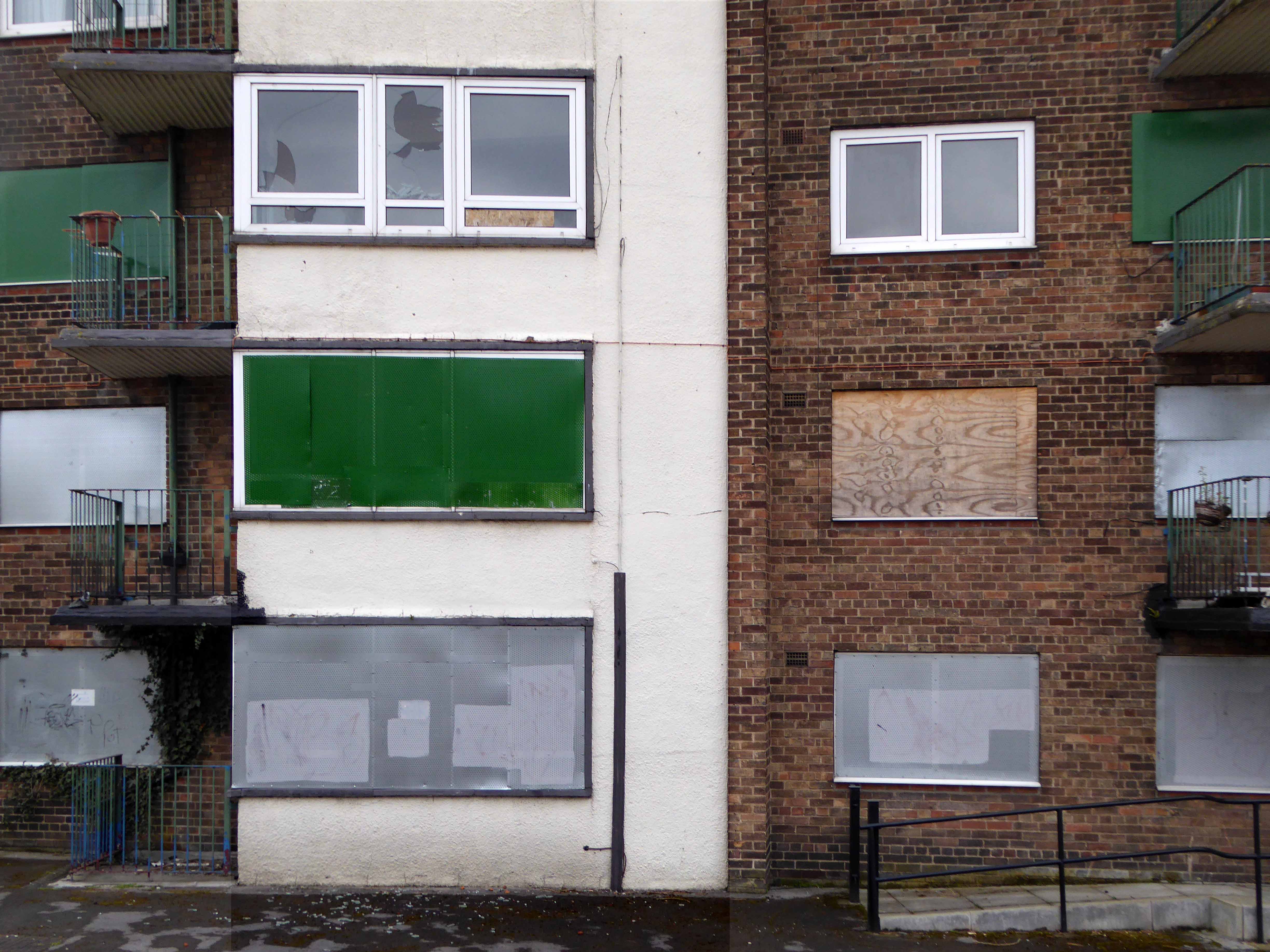
A redevelopment zone, around Hopes Carr and Covent Garden, saw the flats tinned up, prior to demolition. Homes, though clearly fit for purpose standing empty.
Several years on, and they are still standing empty.
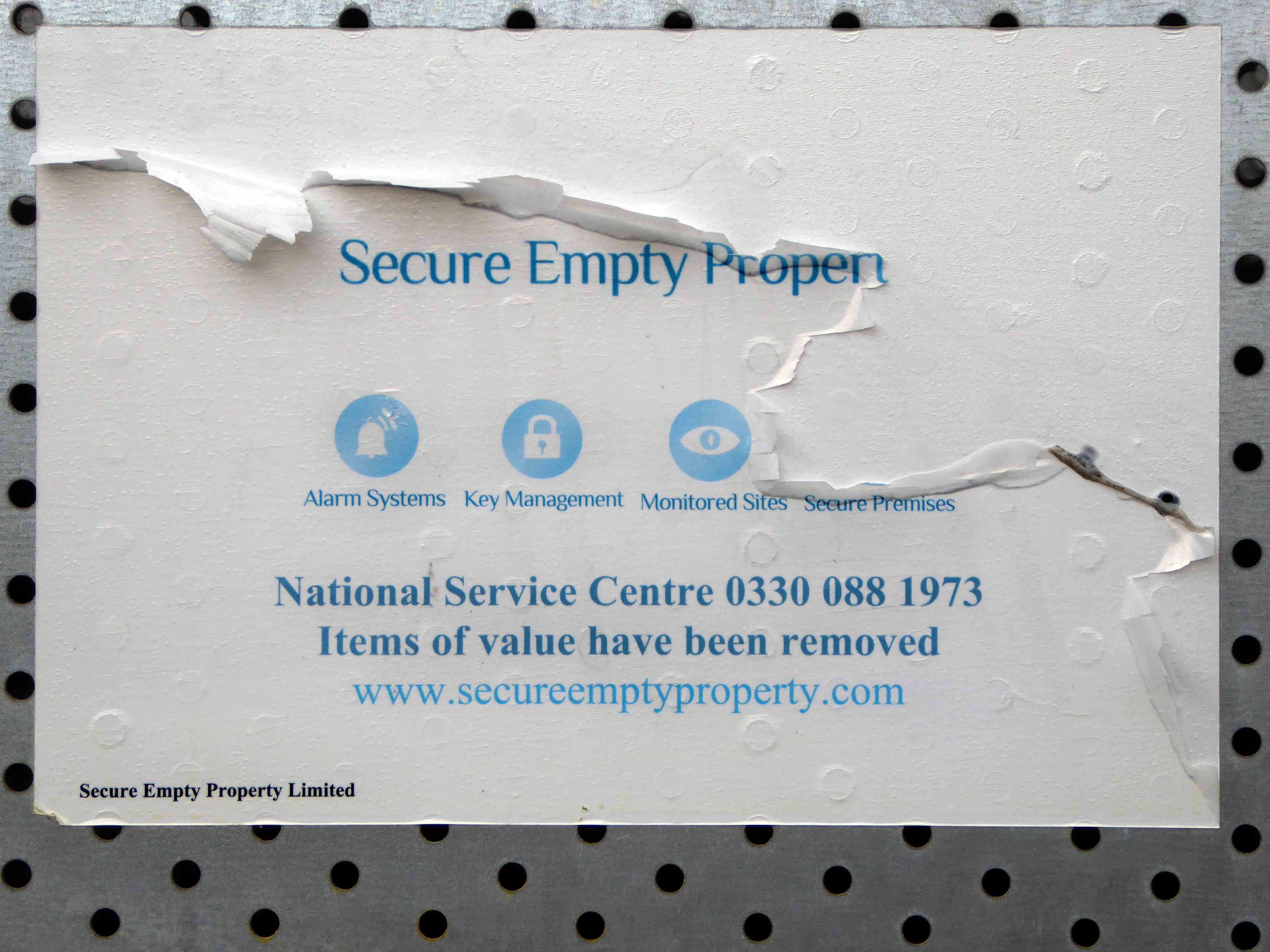
Save for a handful of protection by occupation tenants, living in a Camelot empty property.
“Our people combine entrepreneurial spirit and a deep understanding of specialist vacant property management with the highest standards of client care. Innovative internationally and well-known locally, Camelot design made-to-measure advice for you.”
“Camelot, located no where in particular, can be anywhere”
A pay to enter theme park with a limited future.
And so heartbreak at Impasse Pass, another stalled urban redevelopment, awaiting capital in a public private partnership.
Until the next time.
Walk a little further, take a peek, blink and it all may have disappeared.
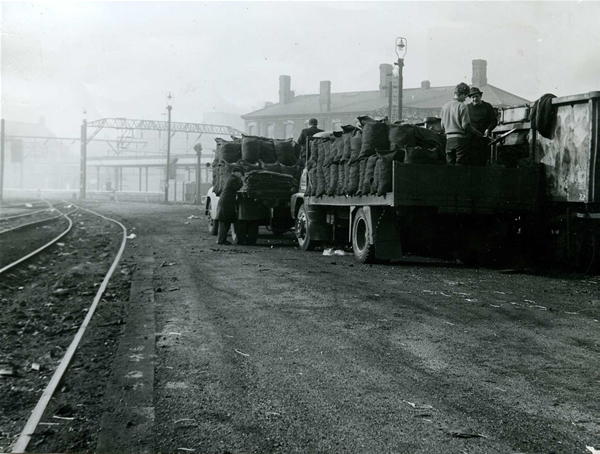
The site was at the heart of industrial Stockport for a hundred and fifty years.
Goods in goods out, day in day out.
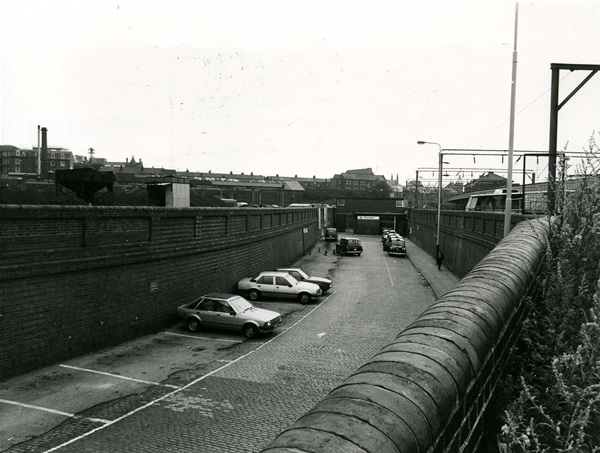
A town and time driven by coal and steam, as a first date with Stockport it was never a love at first sight site, two narrow cobbled access roads, lined with tall blue engineers’ brick walls, arching towards two narrow entrances.
This along with the rest of the area, was a working area, hanging on to the edge of the Mersey Valley, housing and industry cheek by jowl, in one grimy fug.
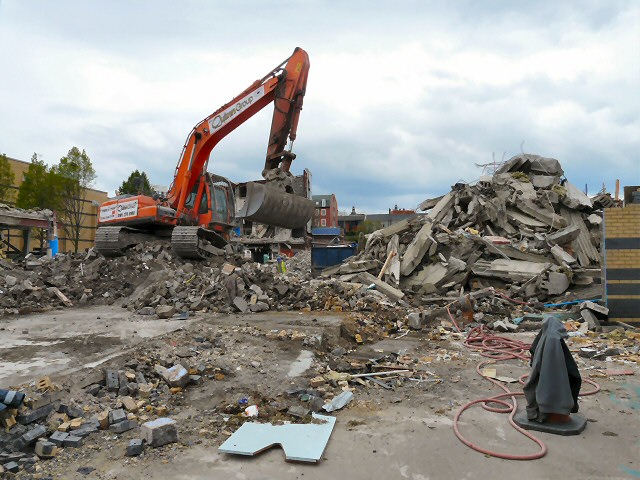
Time changes everything, by 1990 the site had been cleared and work commenced on a brand new shiny retail, leisure and entertainment complex. The nation had shifted wholesale from manufacturing to carousing.
The clatter of clogs replaced by the squeak of Adidas.
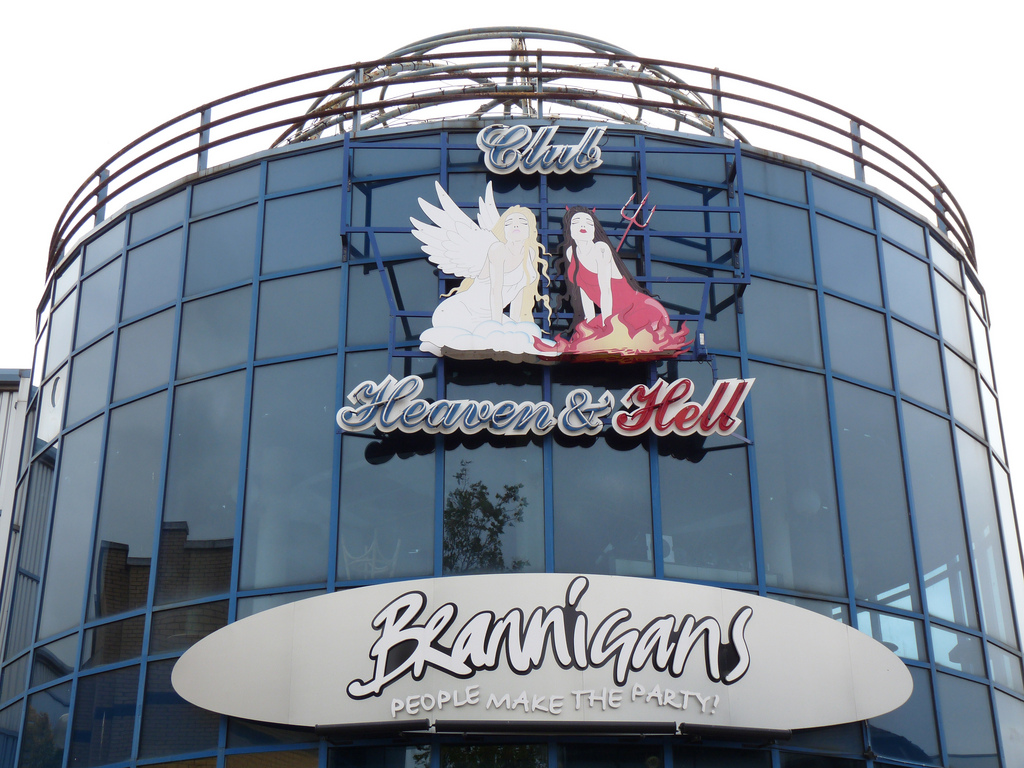
The white hot heat of technology fires Heaven and Hell.
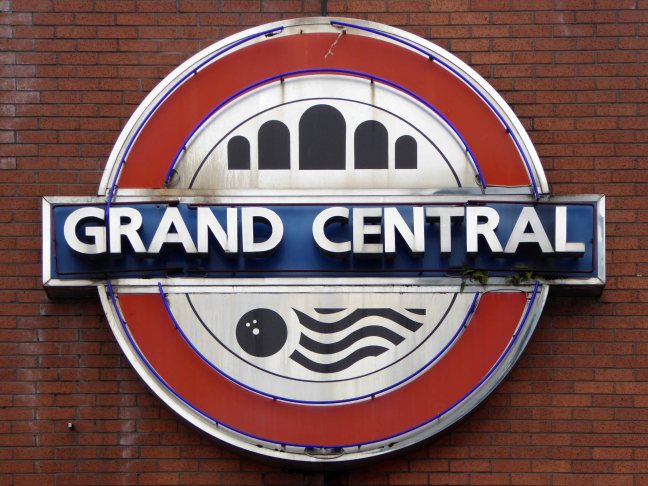
A club, swimming pool, bars, quasar quest, bowling alley, shops and cinema. Open public, private spaces leading from the A6 to the station approach. Concrete paving, brick, steel and glass construction, in a dulling whirlwind of sub-postmodern, cost benefit analysis, mirthless architectural, fun and frolics.
Nothing lasts forever, gradually the fun grinds to a halt, the alluring shimmer of boob tubes and hot pants, quickly fades into a dimly remembered, future passed.
There are more things in Heaven and Hell, Horatio,
Than are dreamt of in your philosophy.
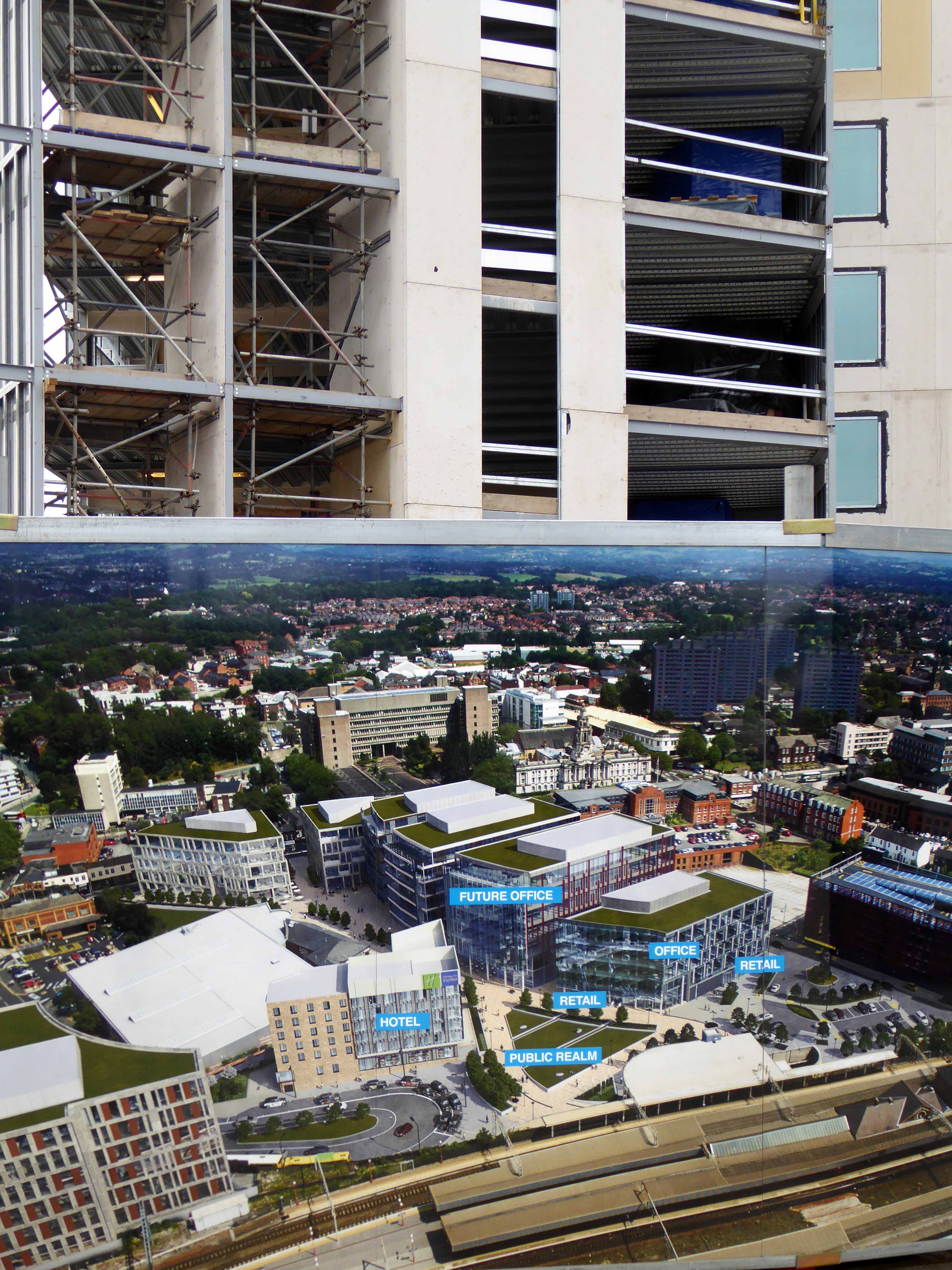
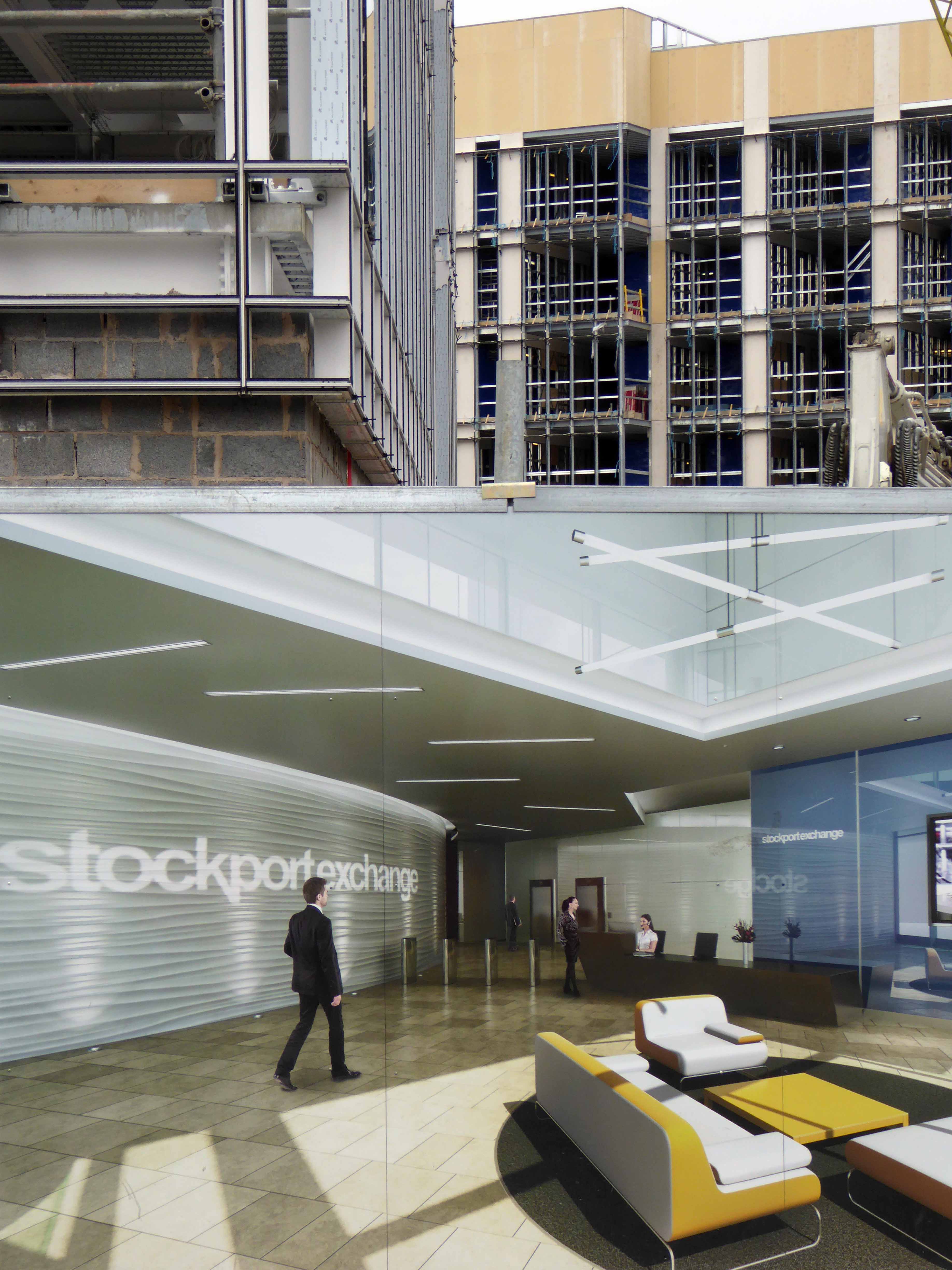
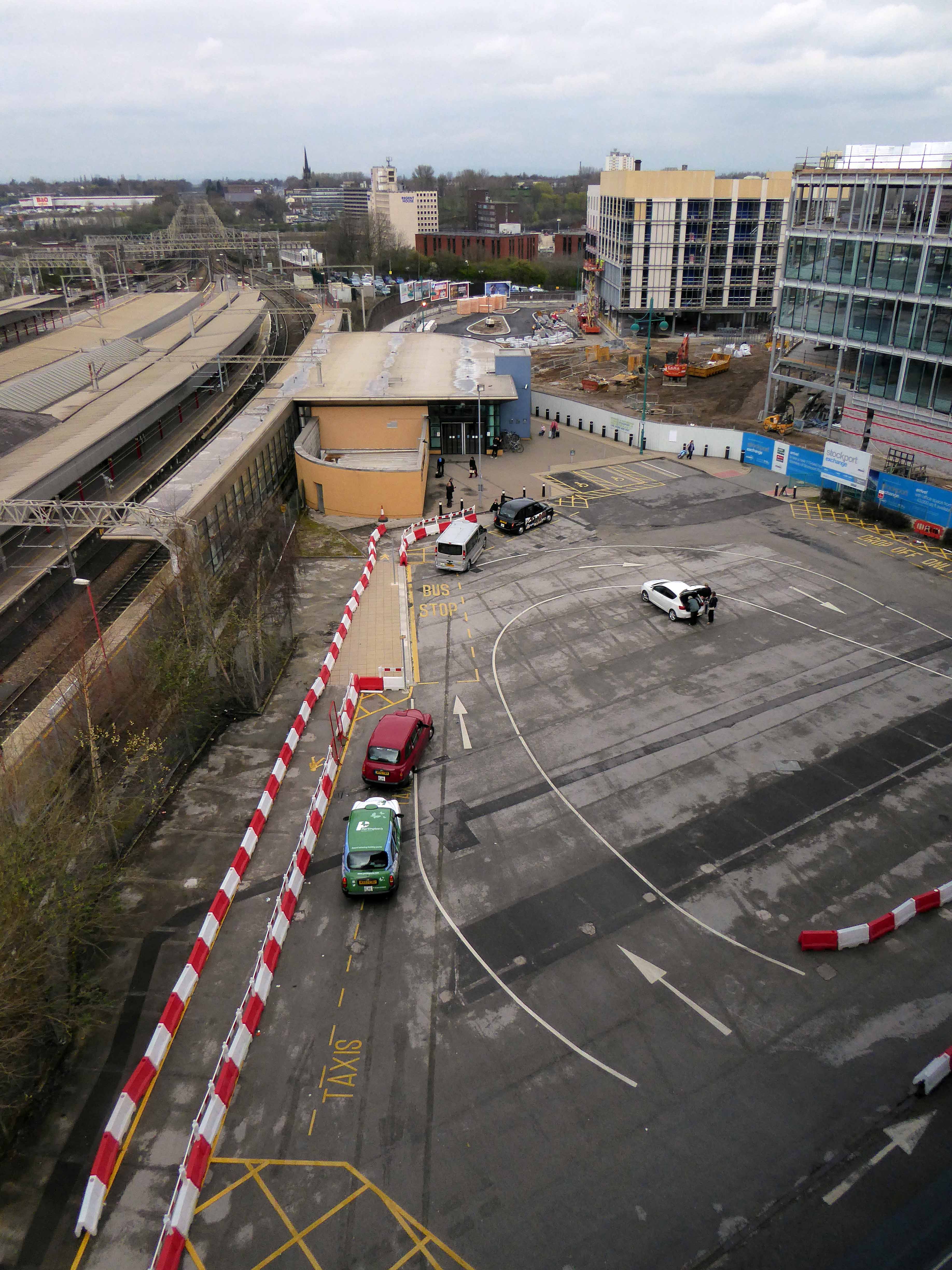
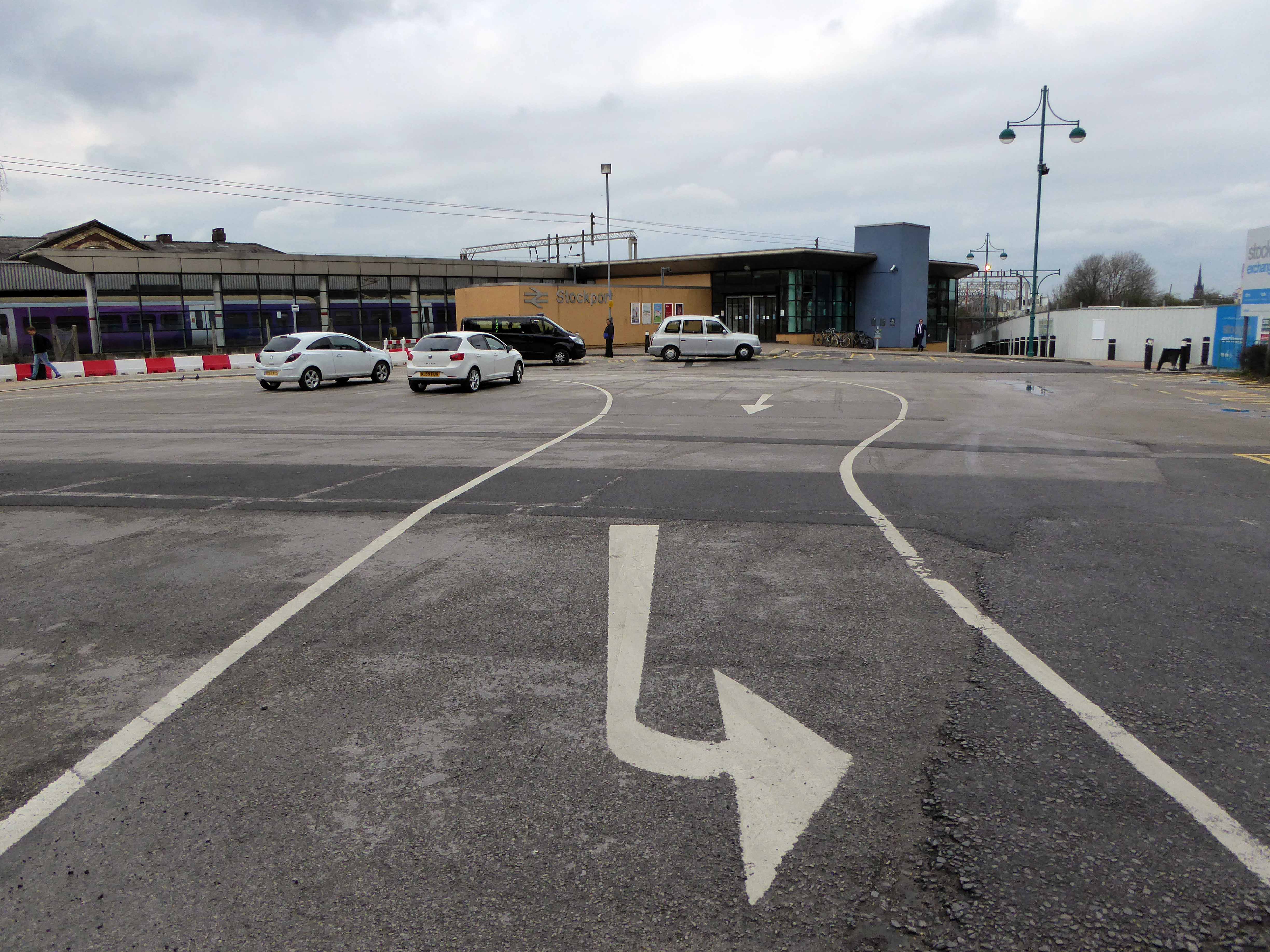
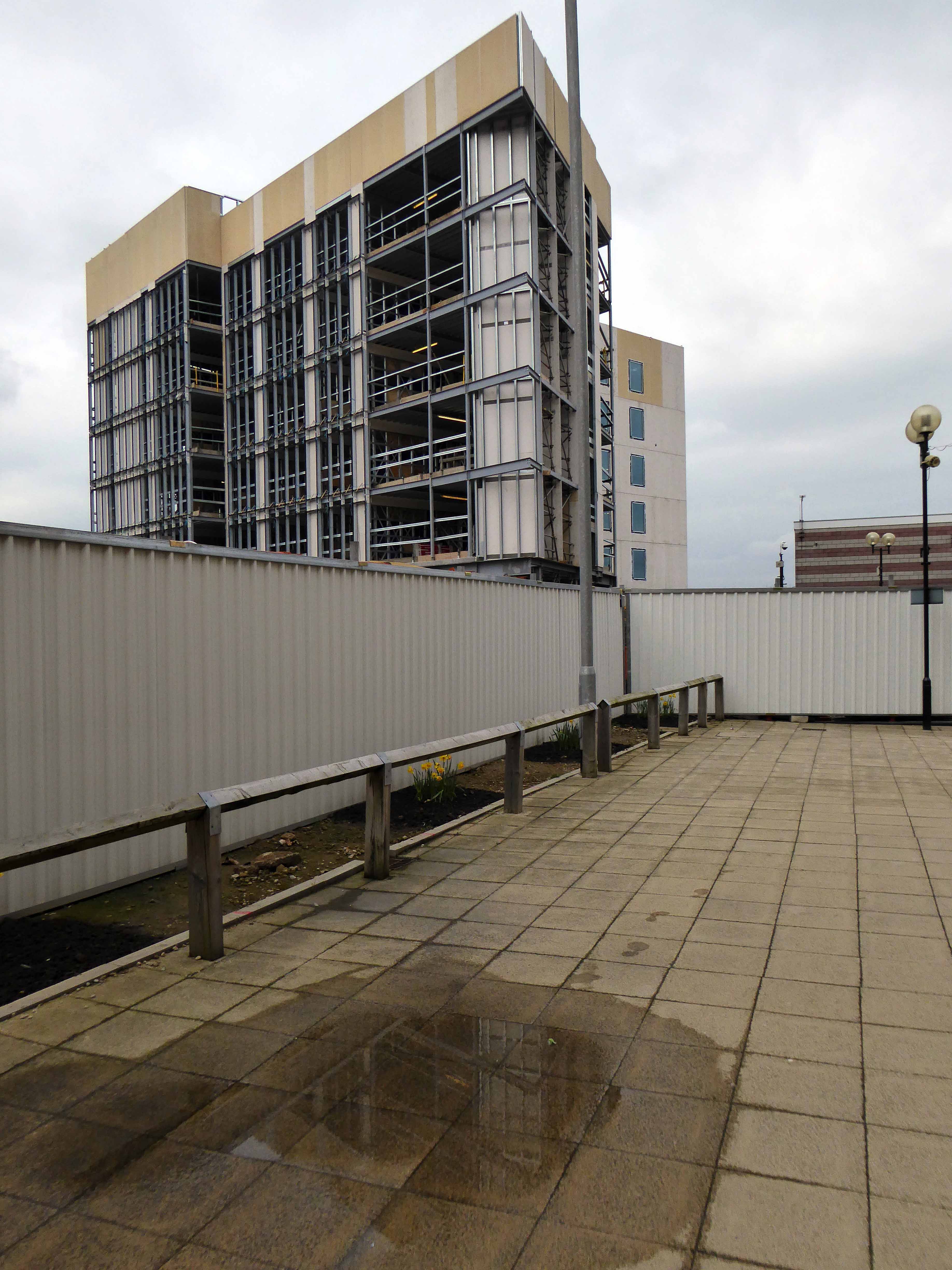
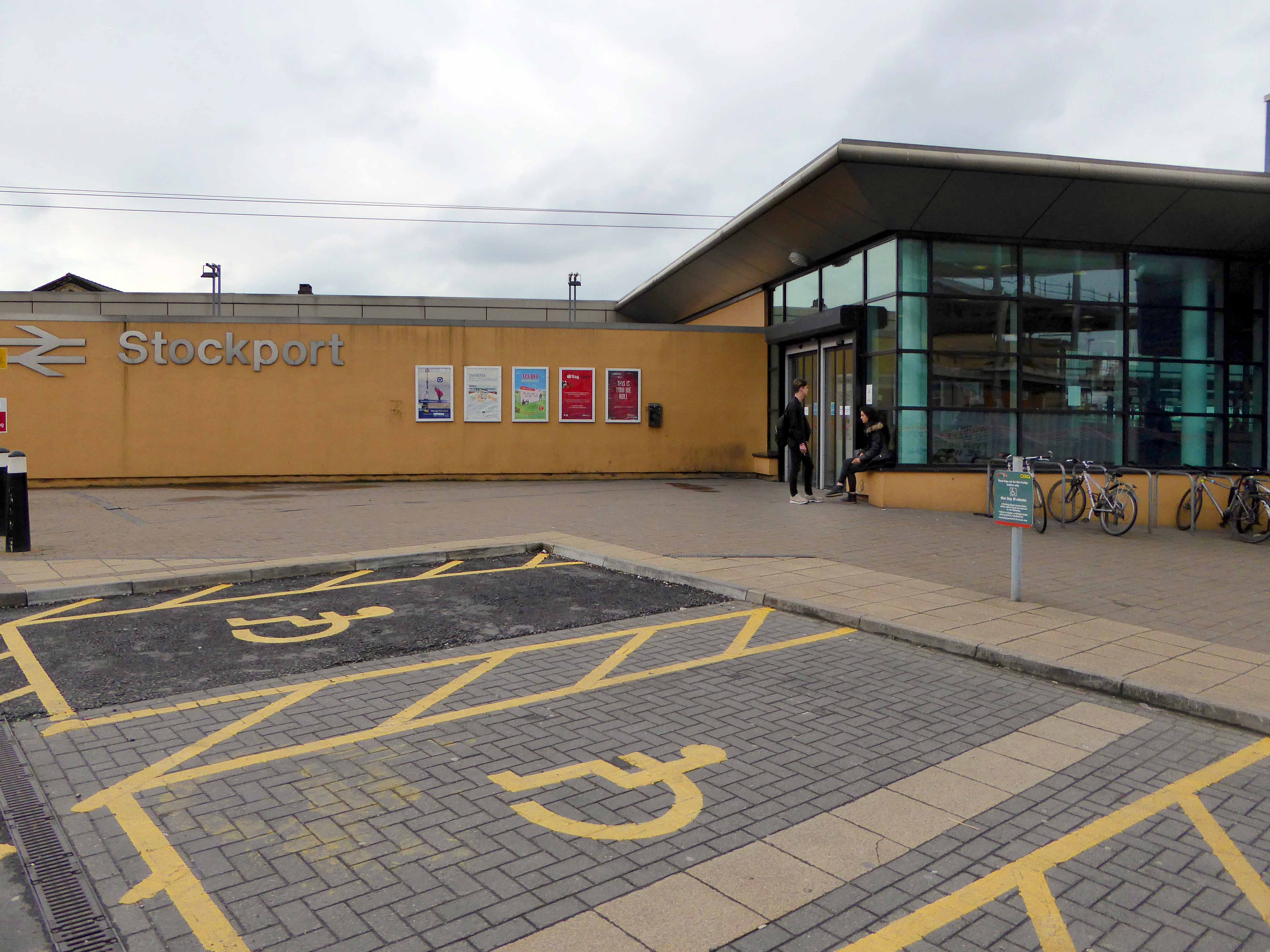
Grand Central Stockport was owned by Norwich-based private property company Targetfollow, who acquired the complex for £10.8m in 2004. In January 2011, after lack of progress on the development scheme, Stockport Council purchased the complex. In December 2011, Stockport Council announced that Muse Developments, the urban regeneration division of construction group Morgan Sindall had been selected as the preferred developer with a report to be presented to the council the following week. The revamped regeneration plans include an office quarter for the town centre, a hotel, public space outside the railway station. In addition, the redevelopment would also include a multi-storey car park and to make the site into a more attractive gateway into the town centre. The new redevelopment plans are valued at approximately £145m.
So the merry dance continues, a brave new world for the bemused citizen to consume and be consumed by, a gateway to speculative development.
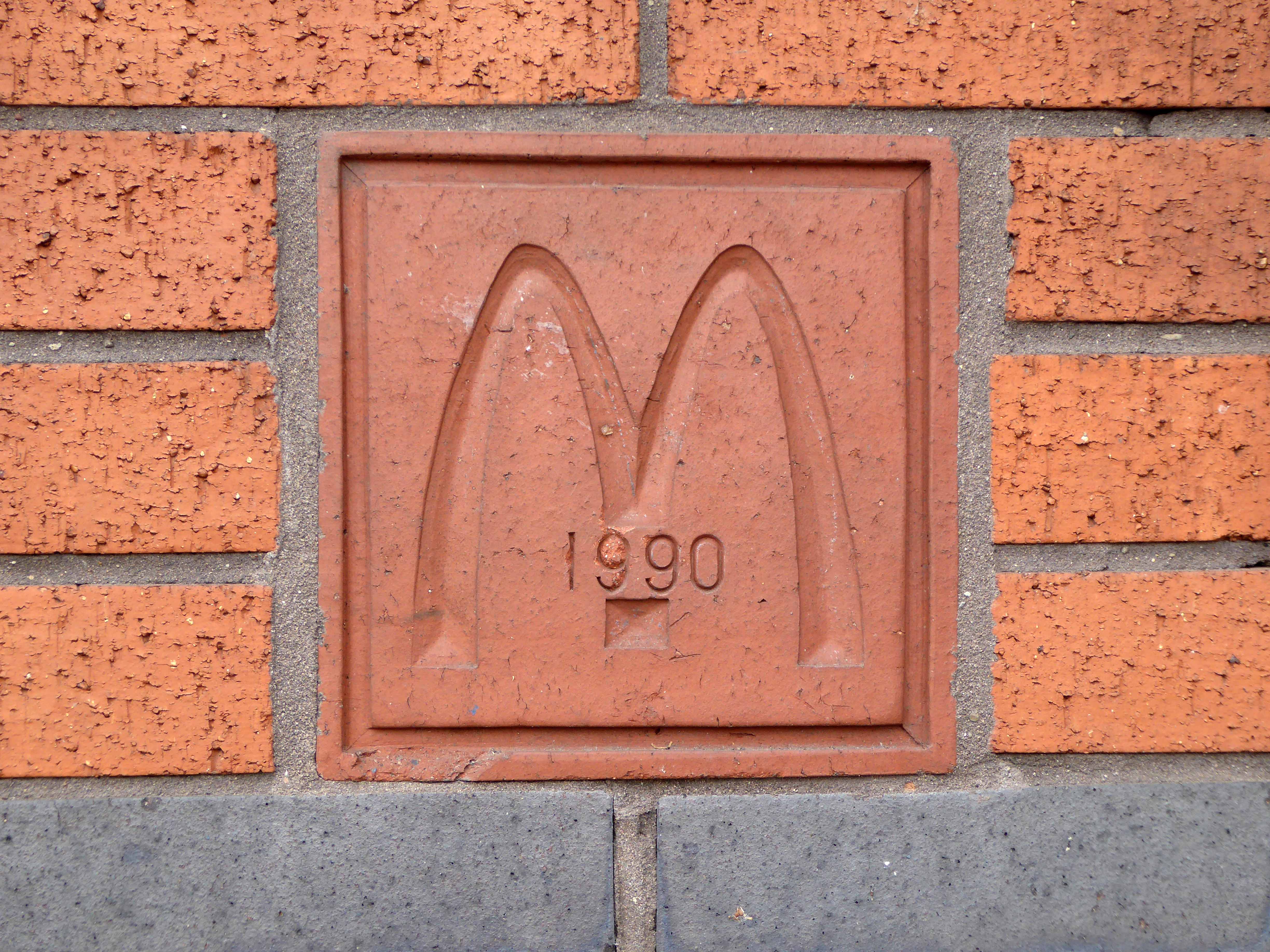
The reassuring golden arches await the intrepid voyager, the foundation stone of any civilised civil society, set in terracotta for ever and a day.
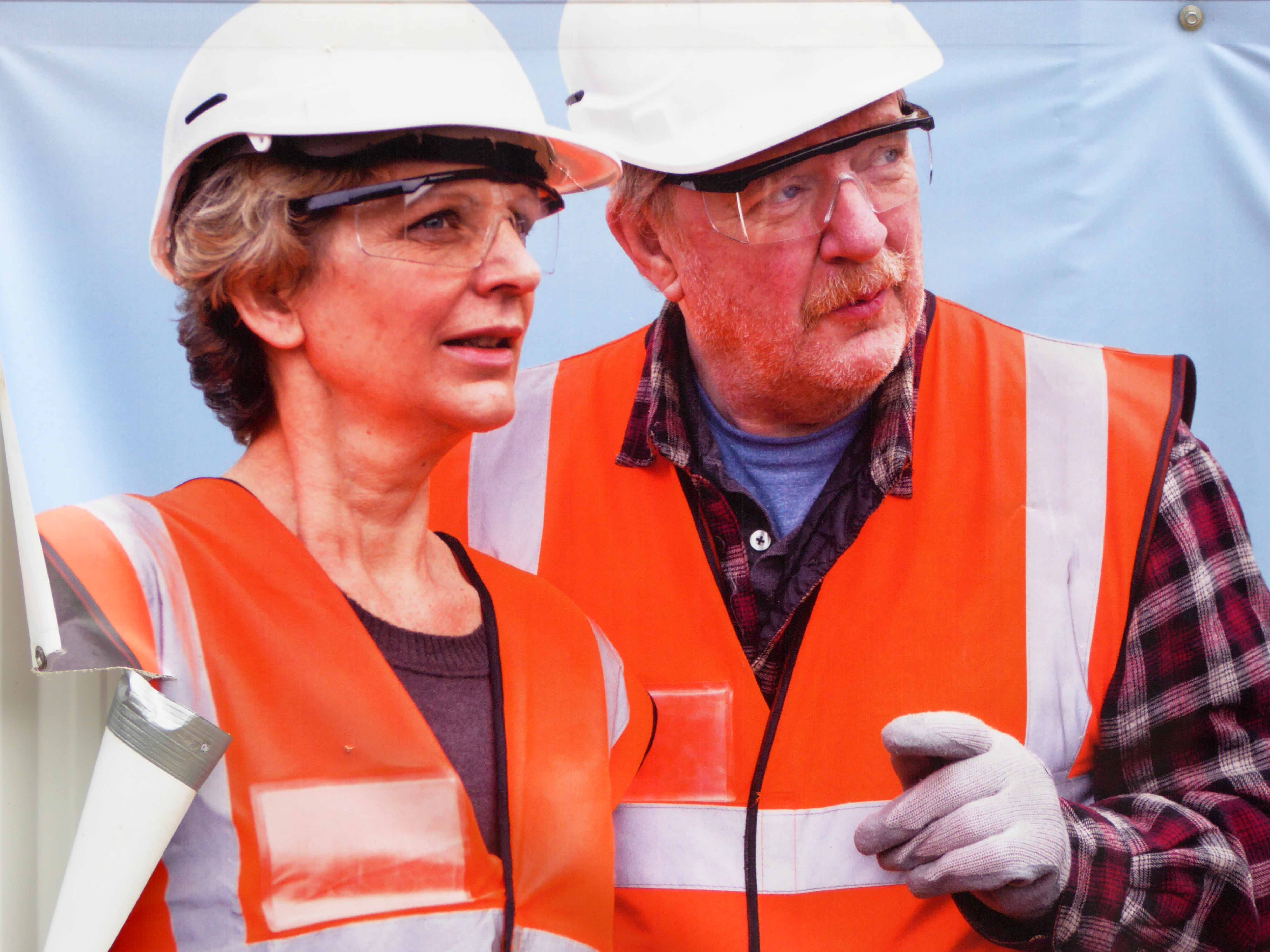
The high vis, high rise, low expectation roller coaster, rolls on relentlessly.
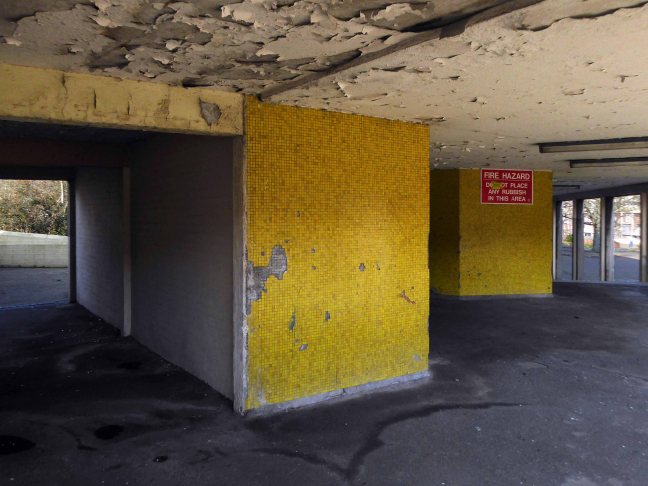
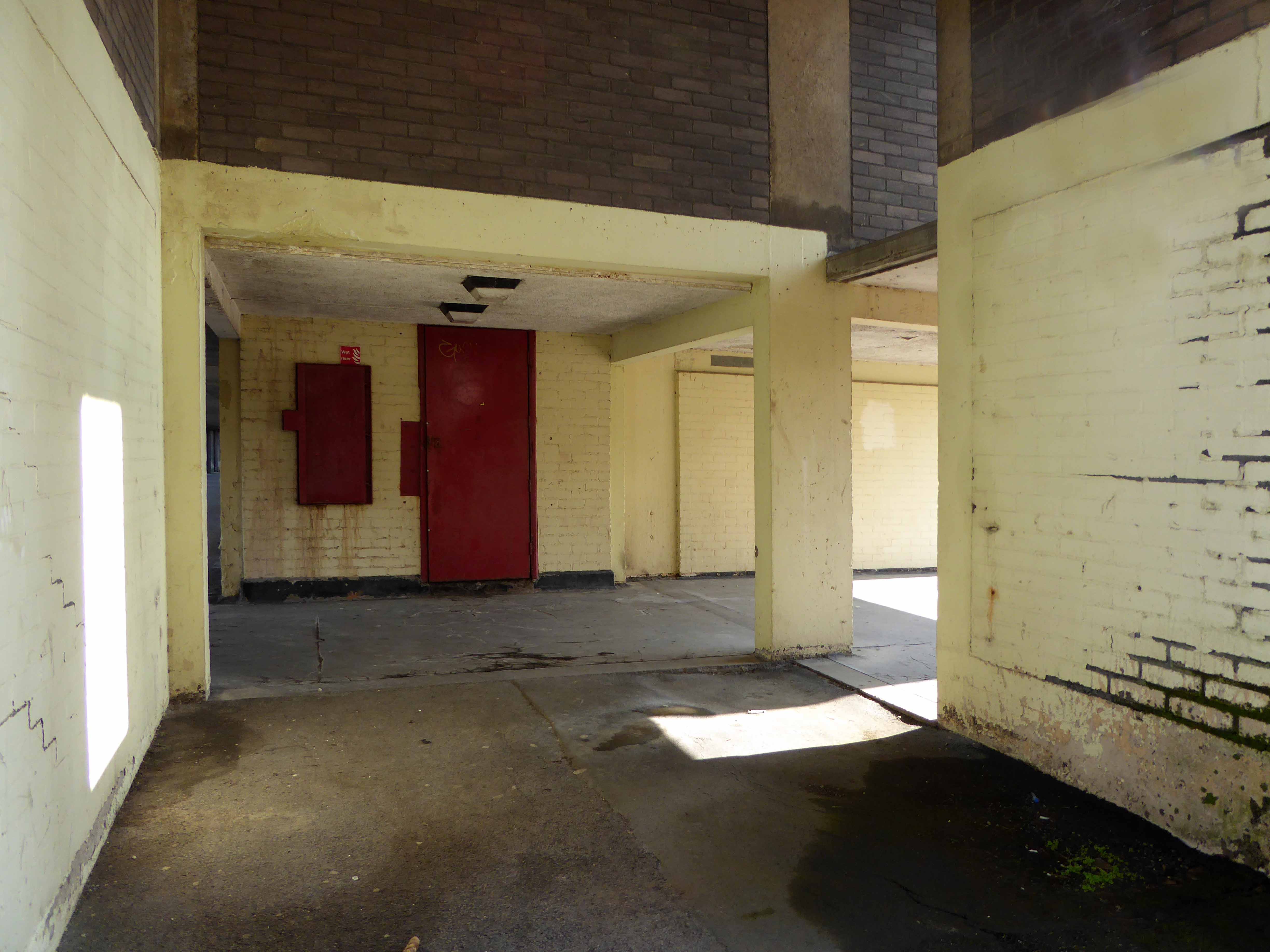
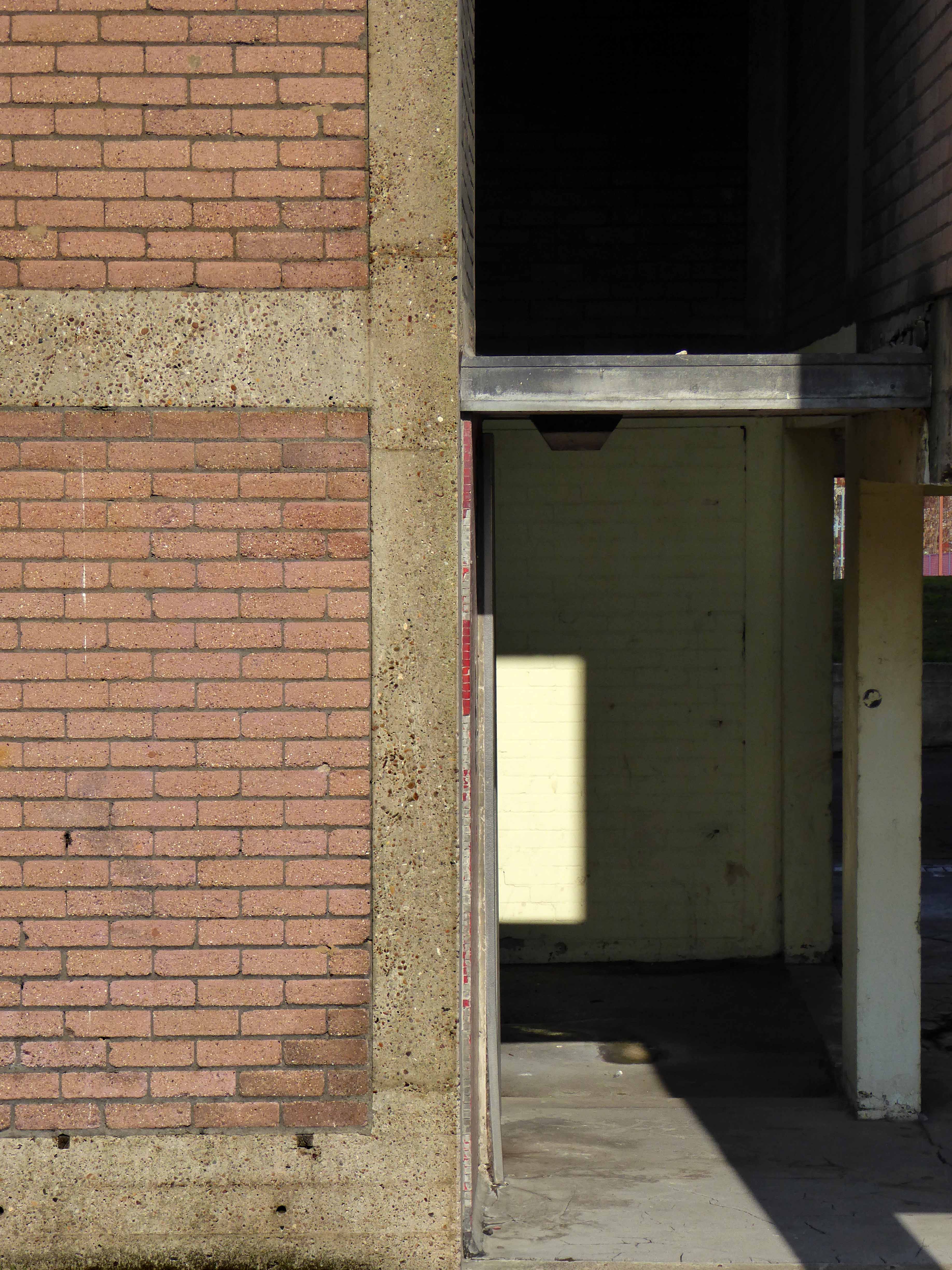
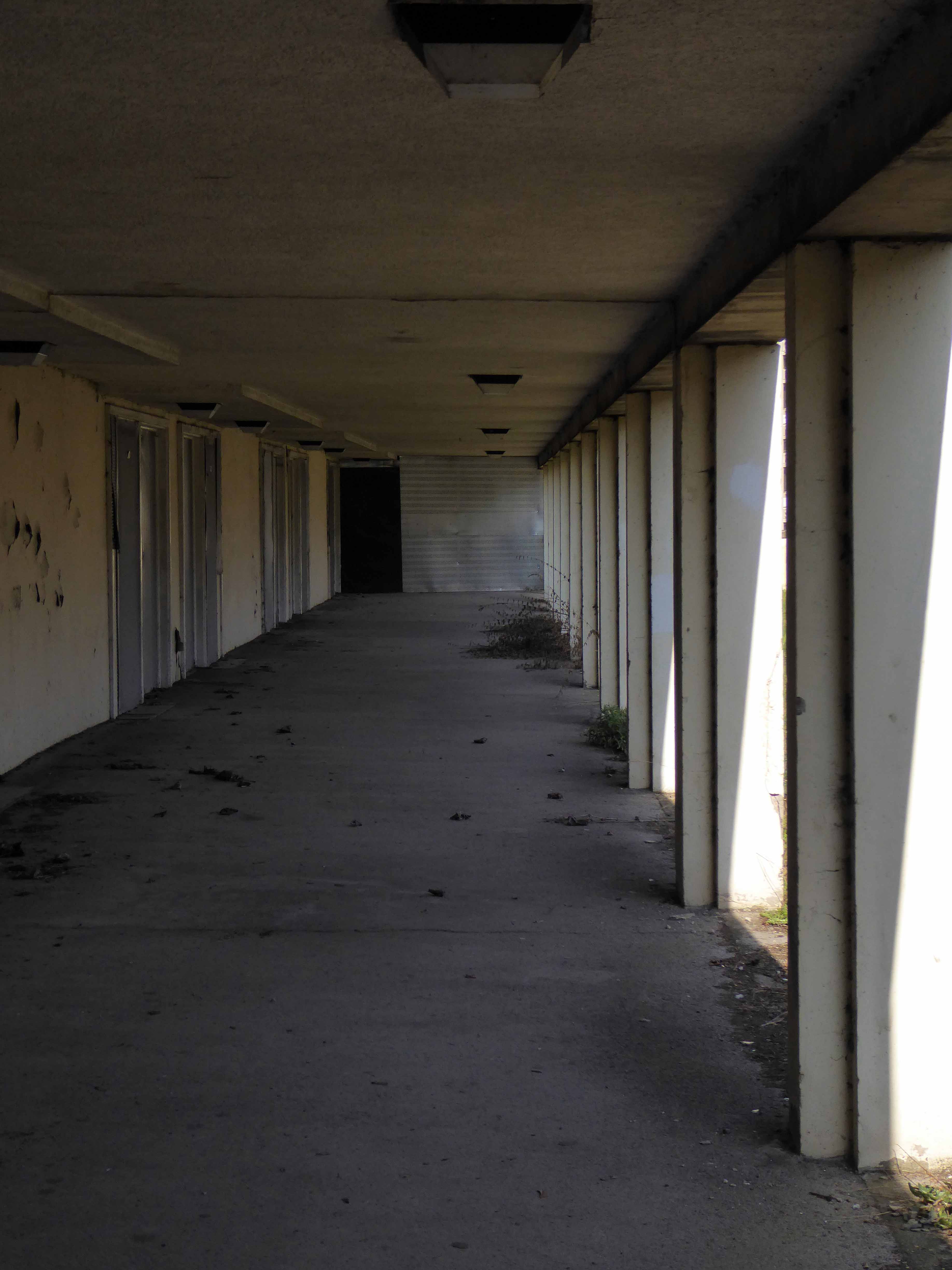
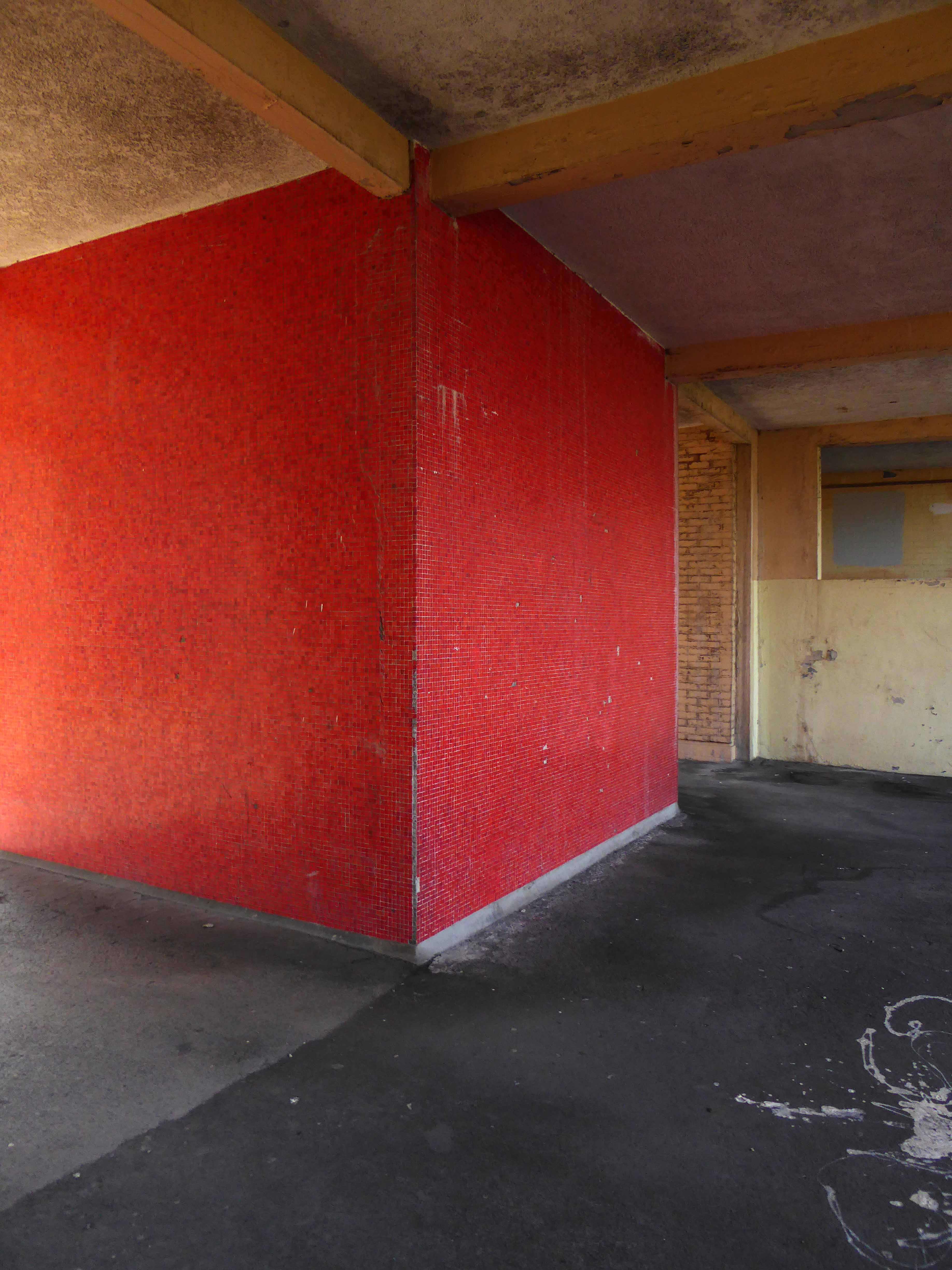
Their homes tinned up, the walkways and stairways too – once these streets in the sky could accommodate a milk float, they now echo emptily, with the sound of a restless wind.
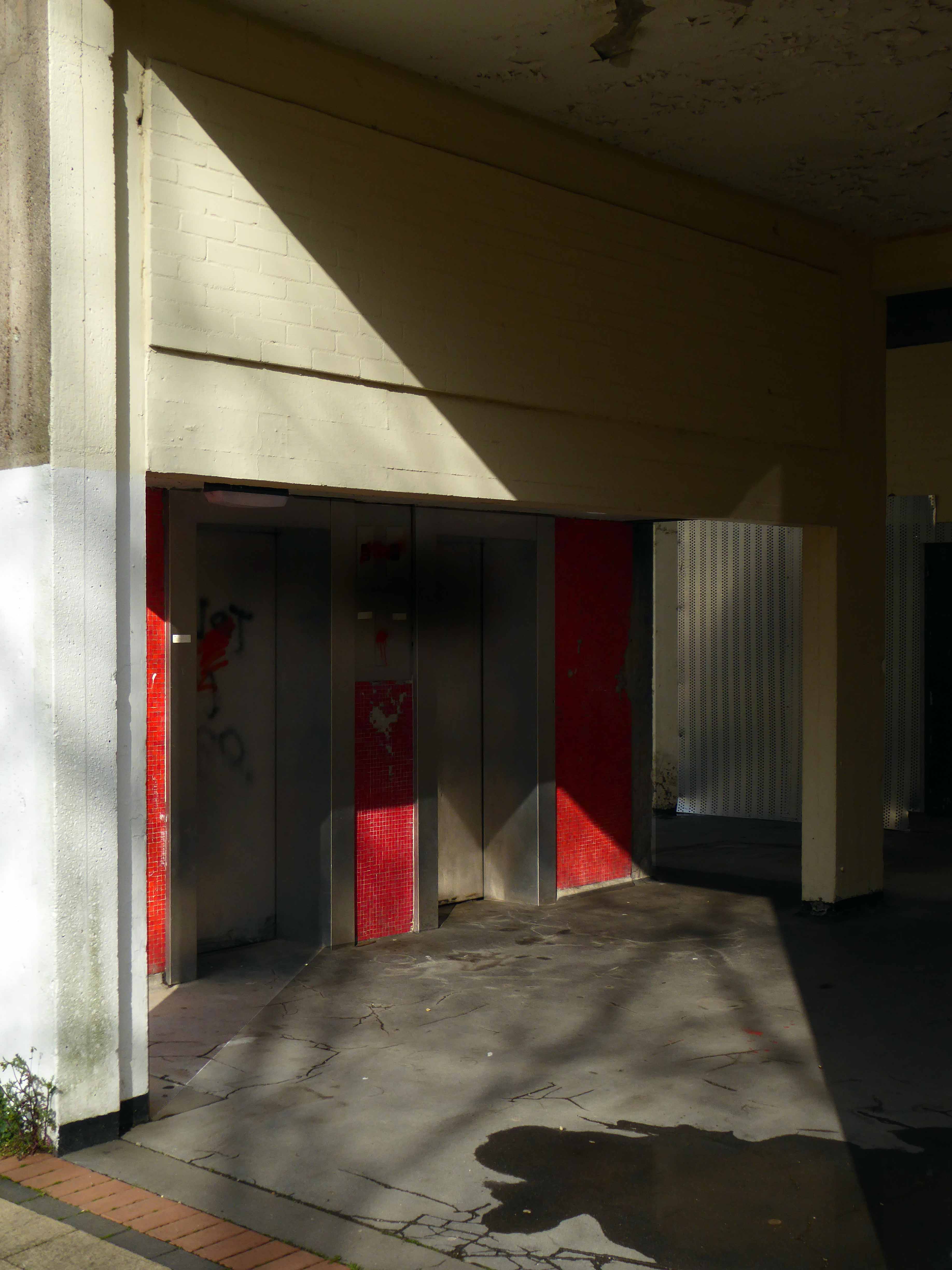
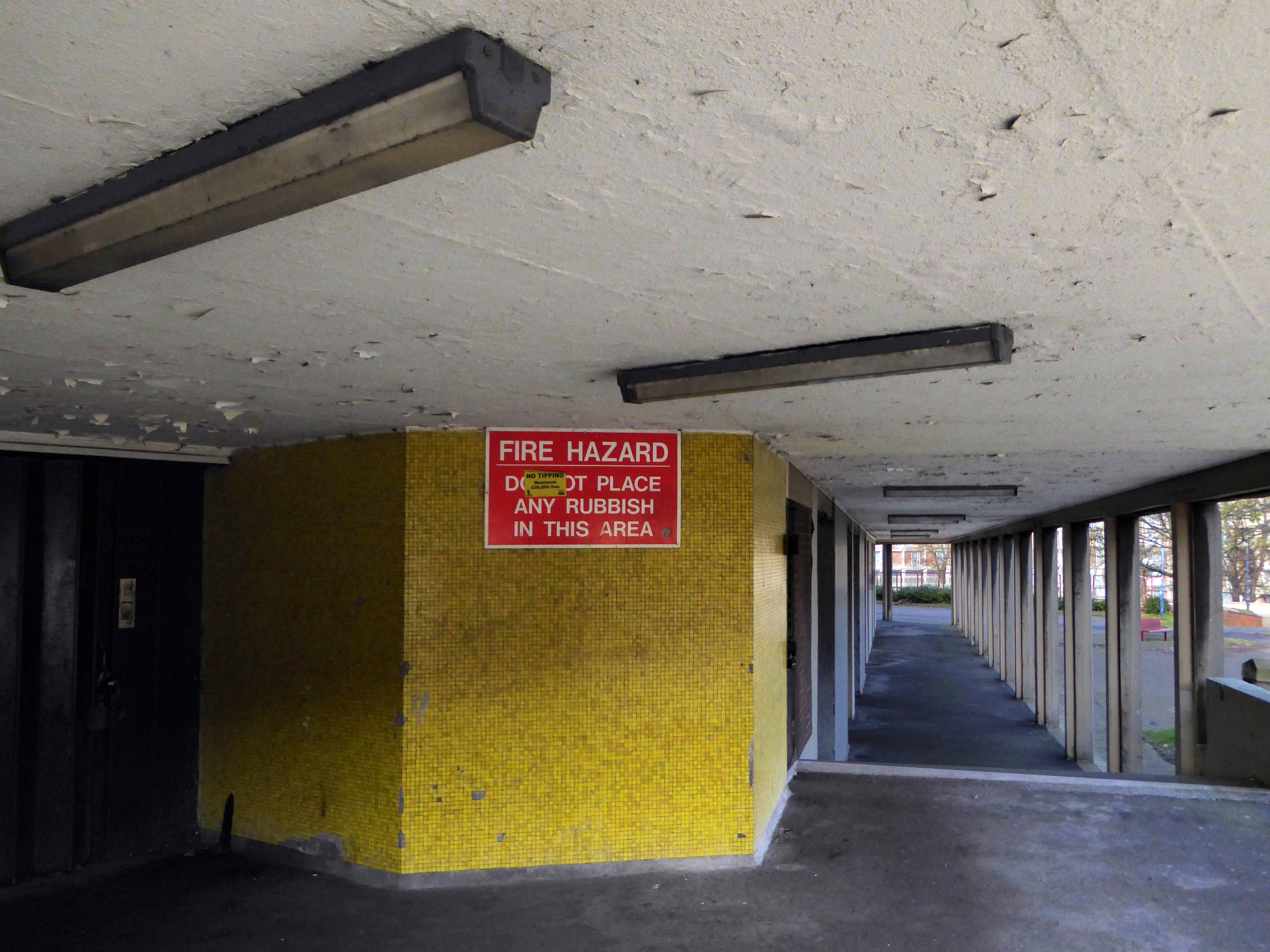
And so, in early sunny Sunday morning light, heavy hearted I wandered the open areas, colonnades, service lifts and terrazzo walls.
A small gift to the families, folks, workers, planners and architects who brought this estate to life – a celebration of the modern aesthetic in clear, broad daylight.
I’ve never ever been here before – my thanks to the Sheffield Modernist Society for arranging the visit, part of a walking tour of the city, the first of many, one hopes.
Or possibly simply bump into them, casually walking around Sheffield and environs.
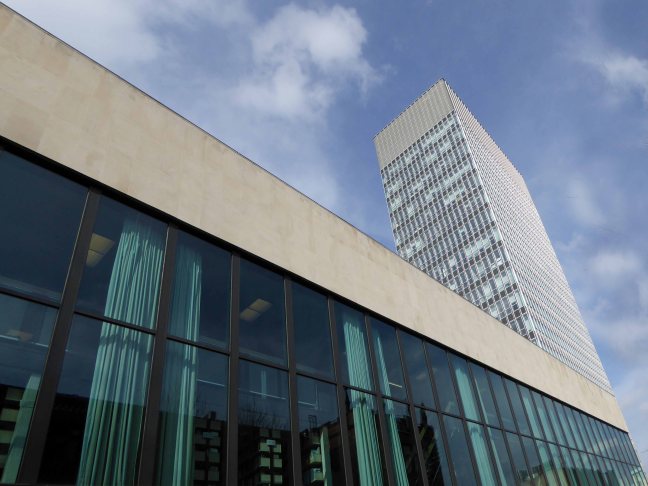
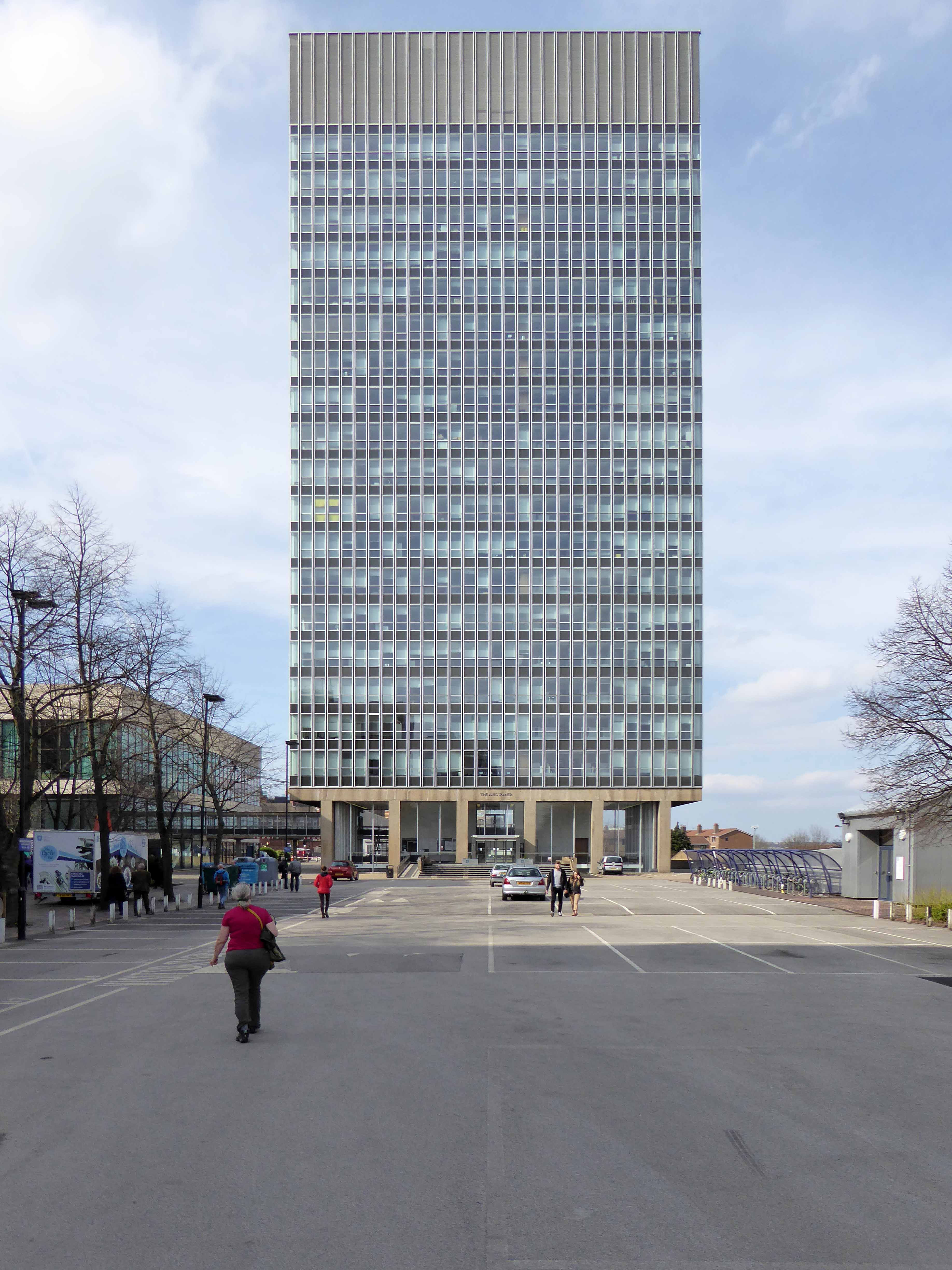
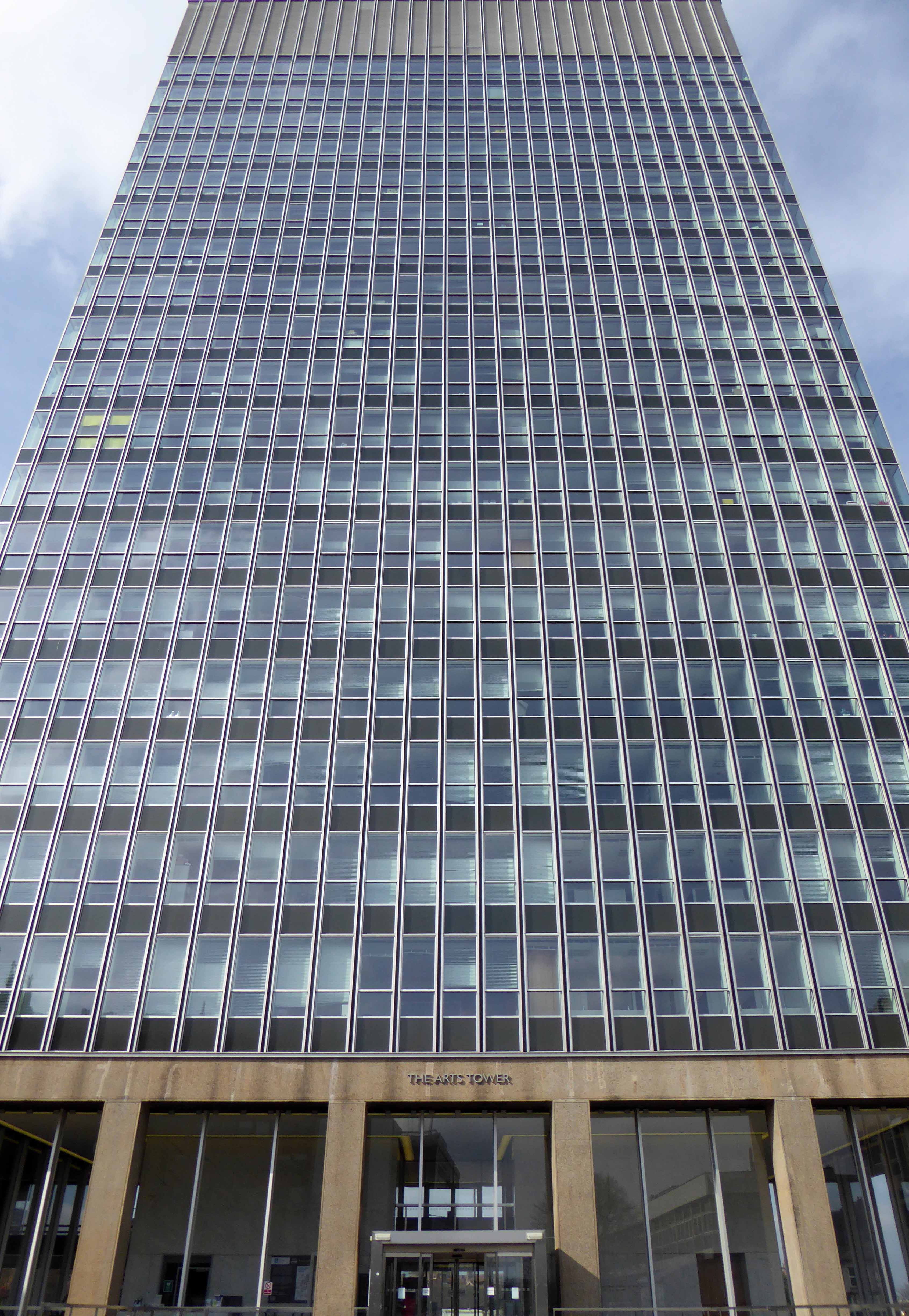
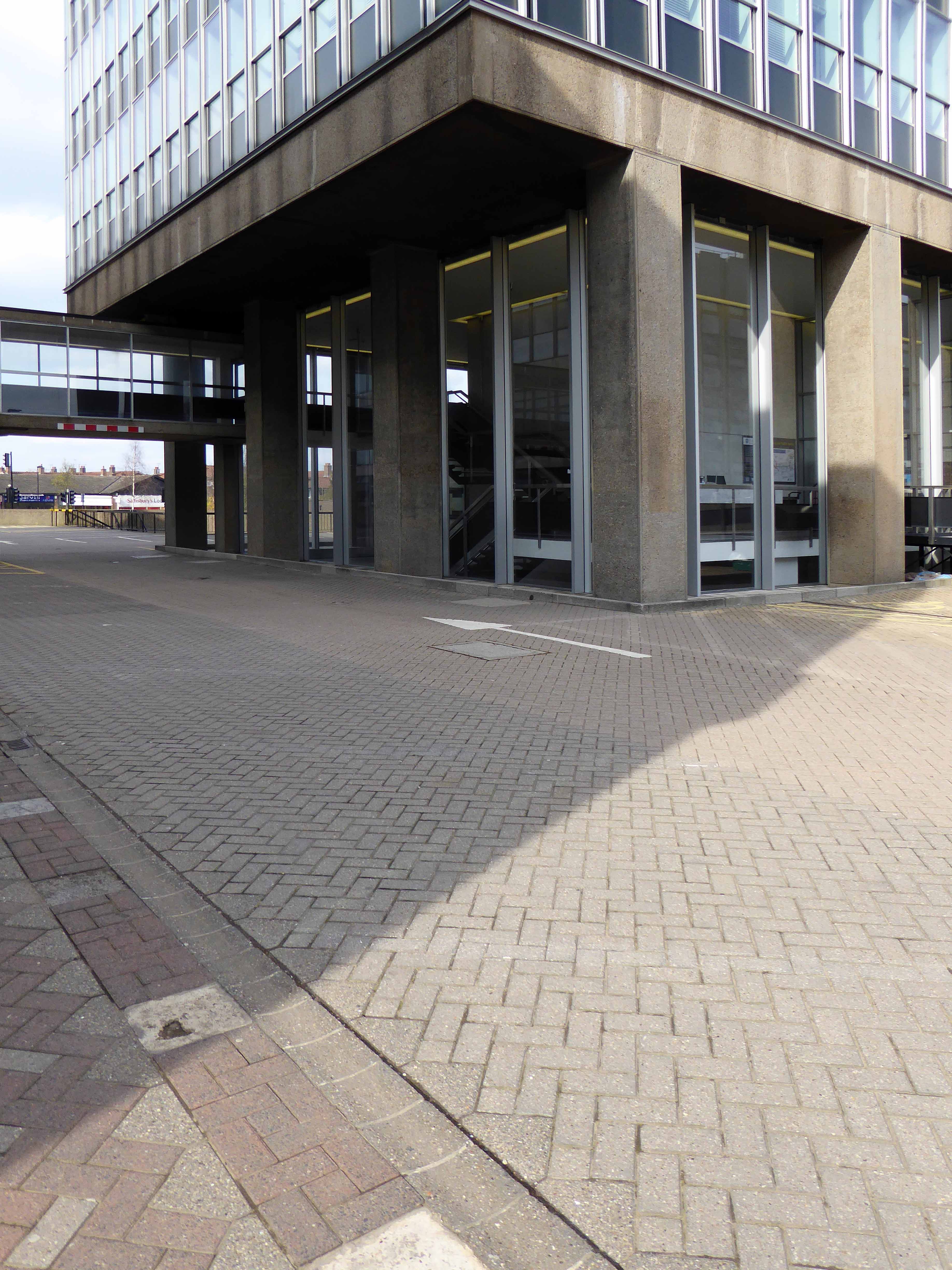
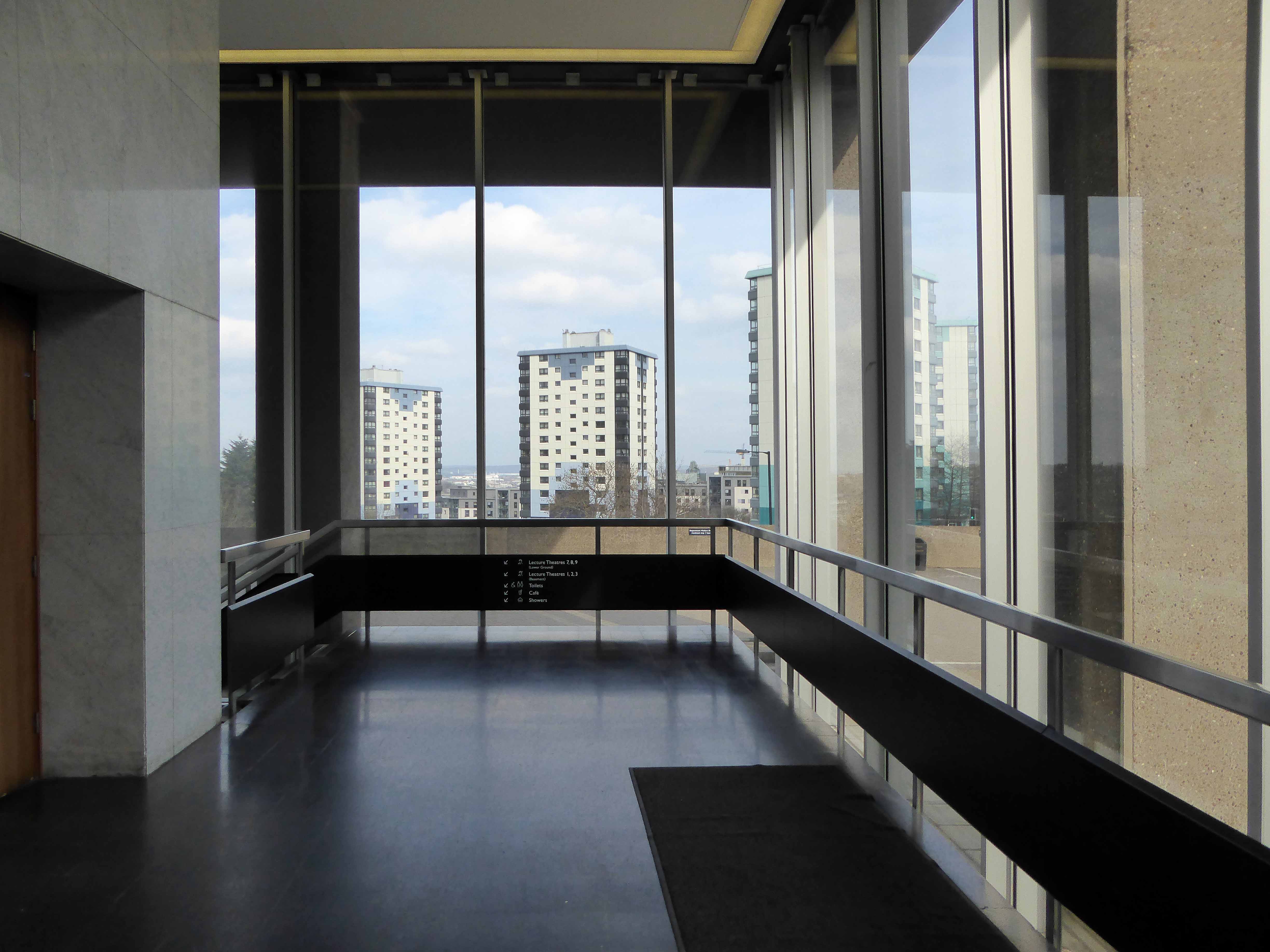
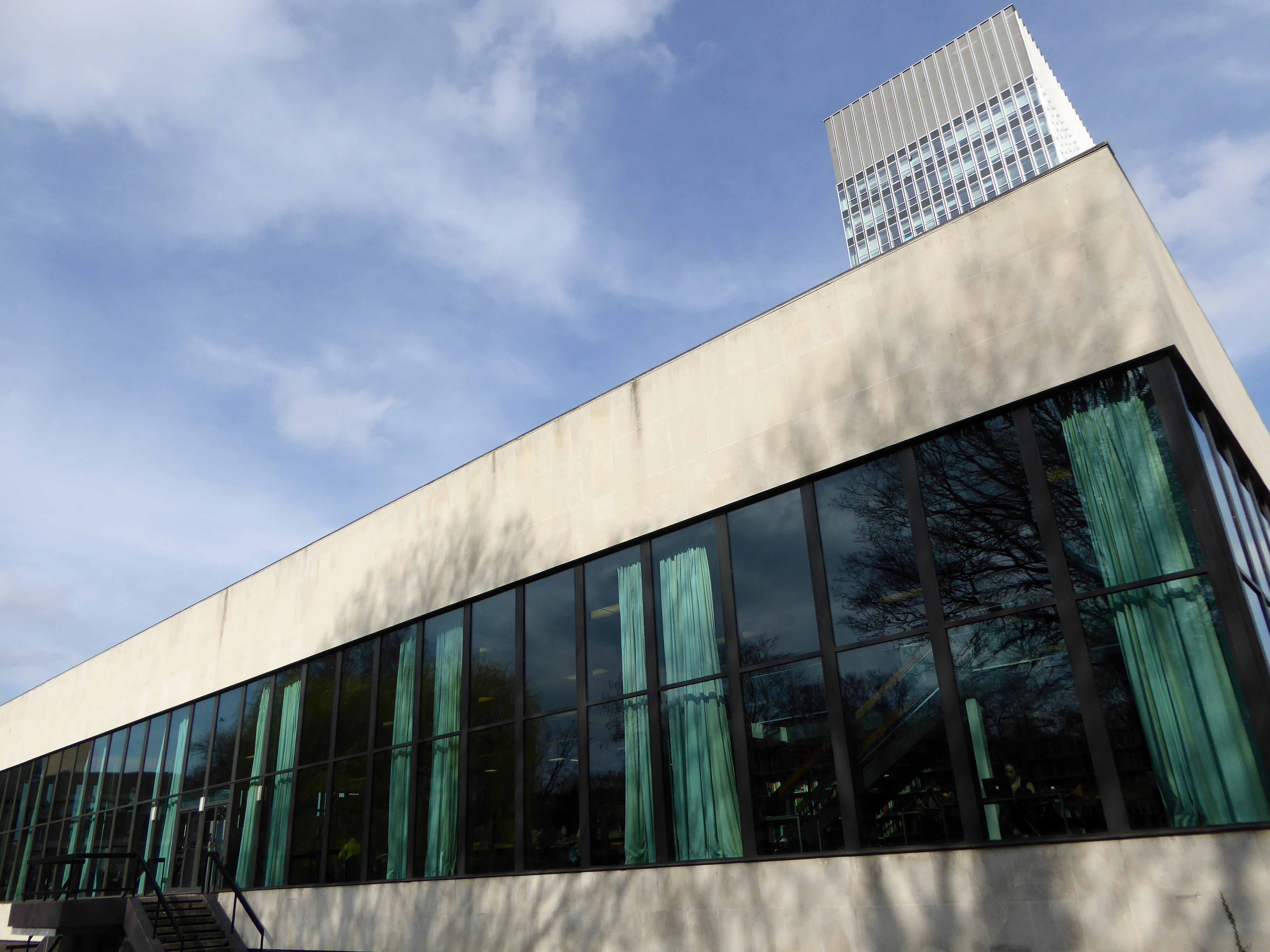
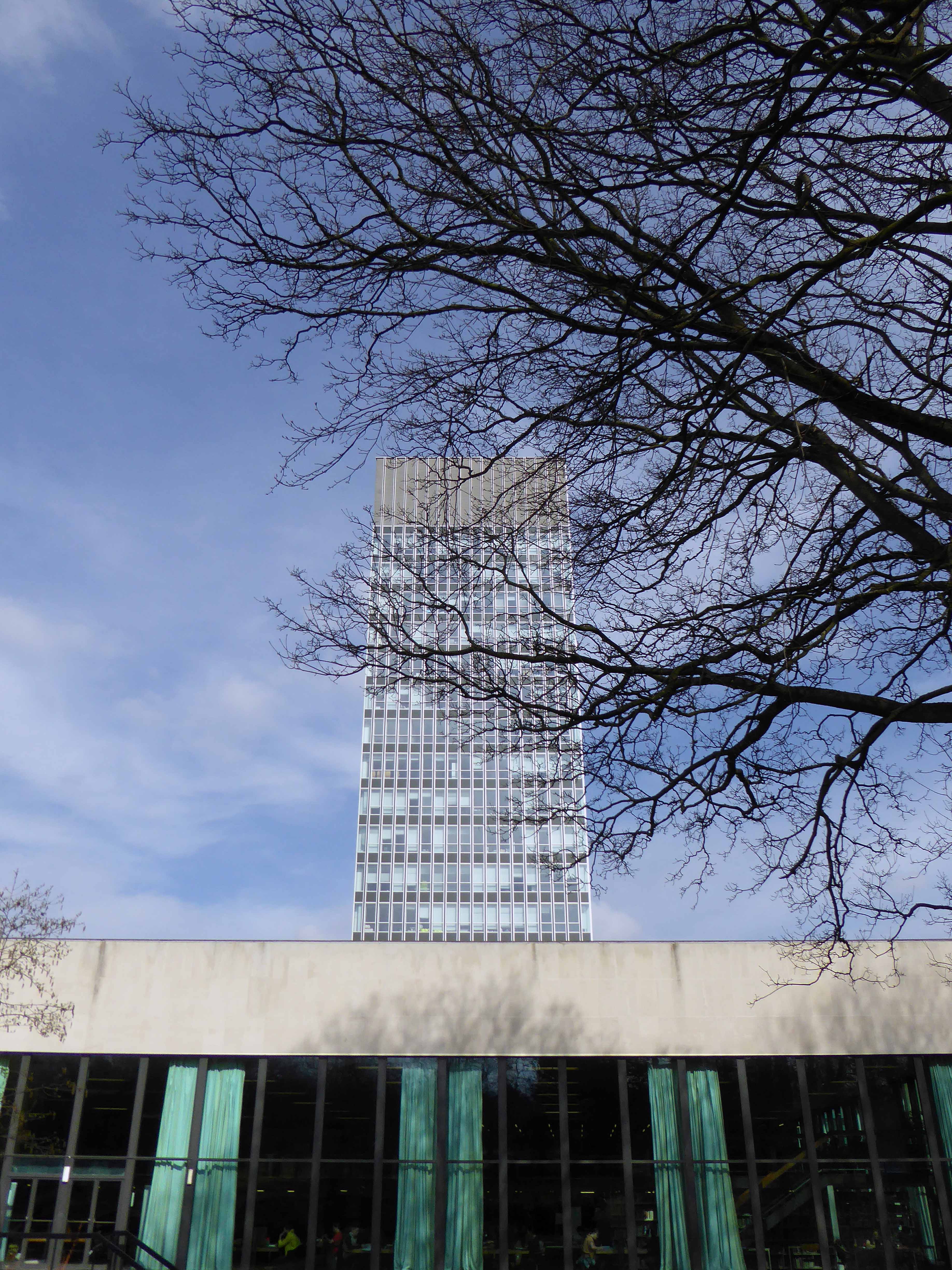
The Arts Tower is an exciting amalgam of Manchester’s CIS Tower, Mies van der Rohe’s Seagram Building and itself. A sleek slab of steel and glass, occupying a prominent site with views across Sheffield’s seven hills.
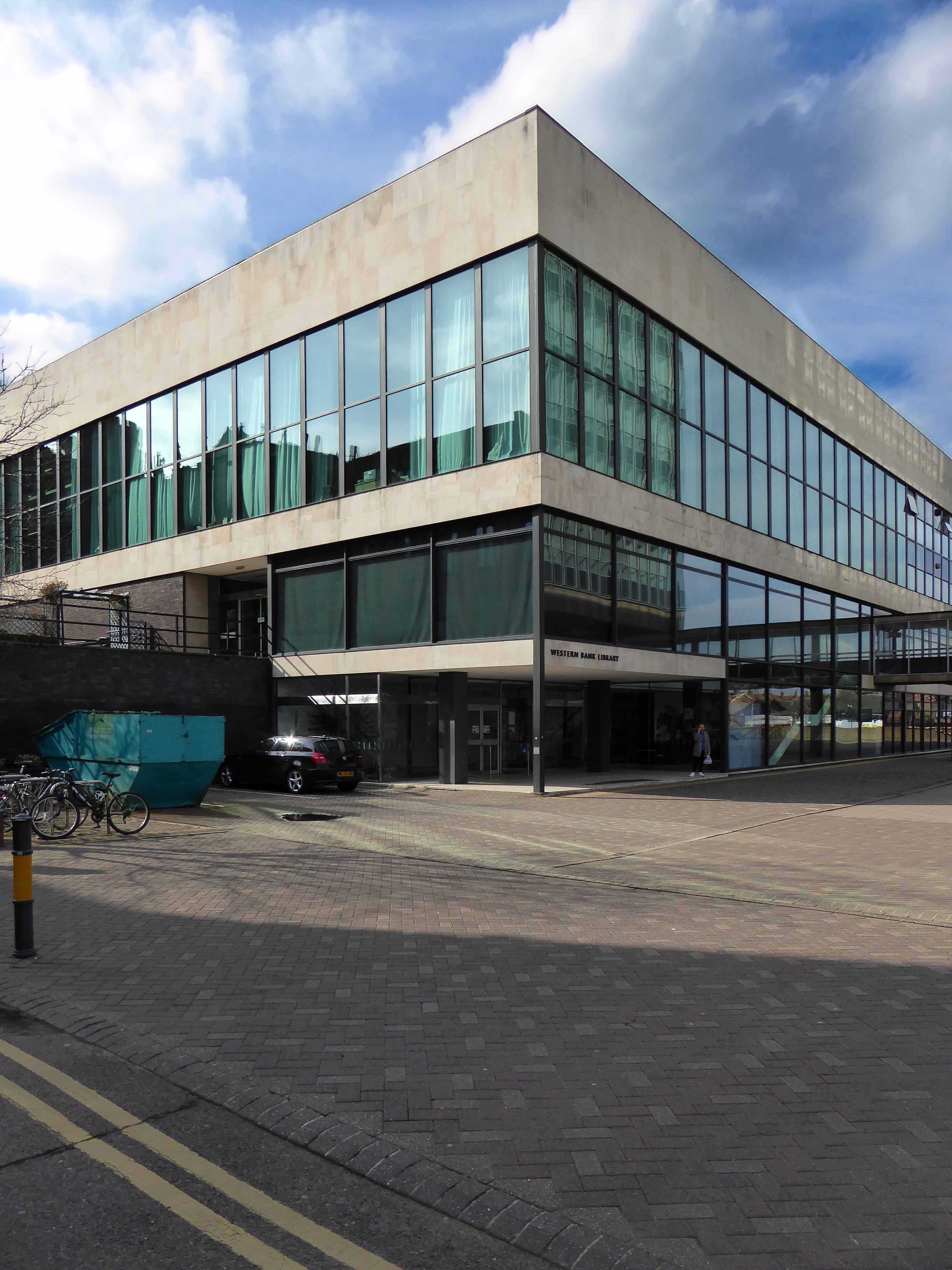
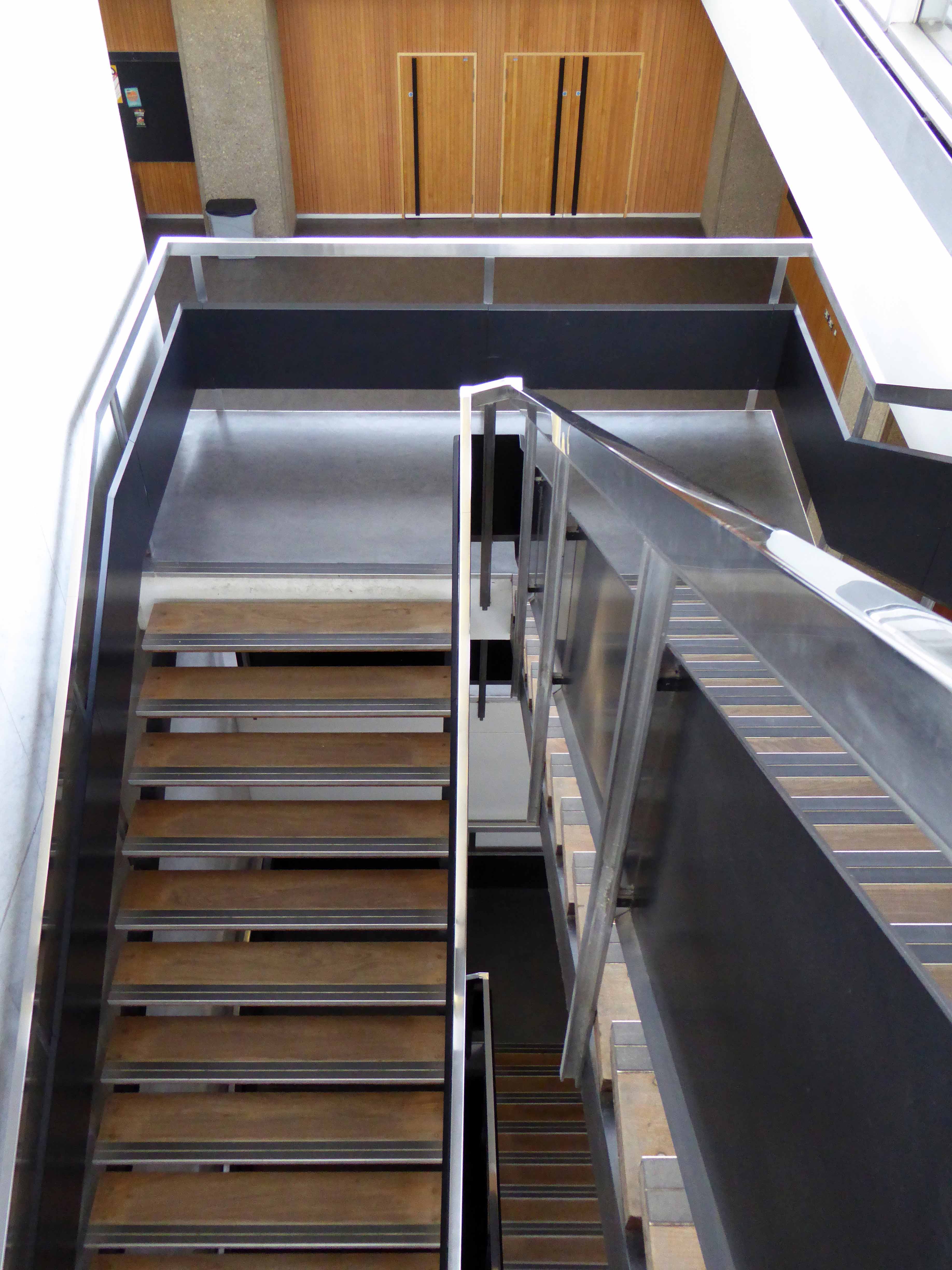
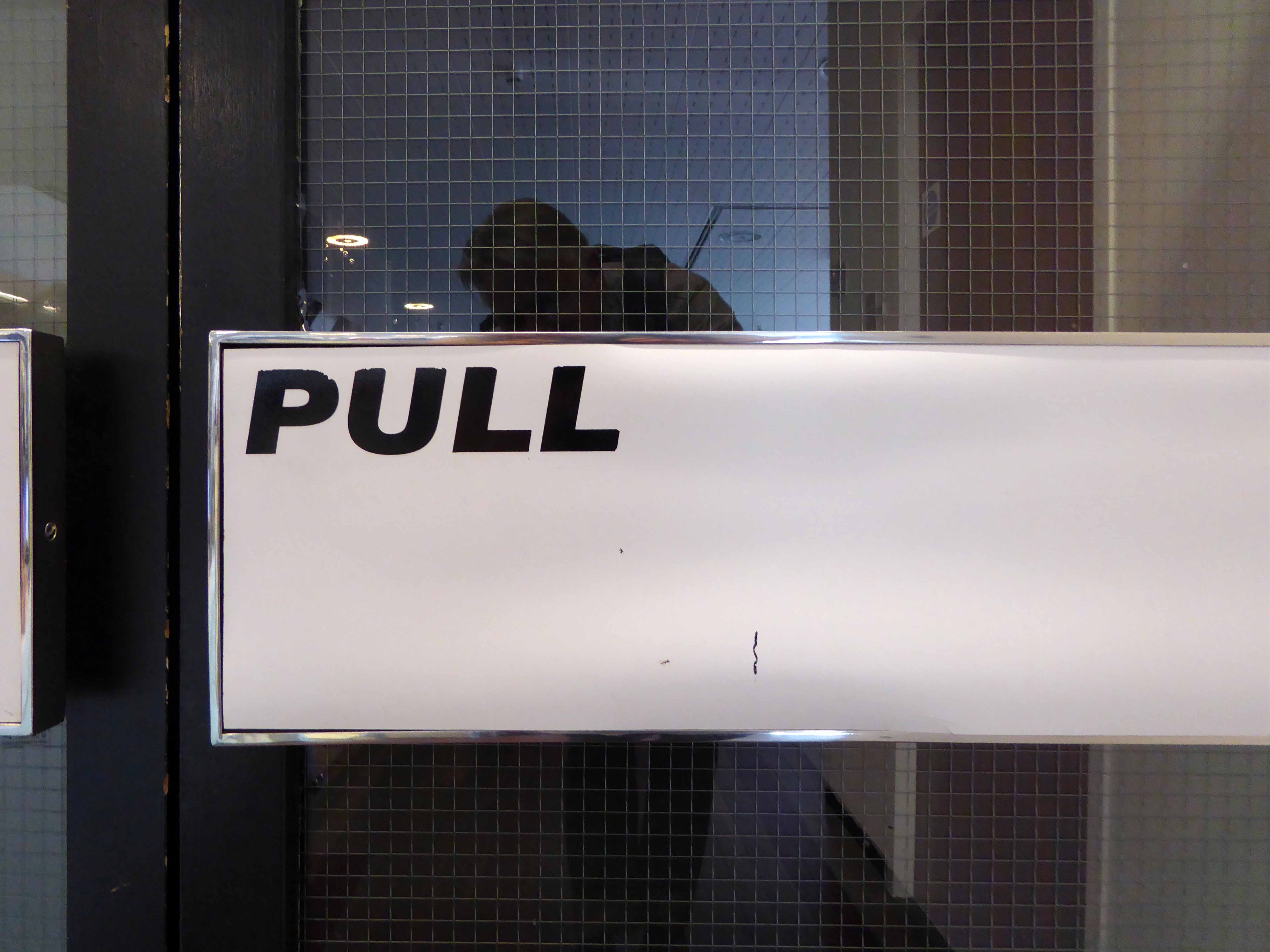
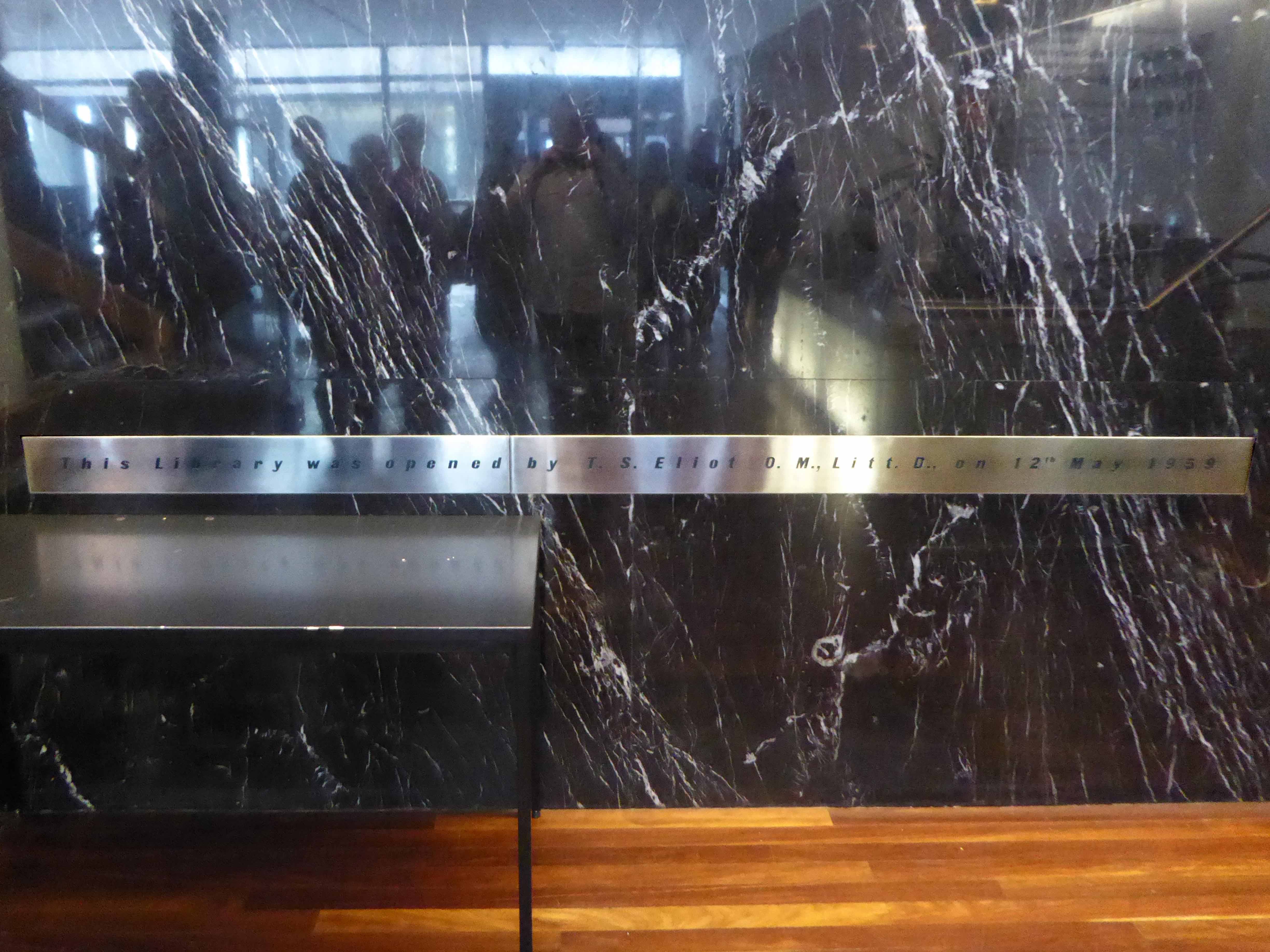
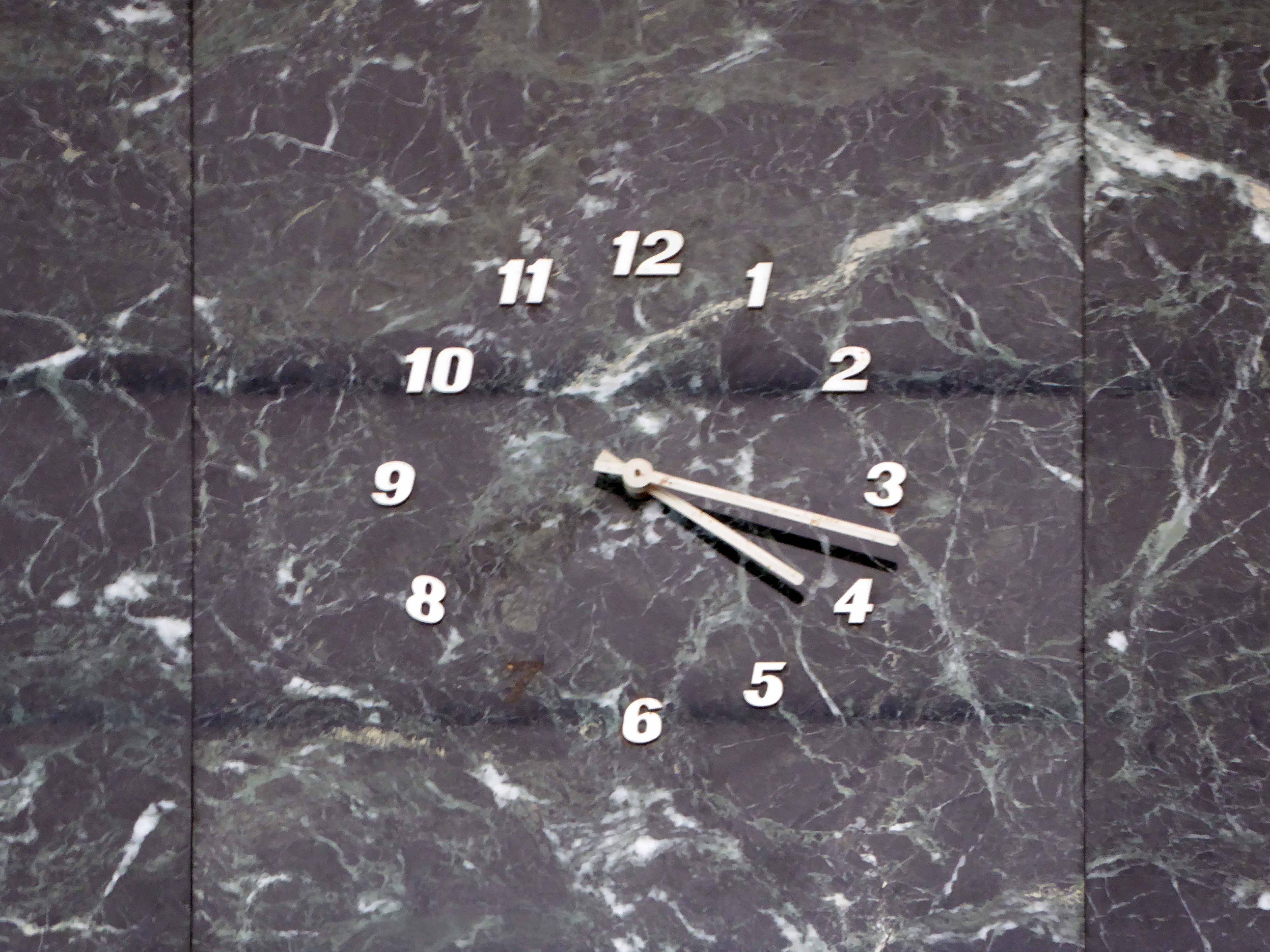
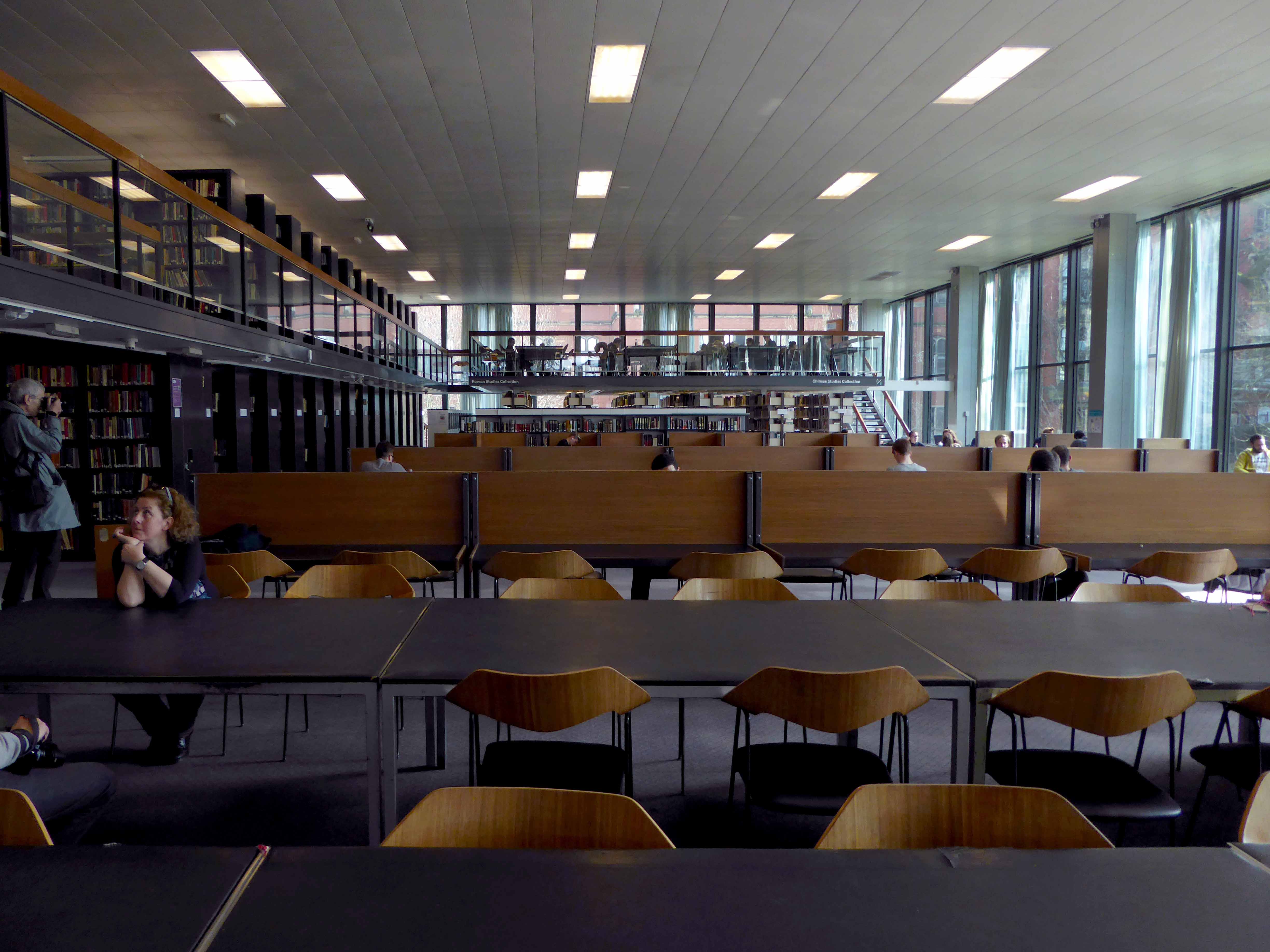
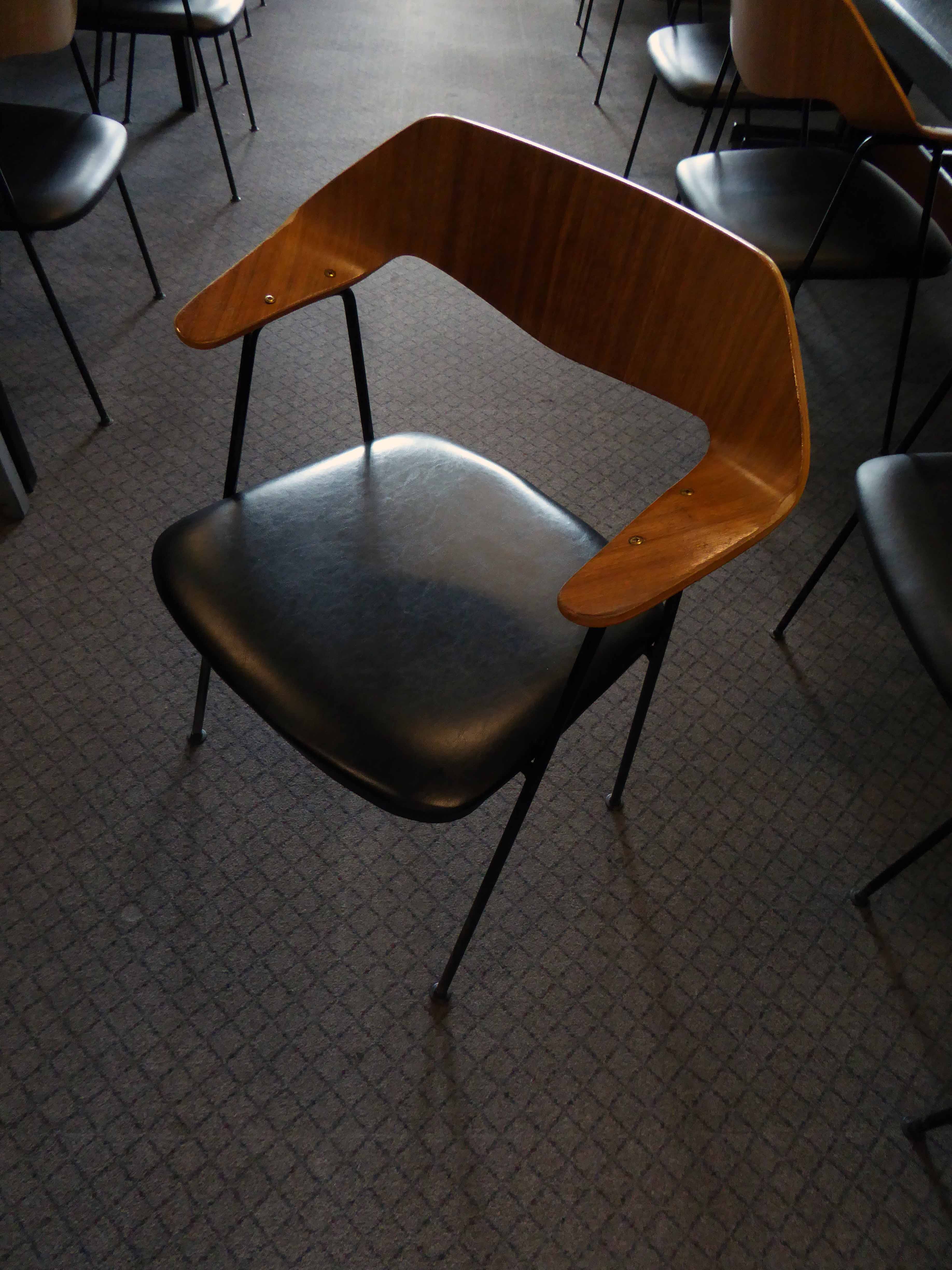
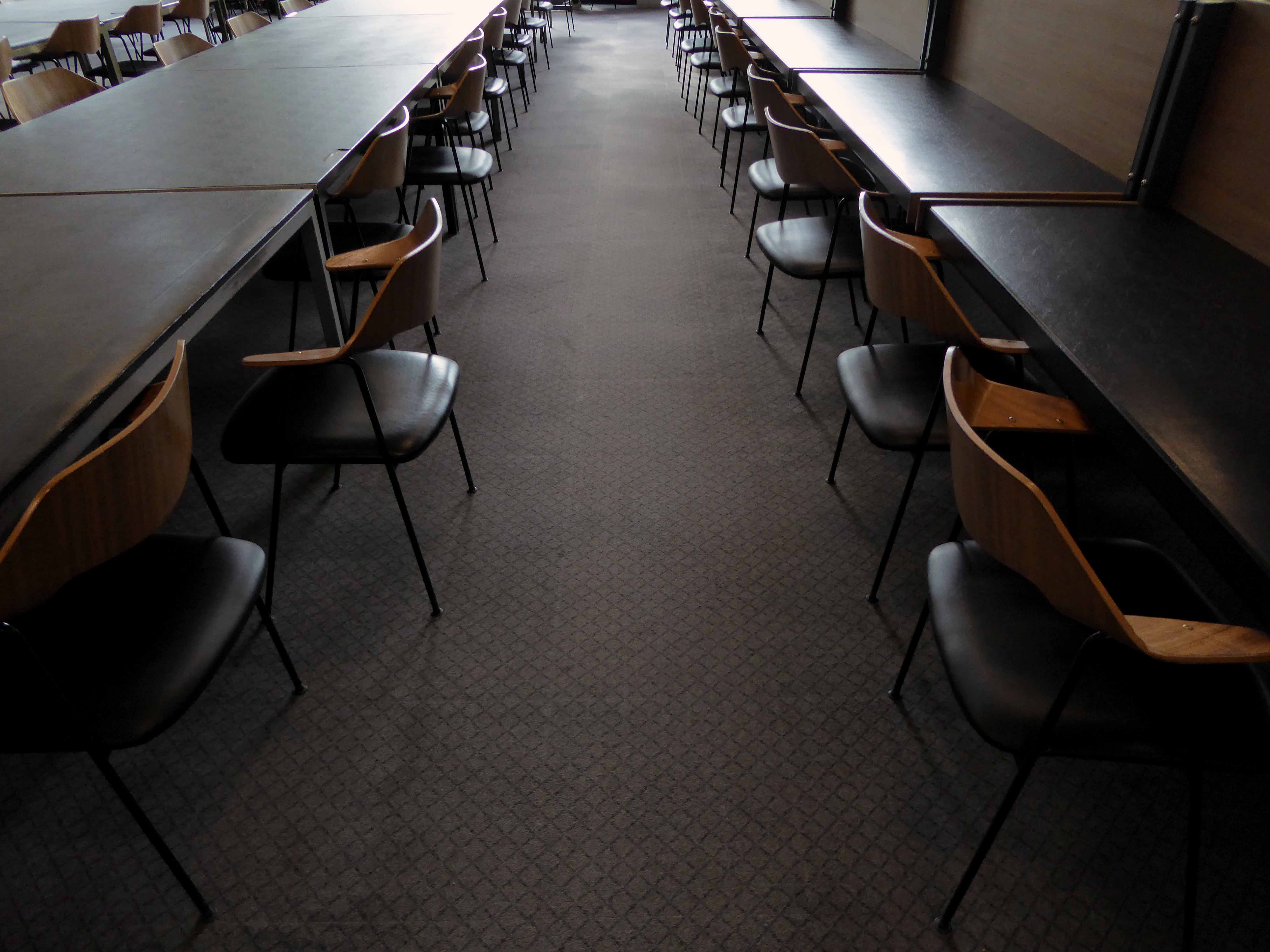
On a sunny Sunday in early April the adjoining library was alive with studying students and Modernists, attracting the odd, odd look, as we stopped and stooped to snap the odd period detail or two. It has retained much of its original character and features, deliciously elegant, almost edible chairs, some signage – and a clock.
Though the seven is mysteriously missing.
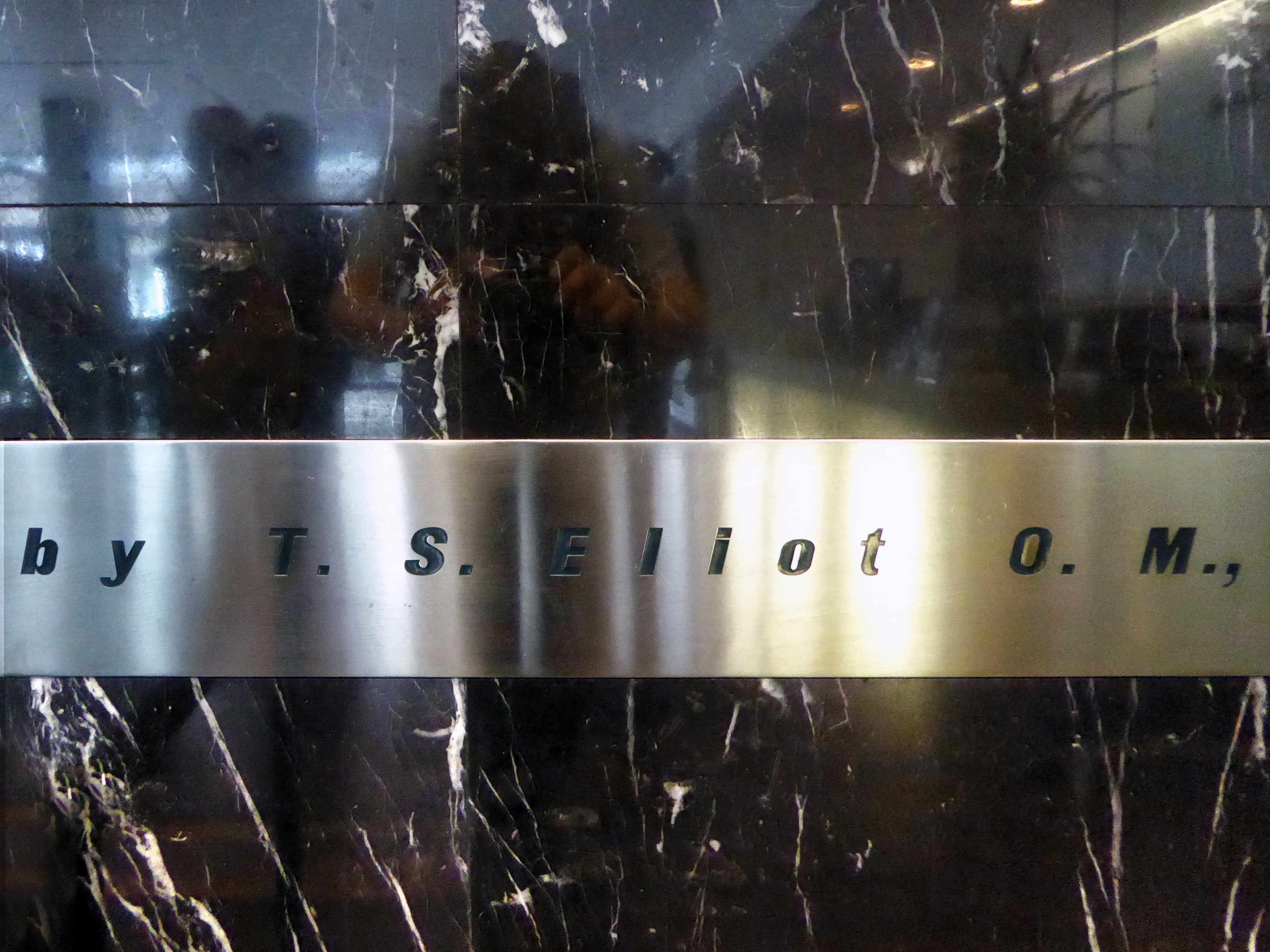
It was opened by TS Elliot.
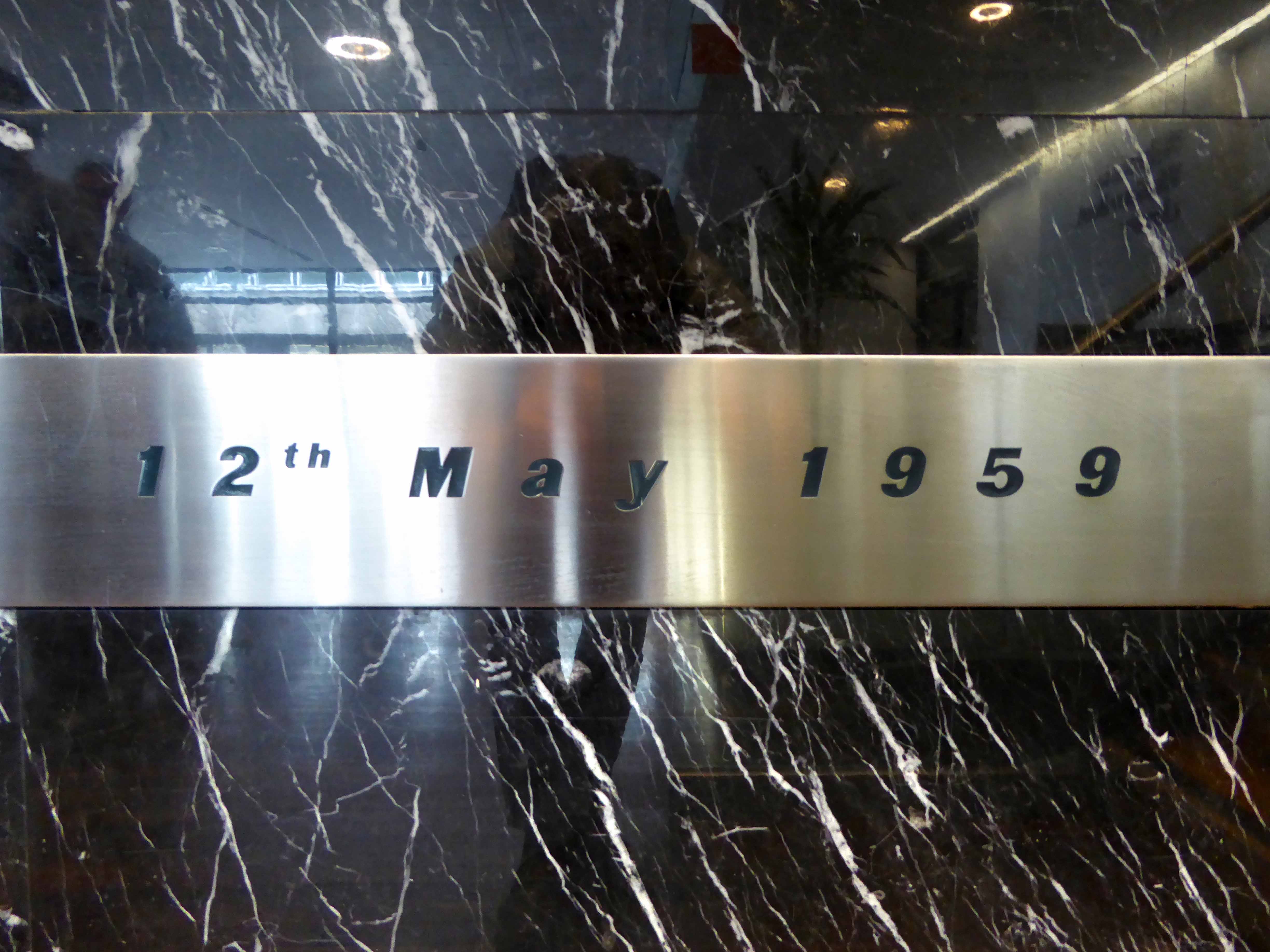
On 12th May 1959 – it was a Tuesday.
The Arts Tower 12 Bolsover Street in Sheffield, belonging to the University of Sheffield and opened in 1966. English Heritage has called it
“the most elegant university tower block in Britain of its period”.
At 255 feet/78 m tall, it is the second tallest building in the city. It is also the tallest university building in the United Kingdom.
Designed by architects Gollins, Melvin, Ward & Partners, construction of the tower started in 1961 and lasted four years.
Entry to the building was originally made by a wide bridge between fountains over a shallow pool area in front of the building. This pool was eventually drained and covered over when it was found that strong down drafts of wind hitting the building on gusty days caused the fountain to soak people entering and exiting the building.
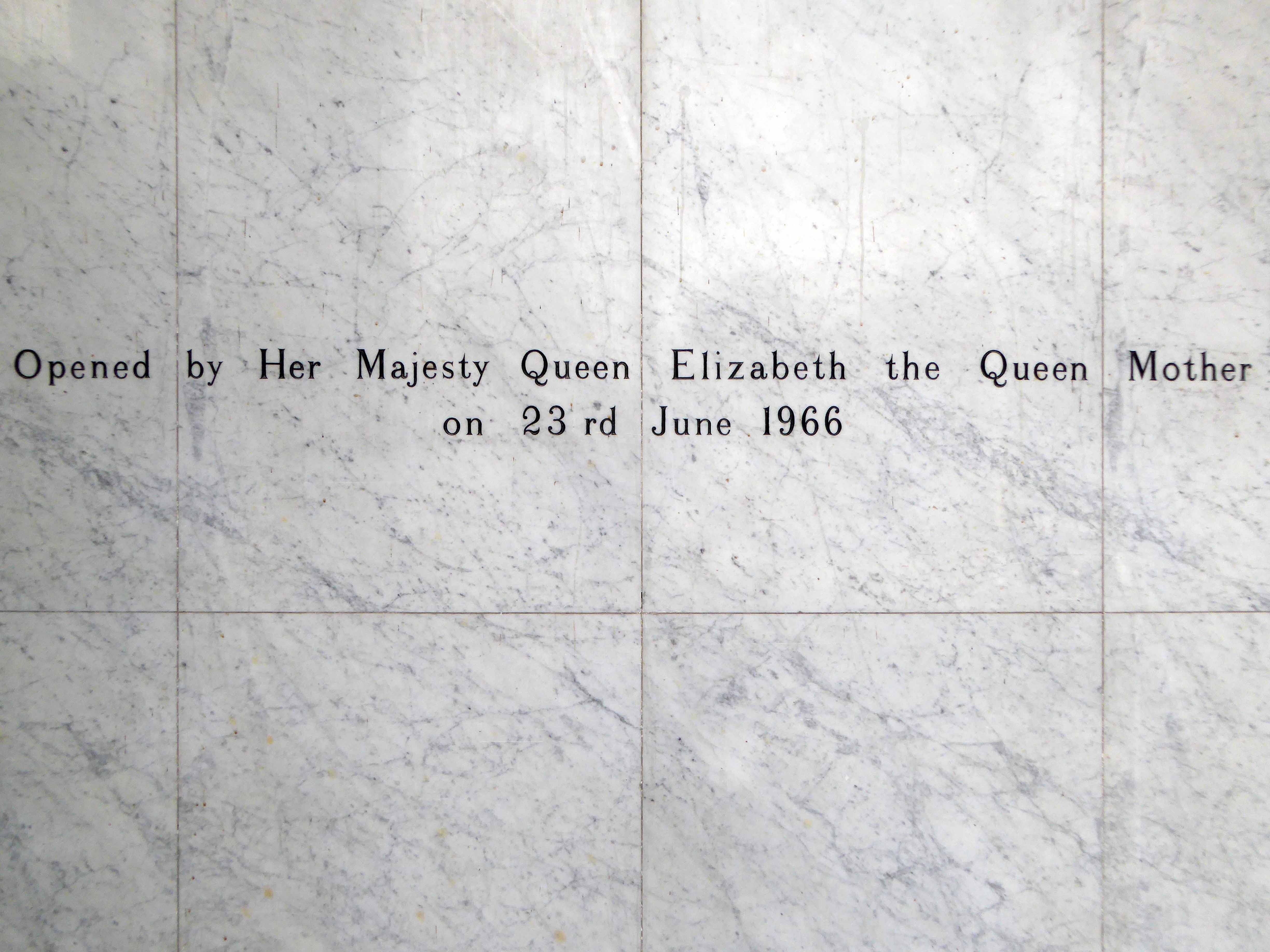
The building was officially opened by Queen Elizabeth, The Queen Mother in June 1966; it has 20 stories and a mezzanine level above ground. As its name suggests, the building originally housed all the University’s arts departments. Circulation is through two ordinary lifts and a paternoster lift, at 38 cars the largest of the few surviving in the United Kingdom.
A bridge at the mezzanine level links the tower to Western Bank Library. This building was also designed by Gollins, Melvin, Ward & Partners—the two buildings are intended to be viewed together, the Arts Tower and Library are Grade II* listed buildings.
So if you have a penchant for a tall slab with an adjoining library, set in expansive parkland on the perimeter of a dual carriageway – go take a look.
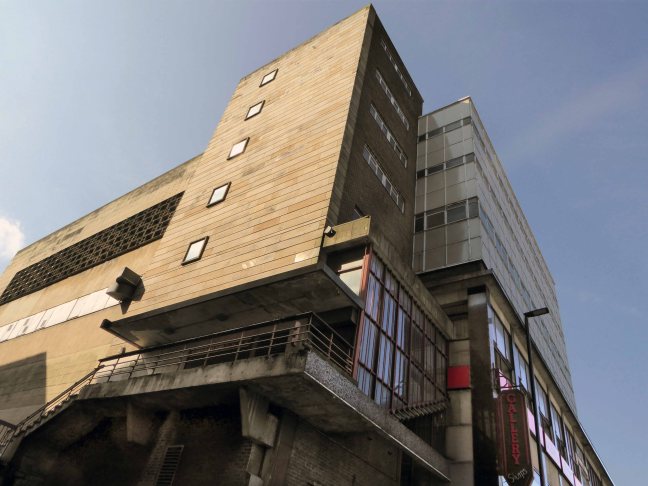
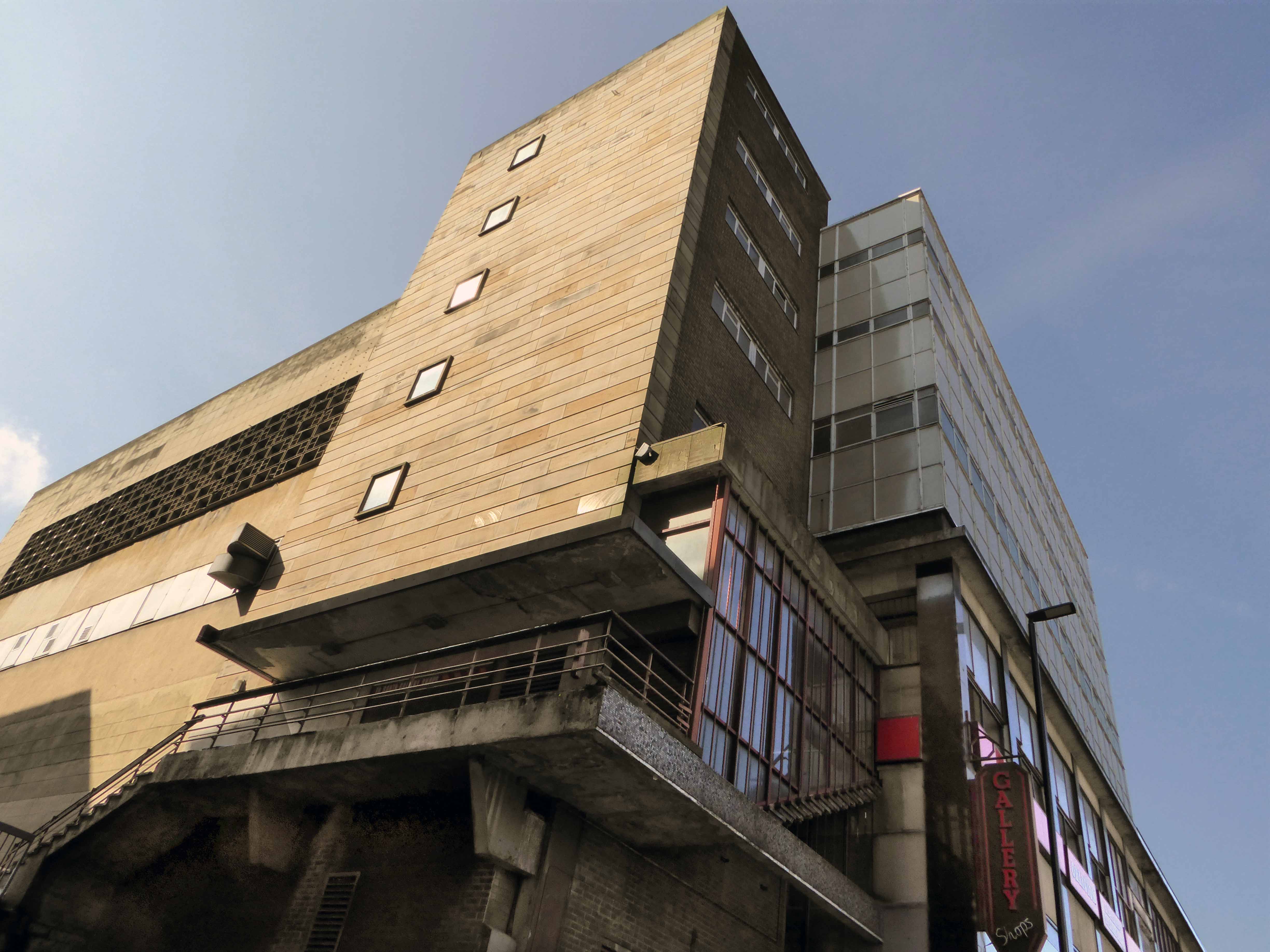
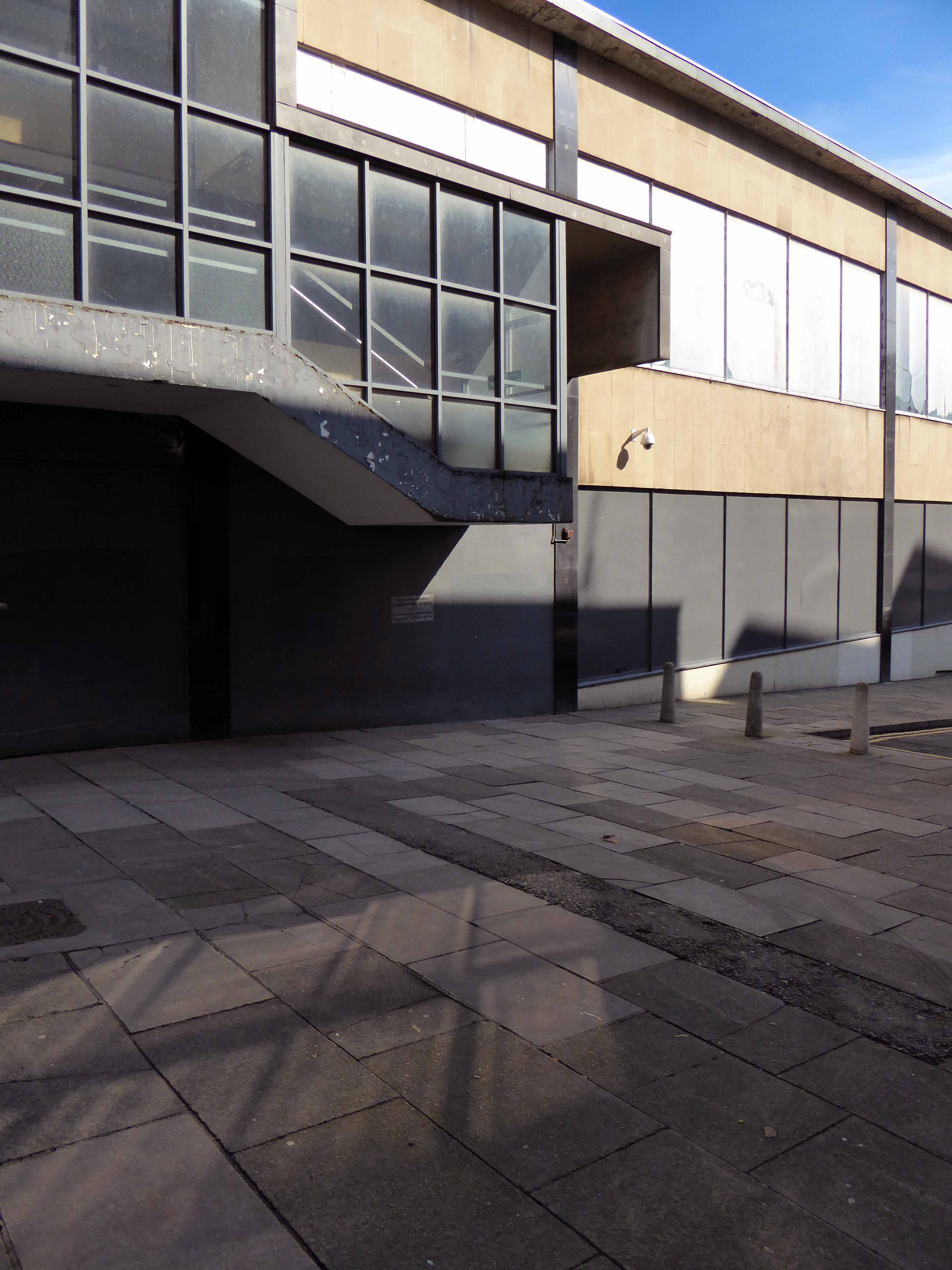
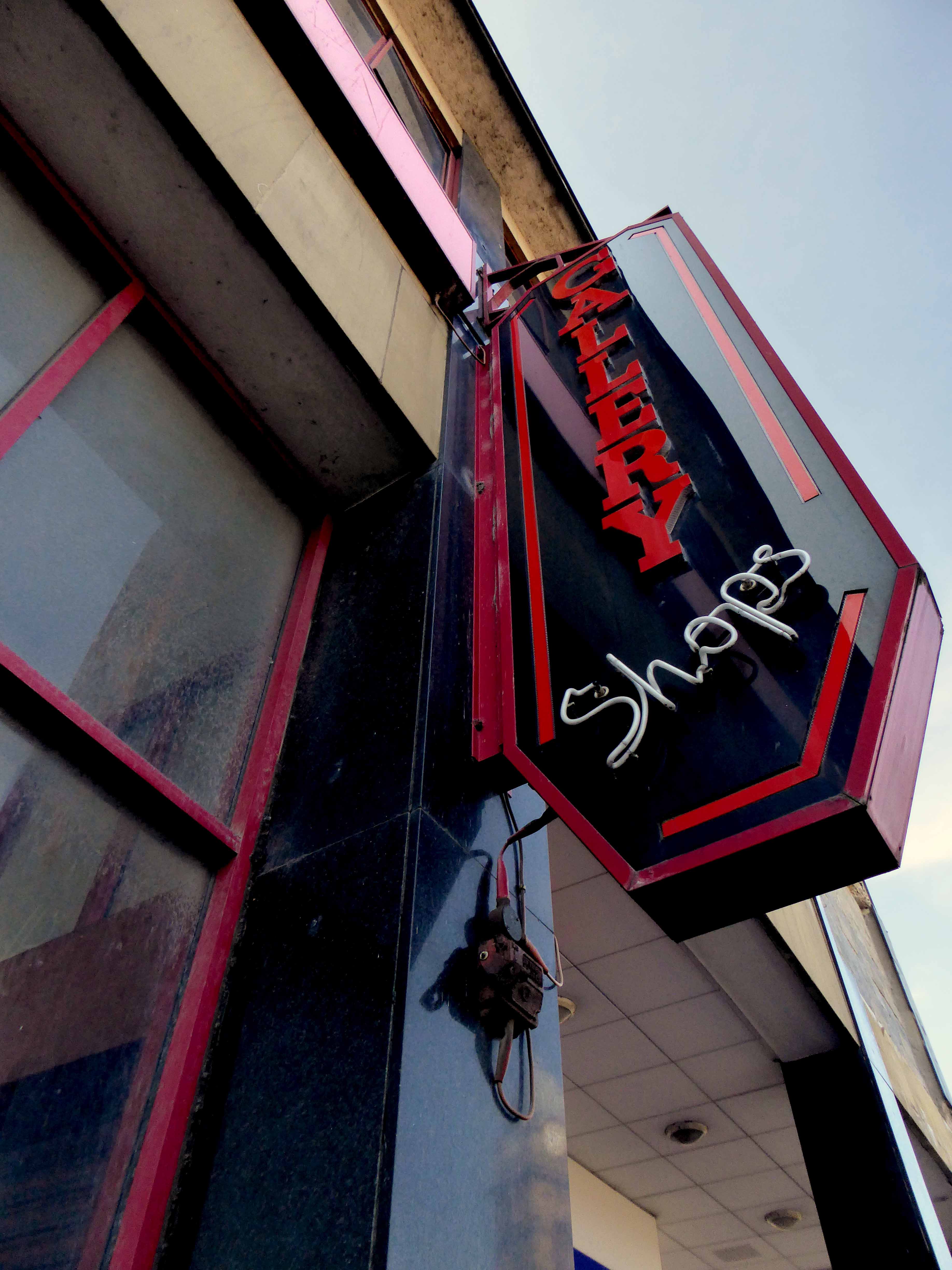
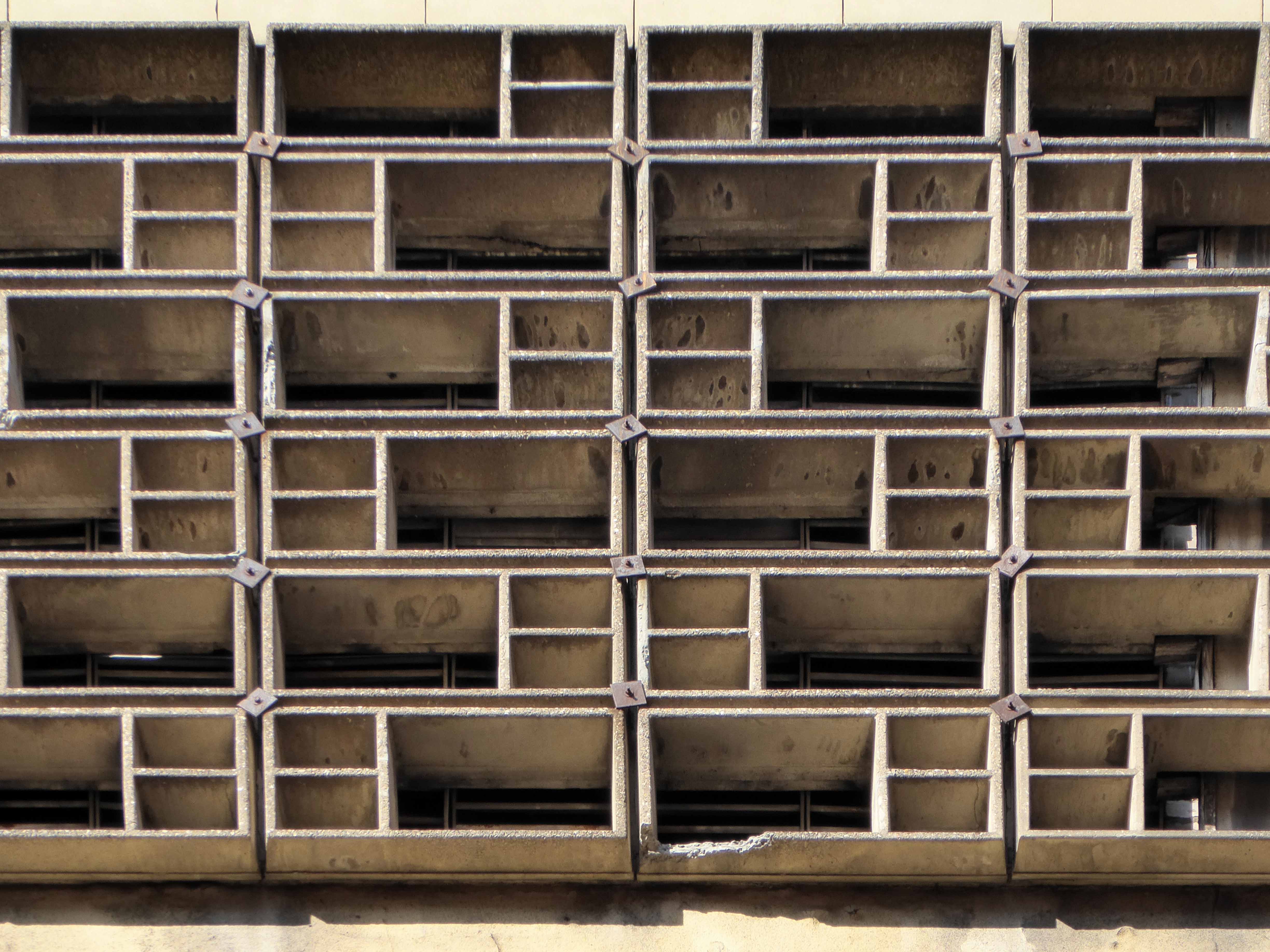
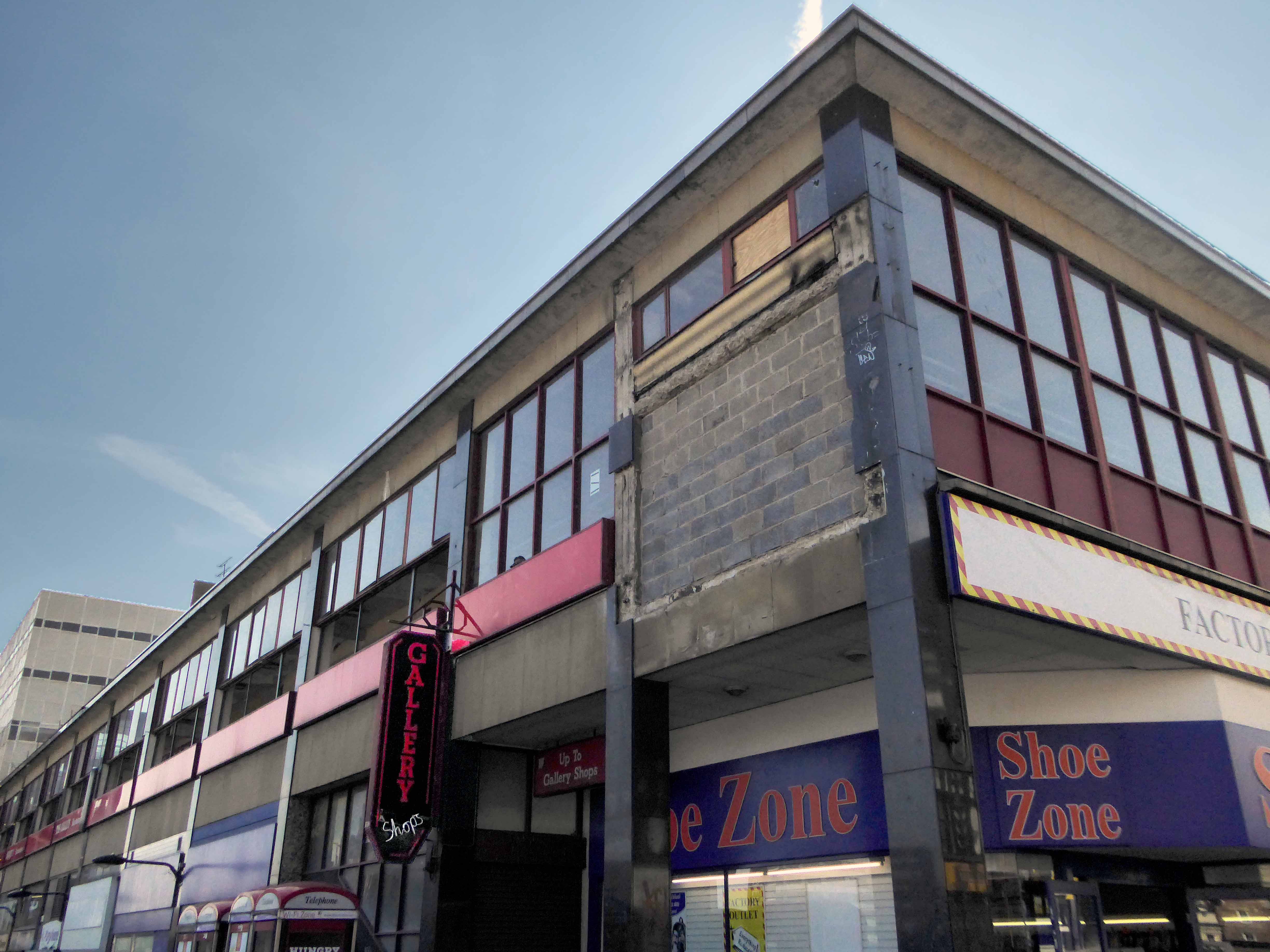
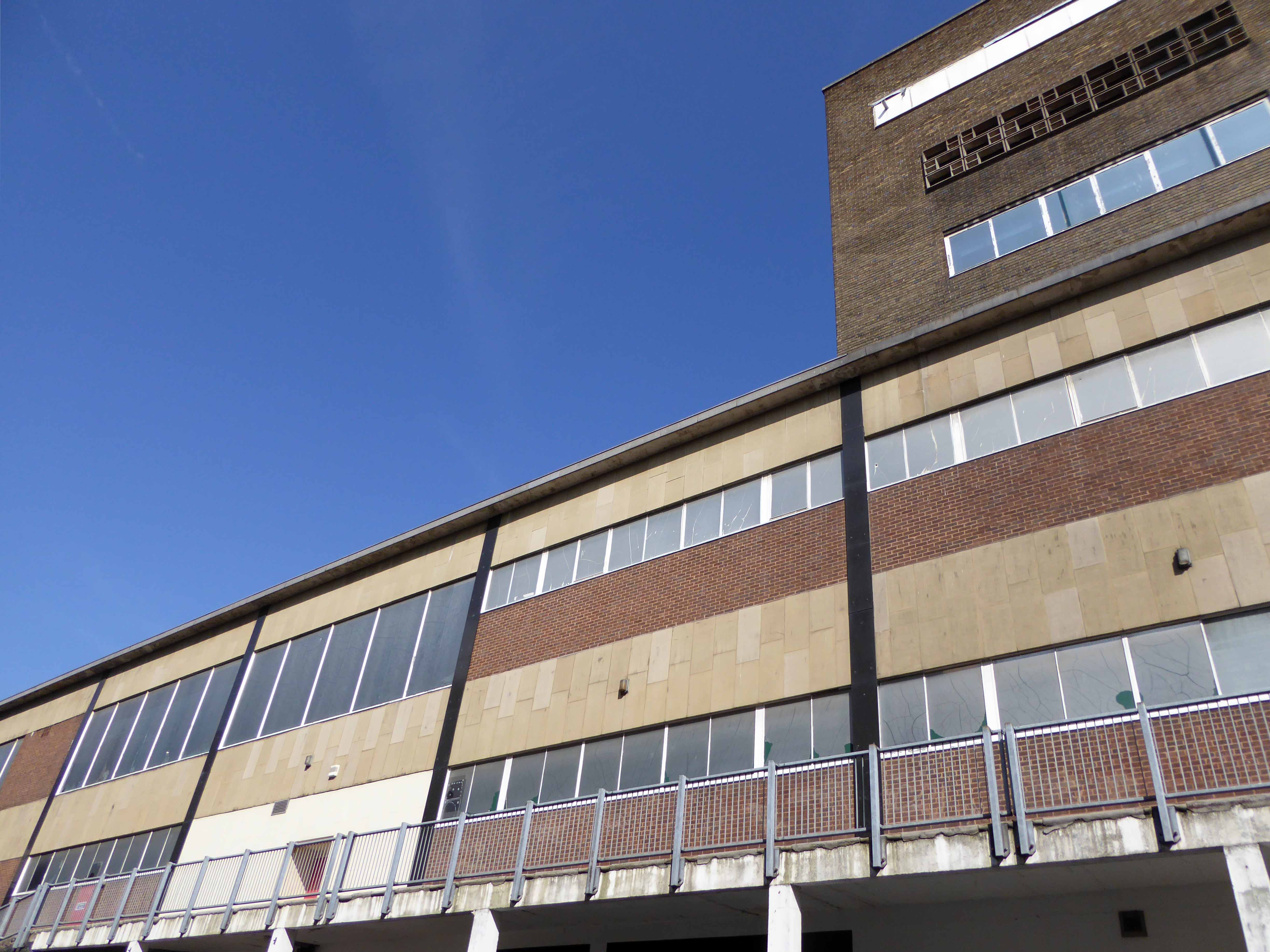
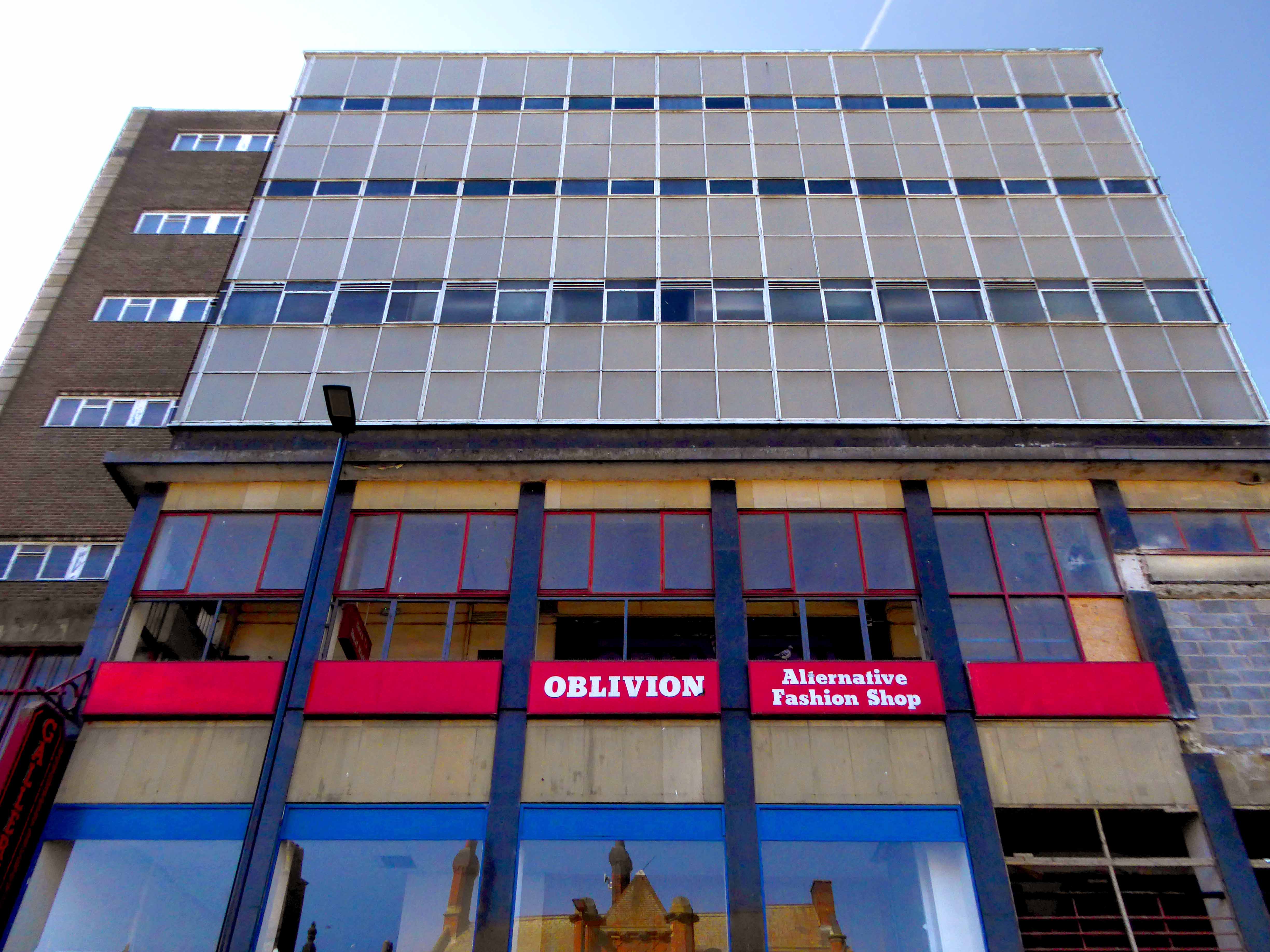
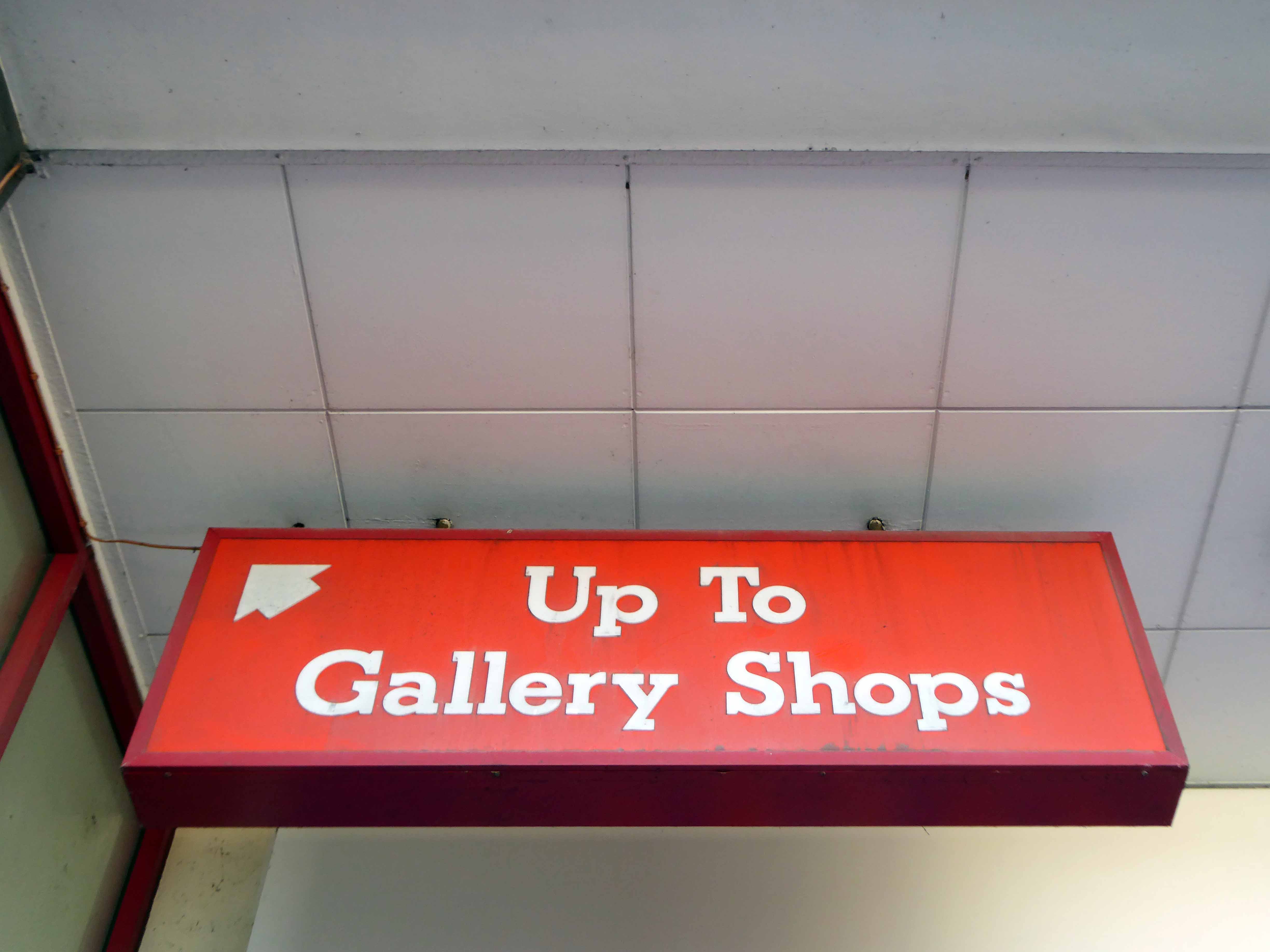
Once part of a larger retail complex, embracing the Castle Market area – regrettably demolished in 2015, the Gallery Shops are themselves, but a wrecking ball away from nothingness.
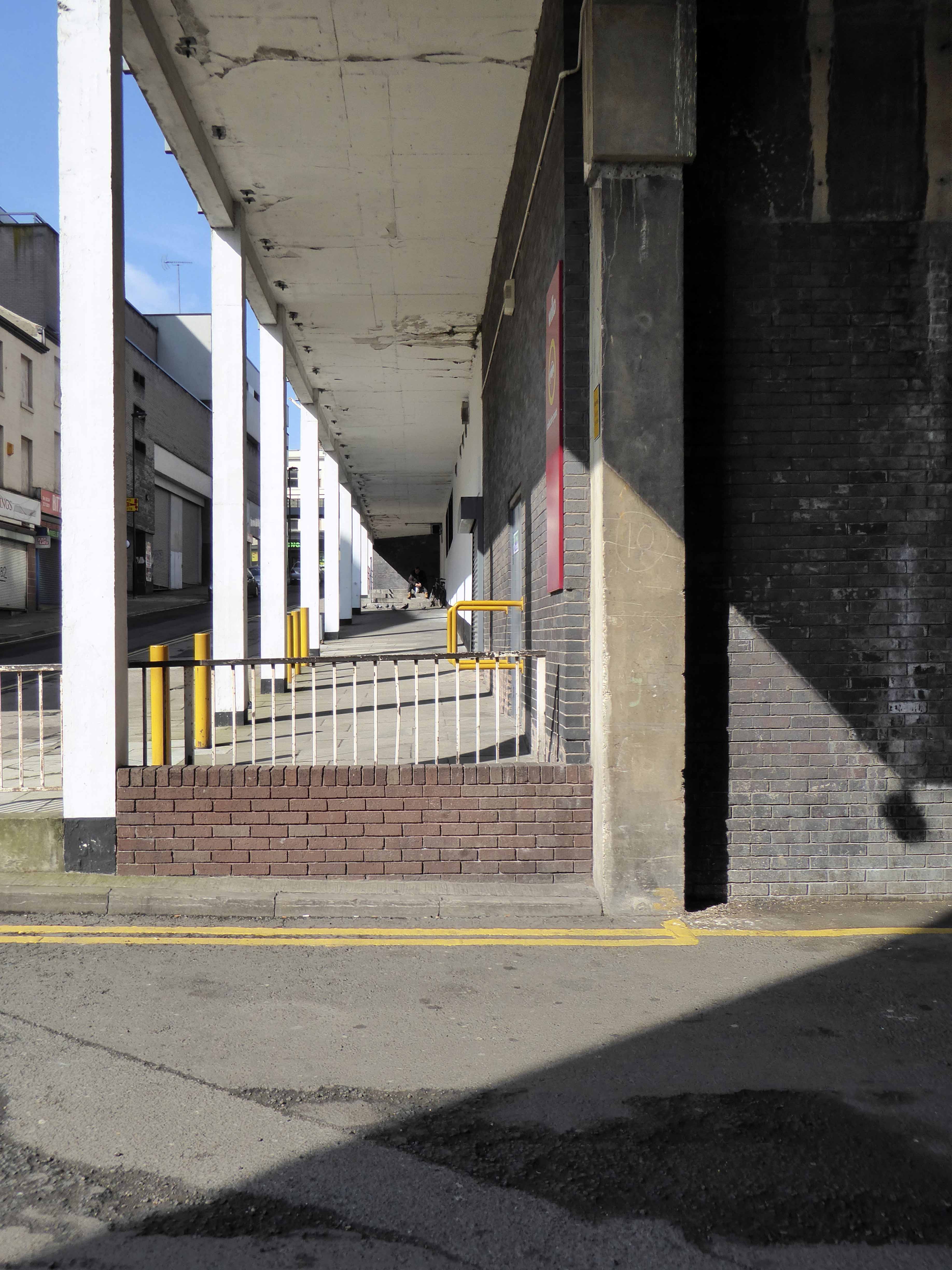
Linked by walkways, once populated by a multitude of rosy-cheeked, cheery shoppers, independent units and stalls operated in what was the better end of the High Street.
Over time, like many modern city the axis of energy shifts elsewhere, to newer more shiny developments – leaving hollow shells, echoing only to the footsteps of long gone ghosts.
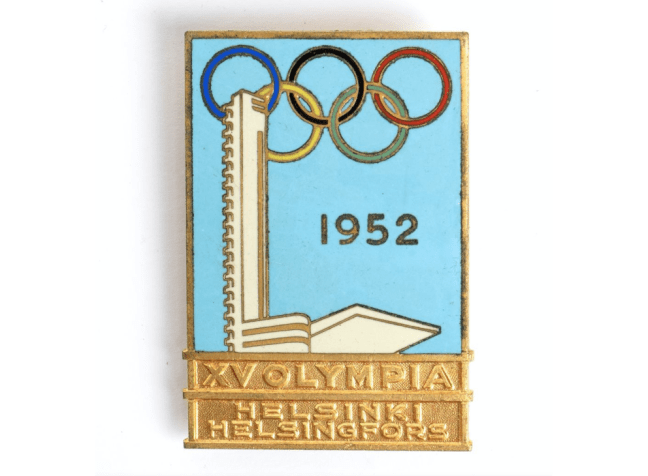
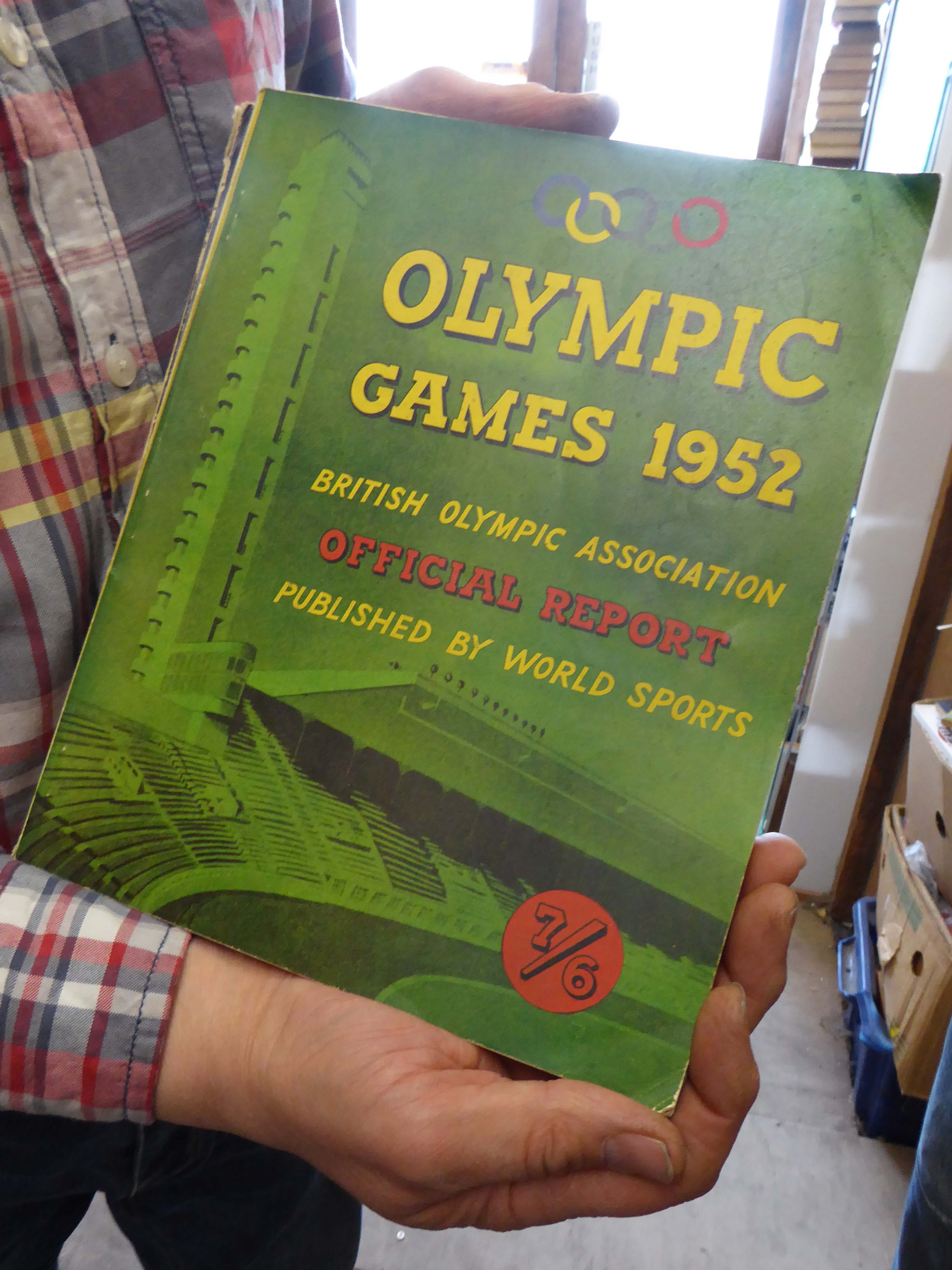
For me the Helsinki 1952 Olympics, began in Morecambe 2016.
I was attracted by the stylish cover of this report, in the town’s second hand book shop, the vendor was expecting forty pounds, I exhaled, eyebrows raised and departed.
Reportless.
But my curiosity had been aroused.
Where is Helsinki, when was 1952 – what’s an Olympics?
I was up and running!
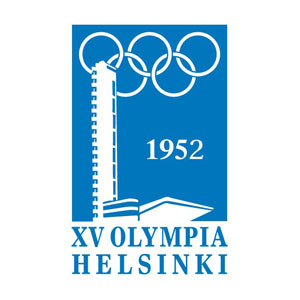
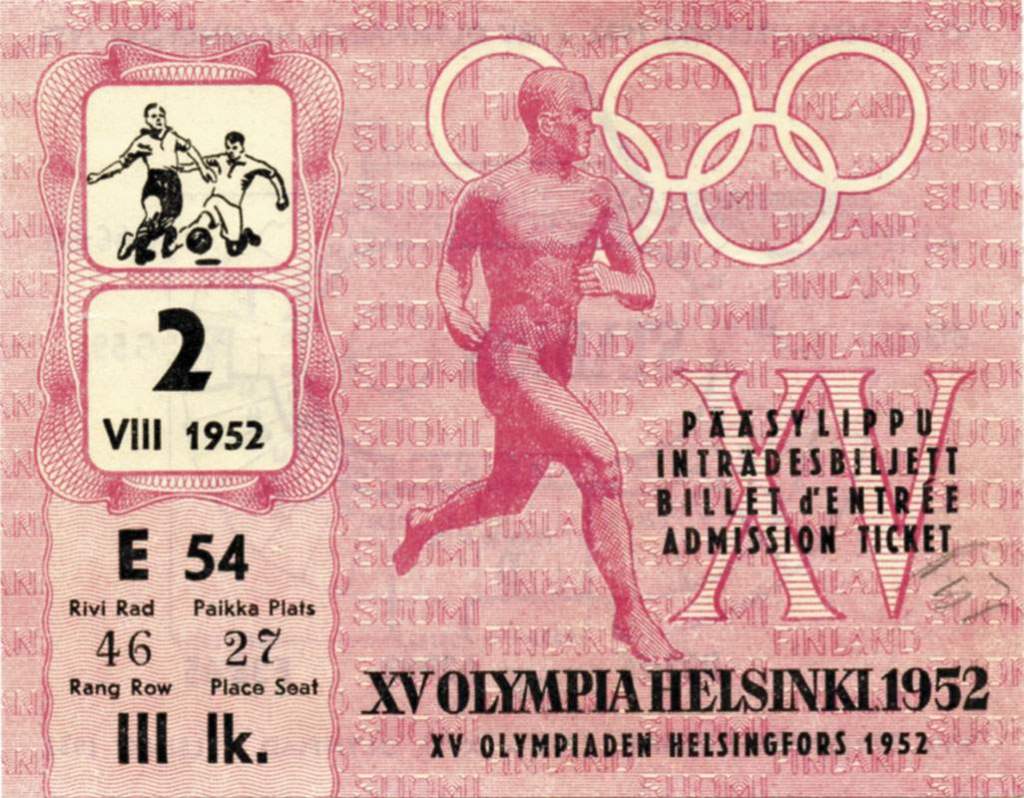
To begin, it was the Paavo Nurmi poster, created for the 1940 Games, which were never held because of the Second World War. It was just updated with the dates and the lines around the countries, drawn in red on a globe in the background. 82,000 large format copies were made in nine languages and 33,000 small format copies in 20 languages.
Look there’s Helsinki!
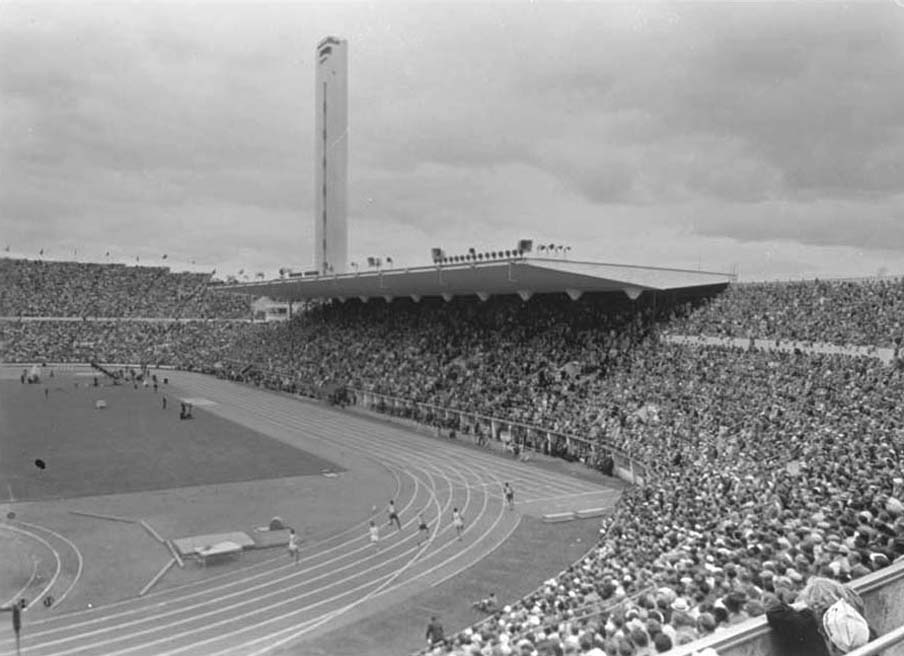
Where they built a stadium.
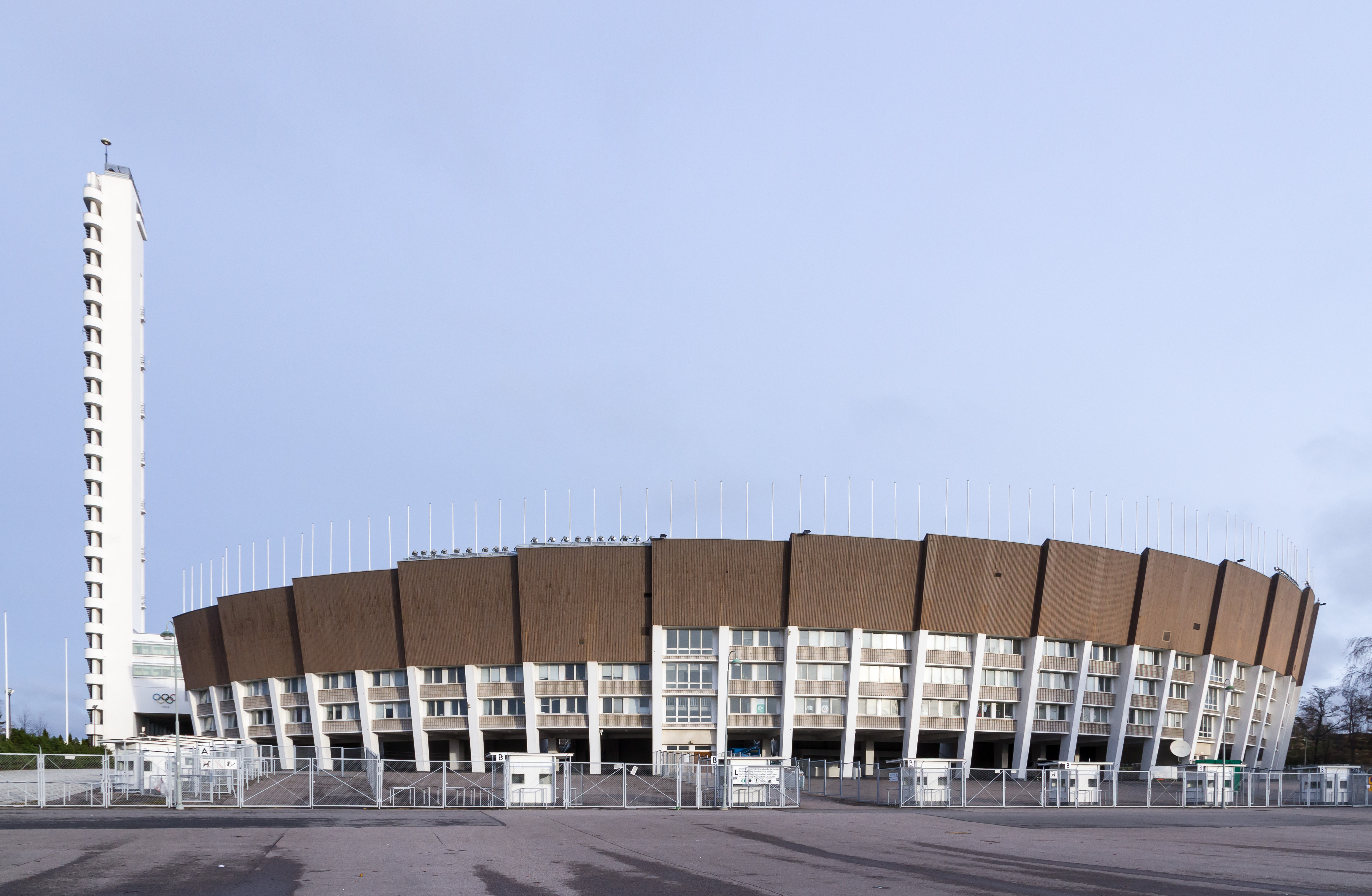
The Stadium Foundation, established 1927, started to implement that dream, and their first and foremost task was to get a stadium built, which would permit Helsinki to host the Summer Olympics. Building began on February 12, 1934, and the Stadium was inaugurated on June 12, 1938. Since its completion the Stadium has undergone eight important stages of development. The most important was the total modernization 1990-1994. At its maximum, in 1952, the Stadium accommodated 70 000 spectators. Today, the number of spectator places, all of them seats, is 39 000.
The Stadium arena, which has been described as the most beautiful in the world, is the product of an architectural competition. Arhcitects Mr. Yrjö Lindegren and Mr. Toivo Jäntti won the competition with their clearly lined functionalistic style design. The most important events in the life of the Helsinki Olympic Stadium were the XVth Olympic Games, 19. July-3. August, 1952. In the opening of the Olympic Games the spectator record of the stadium was reached 70 435 spectators and the olympic year is still an event which has collected most spectators. Whole year 1952 altogether 850 000 spectators.
The Stadium Building is 243 m long and up to 159m wide. The tower is 72m high. The Stadium covers 4.9 hectares. The Olympic Stadium is administrated by the Stadium Foundation. The Municipality of Helsinki, the Ministry of Education and the central sports organisations are represented in the Board of the Foundation.
The Stadium has been characterized as the world’s most beautiful Olympic Stadium, and what is exceptional about it is the fact that the Olympic buildings are in active use.
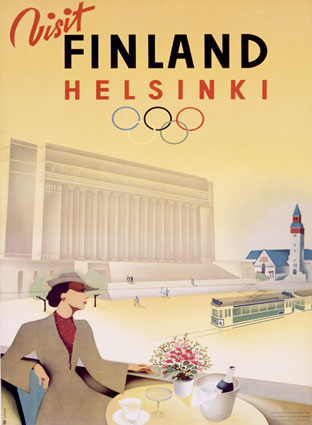
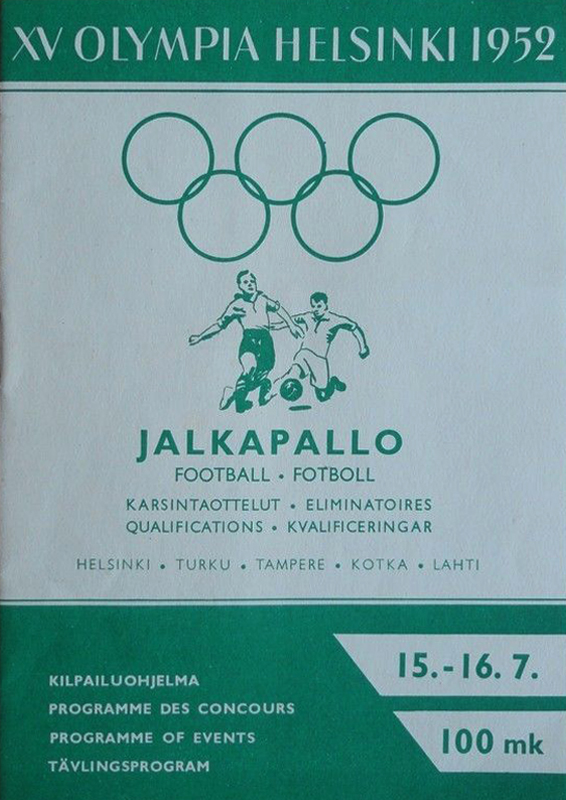
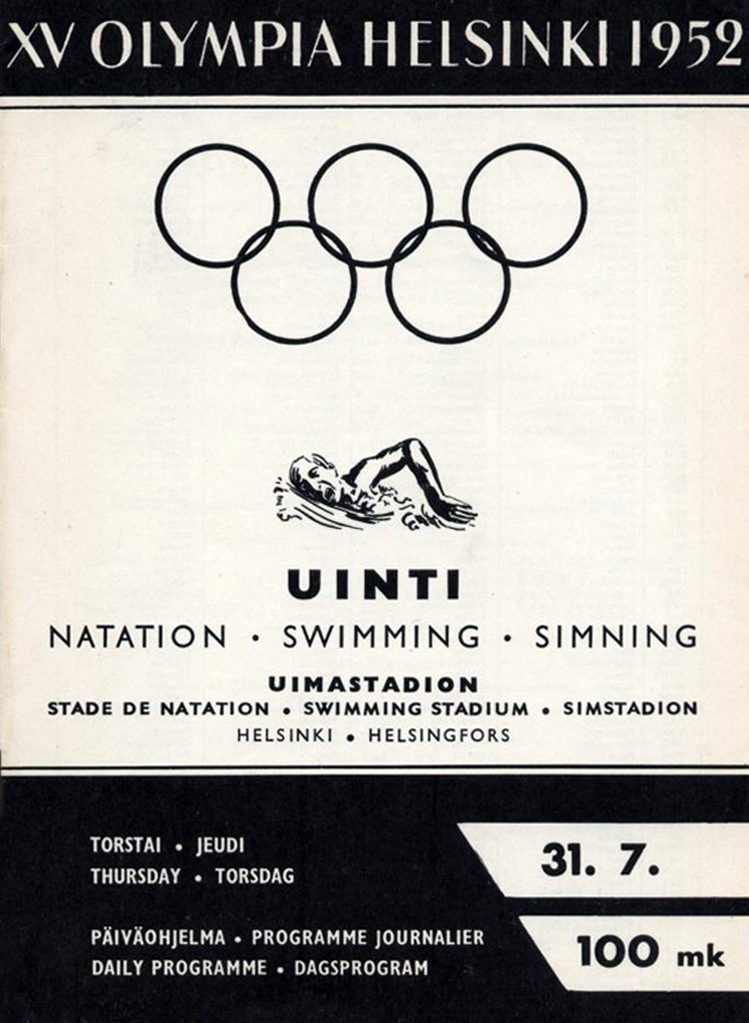
It defined the visual culture of the games.
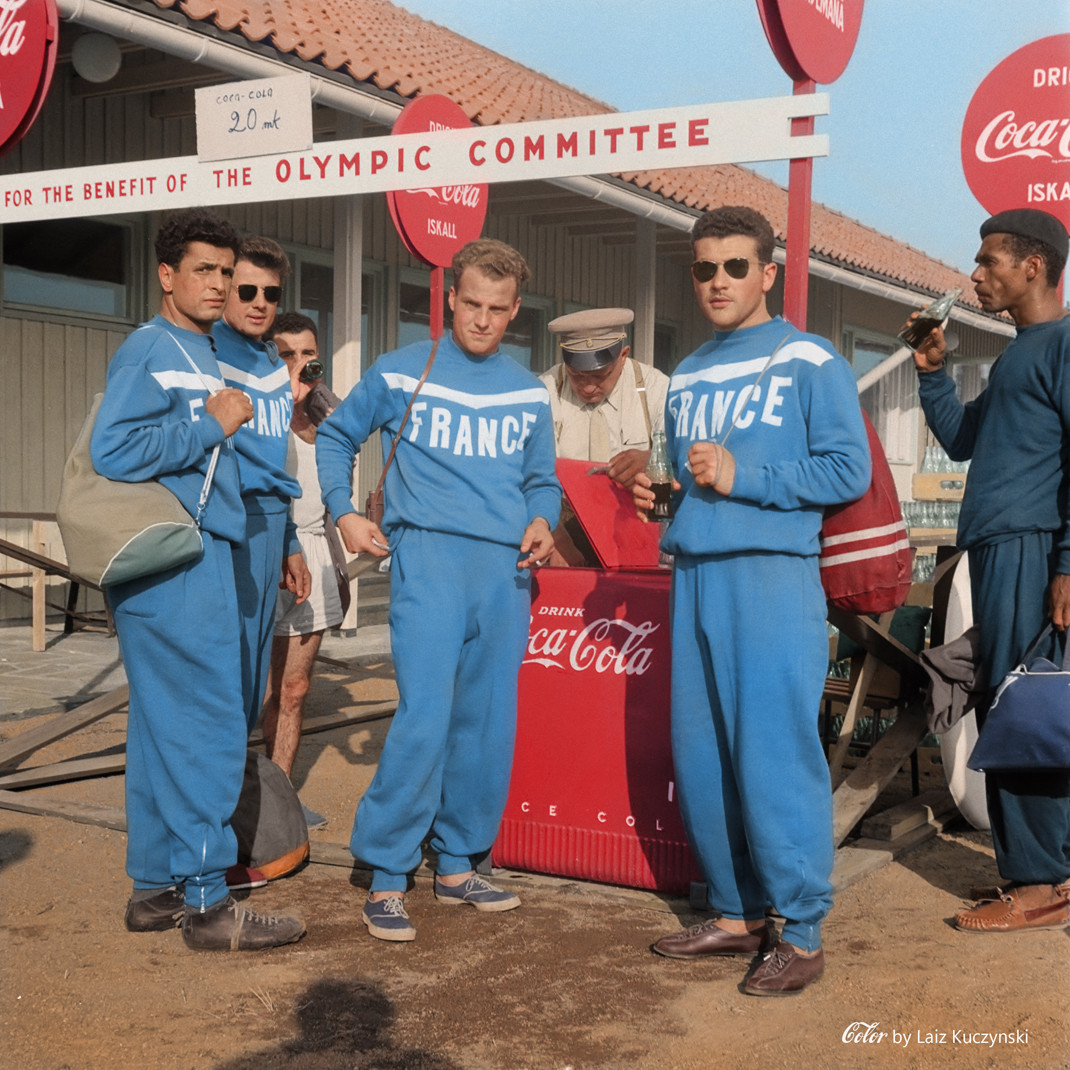
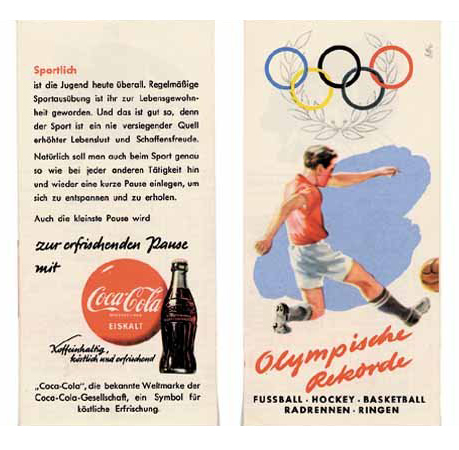
My curiosity was further aroused when I discovered graphic material and images linking Coca- Cola to the games, how long have they been pumping athletes full of pop?
Quite some time it turned out:
The 1928 Olympic Games, which included 46 nations, marked the beginning of The Coca-Cola Company’s Olympic involvement – a presence that would continue to grow to this day, through sponsorships, donations and innovative support programs. That summer, a freighter delivered the U.S. Olympic Team and 1,000 cases of Coca-Cola to the Amsterdam event.
The morbidly obese’s drink of choice was forever aligned with the fleet of foot.
Despite the fact that Finland did not have a local bottler, Coca-Cola still was served to athletes and spectators at the Helsinki Olympic Games. More than 30,000 cases of Coca-Cola were brought to the event from the Netherlands aboard the M.S. Marvic, a rebuilt World War II landing craft, in what became known as “Operation Muscle.” Ice coolers and trucks from the corners of northern Europe also were brought in, turning the ship into a floating stockroom.
Gee thanks Yanks.
Whenever you had done well in an Olympics you would expect some reasonable reward, commensurate with your achievements, wouldn’t you?
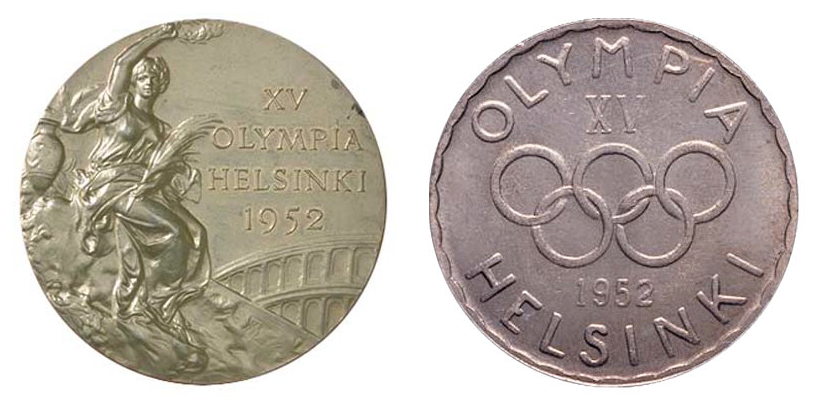
What do you want, a medal?
Well yes.
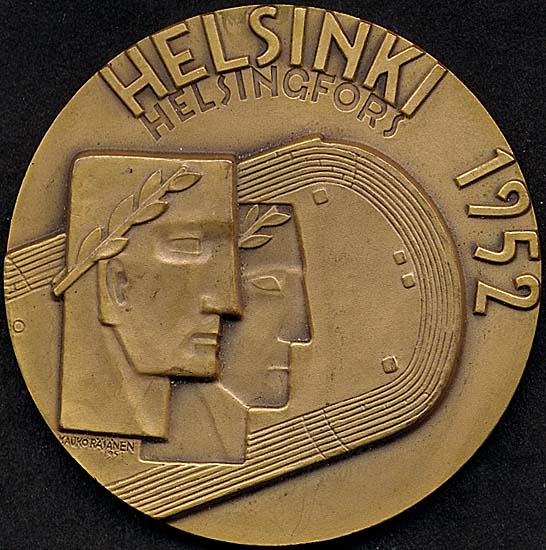
On the obverse, the traditional goddess of victory, holding a palm in her left hand and a winner’s crown in her right. A design used since the 1928 Games in Amsterdam, created by Florentine artist Giuseppe Cassioli ITA -1865-1942 and chosen after a competition organised by the International Olympic Committee. For these Games, the picture of victory is accompanied by the specific inscription: “XV OLYMPIA HELSINKI 1952”. On the reverse, an Olympic champion carried in triumph by the crowd, with the Olympic stadium in the background. N.B: From 1928 to 1968, the medals for the Summer Games were identical. The Organising Committee for the Games in Munich in 1972 broke new ground by having a different reverse which was designed by a Bauhaus representative, Gerhard Marcks.
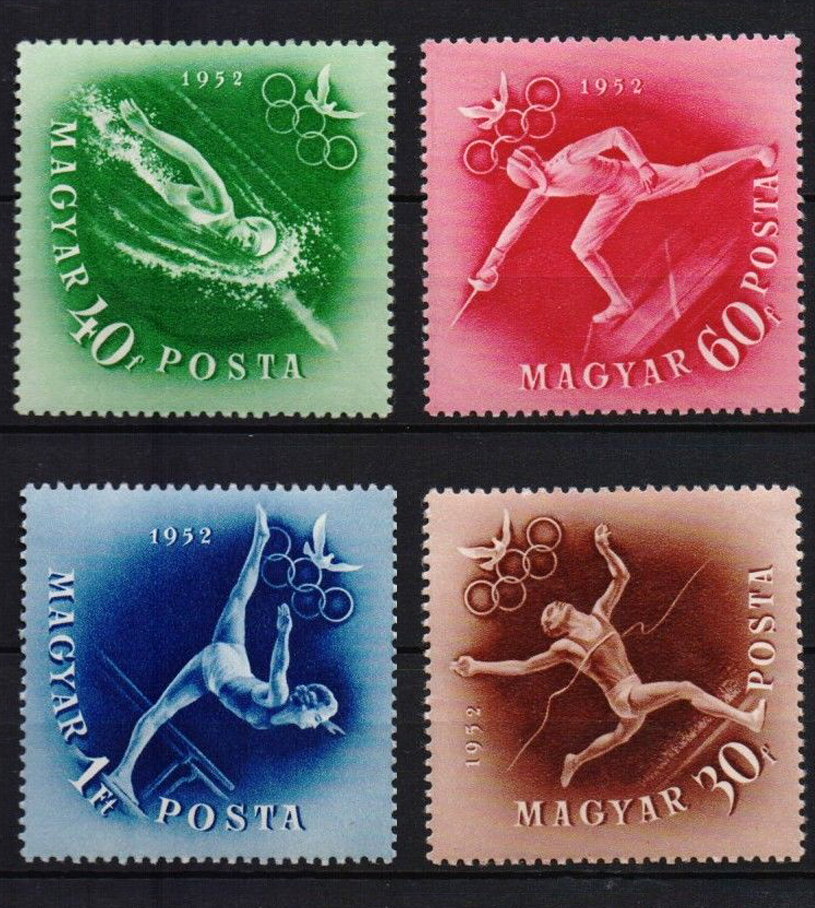
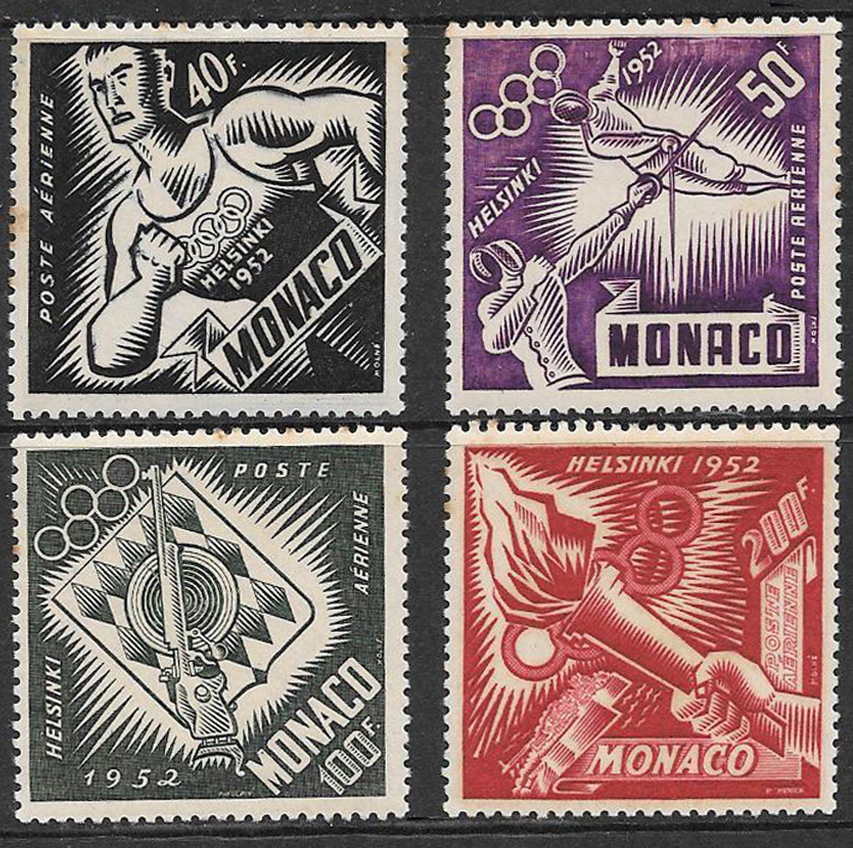
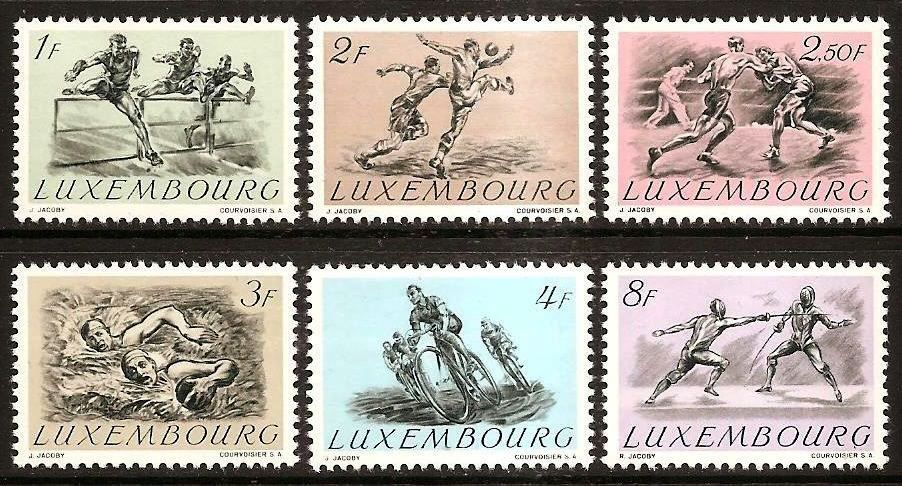
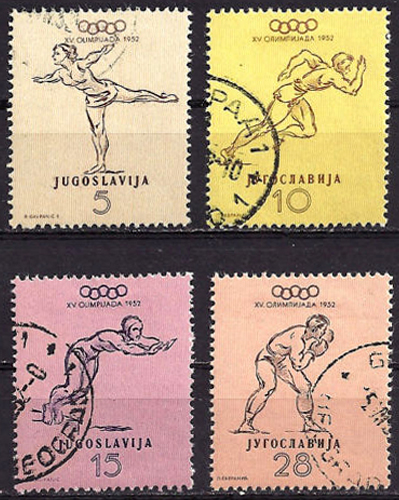
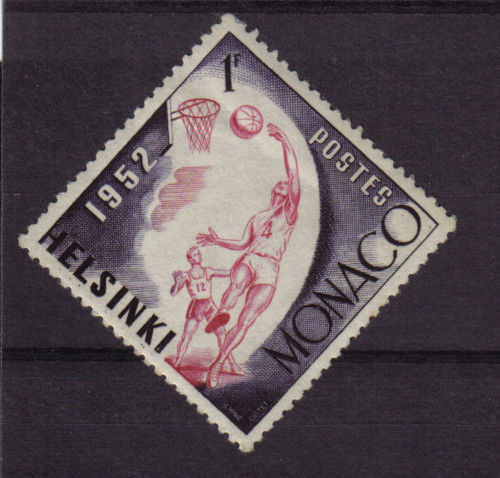
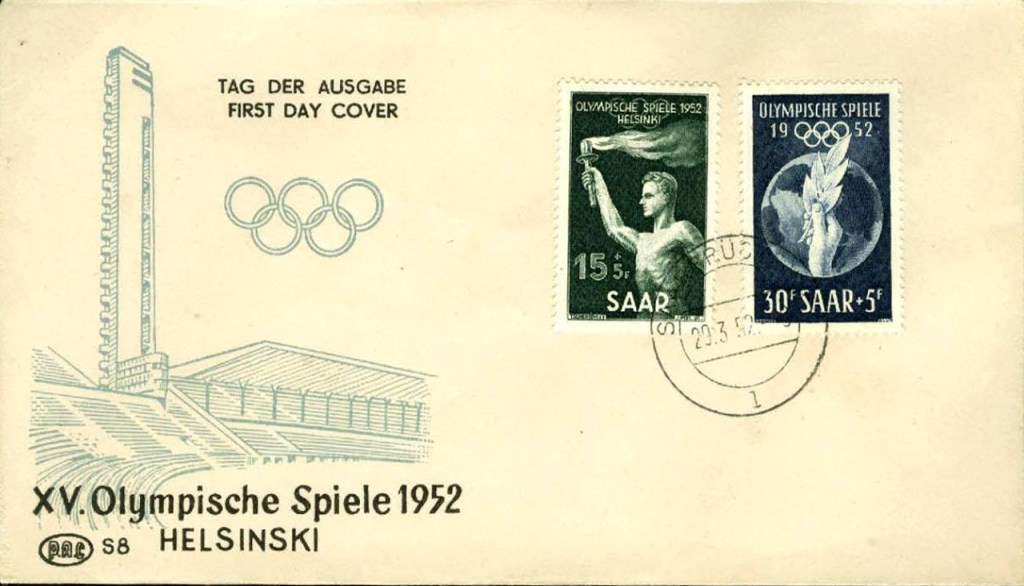
Olympics are obviously something of a global money spinner for many greedy nations, they will stop at nothing to cash in, producing millions of tiny stamps, at premium prices, to rinse the undeserving and guileless citizen.
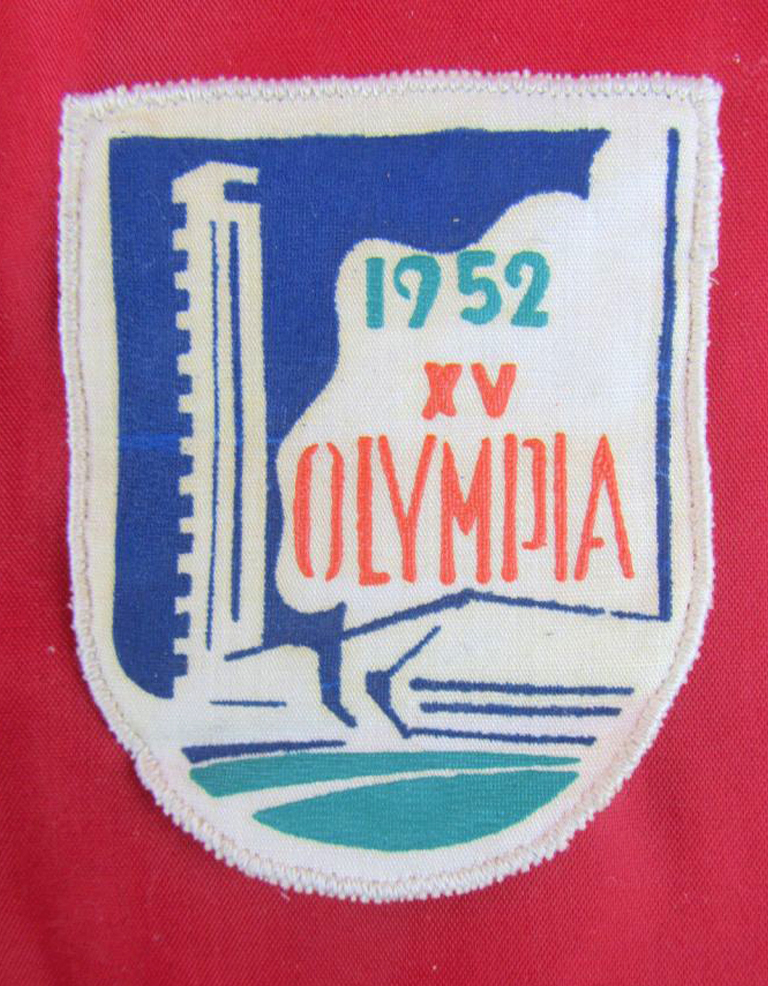
Here are a few more examples of the graphic identity with a distinctive modern style:
There we have it, now we’re all ever so slightly older and wiser.
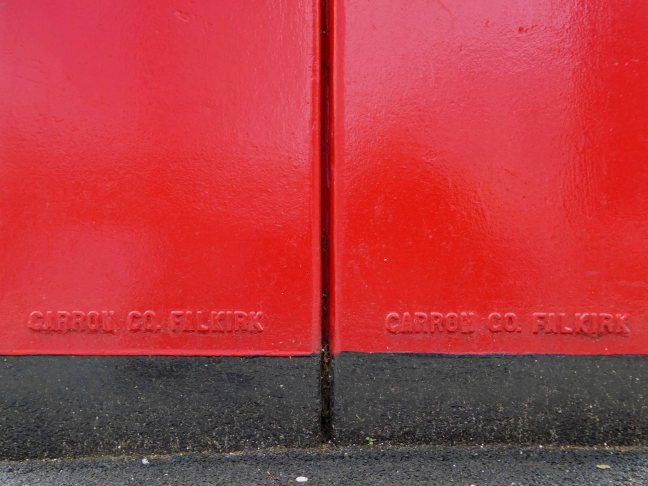
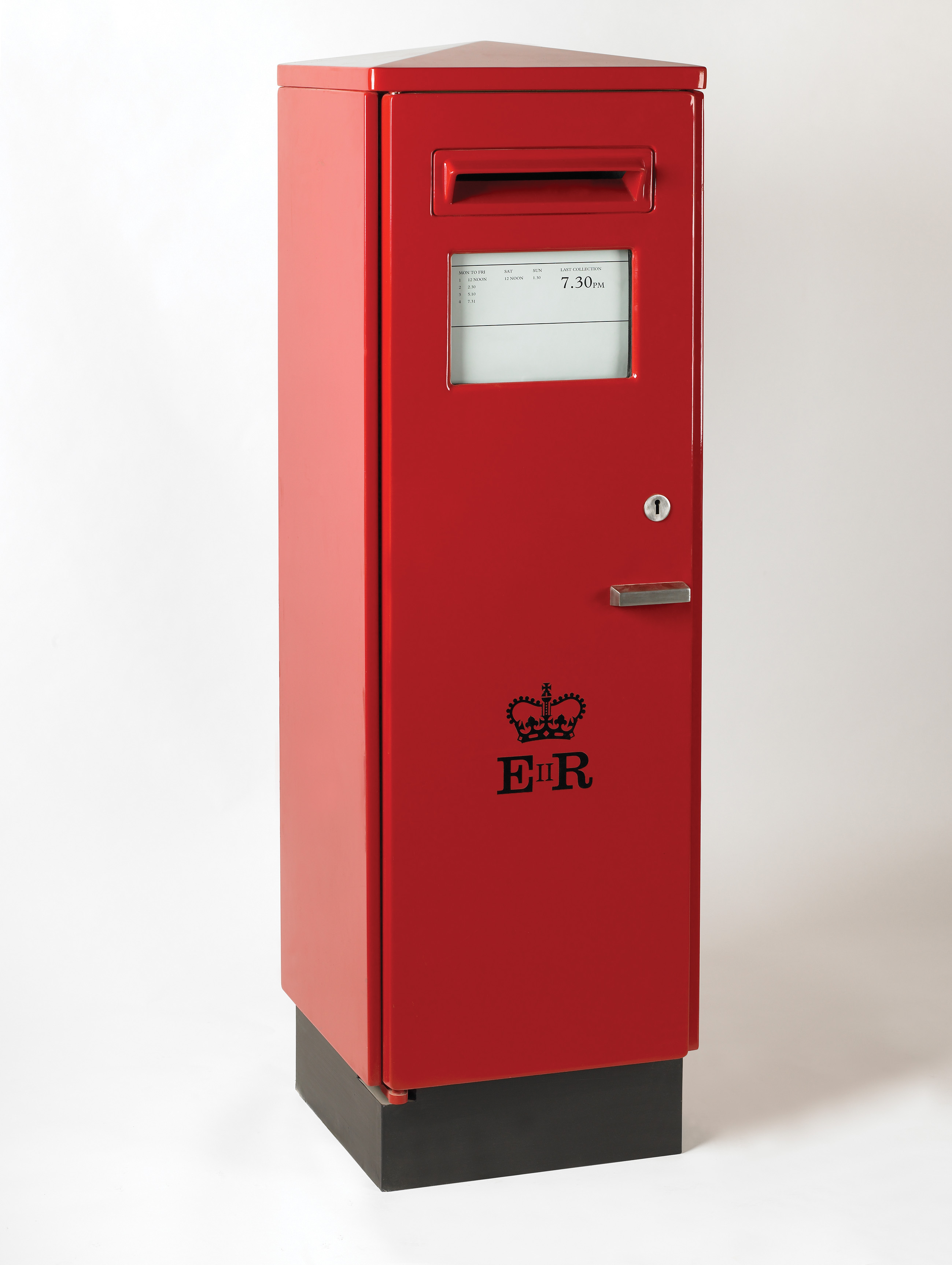
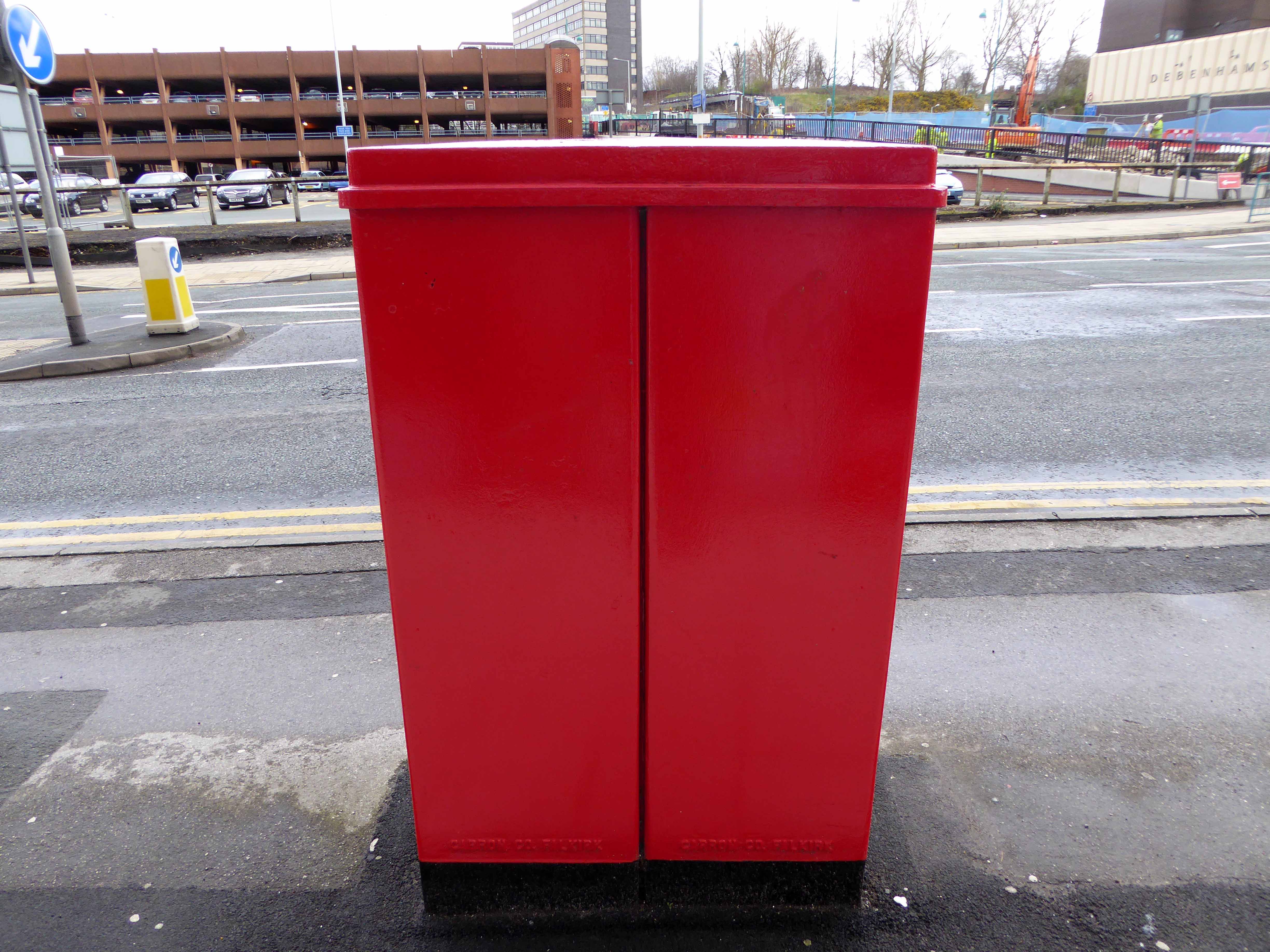
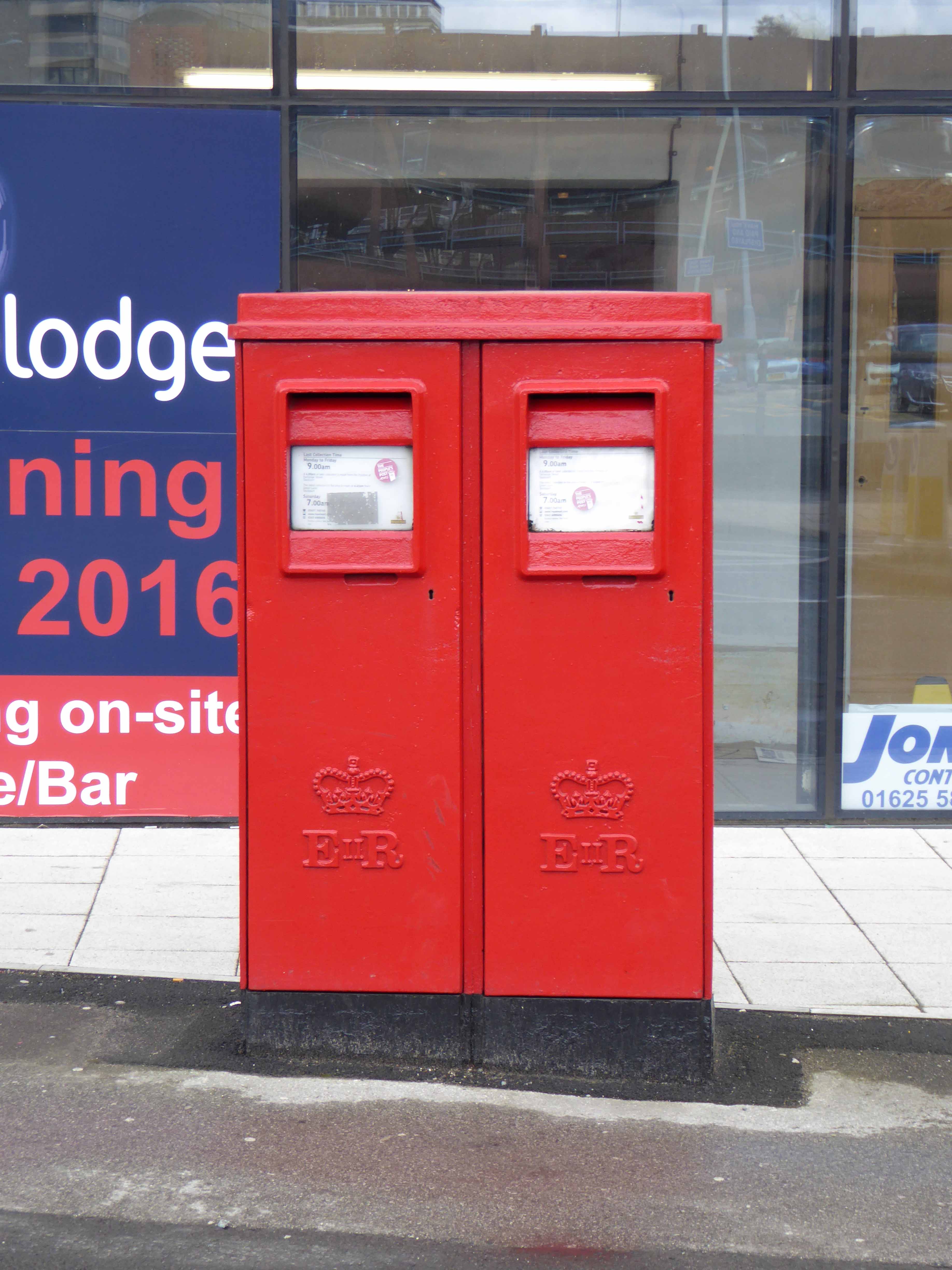
Developed from an earlier design of 1968 by David Mellor, so he’s almost your dad!
He has a shop, factory, heritage installation, exhibits in the Design Museum and a well kept grave, sadly he passed in 2009, I don’t suppose anybody bothered to tell you.
Wallpaper (asterix) magazine wrote all about him and his Hathersage Heritage.
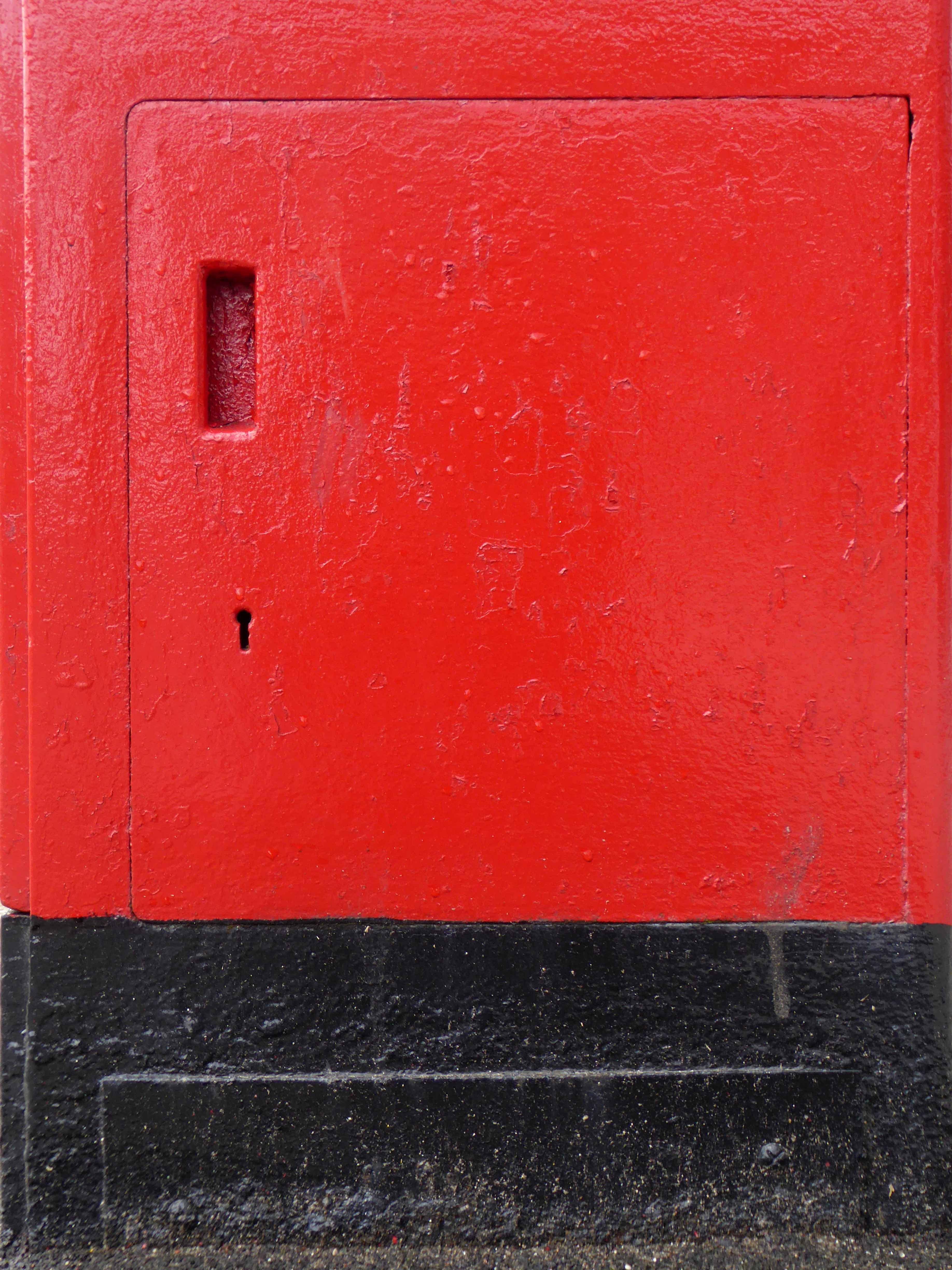
They even make mugs to commemorate you and your kind, you and your British Colour Colour Council BS538 post office red complexion, don’t look so embarrassed.
The British Colour Council was founded in 1931 in an attempt to standardise colours in use by government and industry throughout the UK. Official indexes of British Standard colours, each given its own colour name and number, began to be produced.
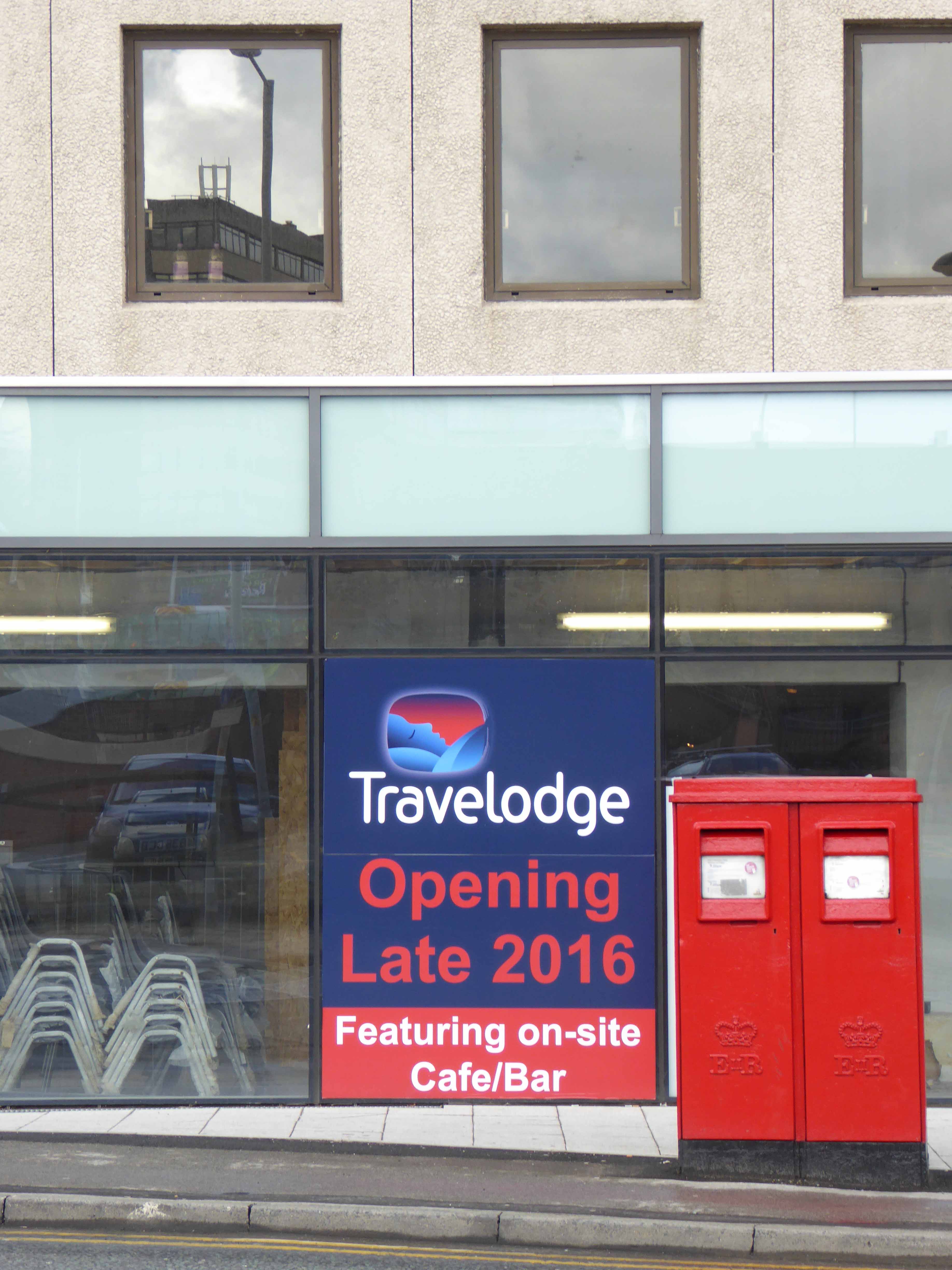
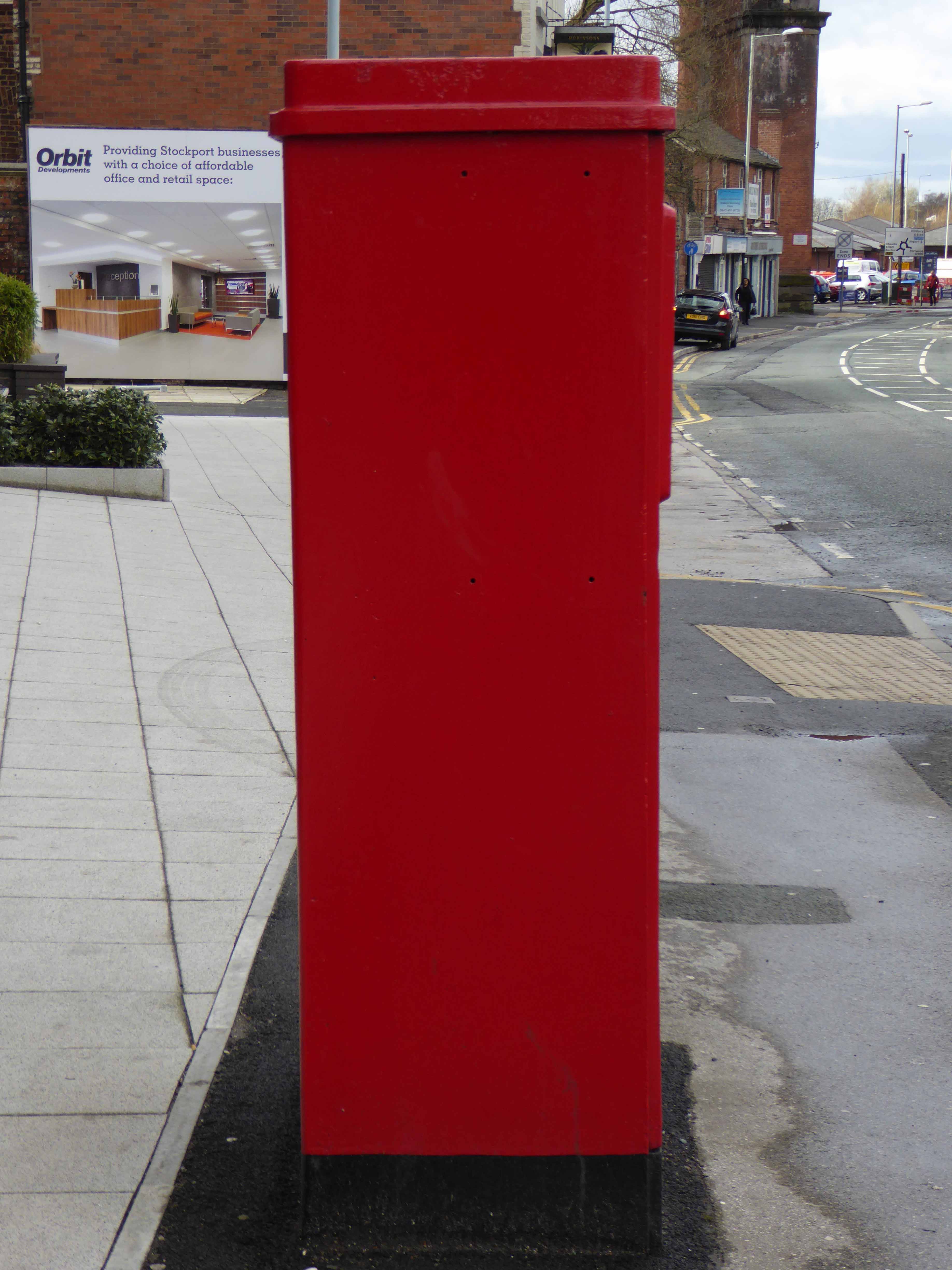
So here you are, my two new friends, ignorance is not bliss.
We can travel from pylon to pylon, spire to spire.
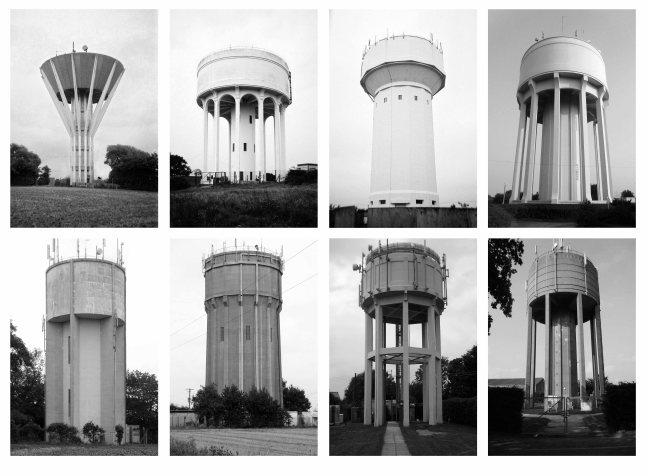
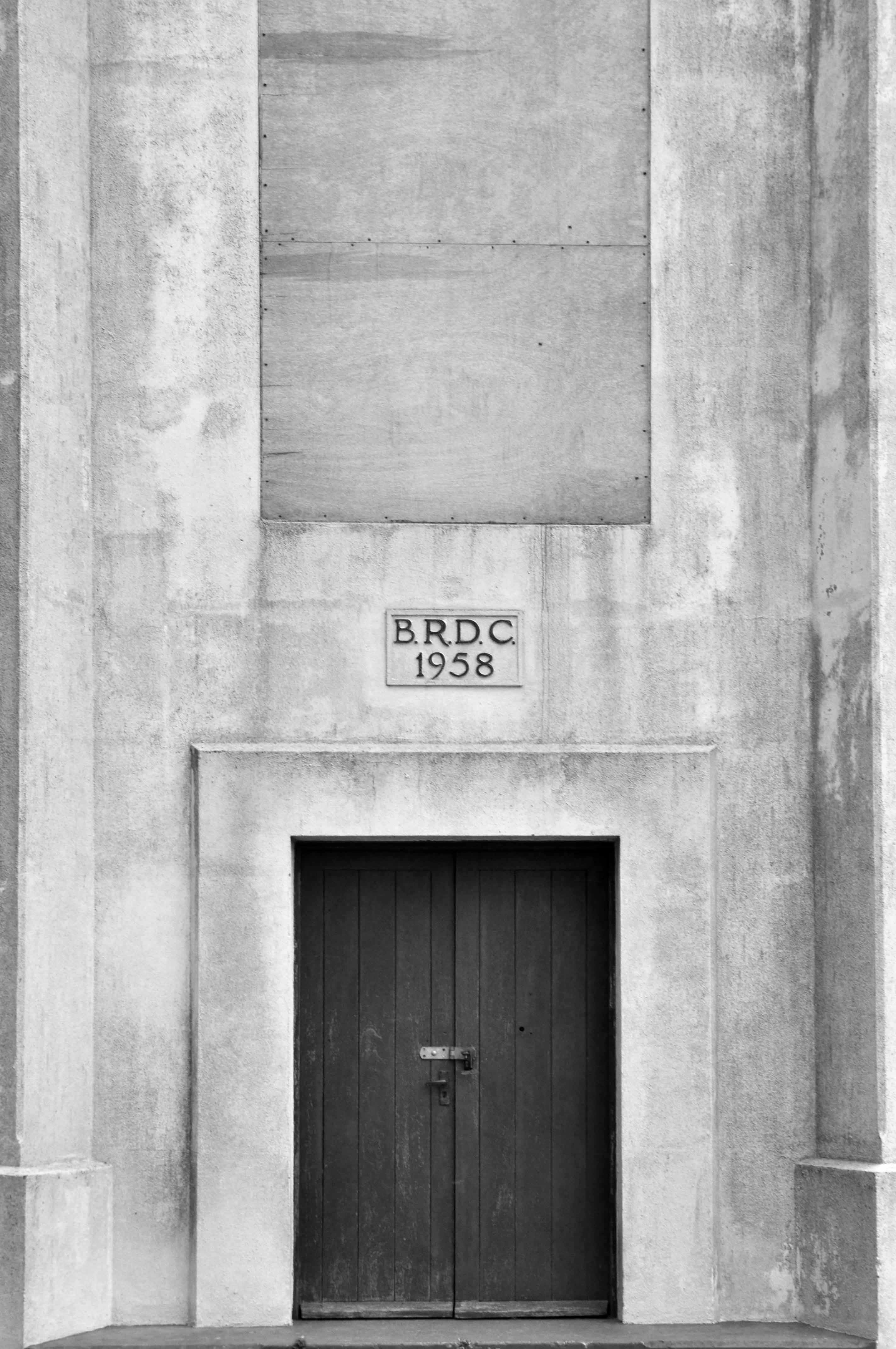
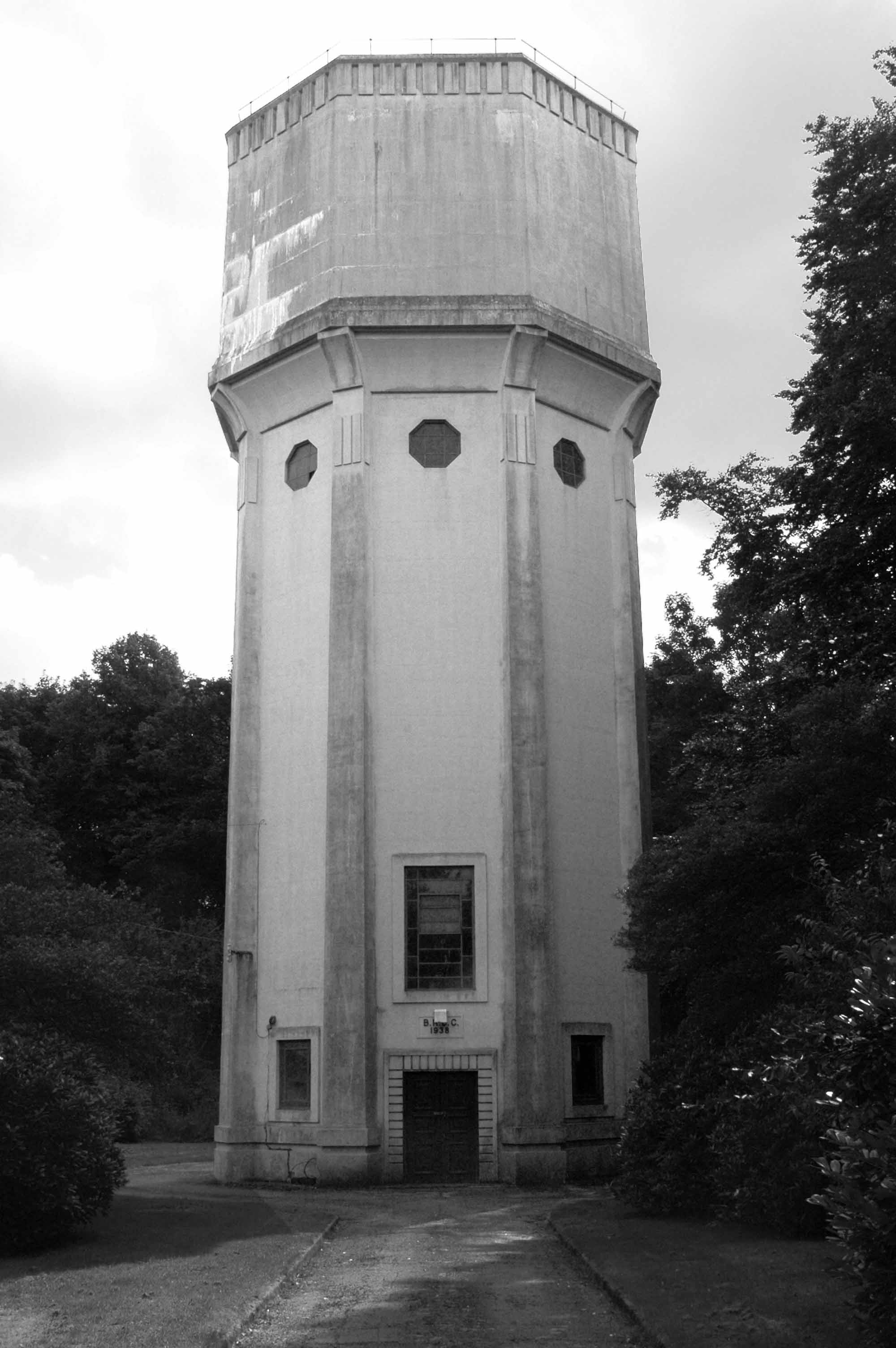
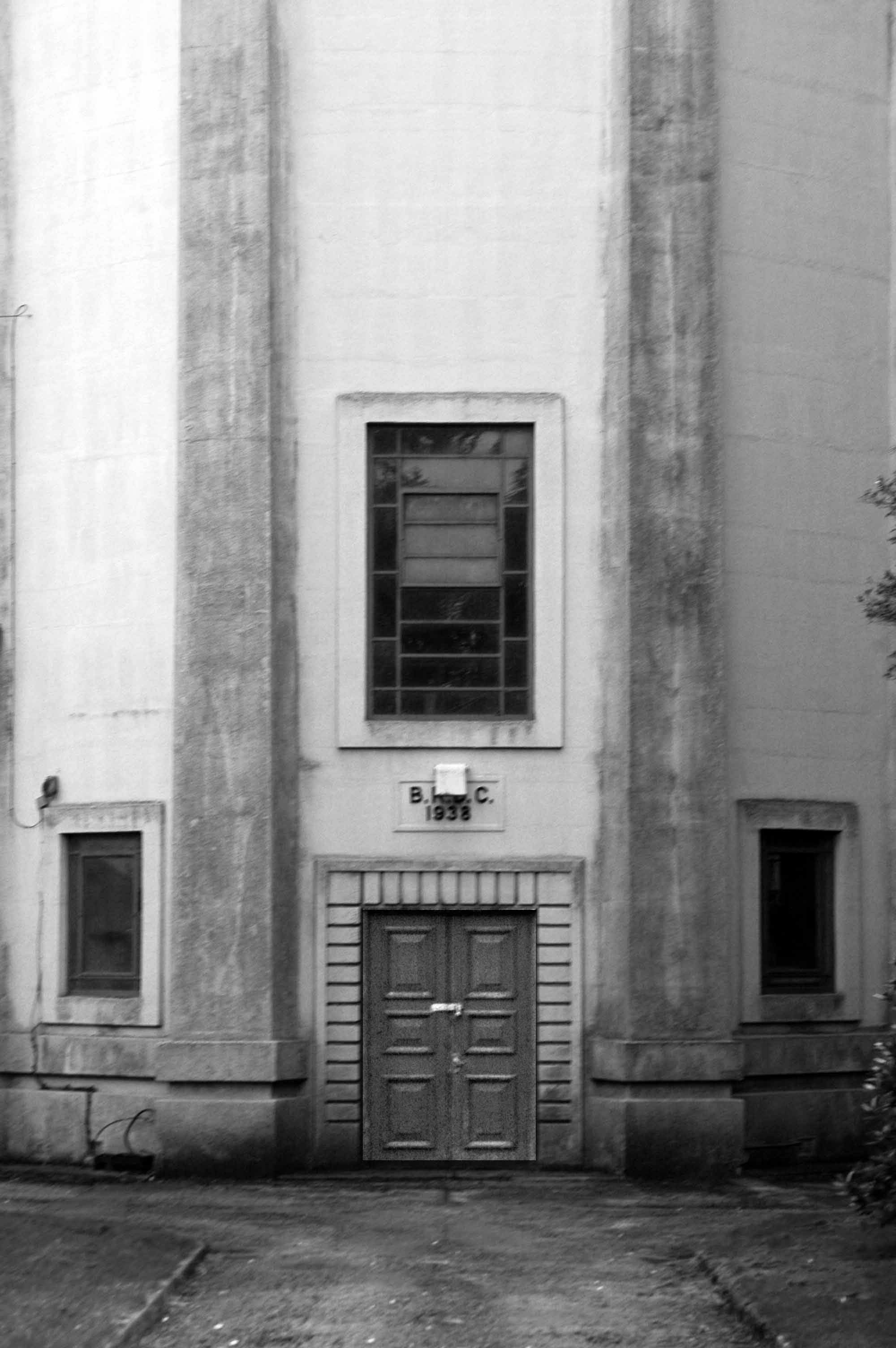
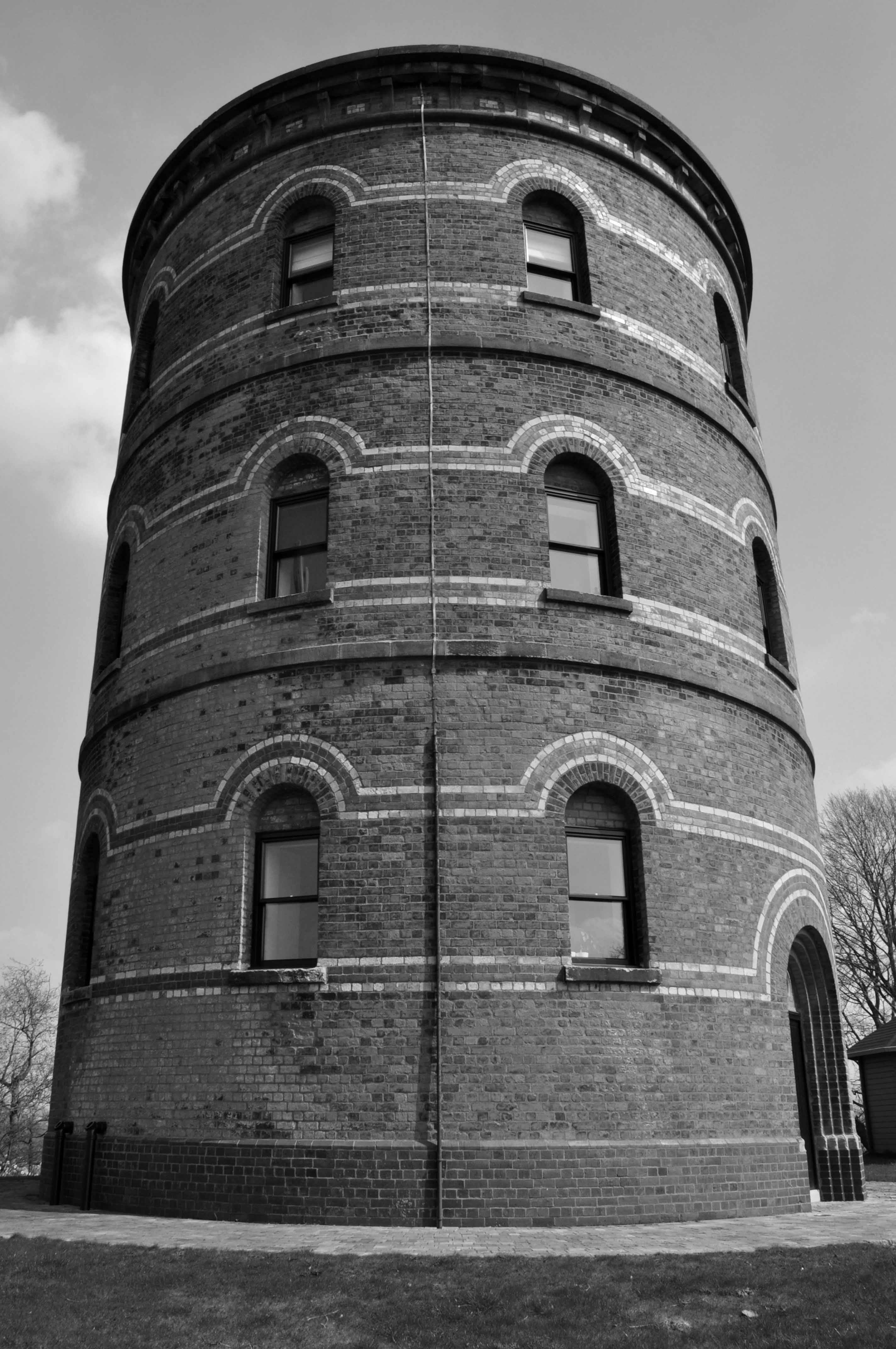
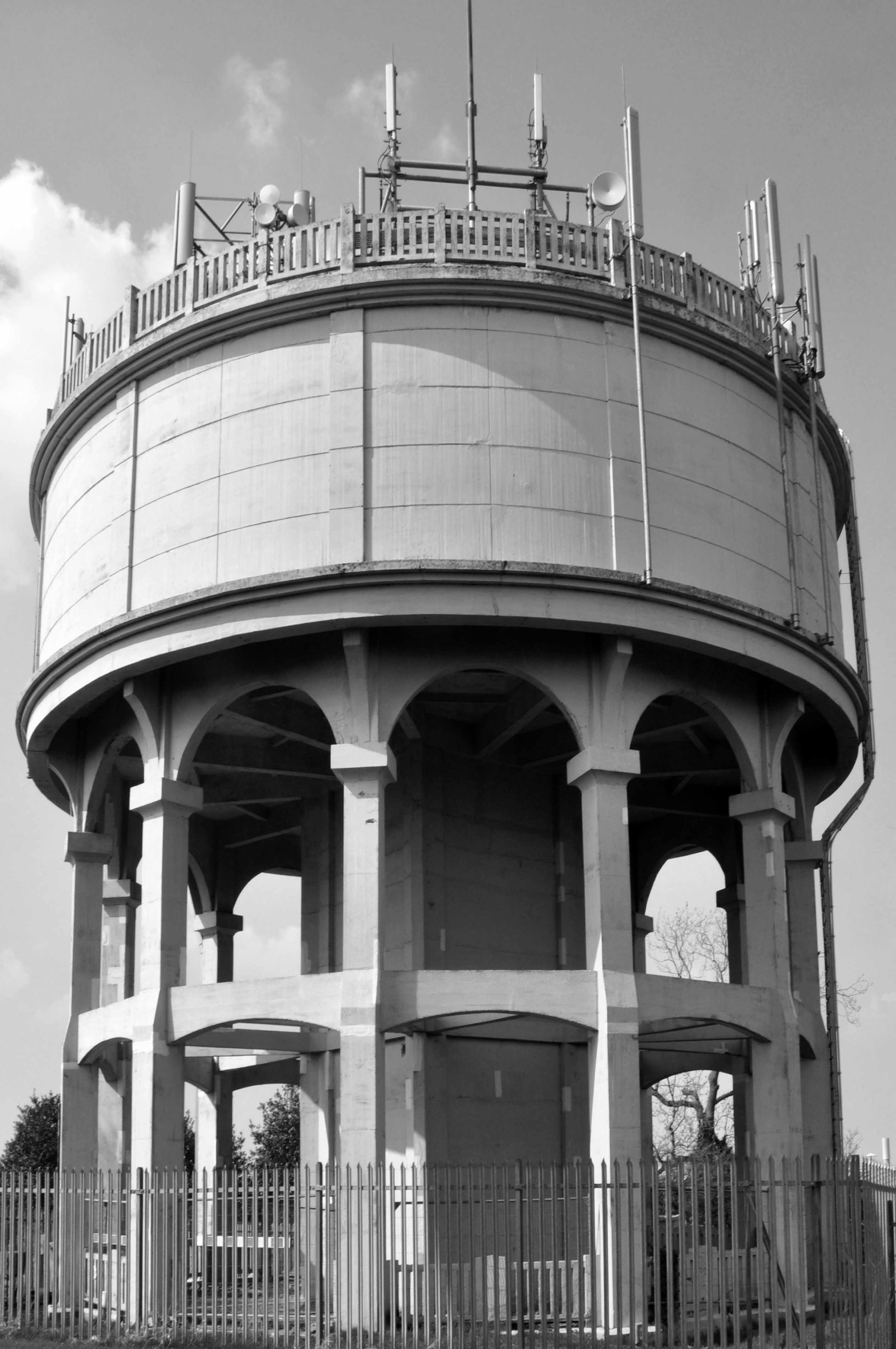
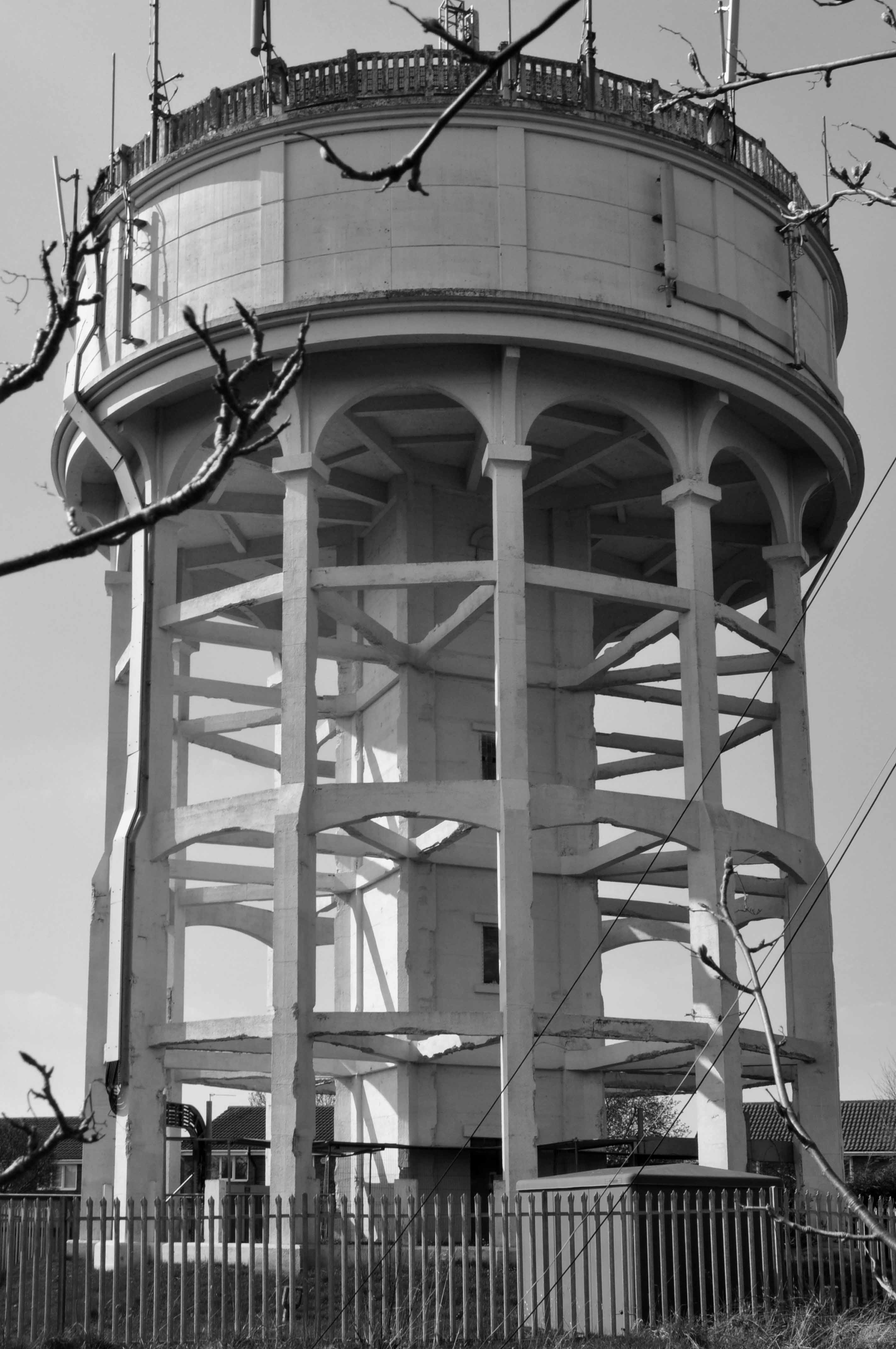
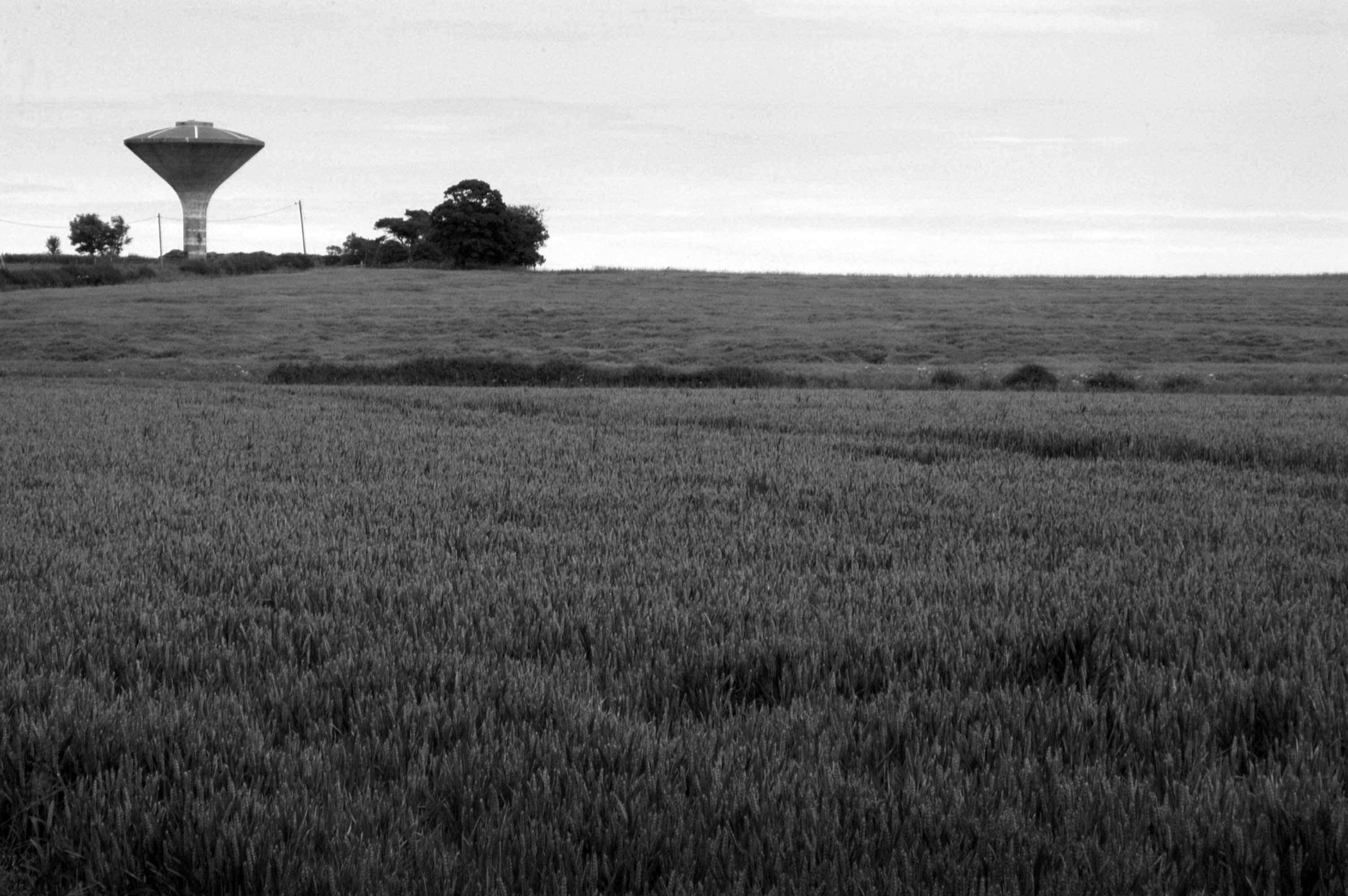
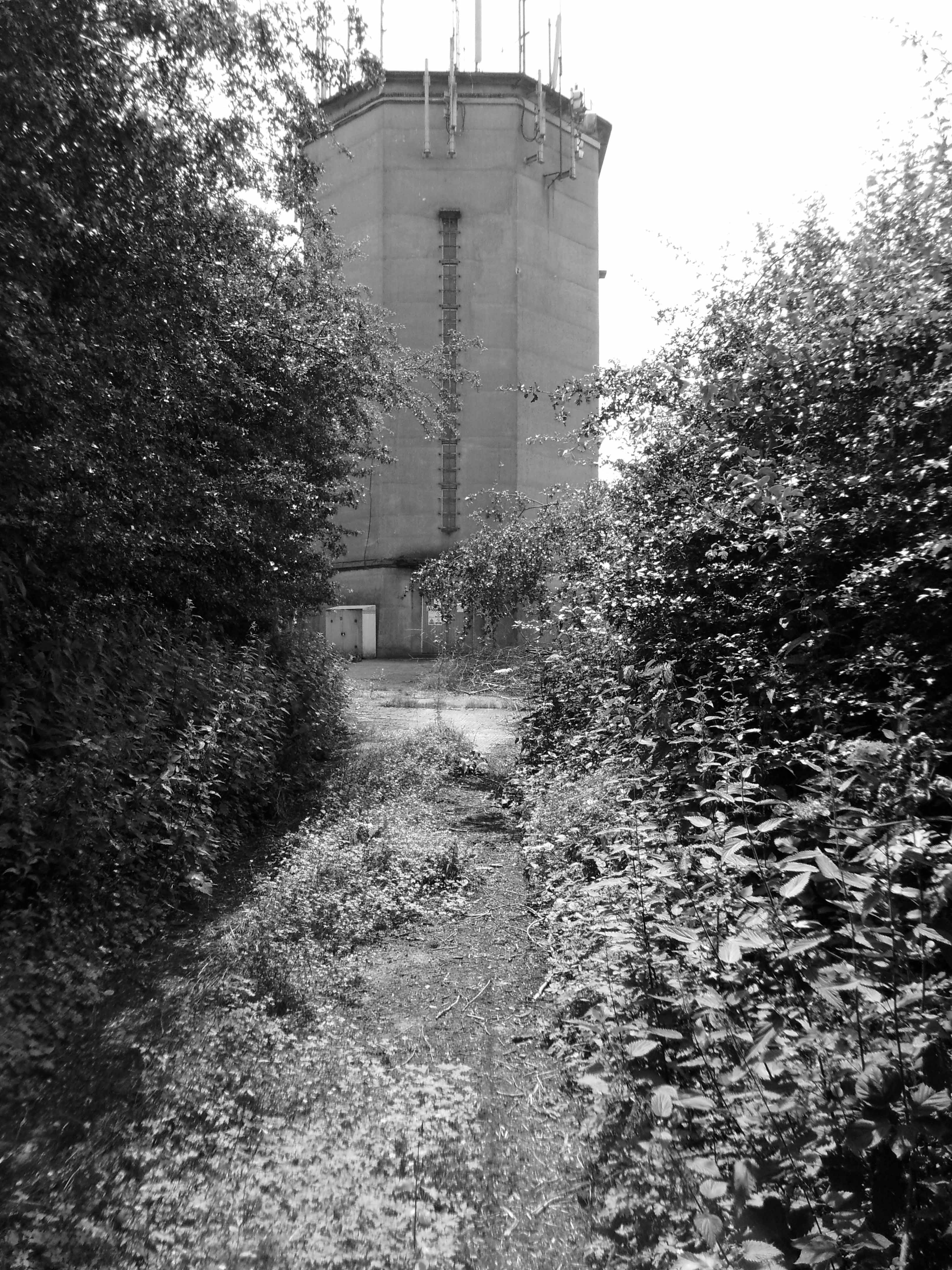
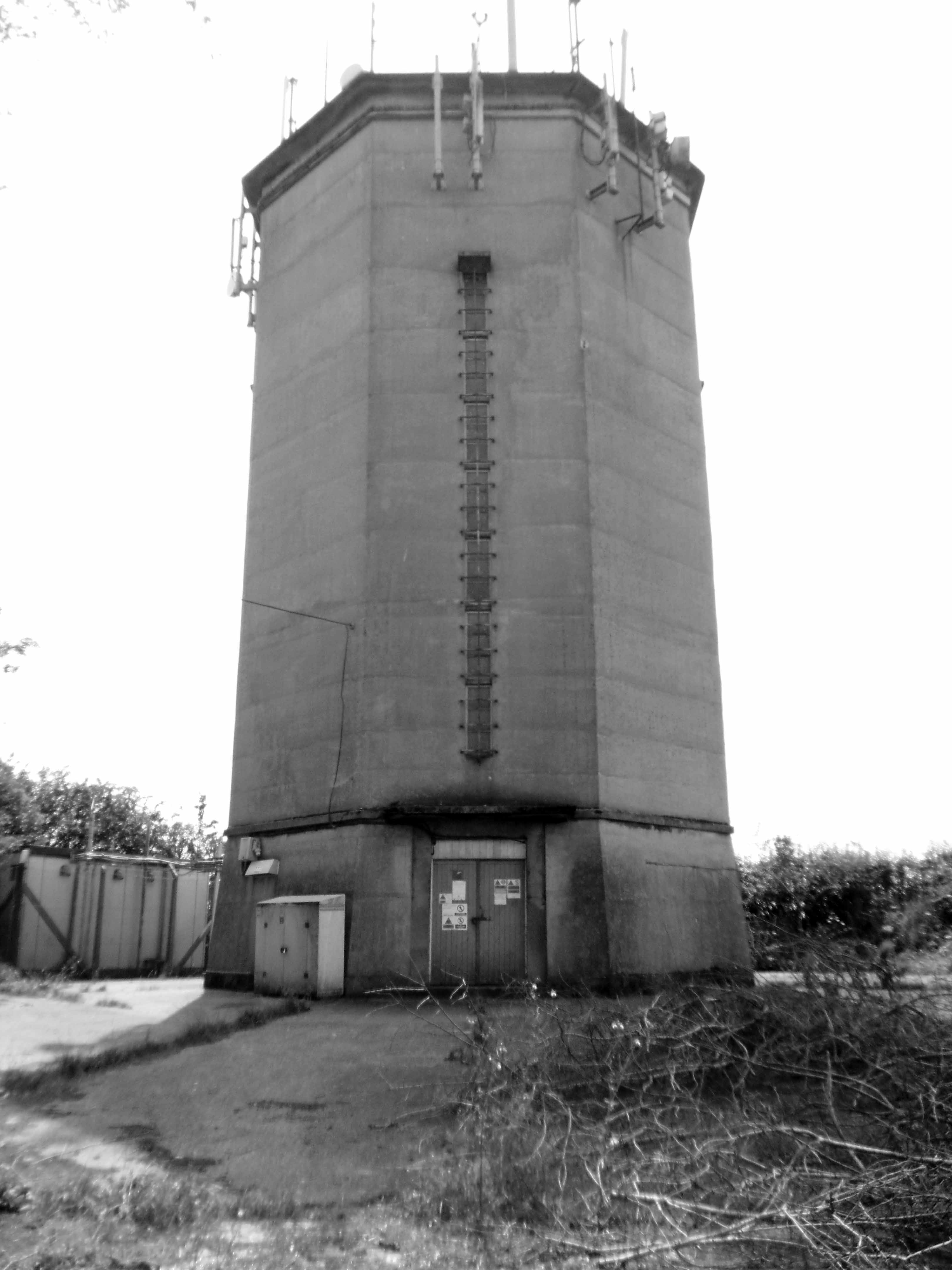
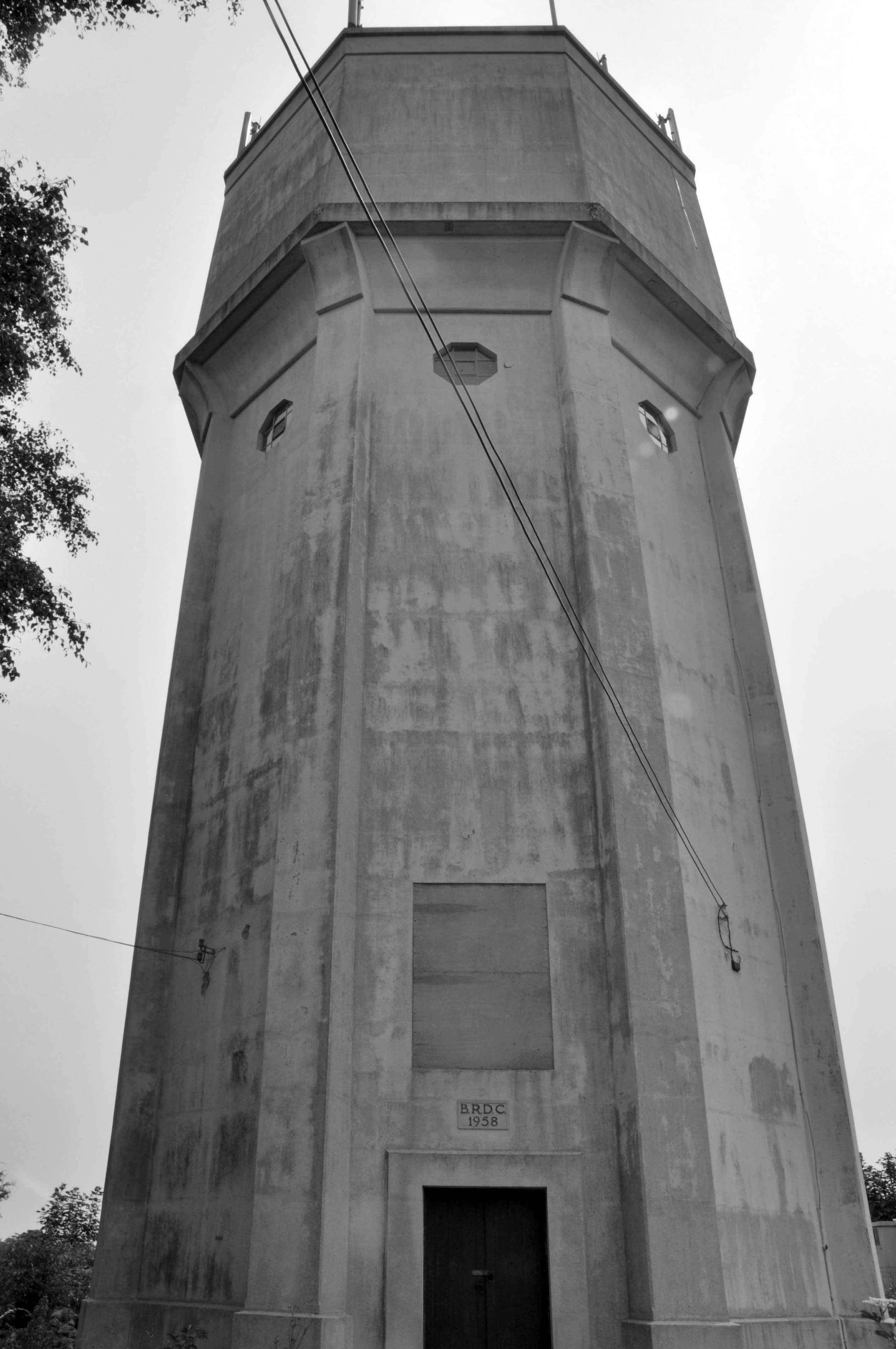
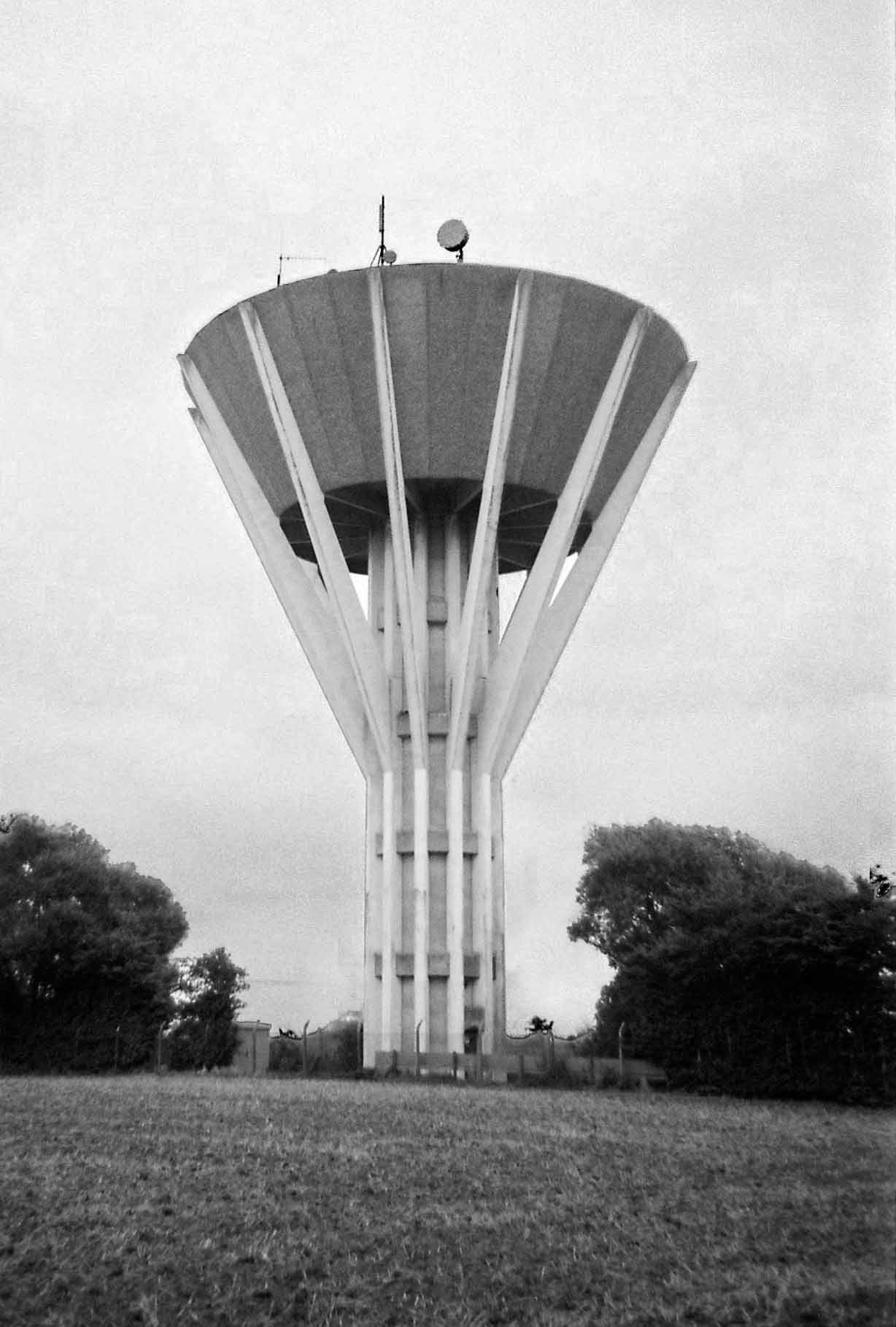
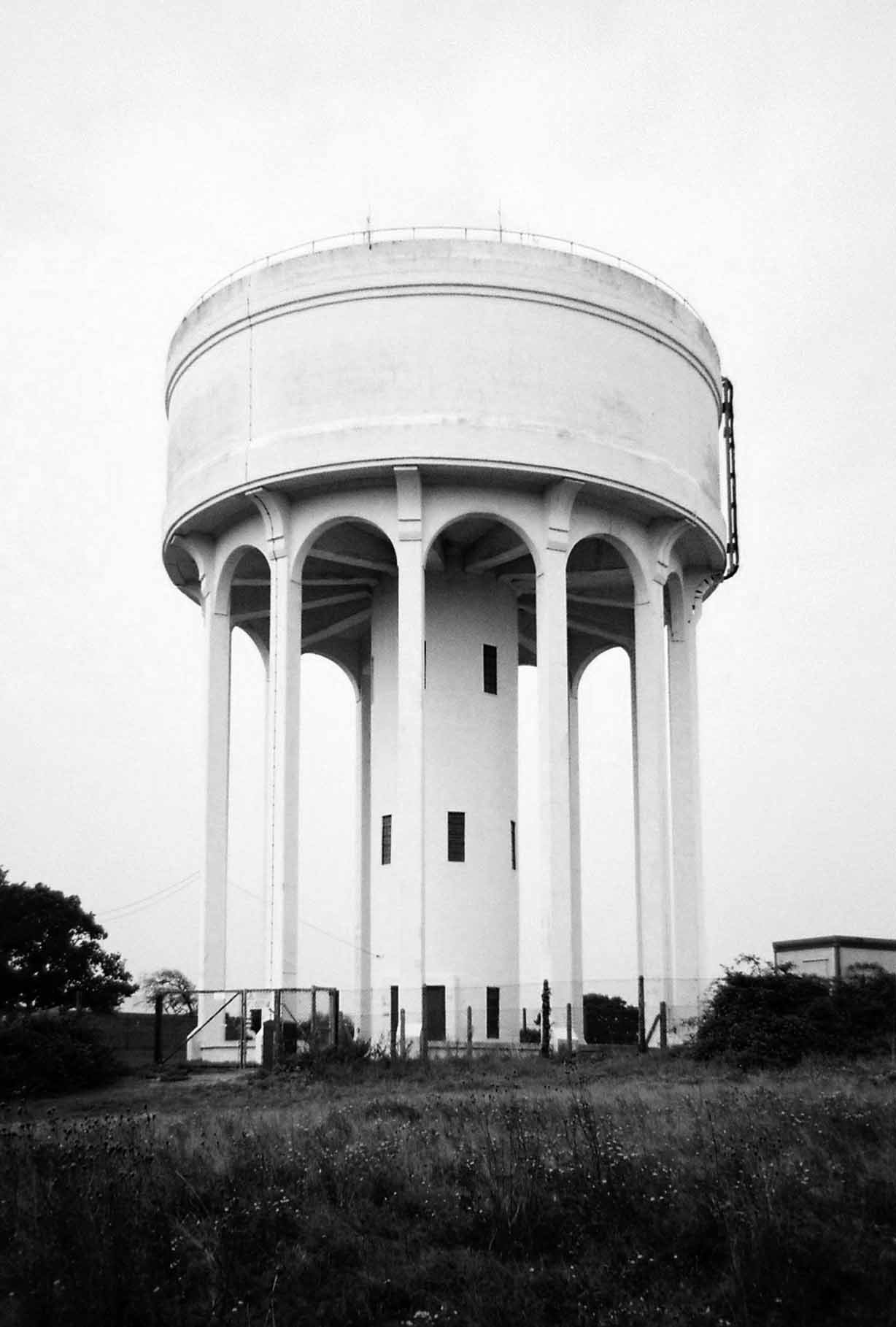
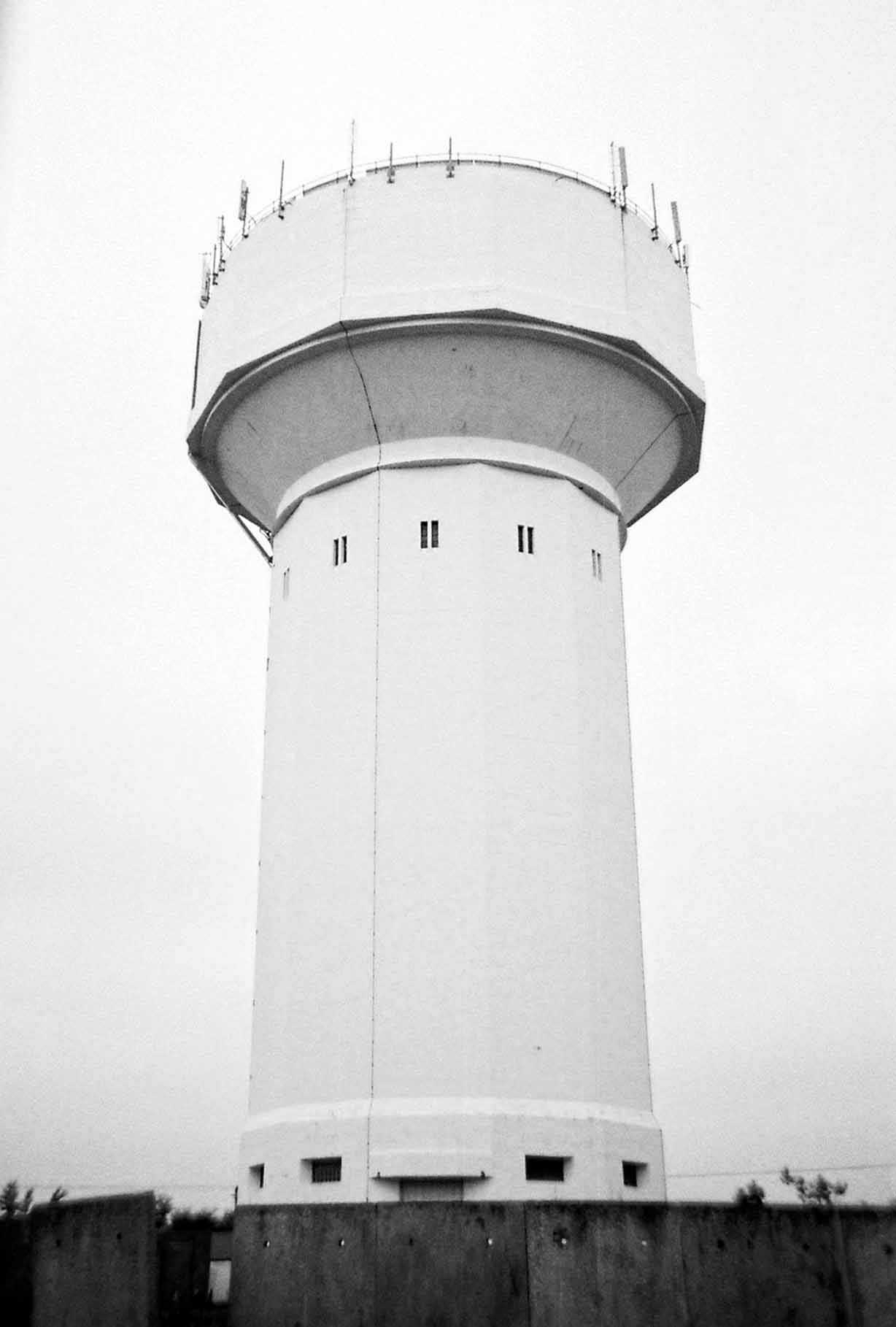
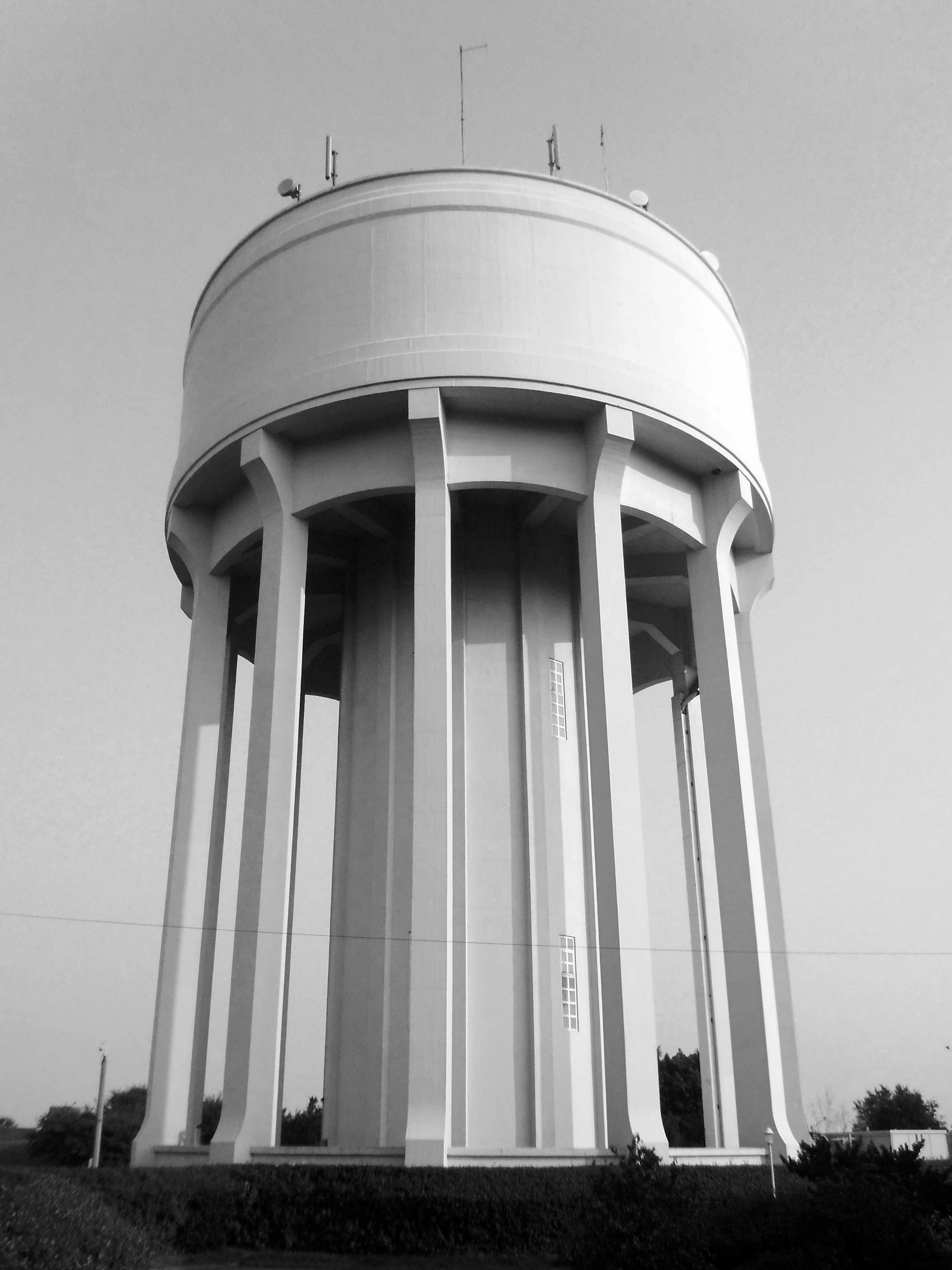
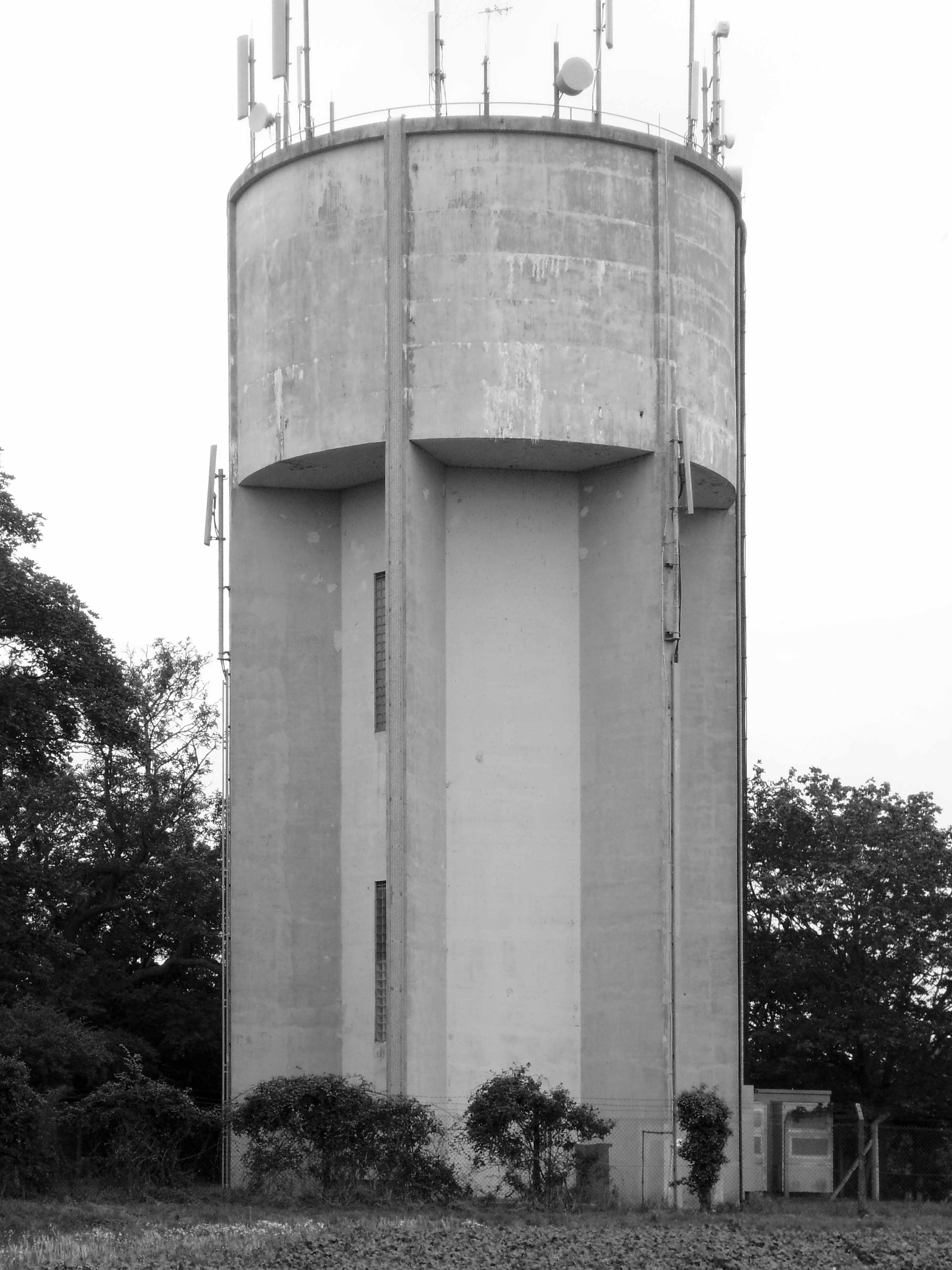
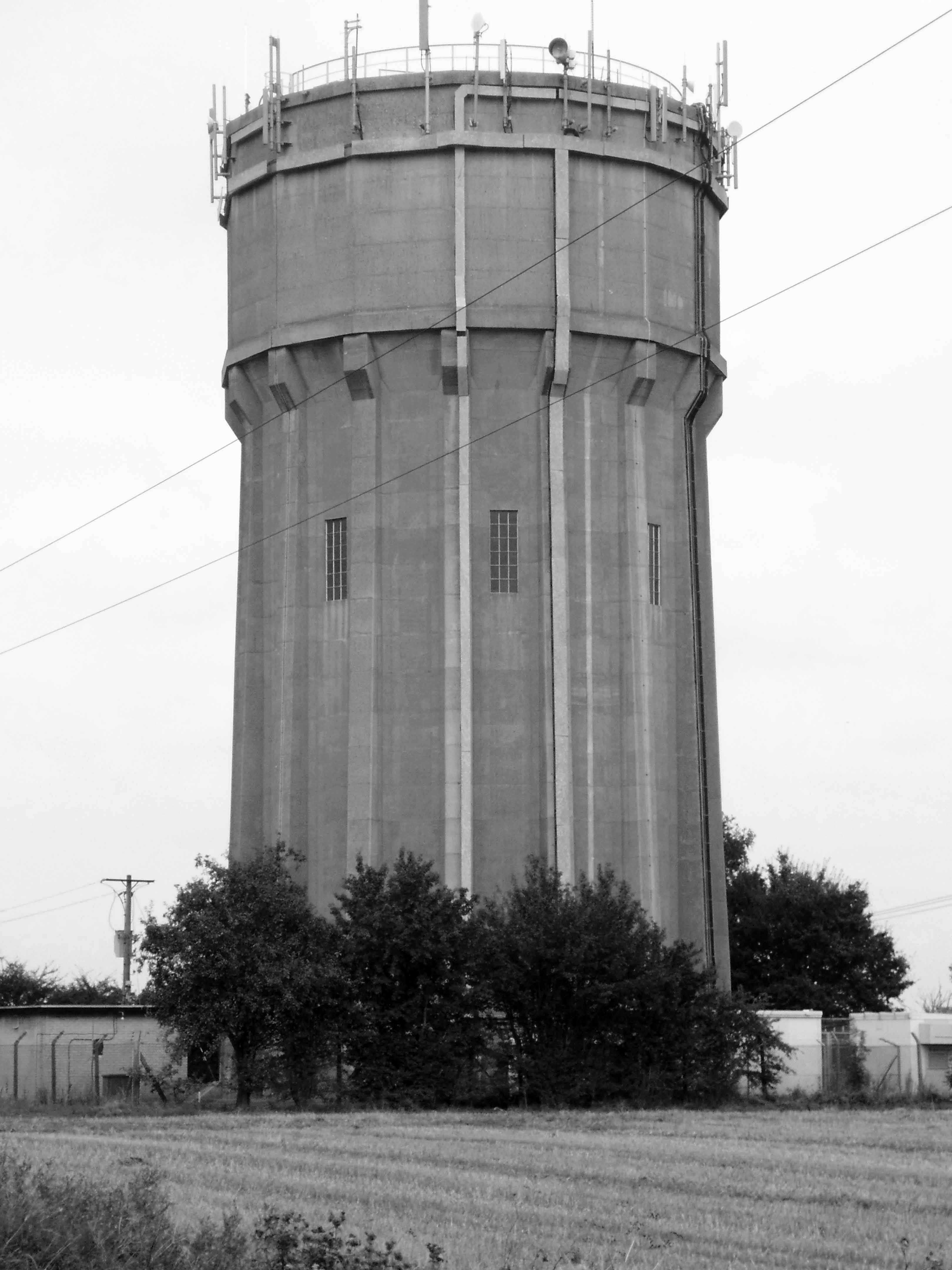
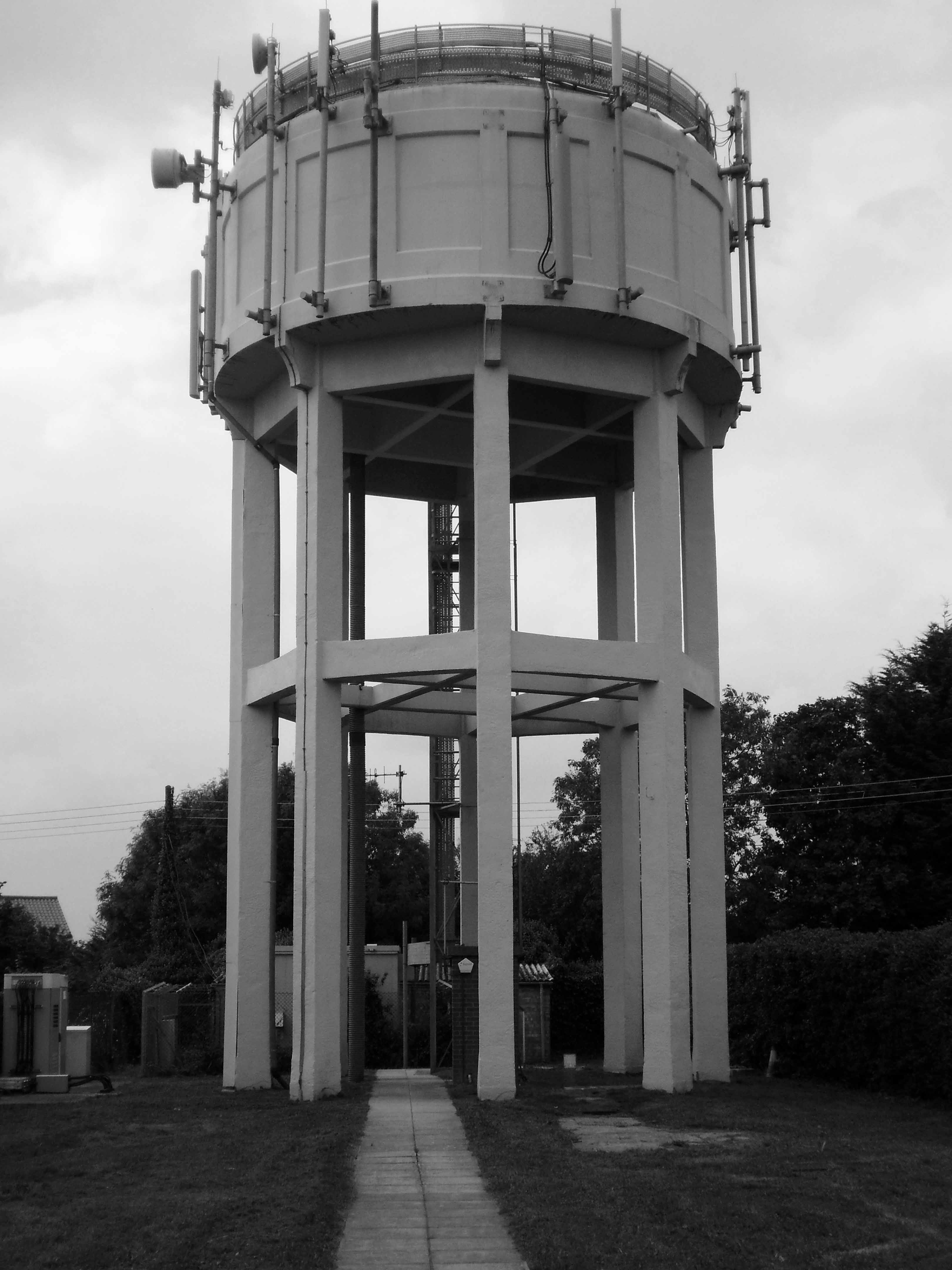
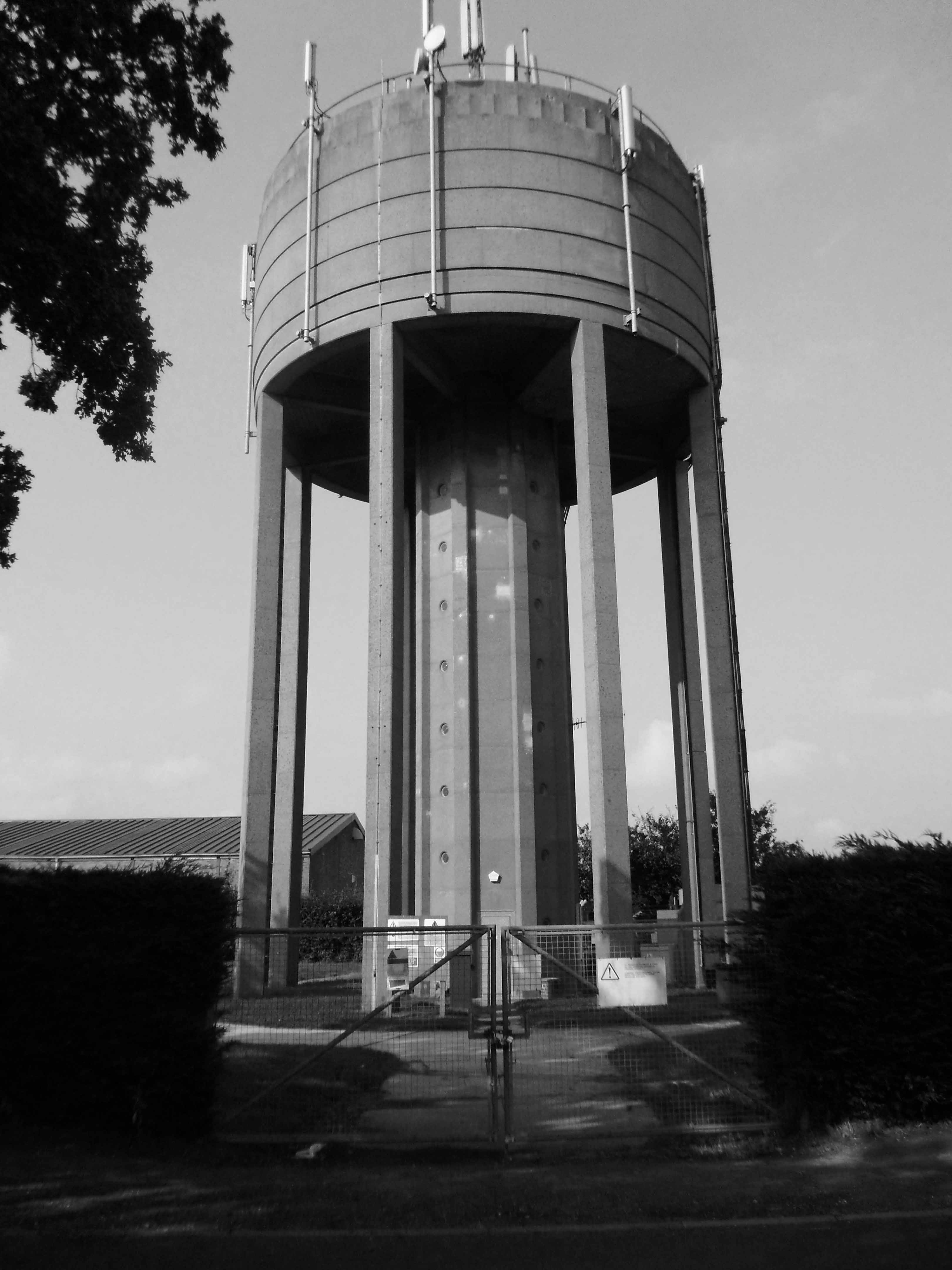
I espy water towers, and espouse the recording thereof.
I was first aware of the work of Bernd and Hilla Becher many years ago, as a young art student I developed an empathy for their matter of fact photography, and a warm sense of the familiar with the largely industrial, everyday subject matter.
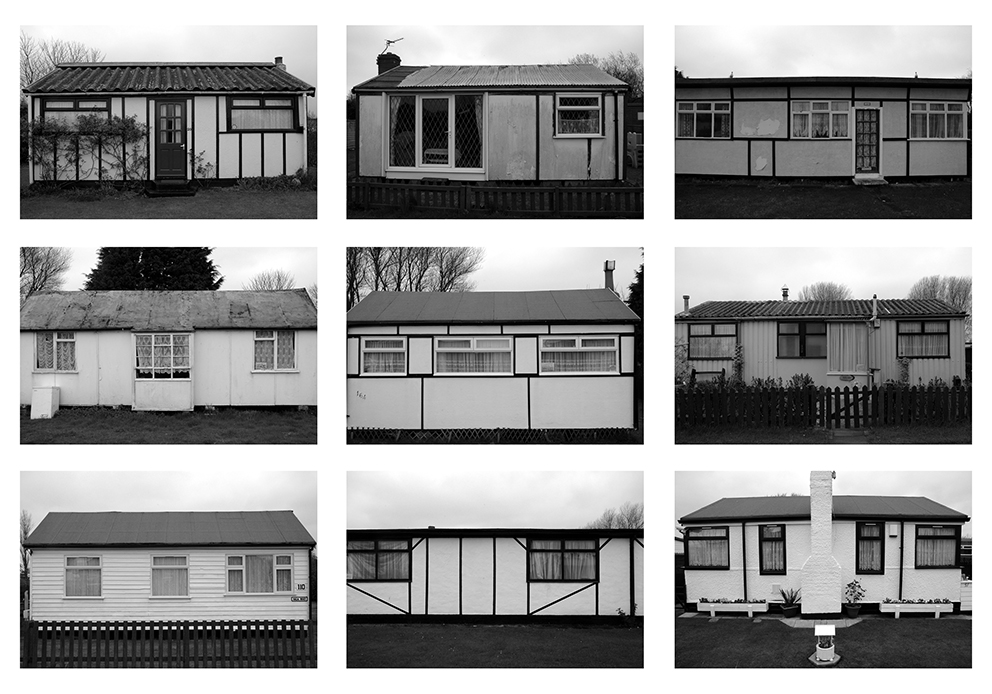
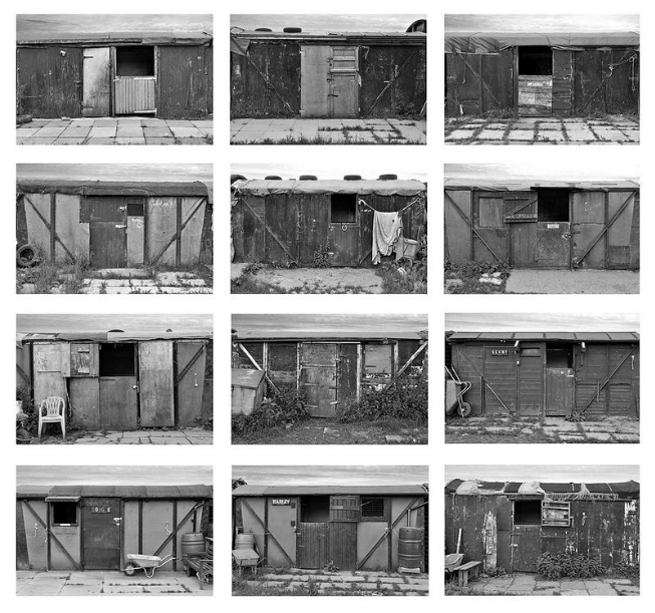
I have often made light hearted reference, to their austere conceptual grids.
The bungalows of Humbertson Fittes Lincolnshire
The British Rail freight van stables of Greater Manchester
And of course water towers, some are familiar to me in the areas around south Manchester, easily accessibly by bicycle across the Cheshire Plain. So over time I have set out with a clear intent or serendipitous disposition, a modern day Don Quixote, sans Sancho Panza, tilting and snapping at towers.
Access is not always easy, or permitted for that matter – there are gates and fences to overcome, brambles and barbed wire to catch yourself on, but it’s always worth it. As a typology they are various, in design, structure and materials.
Summer 2014 I cycled from Hastings to Cleethorpes, following where possible a coastal route, in search of nothing in particular. Needless to say I found several water towers, eight of note – amongst other things.
“Each time he took a walk, he felt as though he were leaving himself behind, and by giving himself up to the movement of the streets, by reducing himself to a seeing eye, he was able to escape the obligation to think, and this, more than anything else, brought him a measure of peace, a salutary emptiness within…By wandering aimlessly, all places became equal and it no longer mattered where he was. On his best walks he was able to feel that he was nowhere. And this, finally was all he ever asked of things: to be nowhere.”
Paul Auster – City of Glass.
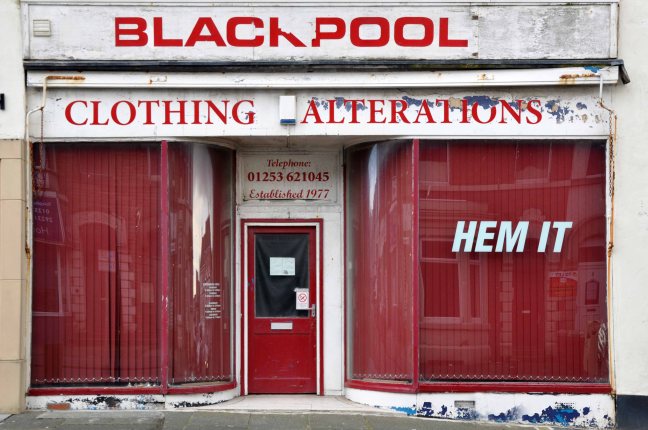
Blackpool – repository of ghosts, dreams, closure, openings, opaque glass.
They come and go on the tide, swept aside before they’re built.
Lost, amongst the listless signs of disappearing possibilities.
Cars and closures caused the station to withdraw up the road, to its current much smaller site.
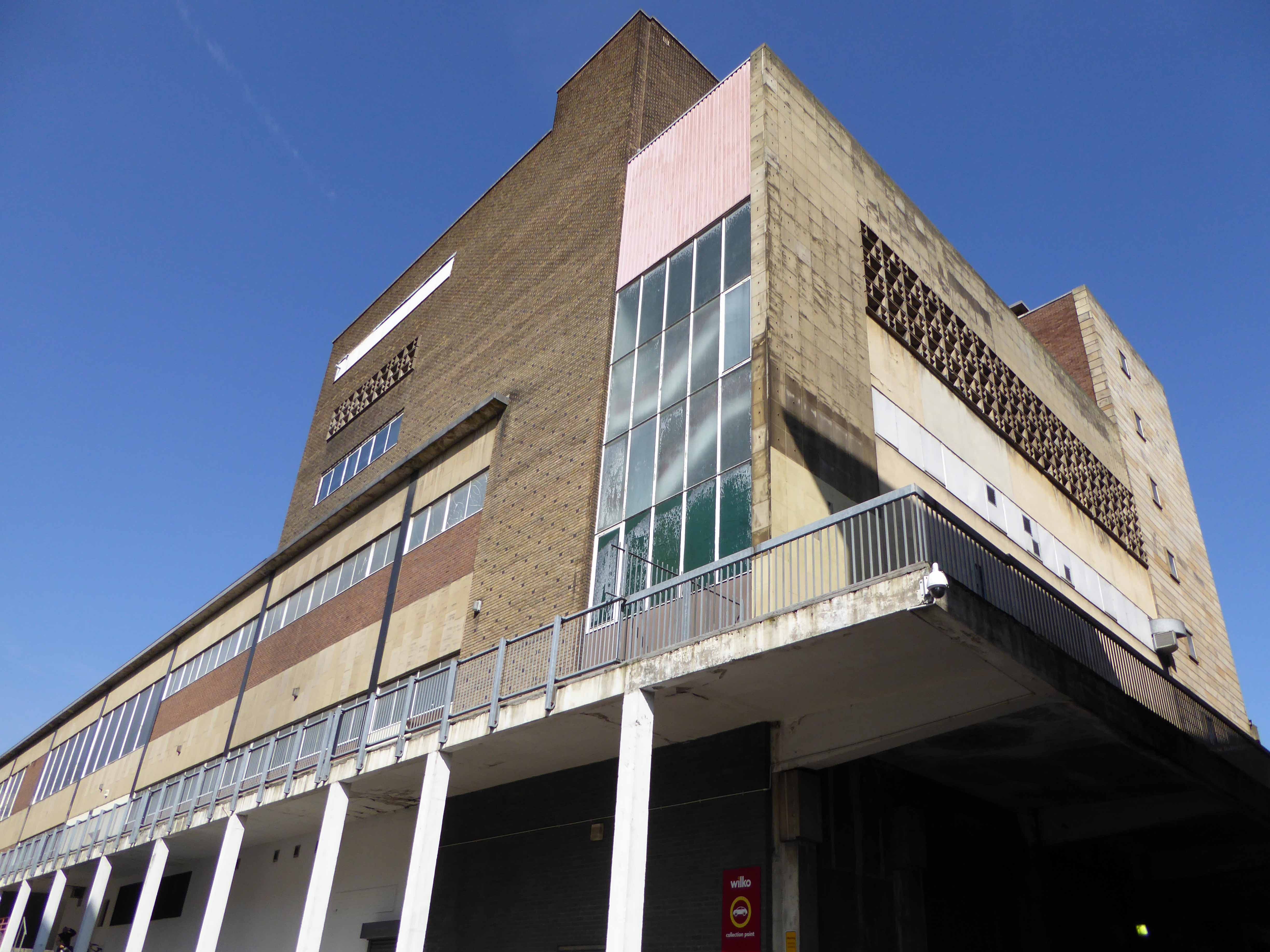
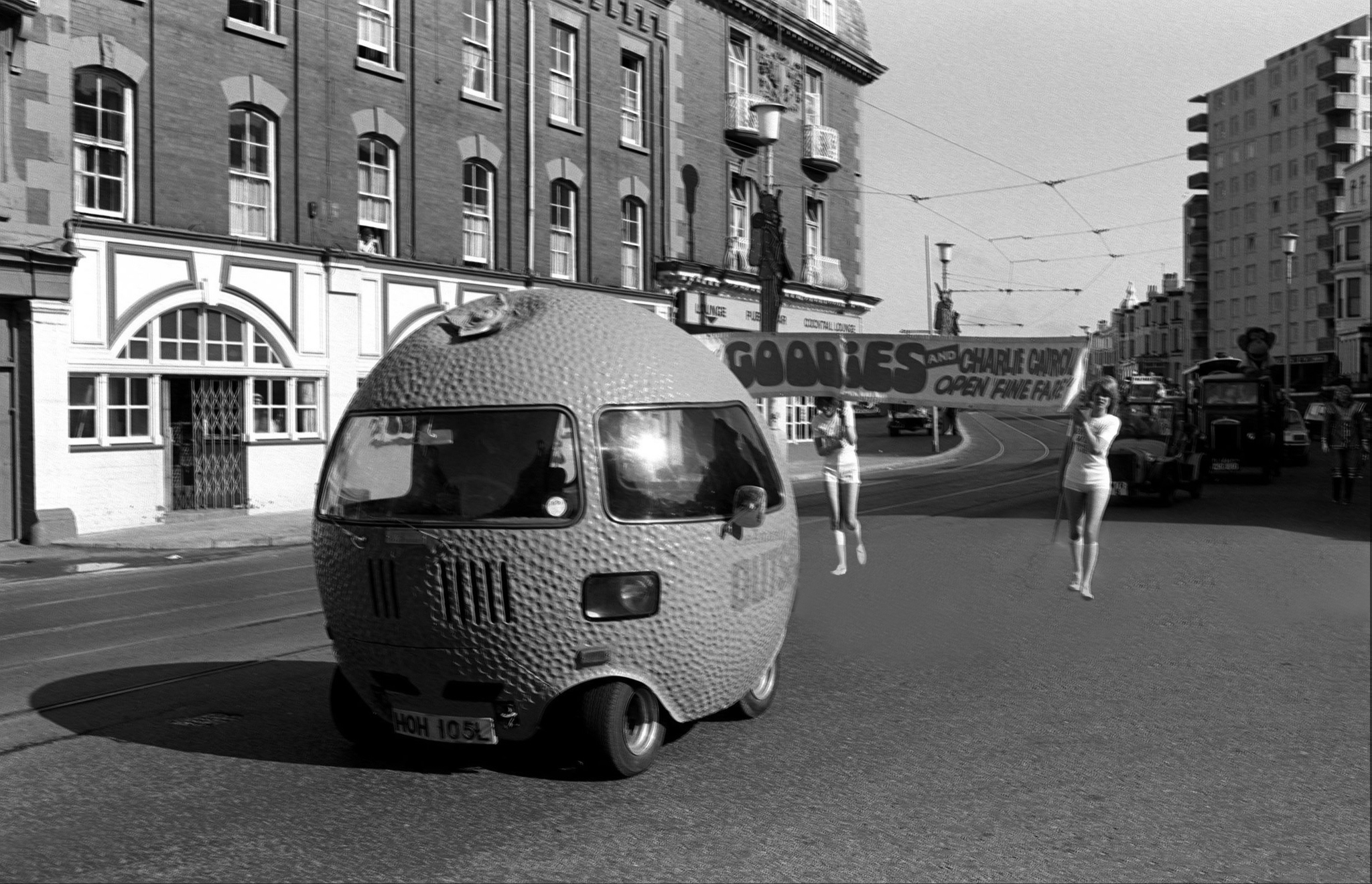
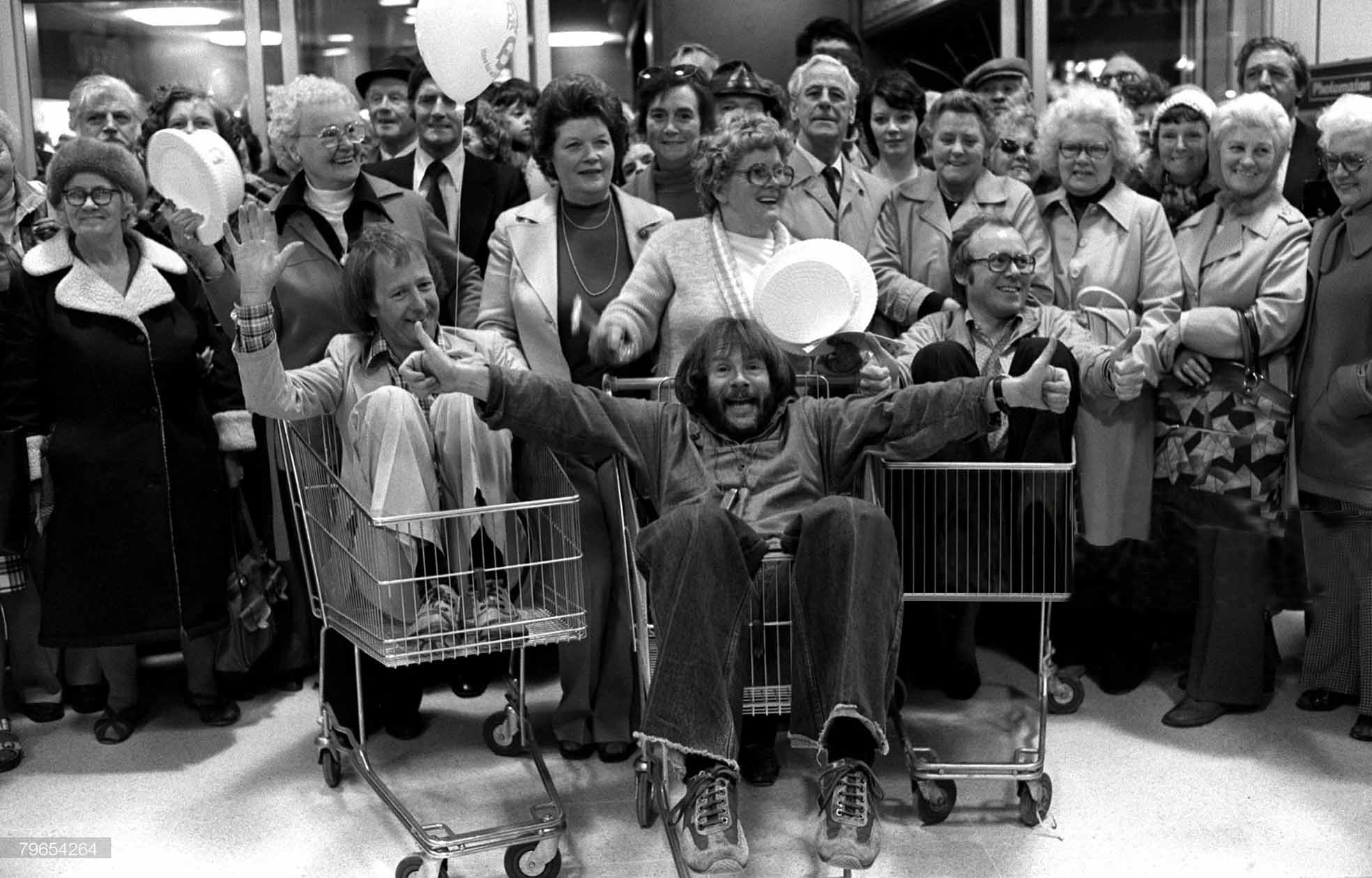
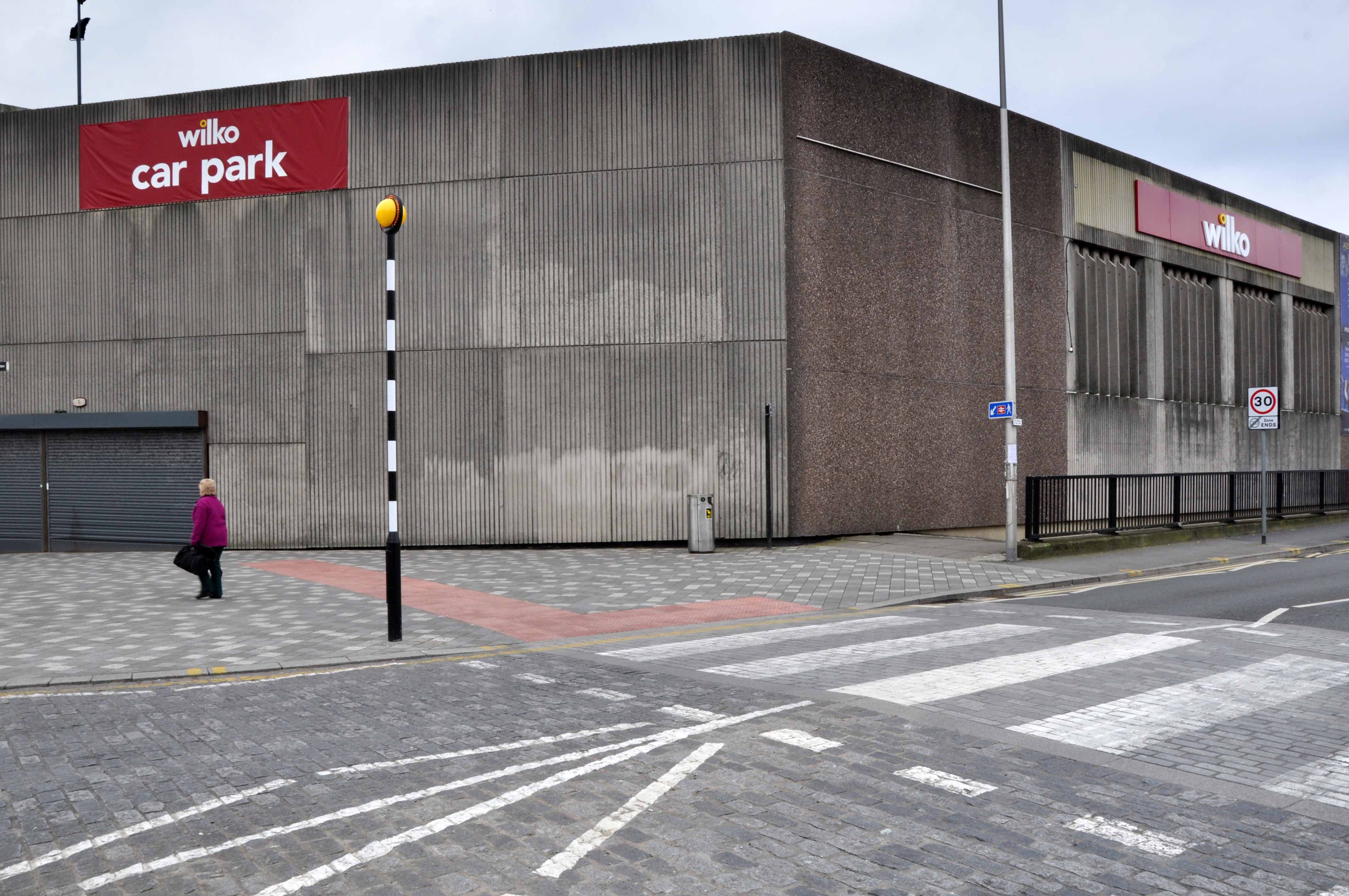
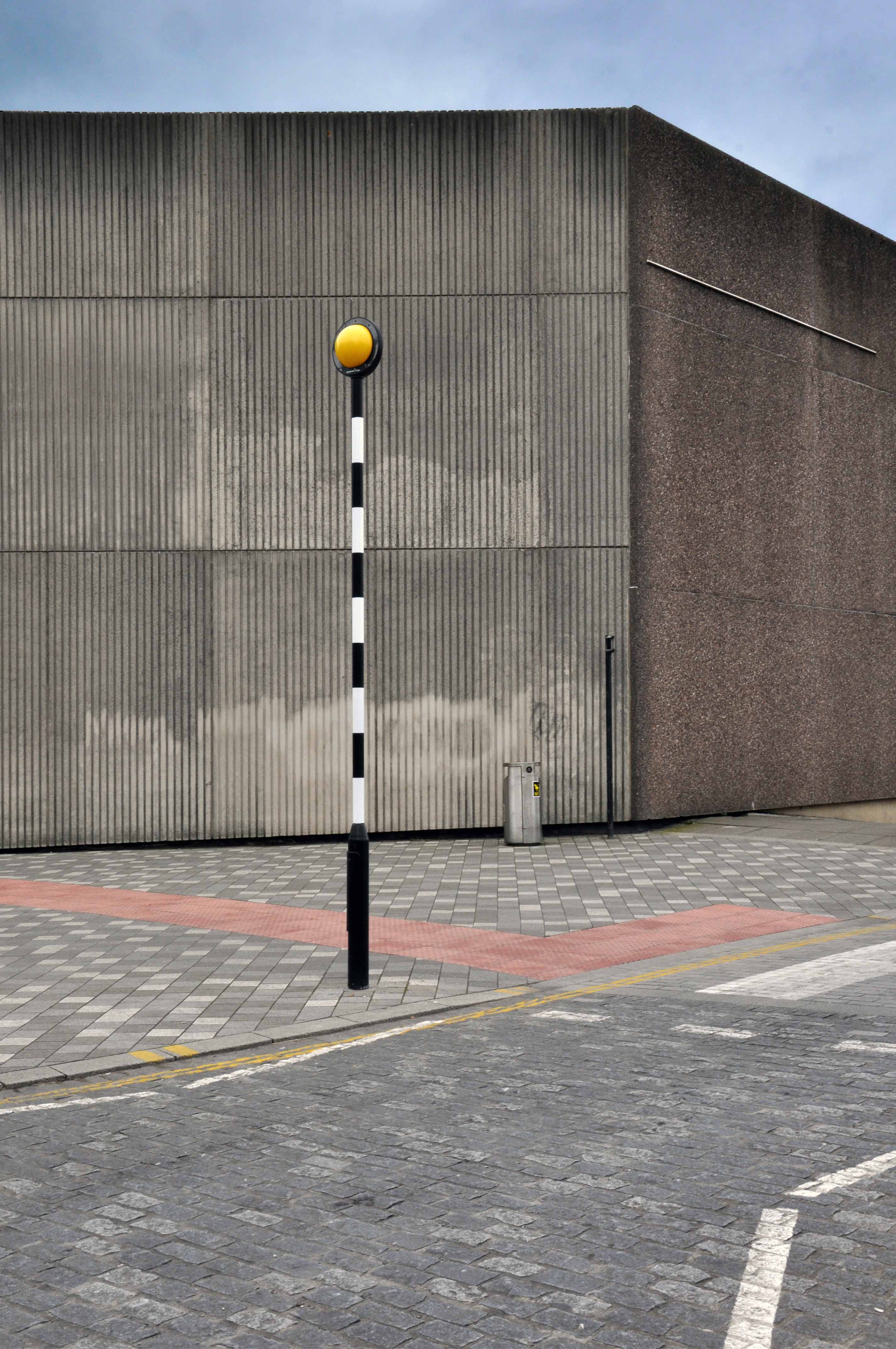
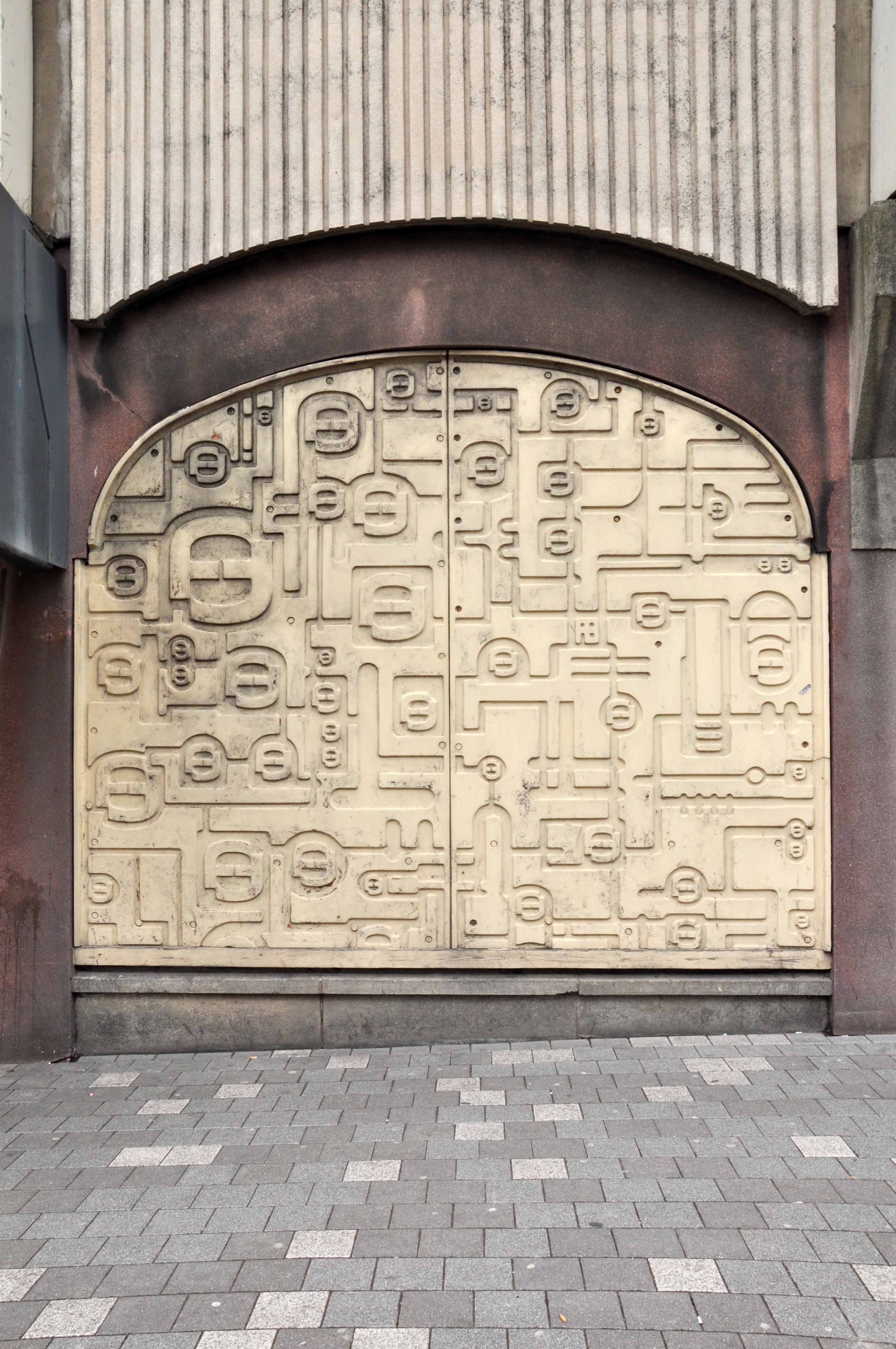
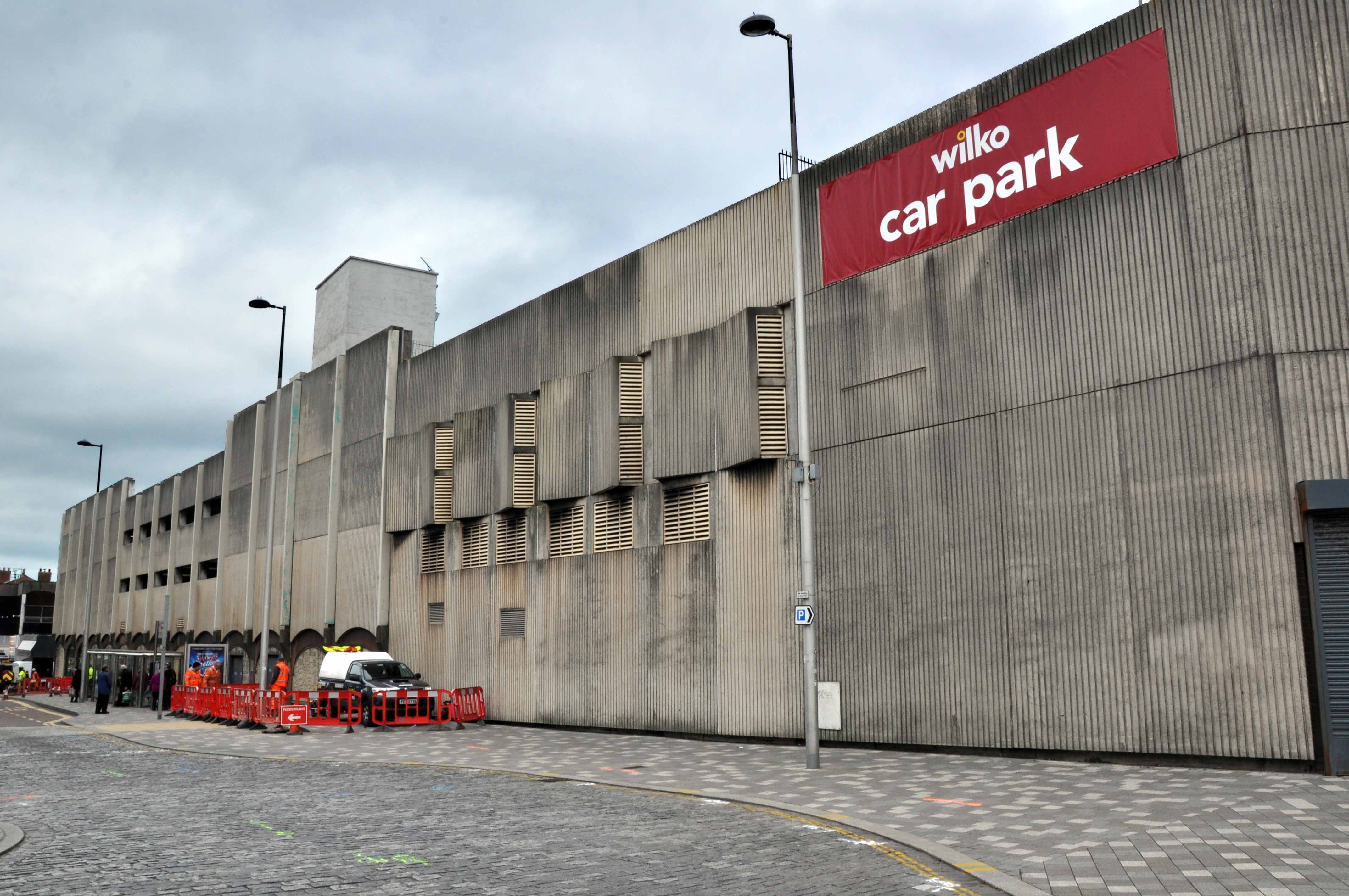
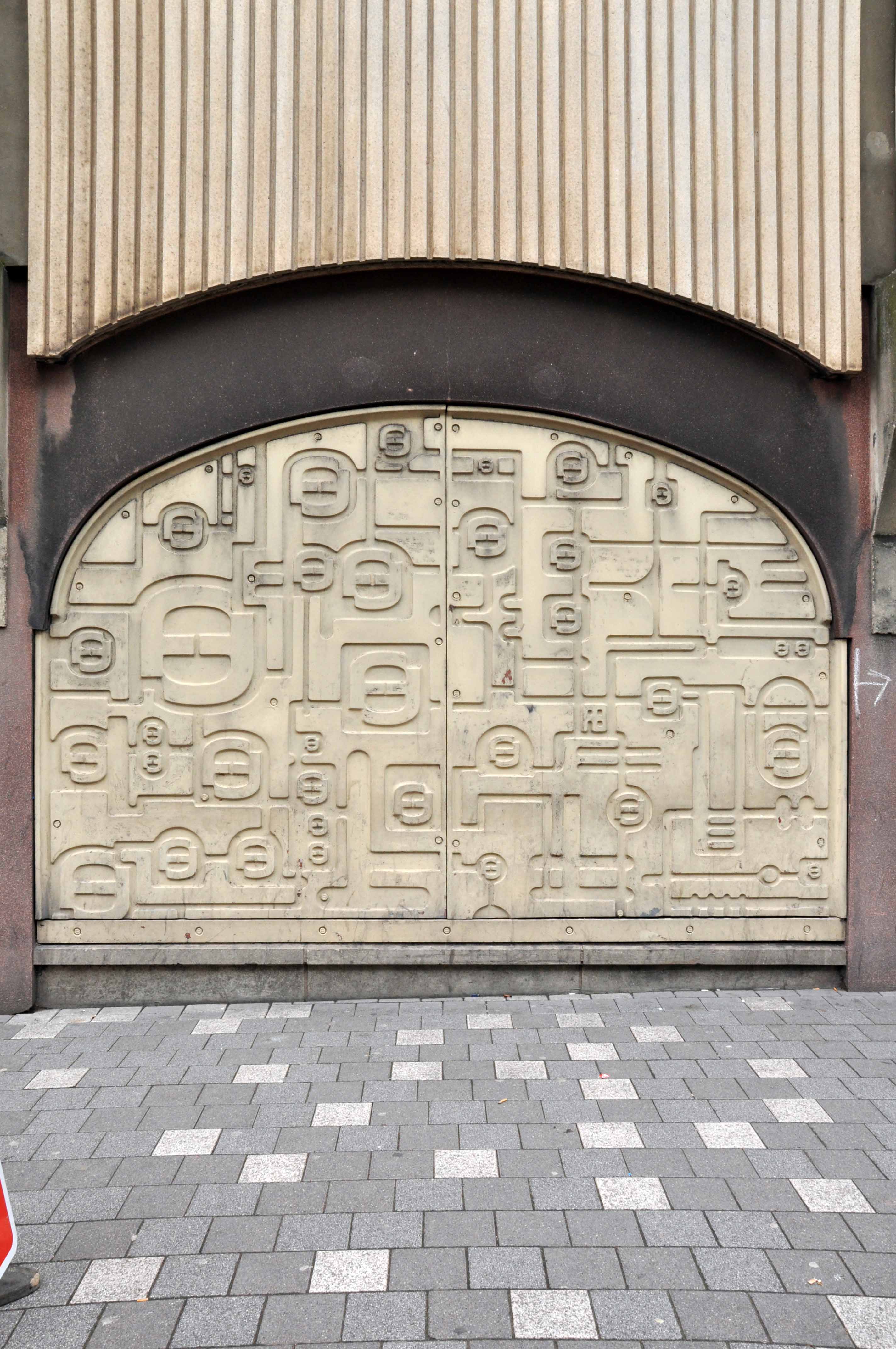
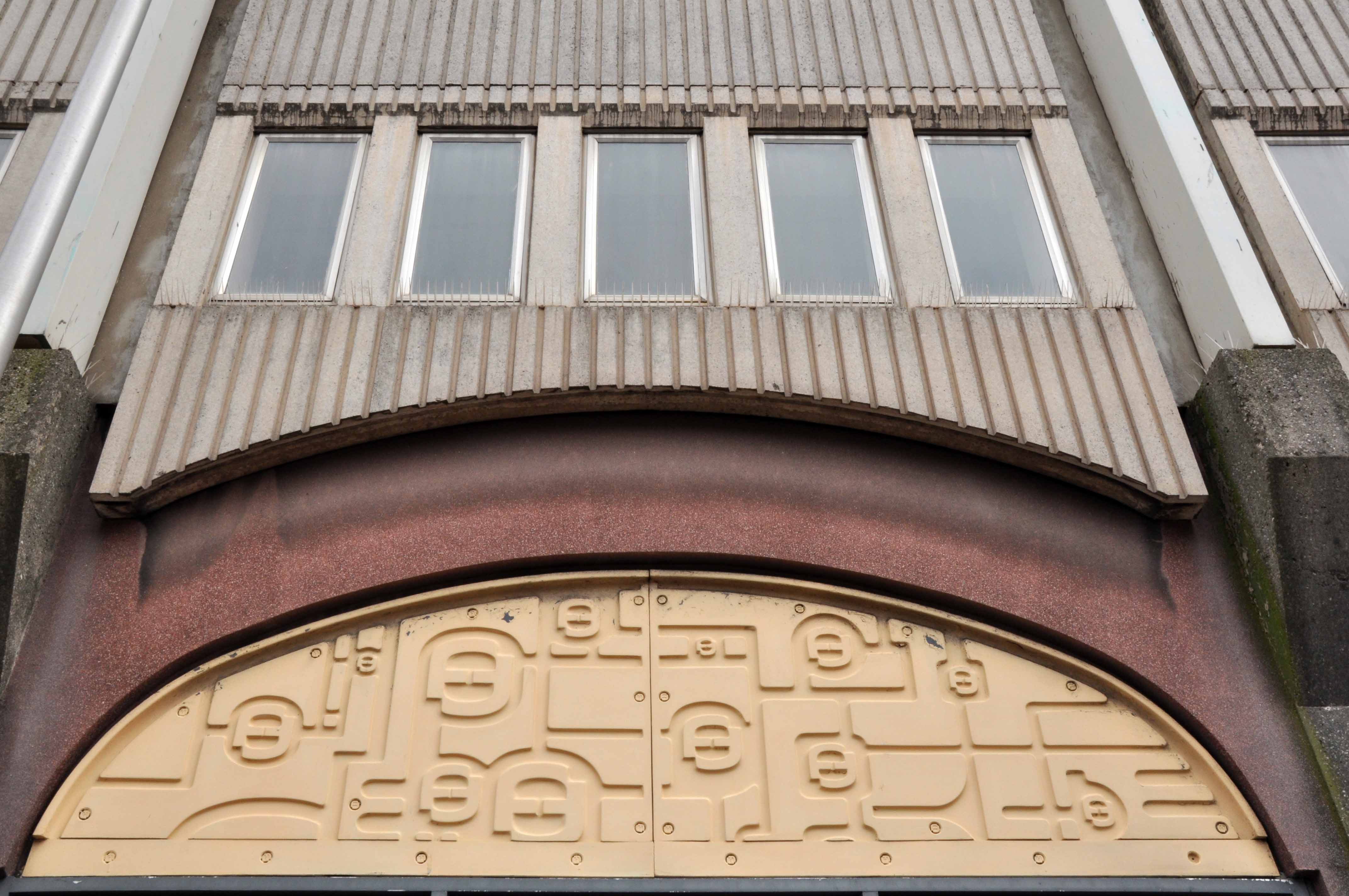
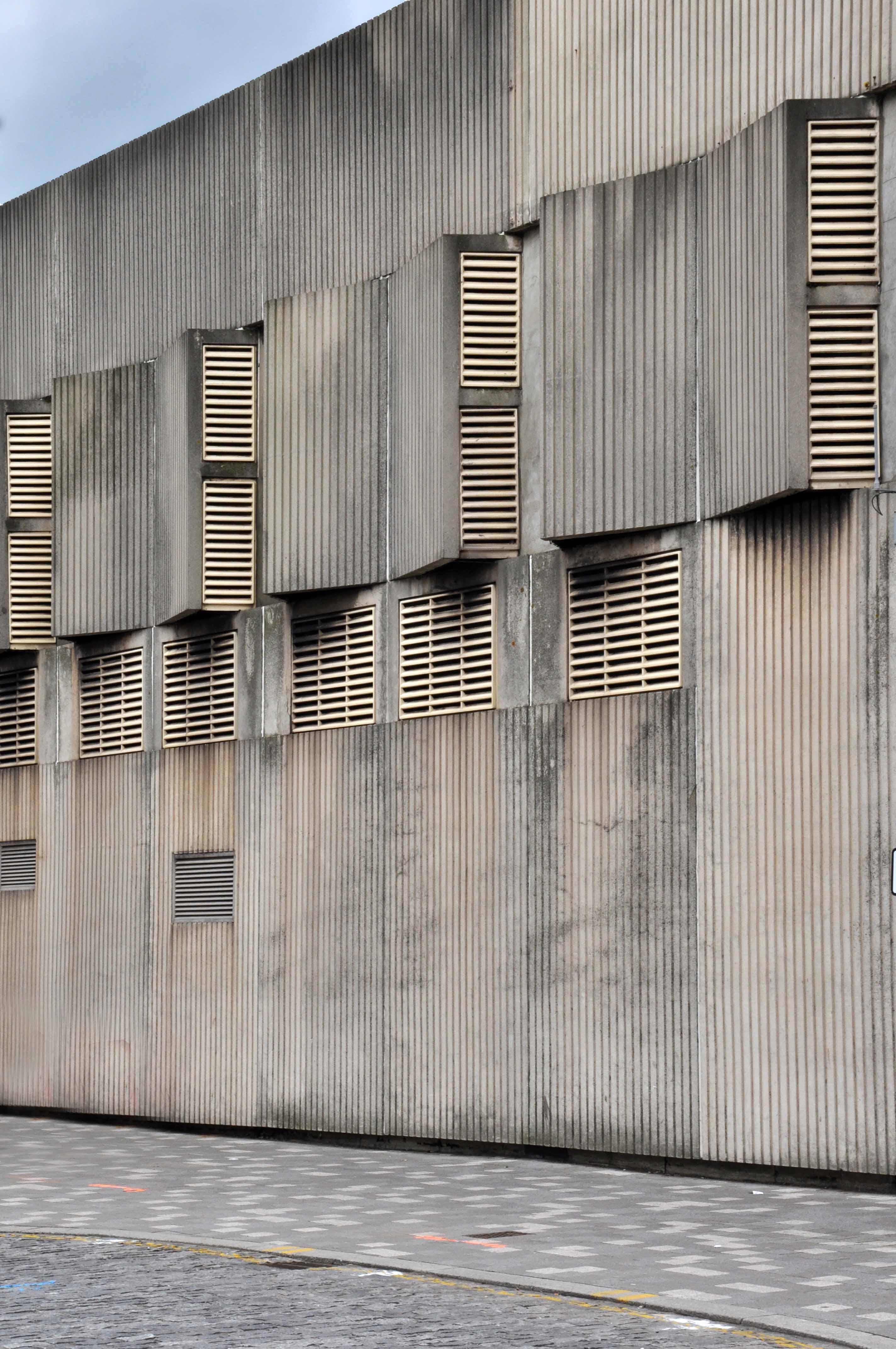
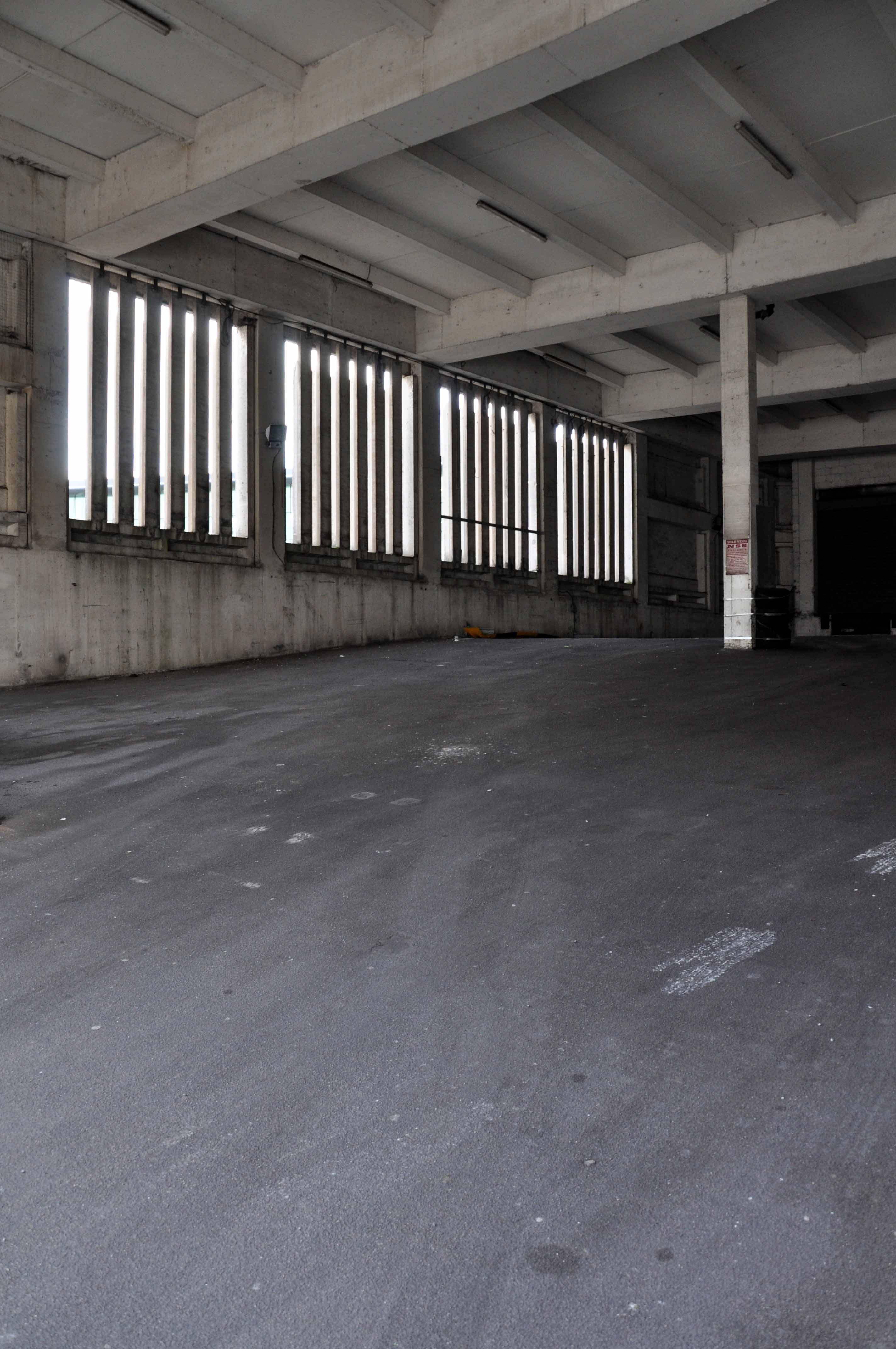
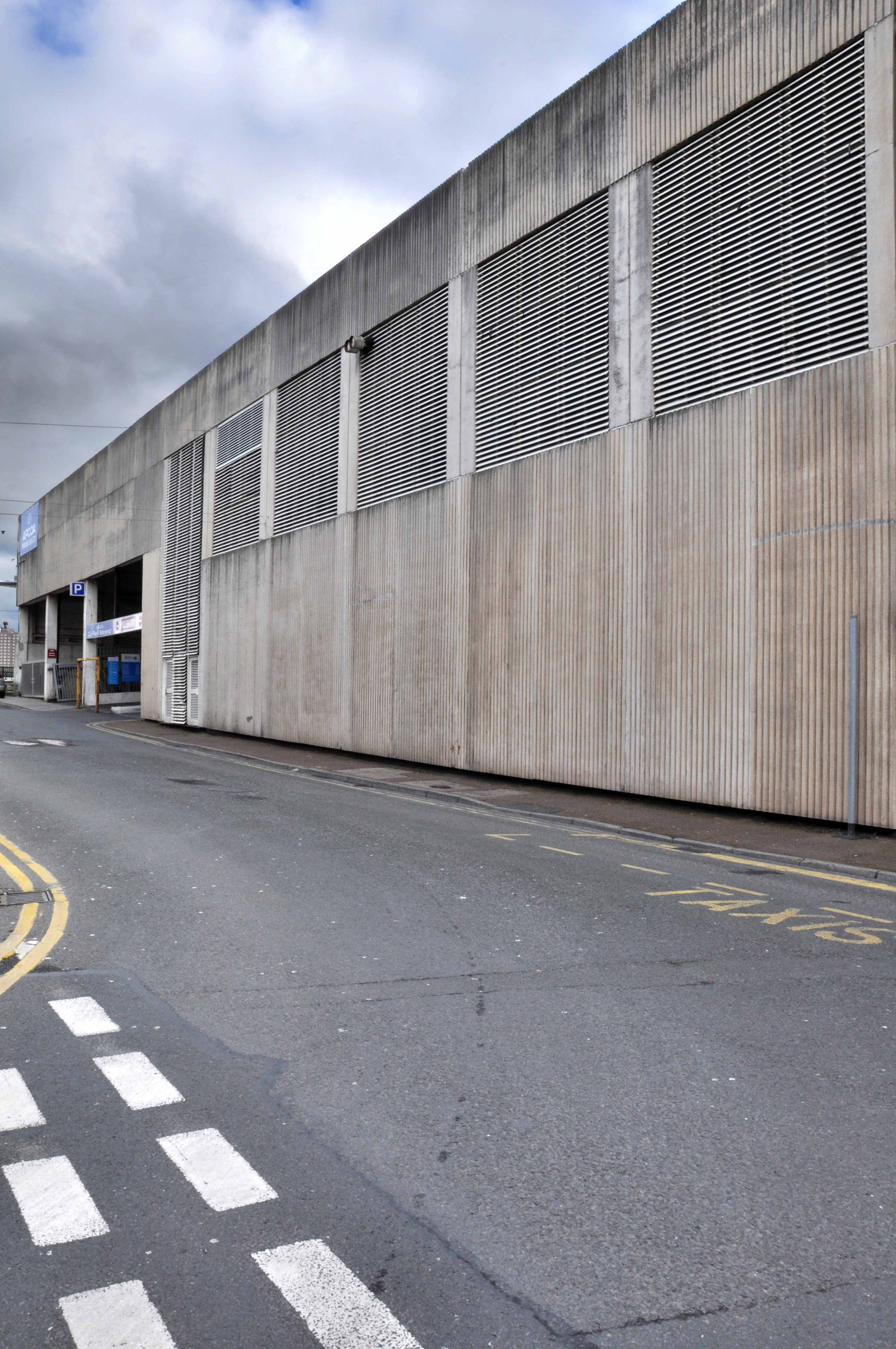
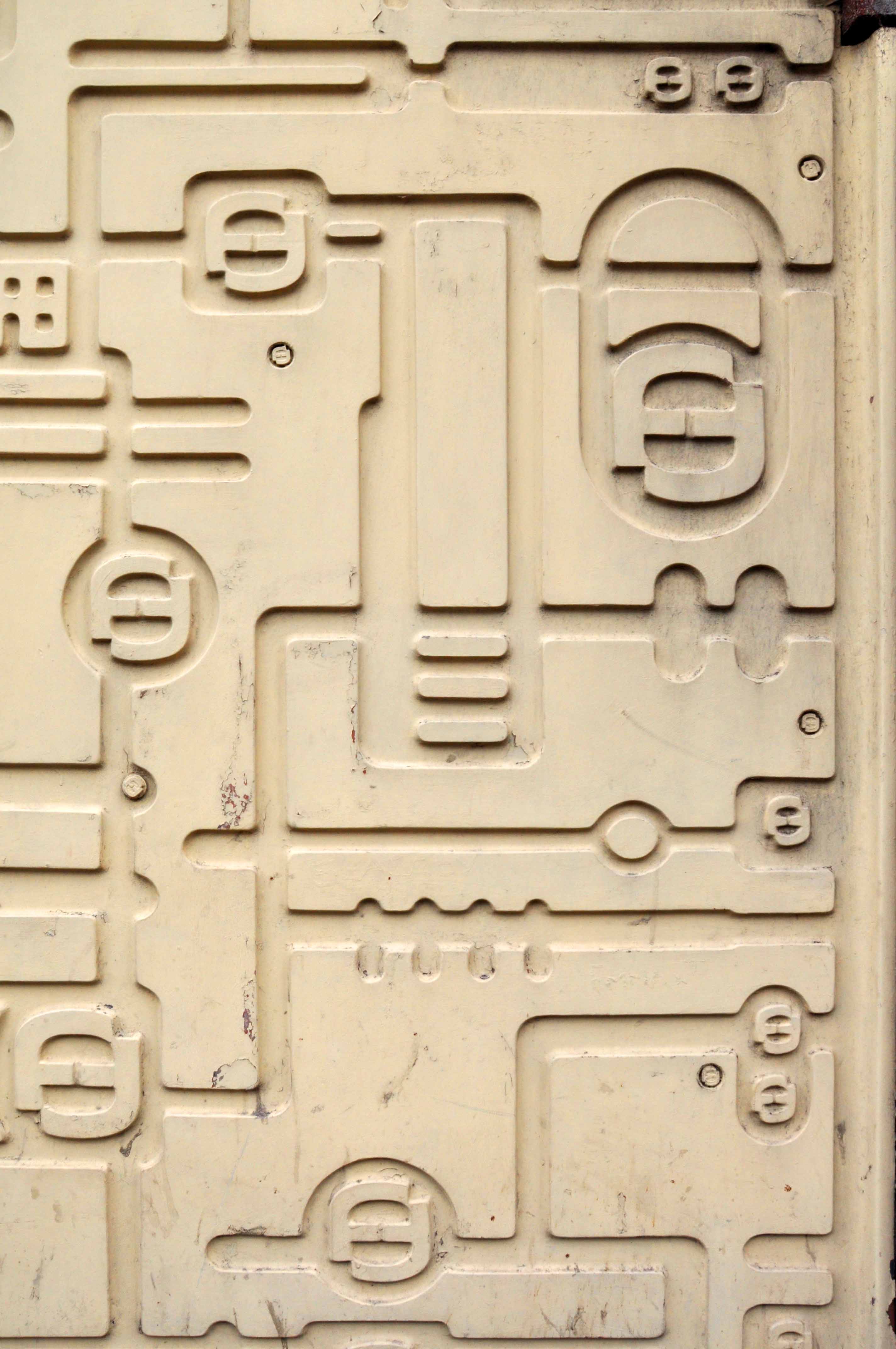
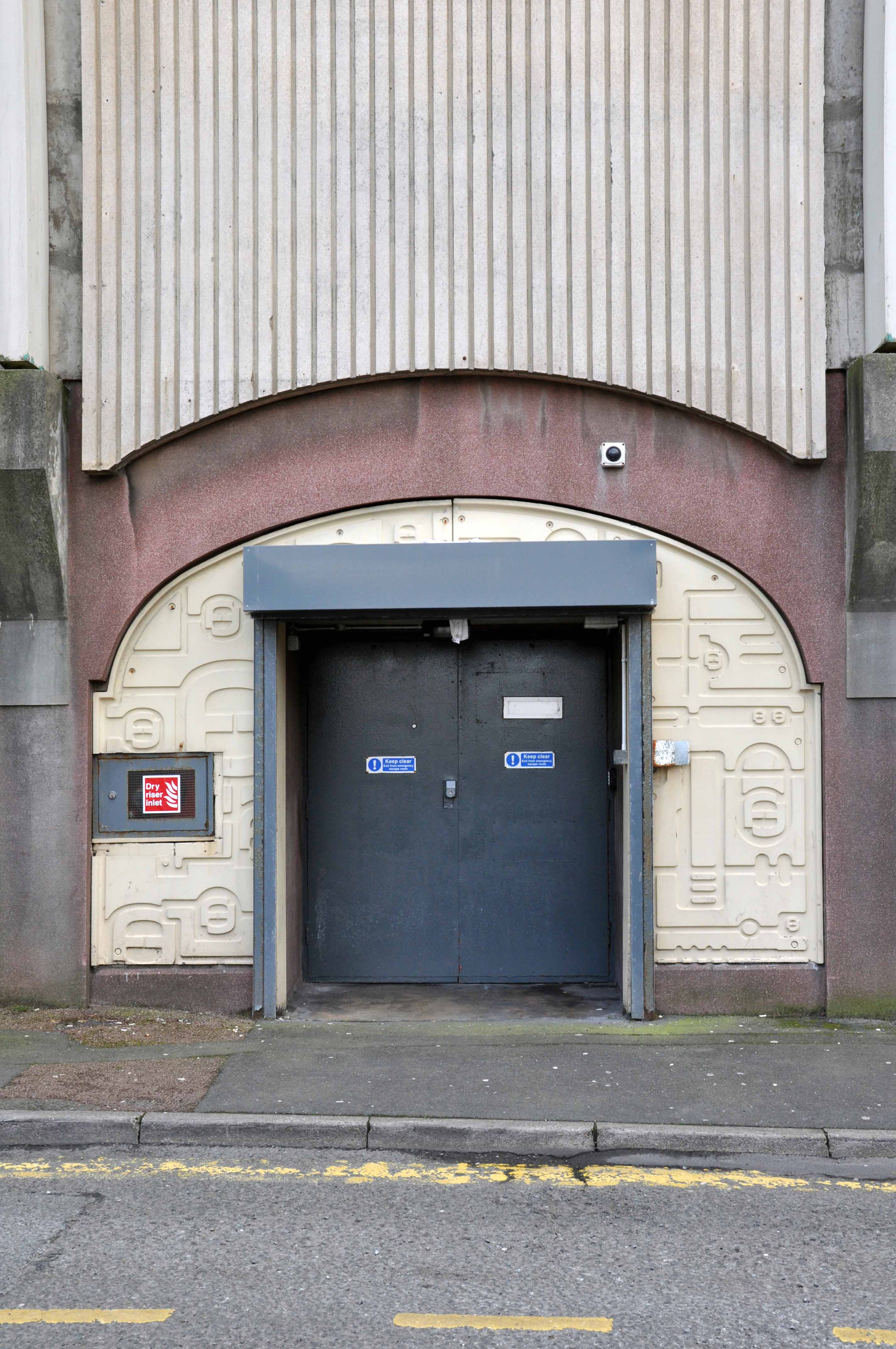
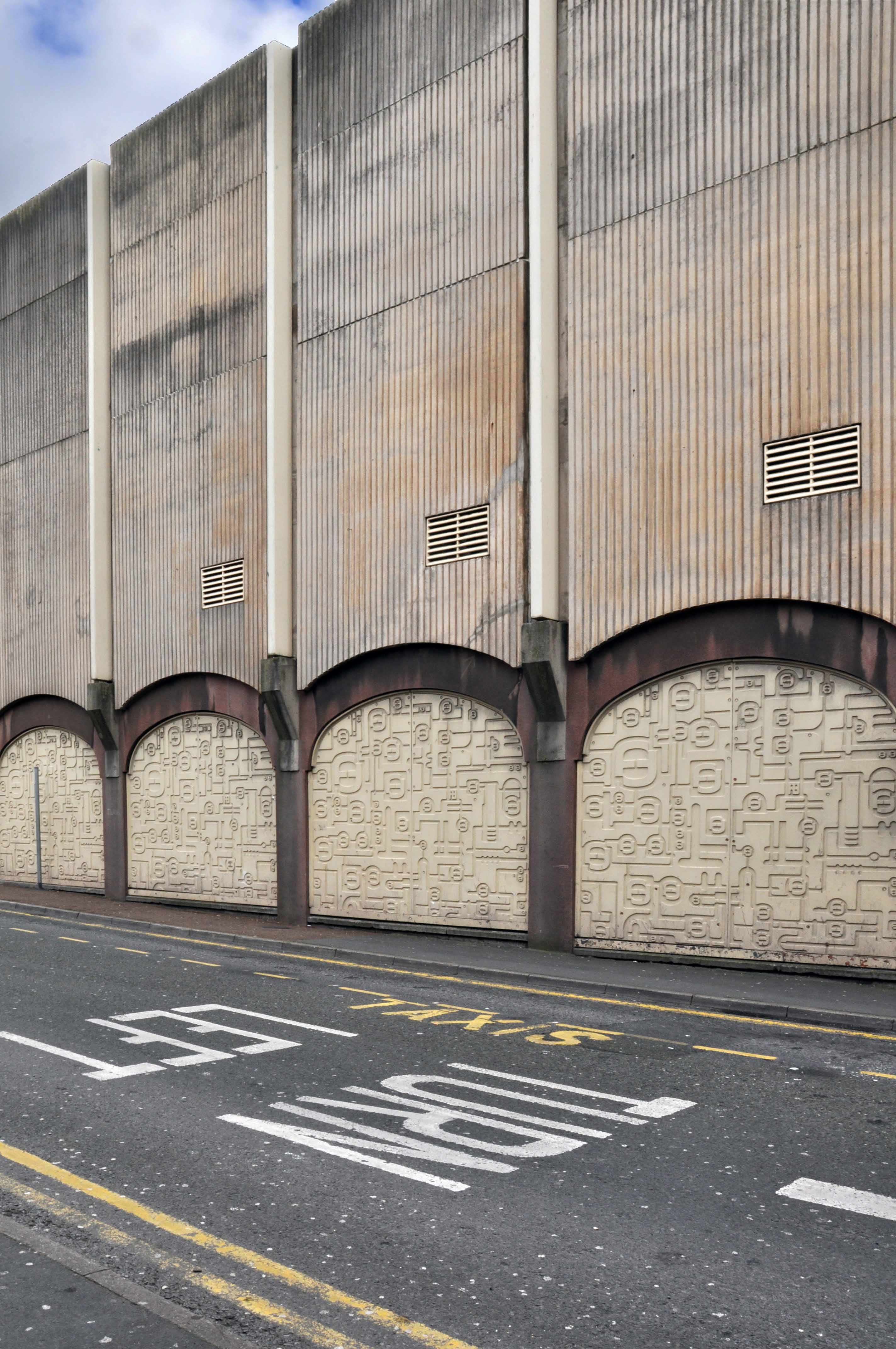
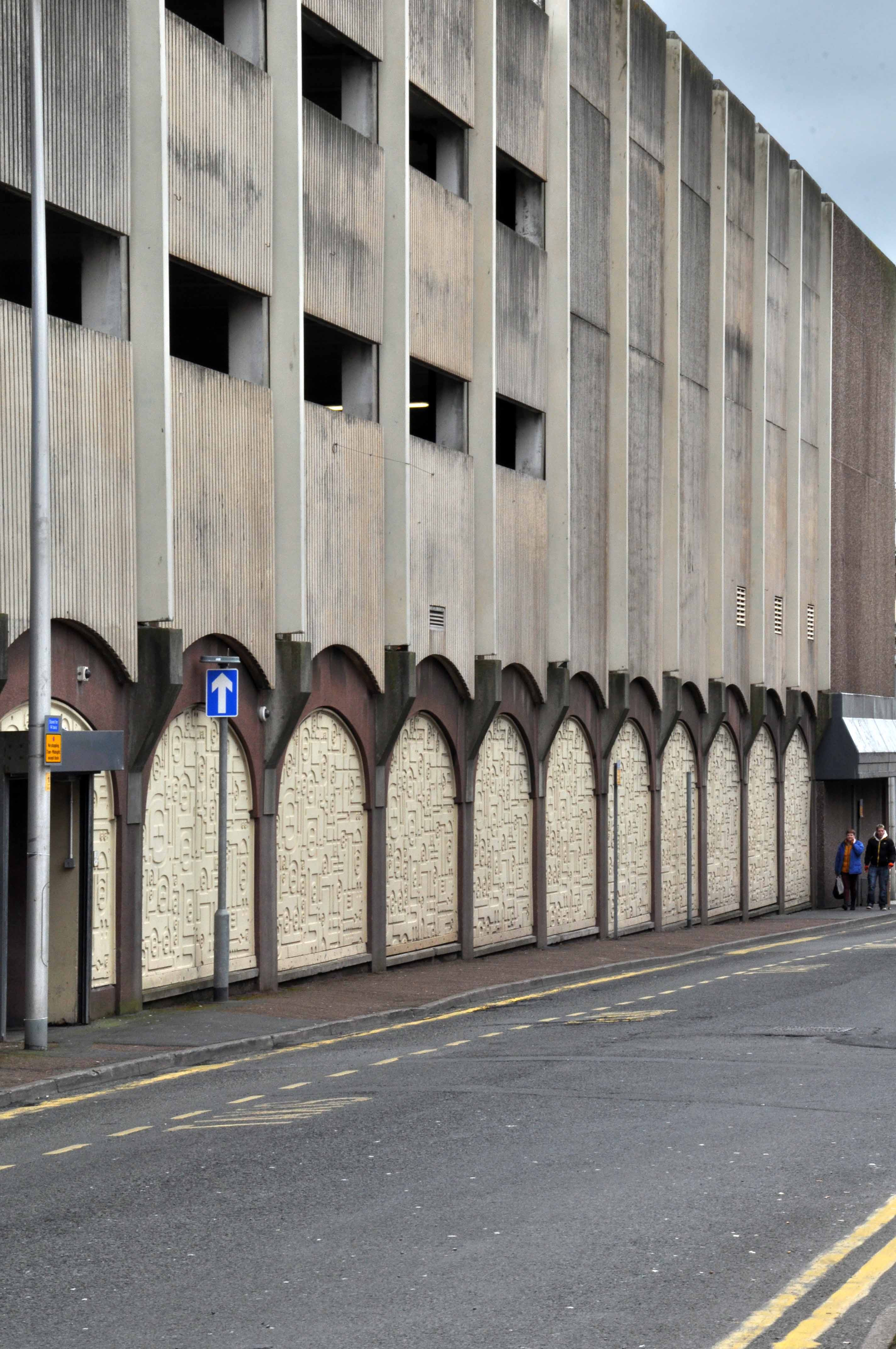
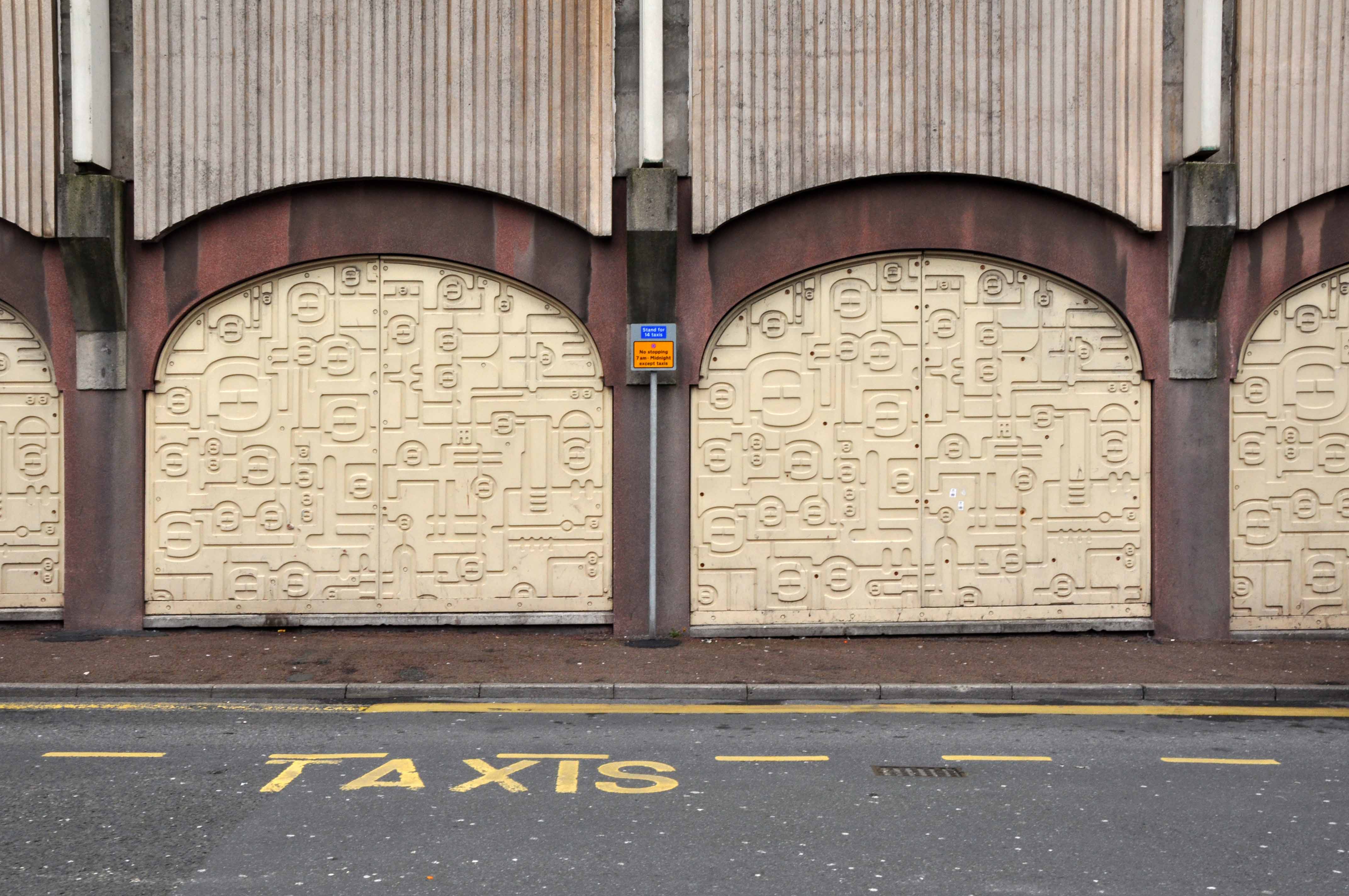
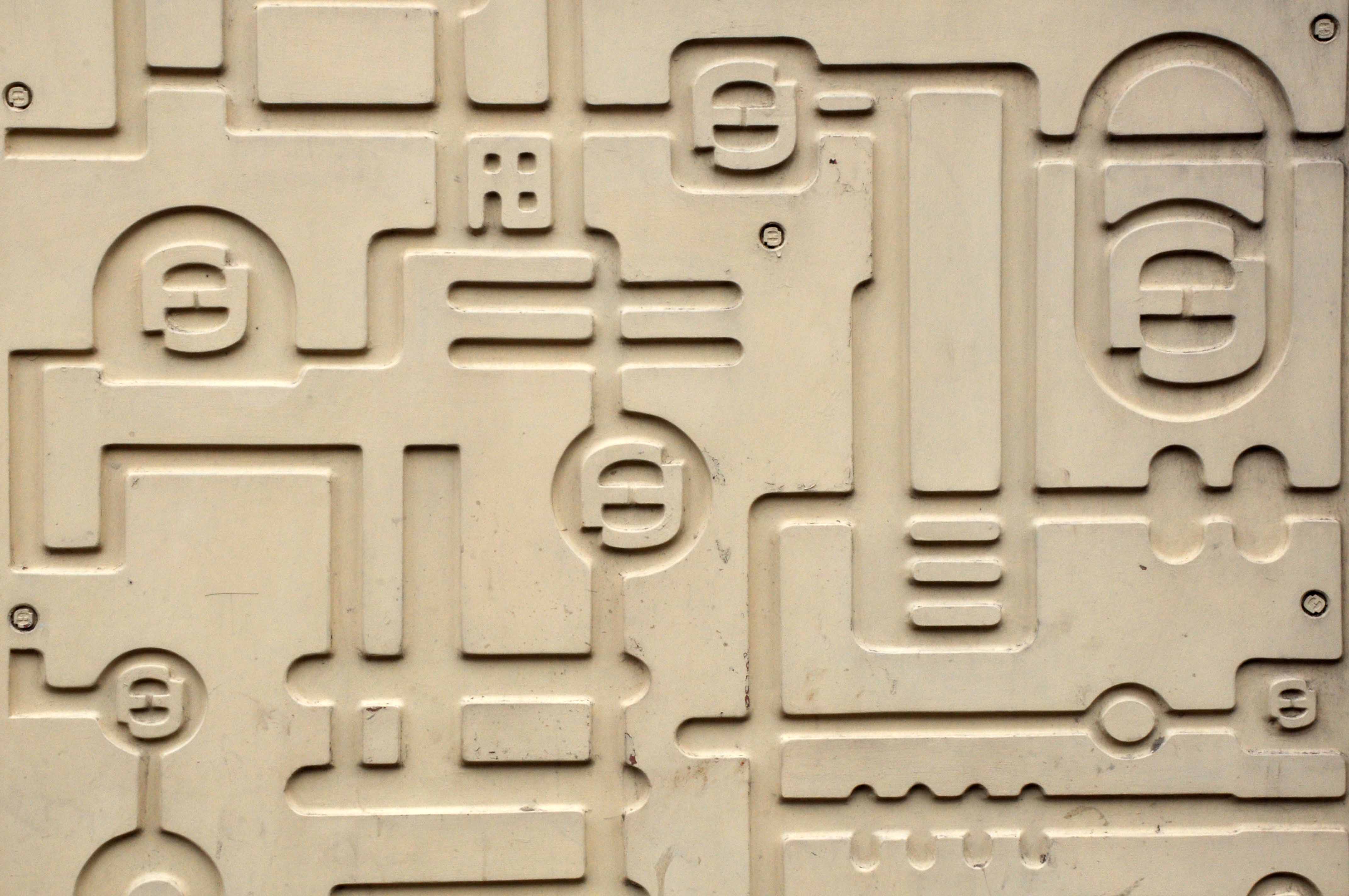
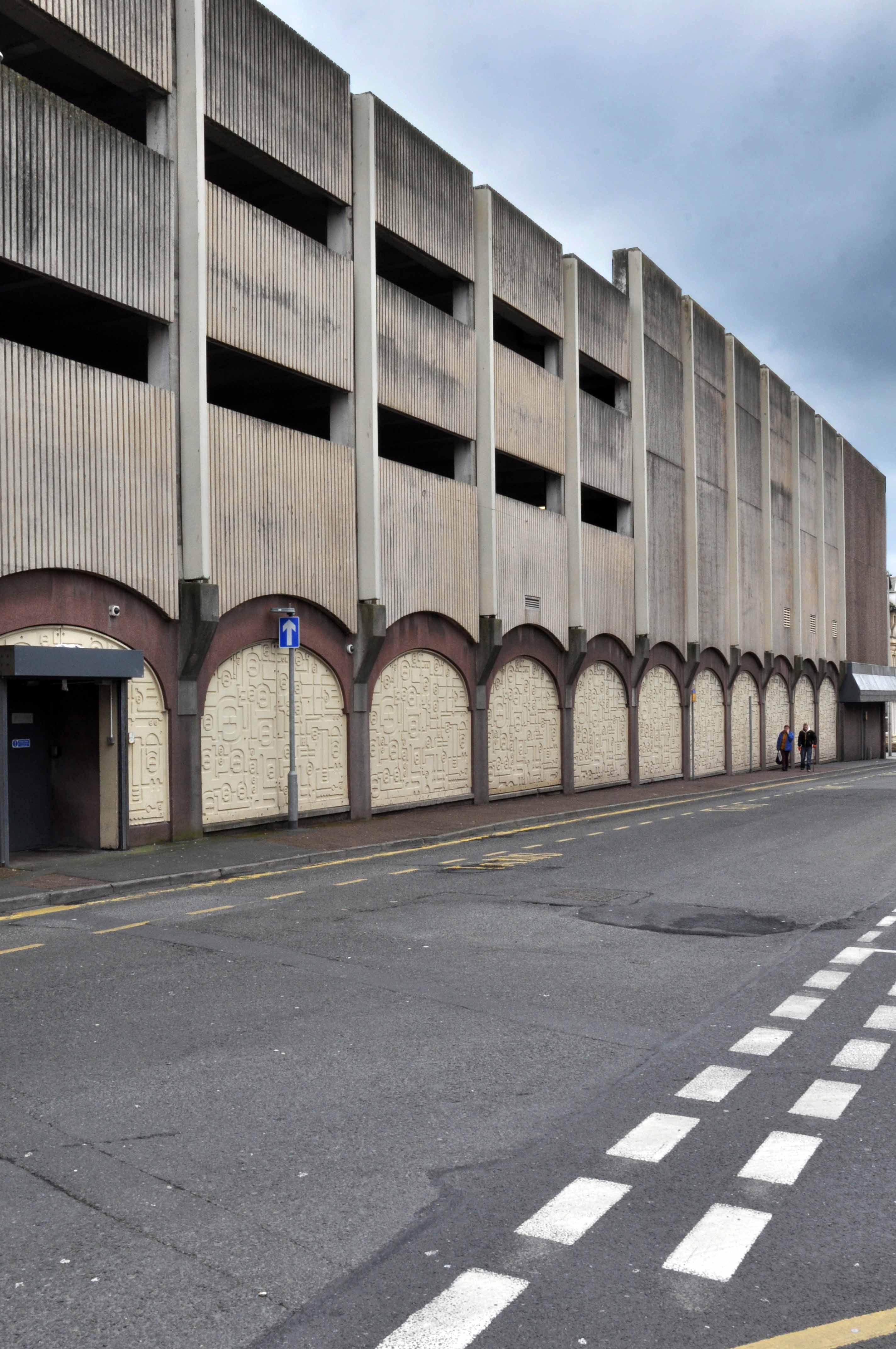
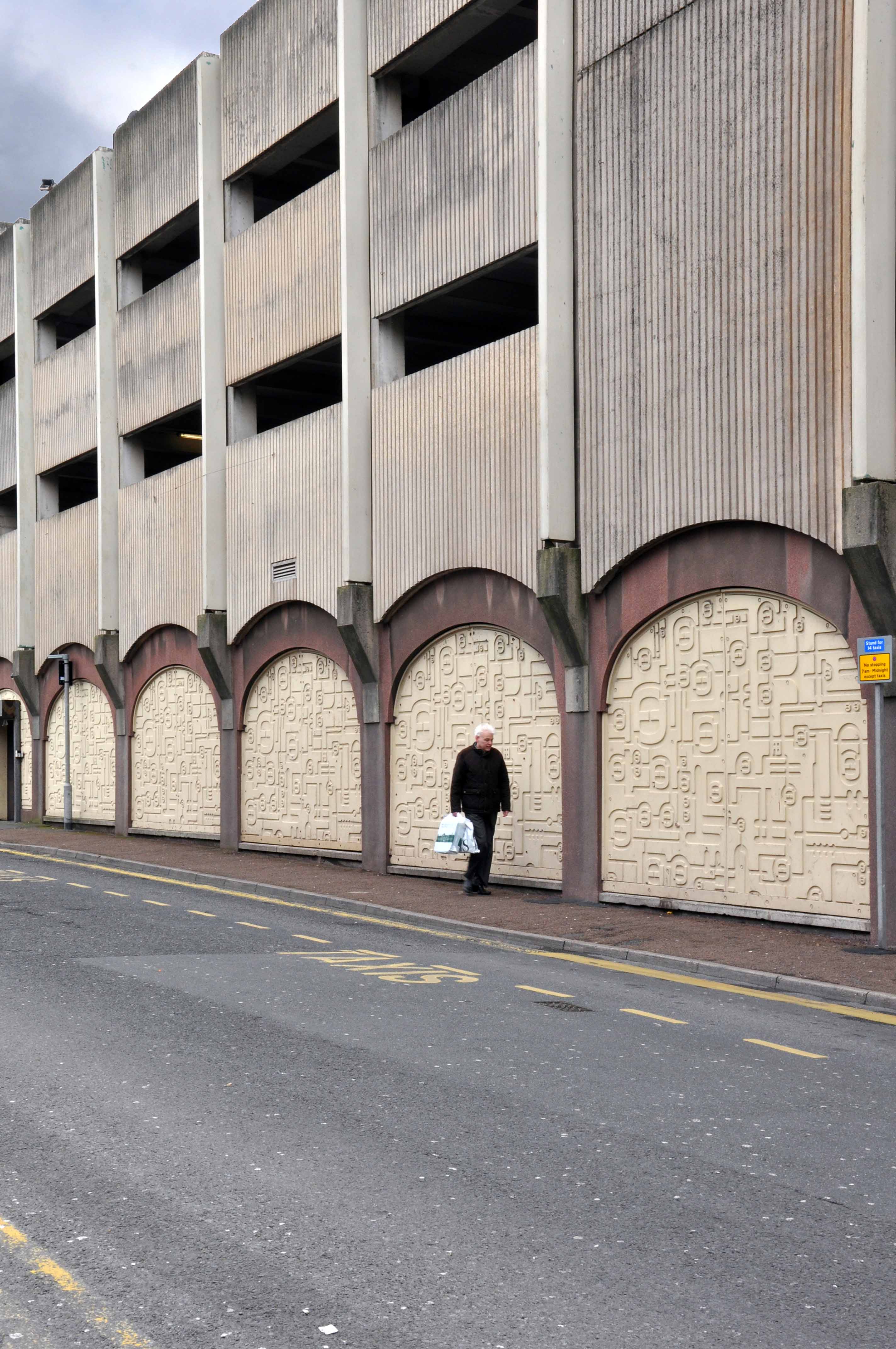
Subsequently Fine Fare arrives with a fanfare of moulded plastic panels, and cast concrete walls.
Opened on May 22nd 1979 by the Goodies.
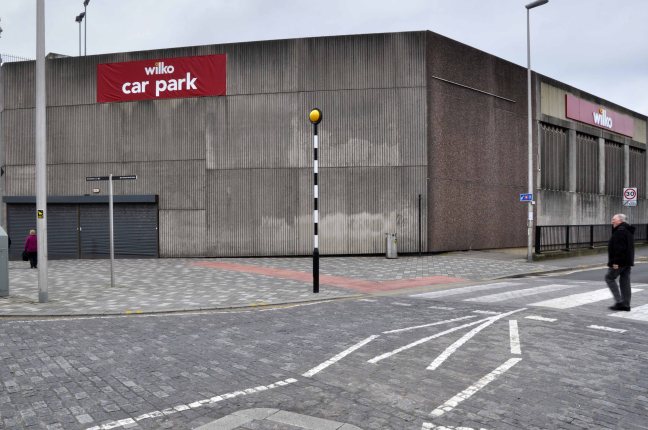
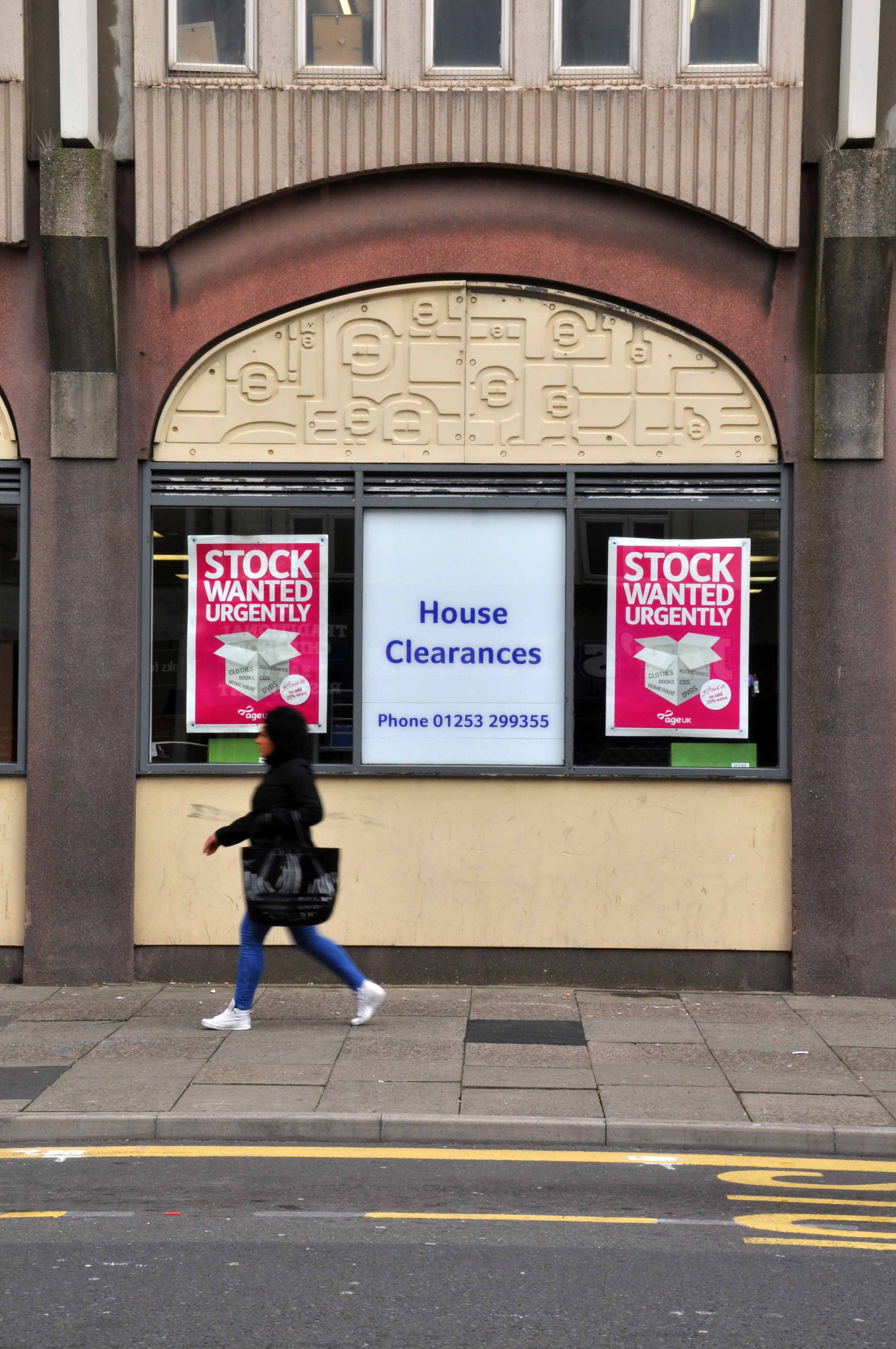
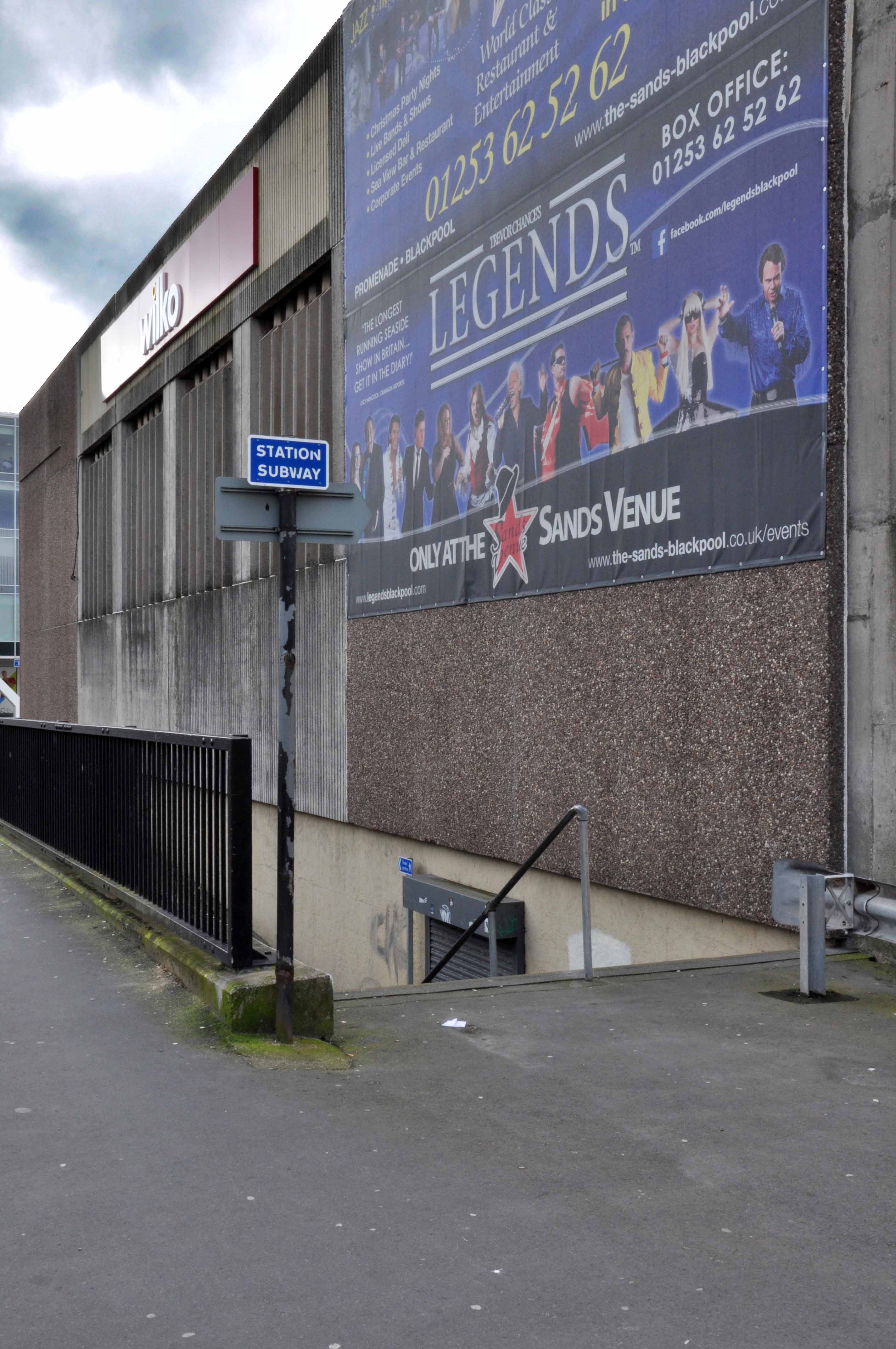
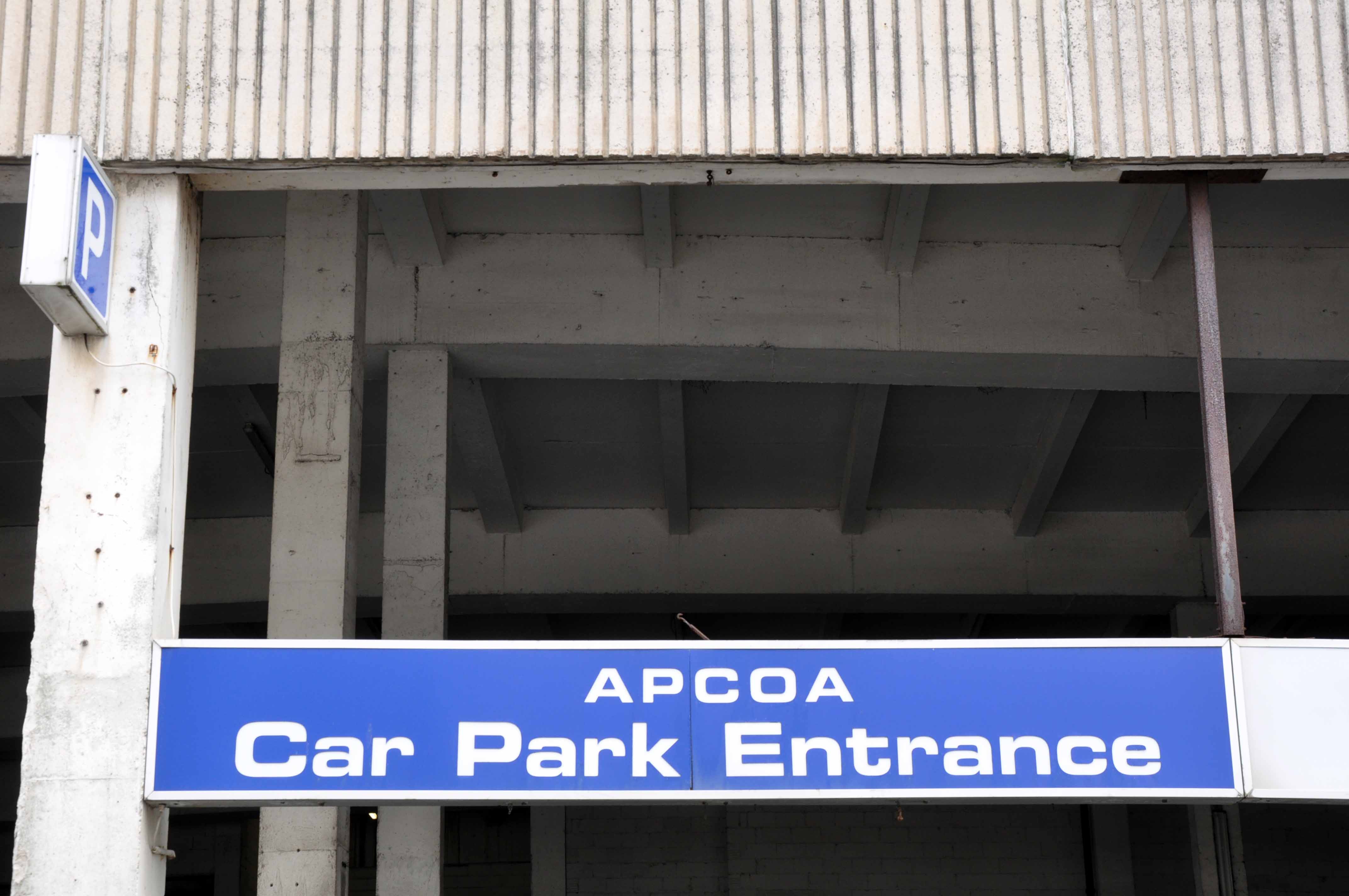
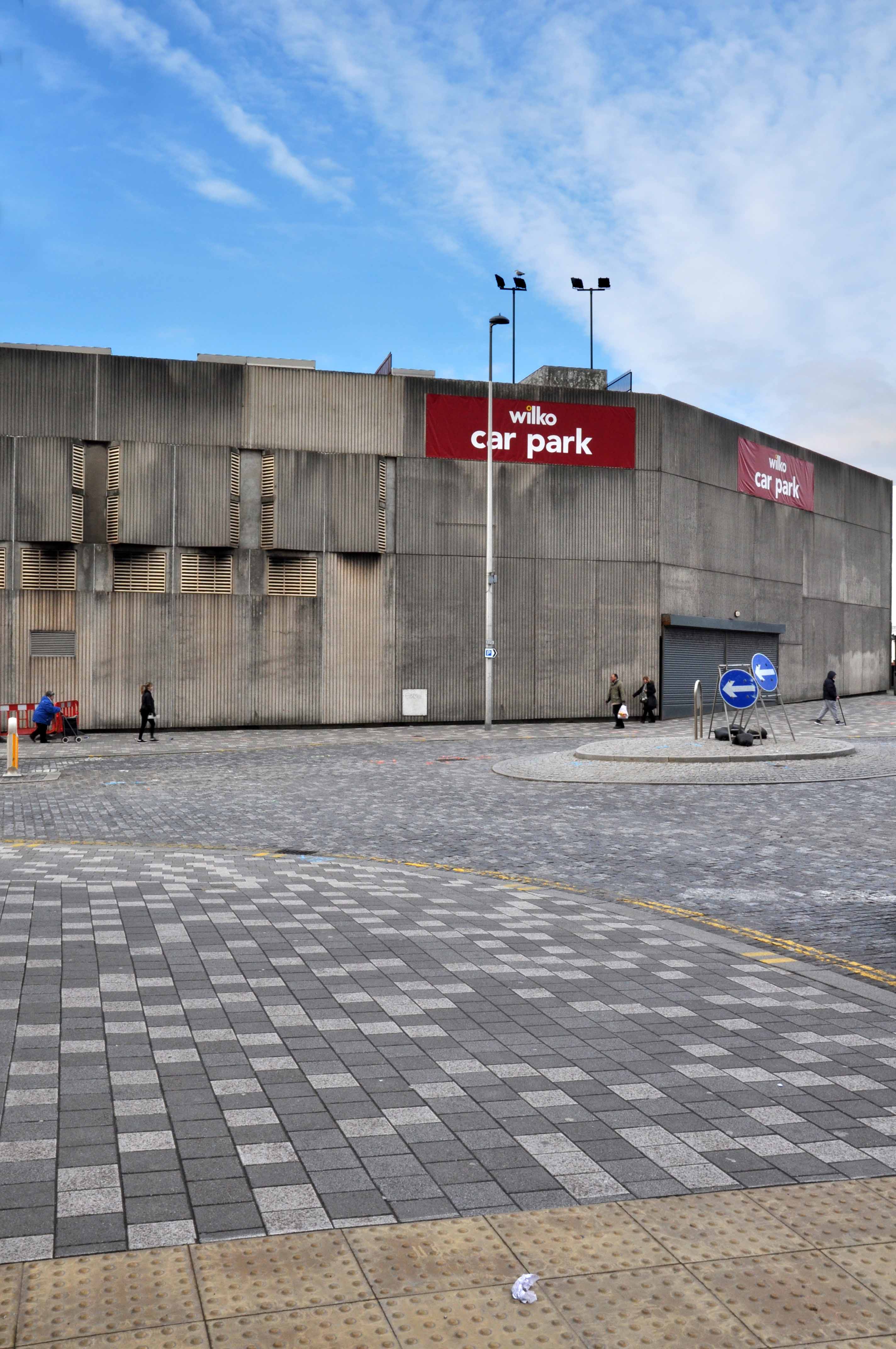
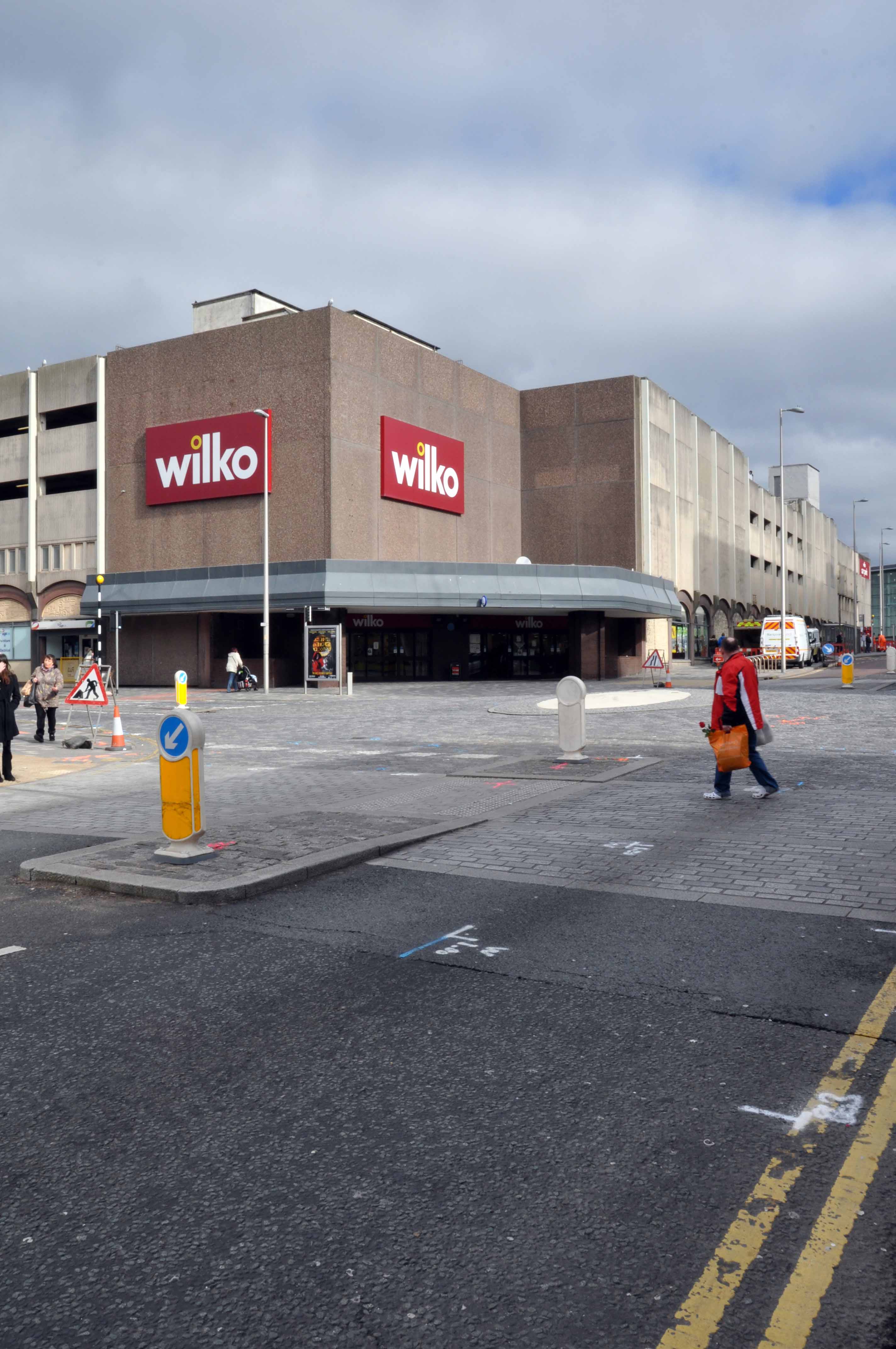
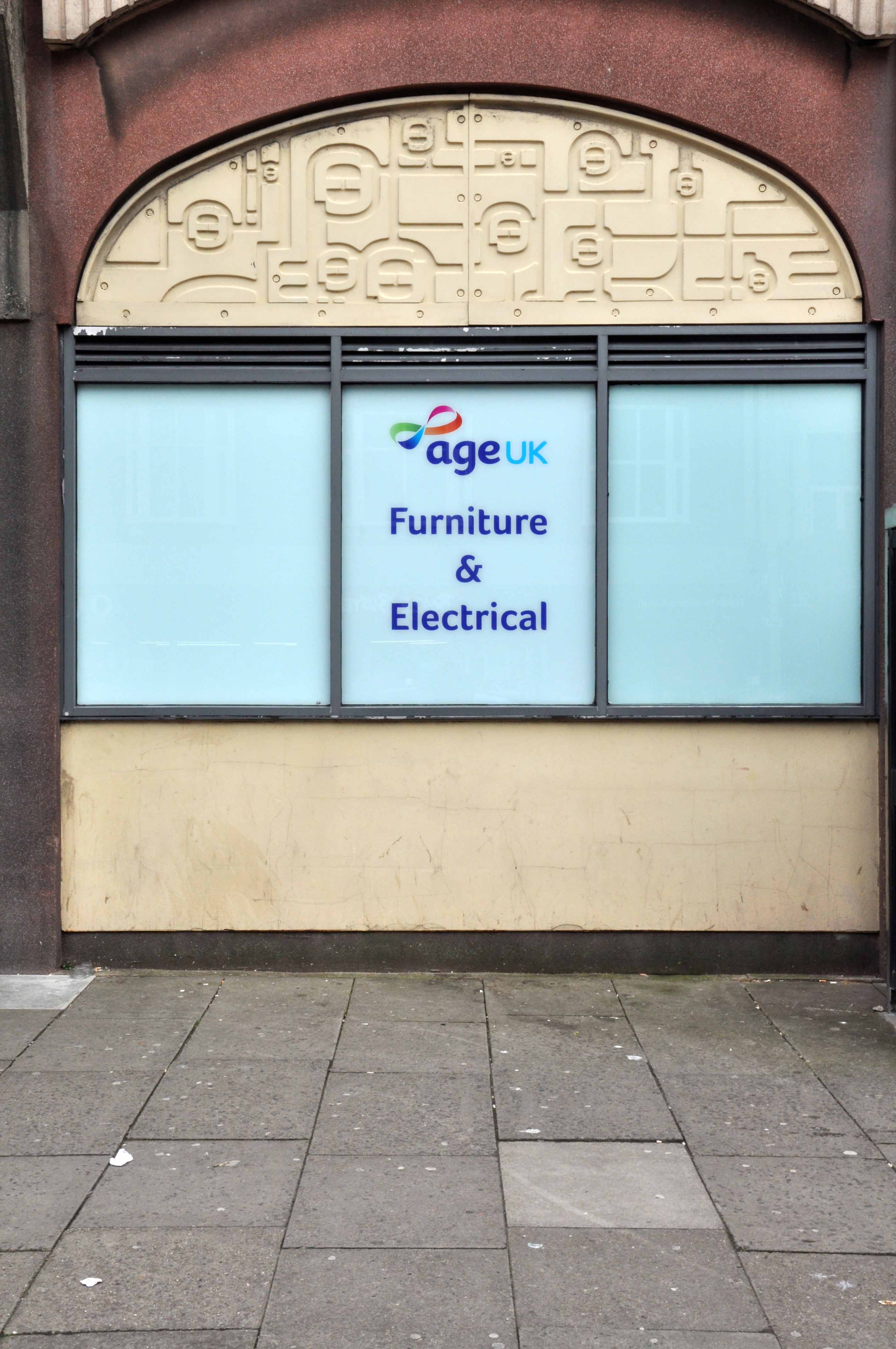
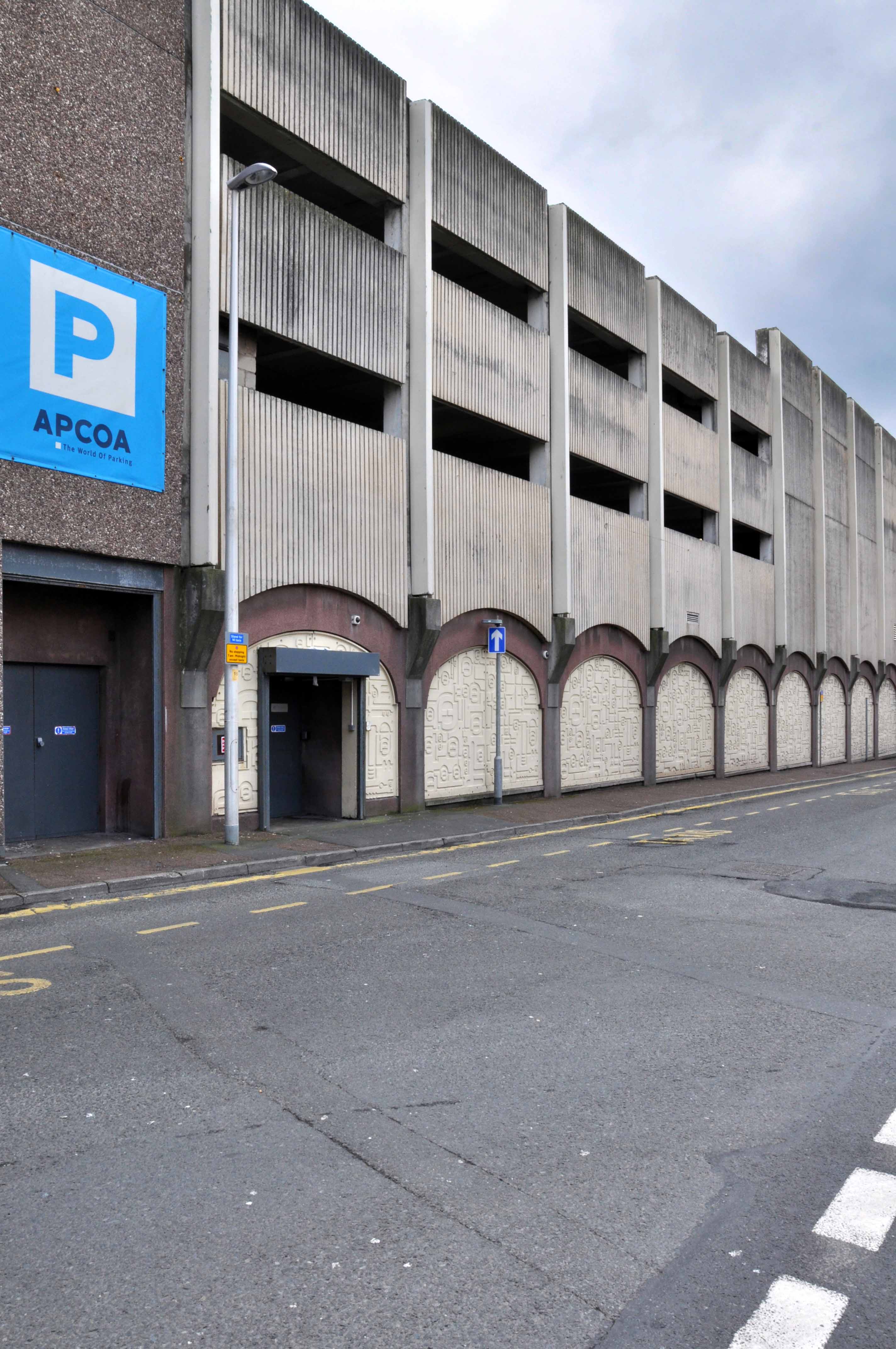
Superseded by Food Giant, Gateway, Dunnes Stores, Kwik Save and Somerfields – possibly others, currently Wilkinson’s Wilko Superstore and Age UK, retaining at all times the attractive integral car park.
Wilko is now to be relocated and the site redeveloped as part of the second phase of the £220m Talbot Gateway – whereby trams will link the promenade with the Station.
Possibly.
The tale is the typical mix of Council, Developer on/off, binary obfuscation, secrecy, smoke and mirrors.
Councillor Fred Jackson says:
“We are in talks with our development partner Muse but there is a confidentiality agreement so there is very little I can say.”
Whatever the outcome I do hope the panels are saved, having notified Historic England several weeks ago, I eagerly await their hurried and considered response…
In the meantime get y’self on the choo-choo to Blackpool North toot sweet, and have a gander at a fine Fine Fare plastic panel or two, before you can’t.
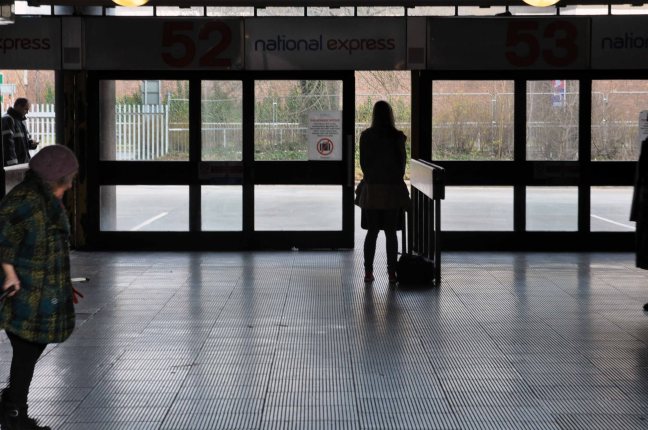
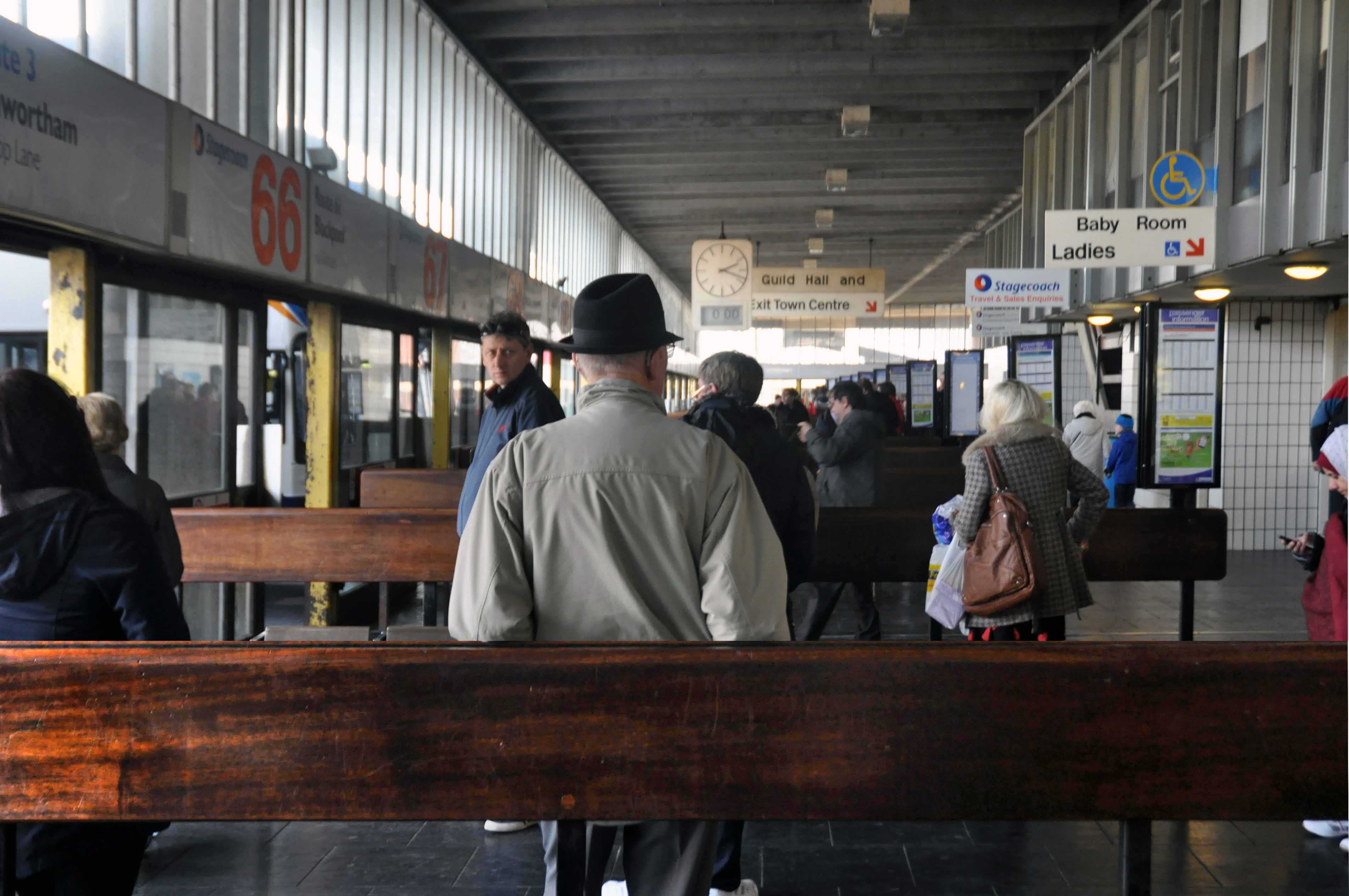
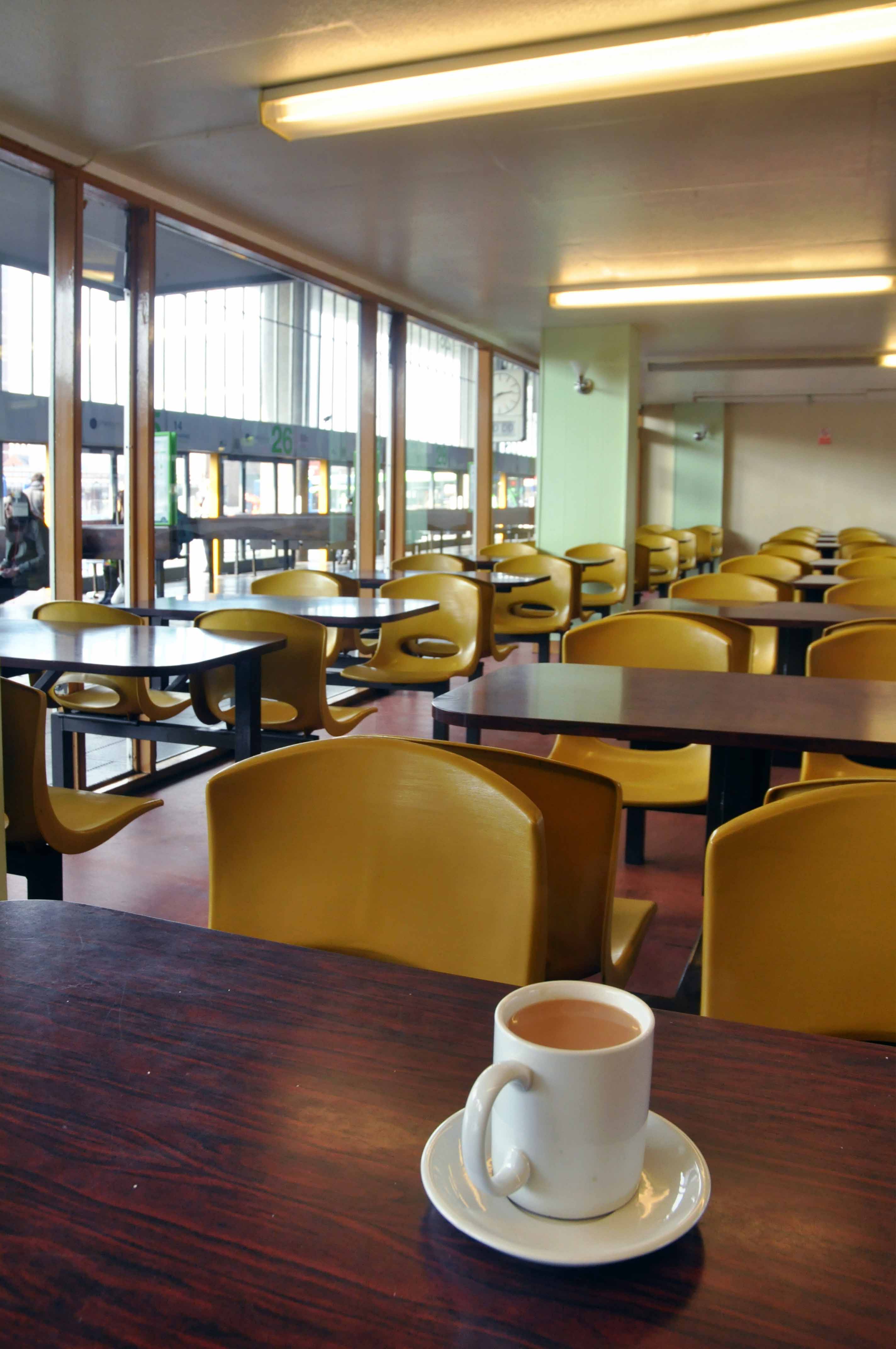
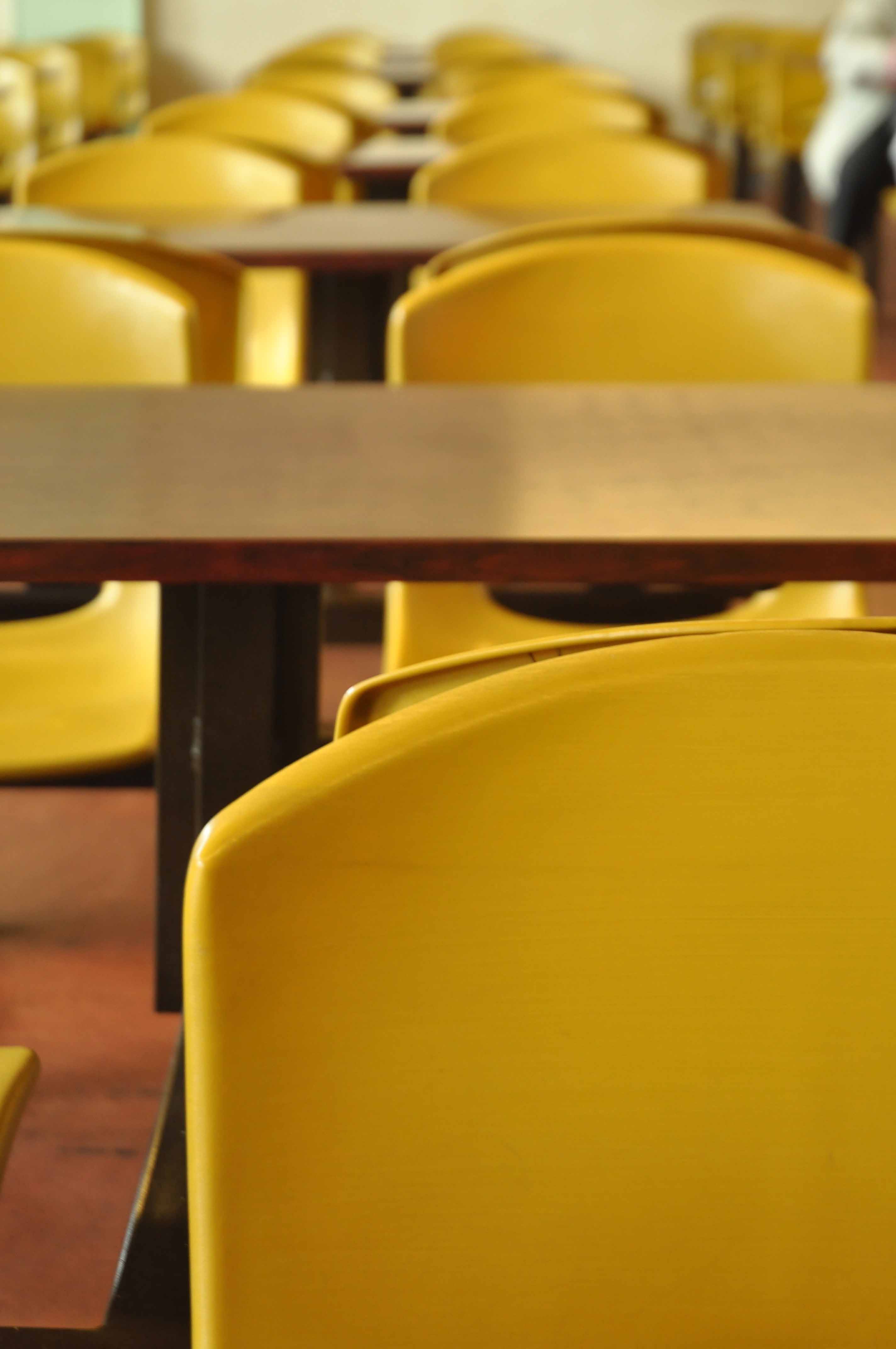
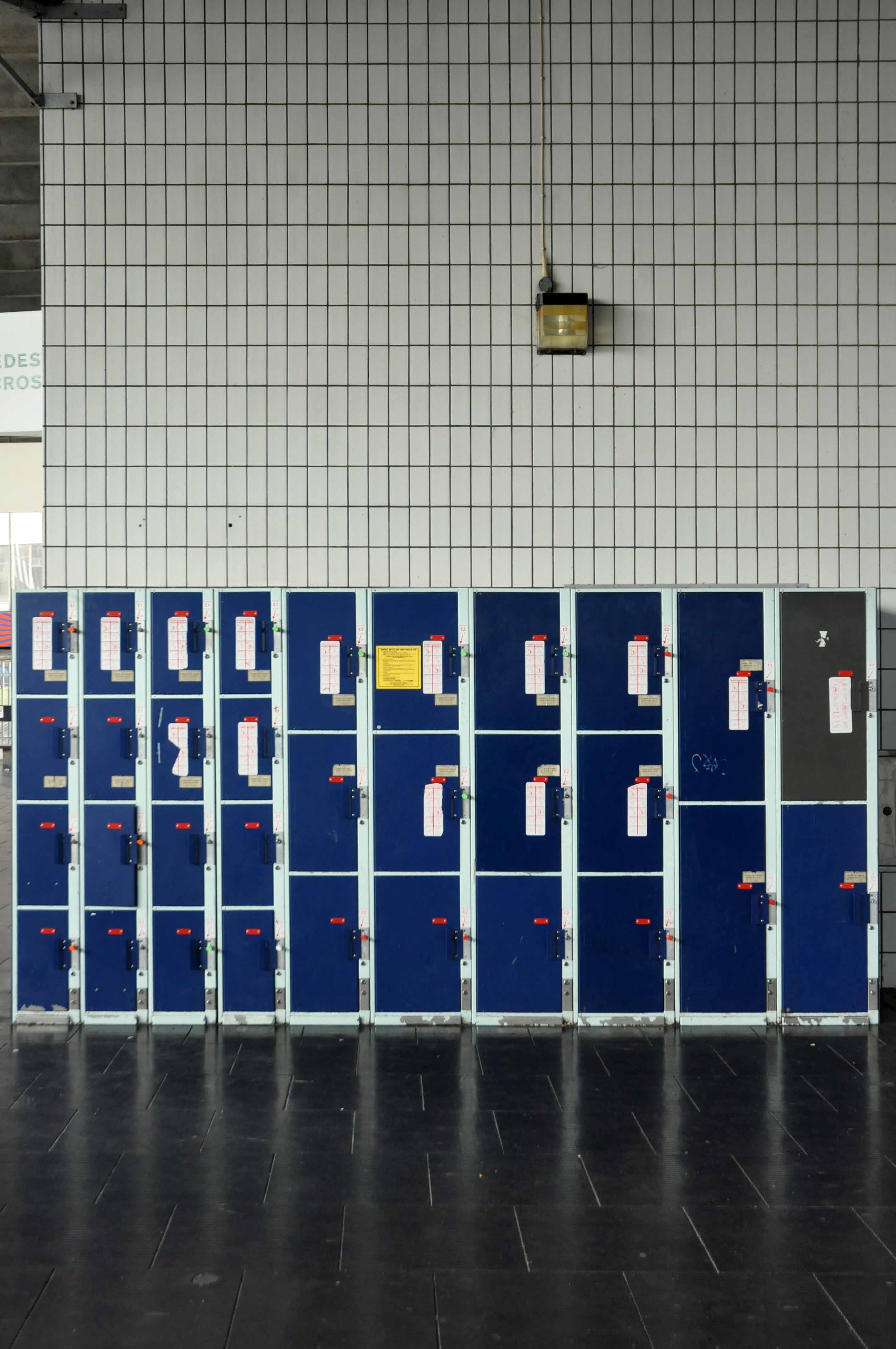
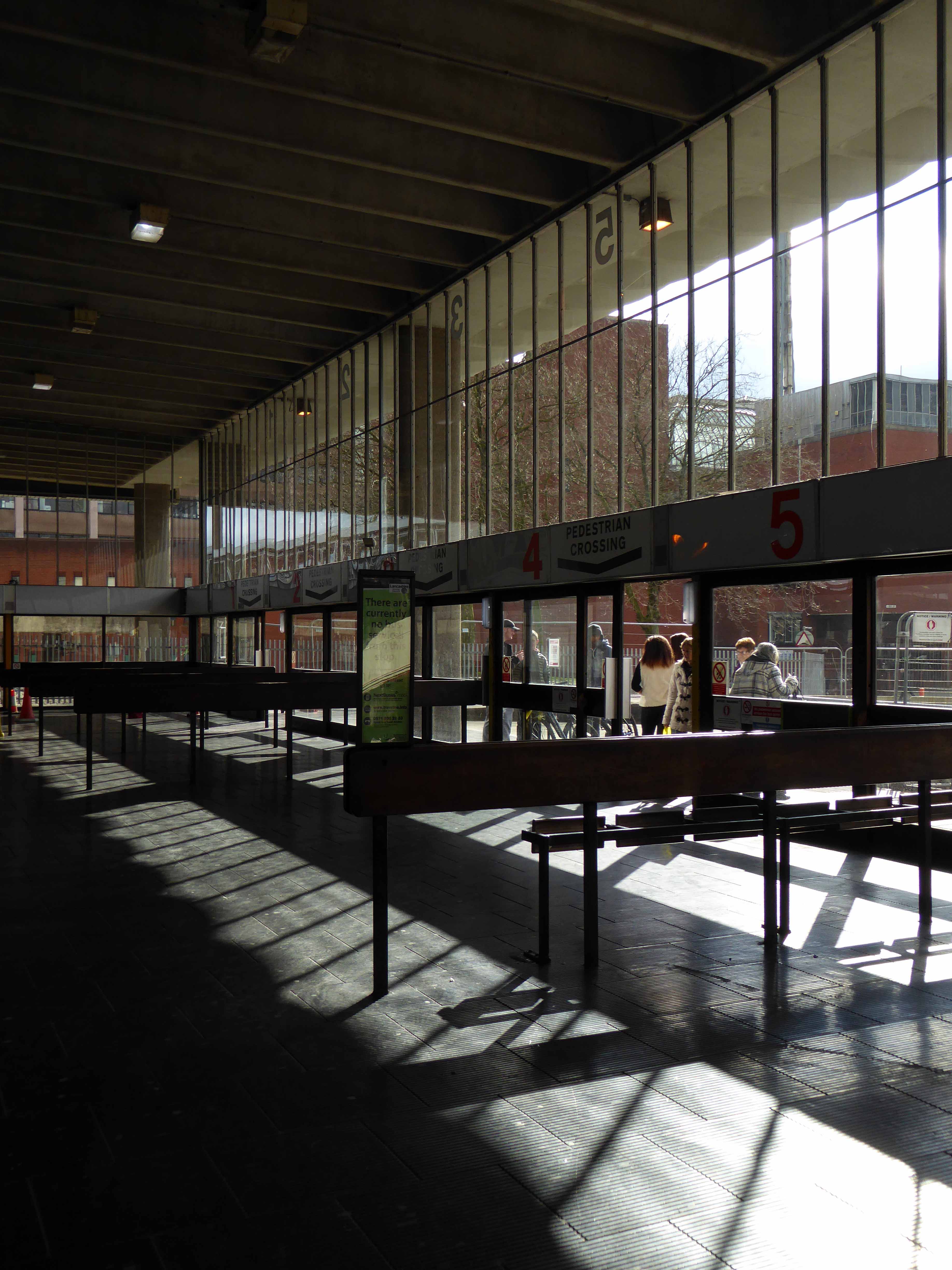
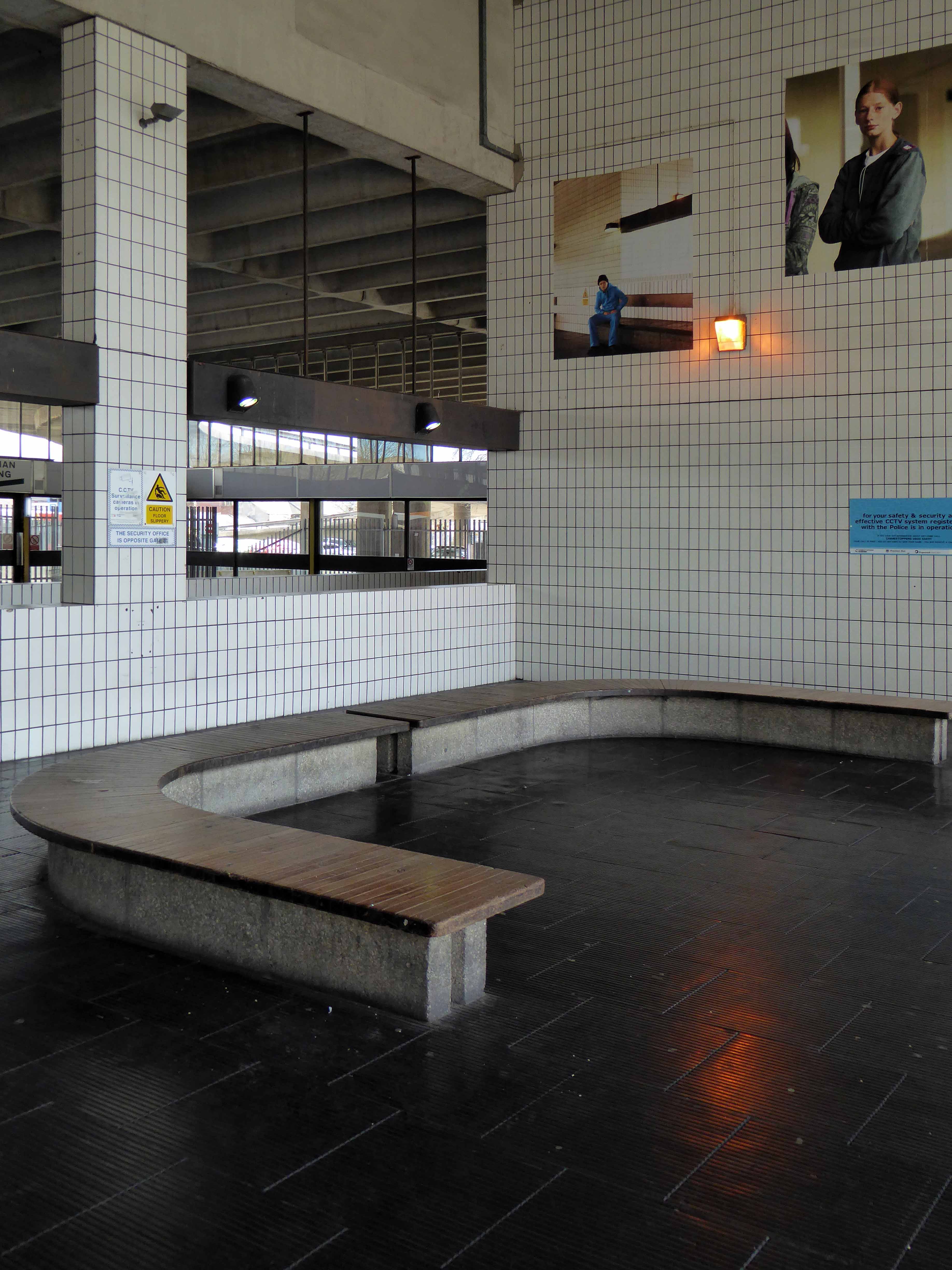
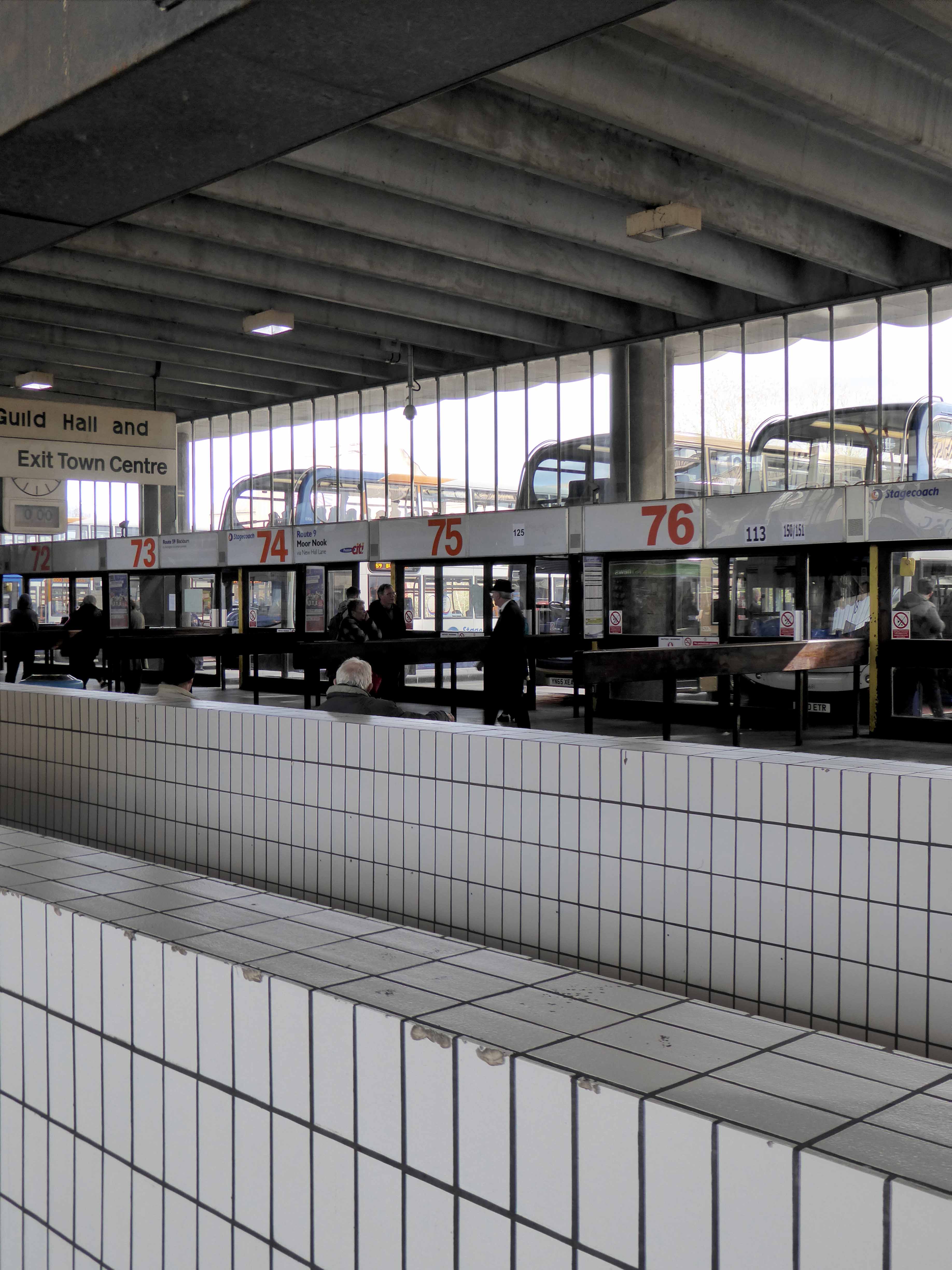
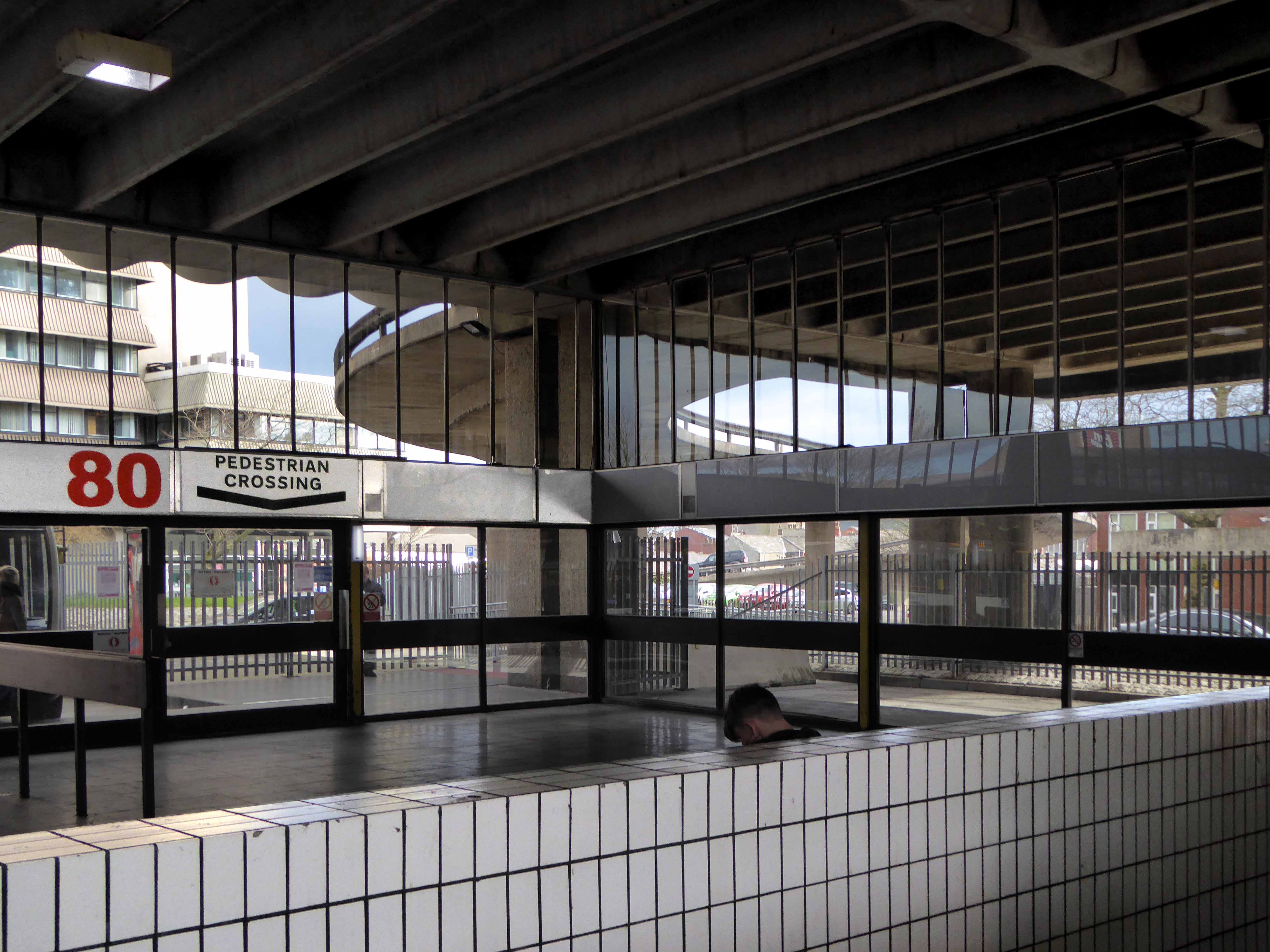
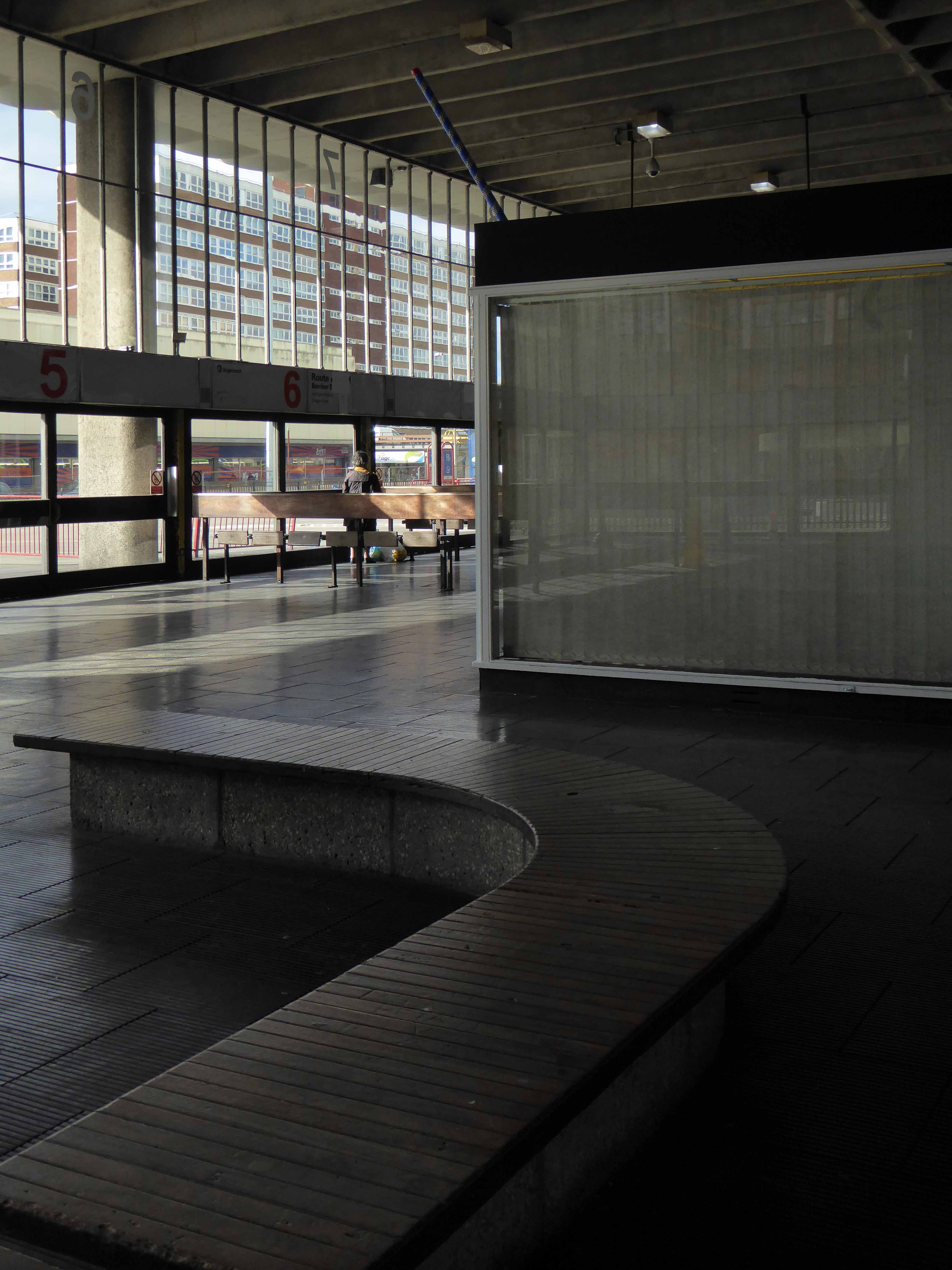
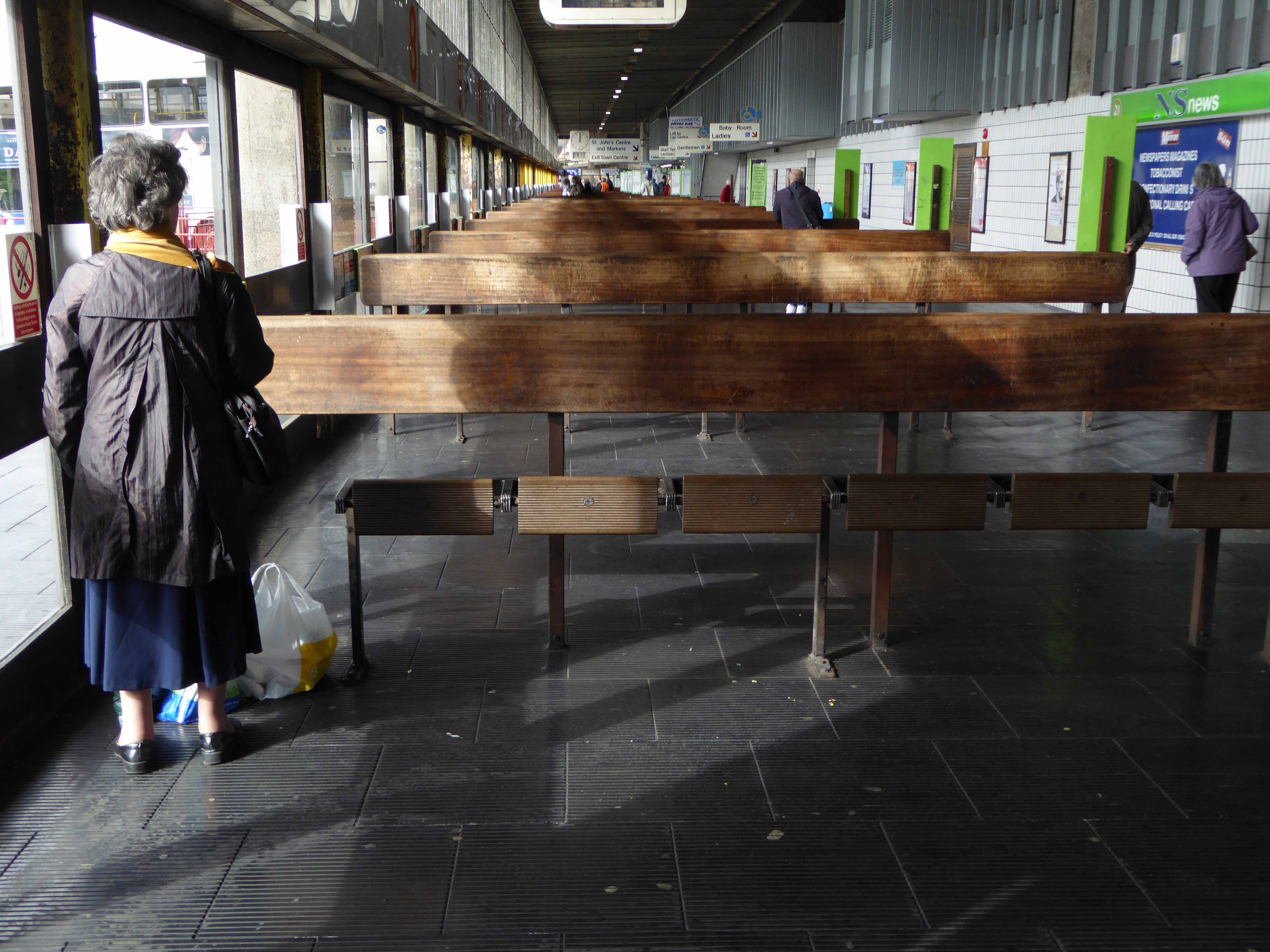
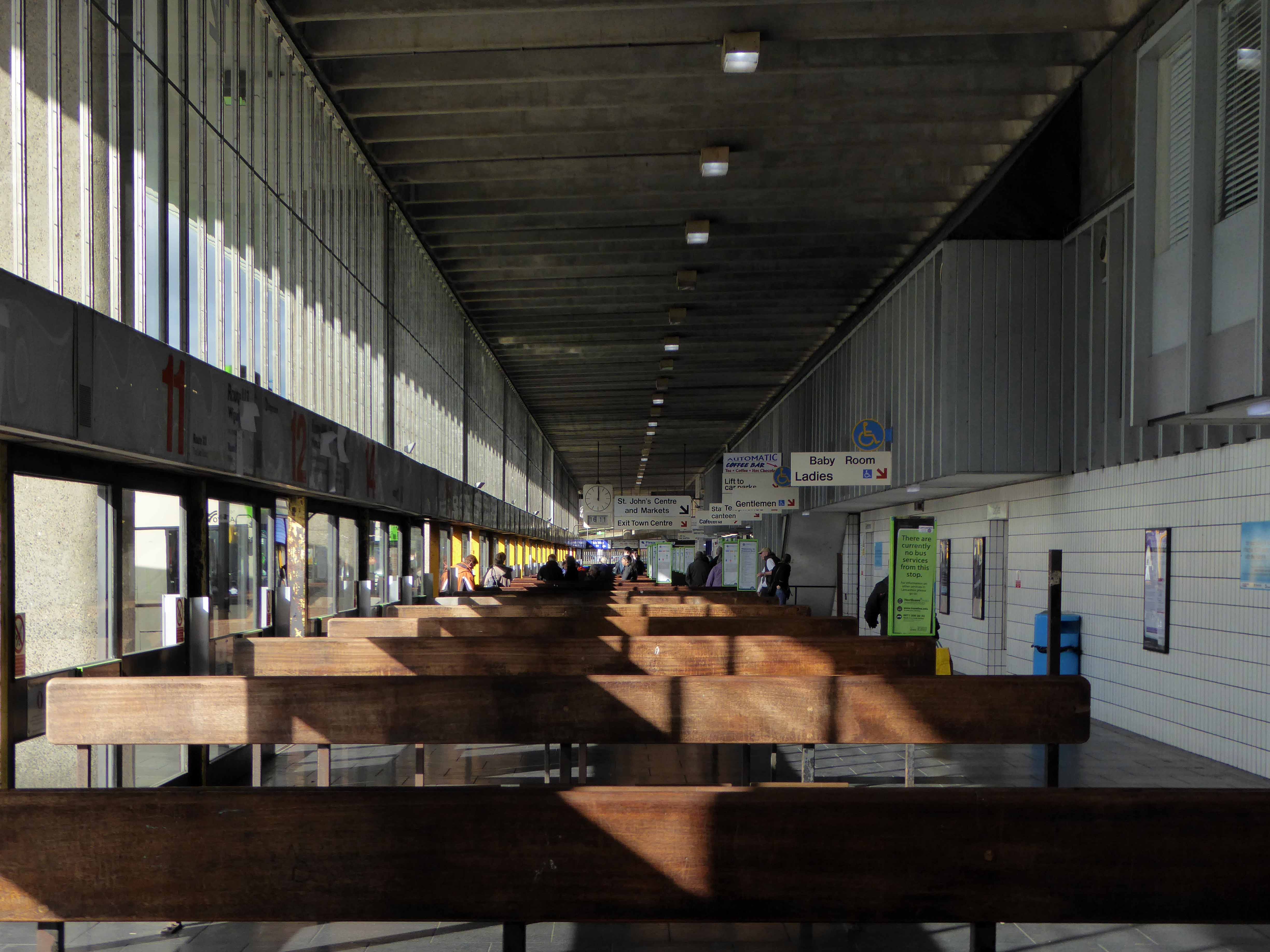
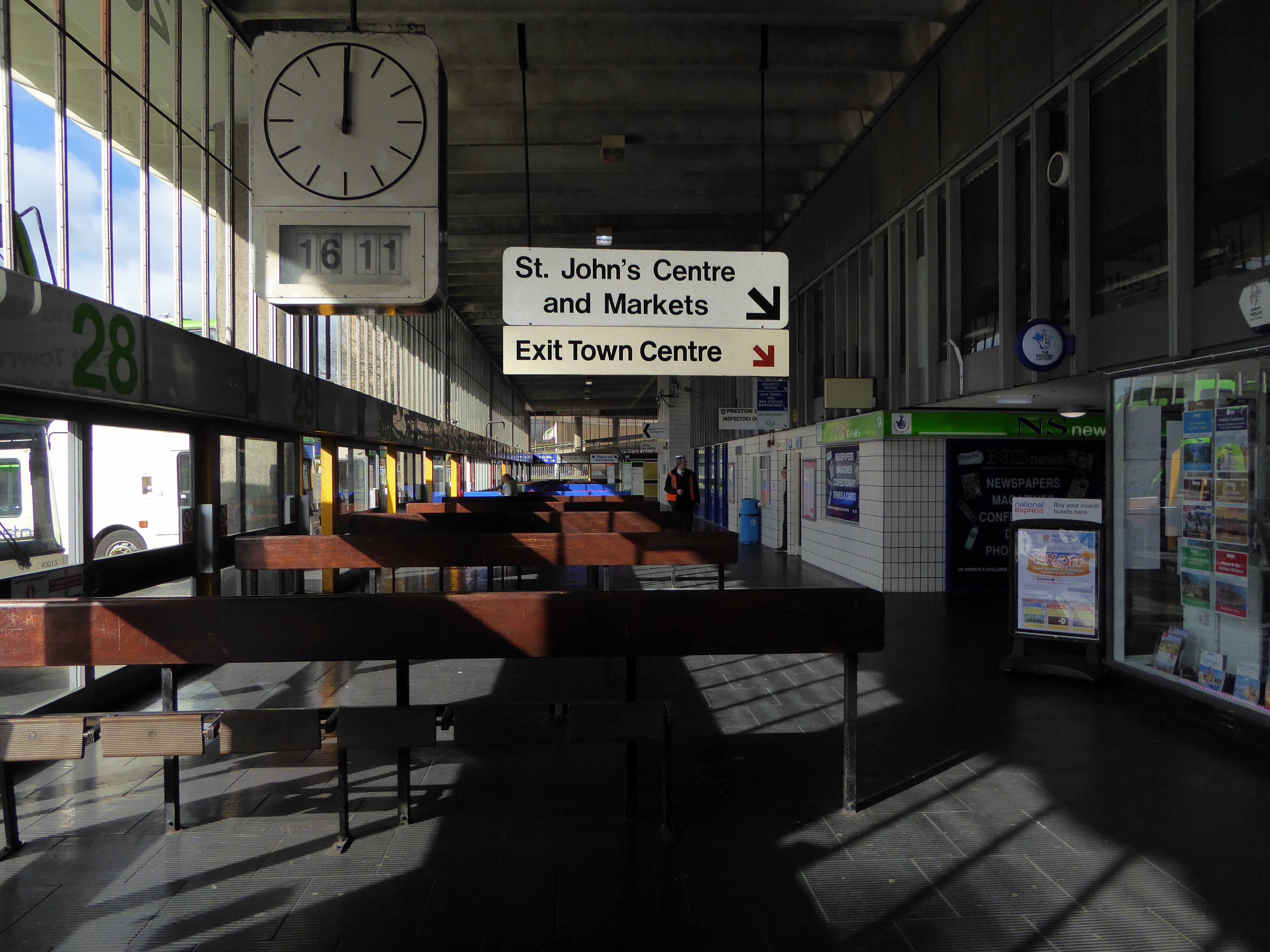
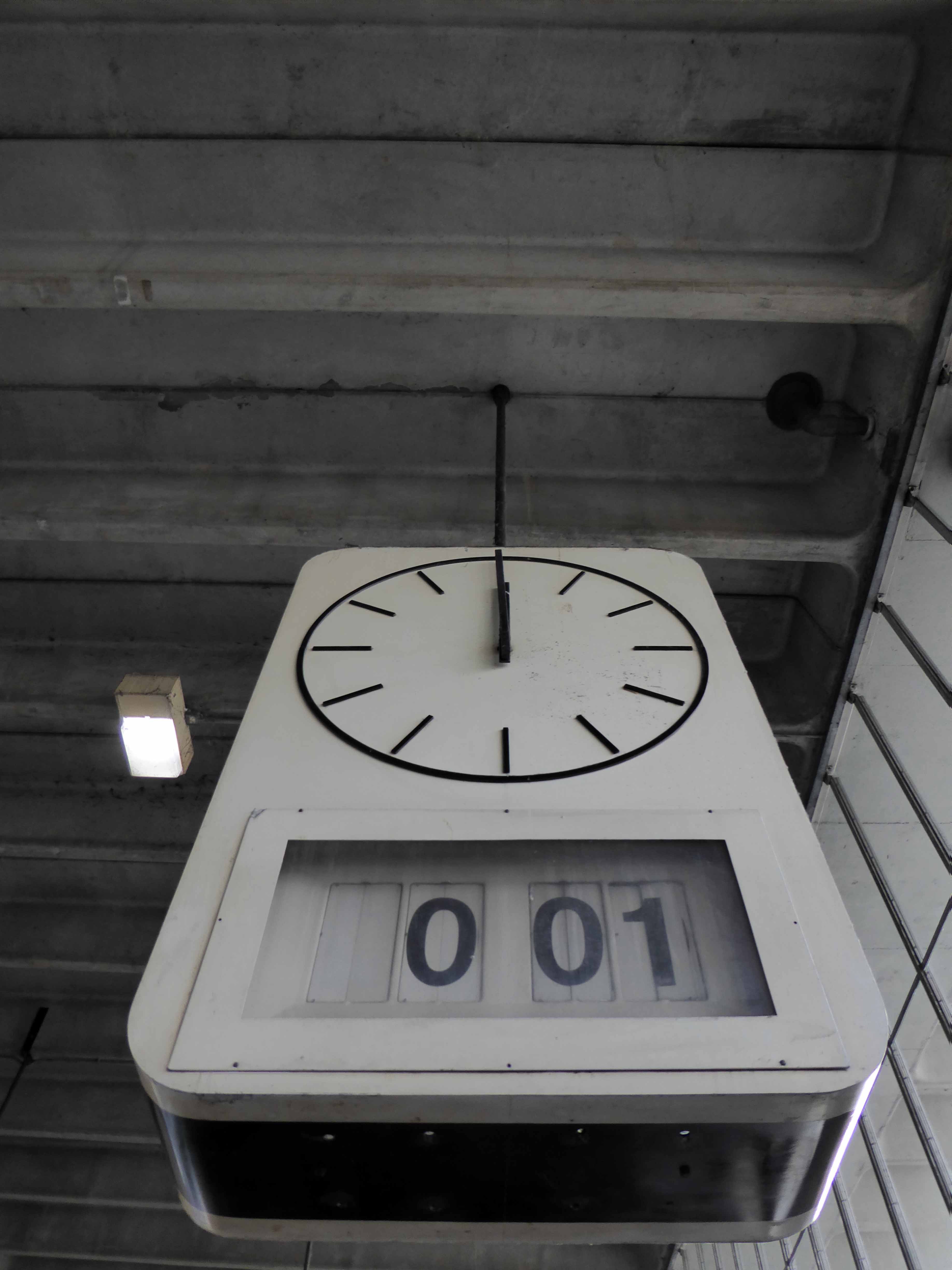
Much has been written, snapped and said about the exterior of this fine building, so much so that its primary function is often forgotten or overlooked.
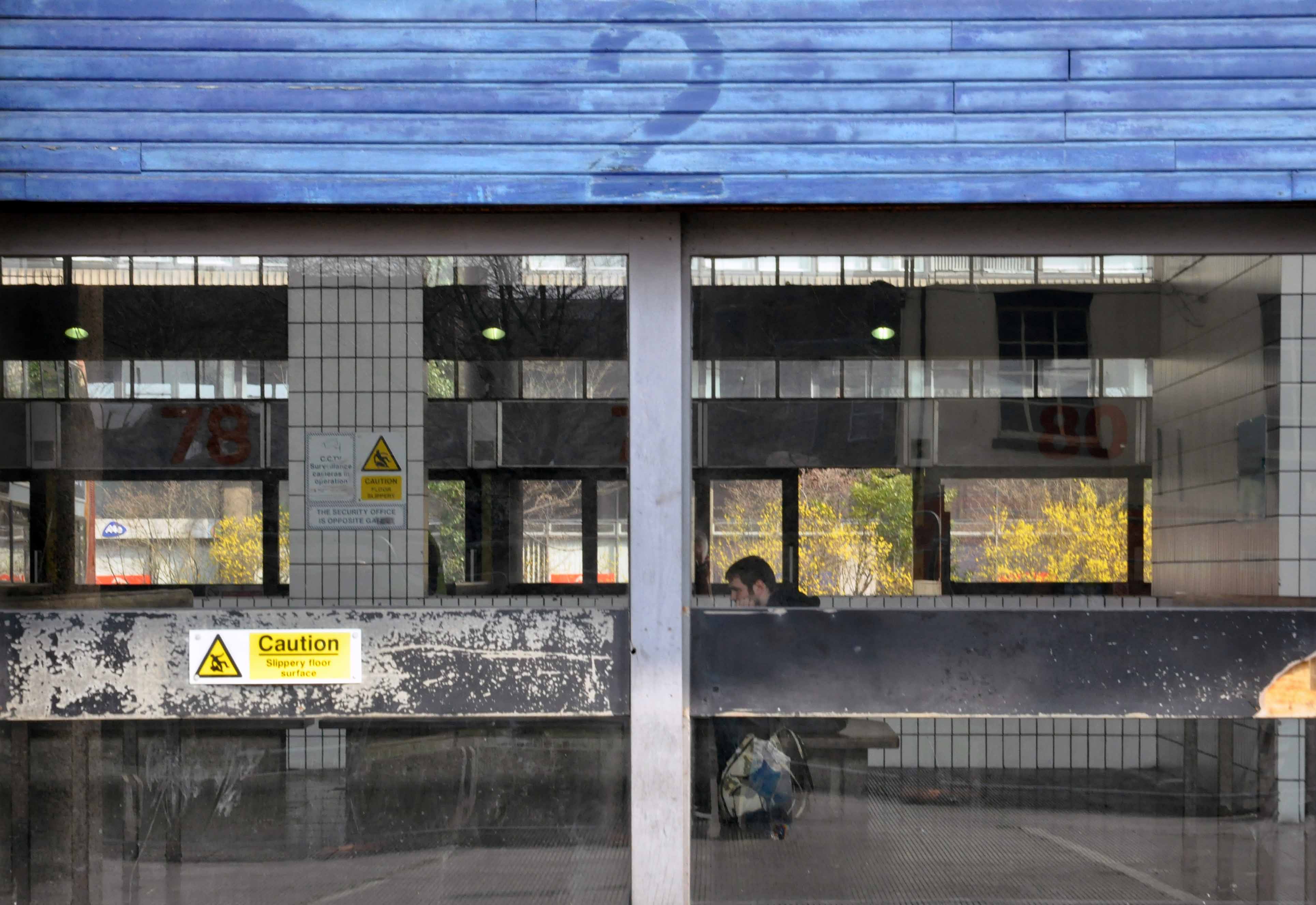
Architectural tourism aside, day in day out, people and things are moved from here to there, shelter and information are provided as standard.
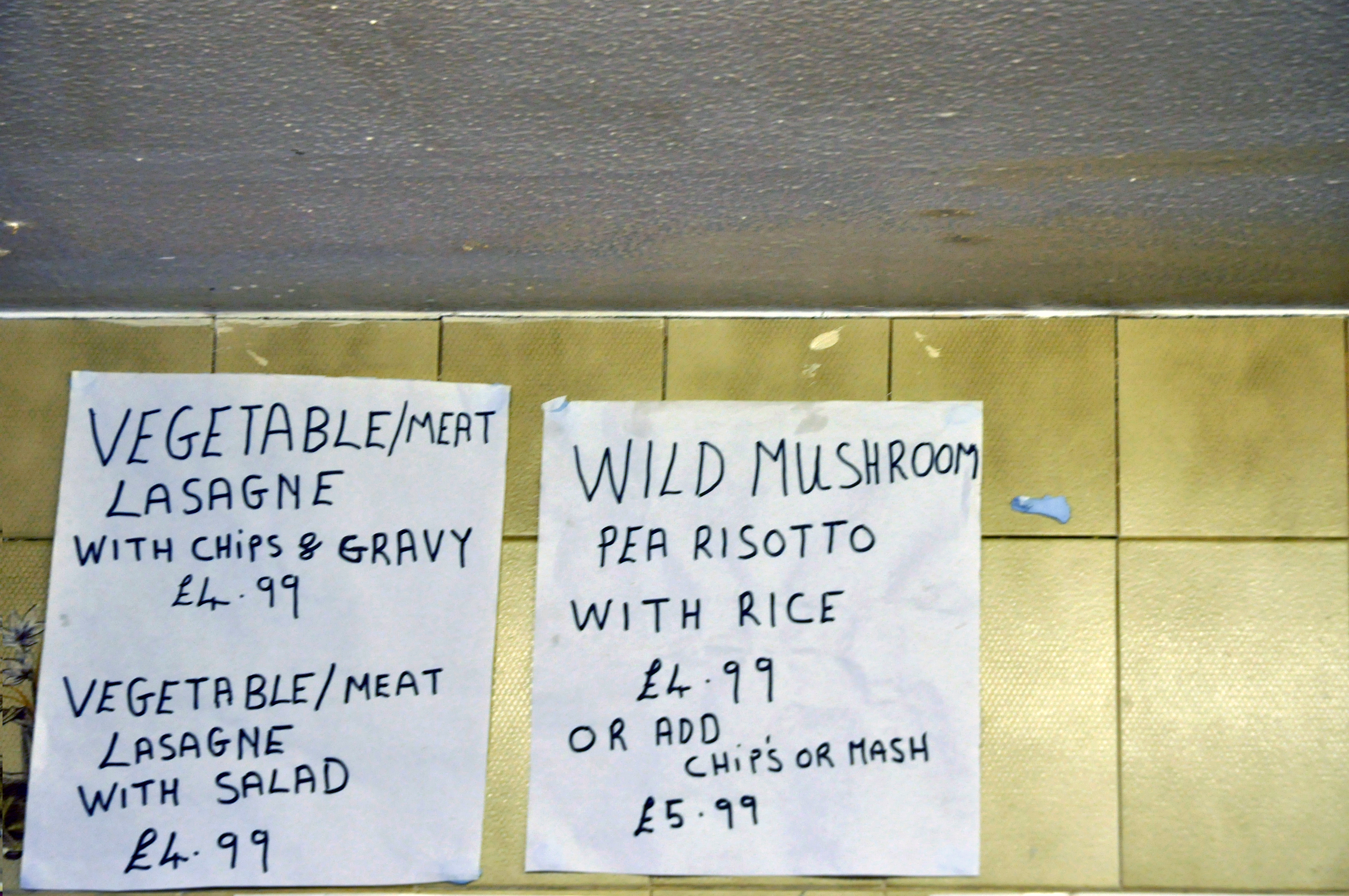
Sustenance is offered, in one form or another.
After all’s said and done, and snapped it is a bus station.
Spring’s in the air, let’s take a walk down leafy lanes, far from the traffic’s roaring boom and the silence of my lonely room – well not that far.
Burnage.
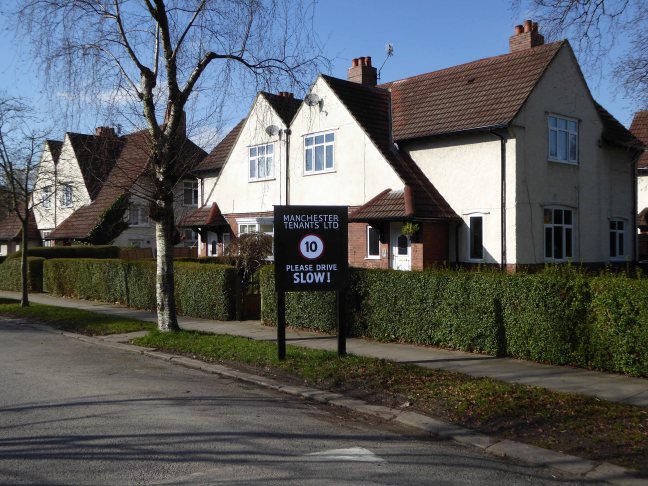
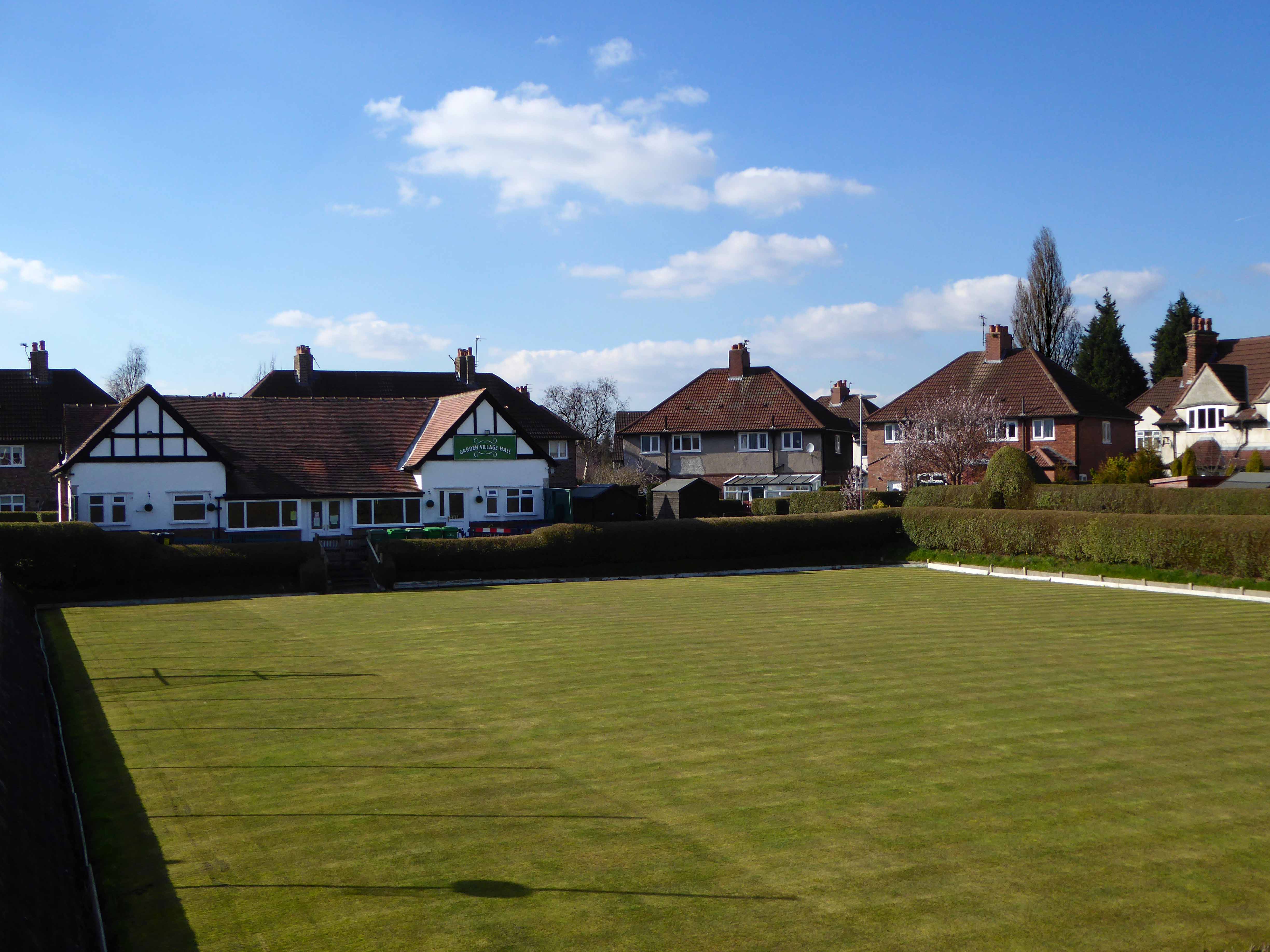
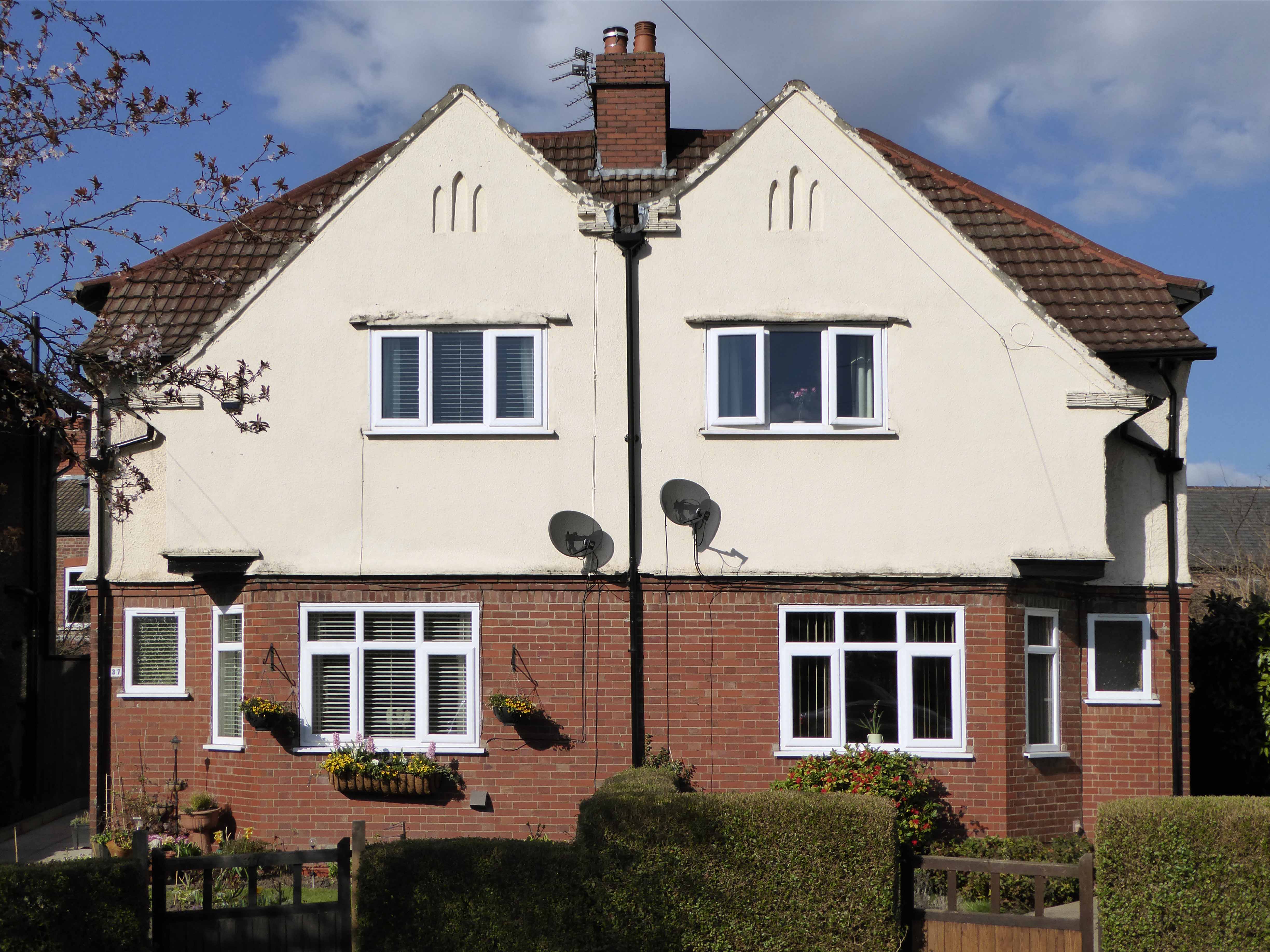
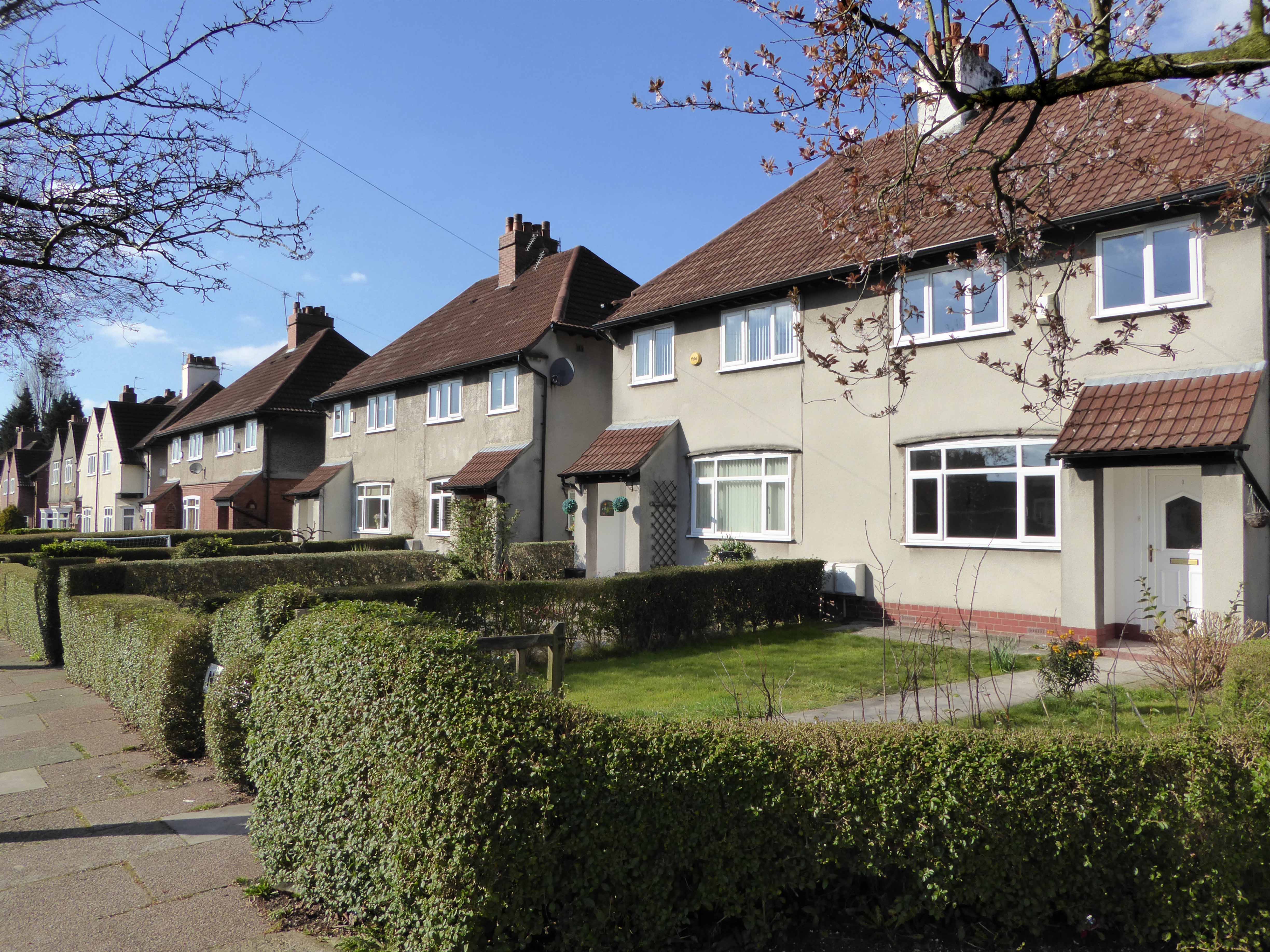
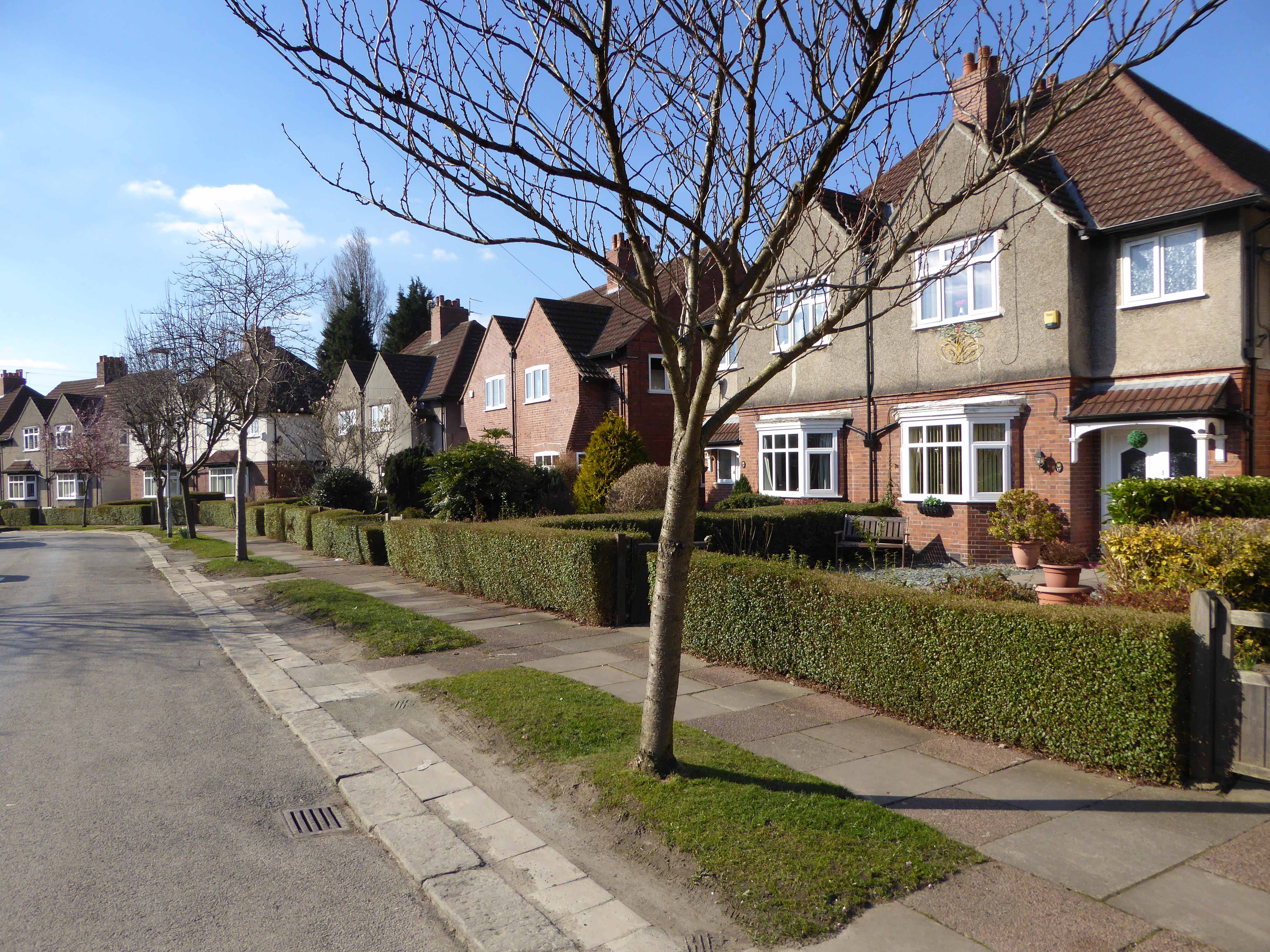
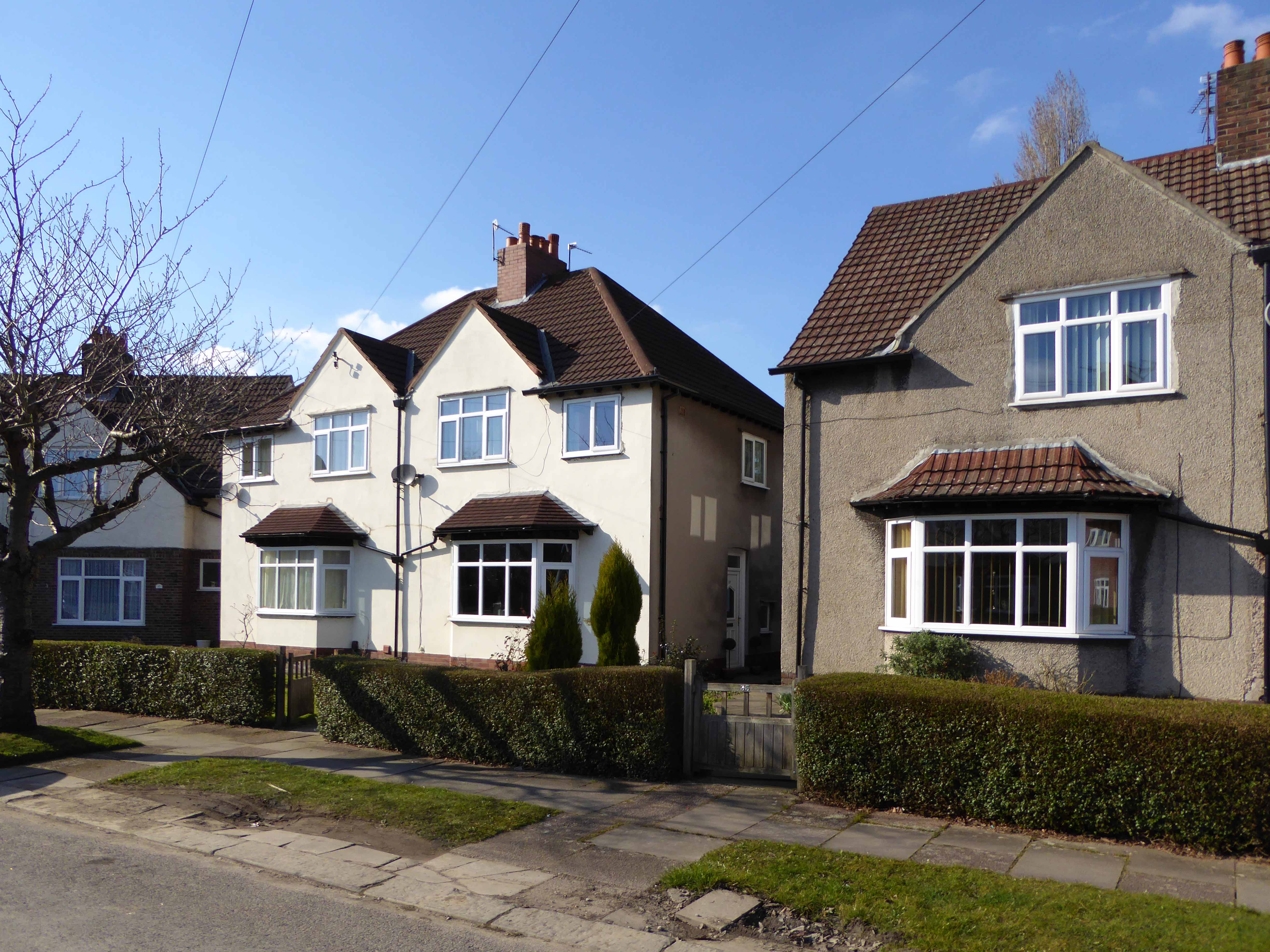
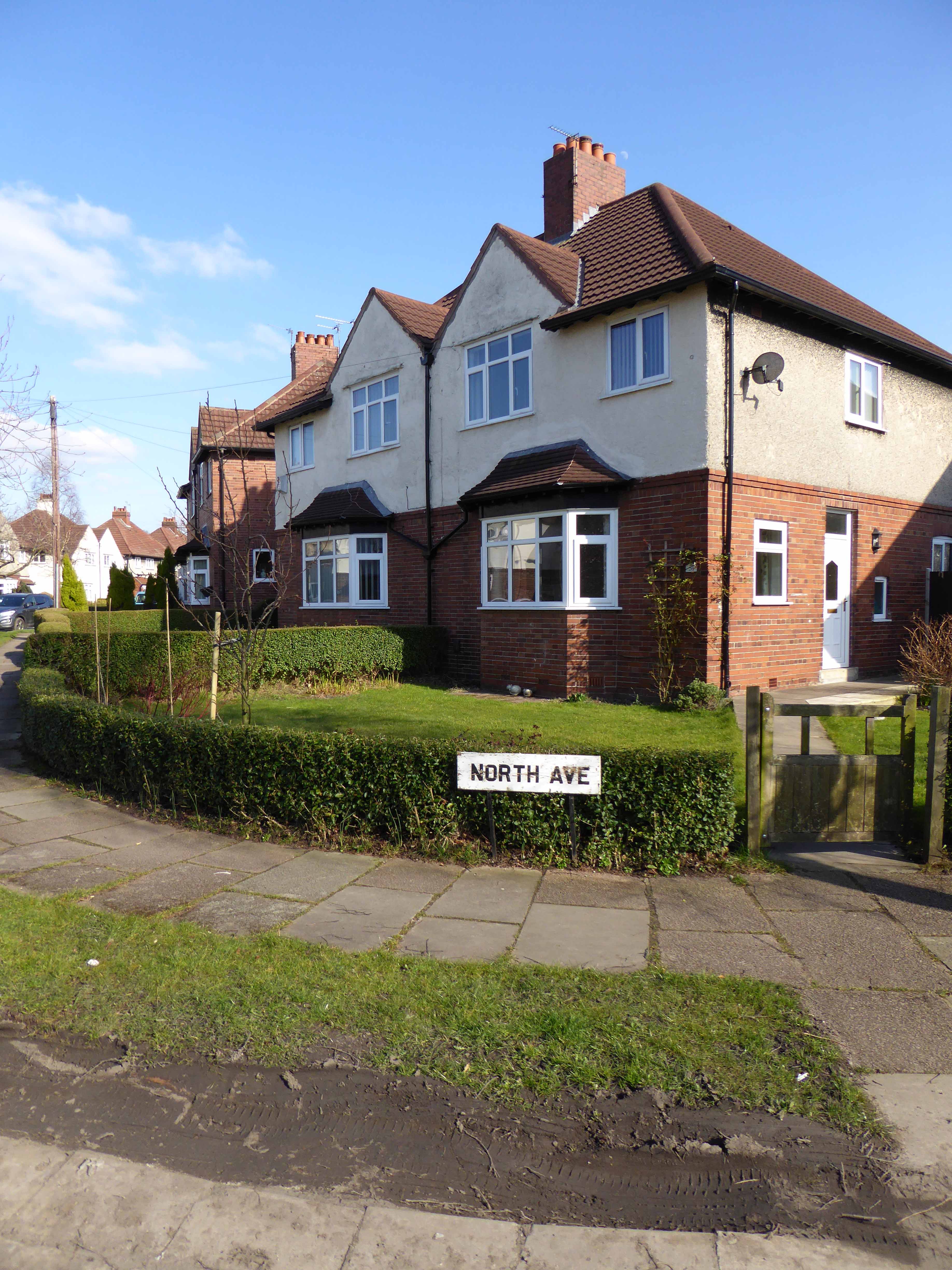
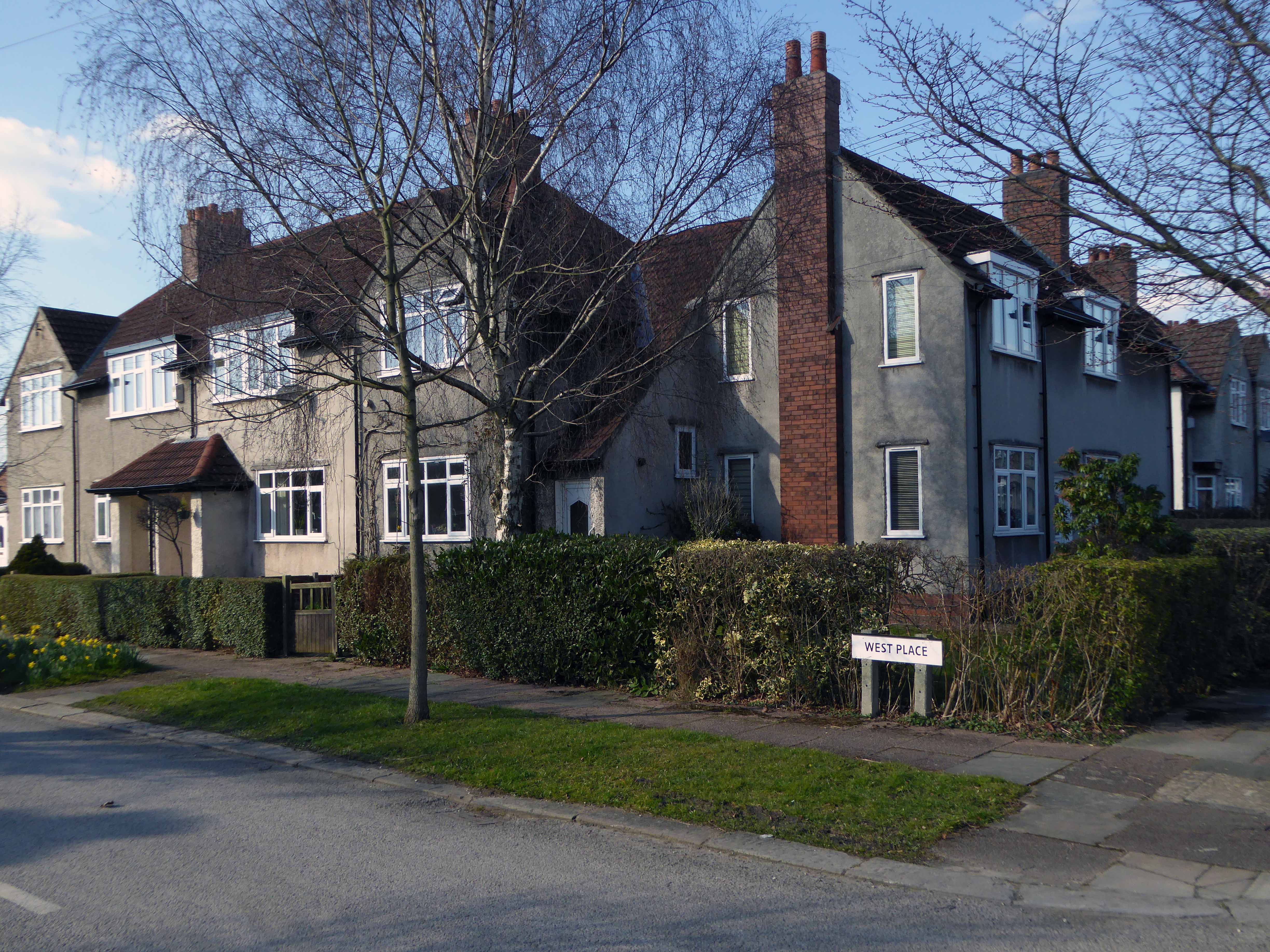
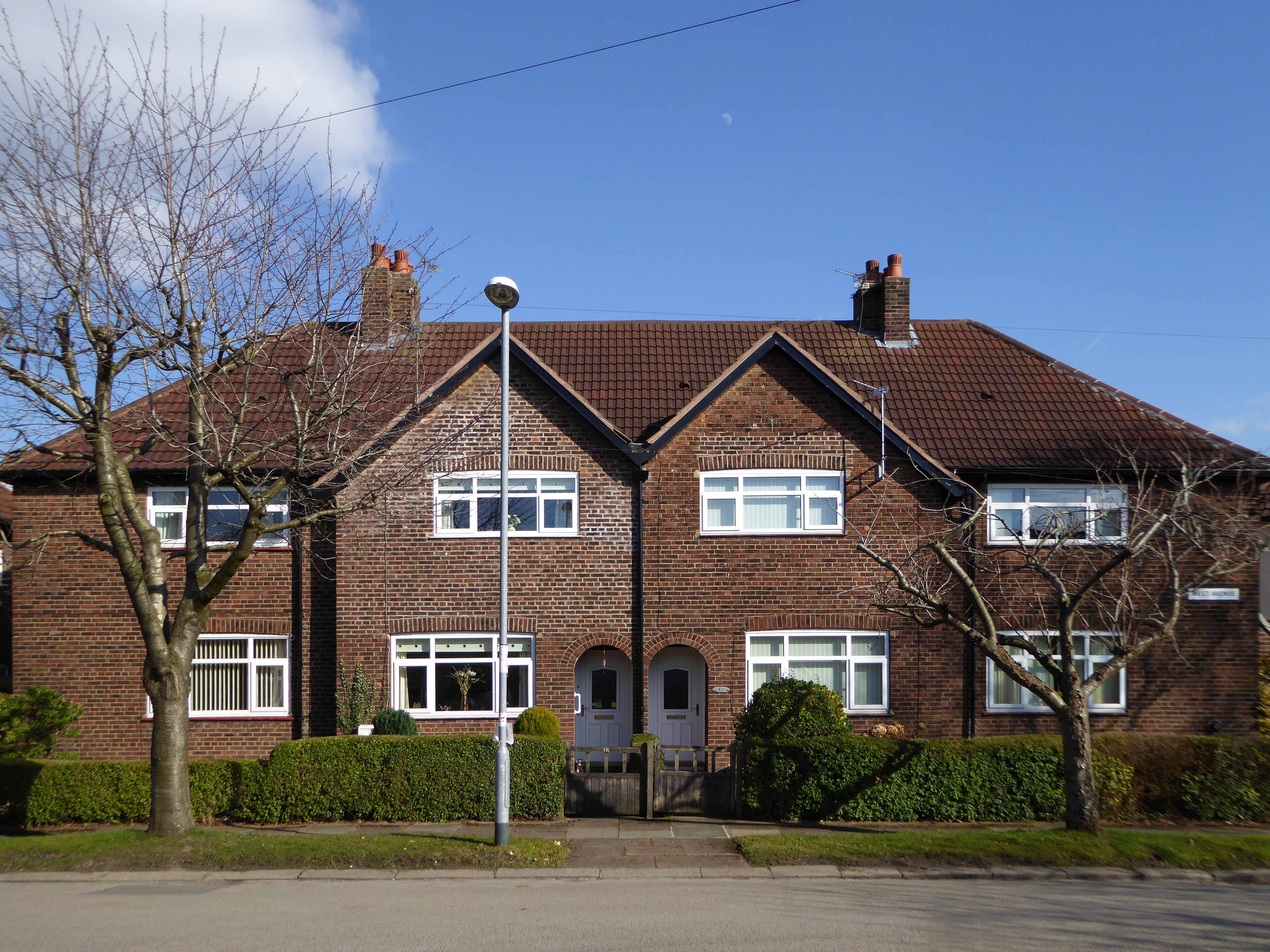
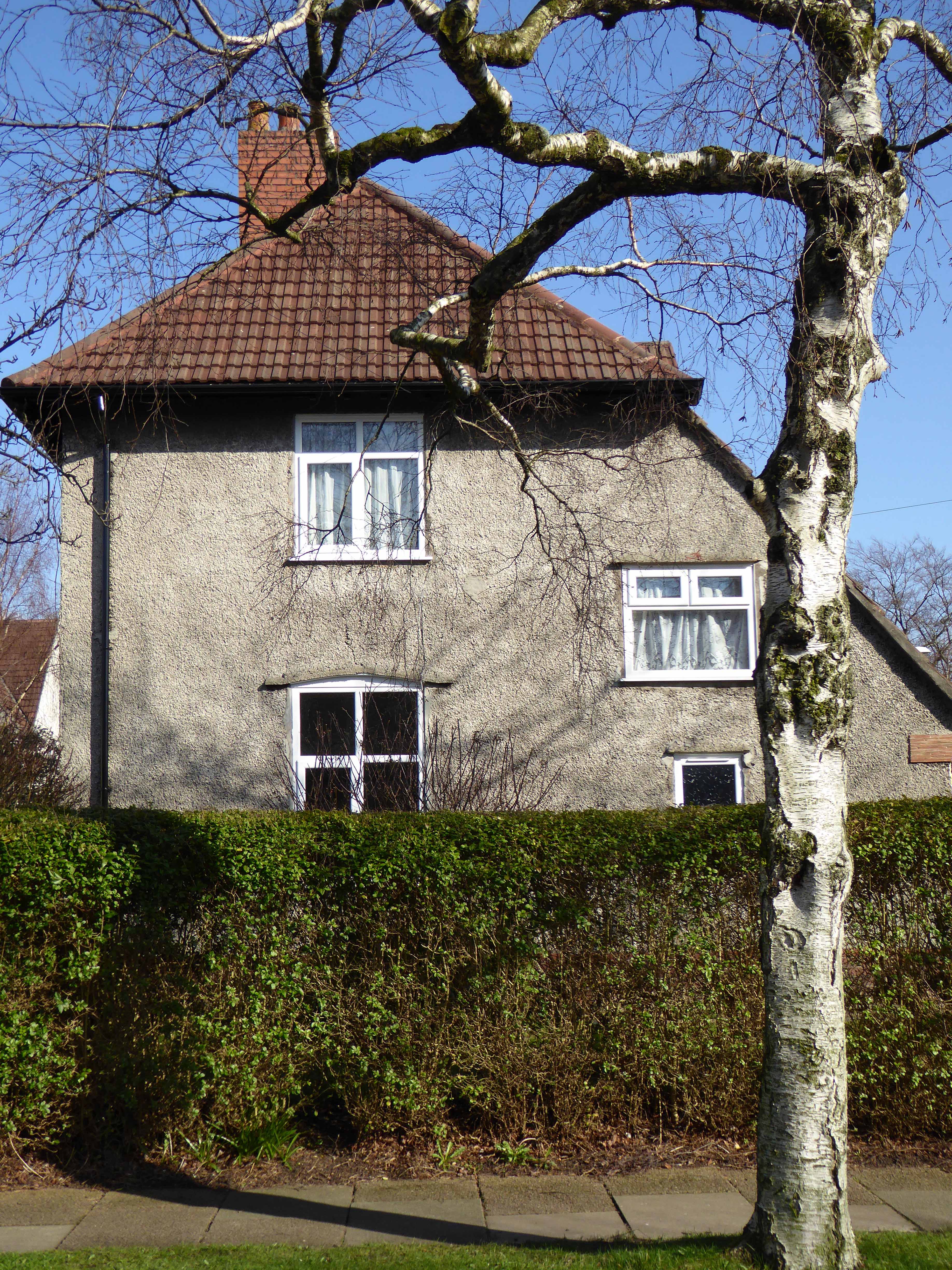
The housing estate of 136 houses known as Burnage Garden Village, a residential development covering an area of 19,113sqm off the western side of Burnage Lane in the Burnage ward. The site is situated approximately six kilometres south of the city centre and is arranged on a broadly hexagonal layout with two storey semi-detached and quasi detached dwelling houses situated on either side of a continuous-loop highway. The highway is named after each corresponding compass point with two spurs off at the east and west named Main Avenue and West Place respectively. Main Avenue represents the only access and egress point into the estate whilst West Place leads into a resident’s parking area.
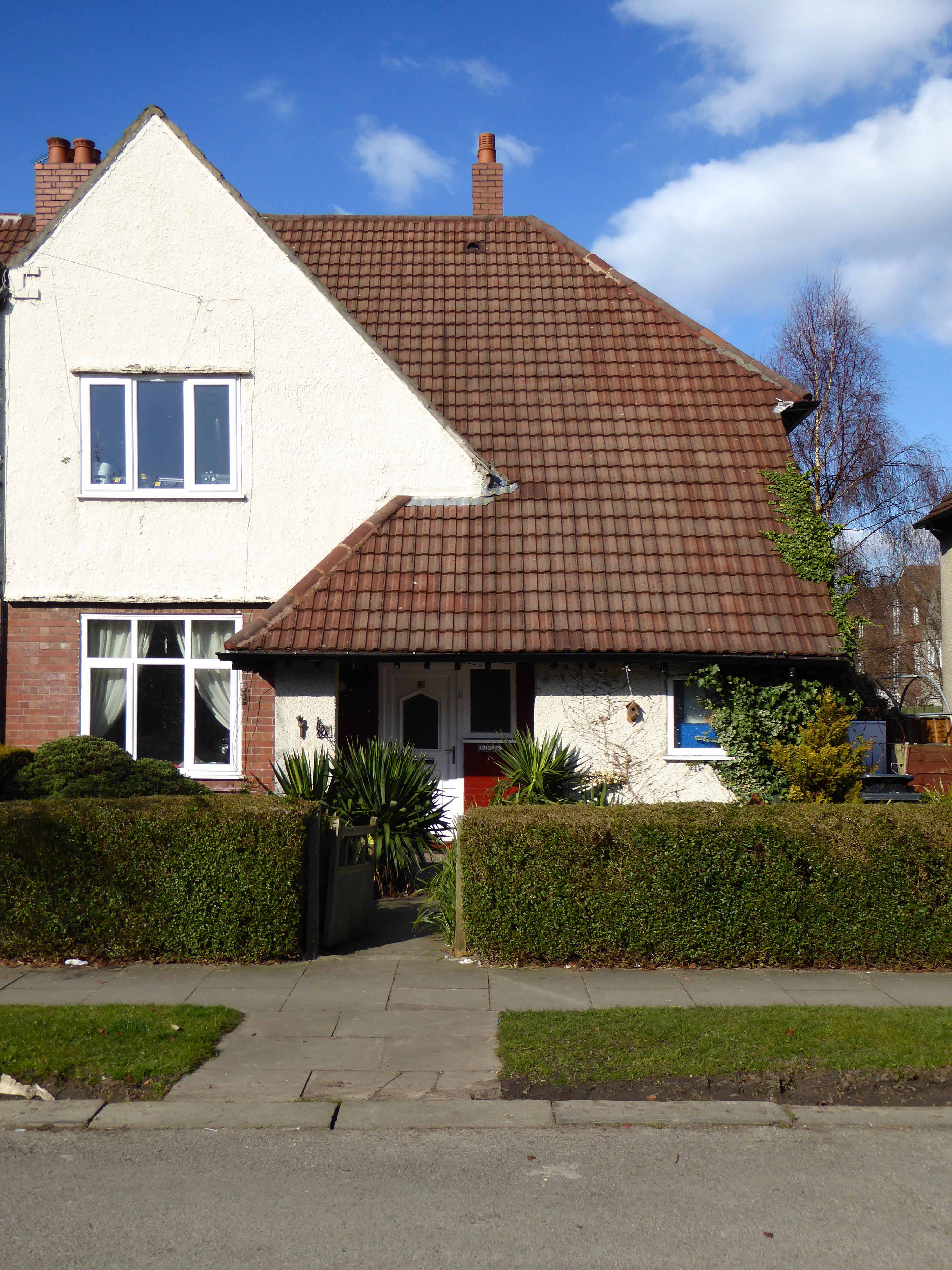
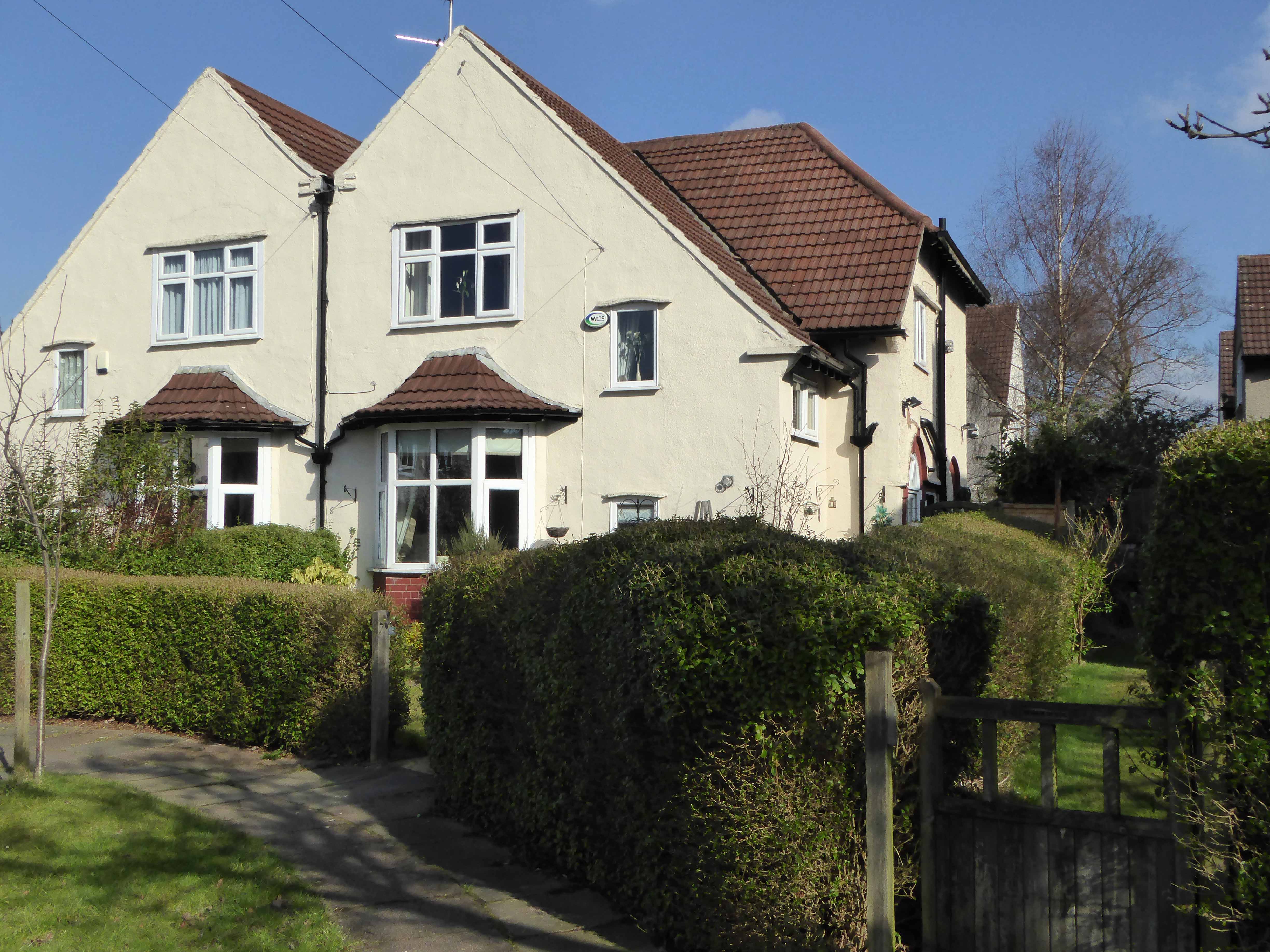
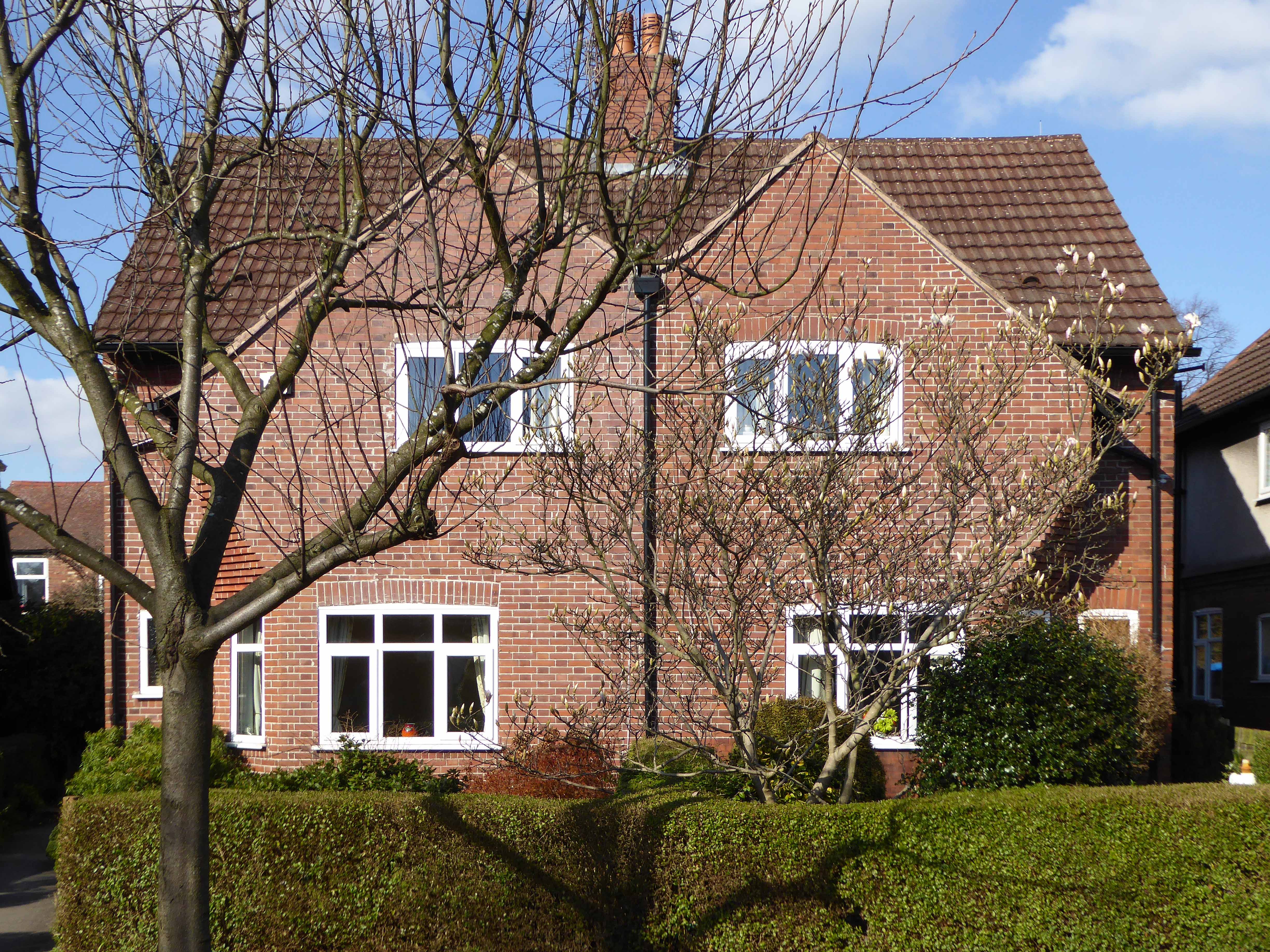
The layout was designed by J Horner Hargreaves. Houses are loosely designed to Arts and Crafts principles, chiefly on account of being low set and having catslide roofs.
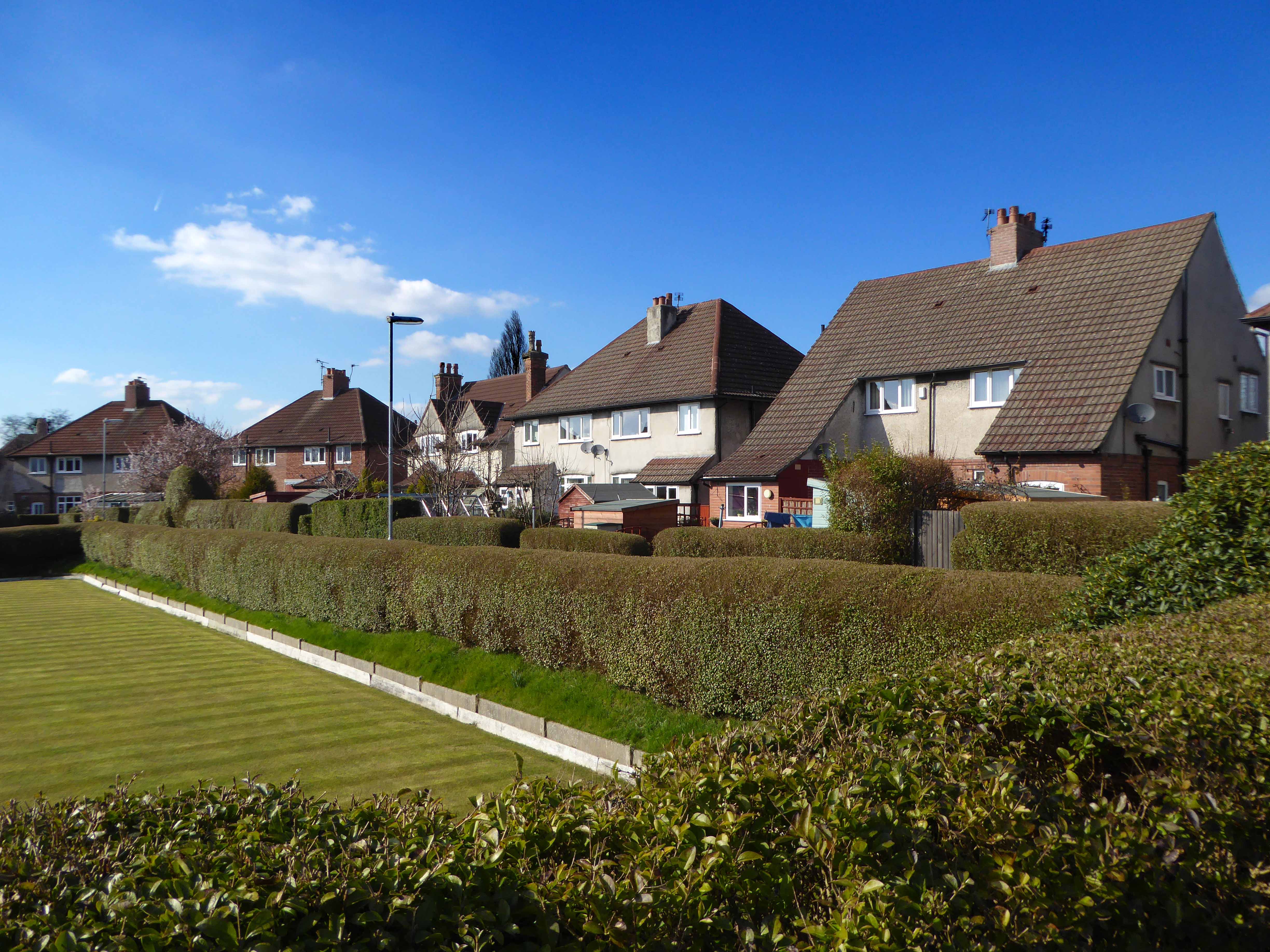
At the centre of the garden village and accessed by a network of pedestrian footpaths, is a resident’s recreational area comprising a bowling green, club house and tennis courts. The estate dates from approximately 1906 and was laid out in the manner of a garden suburb with characteristic hedging, front gardens, grass verges and trees on every street.
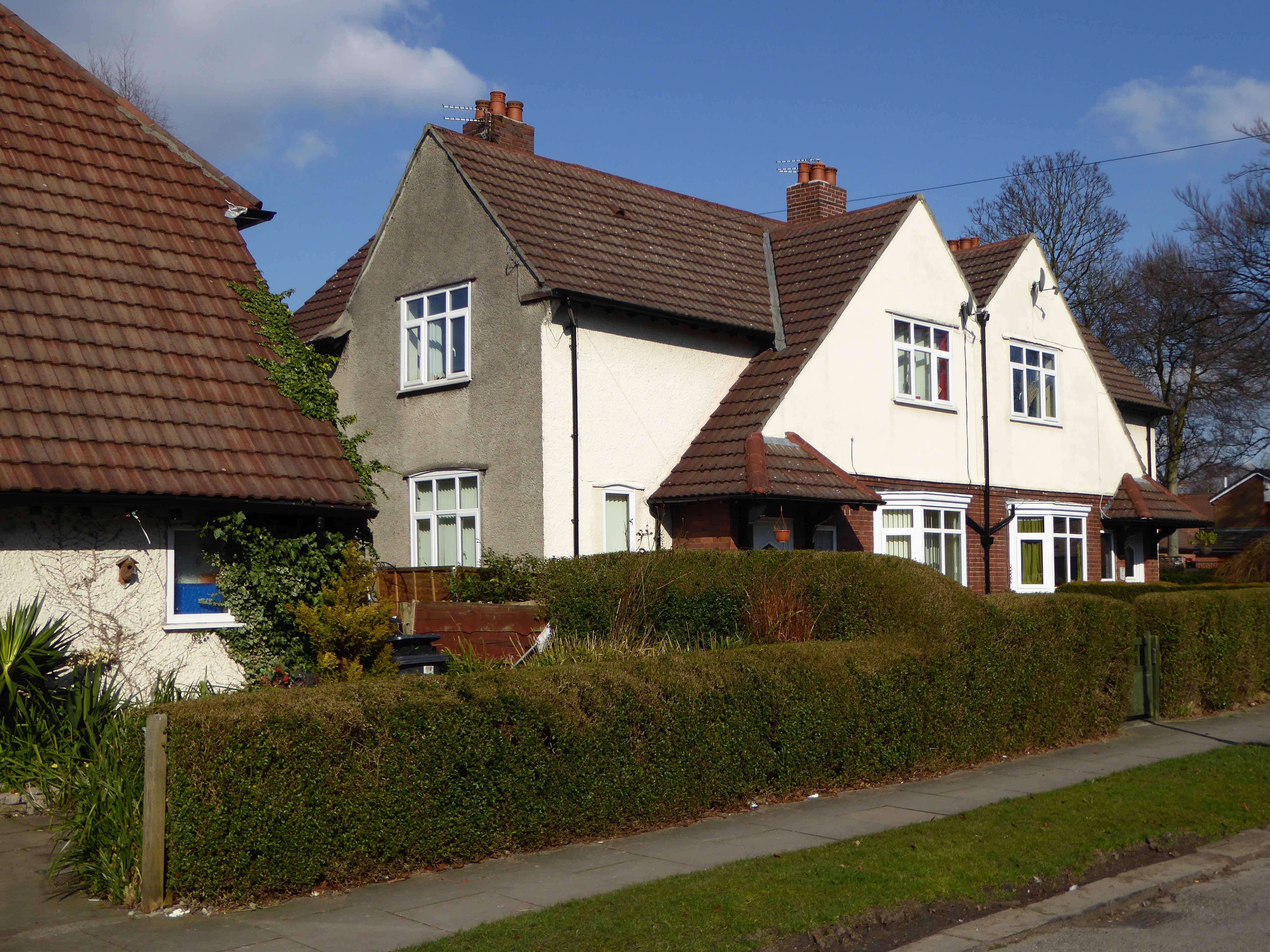
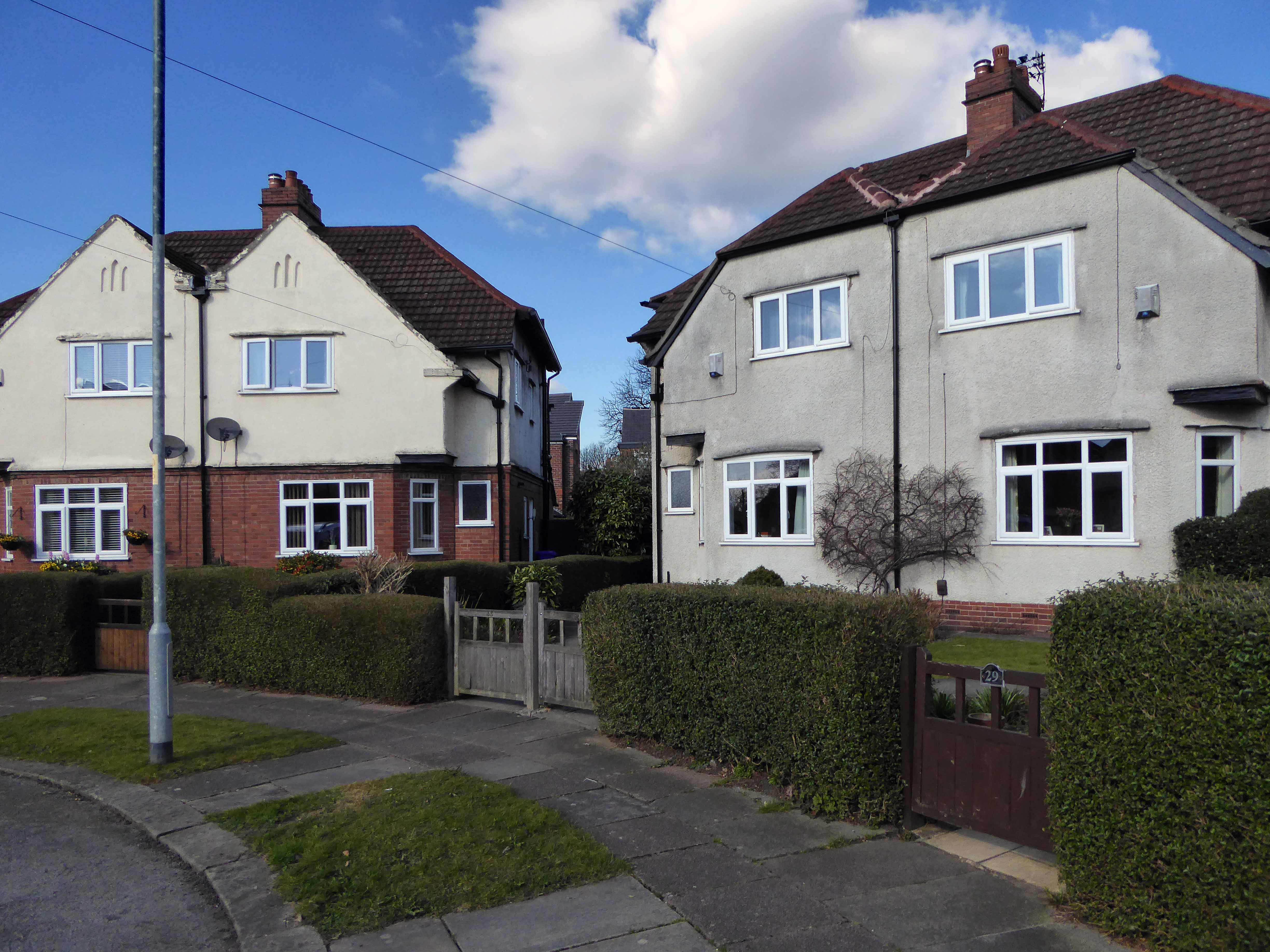
A rare and almost perfectly preserved example of Edwardian Mancunian suburban architecture, save a uPVC epidemic of identical doors and window frames. On a sunny day the variegated brick and render simply sings, like so many chirpy sparrows.
These homes are a variation on a theme, a fugue of tile, brick, pointy counterpointed gable, light and shadow – linked by scale, style and well laid wide concrete roads, filled with good intentions and cars.
Take a hike or bike south of the city, now that Spring is here.
I’ve been here before, innocently snapping – without incident.
A super-large Roger Booth cop shop and courts, concrete combo.
So why not go back just one last time, prior to demolition and redevelopment.
So I did.
Following the acquisition and demolition of Progress House the Bonny Street Station is to be relocated, and the former site, under the ownership of Blackpool Council, set to become who knows what – who knows?
Progress House, Clifton Road, Marton.
The Council knows, it plans to develop a new site for the defunct Central Rail Station
A giant of the steam age that became a car park
It is 50 years since Central Railway Station closed with the land being used for a car park ever since. It was proposed as the site for the super-casino until that bid failed to win government backing. Since then plans for an indoor snow-based attraction have also failed to make any progress.
Today happily, snow-based attractions are still failing to make any progress.
Blue skies and chill early March air greeted me, across the wind swept, precast concourses and piazzas – warmish grey, against brightish blue.
I simply didn’t expect the boy in blue – ten minutes of light/half hearted interrogation.
“Who, what, why, where are you?”
Responding in a clear concise and non-confrontational manner, I was free to go about my legal business, taking these pictures for you.
It seems that post-war Lancashire police stations are under threat, often the work of County Architect Roger Booth, and to my mind buildings of both interest and quality, they are nevertheless disappearing fast.
Wigan is now a smart new hotel, now cracks a noble heart good-night, sweet prince; and flights of angels sing thee to thy rest – in your merrily clad Premiere Inn.
Blackpool and Bury are both to be demolished.
What is going on, are we running out of crime?
On the day of our visit to Morecambe, there was no obvious evidence of miscreants on the prowl, though appearances can be deceptive -consider this incident of March 2008:
Morecambe Police Station was evacuated on Wednesday night after an elderly man took a suspicious package into the building.
Police said the man brought the object into the reception, said it was suspicious and quickly left.
Officers called the Bomb Disposal Team from Chester who said it was an ‘improvised device’. All houses near to the station in Thornton Road were evacuated and the area was cordoned off for two and a half hours.
The area was declared safe shortly before 8.30pm.
Further research reveals:
Though locals are also encouraged to use online services:
The modern day cop shop faces an uncertain future it seems. So get out there toot sweet, take a look behave responsibly at all times and remember folks it’s not a crime to snap a Bobby or their place of work.
It is not illegal to take photographs or video footage in public places unless it is for criminal or terrorist purposes.
There will be places where you have access as a member of the public, but will have to ask permission or may be prevented altogether. These could include stately homes, museums, churches, shopping malls, railway stations and council or government buildings. You need to check the situation out on a case by case basis.
The things that you see from a passing train, those things that arouse your curiosity.
Blackpool bound, to the left a horizontal slab on stilts.
Well, well.
Whatever could that be?
Well we shall see, shall we?
Some days later alighting at Preston Station, I hotfooted it hurriedly down the road to who knows where.
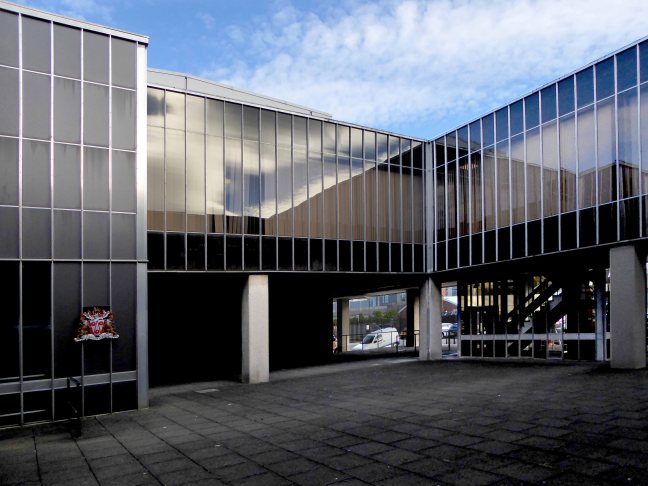
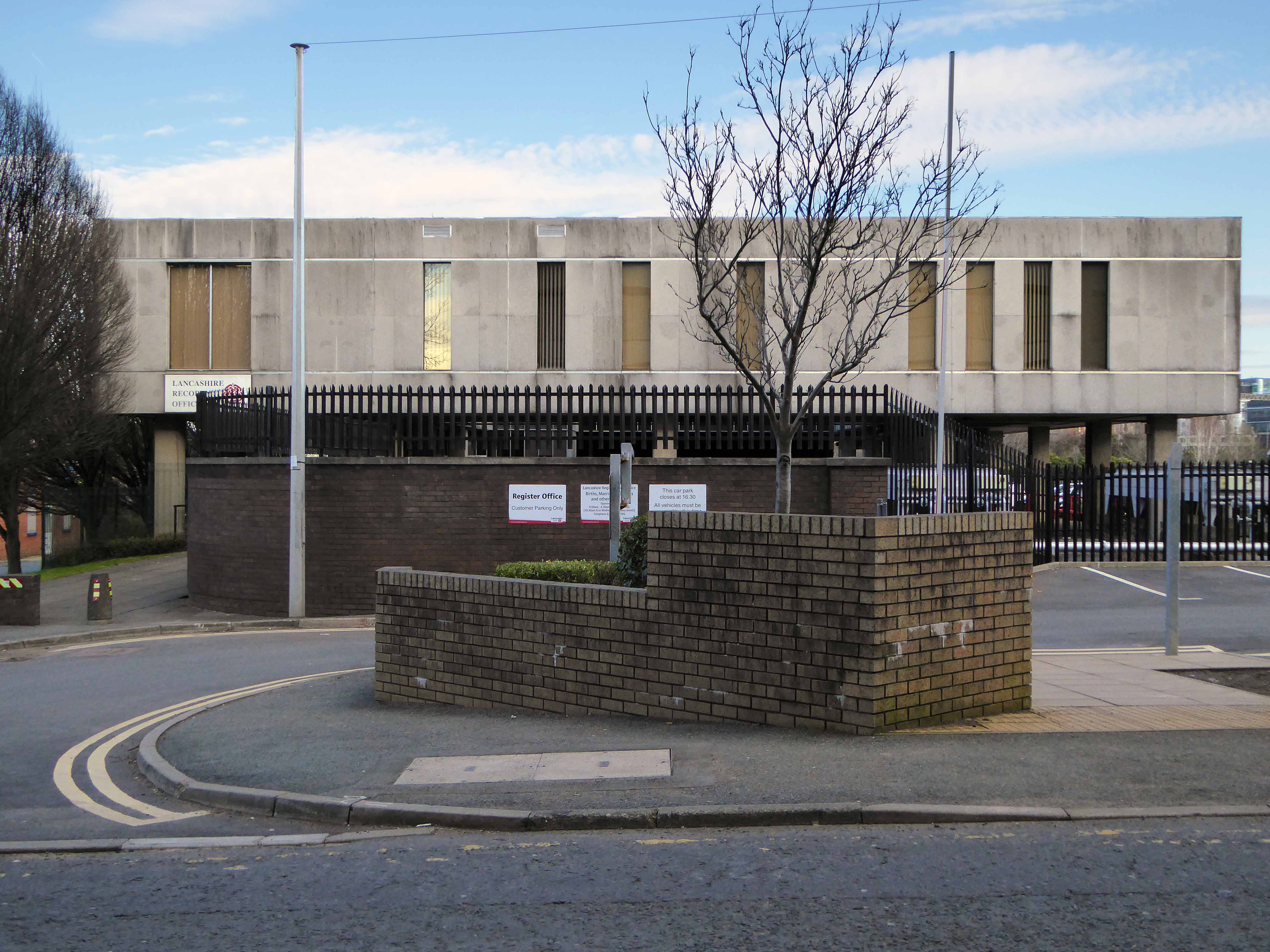
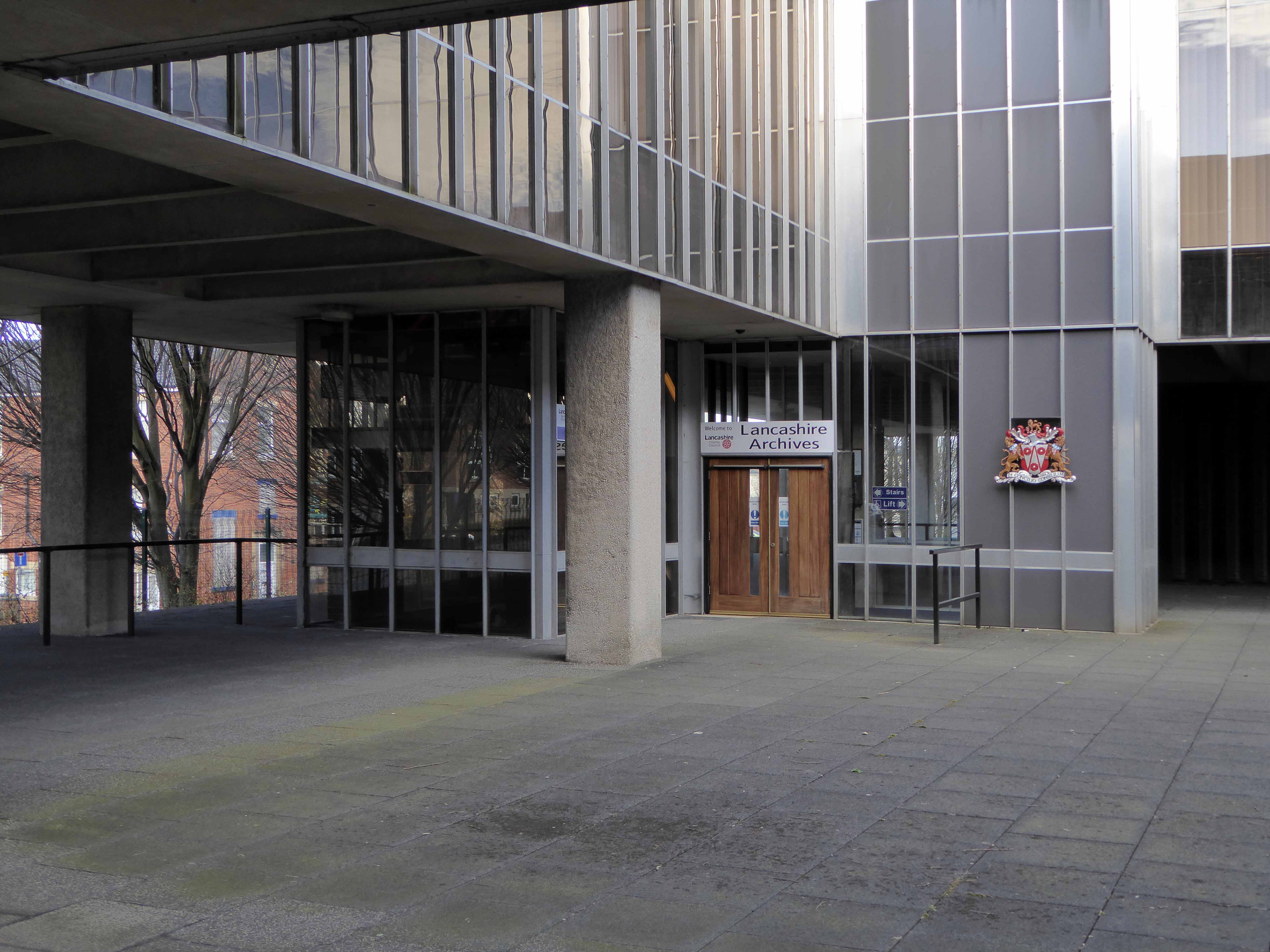
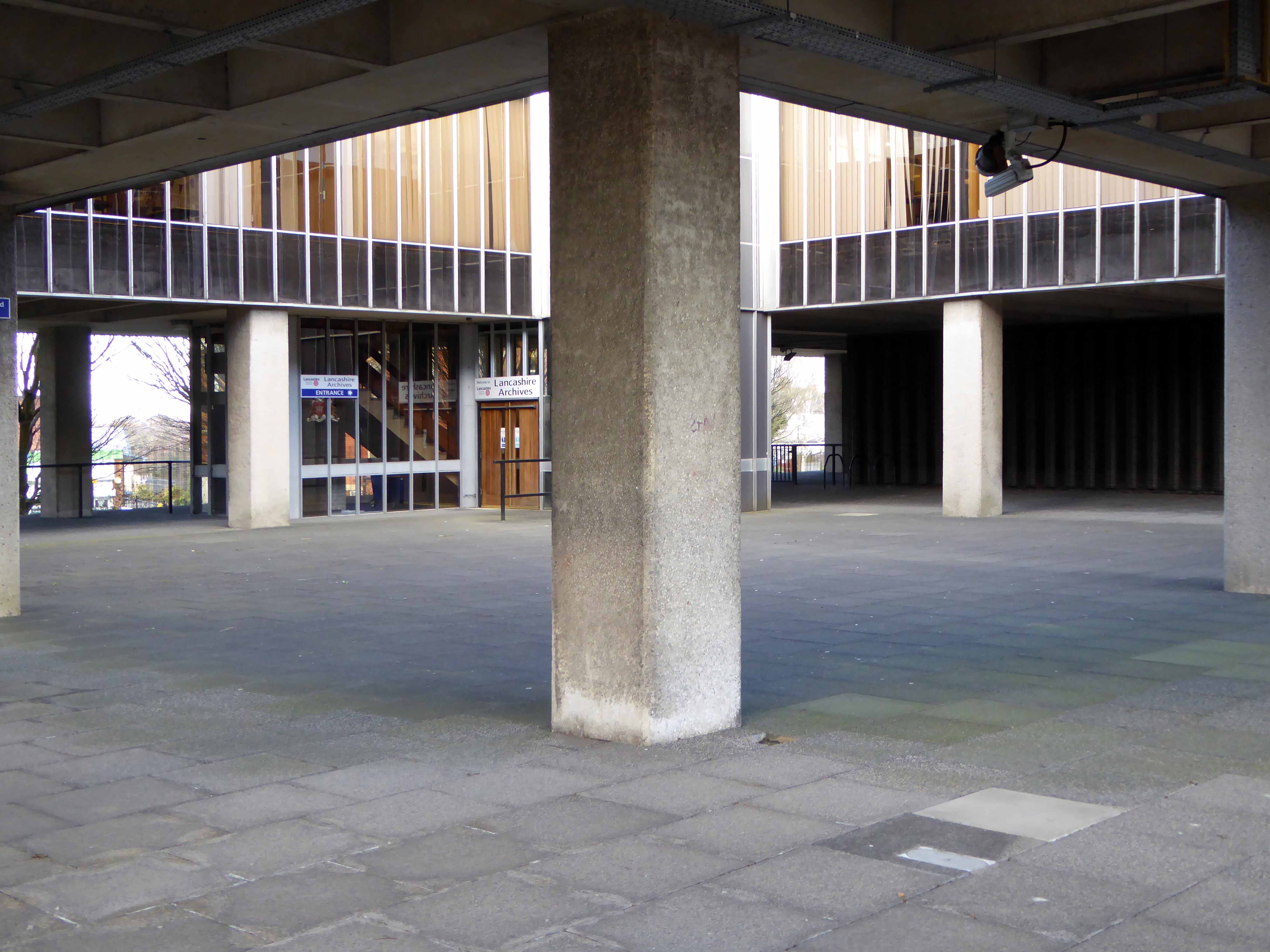
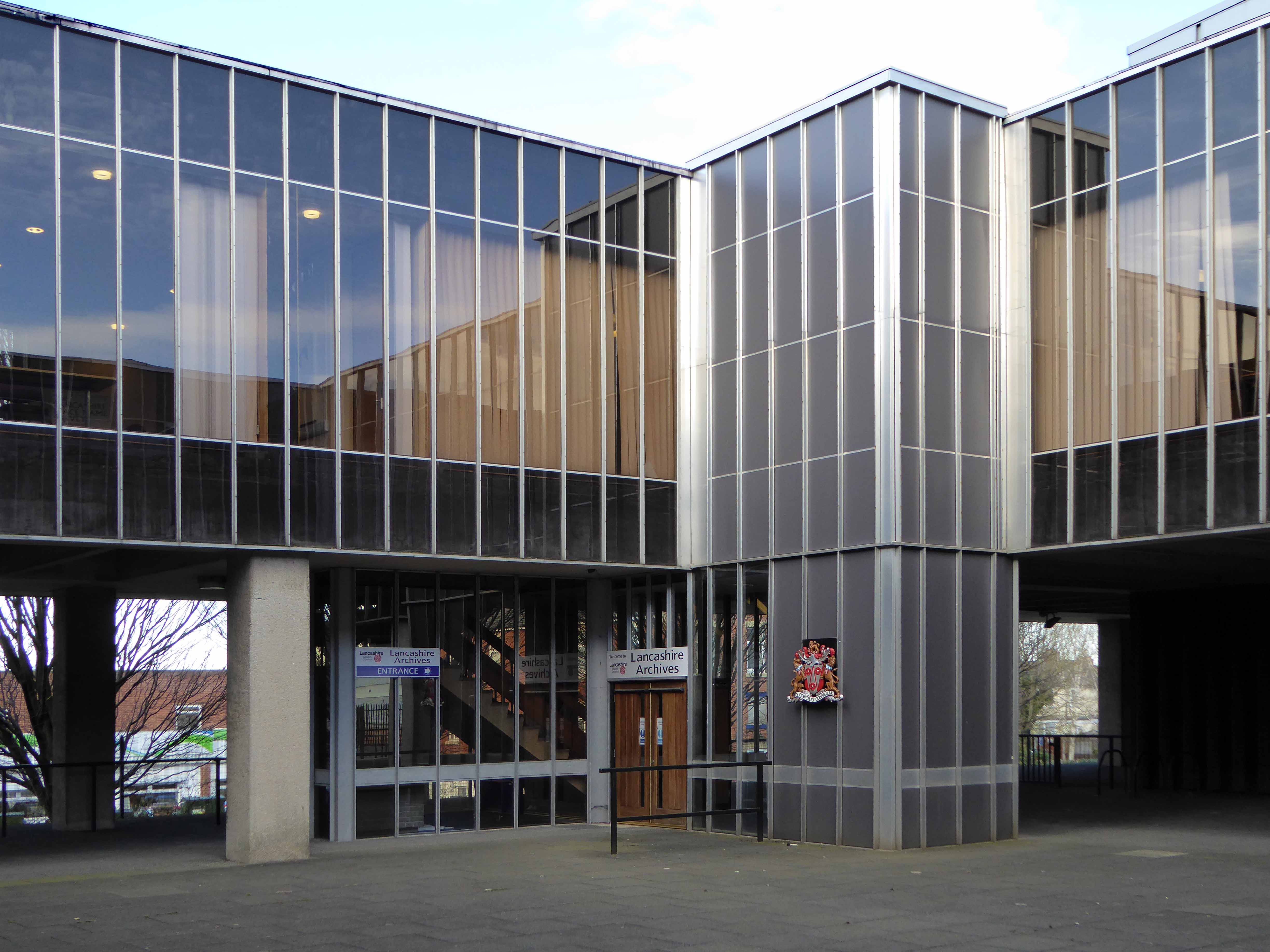
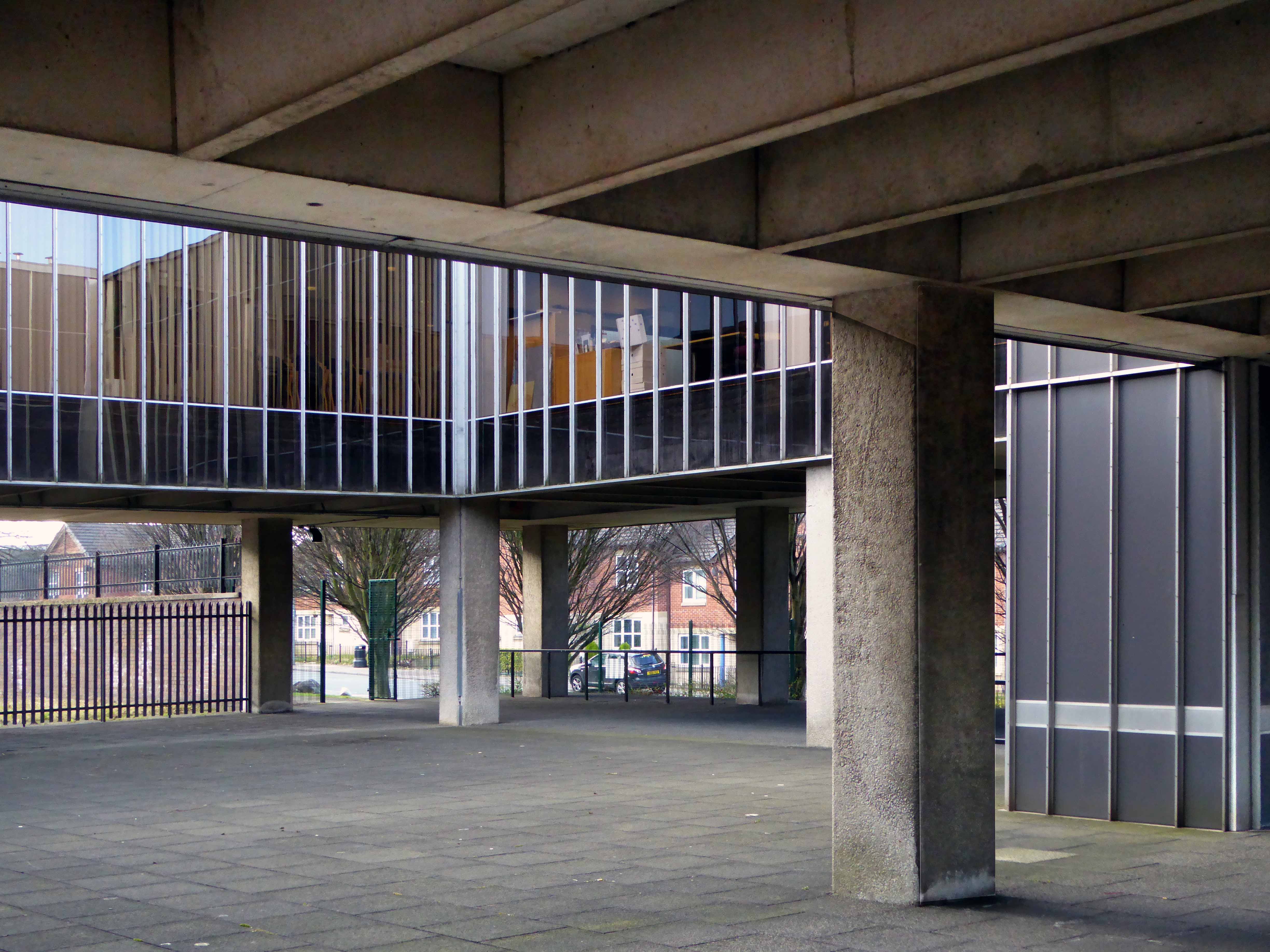
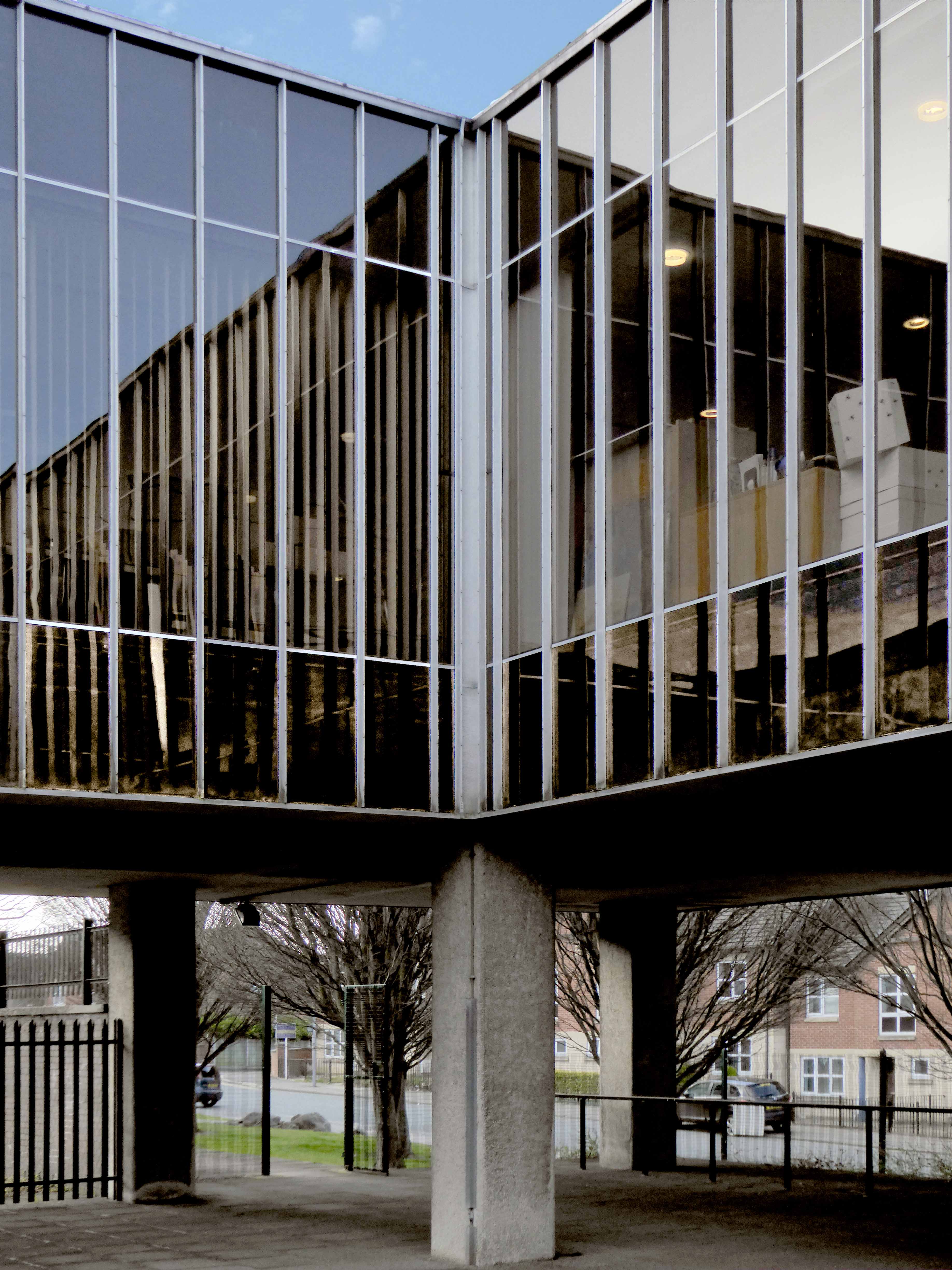
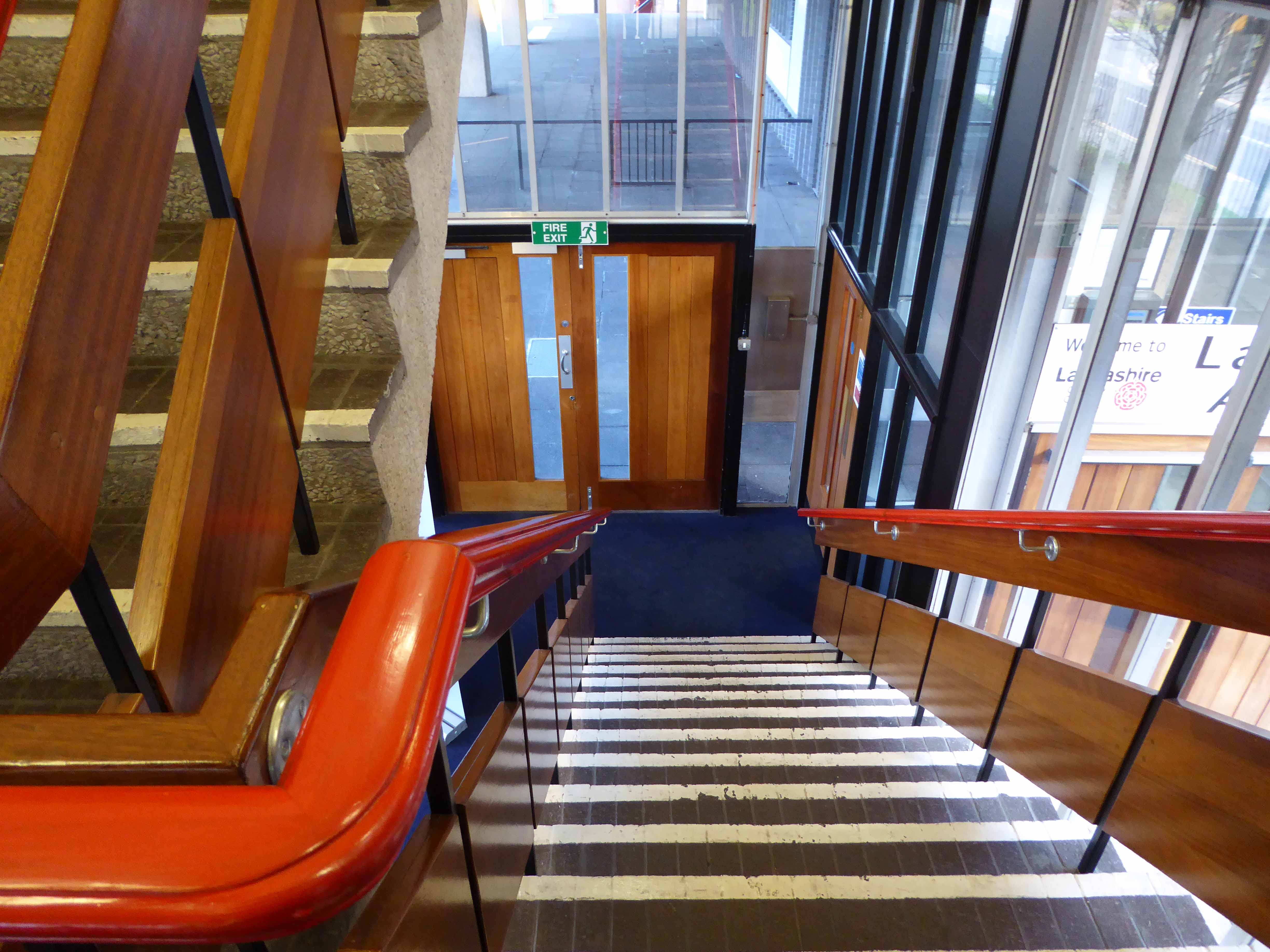
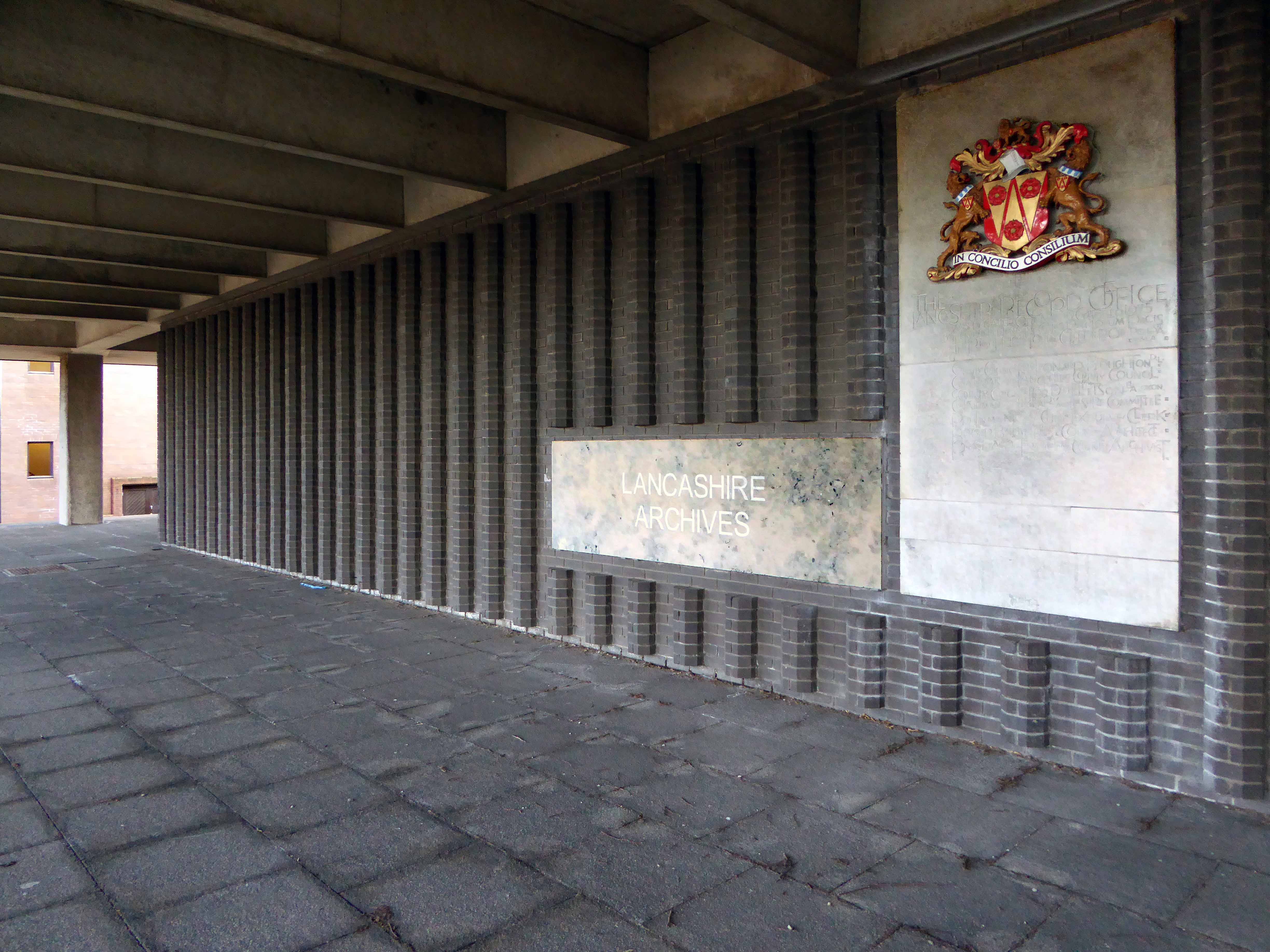
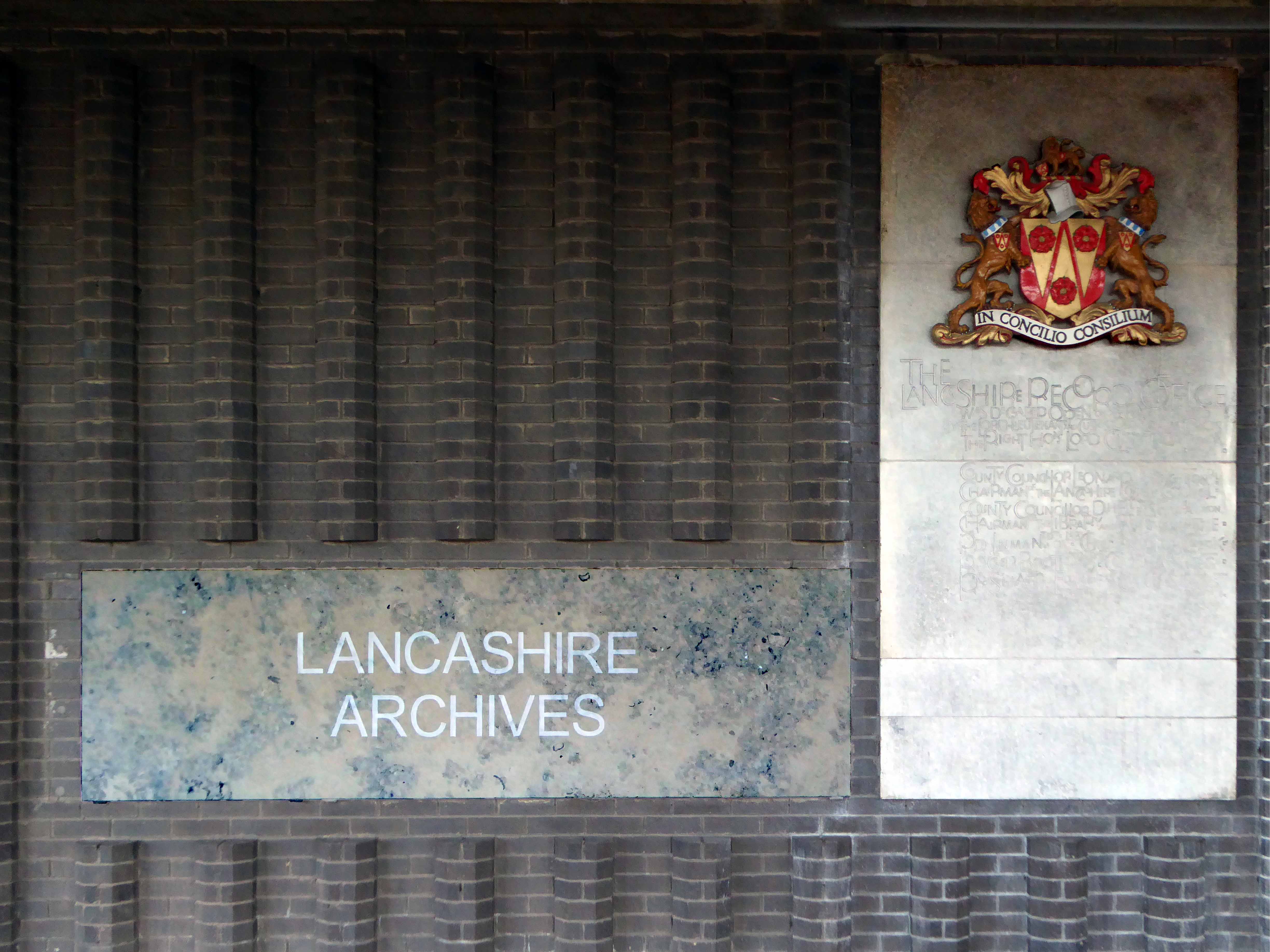
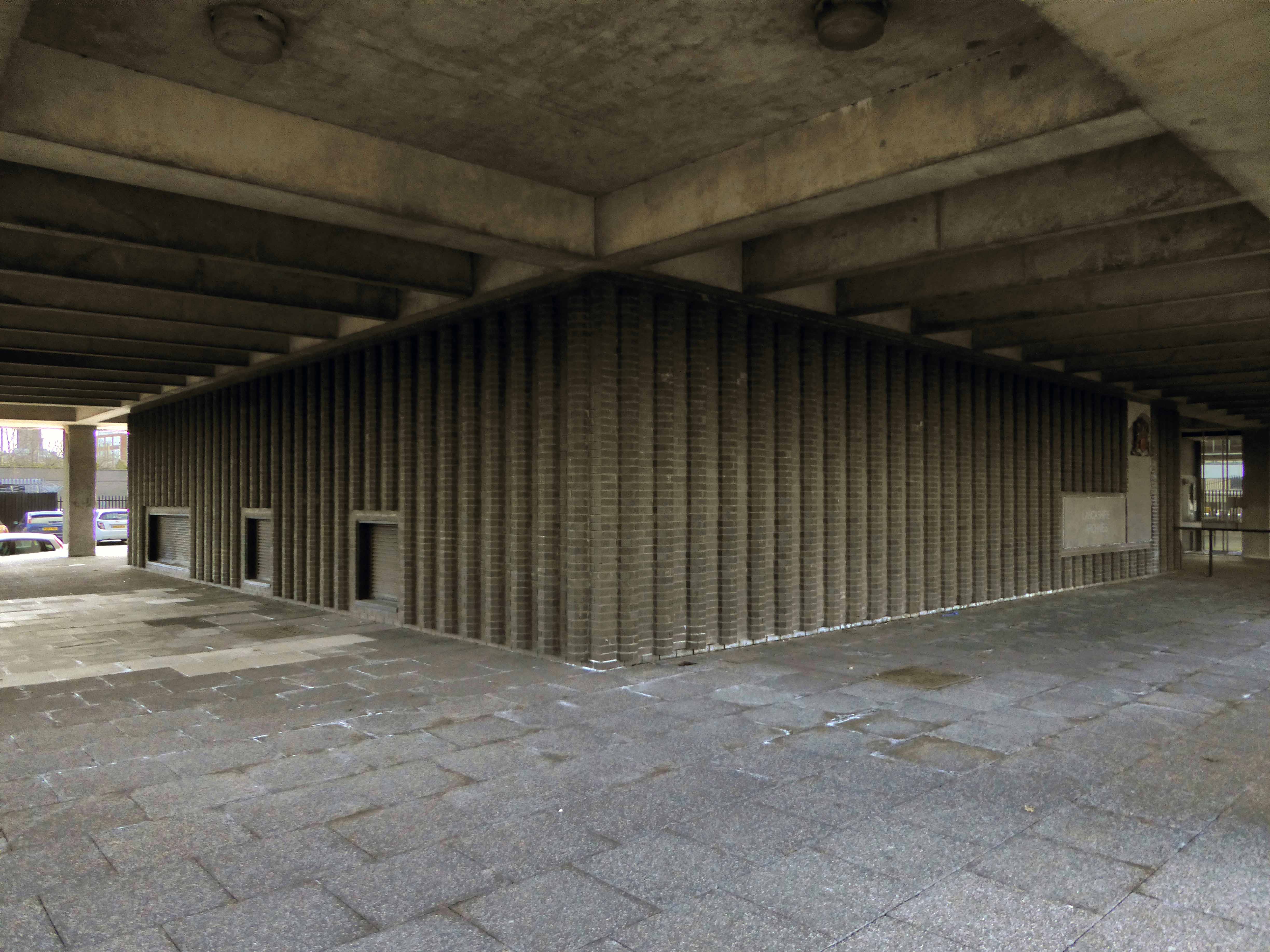
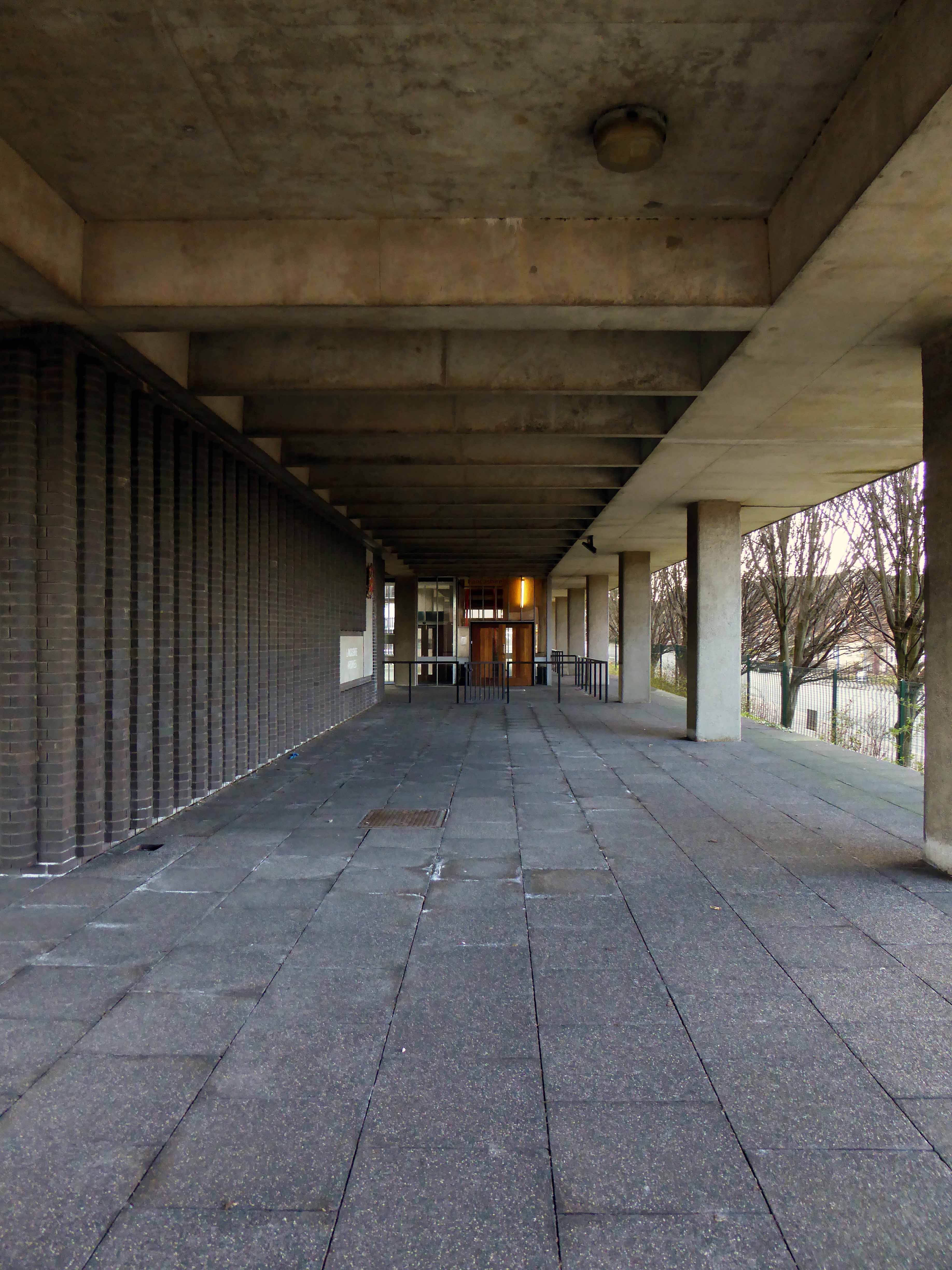
Peeping coyly from behind the surrounding trees, in the shadow of County Hall – the Lancashire Archives, yet more of Roger Booth’s handiwork.
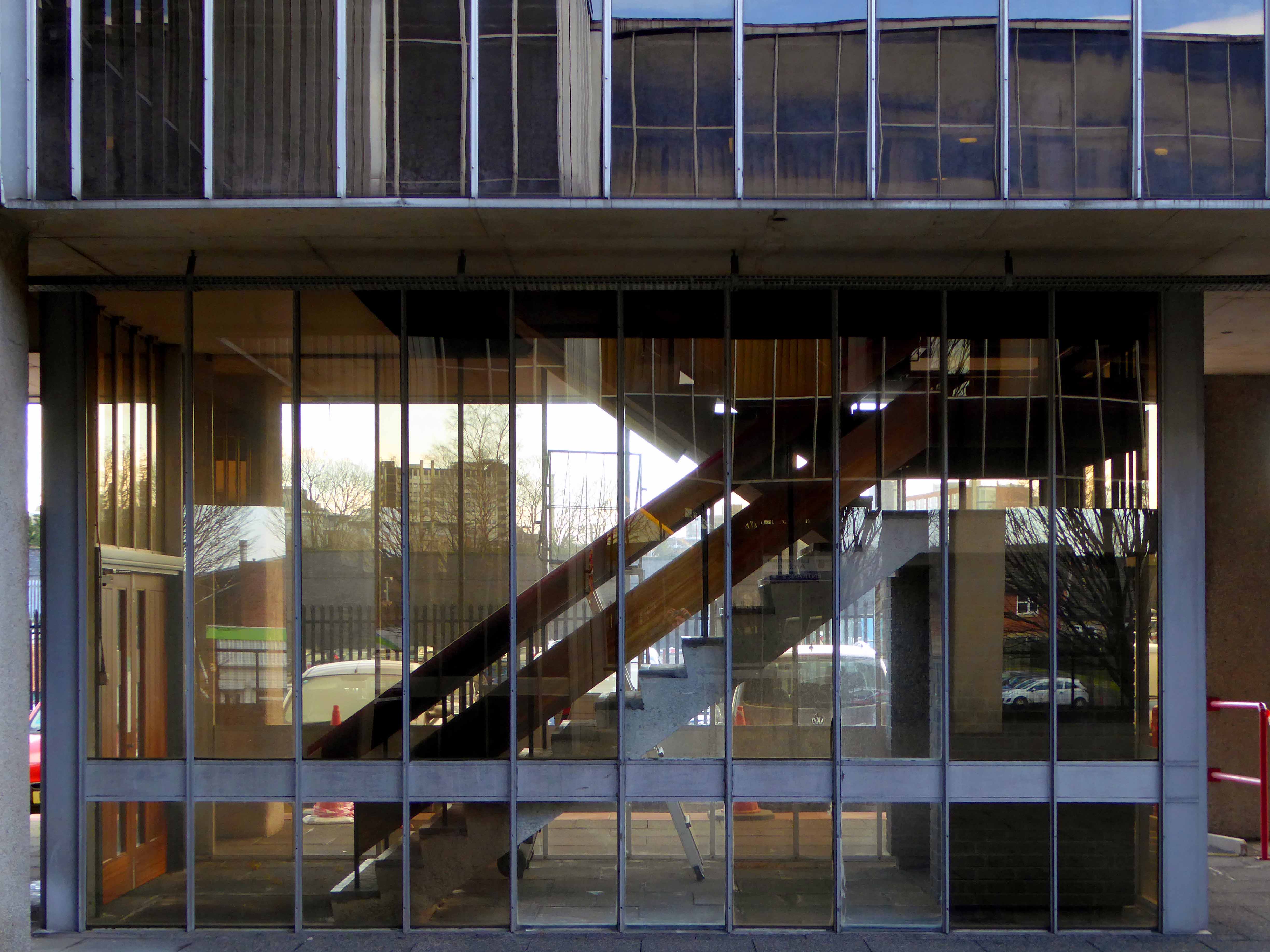
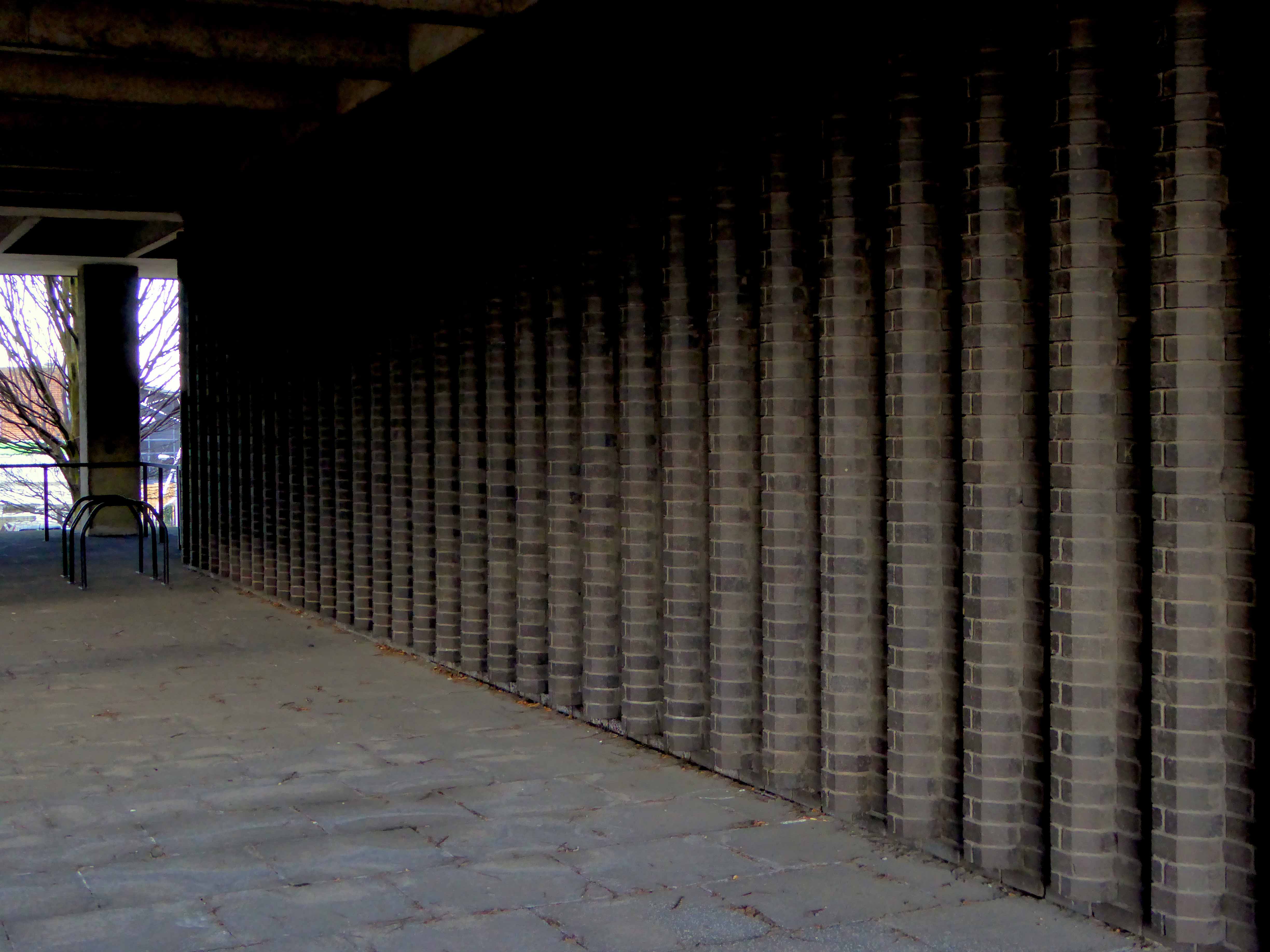
A low stone clad block stood elegantly on slender supports, inside the courtyard, a grid of aluminium and glass, the people peeping out. The core of the building shrouded in a solid serrated brick screen.
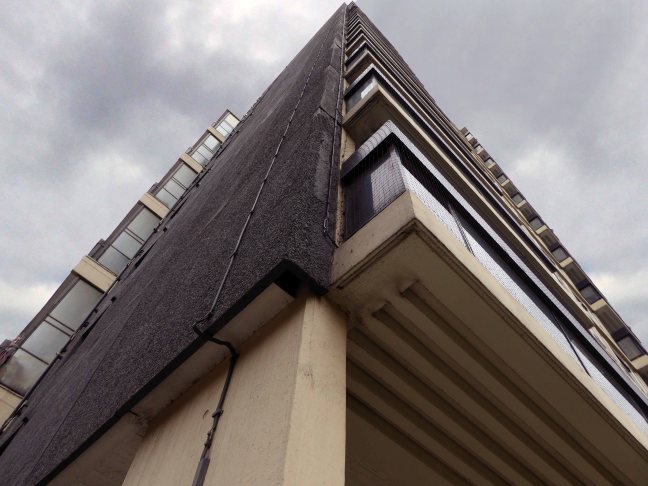
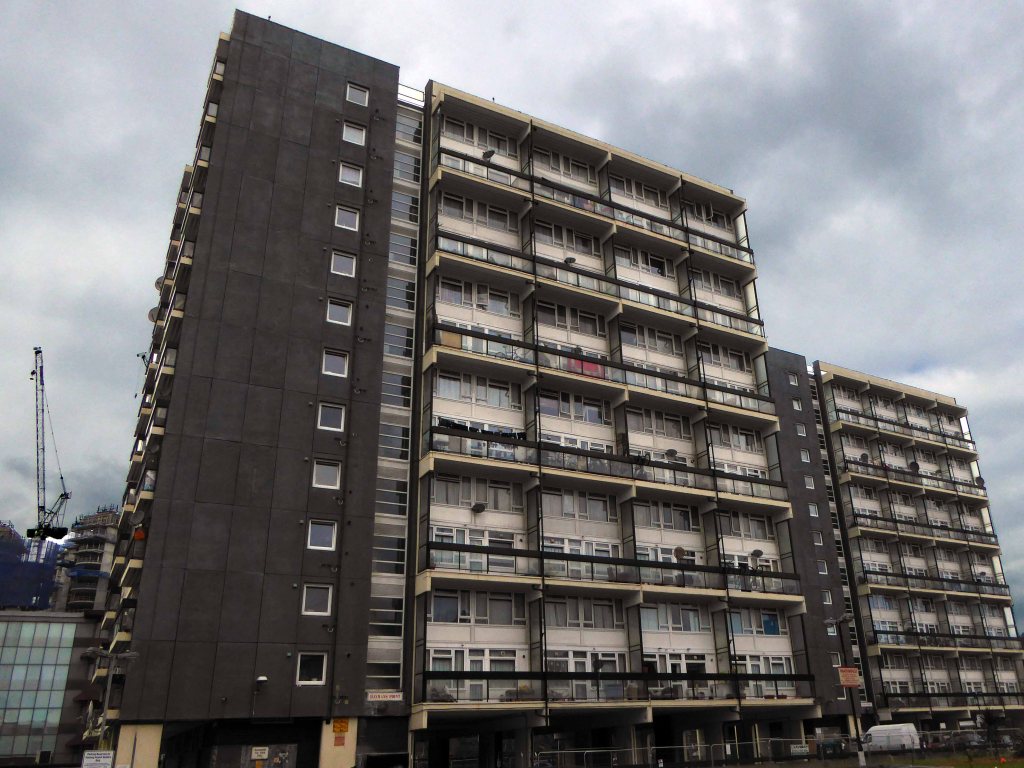
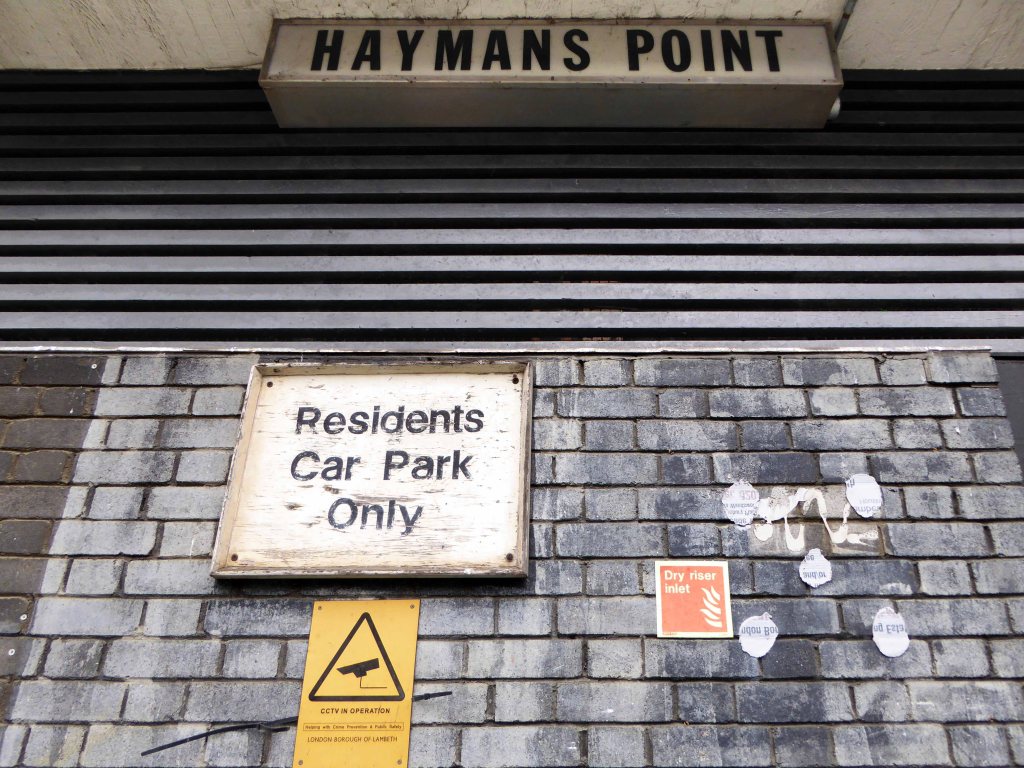
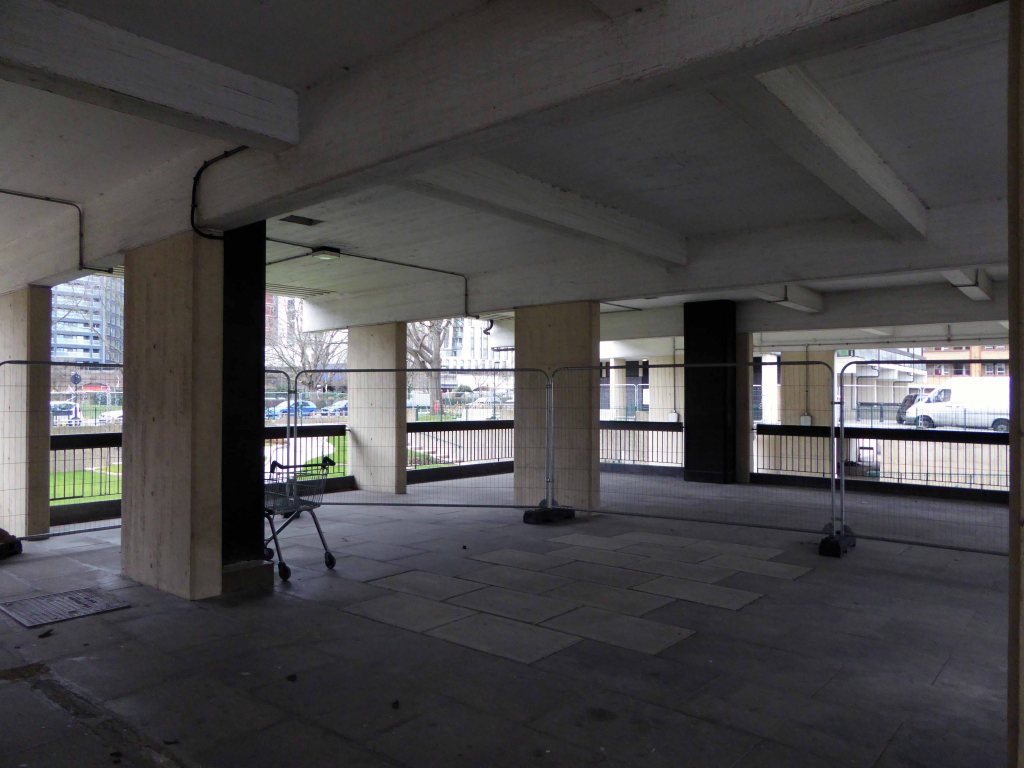
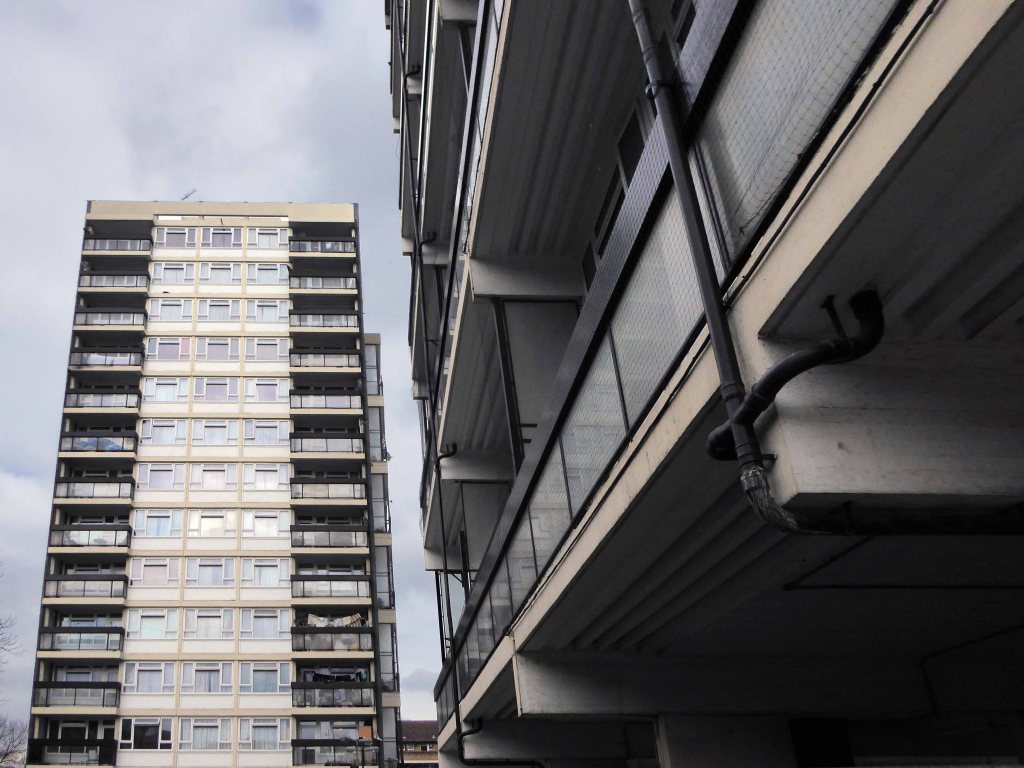
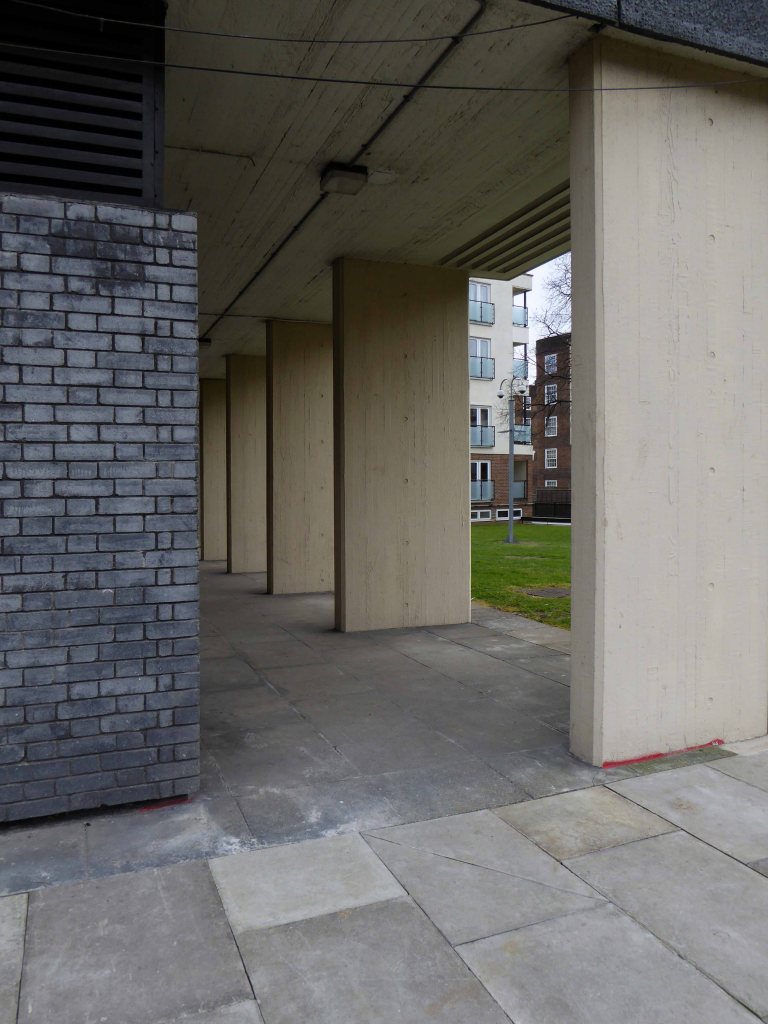
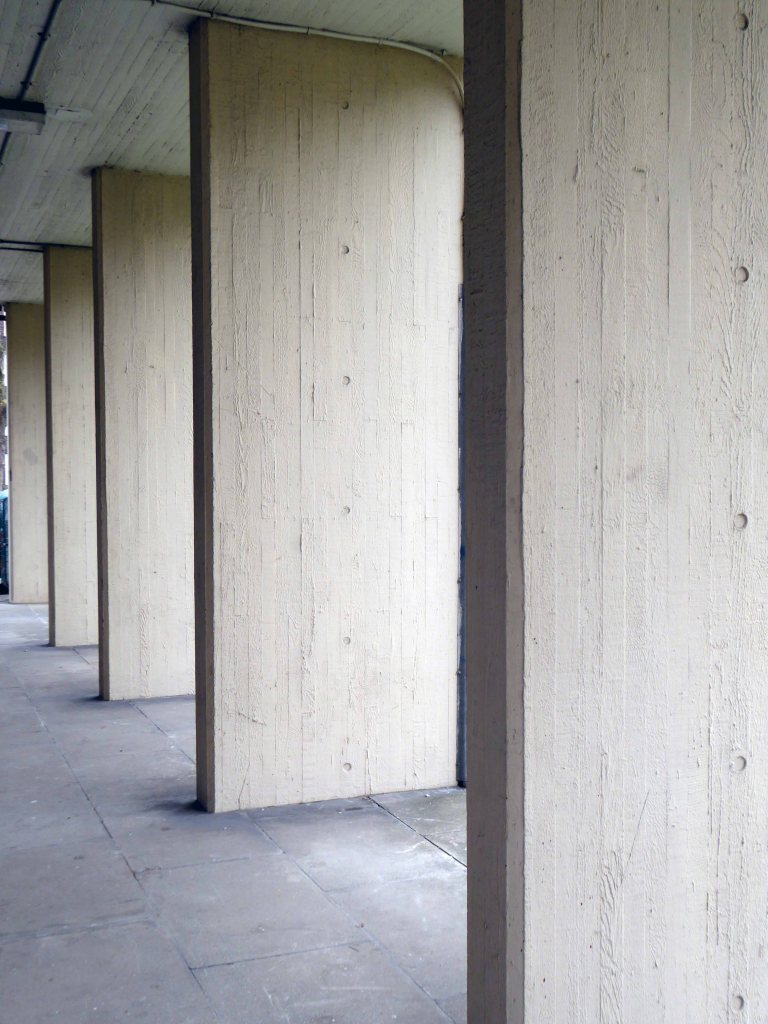
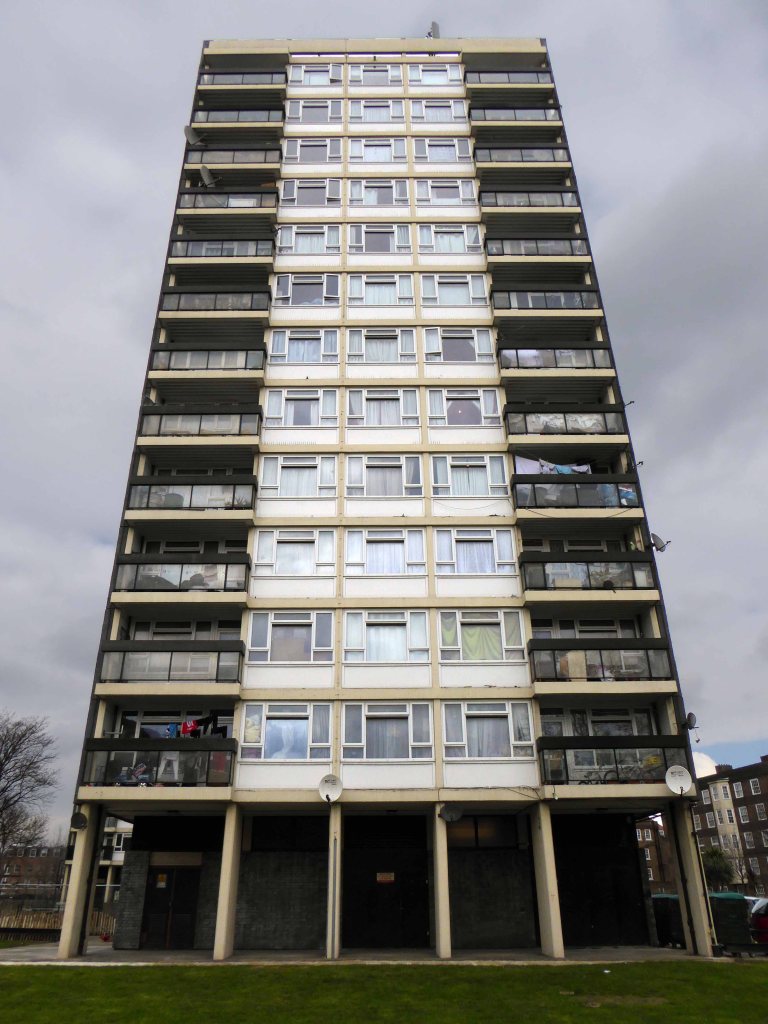
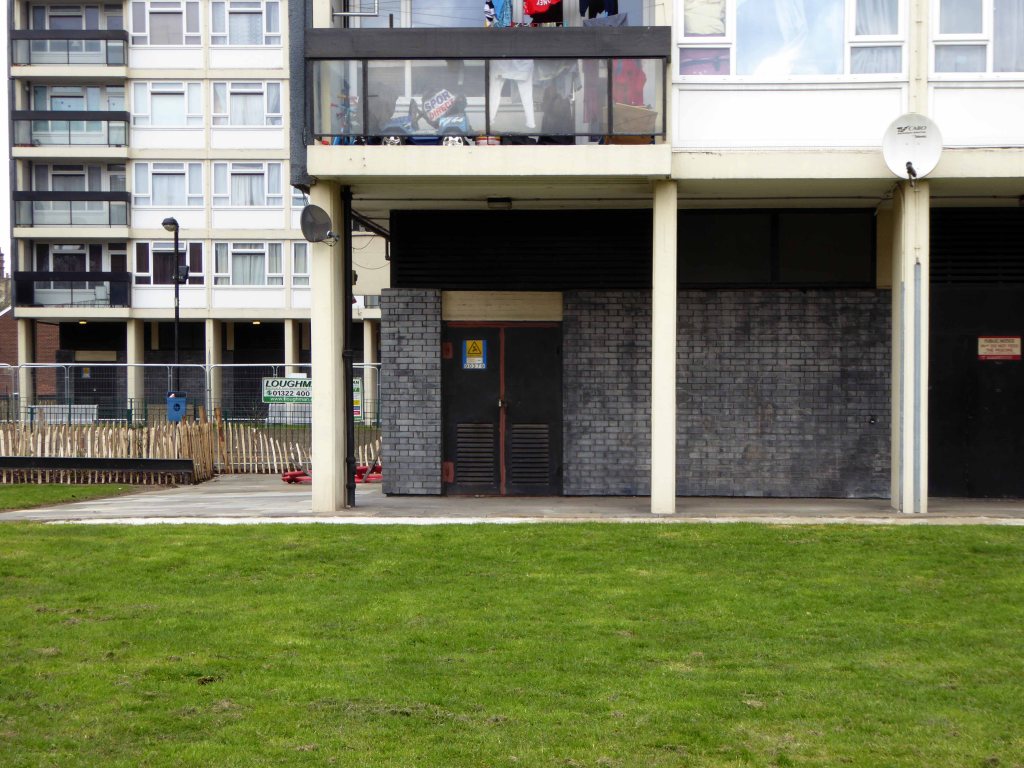
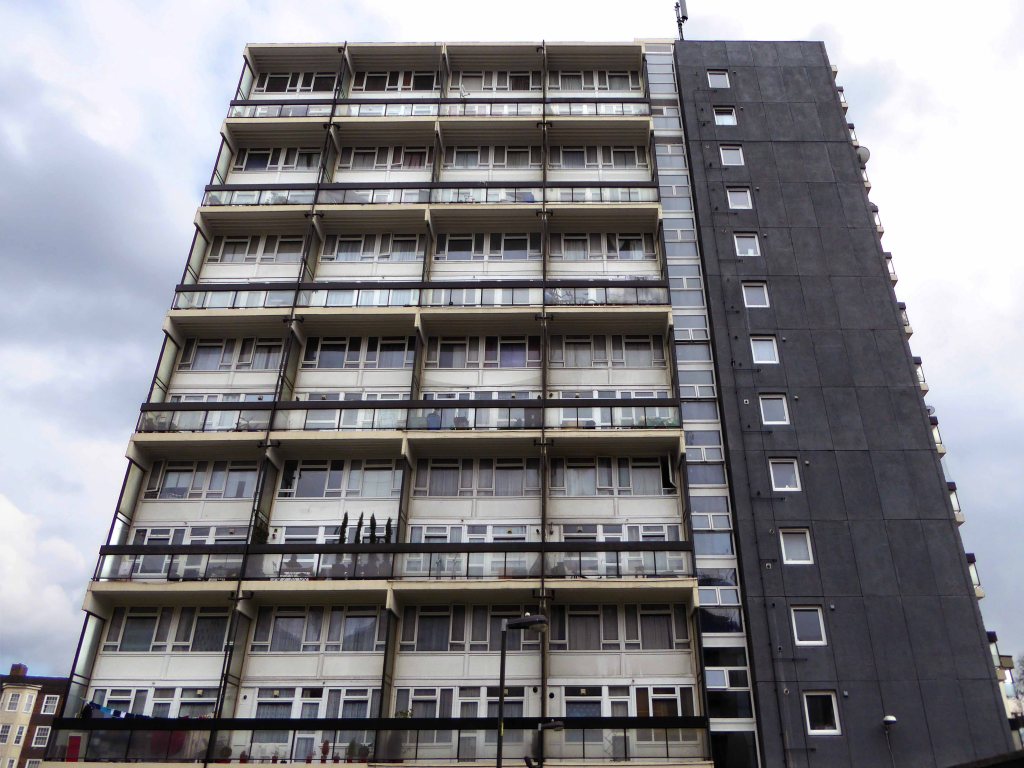
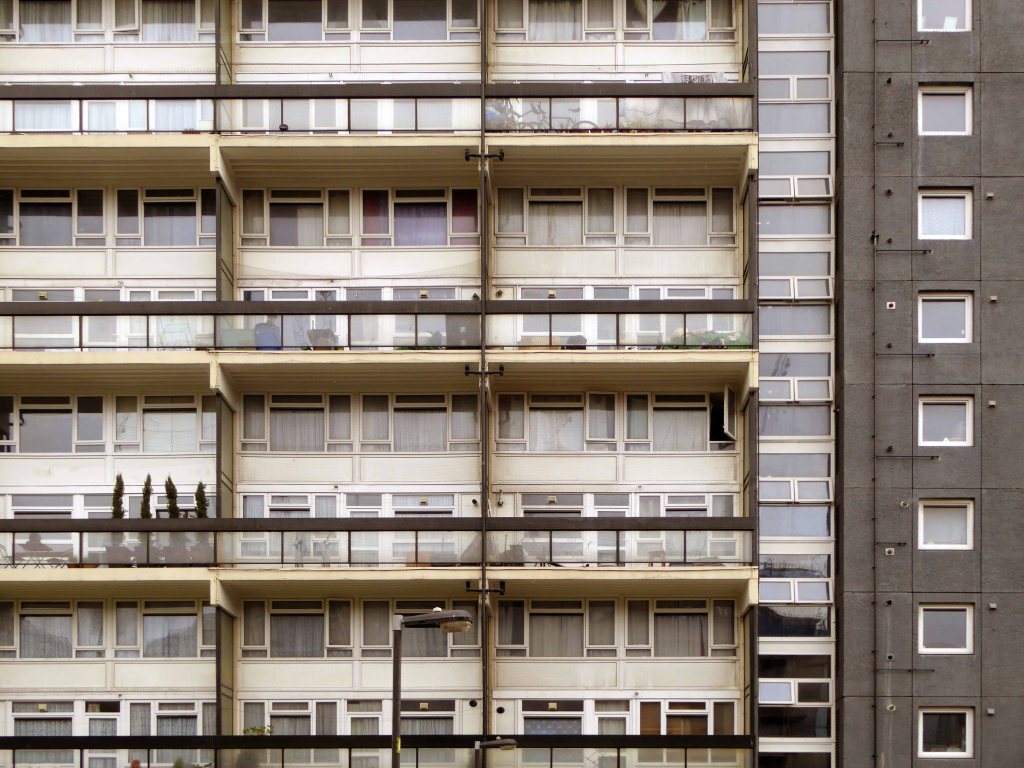
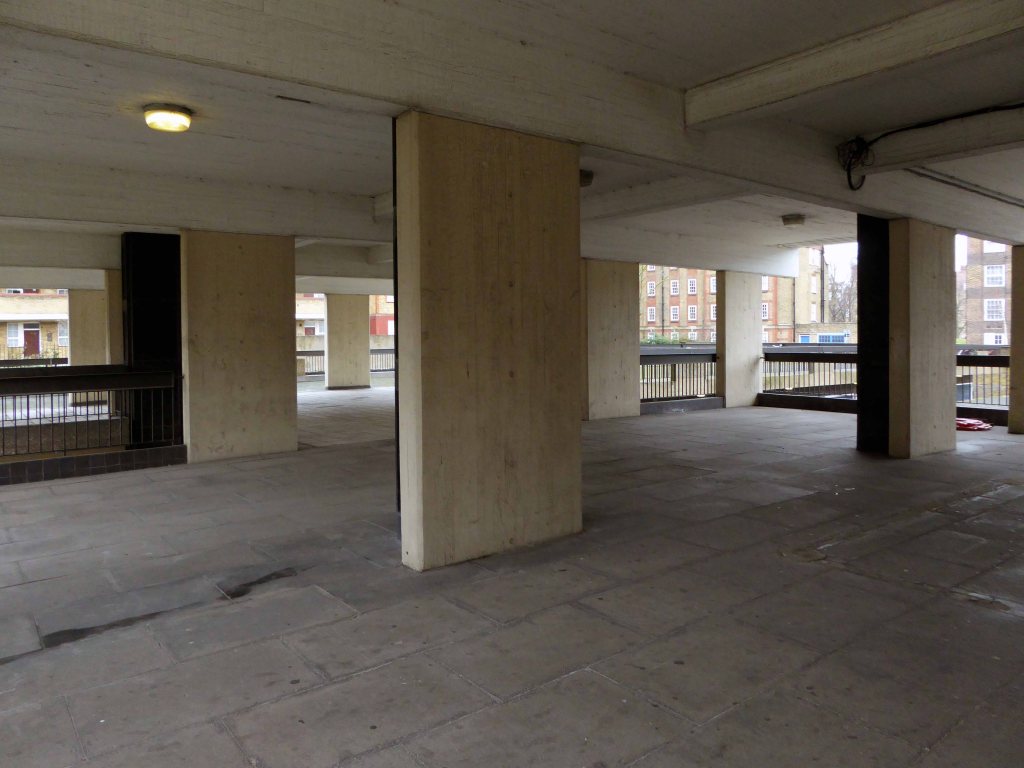
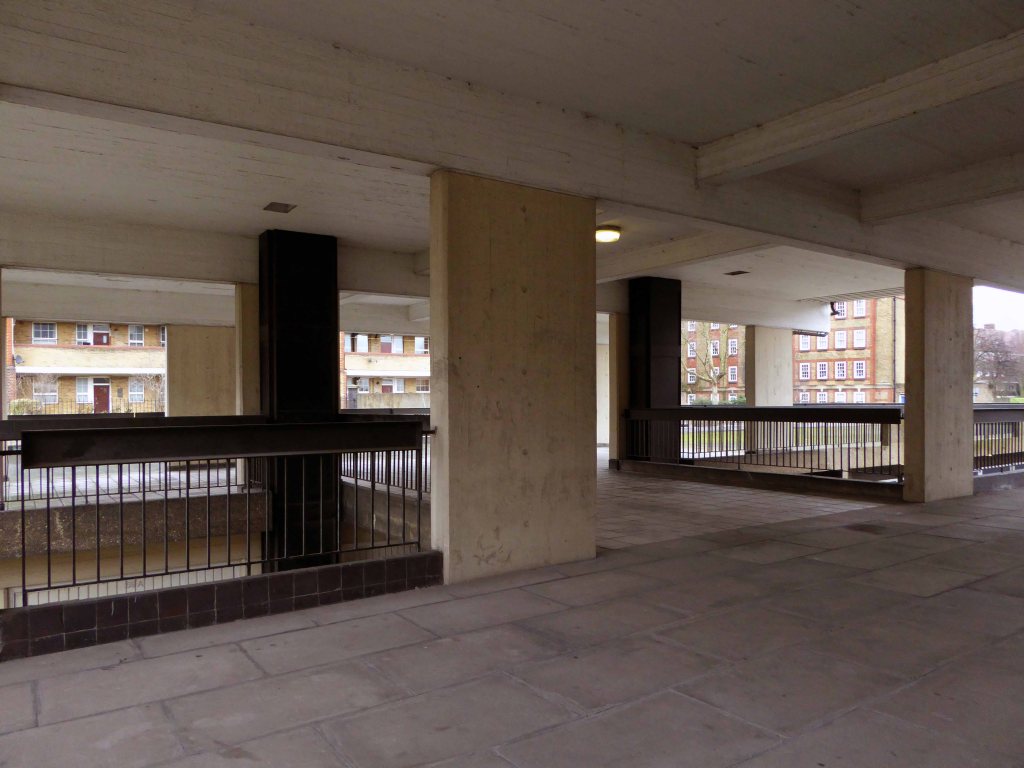
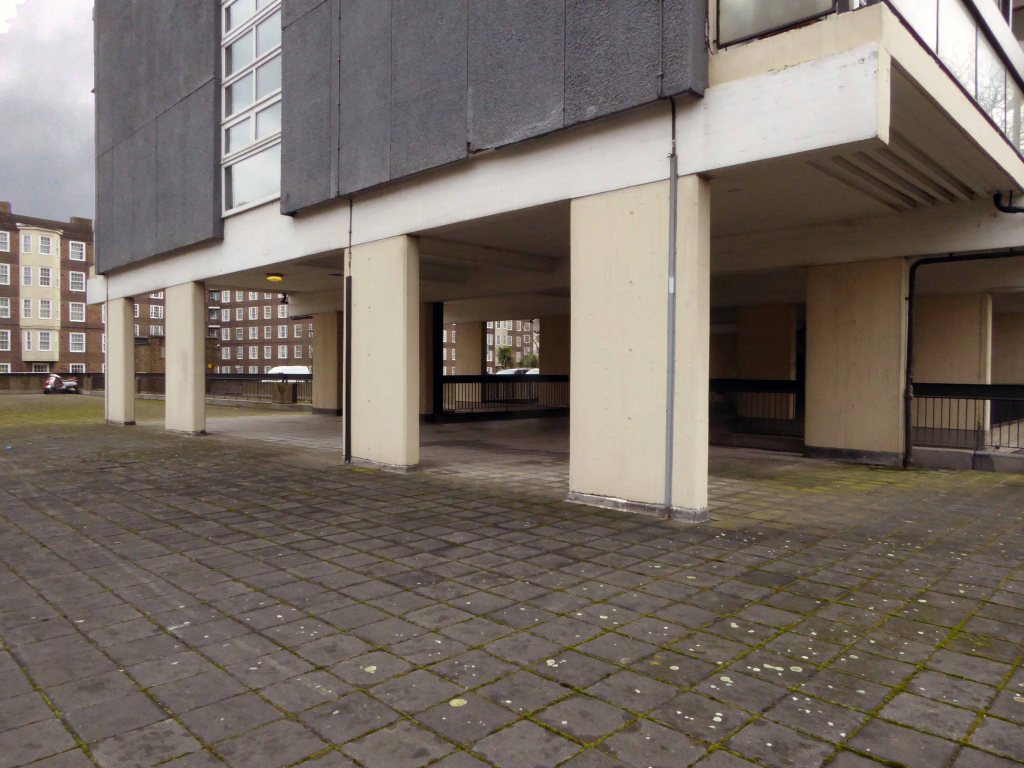
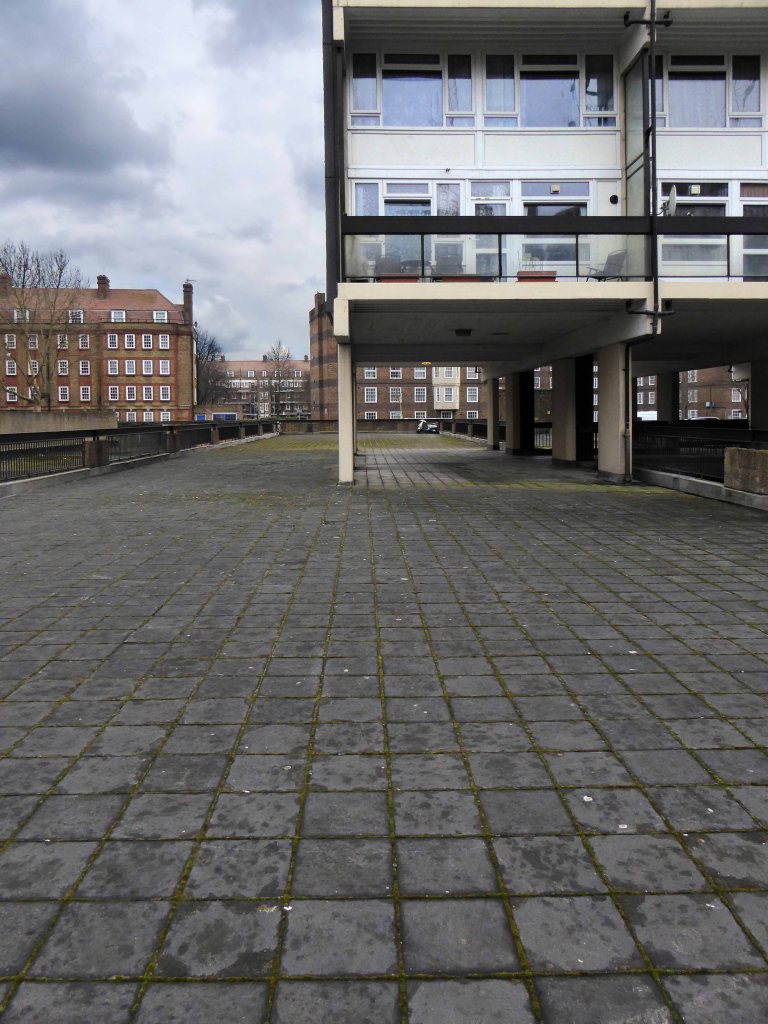
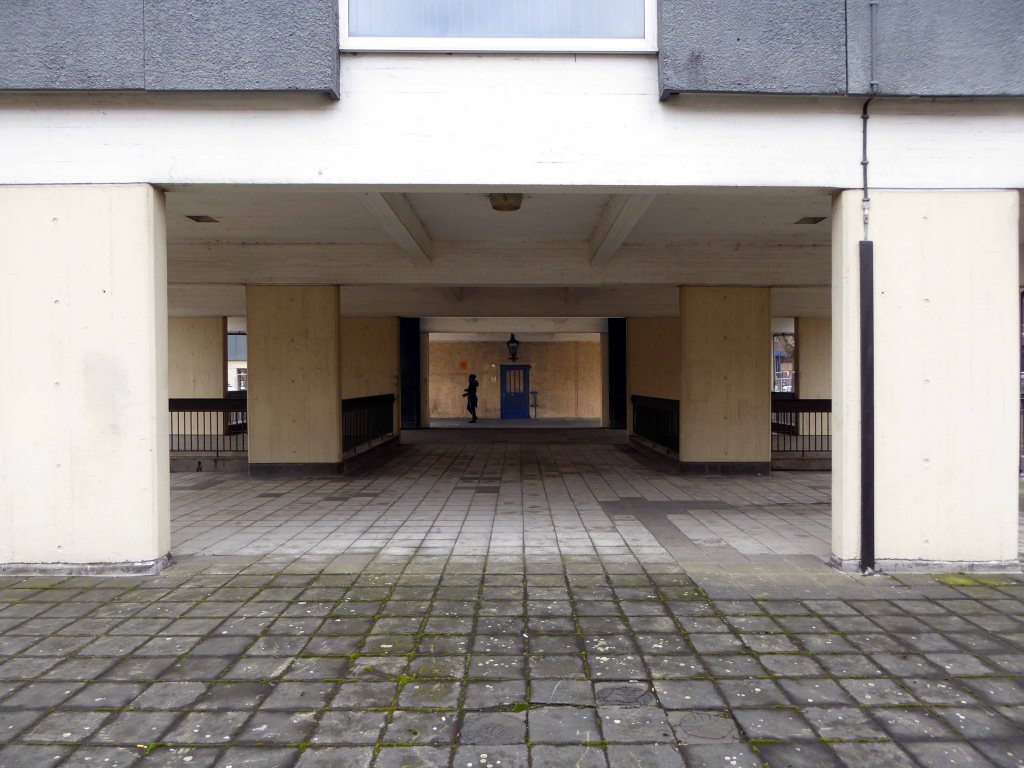
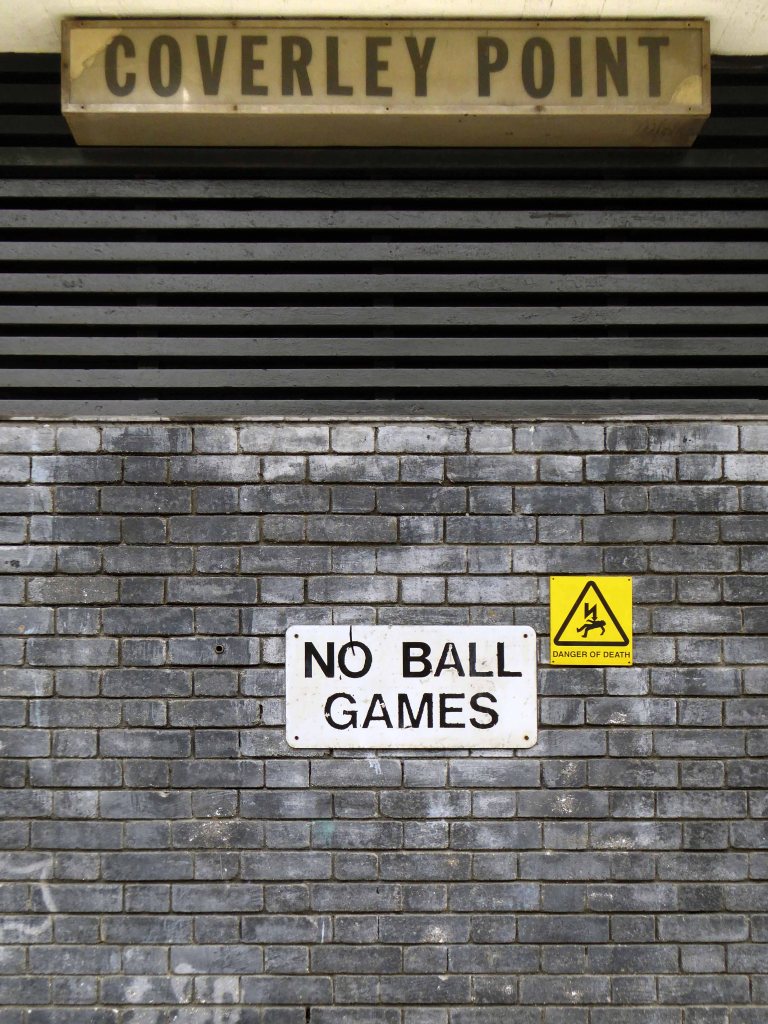
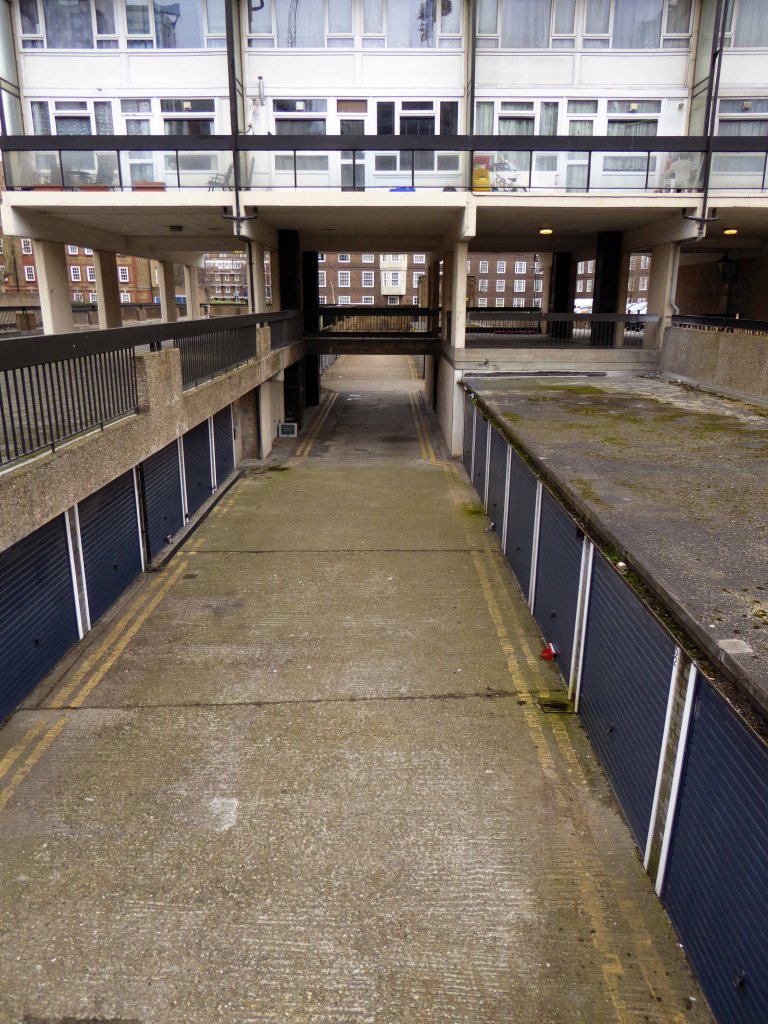
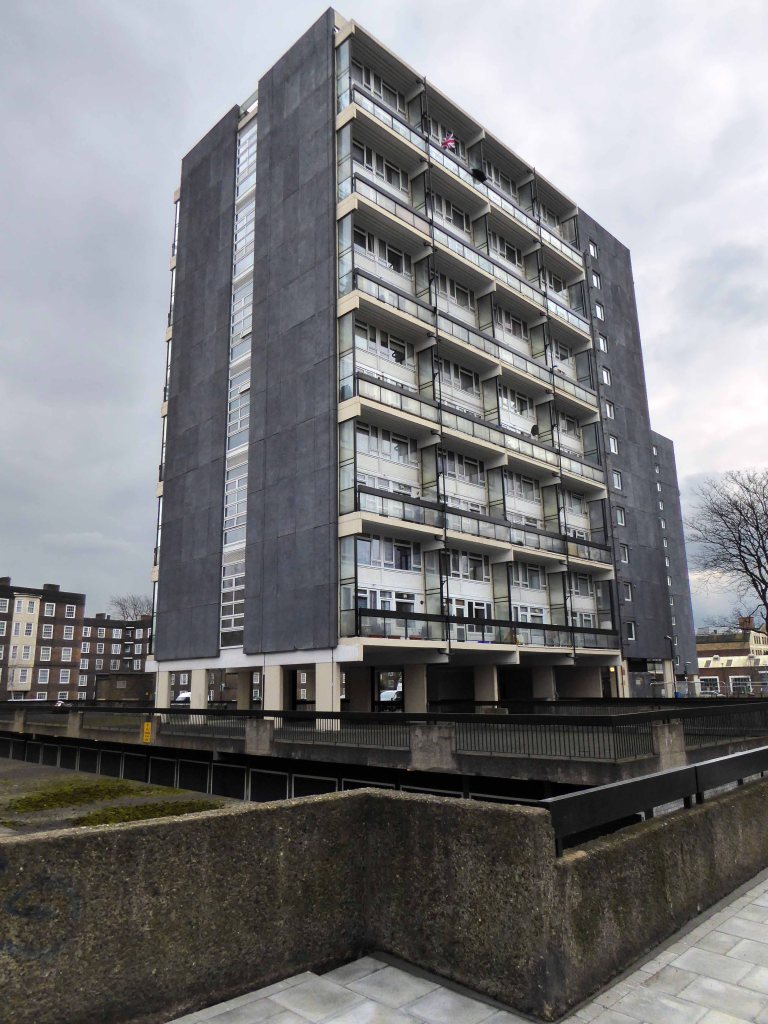
Vauxhall post war housing development, including two adjacent tower blocks Haymans and Coverley Point. labelled as a concrete jungle home to mainly manual workers, forty percent non-white, amid a mix of Eastern European and Portuguese emigres.
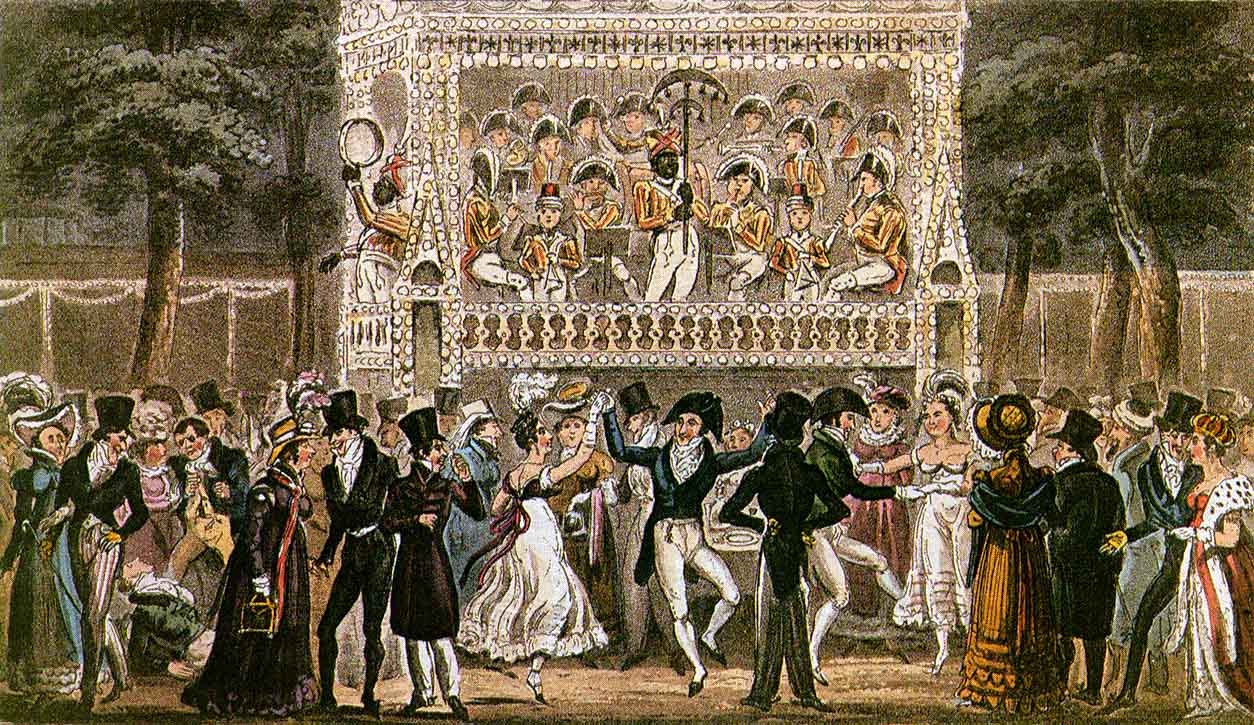
Vauxhall playground of the free-runners, film location and thrill seekers:
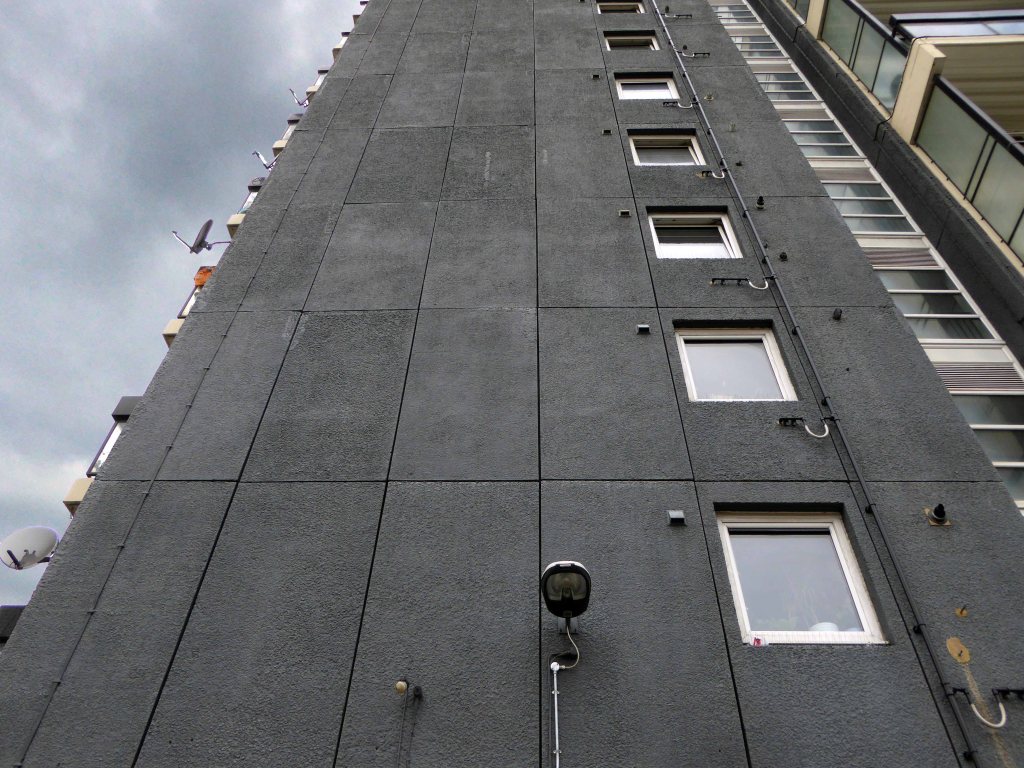
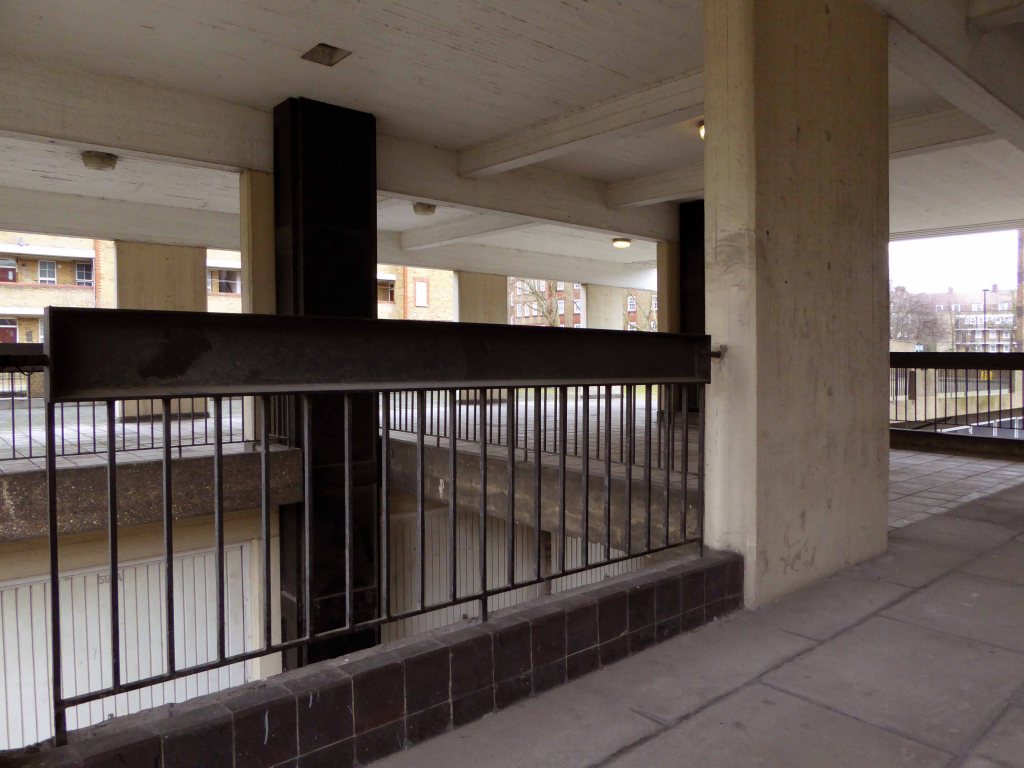
Haymans Point is an imposing, concrete, council estate tower block in the north of Lambeth, part of the Vauxhall Gardens Estate, which has an active residents and tenants association. The rooftop is fairly restricted in terms of outlook due to its high walls, but some interesting features are available including atmospheric interior corridors, outdoor walkways and underpasses over public spaces.
– It’s also giving young Lambeth citizens work experience in the construction industry.
Vincenzo got his interest in construction from his Mum, who was a Brixton-based painter and decorator, and his original work experience with London charity Build-it was decorating Lambeth Council blocks in Blenheim Gardens. “I’m fanatical about learning things. I like moving about and in building you’re always somewhere different. Nadine from Build-it said this job would be hard work, so I was right on it”
Two blocks without a chip on their respective shoulders, set in a green sea of history.











































 Modern Mooch