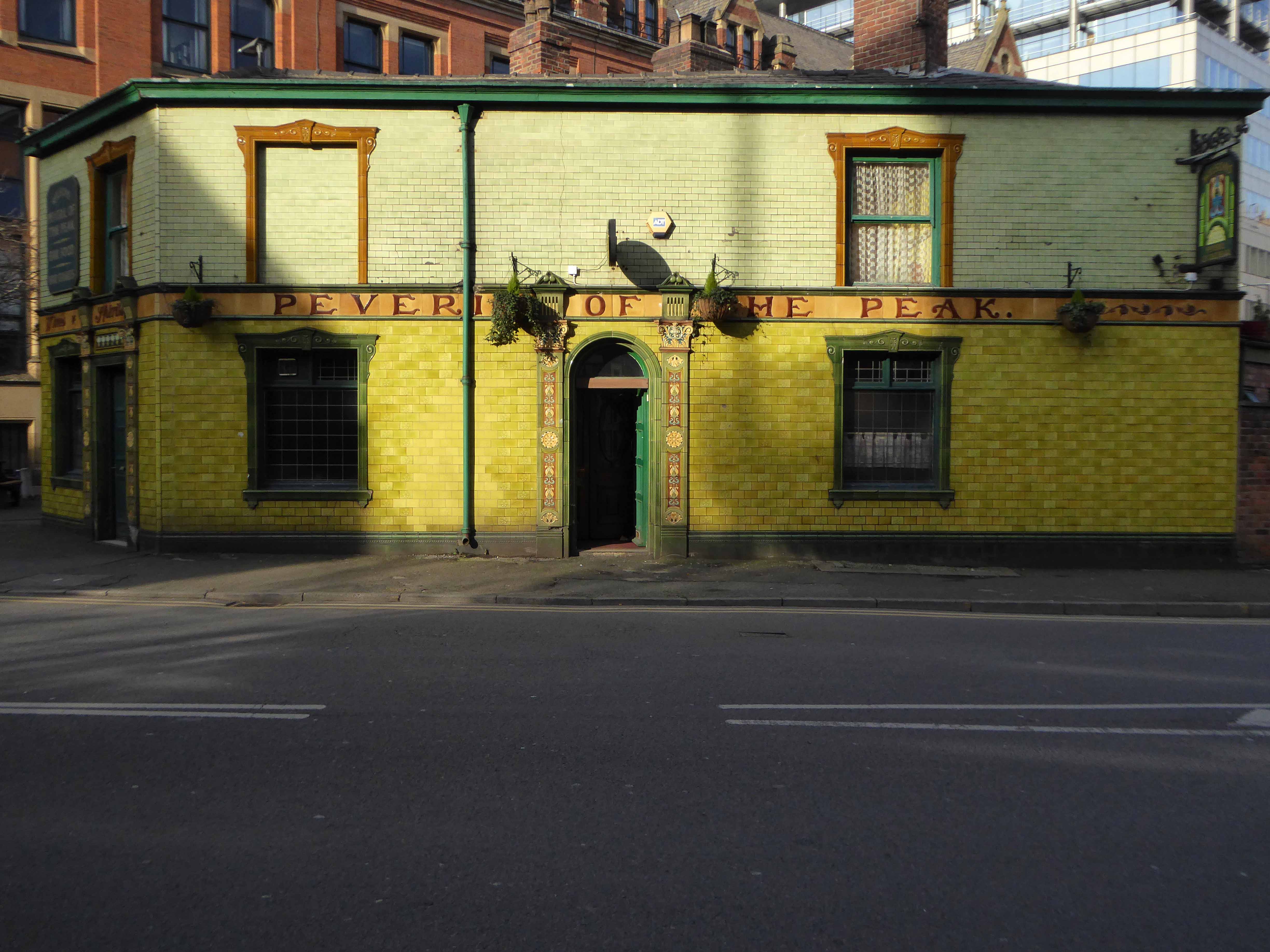
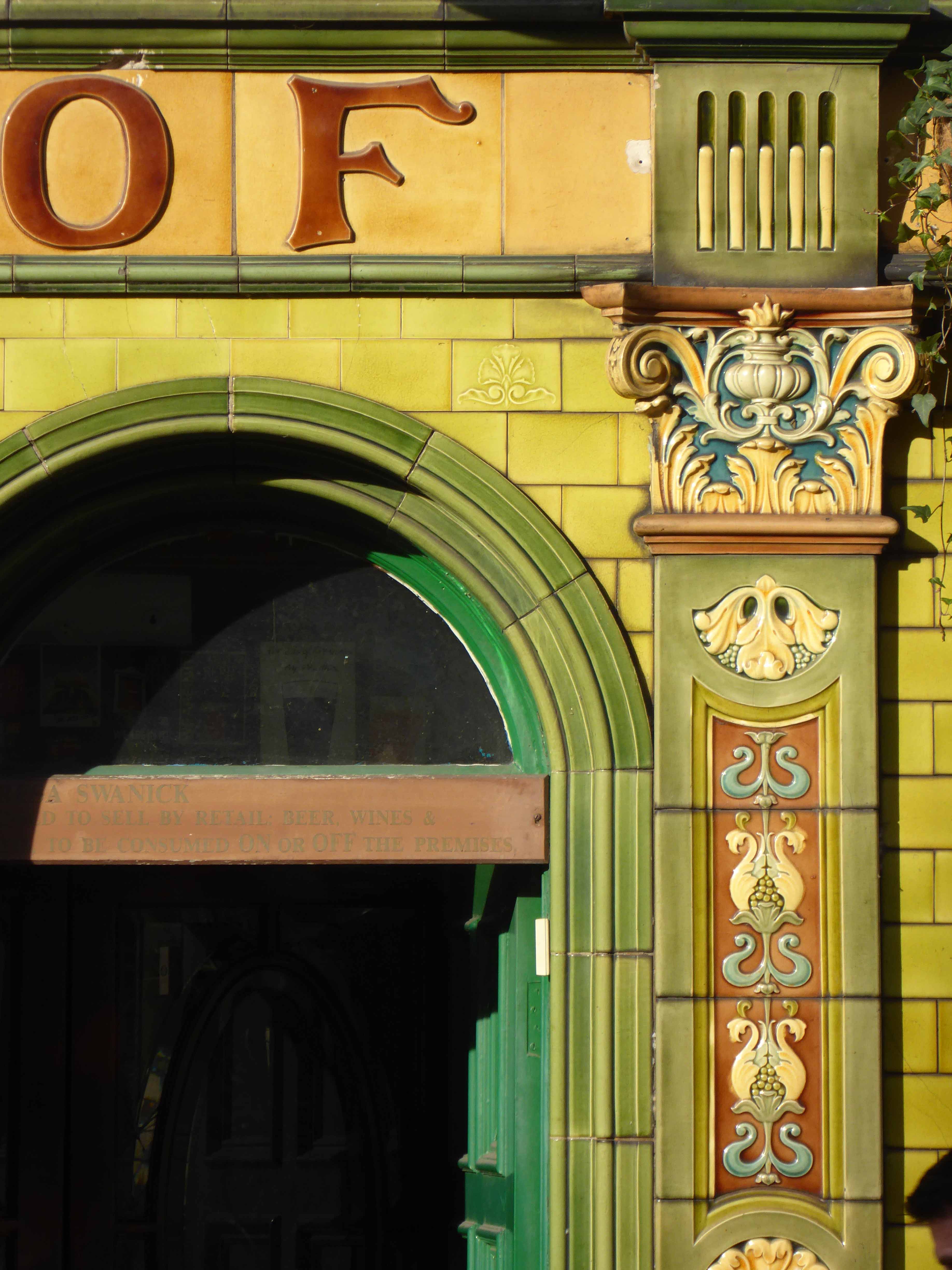
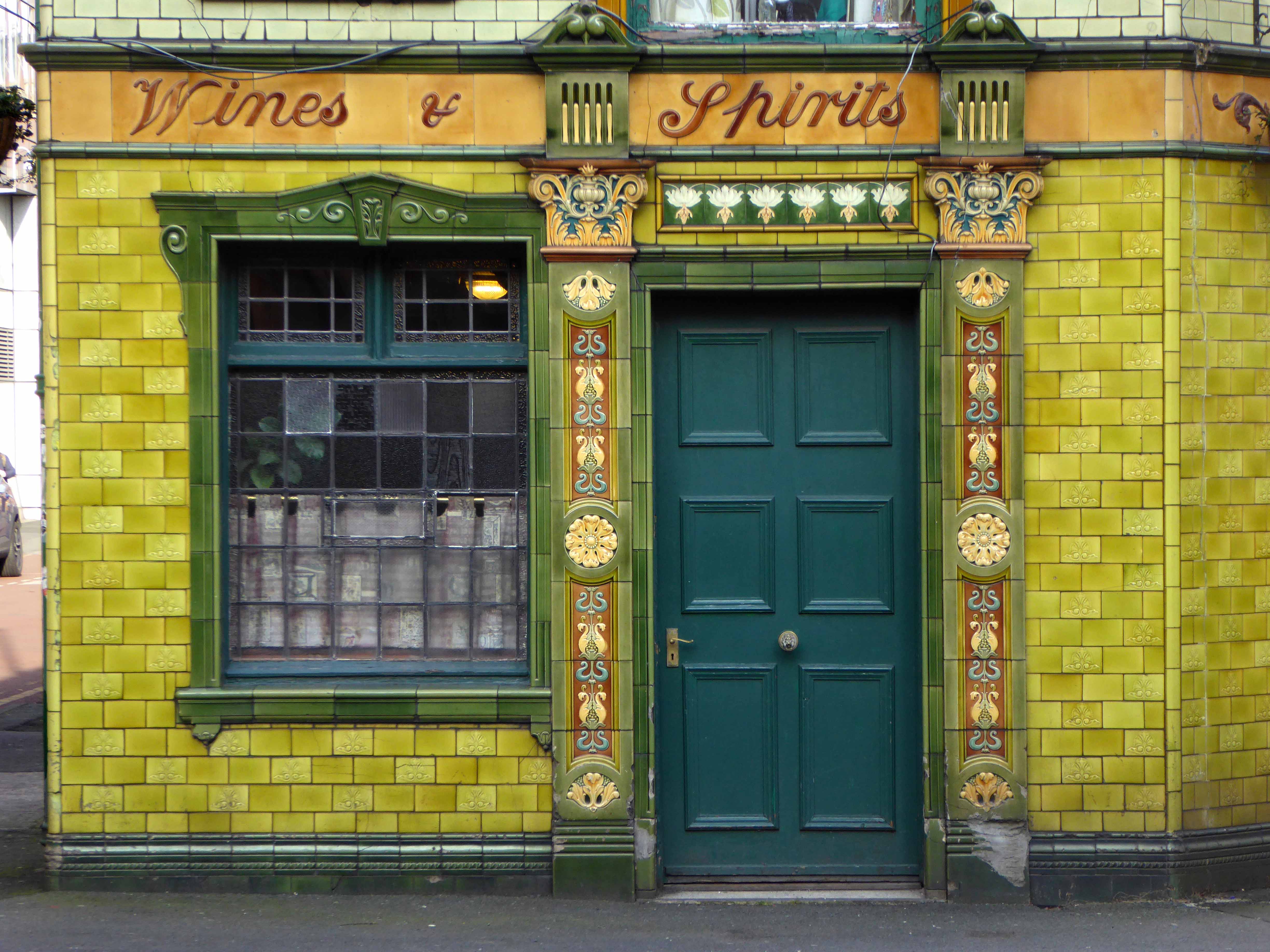
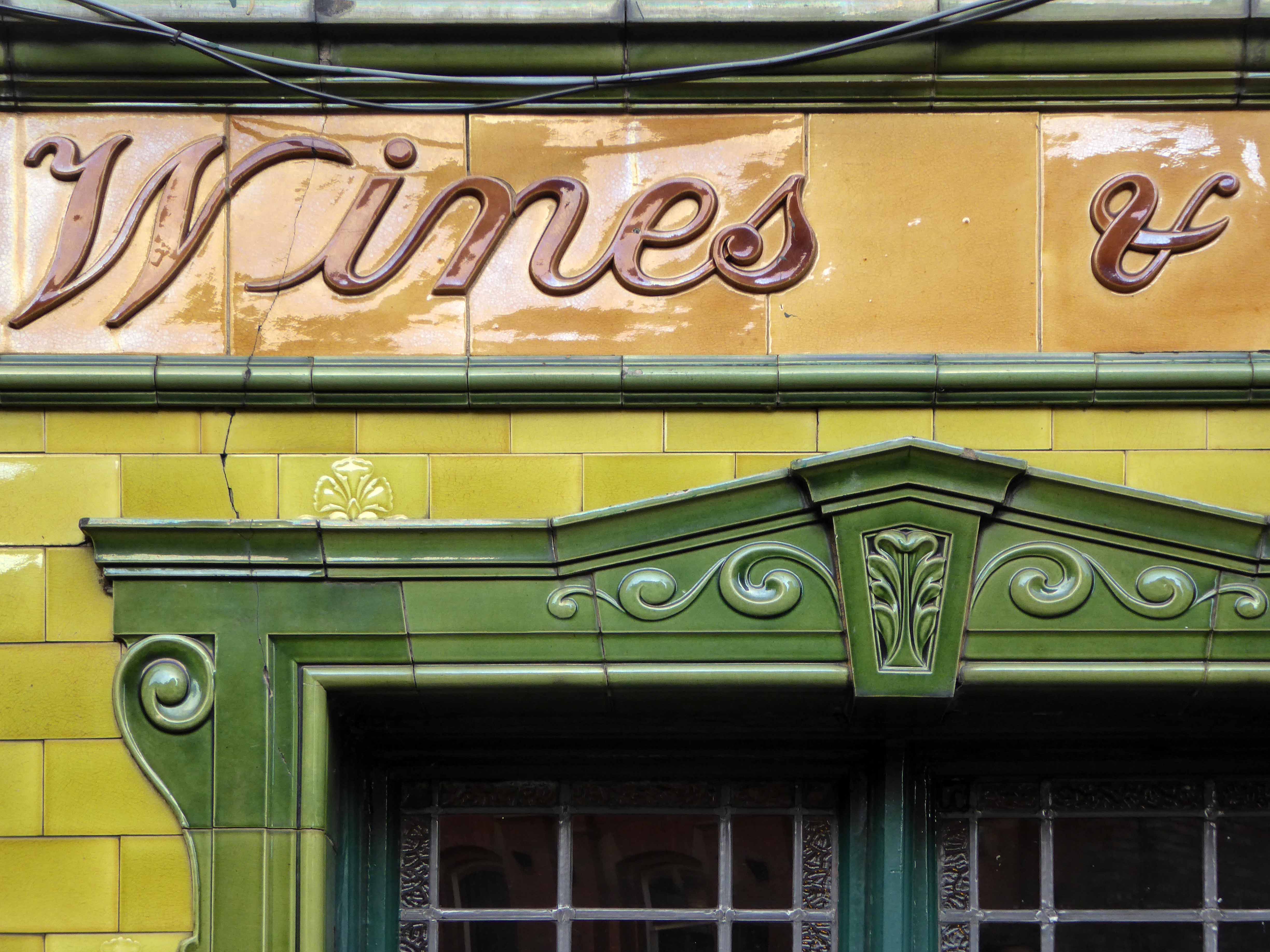
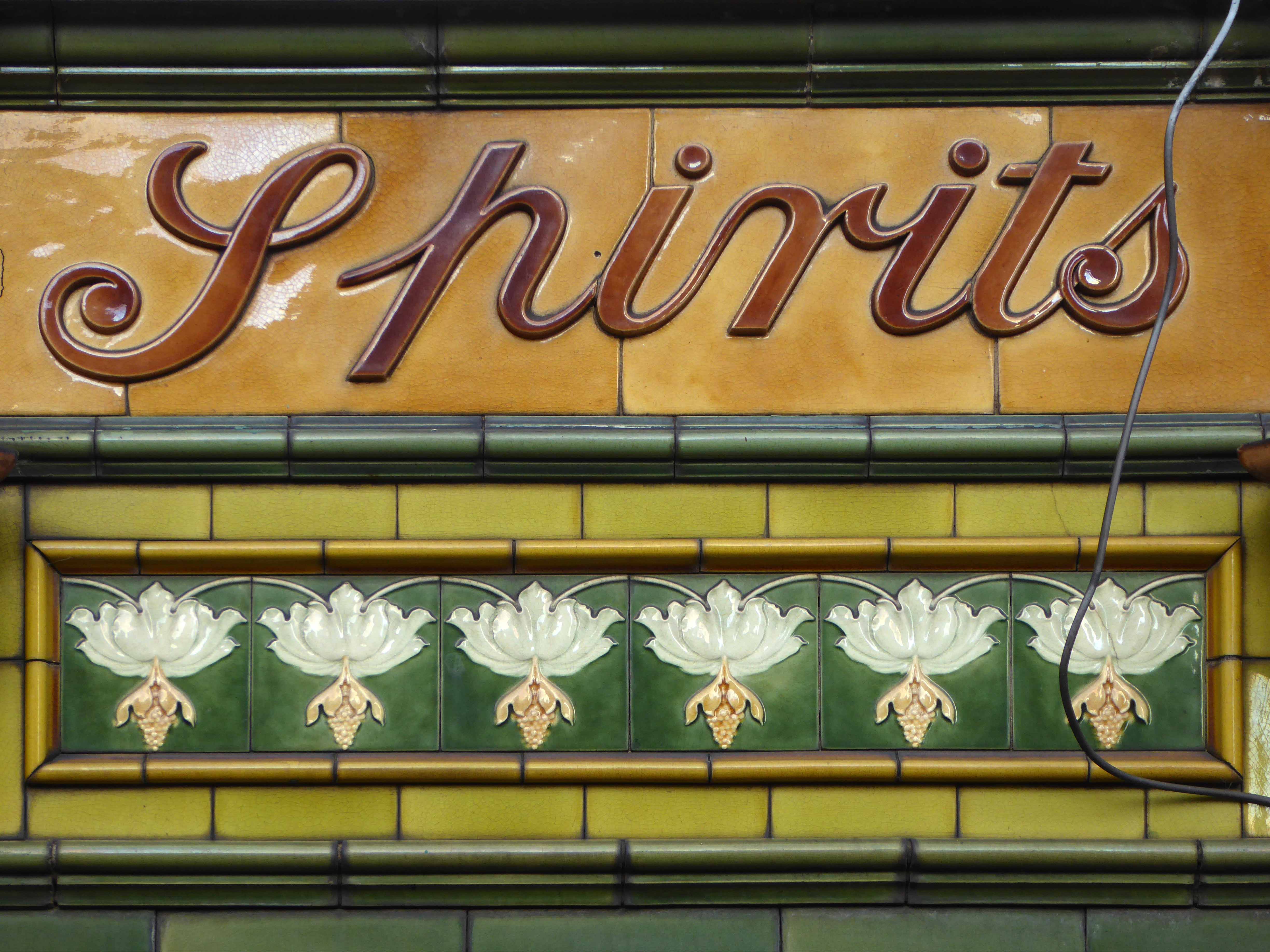
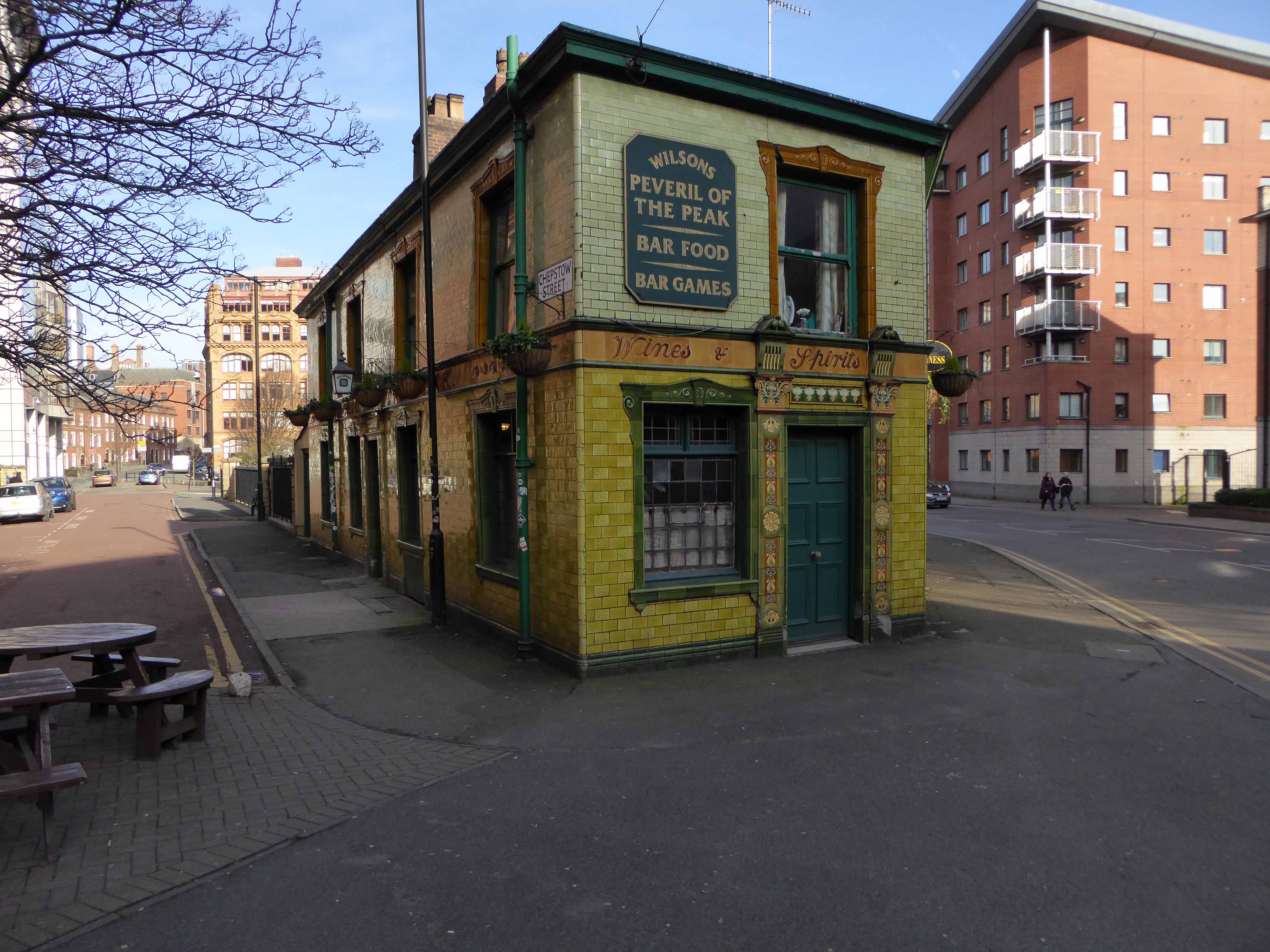
Peveril Of The Peak – Manchester

To begin at the beginning or thereabouts, Sir Walter Scott publishes his longest novel Peveril of the Peak in 1823.

Julian Peveril, a Cavalier, is in love with Alice Bridgenorth, a Roundhead’s daughter, but both he and his father are accused of involvement with the Popish Plot of 1678.

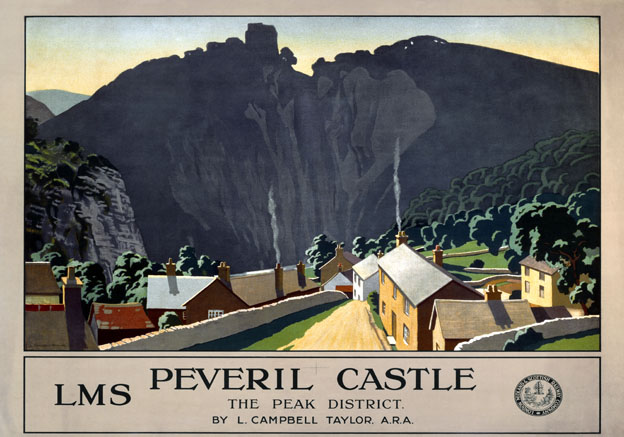
Most of the story takes place in Derbyshire, London, and on the Isle of Man. The title refers to Peveril Castle in Castleton, Derbyshire.

Poster produced in 1924 for London Midland & Scottish Railway – artwork by Leonard Campbell Taylor who was born in 1874 in Oxford and went to the Ruskin School of Art.

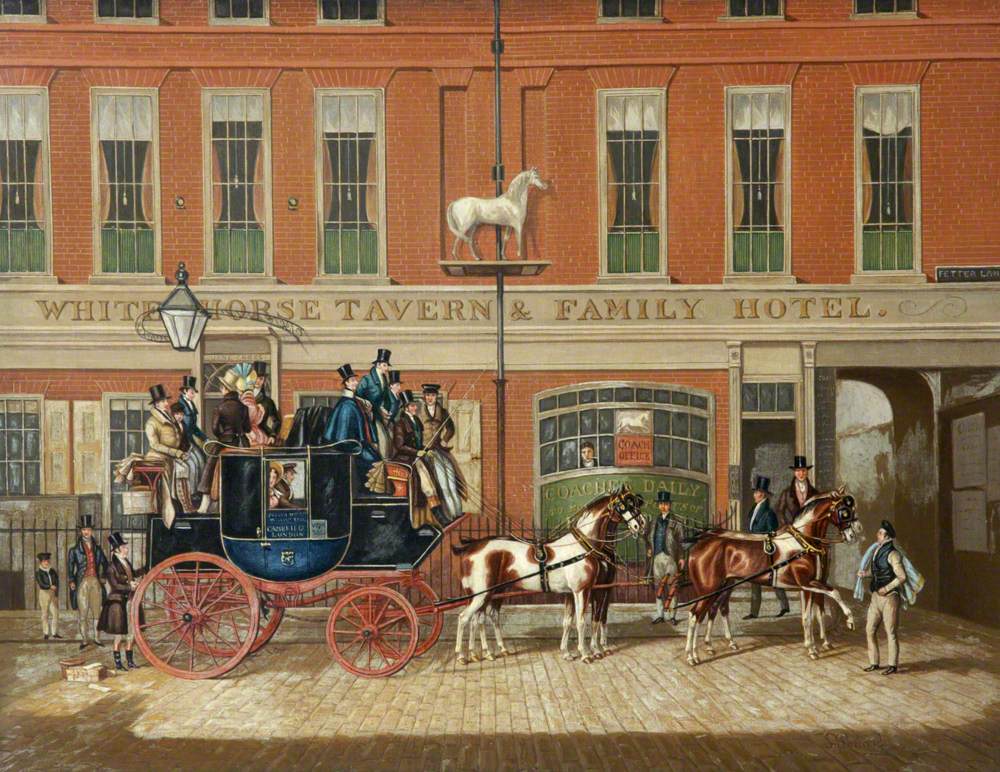
The pub also shares its name with the London to Manchester stagecoach.

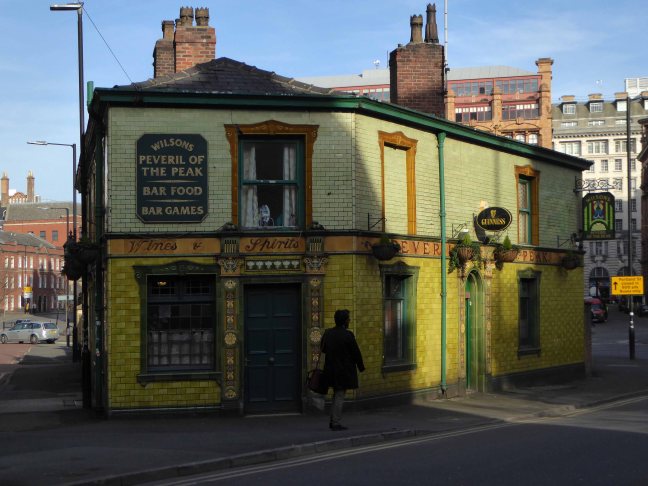
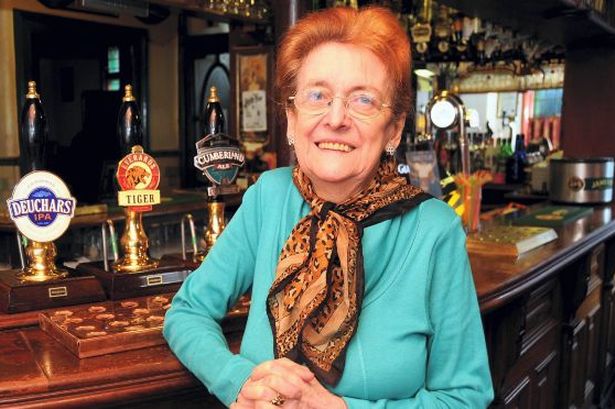
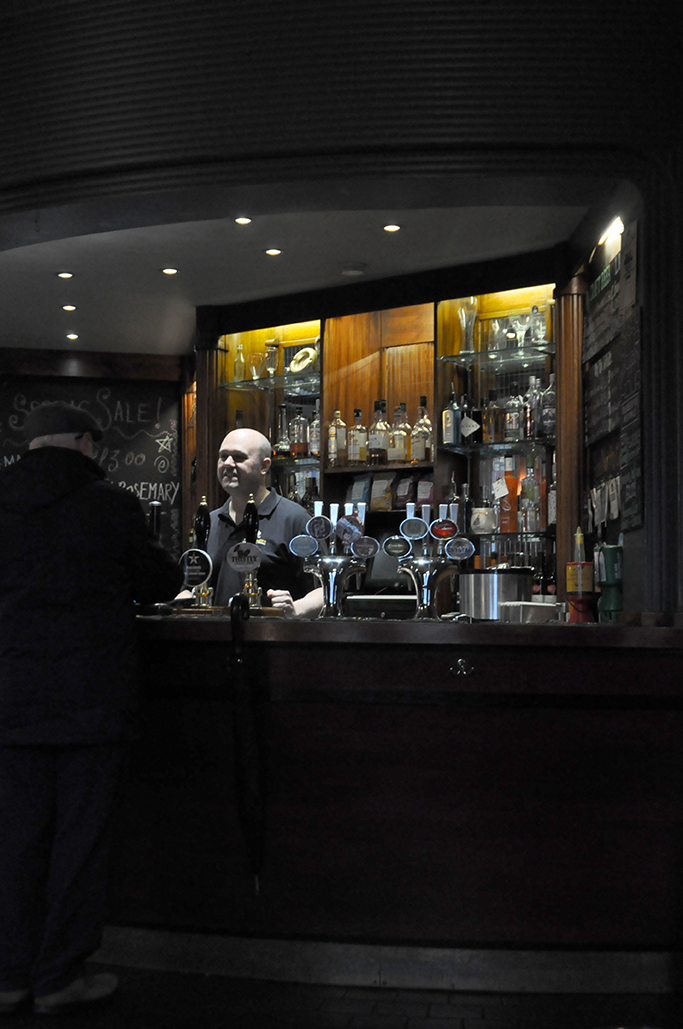
Which is all very well as the pub is largely known locals as The Pev – ably run since January 1971 by Nancy Swanick.

Nancy and son Maurice, who runs the cellar, also say they have shared the pub with a paranormal presence over the years.

Customers have seen pint glasses levitate off the bar and fall into the glass-wash, it’s like having our own ghostly helper!

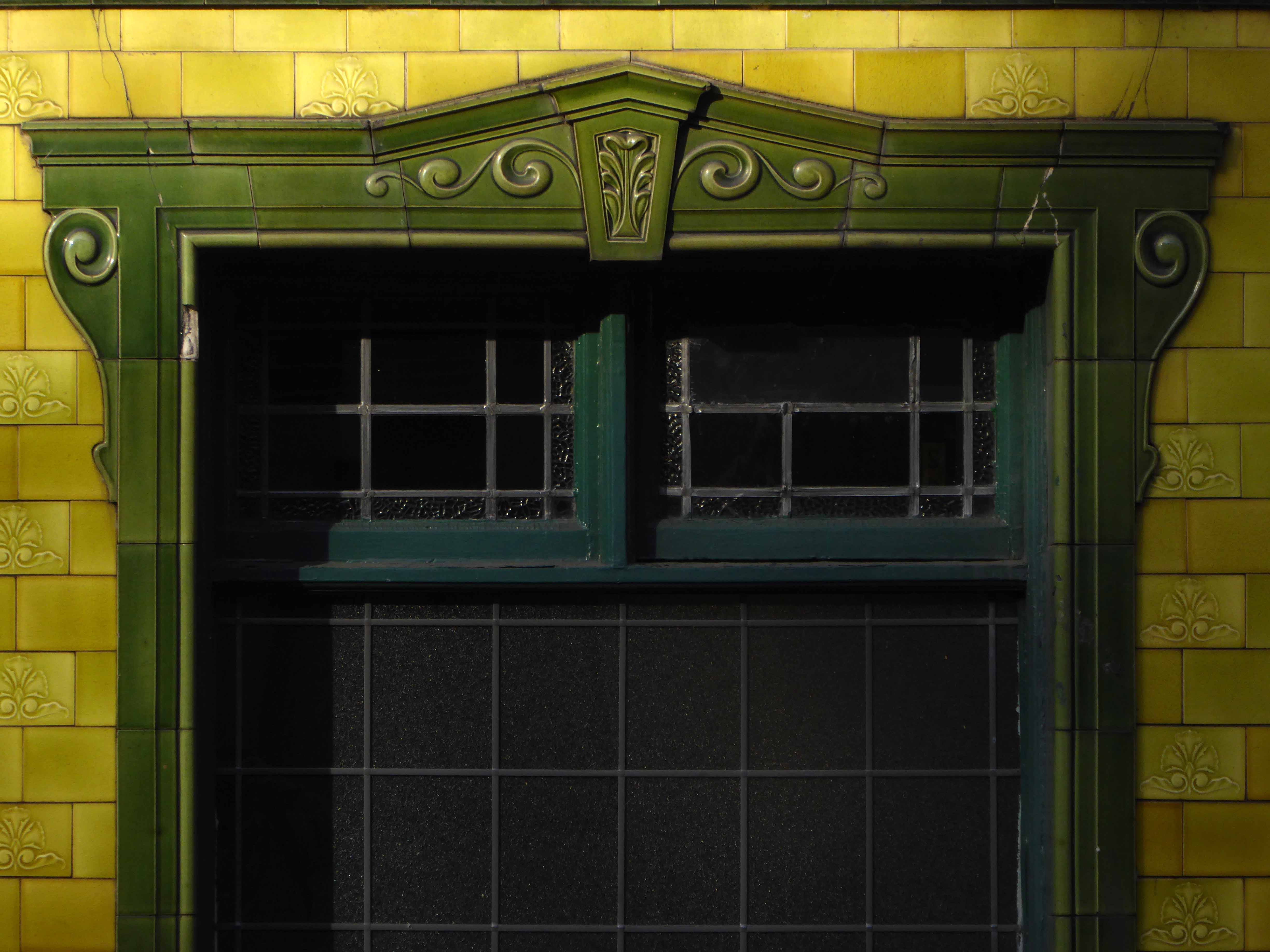
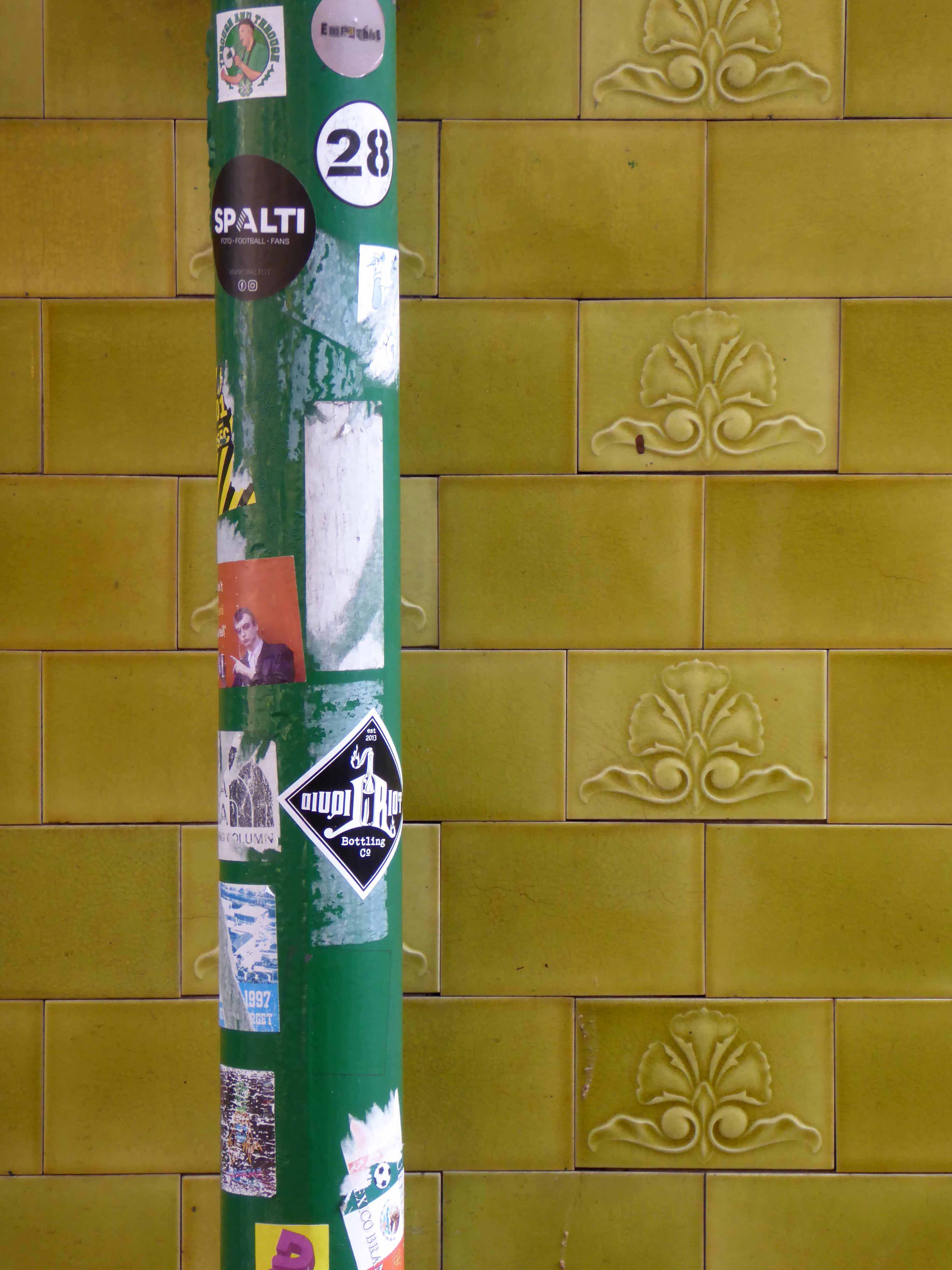
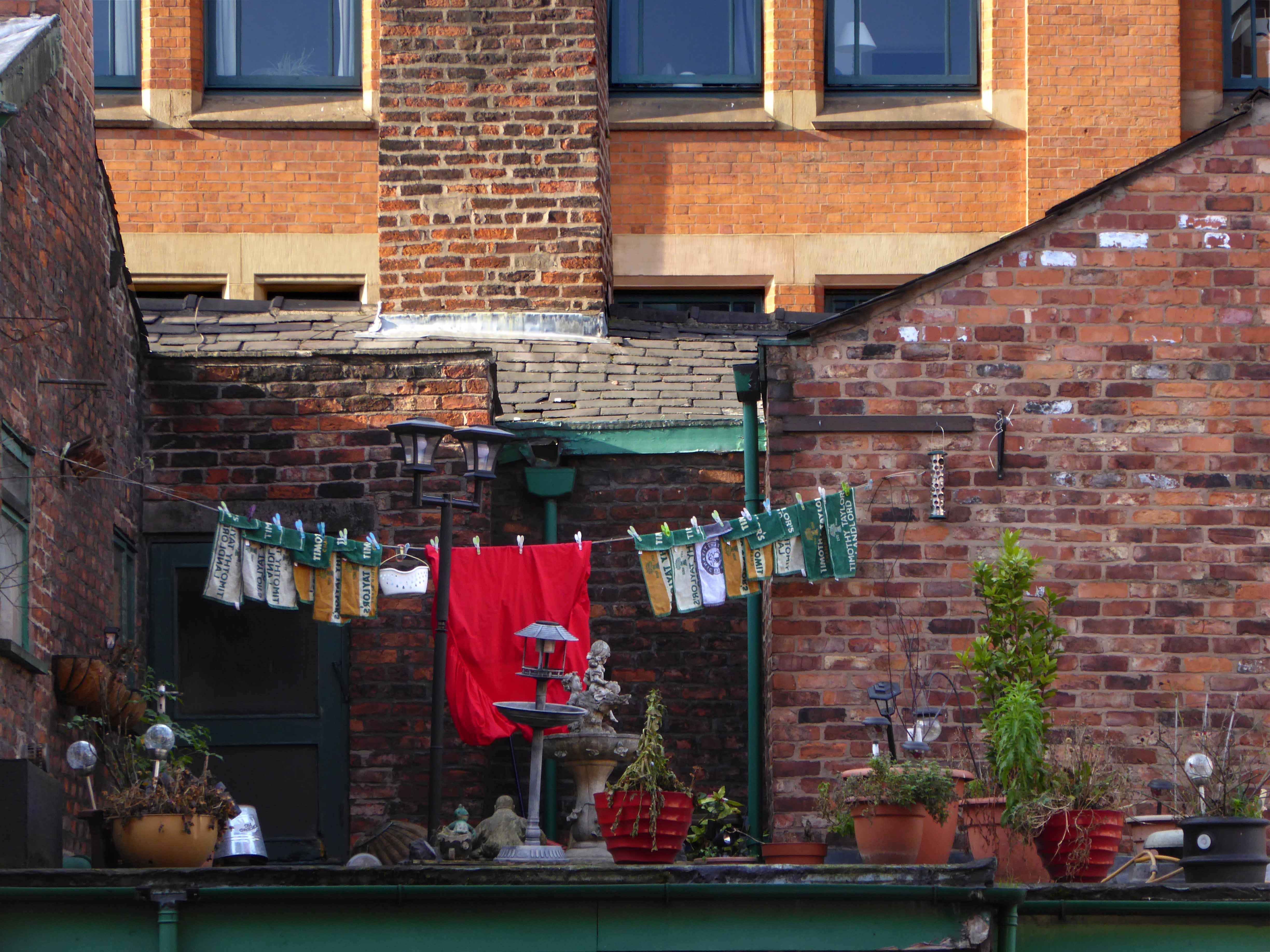
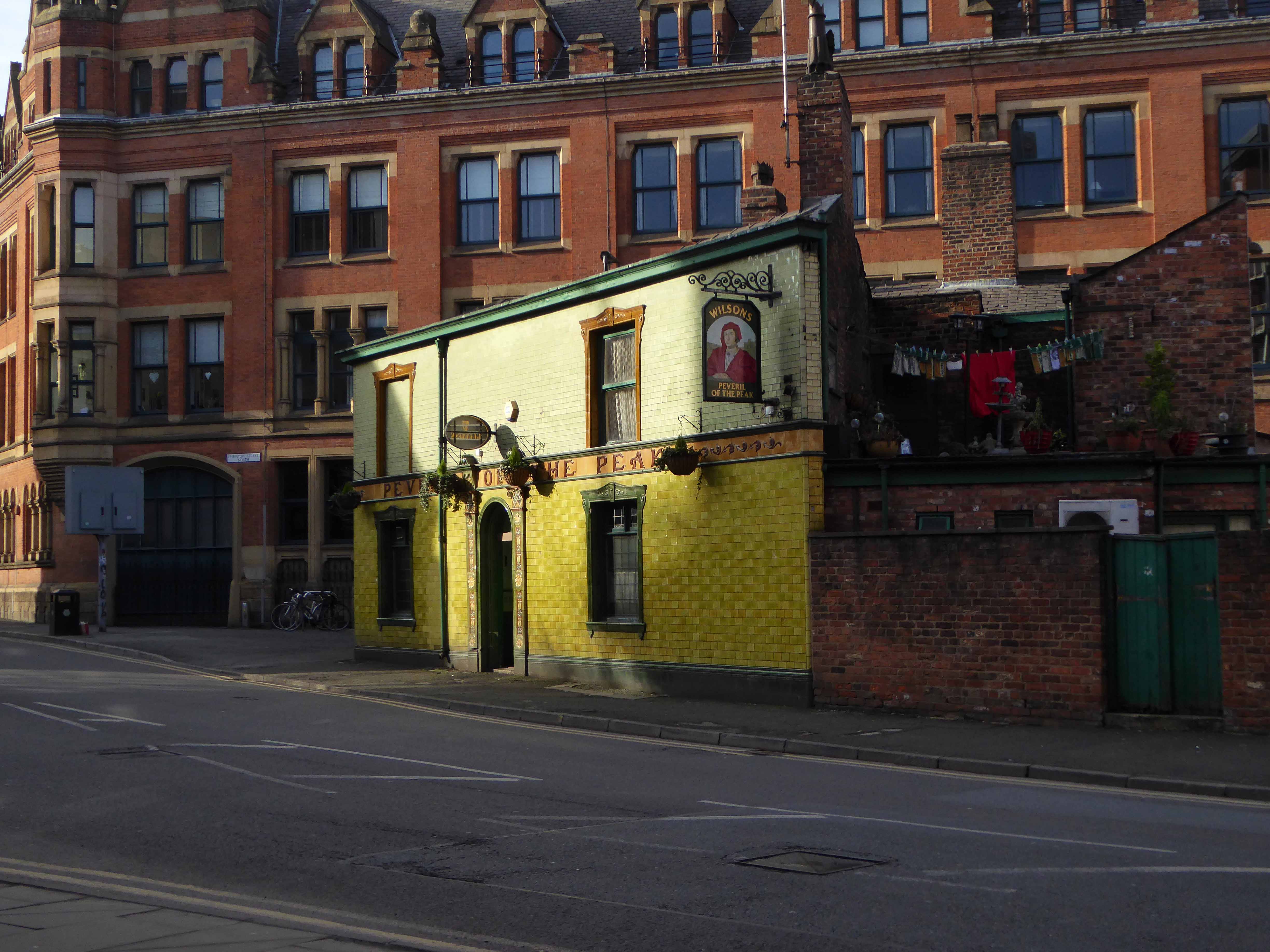
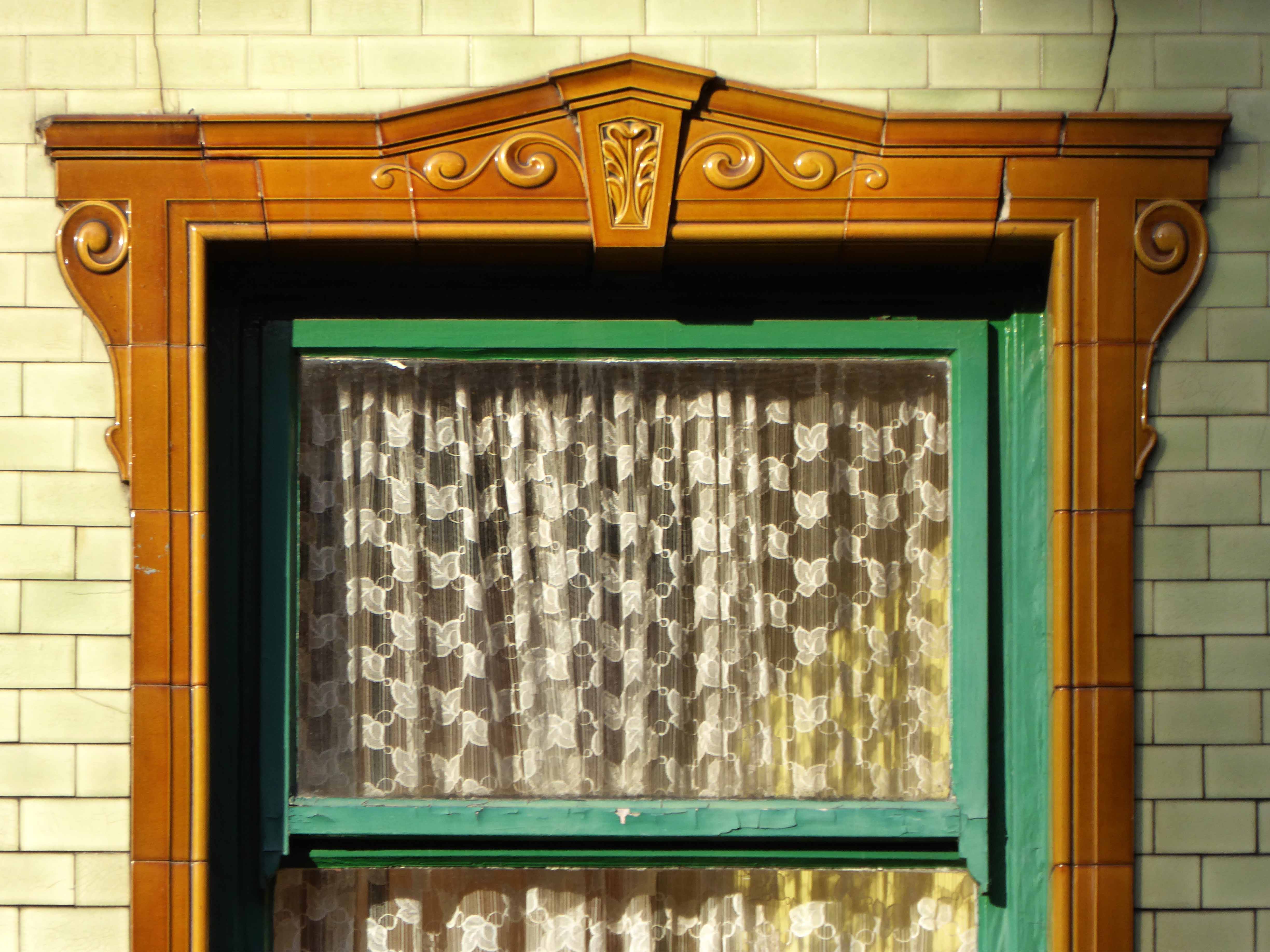
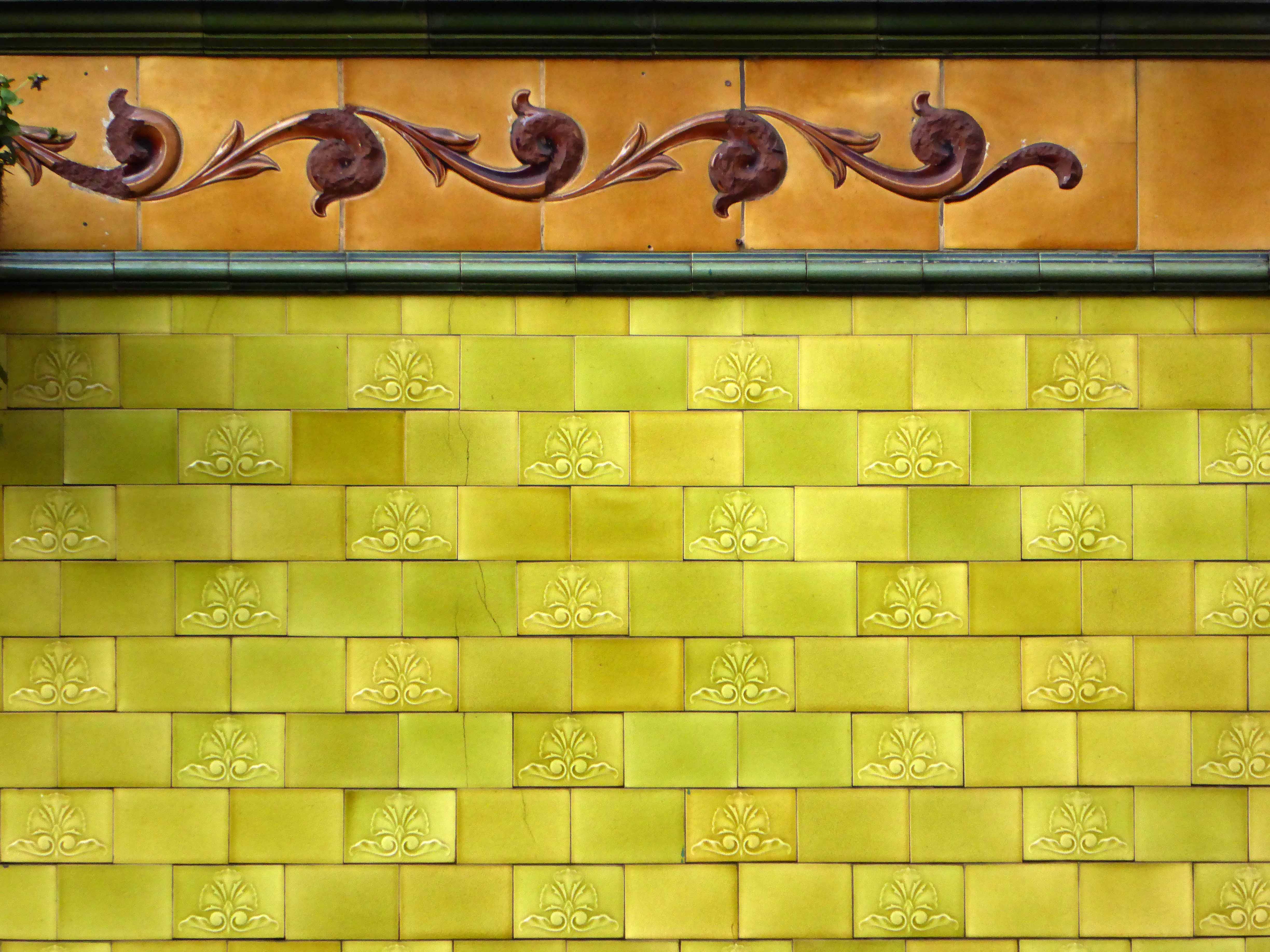
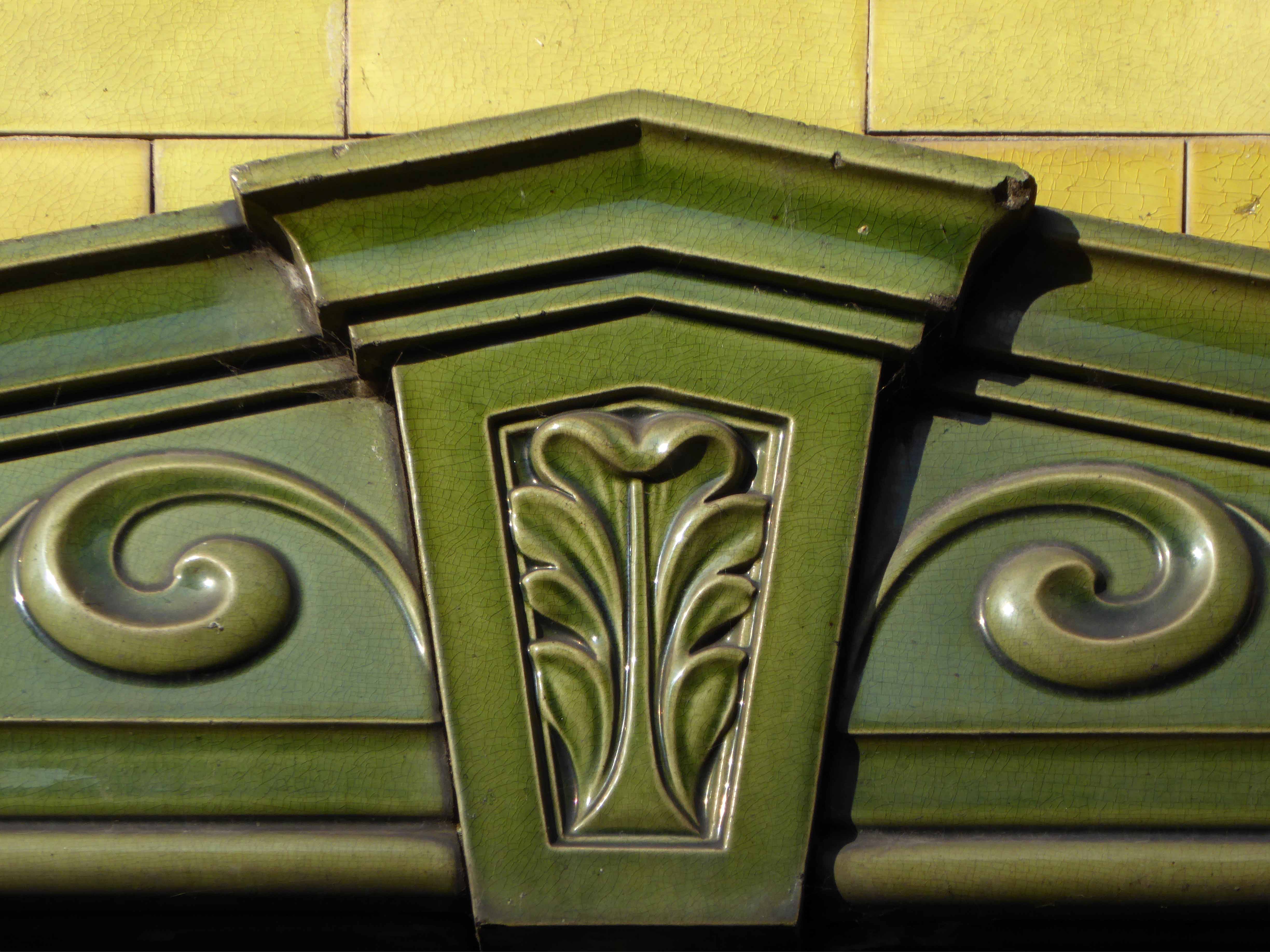
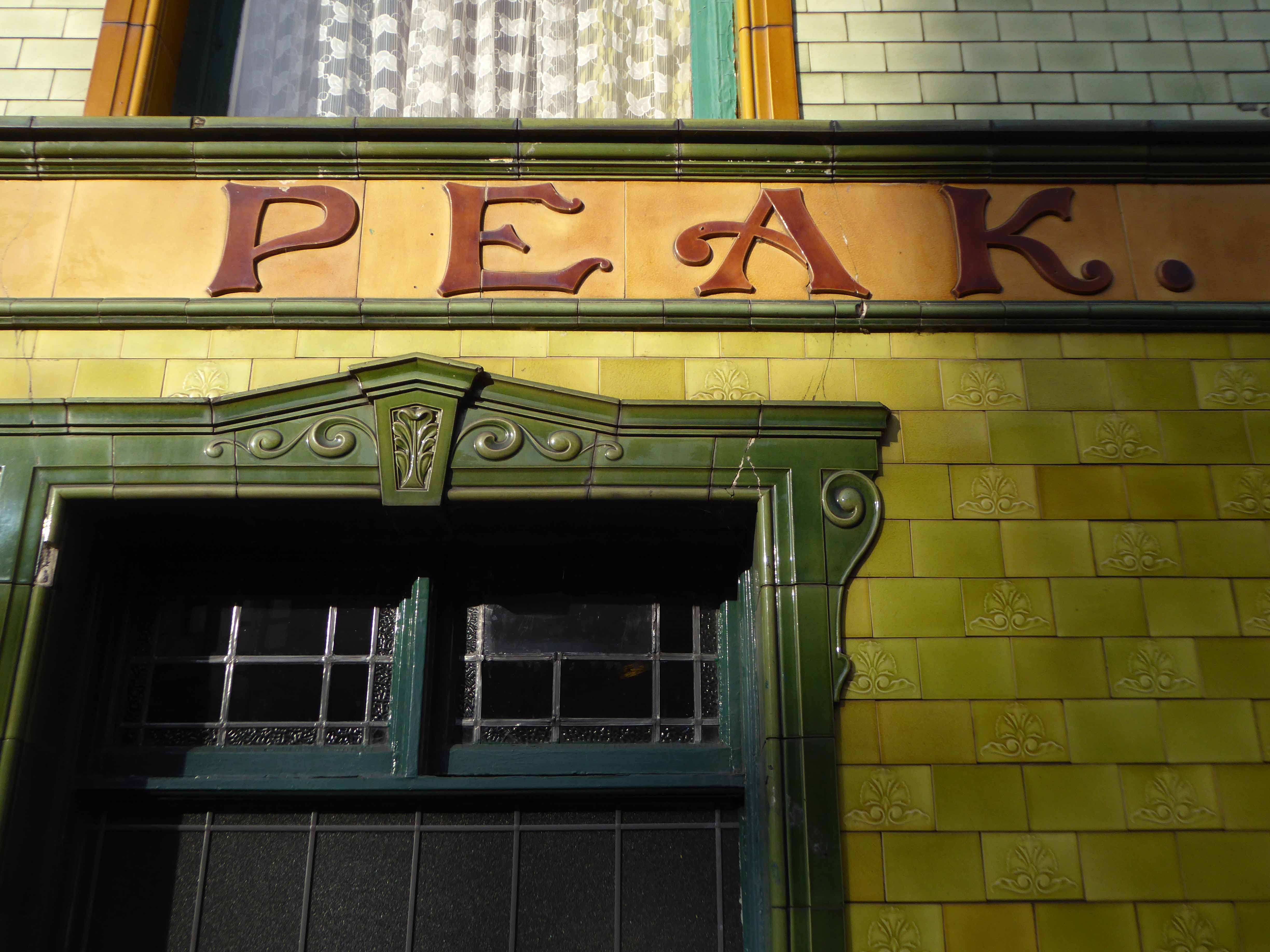
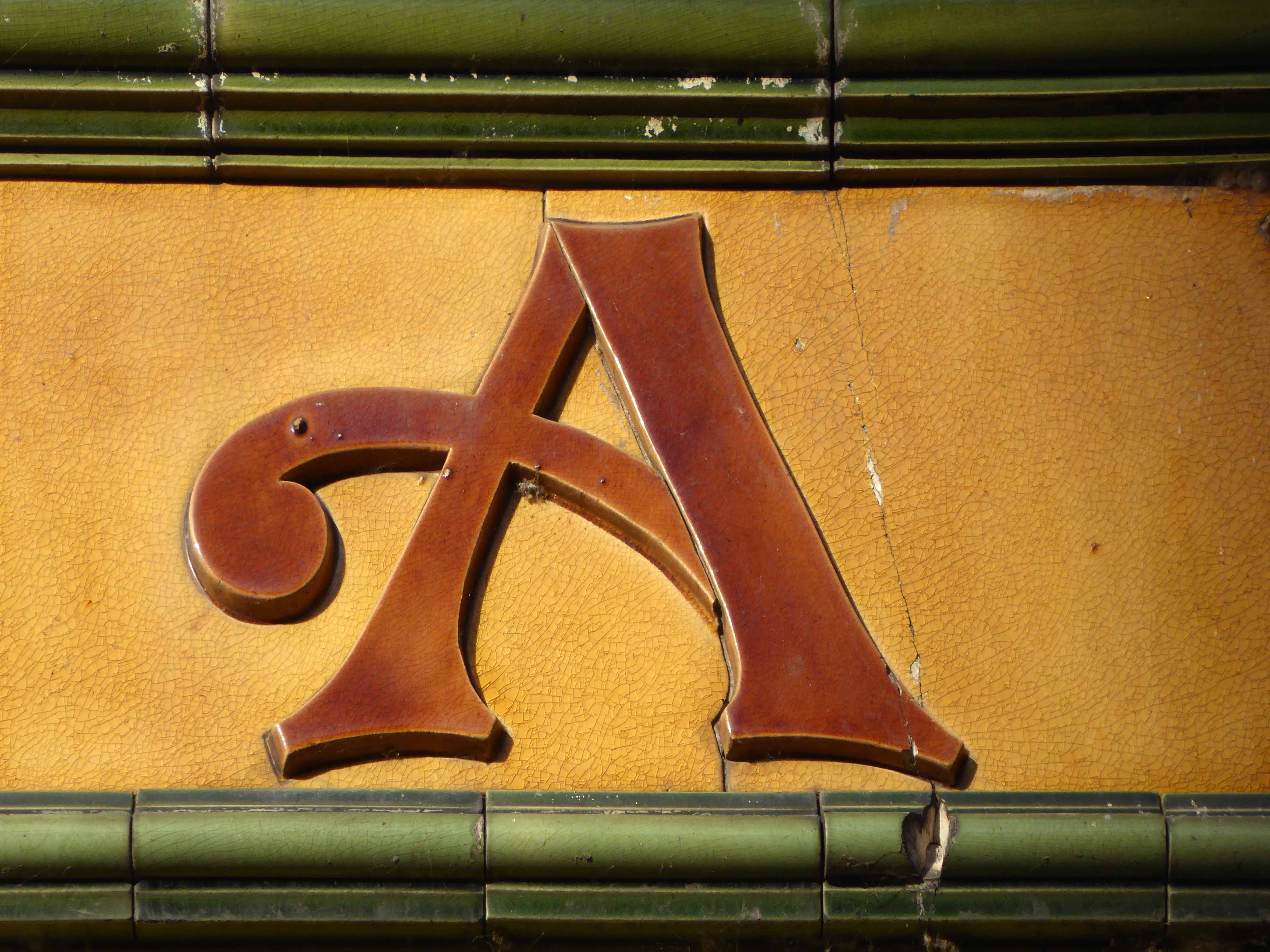
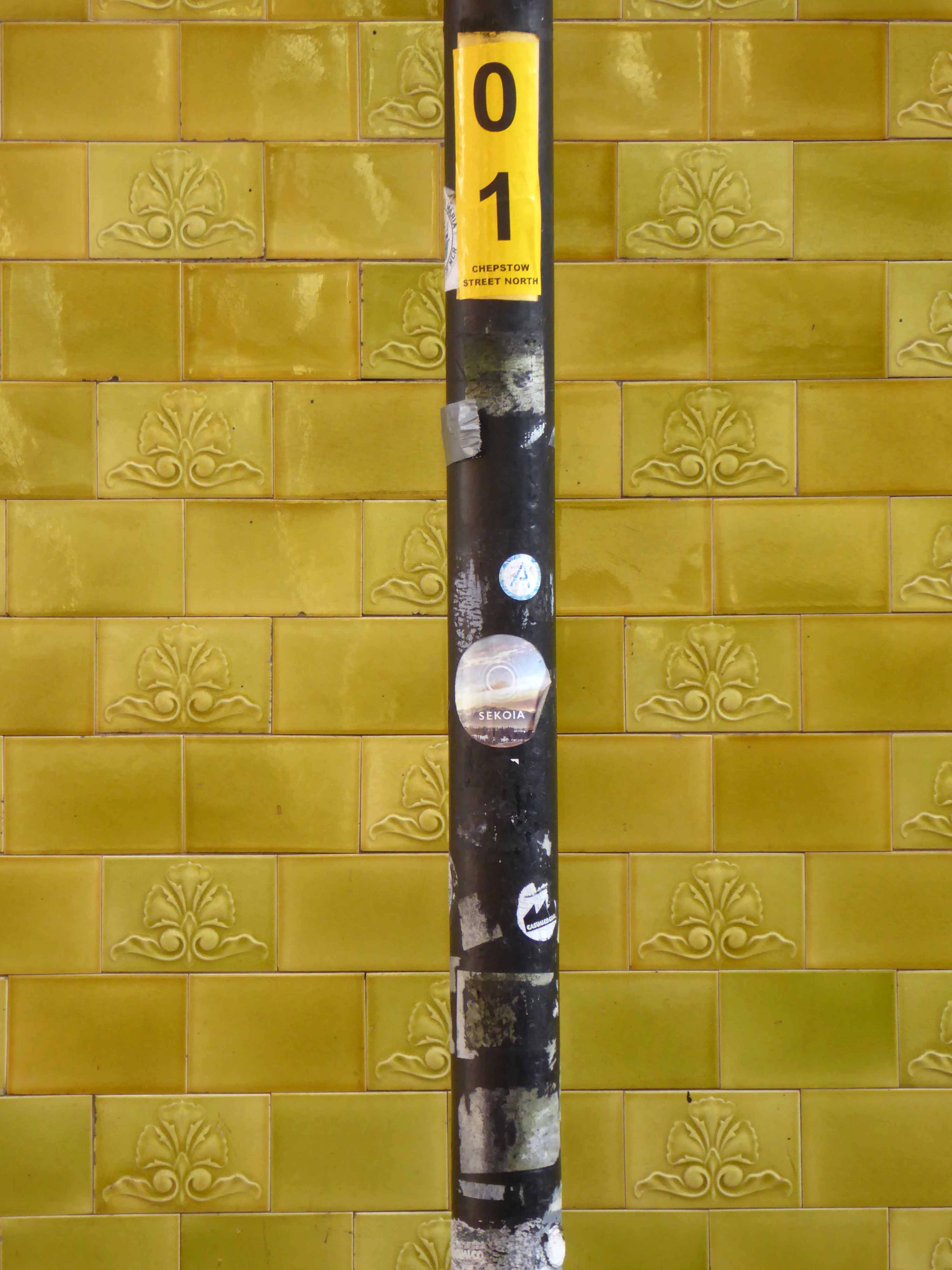
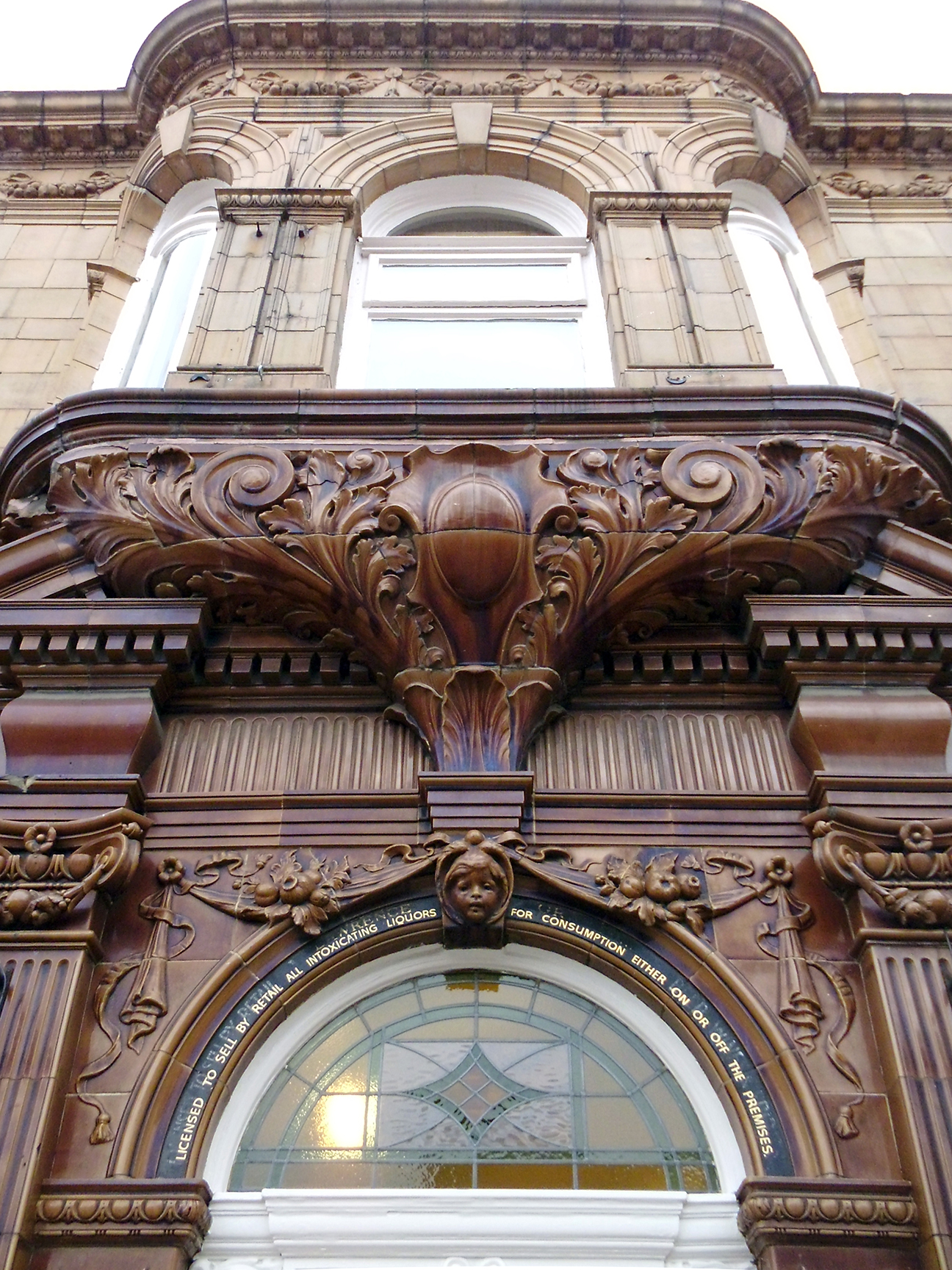
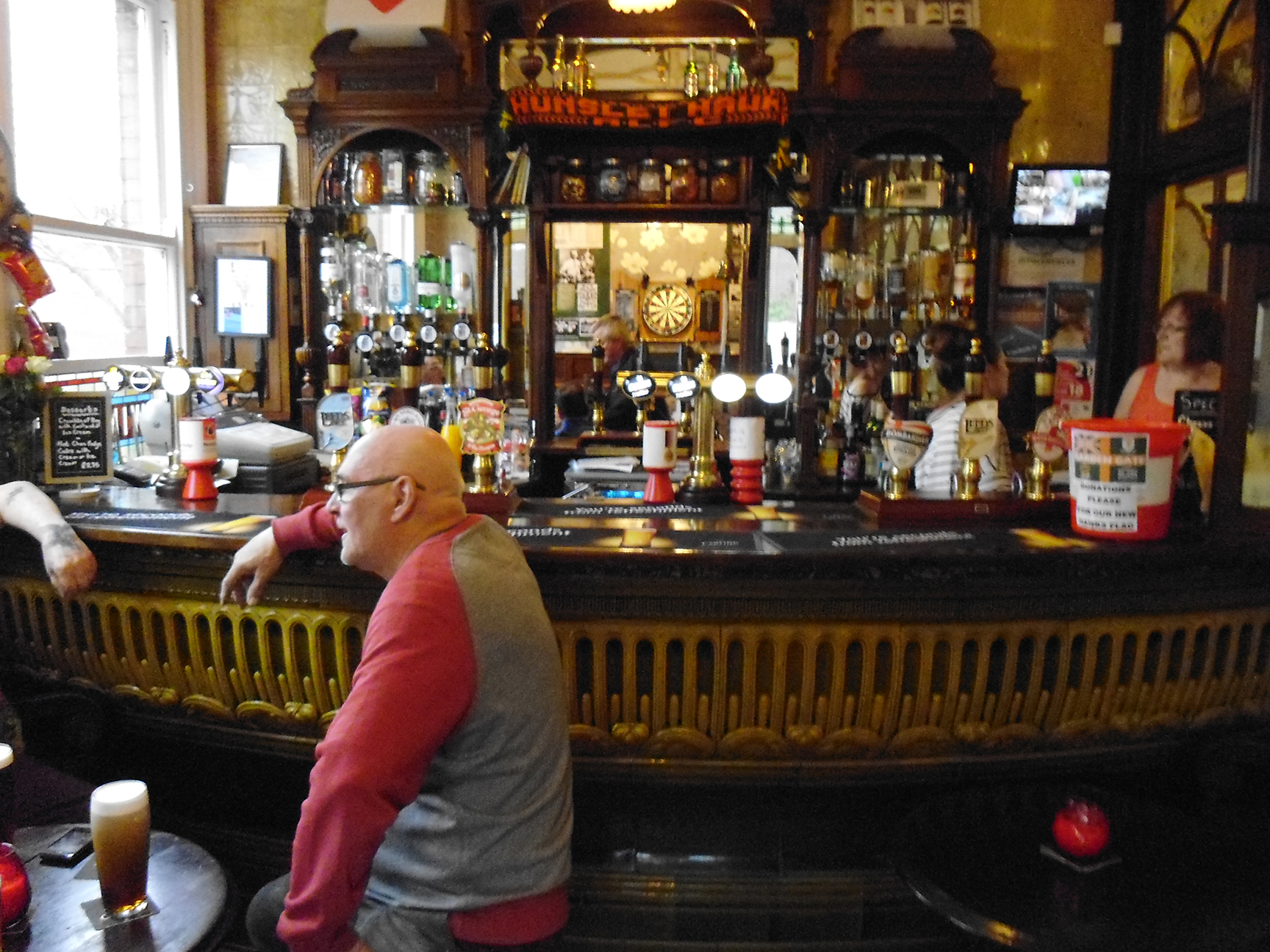
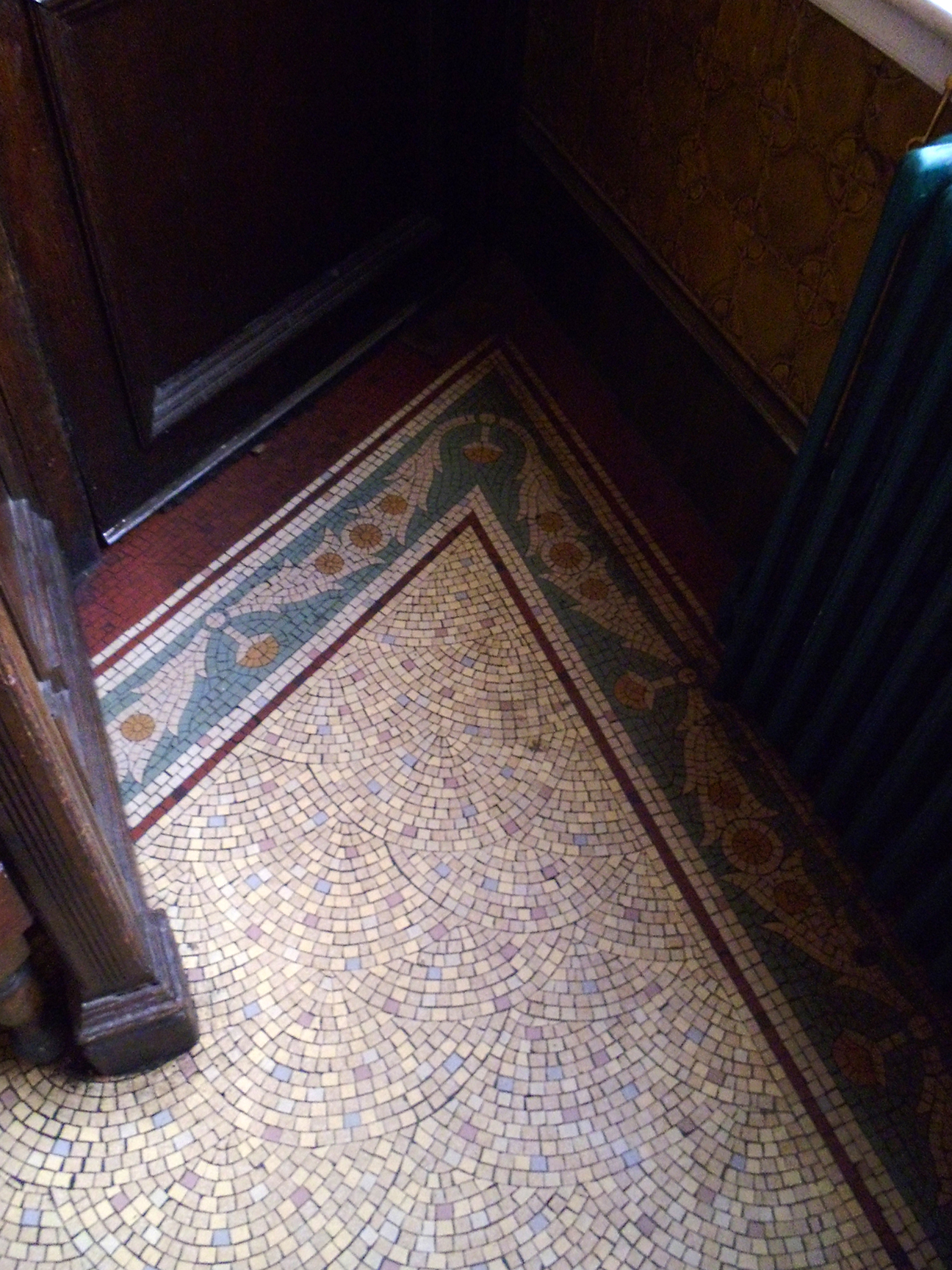
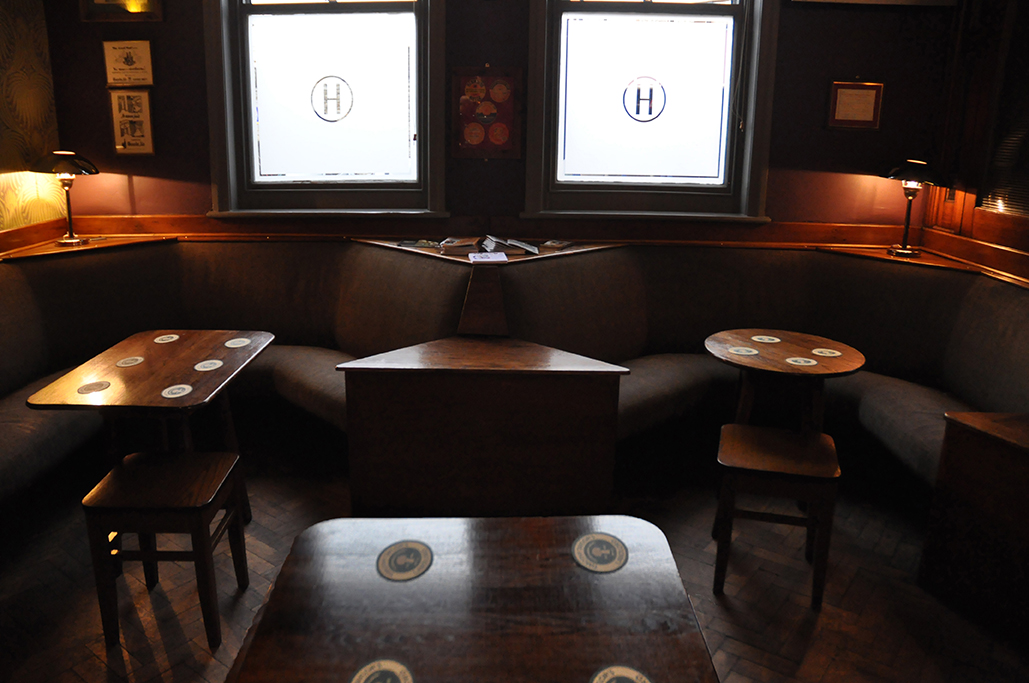
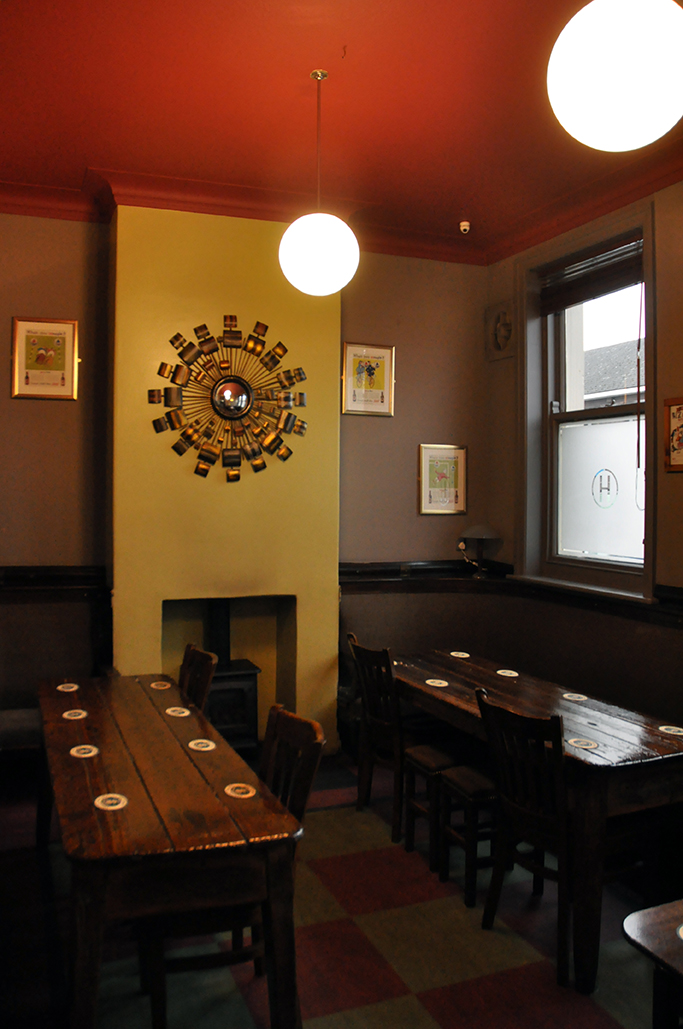
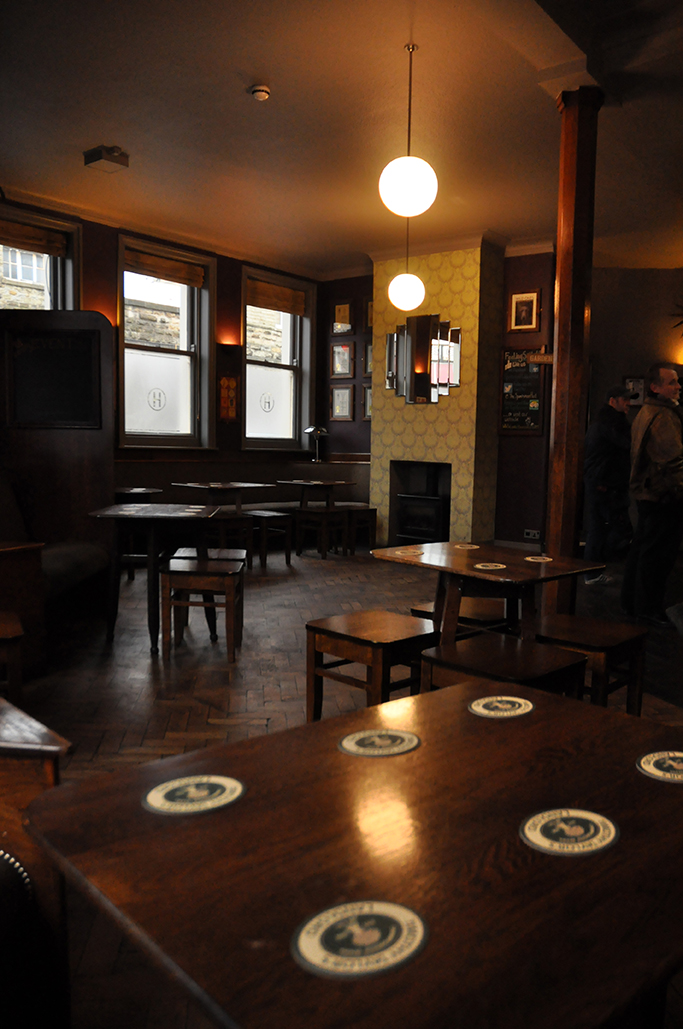
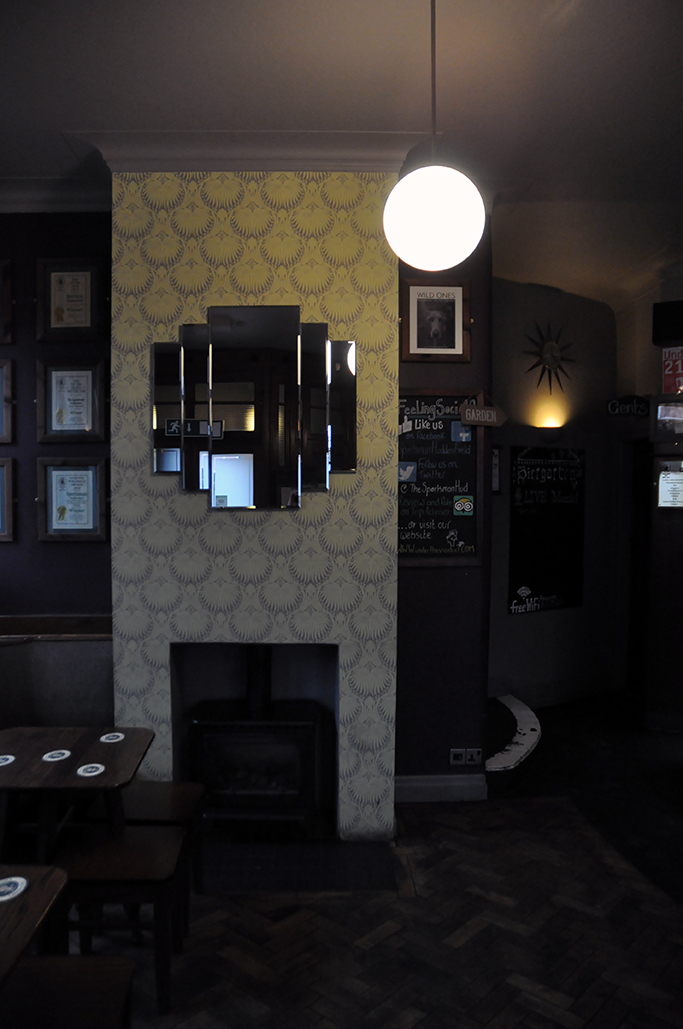
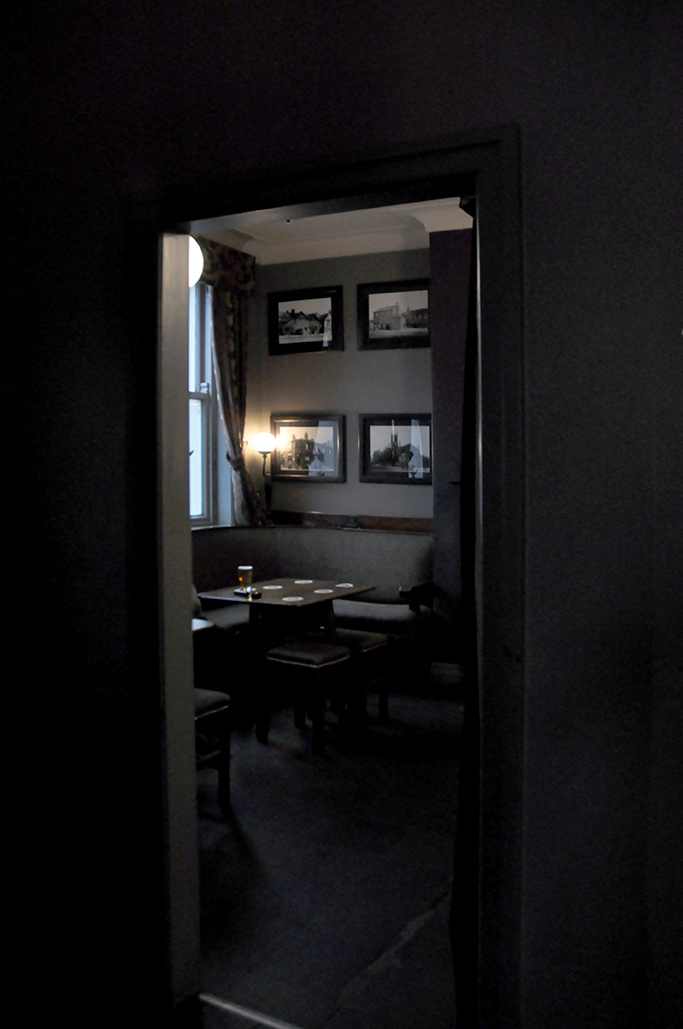
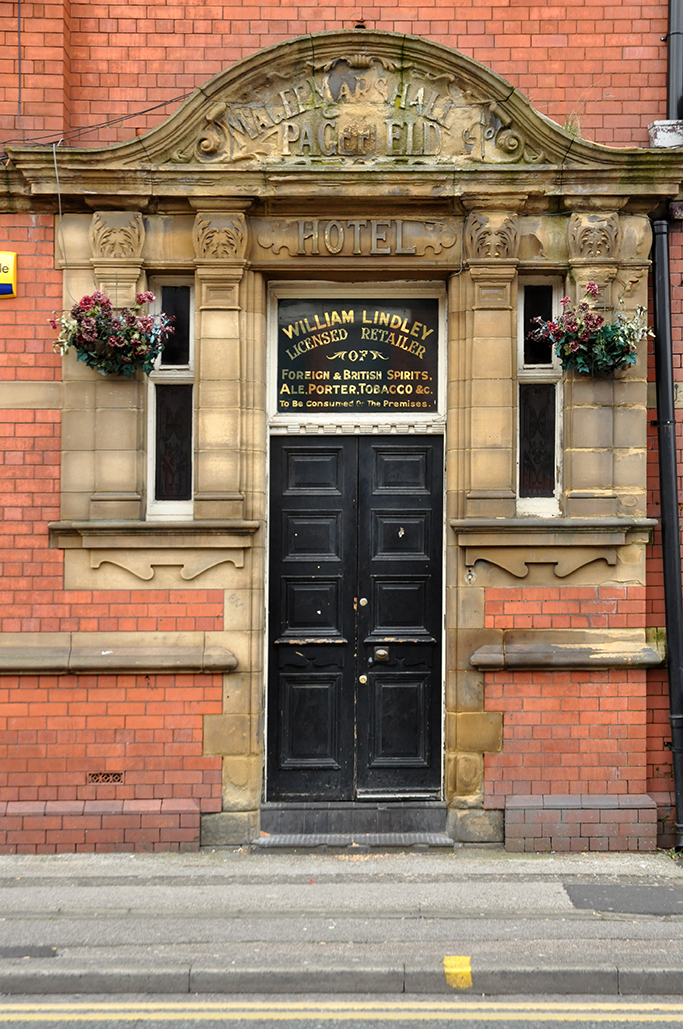
The pub was Grade II listed in June 1988 – a fine tiled exterior and 1920’s interior refit largely untouched, it stands distinctly unattached to anything, decidedly somewhere betwixt and between Chepstow Street and Great Bridgwater Street.

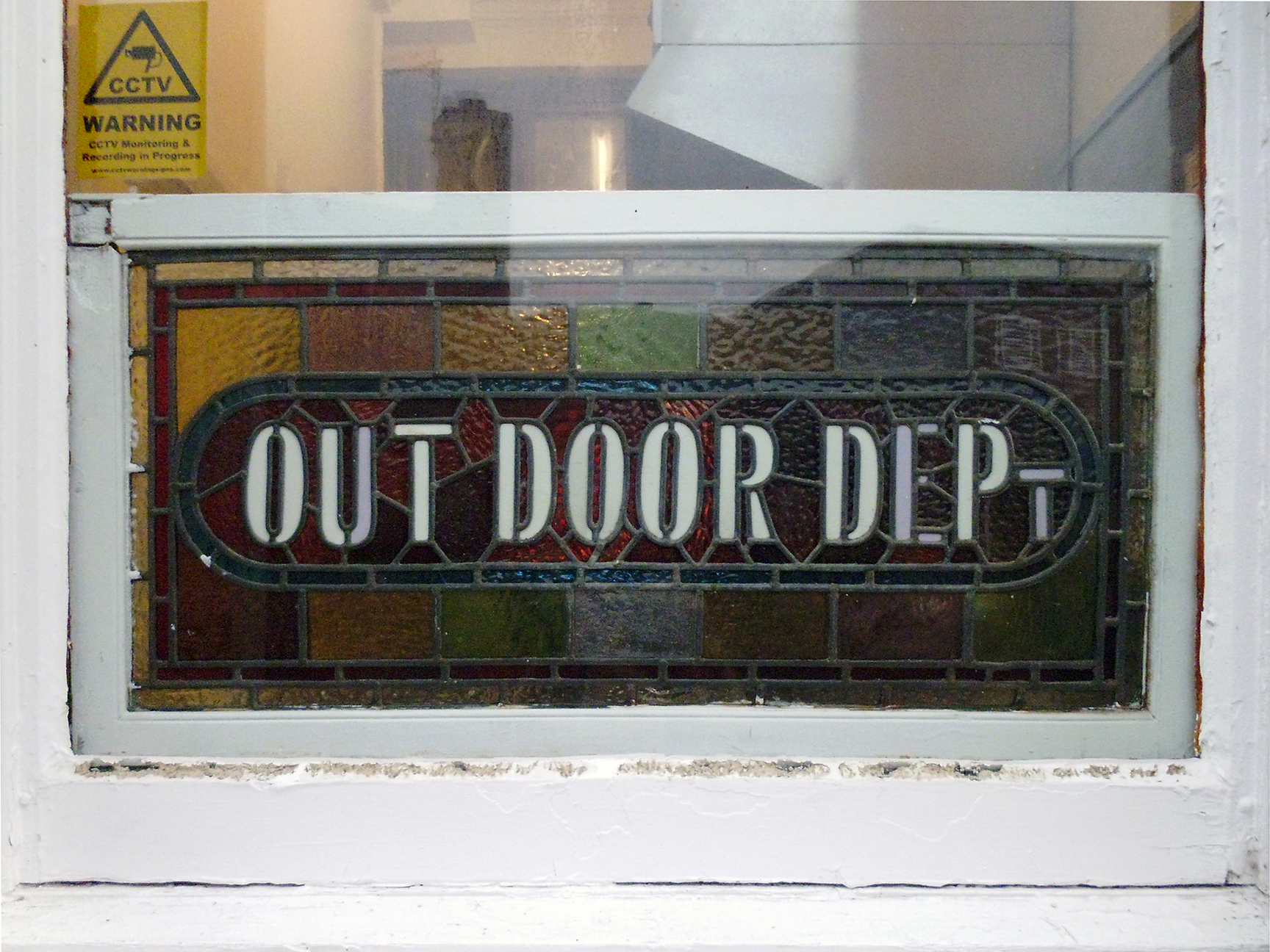
Originally a Wilson’s house – the brewery lantern survives over the door.

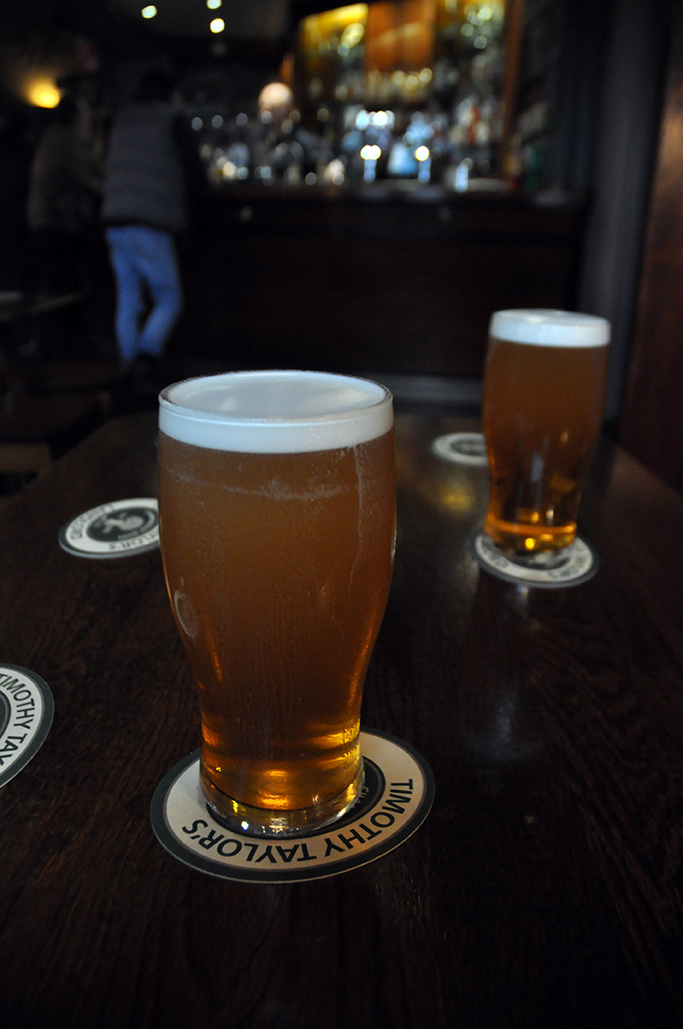
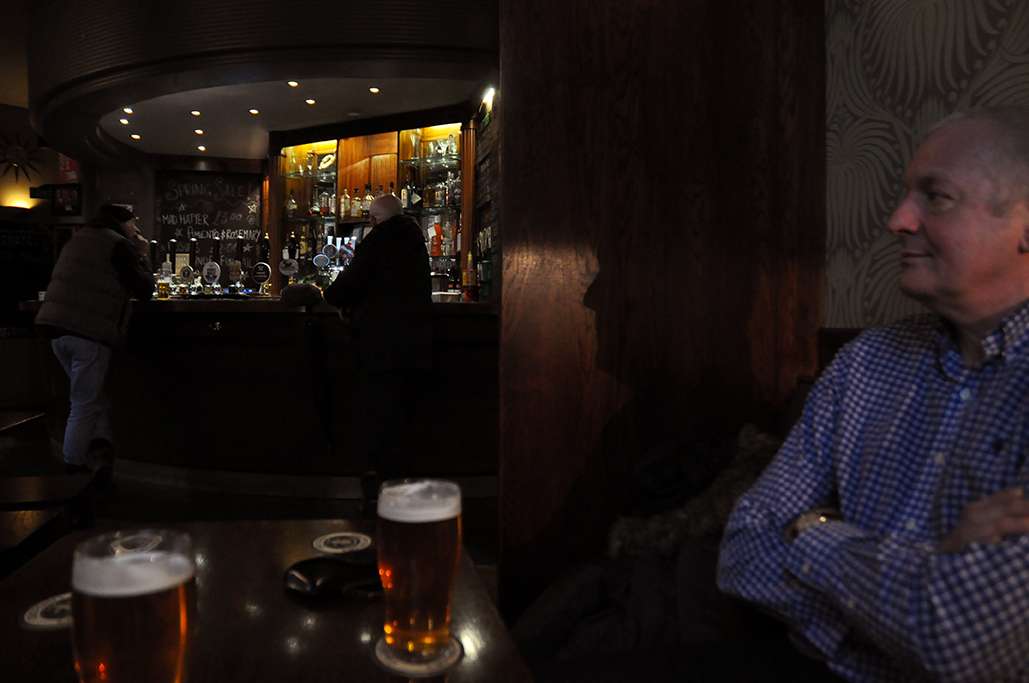
I’ve taken a drink or two in here over the past thirty or so years, played pool and table football, watched the half time Hallé musicians swish in and out for a swifty.

A little island of green in a sea of grey.

Pop in for one if you’re passing

Three Lost Pubs – Sheffield

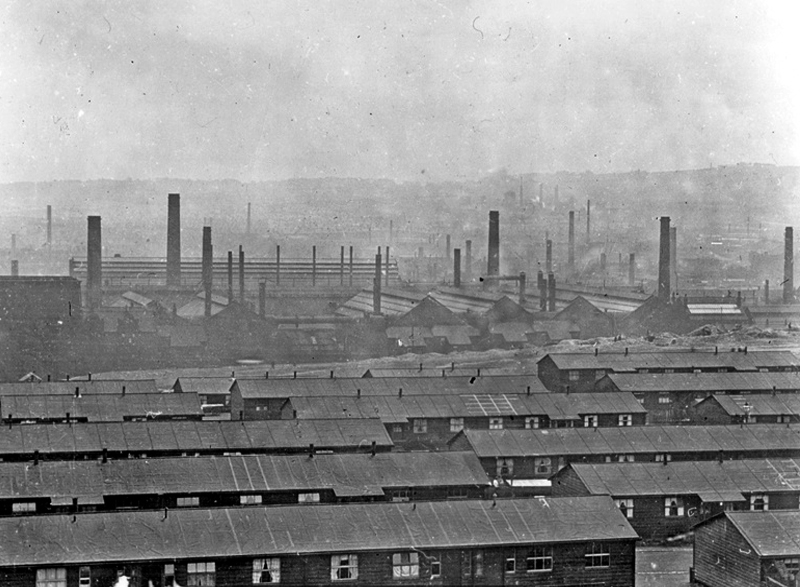
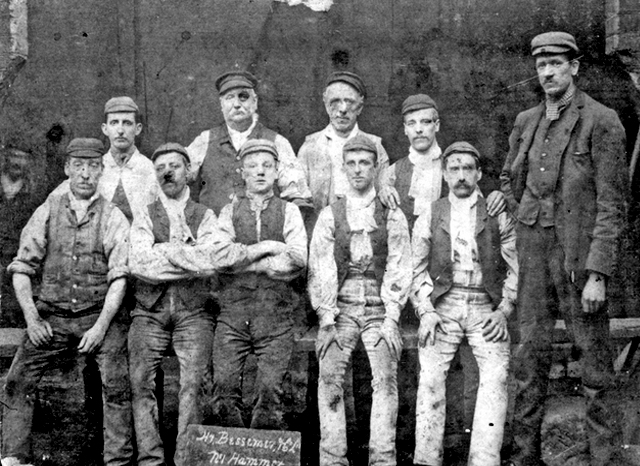
A city once awash with industry and ale – a myriad of pubs slaking the thirst of the thirsty steel workers.

A liquid equilibrium flowing and flowering for over a century.

s12659

s09074

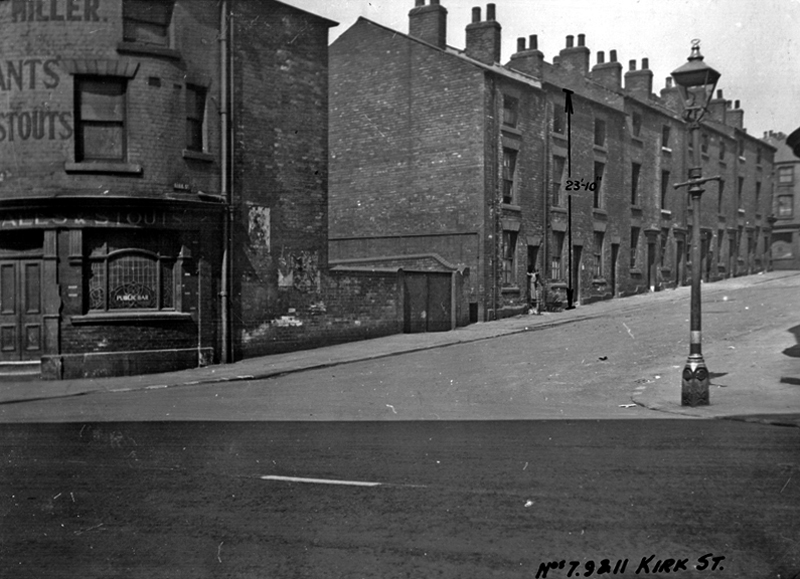
dusty miller

s14108

The Lower Don Valley once home to a wealth of boozers, tells a different tale today.

A fall in production produced a proportionate reduction in consumption.

The clatter of clogs on cobbles, metal on metal is but a distant memory, along with the sound of pints pulled and hastily glugged.

The architecture of ale still prevails – now purveying pleasures and delights of a different stripe, whatever takes your fancy, as long as it’s not too fancy.

And doesn’t involve taking a drink.


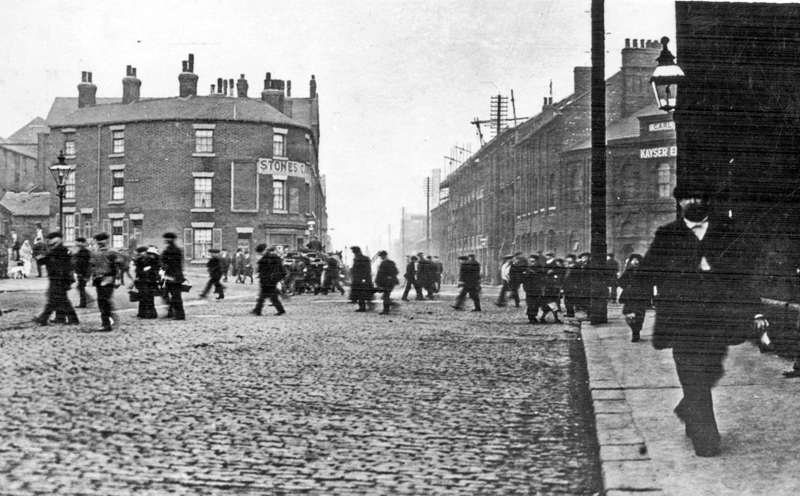
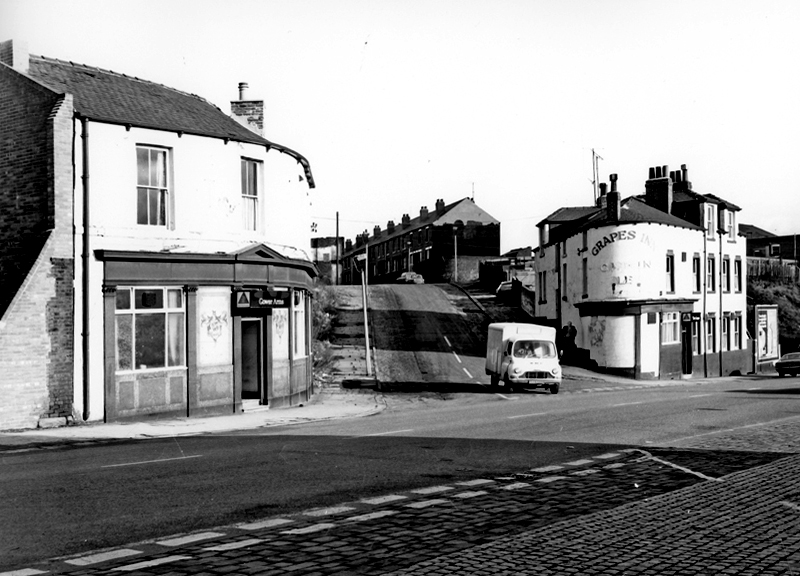
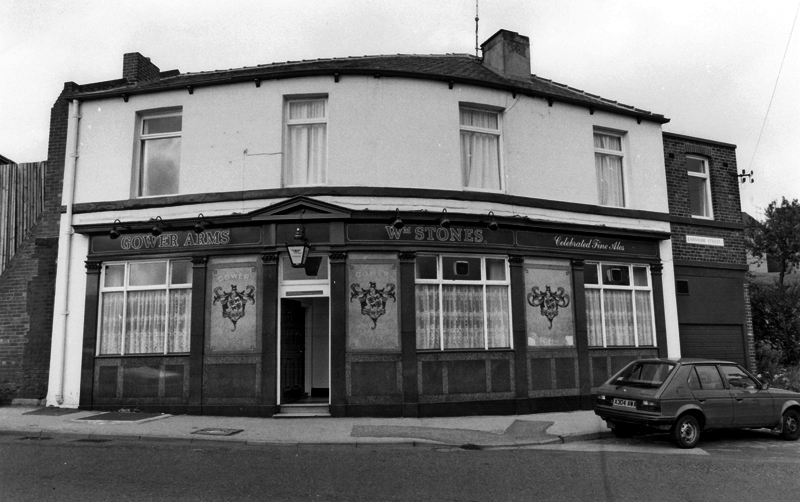
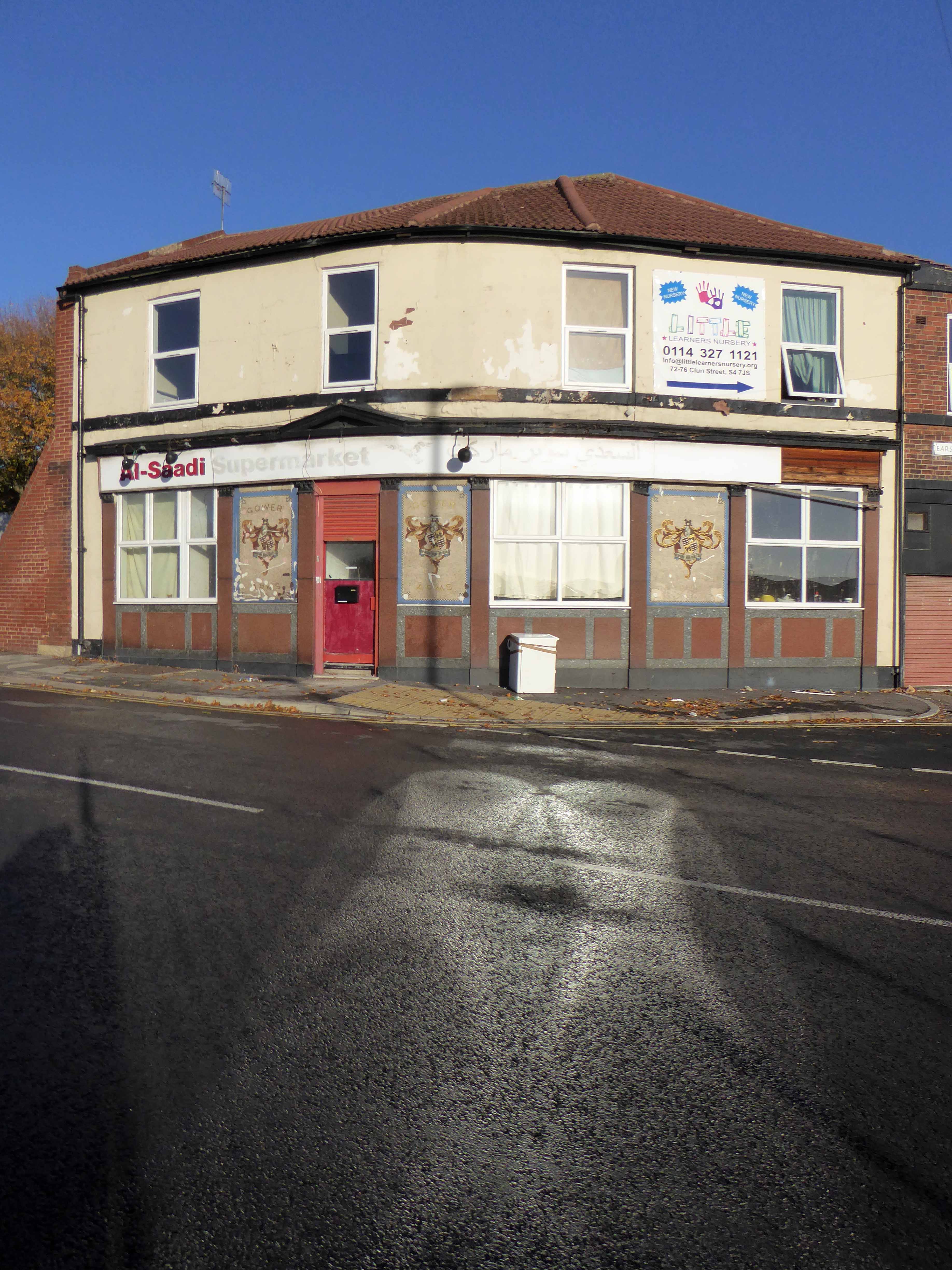
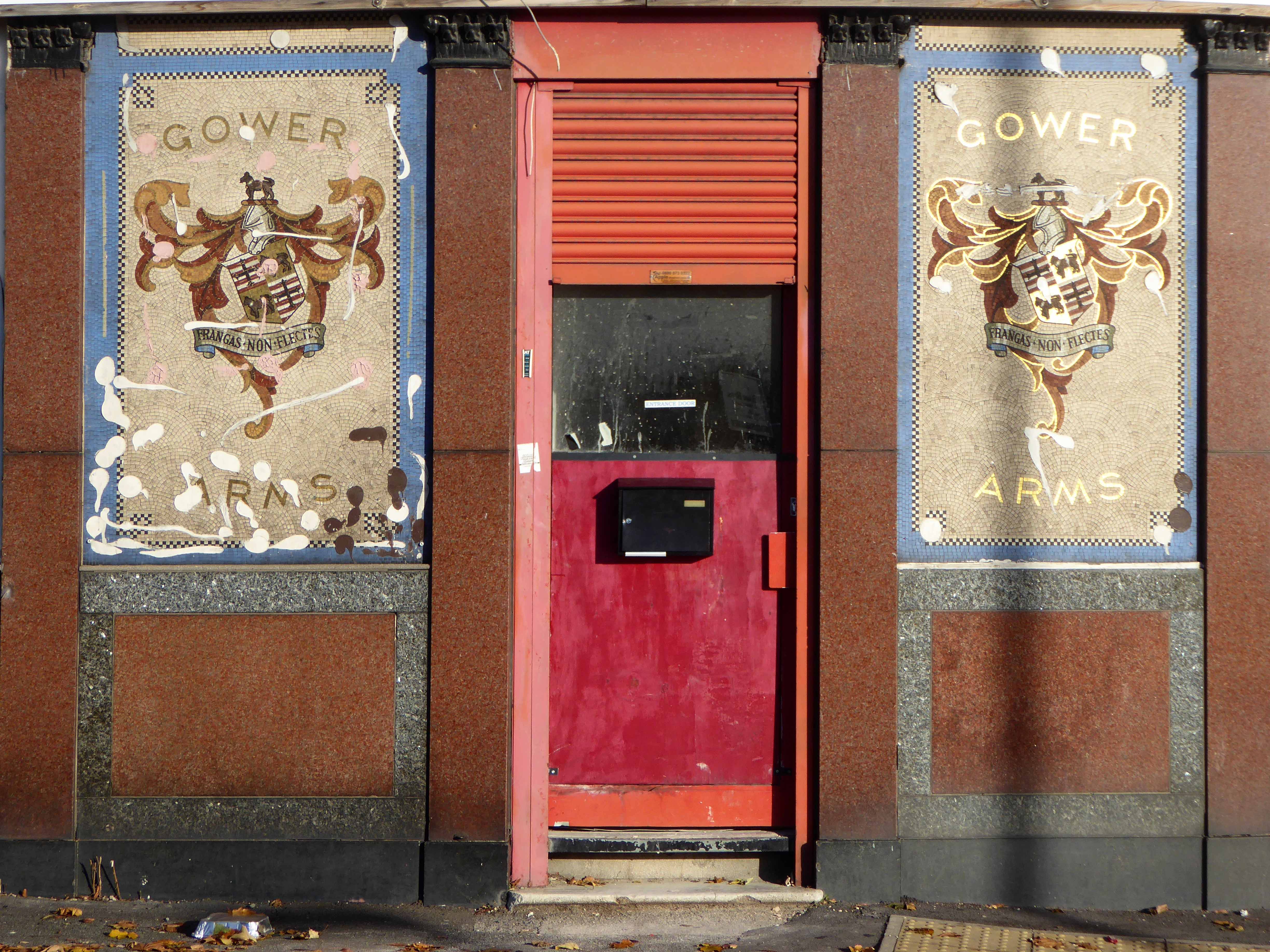
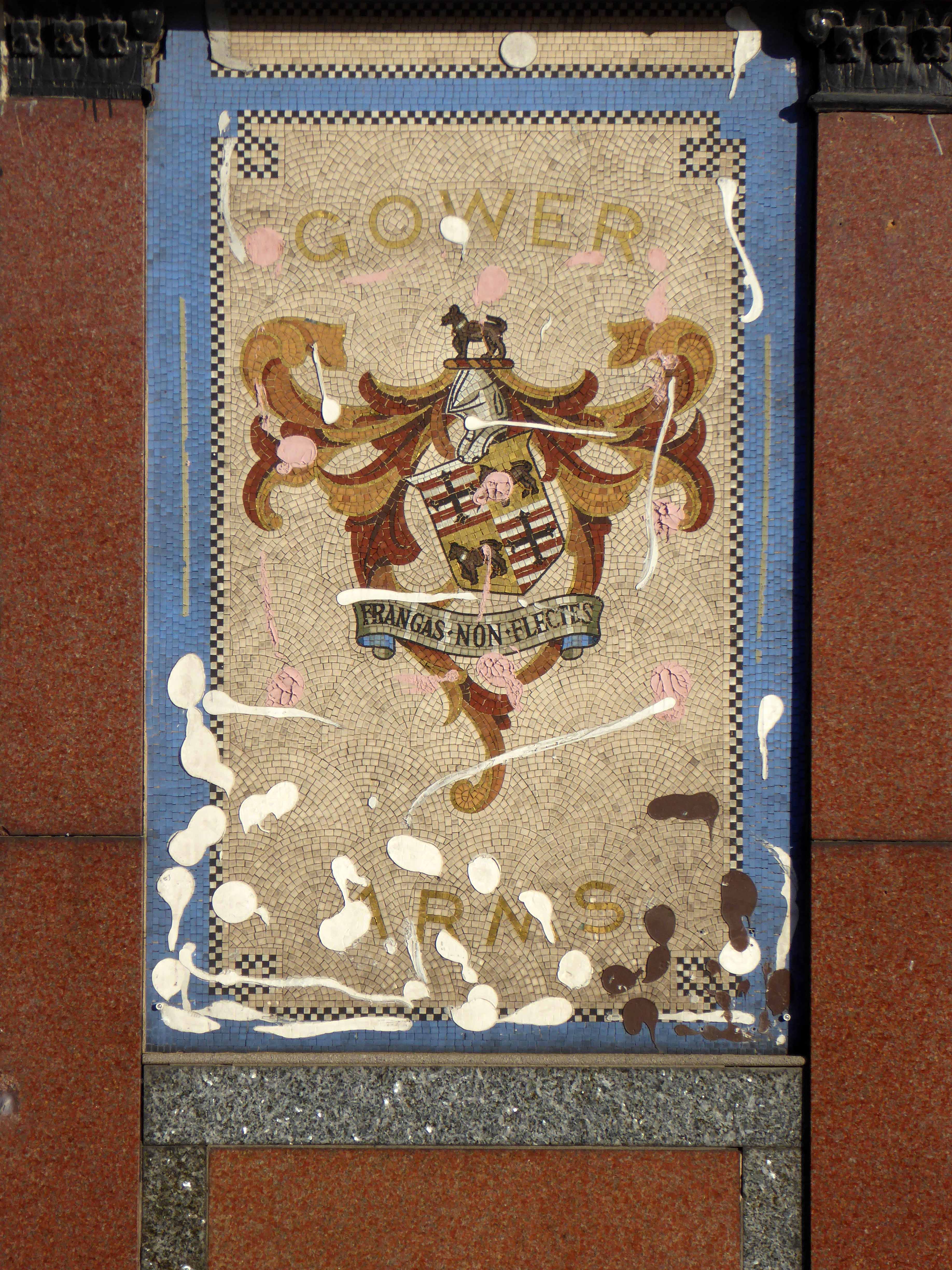
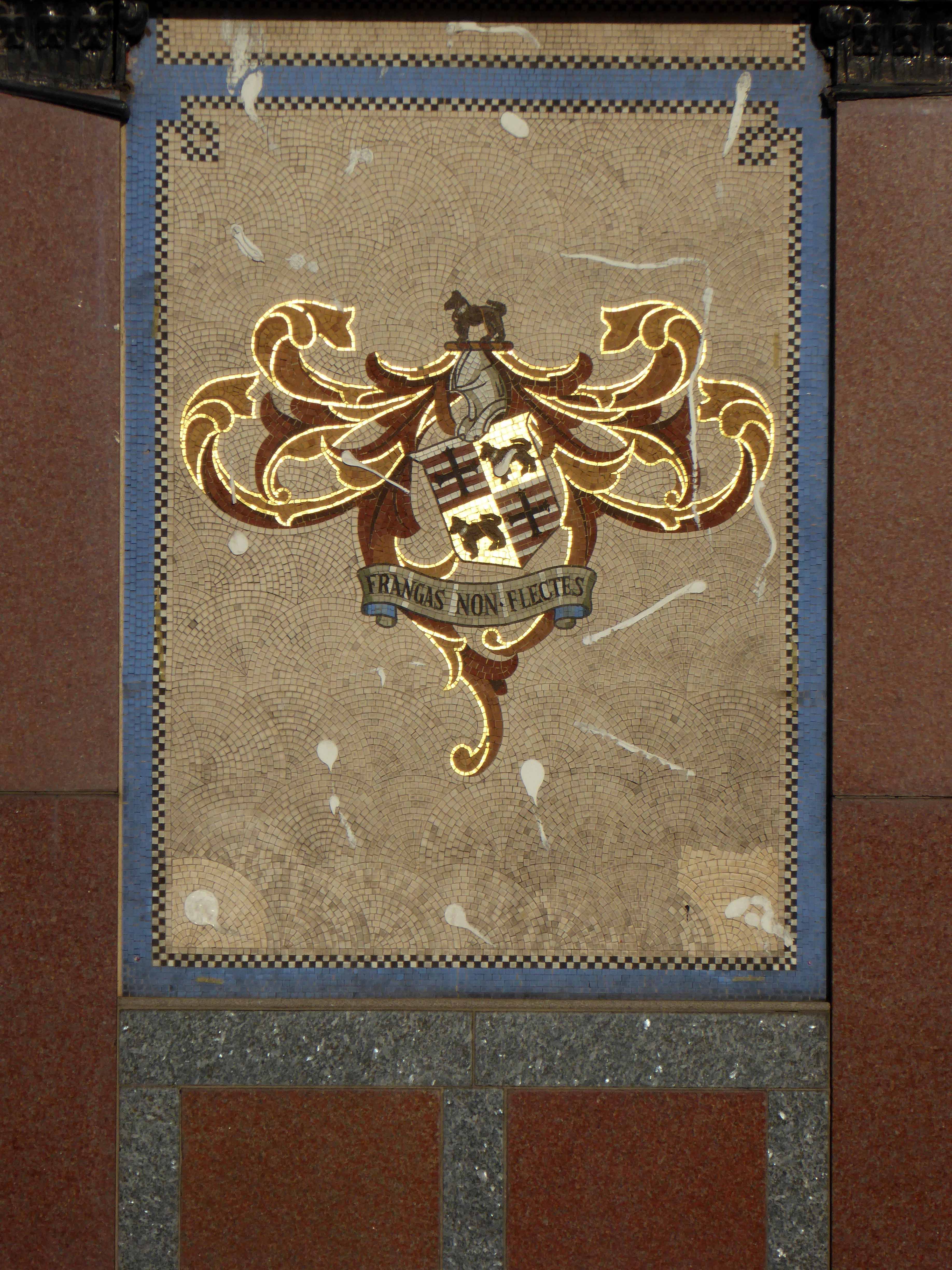
The Gower Arms – 47 Gower Street Burngreave Sheffield S4 7JWblanku01838

s22109

sheffield_s4_gowerarms


I drink down there – top pubs methinks. They are old fashioned pubs with some real characters. Will be there Friday night in the Staff first, Royal Oak, Gower, Grapes and back to the Staff till I drop.

Blade Bloke 2007

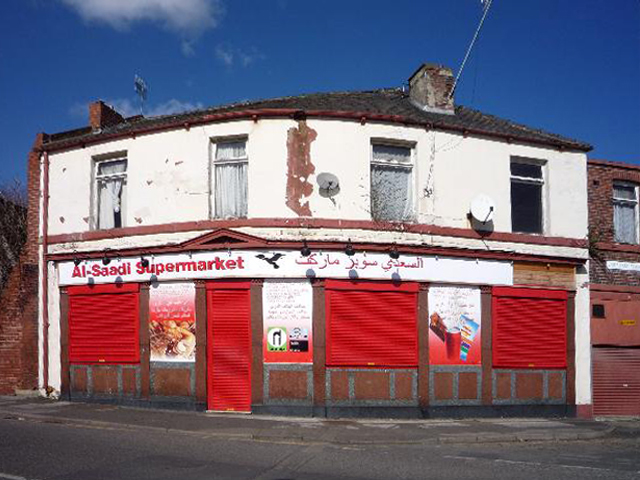
From top pub to closed corner supermarket in two shakes of a monkey’s tale.

P1300841

P1300838

P1300839

P1300840


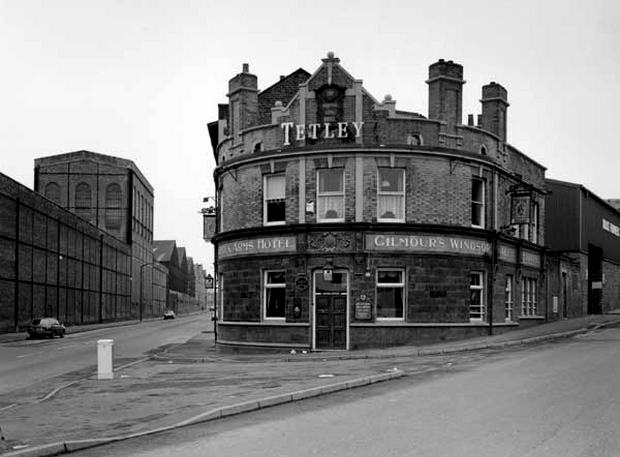
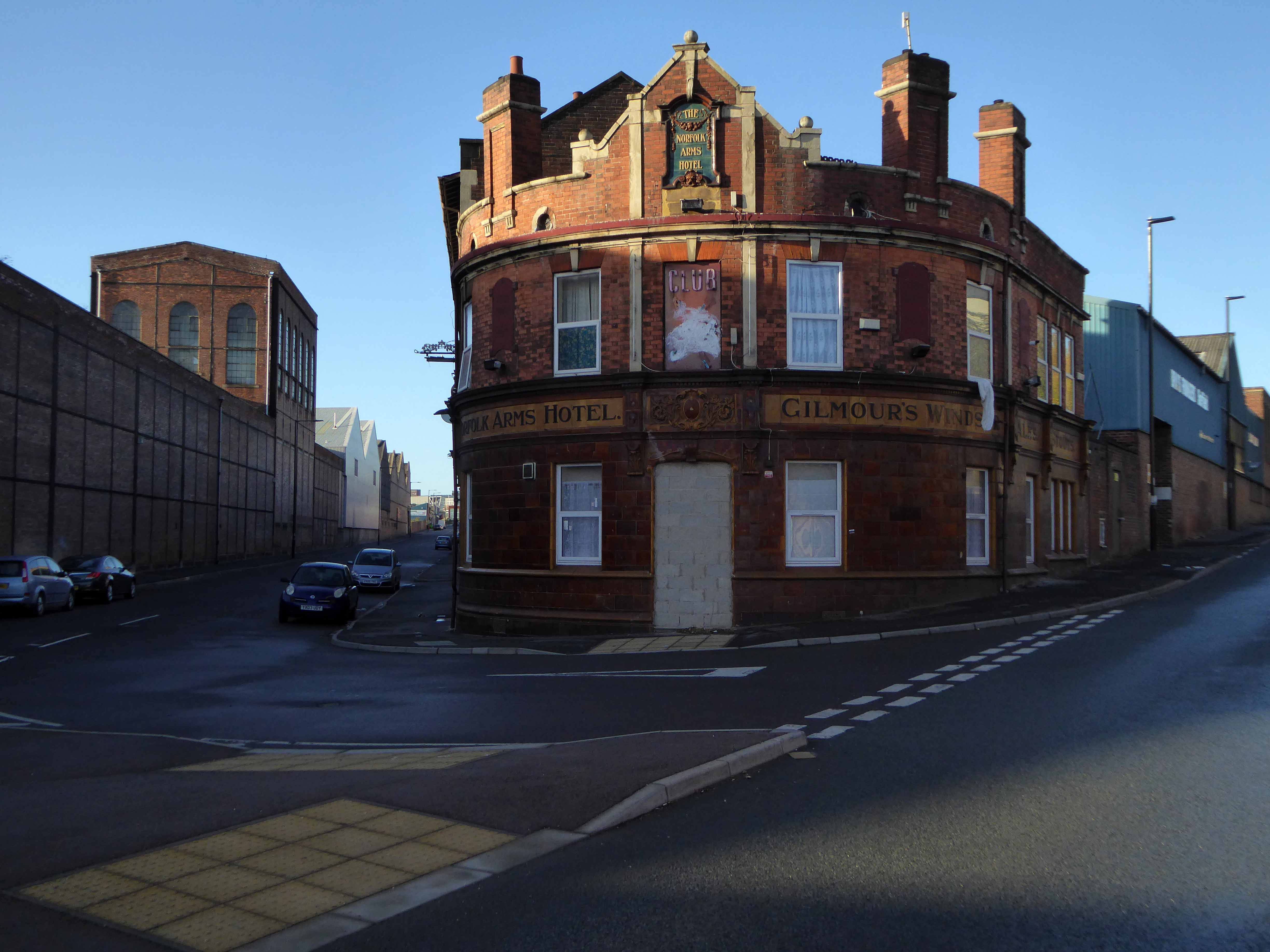
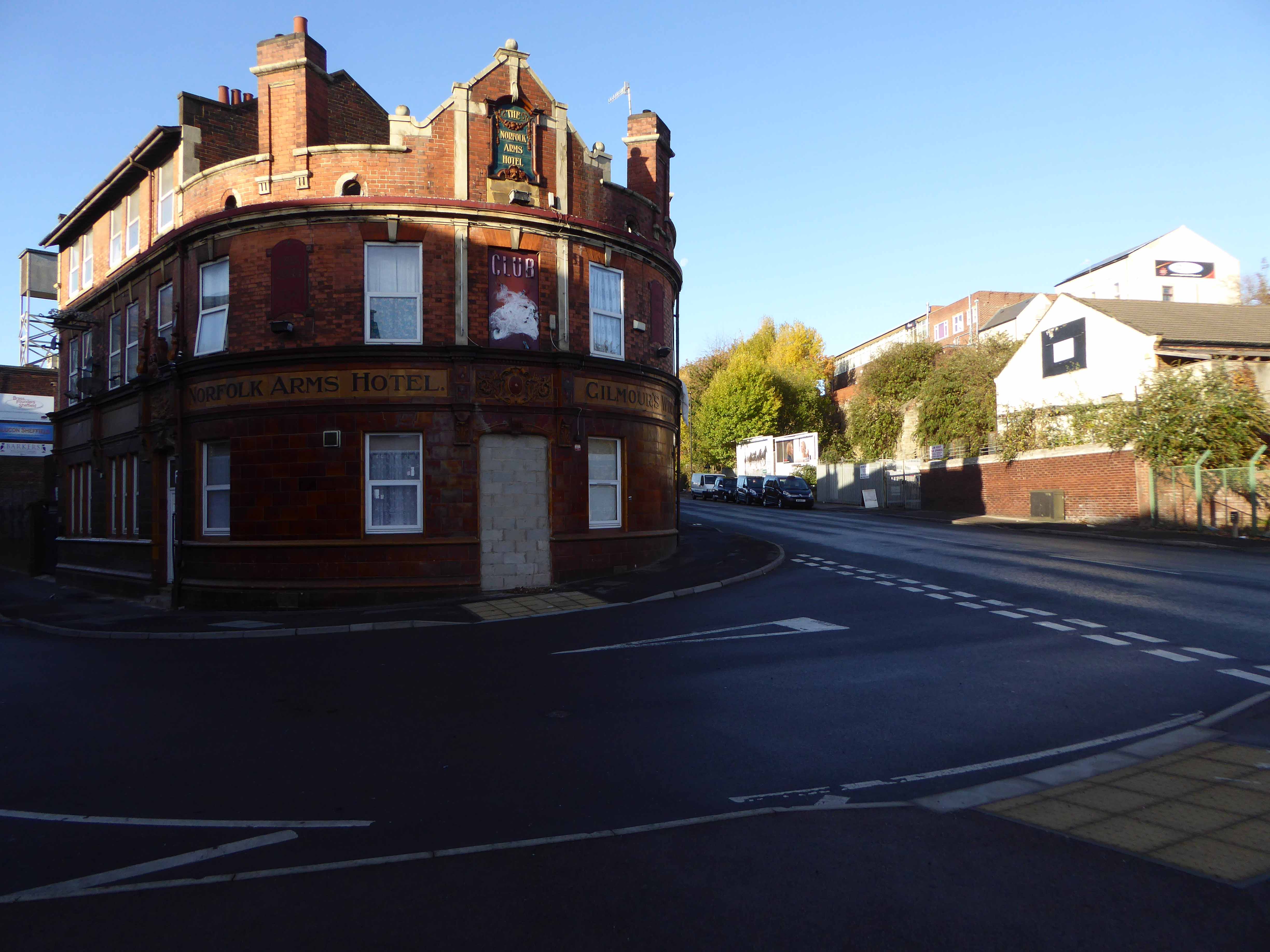
The Norfolk Arms Hotel – 195/199 Carlisle Street Sheffield S4 7LJblanku08444

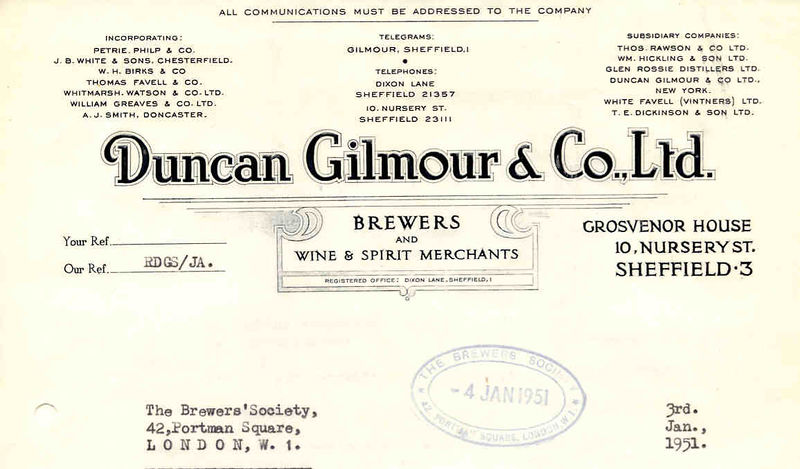
From a Gilmour’s tap, Tetley tavern to a temple of trendy funk.

800px-Gilmour_Sheffield


Club Xes is a nightclub in Sheffield  described as a vibrant and thrilling, and full of Sheffield’s young and trendy crowd.  The DJs are renowned for providing the newest funkiest records.

Premises Type – This place does not serve real ale.

Premises Description – Gay nightclub.

P1300851

P1300855

P1300849

P1300852

P1300853

P1300858


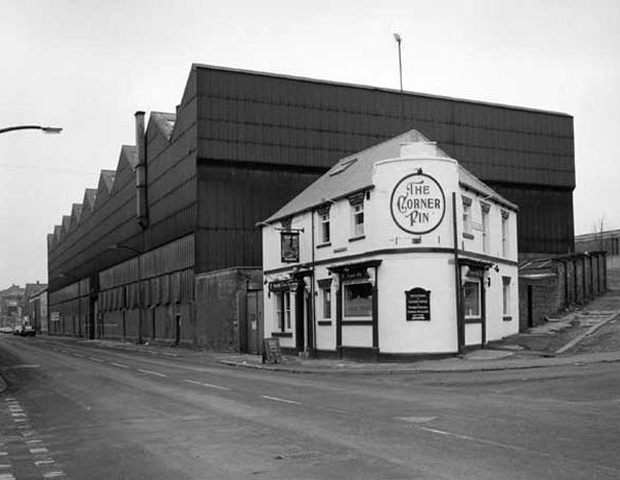
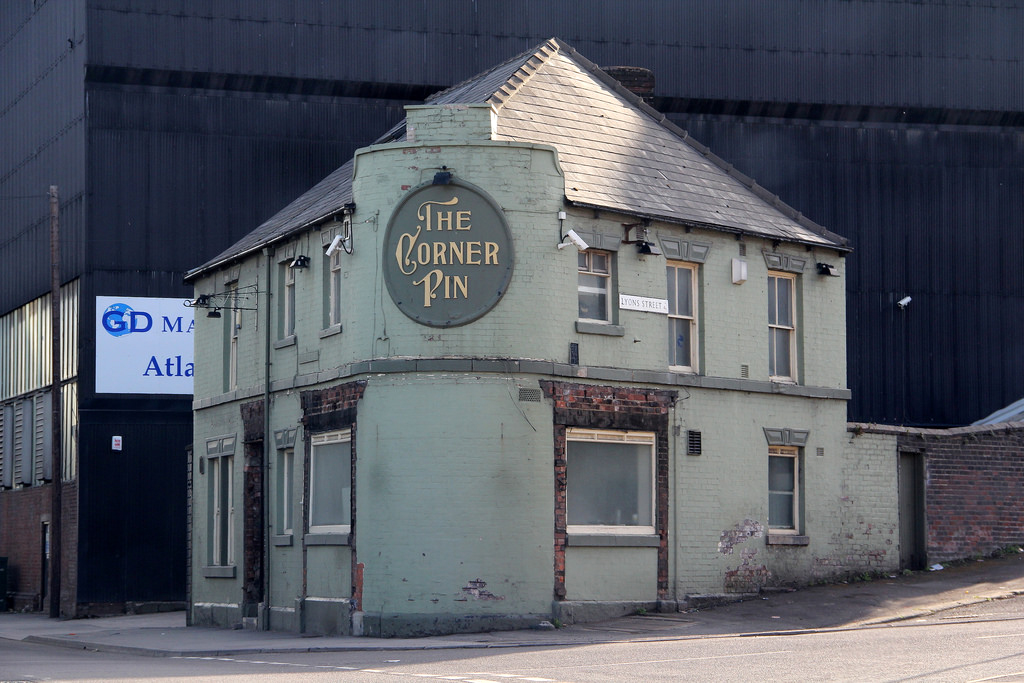
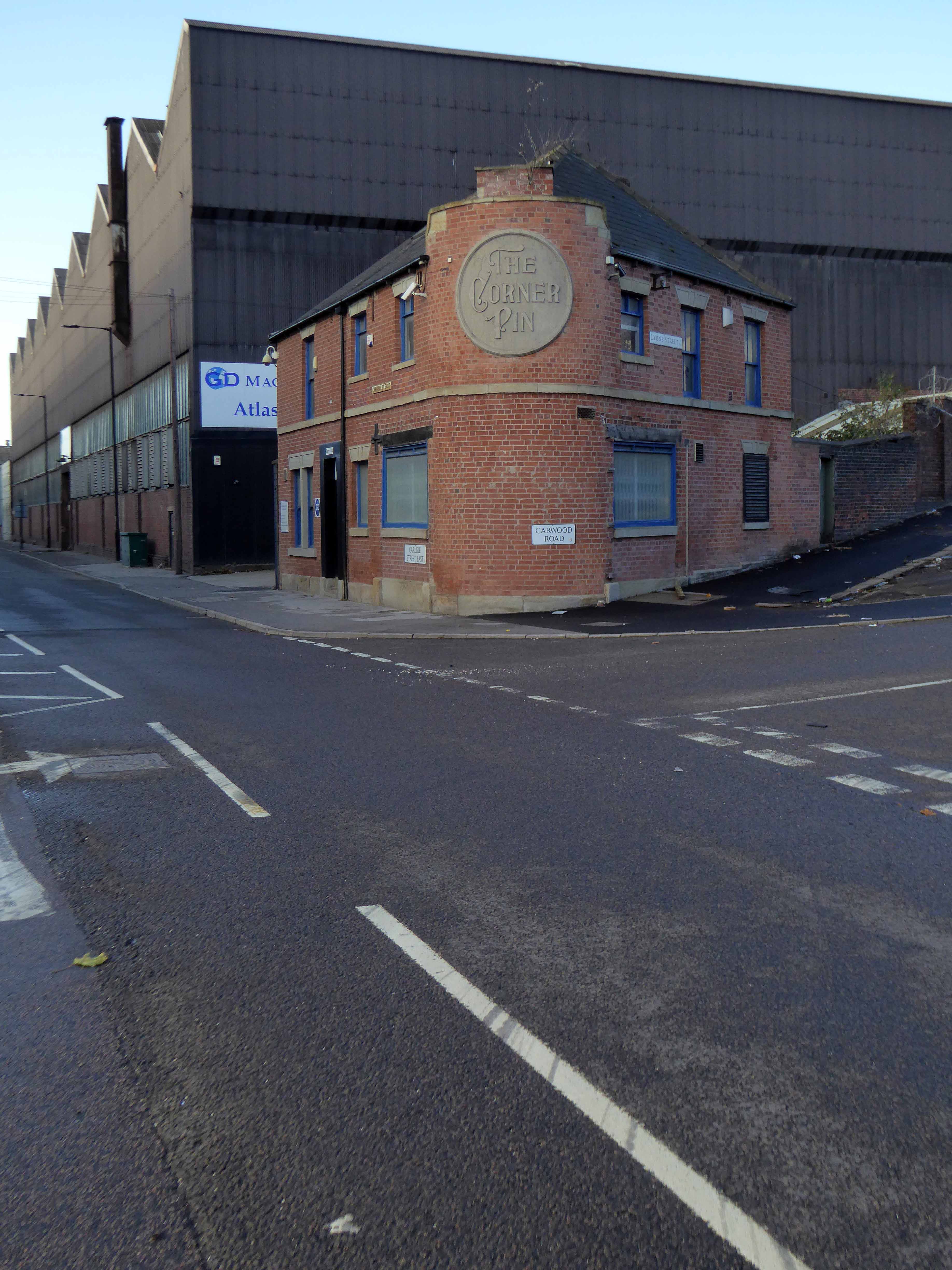
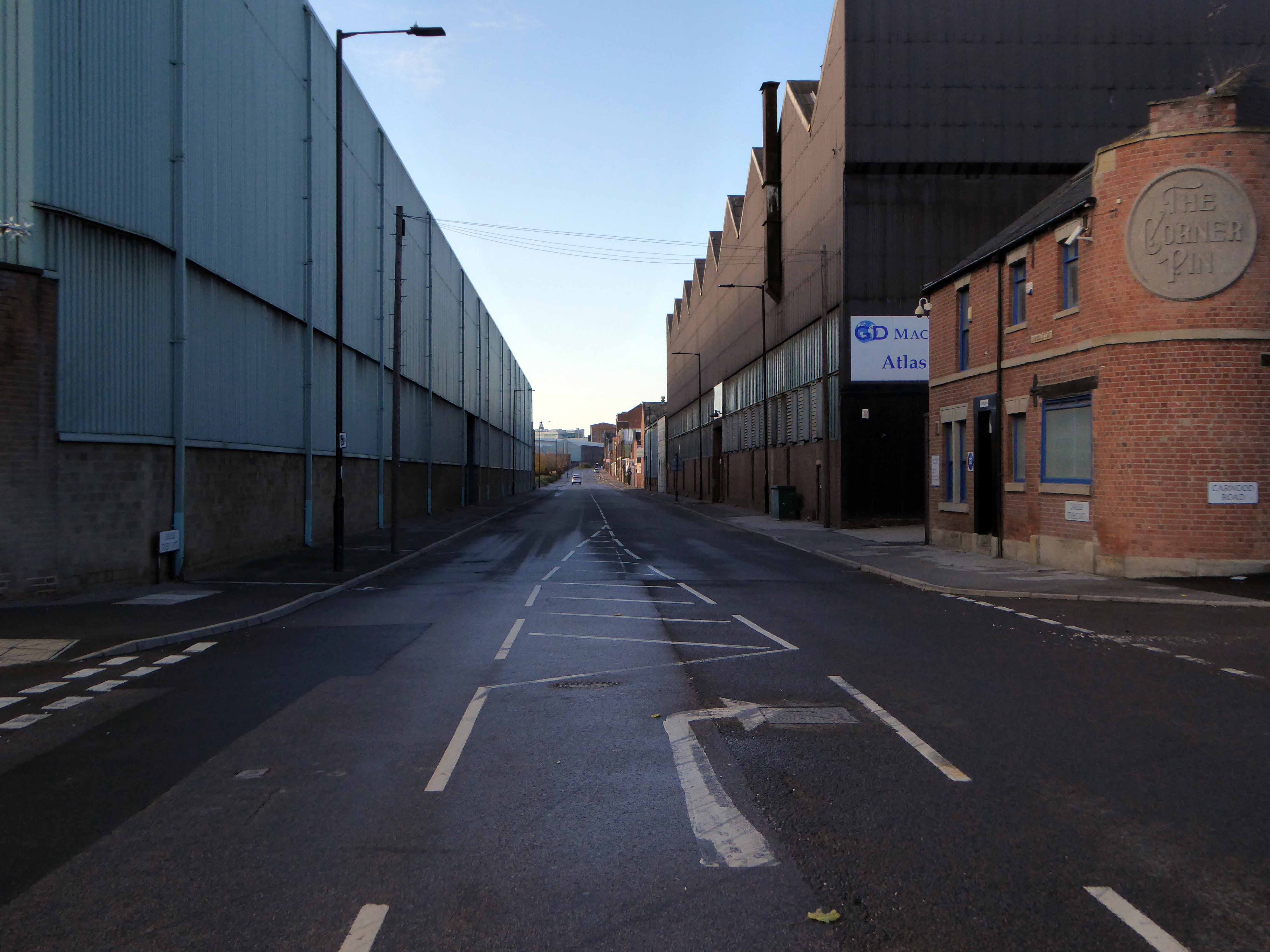
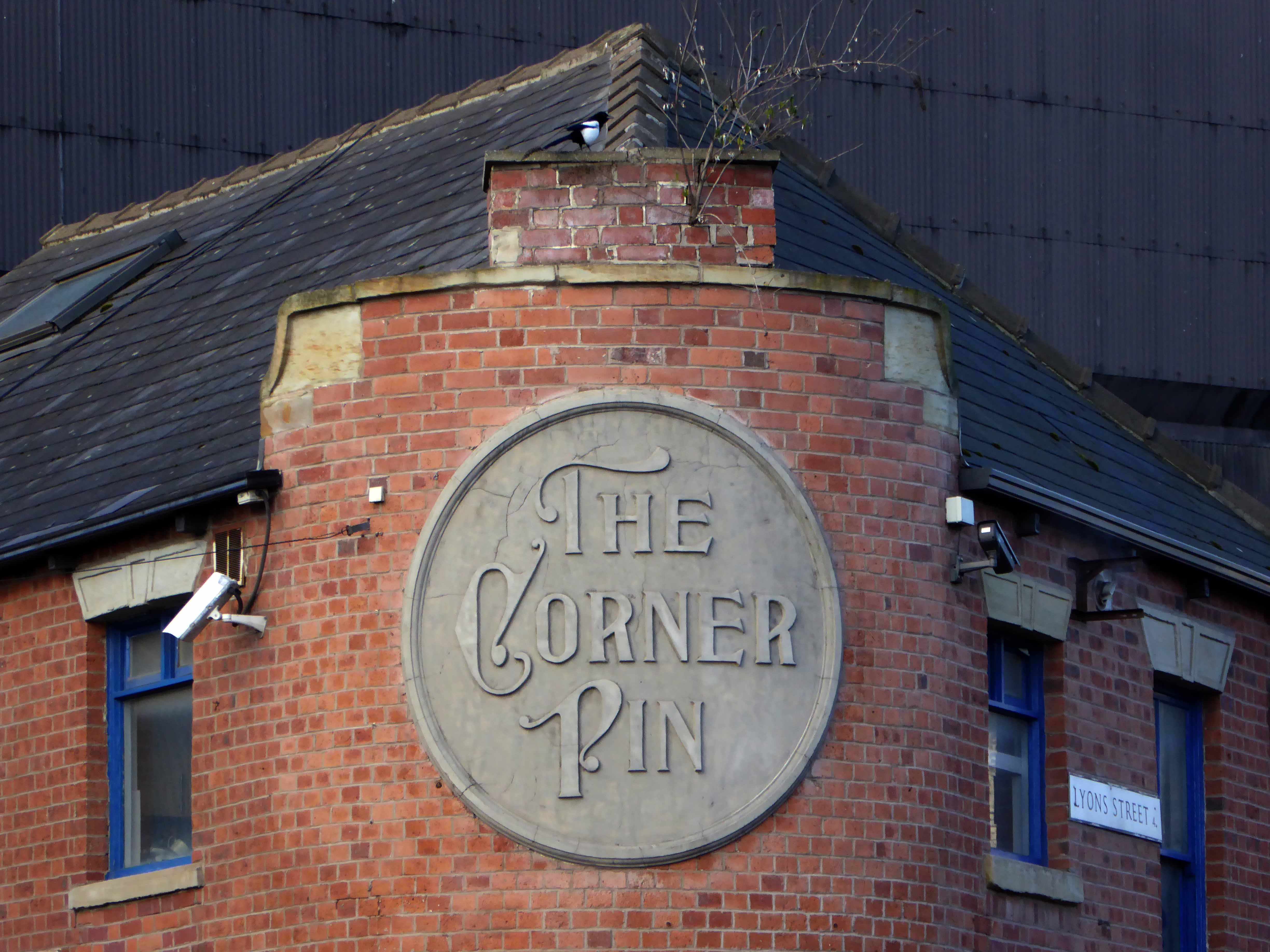
The Corner Pin – 231-233 Carlisle Street East Sheffield S4 7QN


ac229678e50108e3e4380cb9edb50f8a

15518868742_a2ba0d7f9e_b

First licensed to sell beer in 1840. One of 26 public houses serving the steel industry along a three- quarter mile stretch of Carlisle Street. It is said to have a ghost who likes to turn the lights on in the middle of the night and footfalls can be heard.

The Corner Pin was the last of the Steelmakers pubs in Sheffield and was one of my favourite places to visit for a real good pint! I would come over from Melbourne once or twice a year, still do, and meet up with Chris Payling and many others still left over from the days of Sheffield Steel, but now all gone. 

They even took away your window frames, along with your dignity once a pale green shadow of yourself, stripped back to brick.

Stop dreaming of a foaming pint right now – you’re an office.

Not a pub.

P1300885

P1300886

P1300887

All B&W photographs copyright Picture Sheffield 

The George Hotel – Stockport

Screen Shot 2018-06-02 at 13.57.42

15 Wellington Road North Stockport SK4 1AF.

Time changes everything except something within us which is always surprised by change.

A delightful interwar pub on the corner of Heaton Lane and Wellington Road North, I moved to Stockport some forty years ago and was mightily impressed by the restrained exterior Deco design, wrought and hewn from soft pale sandstone. Equally impressive was the wood panelled, open, spacious interior space.

The George was always something of an anomaly, being the only Greater Manchester pub owned by Higson’s Brewery, our almost next door Liverpool neighbour.

P1200475 copy

Higsons_72

Higsons was founded in 1780 – 1974 saw the brewery merge with James Mellor & Sons. In 1978, Higsons acquired the Bent’s Brewery, which was based next to its North Street head office. Boddingtons of Manchester acquired Higsons in 1985 but decided to abandon brewing in 1989 to focus on its pubs.

They have/had fine former offices on Dale Street

venues_7

Boddingtons’ brewing arm was sold to Whitbread in 1990 which then subsequently closed the Higsons Stanhope brewery and then reopened by new owners as the Cains Brewery in 1991. Higsons beer was brewed in Sheffield and Durham for a few years after closure before being discontinued. The beer brand was revived in the current century and reborn in 2017, now served in the swish Baltic Triangle based Higson’s Tap & Still with an interior order that leaps backwards head first, into an imagined future of raw brick, reclaimed wood and industrial flourishes.

DcL2r33W0AARIGU

The George prospered – a town centre pub surrounded by workers in search of a wet and shoppers shirking their retail duties in favour of draught bitter or Cherry B.

1960

Its interior however did not fair so well, ripped out in the 80s – remade remodelled, in the deeply unattractive, anti-vernacular, sub-disco style de jour.

Renamed The Manhattan, riding the fun-pub wave, closed reopened as The George – there followed thirty year of uncertainty, struggling to find an identity throughout a time of ever-changing moods.

Screen Shot 2018-06-02 at 13.53.28

It became a daytime haunt of the hardened, shattered glass, blood on the tracks class of drinker, its reputation in tatters along with yesterday’s fish and chip papers.

The last time I came by you were still open for business.

P1160554

I bided a wee while, without imbibing, all the better to record your disabused Art Deco details.

P1160541

P1160542


P1160544

P1160545

P1160550


P1160552

I came by yesterday and you were all tinned-up with nowhere to go.

Premises To Let as of 13th May 2018 – on the 2nd April 2018 the licence has lapsed, so this will be a further barrier to it re-opening.

And so your faux nowheresville interior will pass into yet another of somebody’s history, along with your fine Deco detail and disco destruction.

This a tale of our age – of monopoly capitalism, stay at home Bargain Booze tipplers, demographic shifts, de-populated town centres, fashion fads and cheap cladding.

Time changes everything except something within us which is never surprised by change.

P1250771


P1250776

P1250778

P1250781

P1250783

P1250785

P1250786

P1250789

P1250794

P1250796


Sam’s Bar – Wigan

Screen Shot 2018-01-15 at 14.12.16

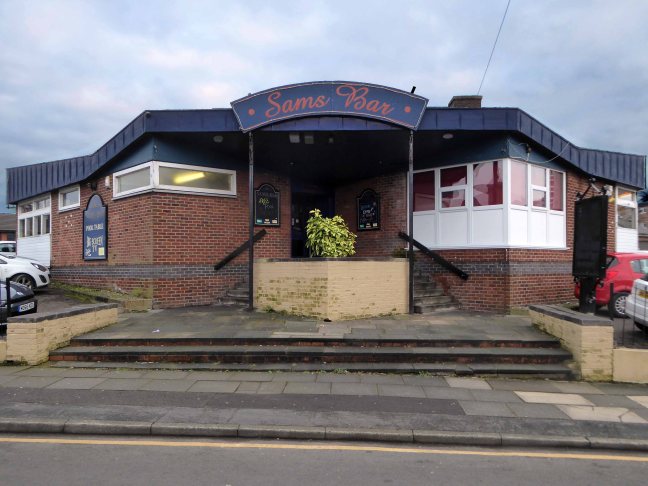
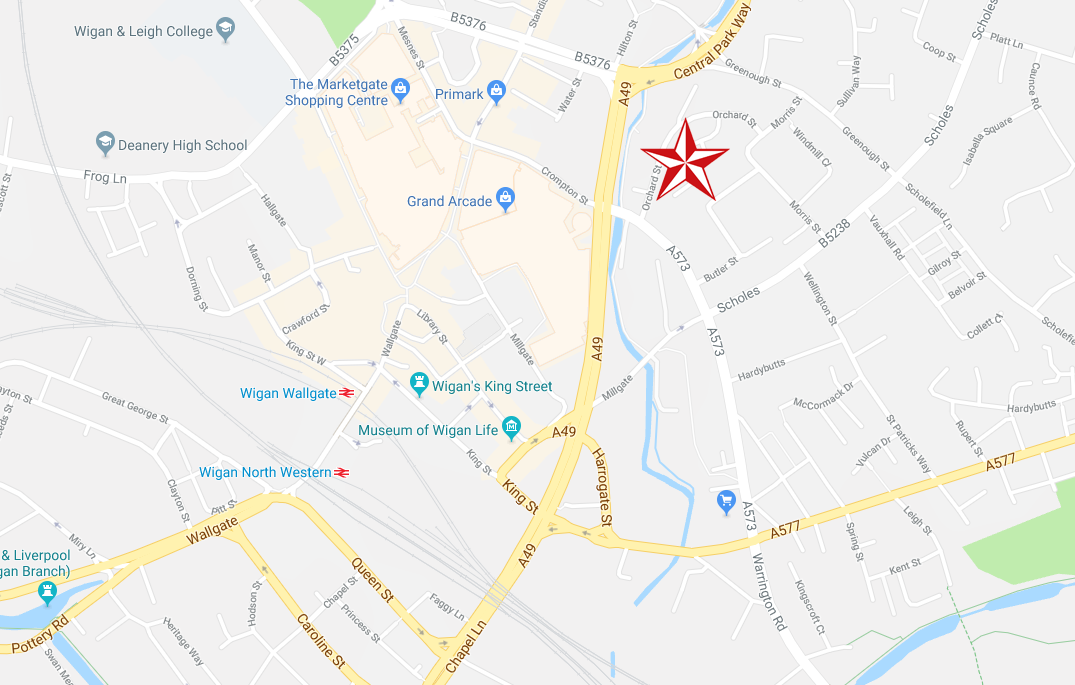
Sam’s Bar – Orchard St, Wigan WN1 3SW.

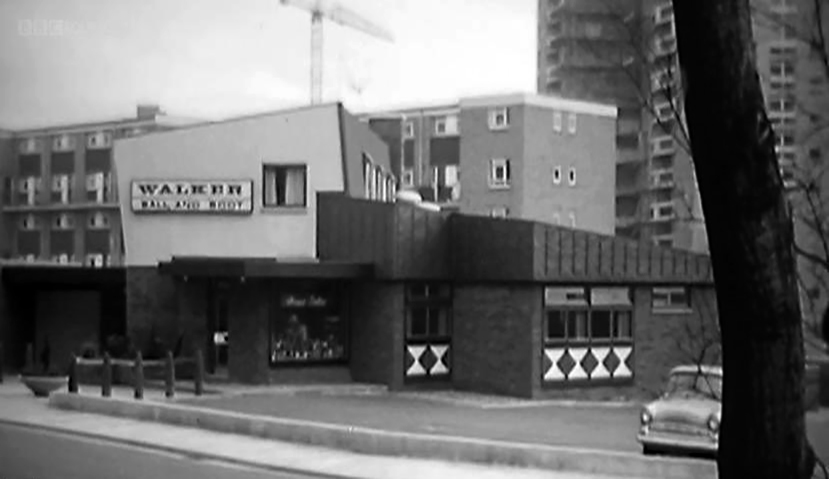
Once there was The Ball and Boot – oval or round, no dubbin required.

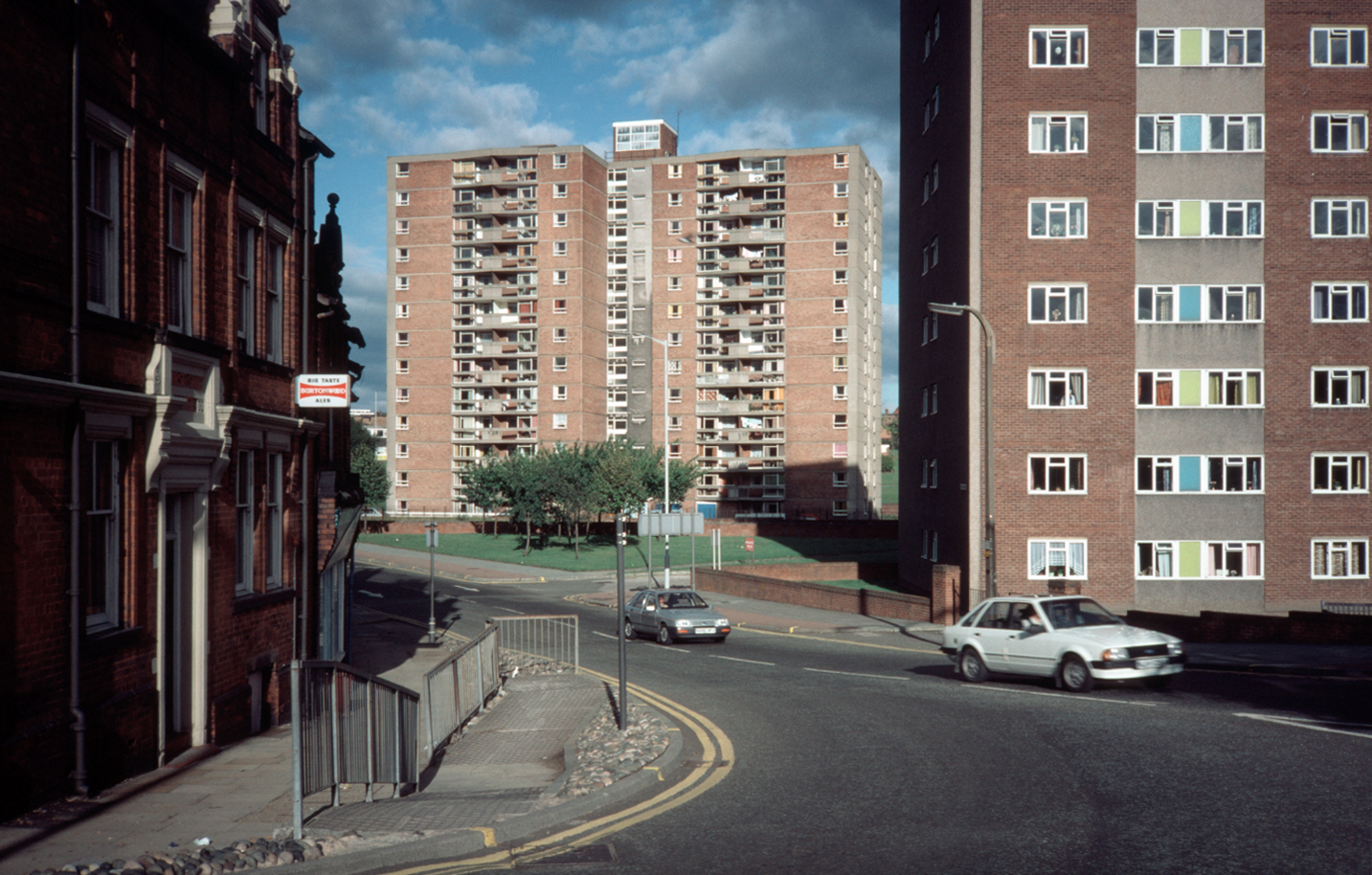
A Tetley Walker pub on the edge of the then new Scholes Estate – seen here in 1987.

Screen Shot 2018-01-15 at 14.18.18

Photograph Tower Block

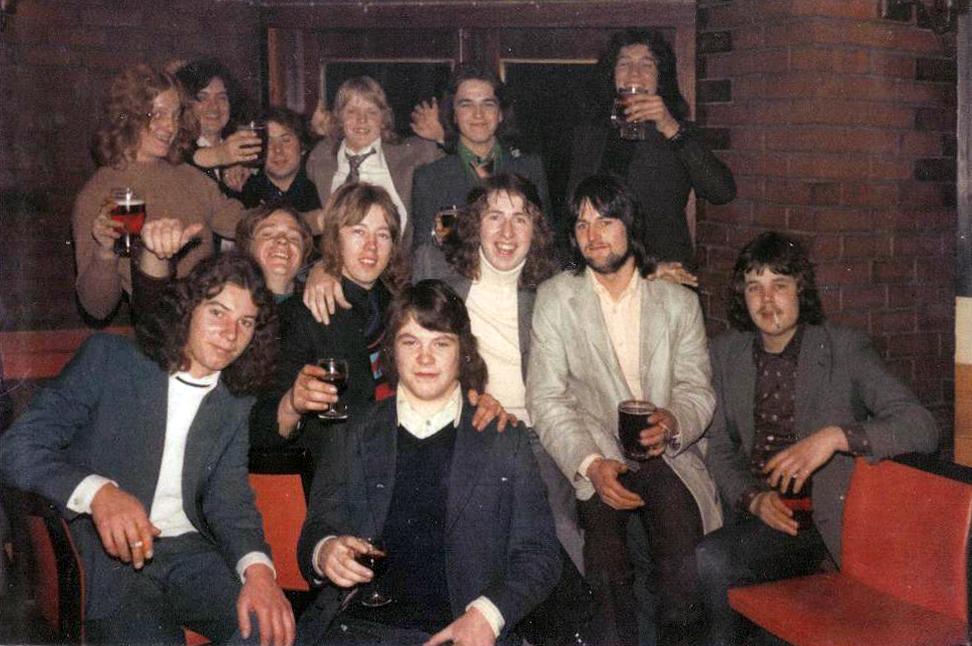
This is the one and only photograph of its former black and white self.

zv7qdp2s

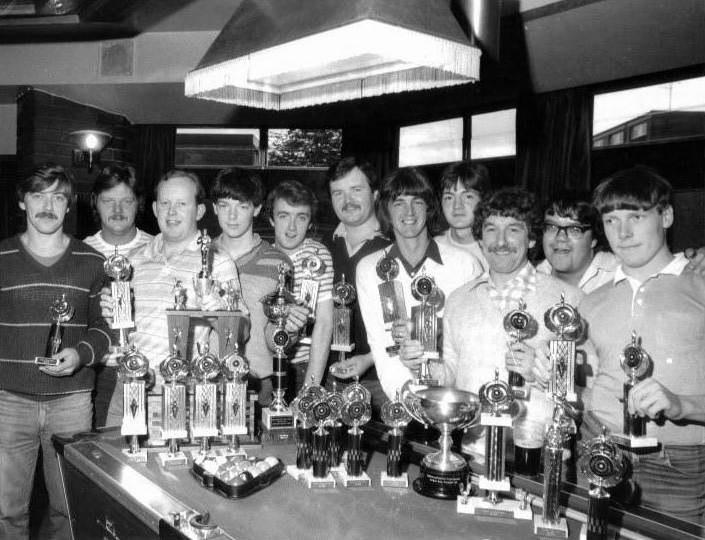
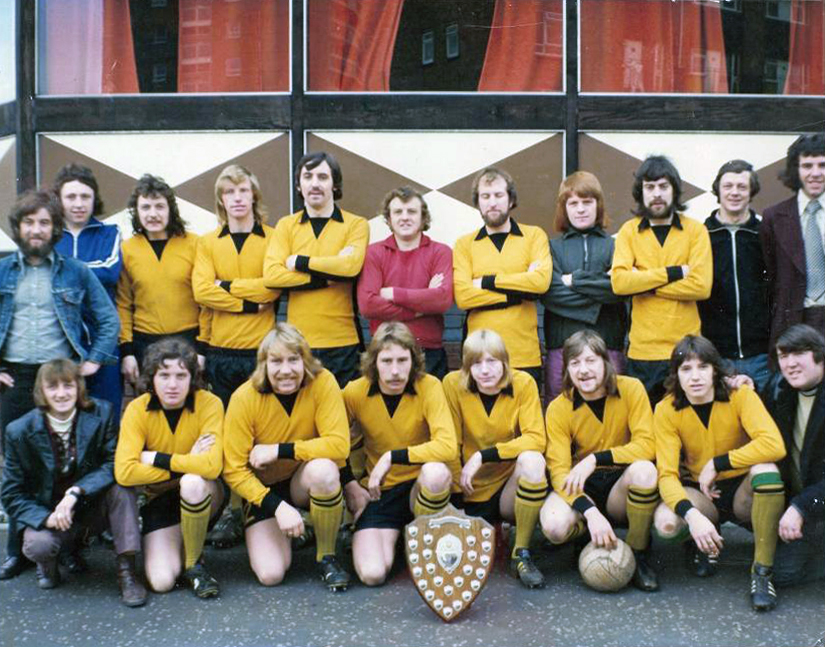
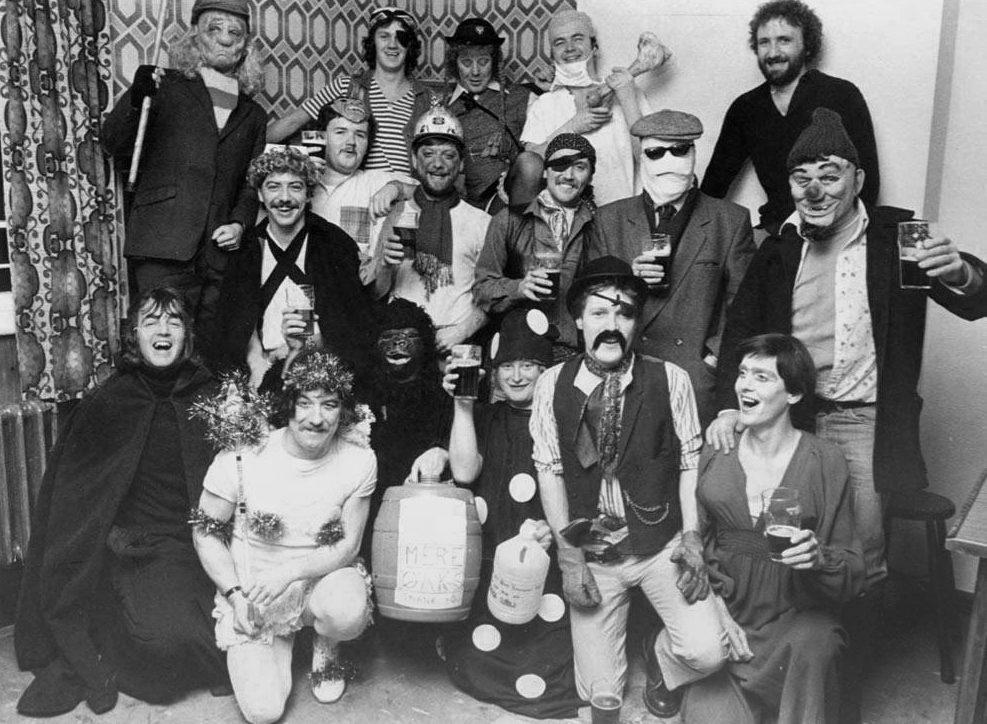
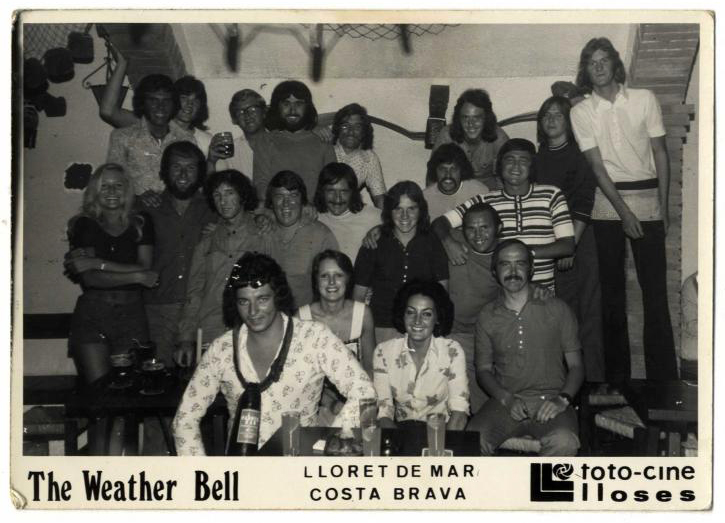
Though an internet search revealed a rich heritage of pool, football, fancy dress and trips to Lloret De Mar, for the lads and lasses of Lower Scholes.

o1e83y61

obiabruu

g7z7ihyd

umvkgs1y

awqzc8a8

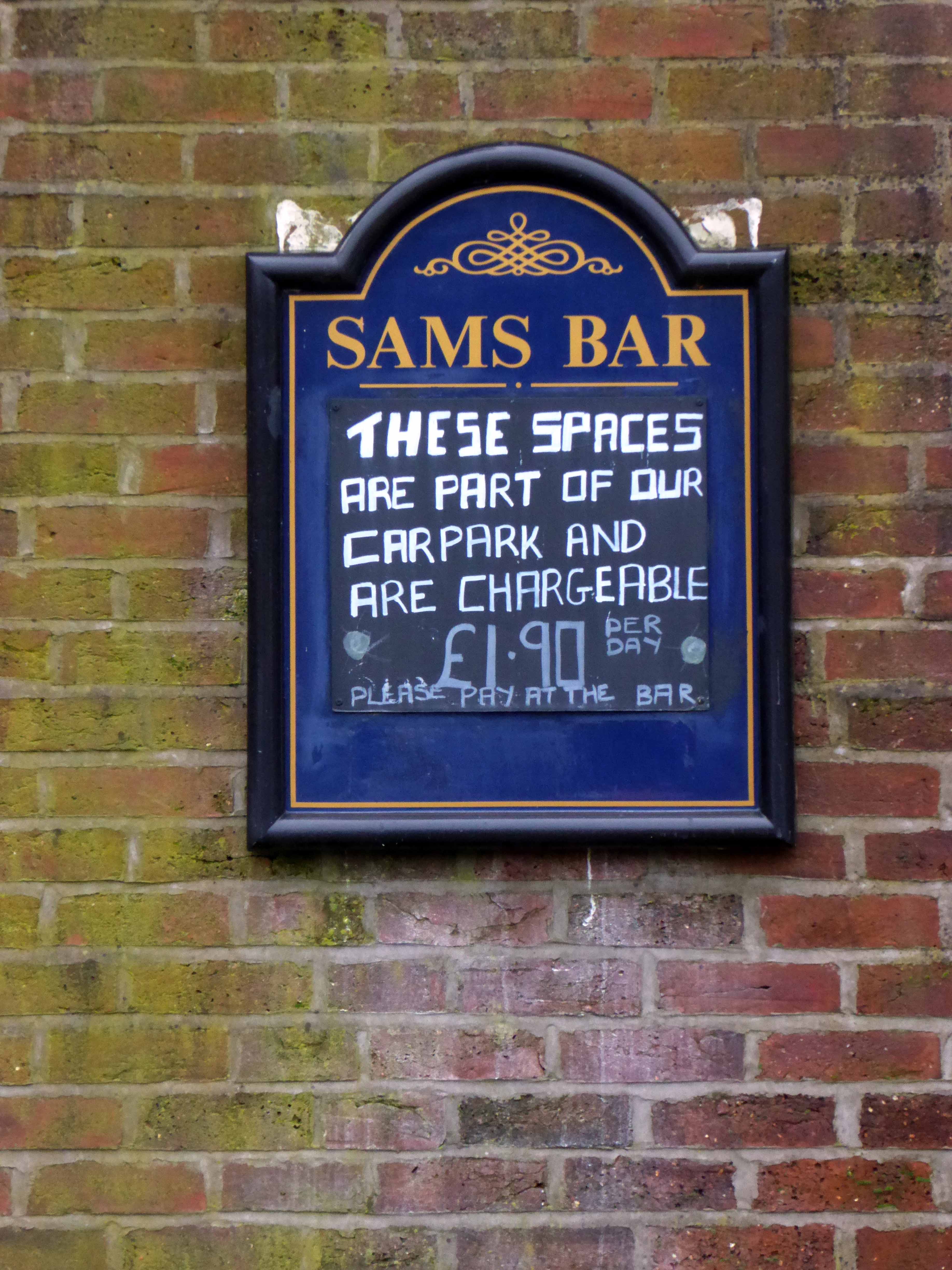
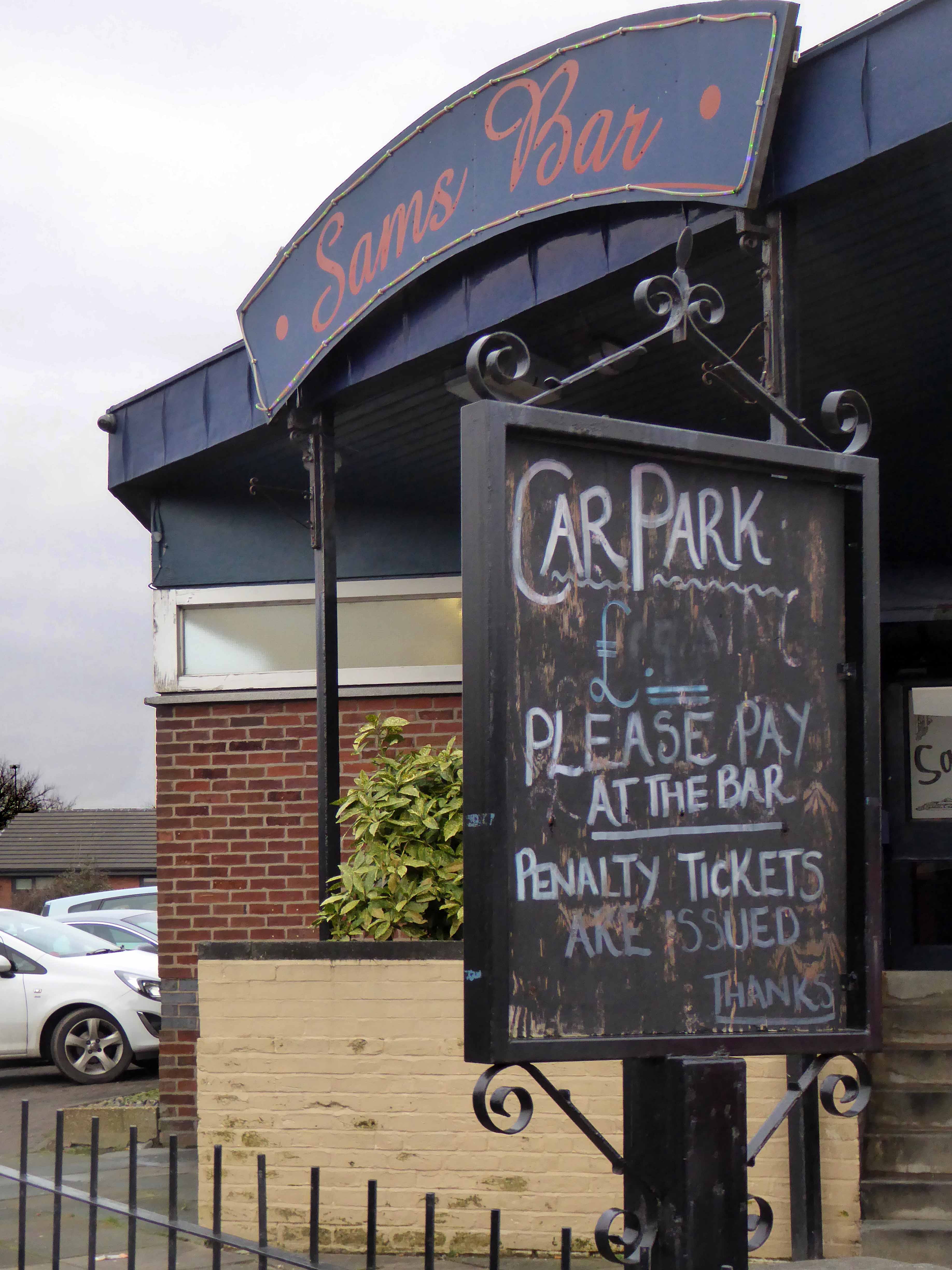
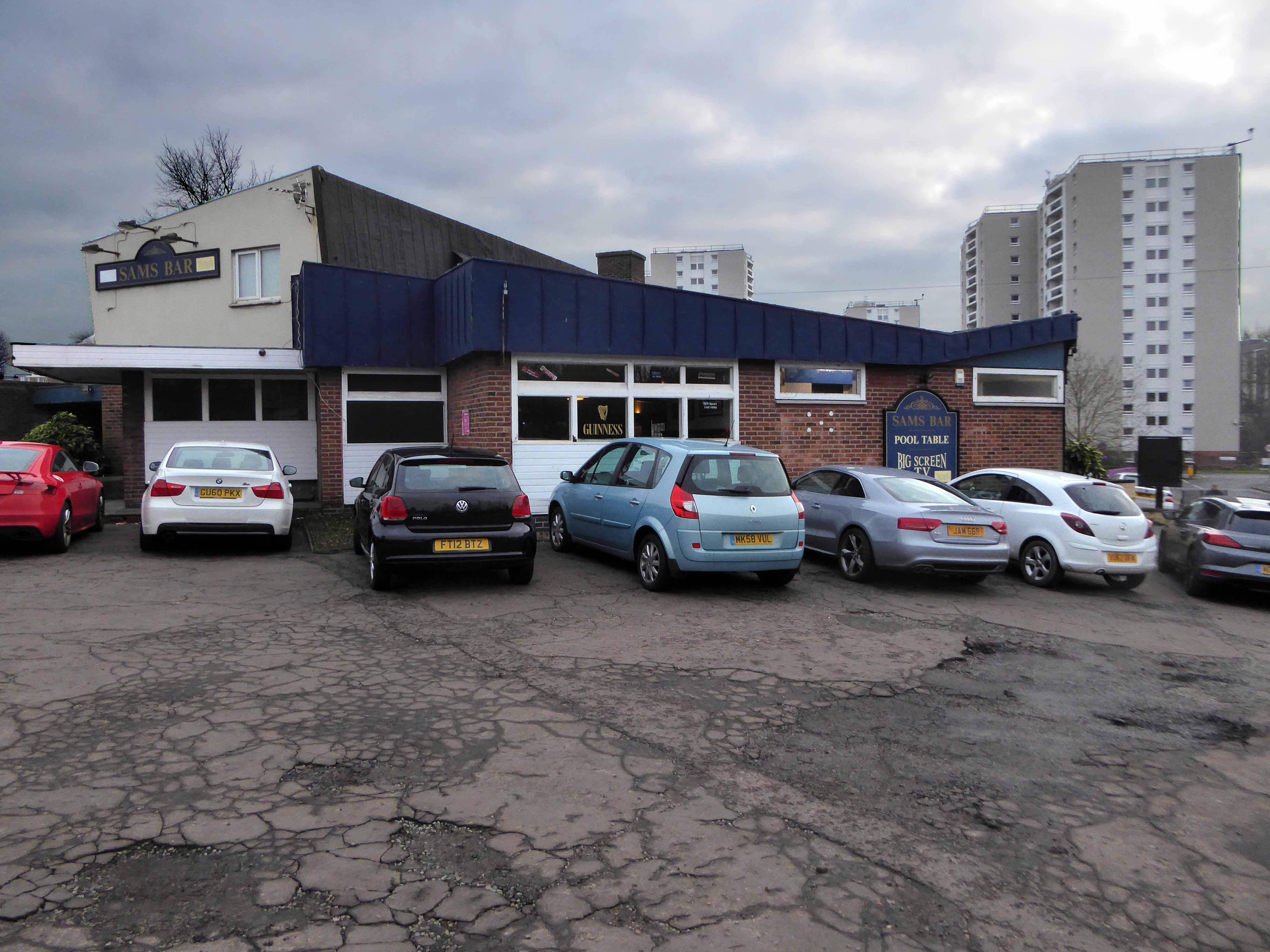
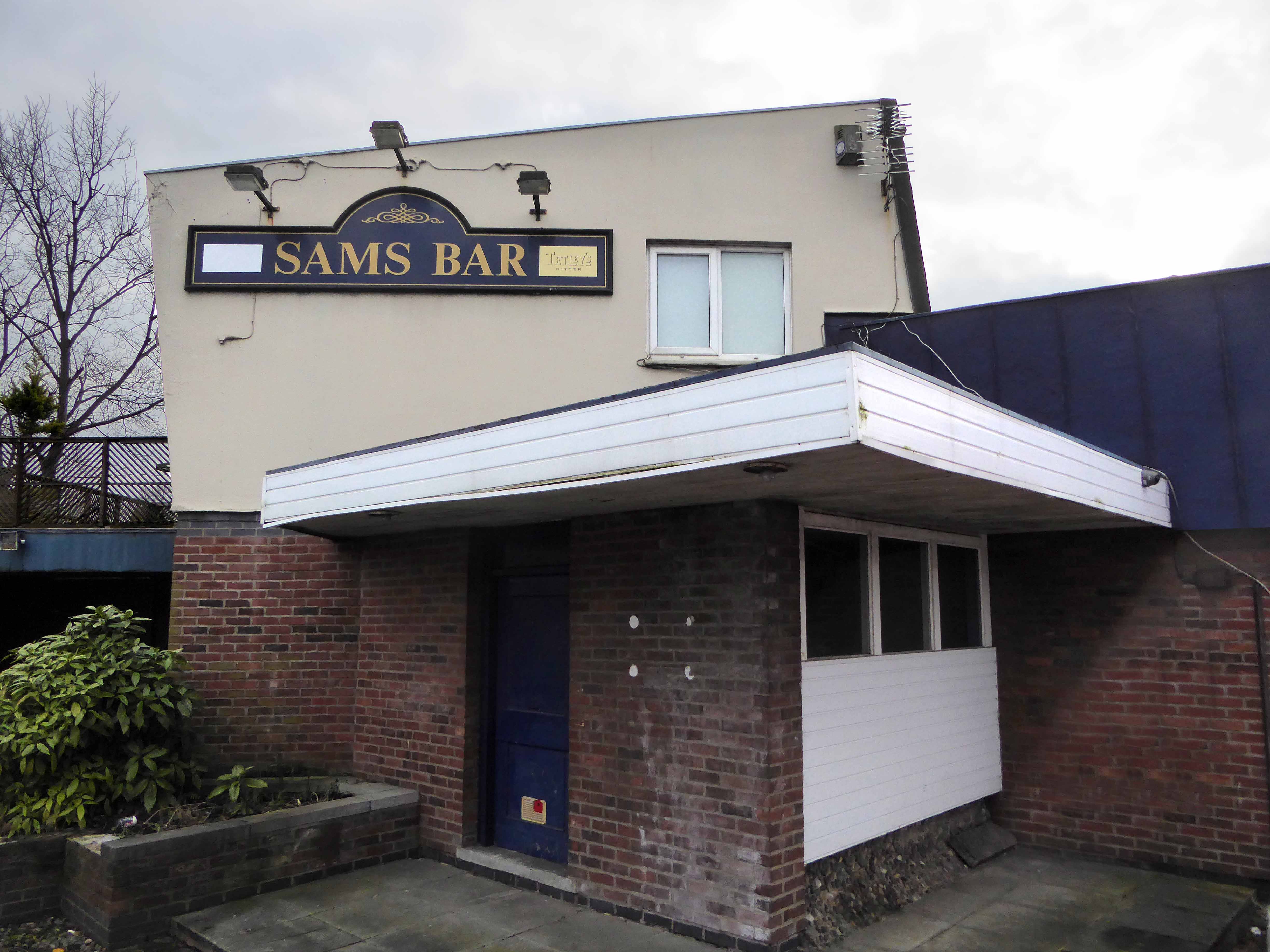
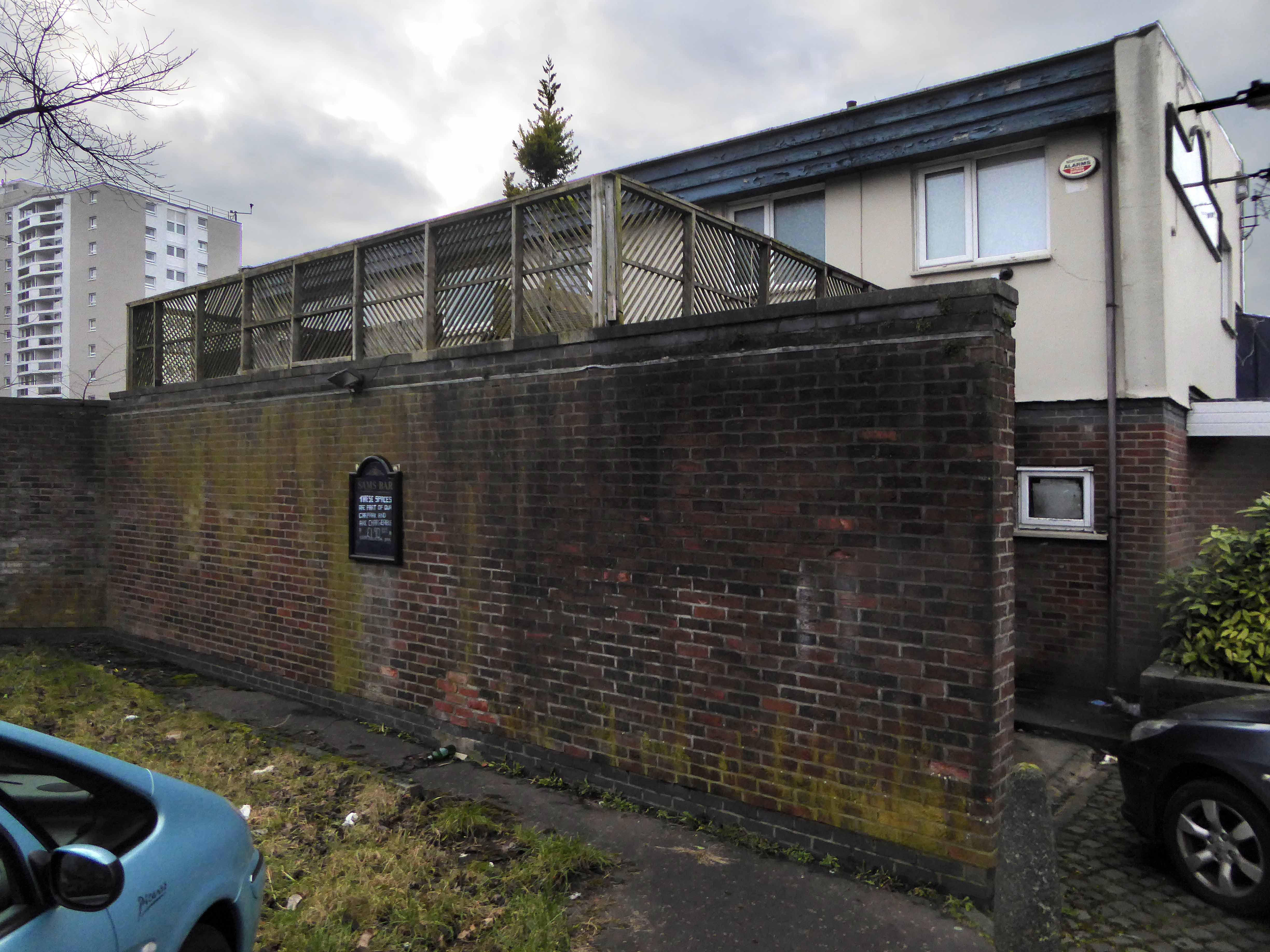
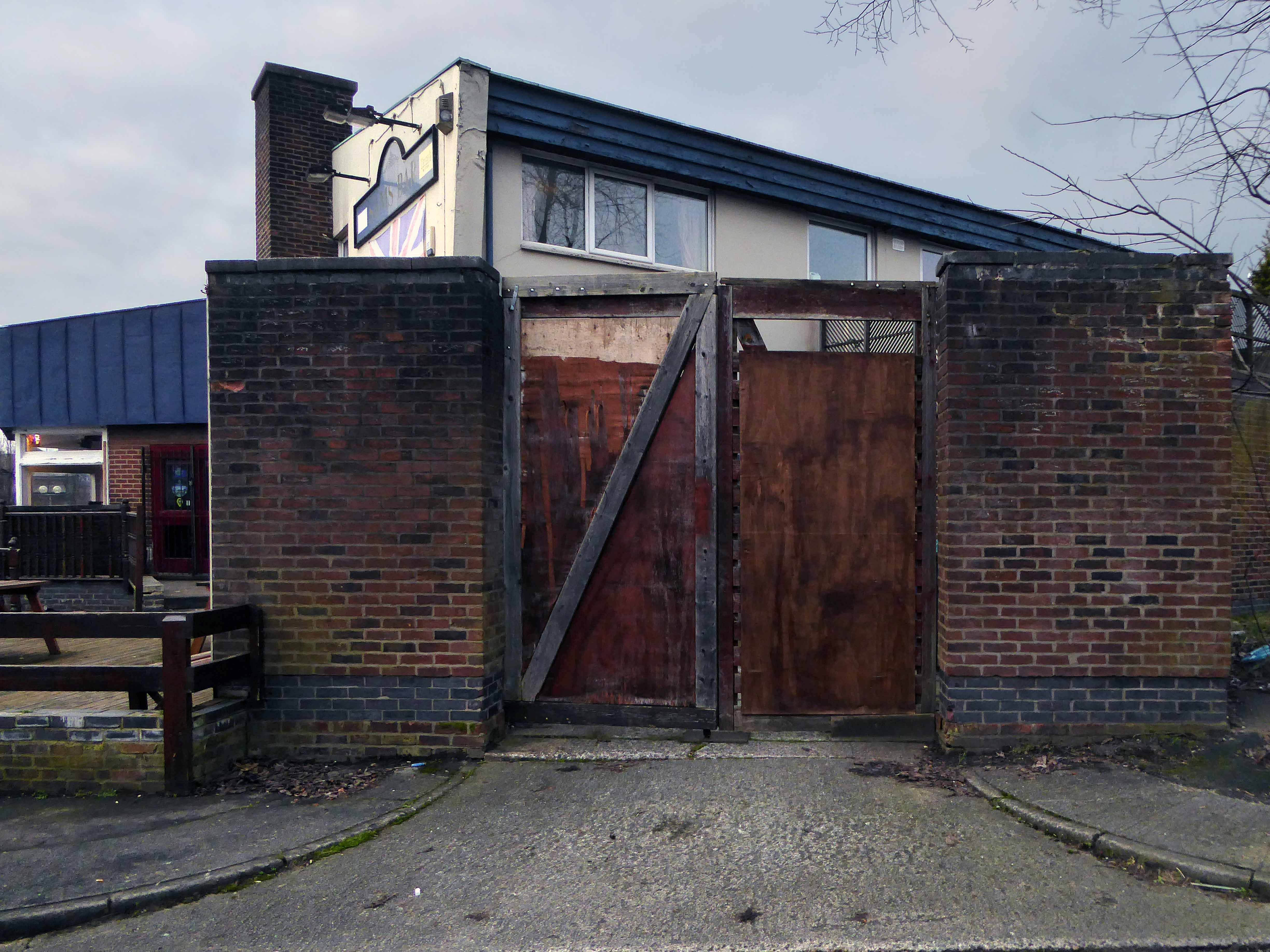
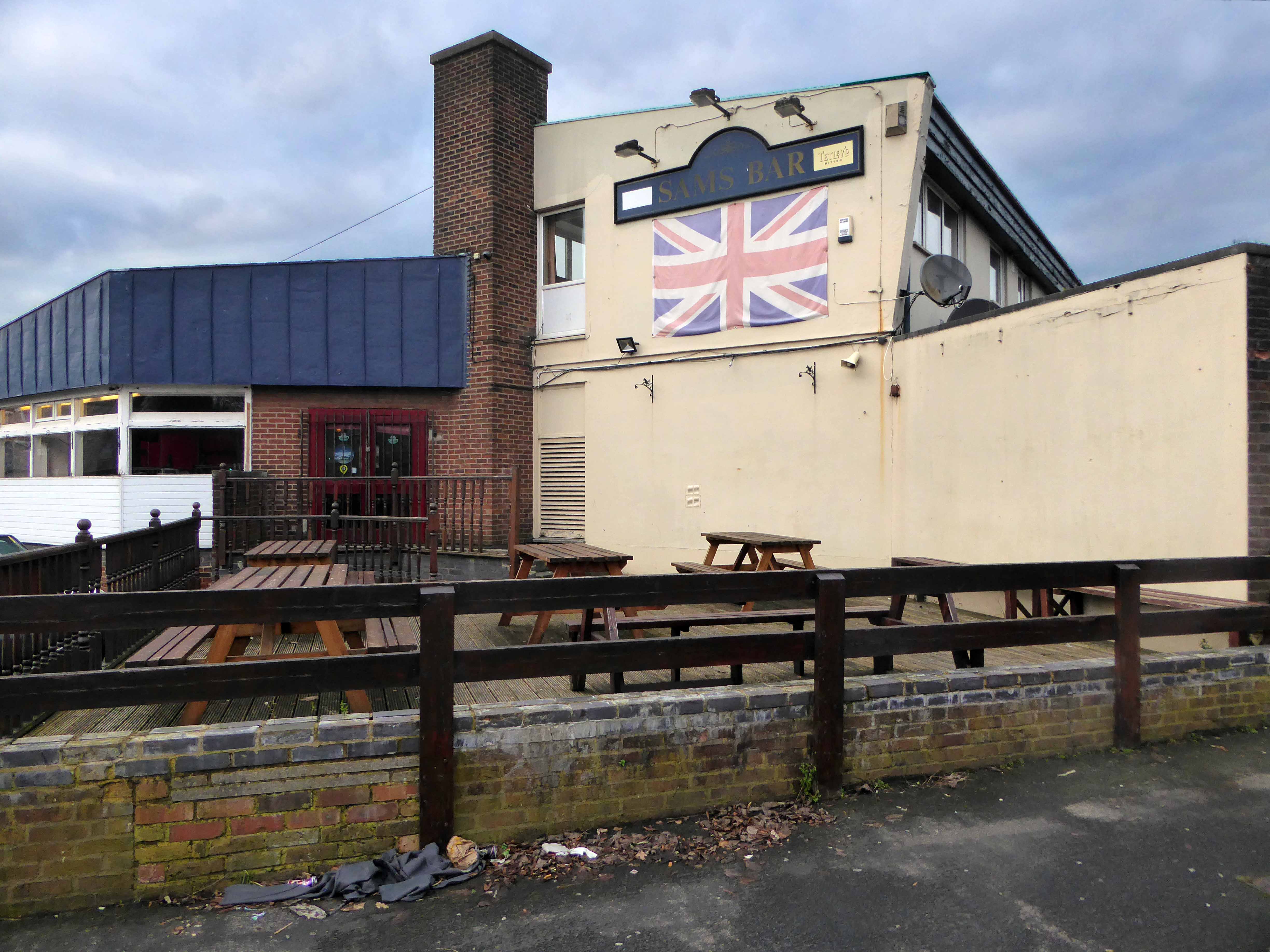
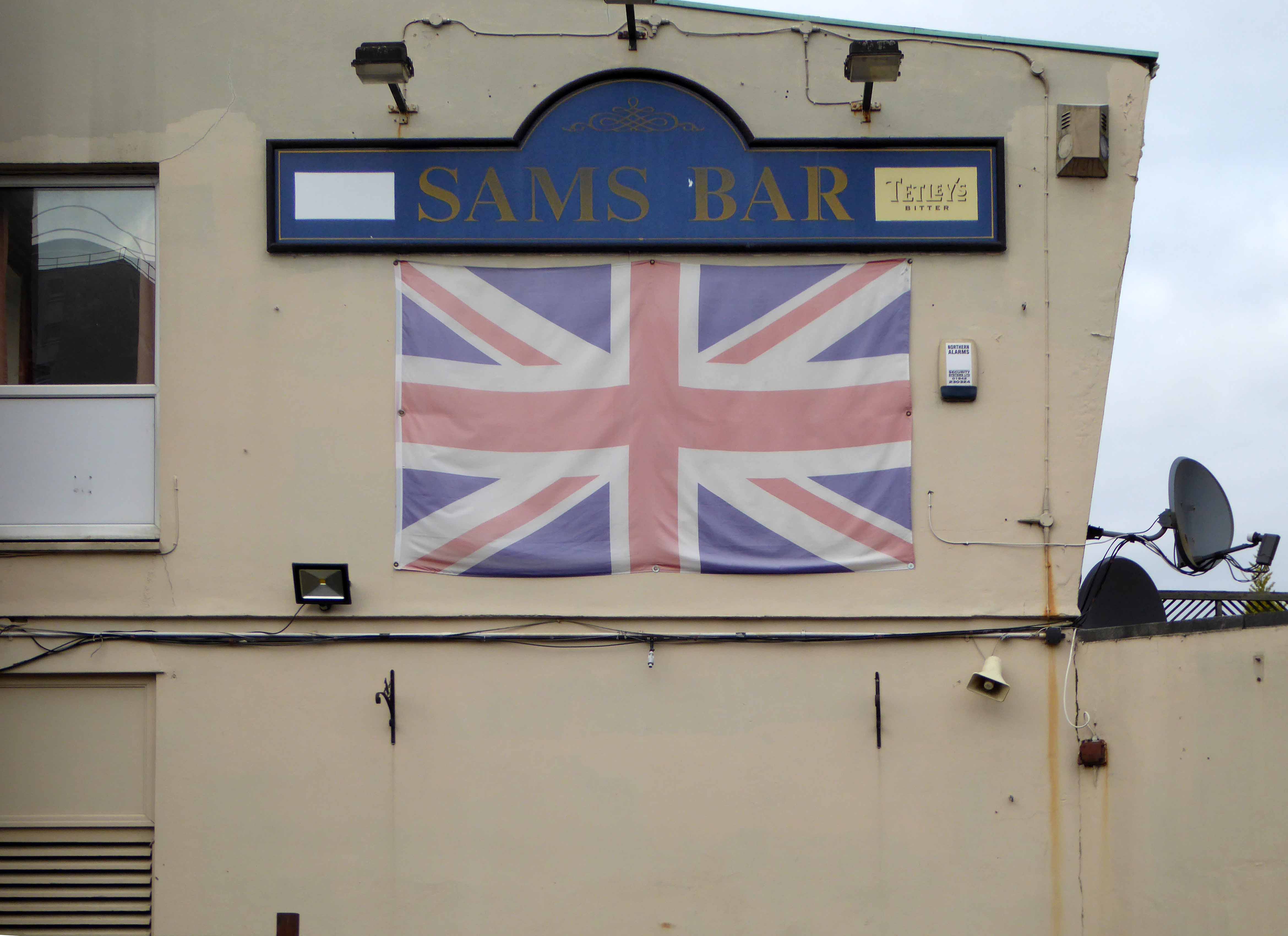
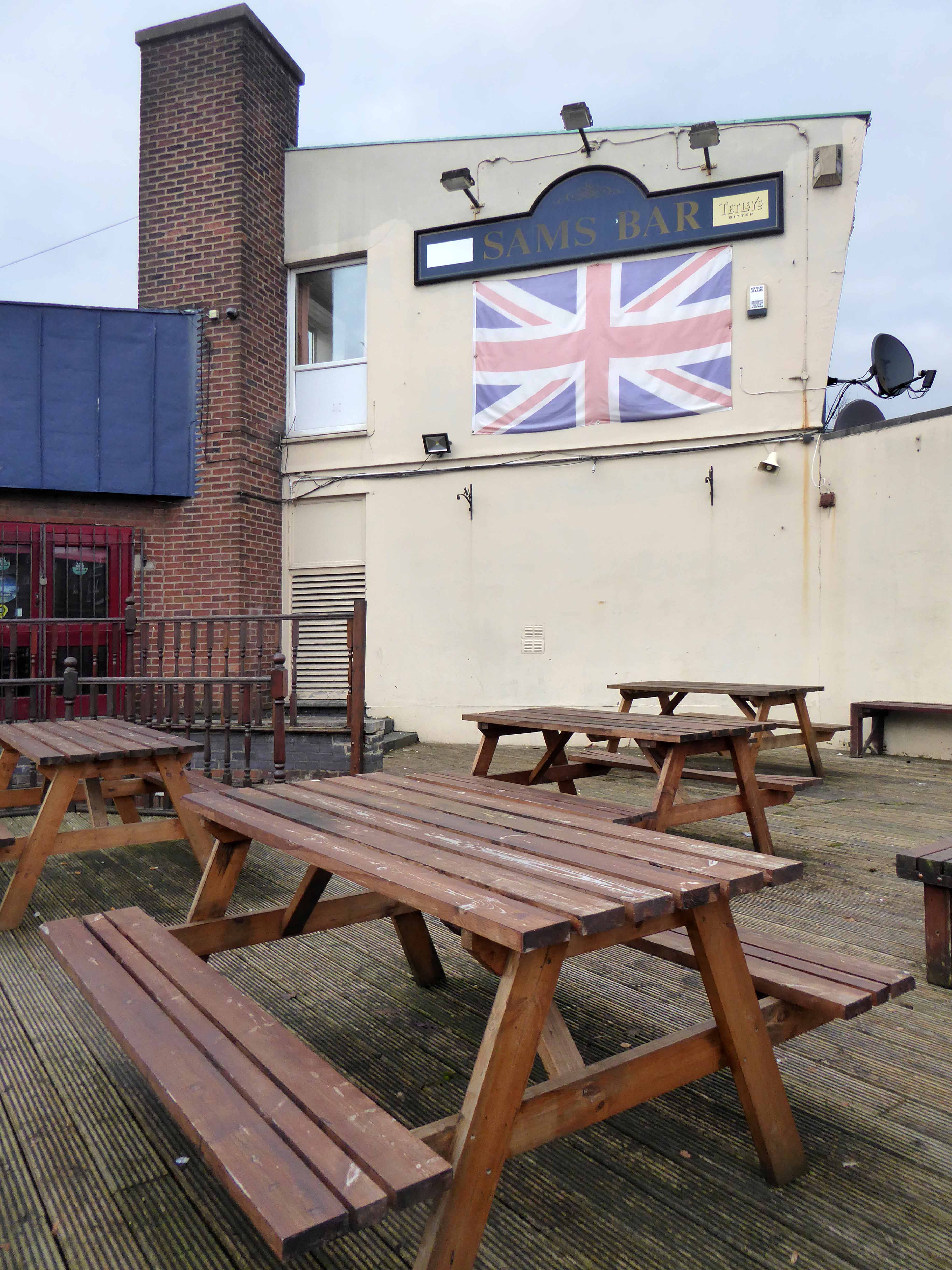
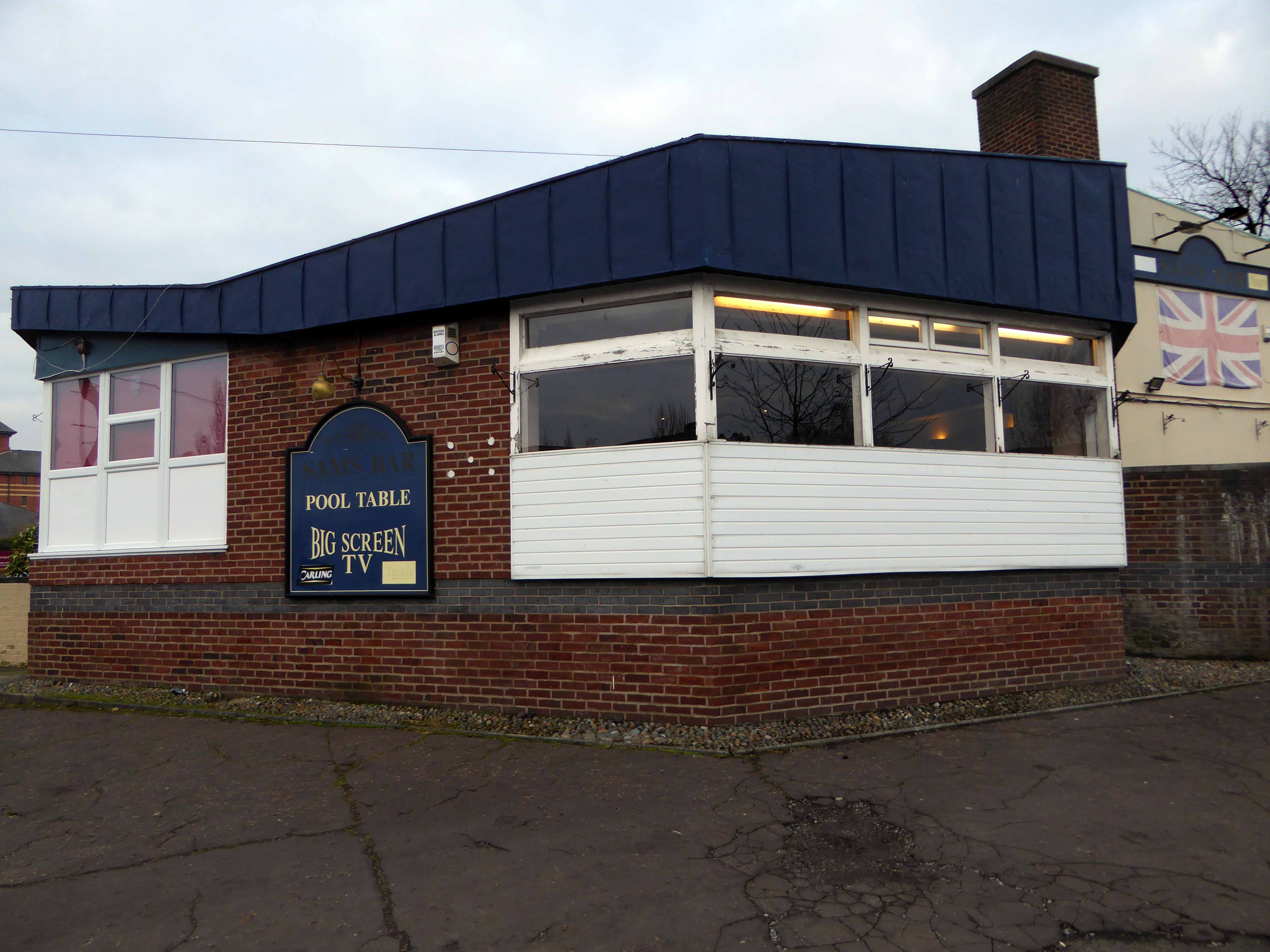
The pub now named Sam’s Bar, has retained its jolly jumble of modernist volumes and angles – though having lost the harlequin panels and off licence. Mid-morning the lights were on and the pub was surrounded by cars taking advantage of the £1.90 a day parking.
P1220736

The online reviews seem to divide opinion as to the quality of the current provision.

This pub is not a nice place to visit. If your not a regular you get leered at all night, the people and staff are absolutly terrible. You will wait at the bar all night waiting to get served, whilst all the regulars get their drinks. Then and only then will you get yours. You will see a fight at least once a night. Karaoke is only for those of us who are blessed with the ability to sing – they wont let you up again if not. This pub needs knocking down it’s a menace to society, out of 10 a big fat 0.
Solid, dependable and well-run. Friendly bar staff and regulars, local and national newspapers, rugby league memorabilia, jukebox, pool table, and very fair prices. Has been my local for years, ever since I got tired of the landlord turnover at the Cherries. I’ve never seen anyone refused a go at karaoke, including me, and I can’t sing, and rarely pick a song anyone likes. So you carry on spouting tripe, and I’ll carry on drinking at Sam’s Bar Scholes.

Beer in the evening.

You’ll have to swing by and judge for y’self – my own karaoke tune of choice as ever:

In The Ghetto.


P1220729

P1220731

P1220733

P1220735

P1220738

P1220740

P1220741

P1220742

P1220744

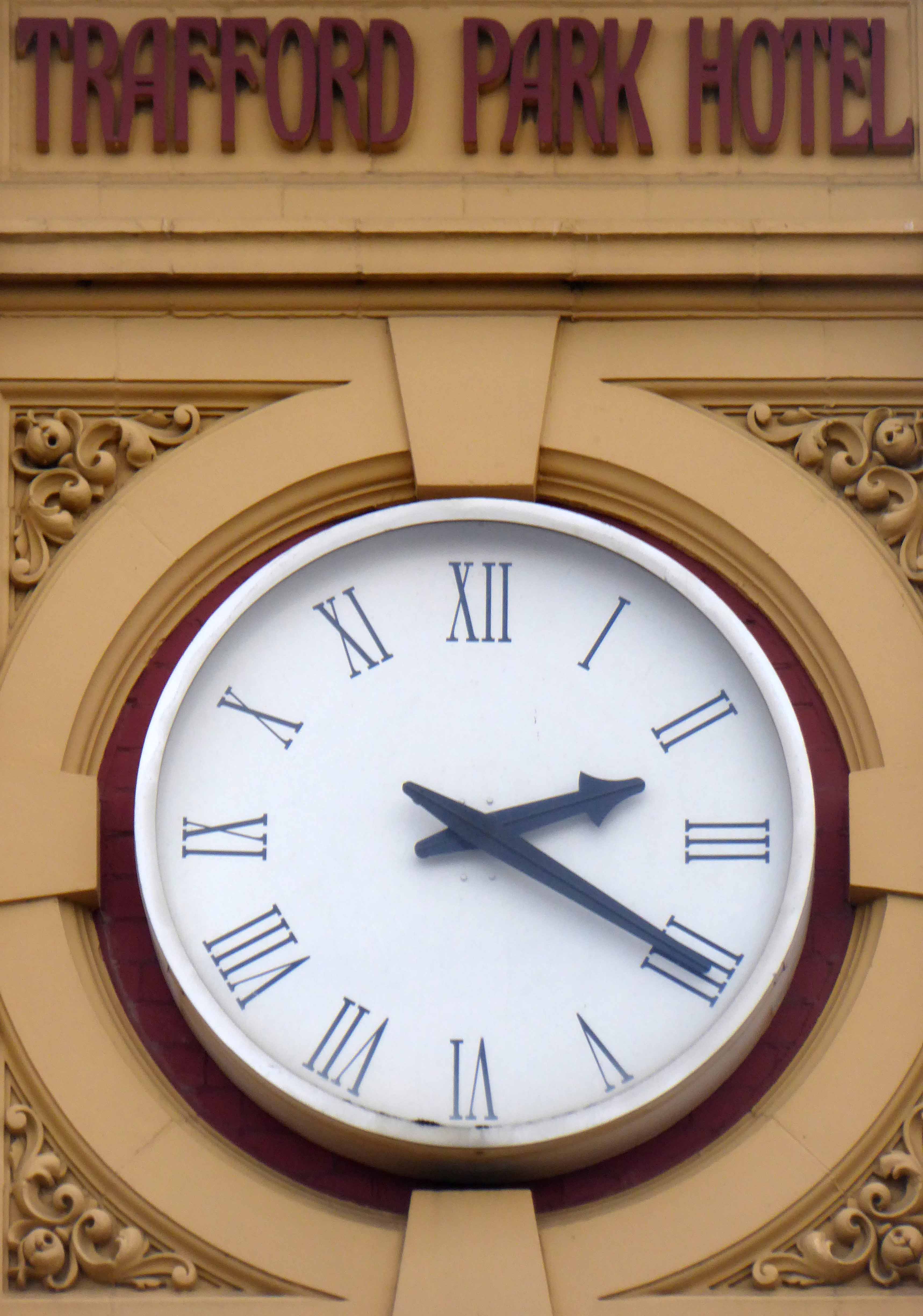
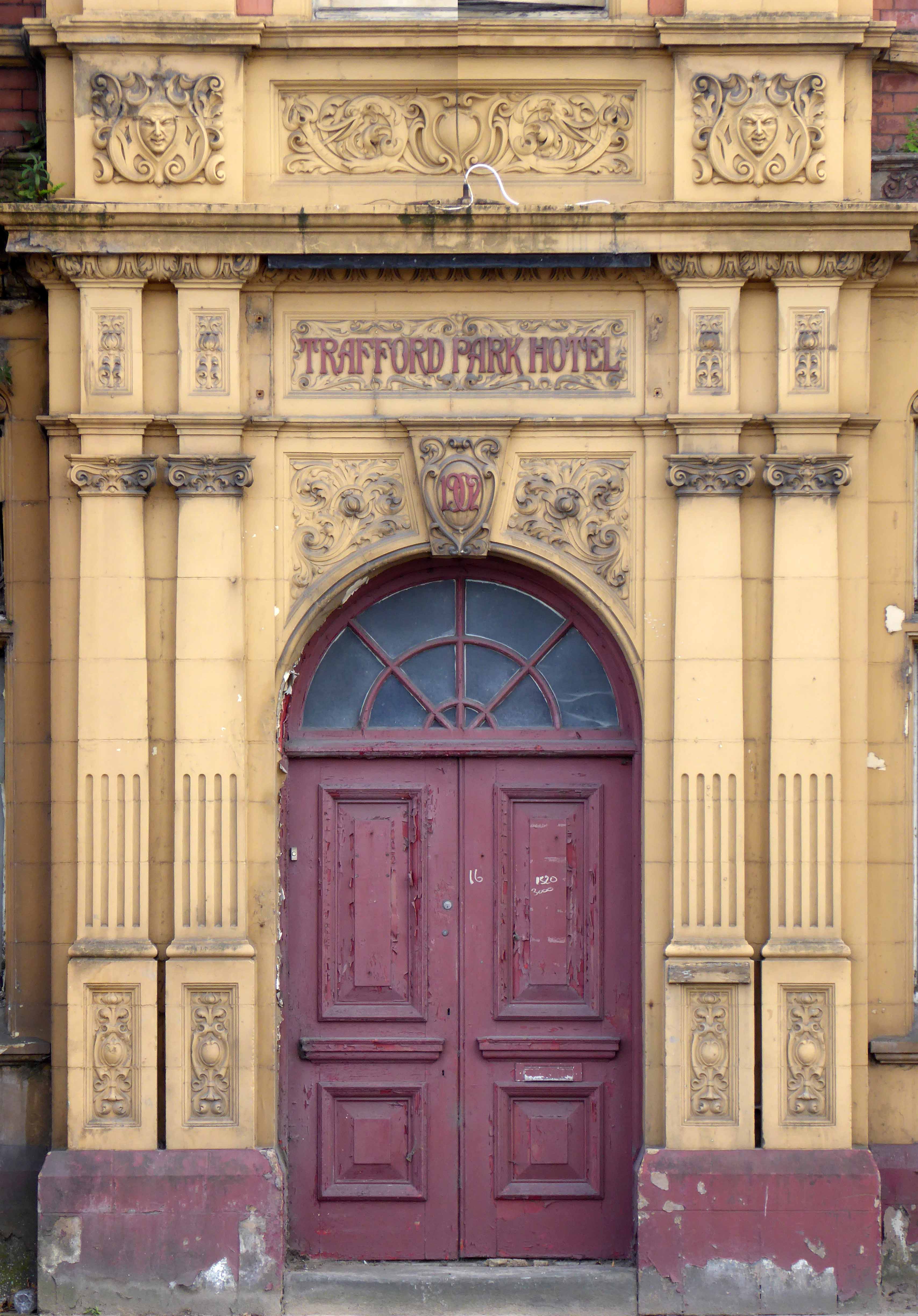
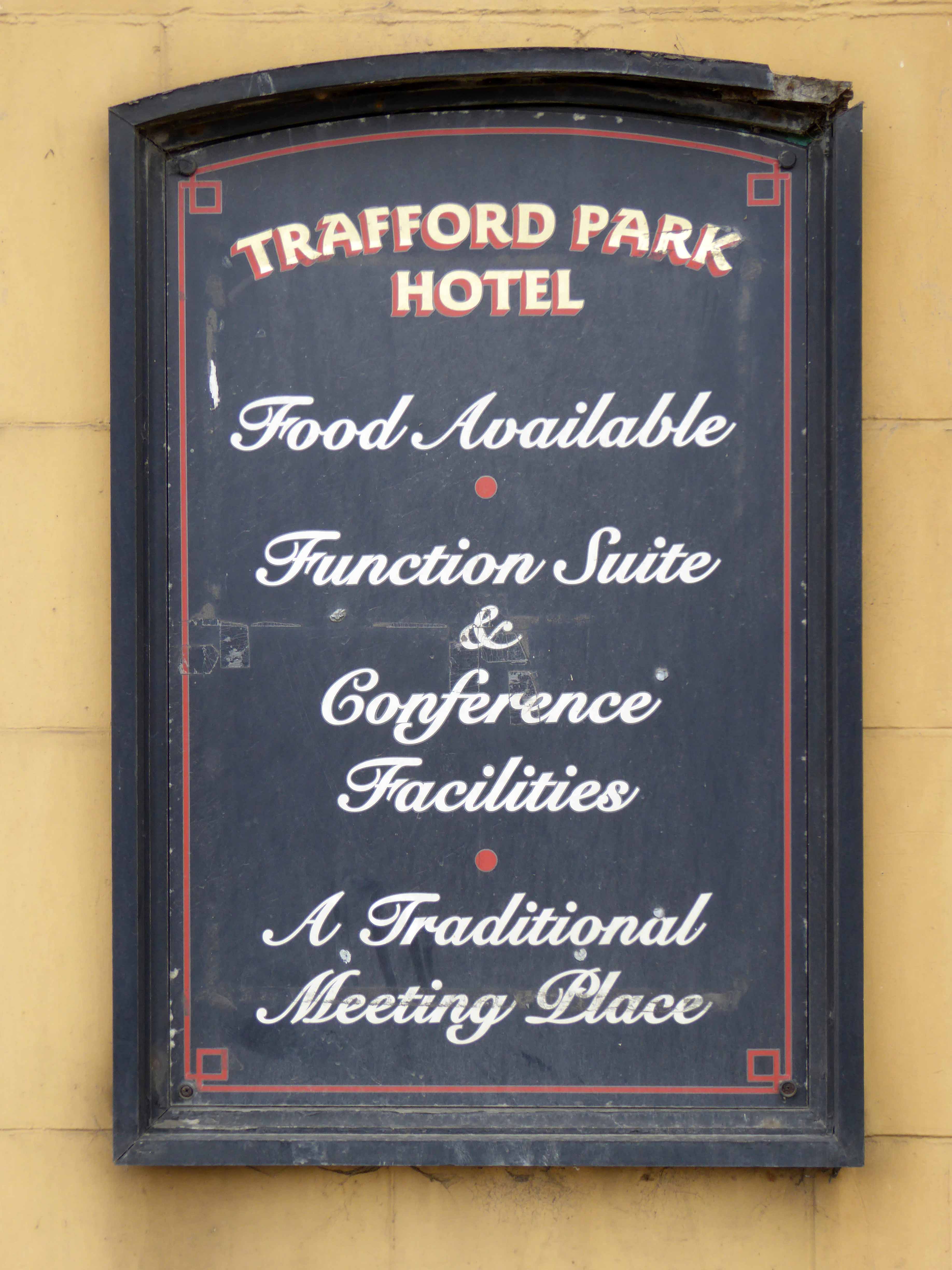
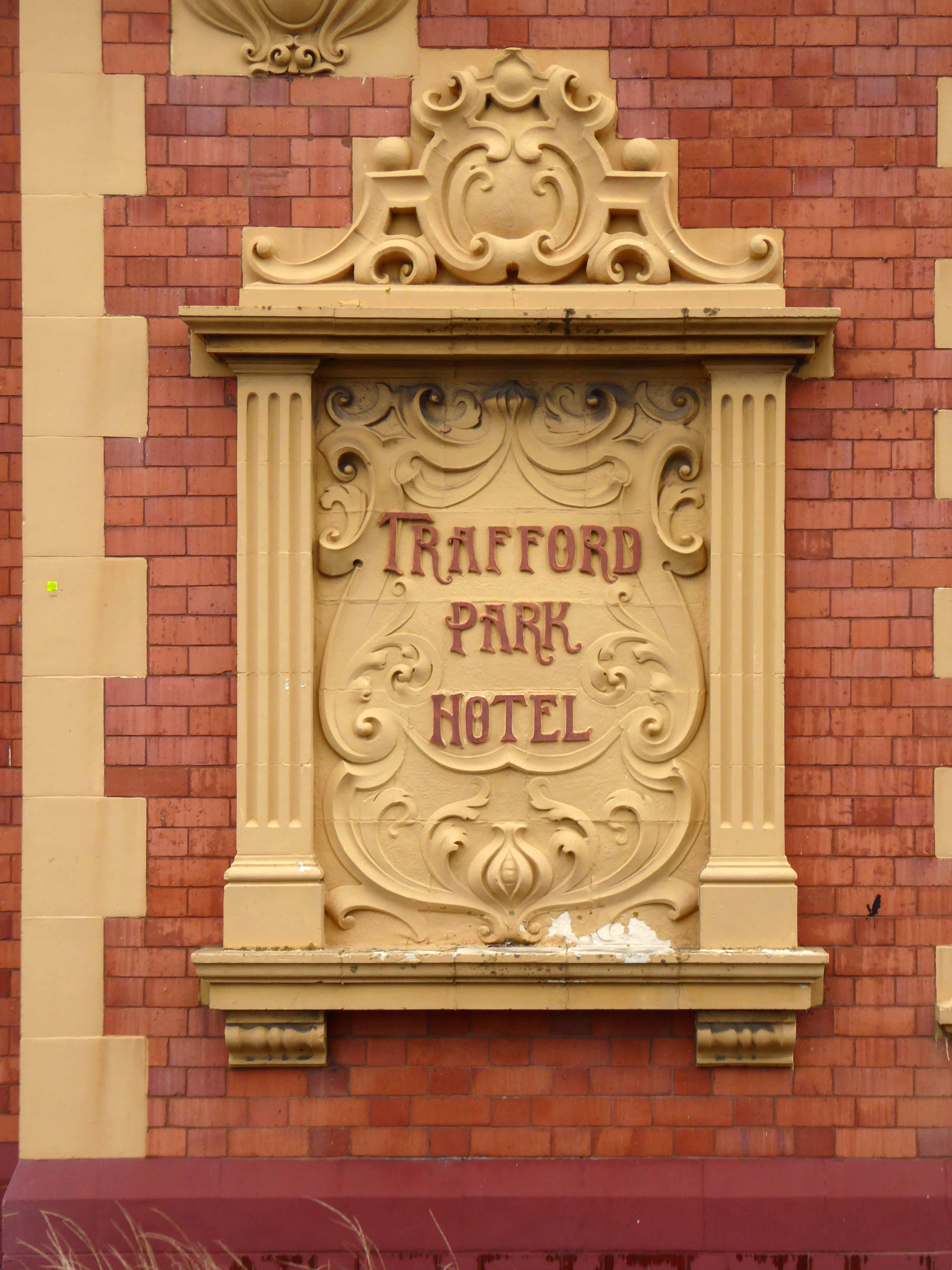
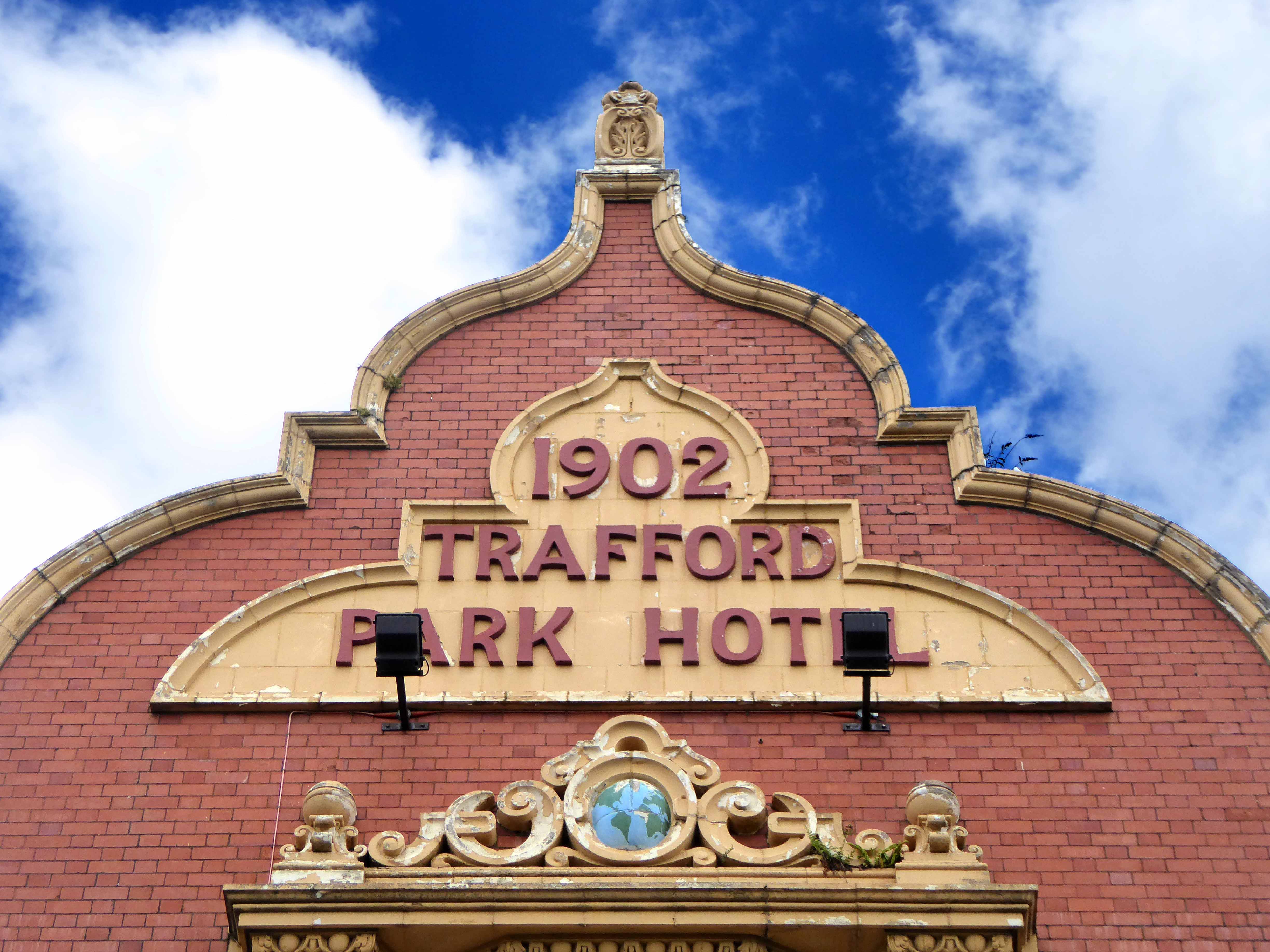
Trafford Park Hotel

It takes a whole corporation to raise a village:

The first American company to arrive was Westinghouse Electric, in 1899, and purchased 130 acres on two sites. Building work started in 1900, and the factory began production of turbines and electric generators in 1902. By the following year, British Westinghouse was employing about half of the 12,000 workers in Trafford Park. Its main machine shop was 899 feet long and 440 feet wide; for almost 100 years Westinghouse’s Trafford Park works was the most important engineering facility in Britain.

In addition to the factory Westinghouse built a village for his workers on the American style grid system of avenues and streets.  The community had shops, eating rooms, a dance hall, schools, a church, and a cinema.

Eleventh_avenue_trafford_park_1910

And where there is people there is almost inevitably pubs, as sure as night shifts follow day shifts.

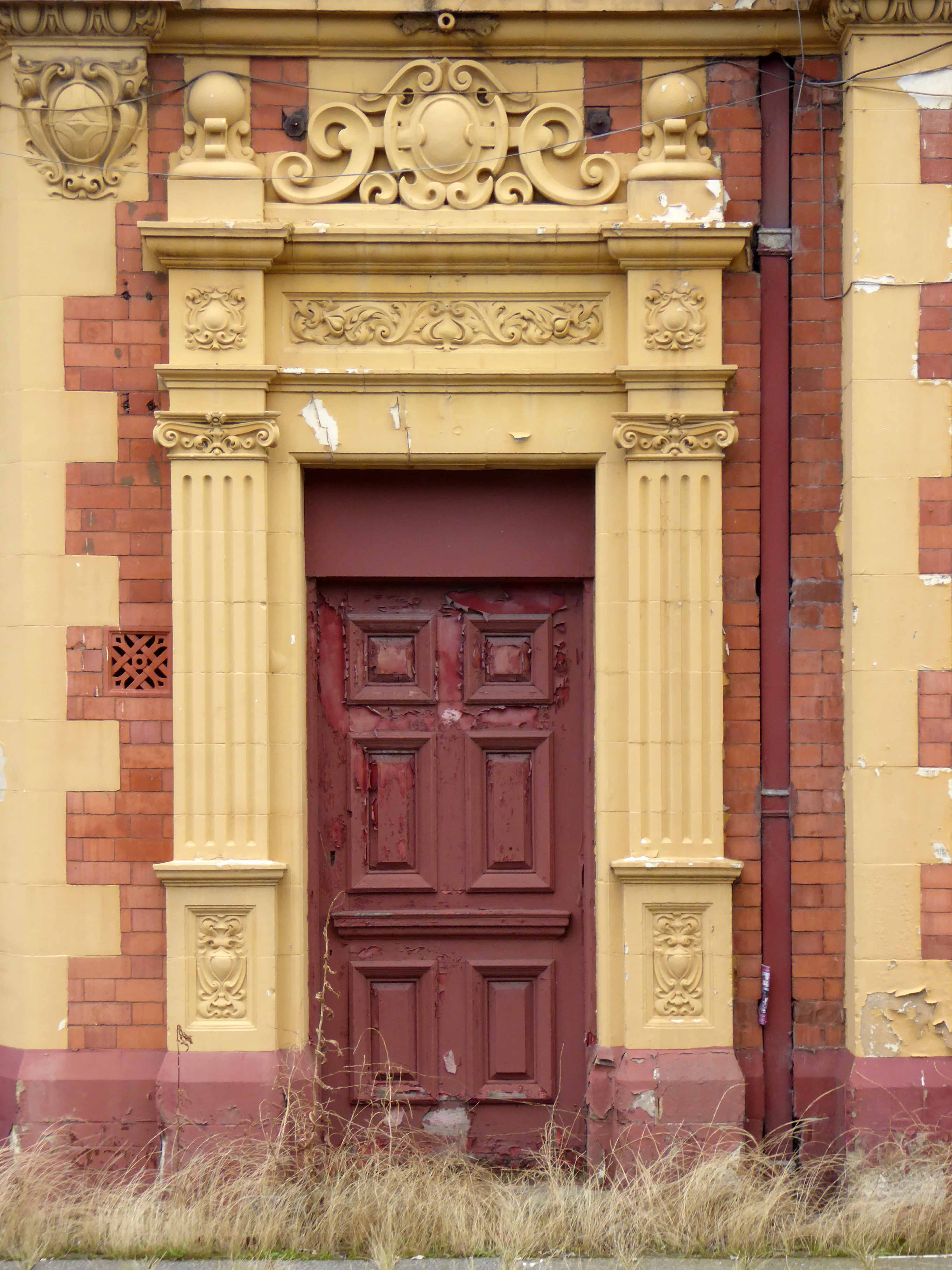
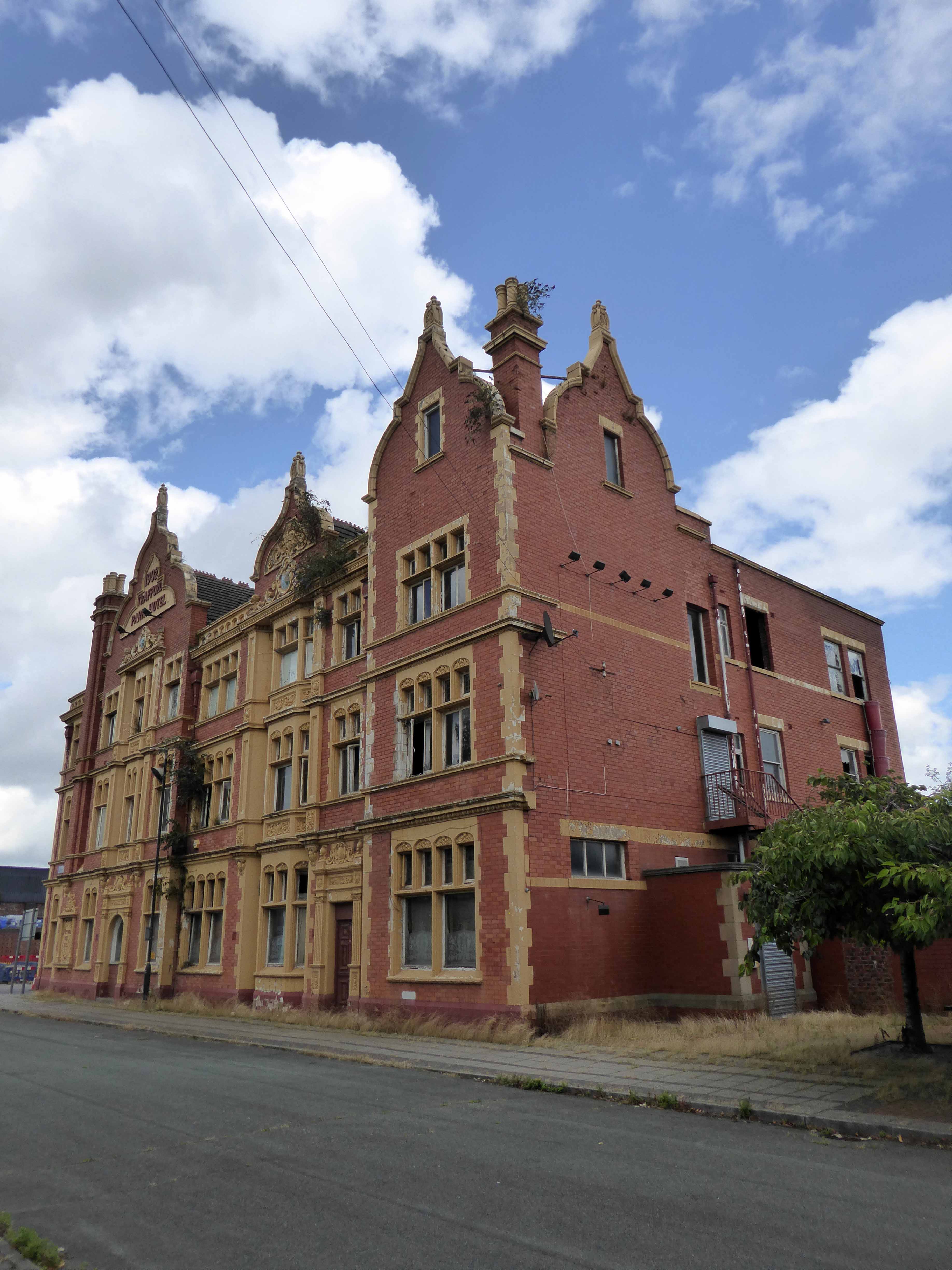
Trafford Park Hotel

Built in 1902 to keep the Trafford Park industrial dust down, quenching the thirst of the workers employed in the world’s first and largest industrial estate – get in and get outside a pint or two.

Speed headlong through the years and by 1984, a mix of industrial and economic decline and the general move away from the urban mix of housing and factories, the end is in sight for most of the Village’s homes.

Untitled-3

Photograph Nigel Richards

Move a little further along the line and by 2009 and the pub is closed, temporarily home first to a marijuana farm, and subsequently squatters.

Paul, 46, originally from Chew Moor, Bolton, was left homeless in May when his house was repossessed after he lost his job as a mechanical engineer. He found The Freedom Project through its Facebook group and was invited to move in to the Trafford Park Hotel. He said: “The group is apolitical – it’s about freedom of expression, activity and thought.” Enterprise Inns have taken members of The Freedom Project to Salford County Court where a judge gave the brewery an order for possession of the building. 

Enterprise Inns declined to comment.

It takes a whole judicial system and corporate clout to deny a man home.

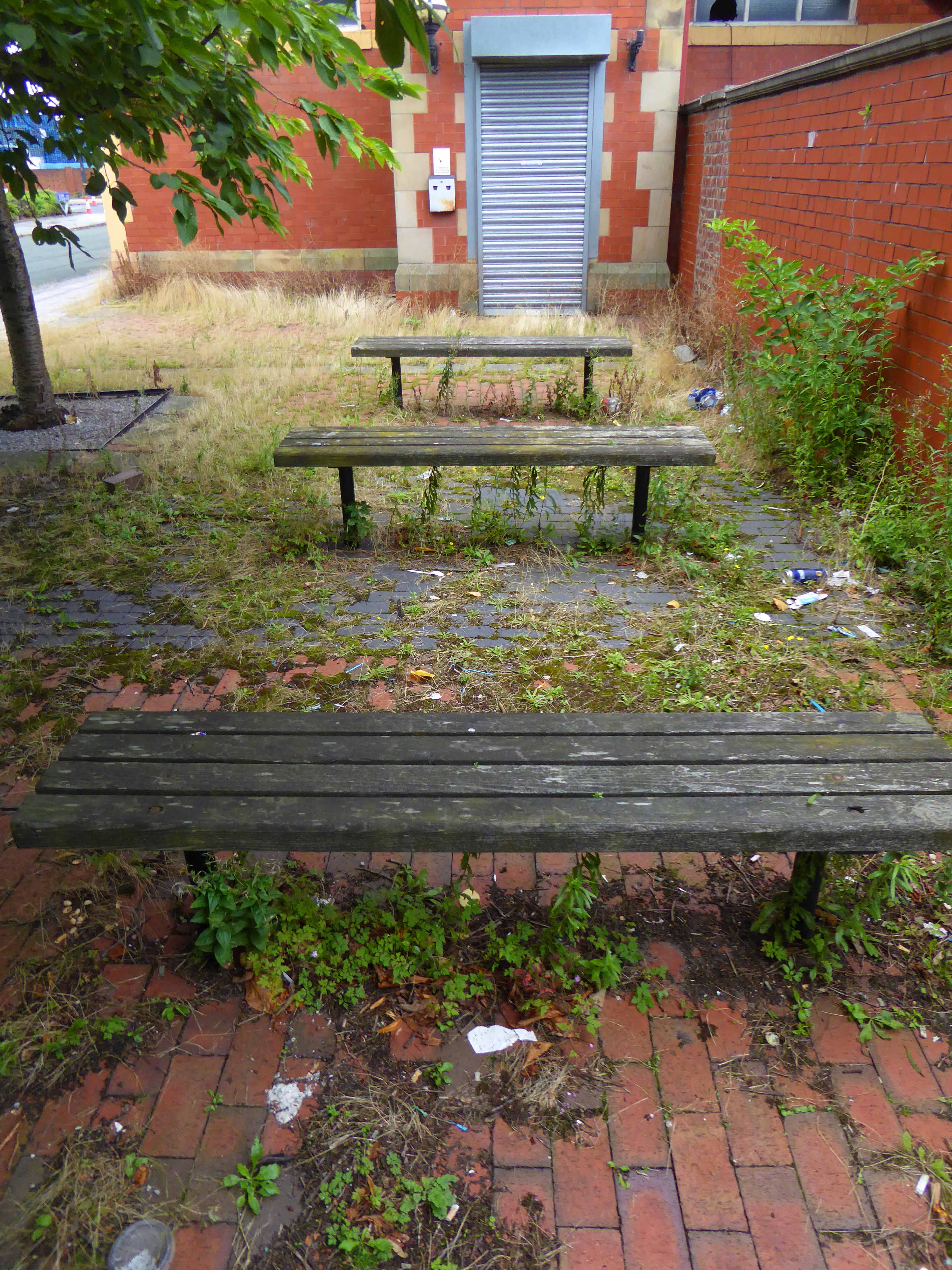
In February 2017 pub was sold for £900,000, though on the day of my August visit there were few signs of the planned conversion to flats or hotel.

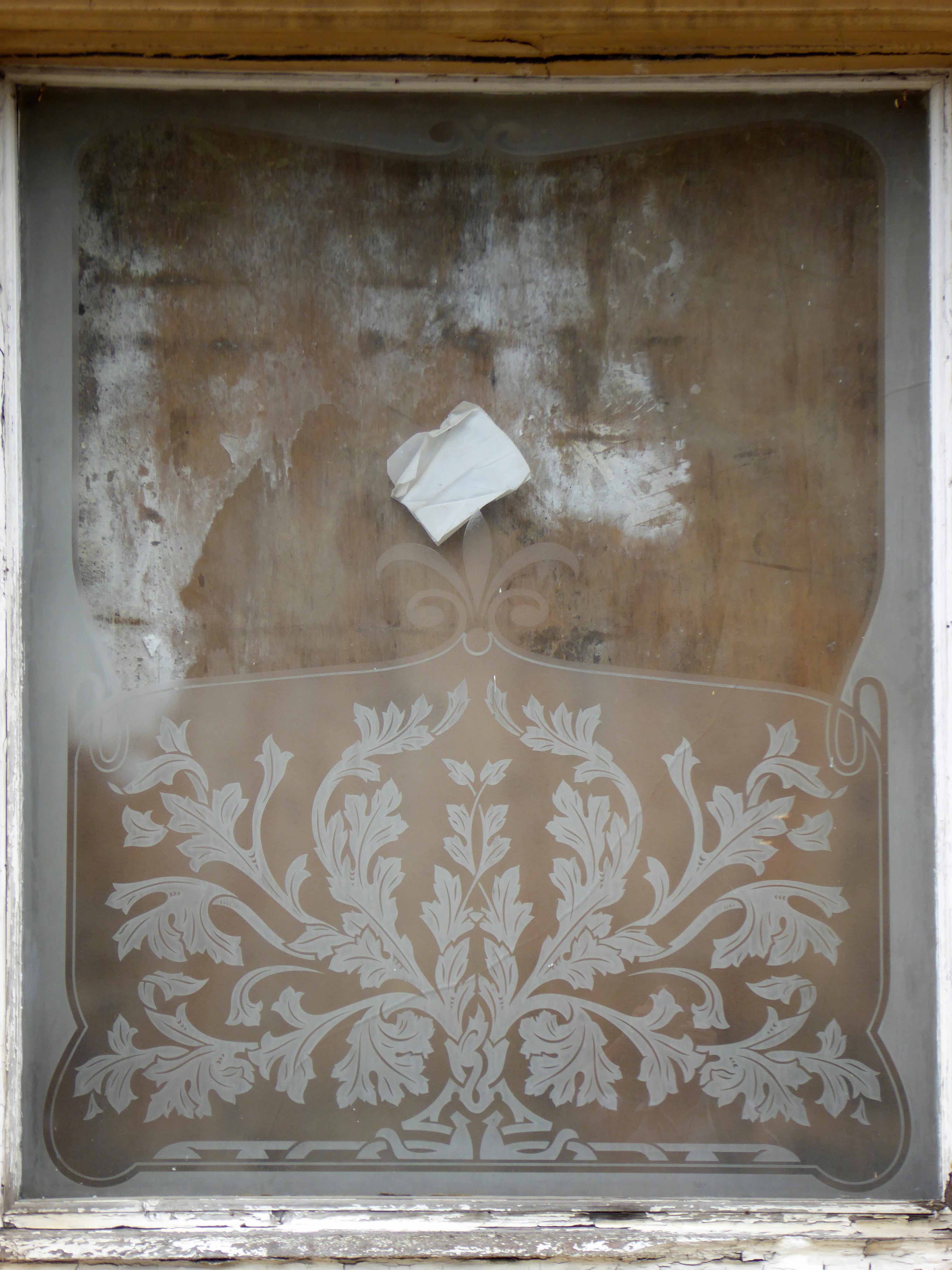
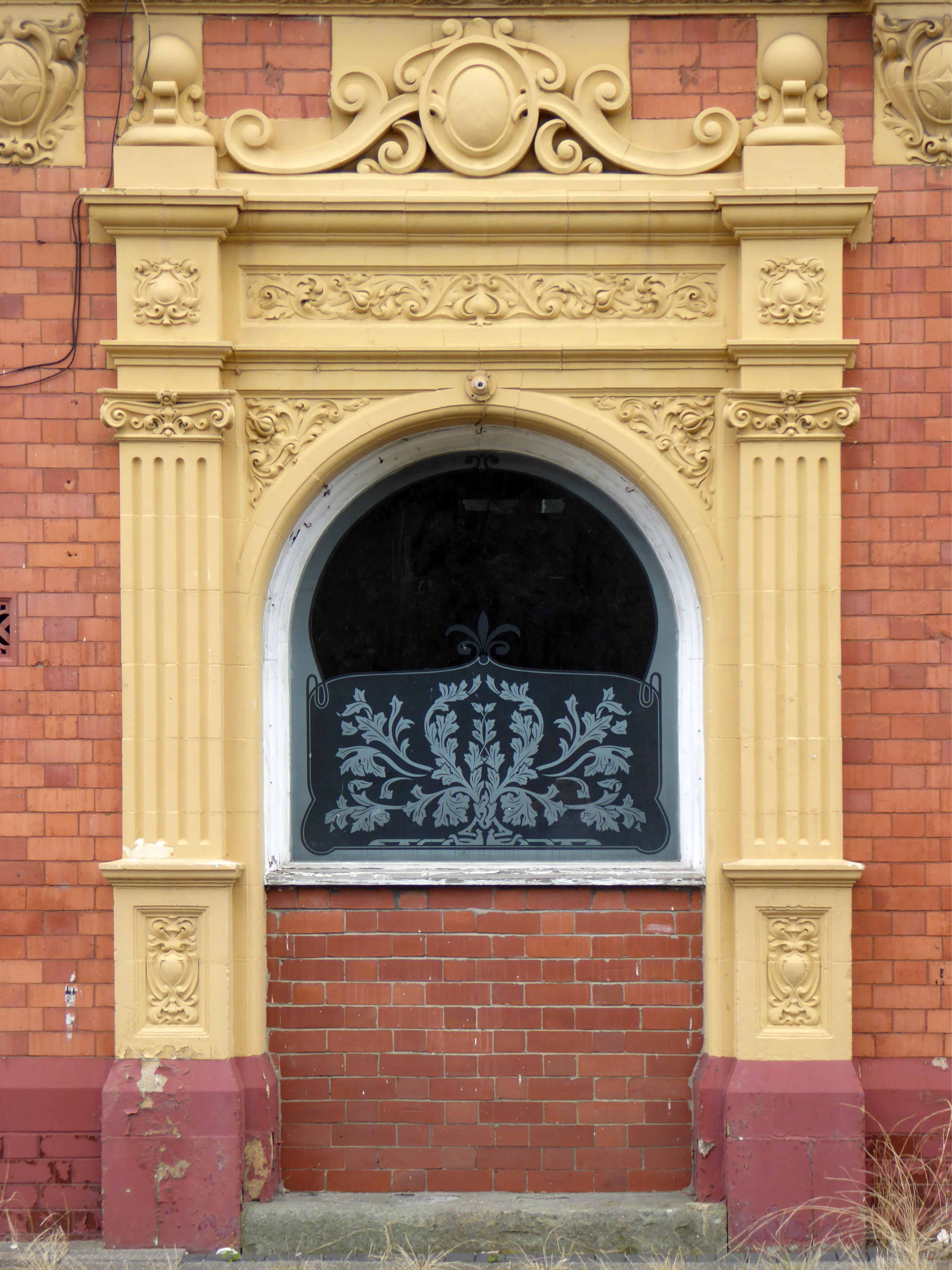
One day time will be called on time itself, in the meantime take a walk down the Avenue and feast your eyes on a Grade II  listed terracotta and brick behemoth.

P1180834

P1180832

P1180836

P1180837

P1180838

P1180839

P1180840

P1180841

P1180842

P1180843

P1180844

P1180845

P1180847

P1180848

P1180849


P1180860

P1180861

P1180862

P1180852

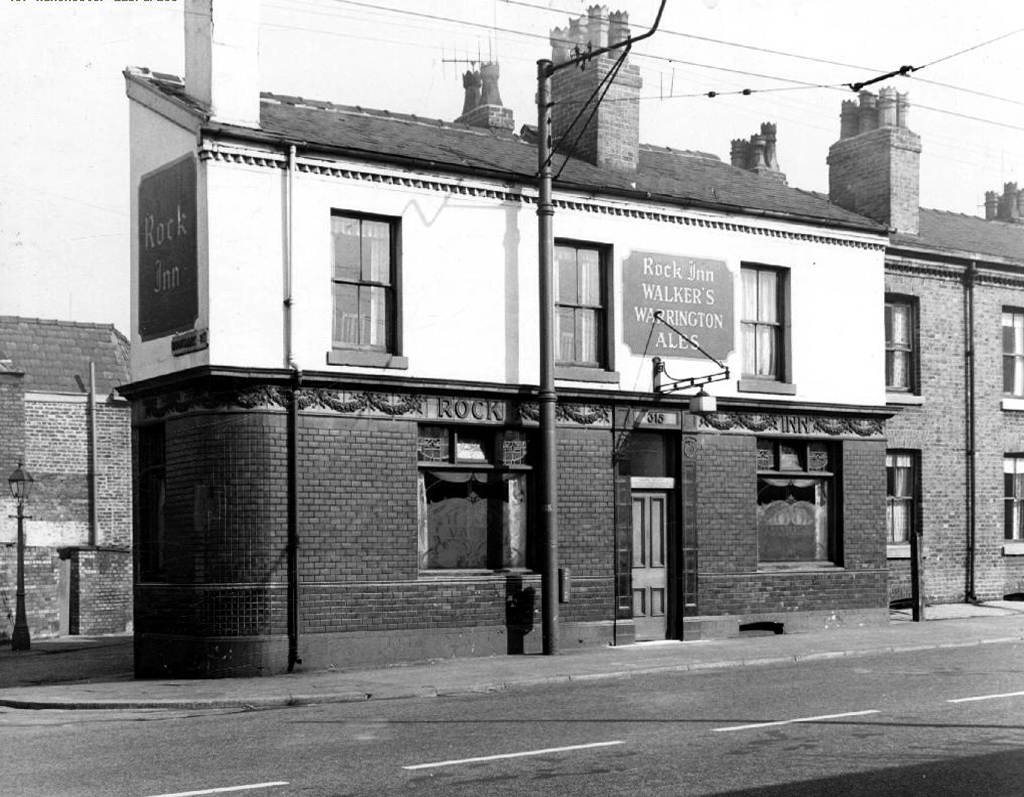
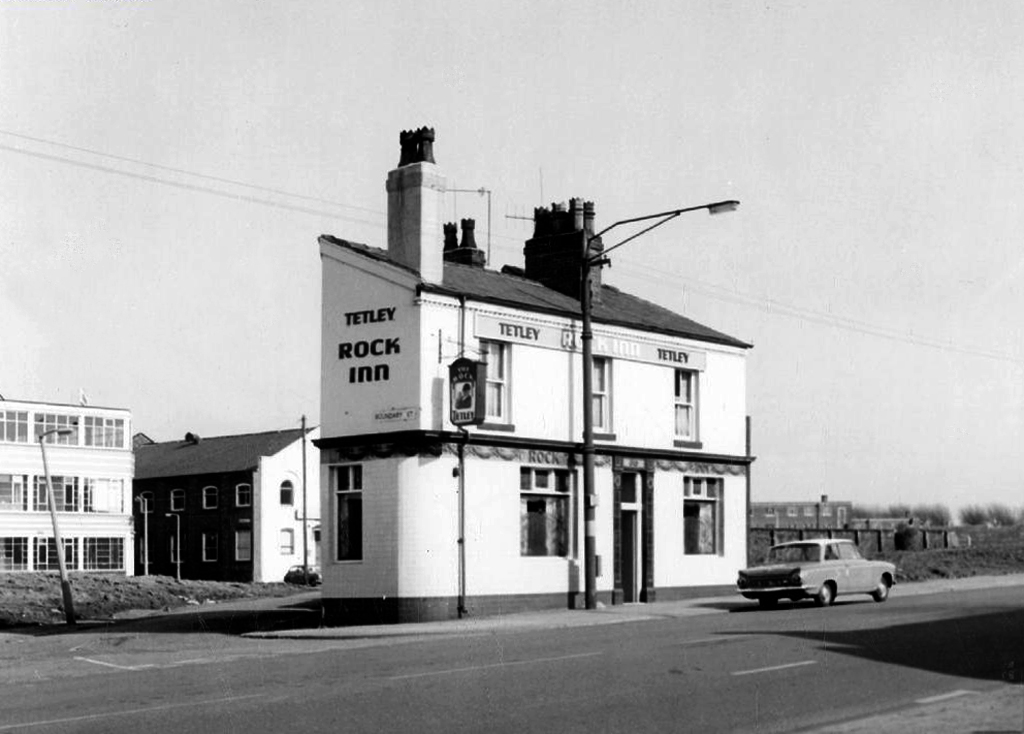
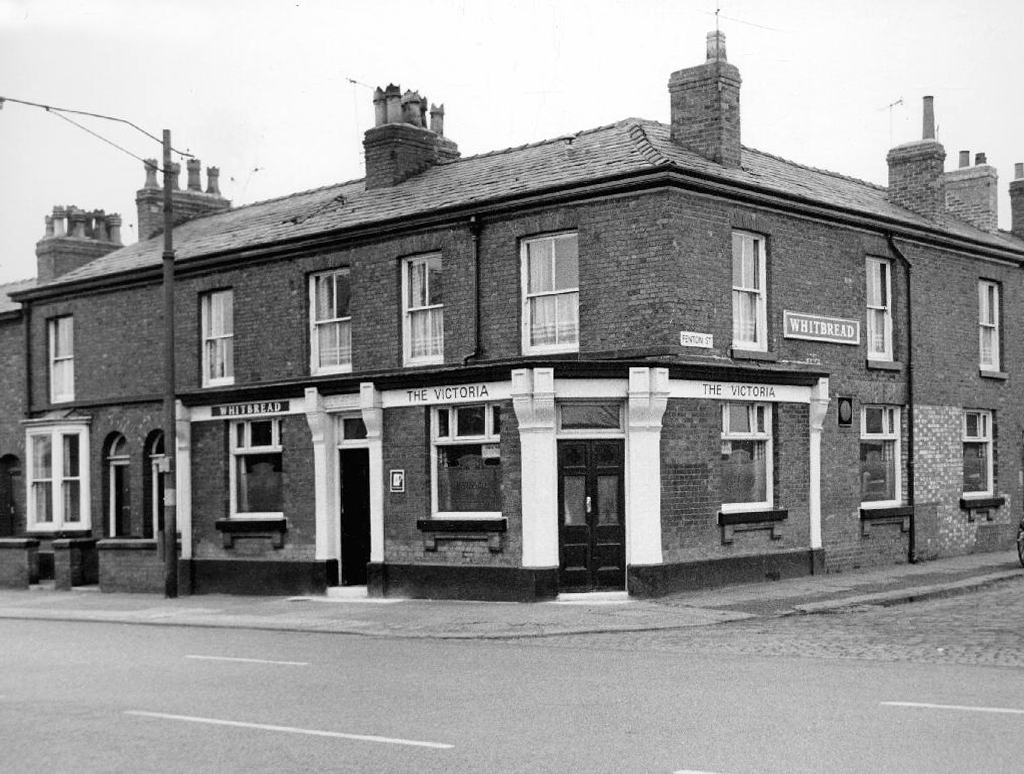
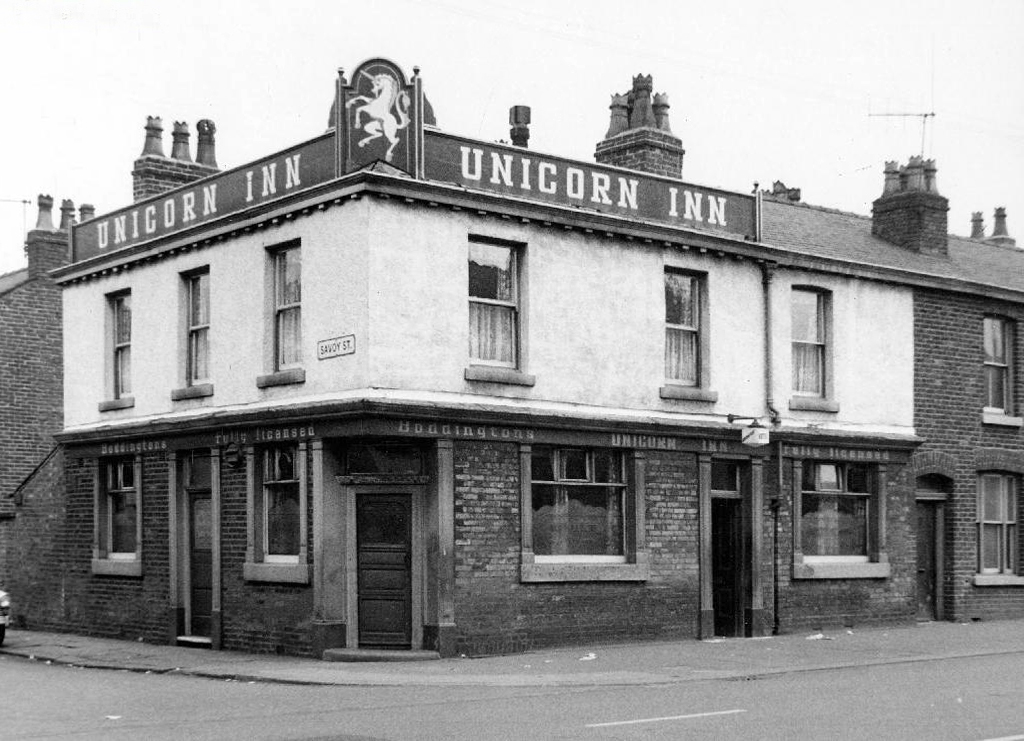
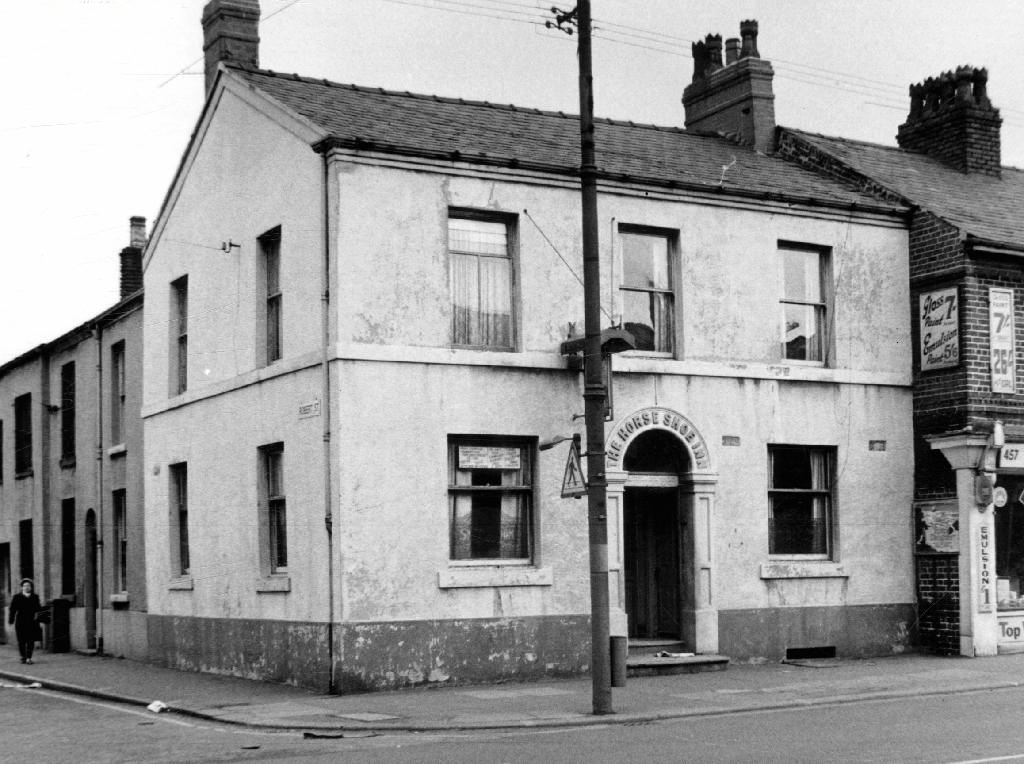
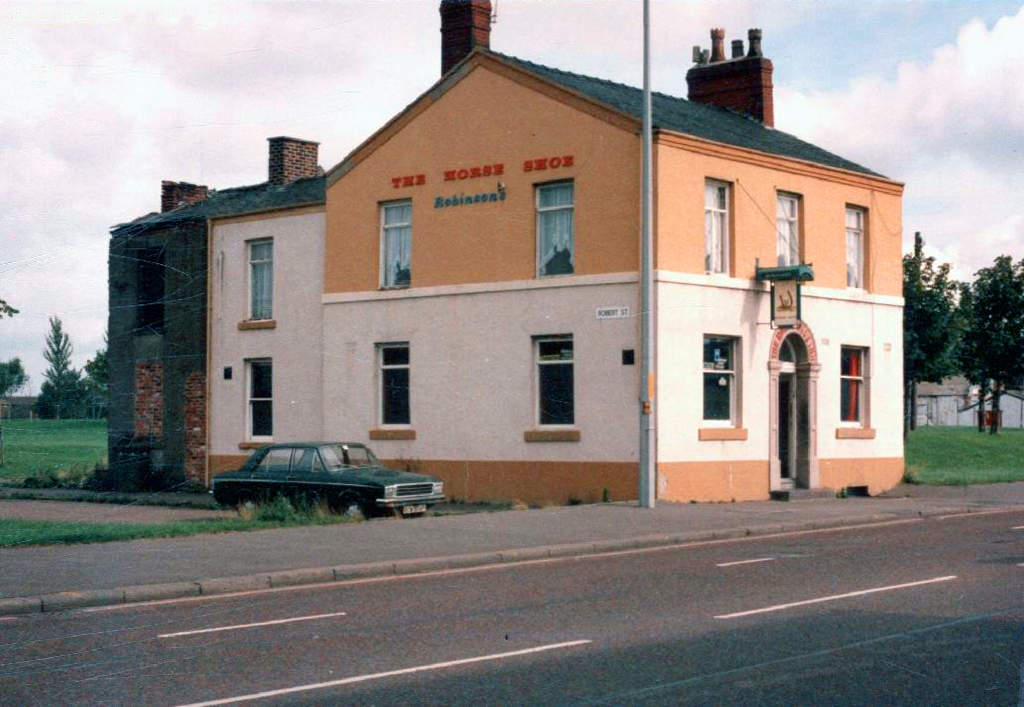
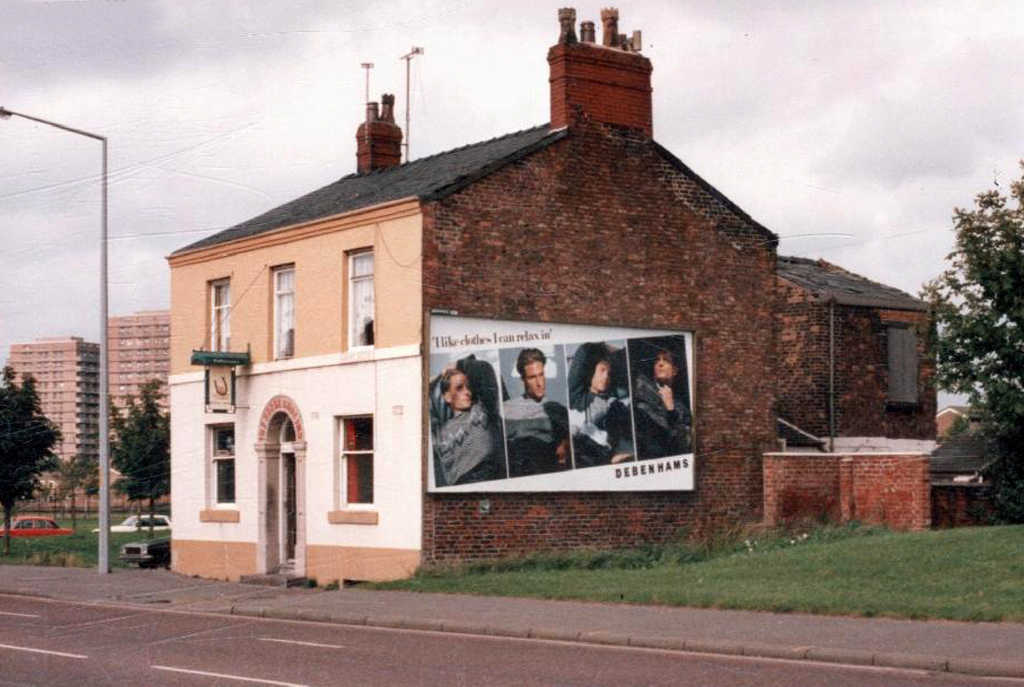
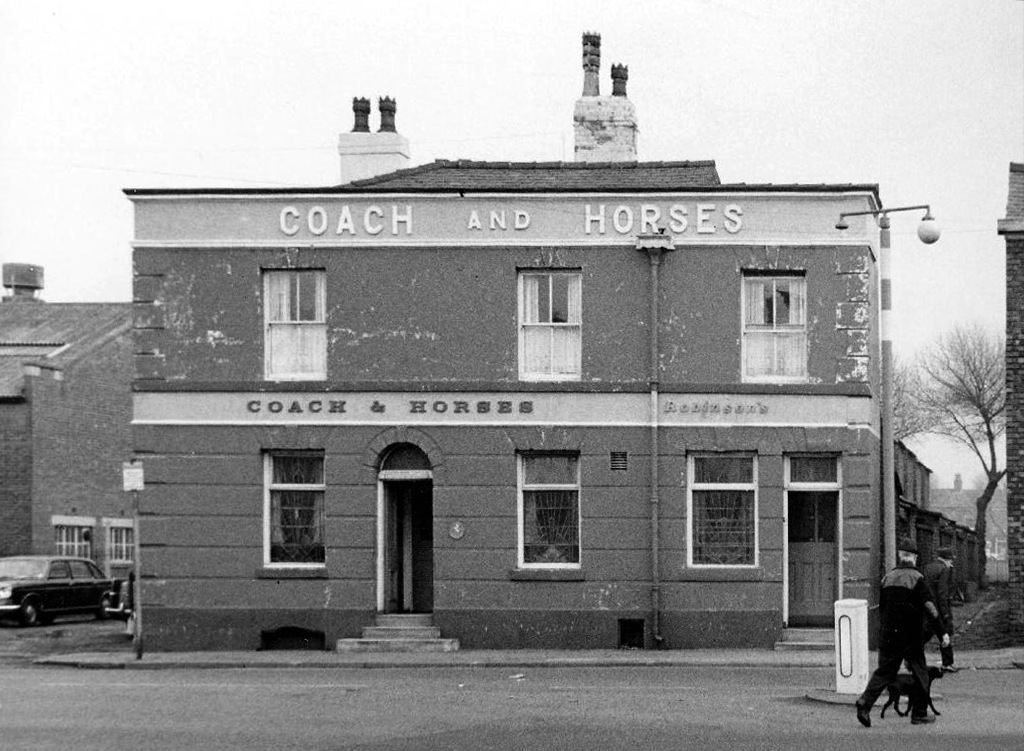
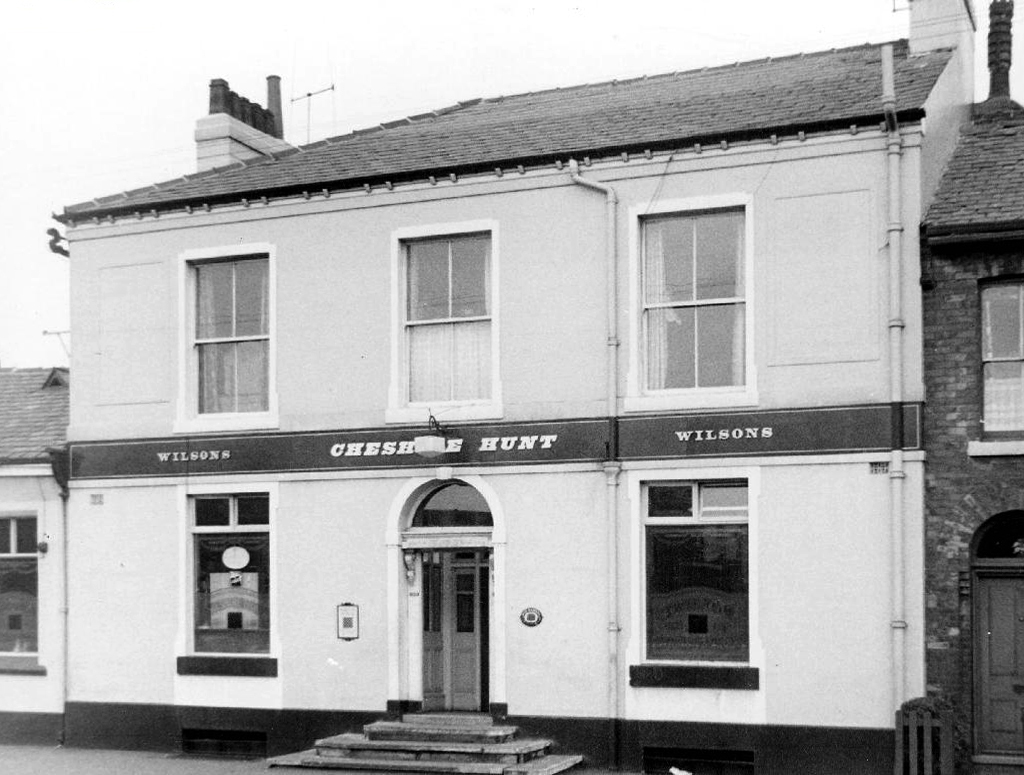
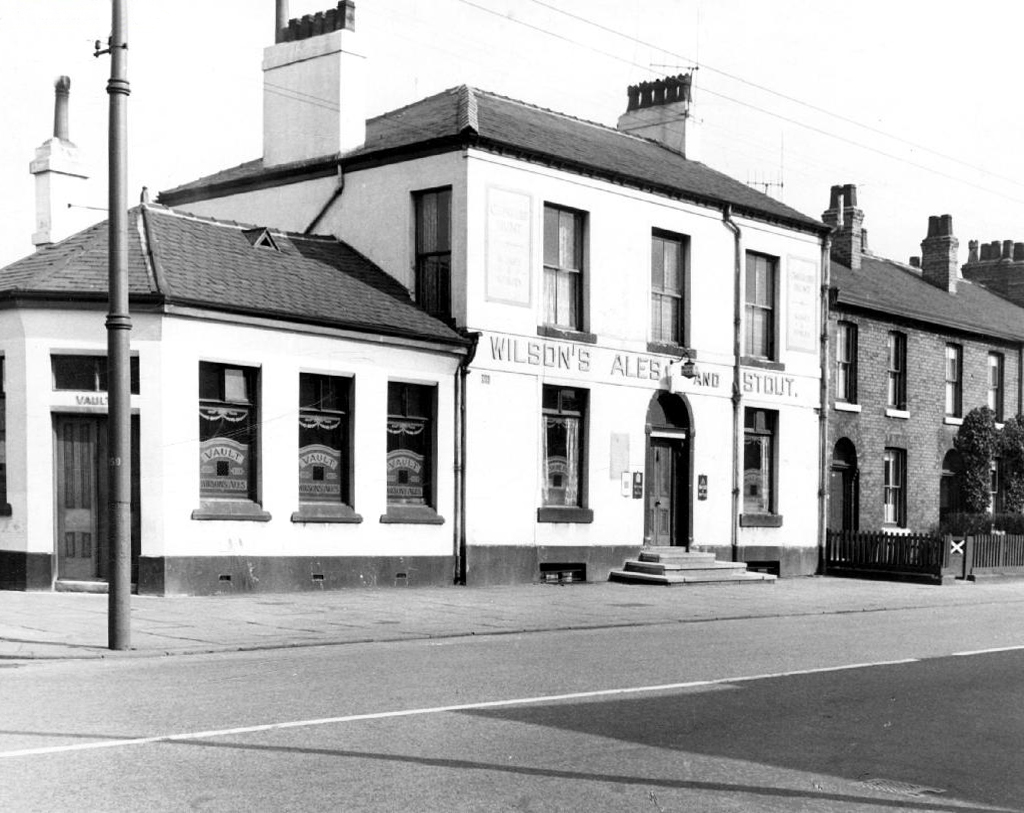
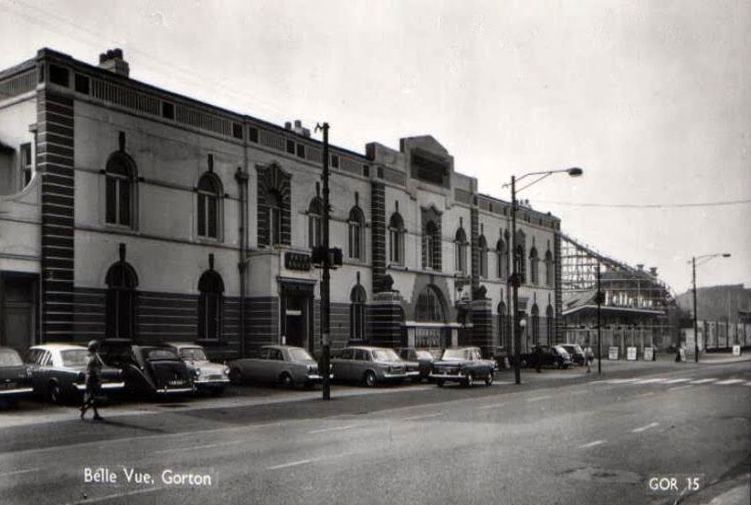
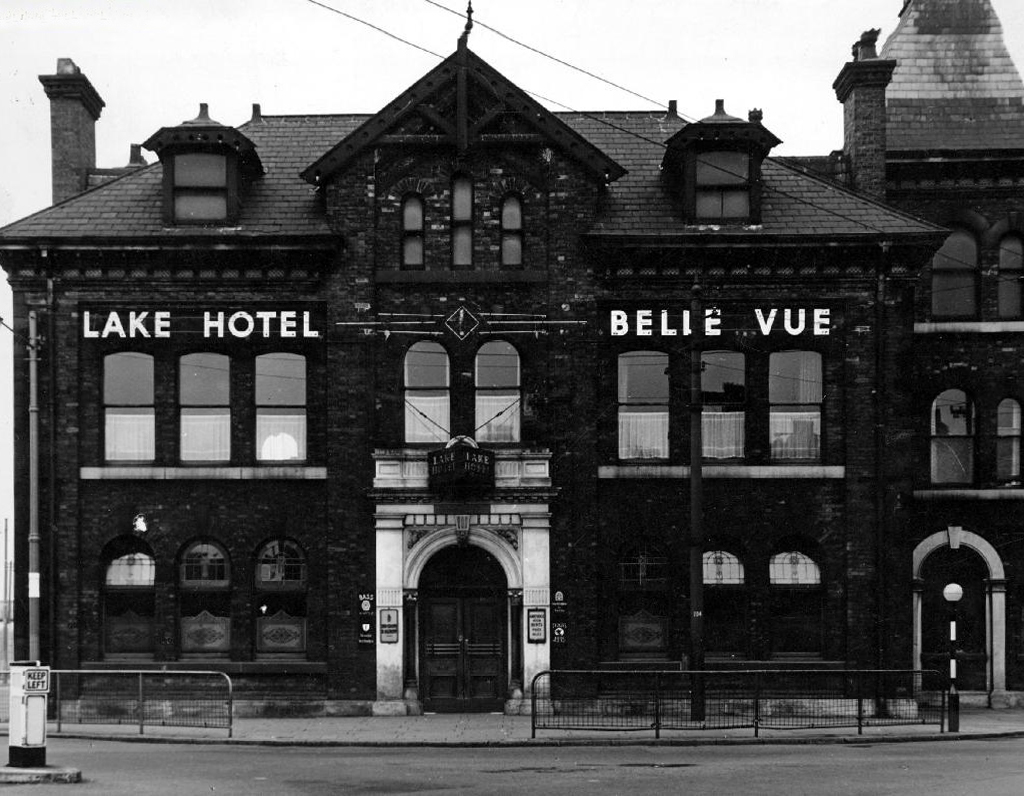
Hyde Road Pubs – Gorton Manchester

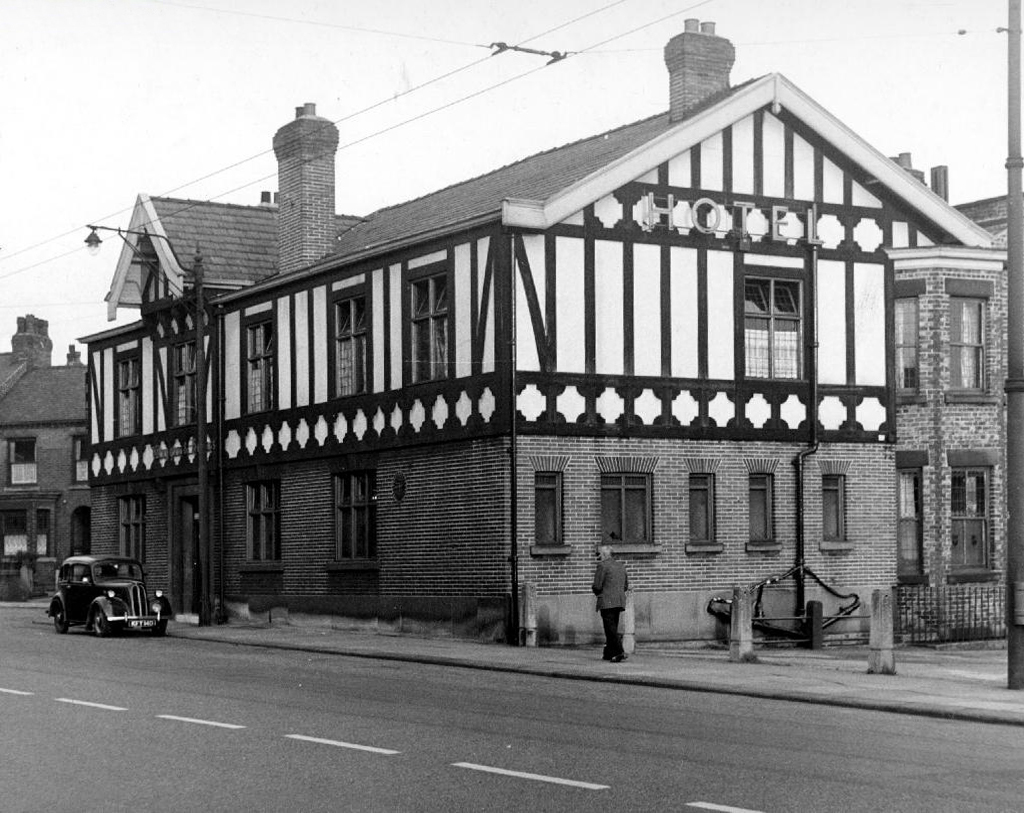
For almost fifty years I’ve cycled, walked and taken the bus up and down Hyde Road.

To work or to take snaps.

Or take a drink.

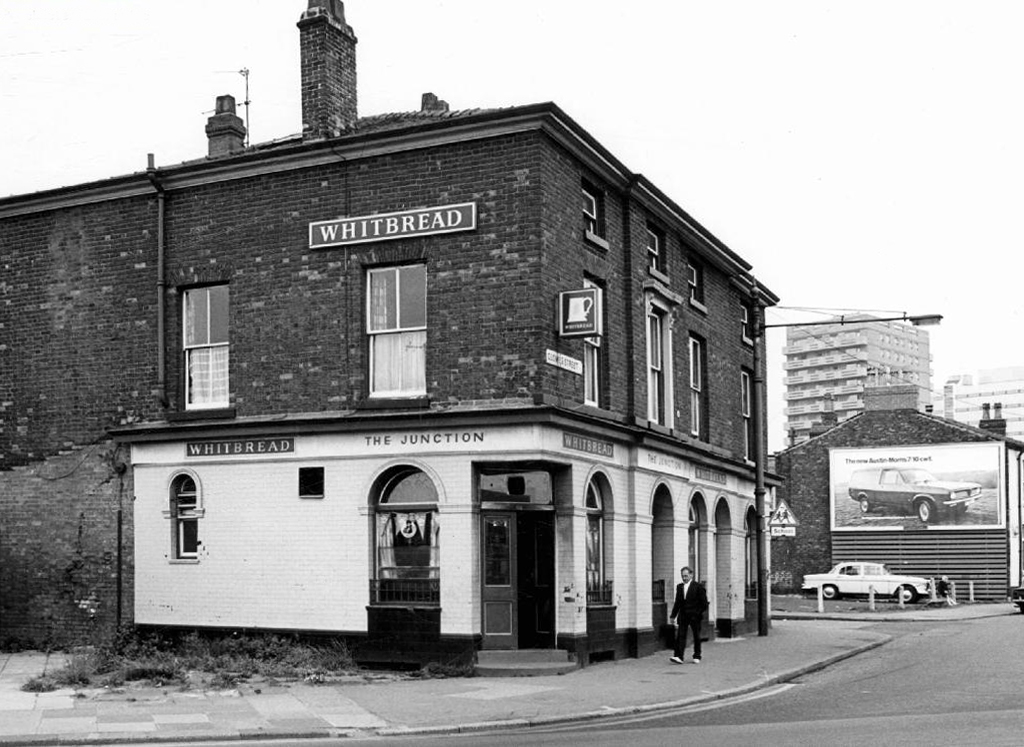
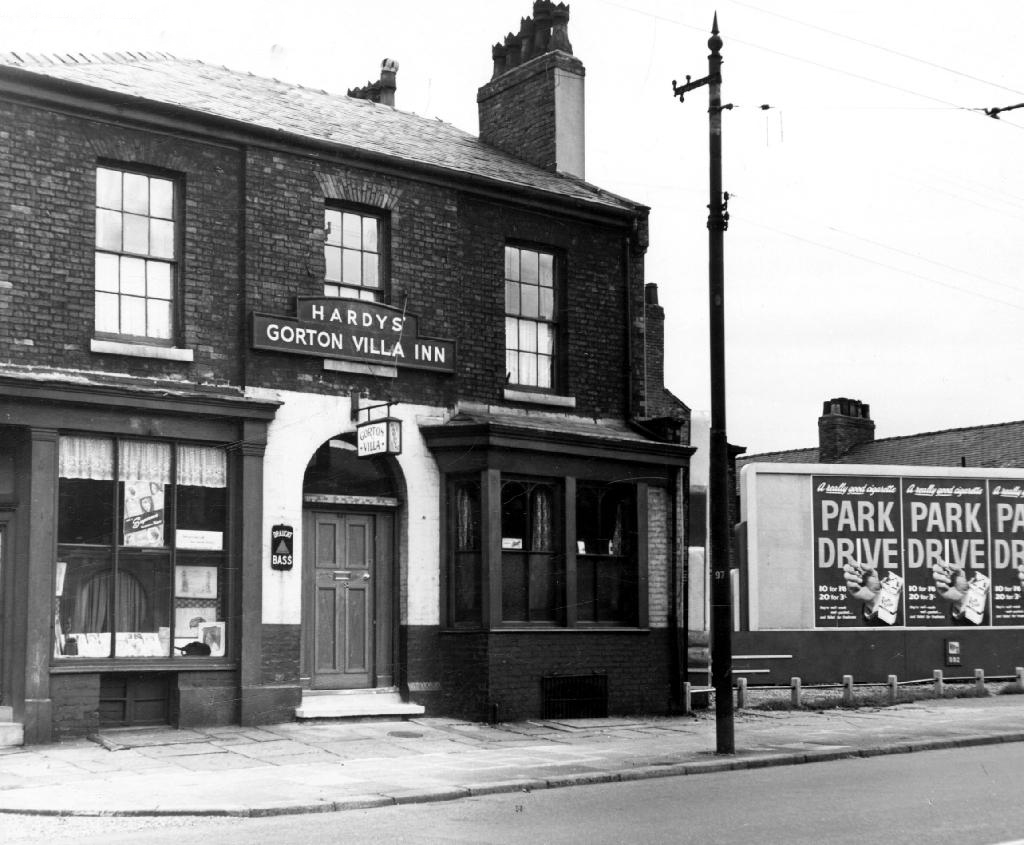
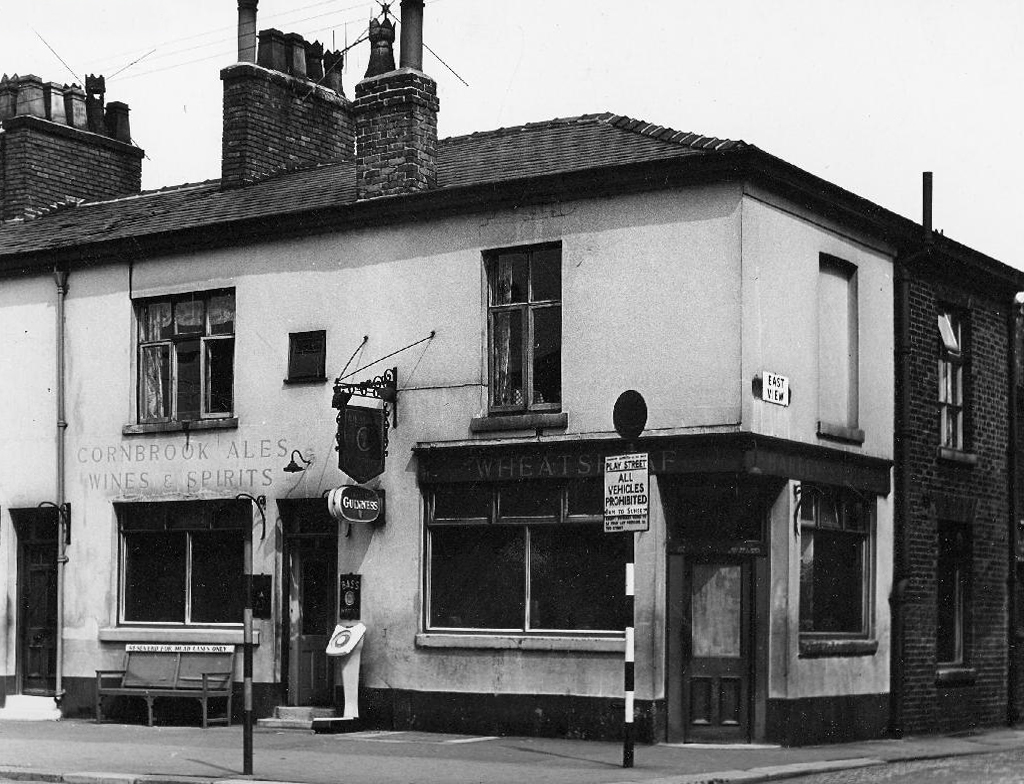
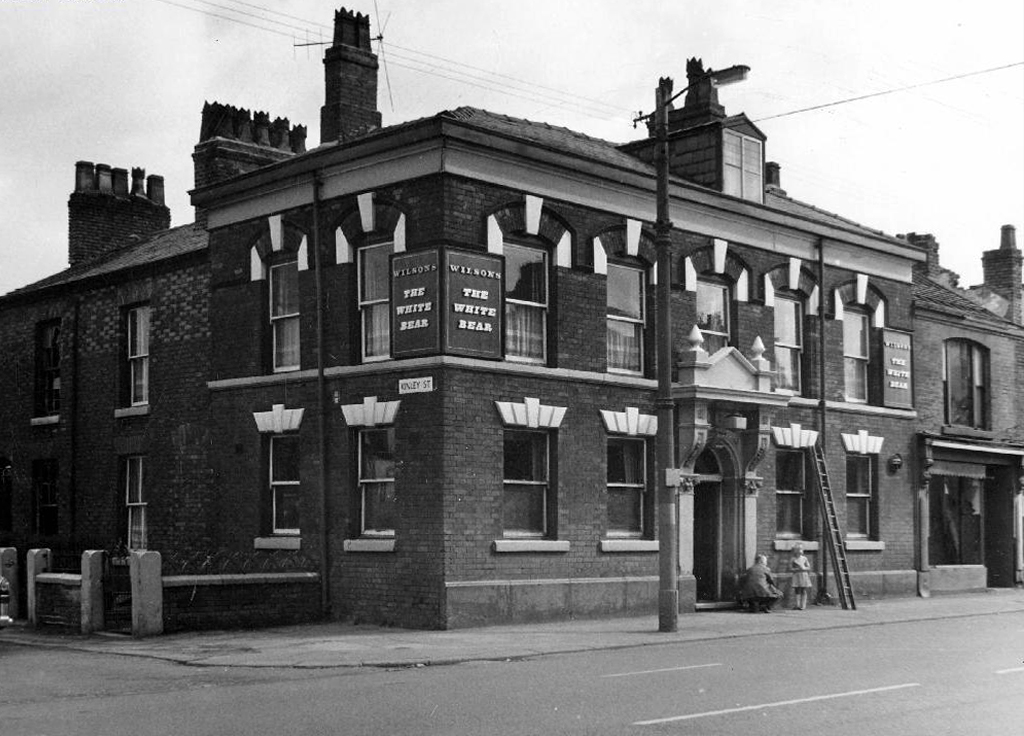
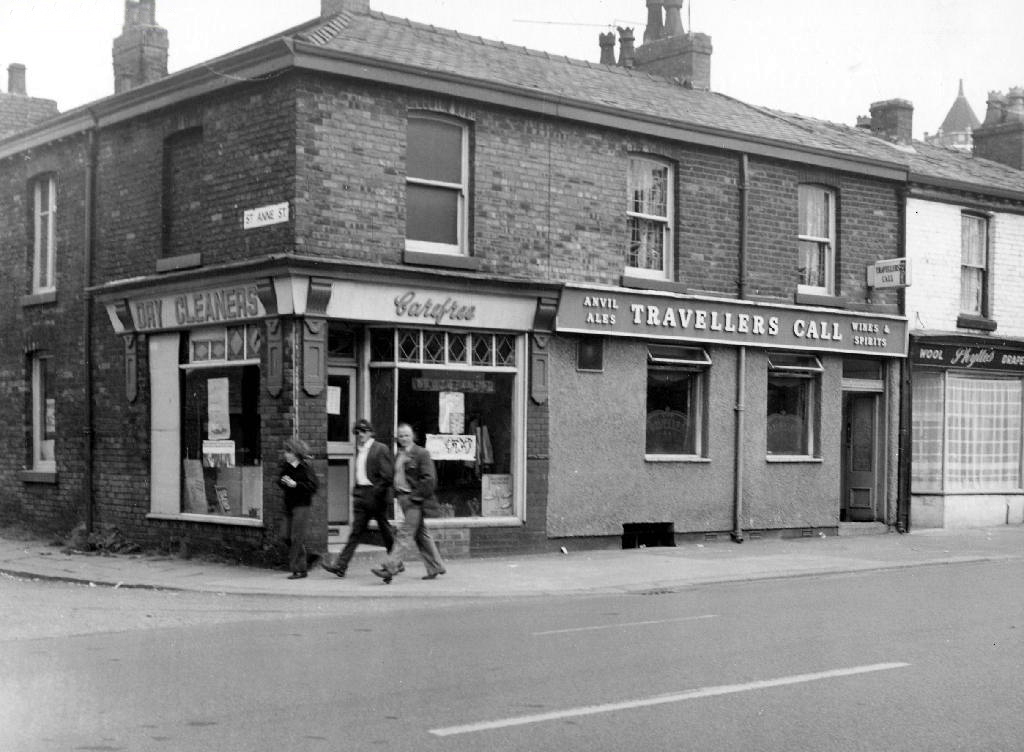
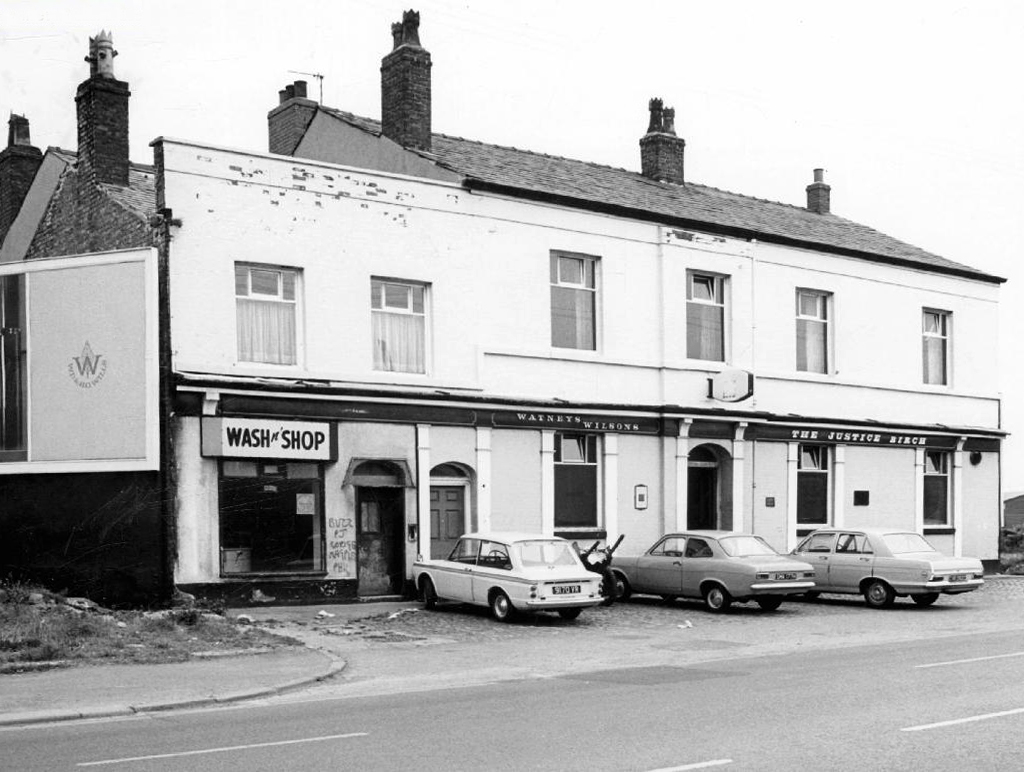
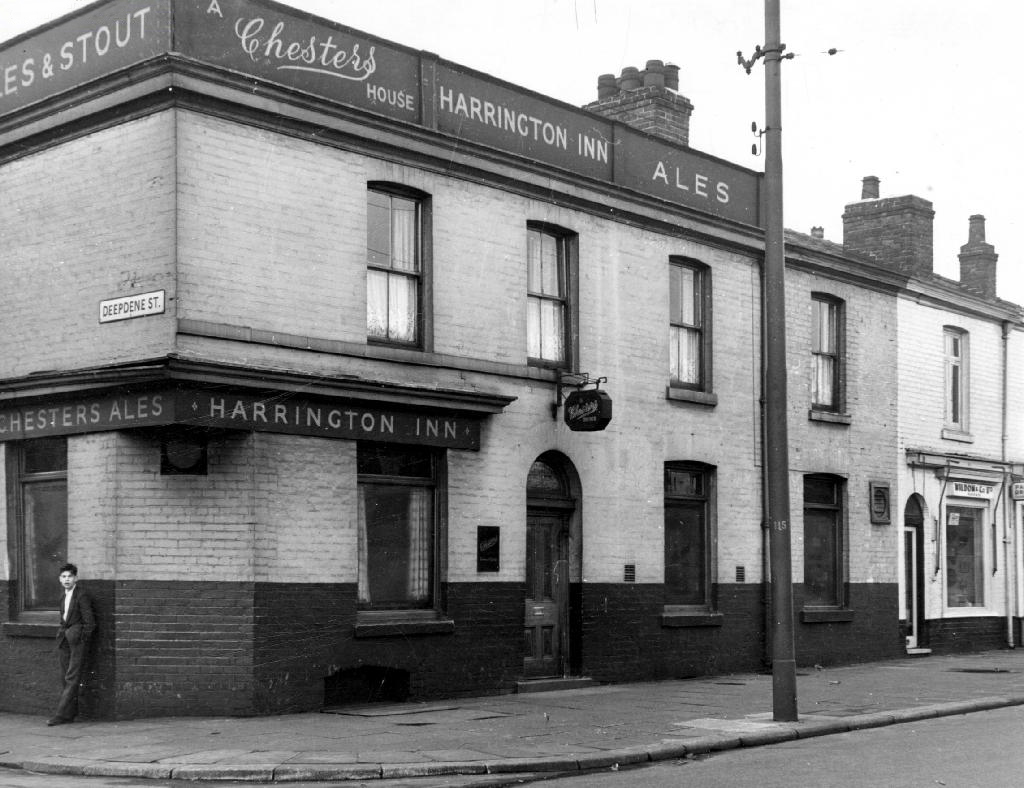
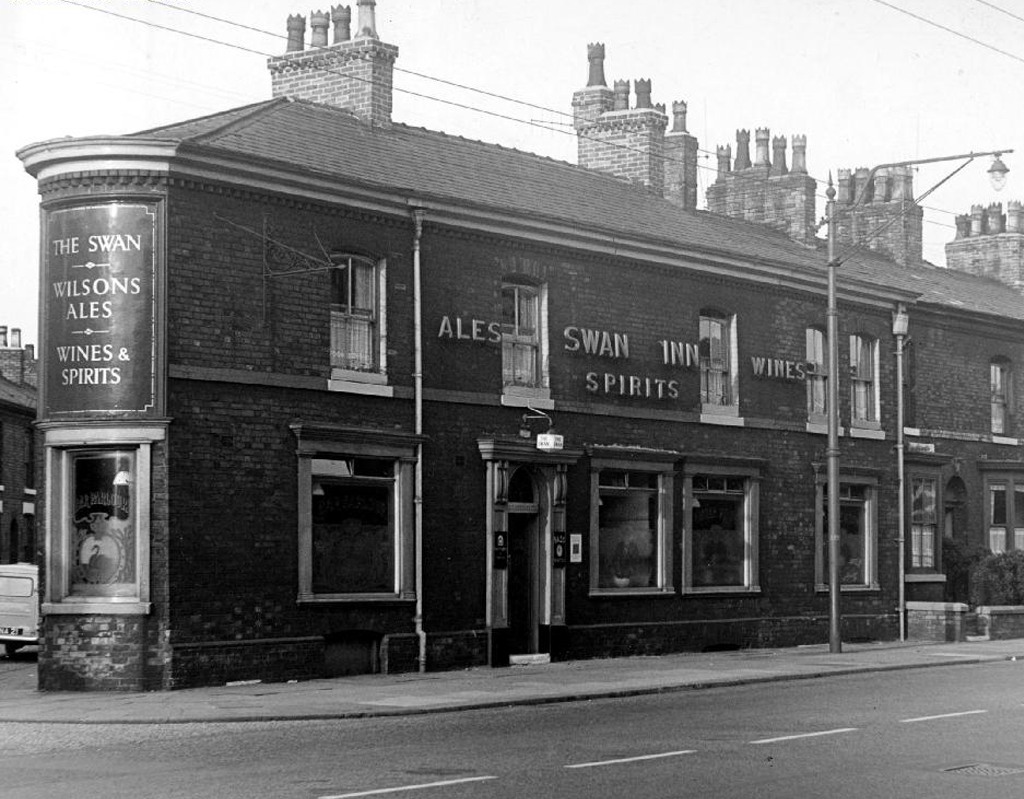
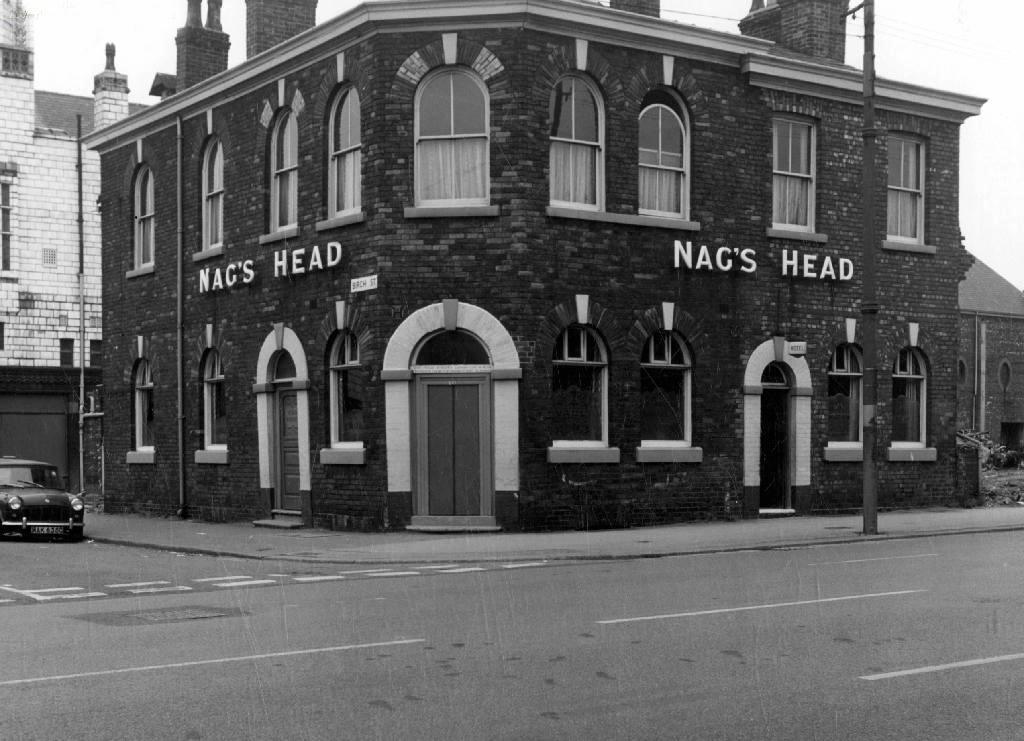
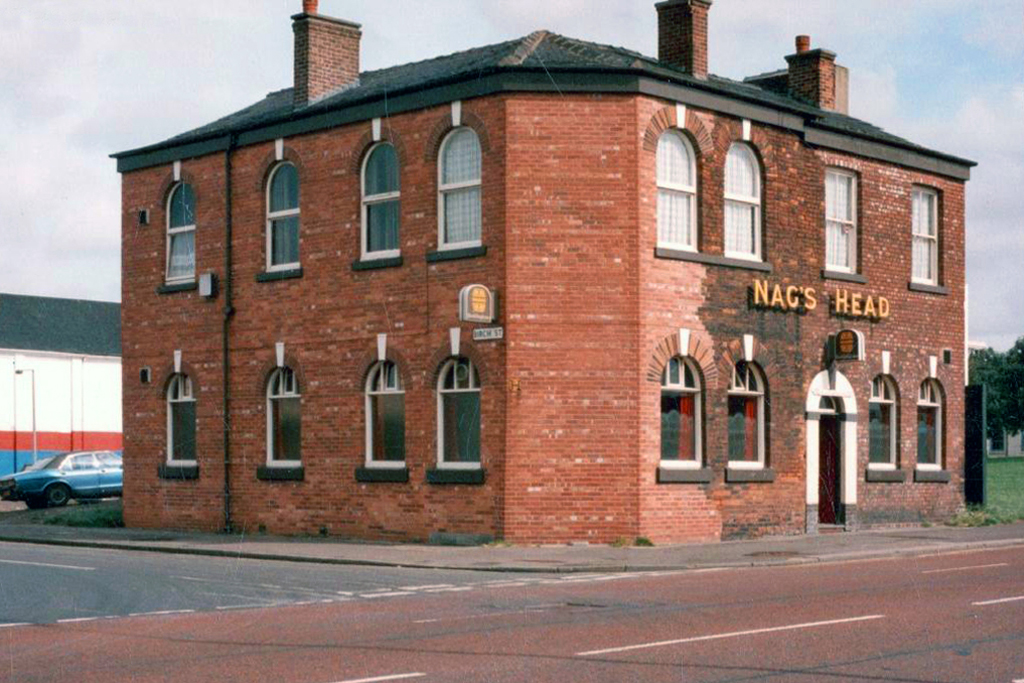
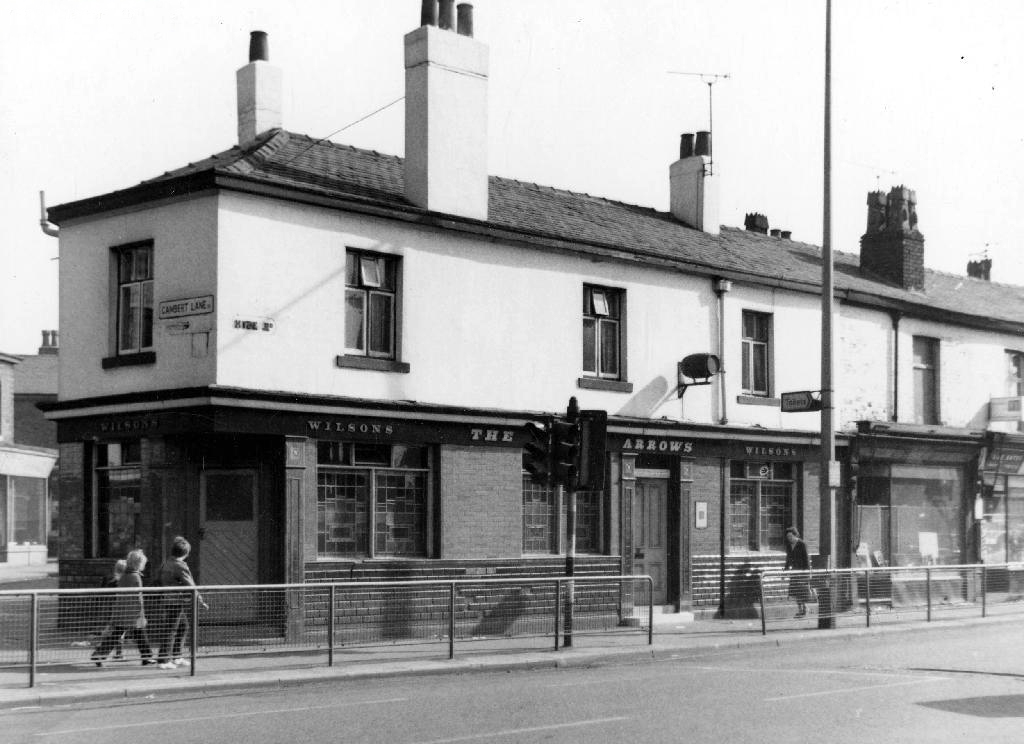
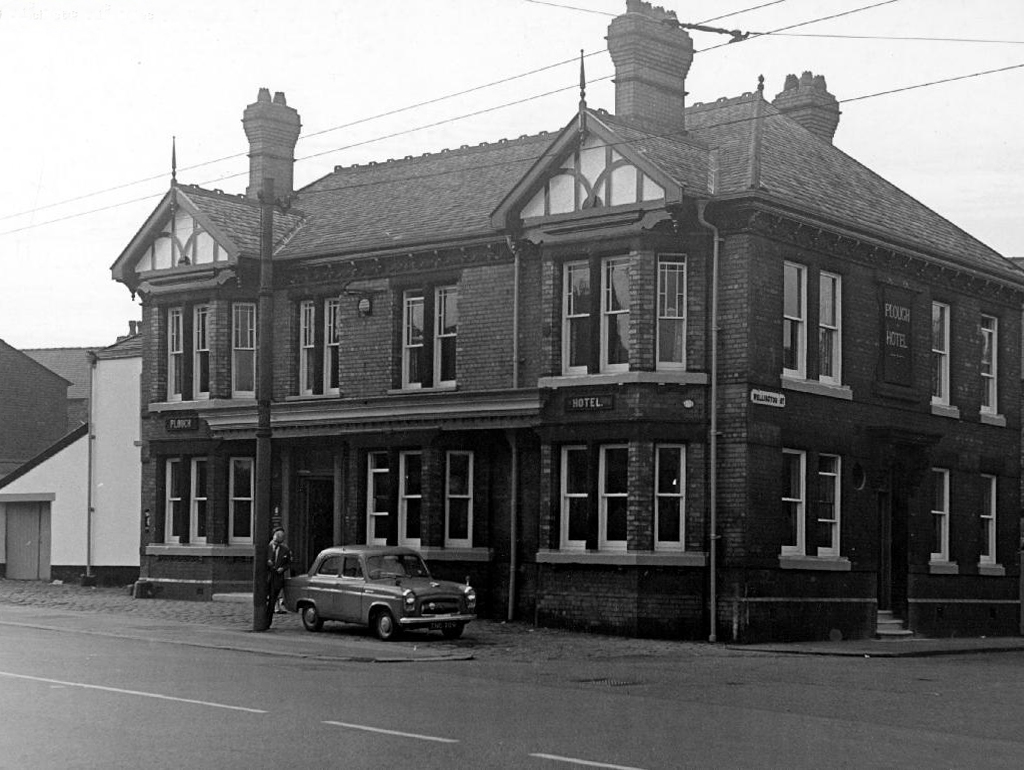
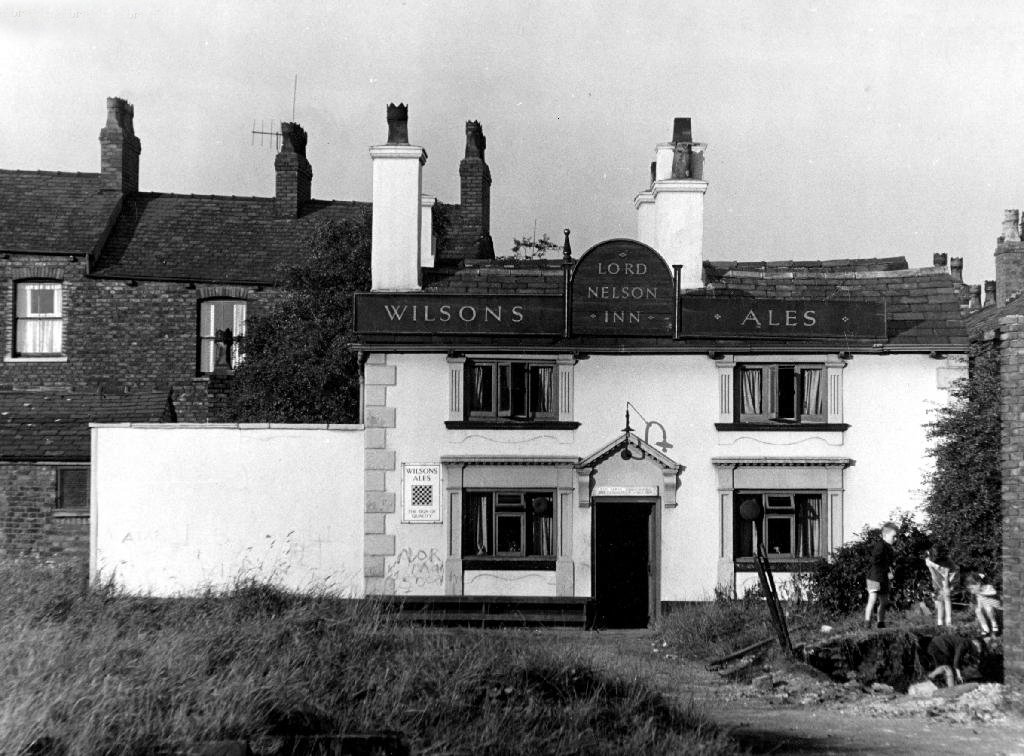
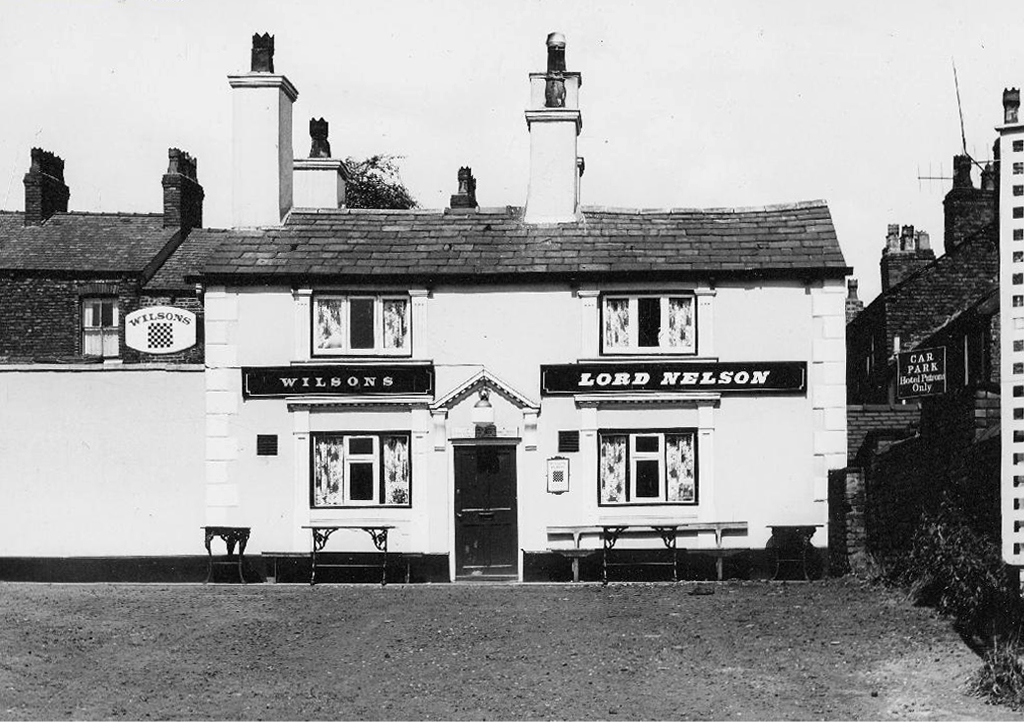
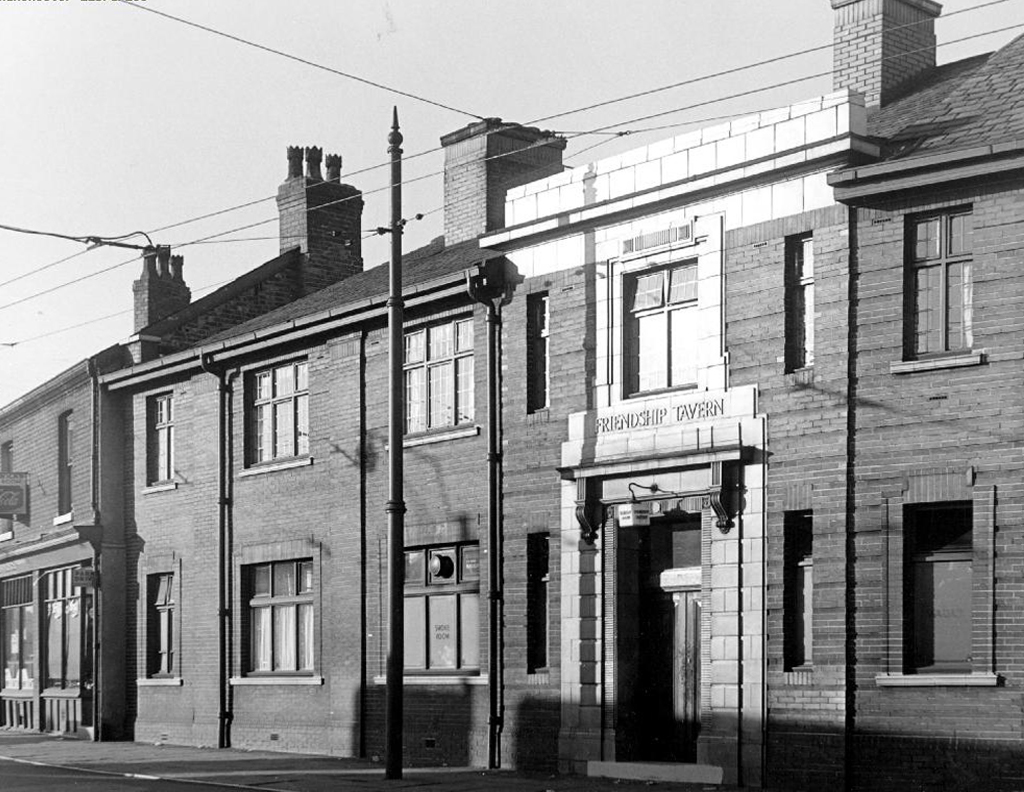
The first proper pub crawl I ever went on was up and down here, and these photographs which were taken from the Local Image Archive, represent a world now largely long gone. Of those places pictured only the Travellers, Wagon and Horses, Plough, Nelson and Friendship survive. What was a busy thoroughfare alive with masses of working people and lively boozers is now a shadow of its former self. Many of the breweries are also no more – Wilsons and Boddington’s, once employing hundreds of people and supplying hundreds of pubs, have all but vanished, you may catch a glimpse of a stray sign or two dotted around town.

If there are any pubs missing apologies, but following the expert advice of Kenneth Allen I think I have all of the Gorton boozers.

Take one last walk, raise a glass – cheers!

webmedia.php

junction

webmedia-9.php

wheat

white bear

travellers72

birch

webmedia-6.php

swan

nags

nags bod.jpeg

rocka

rock copy

vic

unicorn

horse

horse shoe

shoe

webmedia.php

hunt

cheshire hunt

Palm Court Belle Vue

lake

webmedia-5.php

webmedia-1.php

plough

nelson copy

nelsona

hotel.jpeg

friend

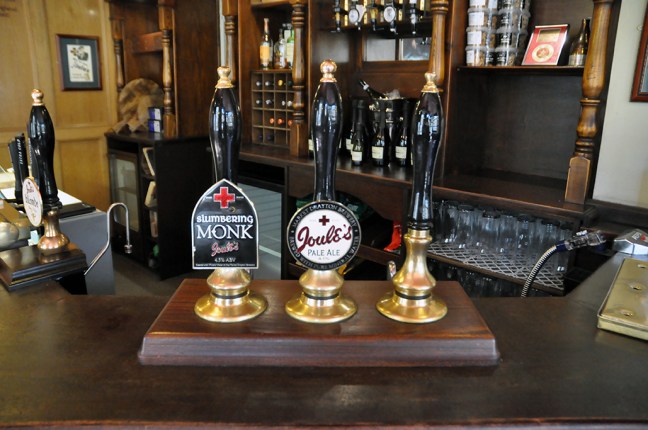
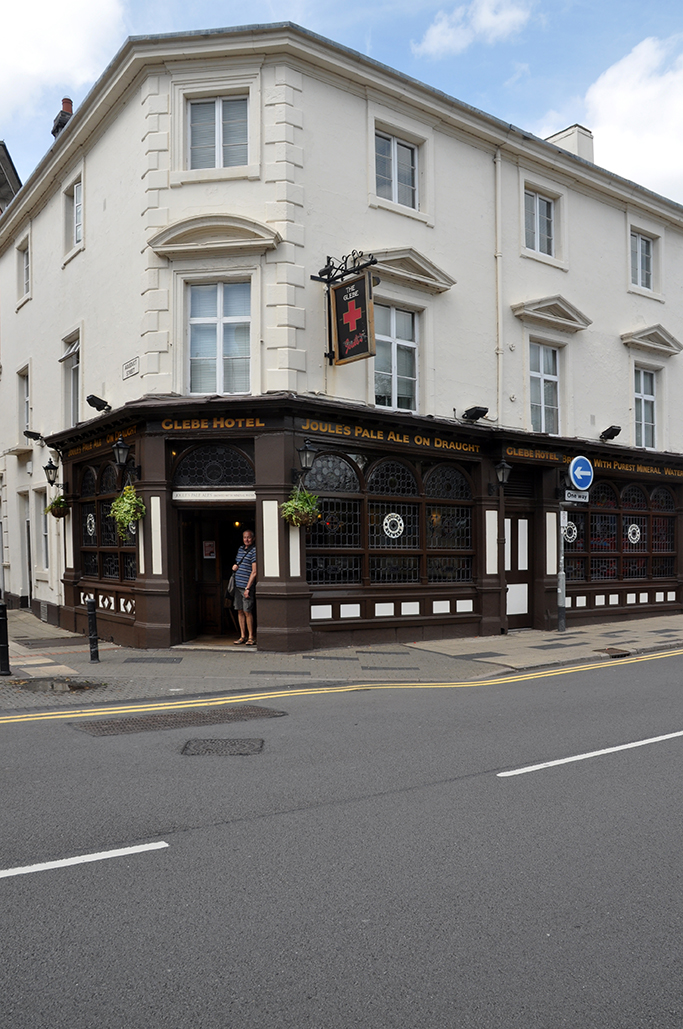
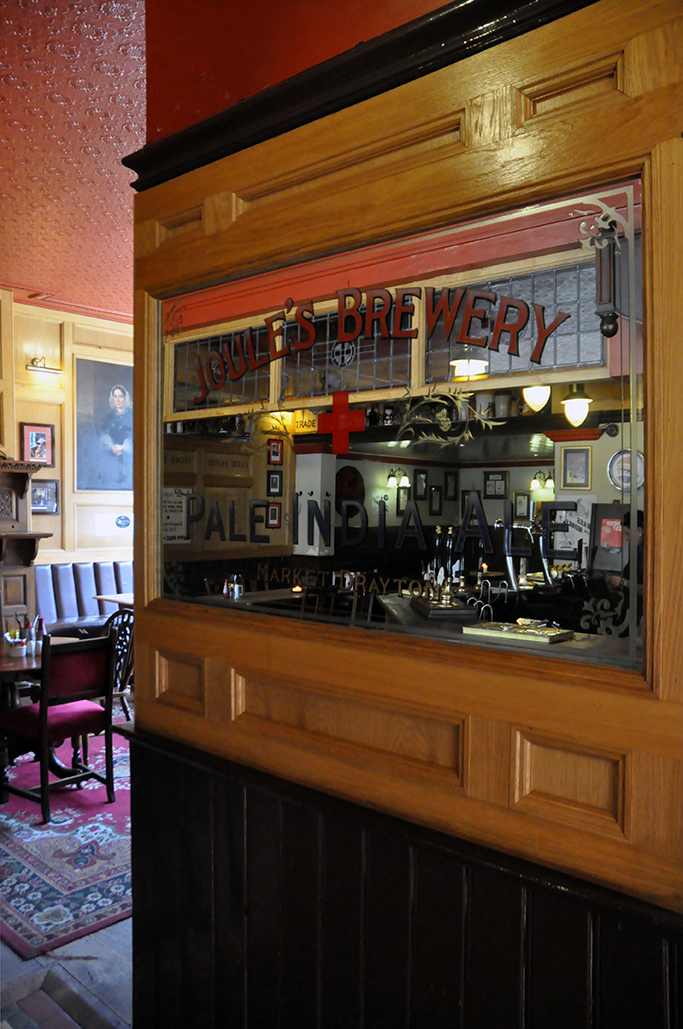
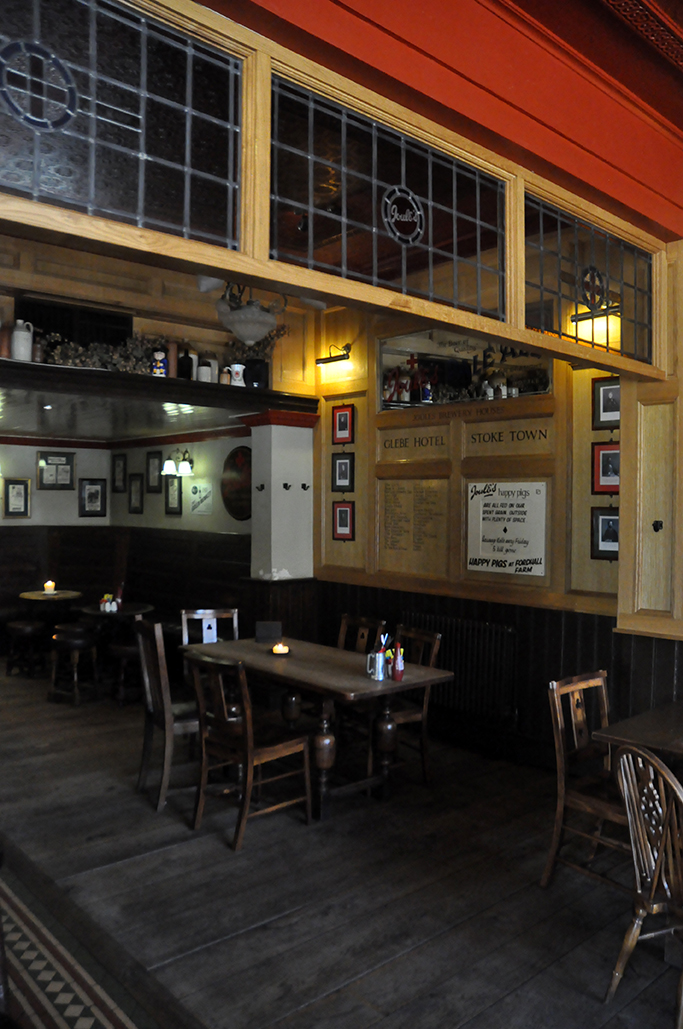
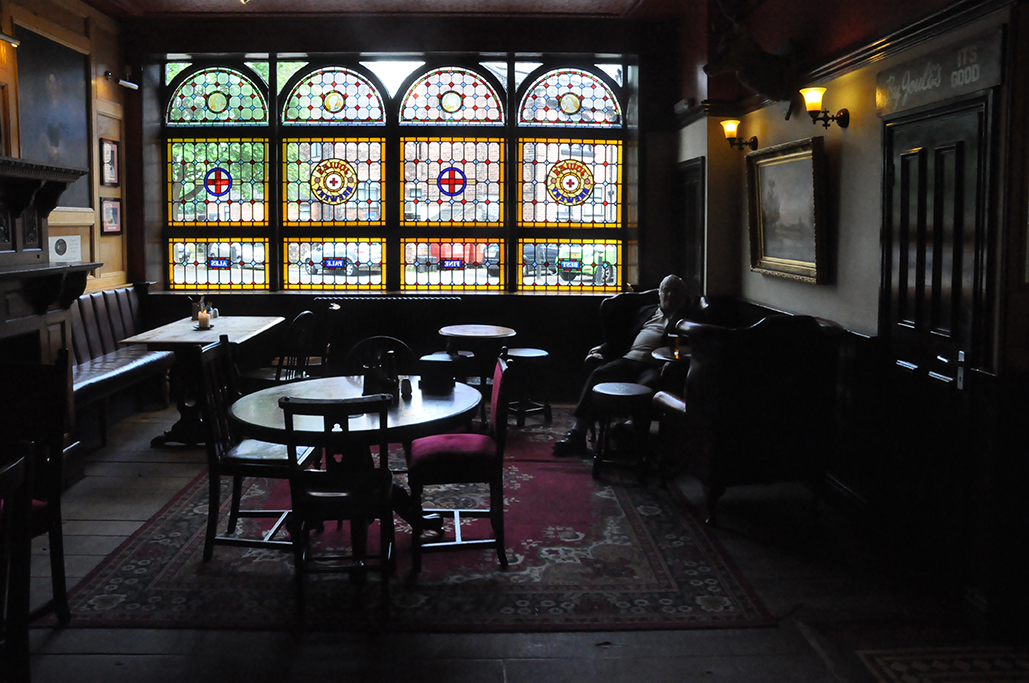
Stoke on Trent – The Glebe

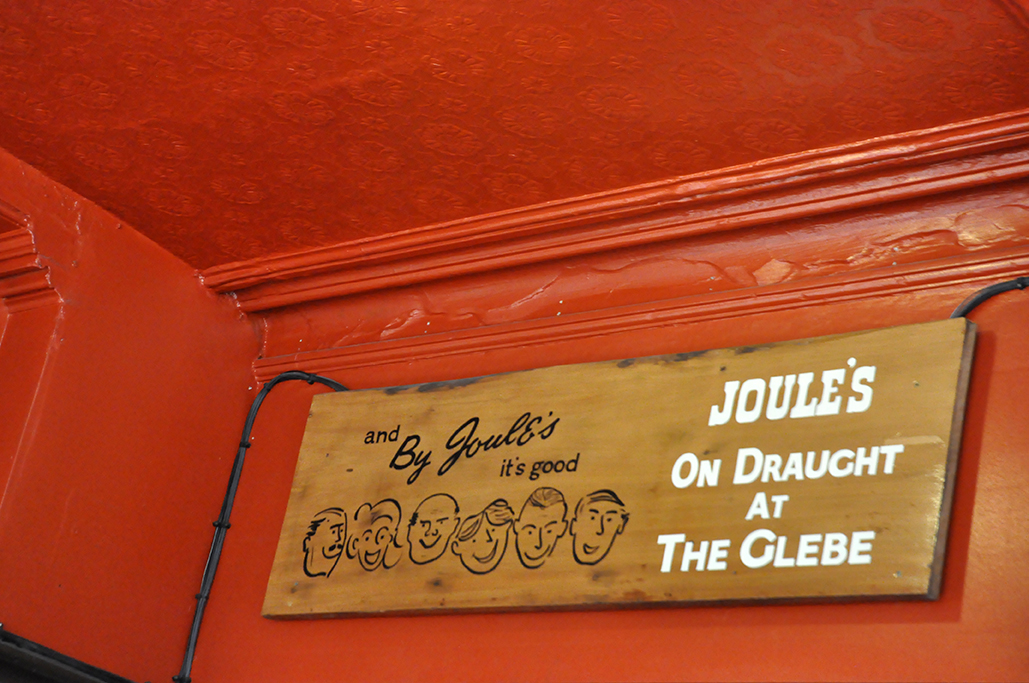
Hard by Stoke Minster stands the only pub in the area I care to visit, tucked in a cosy corner by the Civic Centre, five minutes from the station, barely time to work up a thirst.

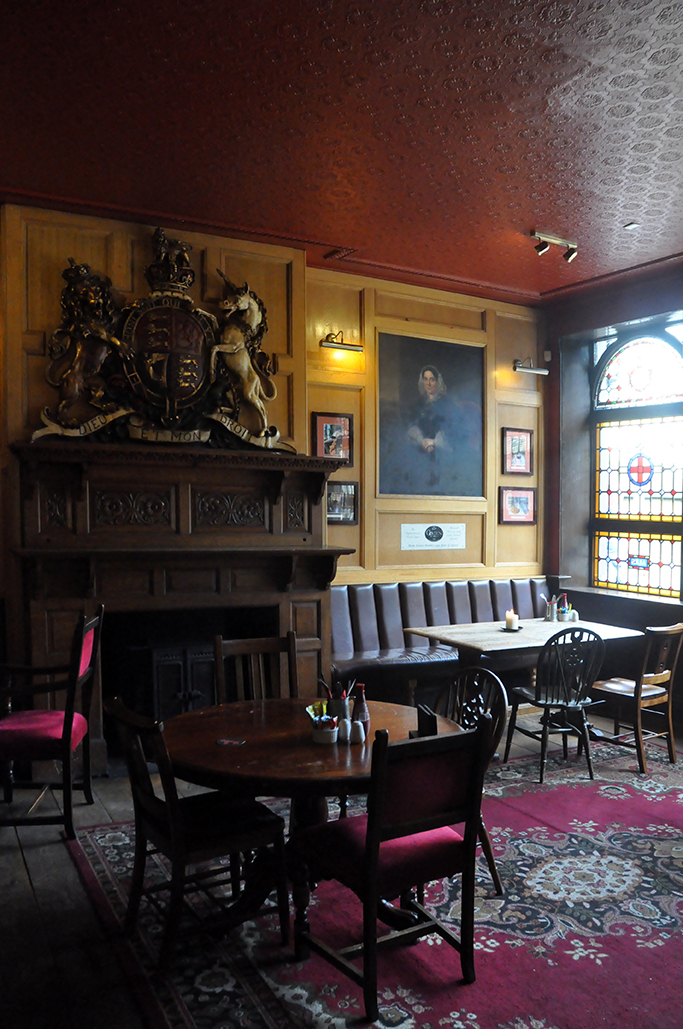
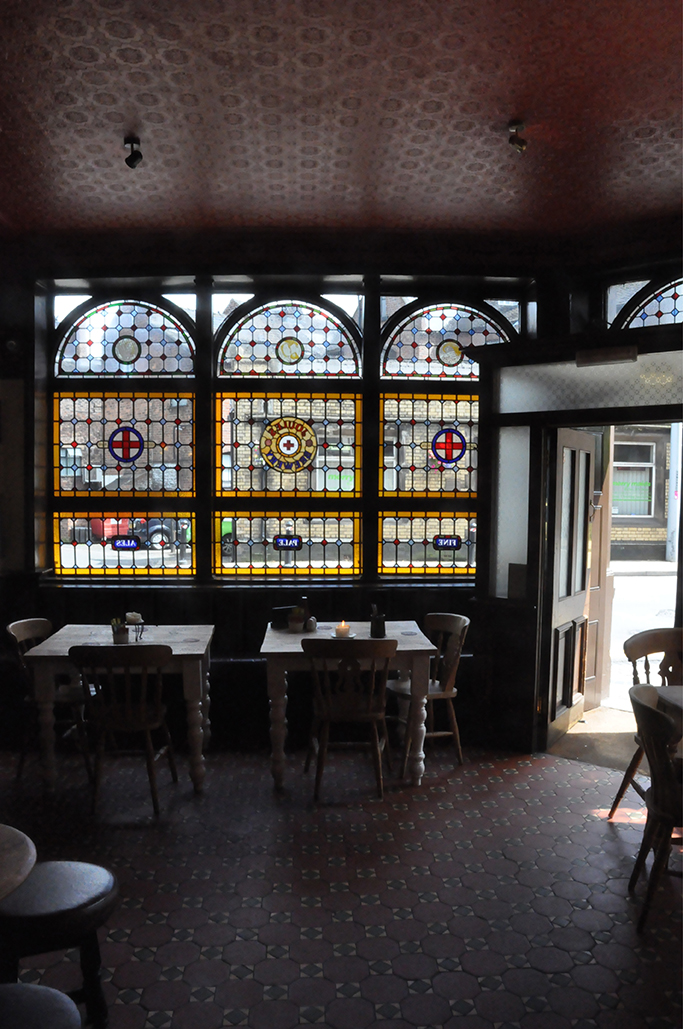
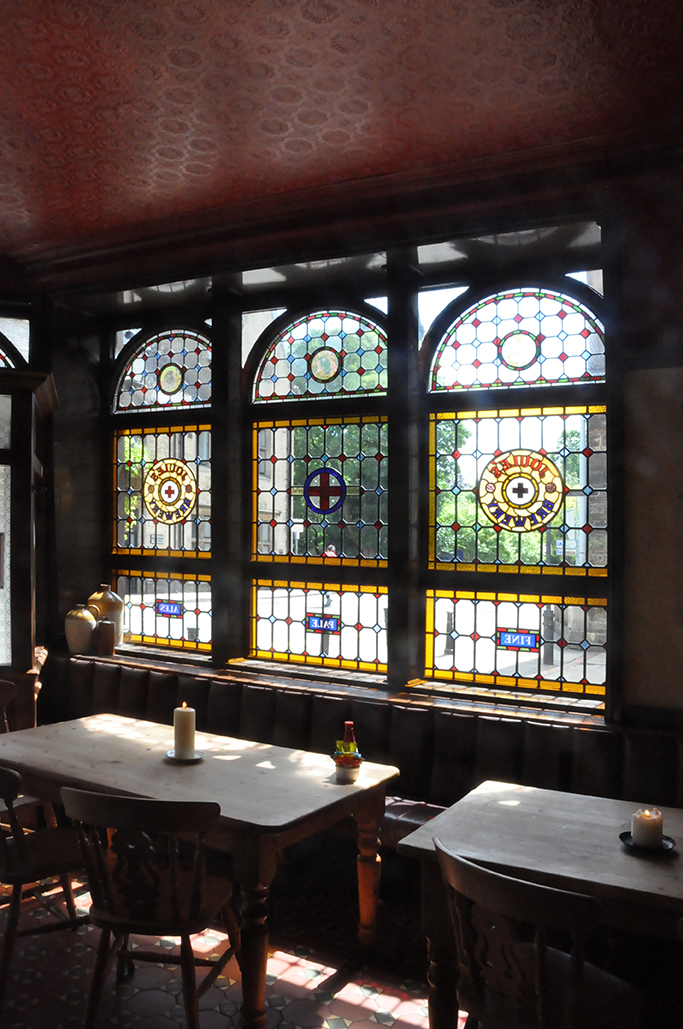
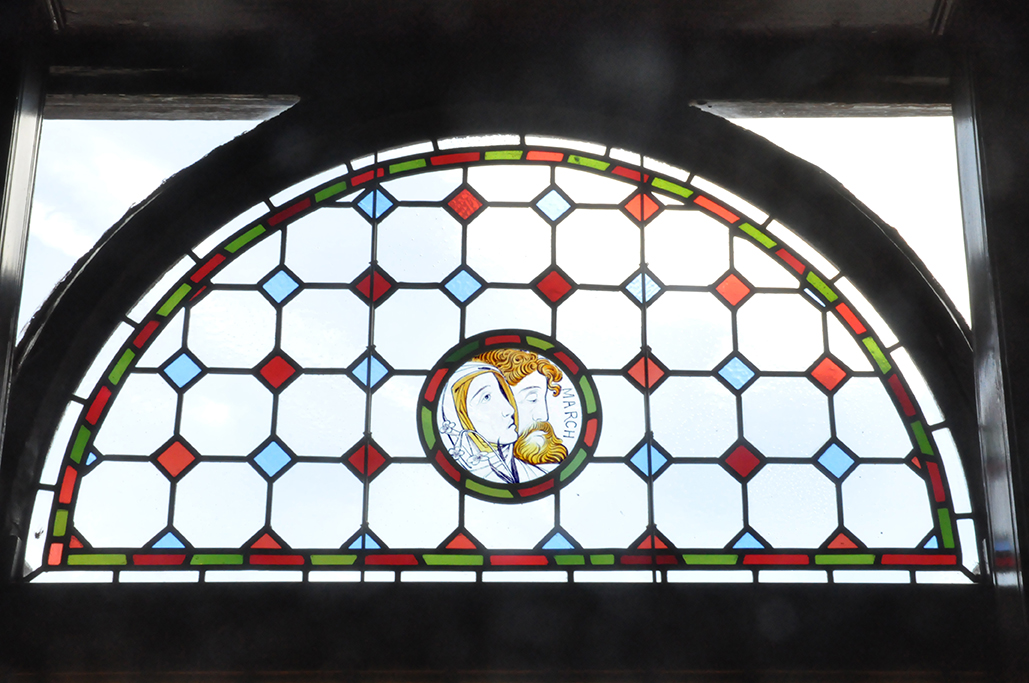
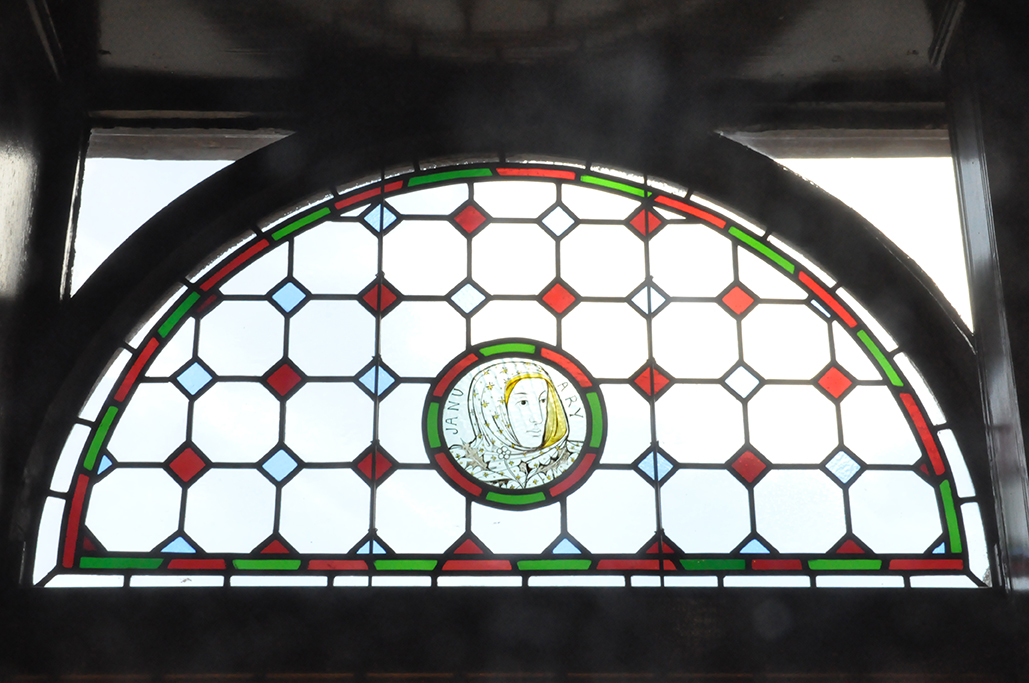
Carefully and skilfully refurbished, exquisite original semi circles of stained and painted glass depicting the months of the year – though there is no February, the lower panes a recent addition.

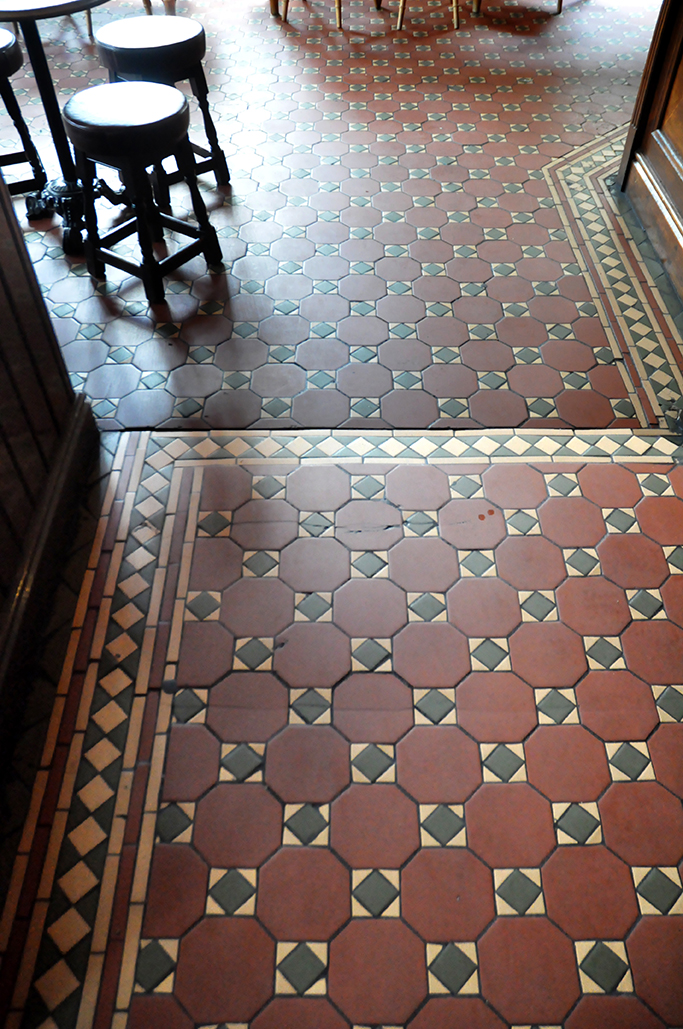
A tiled floor and broad stripped floorboards beneath your feet.

Sympathetically furnished, plainly, simply appropriate to a pub with pride.

In being a pub.

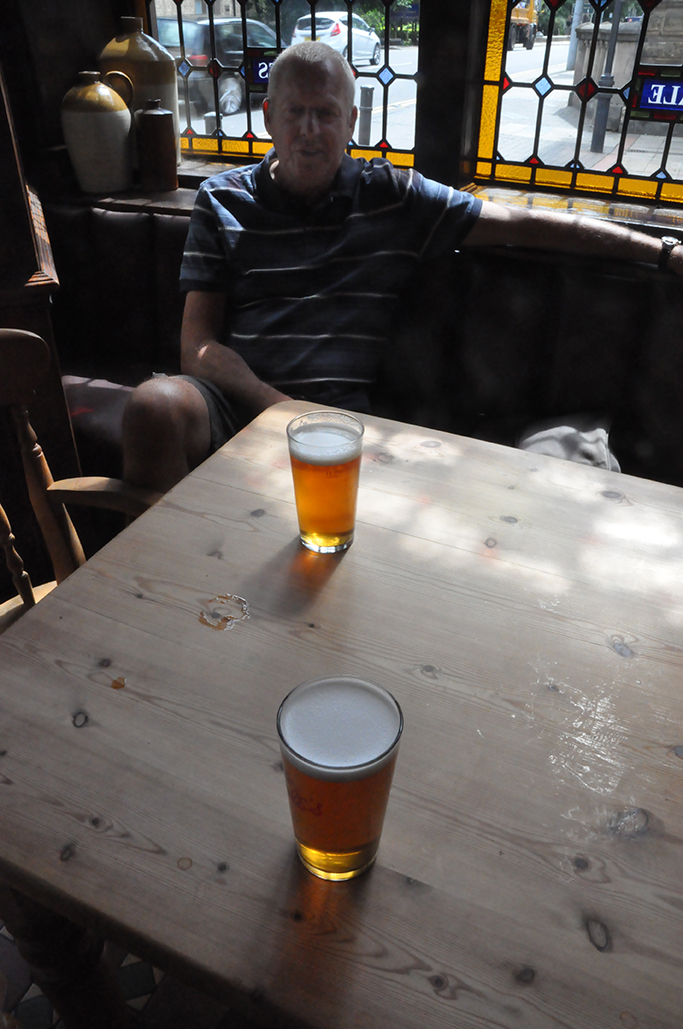
We and the afternoon sun, spill lazily in, in time for a pint.

It’s delicious so we have another

And another.

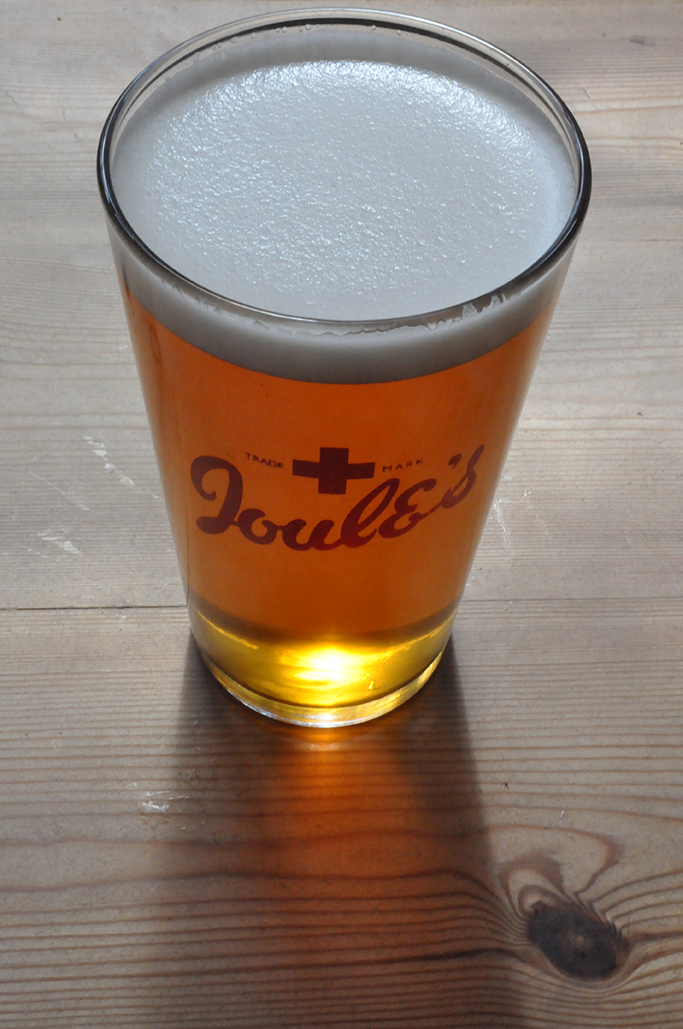
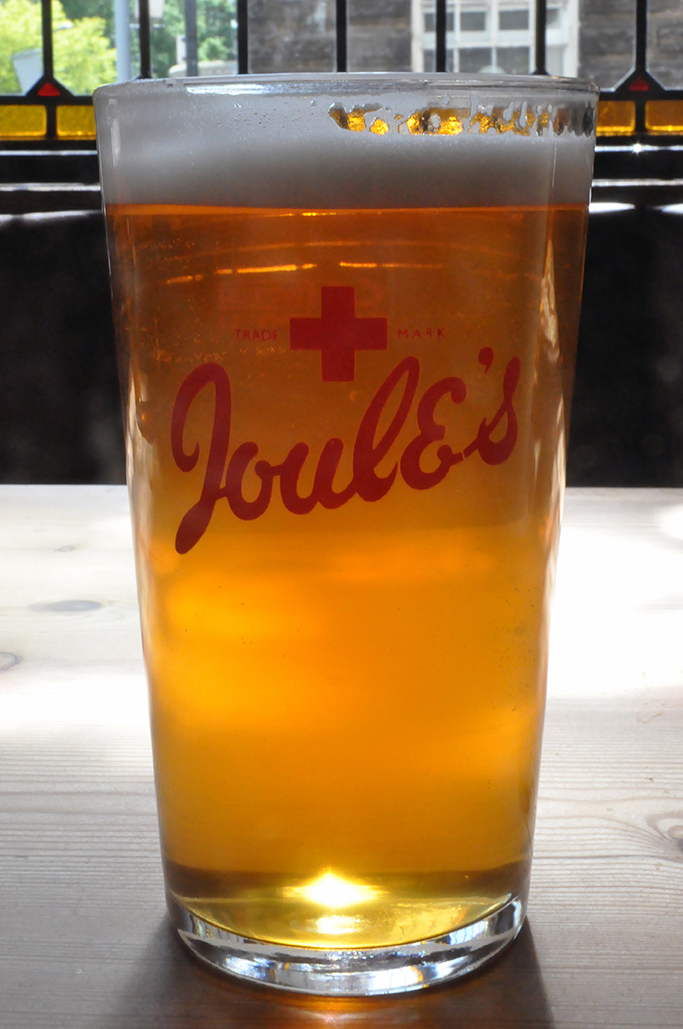
http://www.joulesbrewery.co.uk/pubs/pub_details.php?id=9

Leeds – The Garden Gate

Friday afternoon, clouds gather along a long walk from the Leeds city centre, following an unforgivingly long dual carriageway, not without its hard won charm, we reached the Garden Gate.

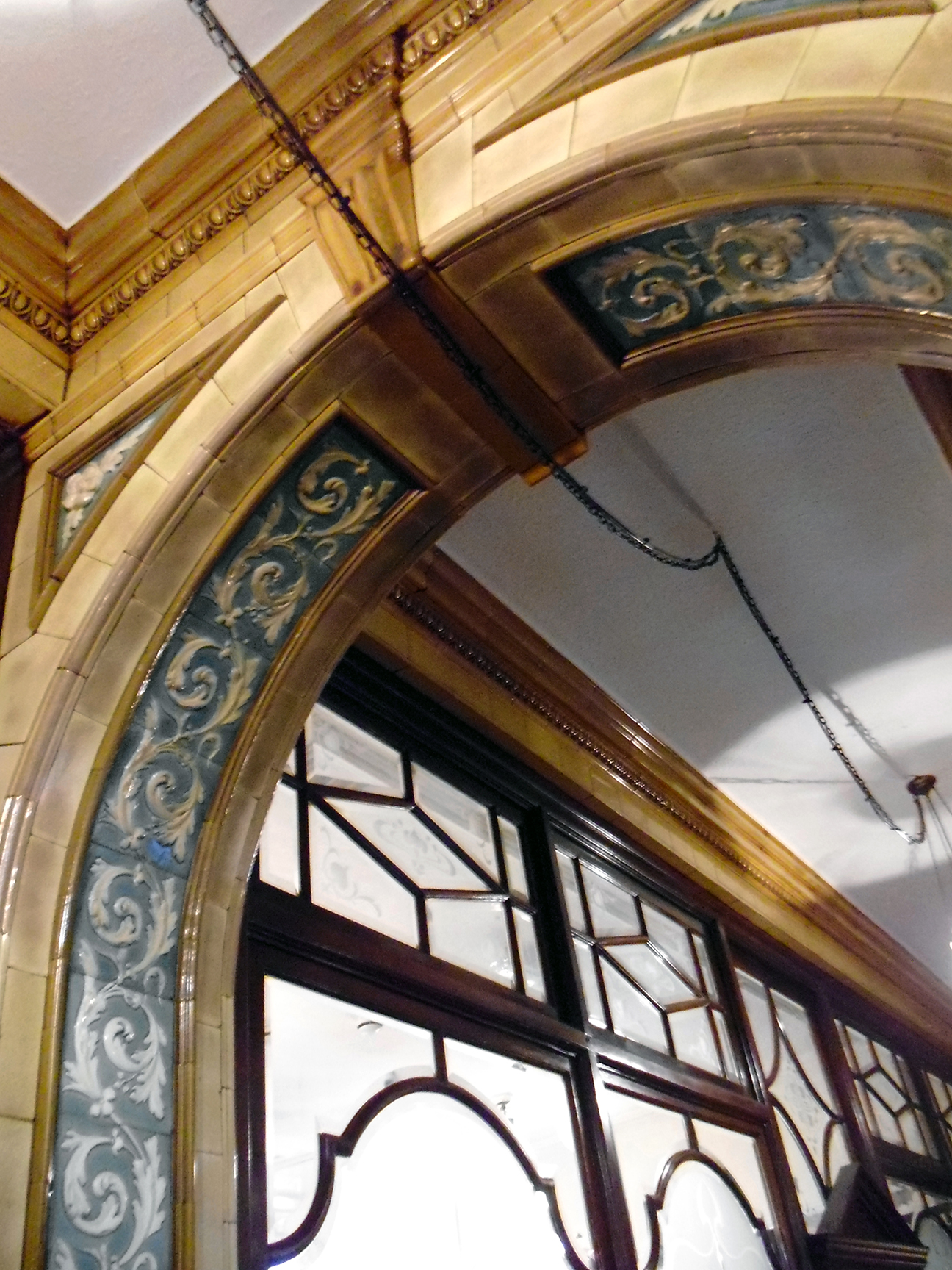
A Tetley Heritage pub the most beautiful in Yorkshire, clad in warm glazed ceramics of the highest decorative order, a terrazzo porch and open door welcomes the weary walker.

Ready for a pint?

Leeds Pale Ale £2.60 a pop and a fine drop it is too, why not stay and have another!

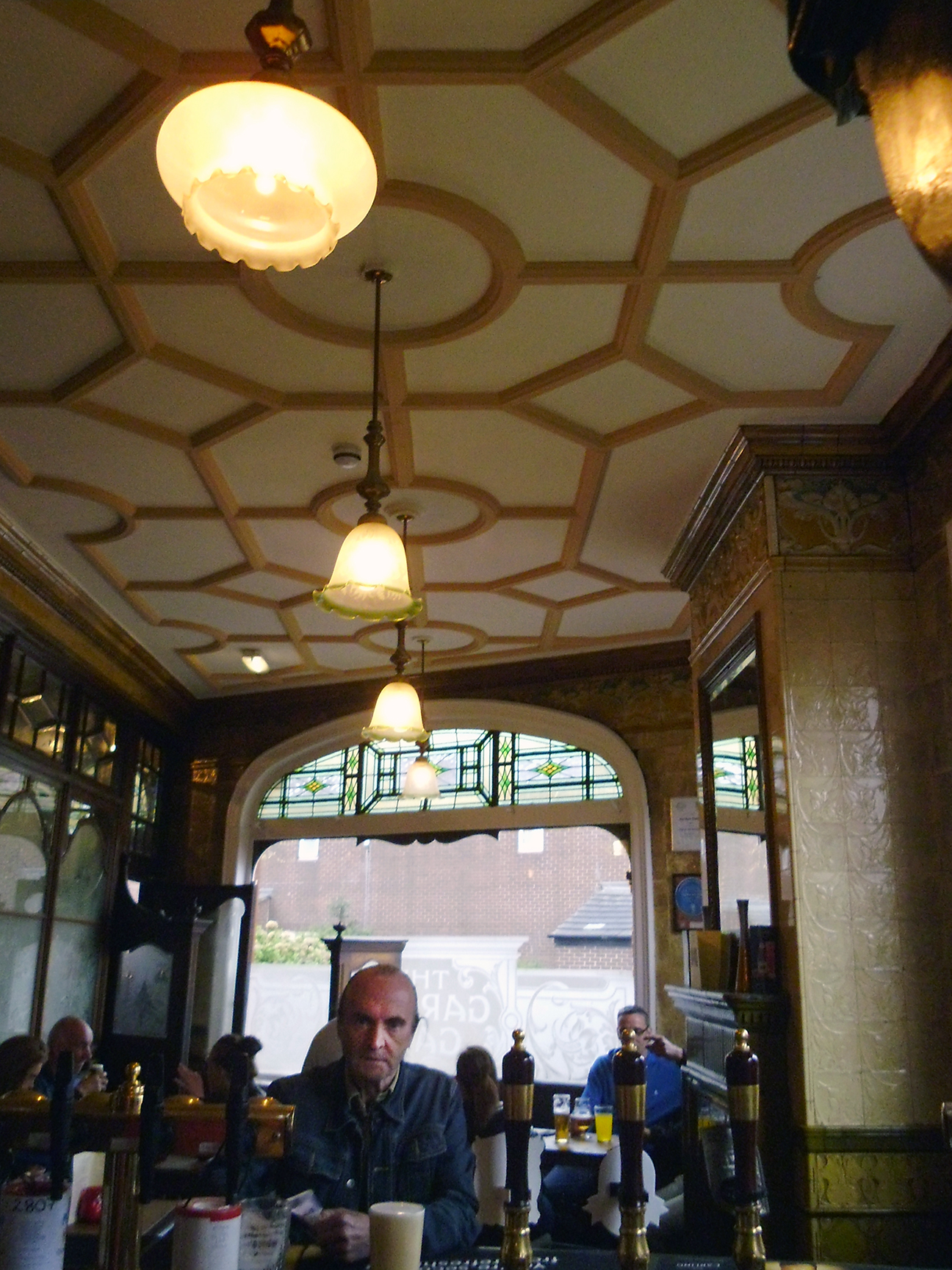
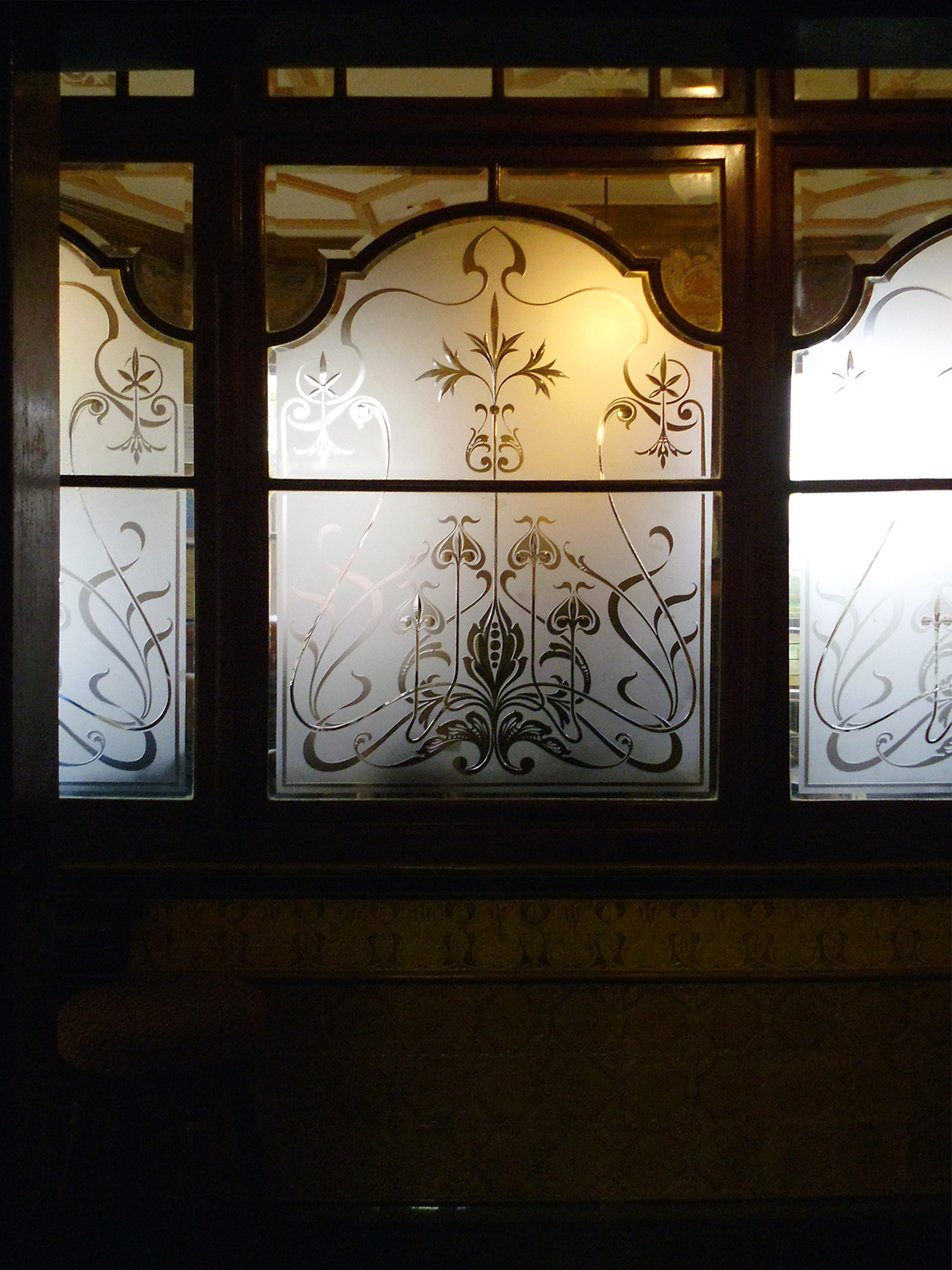
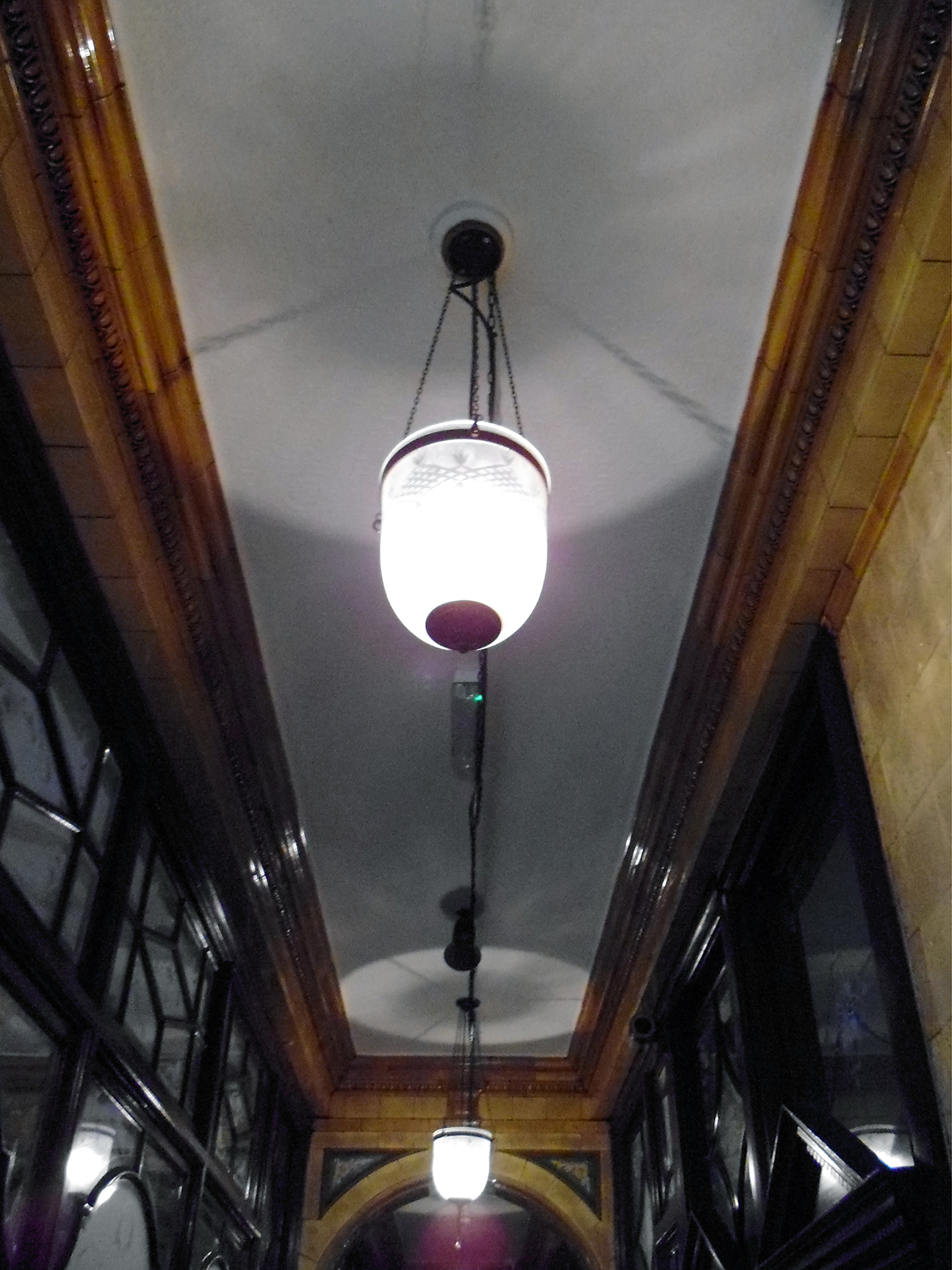
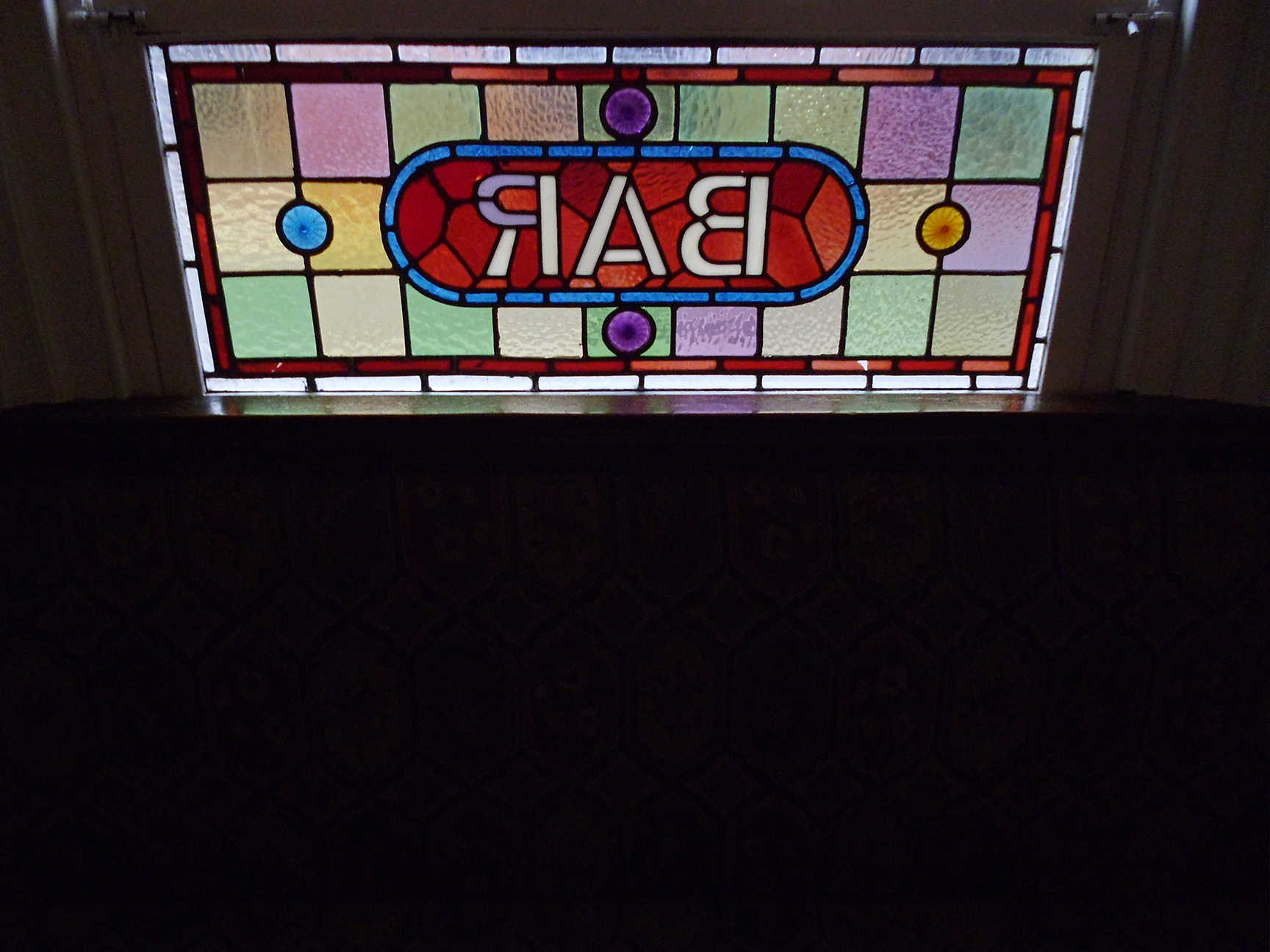
The interior arrangement of rooms cluster around a fine tiled bar, linked by corridors, clad in curved wood and large etched windows, lit with the original fittings – all in an intoxicating Nouveau style.

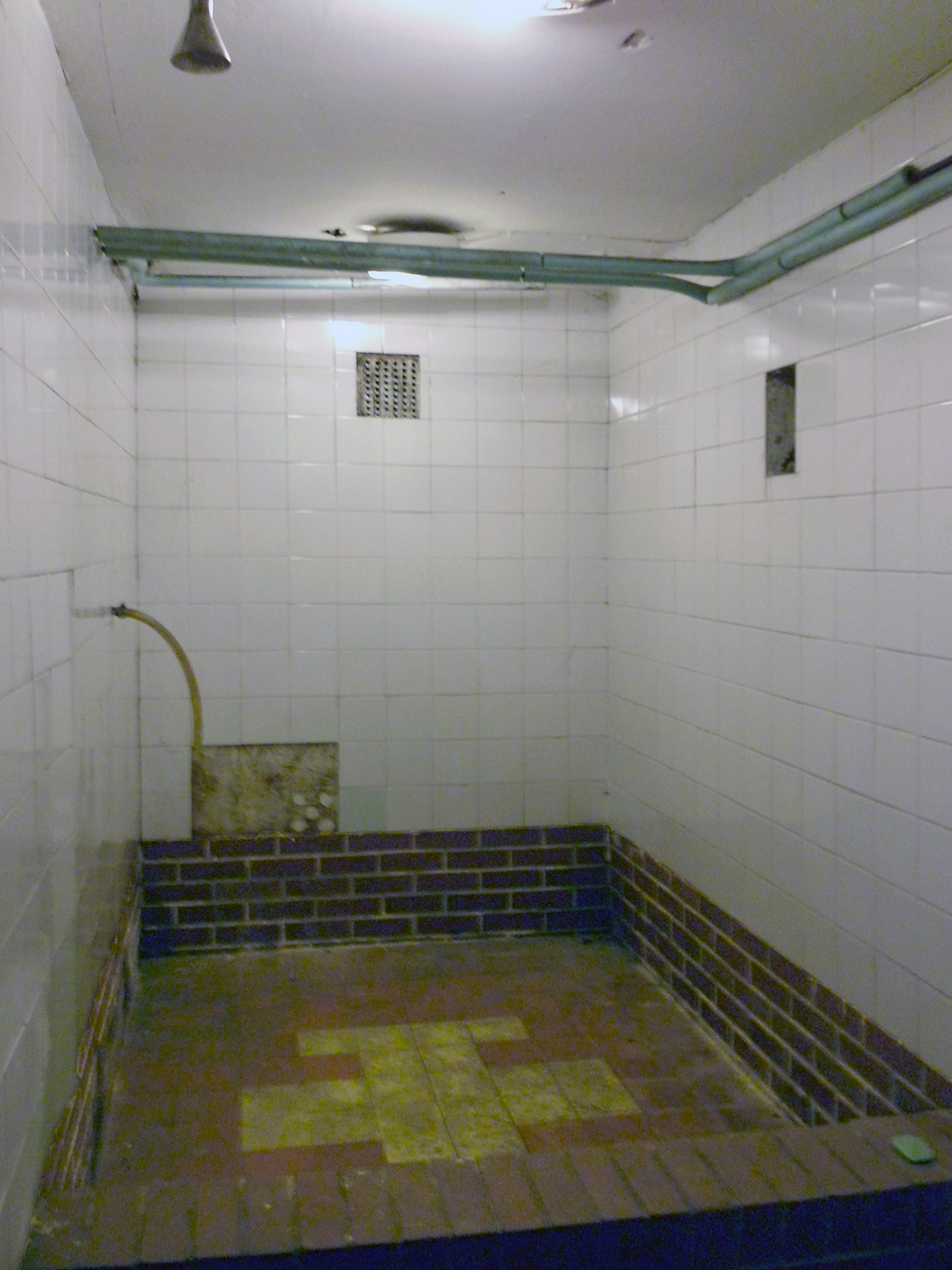
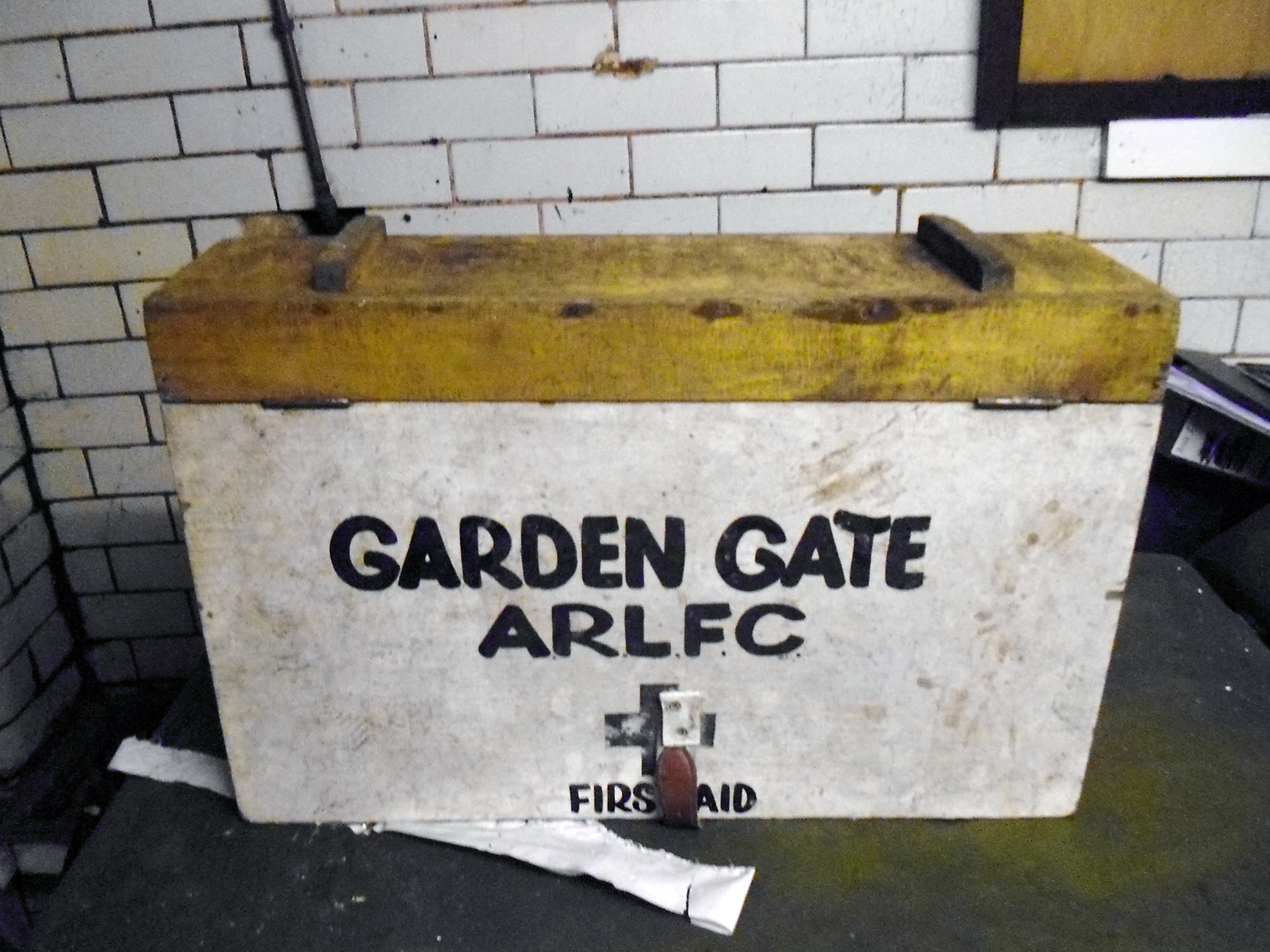
The cellar is lined in heavy glazed white brick and retains its rugby league history with extant showers and physio room, former home of the Garden Gate ARLFC – it says so on the first aid kit.

A thinned bar of green soap rests on the side of the long-dry bath.

The staff and customers were warm, chatty and informative – my thanks for their generous hospitality.

Its worth the walk.

My thanks to Ms. Natalie Ainscough for her cheery company, innate sense of direction and can do attitude.

http://www.gardengateleeds.co.uk

Huddersfield – The Sportsman

Turn left out of the station, round past the George, big and closed. Head under the railway viaduct – there it is right in front of you, on the corner of John Street.

The Sportsman.

You will not find a finer pub, but you don’t have to, you’re there.

Striding across the decorative deco porch, pushing aside the weighty timber and glass doors. Inside a dull warm afternoon light, falls lazily through the windows. White globes glow low from the ceiling, gently washing the well worn parquet floor. Put your bags down on the upholstered seating, walk up to the bar get a pint pulled, then another – take your time it’s fluid.

The main room is wide and welcoming, side rooms smaller and intimate.

Decorated in a post war muted style, all wood and restrained colour, certainly not over fussy or over decorative. It has a style that doesn’t impose itself upon you – simply whispers in your ear

Pub.

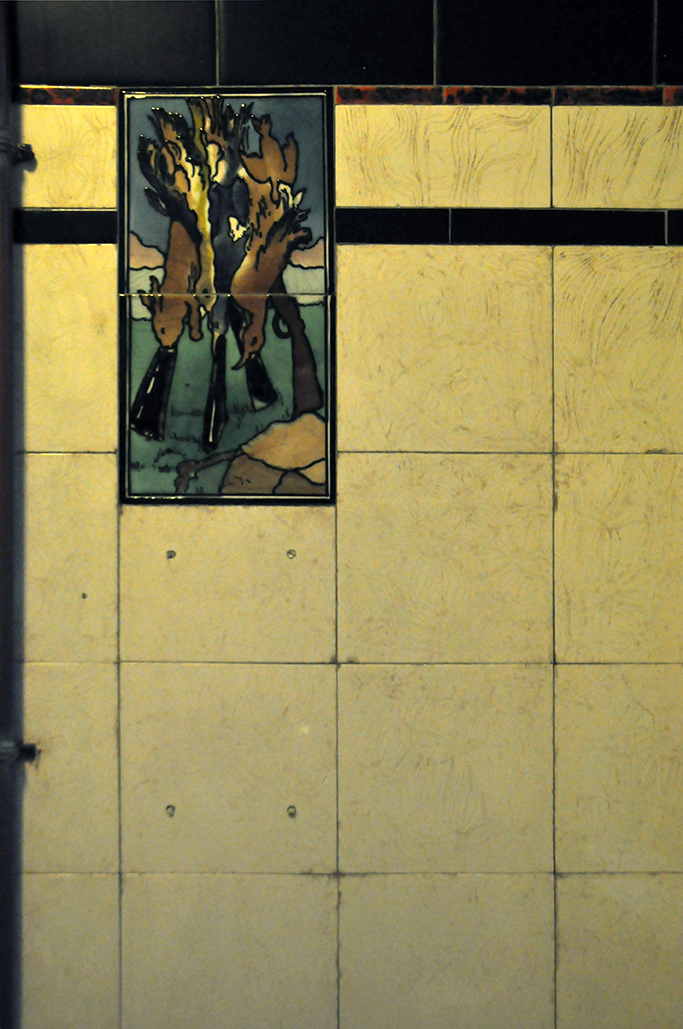
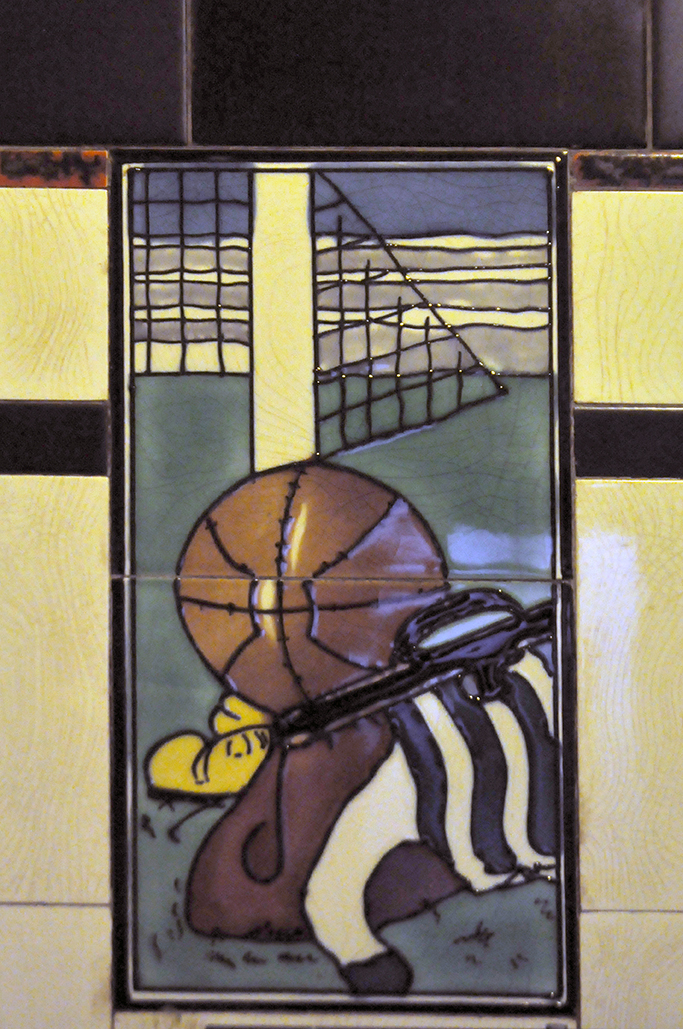
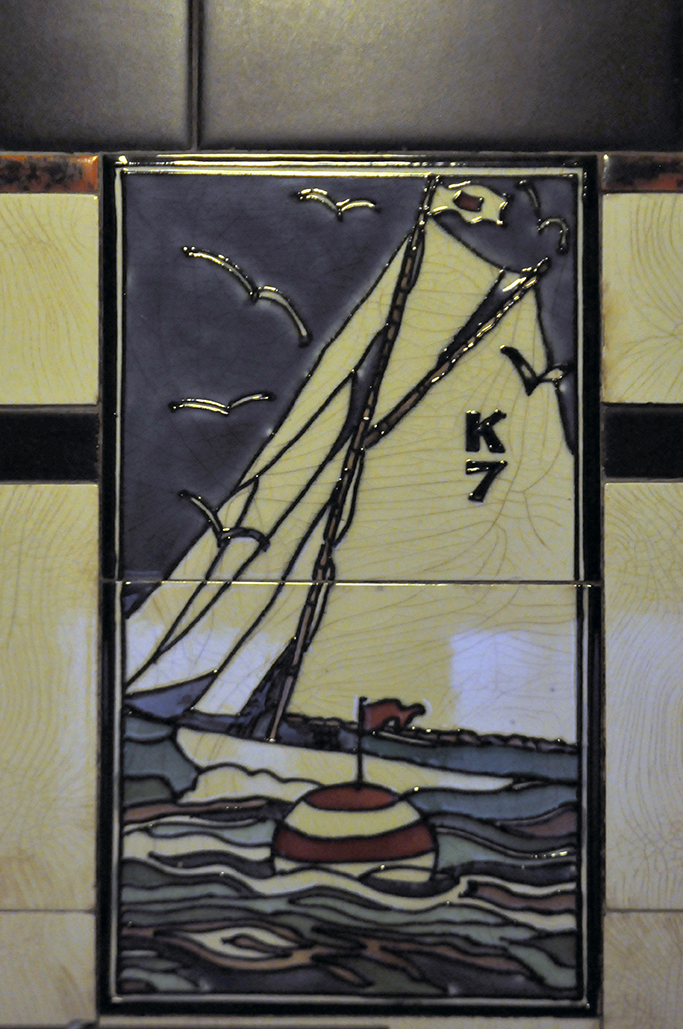
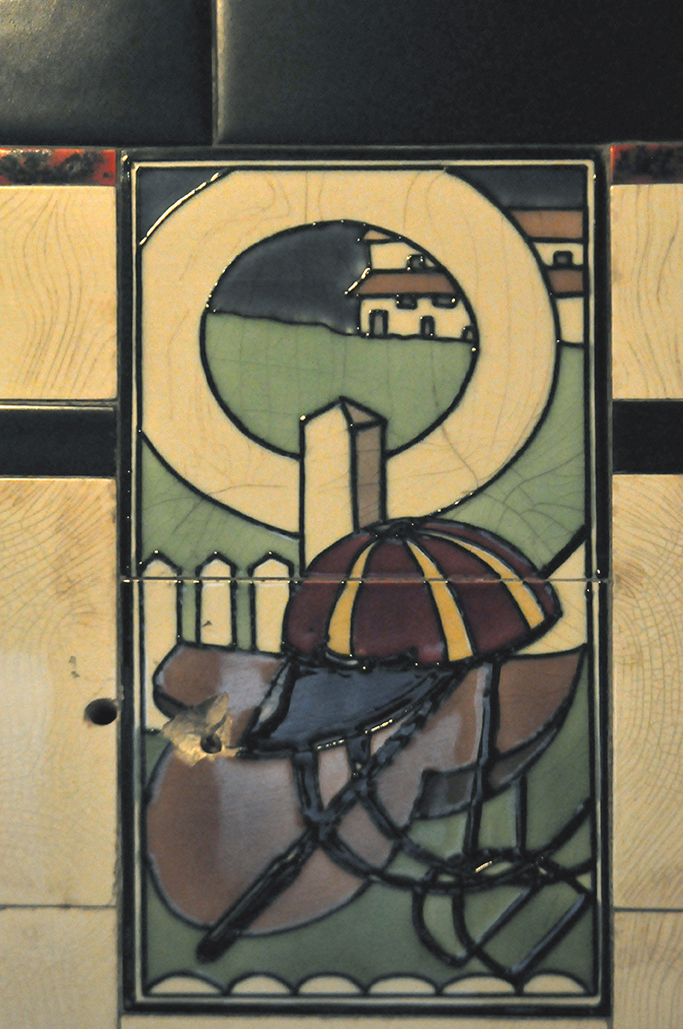
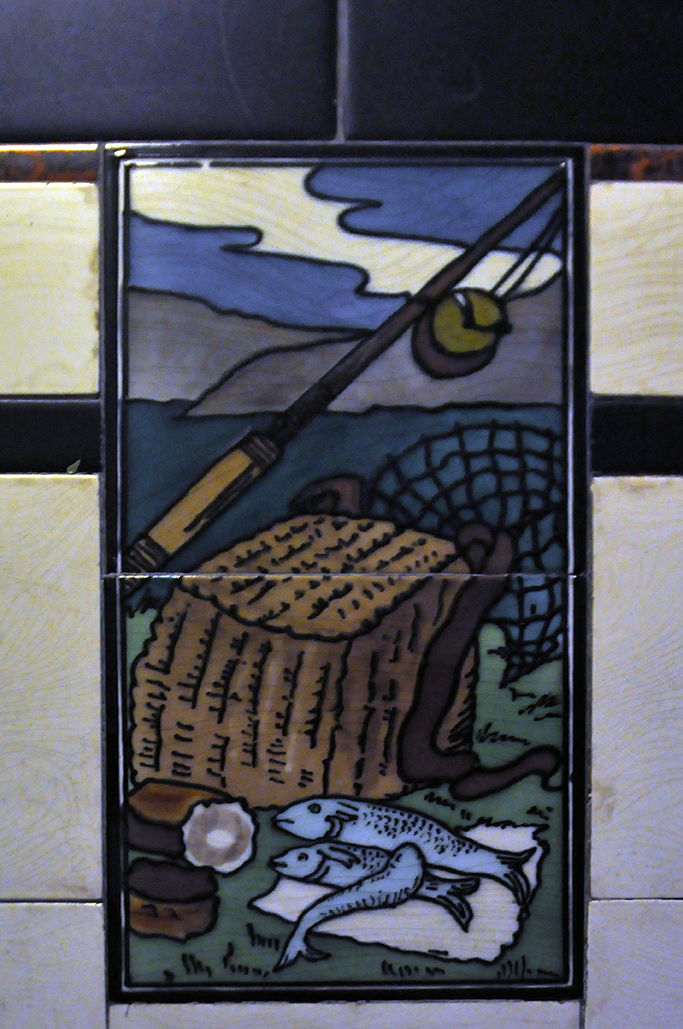
Look out for the tiles, a series of sporting scenes in the gents, mysterious.

Do yourself a favour, have a drink there soon.

http://www.undertheviaduct.com/about/

http://www.examiner.co.uk/news/west-yorkshire-news/toilet-tiles-mystery-huddersfields-sportsman-4966441

DSC_0337 copy

DSC_0338 copy

DSC_0340 copy

DSC_0341 copy

DSC_0344 copy

DSC_0345 copy

DSC_0347 copy

DSC_0348 copy

DSC_0351 copy

DSC_0352 copy

DSC_0356 copy

DSC_0360 copy

DSC_0361 copy

DSC_0362 copy

DSC_0363 copy

DSC_0364 copy

DSC_0365 copy

DSC_0370 copy

DSC_0371 copy

DSC_0372 copy

DSC_0373 copy

DSC_0374 copy

Wigan – The Springfield

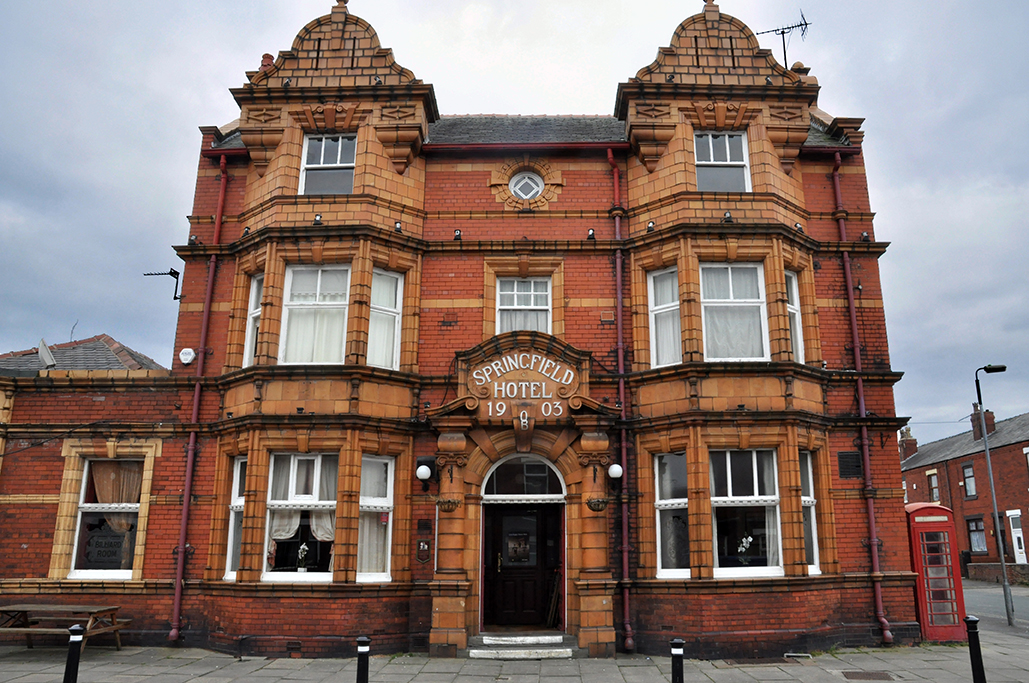
Standing amongst a high density of housing, once homes to the thousands of mill workers that lived, loved, laughed and drank here, The Springfield prevails.

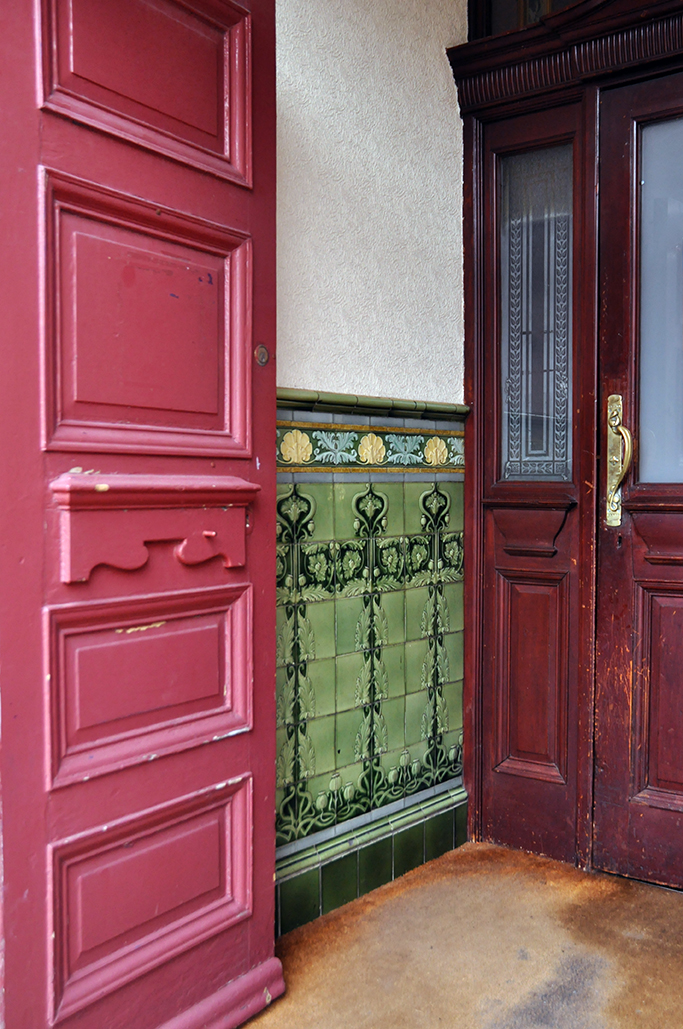
Built in 1903 by Heaton and Ralph for Oldfield Breweries it has retained much of its original character and features and is listed on CAMRA’s Historic Pub Interiors inventory.

http://www.heritagepubs.org.uk/pubs/historic-pub-interior-entry.asp?pubid=605

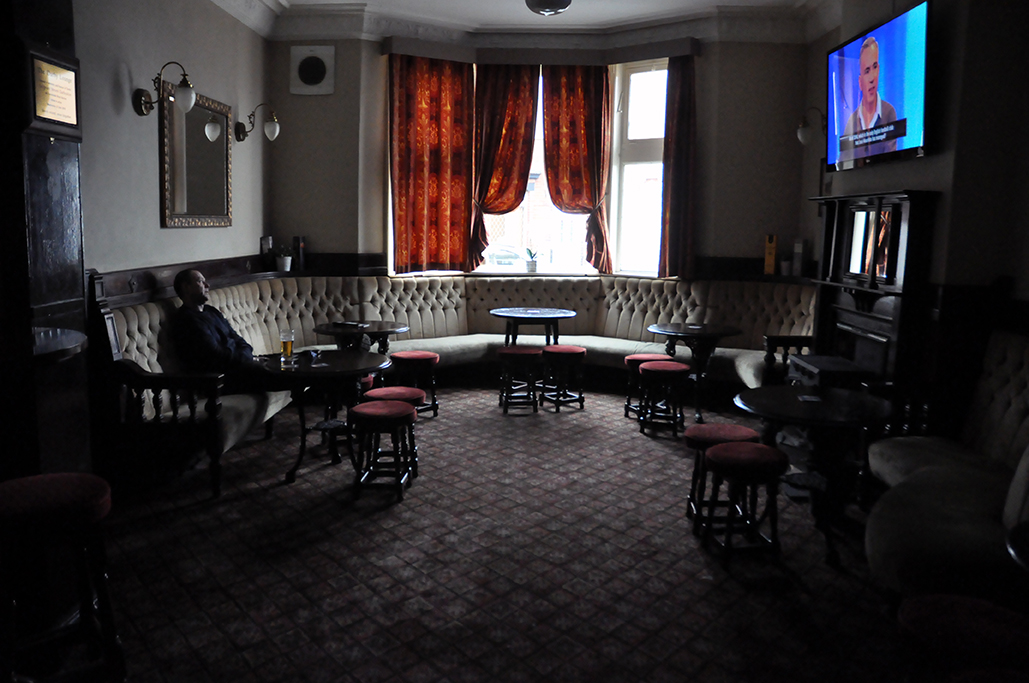
Having walked from the centre of town, following a full day of snapping this and that I was ready for a swift half of well kept Tetley’s Bitter. The staff were more than friendly and happy to assist me in recording this fine and welcoming hostelry. By day quiet and on the dark side, by night it comes to life. Large family and function rooms, a cards and doms tap room, pool and TV caters for customers of all ages and interests.

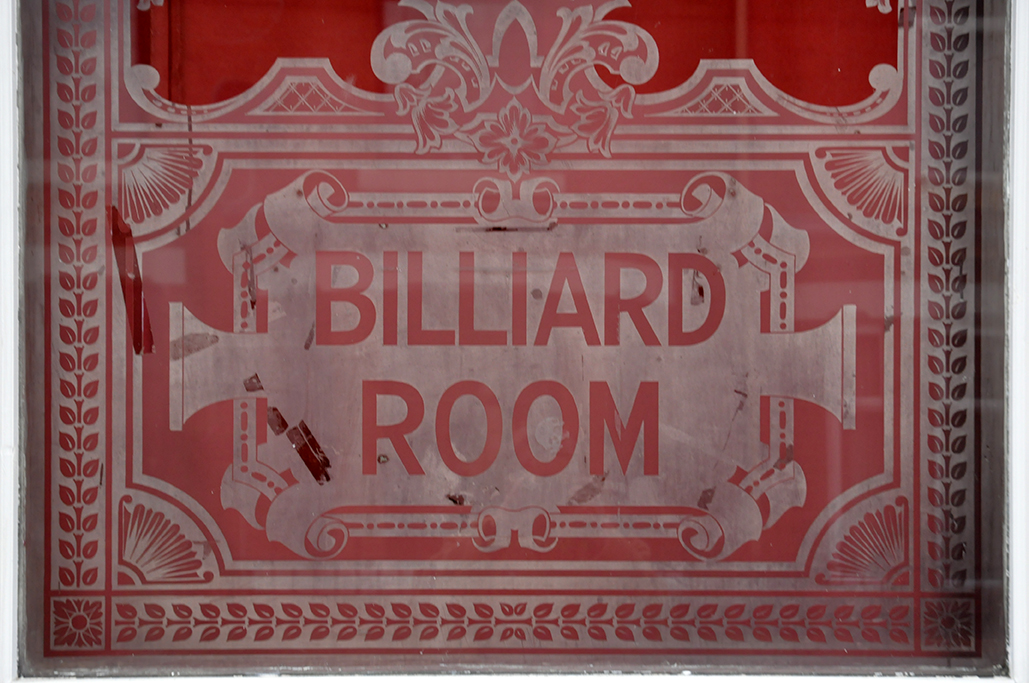
I have tried to capture the weight of sunlight as it falls softly, through the etched glass of the pub, a unique quality known only to the daytime drinker.

If you’re passing pop in.

DSC_0427 copy

DSC_0421 copy

DSC_0420 copy

DSC_0419 copy

DSC_0411 copy

DSC_0409 copy

DSC_0406 copy

DSC_0400 copy

DSC_0368 copy

DSC_0369 copy

DSC_0371 copy

DSC_0376 copy

DSC_0378 copy

DSC_0383 copy

DSC_0387 copy

DSC_0395 copy

Wigan – The Pagefield Hotel

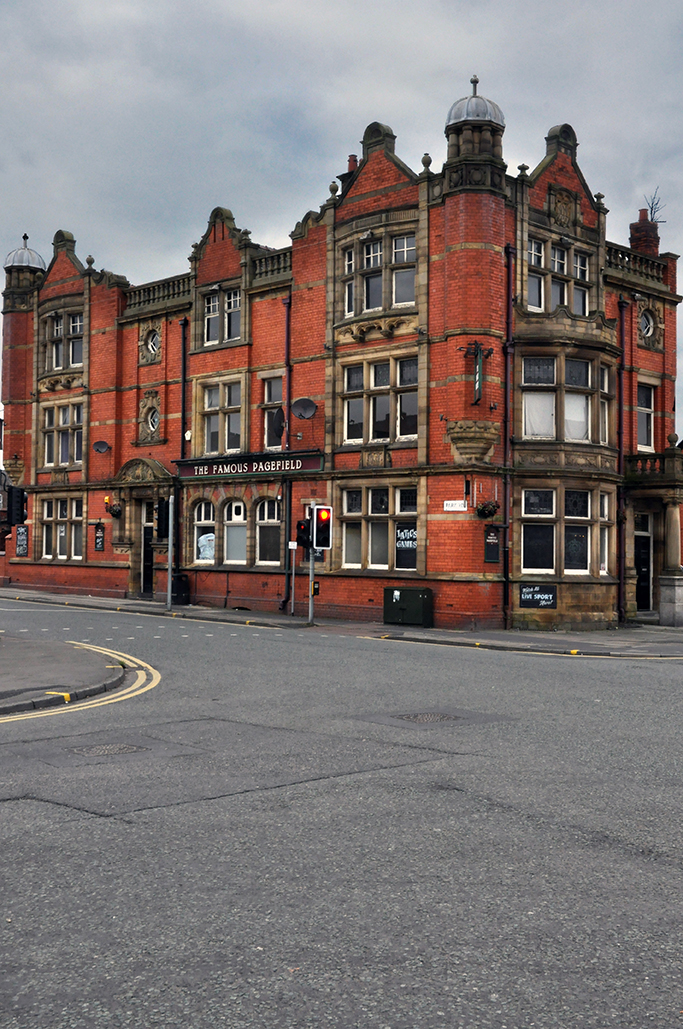
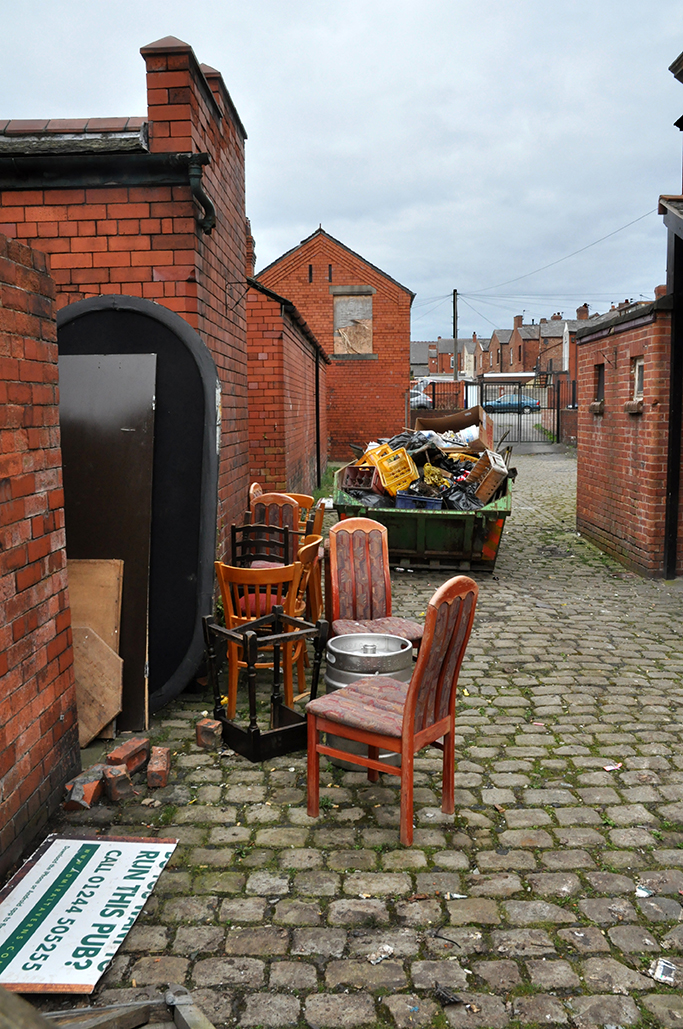
Like many large Edwardian pubs The Pagefield is now closed, though of great social, architectural and historical importance, the economics of industrial decline and changing patterns of leisure almost always point to a change of use rather than reopening as a boozer.  Though more commonly becoming a Tesco or Sainsbury’s, plans have been submitted for both conversion to flats and a possible Indian Restaurant, neither seem imminent.

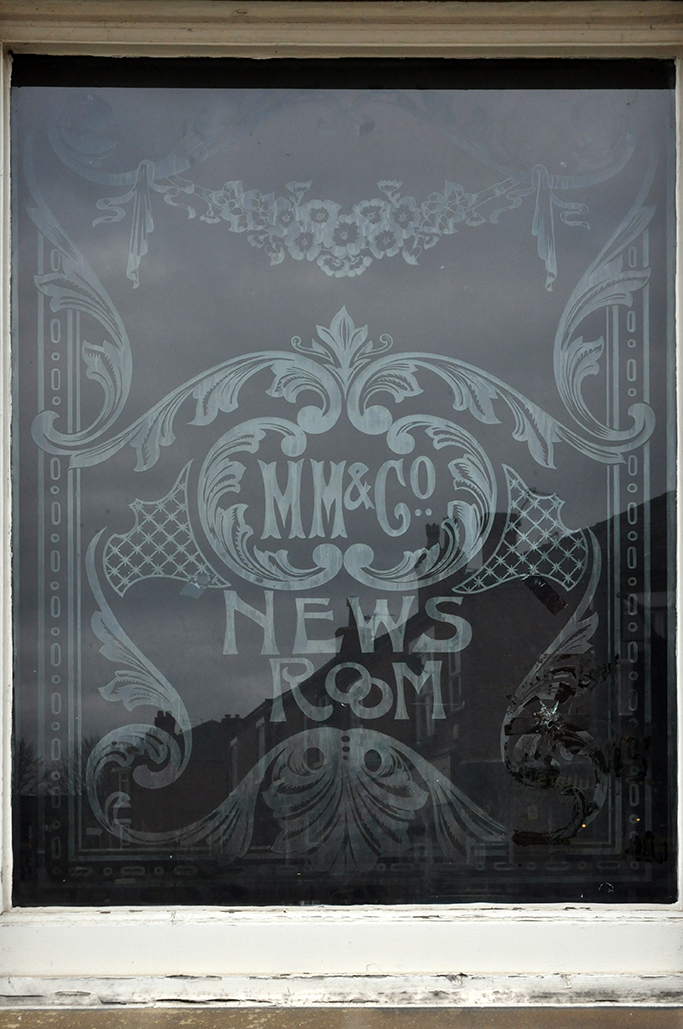
The building is blessed with etched and stained glass windows, a richness of architectural type, mosaic porch and a grandeur in scale and detailing. Once serving a high density of housing in the Springfield area, the mills that fuelled the economy of the area are now long gone, along with the wages that bounced over the bar.

It was named after the Pagefield iron rolling mills which were just down the road – thanks to Steven Buckley for the inside track, his great grandfathers worked at the mill.

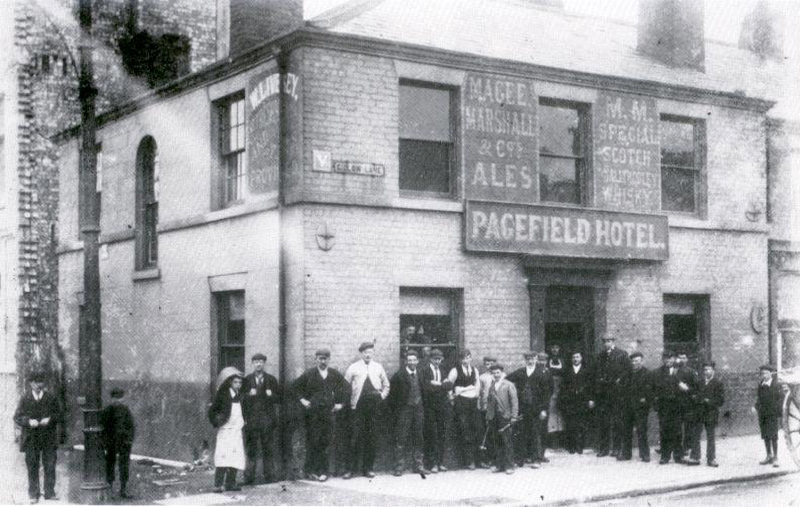
Originally a Bolton based brewery Magee and Marshall owned the pub, passing to Greenall Whitley and then the usual succession of entrepreneurial pub companies.

“Magee Marshall & Company was a brewery that operated from the Crown Brewery in Bolton. It was founded by David Magee, a brewer and spirit merchant in 1853. He moved from the Good Samaritan Brewhouse to the Crown Hotel in the 1860s and built the Crown Brewery in Derby Street next to the hotel. After his death he was succeeded by his sons, who acquired David Marshall’s Grapes Brewery and the Horseshoe Brewery. The company was registered as Magee Marshall & Company Ltd. in 1888. The company acquired Henry Robinson’s Brewery in Wigan and Halliwell’s Alexandra Brewery. In 1959 it was acquired by Greenall and Whitley and closed in 1970.

The brewery, built around 1900, was in the “traditional brewery style” with a five-storey section for gravity processing and an ornamental tower. Up to the 1950s the company transported water, high in dissolved calcium carbonate content, in tankers by rail from Burton on Trent for the brewing process.”


DSC_0333 copy

DSC_0341 copy

3u6vqs84 copy
The original Pagefield

DSC_0332 copy

DSC_0335 copy

DSC_0344 copy

DSC_0334 copy

DSC_0336 copy

DSC_0339 copy