Tib Street Manchester – Johnson & Nephew

Thanks to L Kaye and the Manchester Local Image Collection there is a photographic record of Tib Street through the years.

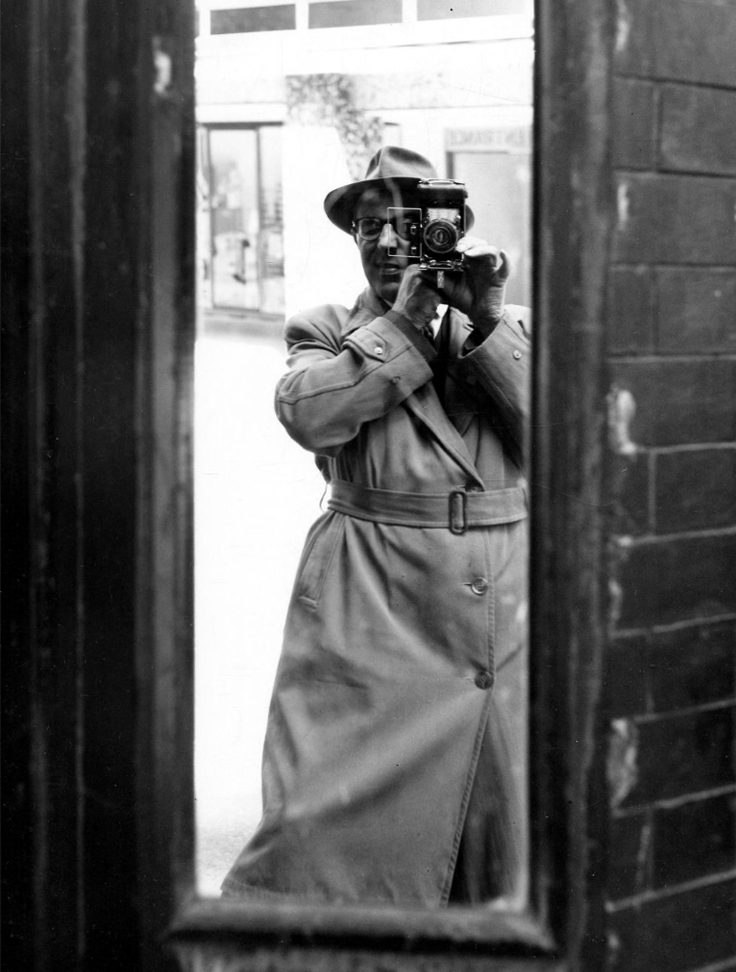
Shot on 35mm black and white film, cautiously clad in gaberdine and trilby. The legwork aside the processing and printing of a whole heap of exposures was a gargantuan task.

Chapeau!

Mr L Kaye member of the Manchester Amateur Photographic Society.
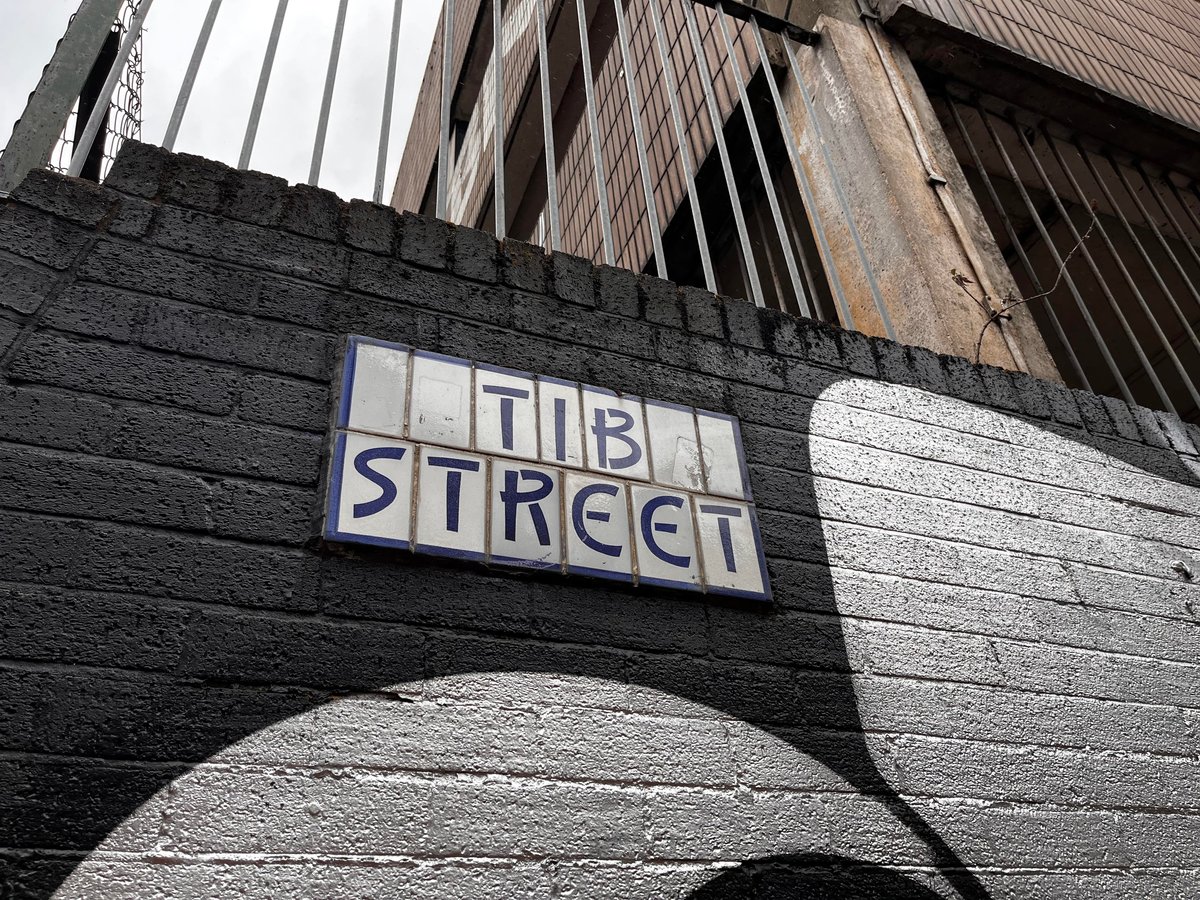
The street is named for the culverted River Tib.

The river’s source is a spring in Miles Platting , from where it flows underneath Oldham Road and the eponymous Tib Street to reach the city centre. After flowing underneath West Mosley Street, the Tib crosses Princess Street to flow underneath the Manchester Town Hall Extension, the Central Library and the Midland Hotel’s dining room, before joining the Medlock at Gaythorn (now First Street,  close to Deansgate railway station.

Wikipedia

The distinctive street signs the work of my old pal Tim Rushton.
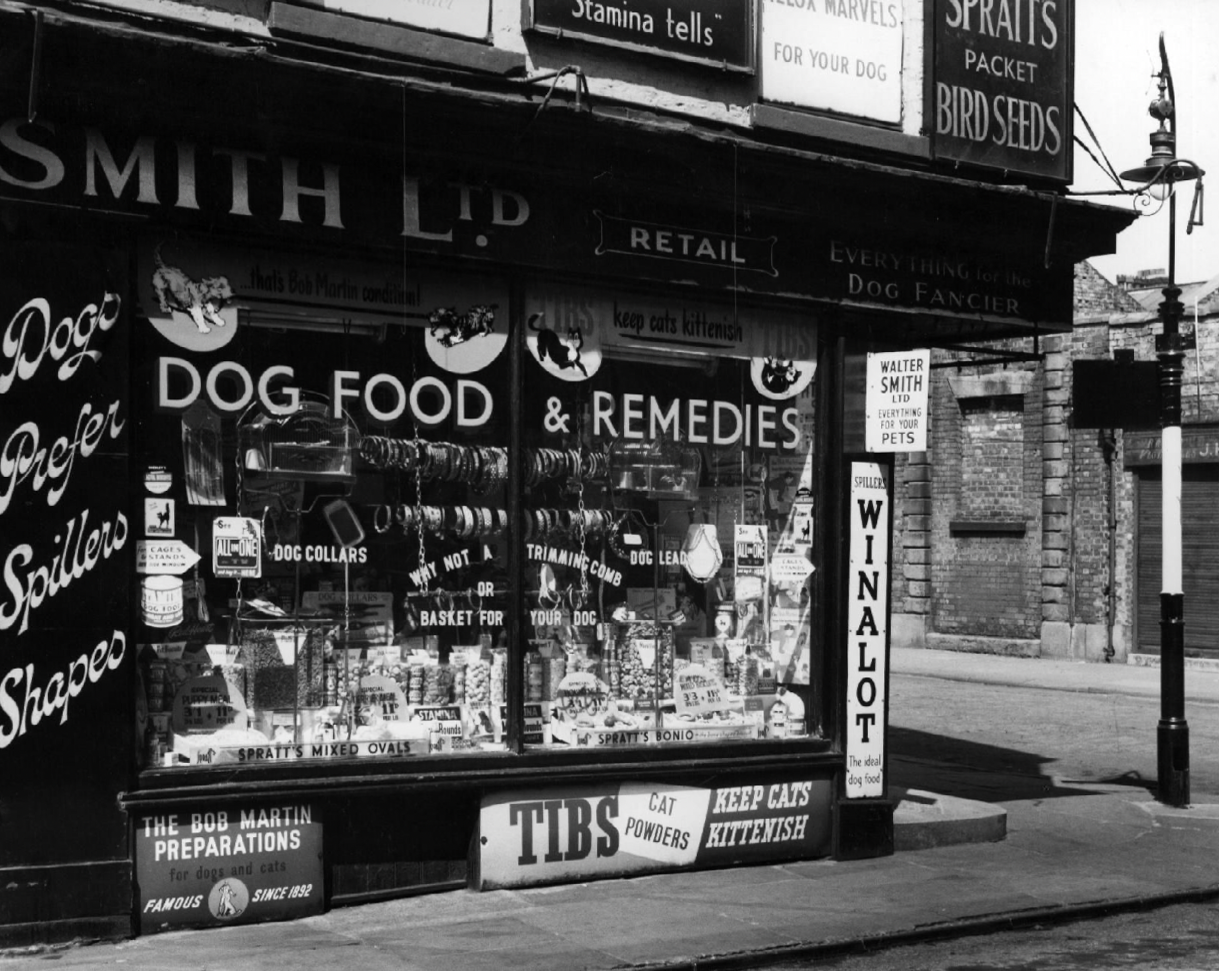
There are those who will remember Tib Street, as a street of pet shops.
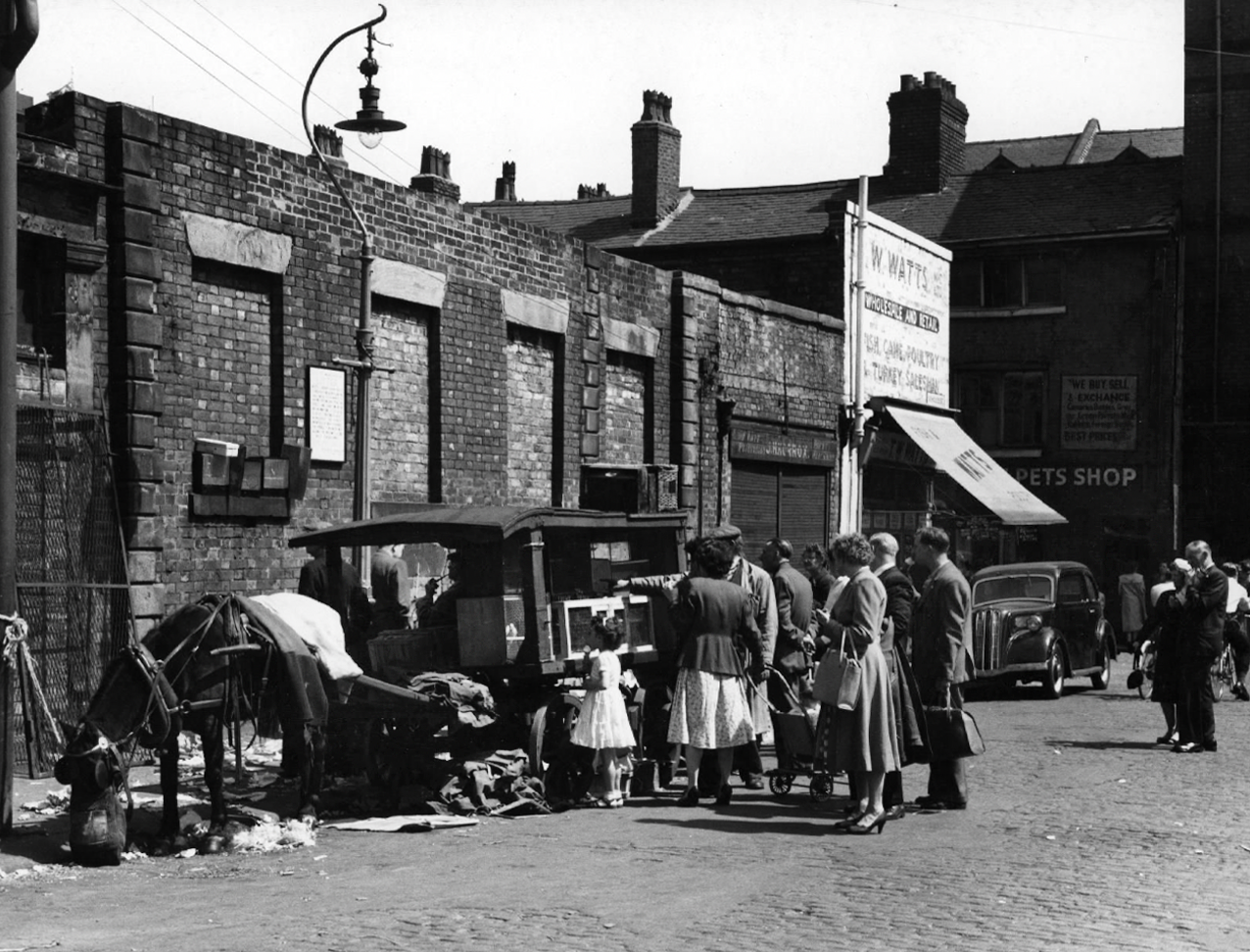
Whilst on Sundays the area was transformed into an al fresco menagerie – a land of caged birds and cuddly coneys.
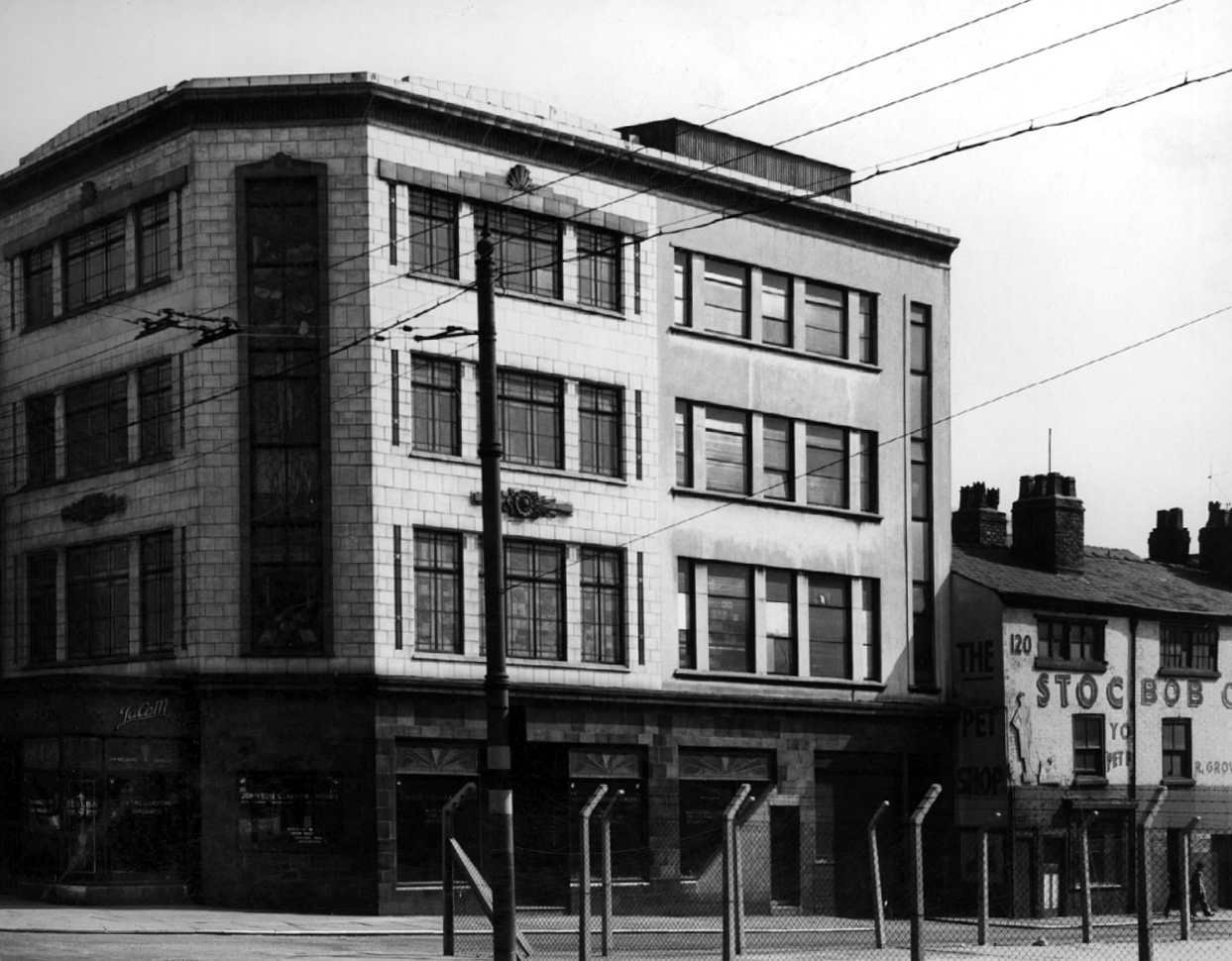
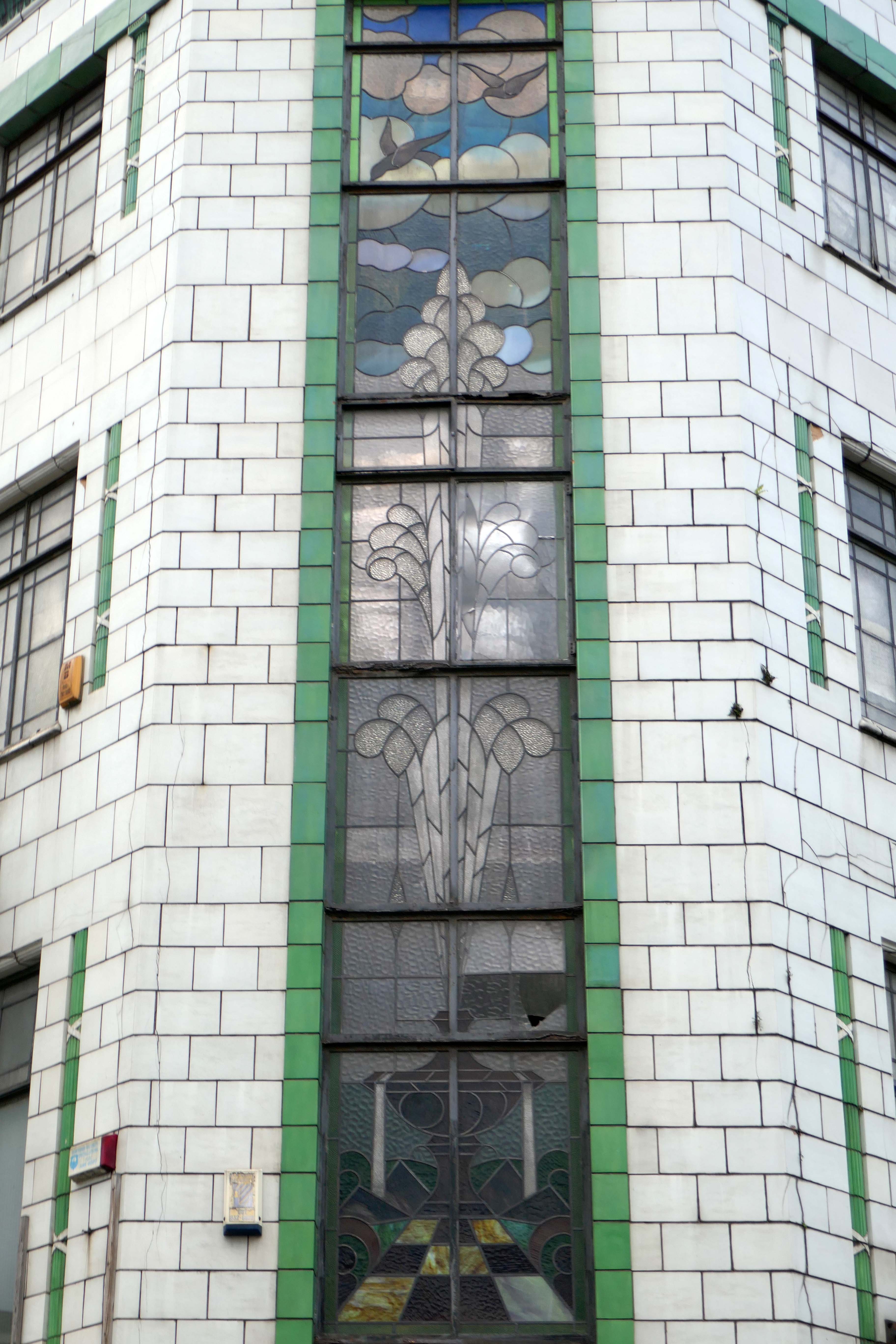
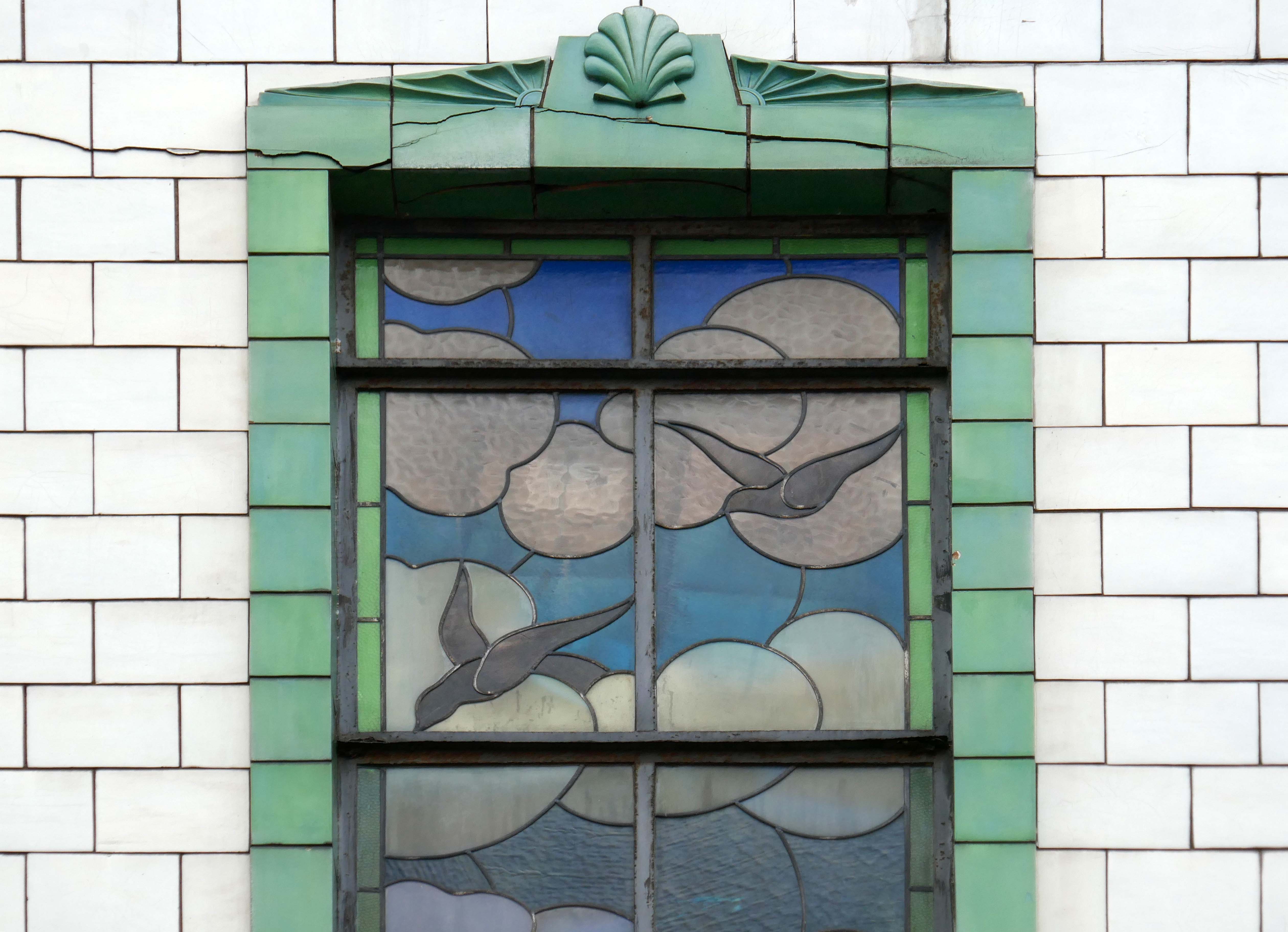
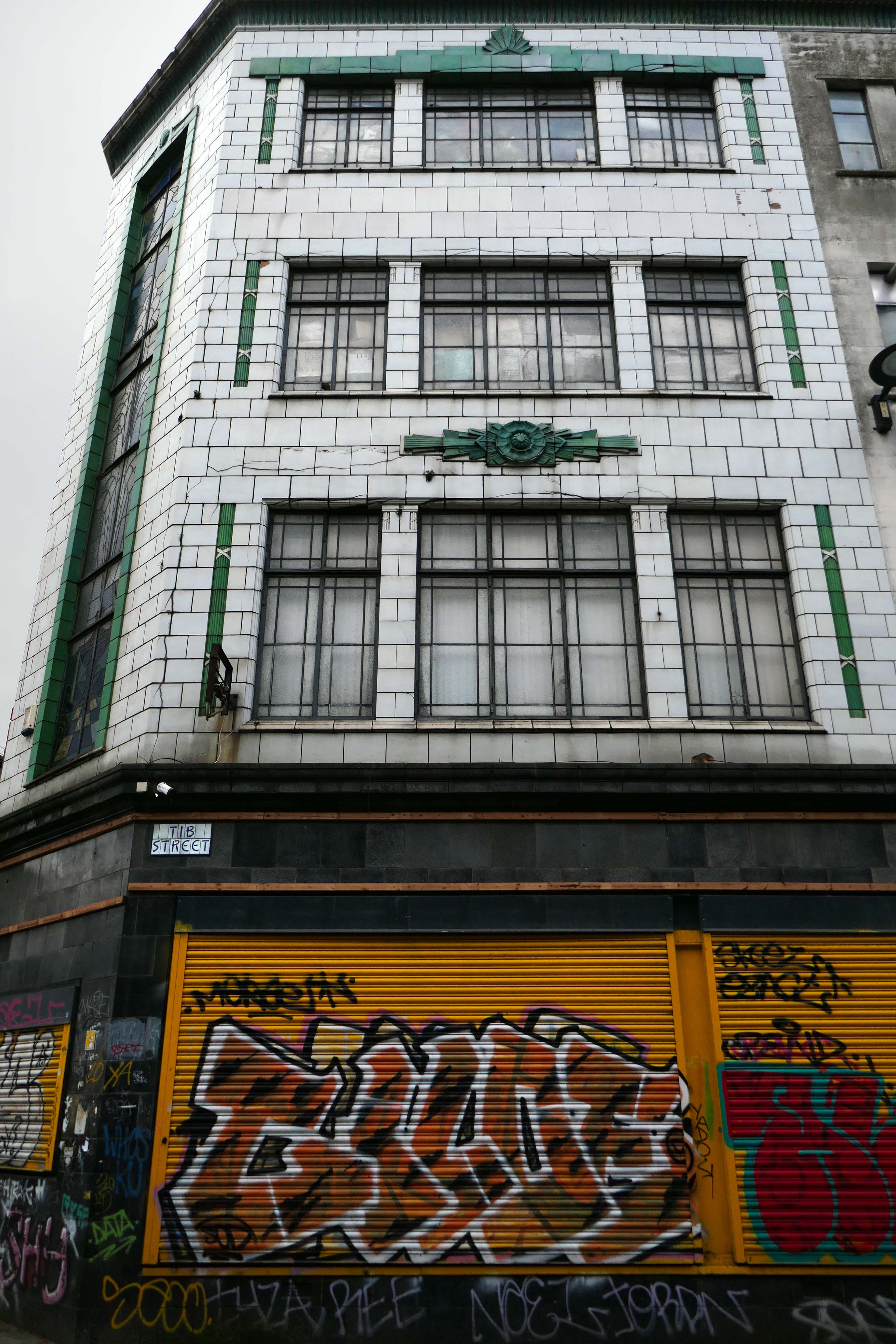
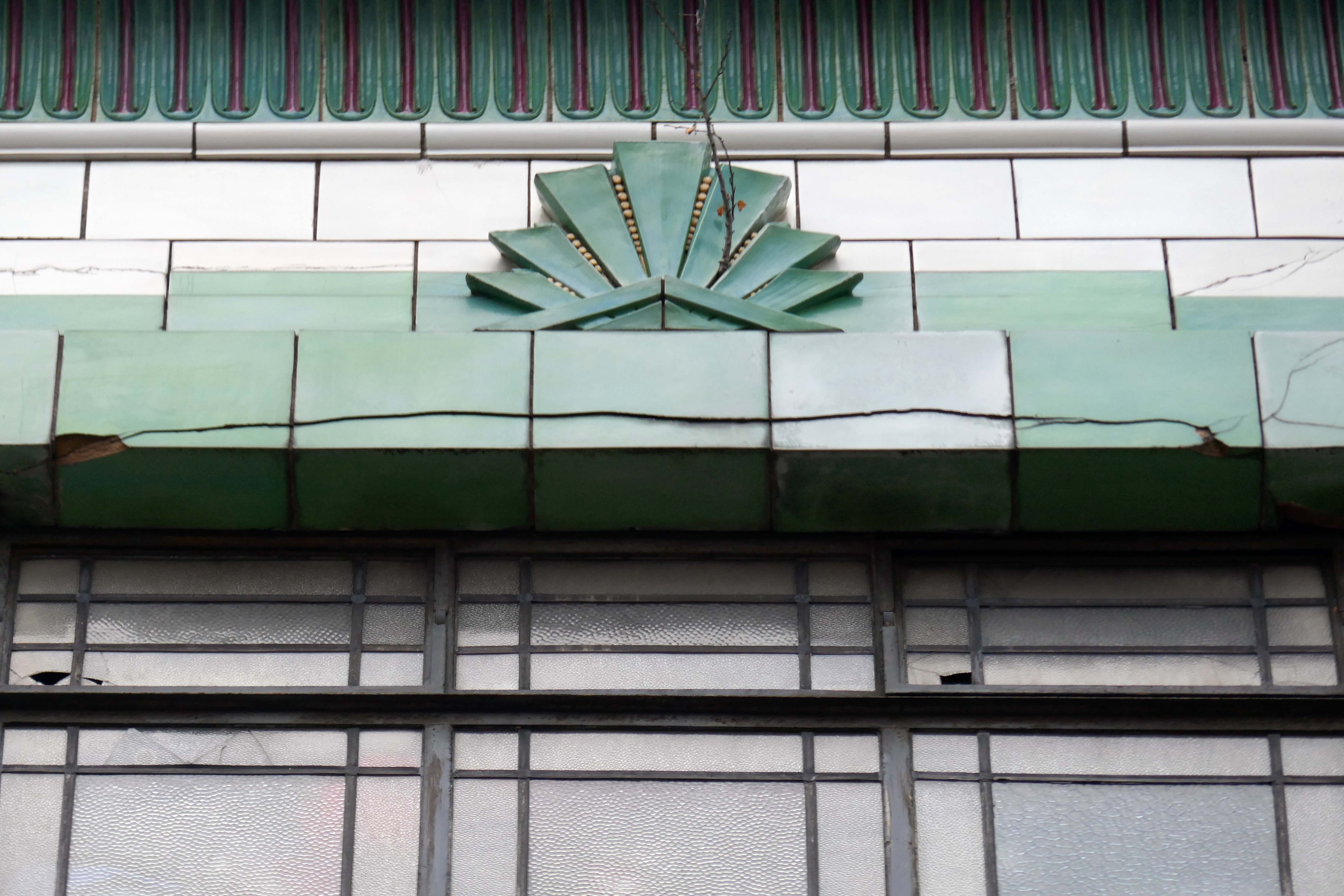
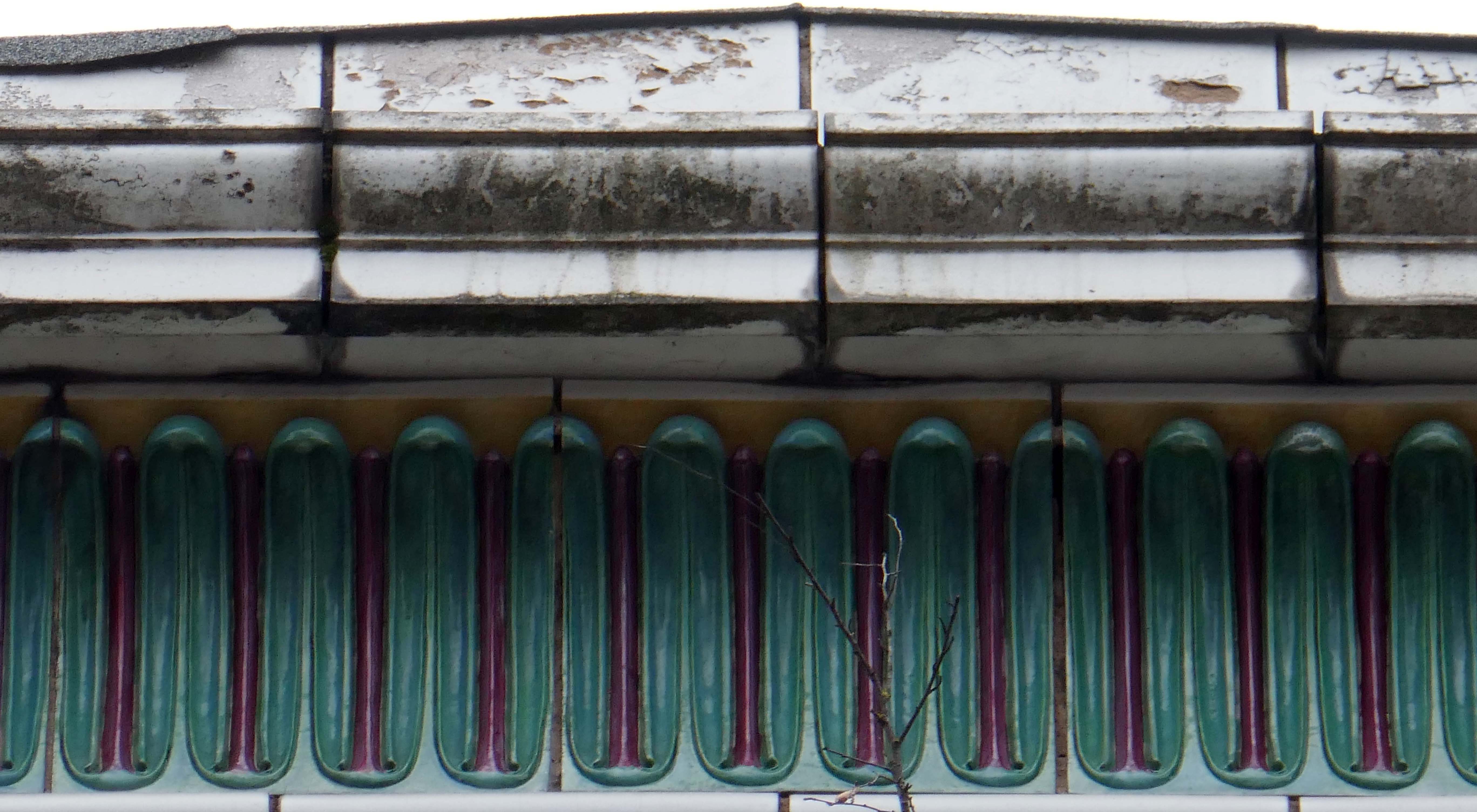
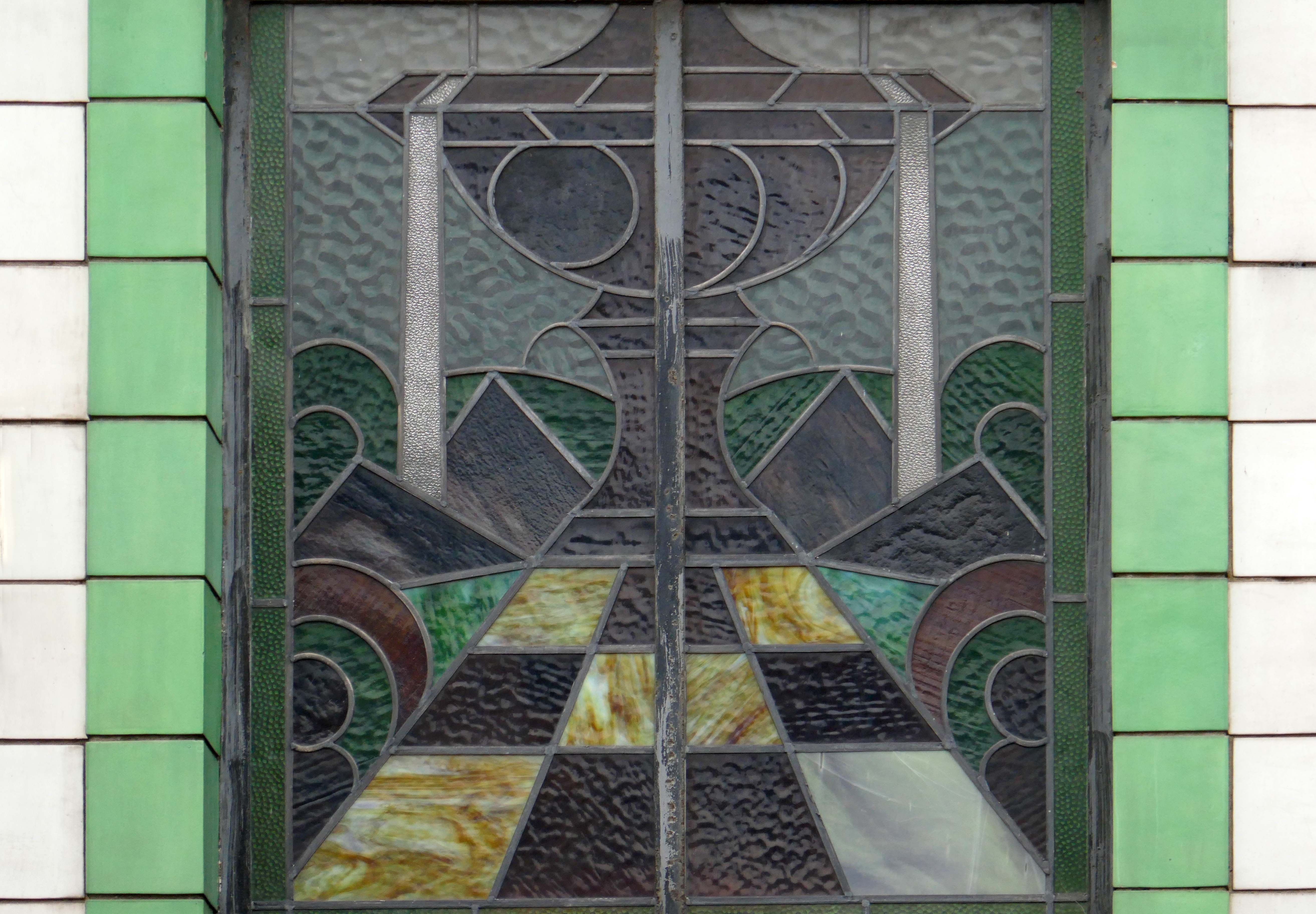
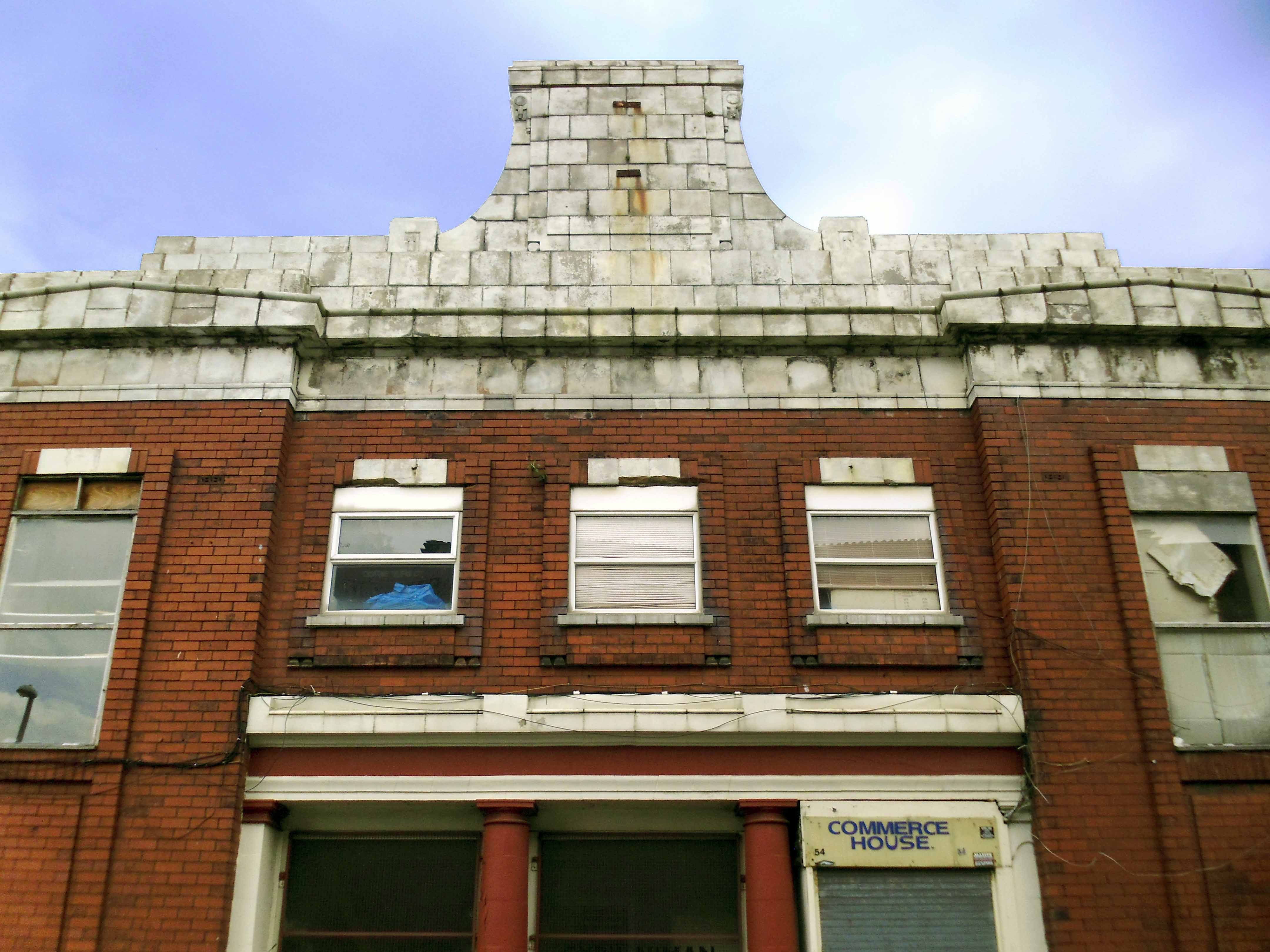
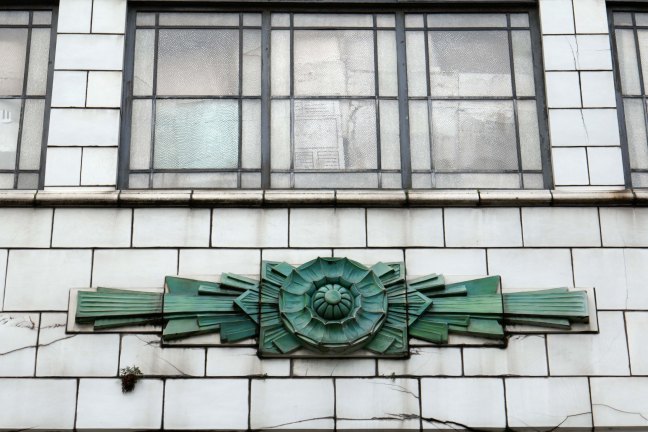
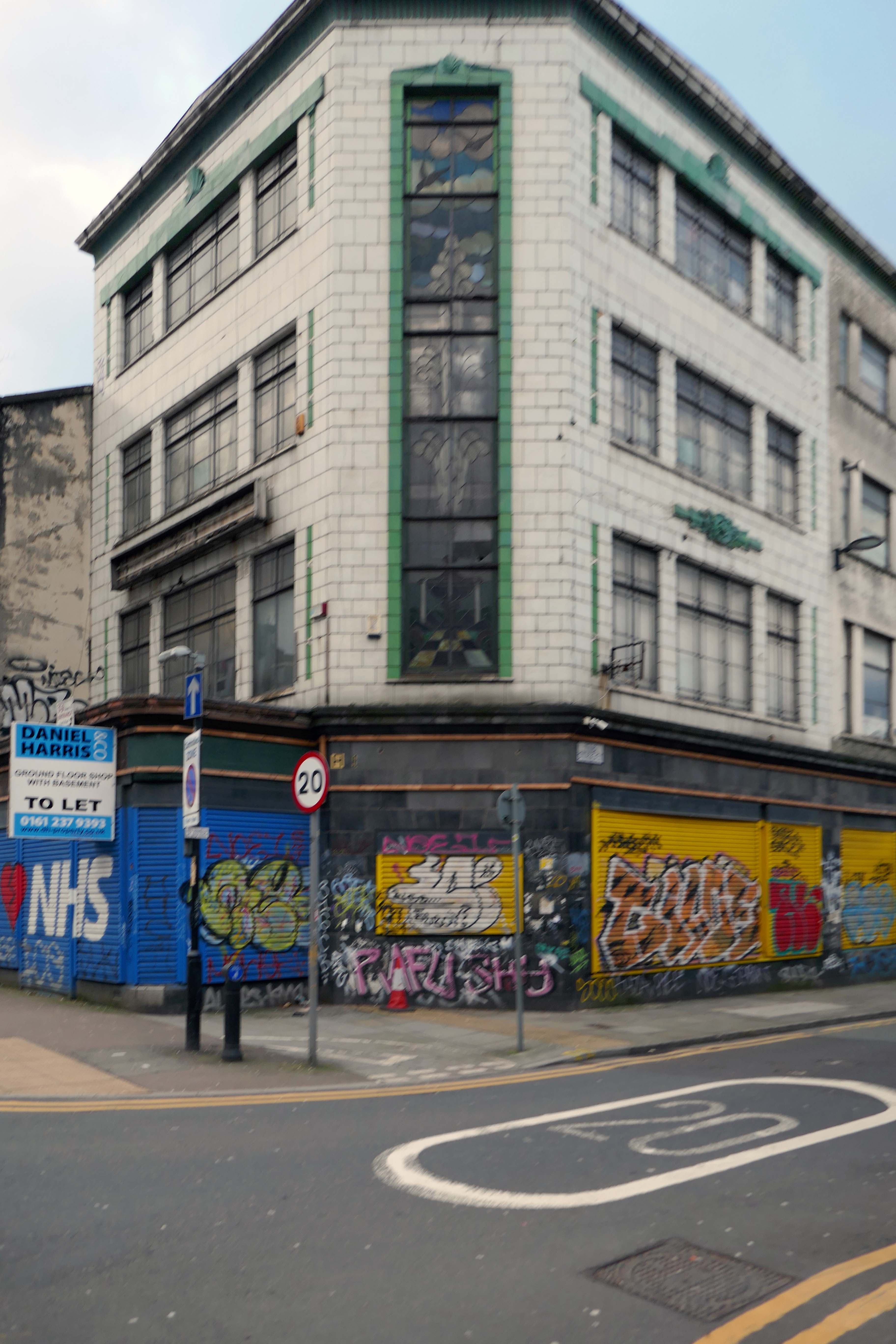
I have long been curious about the faience fronted shop on the corner of Tib and Swan Streets, it featured on my modernist mooch around the north of the city centre.

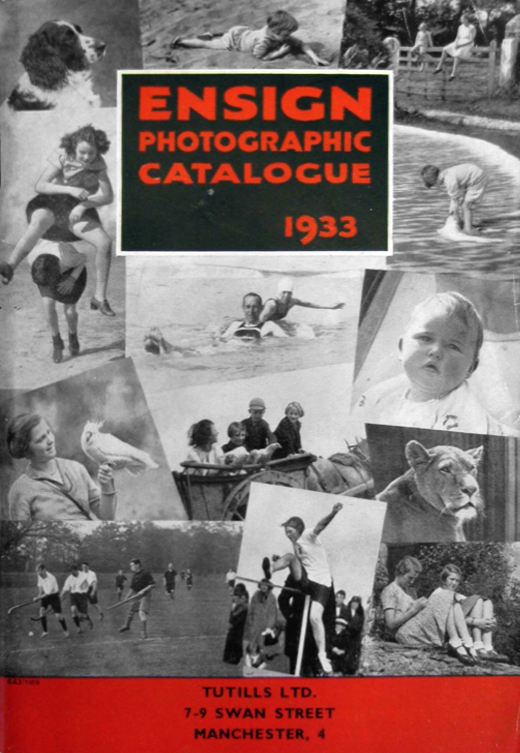
I have been informed by Lee Hutchings that it had originally been home to Tuttils Ltd.
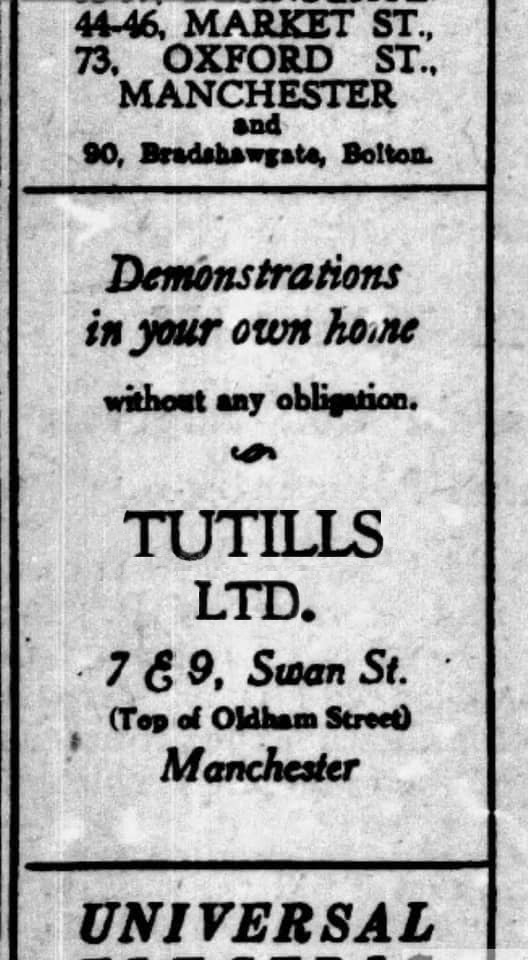
Ensign Cameras existed until 1961.
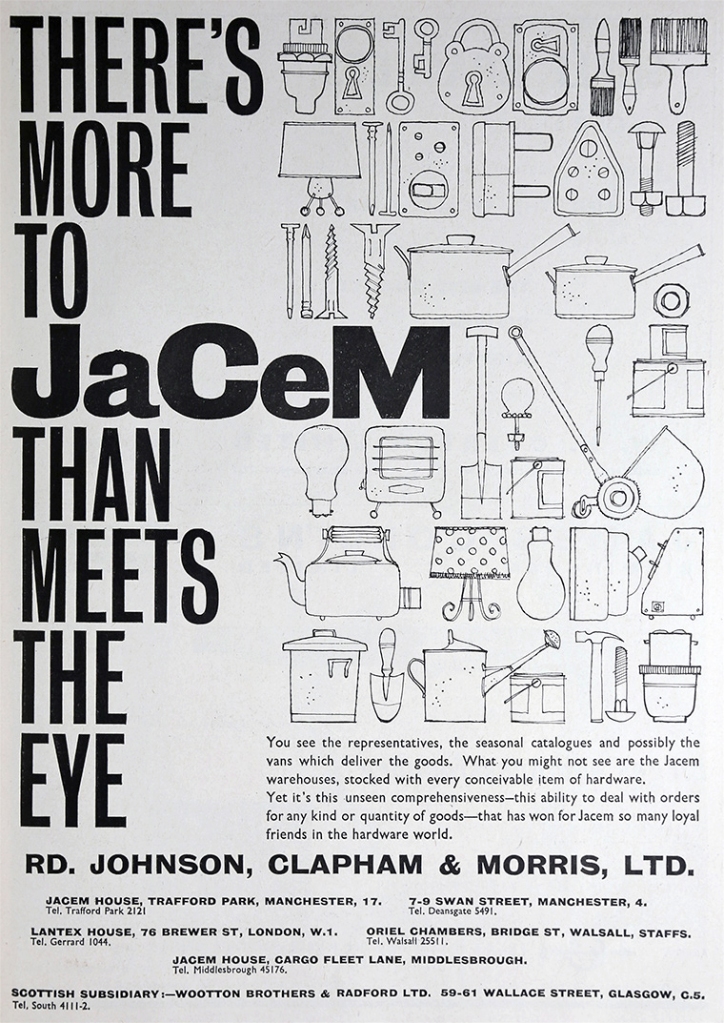
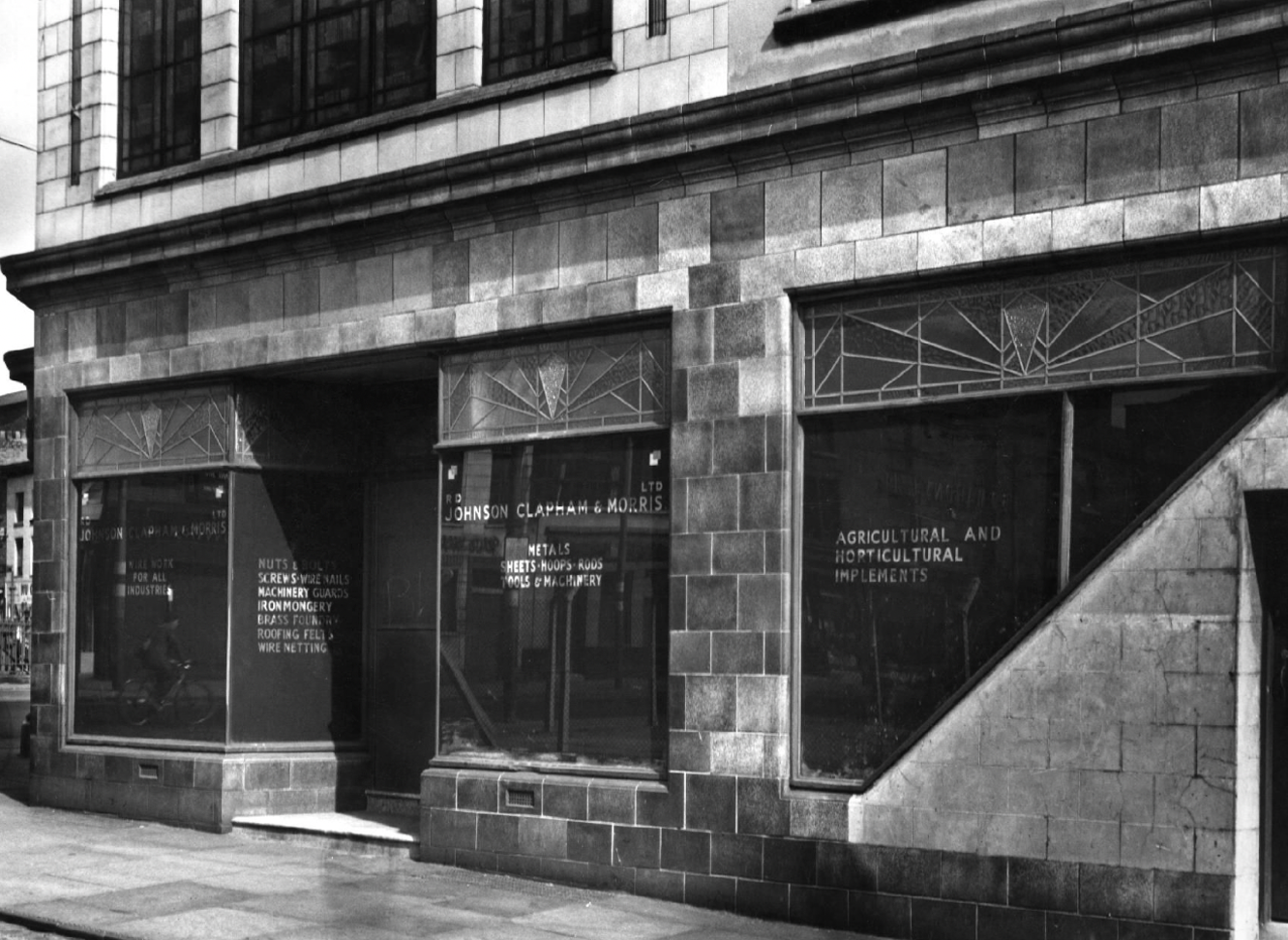
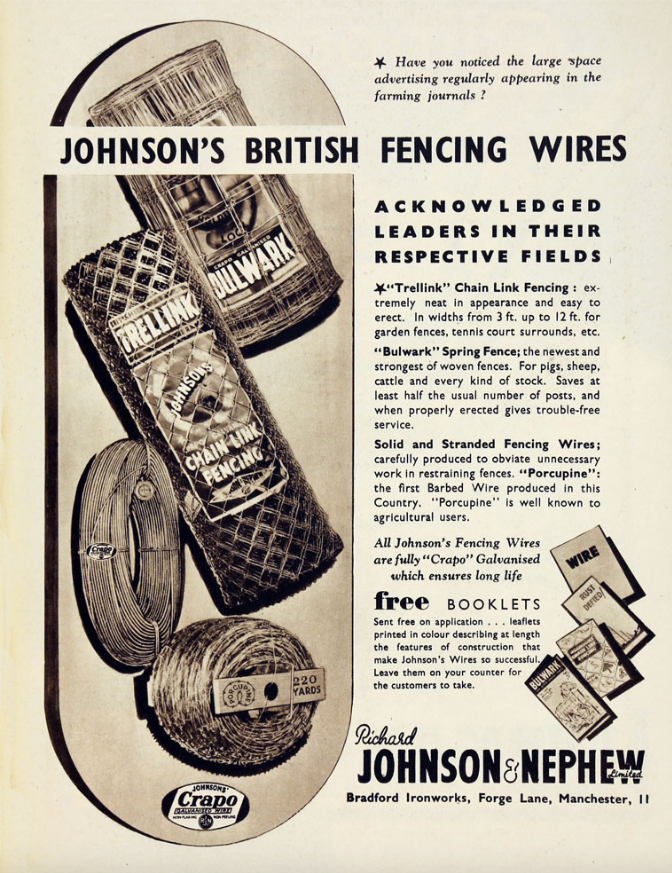
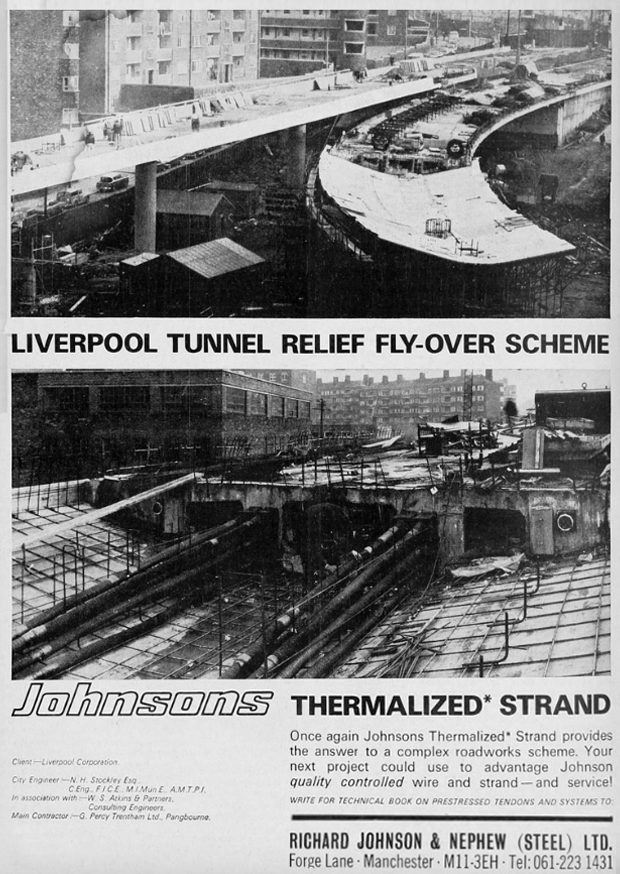
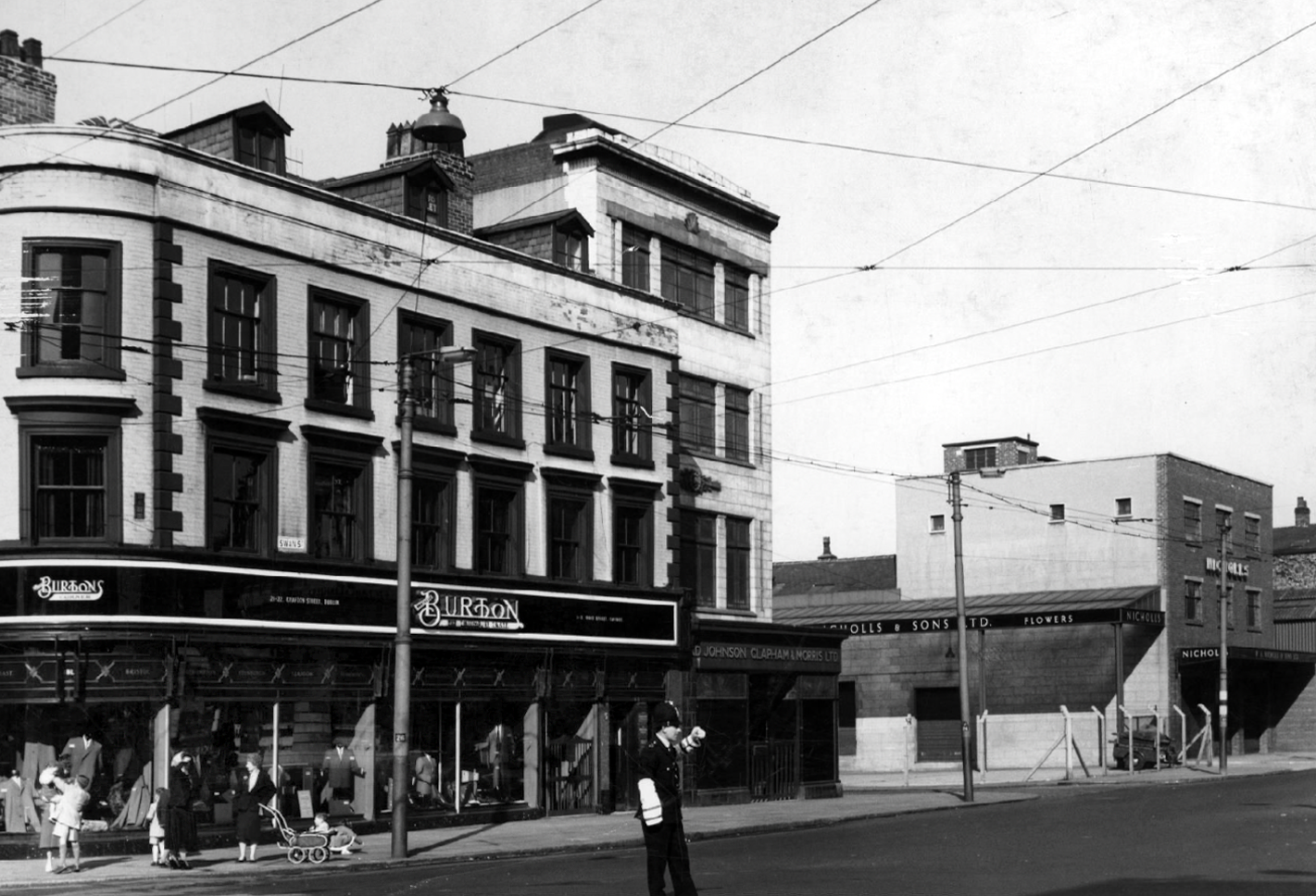
It was also, formerly the showrooms for local manufacturers Johnson & Nephew.
Here it is in 1959 – with a Burton’s for a neighbour.
Pragmatic Manchester is far from awash with Art Deco – the lost Paramount/Odeon of Oxford Street comes to mind, demolished in 2017.

The Paramount Theatre was built in 1930 to the designs of architects Frank T. Verity & Samuel Beverley for the U.K. arm of the American Paramount Theatres Ltd. chain. The Manchester Paramount Theatre was a sumptuous American import.
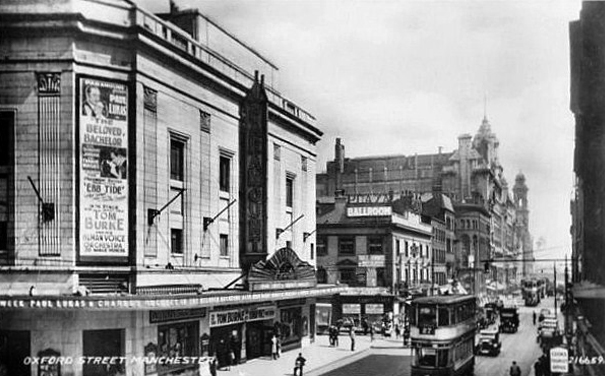
Cinema Treasures

Along with the Rylands Building on High Street – currently receiving a facelift following the demise of Debenhams.

The building was originally built as a warehouse by J. Gerrard & Sons of Swinton for the Rylands textile company, which was founded by the entrepreneur John Rylands. That firm had occupied warehouses in High Street ever since 1822; its west-facing side is on High Street. The building was designed by the eminent Manchester architects, Fairhursts – Harry S. & P. G. Fairhurst, in an Art Deco style. It is clad in Portland stone and features a decorative corner tower and eclectic ‘zig zag’ window lintels. The work was completed in 1932.

Wikipedia

Rylands will be sensitively restored to its elegant past. The building will comprise workspace, retail and leisure, creating an exciting new destination in Central Manchester.
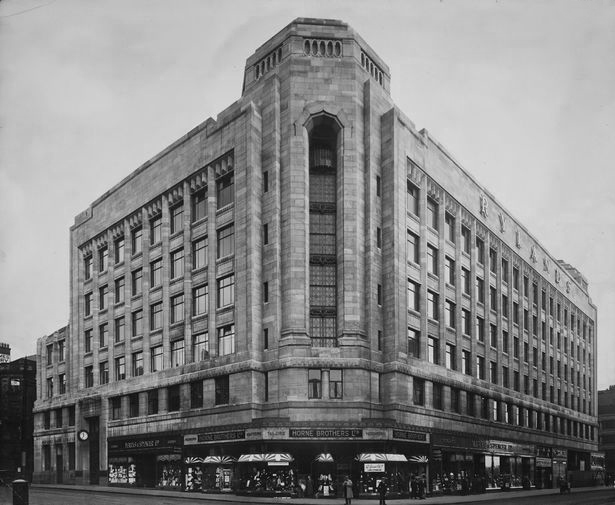
Rylands

Also of note are the works of Joe Sunlight the Express Building and Kendals.

The Tib/Swan Street site has now ceased trading as the last of the area’s pet shops.

Time alone will tell what fate awaits it.
Strangeways Manchester #2

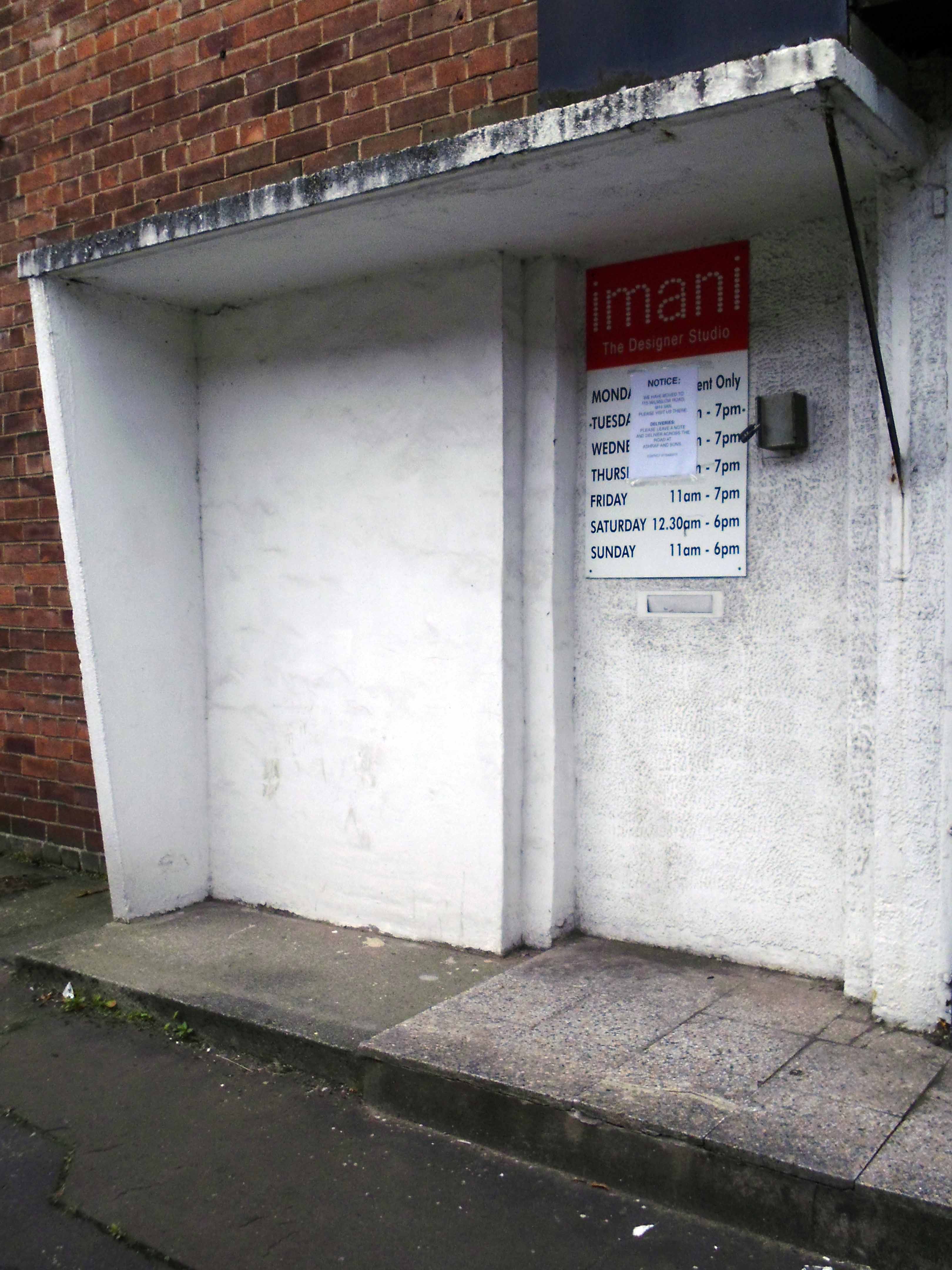
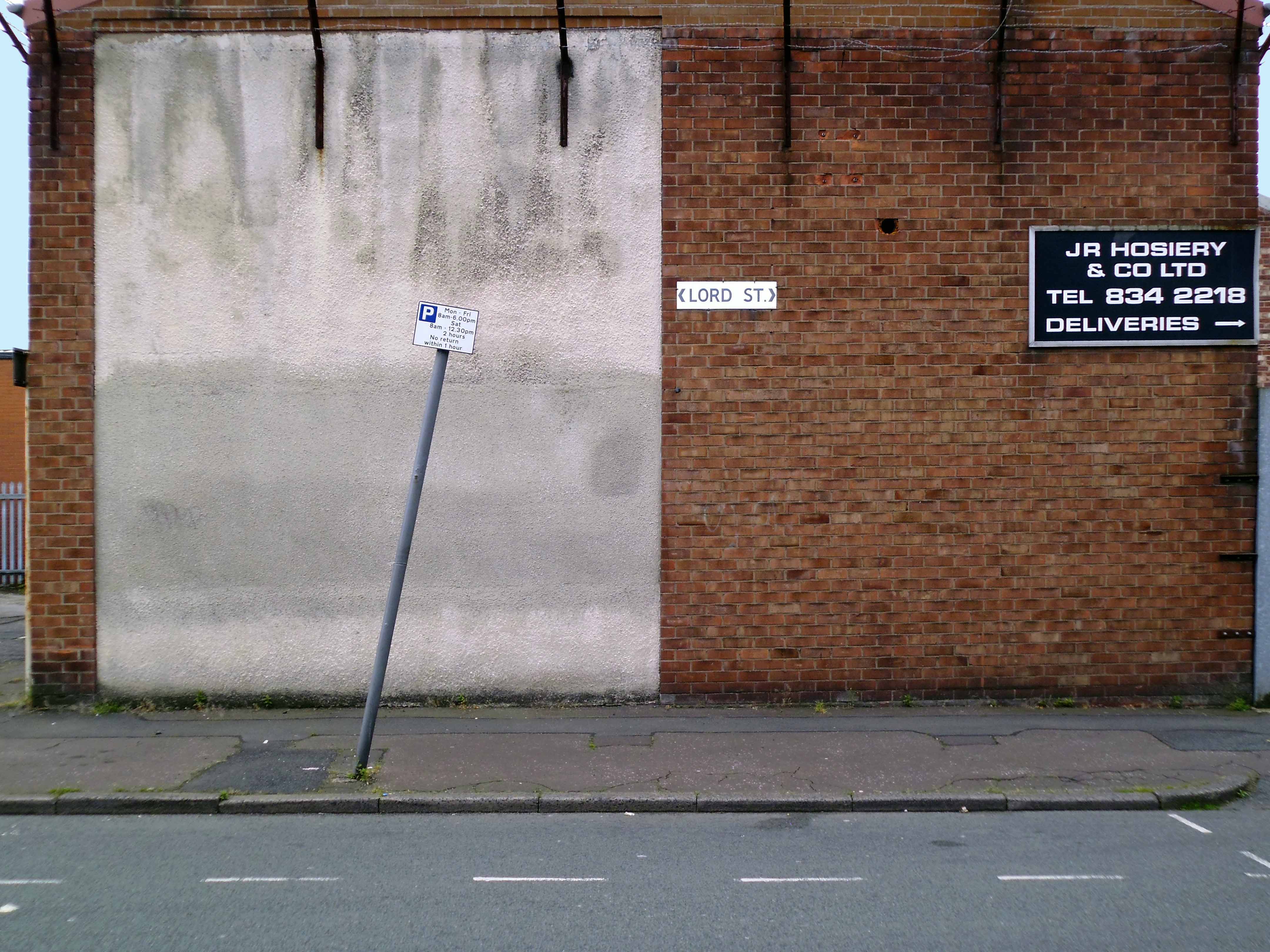
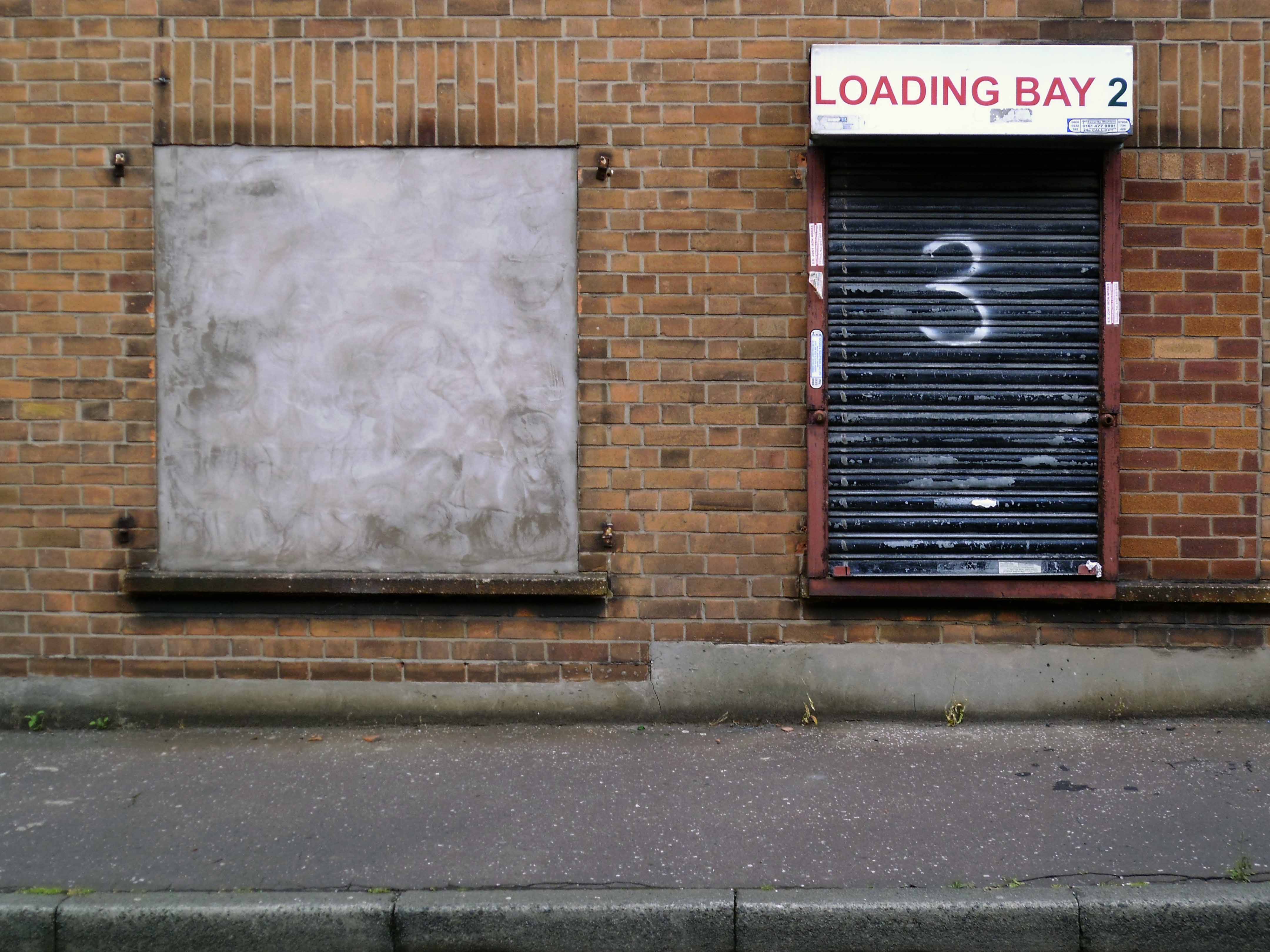
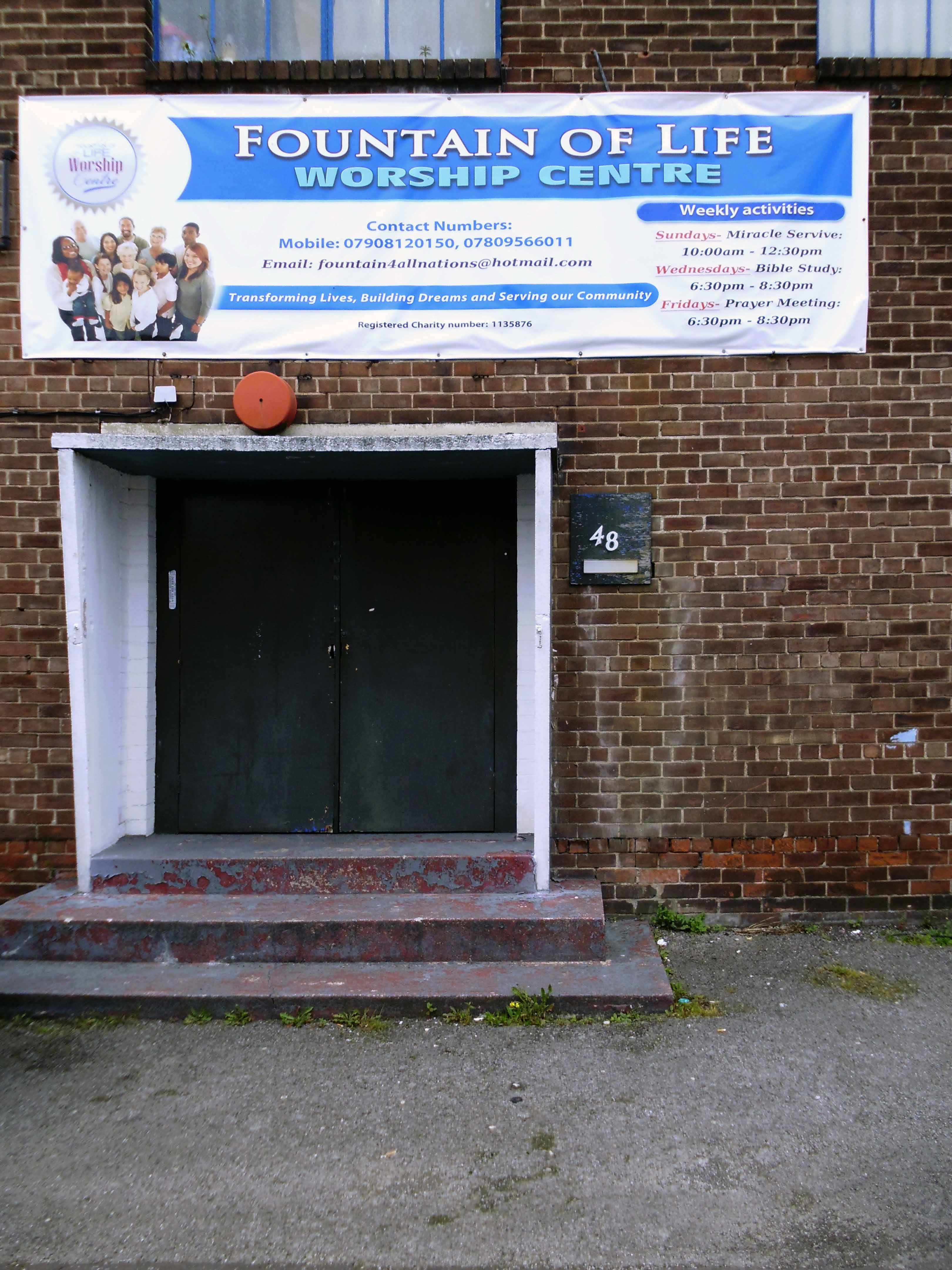
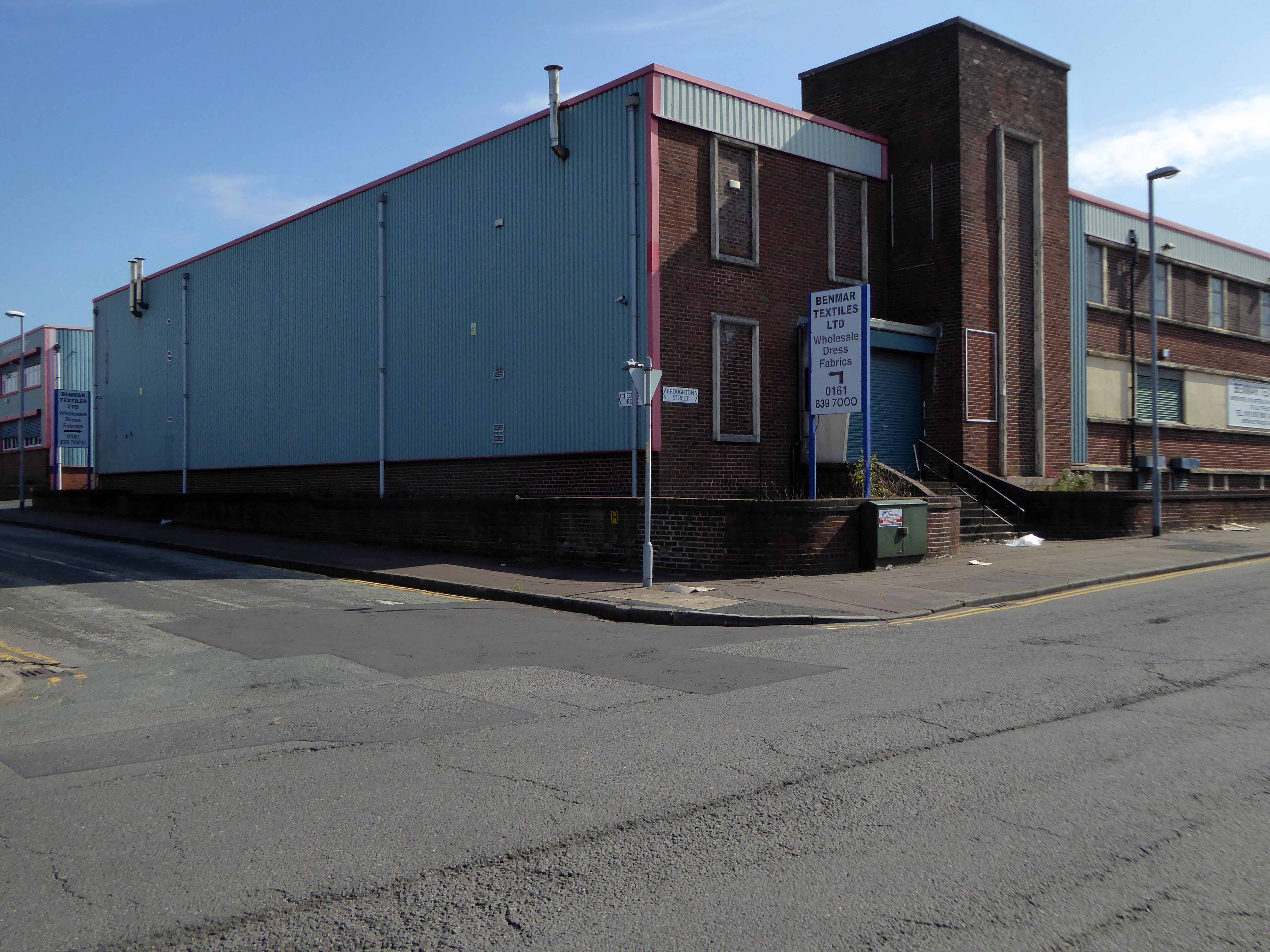
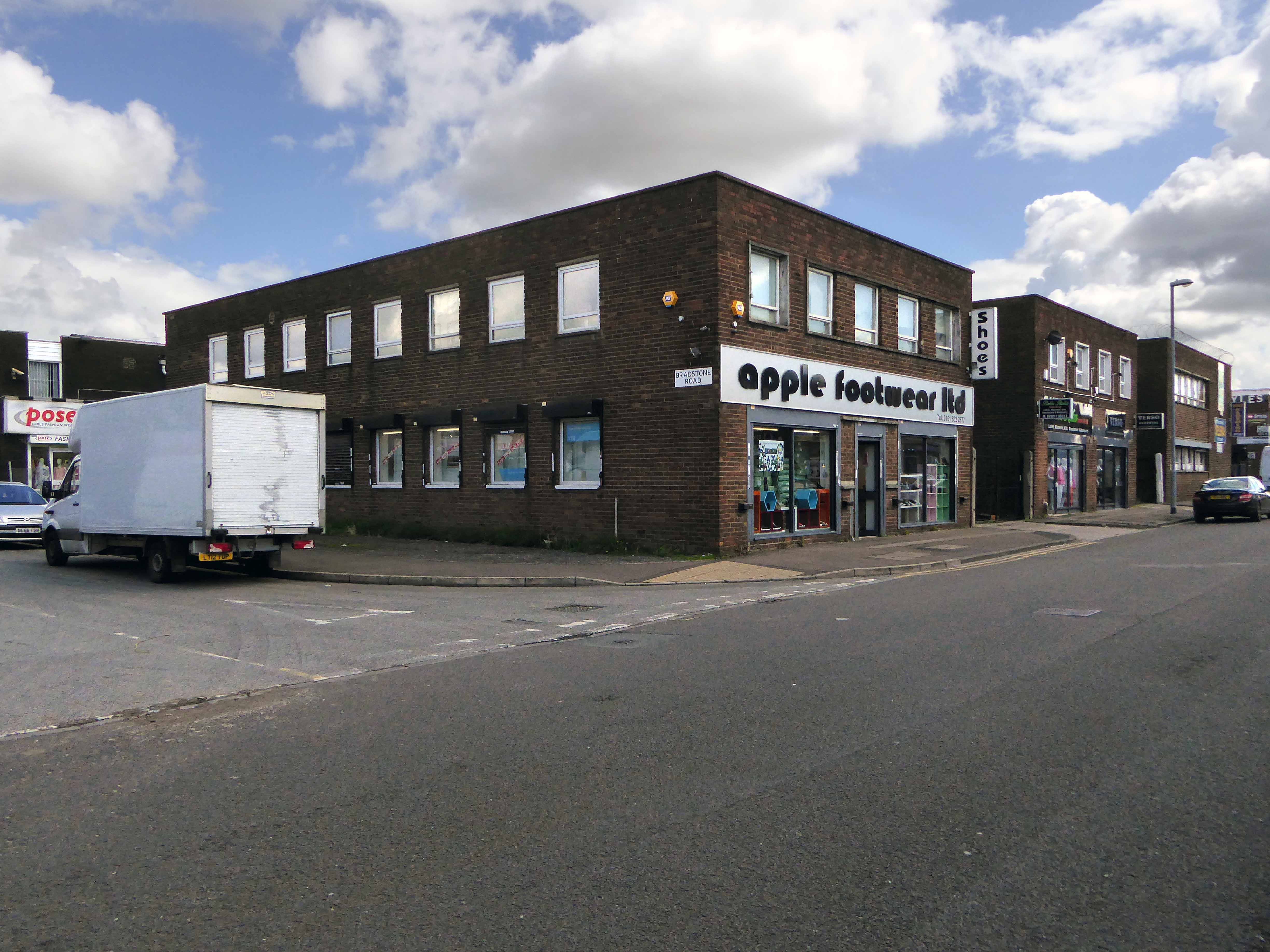
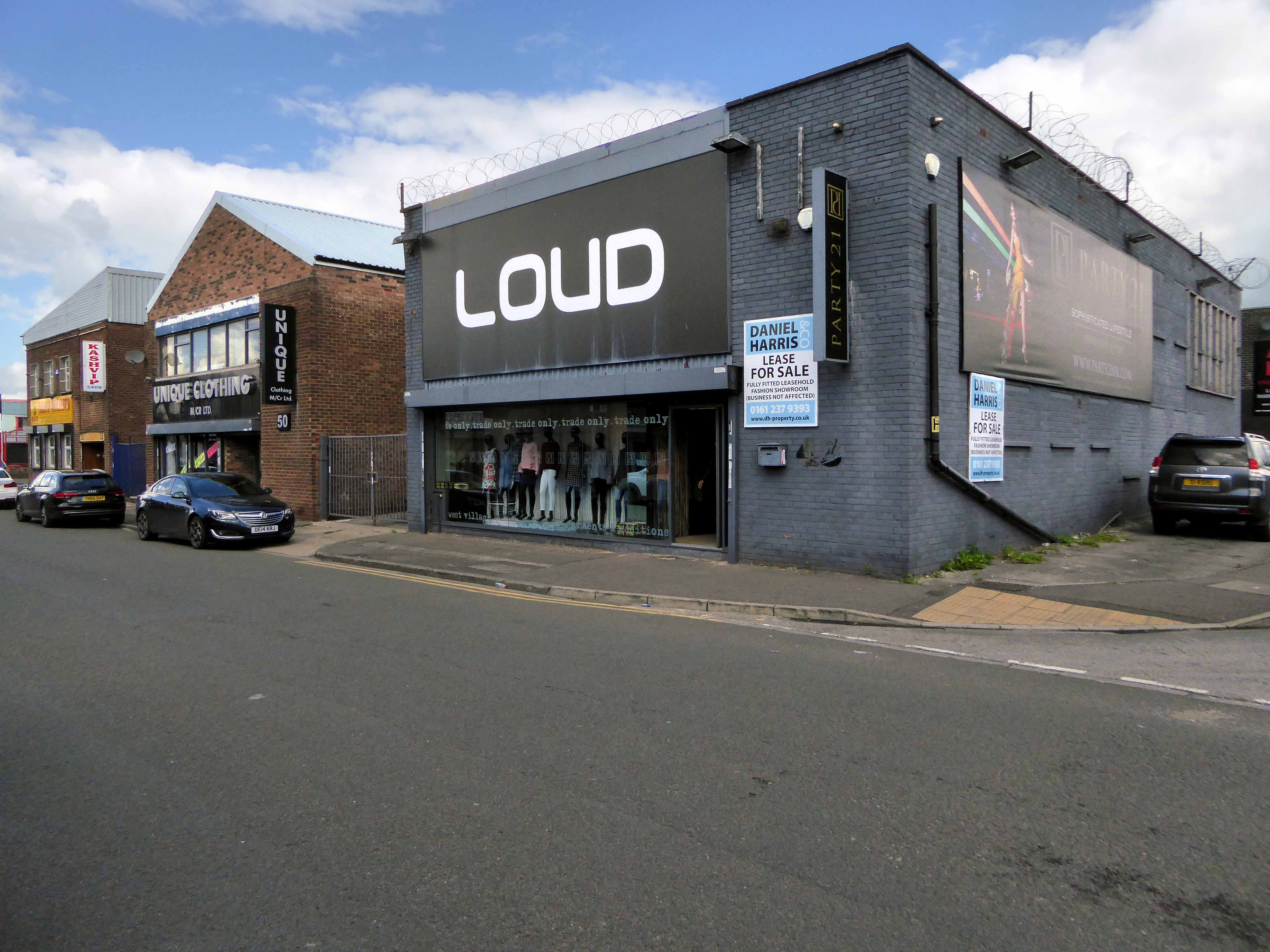
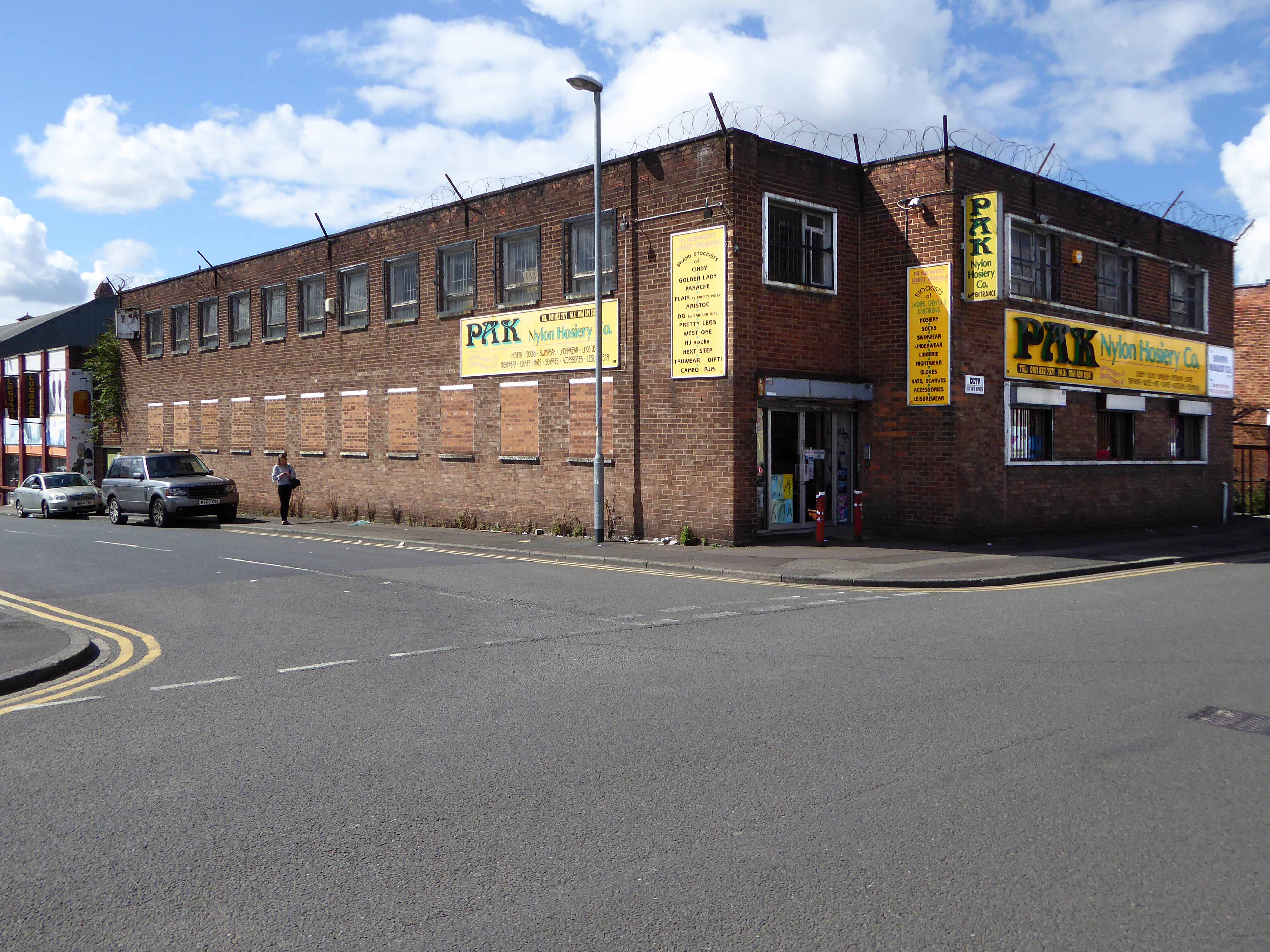
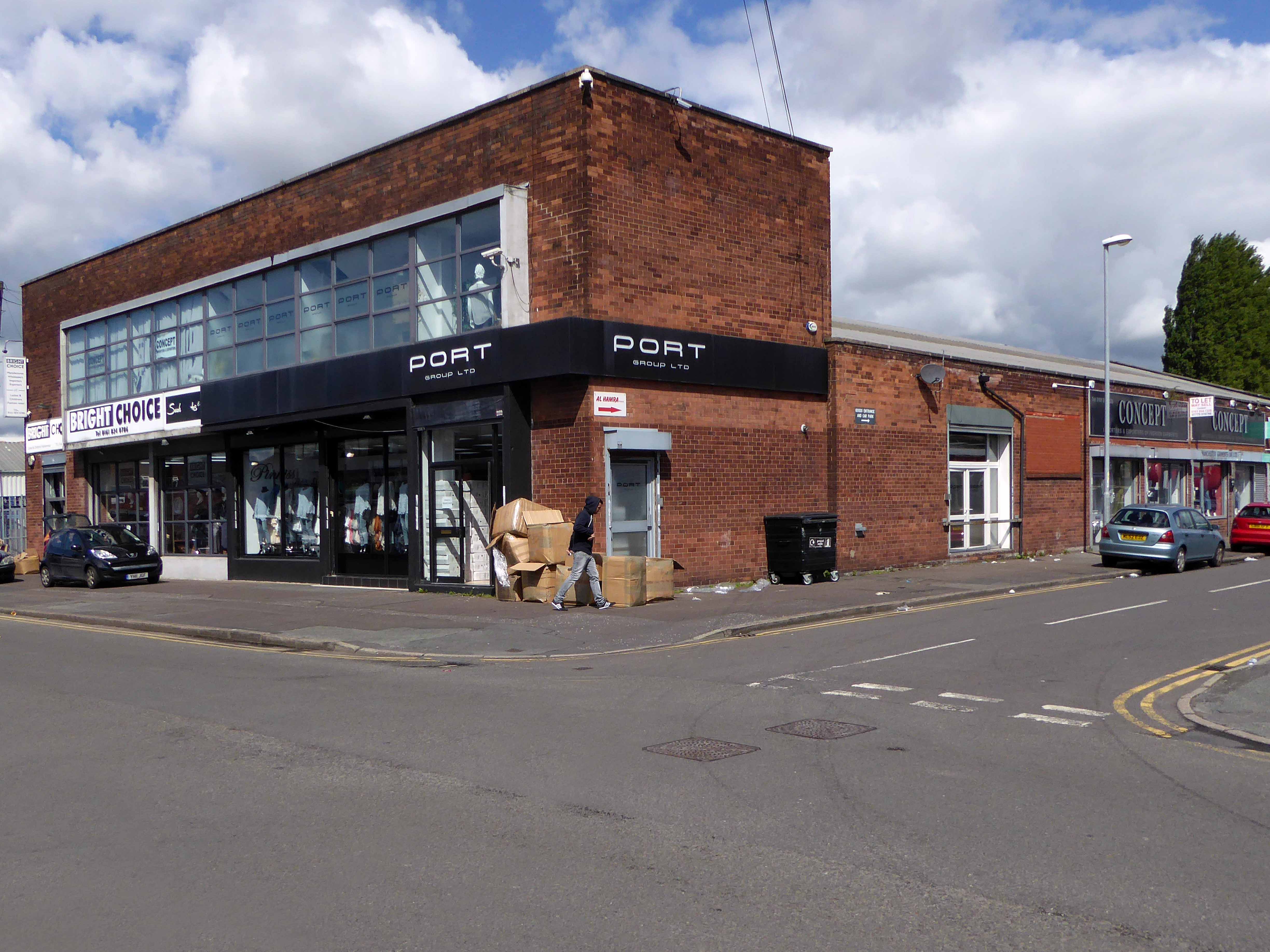
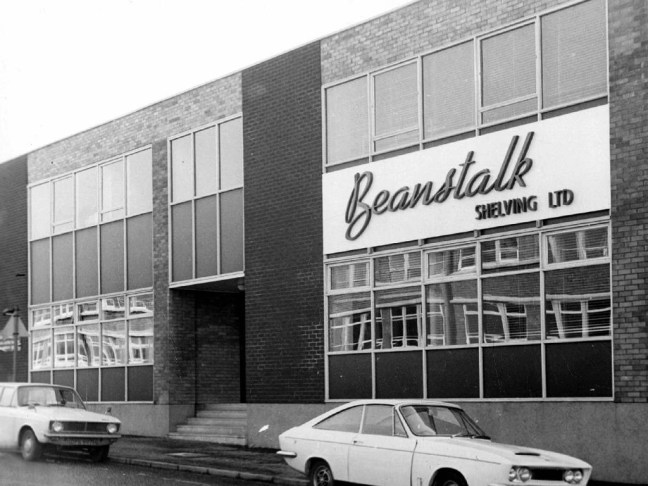
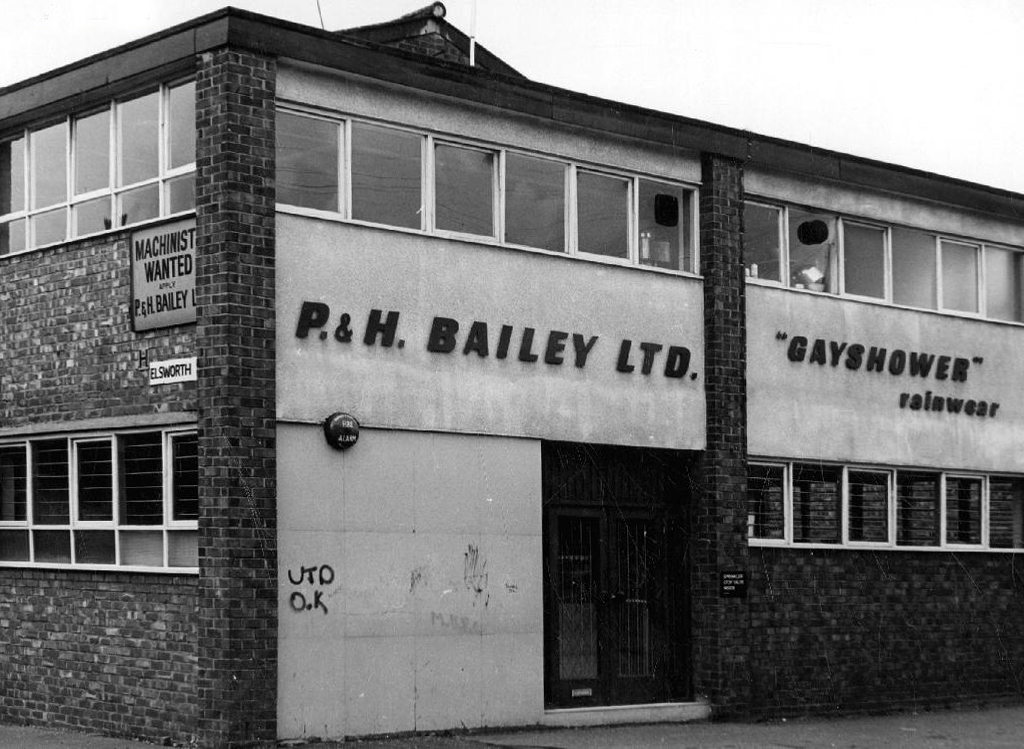
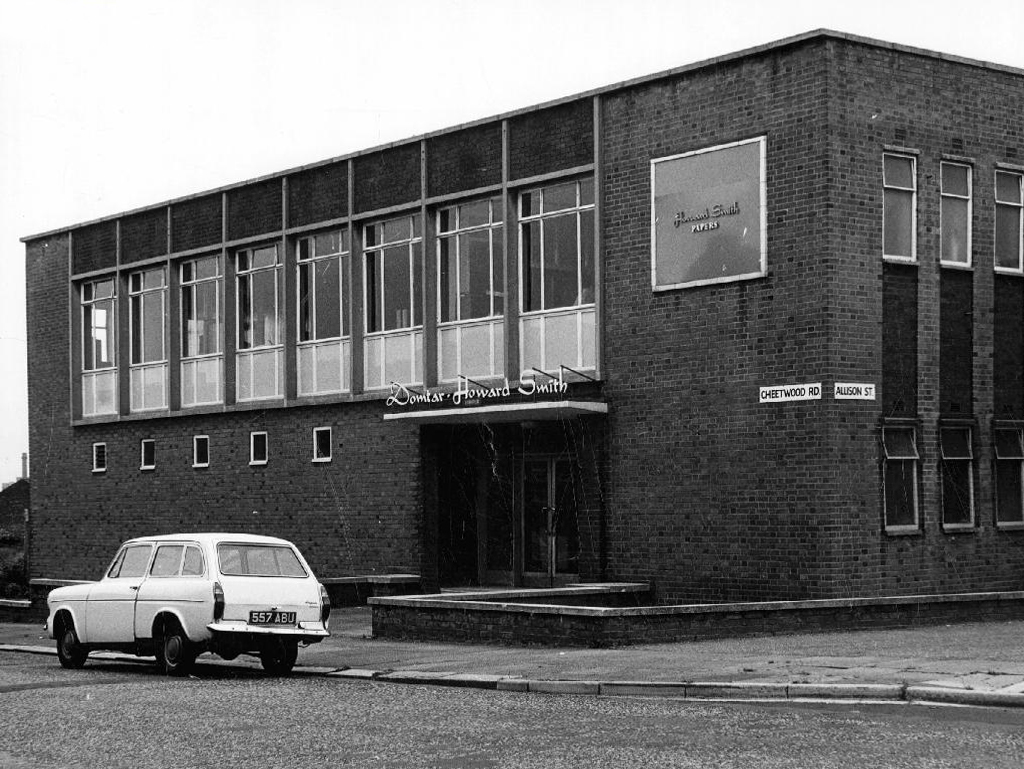
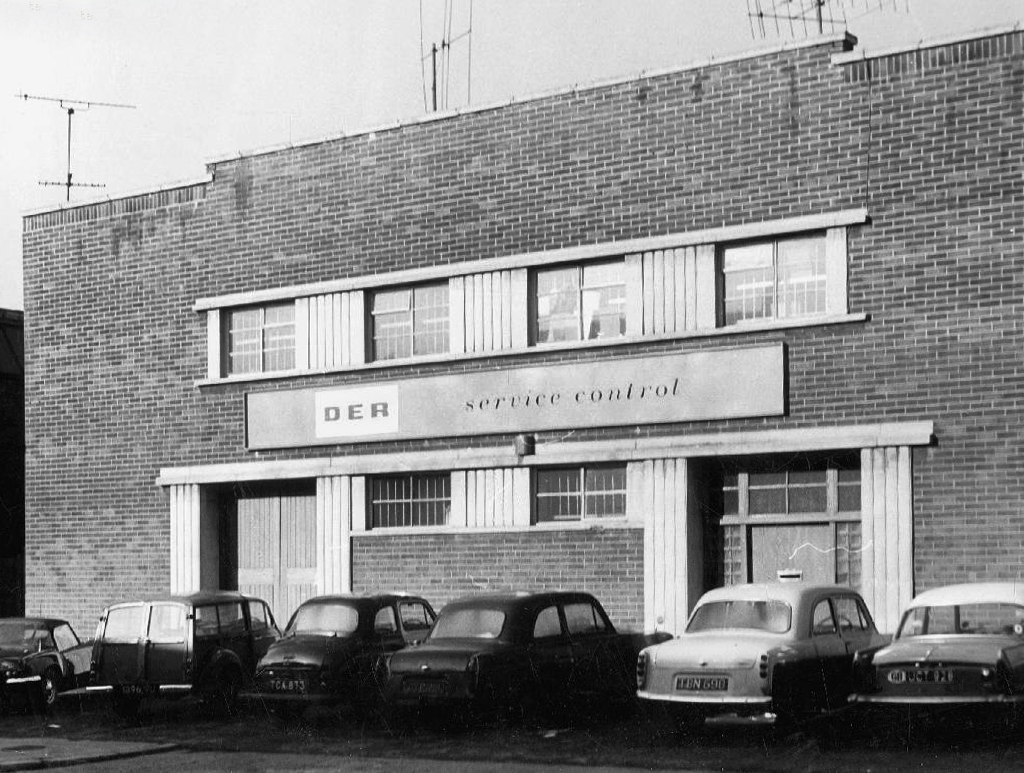
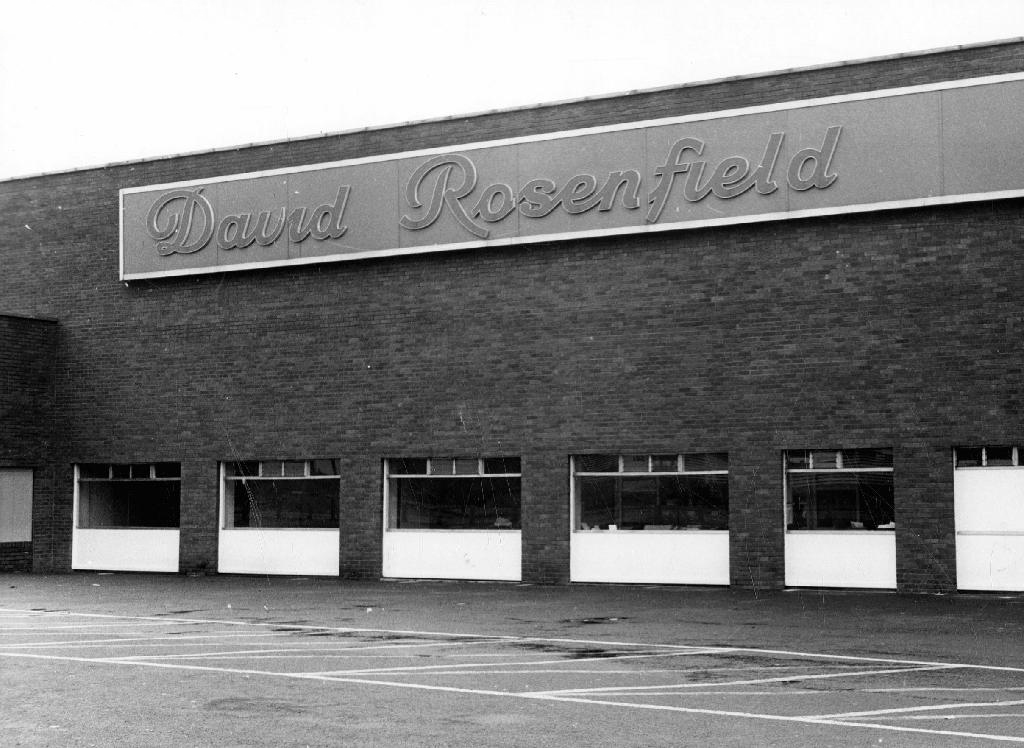
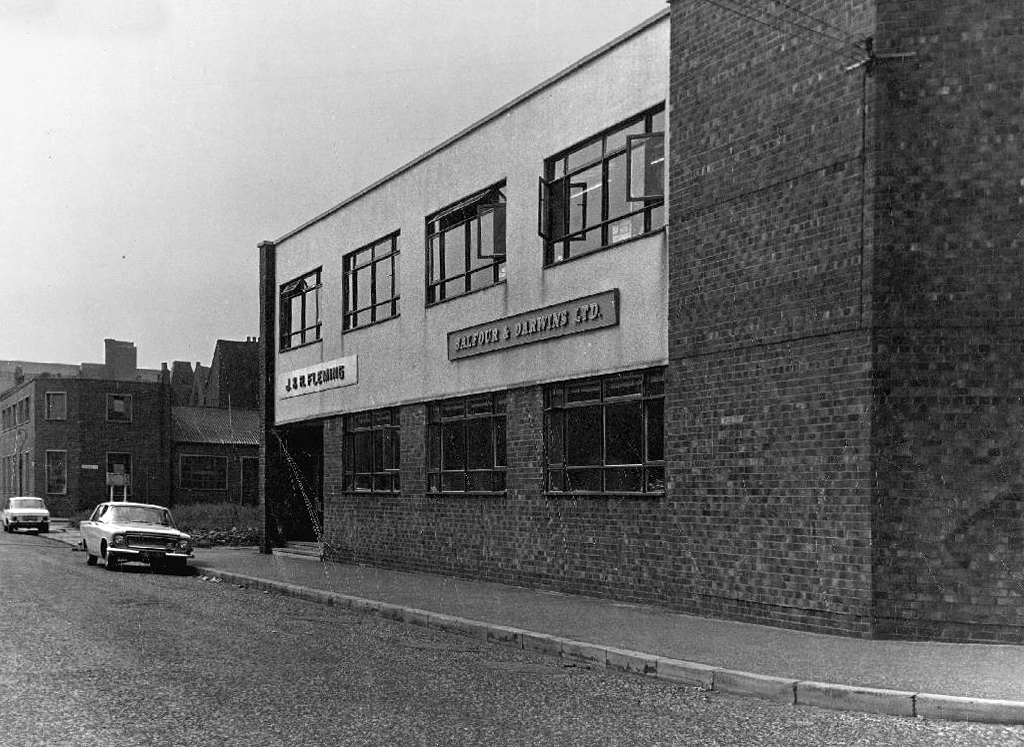
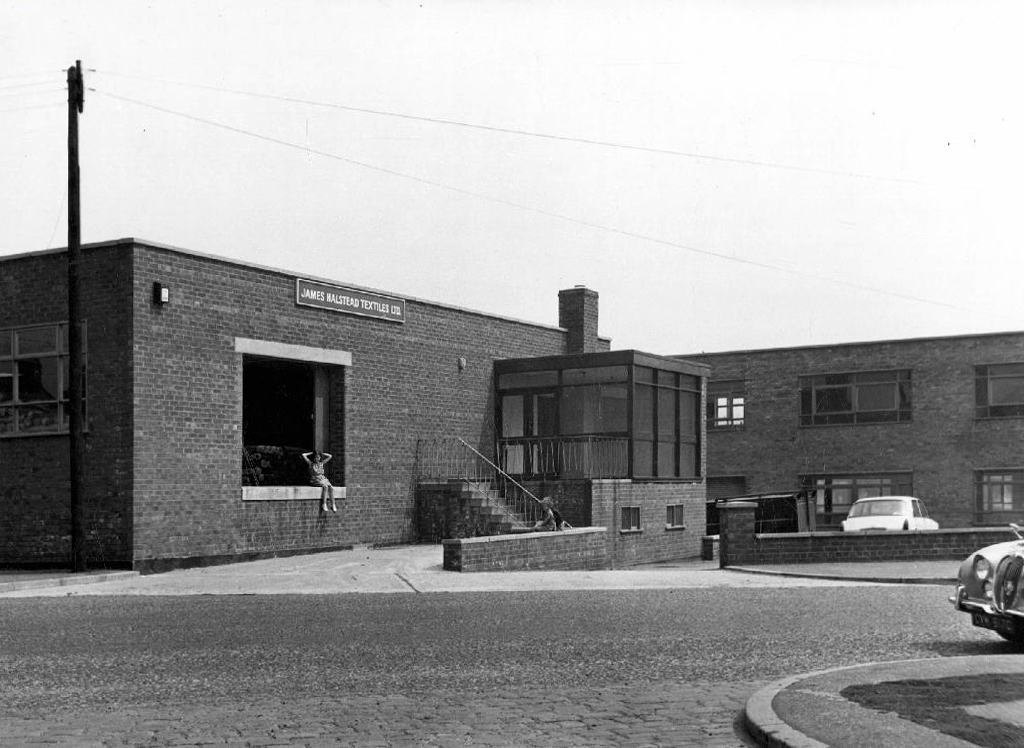
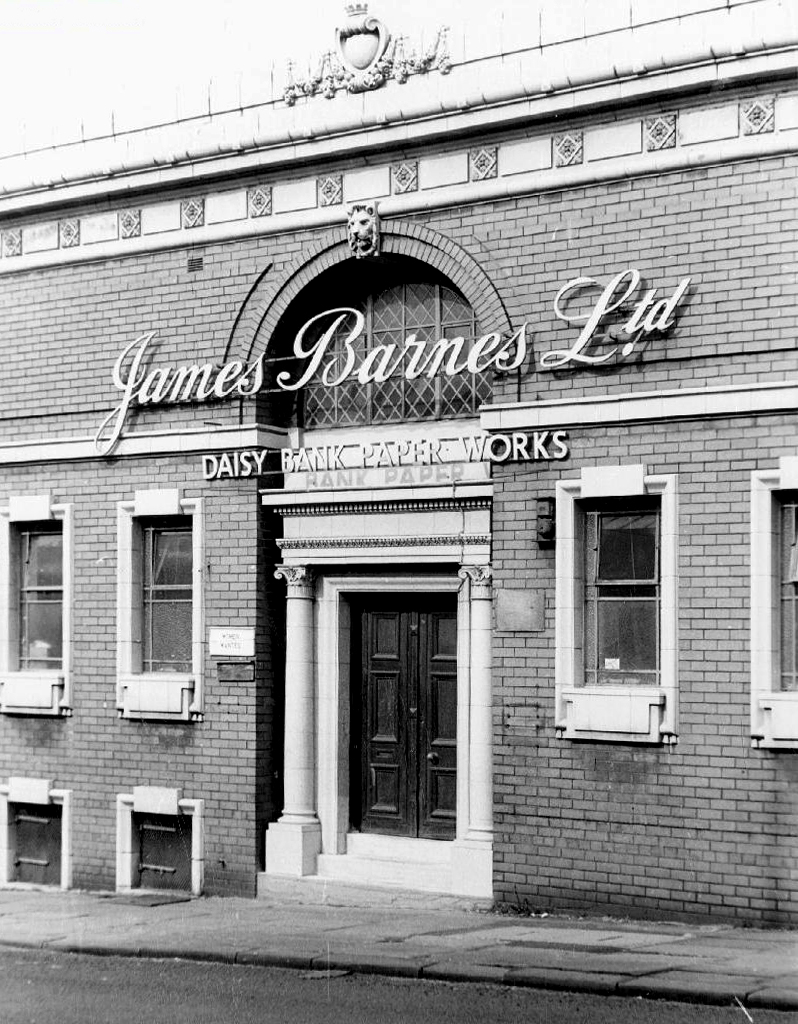
Way back in the Twentieth Century – Cheetwood Industrial Estate was built.
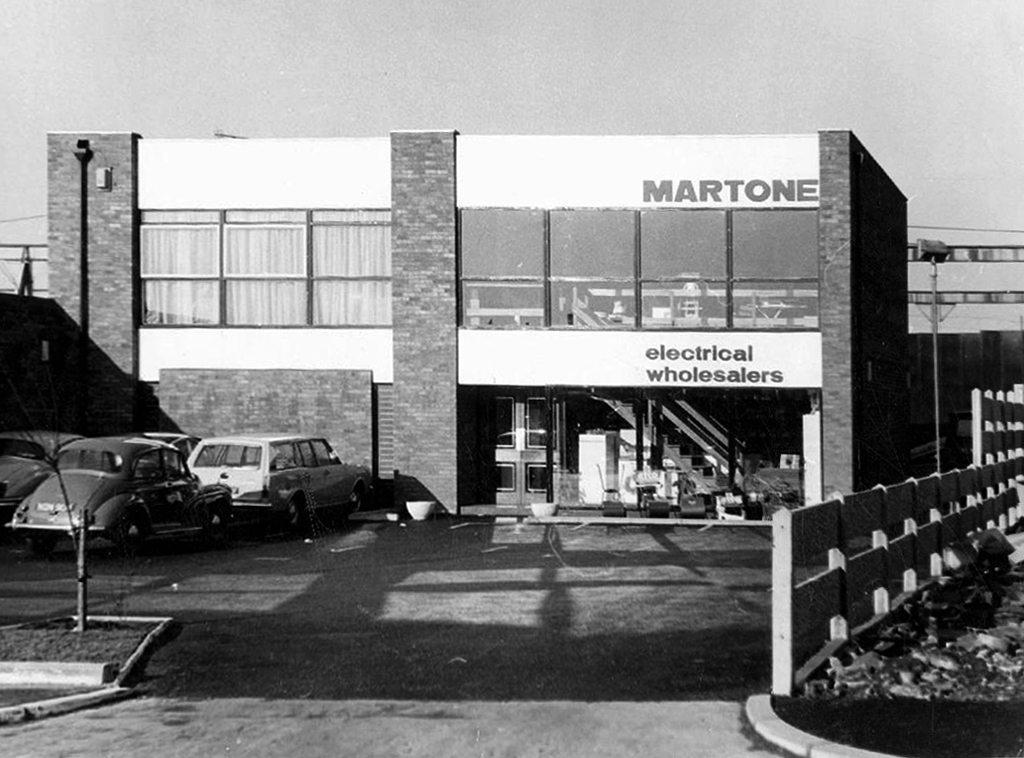
The future was functionalist flat-roofed, concrete, steel and brick boxes.
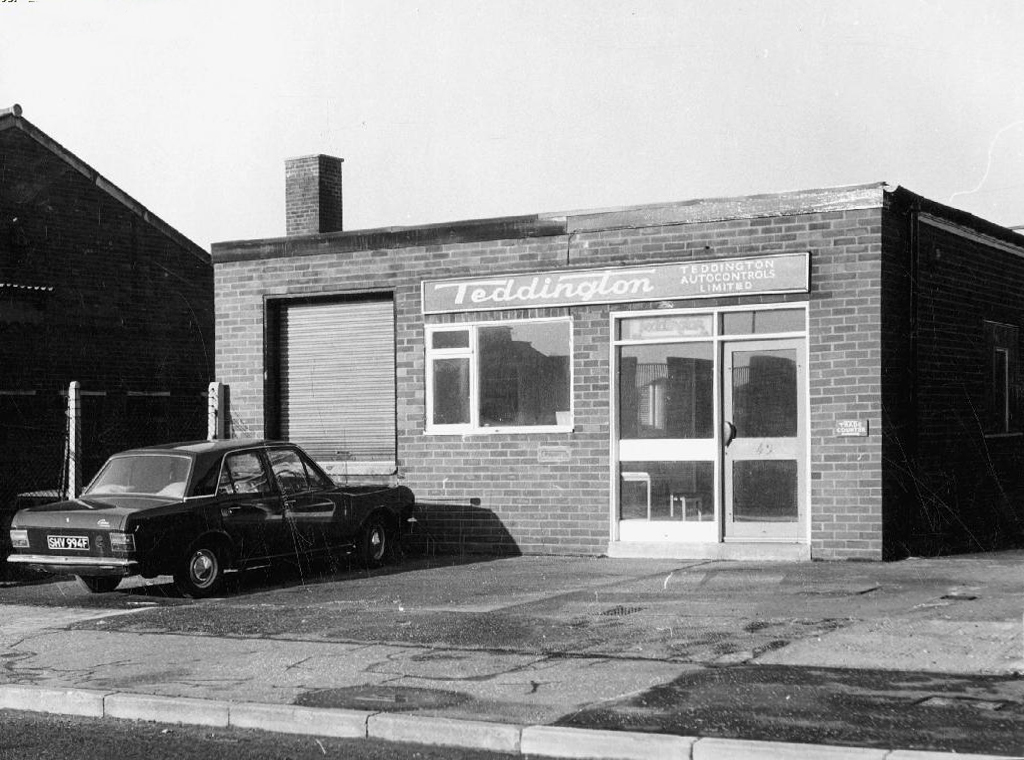
Adorned with the flowing scripts and signage of the multi-nationals, nationals and local companies, intent upon rendering corporeal the post-war optimism, attendant full-employment and the buoyant business of business.

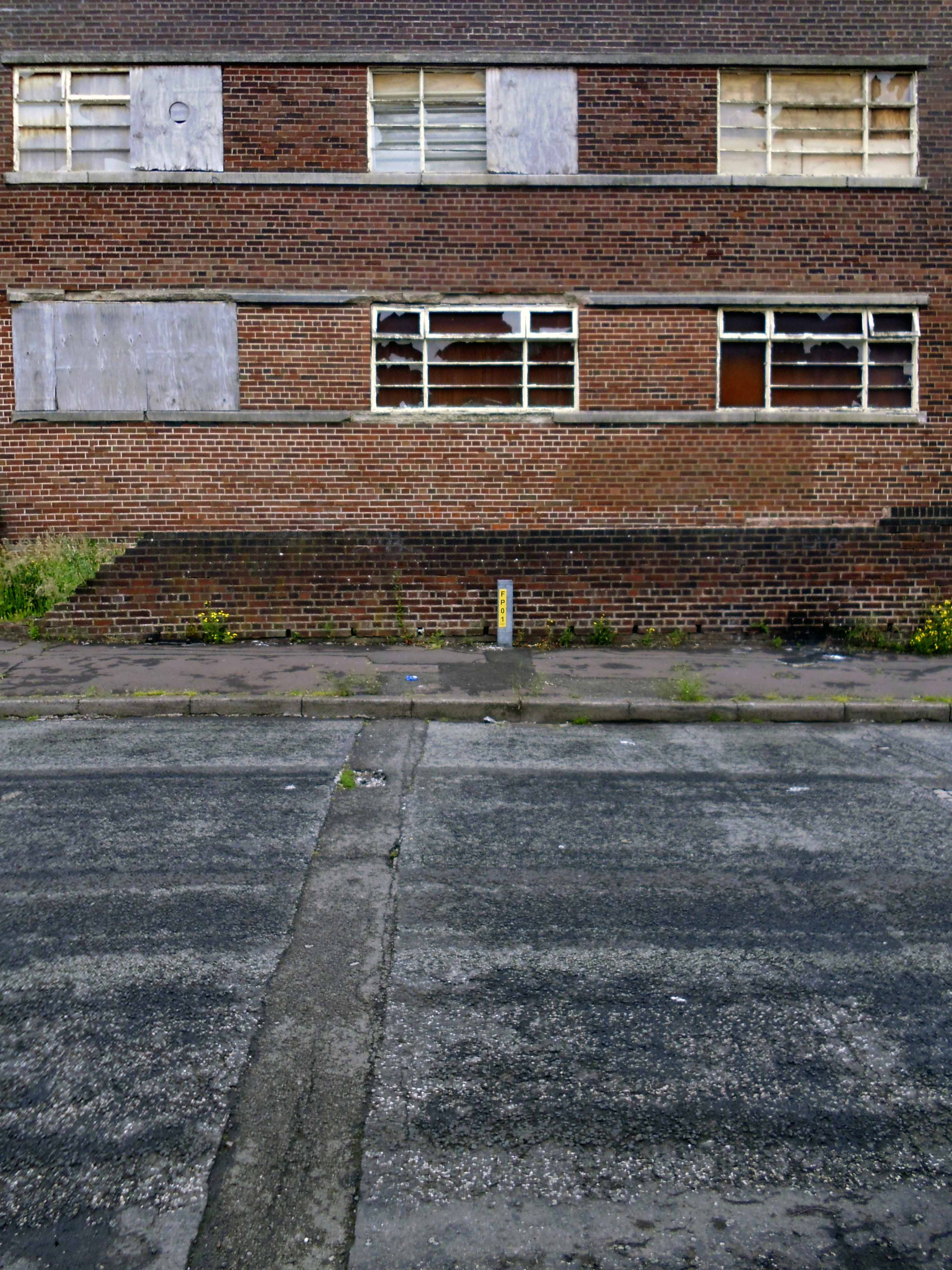
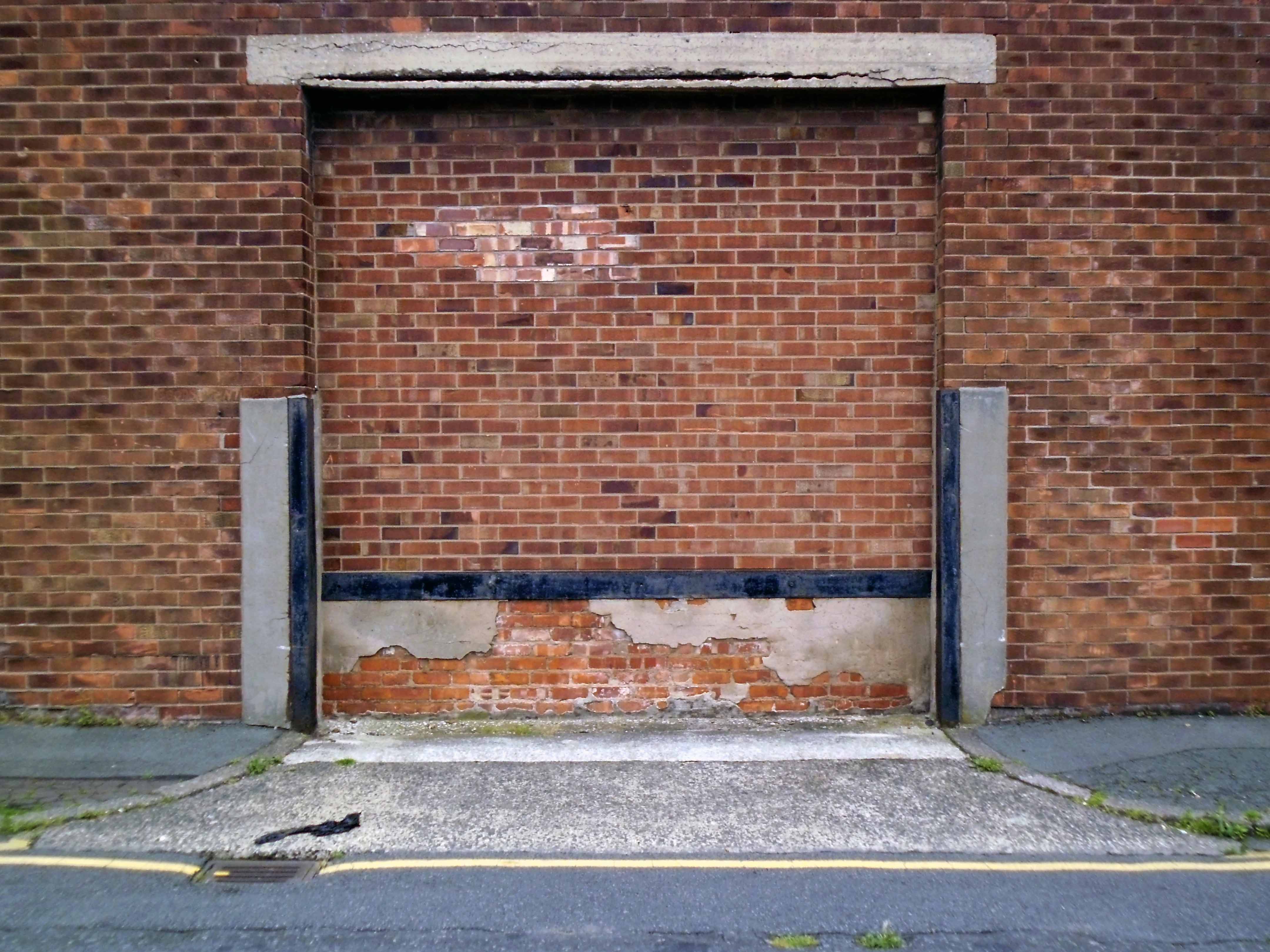
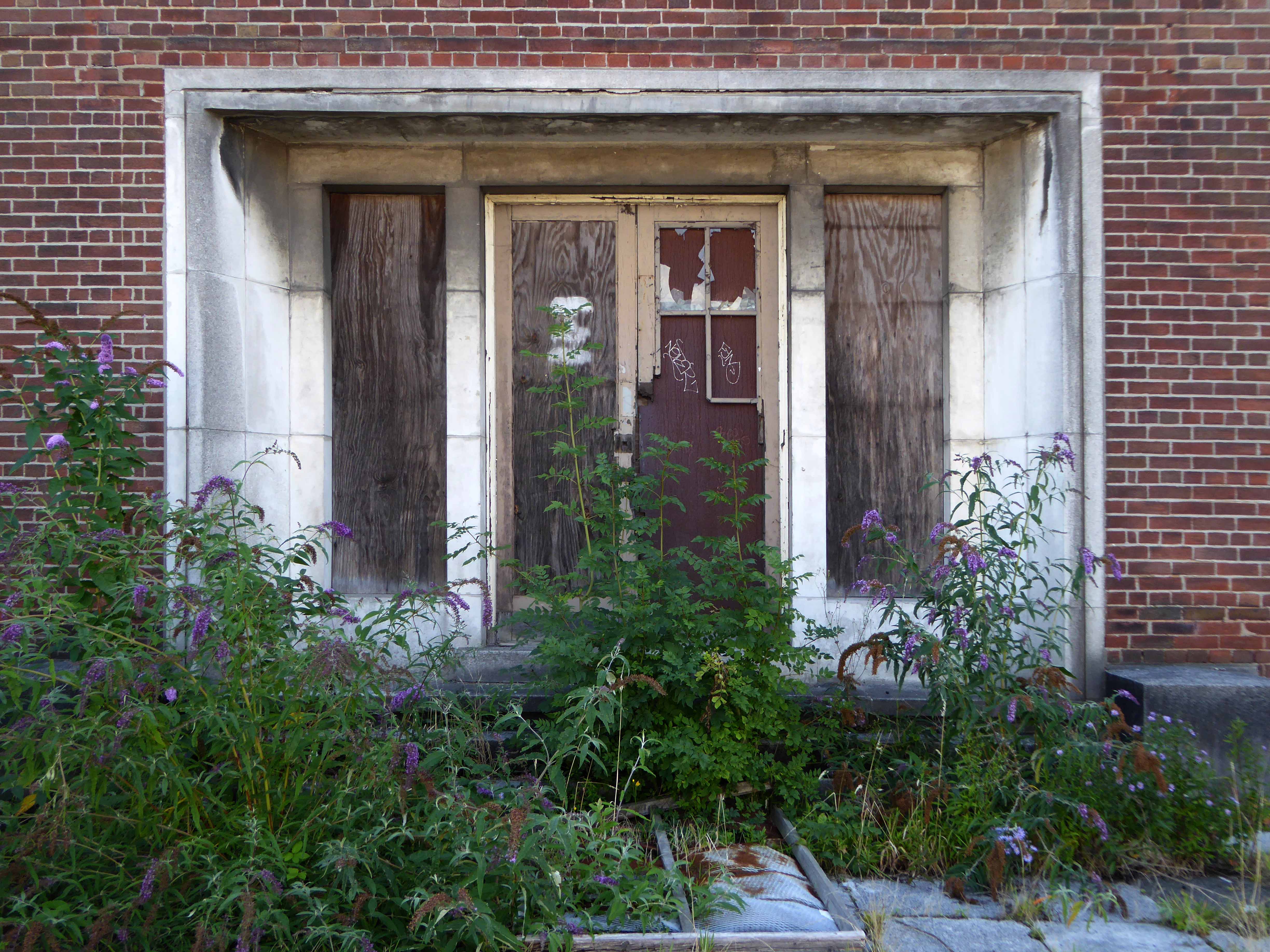
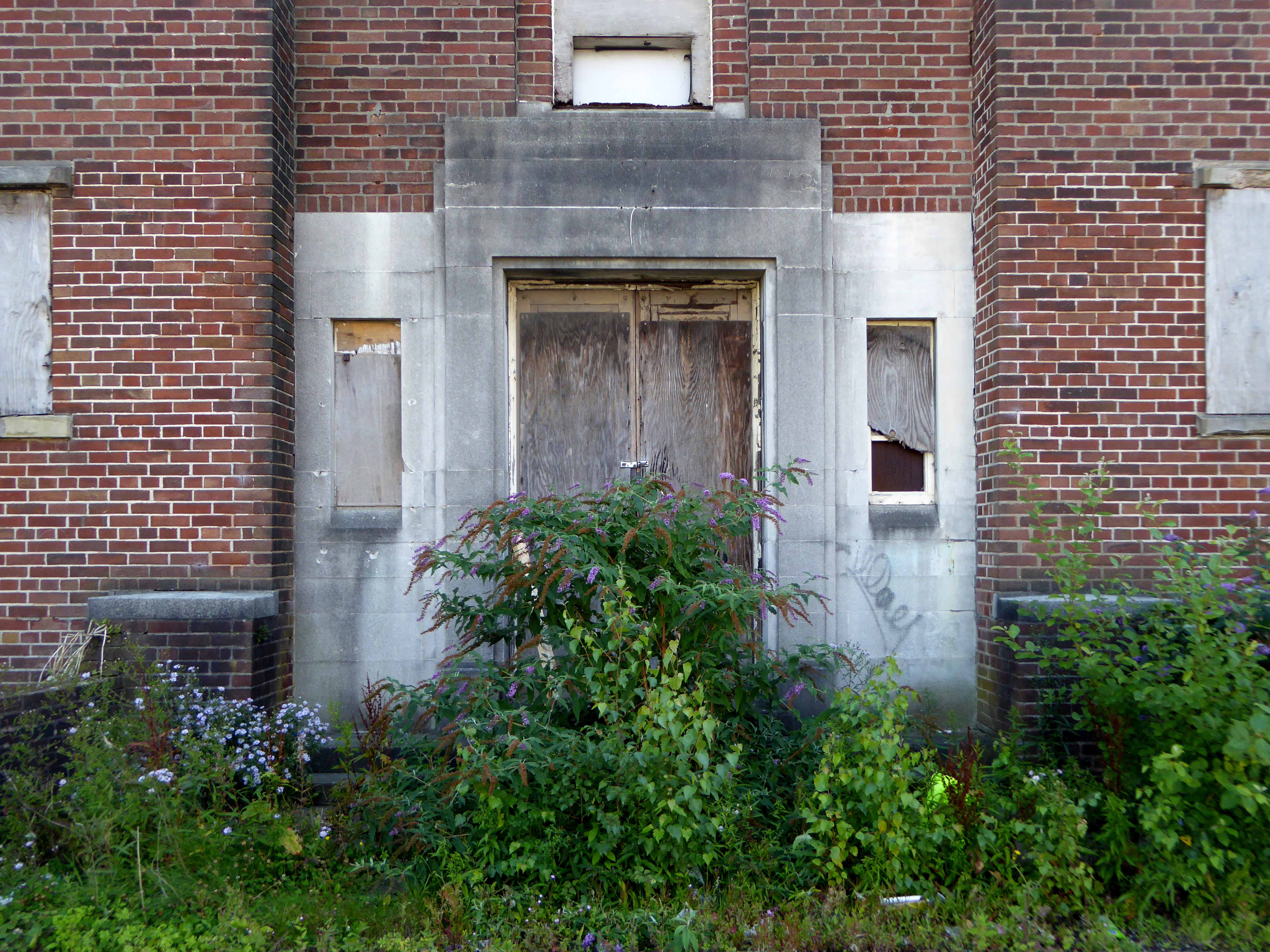
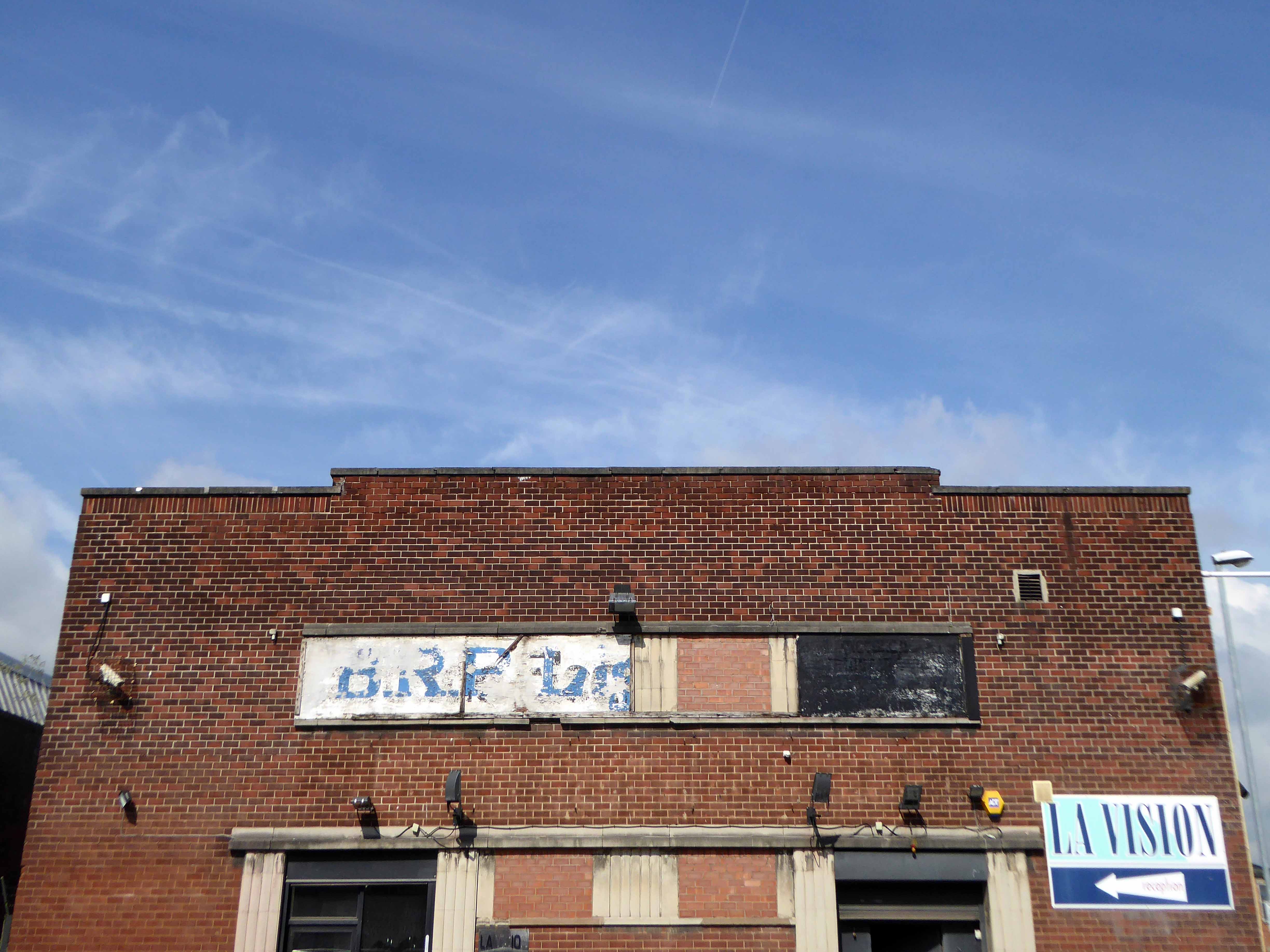
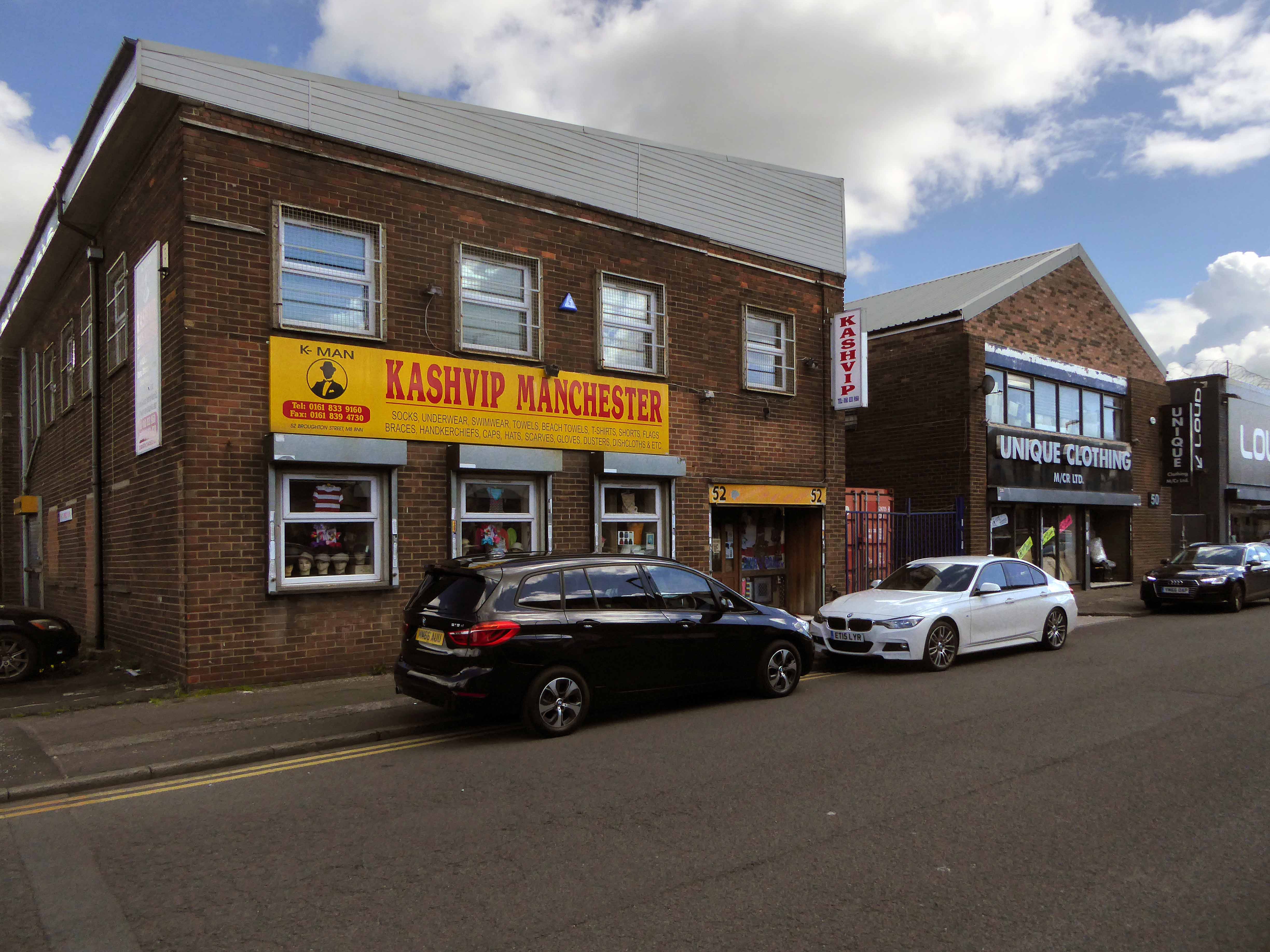
Fast forward to the future – the roofs have been pitched up, the windows bricked up or shuttered or both, walls encased in sad cladding.

The semi-permanent signage replaced with terminally temporary vinyl.

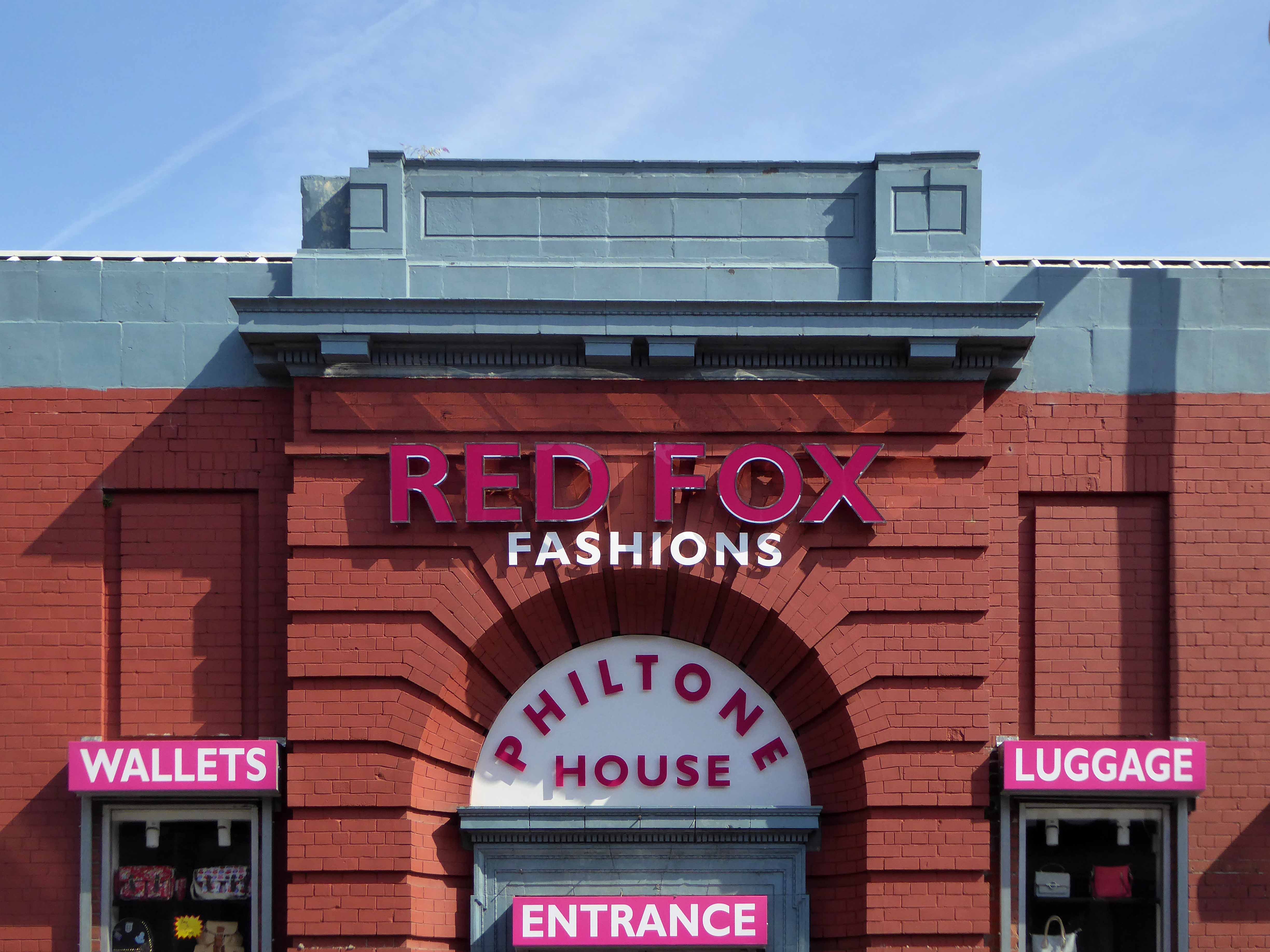
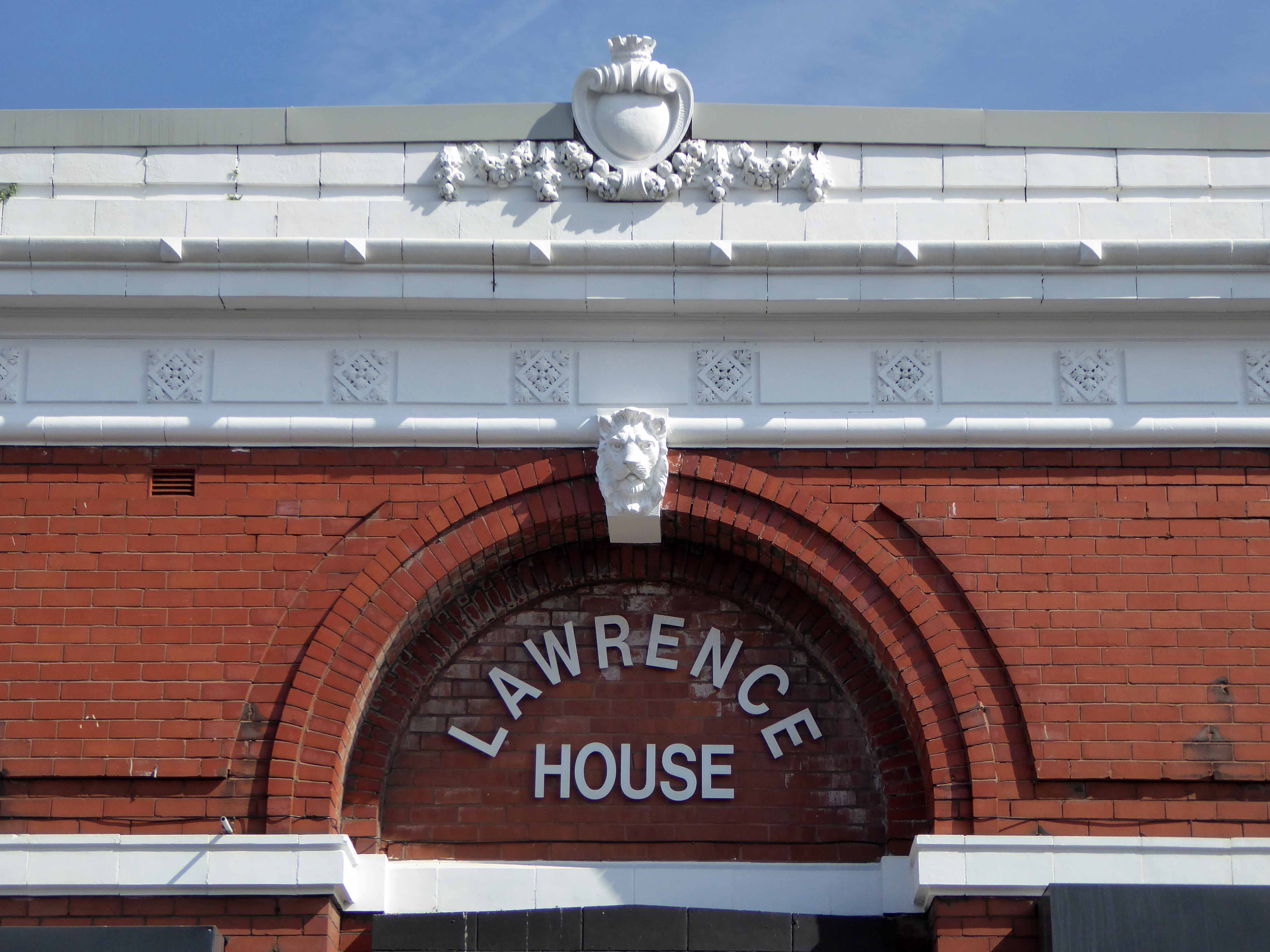
Joe Sunlight’s neo-classical pediments have been painted a funny colour.

P1000135 copy

P1000157 copy

P1000217 copy

P1000218 copy

P1000223 copy

P1000229 copy

P1000231 copy

P1000234 copy

P1000235 copy

P1000252 copy

P1000255 copy

P1190103 copy

P1190104 copy

P1190106 copy

P1190111 copy

P1190112 copy

P1190114 copy

P1190117 copy

P1190385 copy

P1190387 copy

P1190388 copy

P1190391 copy

P1190398 copy


Strangeways Manchester #1

Strangeways?

– How strange.

The Strangeways family themselves are certainly recorded in antiquity at the site, although the name appears differently over time; Strongways in 1306, Strangewayes in 1349 and Strangwishe in 1473. In the late 1500s in records at Manchester Cathedral the surname is spelt Strangwaies.

My thanks to Thomas McGrath for his – Long Lost Histories: Strangeways Hall, Manchester

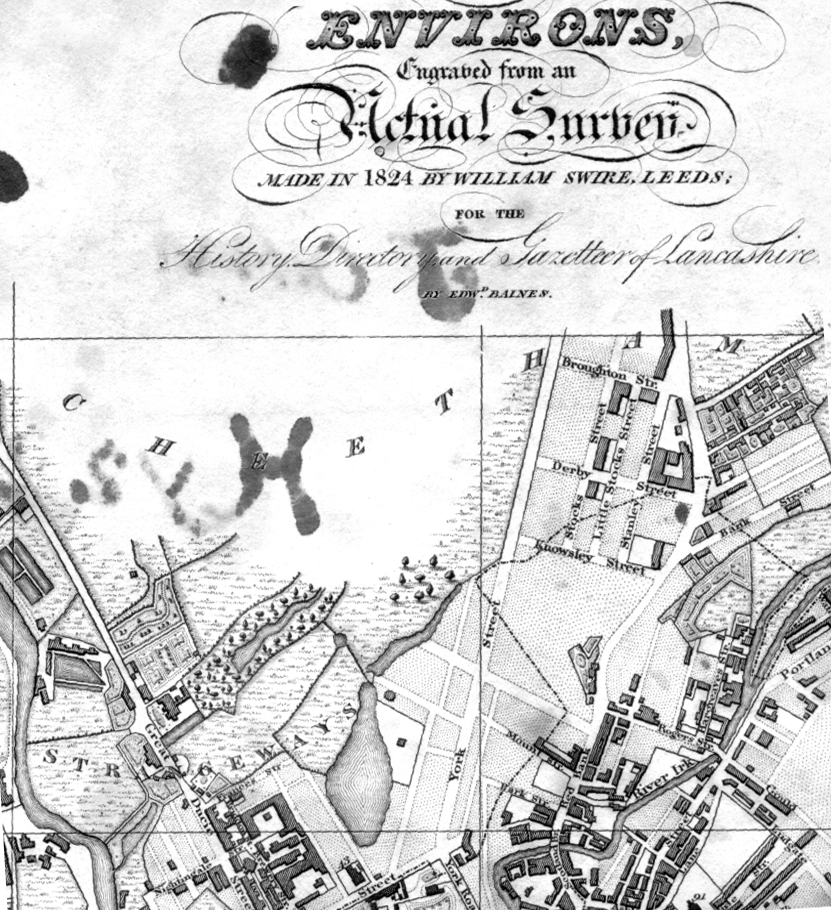
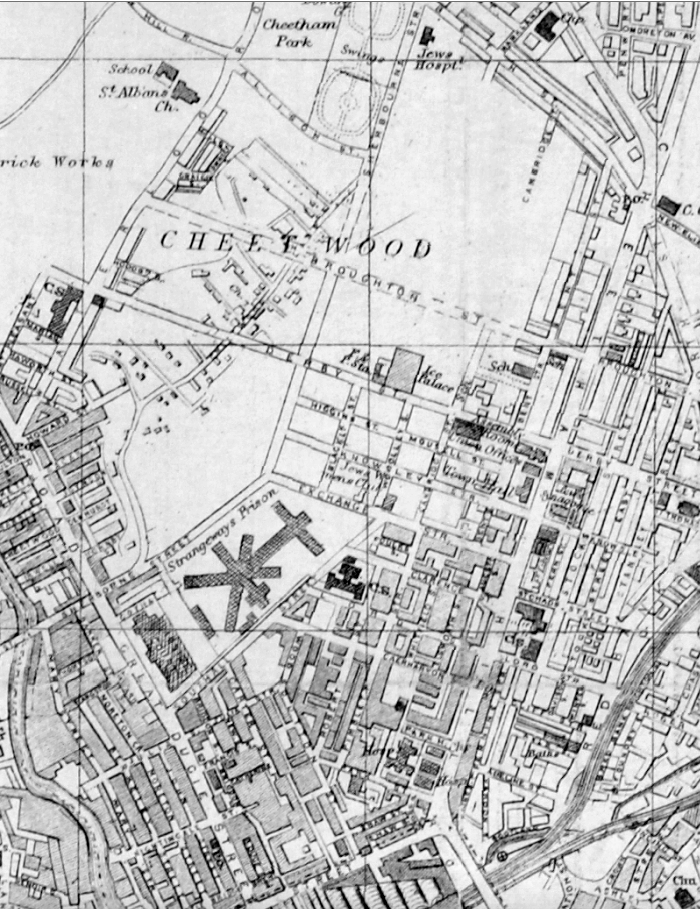
Before panopticon prisons entered the public imagination, and incarceration was the order of the day for the disorderly, it was all fields around here – with the odd house or baronial hall.

Screen Shot 2018-02-04 at 15.08.30

Swire’s map of 1824

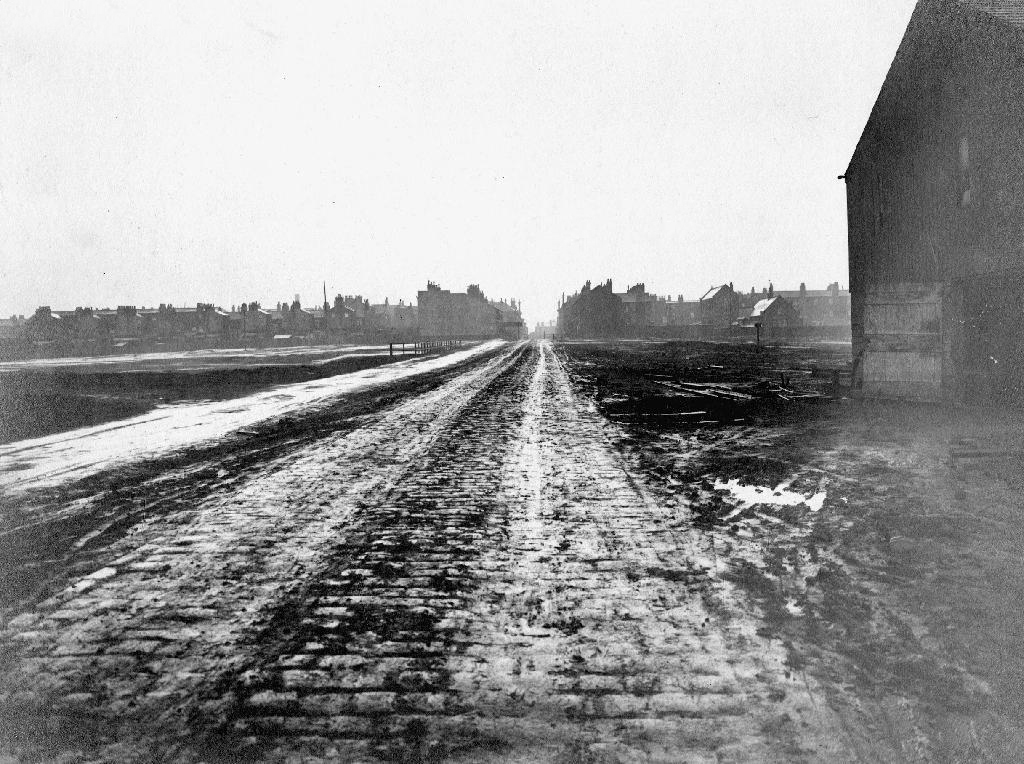
Strange days, over time the prison is built, the assizes appears and disappears and tight groups of tired houses cluster around the incipient industry. The fiefdom’s of old become tie and tithe to successions of industrial plutocrats.

webmedia.php copy

webmedia.php

Broughton Street 1910Photograph J Jackson

Screen Shot 2018-02-04 at 15.10.54

Kelly’s map of 1920

The area becomes the centre of the city’s rag trade, a large Jewish Community, the largest outside of London, grows up around Strangeways, Cheetwood and Cheetham Hill – houses, mills, wholesale, retail, warehouse, ice palace, beer-house, brewery. The area is home to several of Joe Sunlight’s inter-war industrial developments – his Jewish family were named Schimschlavitch, his father a cotton merchant. The family emigrated to England in 1890 and settled in Manchester.

So much for Joe Soap – the area was also the location for local lads, Karl Marx, and Marks & Spencer.

v0_medium

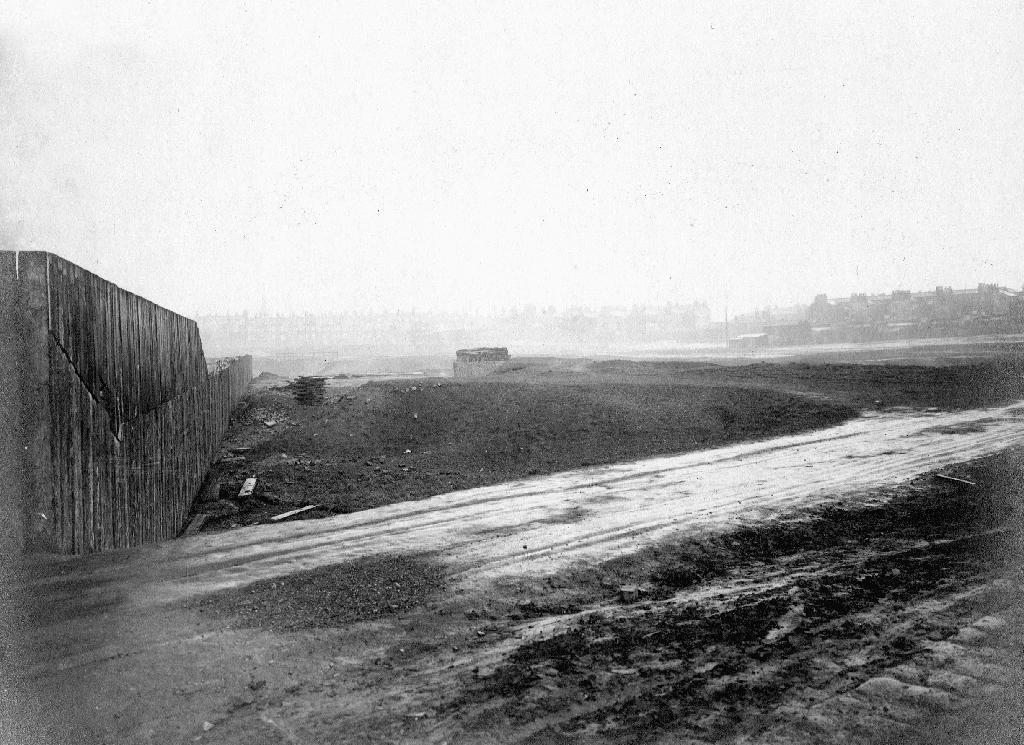
Derby Street 1901 – 1924

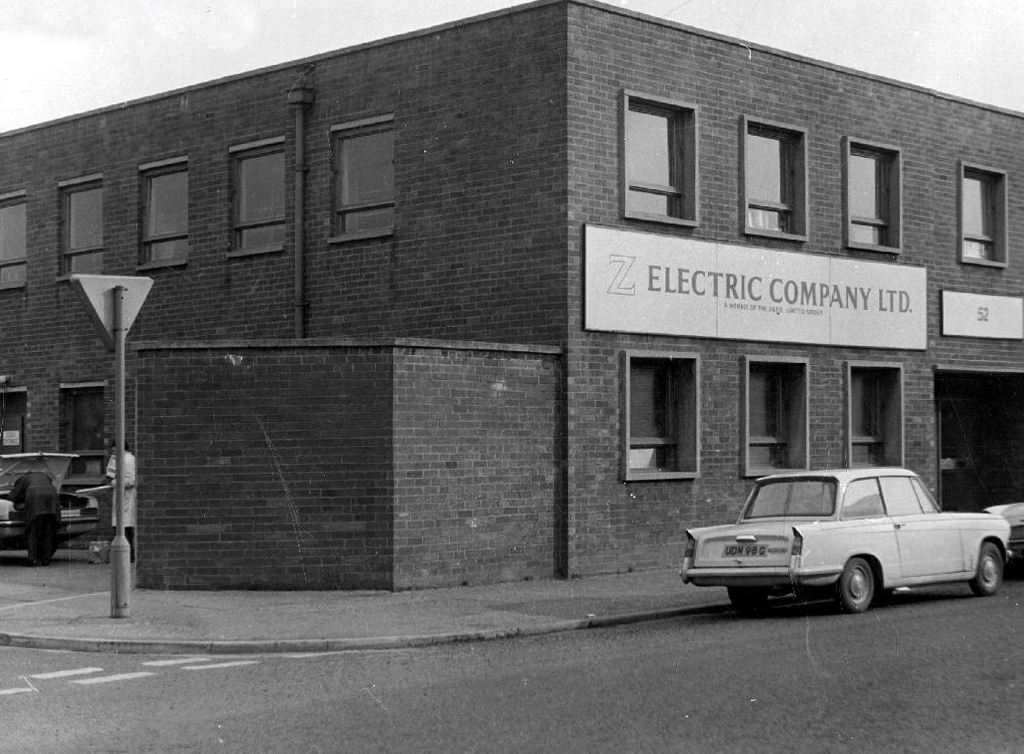
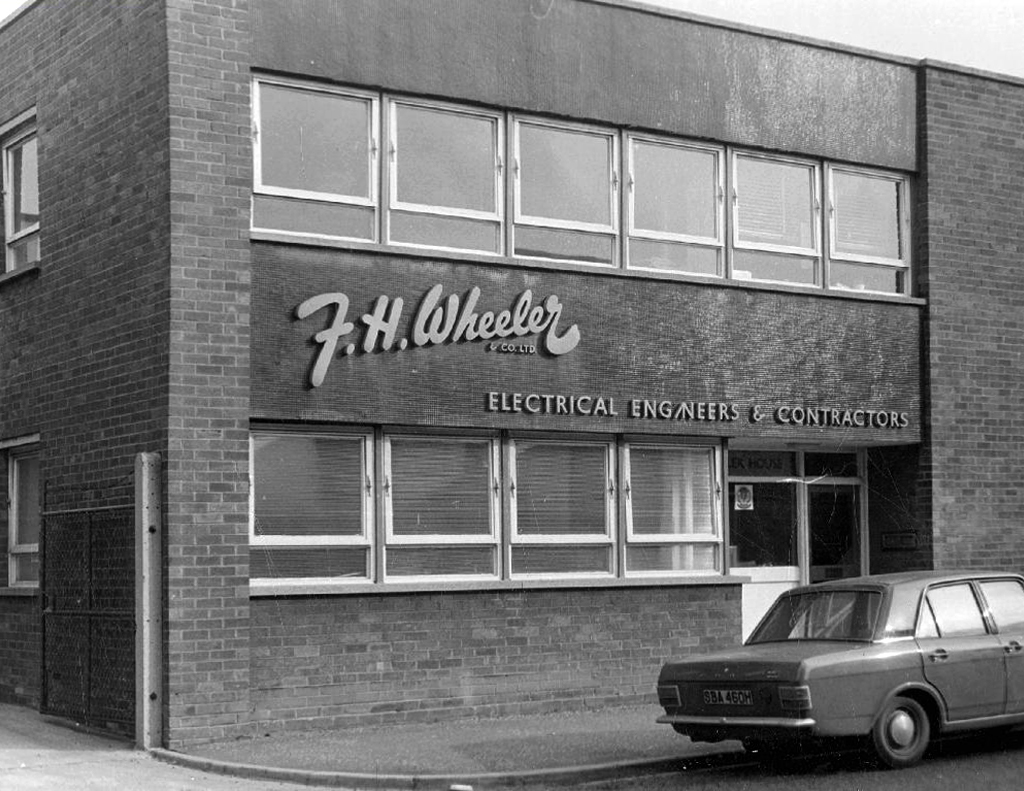
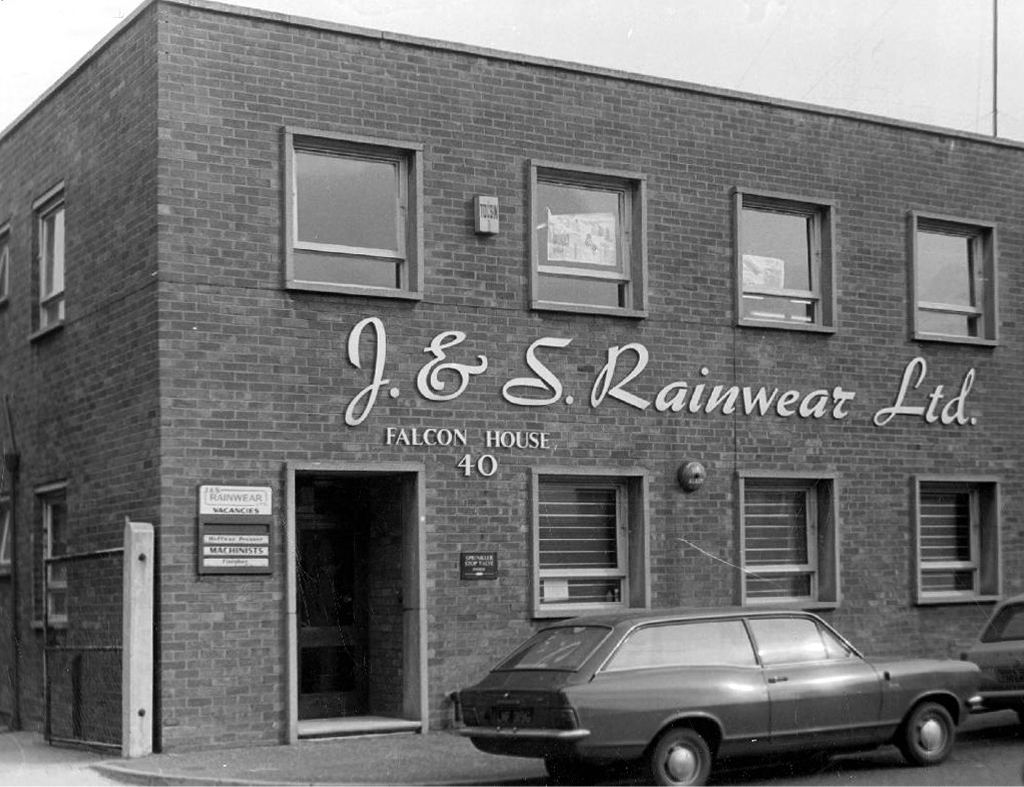
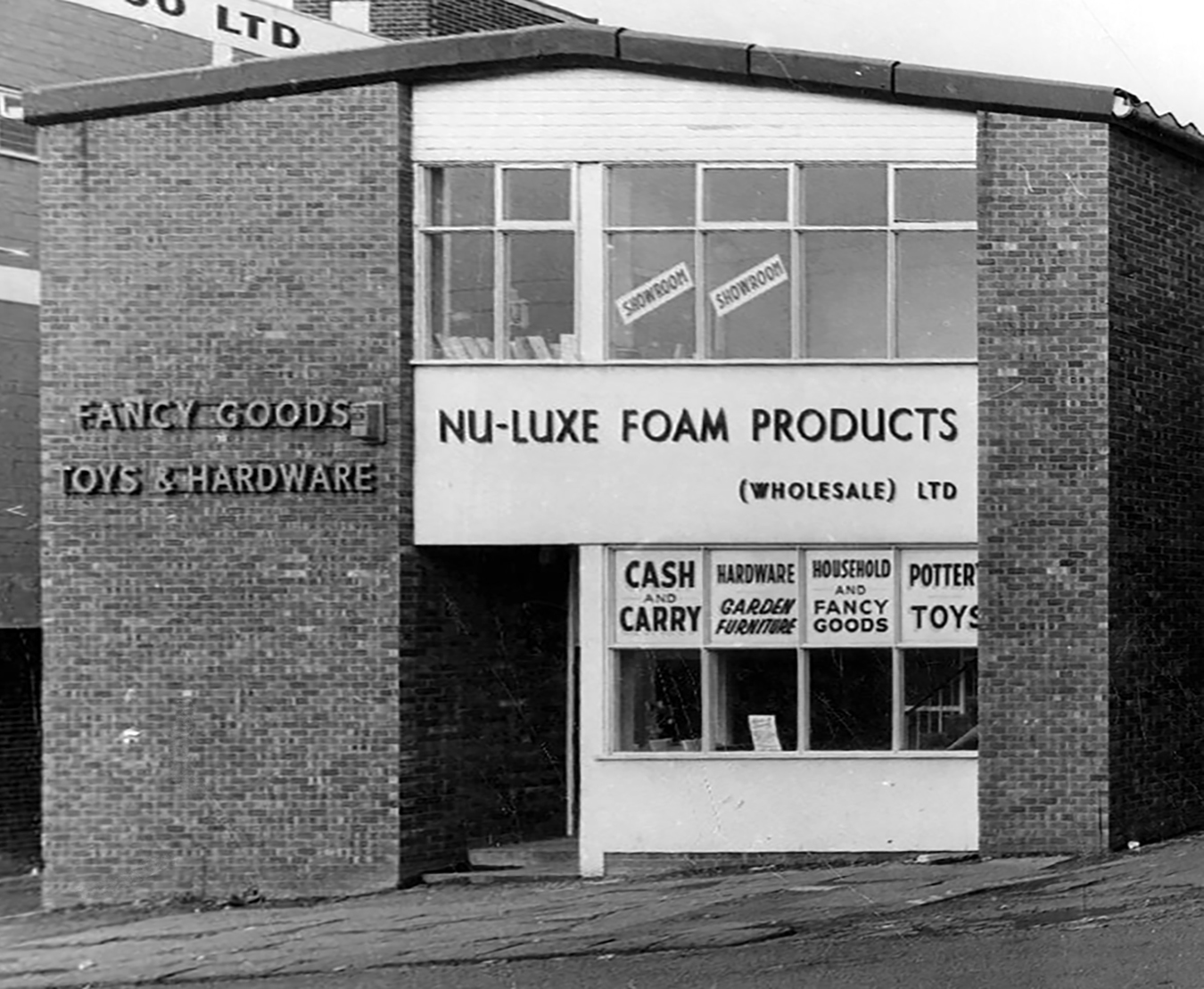
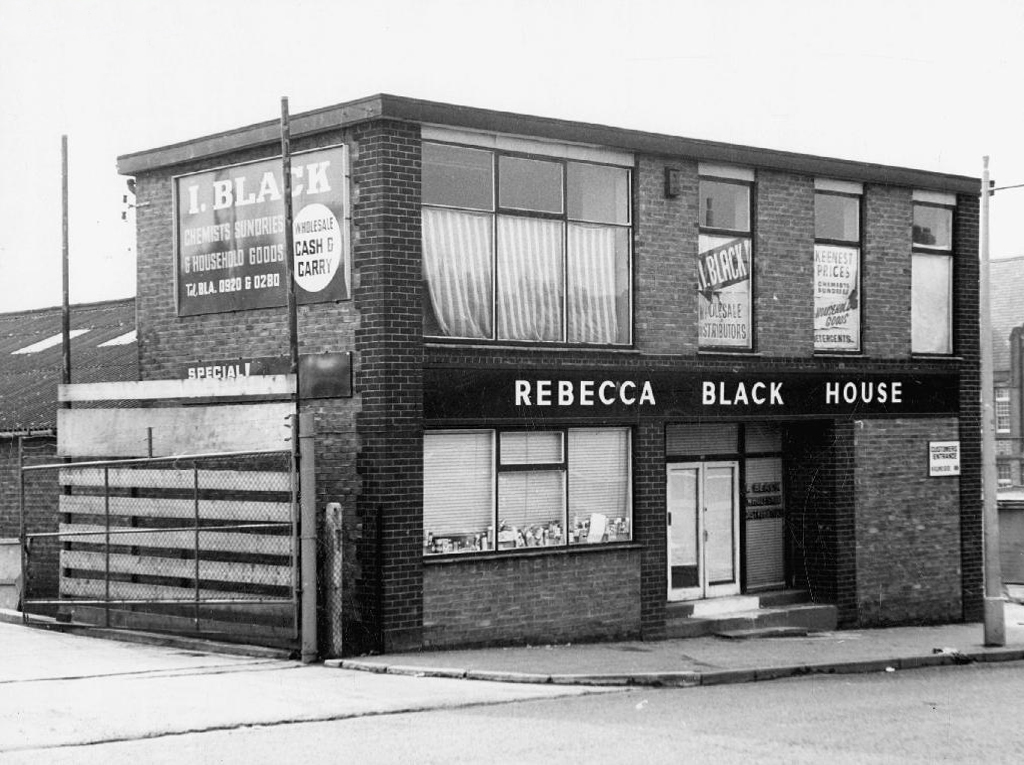
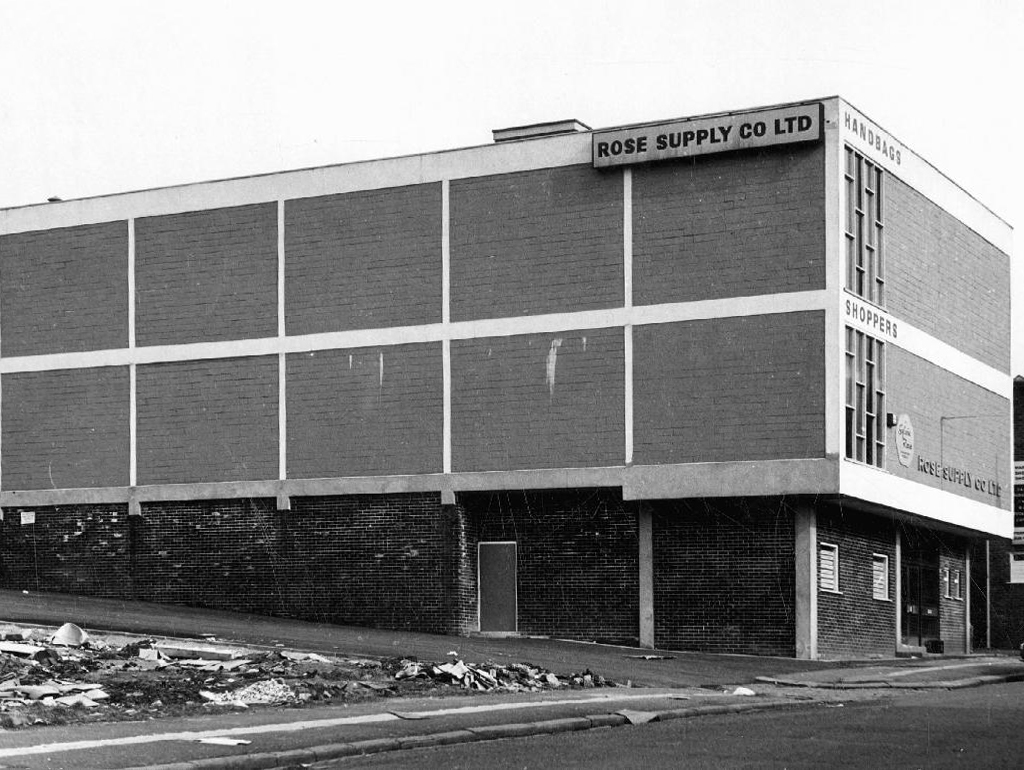
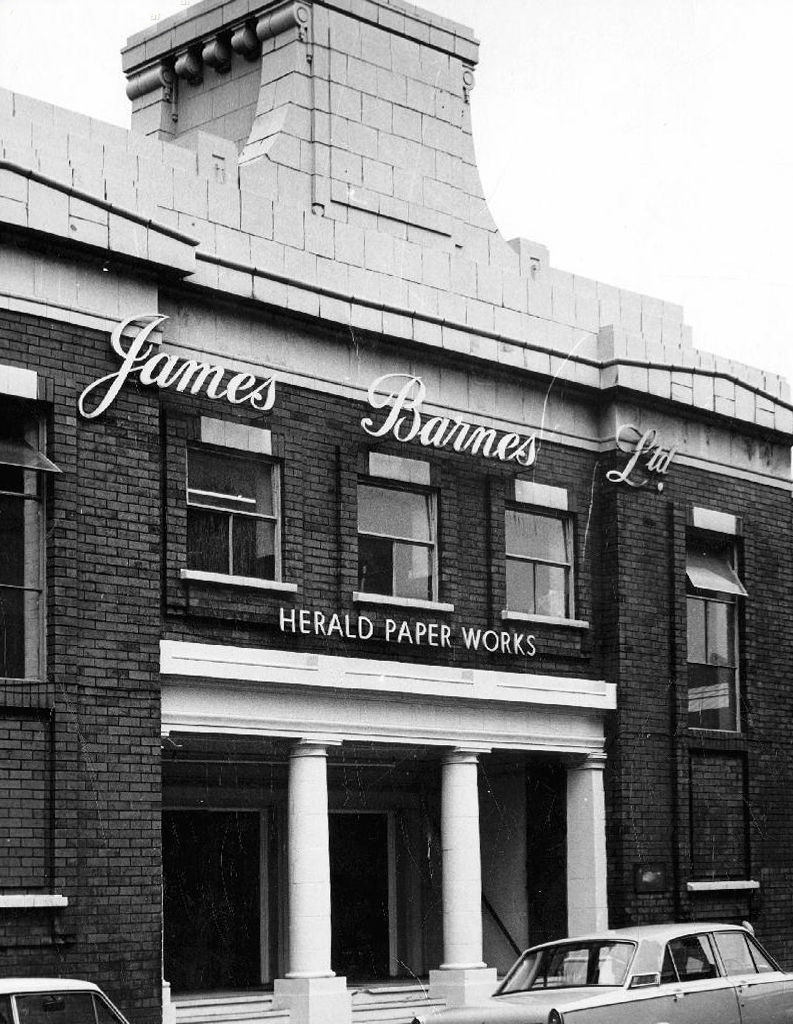
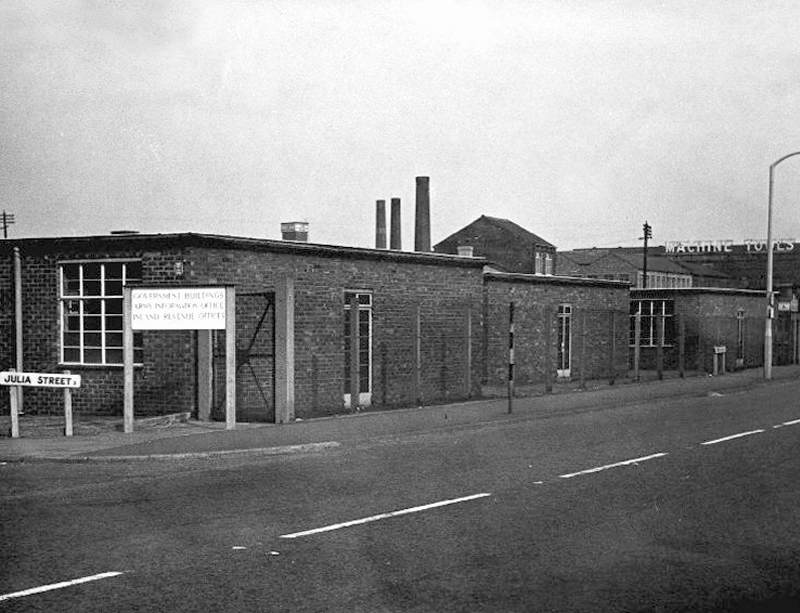
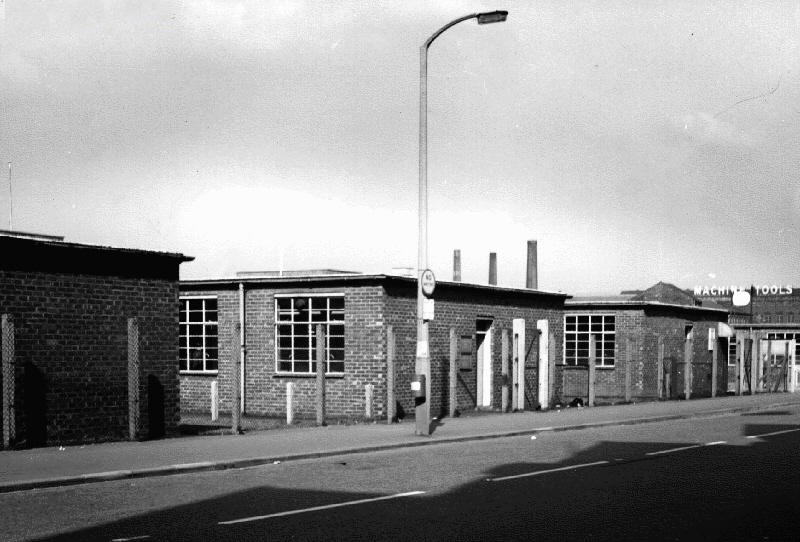
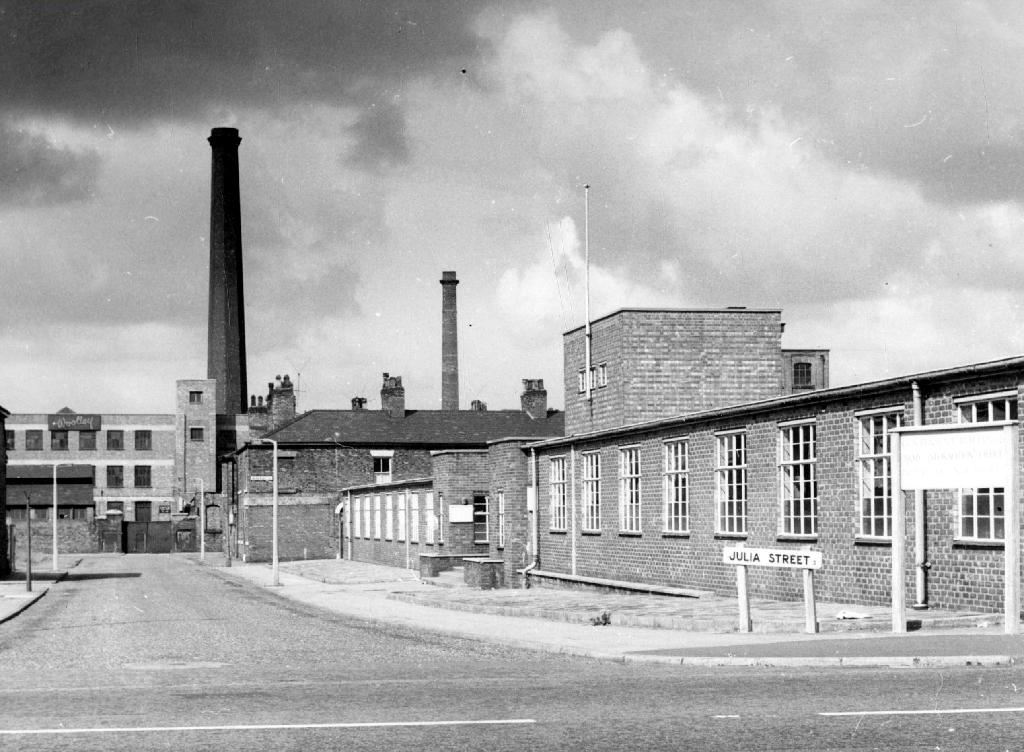
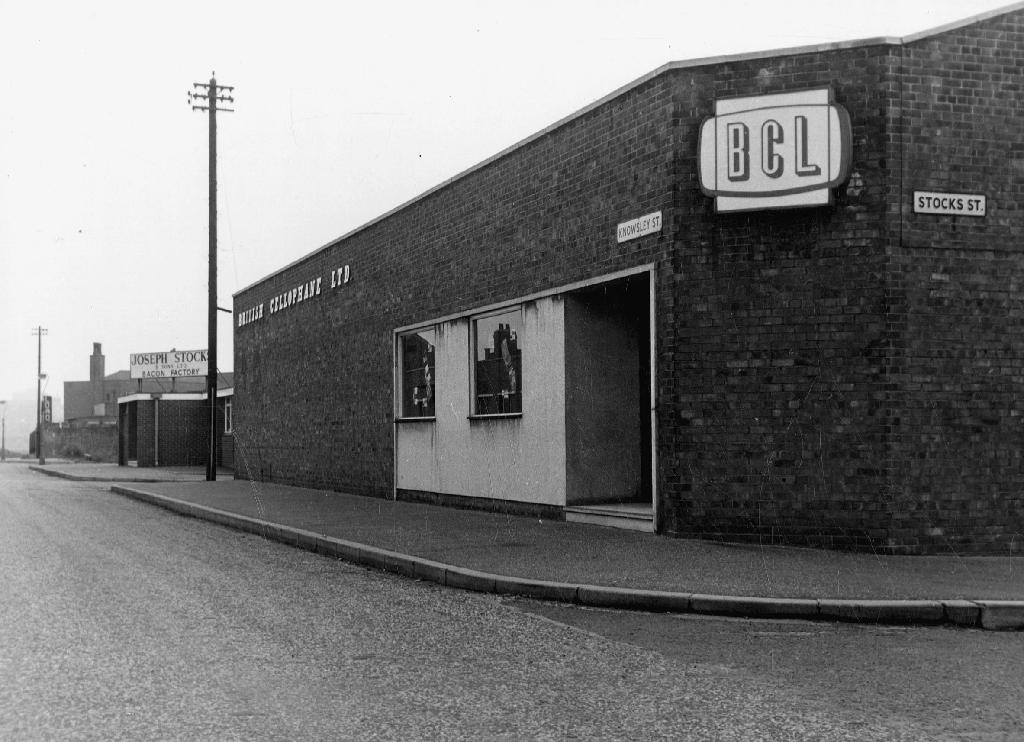
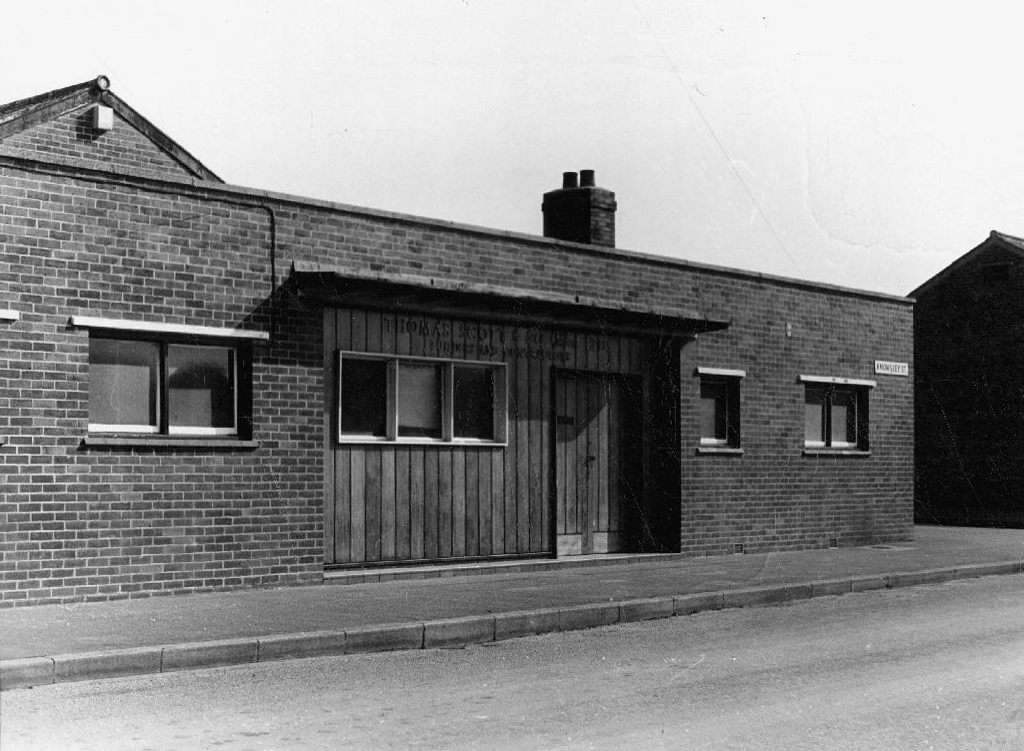
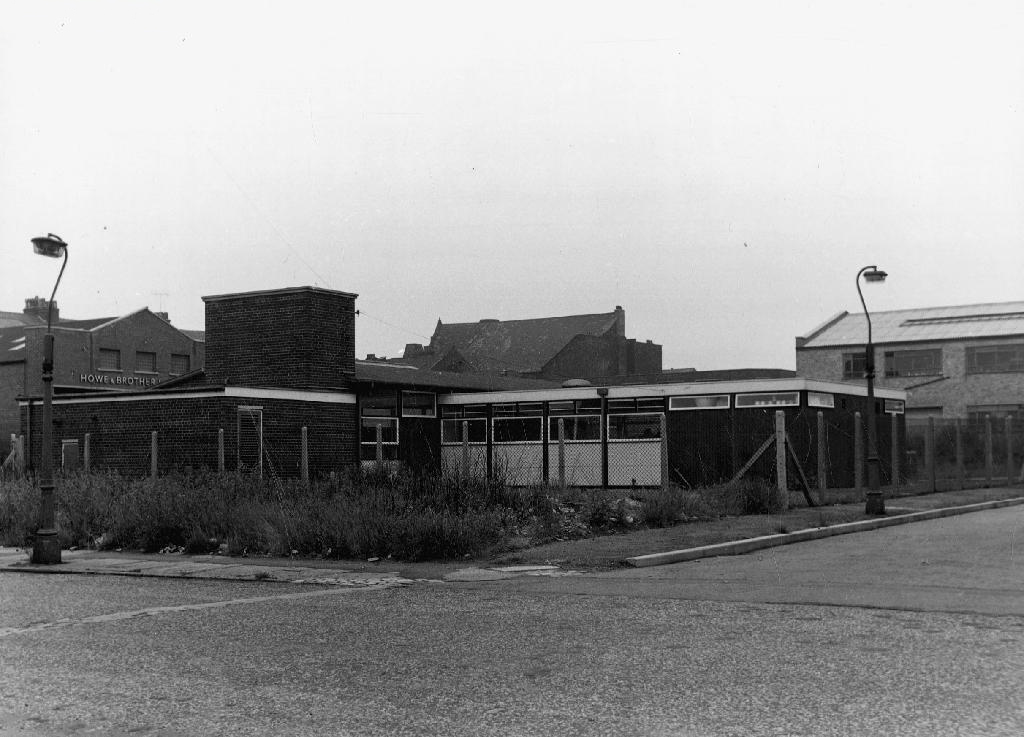
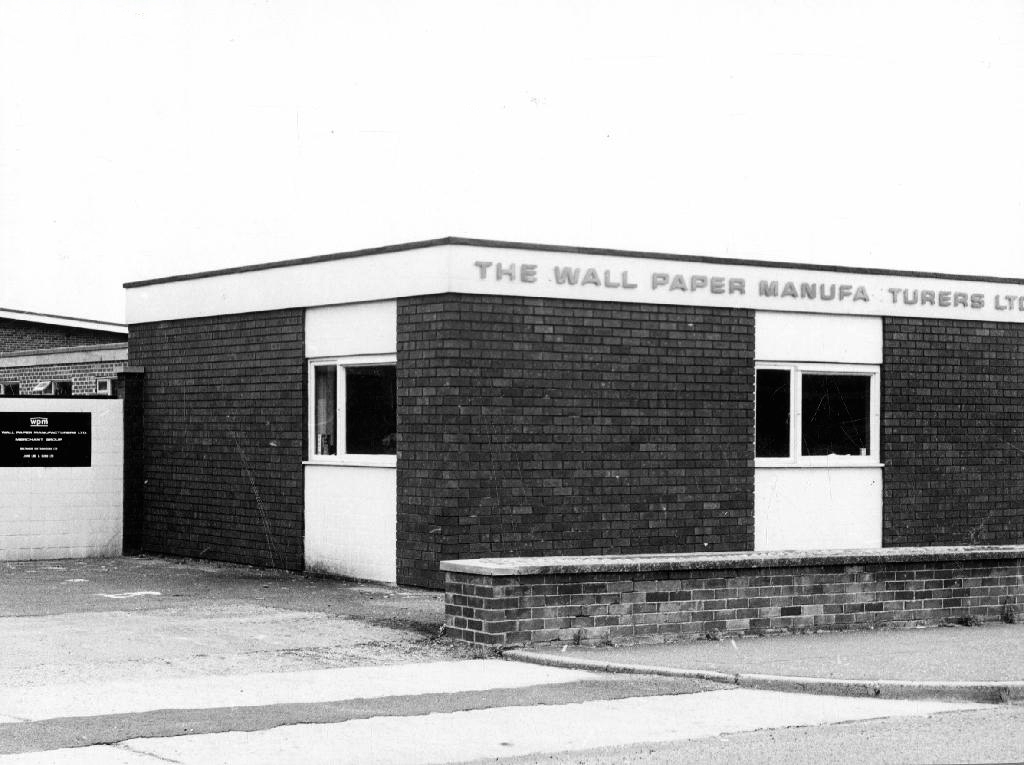
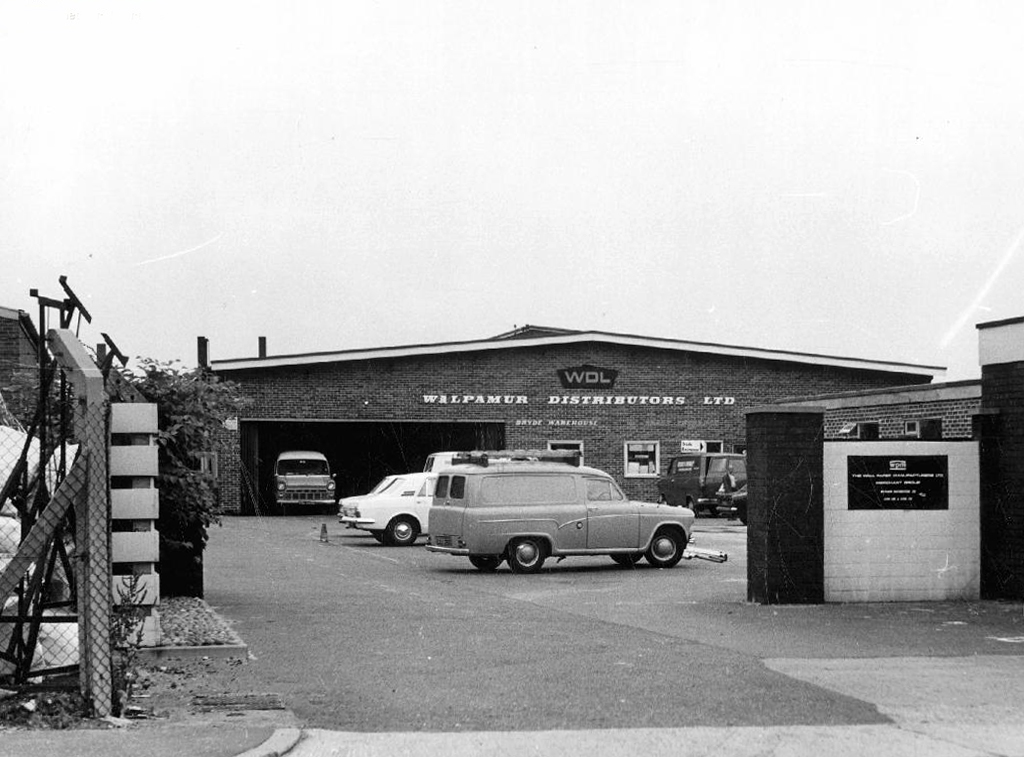
Further developments took place with the building of the Cheetwood Industrial Estate – a postwar group of flat-rooved, blocky brick and concrete utilitarian units.

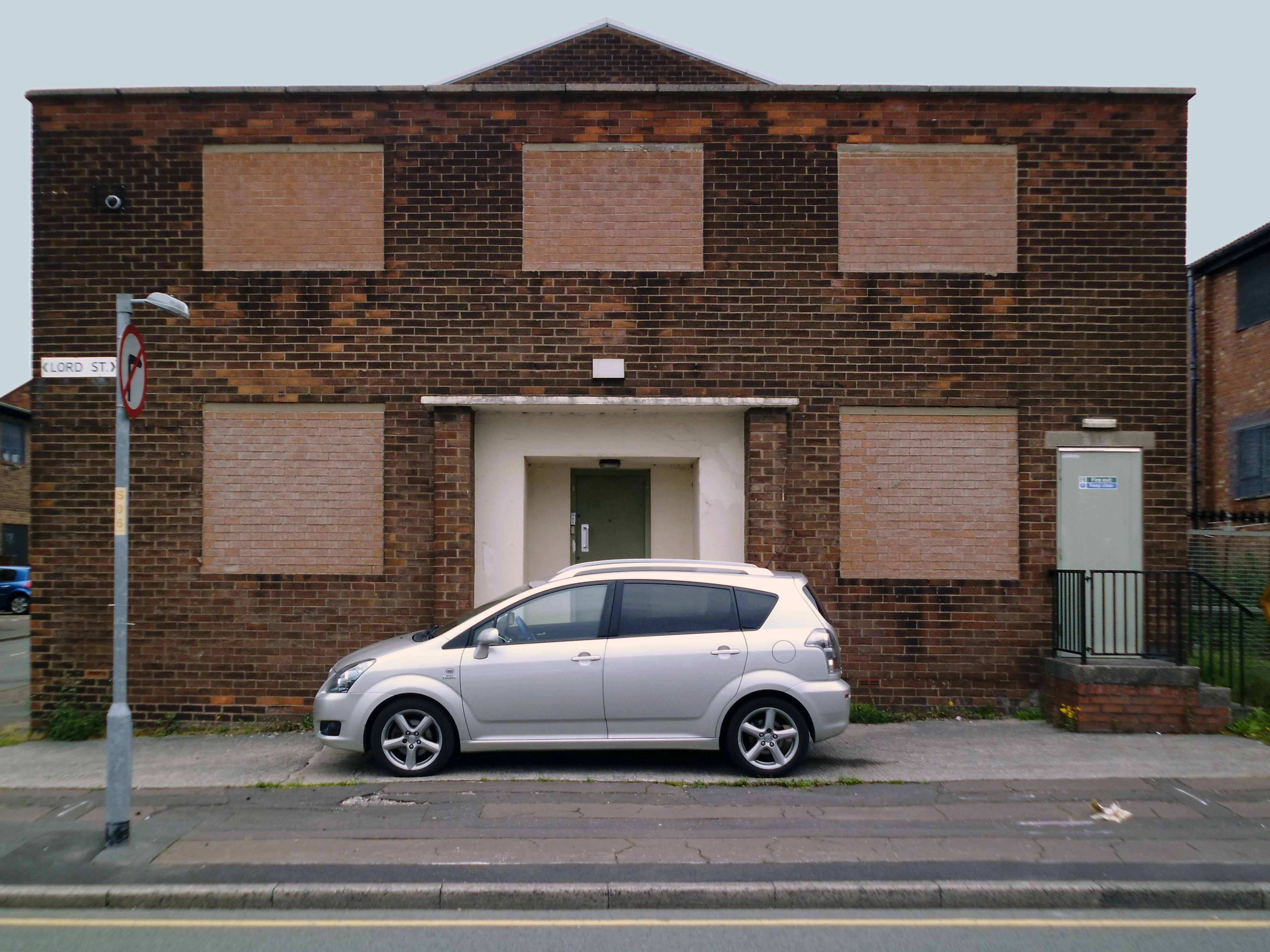
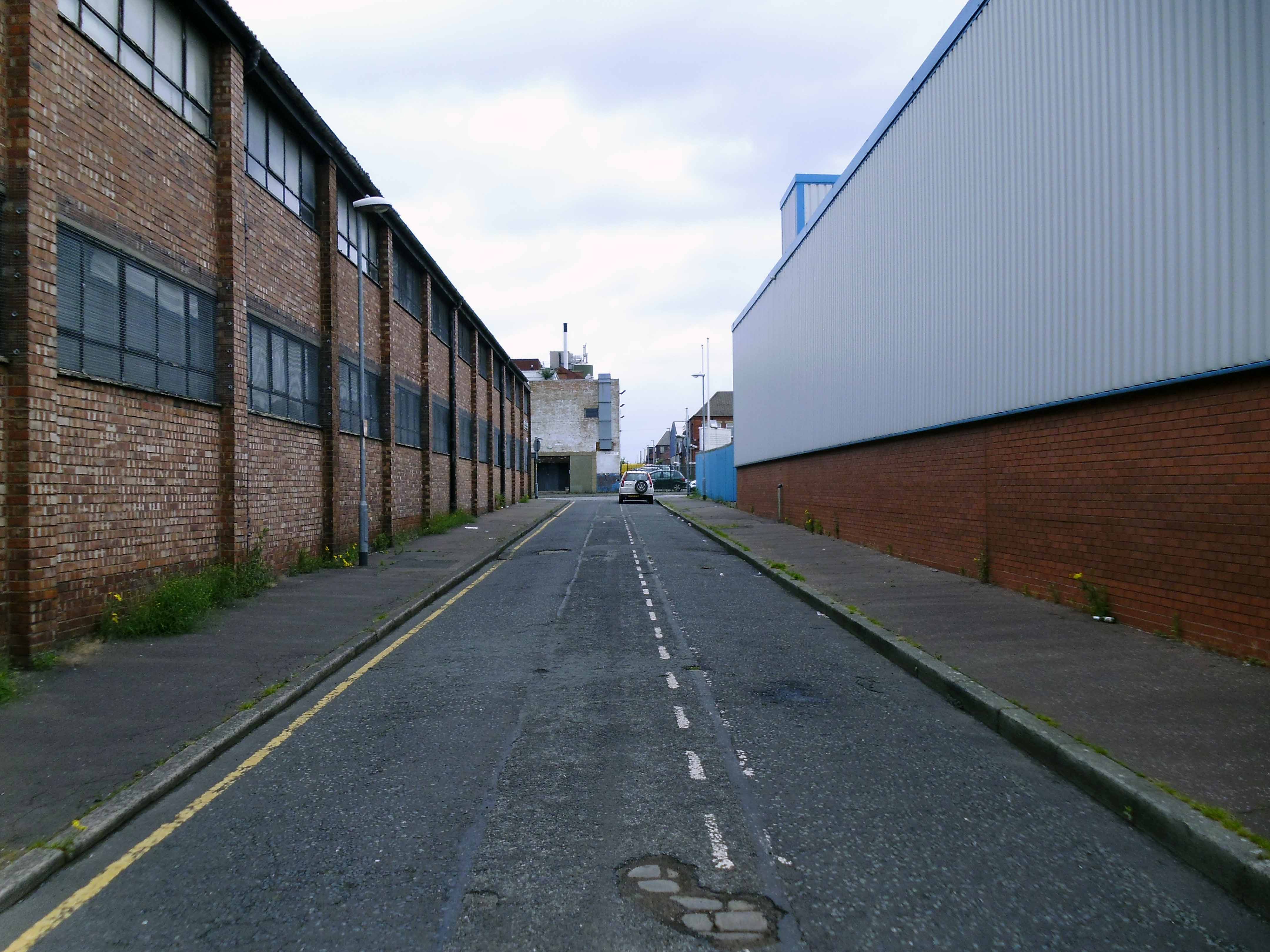
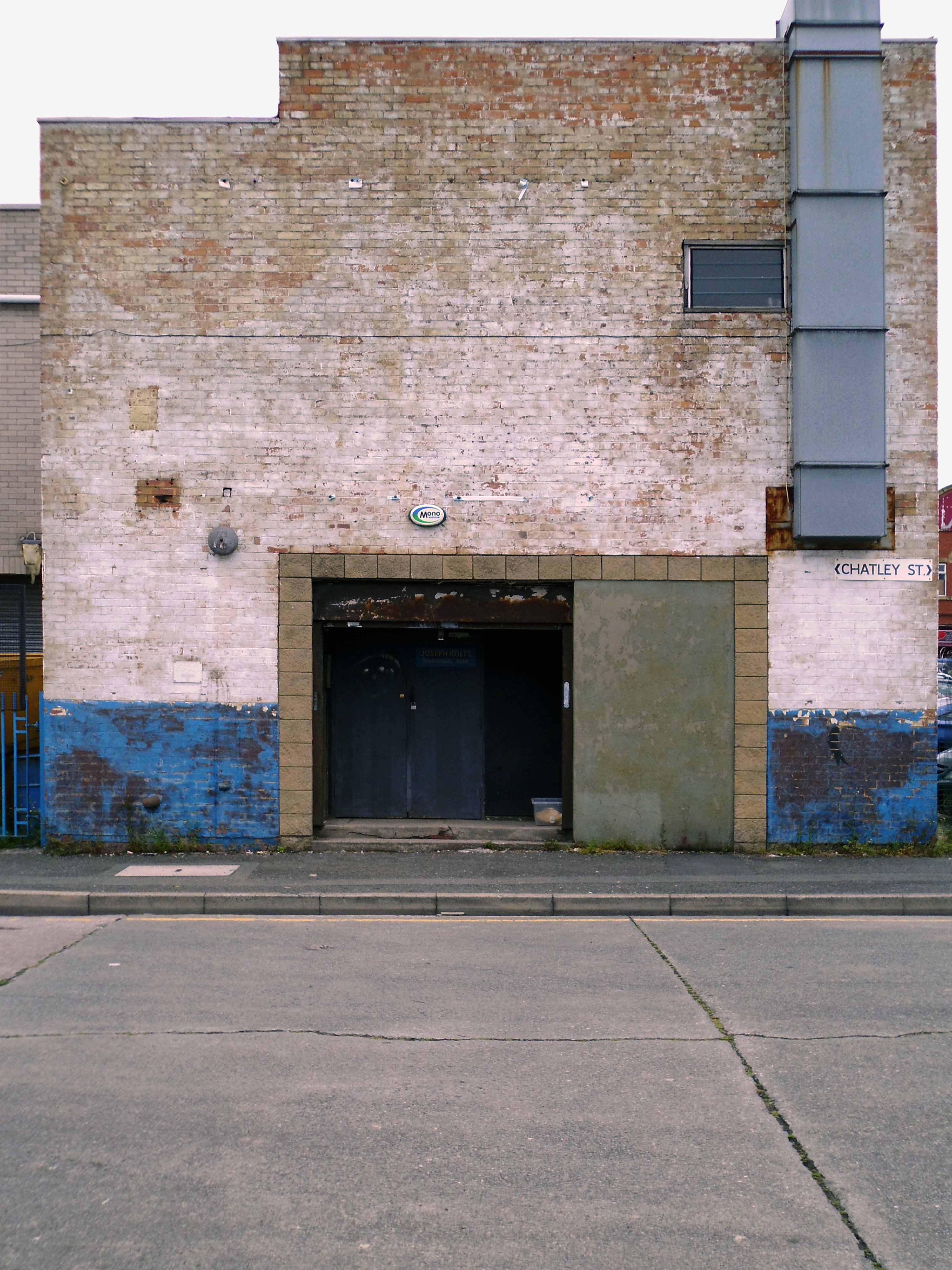
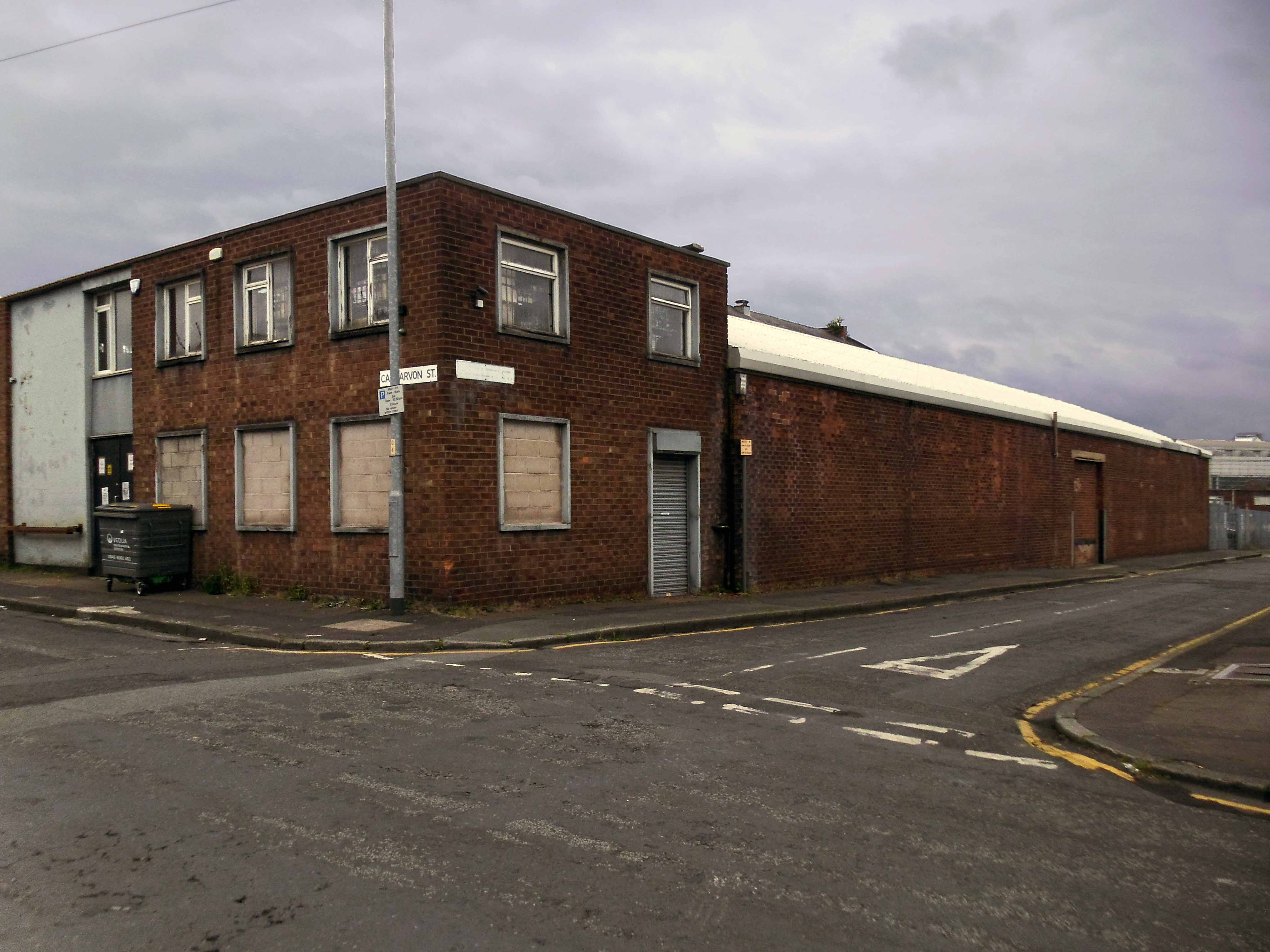
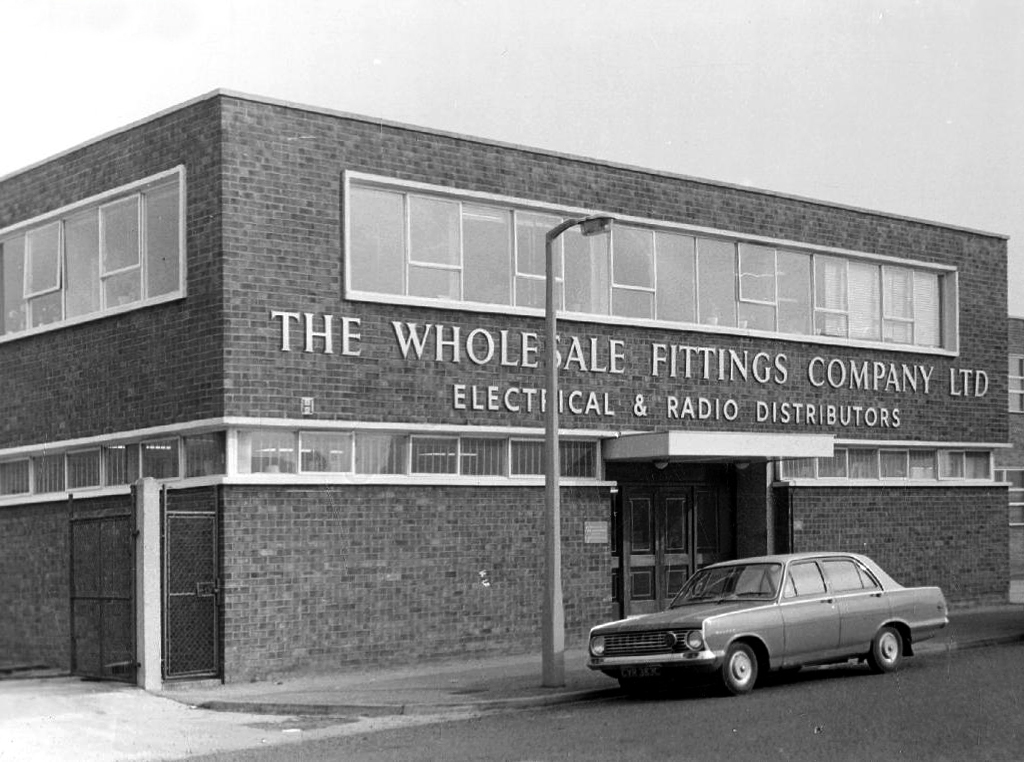
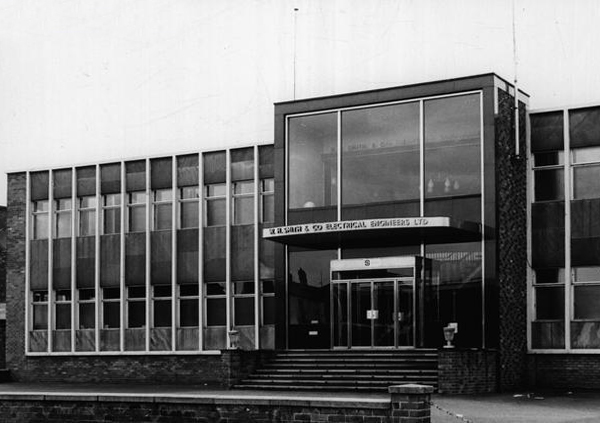
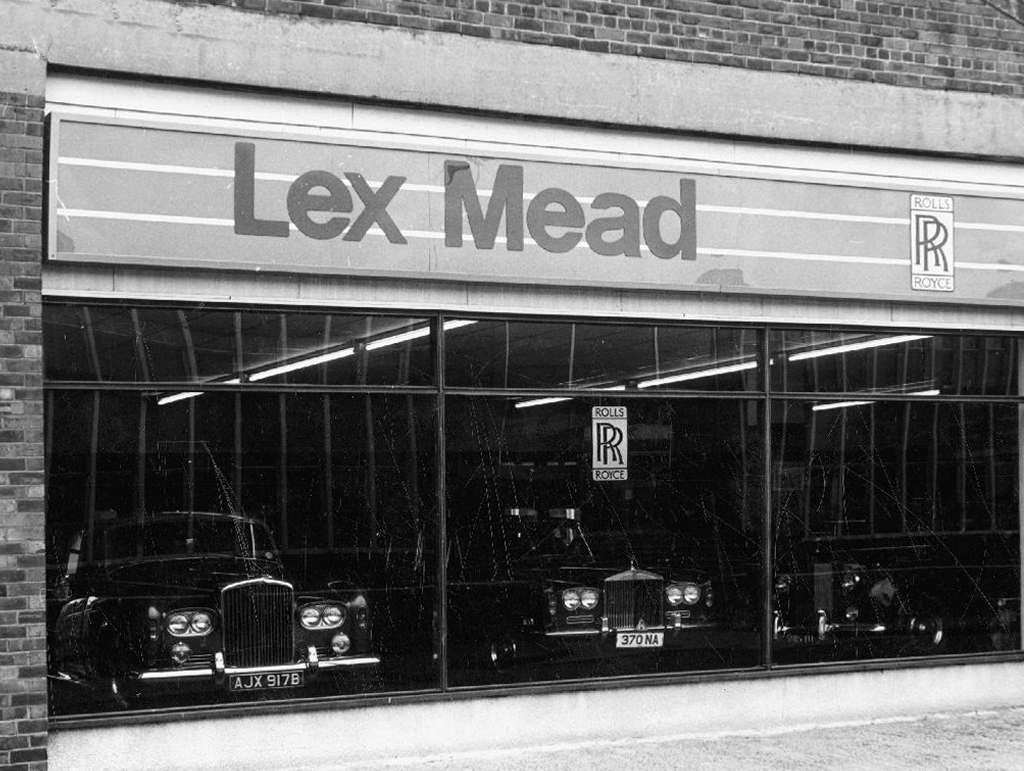
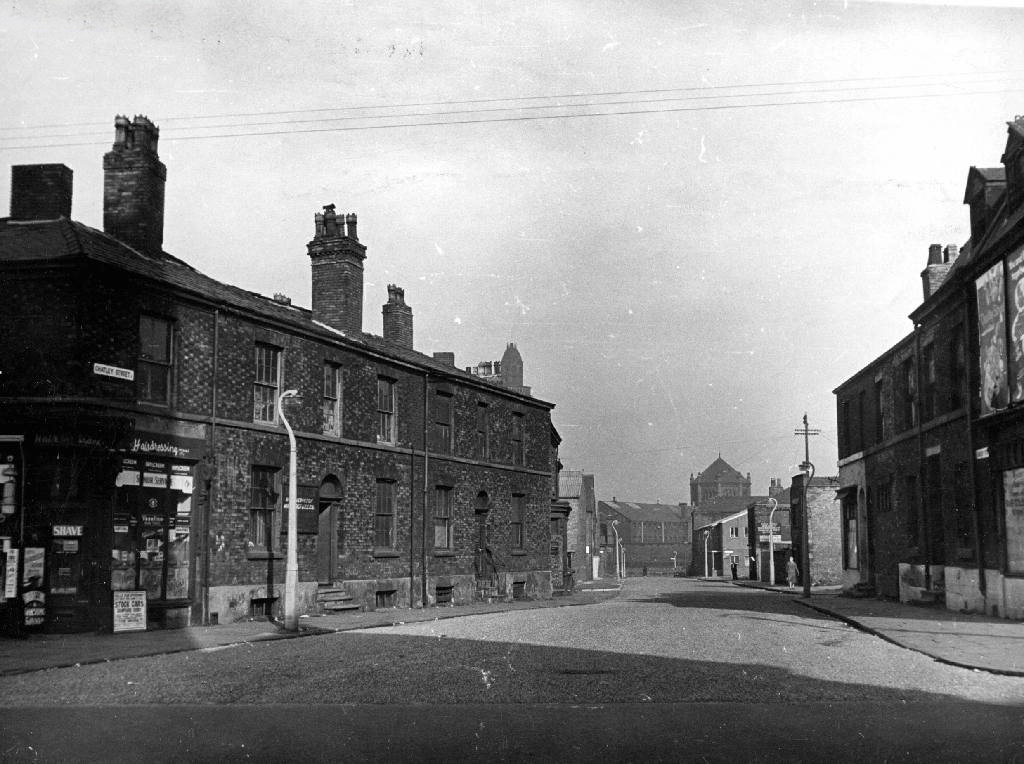
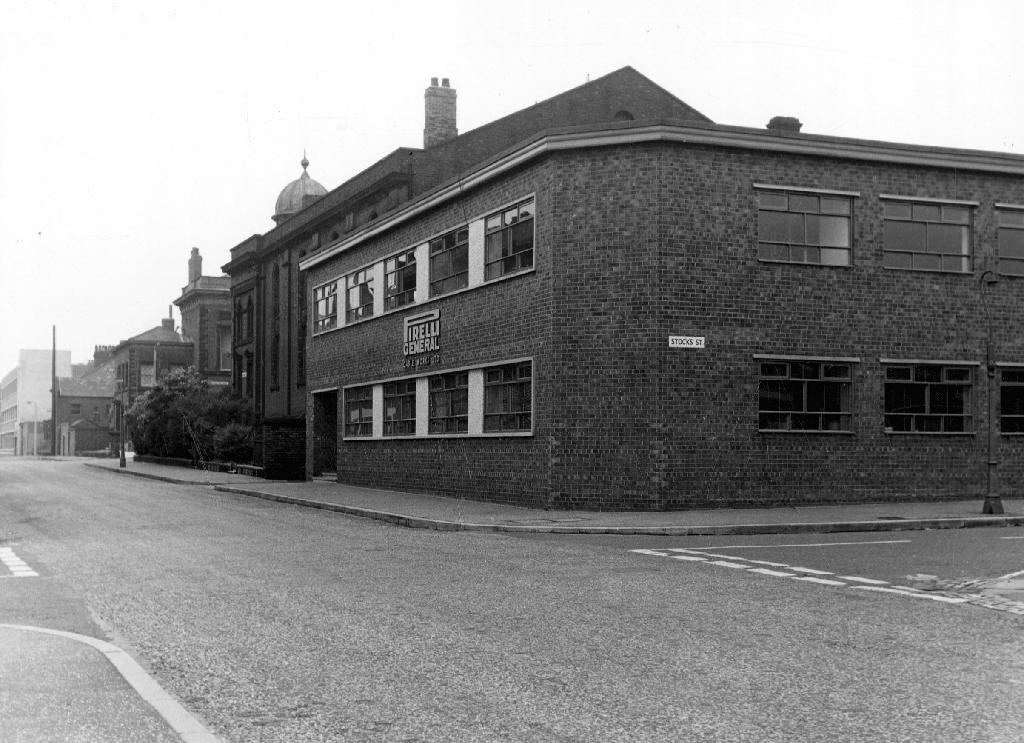
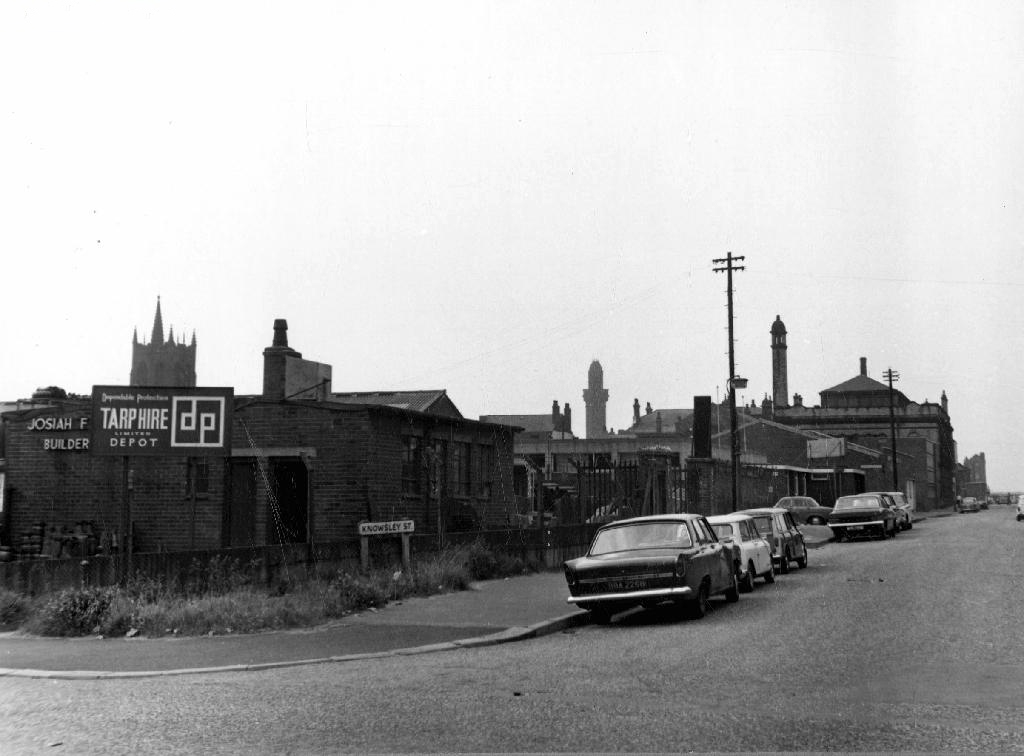
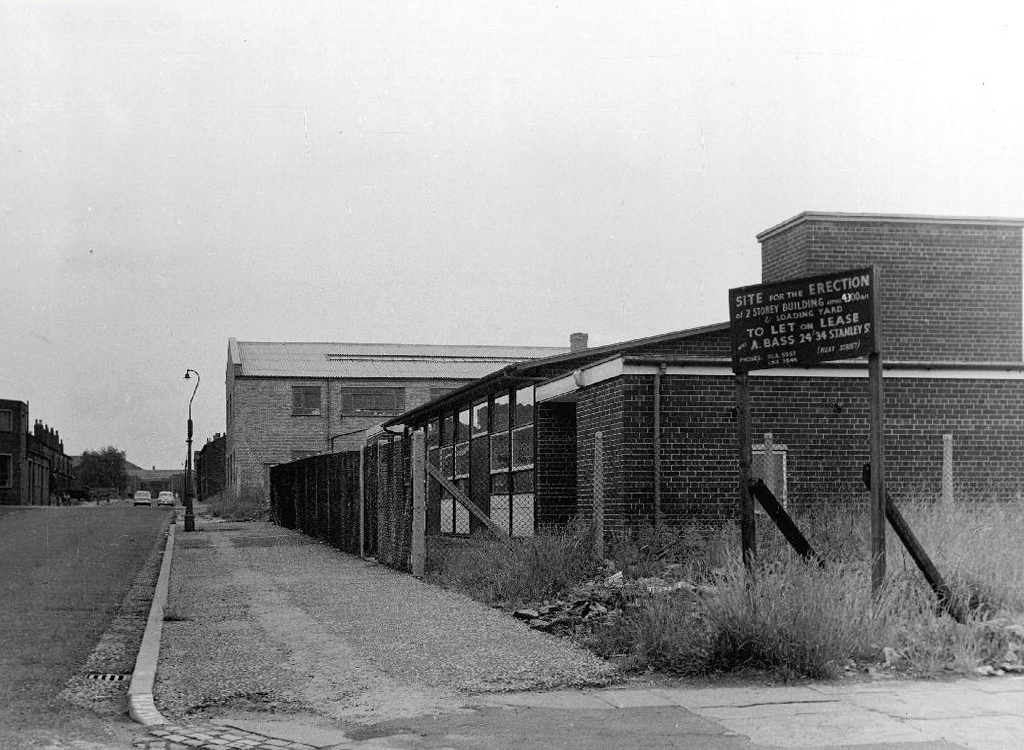
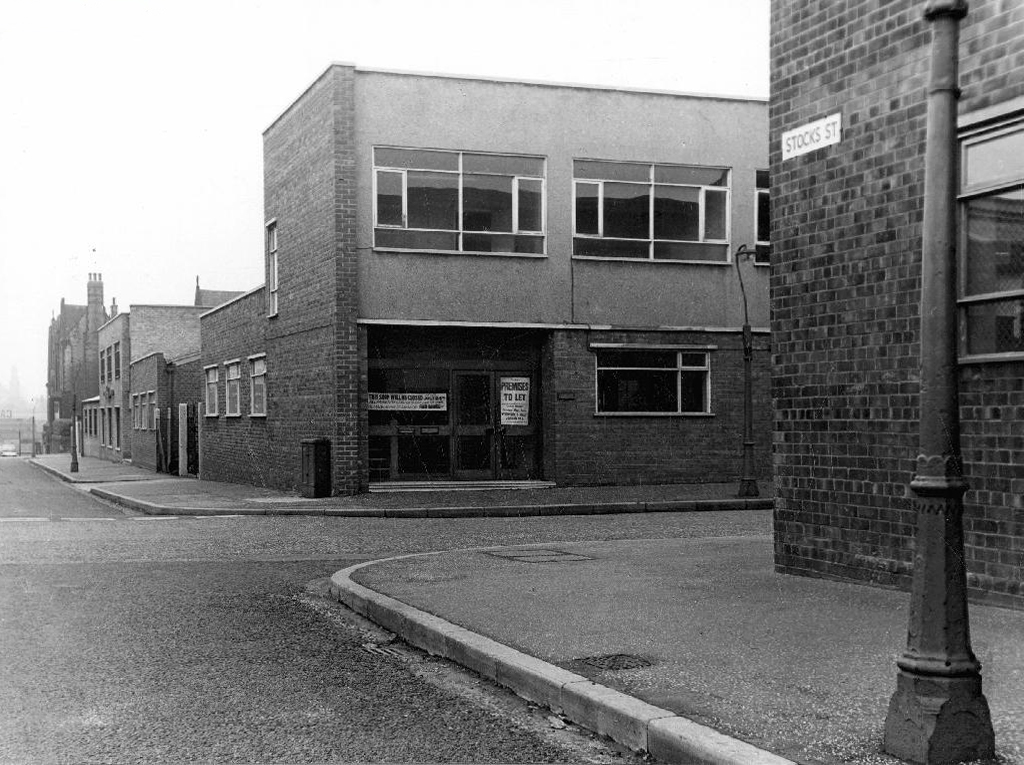
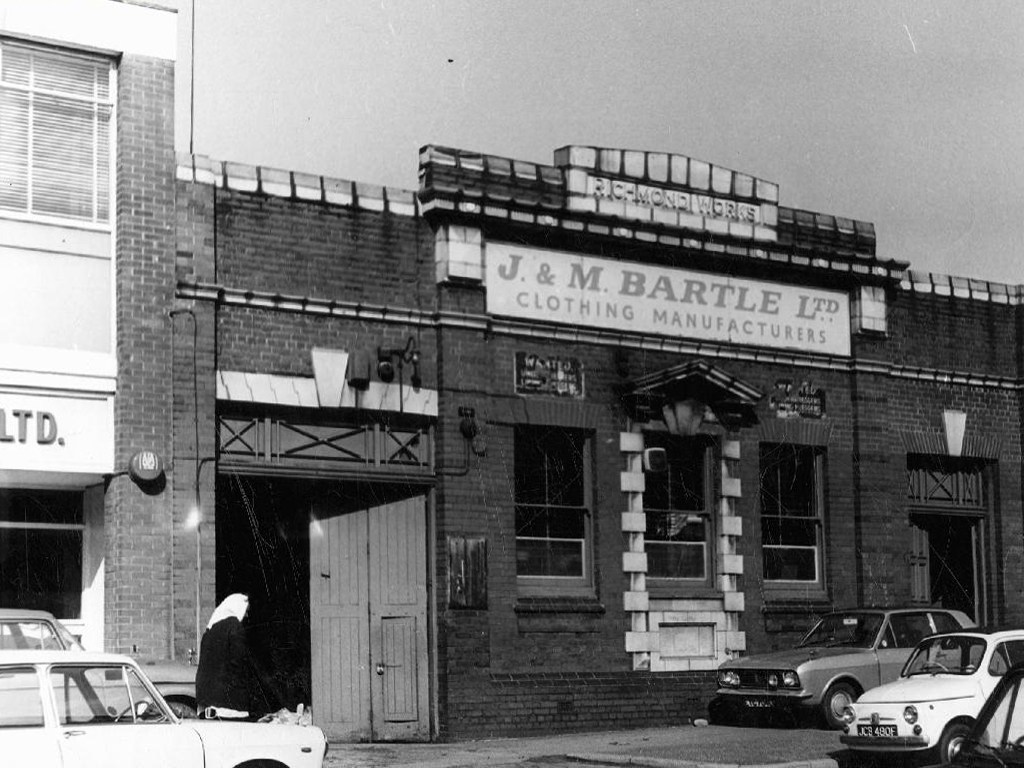
So let’s take a look at the ever so strange streets of Strangeways, in that period of change during the latter part of the Twentieth Century, when manufacturing, retail, repair and distribution were almost, just about to disappear in a puff of globalisation, economic depression and Thatcherism. Where Jack and Jill the lads and lasses, traded, ducked, dived, wheeler dealed from Cortinas, Transits and low milage, one owner, luxuriously leather-seated and walnut-dashed Jags. A vanishing or vanished world, where however briefly – Manchester went architecturally mod.

webmedia-1.php

webmedia-7.php

webmedia.php

Bent Street

webmedia-4.php

webmedia-6.php

webmedia-7.php

webmedia-9.php

webmedia-13.php

Broughton Street

webmedia-1.php

webmedia.php

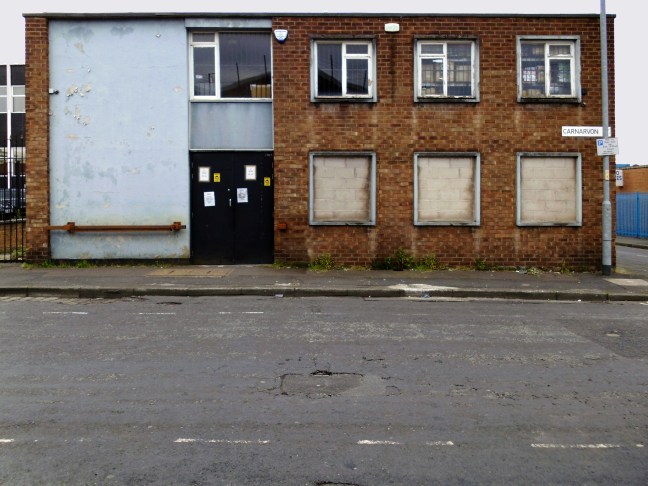
Carnarvon Street

webmedia-1.php

webmedia-2.php

webmedia.php

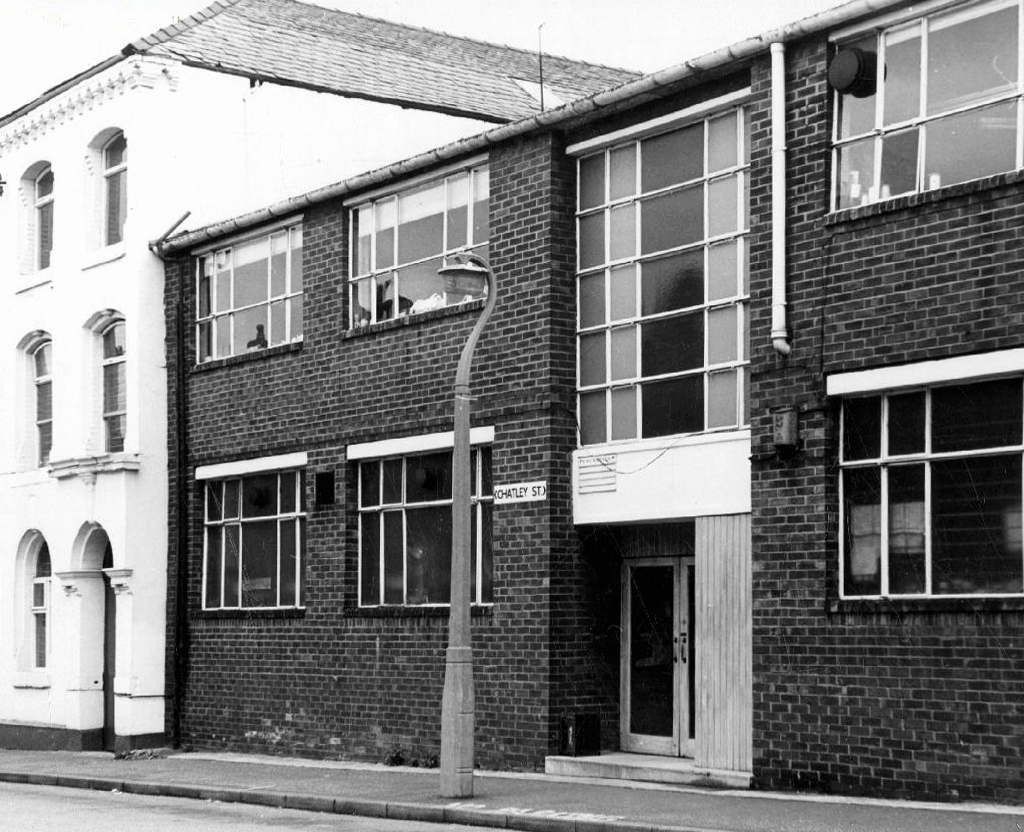
Chatley Street

webmedia-5.php

webmedia-9.php

webmedia-10.php

webmedia-4.php

Cheetwood Street

webmedia-3.php

webmedia-5.php

webmedia-8.php

webmedia-9.php copy

webmedia-11.php

webmedia-12.php

webmedia-18.php

Derby Street

webmedia-1.php

webmedia-2.php

webmedia.php

Julia Street

webmedia-1.php

webmedia-2.php

webmedia-3.php

webmedia-5.php

webmedia-6.php

webmedia-8.php

webmedia.php

Knowsely Street

webmedia.php

webmedia-8.php

webmedia-5.php

webmedia-3.php

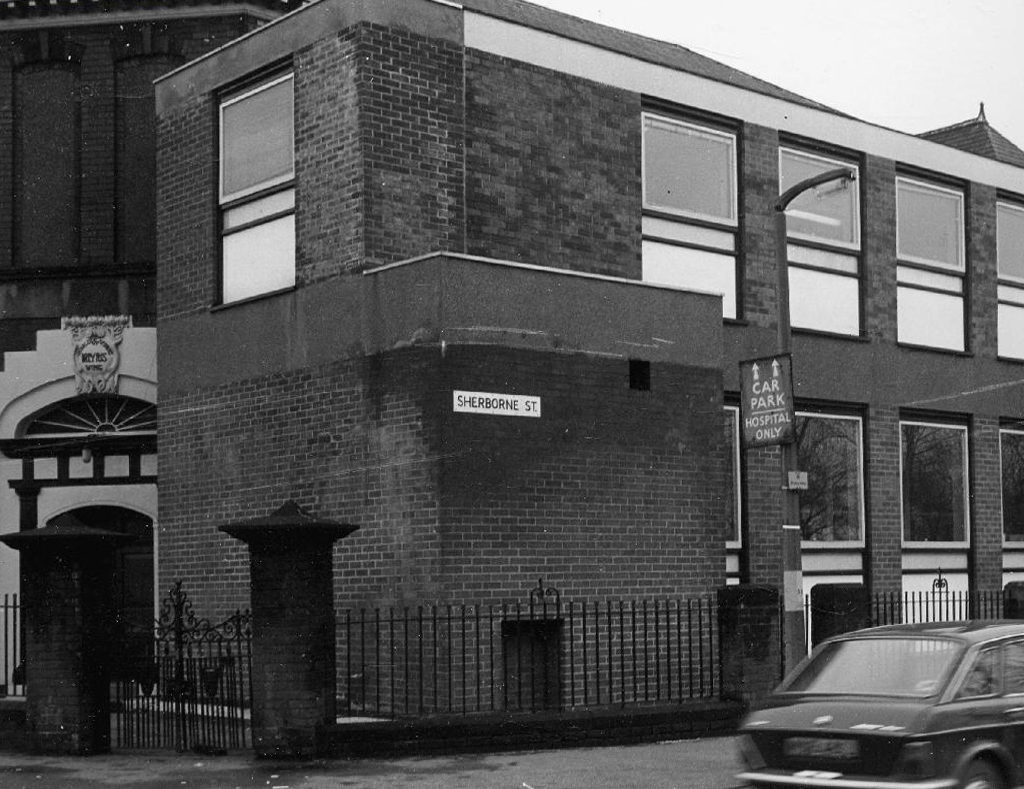
Sherbourne Street

webmedia.php

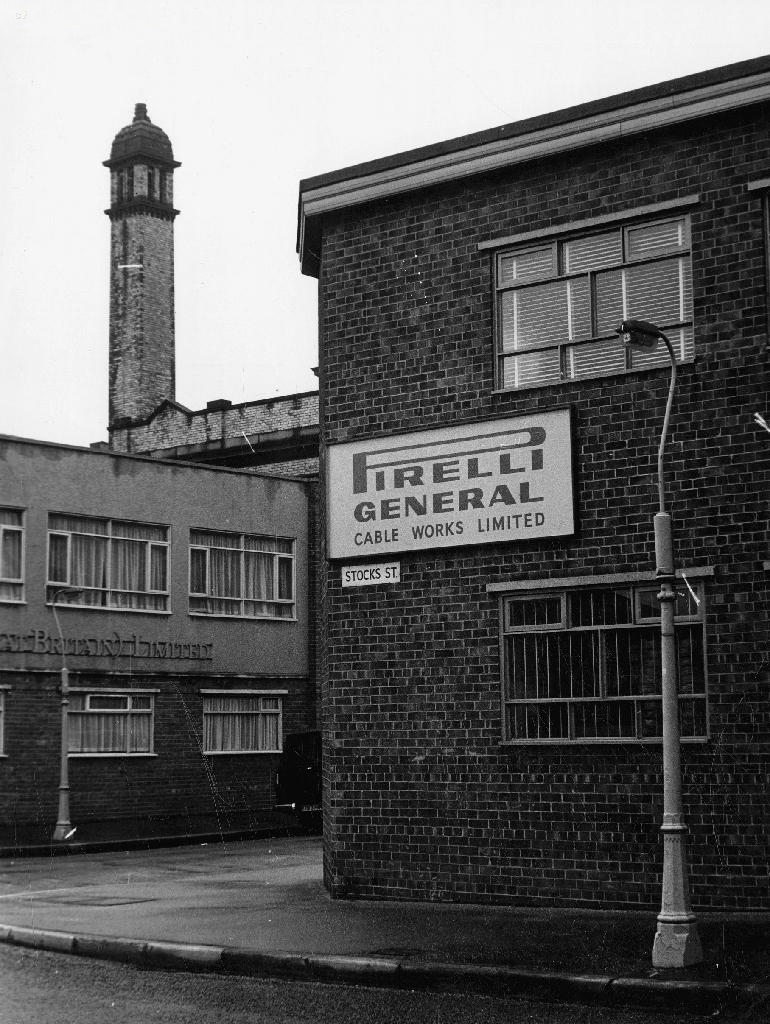
Stocks Street

All archival photographs from the Manchester Local Images Collection