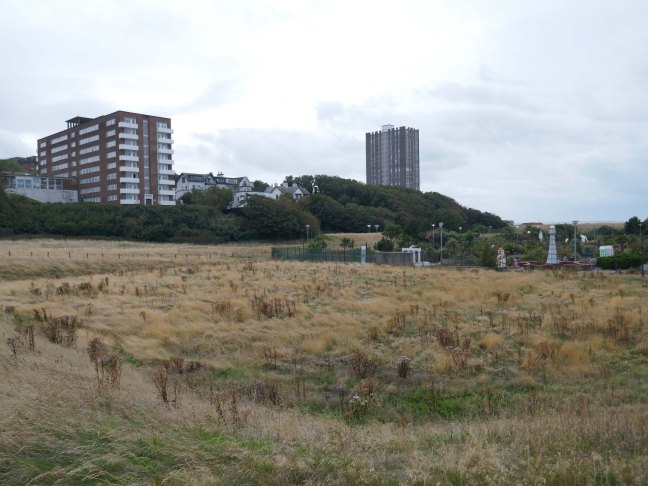
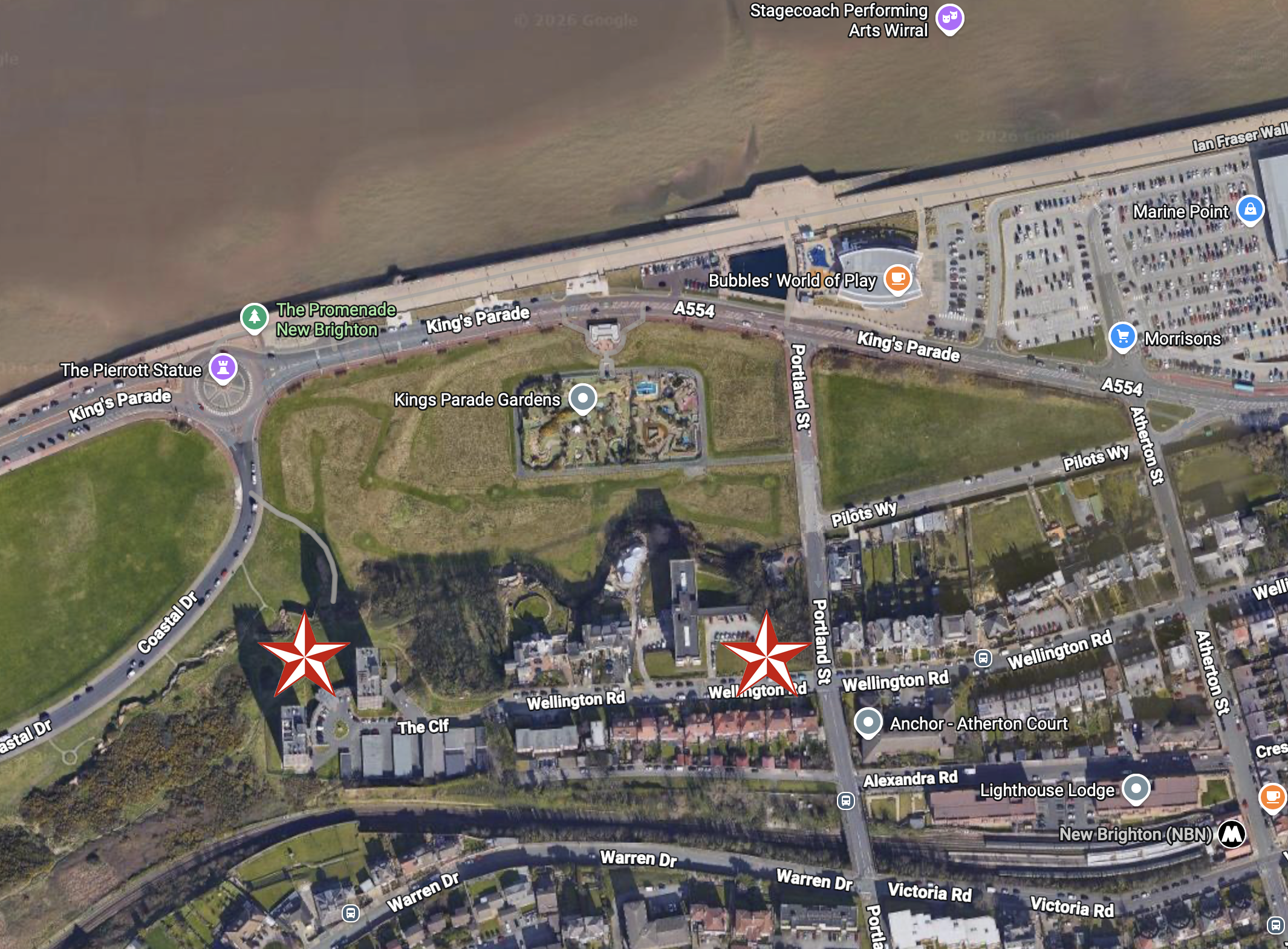
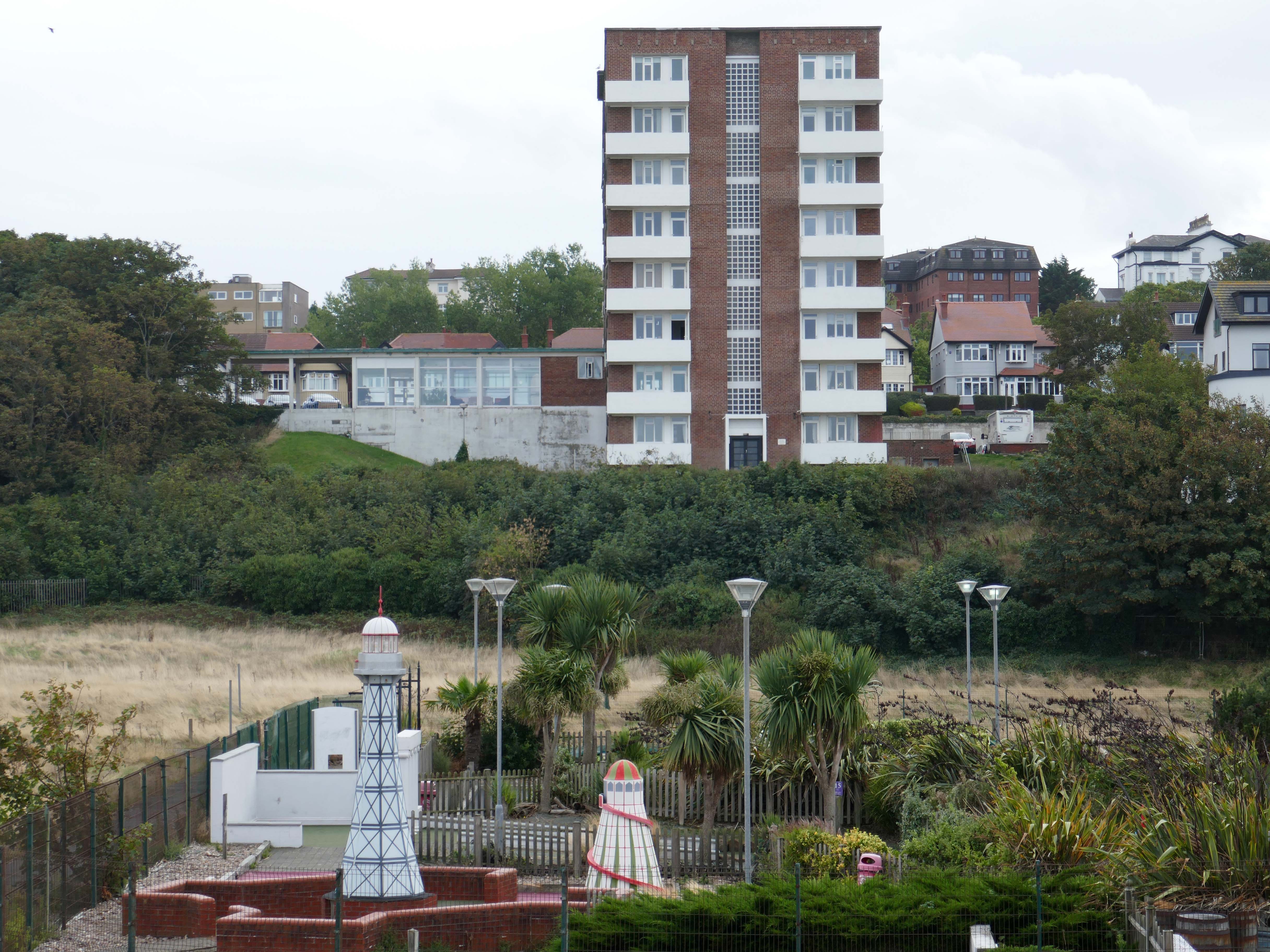
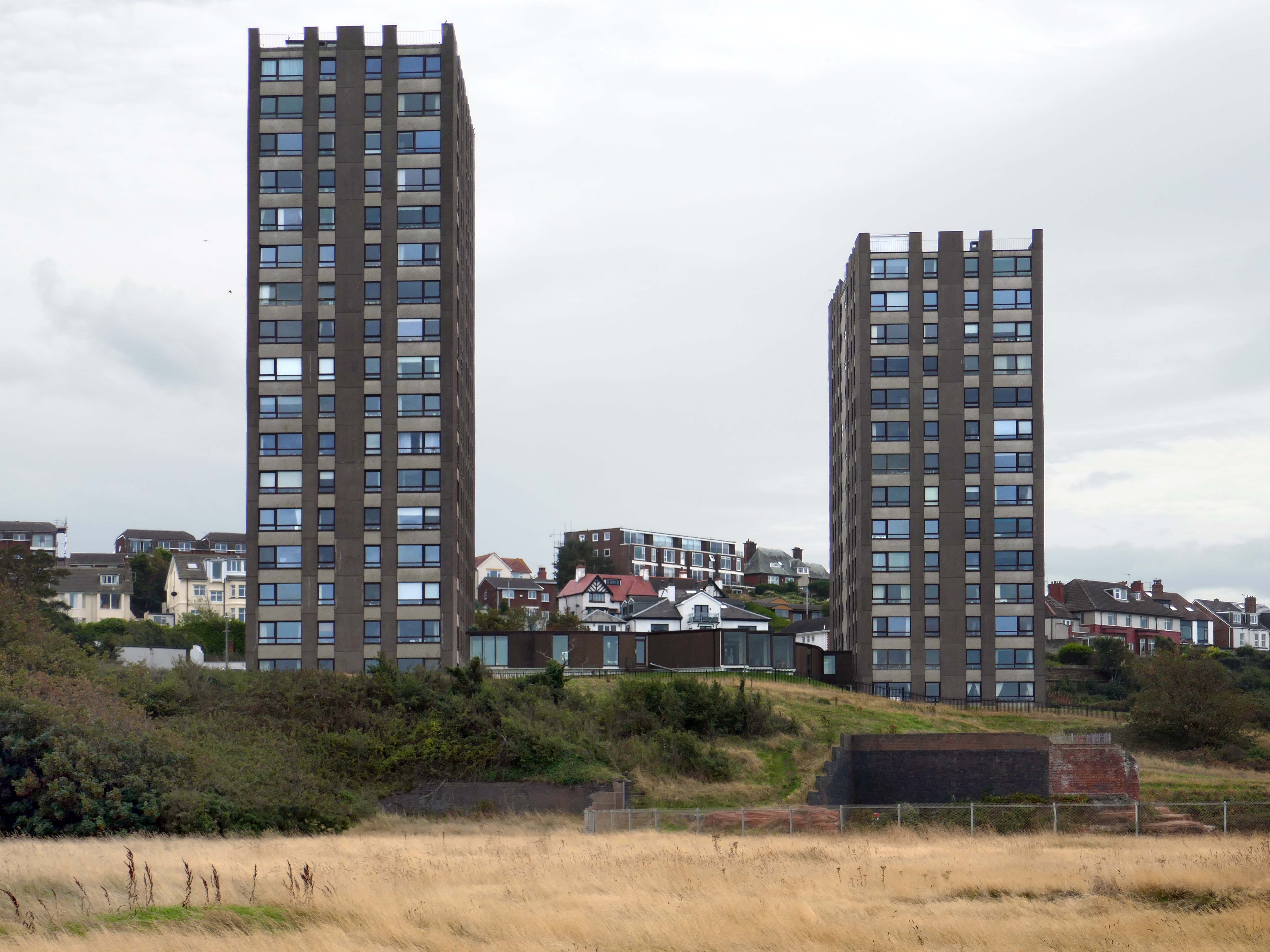
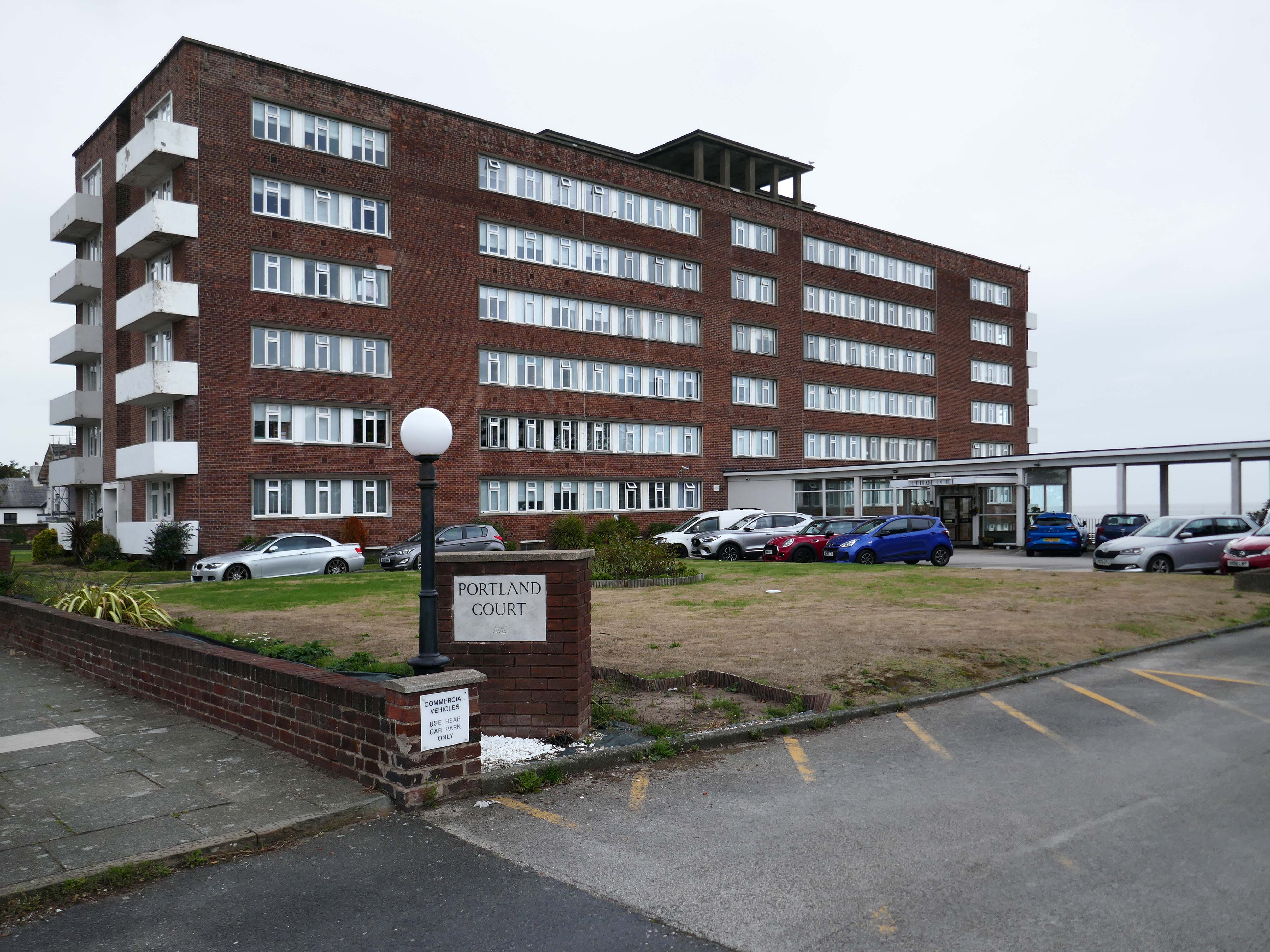
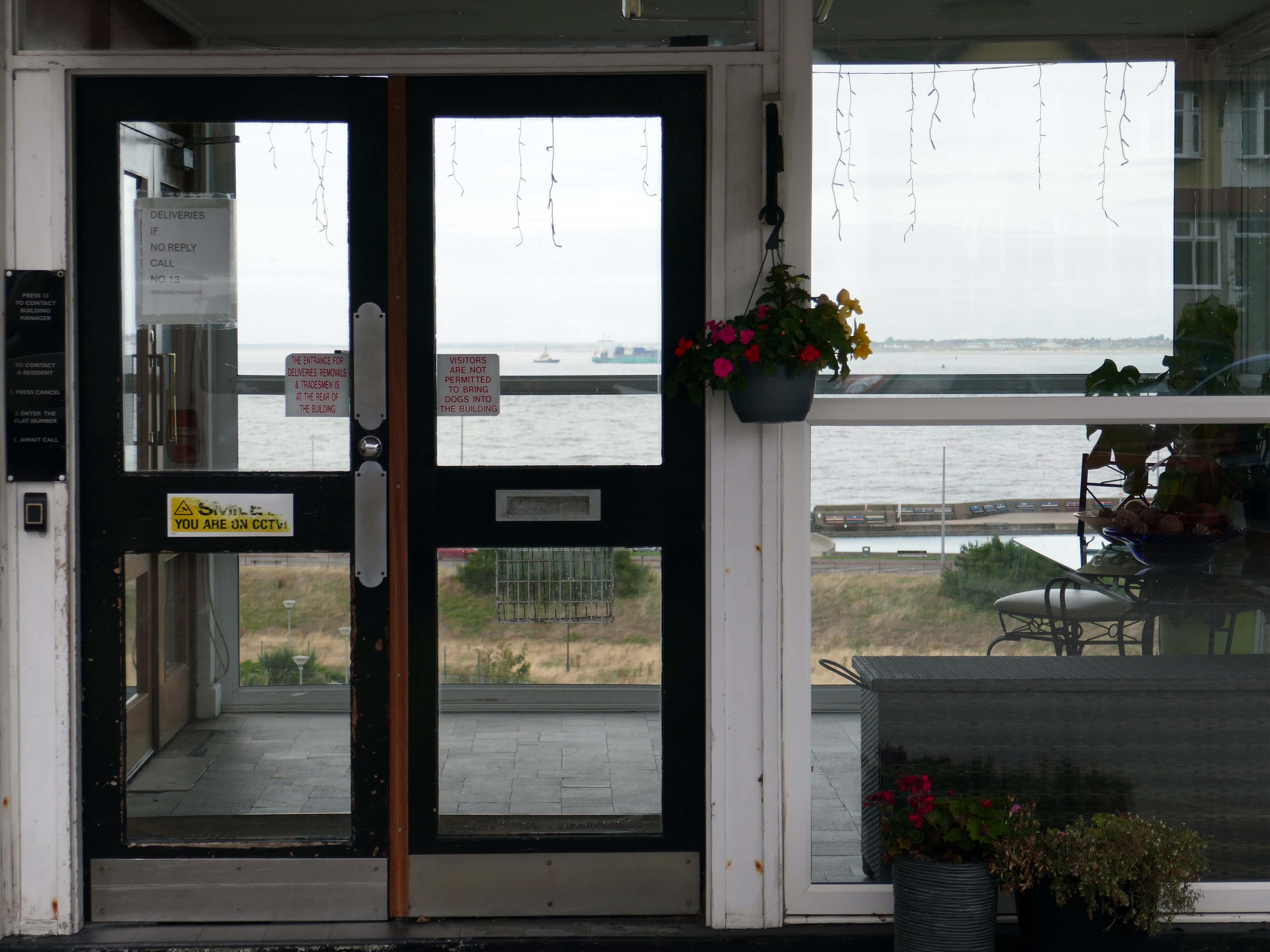
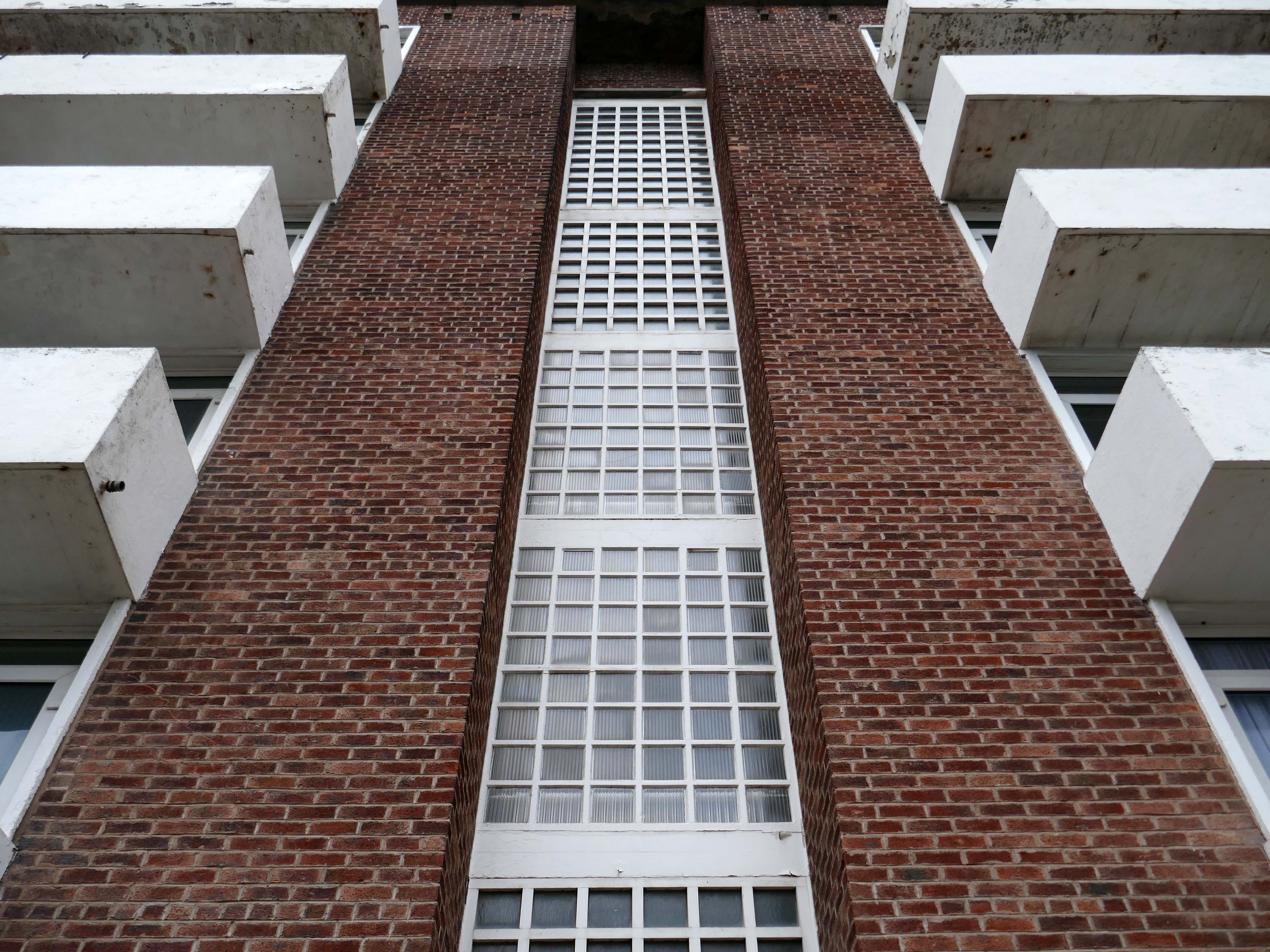
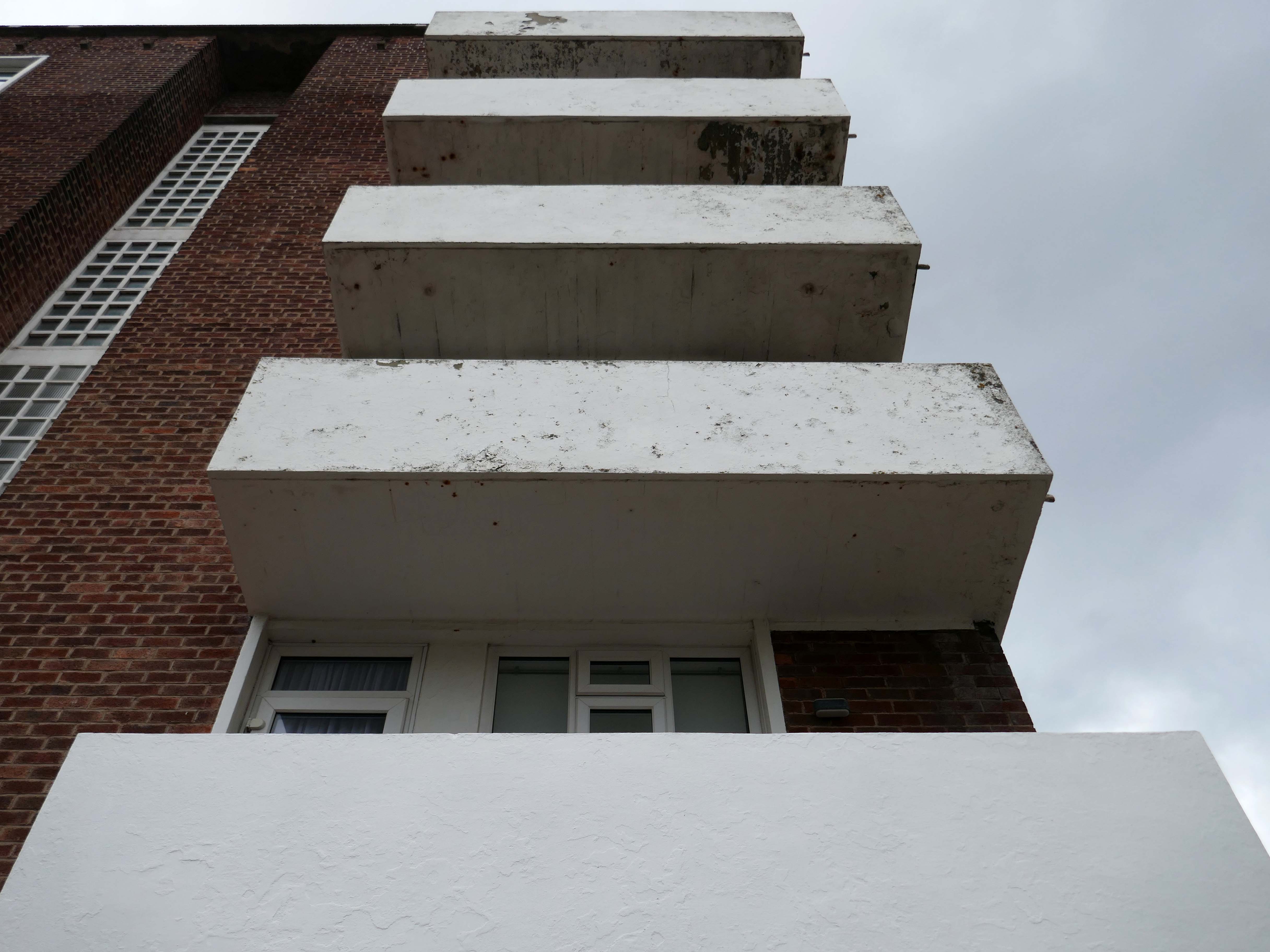
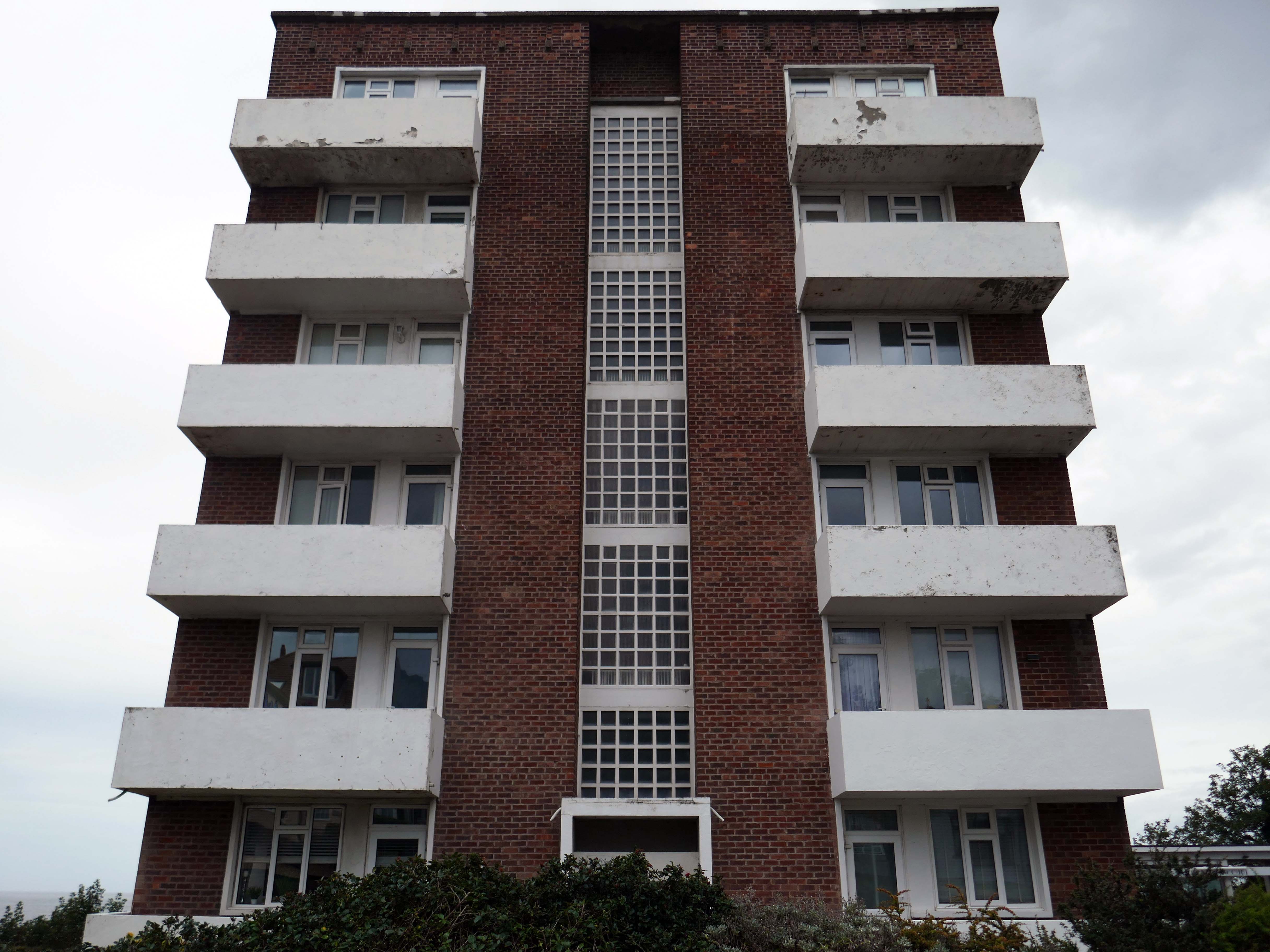
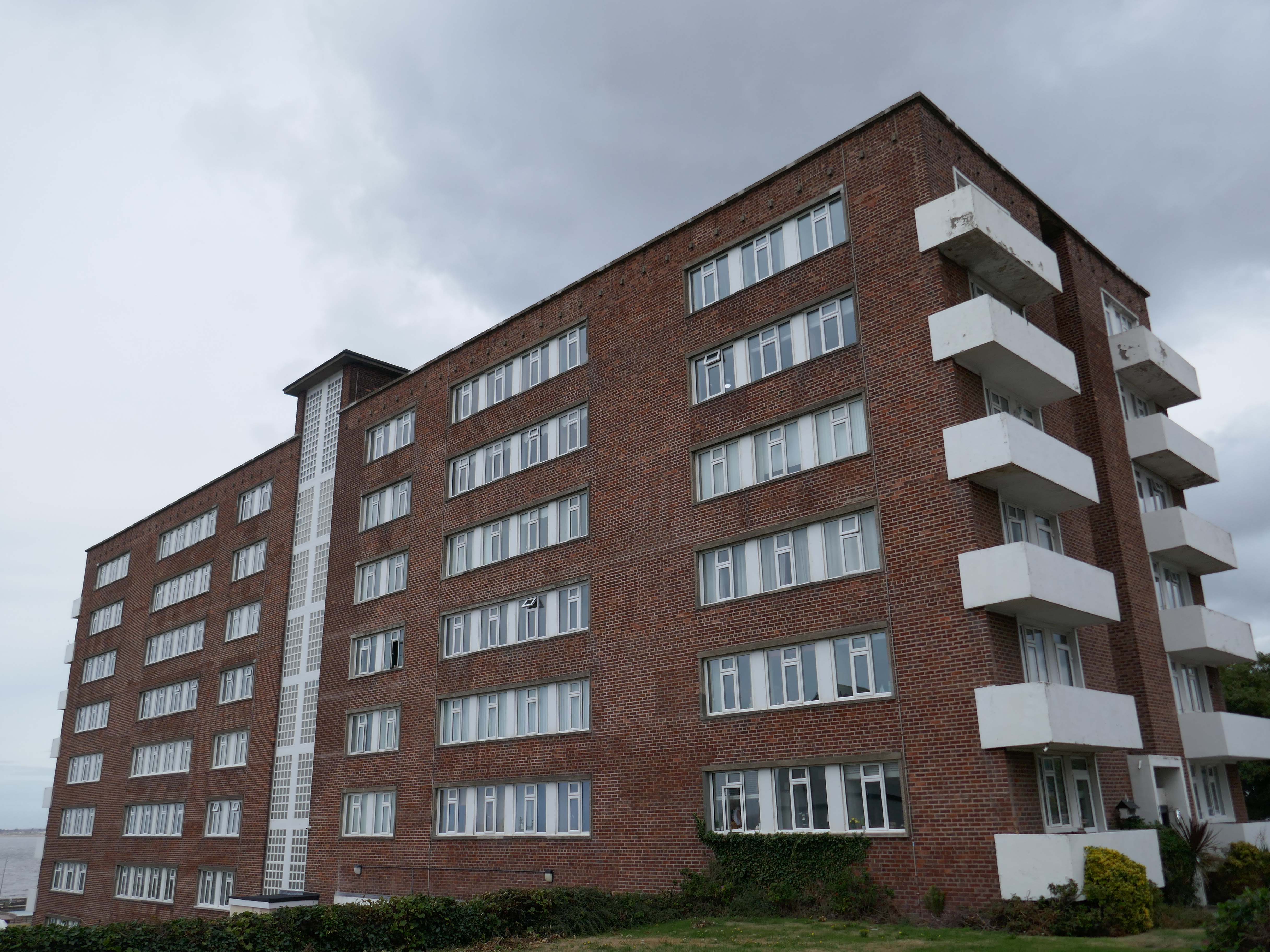
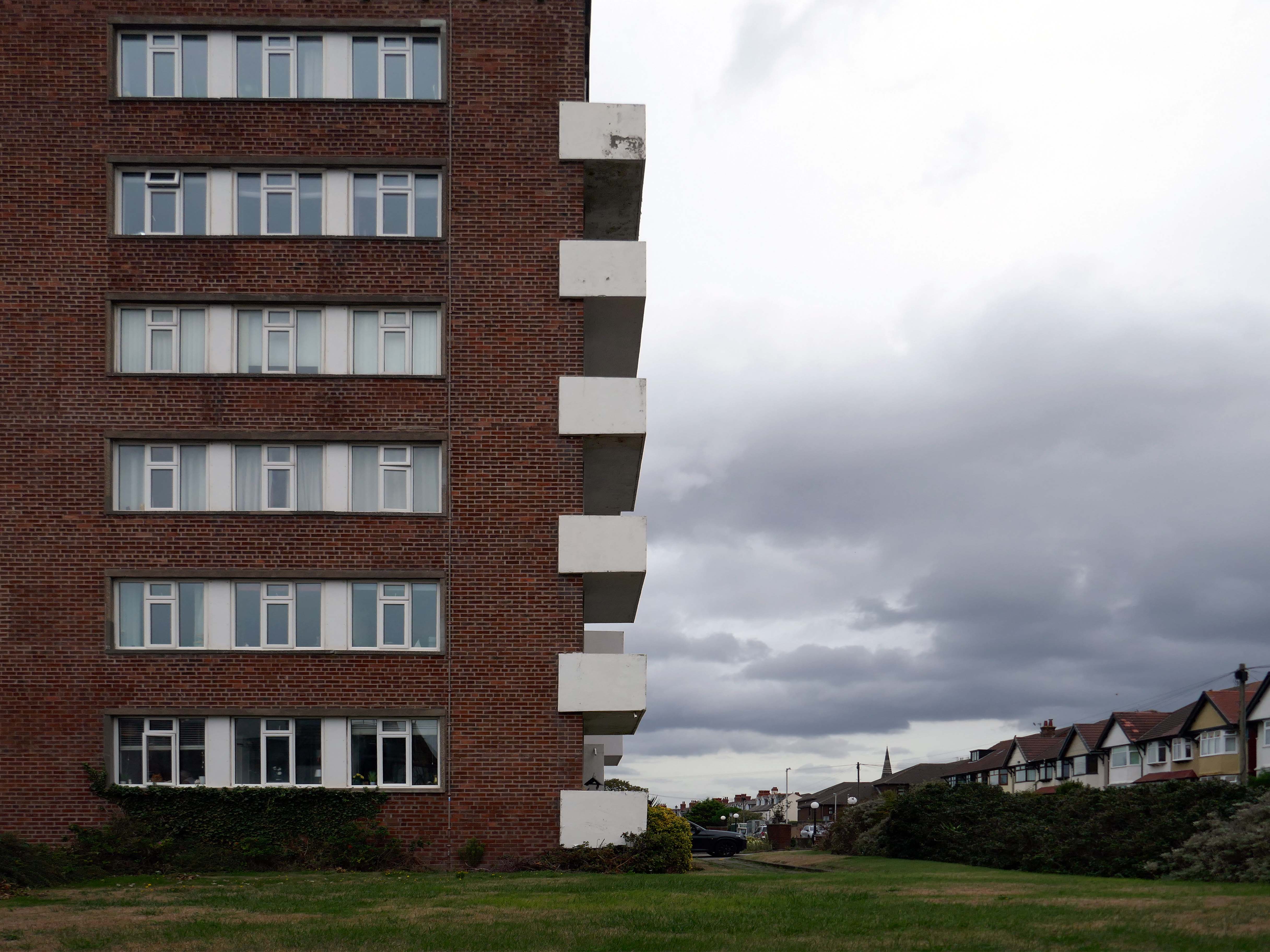
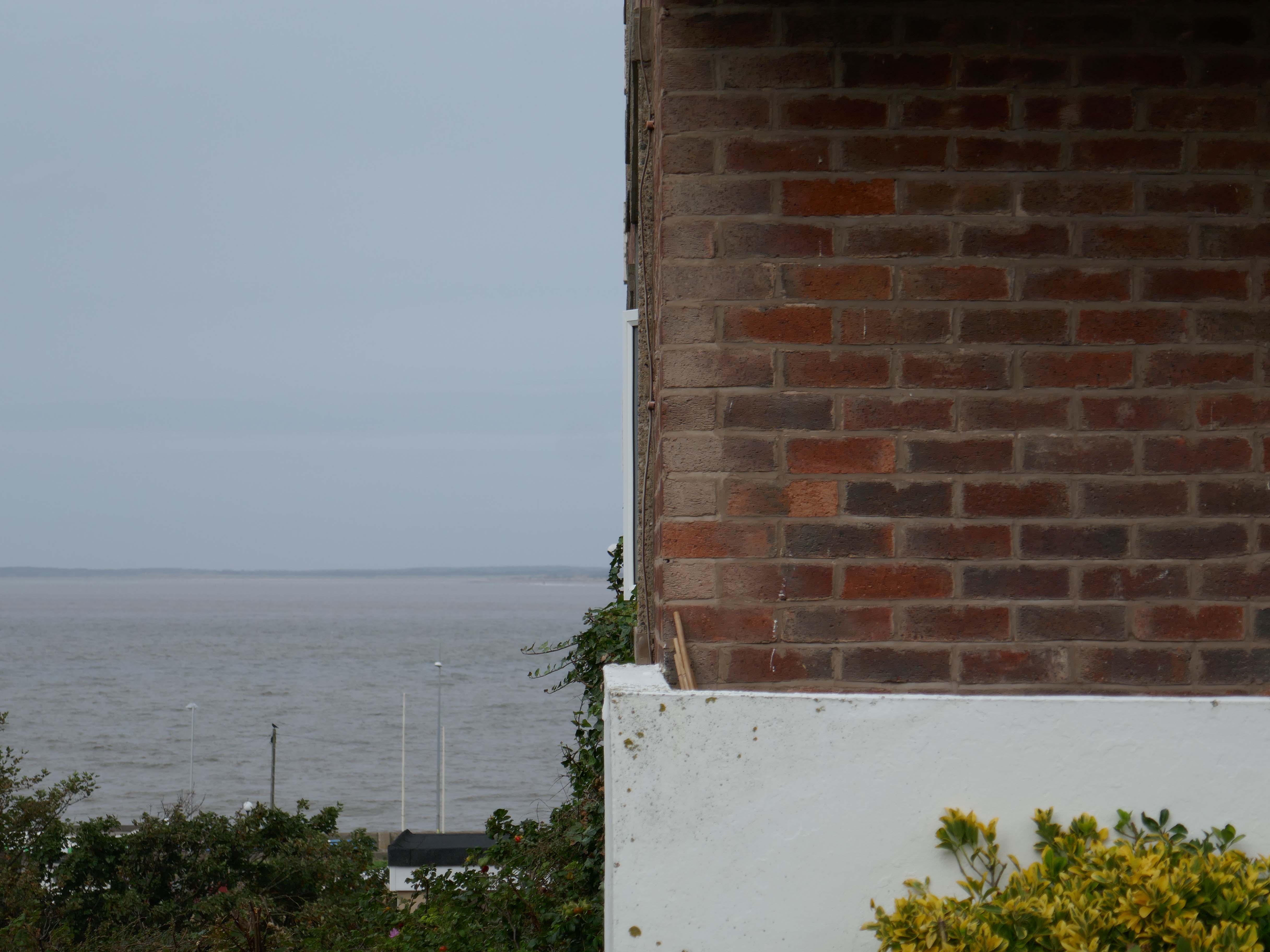
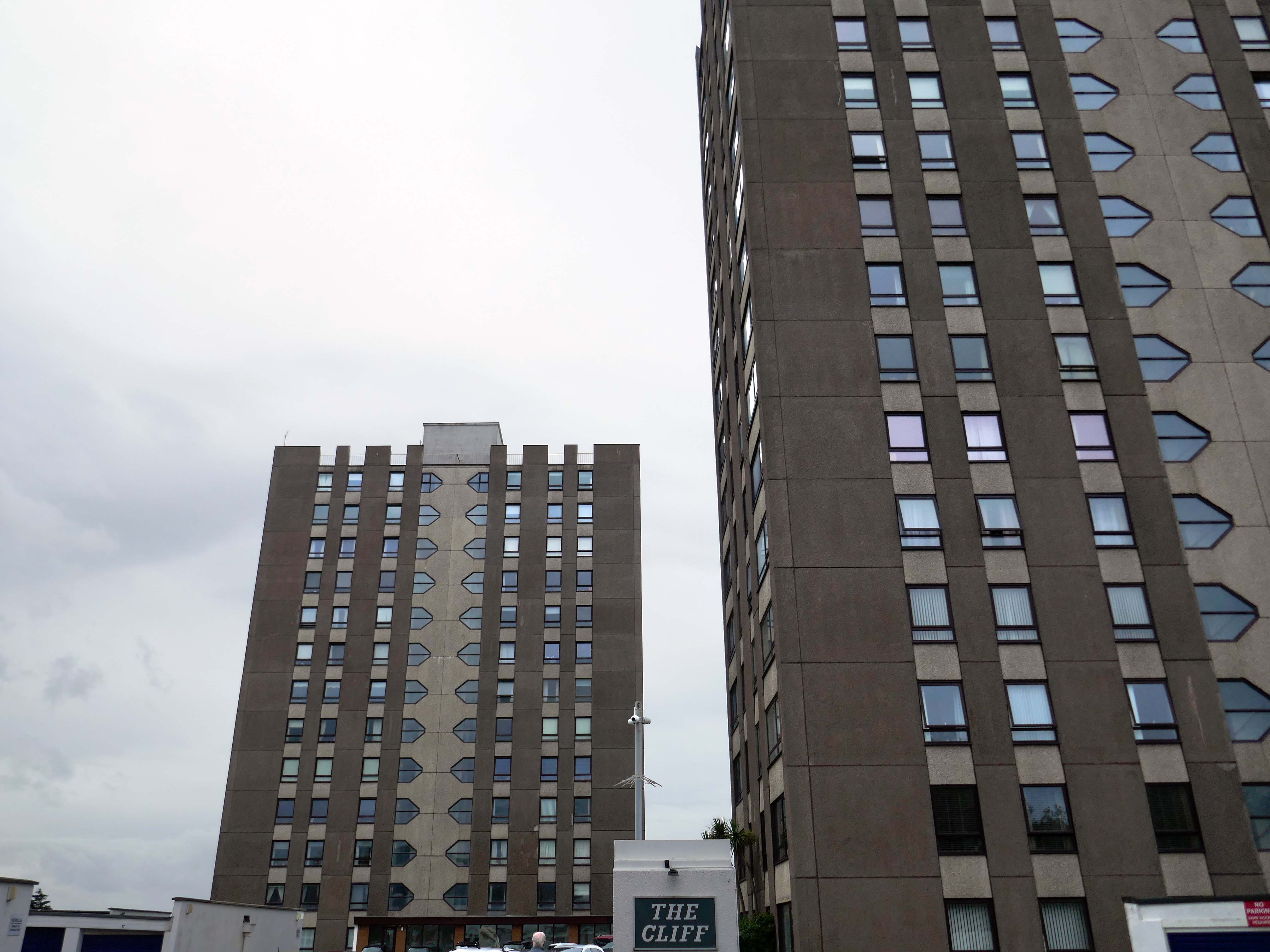
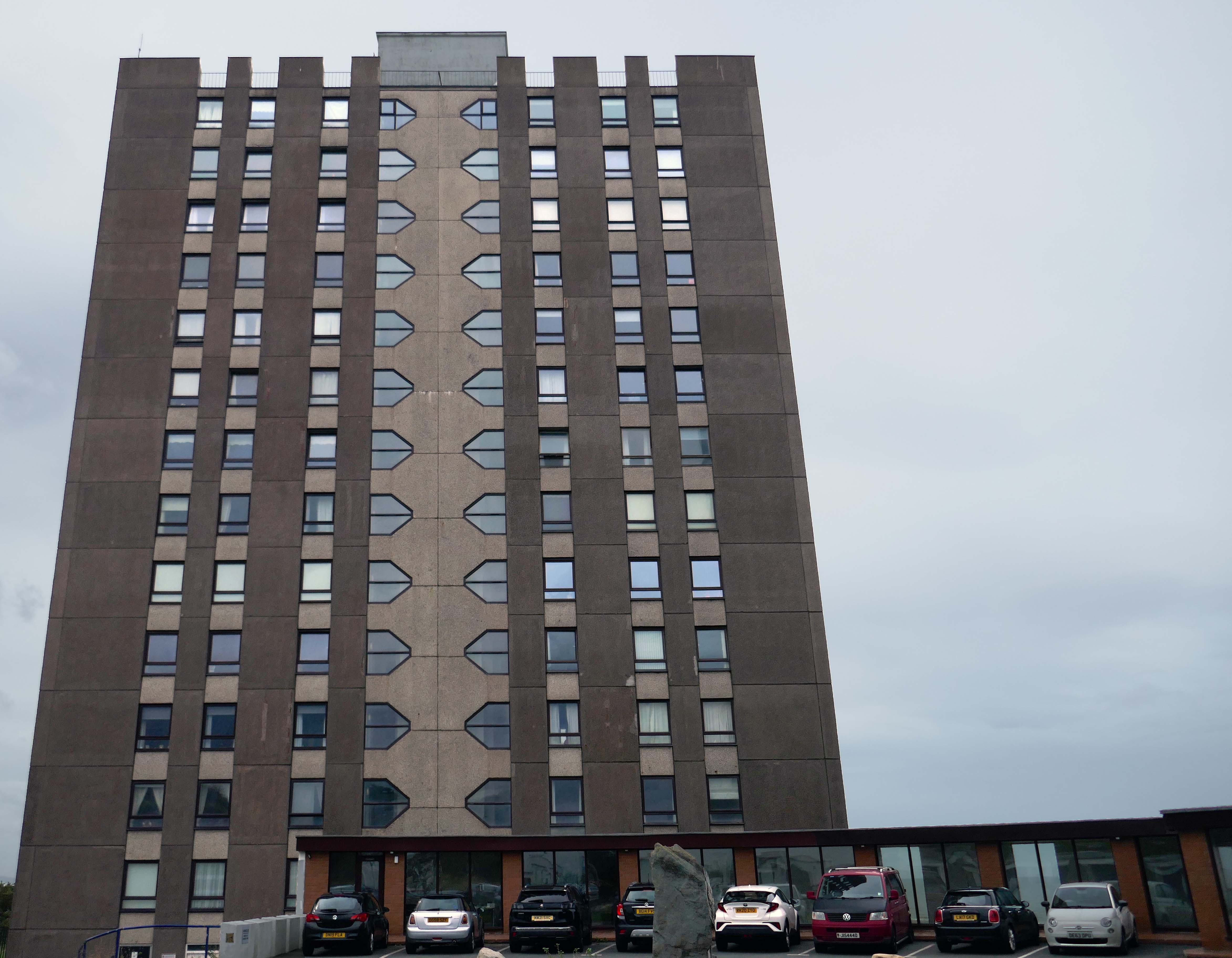
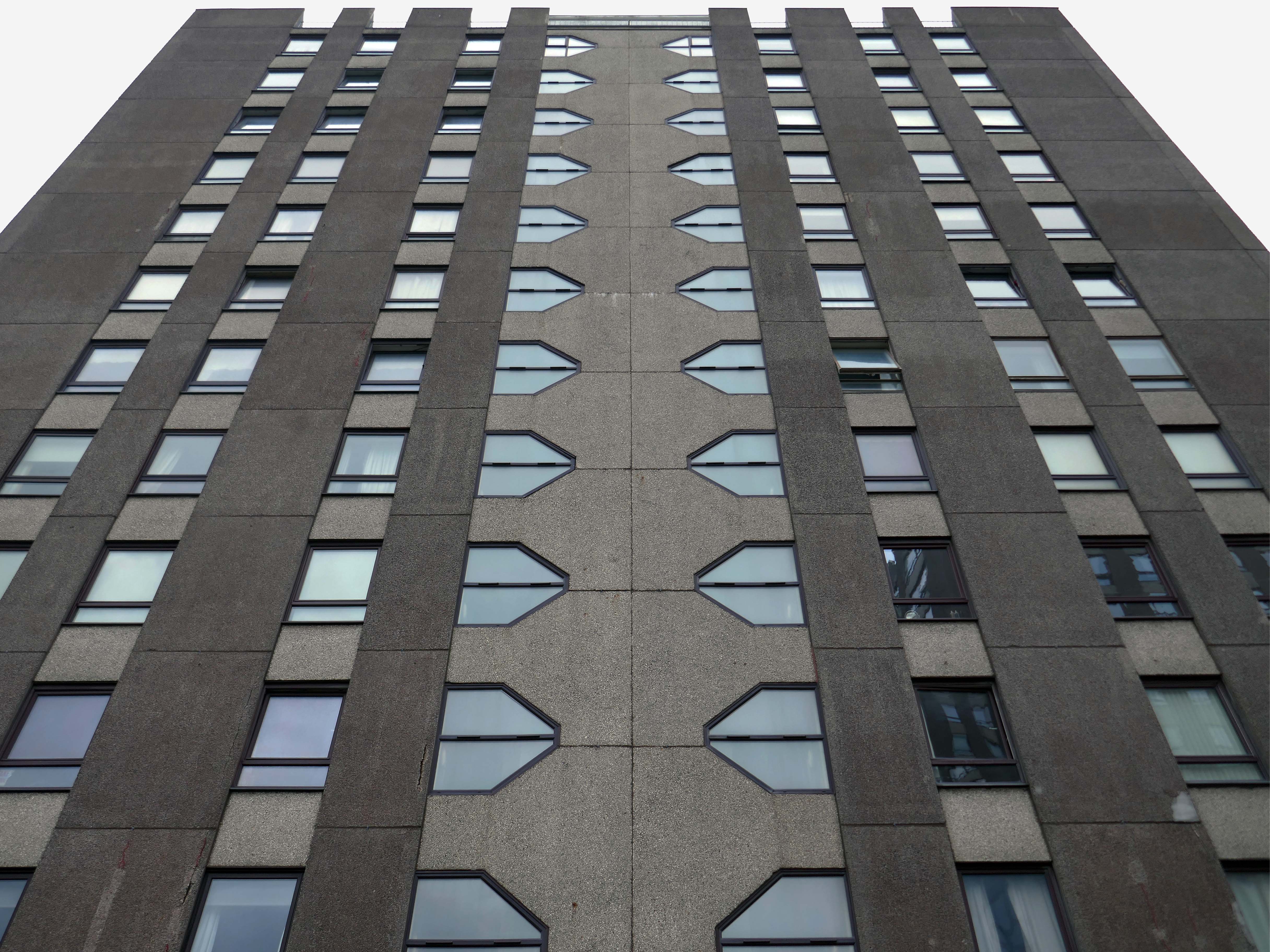
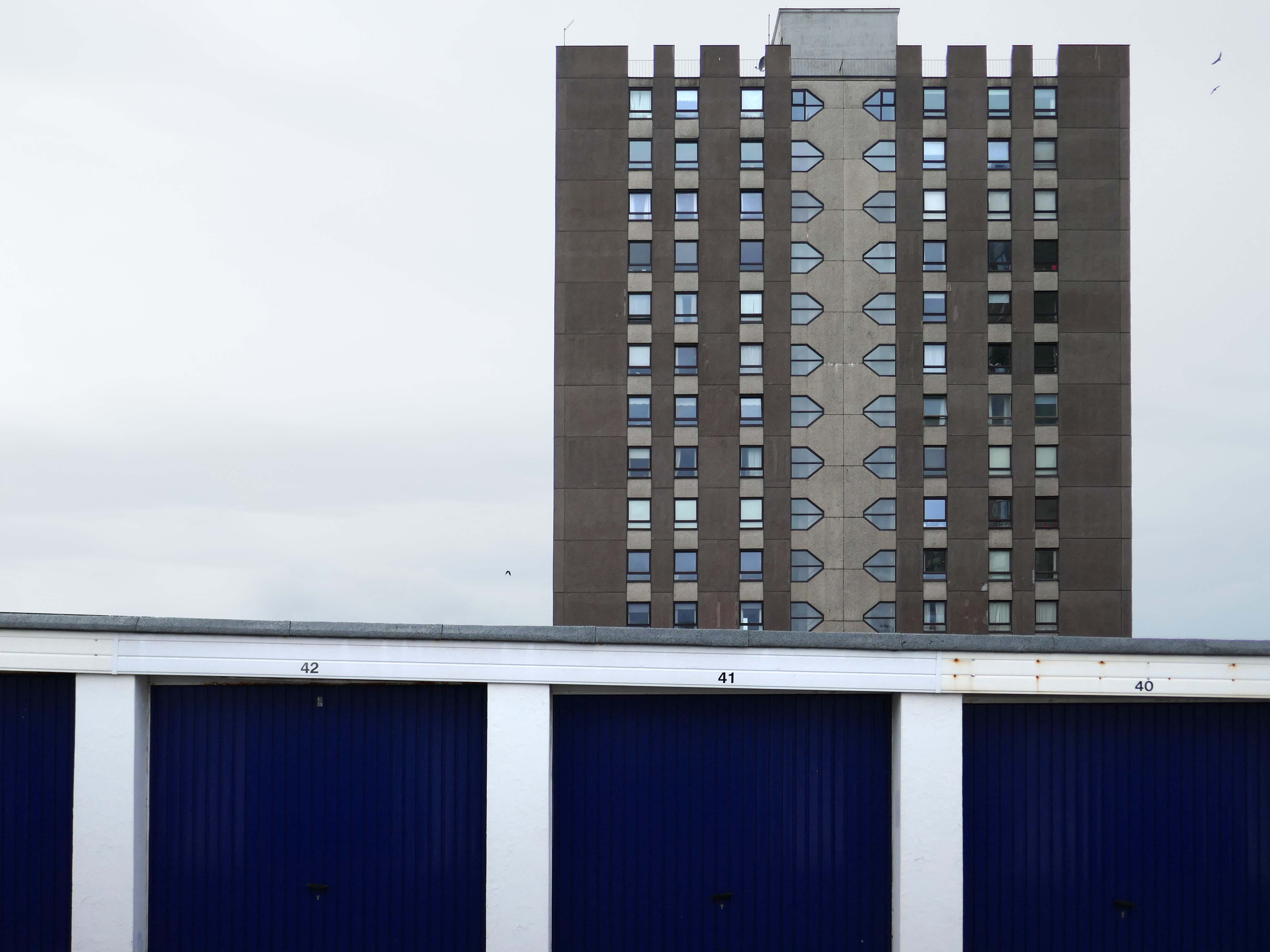
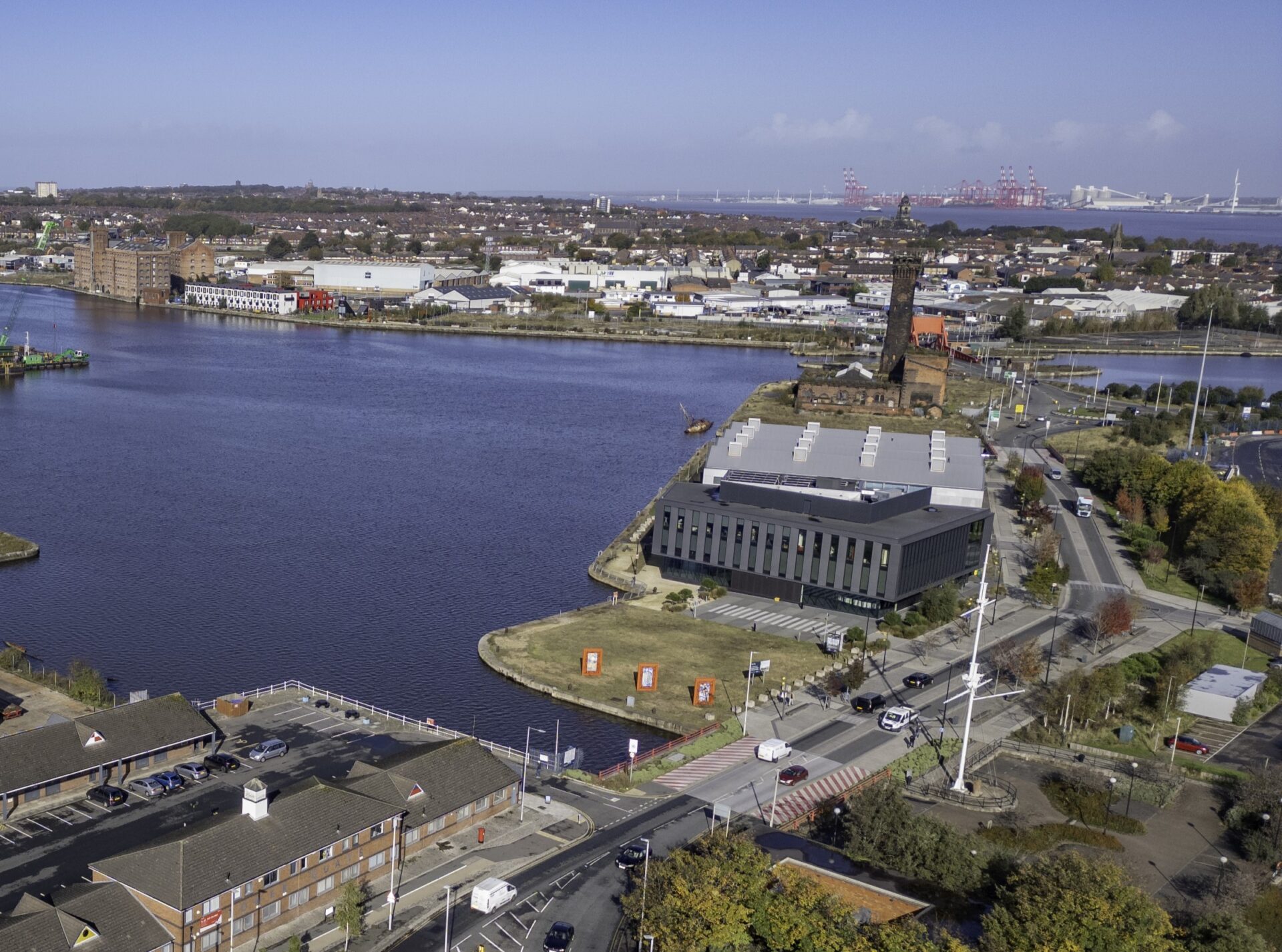
Almost high on a hill overlooking Liverpool Bay, and the Irish Sea on the edge of the Mersey Estuary, there stands two separate private high rise housing developments.
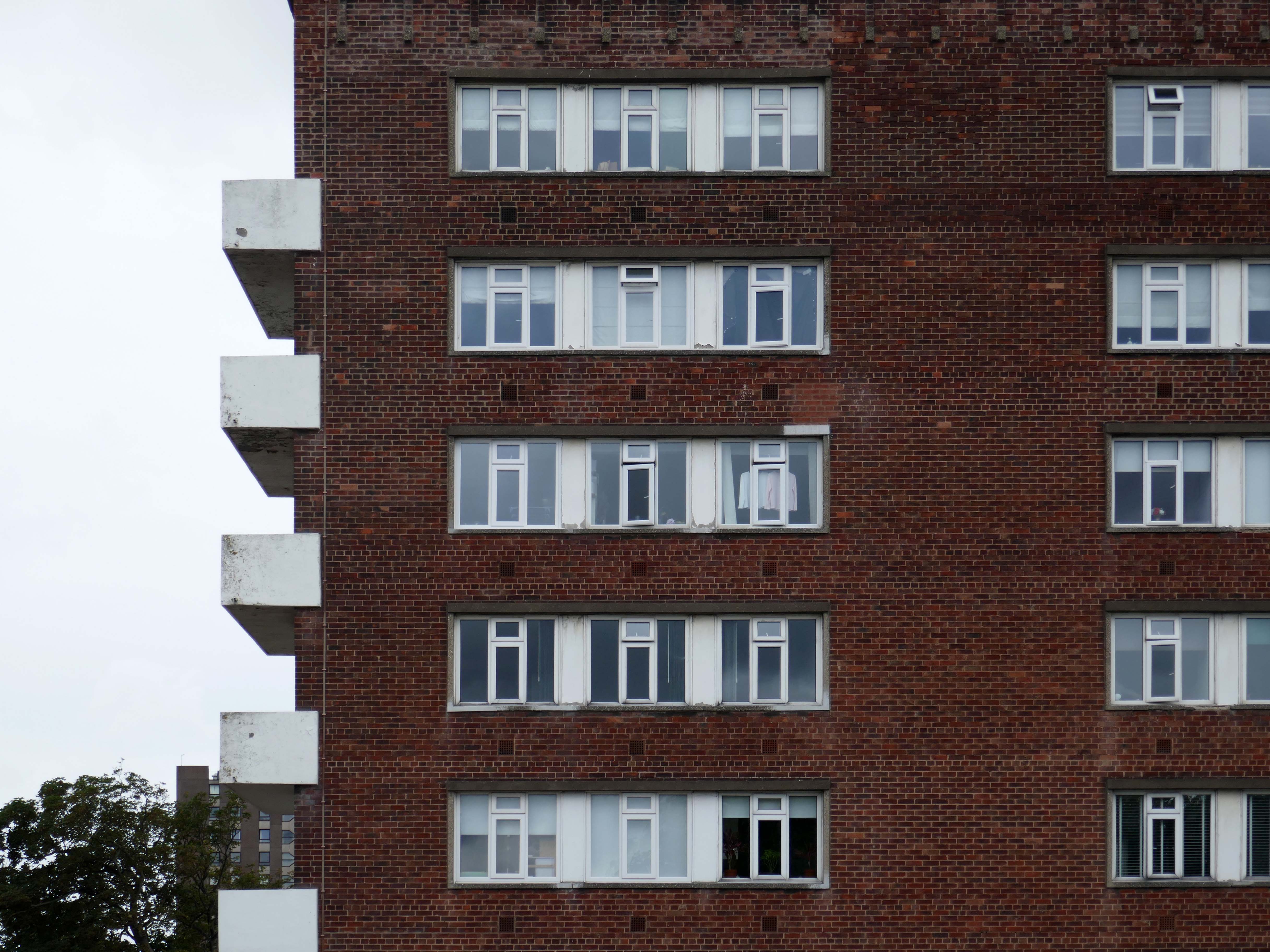
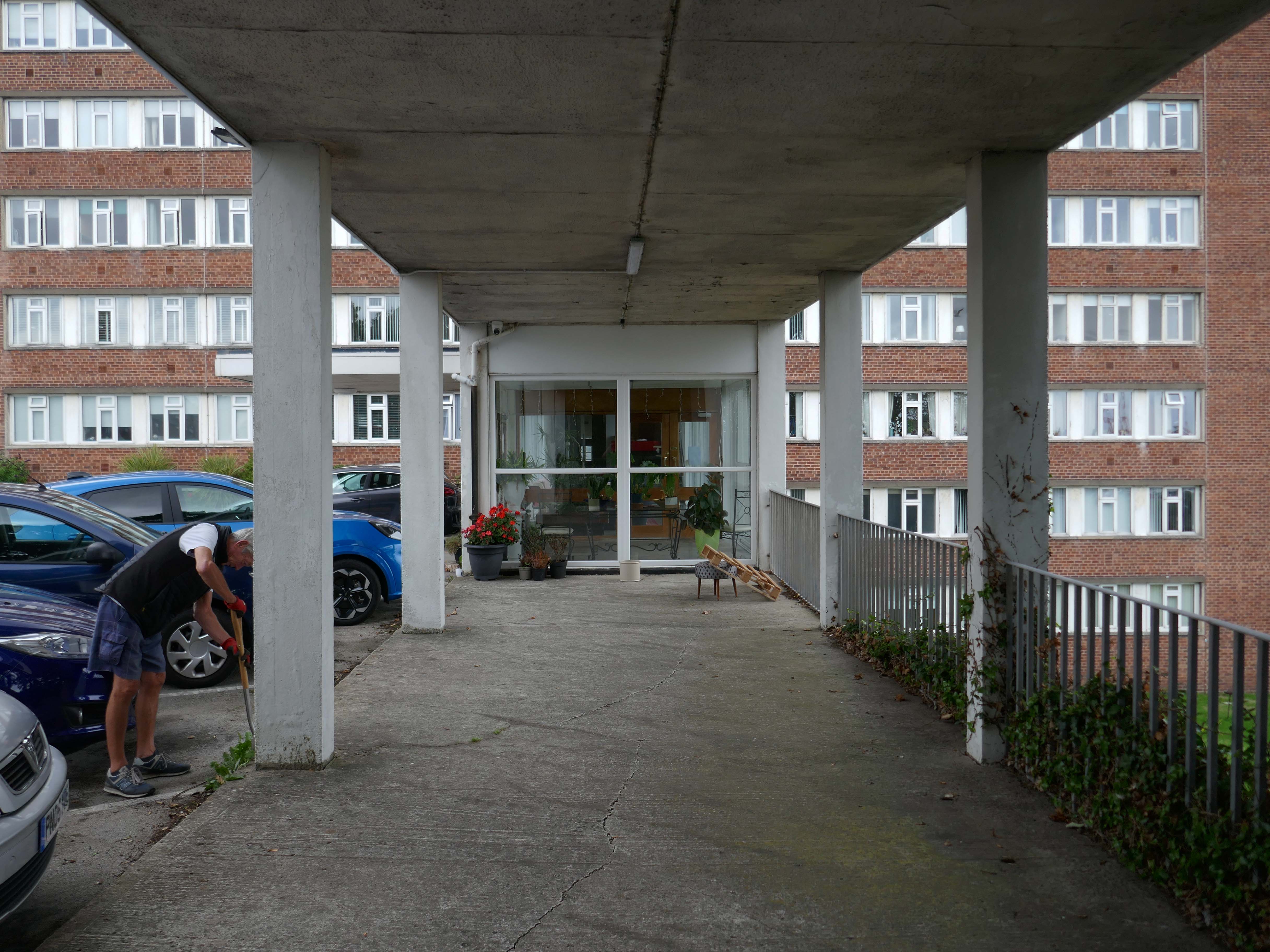
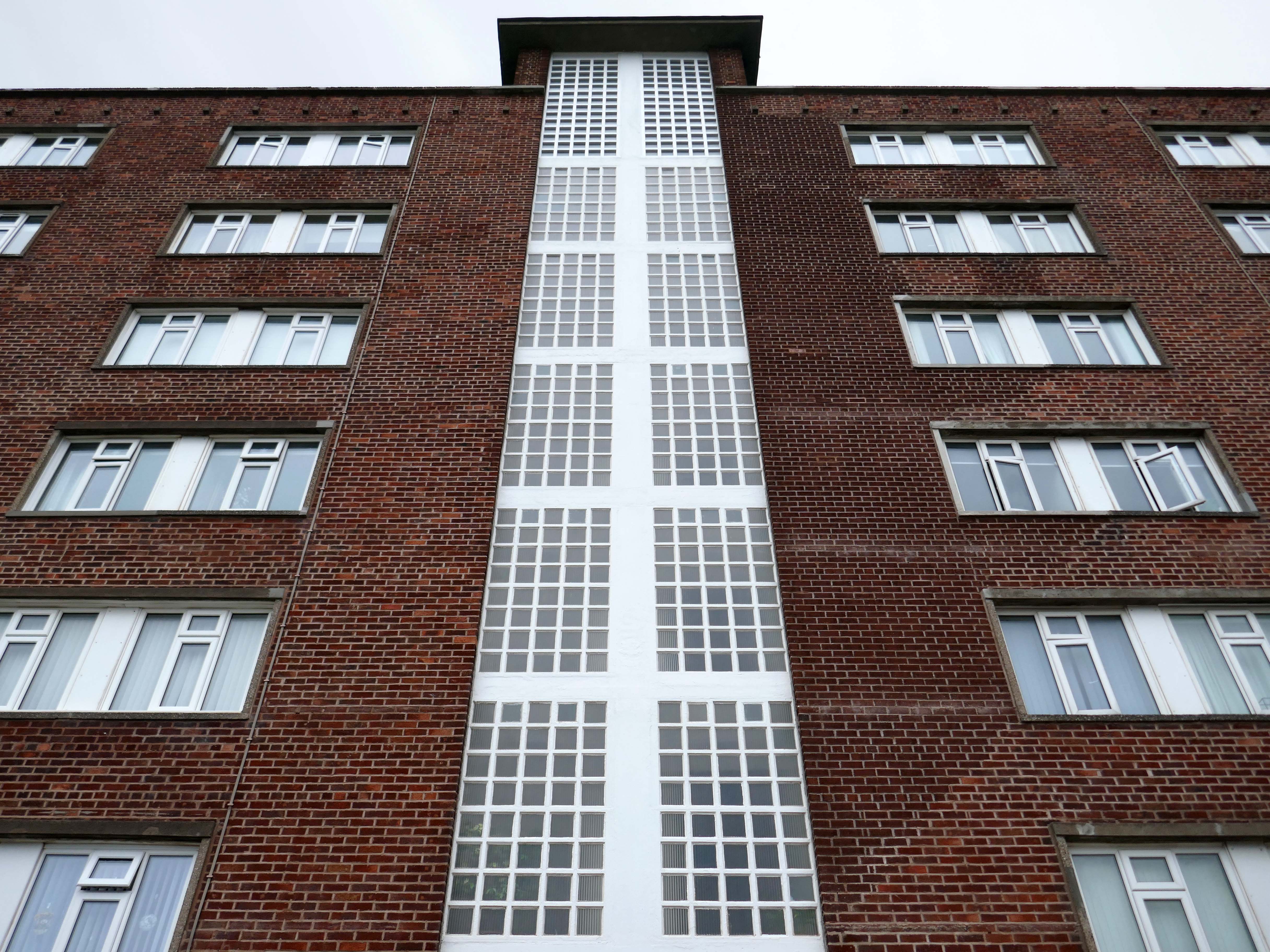
Portland Place interwar Seaside Moderne, built between 1938 and 1939.
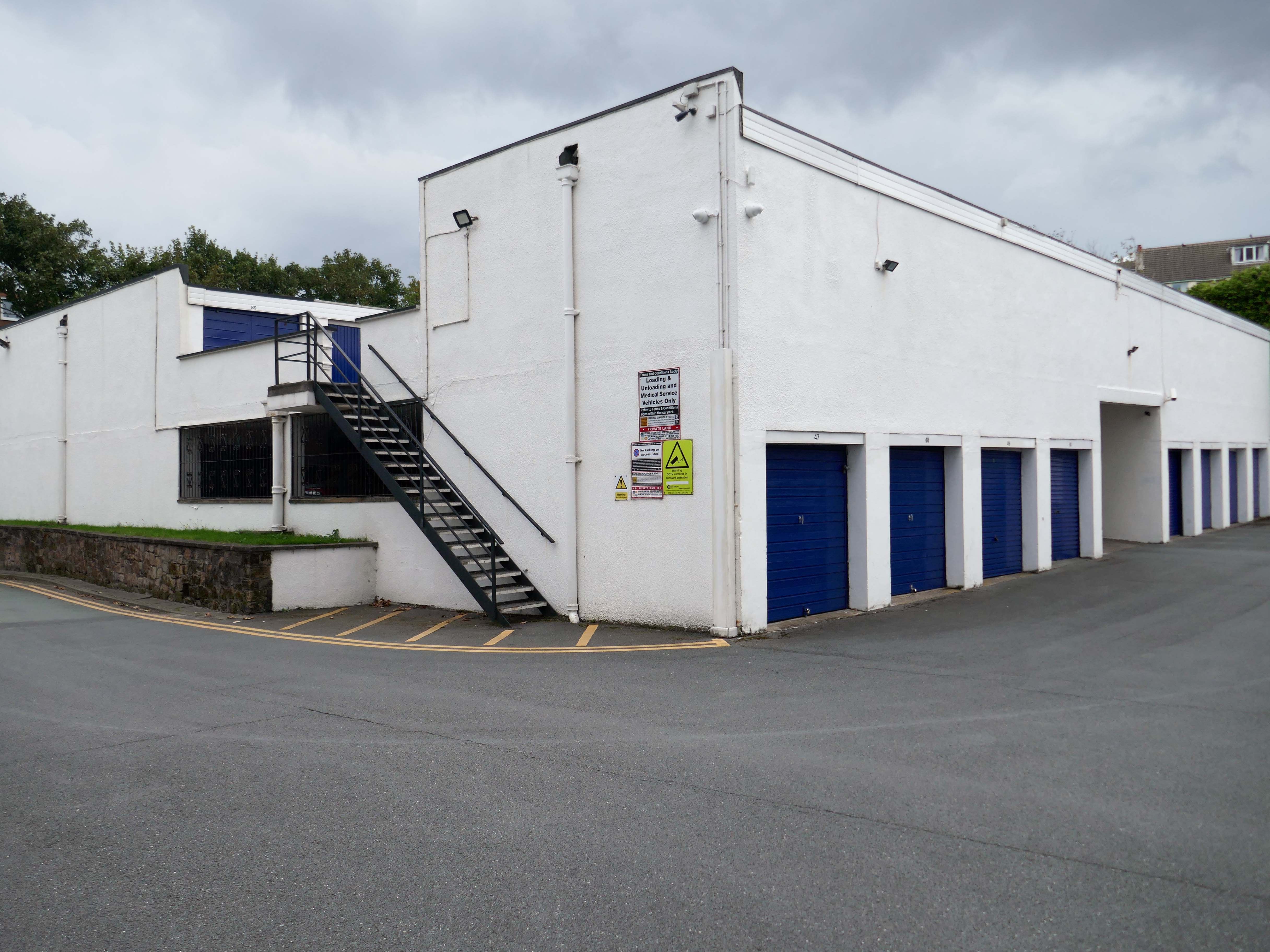
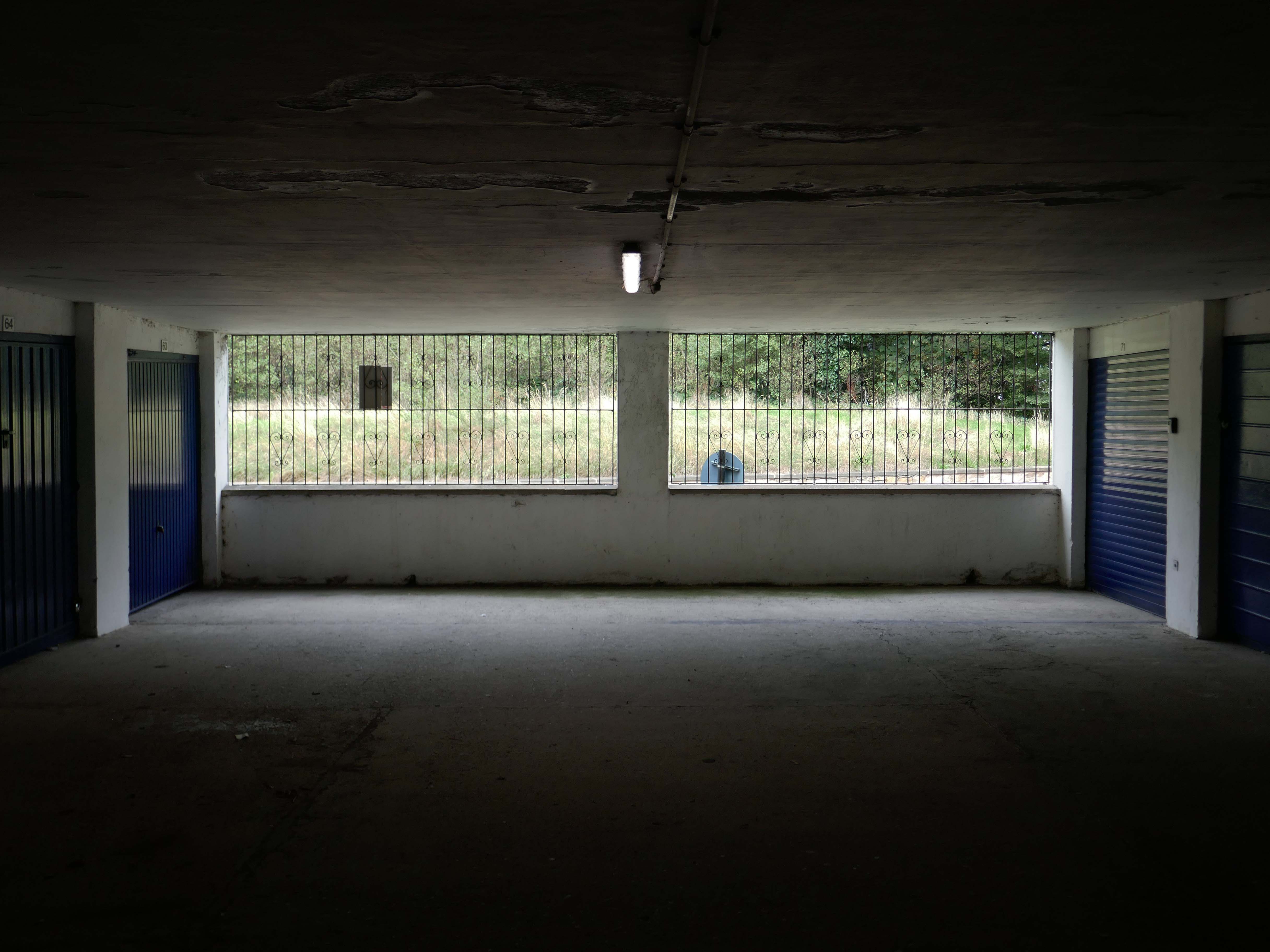
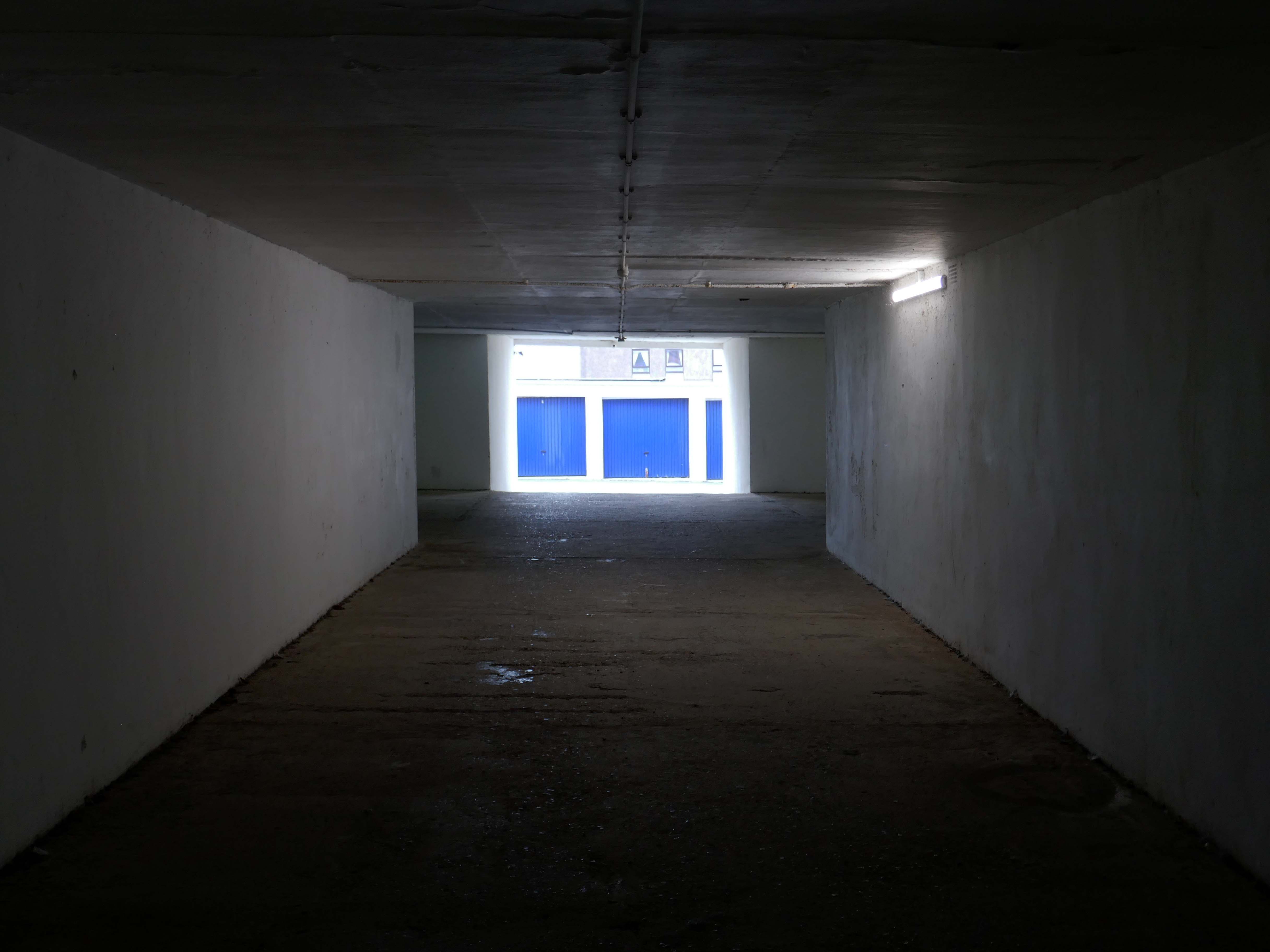
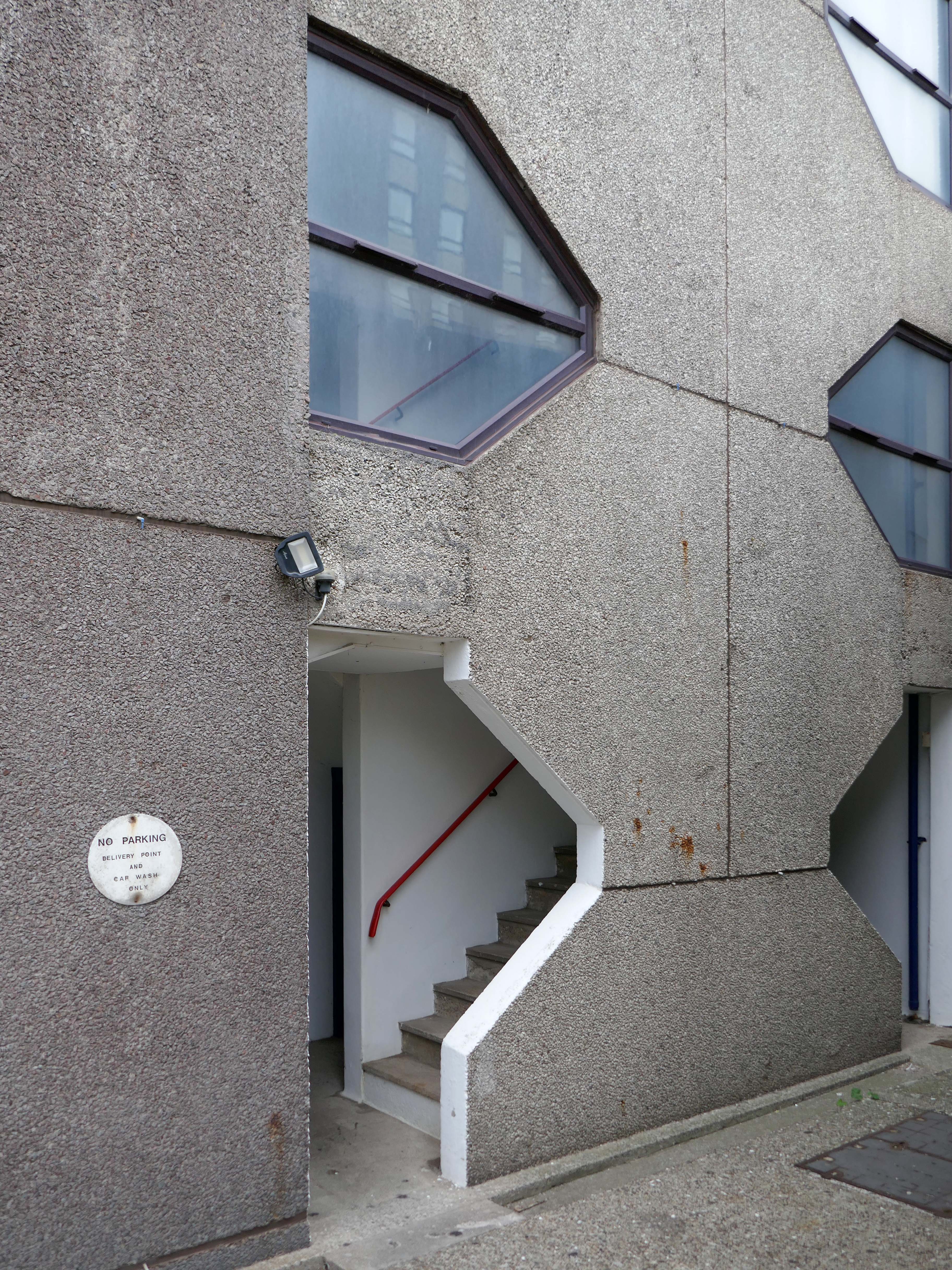
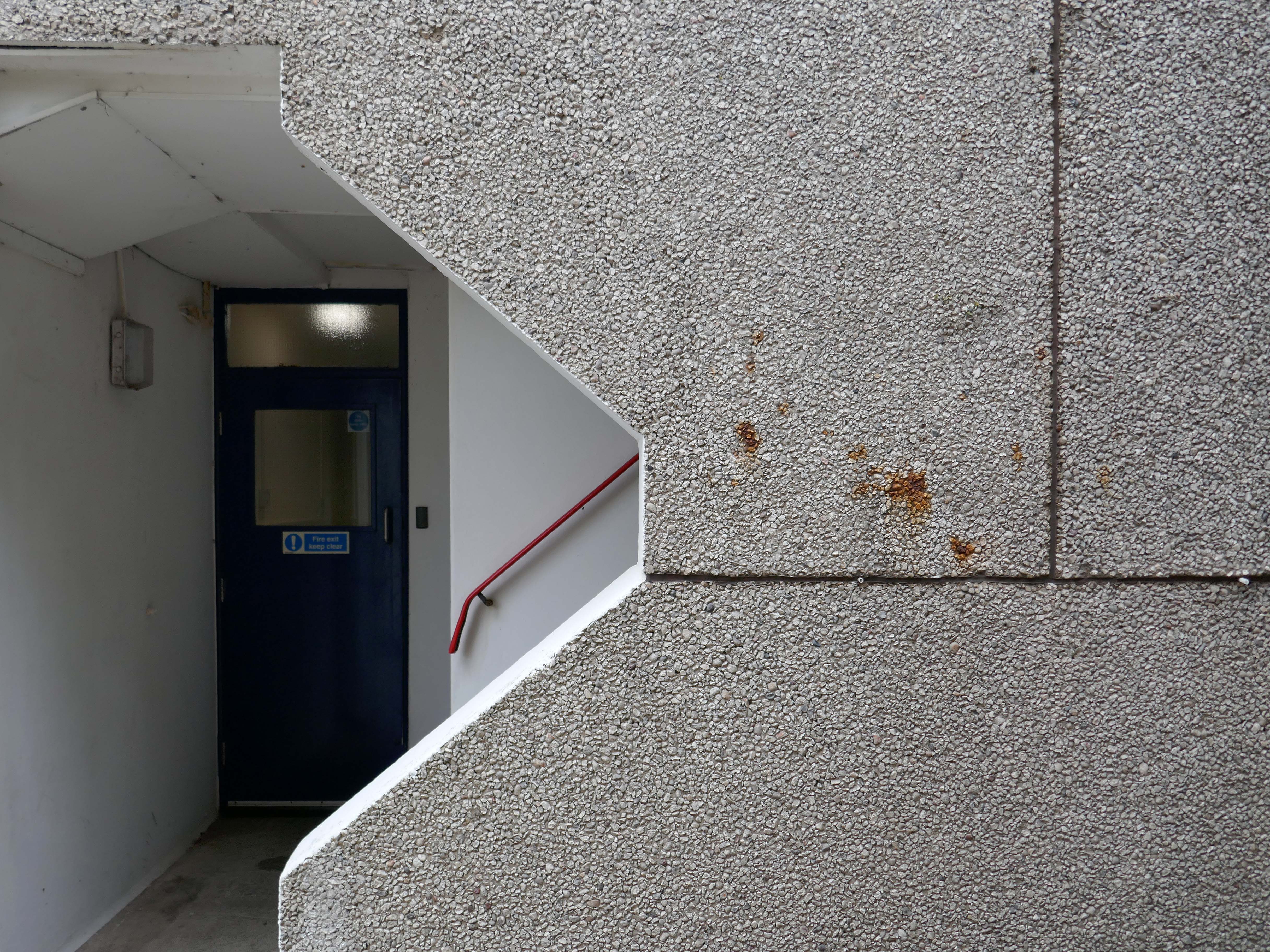
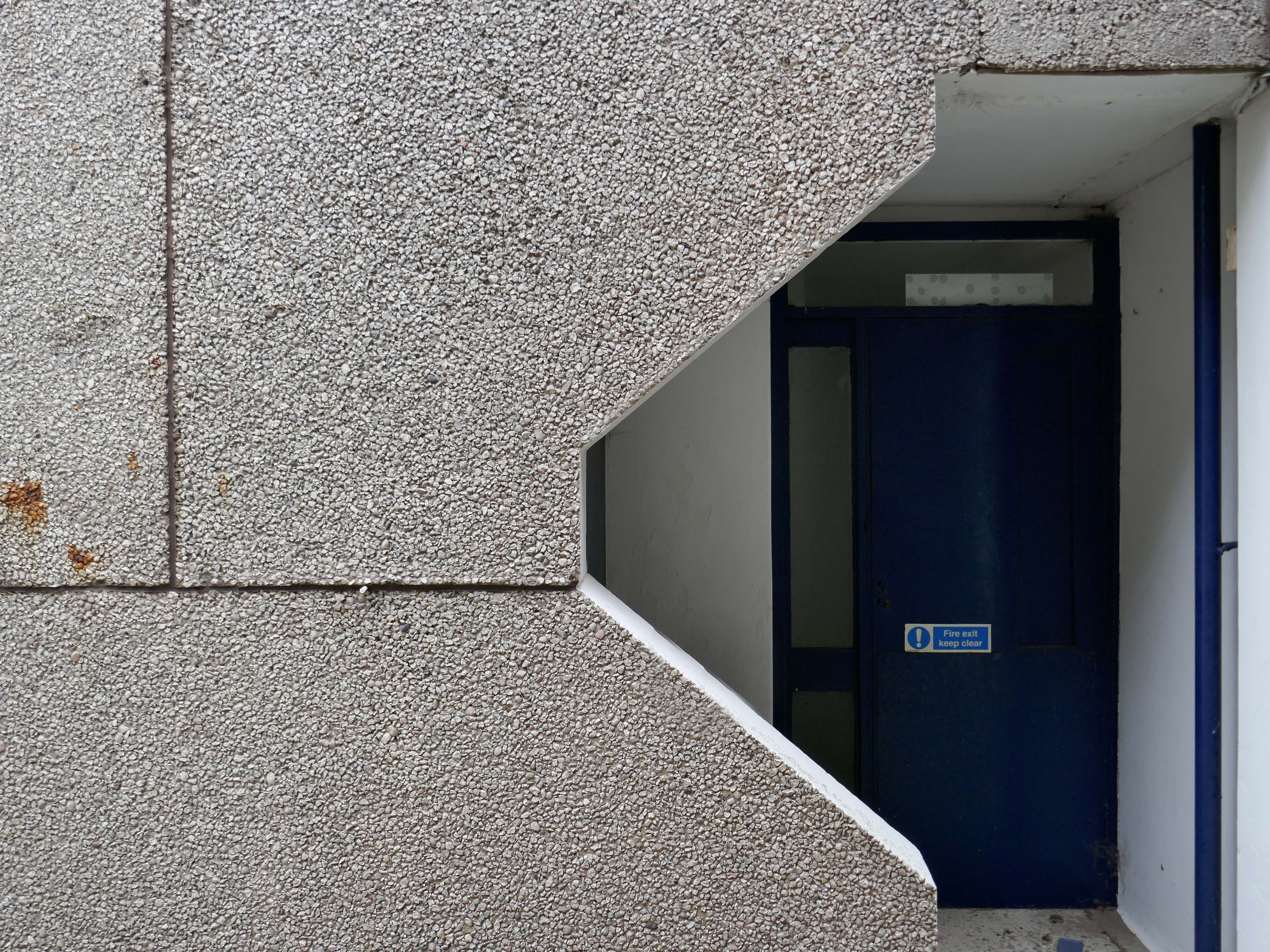
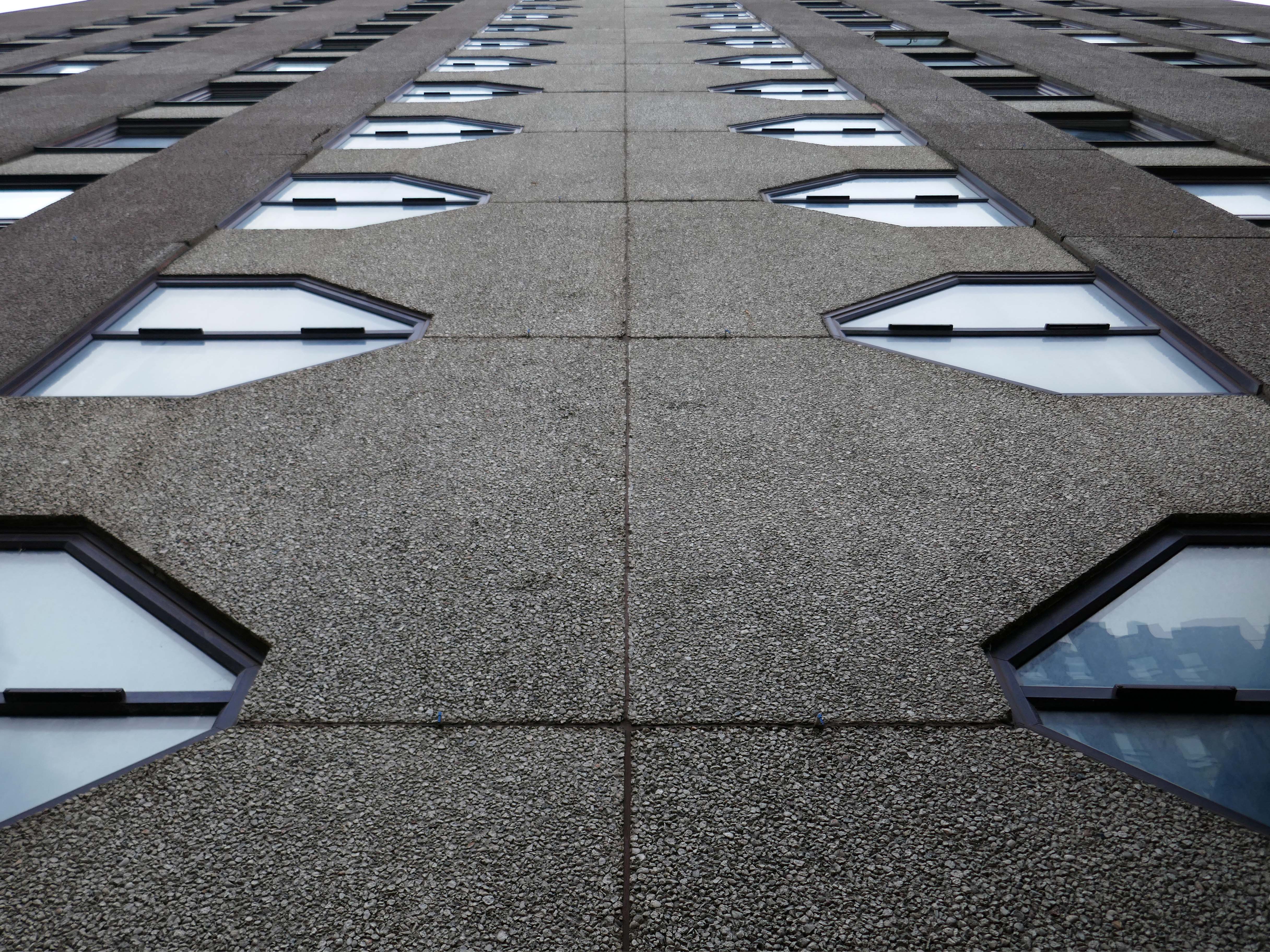
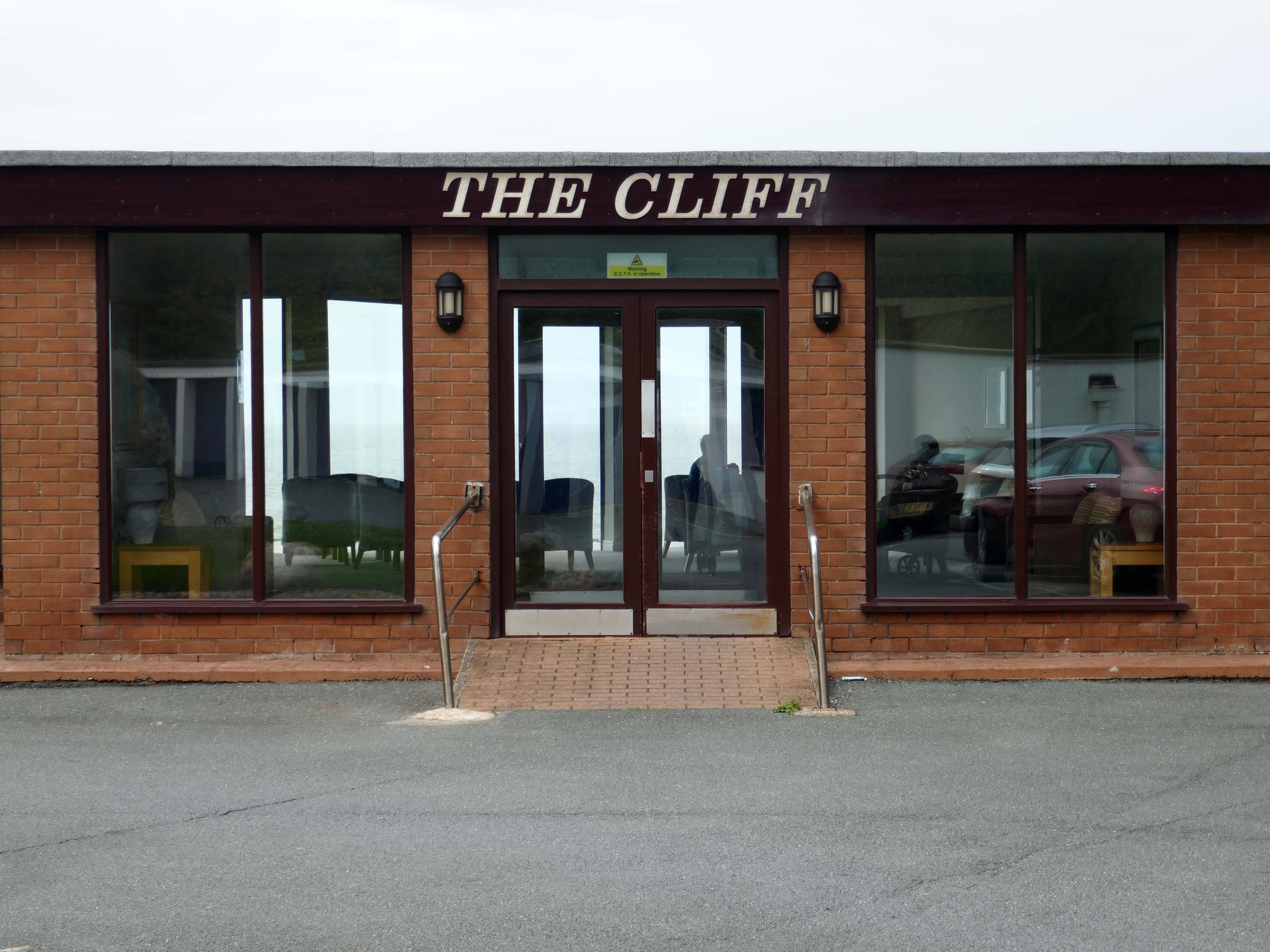
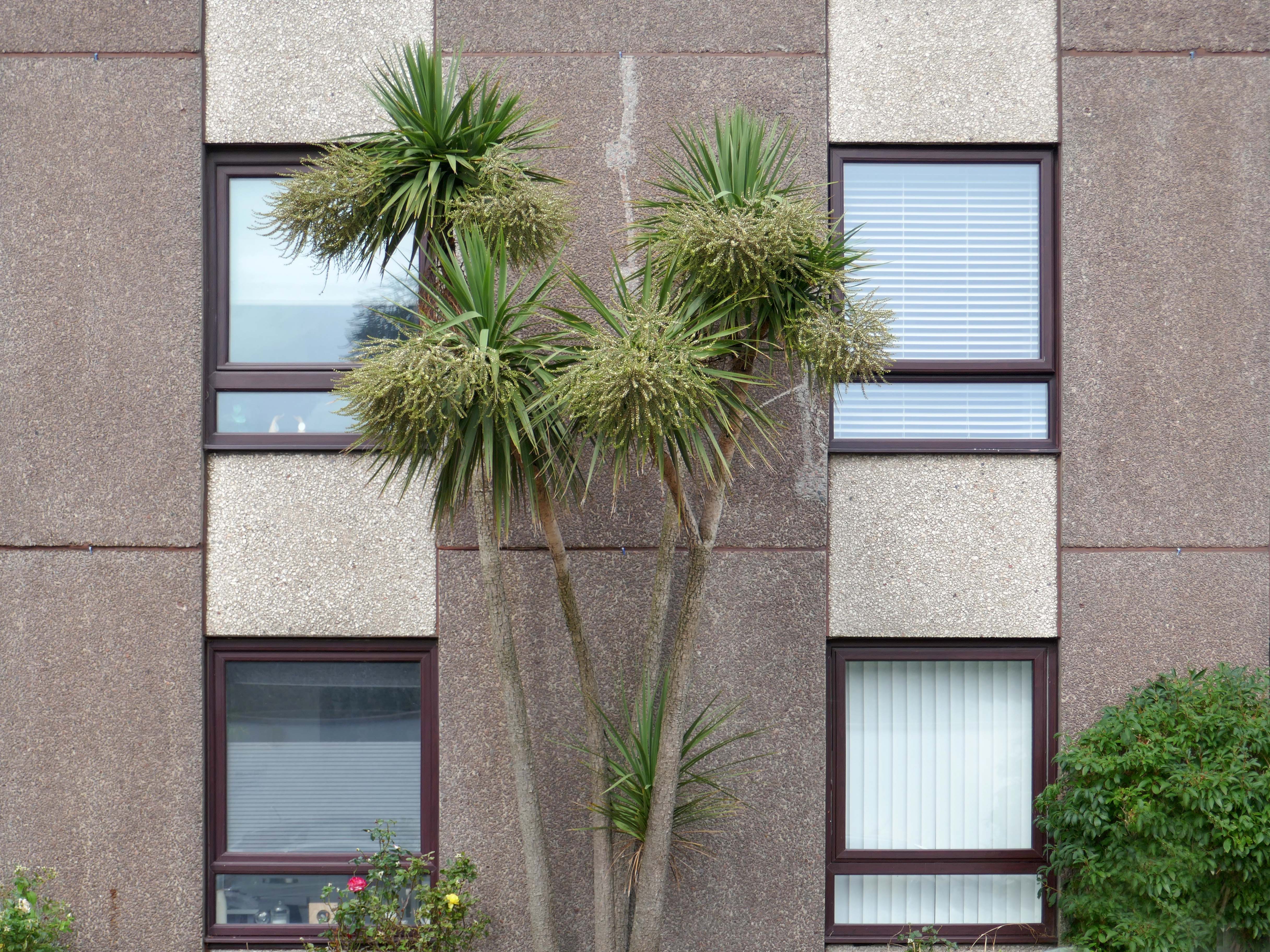
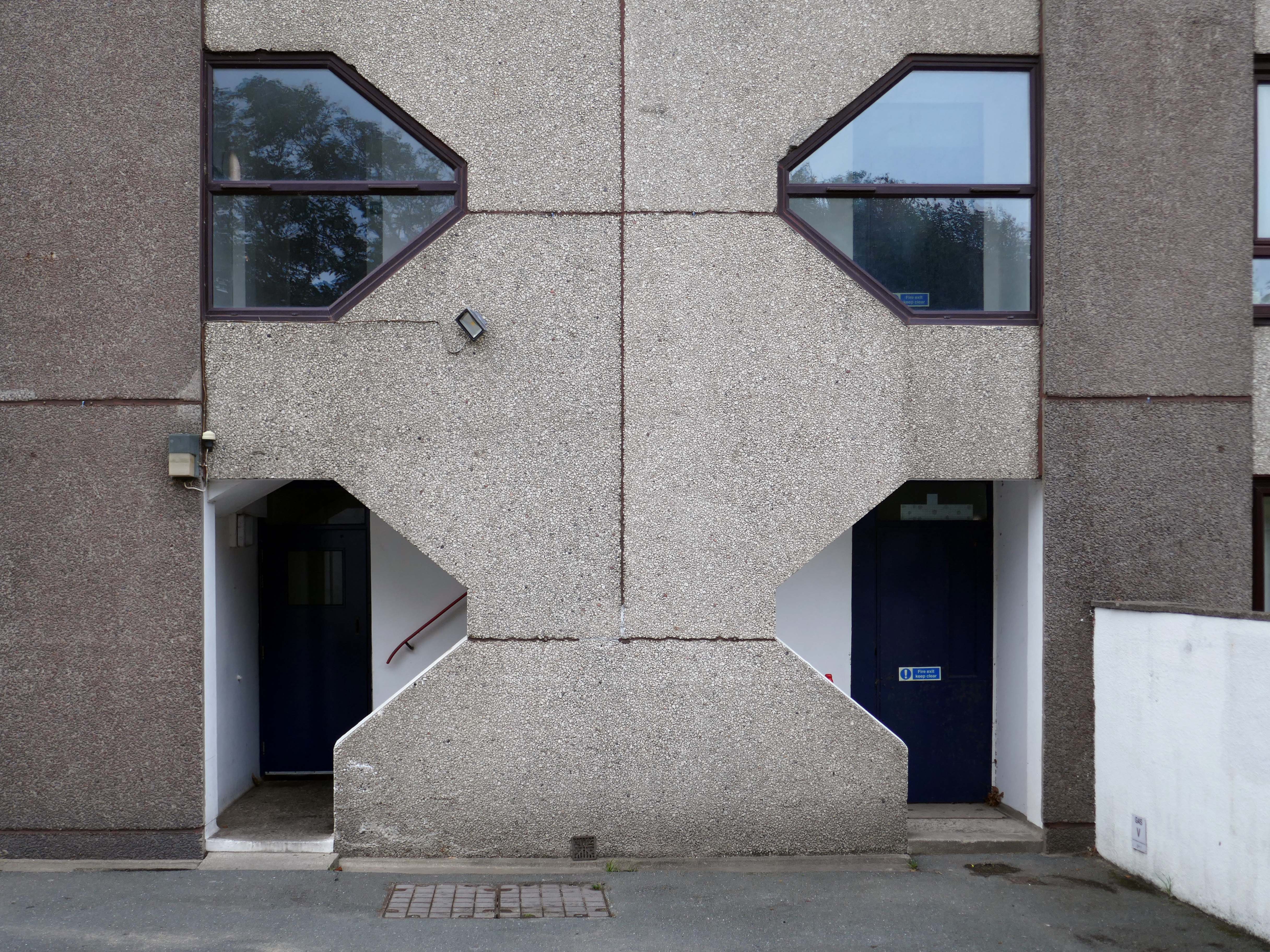
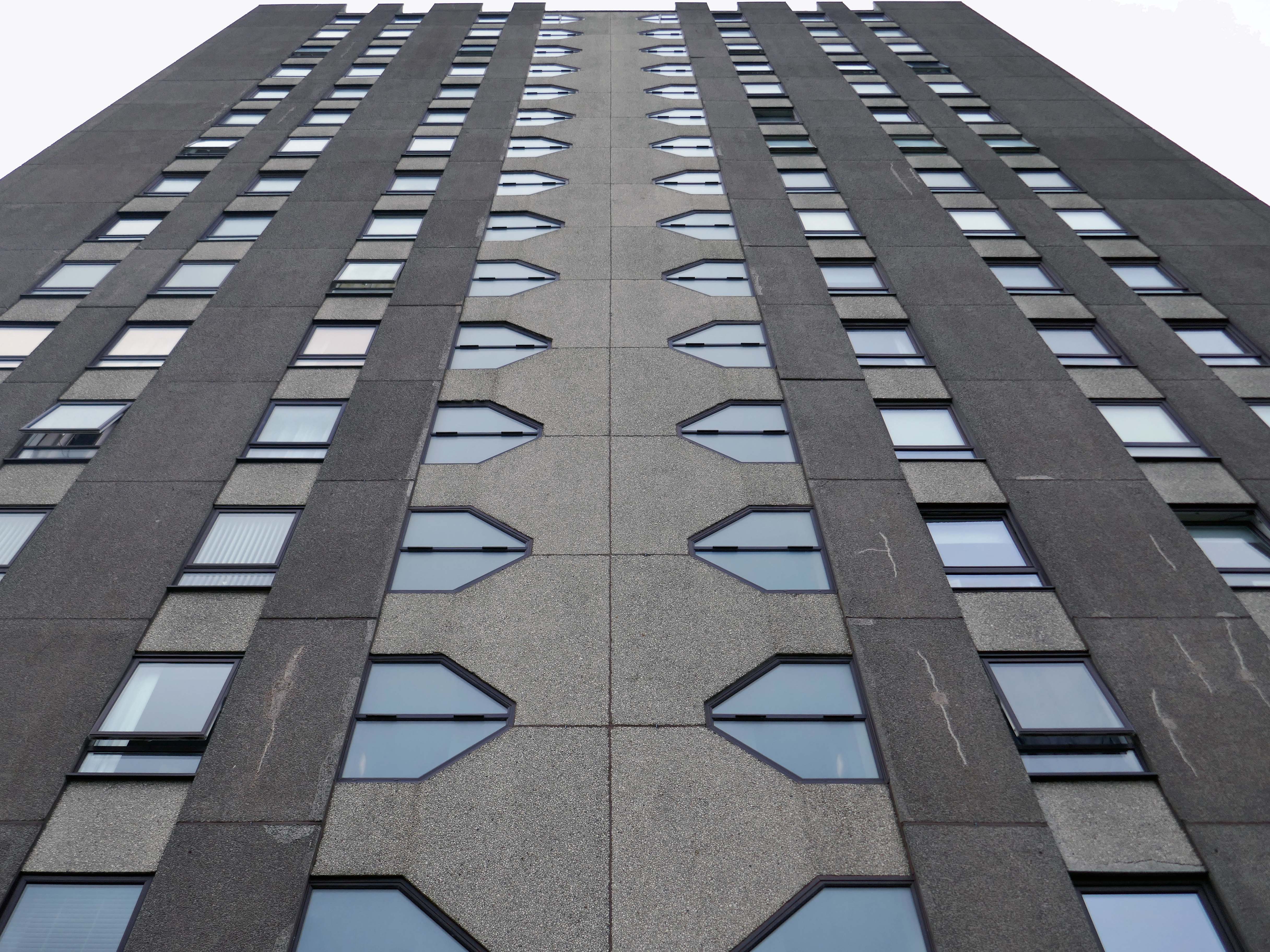
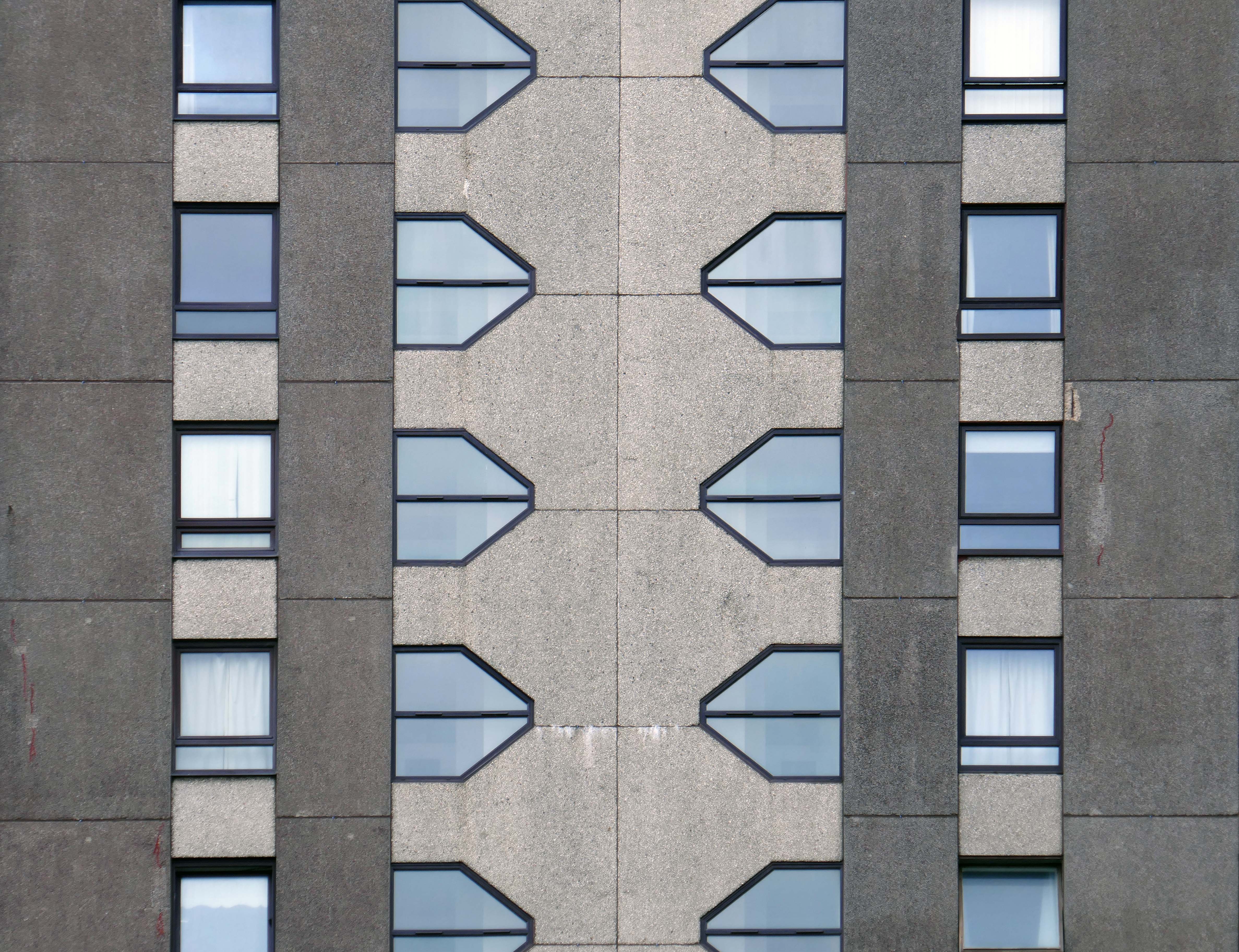
Further along the road The Cliff – two Seventies high rise blocks, with double decker garages.
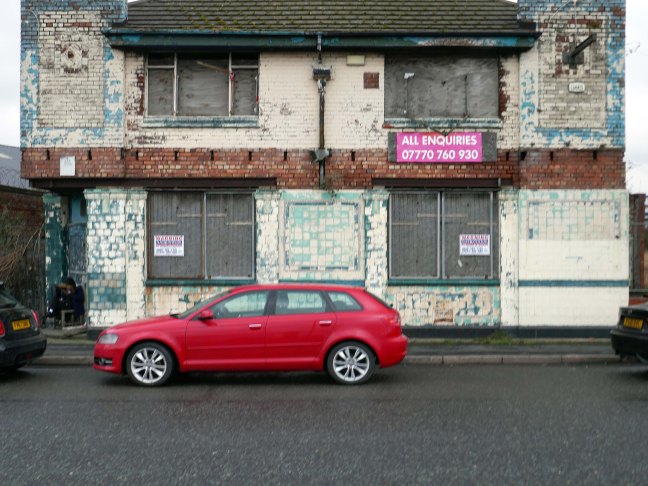
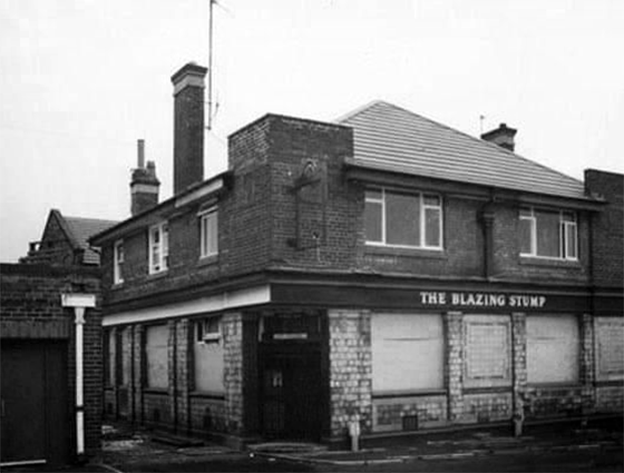
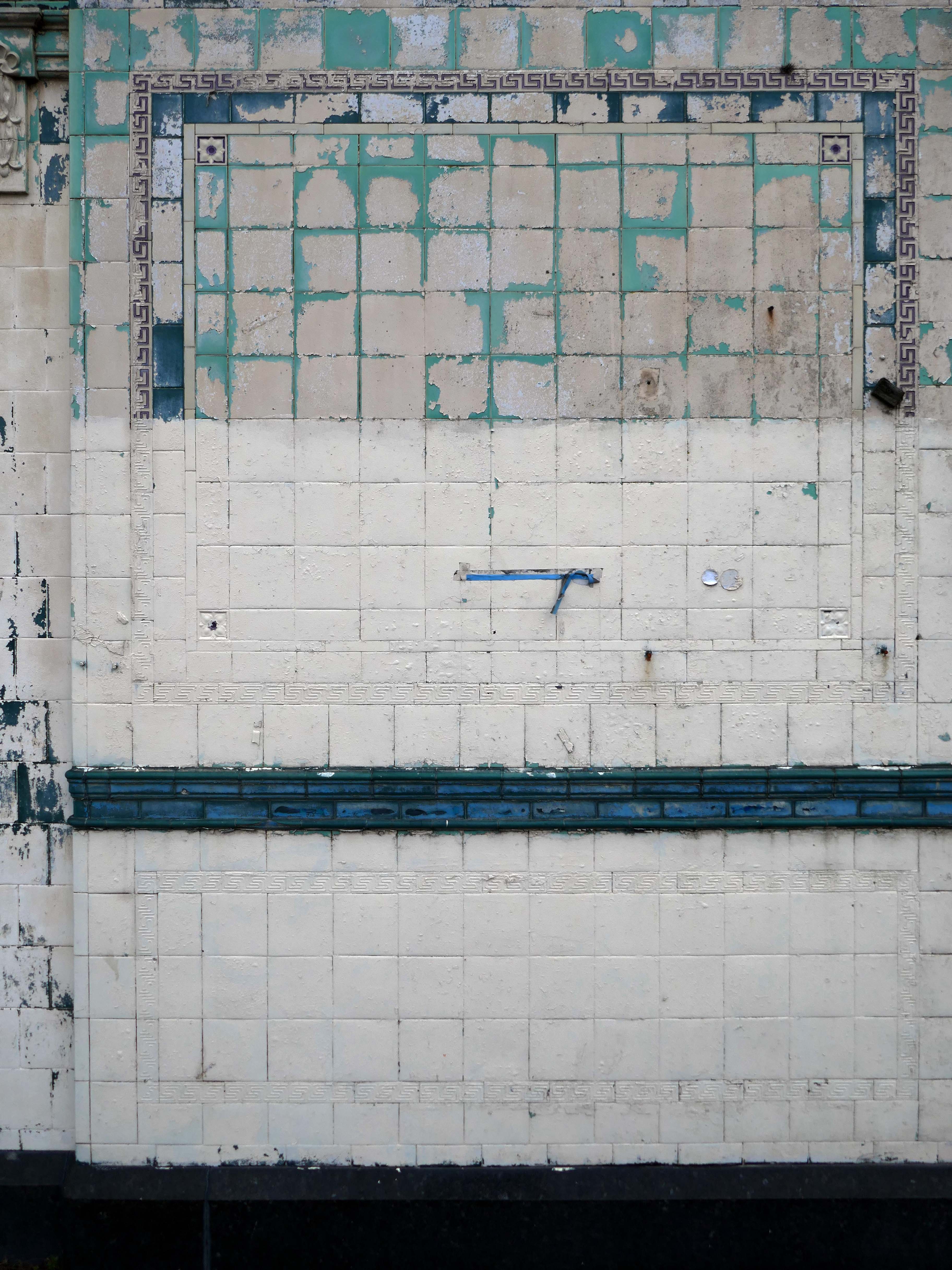
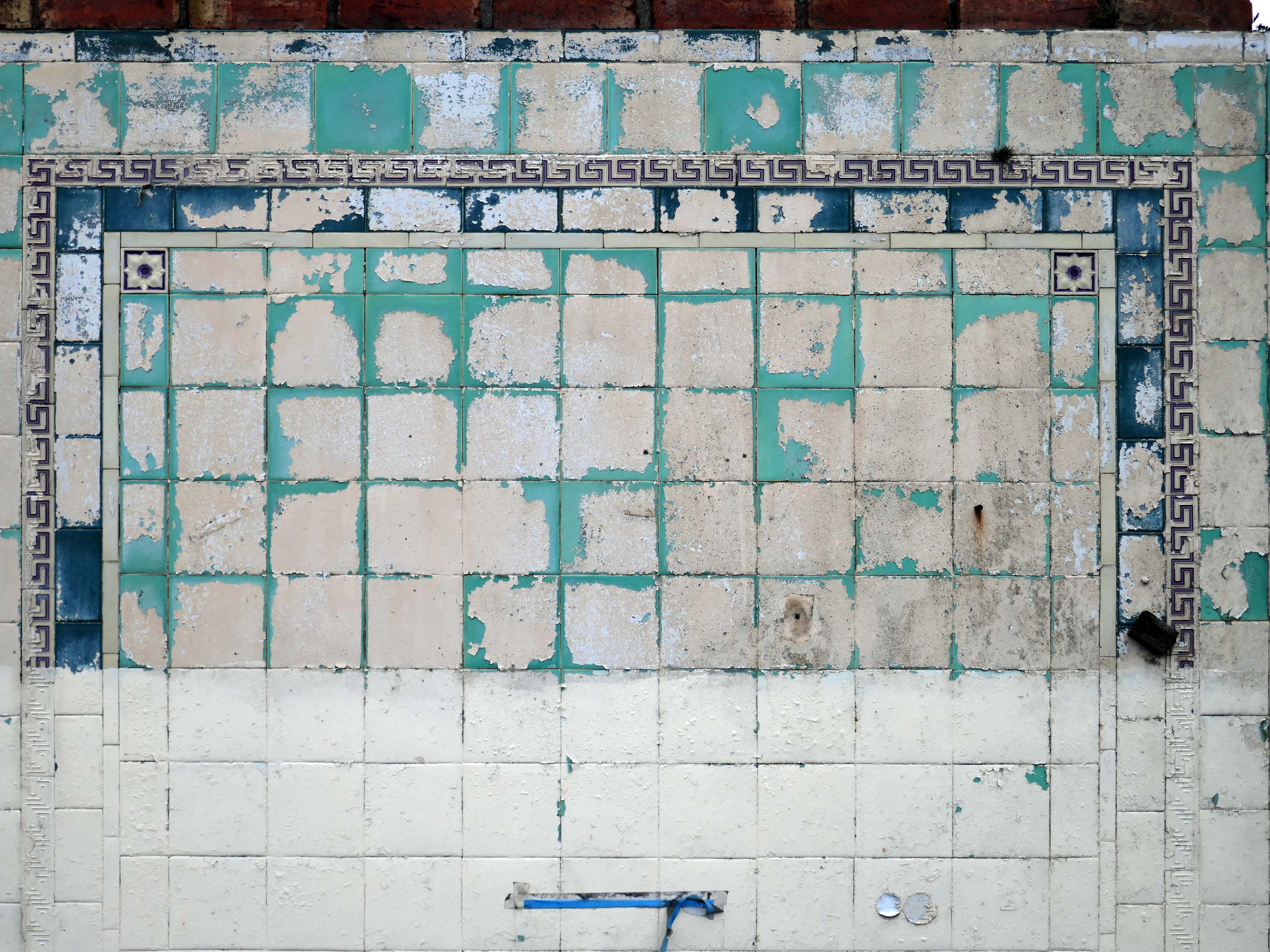
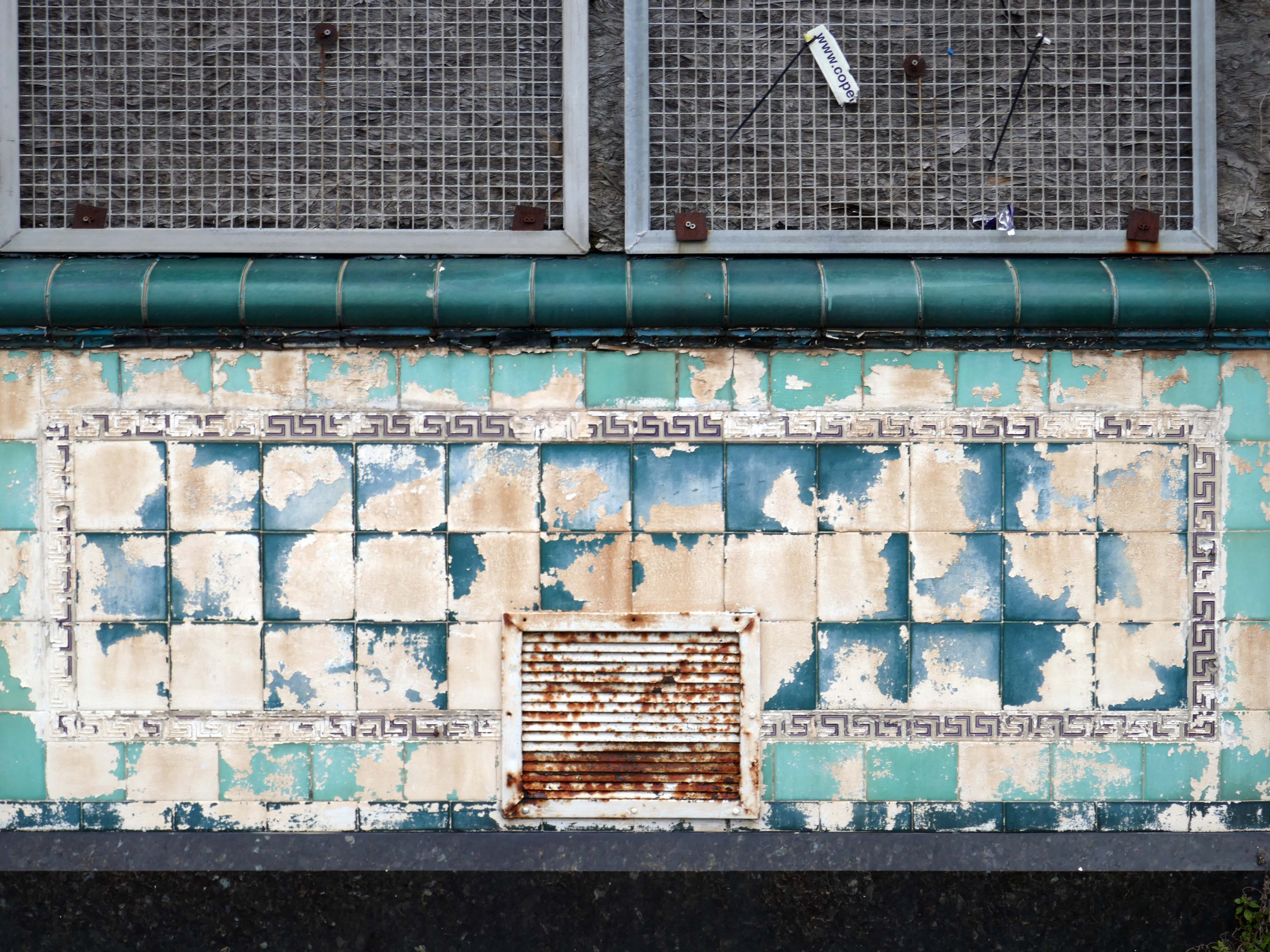
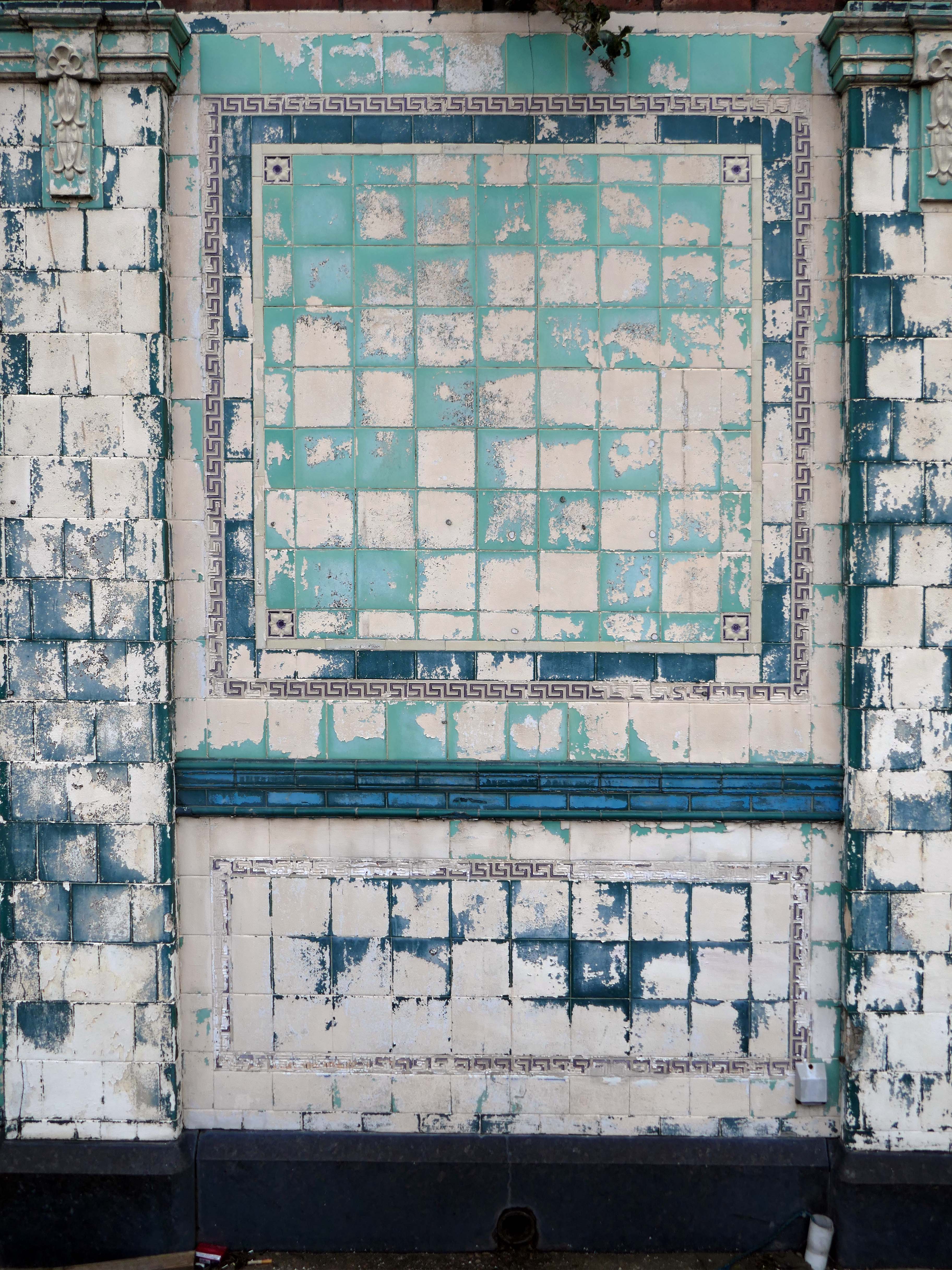
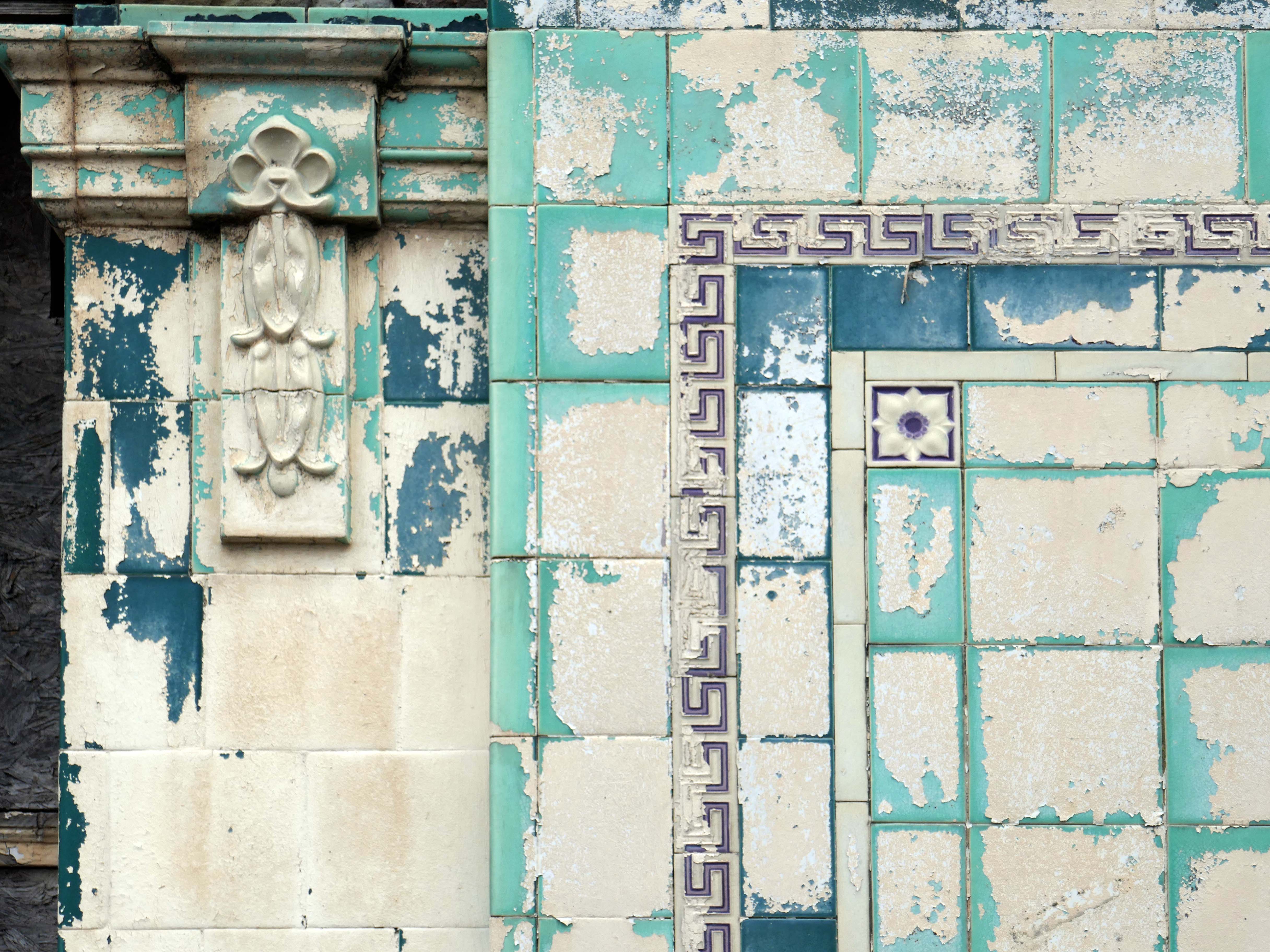
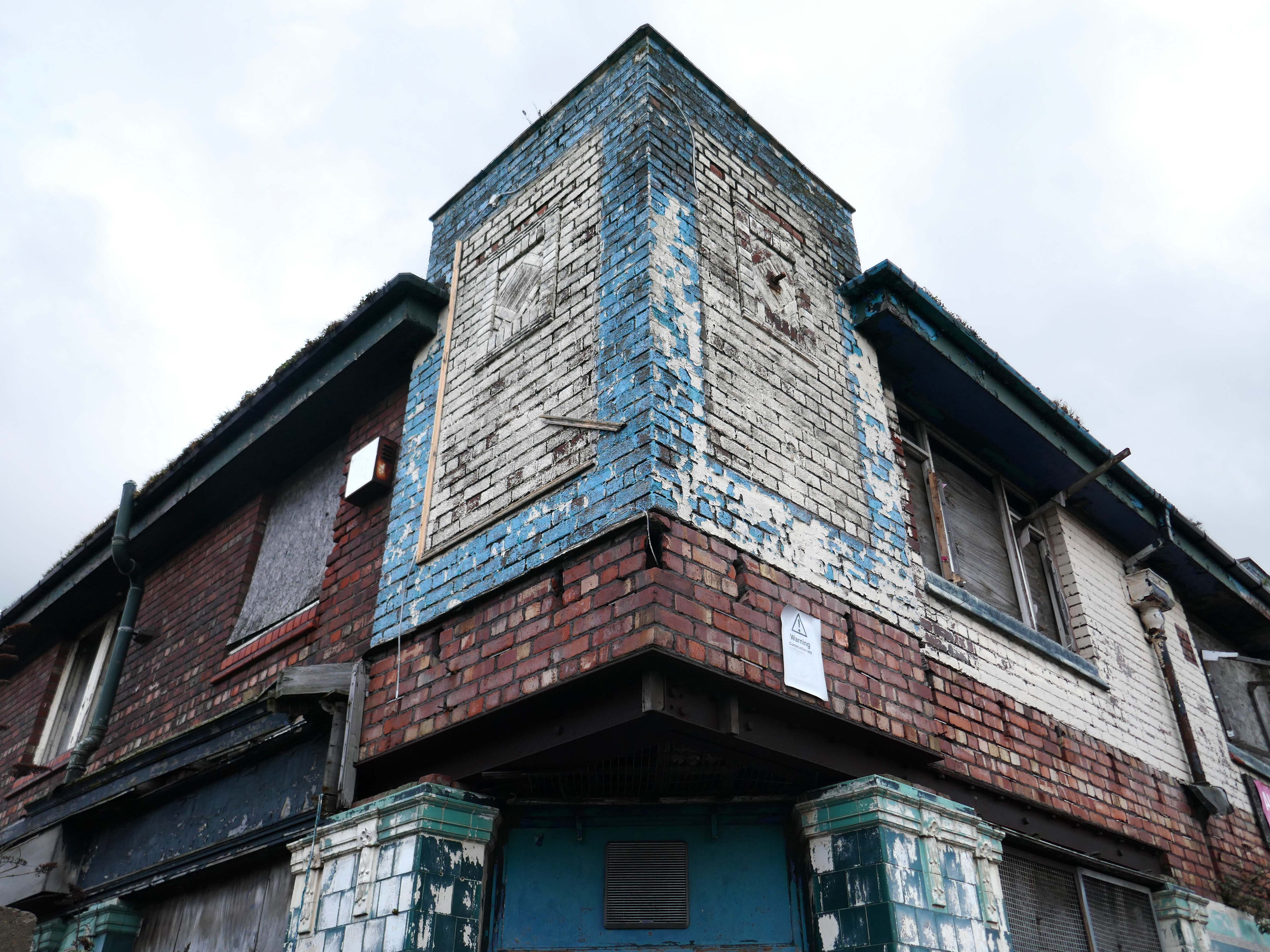
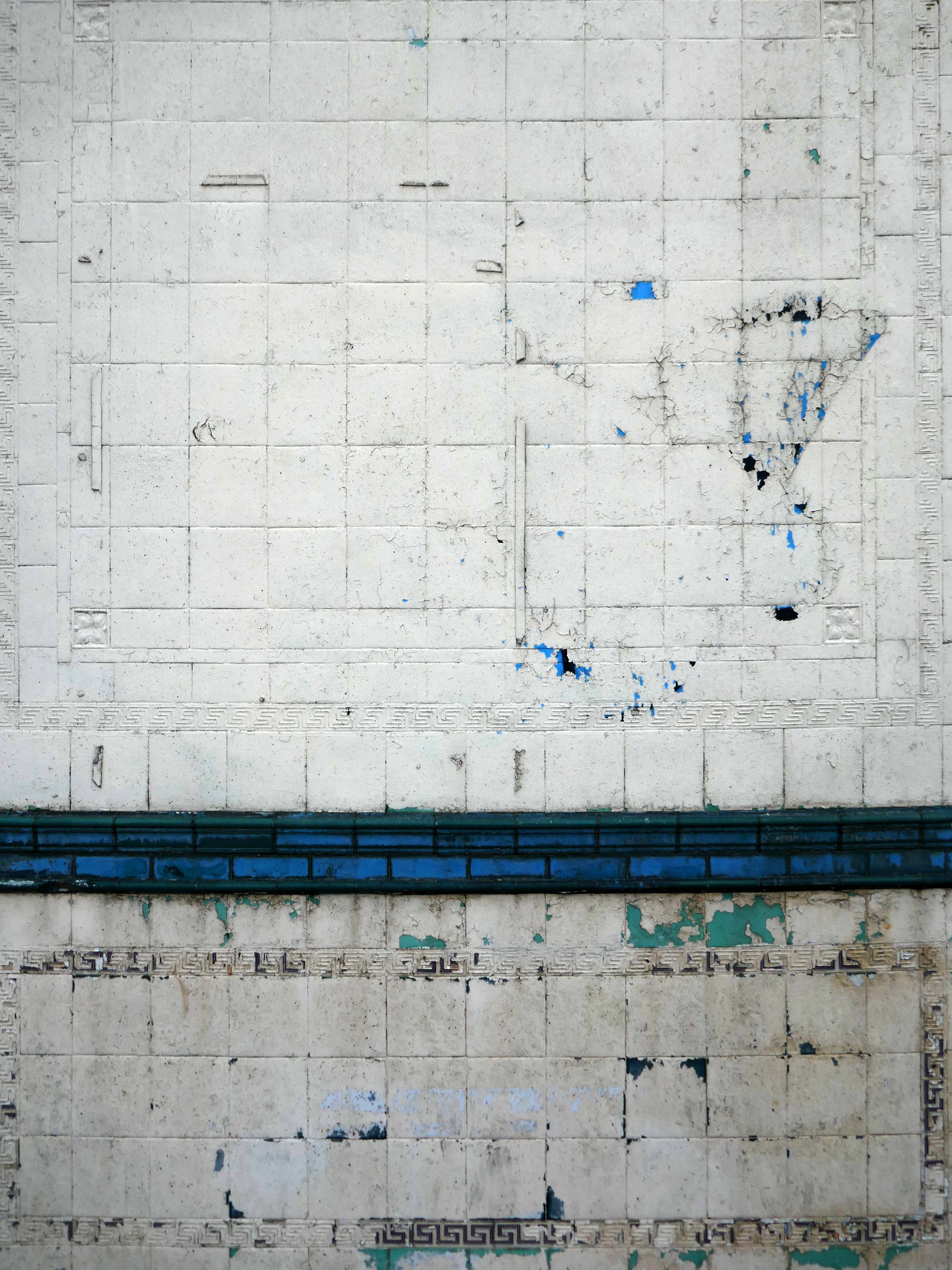
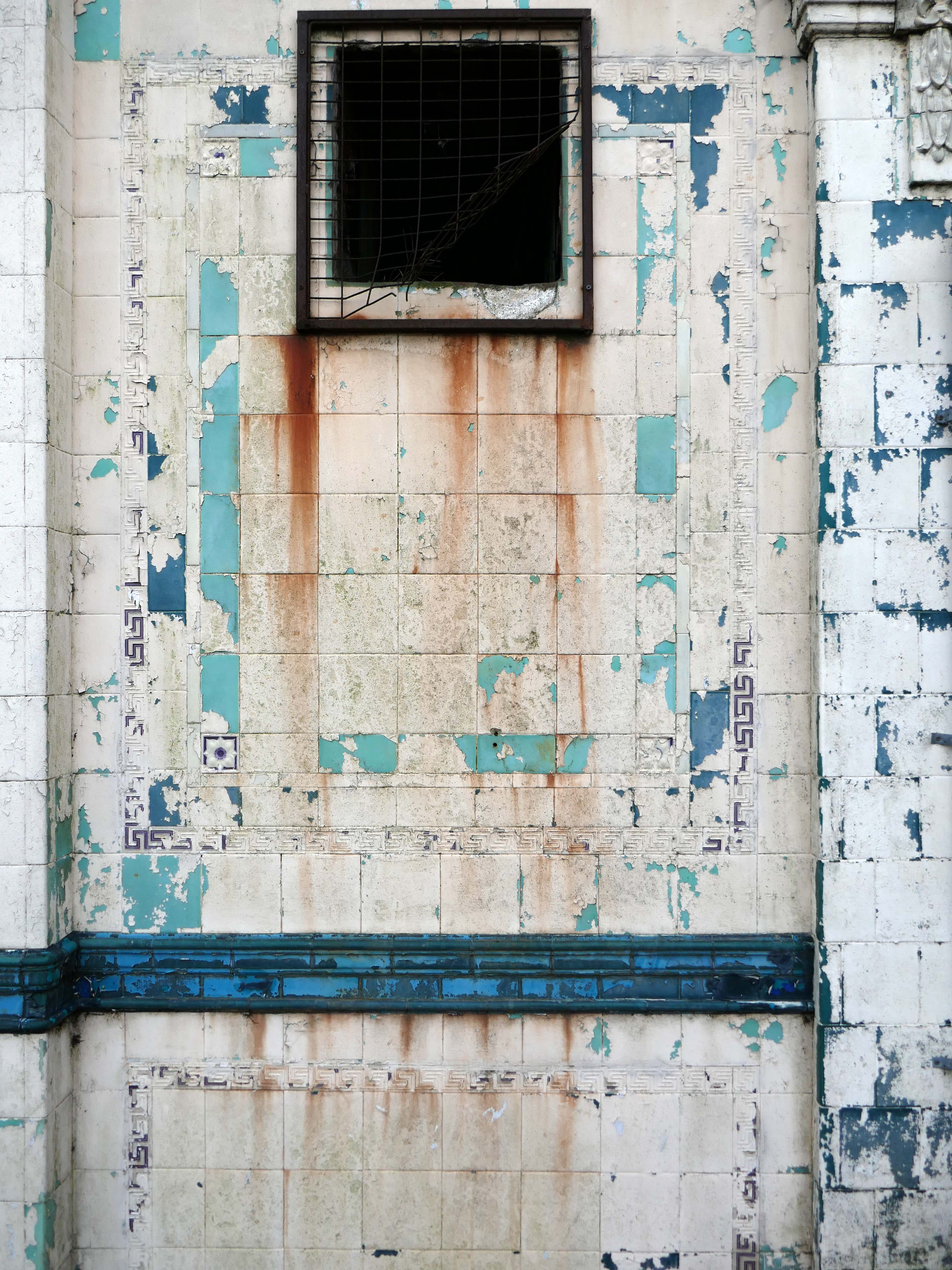
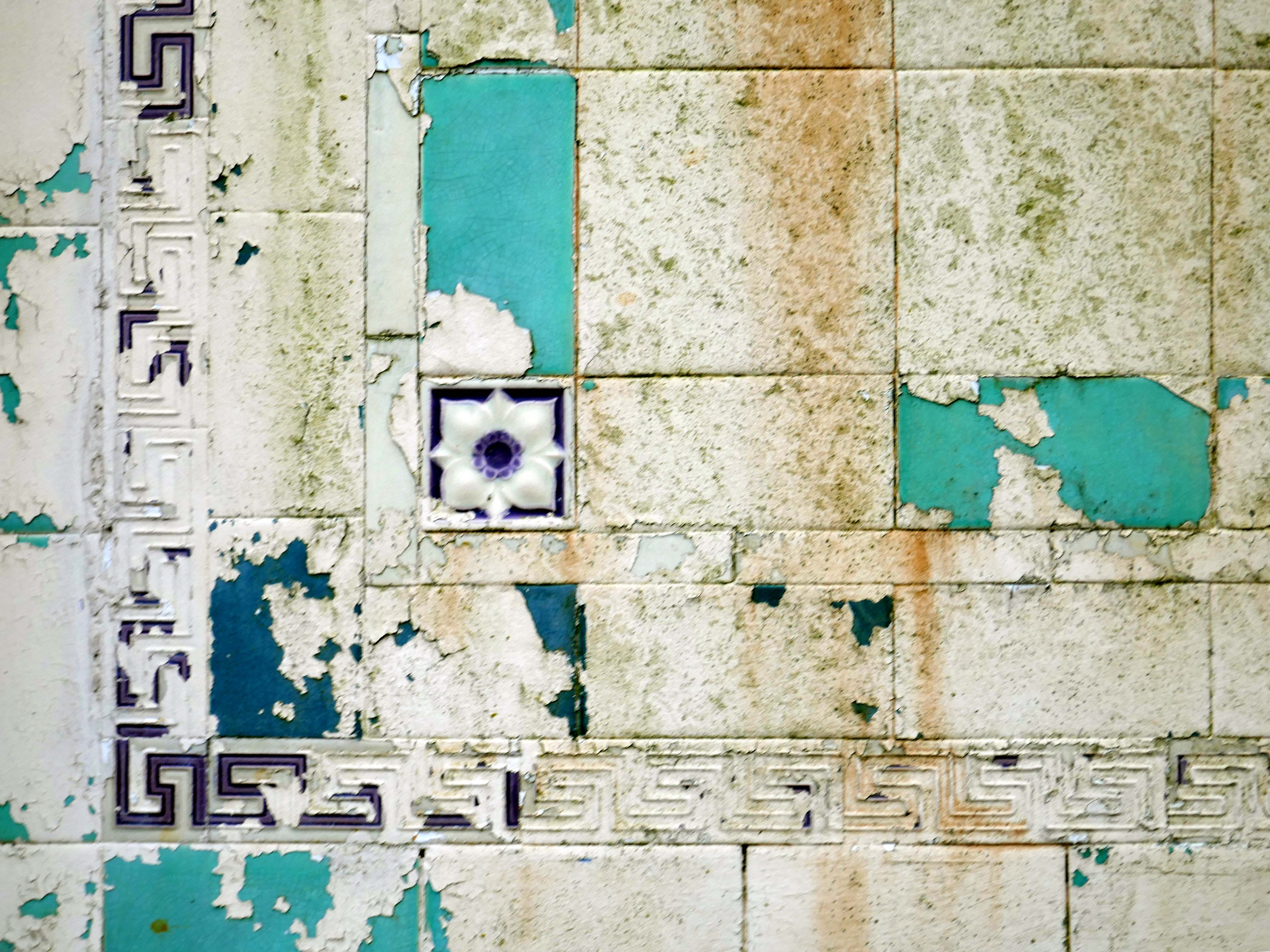
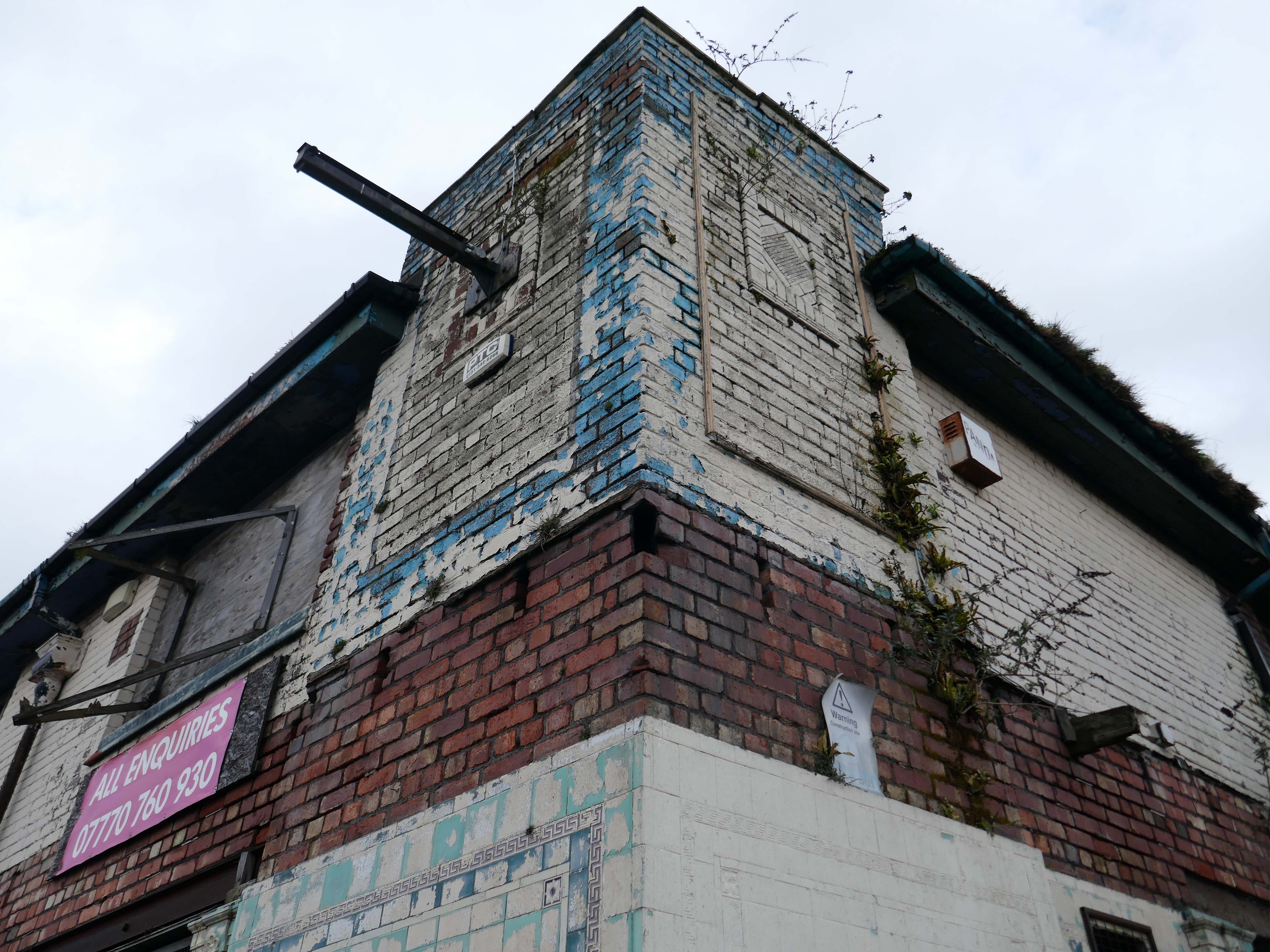
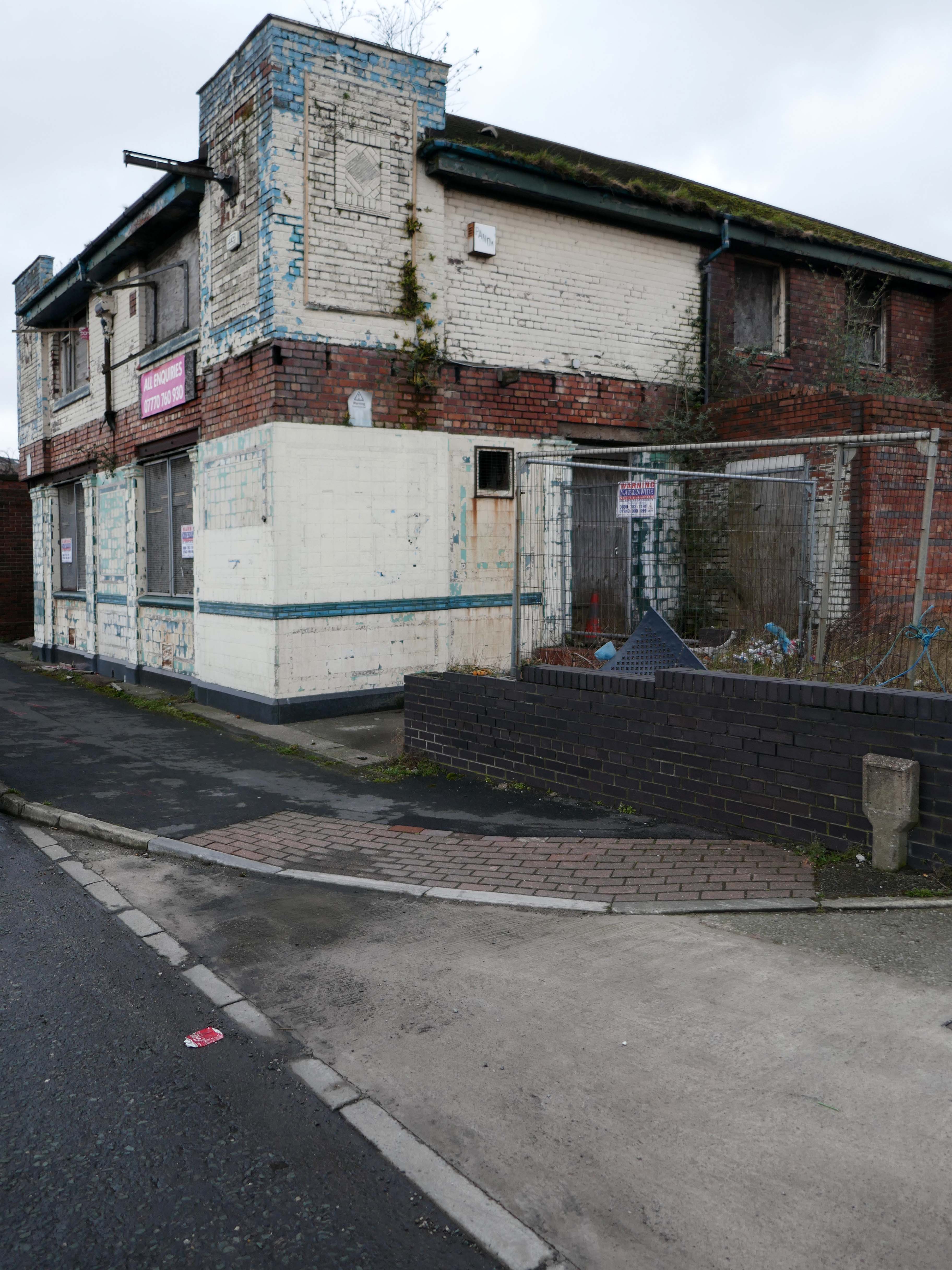
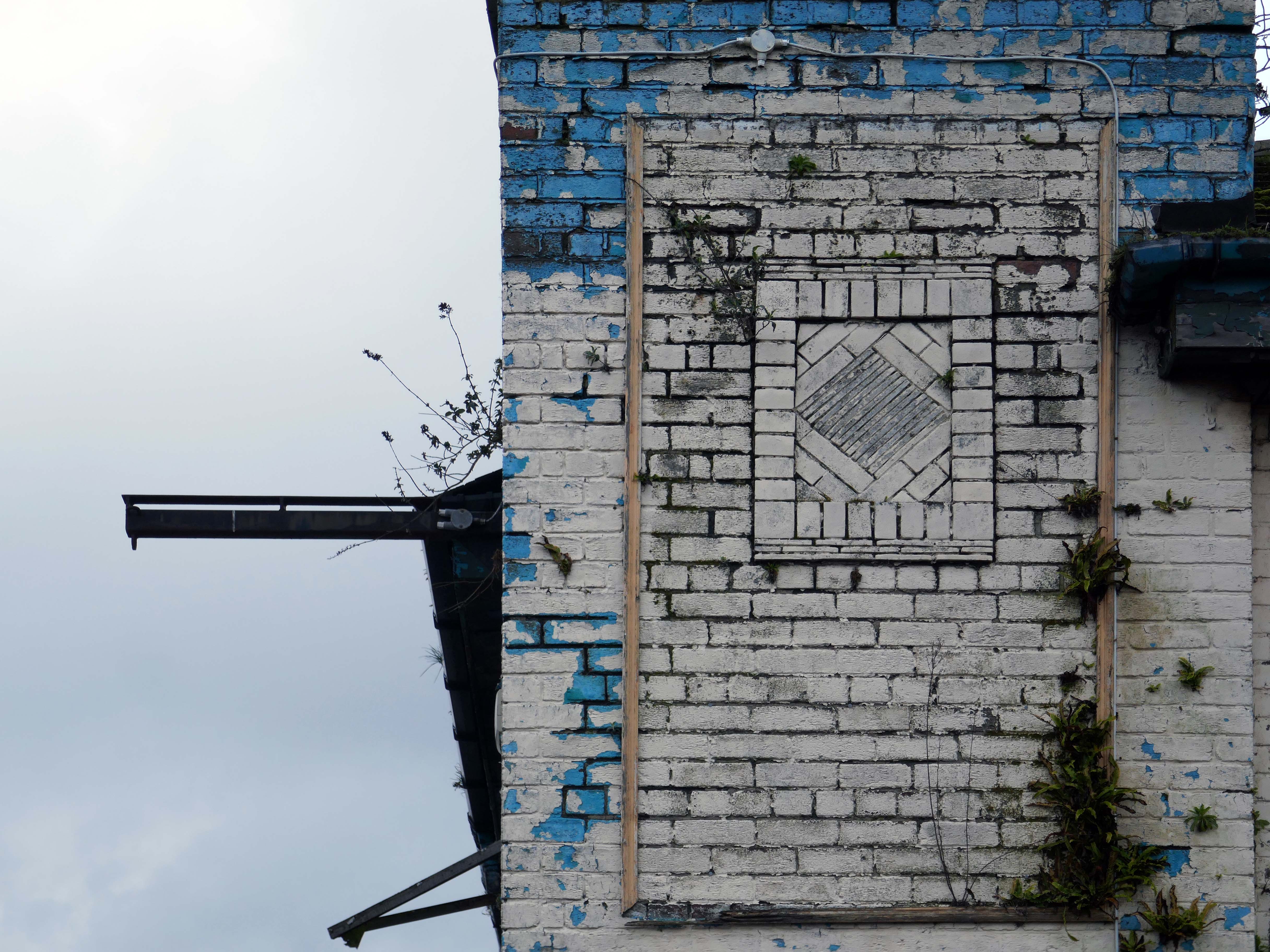
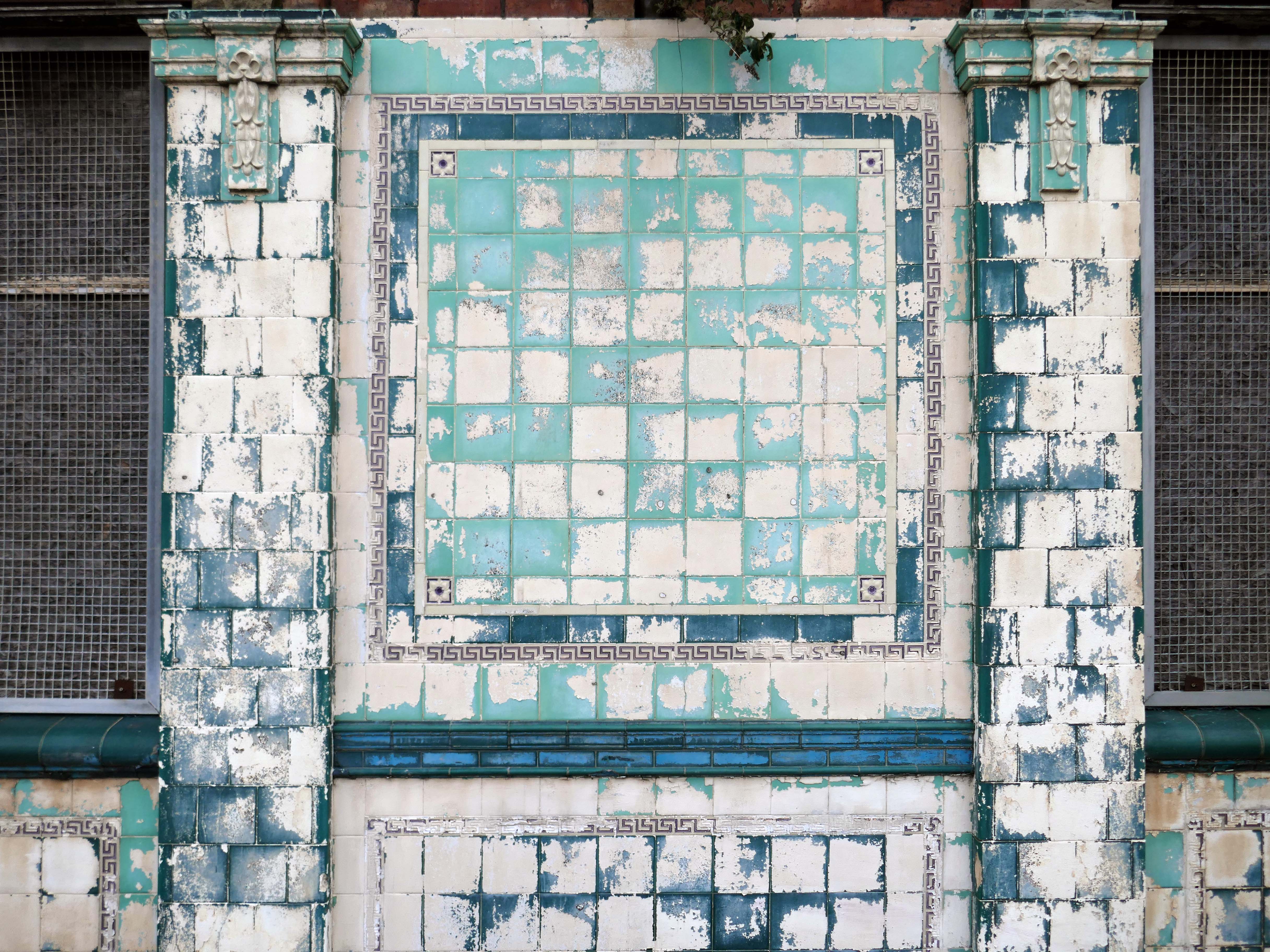
At one time named the Royal Swan, in the later years its name was changed to the Blazing Stump and before closure became a night club known as Bonkers.
A lost venue once loved for being the “wackiest fun pub” in the 1980s.
Date of closure unknown but thought to be late 1980s or early 1990s.
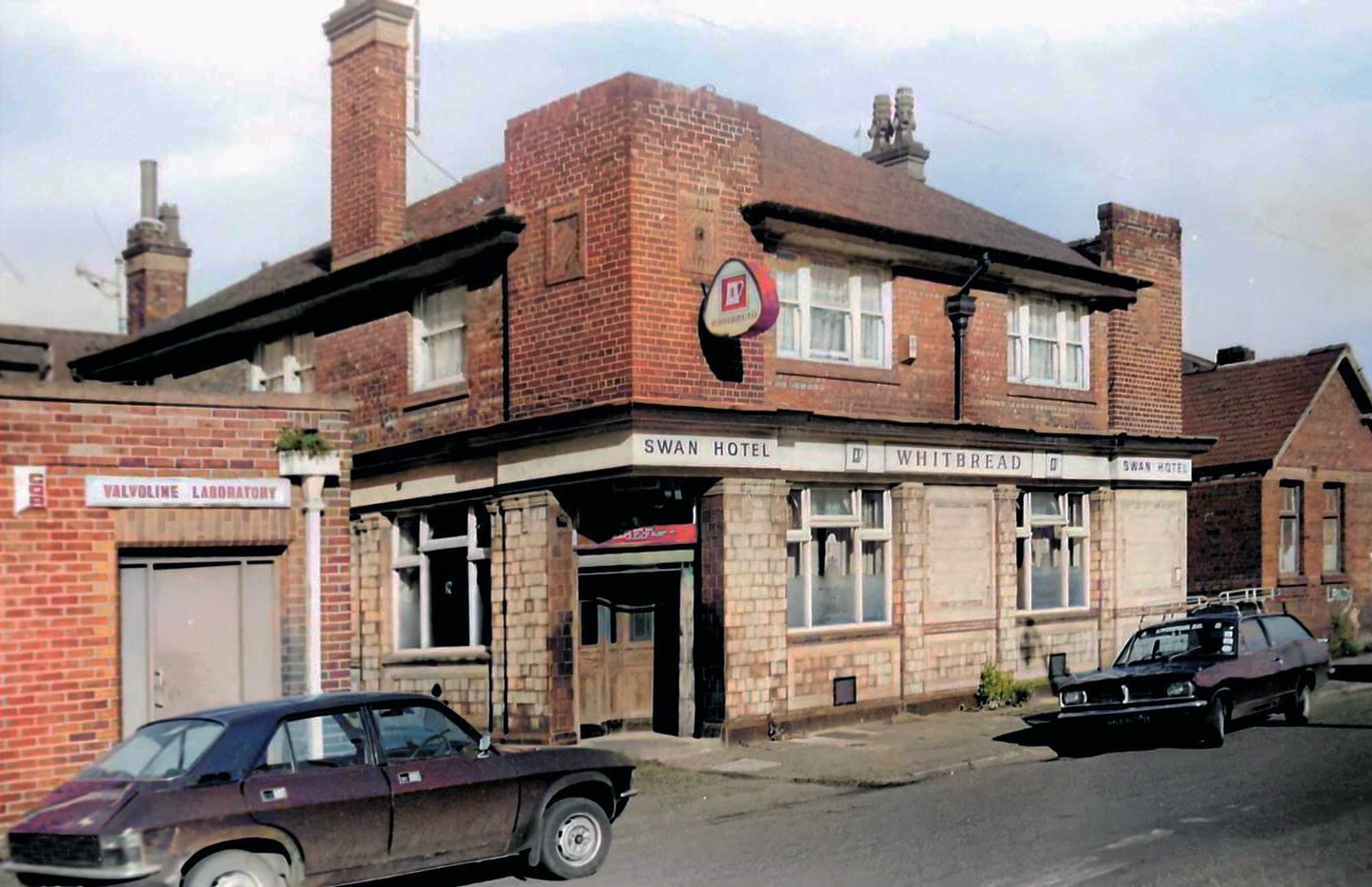
On the Dock Road was the ‘Swan Hotel which also opened in 1878. The nickname of the Swan Hotel was ‘The Blazing Stump’ and the story goes that an old seadog with a wooden leg used it to poke the fire. In those days pitch was used as a wood preservative, which is probably why his wooden leg caught fire when poking the fire one time too many – hence ‘The Blazing Stump.’
Due to its location near the Wallasey Docks majority of the customers who visited the pub came off the grain or ore boats. The pub would be thronged with Norwegians, Greeks, Germans, Swedes and Arabs and local people. When the pub was full the place had an unusual and interesting flavour because of this rare variety of people.
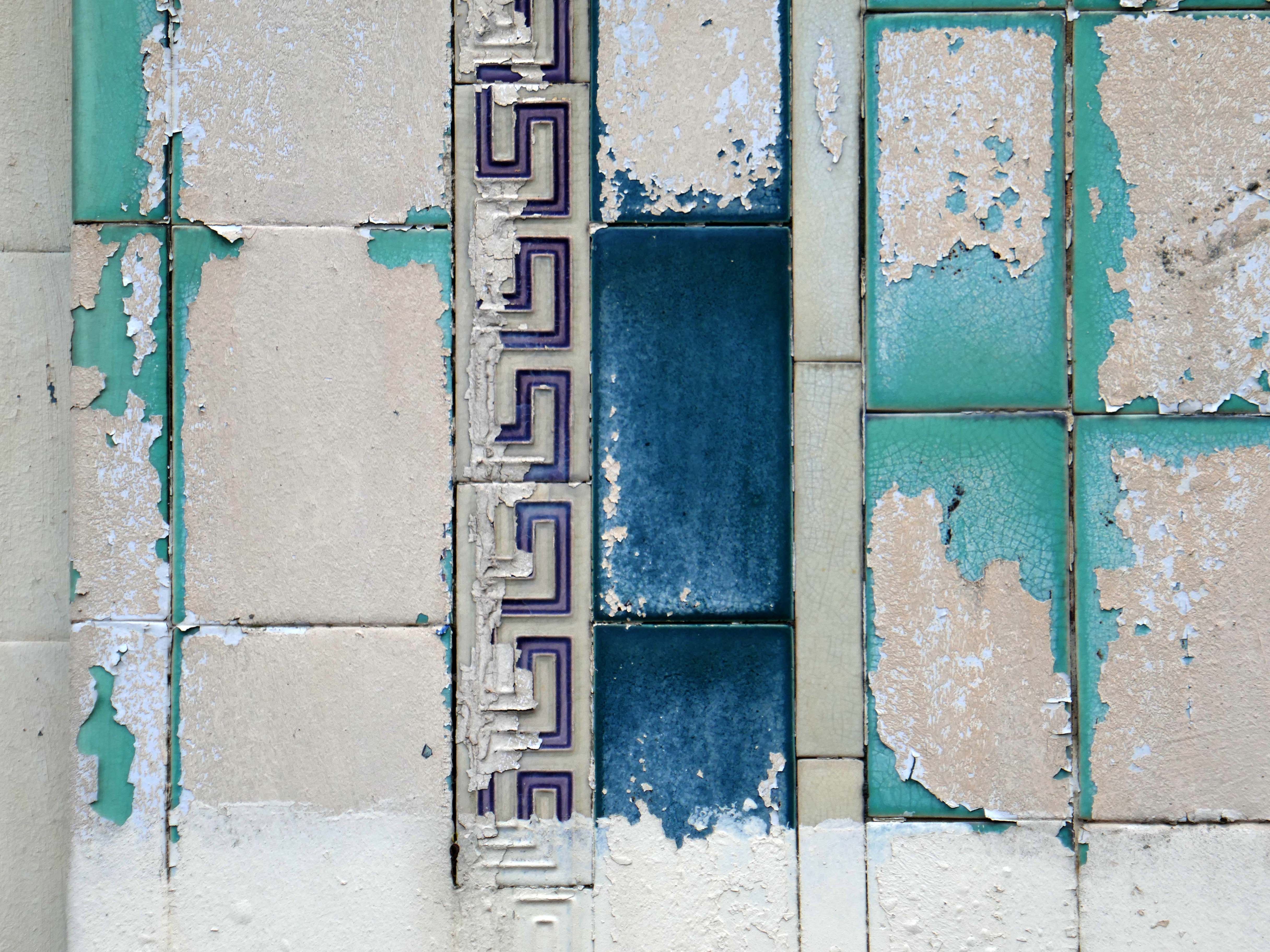
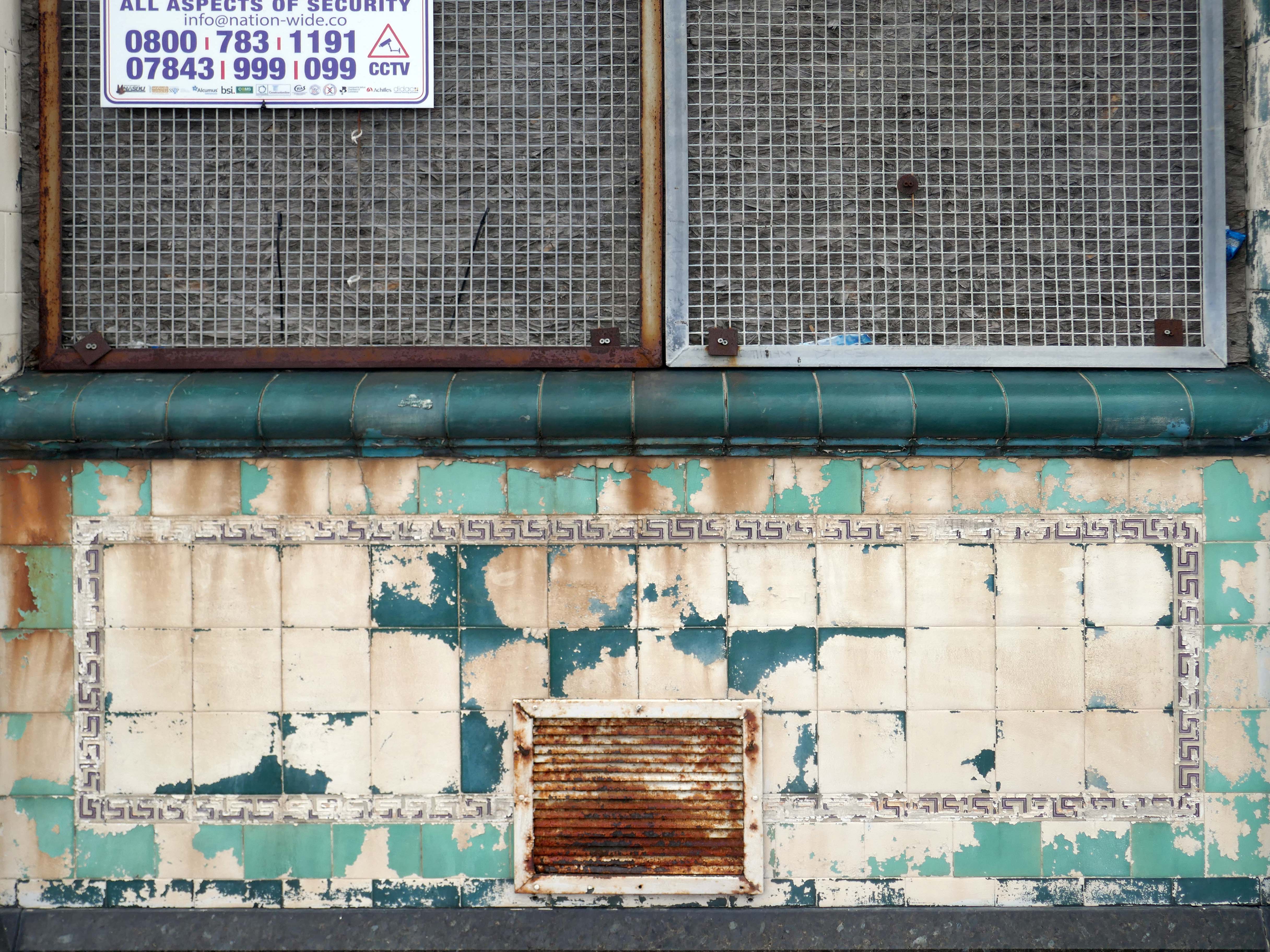
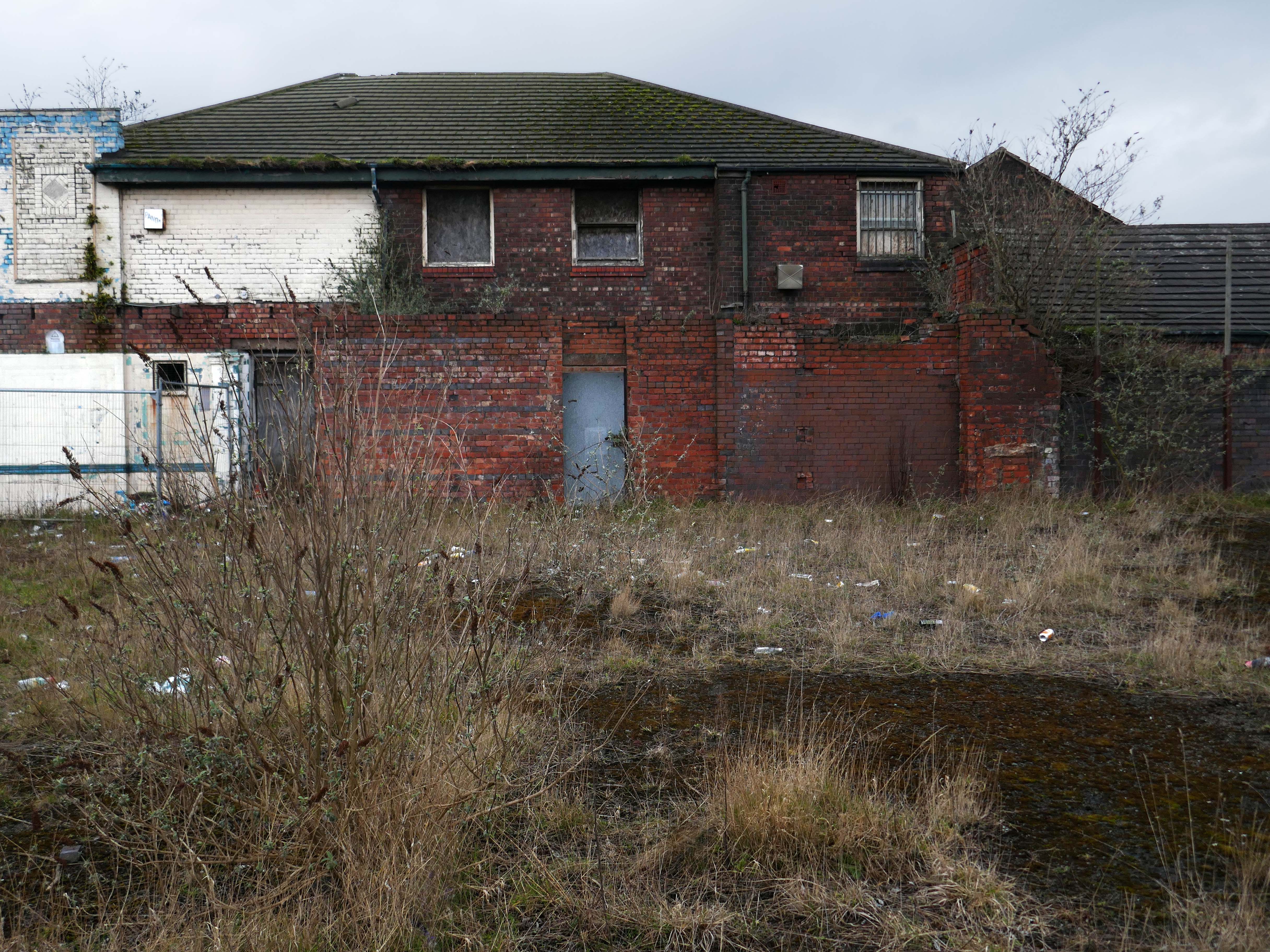
The ‘Stump’s’ days were numbered when less and less ships visited the Wallasey docks. The building still stands but remains unused, with the owner looking for a big payout sale. Or who knows, the doors may just open once more.
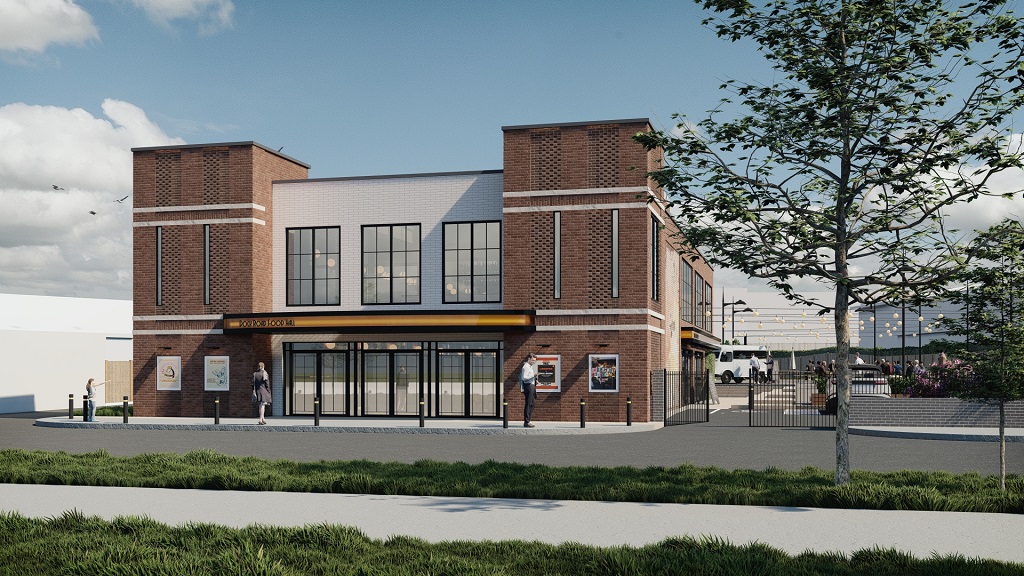
Now construction company AP Mitchell and Evoke Architecture have submitted plans to Wirral Council to completely turn the site around.
The plans include outdoor seating areas with benches, an outdoor event space, food and drinks vendors, and a large bar. A private function space will sit inside the new building which will be called the Dock Road Food Hall.
The design works carefully to balance modern design with reminiscent character features, sympathetic to the original building and surrounding historic buildings of similar style. The result is a contemporary structure that aligns with the evolving character of Dock Road and the Wirral Waters masterplan.
After Telstar, Rhyl’s residents and visitors have this week been privileged to see another miracle of scientific progress – the Vickers-Armstrong VA-3, which arrived on Sunday to prepare for the first scheduled passenger carrying hovercoach service in the world.
The world’s first commercial passenger hovercraft service ran briefly from Rhyl to Moreton beach in 1962, but ended when a storm hit the passenger hovercraft while it was moored, damaging its lifting engines.
I’m fascinated by hovercrafts, they were for a while the future that we seemed to have been promised, a future that had consistently failed to arrive.
Until even they failed to arrive, or depart for that matter.
I do have a love of doomed hovercraft services – I’ve been to Pegwell Bay.
Youngest passenger was 21 months old Martin Jones, 128, Marsh Road, who travelled with his mother, Mrs Millie Jones, an usherette at the Odeon Cinema: his grandmother Mrs Jean Morris, and Mrs Morris’s 14 year old son, Tony, a pupil of Glyndwr County Secondary School, the first schoolboy to travel on the hovercraft. Mr Tony Ward of 13, Aquarium street, a popular figure as accordionist on one of the local pleasure boats a few seasons ago, and his 20 year old daughter Rosemary, cashier at the Odeon, who were among the first to book seats at the North Wales Travel Agency, were also among the passengers.
Mrs Handley was the manageress of the Sports Cafe and got to know all the crew as they had all their meals there, even a farewell party with a cake in the form of a hovercraft.
The Queen and Prince Philip had received an invitation to undertake the trip, but declined perhaps just as well, for on what proved to be the final journey the hovercraft left Wallasey at 1.15 p.m. on September 14th and both engines failed en route.
There has been talk of reviving the service, a service that sadly seems so far to have defied revival.
“It really will be a feather in our cap for Rhyl.”