

The weir and former causeway stands across the River Dee. It was originally built in 1093 by Hugh Lupus, first Earl of Chester. It was built for St Werburgh’s Benedictine Abbey – now Chester Cathedral. It channelled the water to allow it to power a series of mills along the Dee. These mills were amongst the largest and most valuable in England during the 13th century. They were in use until 1910.
The weir was restored in the early 20th century to serve the City Council’s hydro-electric power station
Chester generated its own clean carbon-free electricity for almost half of the city’s needs from the hydroelectric building on Castle Drive between 1914 and 1949.
From 1932 the city was buying electricity from the Central Electricity Board’s embryonic national grid in order to cope with demand which grew to over 23,000 consumers by 1946.
The Hydro Electric Station on the River Dee is a Grade II listed building.
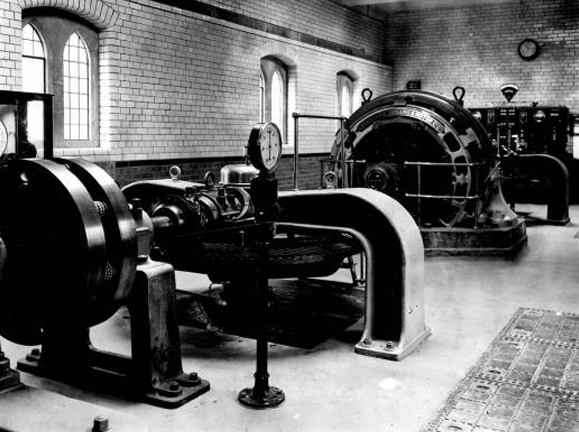
Photo: Len Morgan
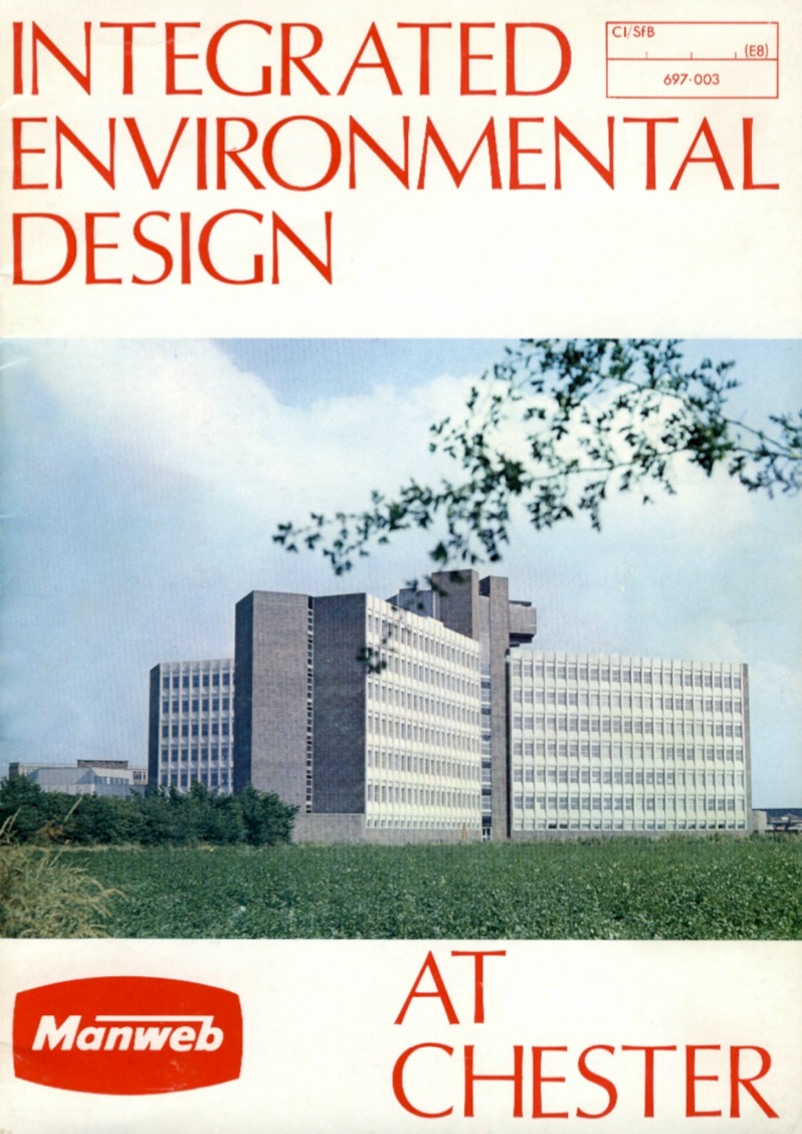
At nationalisation in 1948 the corporation’s system came under the Merseyside and North Wales Electricity Board – Manweb, which in 1968–70 built its administrative headquarters in Sealand Road. The buildings had as their centrepiece a seven-storey Y-plan office block, which dominated the skyline looking west from the city centre until it was demolished in the 1990s.
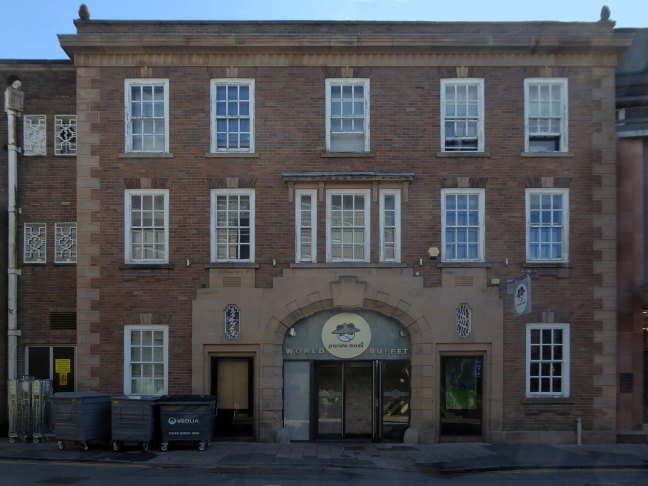
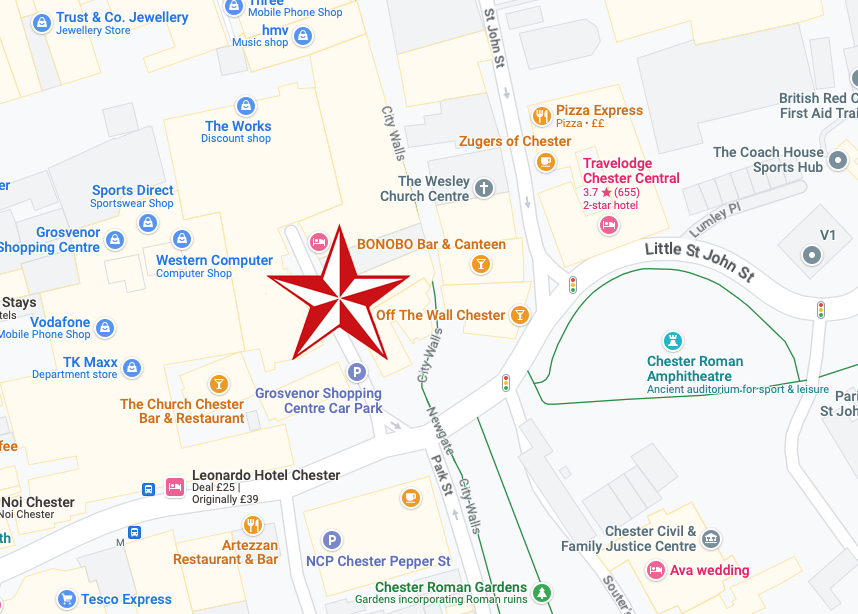
I was wandering the streets of Chester when I came upon this decorated doorway in Newgate Street.
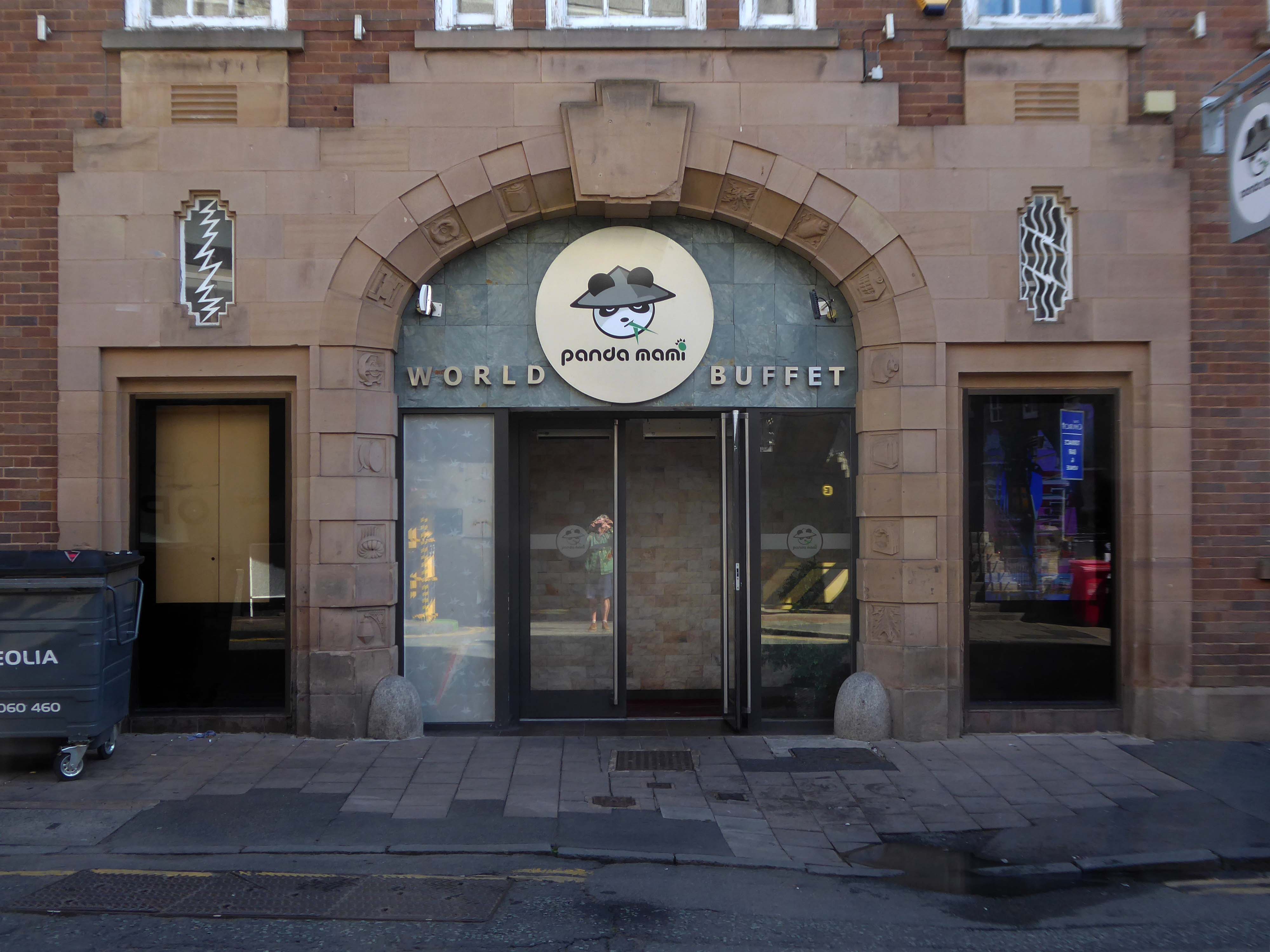
In consultation with the current owners panda mami – we concurred that the building was once in service to the electrical generating industry.
Architecturally pre-National Grid, this implies that it would have been part of Chester’s independent provision.
It can be seen in the top left of this archive photograph.
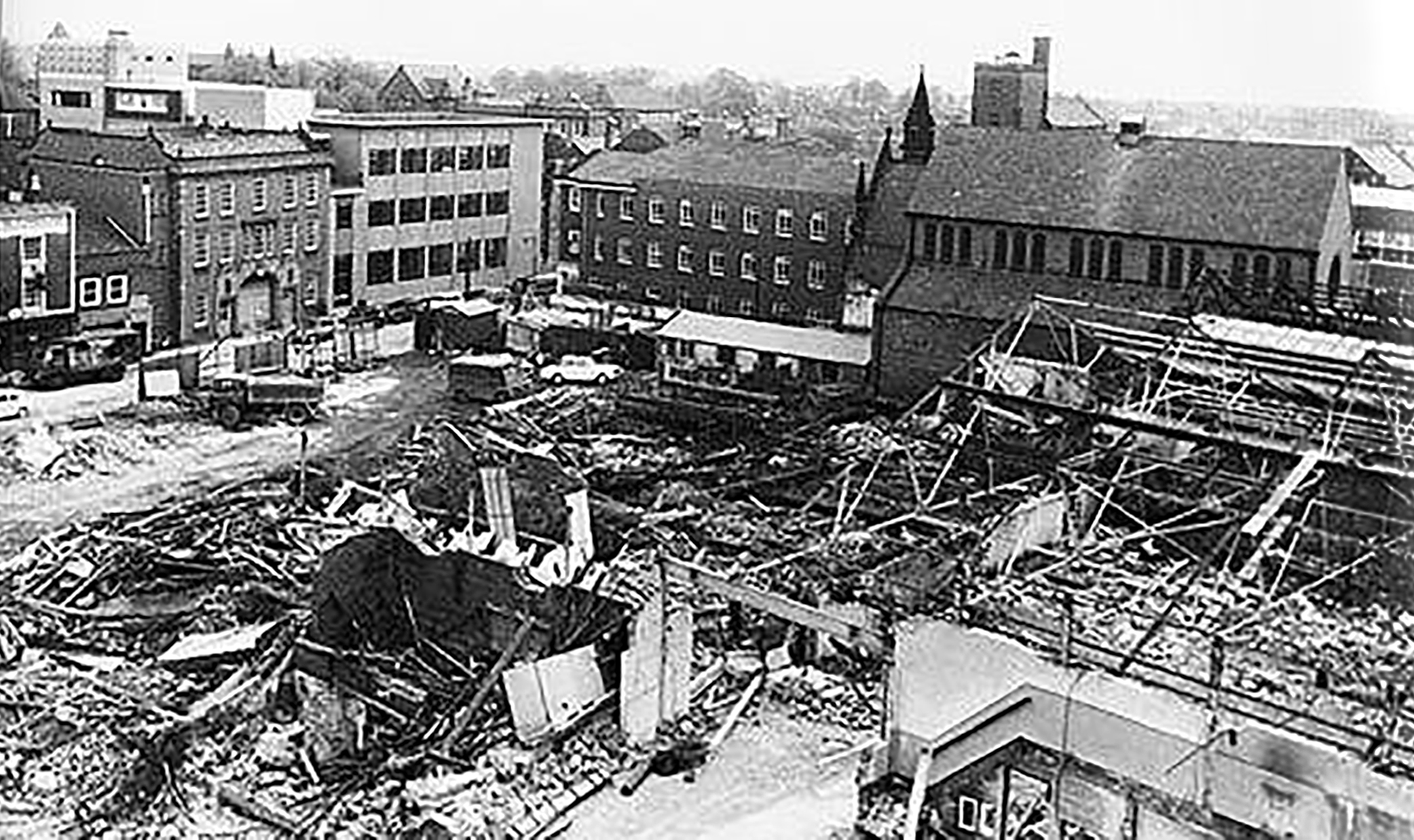
Electricity House in the days of Chester Corporation Electricity Department.

Later subsumed by MANWEB.
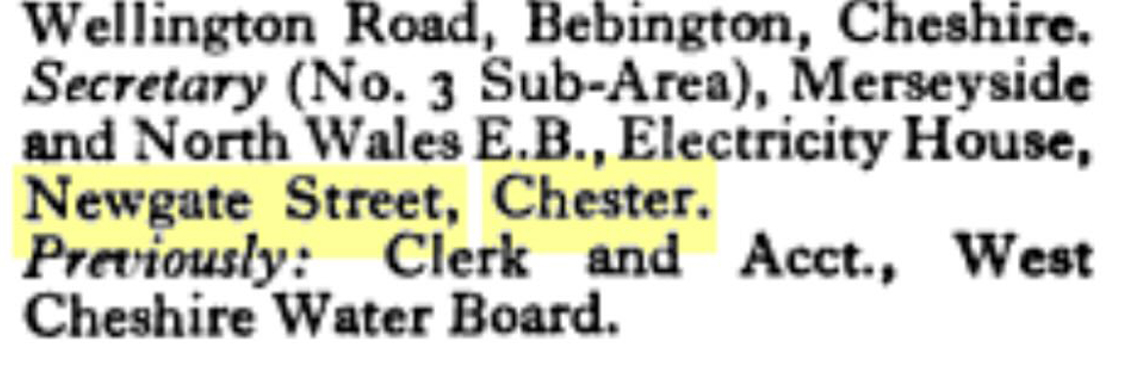
My thanks to Richard Brook aka Mainstream Modern for his invaluable research
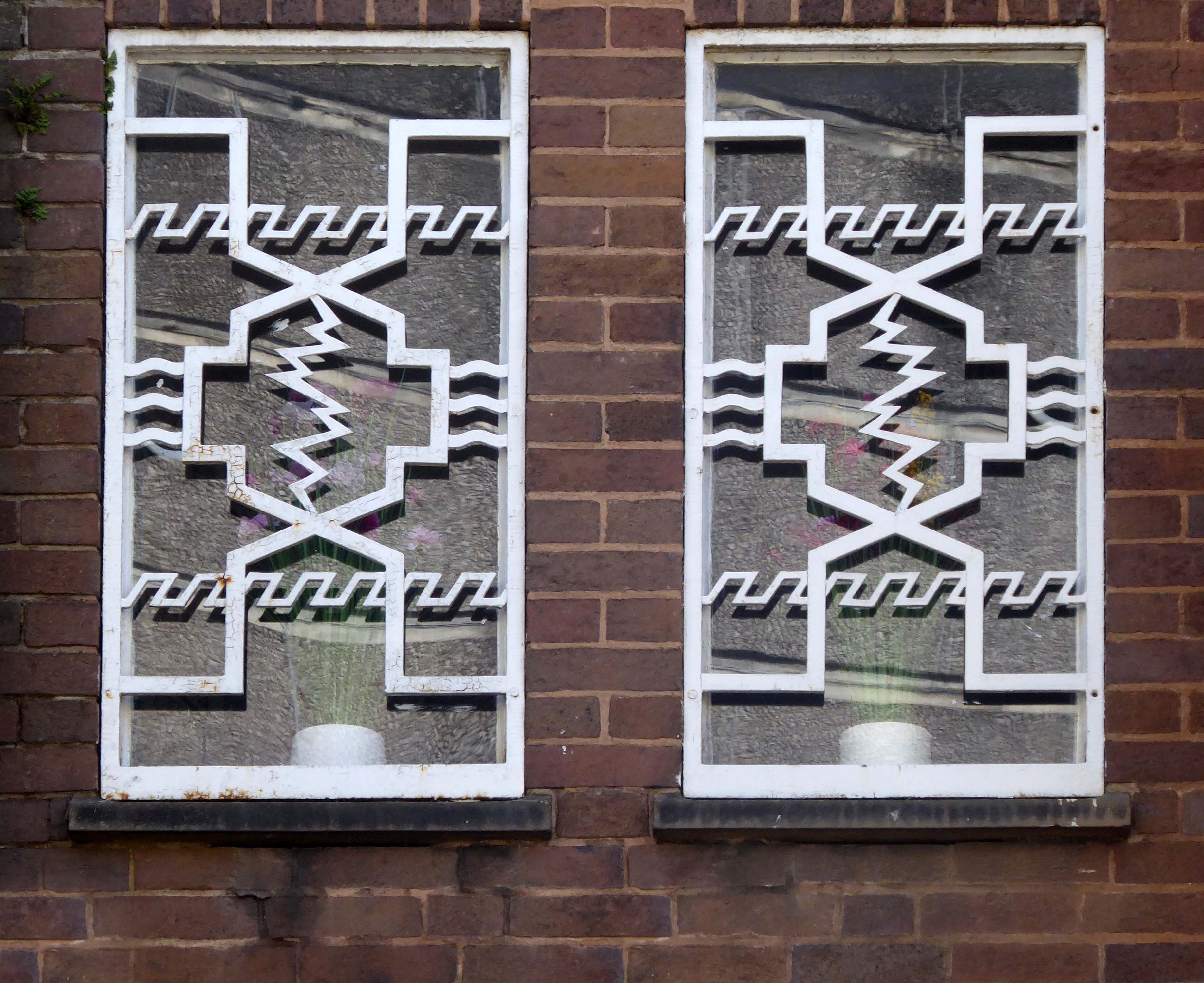
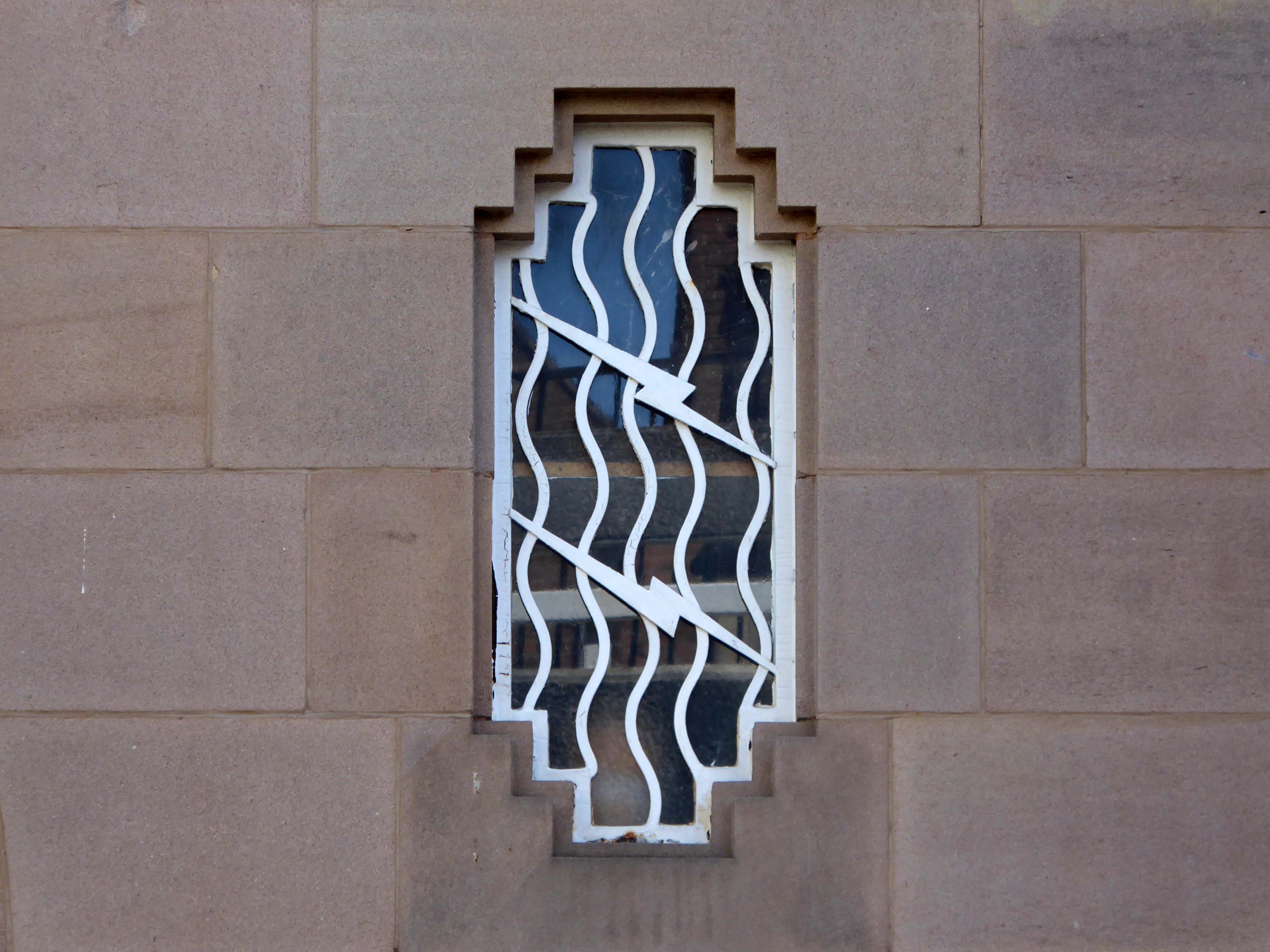
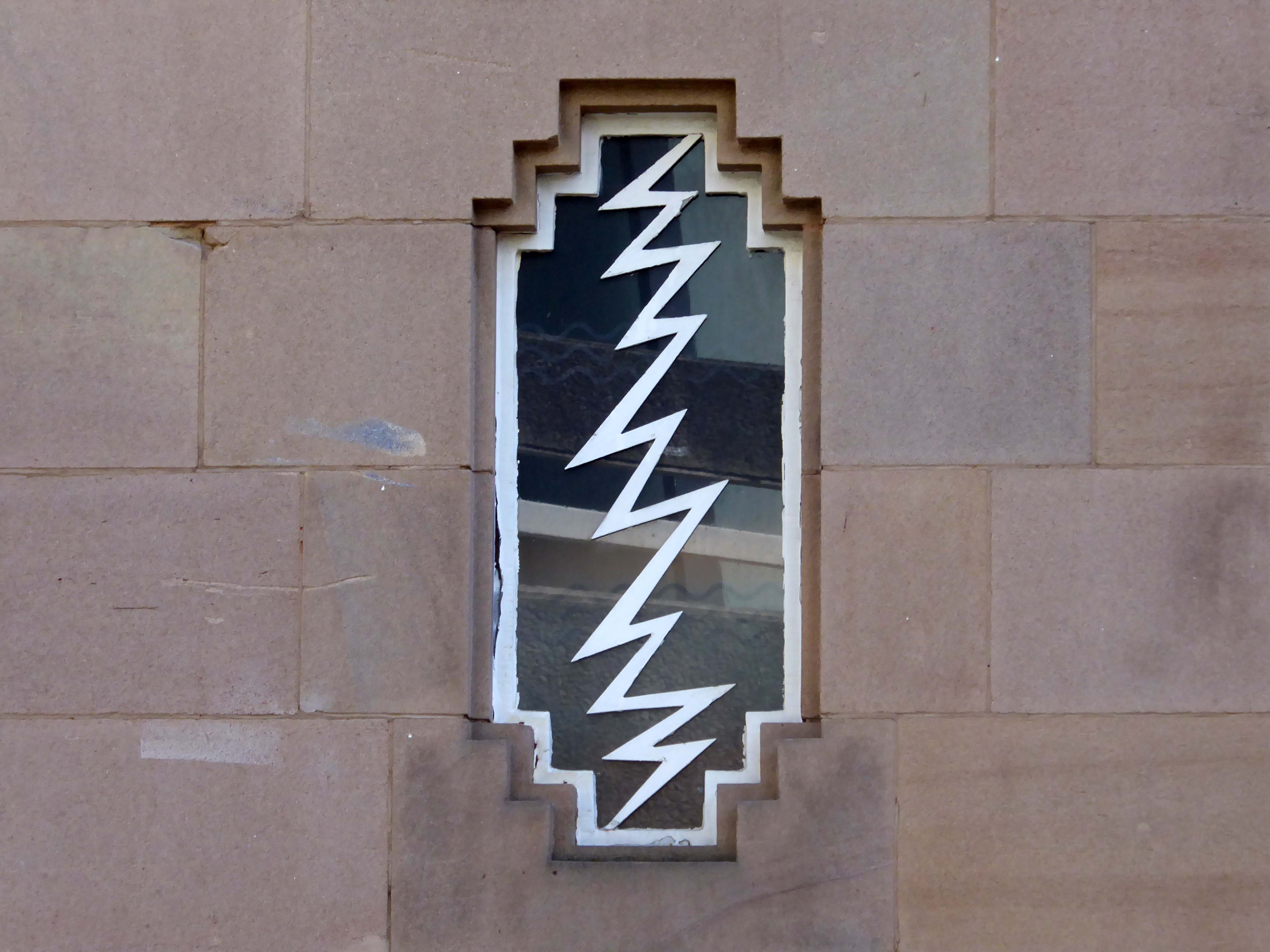
The building has the most shockingly assertive Futurist emblems embedded within the window grilles.
Any work of art that lacks a sense of aggression can never be a masterpiece.
If she’s put together fine and she’s reading my mind
I can’t stop I can’t stop myself
Lightning is striking again
Lightning is striking again and again and again and again
Lou Christie and Twyla Herbert
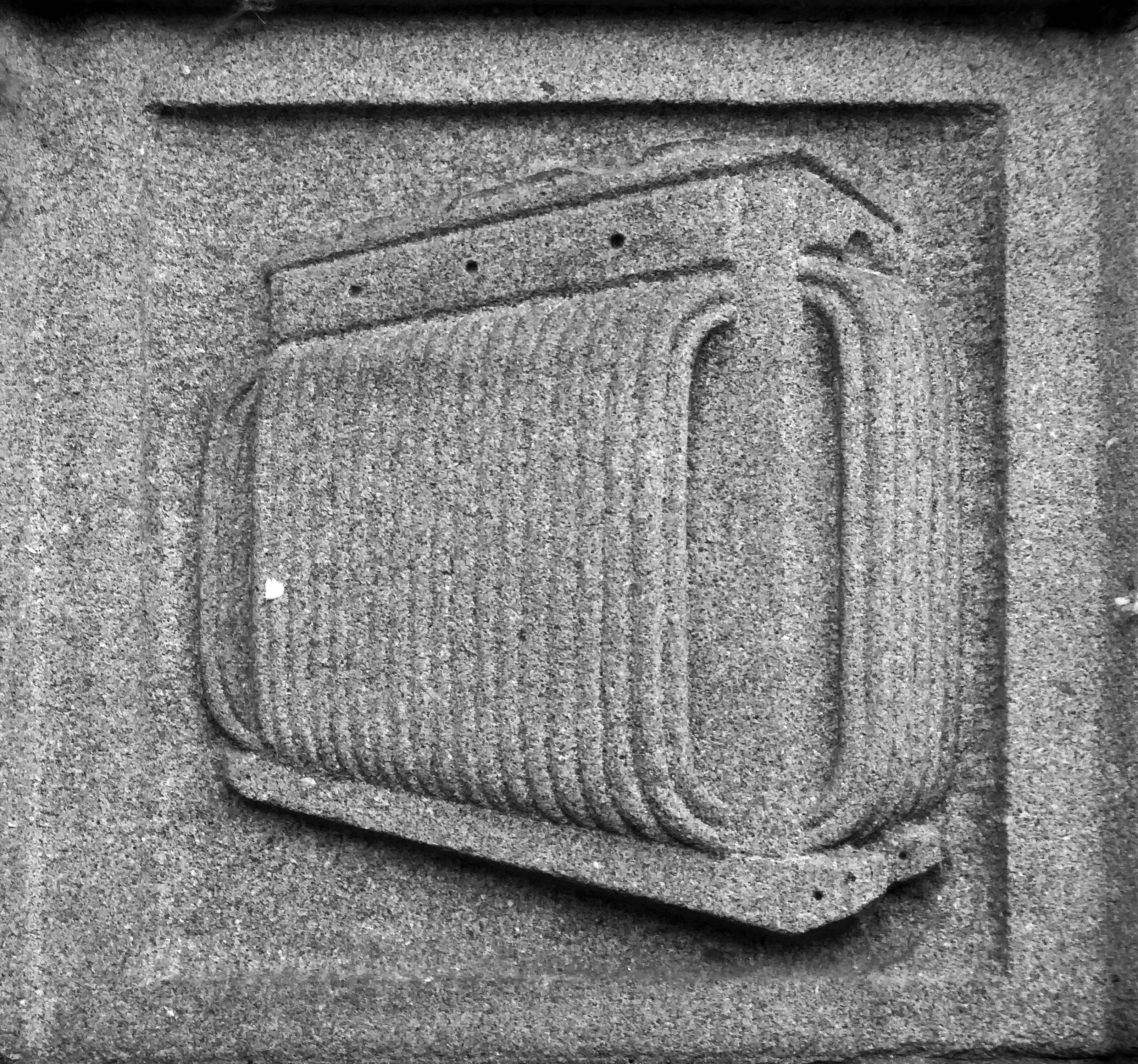
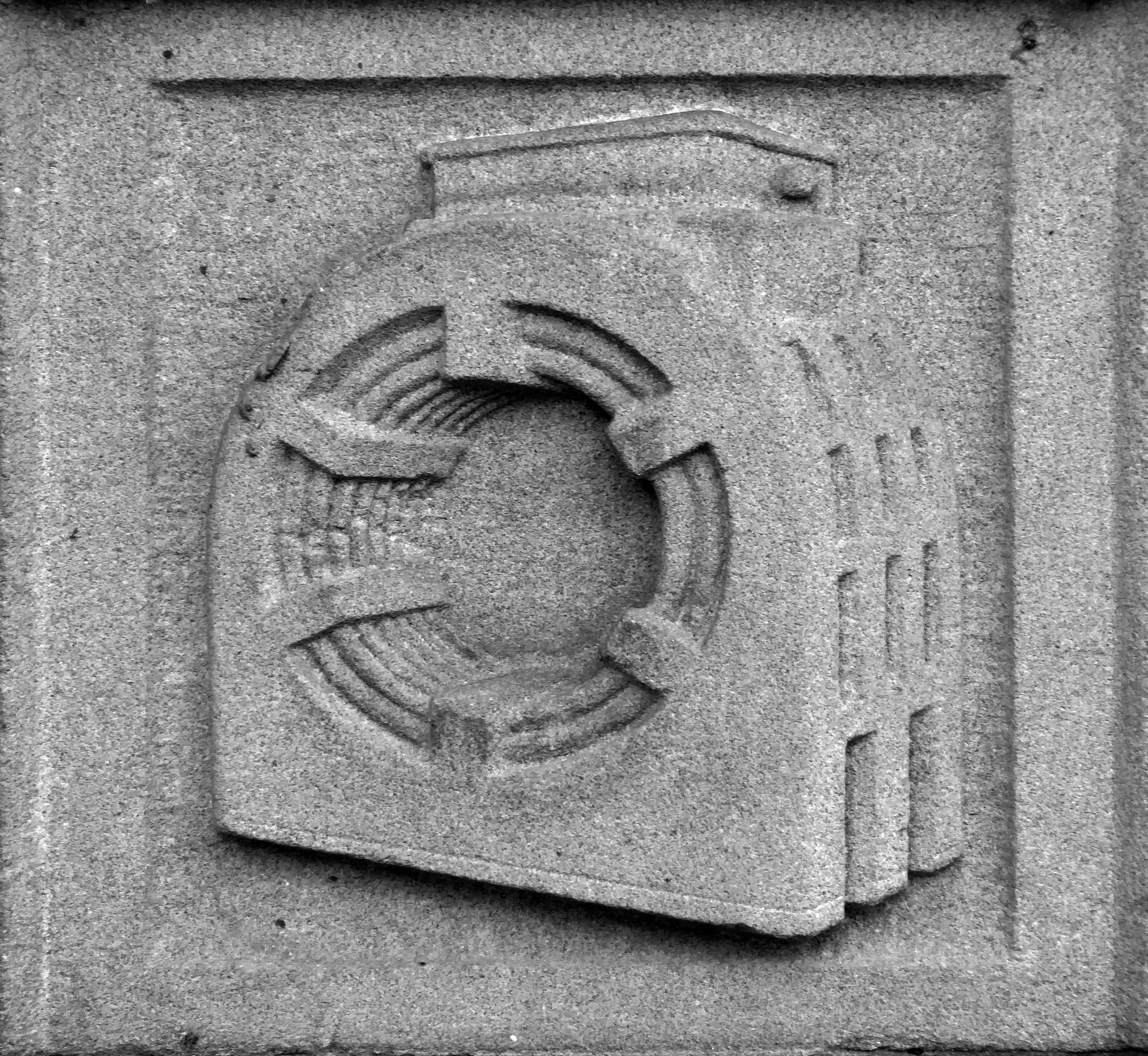
The arch above the entrance is adorned with these carved stone electrical emblems – also rendered in the Futurist Moderne manner.
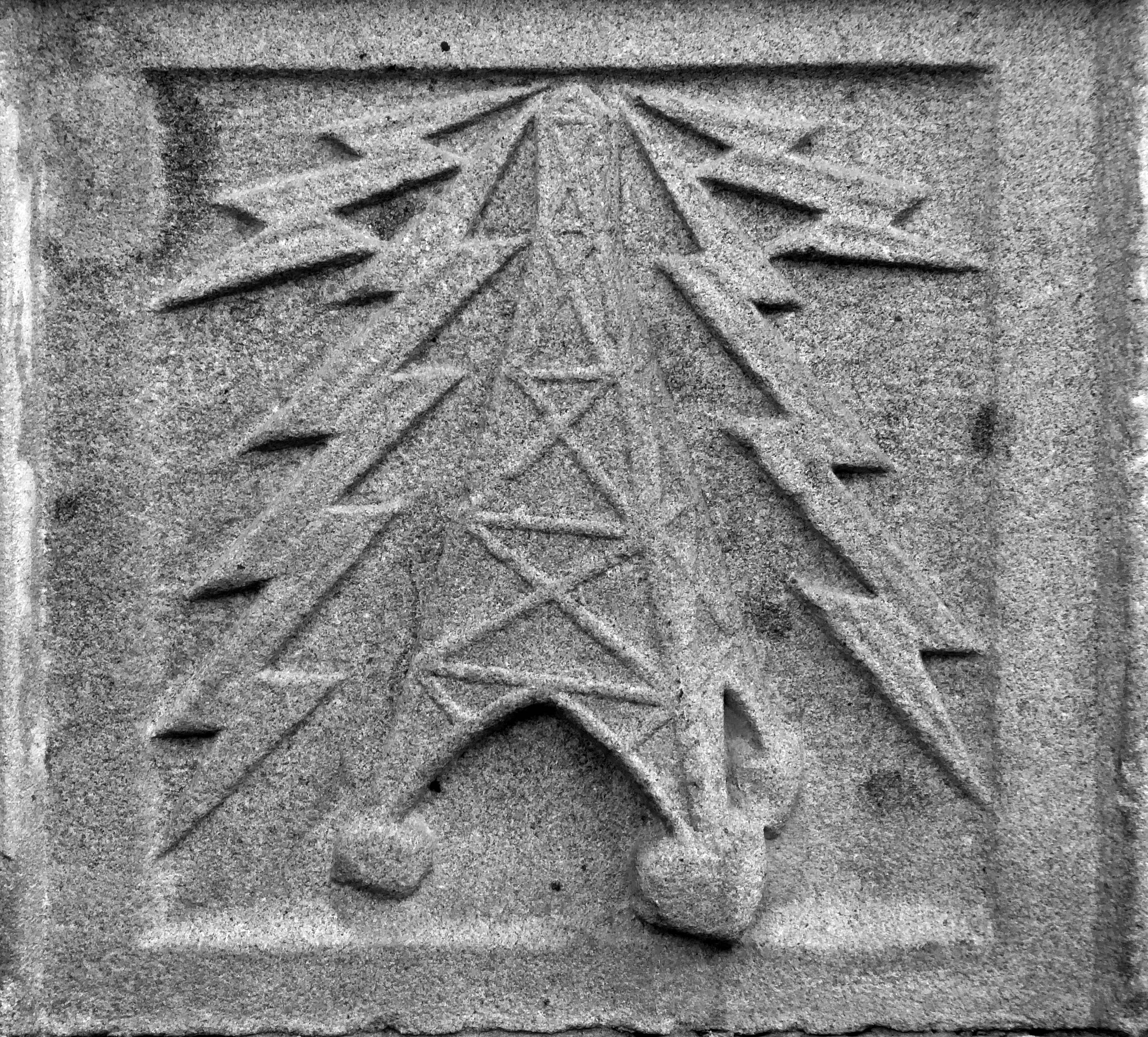
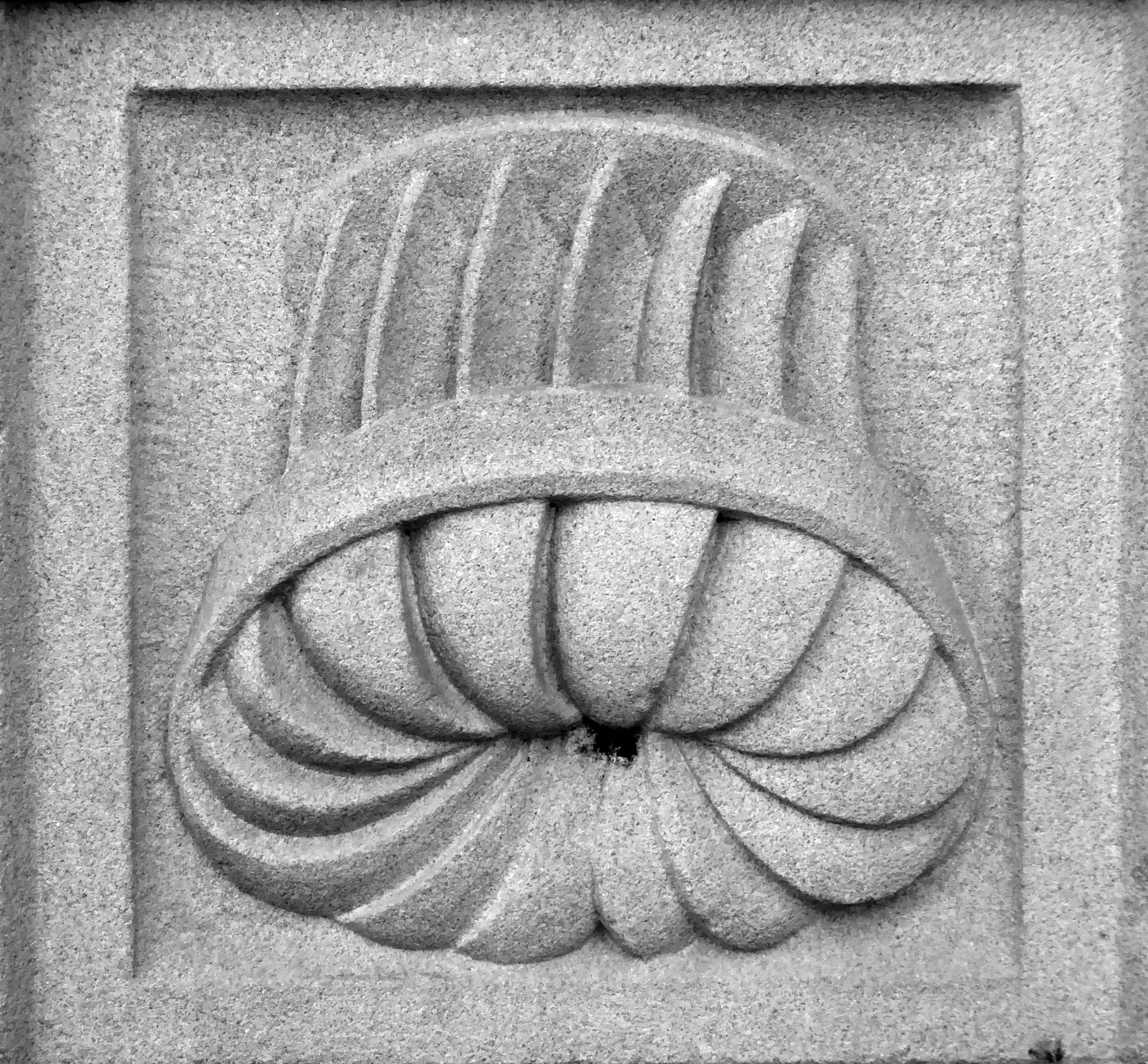
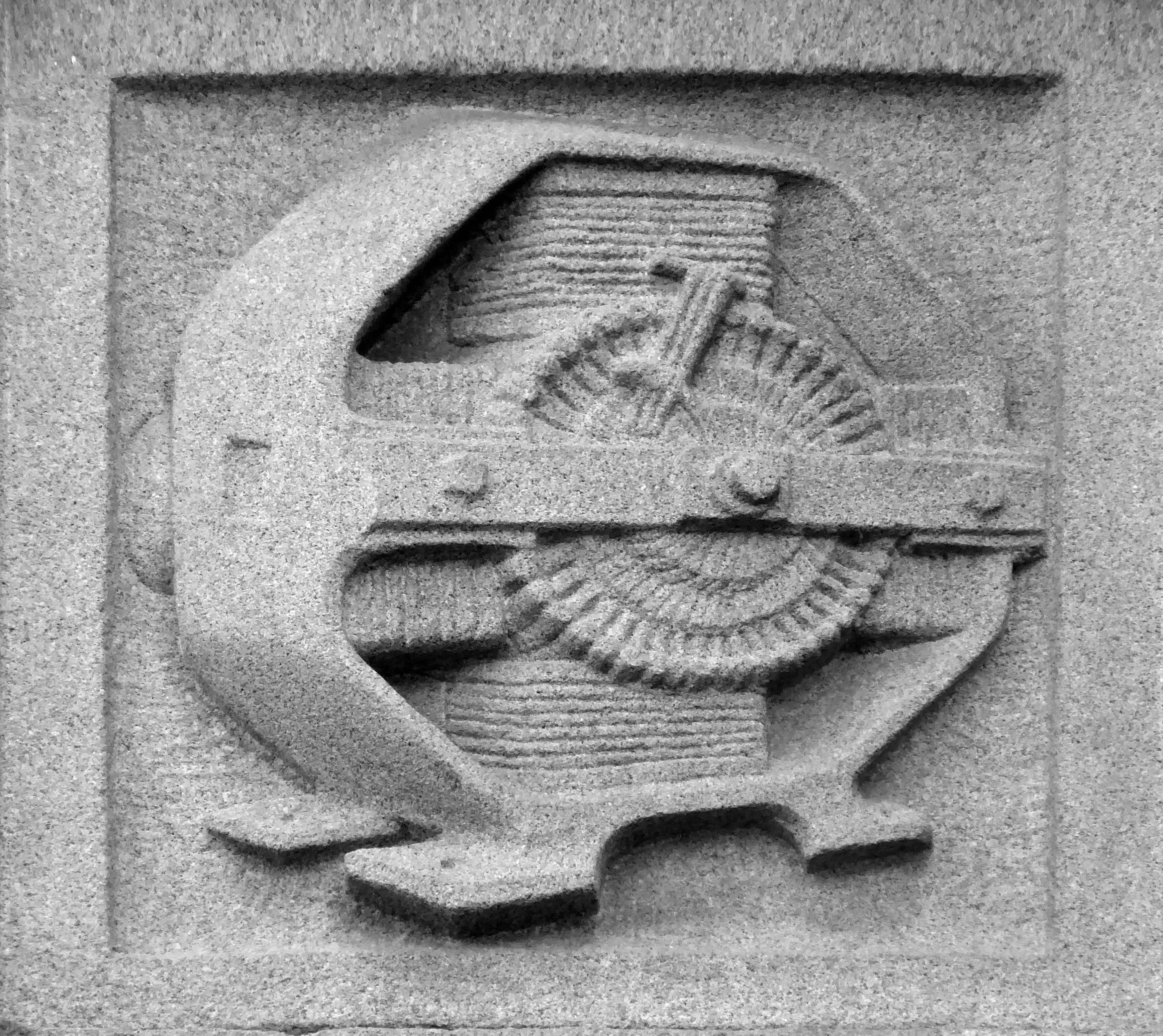
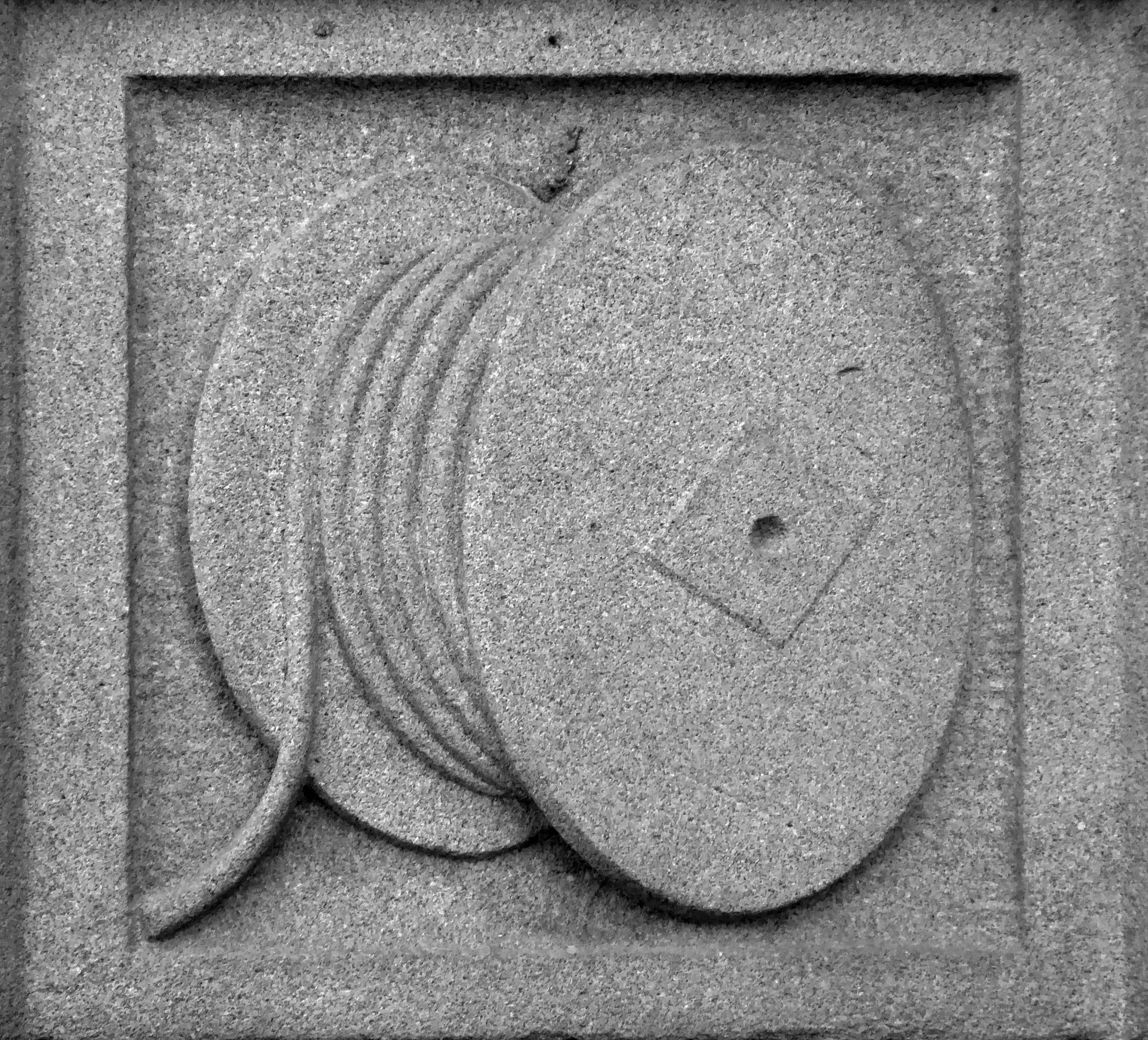
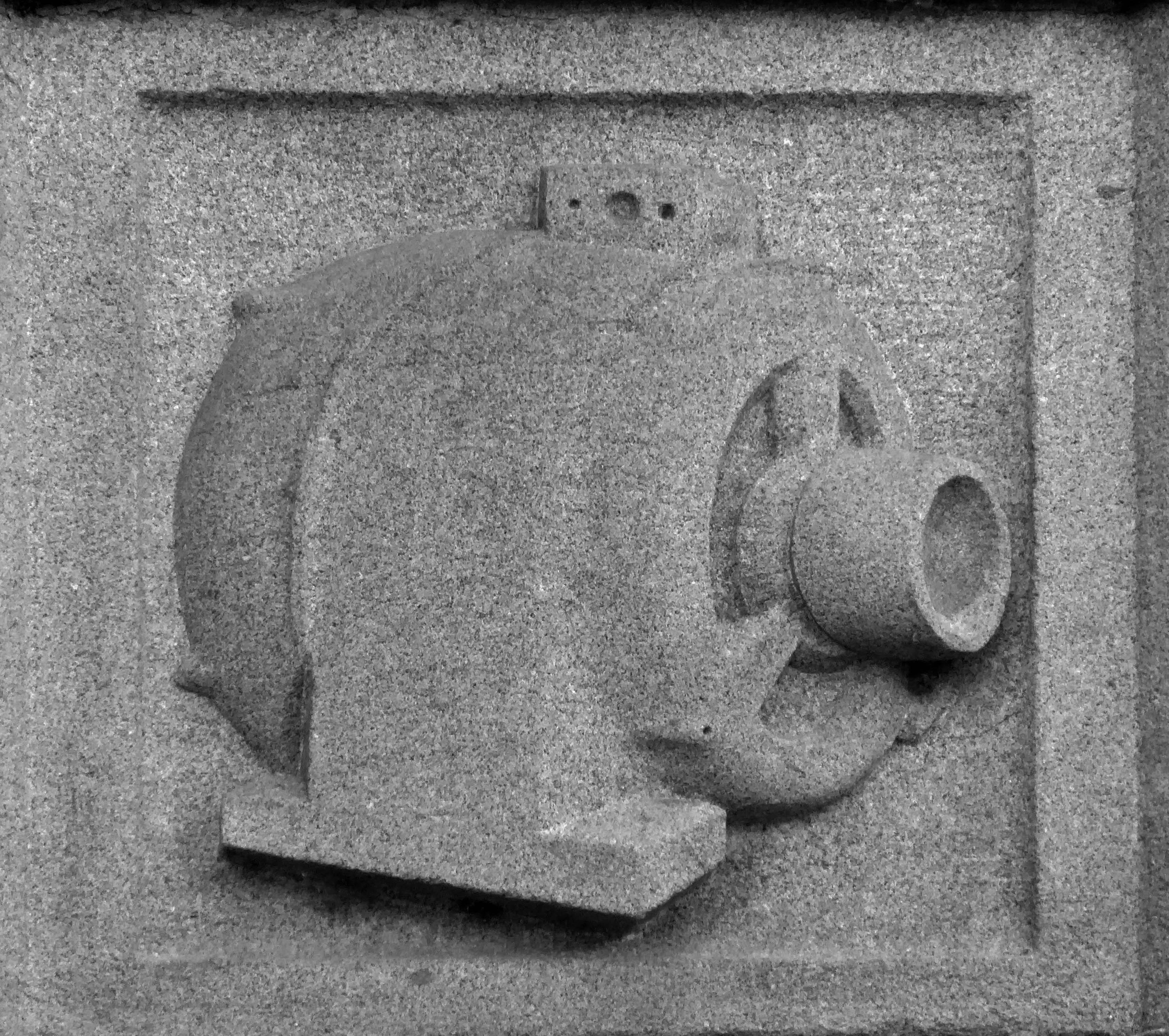
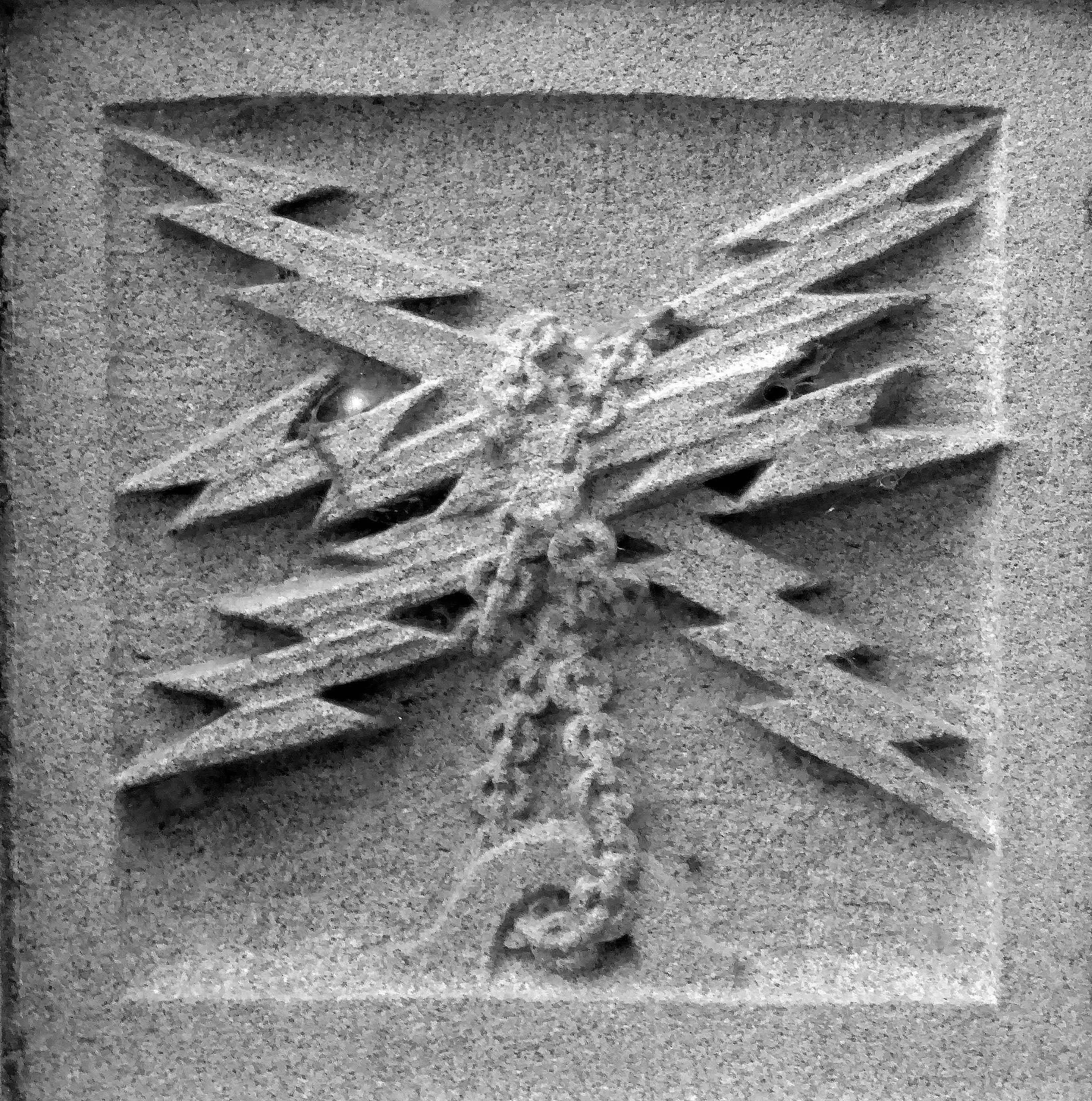
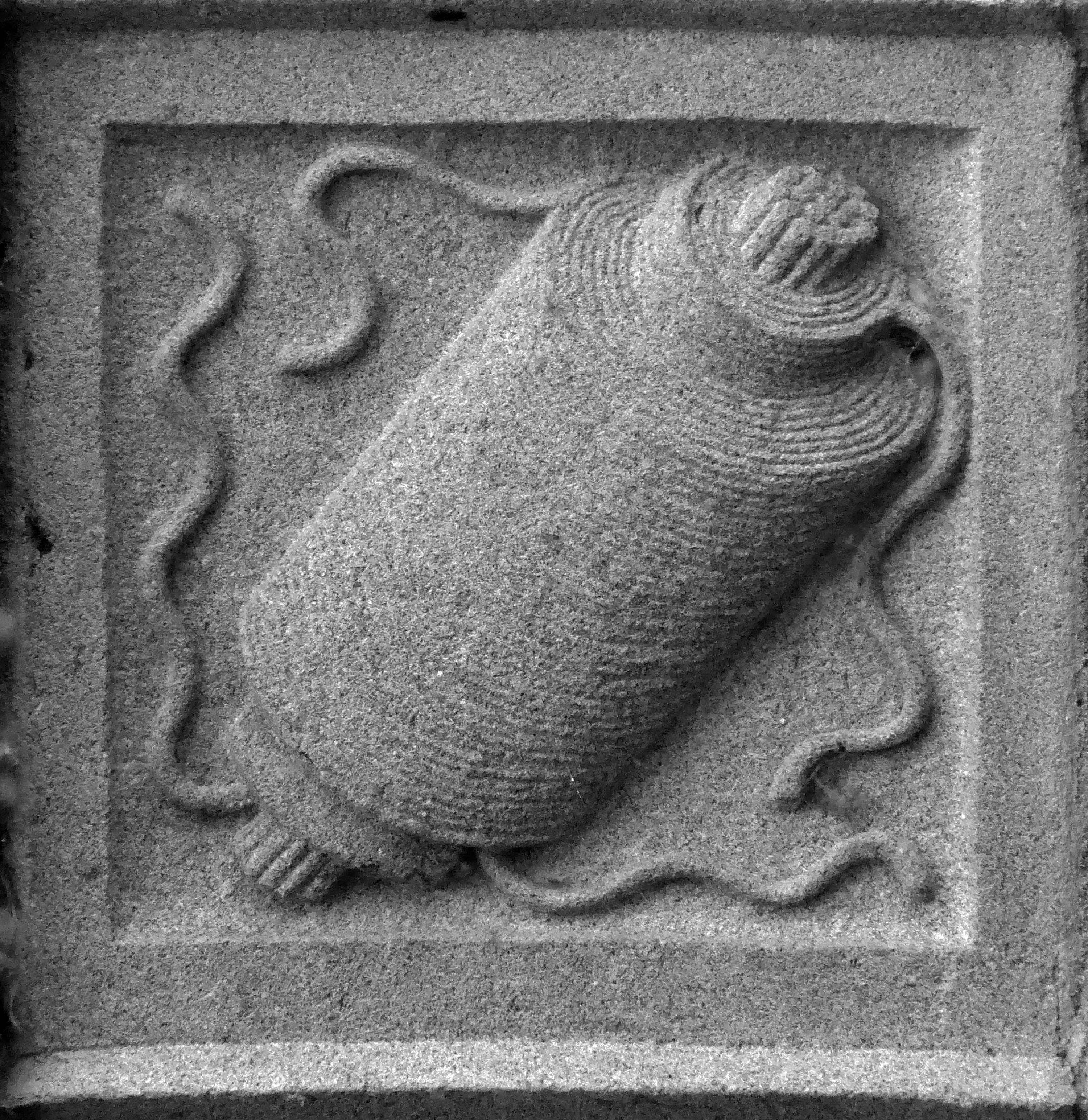
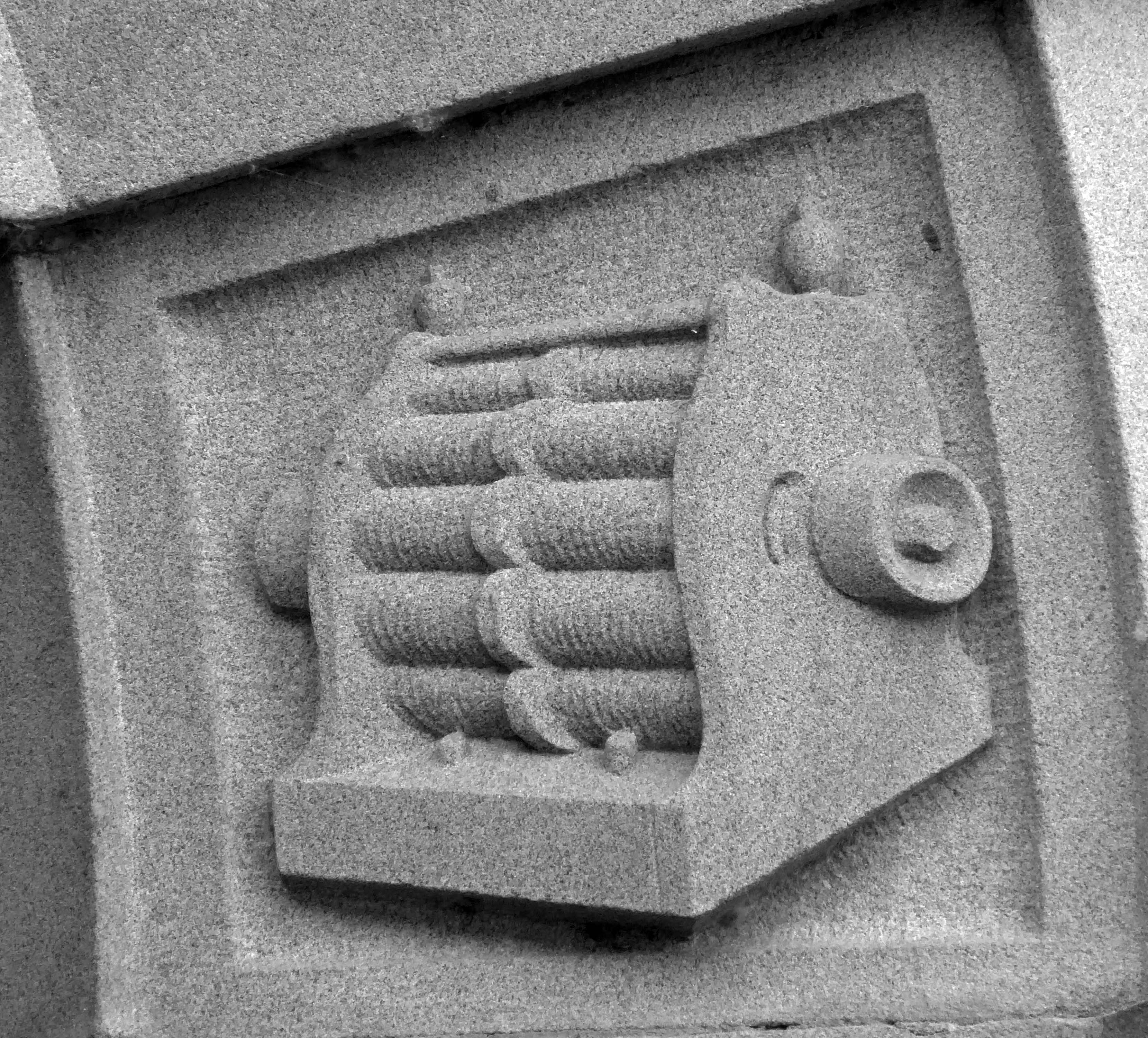
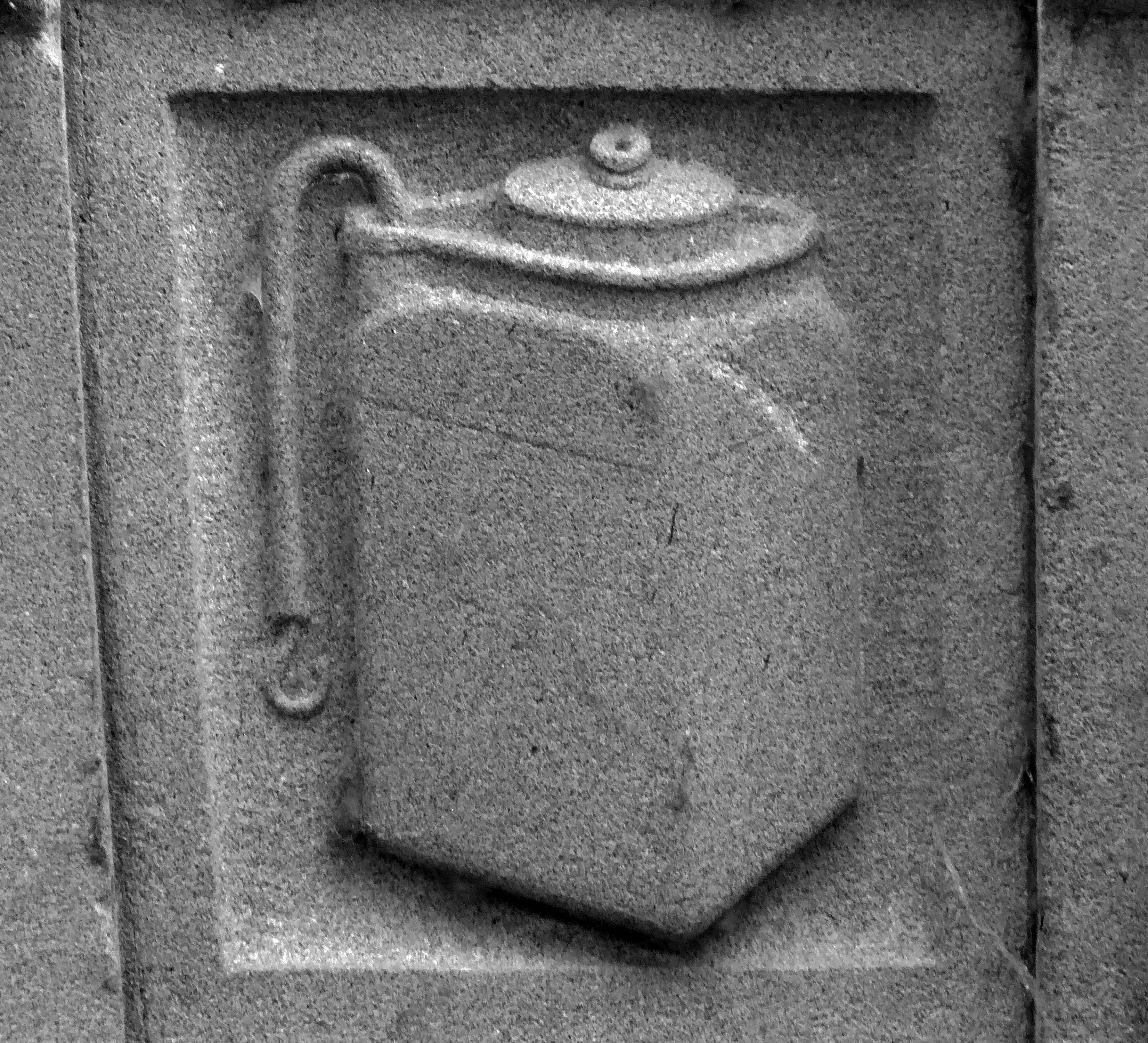
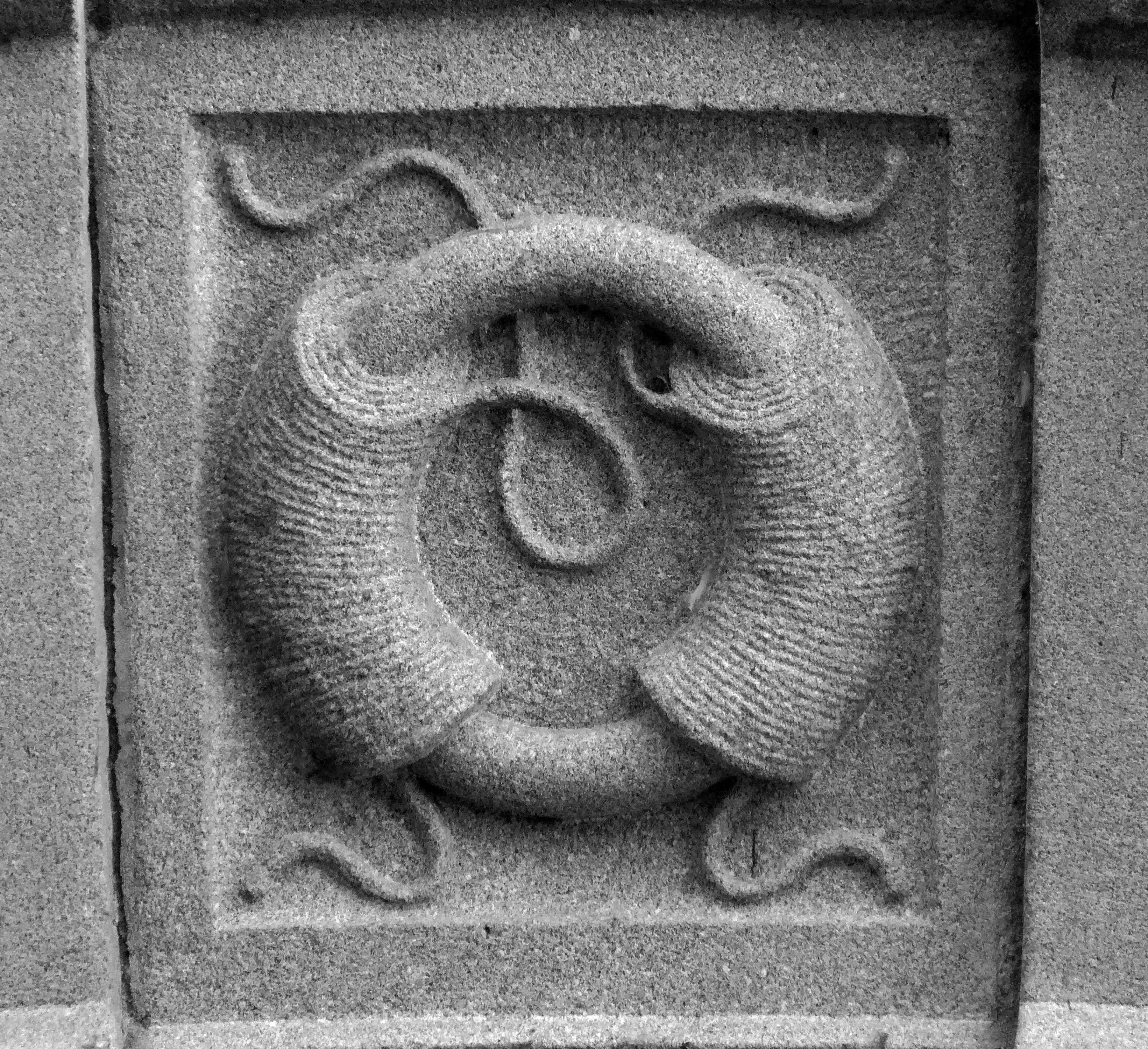
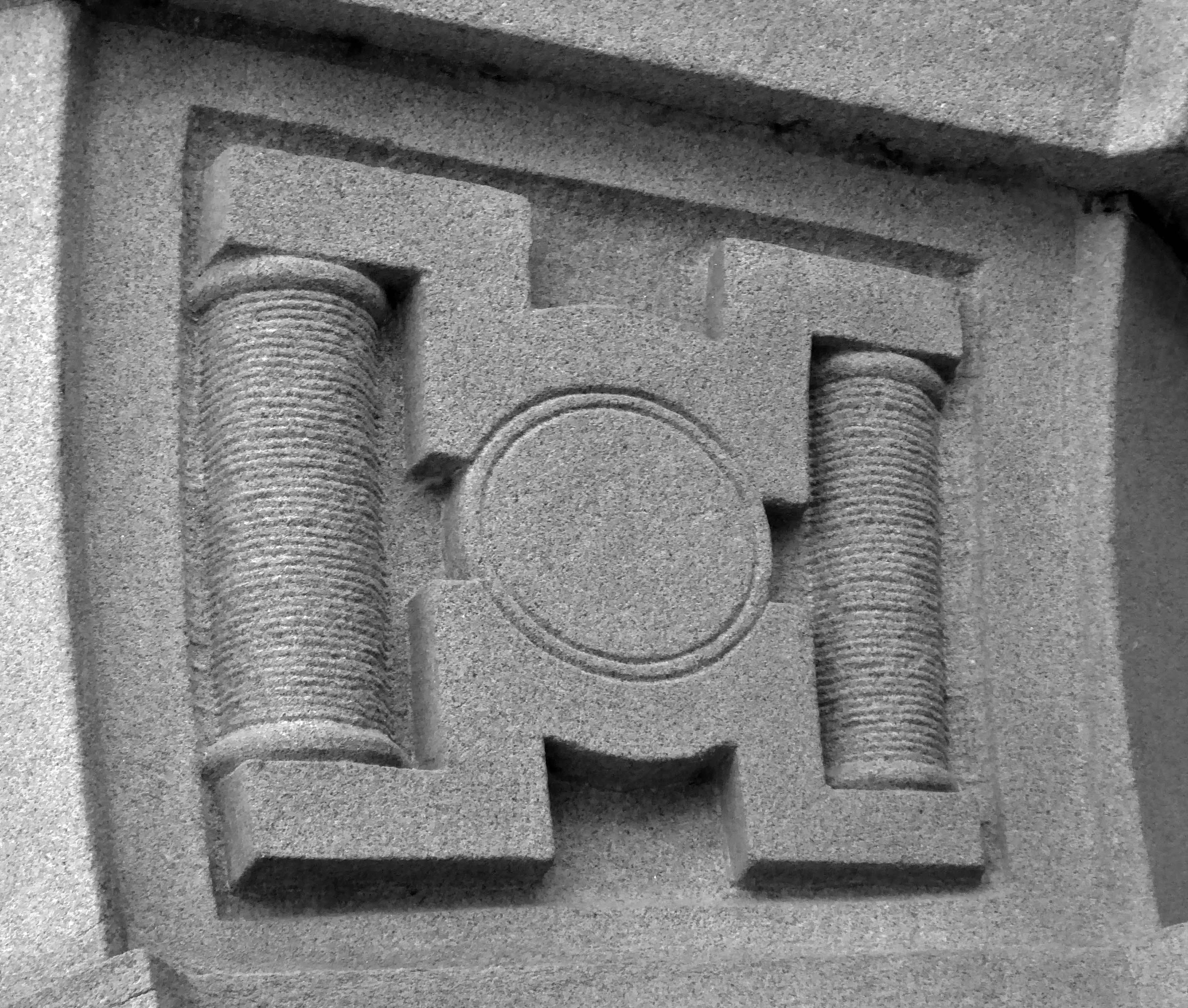
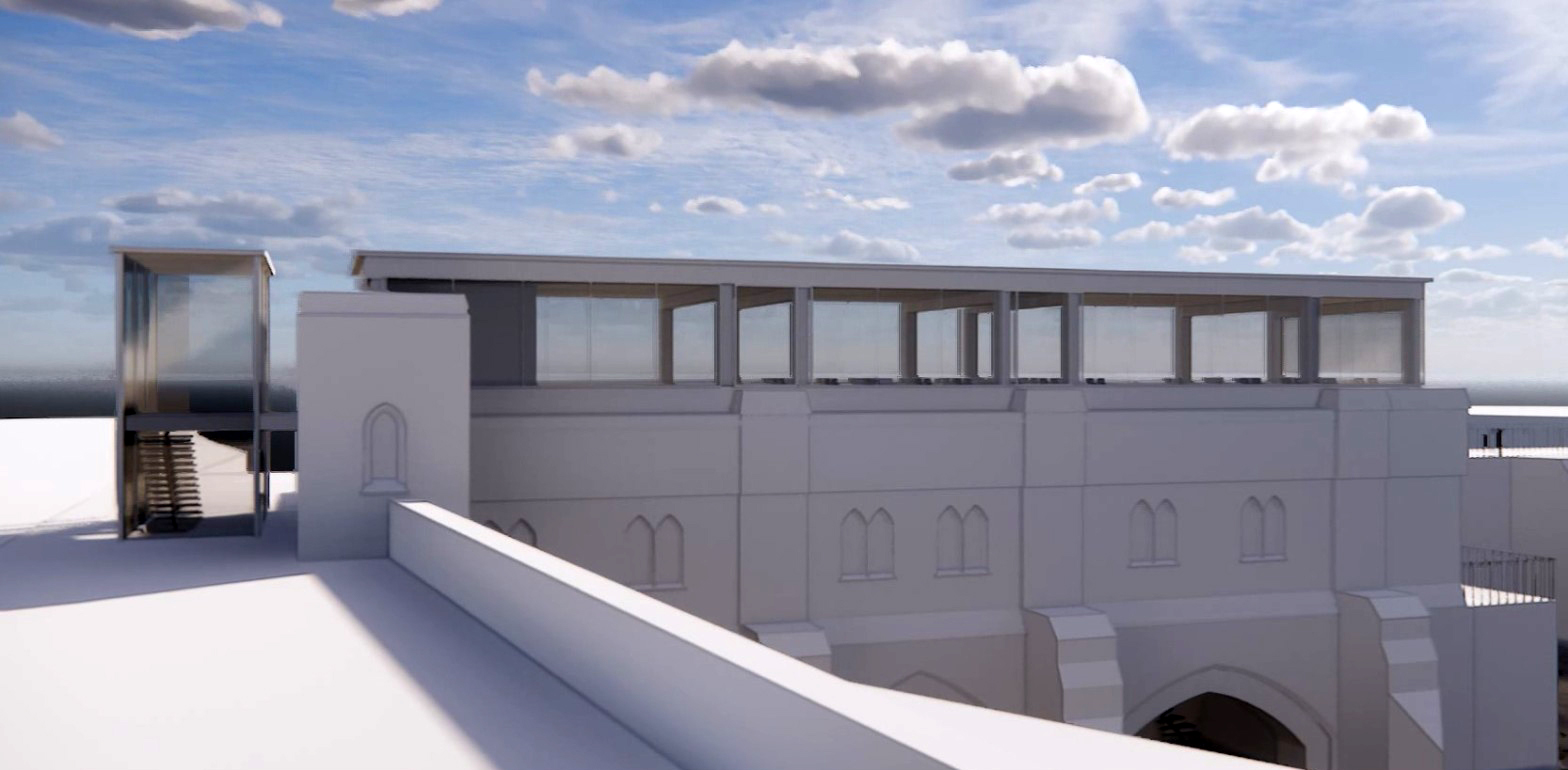
The pumping house is to become a visitor’s centre – named the Hydro Hub.
Singin through you to me
Thunderbolts caught easily
Shouts the truth peacefully
Electricity
Don van Vliet






 Modern Mooch