Keele University occupies a six hundred and twenty acre rural campus close to the village of Keele and comprises extensive woodlands, small lakes and Keele Hall in the historic Staffordshire Potteries heartland.
The estate was originally given by King Henry II of England to the Knights Templars, AD 1180. When the Templars were condemned and dissolved by the Council of Vienne in the time of Pope Clement V AD 1311, their possessions were annexed by the Knights Hospitallers until their dissolution by Henry VIII.
The estate was purchased from the Crown by the Sneyd family in 1540 and remained in their property until acquisition by the Stoke-on-Trent Corporation in 1948.
The first Keele Hall was built in 1580 and it was rebuilt in 1860. The Hall is a major conference, wedding and banqueting venue and has Grade II listing from English Heritage for its architectural importance.
The University itself was founded as the University College of North Staffordshire in 1949 and received its Charter as the University of Keele in 1962.
By 1969 Keele University was being described as “the most original innovation in British university education in the 20th century”.
Students Union 1961-62 Stillman & Eastwick-Field enclosed and extended 1975.
Walter Moberly Hall 1954 JA Pickavance with honorary architect JR Piggott Stoke on Trent City Architect.
Walter Moberly was a British academic who, as Chairman of the University Grants Committee, played a significant role in the creation of Keele University.
It was an essential feature of the Keele experiment for the entire student body in the Foundation Year to gather here for lectures. It was also vital to the social and cultural activities of the community of scholars, being used for lectures, plays, debates, concerts and other events requiring a large auditorium.
Dorothy Hodgkin
Dorothy Mary Hodgkin OM FRS was a British chemist, credited with the development of protein crystallography. She advanced the technique of X-ray crystallography, a method used to determine the three-dimensional structures of biomolecules.
HornbeamBuilding an extension of 2015.
Huxley
Central Science Laboratories 2018-19 Halliday Meecham Architects
Jack AshleyBuilding
Jack Ashley was MP for Stoke-on-Trent South for 26 years, from 1966 to 1992. In December 1967, Ashley lost his hearing as a result of complications from a routine operation to correct a perforated eardrum. He was persuaded to retain his seat in the House of Commons, electing instead to take a crash course in lip reading. He thus became the first totally deaf MP. Ashley was a lifelong campaigner for the disabled, especially the deaf and blind. He led high profile campaigns, including the campaign for improved compensation for victims of thalidomide, vaccine damage and damage done by the arthritis drug, Opren. In 1986, he and his wife founded the charity Defeating Deafness.
Following his retirement from Parliament in 1992, Ashley was made Baron Ashley of Stoke.
The Huts
British troops arrived at Keele Hall during 1940 and an army base was built to house troops evacuated from Dunkirk.
The Huts provided memorable and very comfortable homes for Keele students from the 1950s right into the 1970s
Richard Henry Tawney was an economic historian, social critic and proponent of adult education, whose writings had a profound influence on Lord Lindsay, the founder of Keele University.
This and the Walter Moberly Building were originally planned as the first two buildings in a quadrangle, emulating the typical design of many American liberal arts colleges. Lindsay drew much of his inspiration for Keele and his educational philosophy from this American model of higher education which was characterised as the search for truth in the company of friends”.
Chancellor’s Building 1962-66 Shepheard Epstein & Hunter extended 1977.
The tour of the academic buildings ends at The Chapel 1964-65 George Pace.
The majority of housing was two to four storeys in height with the exception of this now empty point block.
The site includes this butterfly roofed Warden’s House.
Lindsay Hall 1961-64
This winged block has more of the interwar styling than the Sixties.
There is a whole group of low rise blocks which are currently tinned-up.
At the centre of the site The Hexagon –
Open 24/7 with WiFi, TVs and vending machines, and all students can use the facility – you don’t need to live in halls.
Adjacent are the Lindsay Studios.
Special mention is reserved for the Crime Scene House.
Having a crime scene house allows us to provide context to our teaching and gives you experience in a typical environment encountered by a forensic scientist.
The Innovation Centres were built in 2000-4 by Hulme Wright & Partners.
IC1
IC2
IC3
IC4
Denise Coates Foundation Building 2018-19 BDP – principal architect Sue Emms
The award-winning Caudwell International Children’s Centre is the UK’s first purpose-built centre for multi-disciplinary therapy for childhood disability and research of neurodevelopmental conditions including autism.
Harper and Keele Veterinary School 2020-21 Jefferson Sheard.
Launched in 2020, the Harper and Keele Veterinary School is committed to equipping a new generation of vets with the skills and tools to thrive as professionals and contribute to animal, human, and planetary health. Drawing on the combined expertise and resources of Harper Adams University and Keele University, together with a vibrant network of veterinary practice partners, students benefit from practical experience and clinical skills from the outset.
IC7 designed by HLM Architects, working with Tetra-Tech, Poole Dick, Currie & Brown and William Bailey, and constructed by Bowmer and Kirkland
Innovation Centre 7 brings together small and medium sized digital enterprises, experienced academics and state-of-the-art digital infrastructure all under one roof, providing tenants with unique access to the facilities, industry links and burgeoning student talent pool of future employees that will lead to the competitive advantages needed to innovate, expand and succeed in emerging digital markets.
X1 has launched the first phase of its major Manchester Waters development on the outskirts of the city centre. The development will be delivered in partnership with property developer and landowner Peel and is located on Pomona Island. Phase one will include 755 flats, with the first completions scheduled for 2019.
Thus far phase one has arrived, other phases less so.
A Covid induced hiatus has meant that the masterplan has hit the buffers.
The revamped masterplan, covering almost 25 acres of currently underdeveloped brownfield land, would transform around 60% of the masterplan area into public realm and open space to help promote active lifestyles and the natural beauty of the waterfront site which is surrounded by the Manchester Ship Canal and the Bridgewater Canal.
Over time there has been resistance to the tidal wave of regeneration that is sweeping down the Ship canal engulfing Pomona Island.
Save Pomona are a group of Manchester/Salford and Trafford residents committed to seeing the future of Pomona be a community based and sustainable one rather than a purely commercial one that benefits only a few.
Last Thursday, campaigners aiming to save the old dockland site across the Manchester Ship Canal from Ordsallheld a Pomona Day, and yesterday it was the Pomona Festival as the community turned out to view the wildlife and flora that has sprung up on the abandoned dockland site.
Peel have already cleared most of the scrub, before they submitted the planning application, probably because they know they can get away with it and because they think there is less chance of objection from the public.
Several Years ago Martin Zero celebrated the flowers and fauna in video from.
However the overwhelming might of Peel Holdings, along with the collective commercial imperatives of the local Local Authorities, has proved to be an unstoppable force, with few unmovable objections.
Friday July 4th 2025, I happened to slip through the often locked gates at Cornbrook, to take a look at the current state of play. Over time the site has been mechanically scraped and cleared, but the undergrowth simply grows back again.
Aged five or six I was given a plastic Tommy Steele guitar for Christmas.
I was so excited, that I insisted on running down the road, to show it off to my pal Colin Fearns. Setting off apace, then within moments I fell head first onto the wintry flags, crushing the instrument beneath me.
Well, I never felt more like singin’ the blues ‘Cause I never thought that I’d ever lose Your love, dear, why’d you do me this way Well, I never felt more like cryin’ all night ‘Cause everythin’s wrong, and nothin’ ain’t right Without you, you got me singin’ the blues.
This tragic toddler Tommy Steele related incident apart, my 1950’s childhood was relatively happy, nothing really to bring on or sing the Blues.
Some years later, I eventually got hold of a cheap boxwood acoustic guitar, bought from Jones’s Music Shop in Ashton.
Add a copy of Bert Weedon’sPlay in a Day and we are away, though Bert chose to eschew the blues – is there still a tavern in the town?
The story begins here, possibly.
In our early teens, school pal Clive Gregson and I discovered a Chess songbook, probably in the Music Exchange on Portland Street Manchester.
It included this Sonny Boy tune, its title at the time completely shrouded in mystery, what does it all mean?
It tends to mean you’re doing something that only ends up helping somebody else and doesn’t end up helping you.
Having never ever heard the tunes, we attempted to play the blues in our own inimitable style. Rehearsing and performing at Albion Schools on Crickets Lane in Ashton. We had acoustic guitars, and a tape recorder microphone, which was sellotaped to a brush stale, and plugged into a small, yet unreliable amp.
The microphone belonged to a Fidelity Argyll Minor reel to reel, my dad had won it in a sales promotion at Mothers Pride, where he worked. Sadly, no recordings of our bluesy efforts were ever preserved on tape.
The story begins here, possibly.
The cover image of Chicago tenements was taken in April 1941 by Russell Lee, for the Farm Security Administration.
A CBS double LP which I purchased from the record racks of a newsagents in Stamford Square, Cockbrook, Ashton under Lyne – it’s no longer there, and the LP is long gone too.
Coincidentally, in 1972 I used Russell’s image, as the background to my A Level Art pictorial composition exam piece, painted within a stone’s throw of the Ashton College of Further Education.
It’s three thousand, eight hundred and ten miles from Ashton to Chicago, but the music reached out to me across the wide Atlantic Ocean. I listened intently to the bluesy grooves, picking up some fingerpicking from Mississippi John Hurt along the way.
Police officer, how can it be? You can ‘rest everybody but cruel Stack O’ Lee That bad man, oh, cruel Stack O’ Lee.
It’s four thousand, three hundred and fifty one miles from Ashton under Lyne to Mississippi.
In addition to Paul Oliver’s record compilation, I read his Jazz Club books, borrowed from Ashton Library, later buying his book which went with the LP.
In the late 1960s, there was no easy access to blues music, the TV shop in the Precinct had carousel which contained a variety of Marble Arch Chicago compilations, licensed from ChessRecords.
On the radio there was Mike Raven and his R’n’B Show – mixing soul blues and such on Radio One from 1967 to 1971. Real name Austin Churton Fairman, disc jockey, actor, sculptor, sheep farmer, writer, TV presenter and producer, ballet dancer, flamenco guitarist and photographer.
Mike was then superseded by Alexis Korner who in 1978 started to present his Sunday evening blues and soul show on Radio One, which ran until 1982.
Manchester has always had an affinity with the blues – record collectors, promoters and buffs encouraging performers to fly over to perform at the Twisted Wheel and the MSG.
The story really begins here.
In 1970 aged fifteen I went along alone to the Free Trade Hall to see this show.
Sister Rosetta a force of nature slinging a Gibson around with righteous verve, a white Les Paul Custom, in 1961, Gibson redesigned the Les Paul model with a thinner, lighter body, a flat top, and beveled and pointed double cutaways. After Les Paul rejected the new design, Gibson rebranded it as the SG Solid Guitar Custom model, and it became the company’s high-end solid body of the early 1960s
Her guitar serial no. 3749, is held in the Metropolitan Museum of Modern Art.
Larger than life in every sense, her soaring voice and hot licks filling the hall with love. It seems extraordinary now to imagine that these giants of Black American music were right here in our town.
Coincidentally and curiously Sister Rosetta had recorded a Granada TV show in Manchester, at the now disused Wilbraham Road Station on 7th May 1964.
The musicians boarded the ‘Blues and Gospel Train’ at Central Station. When the train reached Chorlton everyone alighted and the gig took place. right on the platform. Whilst waiting for the train to turn up it poured with rain, giving Sister Rosetta a chance to play an impromptu ‘Didn’t it Rain?’
Willie Dixon was the walking bass behind so many Chess sides, along with production and songwriting credits.
Fronting upon the band was Walter Hortonknown as Big Walter or Shakey, long lean and besuited he blew and blew, that wail, chilling and spare, his huge hands enveloping and vamping, with just a touch of reverb.
On drums Clifton James, that cool behind the beat rhythm section that typified the Chicago sound, laconic and lean sounding.
American Folk and Blues Festival Copenhagen 1964: Jan Persson/Getty Images
Lafayette Leake on piano, bending and twisting notes at will.
Lee Jackson on guitar, a player whose style pushed forward the role of the electric blues.
Photo: Alex Küstner
Champion Jack Dupree became a citizen of Halifax, during the 1960’s, Champion Jack and his American station wagon were a familiar, if unusual, sight around Ovenden. Jack had met and married a local girl, Shirley, and their Ovenden home became the base from which he continued touring.
Loved that Crescent City rolling piano style and his sonorous voice.
The stand out artiste for me was Bukka White, the sound of the Delta in downtown down-home Manchester. I was familiar with his recording of Parchman Farm Blues from the Story of the Blues. Along with Son House and Skip James, earlier still Charlie Patton, developing a high lonesome singing style, accompanied by a rhythmic resonator guitar, a chilling sound that cuts right to the heart of your heart.
Here was a sixty four year old man, miles from home, sitting alone on the stage.
His father John White was a railroad worker, and also a musician who performed locally, primarily playing the fiddle, but also mandolin, guitar and piano, gave Booker a guitar for his ninth birthday.
Back home in Aberdeen in October, he was arrested and charged with murder over shooting a man in the thigh. He was tried on 8th November, convicted of murder and sentenced to life imprisonment, to be served in Mississippi State Penitentiary, commonly known as Parchman Farm, he was released after serving two years.
In 1959, White’s recording of “Fixin’ to Die Blues” was included on the album The Country Blues, compiled by Samuel Charters for Folkways Records to accompany his book of the same name and a key element in the American folk music revival of the late 1950s and early 1960s. Bob Dylan included a cover version of the song on his first album, released in March of 1962. Dylan’s cover aided a rediscovery of White in 1963 by guitarist John Fahey and his friend Ed Denson which propelled him into the folk music revival. Fahey and Denson found White when Fahey wrote a letter to White and addressed it to “Bukka White (Old Blues Singer), c/o General Delivery, Aberdeen, Mississippi”, assuming from White’s song “Aberdeen, Mississippi”, that White still lived there. The postcard was forwarded to Memphis. Fahey and Denson traveled there to meet him, and White and Fahey remained friends for the rest of White’s life.
Wikipedia
Miles and years apart in terms of time and life stories, we remain immensely moved by the music of long gone blues musicians, all of whom laid down the foundations of most popular music.
Beginning with our arrival at Southport Railway Station – noting the striking internal structures.
The redevelopment of the station in the 70s, along with the attached retail elements was the work of Richard Seifert & Partners.
The applied mosaic identical to that used on the architect’s Hexagon Tower.
The Liverpool, Crosby and Southport Railway line was extended on 5 August 1851 to the current station which opened as Southport Chapel Street. At its largest, Chapel Street station had eleven regular platforms and two excursion platforms. Now six truncated platforms are in use – platforms 1-3 for Liverpool trains & 4-6 for Manchester, the rest having been demolished and the land used for car parking. In 1970 the former terminal building was replaced with a shopping centre.
Exit the station to your right and proceed right along London Street to the concrete footbridge
Backtrack along London Street turning right into Haweside Street, where we find the Telephone Exchange.
Next to the Southport College buildings of formerly the Southport School of Arts and Crafts, former students include Frank Hampson and Marc Almond.
Architects Cruikshank & Seward 1935
Turn right into Hoghton Street and left onto Manchester Road where we find the Fire Station part of a body of buildings which includes the Police Station and Magistrates’ Courts, the approved designs were unveiled on 19th May 1936.
The original fire station was demolished and this iteration constructed.
Architects – SN Cooke, I Wynne Thomas & R Dickinson of Birmingham. The complex was constructed from 1938-40 by Messrs Tyson Limited of Liverpool.
The magistrates’ courts opened in February 1941 without a formal ceremony due to the country being at war, and also concerns that the building might be requisitioned for the war effort. An extension was added to the front west corner of the magistrates’ court building in the 1970s and all the windows were replaced in the late 1980s/early 1990s.
There is also a group of contemporary houses on Court Road.
Around the block we arrive at Sandown Court – my extensive research shows the flats were a location for the Norman Wisdom film What’s Good For the Goose, a saucy serving of seaside slap and tickle.
Across the roundabout another residential tower.
Heading back along Lord Street to The Grand a Grade II listed building – originally built in 1923 as a garage and car showroom, it was converted into a luxury cinema in 1938 by architect George E Tonge. The Grand Cinema opened on 14th November 1938 with Arthur Tracy in Follow Your Star.
The Grand Cinema closed on 2nd July 1966 with Sean Connery in Thunderball and Peter Cushing in Hound of the Baskervilles. It was then converted into an independent bingo club, it was last operated as the Stanley Grand Casino, and from 2007 became the Mint Casino, but this was closed by May 2016.
We have a ‘smart casual’ dress code in our bars and restaurants at The Grand, so we kindly ask that you refrain from wearing caps, ripped jeans, sportswear, trainers, or shorts after 6pm.
Next to the substantial War Memorial.
The memorial was designed by the local architects Grayson and Barnish, and the carving was executed by Herbert Tyson Smith. It was unveiled in 1923 by the Earl of Derby. Following the Second World War and subsequent conflicts further inscriptions and names have been added. The memorial is designated Grade II* listed building.
Turning into London Street we encounter this Art Deco delight – This newspaper advert is from the Formby Times, dated 21 October 1950, when the building had been taken over by Hepworths. According to them it opened about 1931 as Parkhouse, men’s tailors, later Hepworths. By 1958 it was a hairdresser’s – Andre Bernard, which lasted at least until the 1970s.
Back at the railway station we can see the shops which embrace it.
Architects Richard Seifert& Partners 1970
The following the pedestrianised retail area – we pass the Marks & Spencers next to a formidable slate frontage, and inevitably a Burton’s.
Southport Co-operative 1930 architect – WA Johnson
Ribapix
Turn right into Eastbank Street and back to Lord Street.
Garrick Theatre 1932 architect – George Edward Tonge
The Garrick Theatre was sold to the Newcastle upon Tyne based Essoldo Cinemas chain in January 1957 and the follow-spot box was converted into a projection booth. It opened as a cinema on 21st January 1957 with Elvis Presley in Love Me Tender and Maureen O’Hara in Miracle on 34th Street. It was briefly re-named Essoldo in the late-1950’s, but the Garrick Theatre name was soon re-instated. There were occasional stage shows, but these were not a success and from May 1962 it screened films only. During 1963 bingo was introduced on Sundays and Fridays. On 16th November 1963 it was closed as a cinema with the film Tom Jones starring Albert Finney. It was converted into a Lucky 7 Bingo Club – from 1984 a Top Rank Bingo Club and finally Mecca. It was closed in March 2020 due to the Covid-19 pandemic.
Redevelopment of the grade two-listed Garrick building on Lord Street in the town centre will include 12 apartments.Change of use plans for the venue, submitted by developer Garrick Southport, and approved by Sefton Council’s planning department, also include a pool, retail units, gym, box office, and a bar and restaurant.
A theatre area and performance space are at the heart of renovation plans for the mixed-use scheme.
Back along Lord Street, turning left into Nevill Street – site of the former Thorps Café.
Onwards to Southport Pier and Funland.
Southport Pier opened in August 1860, it is the oldest iron pier in the country. Its length of 1,108 m makes it the second-longest in Great Britain, after Southend Pier. Although at one time spanning 1,340 m, a succession of storms and fires during the late 19th and early 20th centuries reduced its length to that of the present day.Grade II listed building, first listed on 18 August 1975.
Turn left out of the station, under the track and right onto Chester Road.
426 Chester Rd Old Trafford Stretford Manchester M16 9HD
The Veno building, was once a pharmaceutical company founded by William Henry Veno. He established a company in the US before returning to Britain and founded the Veno drug Company in Manchester in 1898. In 1925 the company was sold to Beecham Estate and Pills Ltd. In the 60s the building was under the name Progress House and was home to the Co-Operative Press Limited, later to become Trafford Press.
Westpoint501 Chester Rd Old Trafford Stretford M16 9HU
Located in the heart of Trafford, Westpoint provides residents with a modern and stylish living experience, with views over Manchester United’s football ground and the city centre. Featuring an on-site gym, co-workspaces and a residents’ lounge, Westpoint is one of our most popular buildings and utilises energy-efficient technologies that provide a sustainable living experience.
Trafford Bar
You have reached the next station on foot – rather than retreating to Cornbrook.
Turn left into Seymour Grove.
Paragon House 48 Seymour Grove Old Trafford Stretford M16 0YH
Paragon House is located in the heart of the Trafford Civic Quarter which benefits from a 5 minute drive into the centre of Manchester and only 3 minutes away from Trafford Bar Metrolink station. The Paragon House scheme involve the conversion and full scale refurbishment of an existing office building to create 115 one and two bed apartments.
Back to the station.
Old Trafford
Oakland House 76 Talbot Rd Old Trafford London Stretford M16 0PQ
Oakland House is a landmark building providing high quality office space at the heart of Old Trafford. The property has an impressive entrance and reception area which includes brand new signage and contemporary seating, along with recently refurbished toilets and common areas throughout. The building also benefits from an onsite multi storey car park at the rear to provide an excellent car parking ratio as well as an onsite café.
97 Talbot Road former British Gas HQ originally developed for Norweb in the 1980s.
The sitefeatures a two-storey 5,730 sq ft building, making it ideal as a training centre, as well as a separate storage/workshop facility.
A recent refurbishment upgraded the accommodation to provide excellent floor heights and communication infrastructure, collaborative working areas, a staff canteen, cycle stores, showers and a biomass boiler with back-up generator to ensure a constant energy supply in the event of a power loss.
We identified a long abandoned office building with a perfectly located home on Talbot Road, close to Old Trafford Metrolink, and just minutes from the City Centre. Surrounded by celebrated suburbs, our development story in Trafford was born.
Trafford Town Hall Talbot Rd Old Trafford M32 0TH
Built 1933 with 1983 extension, designed by Bradshaw Gass & Hope of Bolton and built by the main contractor Edwin Marshall & Sons Ltd. Built of red Ruabon brick in Flemish bond on a steel frame, with gritstone dressings, and a mansard roof with slate on the lower part and plastic above. It has 2 storeys plus attic floor and basement, and is set in landscaped grounds with a sunken garden to the west. The 1983 extension is not of interest.
Duckworth House Bruntwood Works Lancastrian Office Centre Talbot Rd M32 0FP
Beautiful views across the Lancashire Cricket County Club and an exclusive roof garden promotes wellbeing and calm, brightening every day.
Located on Talbot Road, Lancastrian is a convenient 10-minute drive from Manchester and Salford via Chester Road. On-site parking is available for you and your visitors, and the Old Traff ord tram stop is less than half a mile away.
The Longford Cinema was opened on 12th October 1936. Designed by Henry F Elder of Roberts, Wood and Elder of Manchester, it was operated by the Jackson & Newport Ltd. chain.
It was taken over by the Newcastle based Essoldo Chain in August 1950, and renamed Essoldo. It was closed in September 1965 and was converted into an Essoldo Bingo Club, later becoming a Top Rank Bingo Club.
Stretford Mall has been at the heart of the town. Opened in 1969, it replaced the traditional shopping district centred around the former King Street. At the time of its opening, it was the sixth largest indoor shopping mall in the country.
Stretford Mall, or the Arndale as it was known at the time, was opened six years ahead of the Manchester city centre location, and was the sixth biggest shopping mall in the country at the time.
Over the years the story that Mohammad Ali opened the centre has been ingrained into the fabric of the community, although he actually visited to promote malt-based bedtime drink Ovaltine!
The masterplan proposes to reconnect the town centre. To integrate residents, parks, public transport and the canal with the existing shopping centre for a safer, cleaner and greener Stretford. A series of smaller projects will put this into action. Re-invigorating the 1969 shopping centre and high street, greening the centre, opening up routes along the canal and delivering up to 800 new homes.
Stretford House Chapel Ln Stretford Manchester M32 9AZ
Completed in 1968 at twenty three floors, Stretford House on Chester Road was for many years one of Manchester’s tallest residential buildings. The architects Cruikshank and Seward are also known for some of the city’s ‘s best twentieth century architecture, including the Renold Building at UMIST.
The building has been refurbished both inside and out and offers flexible floor plates, on-site car parking and a dedicated customer service team to ensure the smooth operation of the building. The ground floor of the building is occupied by two prominent retail units occupied by Majestic Wine and Ducati Motorbikes, with office accommodation on the upper 3 floors.
Designed by the famous British cinema architectural firm, Drury & Gomersall, the Pyramid Theatre is a classic example of an Egyptian-style cinema in Britain and had a 1,940 seating capacity.
The Pyramid Theatre was designated a Grade II Listed building in November 1987.
The circumstances in which the Pyramid at Sale in Cheshire was built were far from simple. The scheme was instigated by local entrepreneur John Buckley, who, having spent £5,000 on the site and commissioned a striking Egyptian‑influenced design from Drury and Gomersall, was not going to be put off from erecting the building by such a minor detail as the refusal of a licence. The refusal was brought about by protests from local churches, the police and rival cinema owners. The building was ready to open by the start of 1934, but still the local authorities refused to grant Buckley a licence to open his Egyptian dream palace. The disgruntled showman responded by organising a massive publicity campaign and a petition, which eventually garnered 18,853 signatures. This stratagem finally forced the hand of the urban district council, who claimed that they had refused the licence because they had no evidence that another cinema was needed. Now they had no such doubts, the licence was granted.
Opened on 10 July 1935, the Lido complex included a covered swimming pool, 130 feet long; domed solarium with facilities for natural and artificial sunbathing; café/restaurant; and lock-up shops. The pool could be covered over to form a dance floor during the winter months. The front elevation was clad in cream and green faience. In the sixties The Lido was taken over by Mecca and re-named the Locarno Ballroom, later Mecca Bingo – since closed.
Dine at fan favourites, and remember, good times aren’t just for weekends. Whether you’re after a caffeine fix, bar to prop up or even a pop-up gallery space, we’ll keep you busy any day of the week.
And if shopping’s your bag, we have it all. You’ll find household names rubbing shoulders with indie traders, alongside a curated mix of nail bars, barbers, greengrocers and all sorts in between.
Stanley Square is a unique take on the traditional shopping centre. We’re creating an eclectic destination where a-bit-of-anything goes, and the people are pride of place. You’ll come for the culture, and come back for the community vibe.
The building was hit by a series of German incendiary bombs on the night of 23 December 1940 during the Manchester Blitz, a part of the Second World War: there were no injuries but the building was badly damaged. A programme of restoration works, which included the installation of a new clock tower with cupola, was completed in 1952.
Brooklands
Turn left onto Marland Road, then left onto Washway Road.
Turning right into The Avenue, where we find at Wincham Road Sale M33 4PL
Take the wet steps to the right ascending to Woodlands Road.
Where you will find the Altrincham Methodist Church.
Barrington Rd Altrincham WA14 1HF
Continue along Barrington Road to Station House.
Stamford New Rd Altrincham WA14 1EP
Station House is a welcoming workspace in the centre of Altrincham situated adjacent to the Metrolink, rail and bus stations, and is just a couple of minutes walk from the retail amenities of the town centre. It boasts a newly refurbished reception and lounge area which is ideal for collaboration space. The building offers secure car parking, a manned reception and on-site building manager.
With the desire to have a more public face, Ferrious took on the present showroom in 2018 and after extensive restoration the new showroom opened in March 2019. Ferrious is still led by Jeremy and Paul and in 2021 it will be thirty years since they first joined forces. With those thirty years of experience, along with an incredible team of talented Interior Designers who live and breathe design, Ferrious will ensure every part of your experience, either long or short, is professional, enjoyable and filled with exceptional knowledge.
Turn right into Regent Road, then left into New Street, sadly these flats are due for demolition.
To make way for the new apartments and townhouses off New Street, Trafford Housing Trust will have to demolish six 1960s-era apartment blocks. The apartments have structural issues and need new windows and doors.
Joint Post Office and Ministry of Public Buildings and Works Research and Development Group – JRDG.
The JRDG’s aim for the Altrincham Telephone Exchange, was to ‘design a scheme based on a simple form of construction capable of erection within the ordinary resources of the normal run of building contractors, and entailing the minimum of maintenance and running cost’ [3]. The structural solutions were carefully evaluated with regard to both operational efficiency and the economy of layout and construction. The apparatus room was formed from a light streel frame, a simple timber joist roof and non- loadbearing cavity brick walls. The external walls to the ancillary accommodation were formed of loadbearing cavity brickwork, and the heating chamber and fuel store fitted with a concrete roof as a fire precaution. Continuous windows at high level on all sides of the apparatus room were designed to provide the best daylight conditions and the butterfly roof, designed to lead daylight into the centre of the apparatus room, formed a distinctive architectural feature.
I alighted excitedly from the X43 outside the Mechanics Institute – je suis arrivé!
Across the road Chaddesley House, former Council Offices.
London-based Jacob Fekete has applied for planning approval to convert Chaddesley House, 56 Manchester Road. He tells Burnley Council planners the move could attract other investors to the town.
The St NicholasHealth Centre on Saunder Bank, built at a cost of £160,000 was officially opened on Saturday, 17th February 1973, it was demolished in 2008 at a cost of £1.3m
Concentrating a multitude of services under one ultra-modern roof, the centre is to be established on a now semi-derelict site on Saunder Bank at the rear of Chaddesley House.
The new centre has been designed in the offices of the Borough Engineer and Surveyor – Mr E C Ashby under the direction of the Deputy Borough Architect Mr F Staziker.
A view looking across Burnley towards Centenary Way and Burnley Wood, taken from the Town Hall – 1982.
Red Rose Collection
The New Temperance Hall and Social Rooms on Parker Lane was opened on Wednesday 8th December 1909. Above the newspaper announcement of the opening ceremony, there was an advertisement for Alliance Animated Pictures exhibiting there nightly at 7:30 pm.
By 1948 the cinema had been acquired by the small local cinema circuit, Northern Operators Ltd., whose offices were at the Pentridge Cinema on Holmes Street. The Temperance Hall was listed in 1954, and was advertising in December 1954, but closed before 1957.
Cinema Treasures
Over time there were seventeen cinemas in Burnley:
Back toward the Police Station – 1951-1955 Bradshaw Gass and Hope.
A few doors down we find Ashworth House
Burnley Building Society was founded in 1850, in 1984, it merged with National and Provincial Building Society with headquarters in Bradford, These offices were built on the site of Salem Congregational Baptist Church which was demolished in 1973 and were subsequently occupied by Endsleigh Insurance for 25 years until 2016. The building was then sold and converted into flats.
Around the corner to the inter-war Classicism of the former Burnley Building Society offices.
Architects – Briggs and Thornley of Liverpool 1927-30 Grade II Listed.
Adjacent to the Central Library
Architect – George Hartley and built by Arthur Race Borough Engineer 1928-30 Grade II listed
In 1971 A meeting was called by Alan Horsfall and Ray Gosling of the CHE – Campaign for Homosexual Equality, in cooperation with the Gay Liberation Front based in Islington. They joined forces wanting to open a social club for gay people, to have a safe place for them, somewhere they would not be subject to police raids, as those were happening frequently all over the country.
The new ramped entrance, along with these carvings which illustrate the town’s history, was added in 1993.
Opposite the library this sculpture Looking to the Future by Joan Moorethe mosaic base by MarekZulanski 1961 – commissioned by Burnley and District Chamber of Commerce to celebrate its Centenary Year.
Former Borough Building Society offices – architects: Harry S Fairhurst & Son 1959/60.
Over the way one of several low level retail developments which populate the town.
The most significant being the Charter Walk Shopping Centre, which we will explore further in a little while – putting the C into choices!
To our right the former Keirby later Brunlea Hotel – atop a varied retail podium, architect – H Hubbard Ford 1959-60
Built on the site of Grimshaw’s Keirby Brewery, which stood on the site of the hotel until it was demolished in1930.
The Keirby Hotel was built at a cost of £250,000 and opened in 1960. The hotel was built on the site of an old Brewery of the same name on Church Street. It was intended to be the jewel in Burnley’s crown, the only 4* hotel in Lancashire outside of Manchester and Blackpool.
When they were filming Whistle Down The Wind, Hayley Mills stayed there, but had to eat in her room as she had her lines to learn and her schoolwork to do.
To the right can be see the lost Odeon demolished in 1973 and now a retail development.
Architect – Robert Bullivant of the Harry Weedon practice.
They have taken over as the new tenants and are determined to make a success of the hotel that once welcomed the likes of James Bond himself, Roger Moore and the late singer, TV presenter and national treasure Cilla Black.
The currently dilapidated and condemned site will be completely transformed, paving the way for a state-of-the-art hotel and leisure complex that will “redefine luxury and excellence in Burnley”.
Mr Hagan, a prominent global cinema software company owner and a Burnley native, is spearheading the transformative project. “It is a great opportunity to invest in a strategic Burnley site,” said Mr Hagan. “I envisage building a 200-bedroom hotel, an amazing five-star luxury spa and wellness centre, an outstanding restaurant with a panoramic view, an aquatic visitor centre and supported by multi-level parking.
Across the way is the Sion Baptist Church architects: Gilling Dod & Partners 1961
Down the hill toward the car park.
Emerging onto Kingsway – site of the former GUS Offices.
Adorned by this adorable ceramic mural – by William Morris and Diane Humphreys 1969.
The Great Universal Stores building was built by the catalogue store as its headquarters on Bridge Street with work on the ambitious multi-storey project beginning in 1969.
What made the construction a challenge was that it was built in two halves – Parker Street at one time ran through the middle of it, before the two halves were joined together and the building was opened in 1970.
Home shopping firm Shop Direct announced in January 2010 that it was to close its Burnley call centre with the loss of 450 jobs. The company, which owns Littlewoods, Additions Direct, Very, Empire Stores and Marshall Ward, had been in the town for over 30 years, originally as Great Universal Stores but now known as GUS plc.
Meanwhile across the way Brun House sits imperiously white and slab-like.
Ministry of Works 1969
No longer occupied by the Department of Works and Pensions – it’s currently up for grabs.
Five storey office building constructed in approximately 1980 (sic) with open plan accommodation on all of its five floors. Stairwells at each end of the property and central core area roof which is a further stairwell and central toilets.
The site was redeveloped by Sainsbury’s and the facade retained.
Backtracking around the back of Kingsway House and down to the Market Square.
On 7th January 1961 a report in the Burnley Express reported that there were arguments amongst members of Corporation members regarding the redevelopment of the town centre specially to do with the Market Hall and surrounding shops.
Which has lost its fountain, sense of humour and architectural integrity.
Along with the cinema.
Located in Burnley, Lancashire, in the Market Precinct of the new Charter Walk Shopping Centre. The Studio 1 & 2 was opened in July 1970, by the Leeds based Star Cinemas chain.In 1972 another screen was added, and it was re-named Studio 1, 2 & 3.
It was later closed, and in 1985 was taken over by an independent operator. The Studio 1, 2, & 3 was closed in January 1988. There were plans to re-open it in 1994, but this never happened, and it was demolished in 2018.
A single foyer and booking office serve the twin cinemas, which are the last word in luxurious design and lush furnishings – with studio 1 offering a new style ‘floating screen,’ with psychedelic lighting between films instead of a curtain screen.
Architects – Bernard Engle & Partners along with J Seymour Harris & Partners.
On the 18 November 1969crowds of shoppers braved yesterday’s cold to witness the new market’s debut – and to have the privilege of being among the first customers to Burnley’s £600,000 trading complex.
Coun. Bailey, who described the new market as ‘a glittering jewel’ in the setting of this great new modern development, was the man who made history not only by opening the building, but by making the first purchase – a nightdress for his wife.
Inside the entrance are delightfully obscured delightful mosaics.
The interior is lit by north facing windows set in a curved sawtooth roof.
Down the back stairs two delightful figurative mosaics by Kramer Hart.
Back out on the street and around the bend this above the Greggs decorative brick motif.
There are now plans to reshape the town centre yet again.
Enhancing and developing Burnley town centre’s role as a sub-regional commercial centre is a key objective of the plan. In line with the requirement of the National Planning Policy Framework to provide for sustainable development, the Local Plan establishes Burnley Town Centre as primary focus for retail, office, leisure, civic, and cultural uses for the Borough.
Everywhere has a Burton’s and Burnley is no exception.
Around the corner the former Martins Bank – Architect: Mr J E Wadsworth of Samuel Taylor Son & Platt 1963.
Around the corner to the Central Methodist Church – the Victorian chapel was demolished in 1965 and the new Central Methodist chapel was constructed.
The Church was designed by Burnley architects Samuel Taylor Son & Platt – my thanks to Heather at CMC.
Empire Buildings a fine exemplar of that restrained Classical Moderne style, which we find in so many towns.
The Empire block, with its red, black and gold curtain windows, was built in 1928. It was designed by John Curtis & Son of Leeds and built by the Burnley Corporation to provide new council-owned shops. It faces what used to be the Empire Theatre.
Jack Nadin
The Empire Theatre still stands it is Grade II listed – former Empire Music Hall, Theatre of Varieties and Cinema.
It held the first film show in Burnley in December 1897, after the Lumière Brothers brought cinema to London in February 1896, and Harry Houdini performed at the Empire in December 1902. In 1930 the new Federated Estates Limited converted the Empire into a ‘talkie’ cinema.
The Empire continued as a cinema, and its last use for live theatre was in October 1966 when the Burnley Light Opera Company staged a production of The Merry Widow. The cinema closed in July 1970 and was modified to become a bingo hall. The building remained in use until 1995 and is currently empty.
A theatre and cinema, of 1910-1911, adapted and designed by Bertie Crewe from a former music hall and variety theatre, of 1894, and C19 cotton mill, with later C20 alterations.
The Burnley Empire Trust are aiming to make the stage house of the Burnley Empire wind and watertight so the charity can work towards putting the space back into community use.
A pair of type G EIIR pillar boxes outside the former post office – a development of an earlier 1968 design of square pillar box by David Mellor.
A curious modern confection, with a decorative brick facade encased in a concrete surround.
Next we are off in search of a Telephone Exchange.
There now follows a fairly lengthy stroll to the Crow Wood Hotel & Spa Resort – in search of the Charles Anderson Frieze.
Formed from precast concrete panels against expanded polystyrene moulds – it stands 150ft long and 9ft high. It was gifted from funds provided by the estate of local Cotton Manufacturer and major town benefactor, William Thompson. The Thompson Recreation Centre was a flagship symbol of progress for Burnley in 1973, but was demolished in 2006.
Fortunately, the frieze was carefully dismantled, stored and reinstated by Andrew Brown.
This time around I came to views the surrounding housing on Whitley Lodge Estate.
A mix of 1960s flat-roofed brick low rise, maisonettes and terraces with mathematical tiles, linked by concrete roads. Each home with its distinctive modifications, which express a longing for the comfort of a past which reaches back further than the 1960s.
We live in a land of Victorian carriage lamps, wishing wells and faux Georgian doors and door knockers.
Along with replacement windows, multiple cars and the over-cladding of cladding.
Whitley Lodge consists of a housing estate, the Whitley Lodge Shopping Centre – classified as a District Centre in planning terms and Whitley Lodge First School. The school is home to the Whitley Lodge Baptist Church which was established in 2007.
At the centre of Whitley Lodge is its shopping centre, which includes a snooker club, post office, estate agency, newsagent, soft play area, cafe, barber shop, fitness centre, Italian restaurant Davanti, the Kittiwake pub, Contour Blinds – window blind, shutter, awning and curtain specialists and a Tesco Express. The centre is also home to various takeaway establishments, including Tandoori Take Away, New Claremont Chinese takeaway, Dimitri Takeaway, and a Fish and Chip Shop.
I am oh so fond of 60s seaside estates, having visited Penrhyn Bay again and again
Welcome to my world Won’t you come on in? Miracles, I guess Still happen now and then
Step into my heart Leave your cares behind Welcome to my world Built with you in mind
Knock and the door will open Seek and you will find Ask and you’ll be given The key to this world of mine
I’ll be waiting here With my arms unfurled Waiting just for you Welcome to my world
This is a lost island of intertwined histories – of a father, family and friends.
It contained a lovingly collected, indiscriminate agglomeration of all sorts.
Printed ephemera, faded photos and souvenirs galore.
There’s nothing left for me Of days that used to be They’re just a memory among my souvenirs
Some letters sad and blue A photograph or two I see a rose from you among my souvenirs
A few more tokens rest within my treasure chest And though they do their best to give me consolation I count them all apart, and as the teardrops start I find a broken heart among my souvenirs
Bernard Smith was a bricky, known as Bernard the Bricky and also known as Joe.
So Joe built himself a party garage, to be shared with pals rather than cars.
A sangria Shangri-La.
It became a palace of fun for family and friends alike.
Joe died in 2014, but the fun carried on – but now the house has been sold.
My thanks to Bernard’s daughter Fiona for inviting me to record her dad’s den.
The party’s over and the palace’s treasure is off elsewhere.
The party’s over It’s time to call it a day They’ve burst your pretty balloon And taken the moon away It’s time to wind up the masquerade
Turning left from the main entrance/exit – old collides with new.
The open arches of the defunct platforms and One City Place.
RHWL Architects 2016
The station’s Italianate frontage of 1848 was designed by the architect Francis Thompson.
As the focal point of the Central Business Quarter, City Place is the most sought after address for businesses in the City.
Taking aspiration from its rich heritage and industrial foundations, City Place is located at the city’s gateway, adjacent to the recently refurbished Grade II listed Chester mainline Railway Station.
Crossing the wide open spaces of car parking we come to the currently tinned up Charterhall House.
A huge slab of half-hearted provincial Postmodernism.
Lloyds’ Chester staff relocated to Cawley House at Chester Business Park in 2019.
The site – offers potential for a new owner to refurbish or redevelop the properties for a variety of uses including residential and leisure, subject to planning, according to CBRE.
Former North West Securities HQ. elegant 1960s tower of 7 storeys – brick clad, with curtain wall glazing panels in part. Short elevation to street frontage with strong vertical emphasis provided by full height continuous window slots, set in projected concrete frame, tiled panels below each window.
Complete with coloured aggregate panels and novelty entrance, incorporating a double thistle motif.
To the left an almost incongruous group of industrial buildings, one with a delightfully rounded corrugated iron roof.
A familiar sight on our streets the PFI Job Centre – Chantry House.
The private finance initiative PFI is a procurement method which uses private sector investment in order to deliver public sector infrastructure and/or services according to a specification defined by the public sector.
The church is adjacent to three eleven storey blocks containing one hundred and eighty dwellings –Thackery Towers, Rowlands Heights and Haygarth Heights.
Seen here in 1987 – building contractor: Shepherd 1961
Over thirty years Pacino’s, Chester has been delighting customers with it’s intimate atmosphere, friendly service and consistently outstanding food.
Admirable ribbed concrete angled balconies.
Onward now to the Northgate Leisure Centre built in 1977 on the site of the former Chester Northgate railway station – which closed on October 6th 1969
Around the corner and under through Trinity Street.
Council owned office block Hamilton House.
The Gateway Theatre was opened: Friday 22nd November 1968, closed: Saturday 22nd February 2020.
Architect: Martin Graden of Michael Lyell Associates.
Demolition pending.
Goldsmith House Register Office.
The Forum Shopping Centre in Chester will close for good on New Year’s Eve.
The site will shut its doors on December 31st having been open since 1967 and refurbished in 1995.
The closure is part of the regeneration of the Northgate area of the city, which saw the recent opening of the new market and associated car park. Cheshire West and Chester Council confirmed it would be ‘exploring potential development options’ for the site ‘in the context of the wider review of the One City Plan for Chester’.
Onward to the Bus Interchange opened 30th May 2017.
The bus station has thirteen stances, and is designed to handle 156 buses per hour. It was designed by Jefferson Sheard Architects. It has been noted for its exceptional accessibility. Features include a Changing Places toilet, a tactile map endorsed by the Royal National Institute of Blind People, and a dual-height customer service desk.
A lost cinema with a historicist mock Tudor elevation and bulky brick behind – the former Gaumont.
Architect: William T Benslyn of Birmingham.
Opened – Monday 2nd March 1931.
Closed as a cinema, Saturday 9th December 1961, internally restructured, firstly to accommodate ten pin bowling/then a bingo hall.
Building now closed.
Further adventure in the subways with recent interventions to the landscaping.
We are planting real trees as part of the biodiversity relandscaping across the site. We hope the magnificent recycled steel structures will become an awe-inspiring beacon for transformation in the city of Chester. Educational interpretation and learning spaces around the site, supported by the visual impact of the SuperTrees, will educate visitors about the ecological crisis, and inspire them to make their own spaces biodiversity friendly.
The three murals have been made possible thanks to funding from the Office of Police and Crime Commissioner for Cheshire and the Safer Streets project and delivered by the team at Forest City Projects CIC in partnership with Cheshire West and Chester Council.
Back into the city centre to see the former ABC Regal cinema.
Architect: Willam R Glenn
Opened: Saturday 30th October 1937.
Closed: Sunday 16th December 10 with Ghost in screen one and Exorcist 3 in screen two.
Peter Davies writes – one of the most splendid ornate super cinemas in the city, the crown would be placed between the Gaumont or the Regal with locals arguing among themselves which was the most luxurious. Remembering them both well and working at the ABC Regal I would say without doubt that the latter was worthy of the crown.The wide auditorium and magnificent proscenium out shone the likes of the Odeon Leicester Square with ease. Everything within this cinema was of the finest quality and in the best of taste. It was one of the few triple A rated ABC cinemas.
Gutted.
Up around the bend to the Pepper Street car park.
The figure of a lion at its highest point, this site was originally occupied by the 19th-century Lion Brewery, and following its demolition a home was sought for its lion sculpture.
On leaving the railway station turn right – there’s and enormous social housing tower block named Elizabeth House.
Architect: John Middleton 1976-79.
Next door a noisy neighbour the former BritishTelecom – St George’s Tower now Premier Inn with its newly acquired cladding of many colours.
Photo Steve Cadman
Next to City Hall architects: Barnish and Silcock 1938- the modest opening ceremony took place on 7th November 1938.
Once home to the Electricity Board Sowrooms specially furnished with a model kitchen for housewives who are interested in the modern uses of electricity in the home. A special theatre also presented weekly cookery demonstrations and a Service Centre displayed, sold and hired out electrical appliances.
Opposite City Hall the former Assurance Insurance HQ now Ramada Hotel.
Adjacent Halford House – former Leicester Temperance Building Society.
It was partly occupied by the firm of architects who built it in 1955-1959, Pick Everard Keay and Gimson.
With its stunning clock surrounded by The Four Winds, by locally based artist Albert Pountney – he was head of sculpture at Leicester College of Art from 1947until 1960
Look out for the concrete planters known as Beckett’s Buckets – named for John Leslie Beckett, Leicester’s City Engineer and Surveyor 1941–64.
Up around the bend to the Curve Theatre Opened in 2008 by Her Majesty The Queen, designed by acclaimed architect Rafael Viñoly.
Originally designed and built in 1936 in the Streamline Moderne style by Robert Arthur Bullivant, and operated as an Odeon Cinema. The terracotta panels, which feature mermaids, were hand-moulded by William Neatby at the Lambeth premises of Doulton and Co.
The cinema was opened on 28th July 1938 with a screening of A Slight Case of Murder.
Grade II Listed August 1997 – the building has been restored and converted into a venue for corporate and social events renamed ATHENA.
Onward now to the Pfister & Vogle Warehouse – built in 1923 architects: Fosbrooke and Bedingfield for the Milwaukee based leather manufacturers.
Calling next at the Cardinal House Telephone Exchange 1970 – at 84m the tallest building in the city.
A sprawling complex of tower and outlying buildings.
No longer taking calls the Wharf Street Post Office and Telephone Exchange.
On 11 December 1959, the United Kingdom’s first drive-in post office opened. It was situated at the new Wharf Street Branch Post Office under the centre archway of the Wharf Street Telephone Exchange building in Leicester, which had a private road running through it.
Despite being announced in a burst of fanfare, the drive-in post office was ultimately considered to be a failure. From the initial 60 to 70 customers a day, this fell to 20 to 25 a day and, by 1963, the number of customers had tailed off to three per day and even this was not always maintained.
Let’s carry on and park it in the Auto-Magic Lee Circle Car Park.
Much beloved of Sid James.
One of the oldest multi-storey car parks in Europe. When it opened in 1961, providing space for 1050 cars, it was also among the first automated public car parks, using coin-operated barriers. Beneath the six parking levels, the supermarket chain Tesco opened their first store outside London. Tesco was integrated with the car park above so that staff could take customers’ purchases direct to their cars. For some years the new supermarket featured in the Guinness Book of Records as the largest store by floor area in Europe.
The opening of the Leicester Tesco was a landmark event in the history of UK retailing and marked the beginning of self-service shopping, with customers required to use one of the company’s baskets or trolleys. A crowd of 2,000 gathered to see the opening of the store by ‘Carry On’ comedian Sid James in the presence of Sir Jack Cohen, founder of Tesco stores, who helped to pack bags at the check-outs. This was the first ‘discount store’ opened by Tesco.
Epic House architects: Andrews, Emmerson & Sherlock 1963-1967
Formerly home to the UK’s first local radio station.
Crown House home to the Benefits Agency and County Court in the 1970’s
Let’s take a look at the CorahSt Margaret’s Works – currently not working.
Corah was established by Nathaniel Corah, who began buying hosiery in Leicester to sell in Birmingham in 1815. The first extension was in 1882, when the company was the first in Leicester to introduce electric lighting to a factory.
At the outbreak of World War II Corah had 4,500 employees but over half of that number left to join the Services or undertake war work. Regardless of the reduced workforce the company produced 26 million knitted items for the government and processed around 250 million clothing coupons. The engineering department was also extended to allow for the production of 80,000 gun parts and 30,000 parts for tank landing craft.
Despite all the innovation, good working practices, quality products and special relationship with Marks and Spencer, Corah was acquired by Coats Viyella in 1994. The company was soon broken up and the St Margaret’s Works site closed within a decade.
C20 Society has joined Historic England and Leicester Civic Society in condemning plans to demolish the former Corah Factory, at the St Margaret’s Works site in the East Midlands city.
Way back in 1972 the nation thought fit to celebrate its Modern University Buildings, rightly so, as many campuses represented the very best of the era’s architecture.
Leicester was foremost in this innovative use of C20 constructions.
Attenborough Tower
The Attenborough Building is the tallest building on the campus, and houses arts and humanities departments.
The building comprises three distinct elements: an 18-storey tower block containing 270 offices and tutorial rooms; a low-rise building, known within the University as the Attenborough Seminar Block, containing seminar rooms and computing facilities; and an underground area housing two large lecture theatres and the University Film Theatre.
It was designed by Arup Associates and constructed between 1968 and 1970, with Ove Arup as the chief engineers.
The university’s development plan at the time called for two other similar towers, but these were never built.
The building was named after Frederick Attenborough, who was principal of the then University College from 1932 until 1951, and father of Richard and David Attenborough. By the time of the opening ceremony Frederick was elderly and frail, so the building was opened on his behalf by his youngest son John.
Opened in 1963 and widely regarded as one of the most architecturally important buildings of its era, the Engineering Building at Leicester is utterly distinctive.
Between them, architects James Gowan and James Stirling, plus engineer Frank Newby, created a unique piece of modern architecture designed around both the specific needs of the Engineering Department.
Atop the two cantilevered lecture theatres sit two joined towers containing labs and offices, their design inspired by the superstructure of an aircraft carrier. The rippling ‘waves’ of the two large glass roofs, angled at 45 degrees to the towers, face north to provide illumination without direct sunlight – which could affect delicate instruments.
There are actually two types of glass in the roof: translucent ply-glass with an inner layer of fibreglass, and opaque glass coated with aluminium. The distinction between the two only becomes noticeable at night when the building is illuminated.
Wiki.commons
The building’s walls are constructed of red Accrington brick and red Dutch tiles. Atop the taller tower is a water tank to provide hydraulic pressure, while the corner of the shorter tower is cambered to avoid overhanging part of Victoria Park. Within the ground floor workshop space, which is partitionable to provide flexibility, the floor is a series of concrete slabs that can be removed to provide foundations for machinery as required.
Visually stunning it may be, practical too, but the complexity of its design makes the Engineering Building very difficult – and hence expensive to keep in good repair, a situation exacerbated by the restrictions of its Grade II* listing.
Like Kahn at Philadelphia or Rudolph in New Haven, Stirling and Gowan at Leicester have given future architects and building committees a qualitative solution that can form a challenge for future efforts. They were not, themselves, forced into the strait-jacket of a local modernist cliché that was already established on the far side of the campus, and they refrained from setting up a rival one on their own quarter of the site-one which would have only required undoing at some future time. Instead, the architects addressed themselves to the immediate demands of the programme with devotion and respect.
Sir Charles Haynes Wilson was a Scottish political scientist and university administrator. As Principal of University College Leicester, he led the institution to university status in 1957 and served as the first Vice-Chancellor of the new University of Leicester, before becoming Principal of the University of Glasgow in 1961.
The building was designed by Sir Denys Lasdun in the brutalist style, and completed in 1963.
It is Category B listed.
It is the university’s main social and catering building, and is licensed as a venue for civil weddings and civil partnerships.
A walk from the Cosmos to a sculptural wall via the sun.
Apart from the establishment of the now defunct AIR index of artists, recently revamped by the ACGB, both of which were ill-tended to help foster and promote private and public commissions, no moves have yet been made towards Percentage for Art legislation or even towards the creation of informal schemes.
We are taking a stroll through work commissioned in the main by Schools, Colleges and Universities.
We have of course been here before visiting Mitzi Cunliffe and her work – Cosmos.
American born, living in Didsbury, Cunliffe developed a technique for mass-producing abstract designs in relief in concrete, as architectural decoration, which she described as sculpture by the yard.
This example of modular fibre glass panels named Cosmos, is set in the wall of the student halls of residence in Owens Park – a BDP designed tower block.
Modelled by hand, they were manufactured in a Lancashire plastics factory.
Her Trellis concrete reliefs can be seen adorning WH Smiths in Macclesfield.
And the extension to Parklands Hotel in Collyhurst Manchester
Also this Slough example is visible in the opening title sequence of the BBCs hit TV show The Office.
Over the road to the Manchester High School For Girls where we find Mitzi Cunliffe’s carving in Portland Stone, entitled Threshold – unveiled September 30th 1953
Panel One – Britain’s Past
Panel Two – Companionship
Panel Three – Growth
The work embodied a sense of renewal, following the school’s travails of the 1940s.
Also reinforcing the continuing need for educational establishments to own and display living works of art, a need exemplified by the Pictures for Schools movement.
Returning to Wilmslow road a digression to a ConcreteTotem by William Mitchell
Formed in clay then cast in concrete, one of four produced for Manchester Corporation.
Next stop Whitworth Park – a cornucopia of contemporary sculpture.
A reproduction of the man-made steel skeleton of supports that now sustains Hippocrates’ tree on the Island of Kos – the tree beneath which Hippocrates first taught medicine.
Bending distorts the form of European imperial sculpture, raises questions about commemoration and colonialism. The quotations on the three plaques are taken from George Orwell’s essay – Shooting the Elephant.
Coronation Park refers to a park on the outskirts of New Delhi that hosted mass rallies organised by the British Raj, celebrating the coronation of British monarchs as rulers of India and where Indian subjects were expected to demonstrate deference to their colonial oppressors. Britain withdrew from India in 1947, yet monuments to British rulers remained. In the 1960s, these were removed from New Delhi and relocated to Coronation Park. Today, they stand in disrepair and decay. Once symbolising an oppressive history, their power has been allowed to deteriorate.
On display at the Whitworth is Hans Tisdall’s tapestry – a partner to his mosaics, commissioned for the ChemistryBuilding at UMIST and currently on loan to the gallery.
At the Royal Northern College of Music there was once a wall hanging in the main auditorium, removed during the recent refurbishment.
This is the work of Elda Abramson, assisted by many local hands and a year in the making 1977.
I have been unable to ascertain wether it will be reinstated.
Up the road now to the Stopford Building 1972 – topped with an Anthony Holloway trim, formed from repeated cast concrete modular panels.
His work in Manchester is in the main the result of his relationship with architect Harry Fairhurst.
Working as a consultant designer with the architects’ division of the London County Council. He learned how to deal with architects and builders, and became adept at getting as much out of the money available – never enough – for his projects. He remained linked with what became the Greater London Council’s architects department until its closure in 1968.
Over the road the Ellen Wilkinson Building – BDP 1964 covered with William Mitchell concrete panels.
Hiding behind the building a not so secret secret garden with a mysterious concrete sculpture – no attribution available.
Next to the Schuster Building 1967 – Harry Fairhurst and the recently restored and reinstated The Alchemist’s Elements 1967 by Hans Tisdall.
Formerly sited in the alcoves at the since demolished Faraday Building.
For a number of years stored outside on the UMIST site The Mosaic Restoration Company are to be applauded for their diligence and skill.
Across the way it’s Hans Tisdall again – a work always known to me as the Four Seasons 1964.
Four circular mixed media panels intersected by the café wall – built into the Chemistry Building another Fairhurst work.
Were you to visit on a weekday you could view the mosaic tucked away inside the Schuster Building.
John D Green was chosen by the architect to design this mosaic.
High atop the lecture theatre an abstract sculpture by Michael Piper.
Back to Oxford Road and possibly my favourite local work of public art Manchester Sun 1963 –Lynn Chadwick.
He received Carborundum Company’s Sculpture Major and Minor Awards to produce circular sculpture in fibreglass, Manchester Sunfor the University of Manchester’s Williamson Building.
Also available in an edition of two 24″ diameter fibre glass maquettes.
Walking toward town and we encounter the Anamorphic Mirrors 1989 – Andrew Crompton, regionally sited outside MOSI Lowe Byron Street. They were intense to reflect the images of John Dalton, James Joule, Henry Rutherford and Bernard Lovell formed in paving slabs by concrete artists Richard and Jack Doyle.
This context is now lost.
Leaving Oxford Road and heading for the former UMIST site we pass under the Mancunian Way – with its 1968 Concrete Society Award.
Around the corner and the towering Faraday Building 1967 tower, towers over us – HS Fairhust & Son clad in Anthony Holloway cast concrete panels.
Complemented by his concrete banding on the adjacent building.
Park Hill was previously the site of back to back housing, a mixture of two and three storey tenement buildings, open ground, quarries and steep ginnels connecting the homes.
Picture Sheffield
John Rennie, the city’s Medical Officer of Health, concluded:
The dwelling houses in the area are by reason of disrepair or sanitary defects unfit for human habitation, or are by reason of their bad arrangement, or the narrowness or bad arrangement of the streets, dangerous or injurious to the health of the inhabitants of the area.
Following the war it was decided that a radical scheme needed to be introduced to deal with rehousing the Park Hill community. To that end, architects Jack Lynn and Ivor Smith under the supervision of J L Womersley, Sheffield Council’s City Architect, began work in 1953 designing the Park Hill Flats.
Park Hill Part One was officially opened by Hugh Gaitskell, MP and Leader of the Opposition, on 16 June 1961.
The development integrated playgrounds, schools, shops and pubs into the scheme.
Riba Pix
Picture Sheffield
Government restrictions on how potential tenants were allocated to flats, the limitations of the building’s fabric which decayed when not maintained, poor noise insulation and issues with resident security caused their popularity to wane. For many years, the council found it difficult to find tenants for the flats.
Despite the problems, the complex remained structurally sound, it was controversially Grade II* listed in 1998 – making it the largest listed building in Europe. A part-privatisation scheme by the developer Urban Splash in partnership with English Heritage to turn the flats into upmarket apartments, business units and social housing is now underway.
I first visited the then almost uninhabited site some years ago – meeting the handful of remaining residents.
Mark – “Why are all these photographers coming here from Manchester?”
Chatted with Billy the lone cleaner.
The majority of the site was tinned up and secured in an insecure fashion.
My thanks to all those happy souls who braved the cold winds, sunshine and threat of snow on Sunday 28th October 2018 as part of the Sheffield Modern Weekend
Sharing ideas, memories and animated conversation, as we circumnavigated the fenced perimeter of Europe’s largest listed structure, in search of a personal photographic response to the site.
Subsequently I have lead tours of the site under construction at the behest of Urban Splash, in conjunction with Falconer Associates and the Modernist Society.
Observing the site’s transformation first hand.
October 2019
Following the hiatus caused by the Covid epidemic, building work has recommenced.
It’s joy to return and view the developments that are taking place – a structure that seemed doomed returning to life, providing new homes within a unique architectural experiment, which continues to evolve.
Each stage designed by a team of architects willing and able to link the wealth of heritage to new possibilities.
Urban Splash appointed architects Hawkins\Brown and urban designers Studio Egret West for the renovation of Phase One.
The first businesses and residents moved in during 2013. This phase includes 260 homes – of which 96 are affordable homes and 28 shared equity homes on the Government Help to Buy scheme.
Stirling Prize winning architects Mikhail Riches were appointed to undertake the new designs for Phase Two. Demand has been high for the one, two and three homes that also include three two bedroom townhouses.
Phase Three is unique student accommodation with the block being configured into four and eight bed townhouses, two and four bed apartments and classic studios for 356 students. The development partner is the Alumno Group and Places for People who have named it Béton House.
It’s May 2022 time to take a post Covid look at work in progress.
Highlight of any tour is the sight of the restored mosaic which adorned The Parkway pub – my heart literally leaped with joy.
The palette of the mosaic forms the colour coding of the development’s colour coding.
The last word goes to Mr Tom Bloxham:
We were the only ones stupid enough to take it on.
He is sitting in the vegan cafe that now occupies one of Park Hill’s ground floor commercial units, dressed in a black Prada x Adidas tracksuit, with a matching hat.
When I first looked at the place online, I thought: F*ck*ng h*ll, that looks like a disaster. From the outside, it looked really crap. But as you get inside it, you see there is this object of beauty.
When the Rank Organisation closed the nearby Odeon Cinema on St. Peter Street, the Gaumont was renamed Odeon in 1965.
The cinema was called the ABC Trocadero Entertainment Centre opening on 24th August 1983 with Roy Schneider in Blue Thunder. The cinema changed its name one final time when it became the Cannon.
The Cannon was set to struggle on, then one morning shortly before the cinema opened for the early morning kids club, part of the ornate plaster ceiling collapsed, wrecking the auditorium. The final film to play was Sean Penn in Willow on 17th December 1988.
Cinema Treasures.
Curious almost Deco almost Burton’s details.
Around the corner to Prosperity House.
Formerly St Peters House, Gower Street, Derby DE1 1SB, Prosperity House is a large eight-story building located in St. Peter’s Quarter, Derbyshire.
Prosperity House has been constructed in two phases, with work to convert the first 91 apartments being completed in March 2017 and the remaining 65 apartments completed in August 2017.
Across the way the Derby Hippodrome – between 1930 and 1950 it operated as a cinema but reopened in 1951 as a theatre before succumbing to the bingo craze in the early 1960s.
Originally designed by Derby architect Alexander McPherson, it still features a number of large circular windows but hit the headlines in 2008 when, after standing empty for a time, repair work caused part of the Grade II listed building to collapse.
By the end of 2023 the Trust aims to have completed a basic restoration of the Hippodrome which would include dismantling some of internal structures where appropriate, rebuilding damaged walls, replacing the roof and re-establishing essential facilities such as toilets, lighting, water and heating. The building will then become a flexible space which can be used by amateur performing arts groups in Derby and become a focal point in the local community.
Thousands of people will have been to events at the Pennine Hotel, which first opened in 1965, and was for many years professional footballers’ favourite place and also a boxing venue, but it finally closed its doors as the St Peter’s Quarter Hotel in 2015.
Contracts have been signed between the major players who are due to build and operate a new £45.8 million performance venue in Derby by late 2024. This means that work on the site will start soon and construction could start next January.
Forester House, once home of the Job Centre, is situated on the corner of Newland and Becket Street within Derby City Centre. The property comprises a detached 5 storey office building extending to approximately 42,565 square feet.
The premises have been recently acquired by Universal Total Care Limited for £1.6m.
Located on the corner of Newland Street and Becket Street, Forester House has been earmarked for transformation into a one hundred and eleven bedroom easyHotel, a restaurant that would seat 160 people and a function room. The ground floor of the 1970s building, which formerly housed JobCentre Plus staff, would become home to the large-scale eaterie and the first floor would have space for weddings and conferences.
JSA Architects have plans for a one hundred and ten bed hotel – what happened to the missing room?
Never mind – let’s take a look at the Telephone Exchange.
Onwards to the Museum and Art Gallery.
The Art Gallery designed by Story opened in 1882 and in 1883 the museum had electricity supplied for new lighting.
In 1936 the museum was given a substantial collection of paintings by Alfred E. Goodey who had been collecting art for 50 years. At his death in 1945 he left £13,000 to build an extension to the museum. The extension, which now houses the museum, was completed in 1964. Refurbishment to parts of both the new and old buildings were undertaken in 2010–11
Let’s take a look at the nation’s safest car park – Park Safe.
Located in the Cathedral Quarter area of Derby, our 315 space Derby car park has been completely refurbished in 2010. We are proud to be partners with Derby City Council since 1997.
Princess Margaret, right, hands a turquoise cuddly toy dog gift to her lady-in-waiting at the end of her visit to the Rycote Centre, Kedleston Road, Derby, in June 1973.
She was then taken to the Rycote Centre, off Kedleston Road, where she was greeted by Councillor Bill Pritchard, chairman of Derby Town Council and Social Services, and presented with a rather unusual gift.
It’s a shame that these photos from our archive are in black and white, for the Princess, who was wearing a tomato red coat and bright green hat, was presented with a turquoise cuddly toy dog – quite a clash of colours by the sounds of it!
The current Assembly Rooms building was completed in 1977 to replace an 18th-century building of the same name that was destroyed by fire. In 2014 a fresh blaze obliterated the plant room of the new structure, which has been largely vacant ever since.
This summer the city council applied to its own planning department for permission to demolish the building to save the cost of maintaining it.
The Twentieth Century Society’s trustee Otto Saumarez Smith also slated the plans, describing the demolition and pop-up market proposal as a grotesque failure of imagination.
Burton’s has gone for a Burton.
The Co-op is no longer a Co-op.
It was built 1938-40 and designed in-house by Derby Co-Operative Society’s own architect – Sid Bailey.
And having been built by the DCS’s own Building Department it is completely Made In Derby.
At its peak in the 1970s, the site occupied over 57 acres and employed over 2,000 people. However, due to the gradual demise of the British textile industry, most textile production shifted to countries such as China and India with the textile dye industry following.
In 2002, the company made 70 members of staff redundant and in 2004 the announcement was made that the site would be closing with the loss of over 300 jobs. A small number of staff were retained to assist in the decommissioning of the plant. The last workers left the site in 2007 and the remainder of the buildings were demolished shortly afterwards.
And a lonely bank.
And another former bank.
This was an area once teeming with workers, all requiring top-flight financial services on tap.
An intimate, even intimidating, gladiatorial arena embodying the atmosphere of a football club.
Nearby is the the Manchester Velodrome which opened in 1994, designed by Faulkner Browns Architects – cited as the major catalyst for Britain’s successes in track and road cycling and has been described by Cycling Weekly as the:
Beating heart of British Cycling’s ascension to the top of world cycling.
Onwards now walking along North Clayton Road to St Willibrord’s 1937-38 by Reynolds and Scott built in buff brick of a Modernist Byzantine style.
The church and attached presbytery were built from designs by Greenhalgh & Williams in 1958-9, the church being consecrated on 12 May 1960. A reordering took place, probably in the 1960s or 70s, when the altar rails were removed and the altar moved forward. Probably at the same time, the font was brought into the church from the baptistery.
Back to the tram and onwards to Ashton-under-Lyne.
Where we discover that son of the desert Beau Geste.
Across the way the Ladysmith Car Park.
Off now to the seriously neglected Tameside Hippodrome.
Originally opened on 21st November 1904 as a music hall theatre for the Broadhead’s Theatres chain. Films were screened as part of the opening programme. The Empire-Hippodrome Theatre’s auditorium was completely gutted in 1933 and the present stalls, plus single balcony, Art Deco style interior was constructed. This replaced the previous two balconies plus box arrangement. The exterior was largely unchanged.
The architects responsible for the present auditorium are Drury and Gomersall, the exterior and original were by JJ Alley.
It reopened as the New Empire Cinema on November 4th, 1933 and was equipped with a Compton 3 manual, six ranks organ, which had an illuminated surround. It was taken over by Union Cinemas in 1937 and then by Associated British Cinemas – however it was not renamed ABC until 1963. In 1964 the council took over the building and the Compton organ was removed.
It closed on 5th April 1975 and reopened as a live theatre in May 1976 with a summer film season which lasted until 1986.
Around the corner to the former Pavilion cinema – known locally as the Bug Hut.
The Picture Pavilion opened on 21st December 1908.
The Pavilion Cinema was rebuilt in 1947 to the plans of architectural firm Drury & Gomersall who at the same time redesigned the adjacent Alexandra Billiard Hall. The Pavilion Cinema became the first cinema in the town to be equipped with CinemaScope, opening with Richard Burton in The Robe on 29th November 1954.
The independently operated Pavilion Cinema closed on 8th October 1966 with Donald Pleasance in Cul de Sac and Barry Sullivan in Intimacy. It became the Star Bingo Club, which in later years was operated by Coral Bingo and finally by Gala Bingo Clubs, until they moved into new premises in 2000.
Opened 22 April 1920 with The Forbidden City the Majestic Picture House was part of the Provincial Cinematograph Theatres circuit. With 1,233 seats in stalls and balcony and a splendid facade faced in white faience tiles on two sides of the building on its prominent town centre corner site of Old Street and Delamere Street, the cinema was a great success.
It had an oak panelled foyers which had beautiful coloured tapestry’s on the walls. The interior was in a Georgian style and it was equipped with a pipe organ and a seperate tea room and cafe which were located on the upper floor.
The Metro Cinema continued as a single screen operation until the middle of 2003, sometime after a multi-plex had opened in the town. In 2008 the building was unused except for the long foyer area, linking the front and back elevations of the Metro, which was a Slotworld Amusement Arcade. By 2011, the entire building had been stripped out and stood empty and unused.
The building was cladded with a COR-TEN® steel envelope, the nature of which was relatively complex.
Architect: Walker Simpson
Under the Mancunian Way extension – opened 4th September 1992.
This was to be one end of the planned A57 M M67 crossing the Pennines via Hyde Road where many properties are demolished and the rod widened – for the motorway that never was.
The road was originally conceived as the first section of a trans-Pennine motorway between Manchester and Sheffield that would connect the A57(M) motorway with the M1 motorway; however, the motorway became the only part to be built.
Turn left and we are outside Tanzaro House 1907 once home to J&B table waters and fruit squashes.
It’s neighbour Crown Mill once home to JT Dobbins flag makers.
The company were makers of flags for steamship companies, the War Office and the Admiralty. They manufactured wiper and cleaning cloths, bunting flags and decoration and cotton waste.
They had a department store on Oldham Street – which burned down in June 2013.
JT Dobbins was also responsible for the Tom Dobbins Club for old people.
On the corner of Cakebread Street the former CWS Bakery.
Currently home to Yummy Food.
We are on the edge of Ardwick Green.
During the 18th century, the principal focus of the emerging township was ‘Ardwick Green’. The three acre recreation ground was originally created for private, residential use. Georgian townhouses were promptly constructed overlooking the Green, with a number of grand country villas occupying the outskirts.
1794
In 1948, the Green was partially redesigned with new grassed lawns, flowerbeds, shrubberies and walks, with a children’s playground being added in 1951 on the northern side. Between the 1940s and 1960s the majority of early property surrounding the Green was demolished and in part redeveloped with residential properties.
Much of Ardwick has been and gone – including these post war prefabs.
New social housing appeared in the late Fifties.
It still stands later additions and improvements not withstanding.
Across the road a Neo-Georgian telephone exchange.
Opened on 29th August 1938 the interior decorations were carried out by noted interior designers Mollo & Egan with the Holophane lighting designed by R. Gillespie Williams.
In April 1960, the World Premiere of the film Hell is a City starring Stanley Baker was held at the Apollo Manchester. The film was shot on location in nearby Levenshulme. The Apollo Manchester was re-named ABC Ardwick in 1962.
It was taken over by an independent operator from 30th January 1977 and began to stage pop concerts, with the occasional use for films to fill in dates. Eventually films were dropped.
This stunning Art Moderne style palace became owned by Apollo Leisure, followed by Live Nation. Now independently operated by the Academy Music Group, it serves as a 2,693-seat capacity – 3,500 with standing room concert venue.
The cafe and ballroom have been unused for several years.
The O2 Apollo Manchester is a Grade II Listed building.
Built as a large variety theatre for Oswald Stoll, and opened on 18th July 1904 with a variety bill topped by Fred Karno and Company in a sketch entitled Saturday to Monday. The opening night also featured animated pictures on the Bioscope.
There were plans proposed to convert the building into a ten-pin bowling alley. This never happened, as it was badly damaged by a fire in February 1964, and was demolished in August-November 1964.
Neither have Naughton and Gold.
Next door a concrete construction Clovella Rainwear and still extant.
It became Kwik Save and then a furniture warehouse – currently has a brightly clad fascia and operates as a storage unit.
Much of Hyde Road and the Ardwick area has changed radically, housing, pubs, industry and retail in retreat
The sides and rear remain unclad.
Into the so called Knitting Area – a collection of industrial buildings including the former Methylating Co Warehouse.
Its decorative details just about intact.
Around the corner to this Sixties office block.
Back down Hyde Road now to the City of Manchester Transport Department.
This typographical gem has recently been covered up by the current occupants.
Universal Square the former HQ of Great Universal Stores.
Universal Stores was founded in 1900 as a mail-order business in Manchester, England by Abraham, George and Jack Rose. In 1930, the company changed its name to Great Universal Stores Limited.
In 2004, the company sold its traditional home shopping division in the UK and Scandinavia and its Reality business, which included the White Arrow business to the Barclay Twins for £590 million, who later merged the Littlewoods mail order operations into it.This included the iconic Great Universal Stores catalogue, from which the company took its name, and completed the departure of GUS from its original business areas. Around the same time, the Barclays announced the closure of the Littlewoods Index catalogue showroom chain, the principal rival to Argos in the UK, selling around 35 stores to Argos.
Built between 1907 and 1909 the Pump House was designed by City Architect Henry Price.
The station was electrified in 1925, and was the location for the closing ceremony at the end of 1972. After closure, it was used as a workshop by the City College. In 1992, it was designated a grade II listed structure. One of the pump sets has been moved to the Museum of Science and Industry, where it has been restored to working order and forms part of a display about hydraulic power. The pumps were made by the Manchester firm of Galloway’s.
Its vast Engine Hall is now where People’s History Museum holds events, learning sessions, workshops and community exhibitions.
Commissioned by the former Department for Constitutional Affairs – now the Ministry of Justice, the building was funded as a Public–private partnership and is the centrepiece of the Spinningfields development. The building opened to widespread acclaim for its expressionist dynamism, environmental credentials and high-quality design. It was nominated for RIBA’s Stirling Prize in 2007.
Named one of the Best British buildings of the 21st century – by Blueprint magazine in 2011.
Crossing over the Albert Bridge take a look to the left – the now derelict Mark Addy, a POMO dreamworld of 1981, closed in 2014, subsequently drowned by the rising tide of the river.
Mark Addy was a true hero in Salford back in the late 19th Century, being awarded theAlbert Medal by Queen Victoria. A keen swimmer and oarsman, he is credited with rescuing more than 50 people who fell into the River Irwell, saving them from drowning and certain death.
Jim Ramsbottom was a Salford entrepreneur and bookie who wanted to create a classy joint on the waterfront.
Photograph – Lizzie Pluta
Albert Bridge is a Grade II listed skew arch bridge. A replacement for an earlier structure, New Bailey Bridge, it was completed in 1844.
An 1843 investigation of the earlier structure, built between 1783 and 1785, revealed that it was in such poor condition it would have to be completely replaced. A special committee decided on a design by George W. Buck, costing about £9,000.
The new bridge was opened on 26 August 1844.
The first vehicle to cross was a donkey cart, from Manchester.
Wikipedia.
Washington House aka City Wharf came and went – demolished in 2015
Before that the land, between New Bailey Street and Irwell Street and between the Irwell and the railway viaducts, was home to the New Bailey Prison. It was built in 1787 and operated until Strangeways Prison was built to replace it. The New Bailey Prison closed in 1868.
Work is progressing on the new BT Building.
Contractor Bowmer + Kirkland has started construction of Four New Bailey, a 175,000 sq ft office building at English Cities Fund’s Salford scheme.
The BT letting was a huge endorsement for what we’re trying to achieve here at New Bailey and this commitment confirmed to us that we’re creating a neighbourhood that leading names want to be part of – said Phil Mayall, regional director of the English Cities Fund, a joint venture between Muse Developments, Legal & General and Homes England.
Four New Bailey, designed by Make Architects, is the fourth office to come forward at the consortium’s New Bailey scheme, part of the wider £1bn Salford Central masterplan.
A 125,000 sq ft state-of-the-art office development funded and owned by Legal & General, occupying a prominent position in the heart of the city. With large, regular and efficient floorplates of over 17,000 sq ft, One New Bailey has been developed to the latest BREEAM Excellent specification.
Following the success of One New Bailey attracting leading international law firm, Freshfields Bruckhaus Deringer, as its long-term base for its Global Centre, the English Cities Fund is proud to introduce Two New Bailey Square – a 188,500 sq ft state-of-the-art of office development occupying a prominent position in New Bailey and the city as a whole. Two New Bailey Square perfectly balances the characteristics of a high quality, sustainable office building with an honesty and integrity that will a provide truly unique development.
English Cities Fund and National Car Parks have officially launched the new 615 space, nine storey car park at New Bailey, which is due to open in early December.
The £12 million car park, which was designed by architect Renton Howard Wood Levin Architects and constructed by Morgan Sindall has been forward funded by Legal and General and let to NCP on a 35 year lease.
This purpose built flagship multi-storey car park features a number of benefits for customers. These include state of the art larger and quicker lifts, energy efficient LED lighting and automatic number plate recognition. The online booking service includes pre booking facilities and level monitoring communicates to drivers which levels have available parking spaces. There are also direct links to the NCP customer contact centre via a number of help points throughout the car park, as well as 27 CCTV cameras for increased safety and six charging spaces for electric cars.
The car park is also conveniently located adjacent to Salford Central train station.
On the opposing side of the road other multi storey car park nears completion.
The car park has been designed by AHR Architects.
Phil Mayall, development director at ECf said:
The addition of a second car park is key to the New Bailey masterplan and we’re delighted to once again be working with NCP to help bring that forward.
Yet more residential blocks- The Slateyard by AHR Architects
Our stylish collection of 1, 2 and 3-bedroom apartments near Spinningfields are supported by an extraordinary catalogue of amenities, including a state-of-the art gym, landscaped garden, games room and much, much more.
But if you want to experience renting at its finest, you’ll just have to take a look for yourself.
Walking the Ring Road alongside and under the Ordsall Chord 2017 – BDP
Structural engineers WSP and Aecom with Mott McDonald who created the stunning ribbon form in Corten steel
Ordsall Chord, also known as the Castlefield Curve, is a short railway line in Ordsall, Salford, England, which links Manchester Piccadilly and Manchester Oxford Road to Manchester Victoria, designed to increase capacity and reduce journey times into and through Manchester.
The ferocious Factory pulling faces from Manchester.
OMAdesignedthe factoryto be ultra-flexible, enabling large-scale artistic work of invention and ambition.
Dance, theatre, music, opera, visual arts, popular culture and innovative contemporary work incorporating the latest digital technologies will come together in ground-breaking combinations.
Here, the world’s best artists will let their imaginations run free as they experiment and embark on new collaborations, the fruits of which will be premiered in Manchester before traveling the world.
The site is located in Salford, on the edge of Manchester City Centre. We were appointed as Lead Consultant to develop the vision and design for this vibrant new neighbourhood of over 2,000 new homes and 750,000 sq.ft for commercial use. The 24 acre brownfield site has been in a dilapidated state for decades, formerly occupied by terraced housing, mills, warehouse, rail and industrial uses. The design intent for the whole scheme is to provide for a long-term sustainable, liveable community, with strong ties to the local history and character of the area.
Forward to get the lowdown on some low-rise housing on the site of the Stella Maris Hostel.
Carpino Place – The development is named after Archbishop Francesco Carpino who, in 1966 along with the then mayor of Salford, laid the foundation stone of The Stella Maris Seaman’s Mission, which previously occupied the site.
Construction of the homes, which were designed by Buttress Architects, was completed in 2018.
En passant who can ignore this elegant BT Telephone Exchange?
Now we are off to Timekeepers Square – a development of 36 townhouses that forms part of the English Cities Fund’s Salford Central regeneration scheme.
A primary urban design aim for the project was to reinstate the area’s historic street pattern, where this had been destroyed, and re-introduce a legibility to the streets that would strengthen the area’s centrepiece – St Phillips Church. The strategic plan for Timekeepers Square, therefore, has been to create clearly defined rows of terraces that relate in a sensitive and contemporary manner to neighbouring Georgian terraces, responding to them in height, massing, and rhythm.
Valette Square has been shortlisted for a prestigious Housing Design Award in the projects category.
Castlegate, Salford; buildings are simplified to simple blocks of colour against the pale sky, indistinct dark figures walk the streets depicted in the bottom left corner. Sacred Trinity church can be seen to the right of the painting, with other surrounding buildings in red and light brown. The result is a depiction of a busy street in an industrial city context, to the left a dark shape extends vertically across the canvas.
Designed for The English Cities Fund, the project brings forward 33 innovative two, three and-four bedroom townhouses, situated just off Chapel Street, Salford’s historic and civic core.
The townhouses’ design responds to the area’s existing Georgian vernacular and echoes the appearance of Timekeepers Square, providing a close visual relationship between the two developments. The proposed brick picks up on the grey and white blend found at the neighbouring homes and incorporates red multi-tones, referencing local, historic red brick buildings, which allows the scheme to sit sensitively within its context, while also being read as a new distinct community.
The Filaments designed by OMI Architects – The development, which has now been handed over to Grainger, is split across three blocks: Neon, Halogen and Lamp.
Come out of the station turn a little right and have a quick look at the library.
The Calderdale Central Library & Archives is a bespoke design to rehouse the existing public library service and provide it with state of the art facilities to meet the needs of a modern public library: automatic book sorting, RFID stock tracking, dedicated ‘Media Store’, Children’s Library and flexible community spaces. Additionally the building houses a world-class document archive designed to meet the rigorous PD:5454 standards for environmental close-control, fire protection, security and storage.
Clad in locally-hand-made, long-format clay bricks, the design took careful consideration of the historic context of the site and its surrounding buildings. The site was previously occupied by a Grade II* Listed 19th century Neo-Gothic style church, which was largely destroyed by fire in the 1970s. The new library was designed to wrap around the ruins – the impressive Spire and the remaining Transept with its intricately carved stone rose window. This allowed the building to give new life to the ruins through expert repair work, specialist reglazing of the original windows and integration of the Transept into the library’s main public spaces.
The building was designed to achieve a BREEAM ‘Excellent’ rating and, in addition to a highly insulated building envelope, the building includes a BMS controlled natural ventilation system, low-energy LED lighting, a ground source heat pump and a rooftop photovoltaic array.
Faced with the problem of very high volumes of through traffic in its town centre, and with the impending construction of the M62 too far to the south to provide relief for the town, Halifax needed a bypass. The steep sided valley that the town centre inhabits prevented a conventional road from being built around the town, and so in the early 1970’s construction began on Burdock Way – one of the most adventurous relief road schemes built in Britain, certainly by a town the size of Halifax.
Only one phase of the futuristic road was ever built, but what exists is a partially grade-separated dual carriageway that runs through deep trenches and over tall viaducts close to the heart of the town. At its eastern end is a truly byzantine piece of traffic engineering that stretches the definition of a roundabout to its limit.
Whilst we are down in the valley, let’s take a quick look at the North Bridge Leisure Centre – with its novel red monogram.
North Bridge Leisure Centre had been considered by the planners since the late 1950’s, with many sites named as ideal locations including Shroggs Park and Spring Hall. The clearing of the former North Bridge Goods Railway Station created the favoured site and it, building started in 1979.
The Halifax Odeon opened on 27th June 1938 with Errol Flynn in The Perfect Specimen.
The architect was George Coles and it cost £59,727 to build.
It had 1,344 stalls seats and 714 in the balcony giving a total of 2,058. A most unusual façade remains intact with three concave bays covered with buff faience tiles, above the entrance each containing a convex window. A tall Art Deco style tower formerly had the Odeon lettering illuminated by neon. It was however not originally intended for the Odeon circuit, but was a take over during construction, which explains its differences from the typical Odeon style.
The cinema had a wide proscenium and a stylish interior with decoration dominated by two large bas-relief female figures on the splay walls either side of the screen.
The Odeon Cinema closed on 18th October 1975 with Robin Askwith in Confessions of a Pop Performer.
It stood unused for a while. It was later converted into a Top Rank Bingo Club which is still operating as a Mecca Bingo Club today.
Further on down this commercial development of the 60’s.
Sitting in back of the Regal/ABC Cinema.
The Regal Cinema opened on 19 September 1938, just three months after the large Odeon opened. There was an entertainment venue on each corner of the intersection, the Victoria Theatre, the Picture House and an independent cinema occupied the other three corners. The Alexandra, Electric, and Theatre Royal were also nearby.
Designed by William R. Glen – ABC’s in-house architect, the Regal Cinema was a particularly fine 1,938-seat cinema, with 1,250 seats in the stalls and 688 in the balcony. A shallow stage was provided and four dressing rooms. The proscenium was wide and surrounded by an elaborate plaster fretwork concealing ventilation ducts. On either side were niches containing tall slender figurines which were not dis-similar to the Oscar statues.
The cinema was tripled in 1976 – having been renamed ABC in 1961 and reopened on 12 September with 670 in screen 1, the original circle using the original unaltered screen, and 200 and 173 seats in screens 2 & 3 situated under the balcony.
Renamed Cannon and then back to ABC the cinema closed suddenly in 2002 having been bought for use as a nightclub.
Fortunately it was designated a Grade II Listed building in 2000.
This has ensured that all elements of the original (it had survived basically intact) are to be preserved. English Heritage described it as ‘Long curved stone exterior. A handsome surviving classical auditorium. One of the best of the few surviving original ABC auditoria’. However the construction of the nightclub, using the stalls area only, will effectively conceal all trace of the original design. The circle will not be used at all.
Work on the insertion of the nightclub began in the Summer of 2002.
The Halifax Building was designed by the architecture firm BDP and constructed in 1968-74, as the headquarters for the Halifax Building Society and built with an unusually high budget. The rapid growth of the society over the twentieth century prompted the requirement for a new headquarters building, and in 1968 the aim of the architects was to design not only a practical building but a bold building for a confident client.
The building was Grade II listed in February 2013.
Designed by F H Hoyles, the Deputy Borough Architect, under the supervision of the Borough Architect J L Berbiers, and constructed in the 1960s, Halifax Swimming Pool is an admirable effort by the local authority to translate local distinctiveness into modern design.
Calderdale Council say that due to severe structural deterioration, Halifax Swimming Pool has been permanently closed to protect the safety of its staff and users.
Closed and awaiting uncertain future.Mike Ashworth Collection
Campaigners are urging the local authority to save the tile murals.
The interior of the swimming pool features two ceramic murals by artist Kenneth Barden 1924-1988, depicting British pond life. The mural is a collage of different plants and insects, layered in a geometric motif with vibrant blues, reds, purples and greens. The aquatic theme ties in with the building’s function and creates a lively backdrop to the diving pool.
Barden designed a number of ceramic murals in the post-war period, with notable examples being the massive Carter tile facade panels for the Harbour and Seaward residential towers in Gosport 1961-68, and an interior mural depicting historic pump mechanisms at a Pump House in Sawbridgeworth for the Hertfordshire and Essex Water Board (1955).
The Twentieth Century Society is calling for a review of listing policy for post war buildings following the decision to turn down a listing application for Halifax Swimming Pool and its two distinctive internal murals.


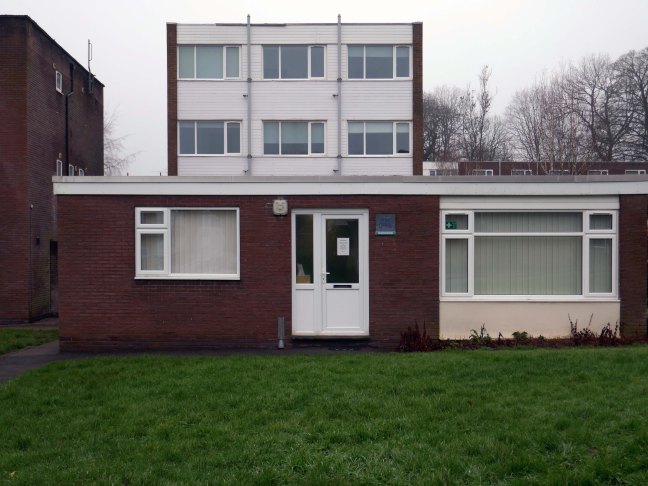
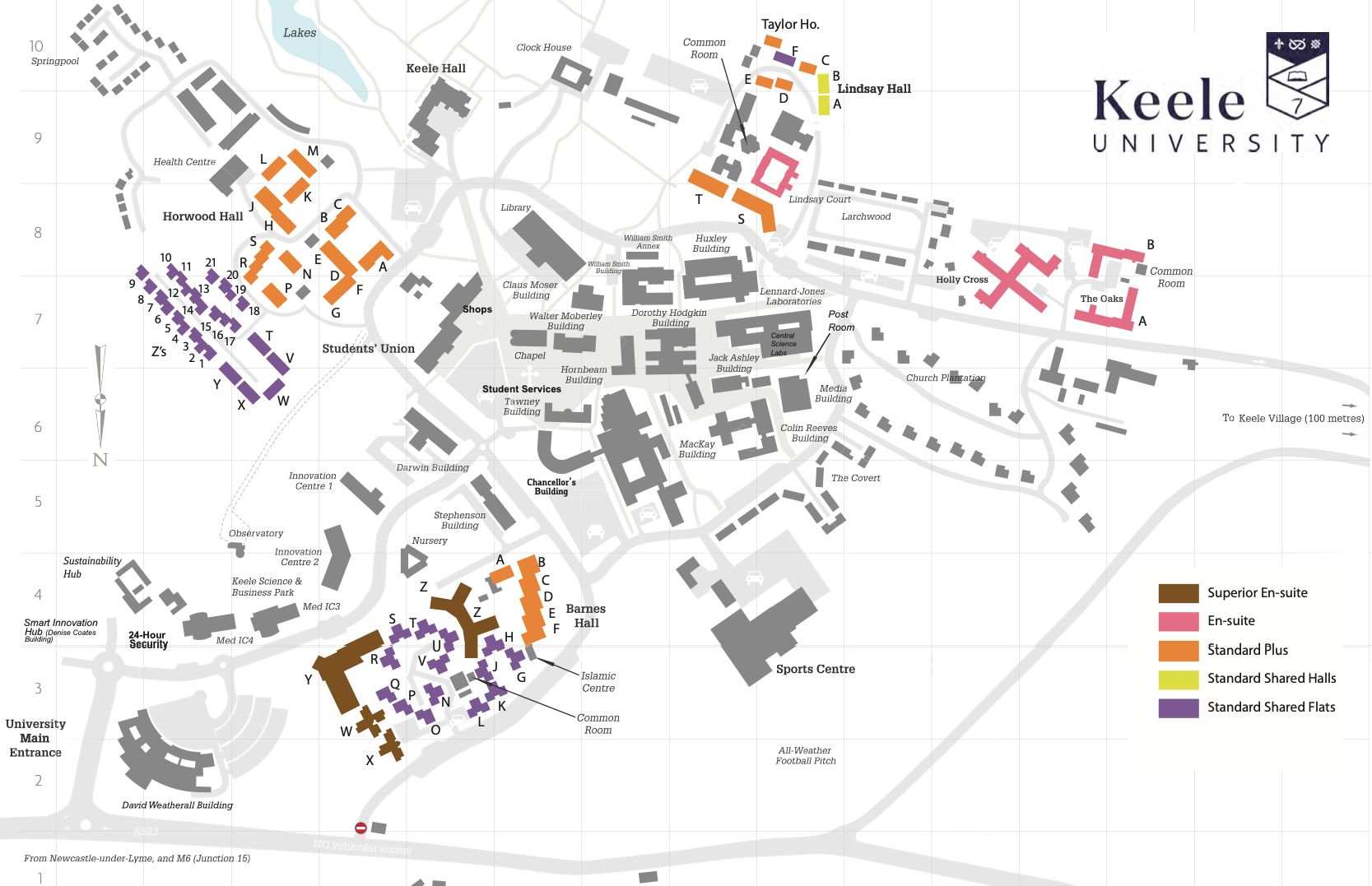
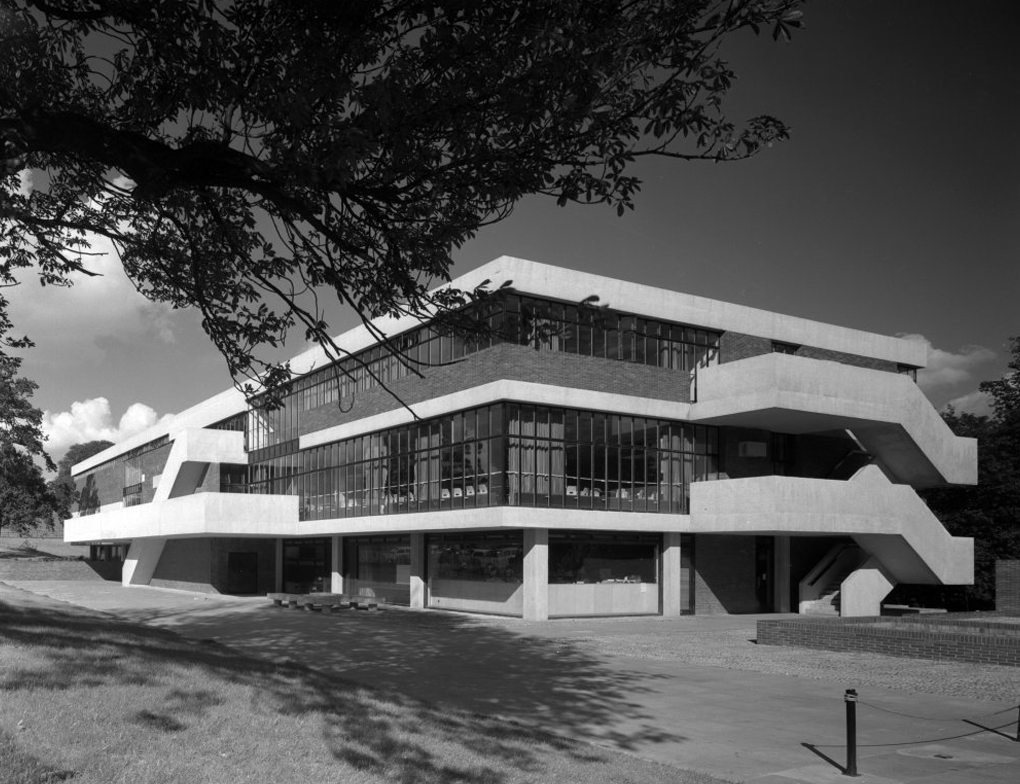
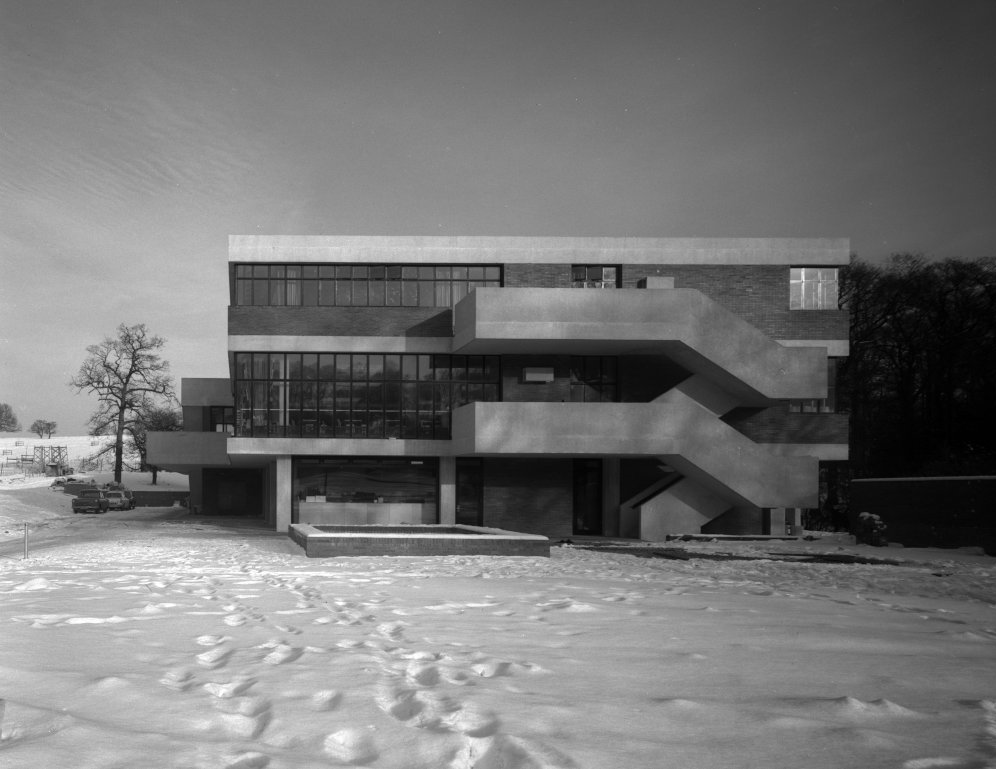
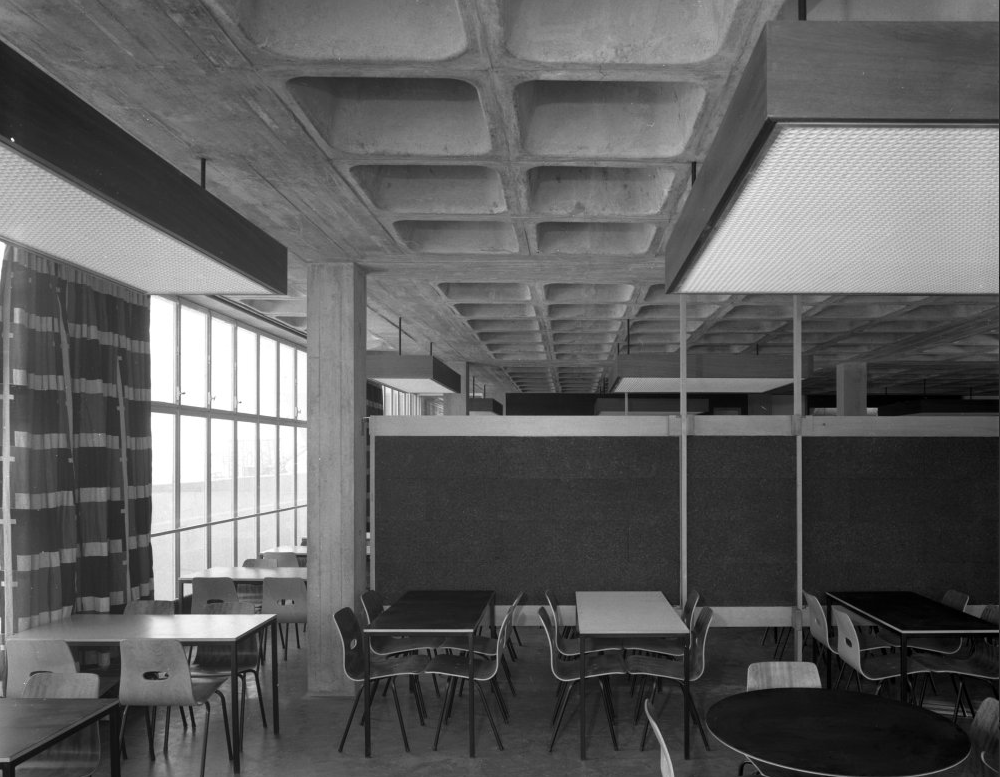
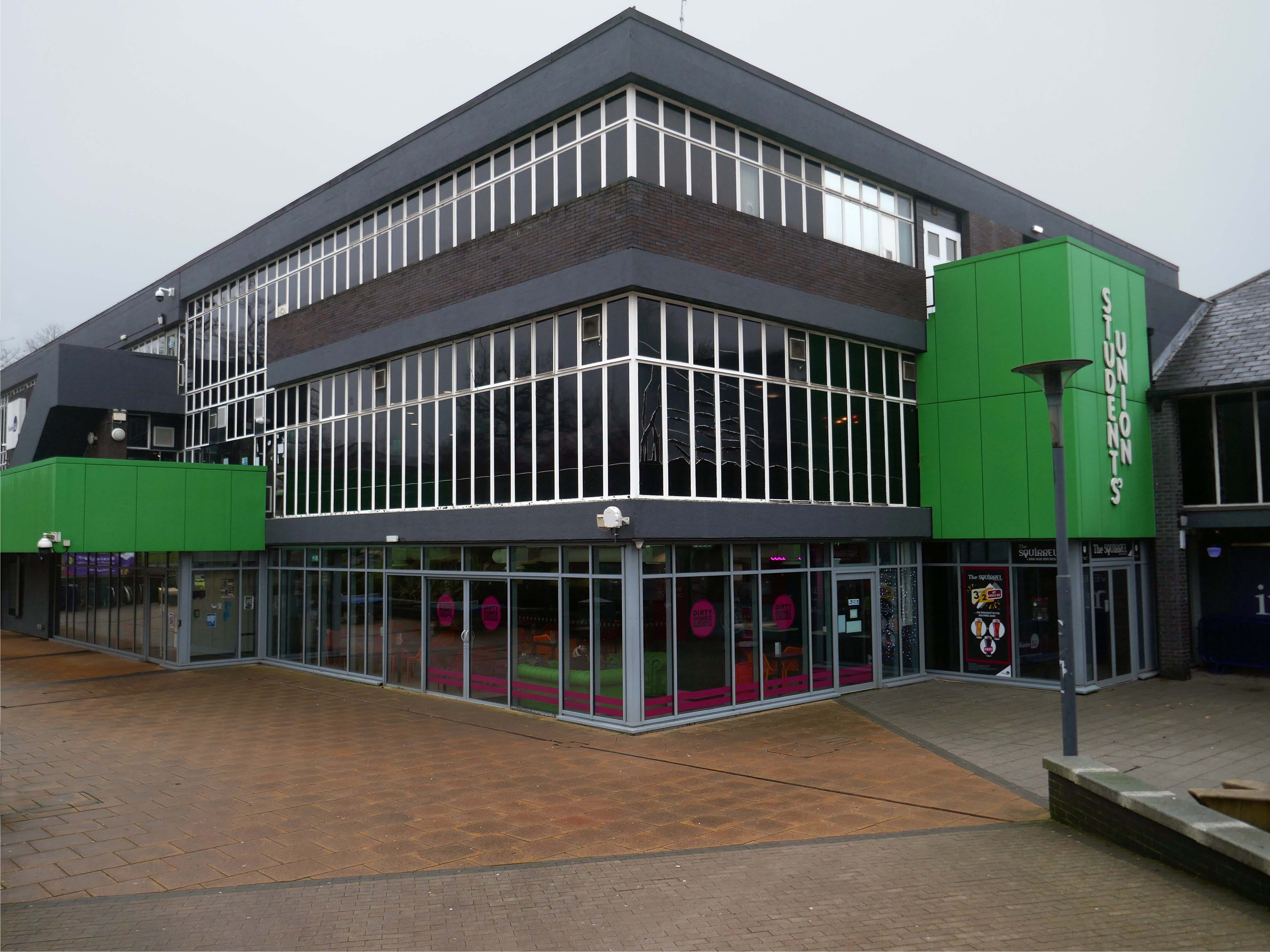
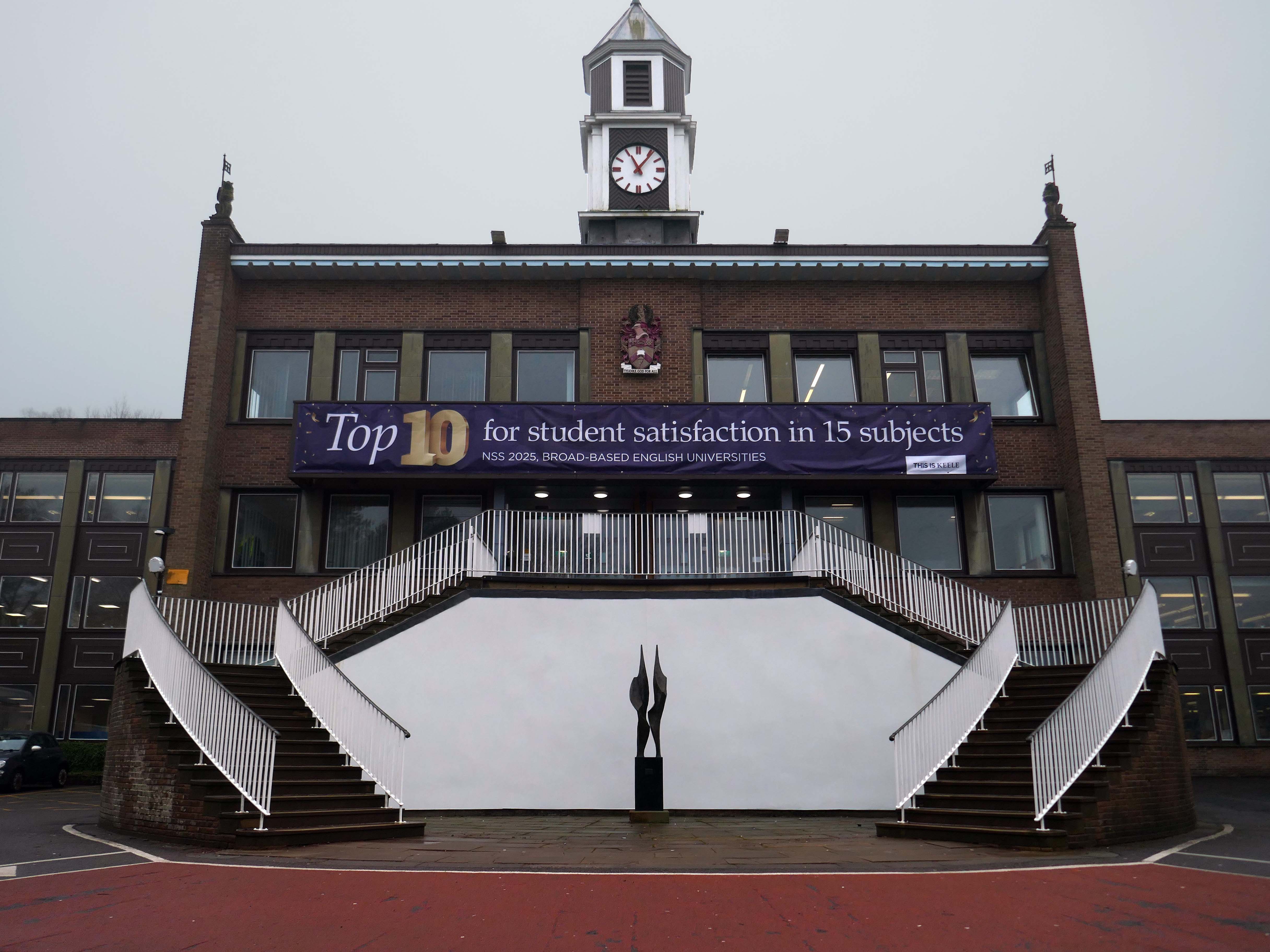
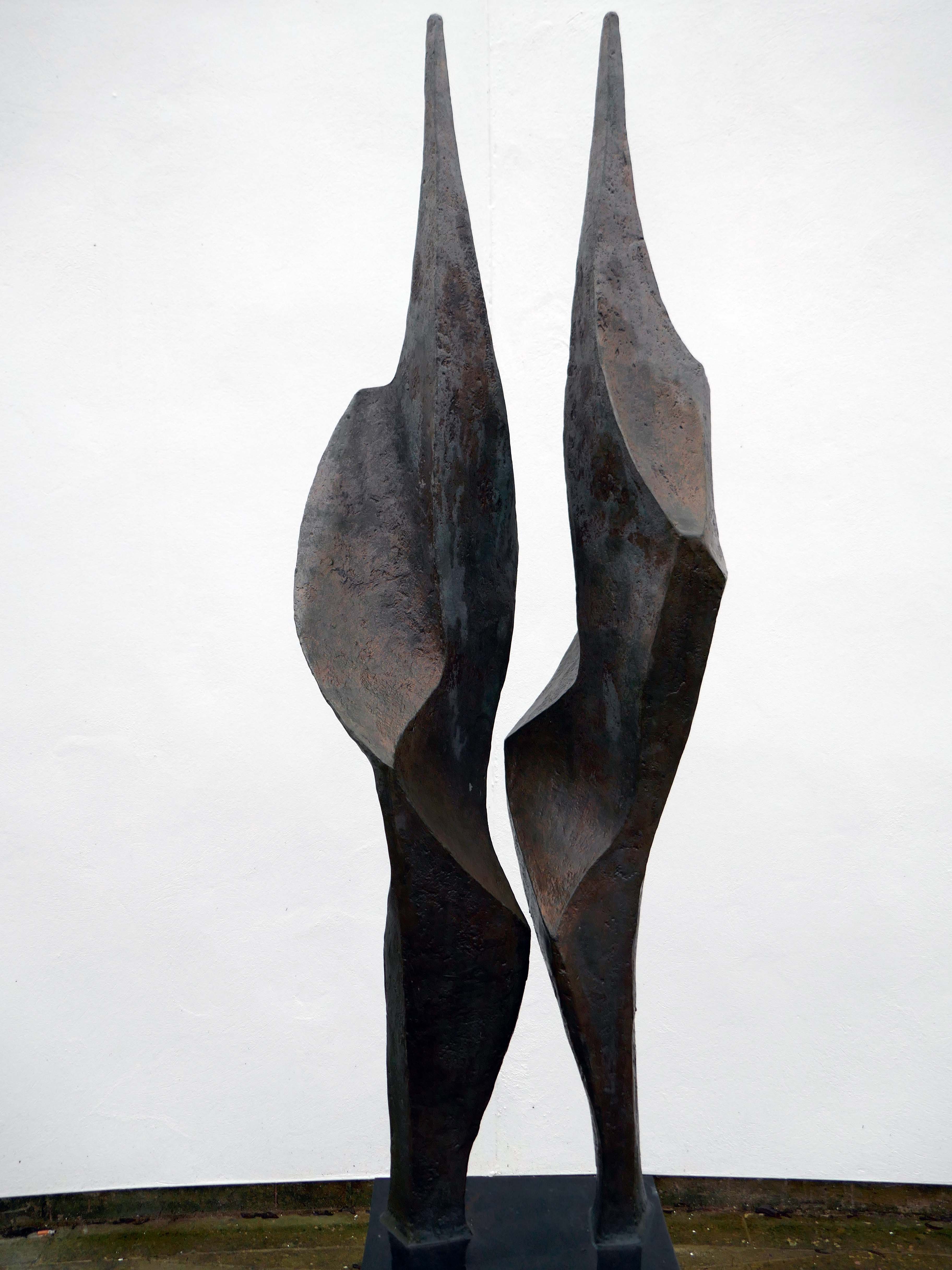
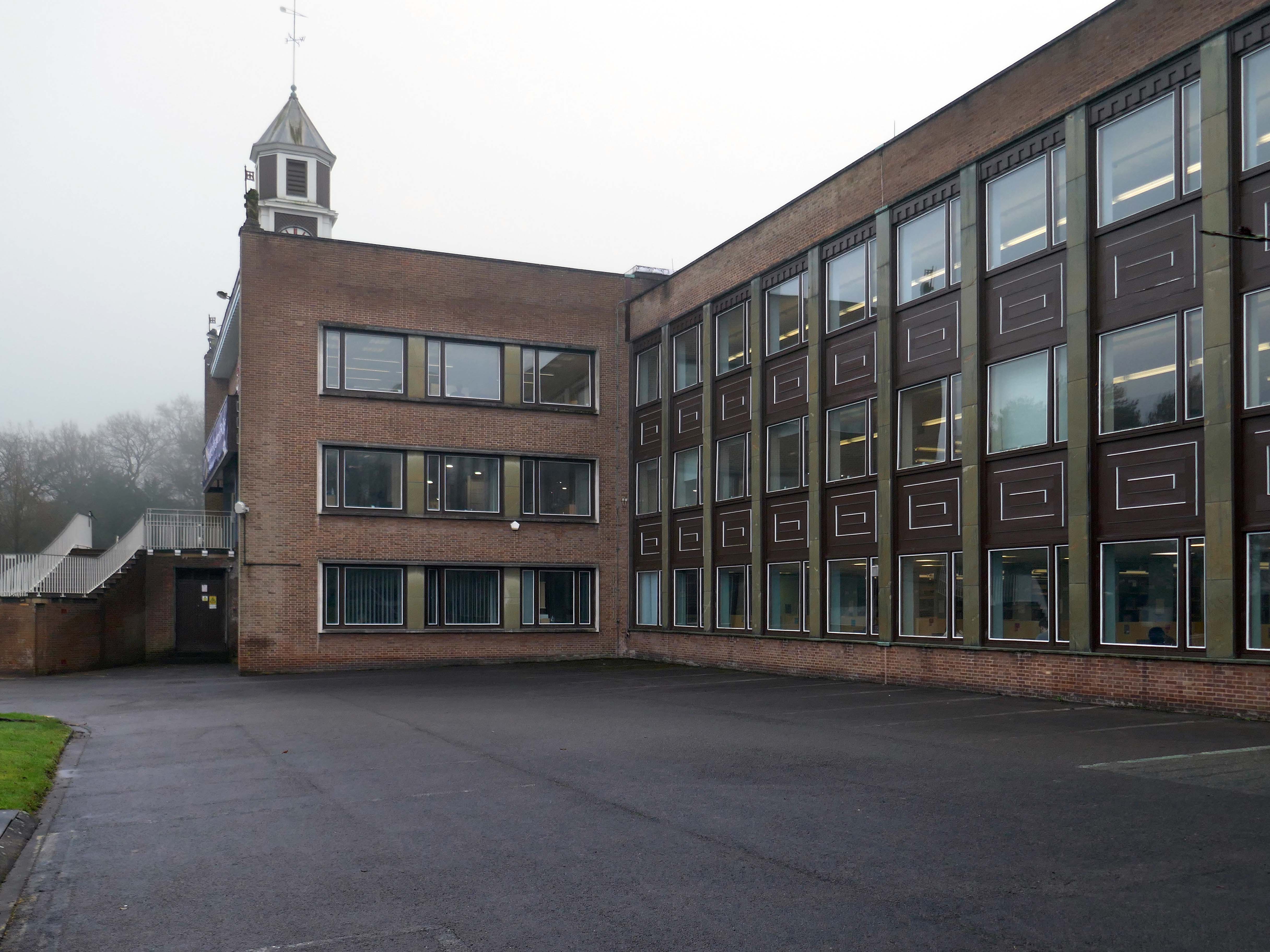
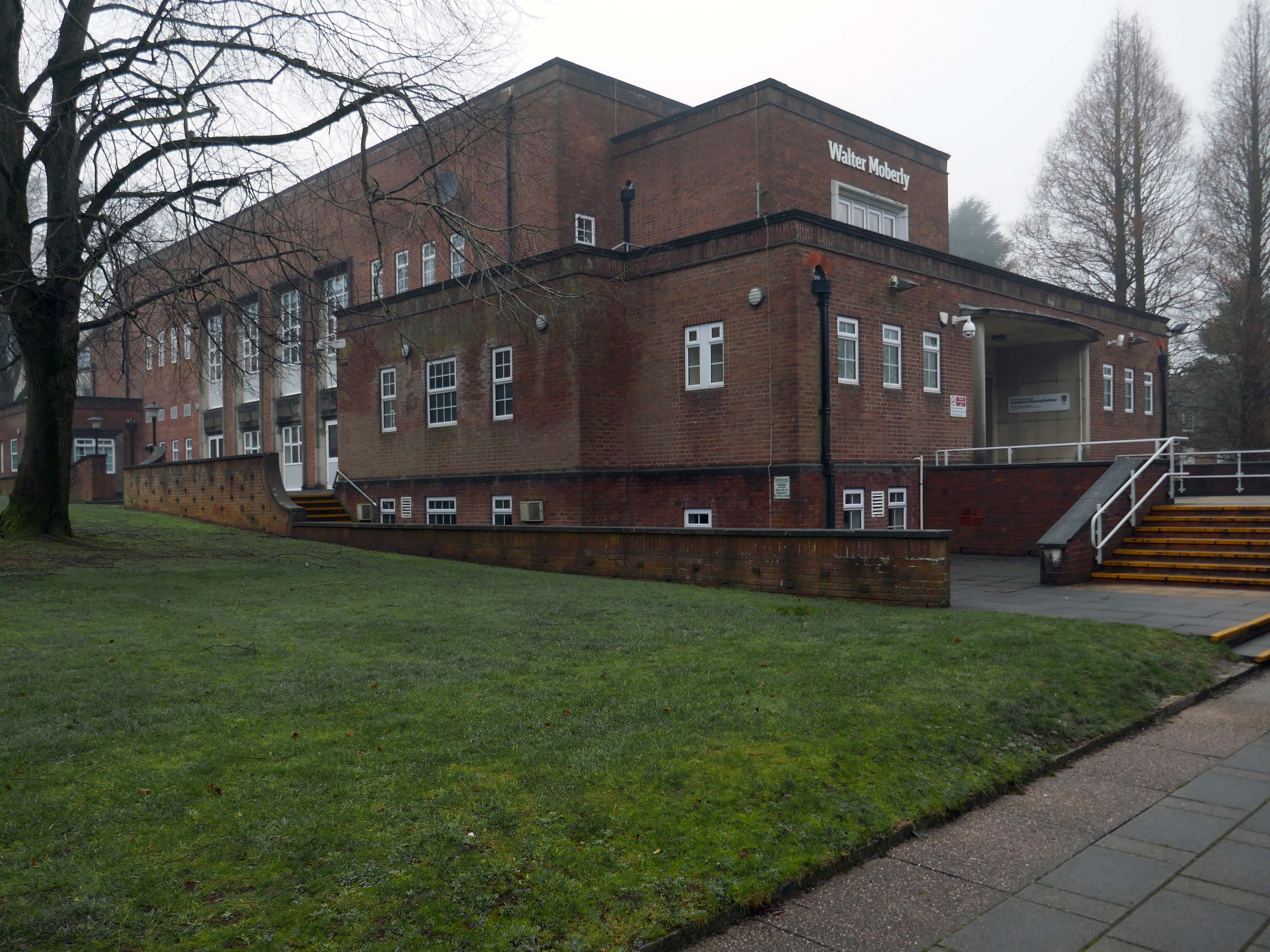
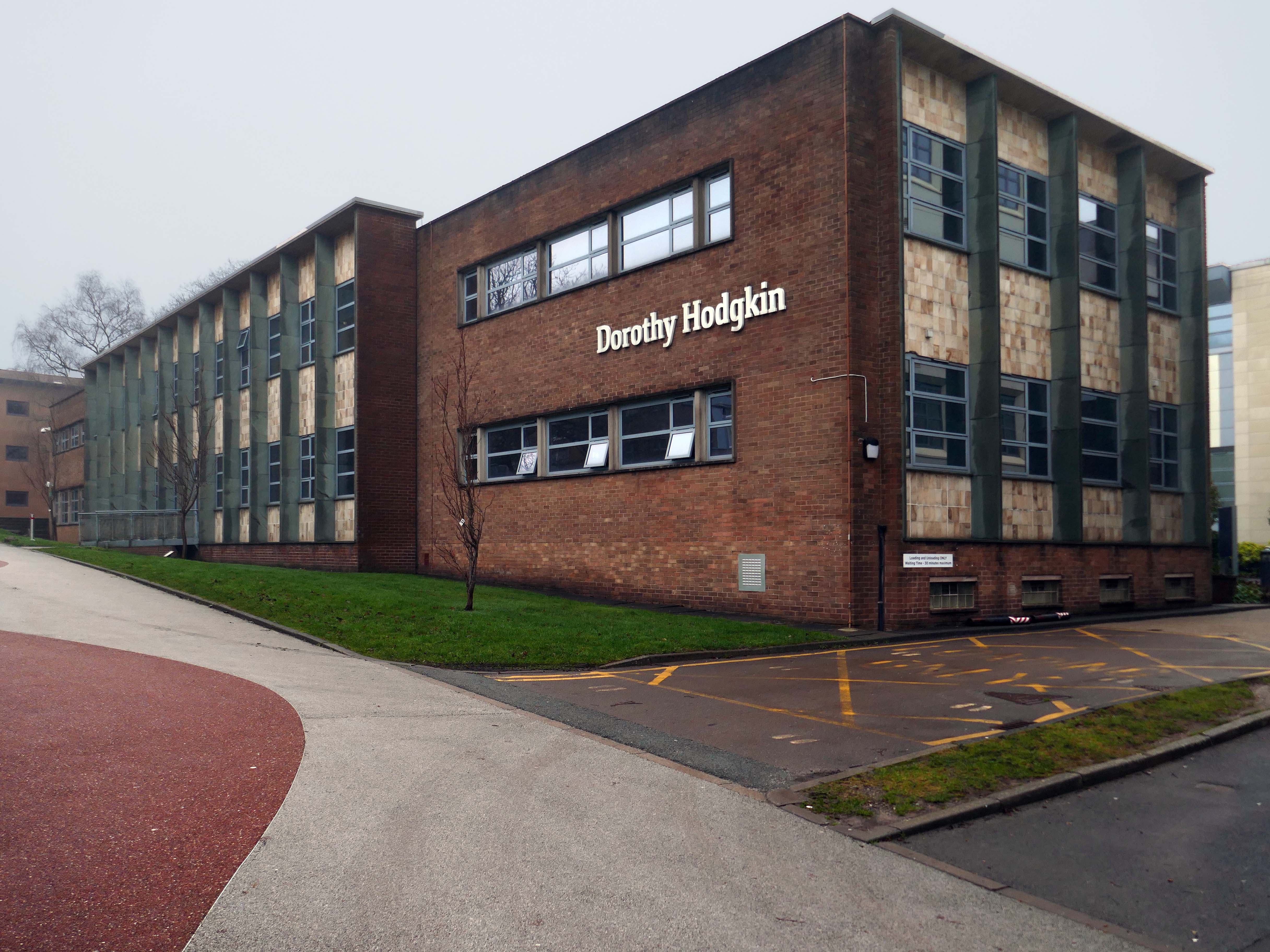
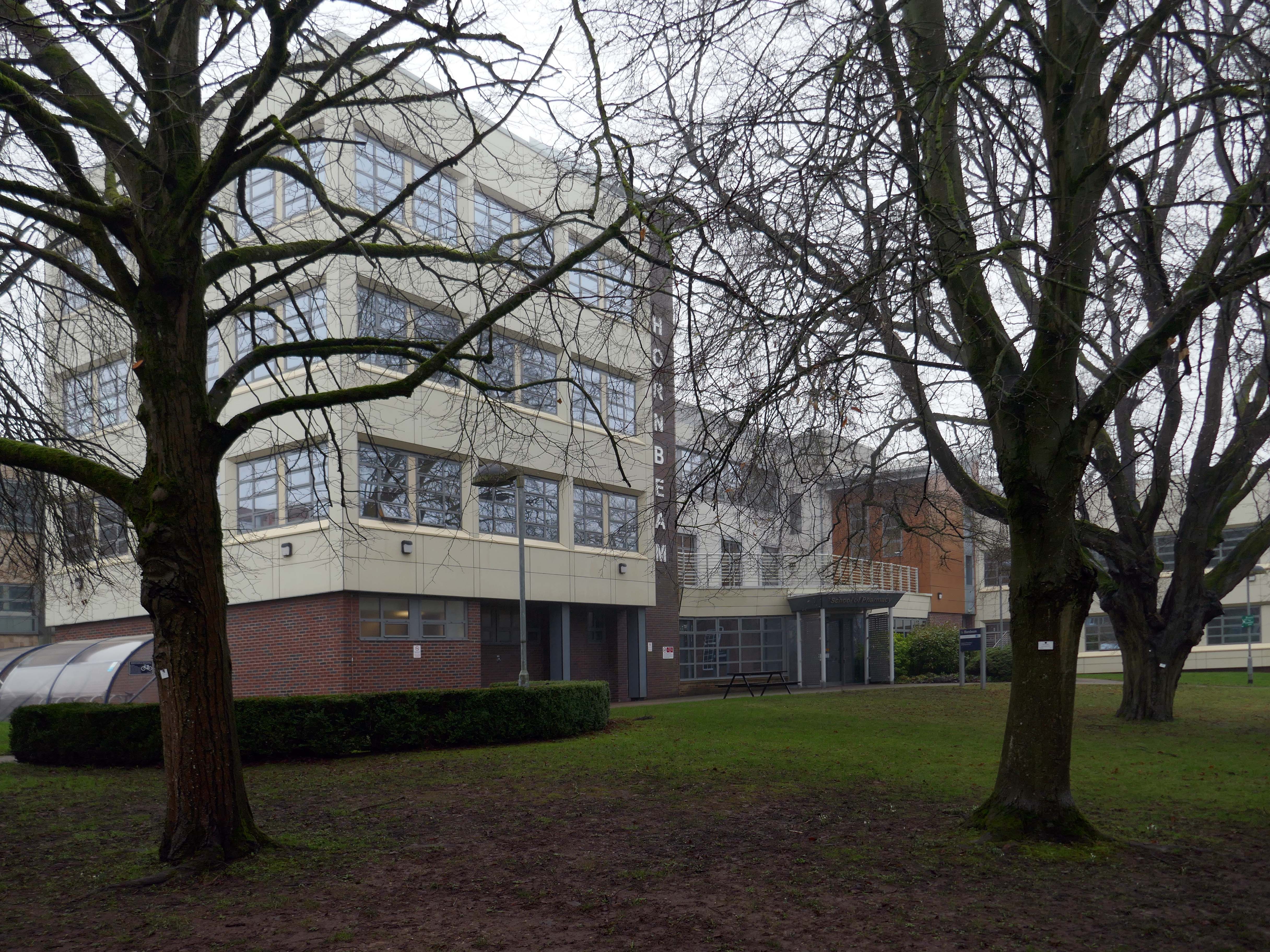
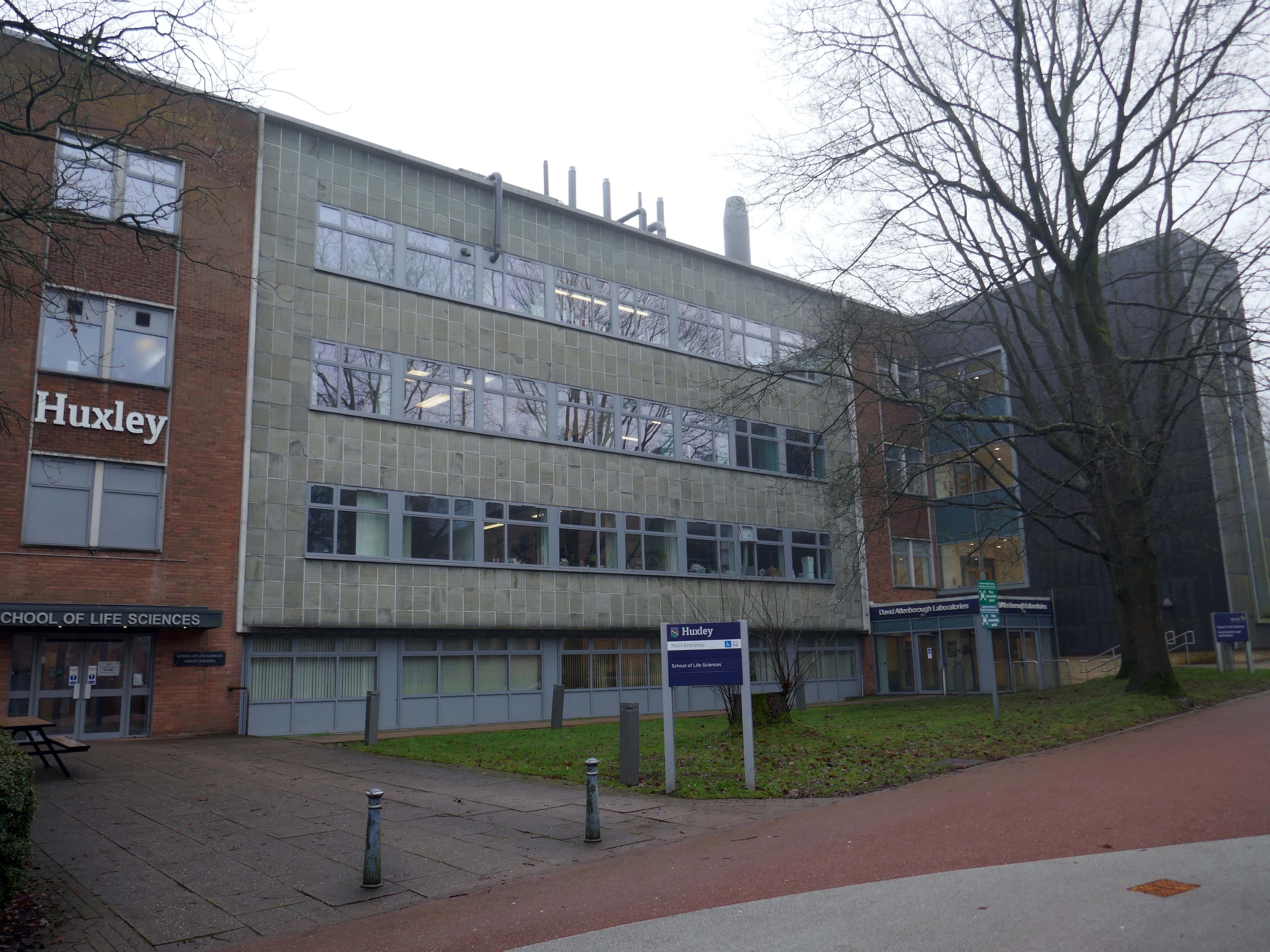
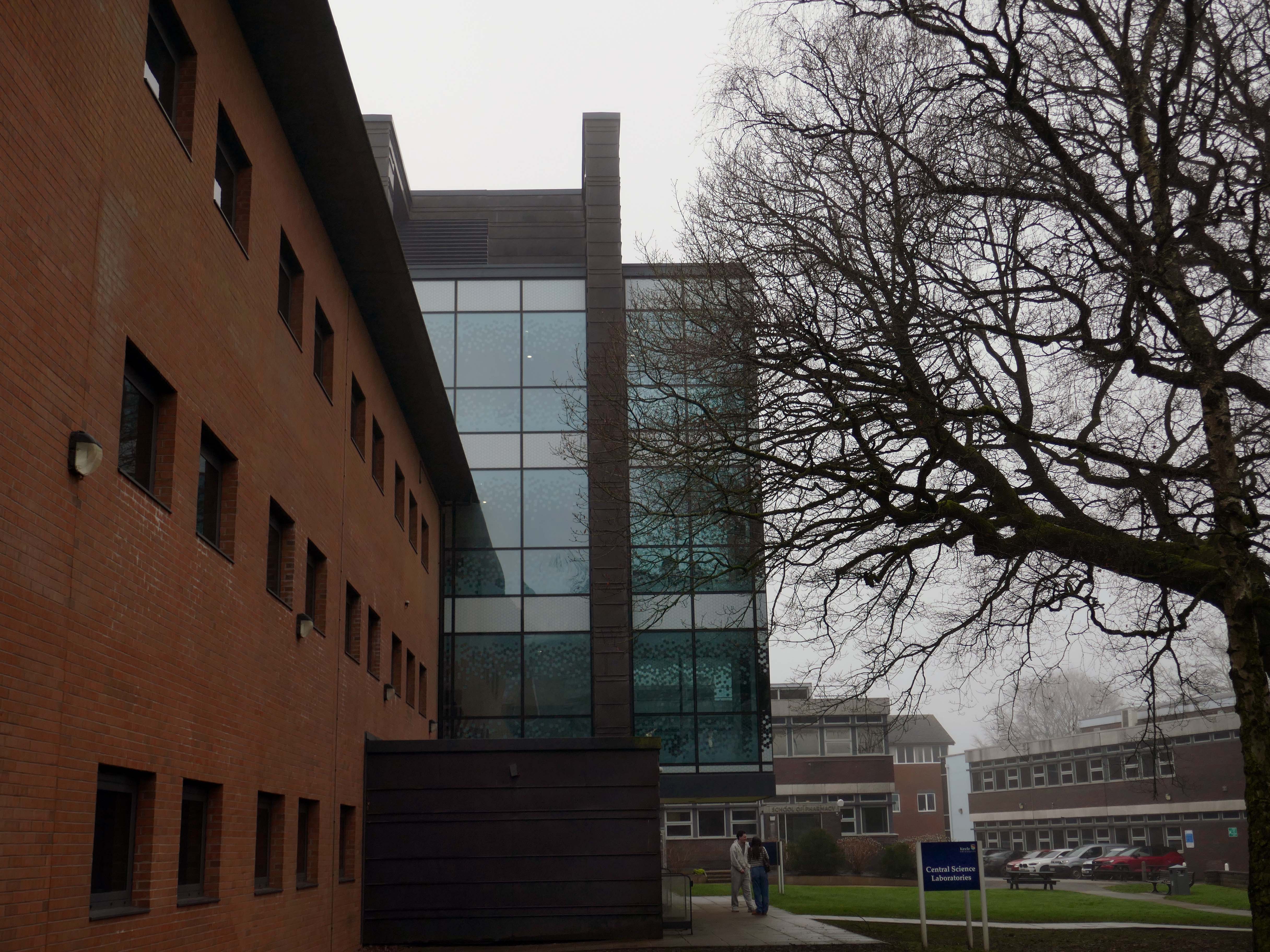
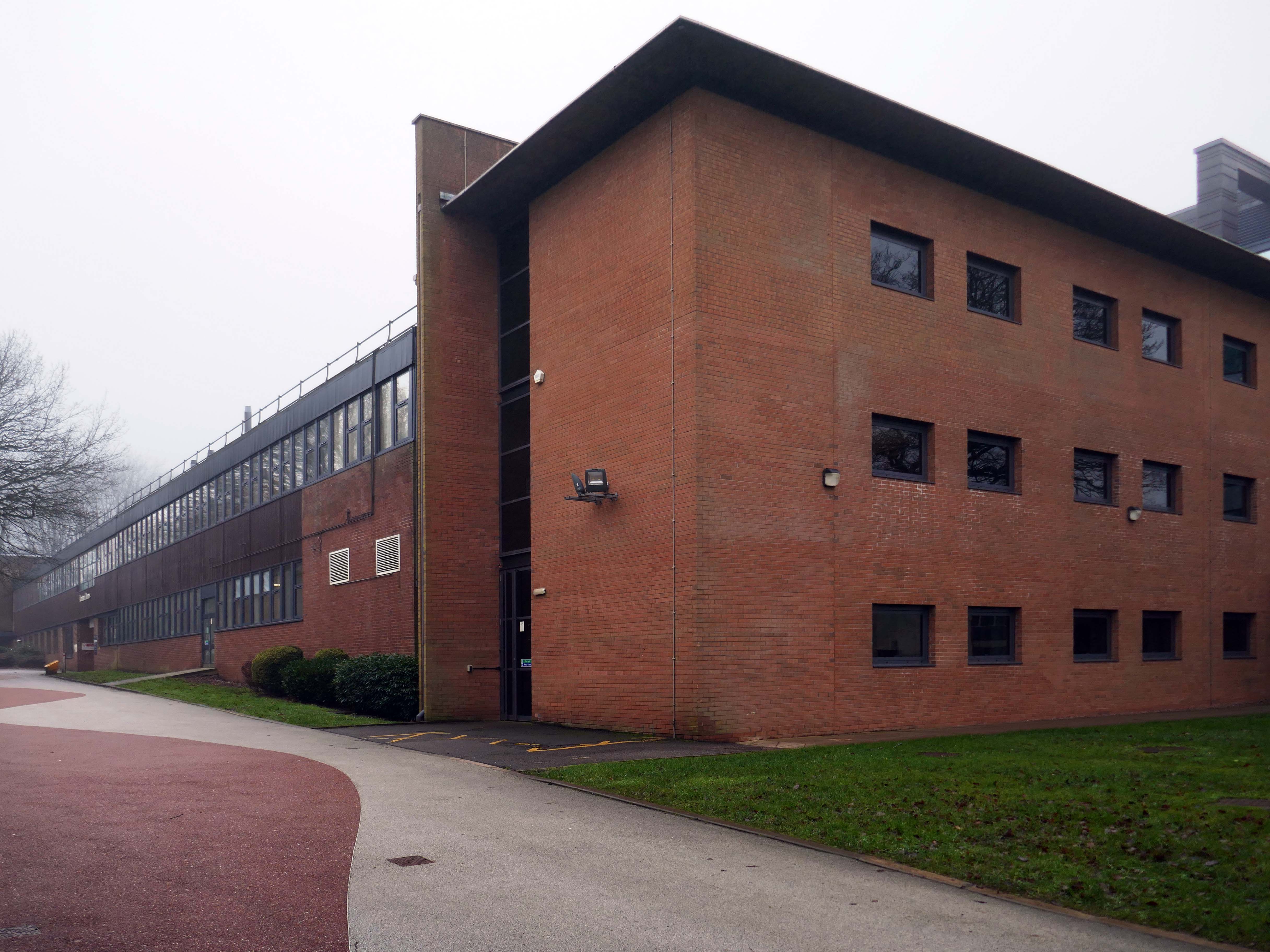
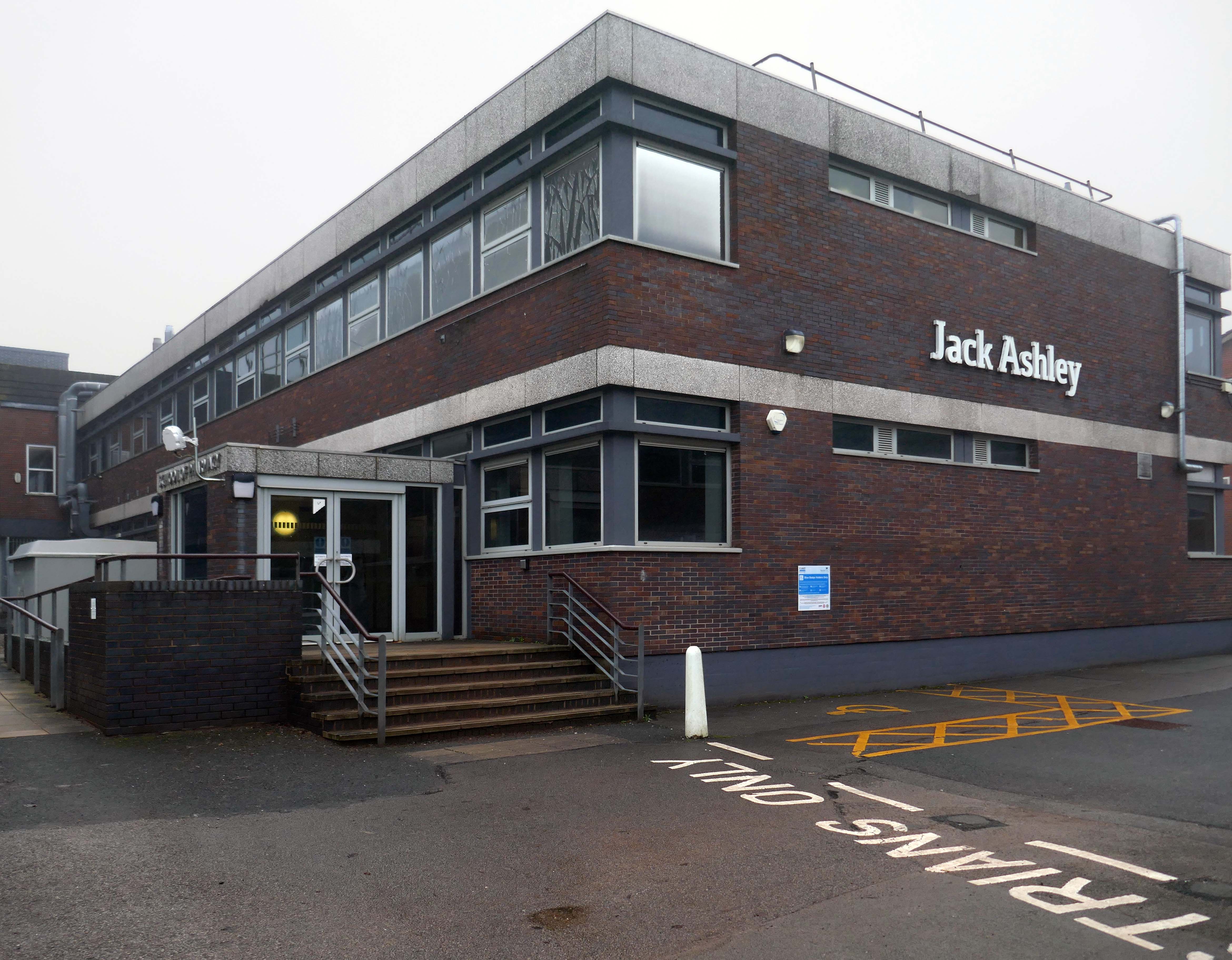
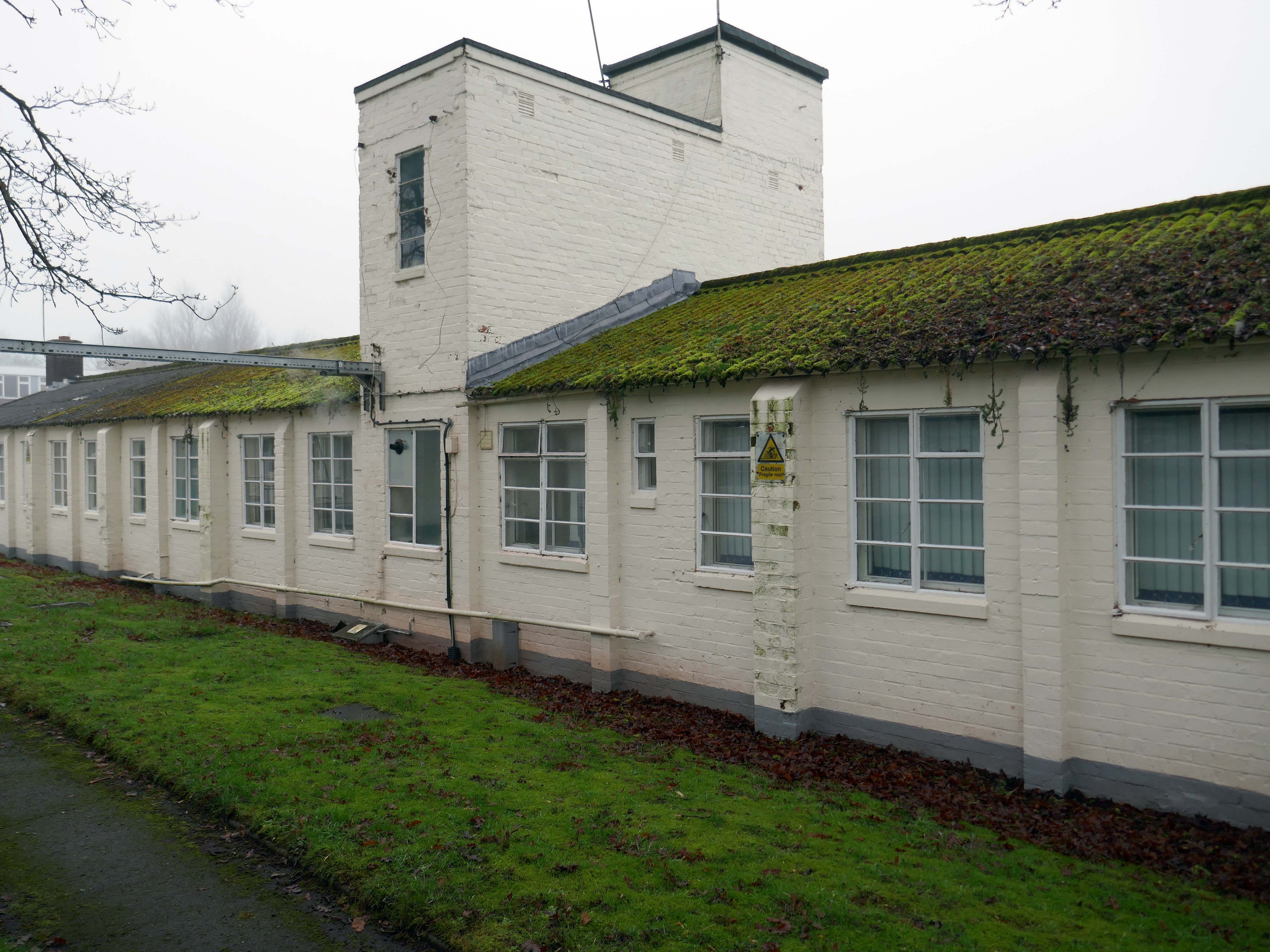
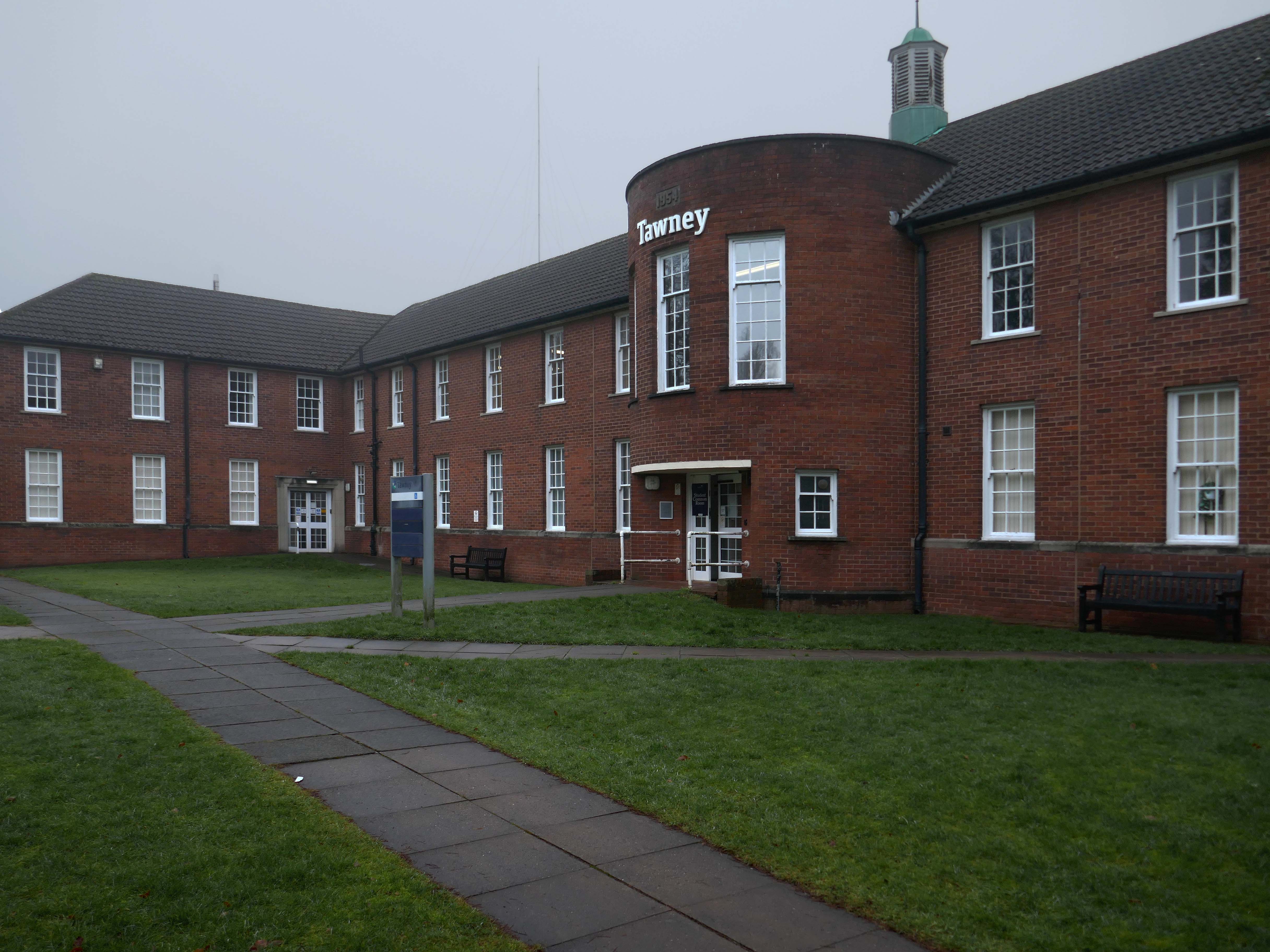
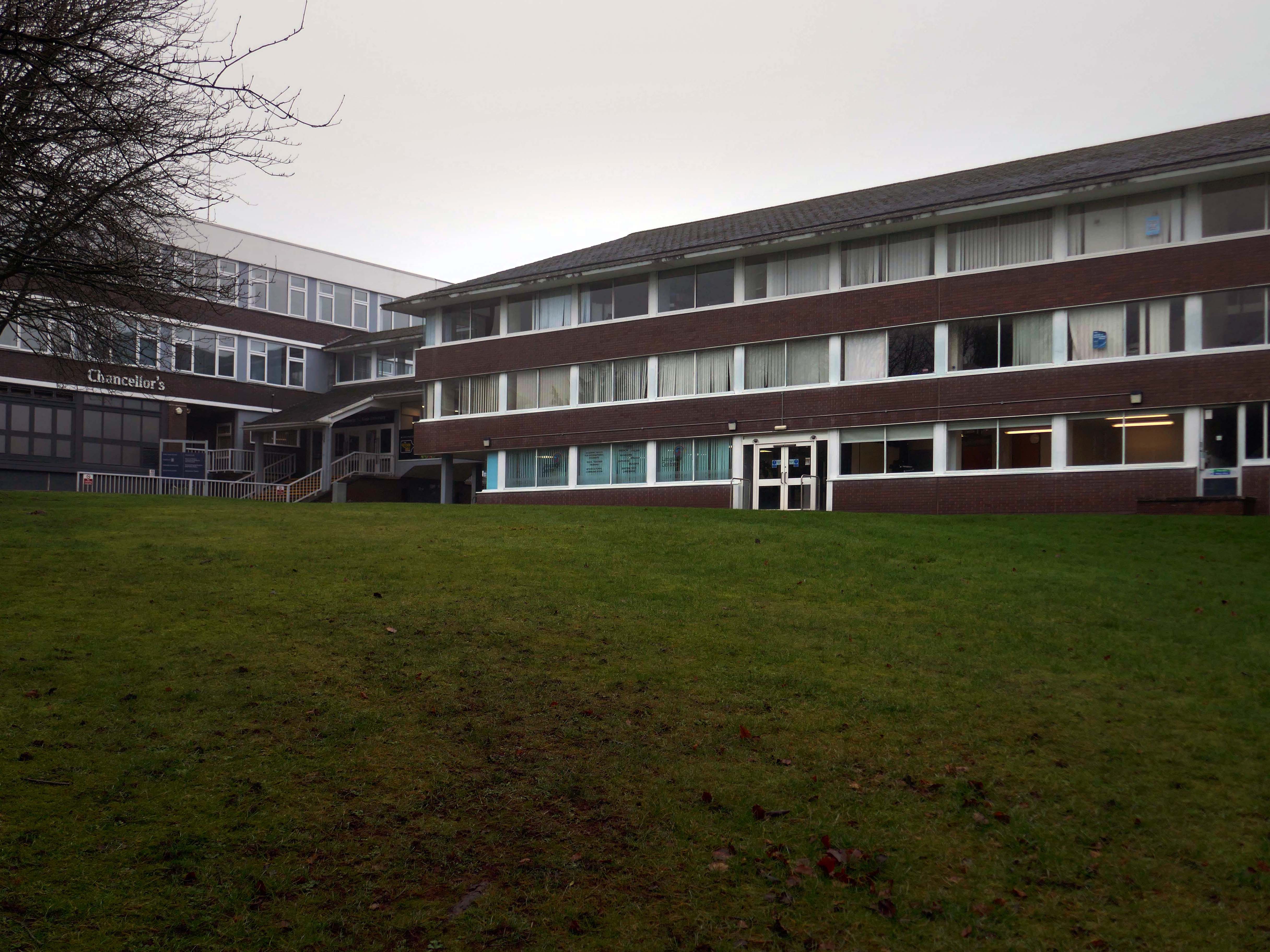
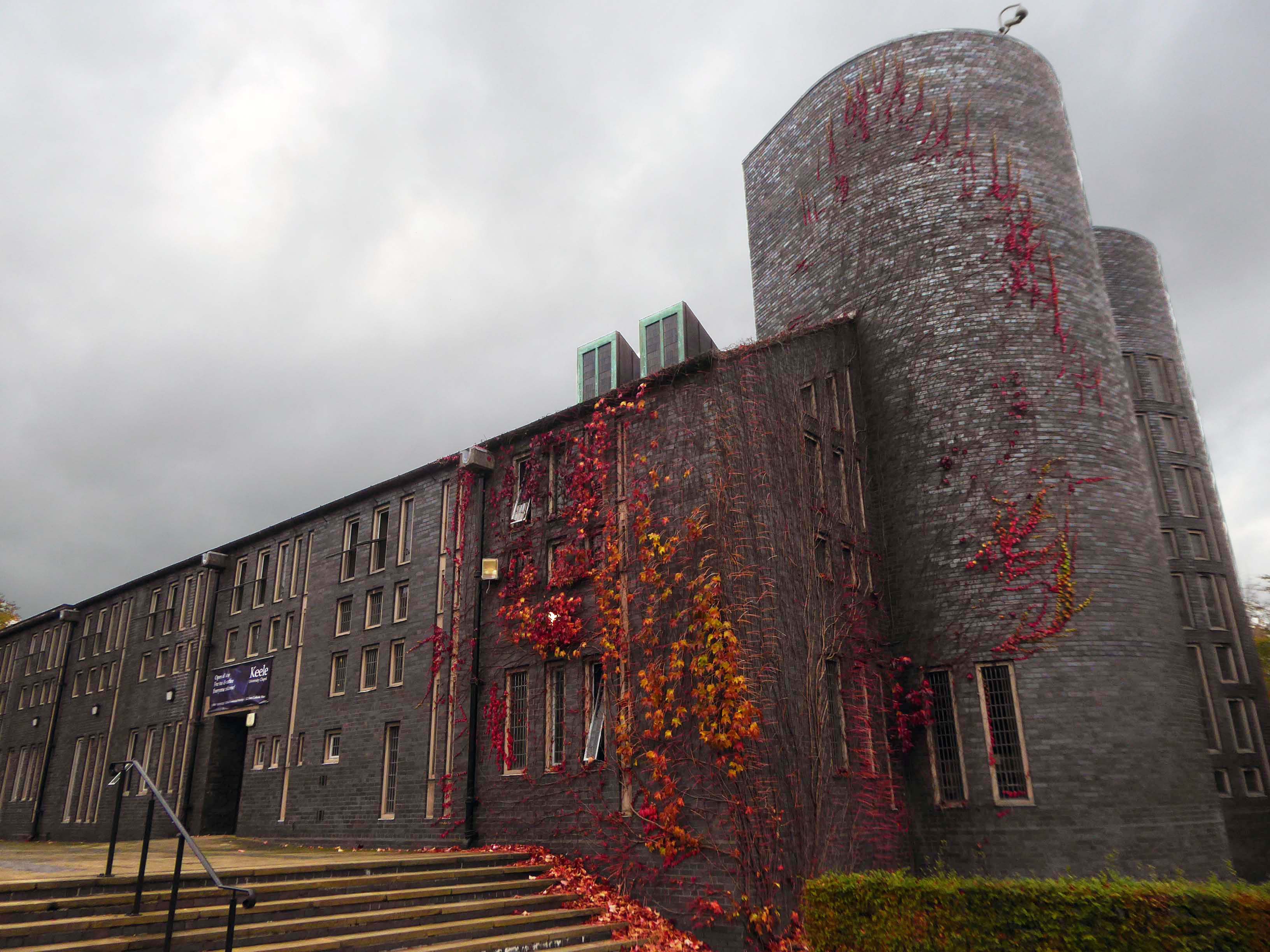
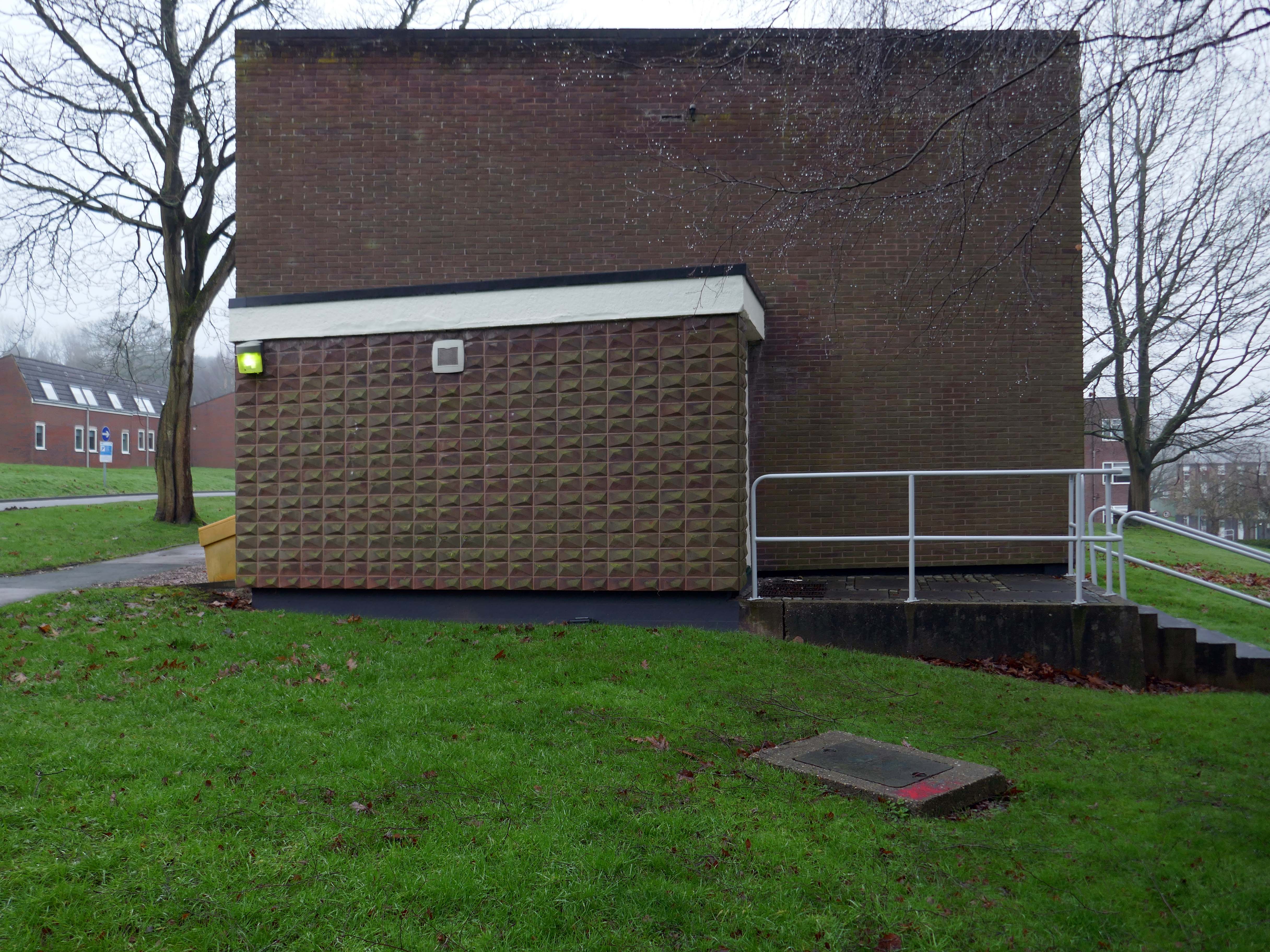
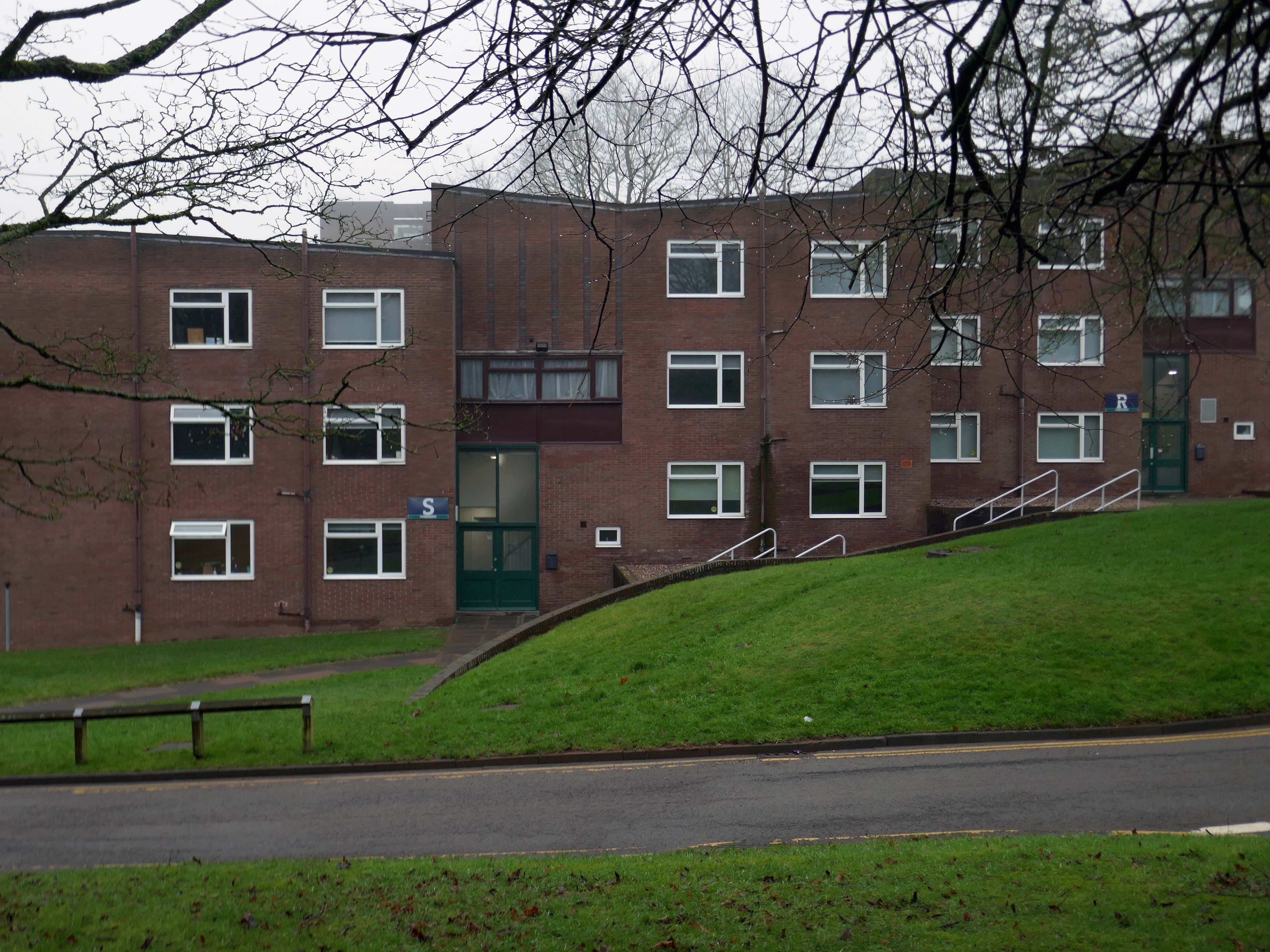
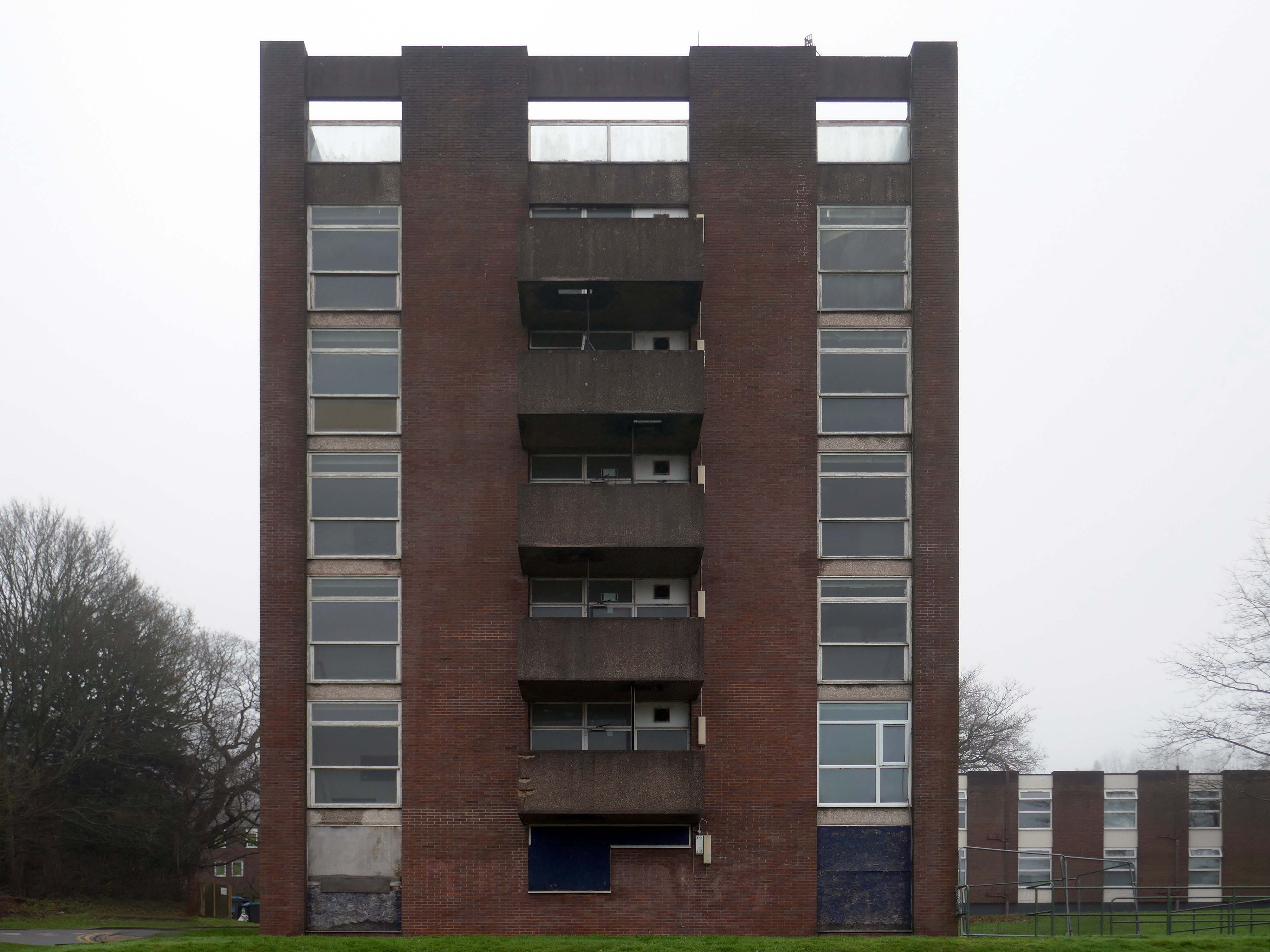
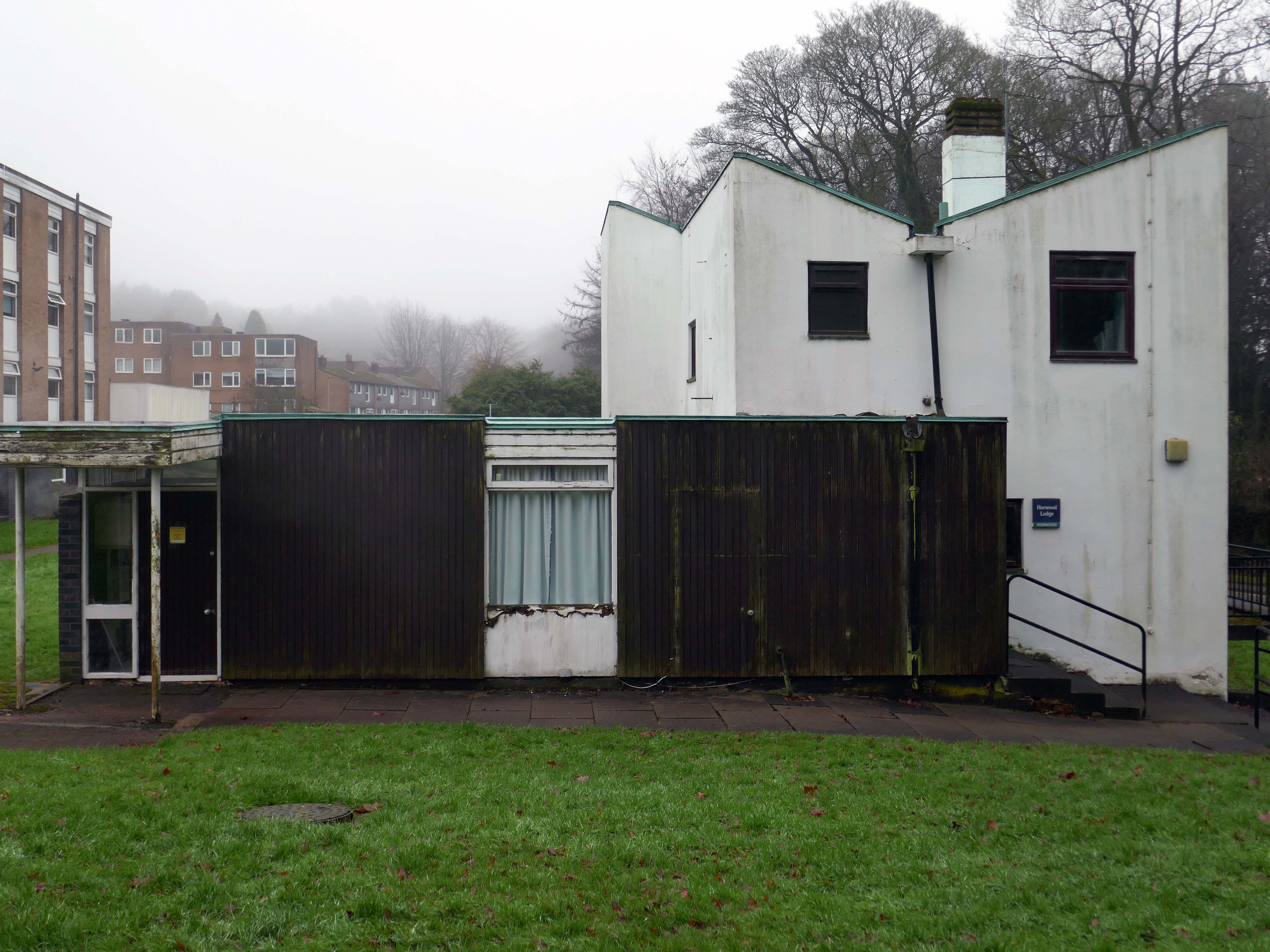
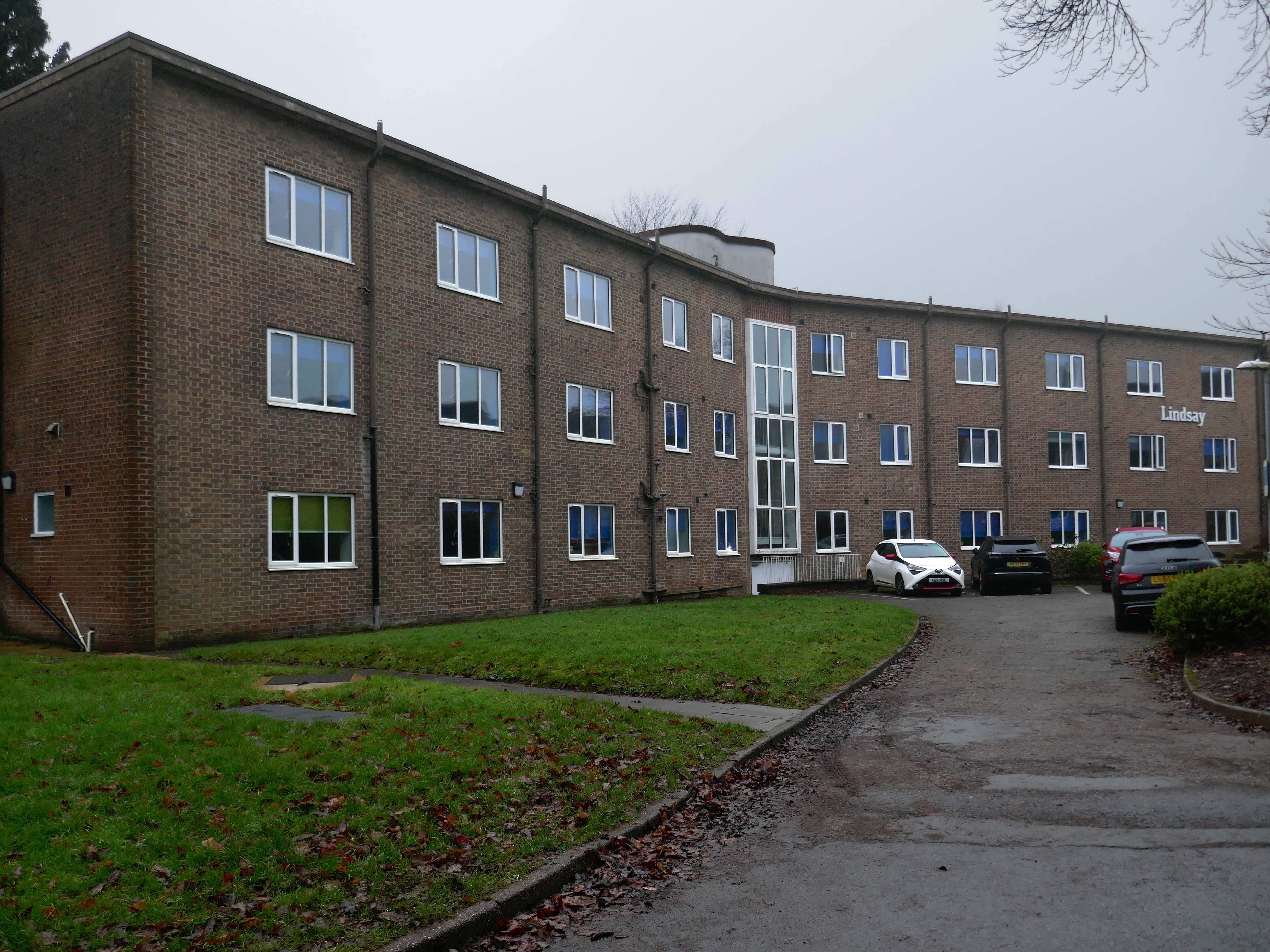
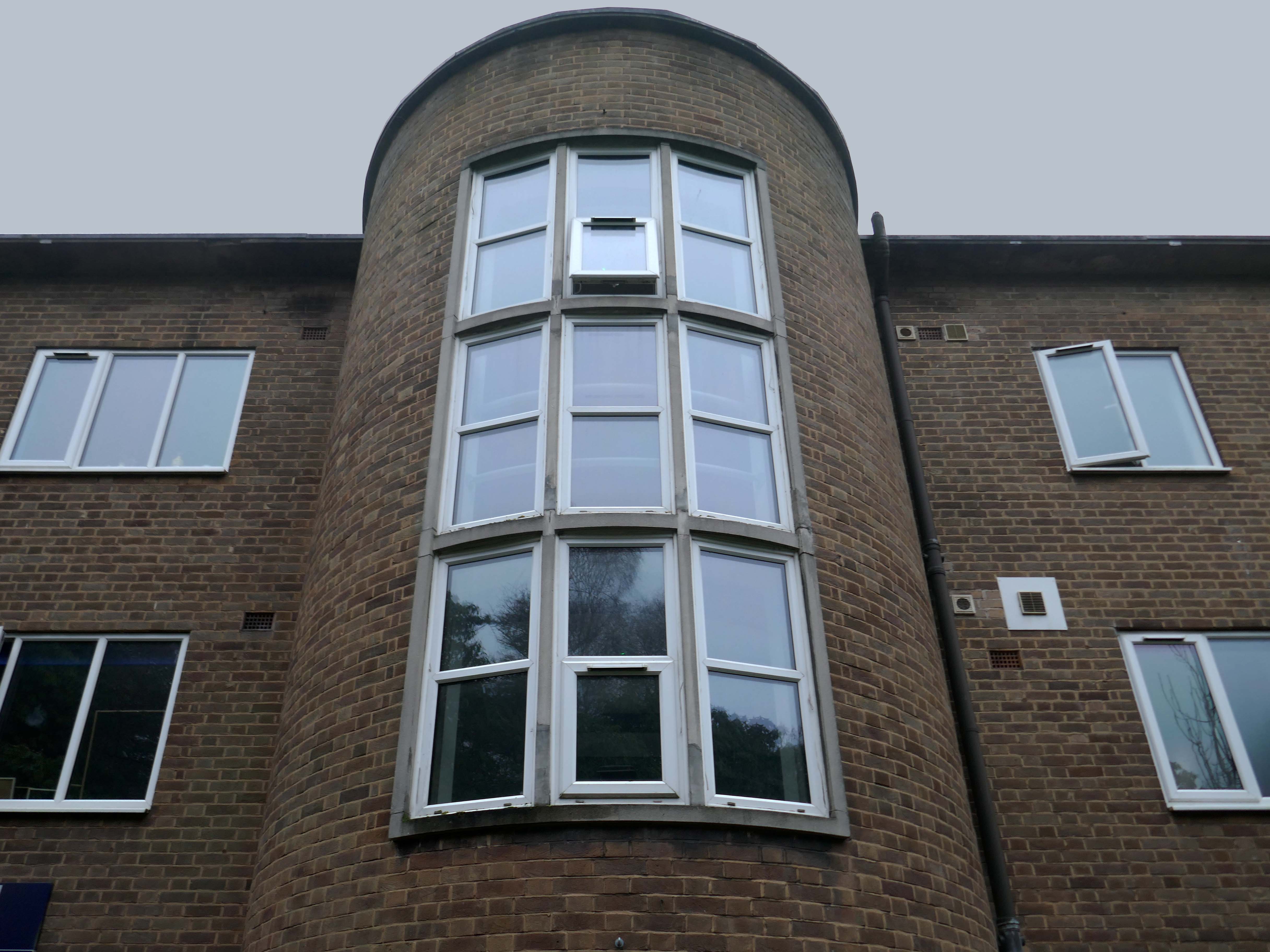
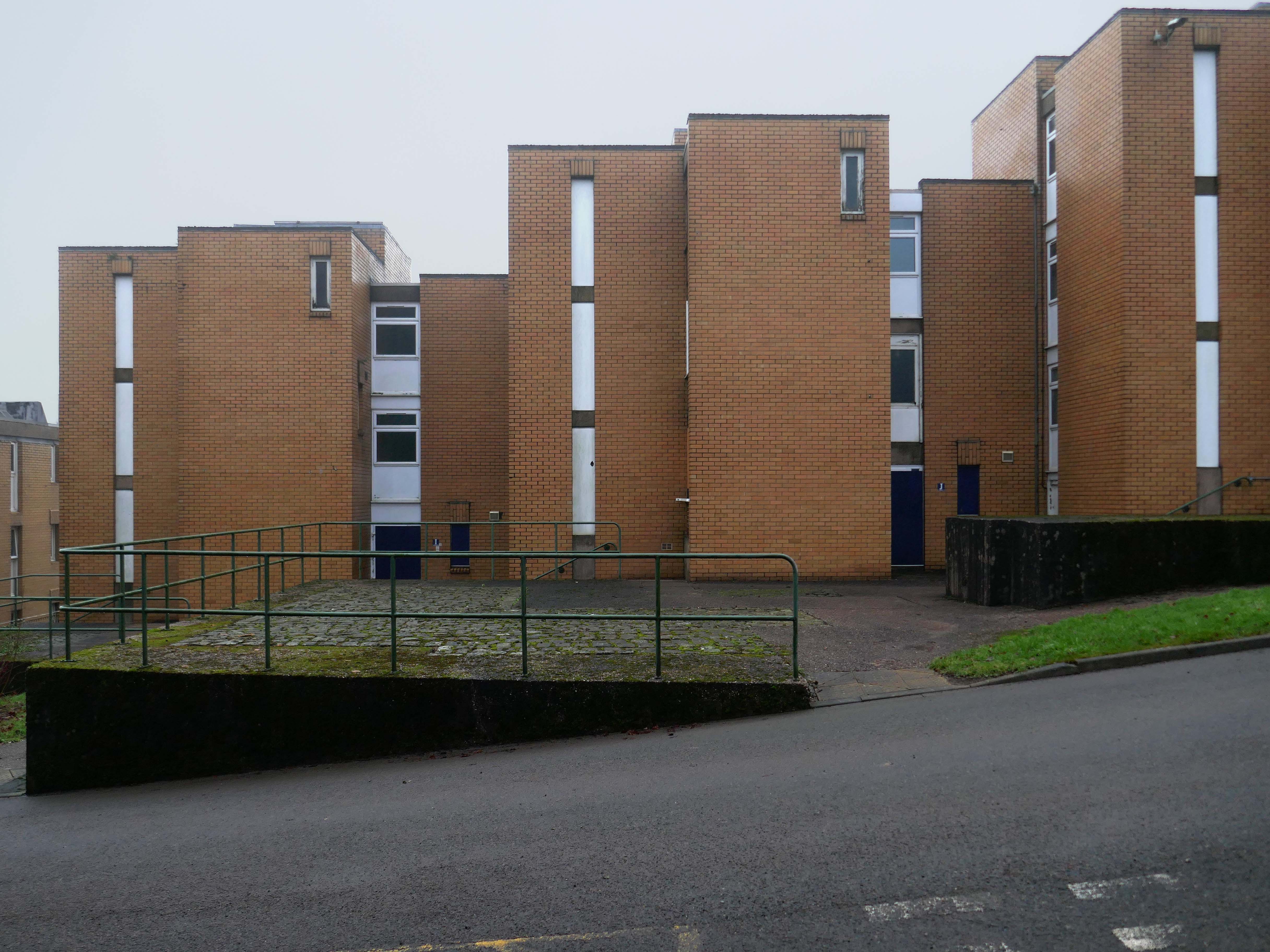
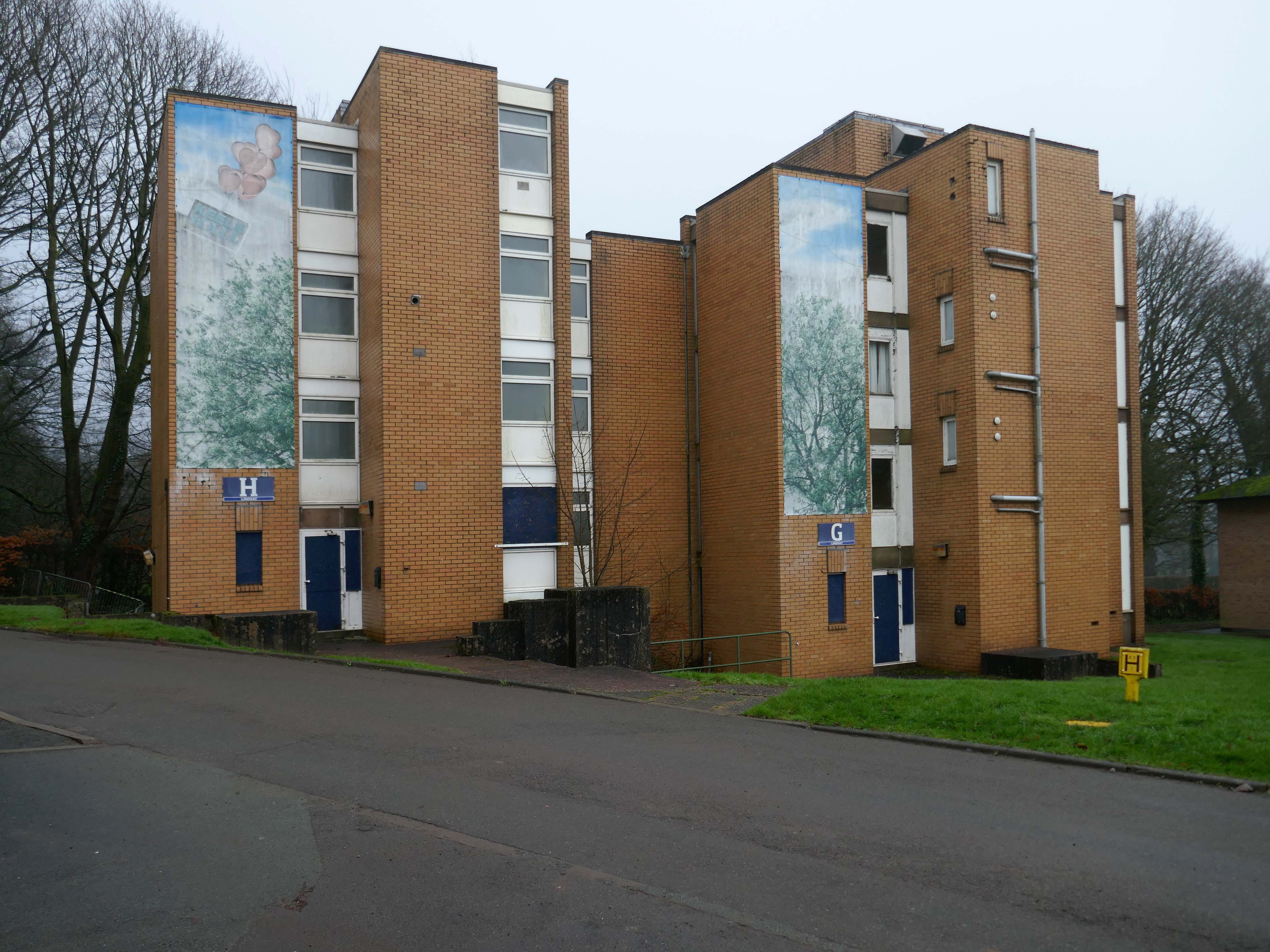
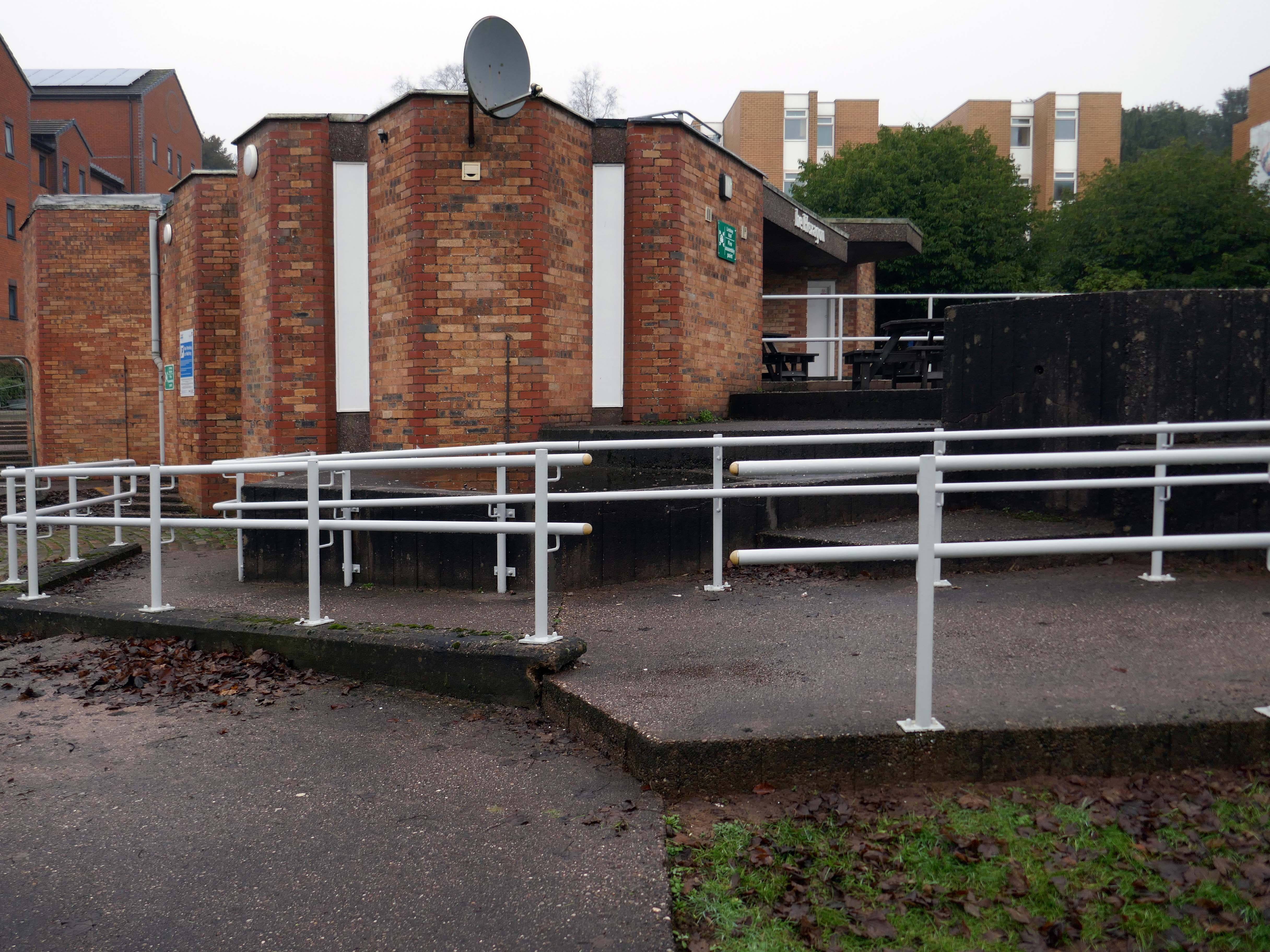
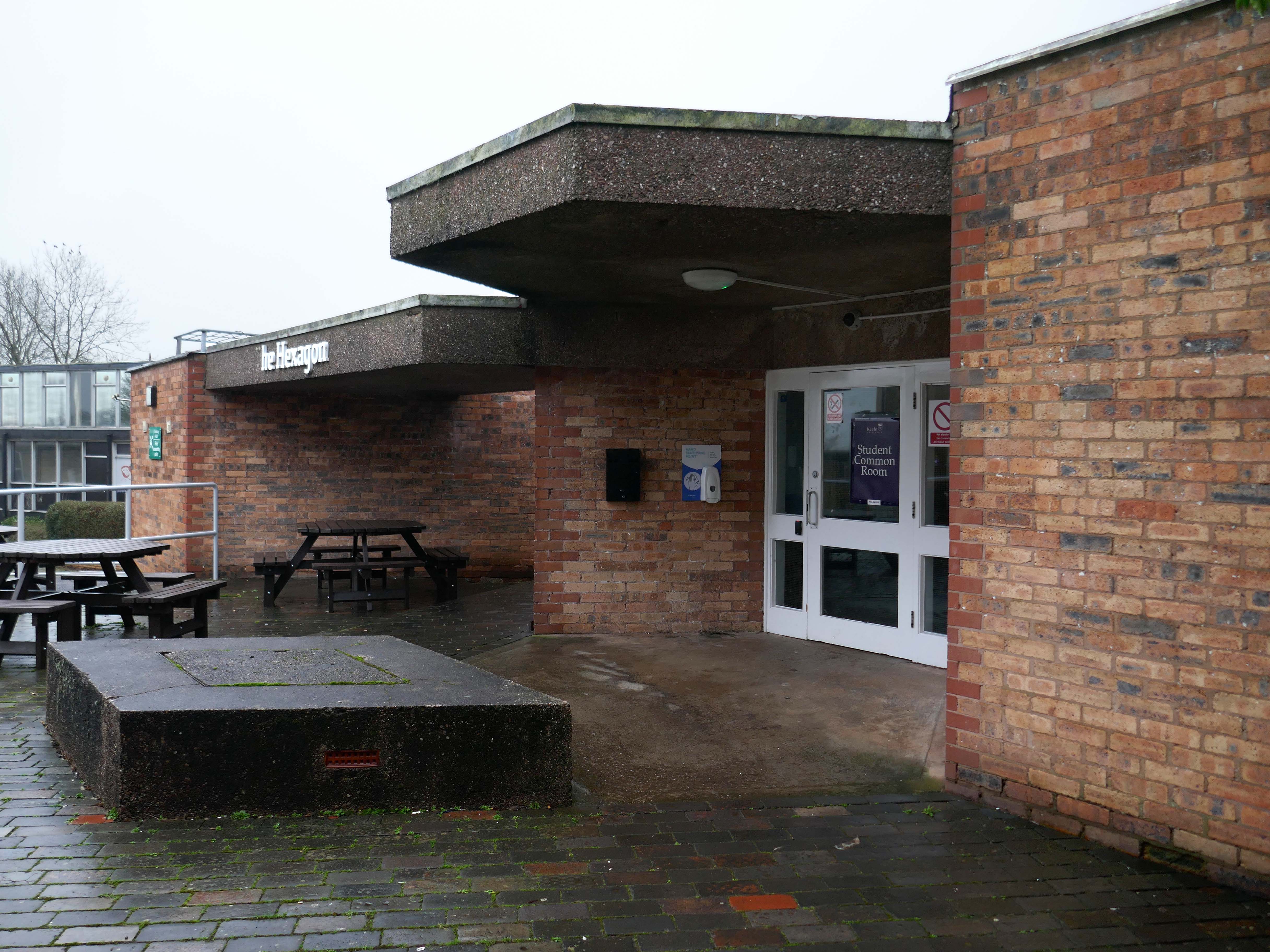
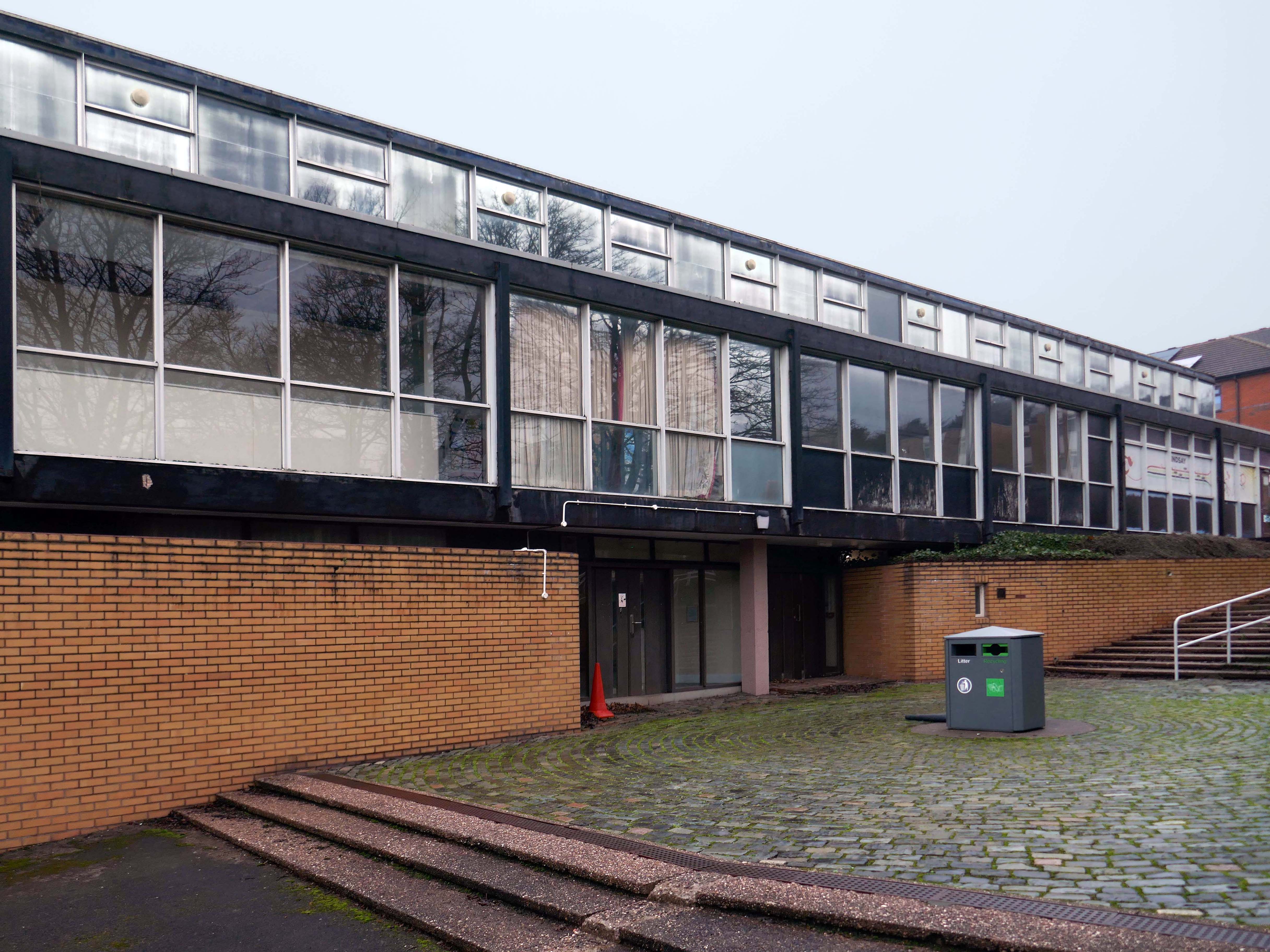
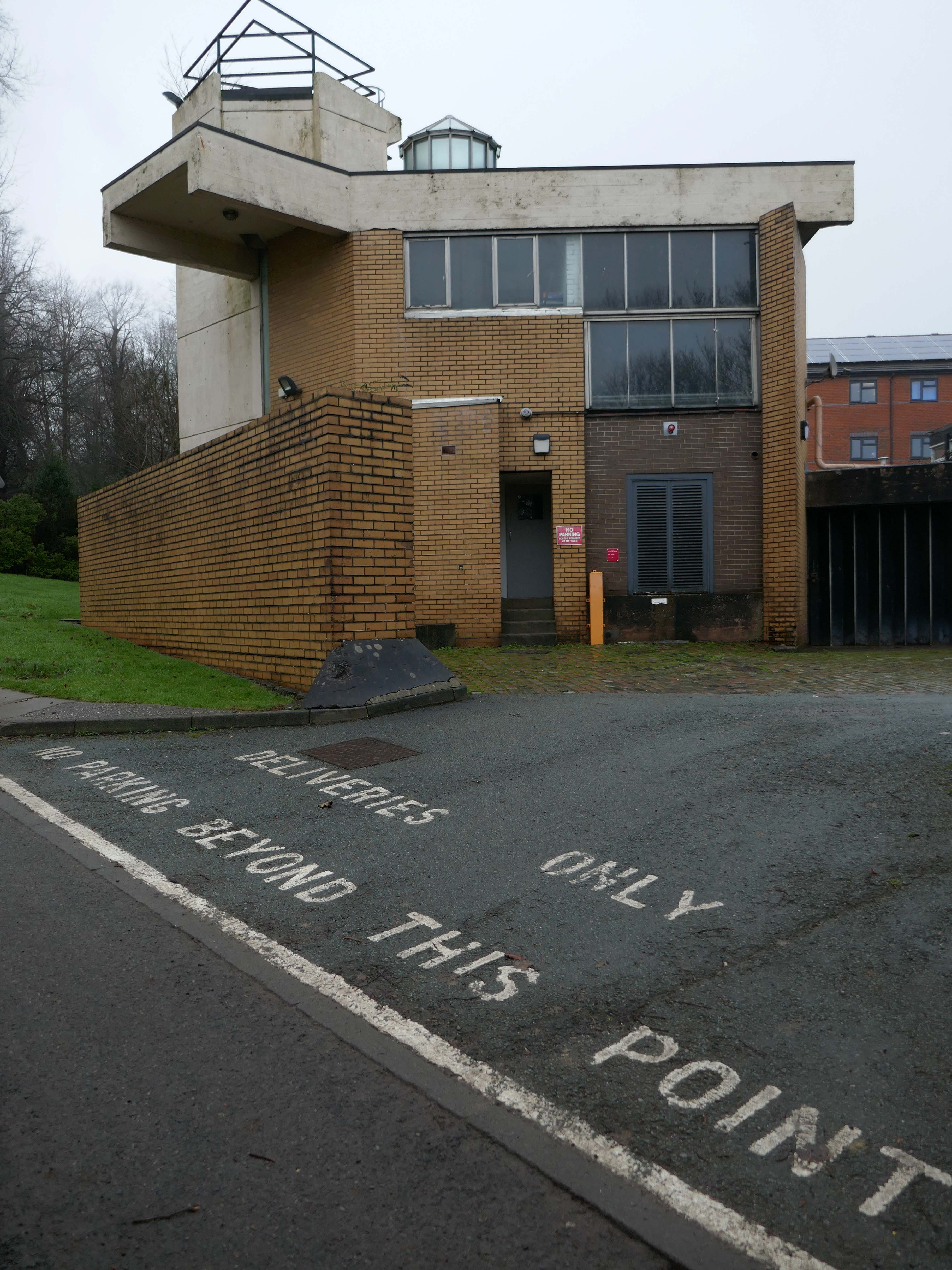
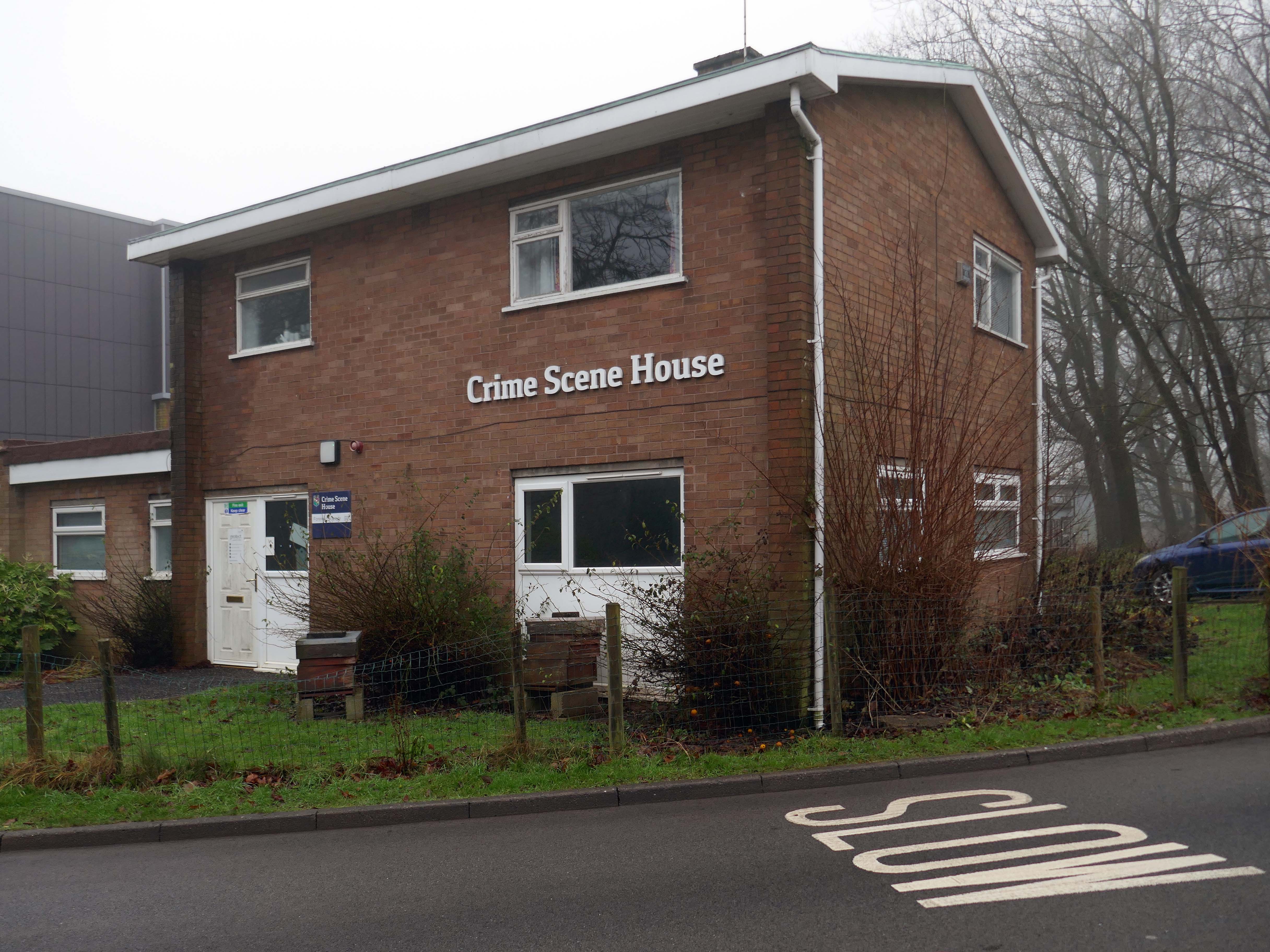
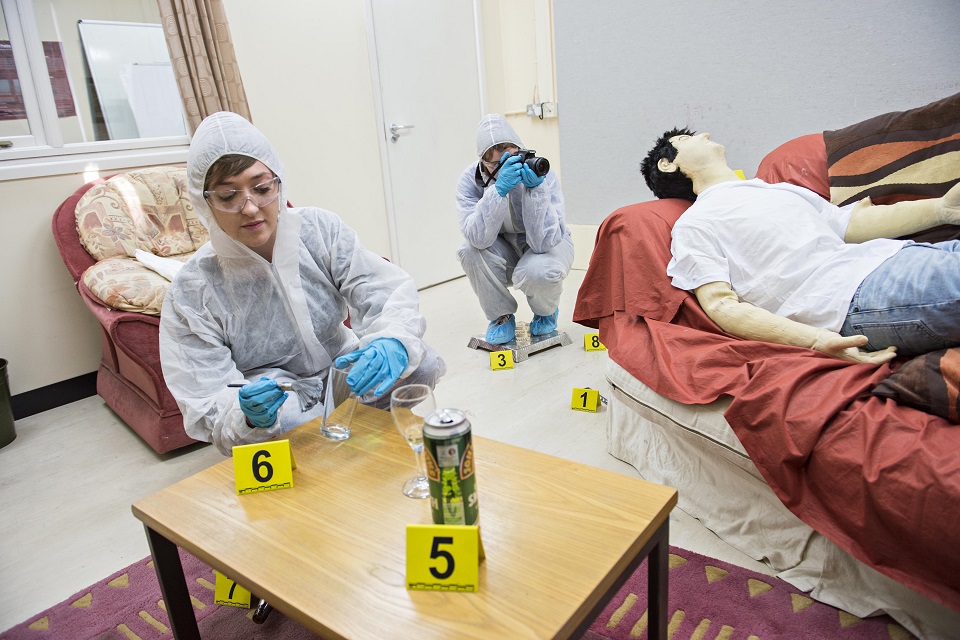
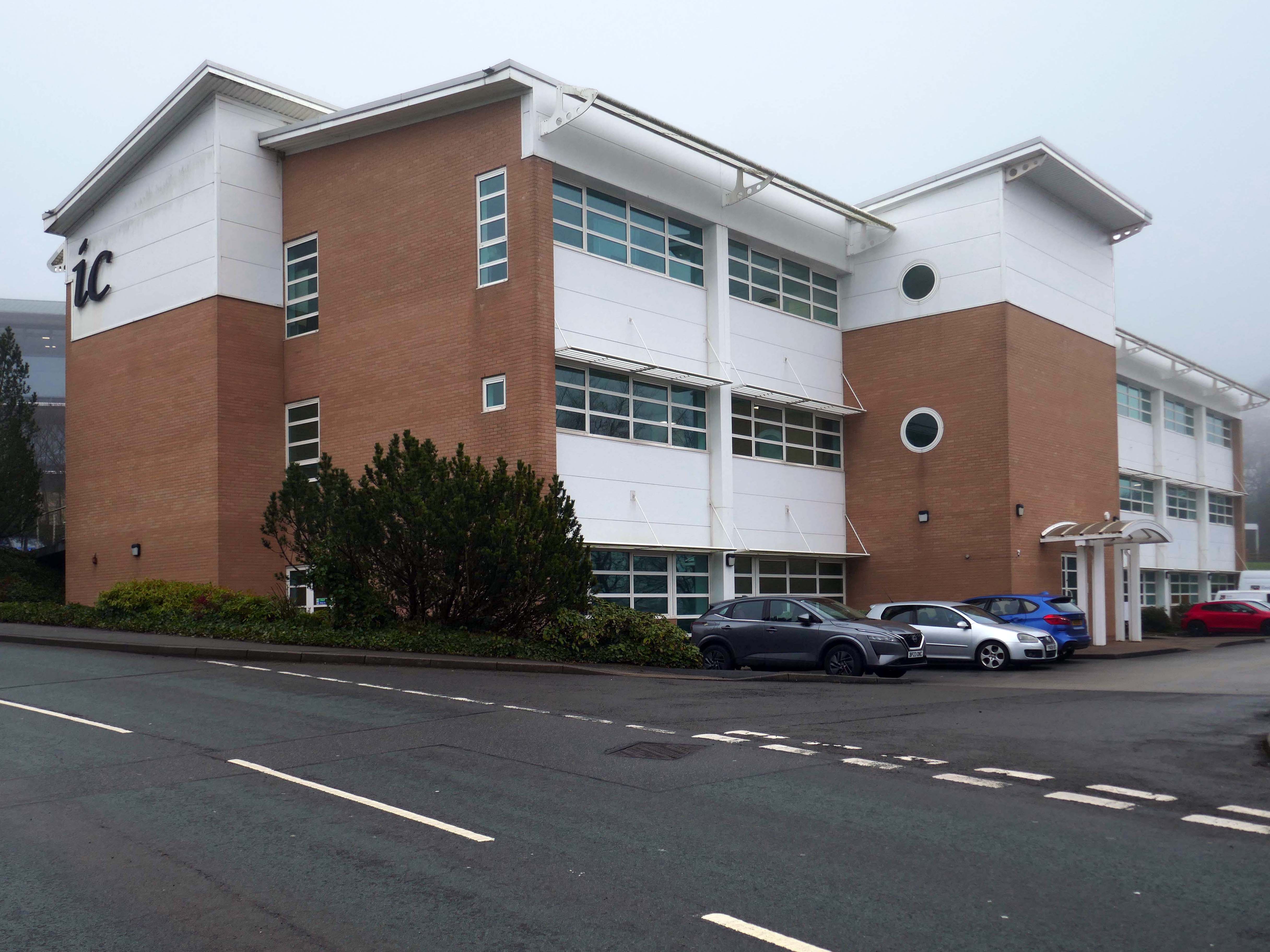
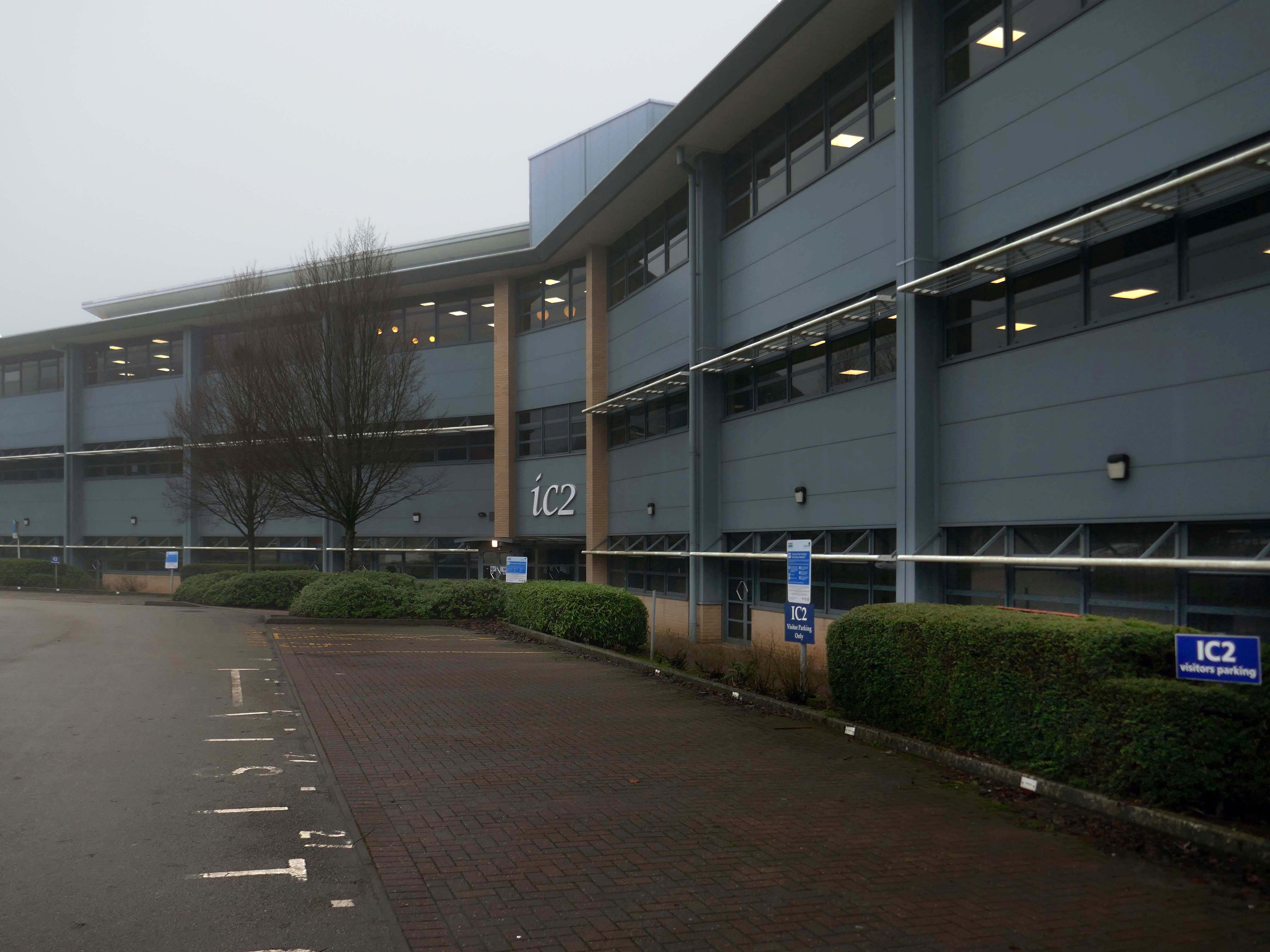
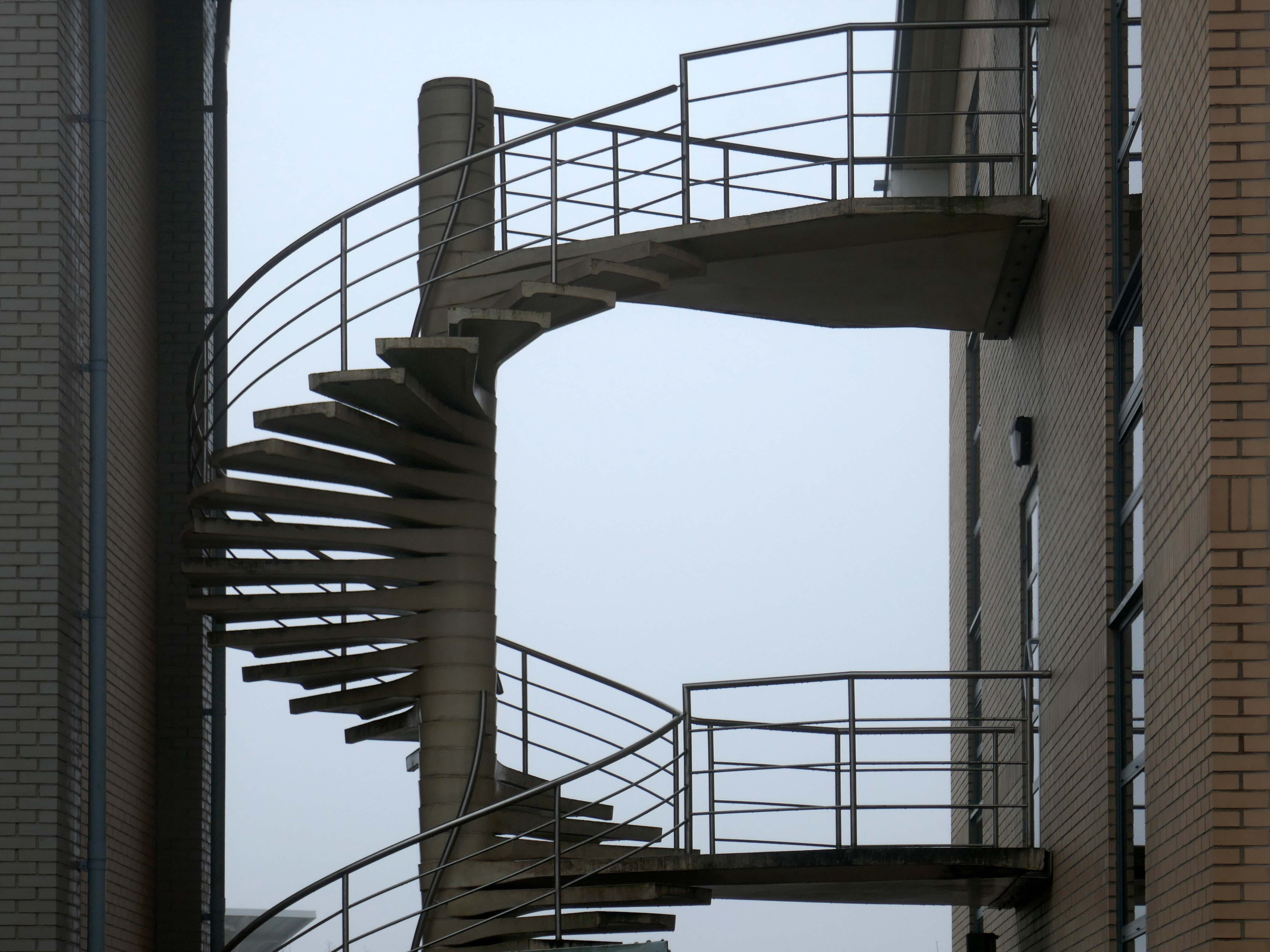
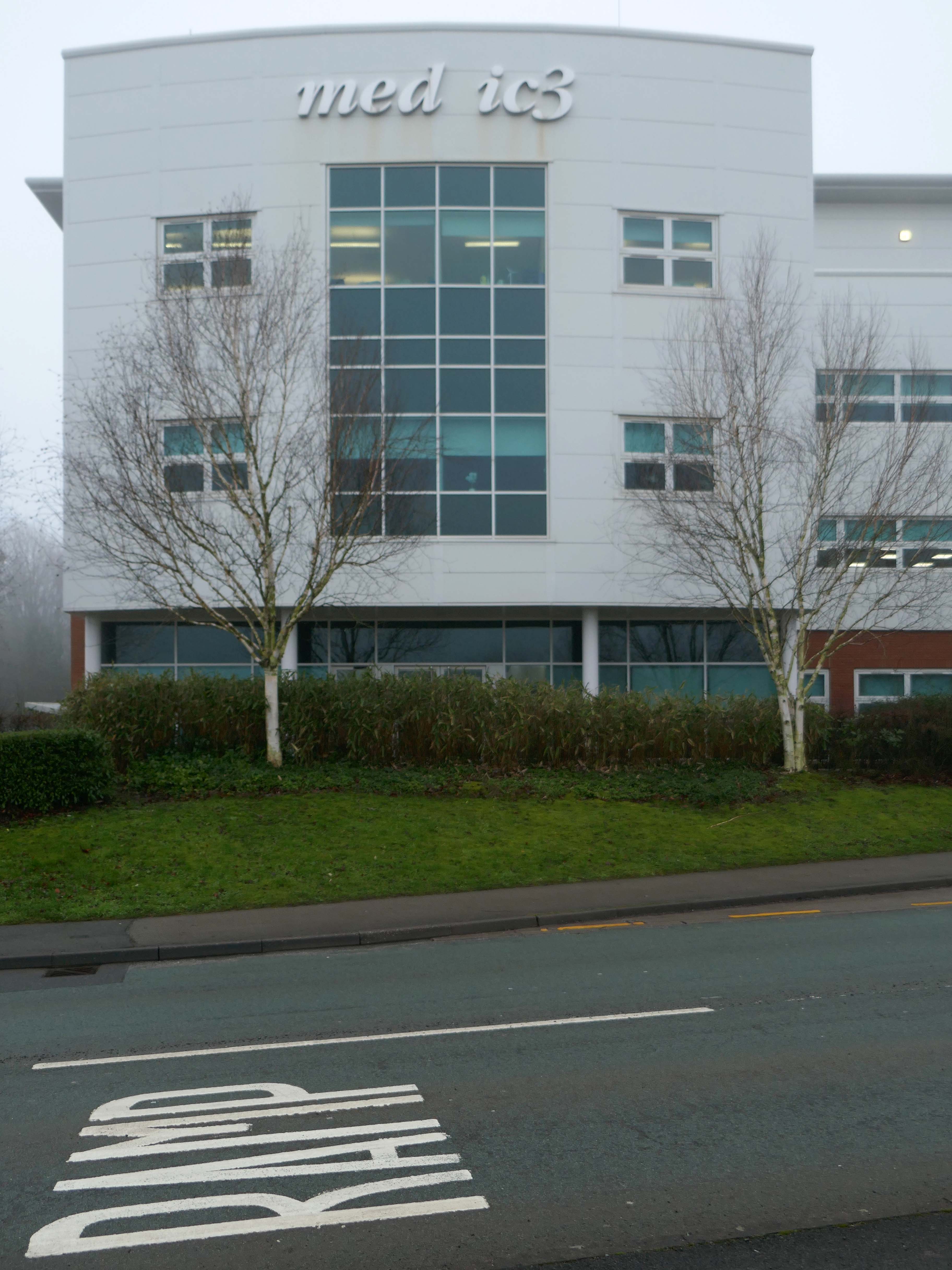
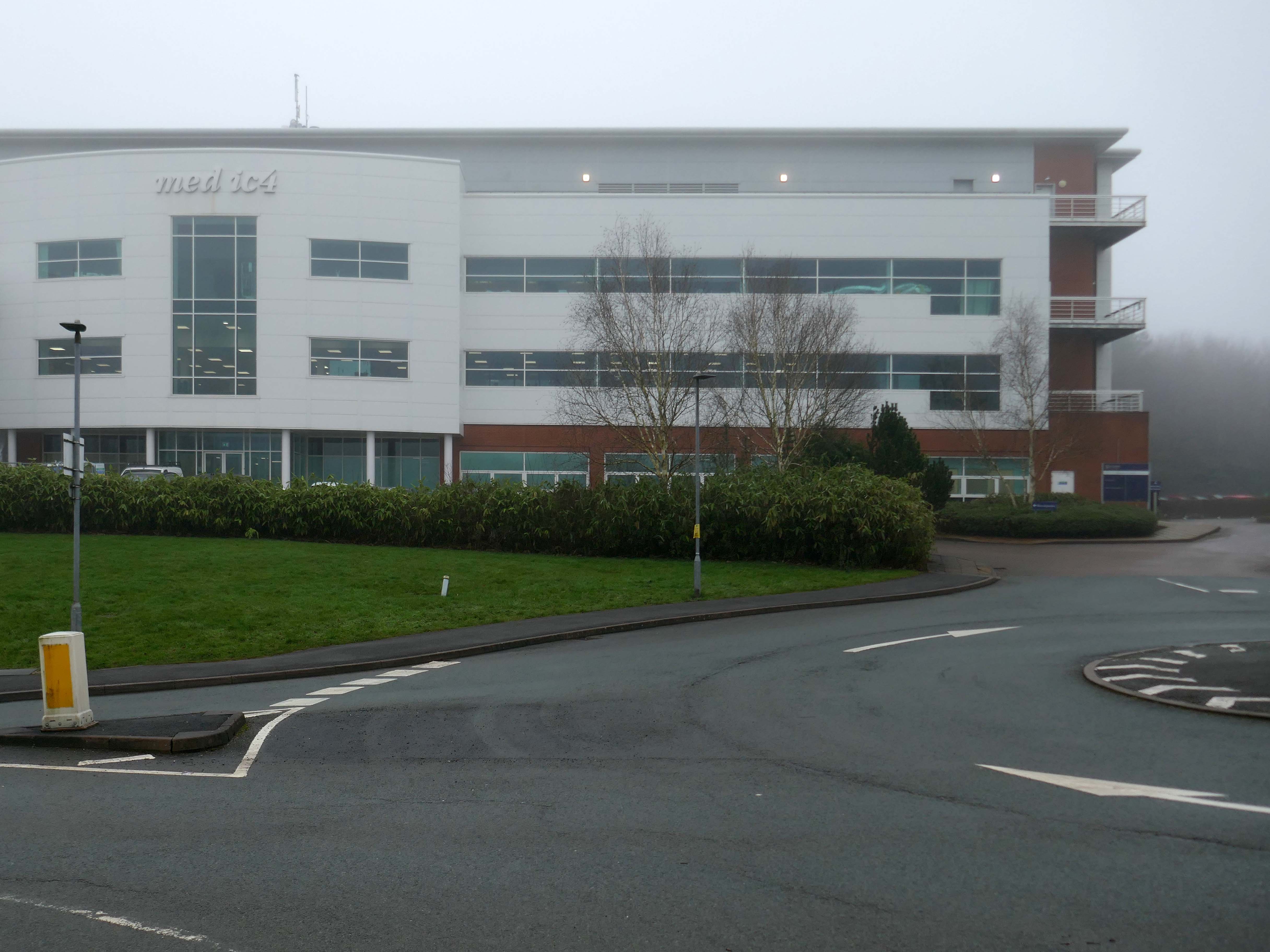
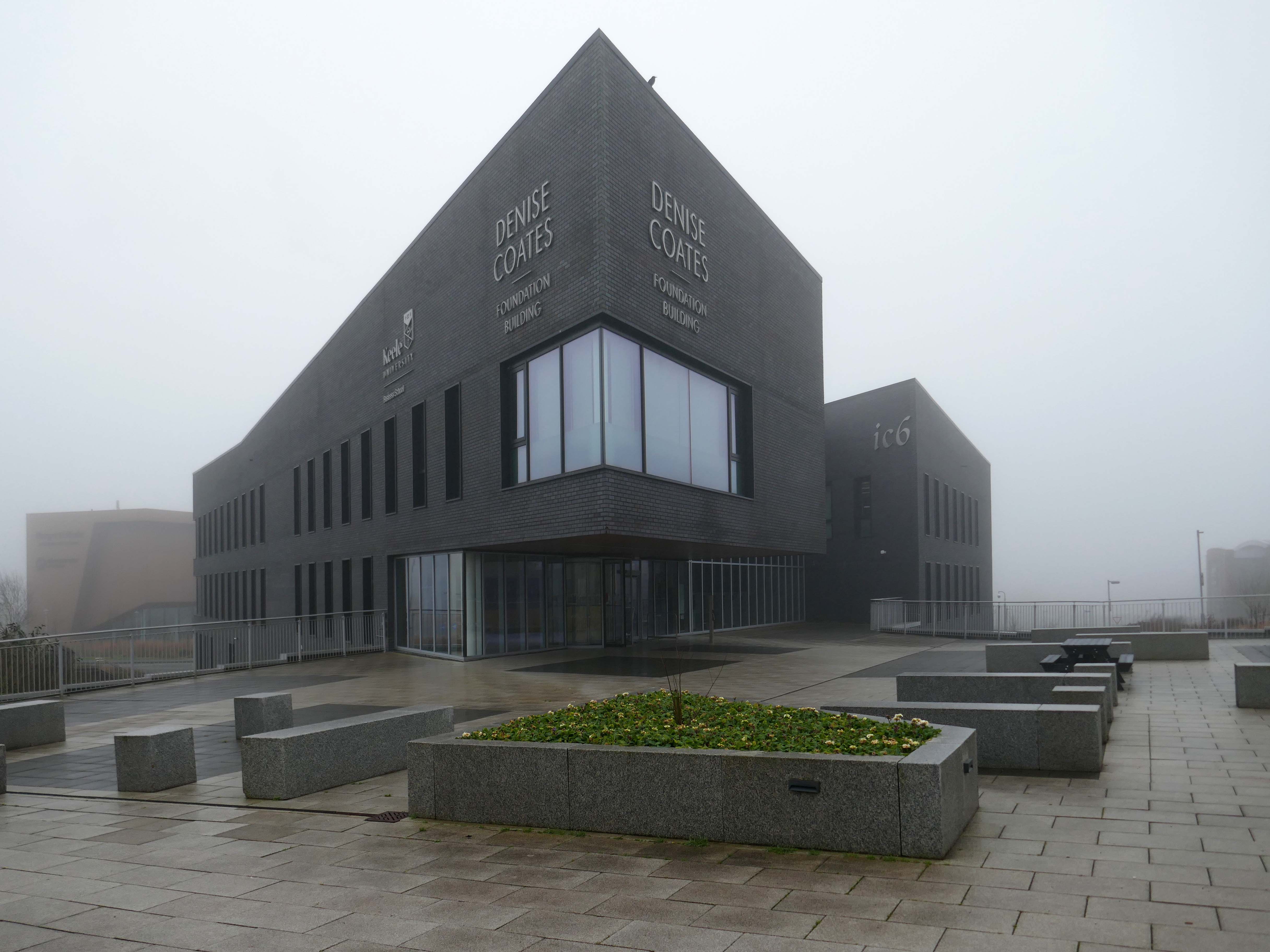
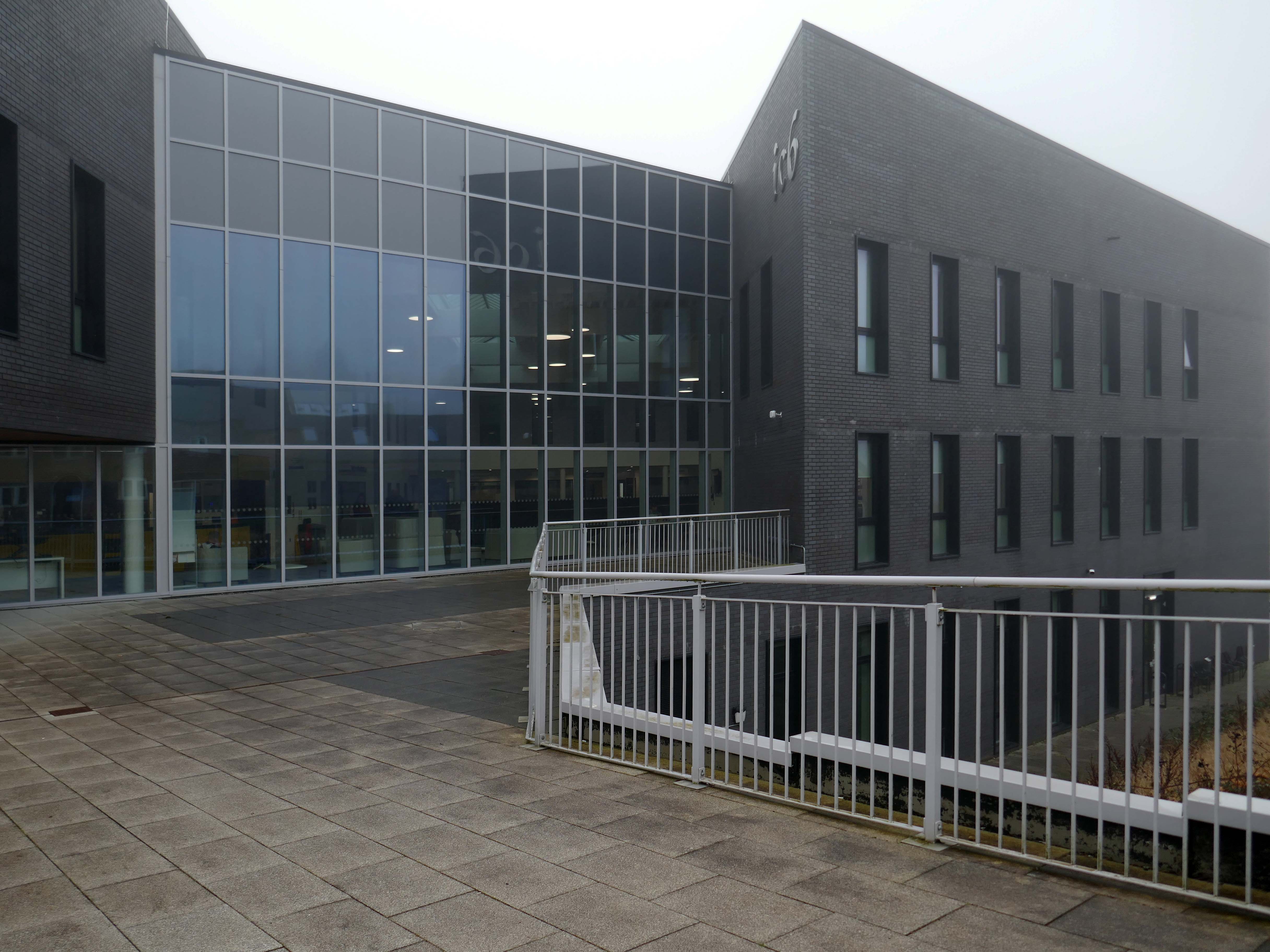
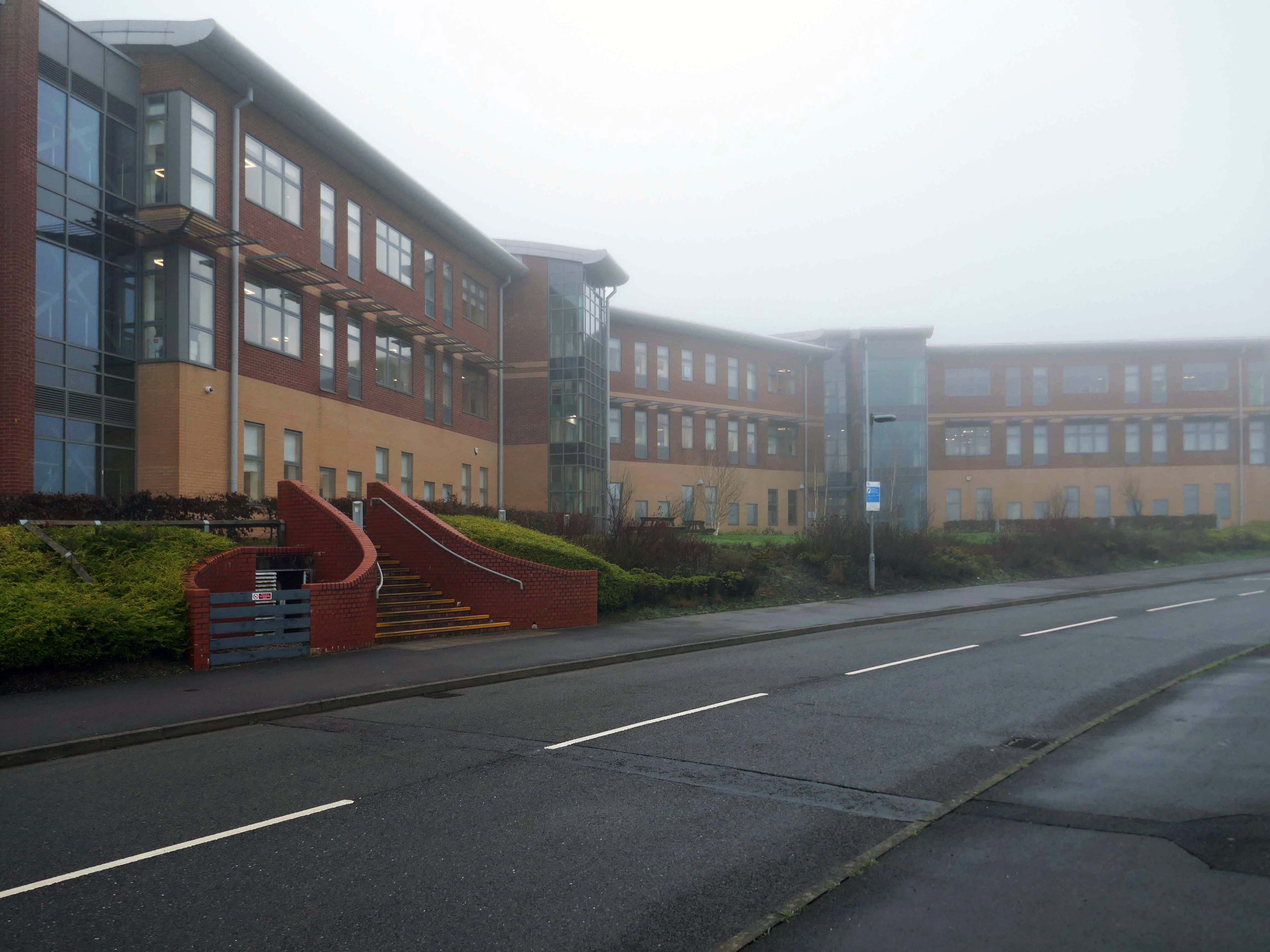
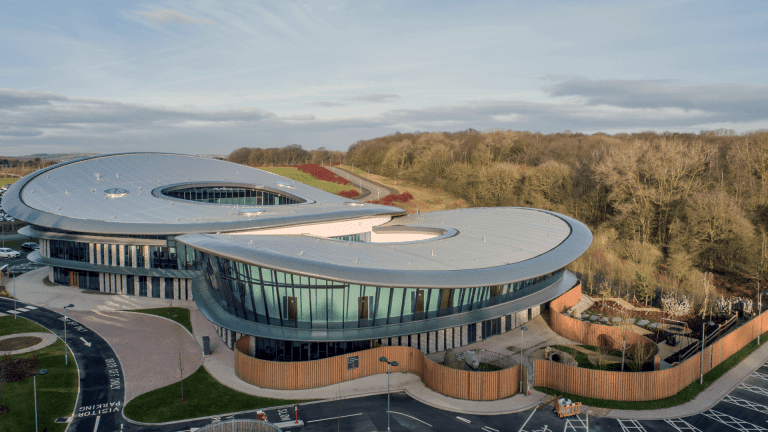
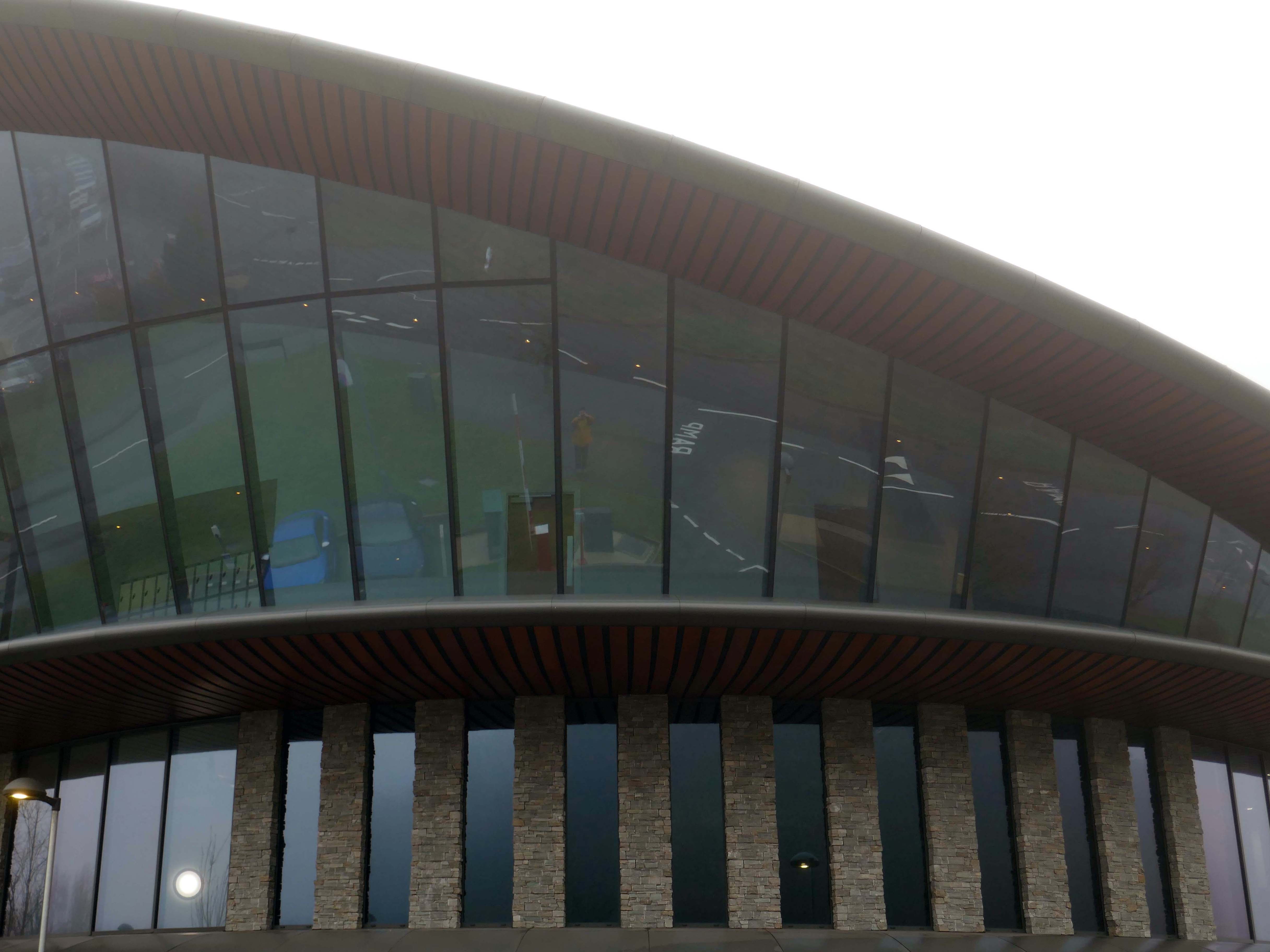
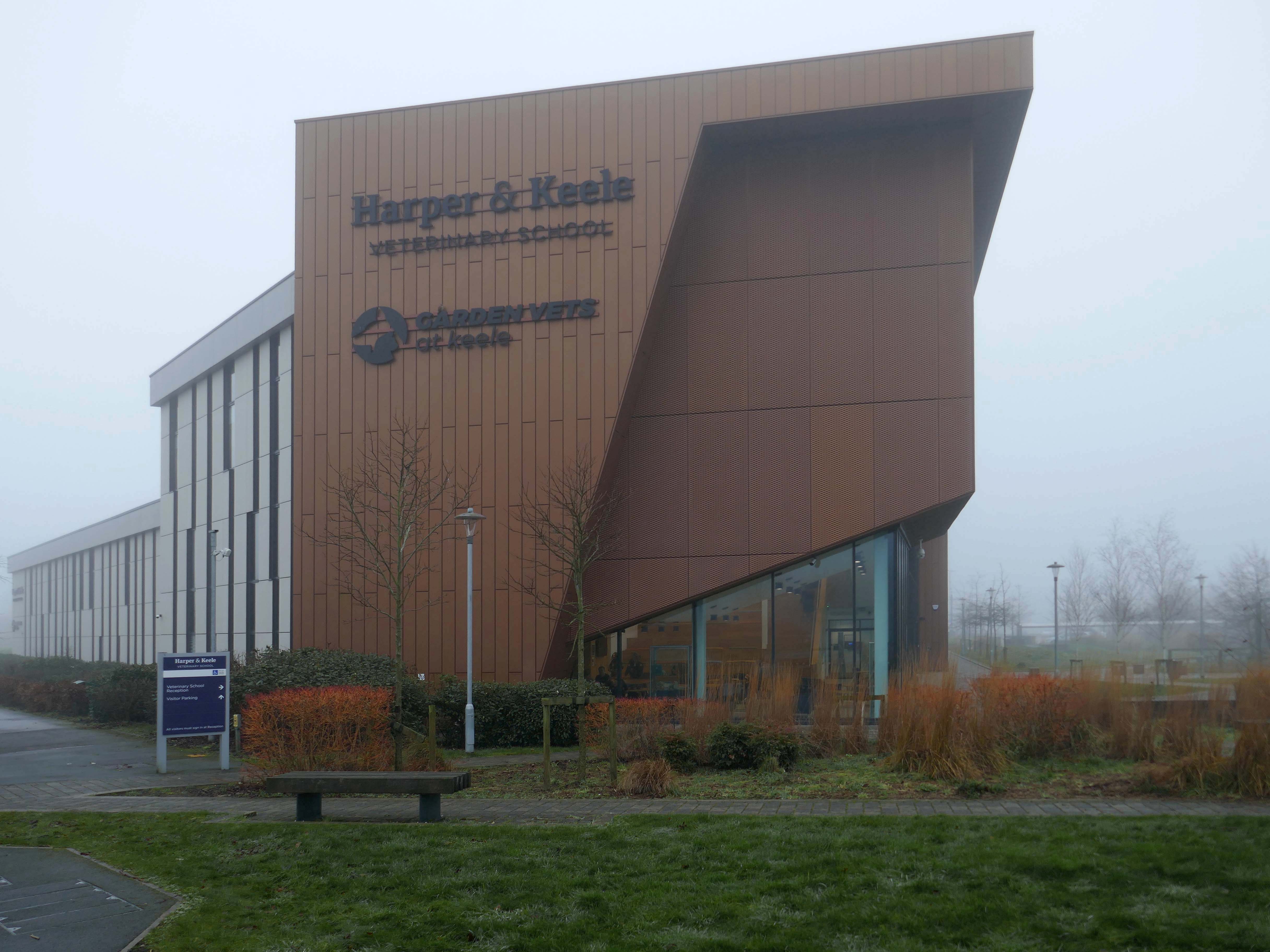
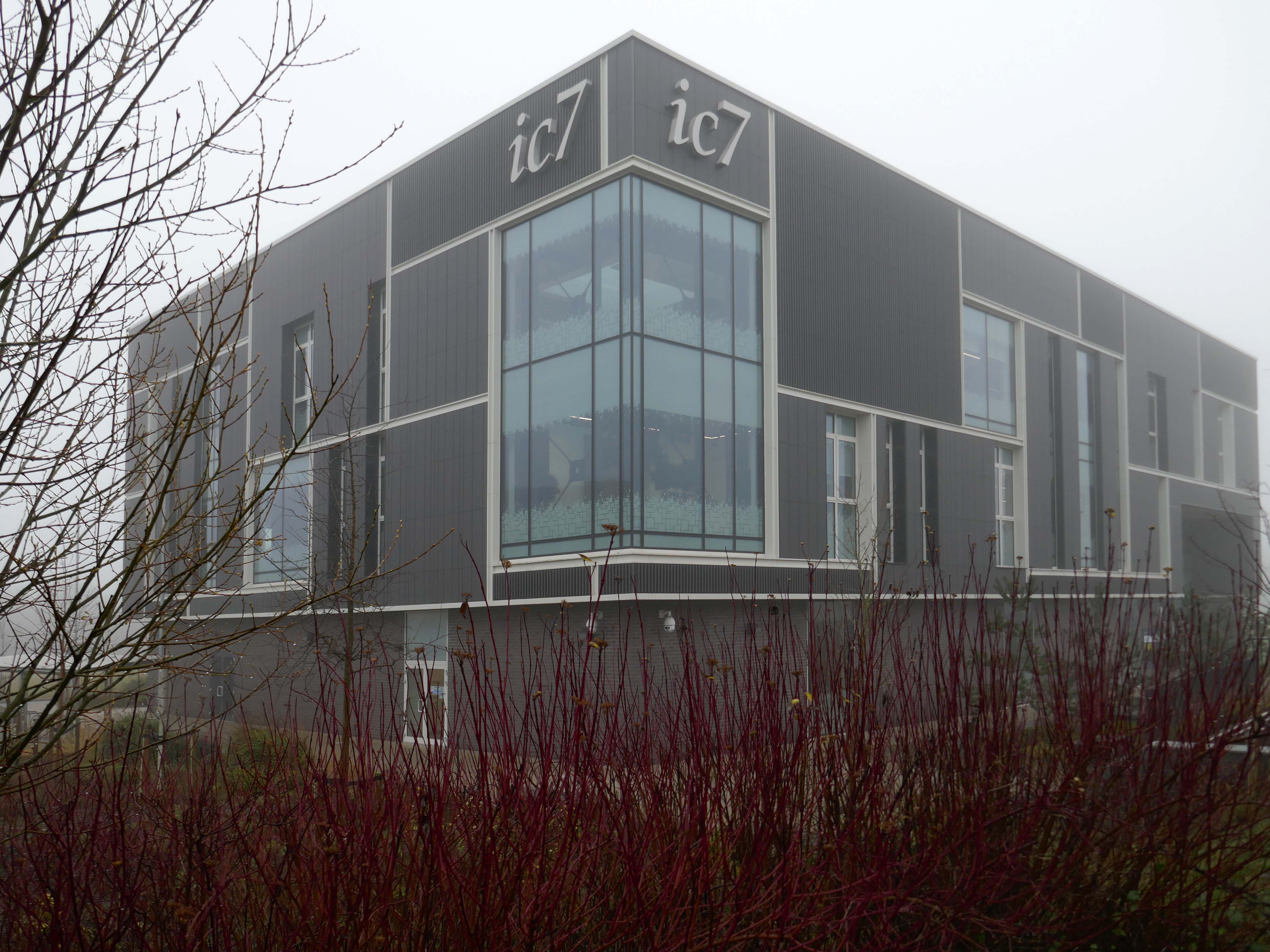
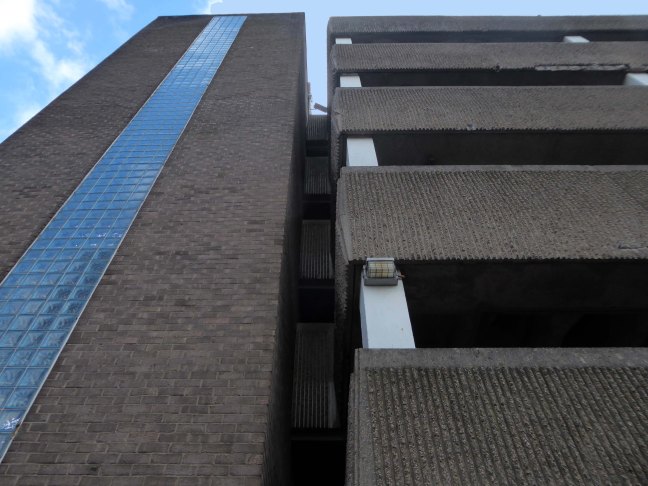
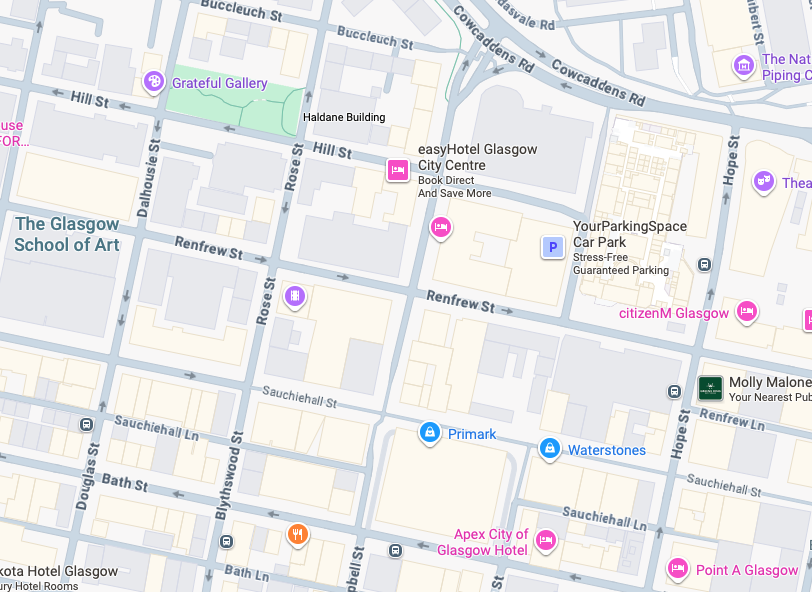
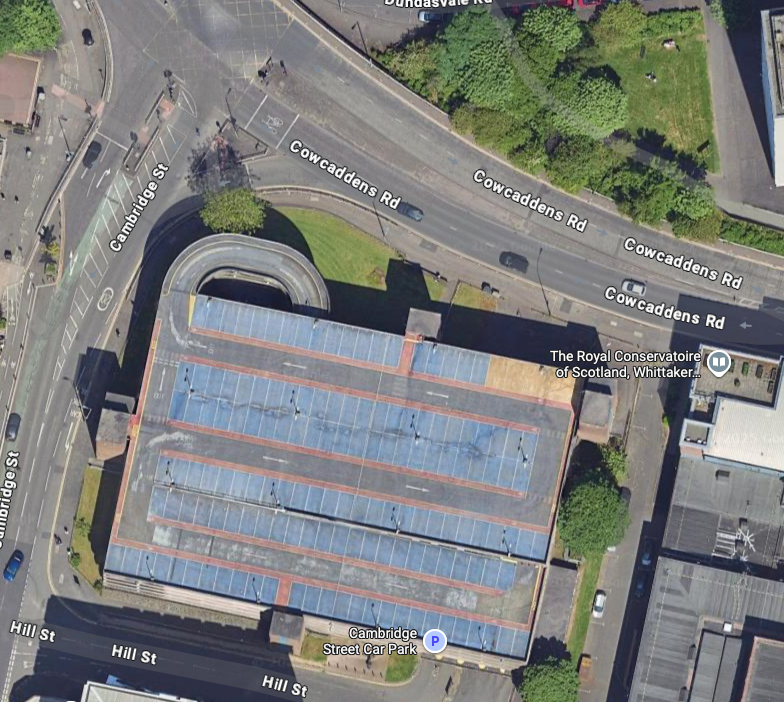
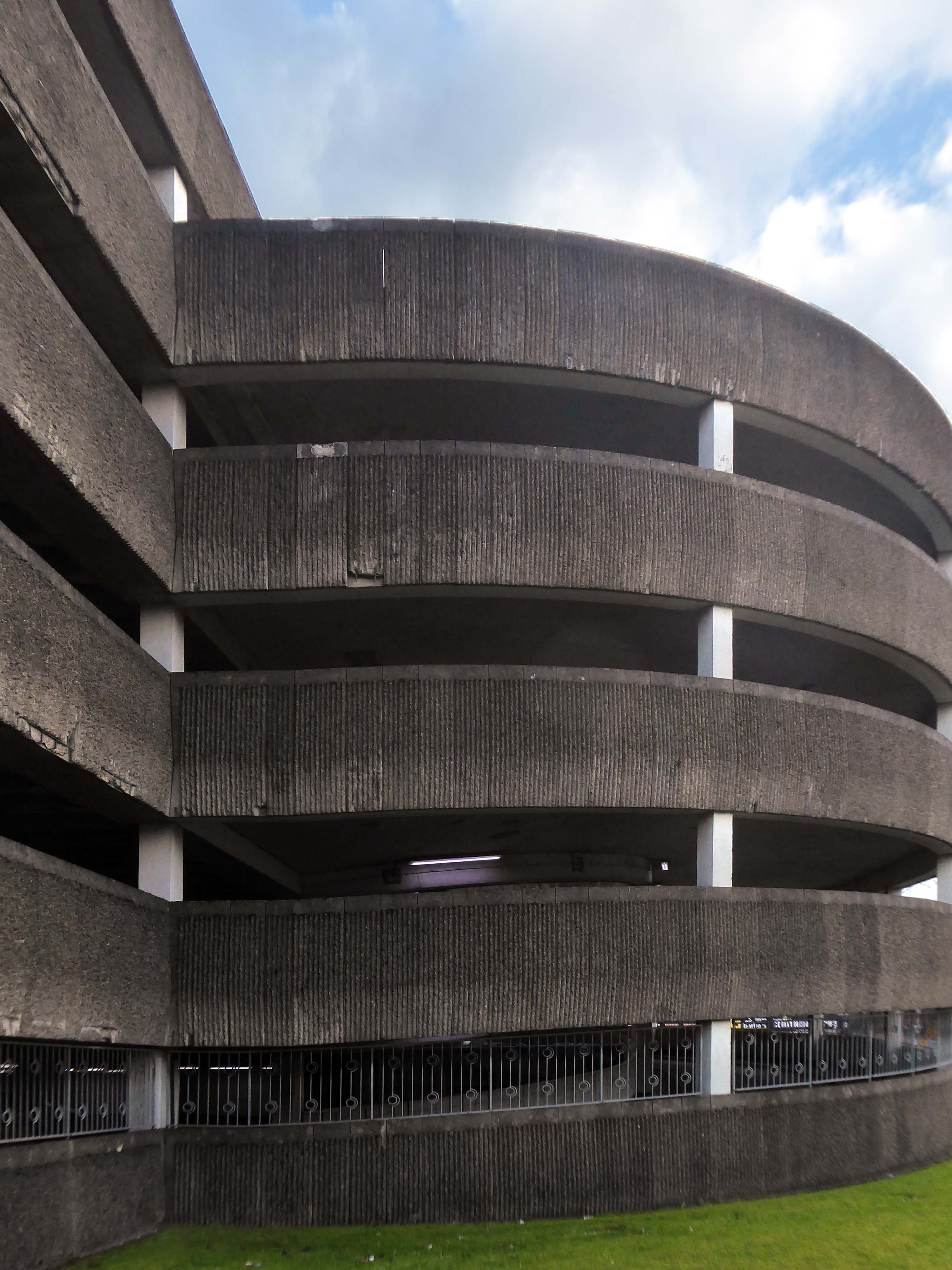
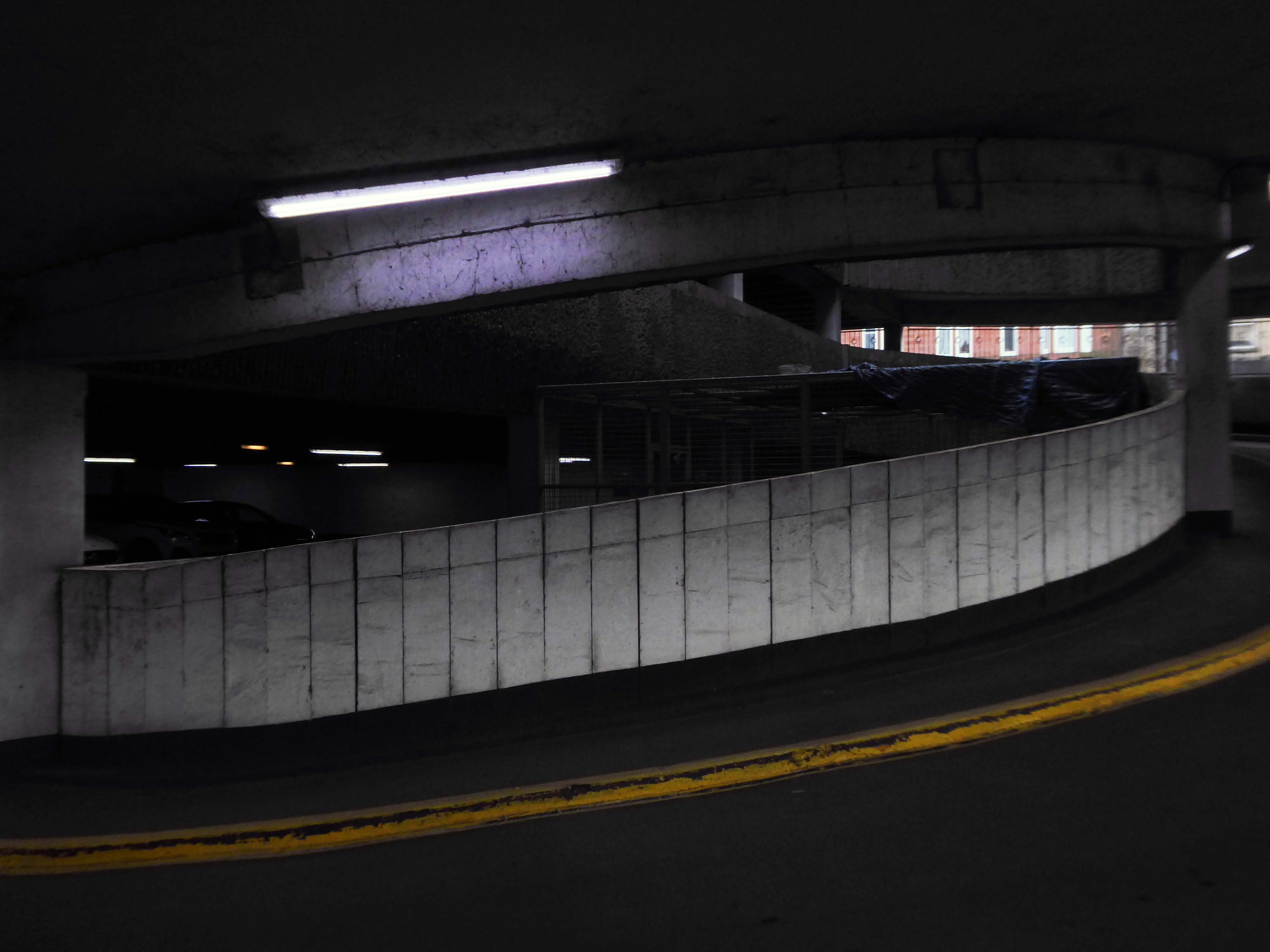


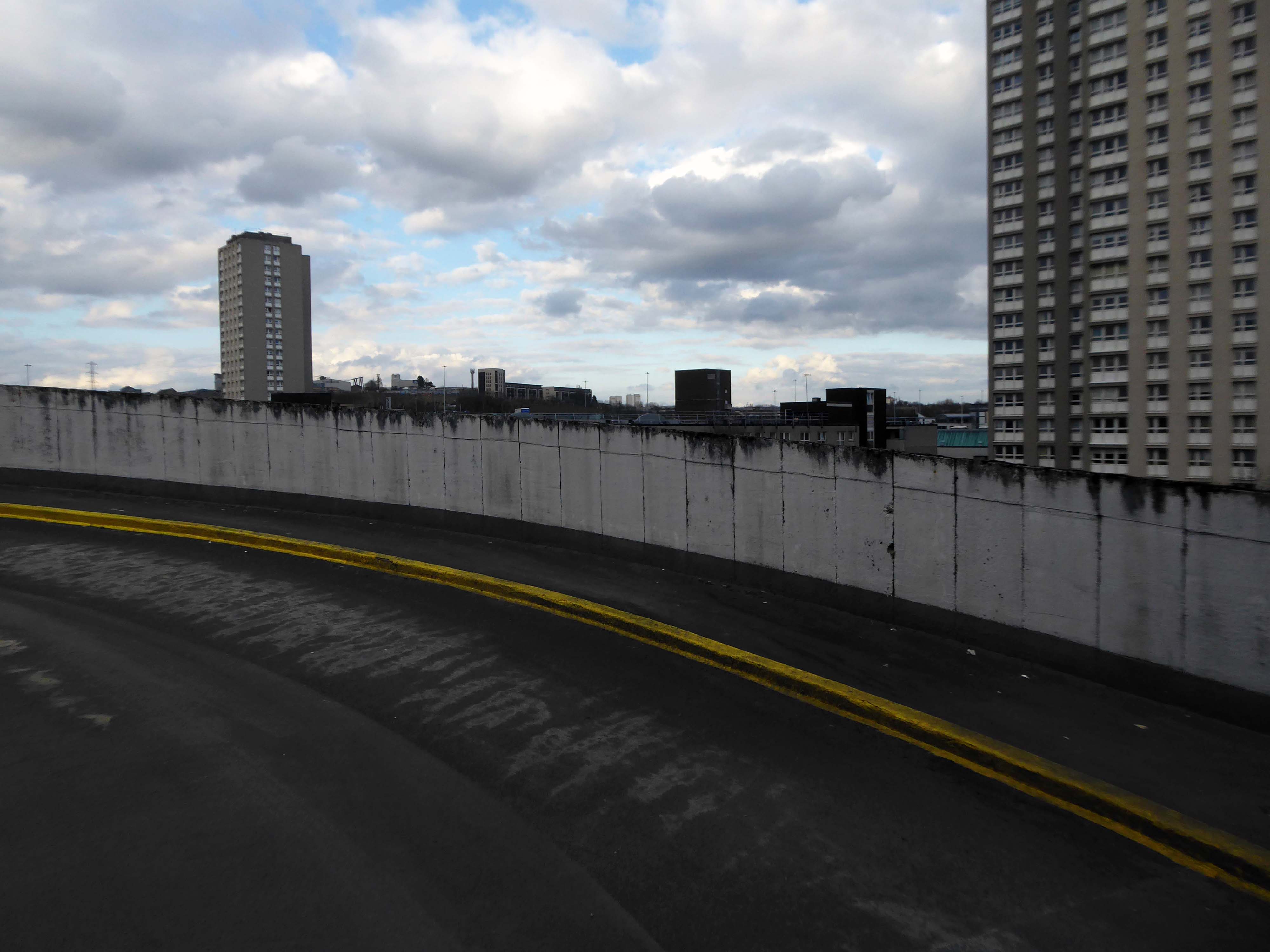
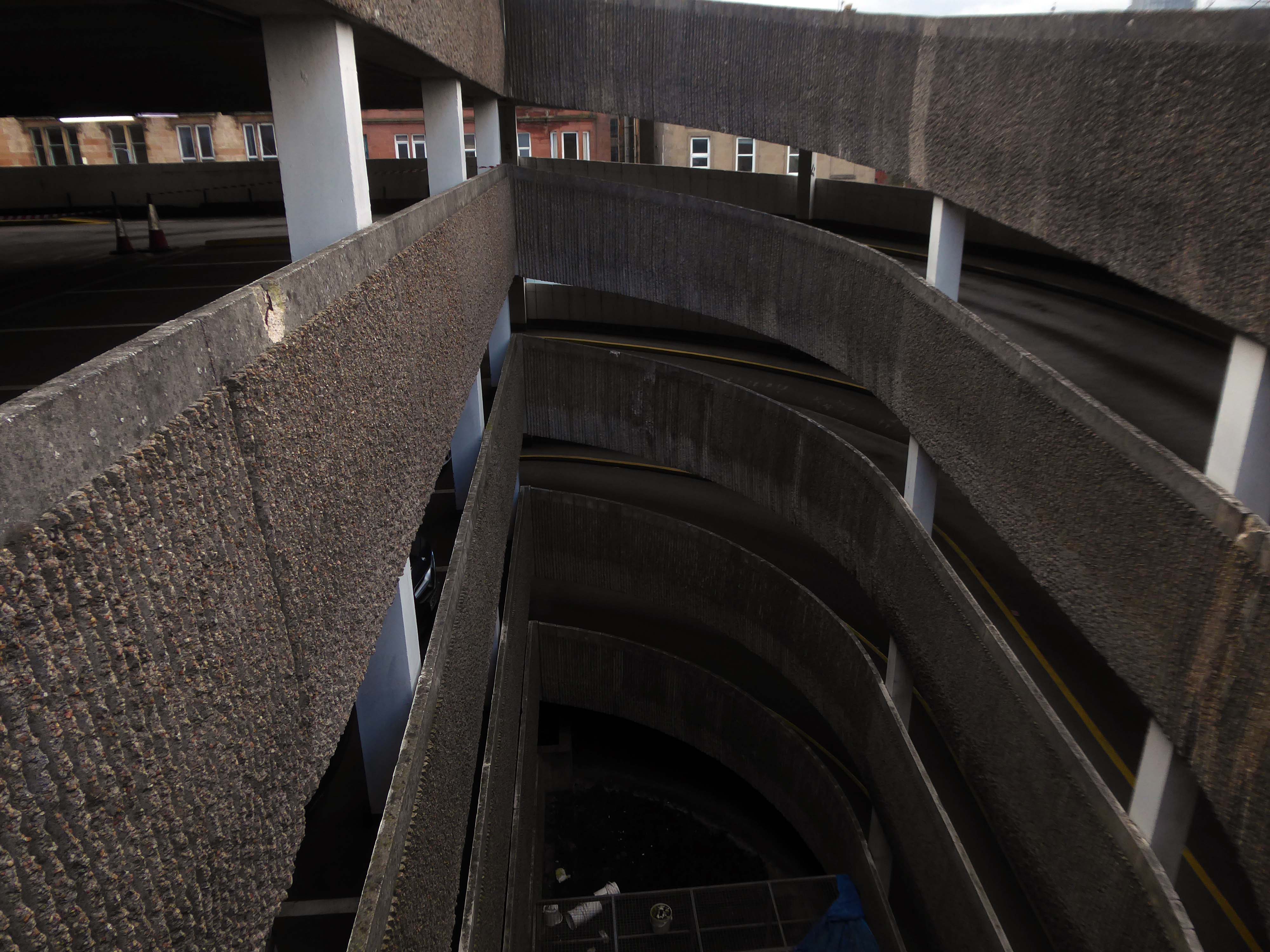
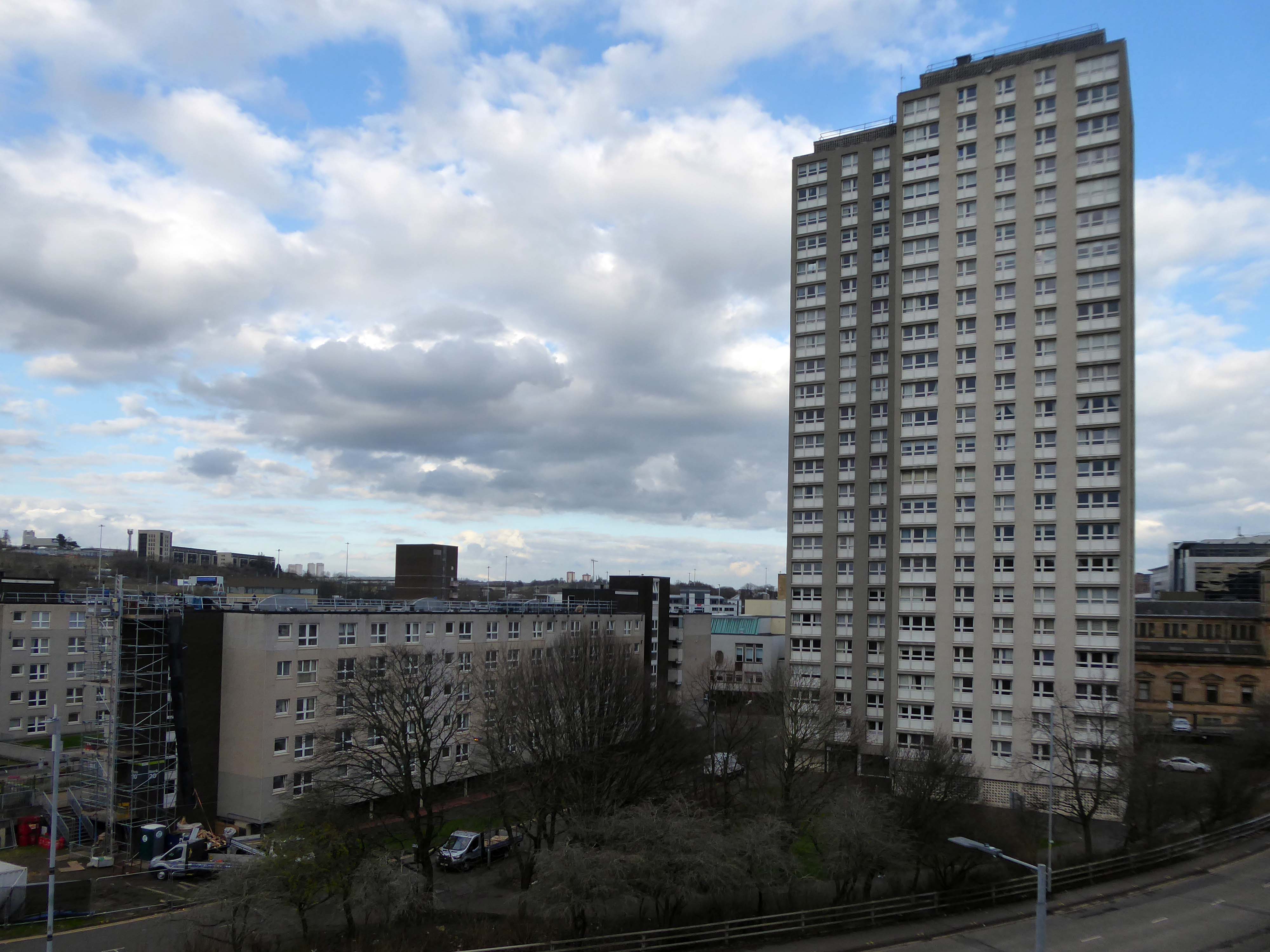
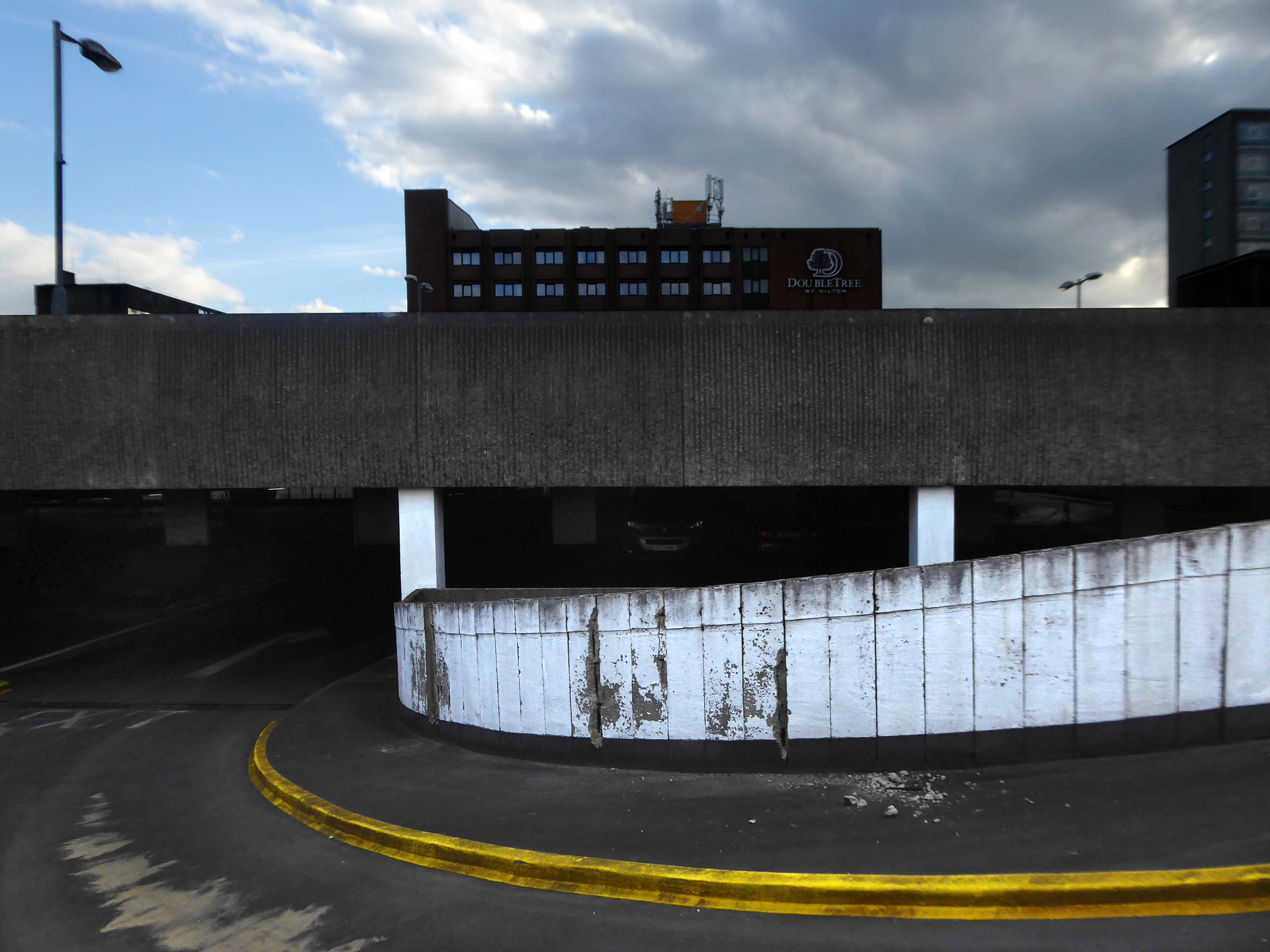
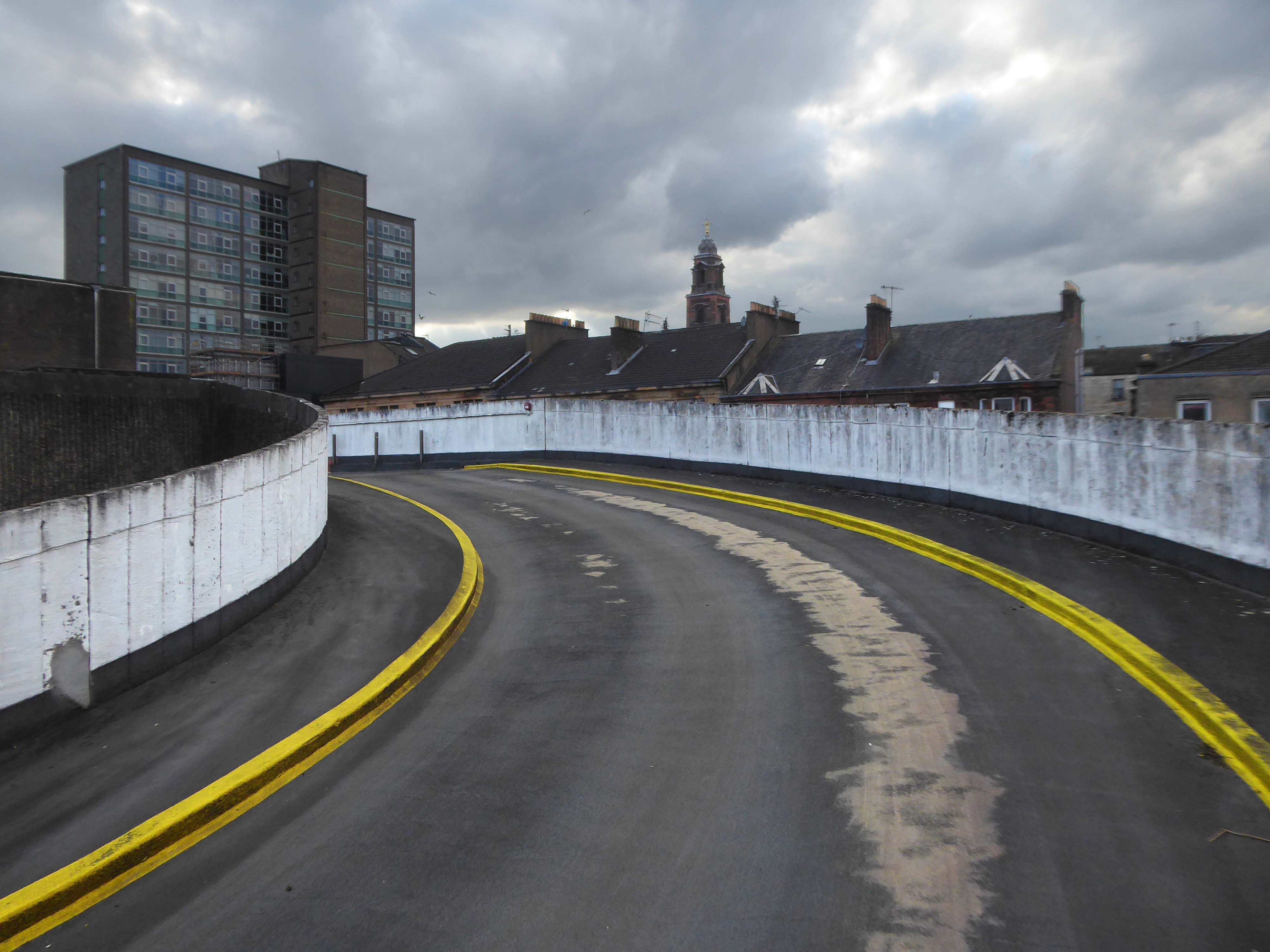

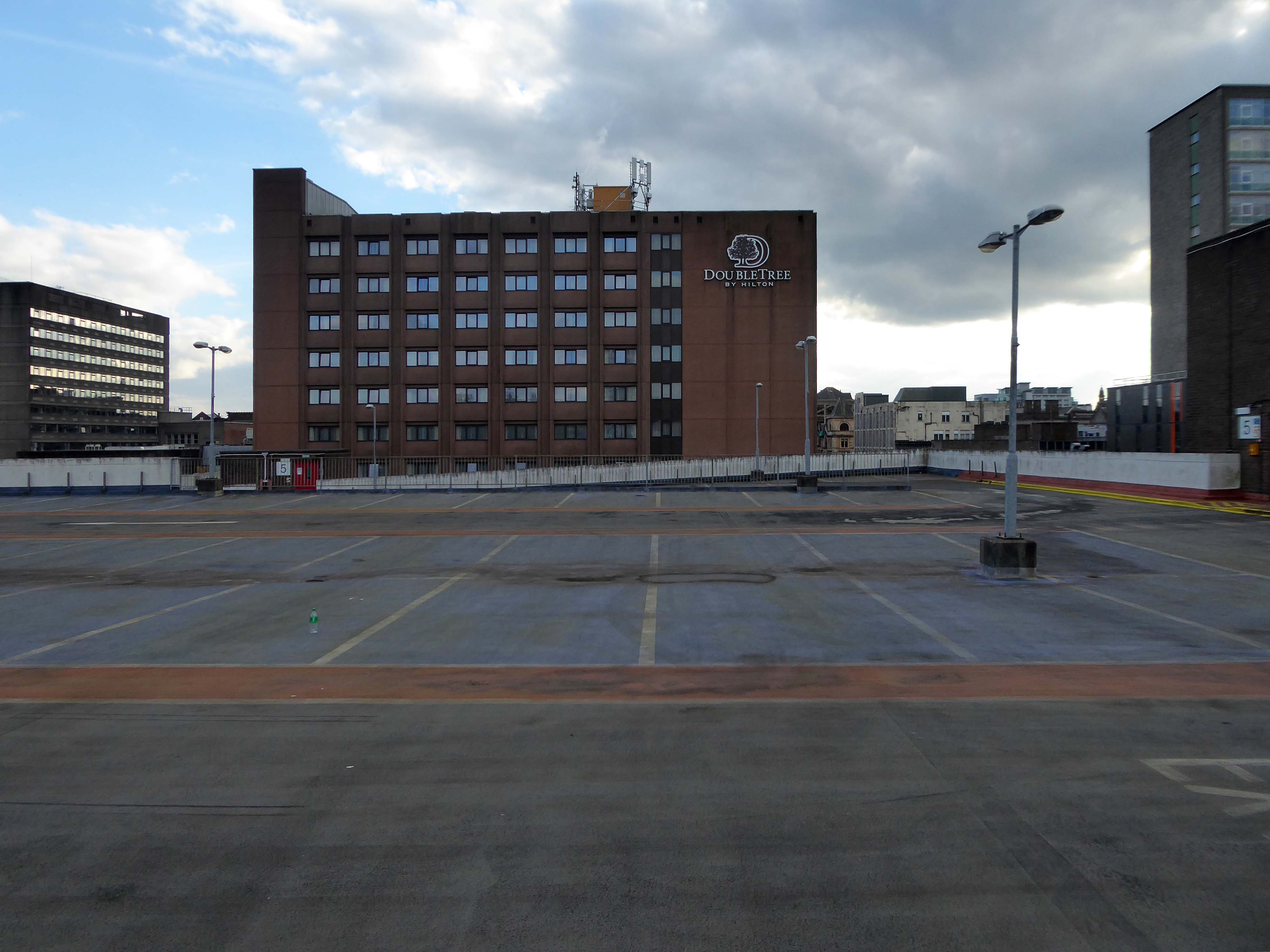
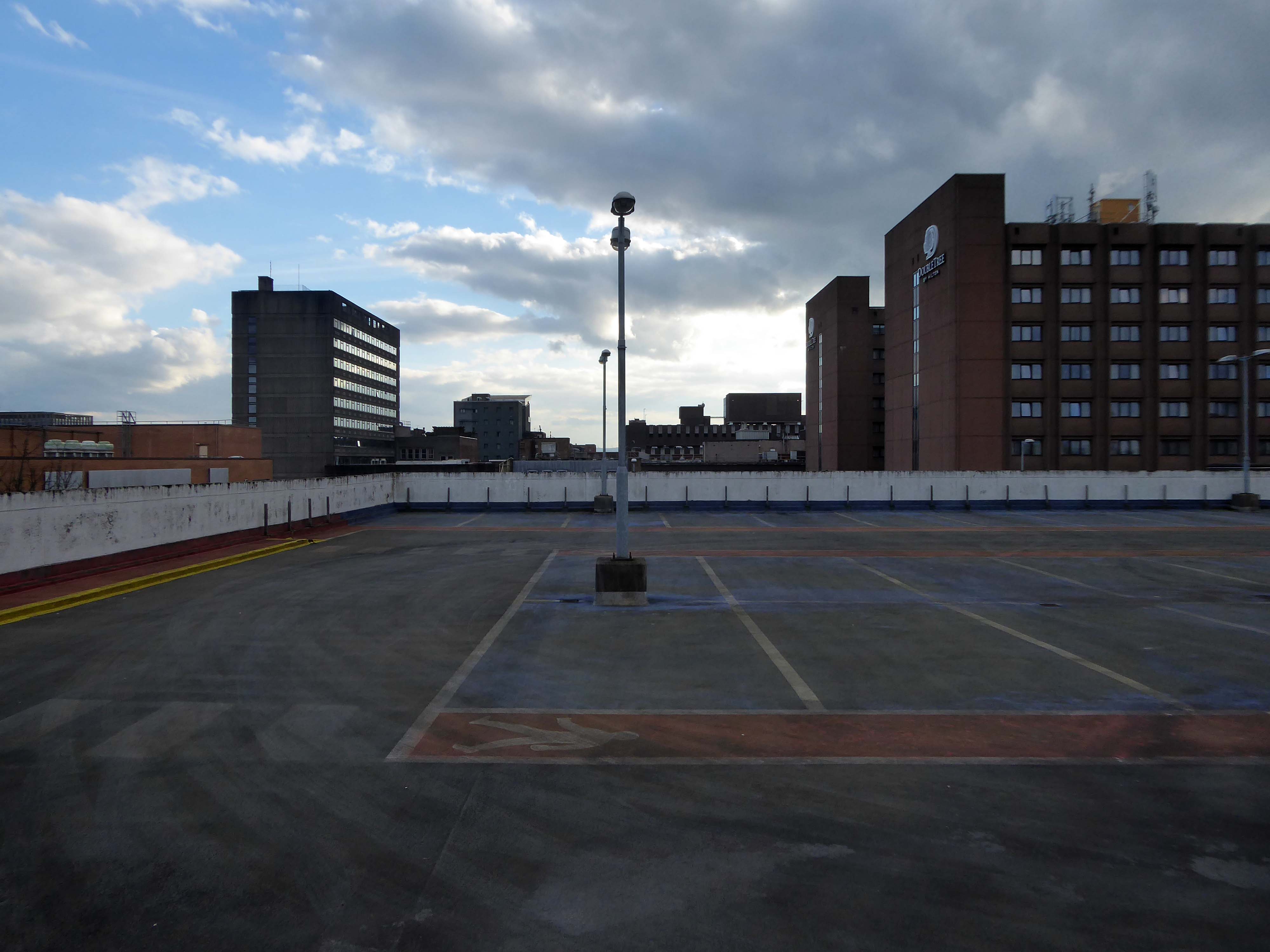
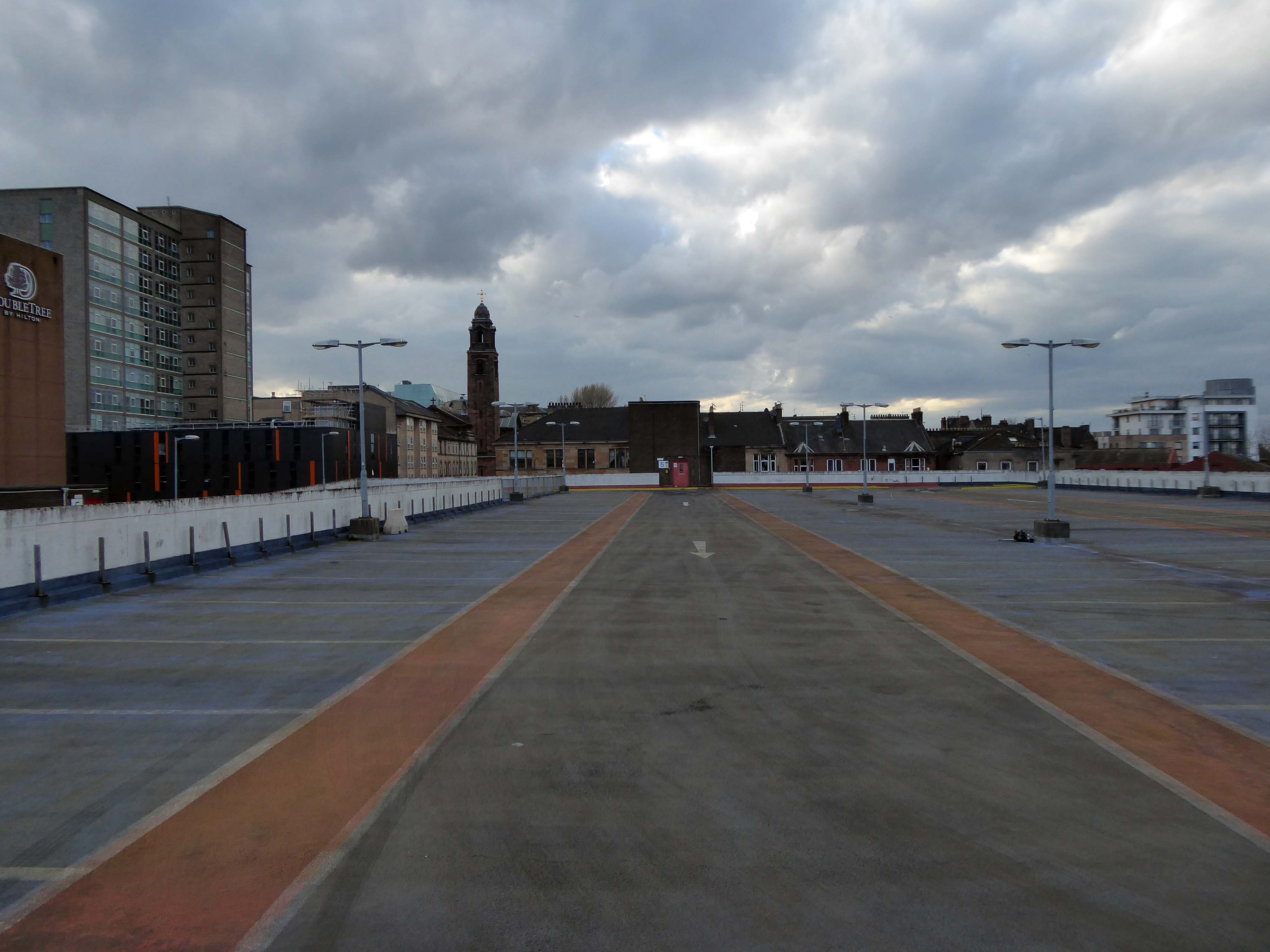



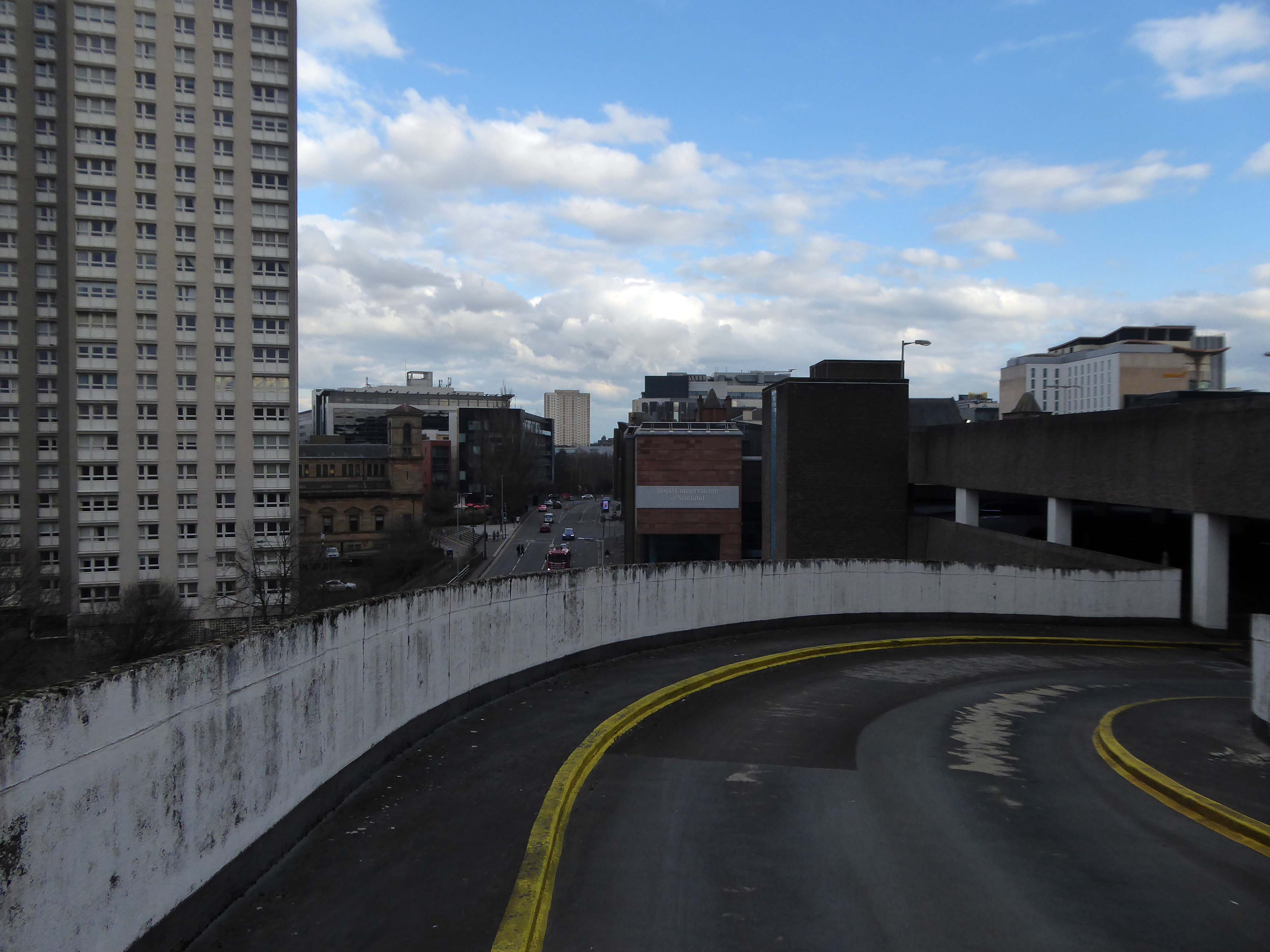
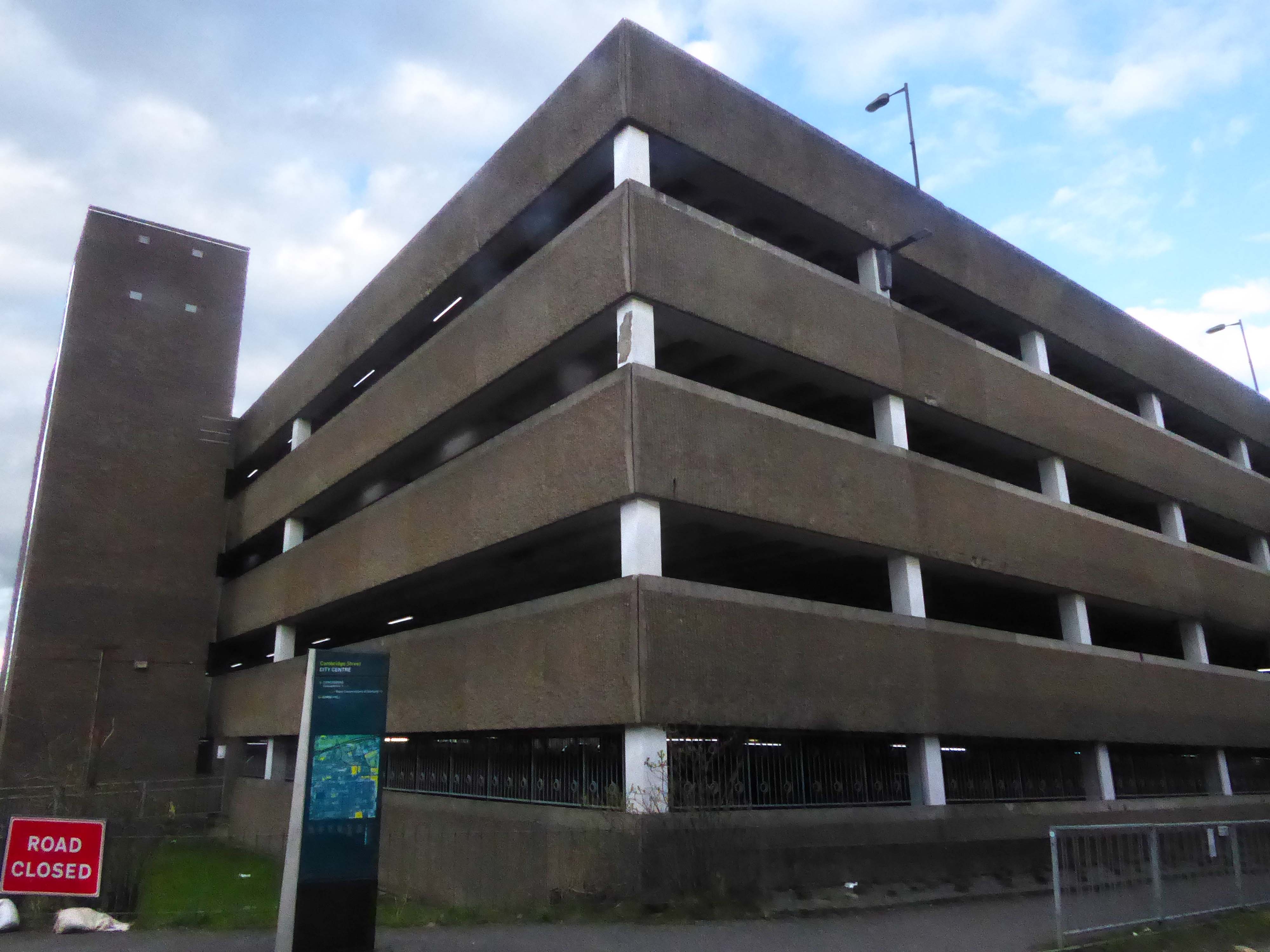

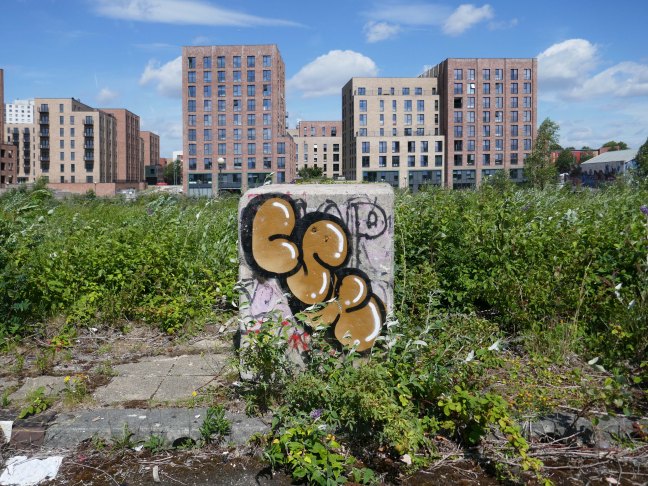
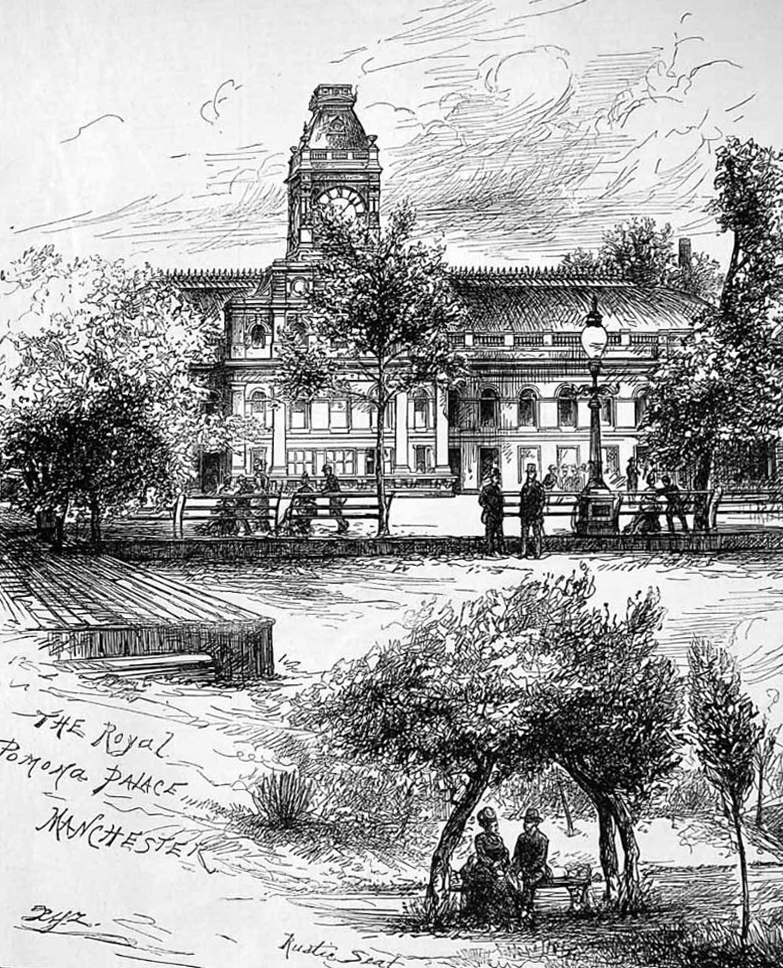
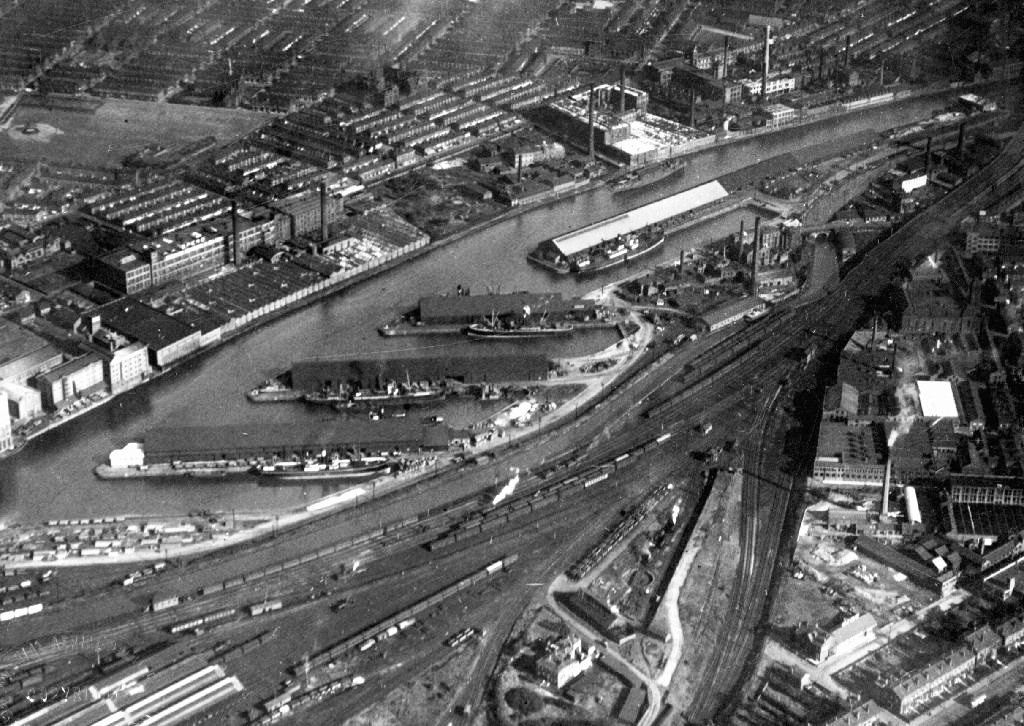
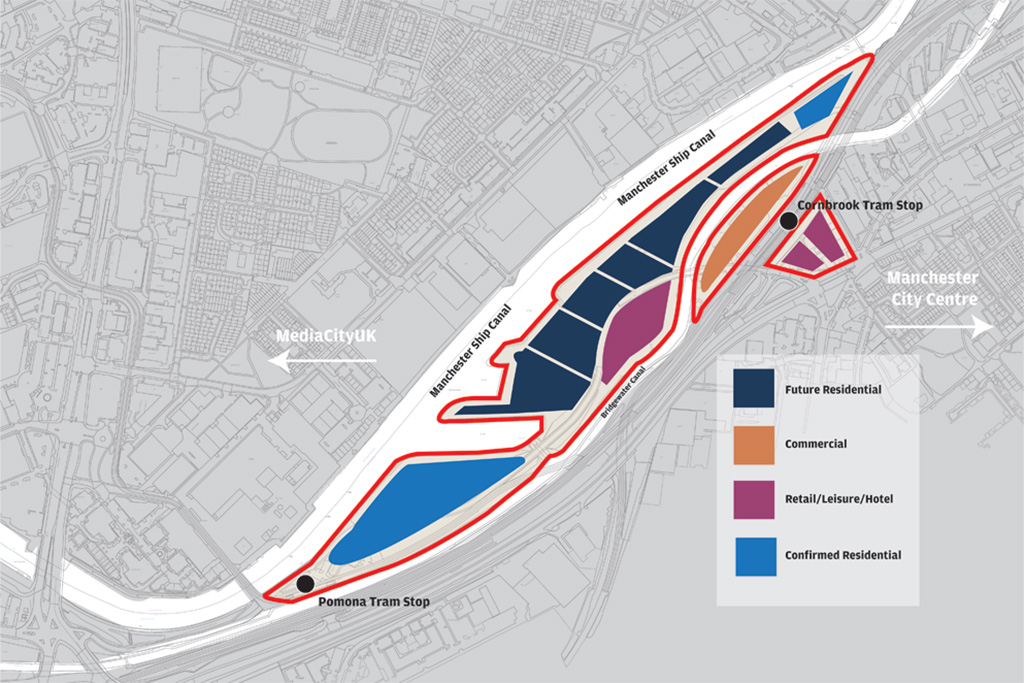
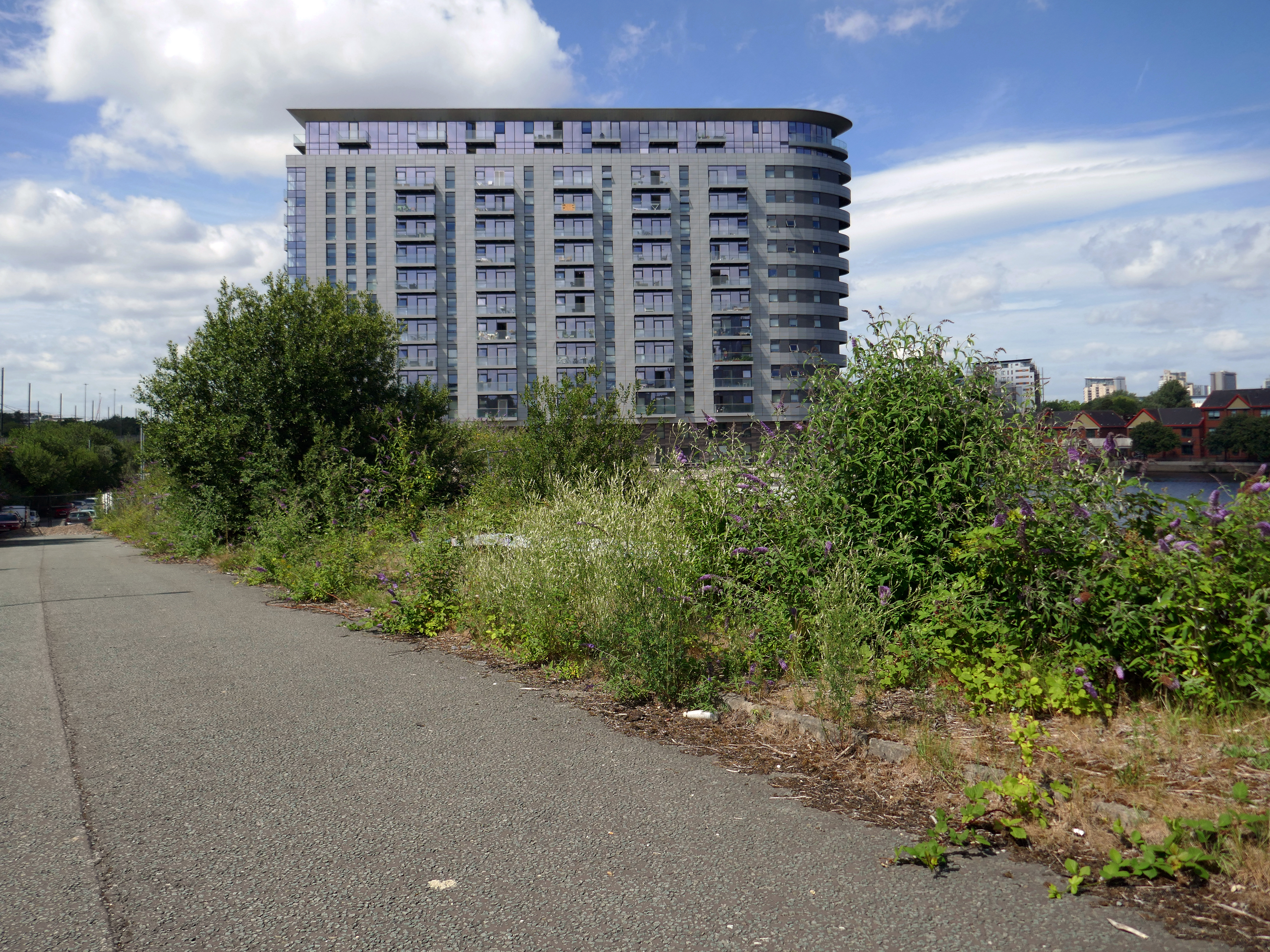
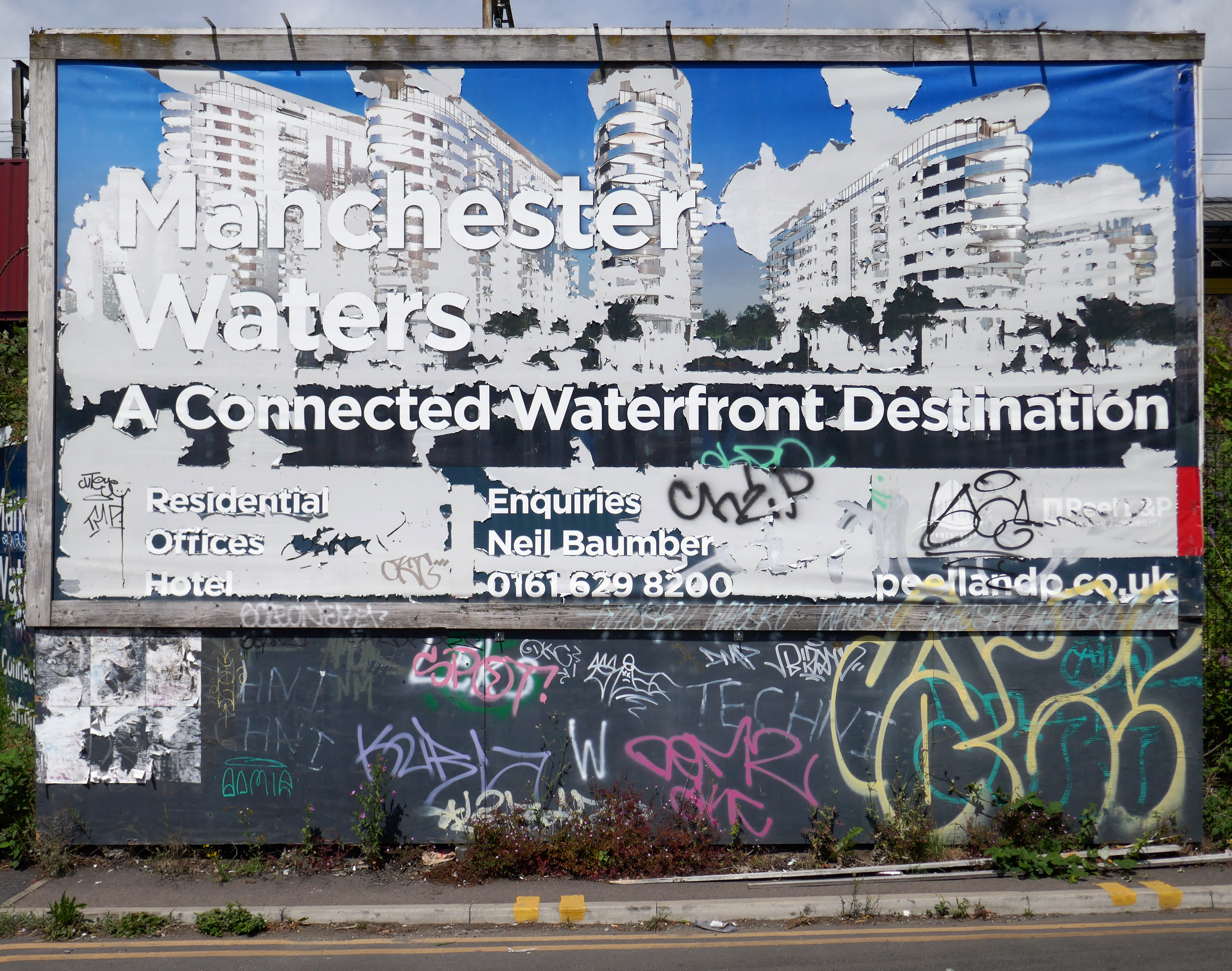
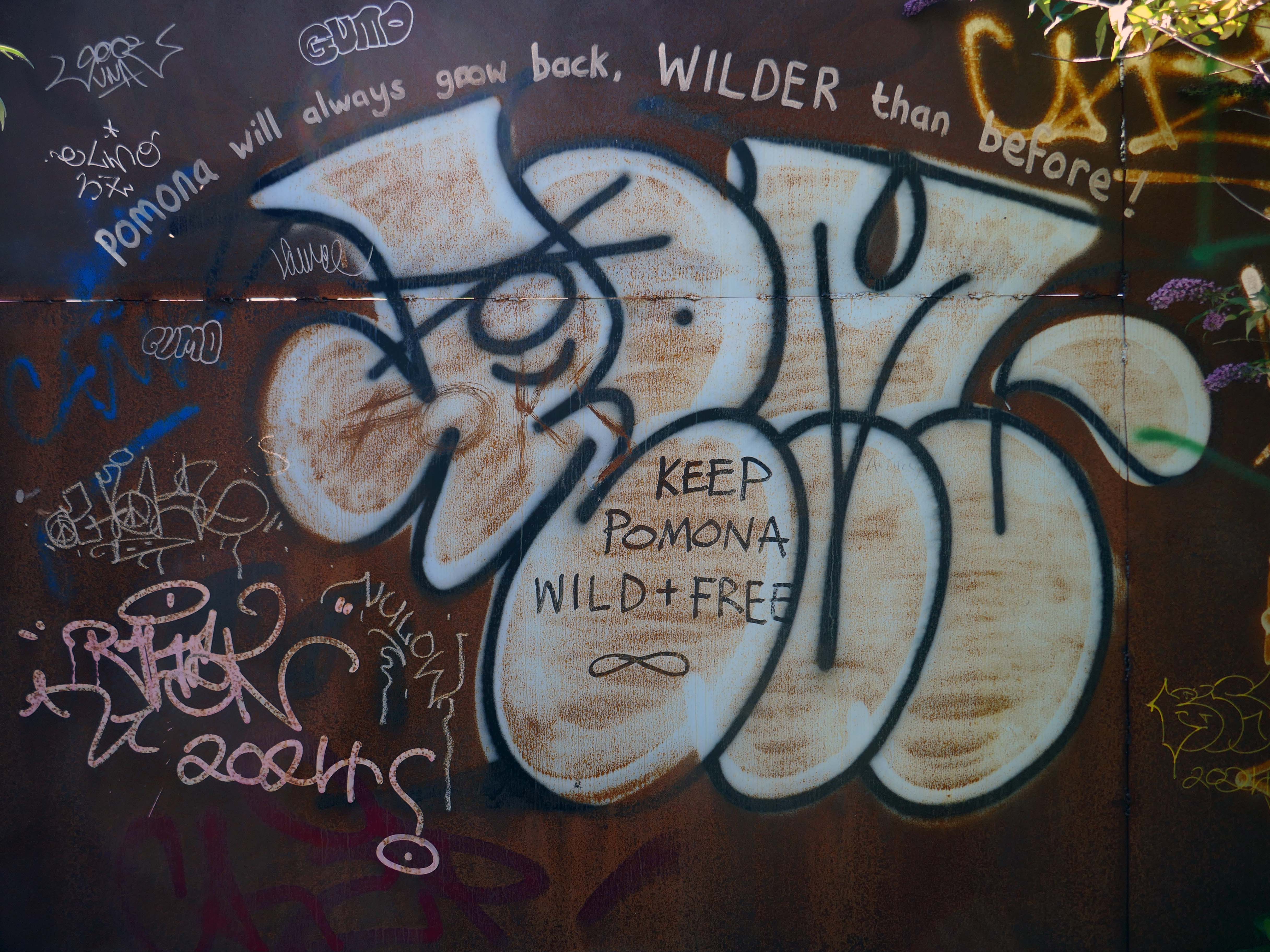
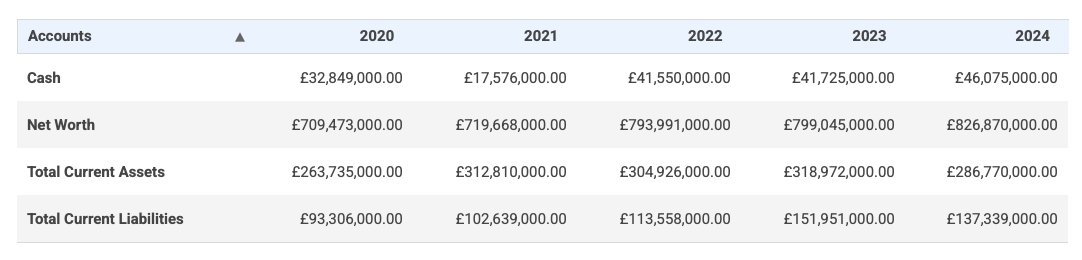
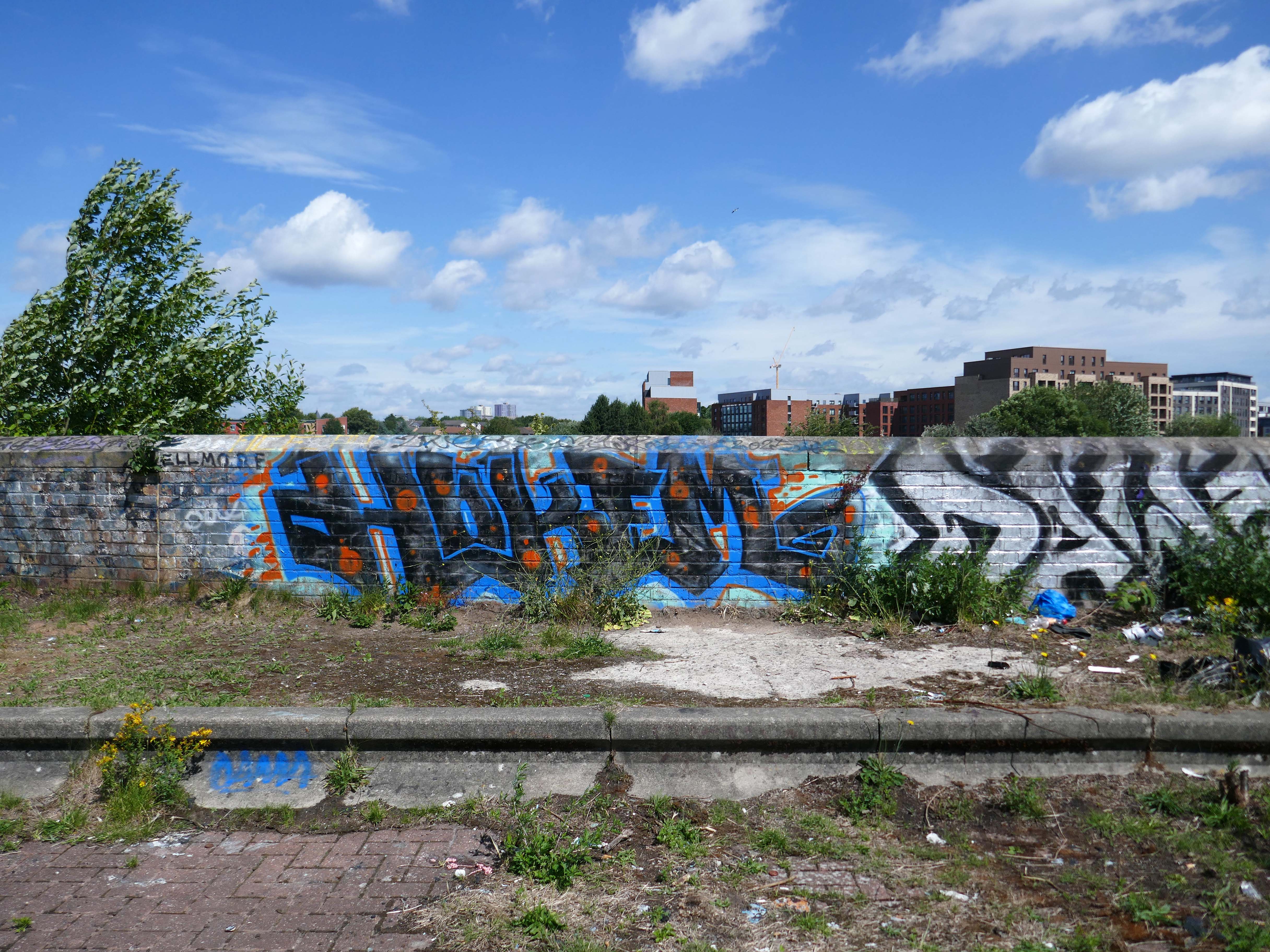
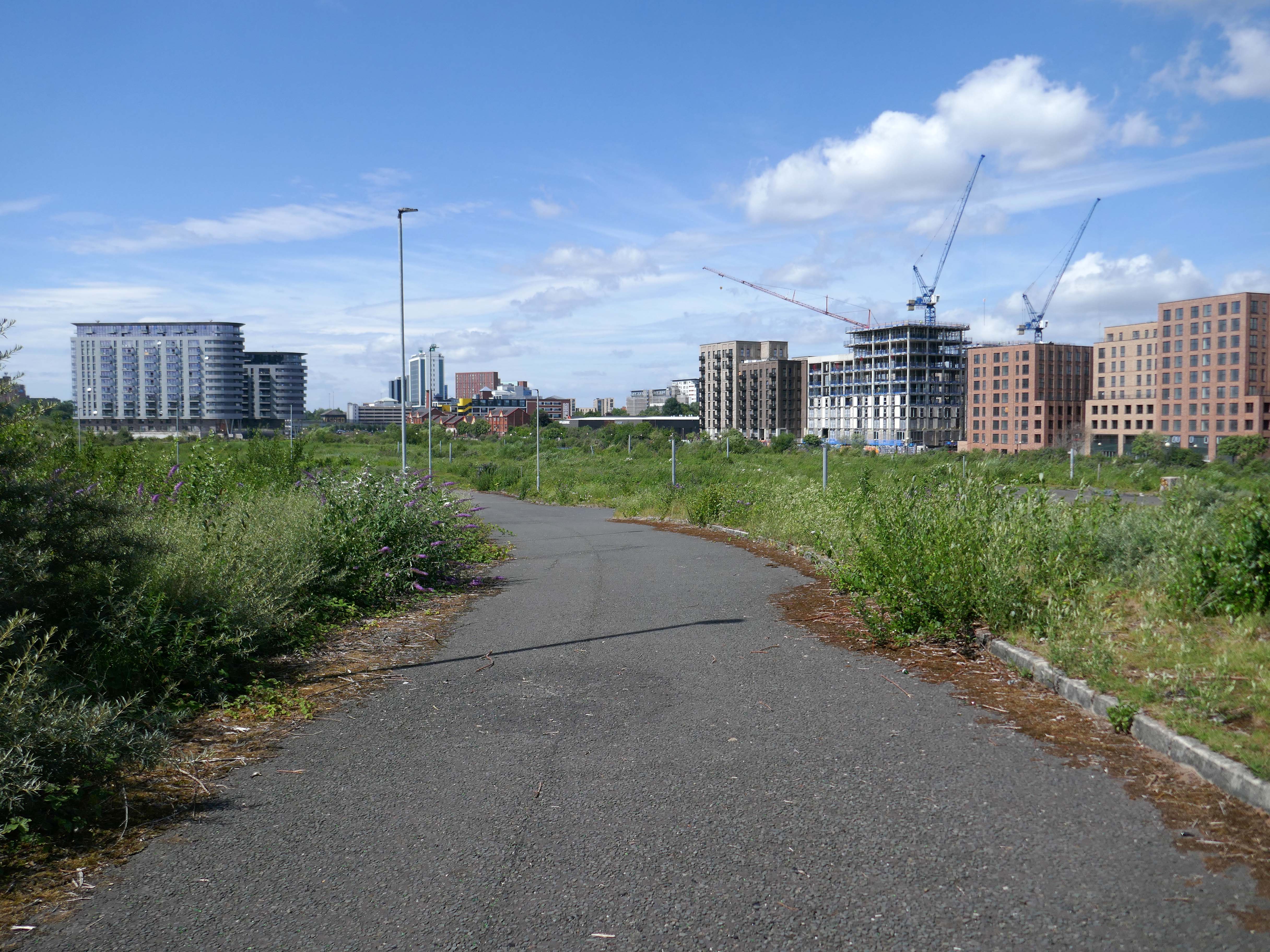
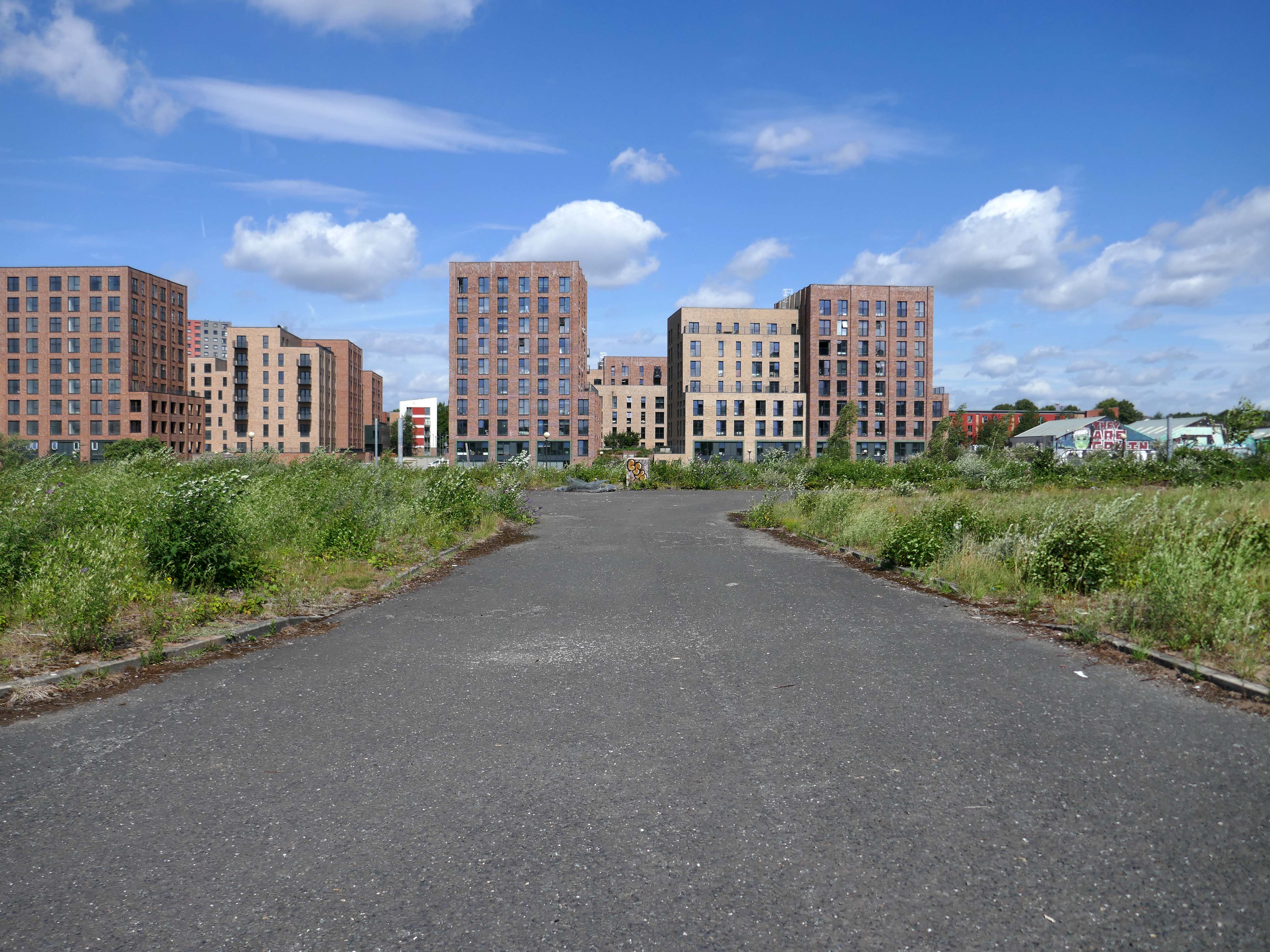
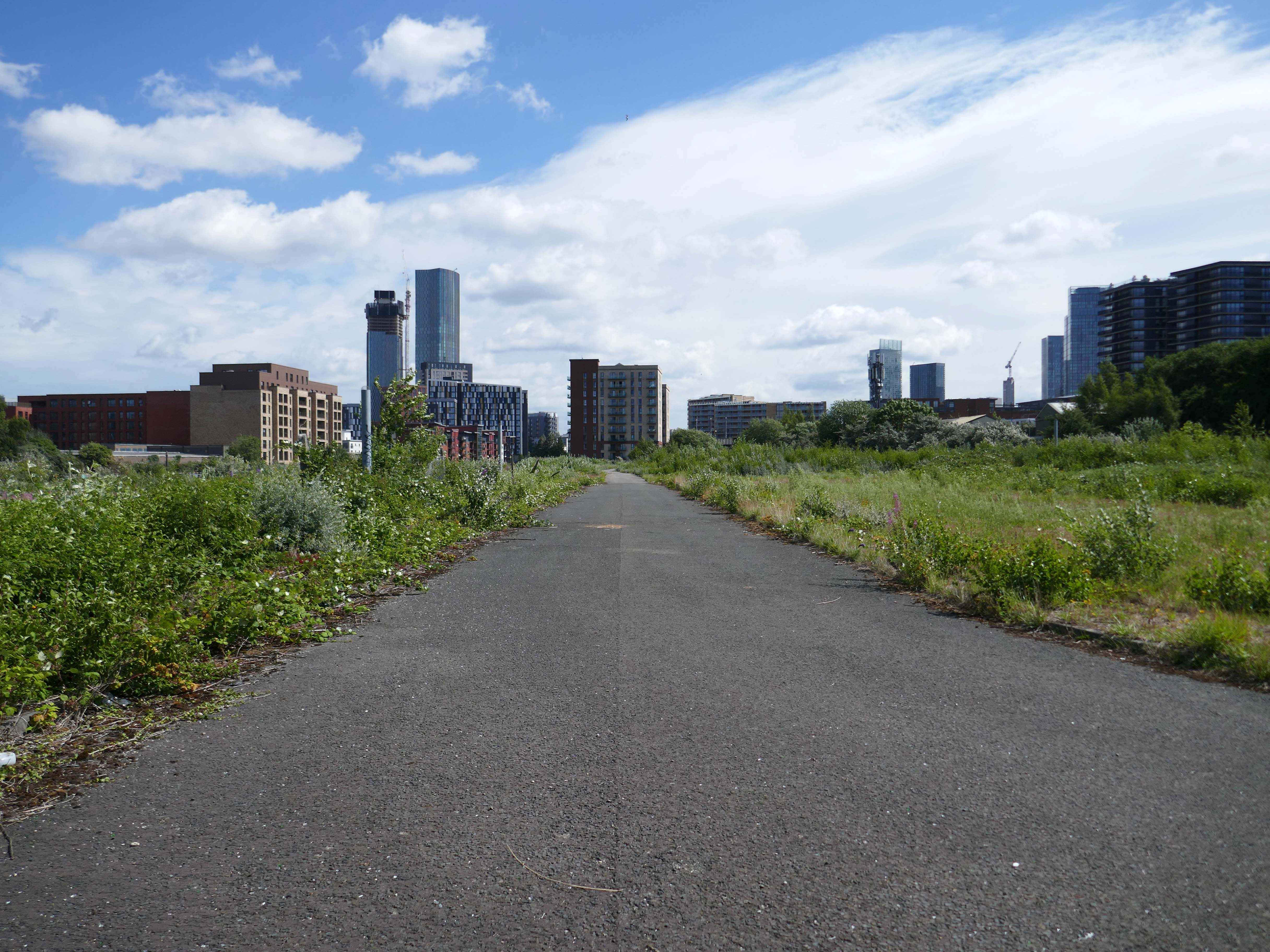
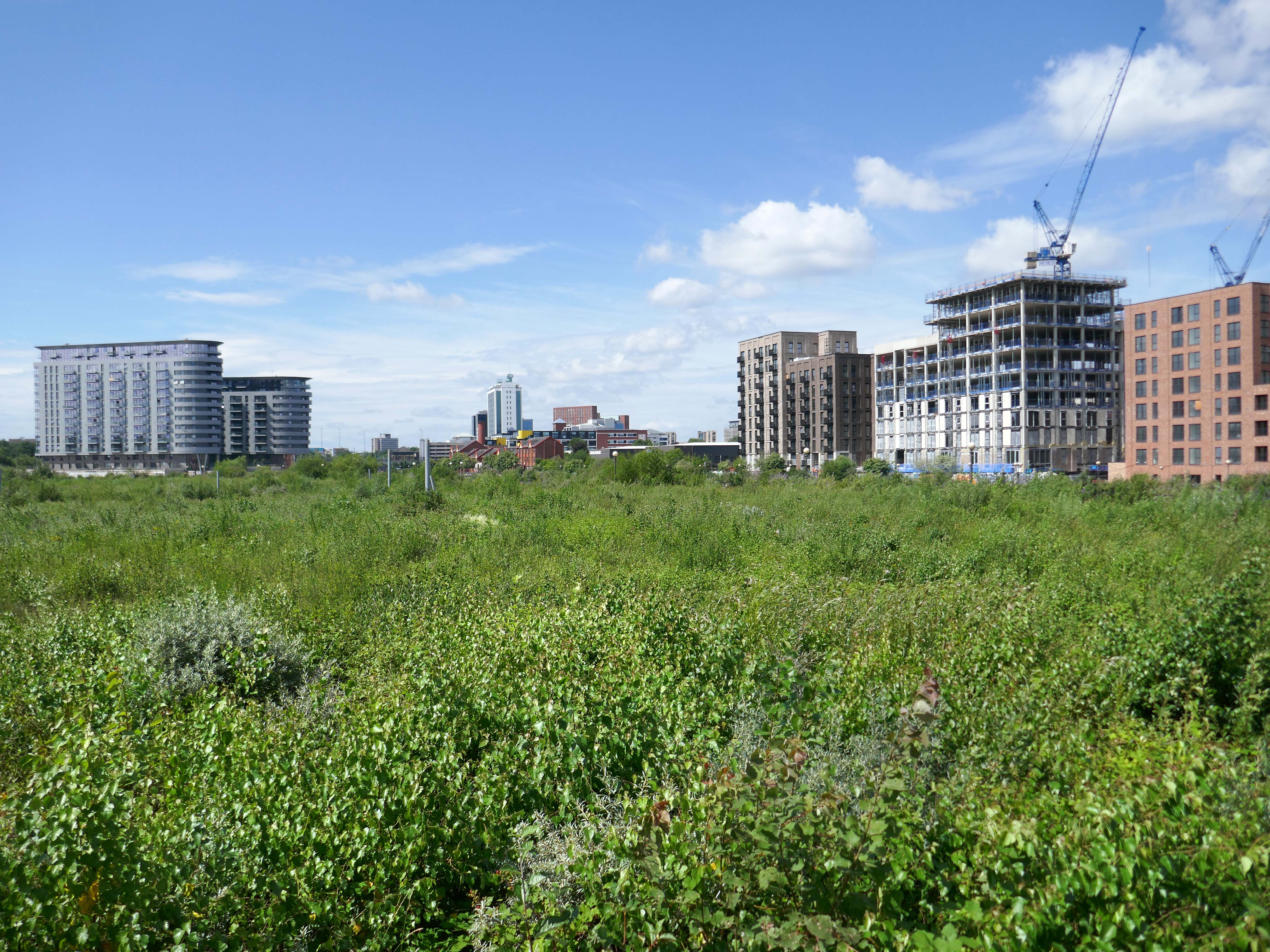
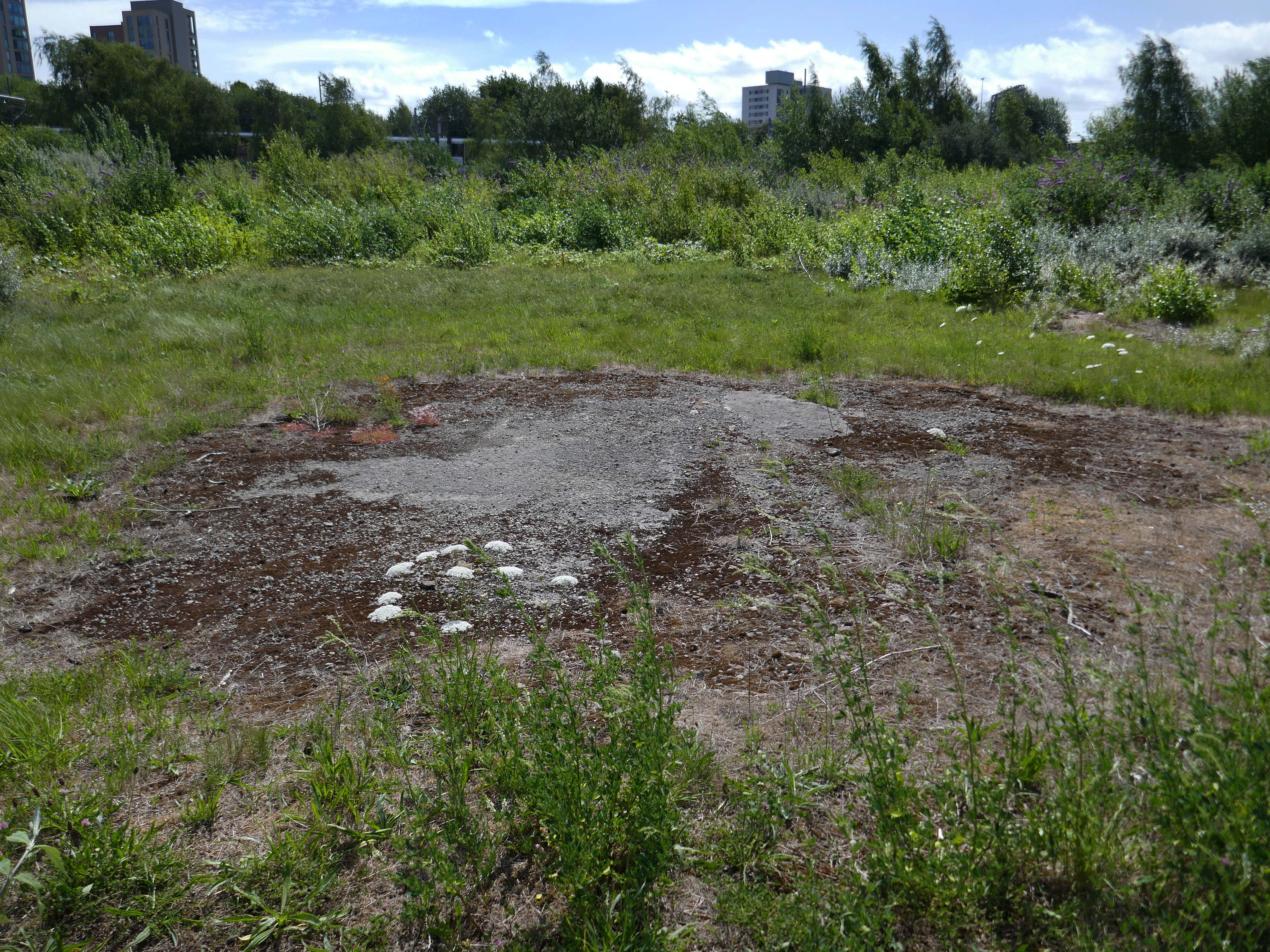
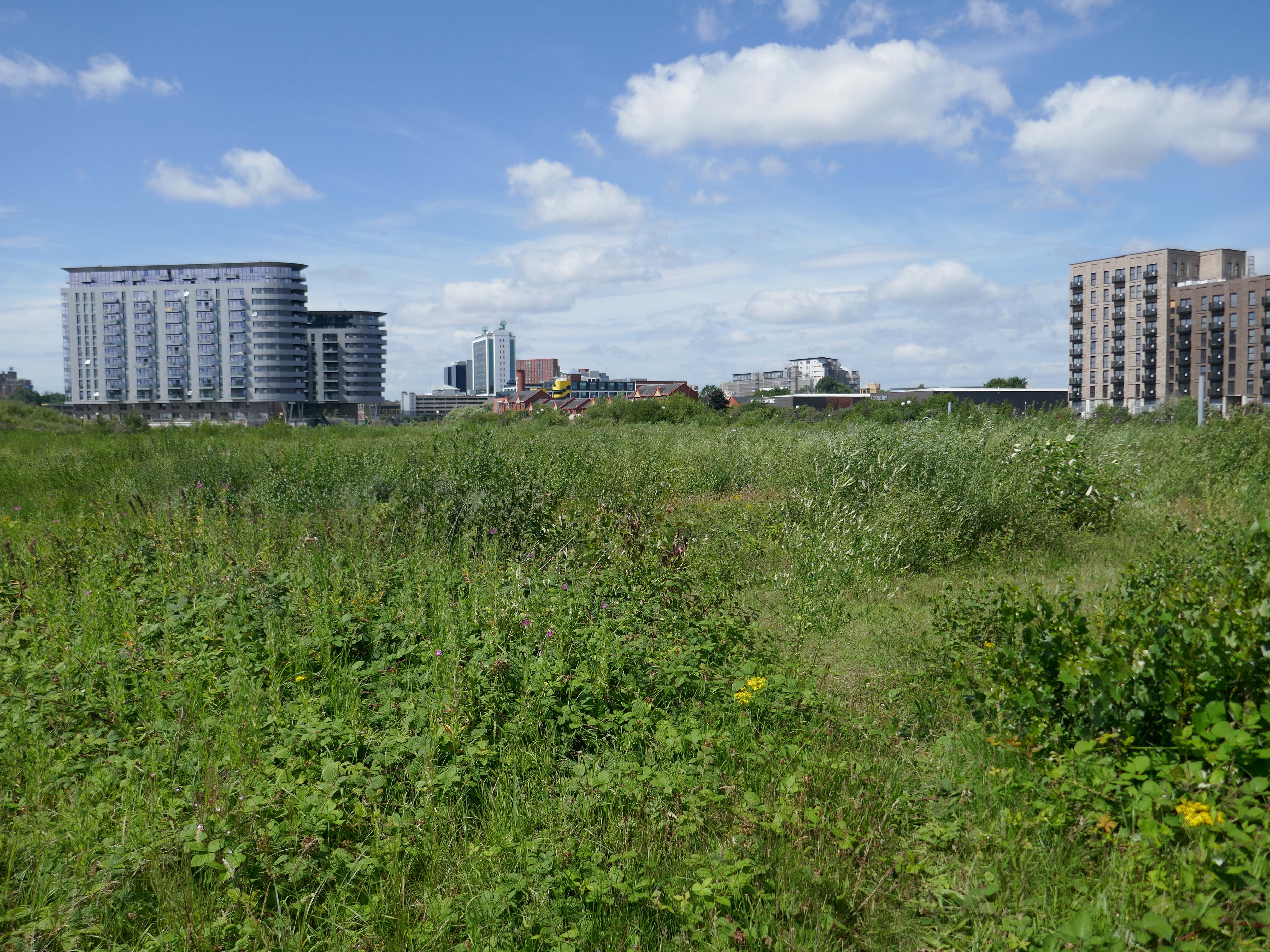
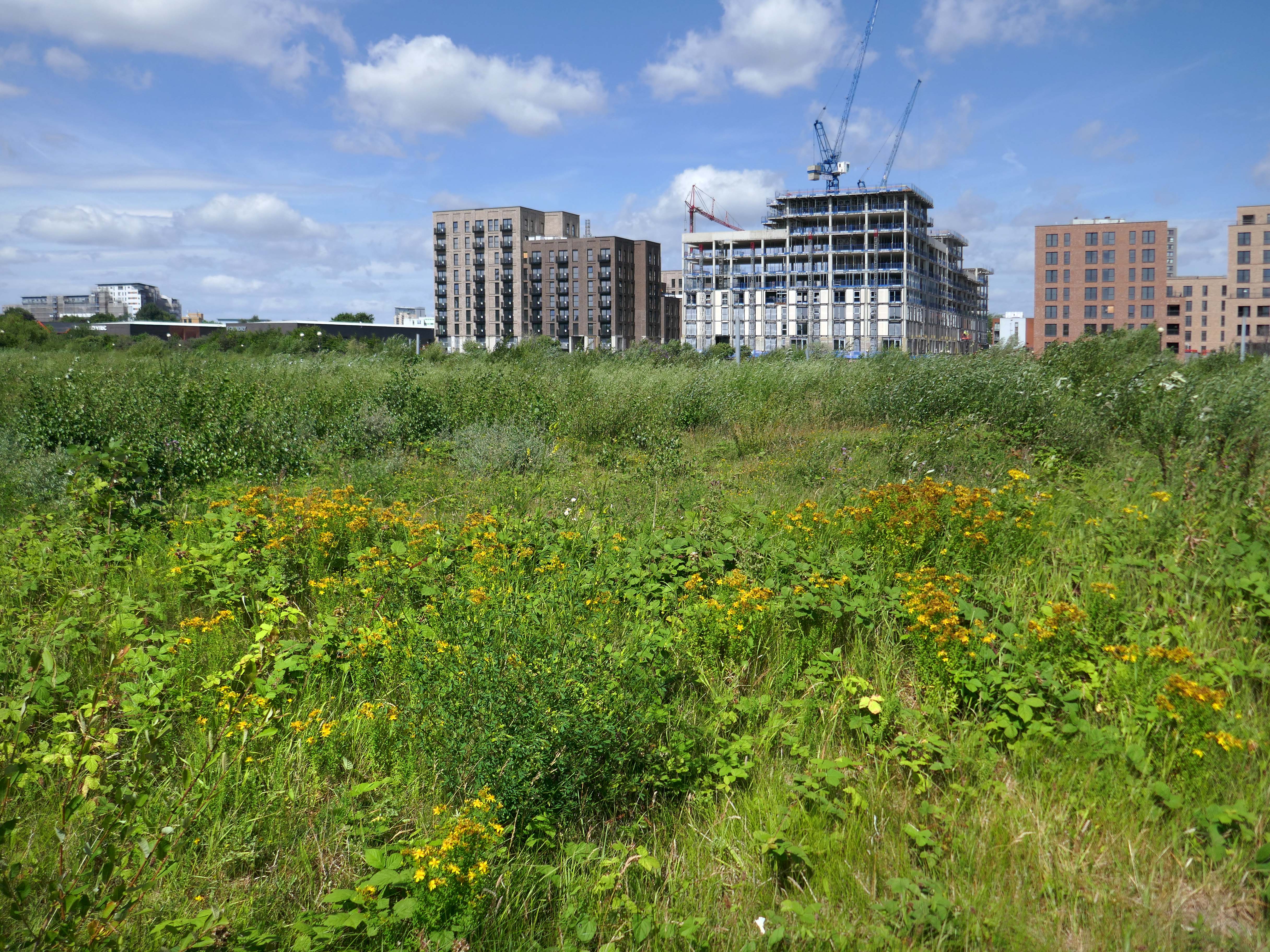
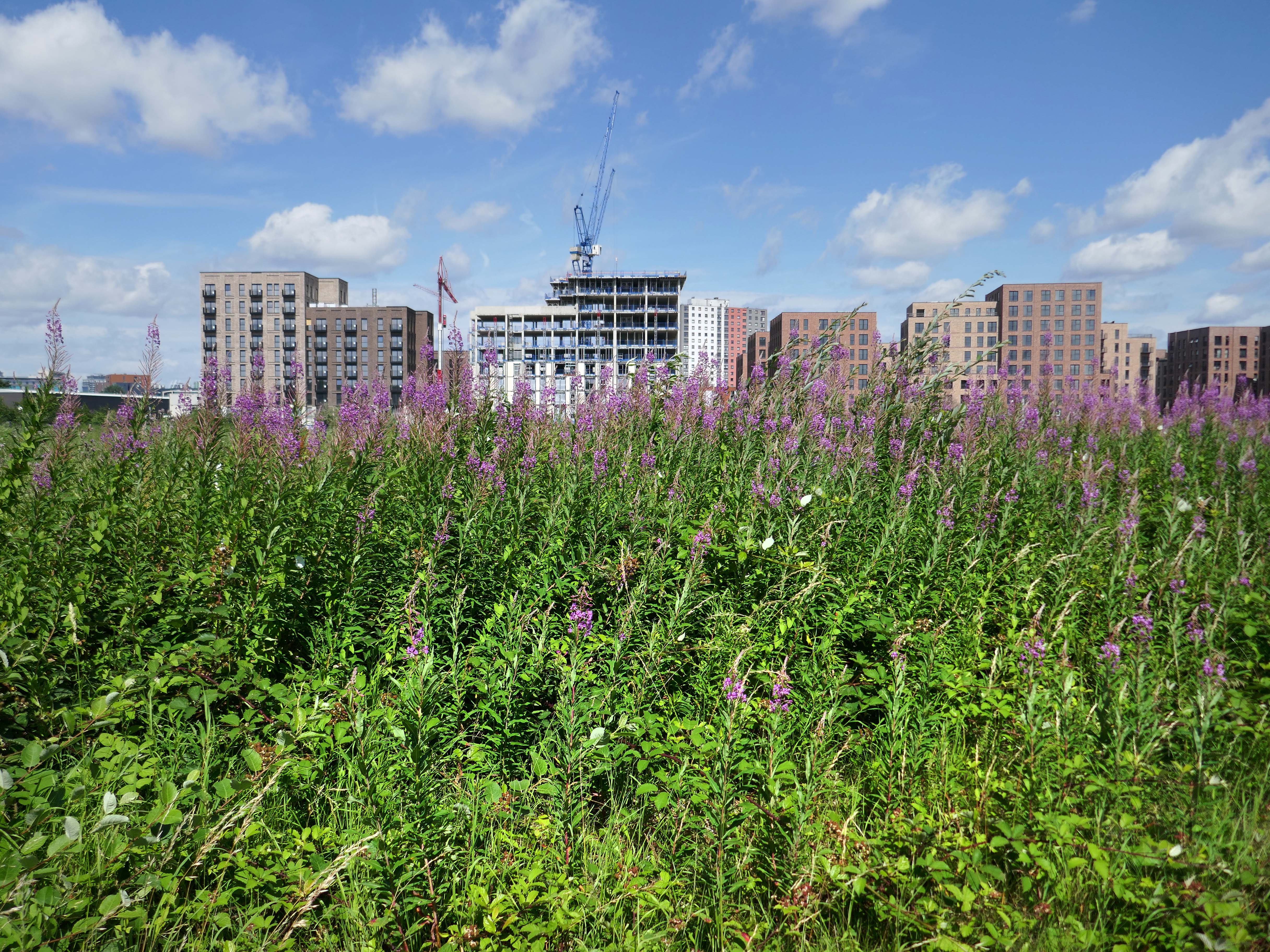
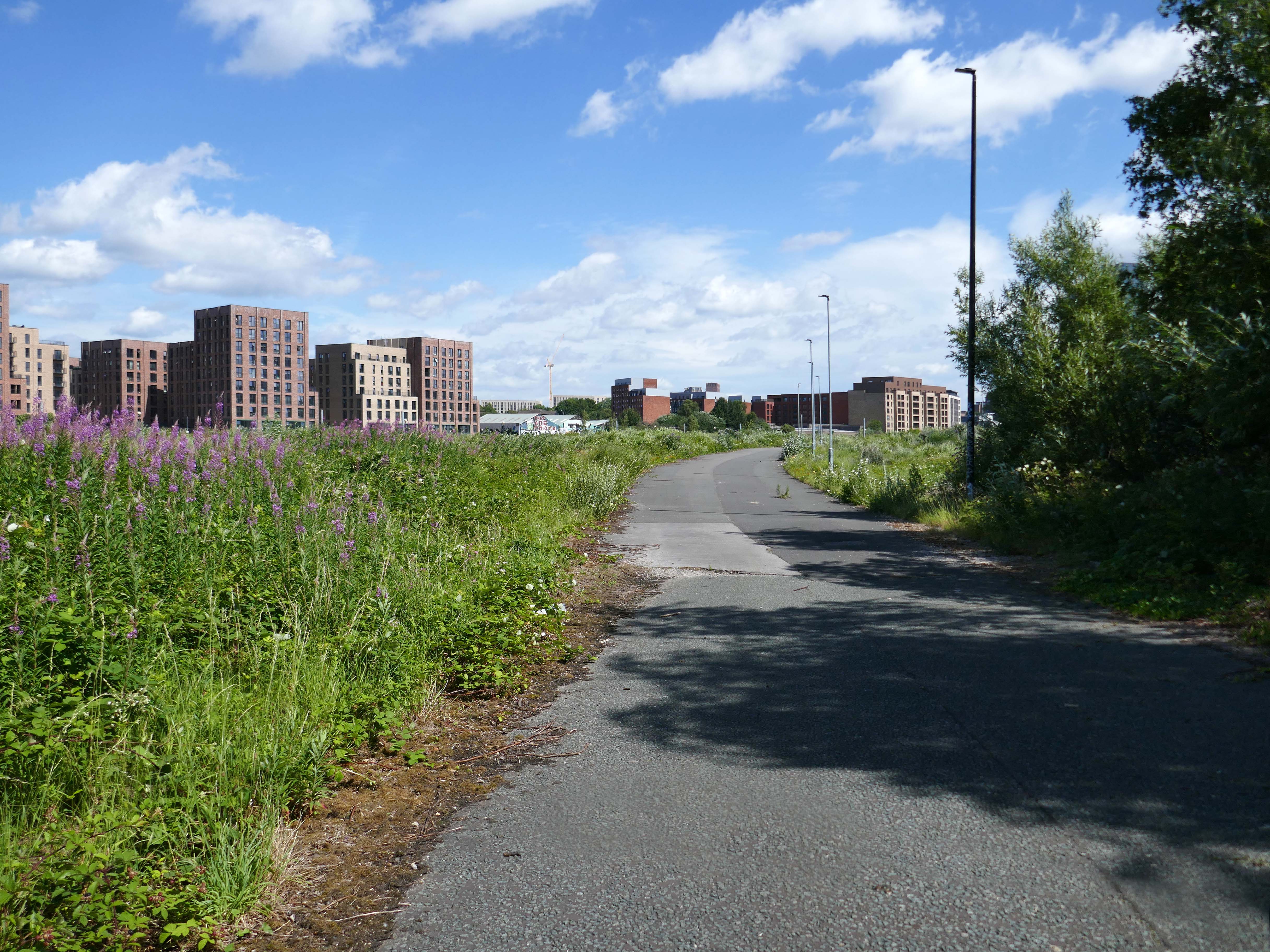
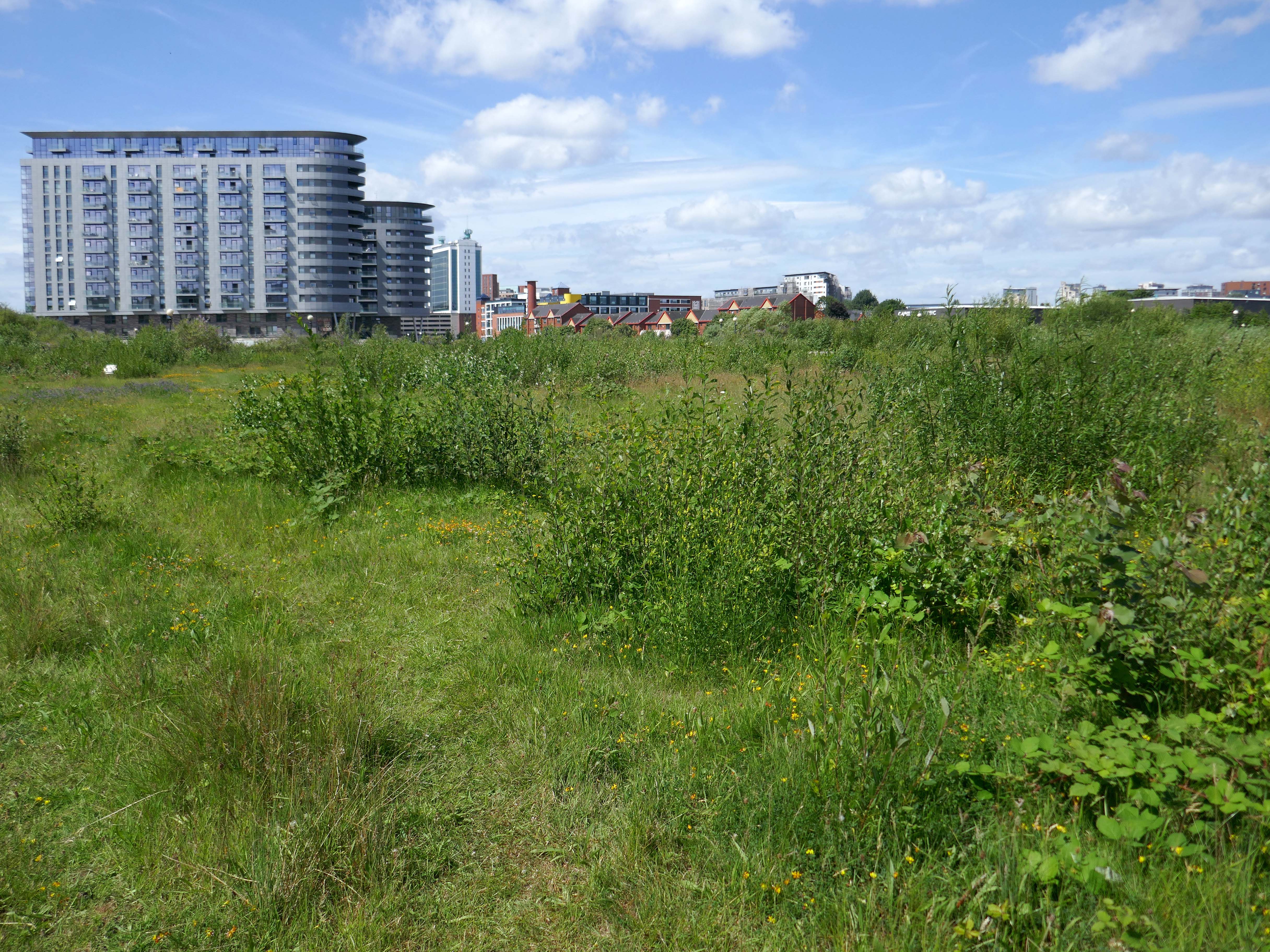
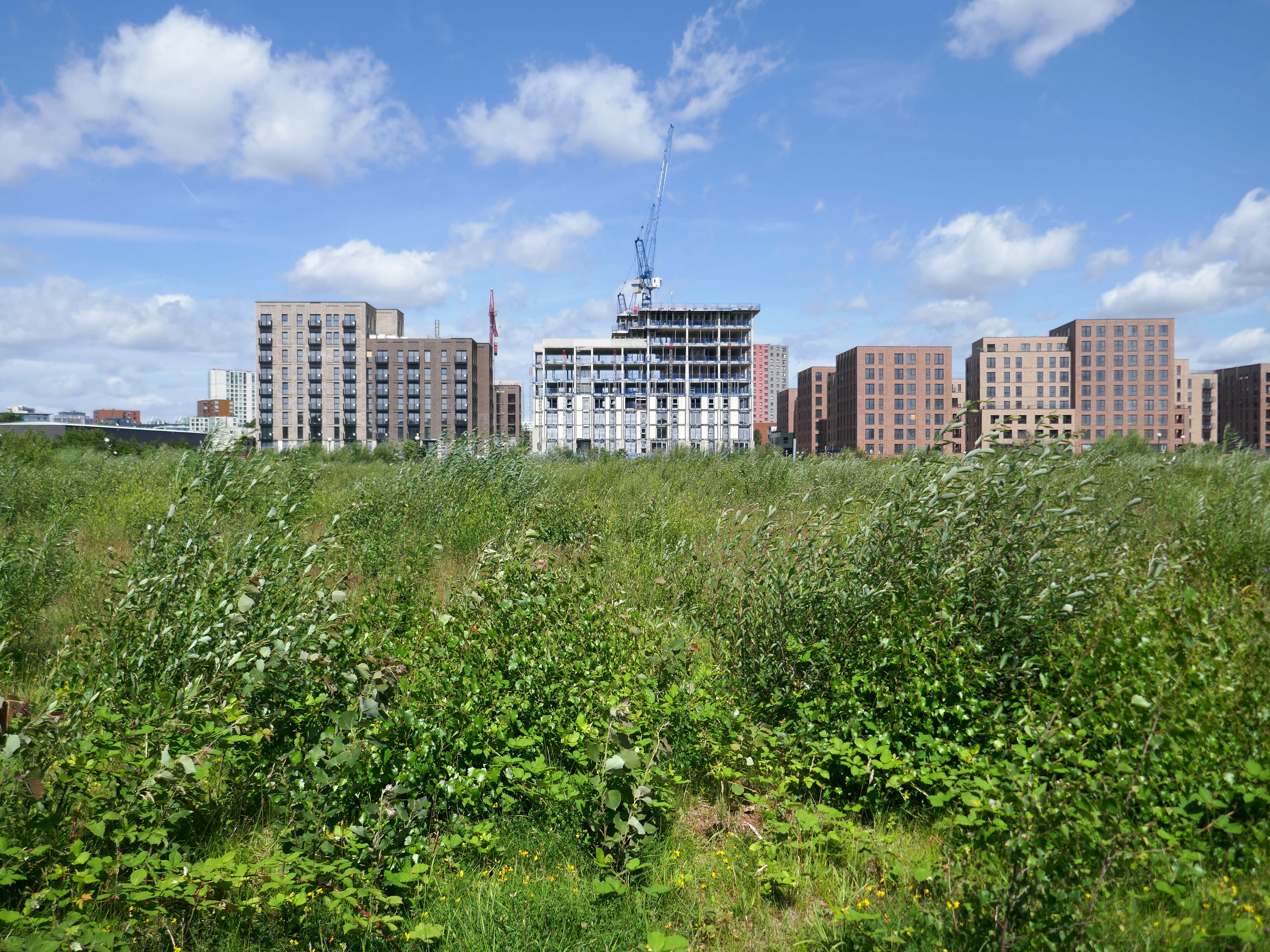
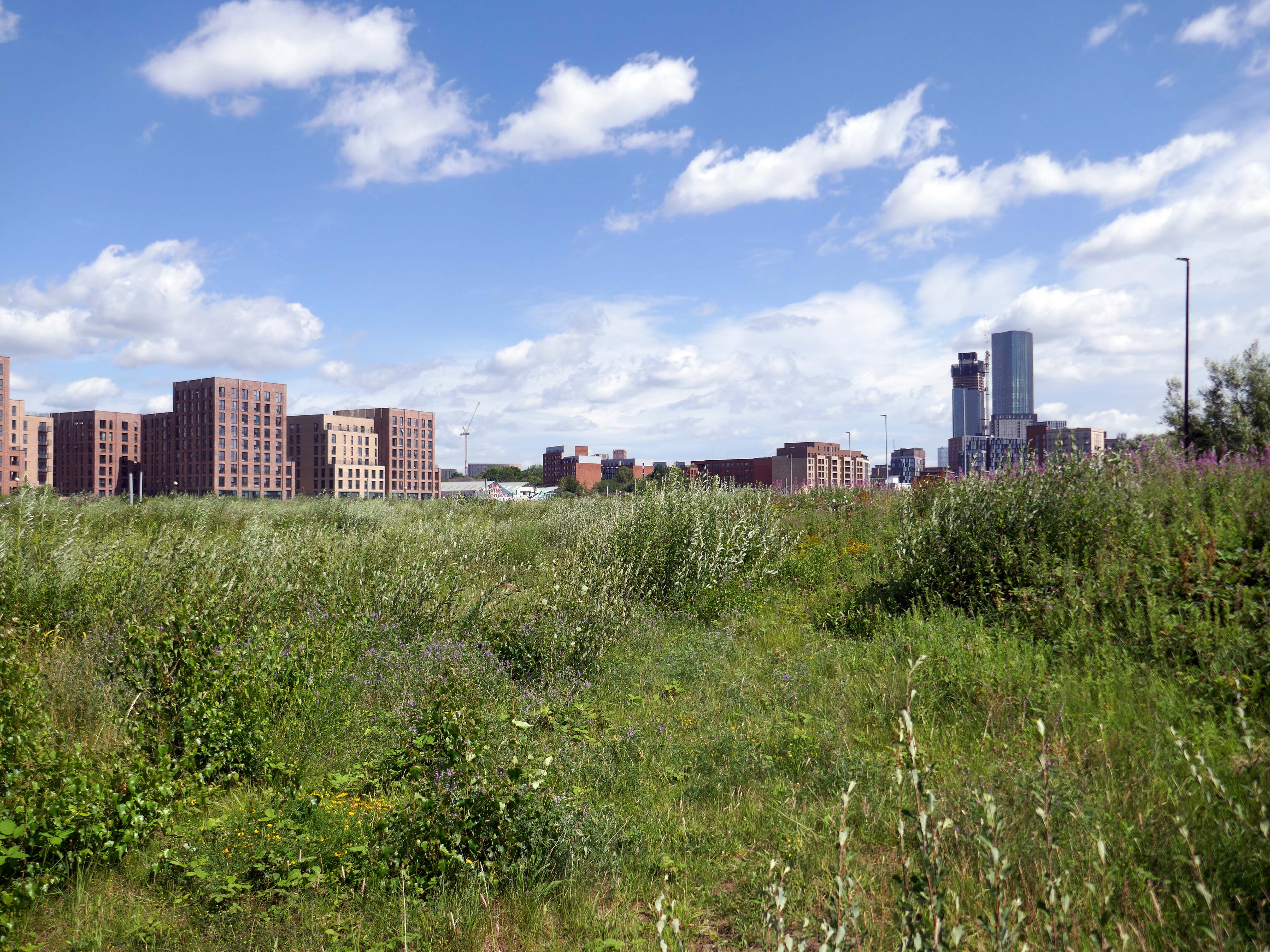
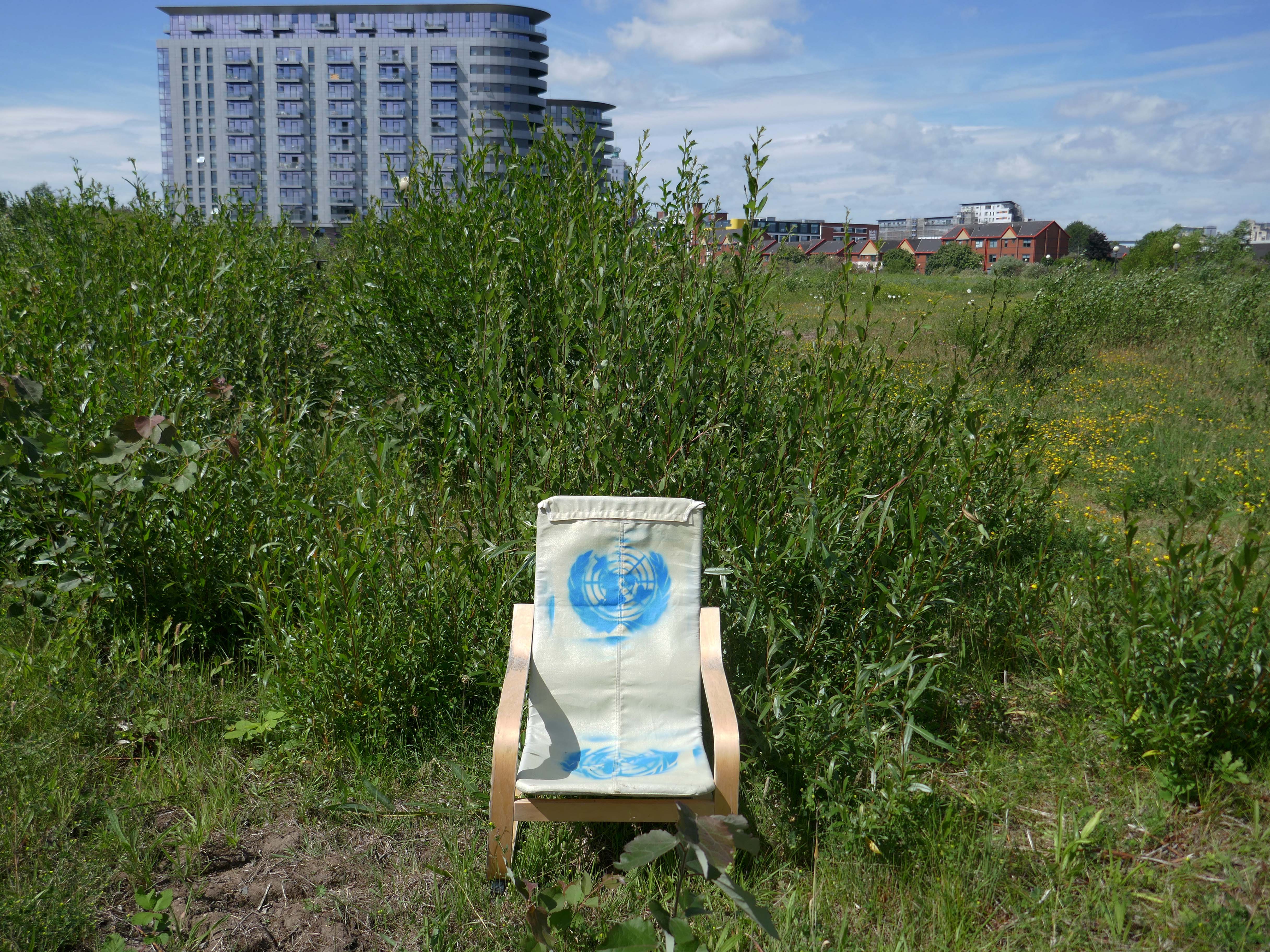
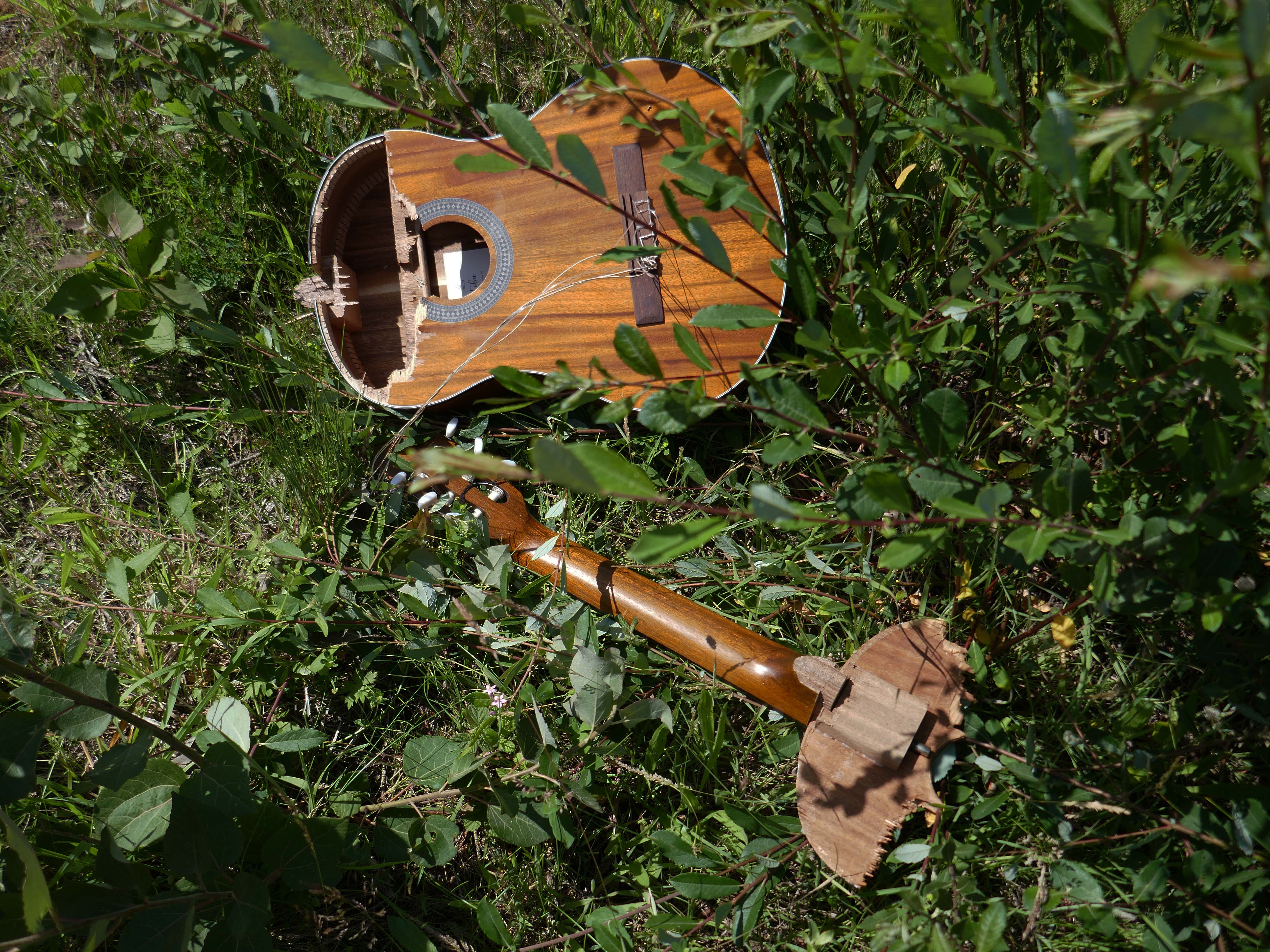

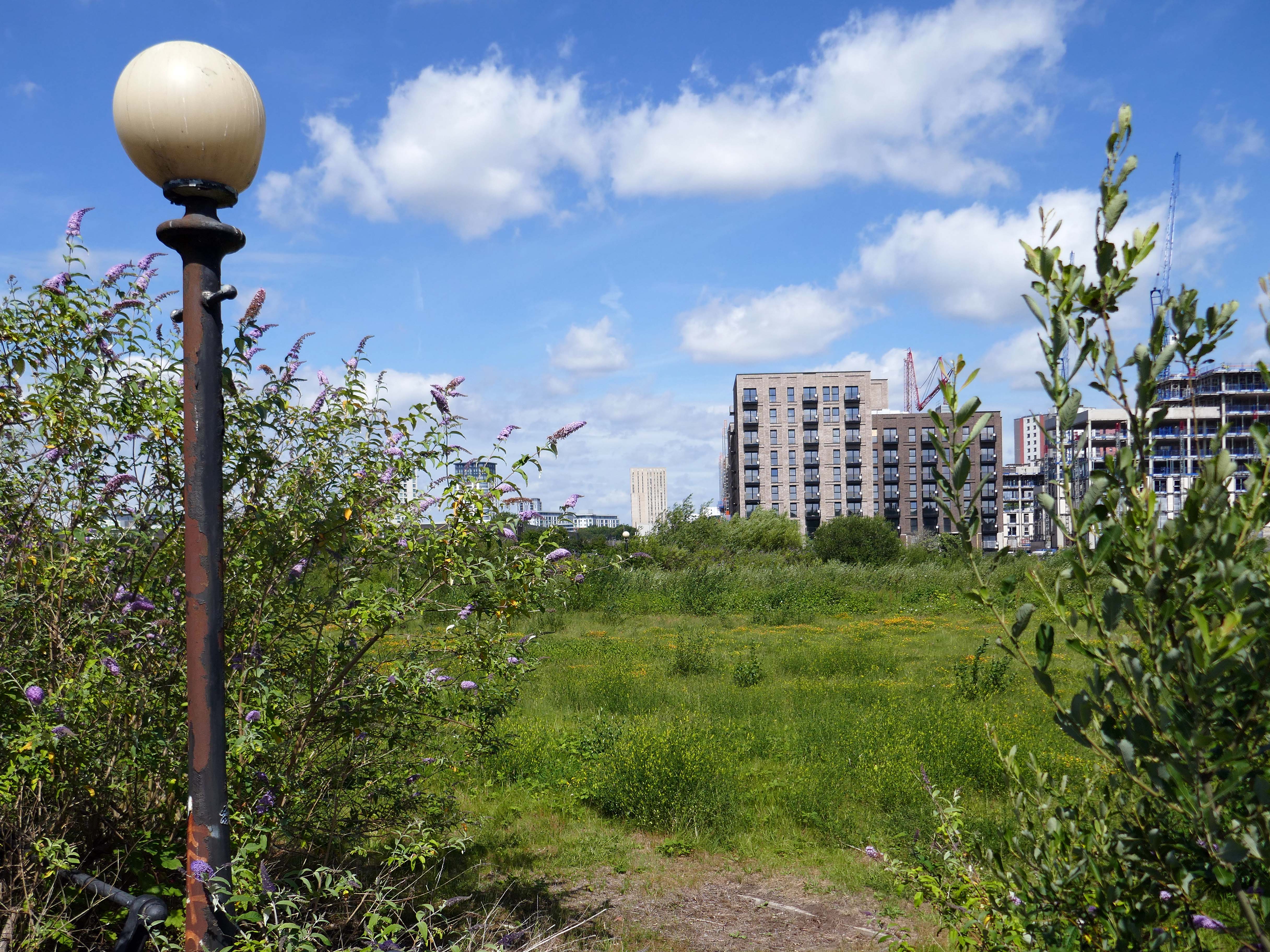
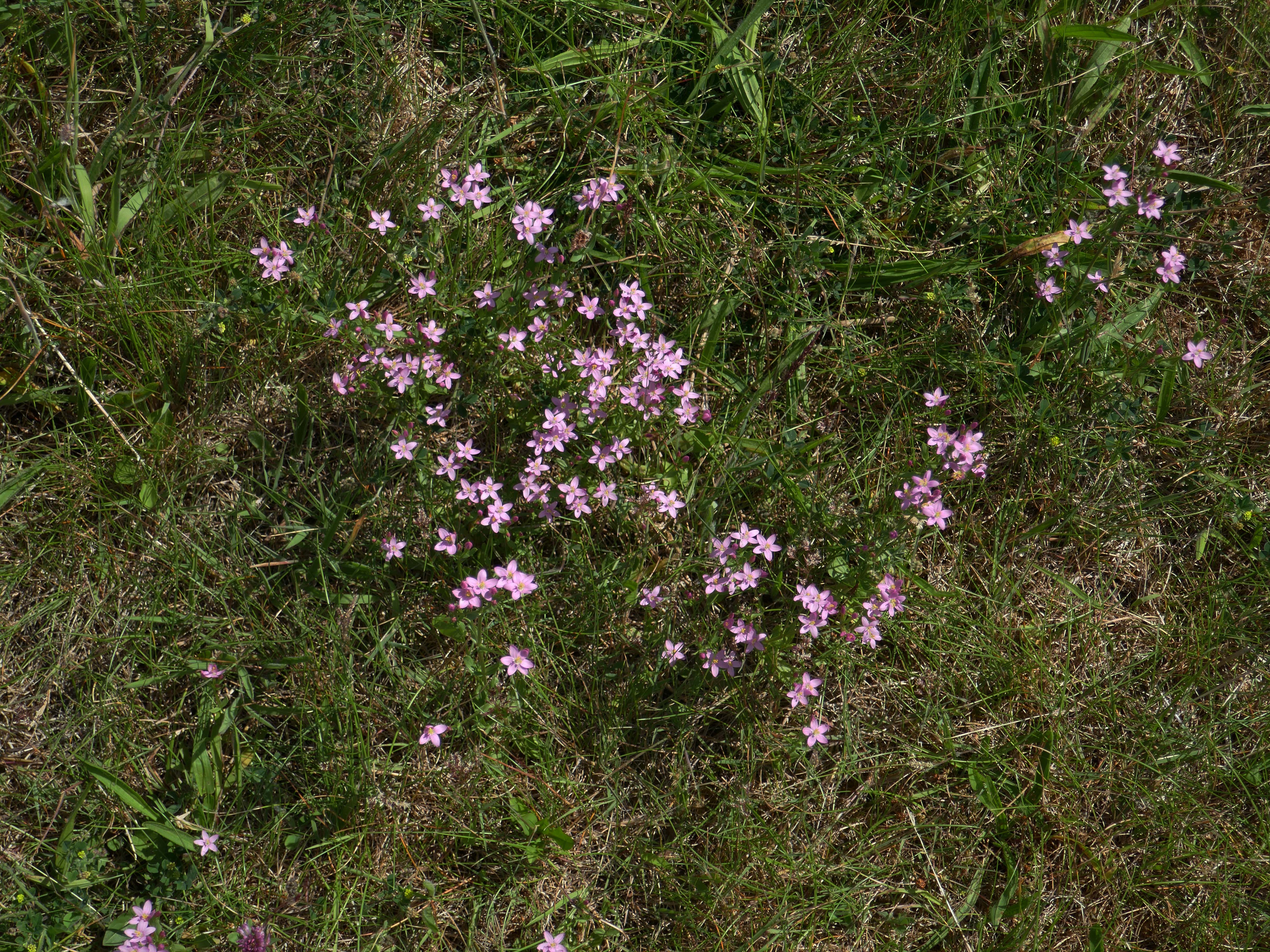

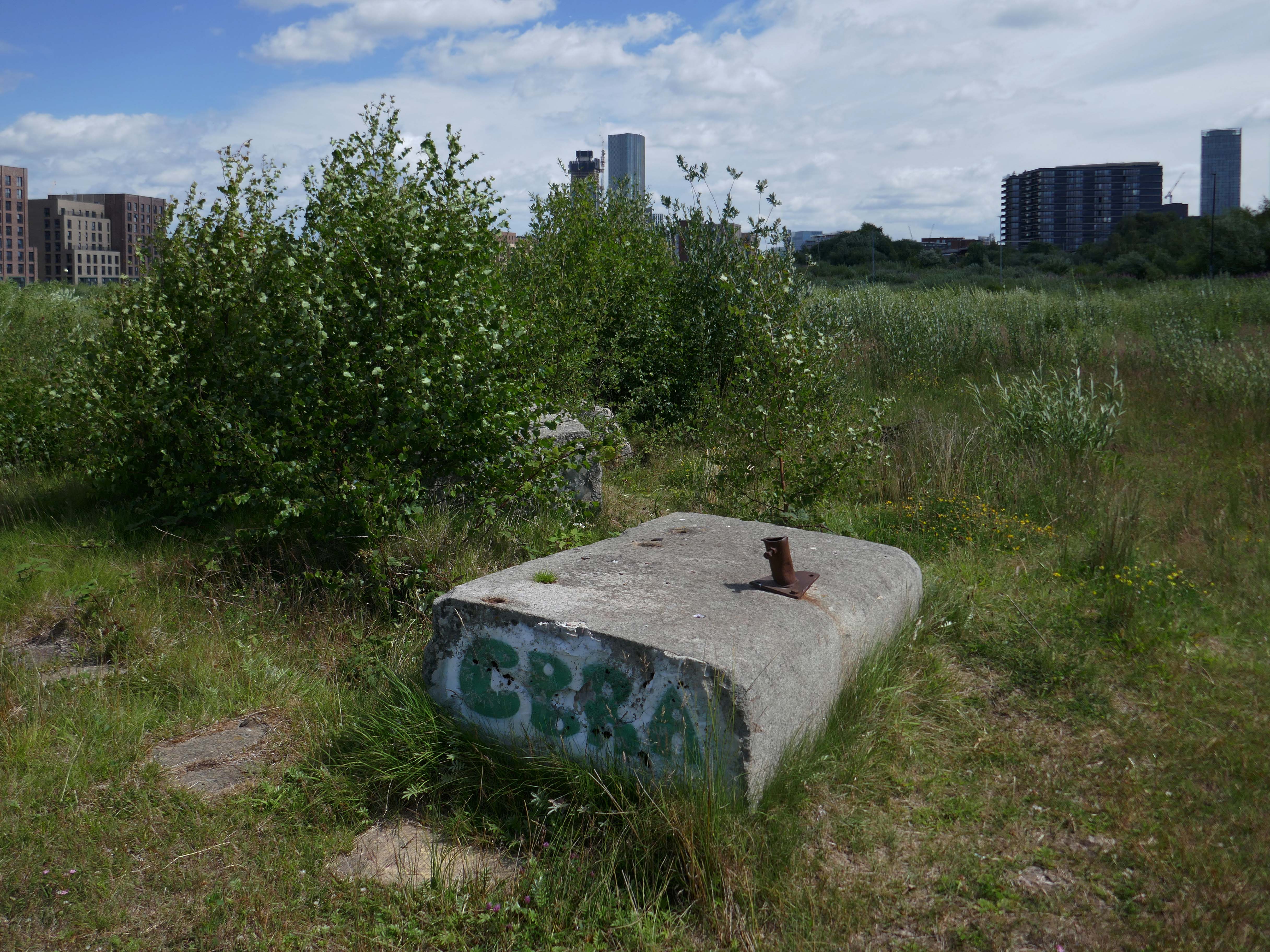
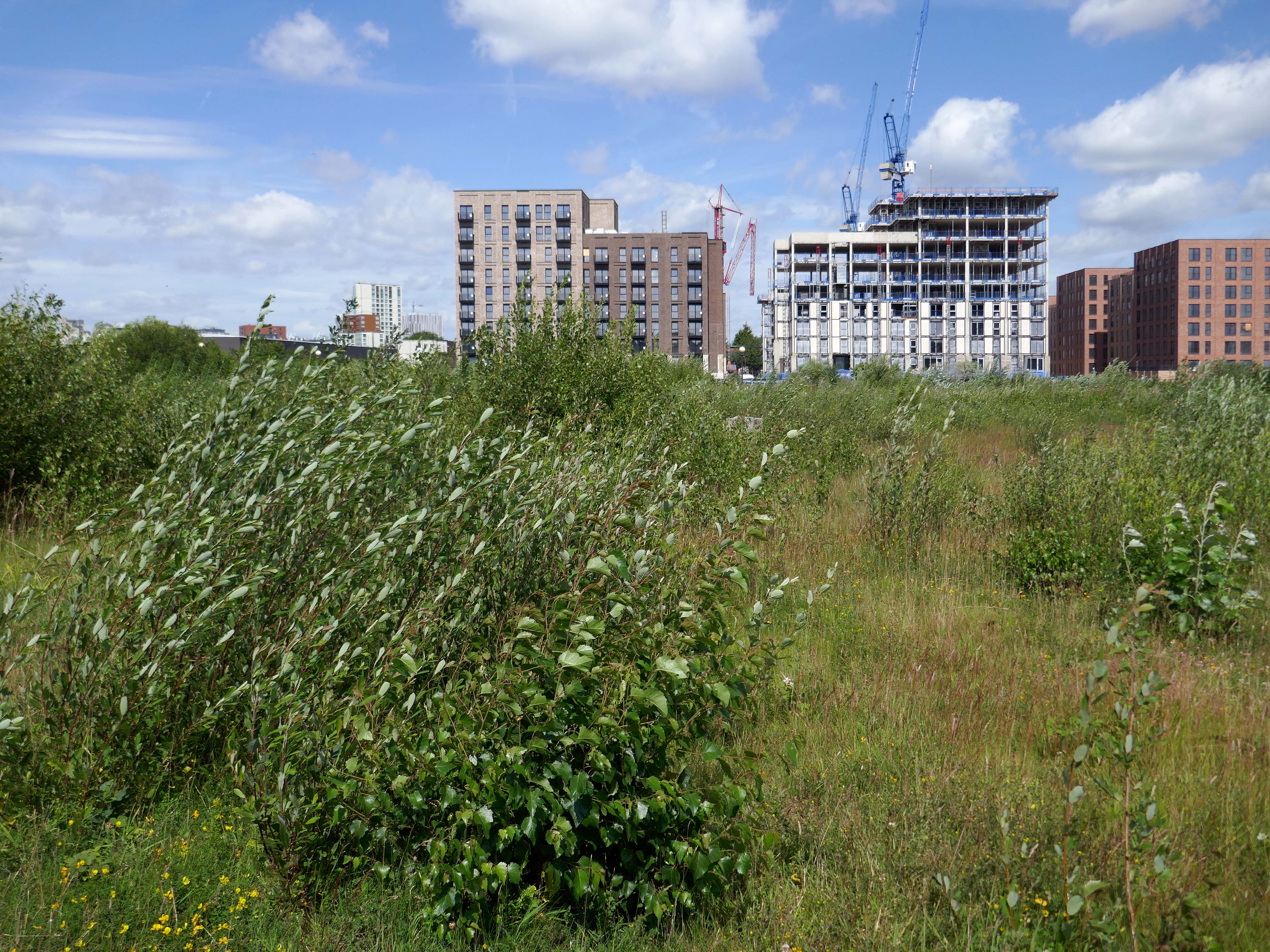
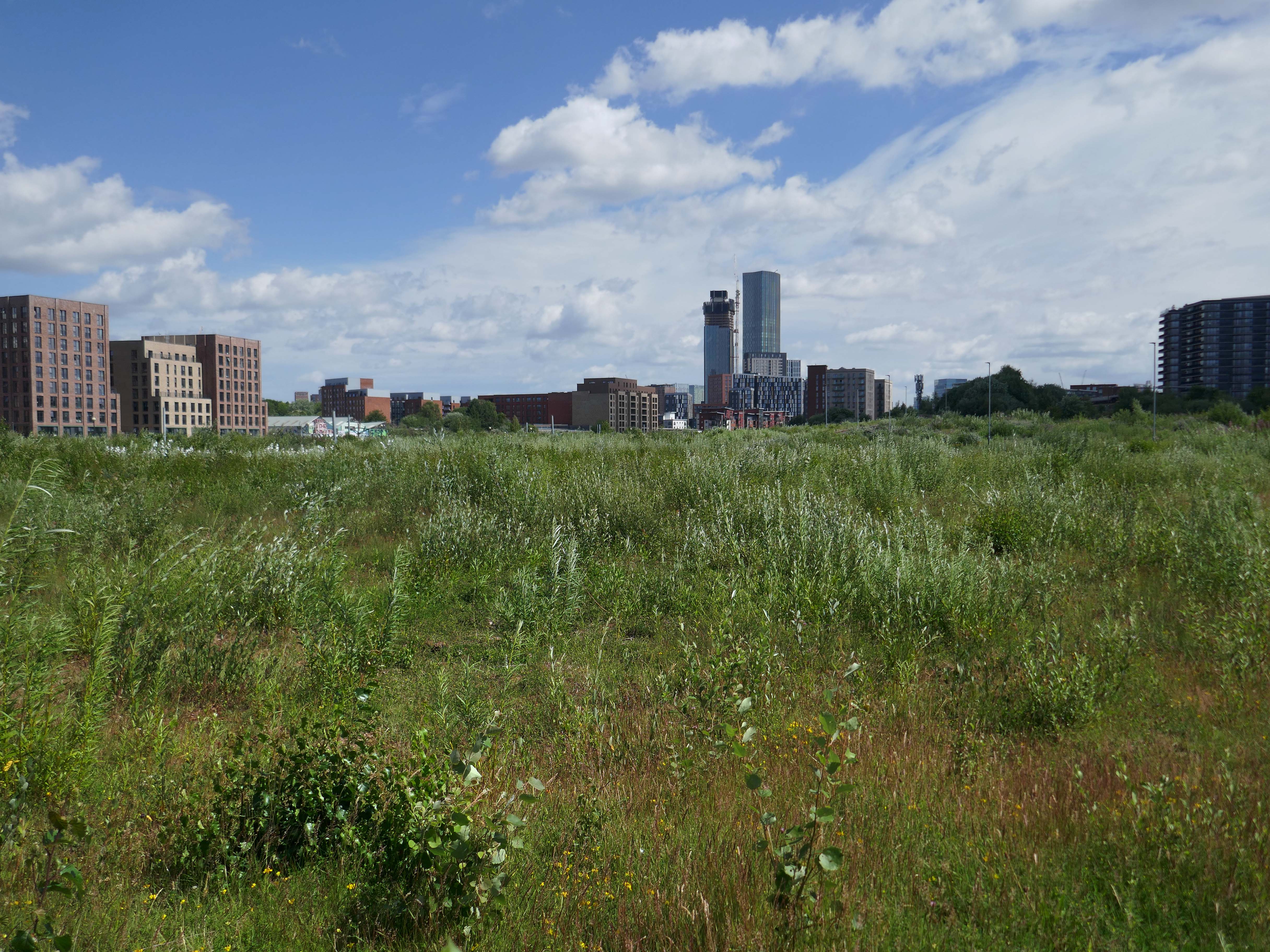
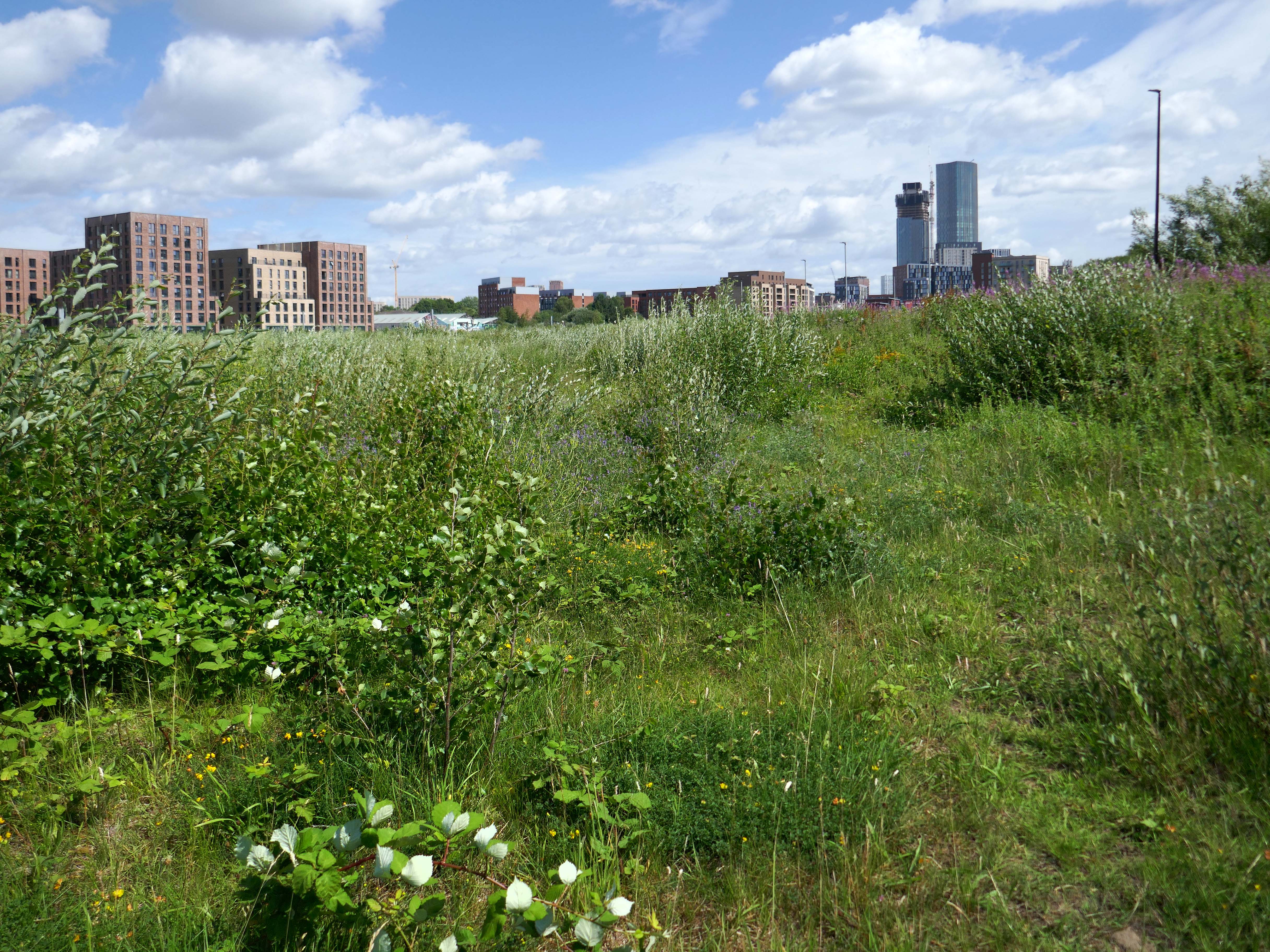
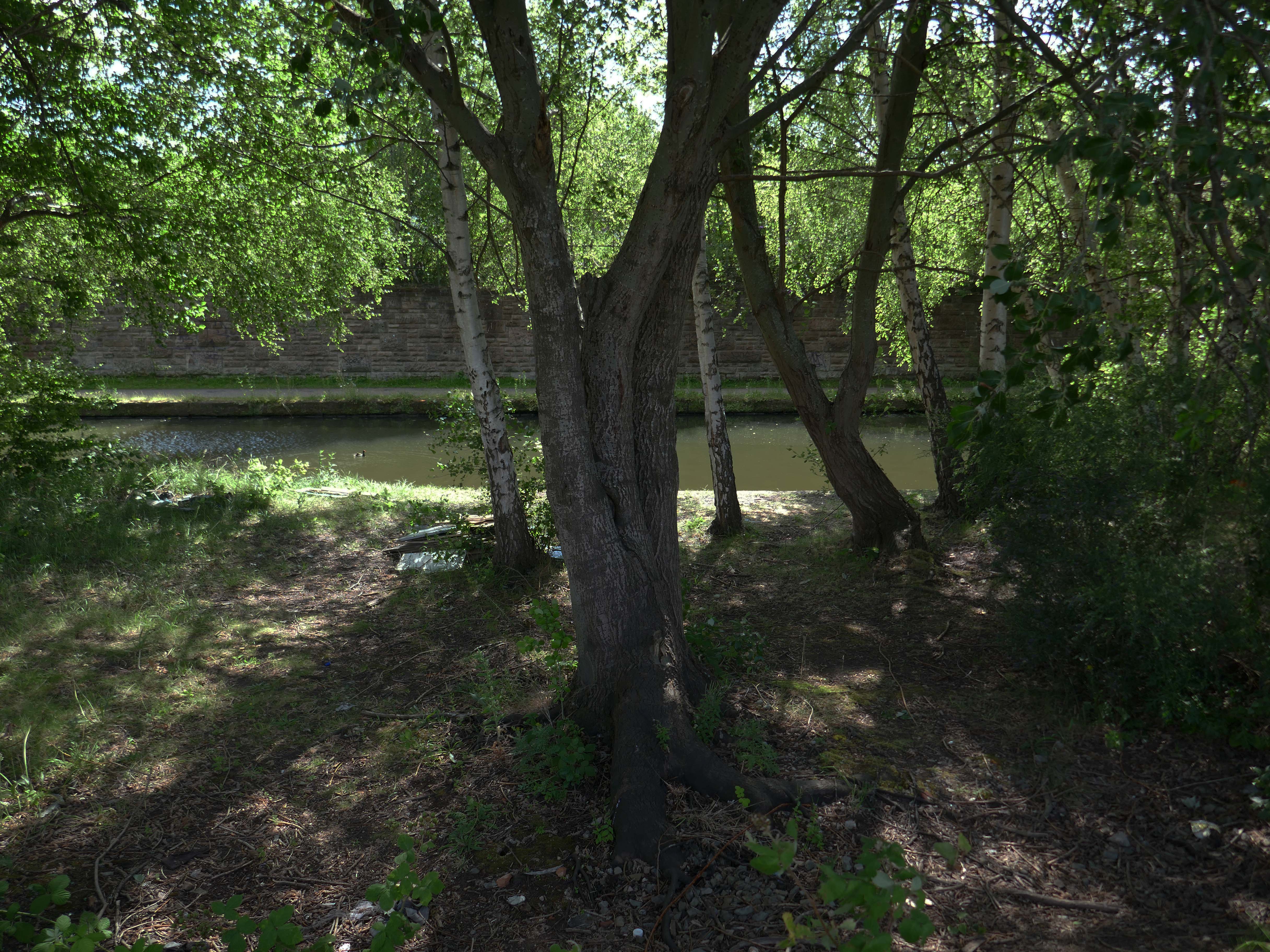
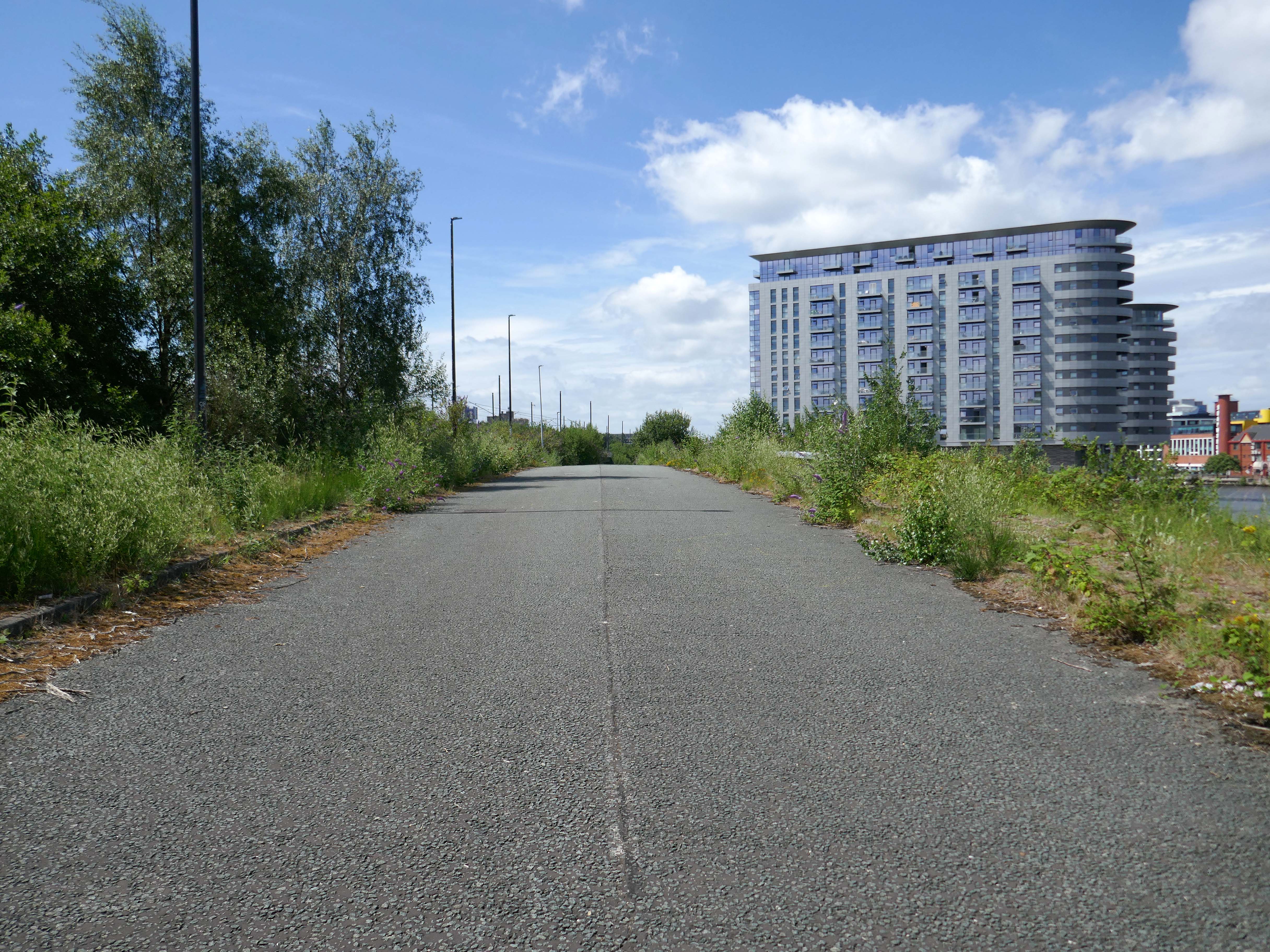
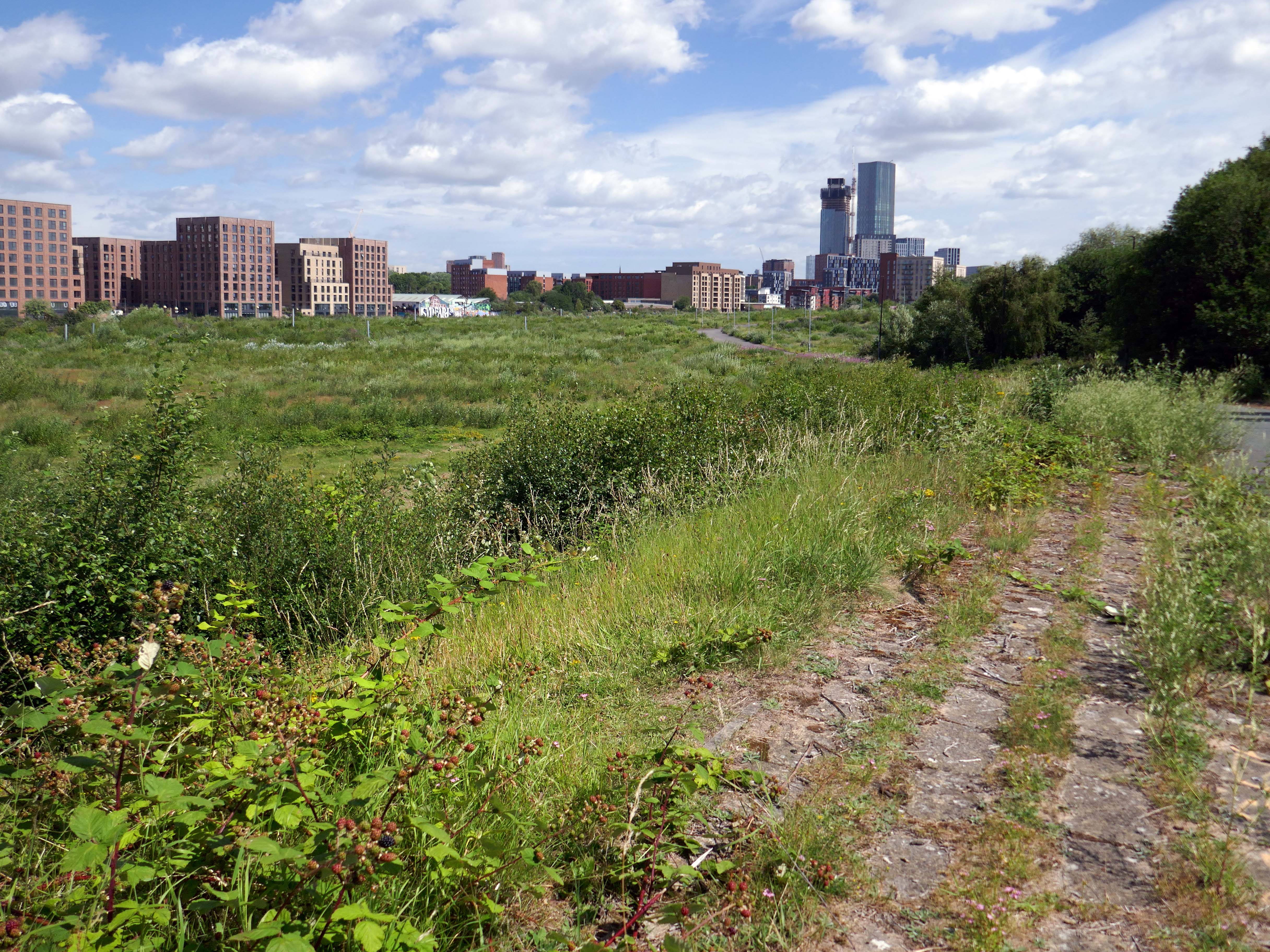
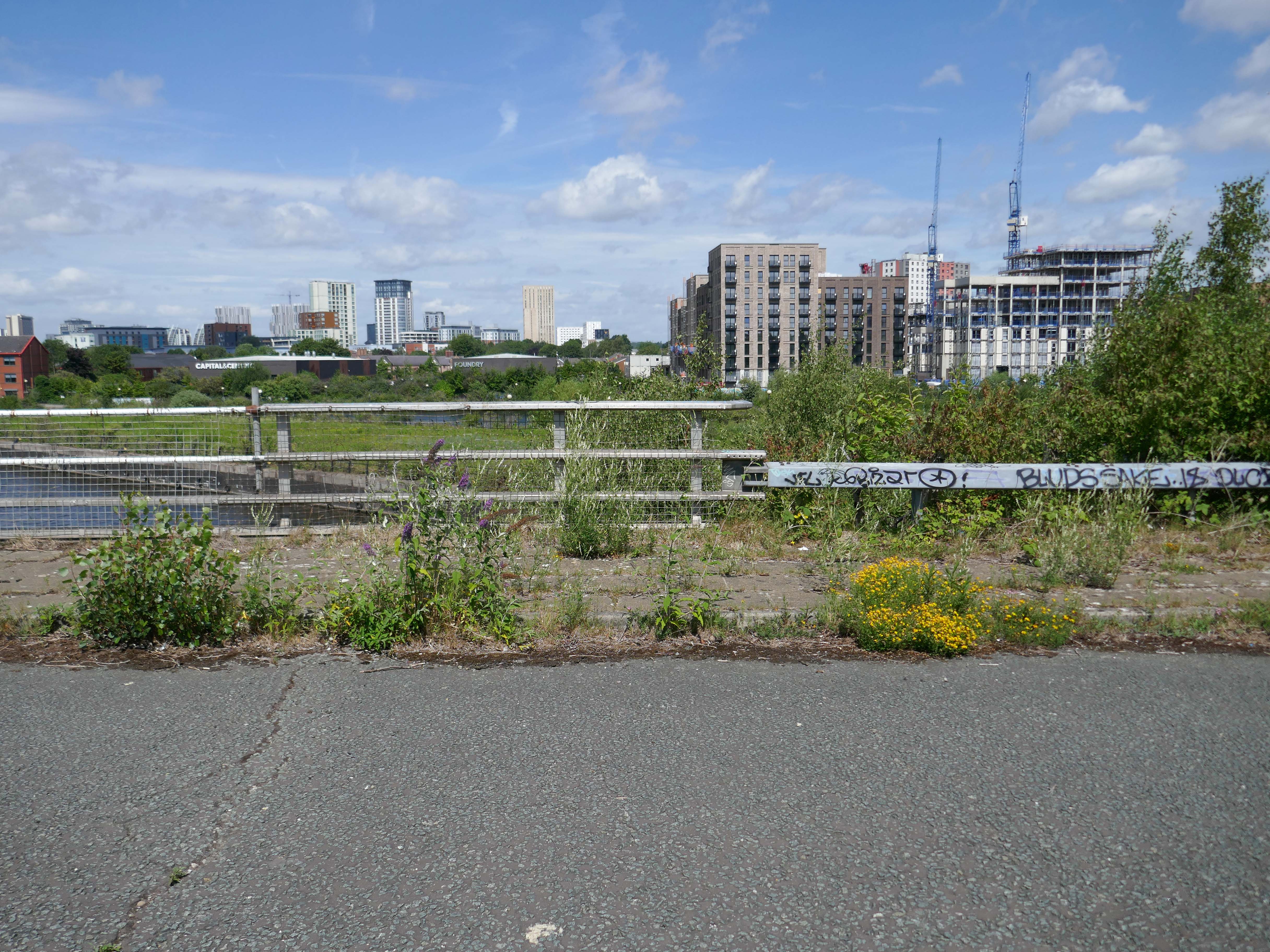
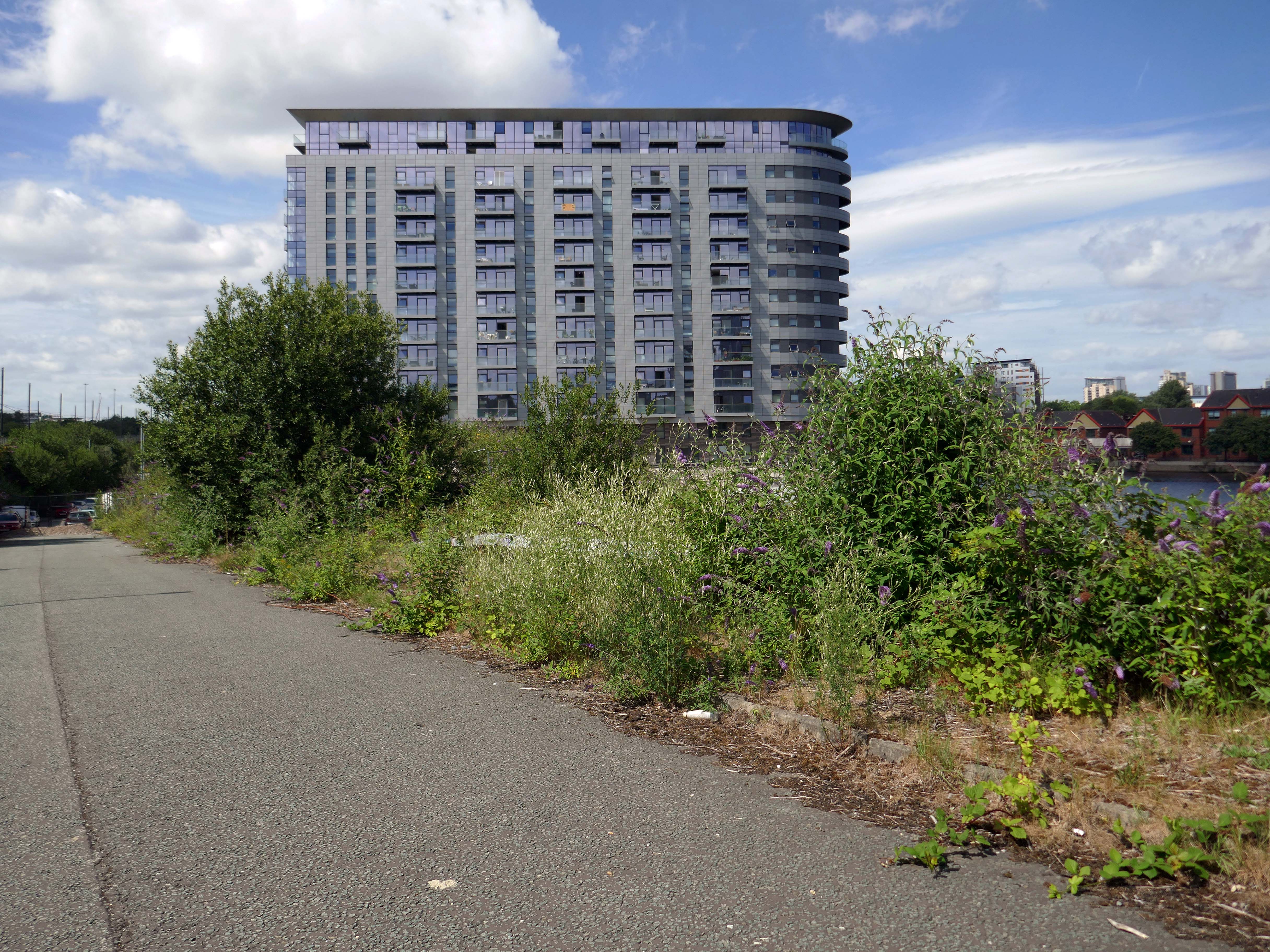
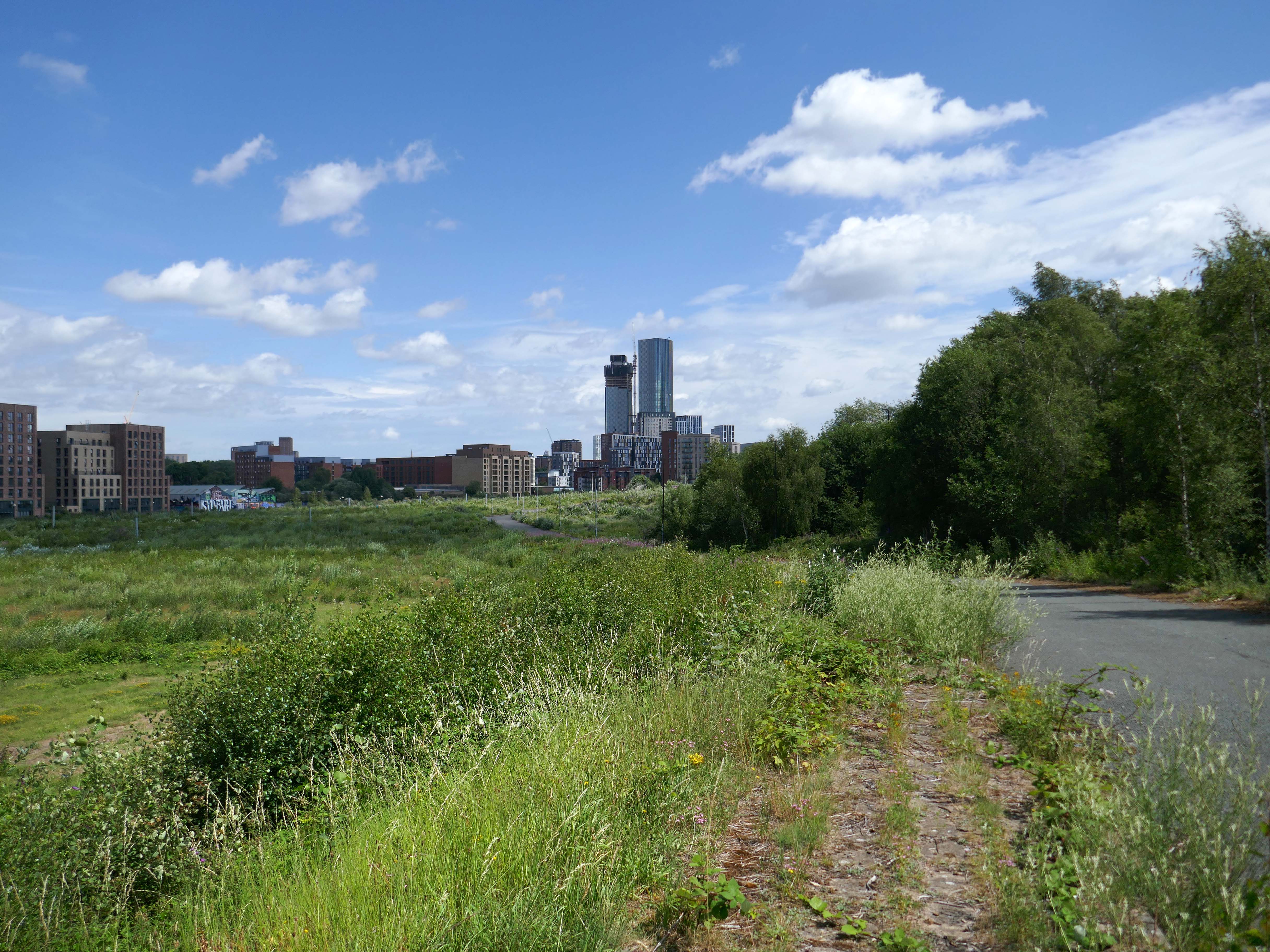
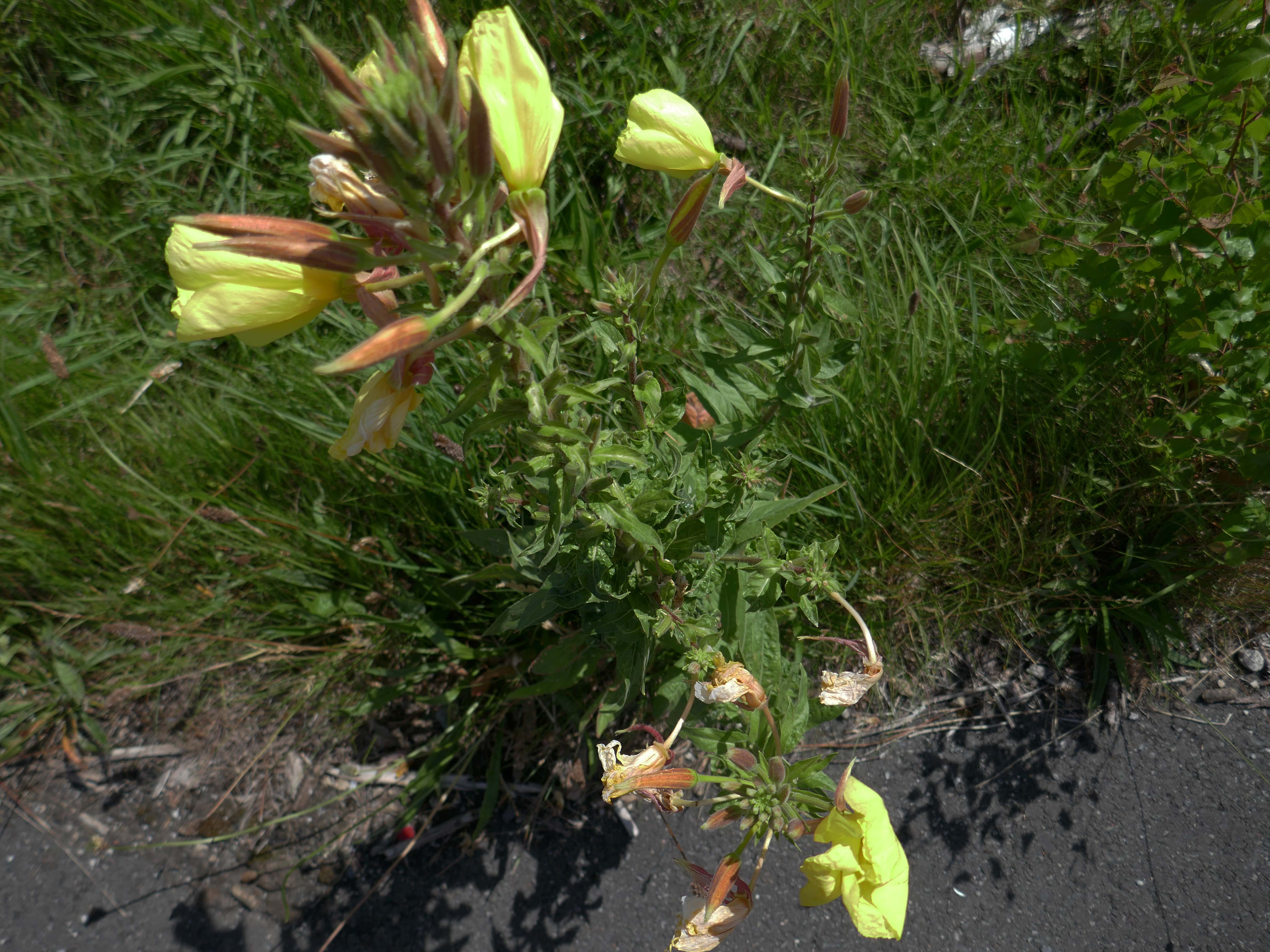

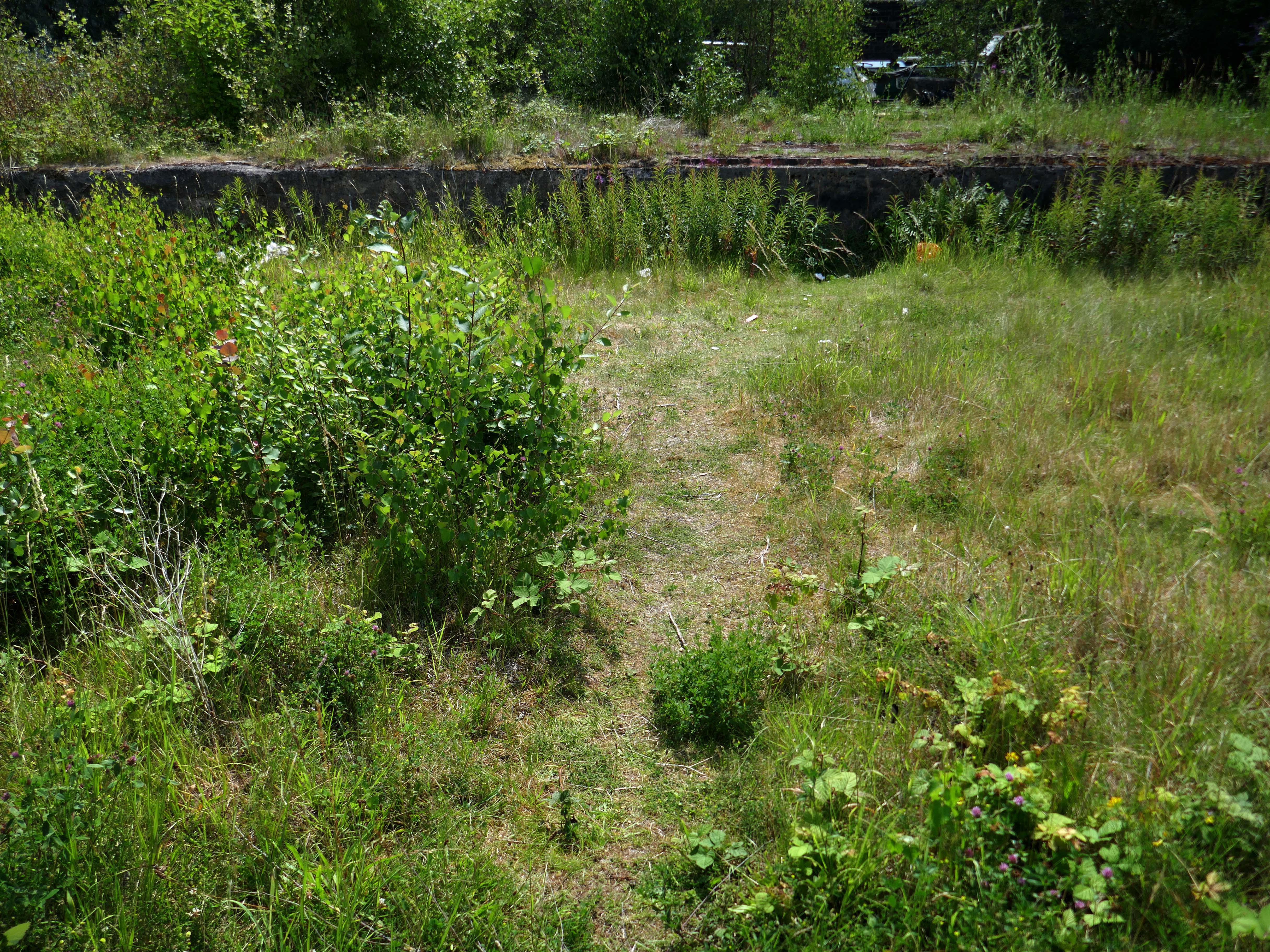
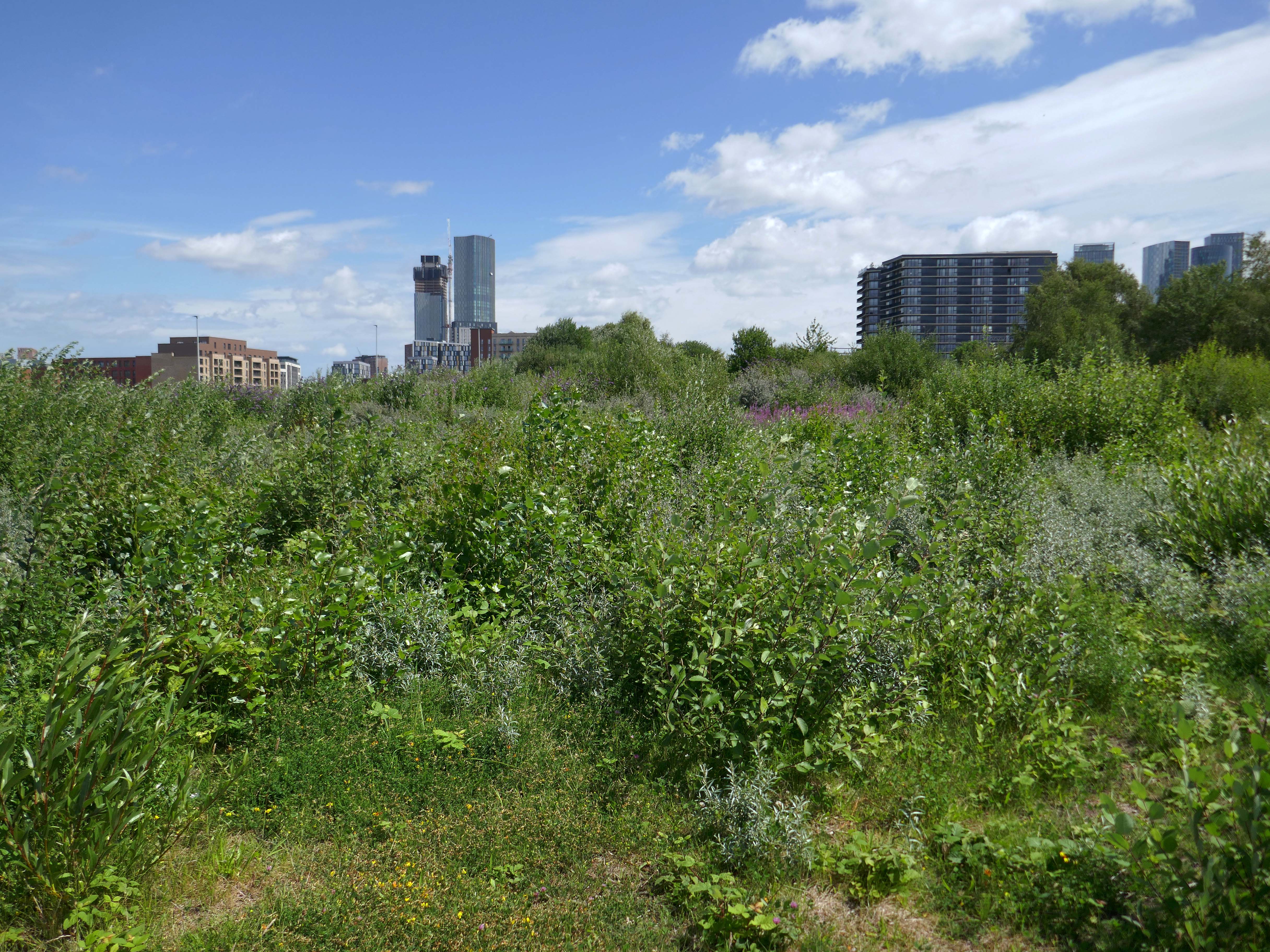
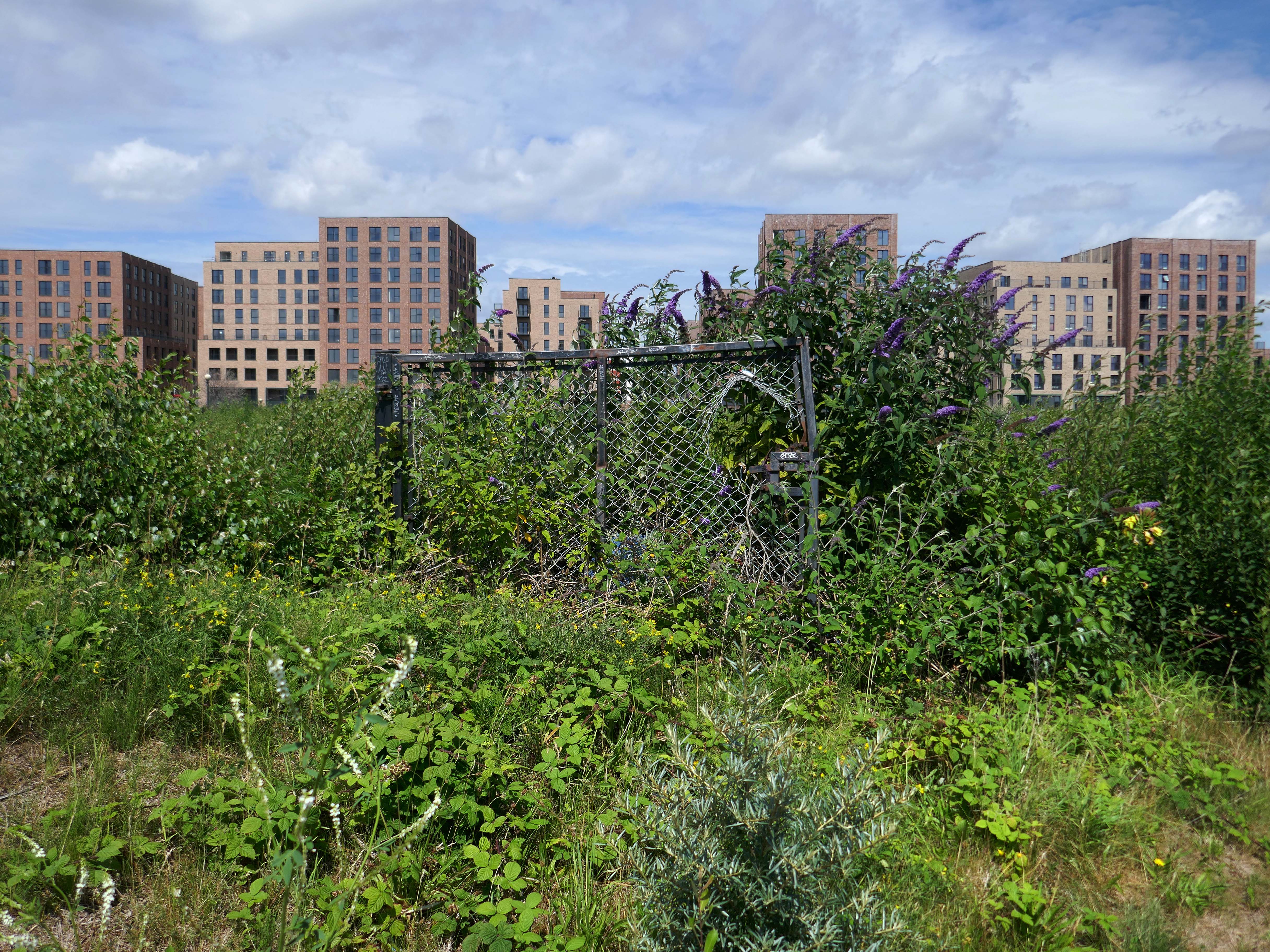
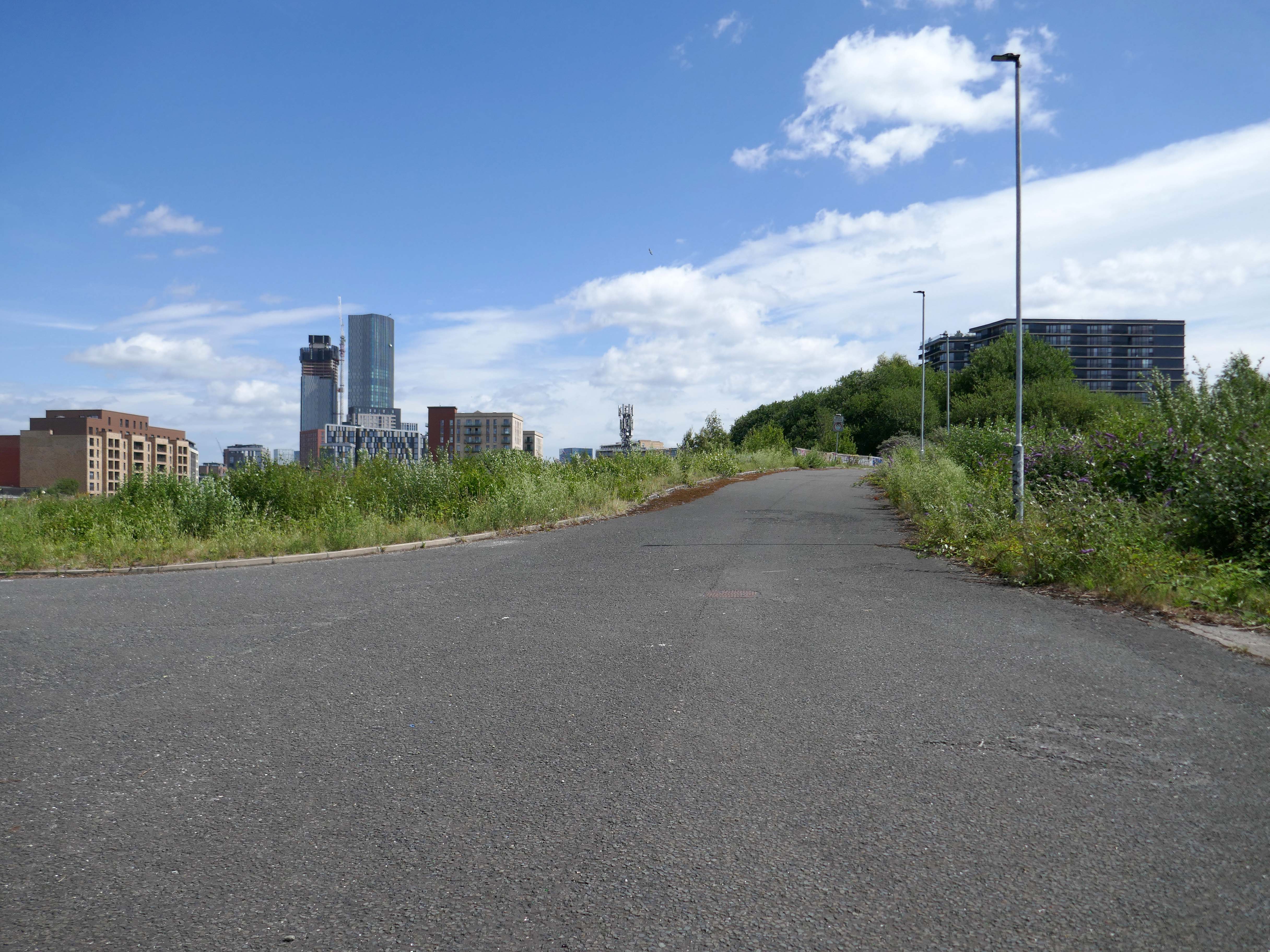
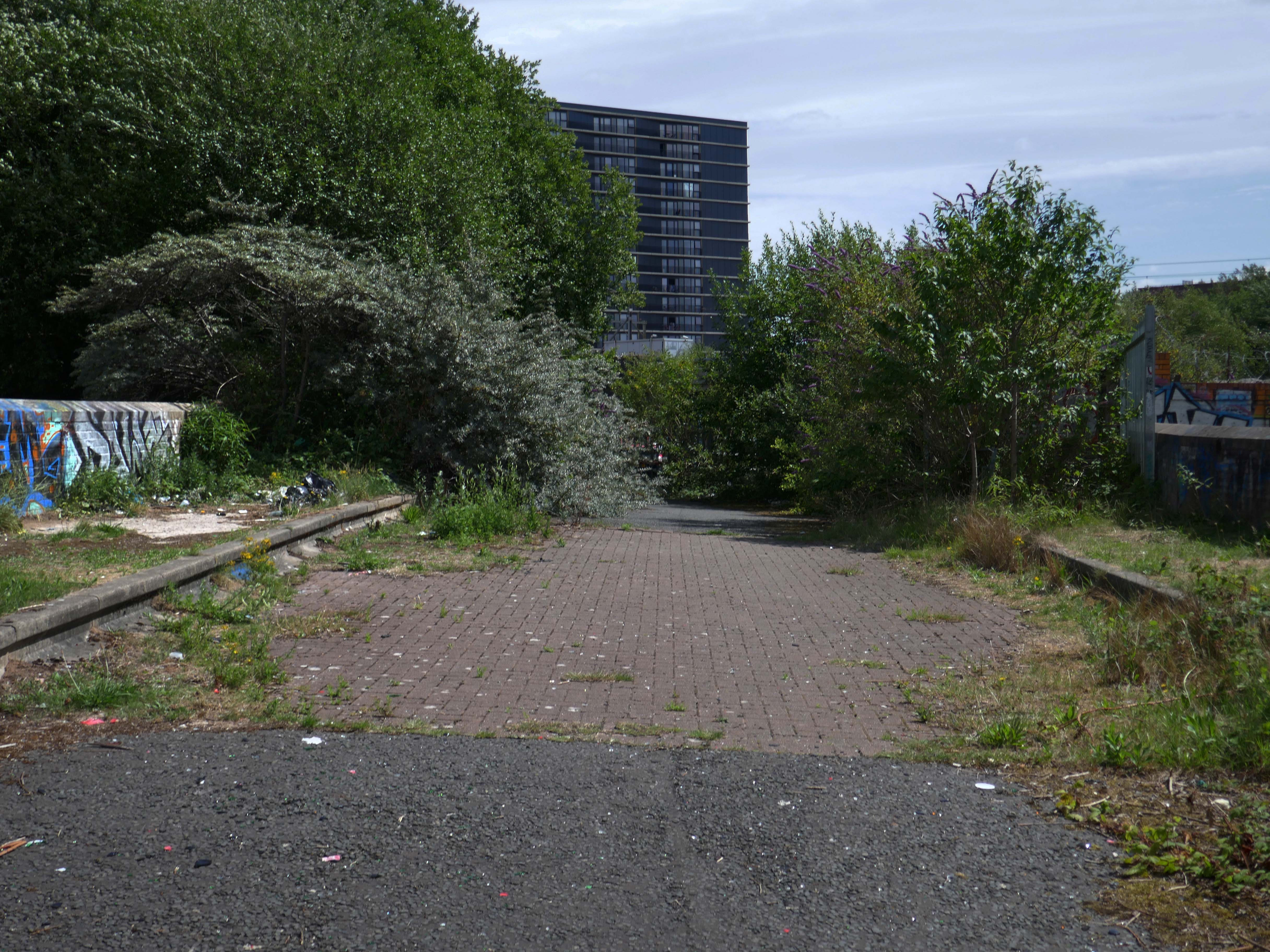
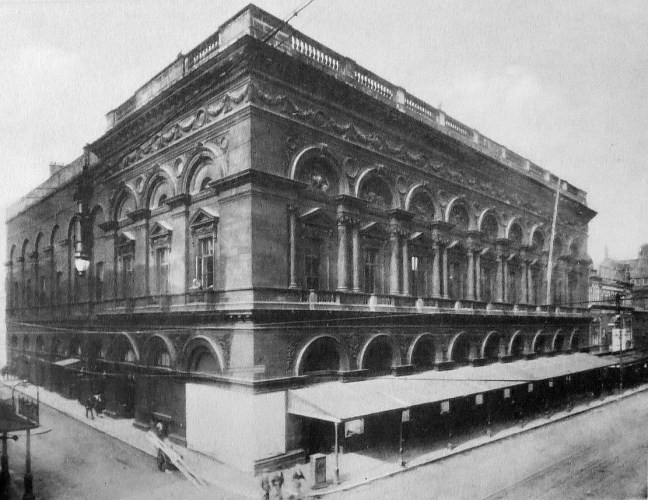
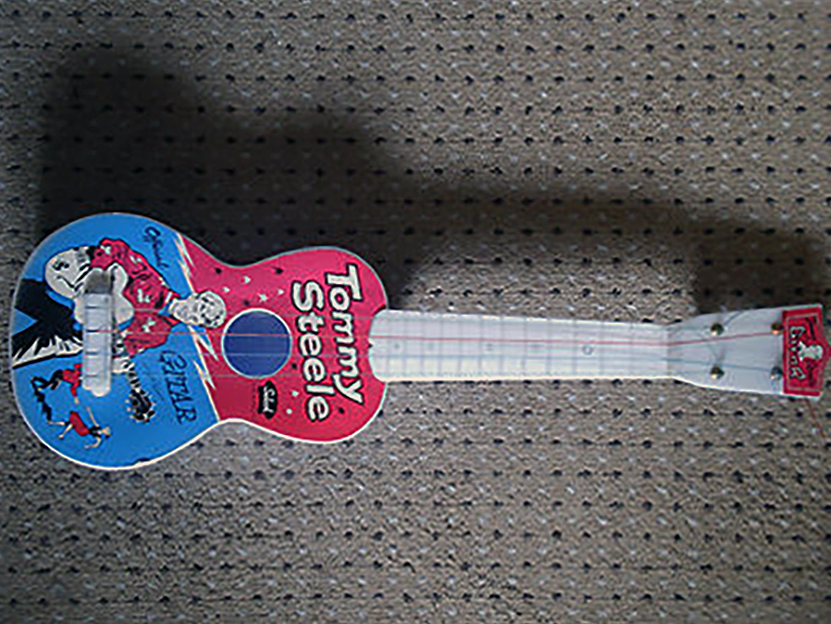
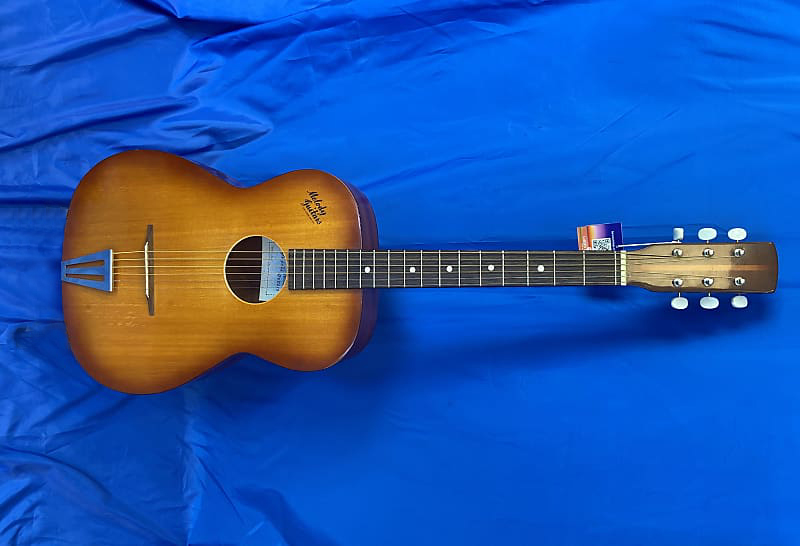
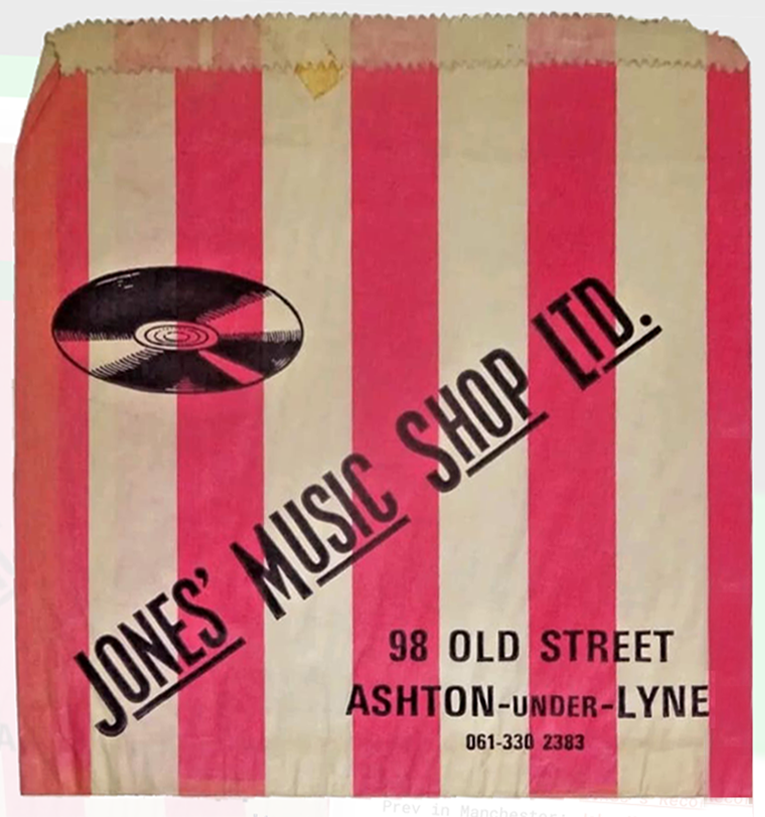
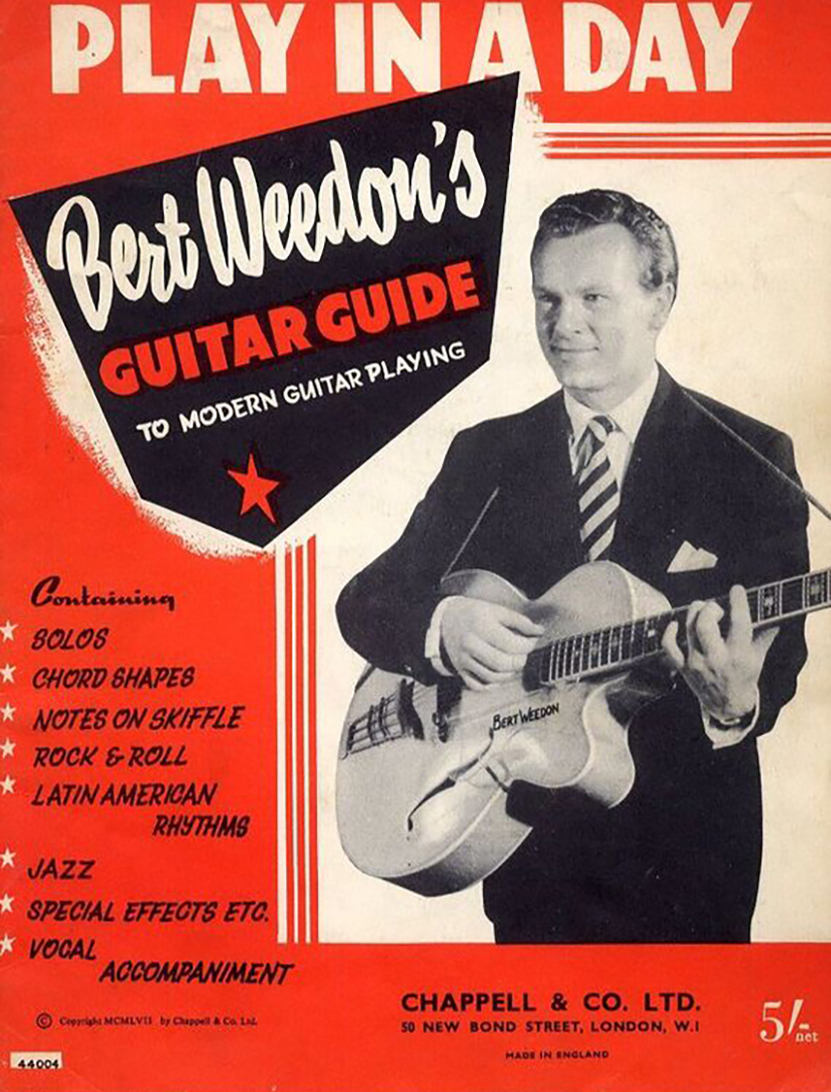
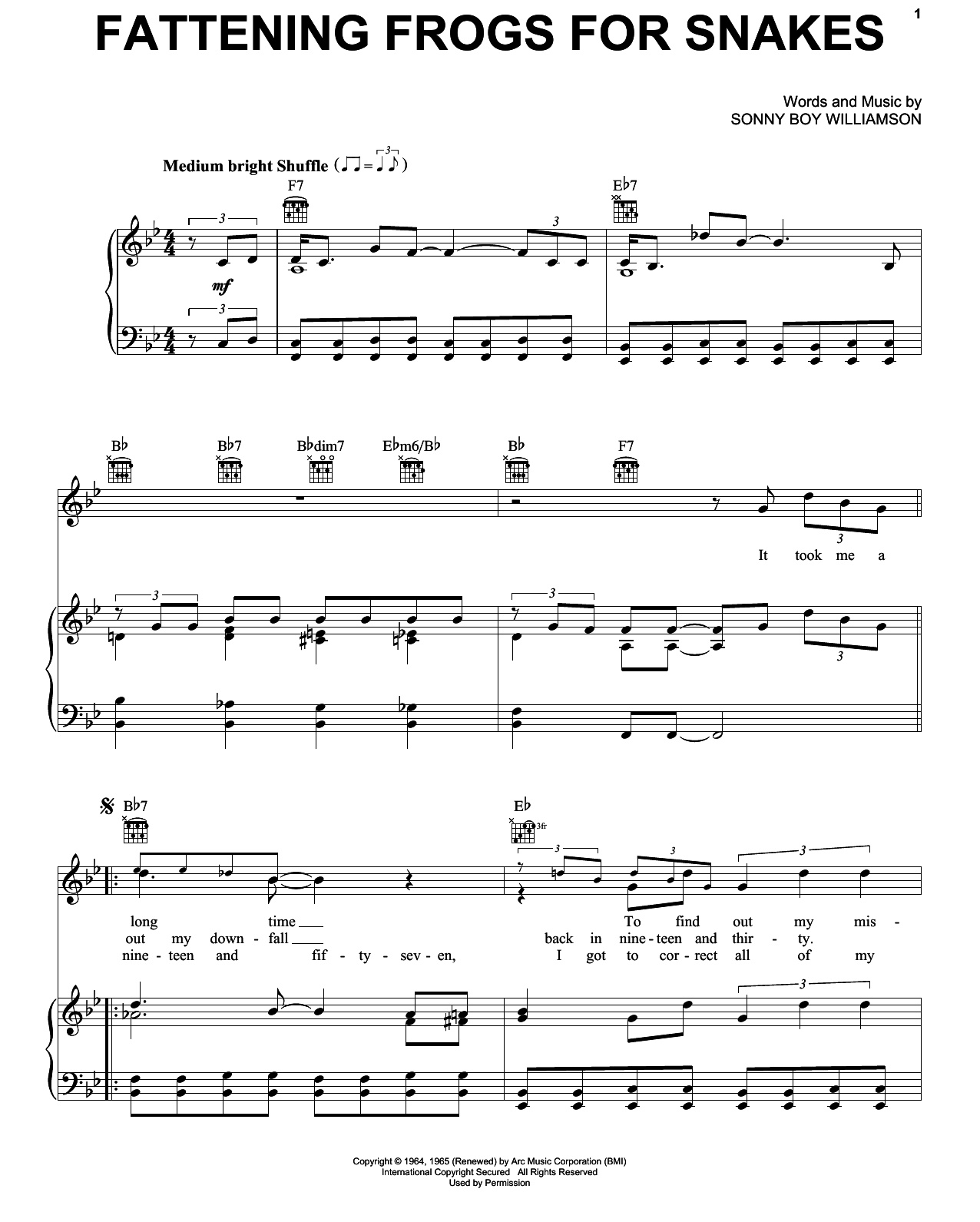
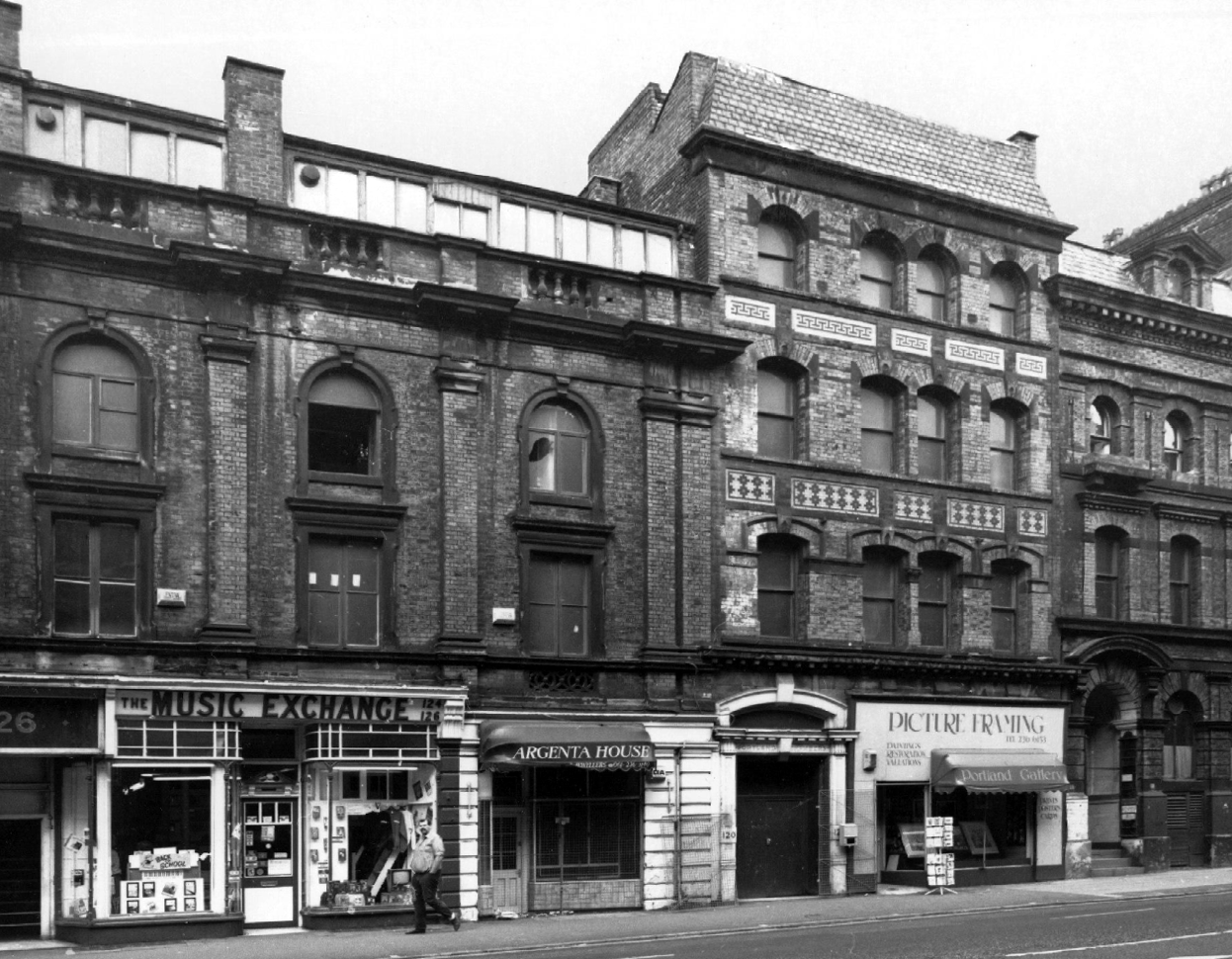
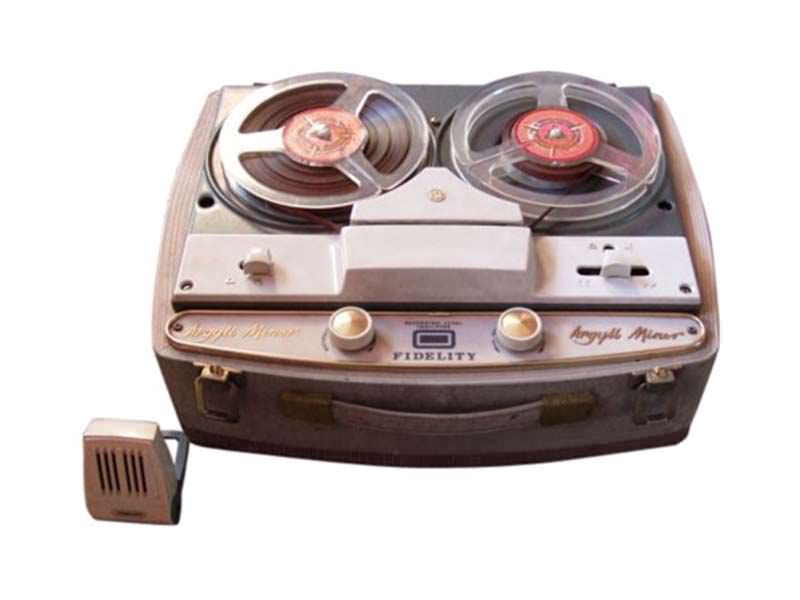
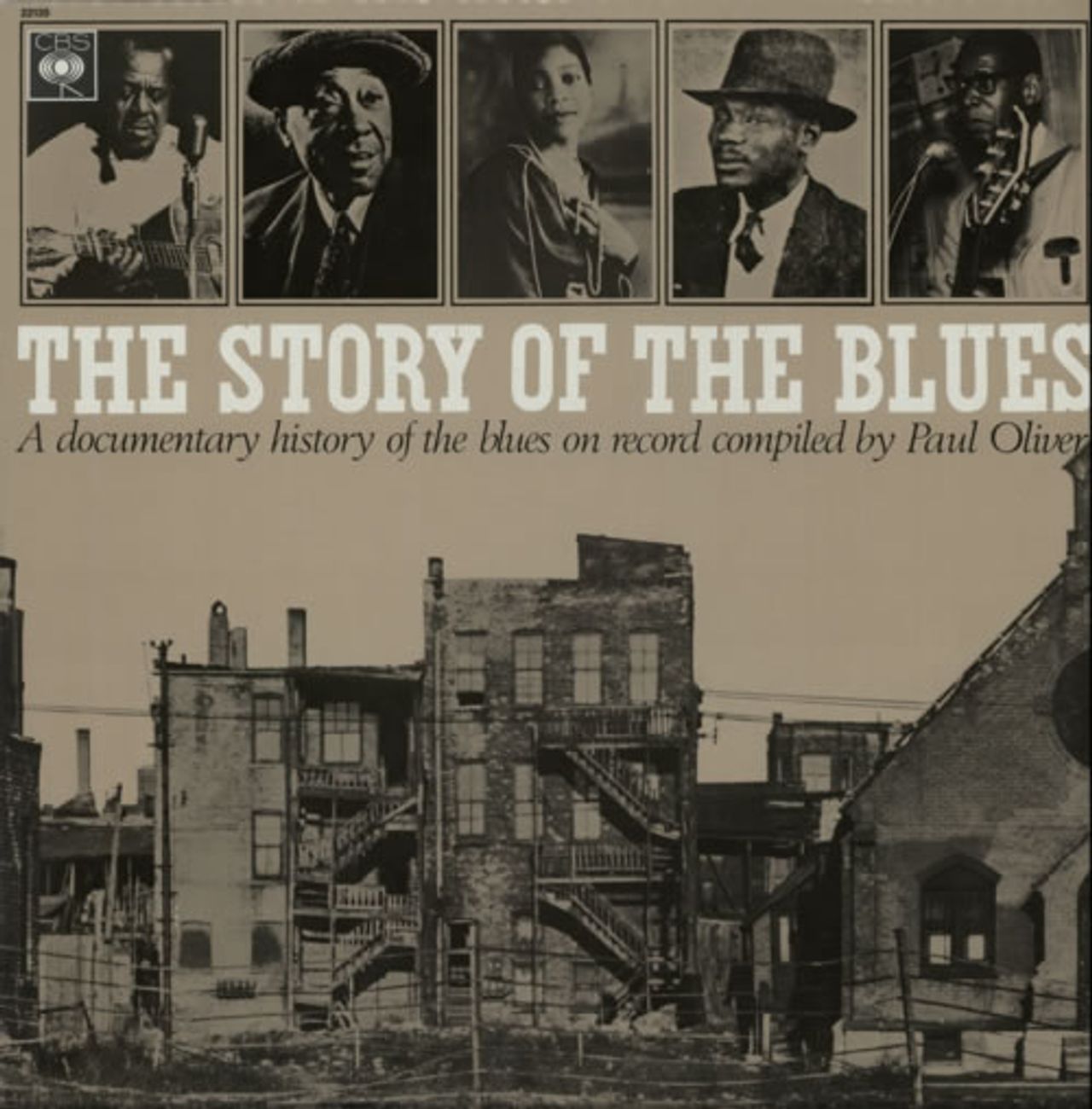
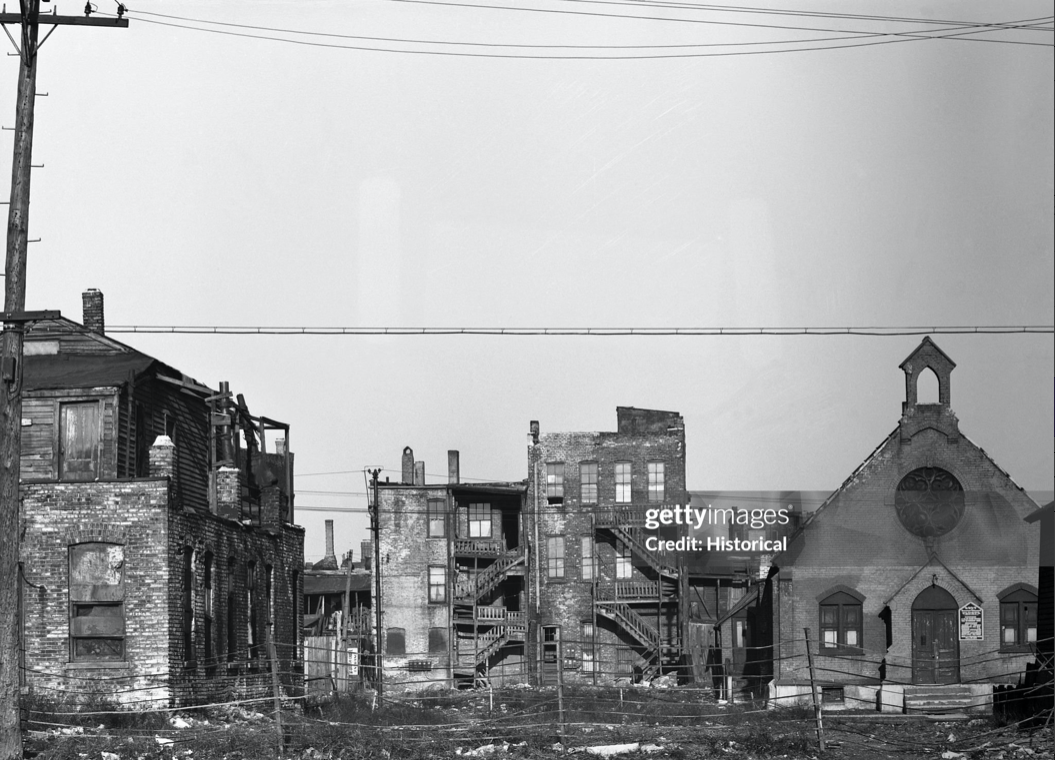
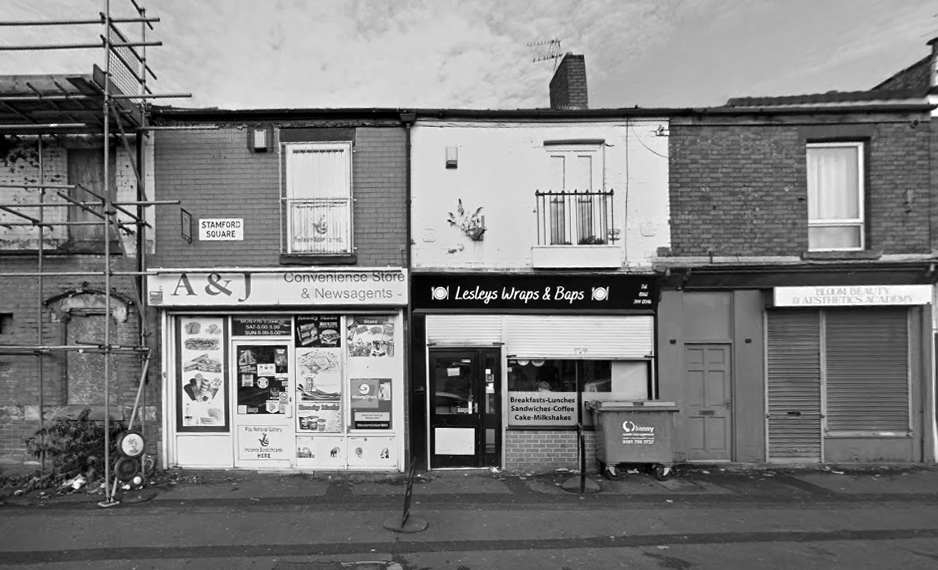
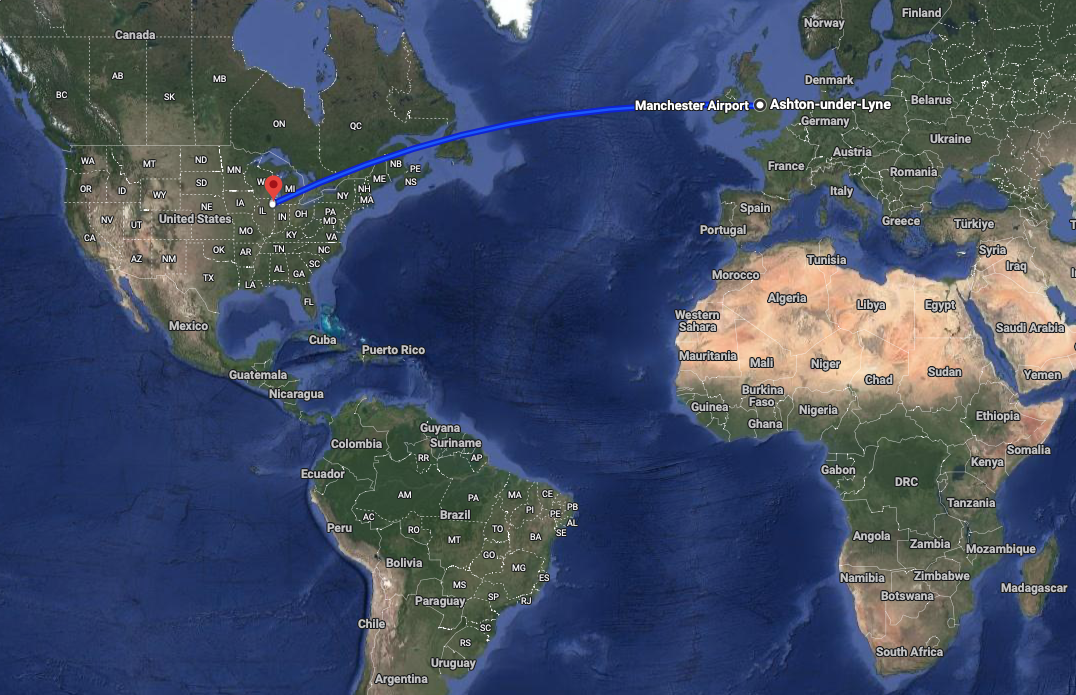
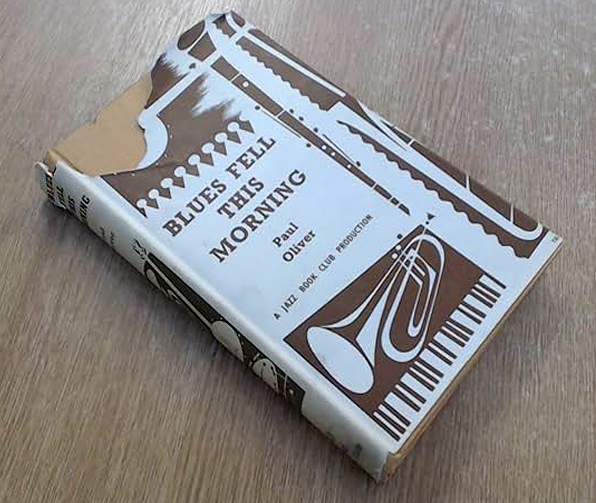
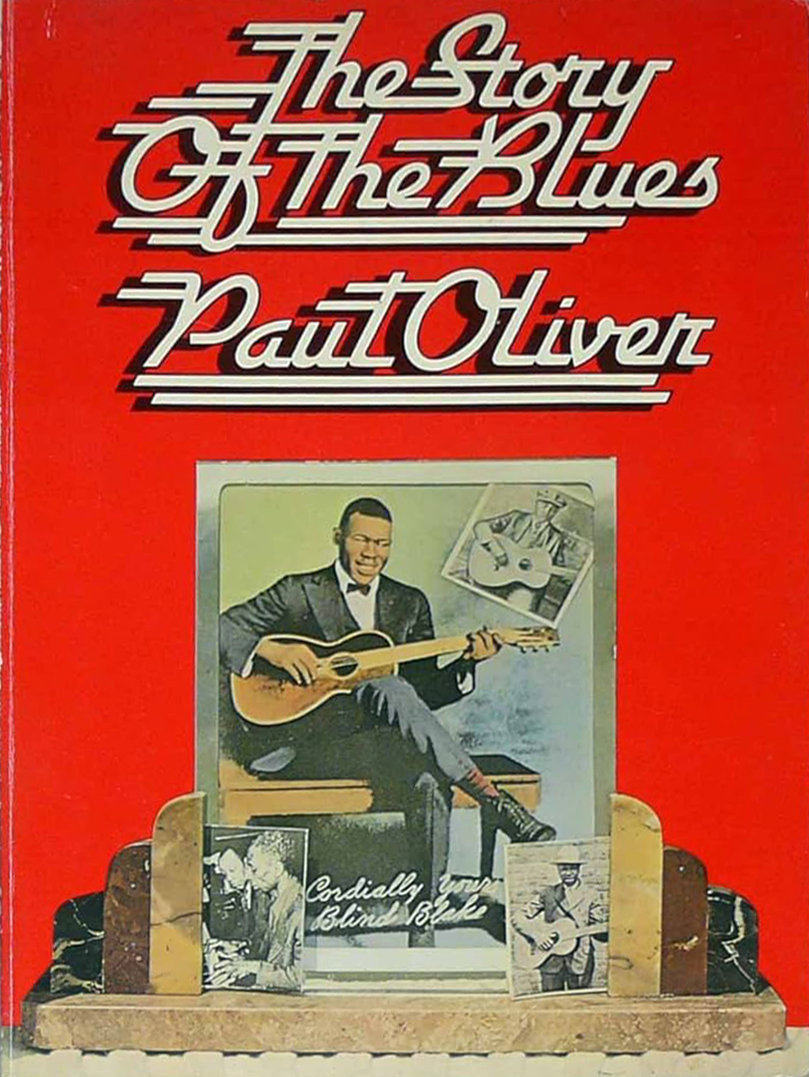
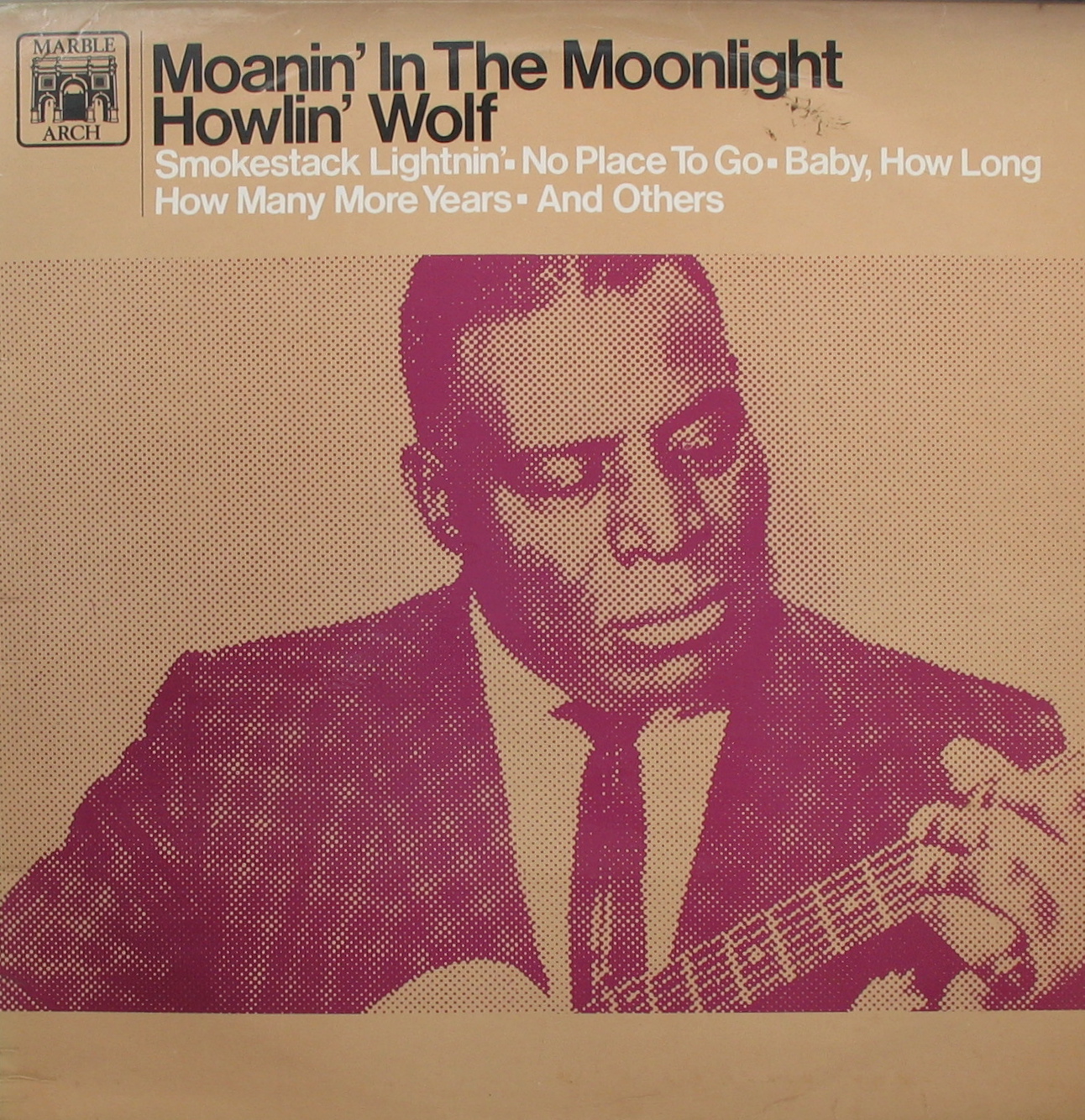
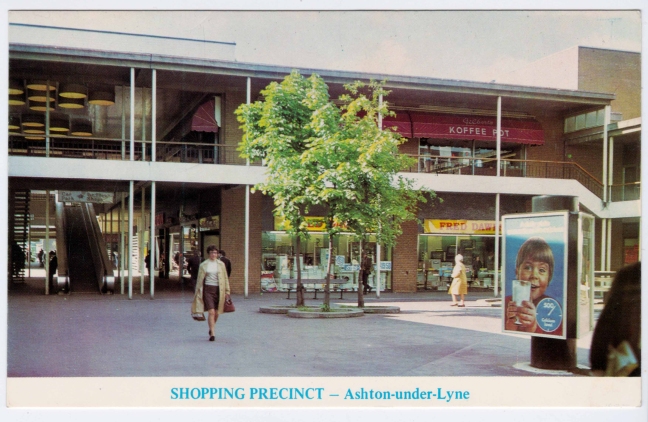
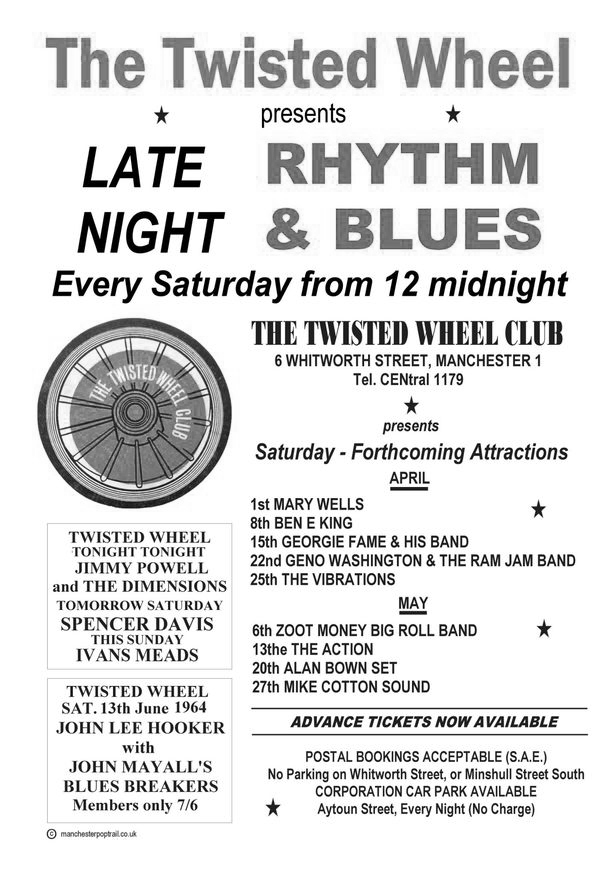
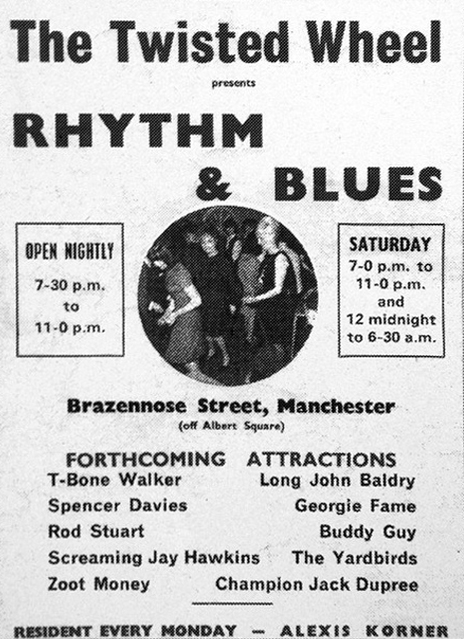
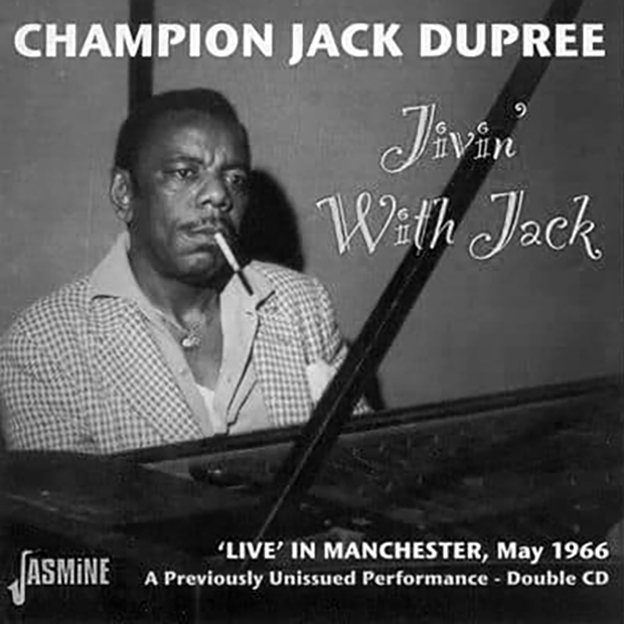
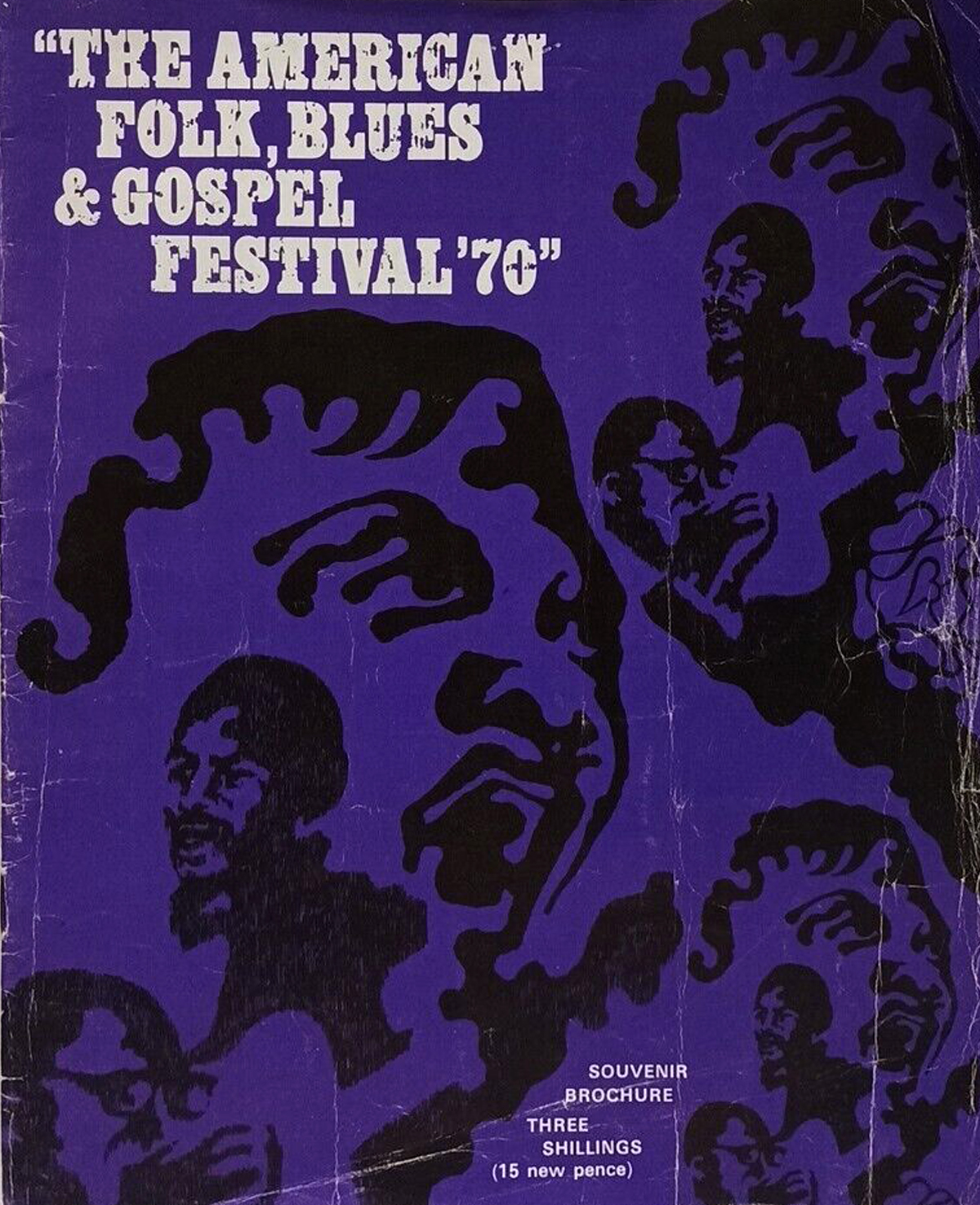
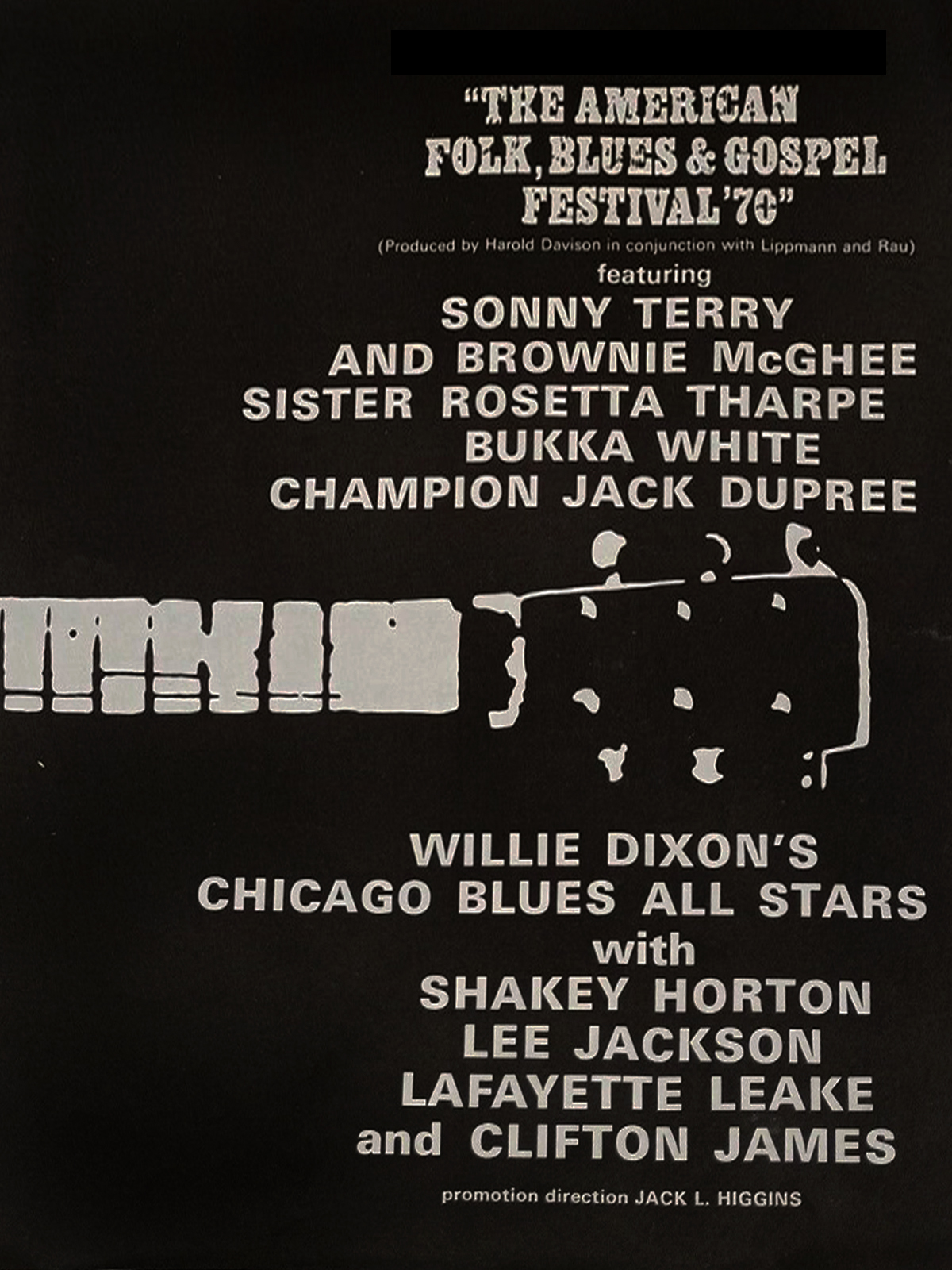
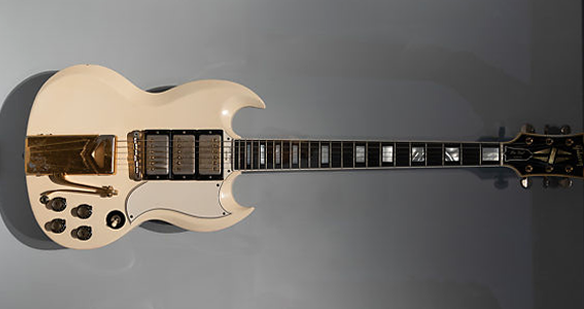
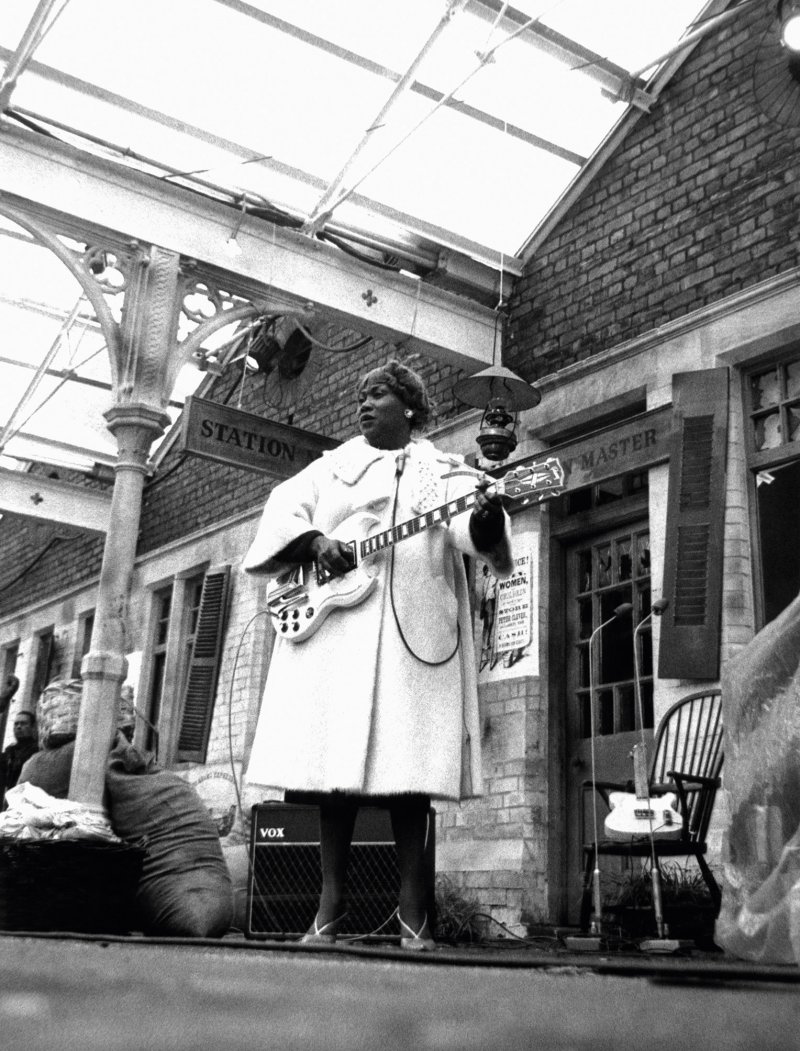
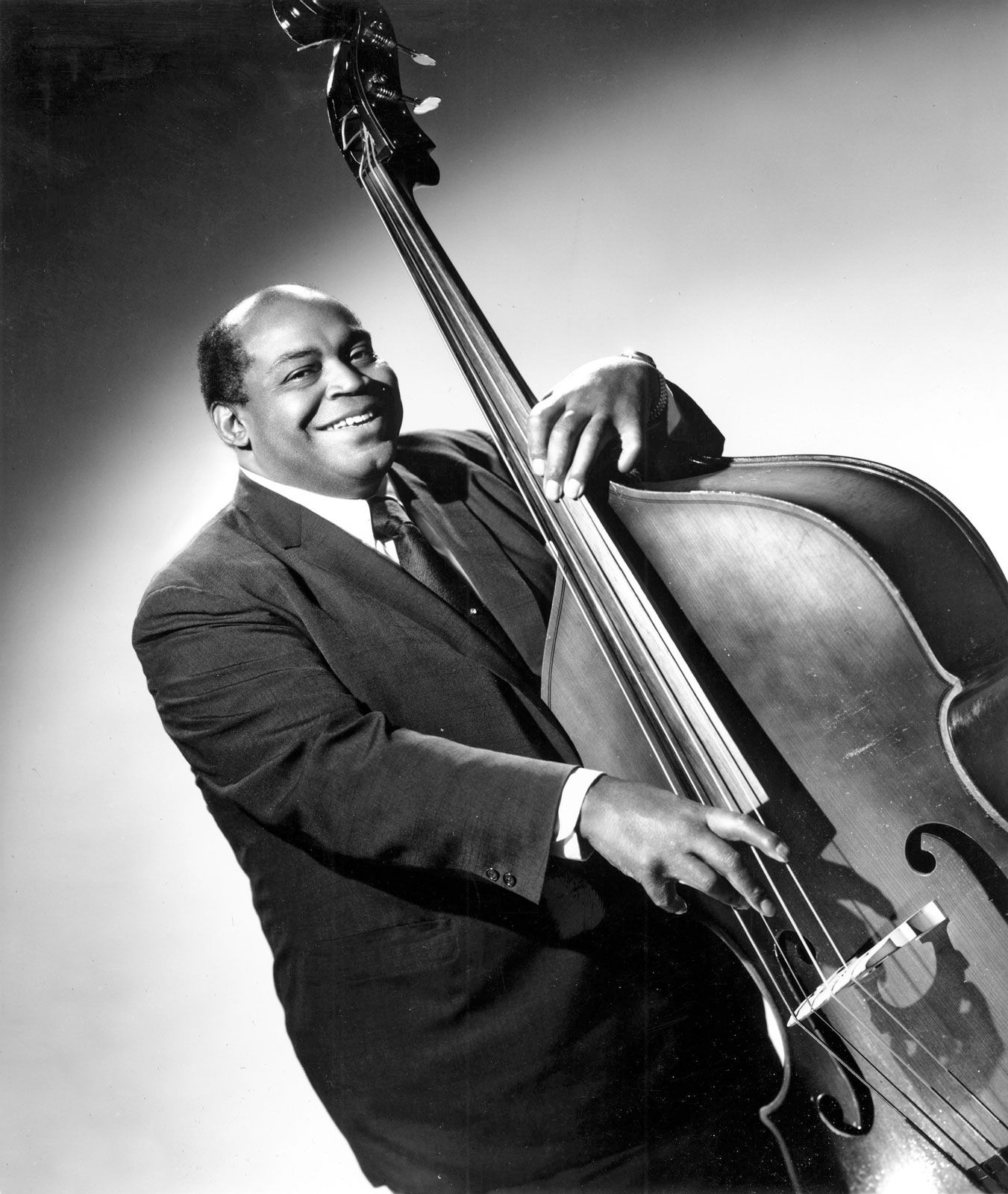
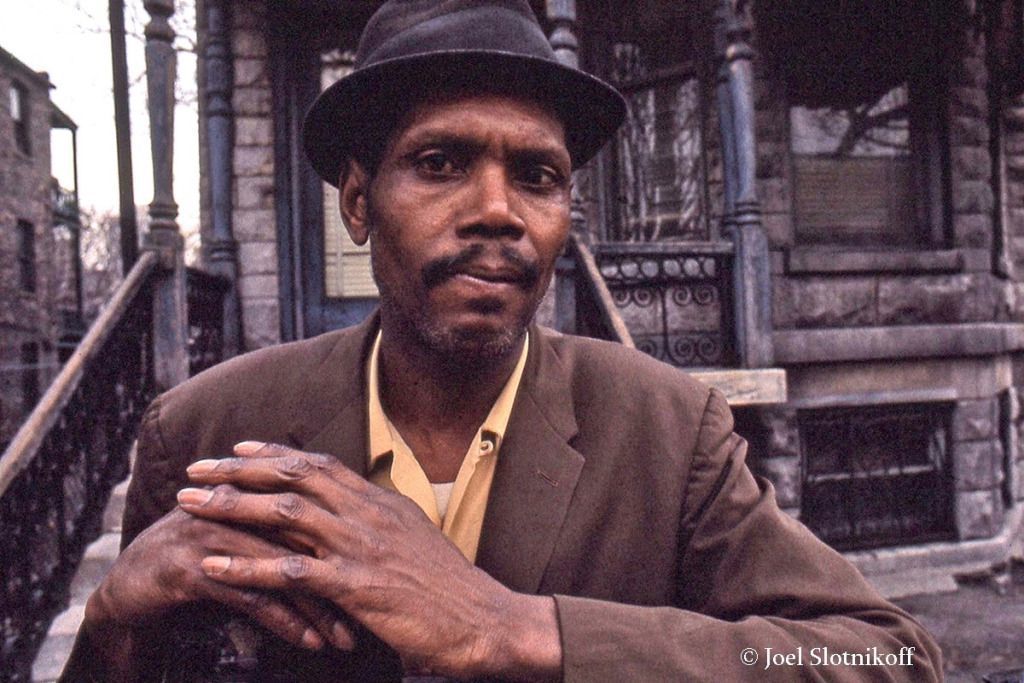
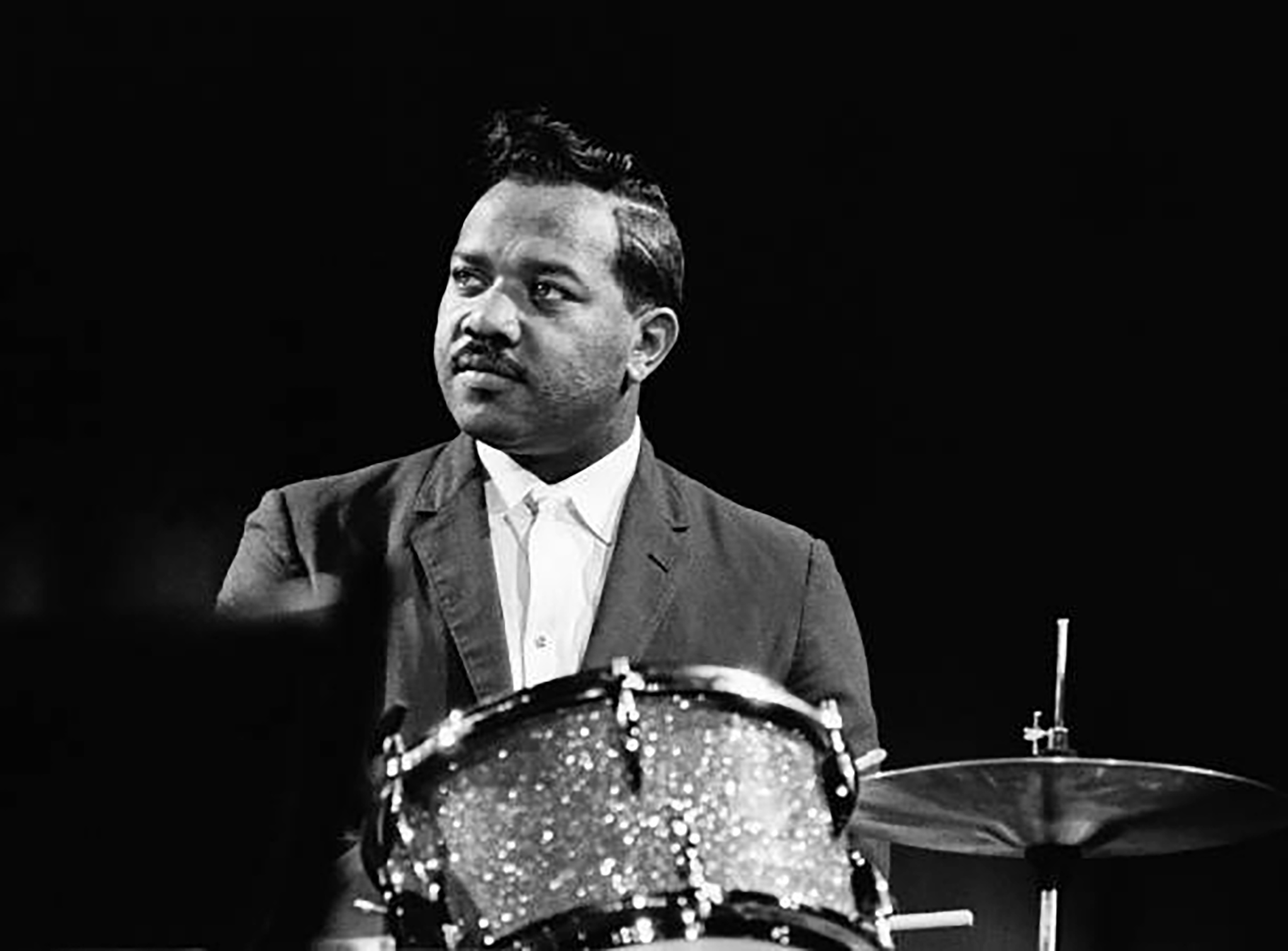
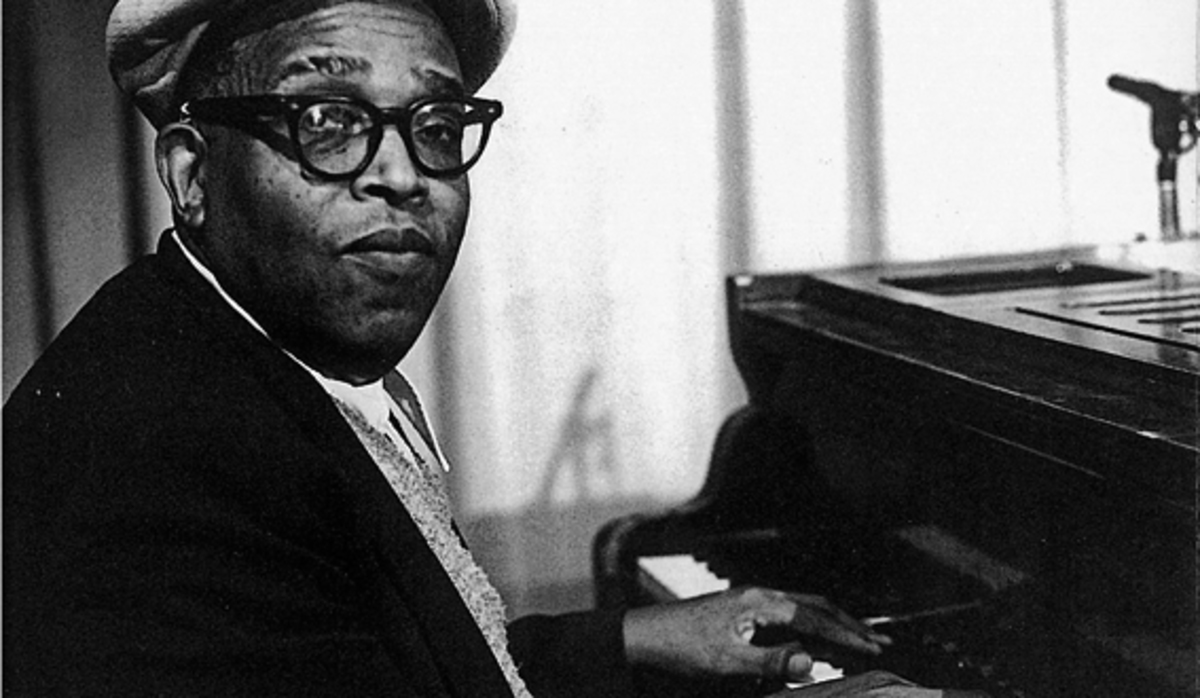
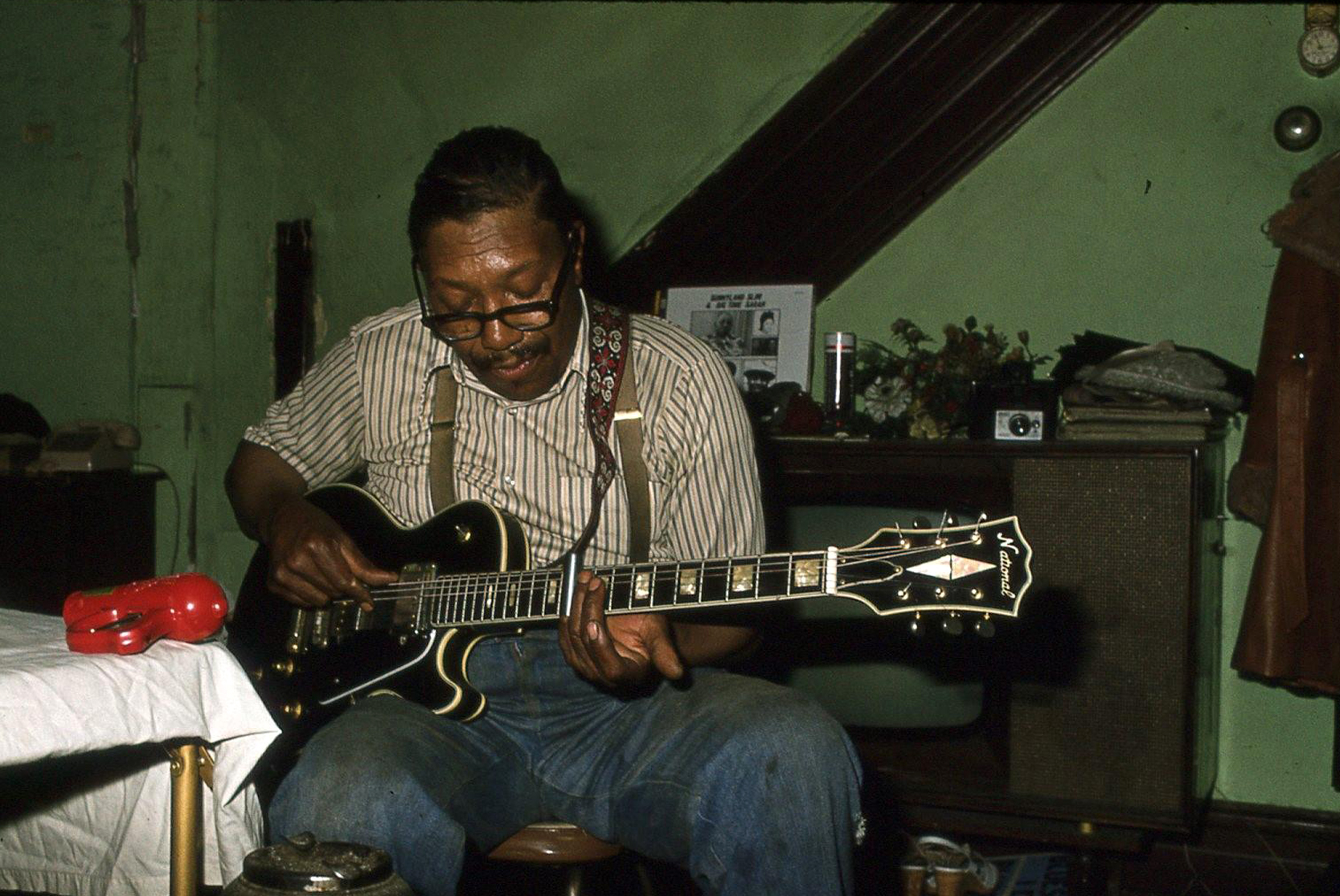
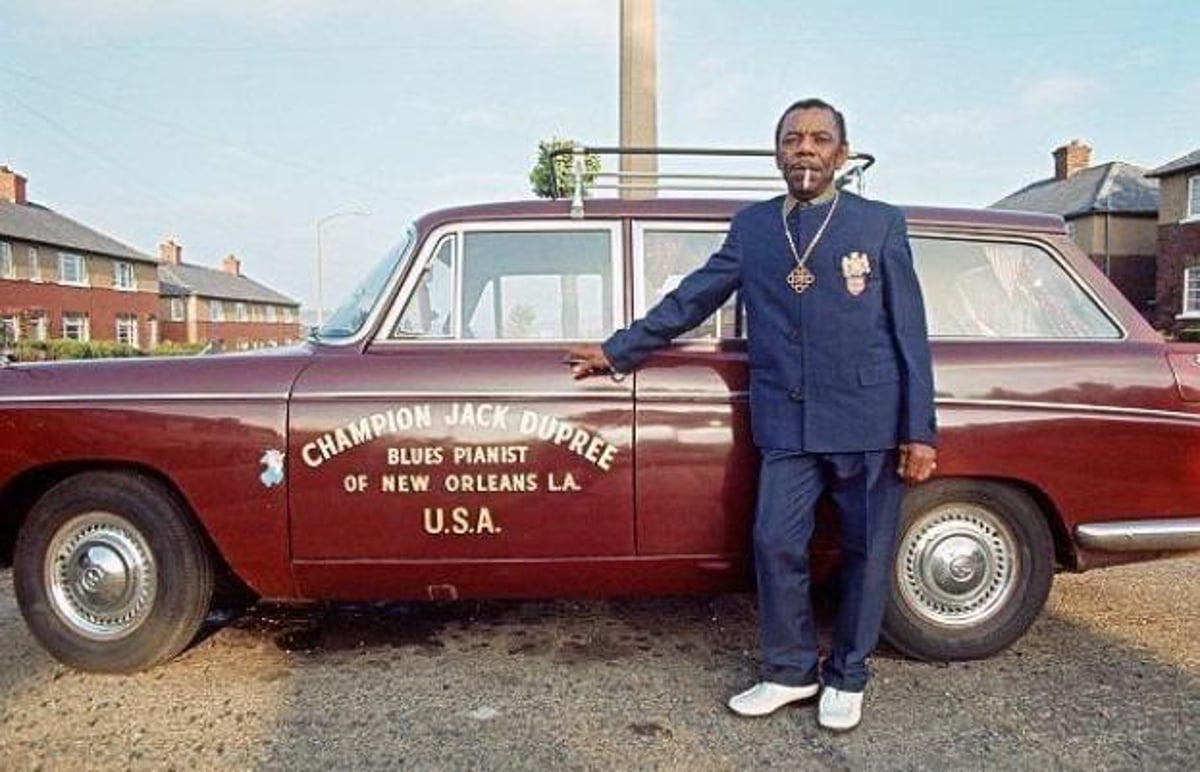
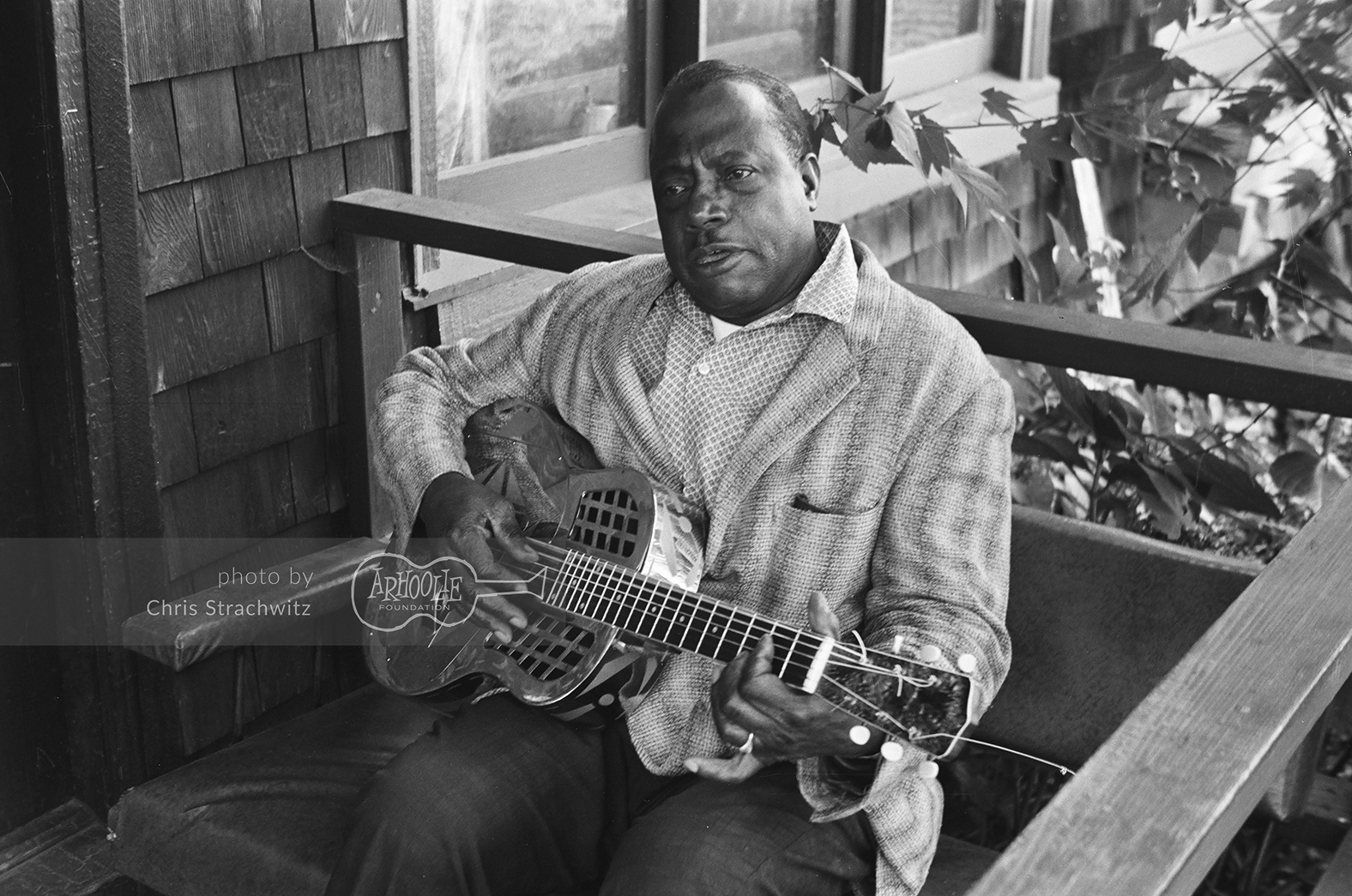
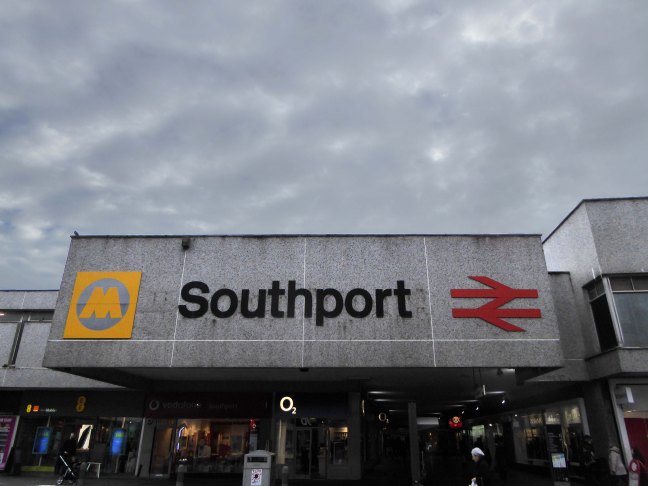
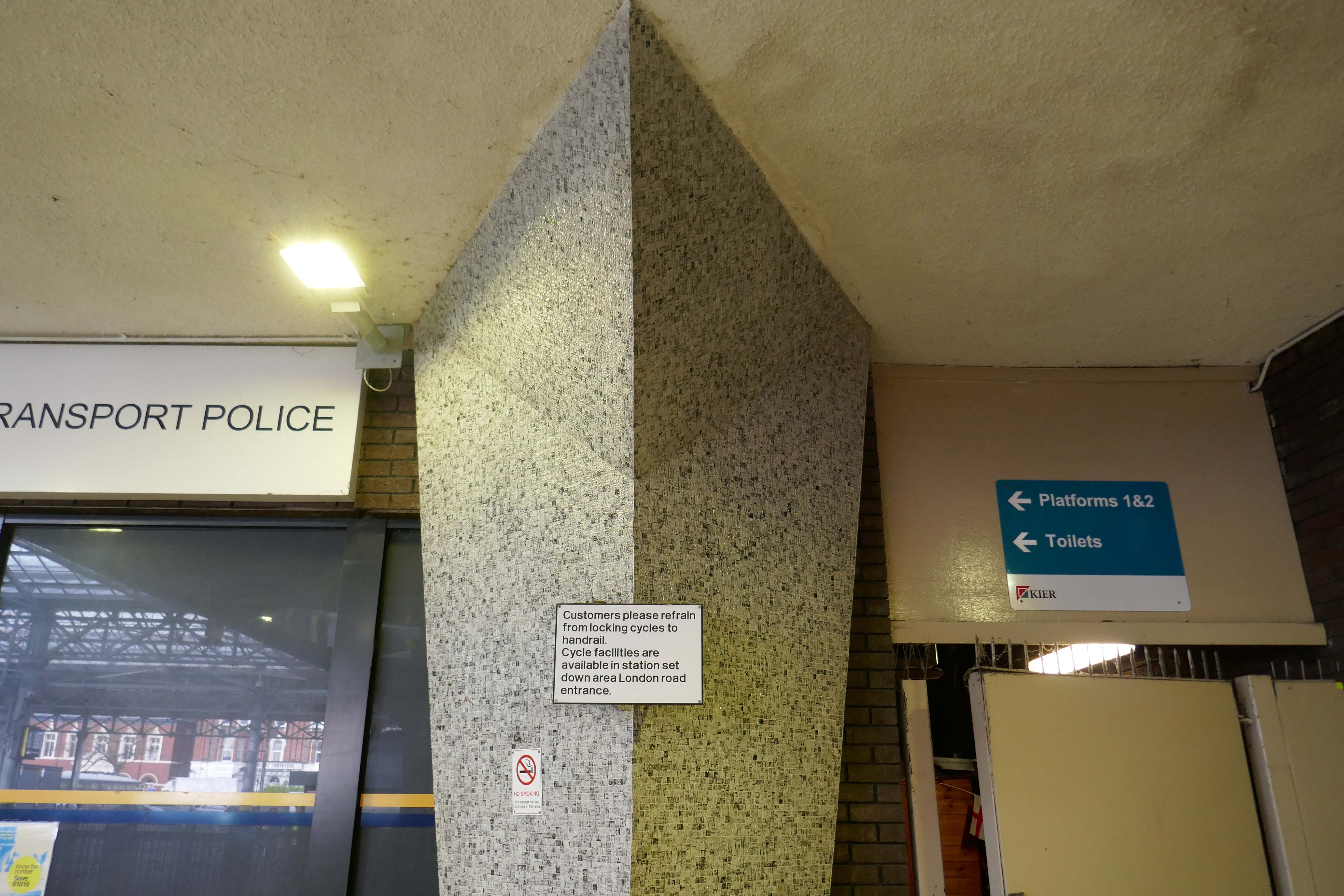
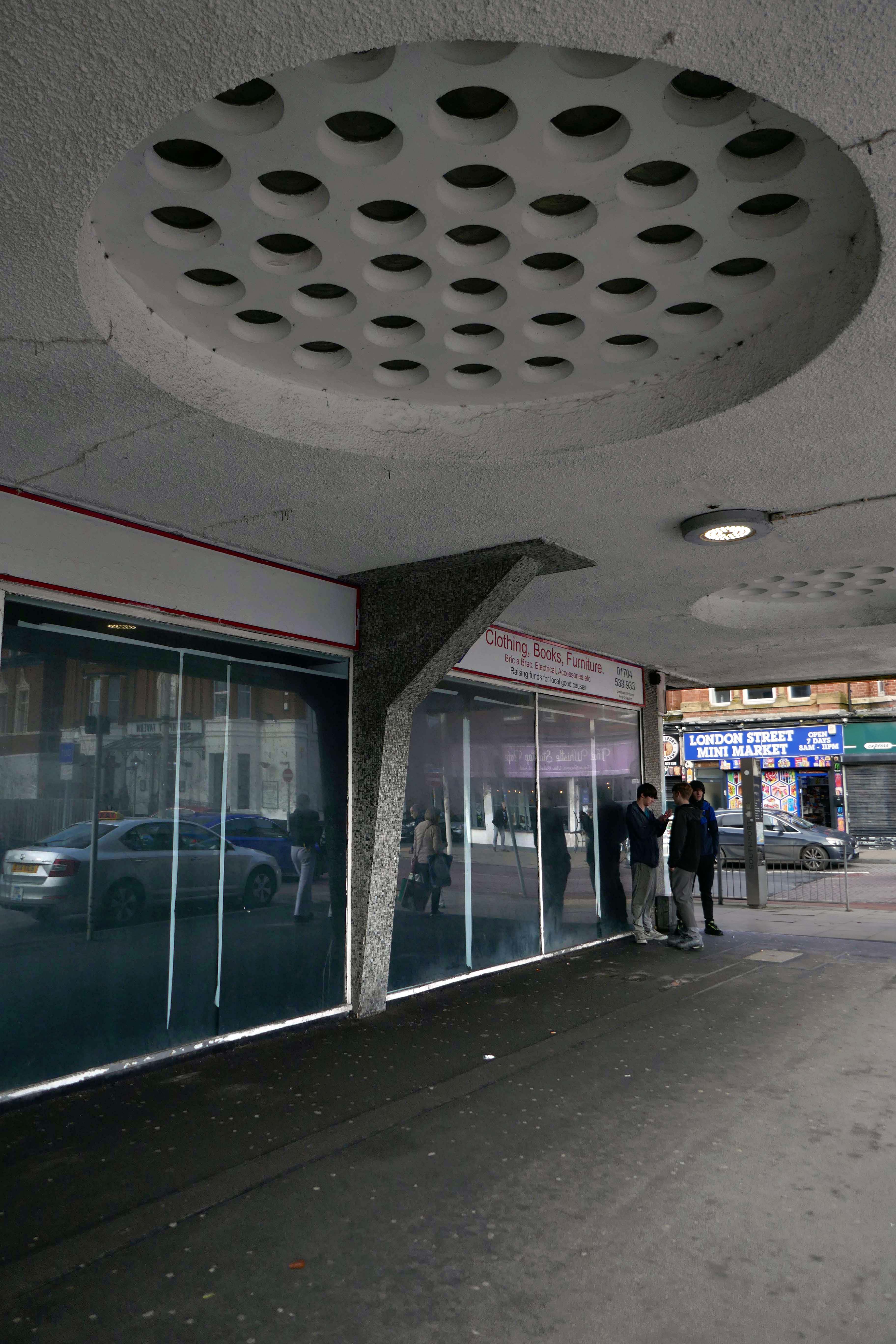
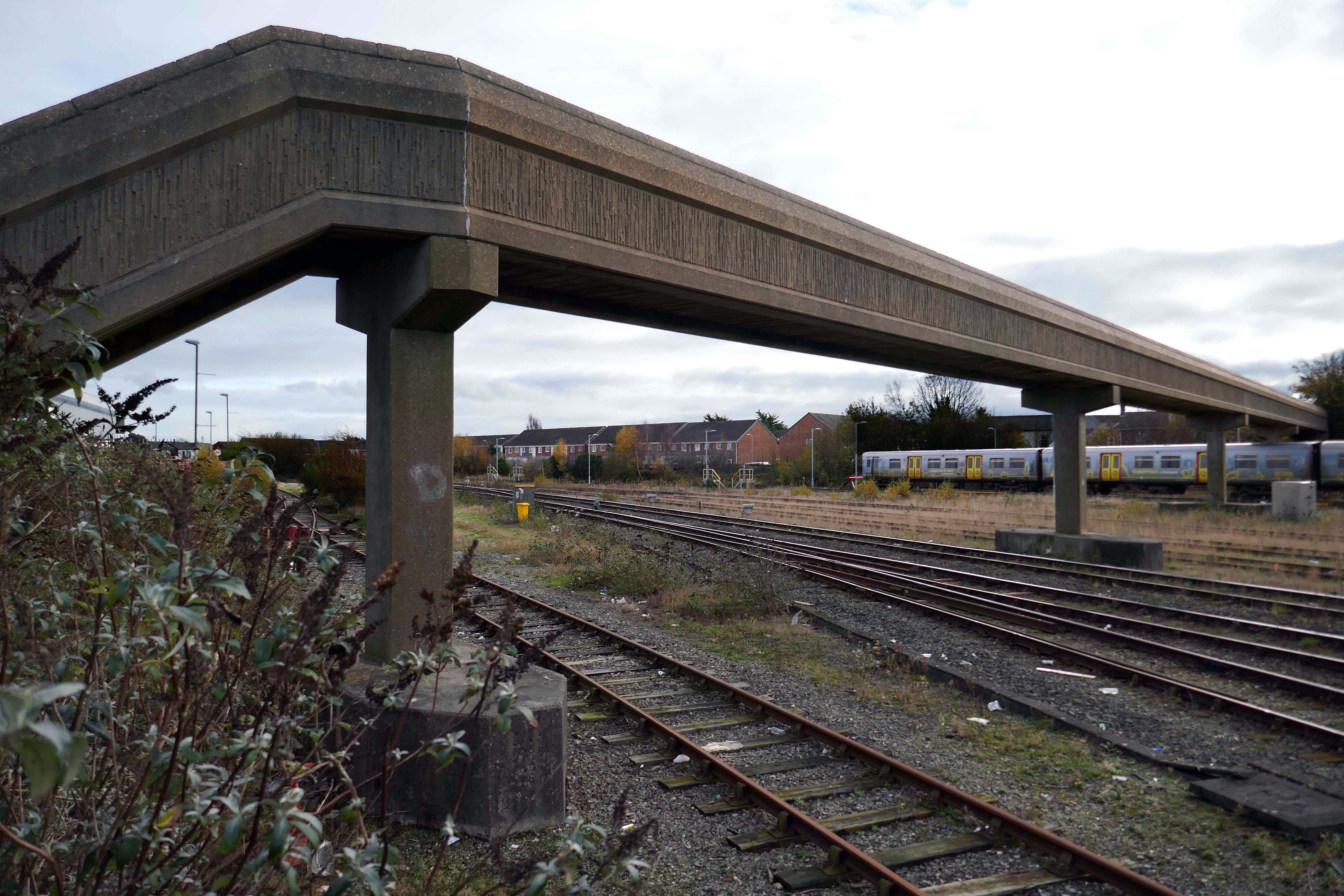
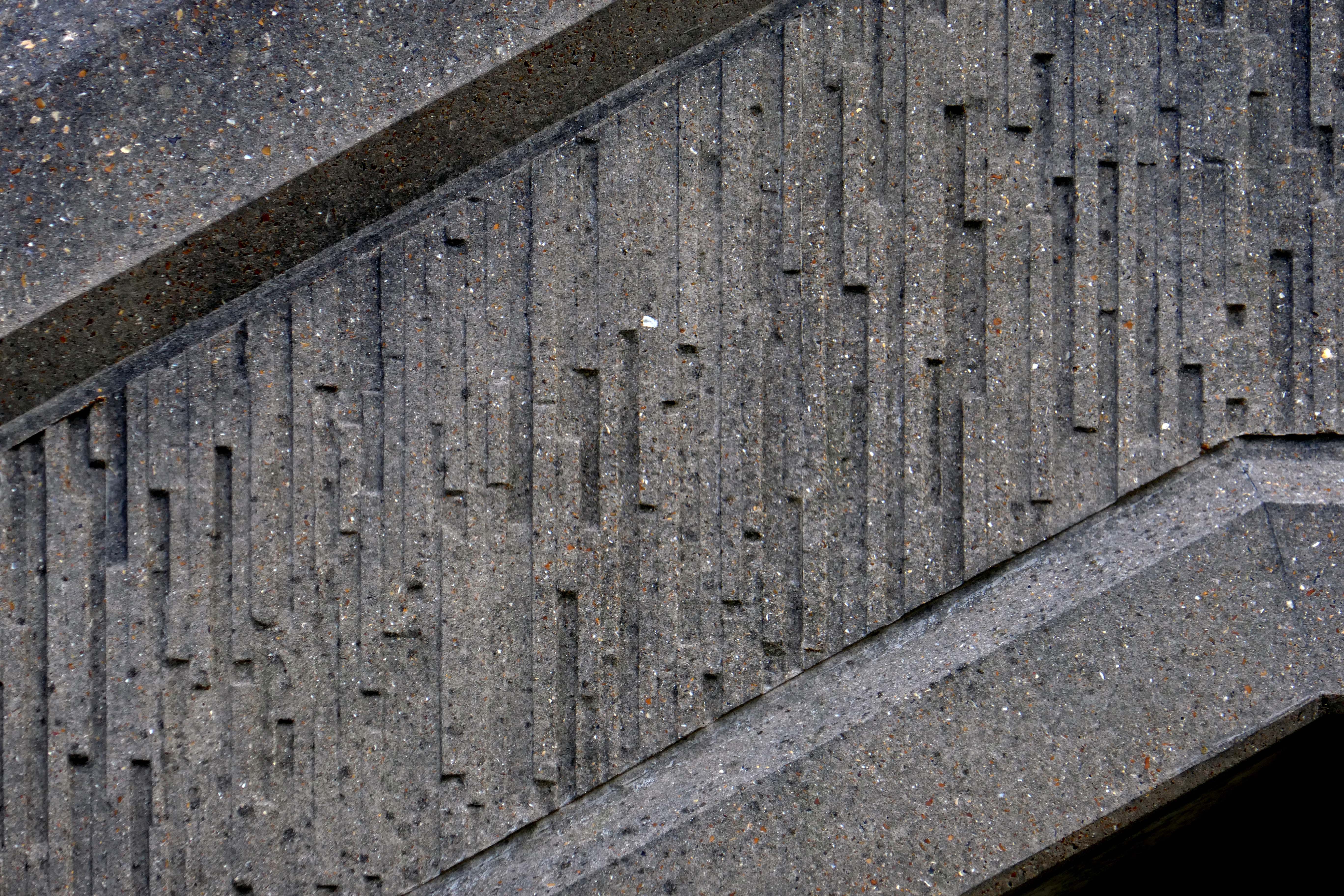
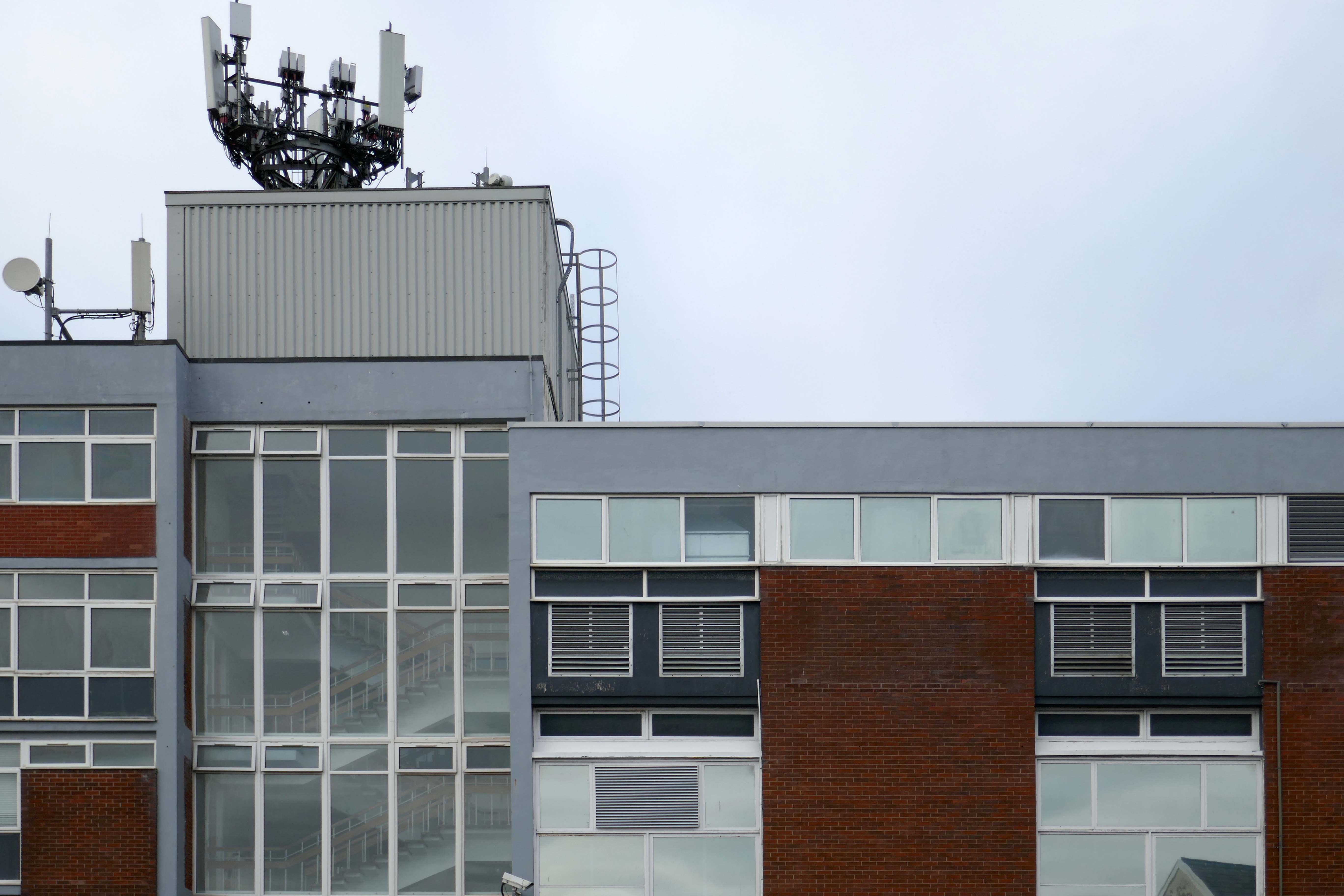
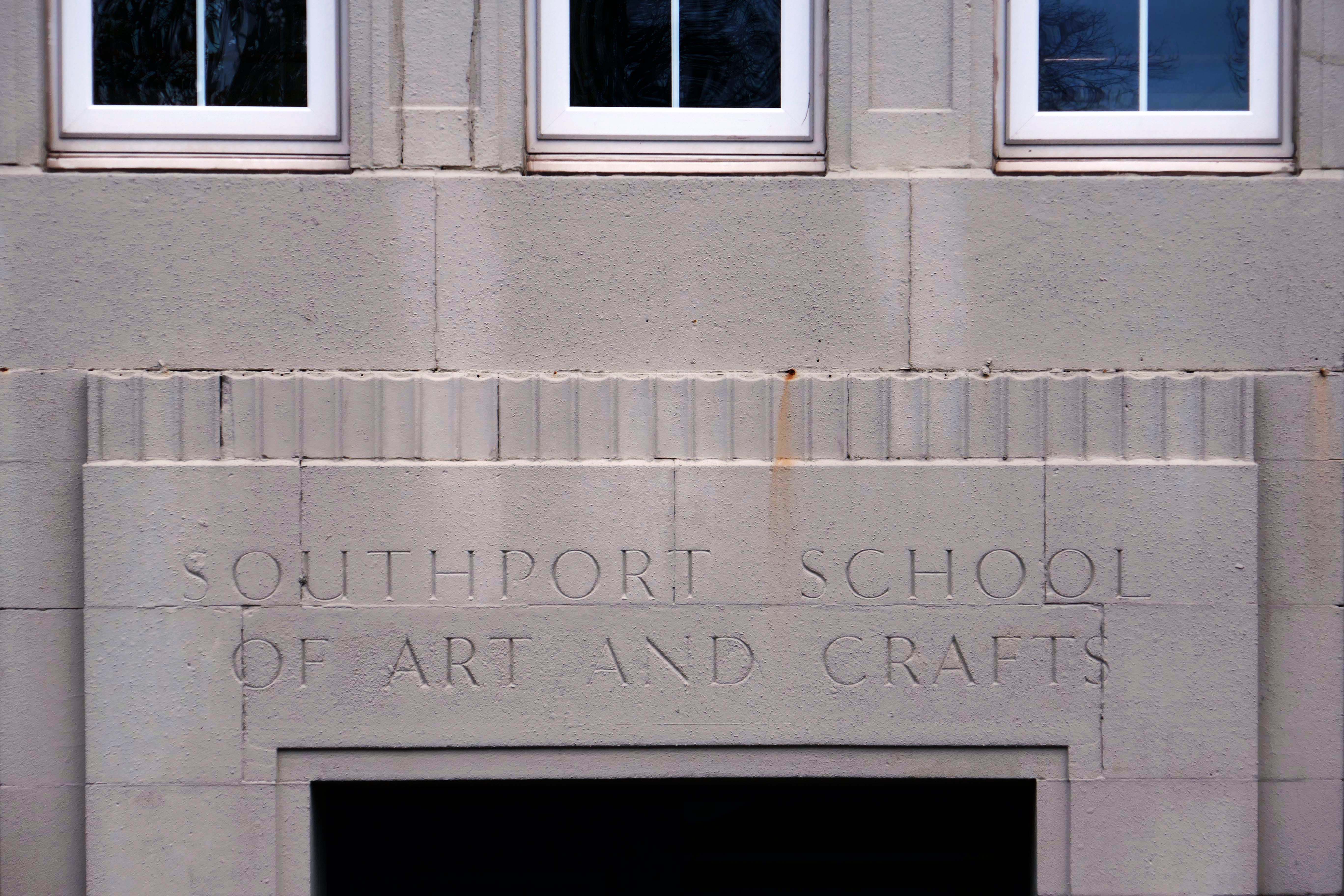
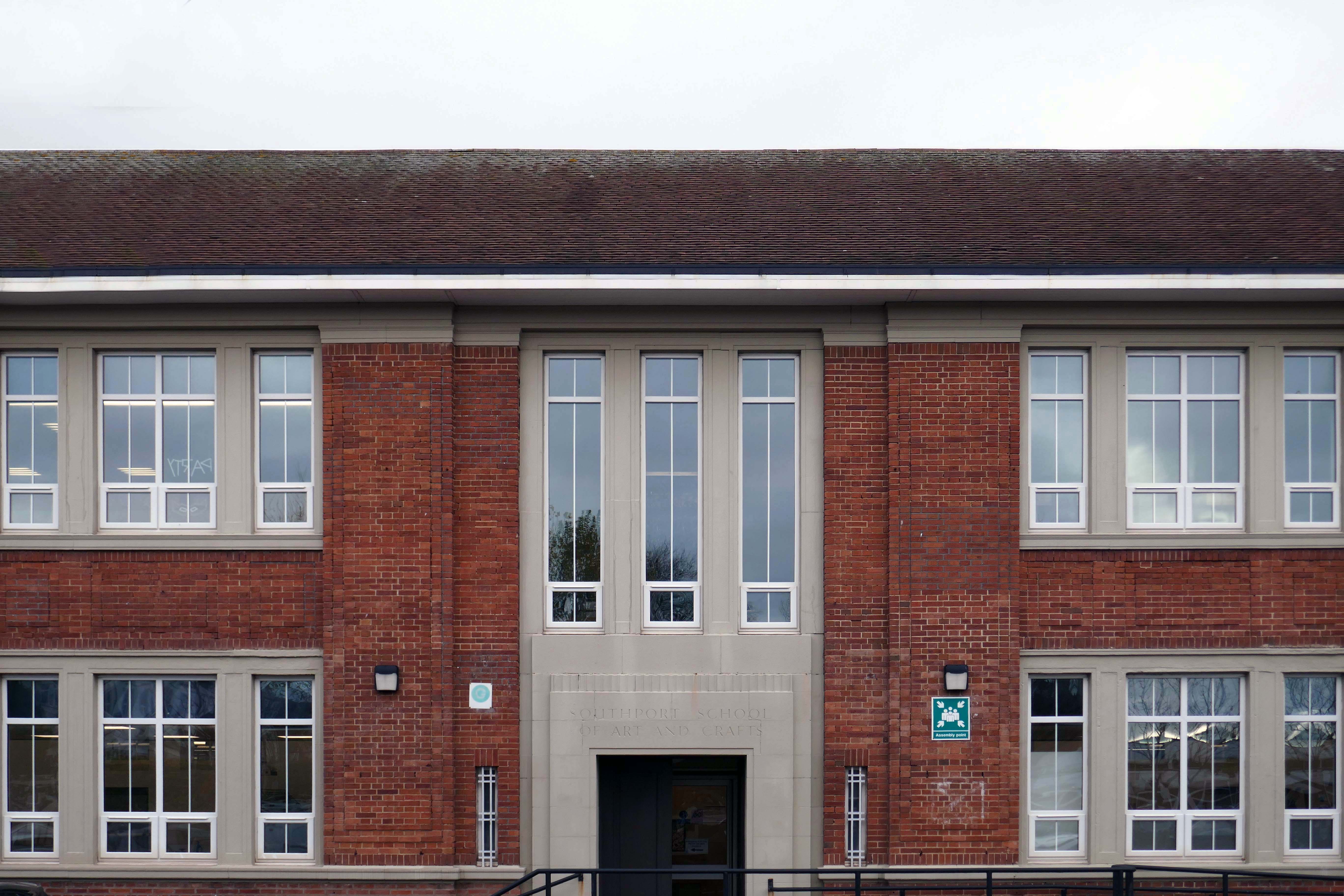
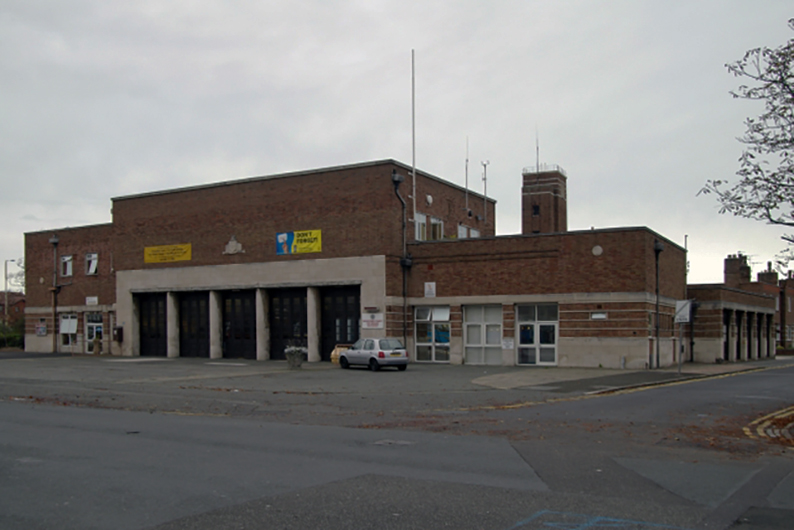
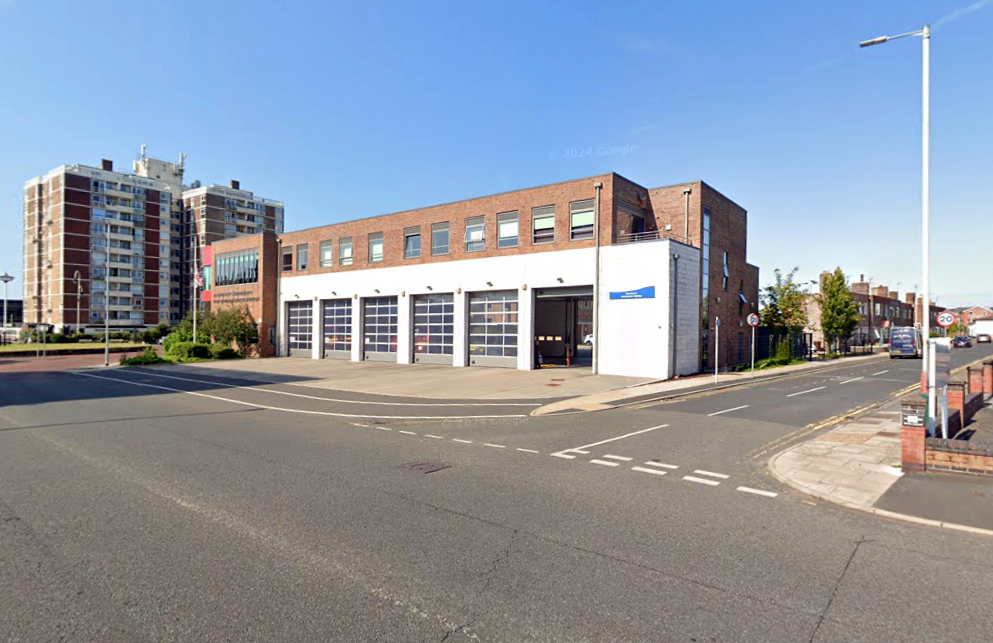
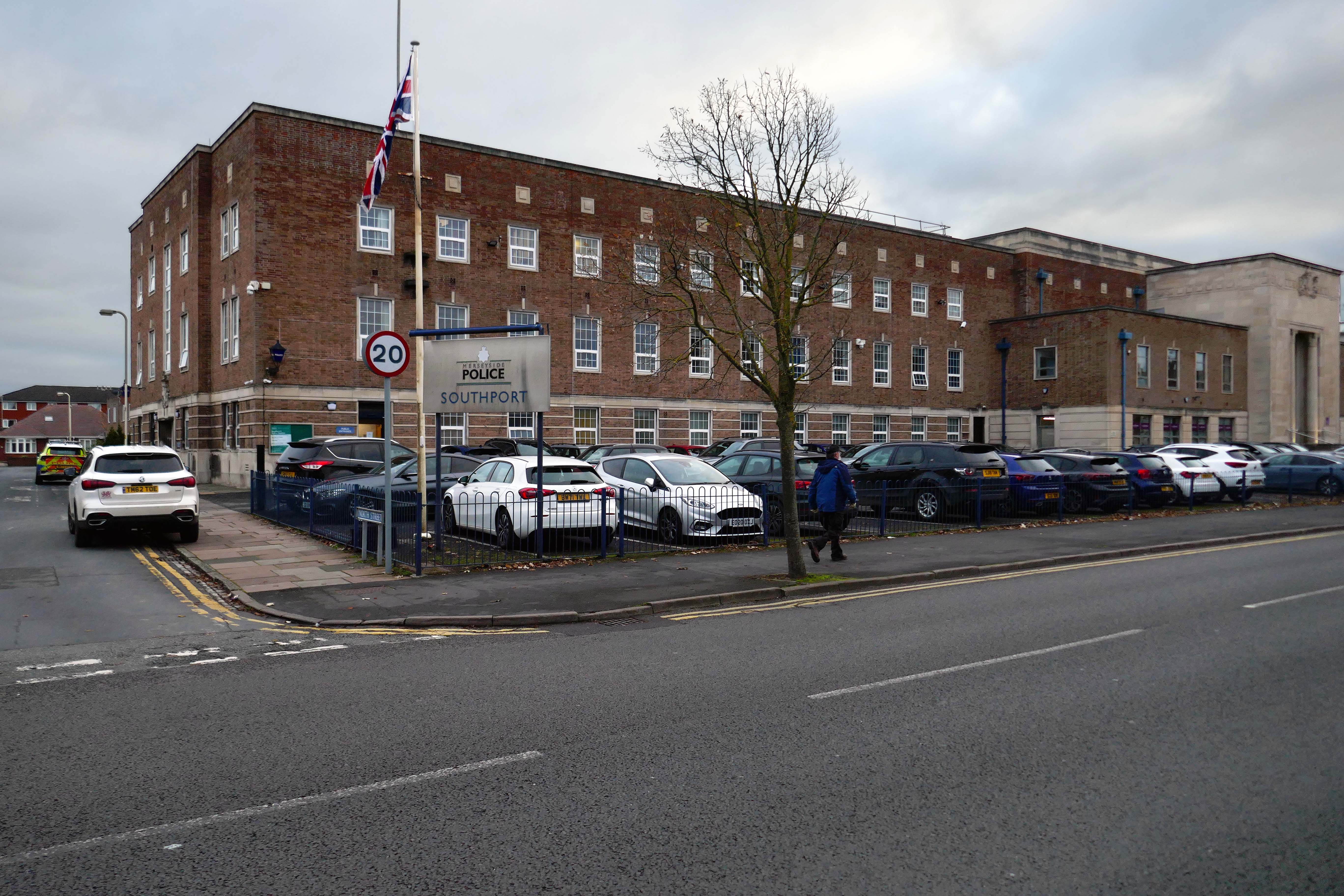
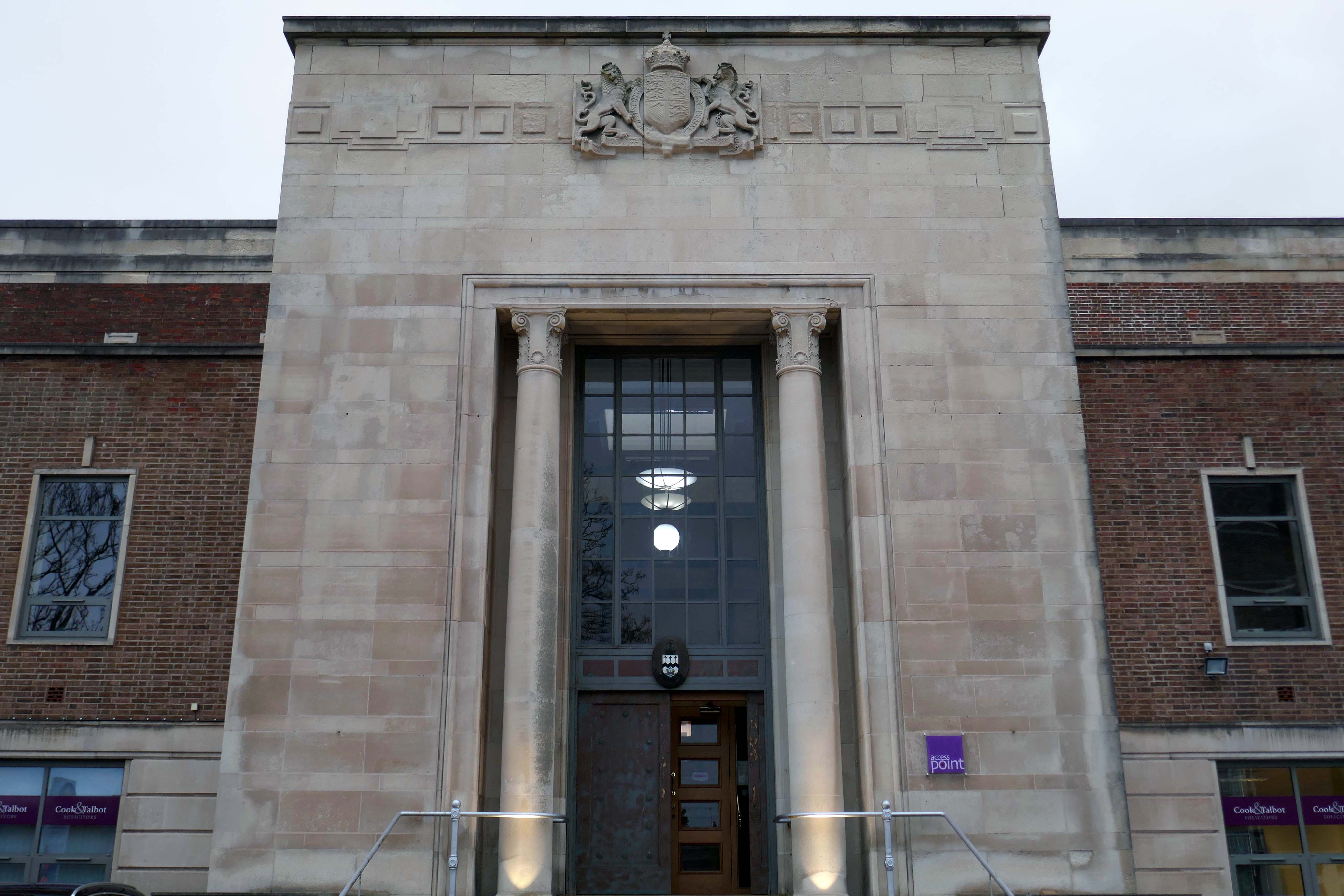
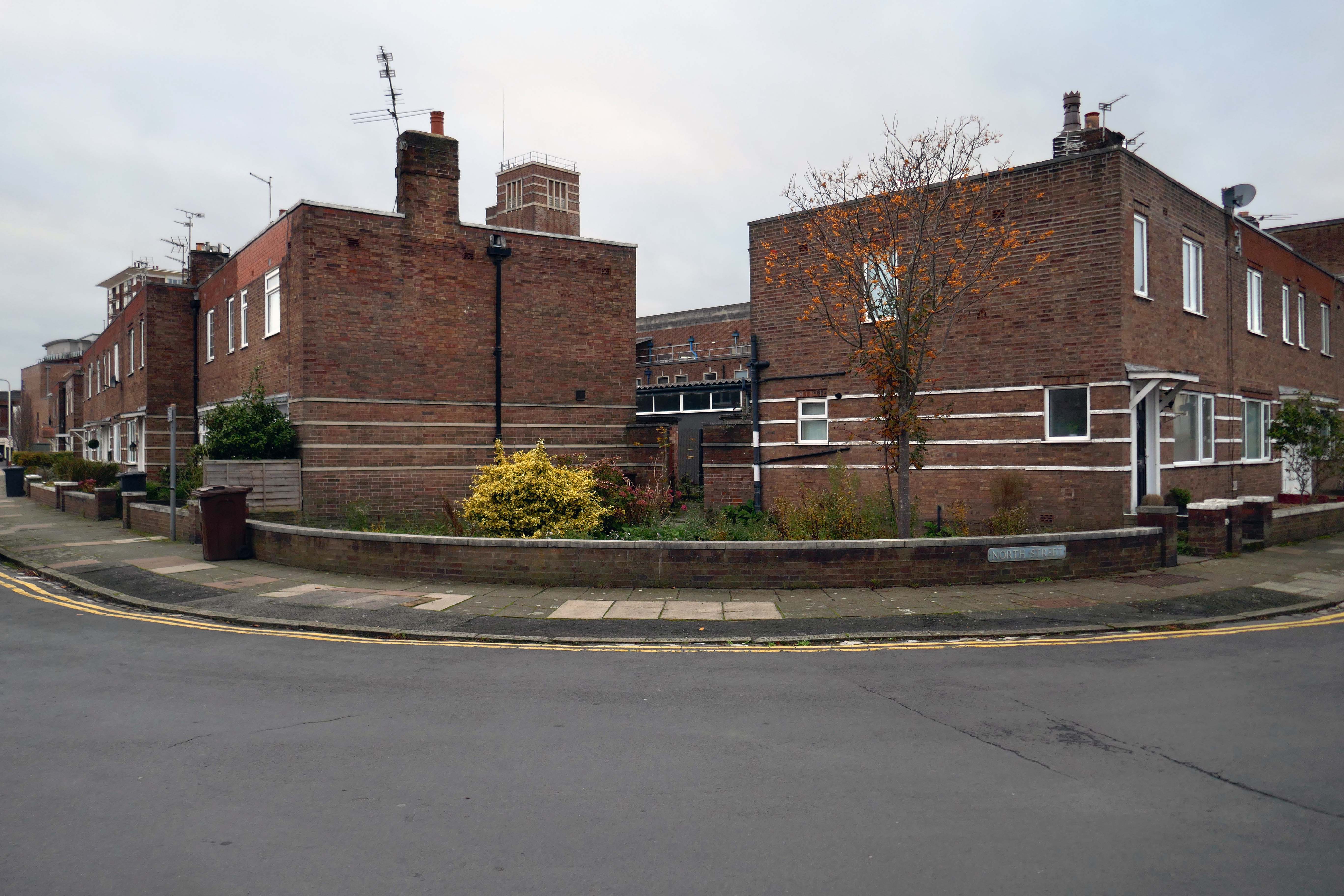
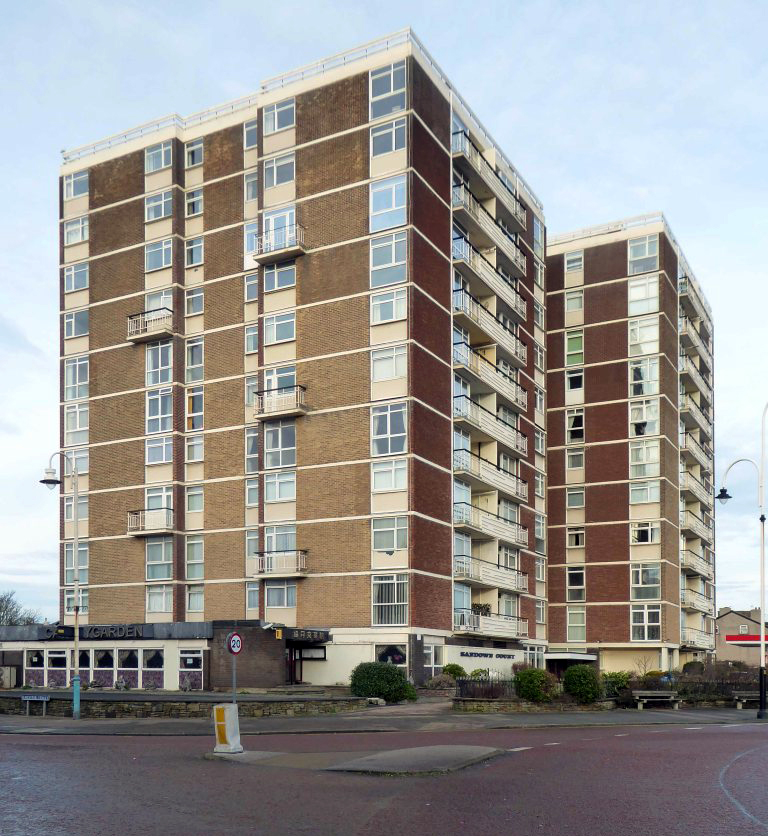
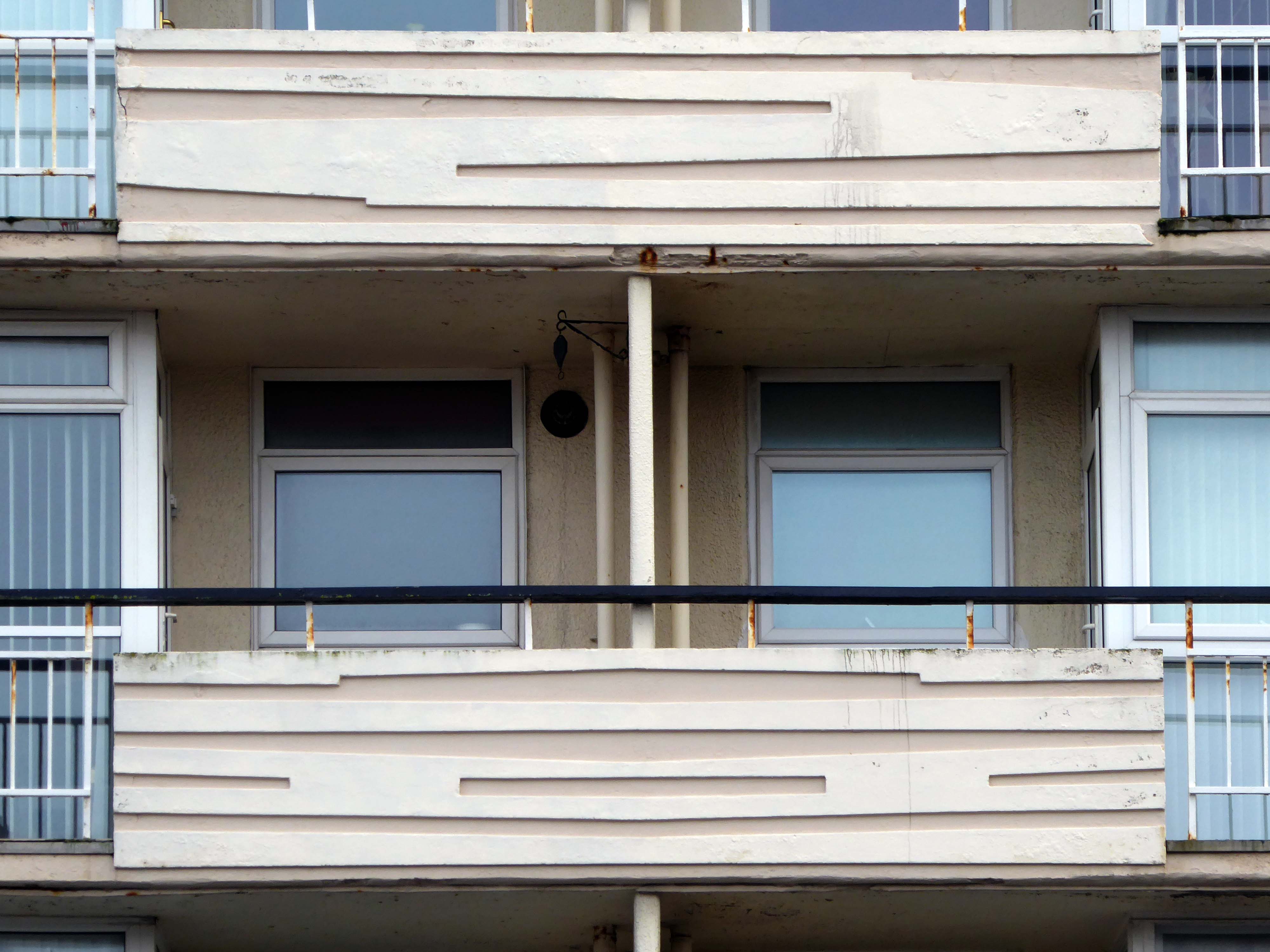
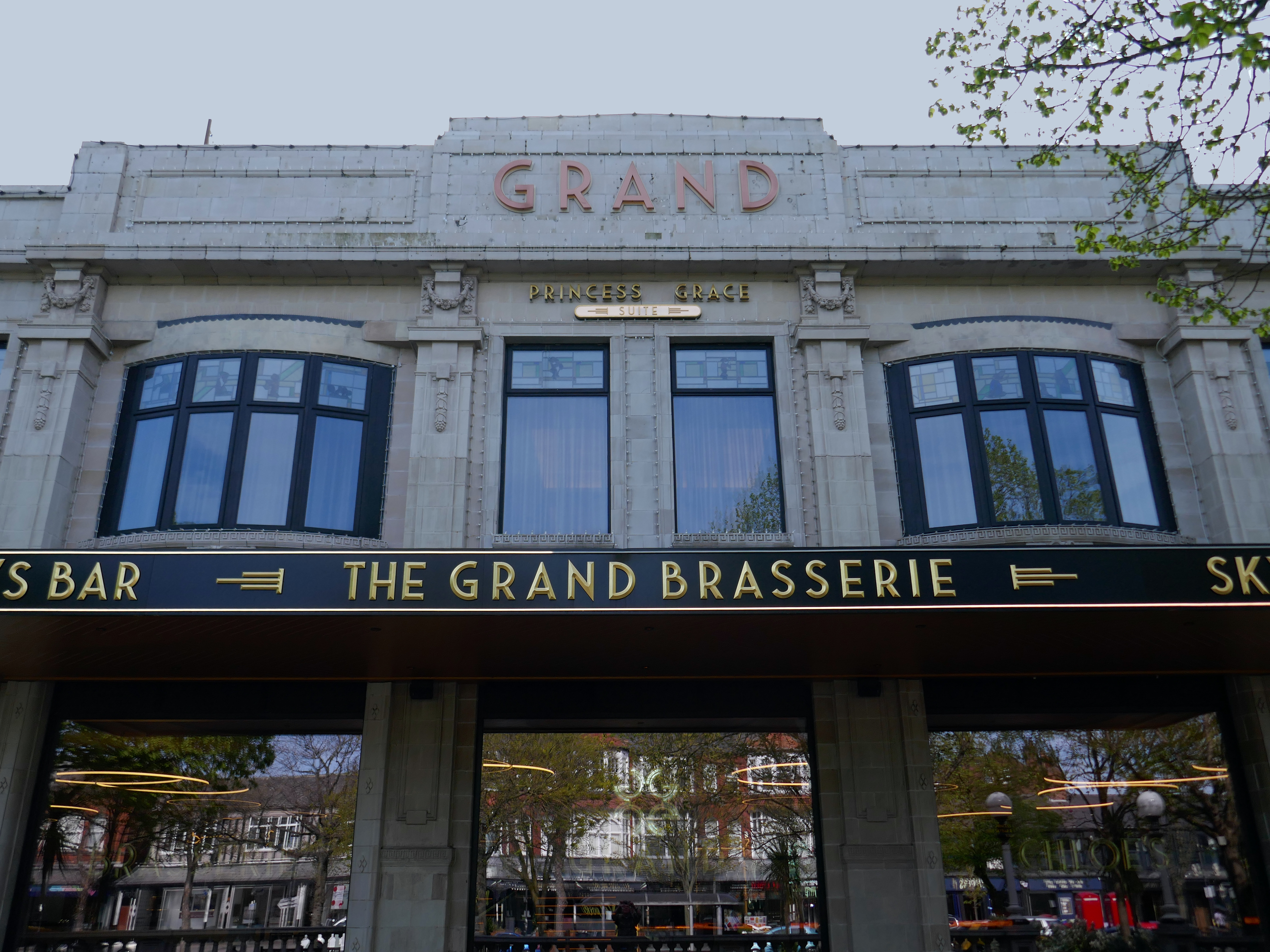
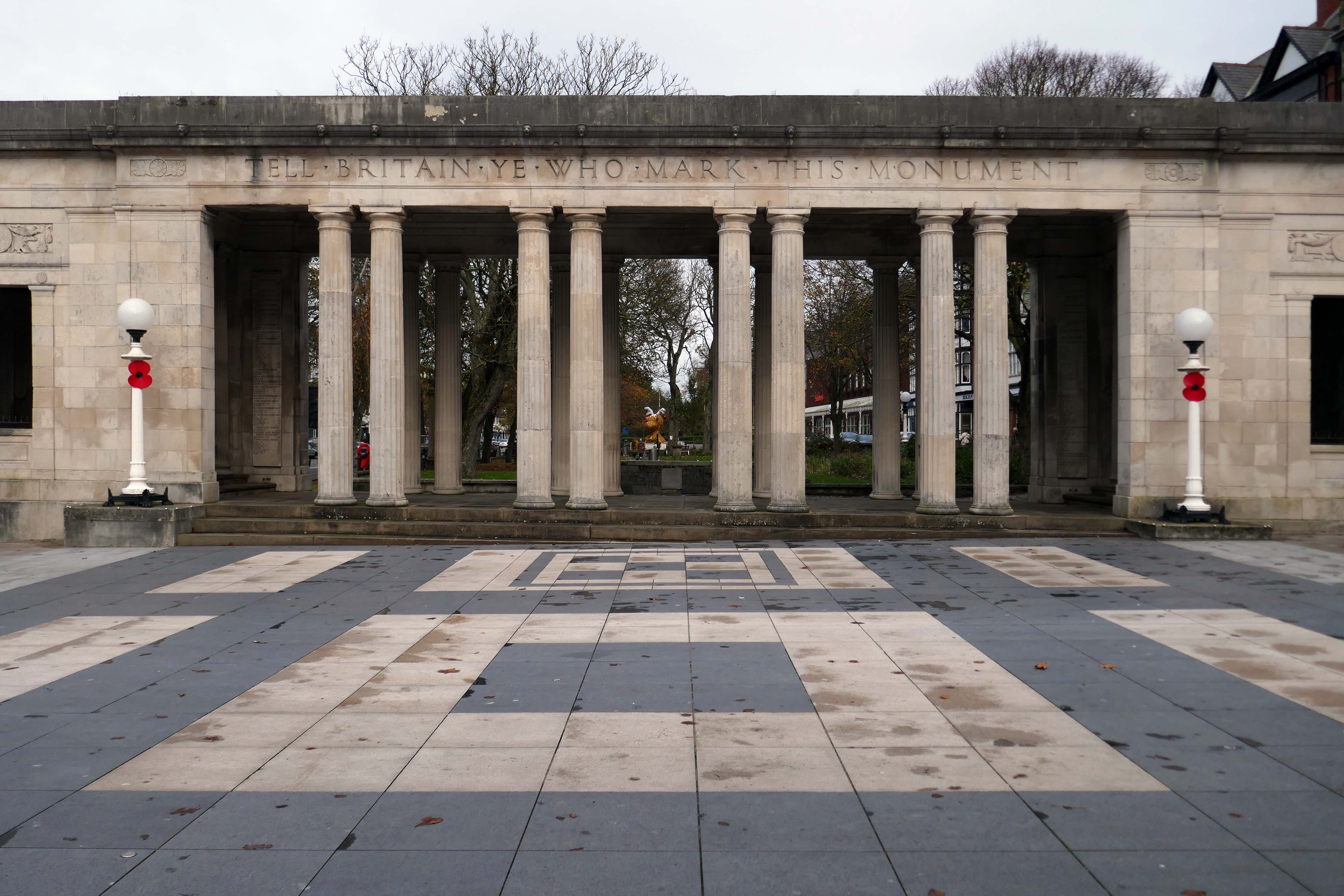
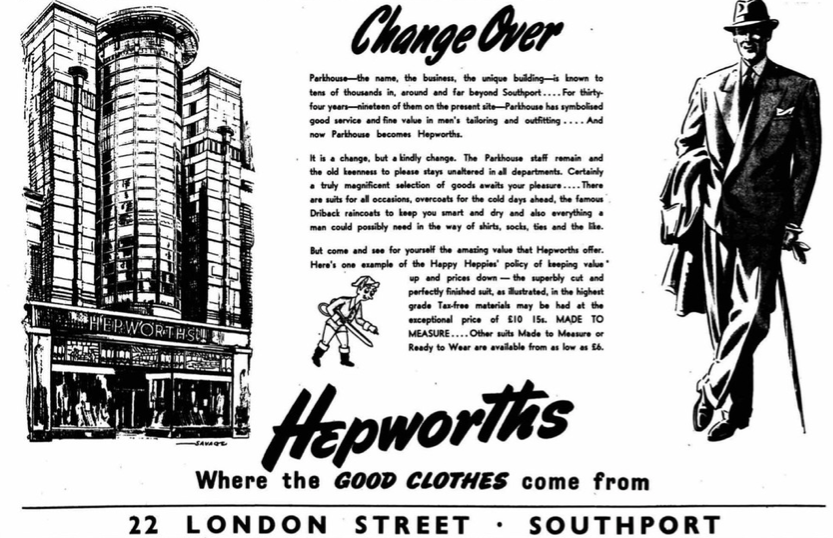
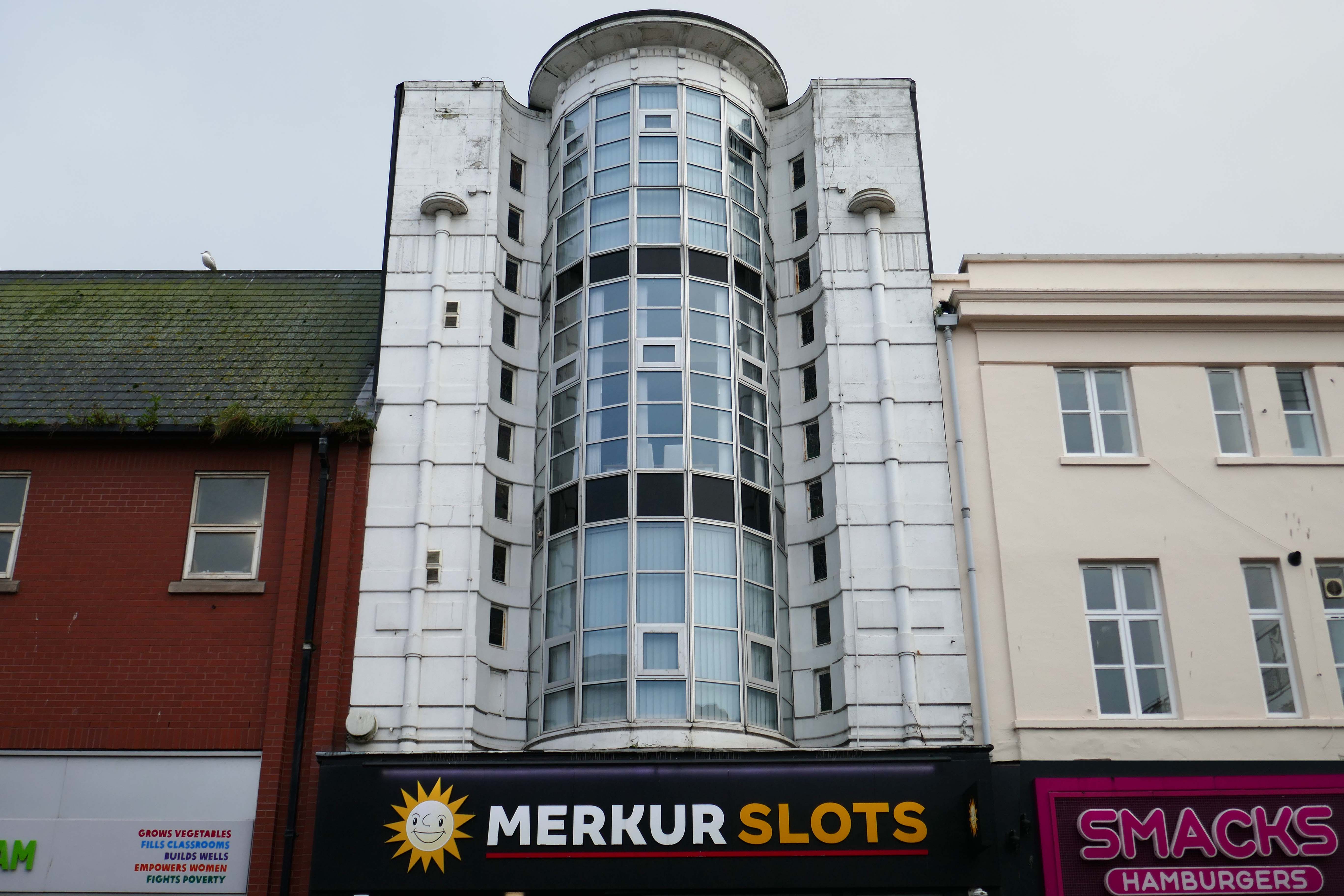
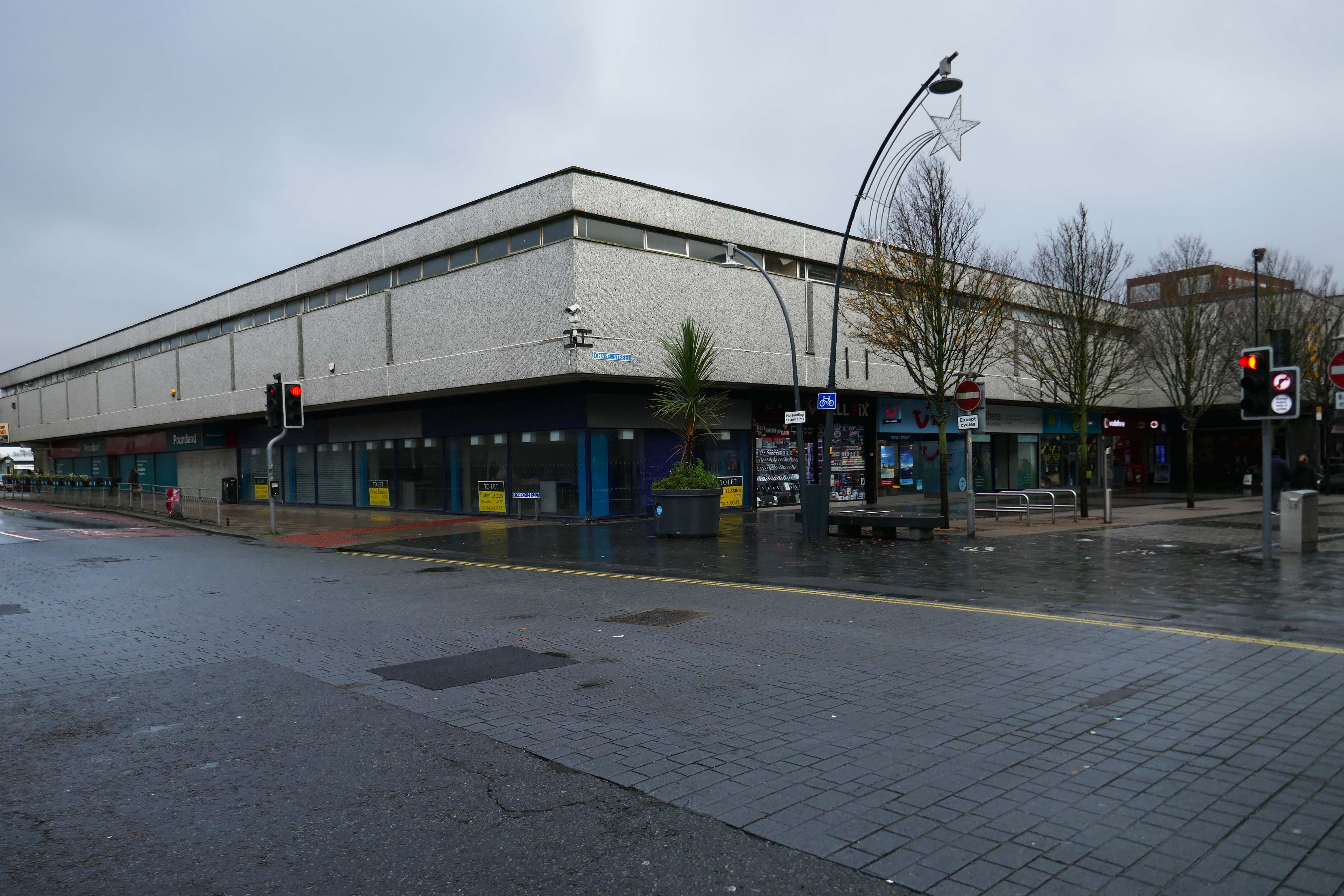
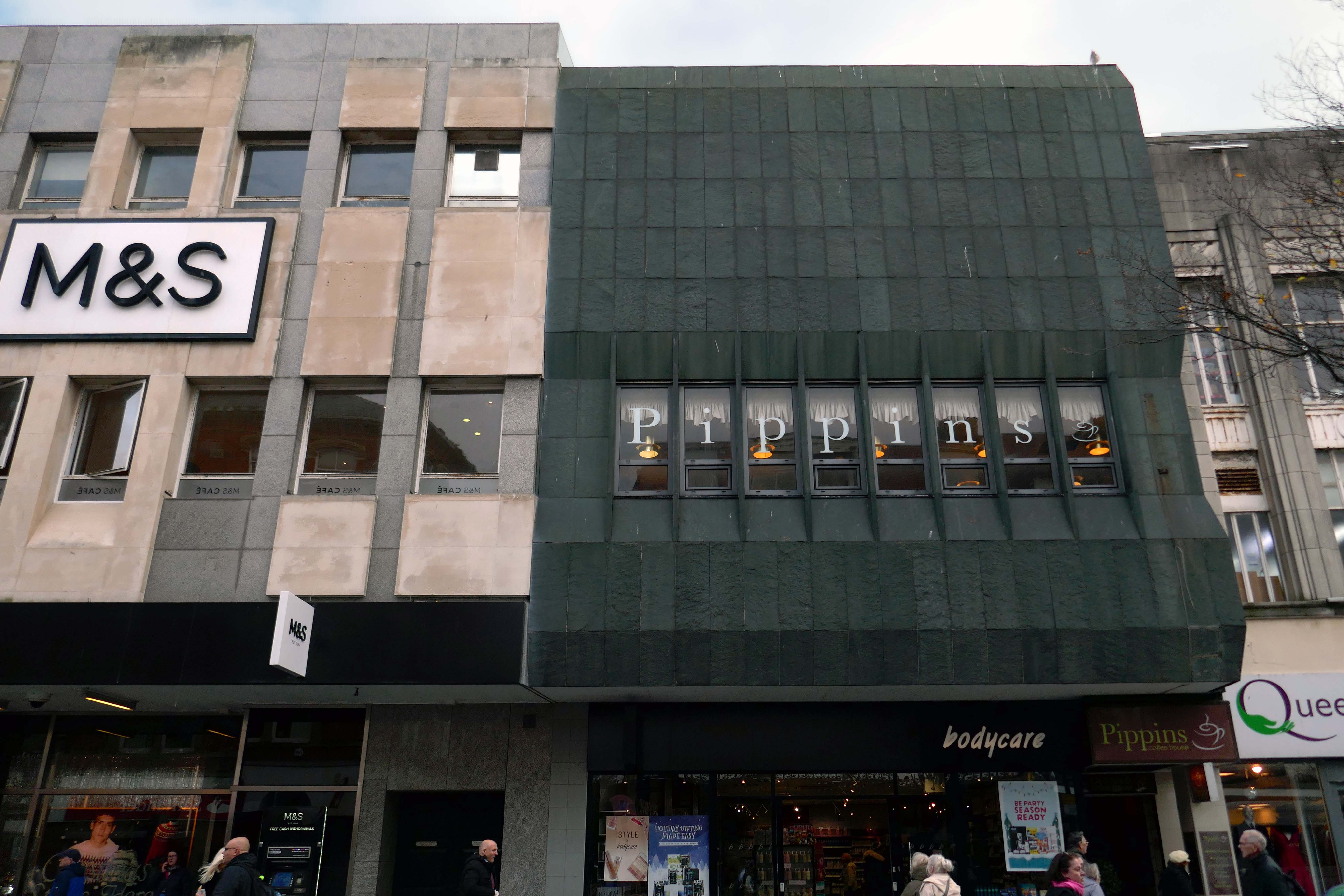
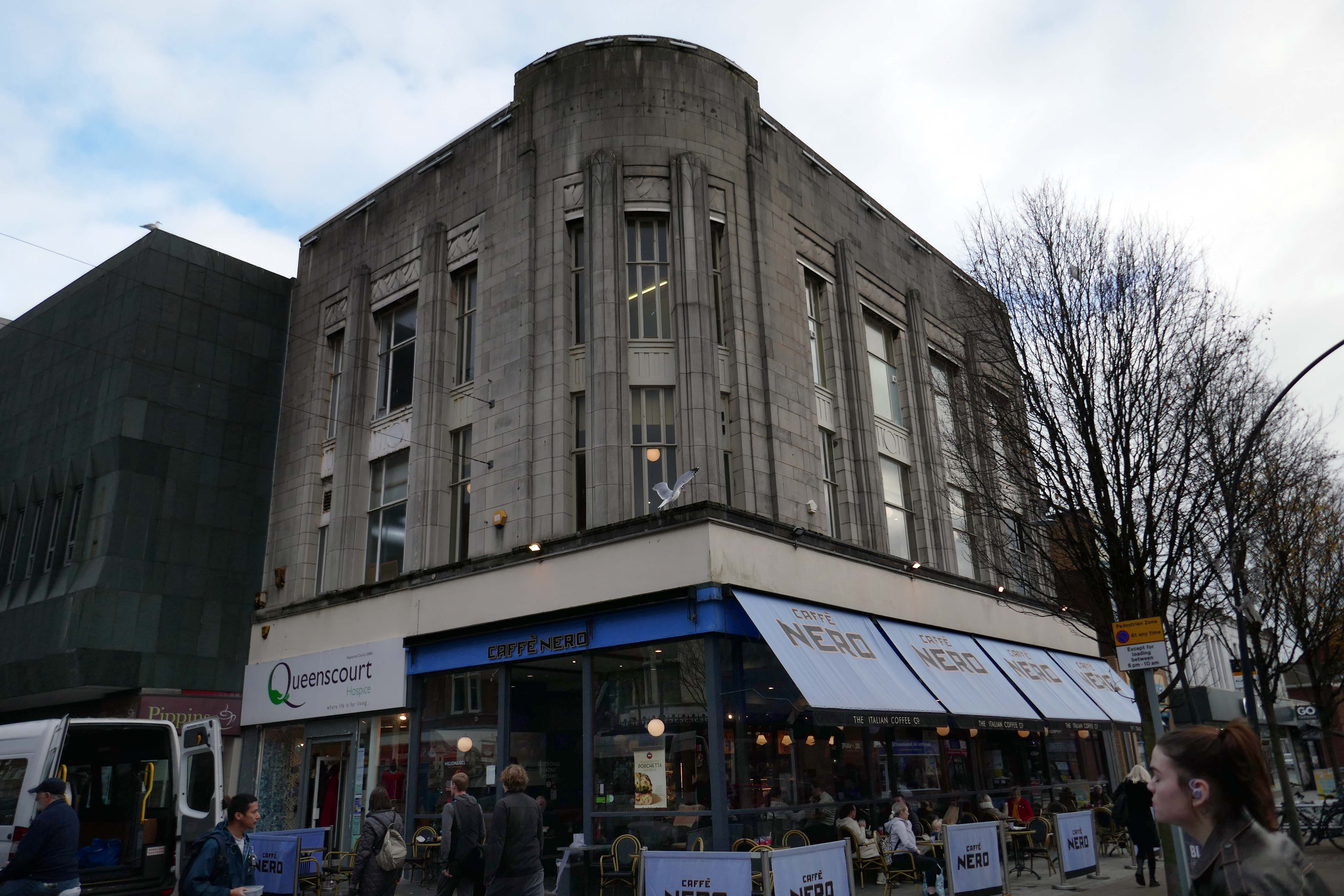
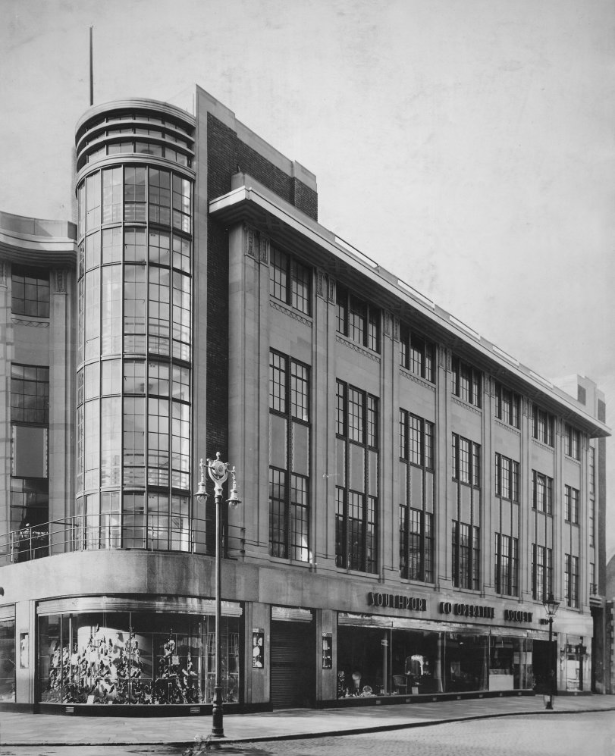
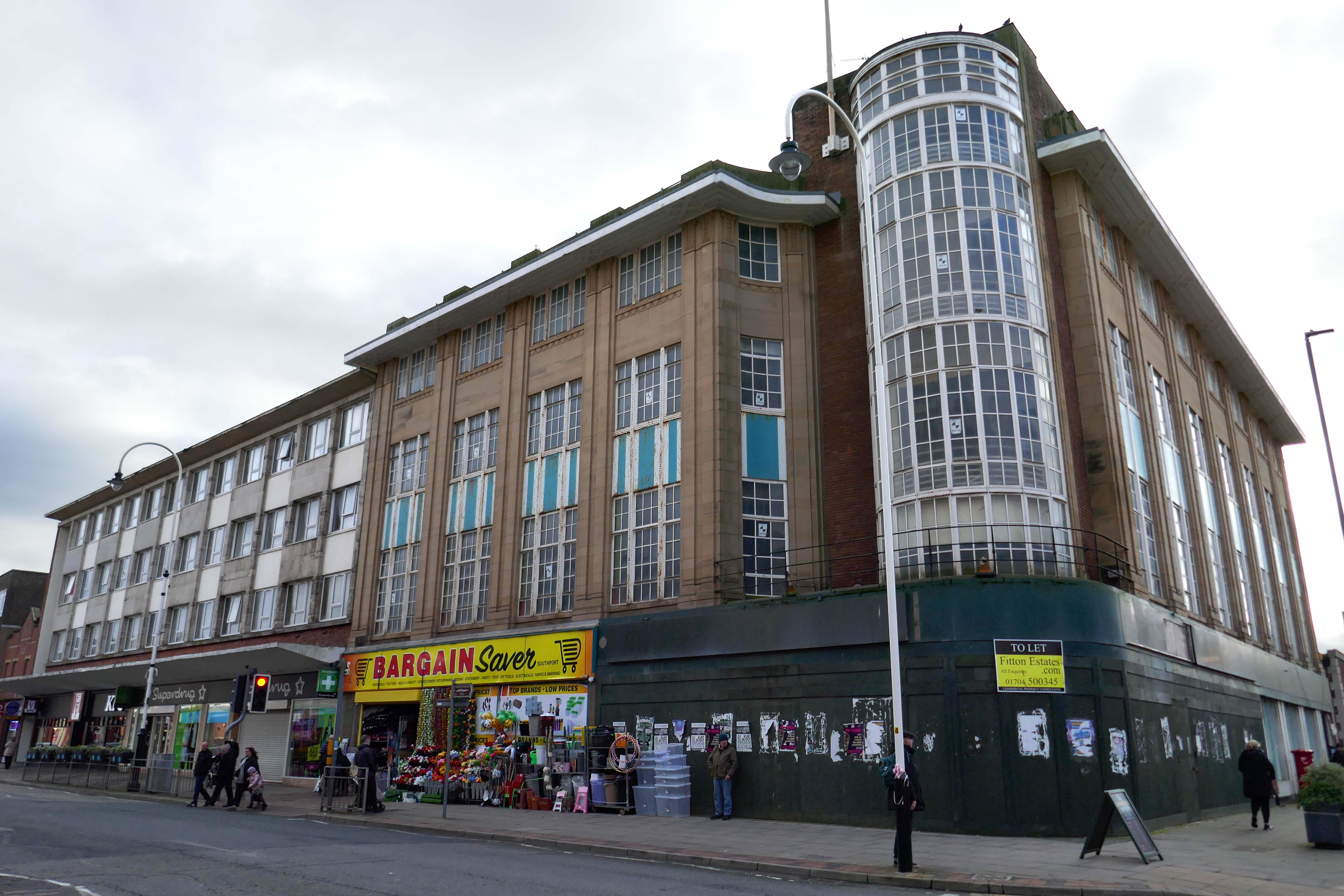
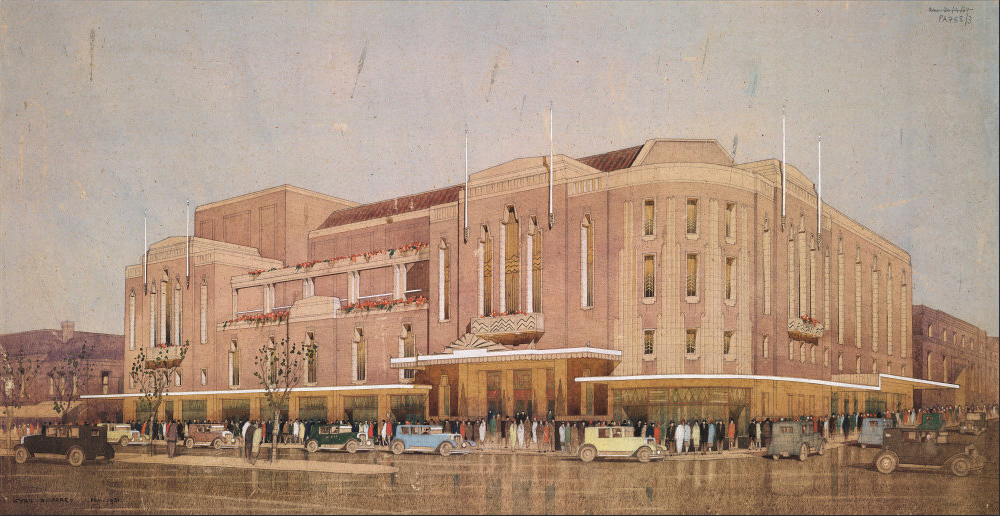
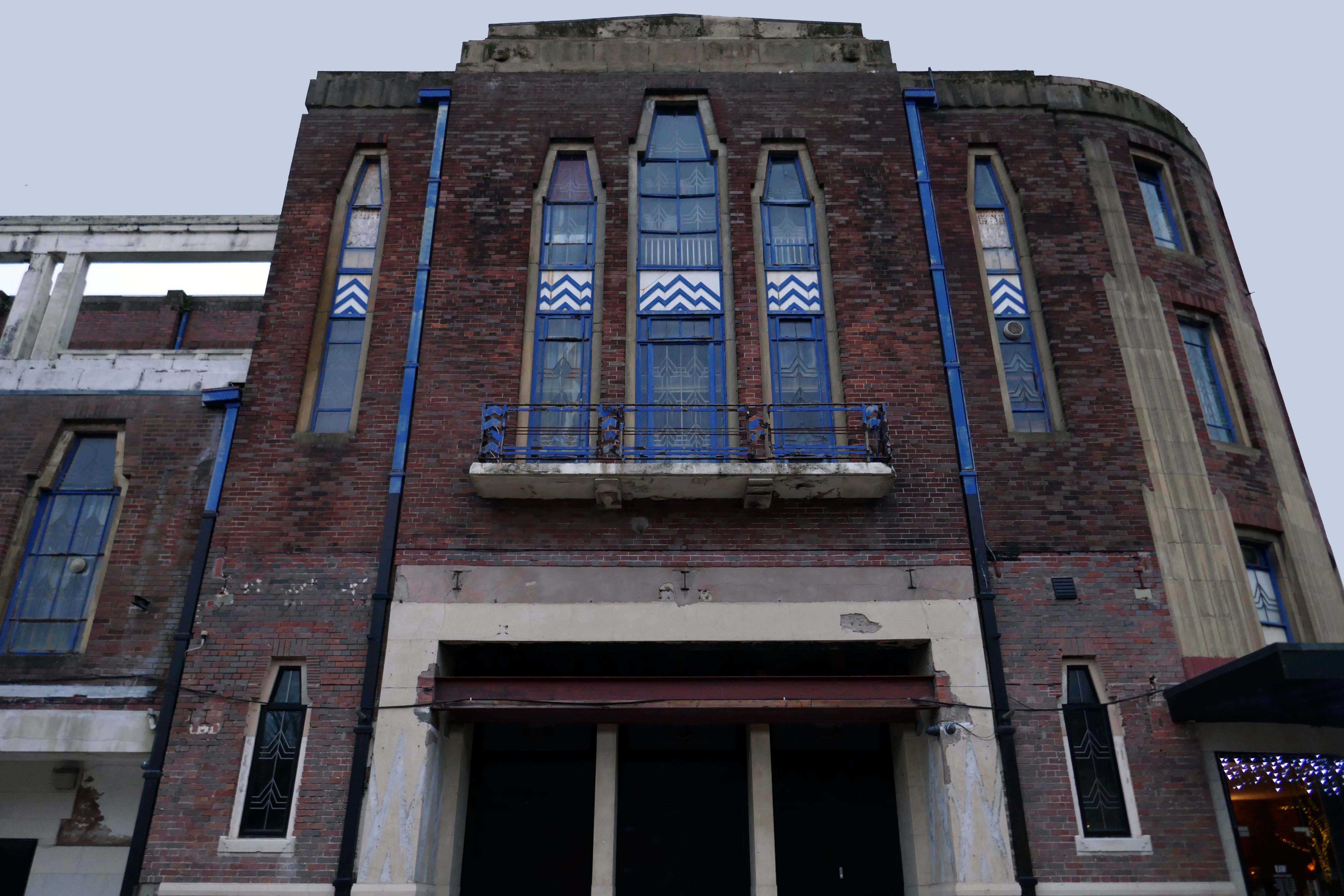
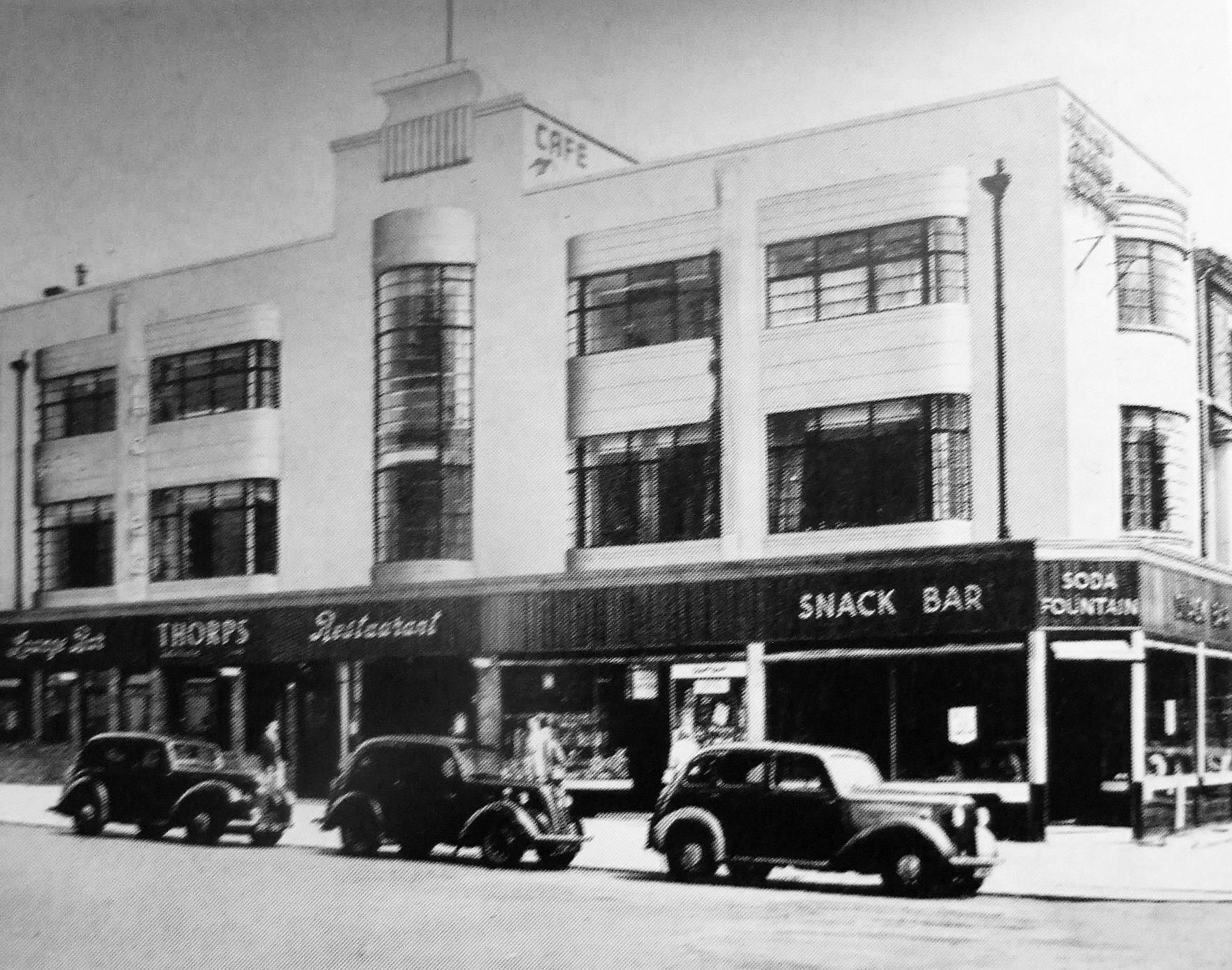
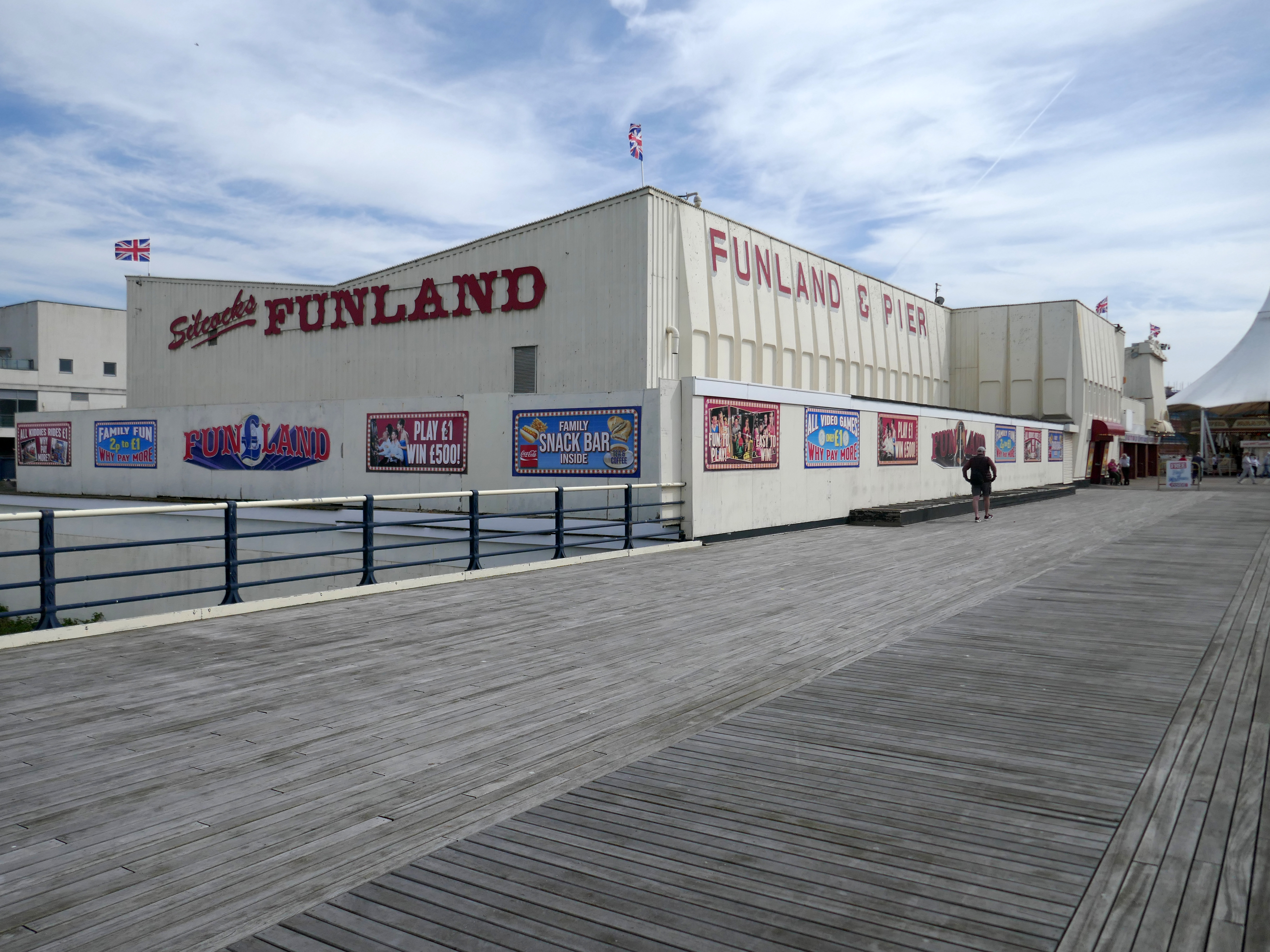
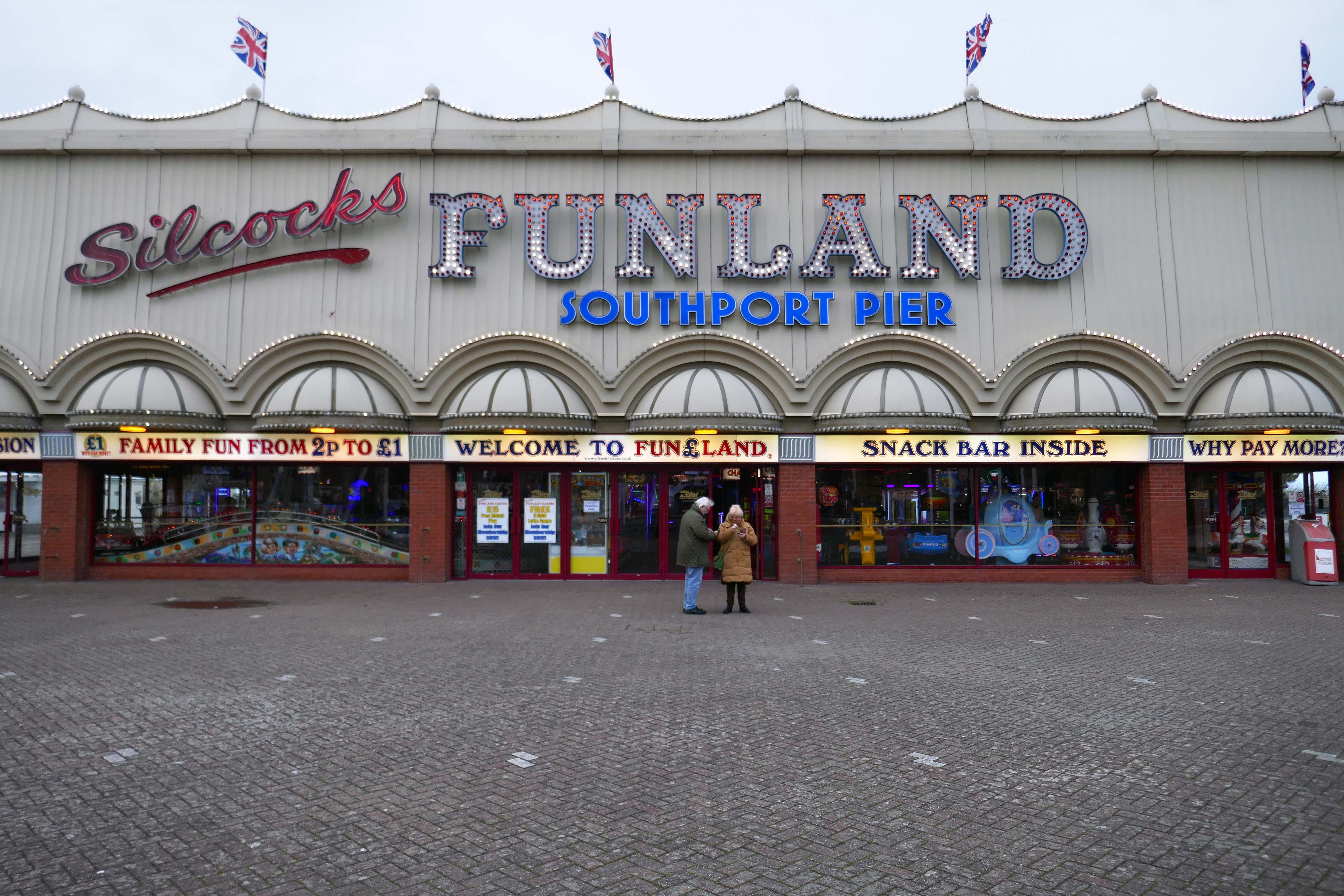
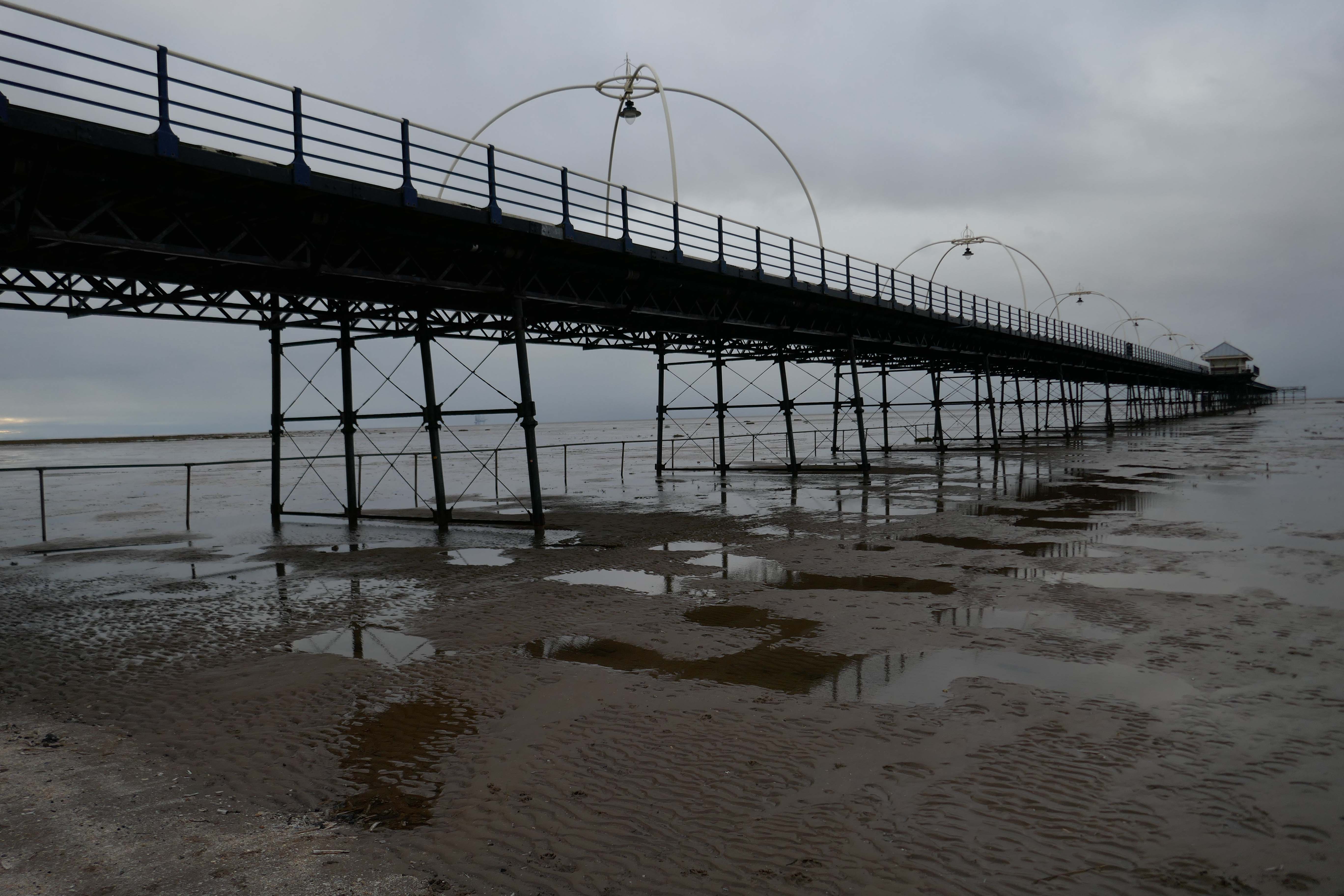
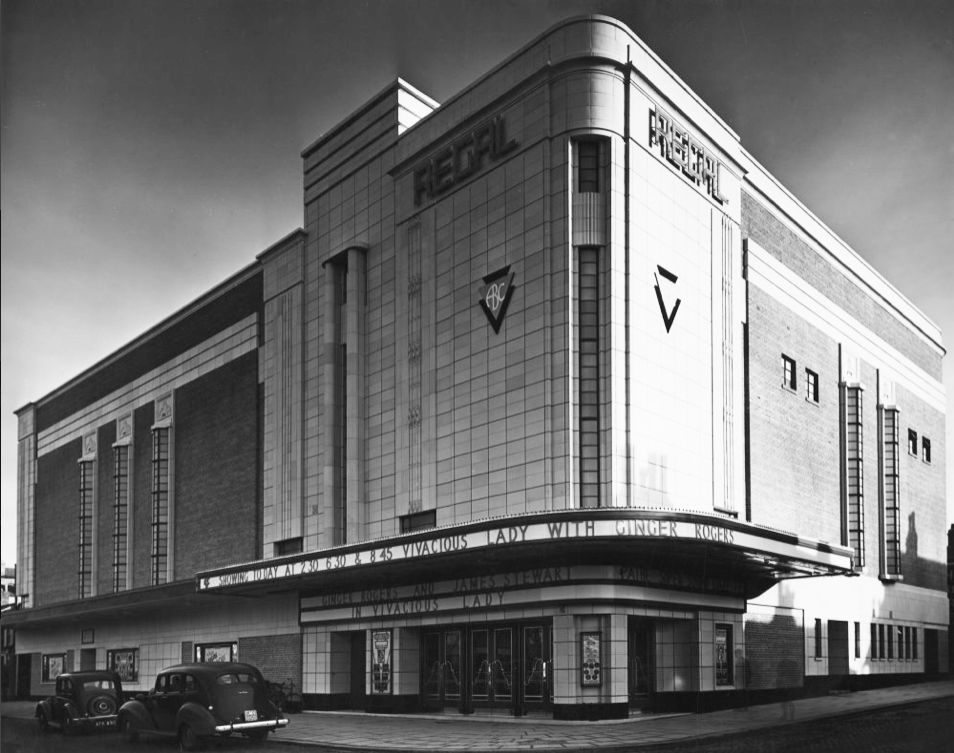

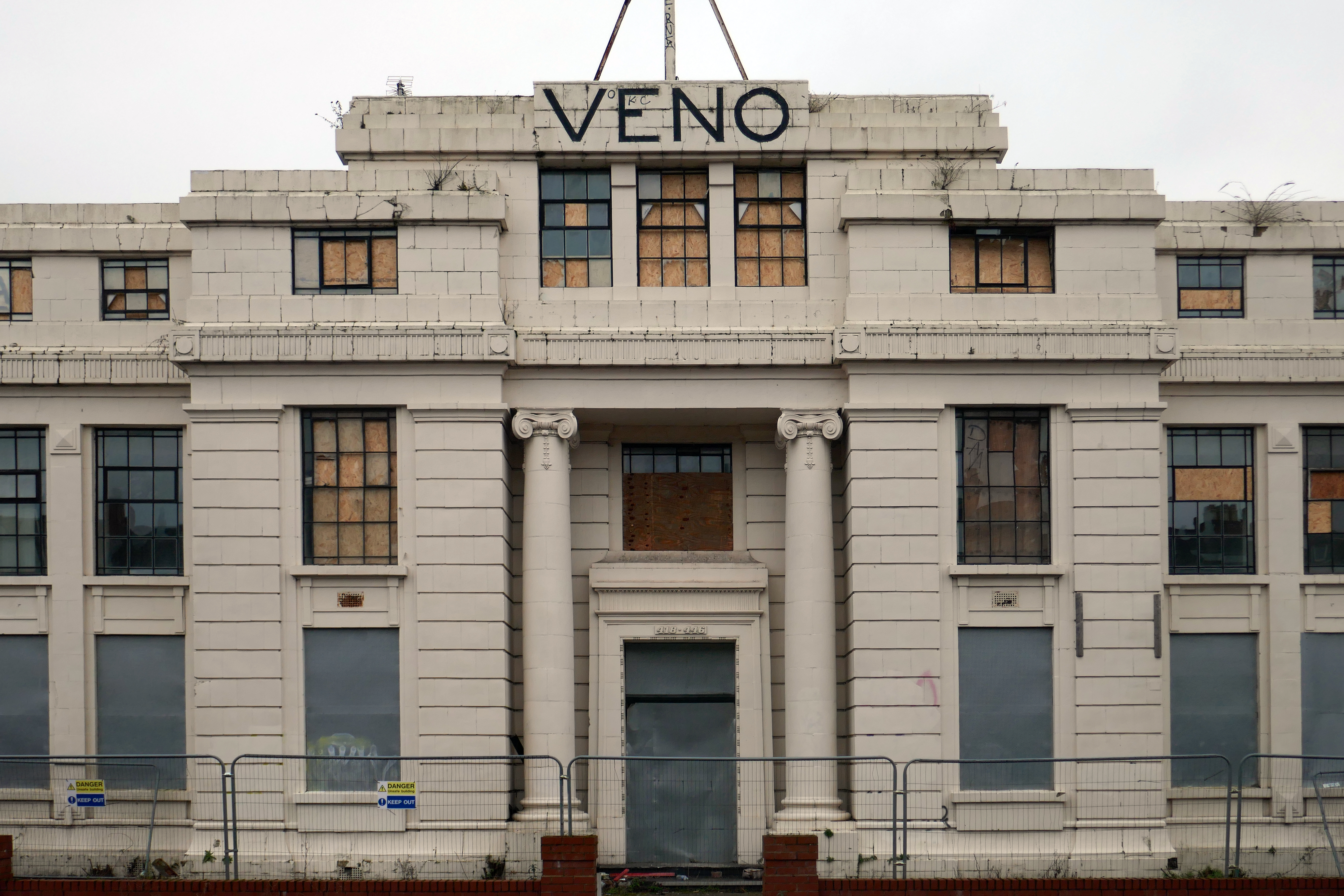
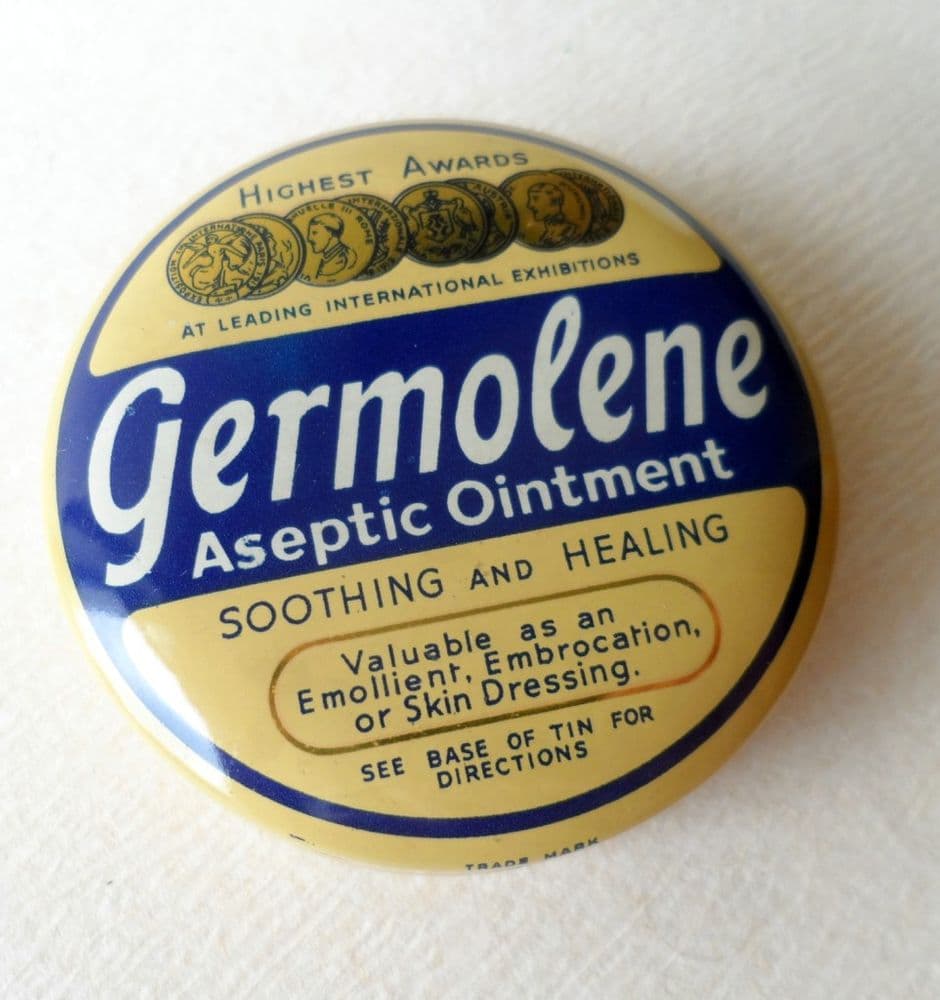
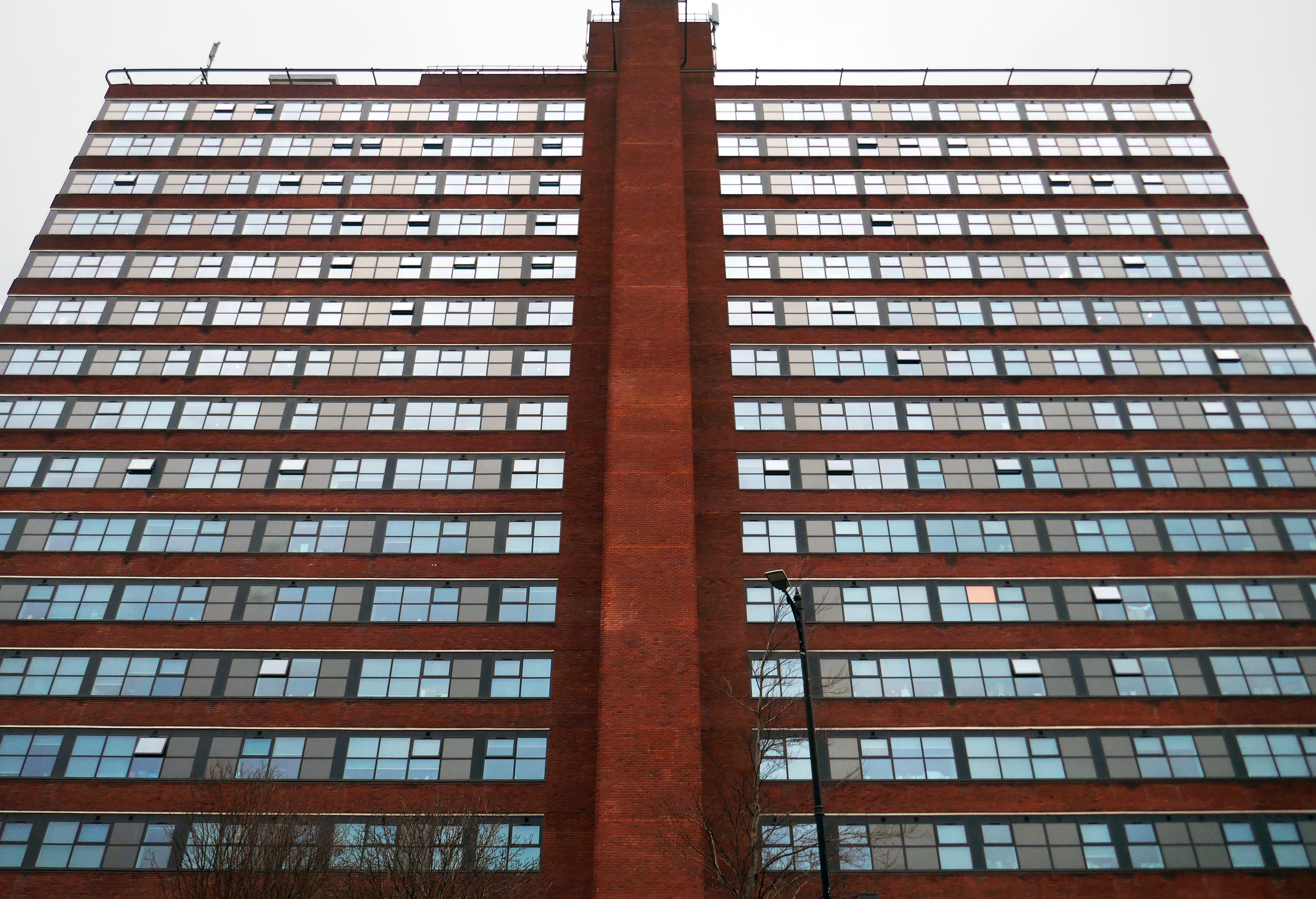
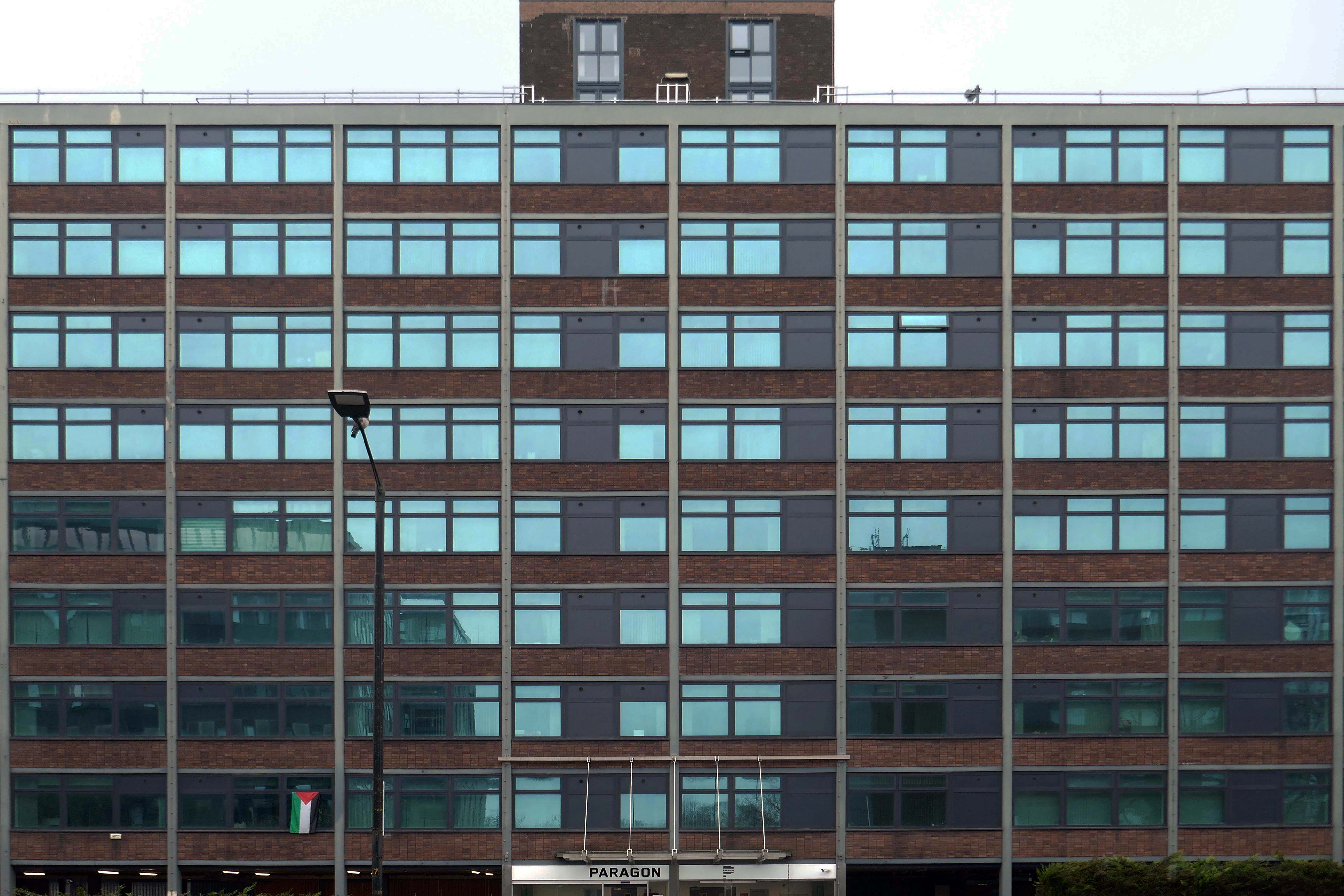
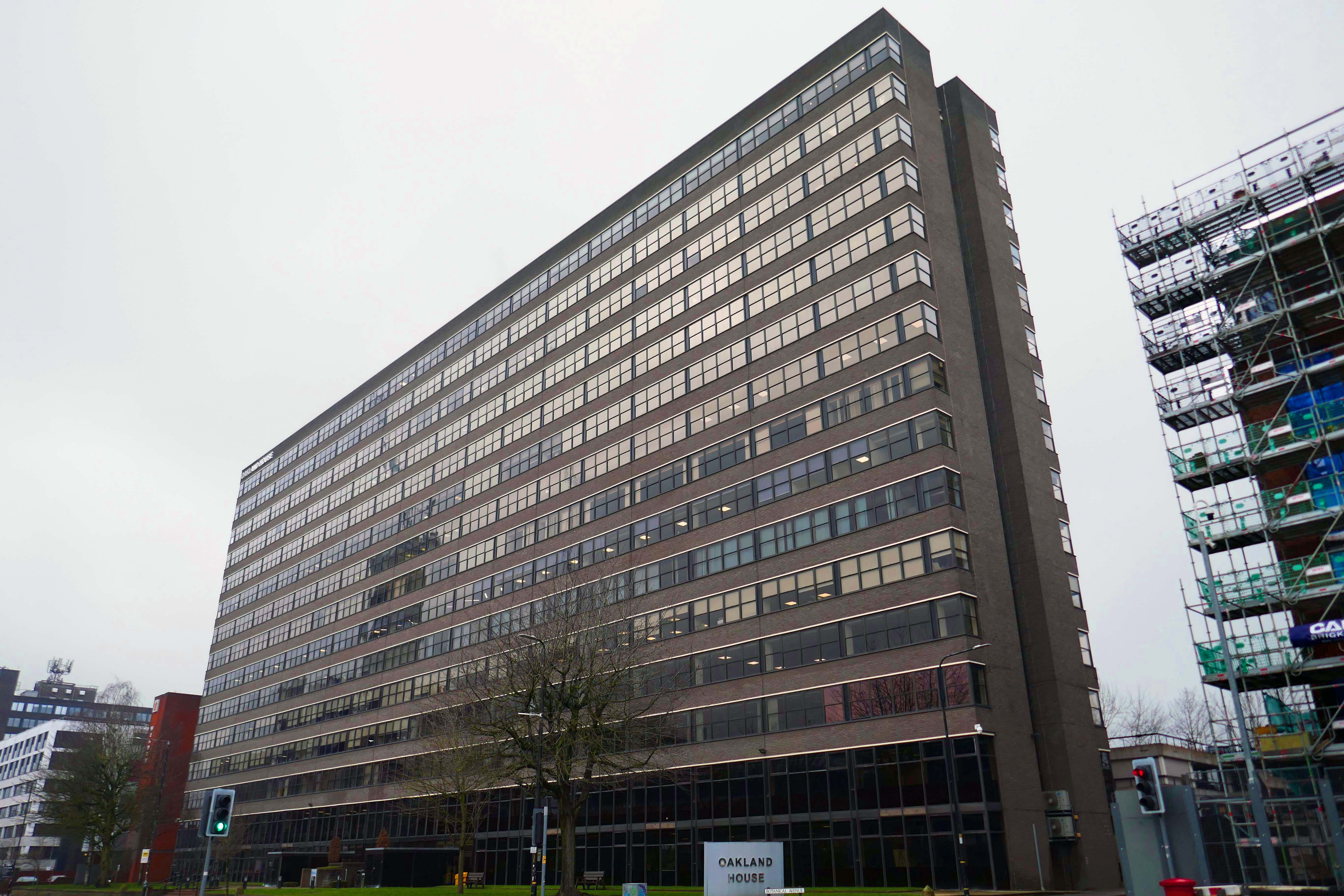
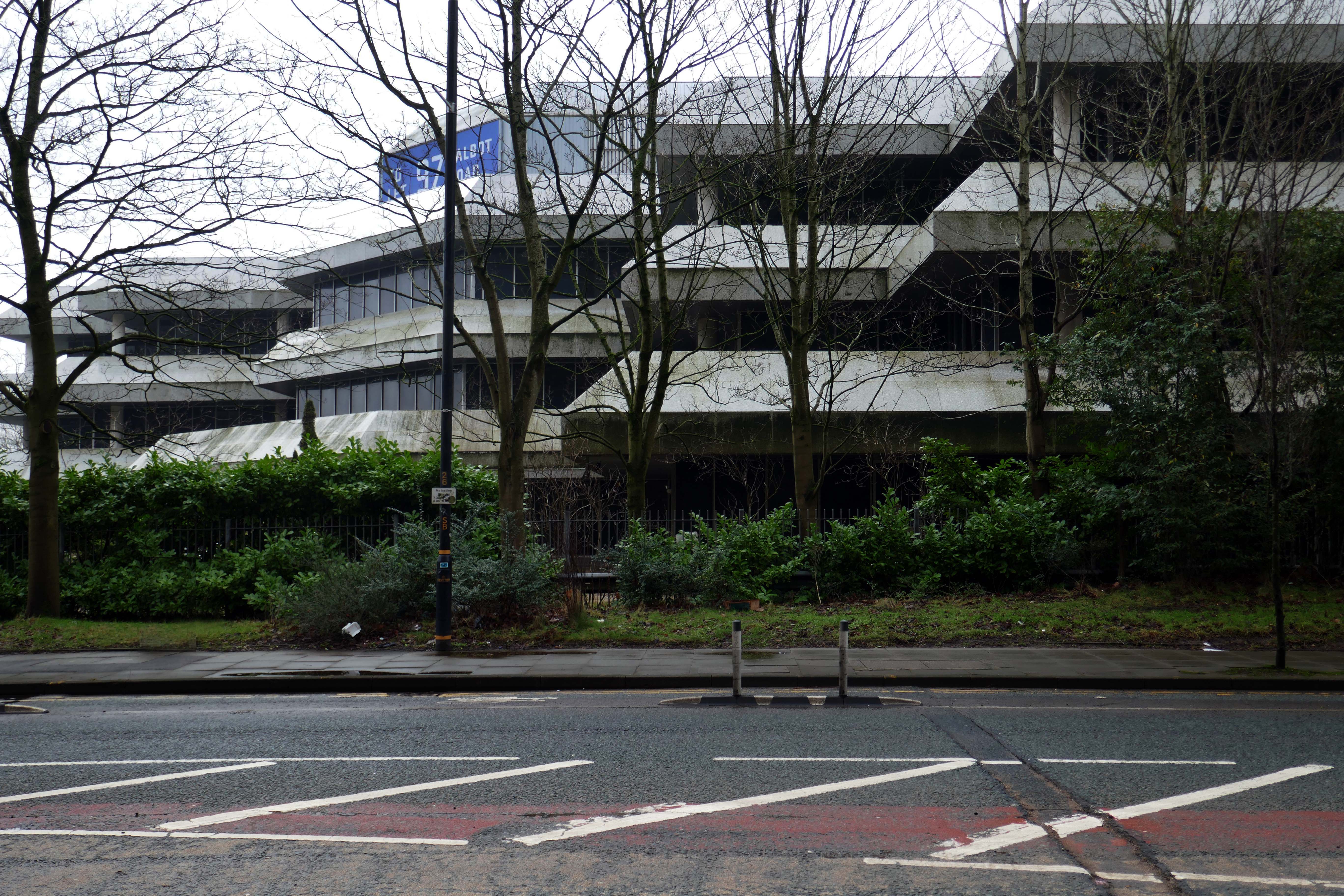
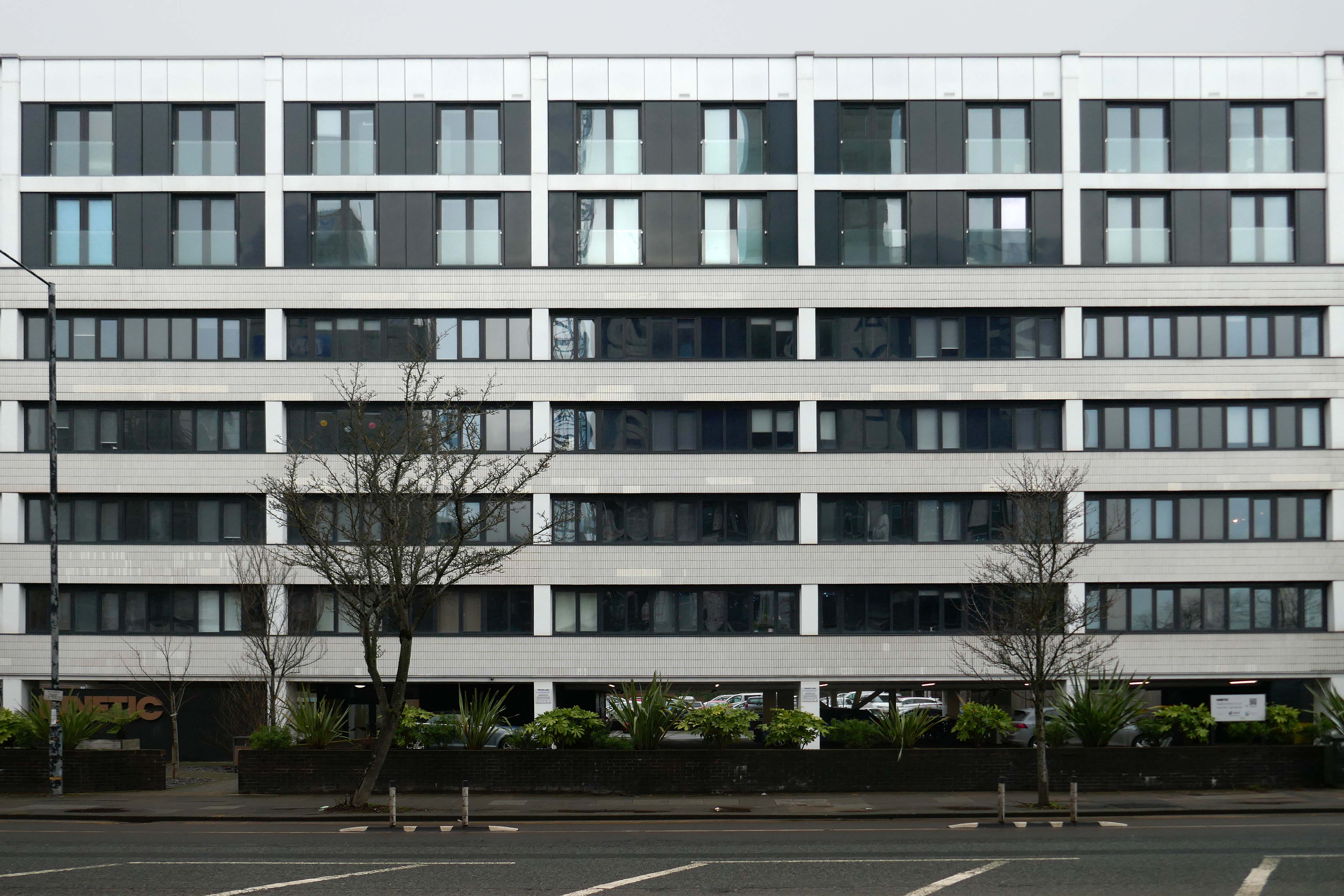
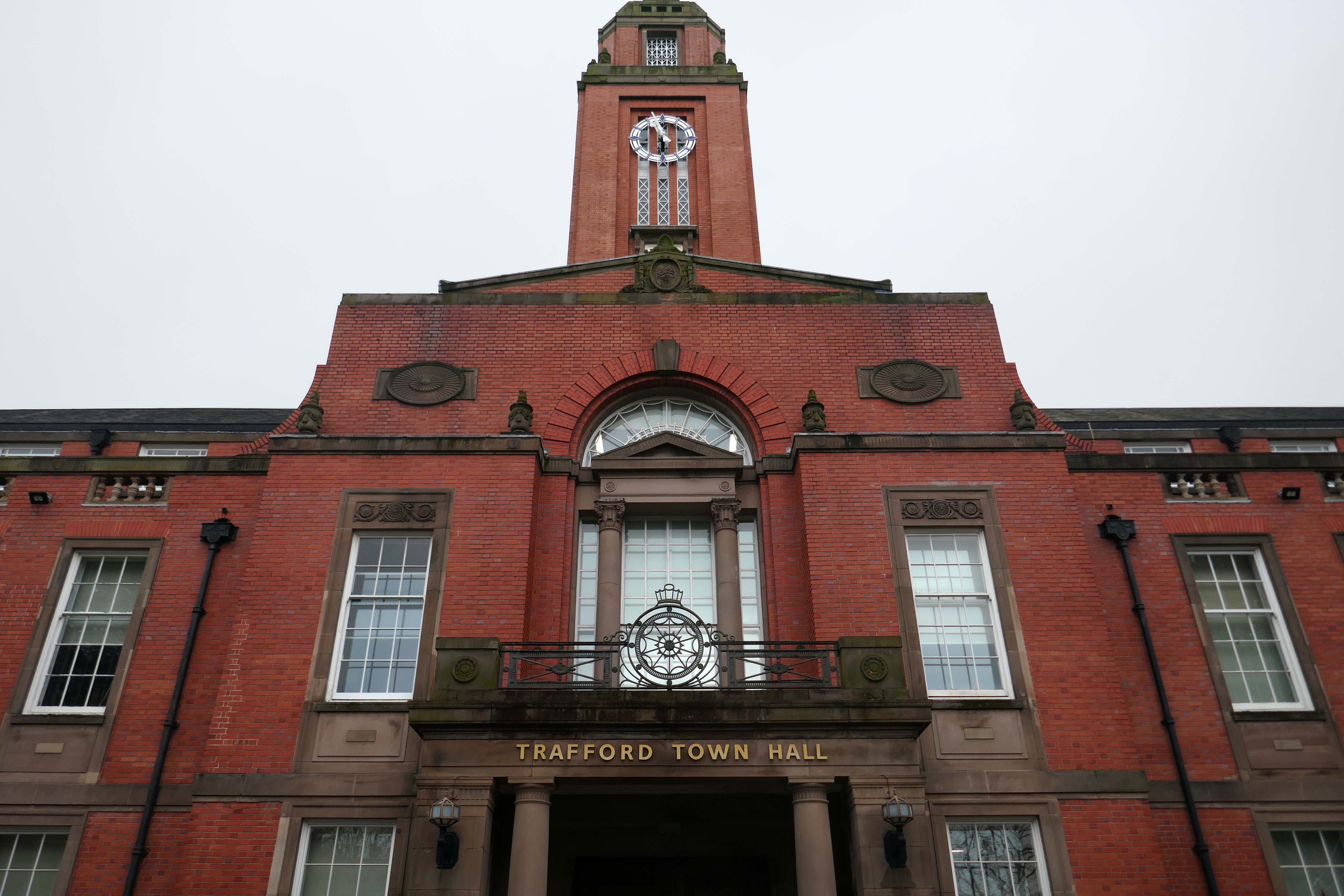
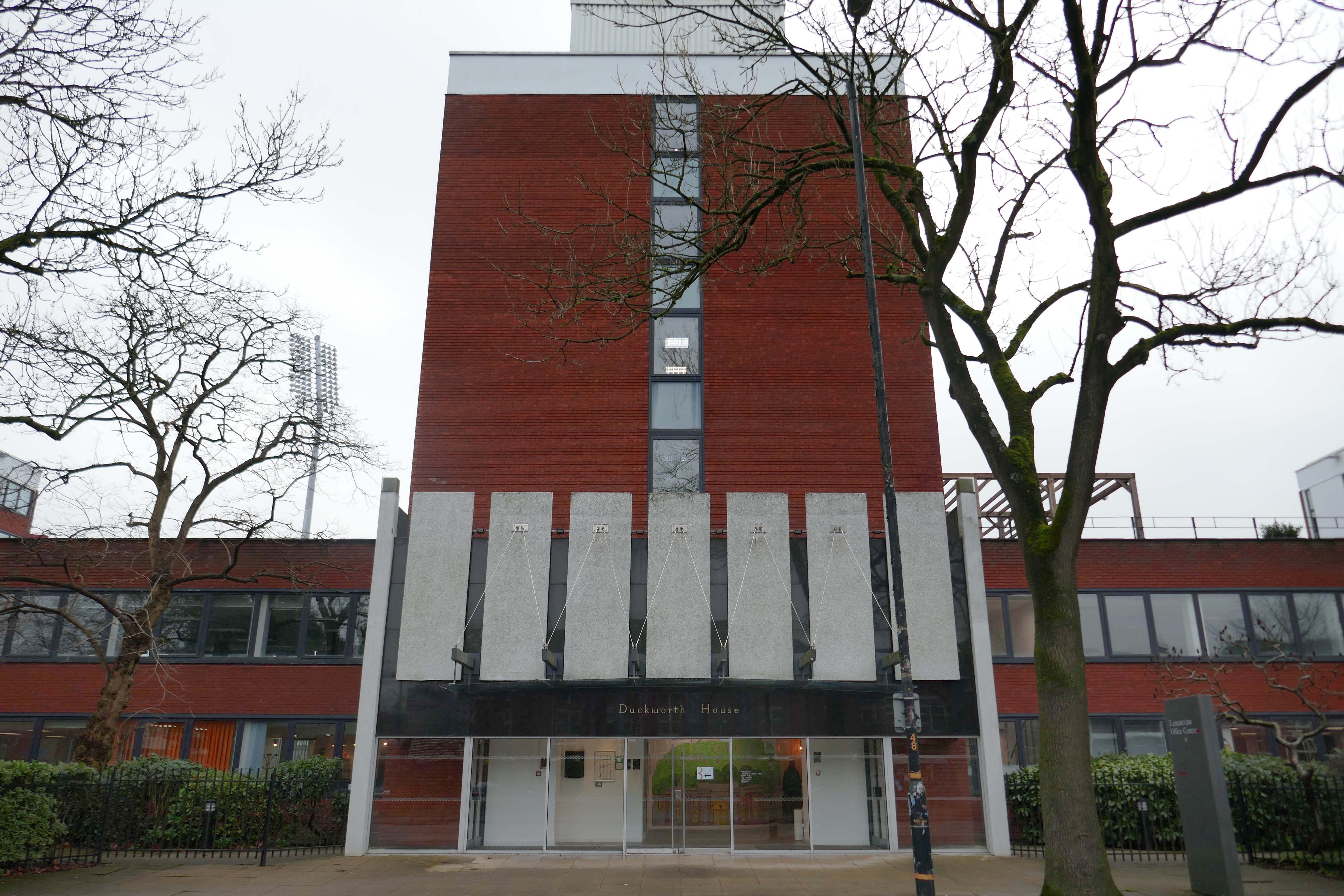
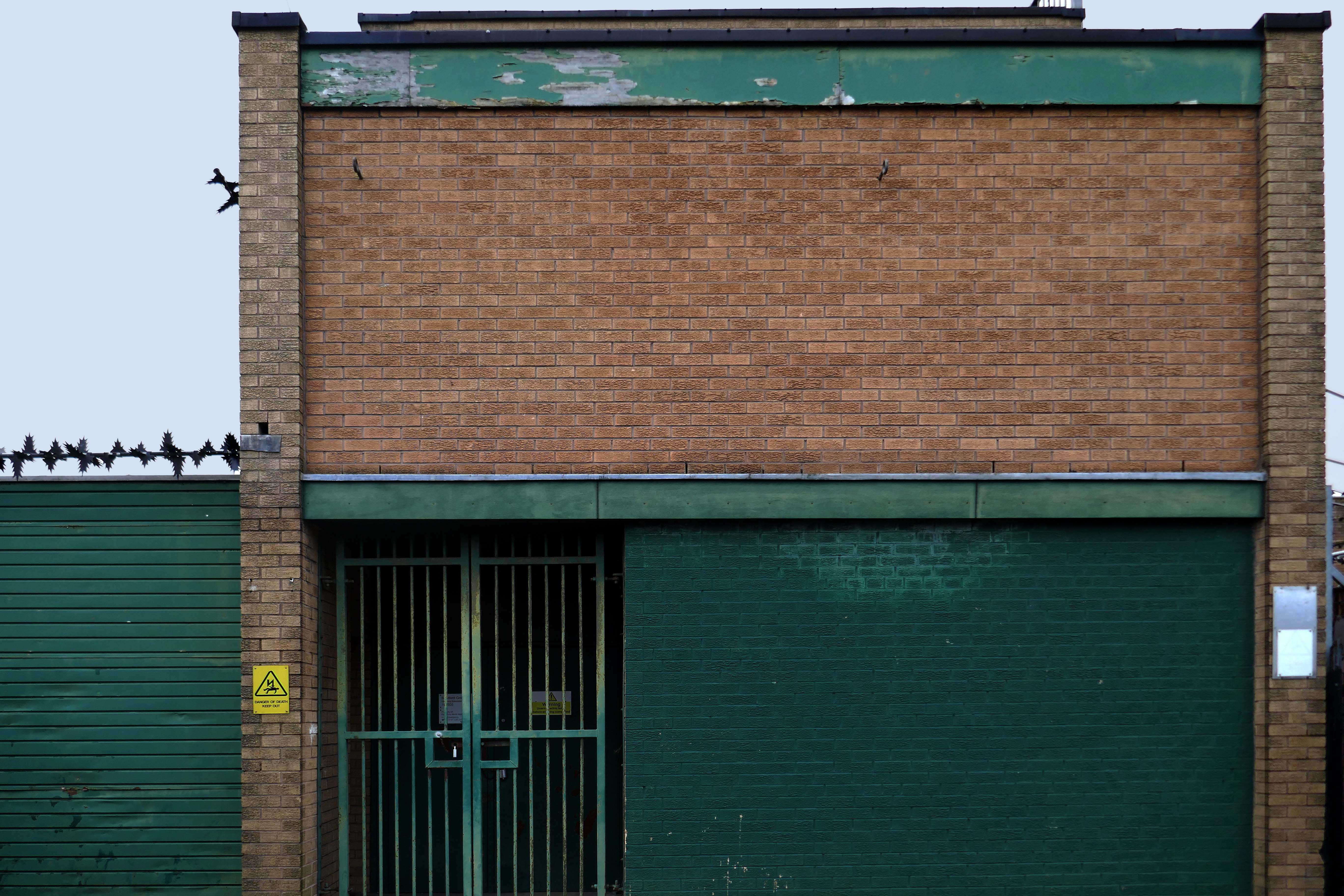
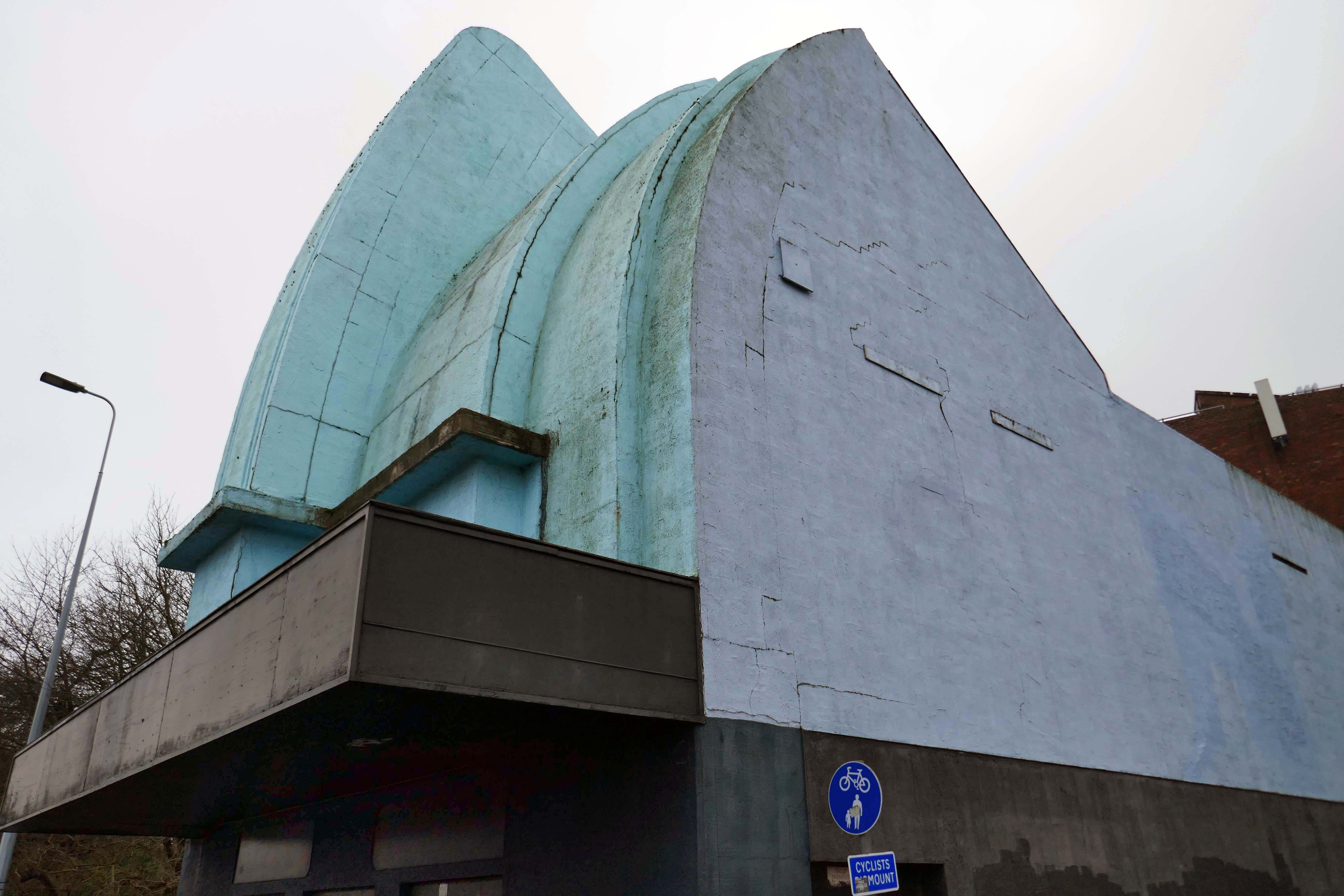
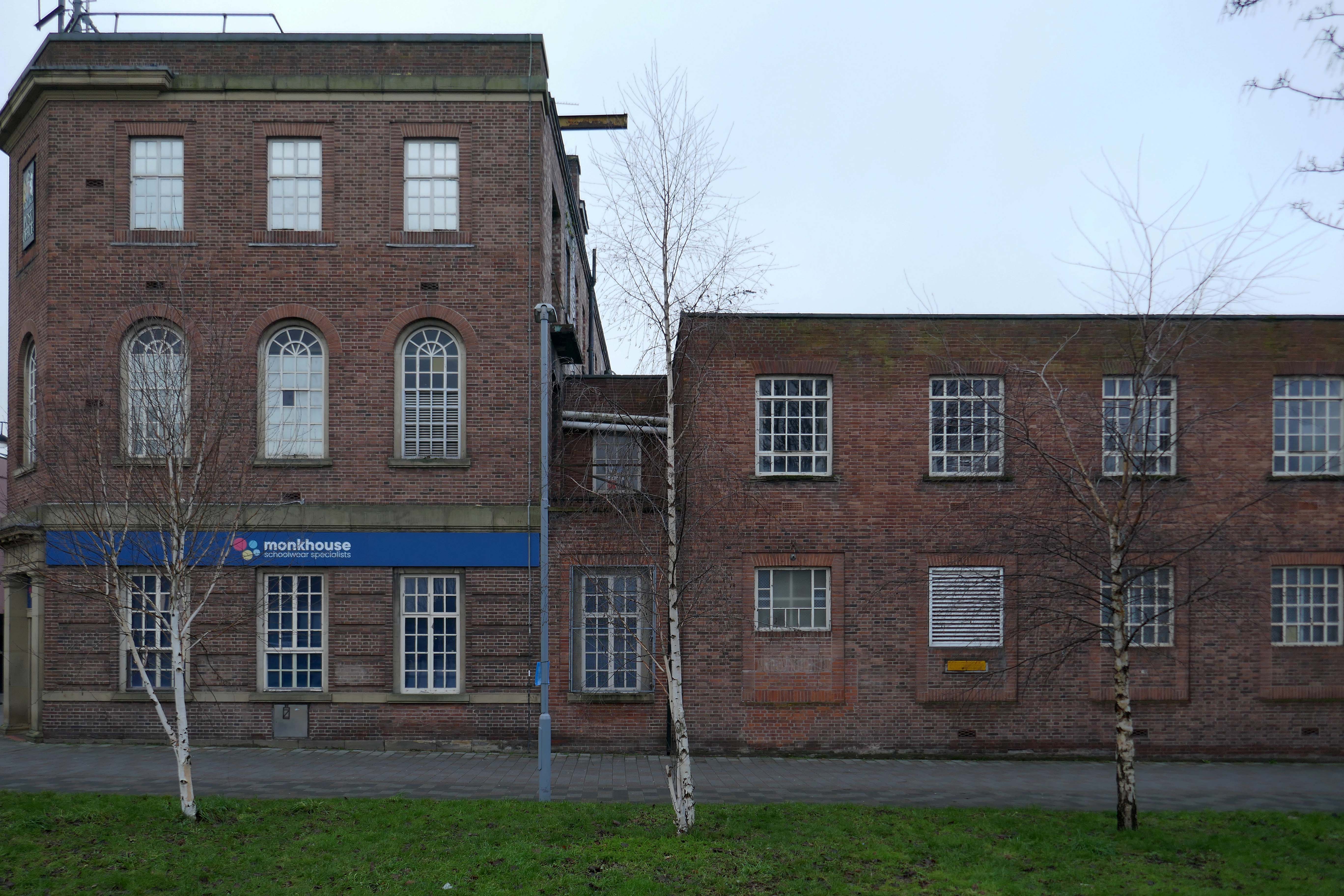
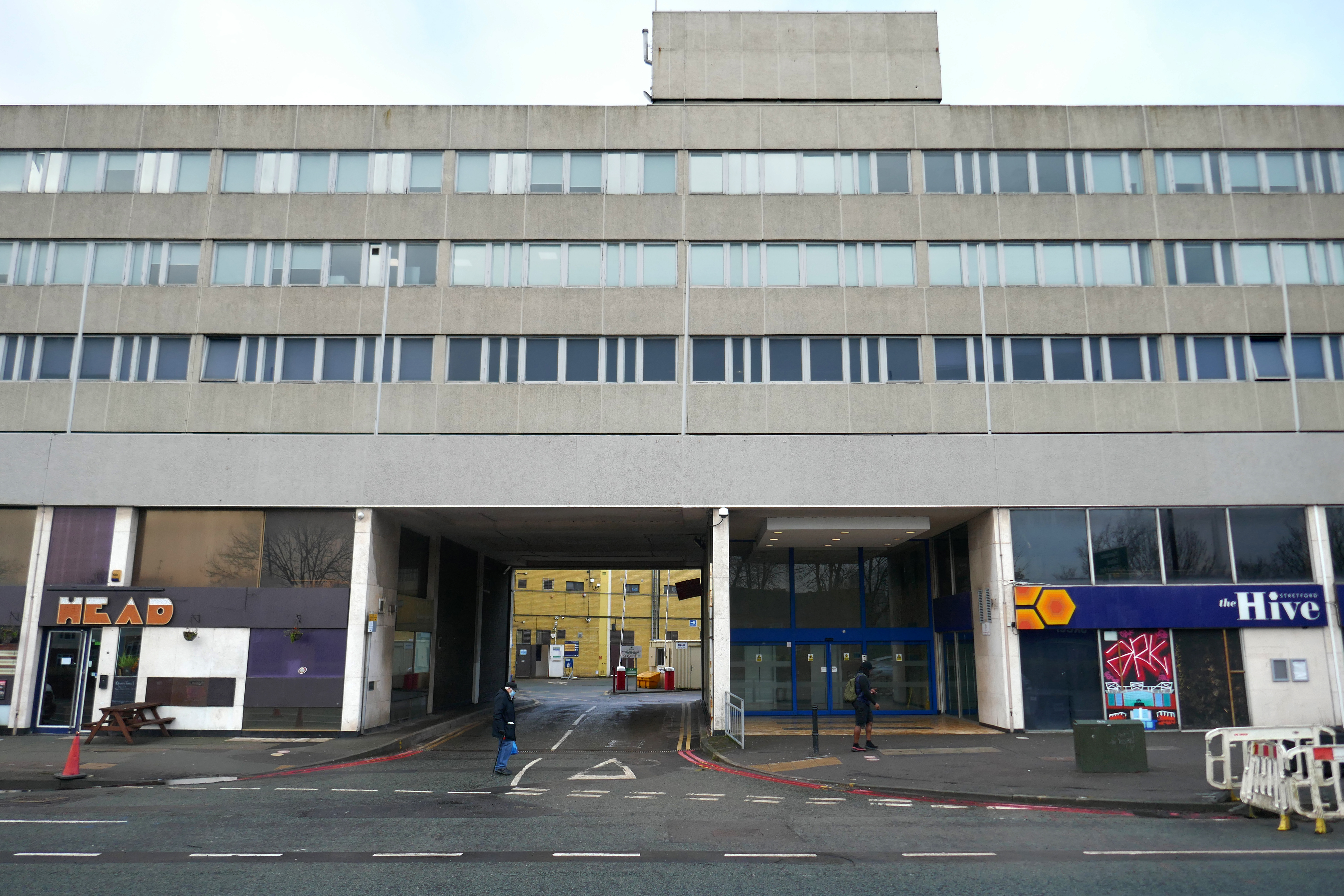
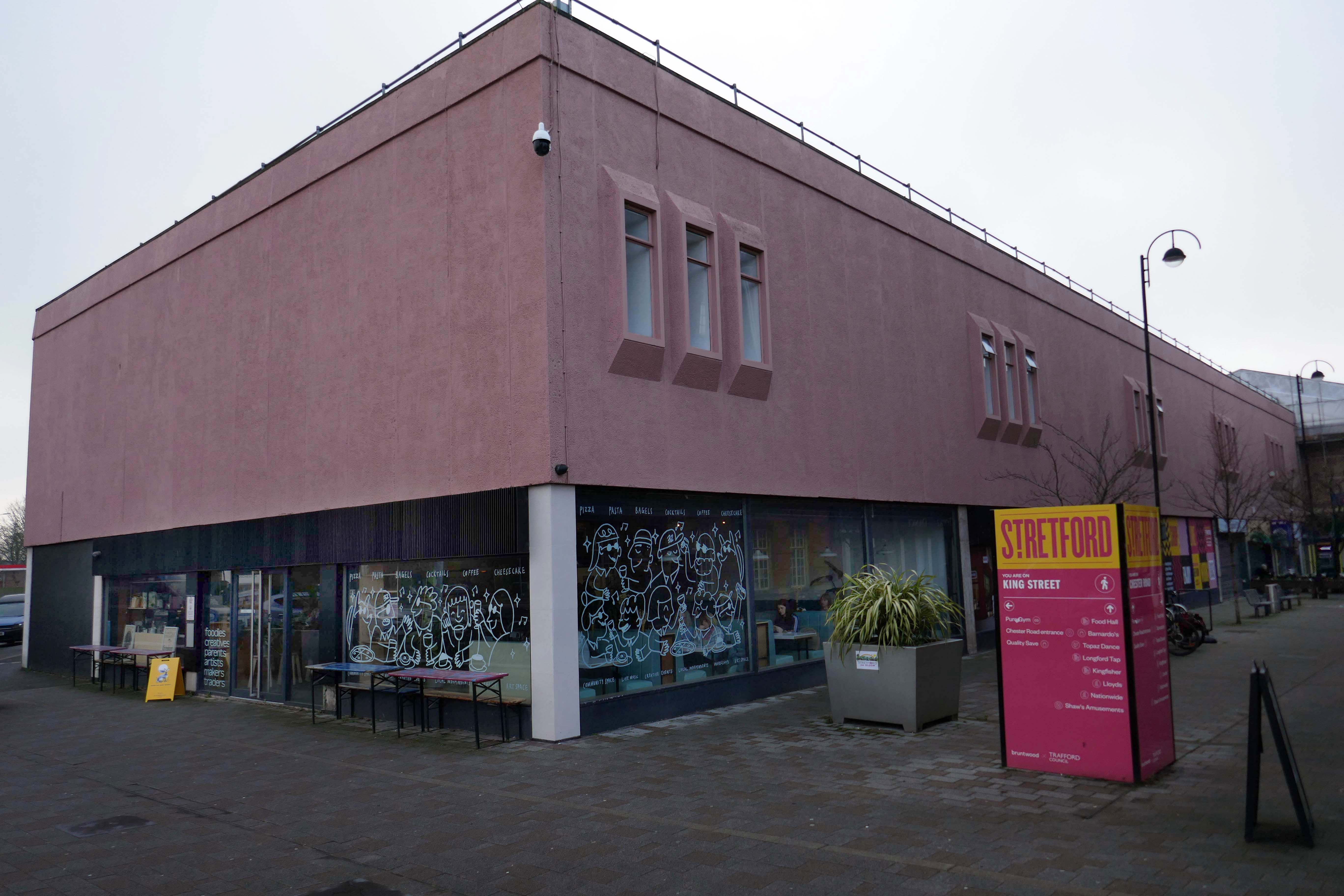
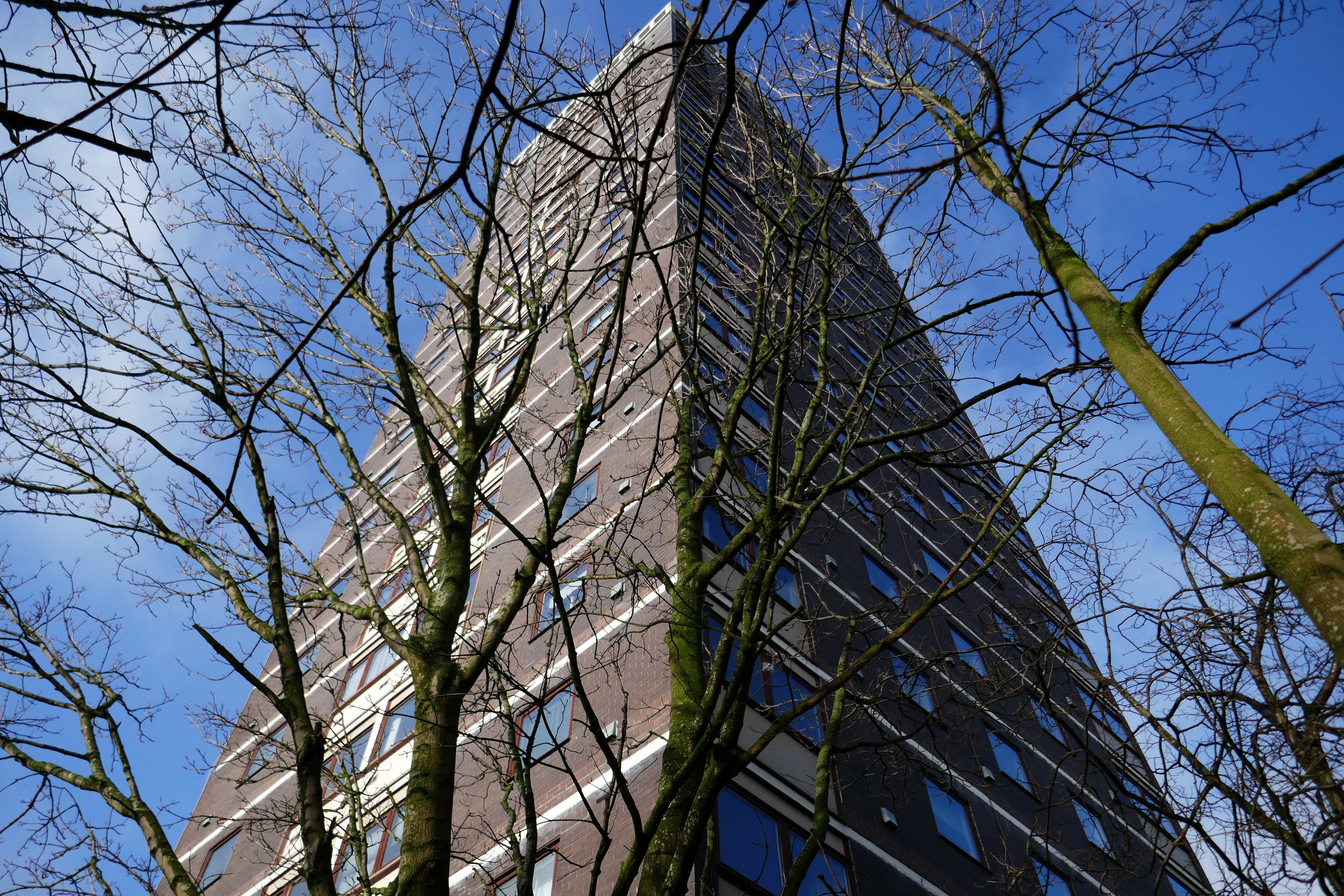
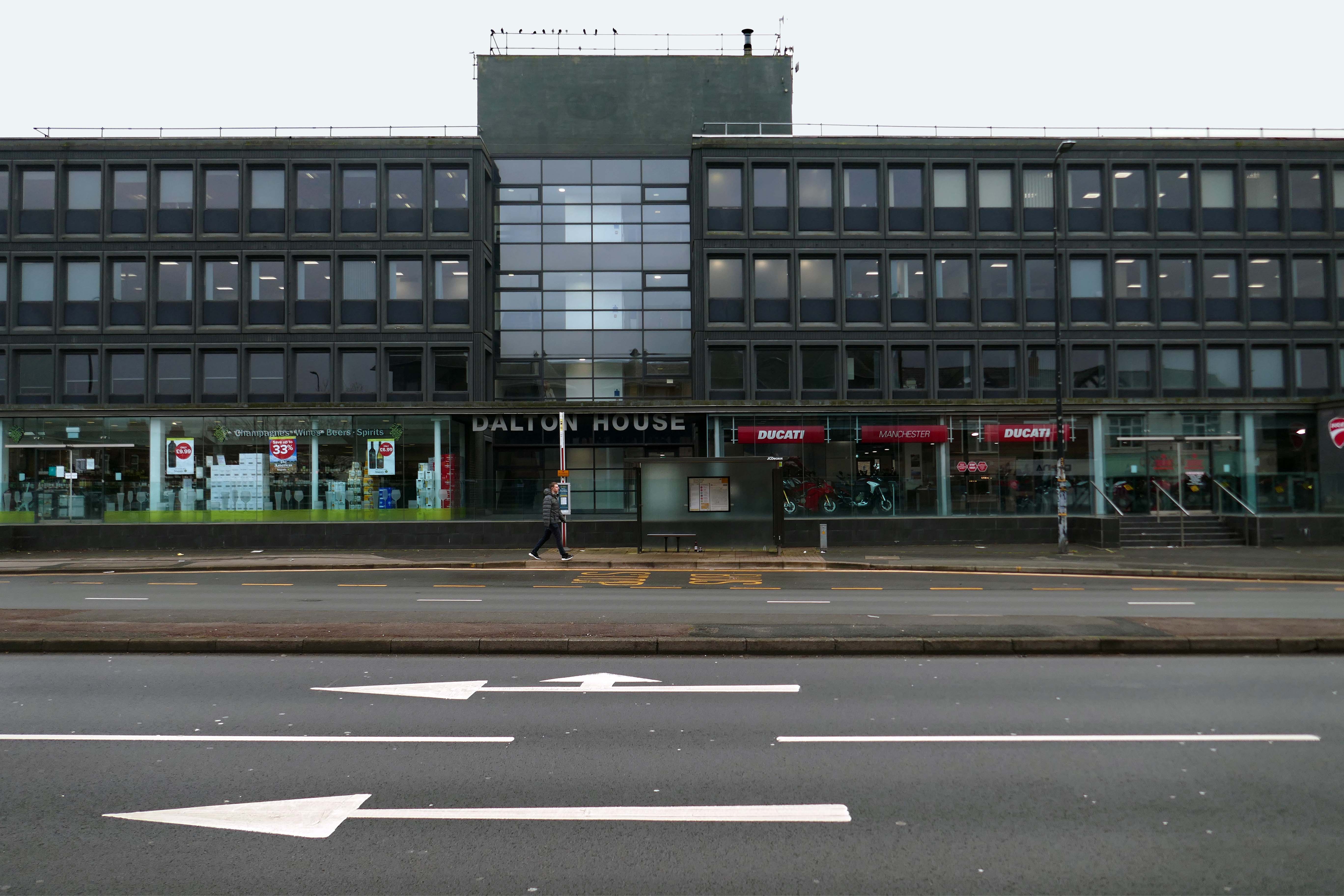
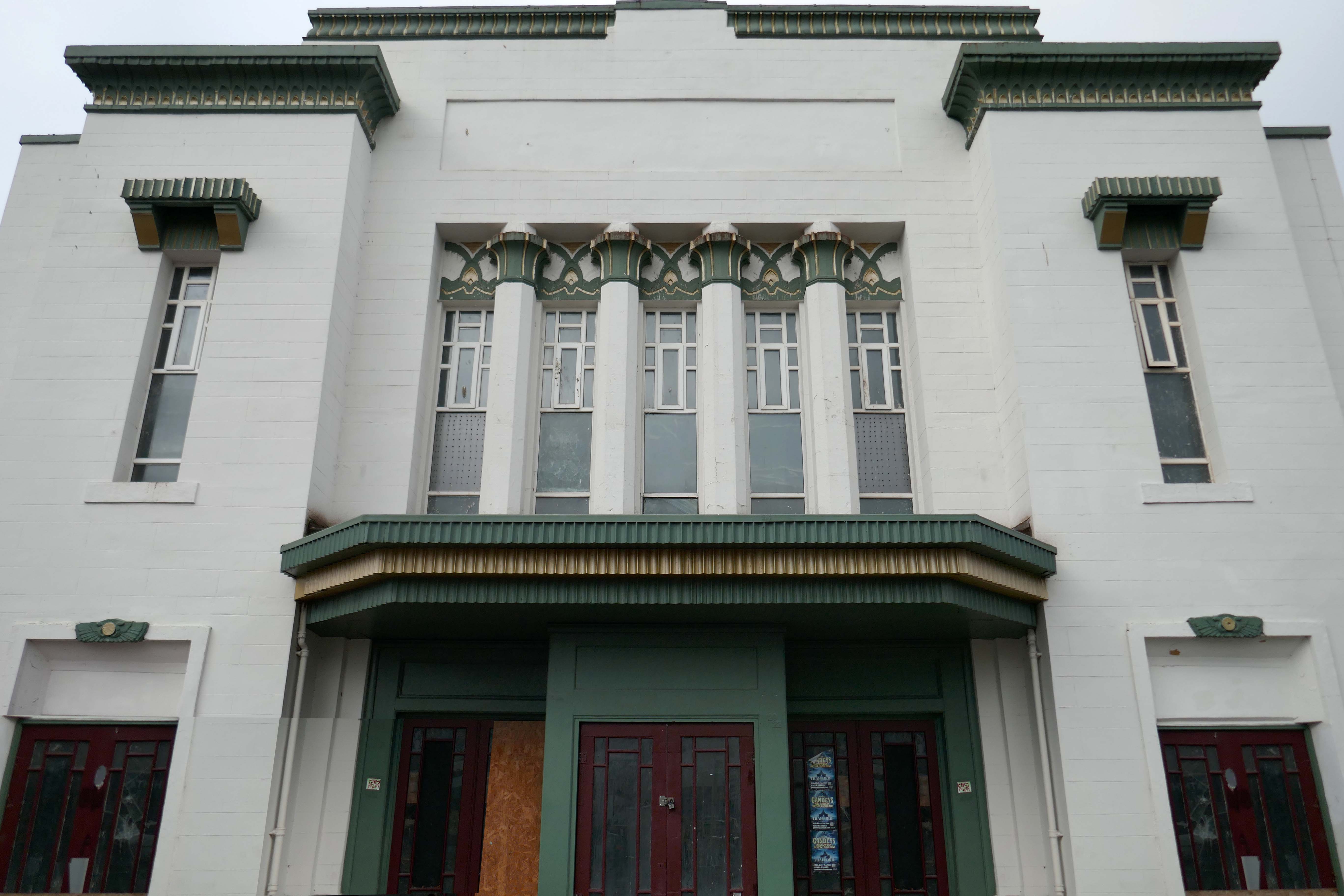
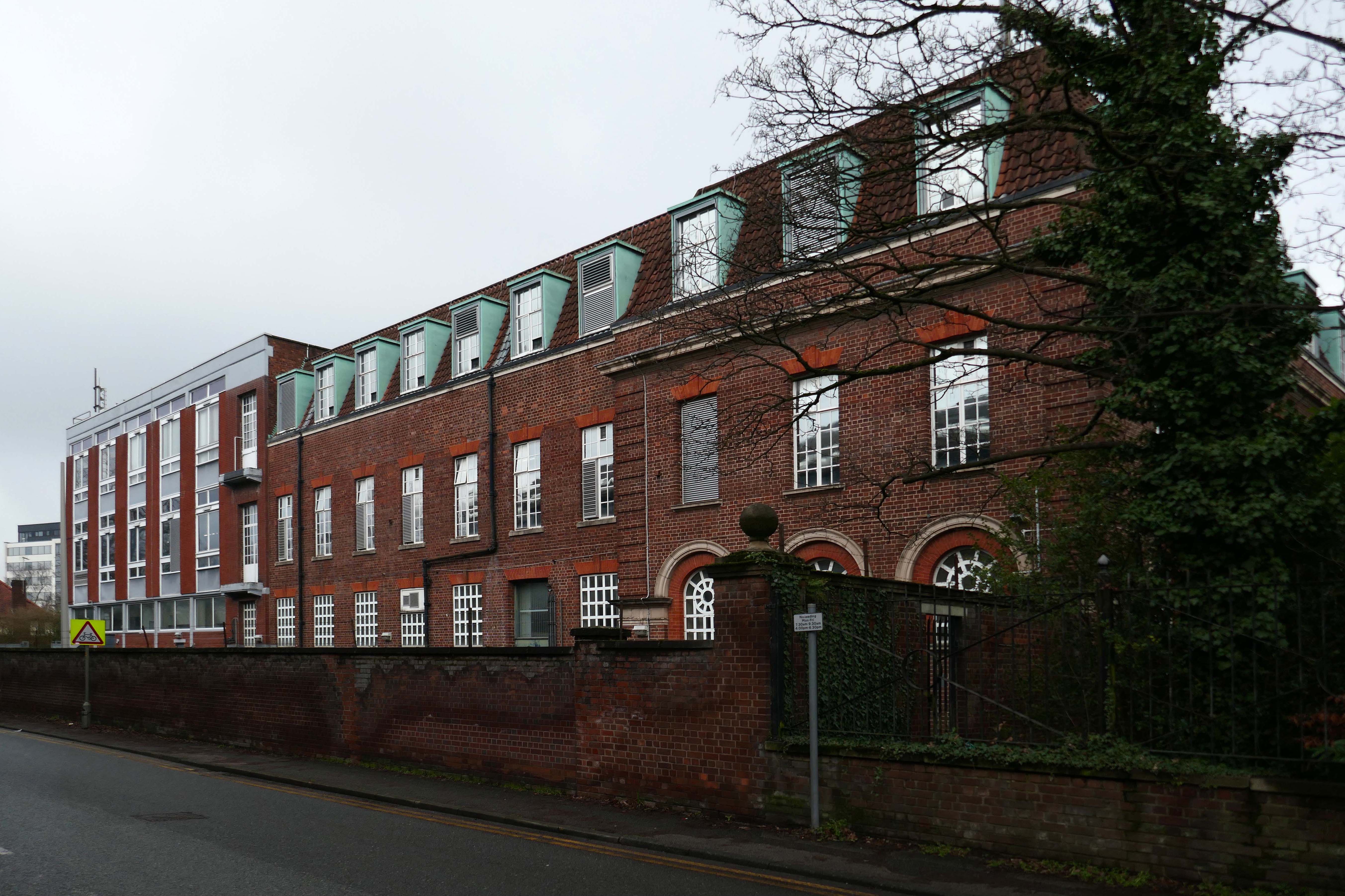
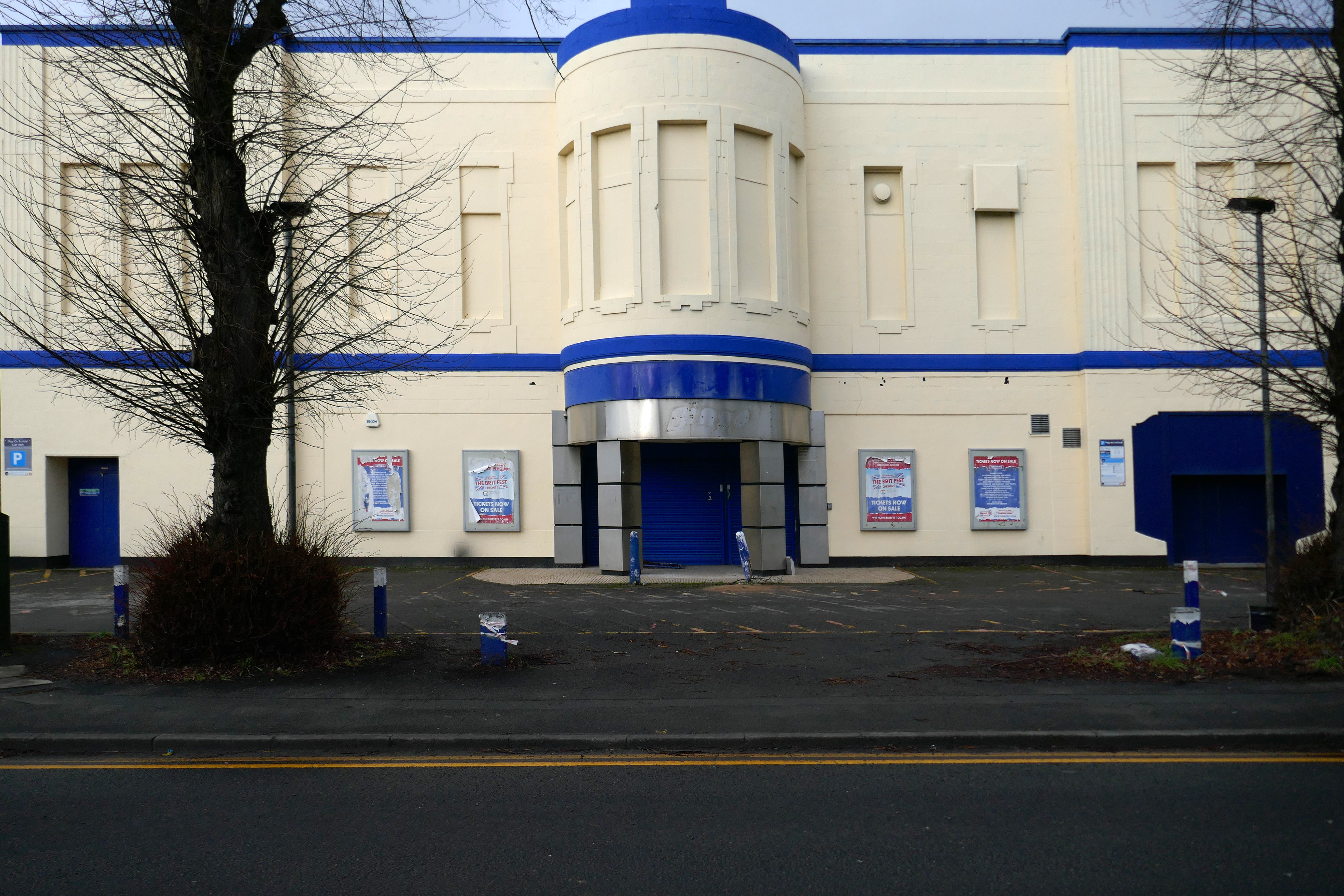
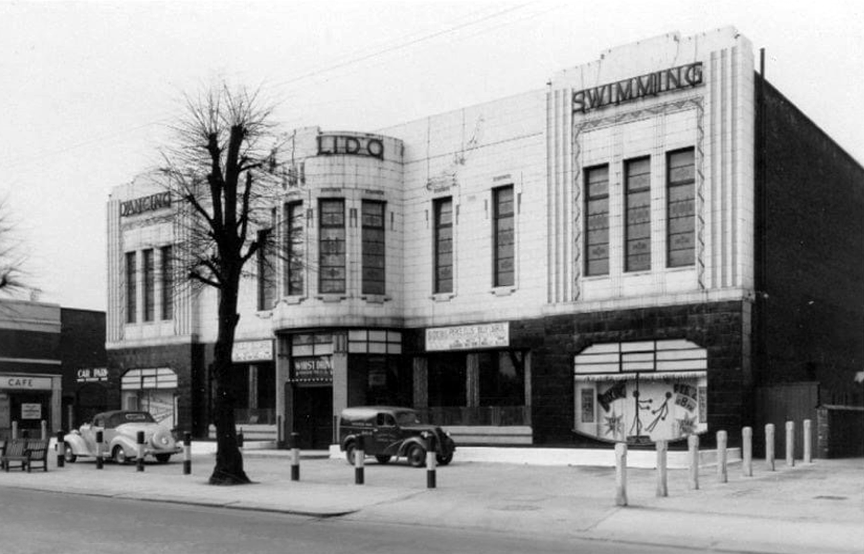
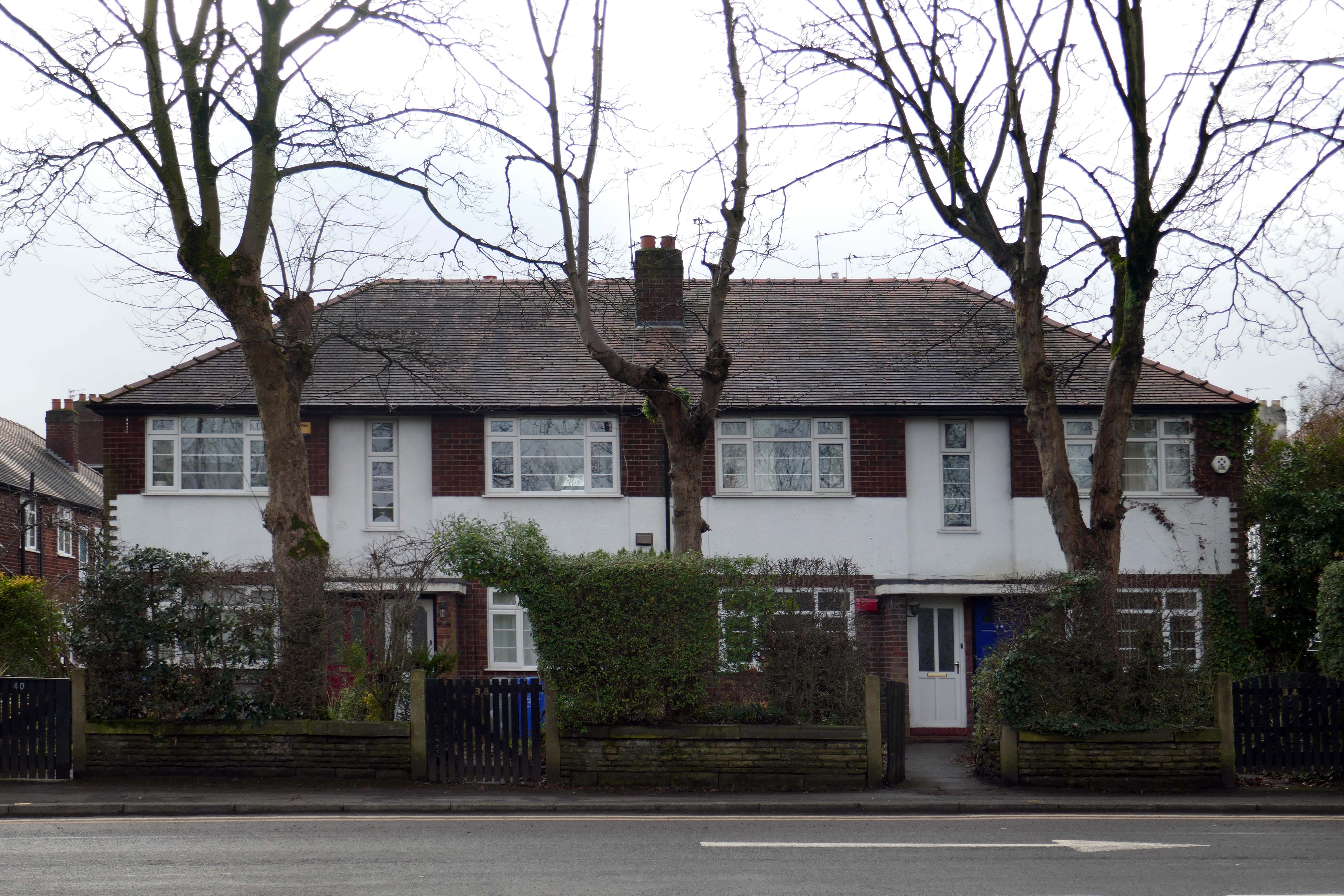
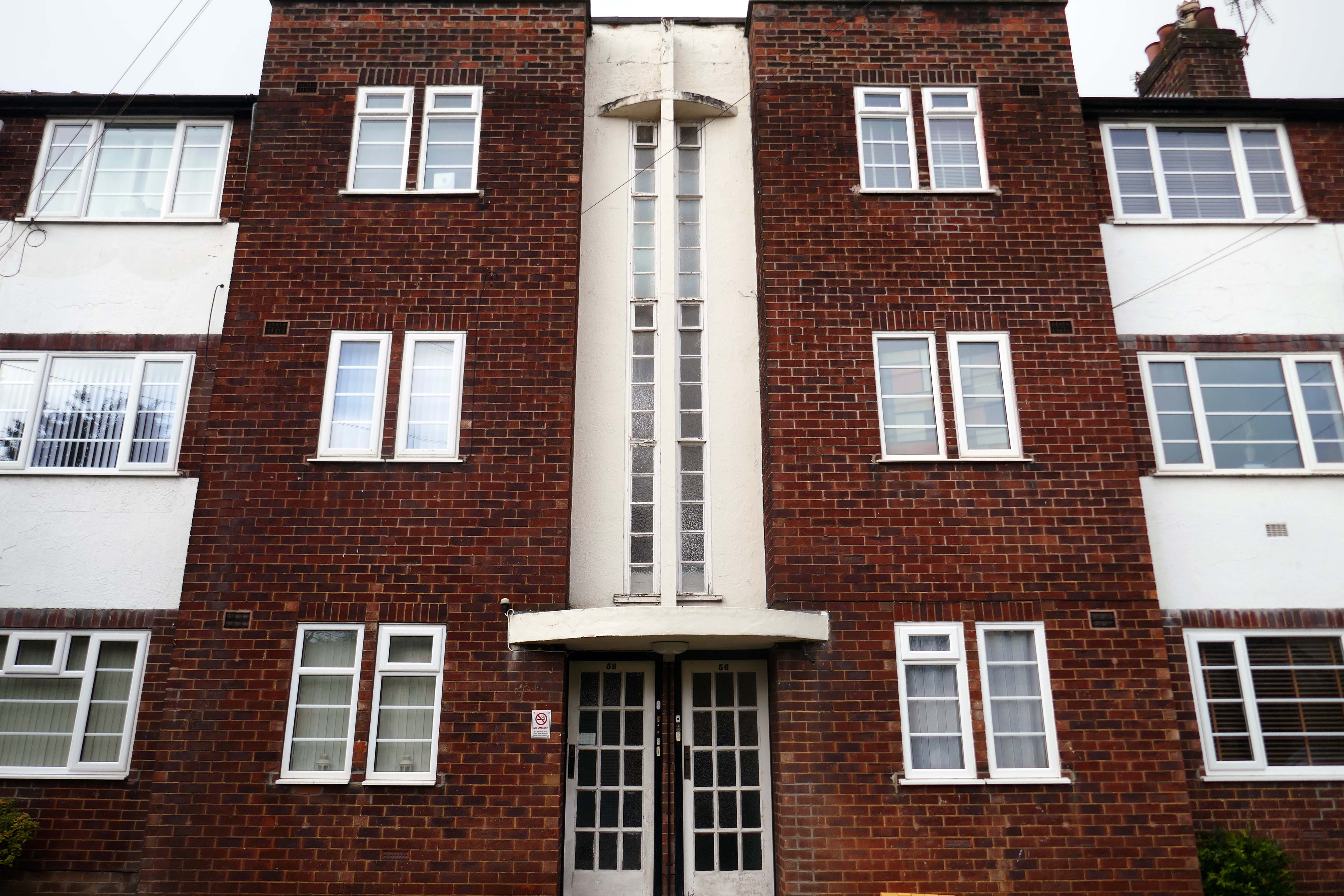
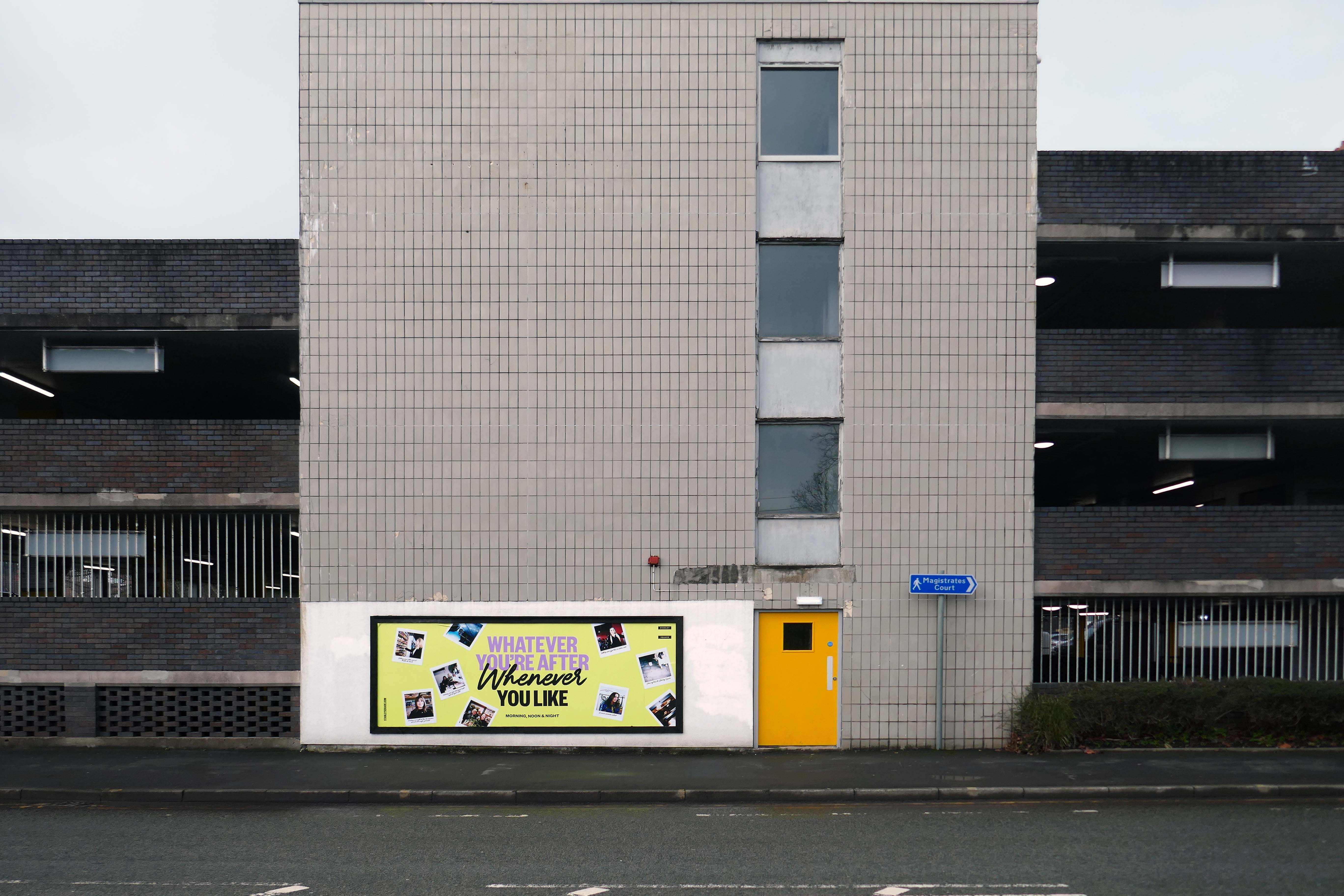
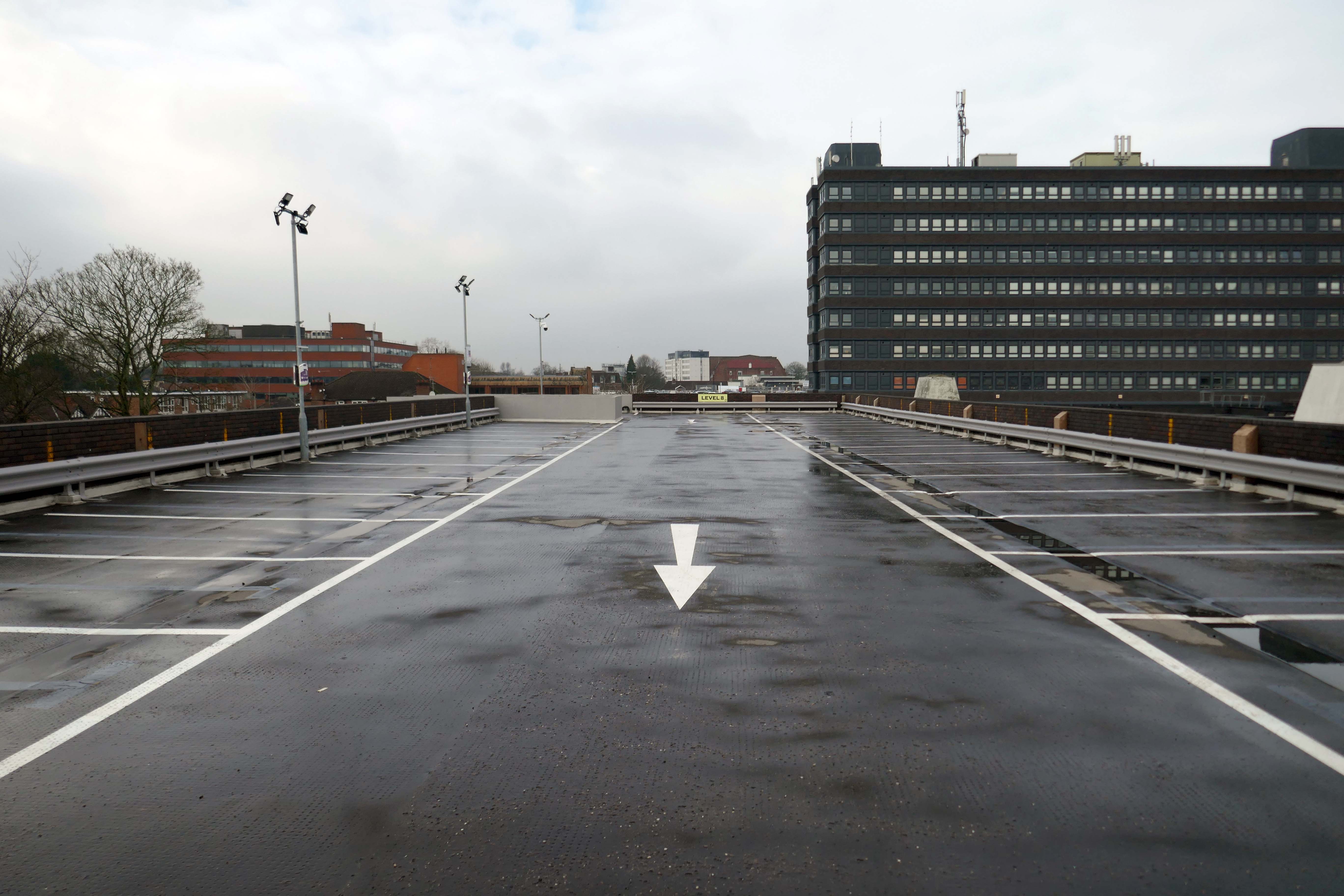
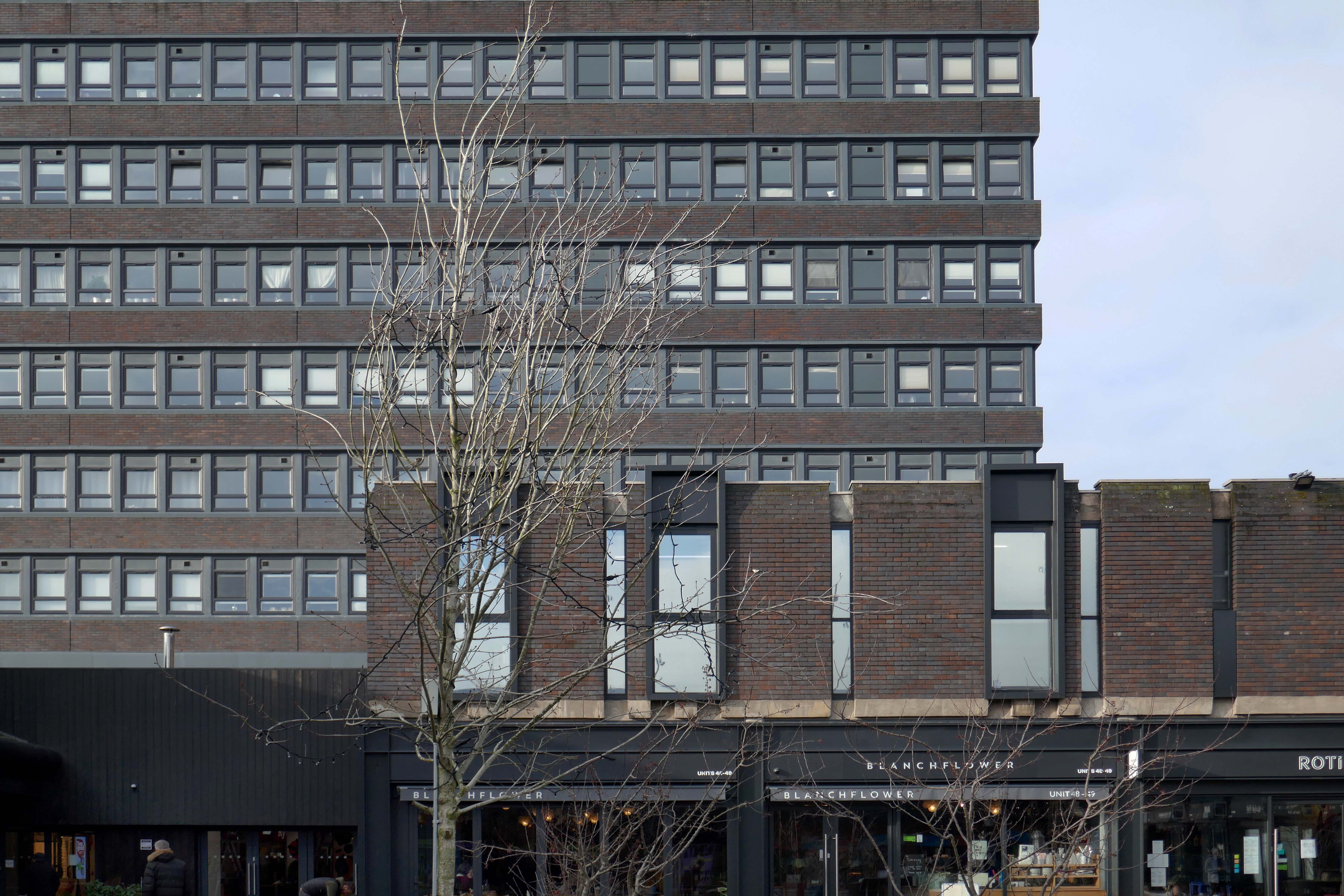
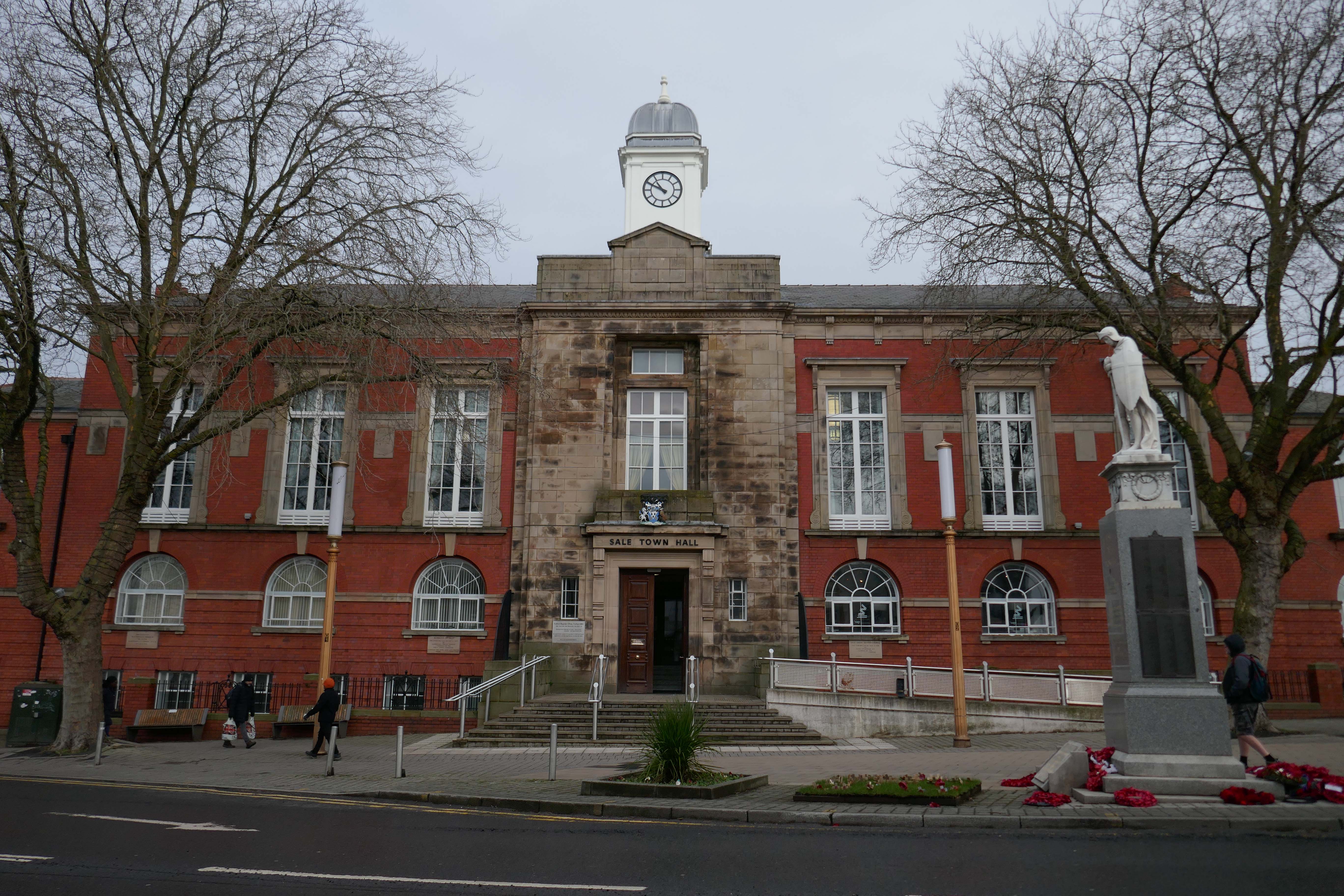
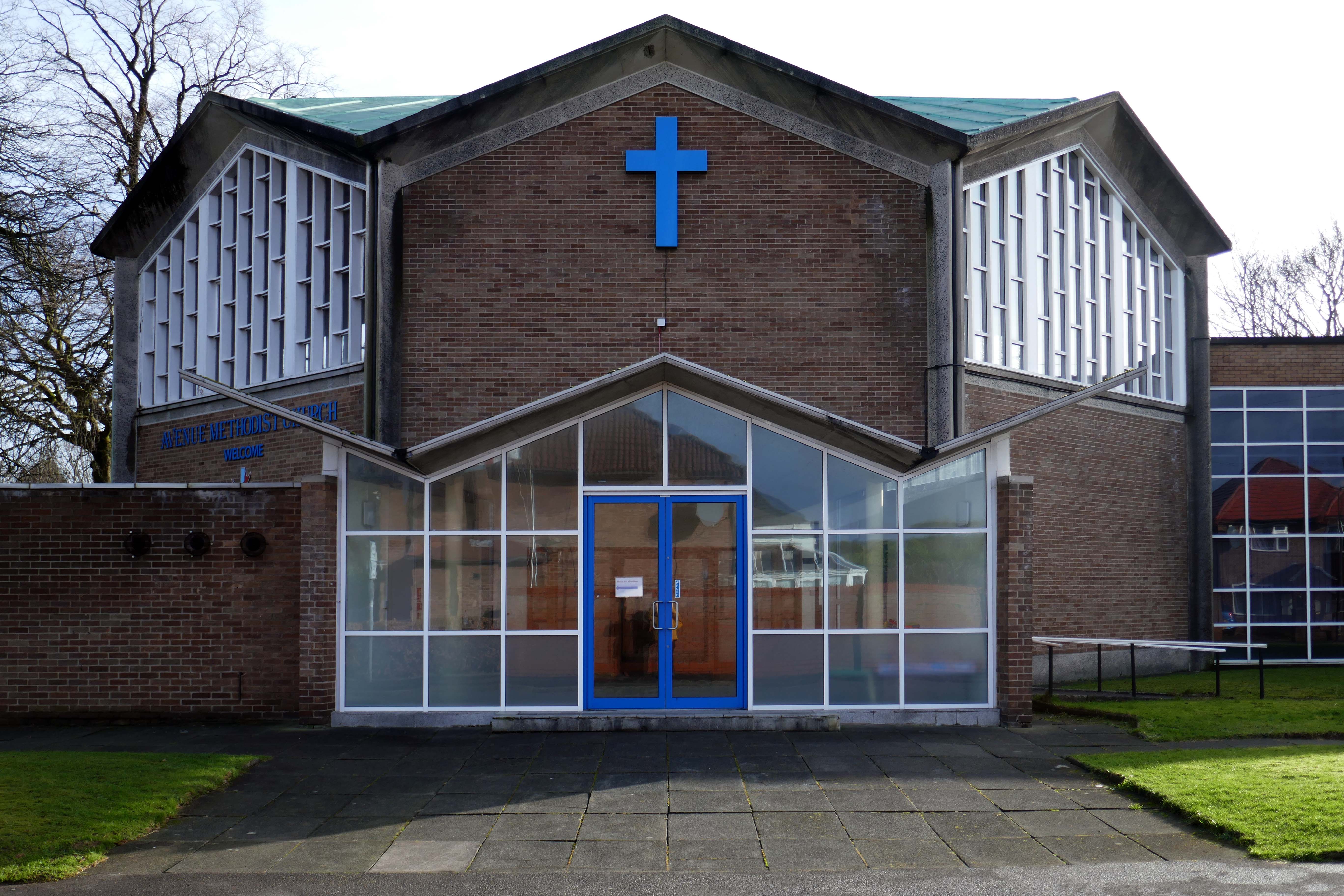
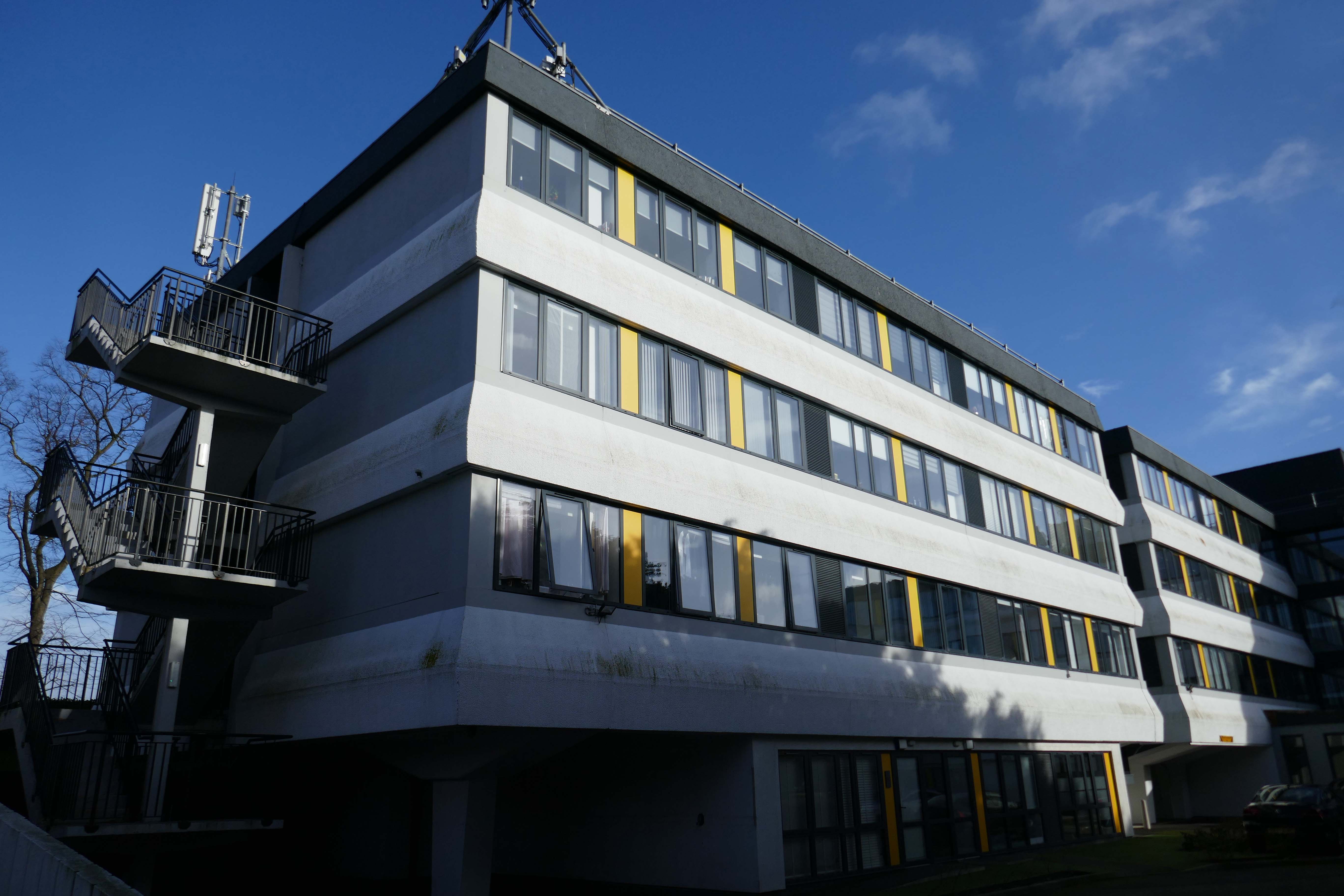
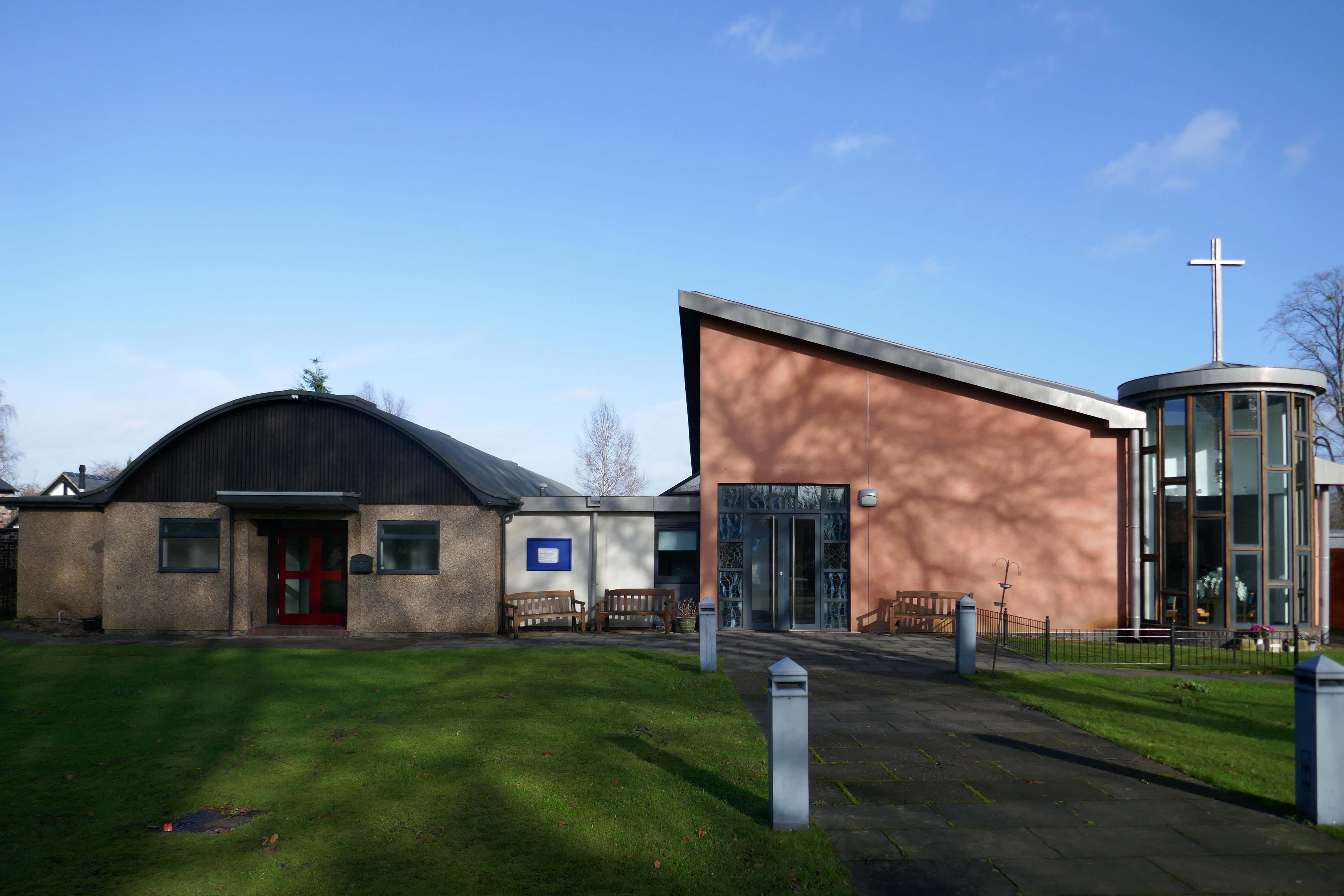
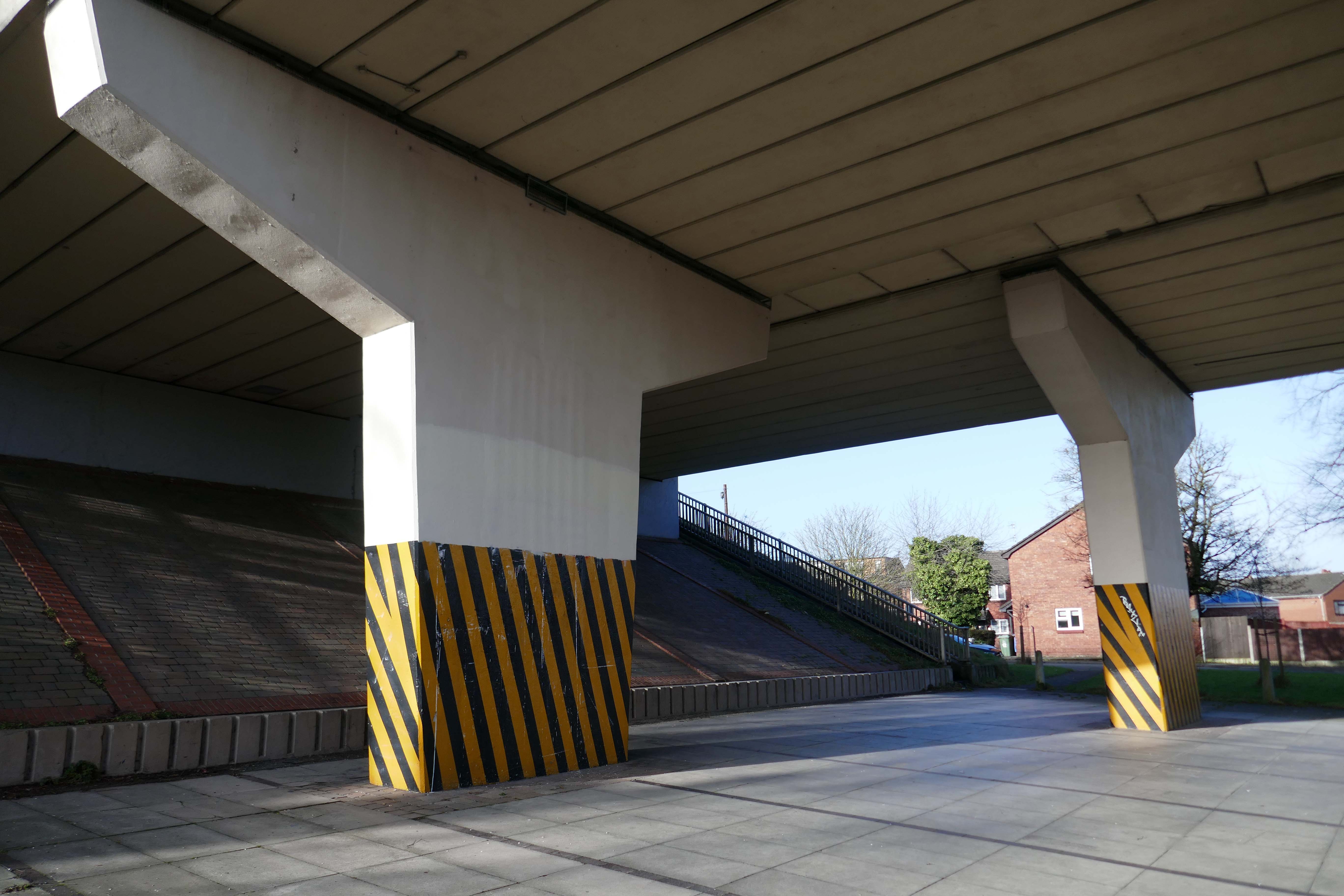
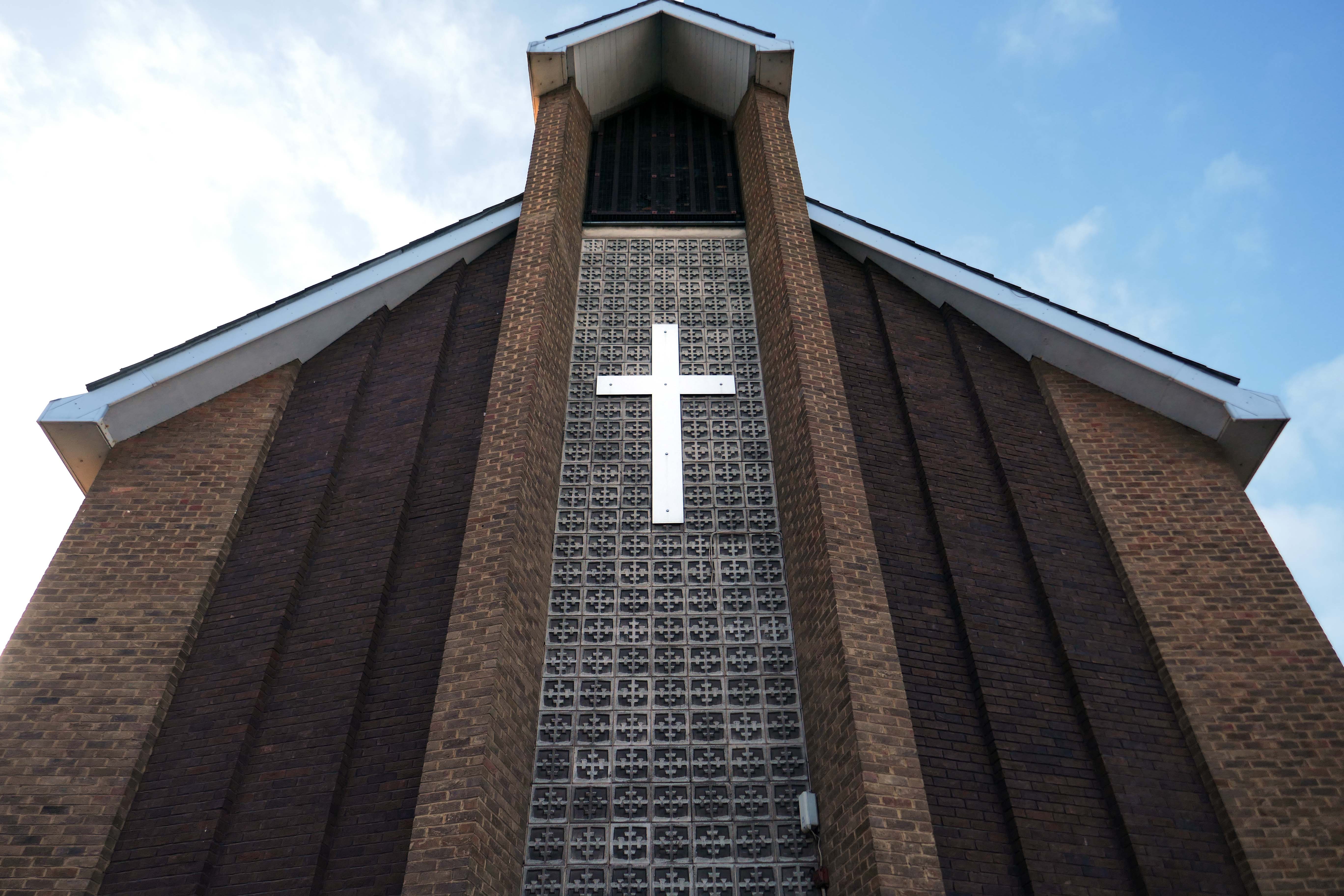
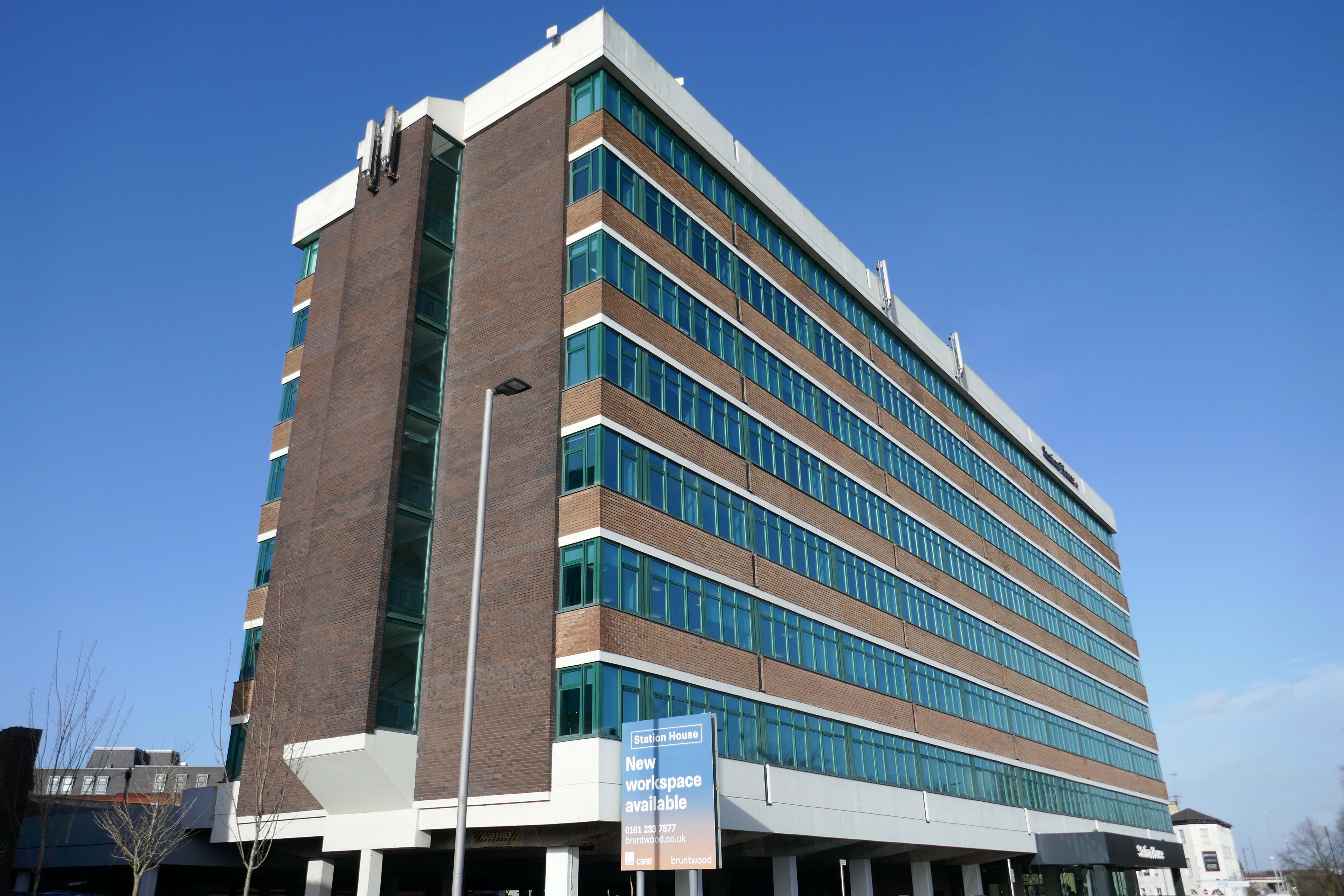
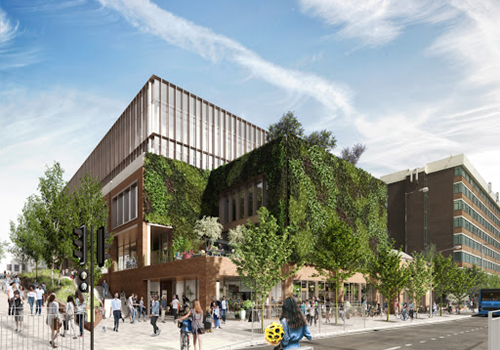
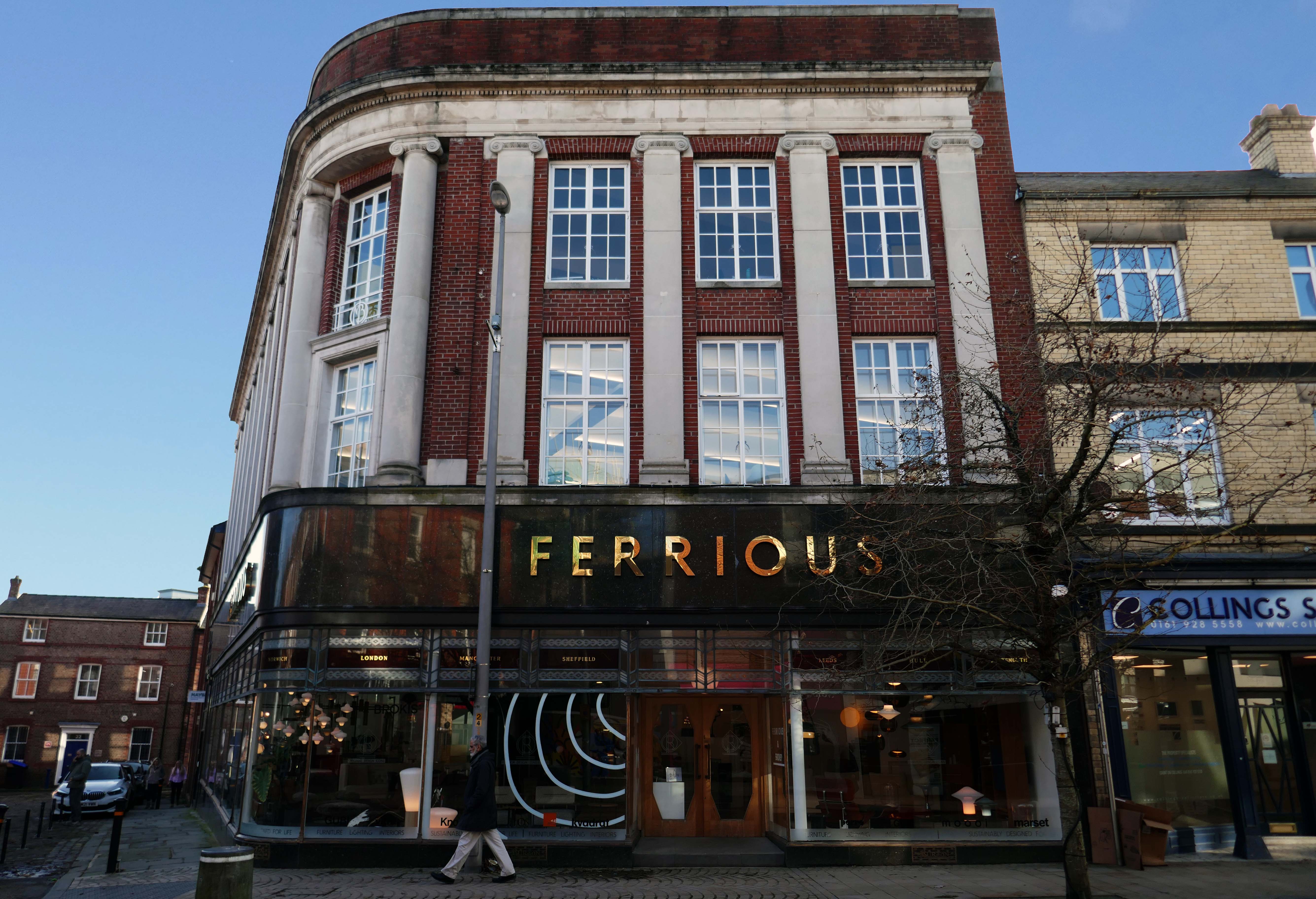
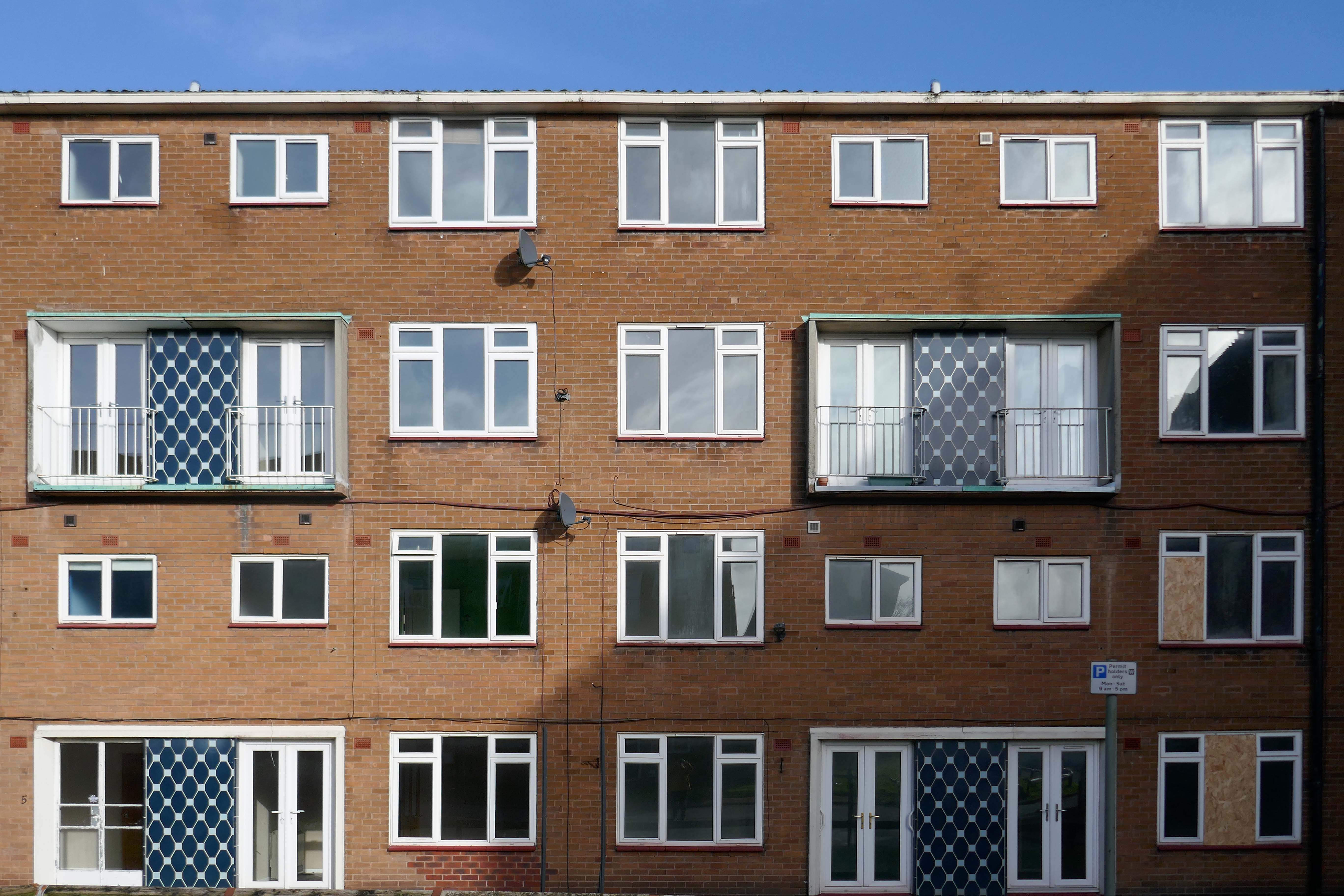
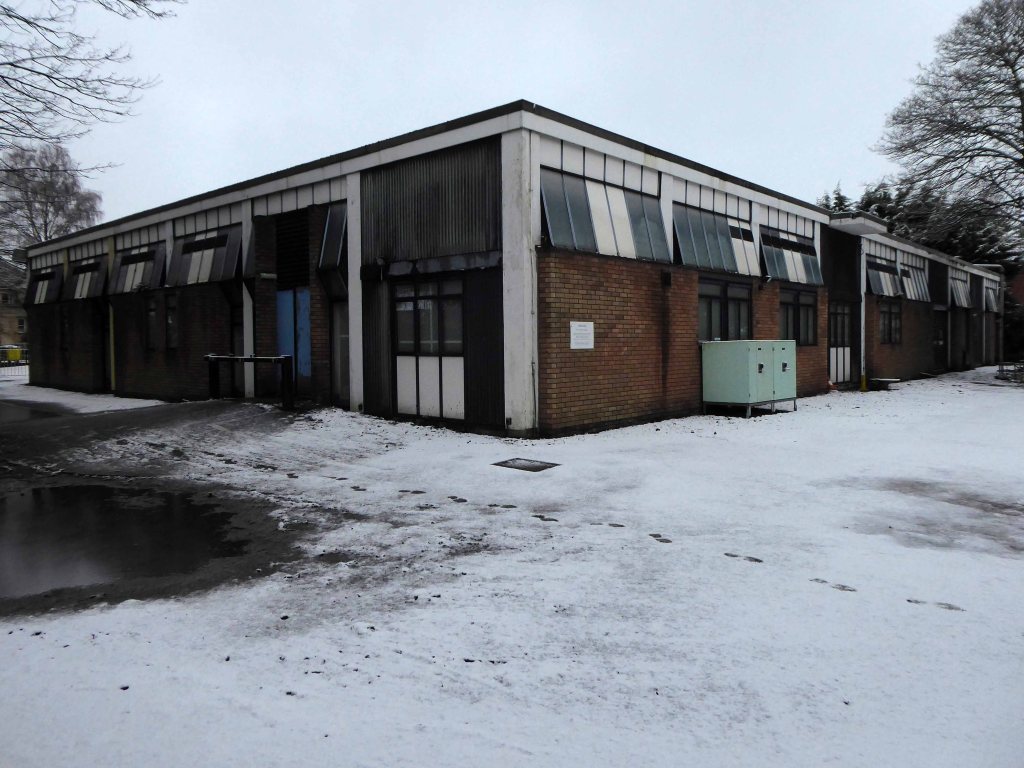
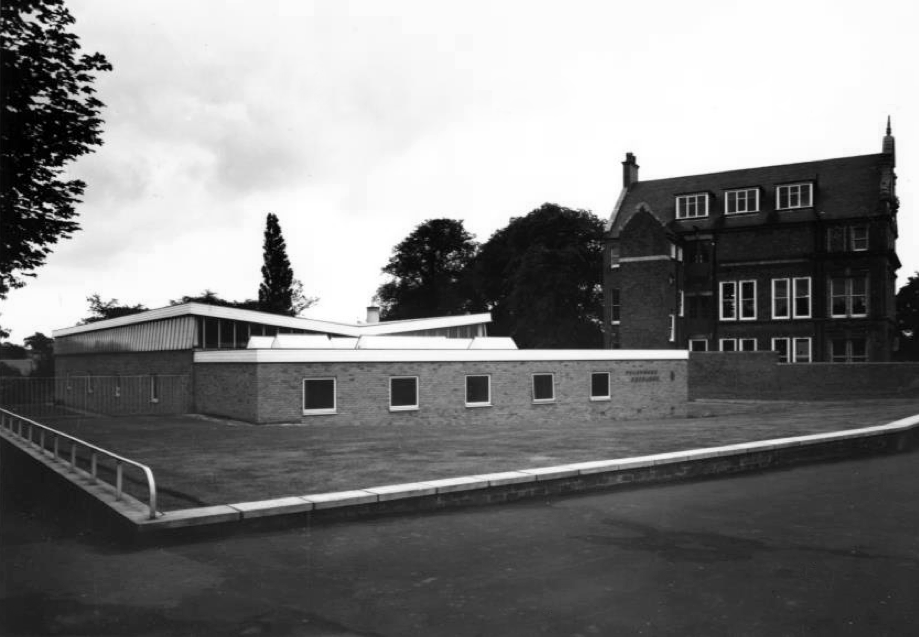
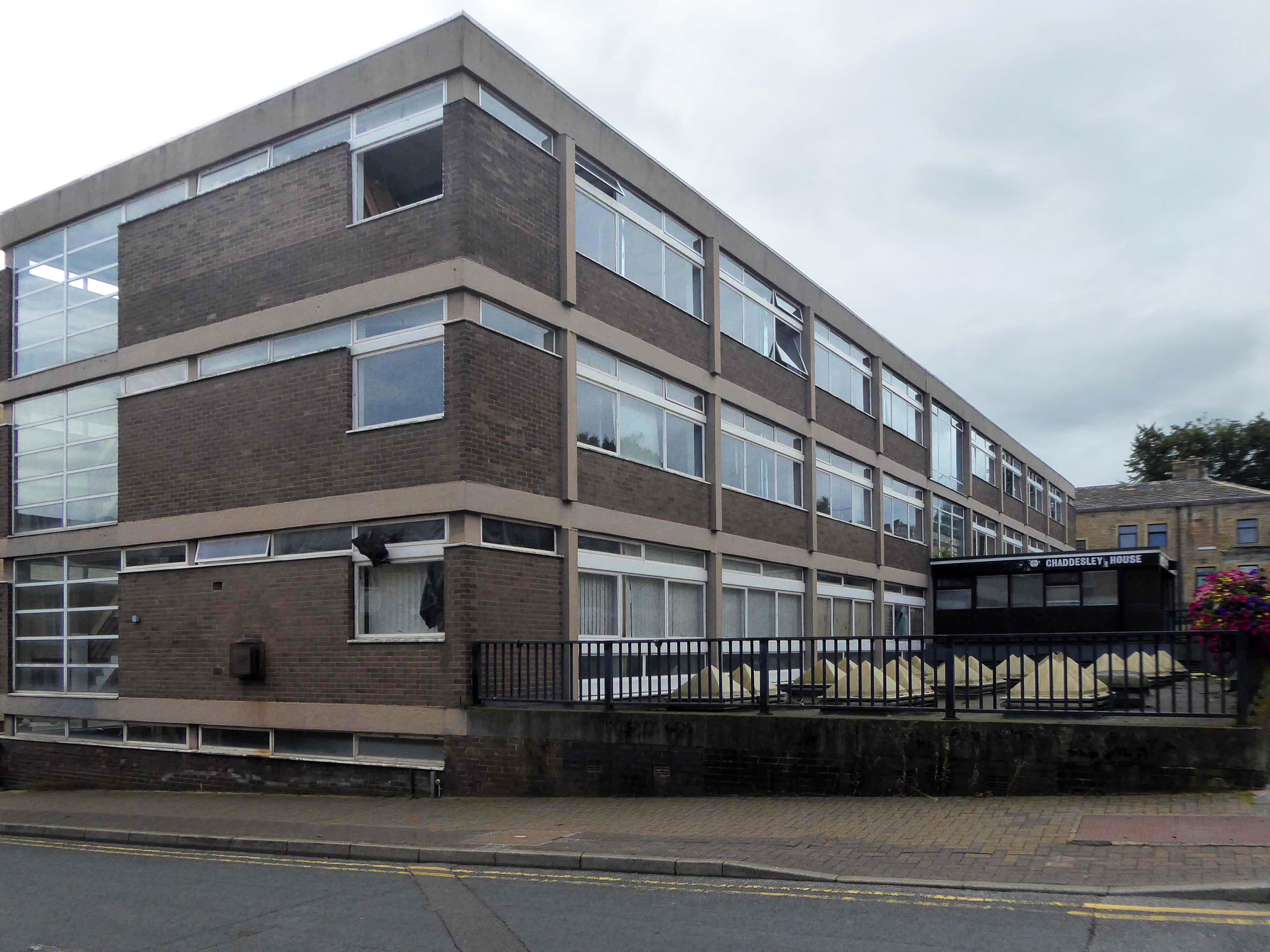
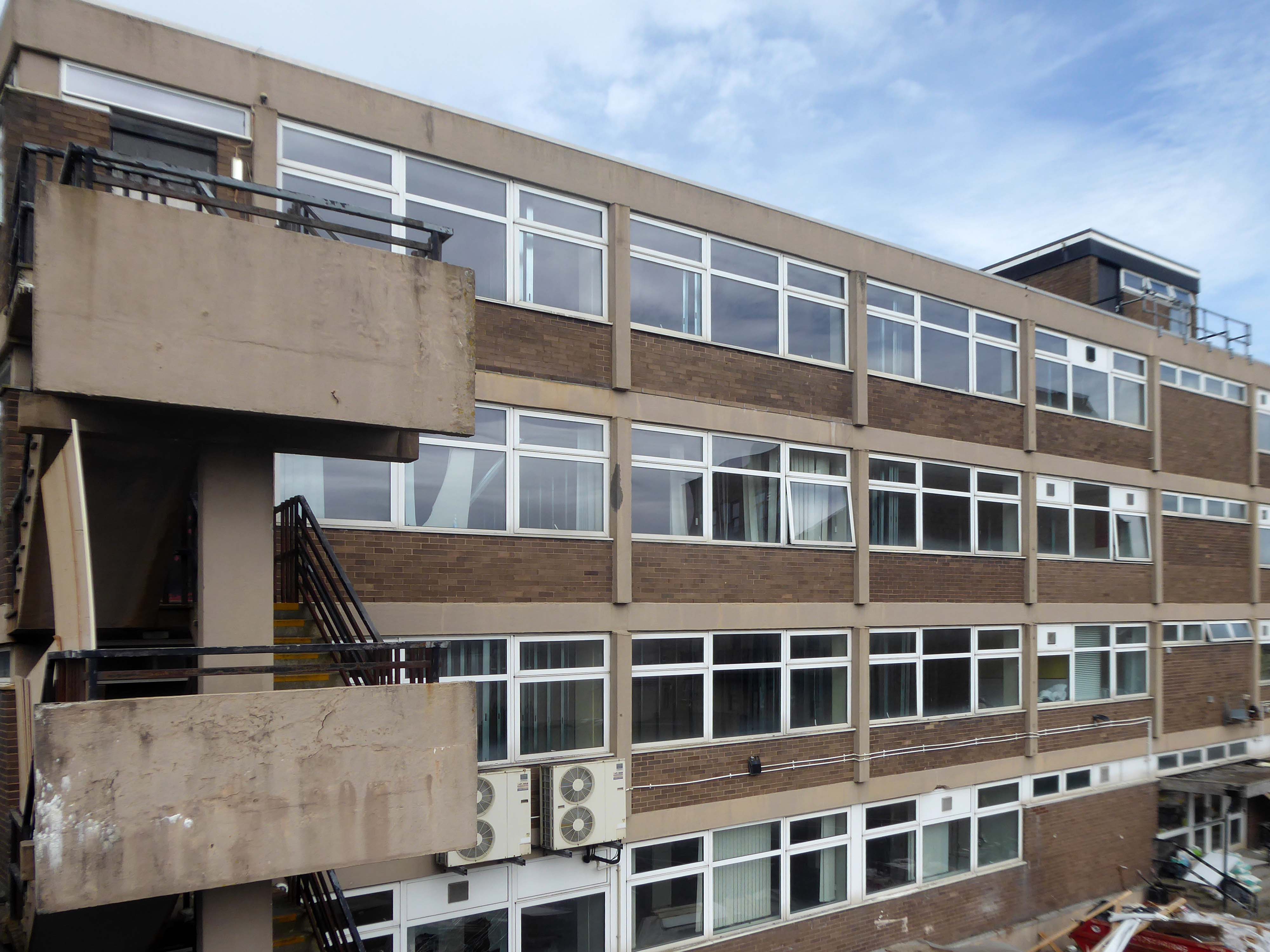
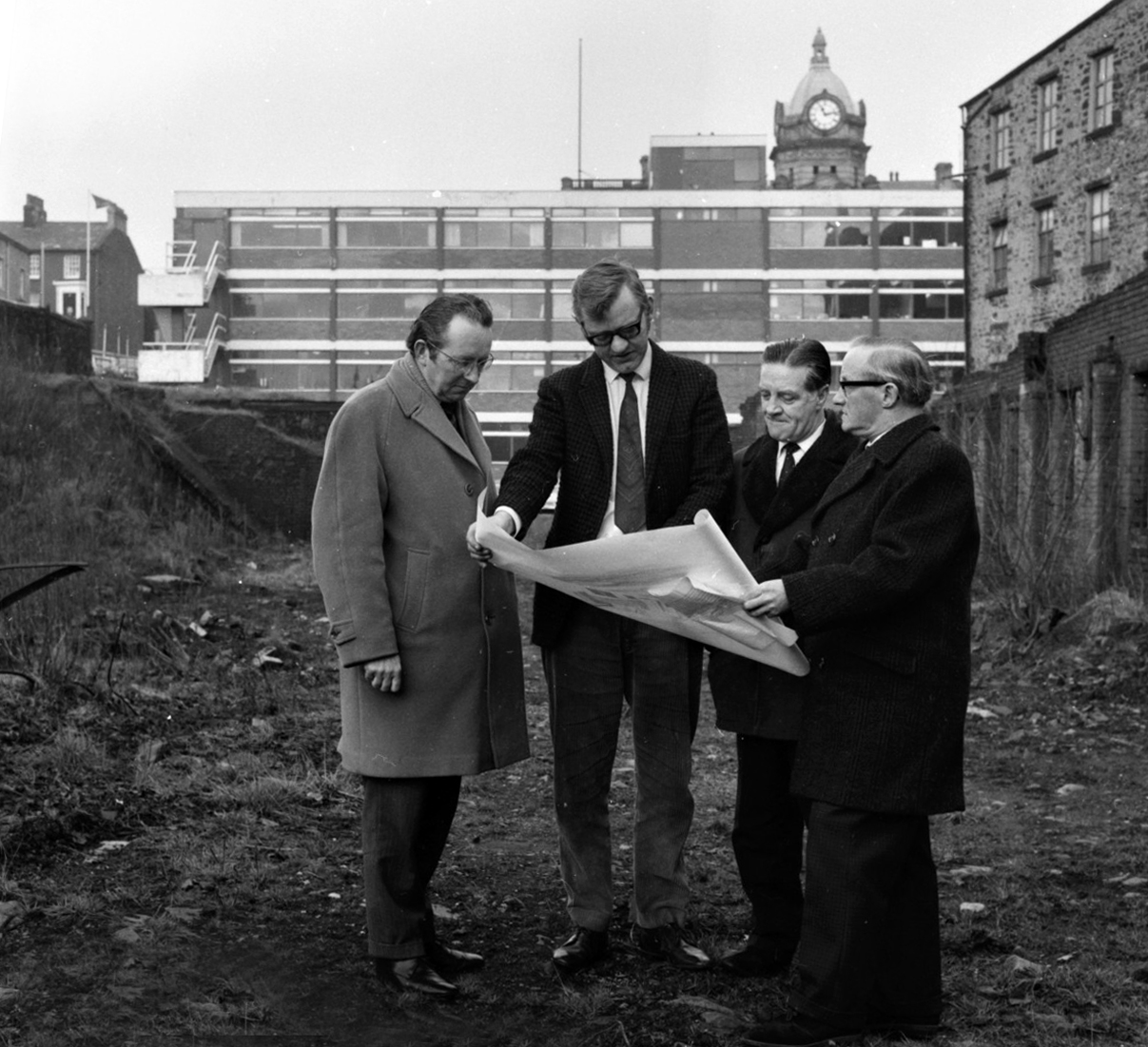
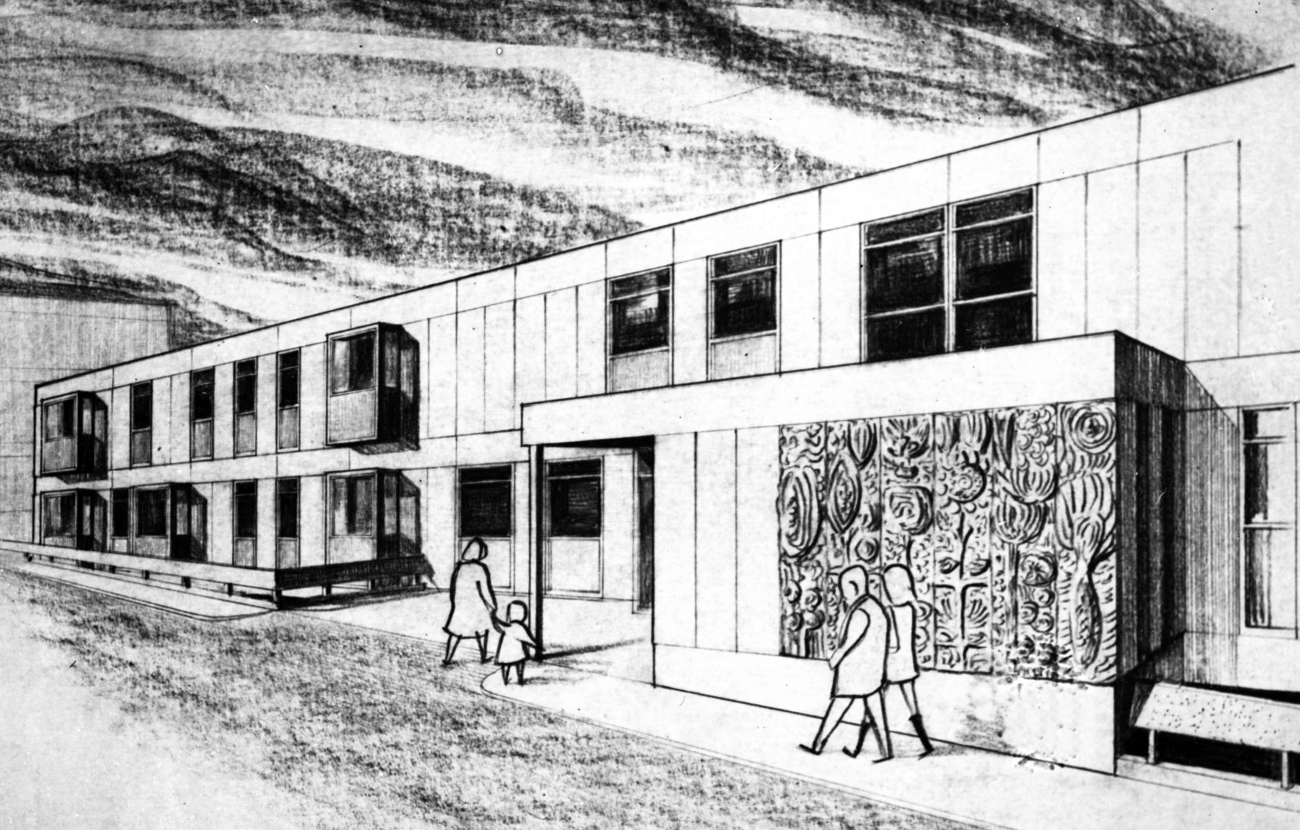
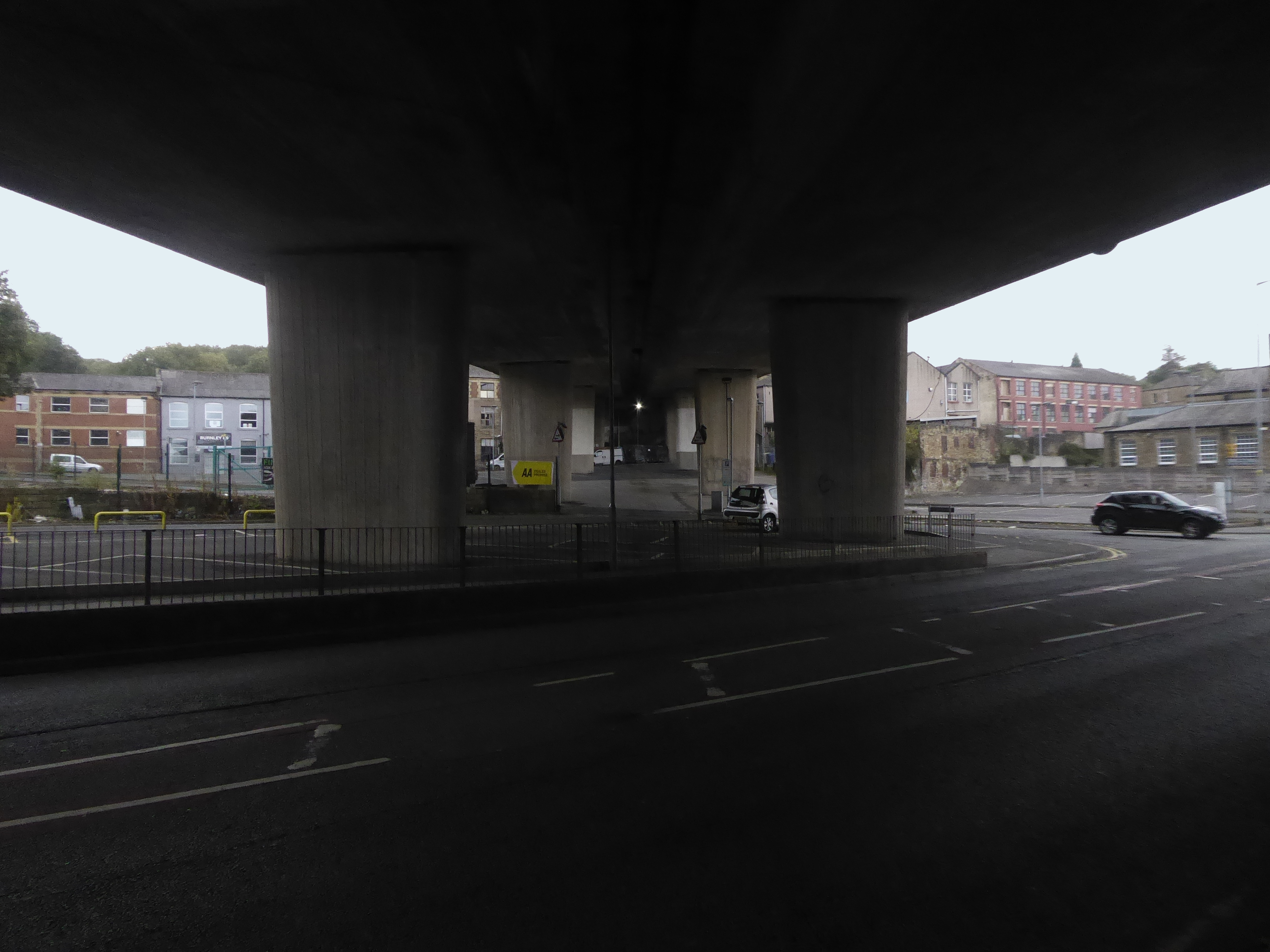
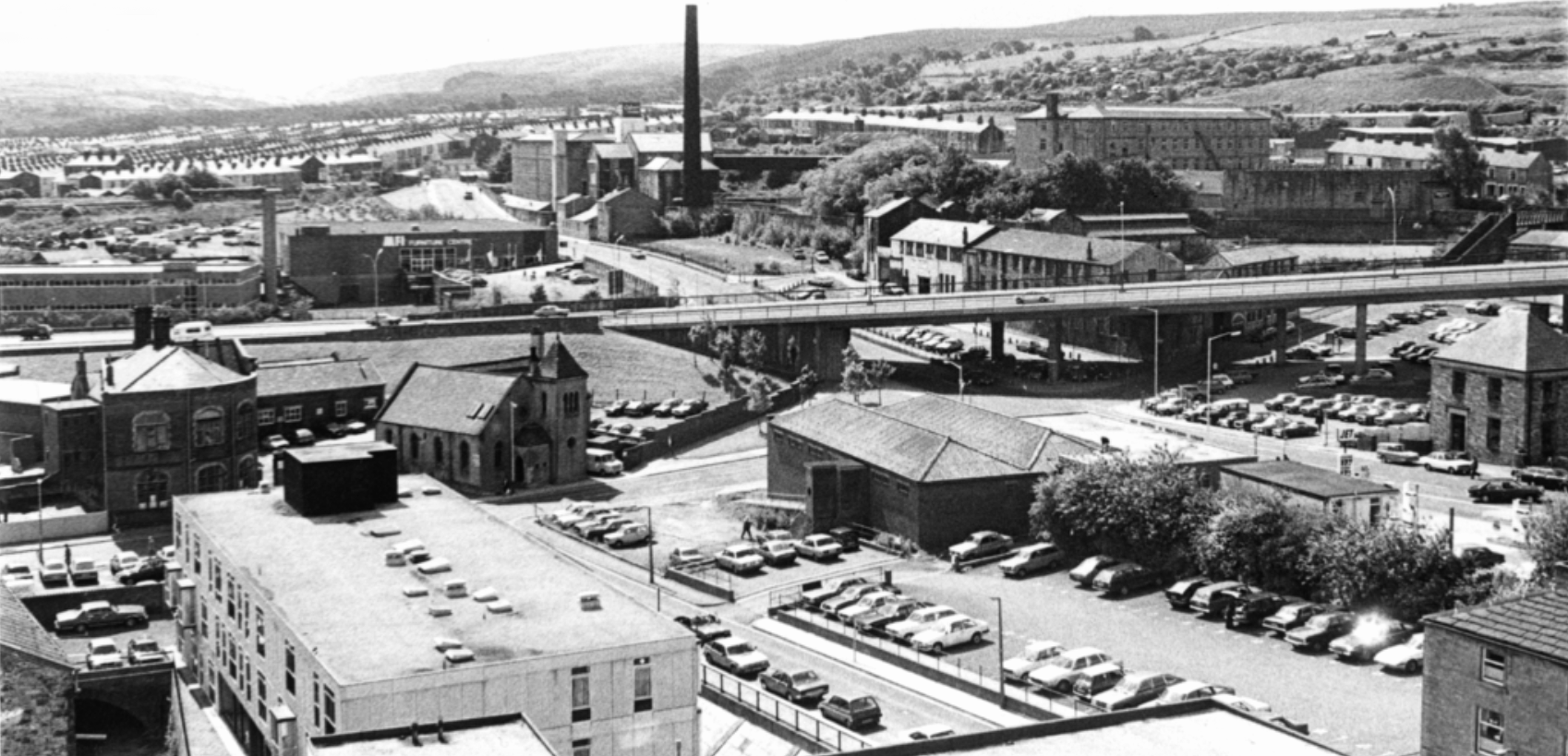
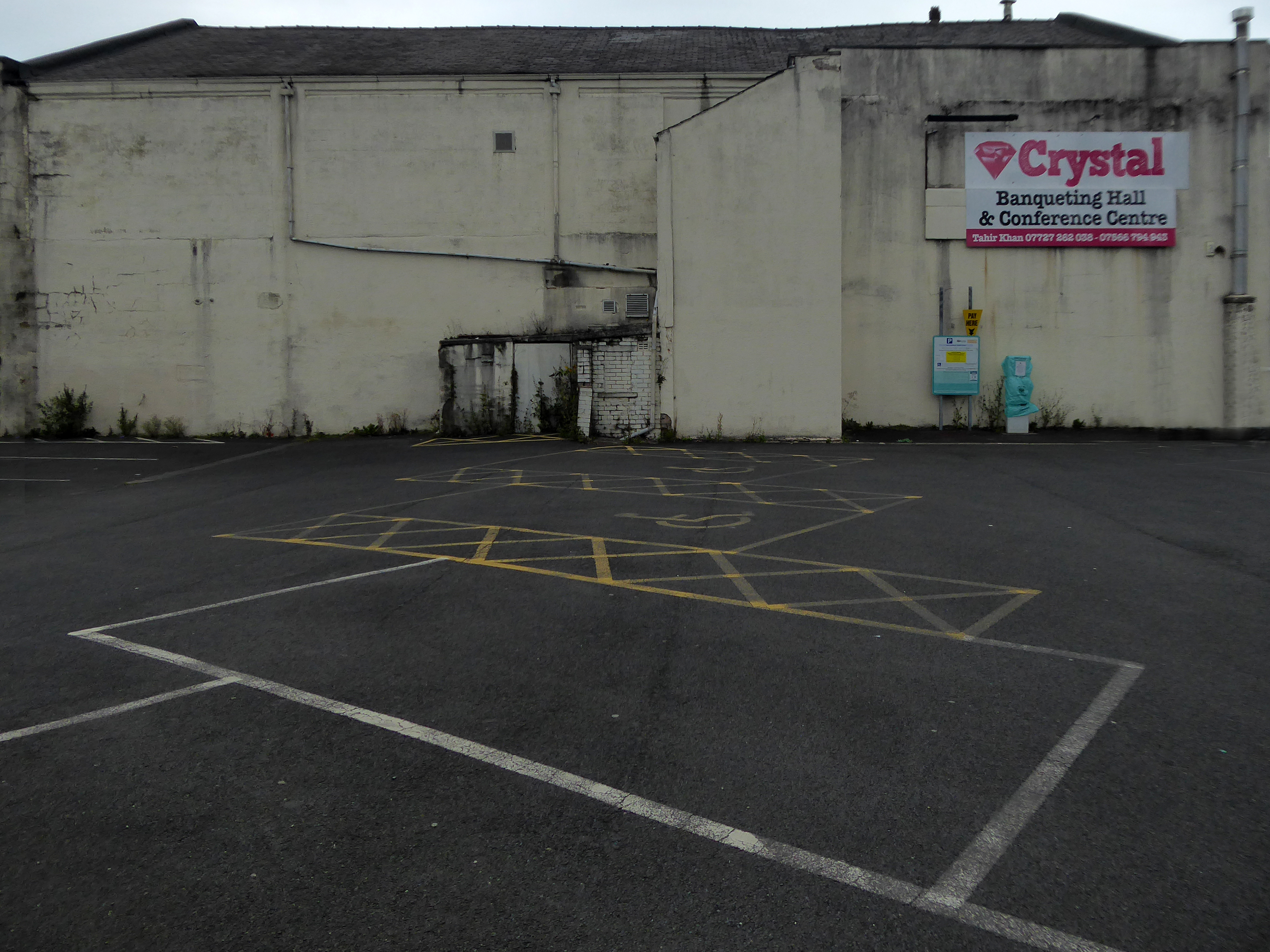
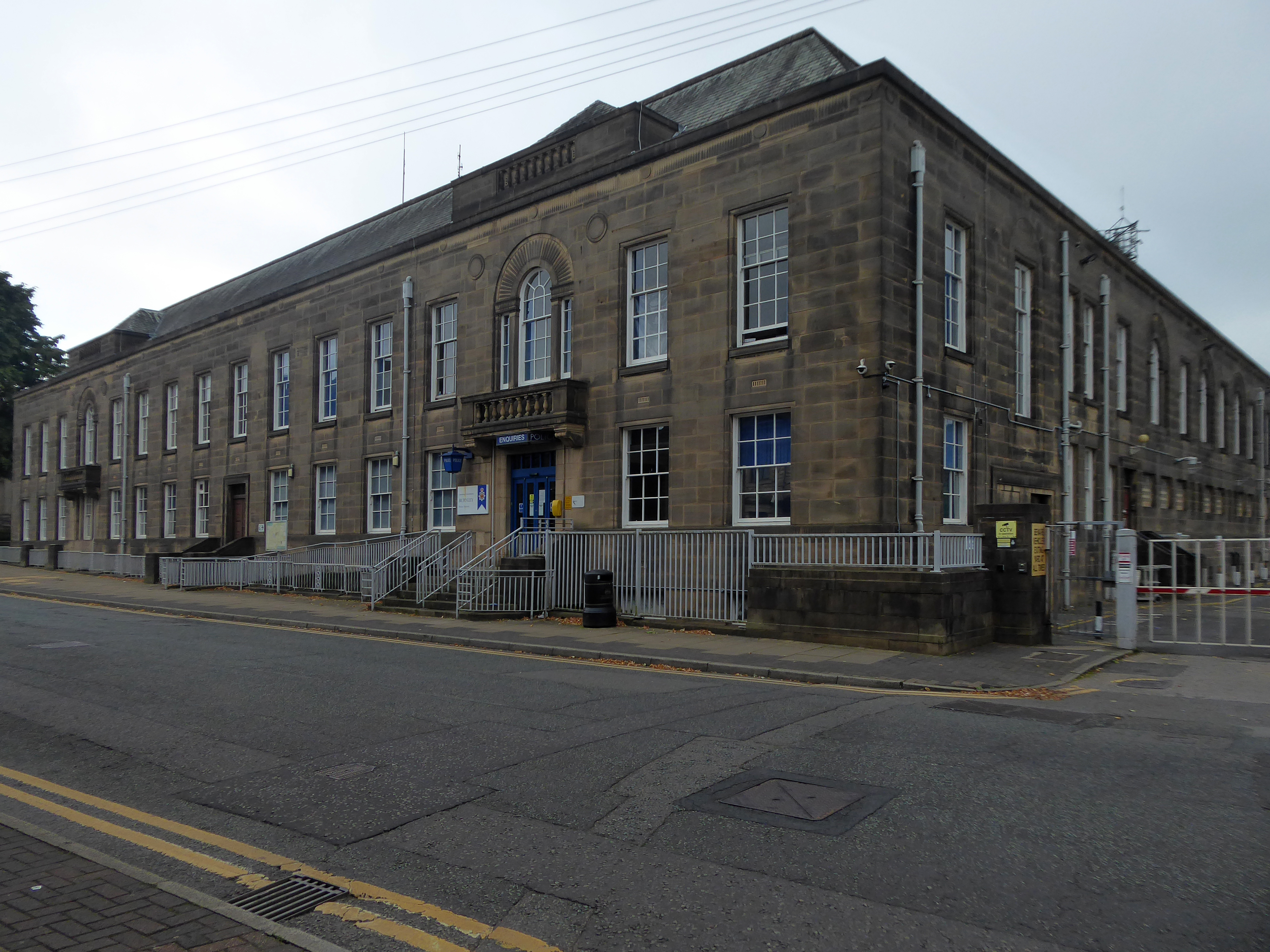
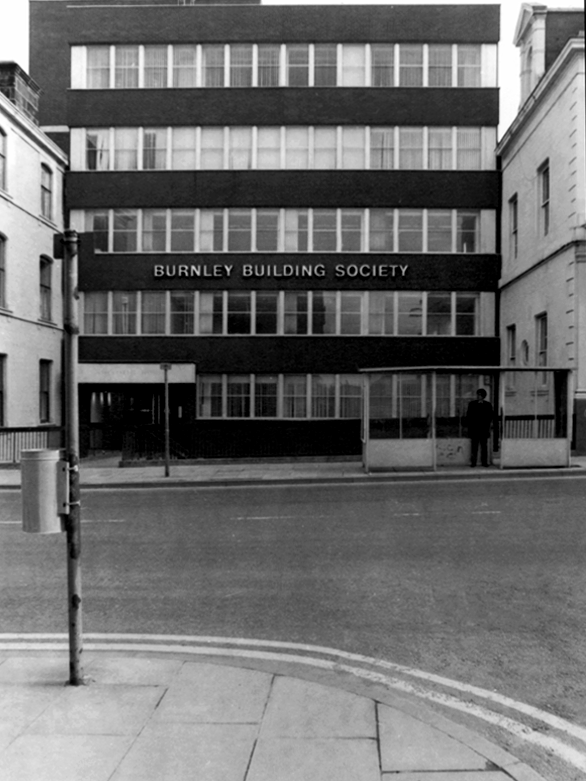
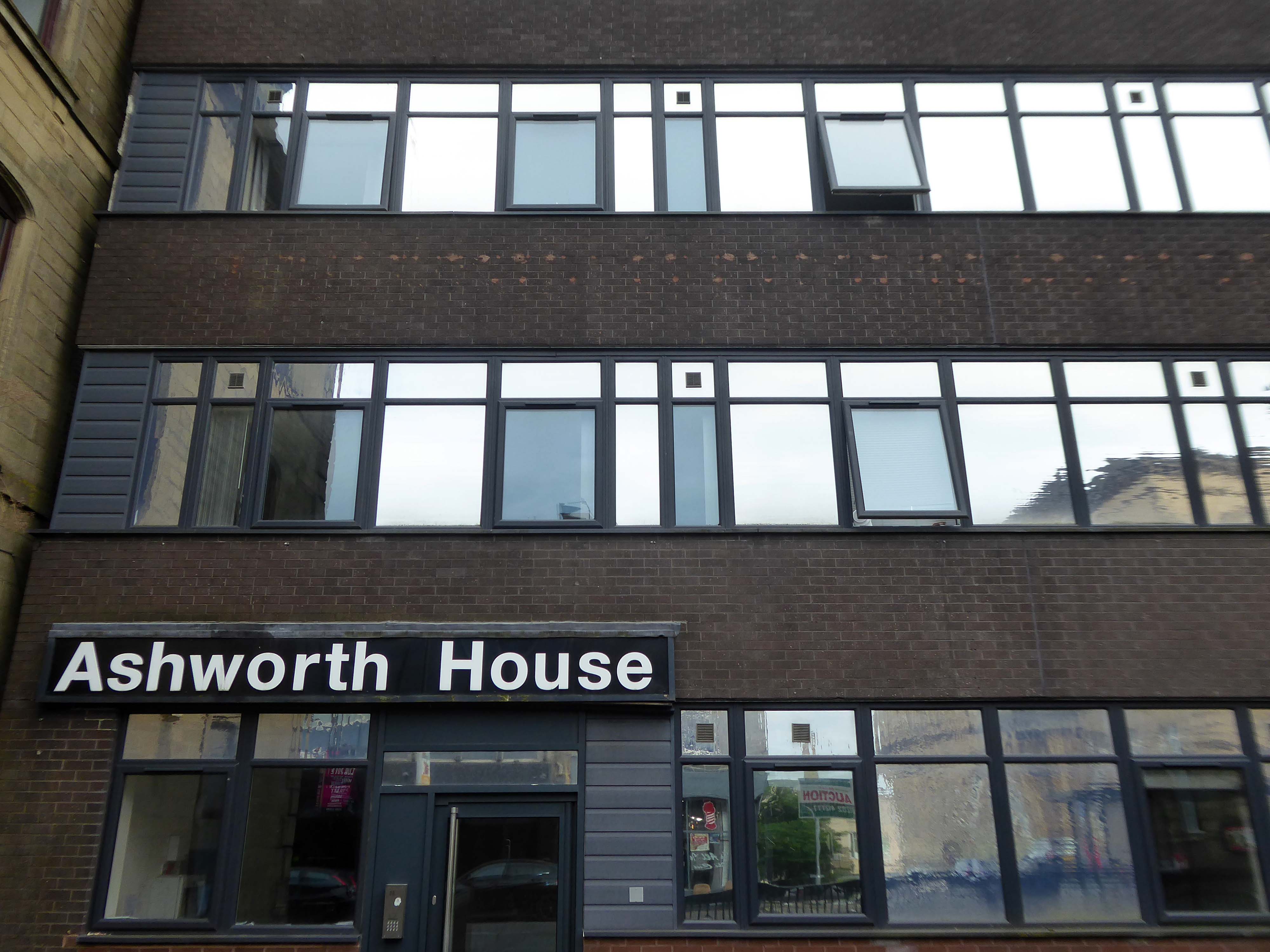
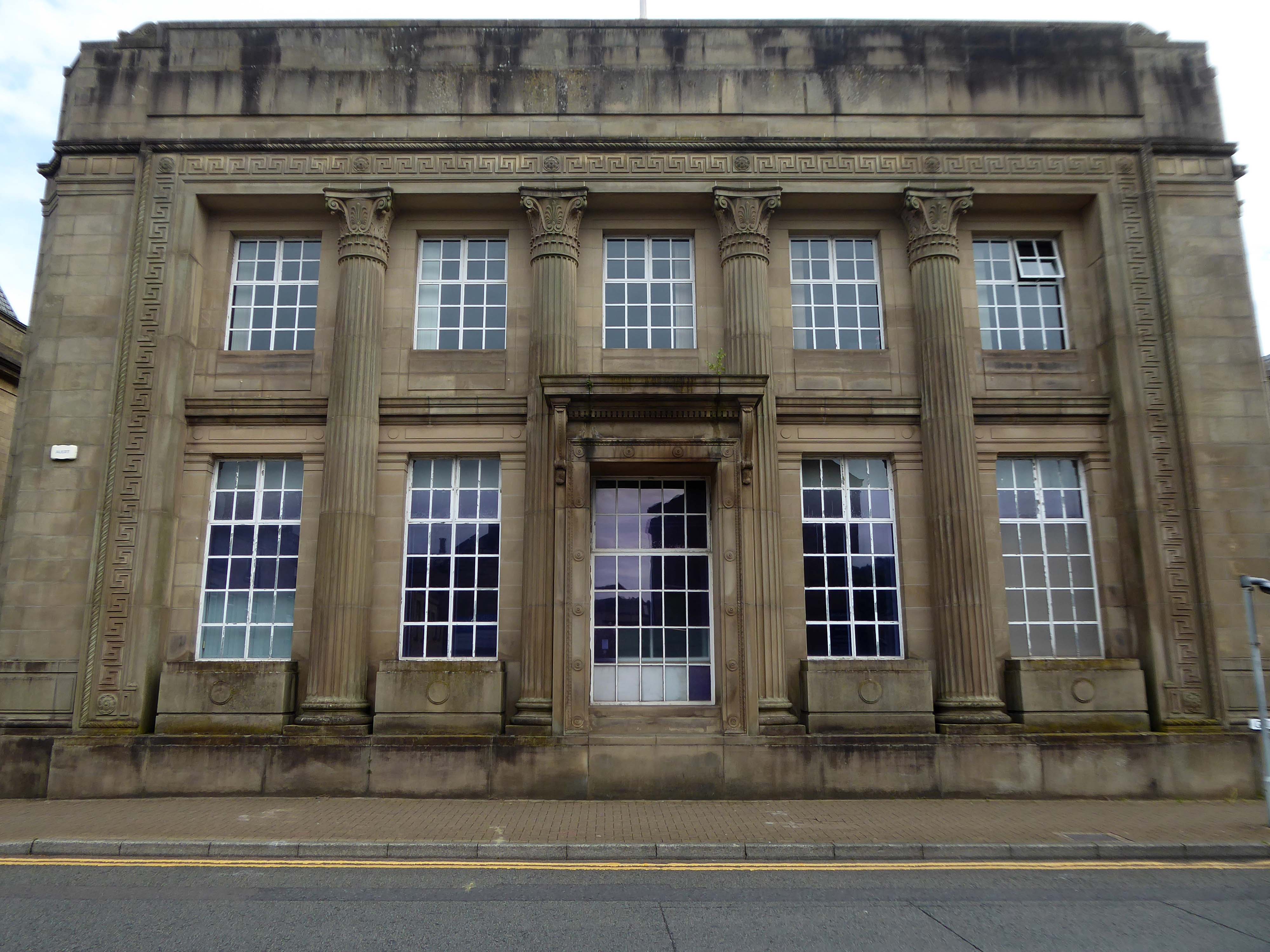
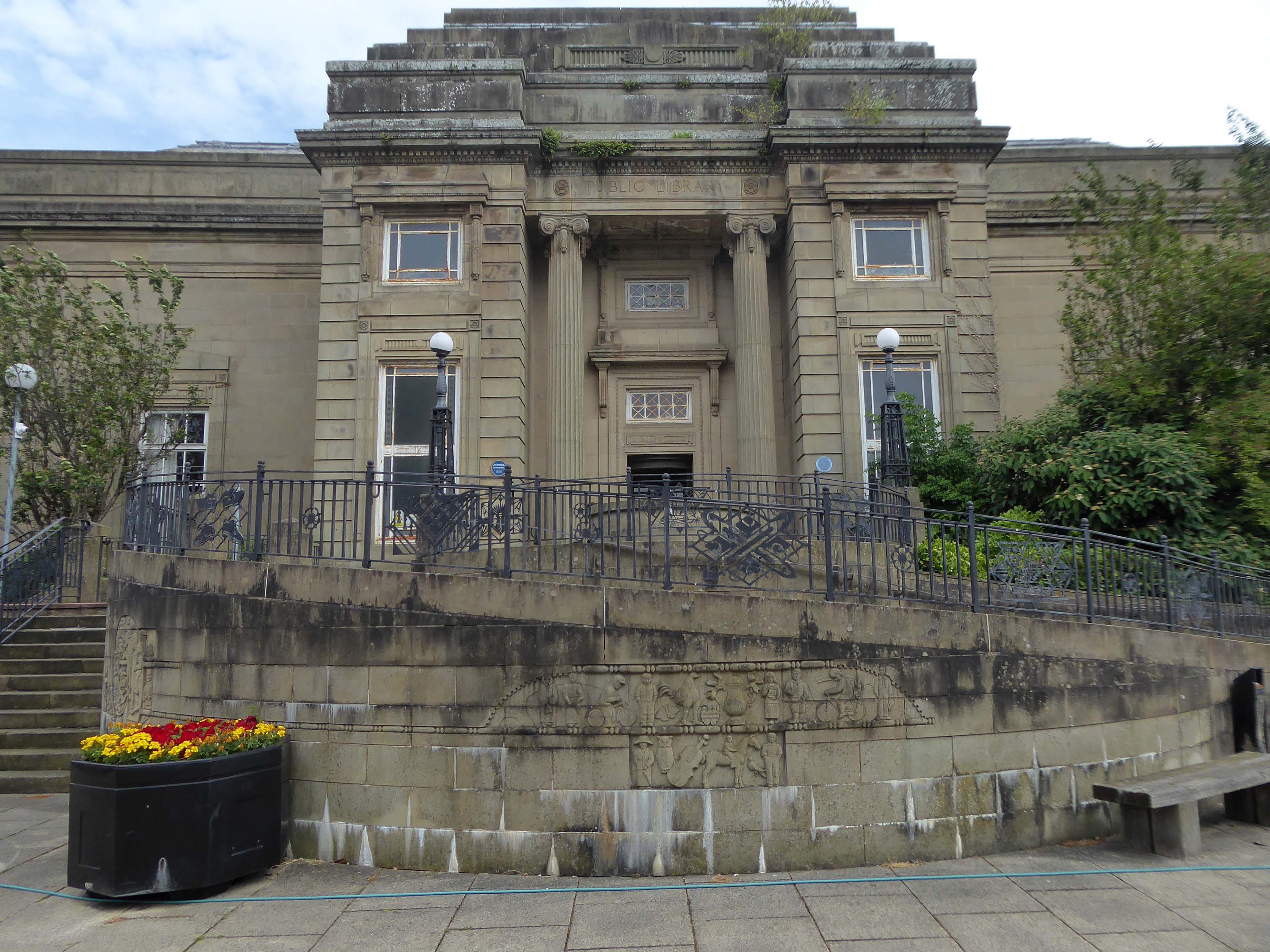
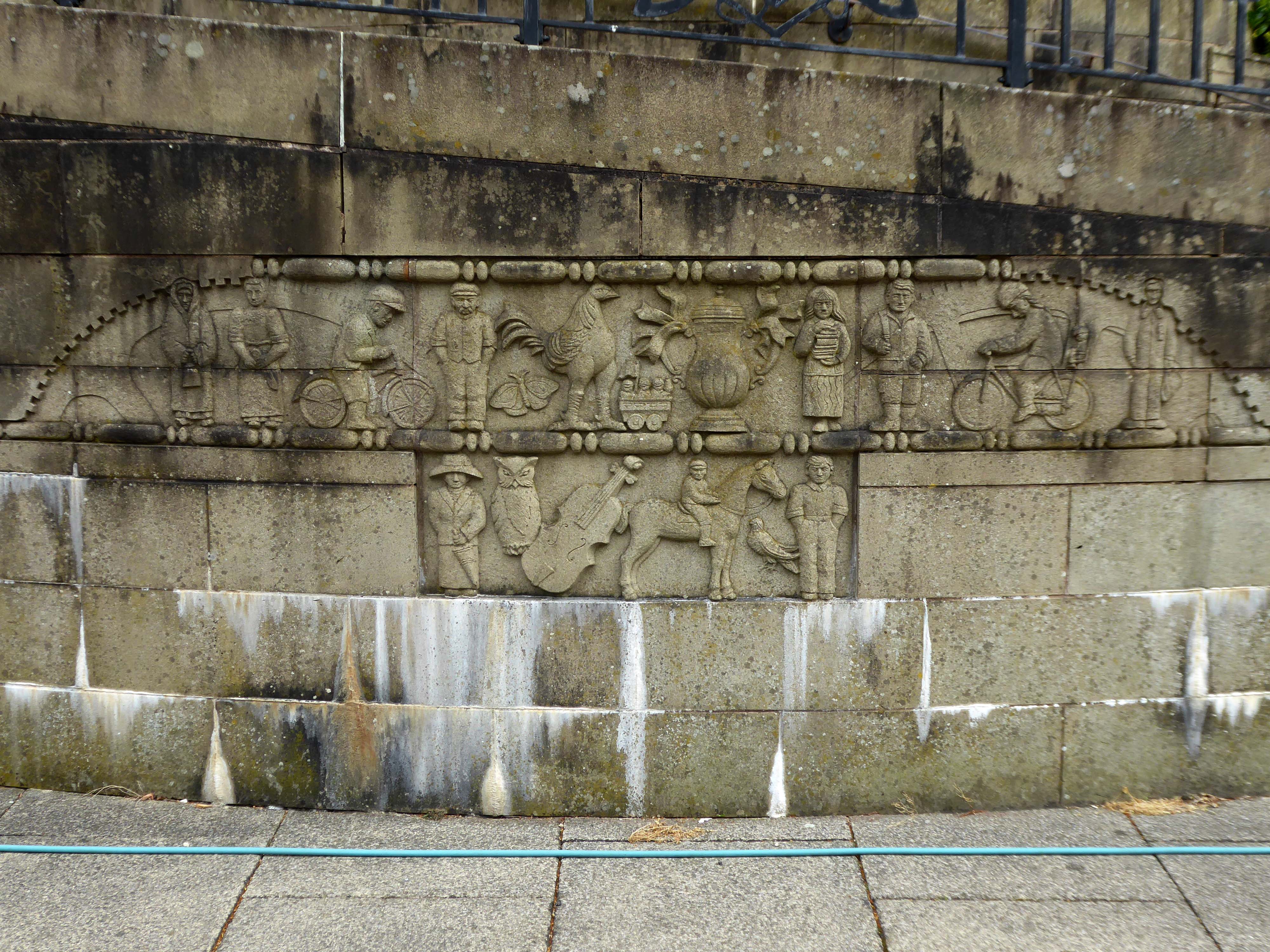
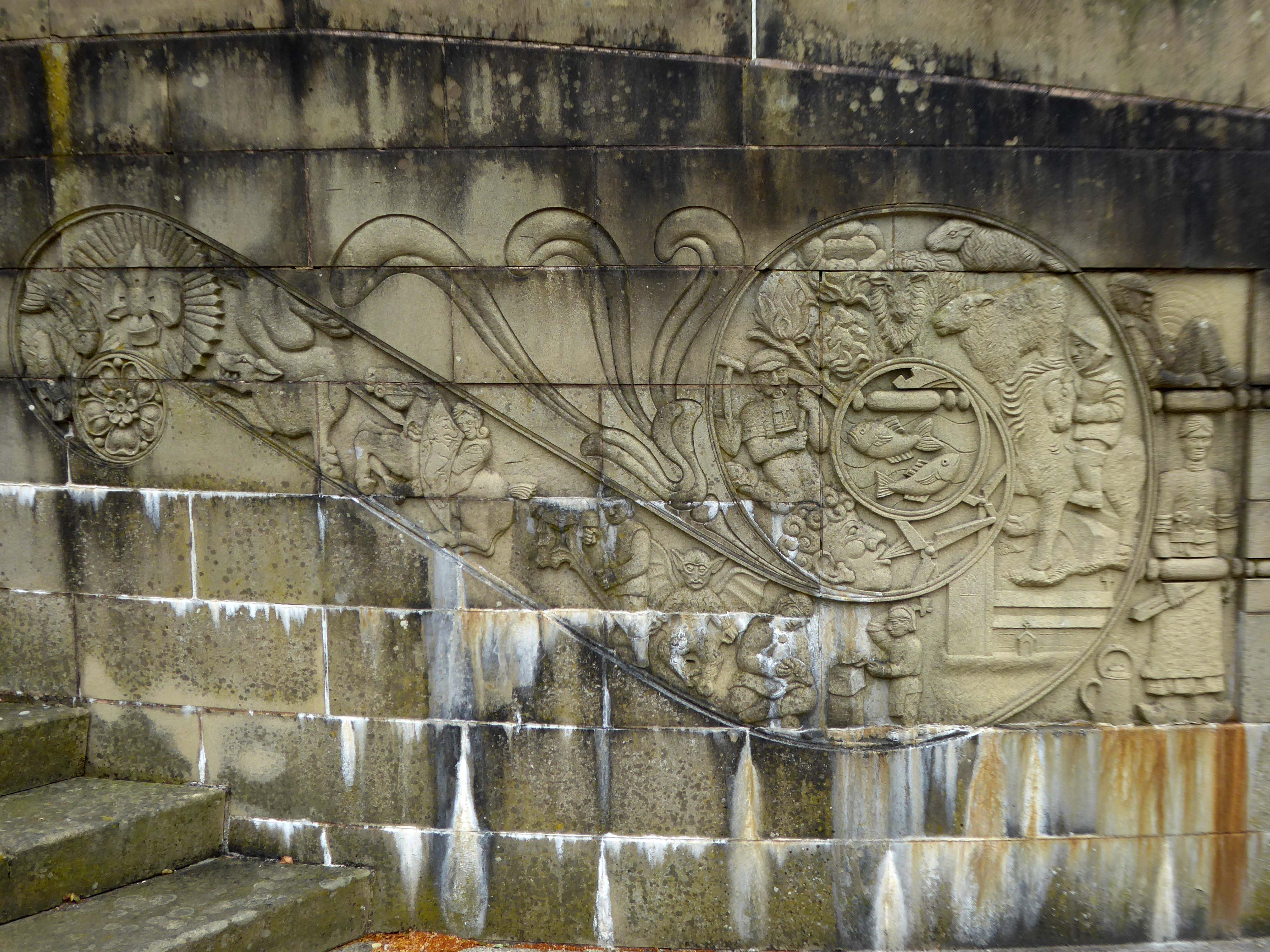
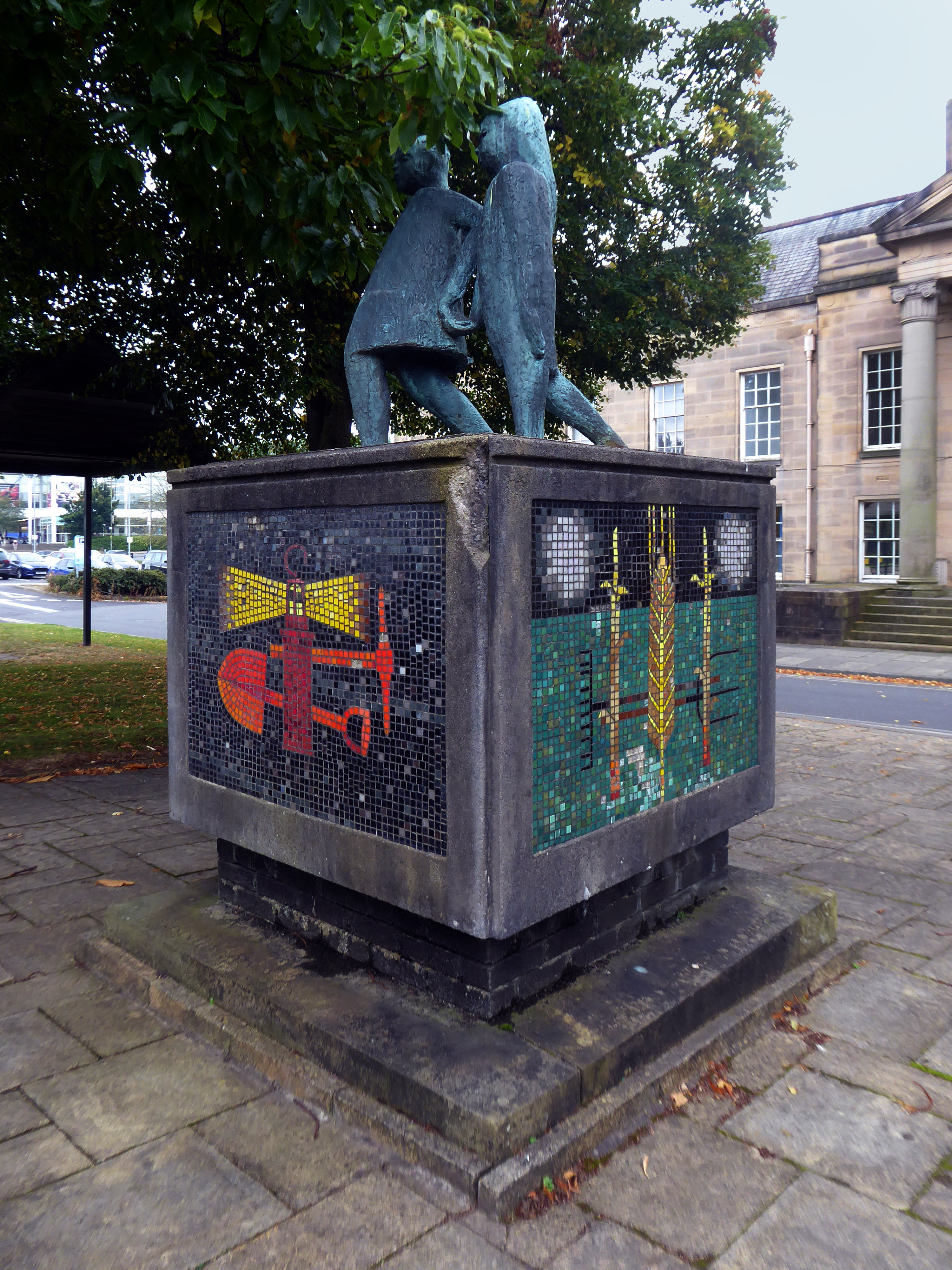
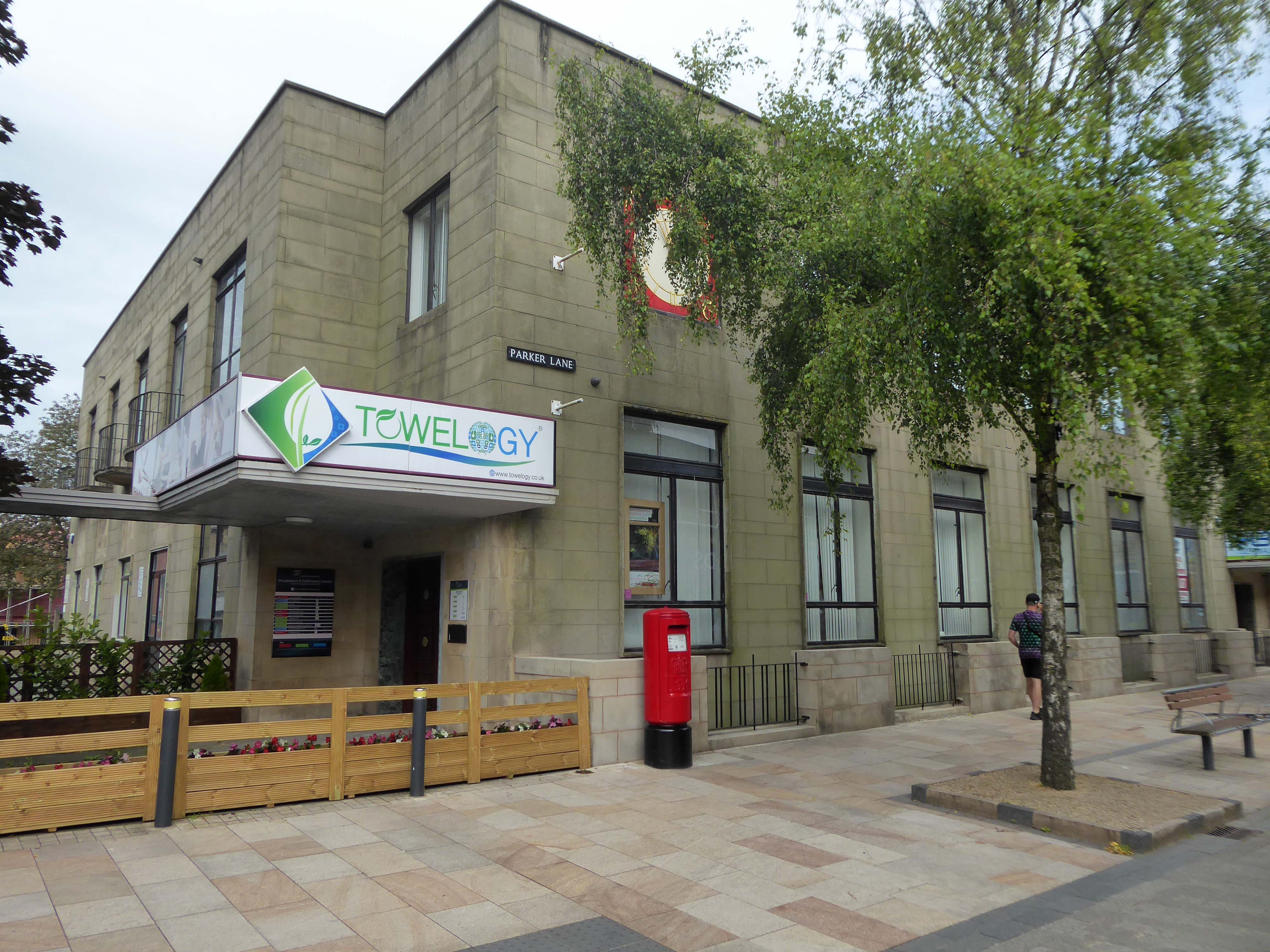
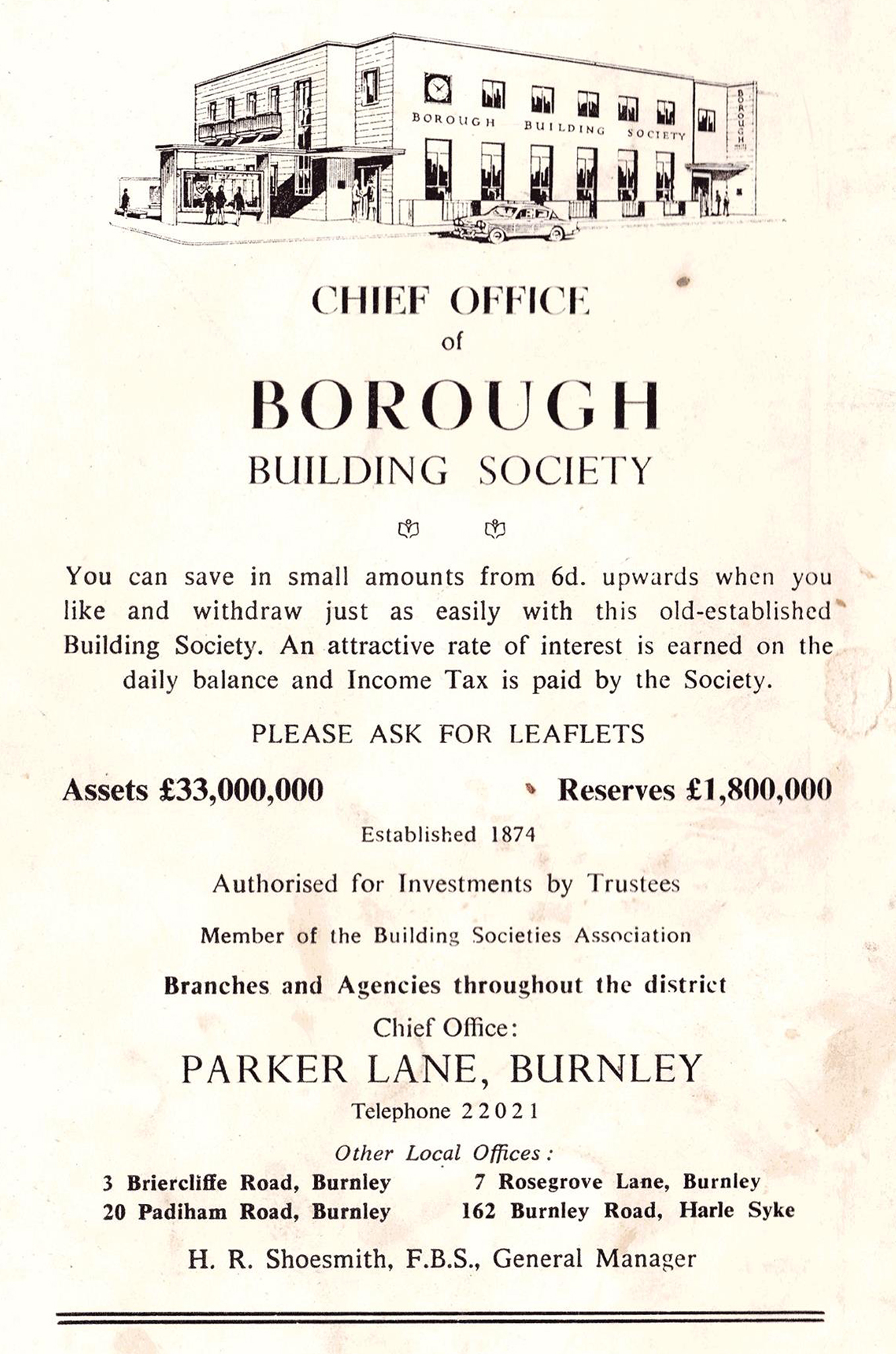
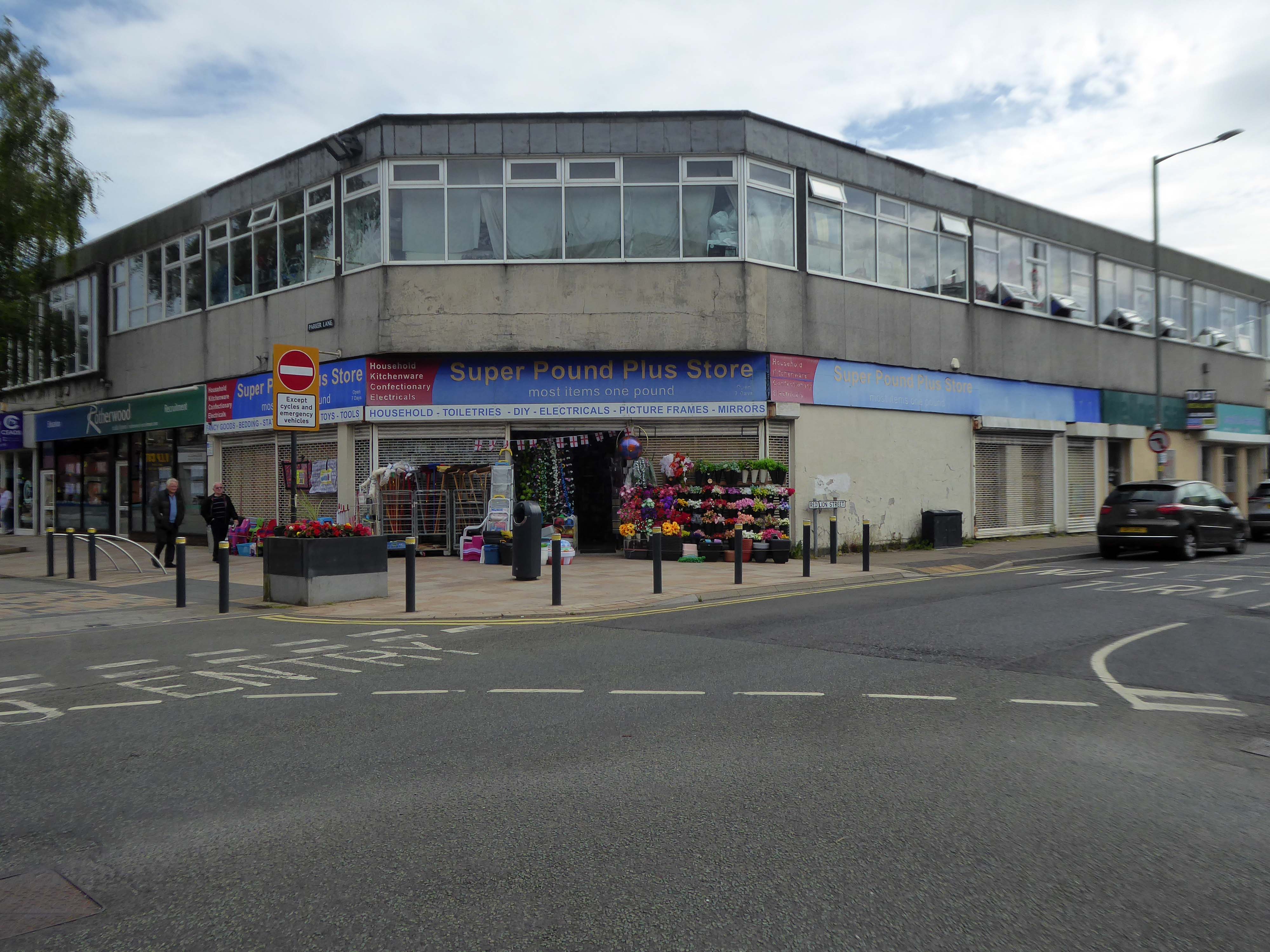
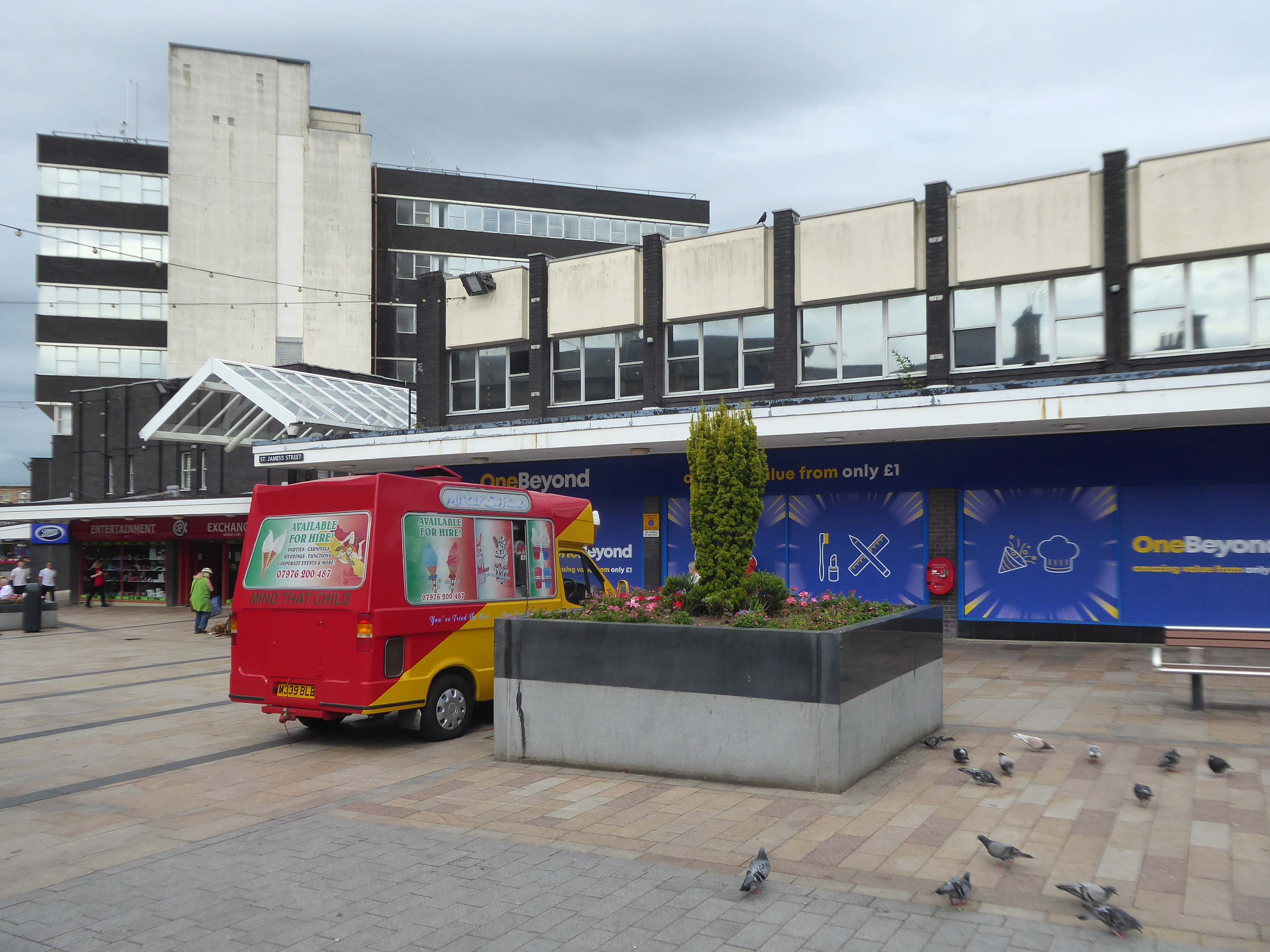
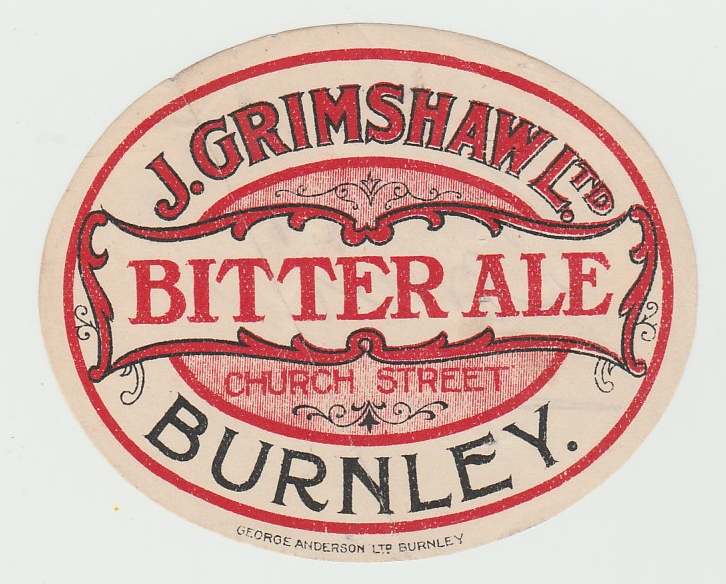
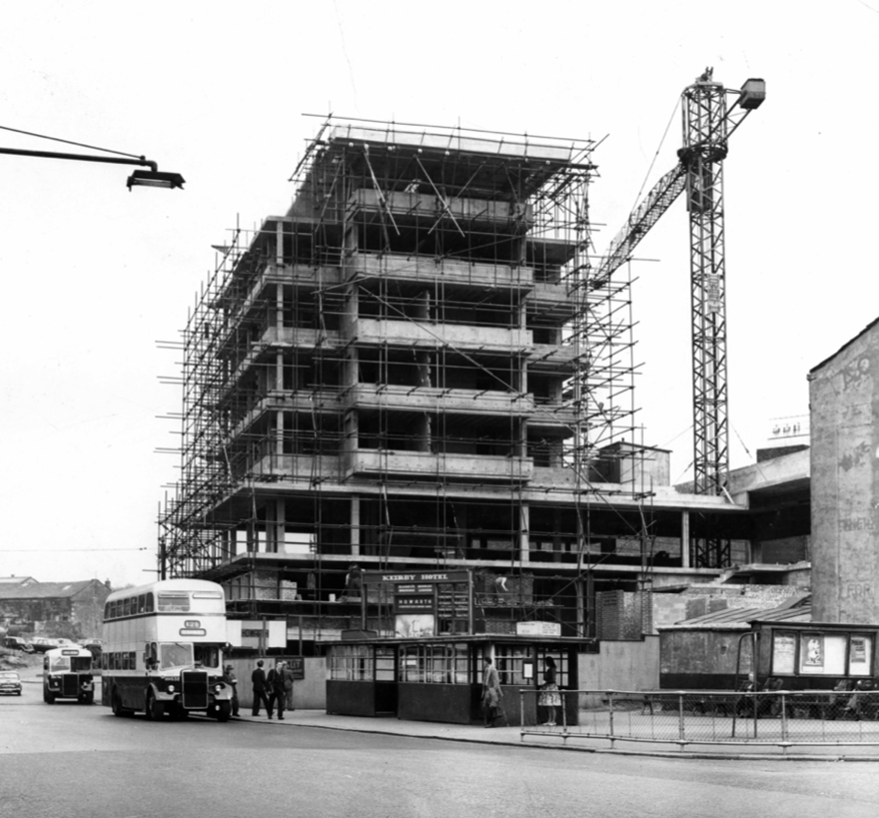
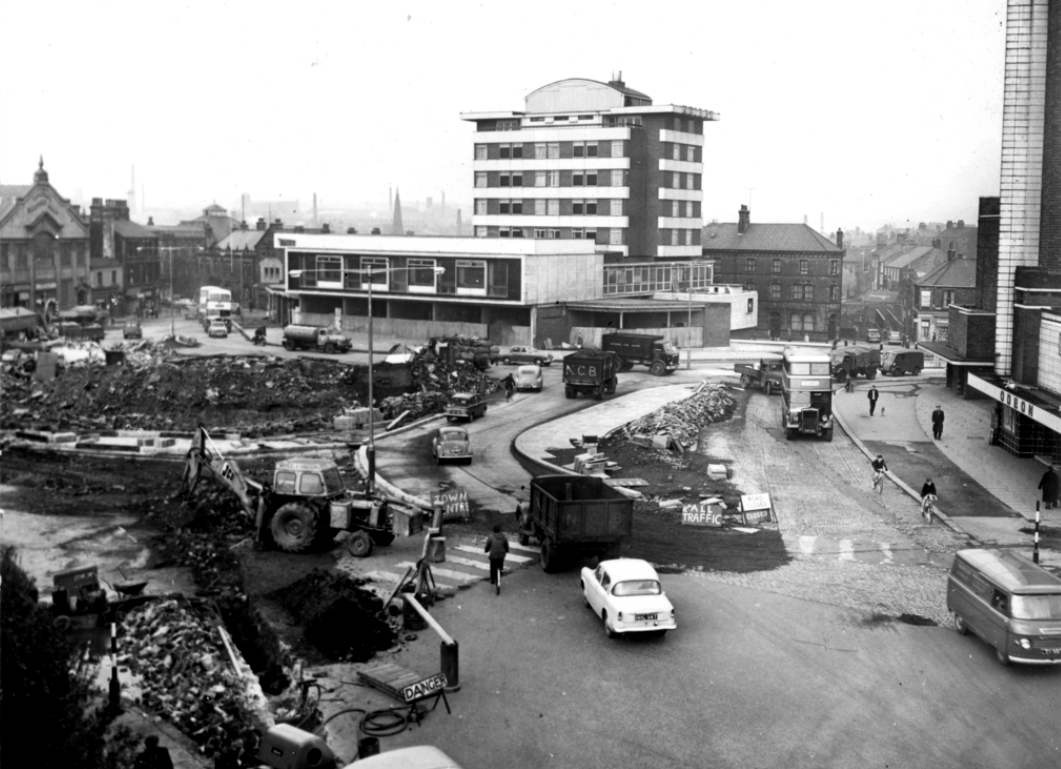
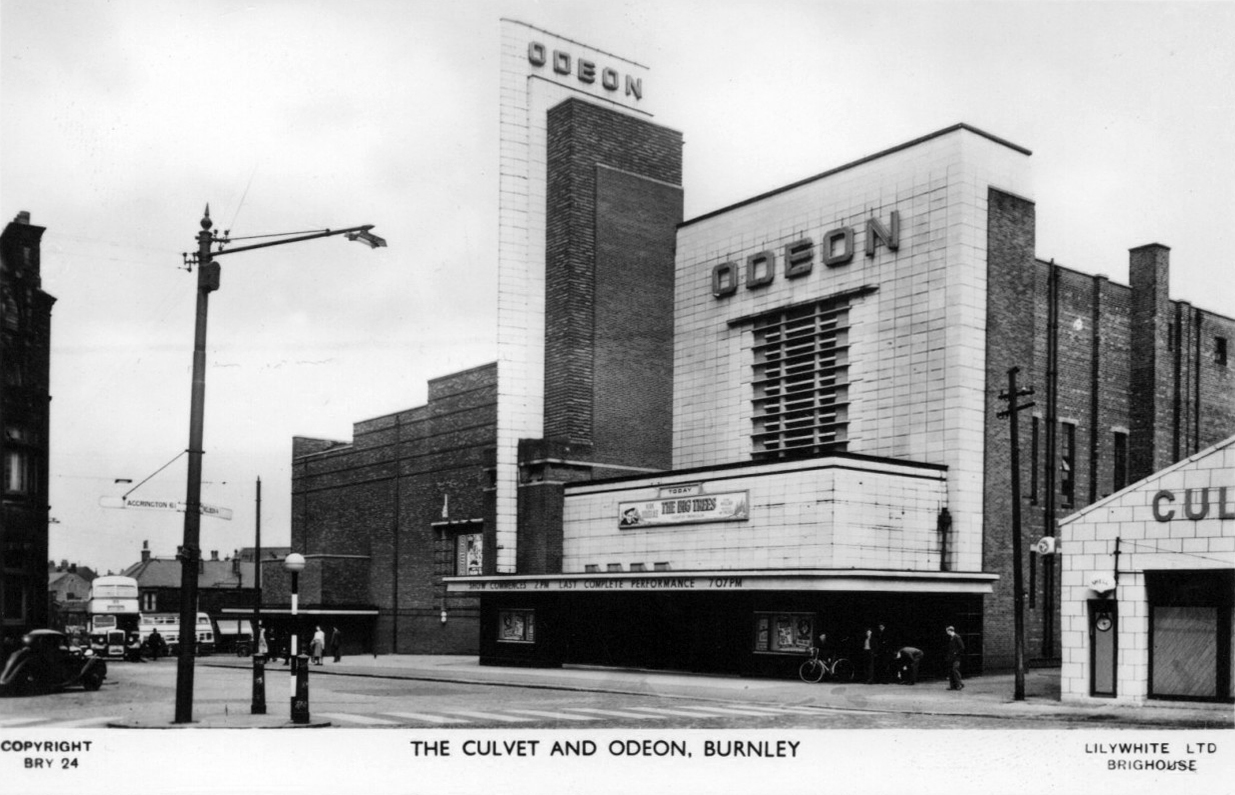
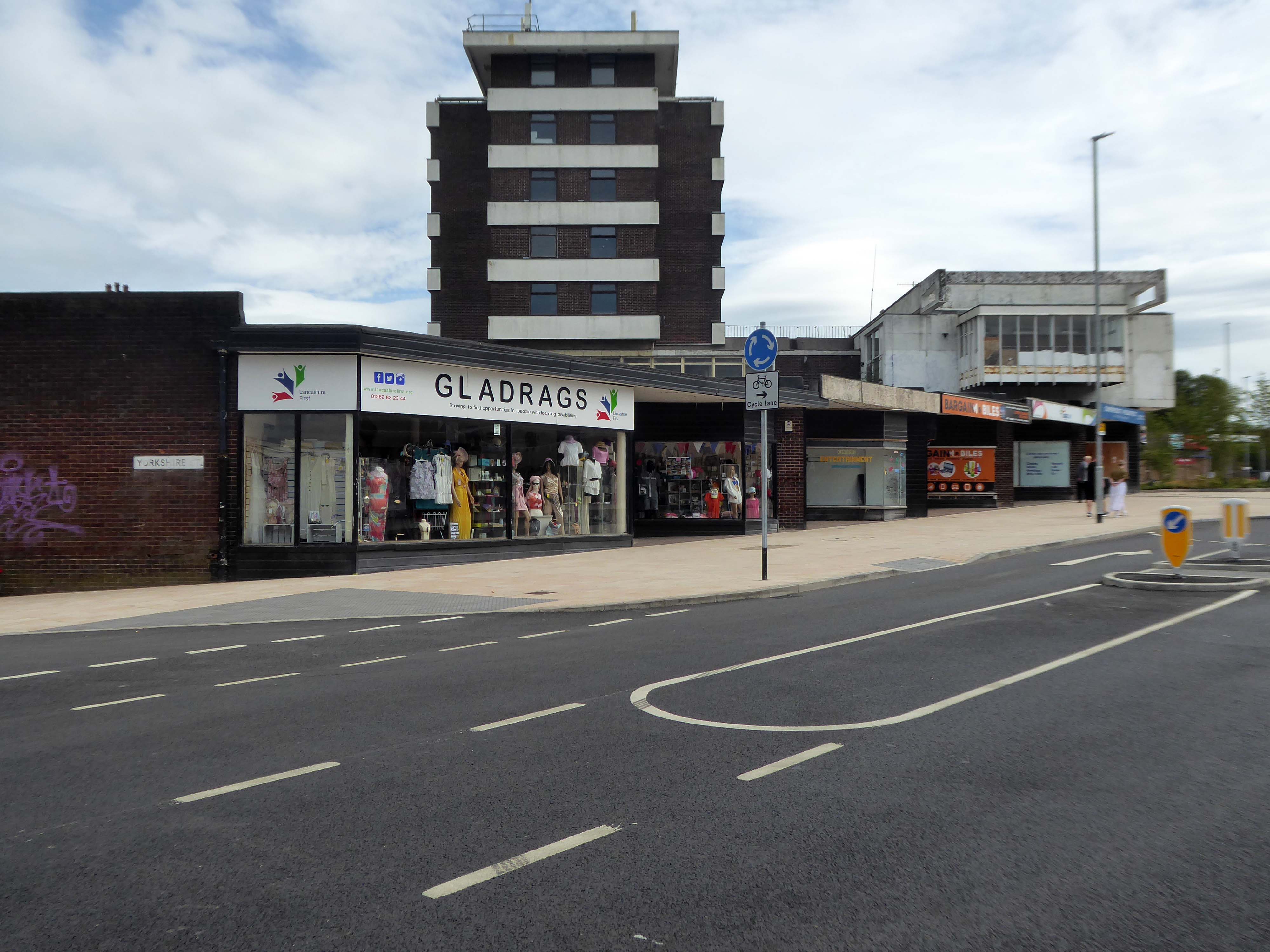
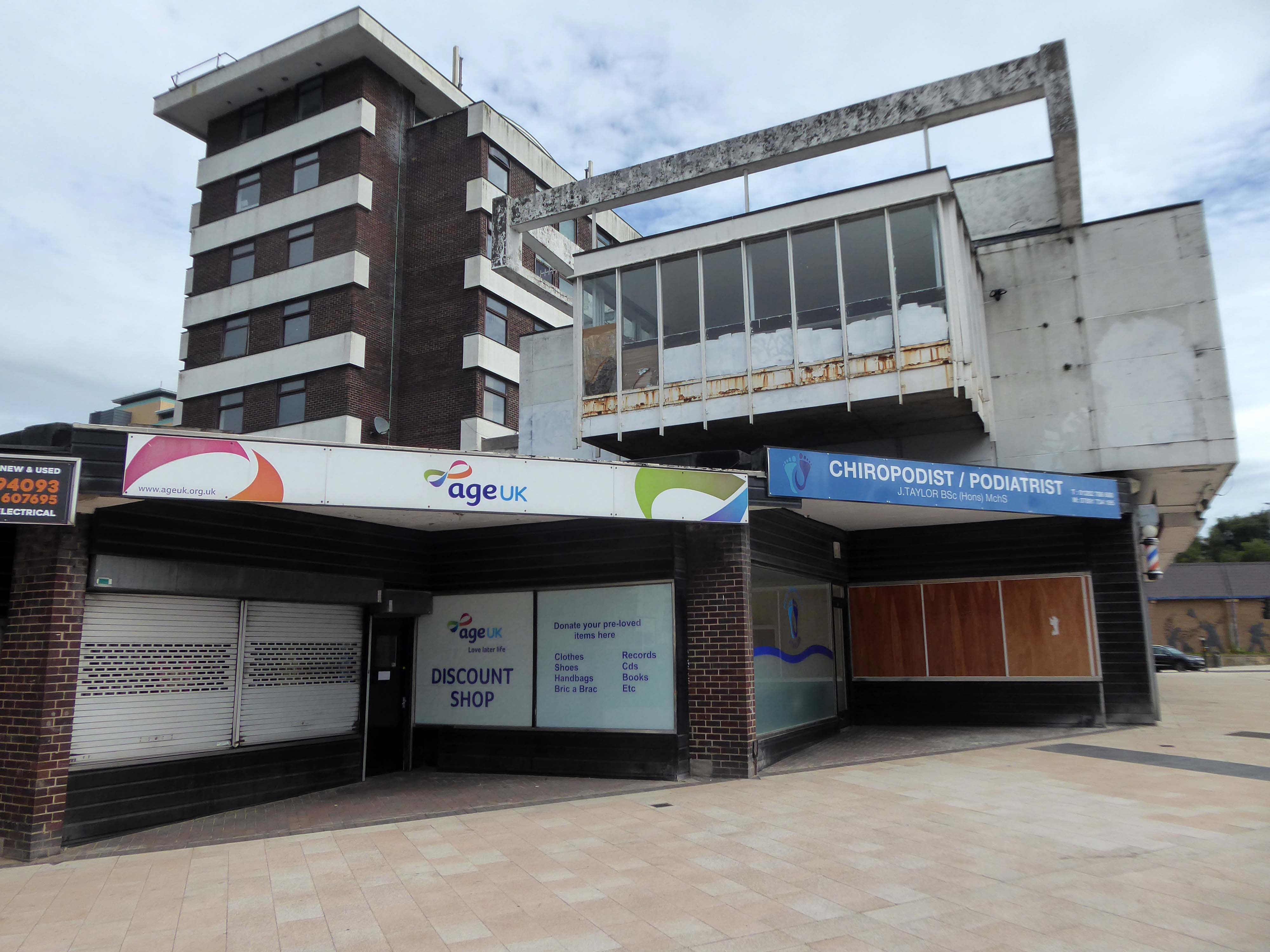
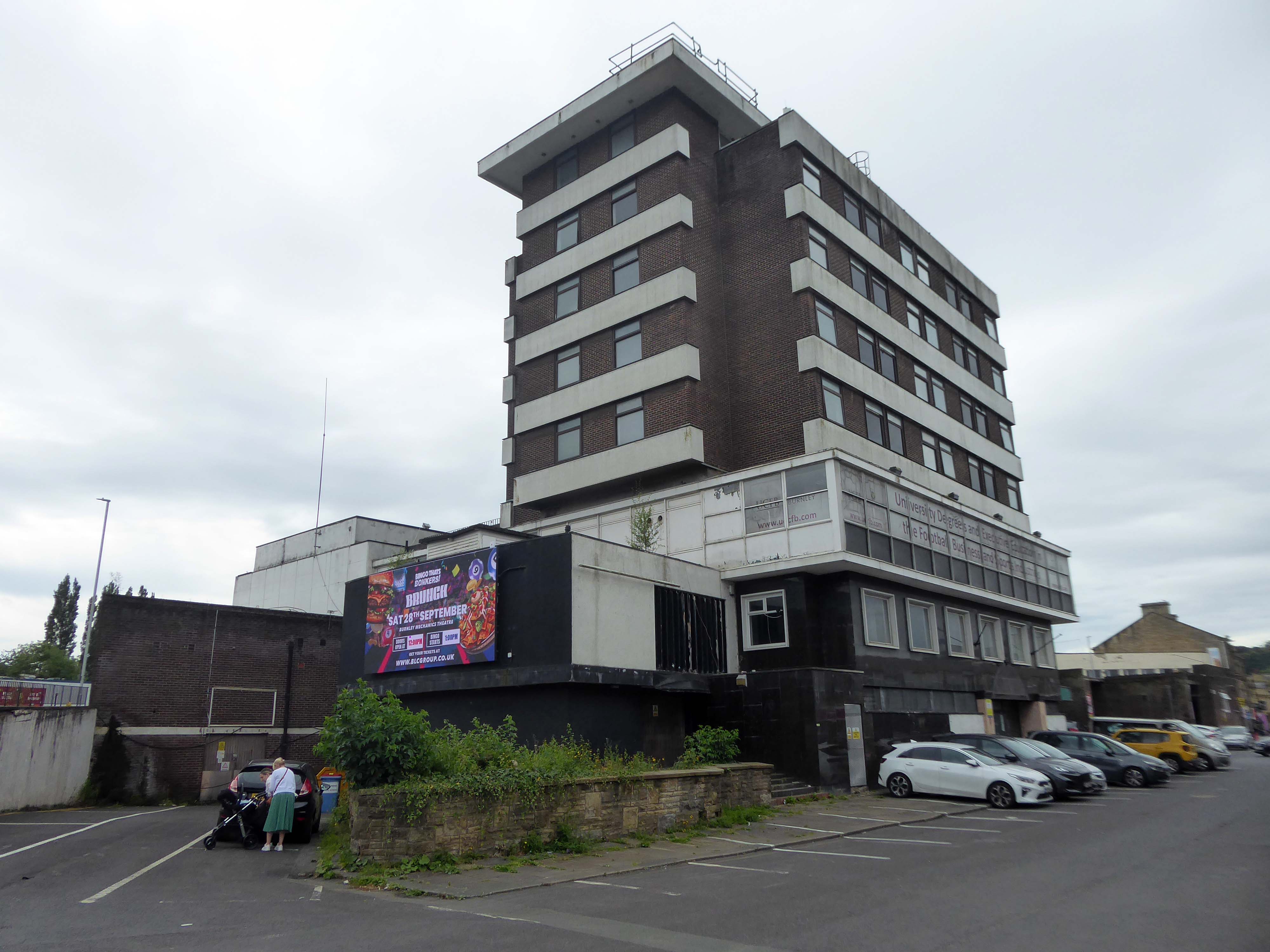
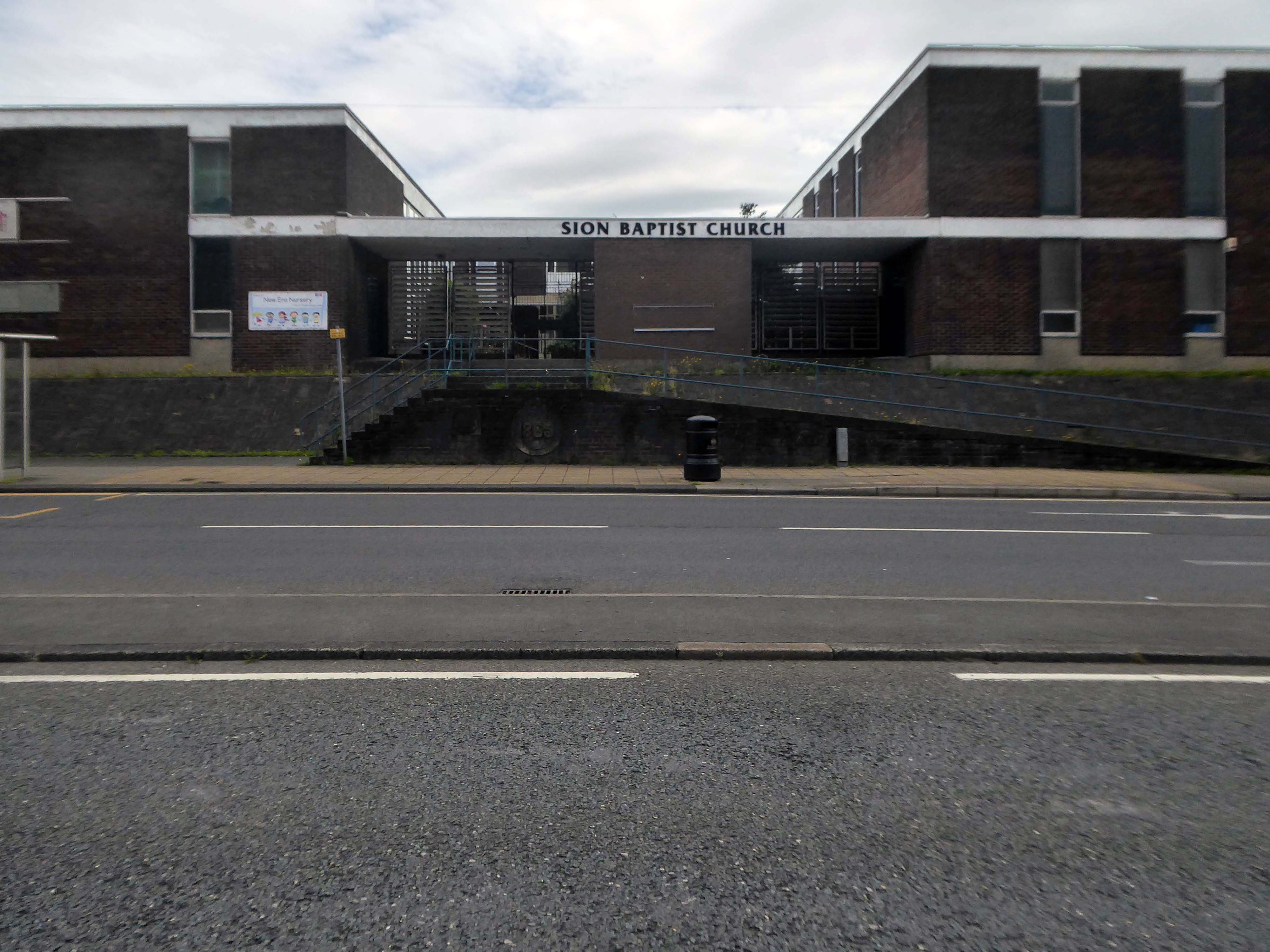
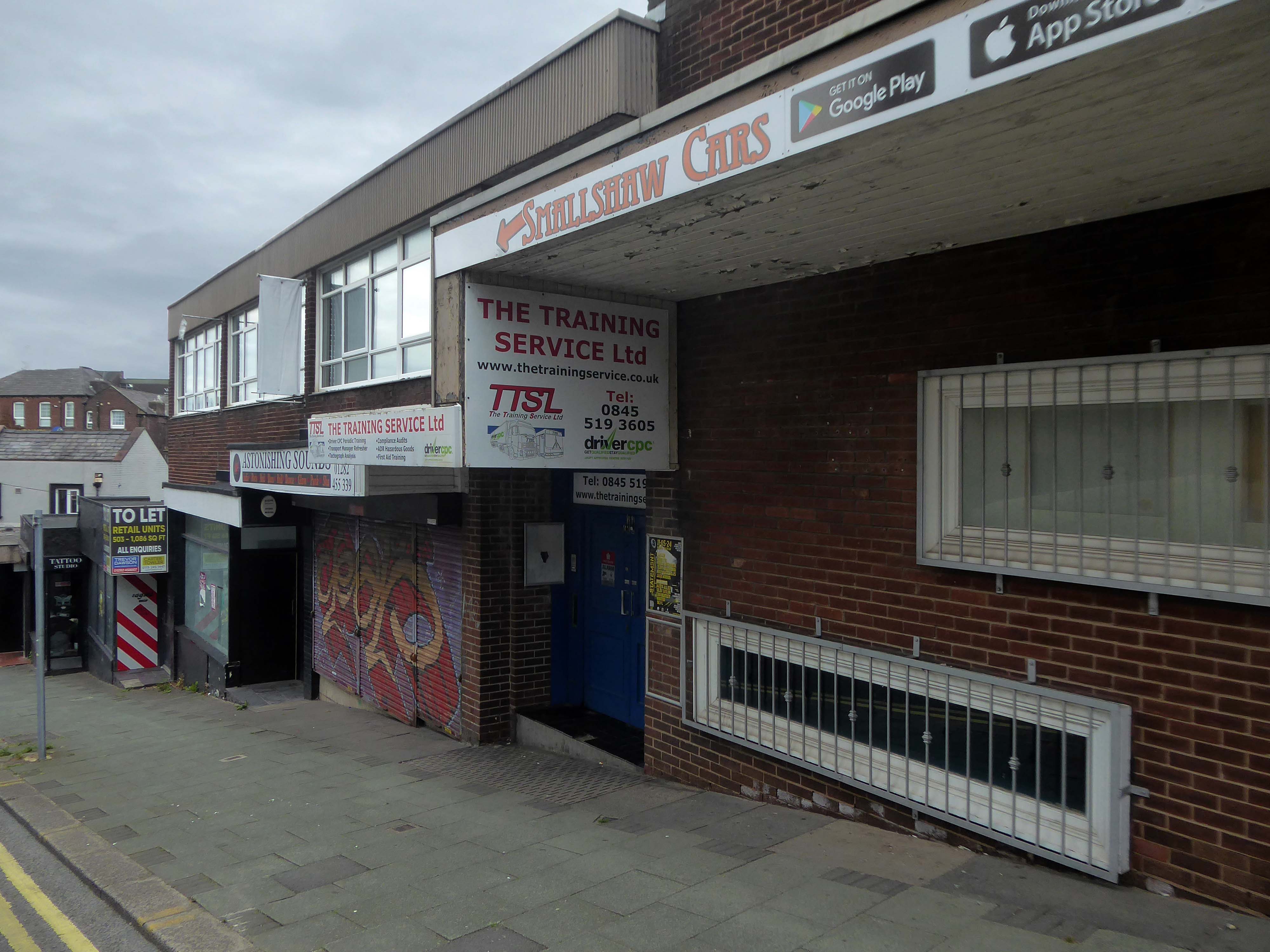
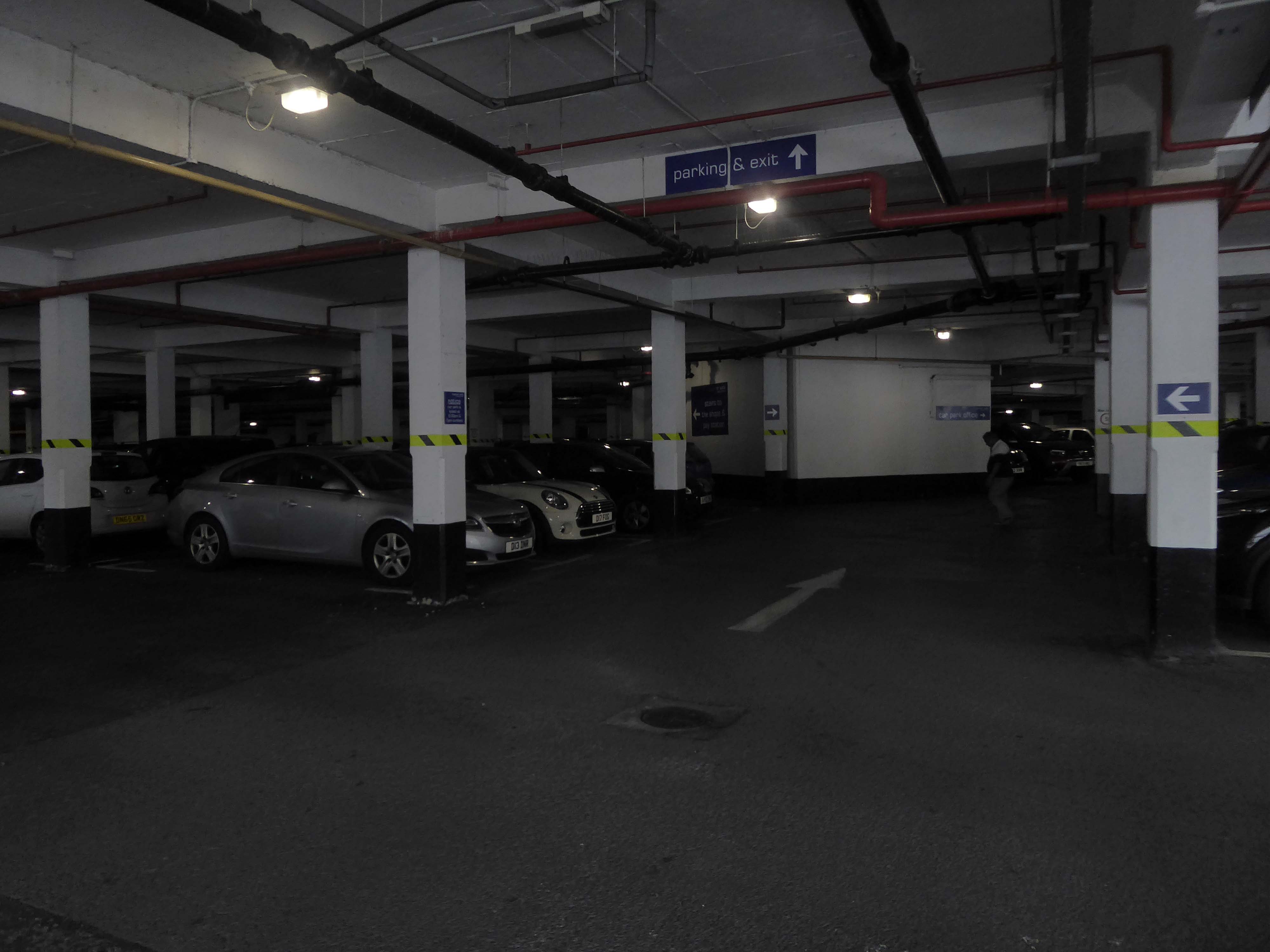
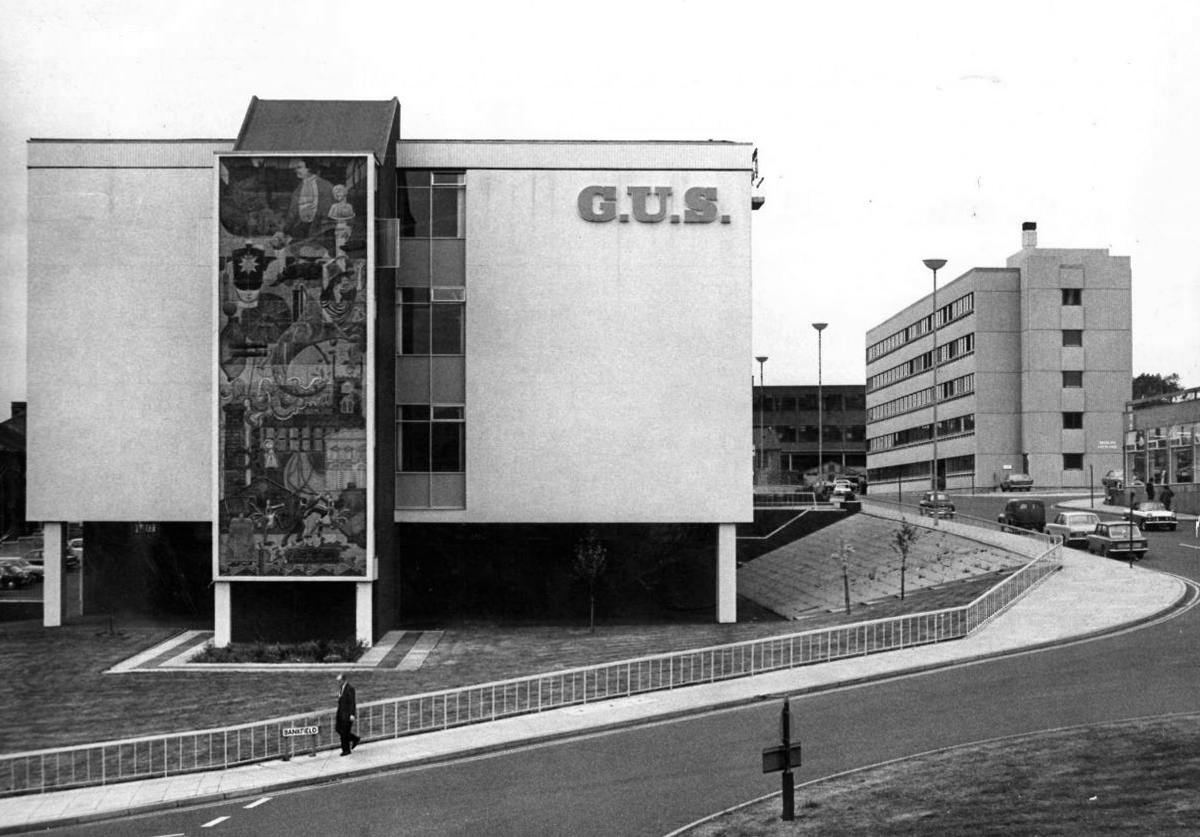
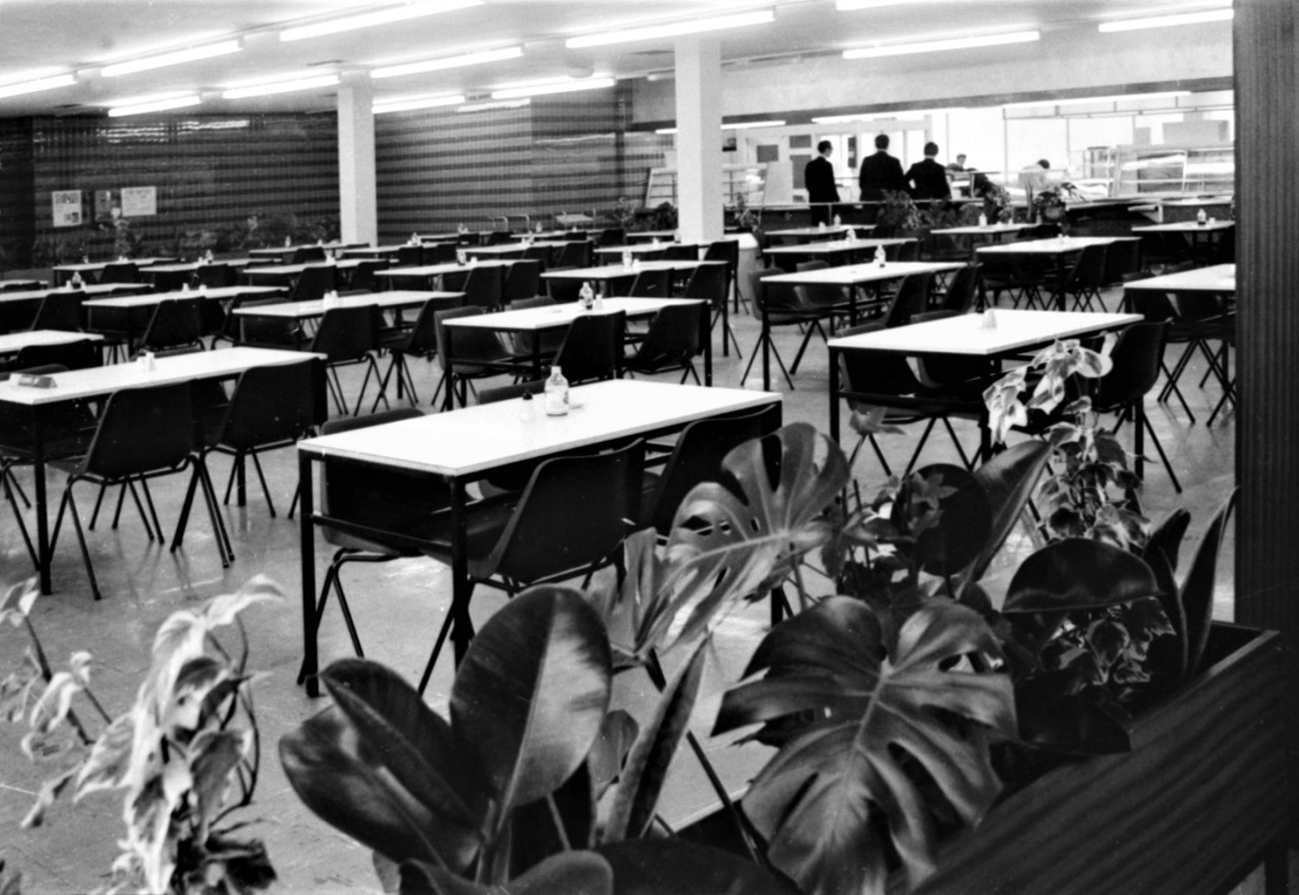
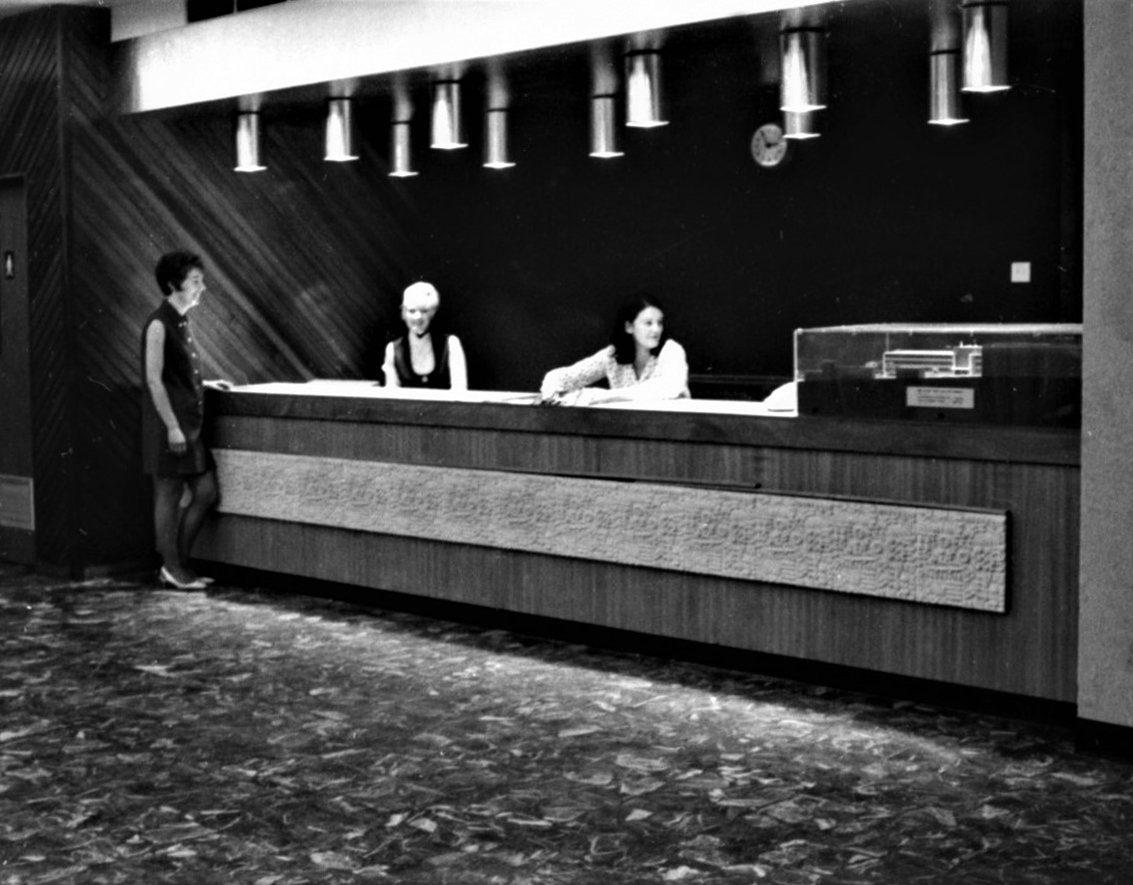
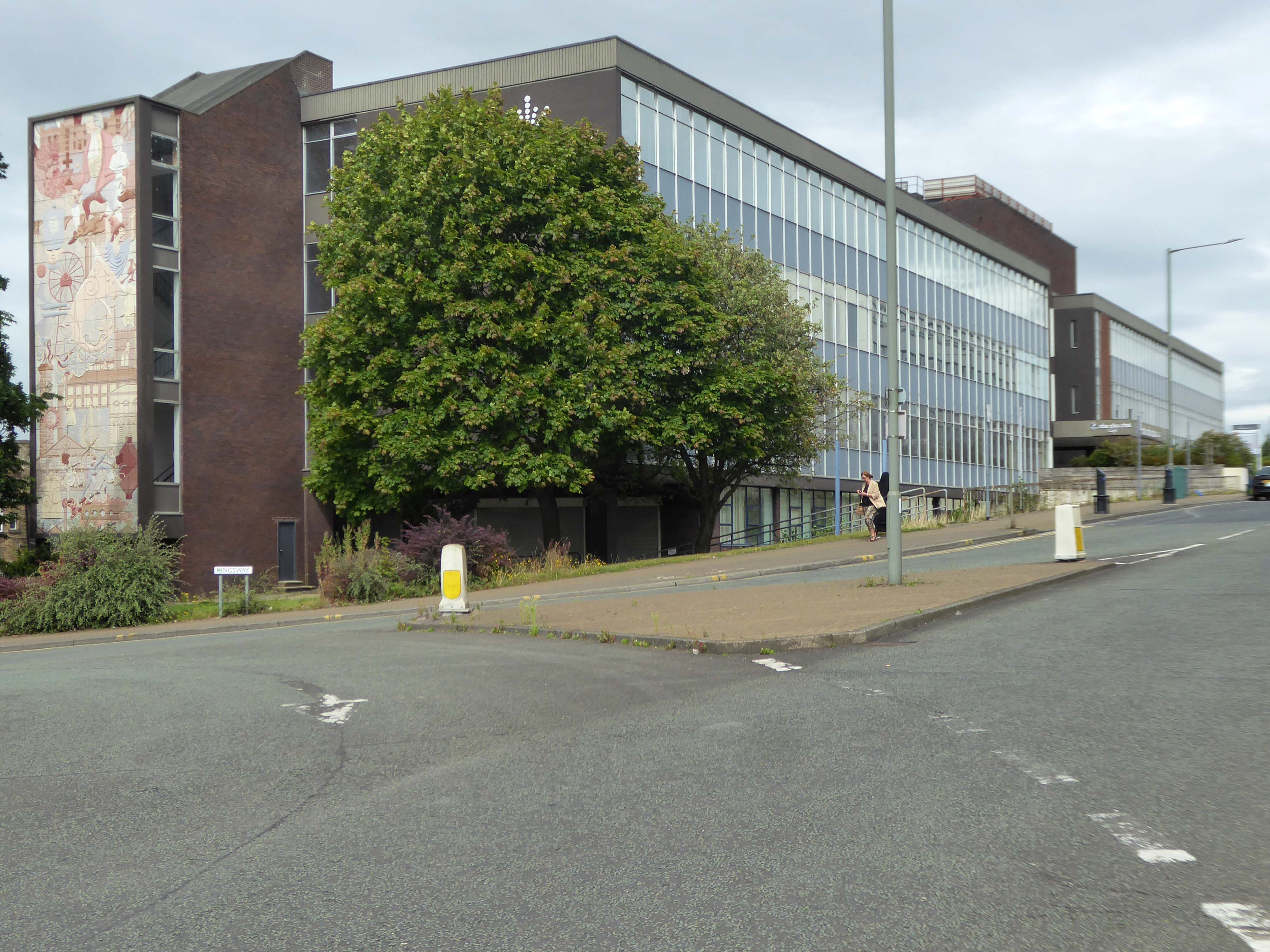
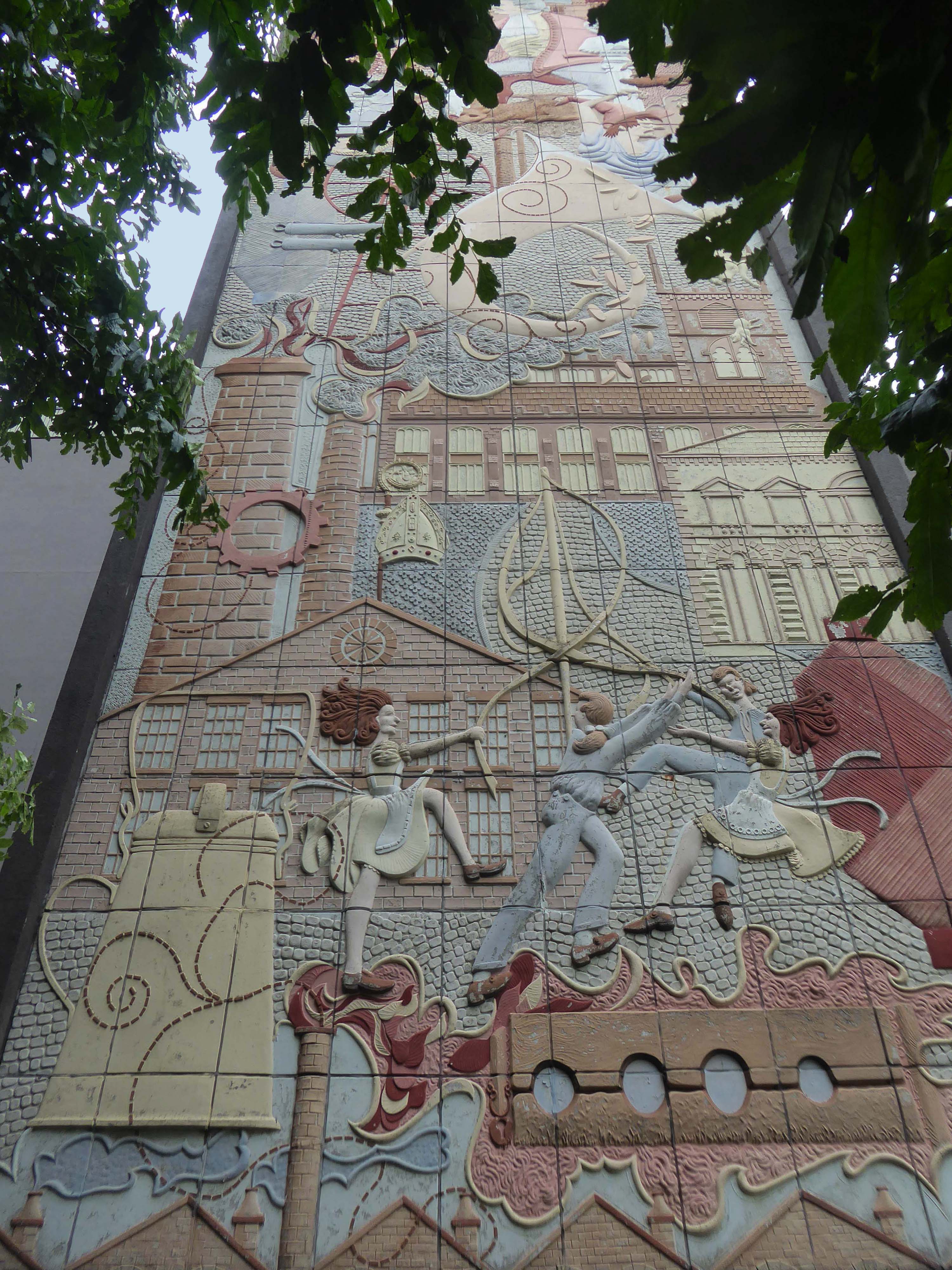
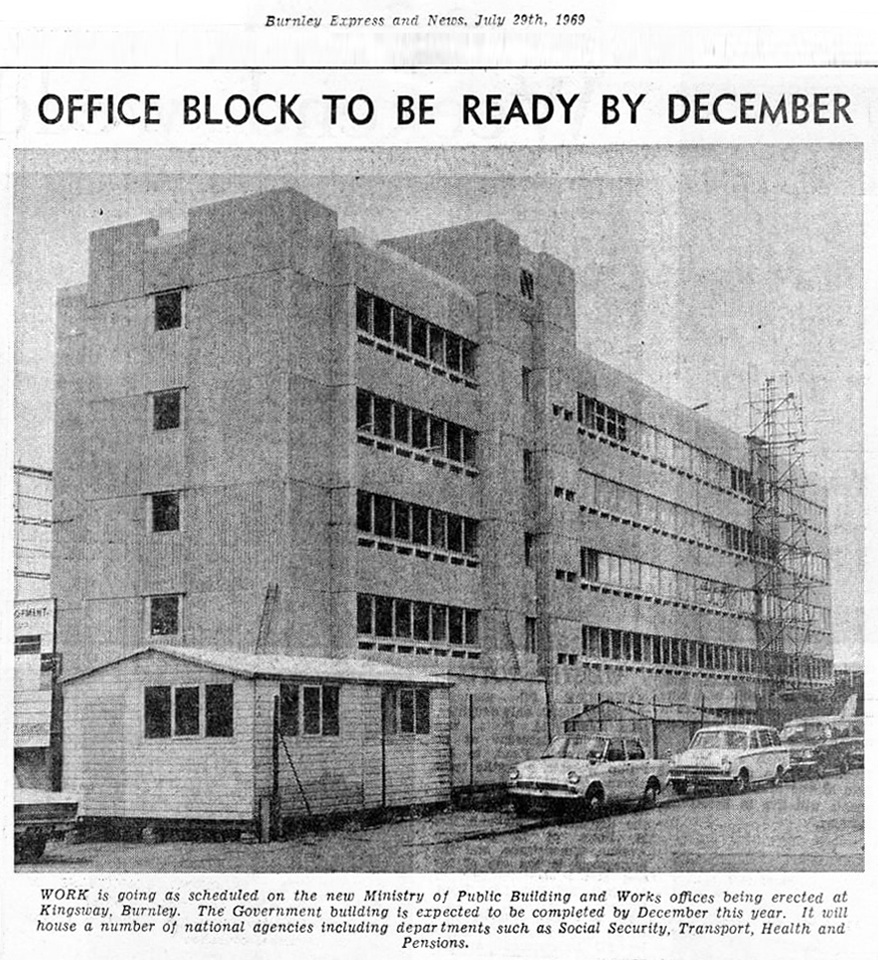
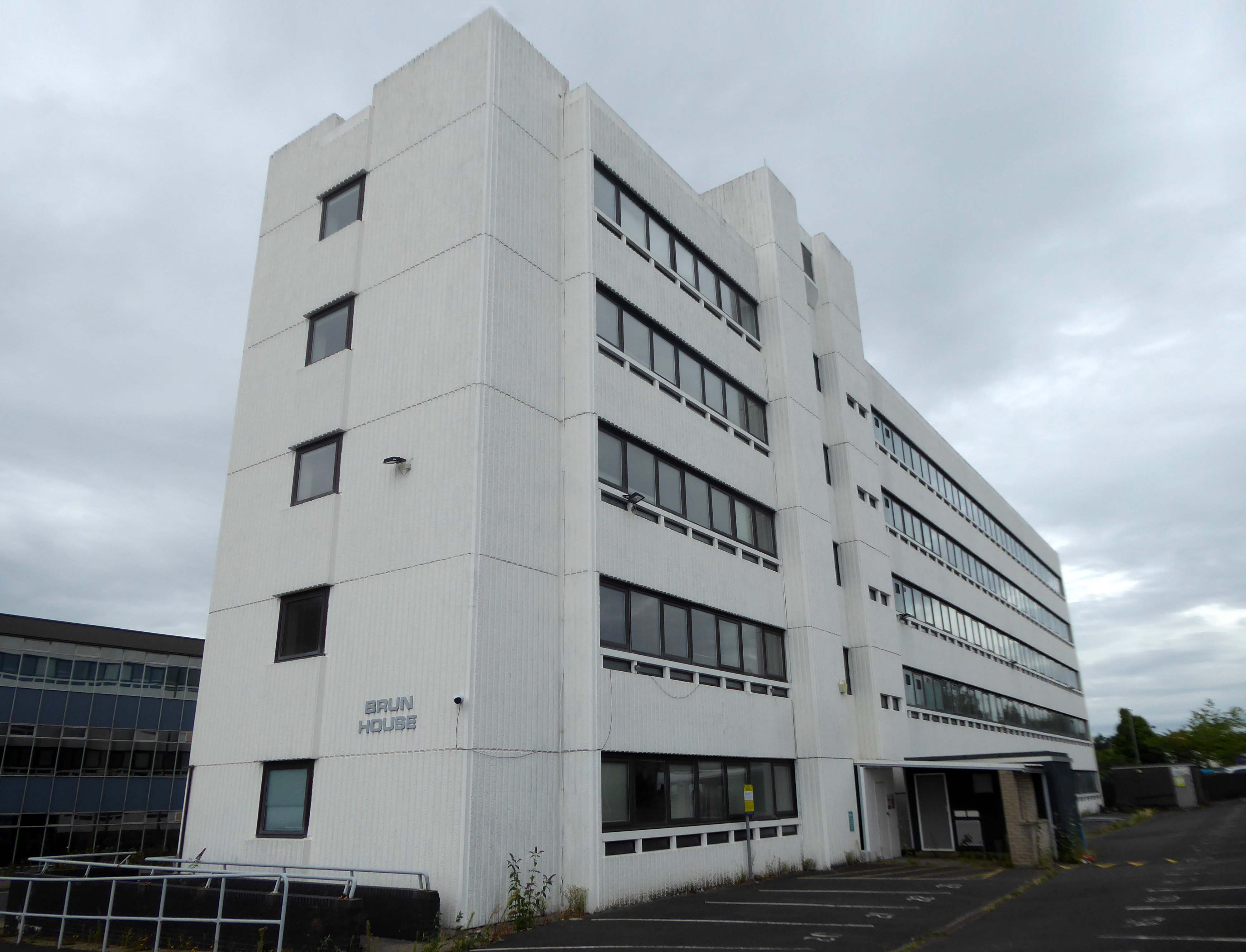
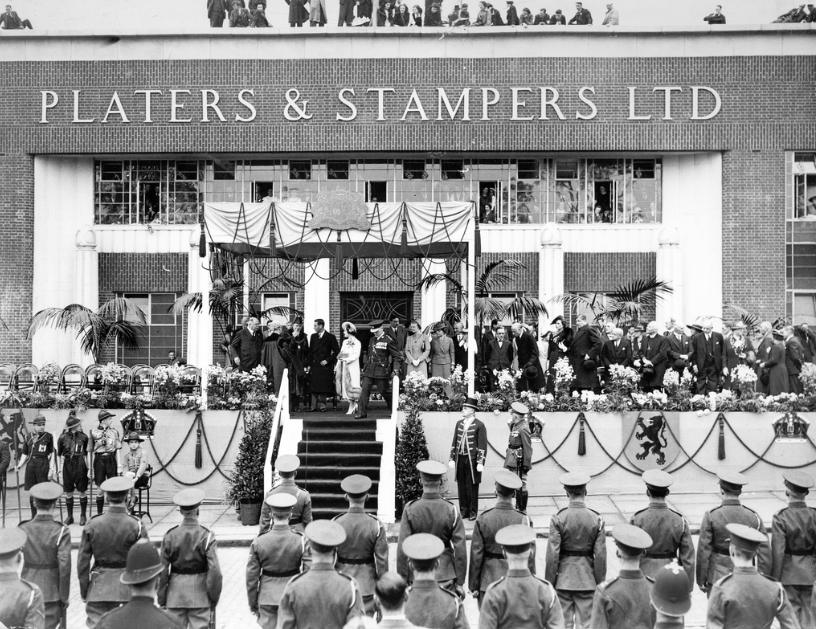
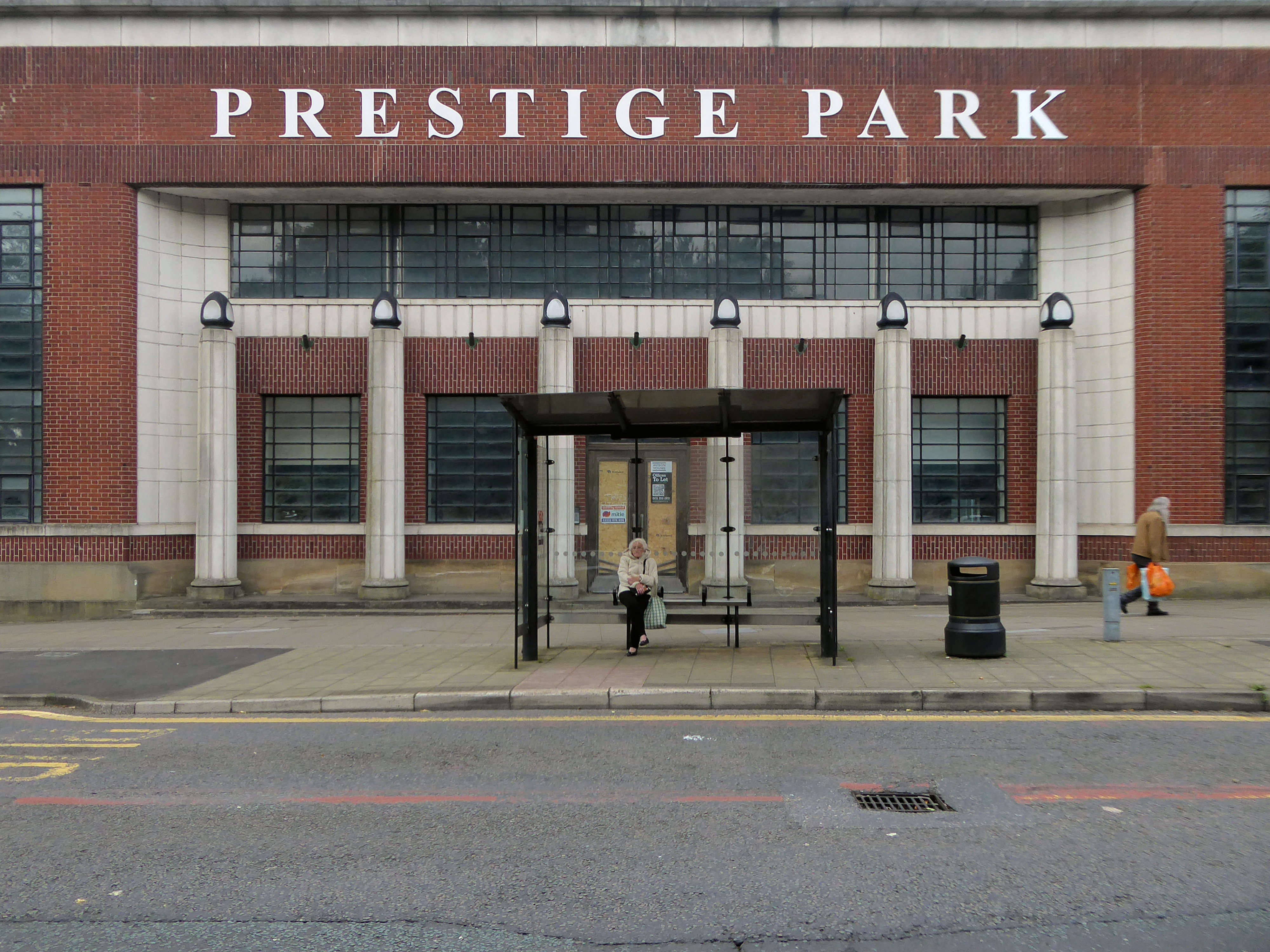
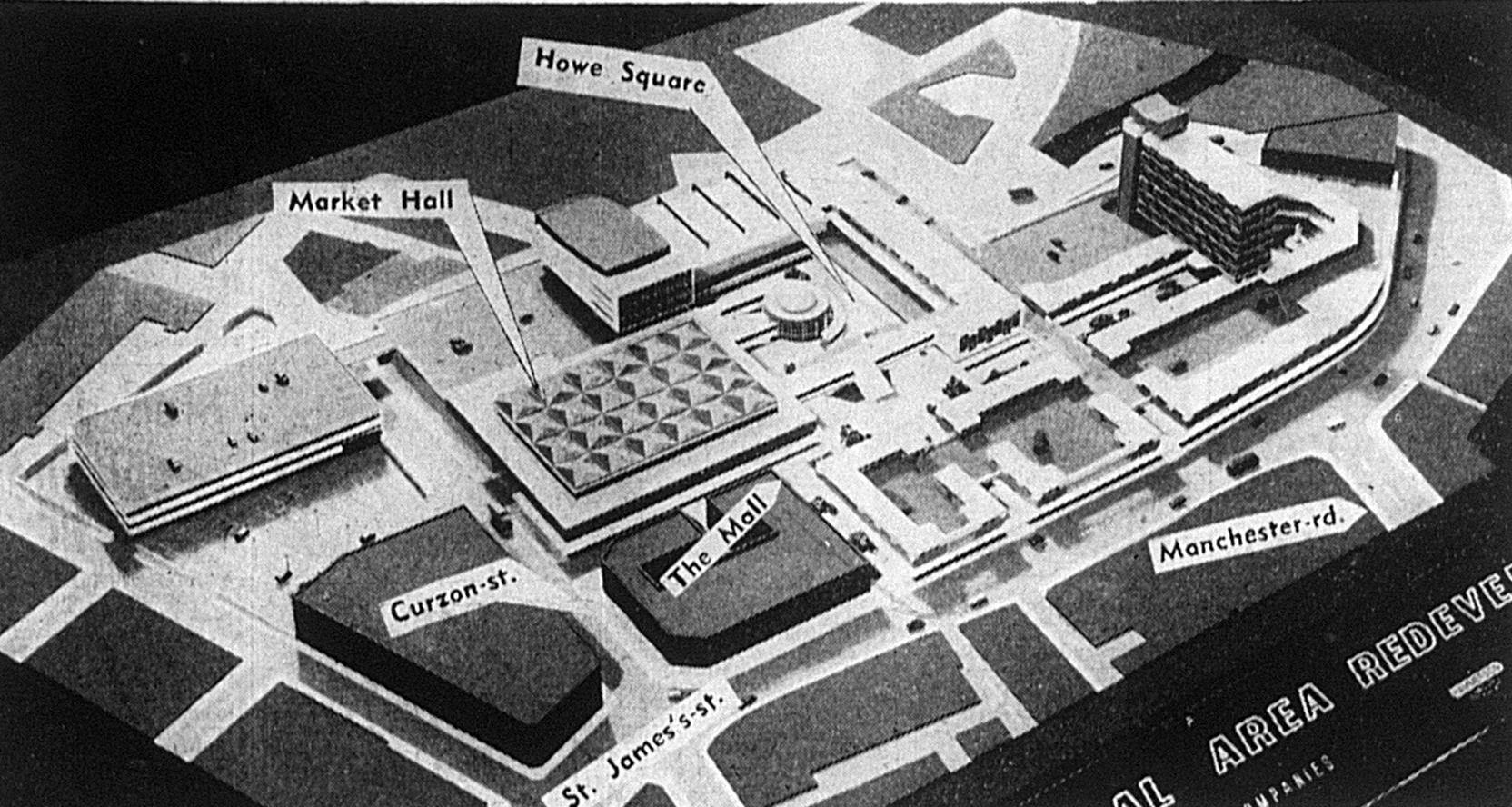
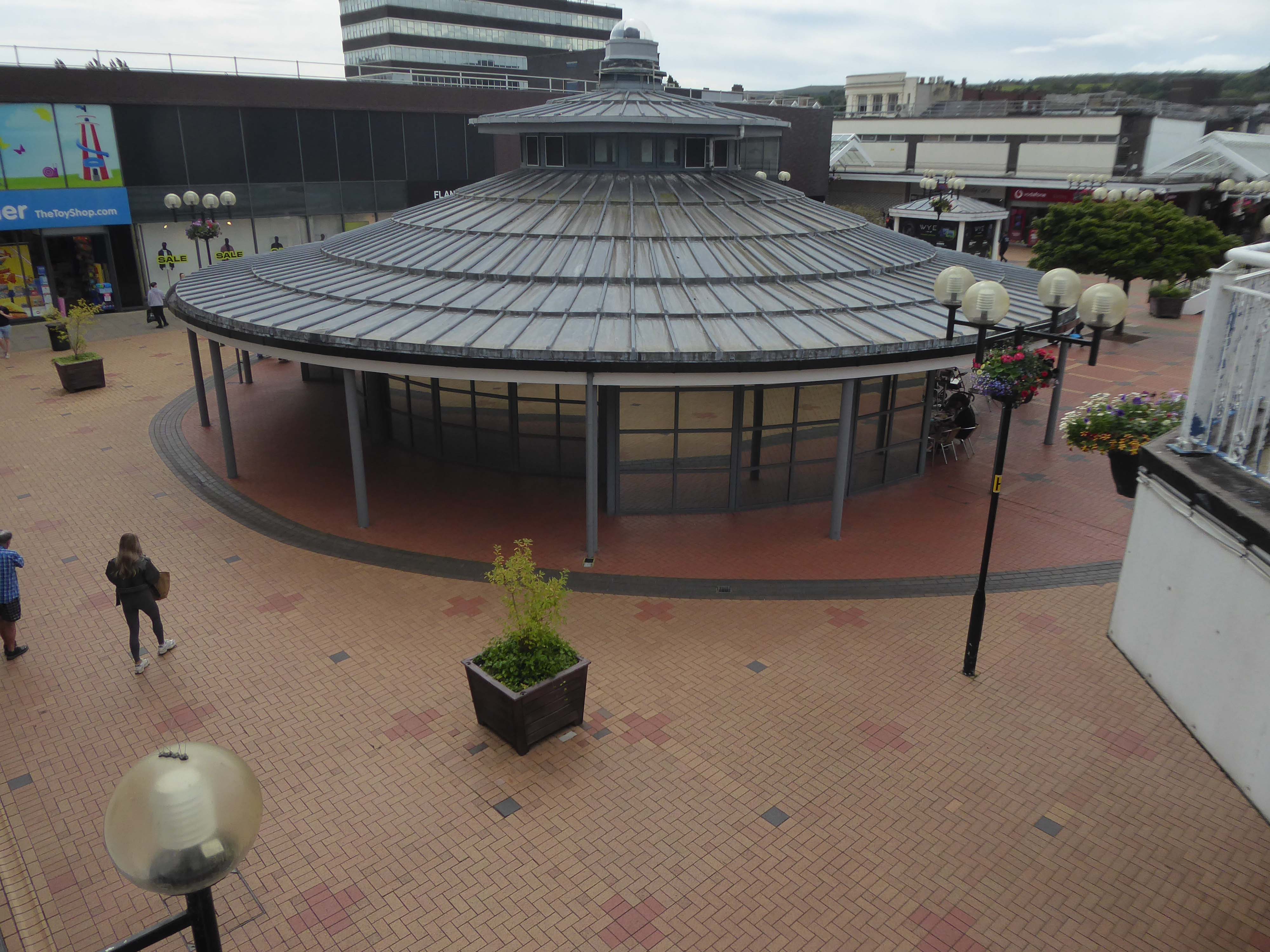
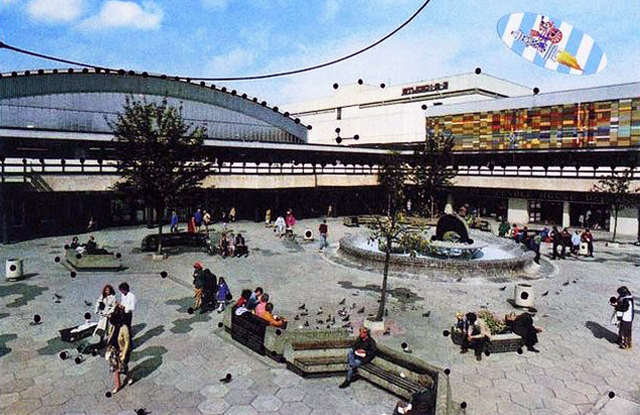
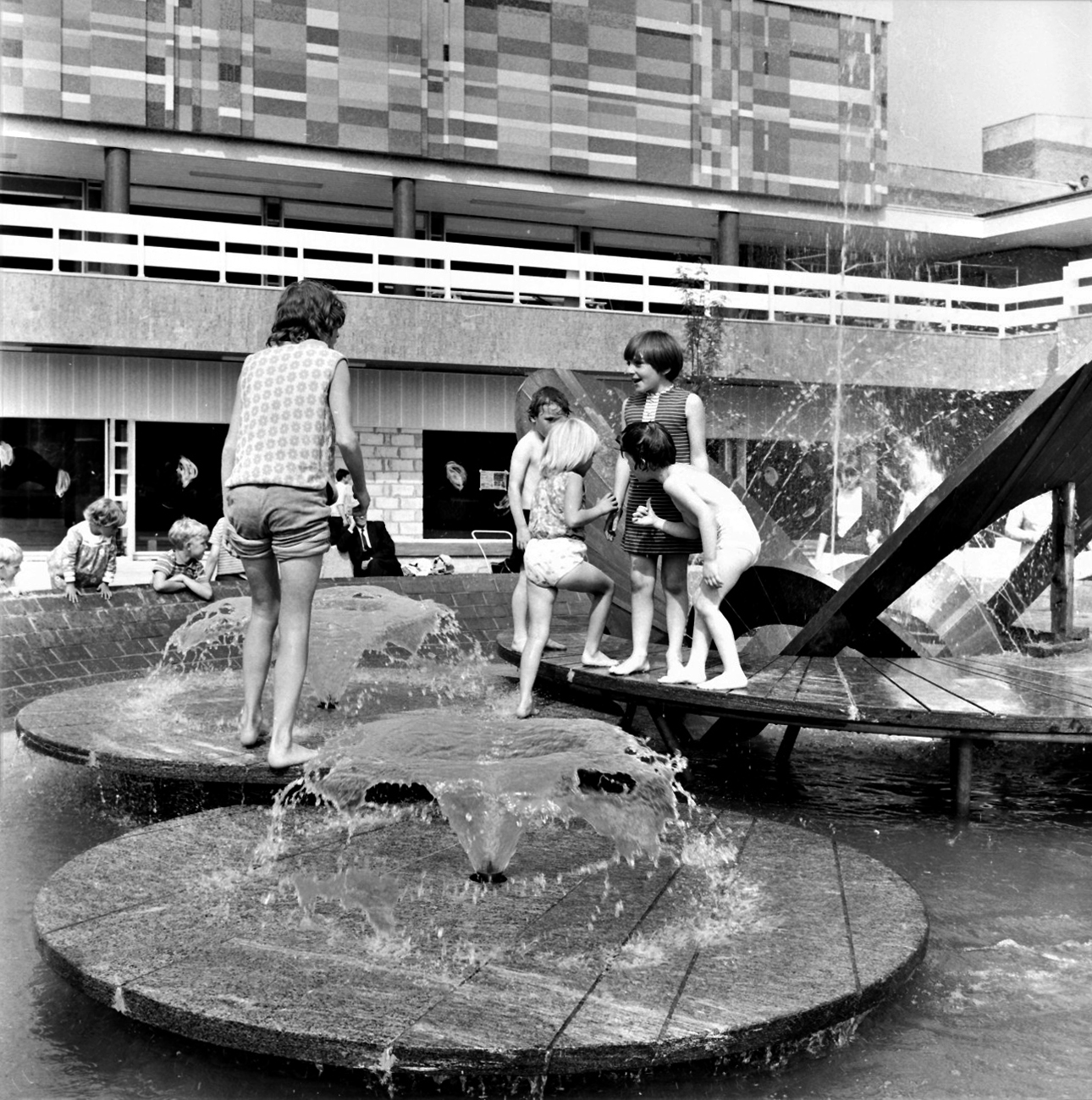
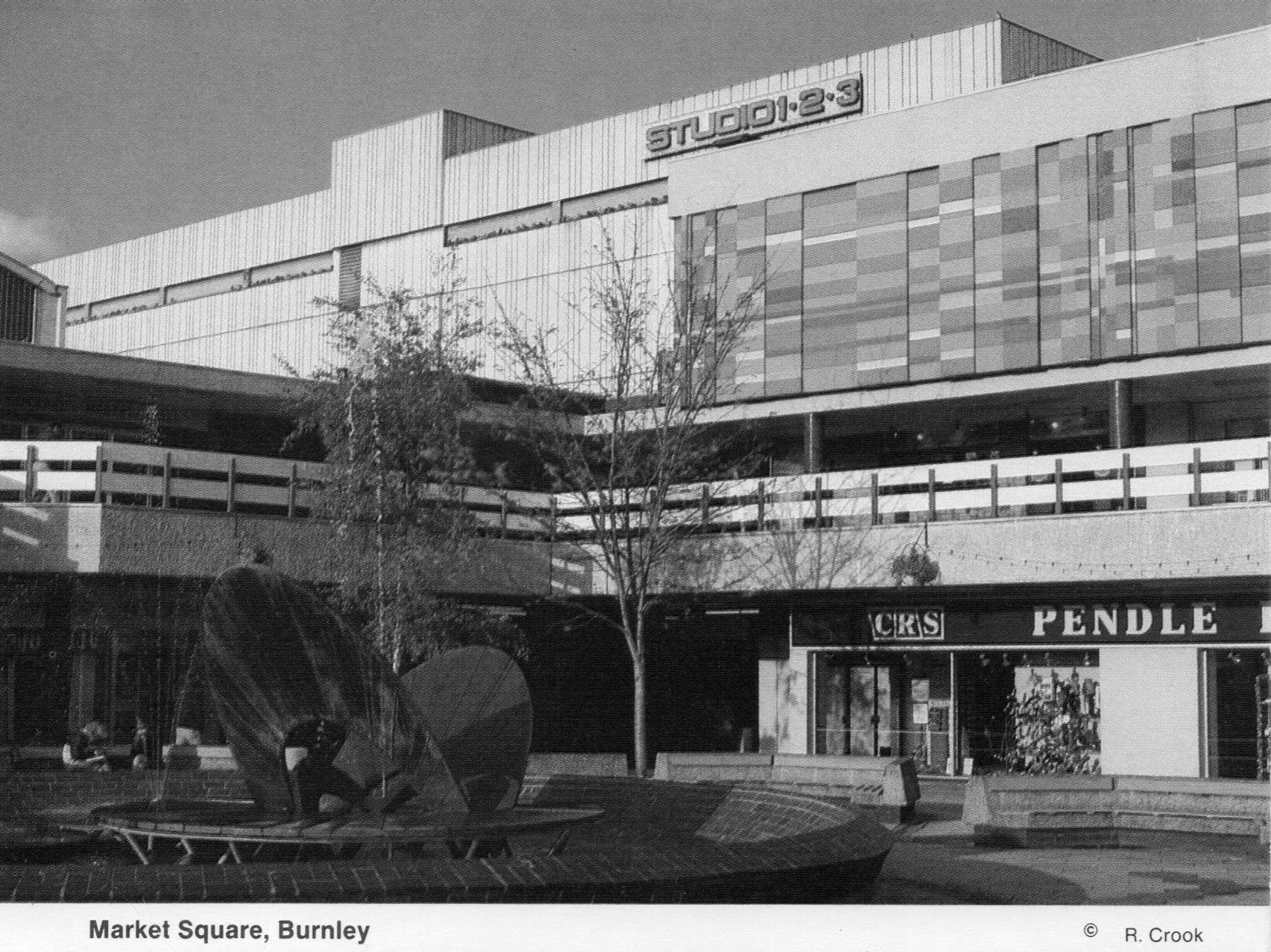
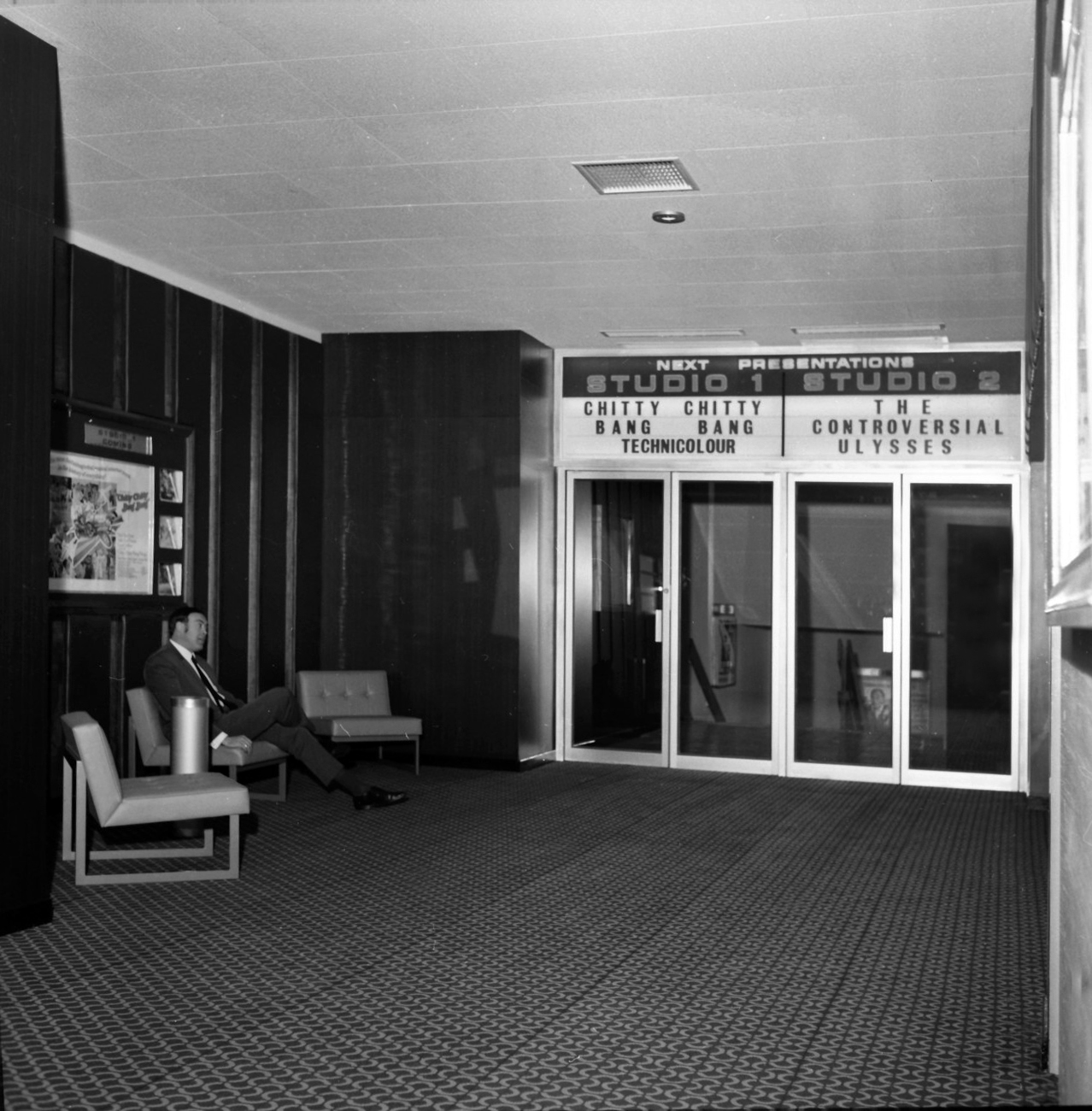
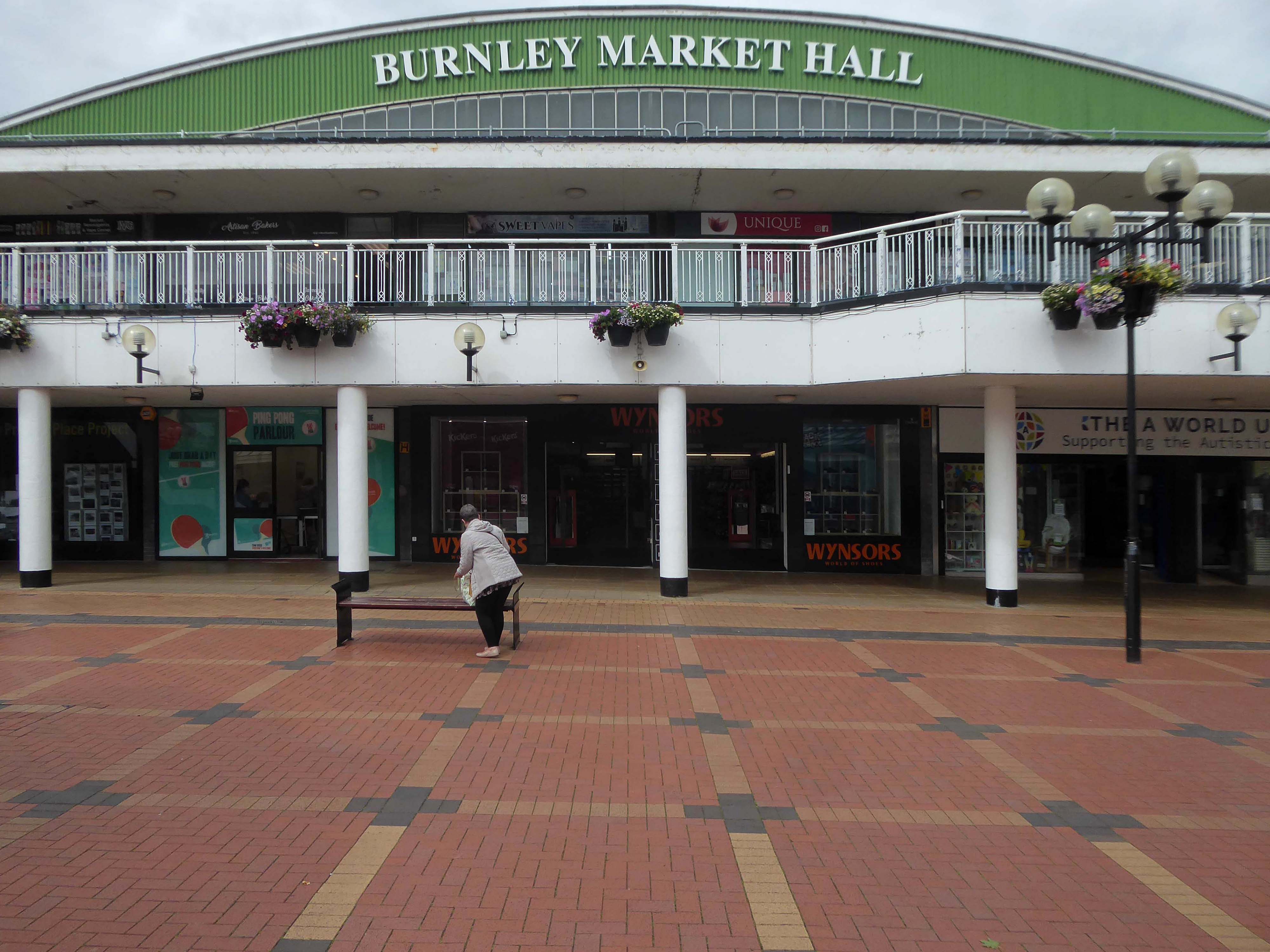
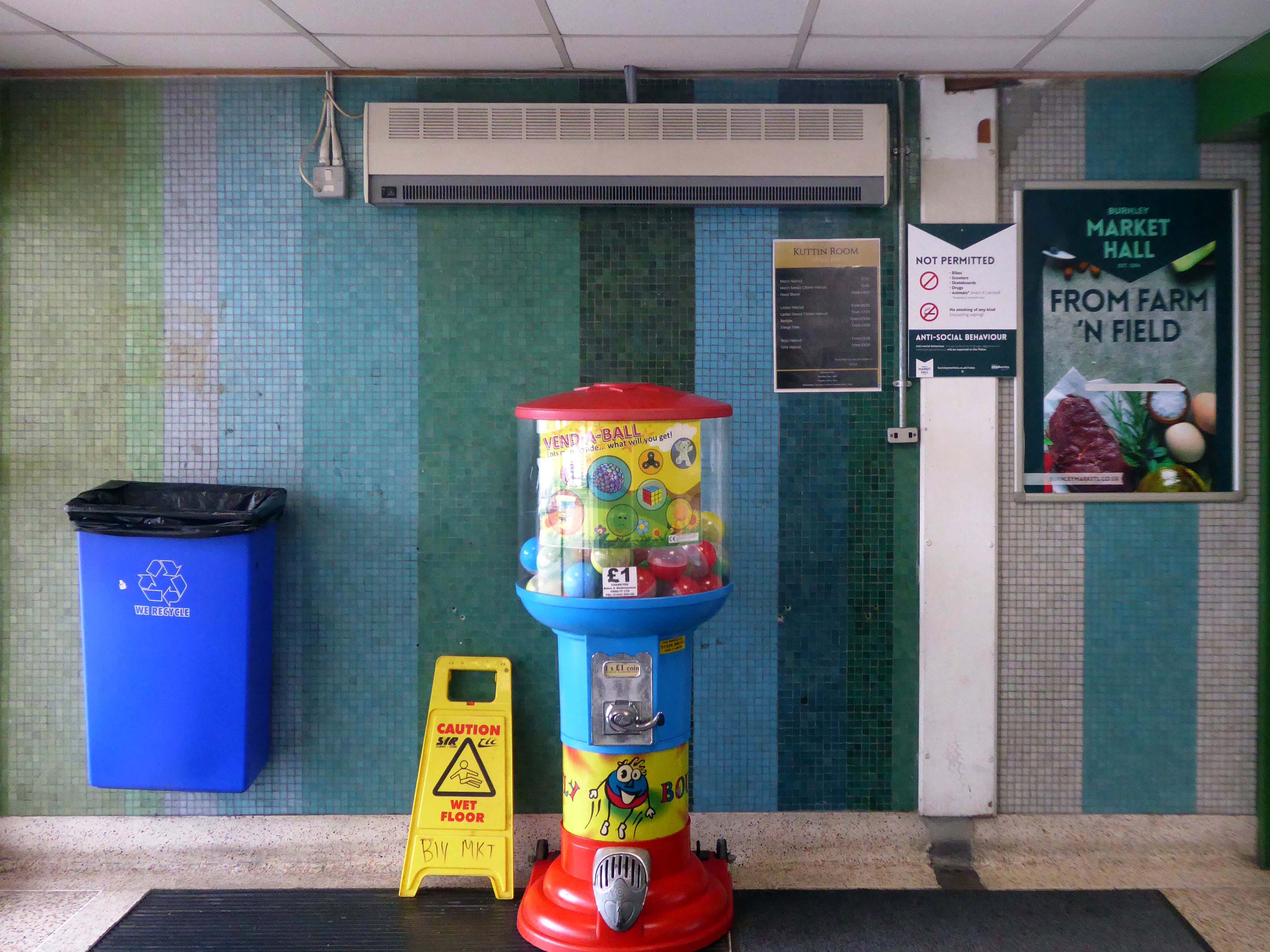
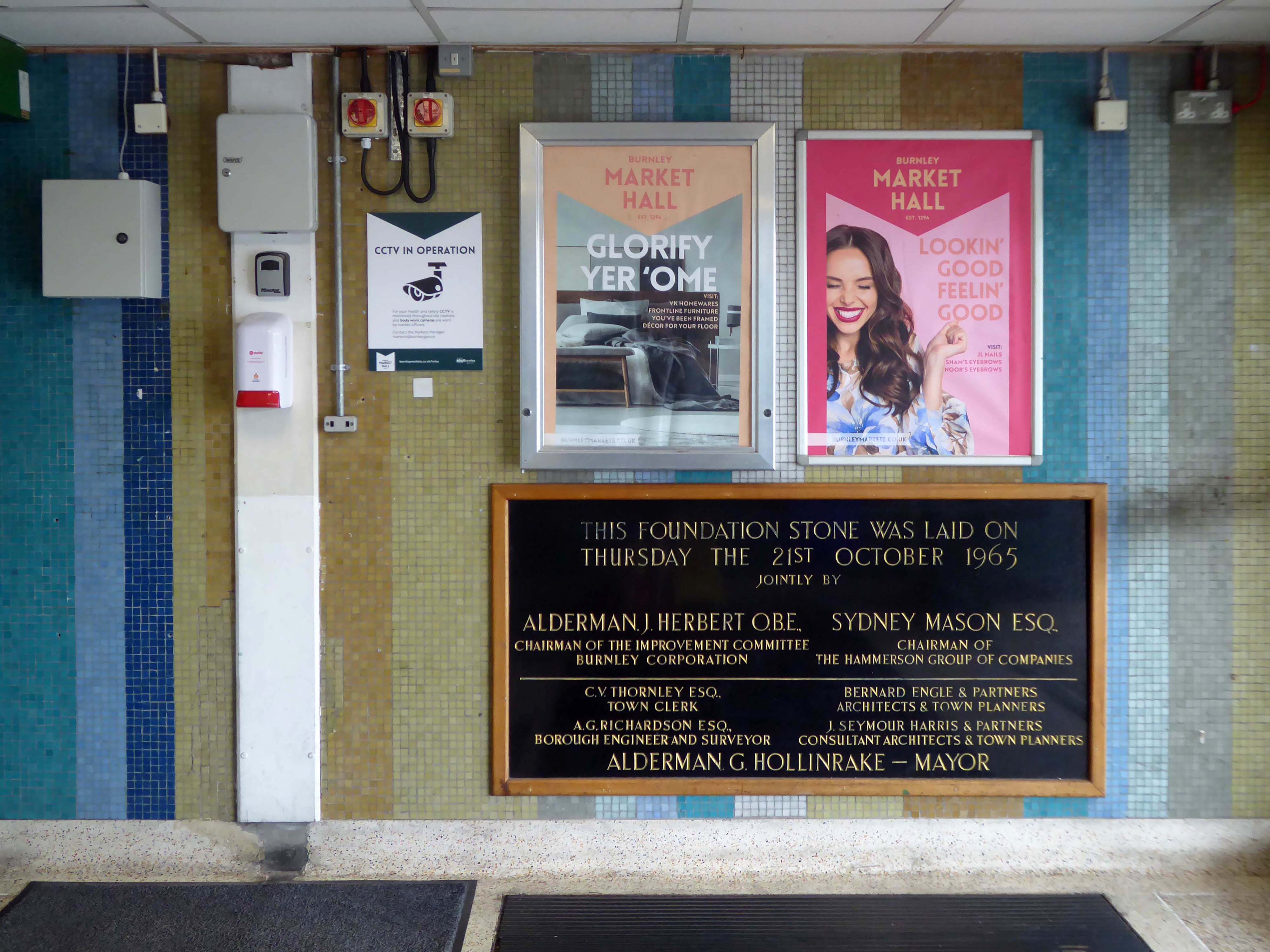
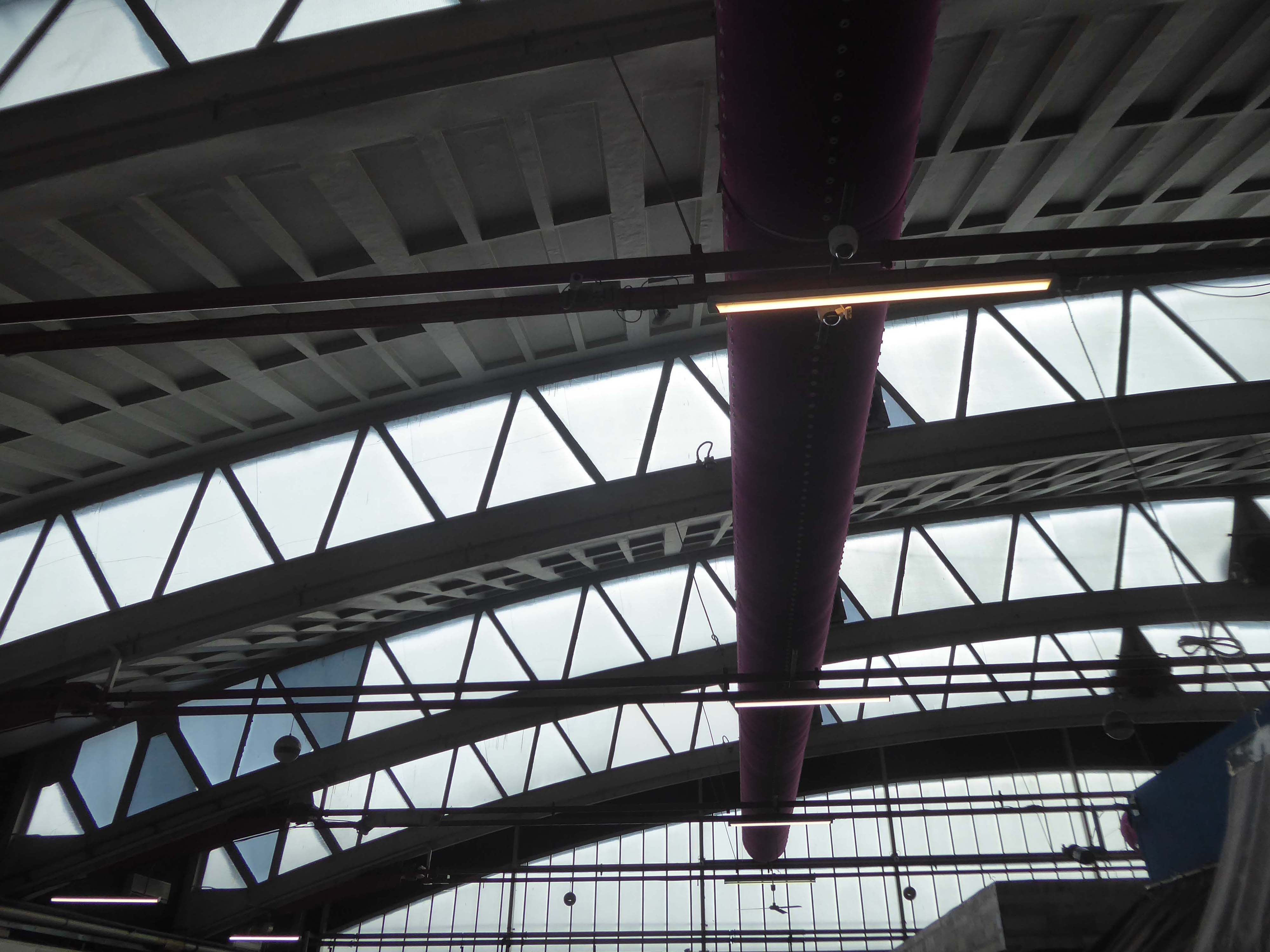
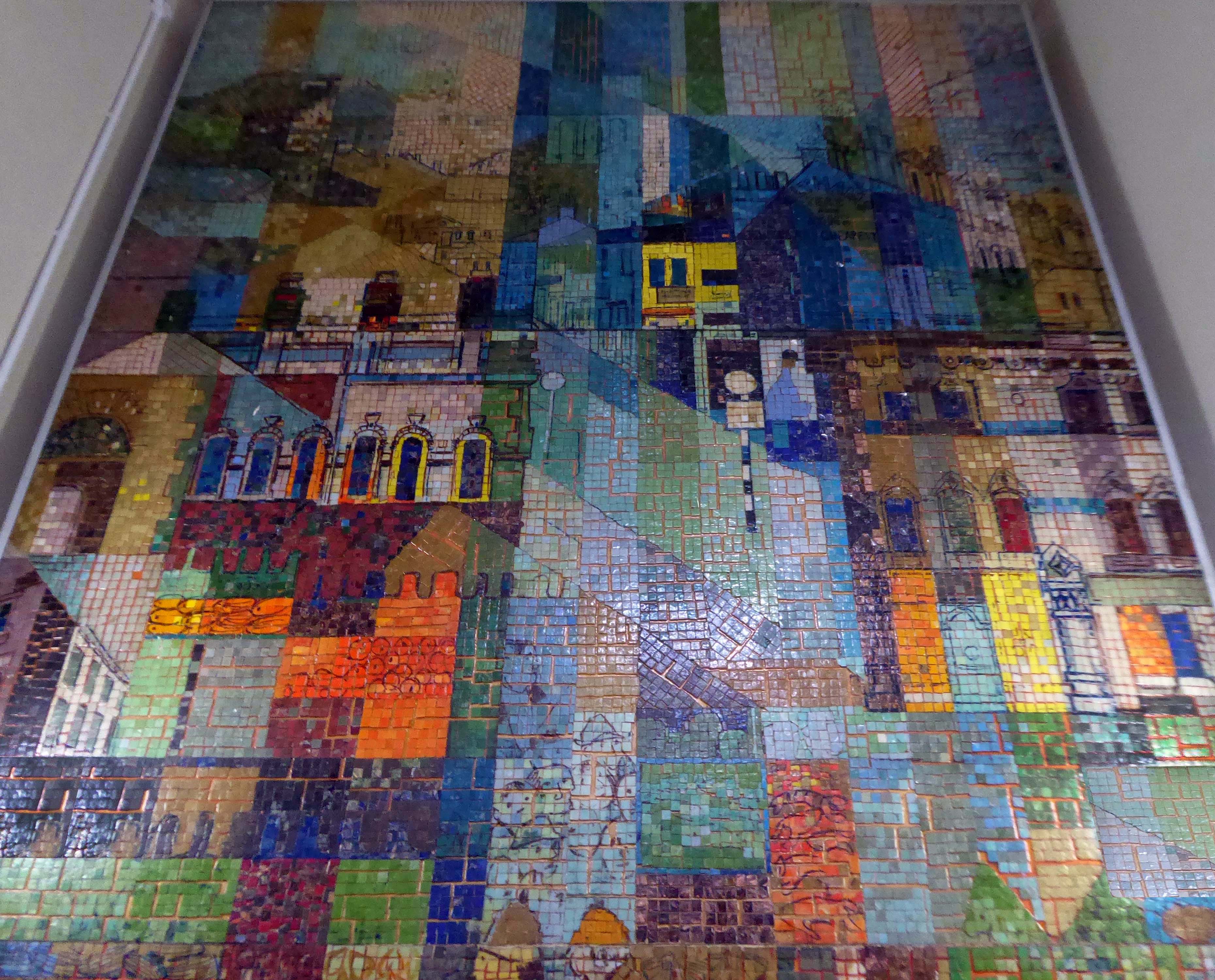
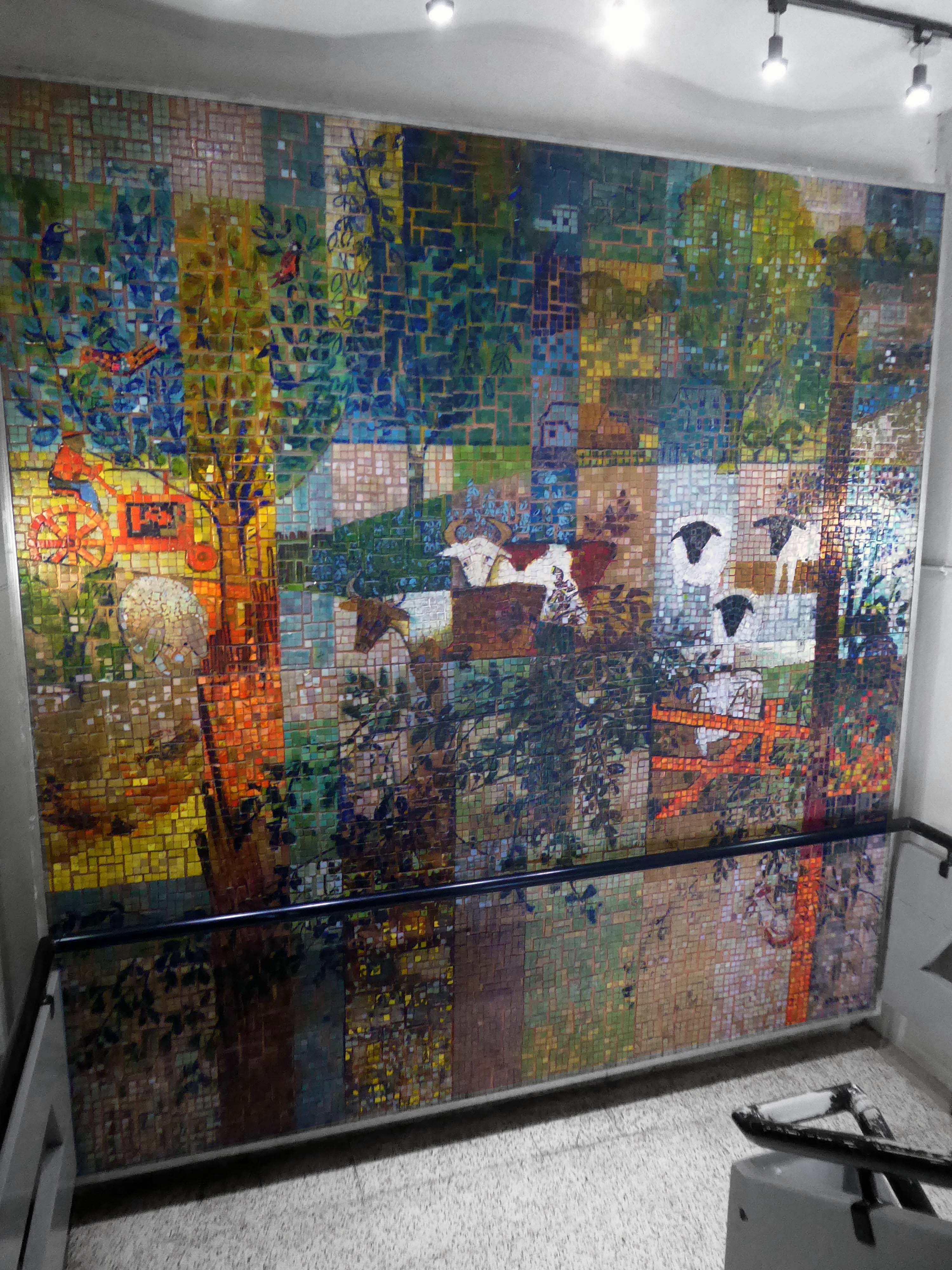
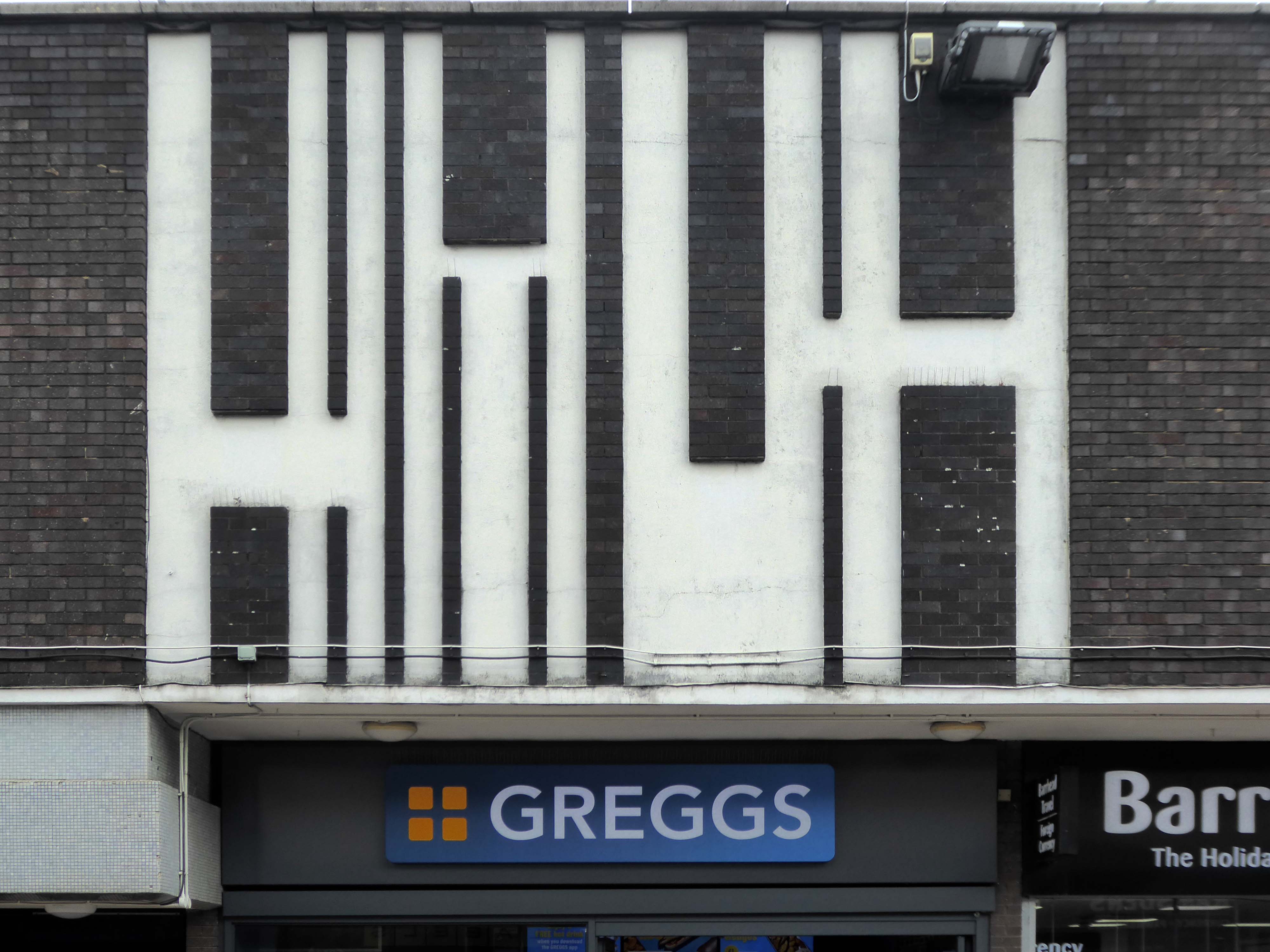
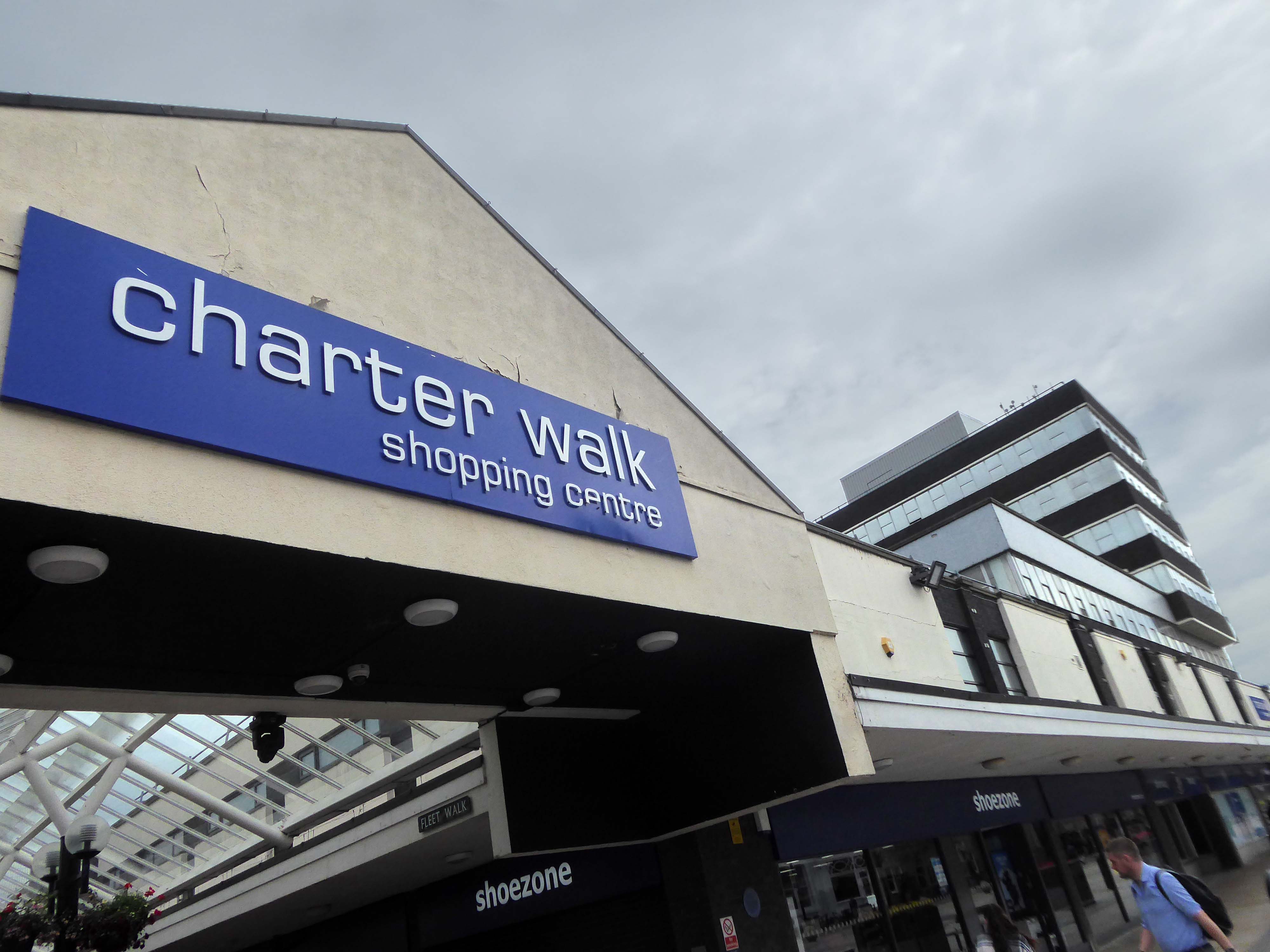
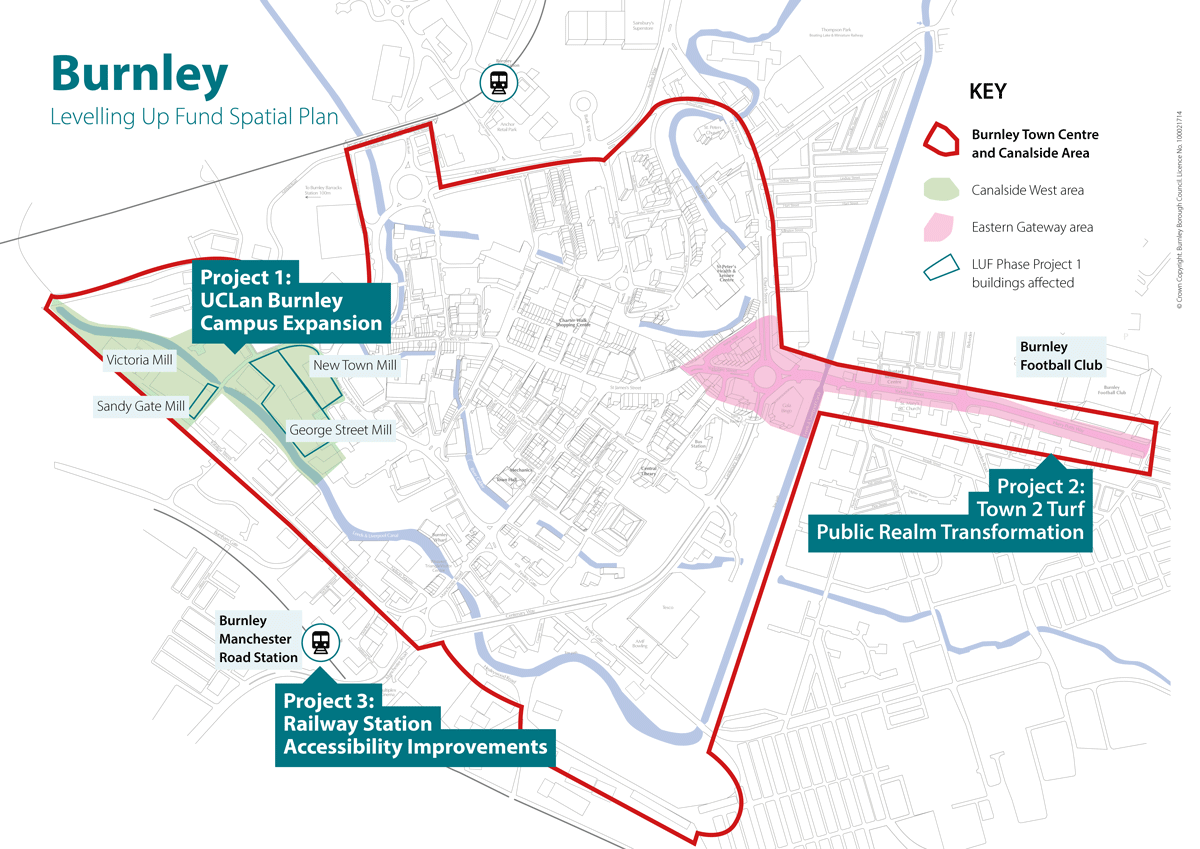
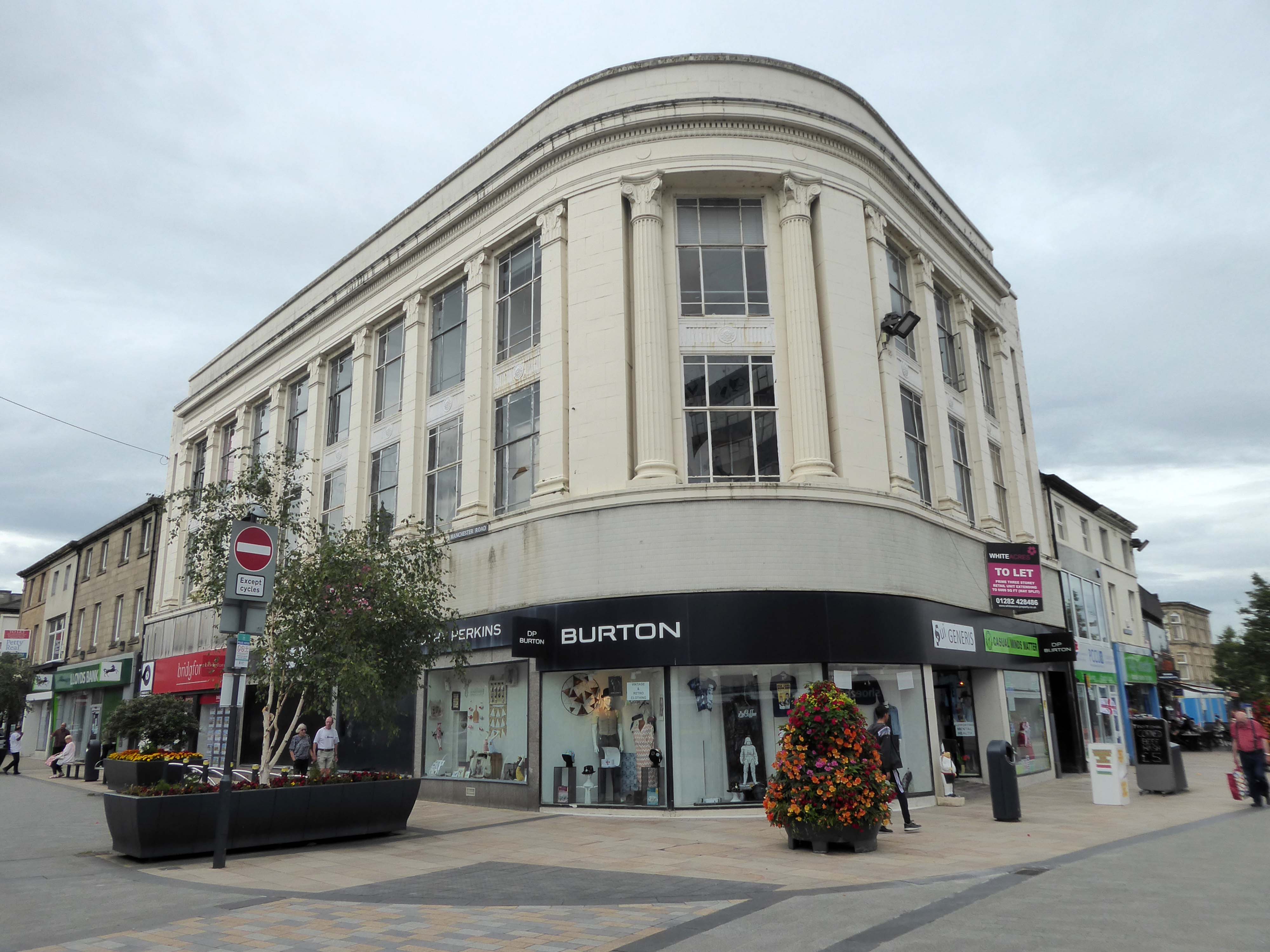
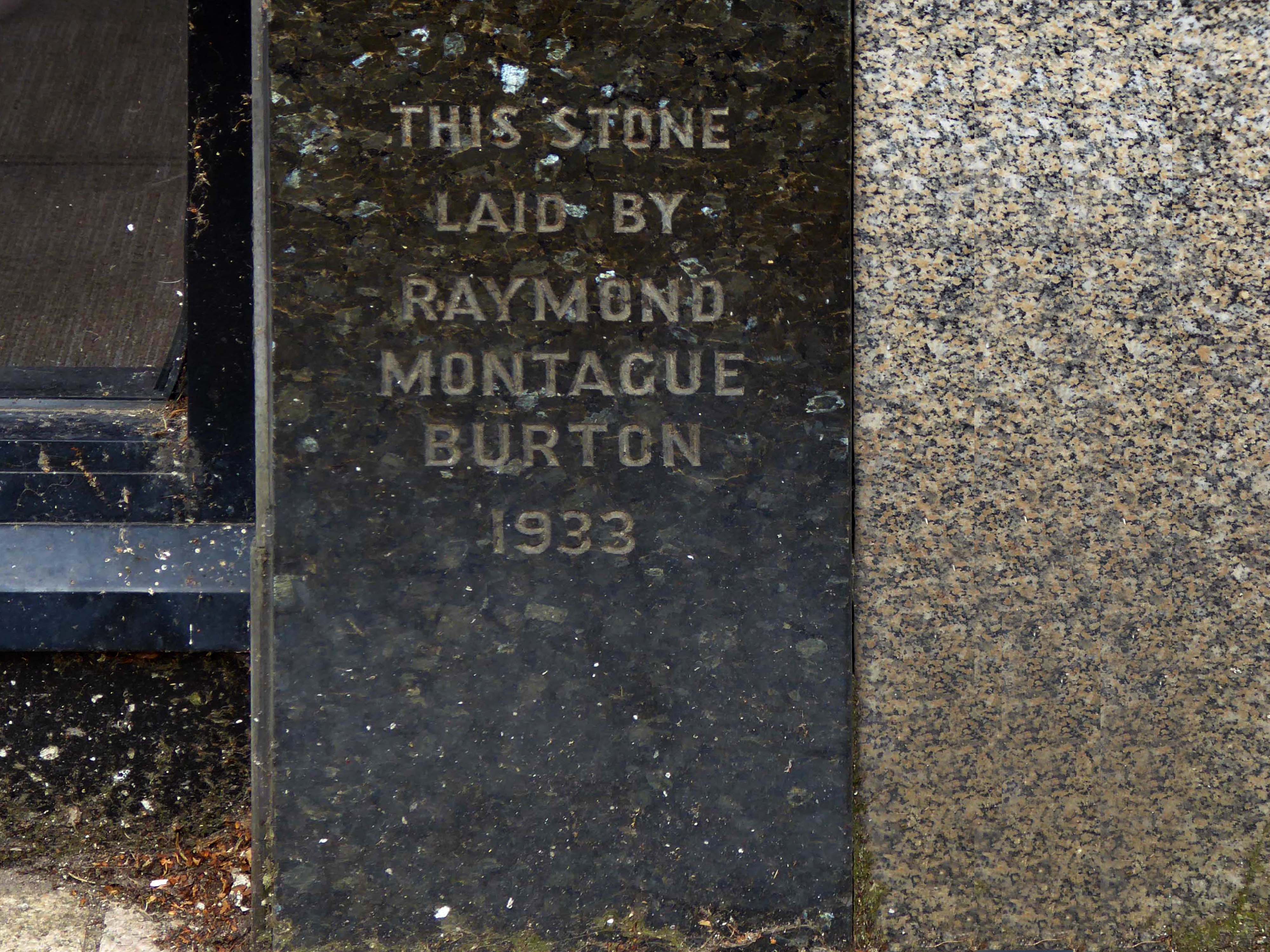
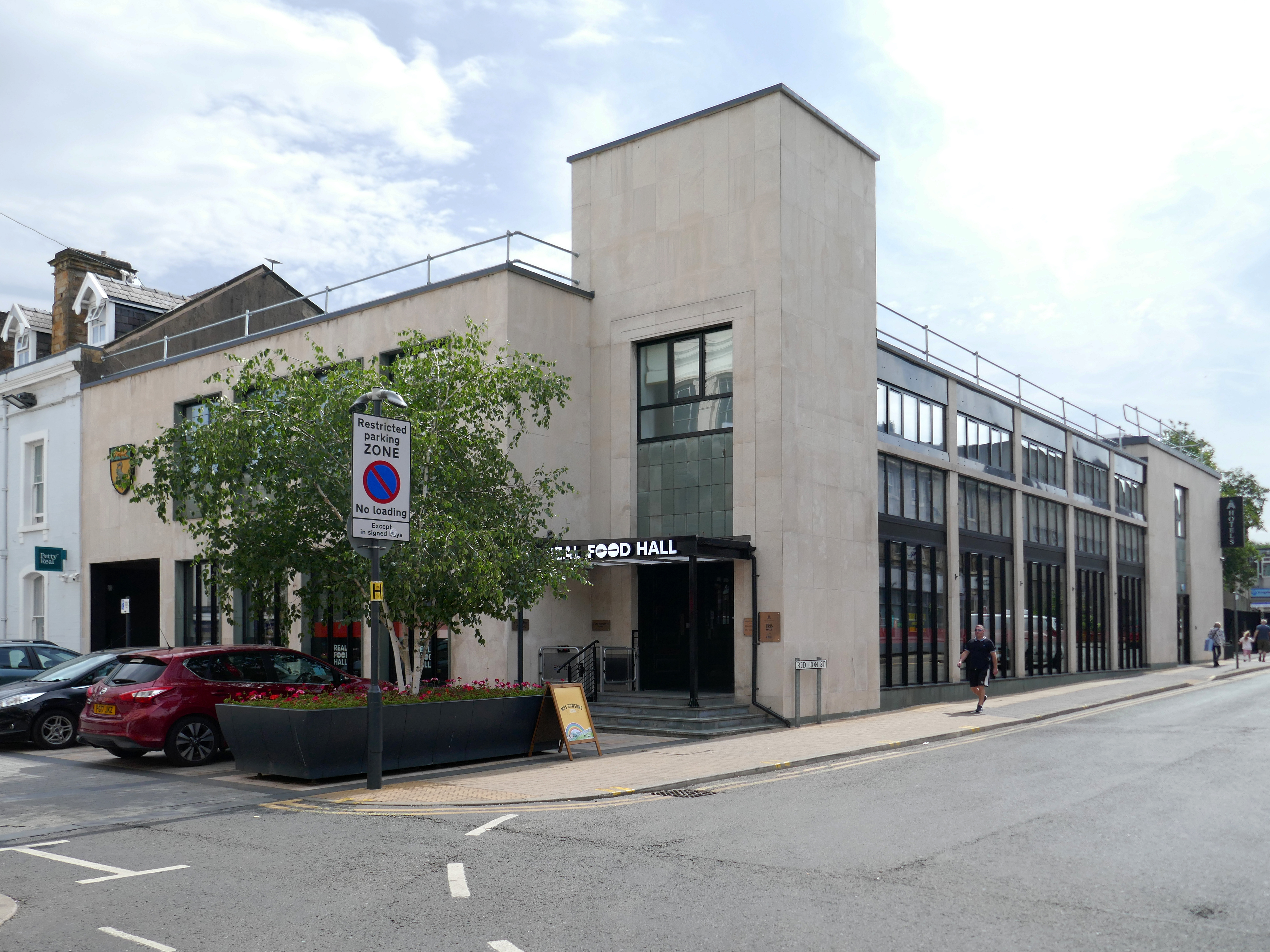
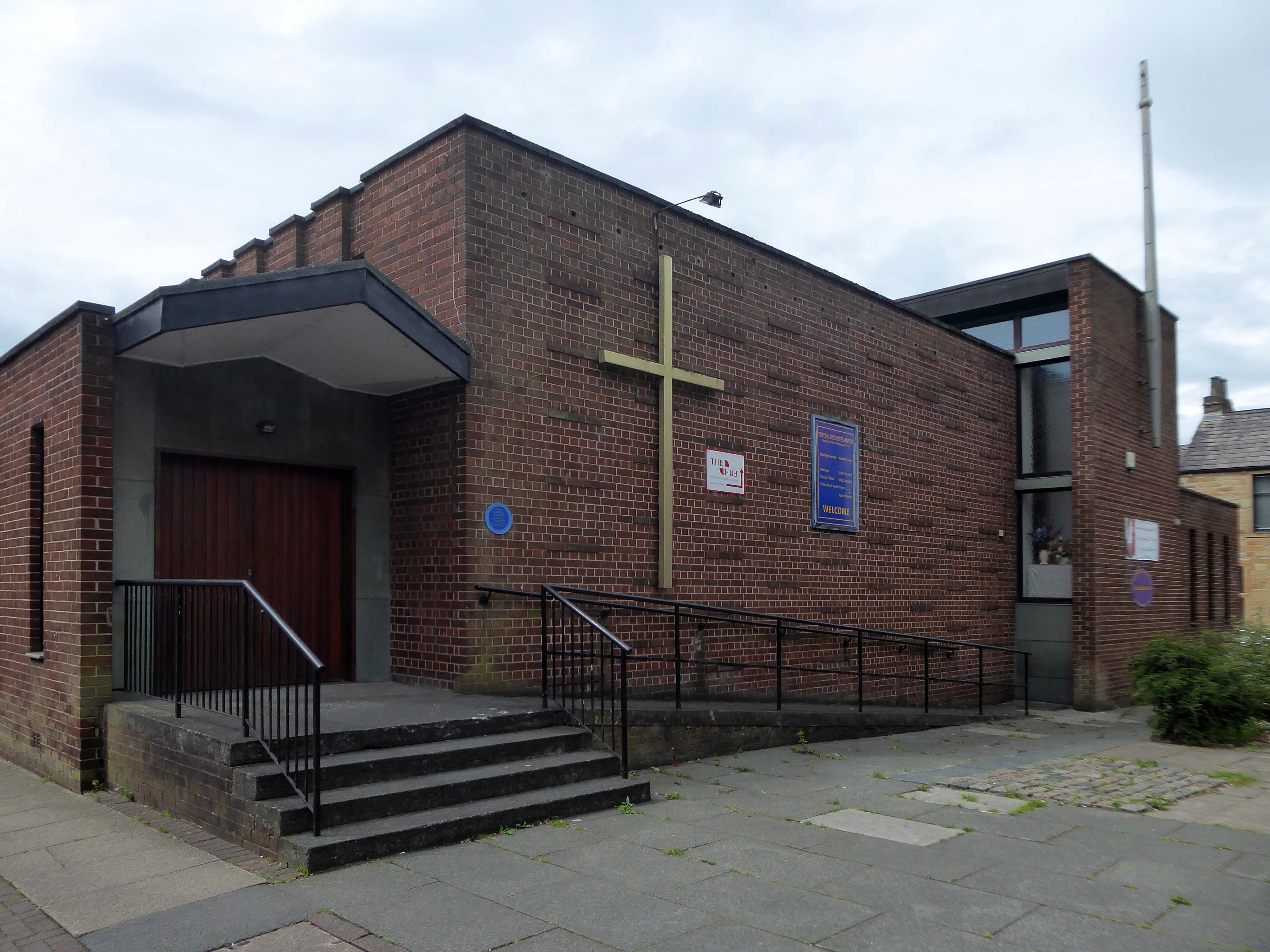
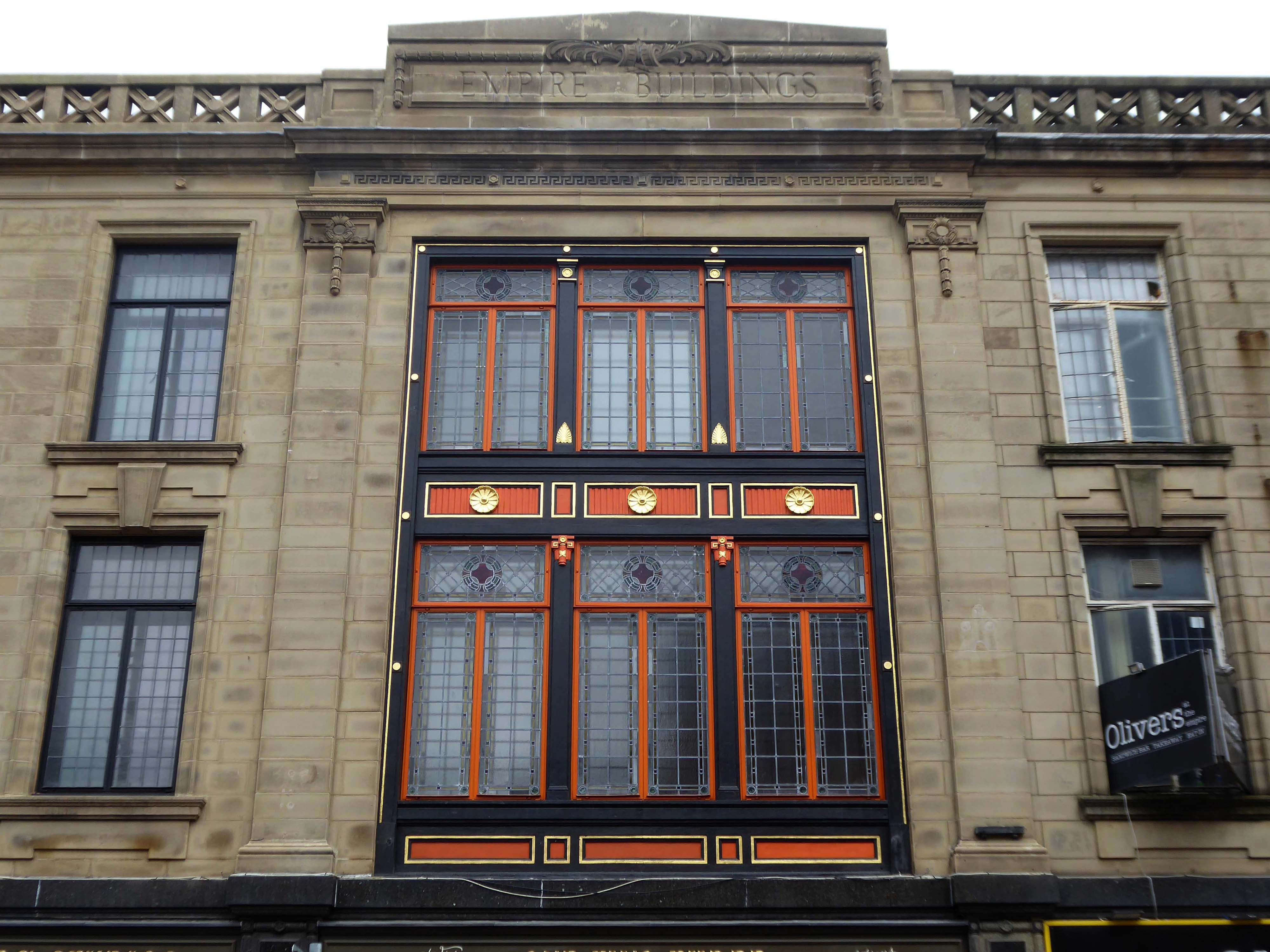
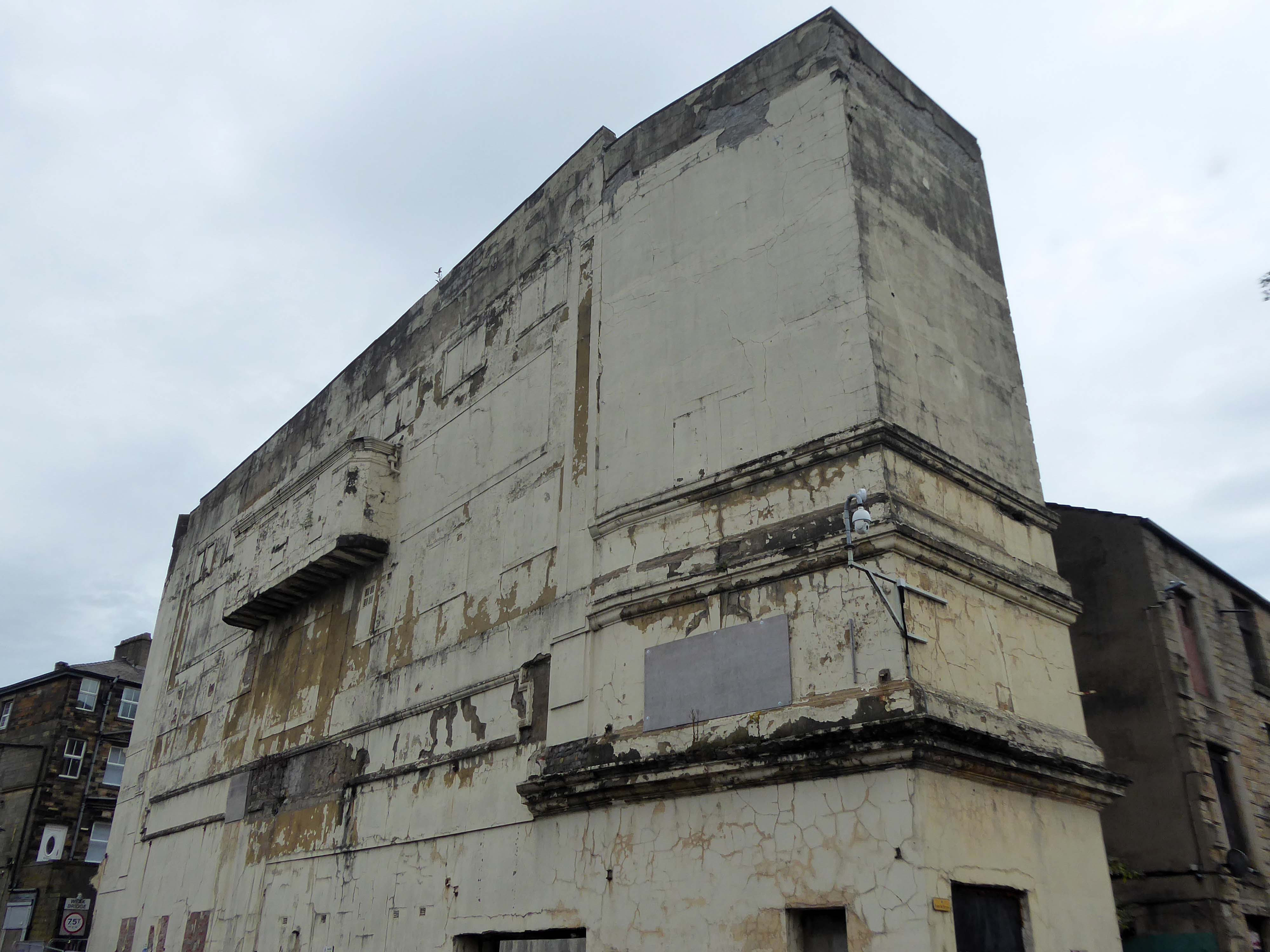
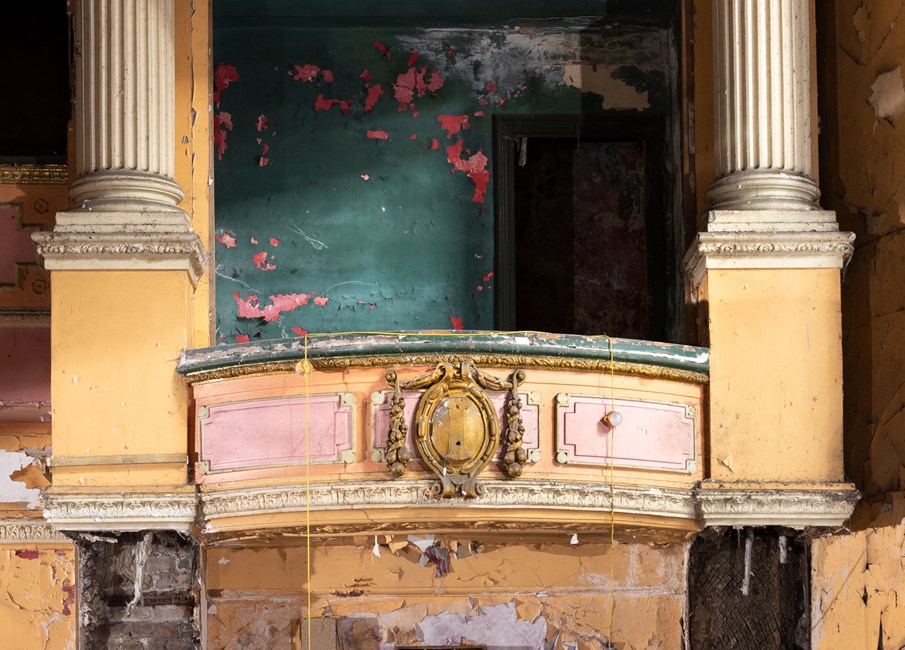
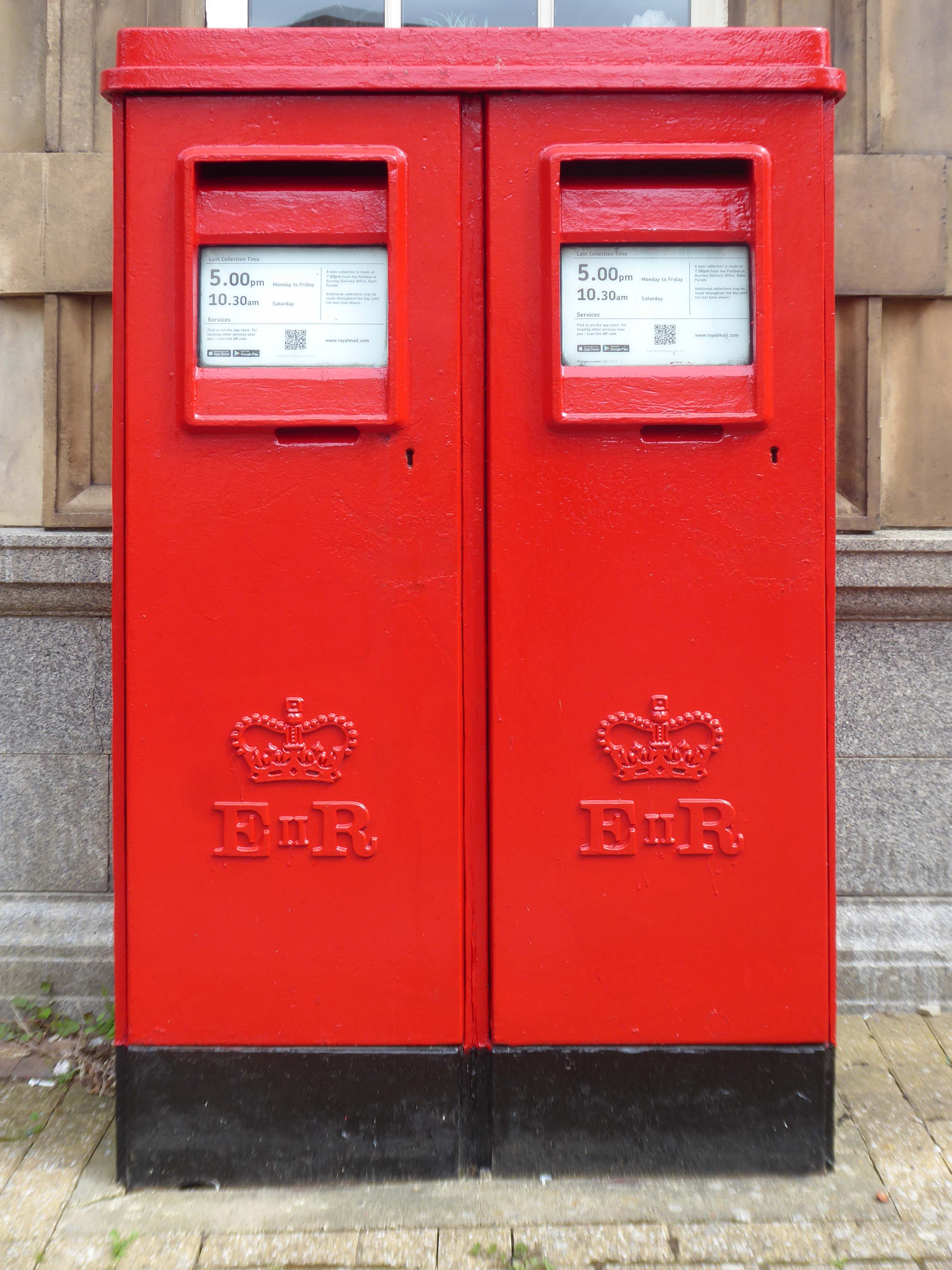
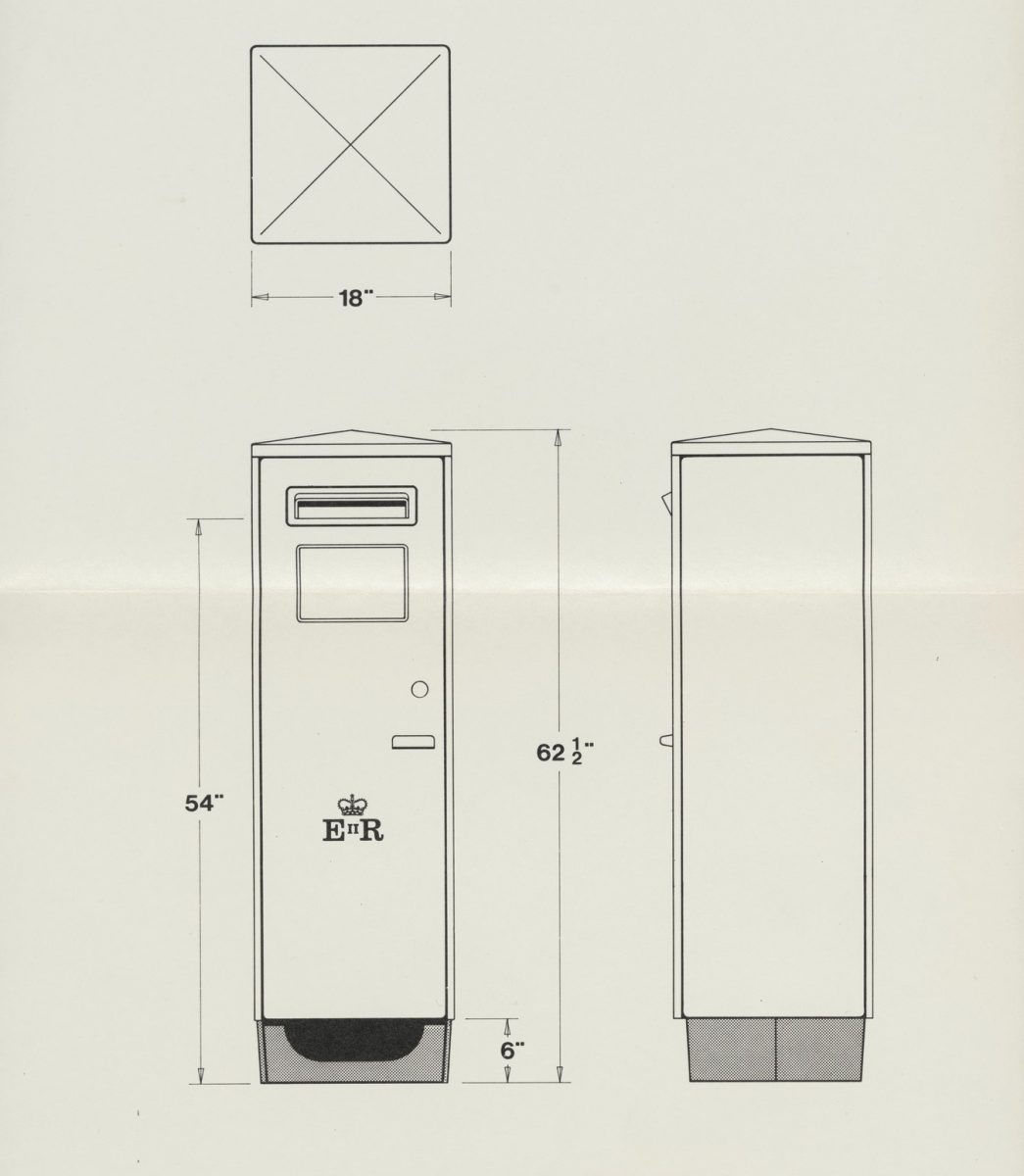
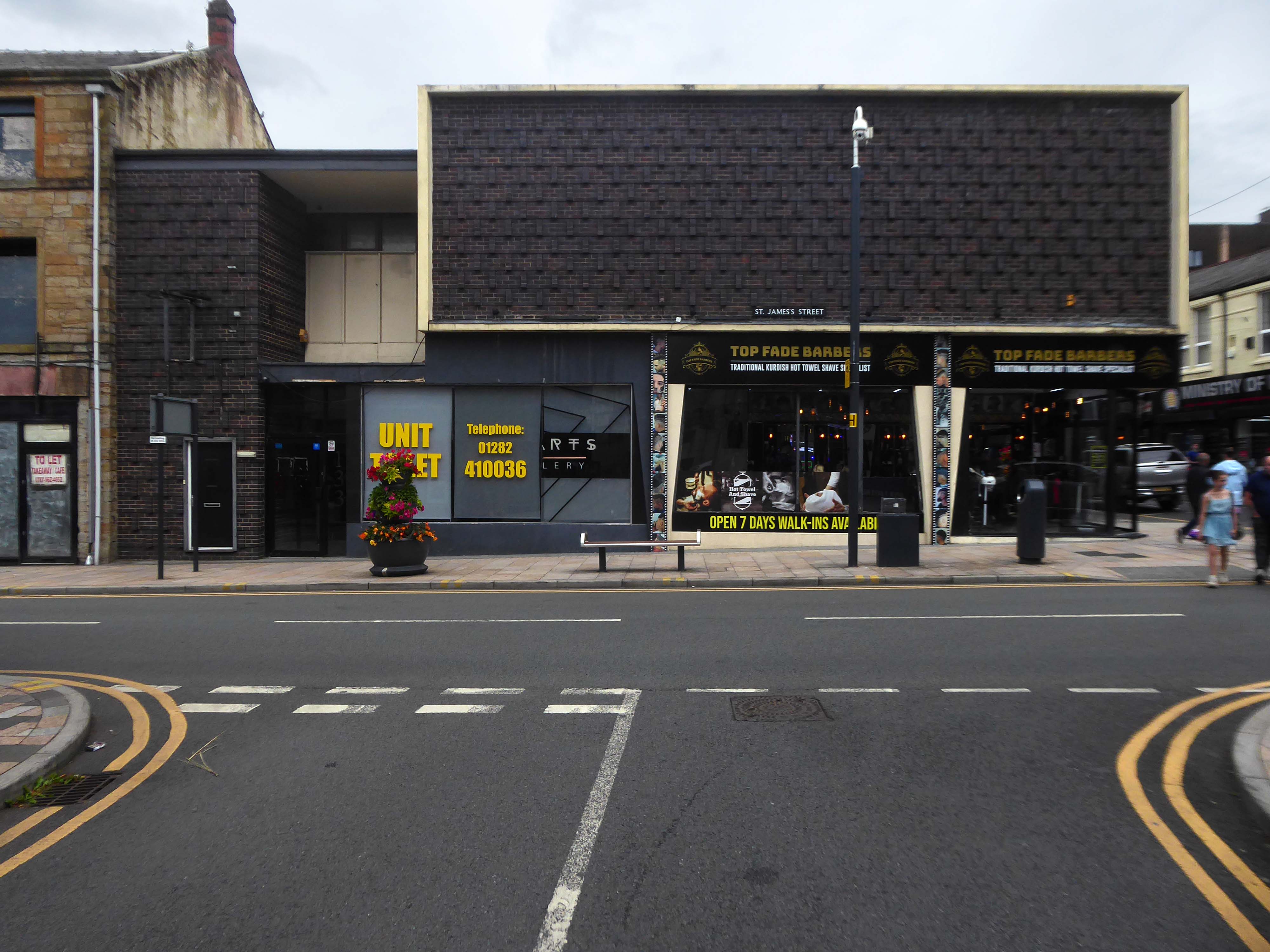
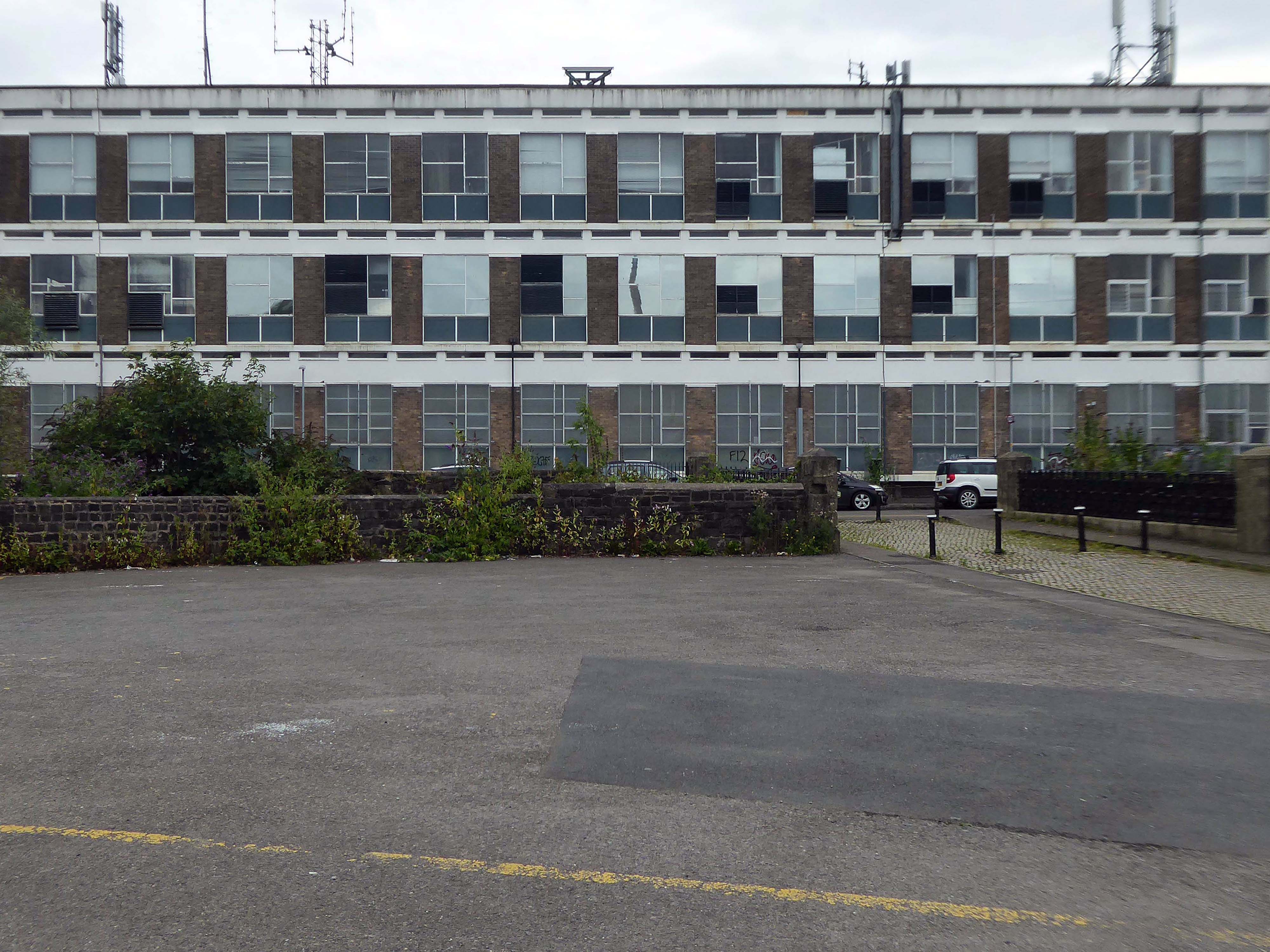
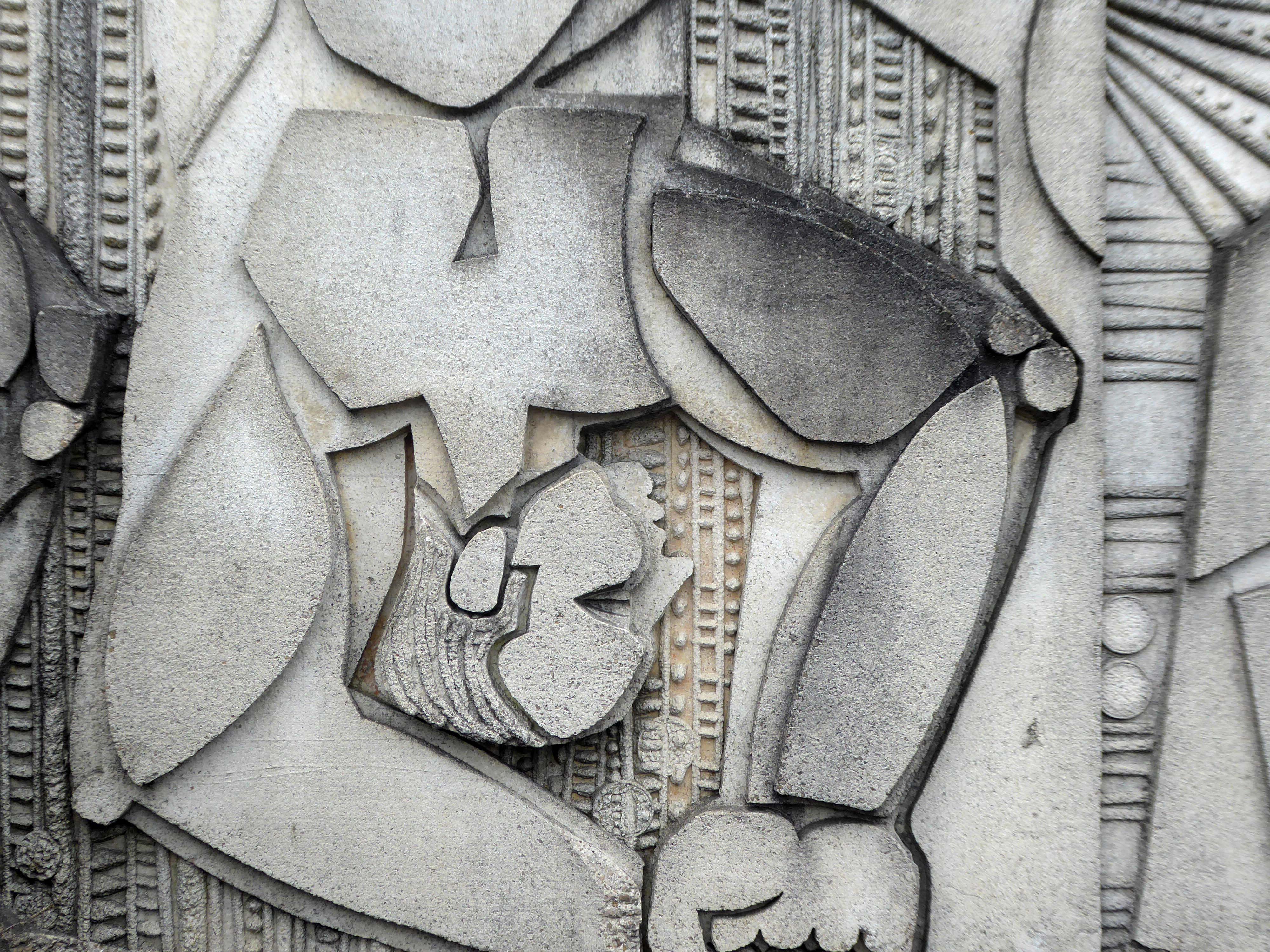
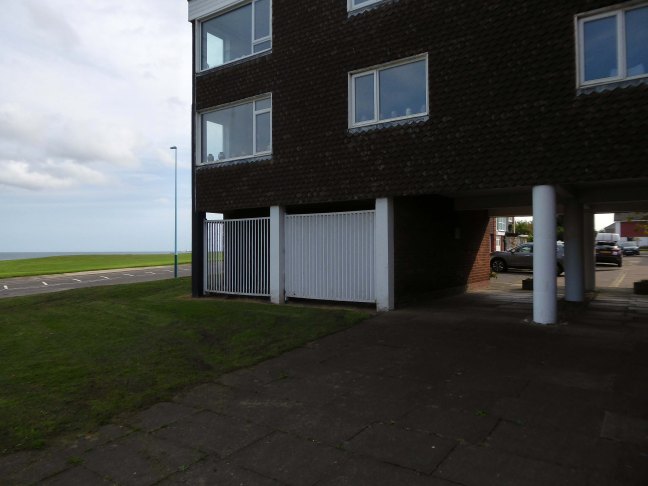
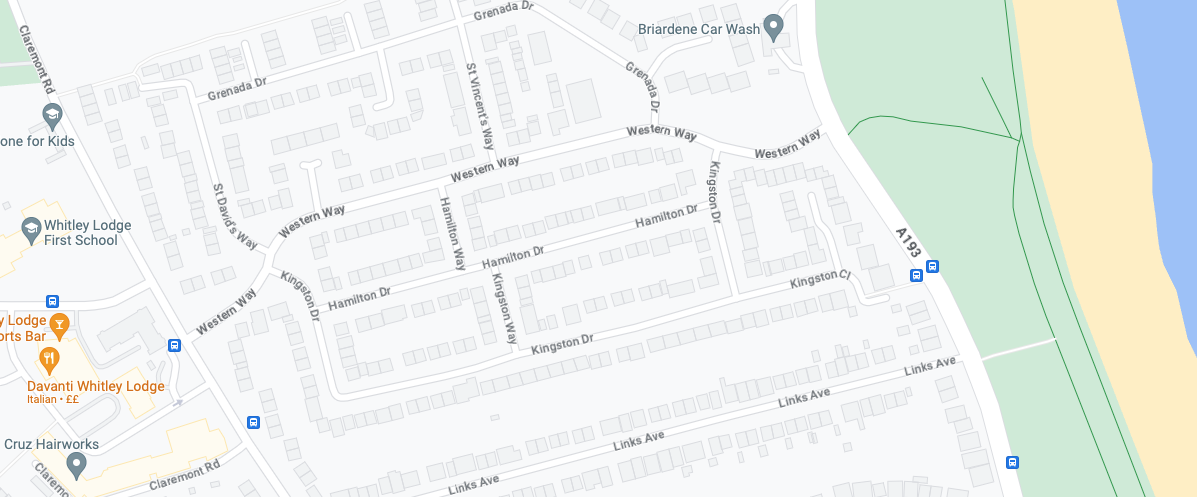
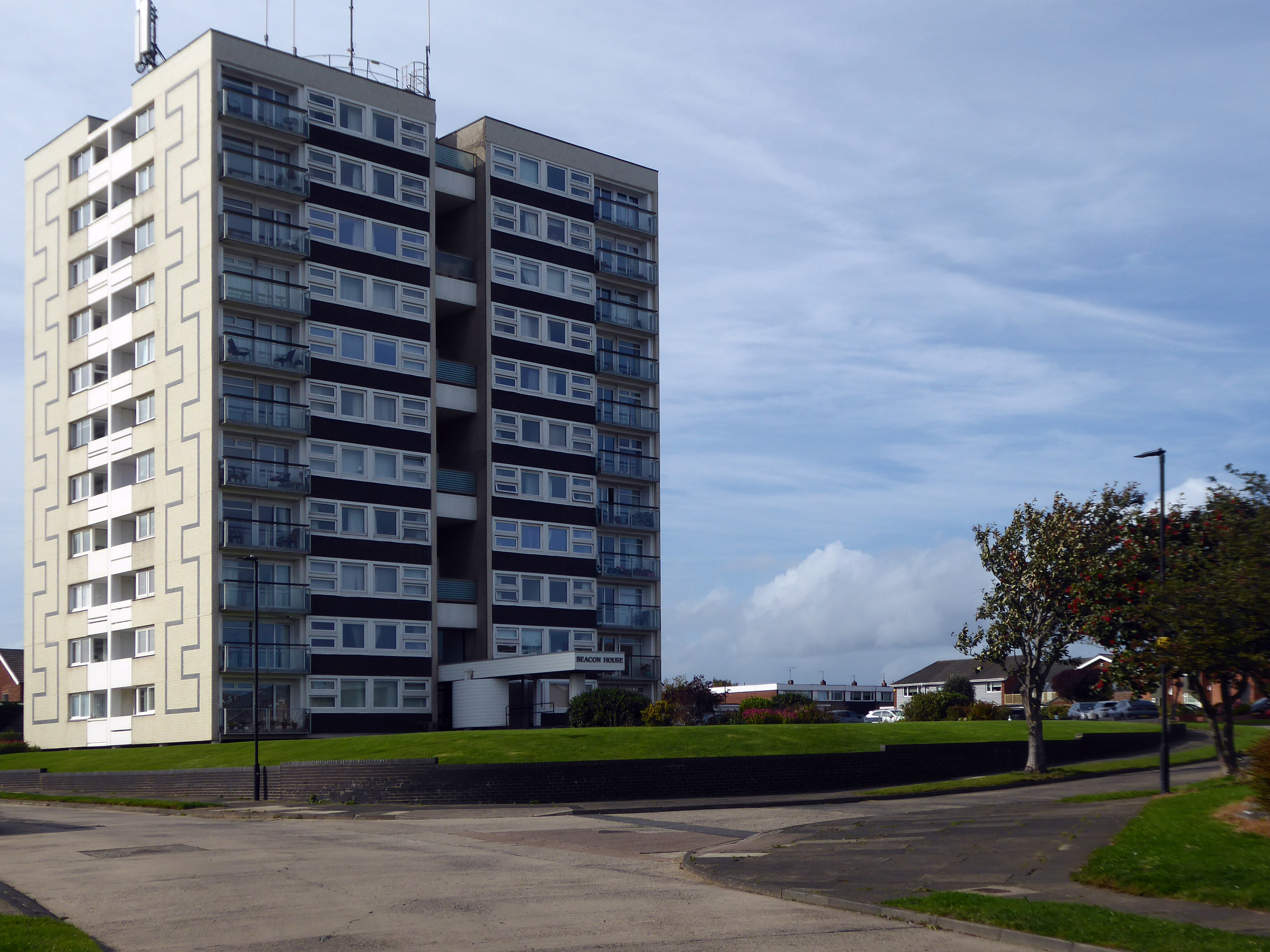
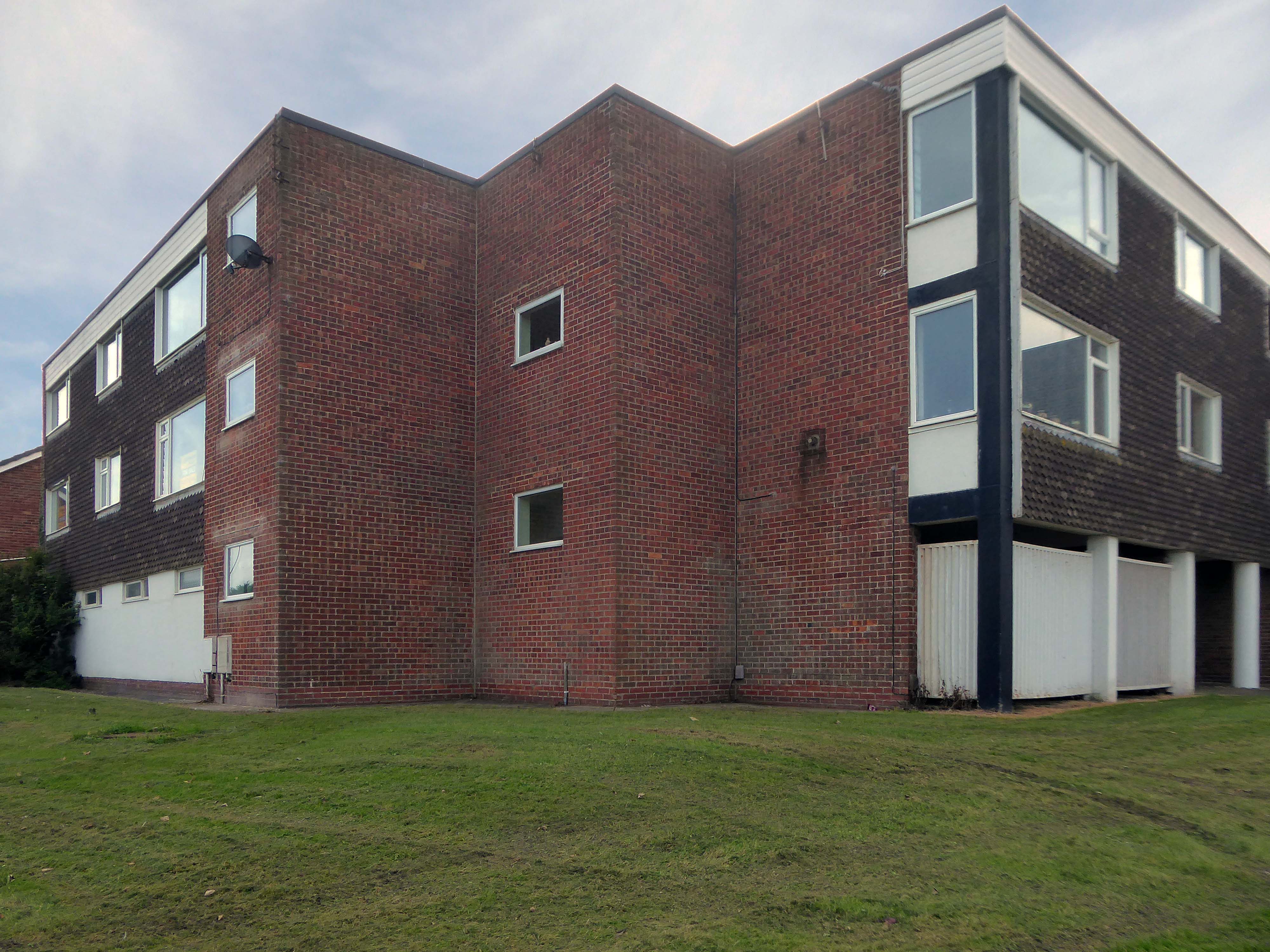
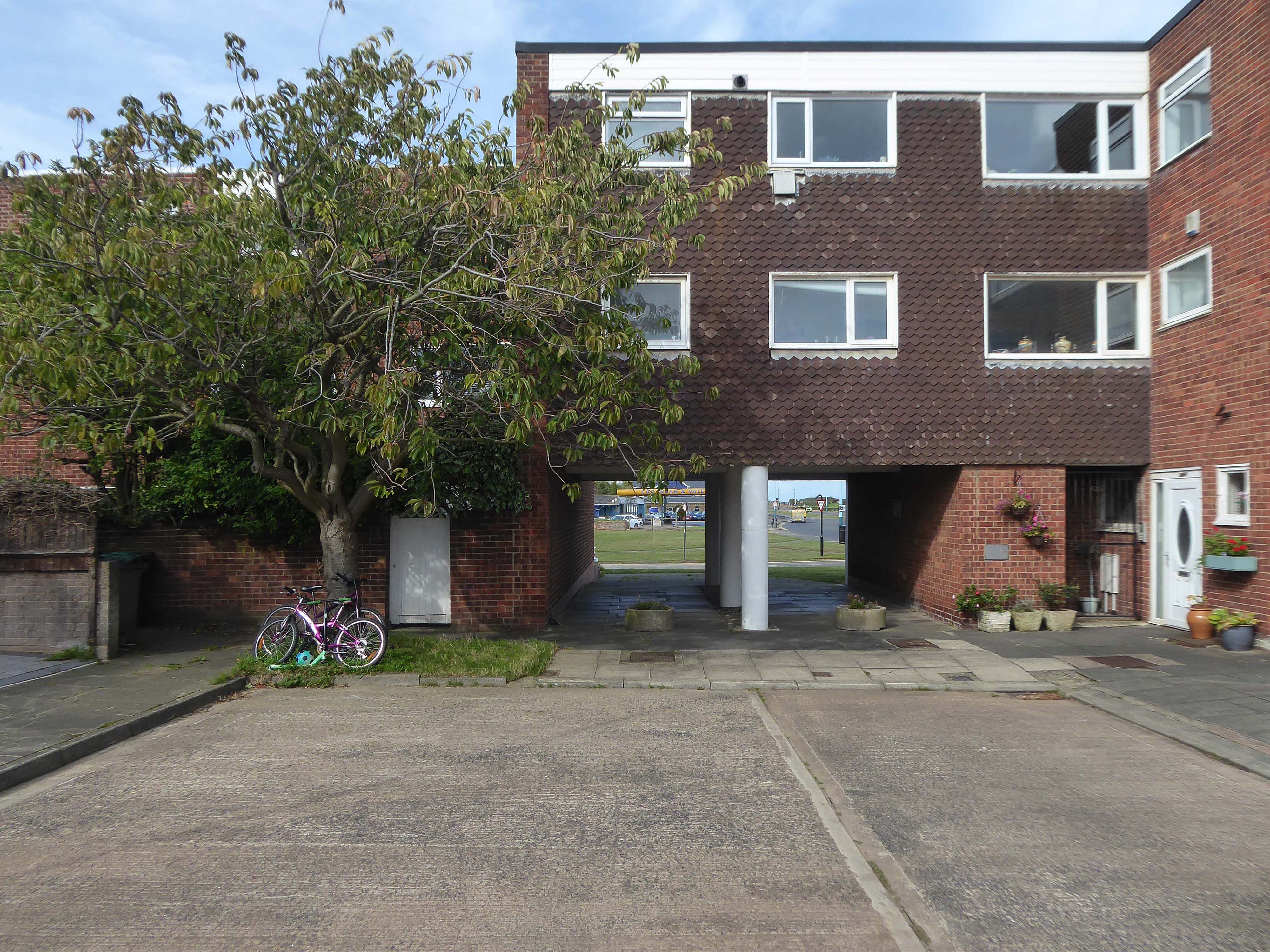
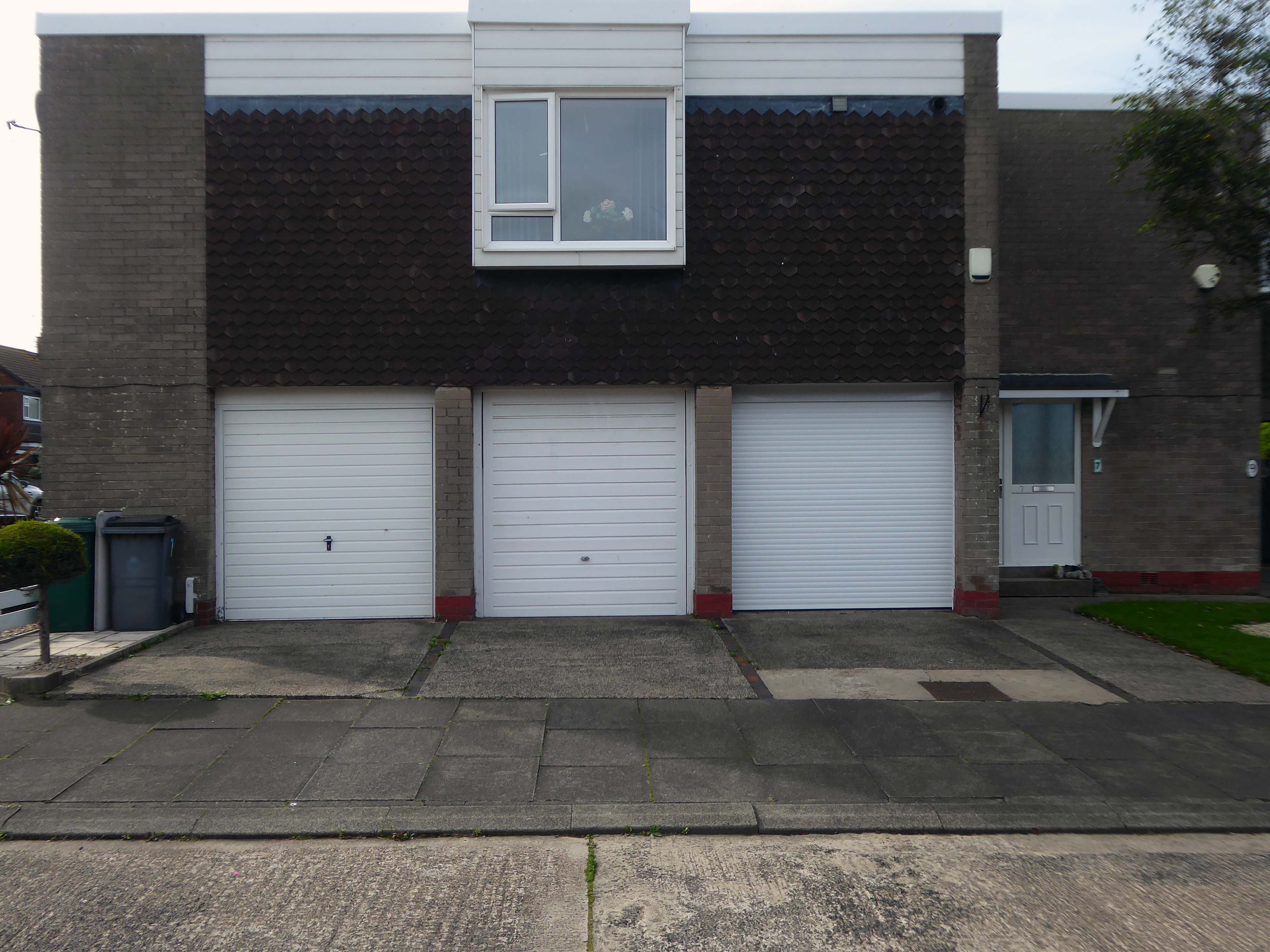
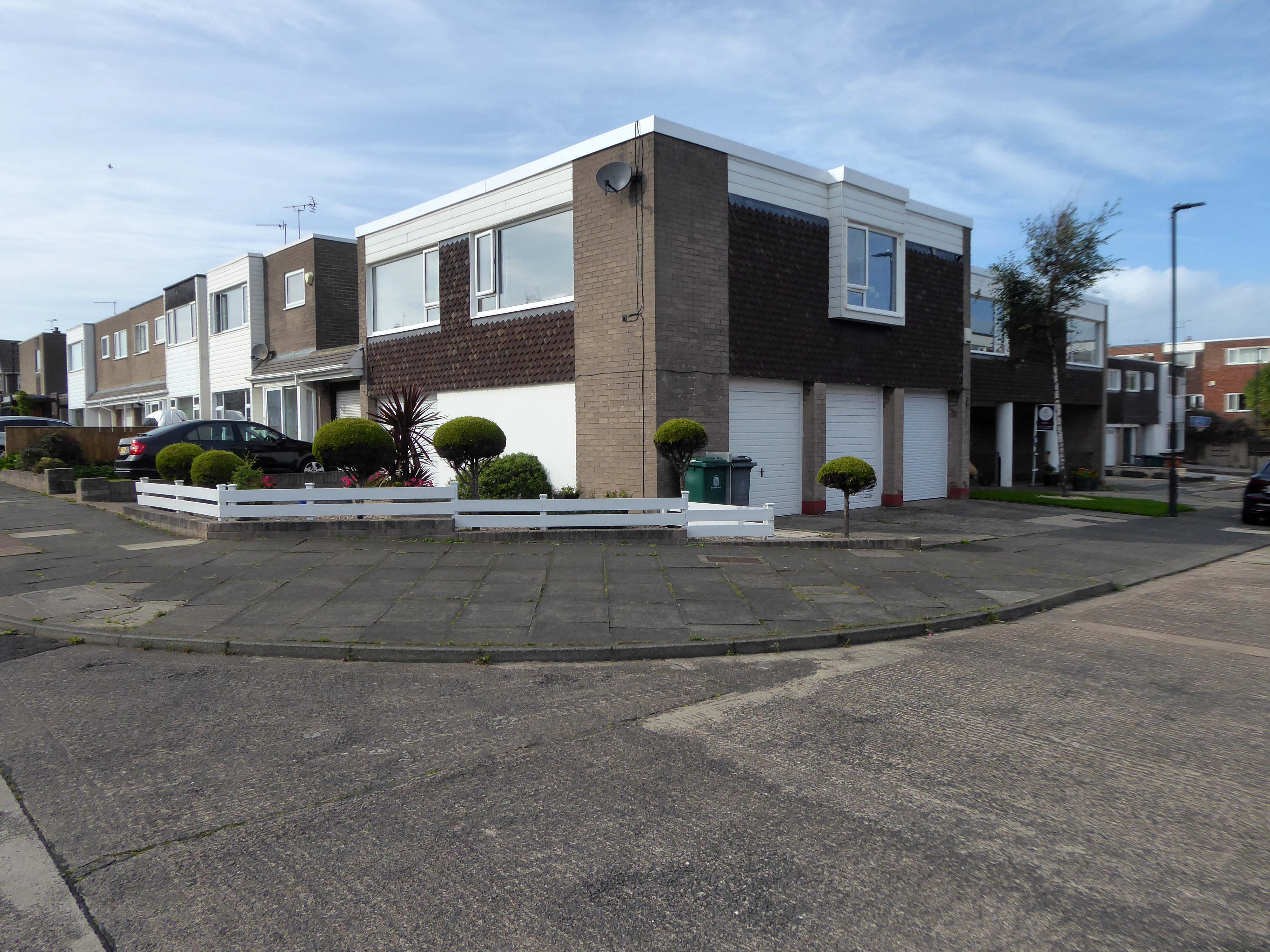
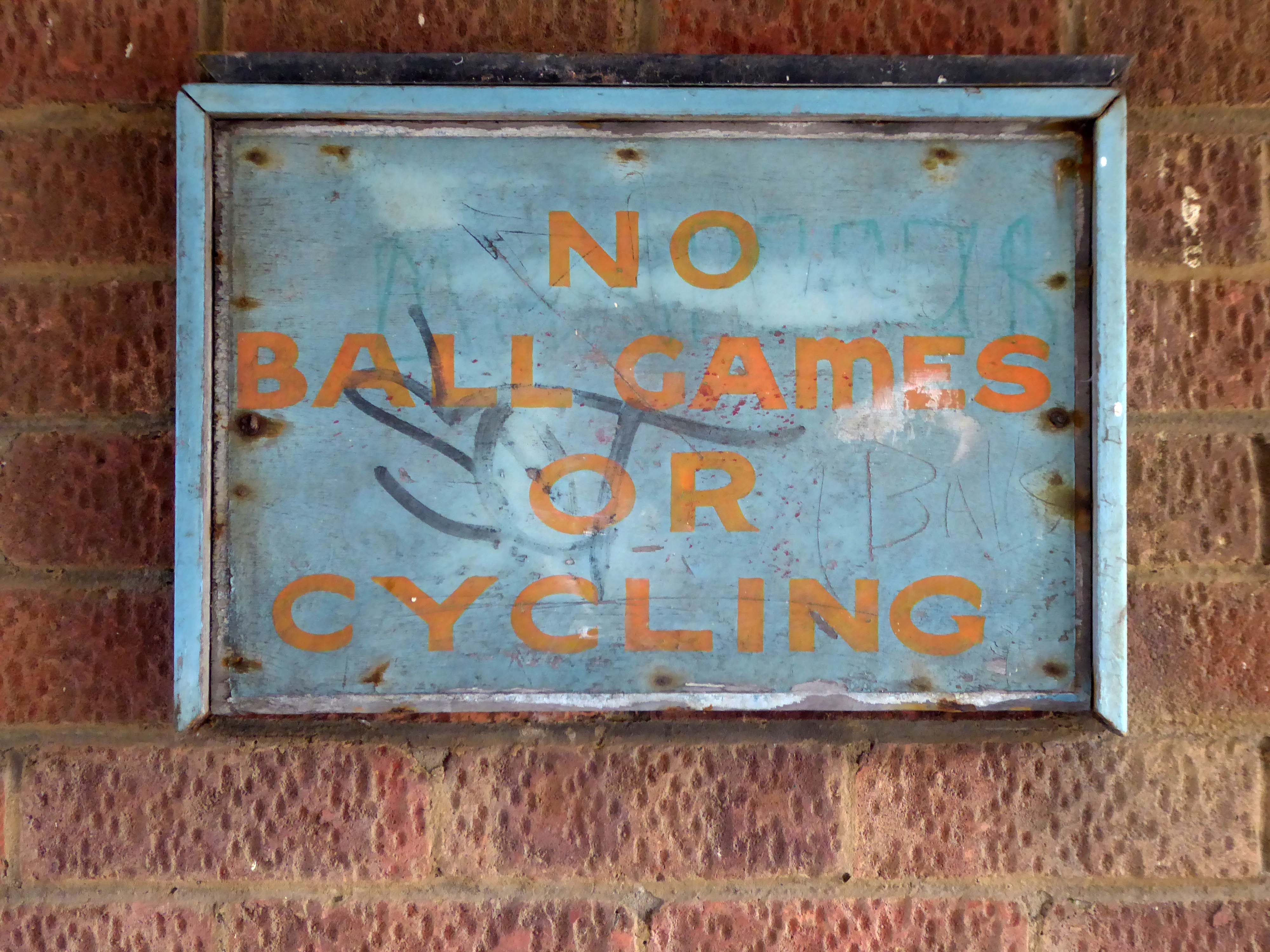
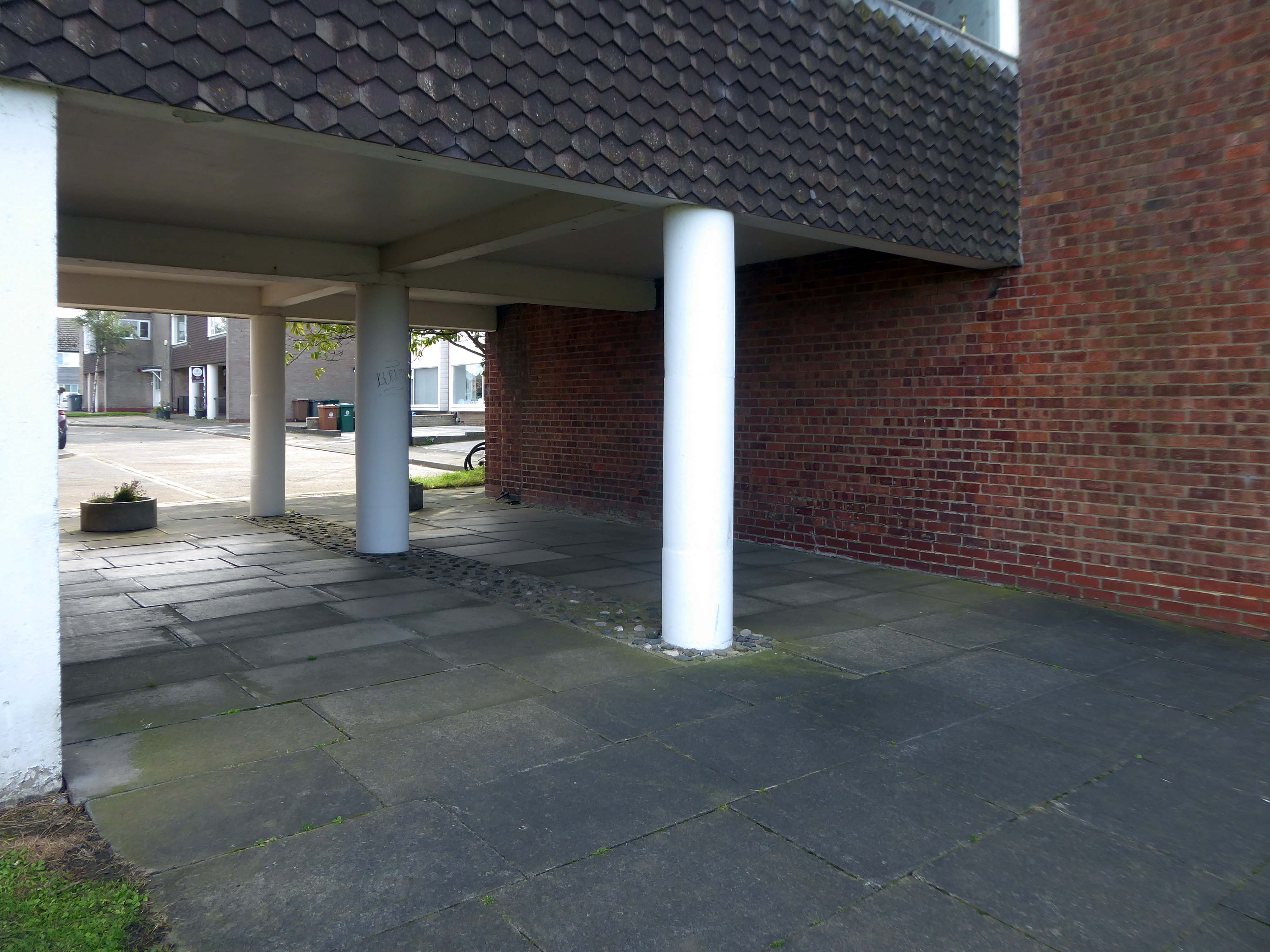
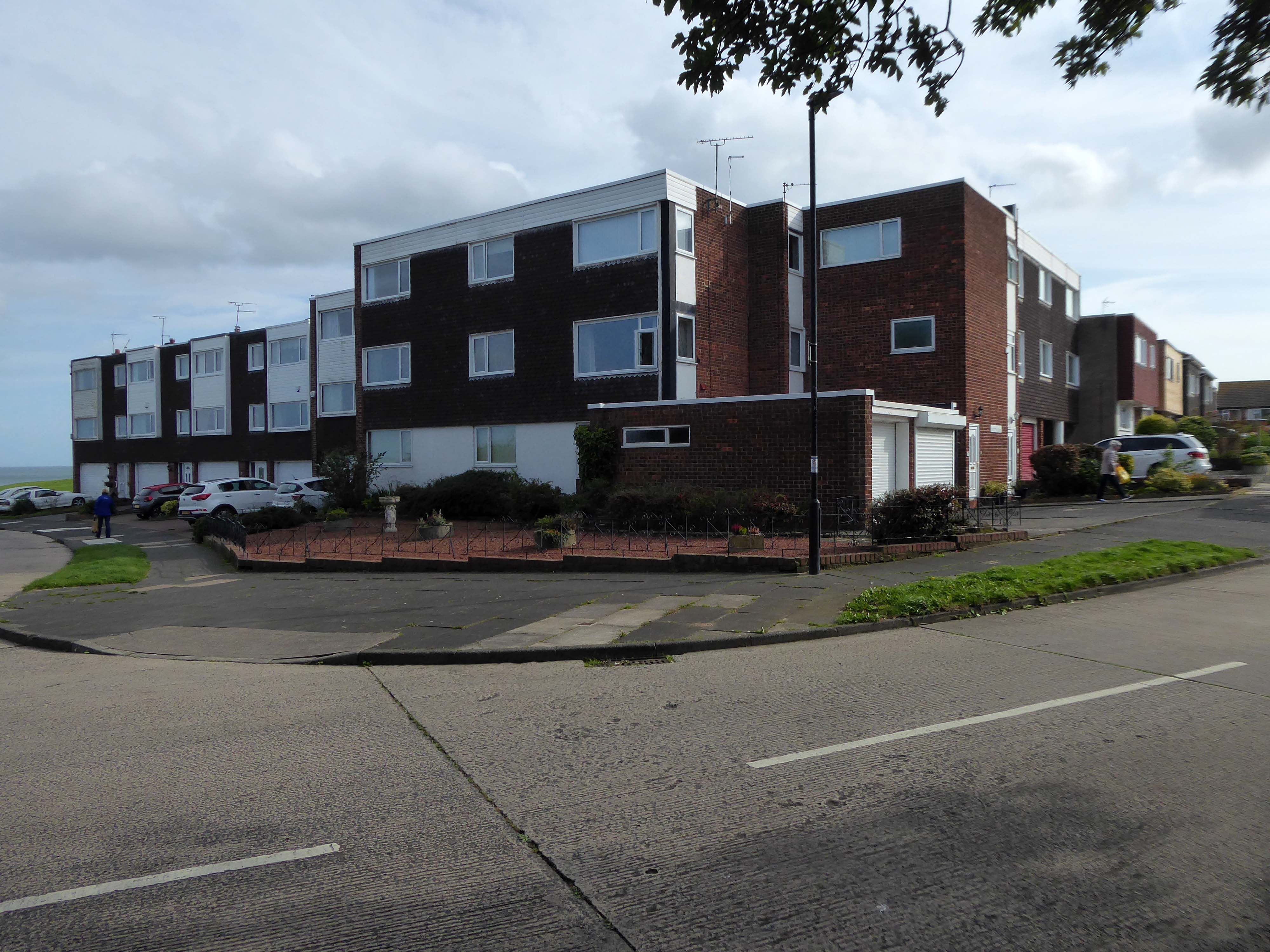
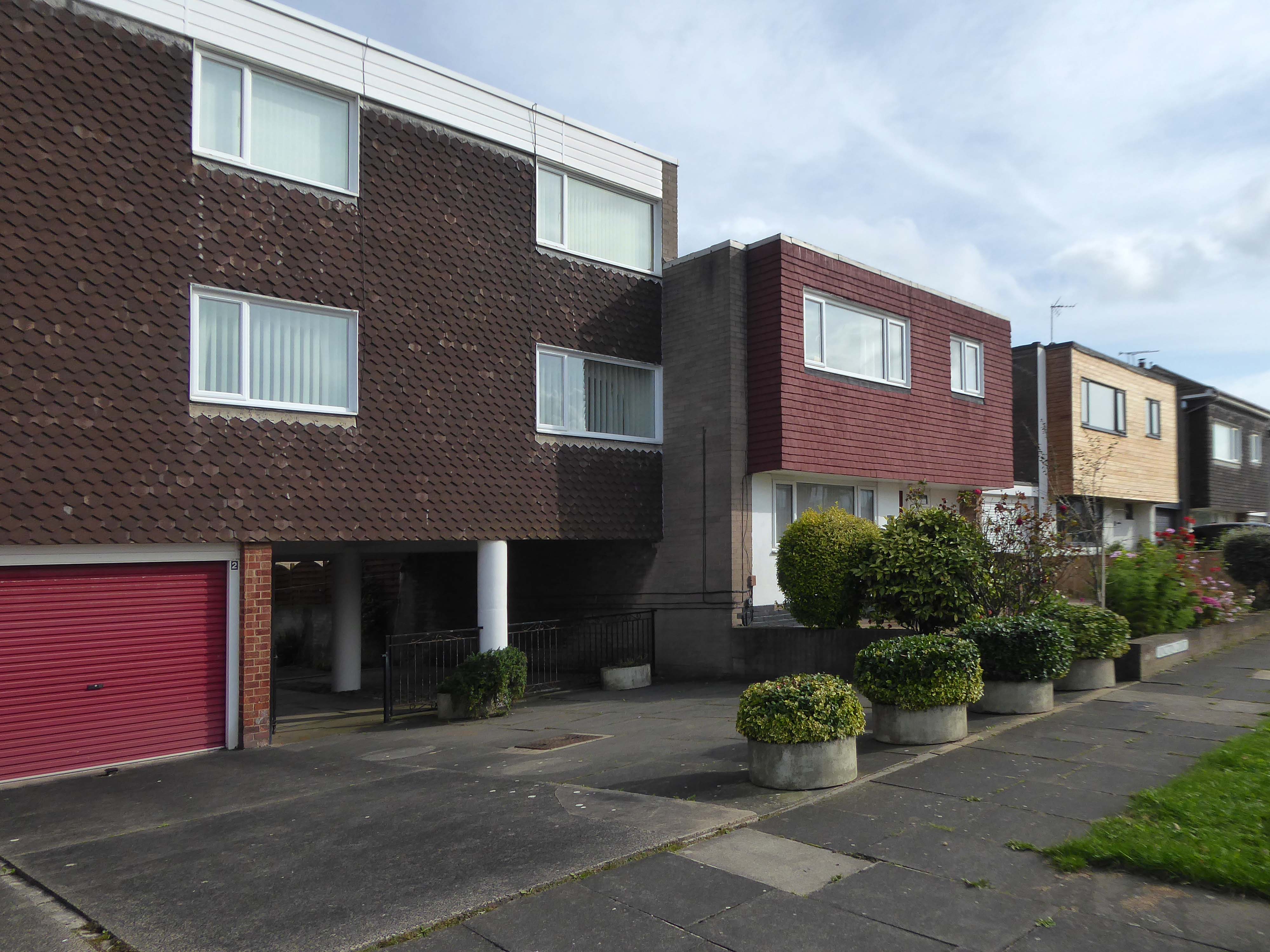

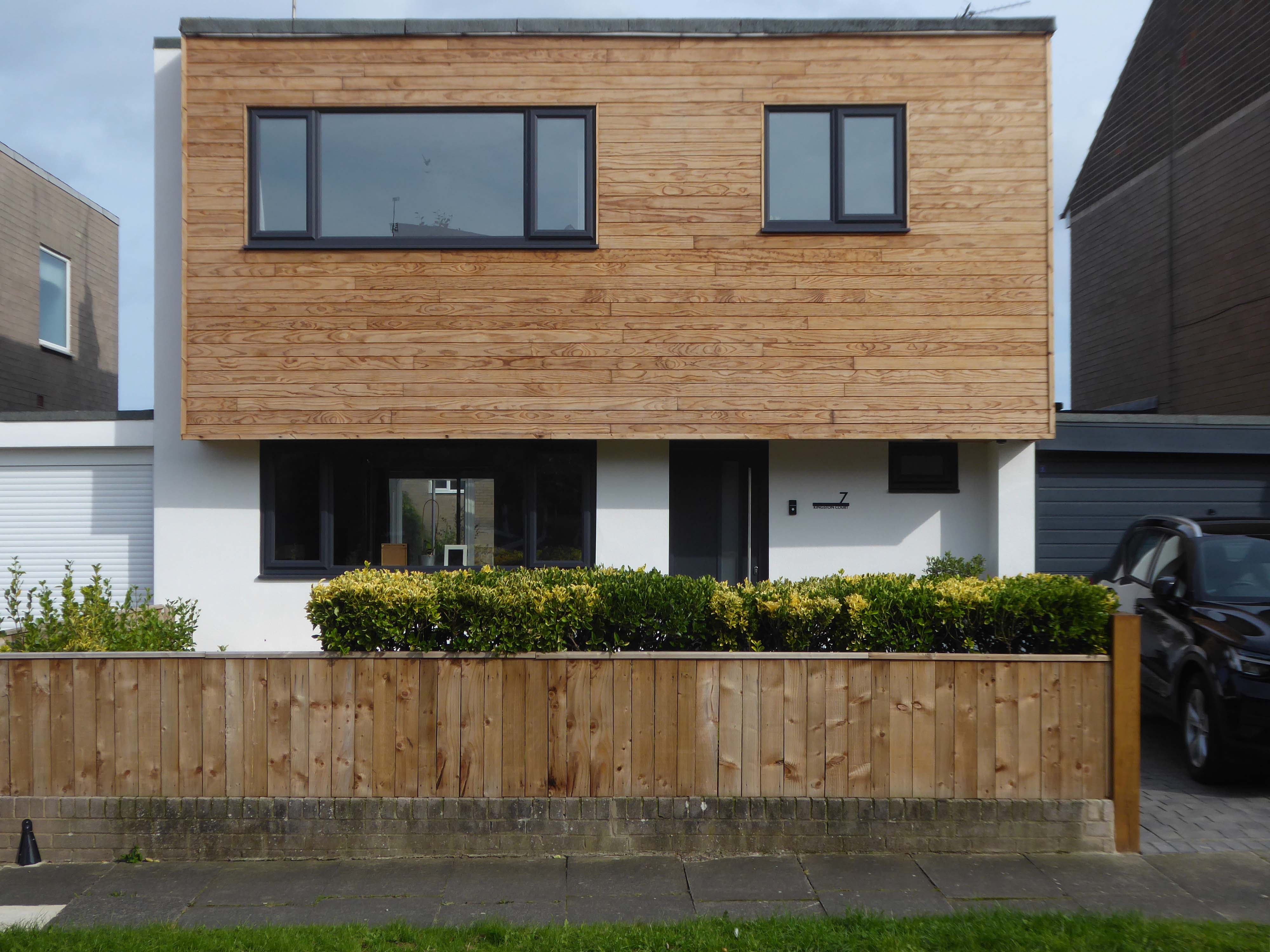
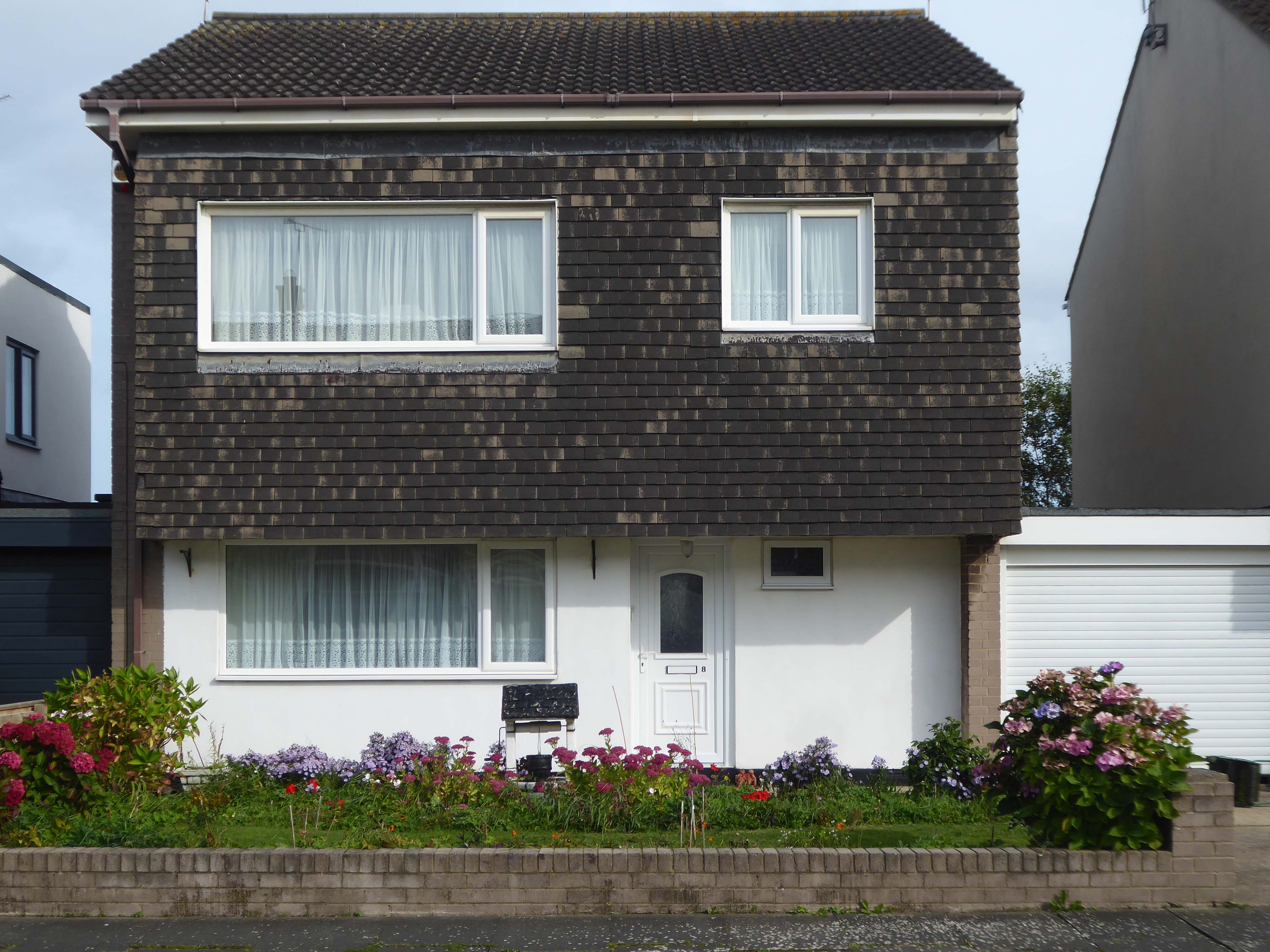
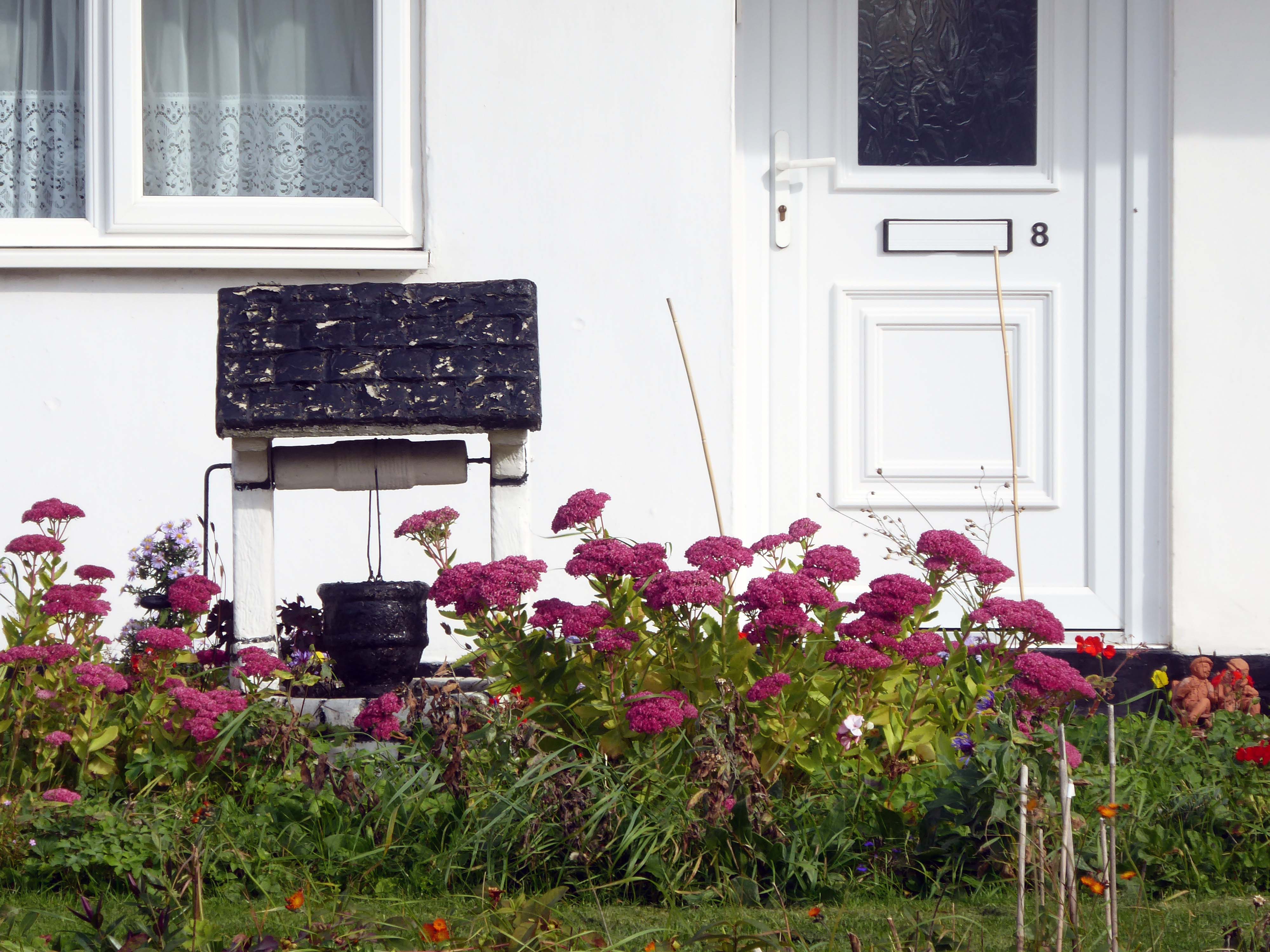
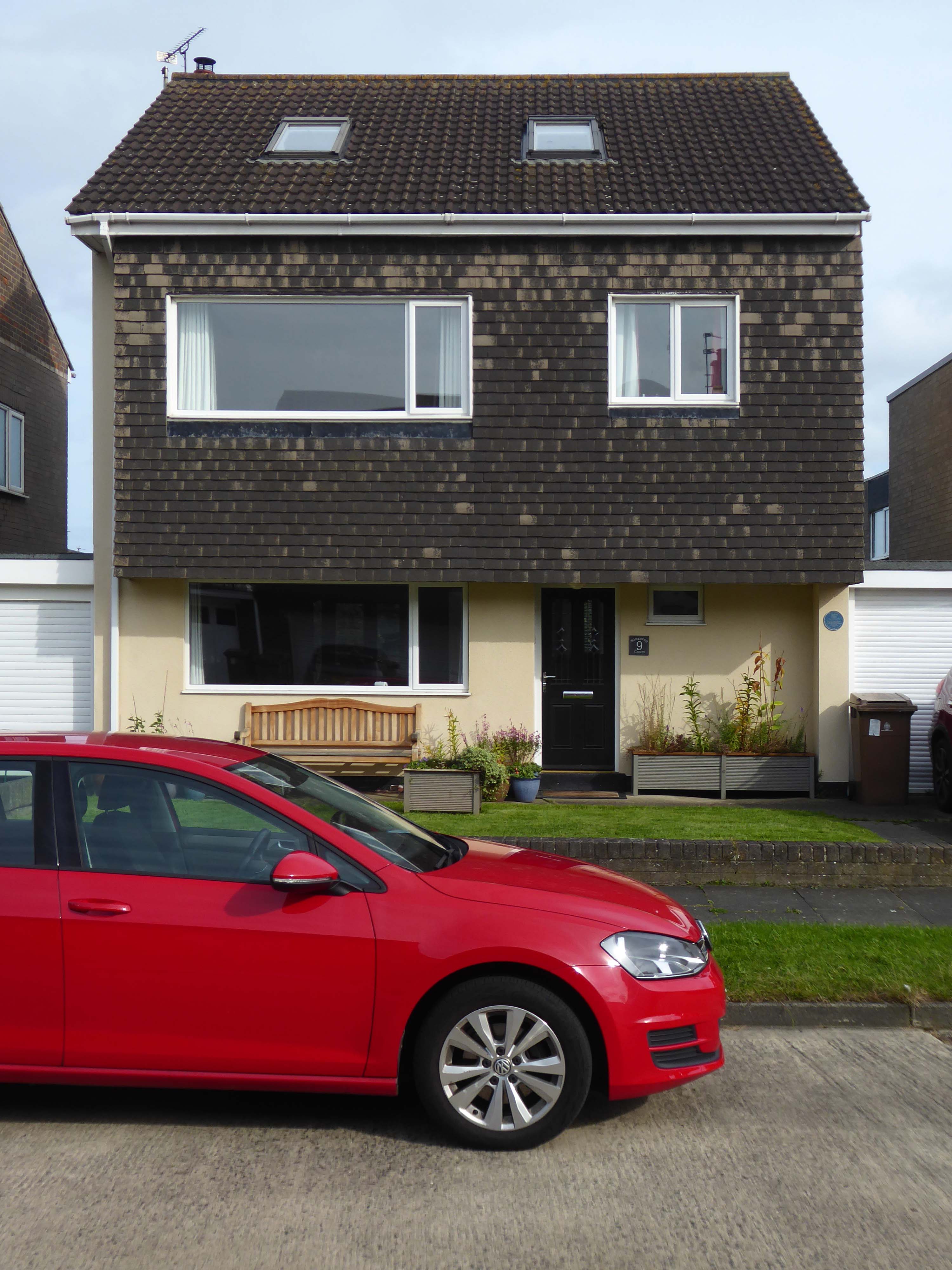
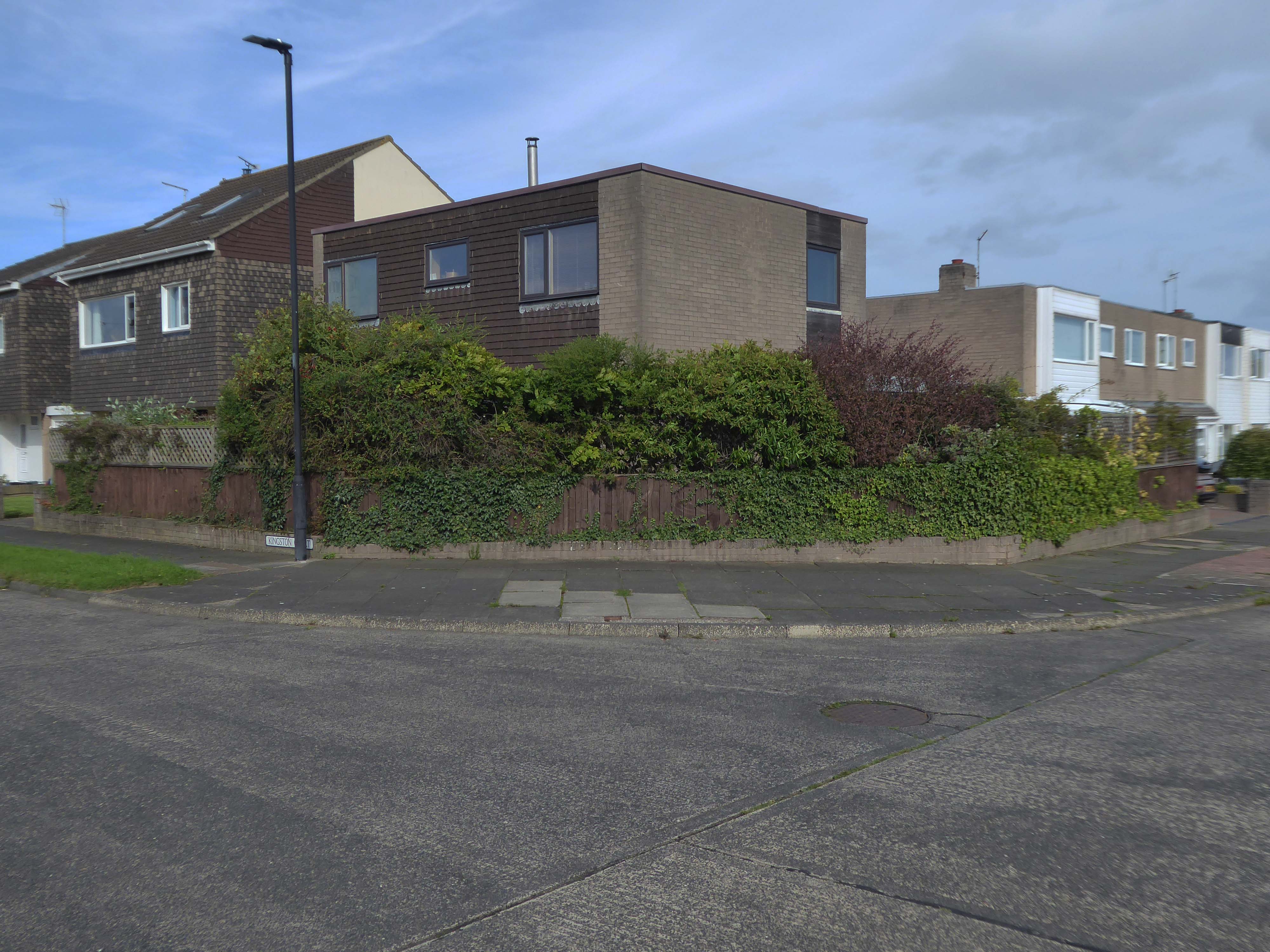
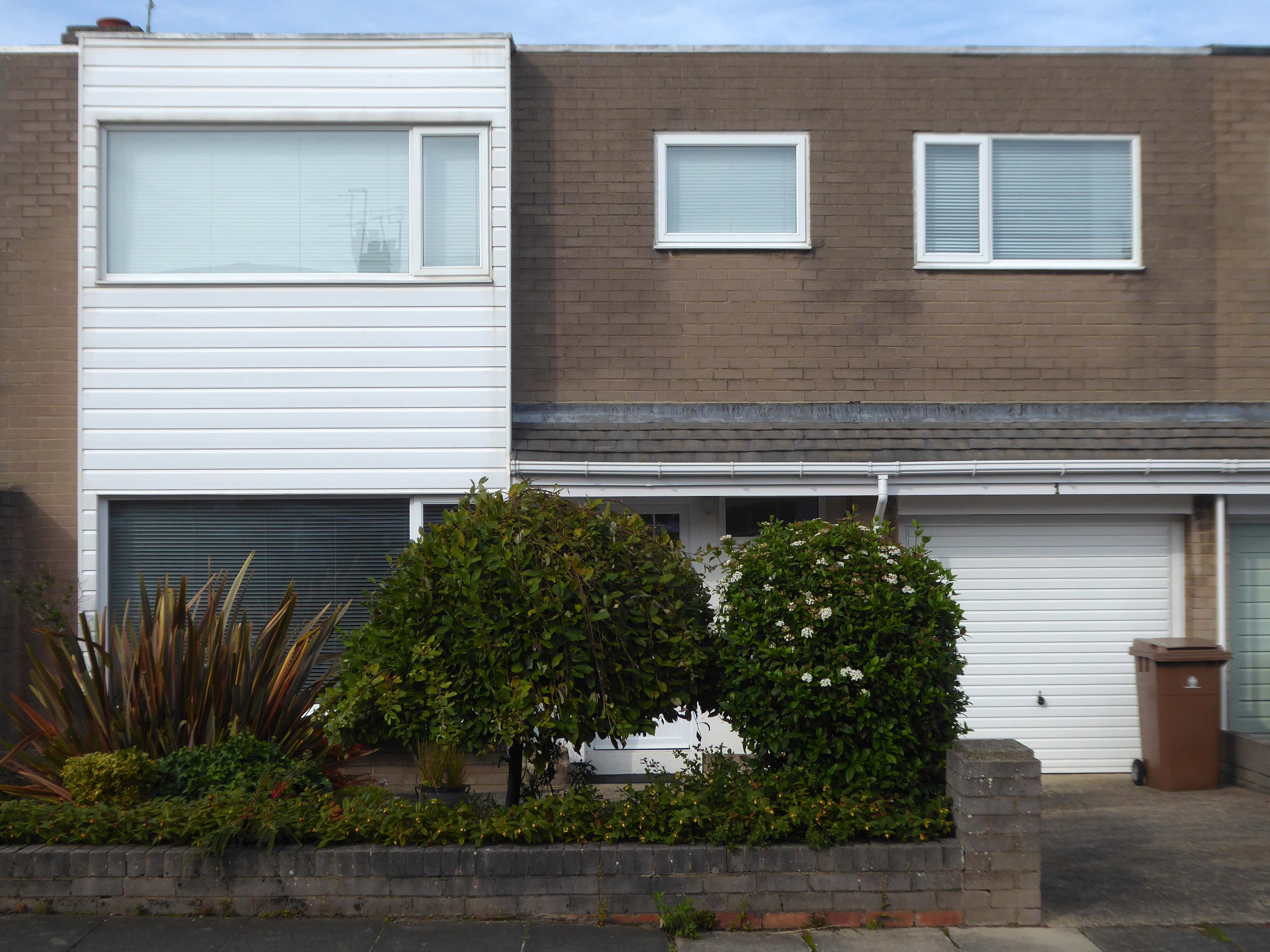

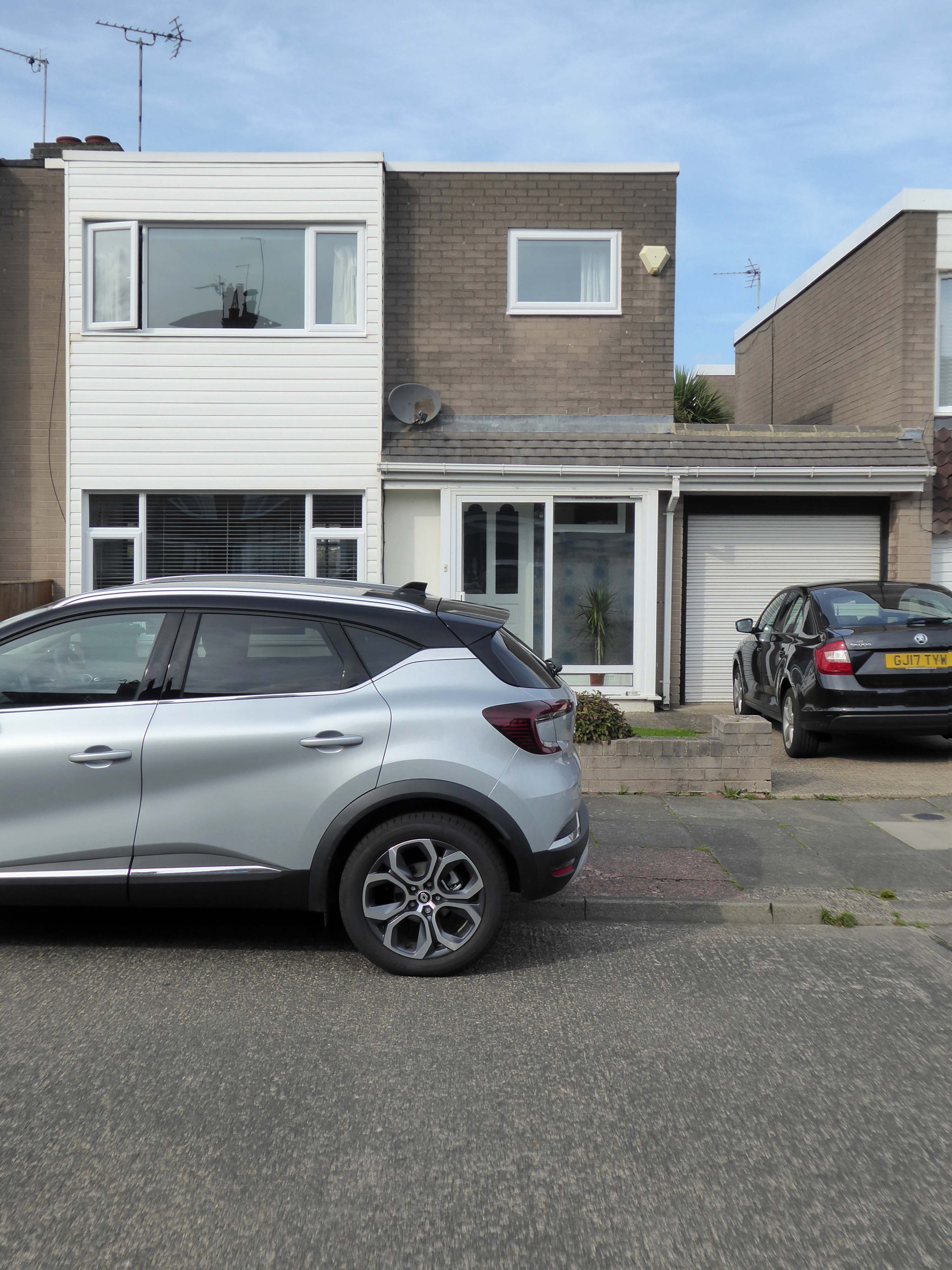
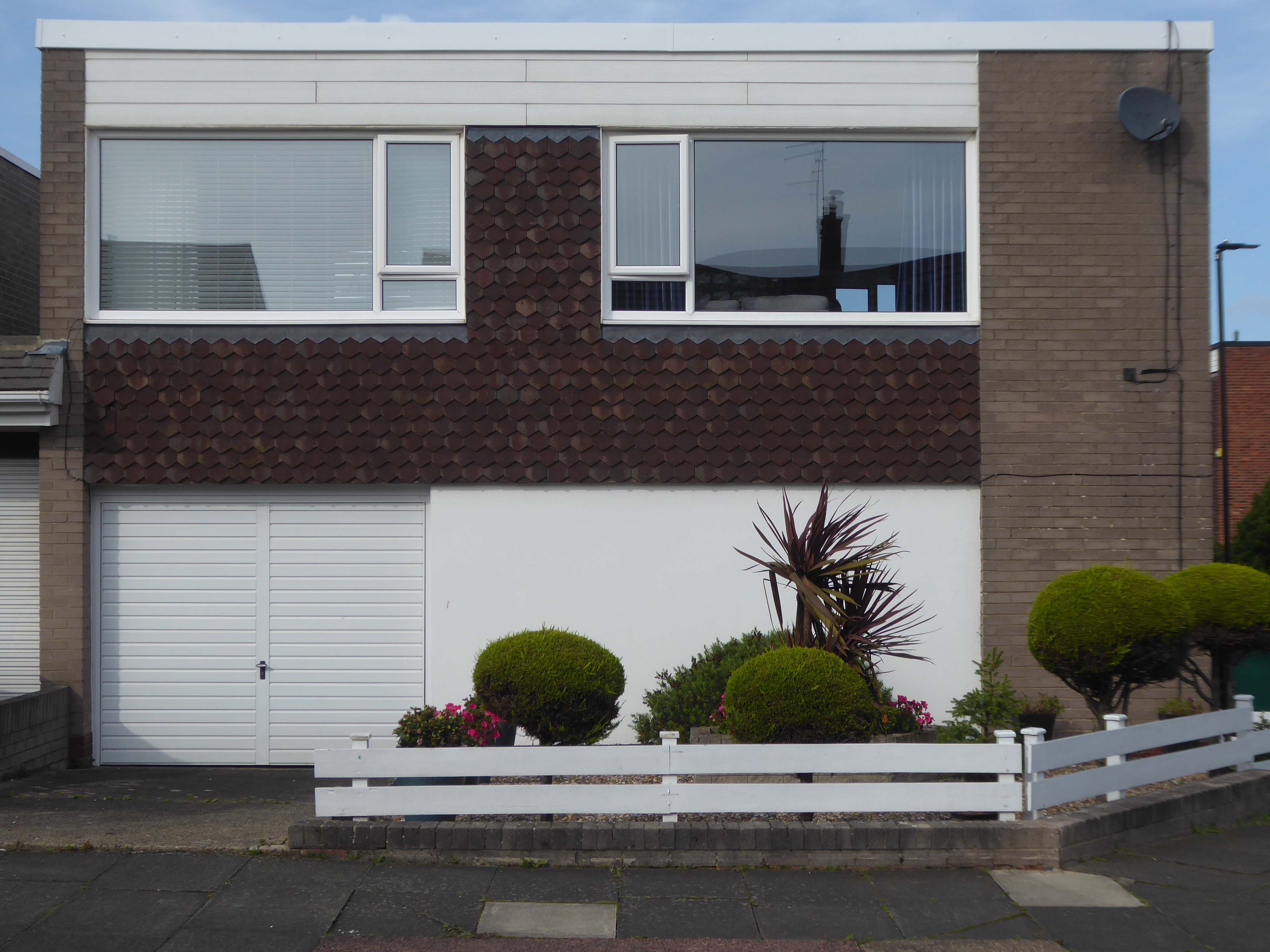
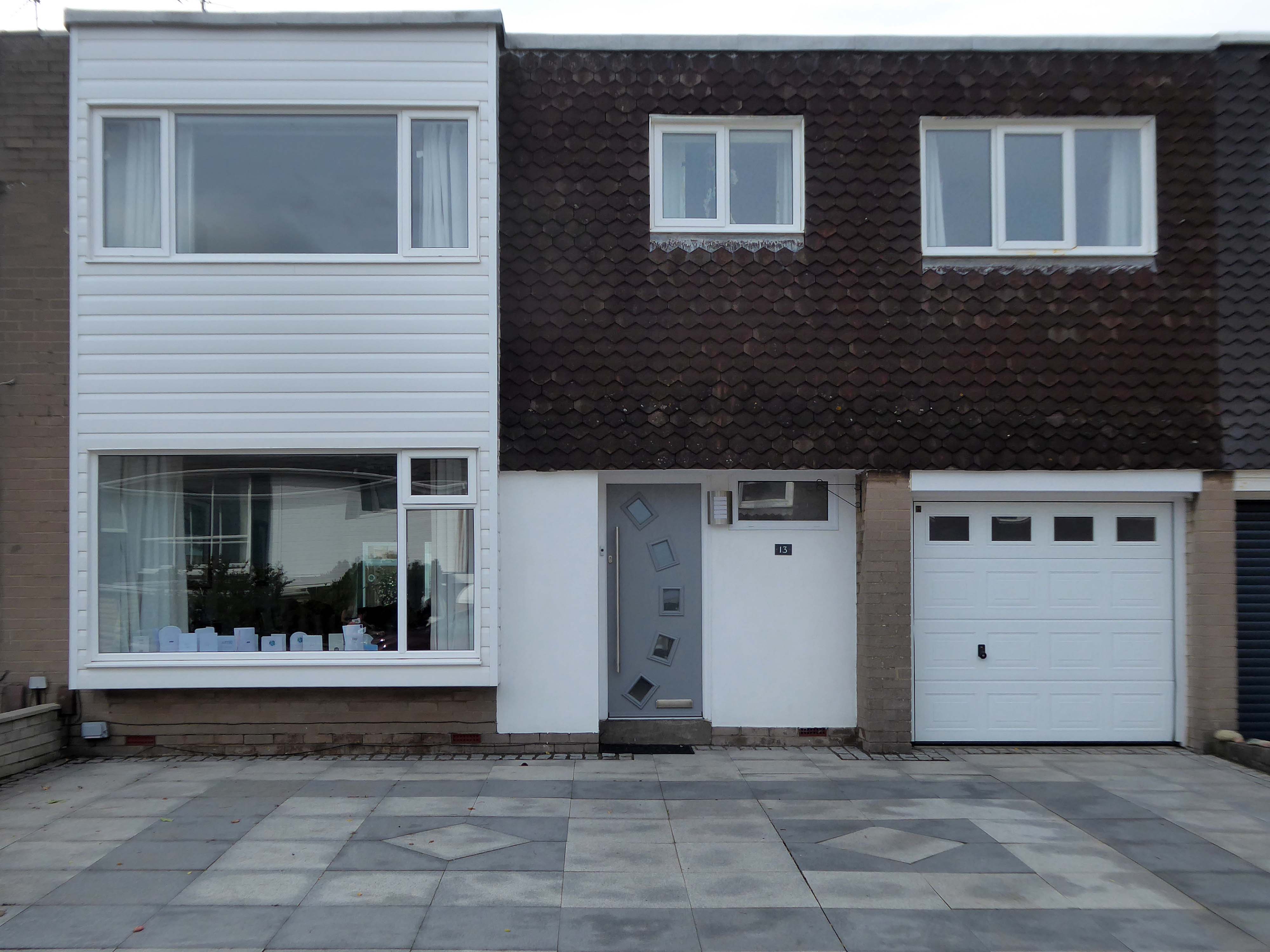
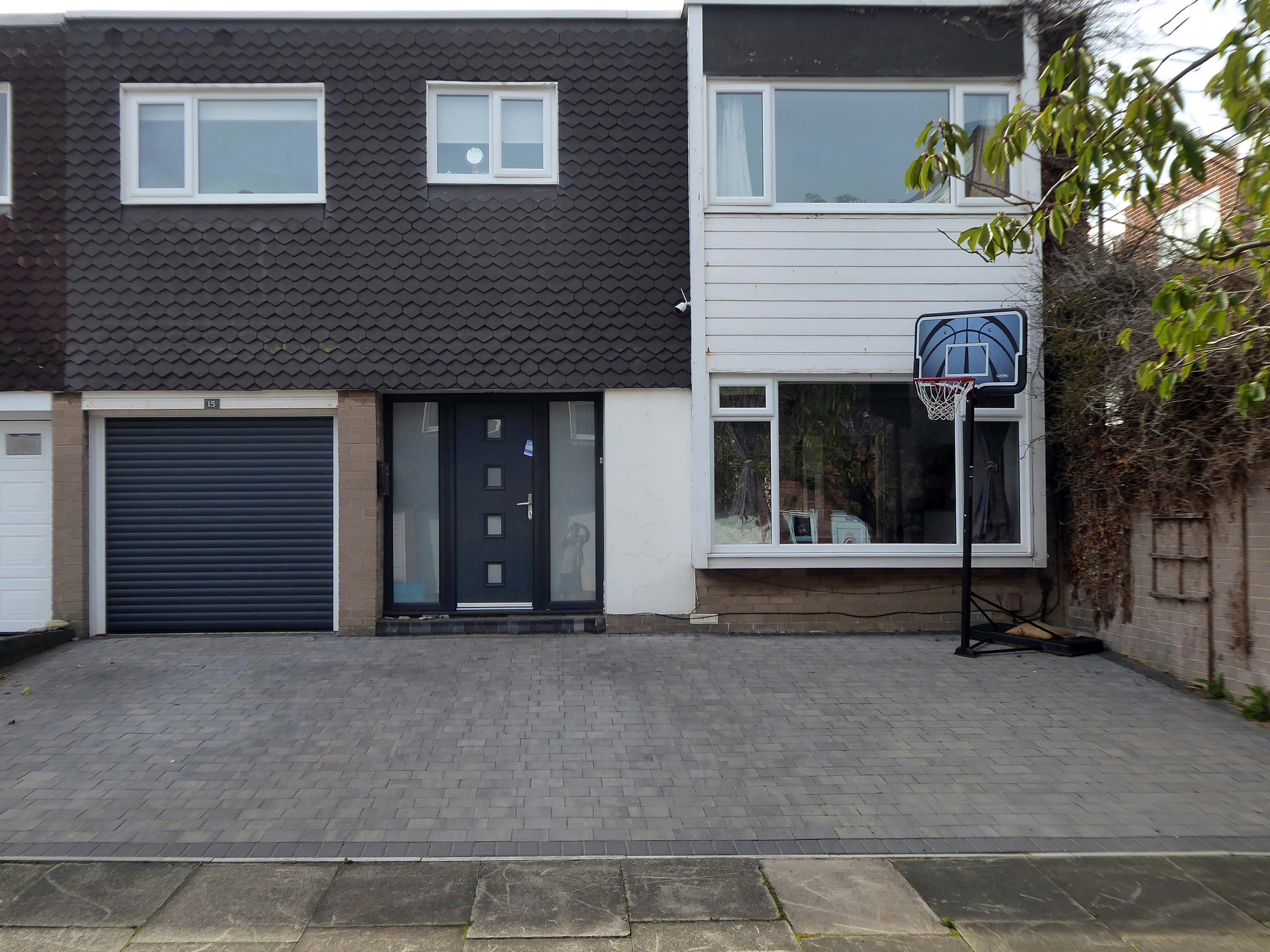
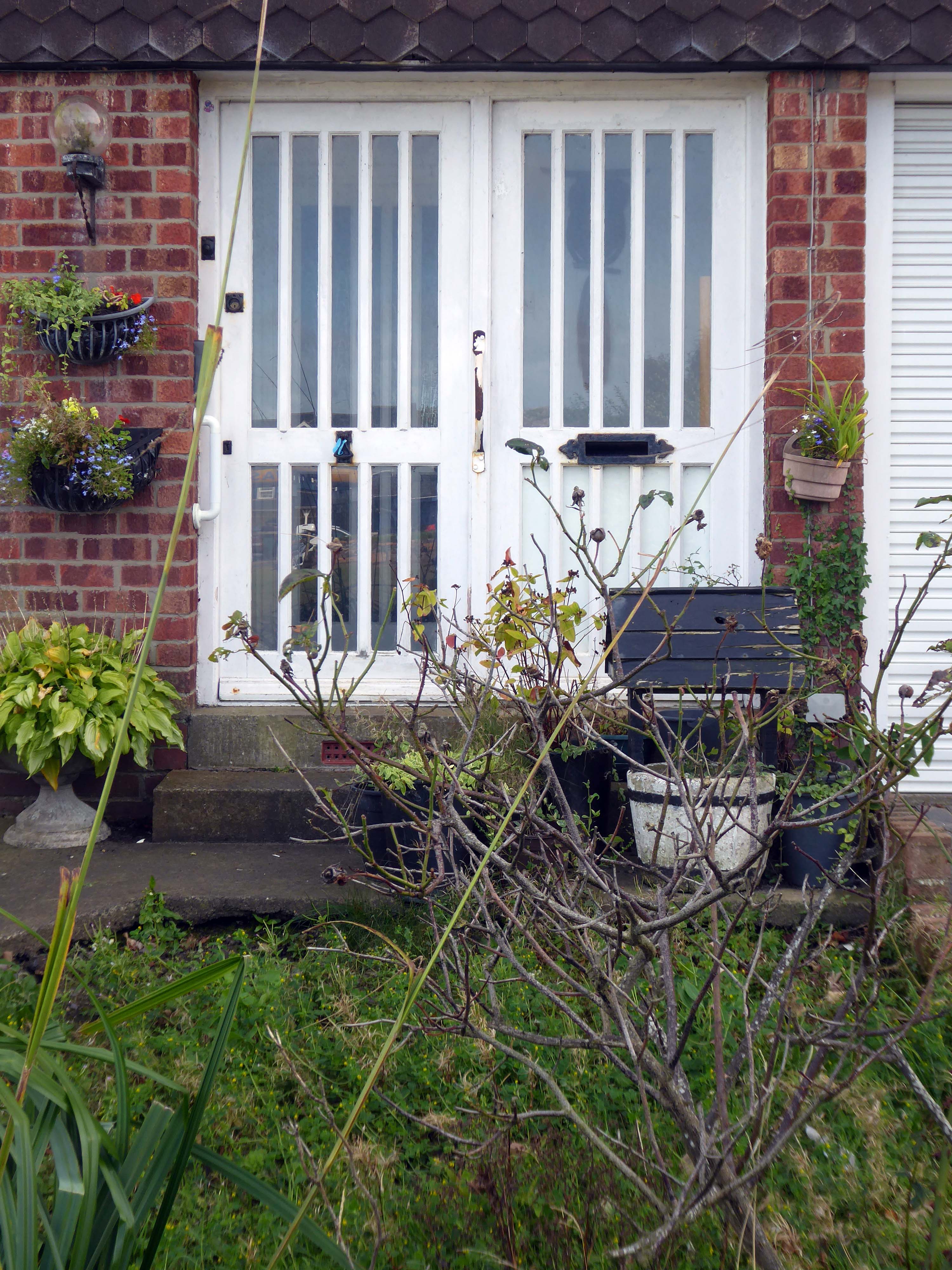



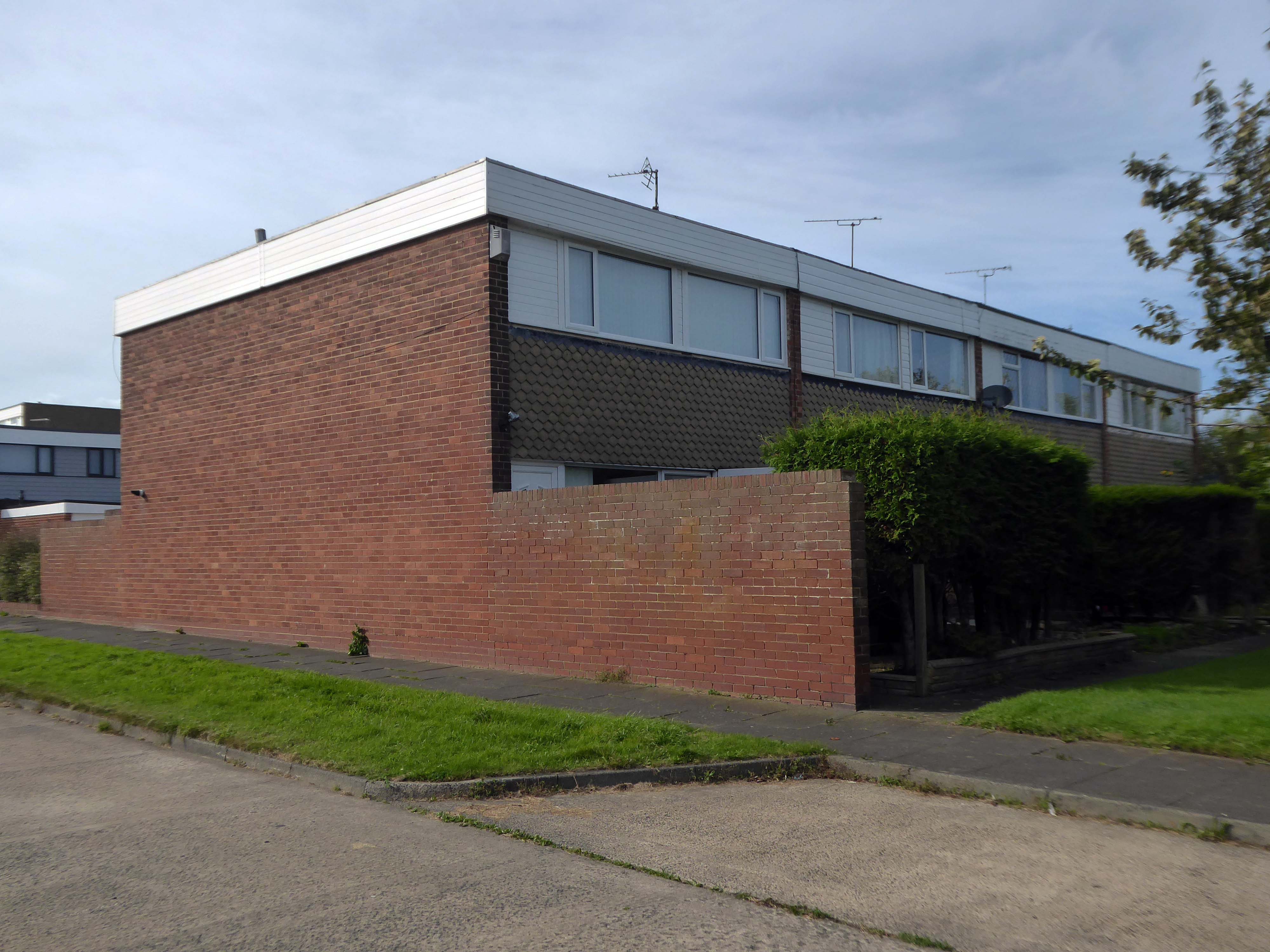
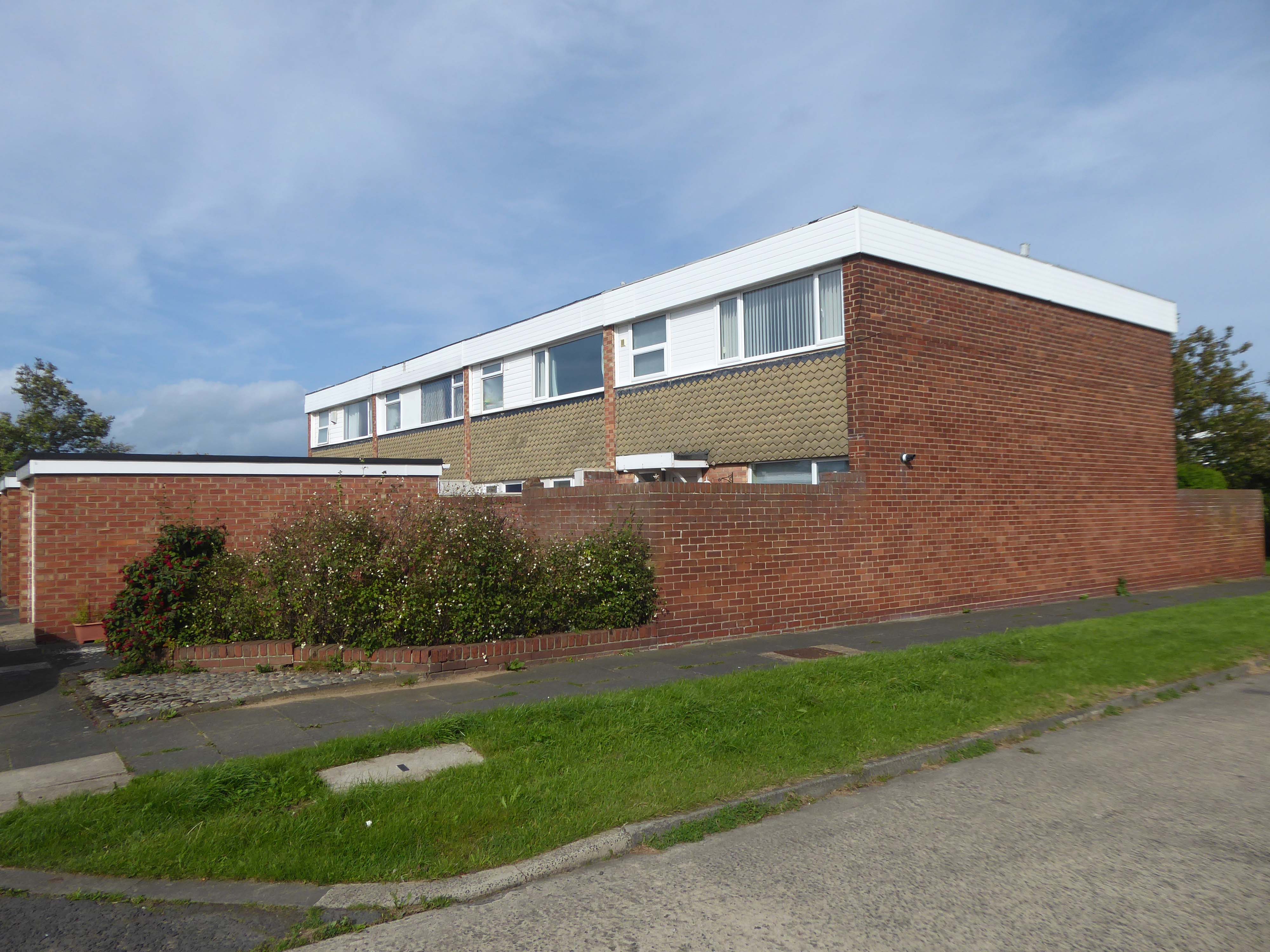
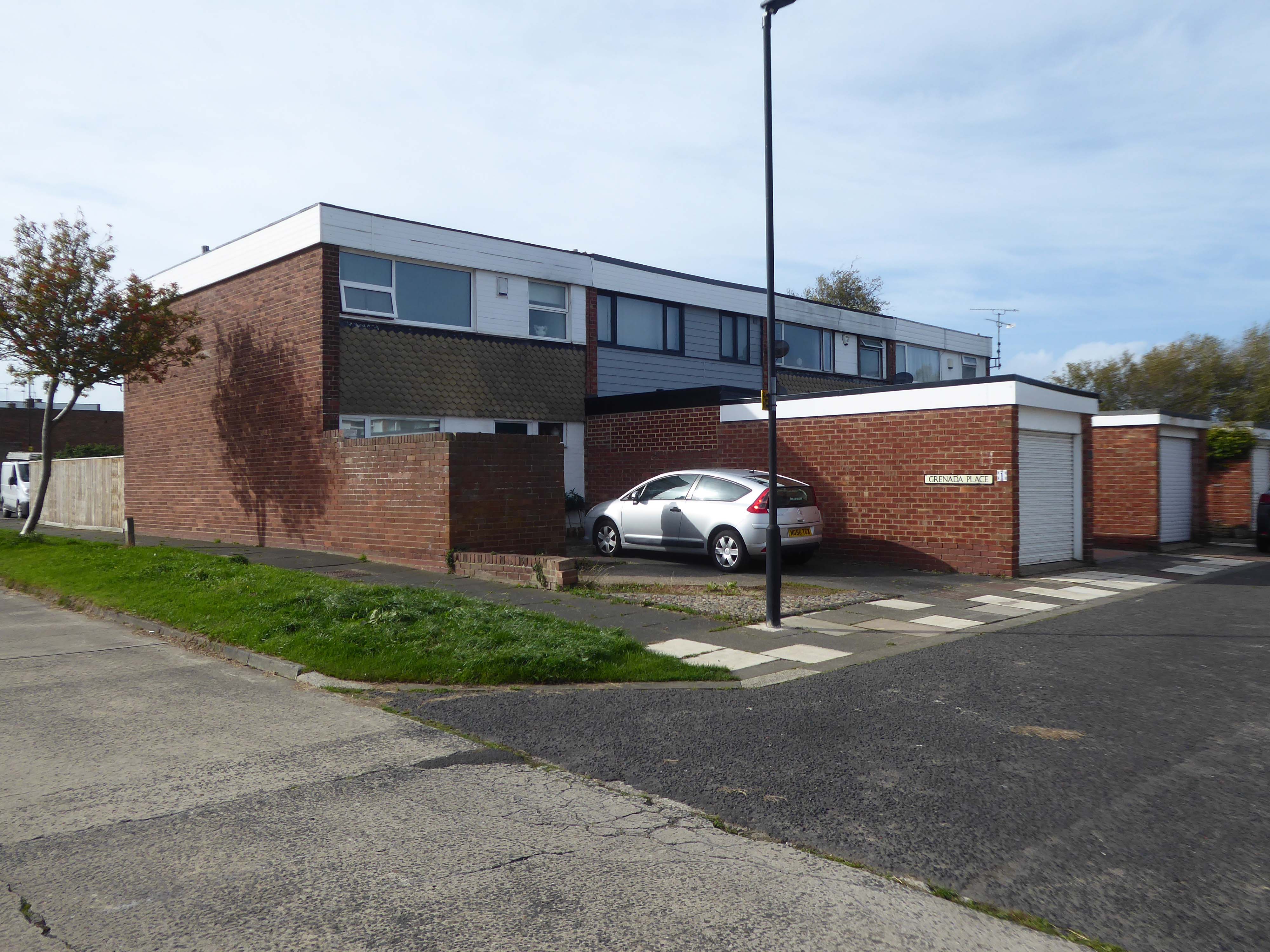
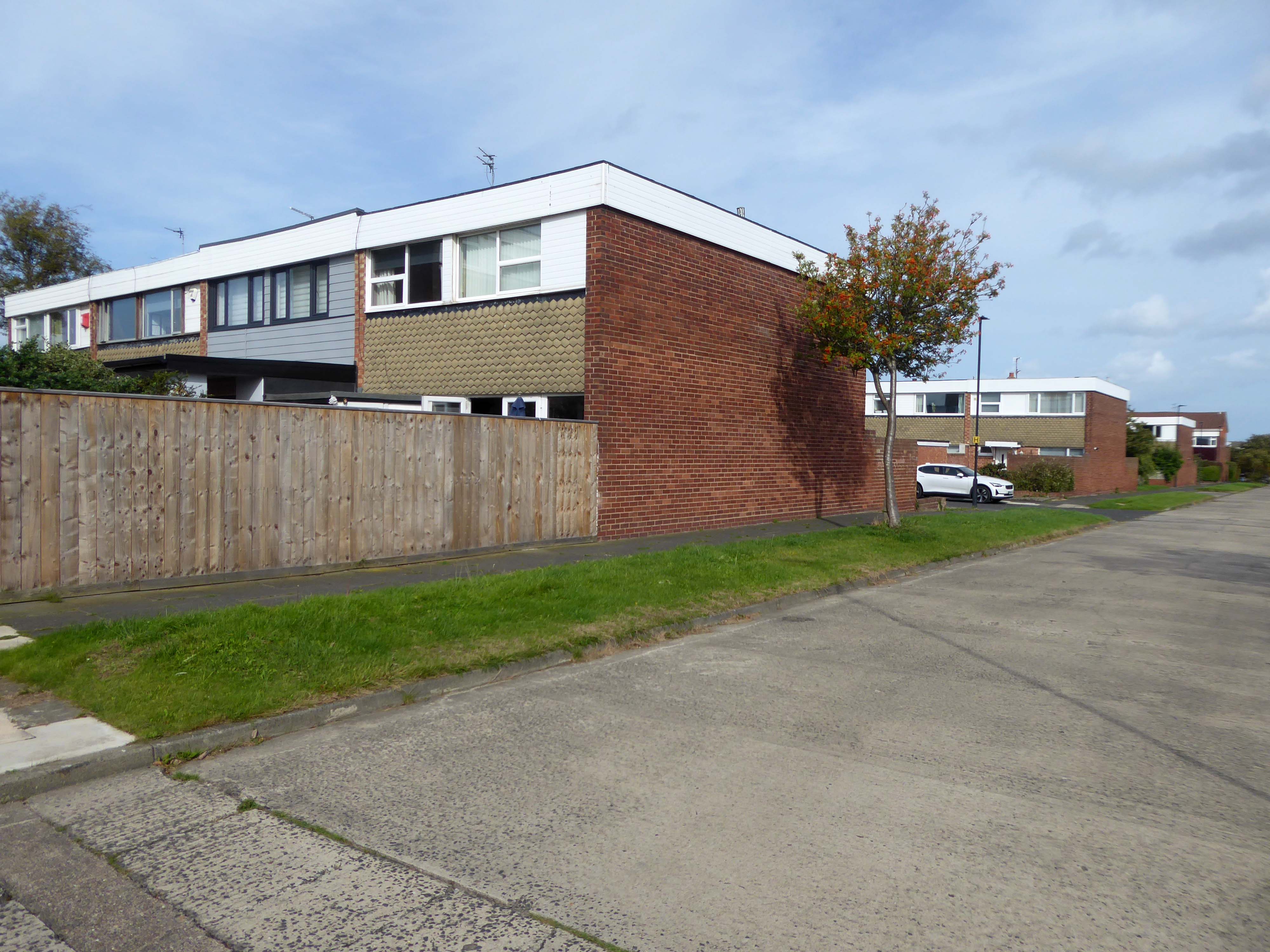
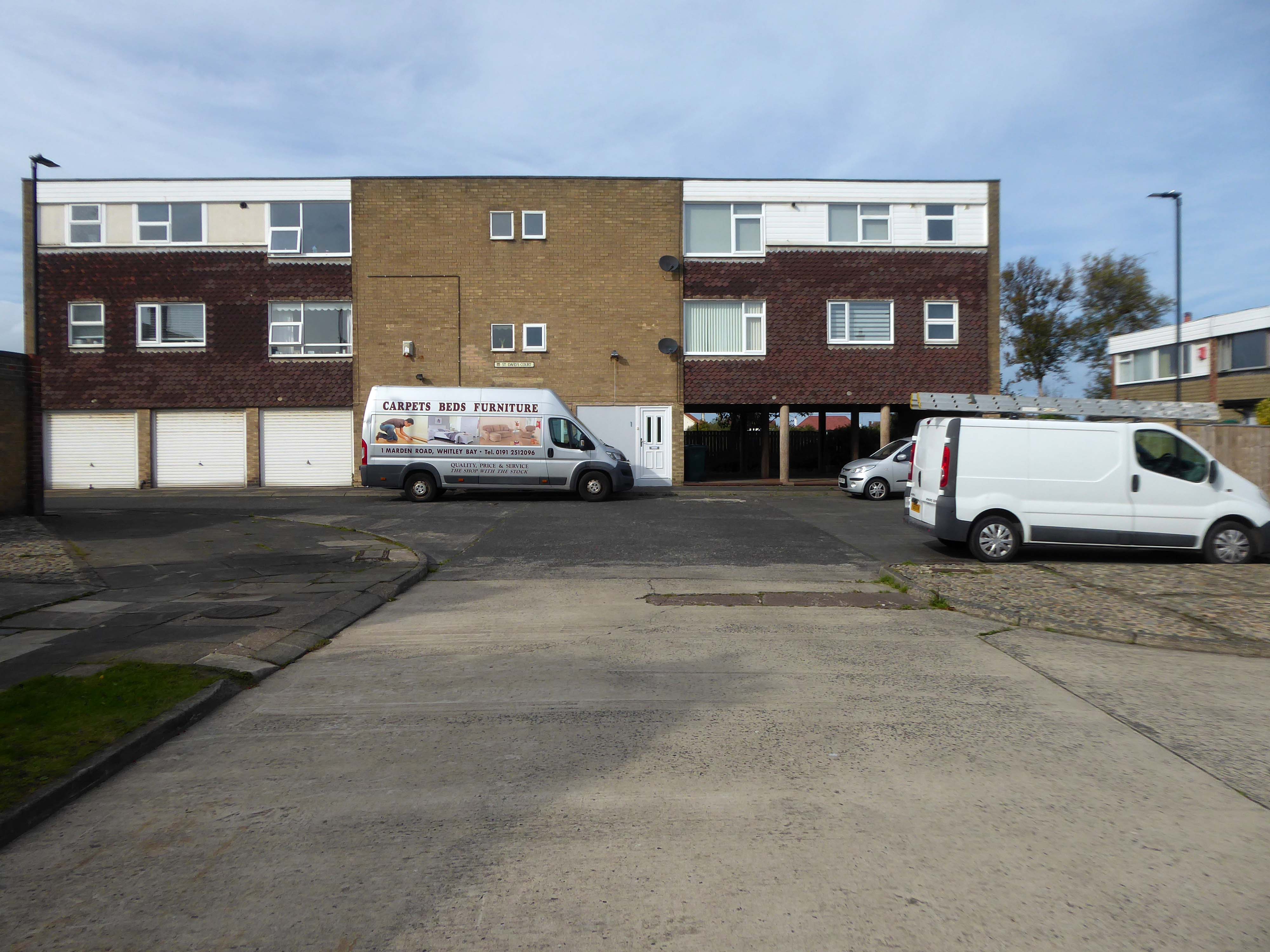
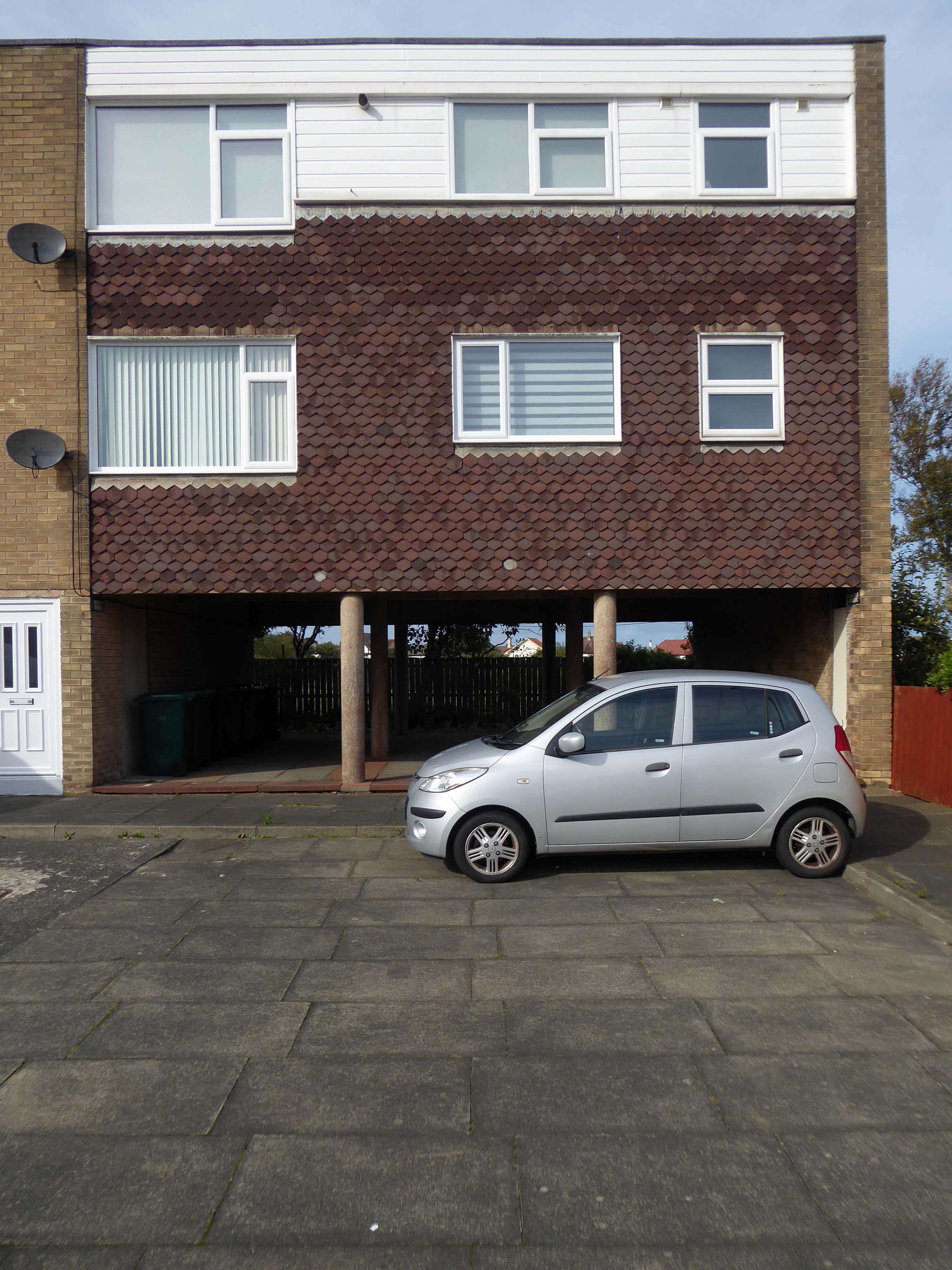
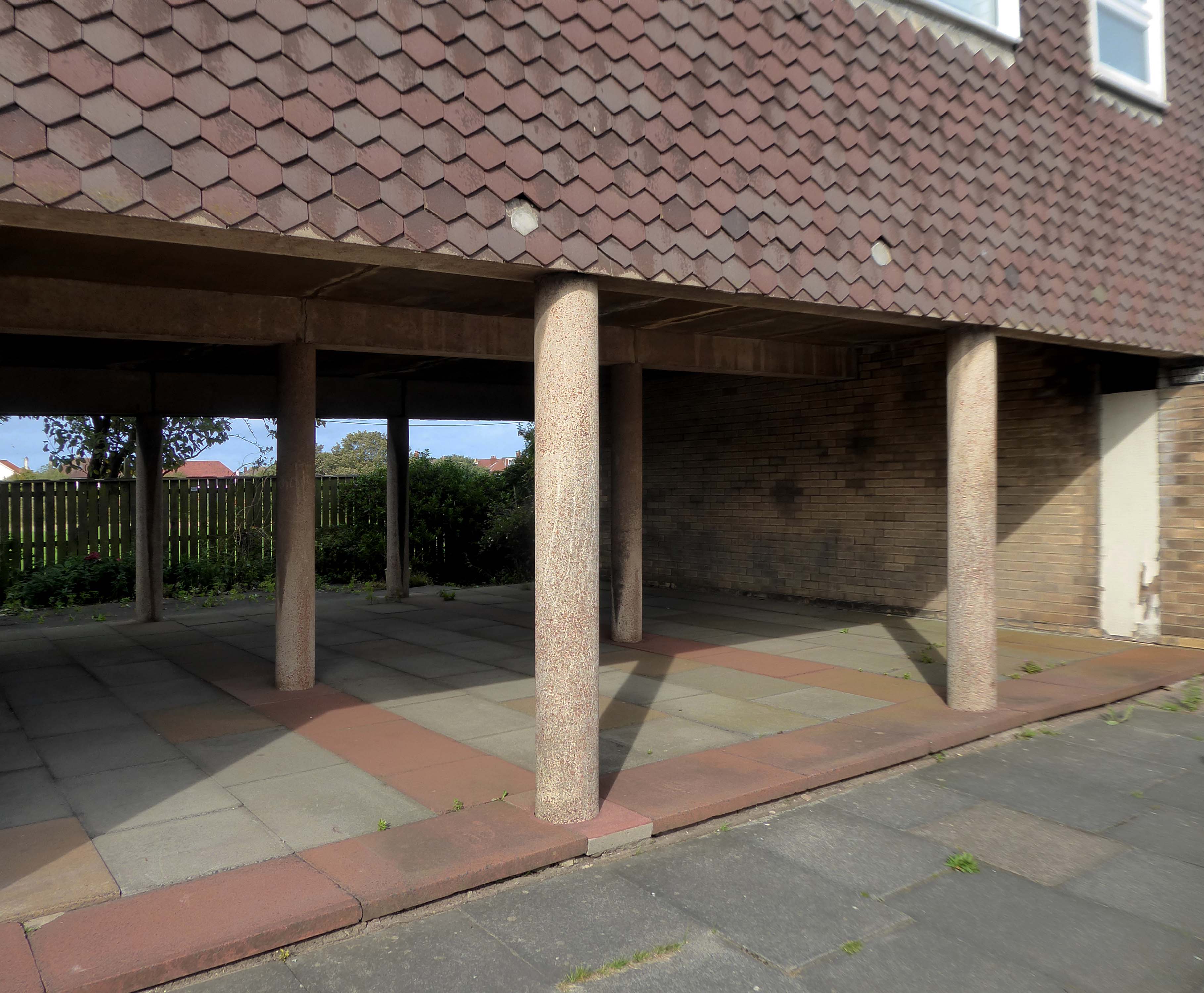
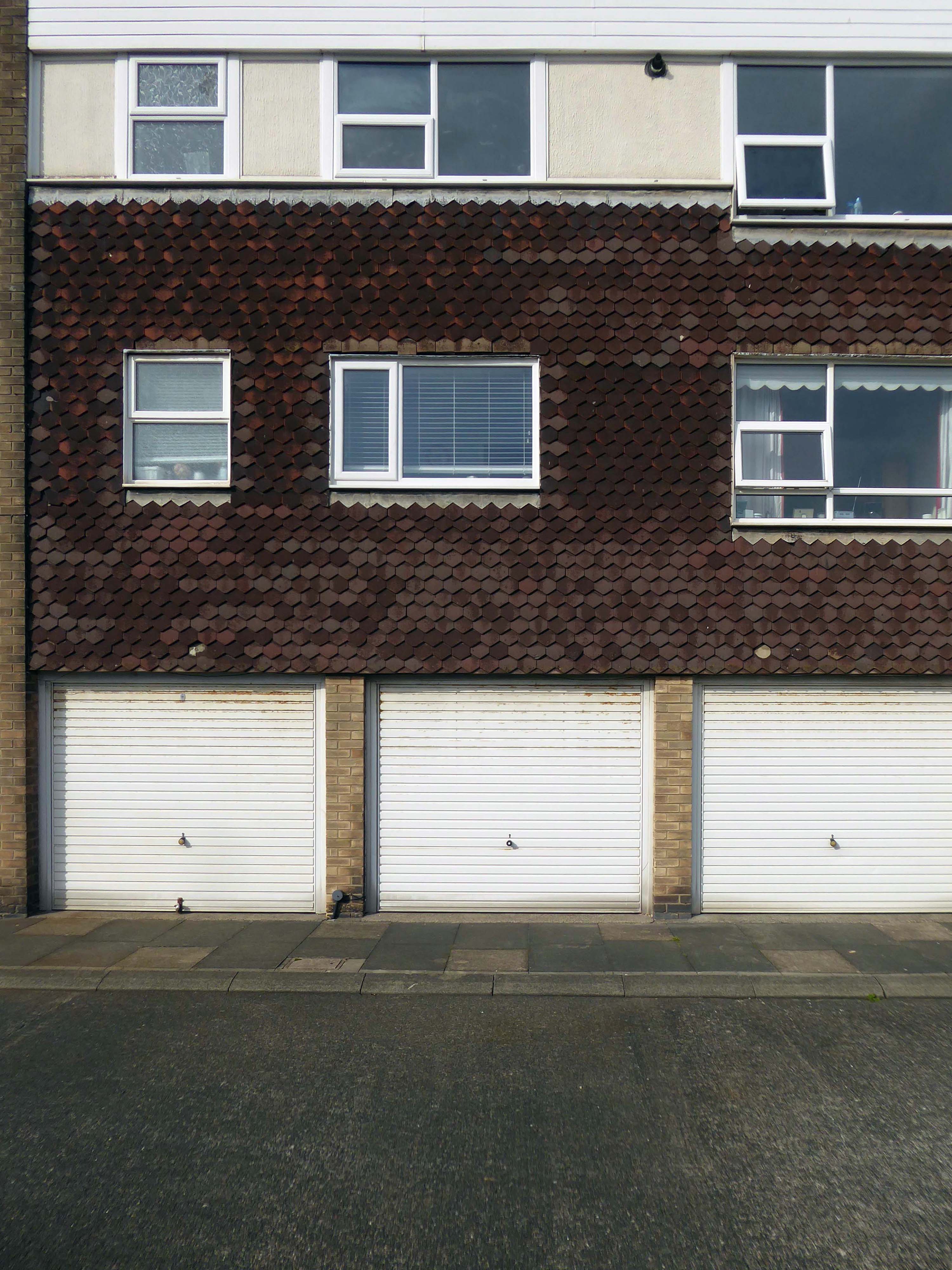
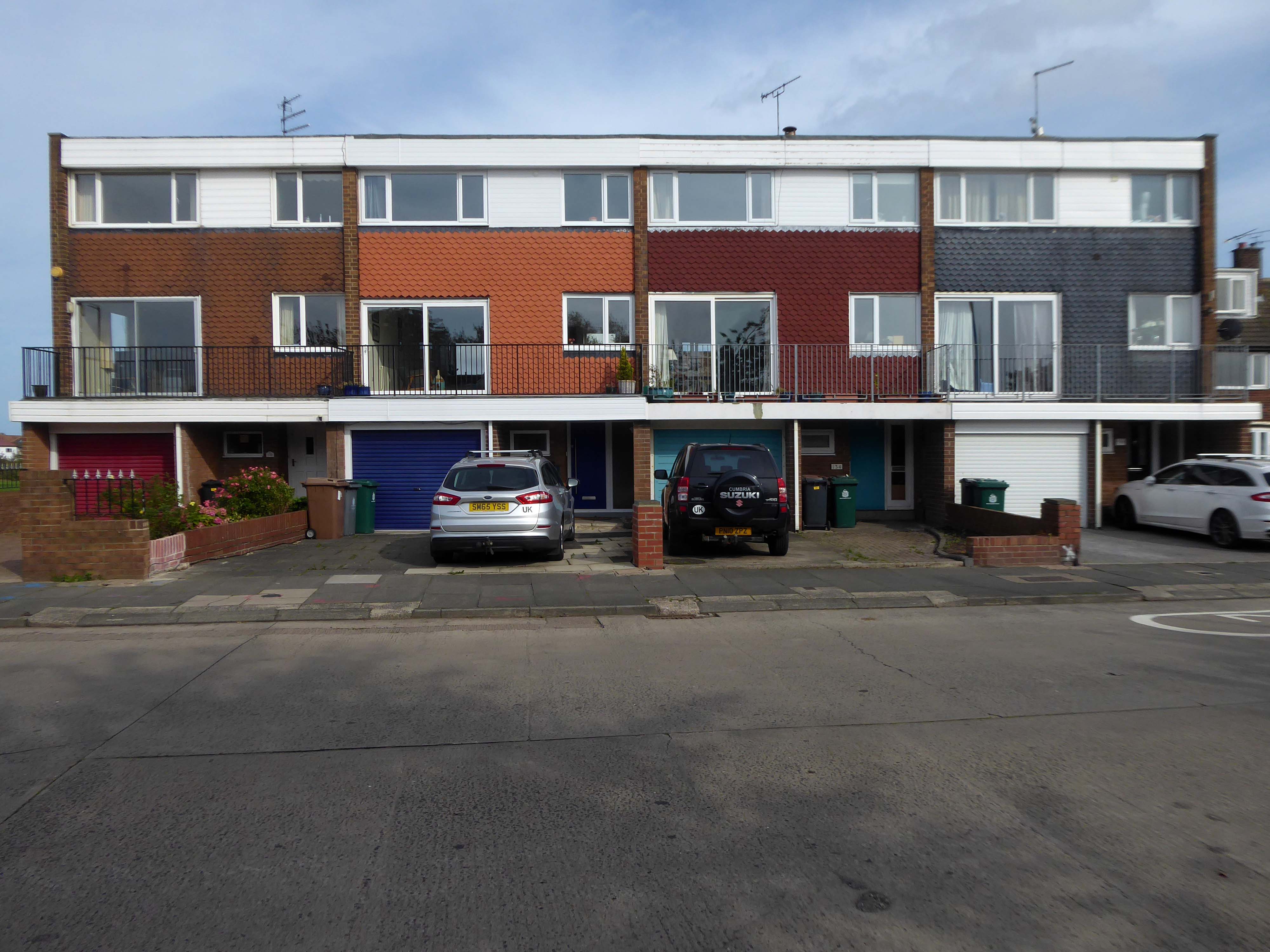
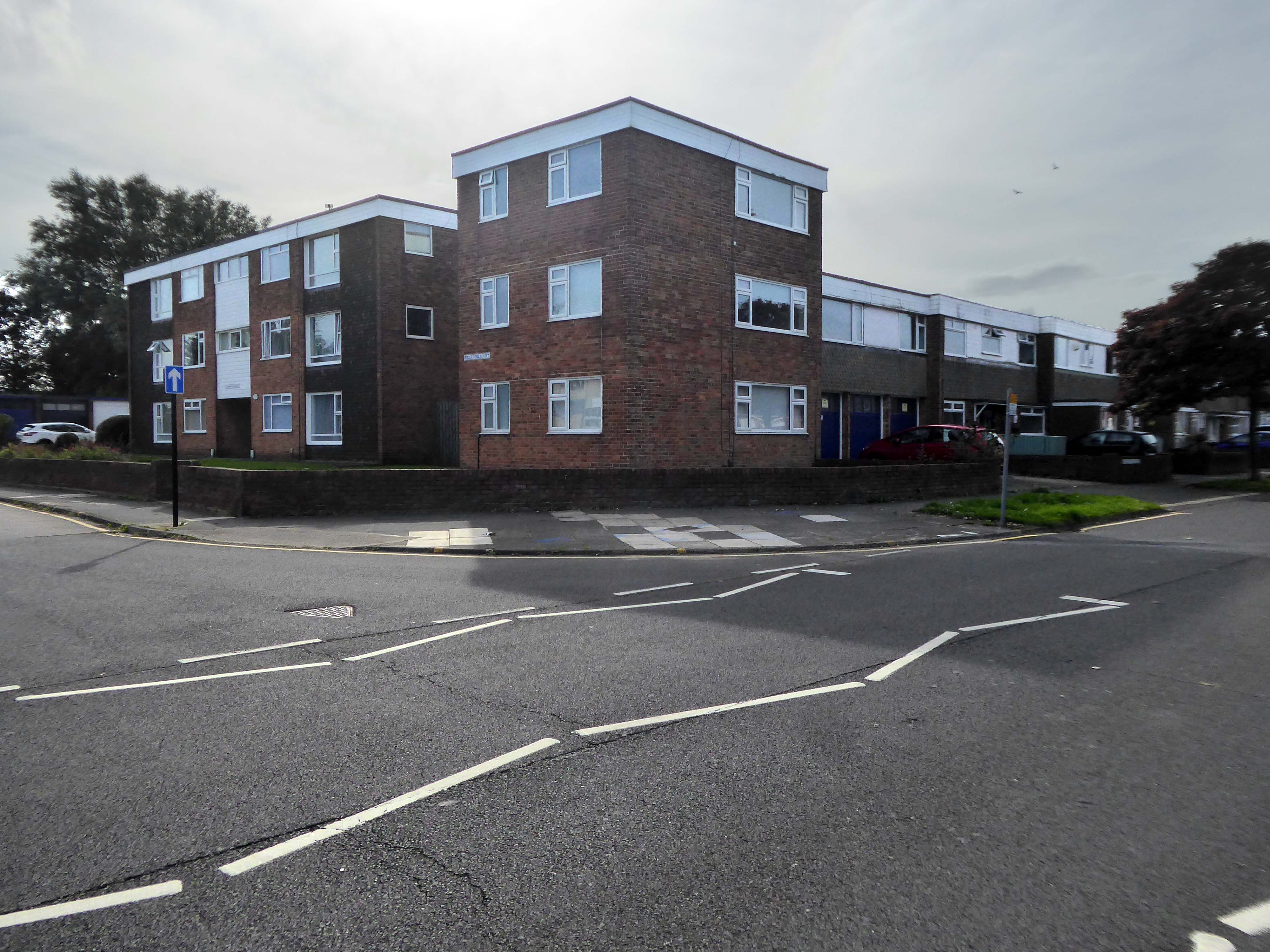
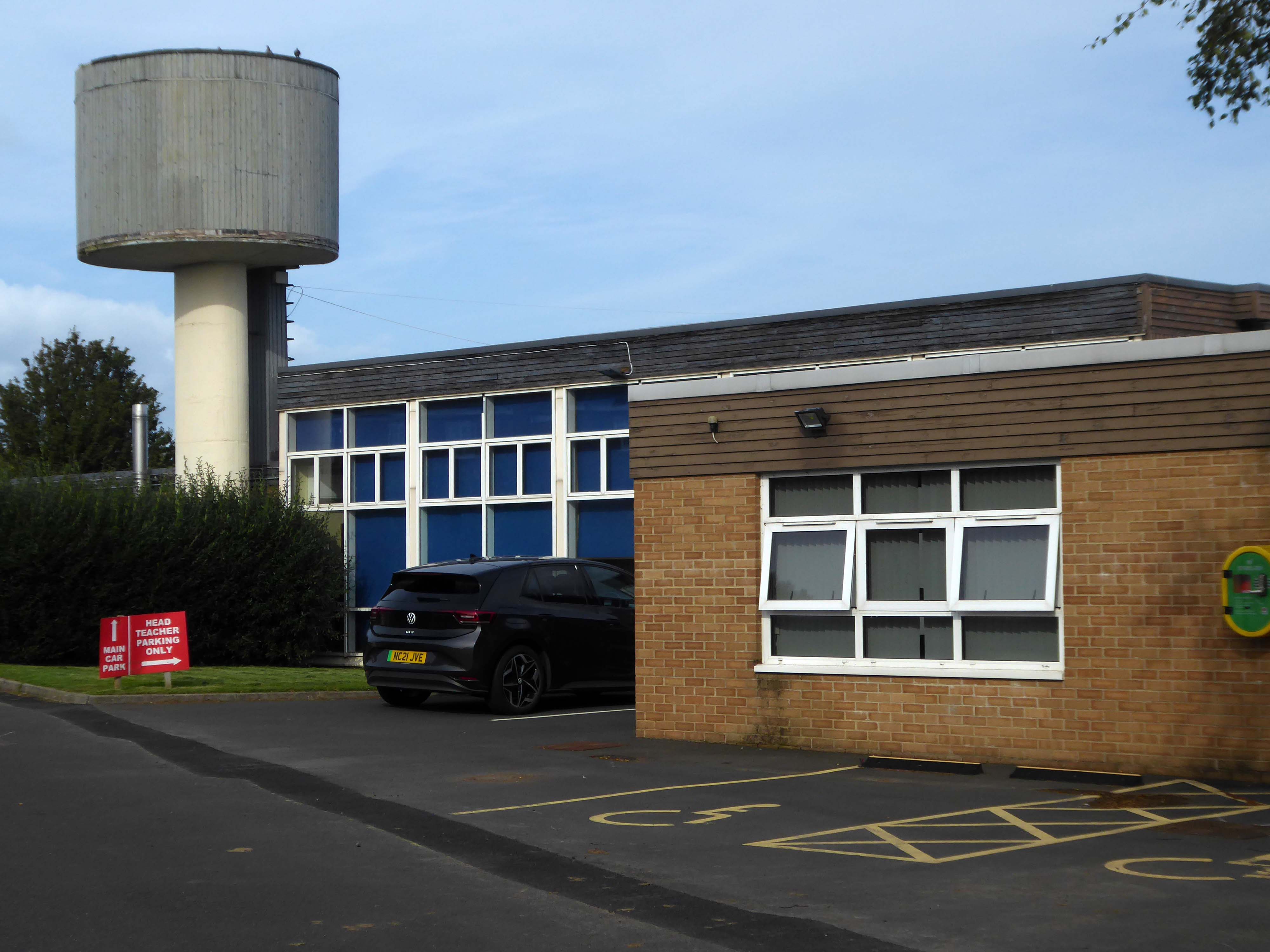

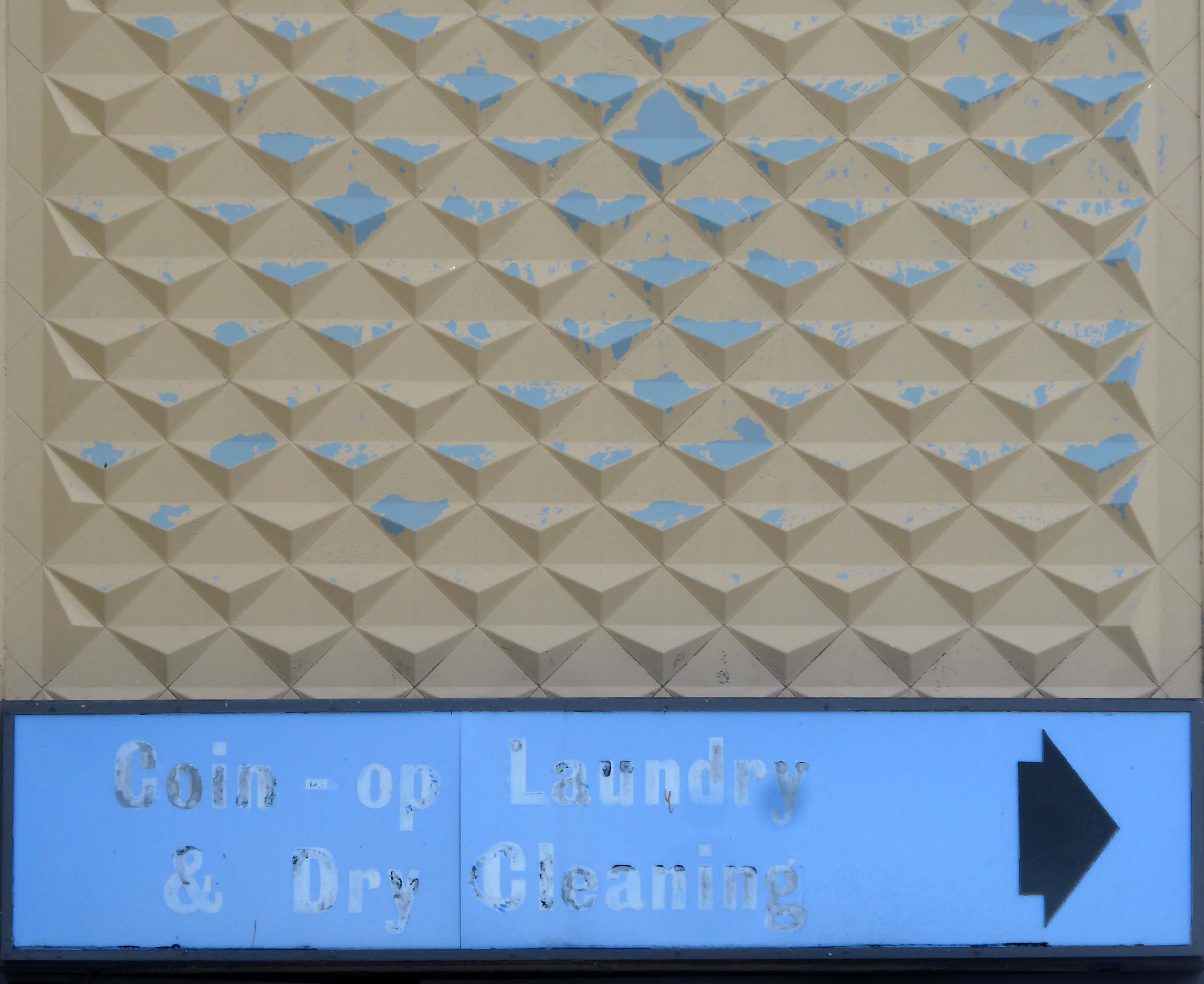
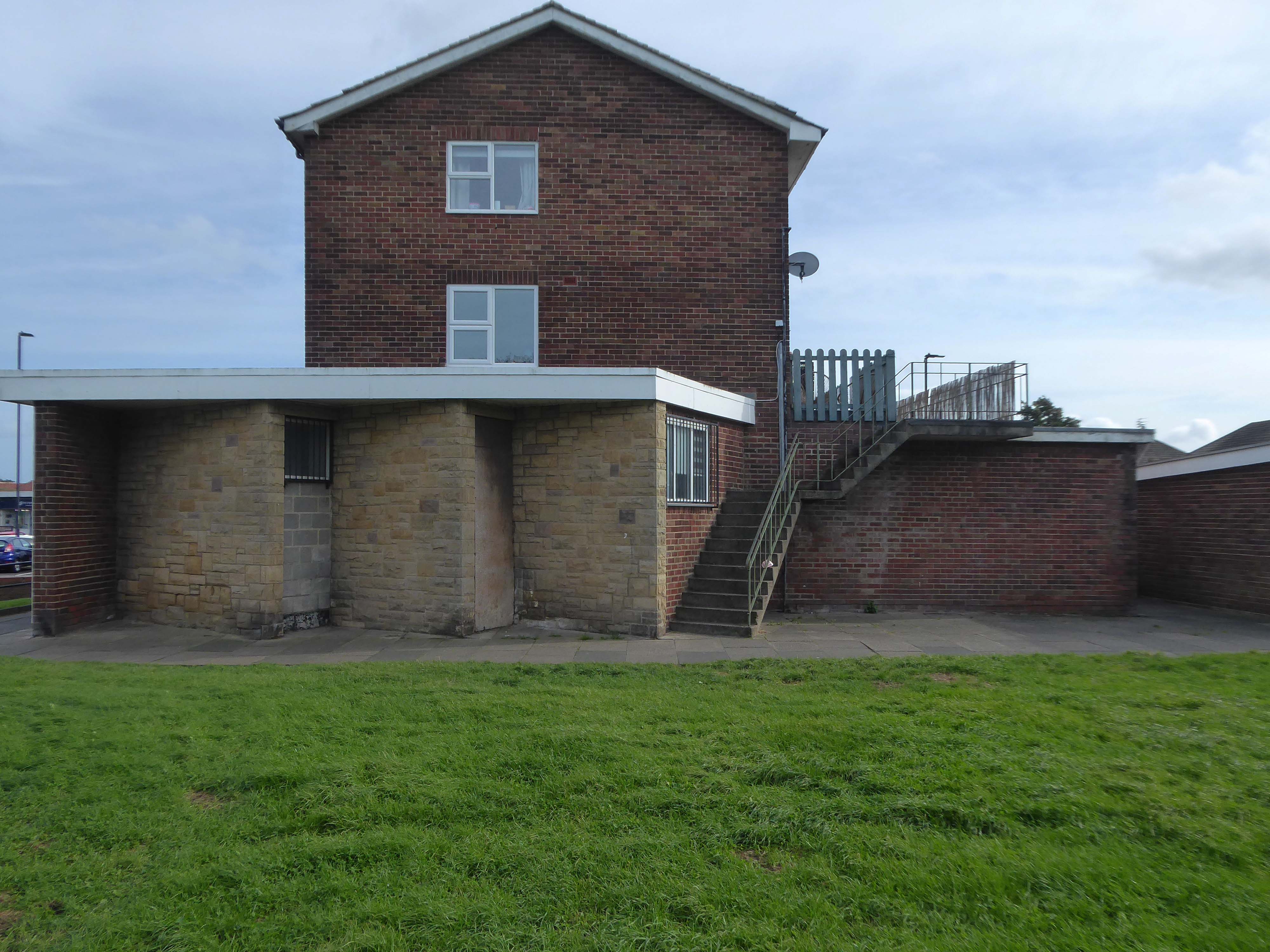
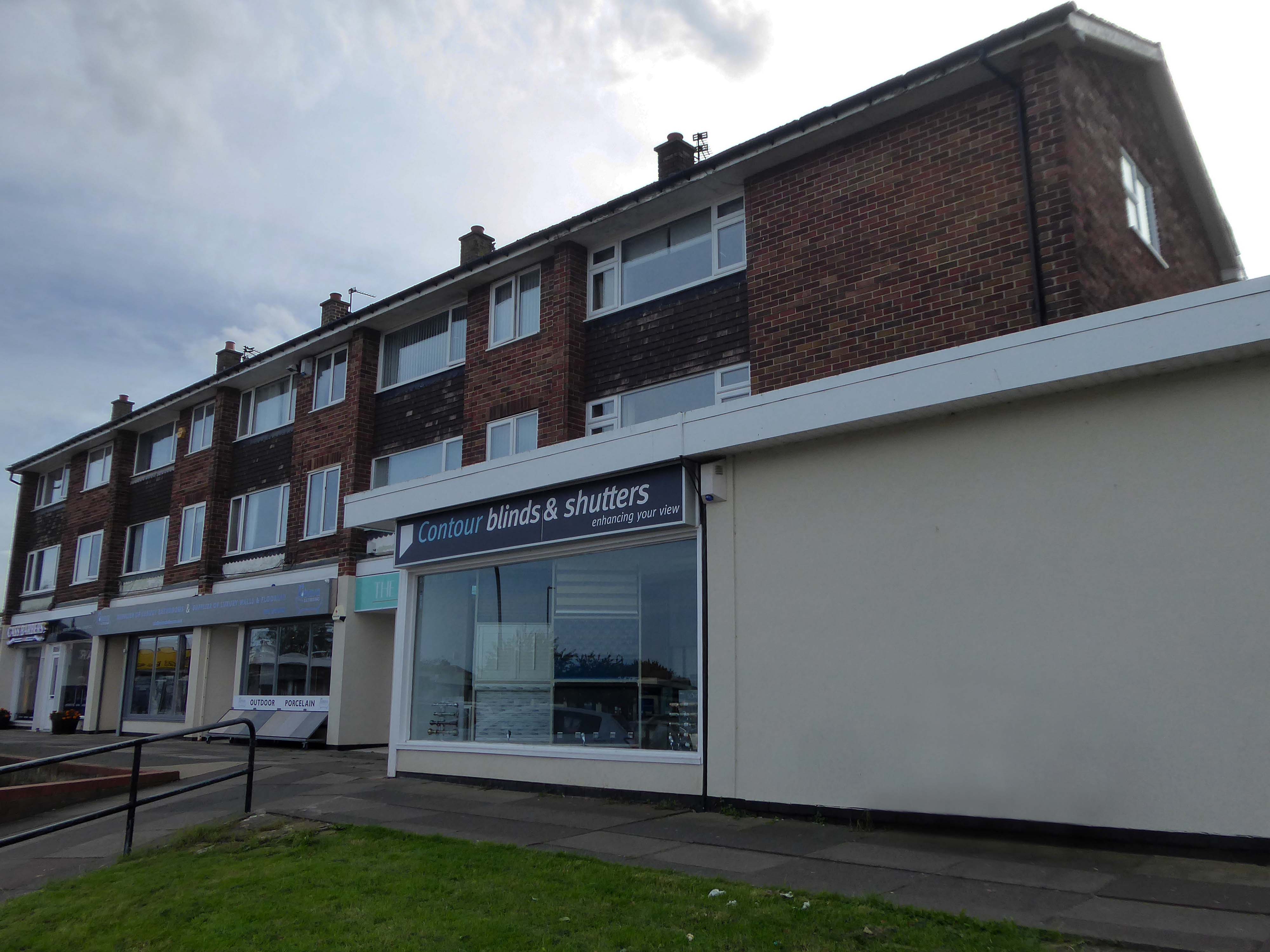
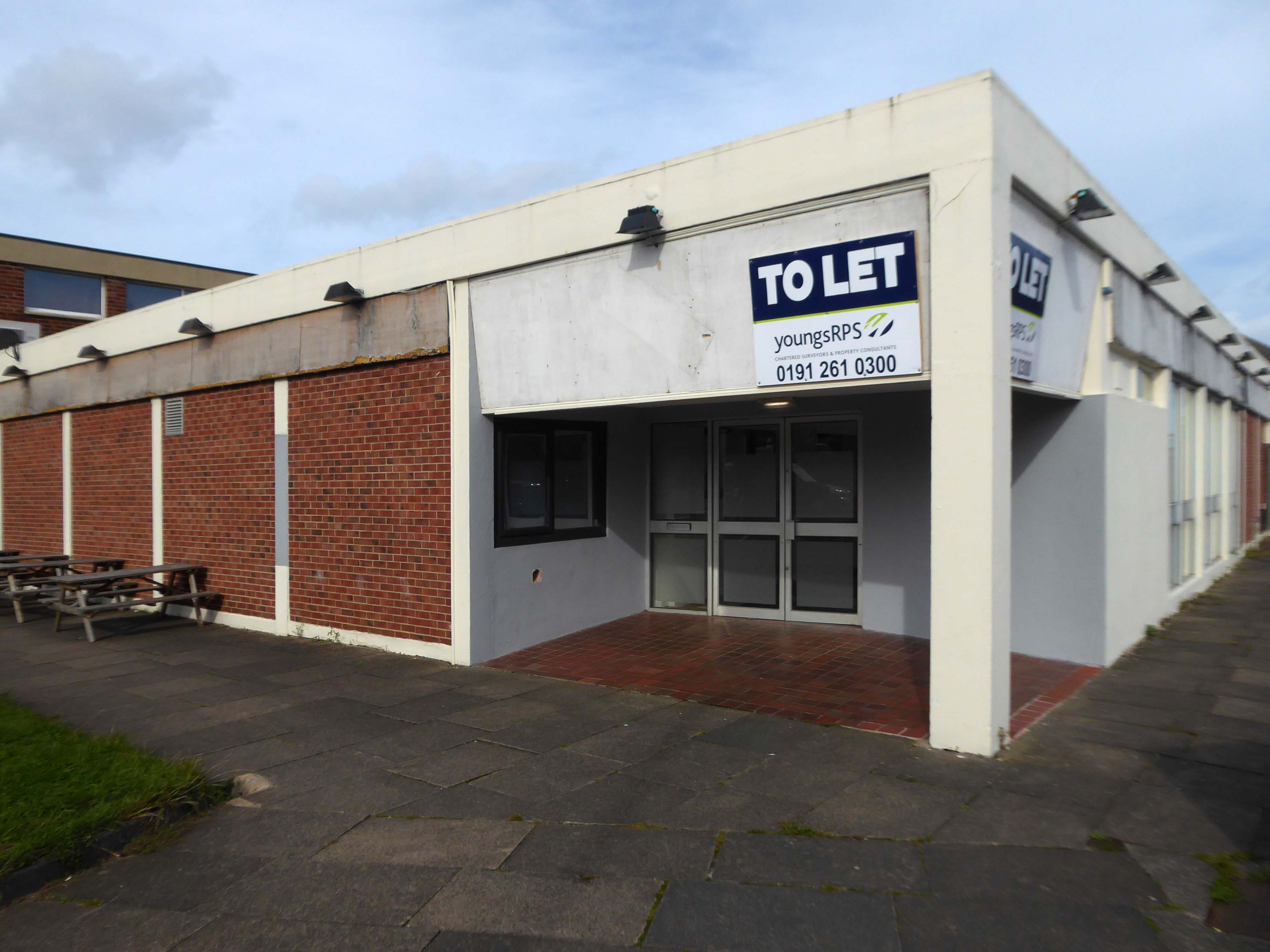
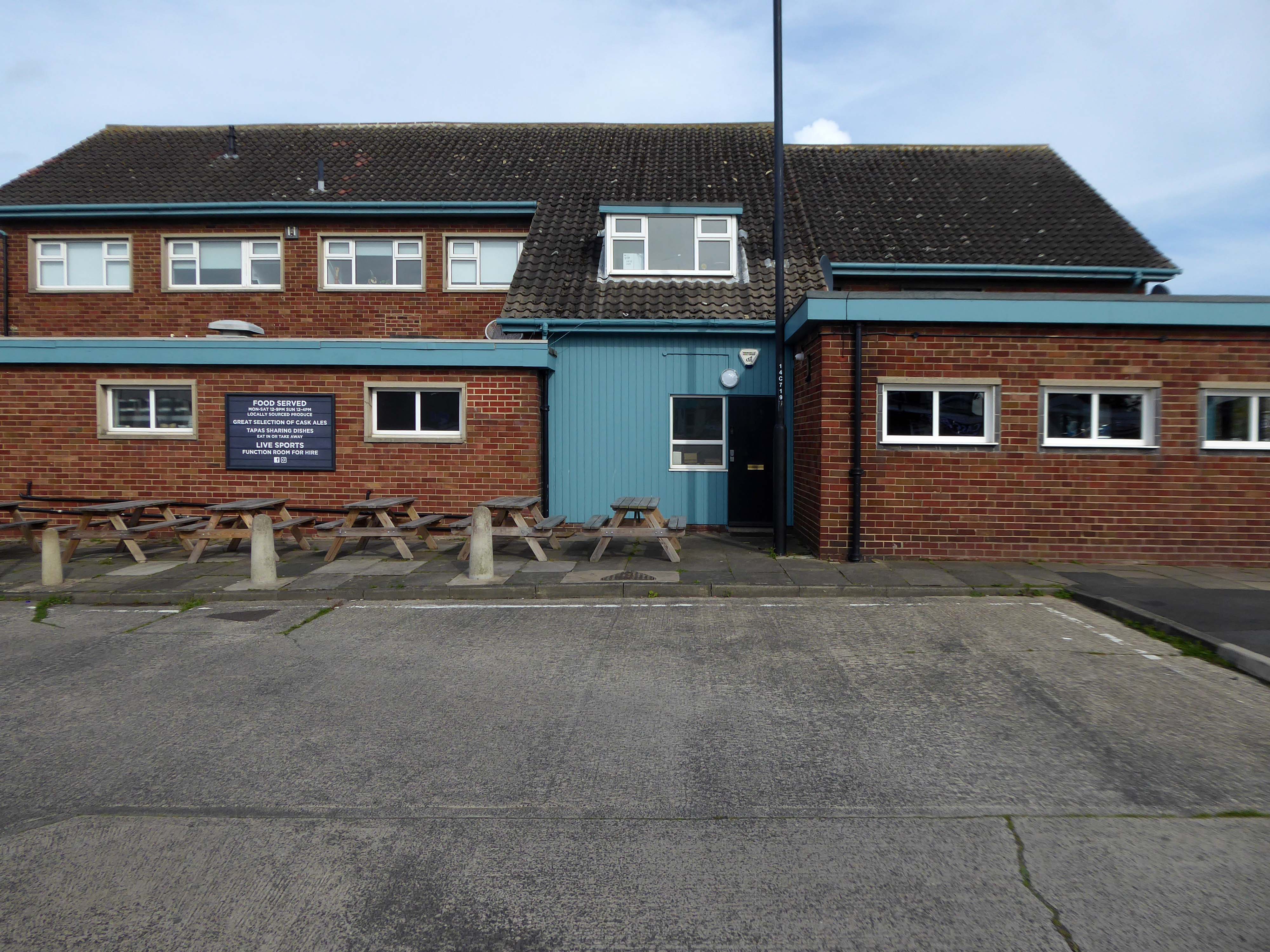
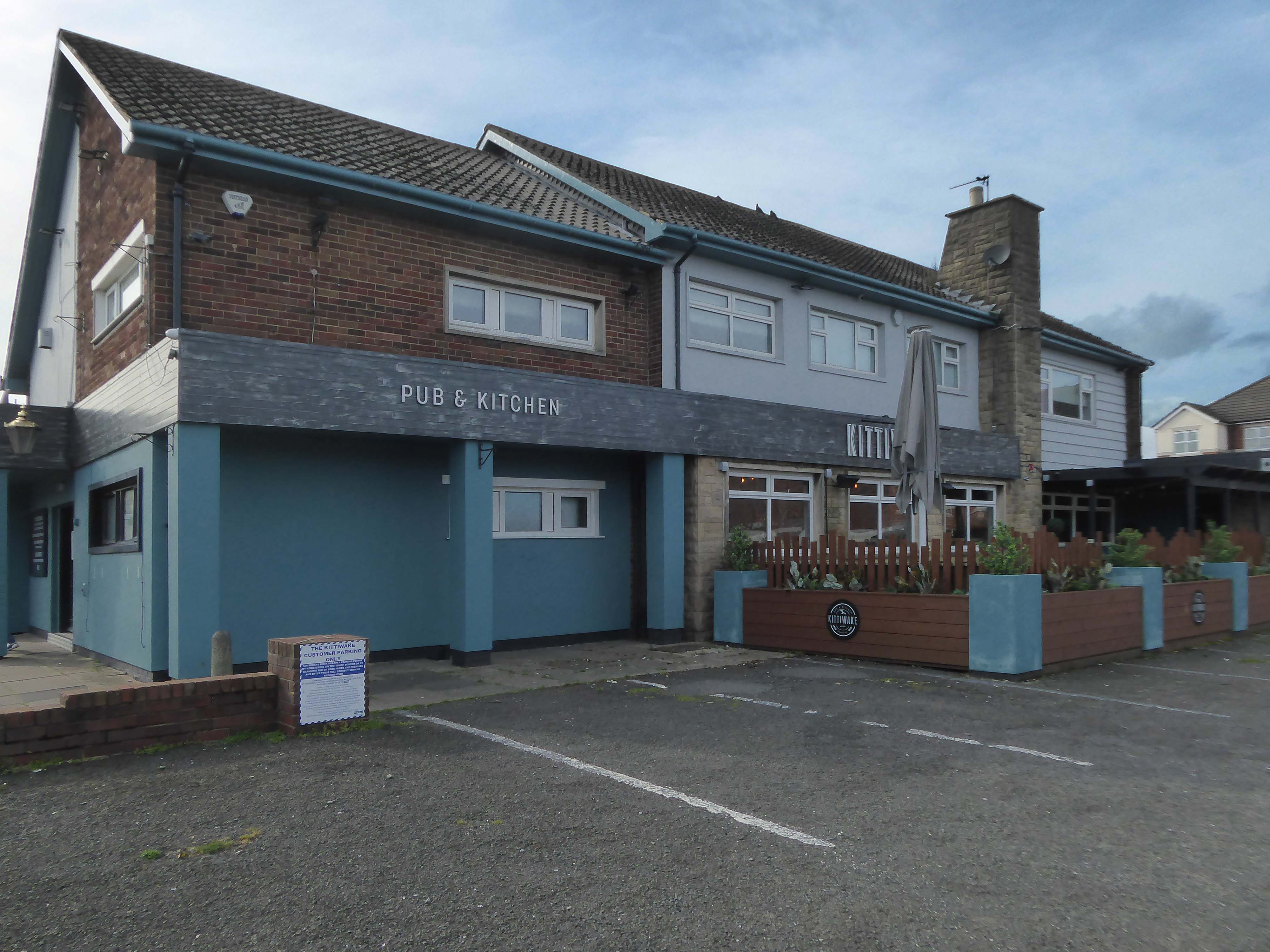
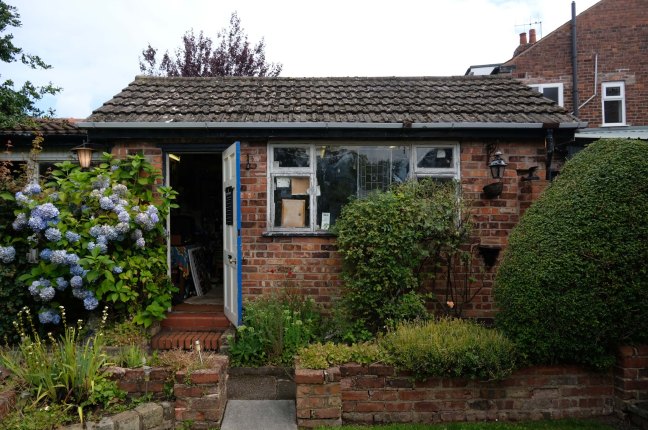
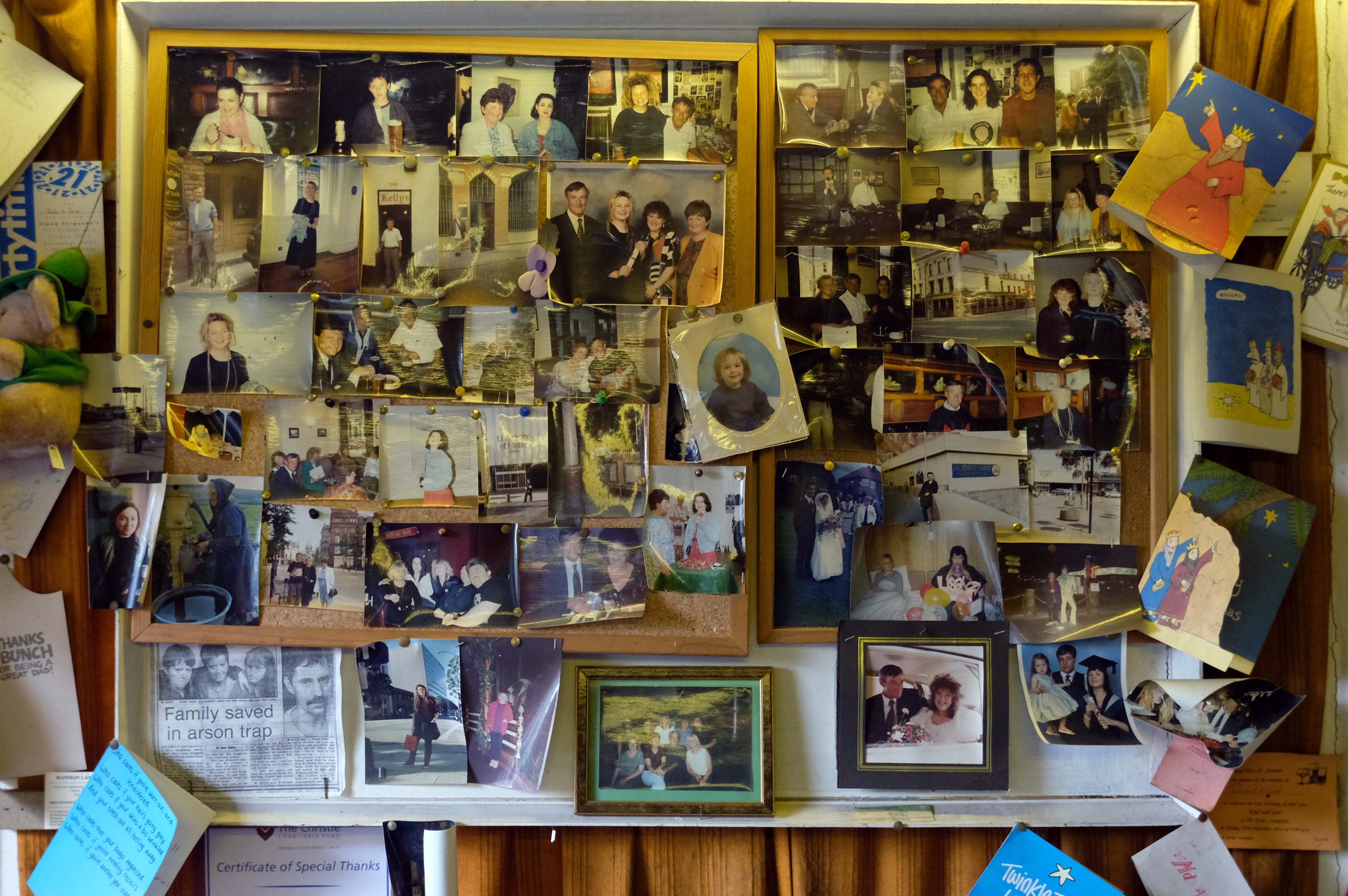
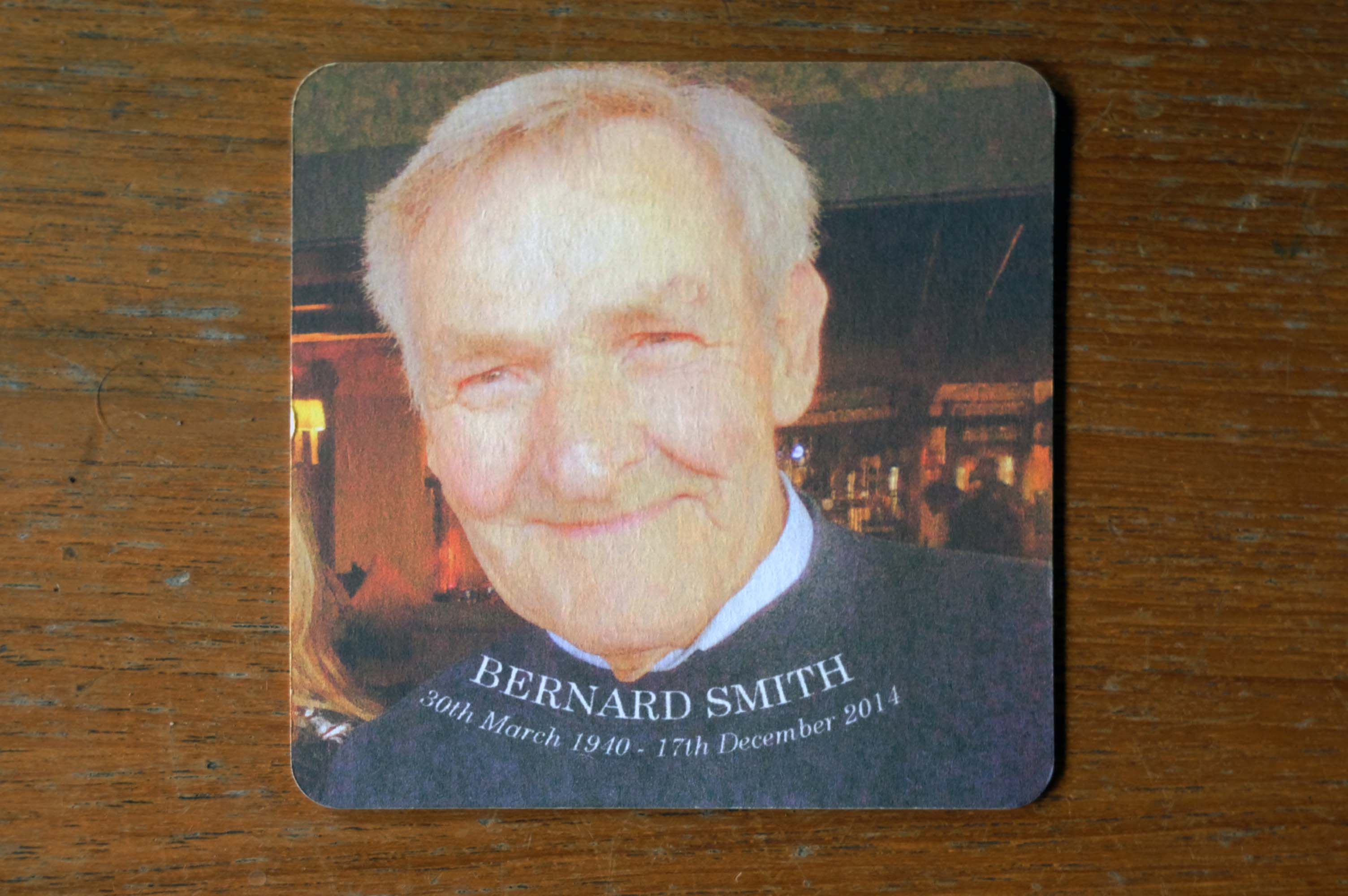
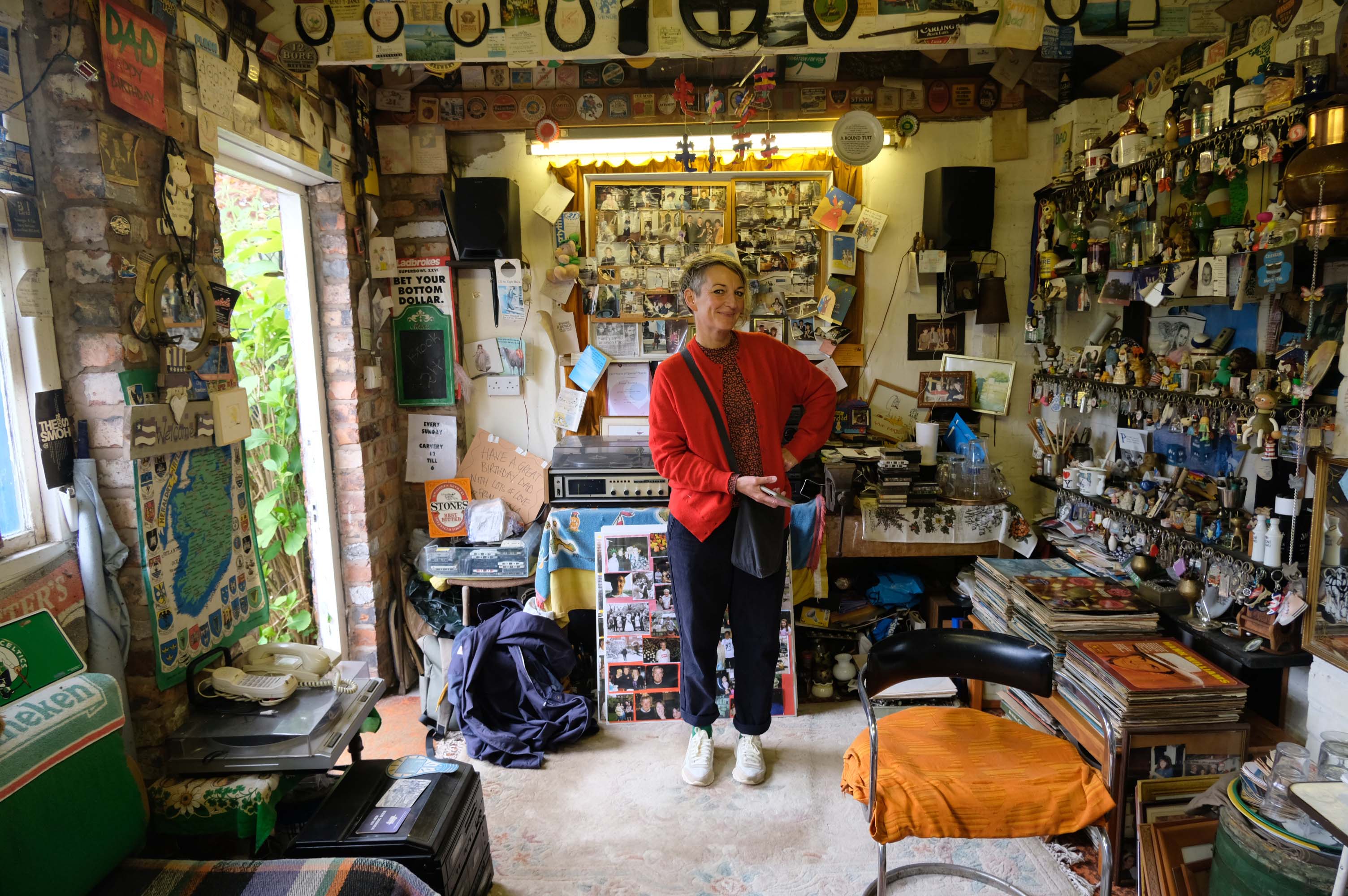
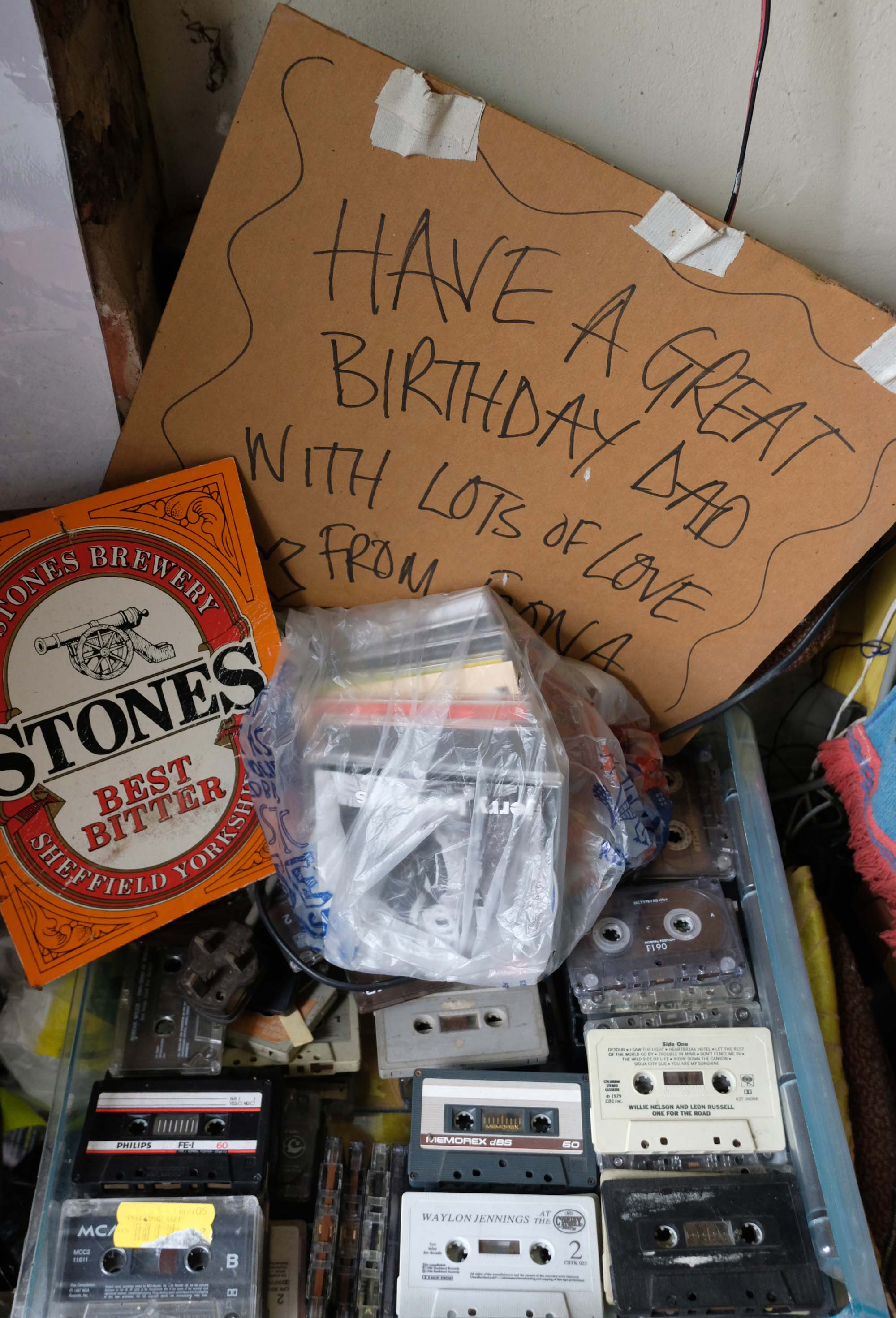
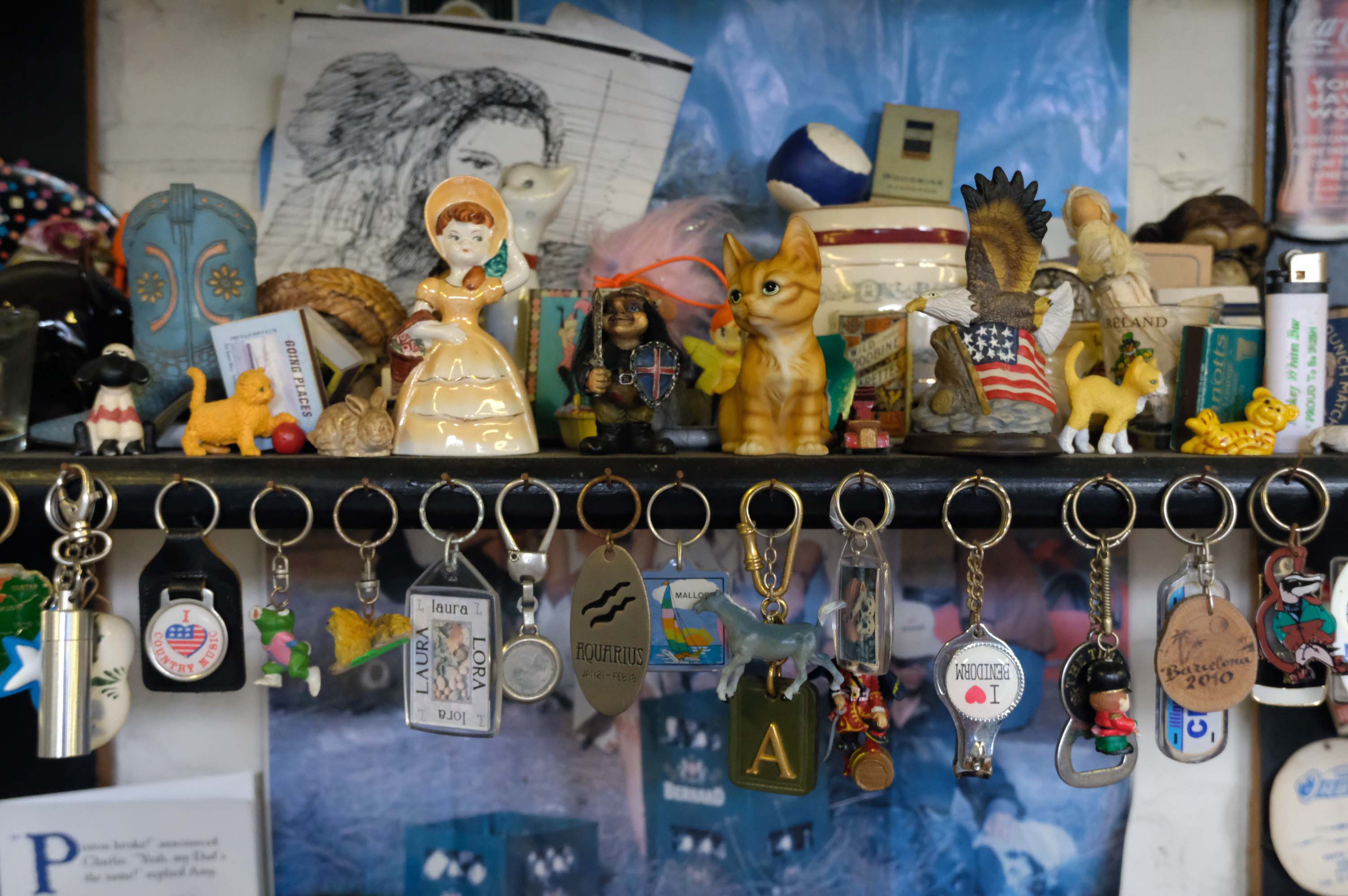
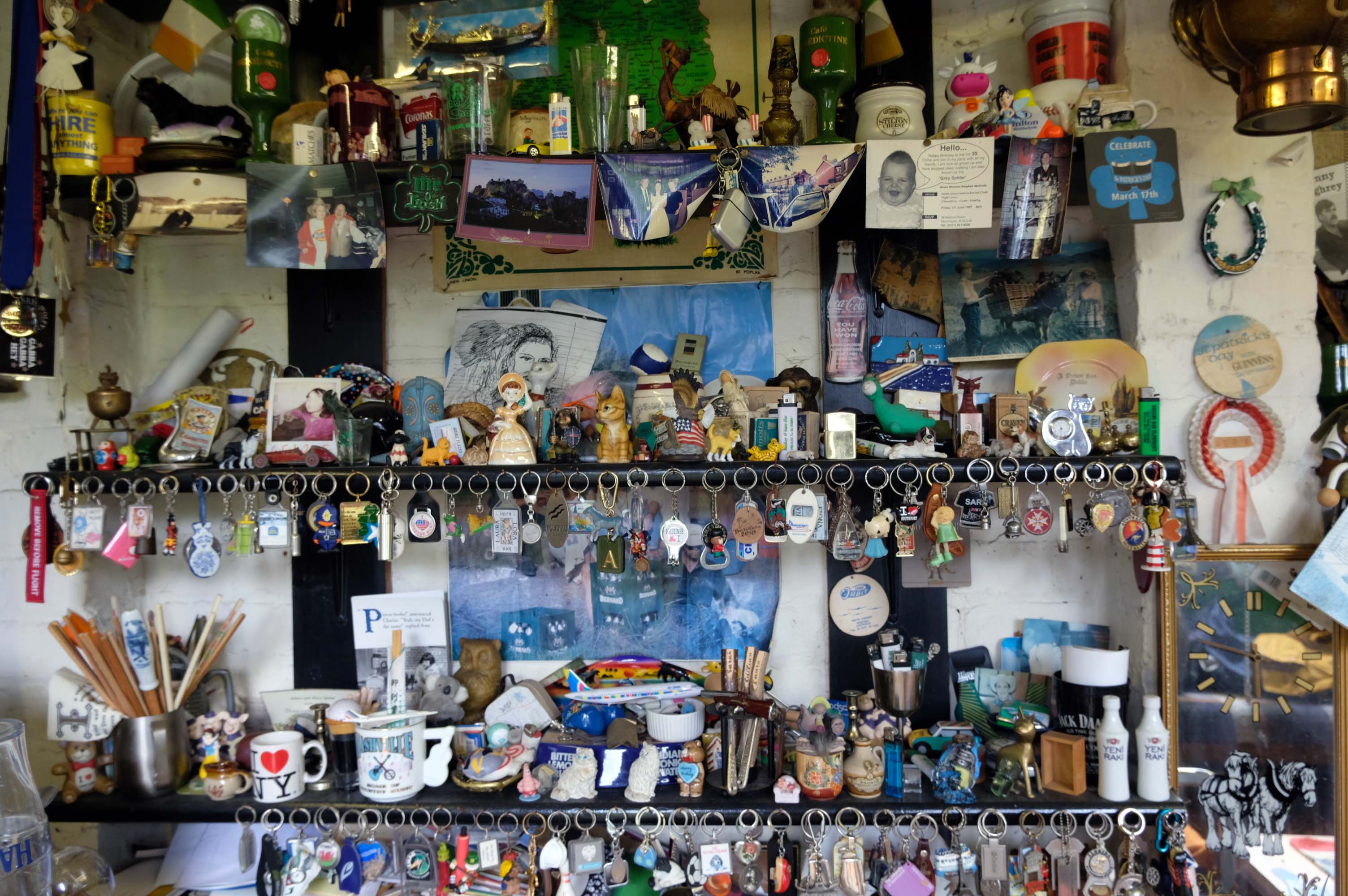
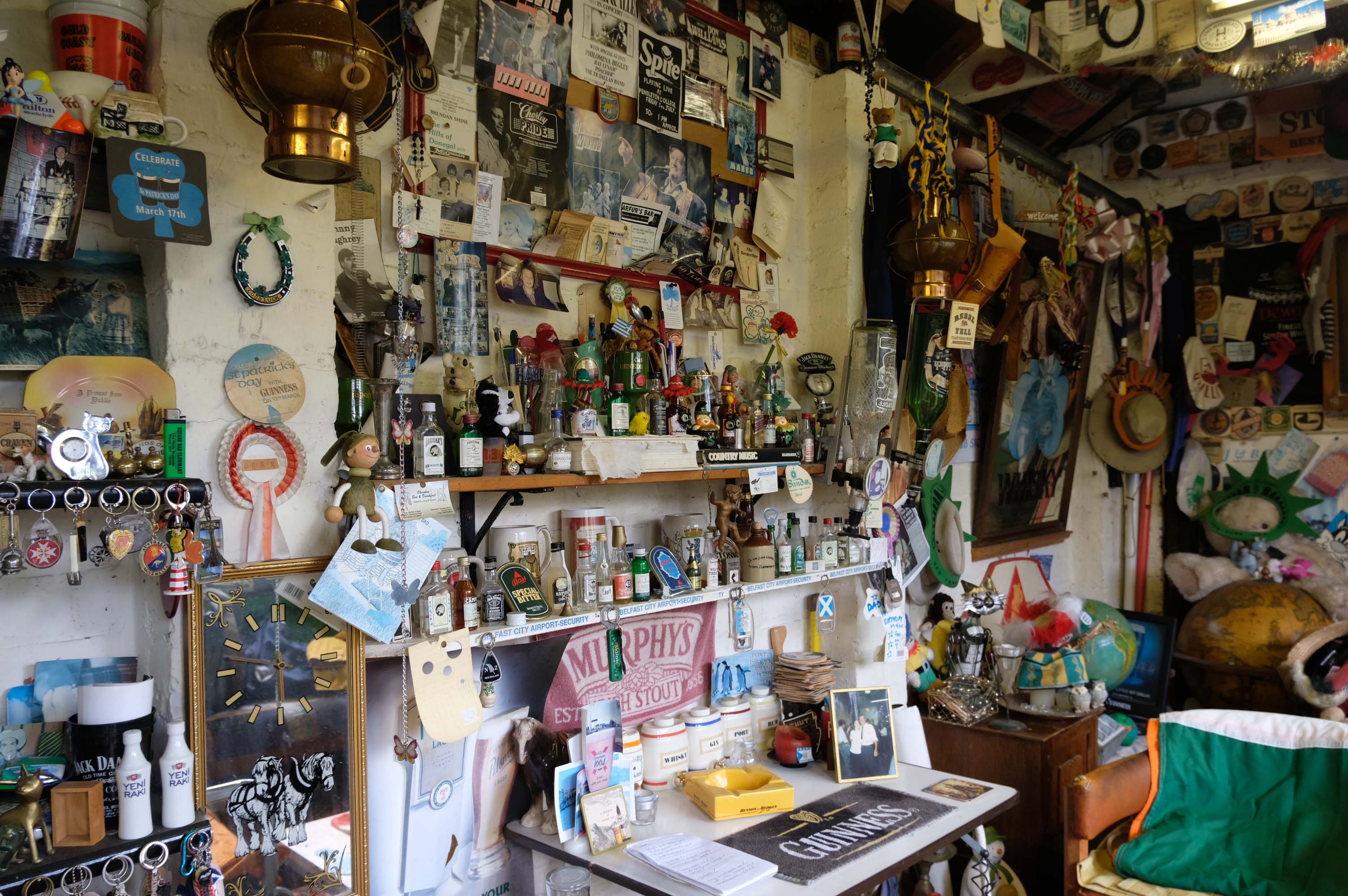
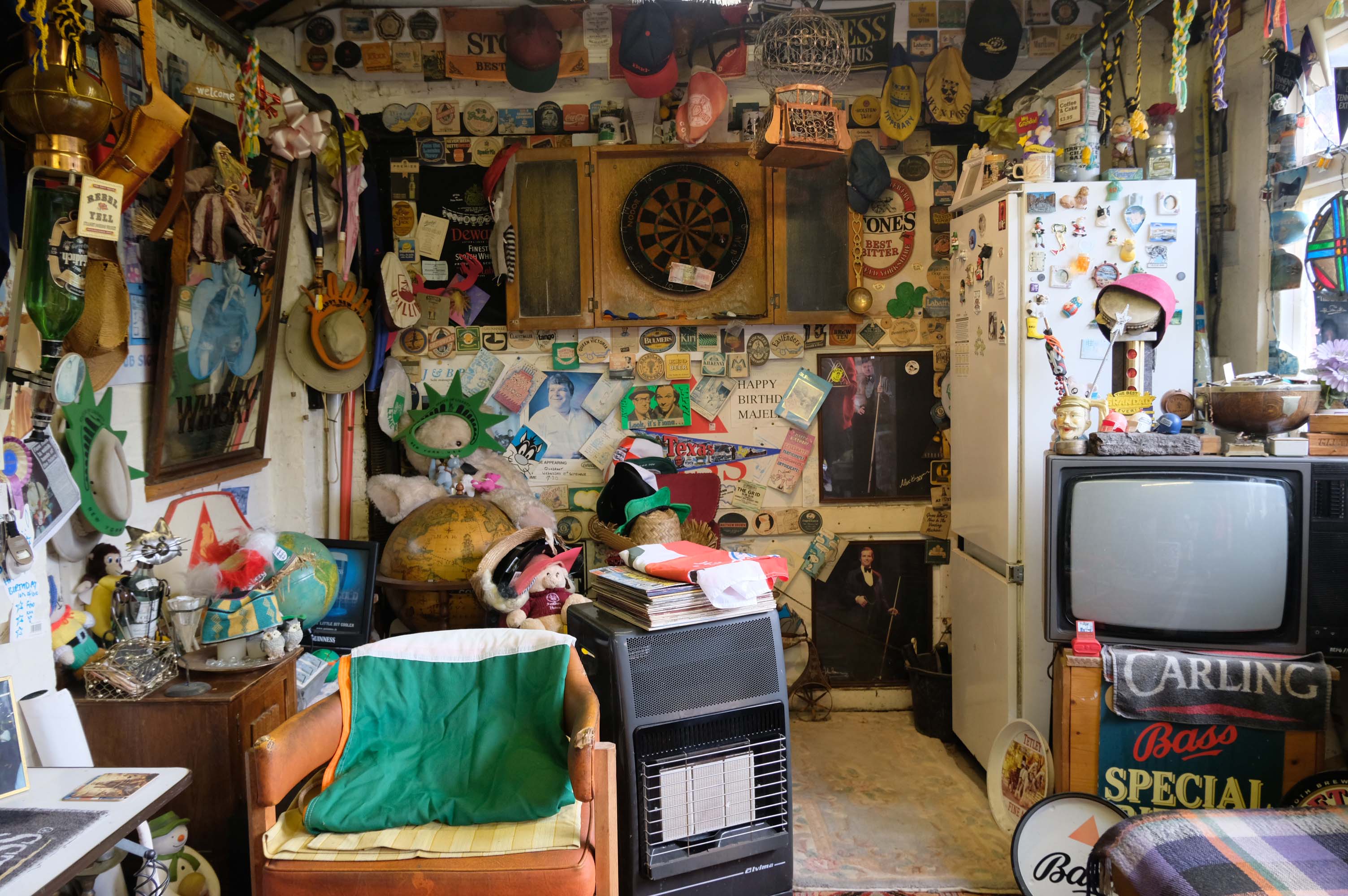
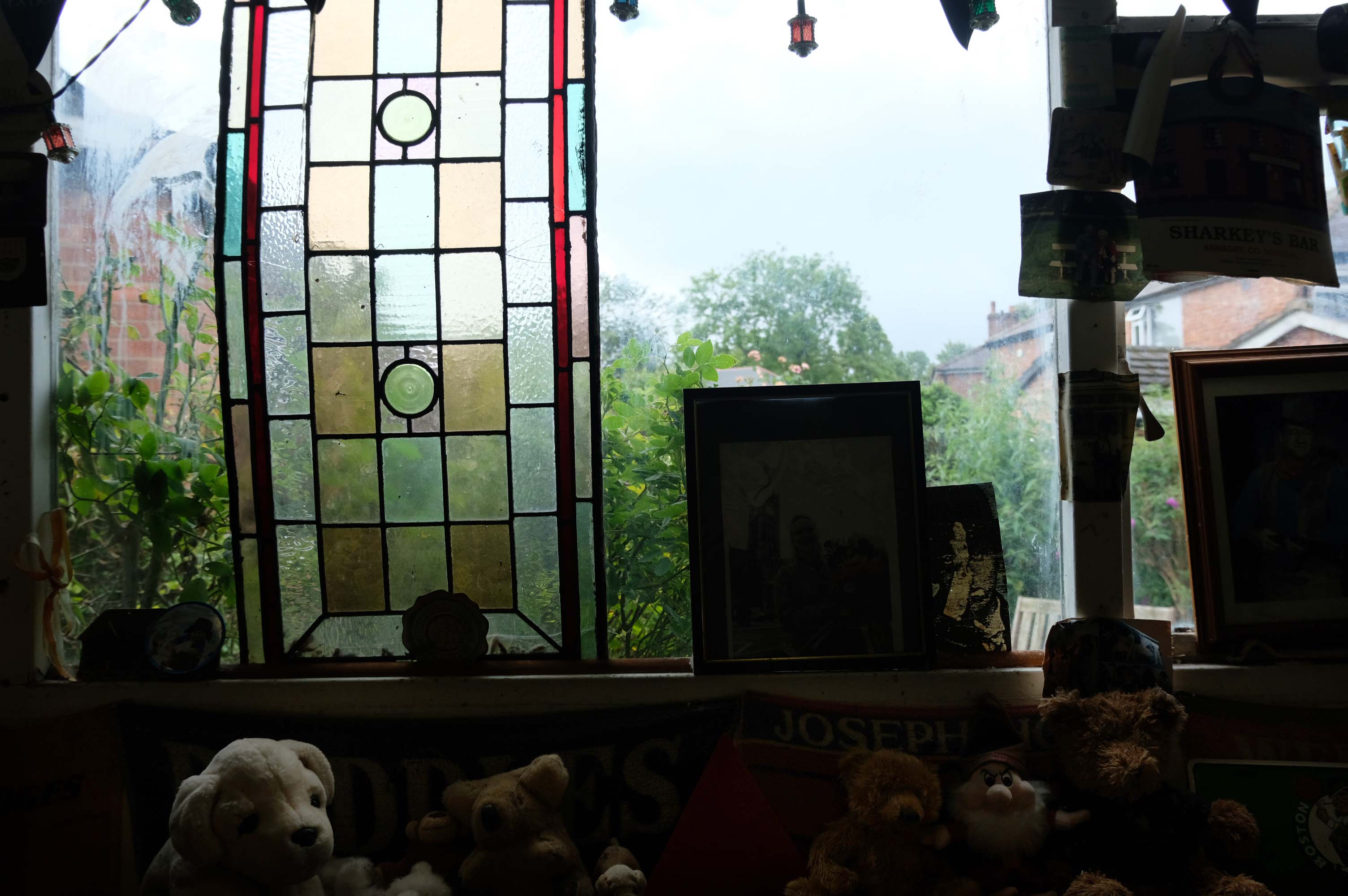
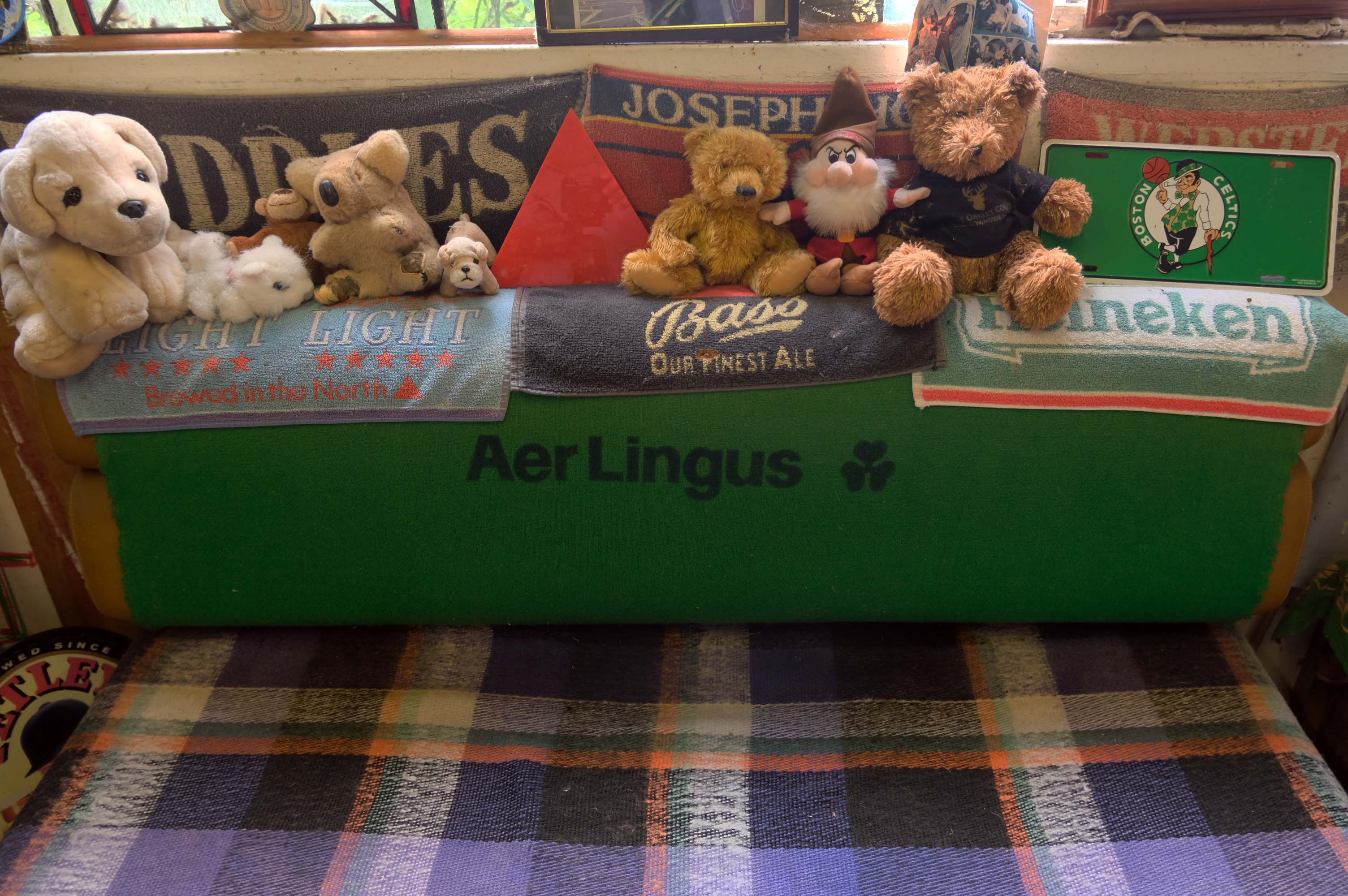
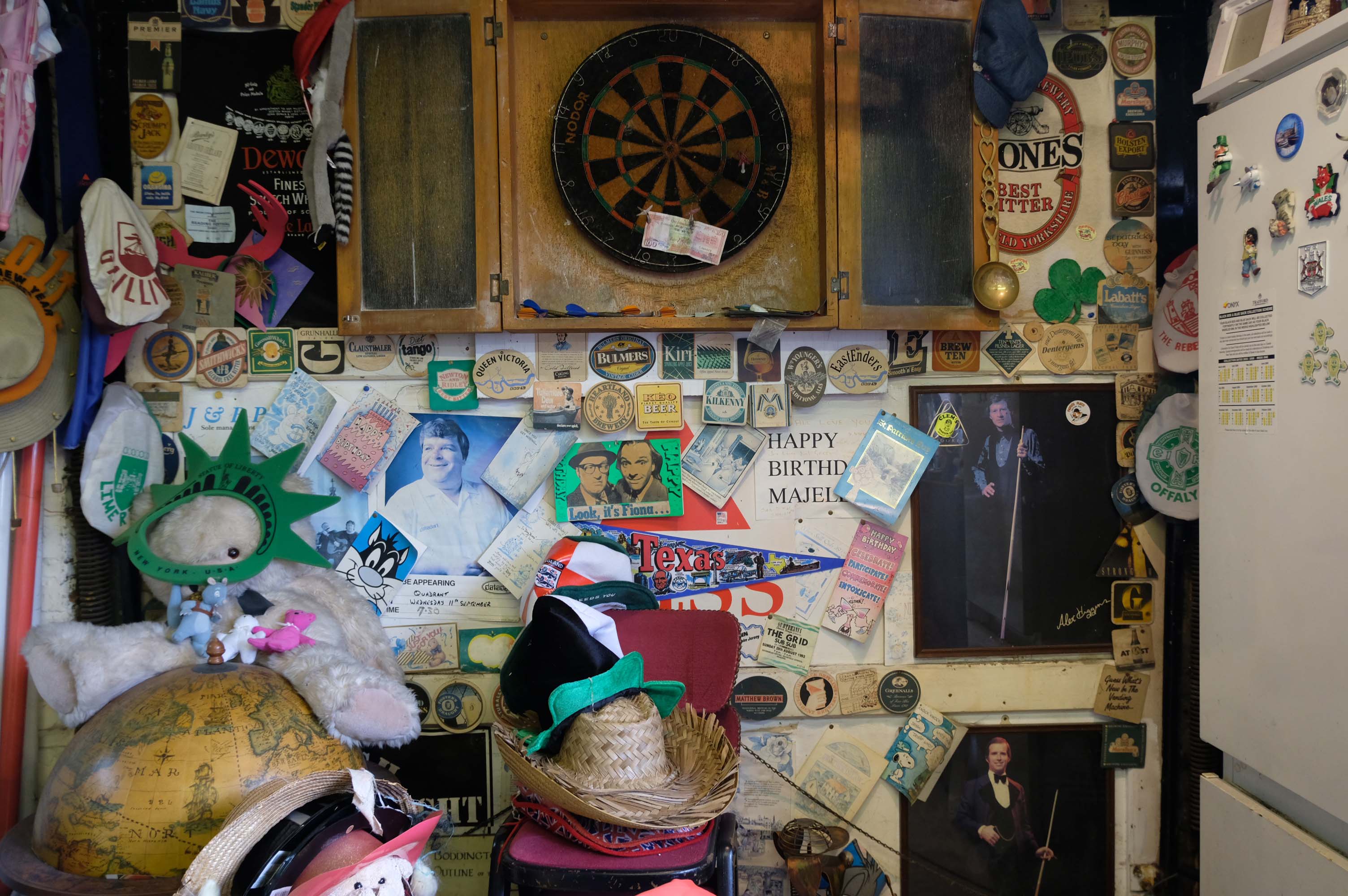
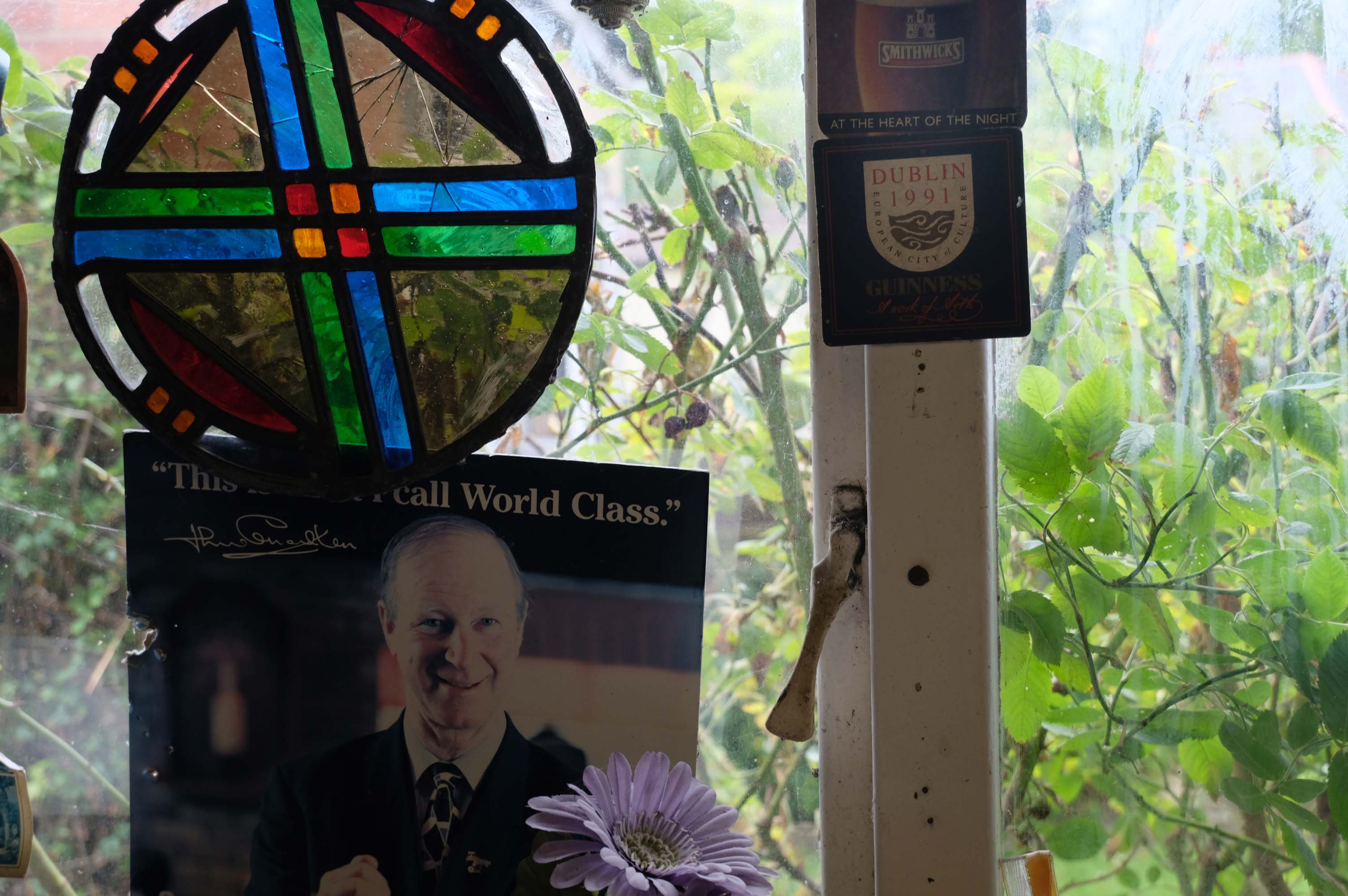
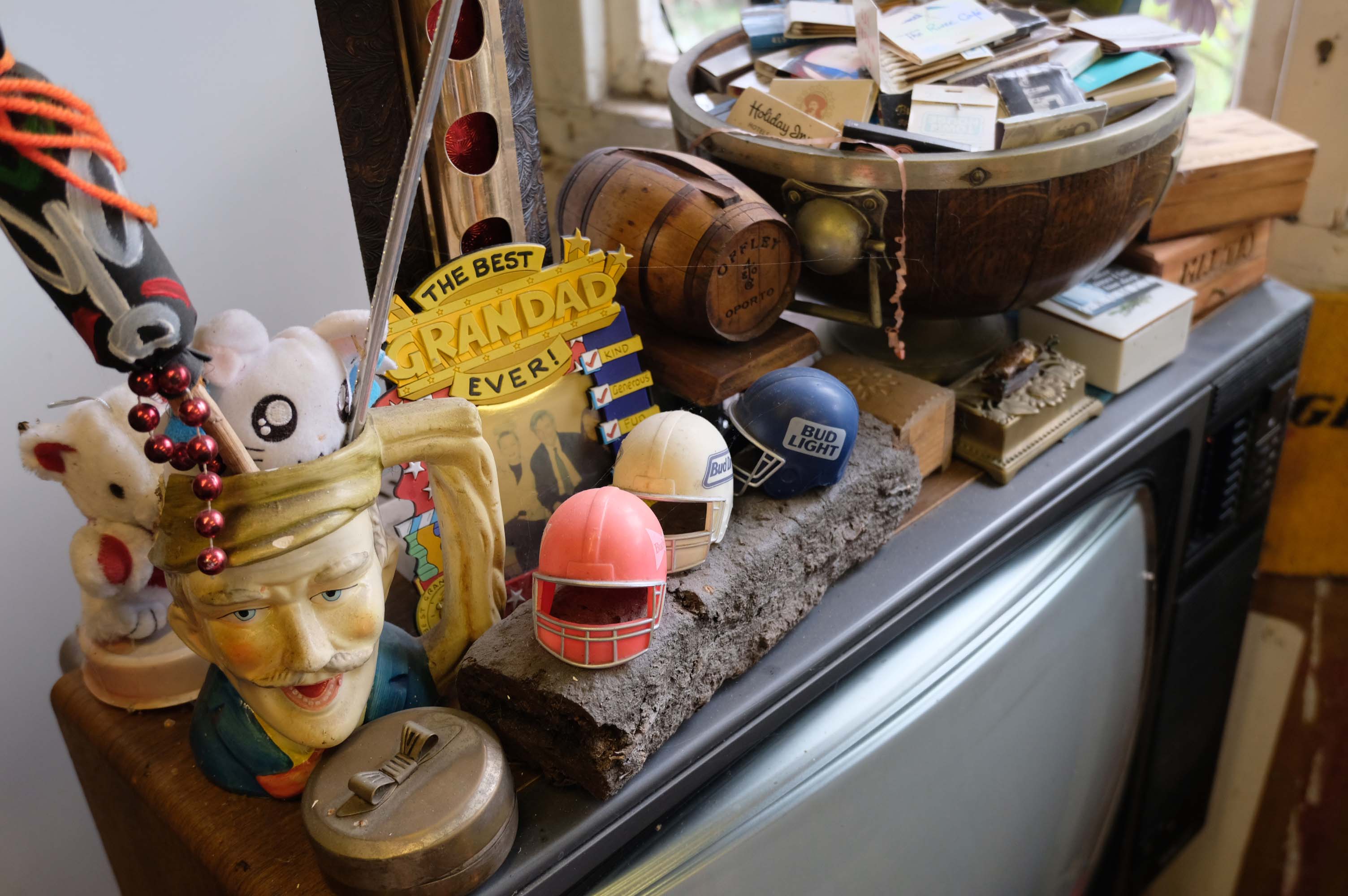
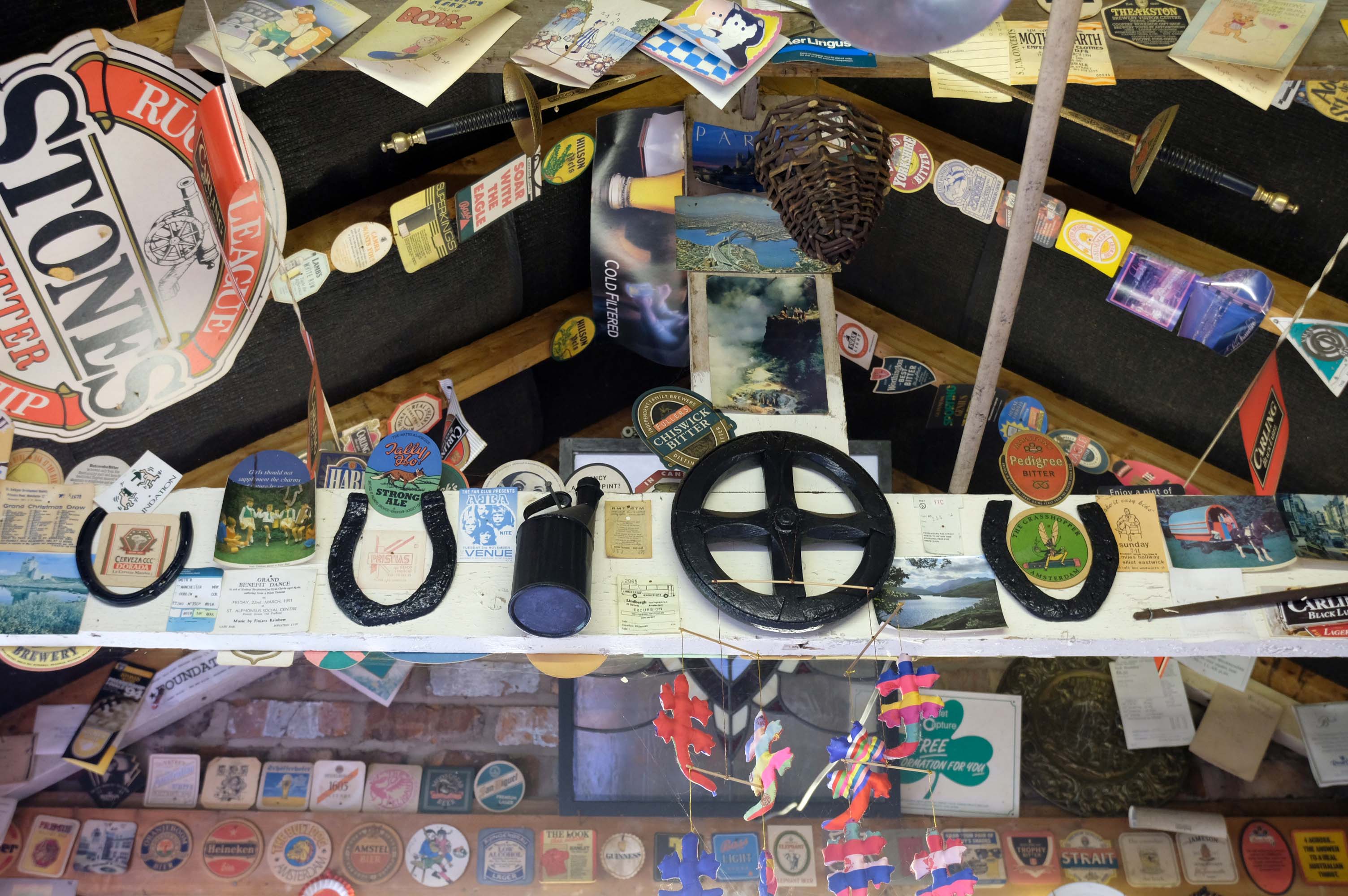
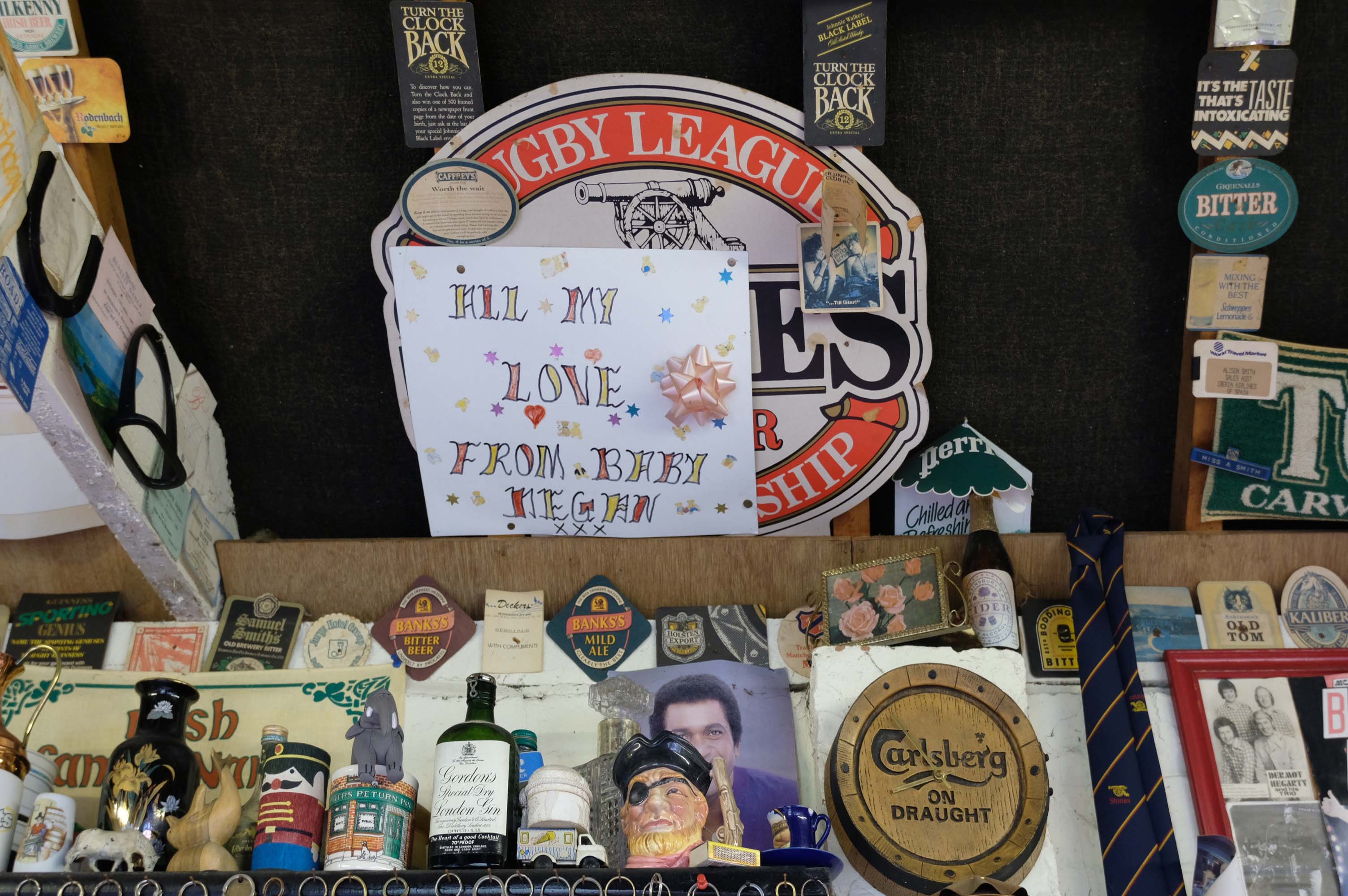
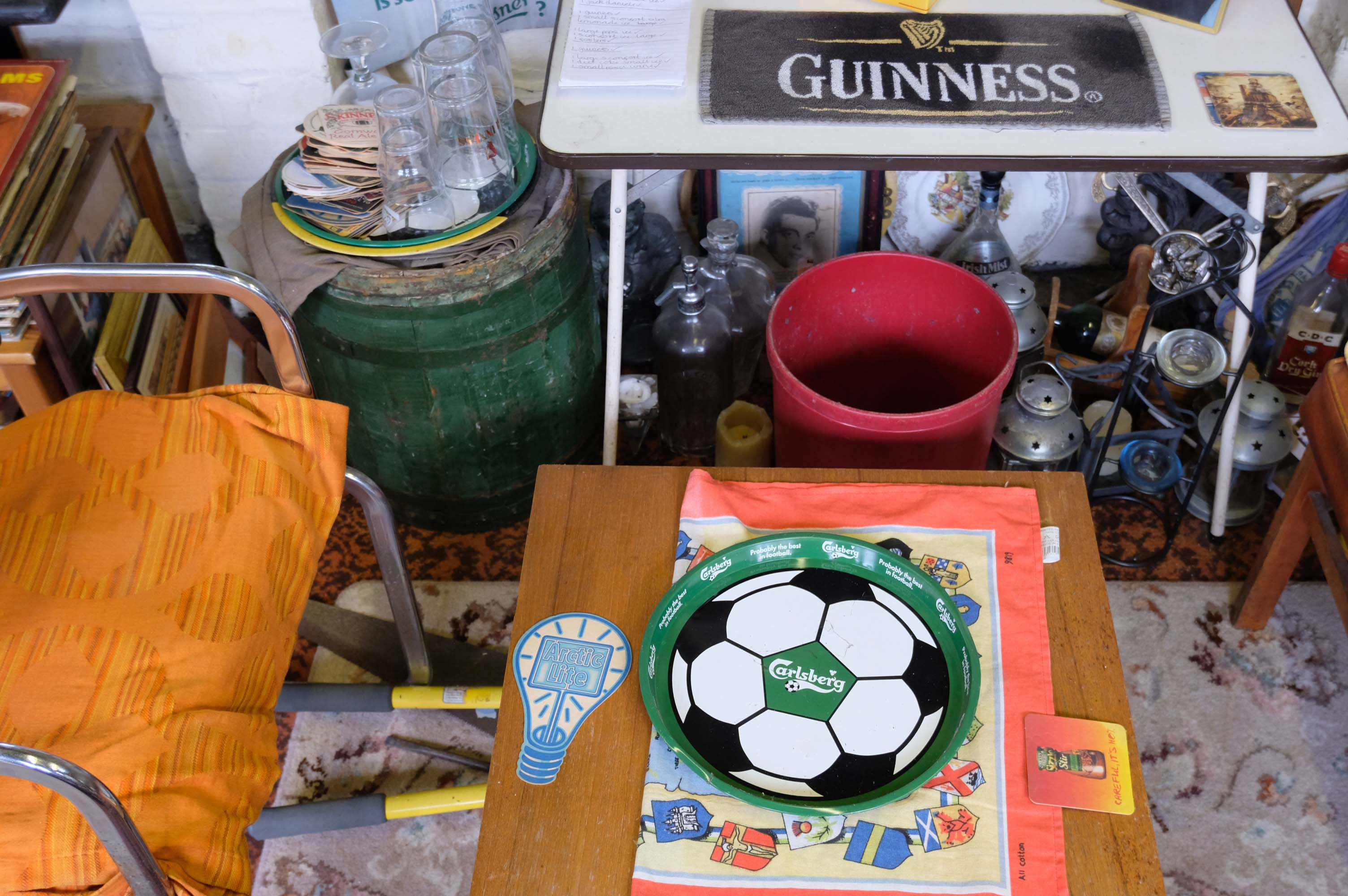
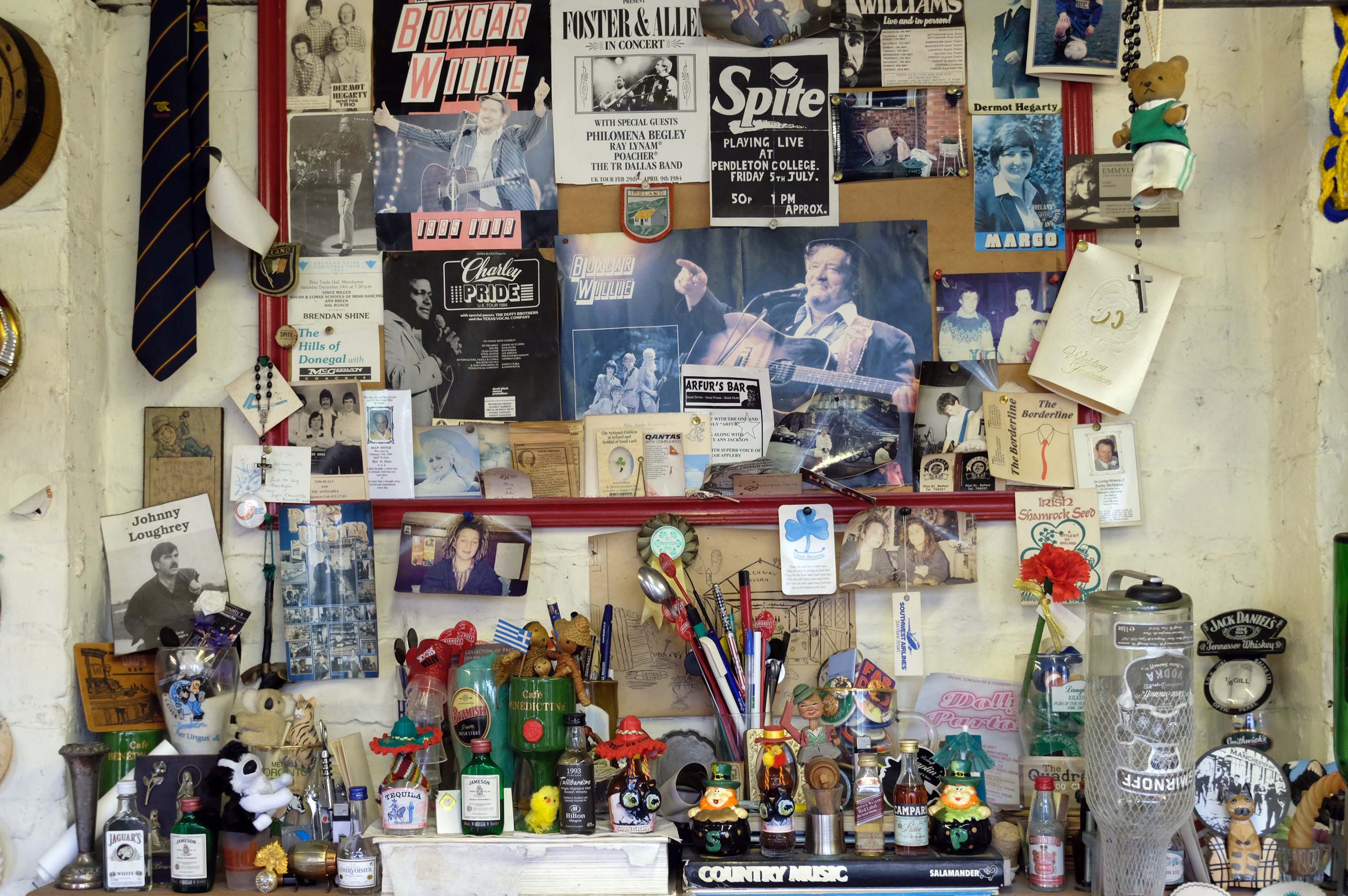
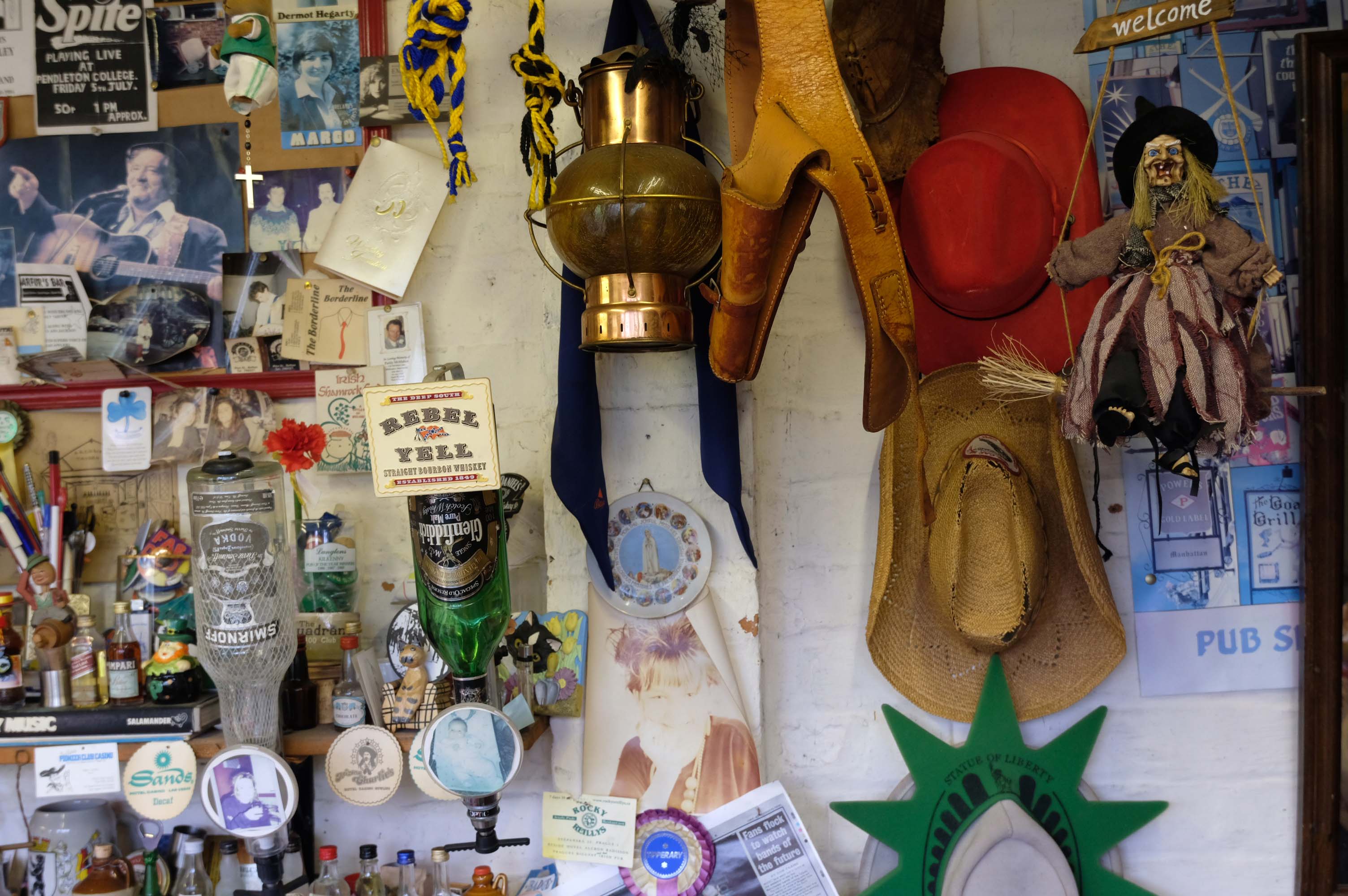
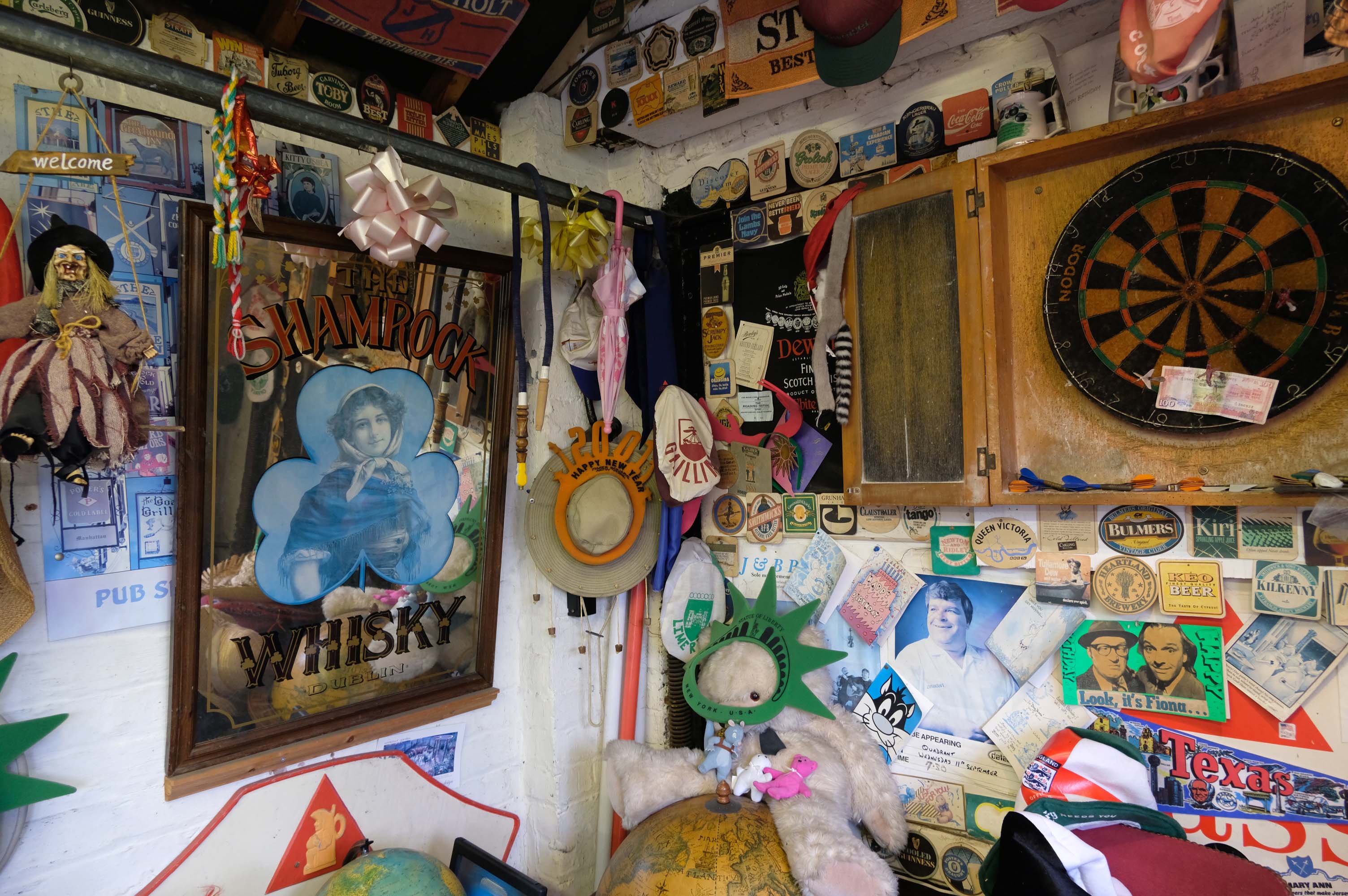
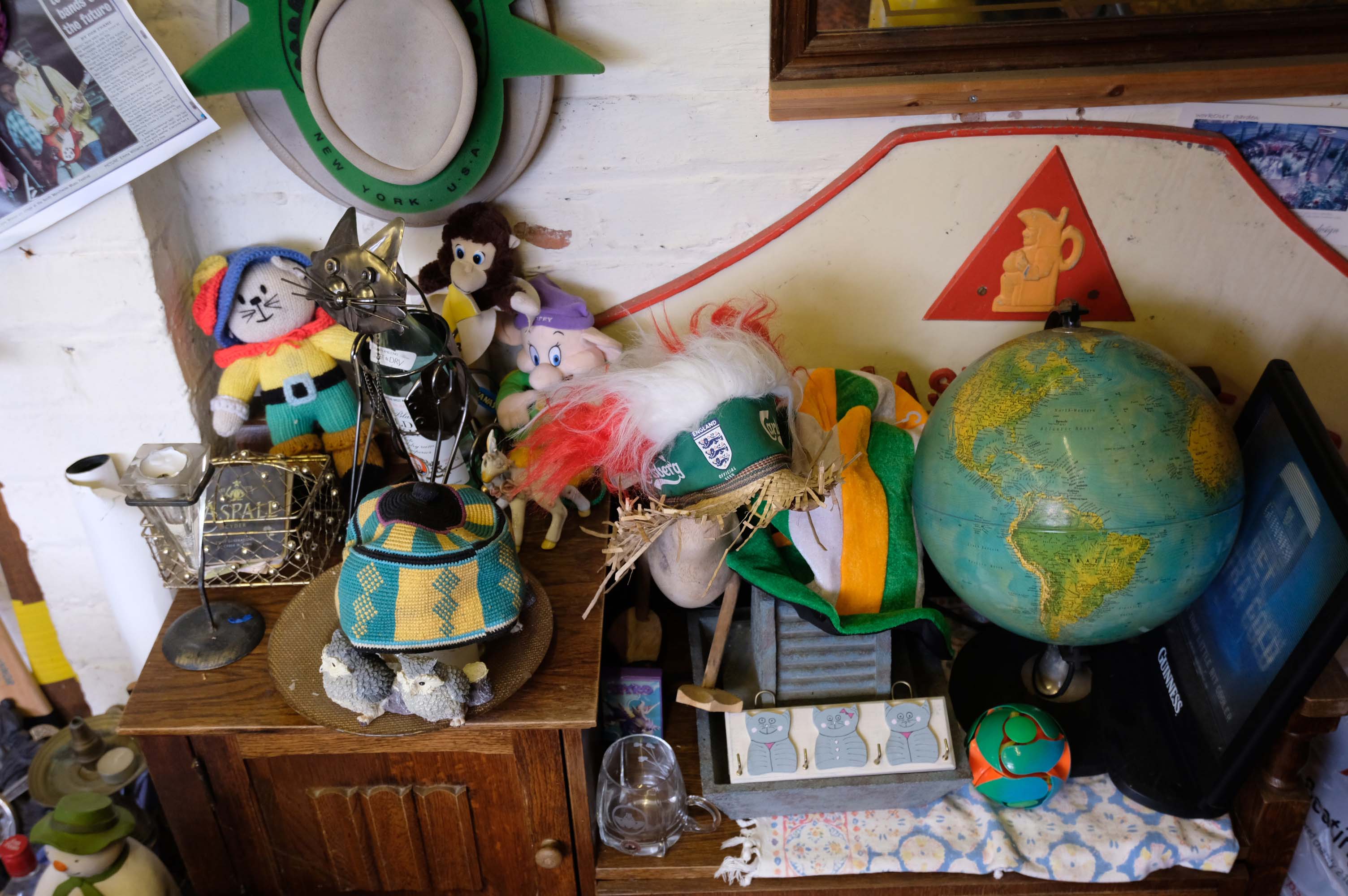
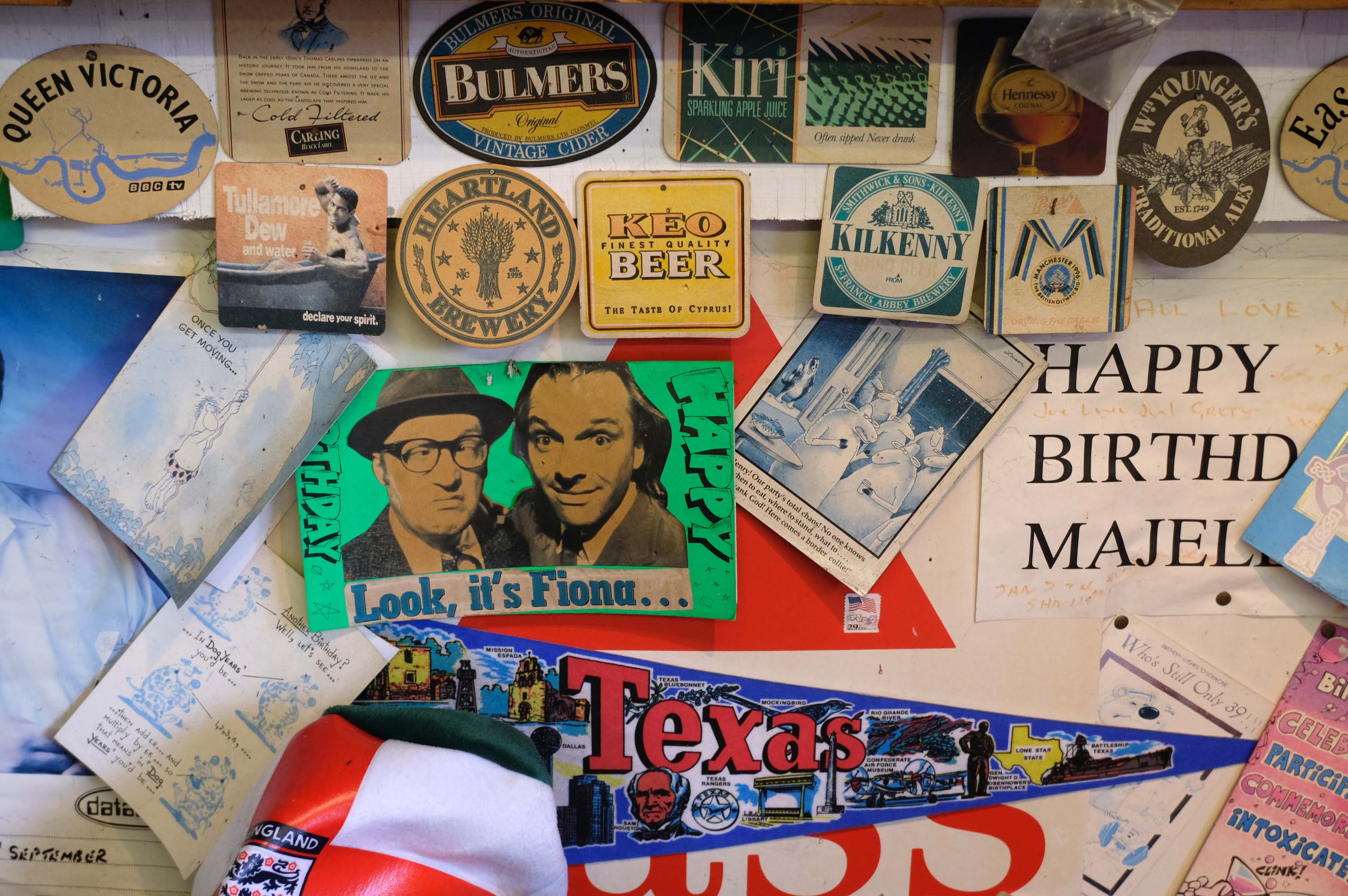
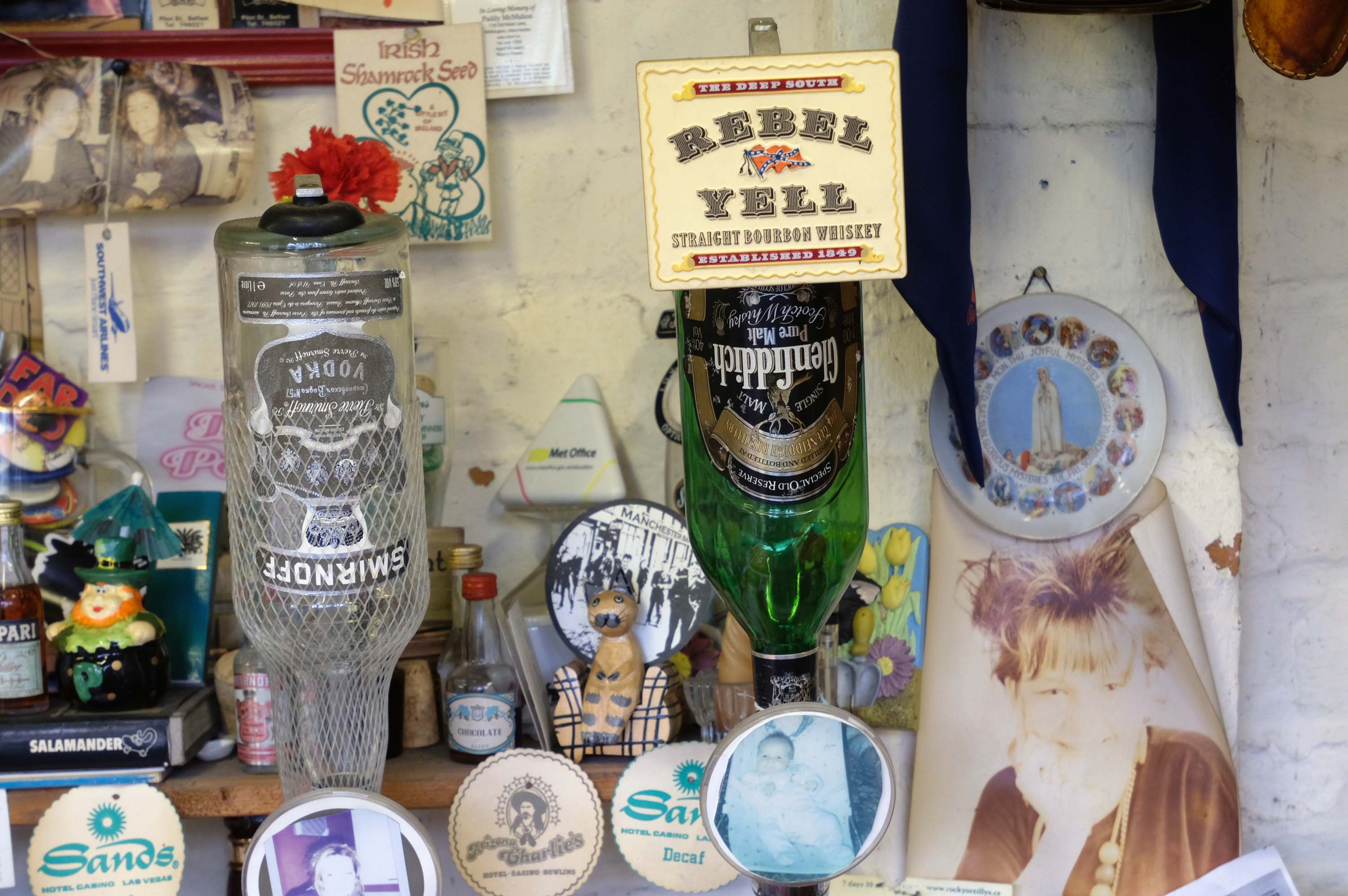
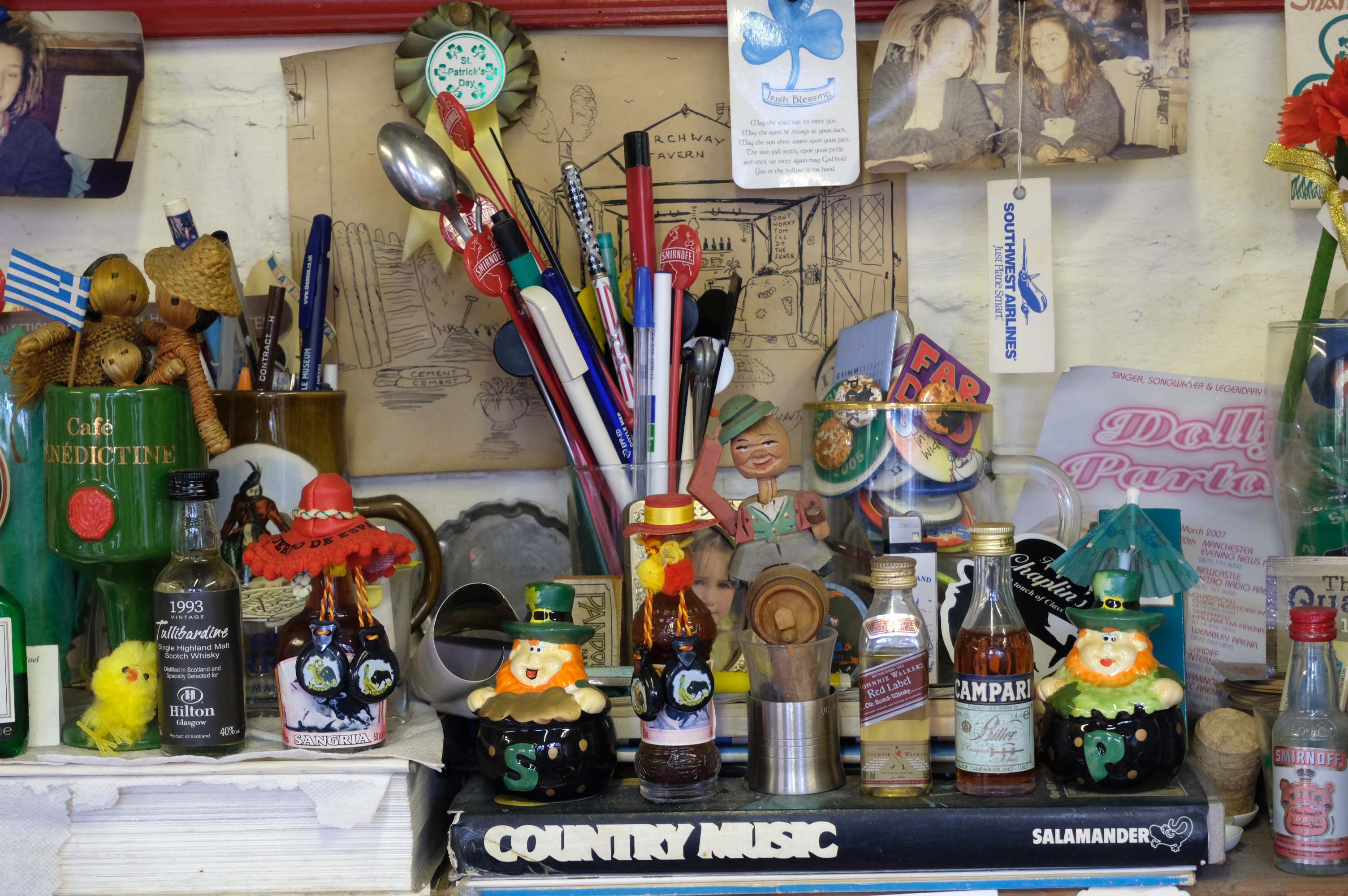
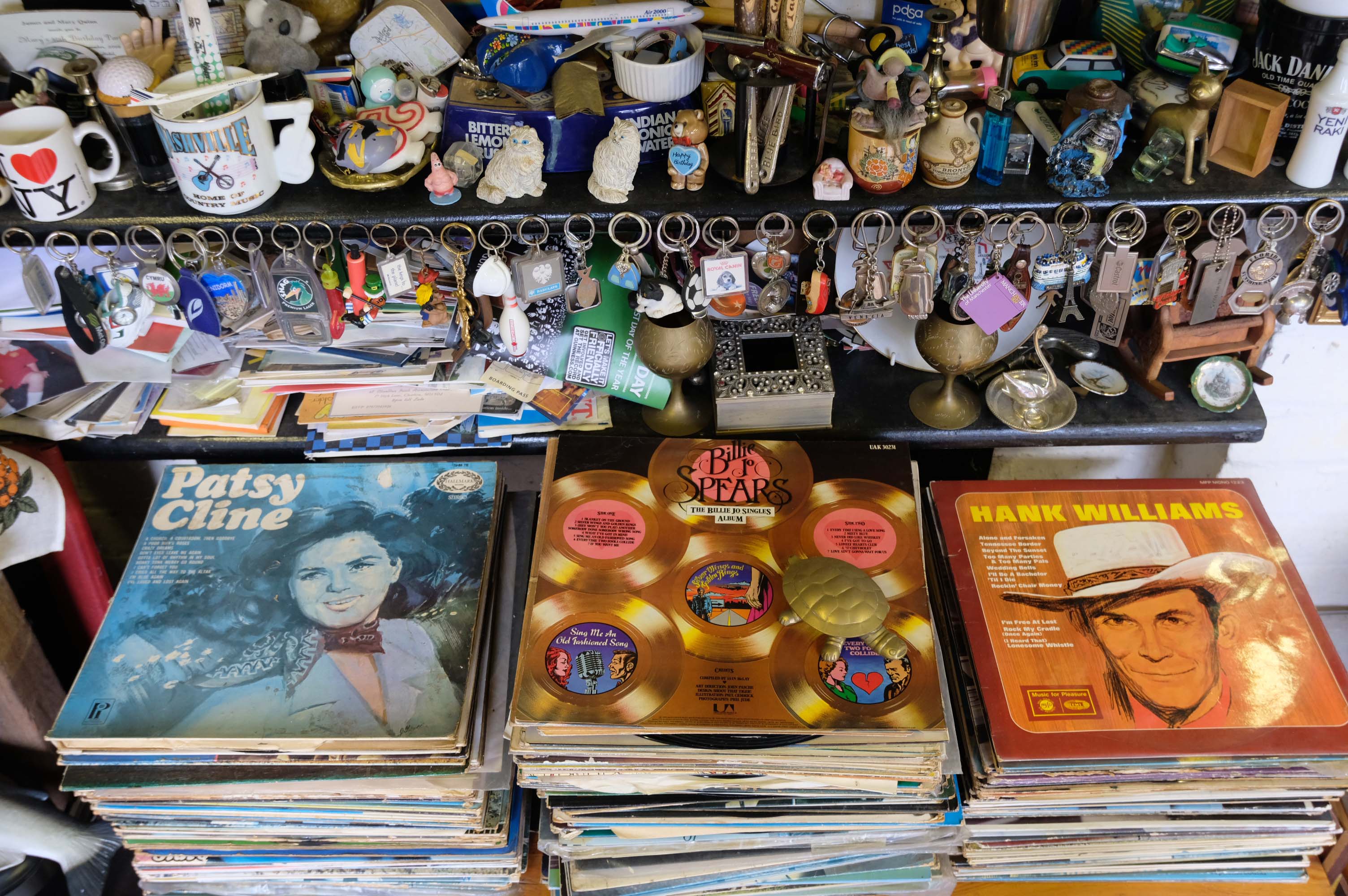
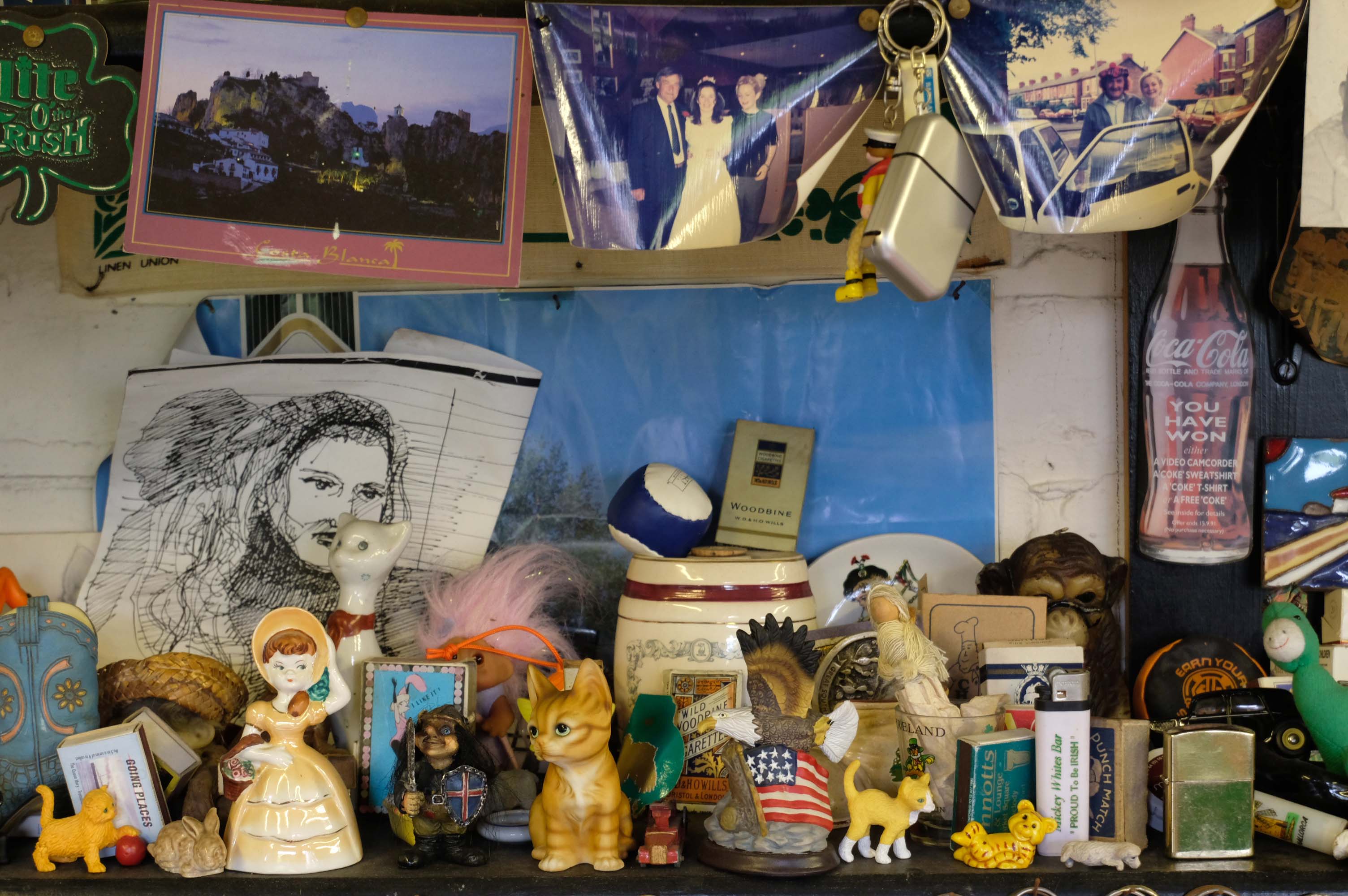
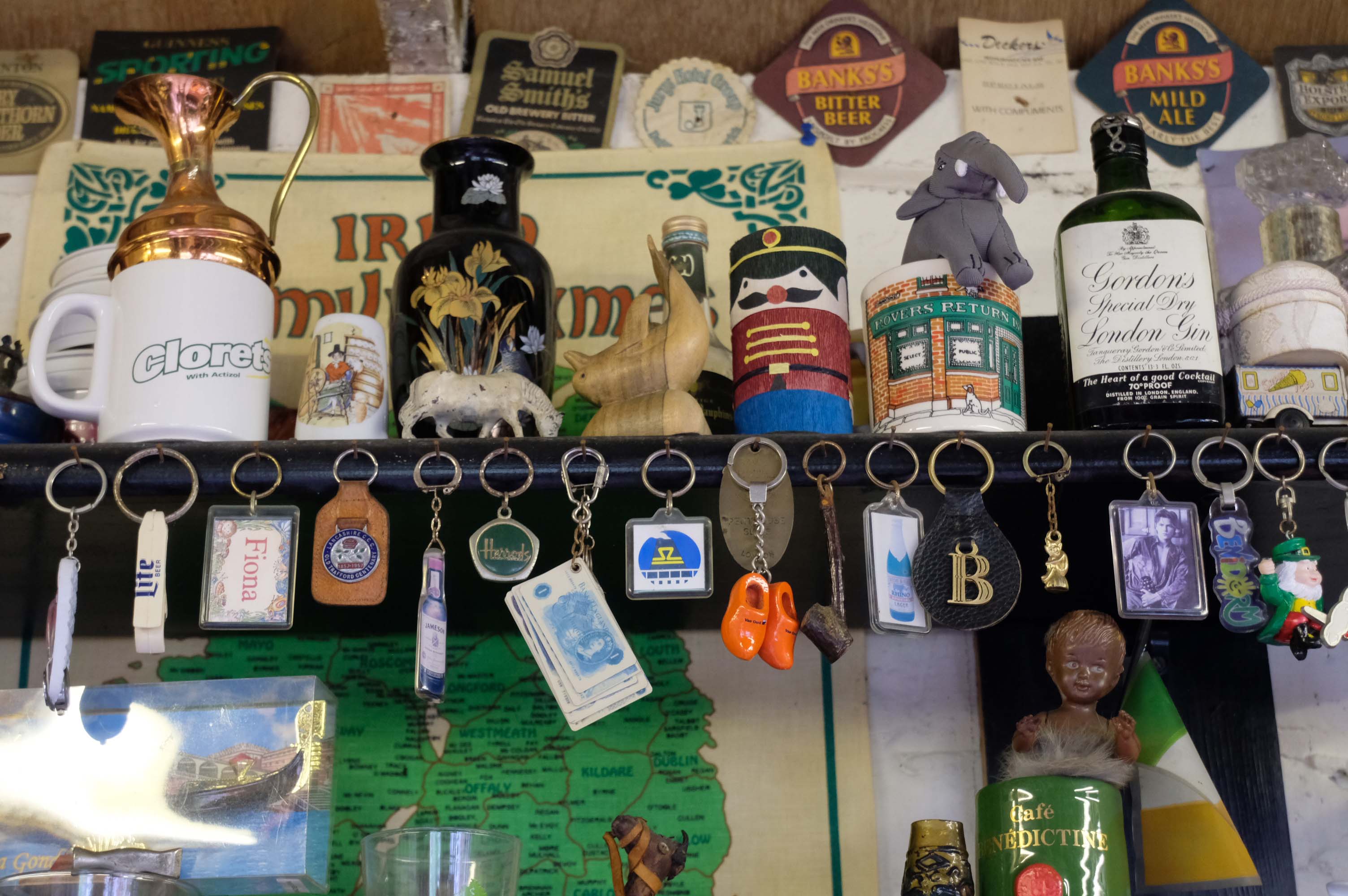
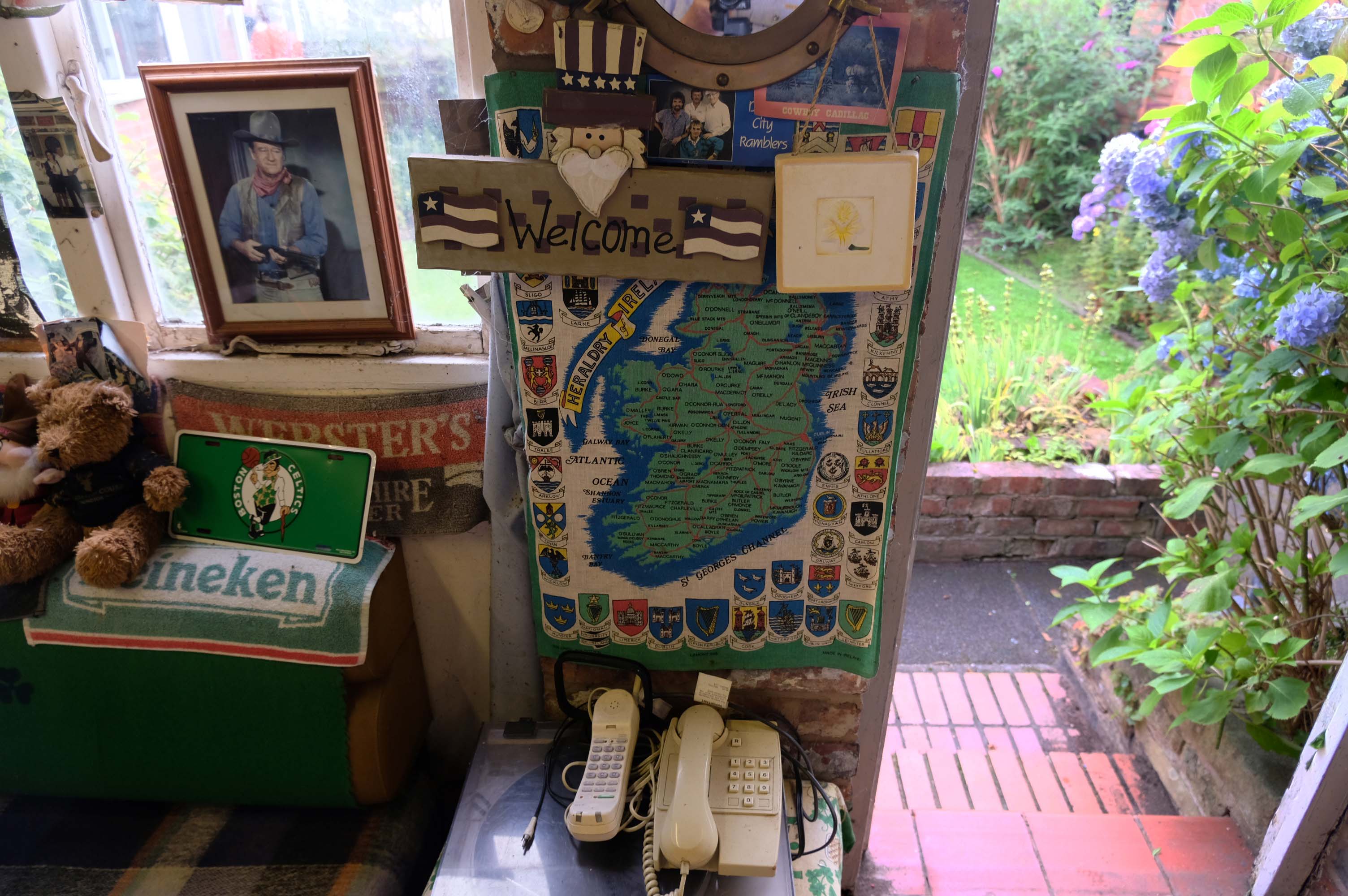
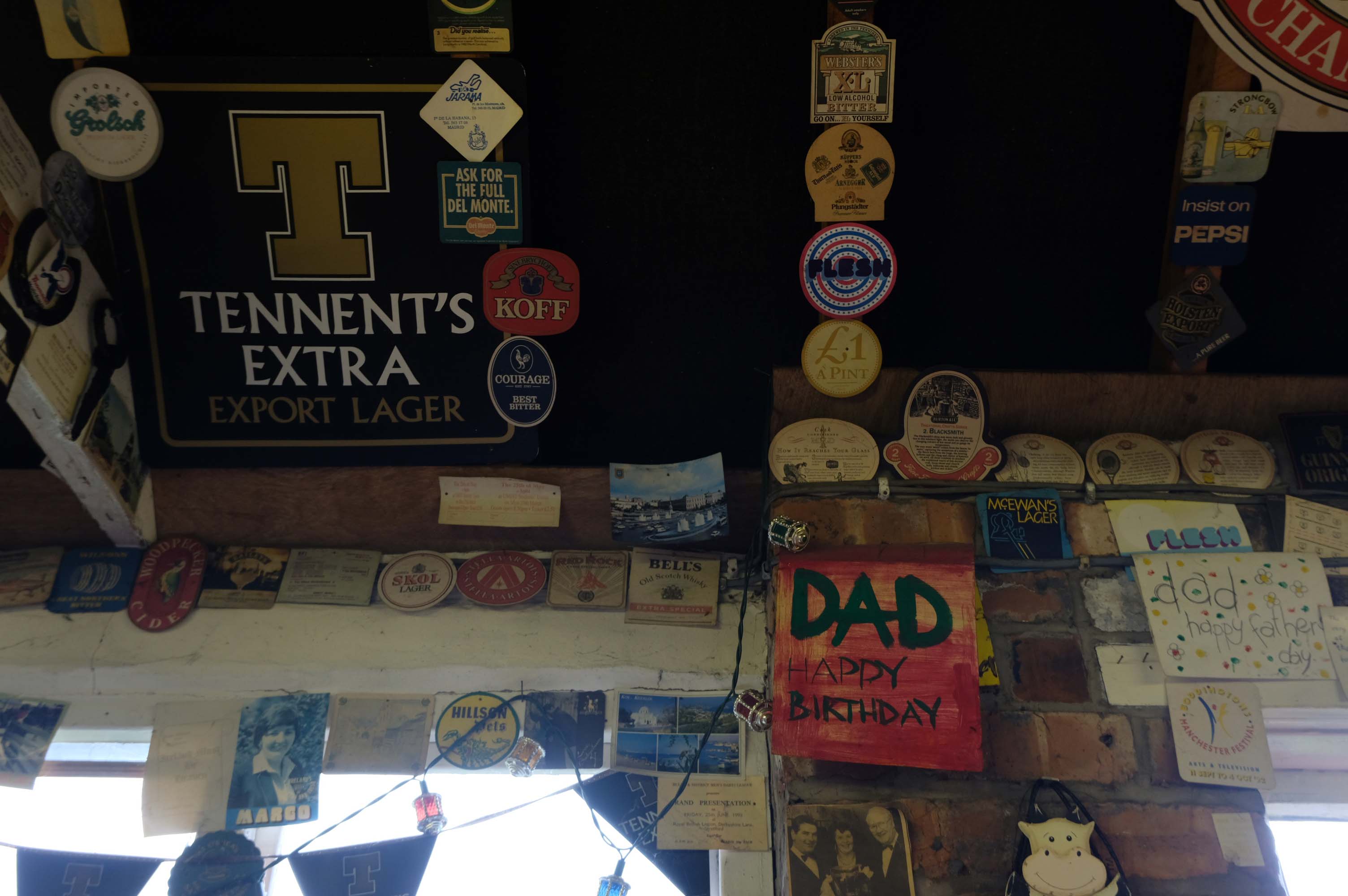
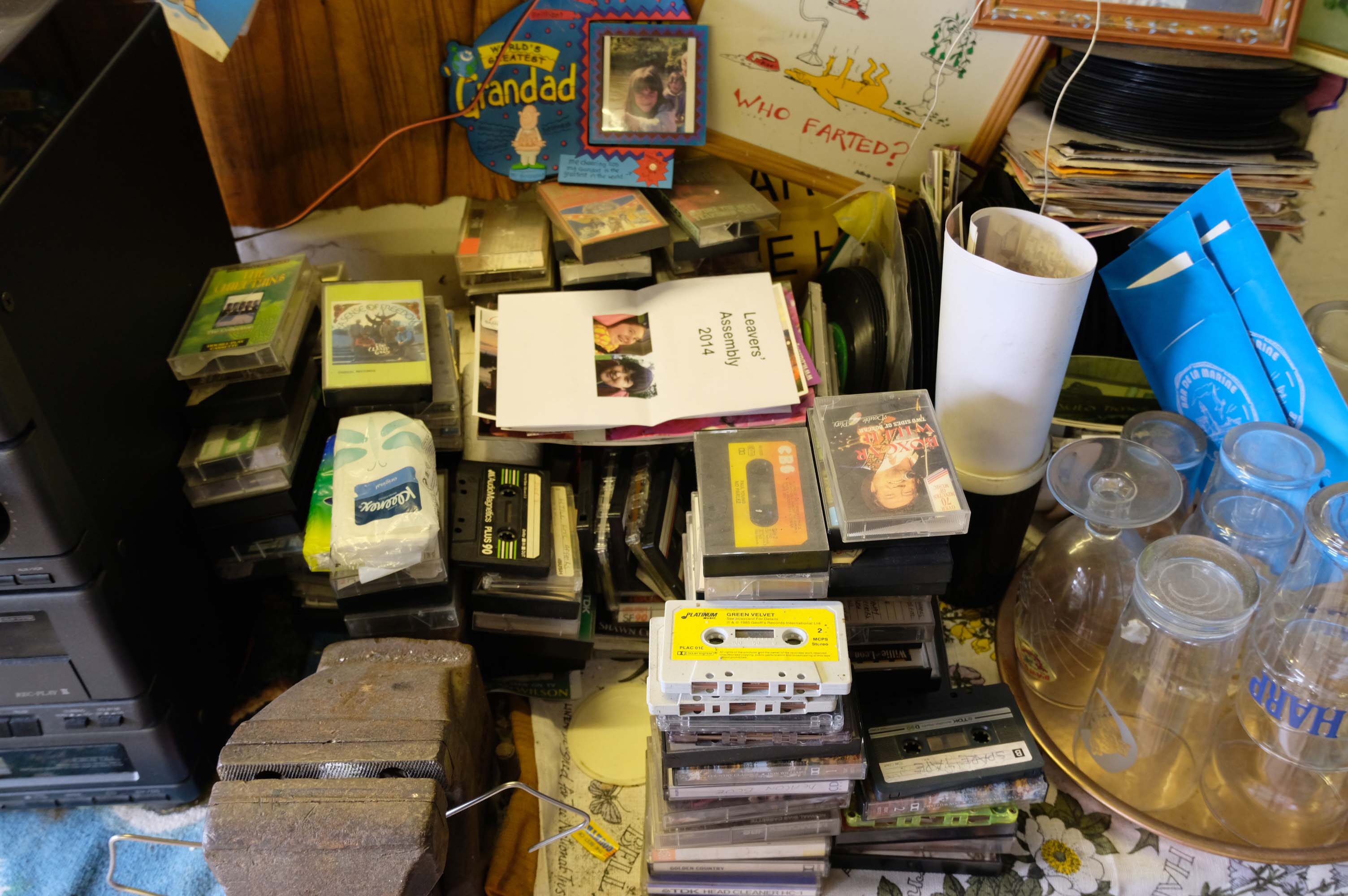
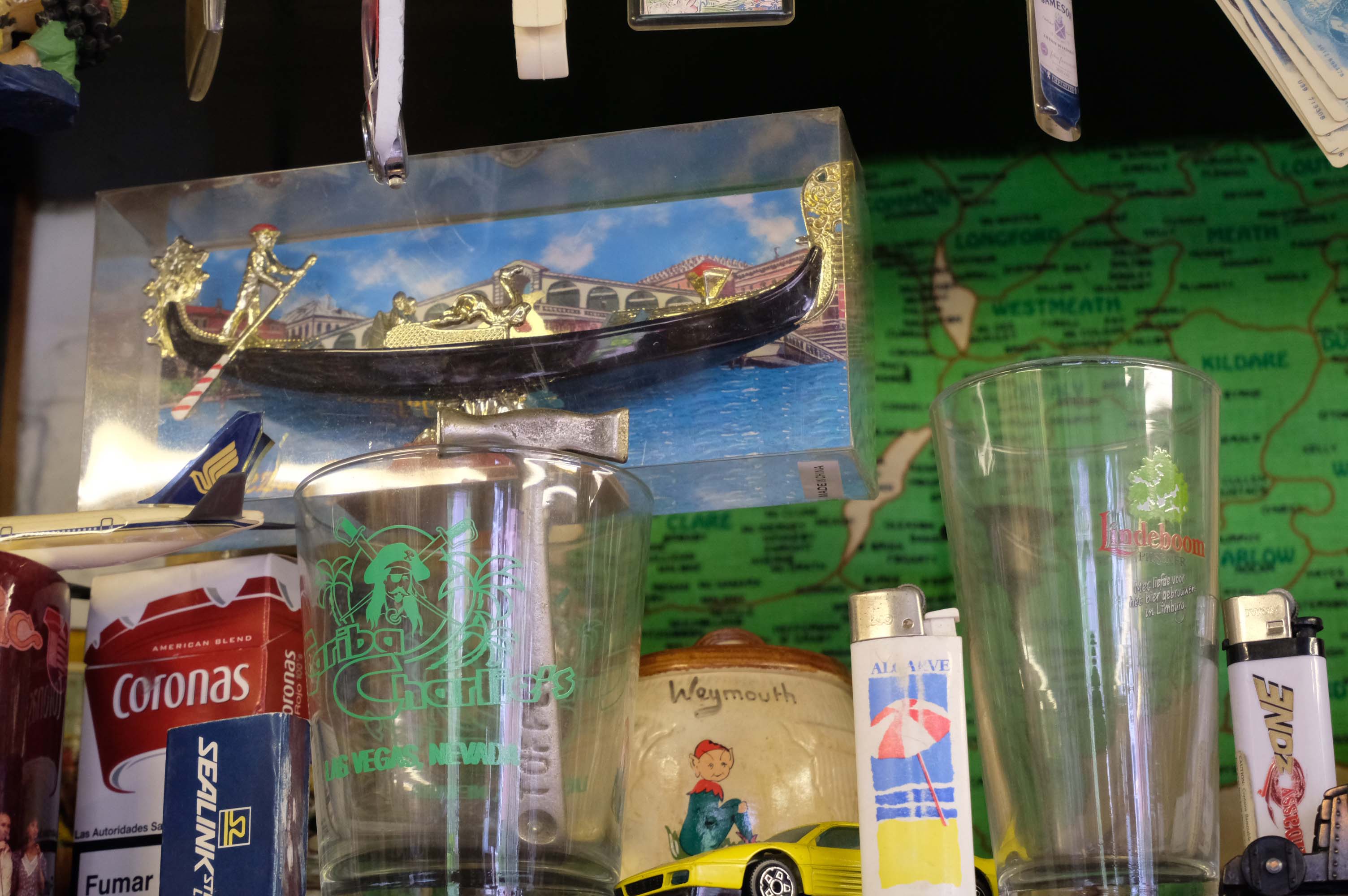
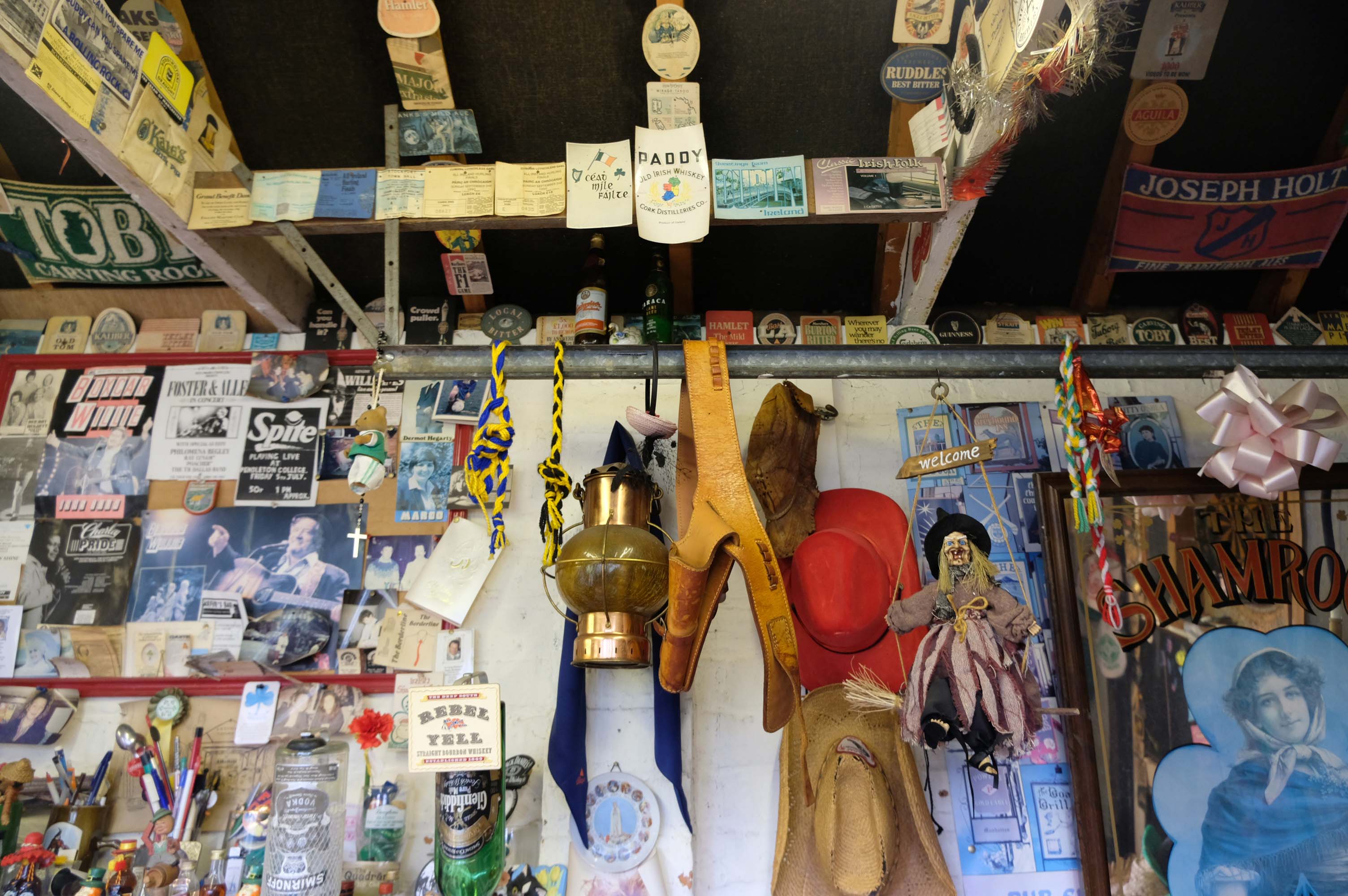
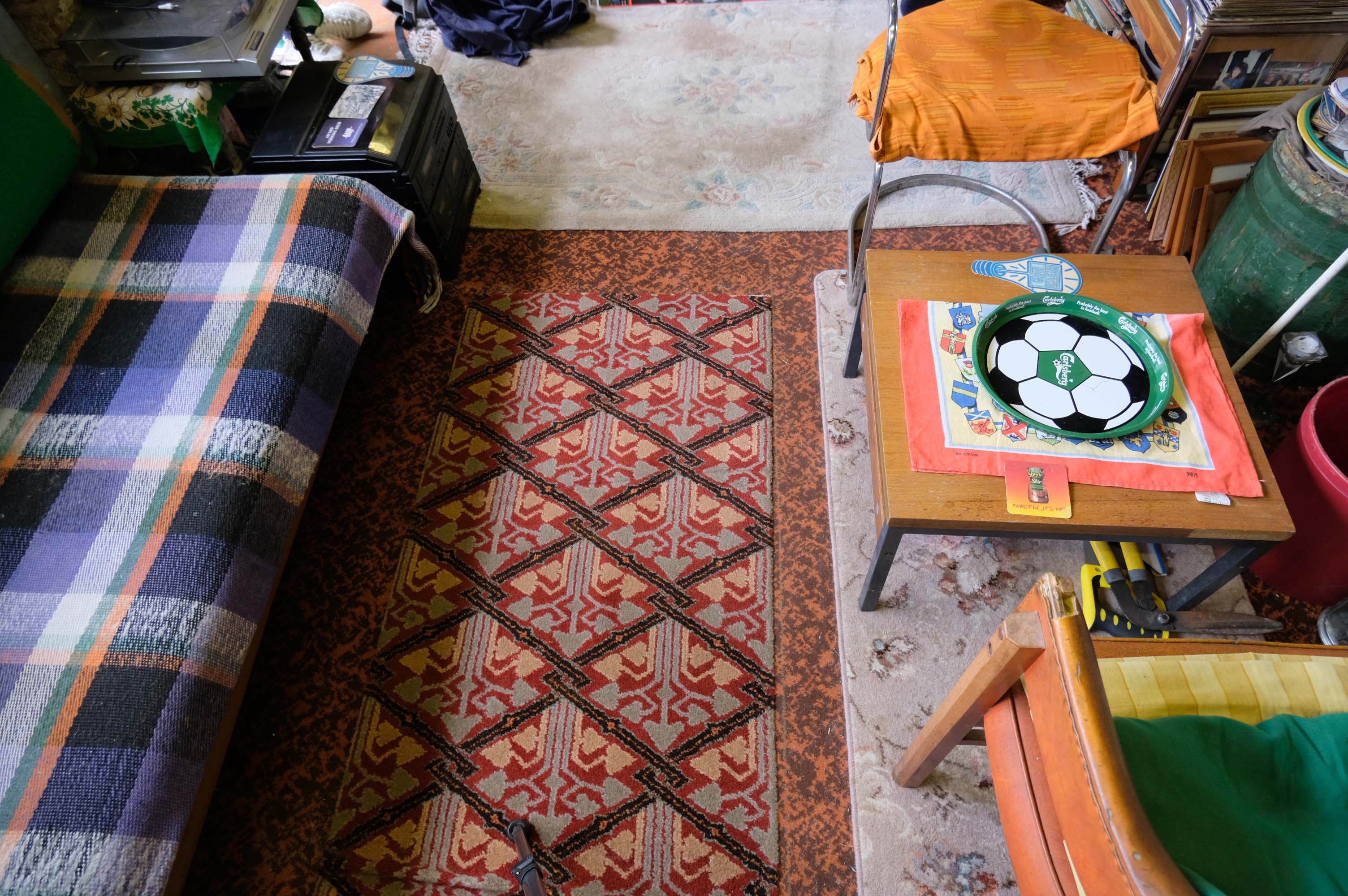
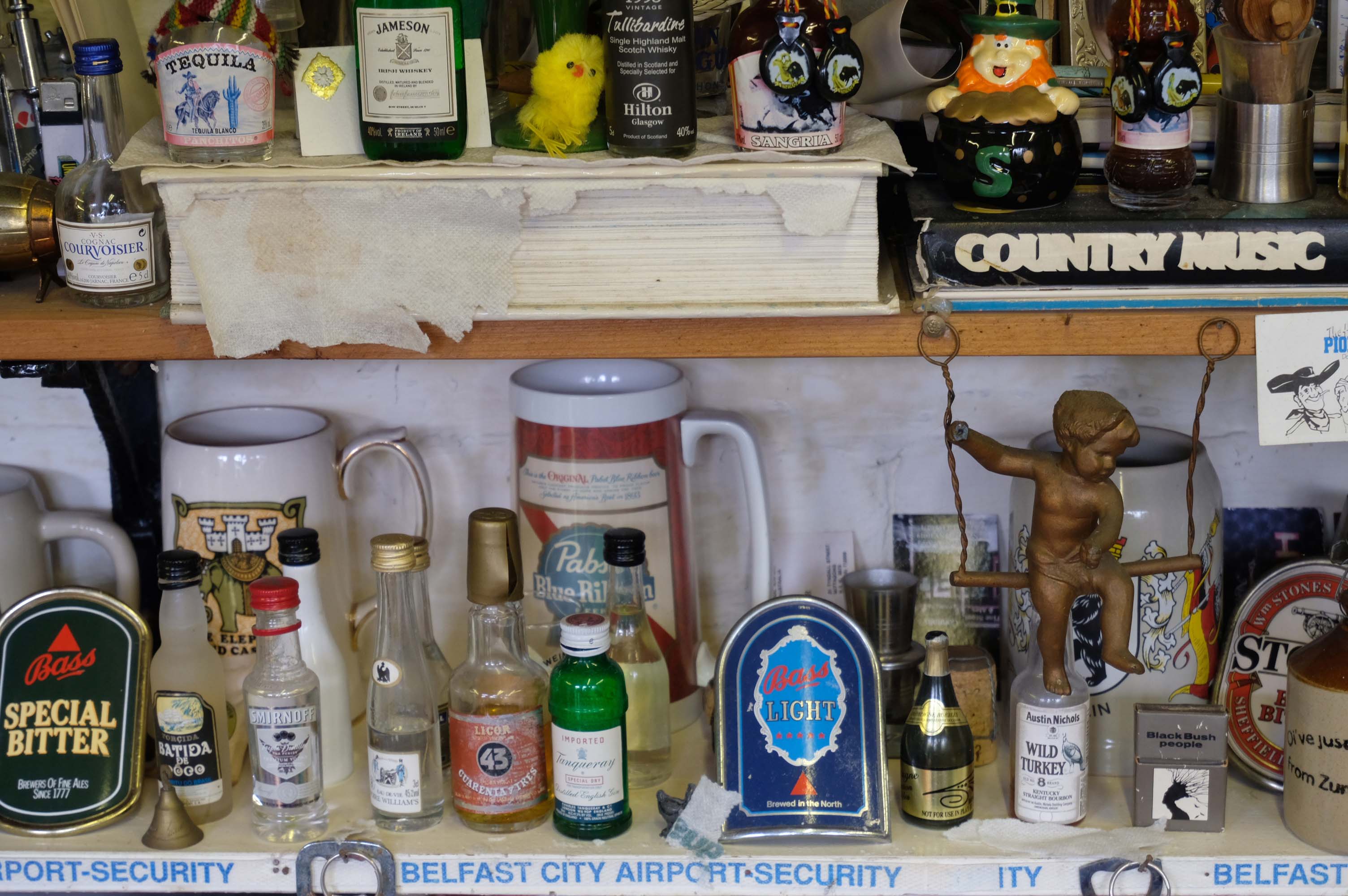
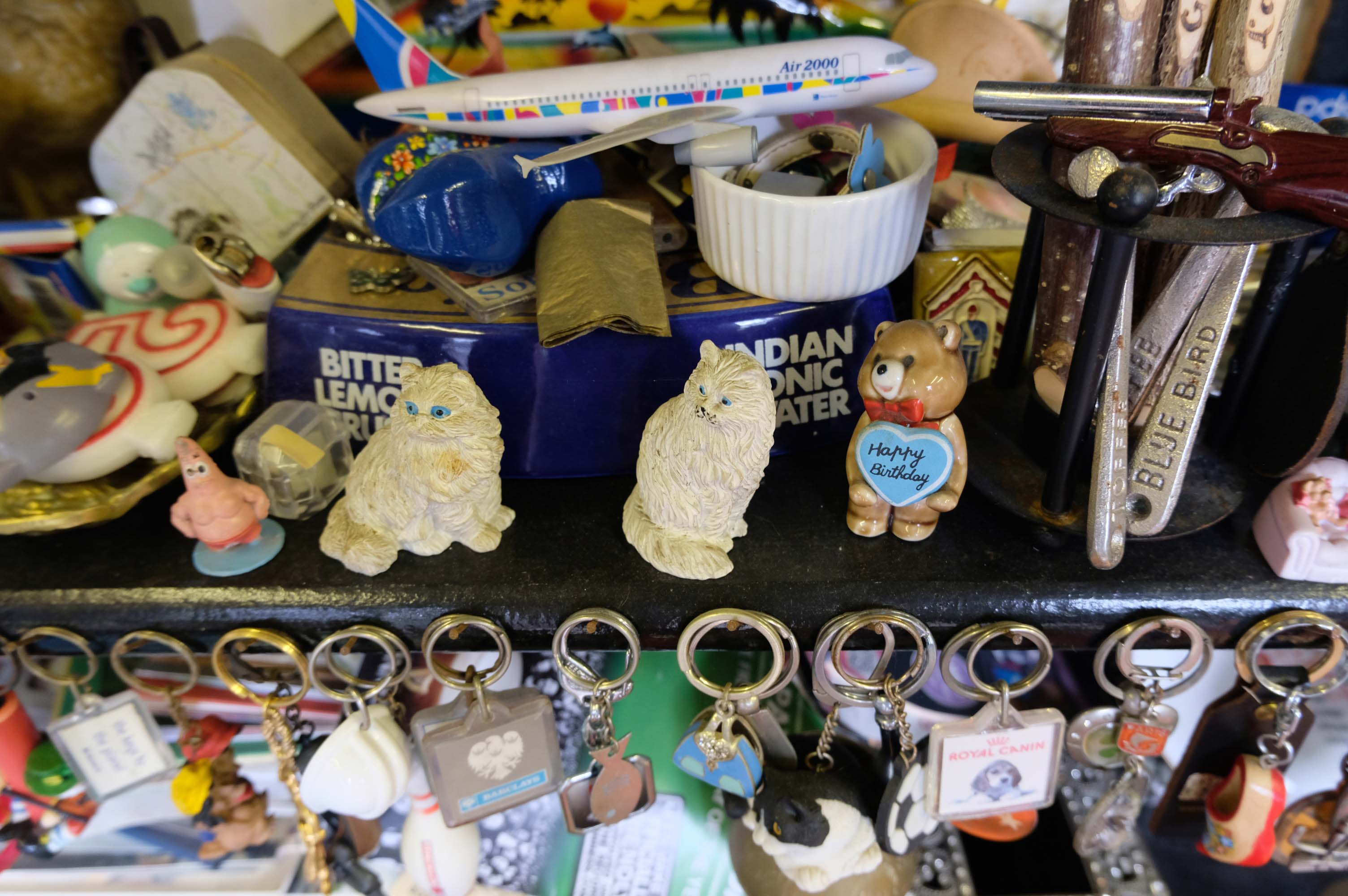

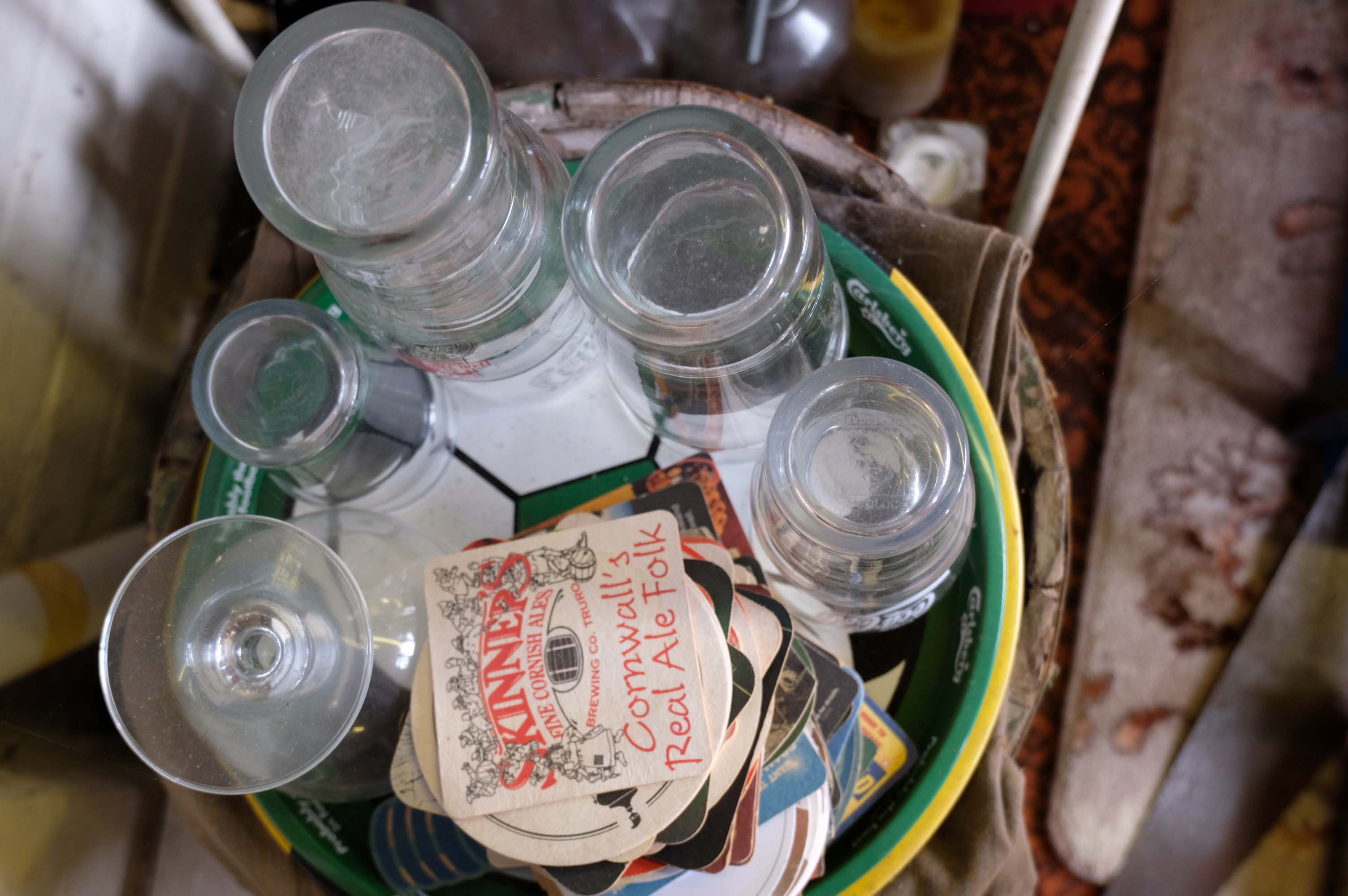
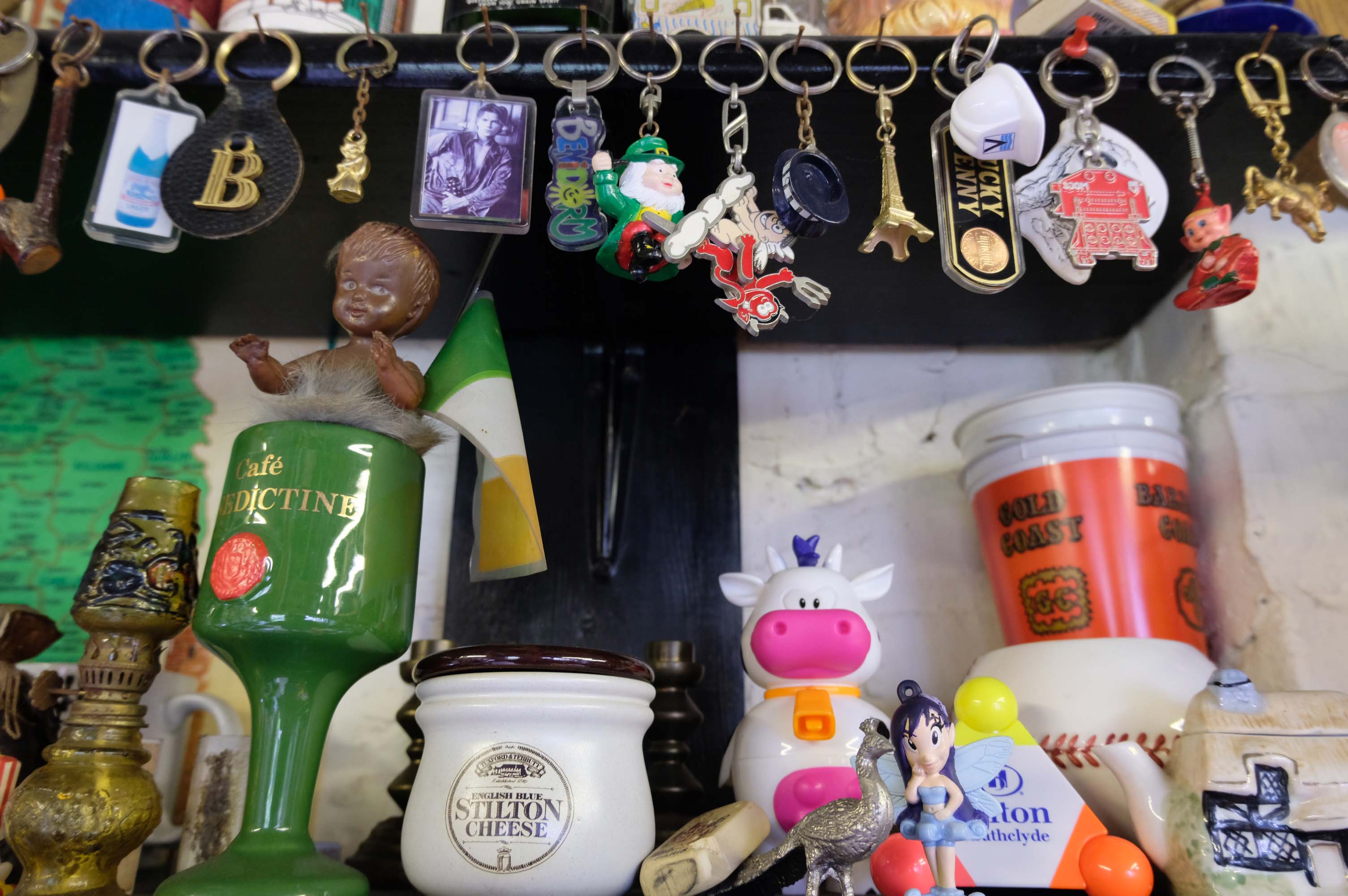
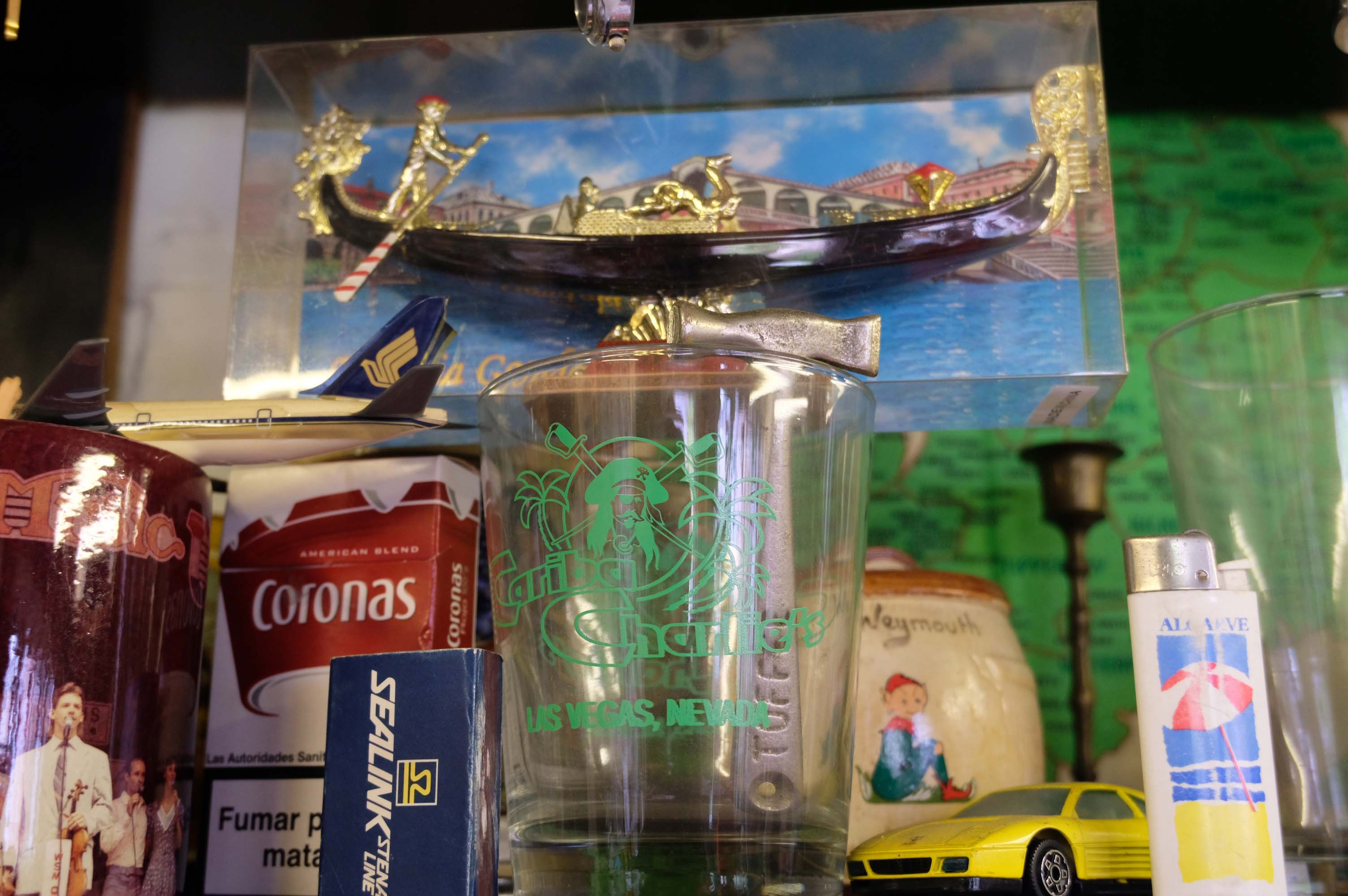
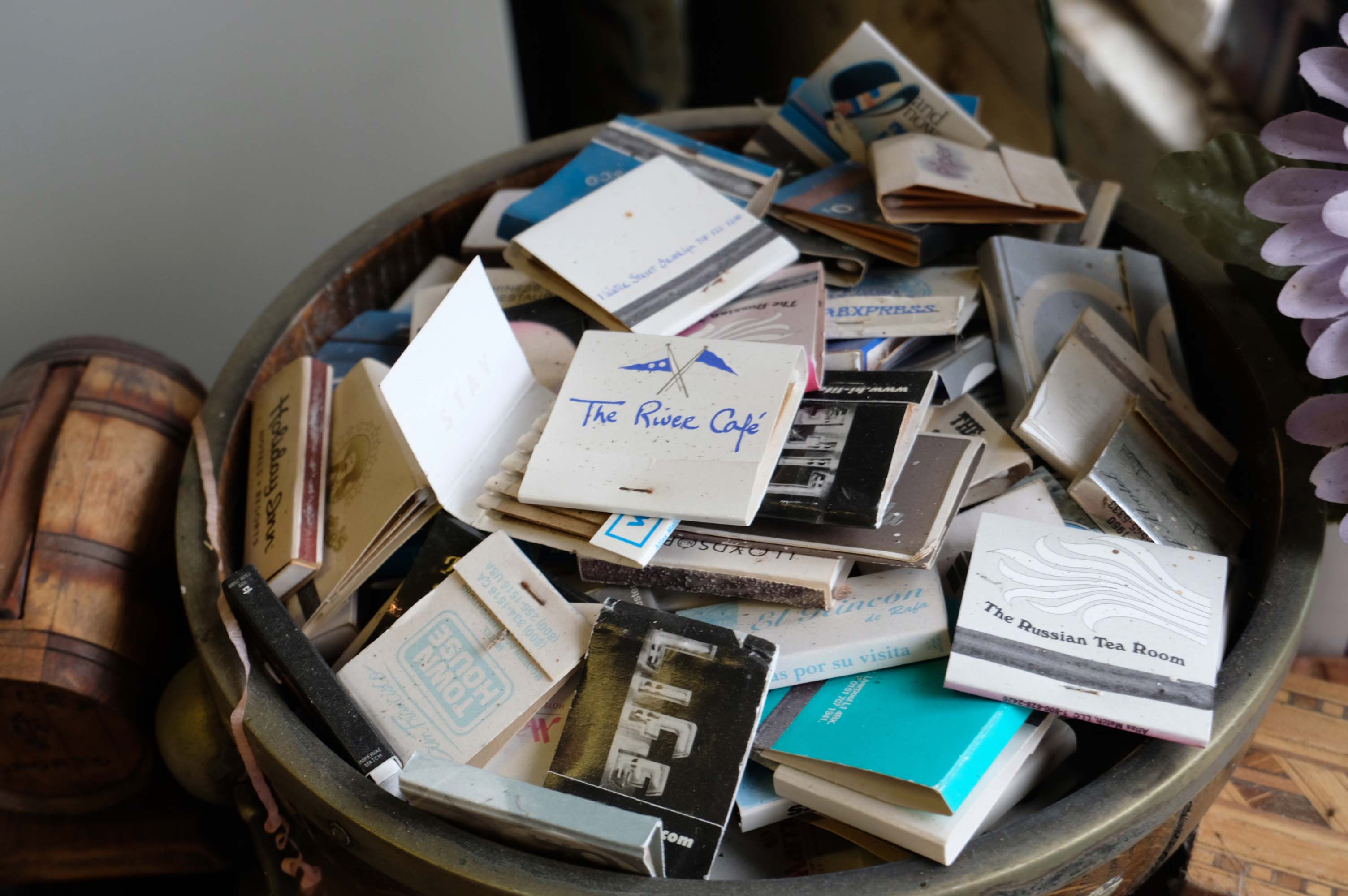
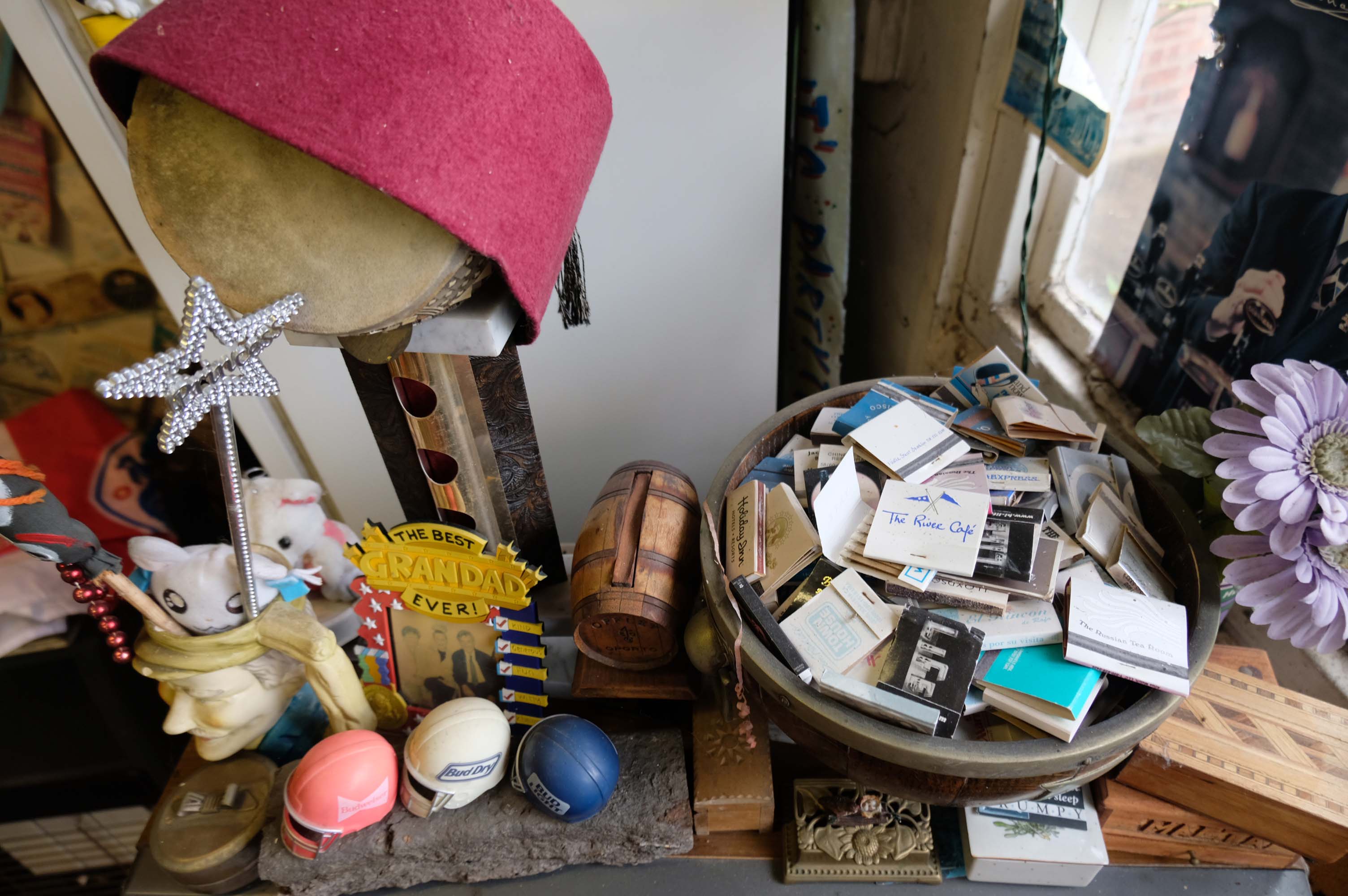
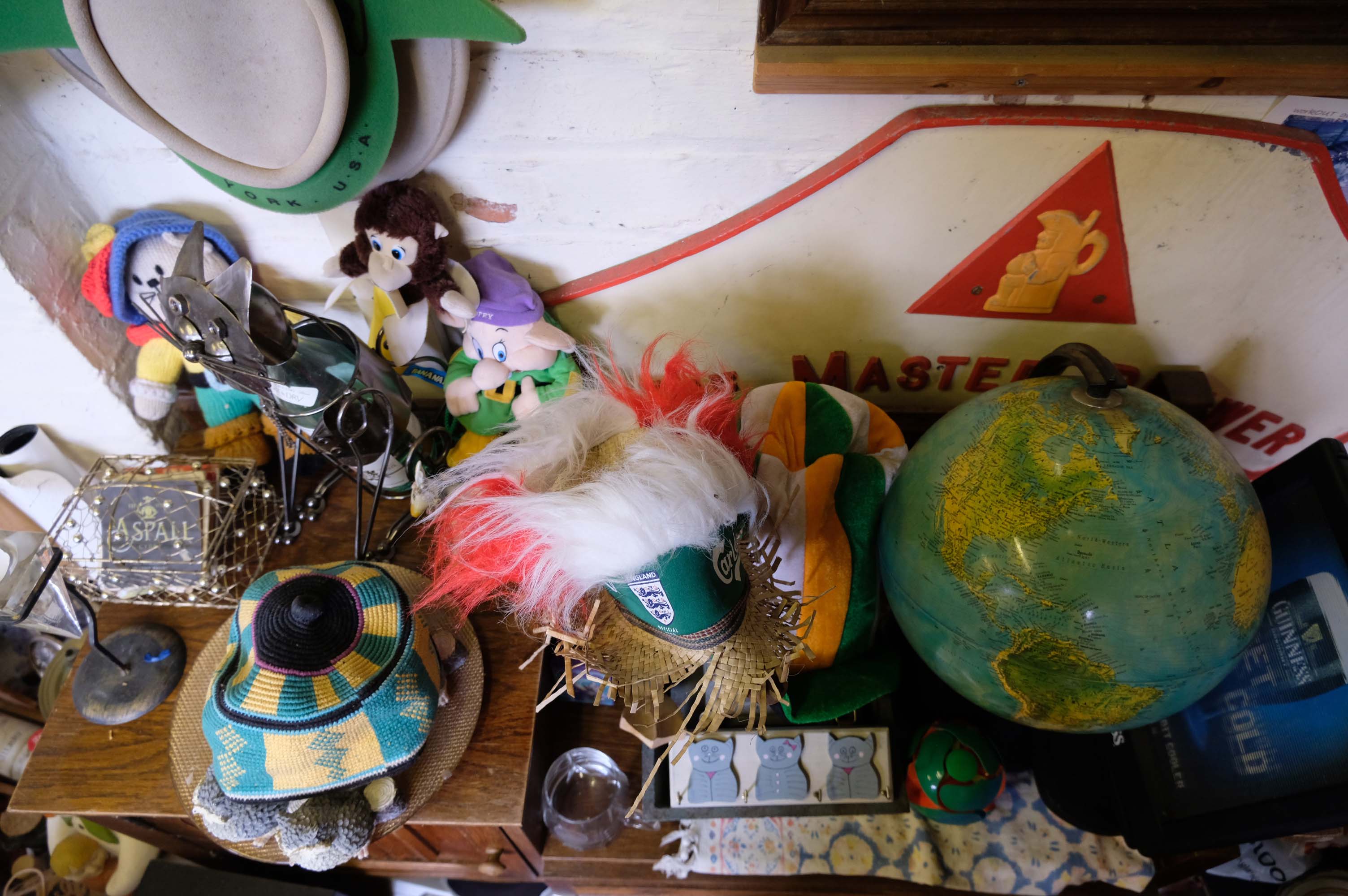
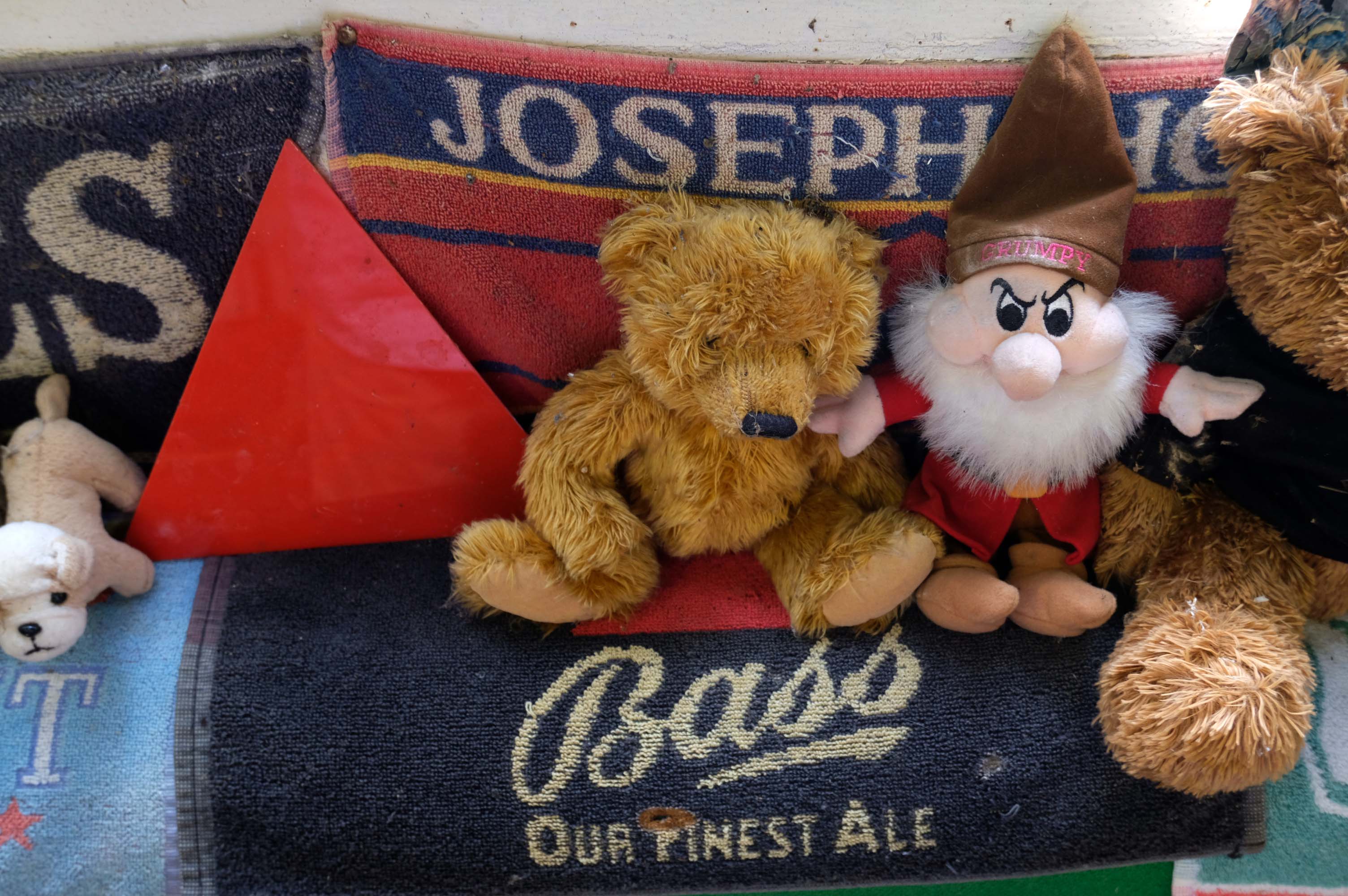
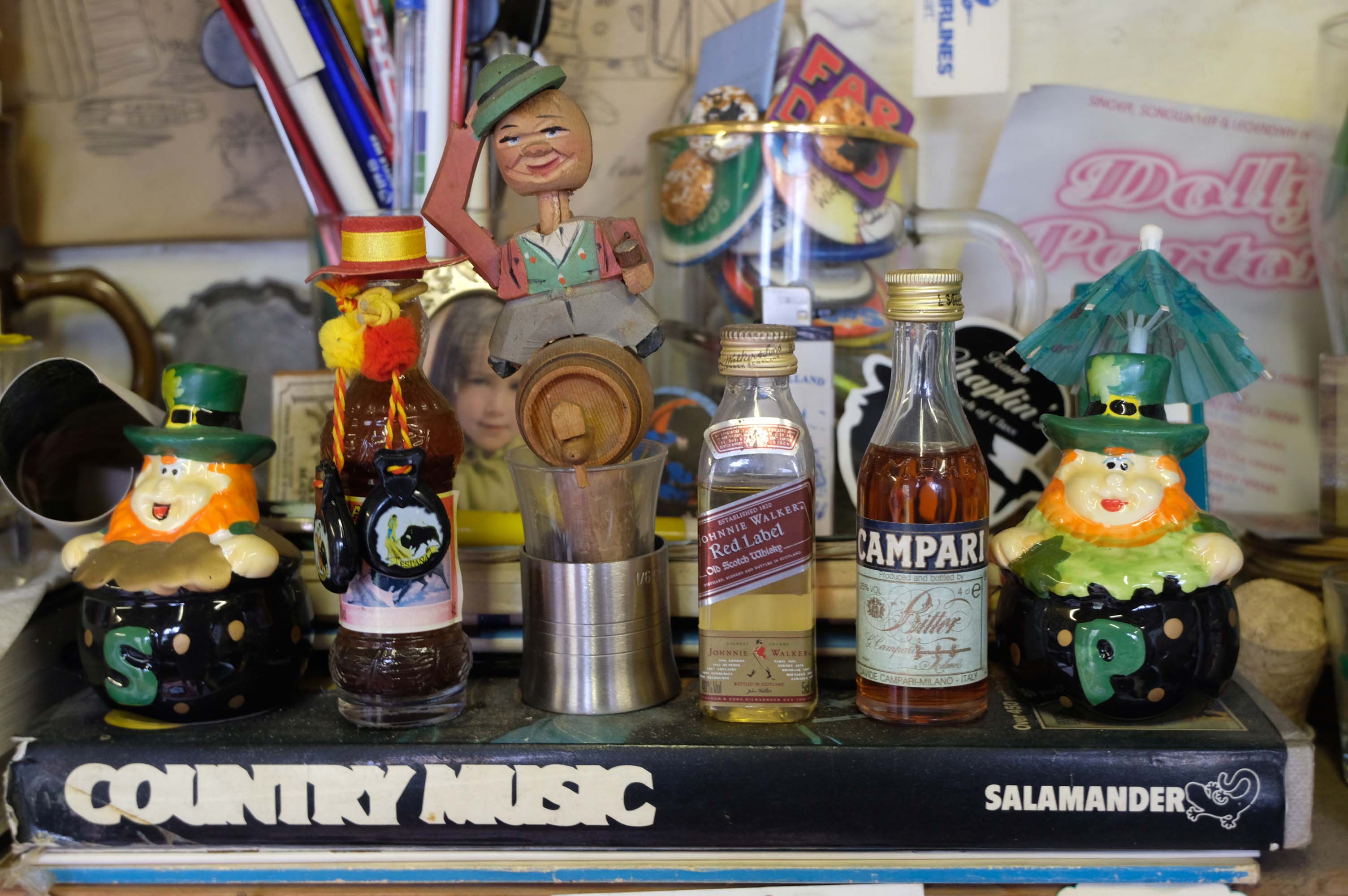
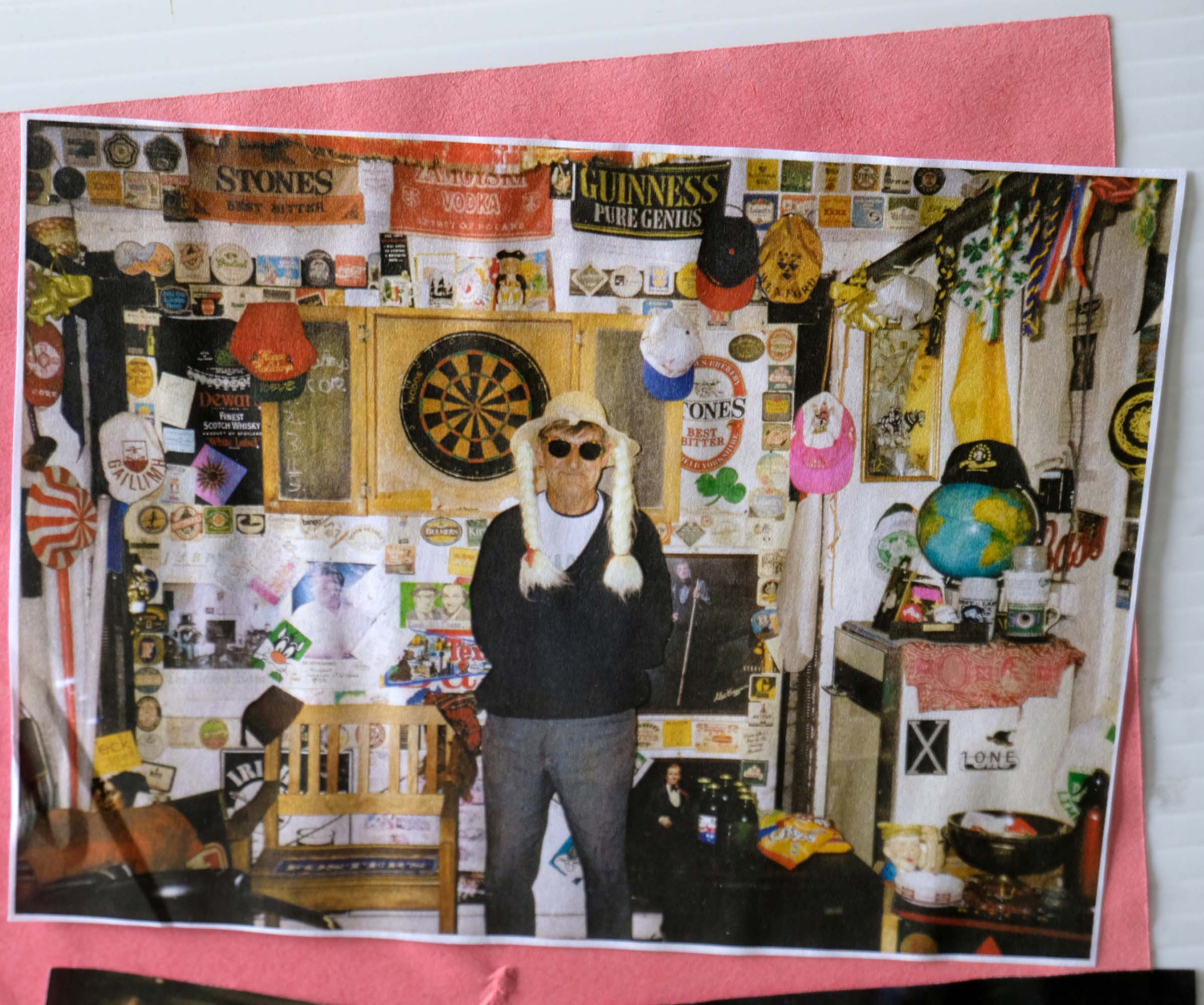
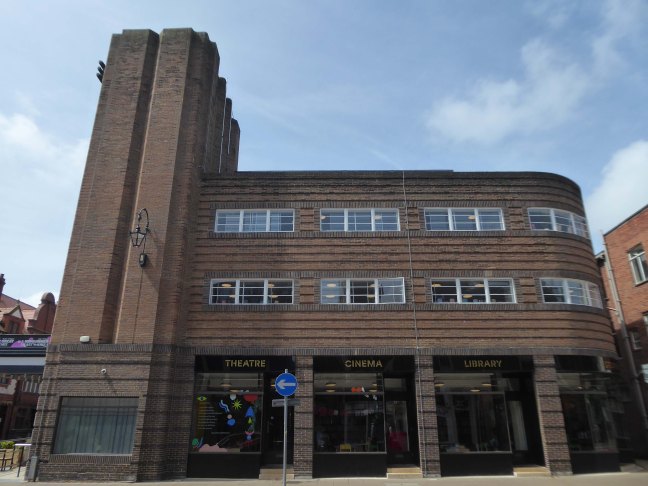
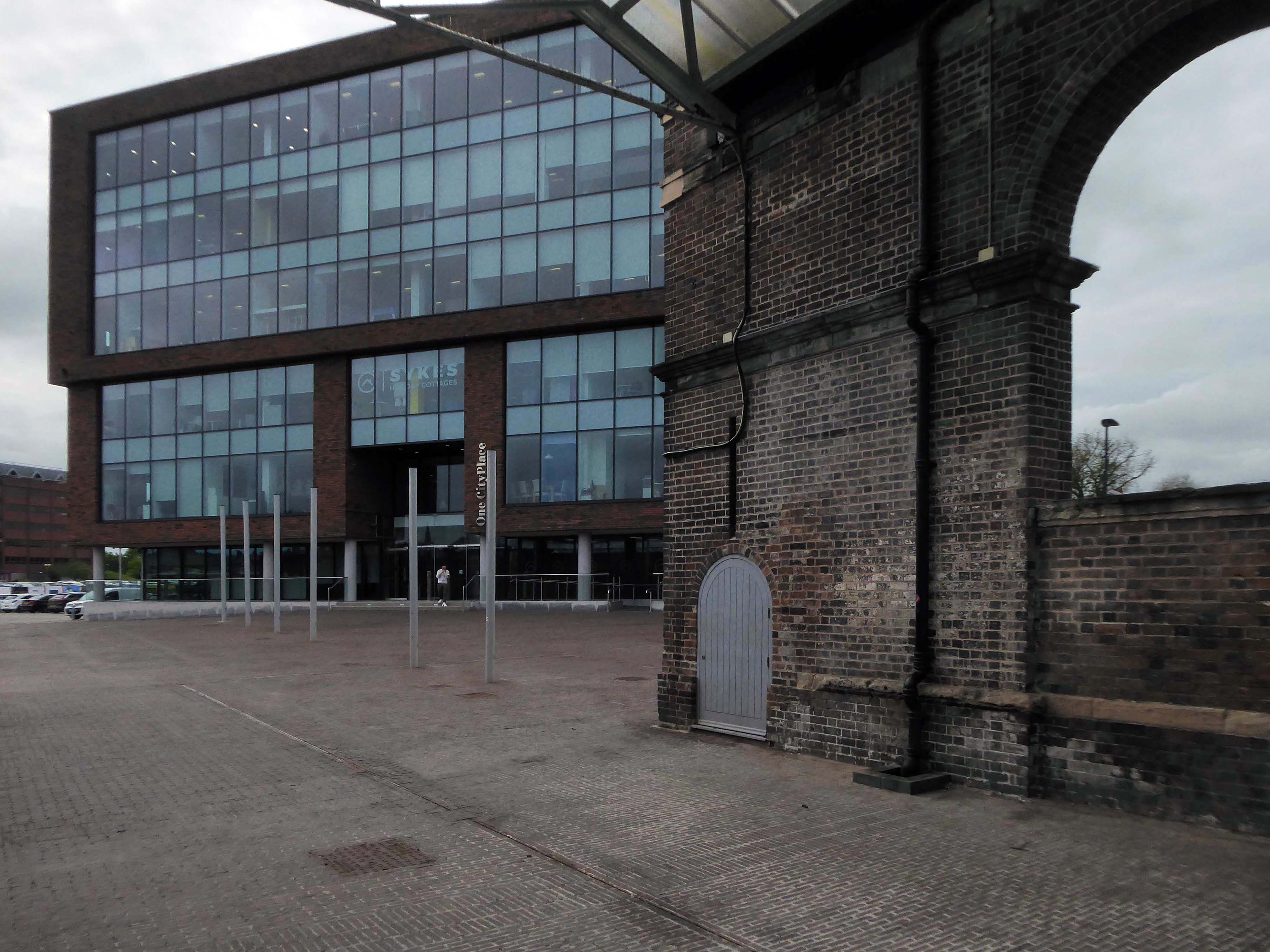
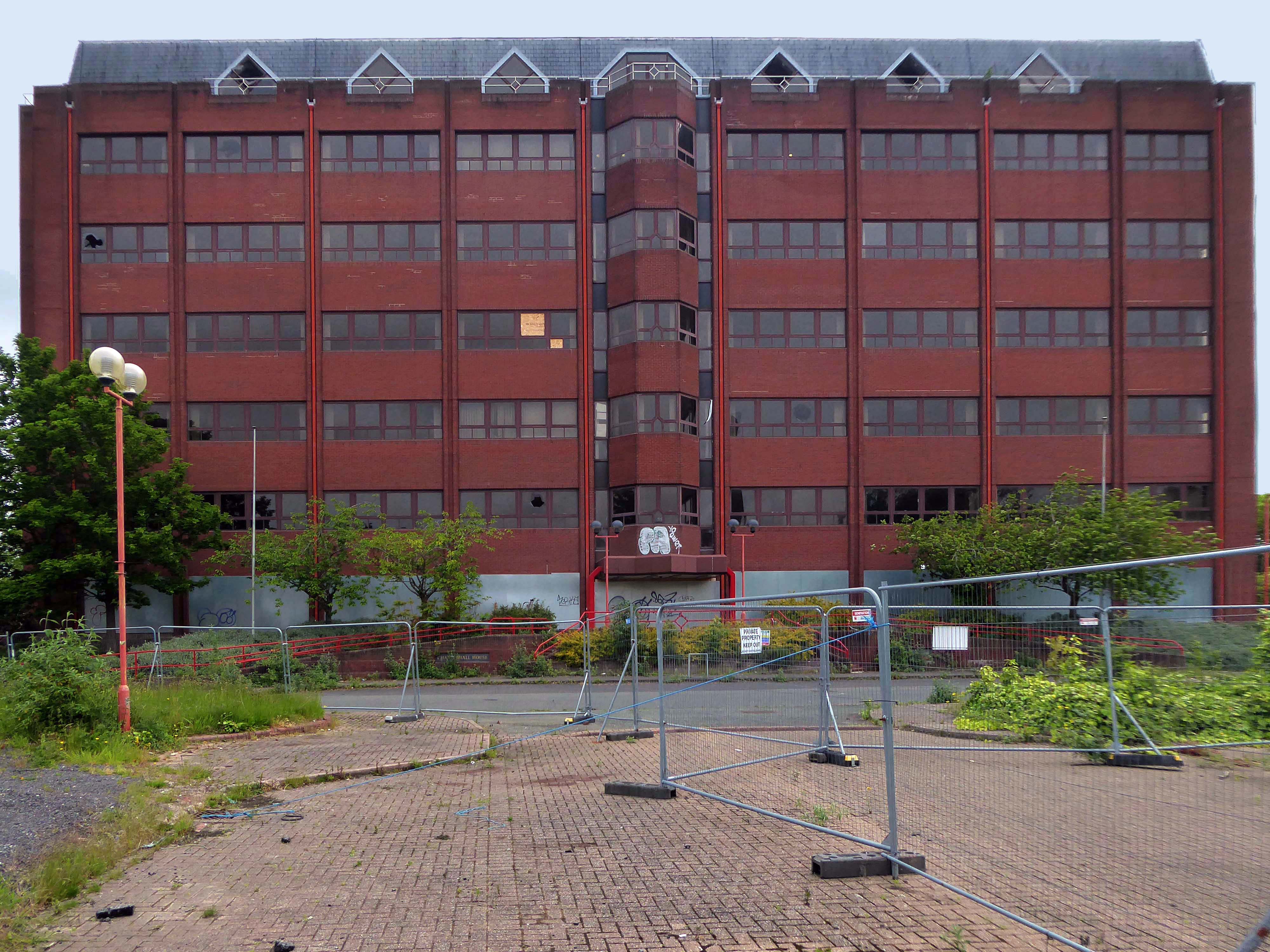
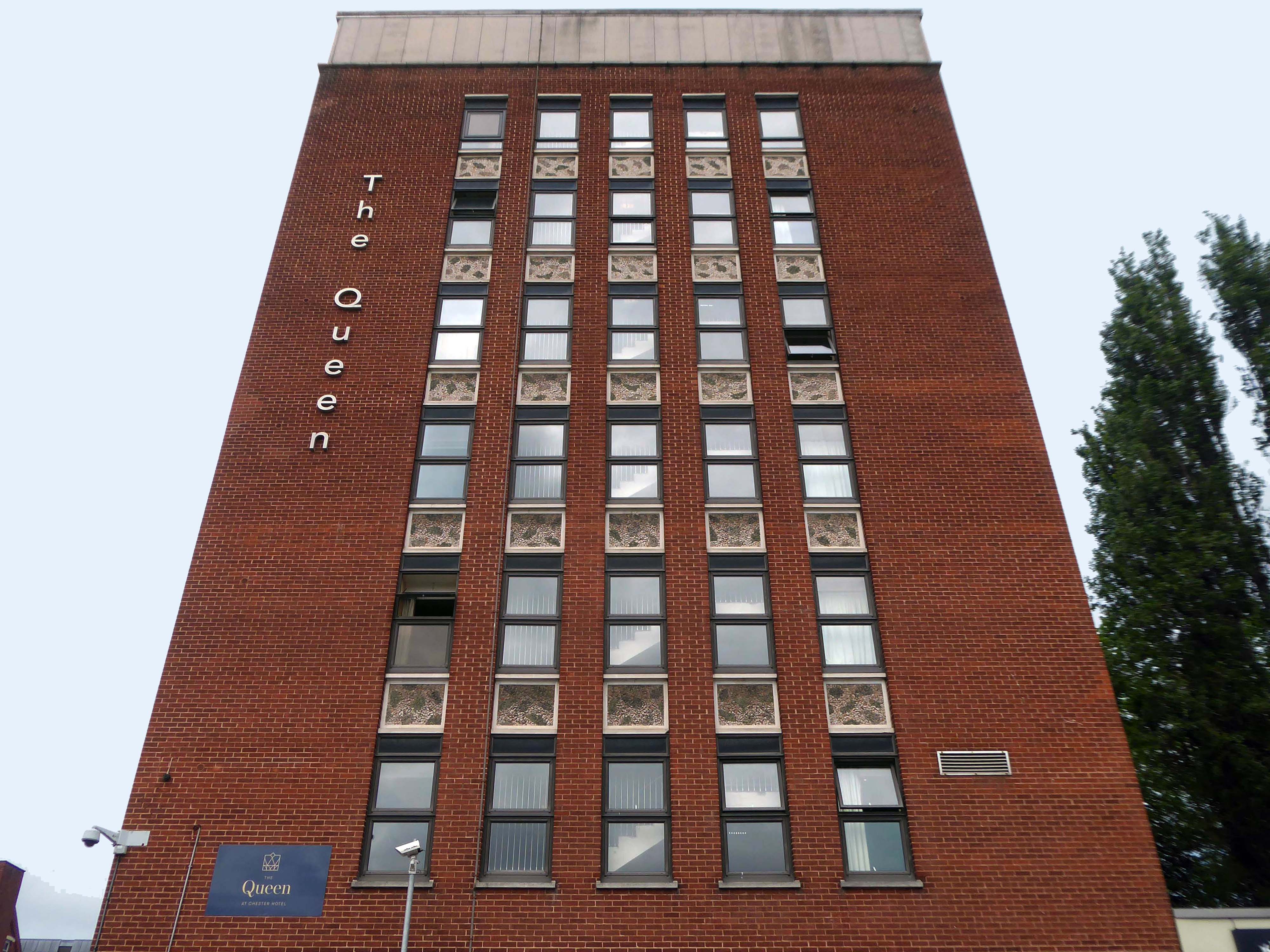
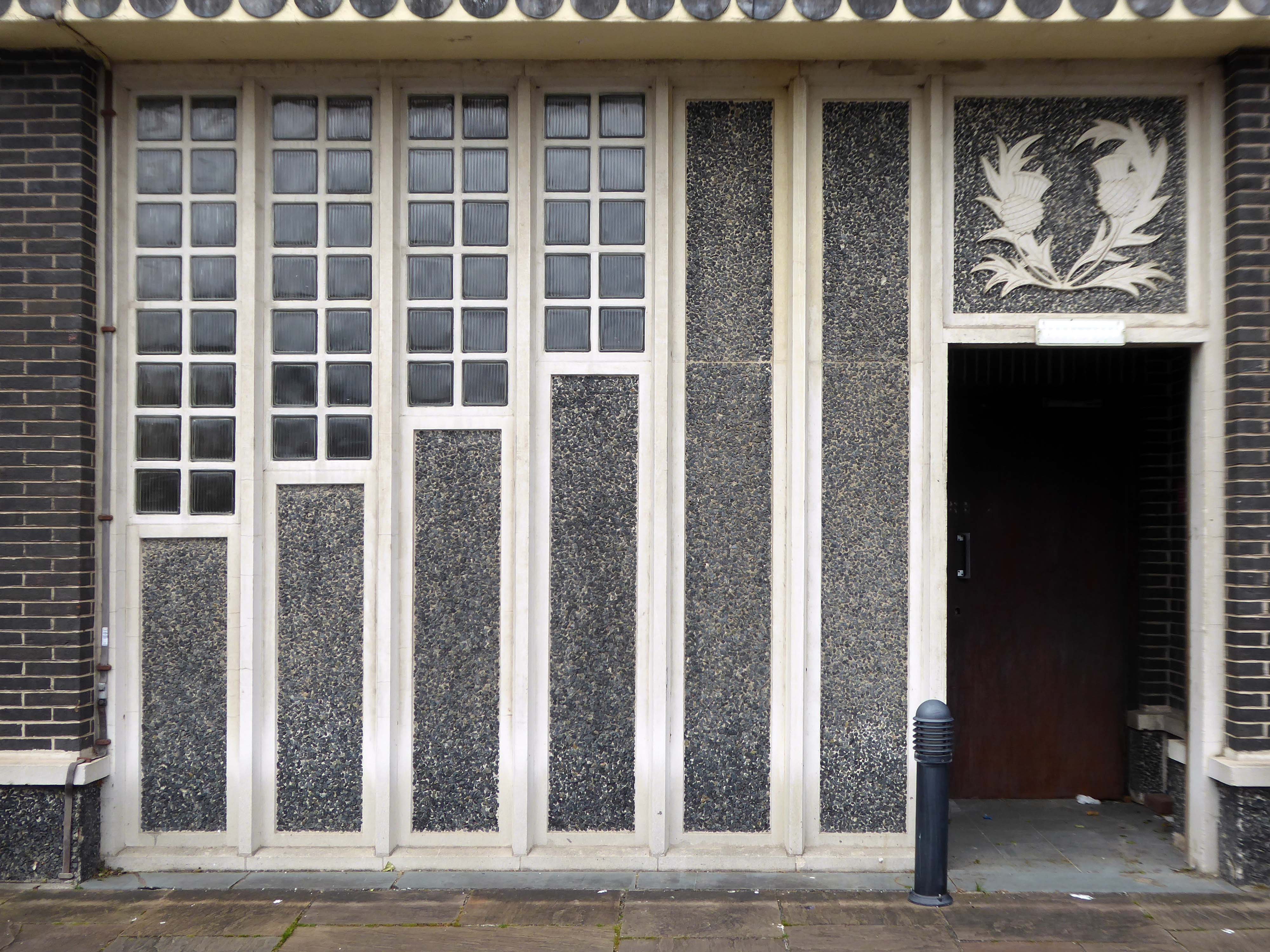
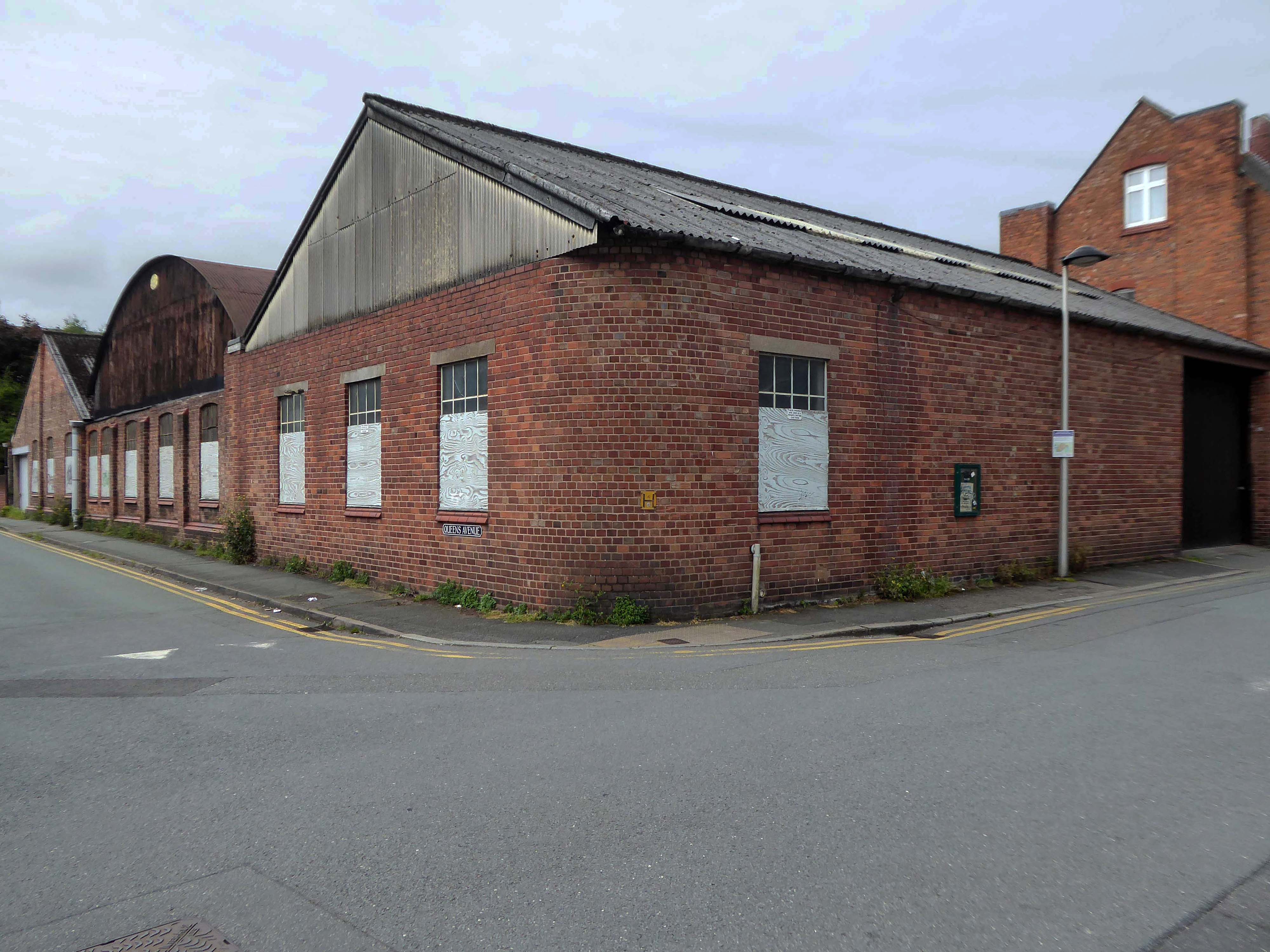
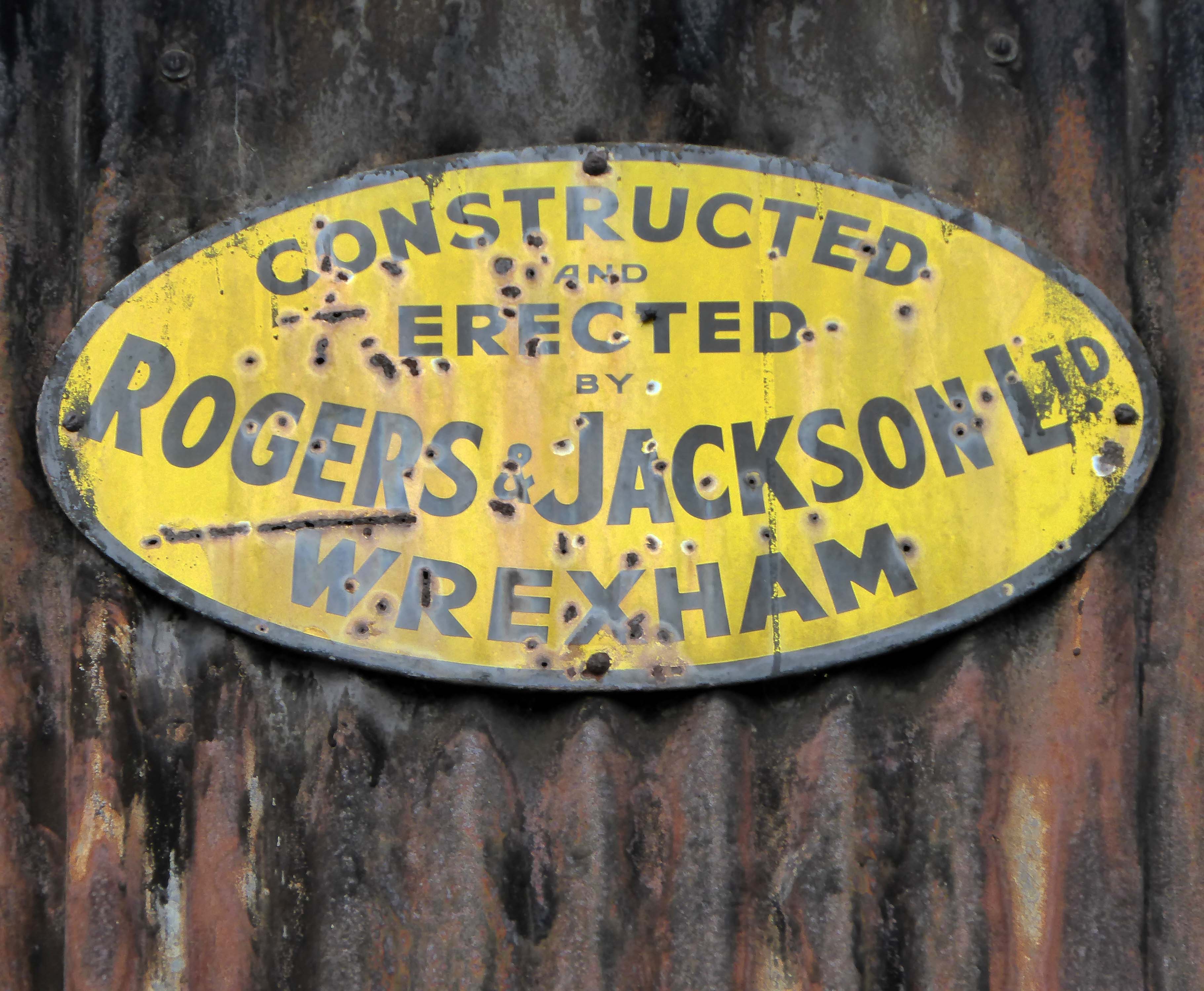
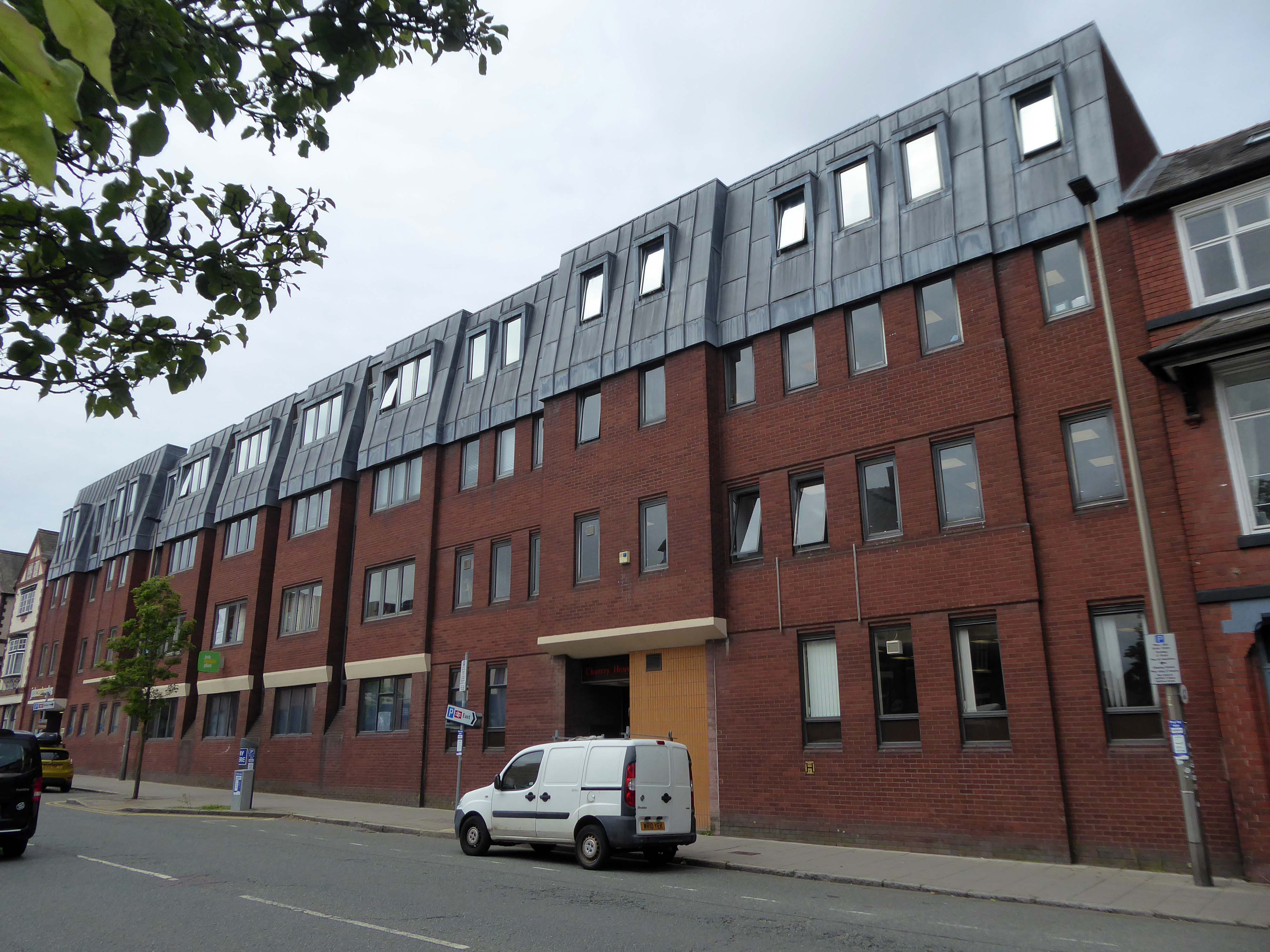
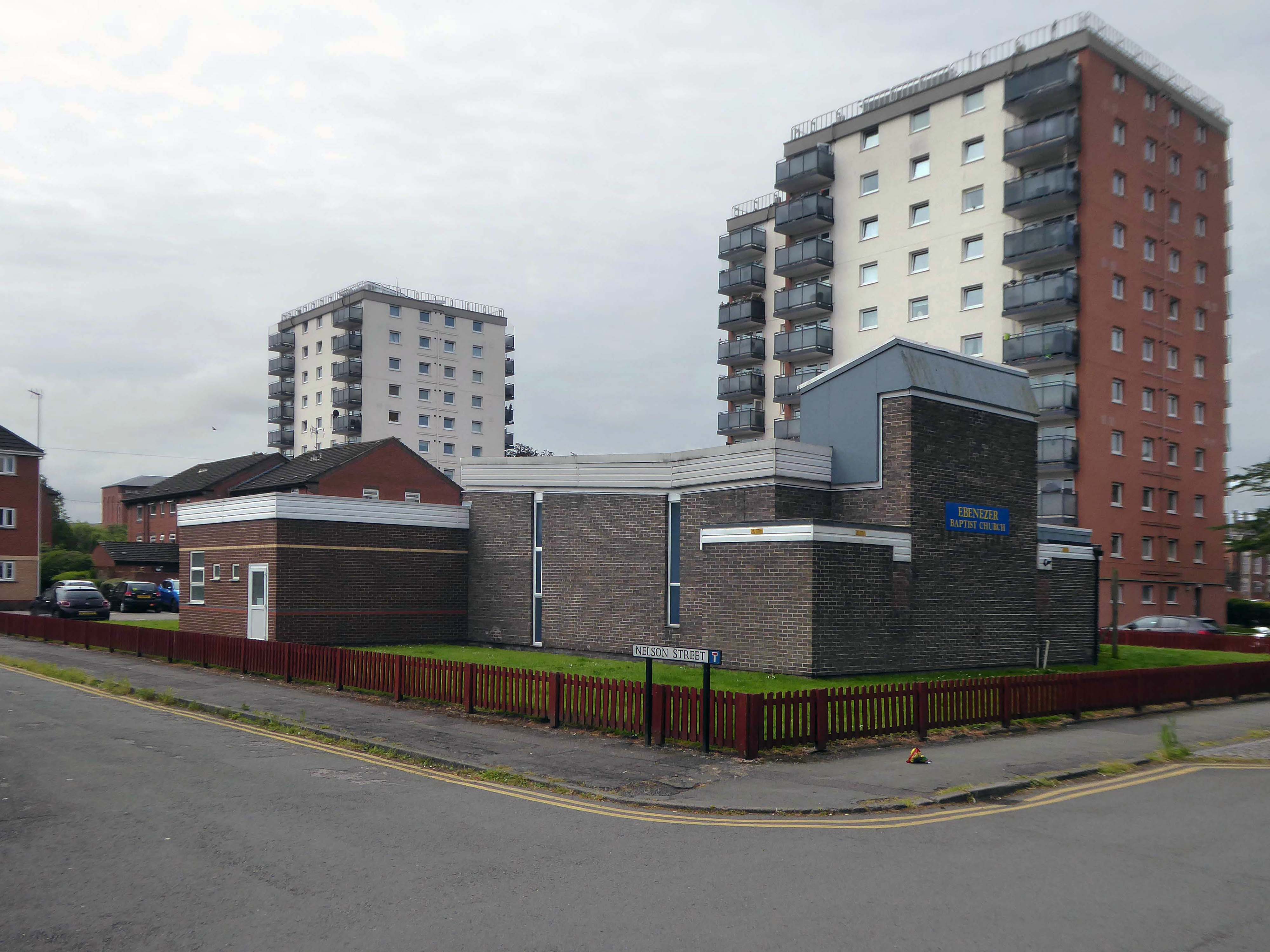
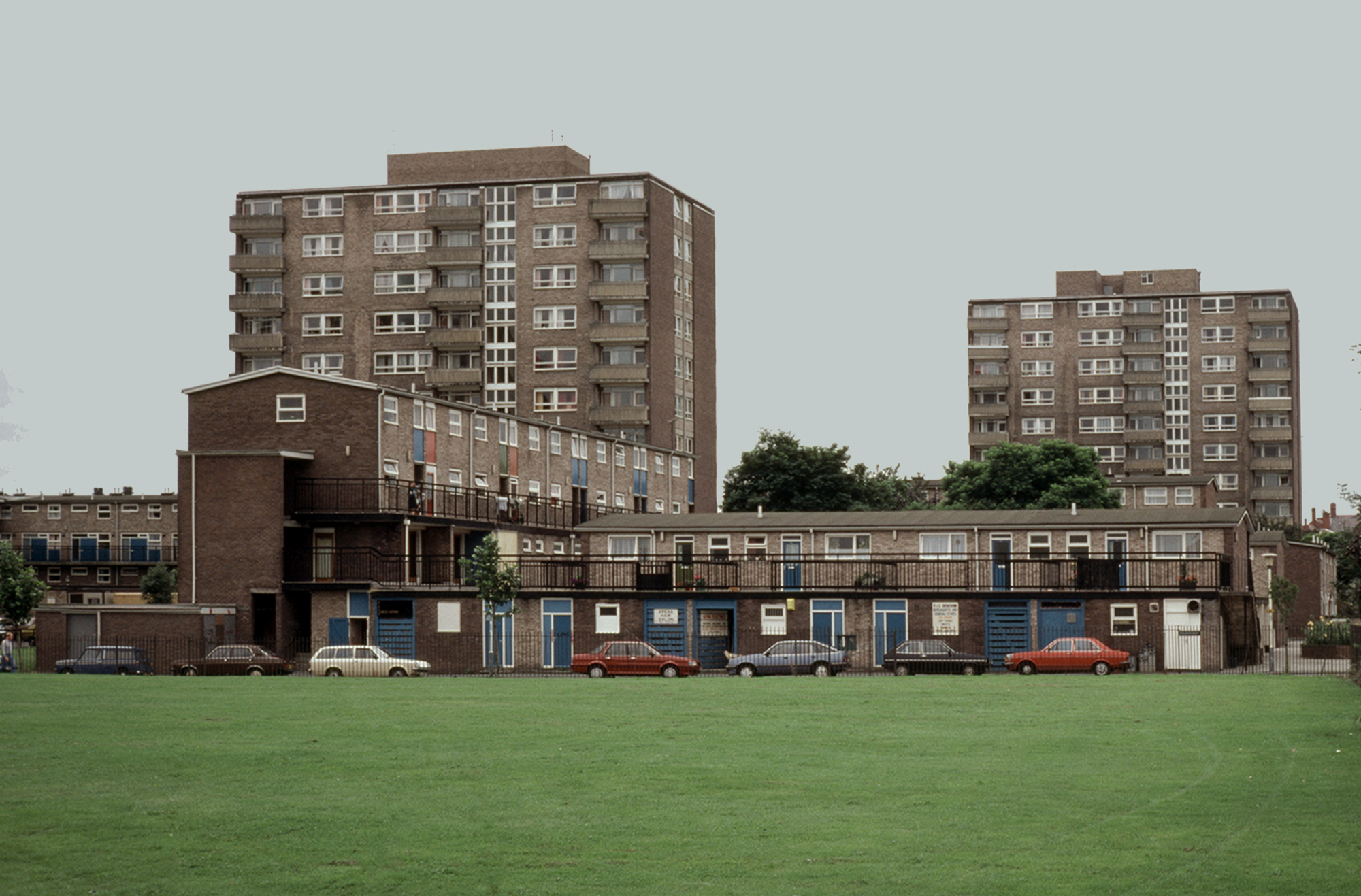
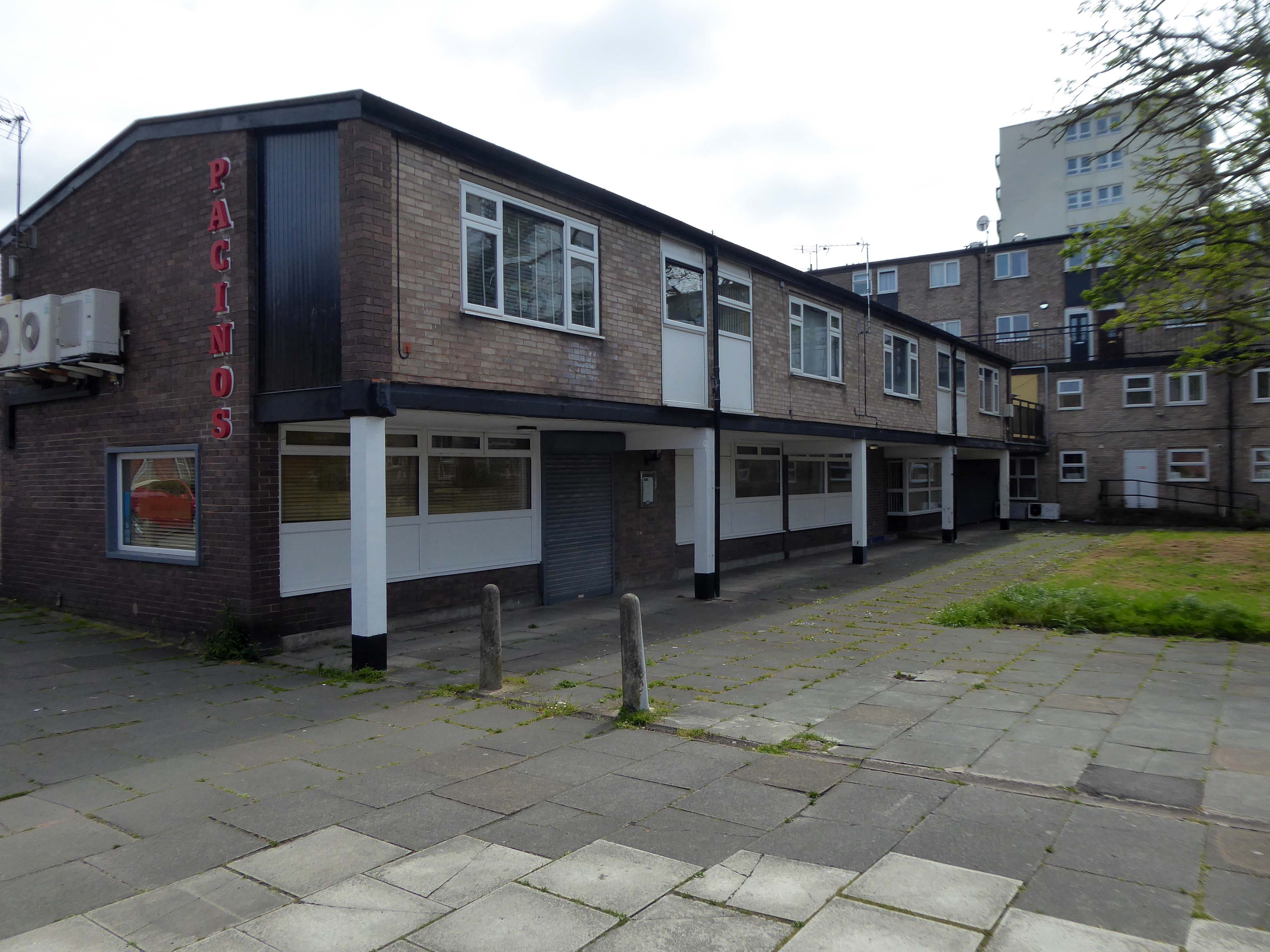
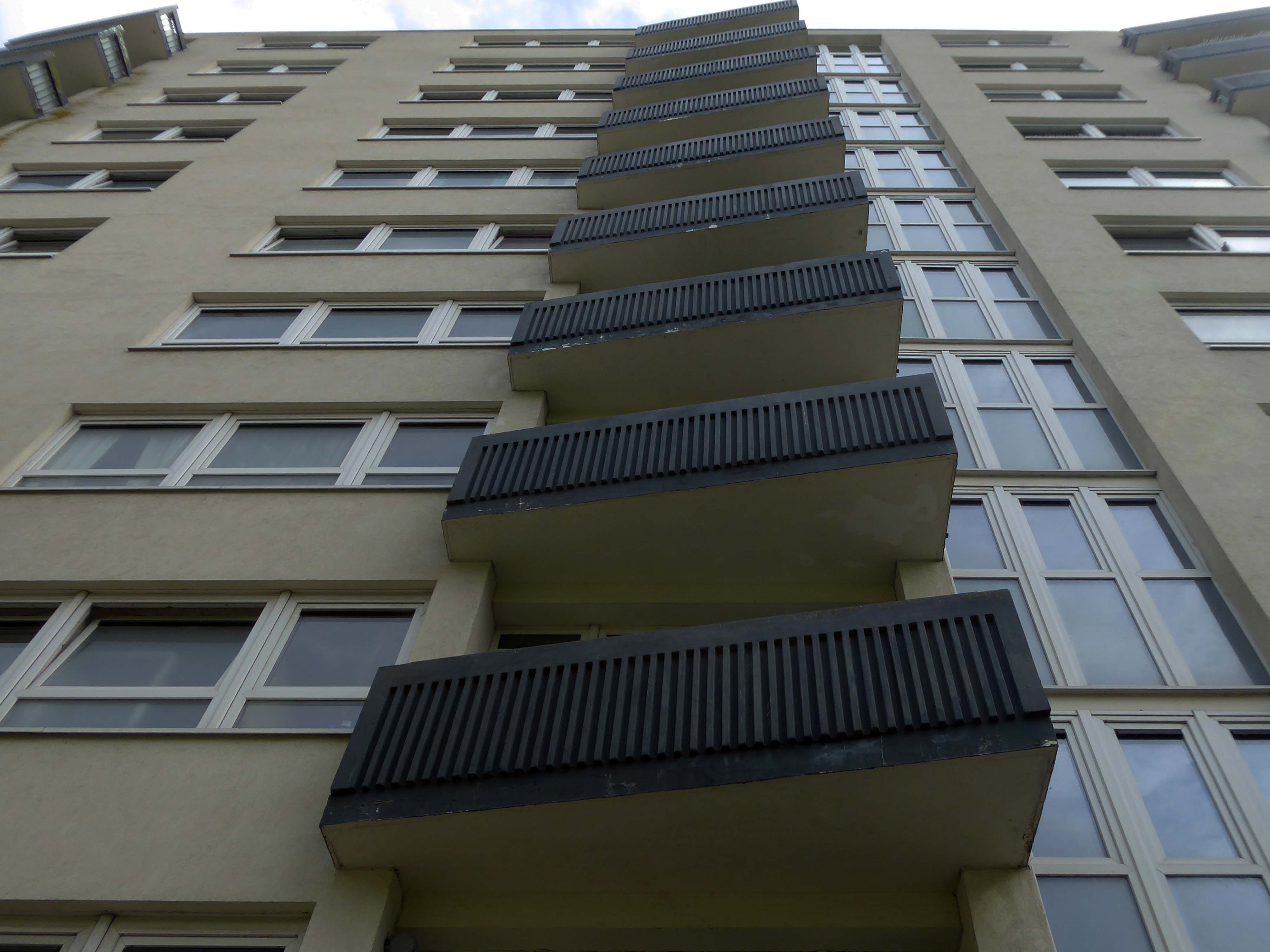
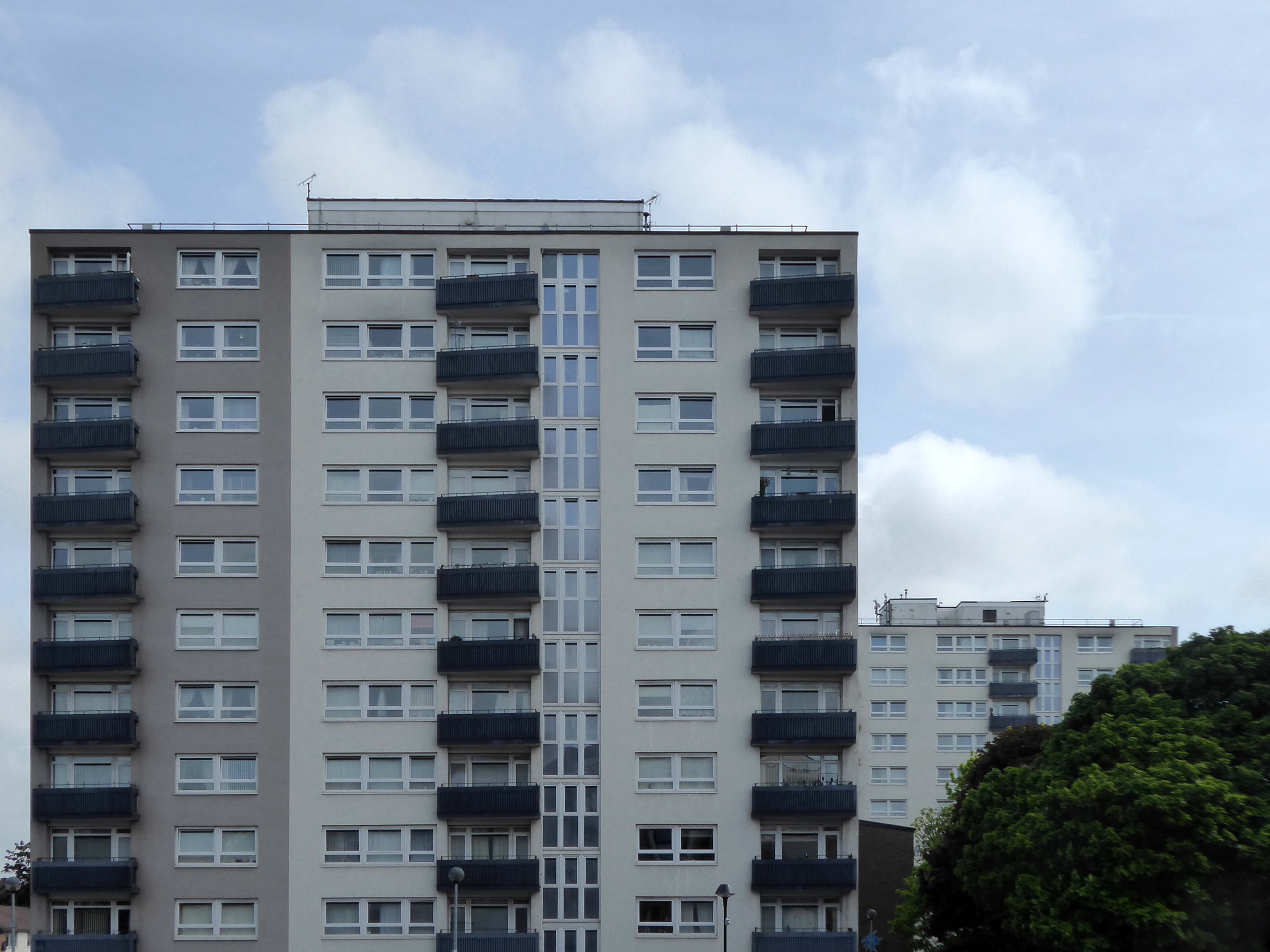
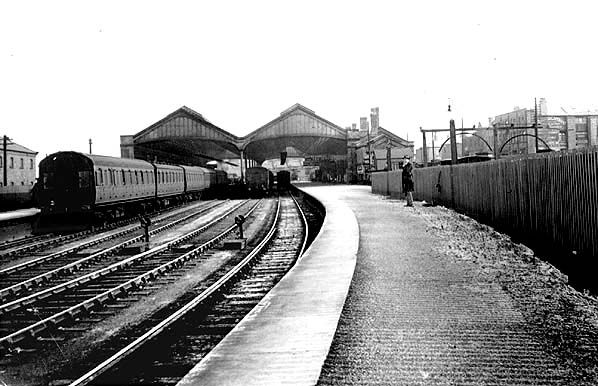
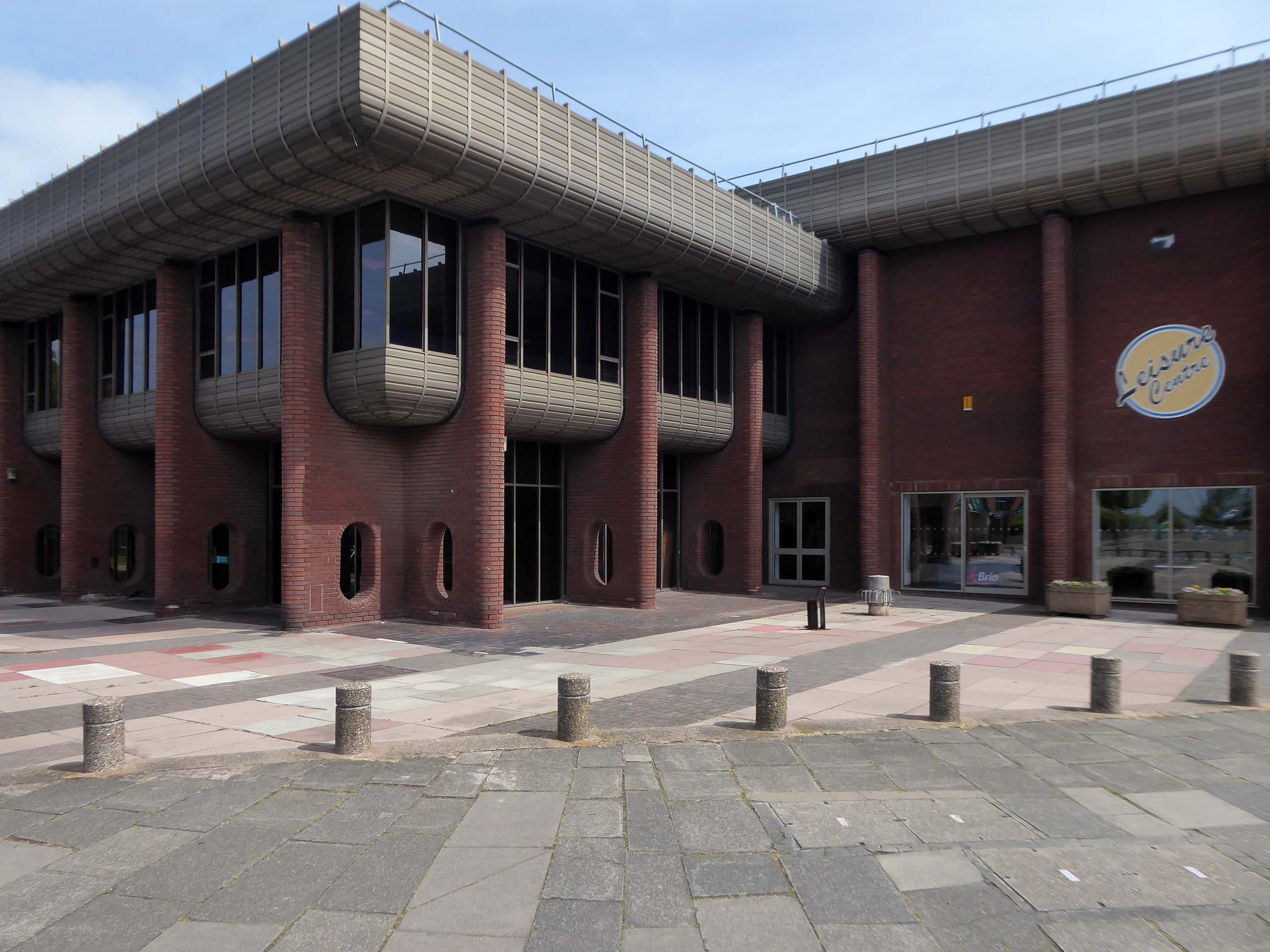
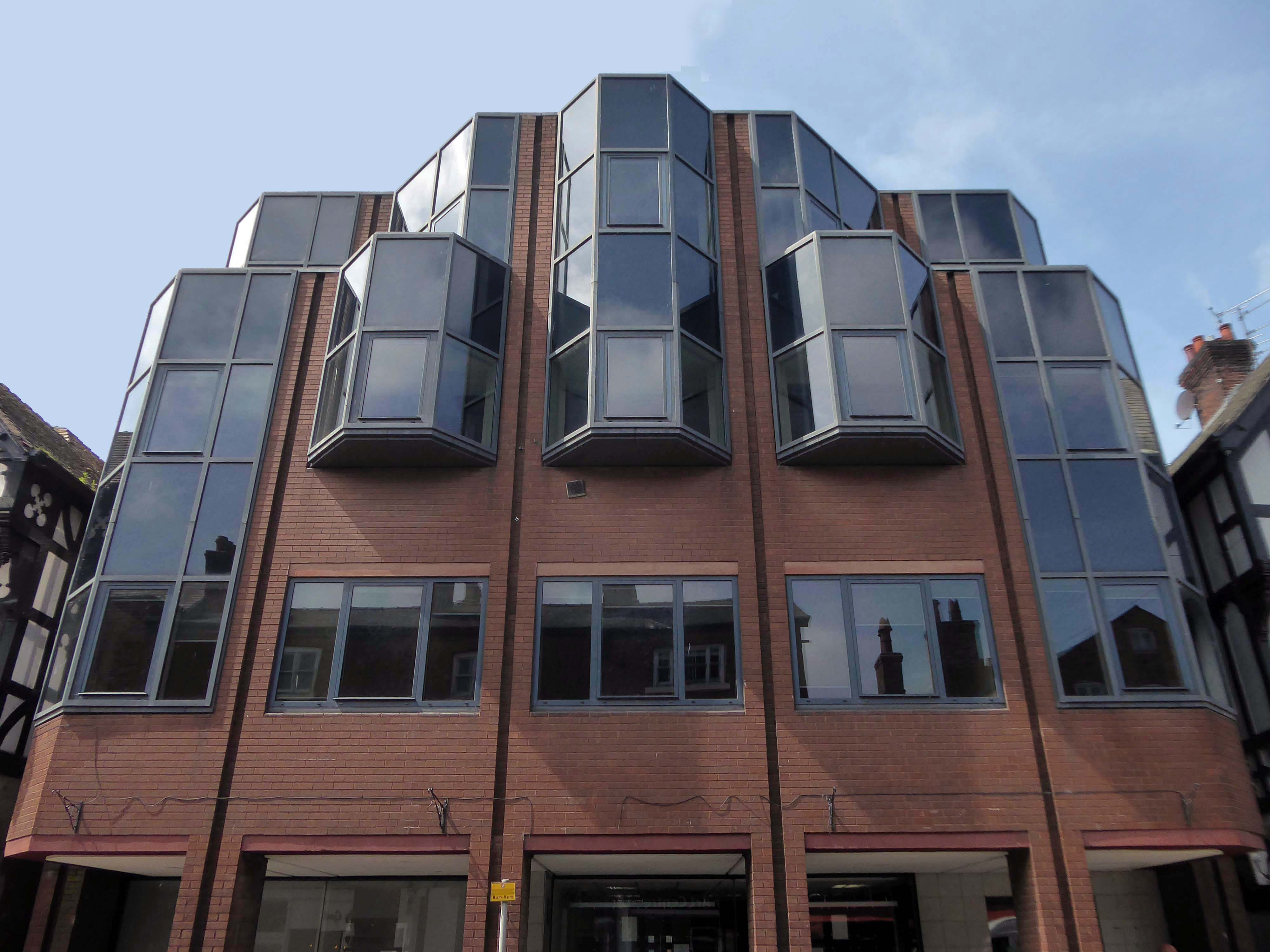
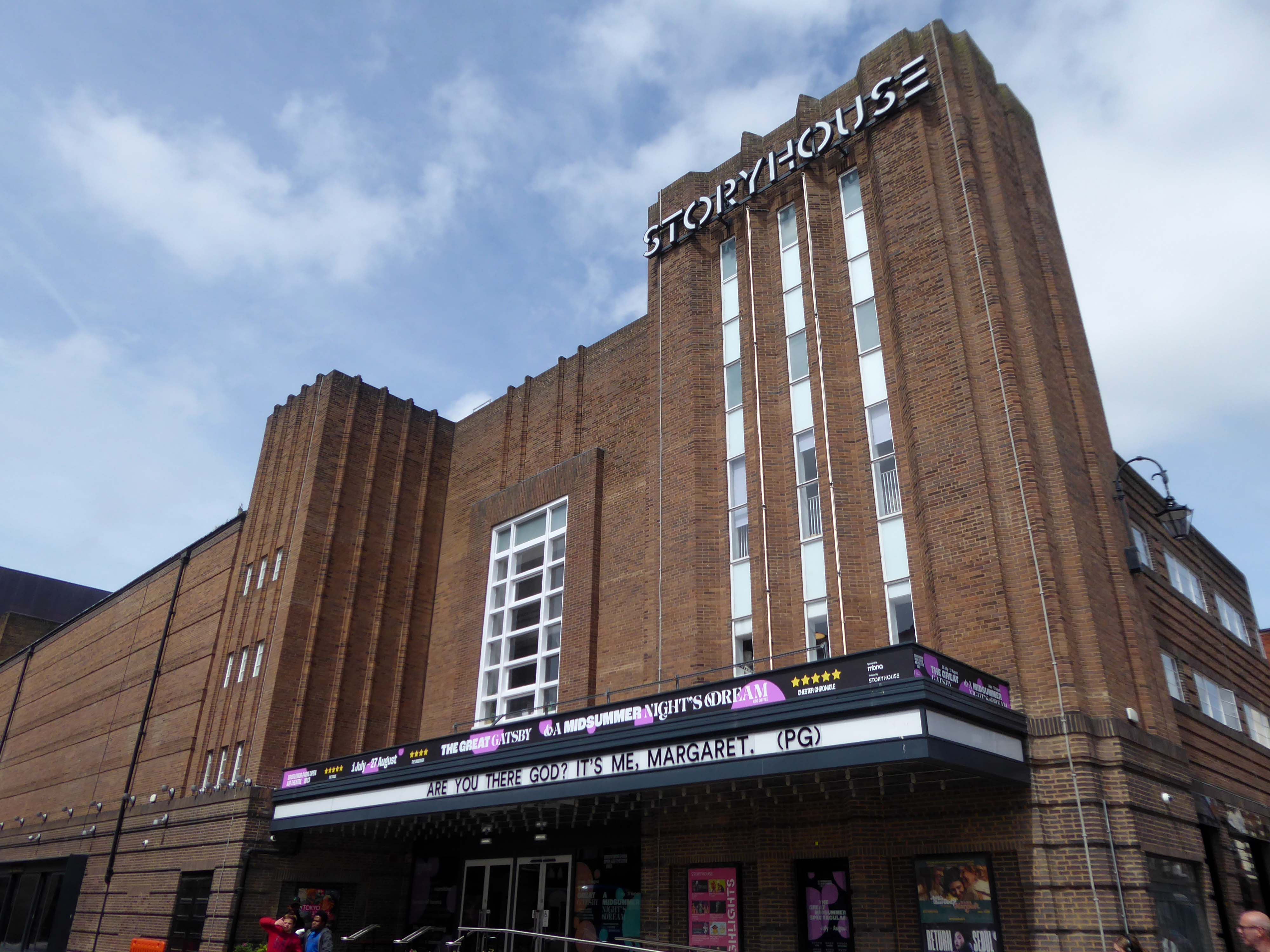
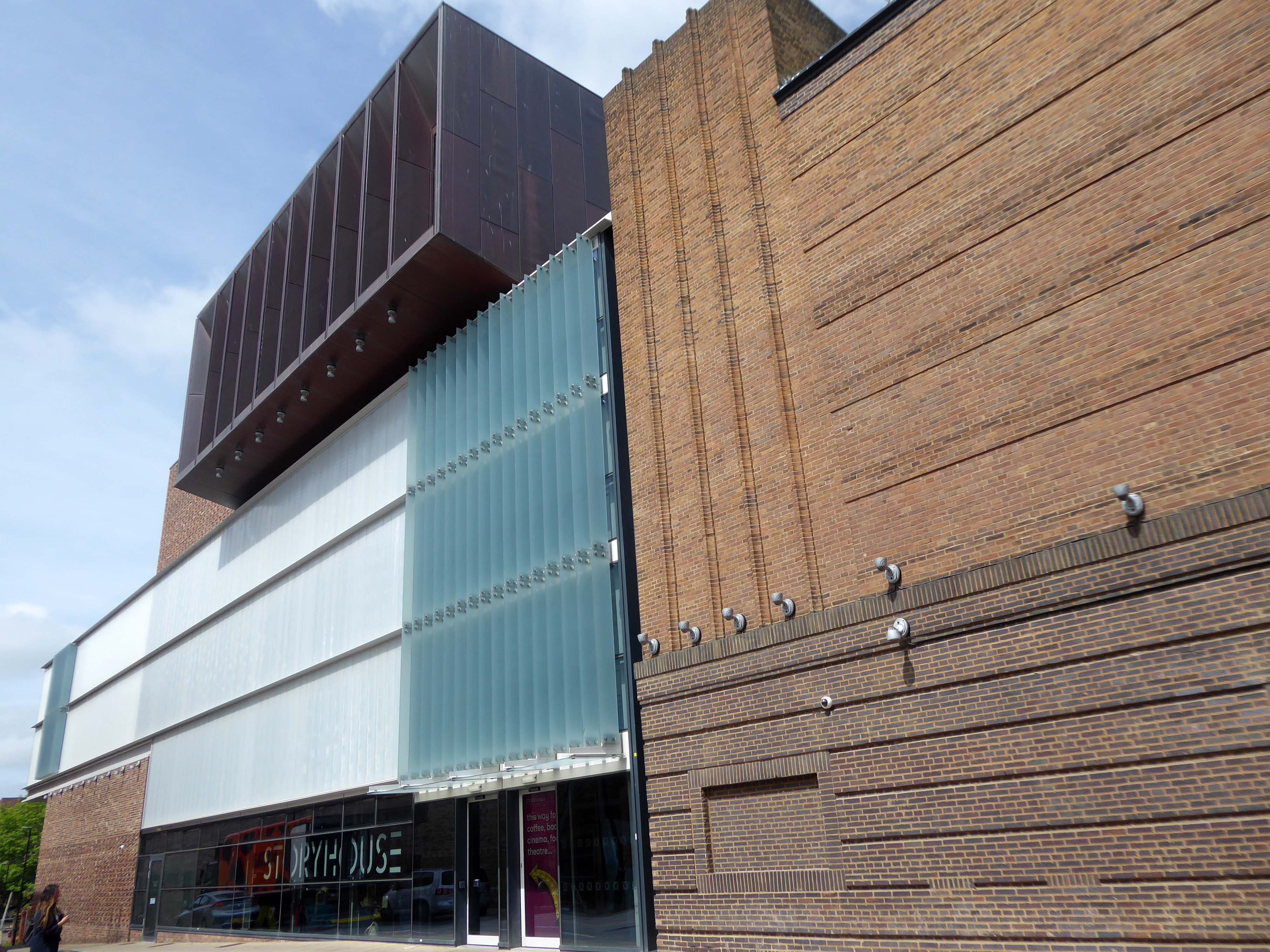
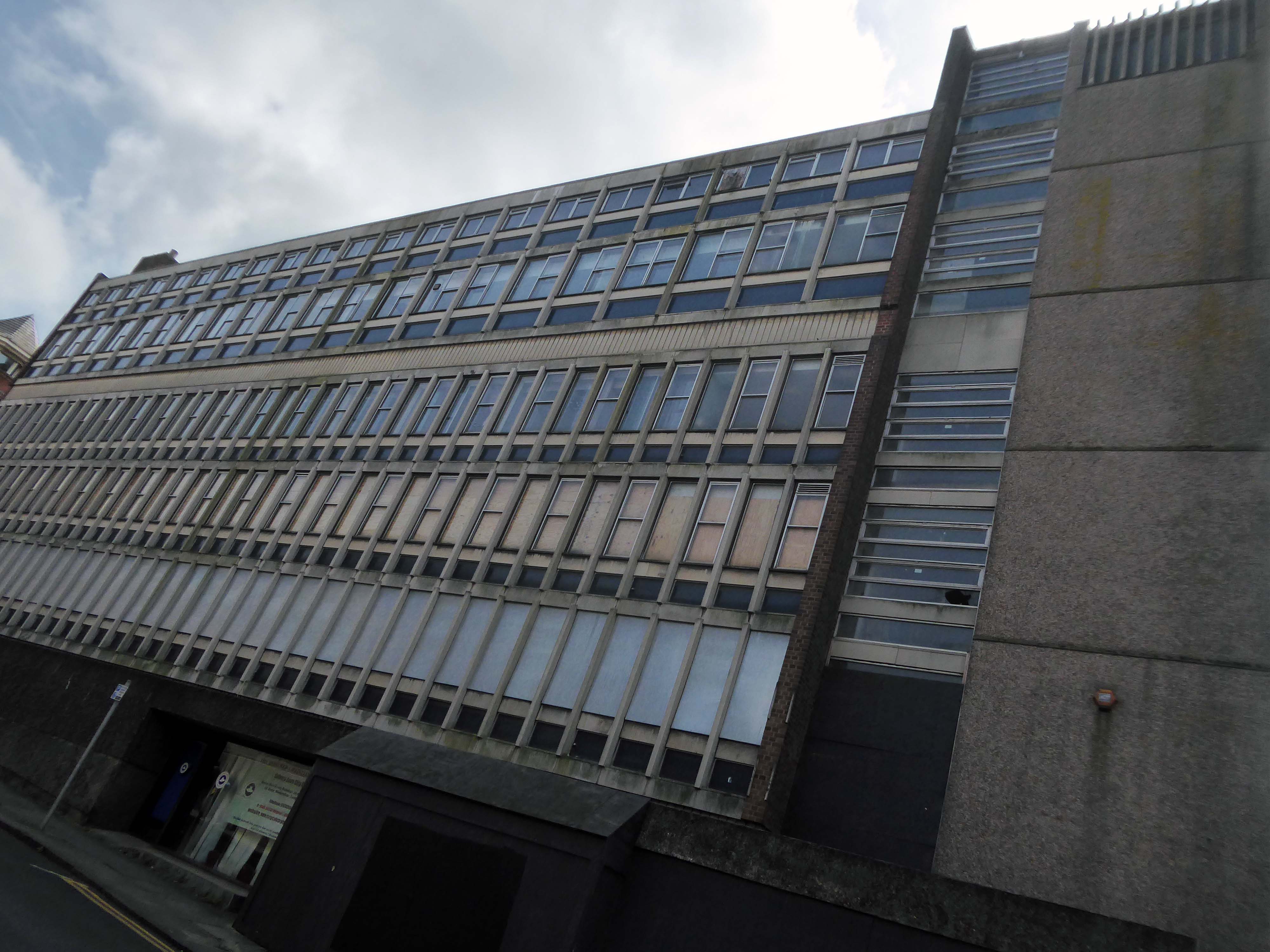
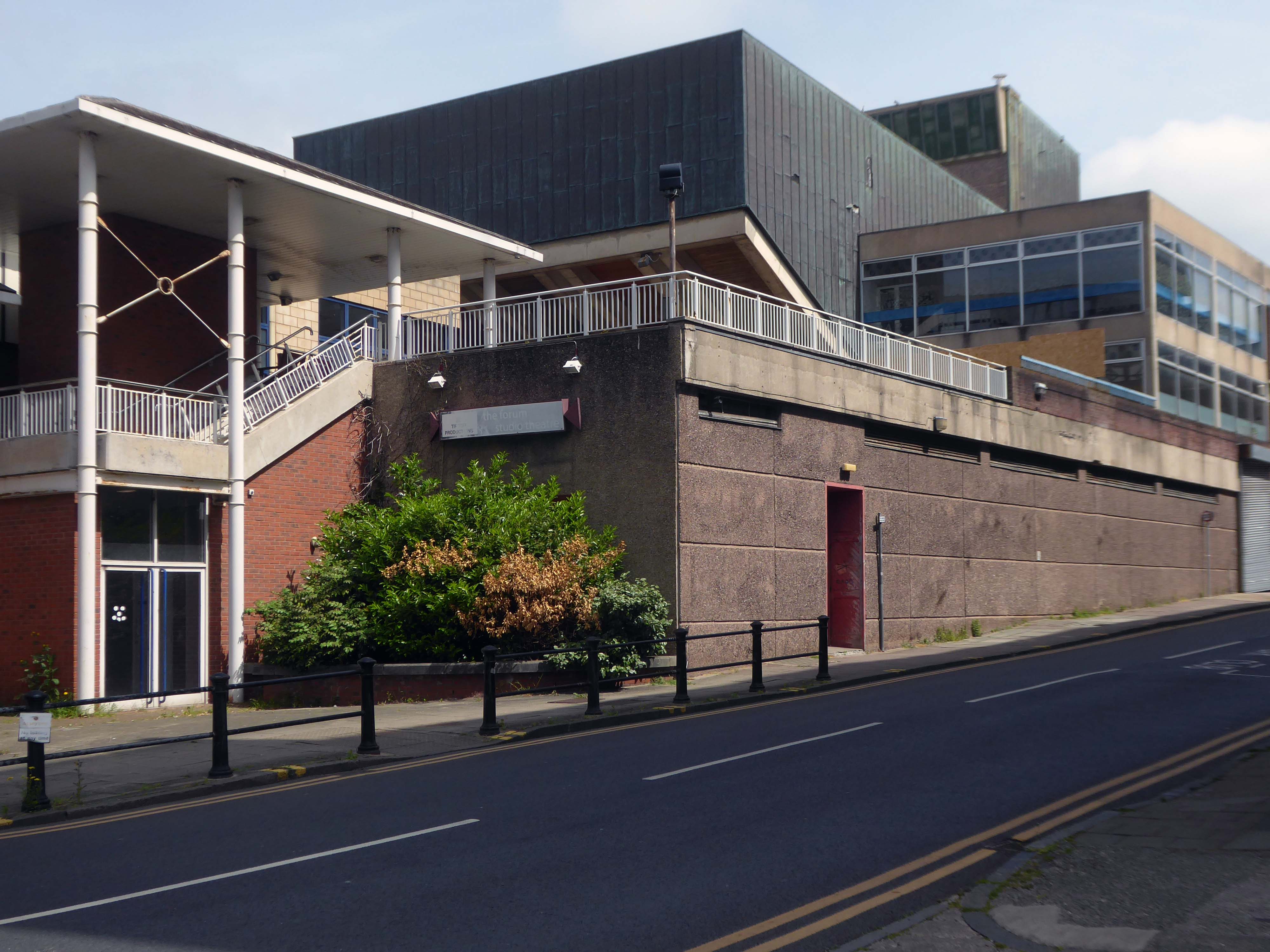
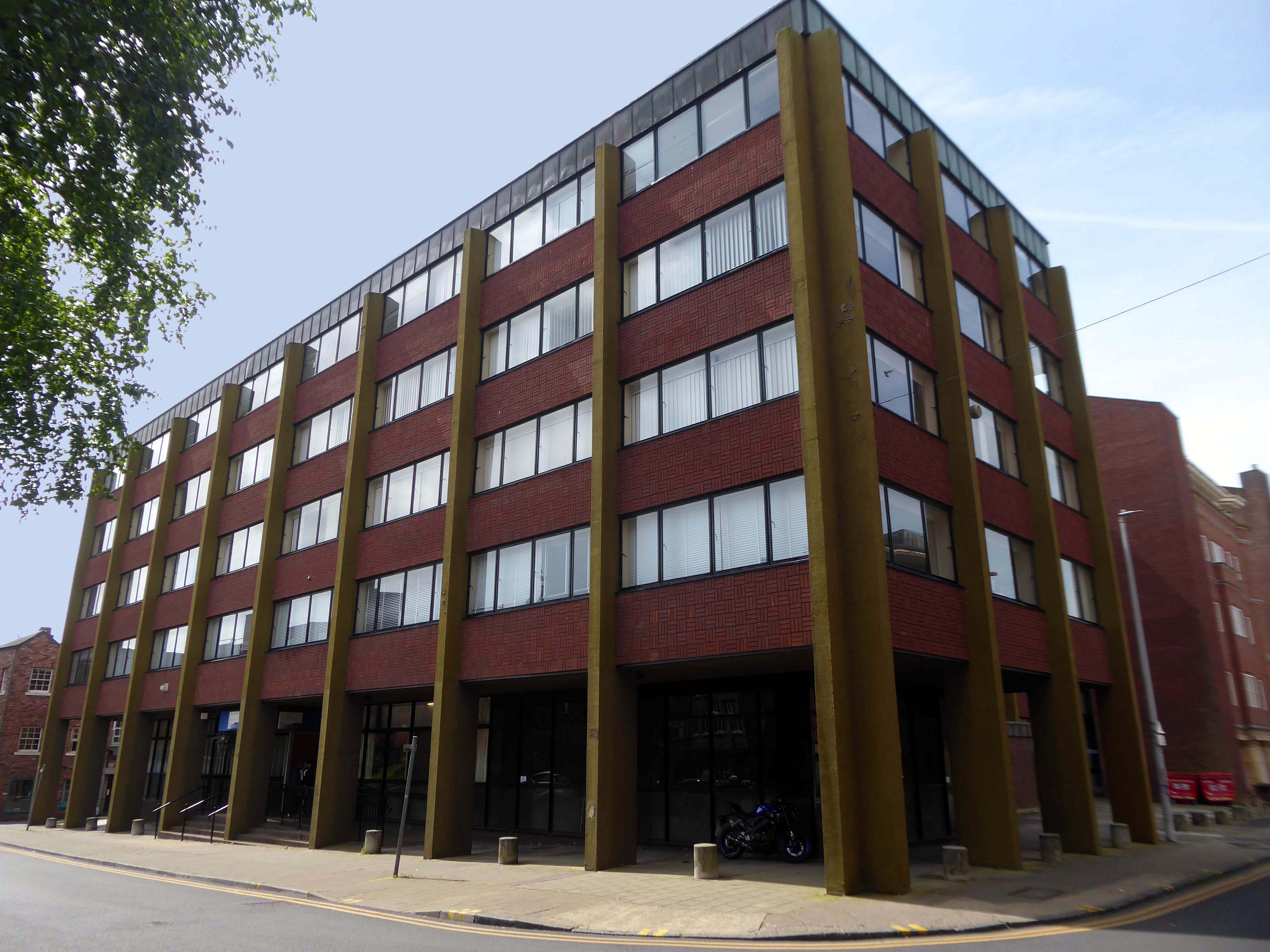
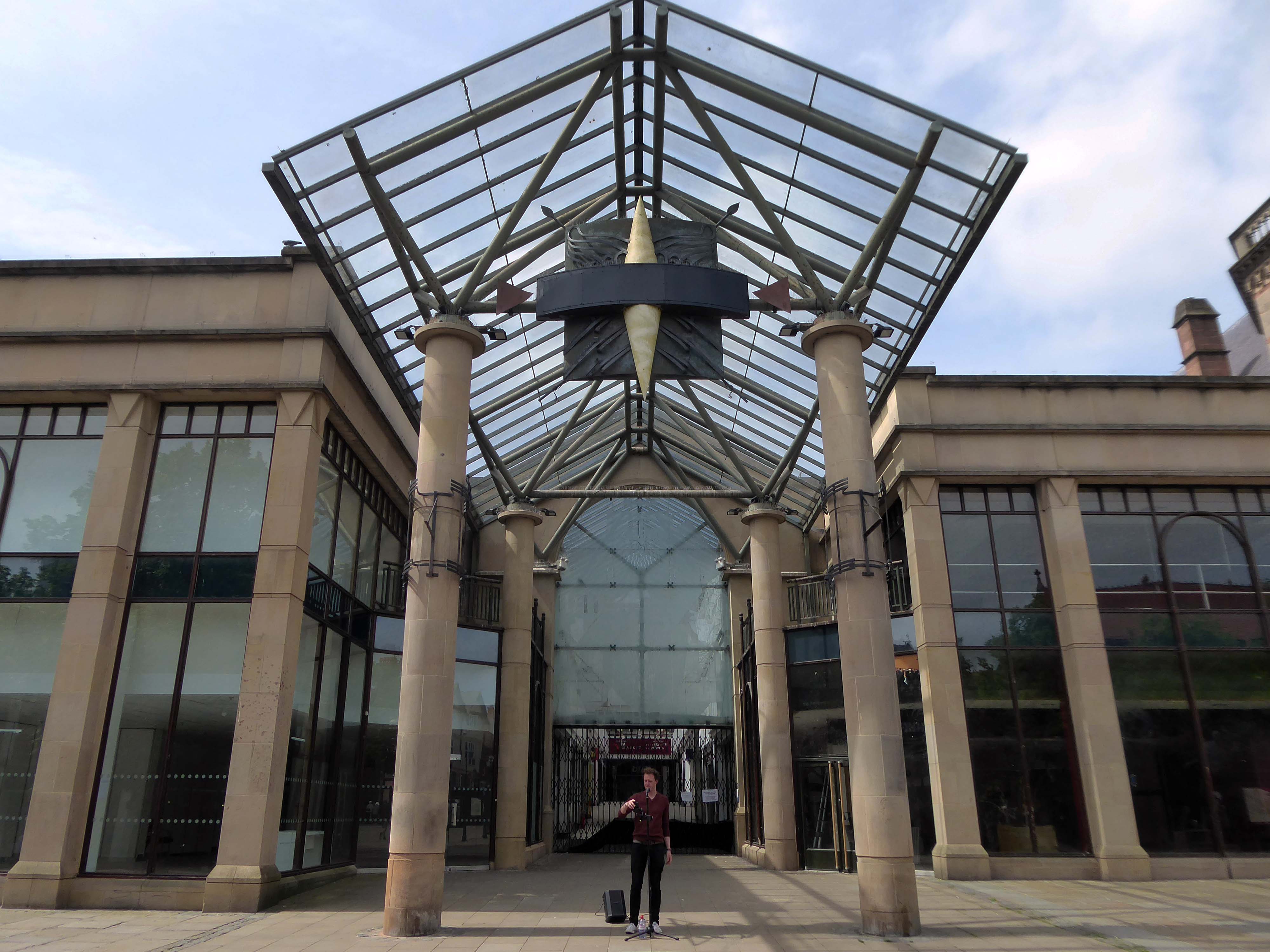
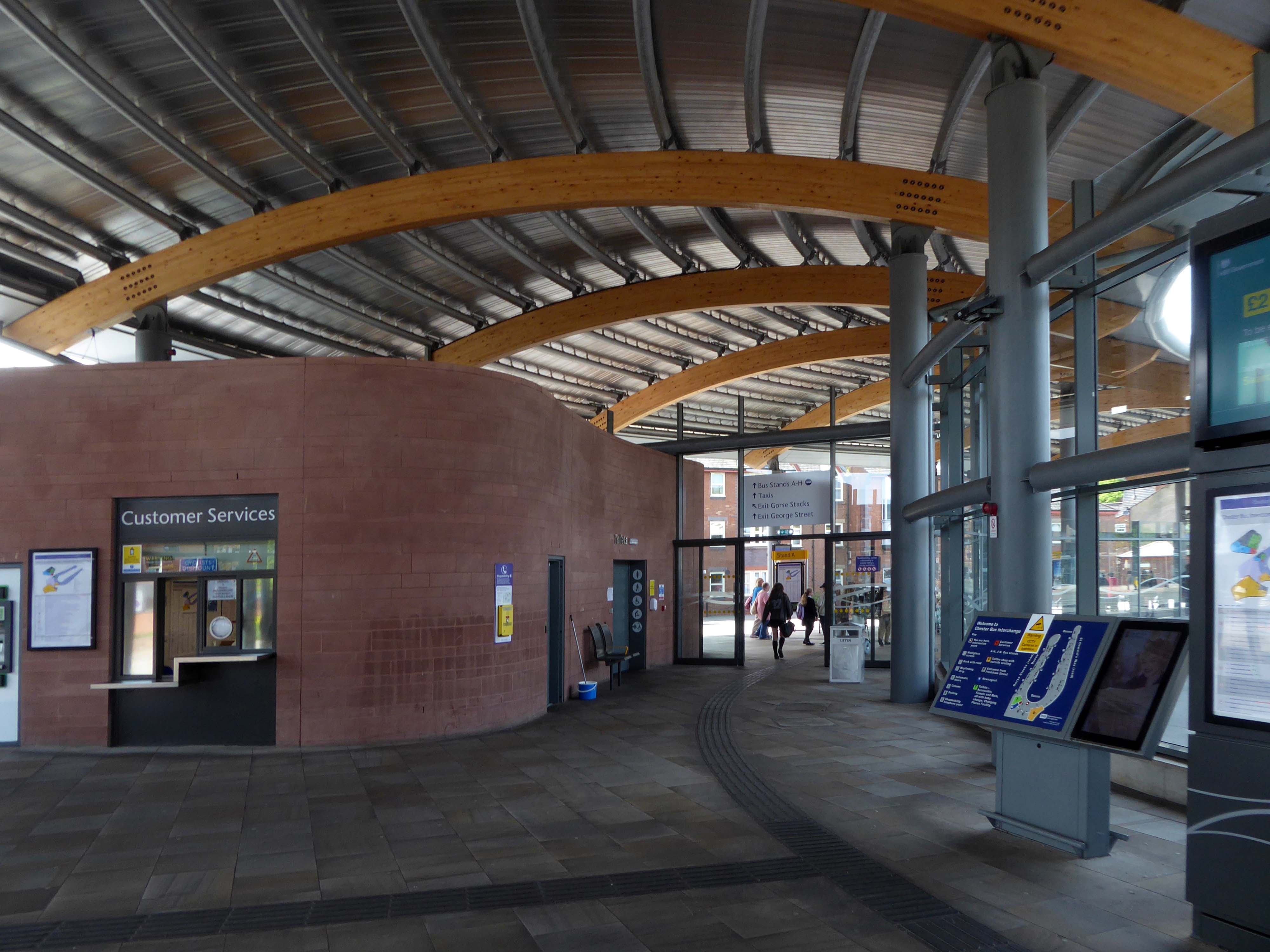
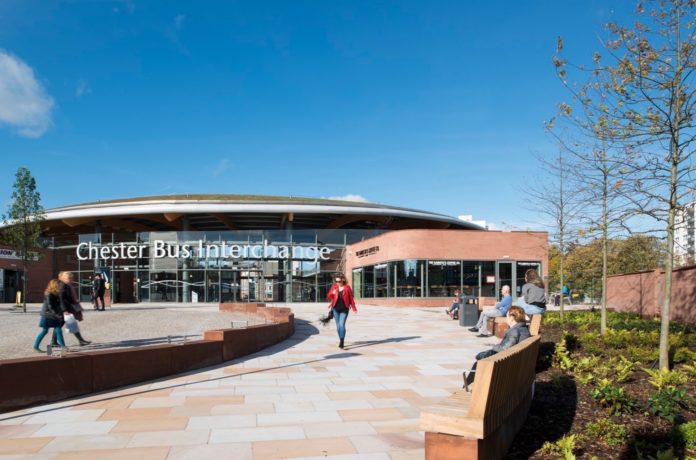
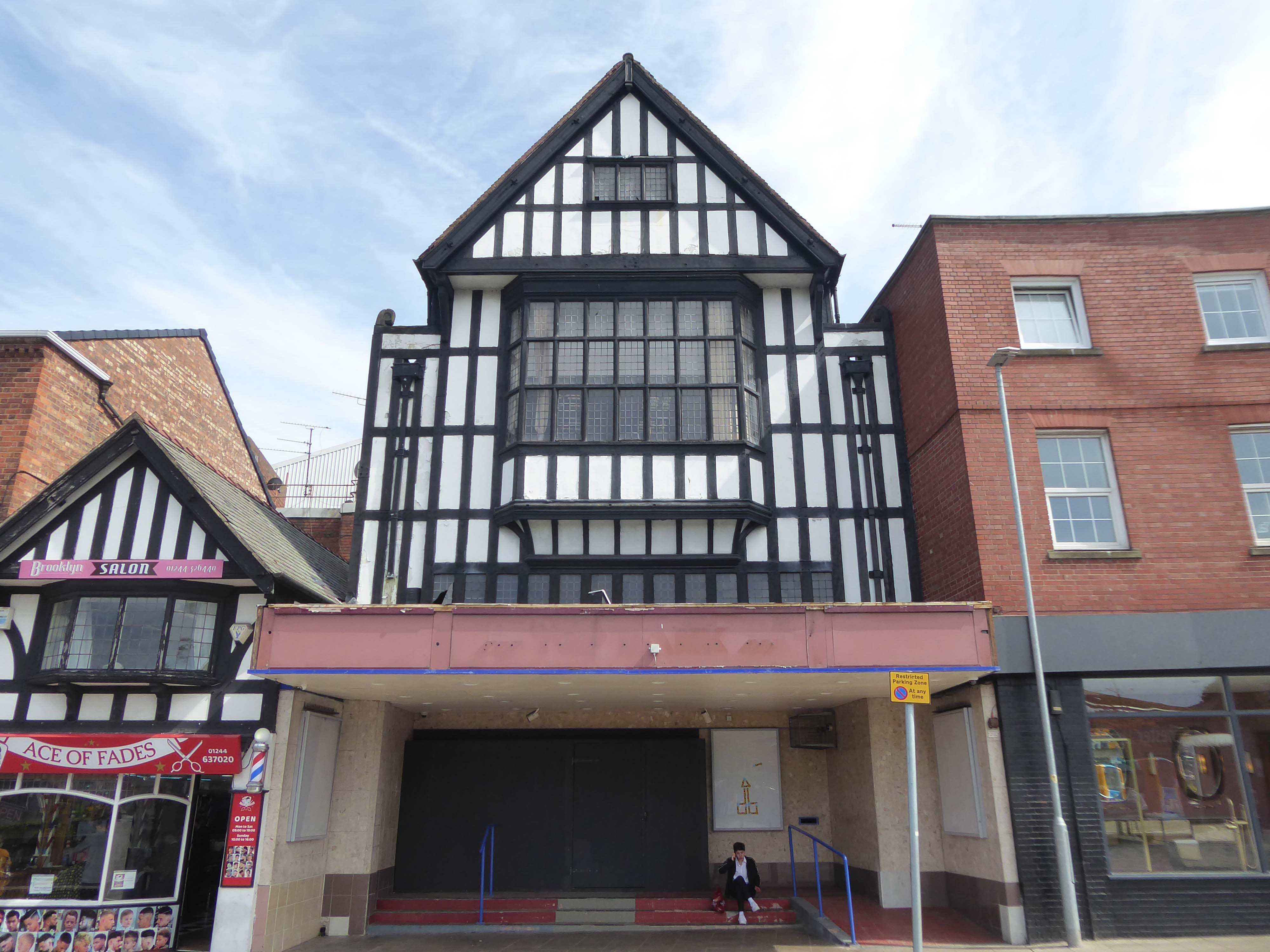
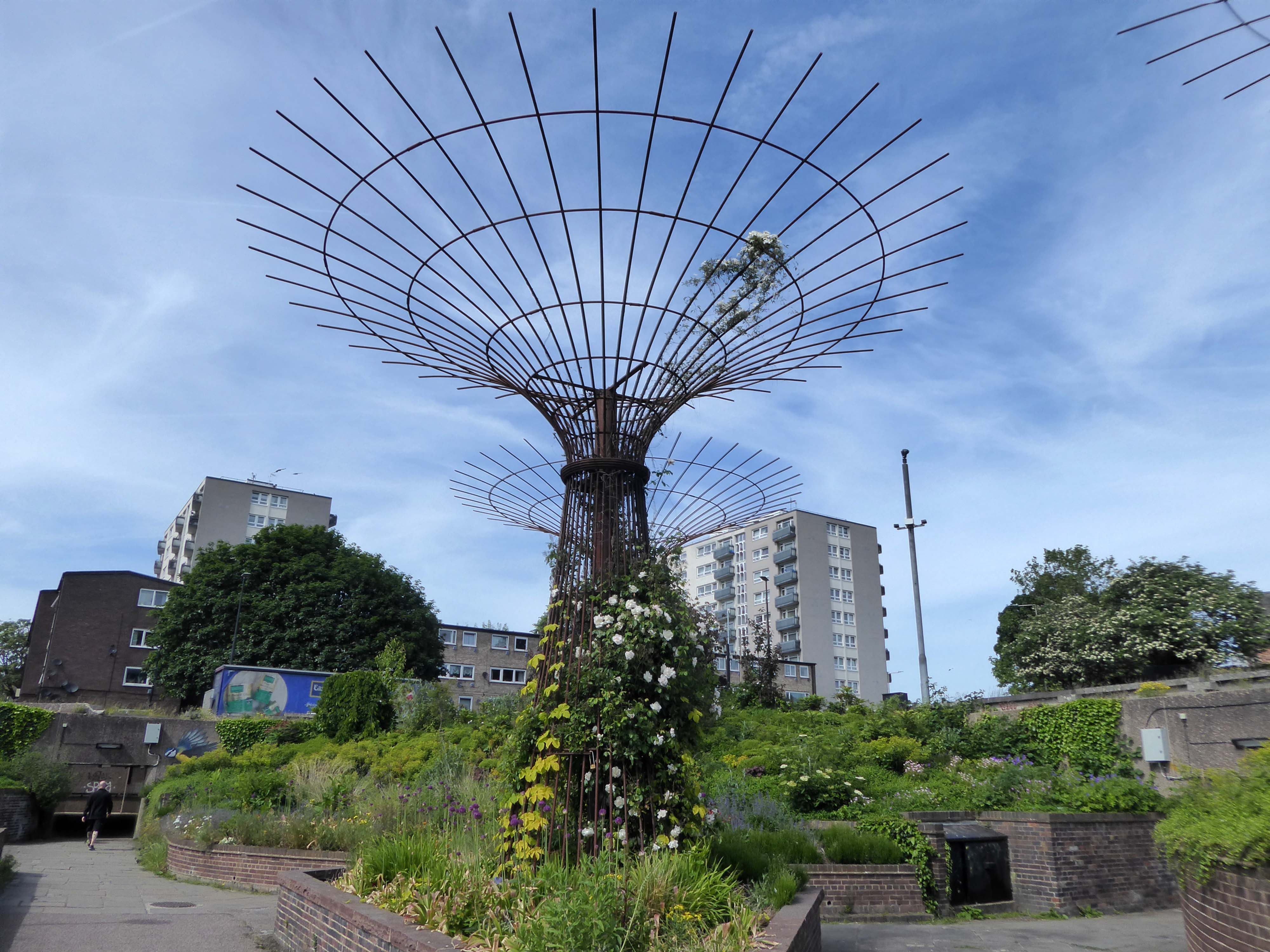
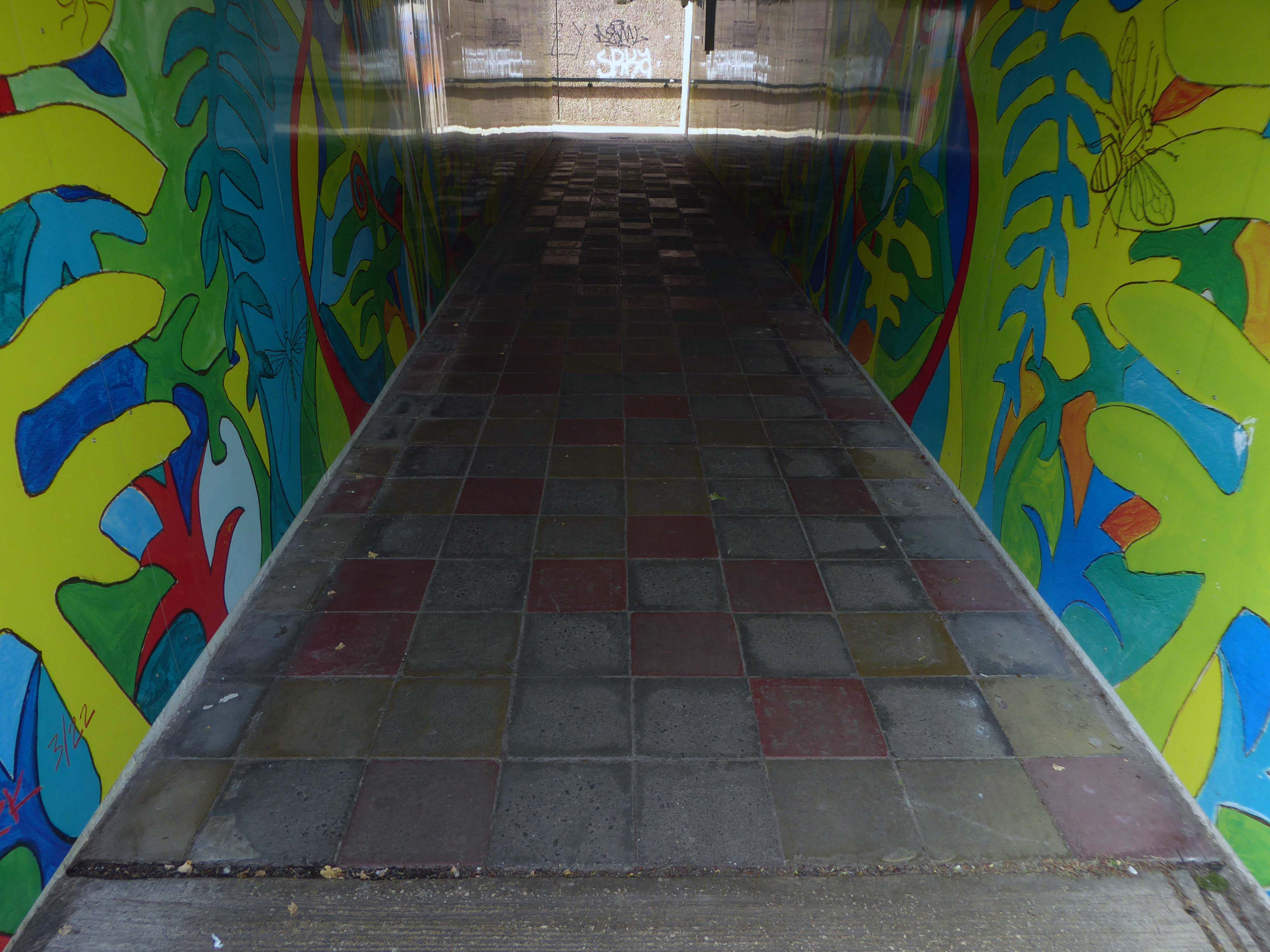

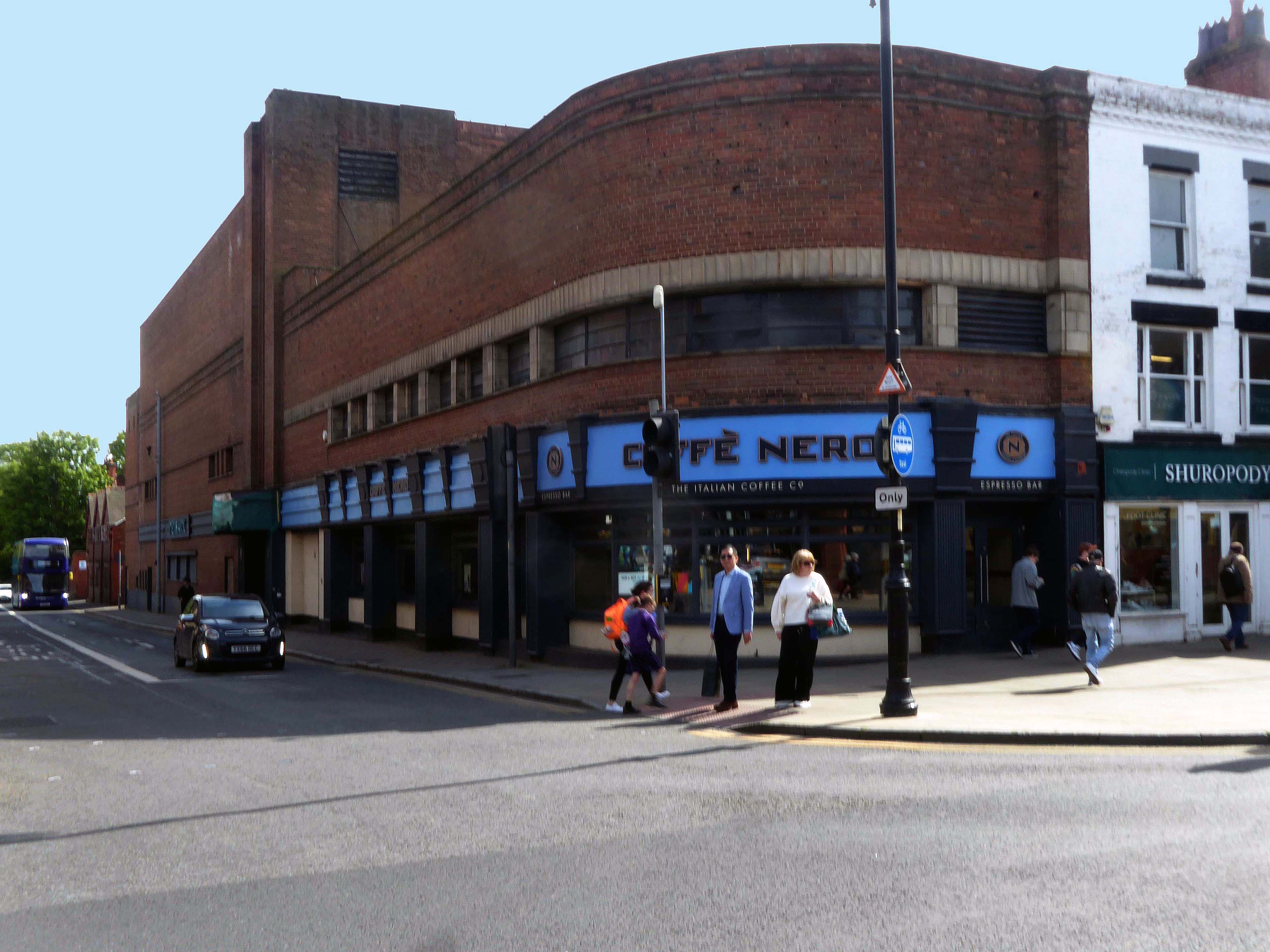
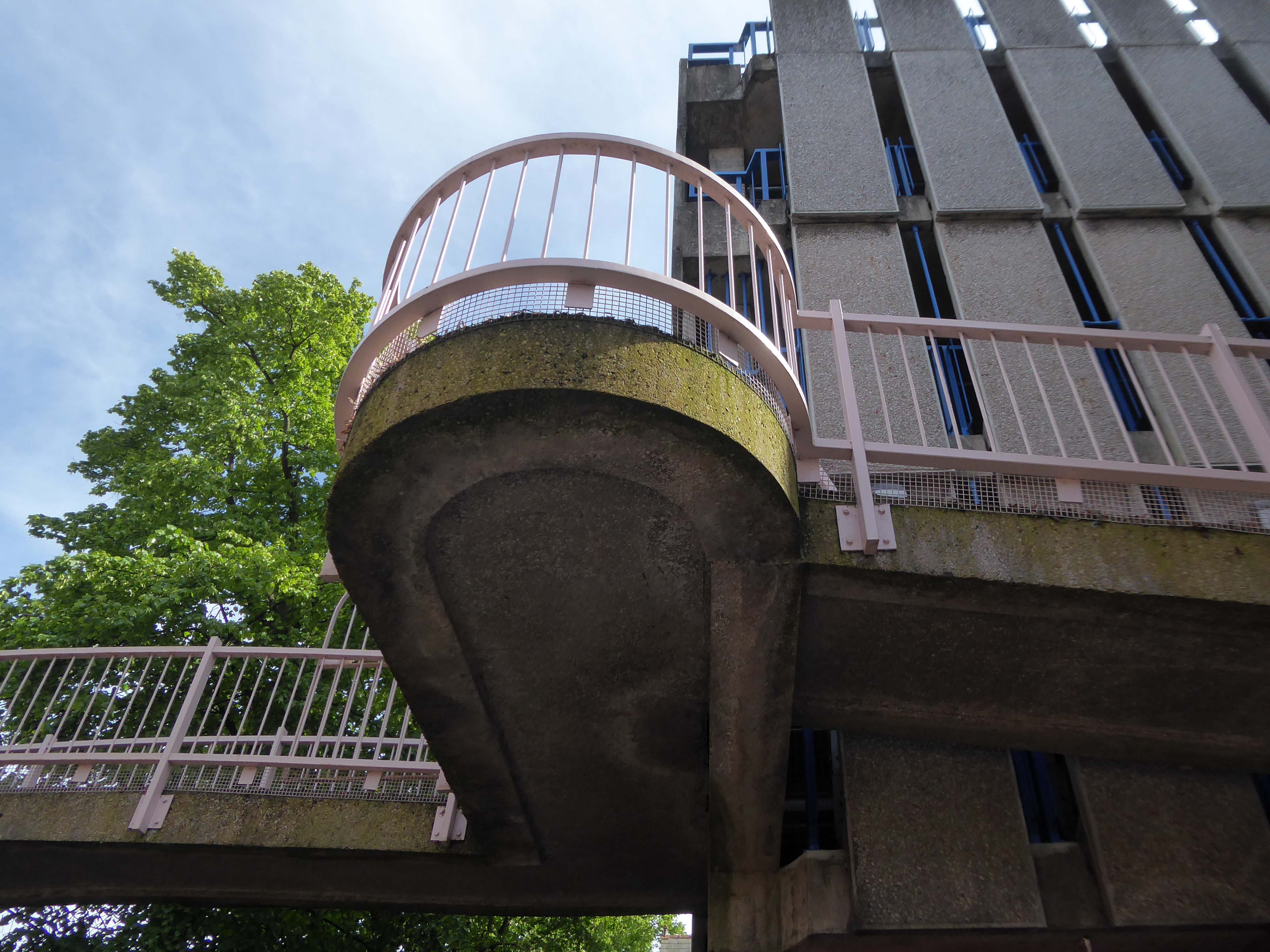
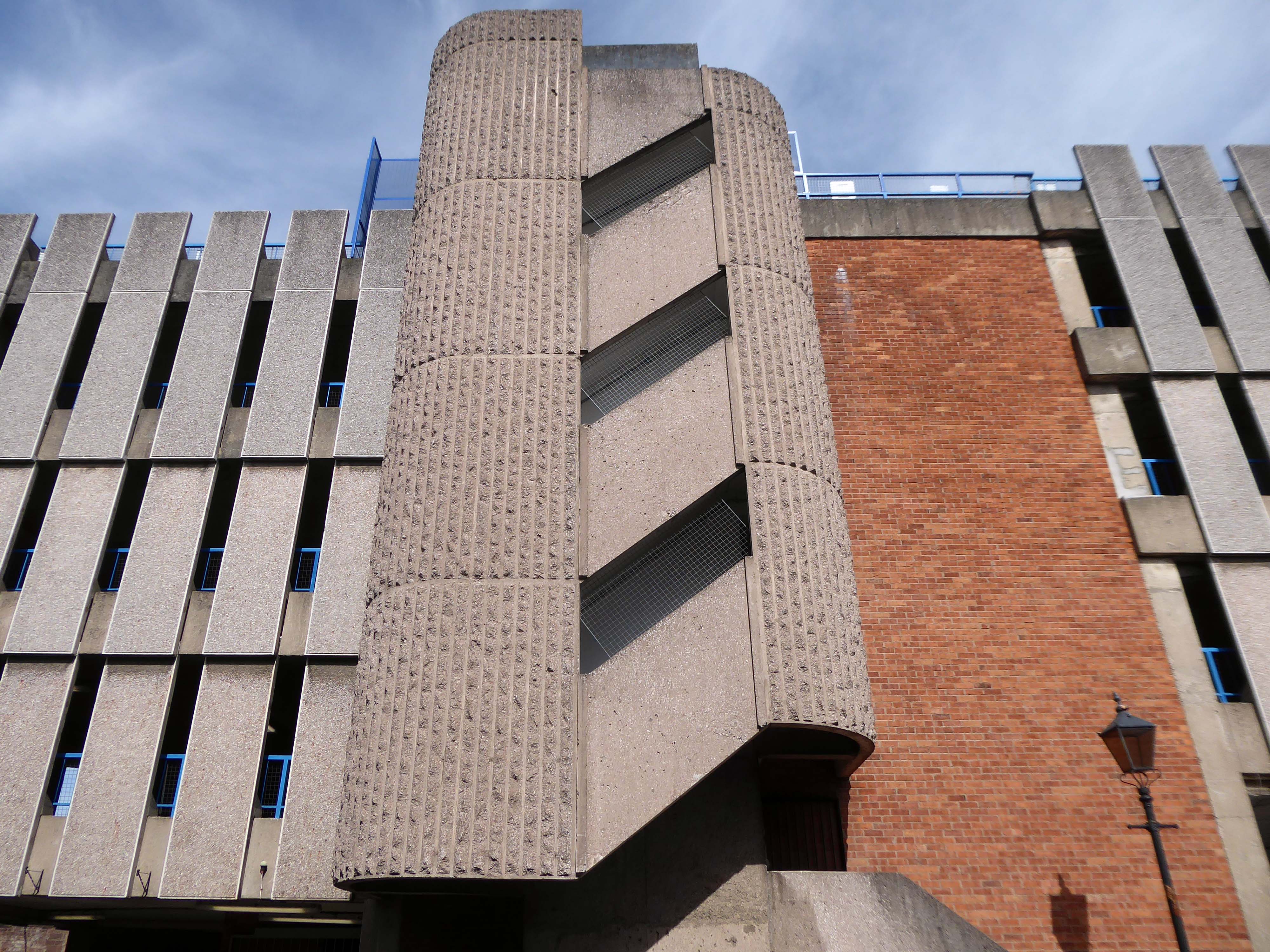
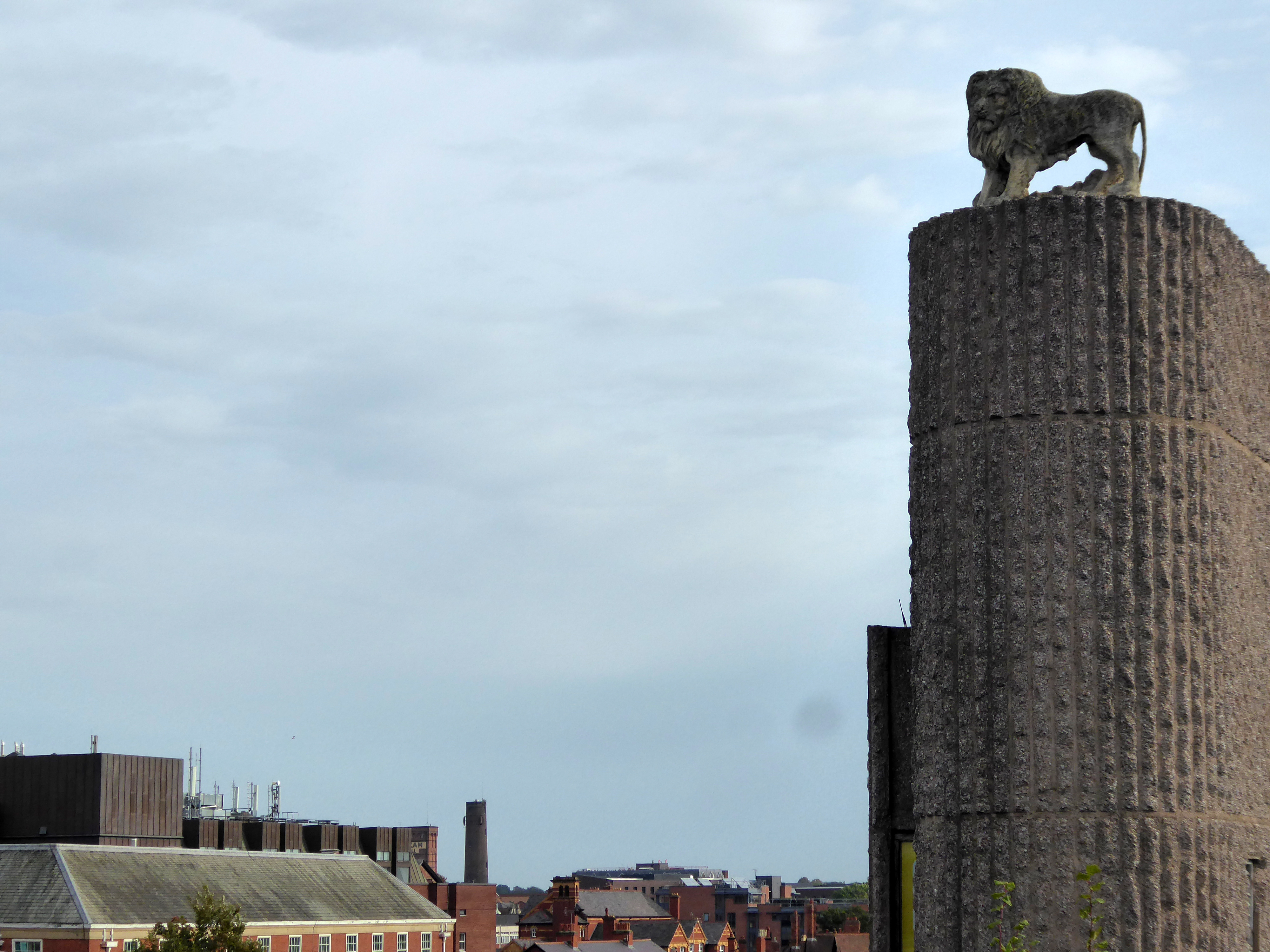

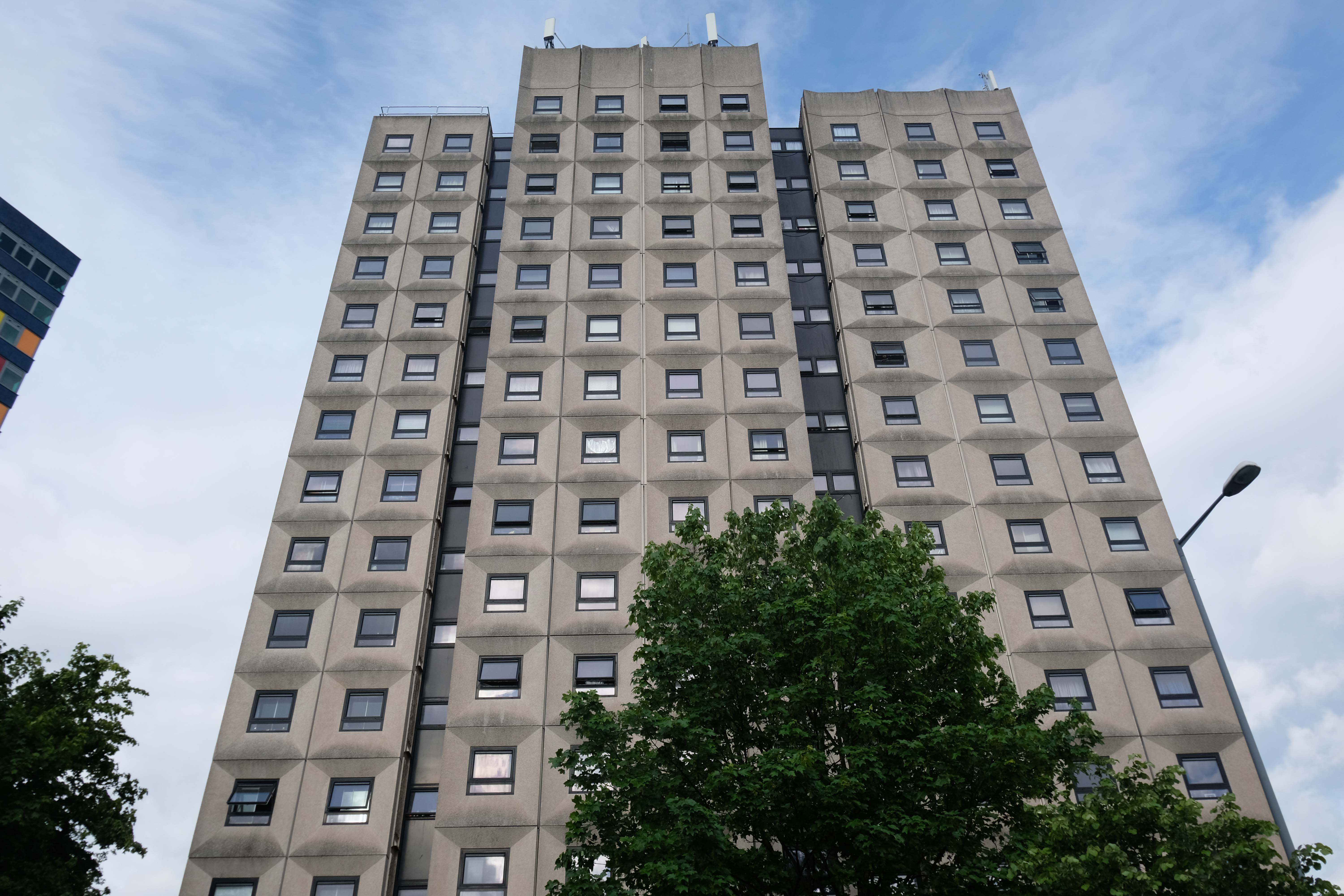
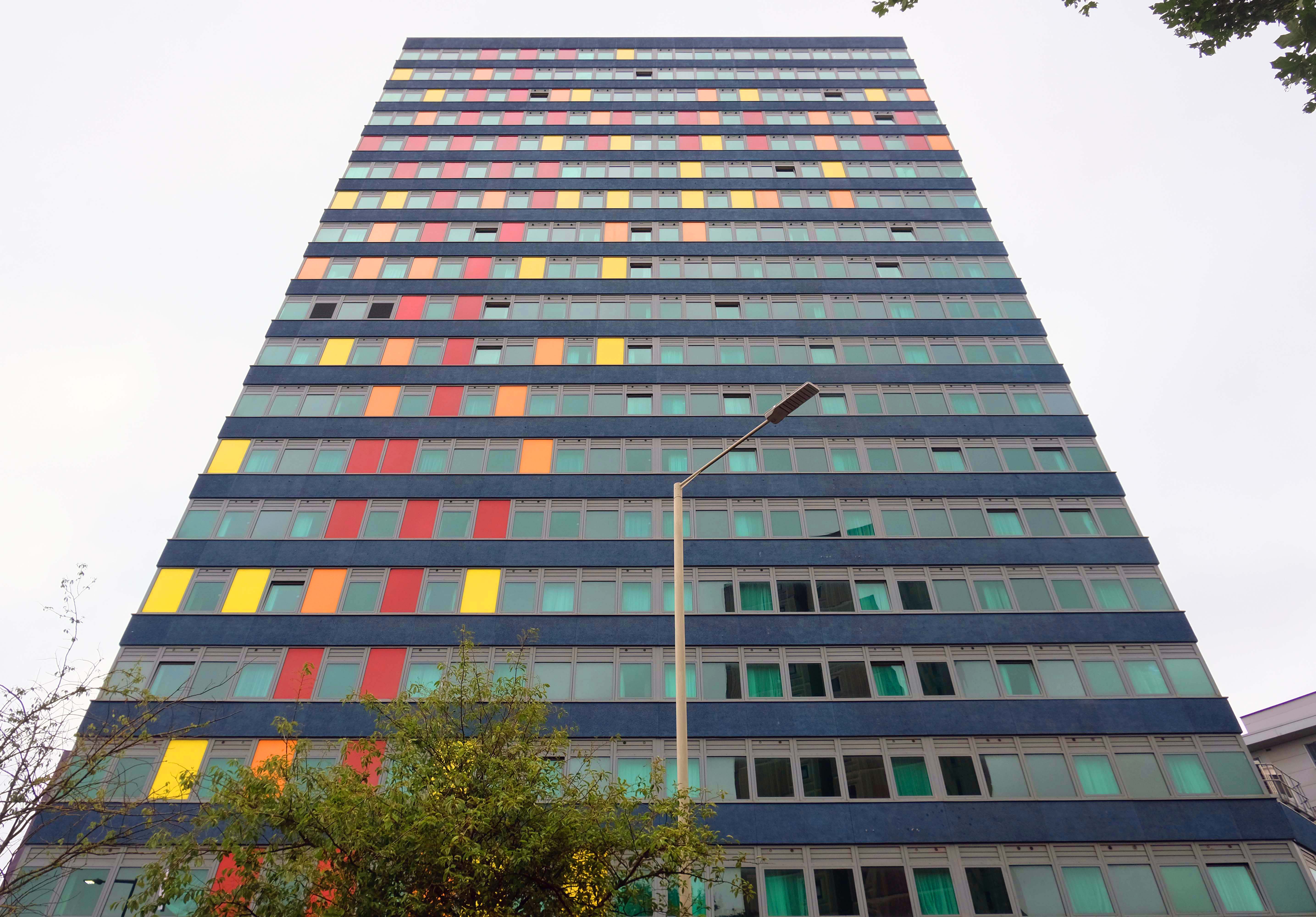


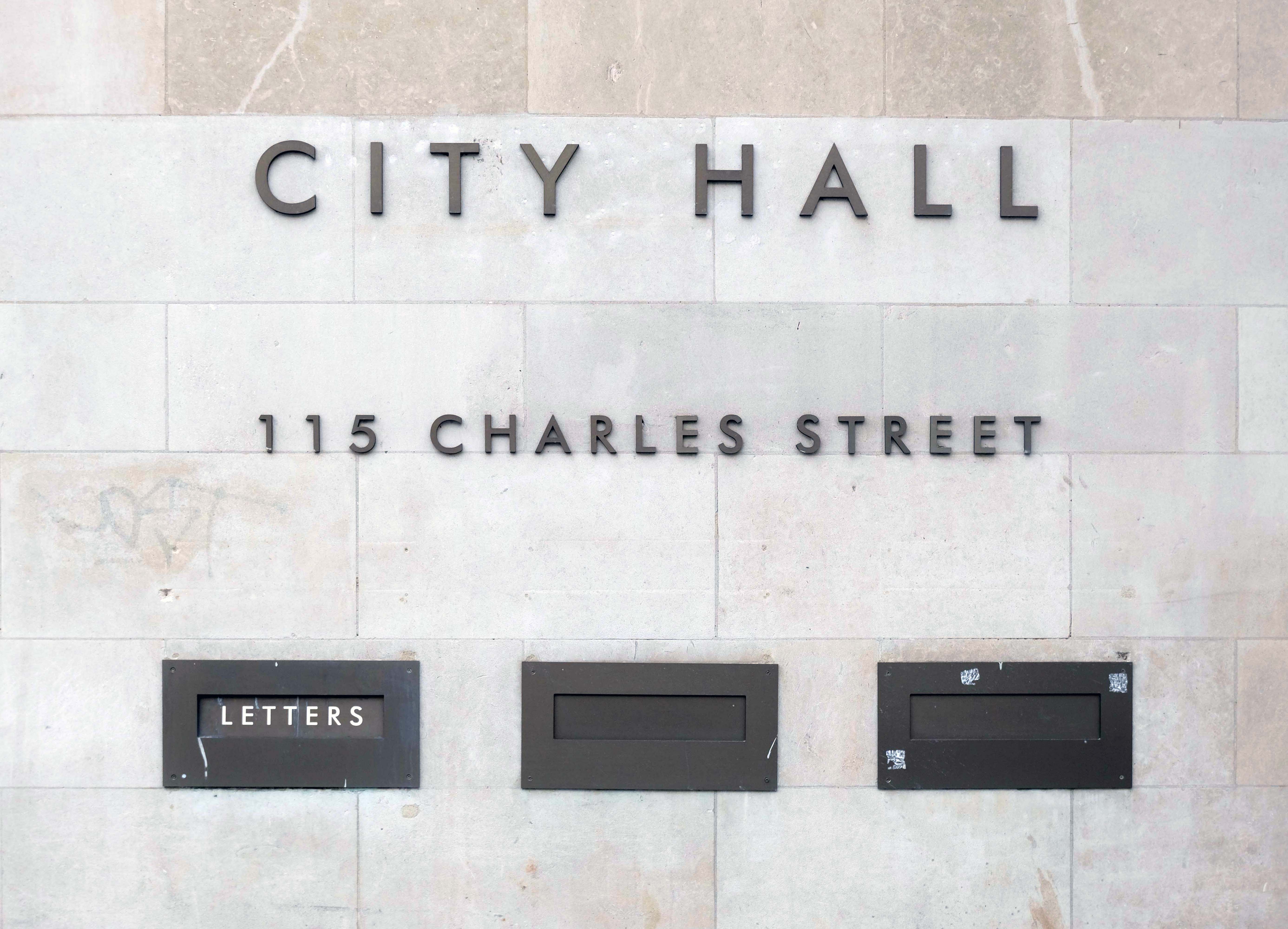


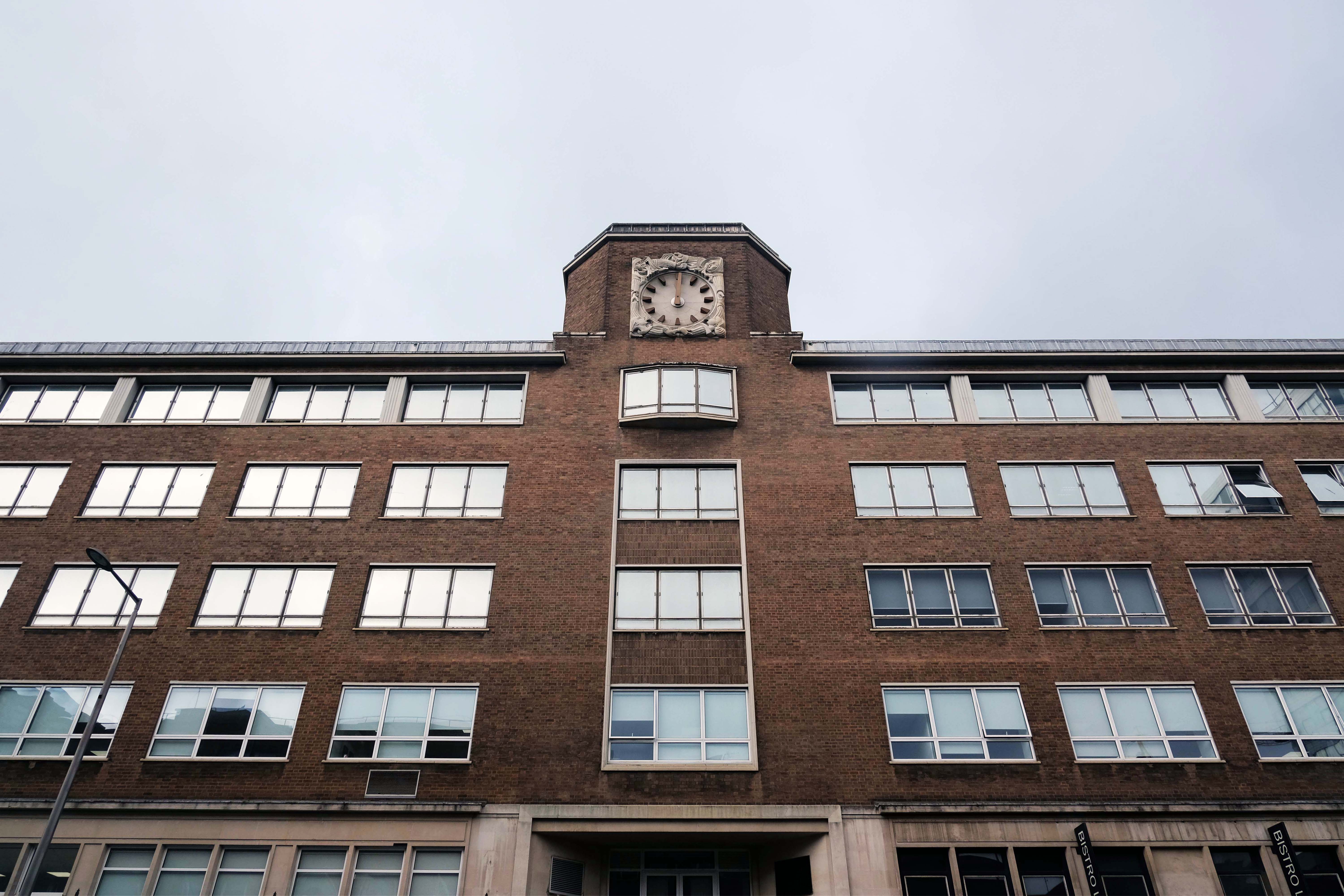


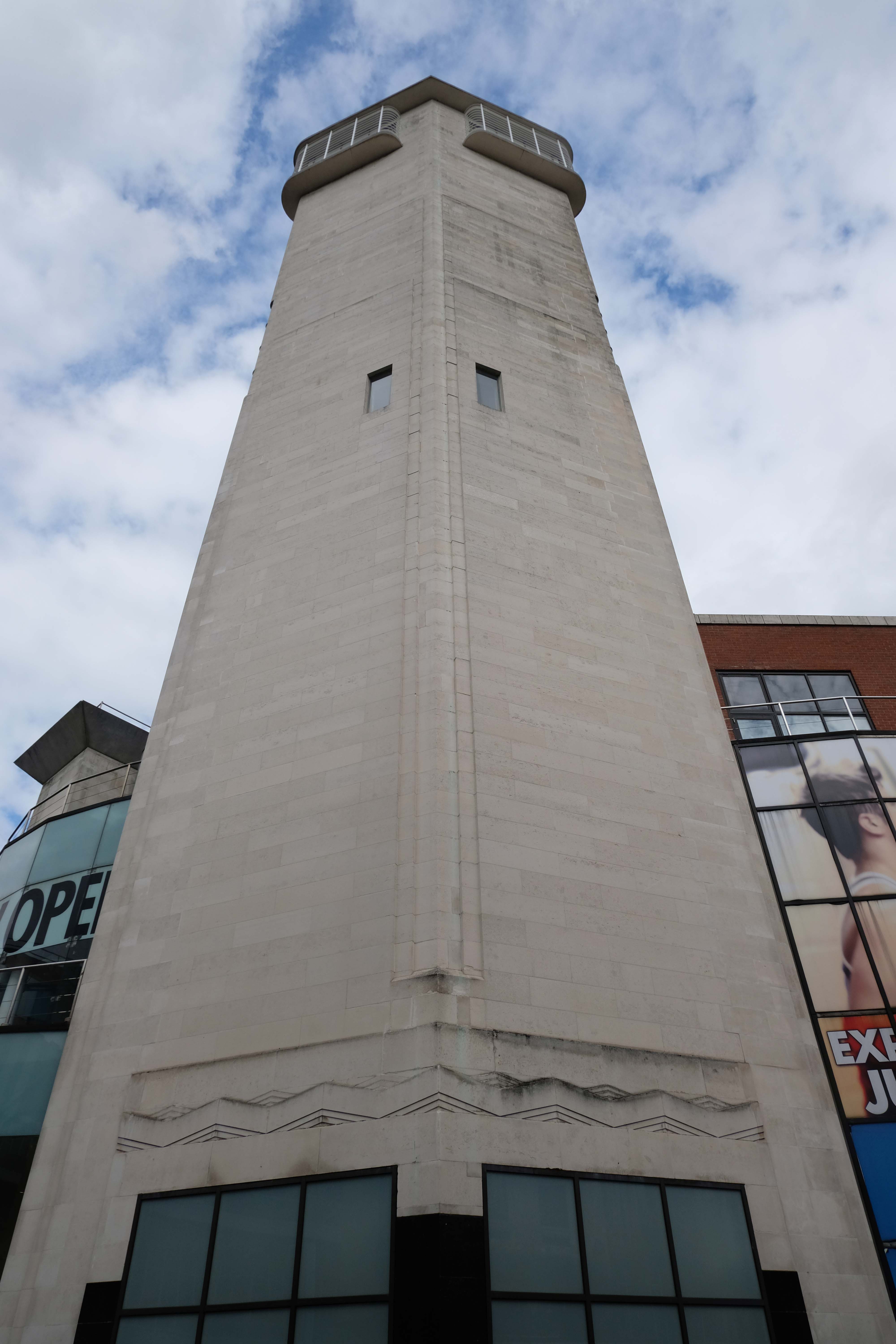
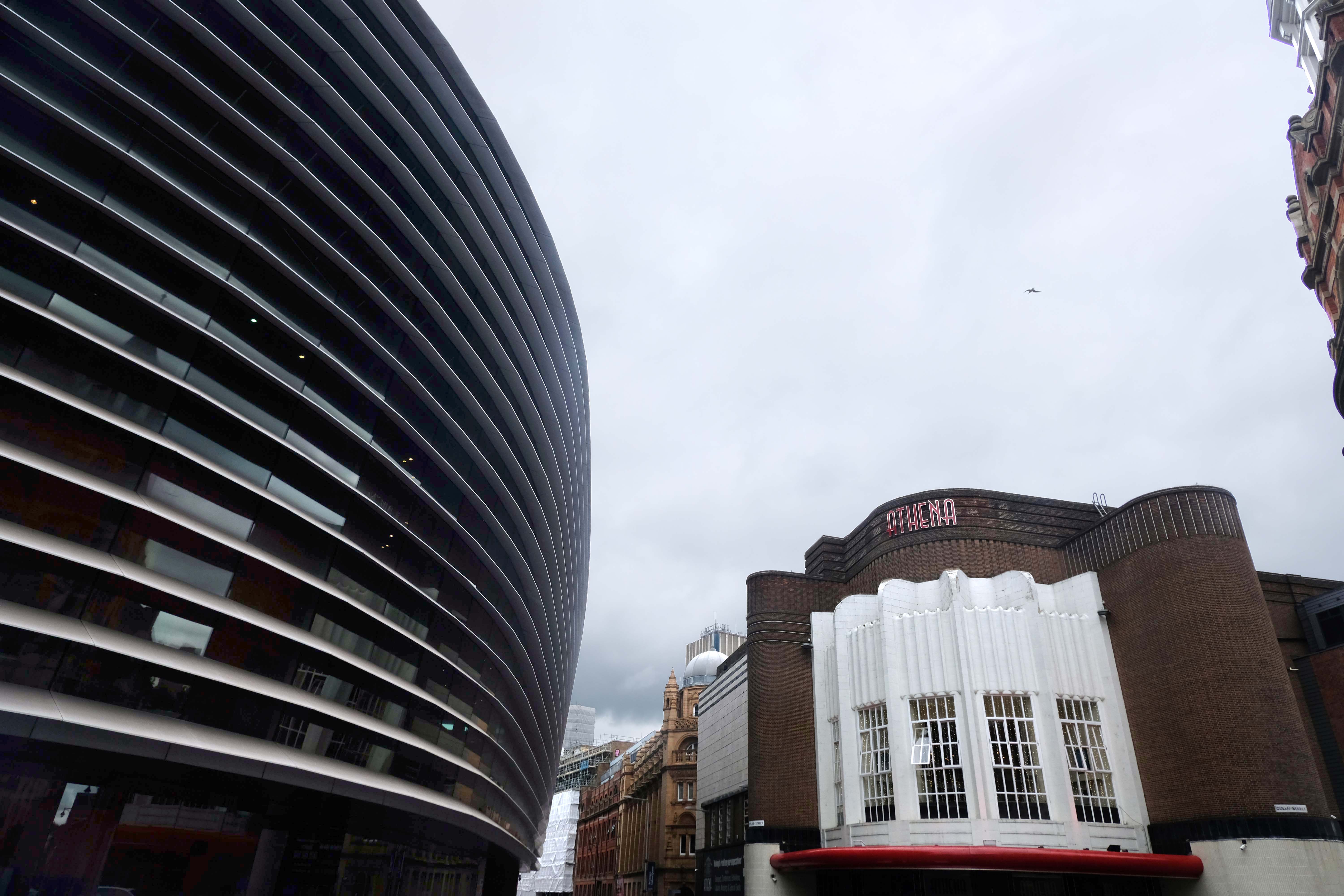
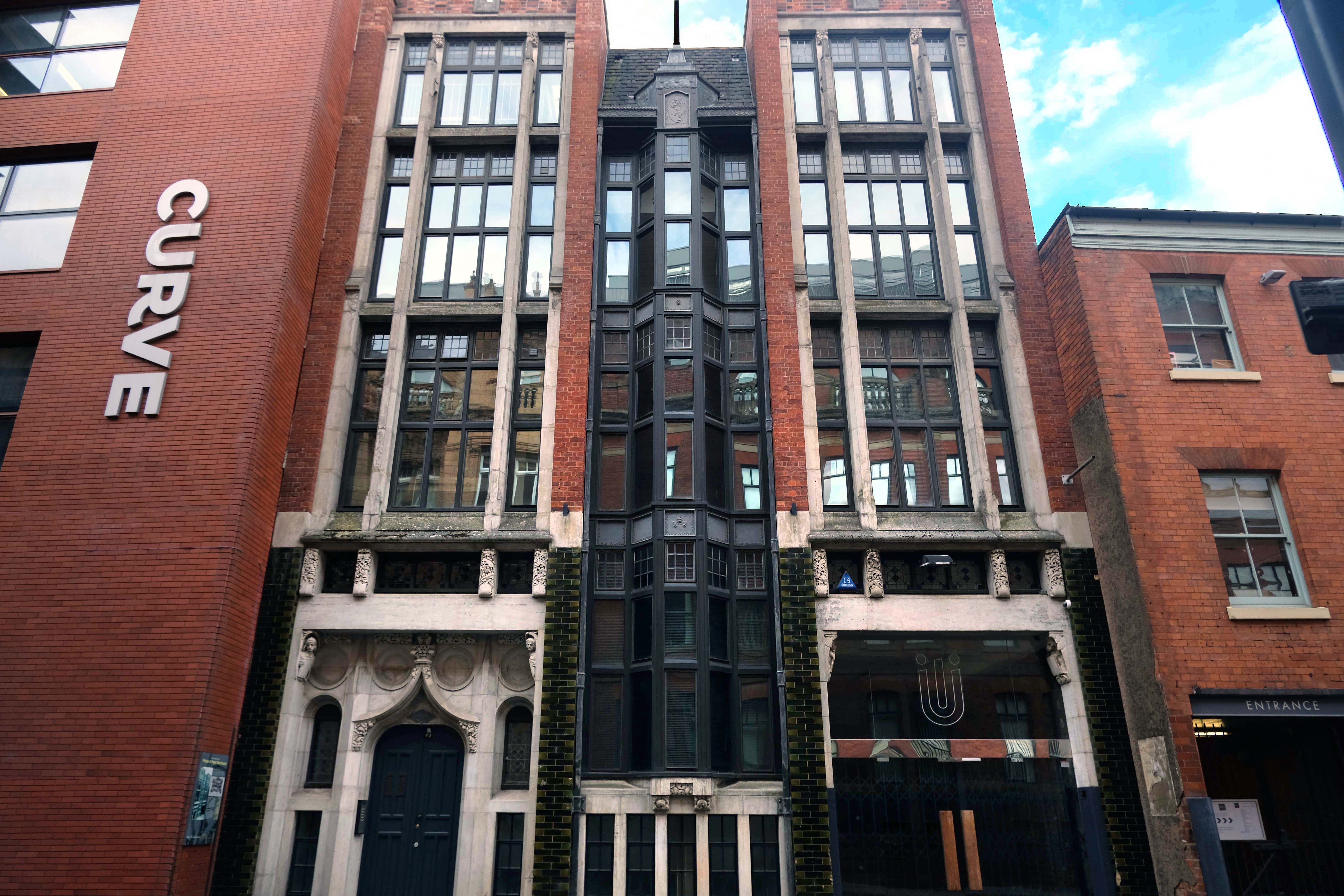
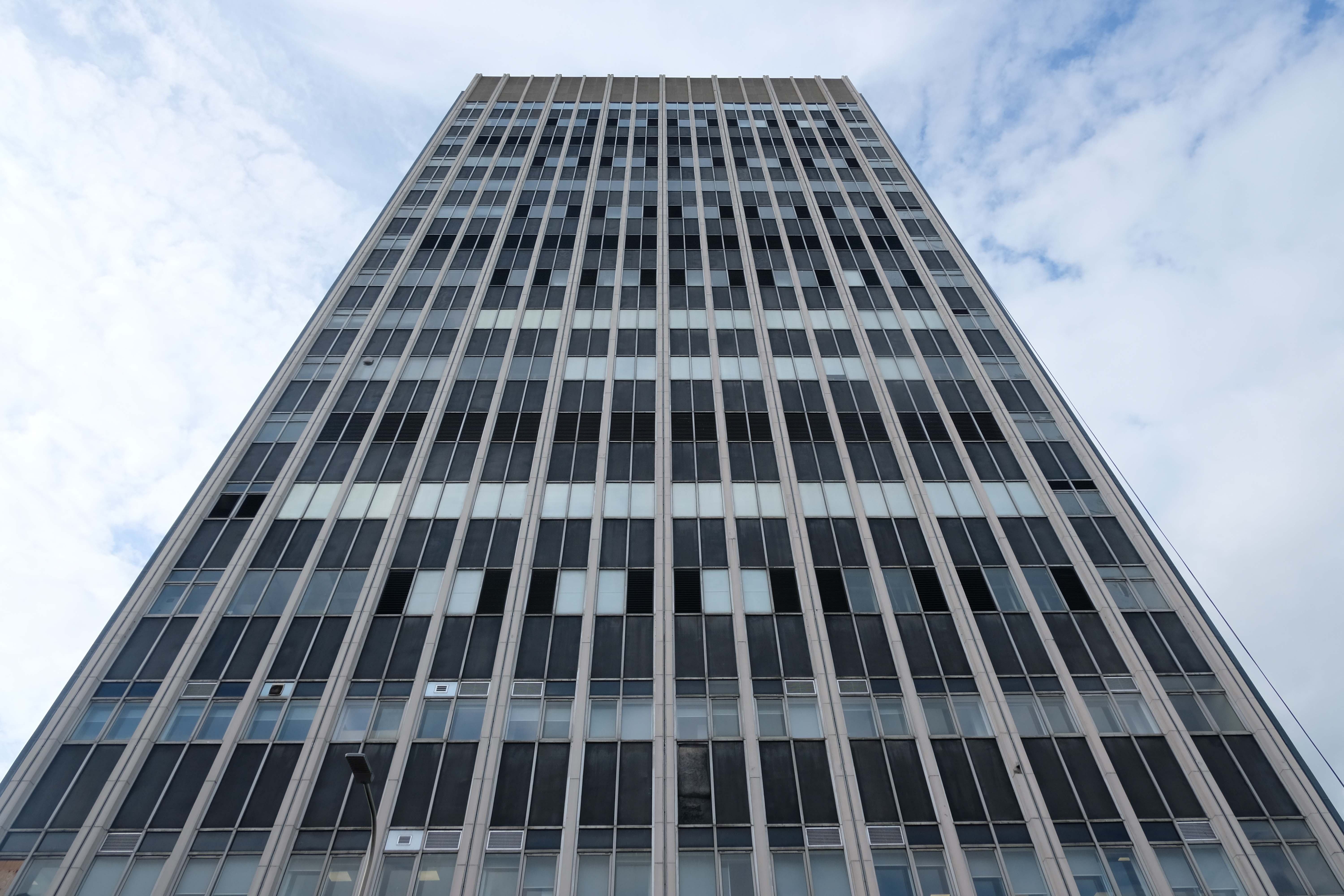


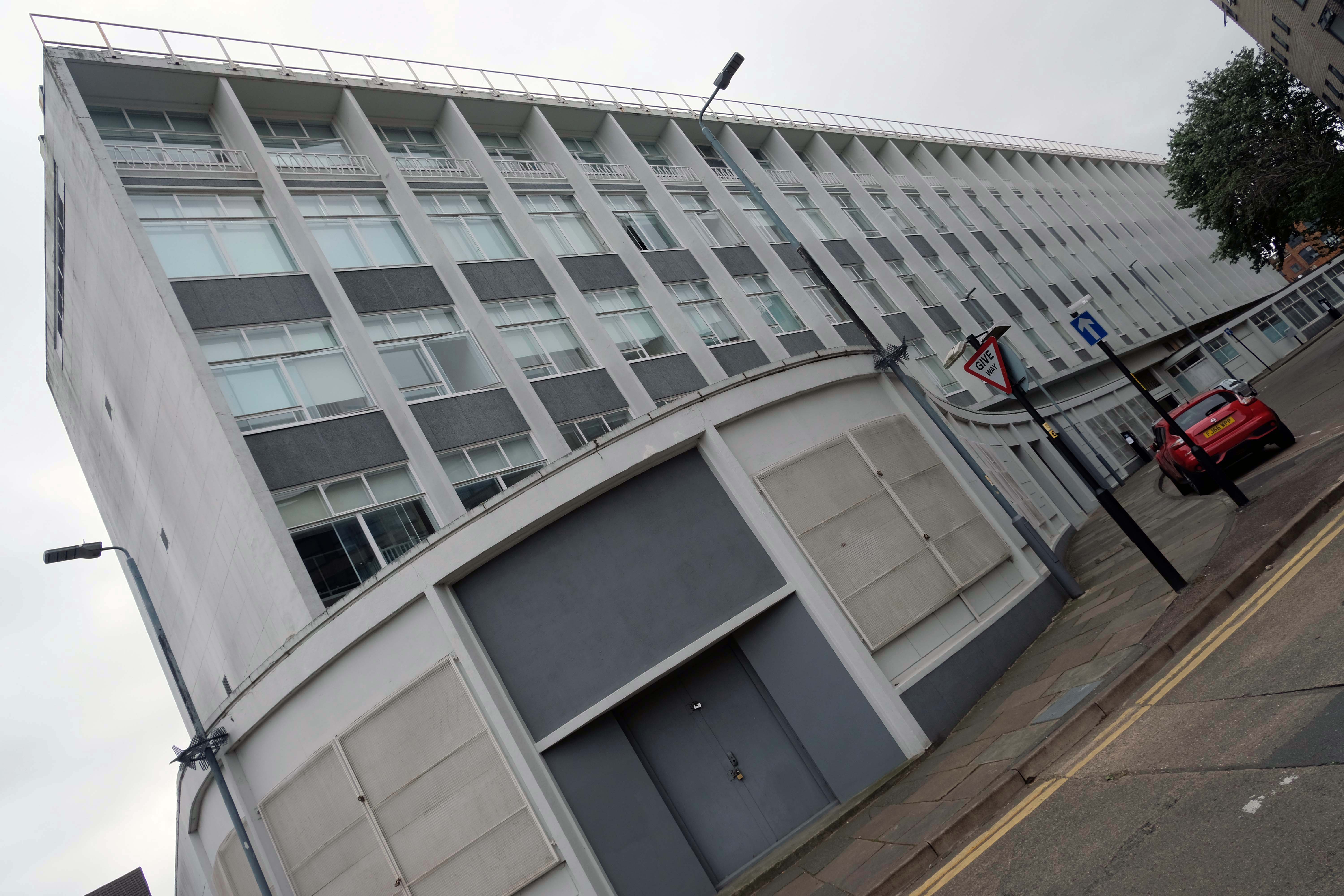
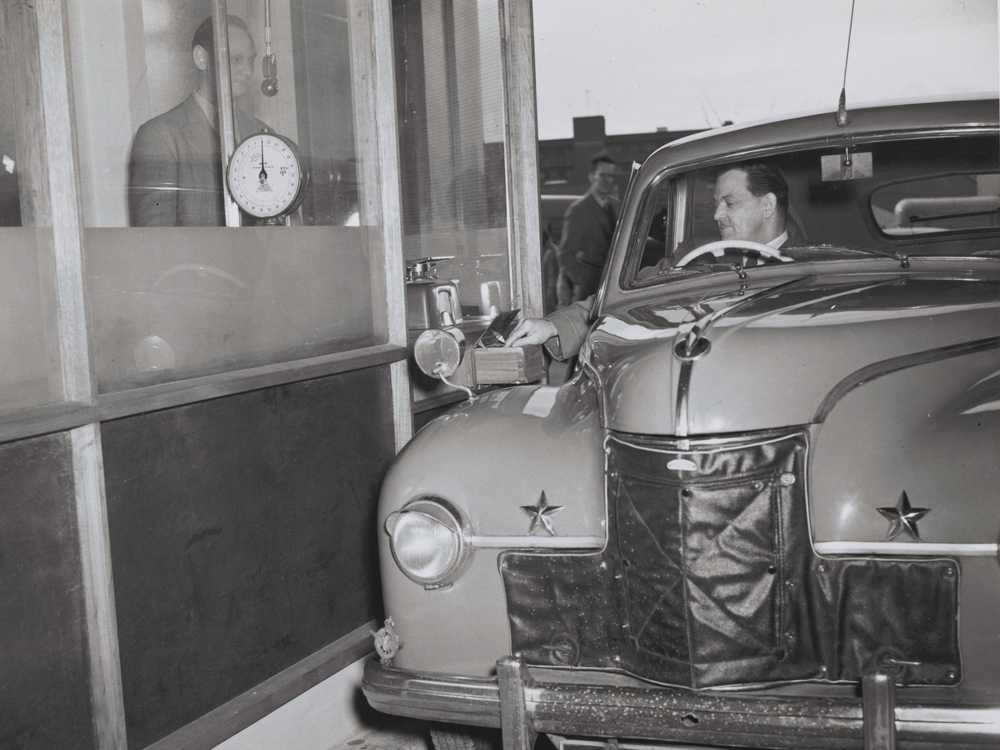


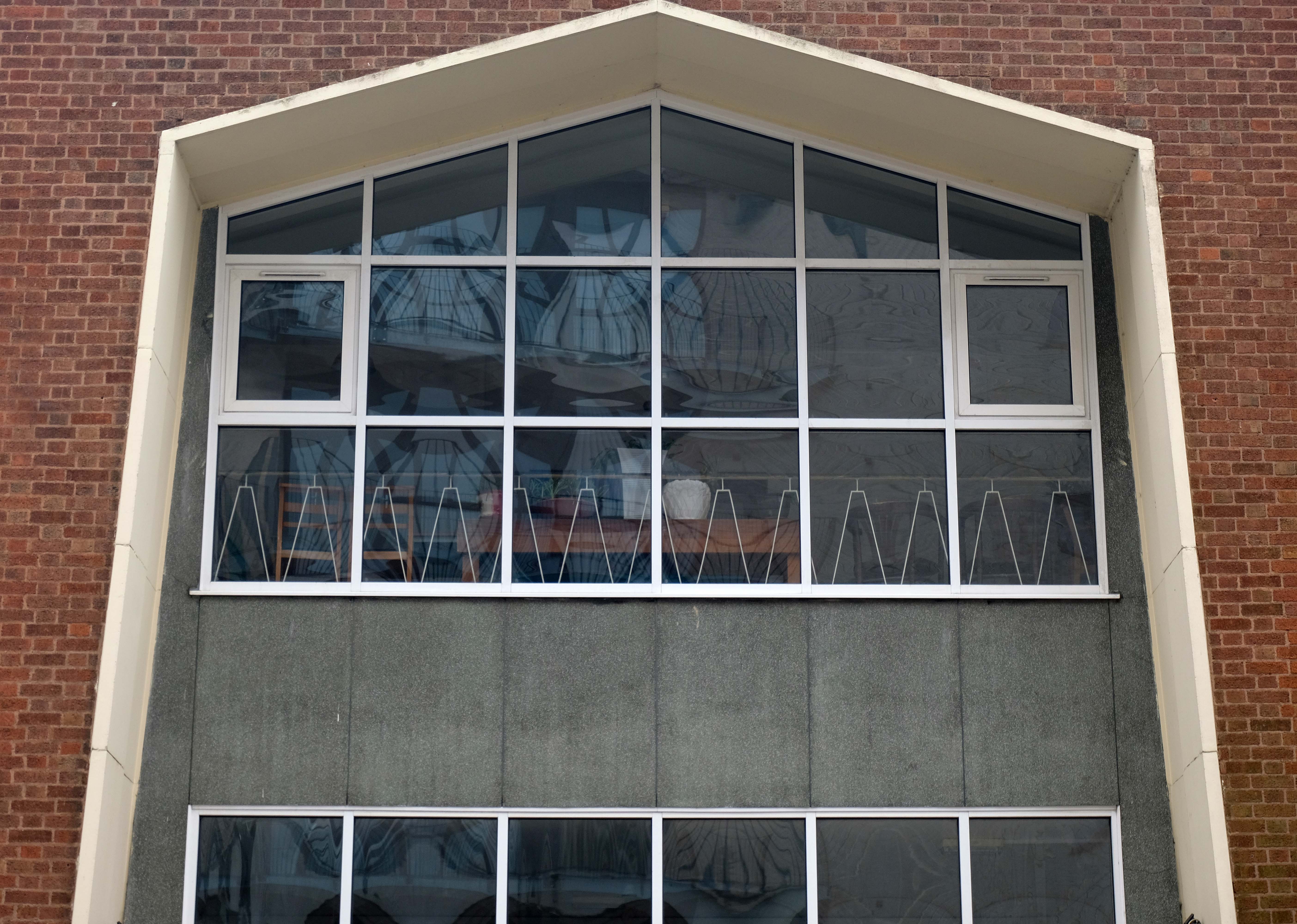

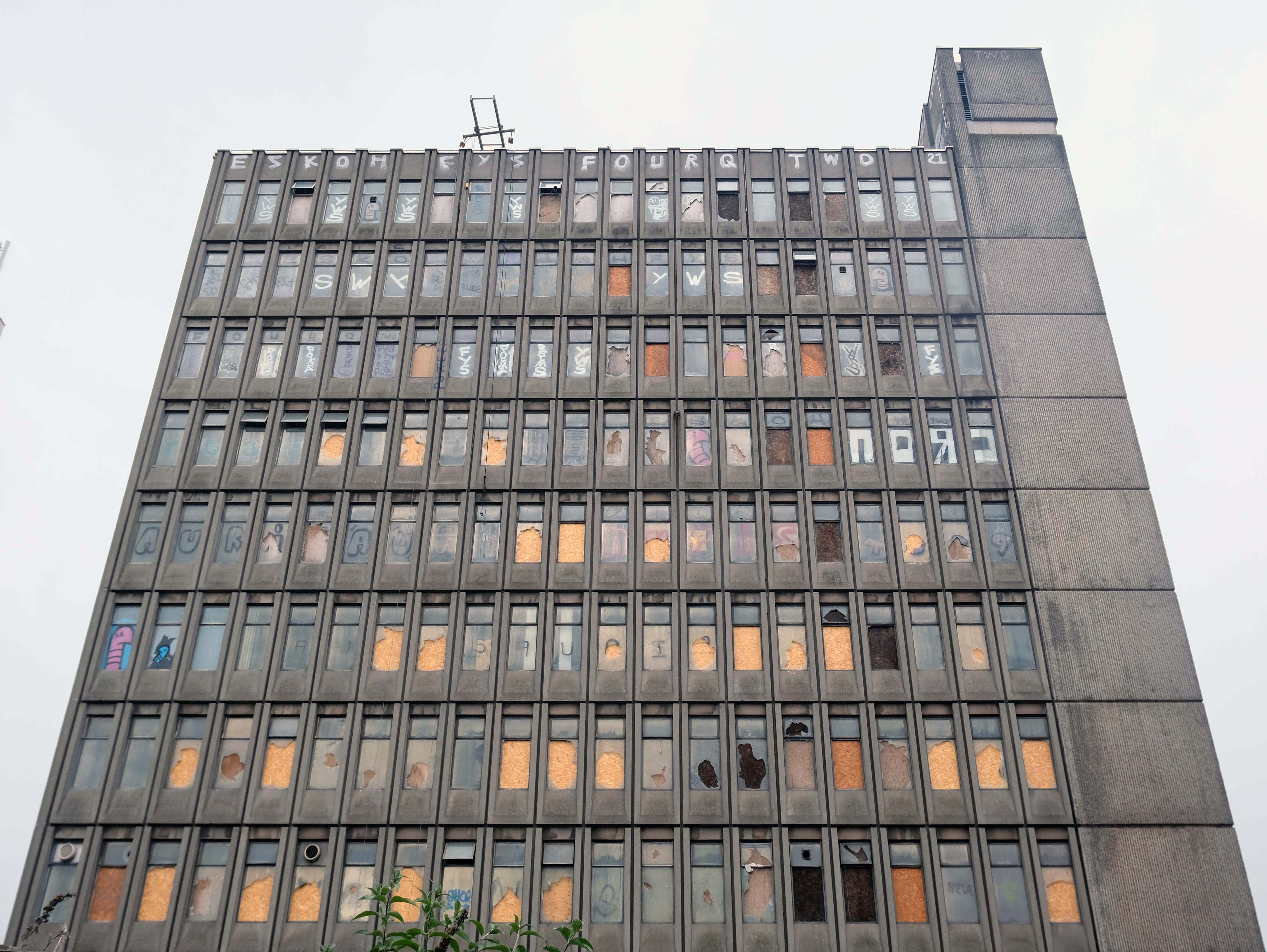


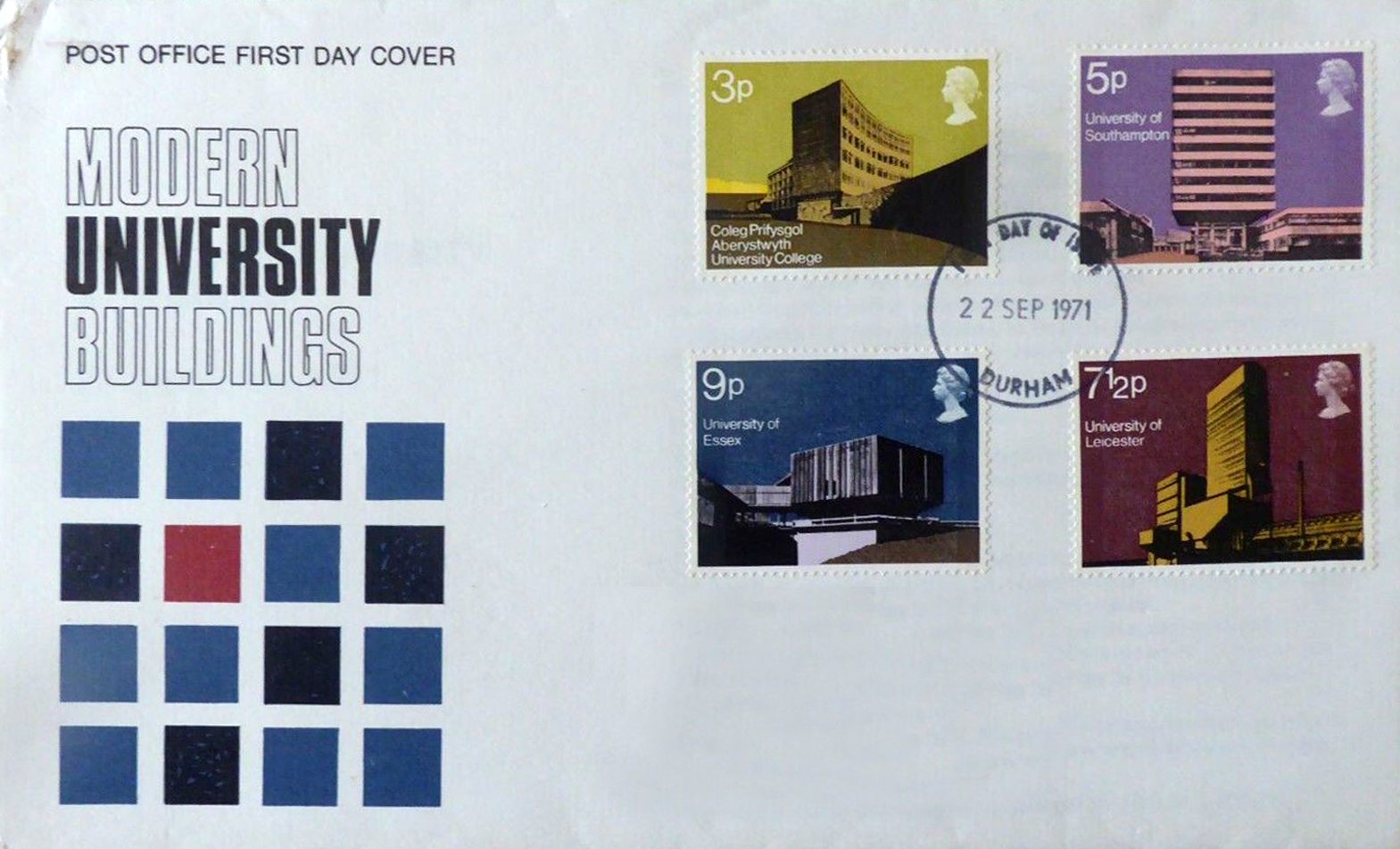

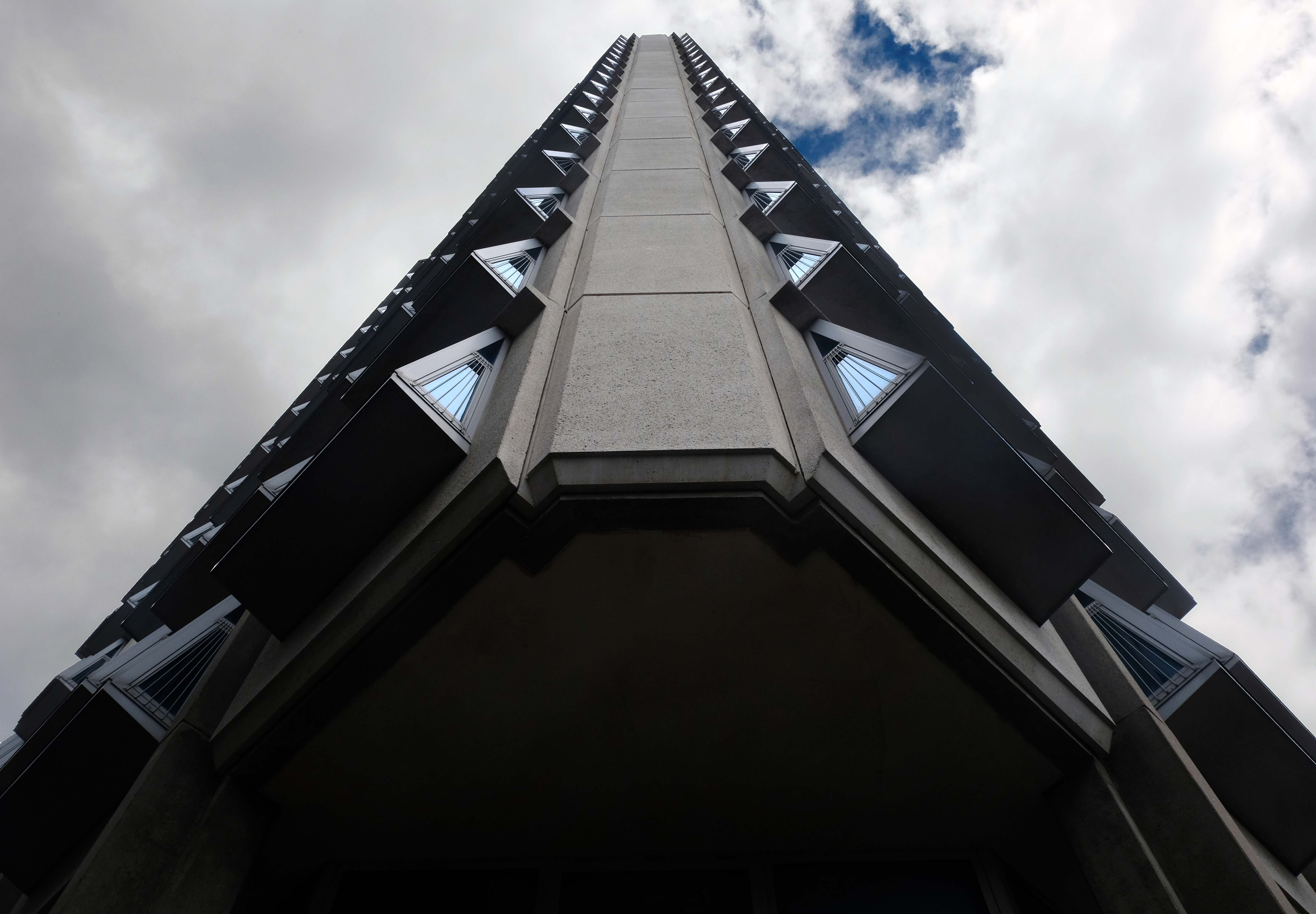
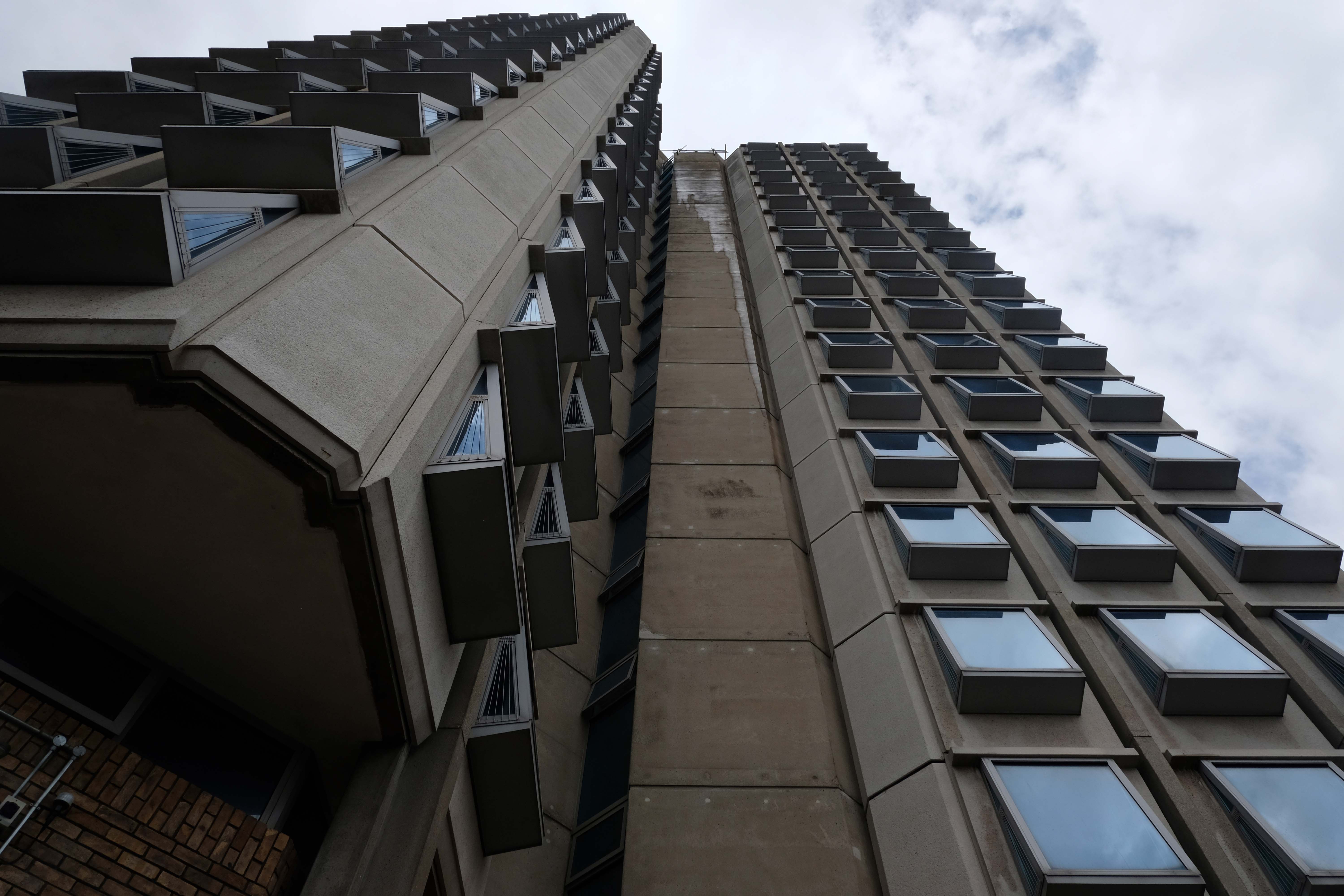

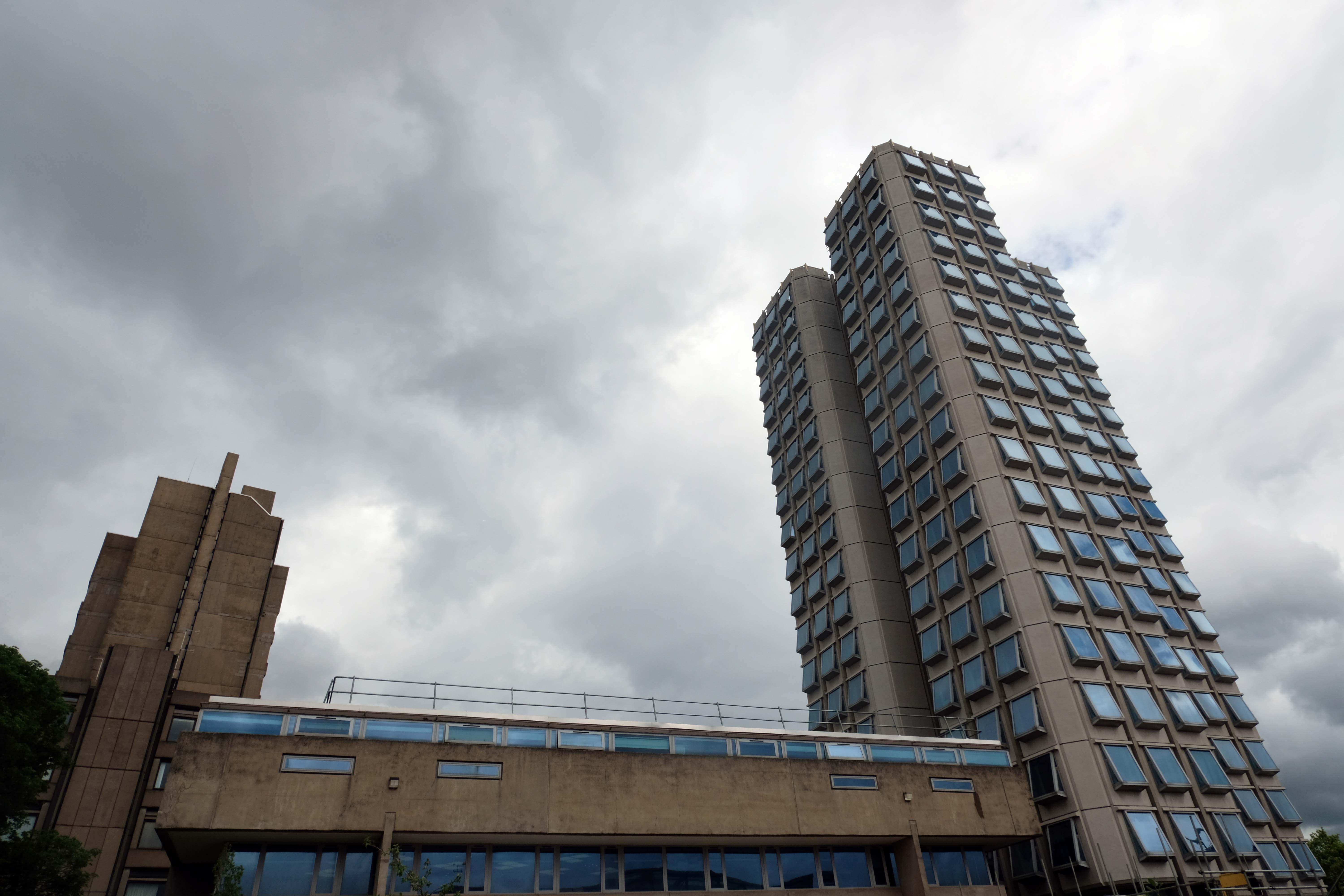
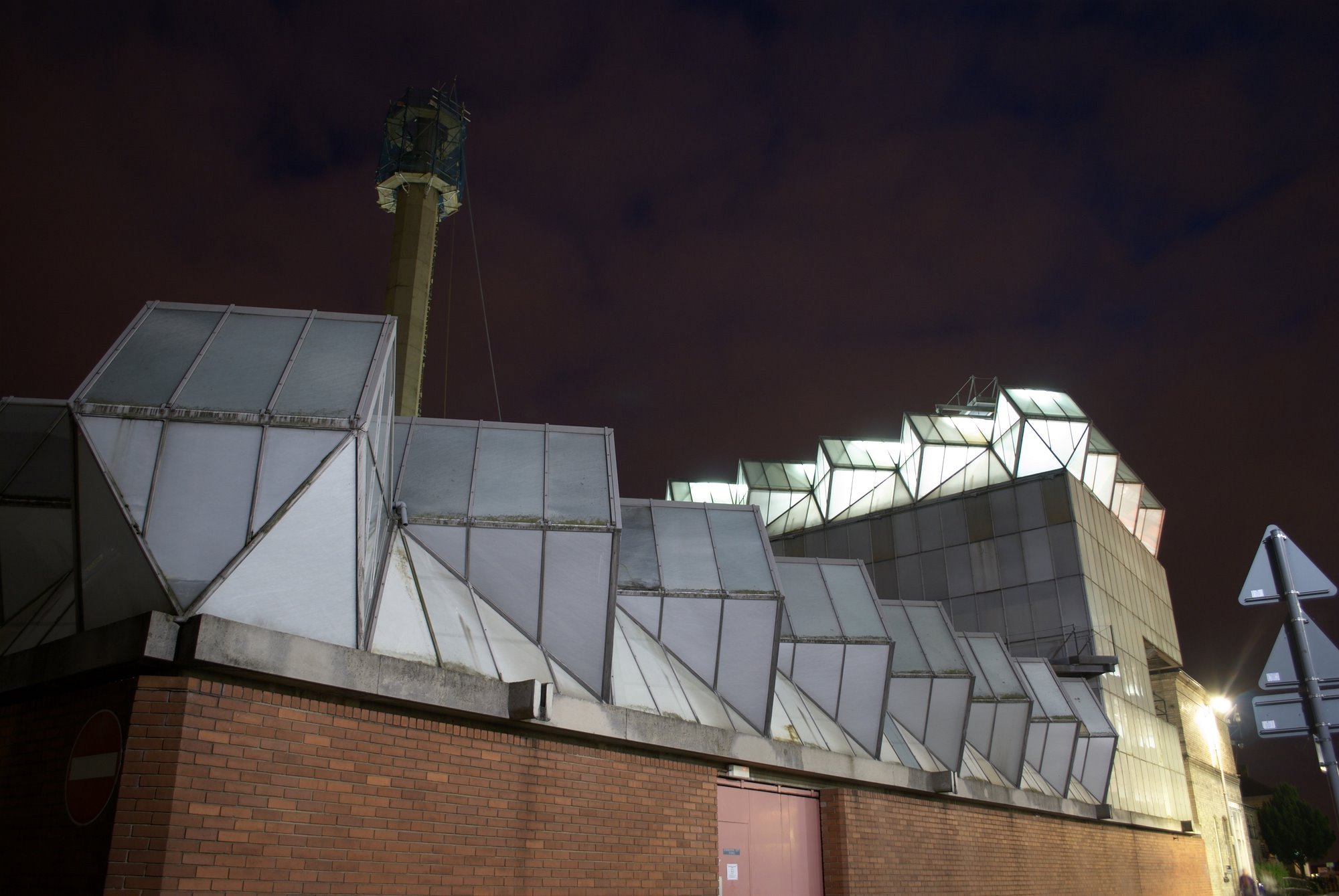
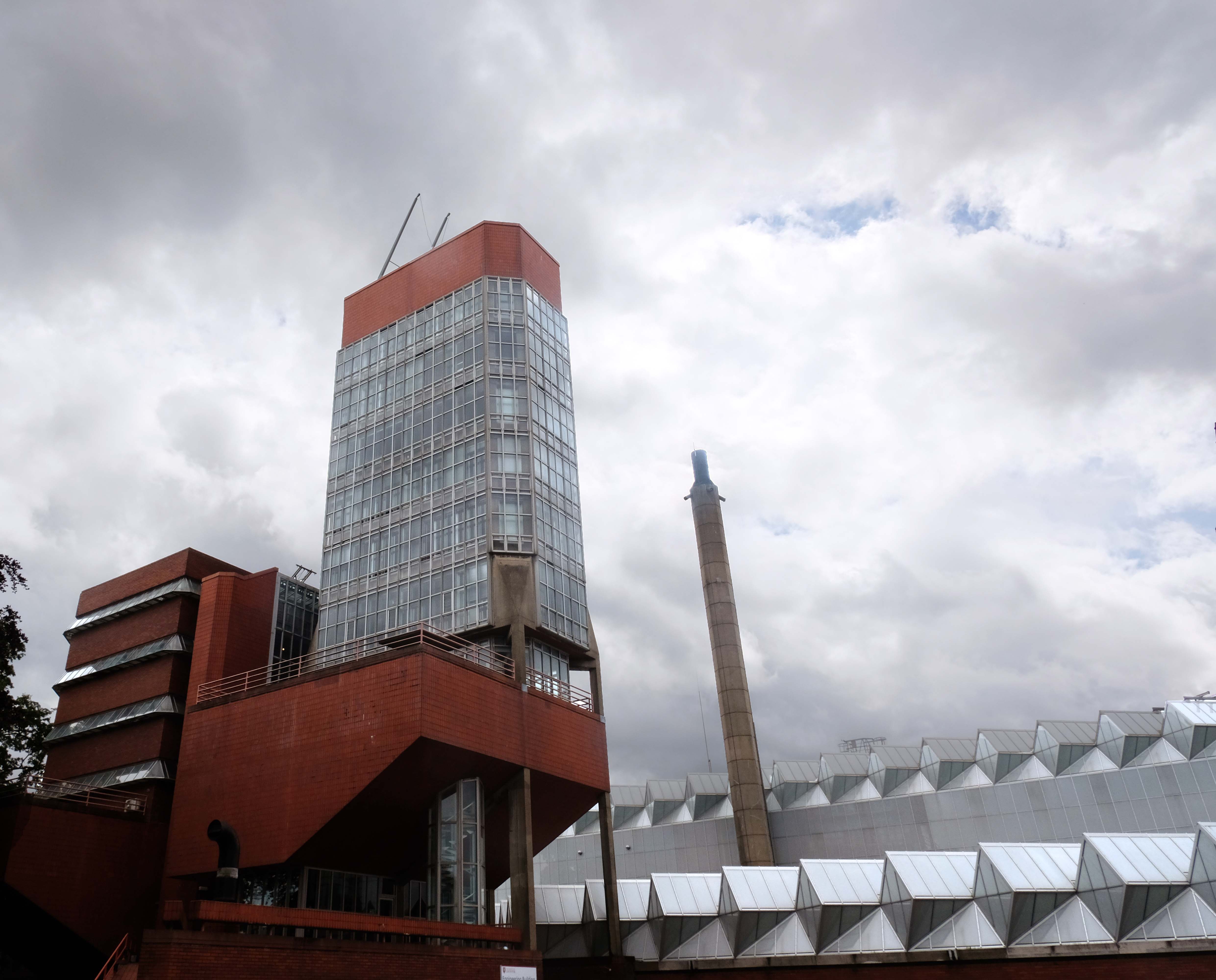

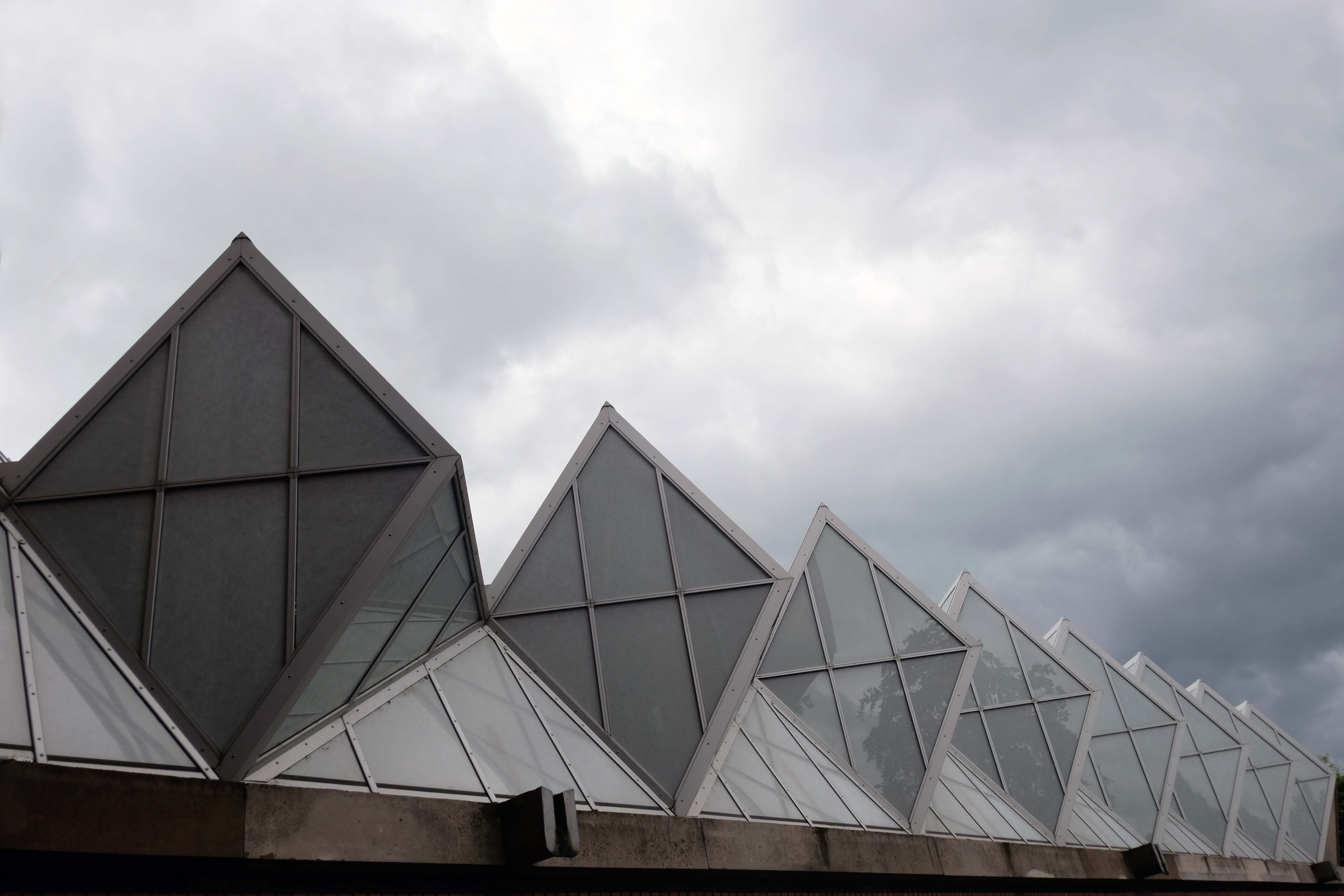


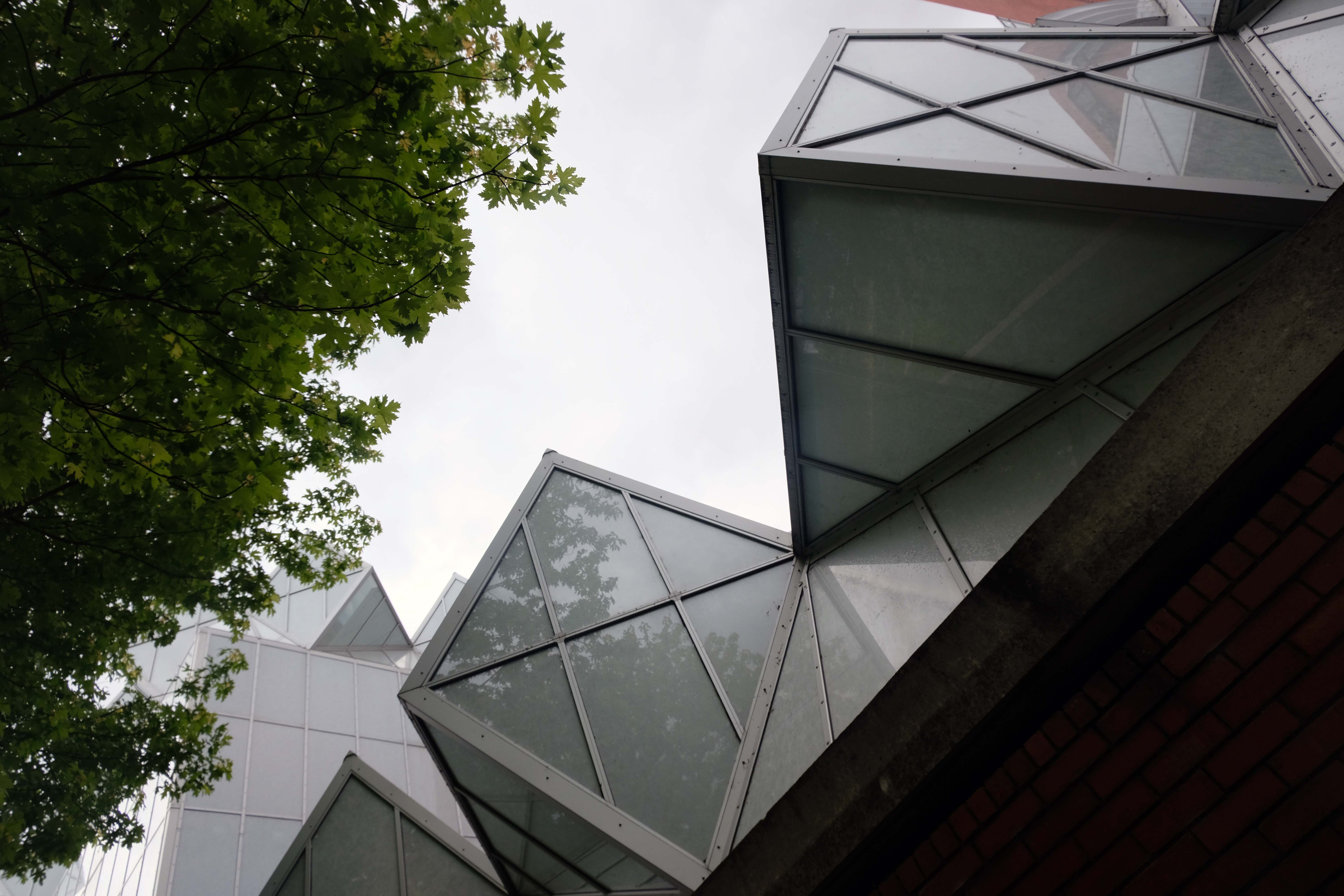


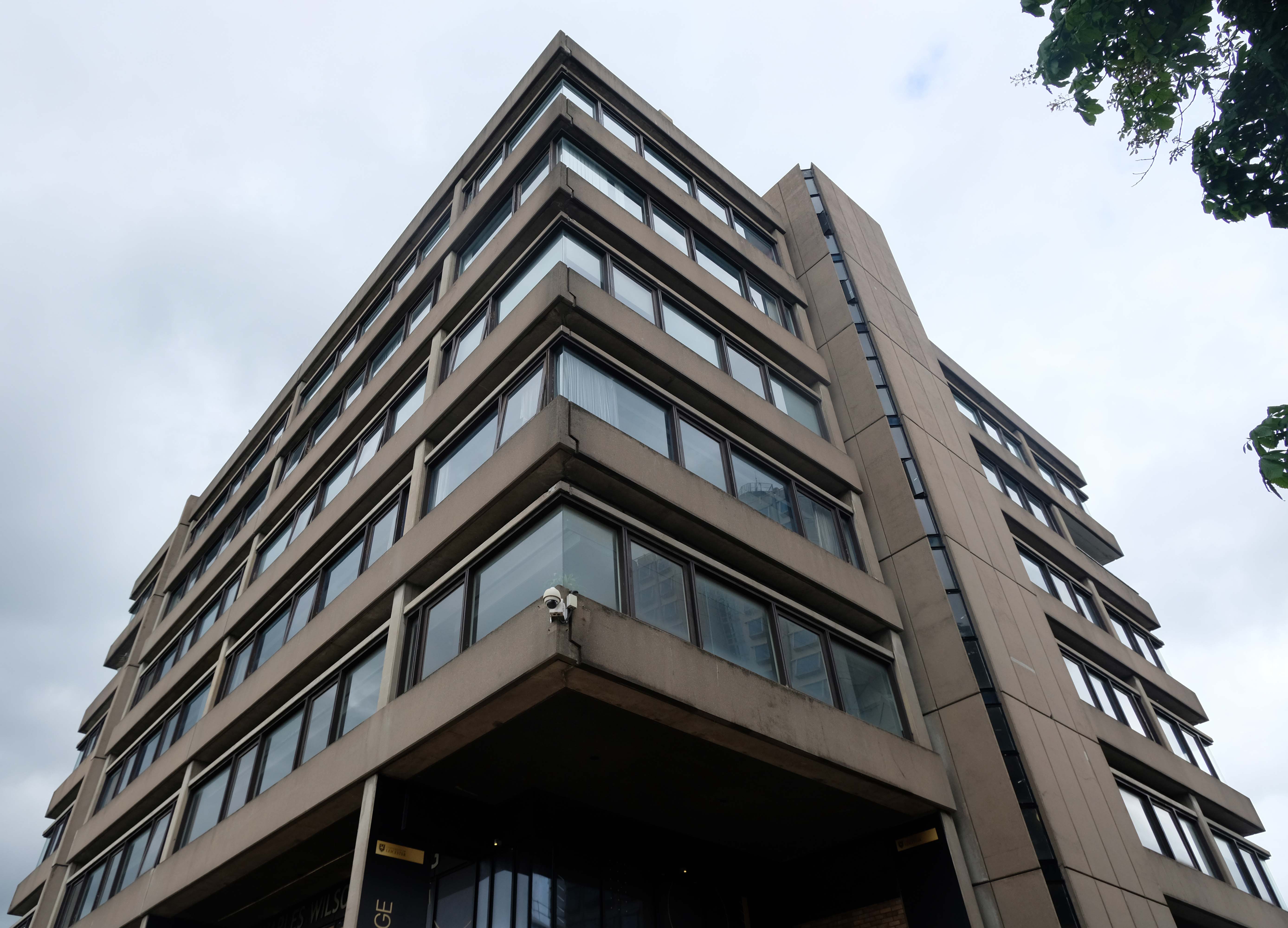


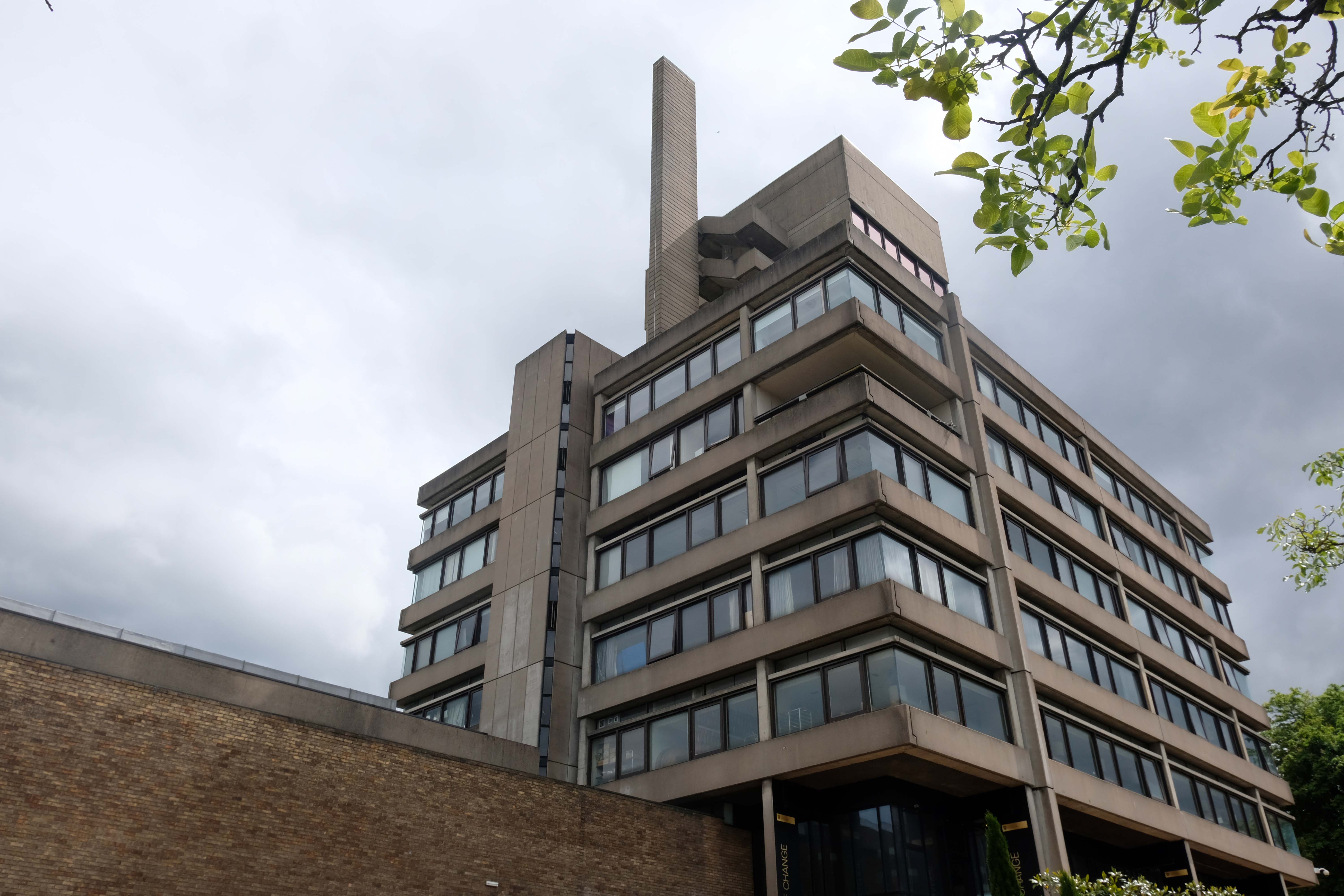
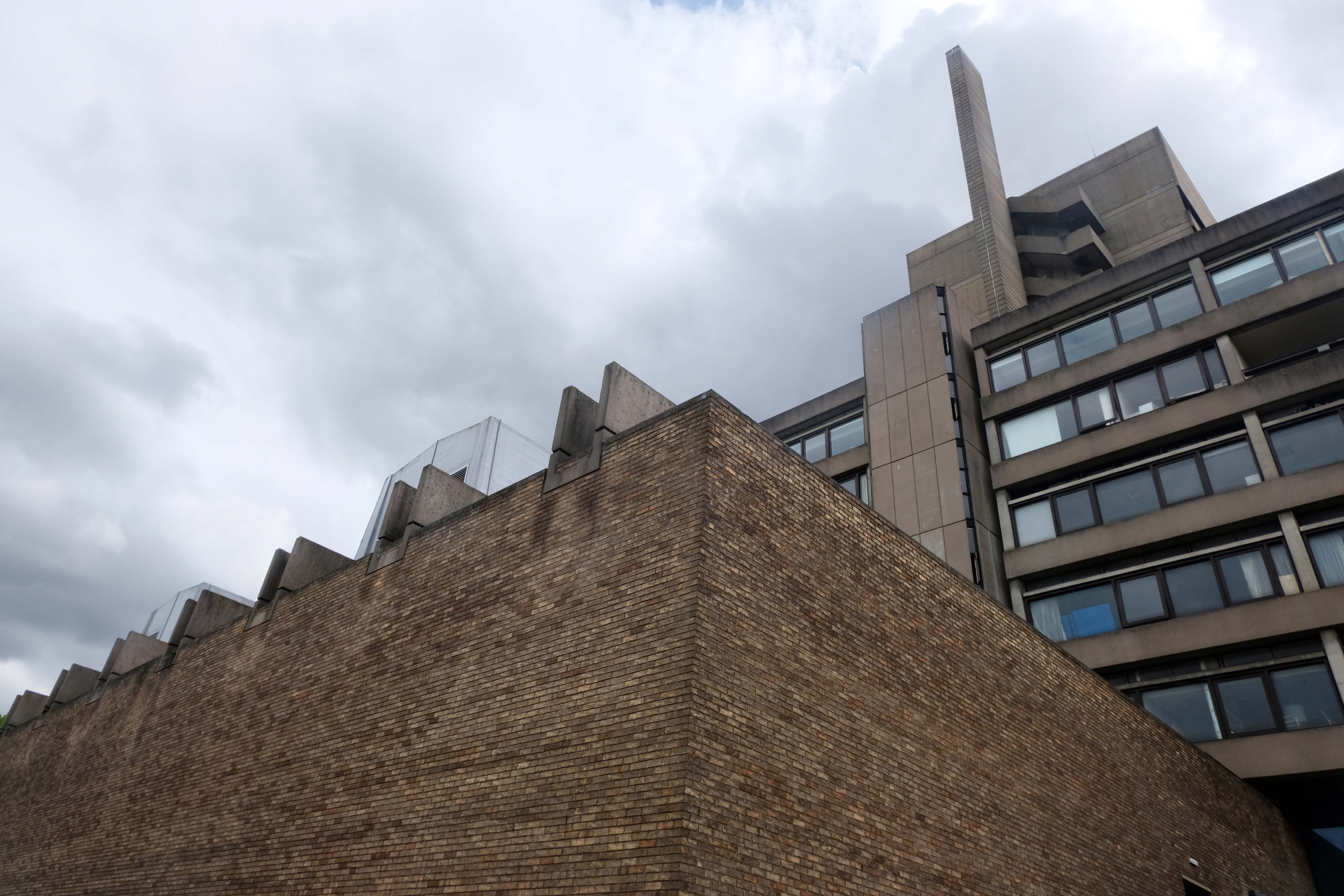
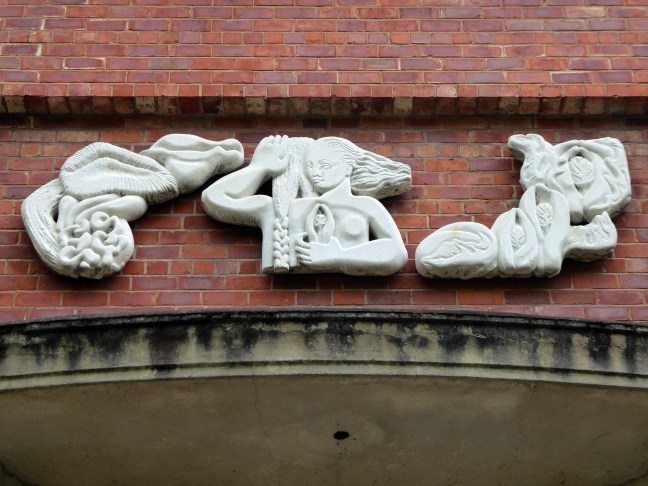
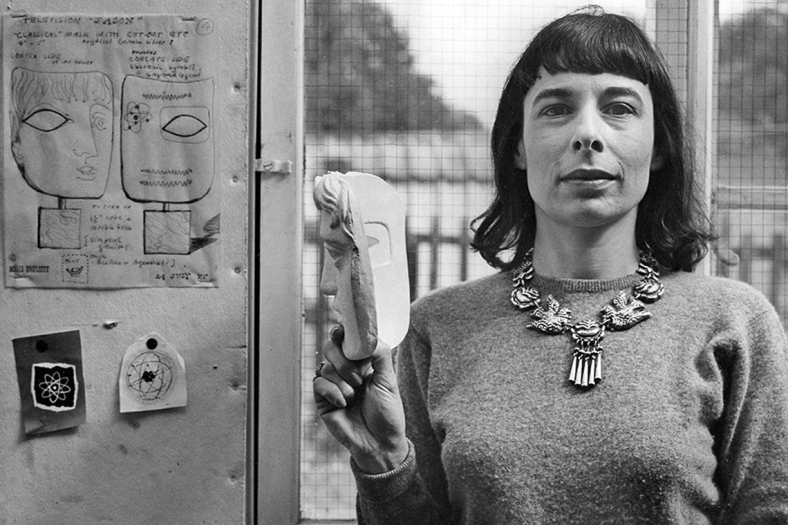
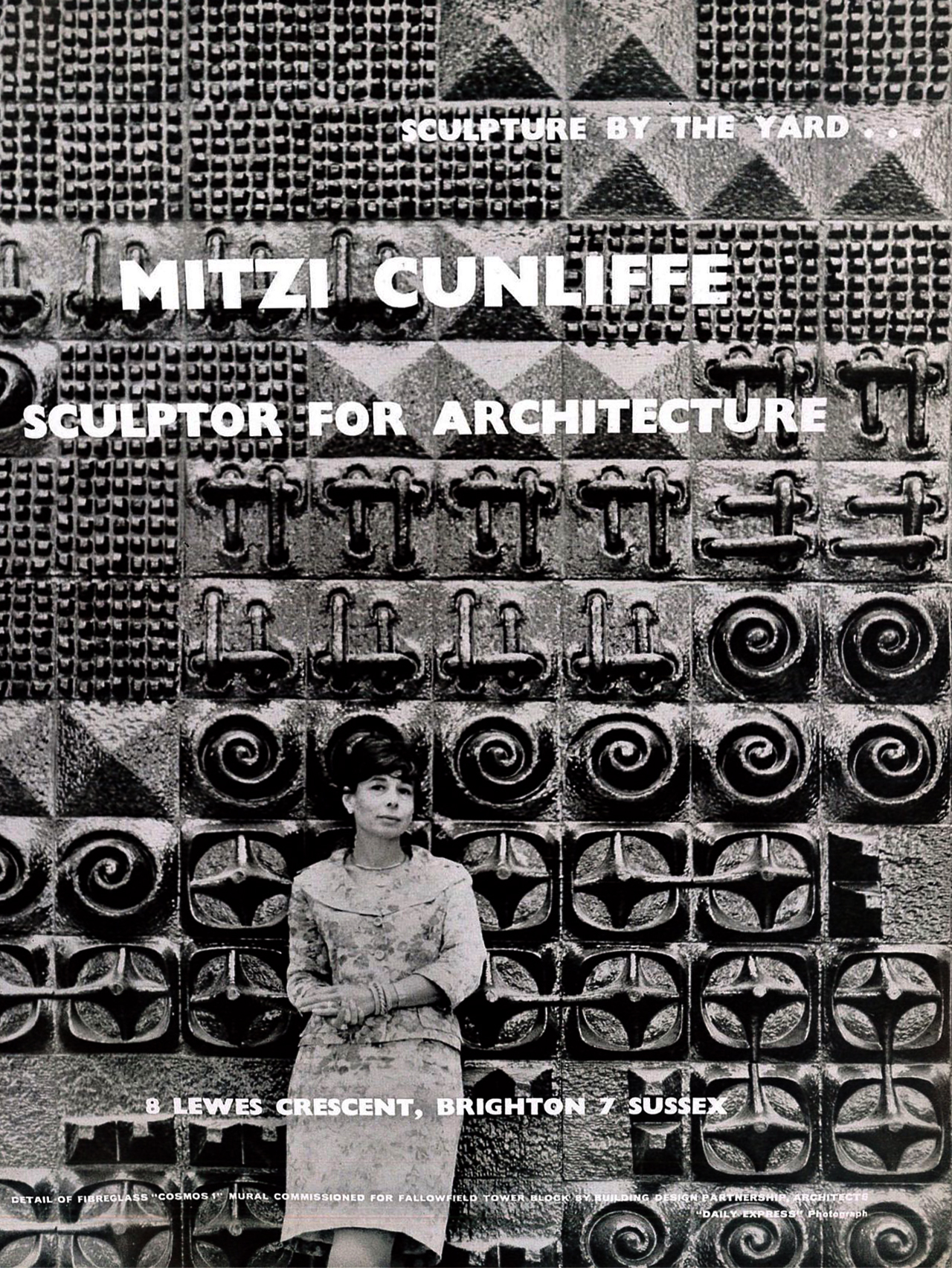
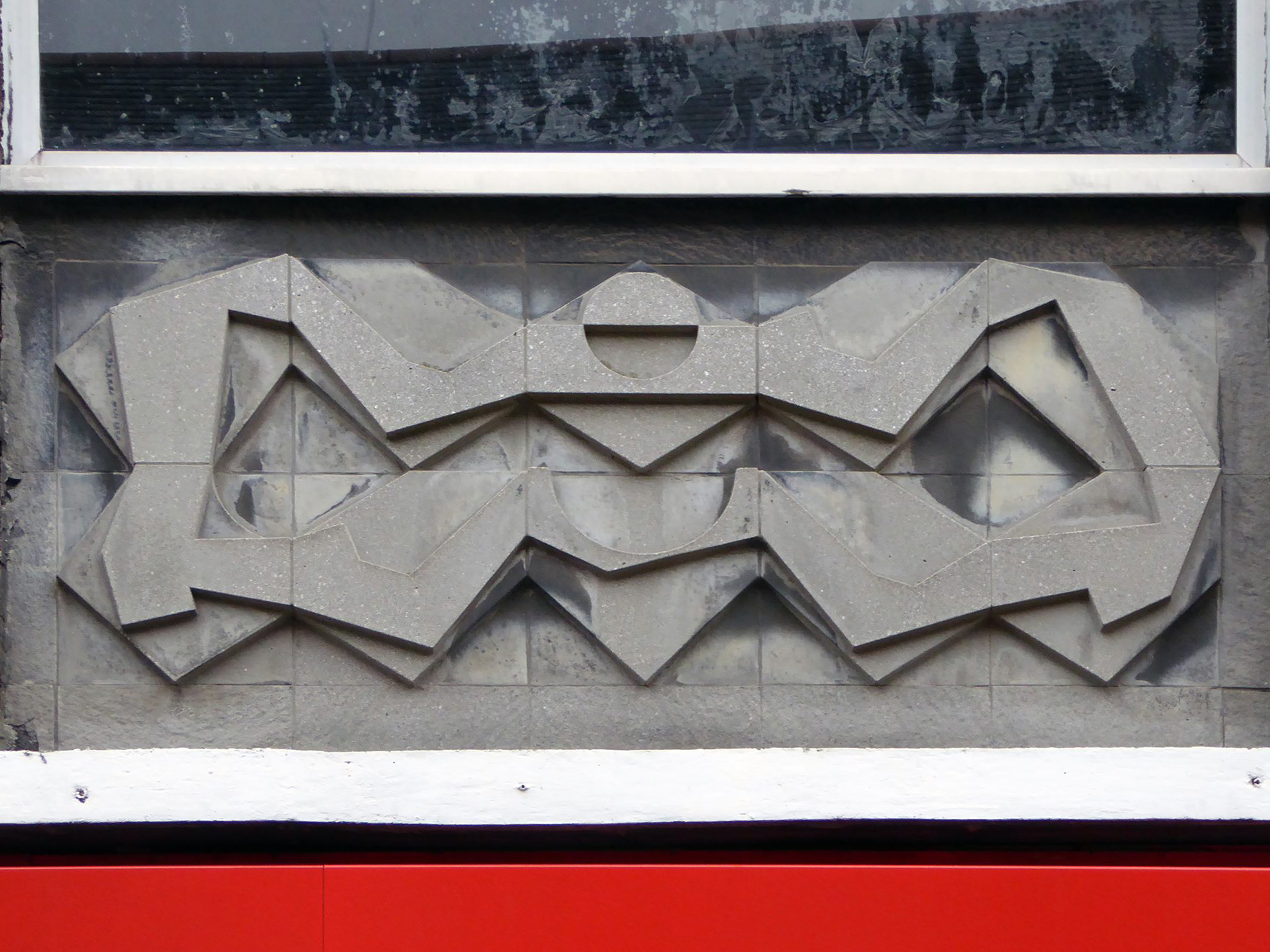
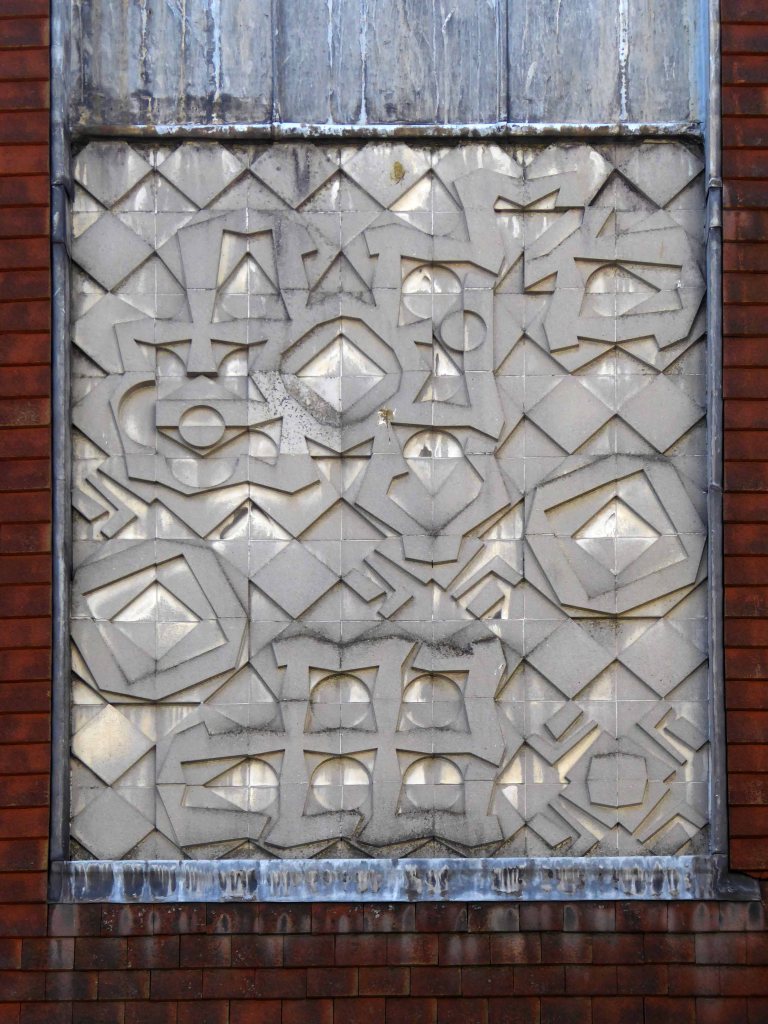
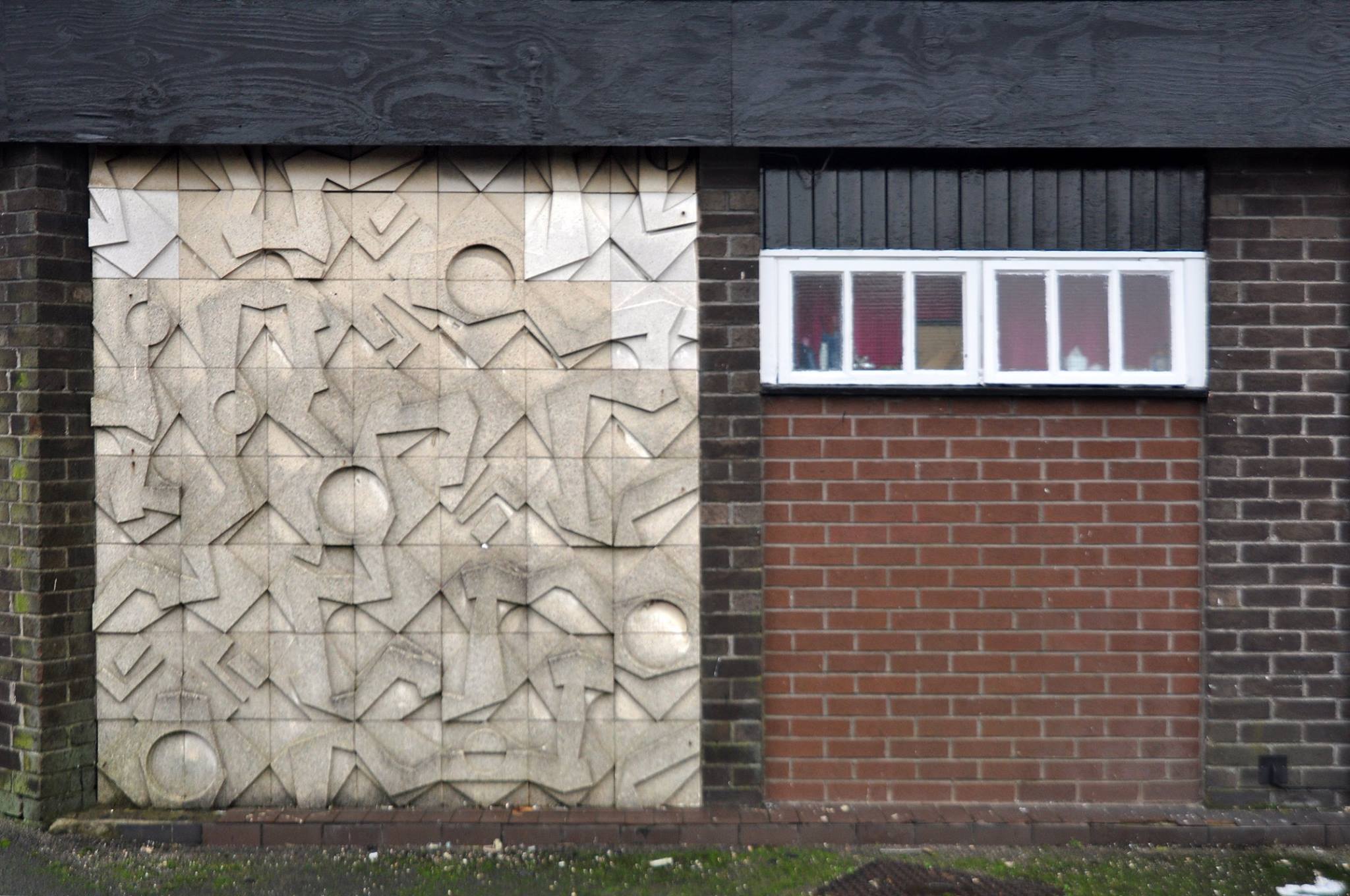
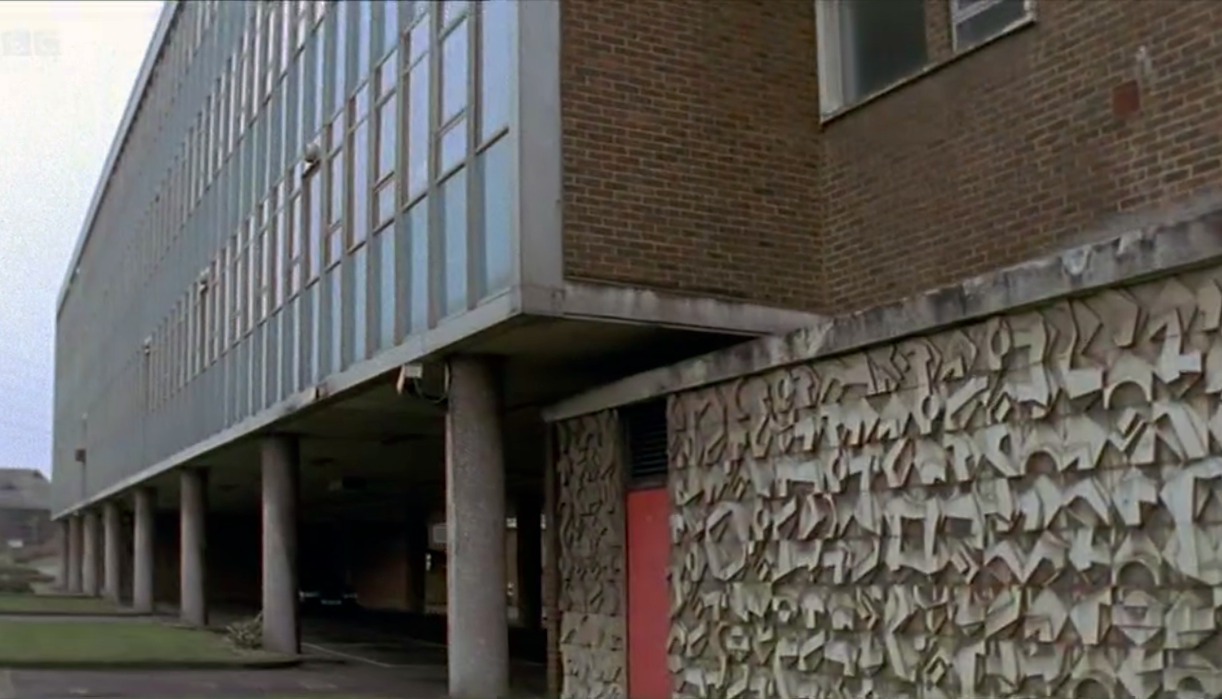
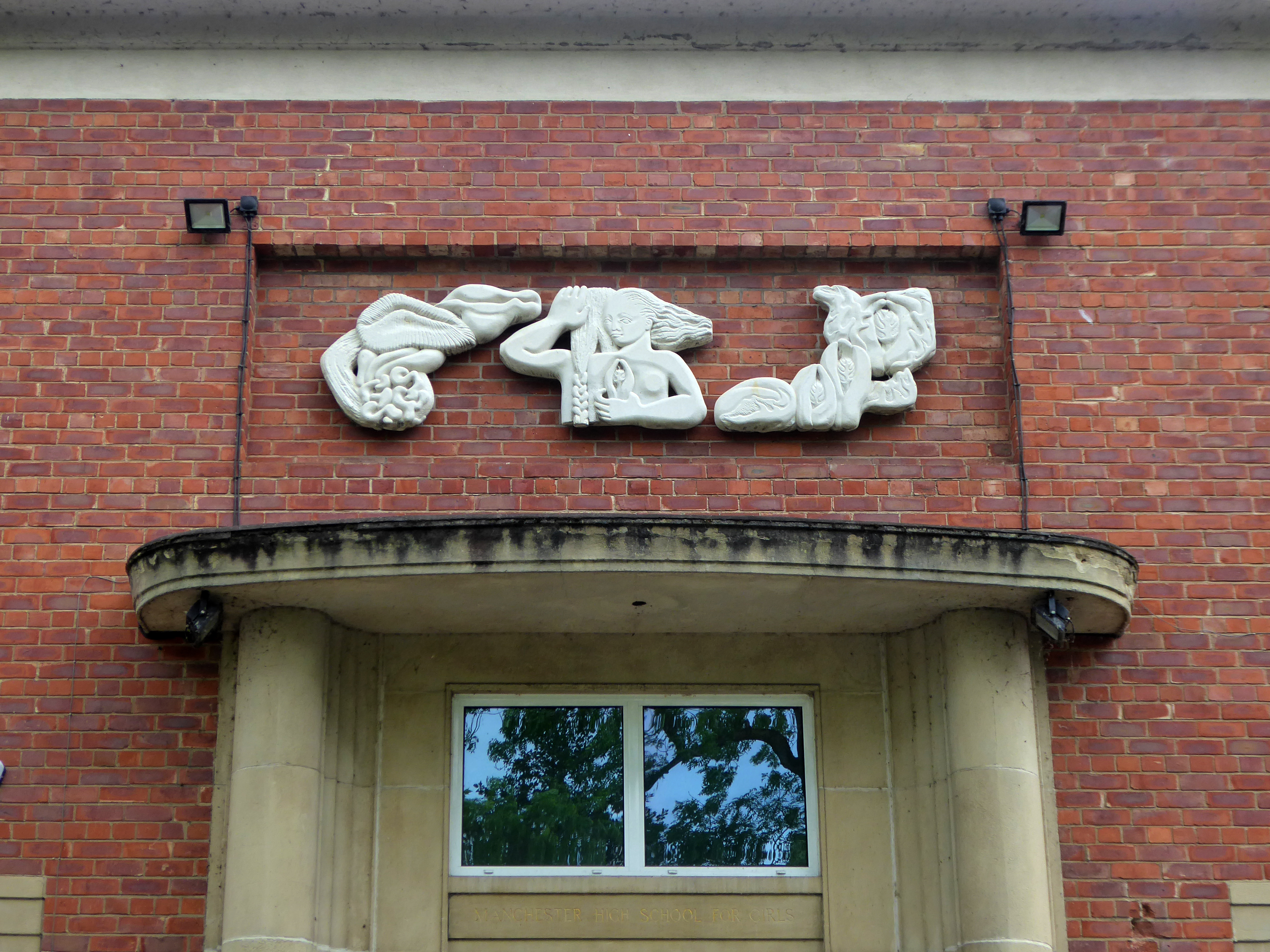
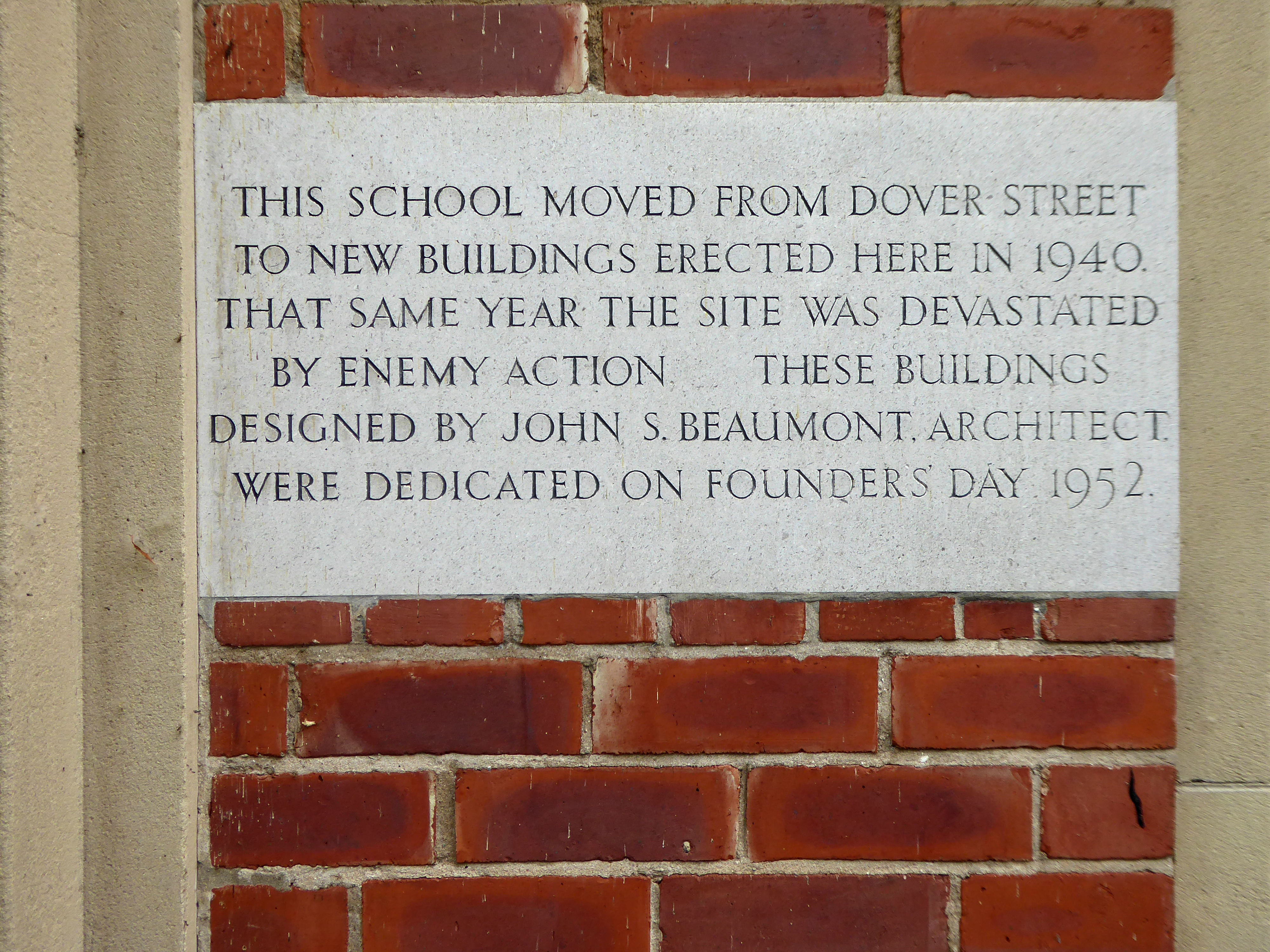
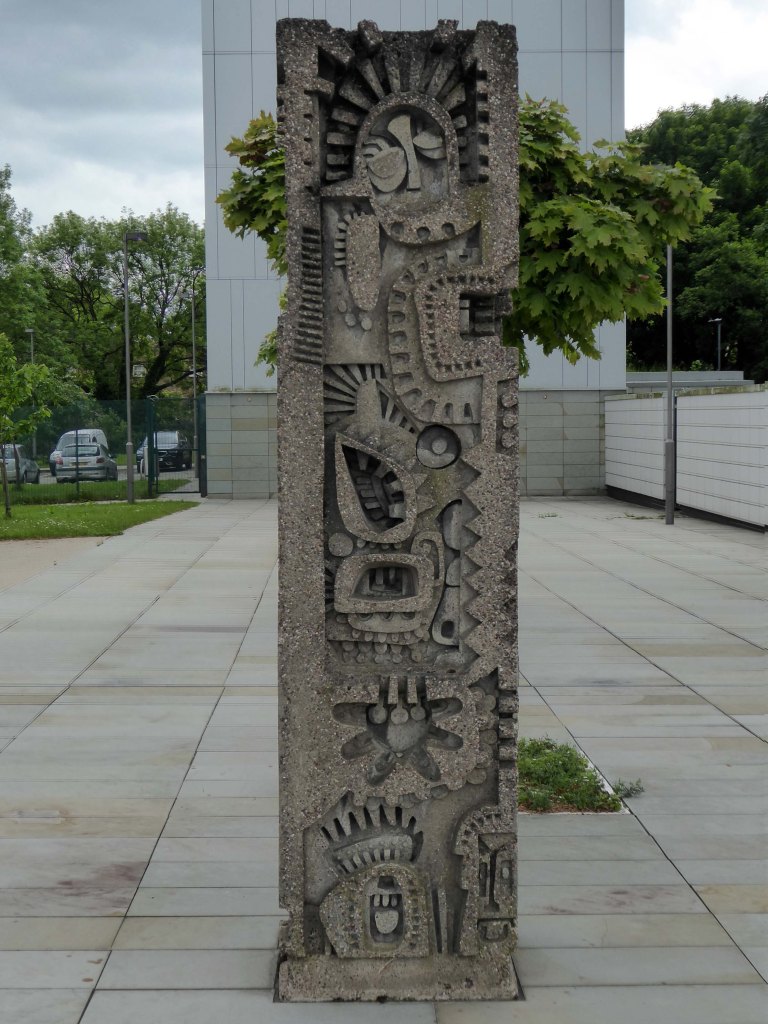
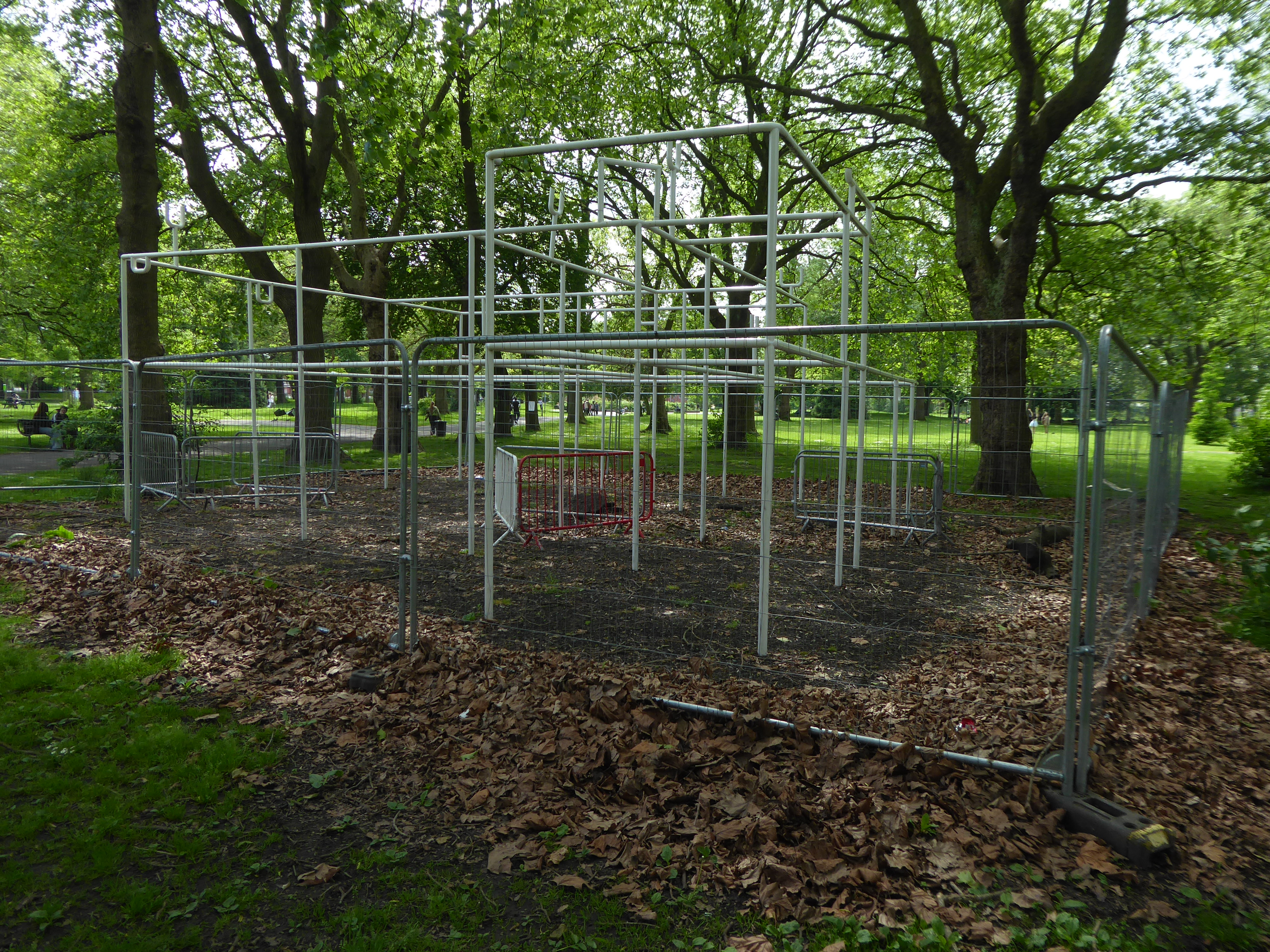
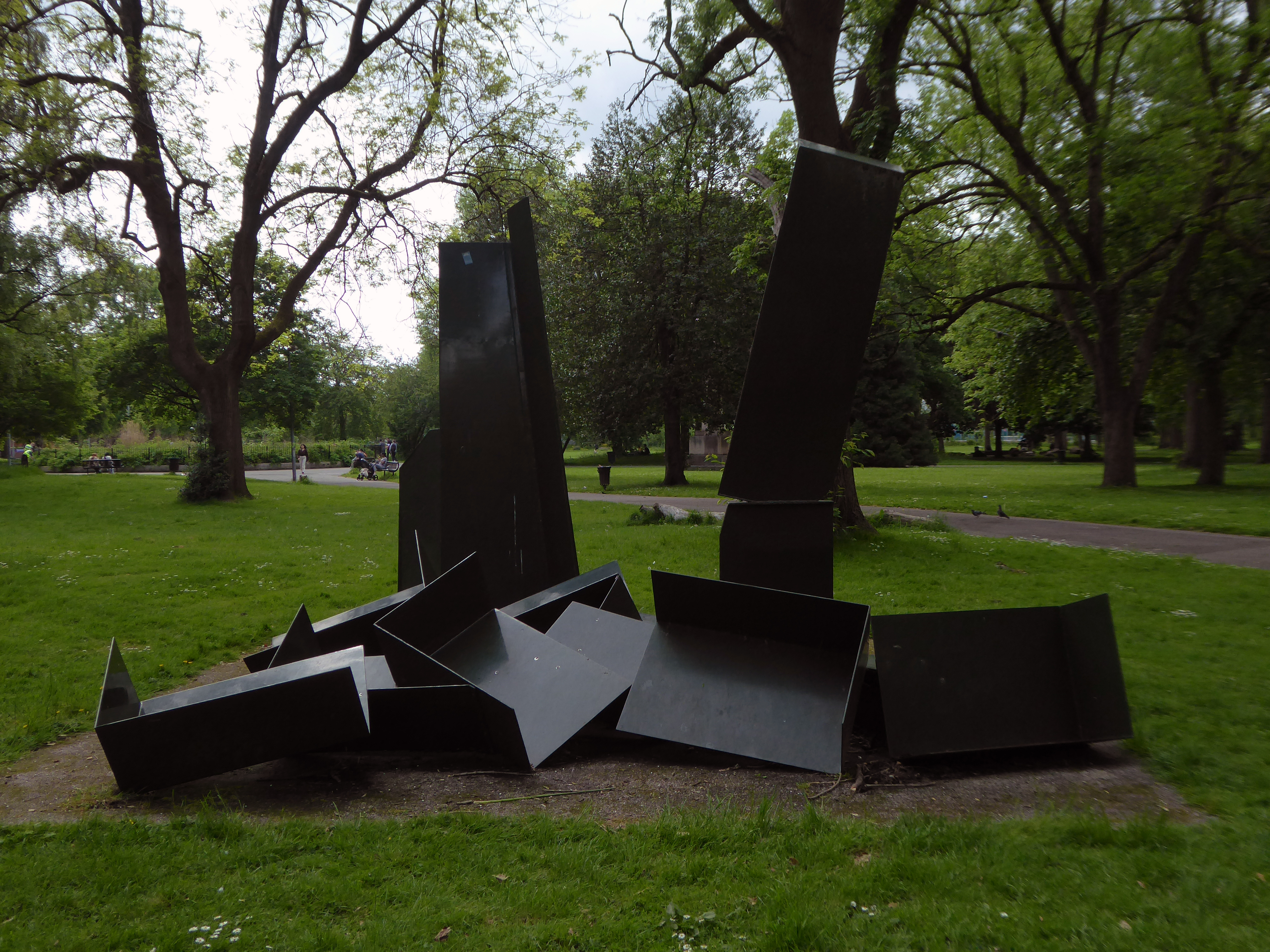
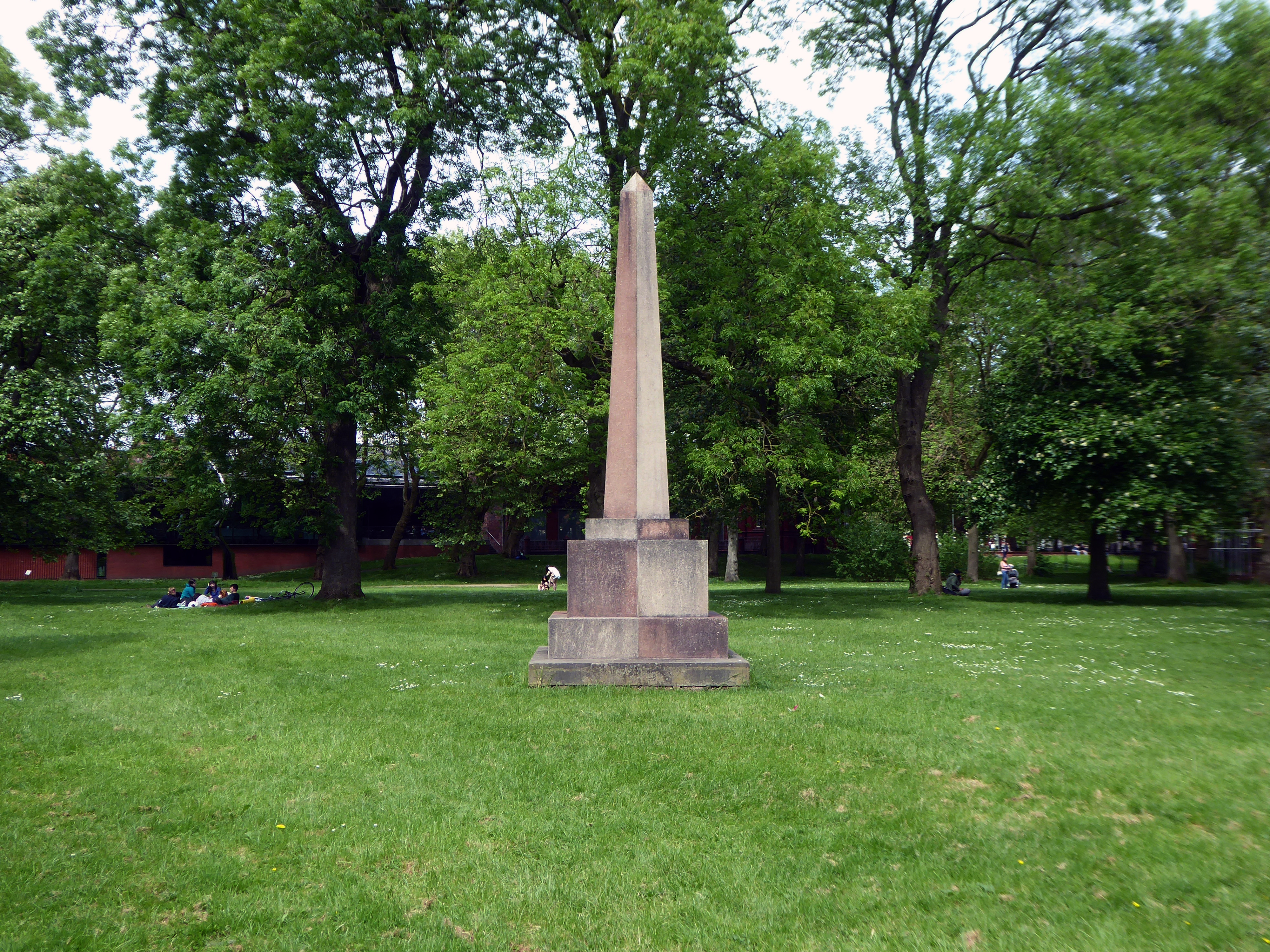
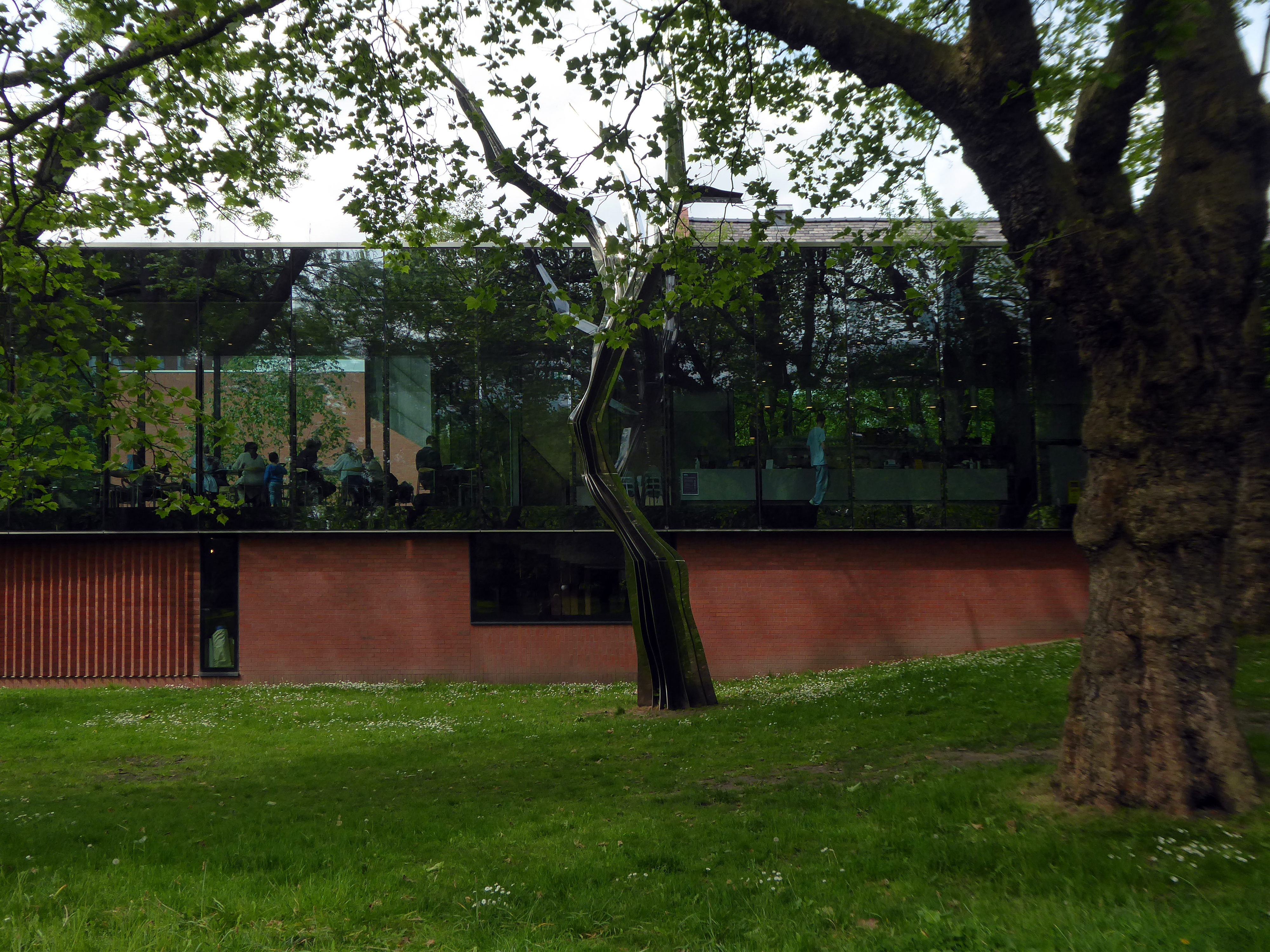
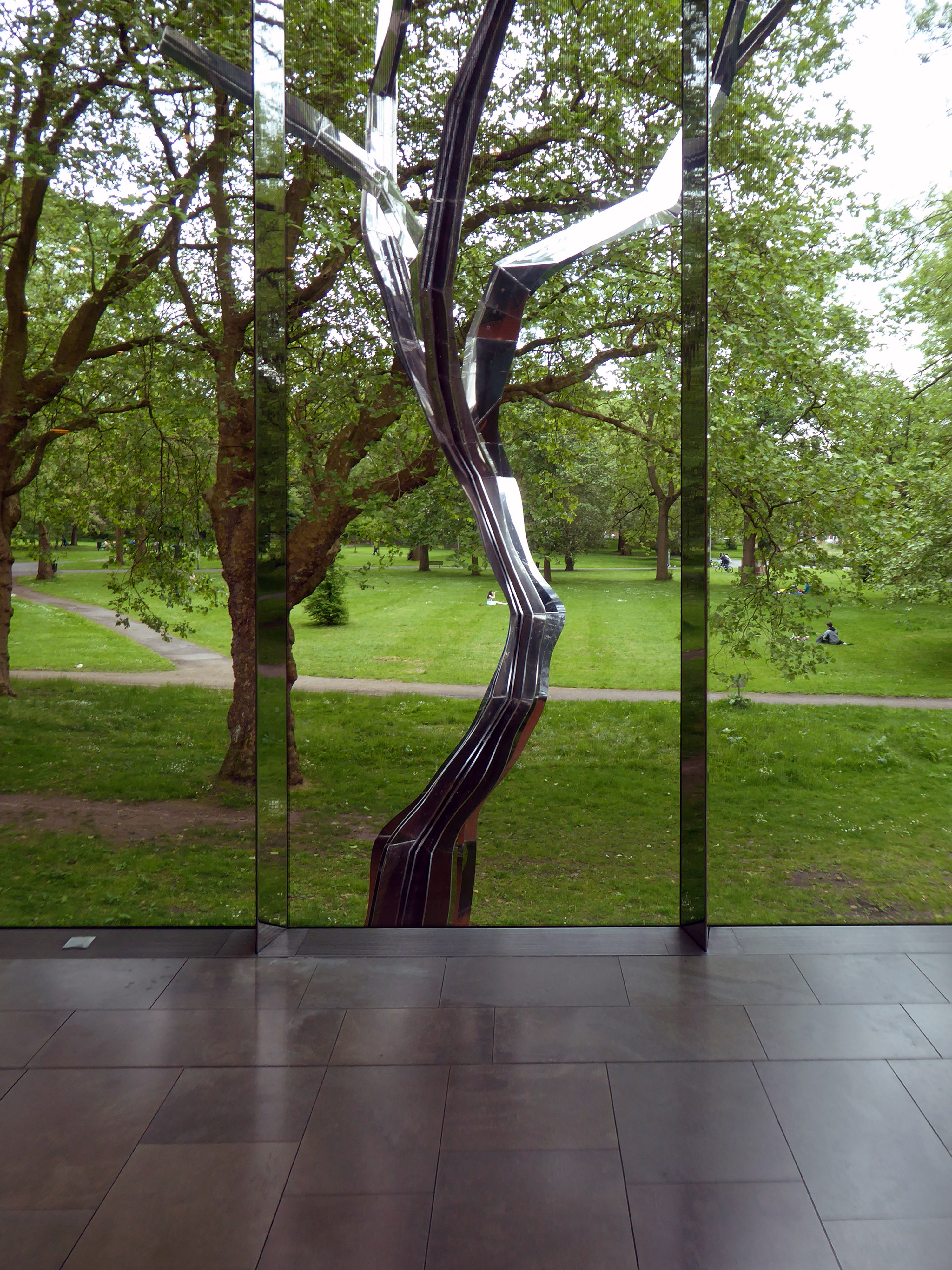
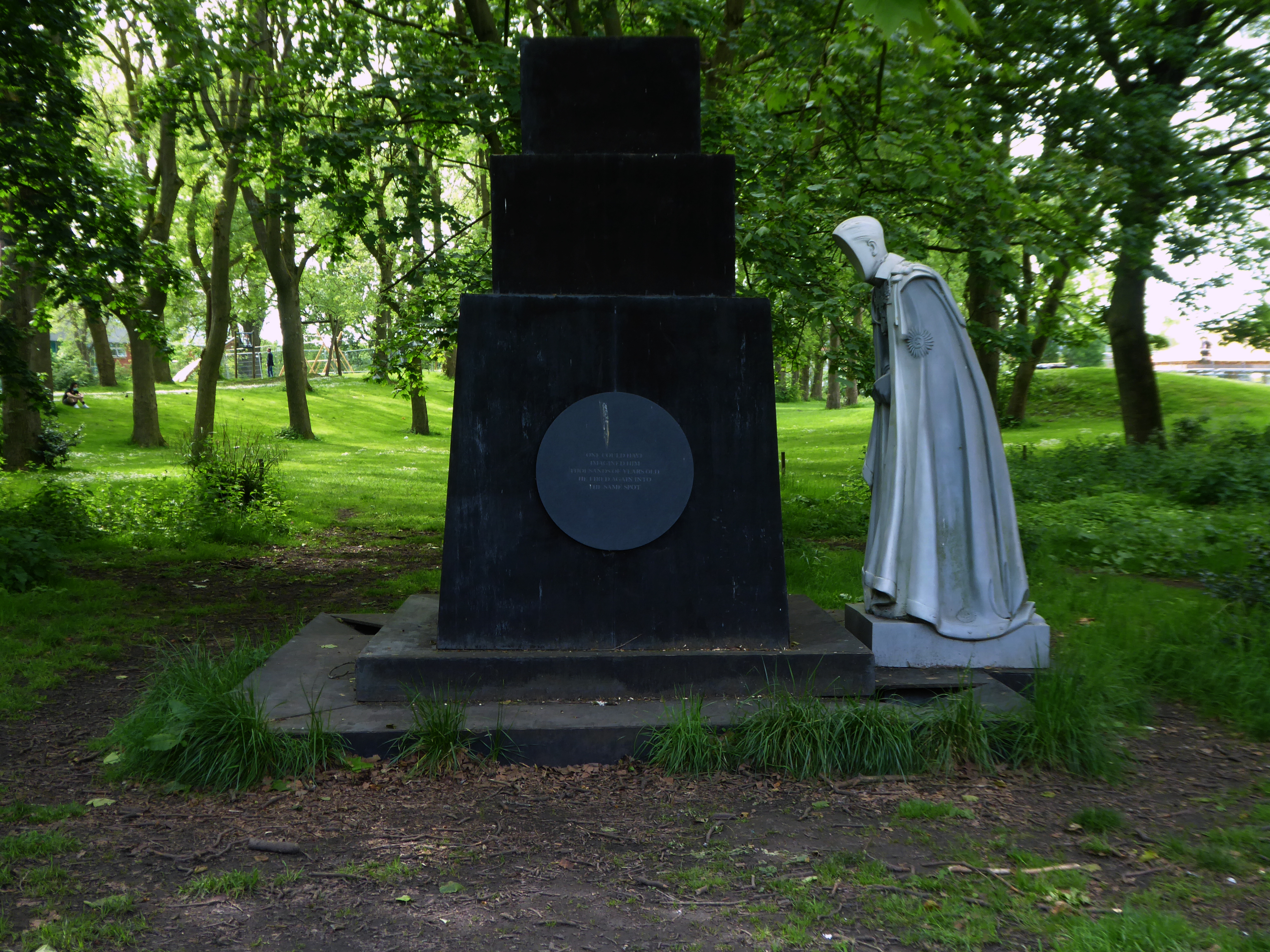
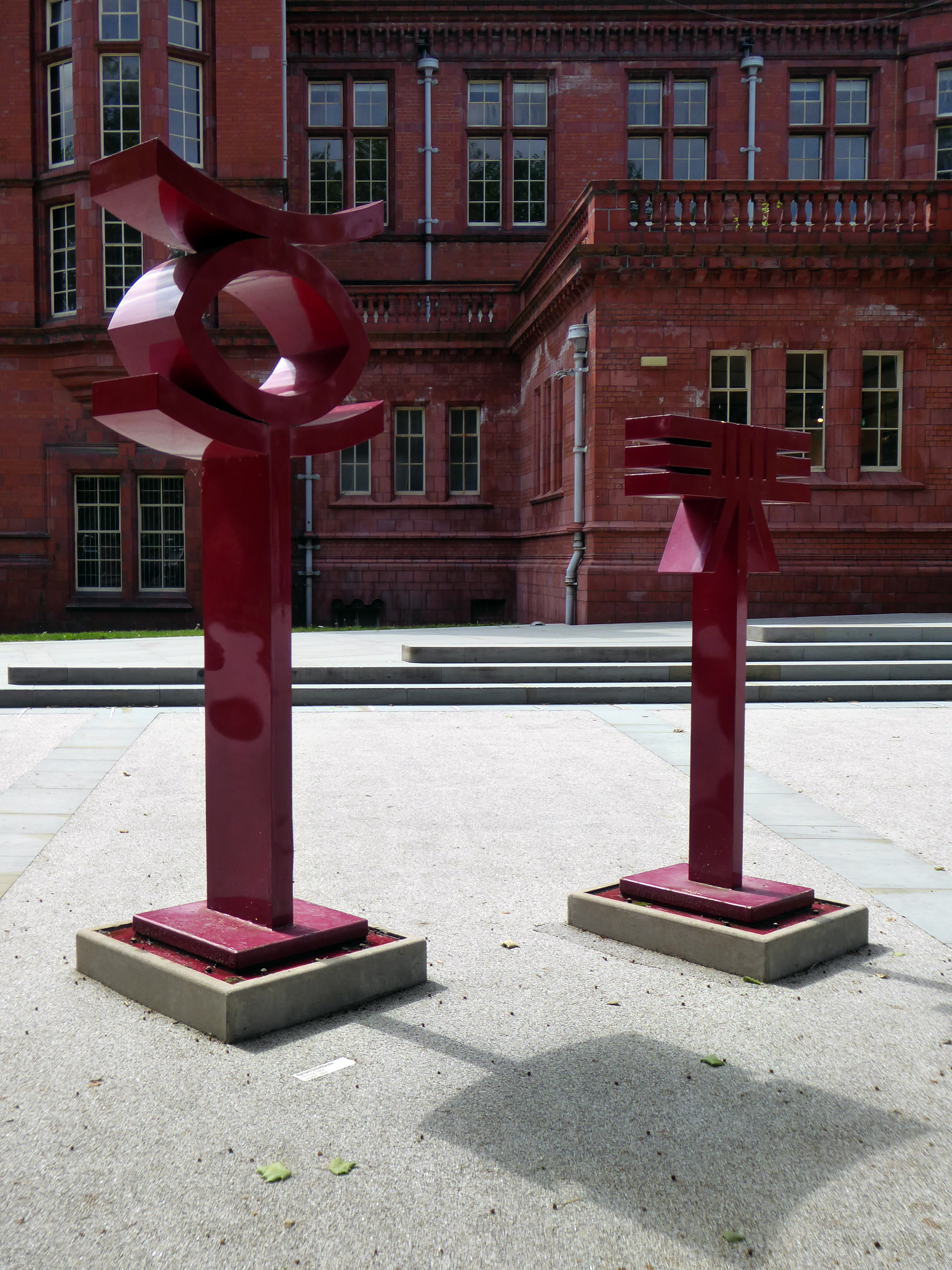
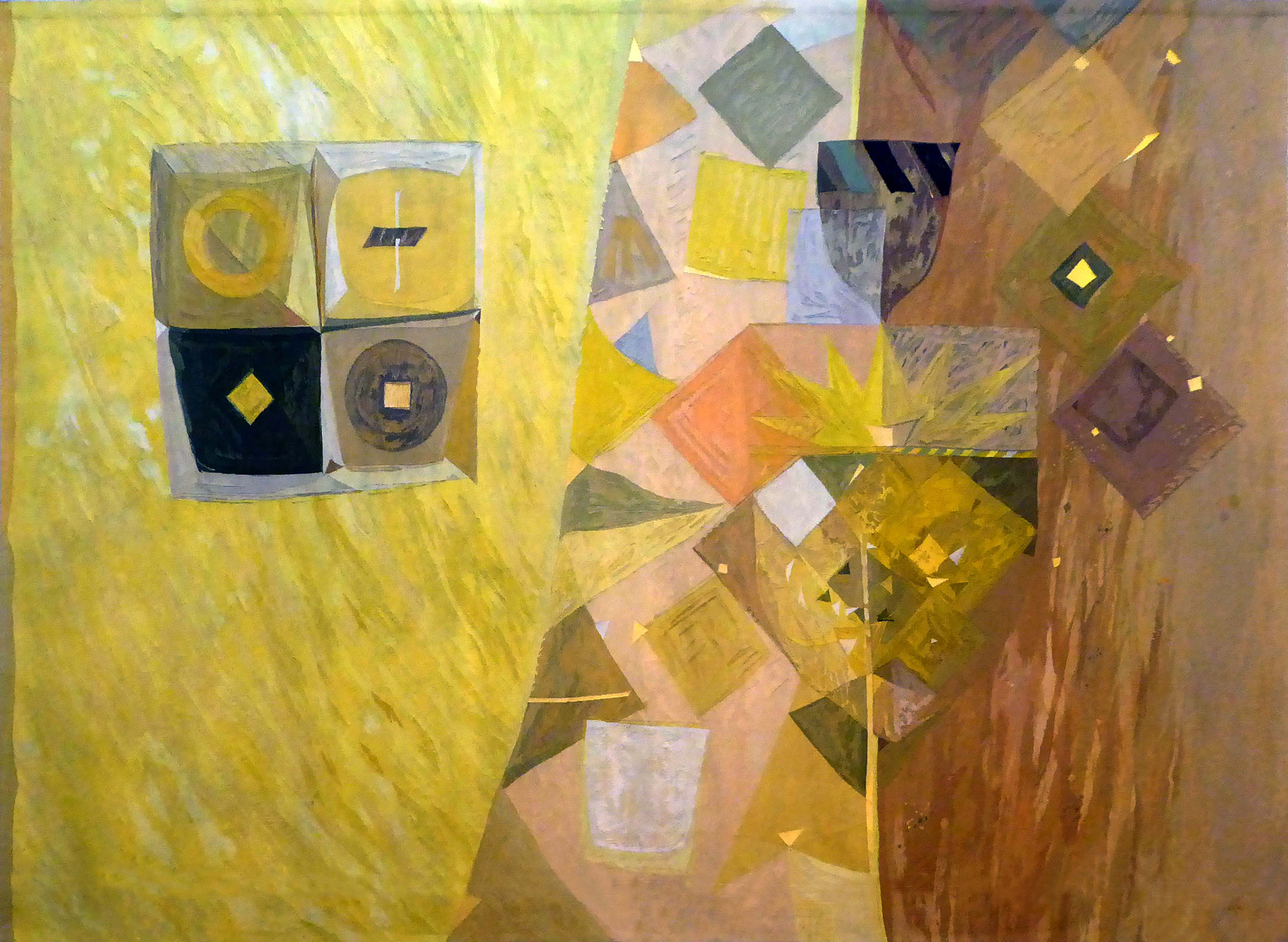
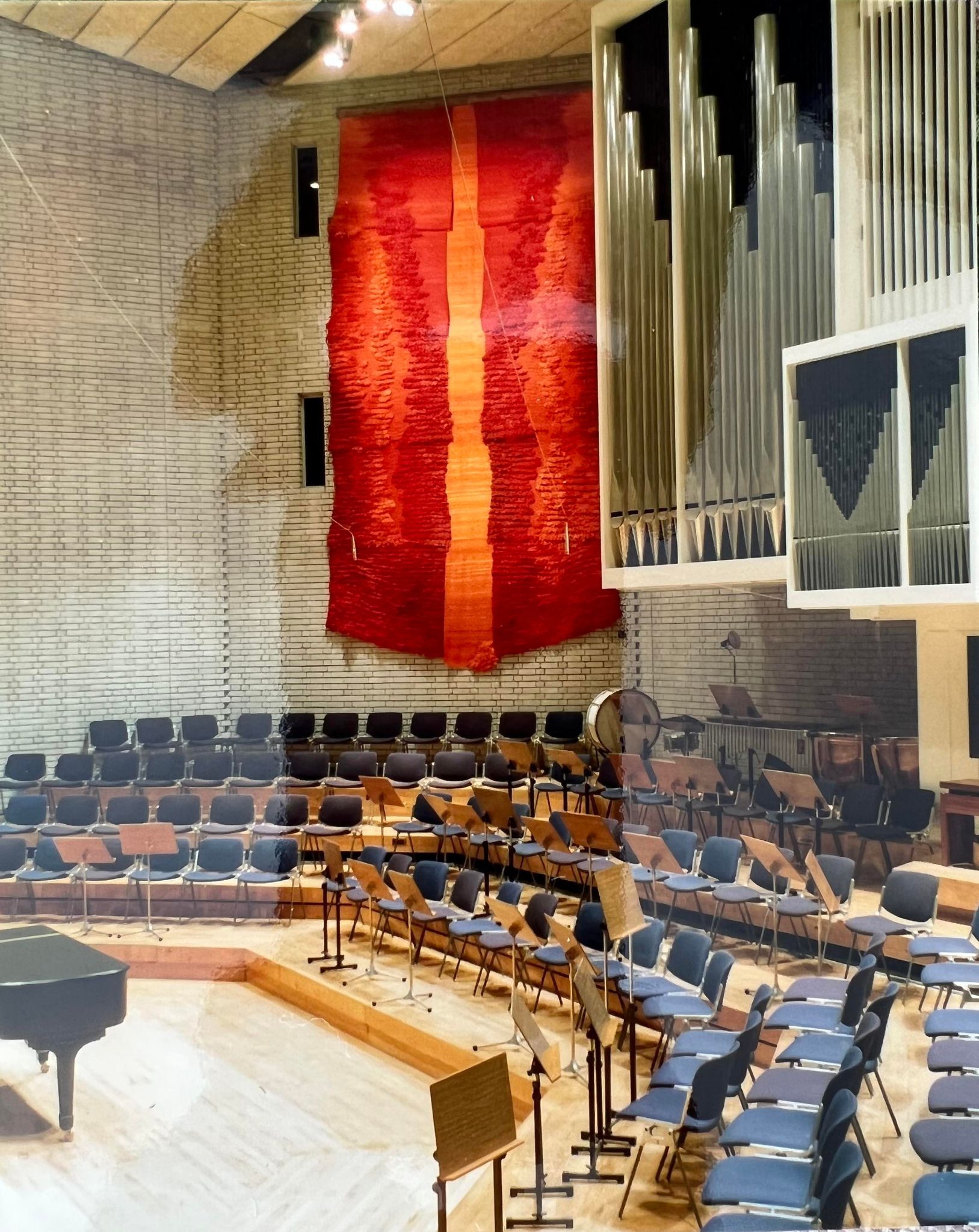
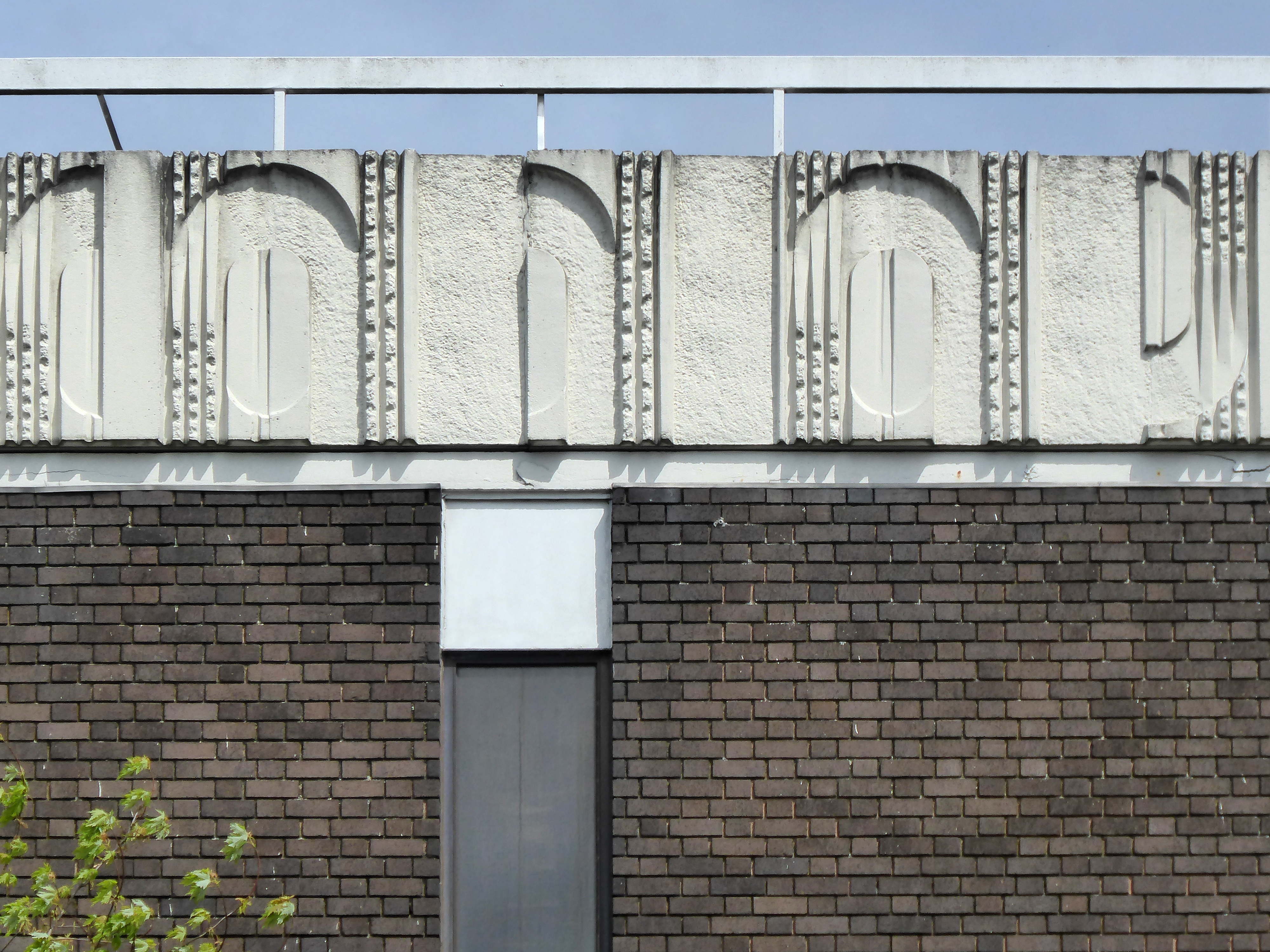
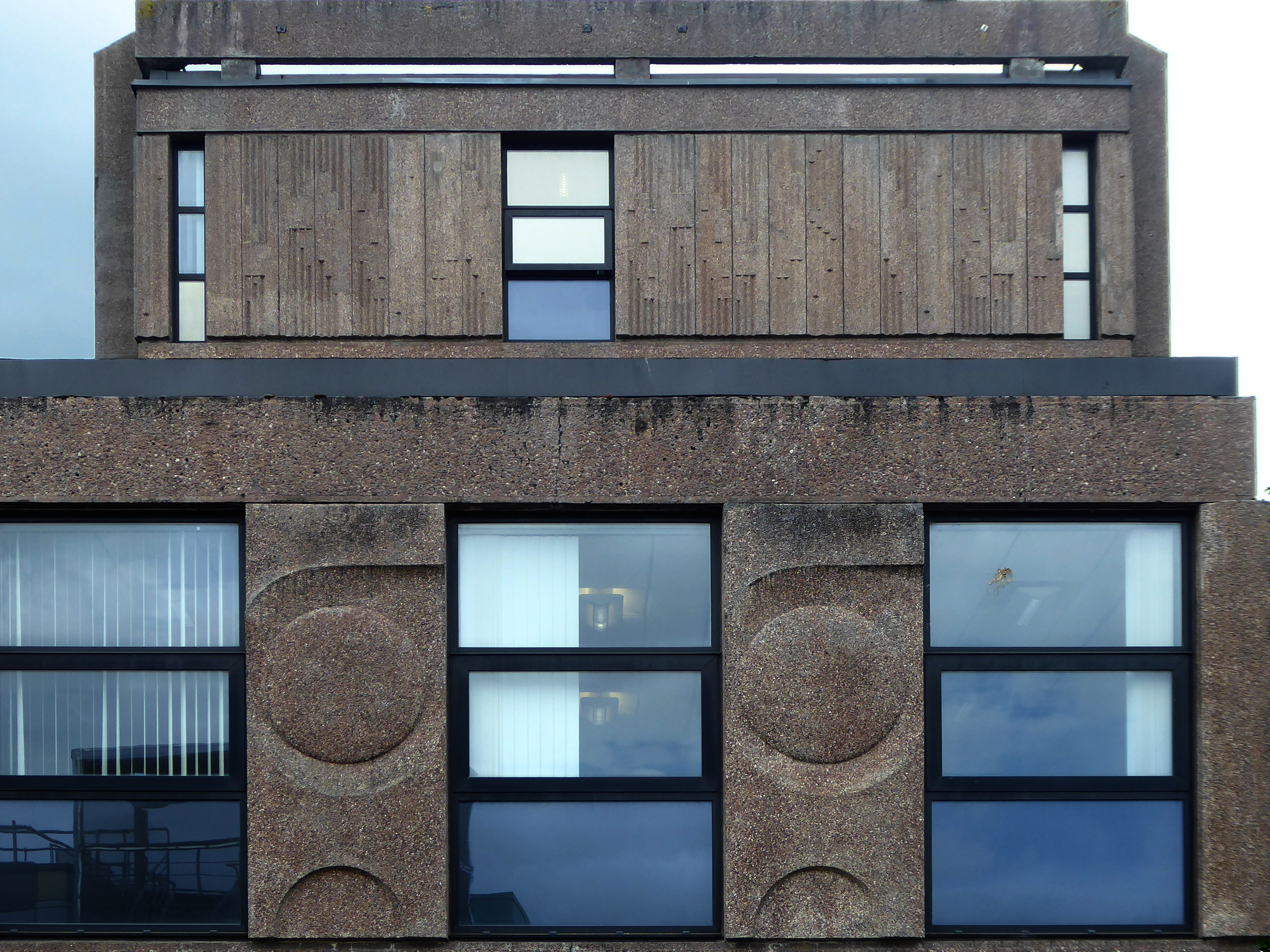
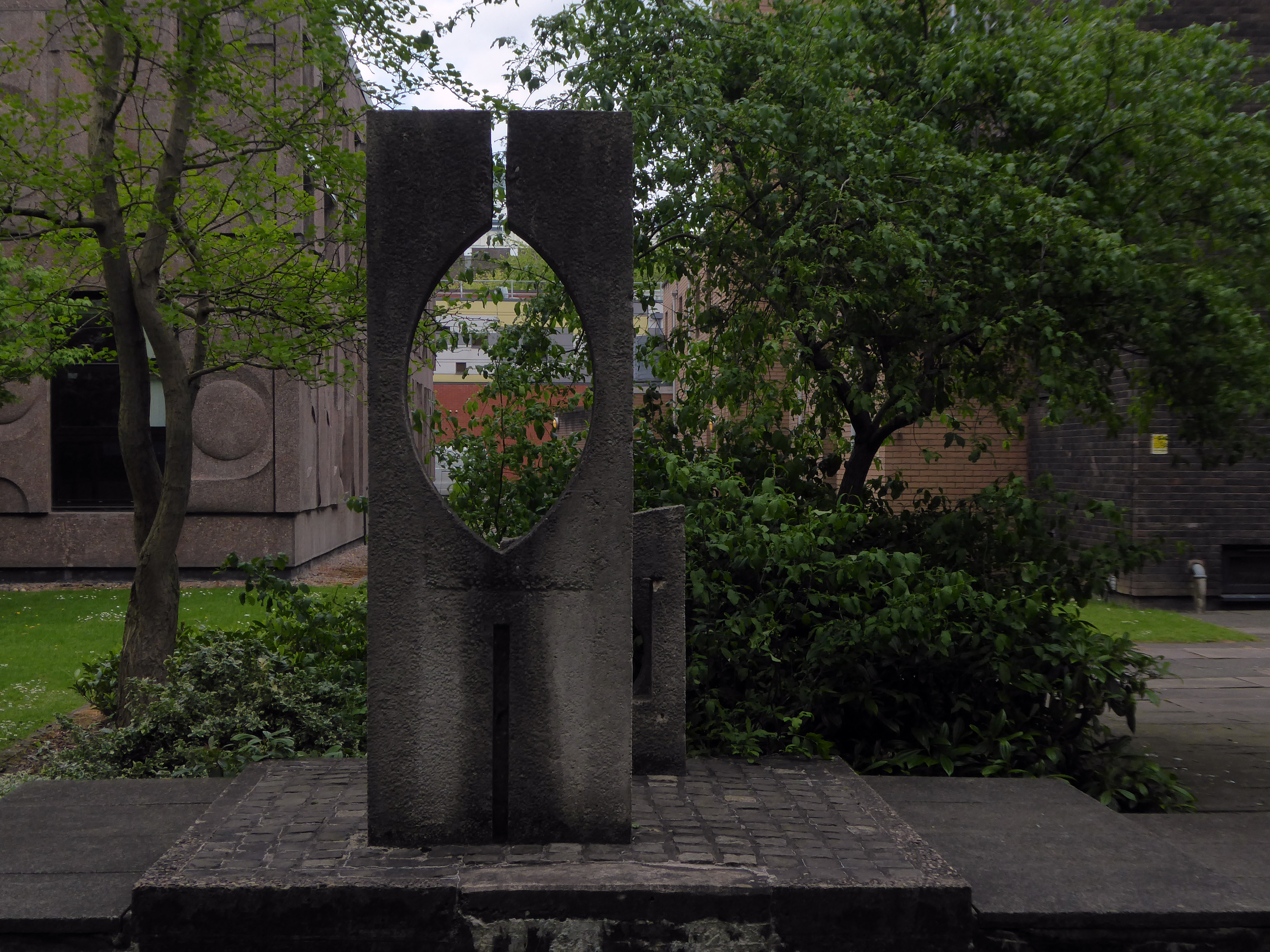
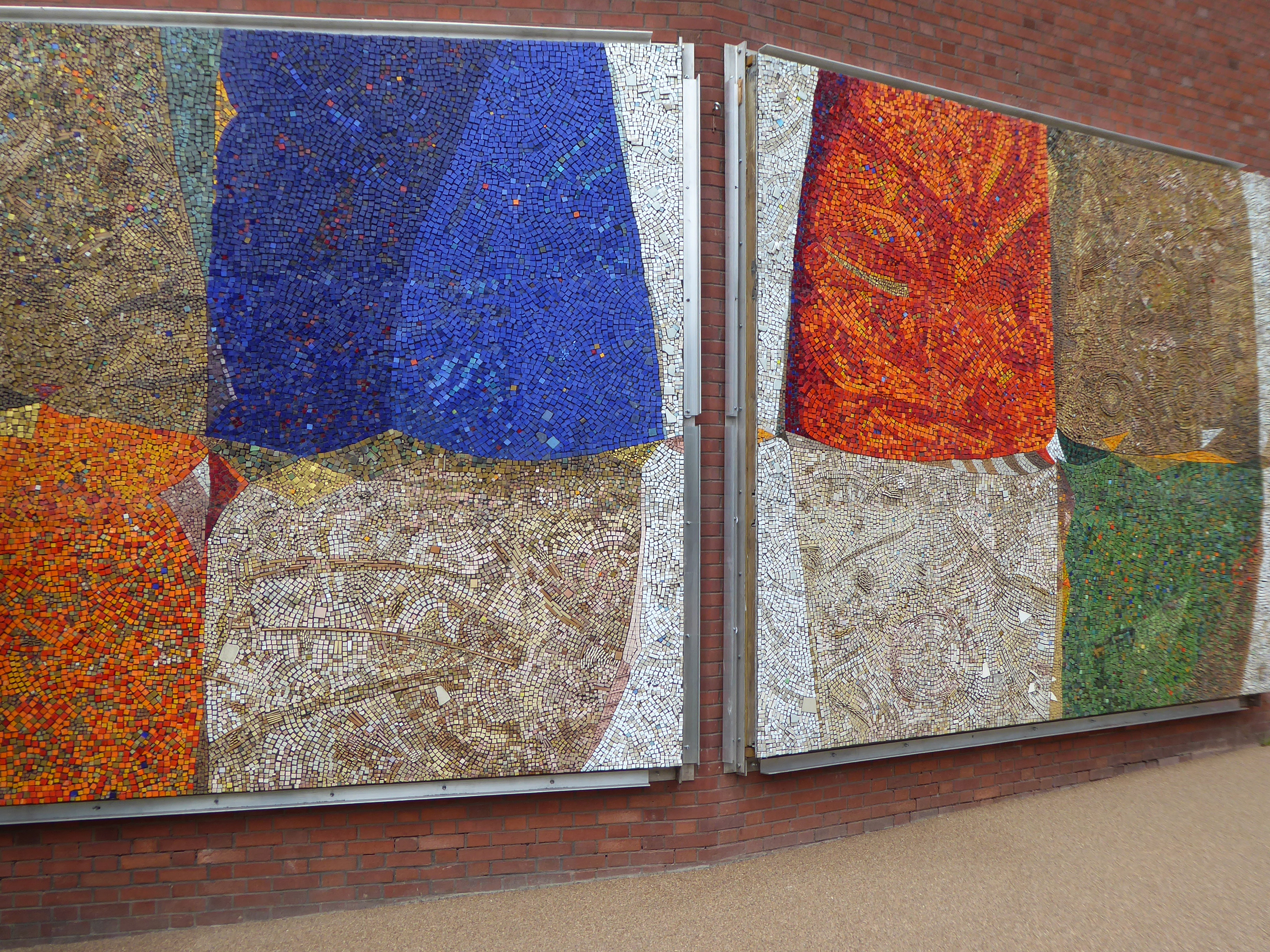
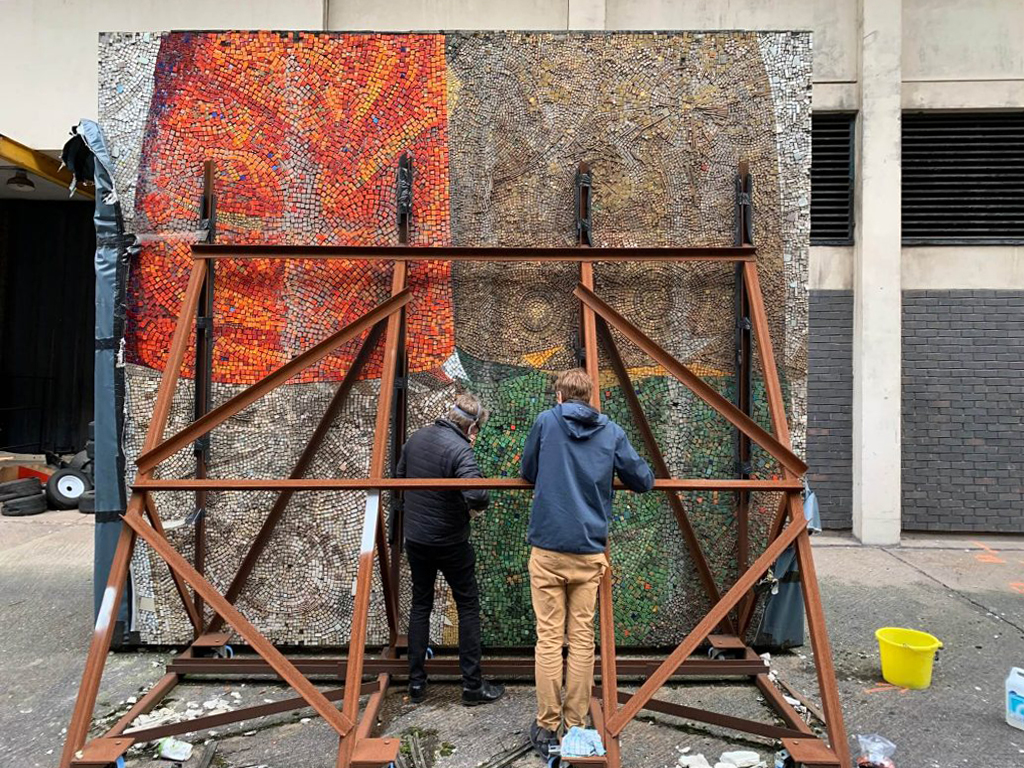
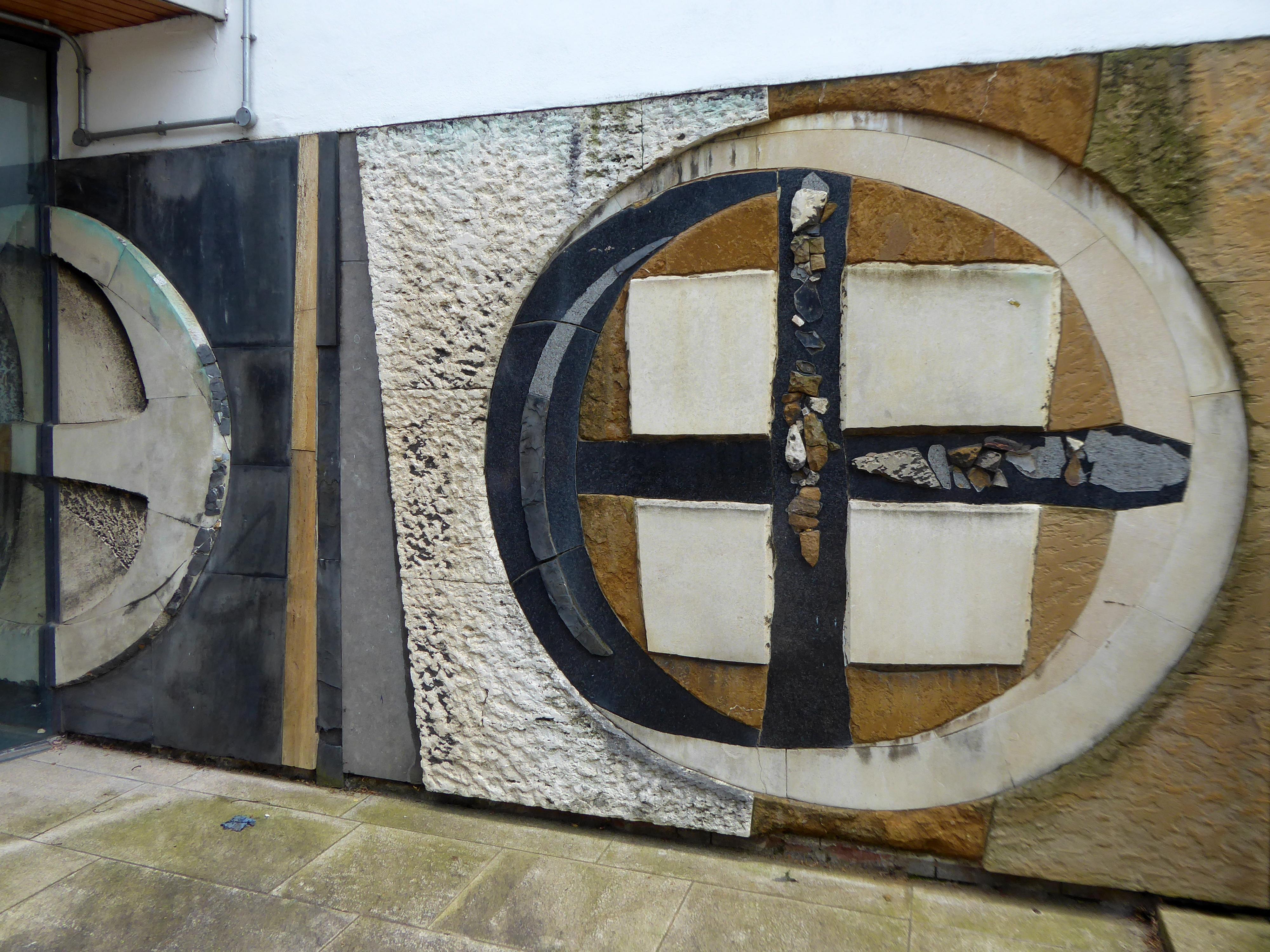
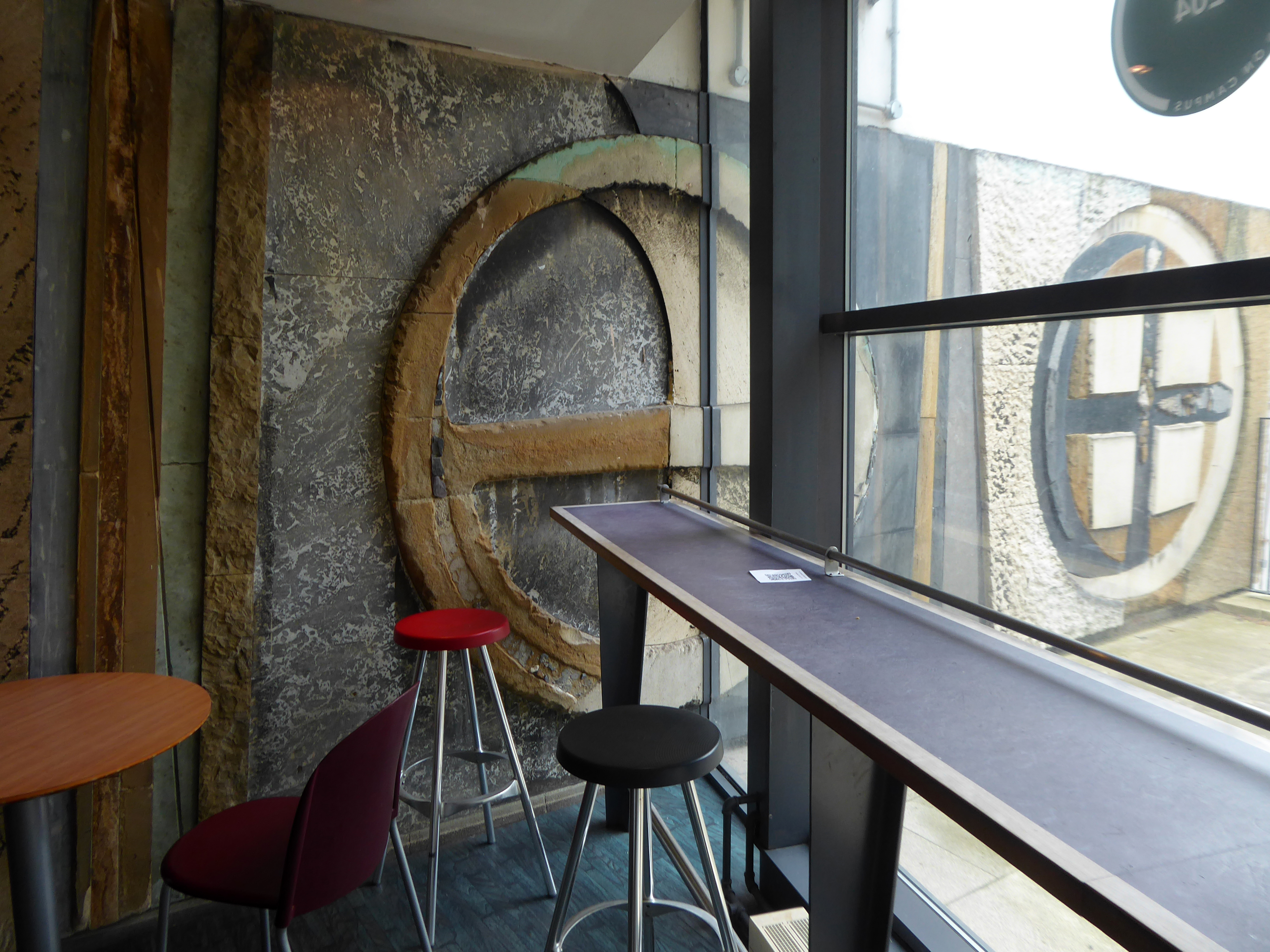
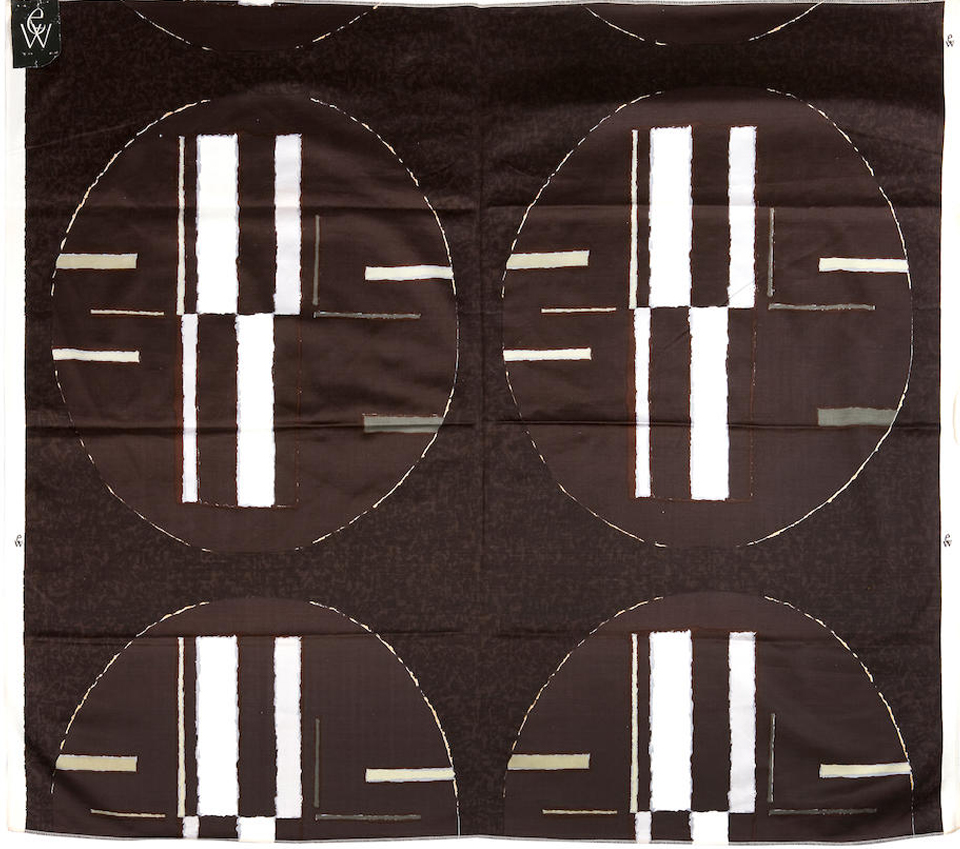
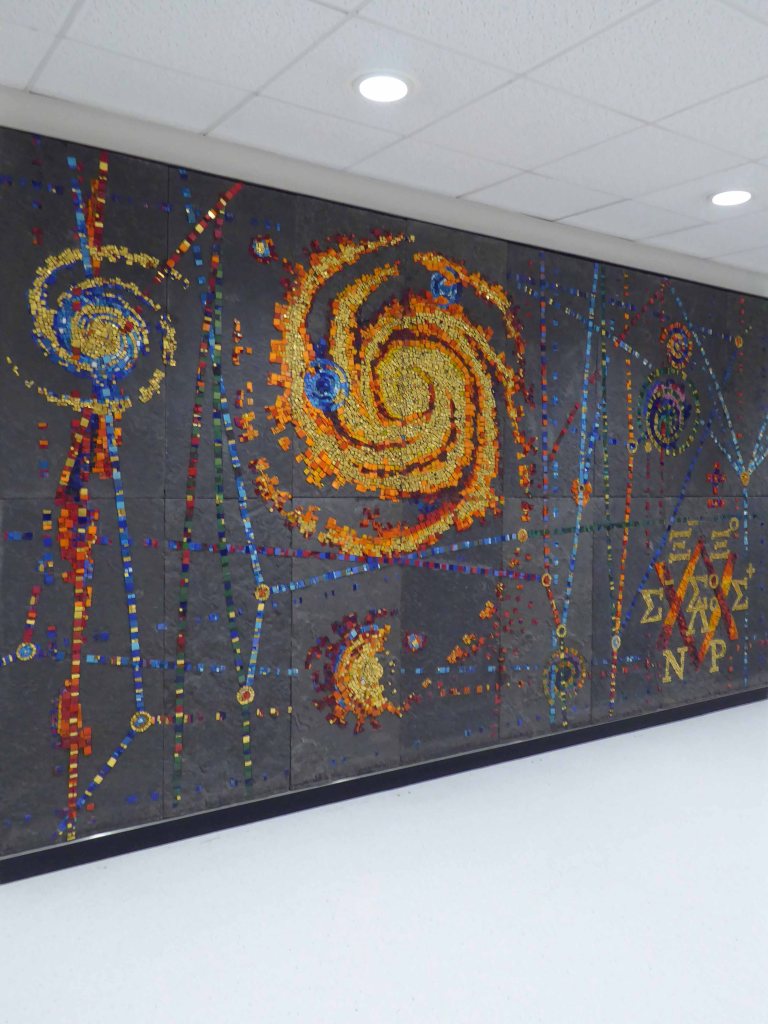
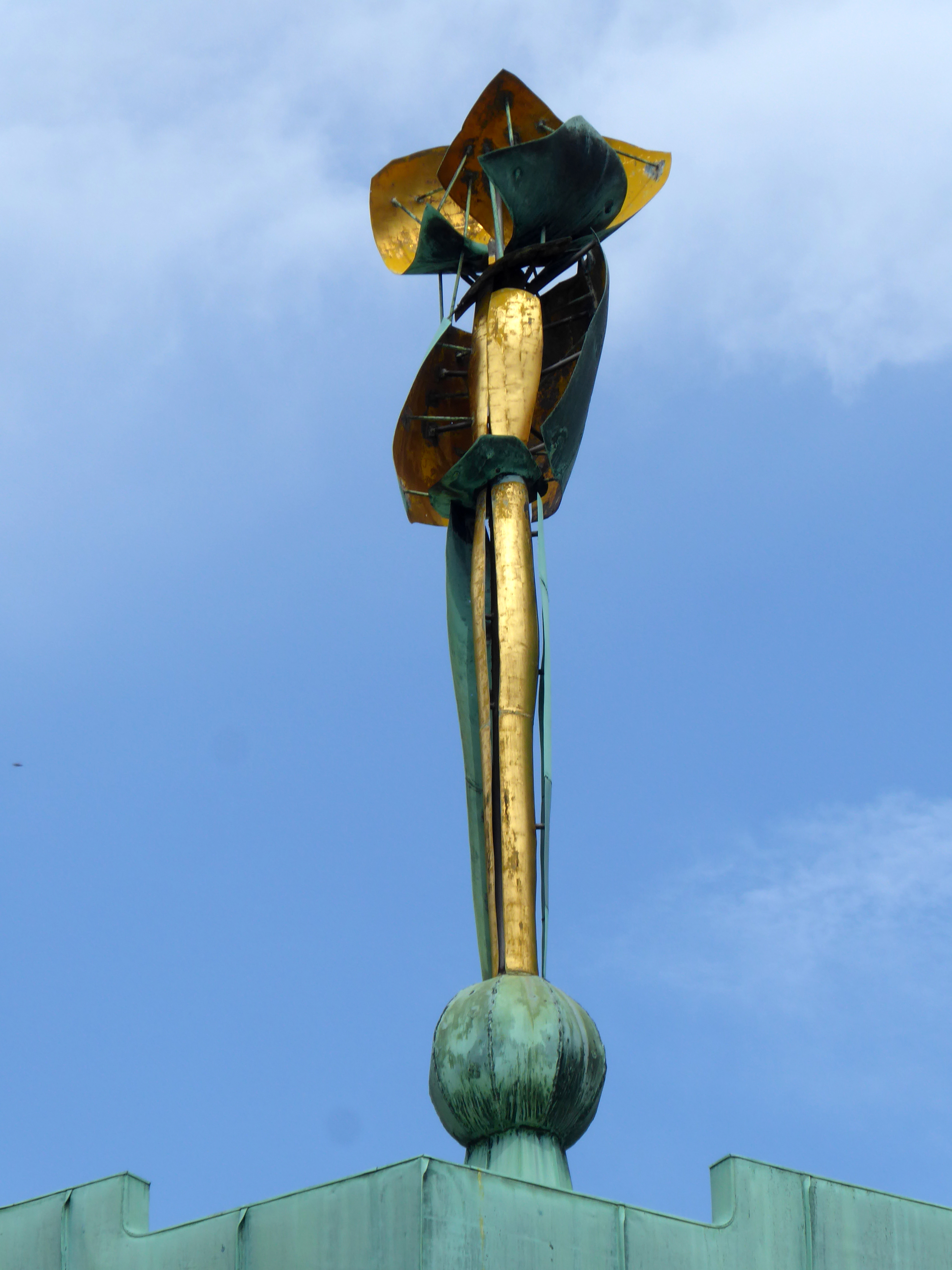
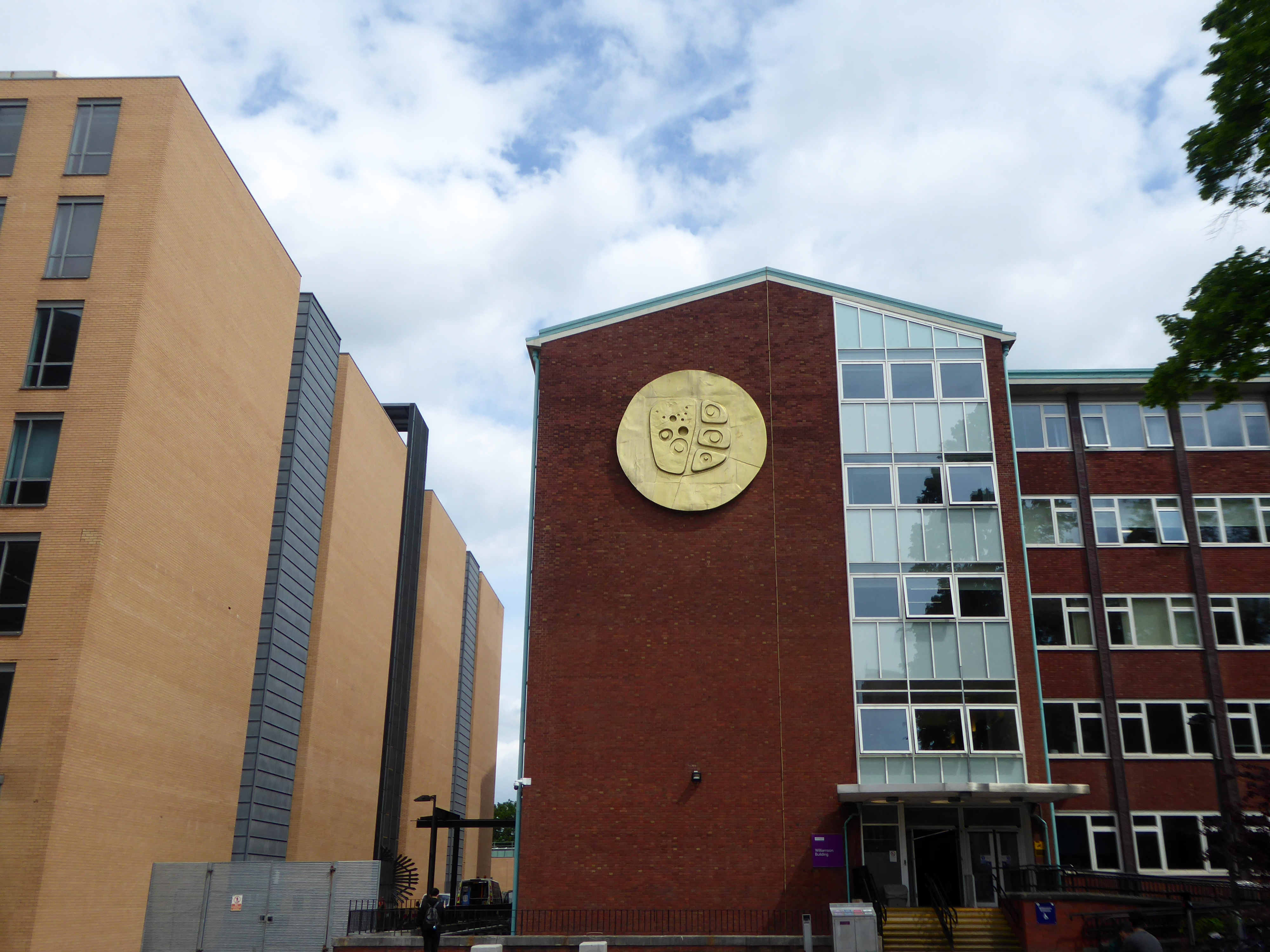
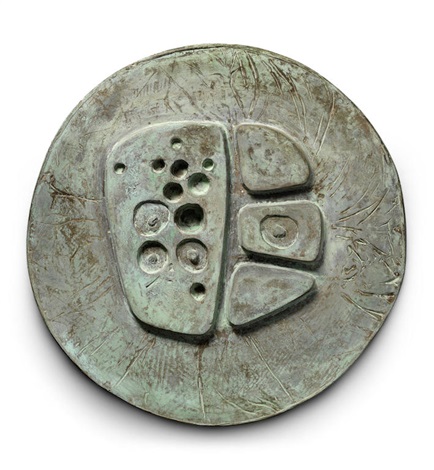
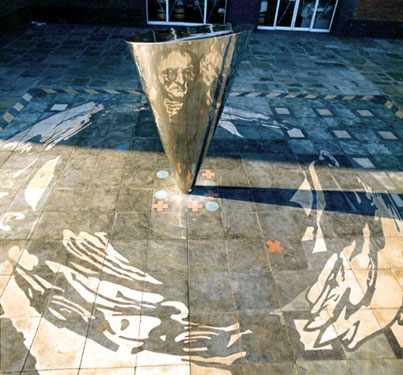
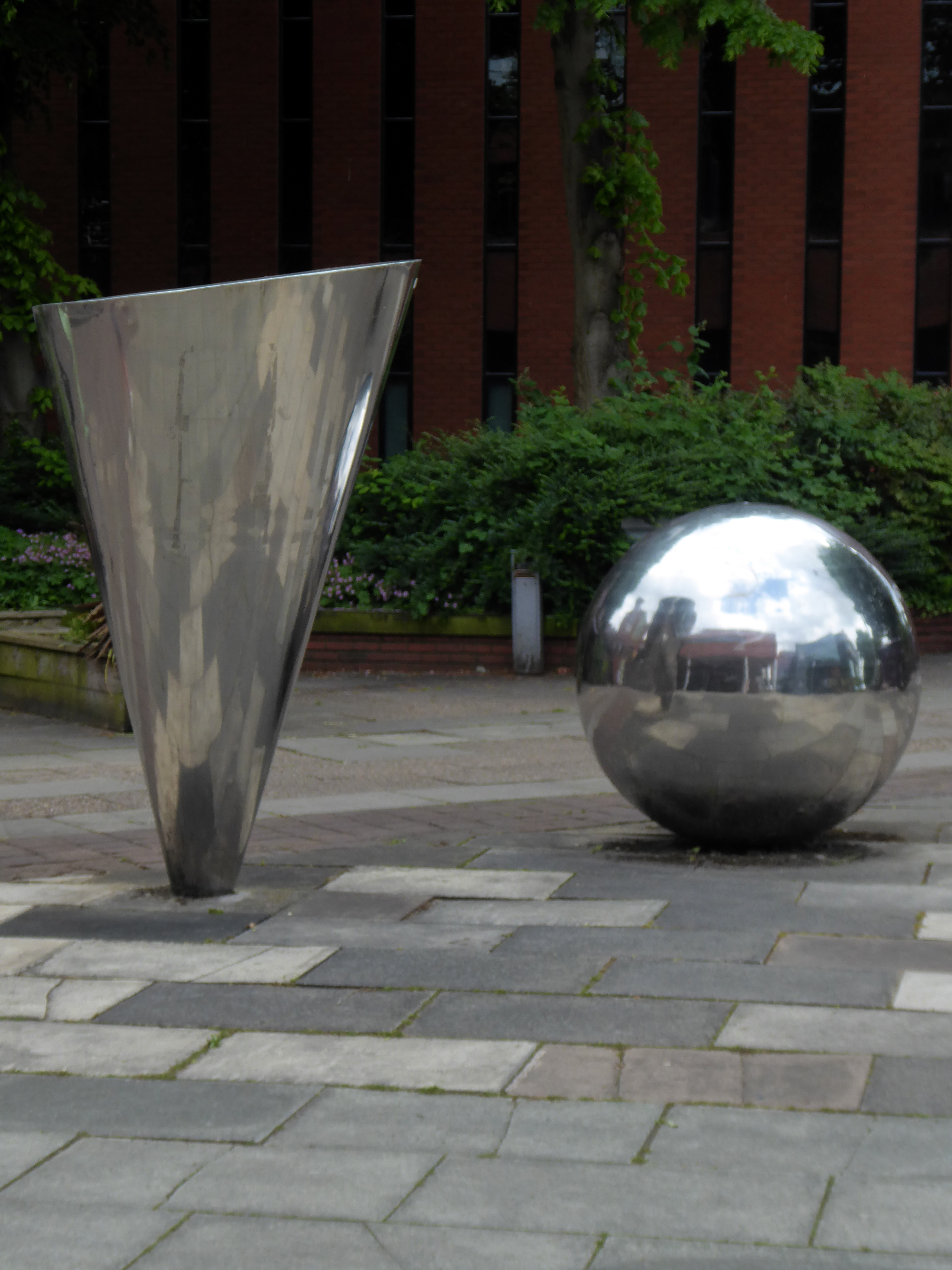
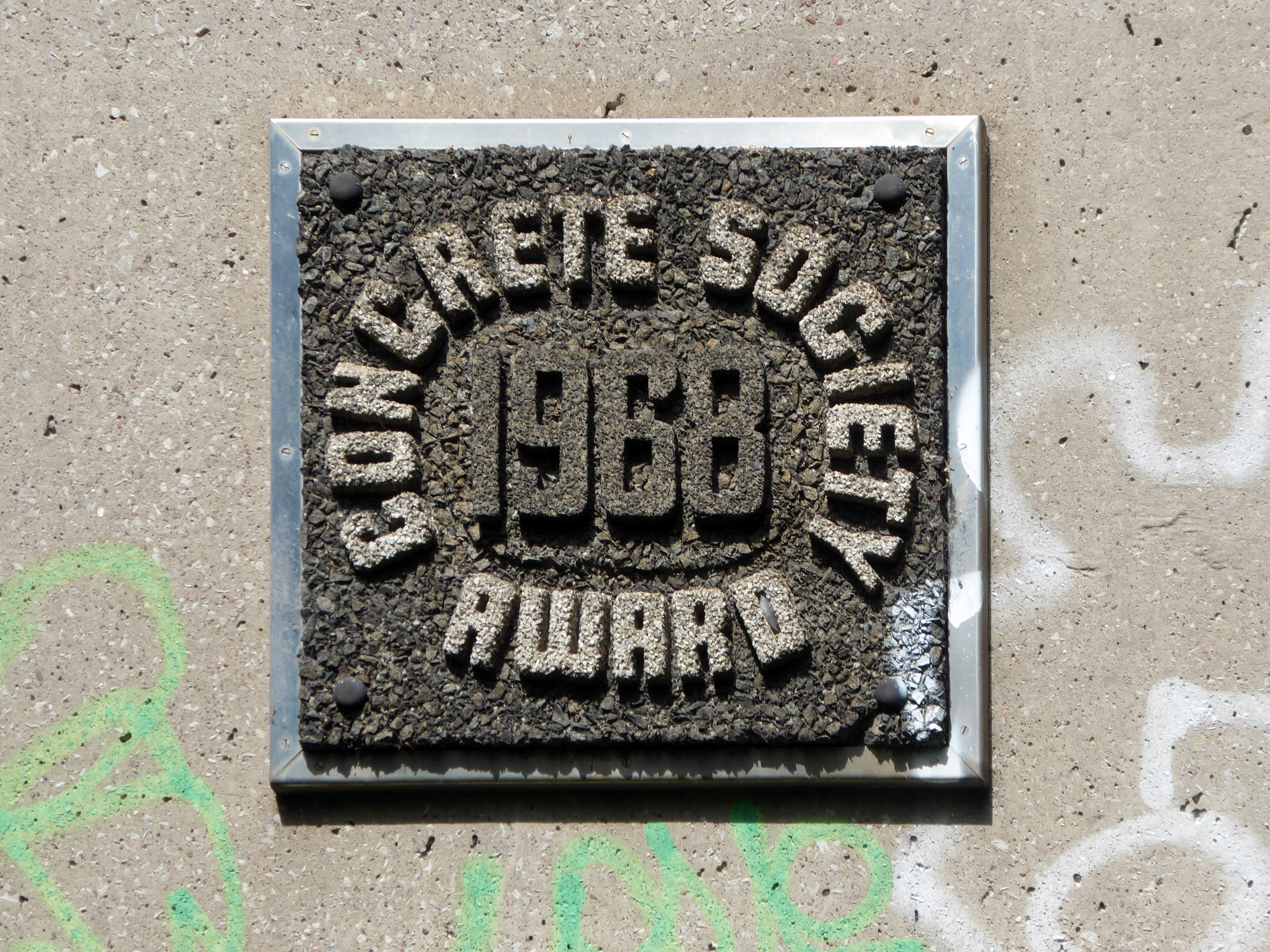
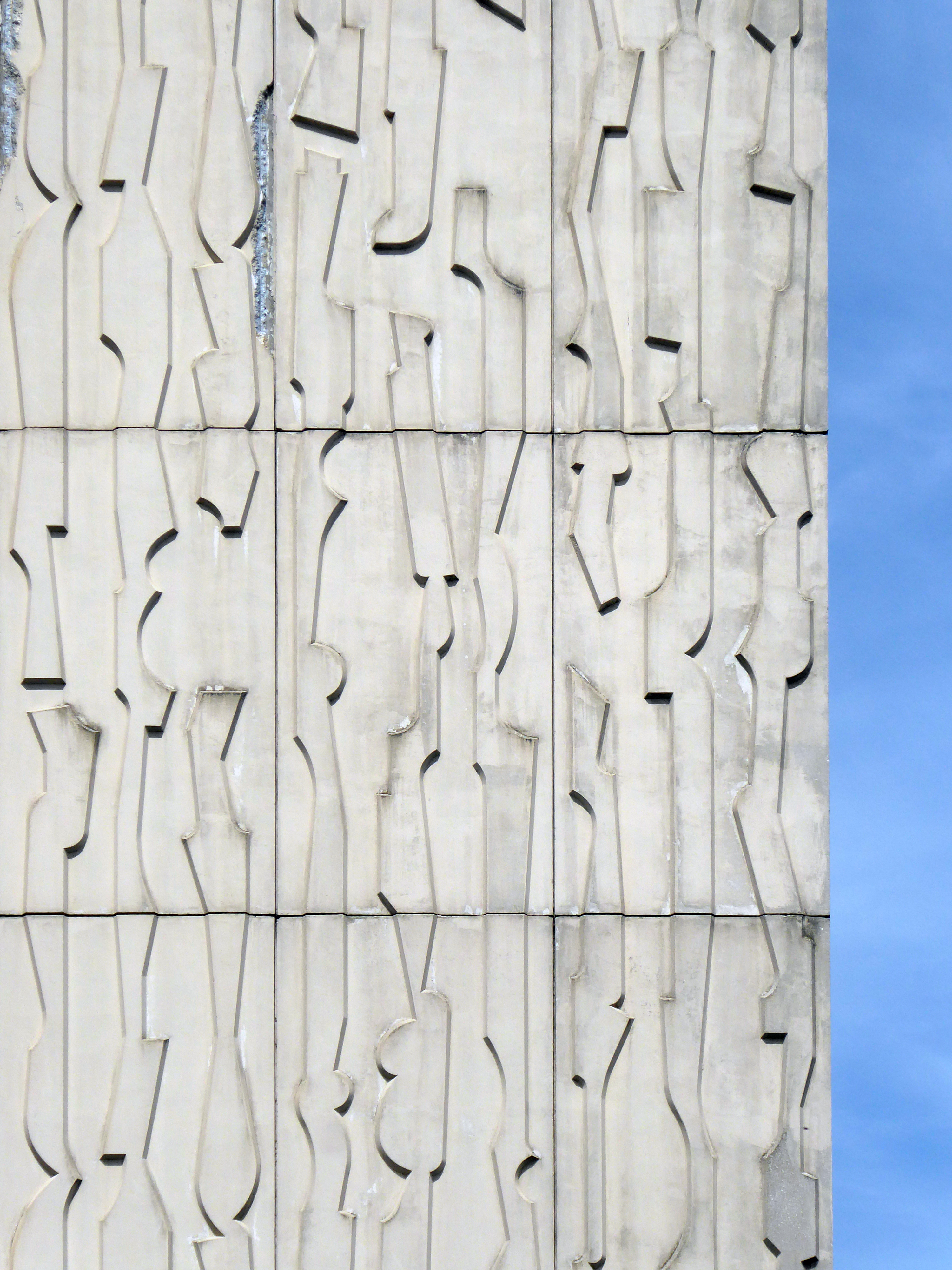
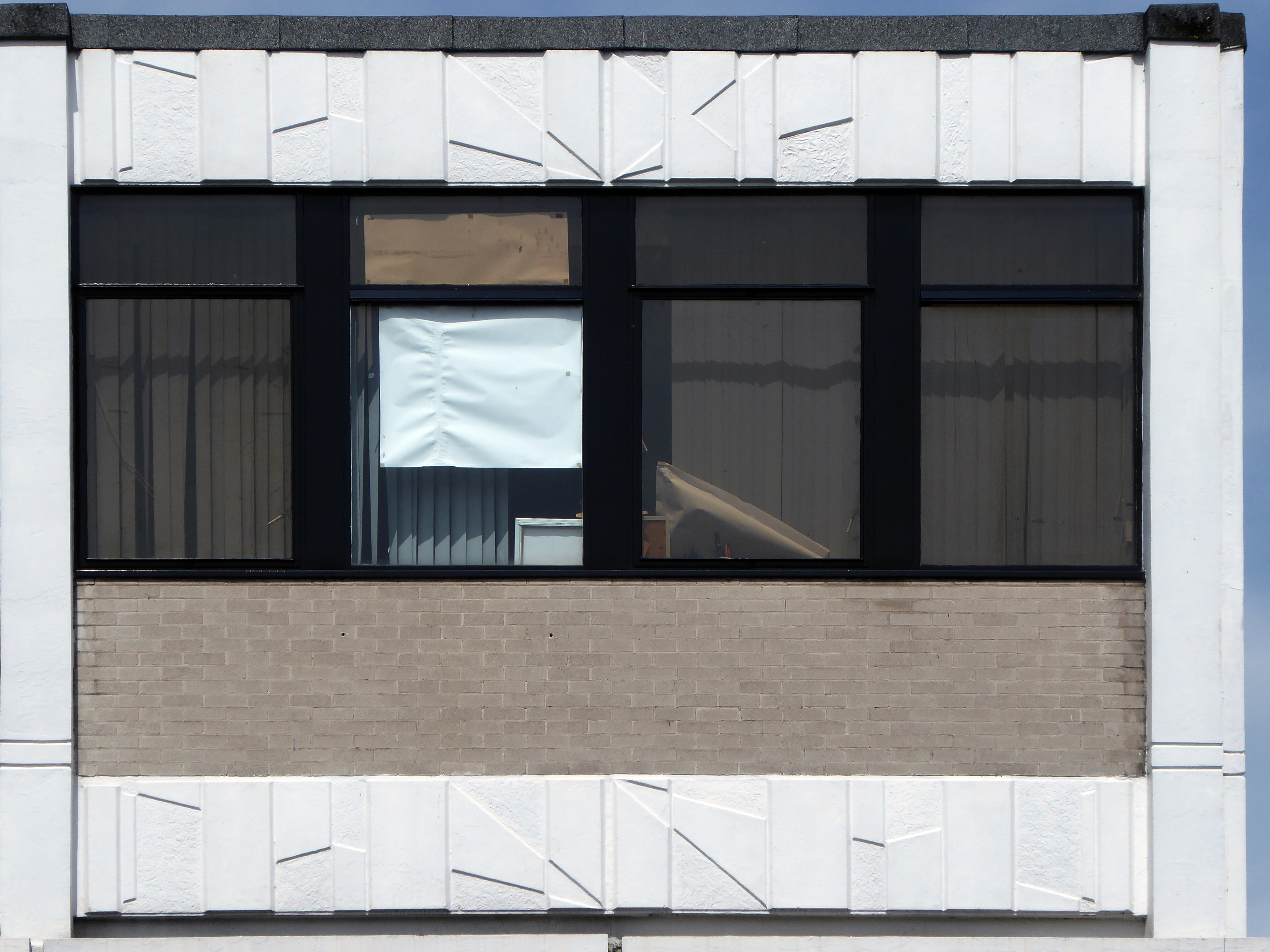
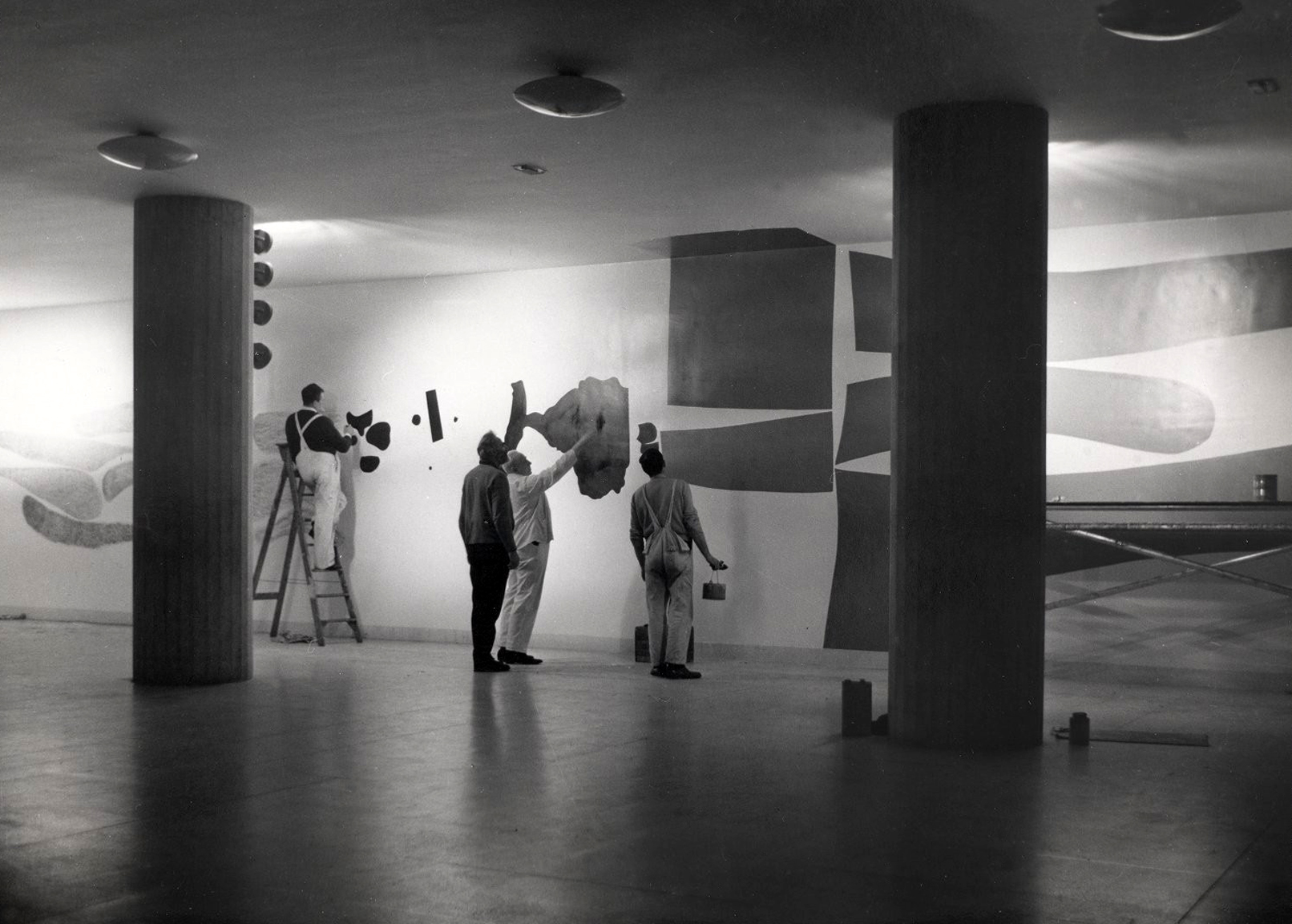
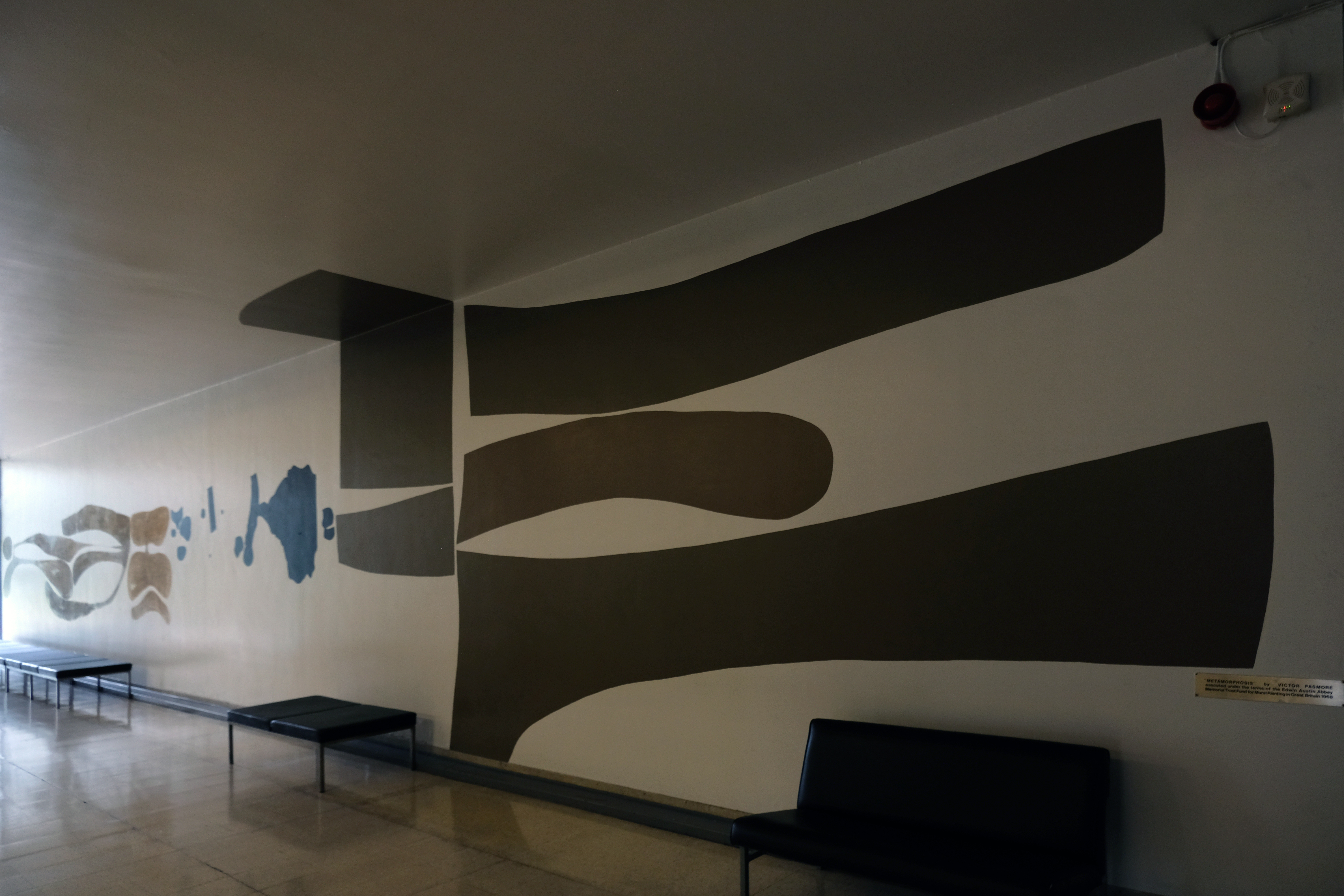
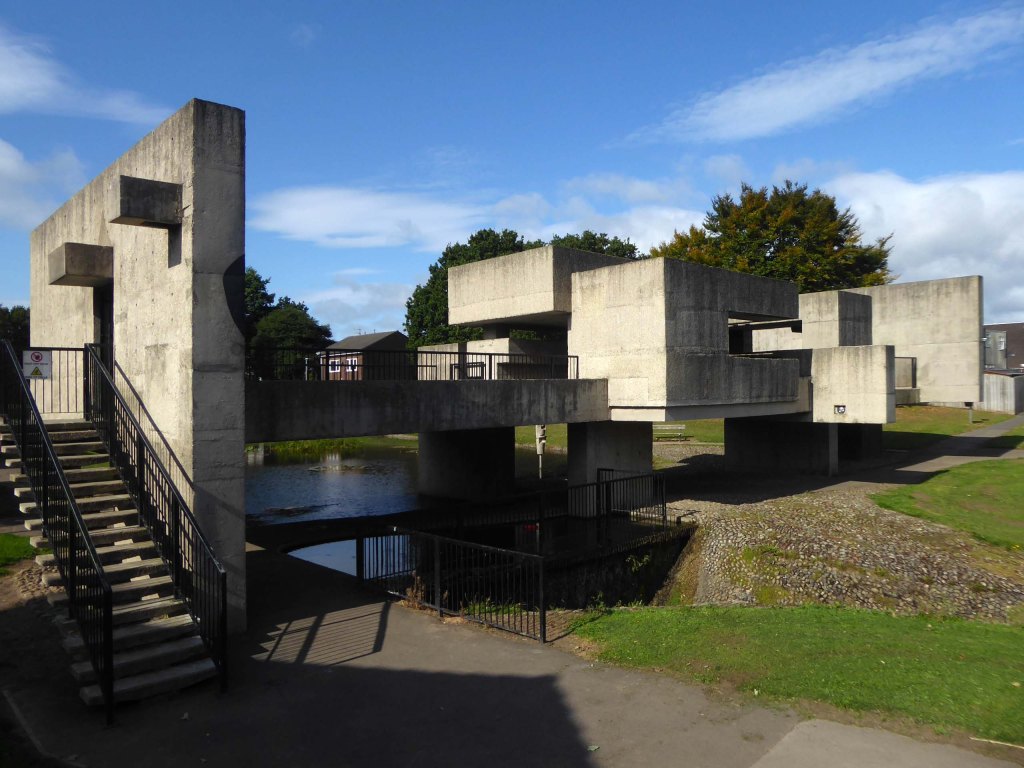
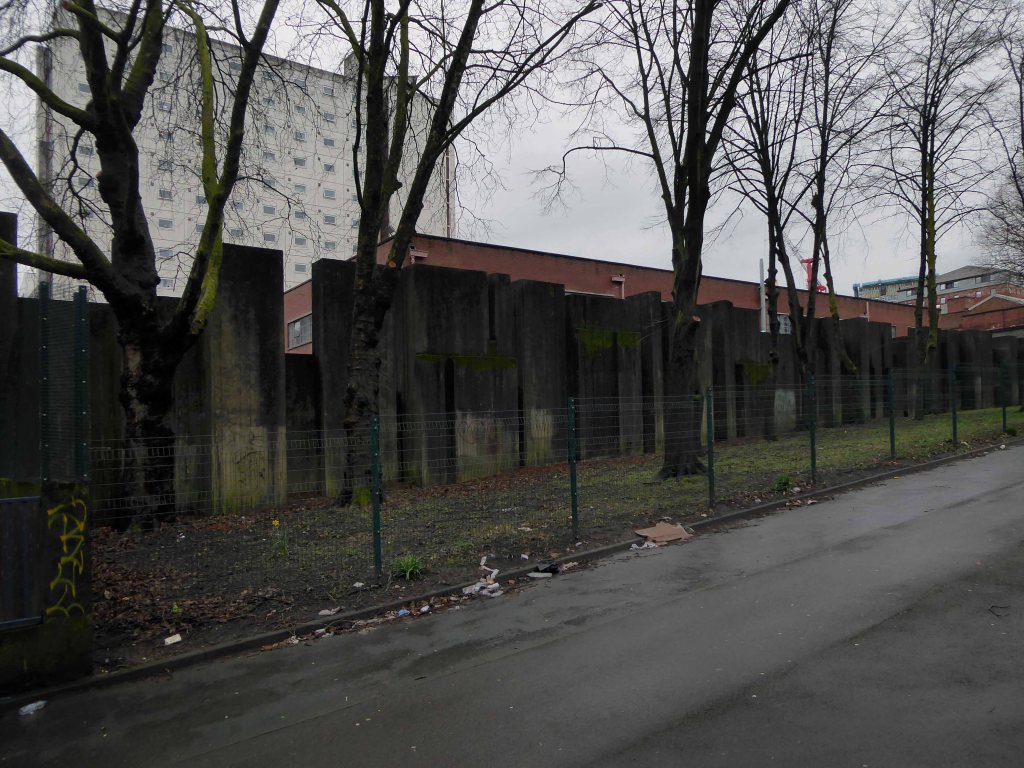
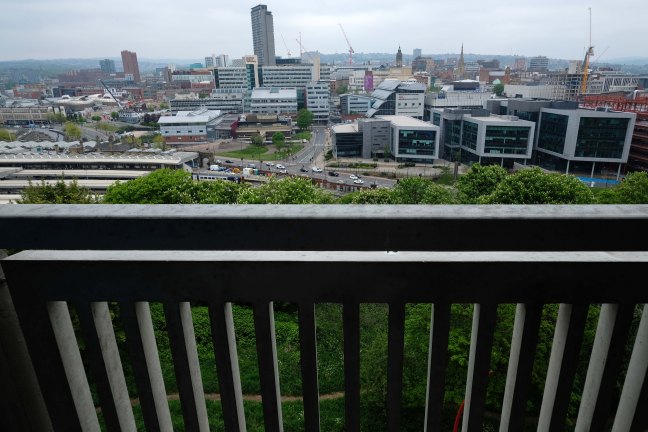
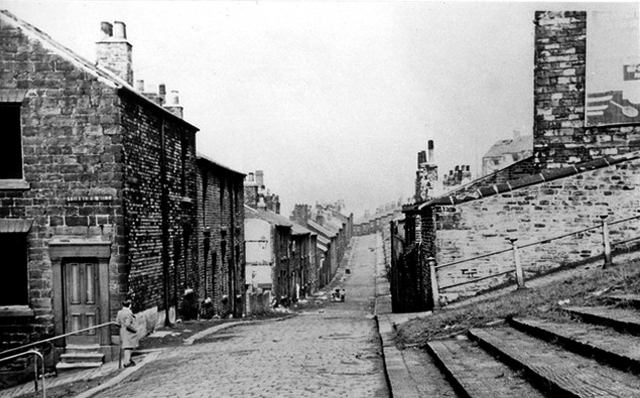
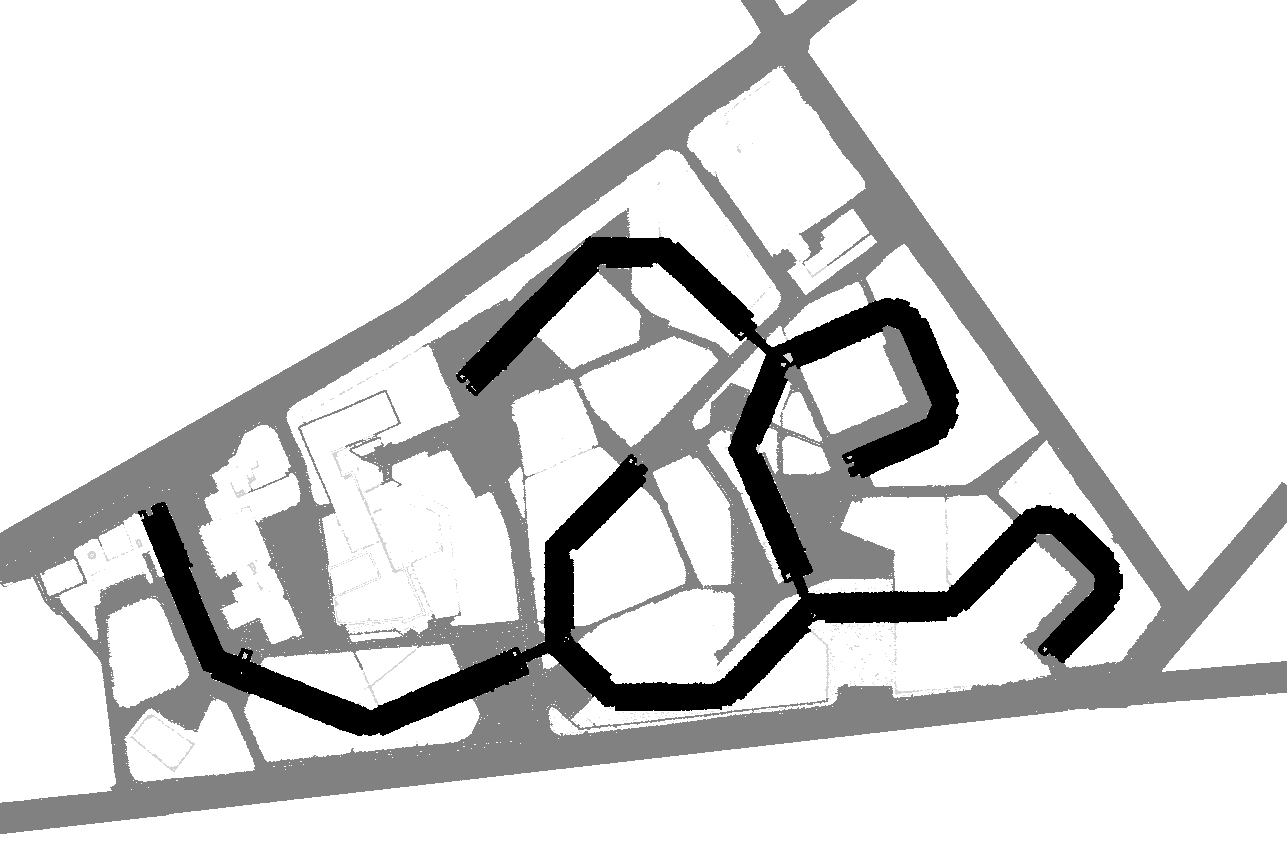
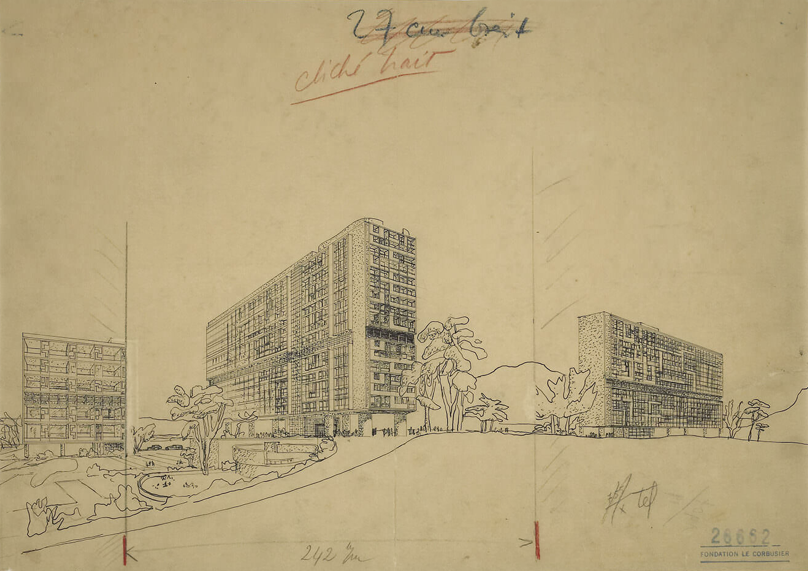

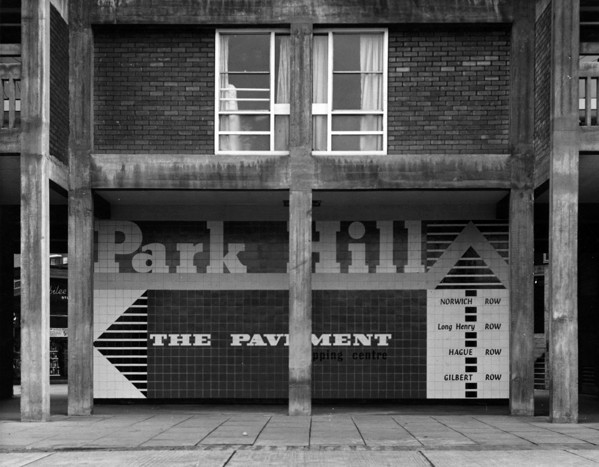
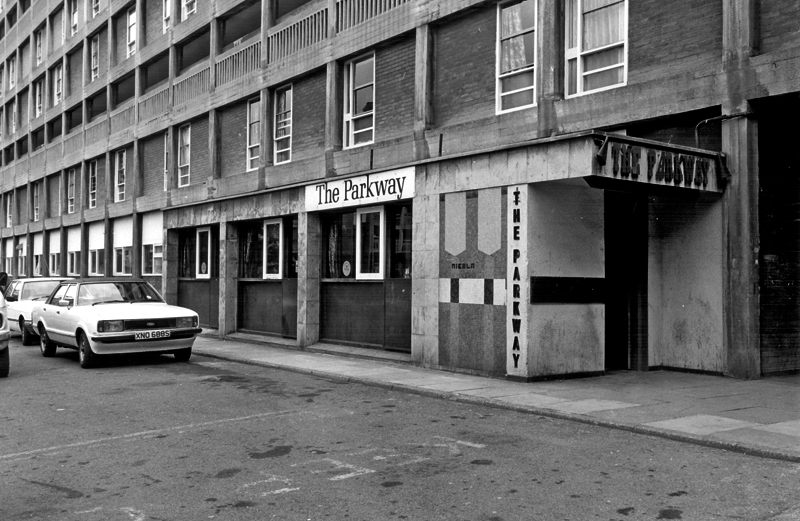
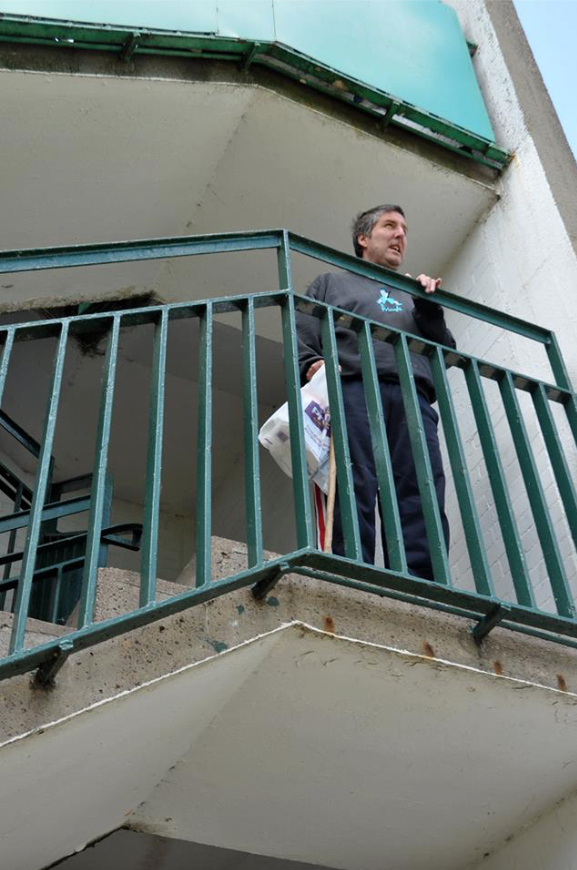
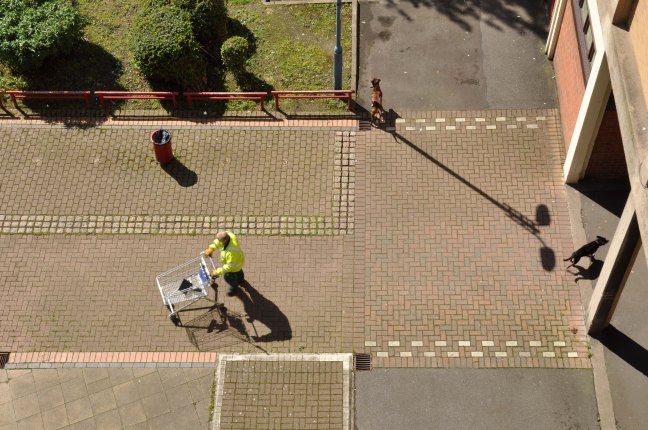
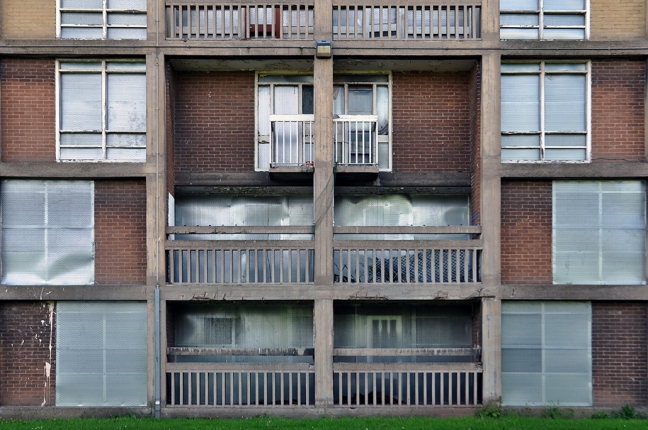
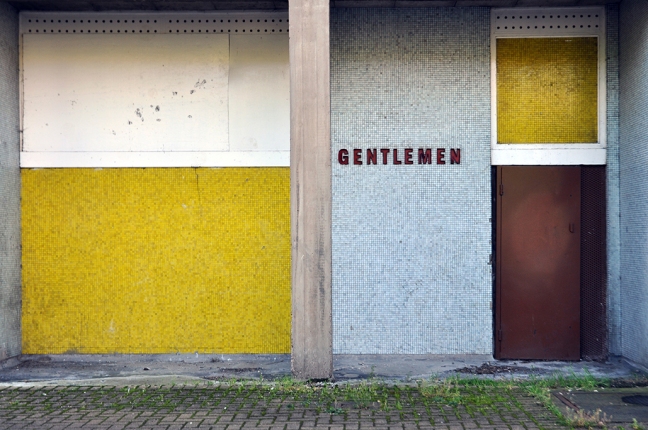
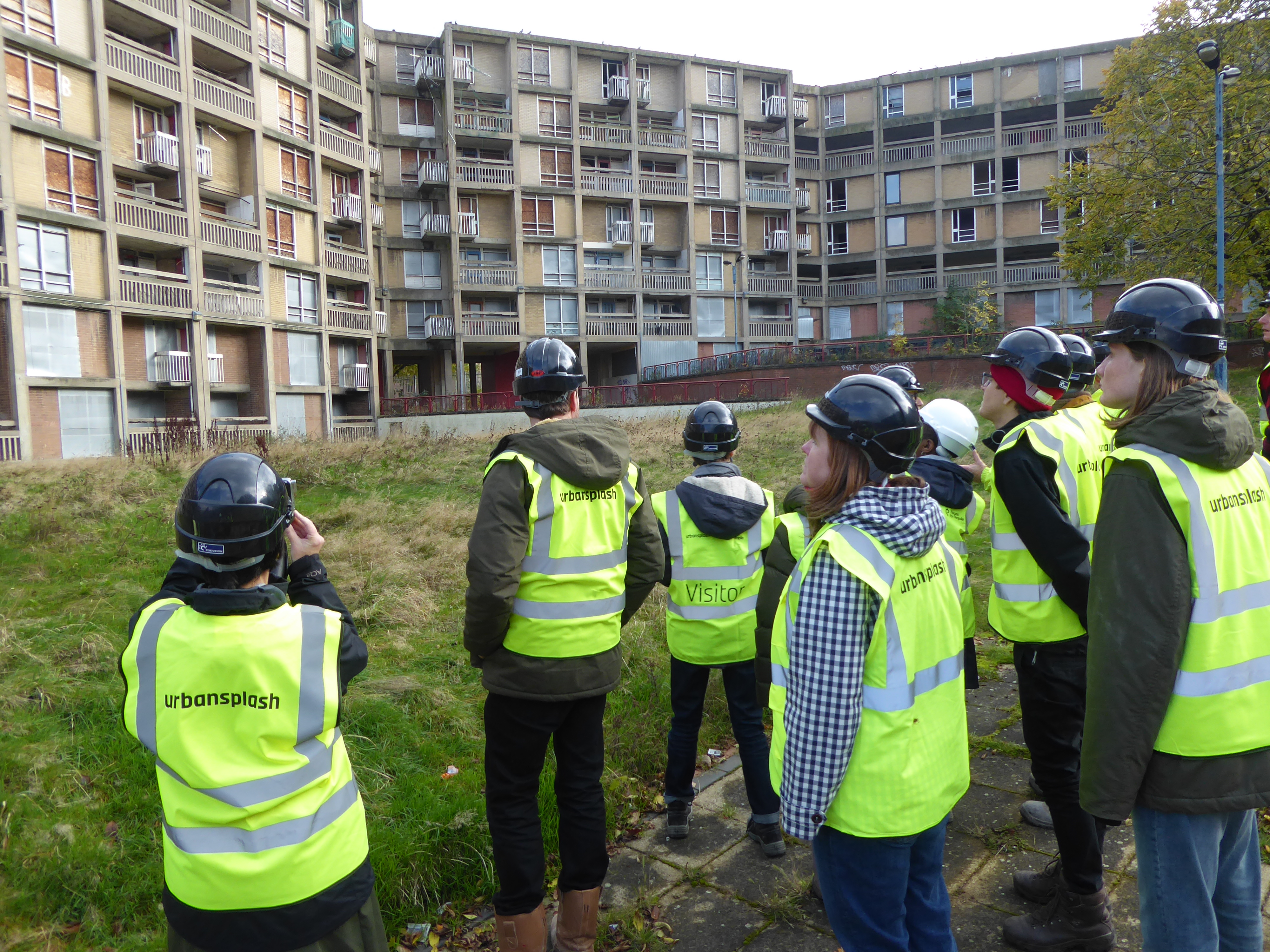
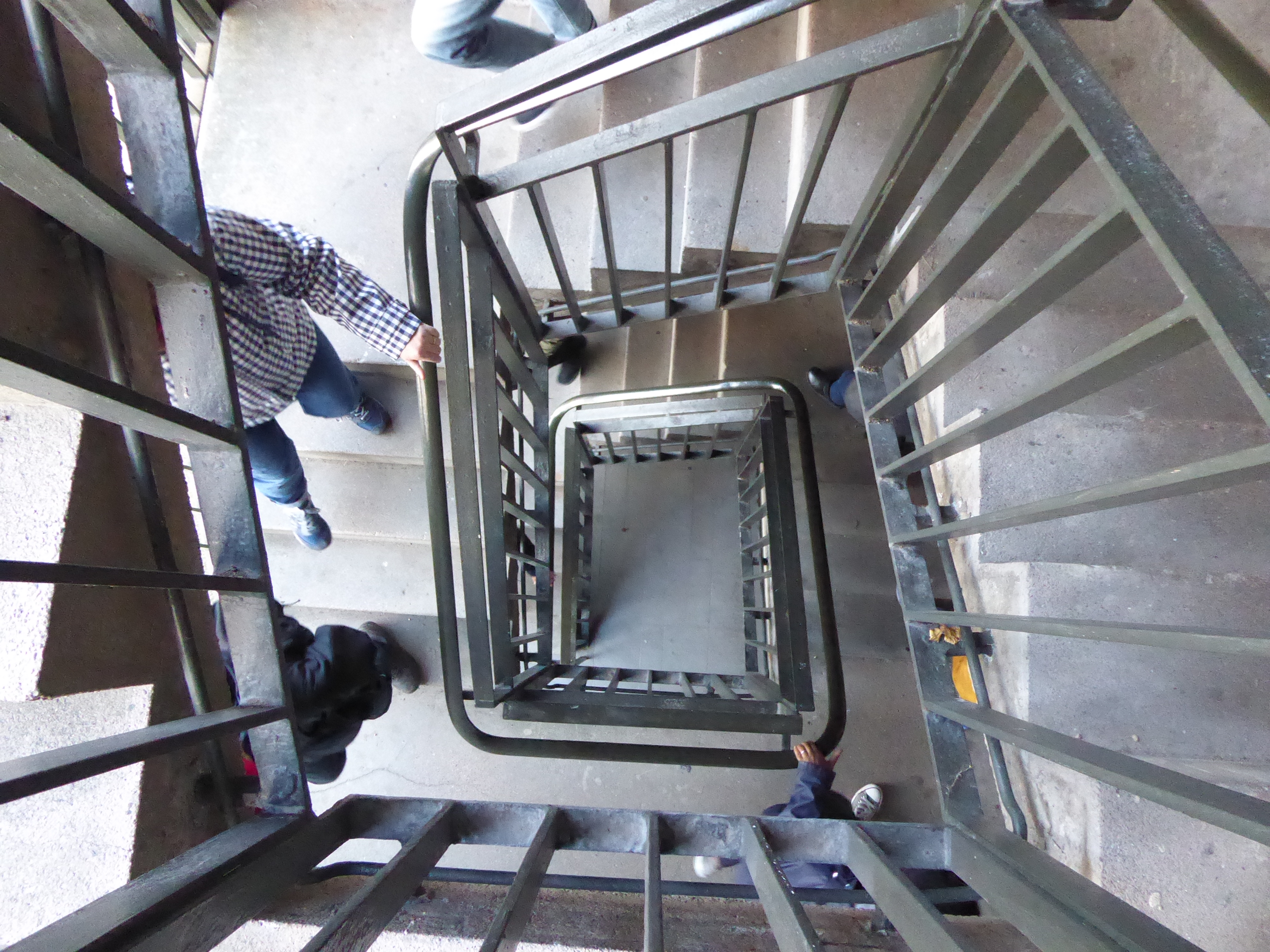
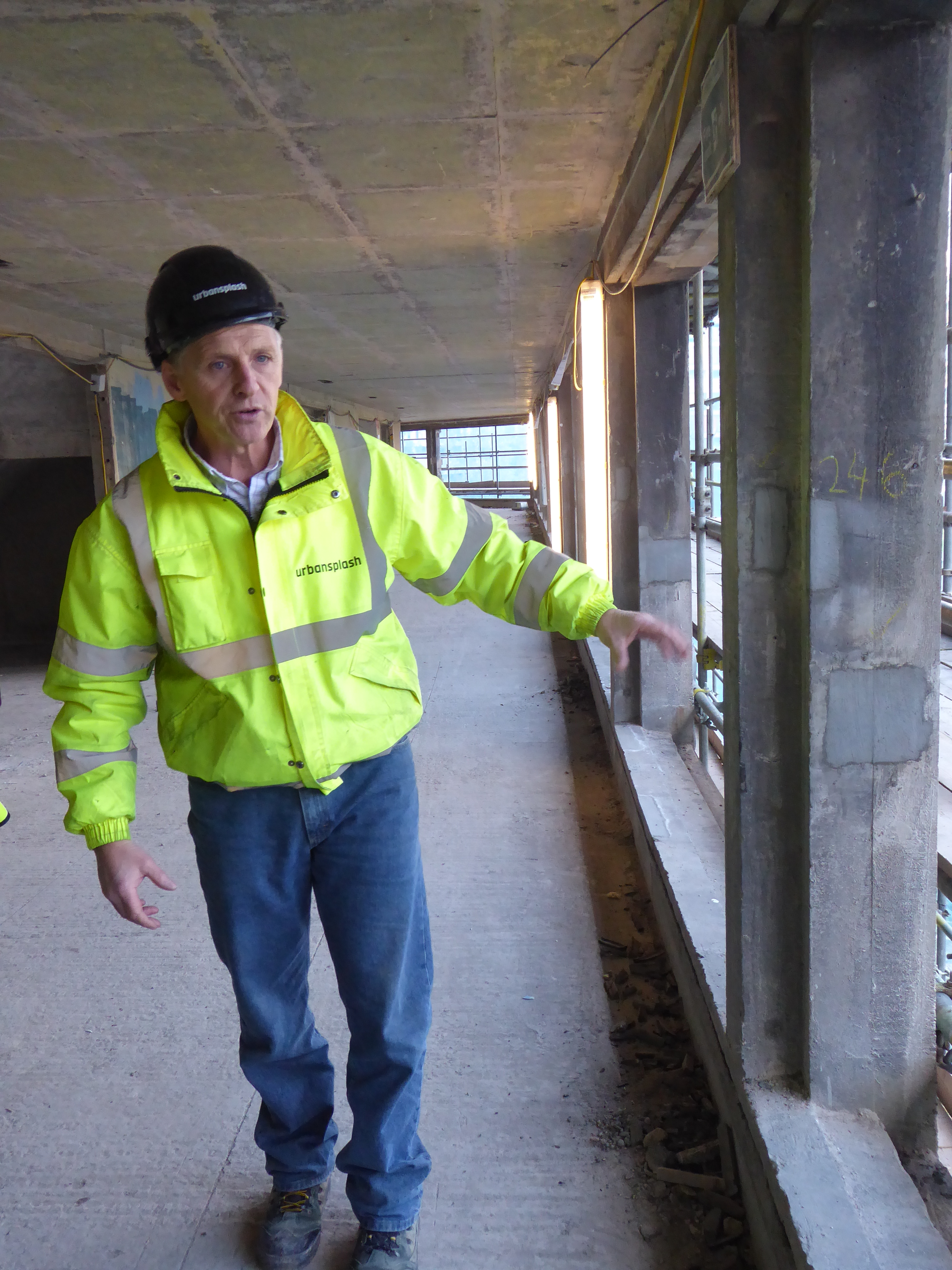
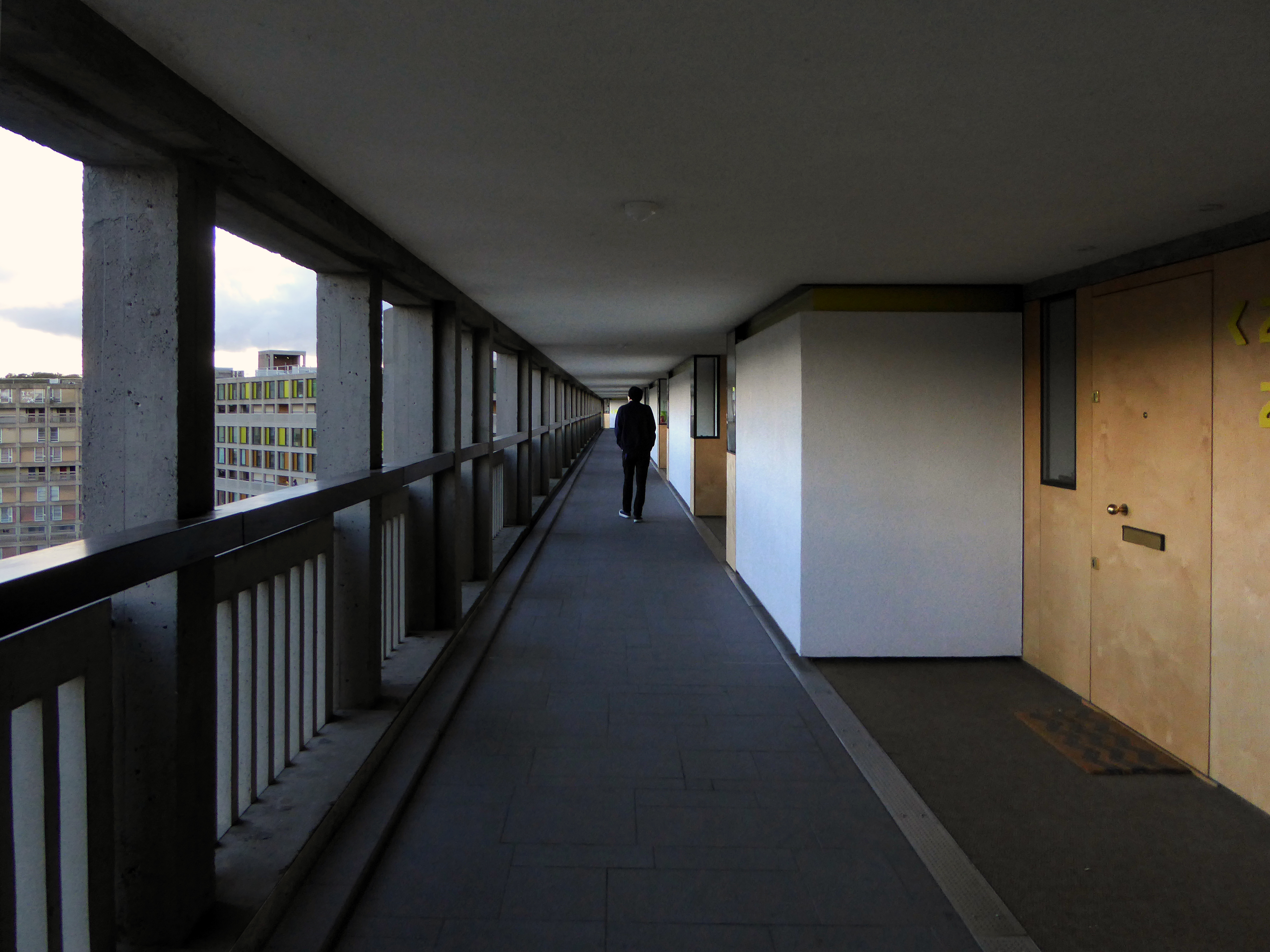
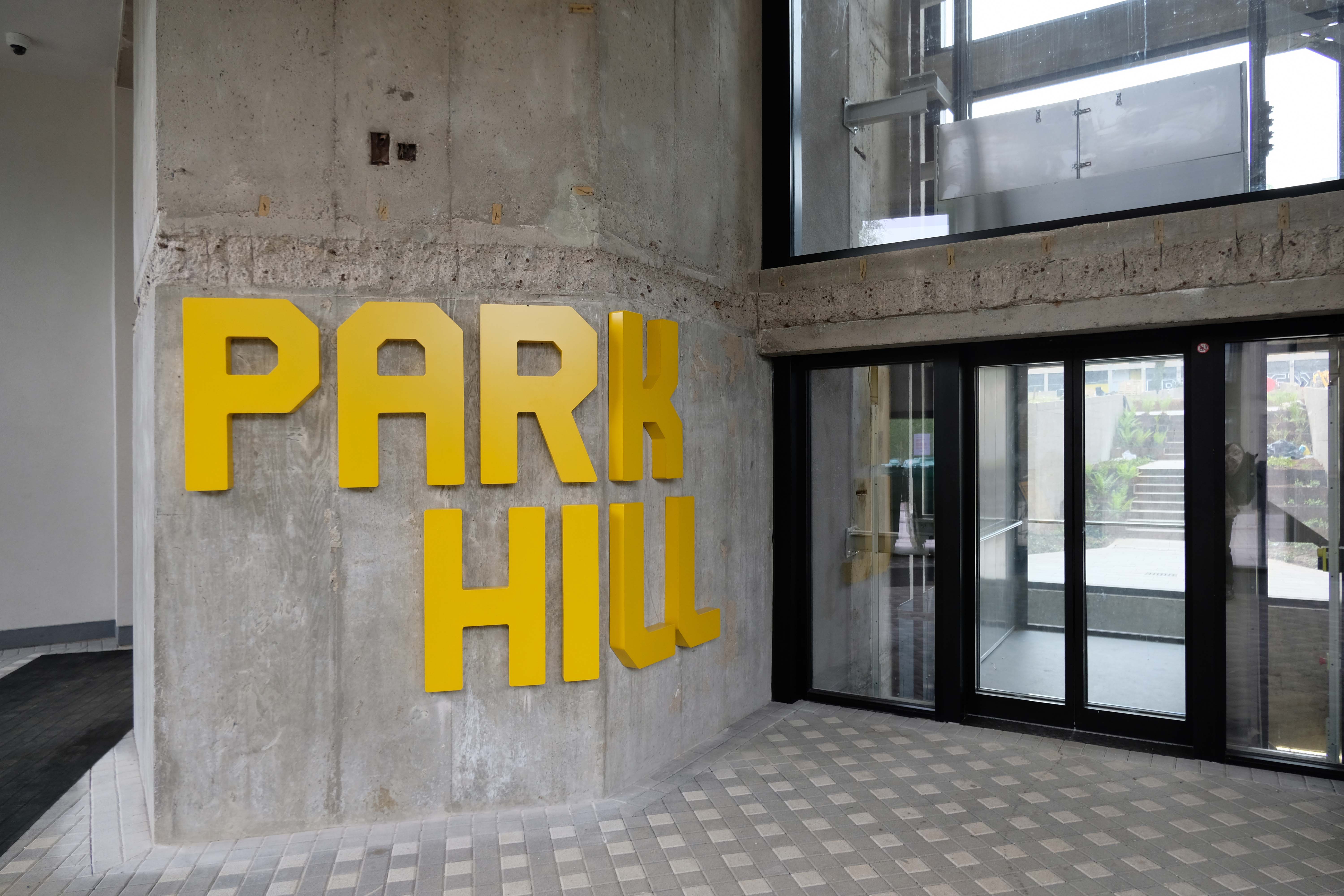
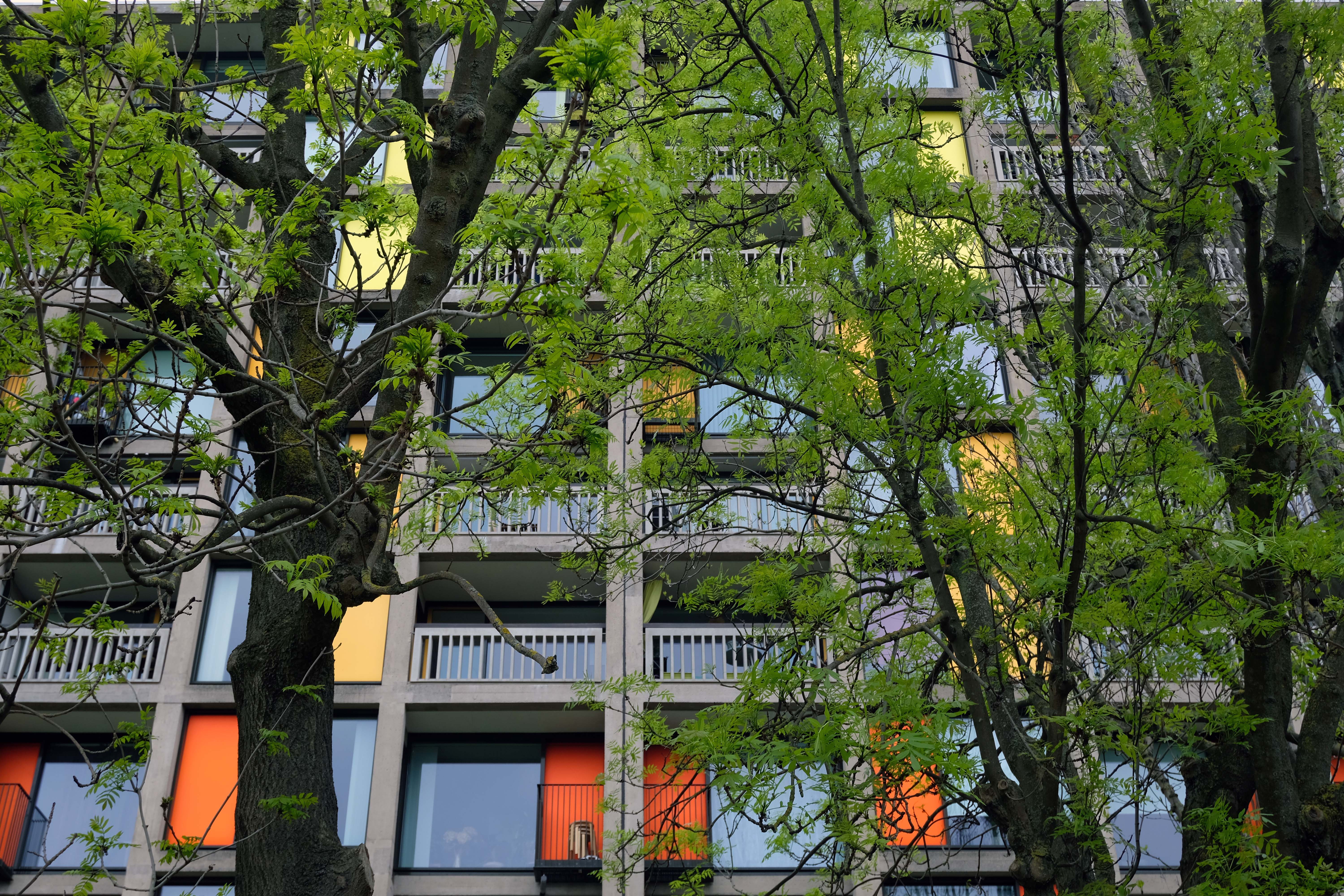
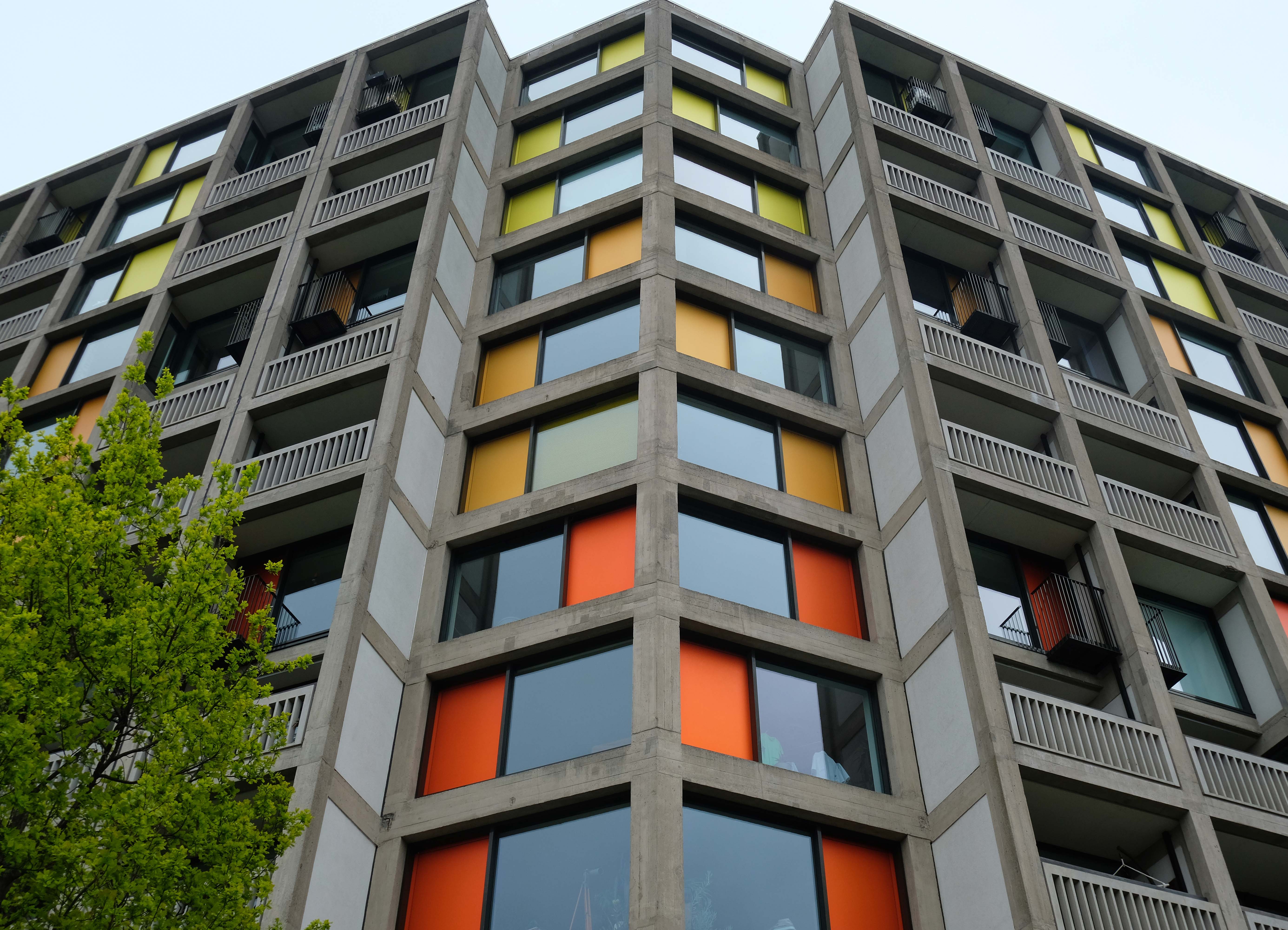
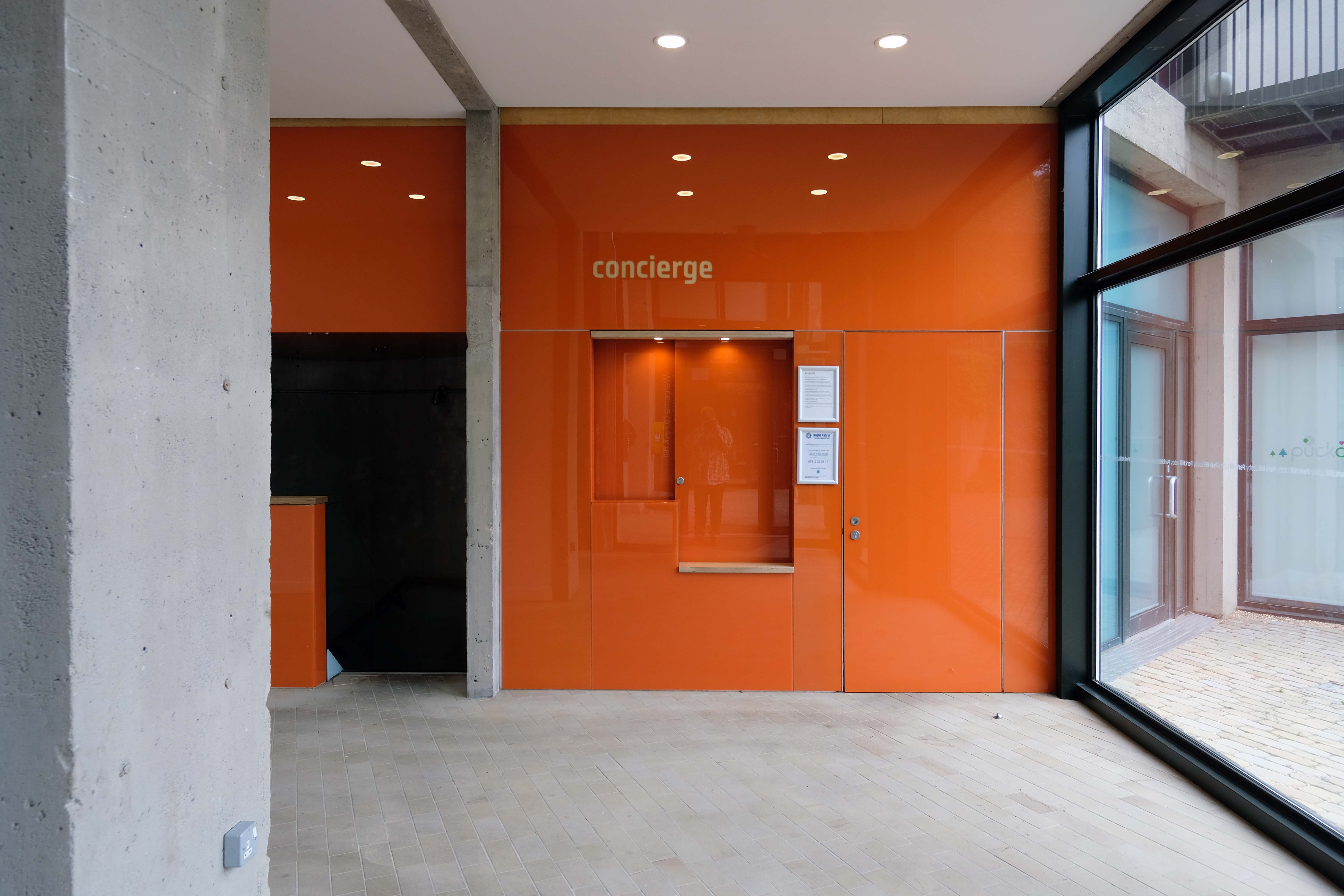
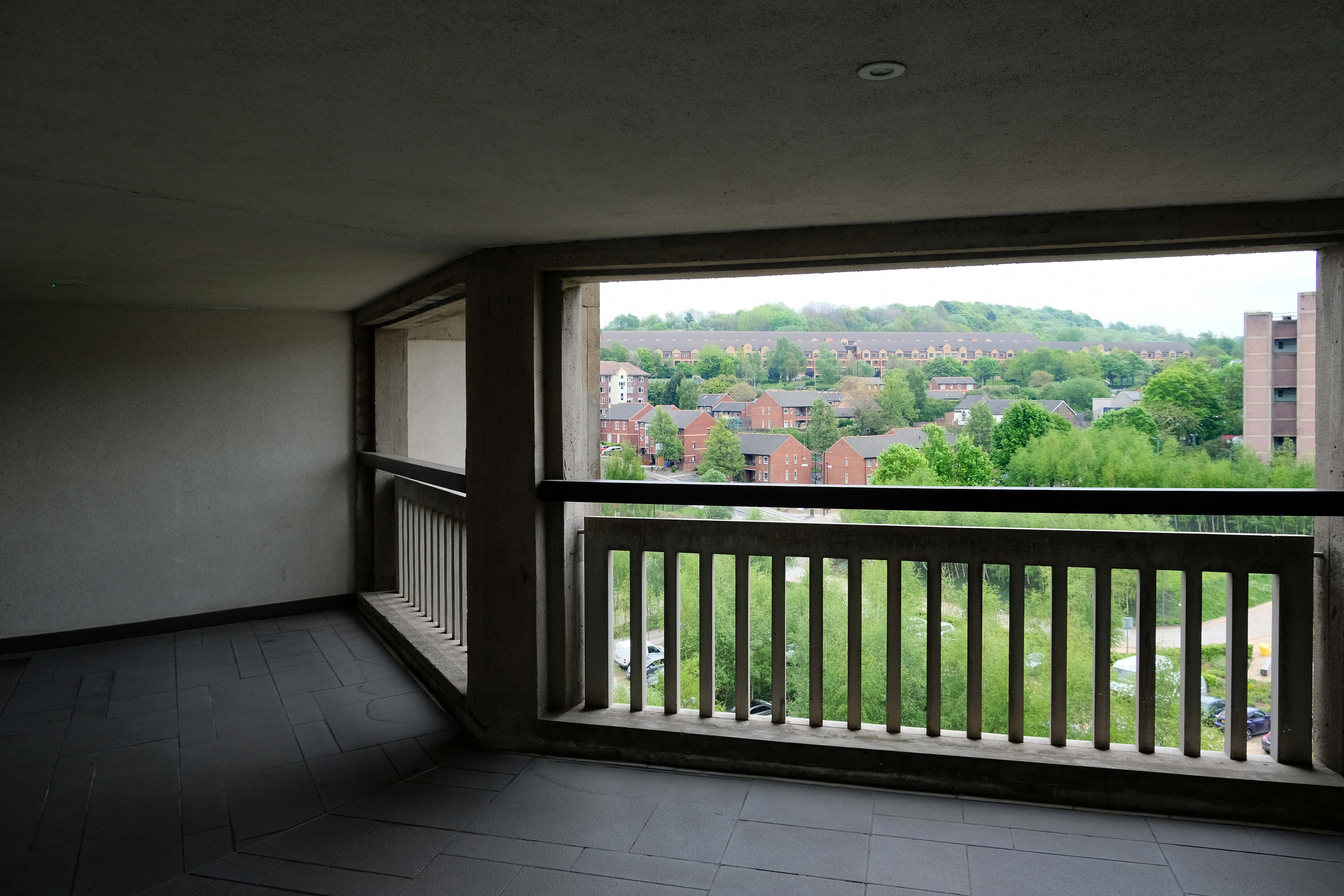
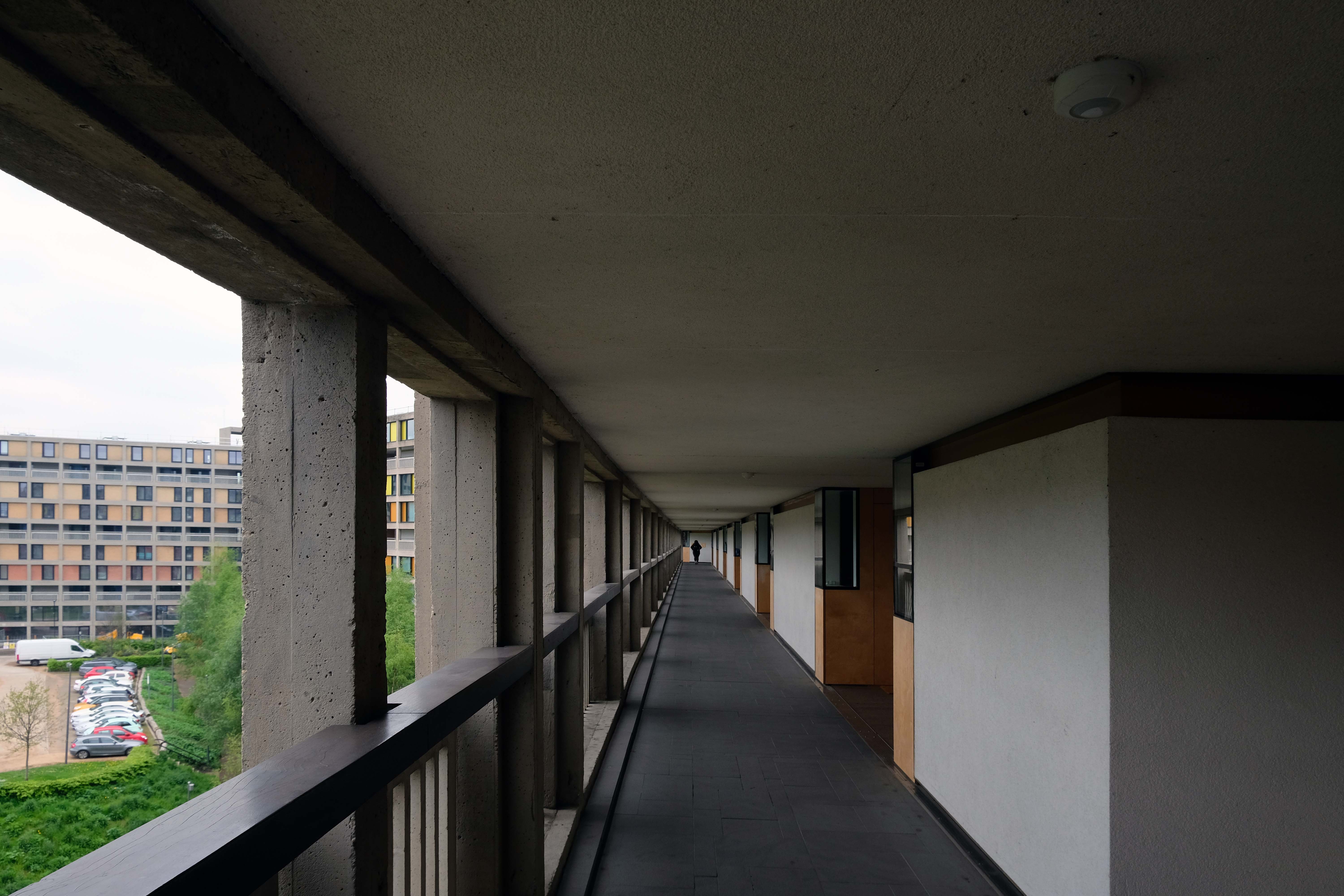
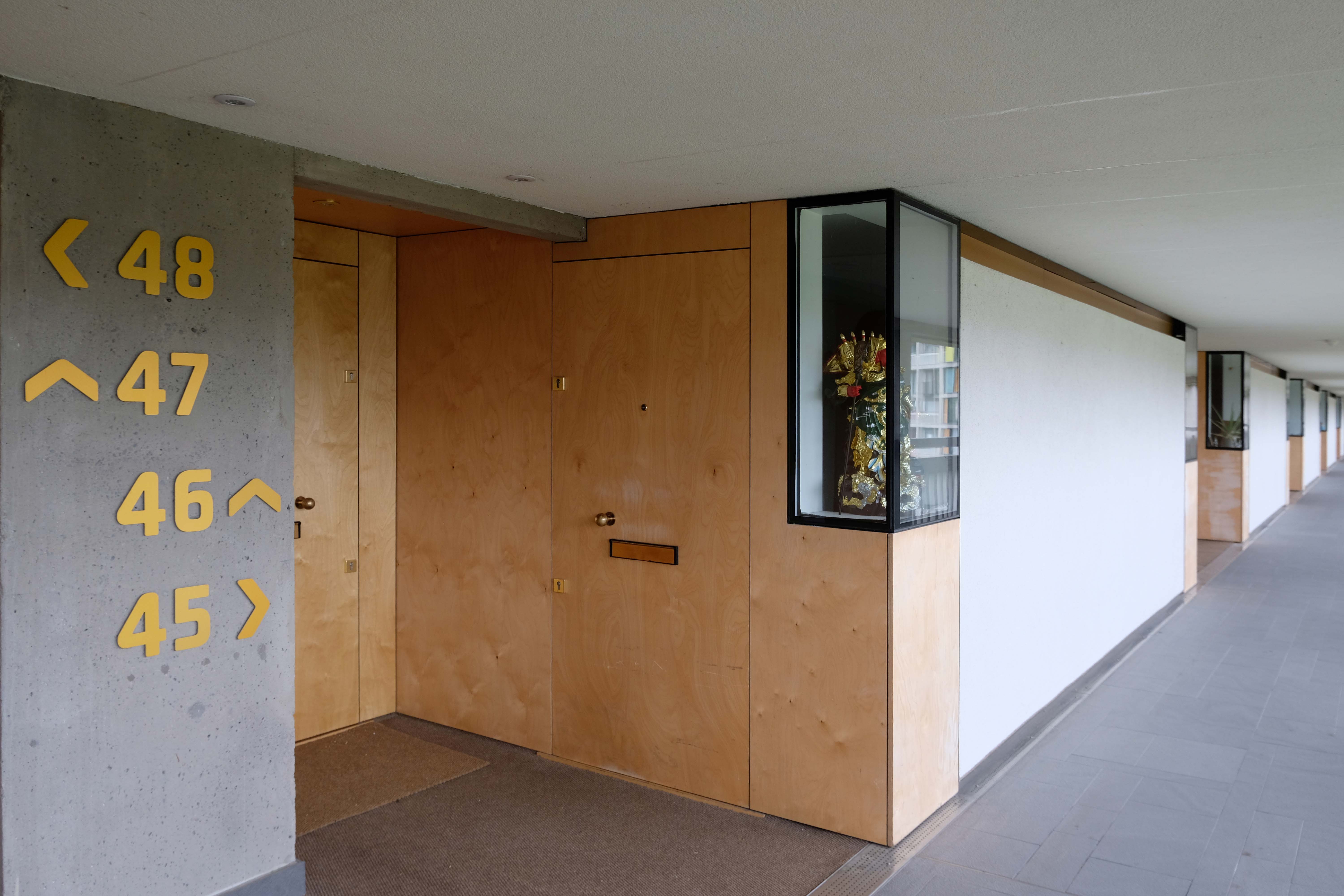
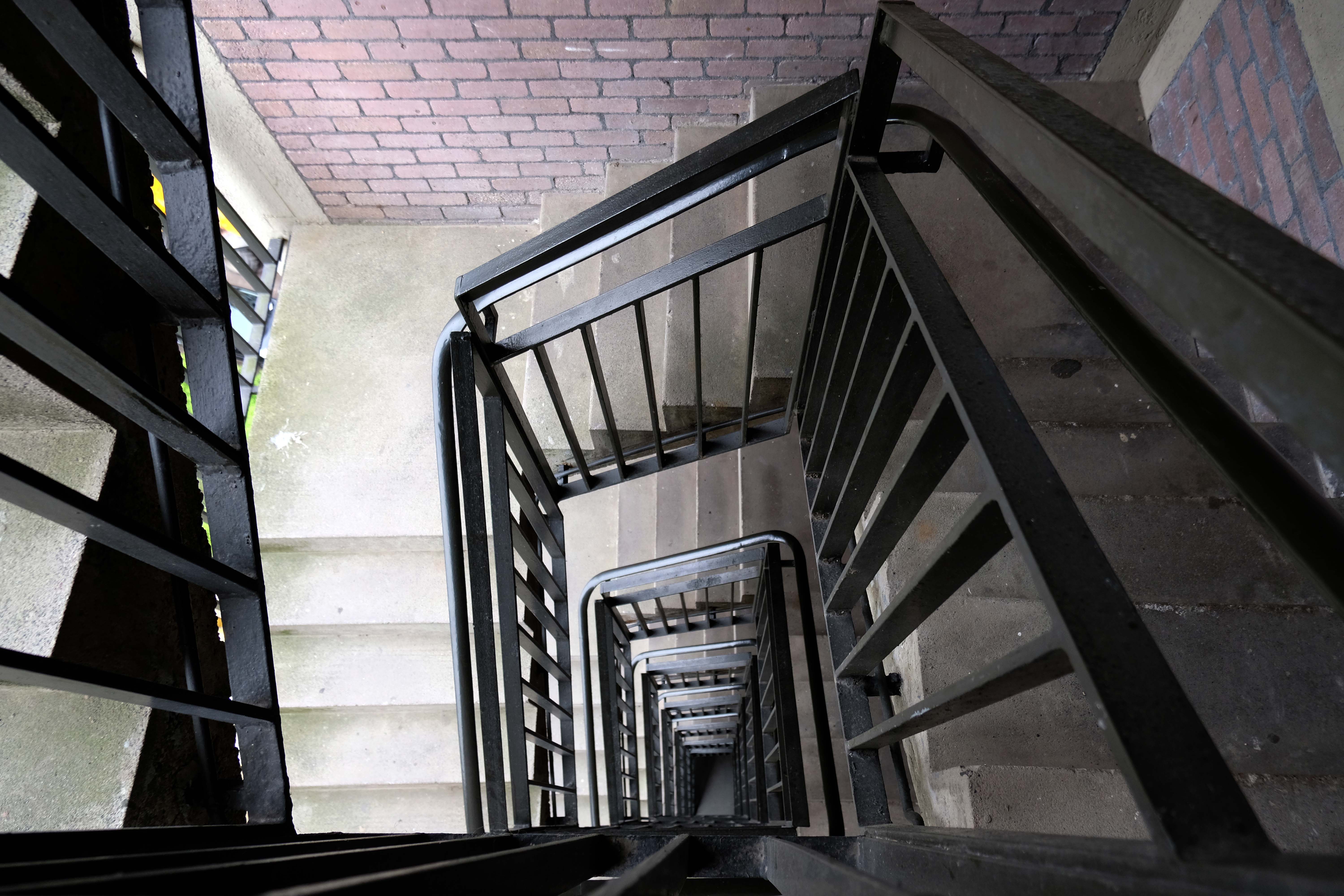
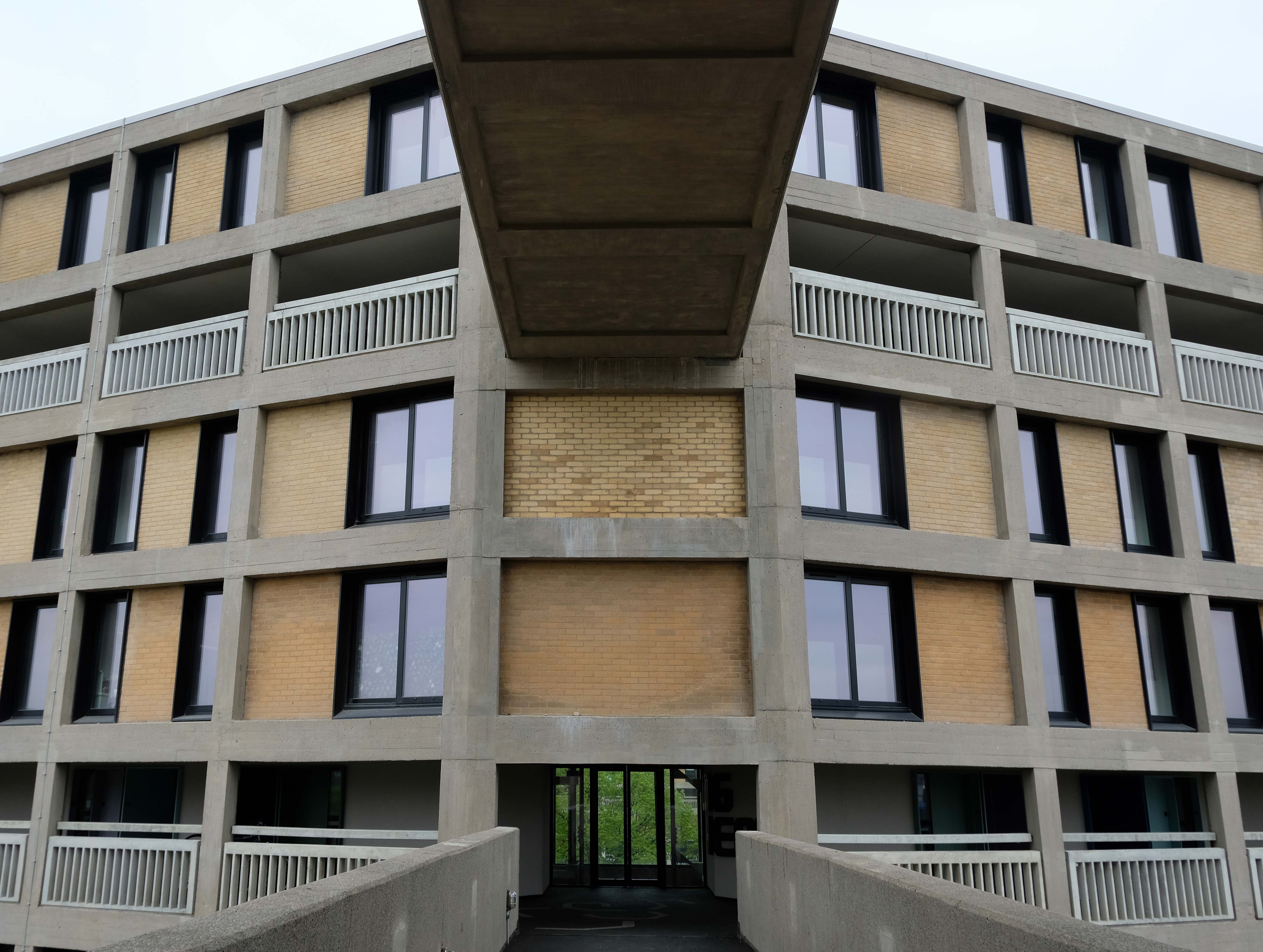
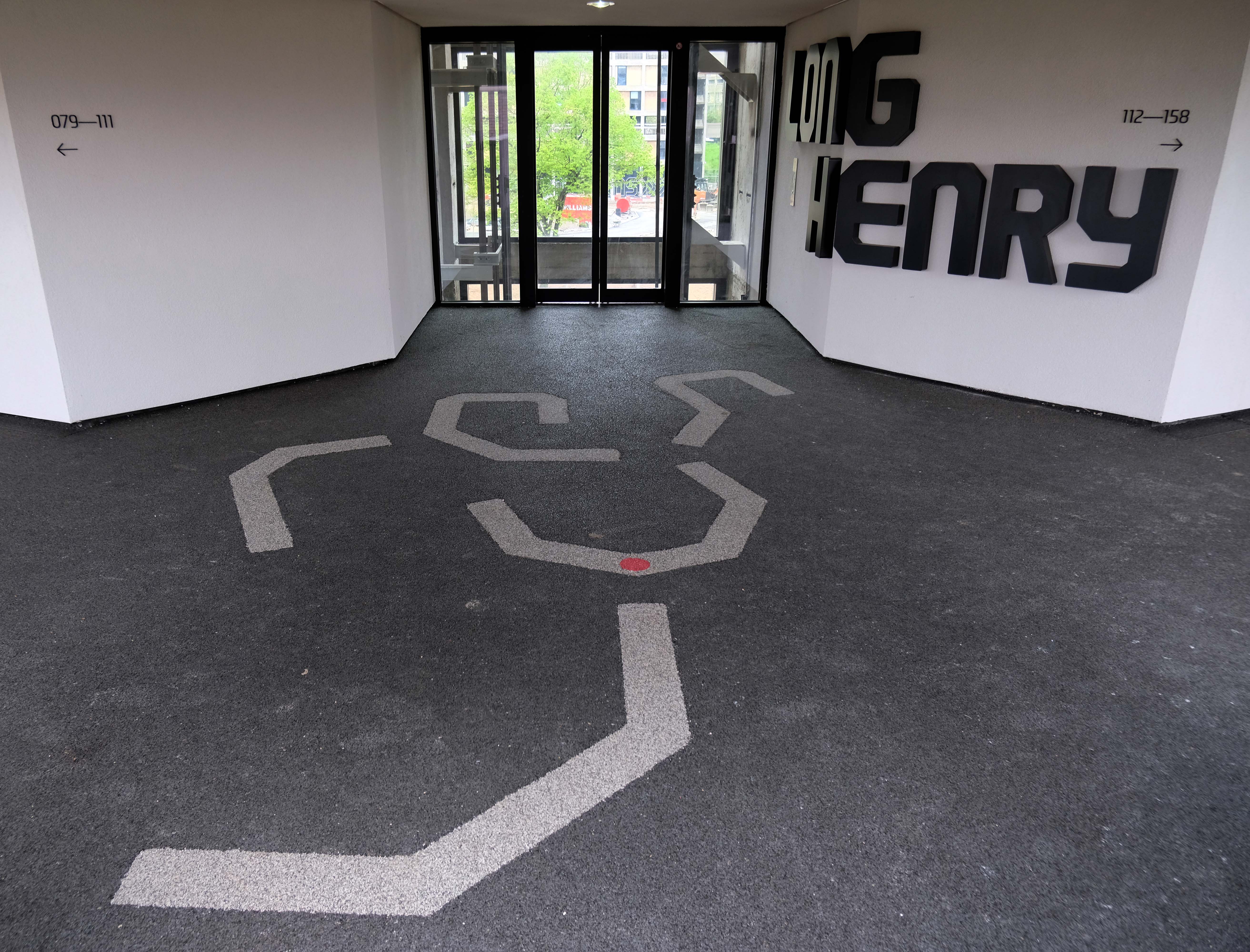
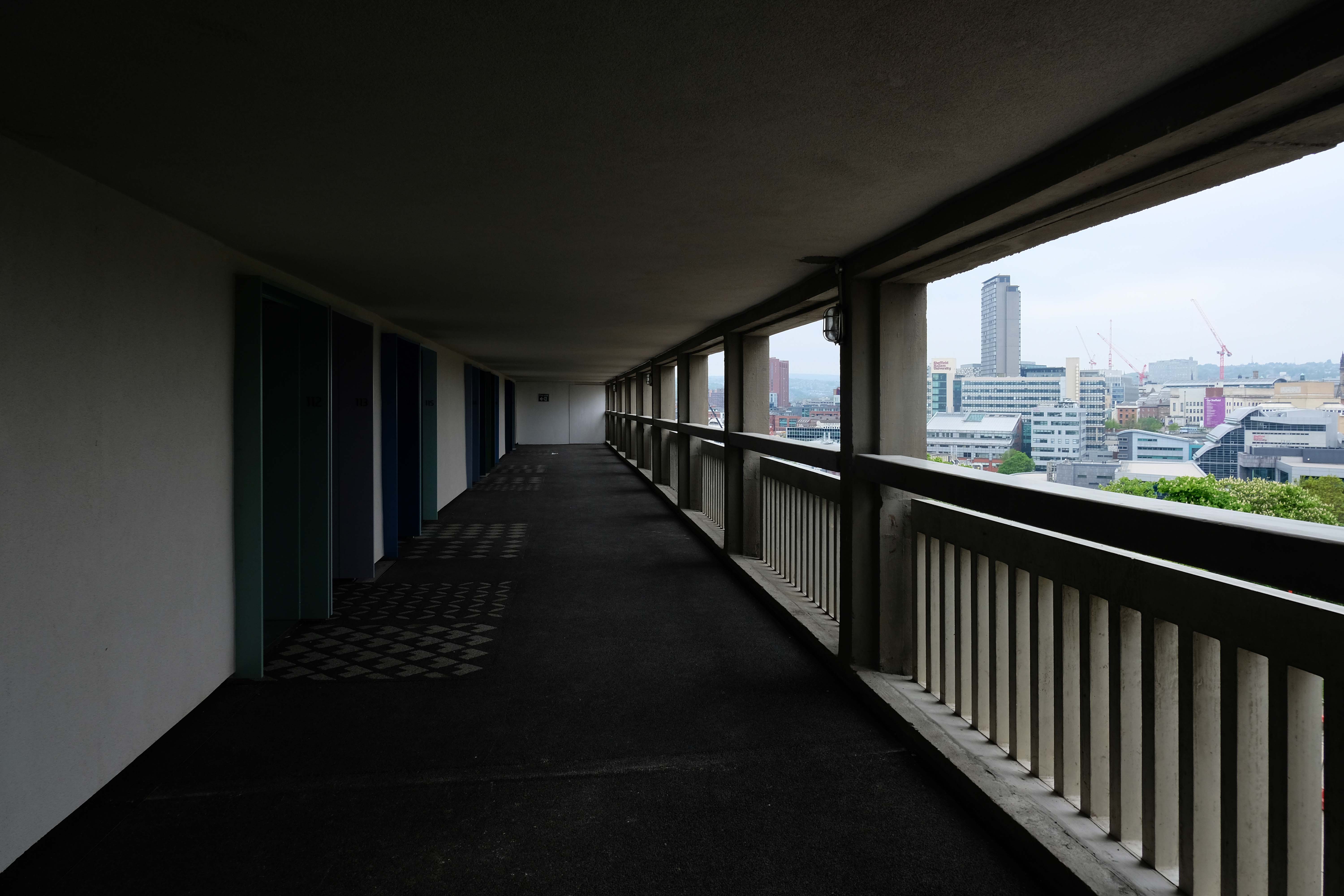
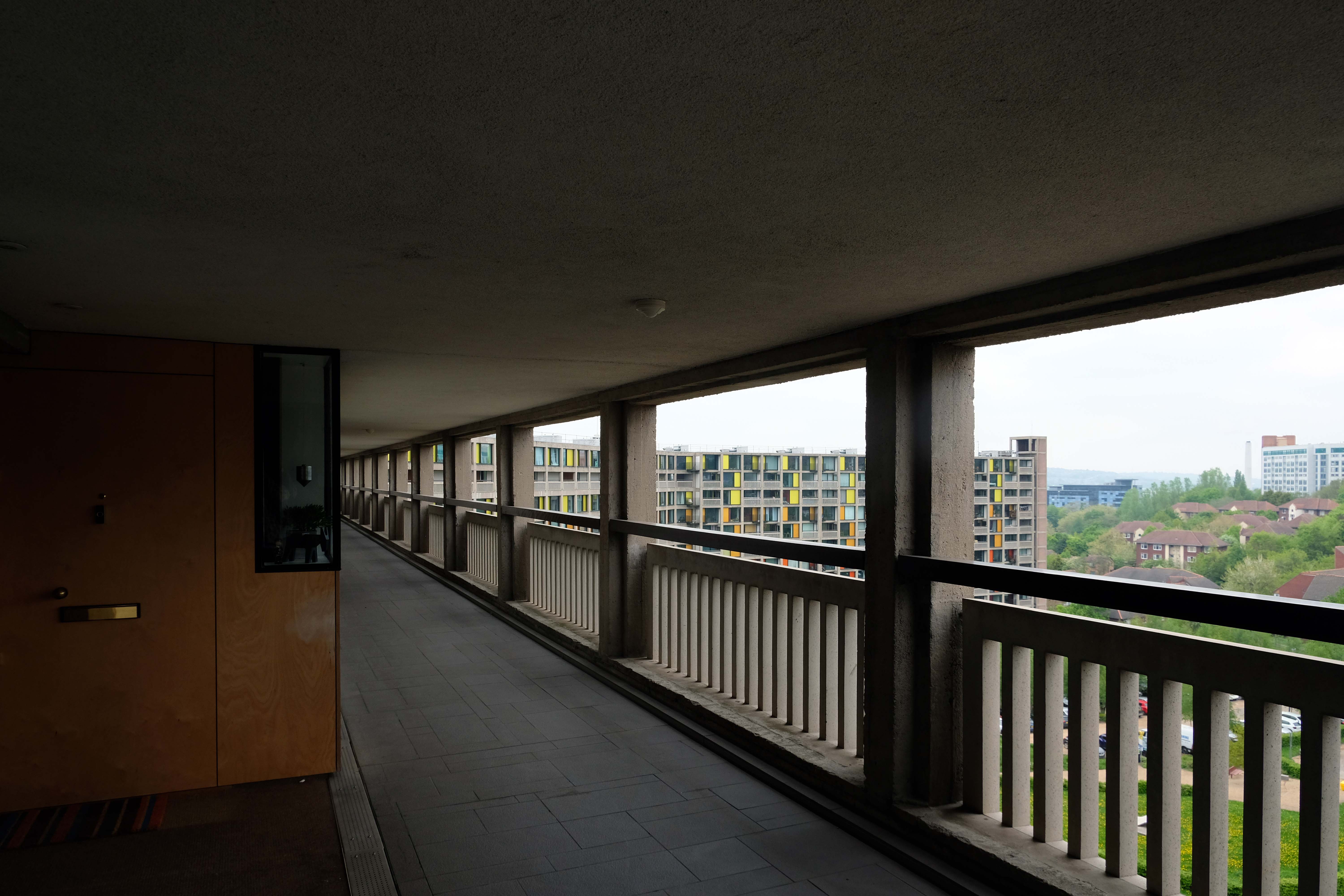
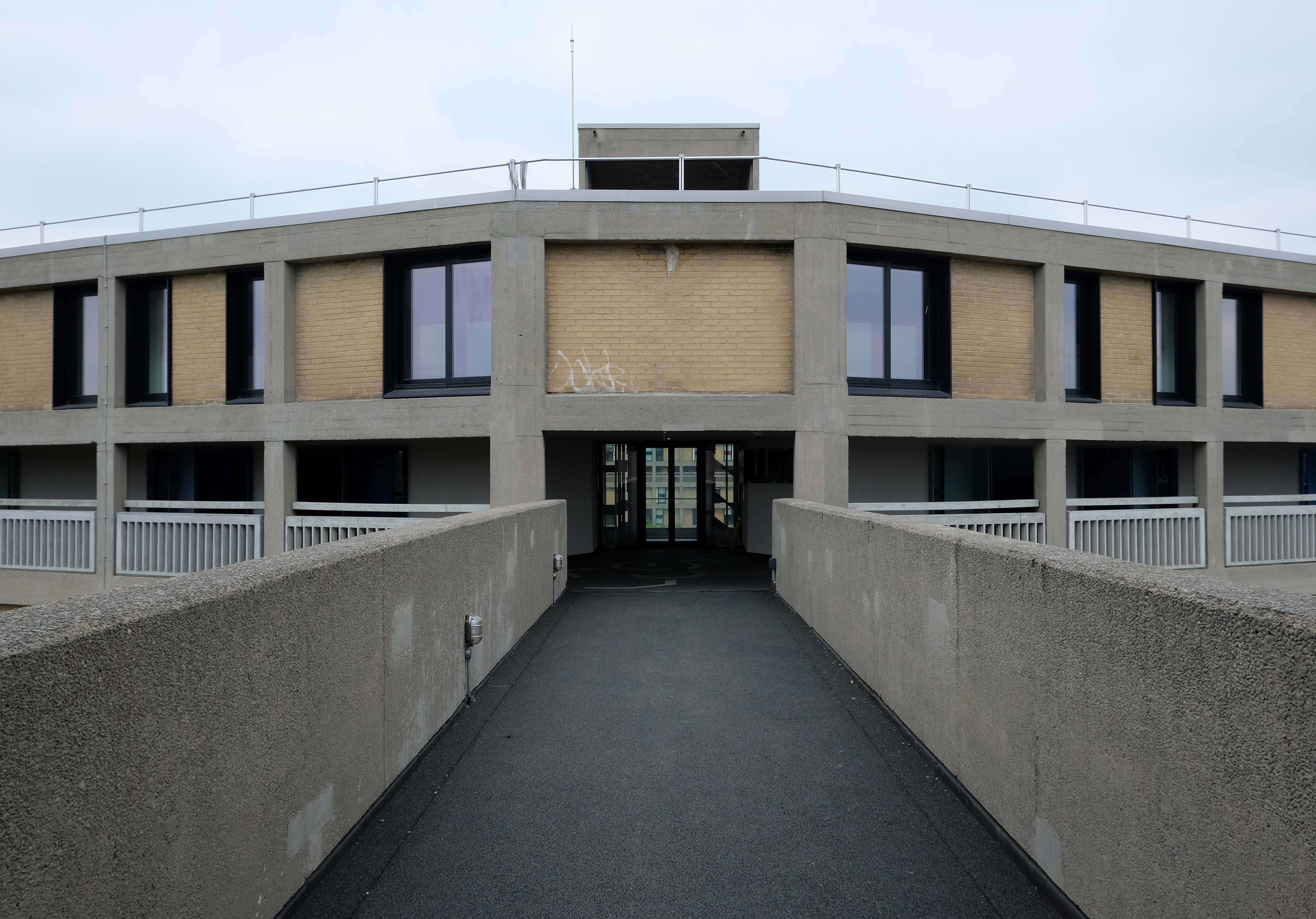
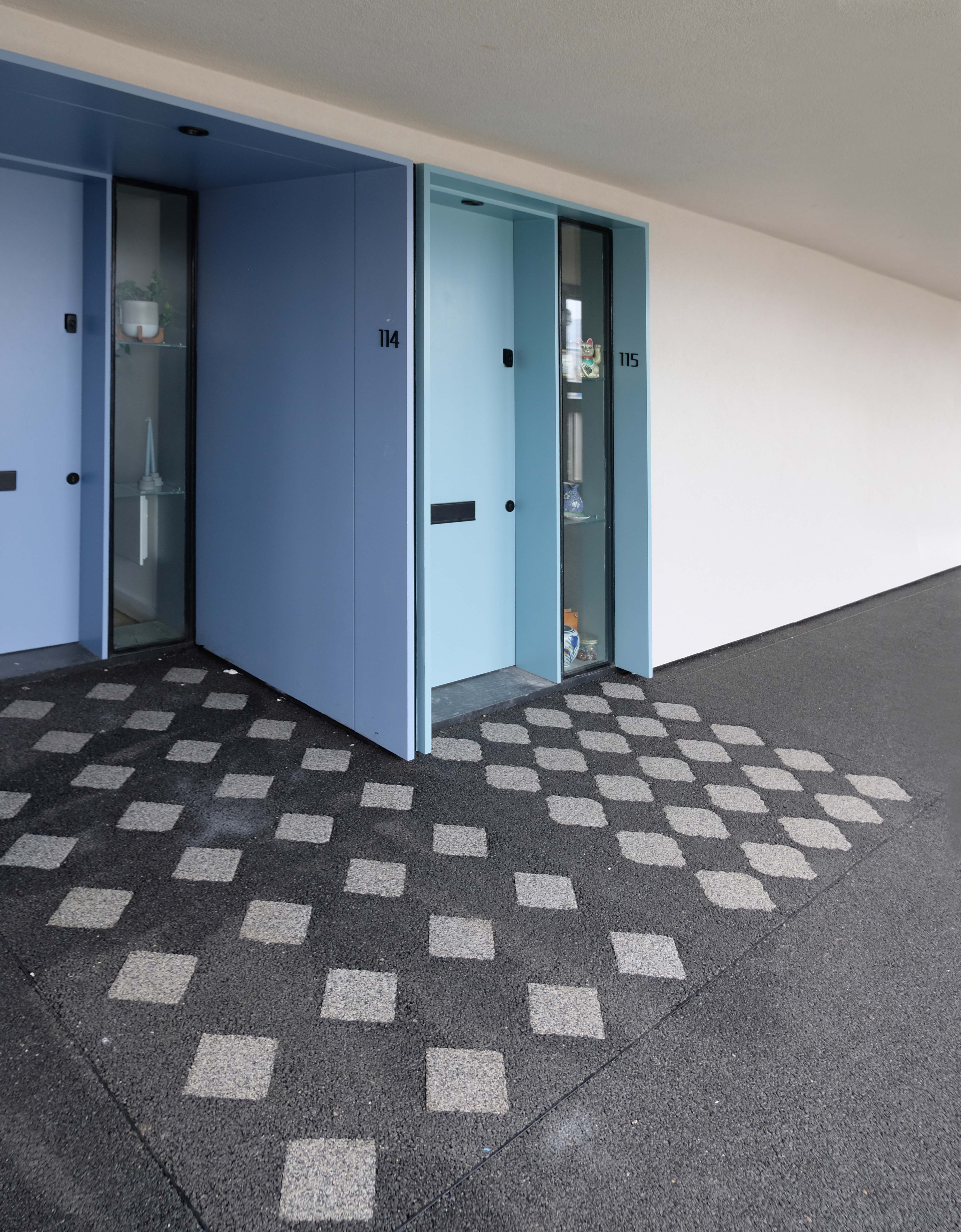
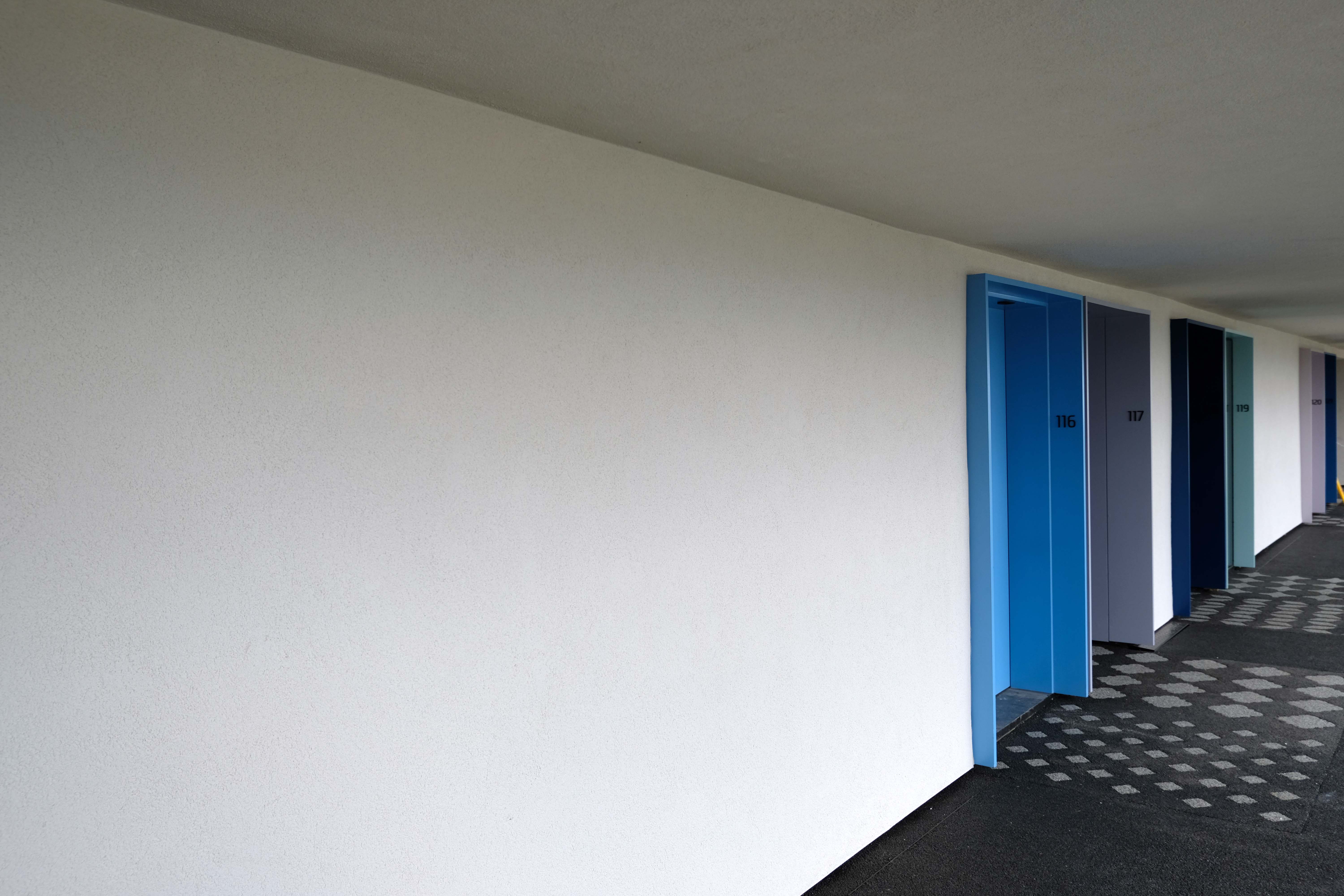
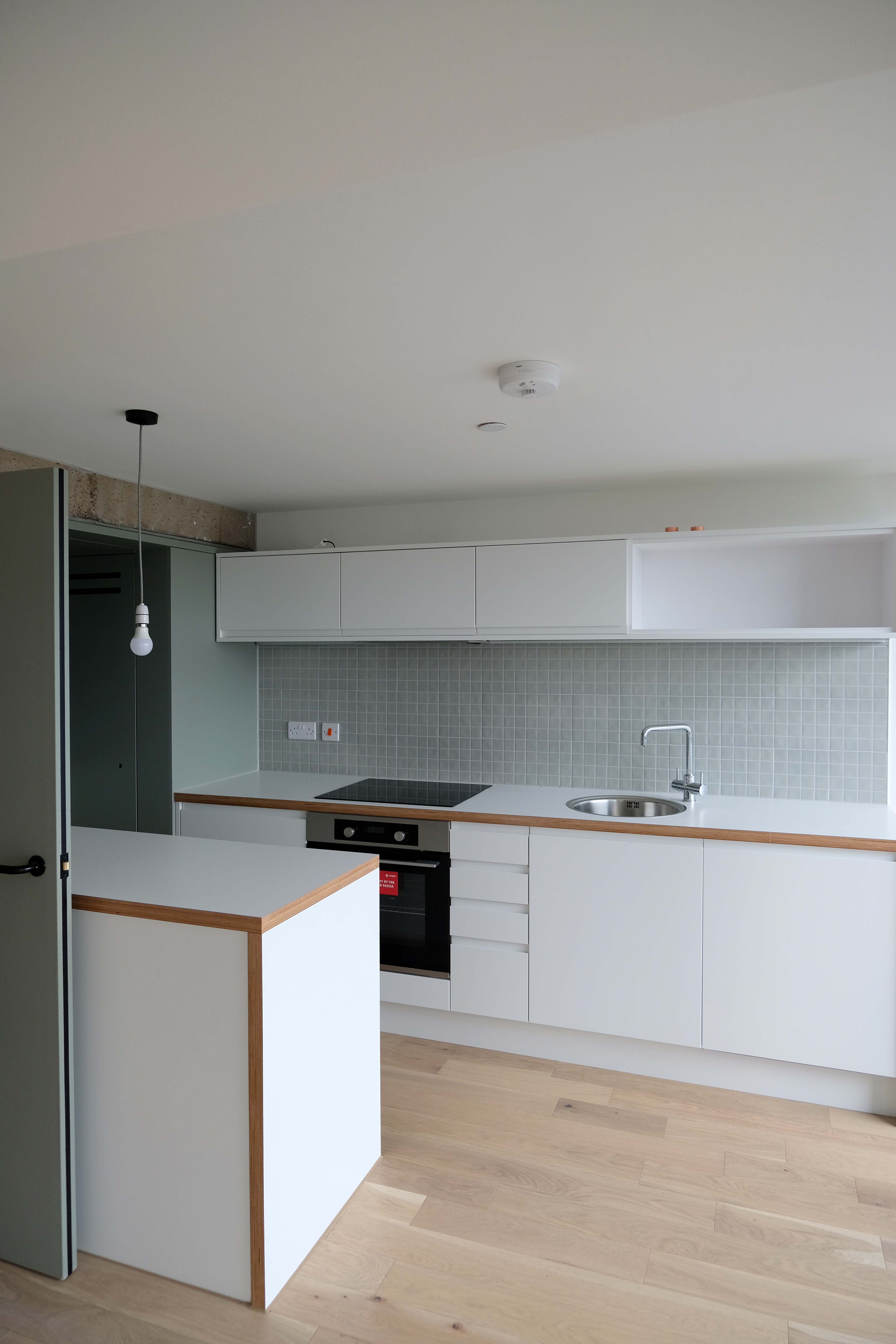
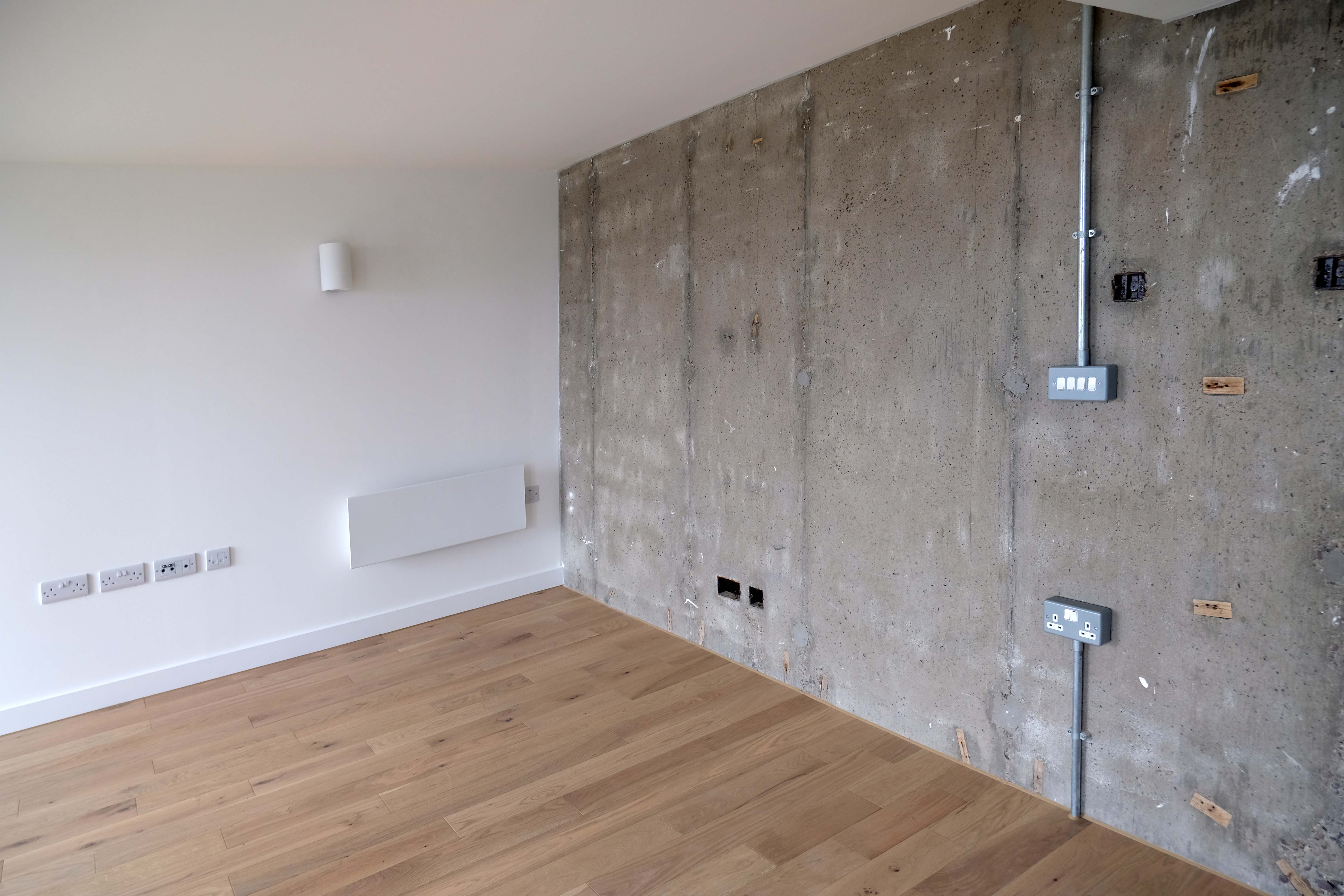
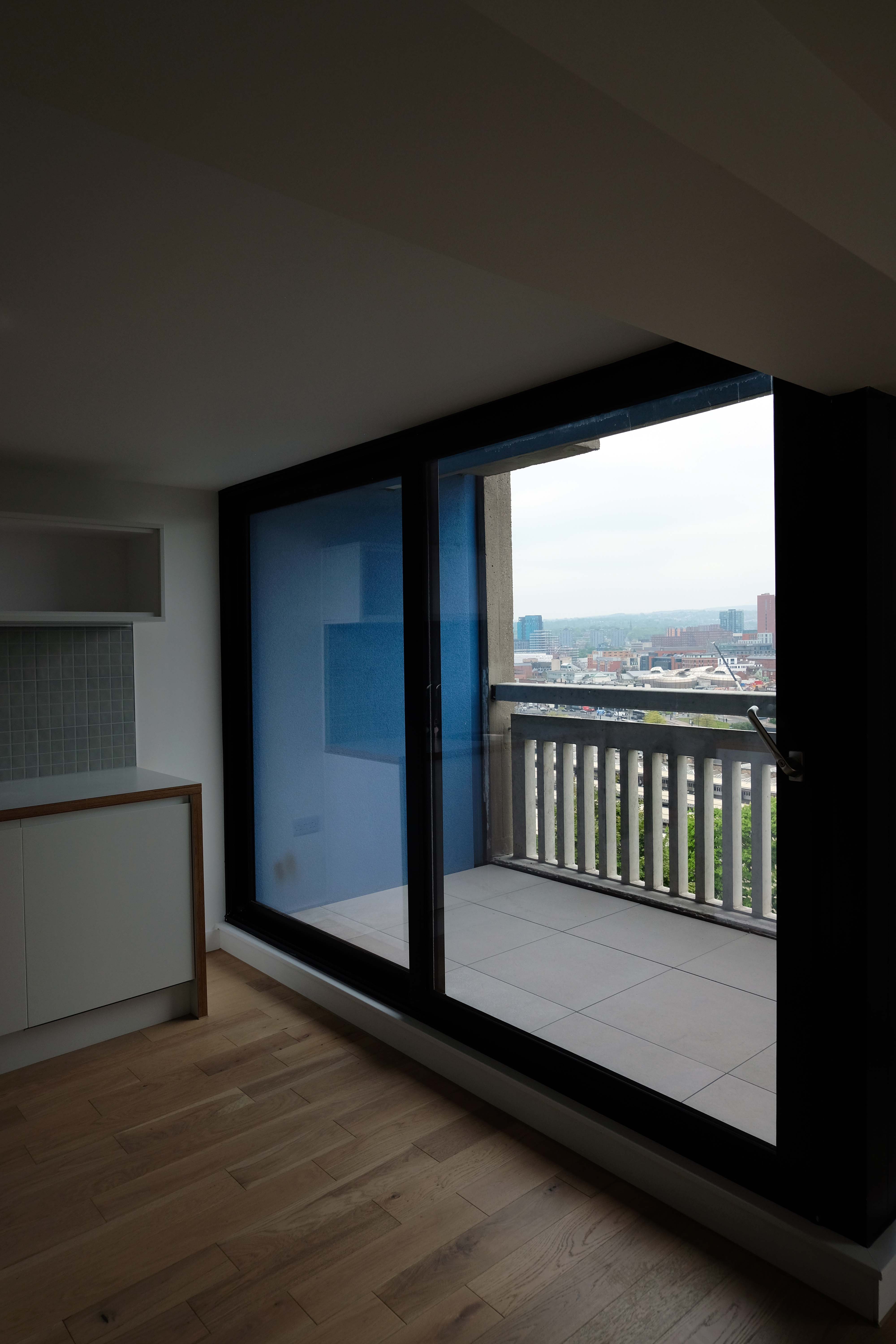

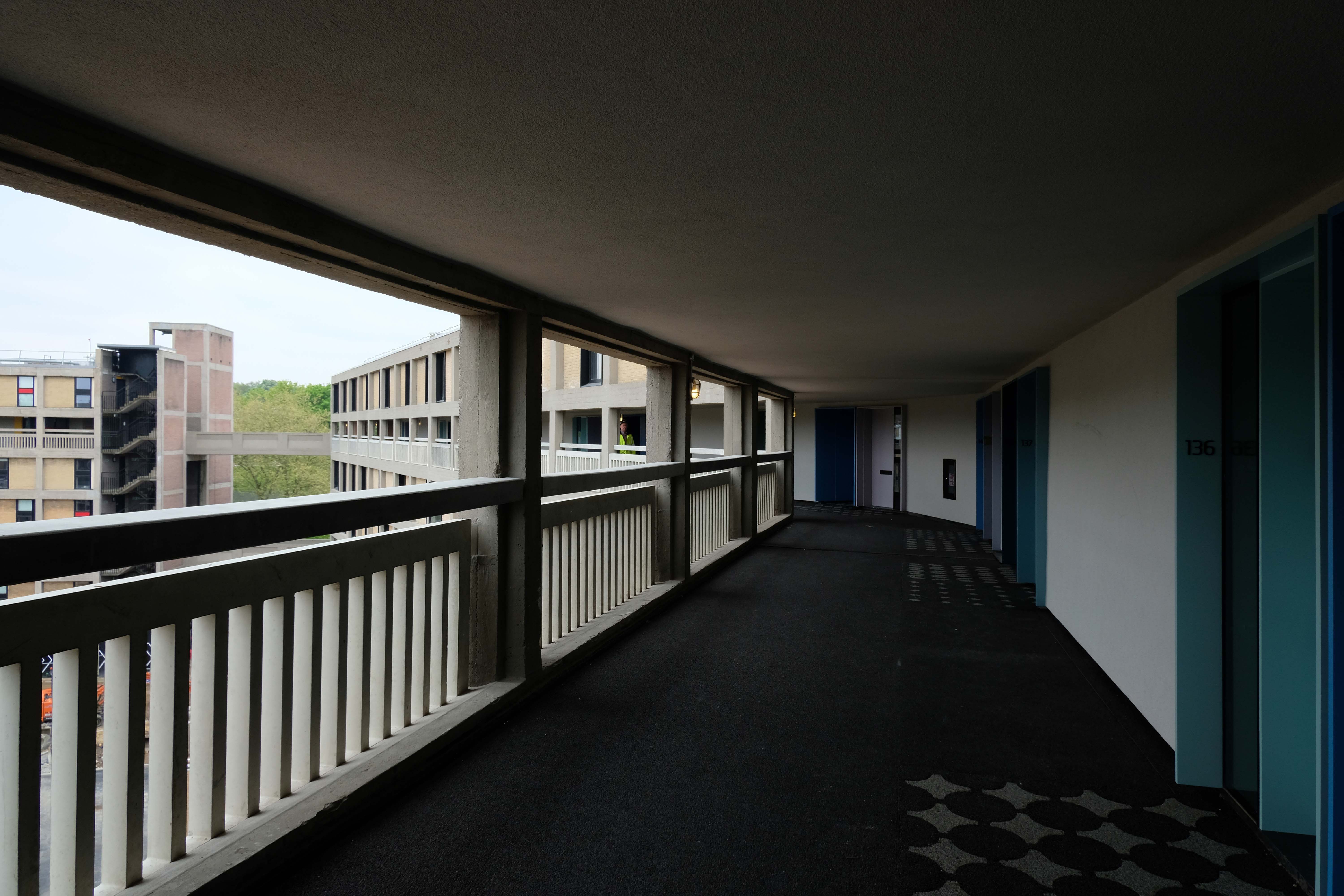
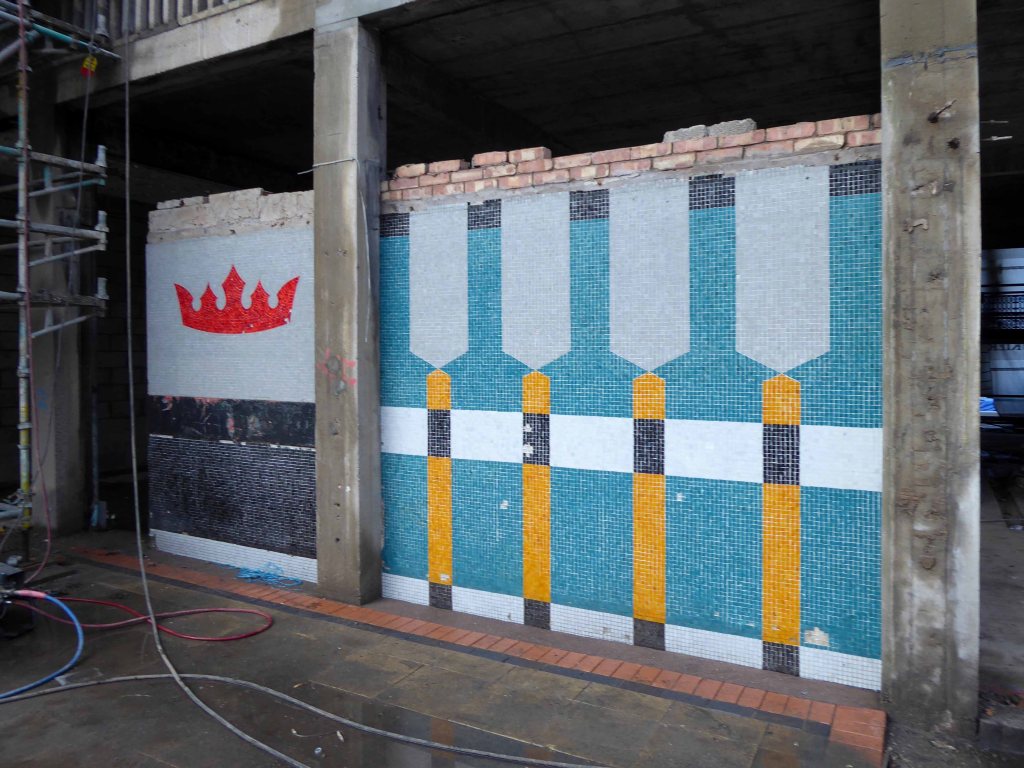
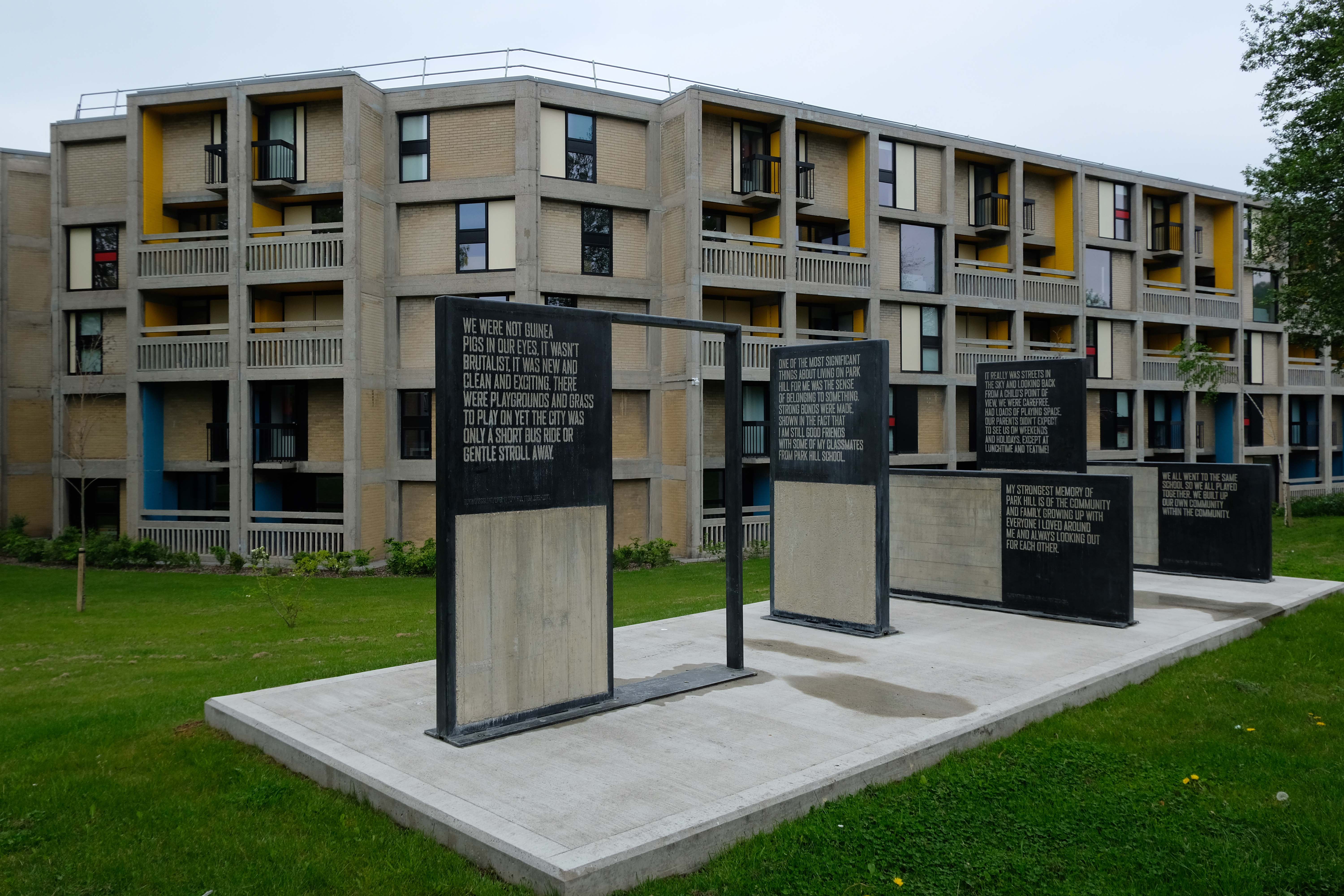
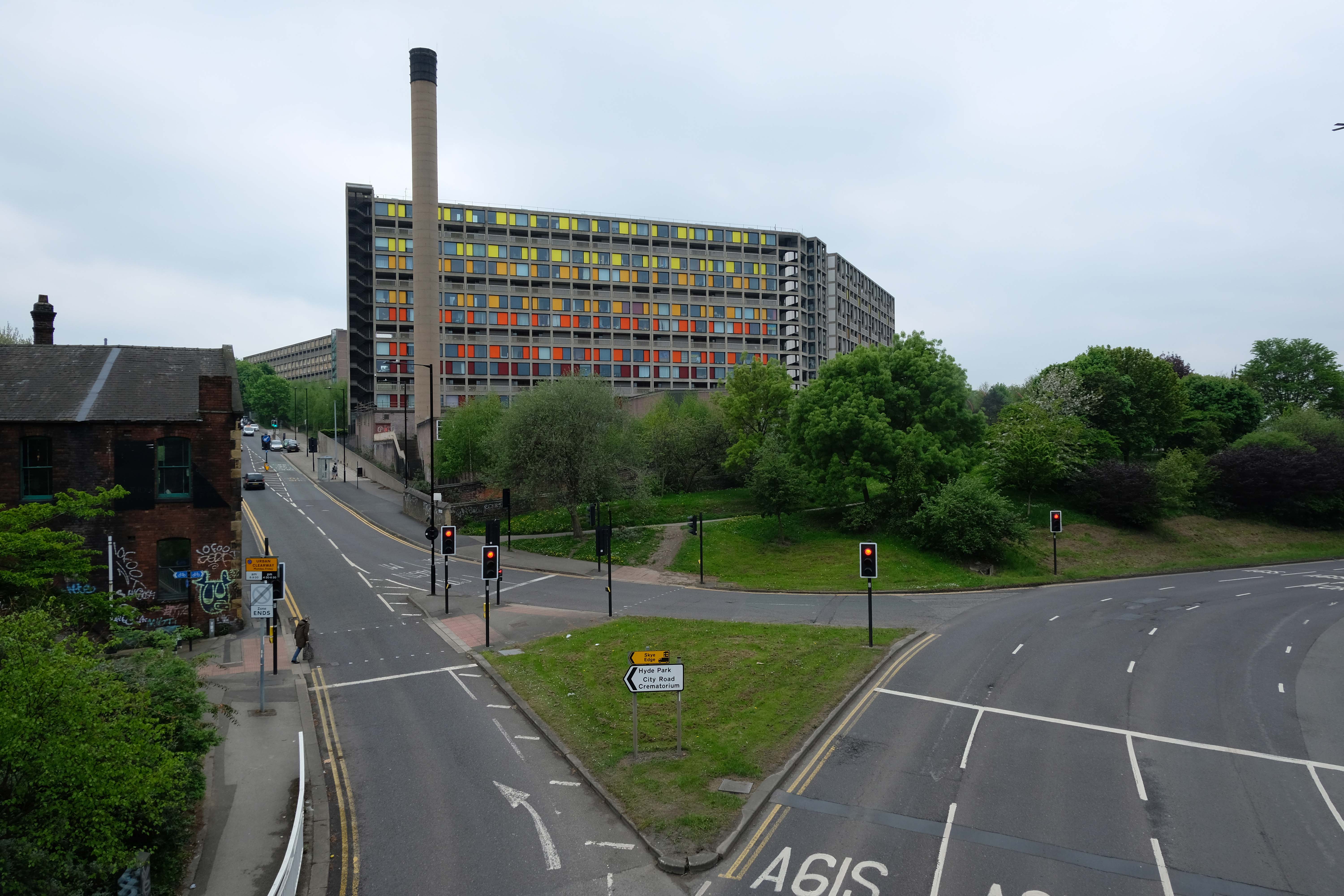
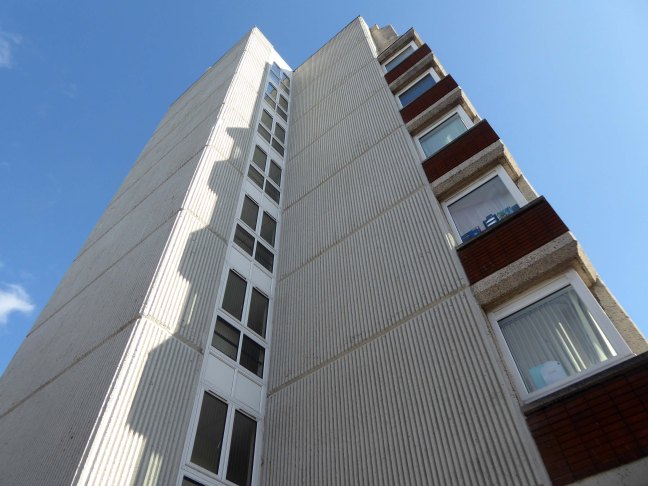
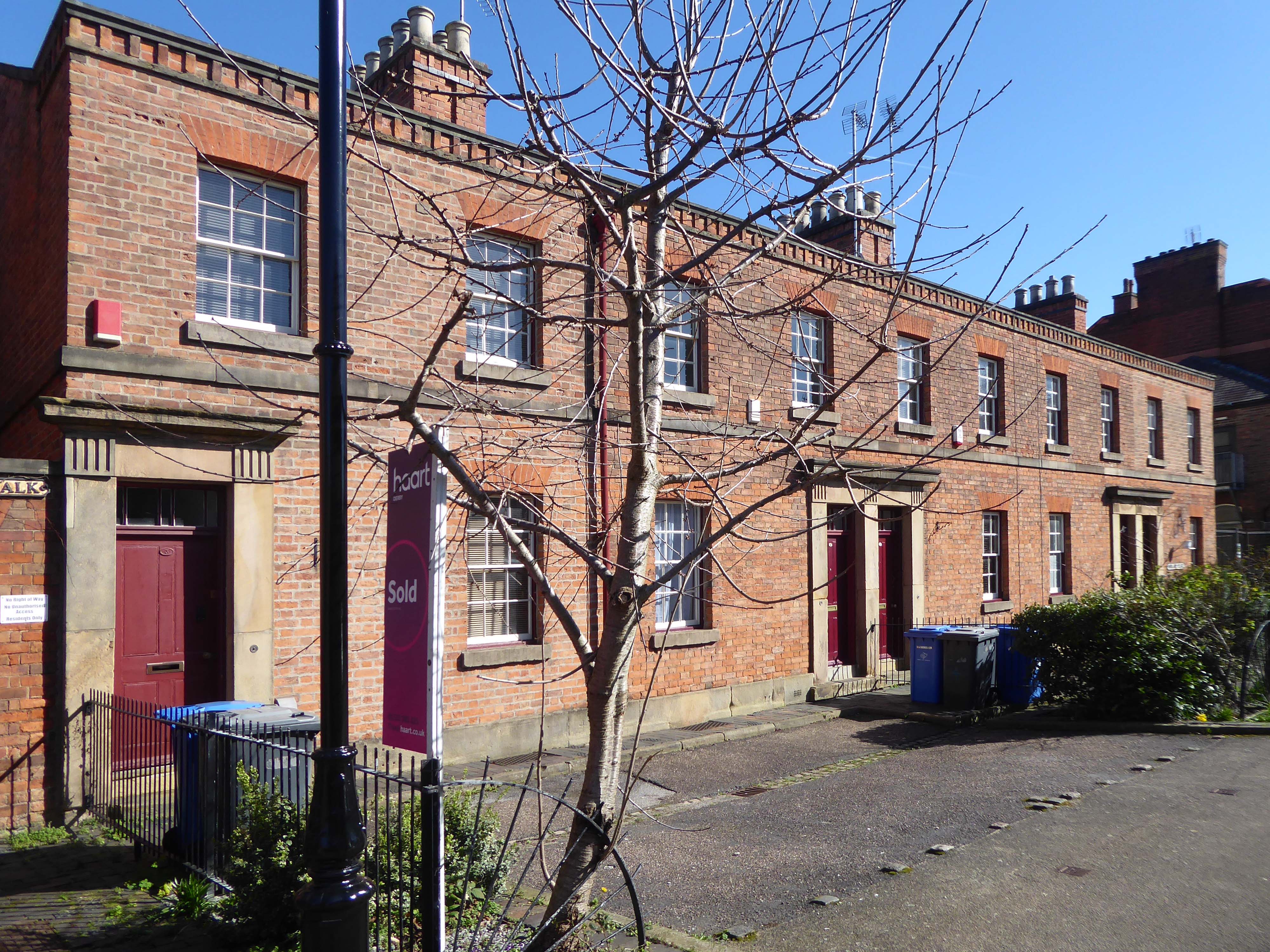
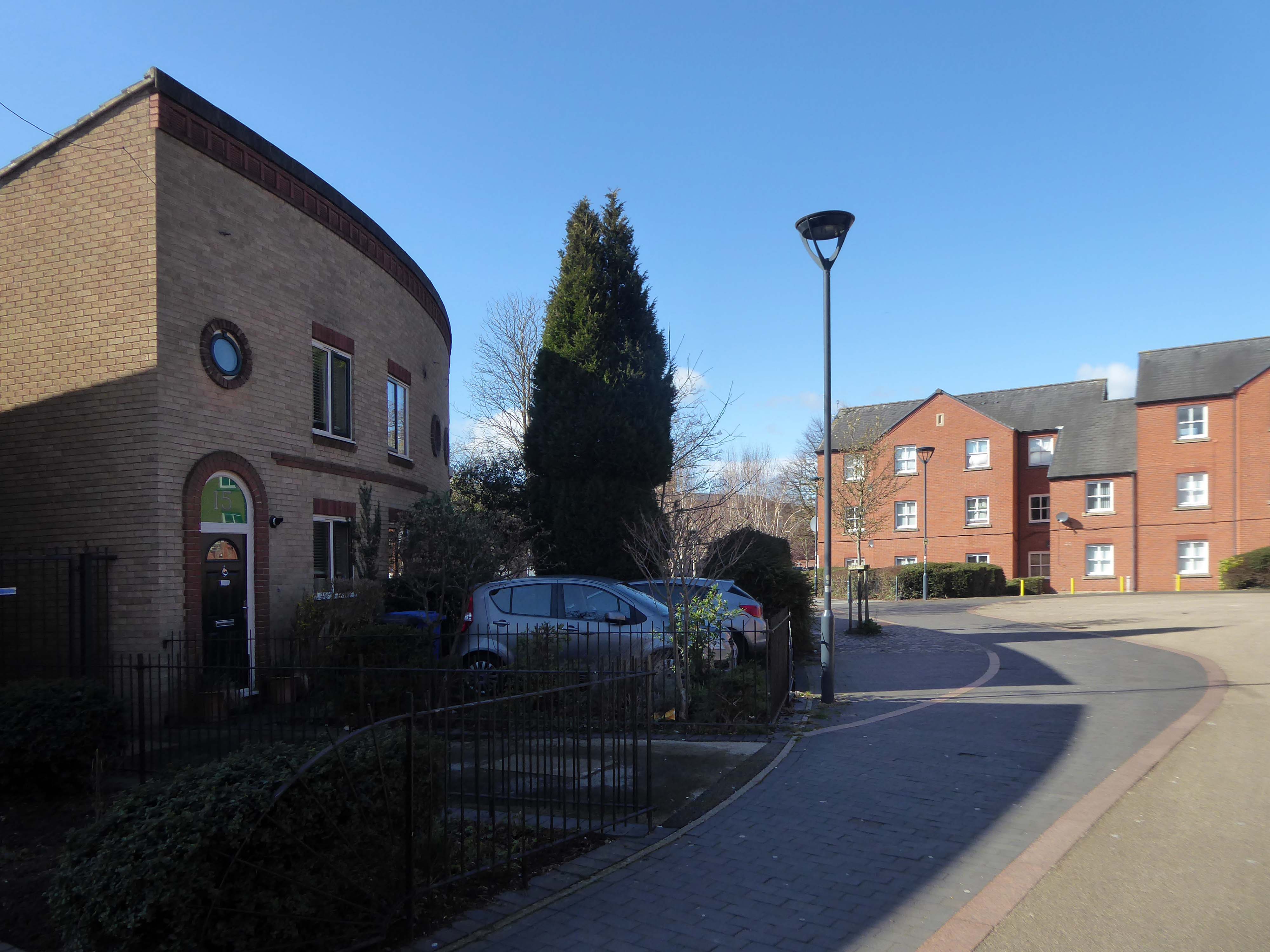
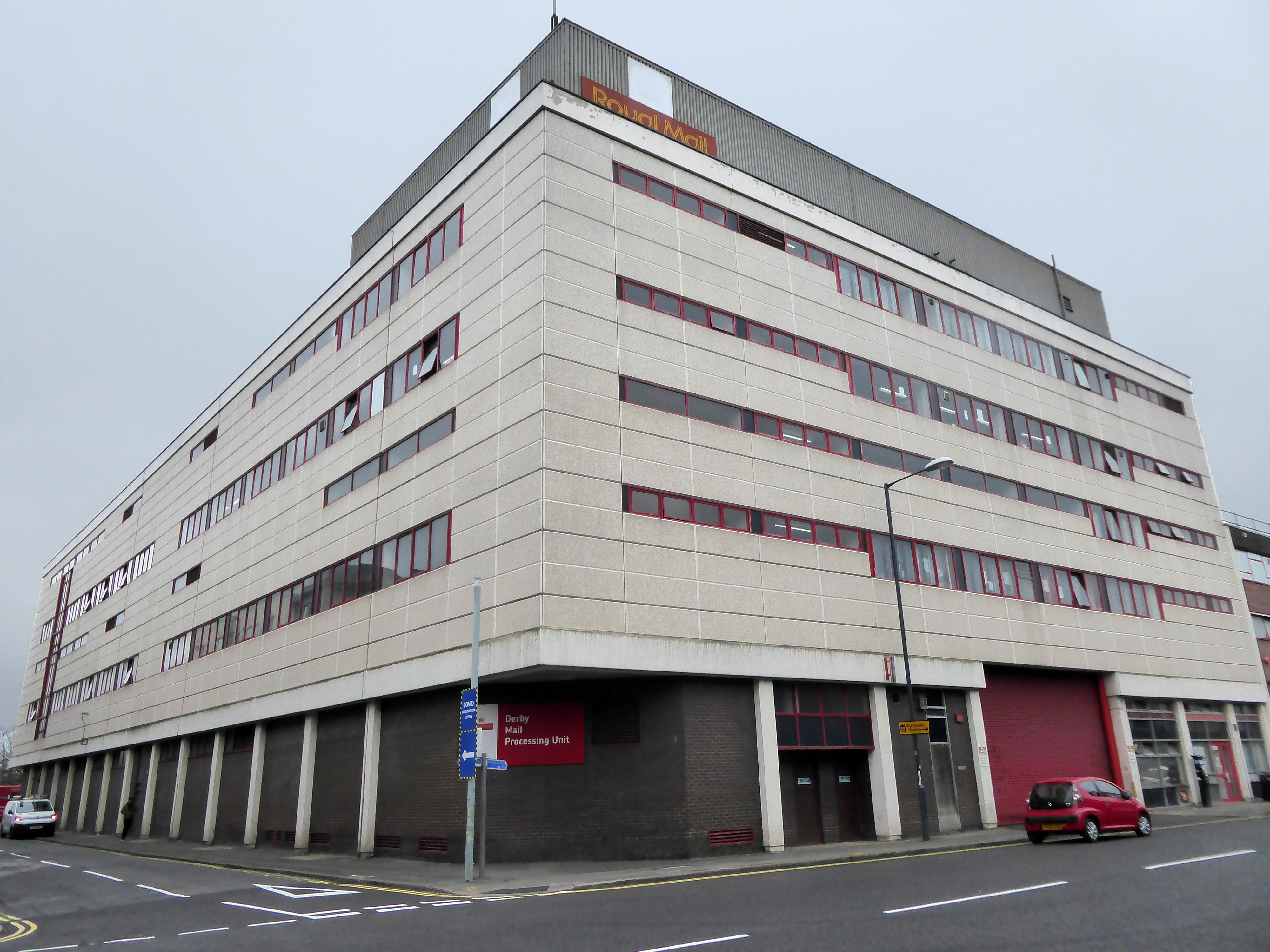
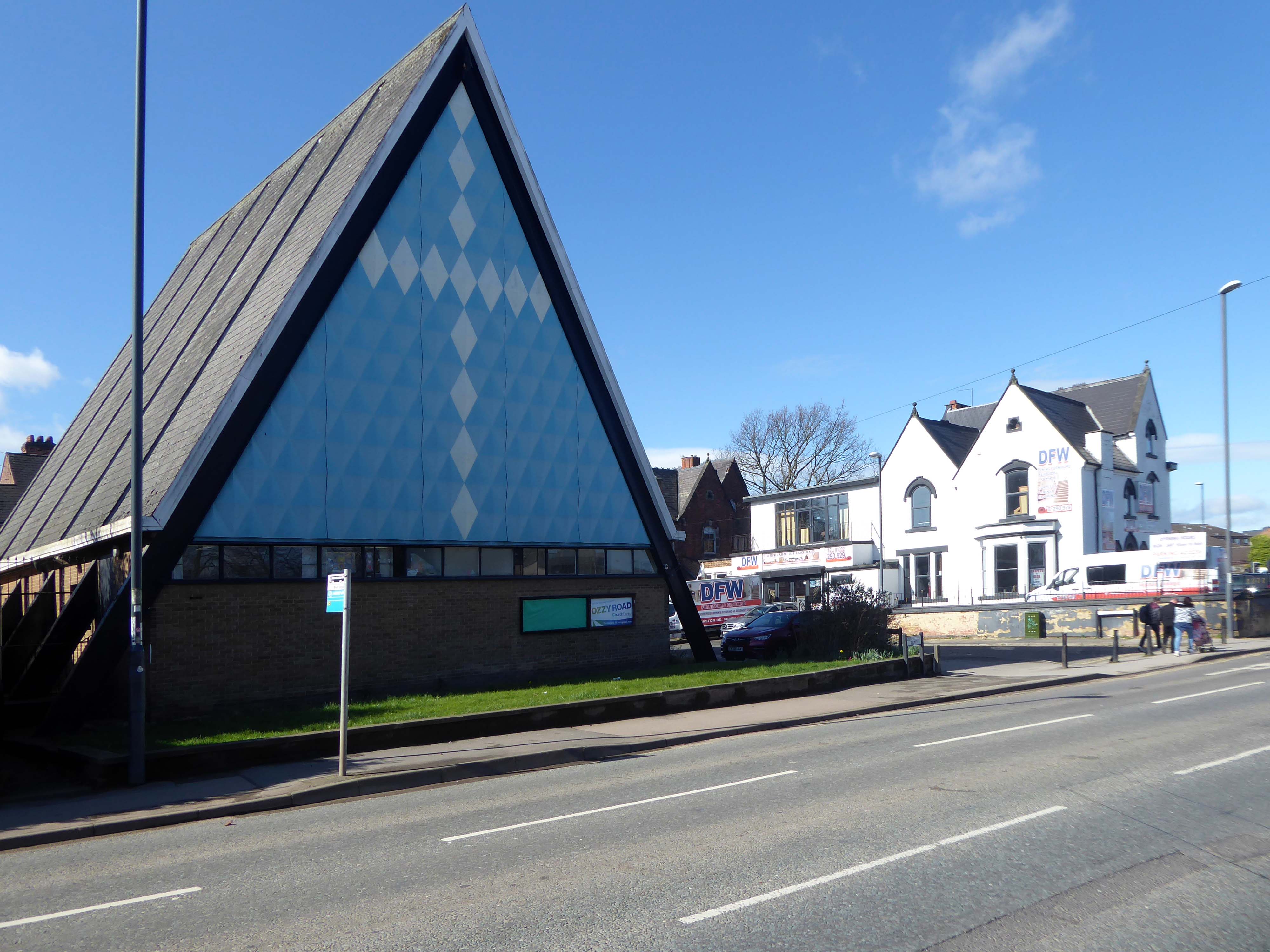
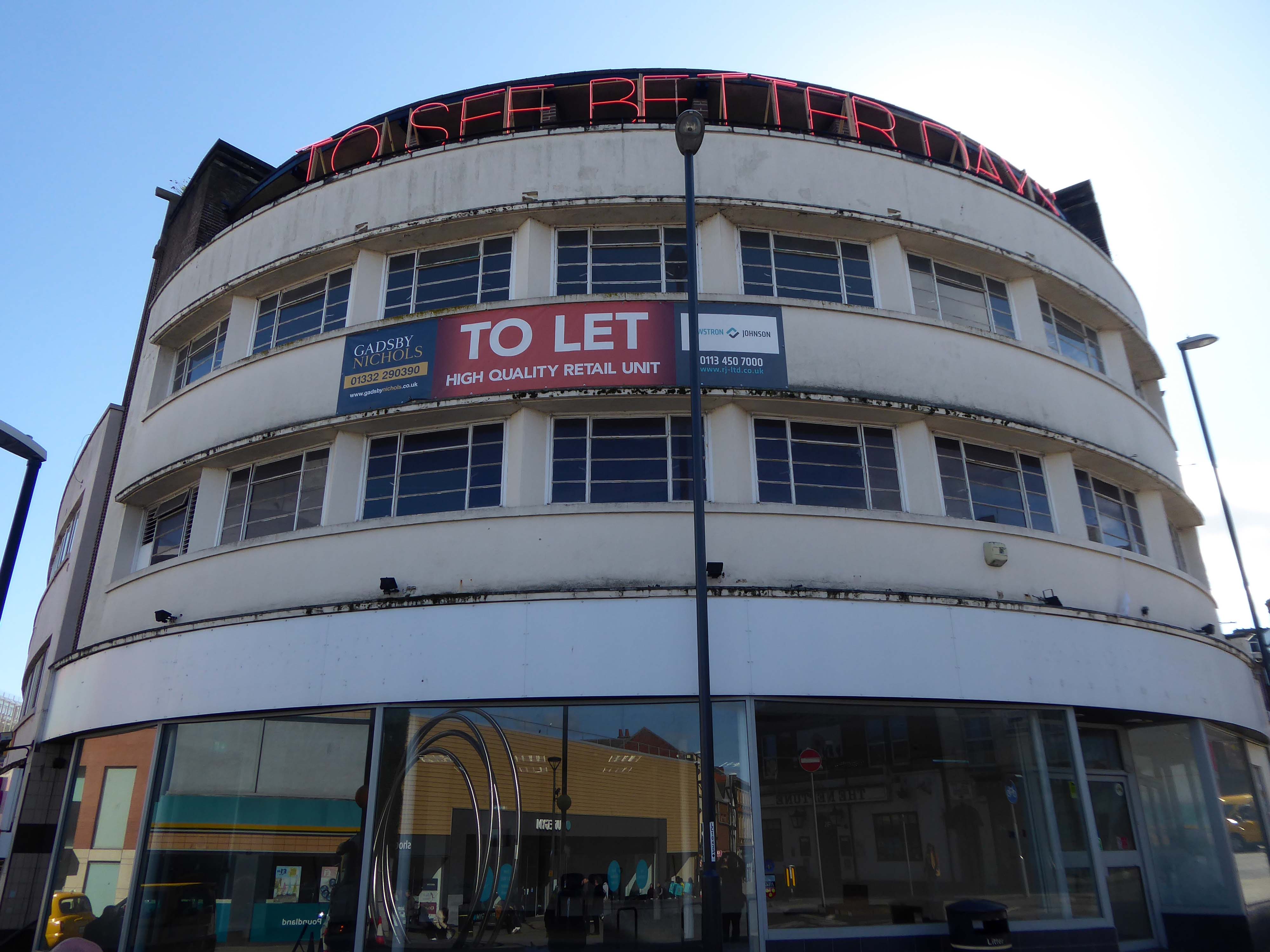
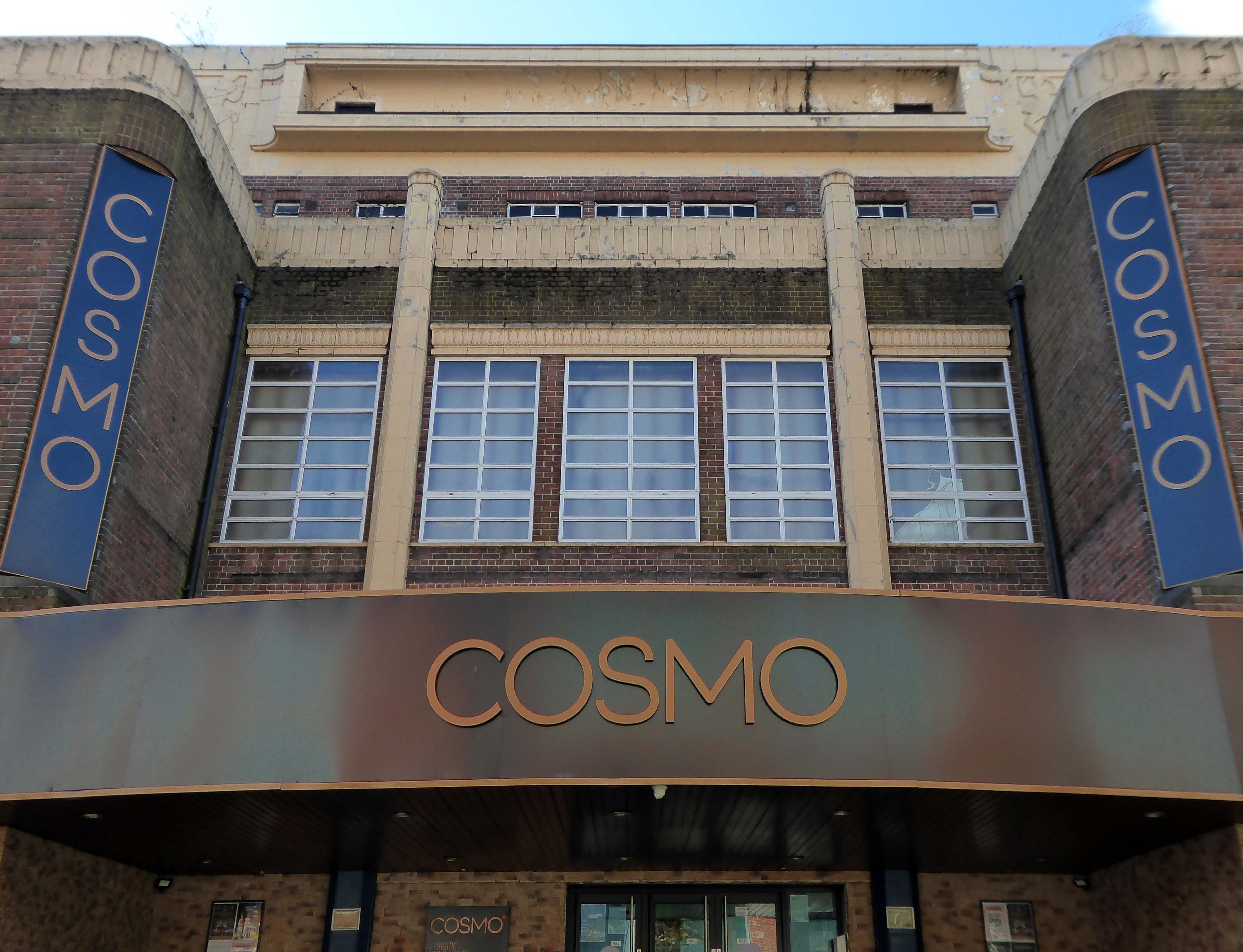
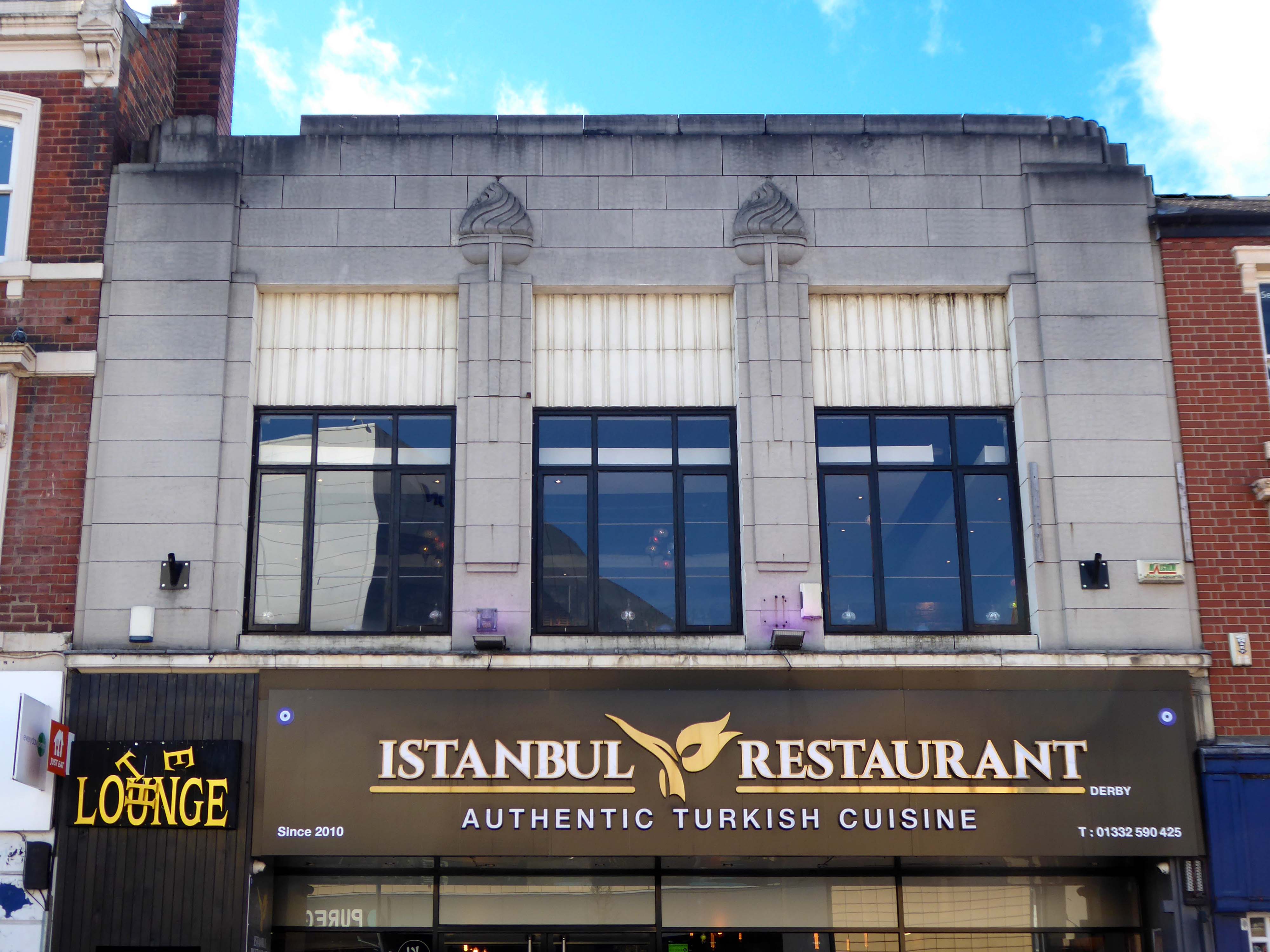
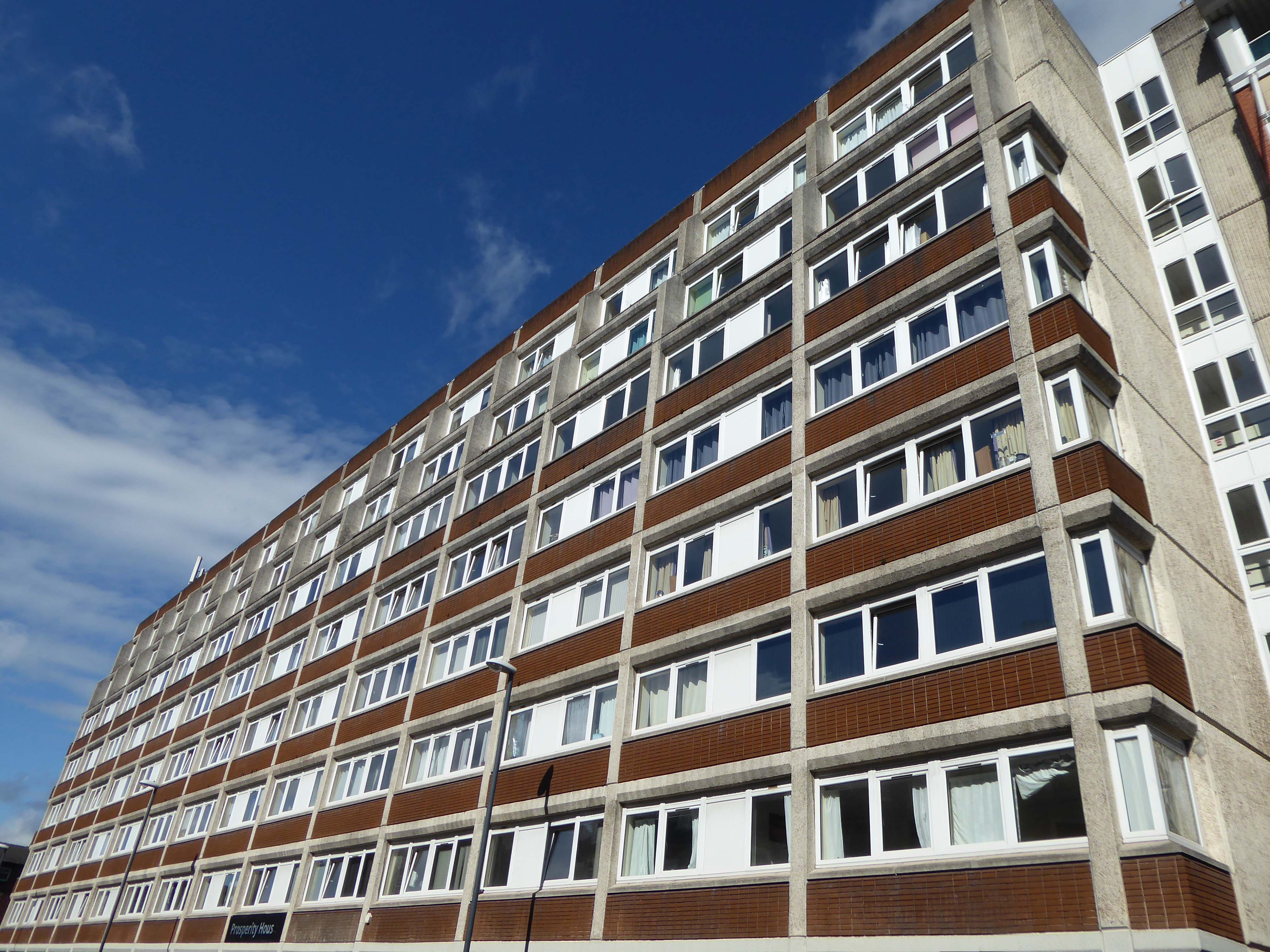
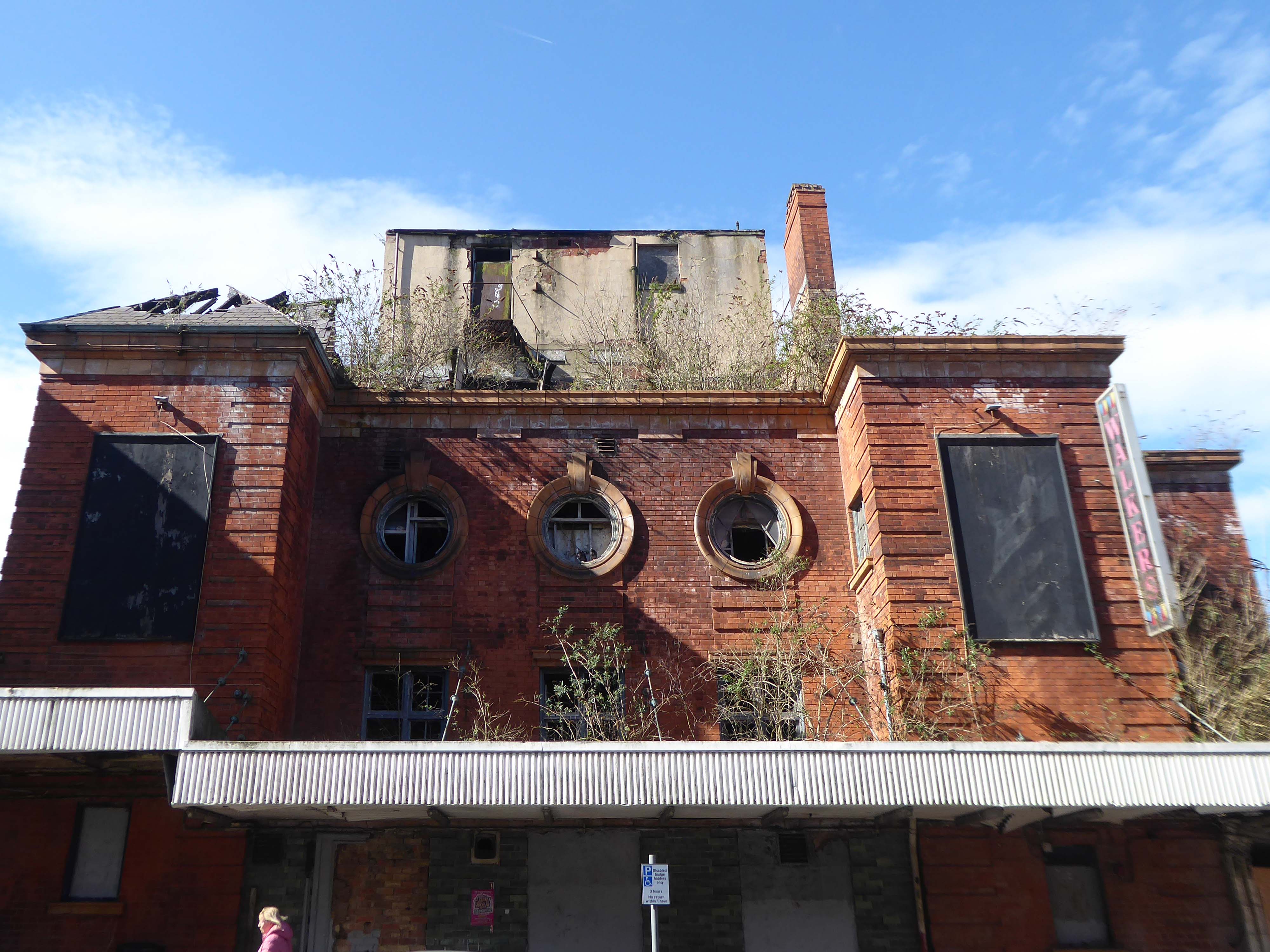
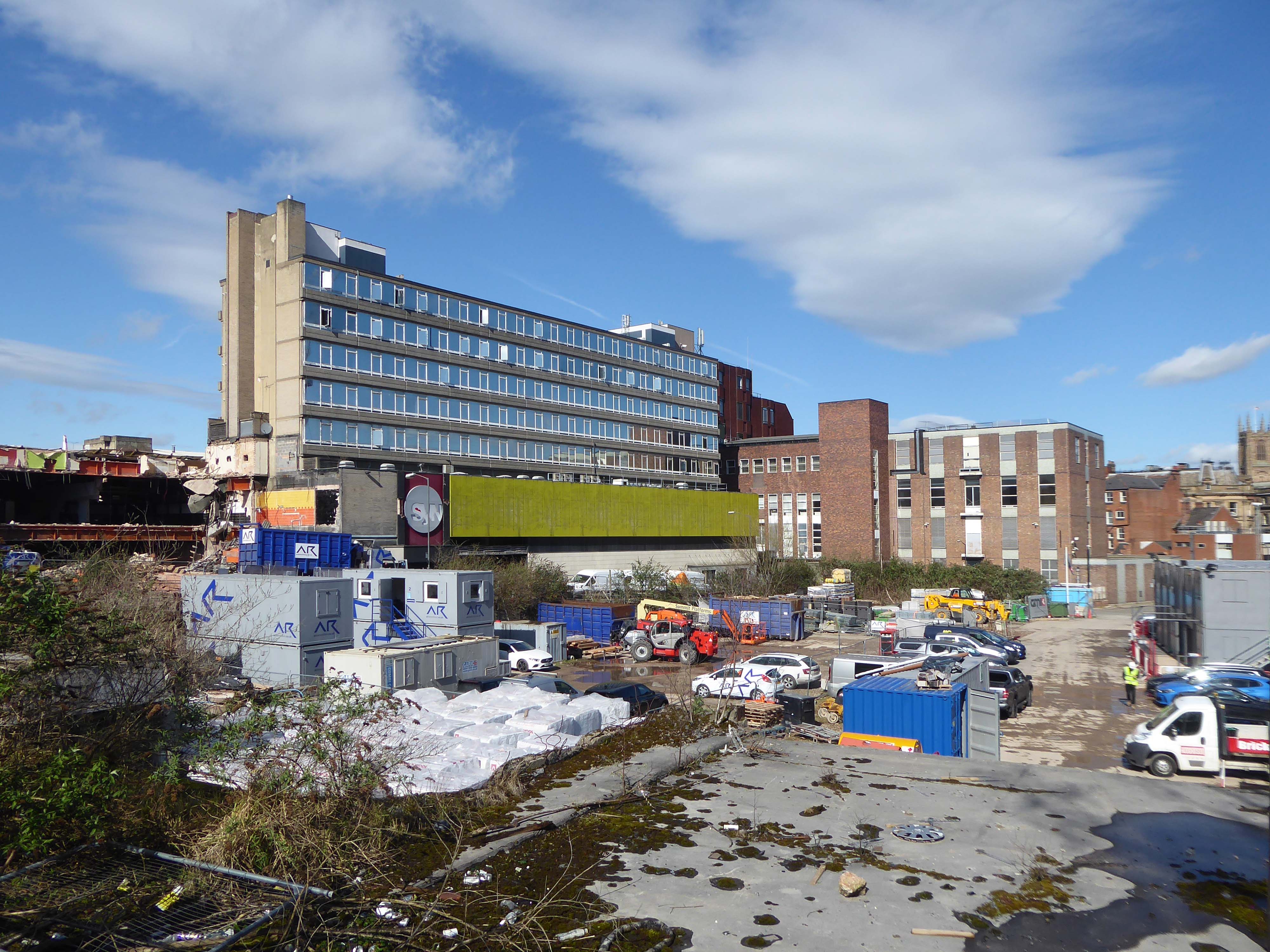
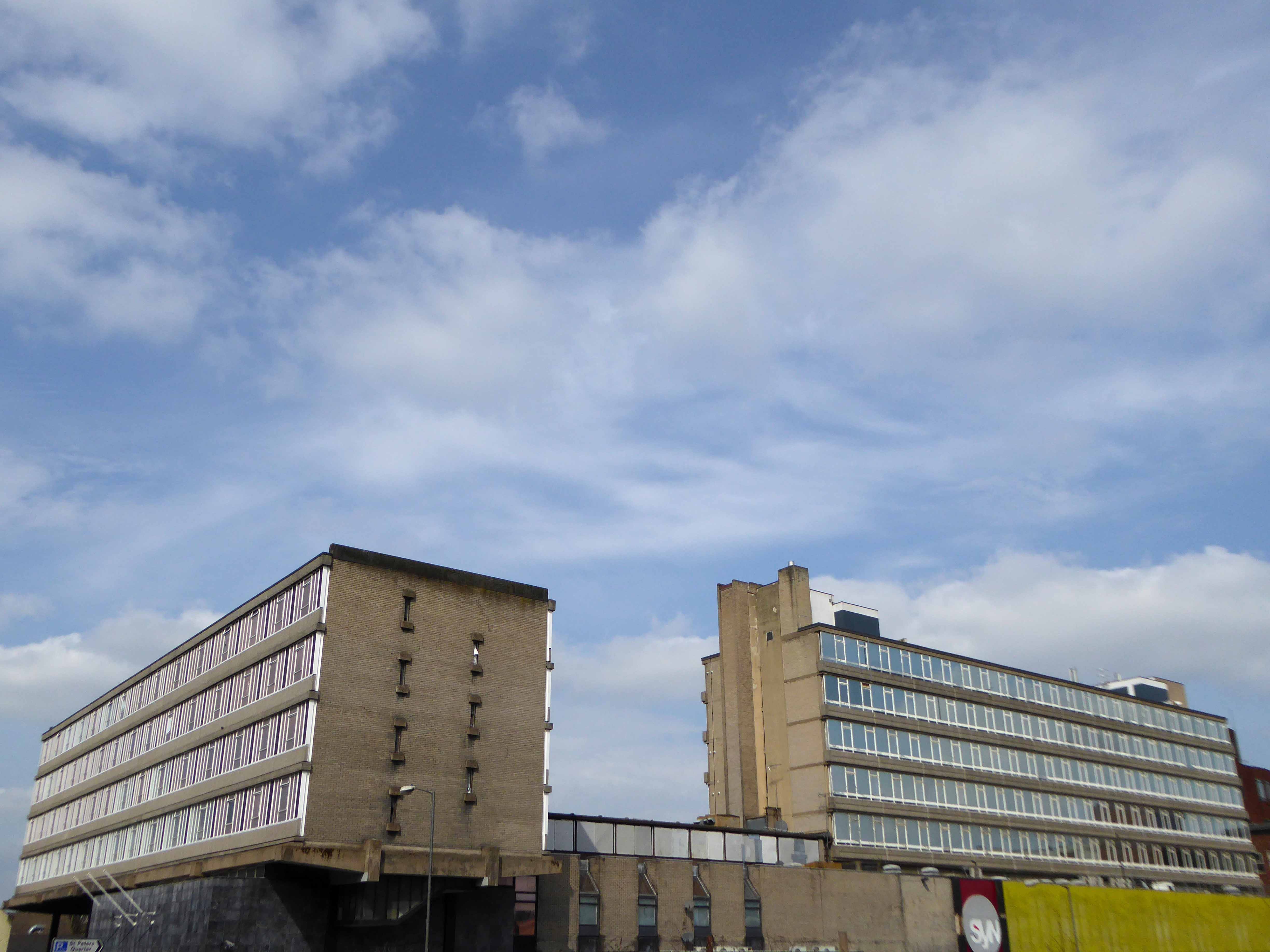
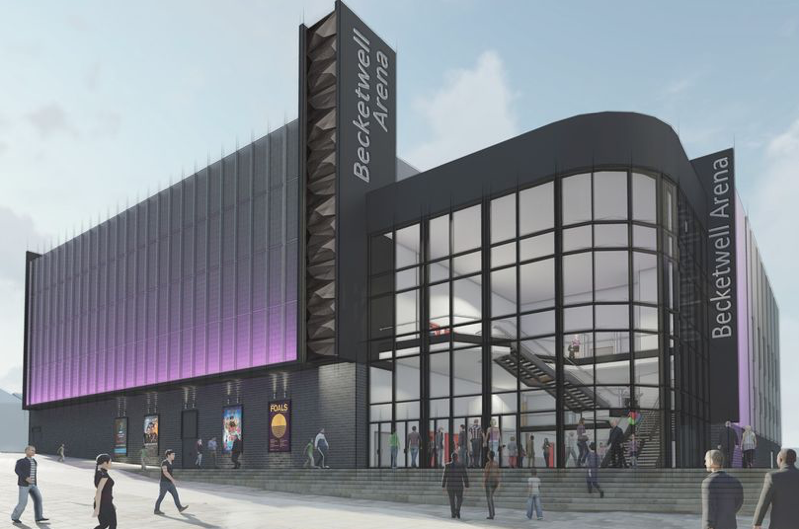
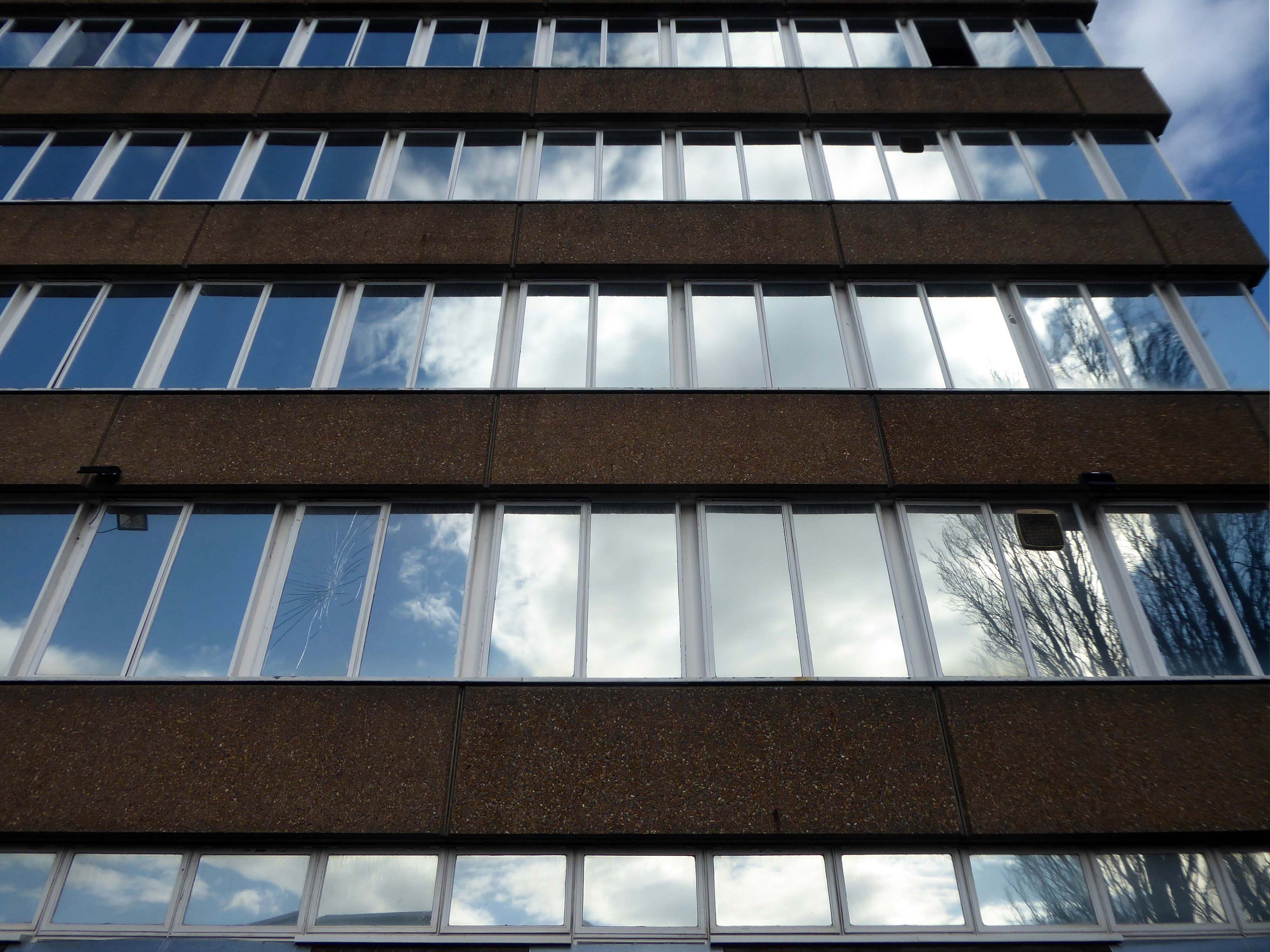
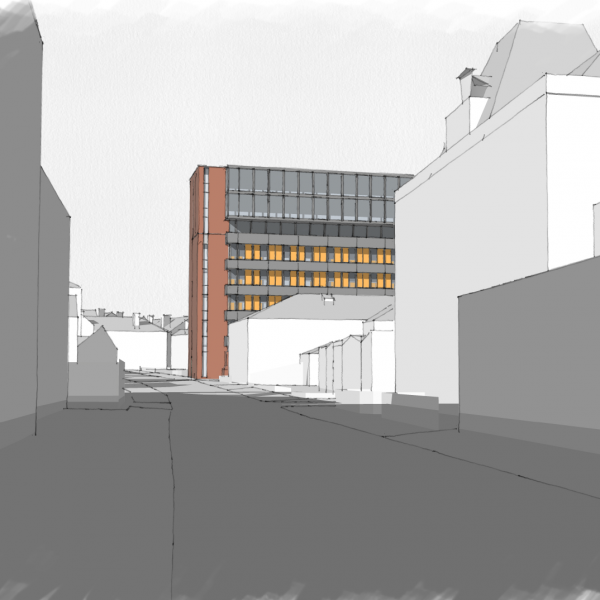
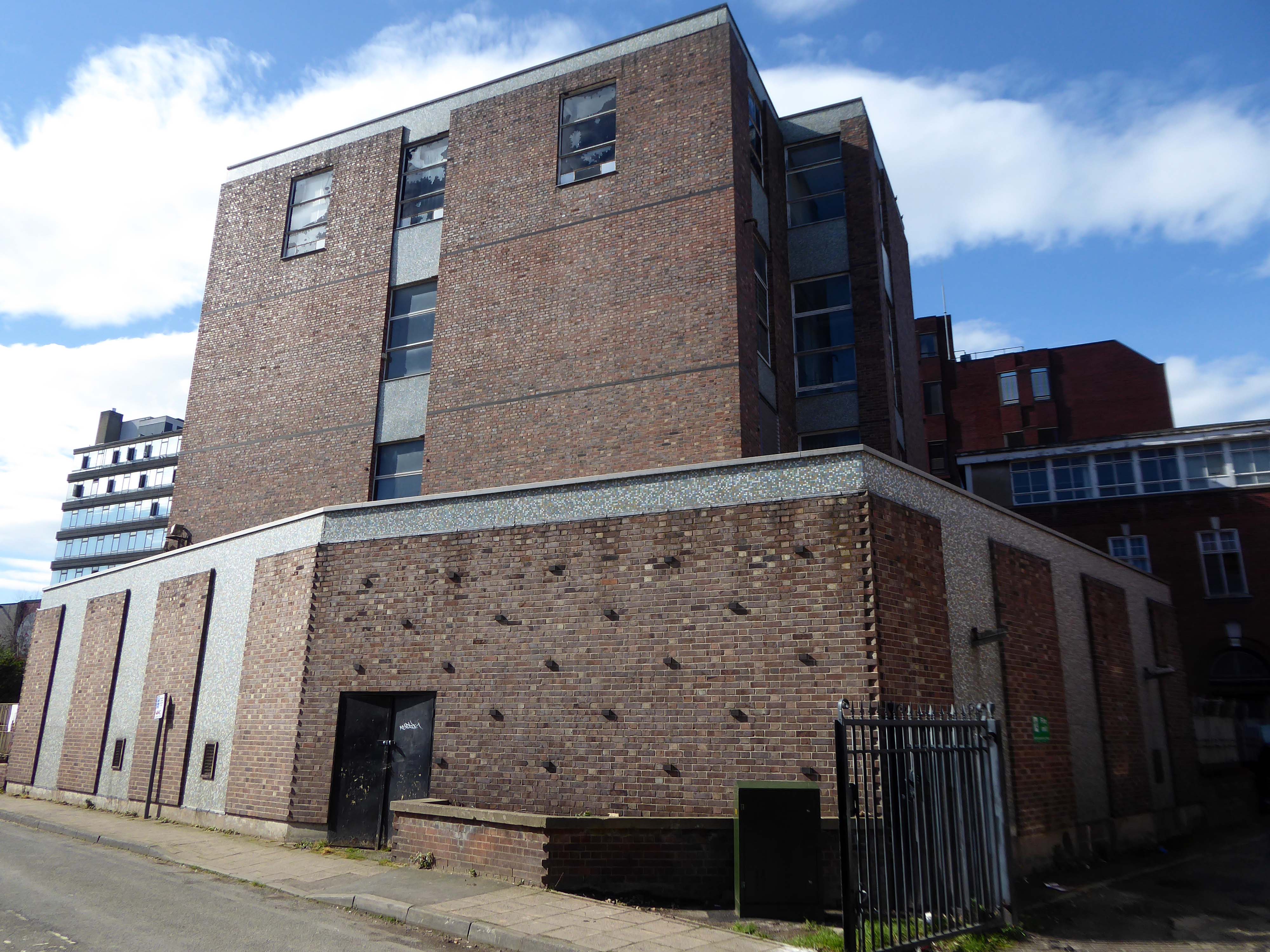
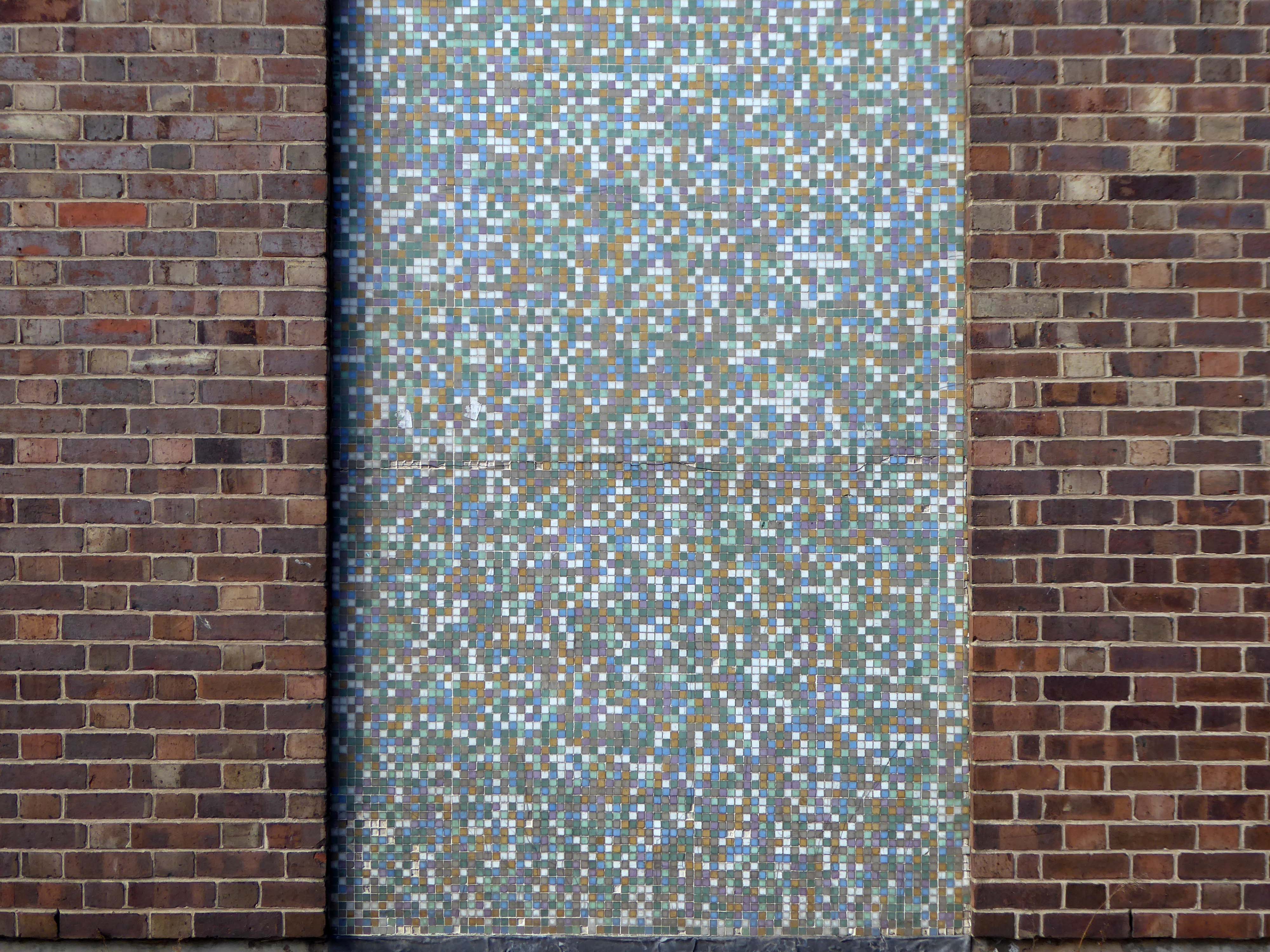
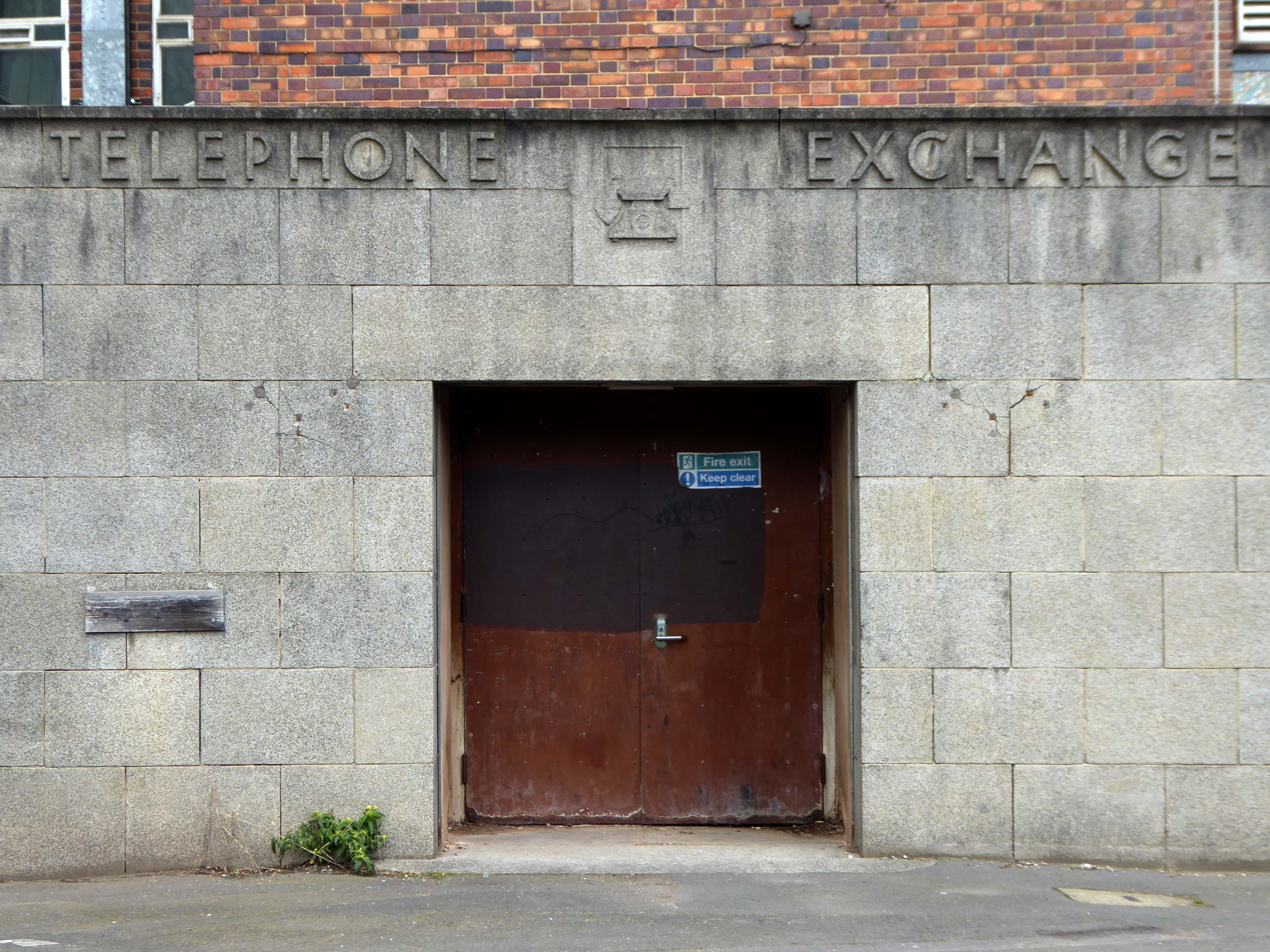
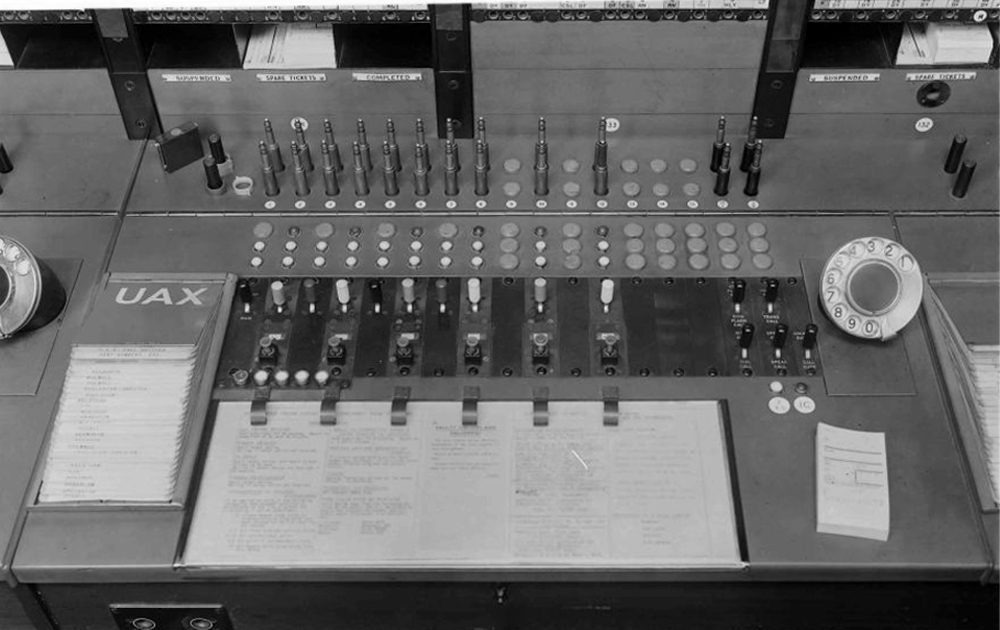
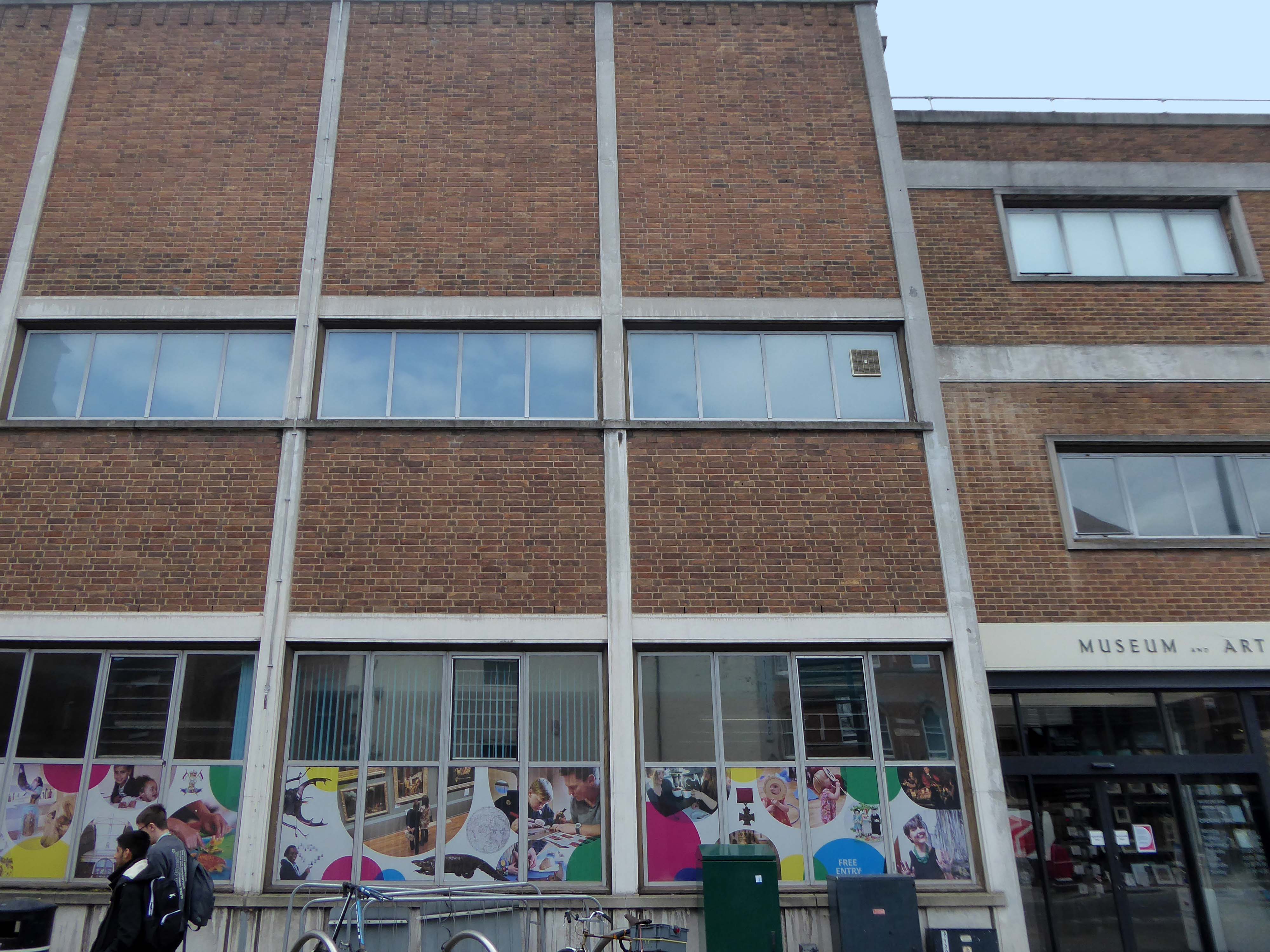
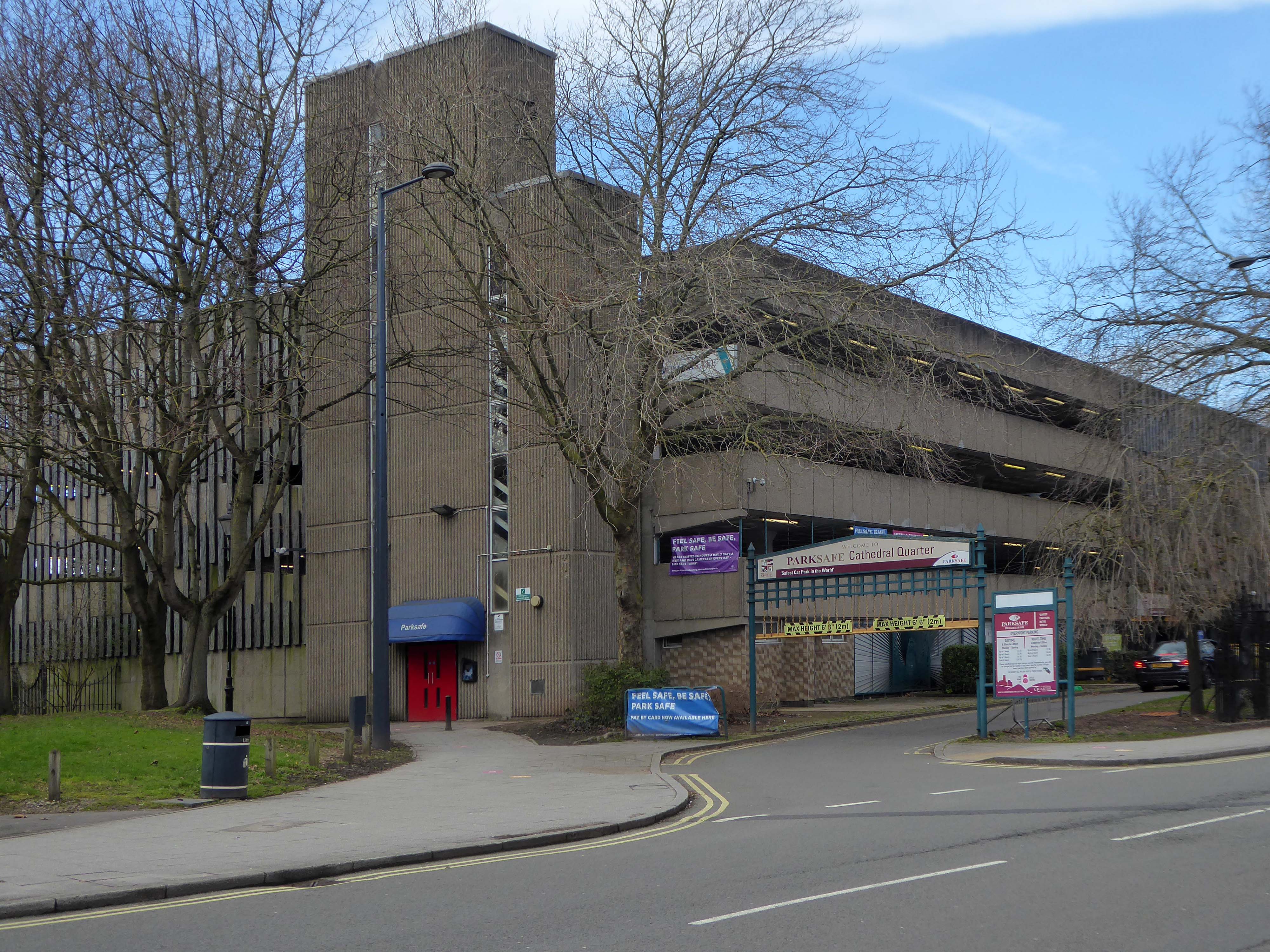
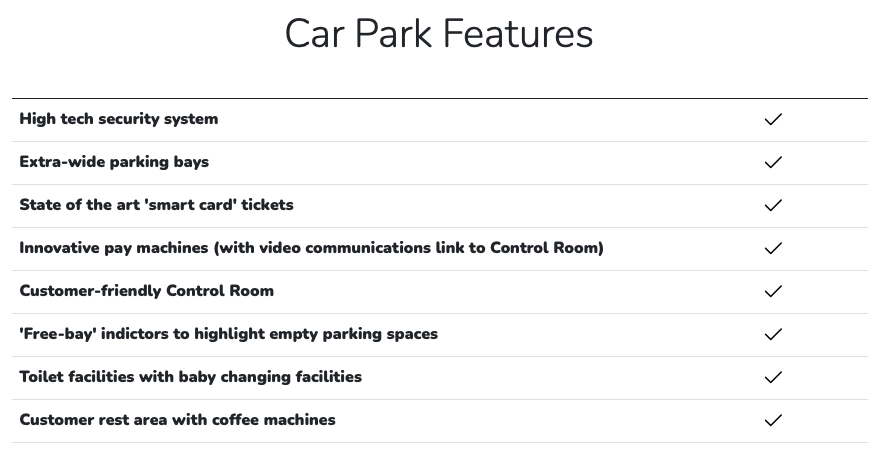
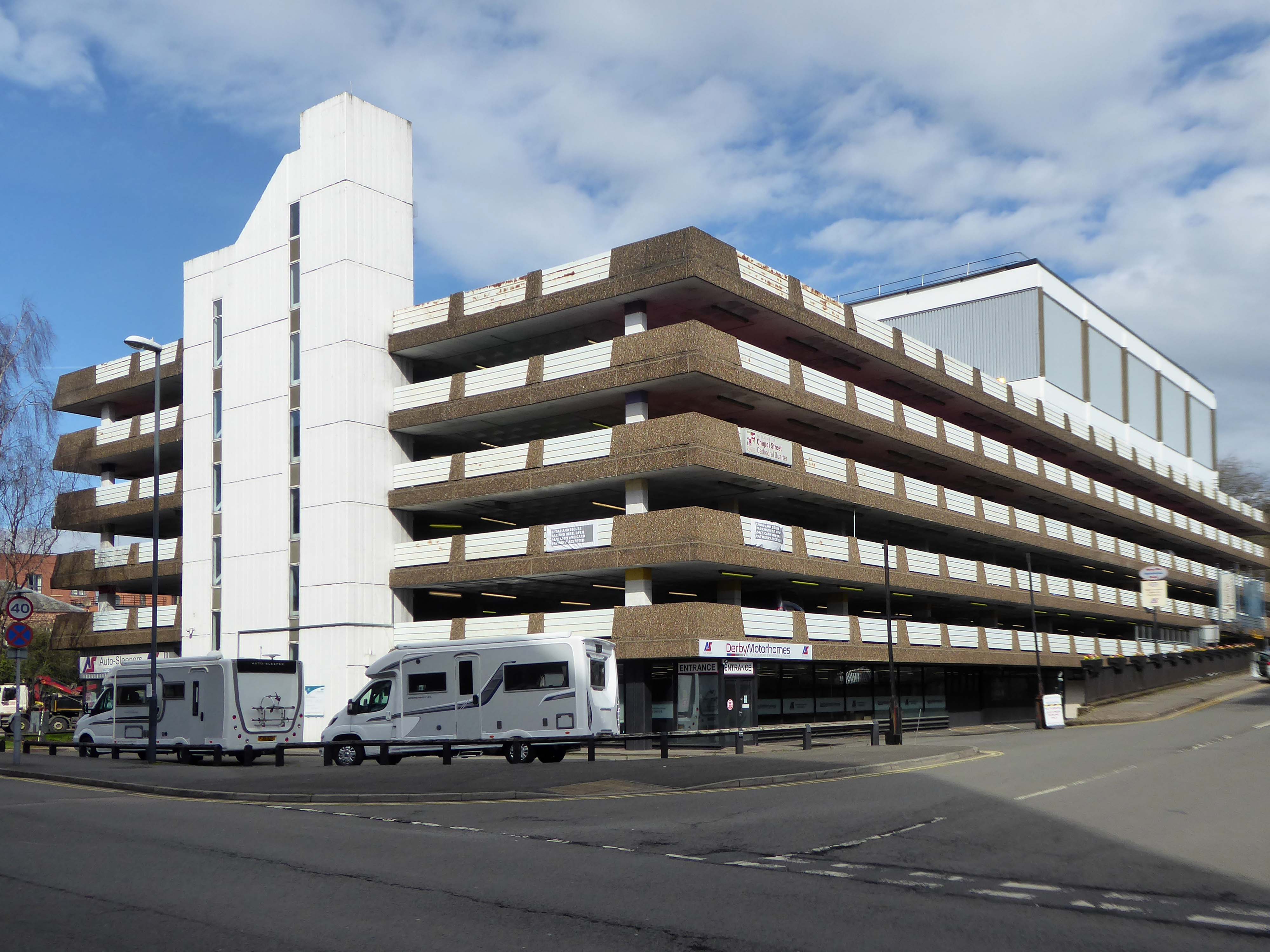
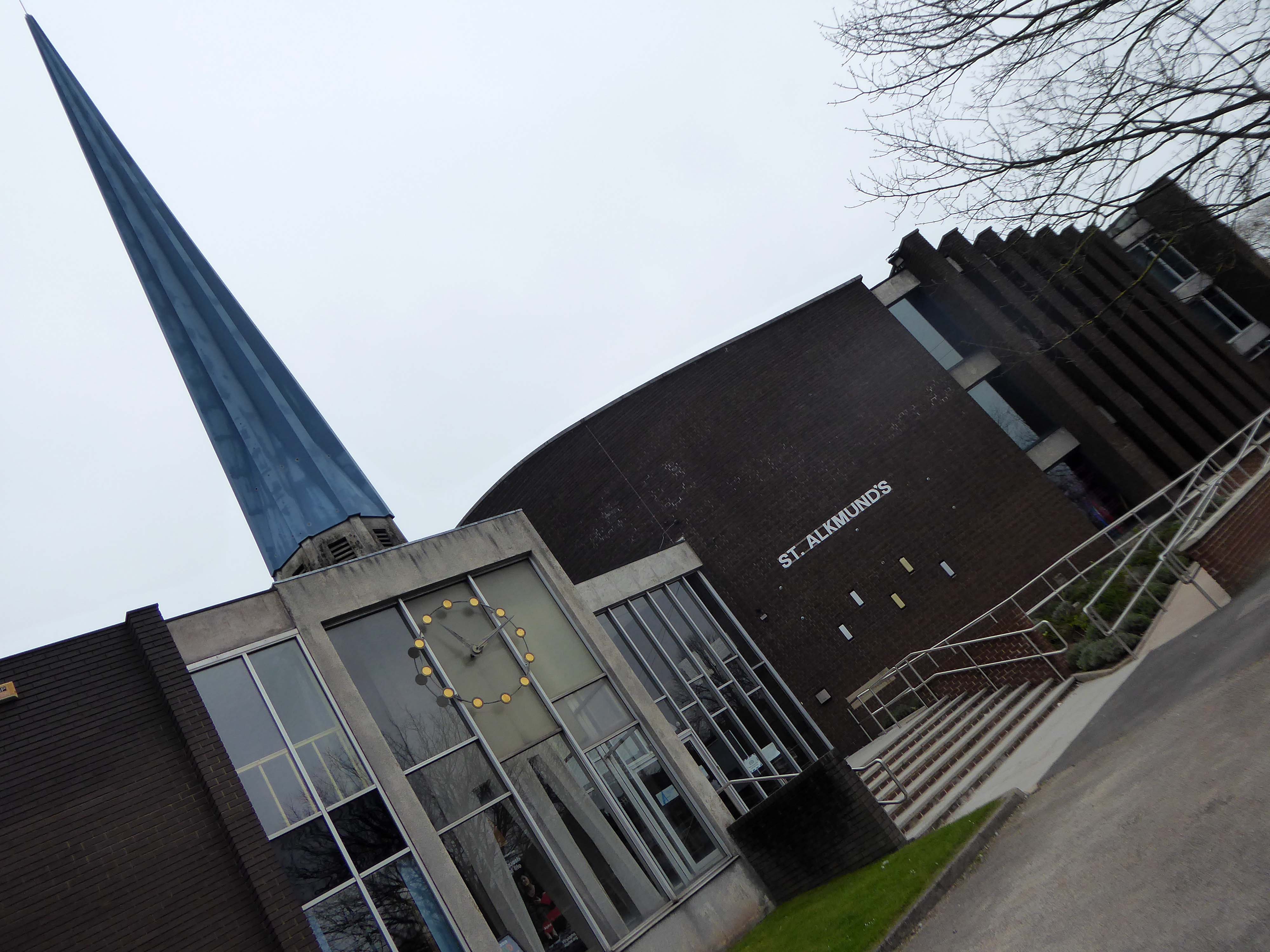
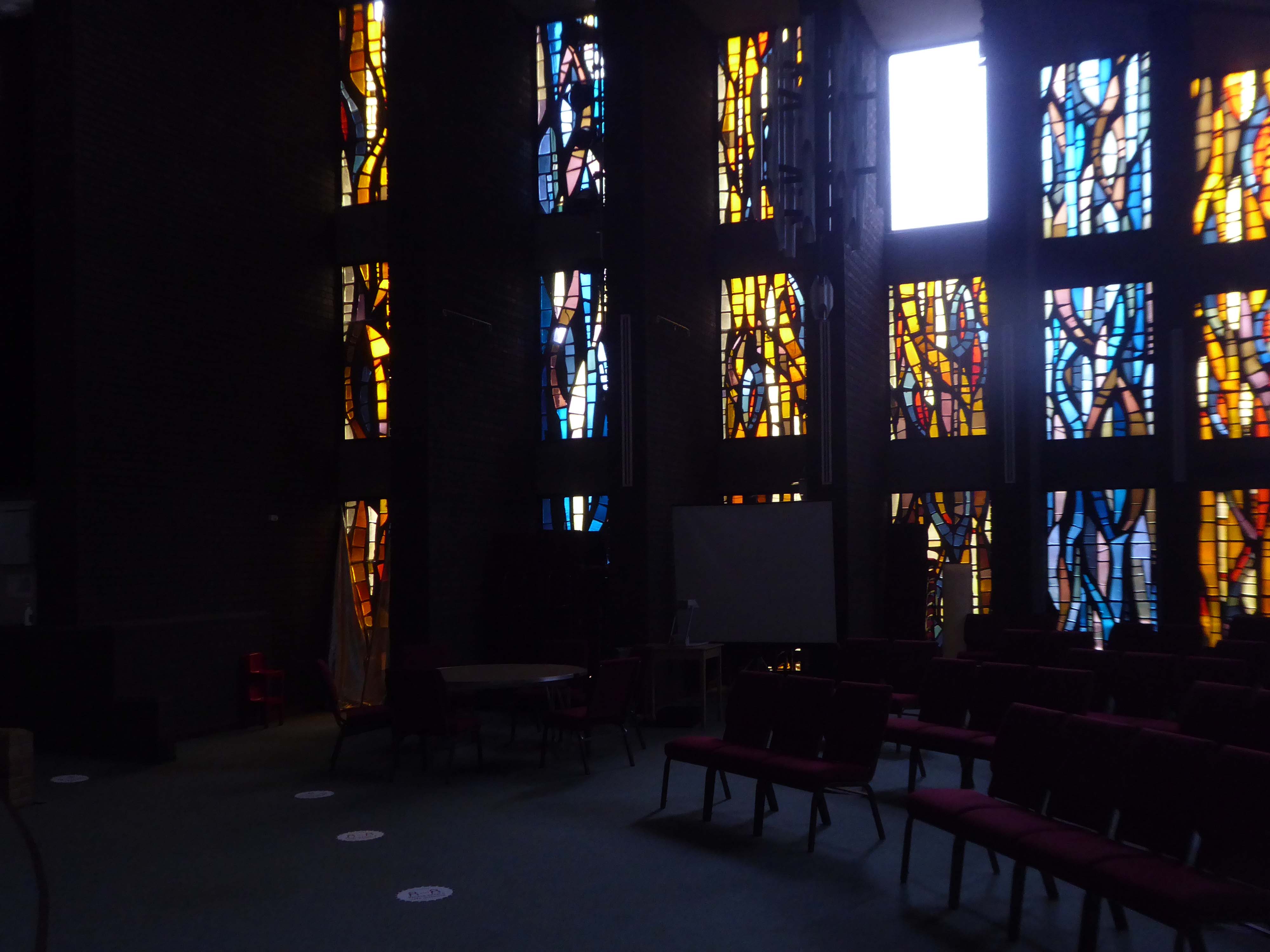
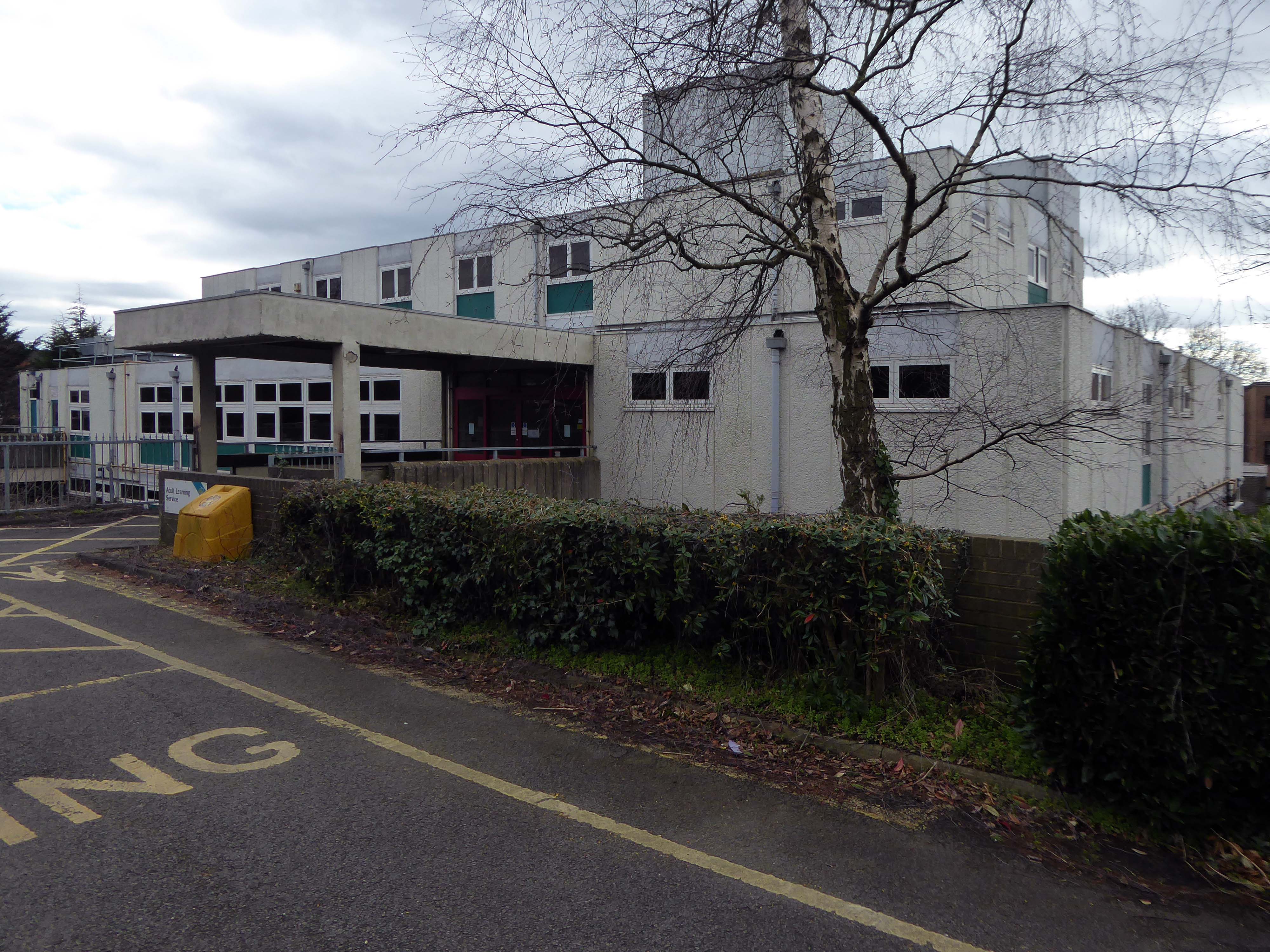
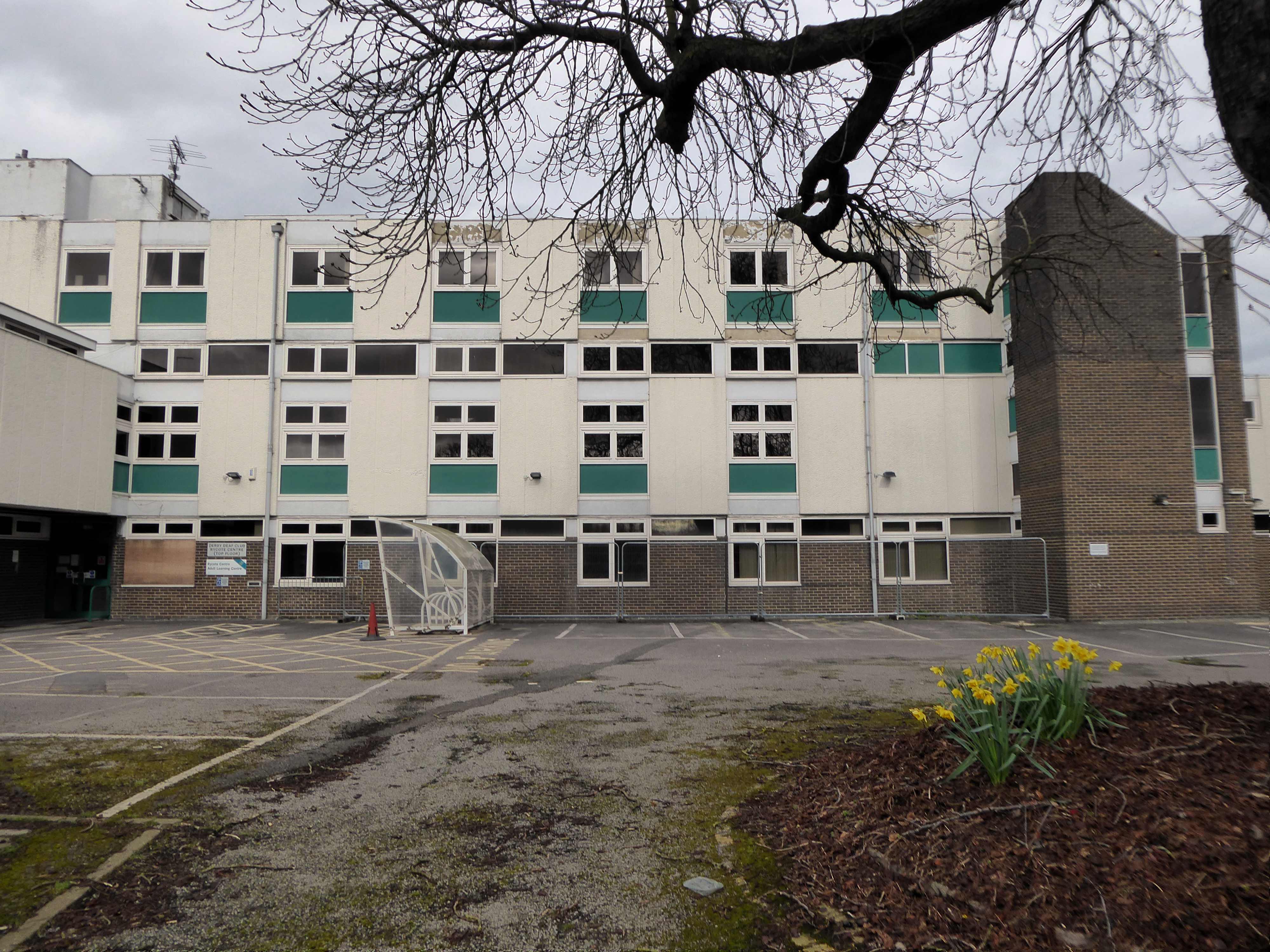
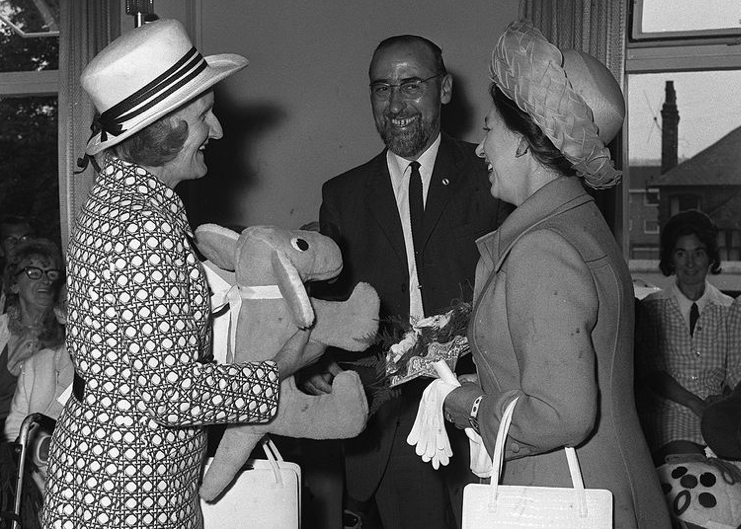
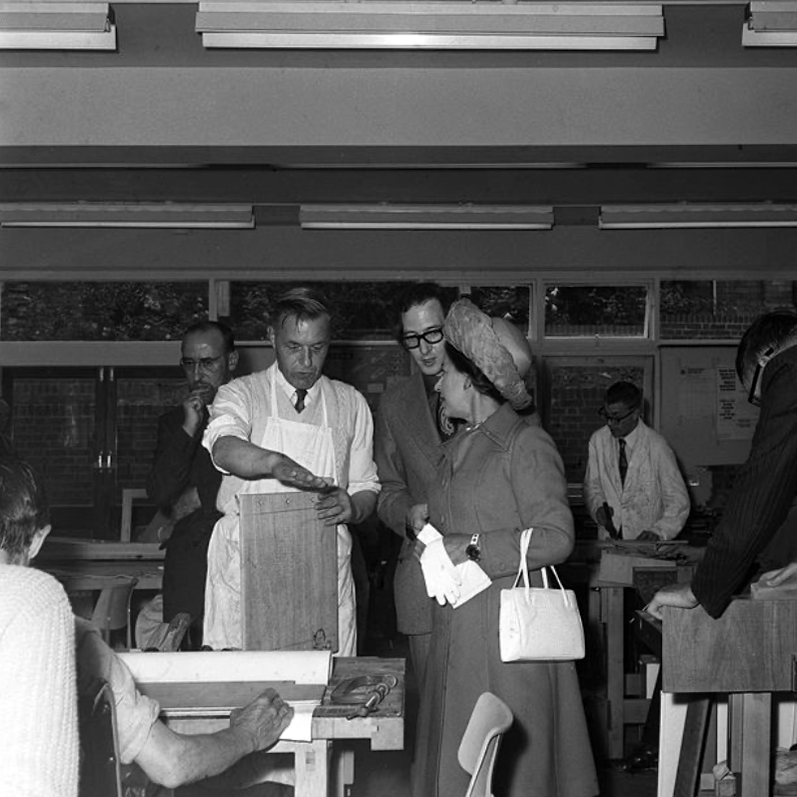
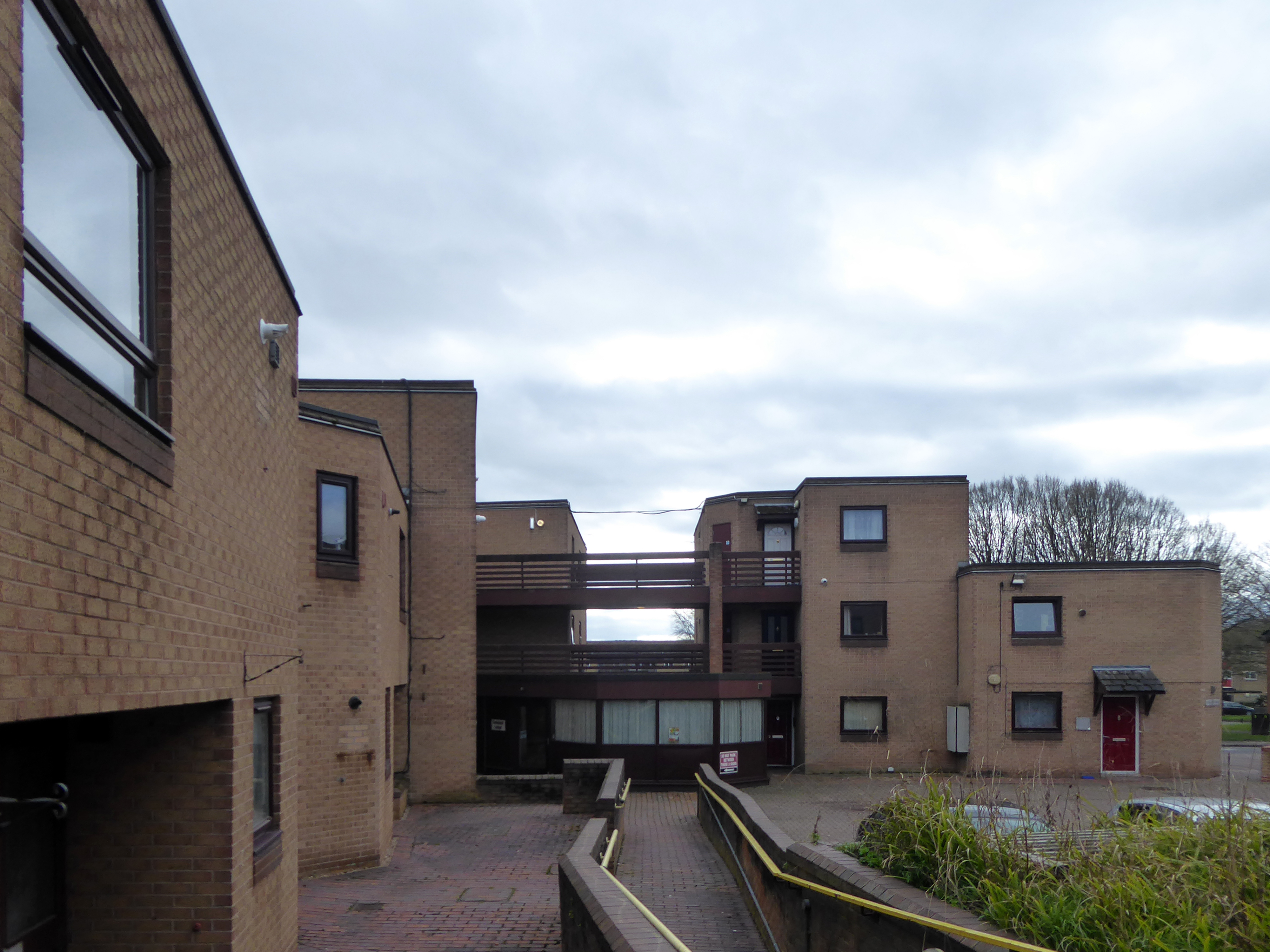
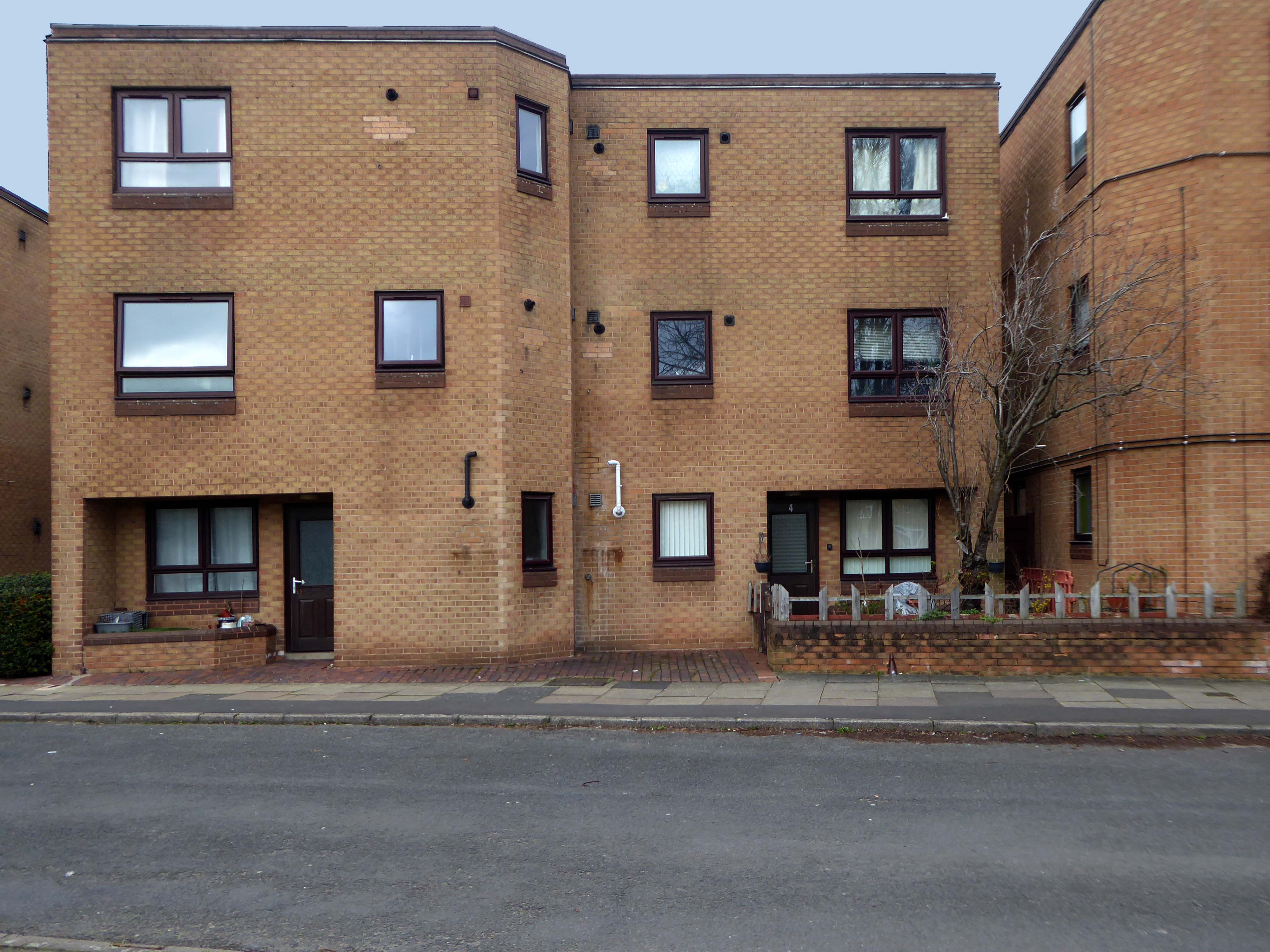
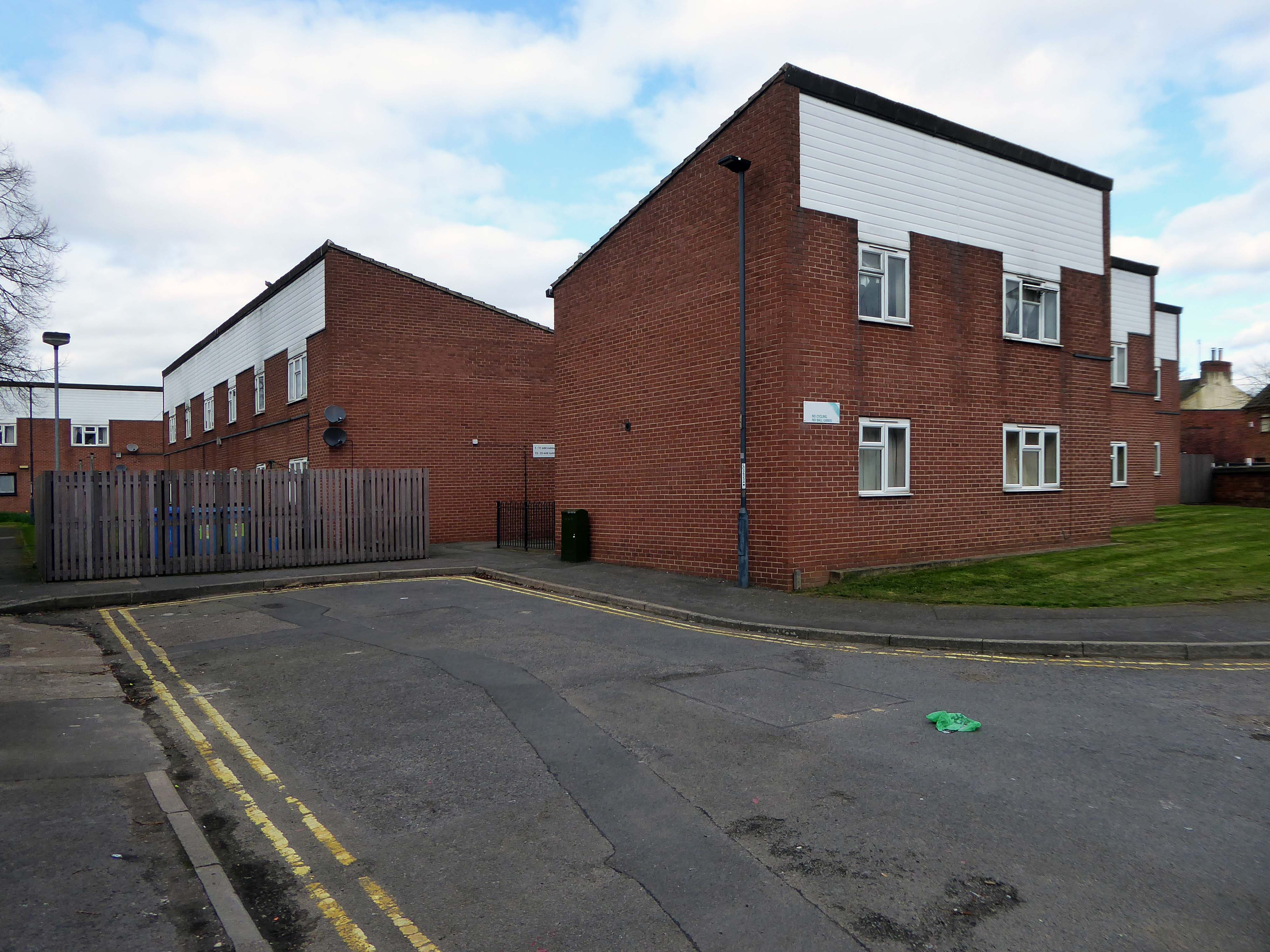
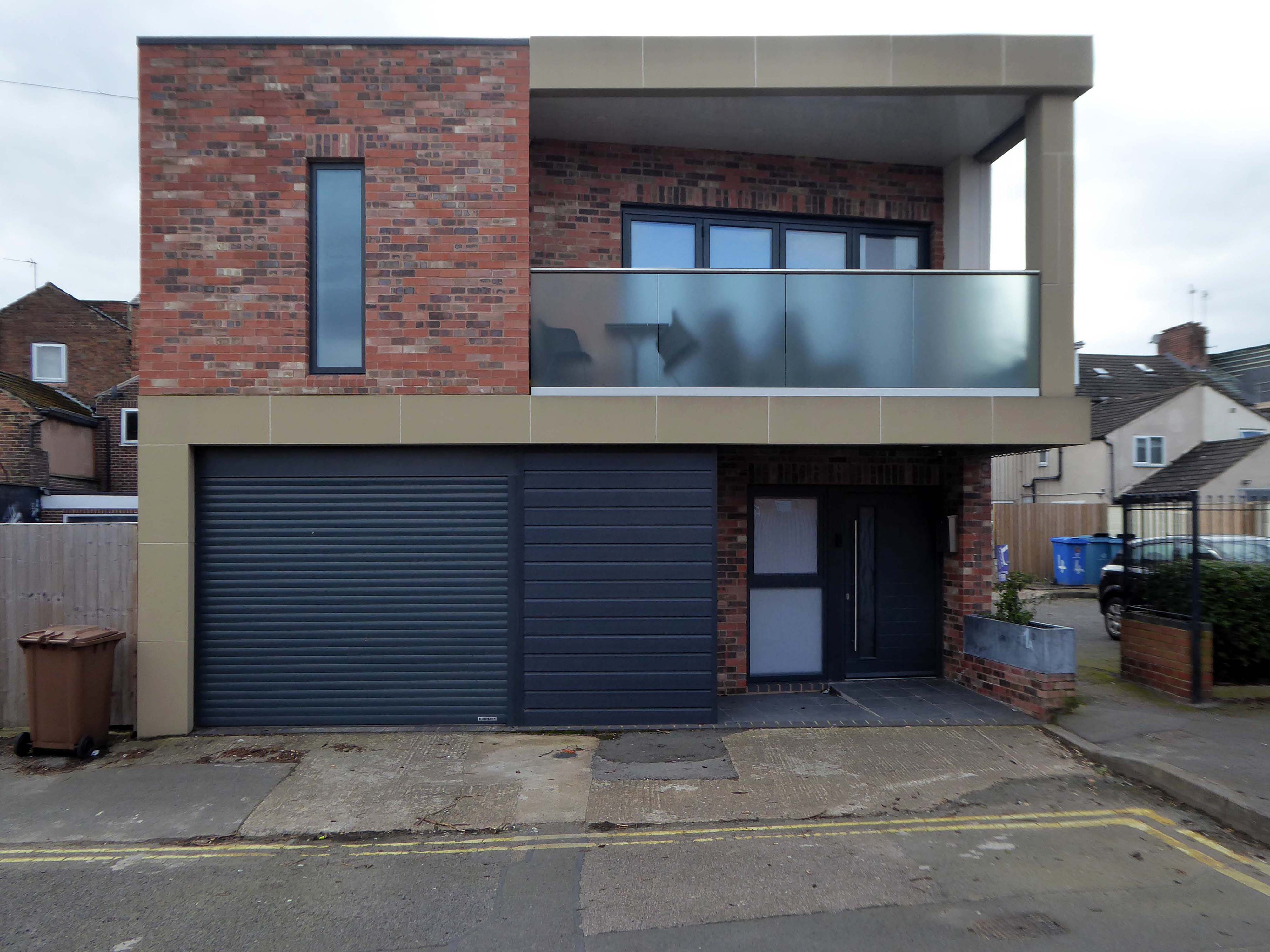
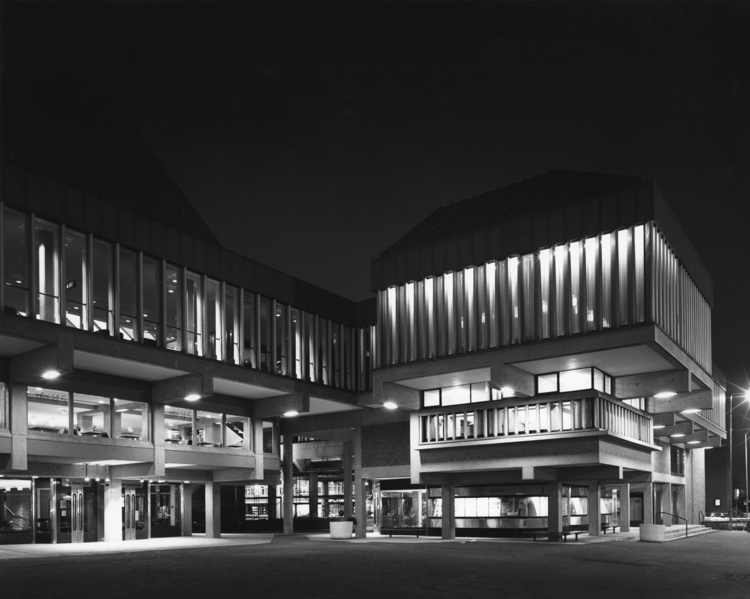
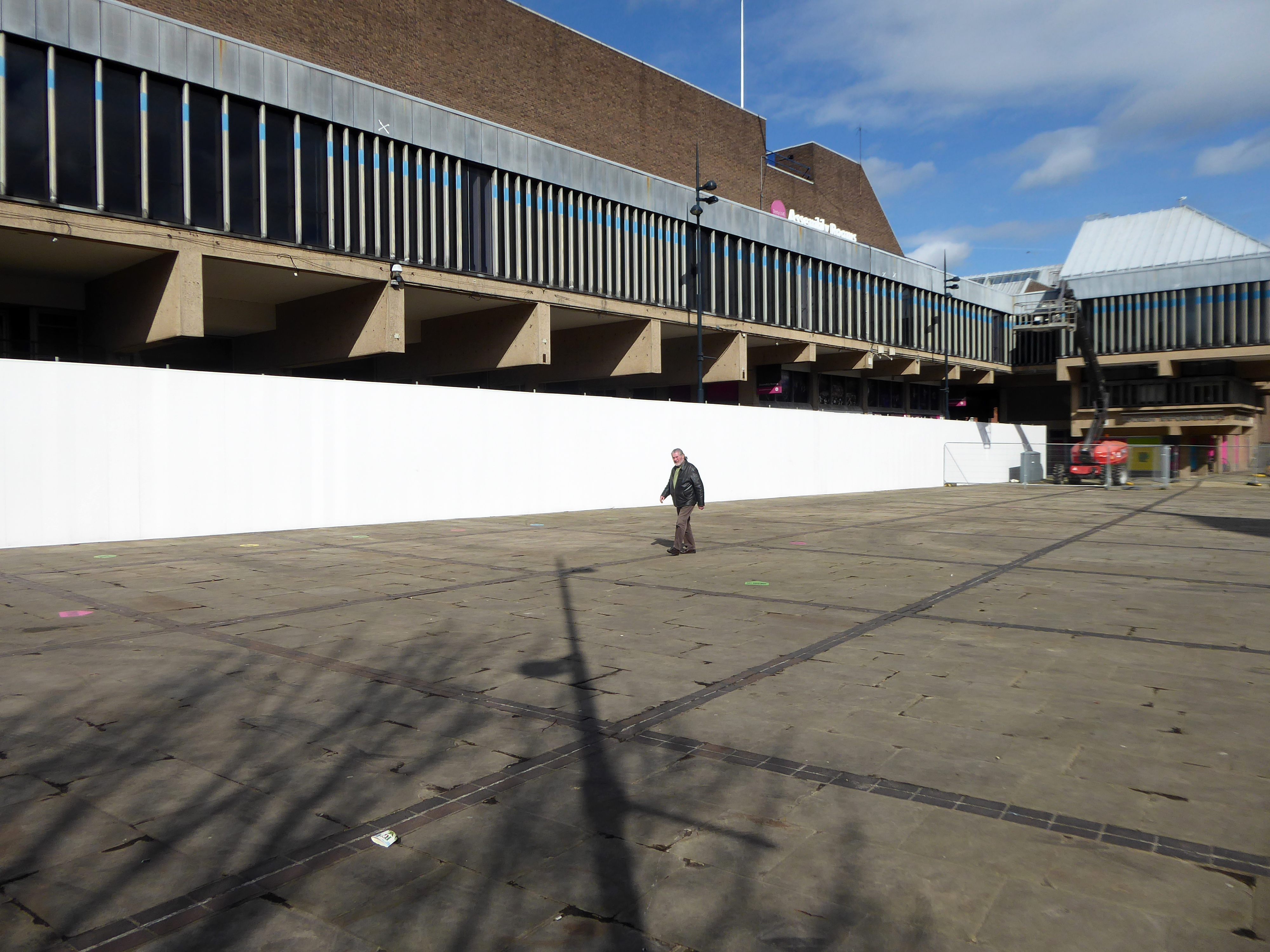
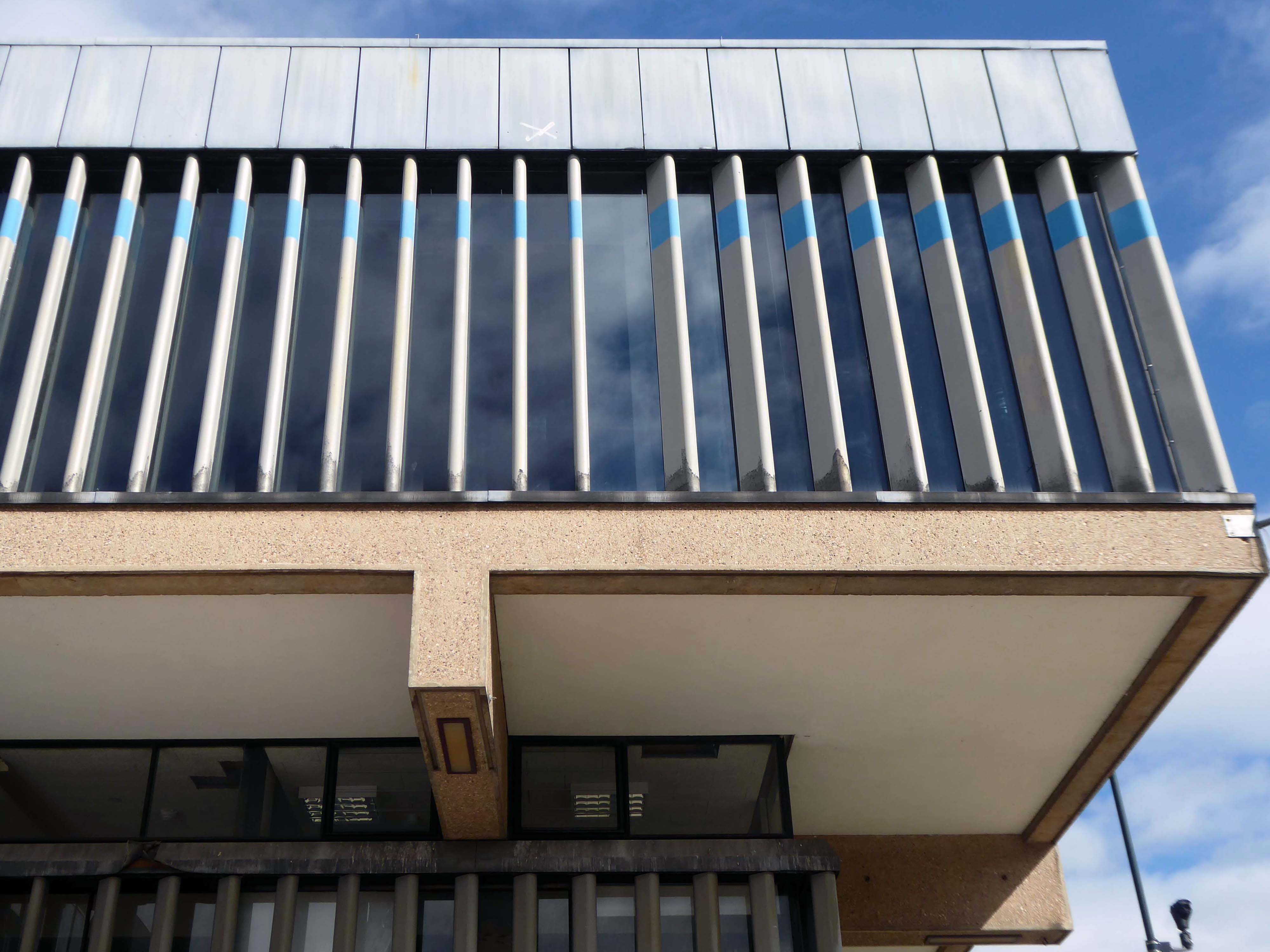
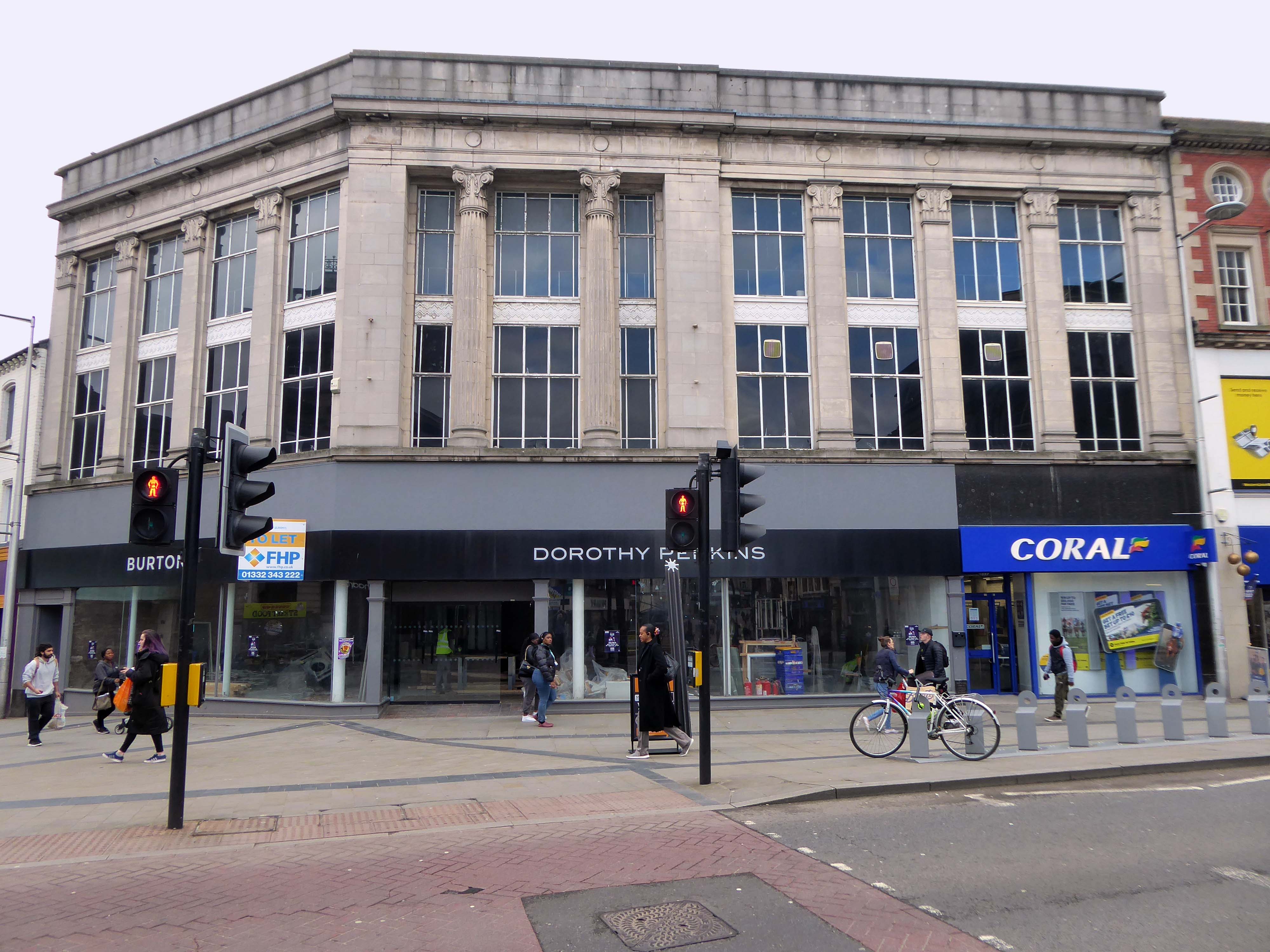
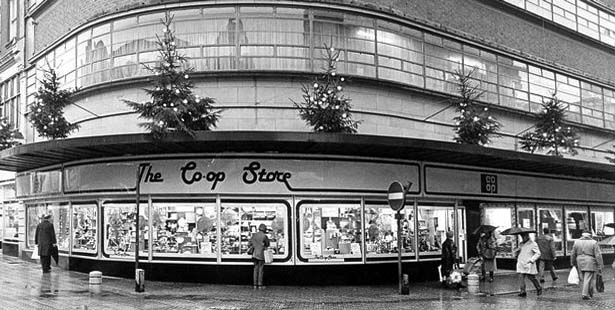
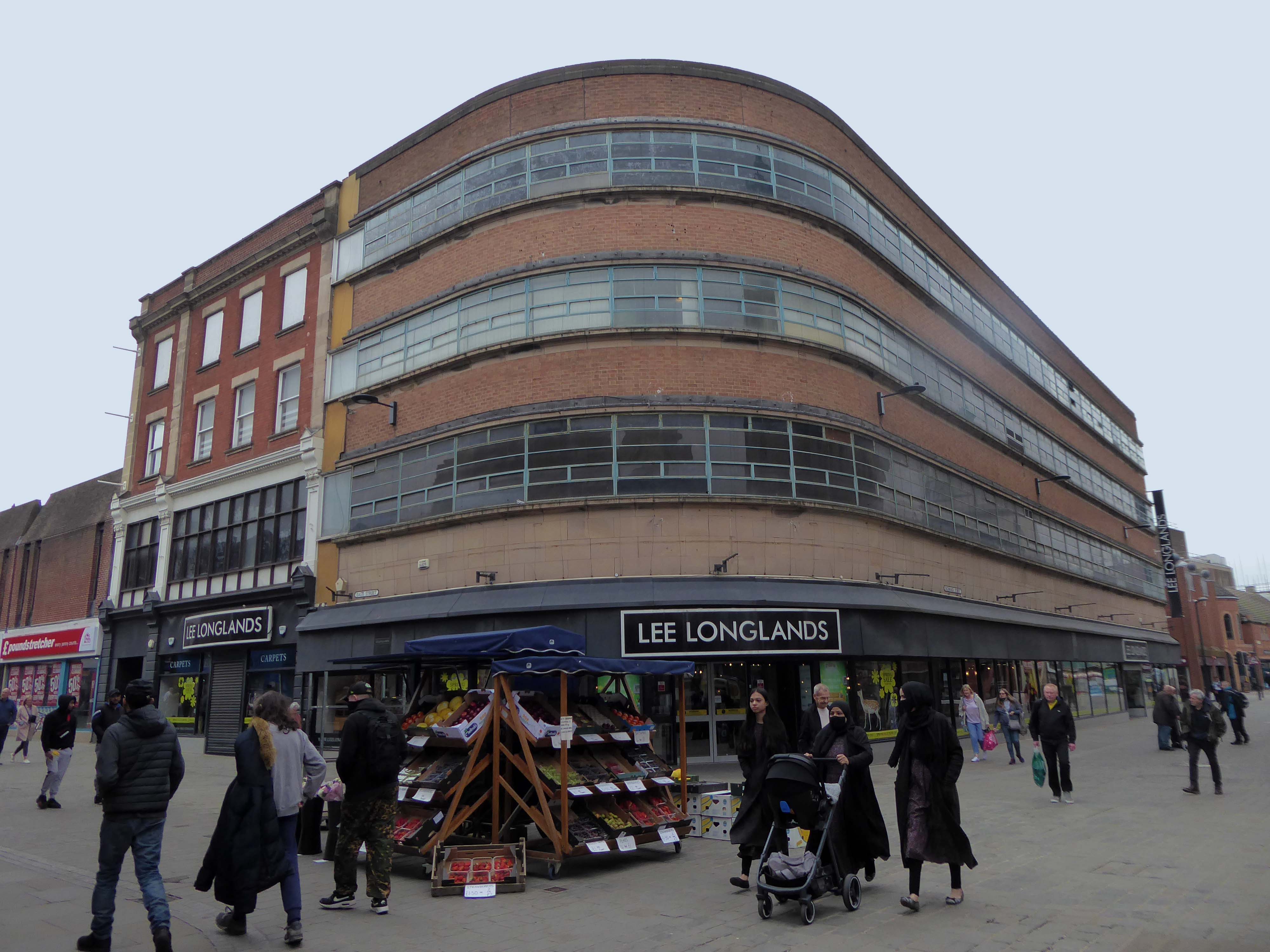
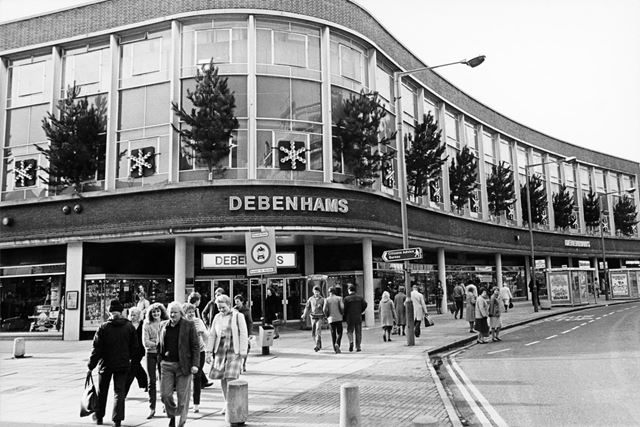

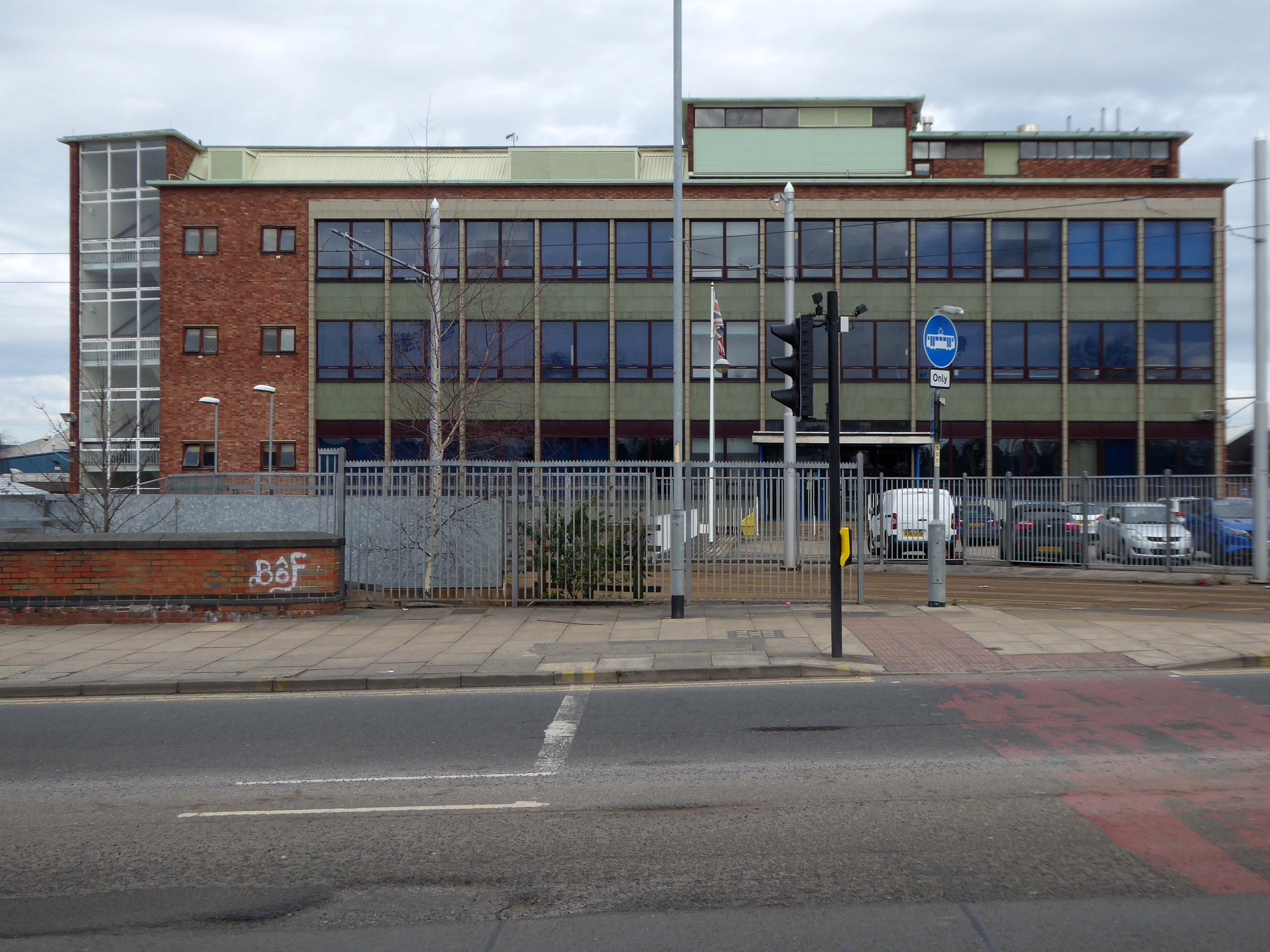
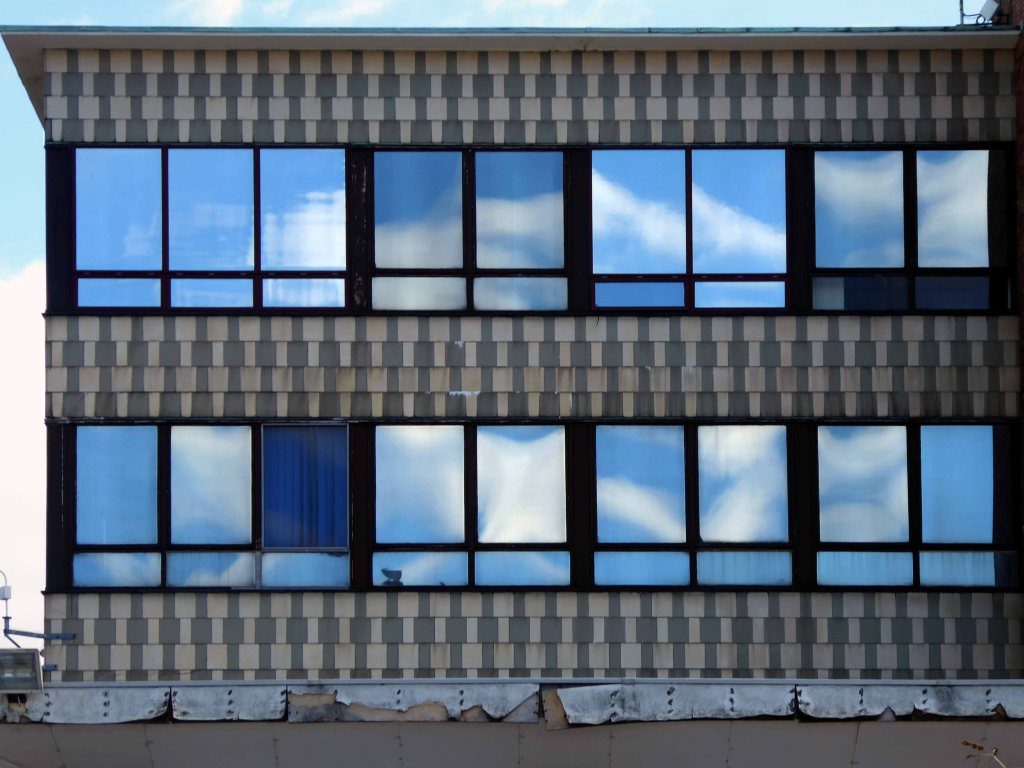
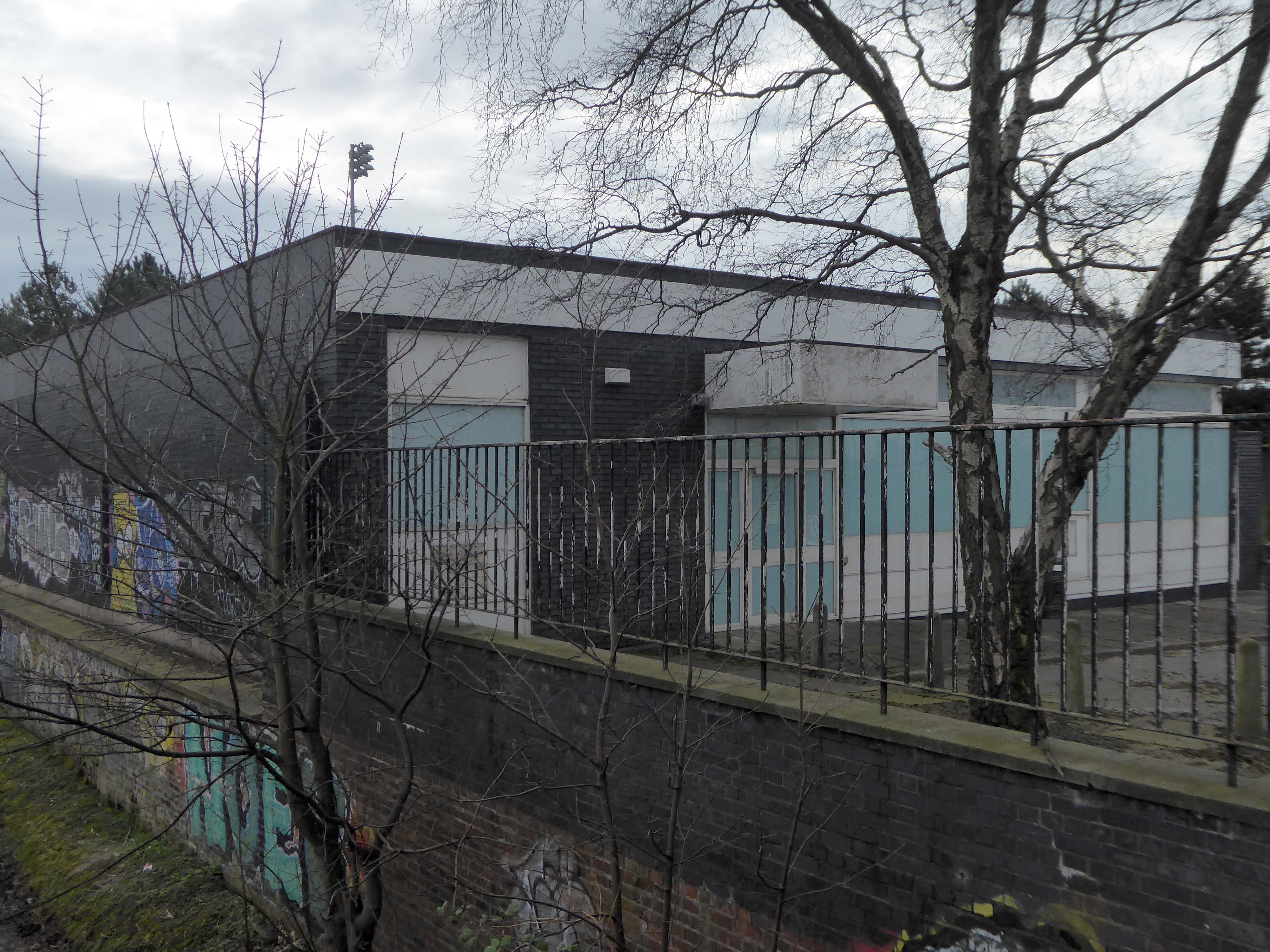
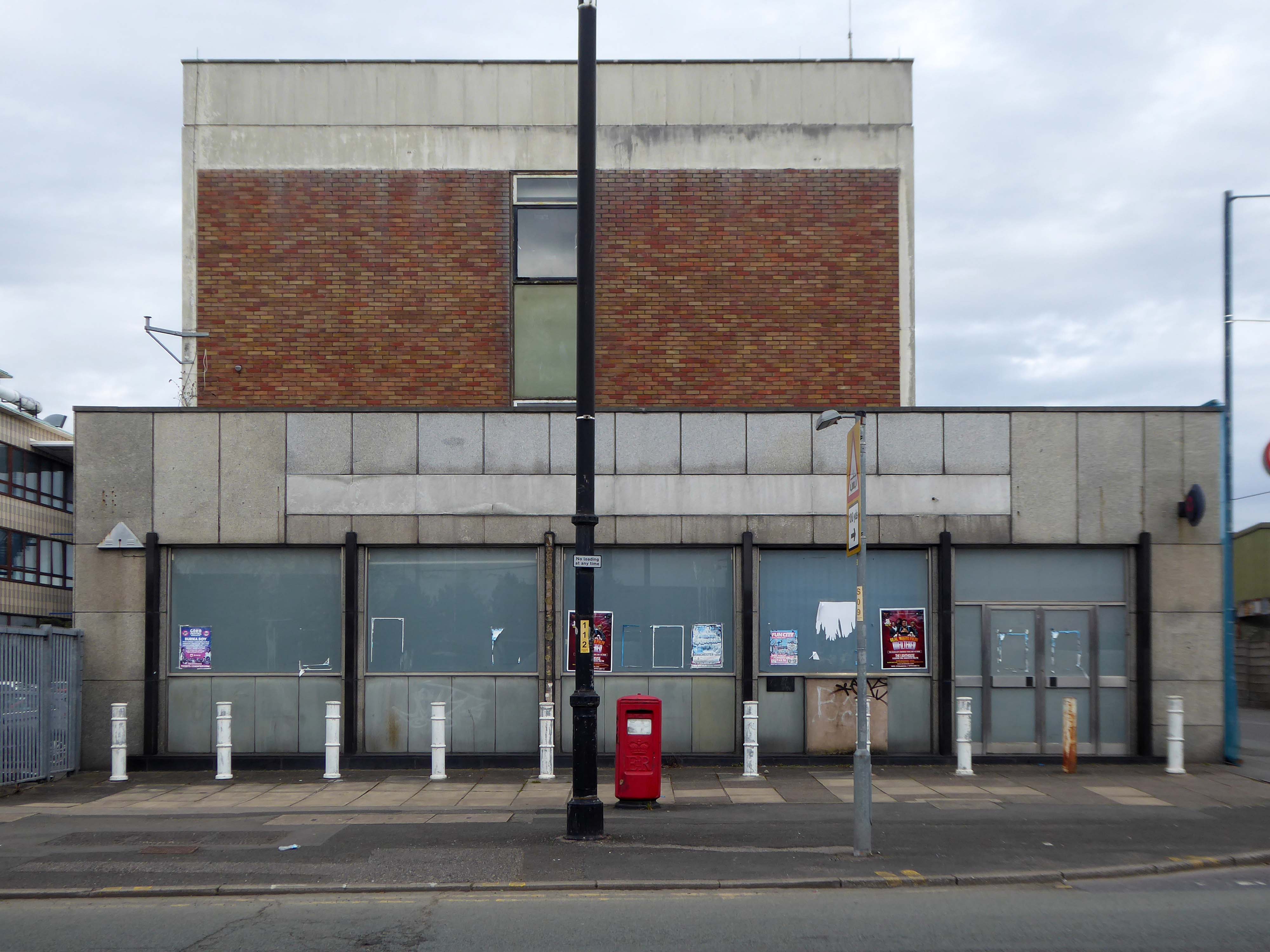
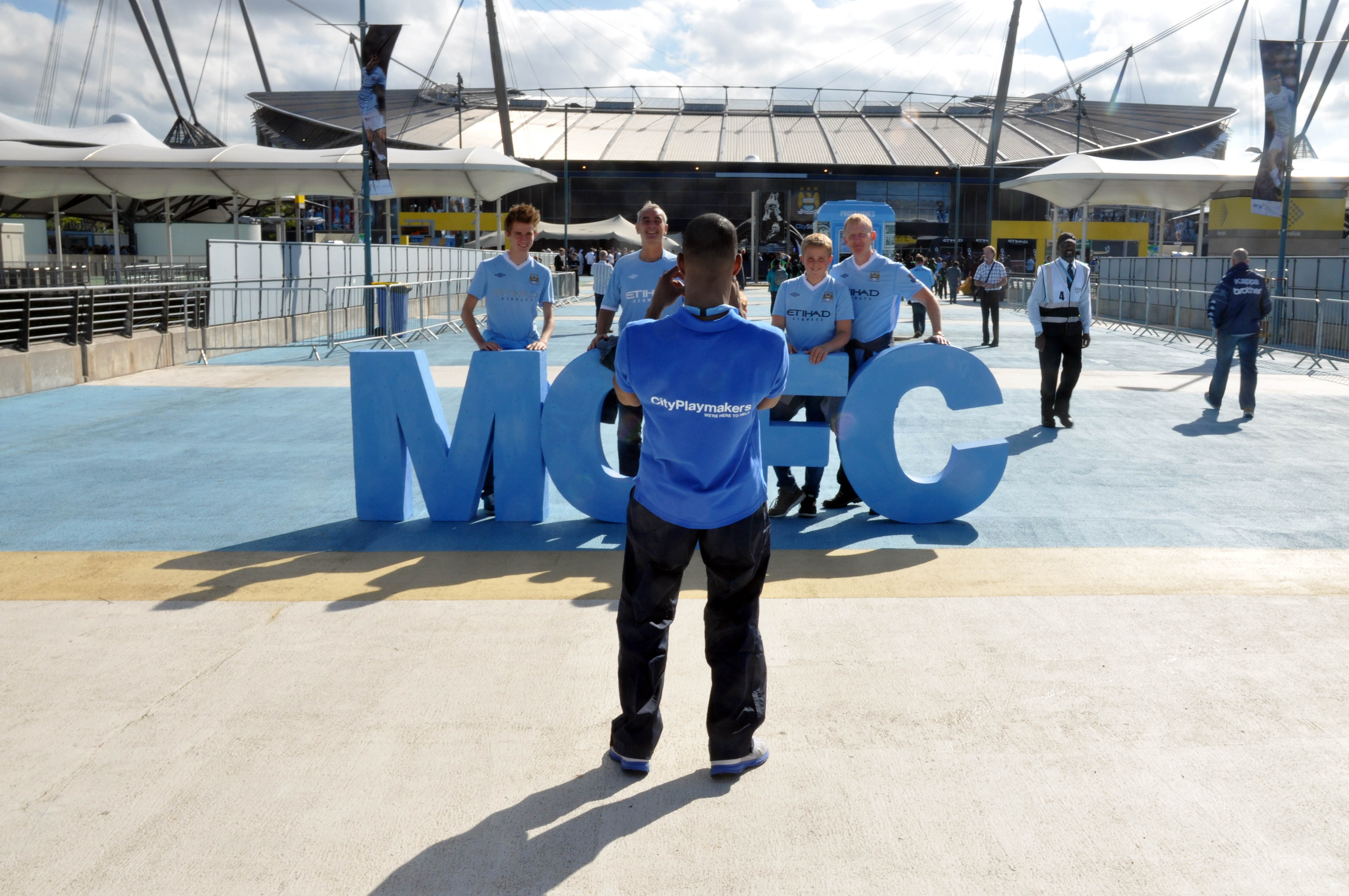
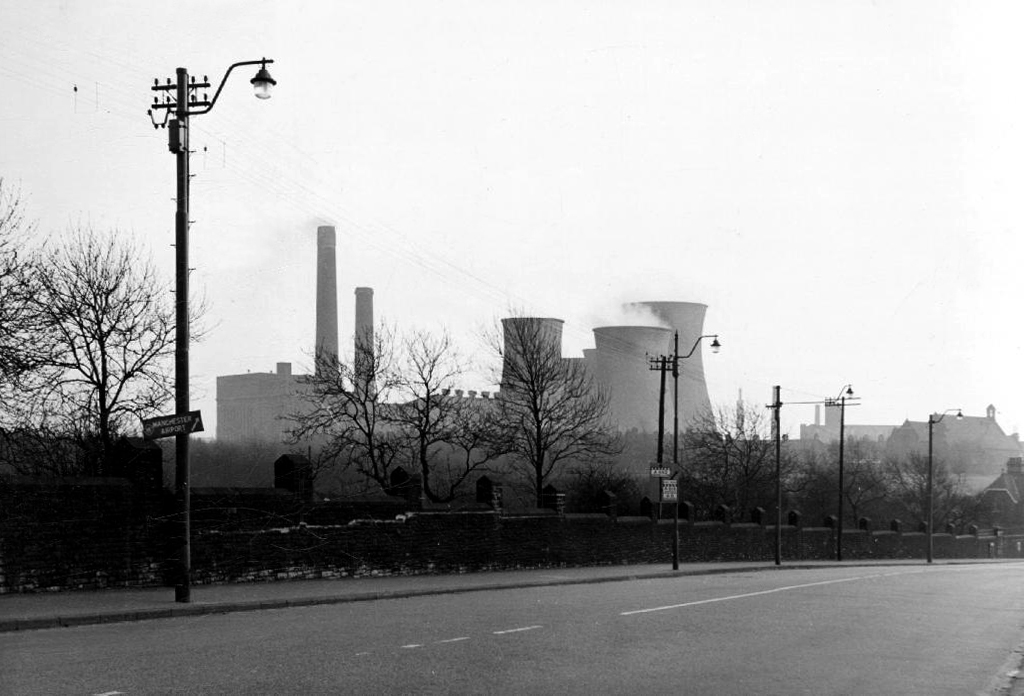
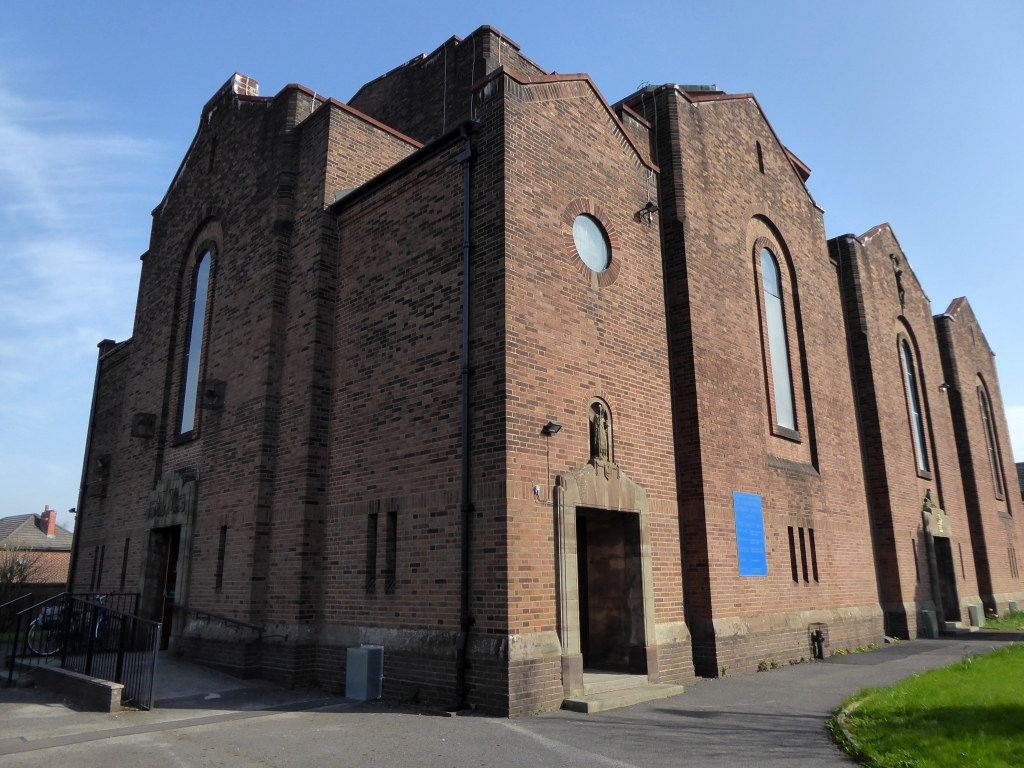

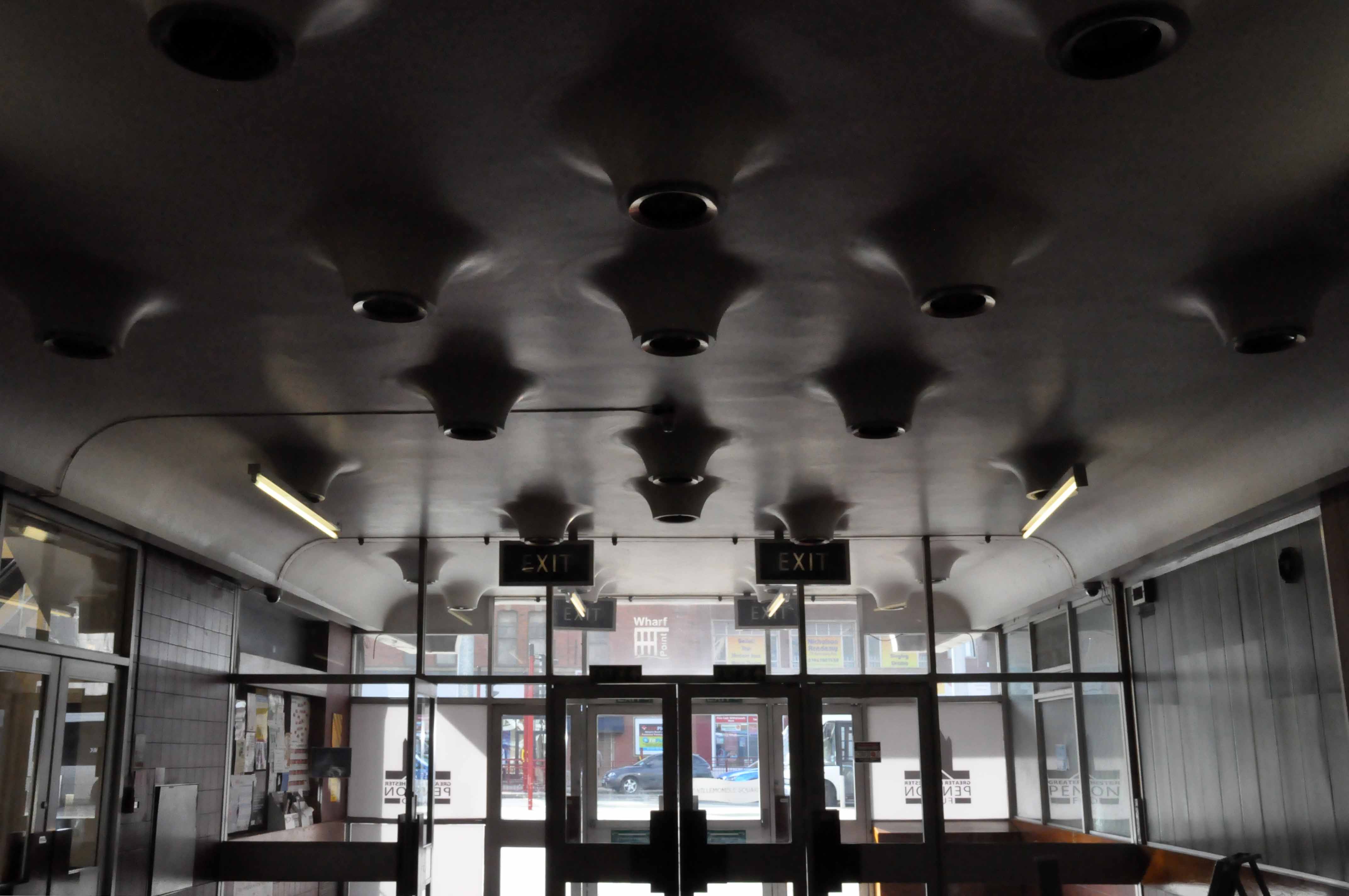
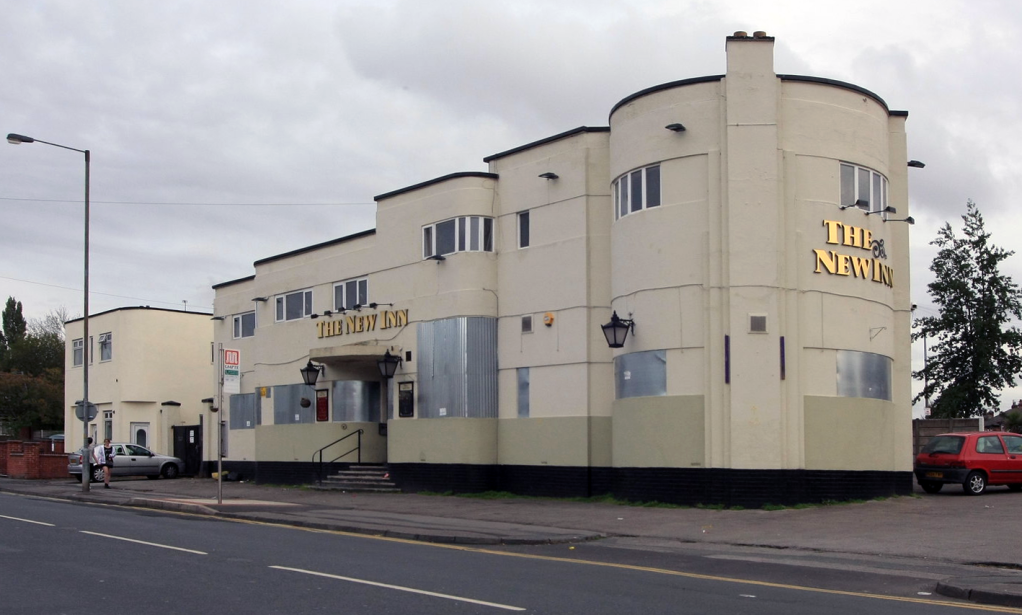

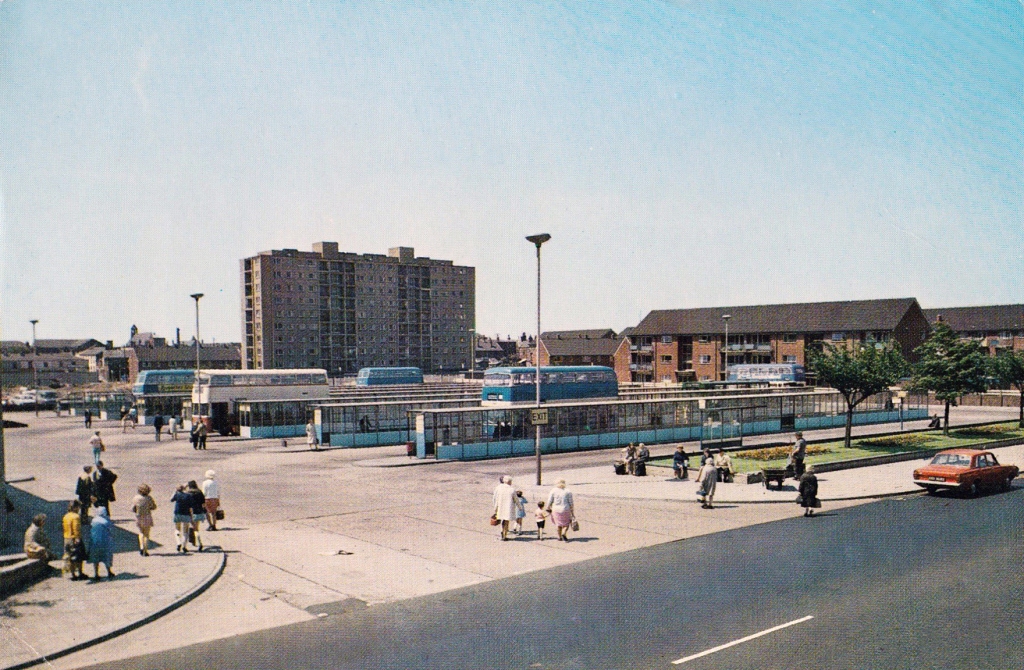
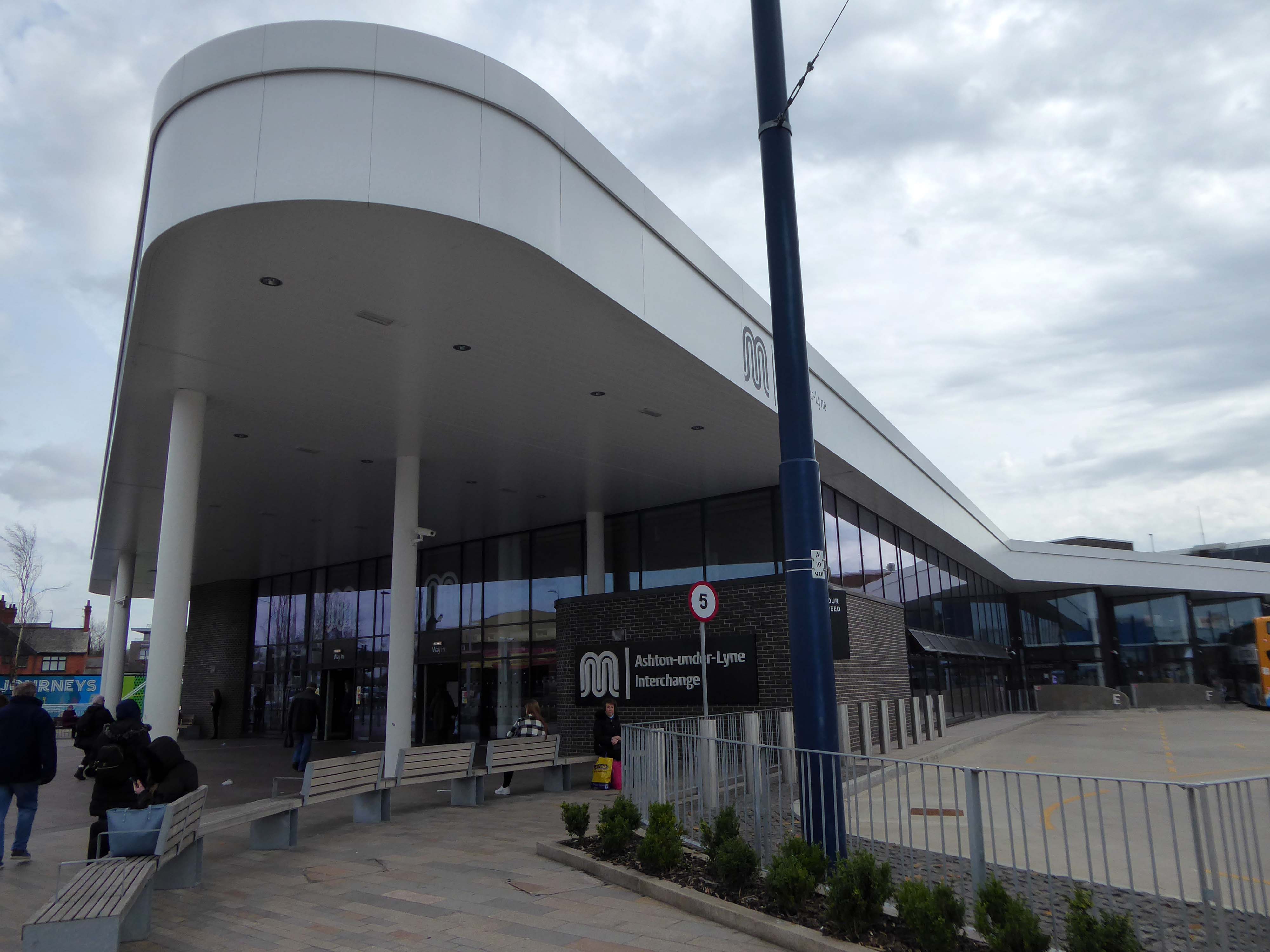
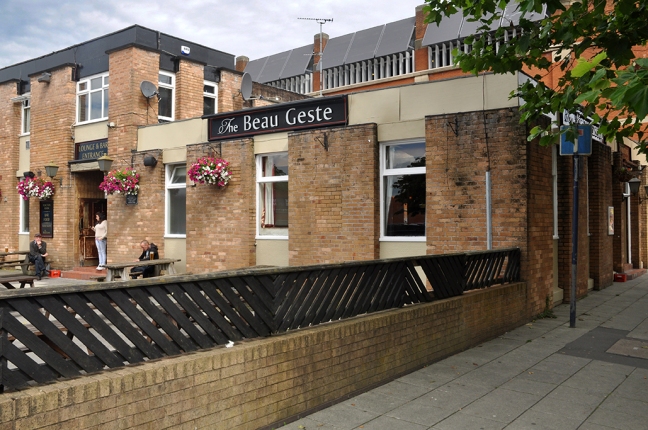


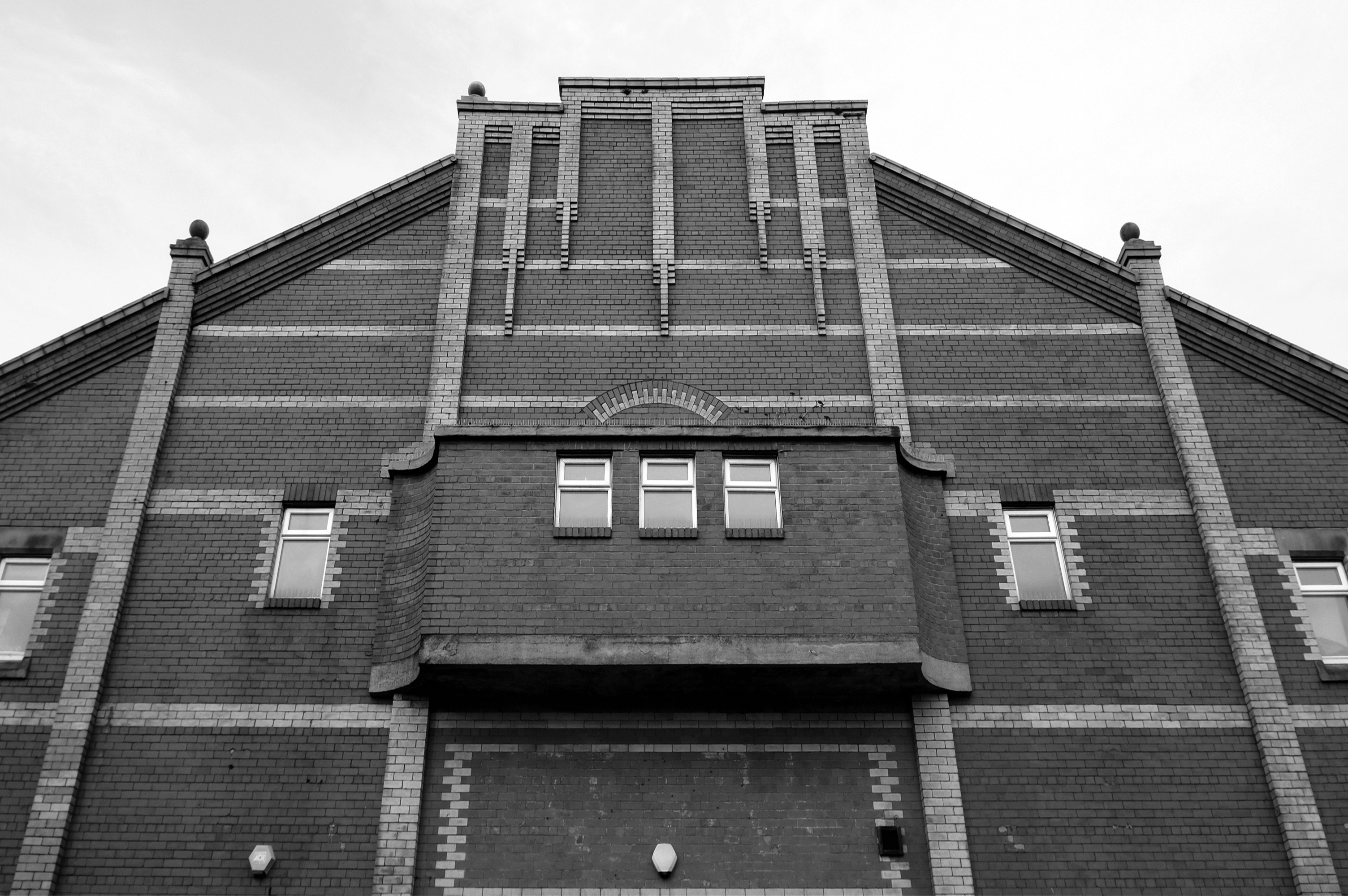
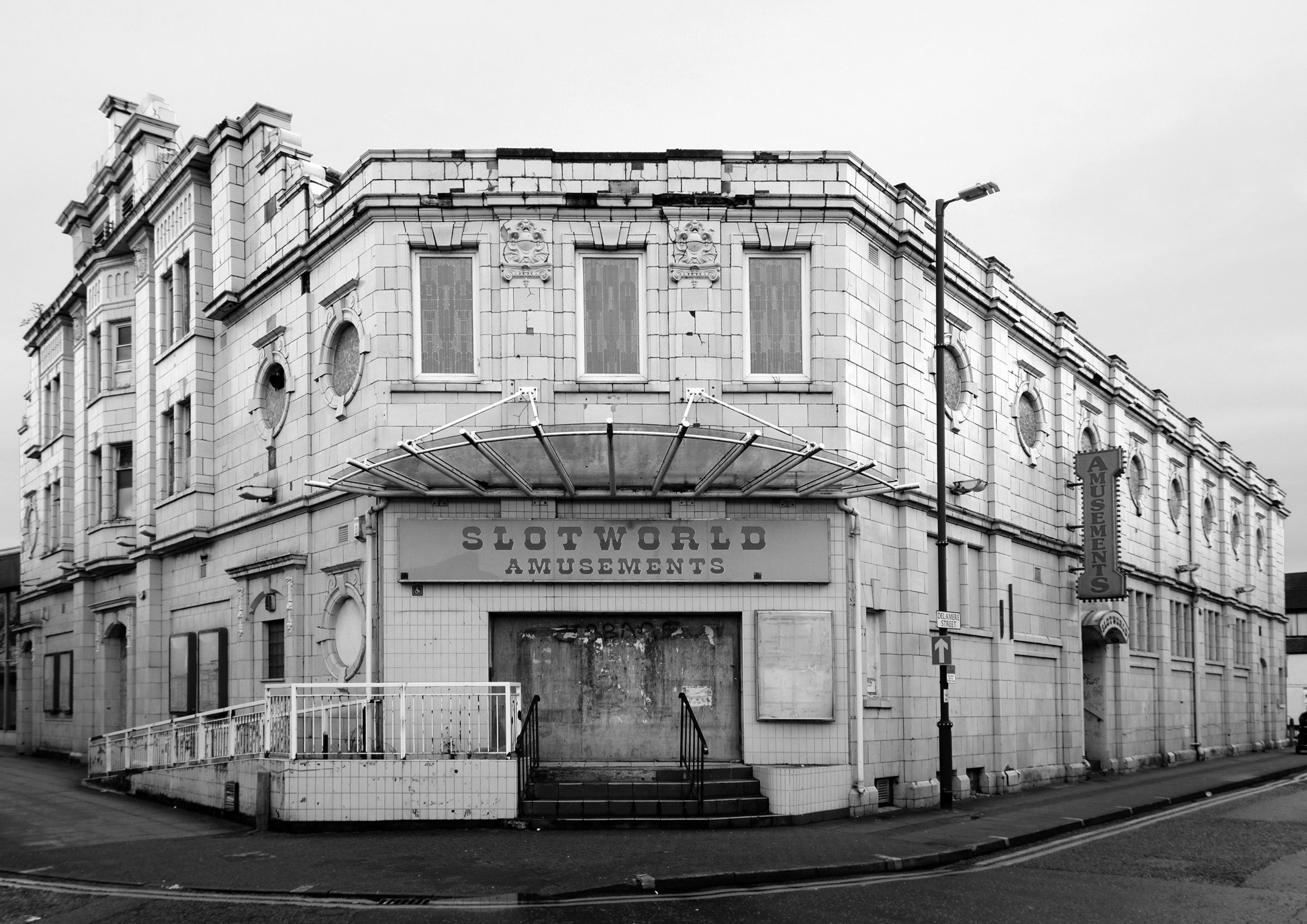
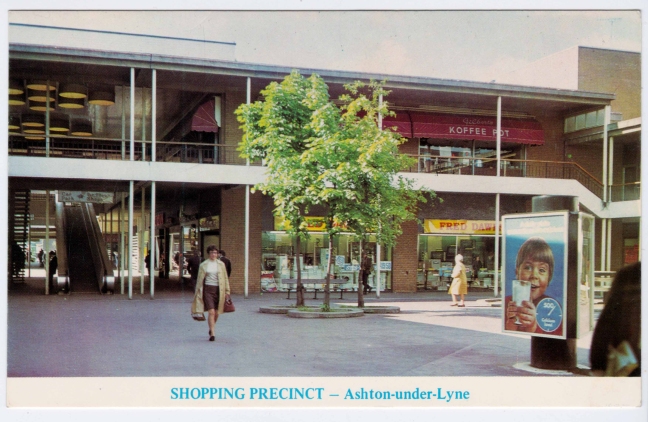

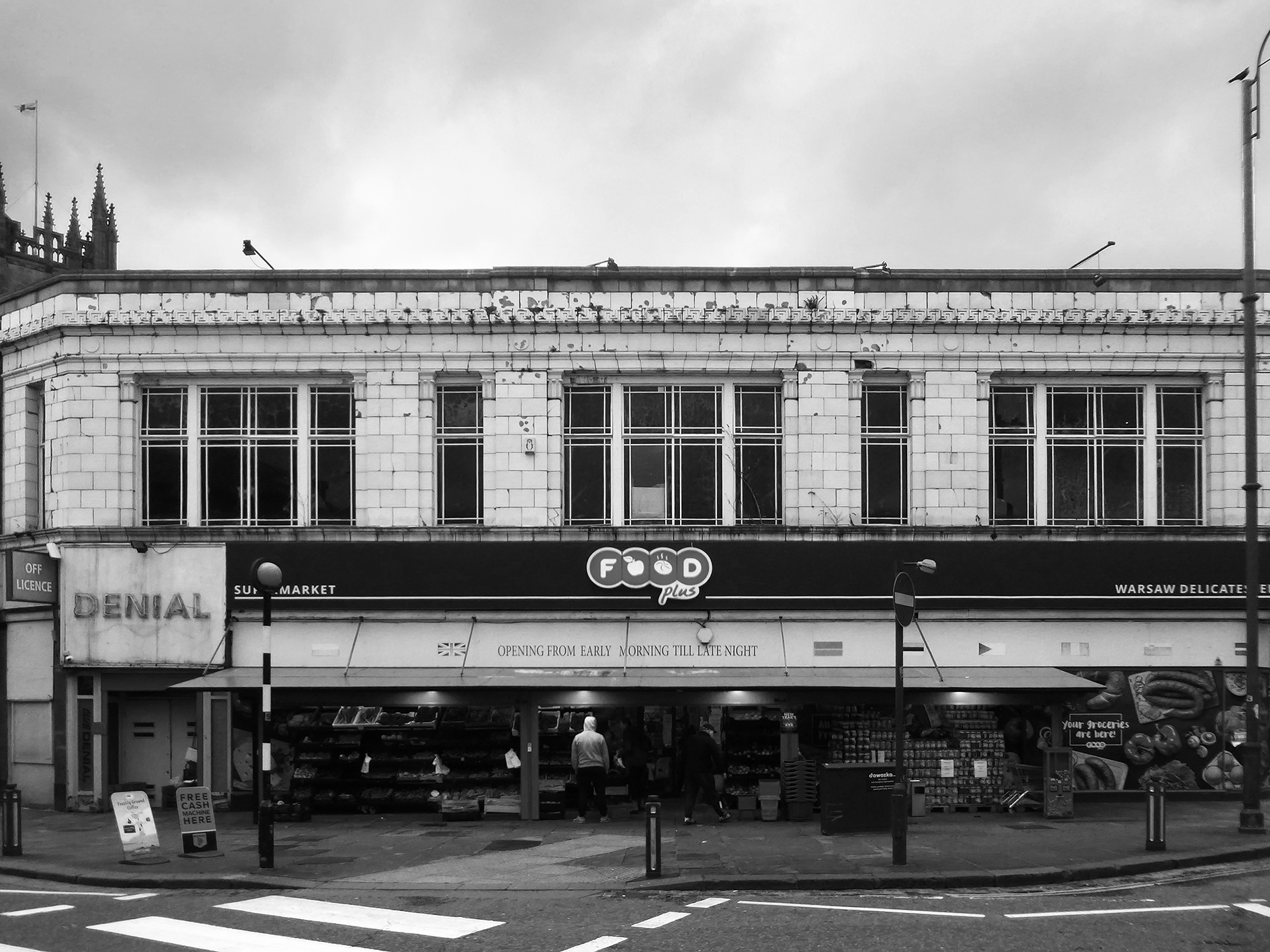
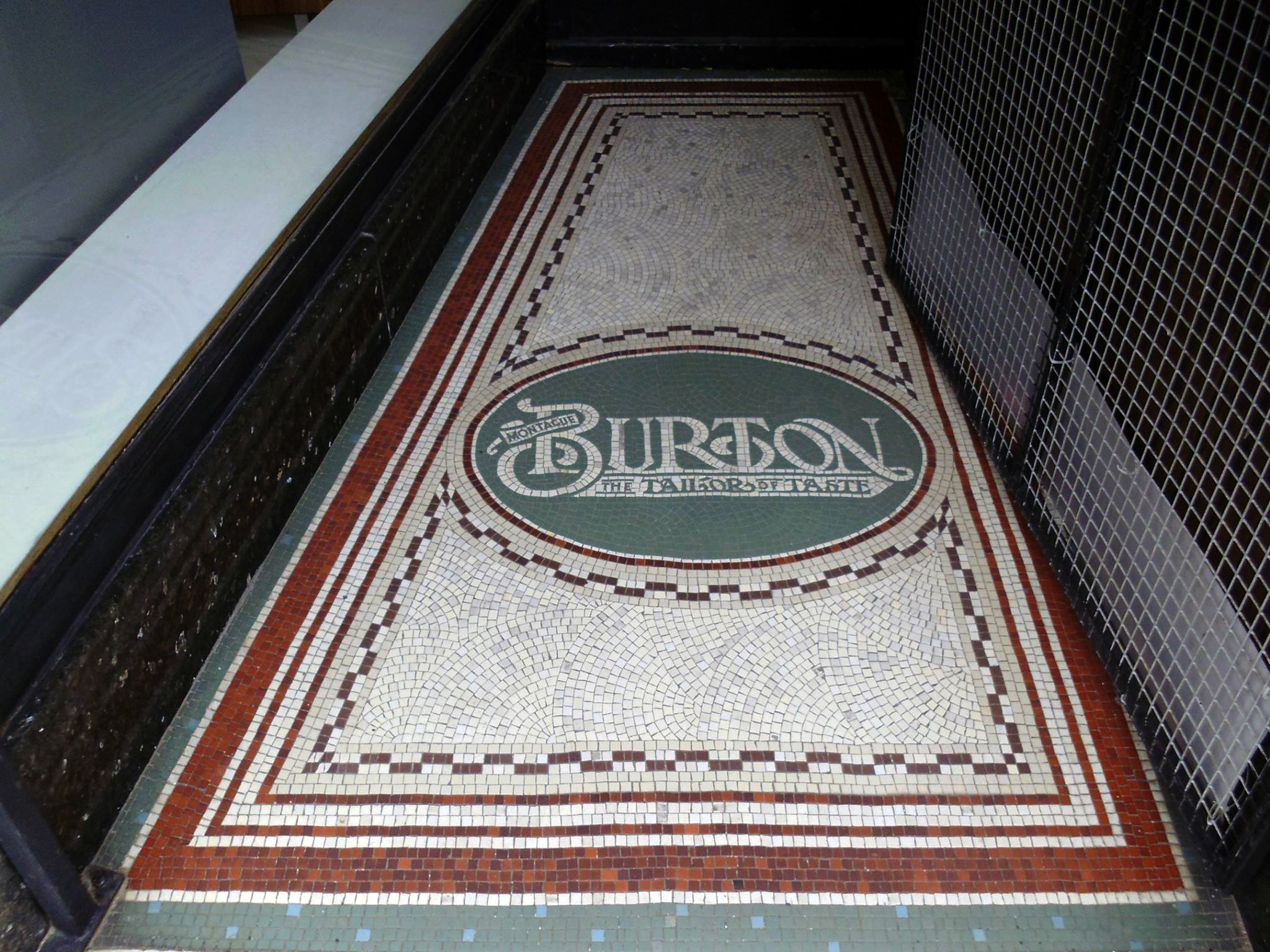
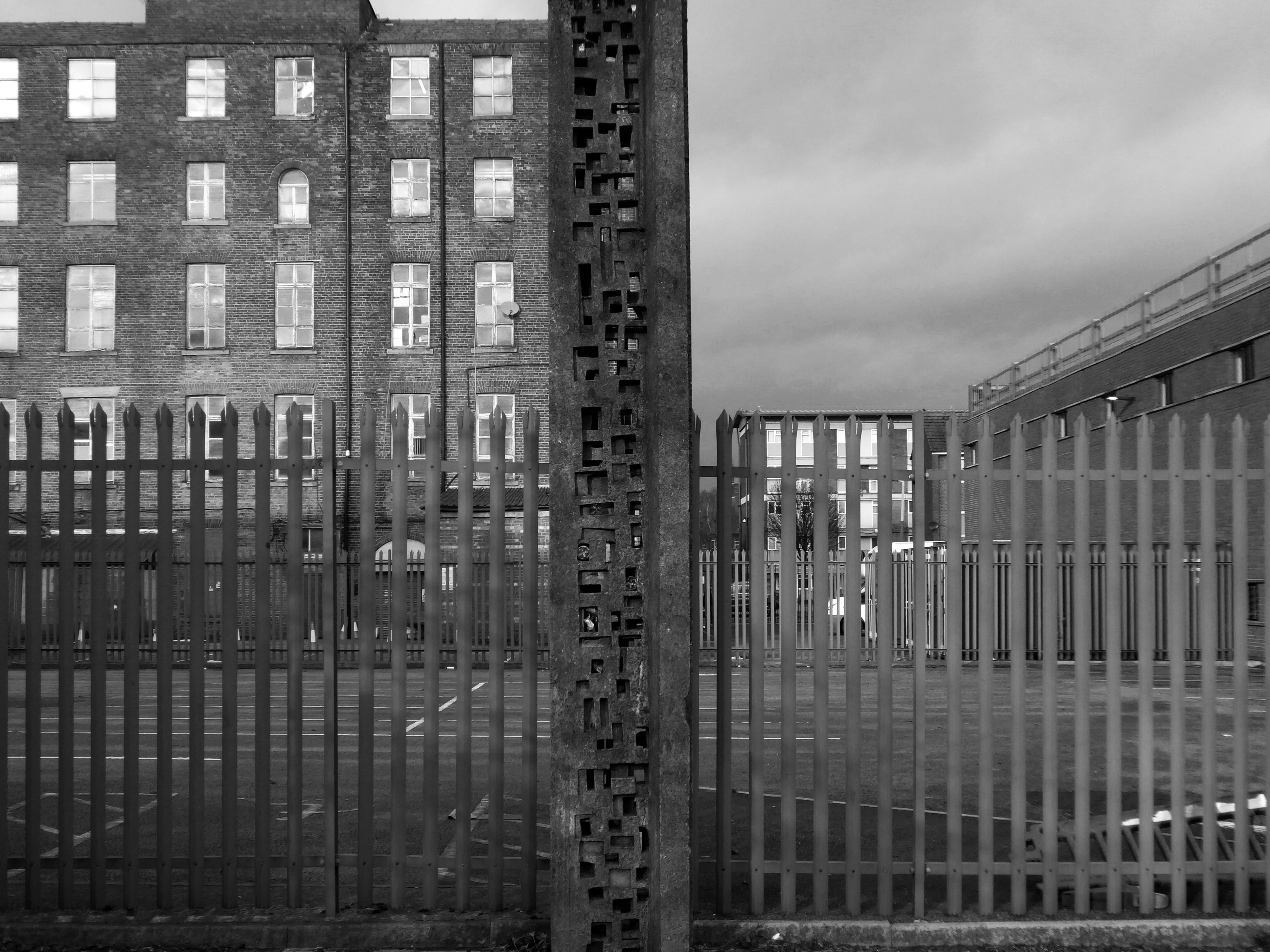
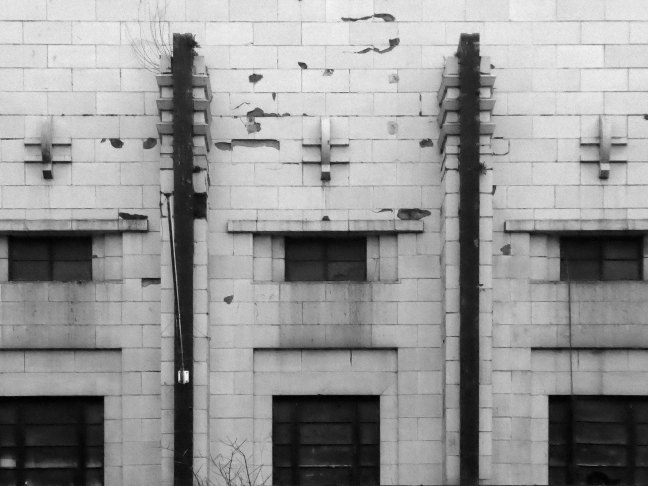
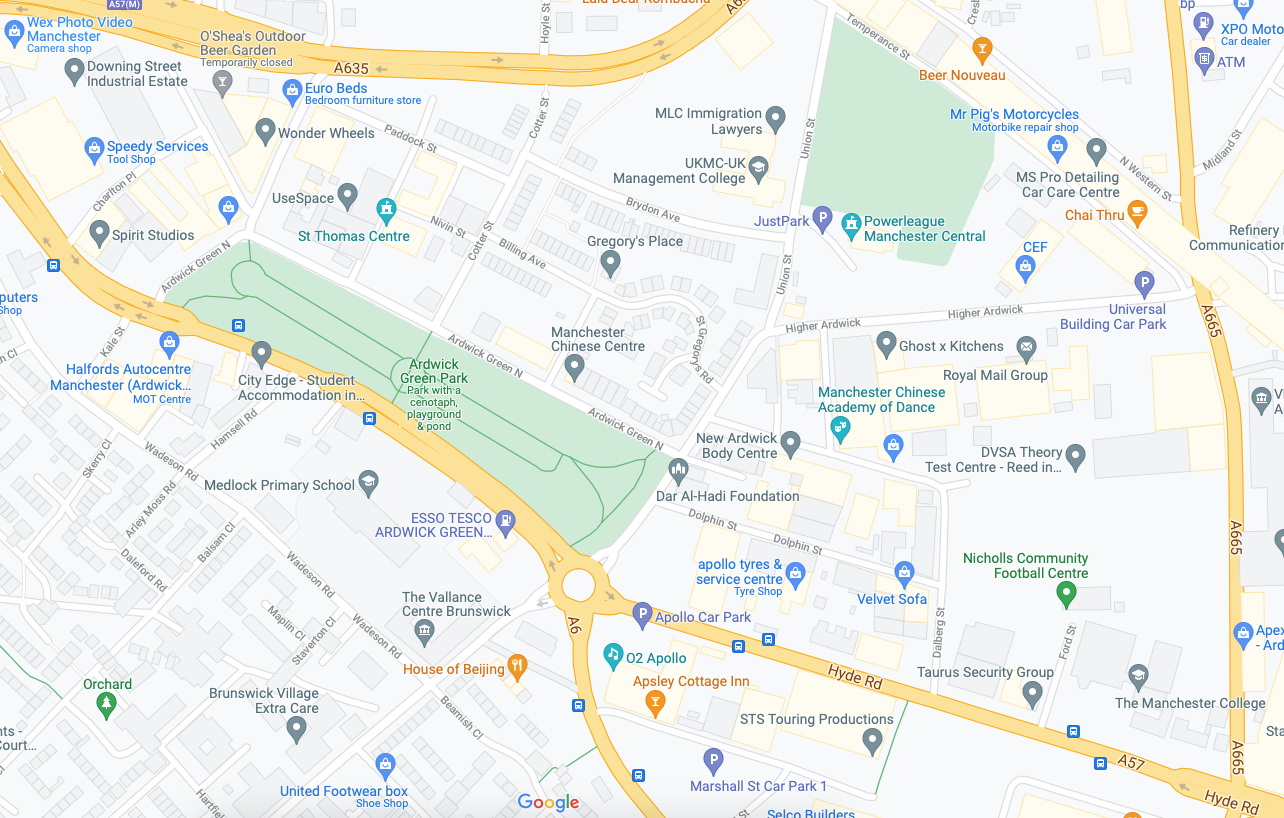
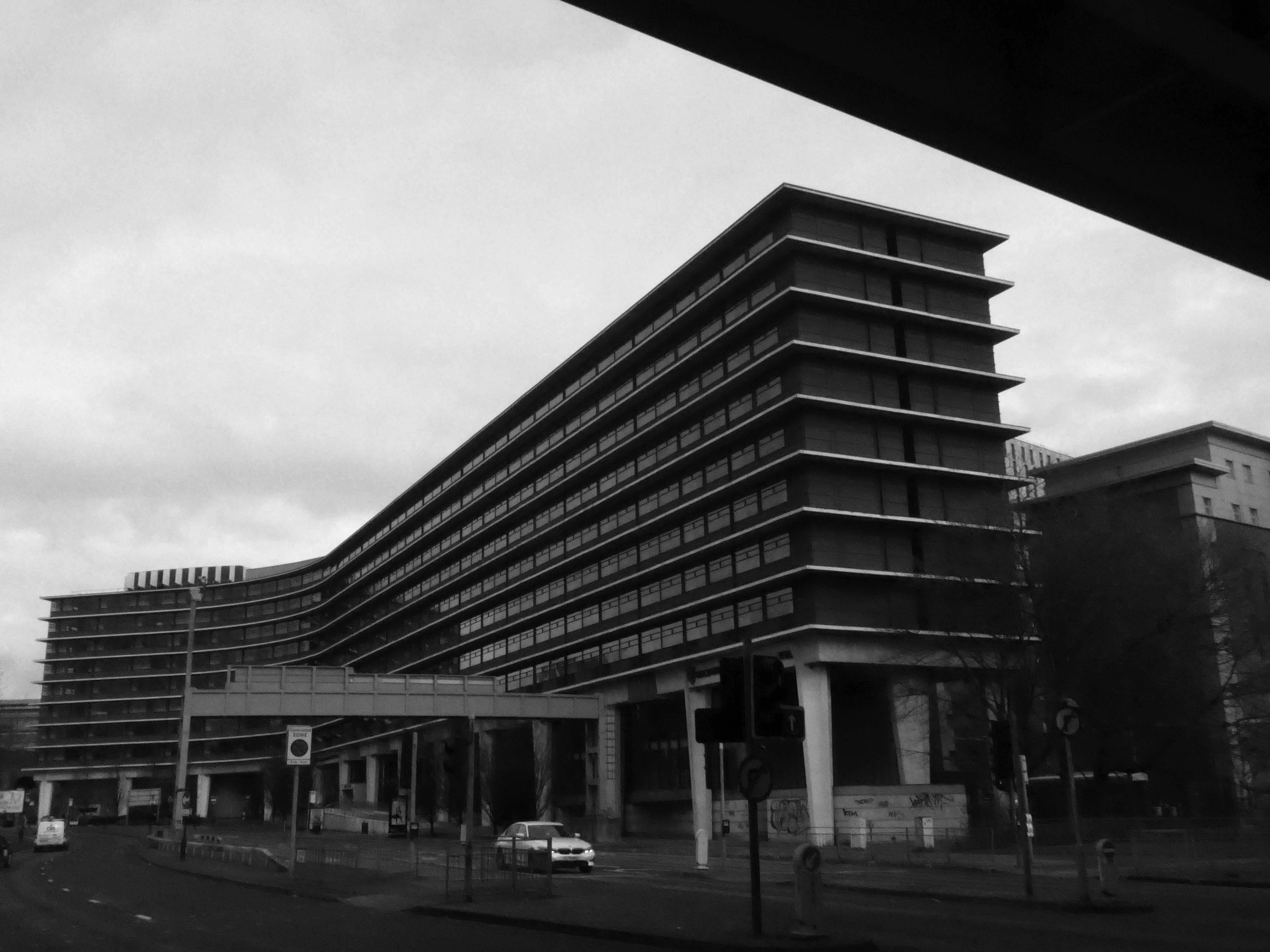
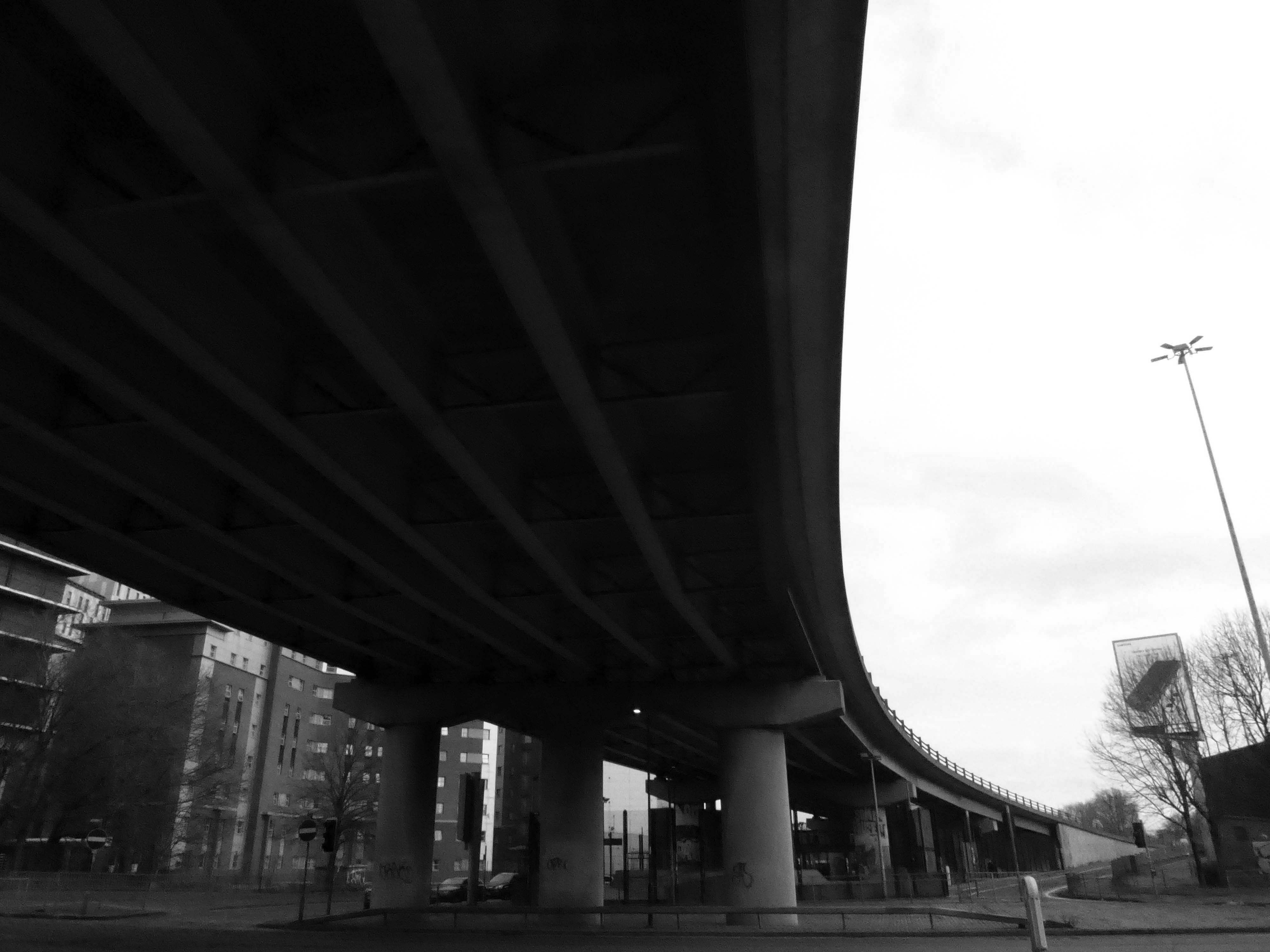
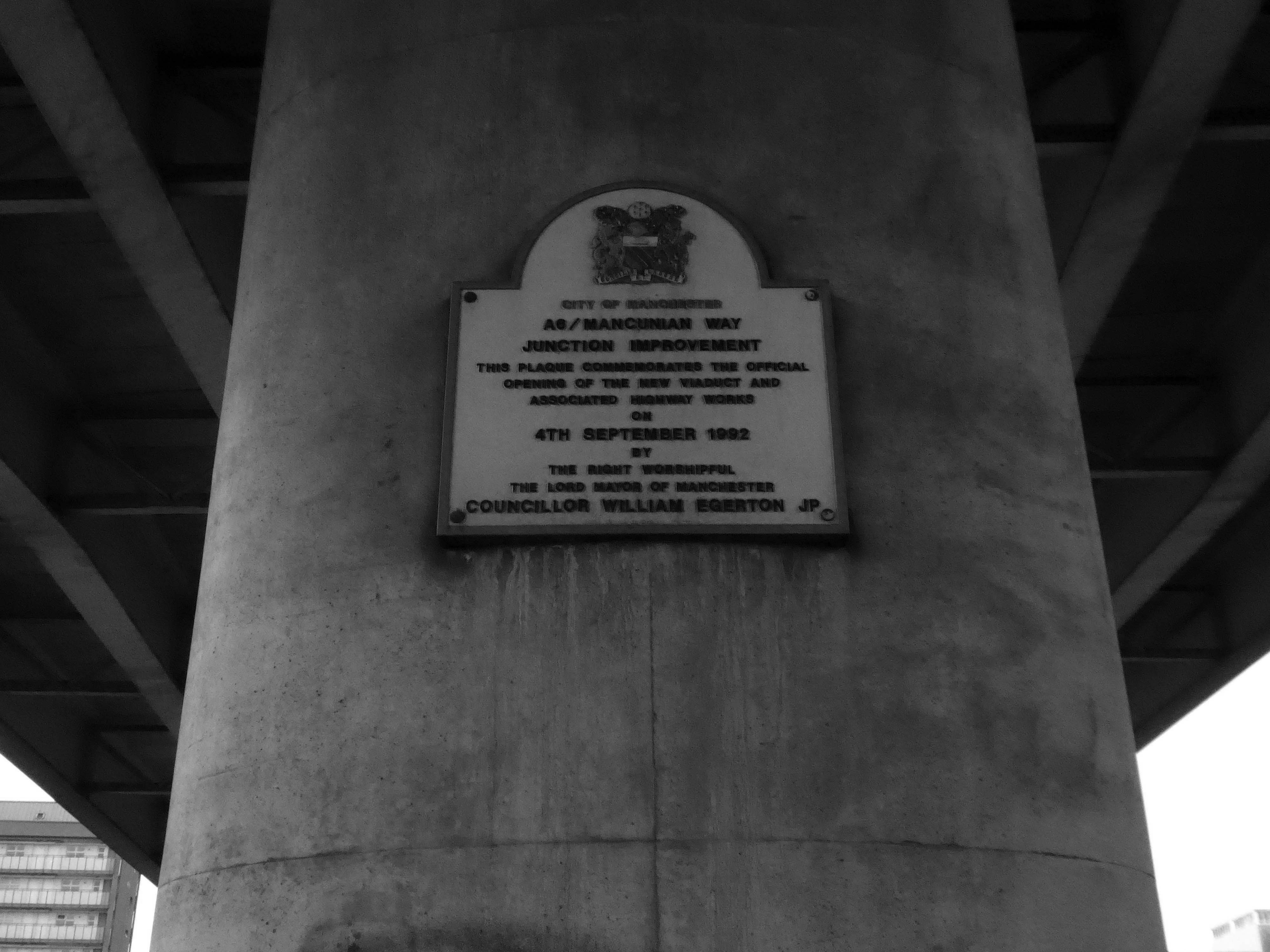
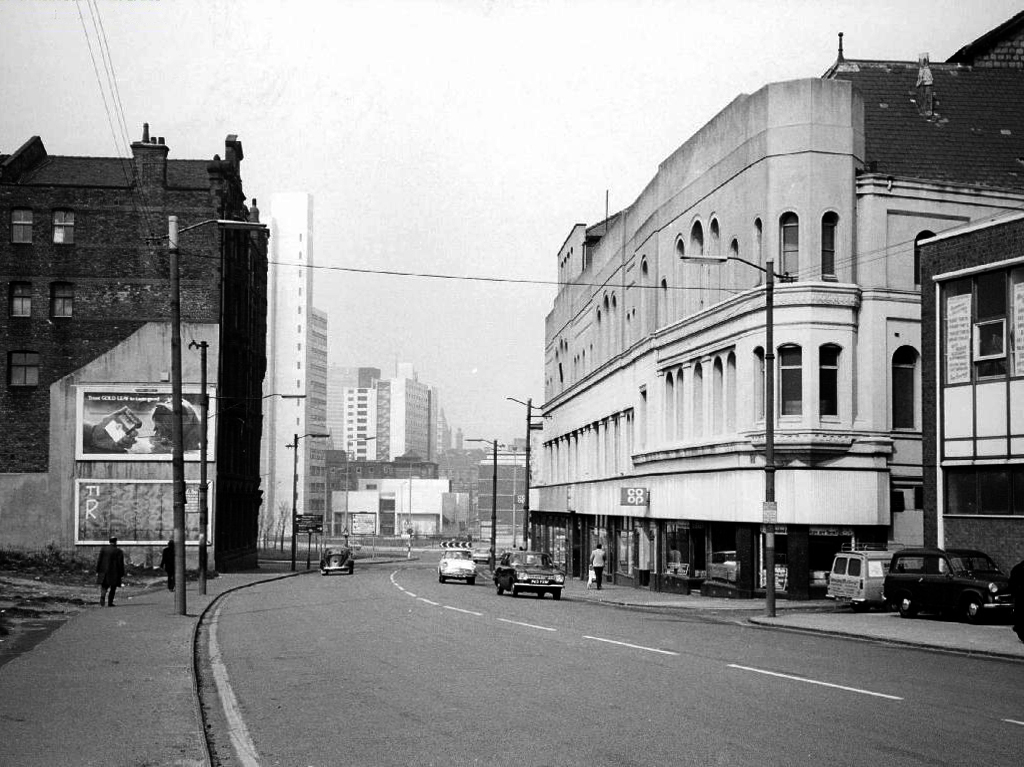
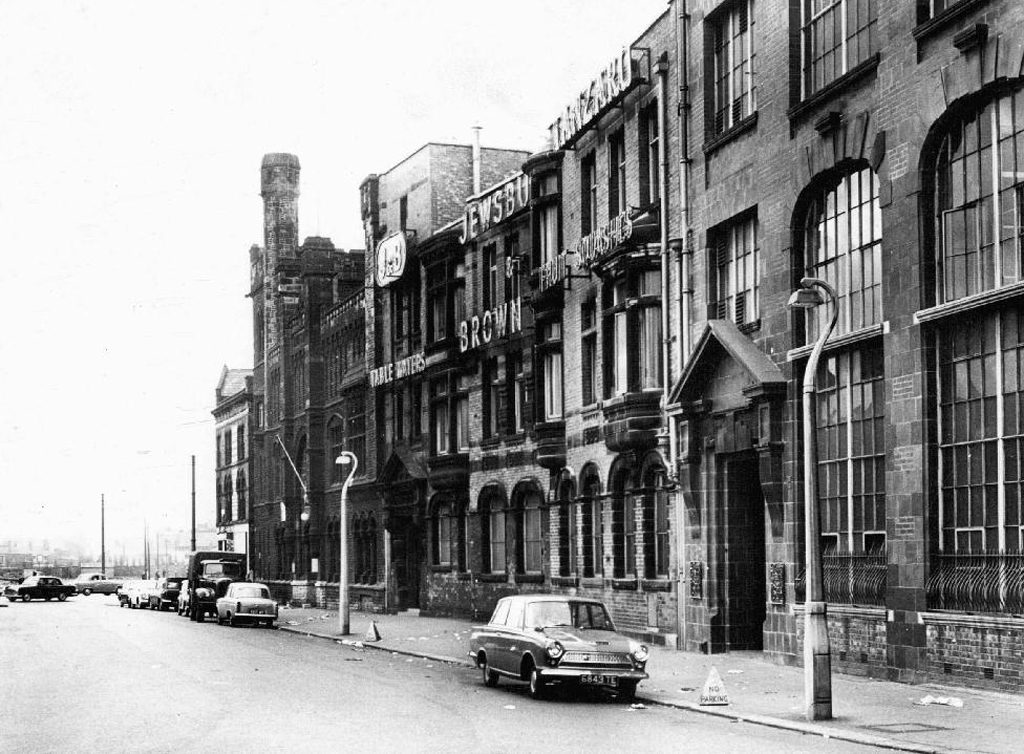
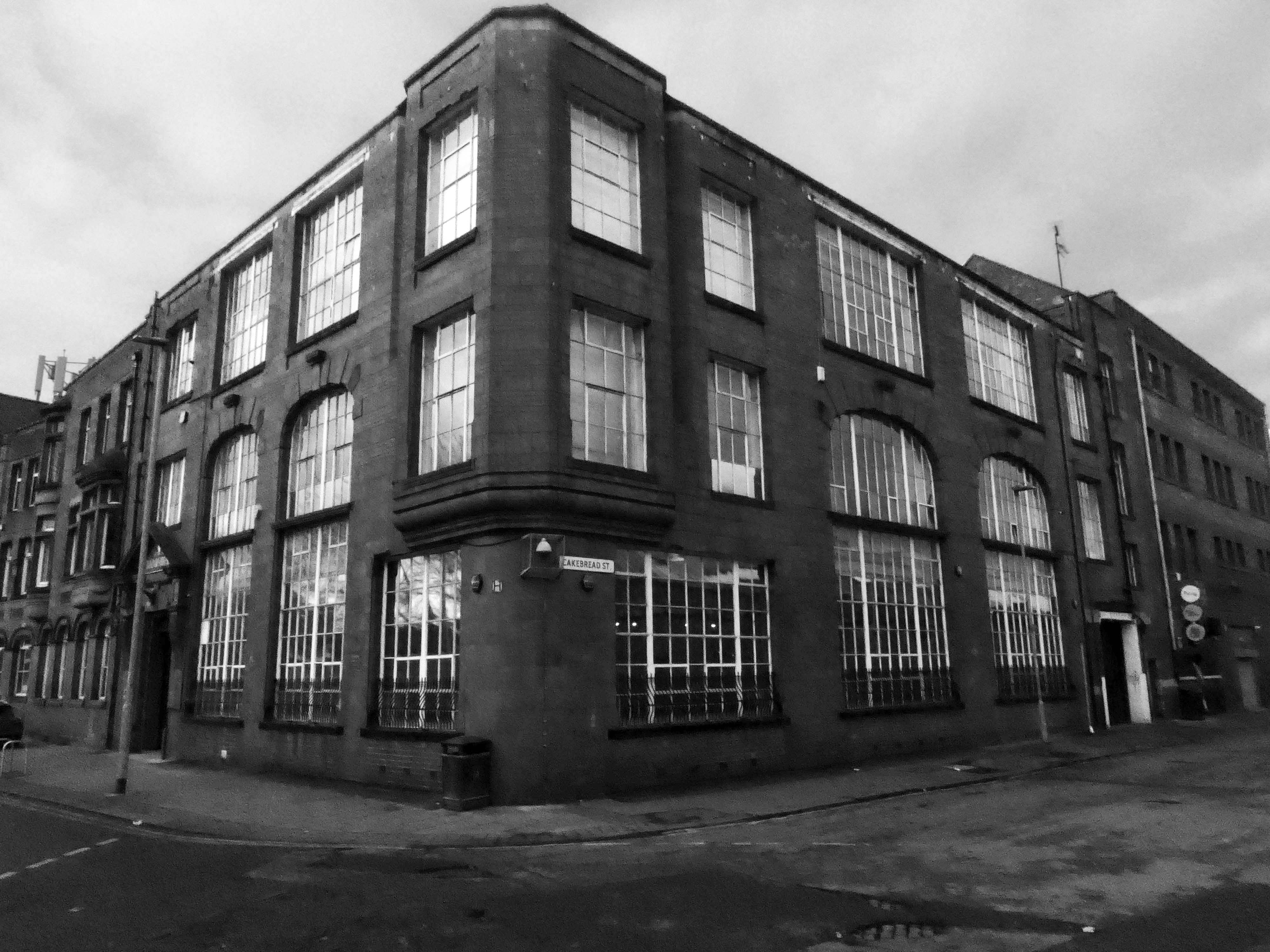
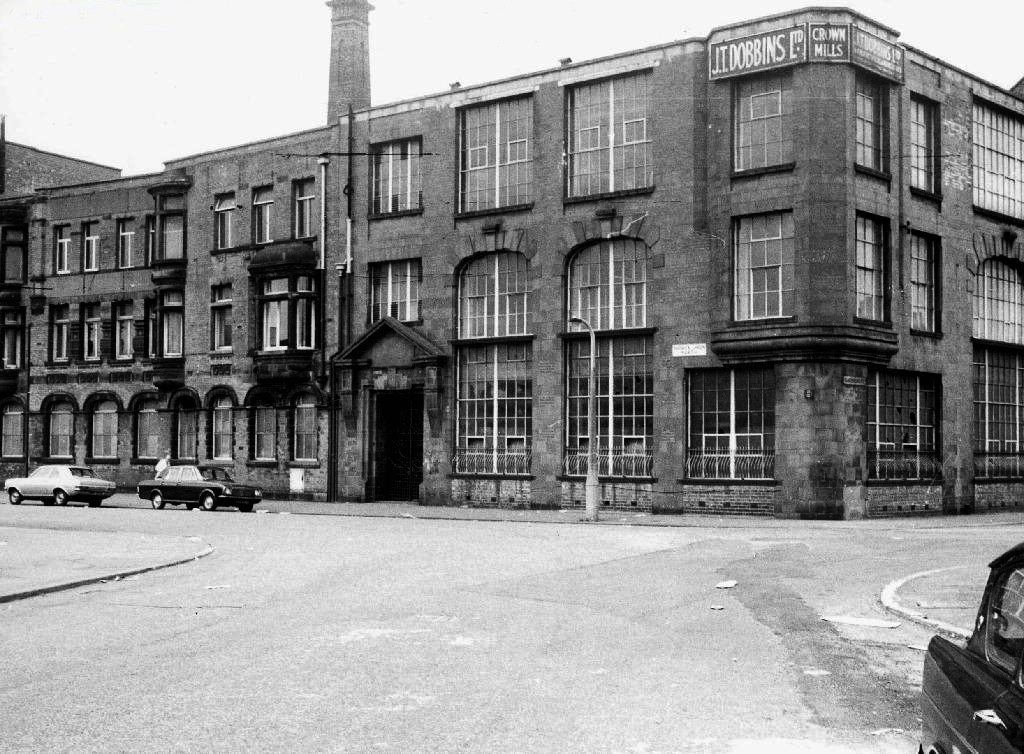
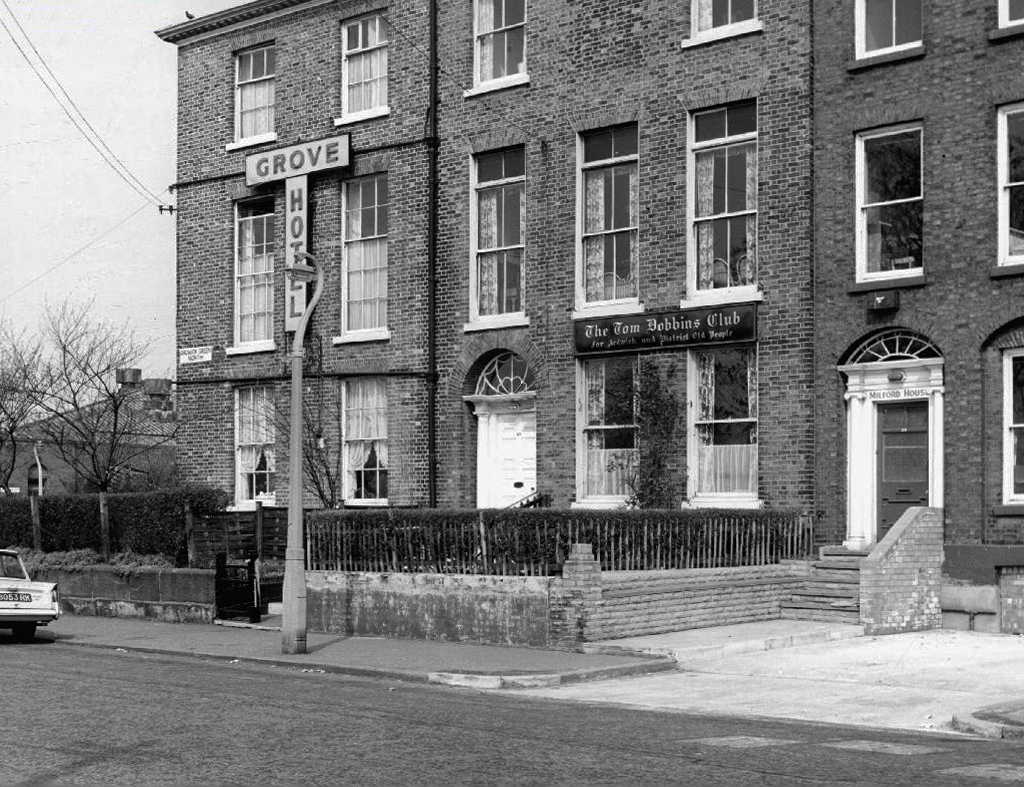
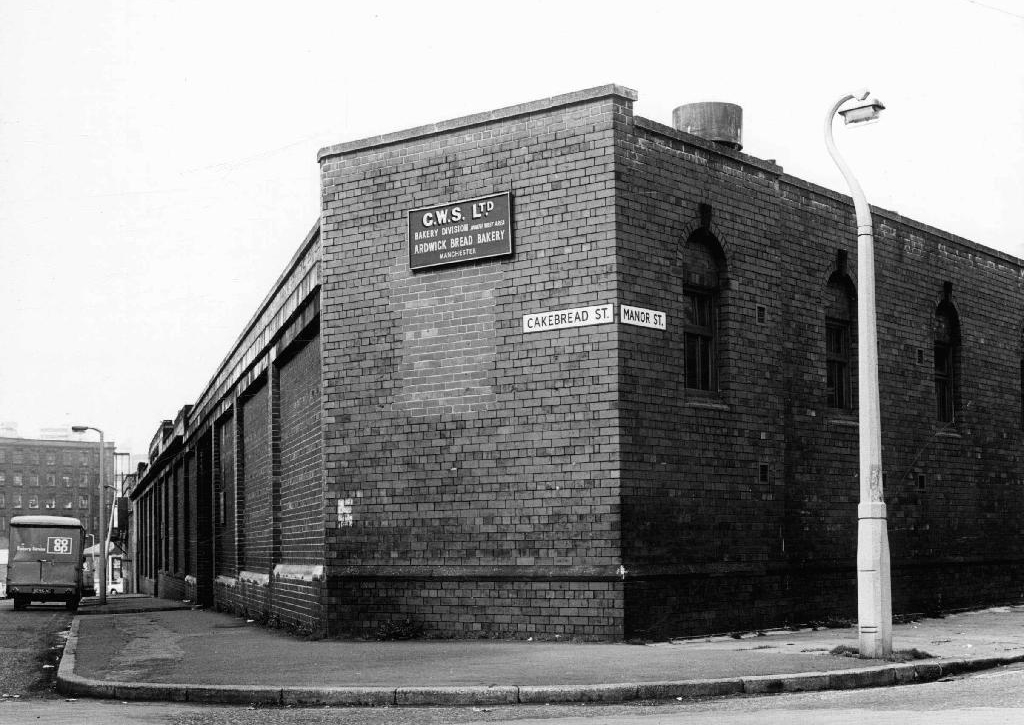
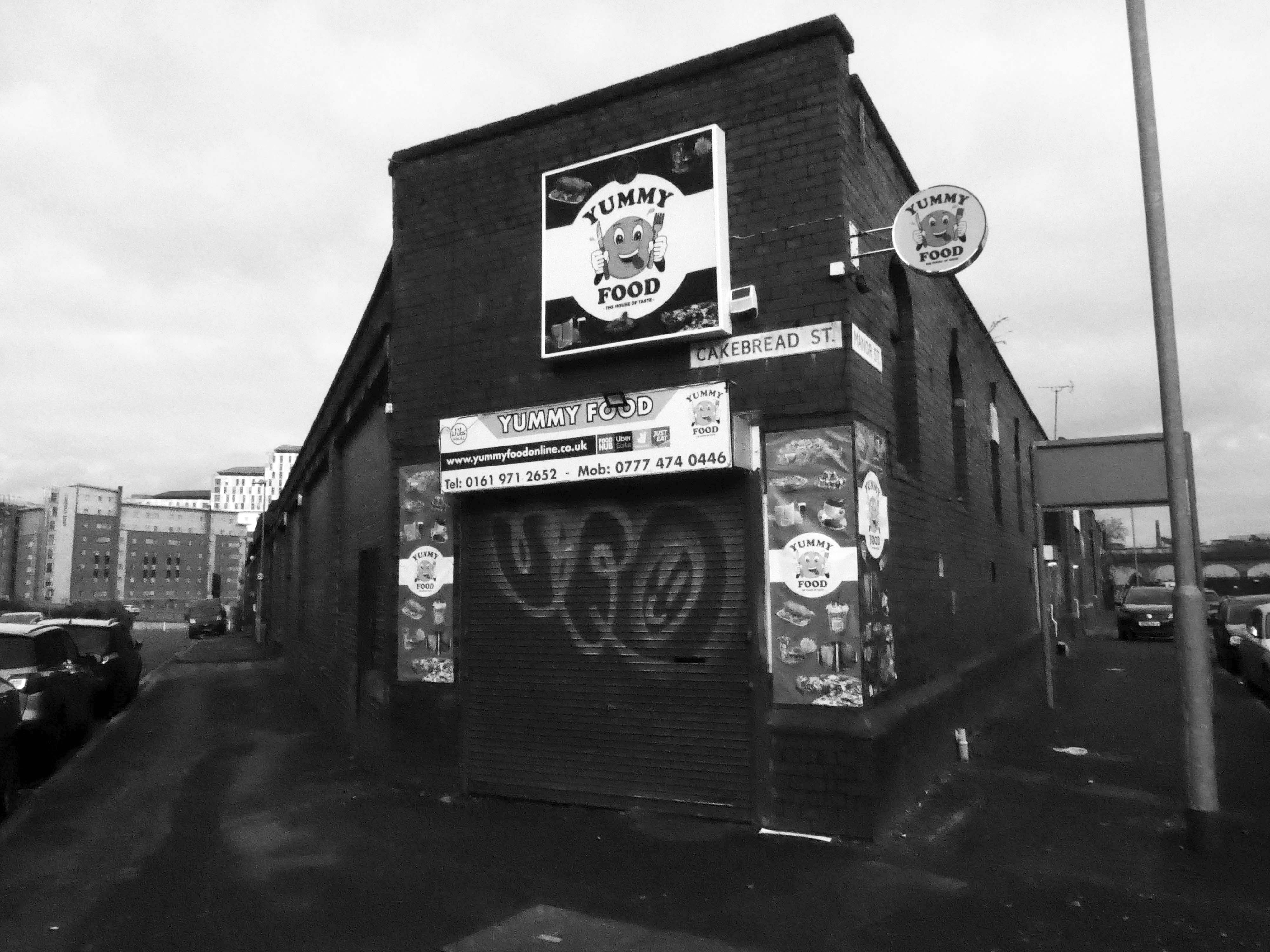
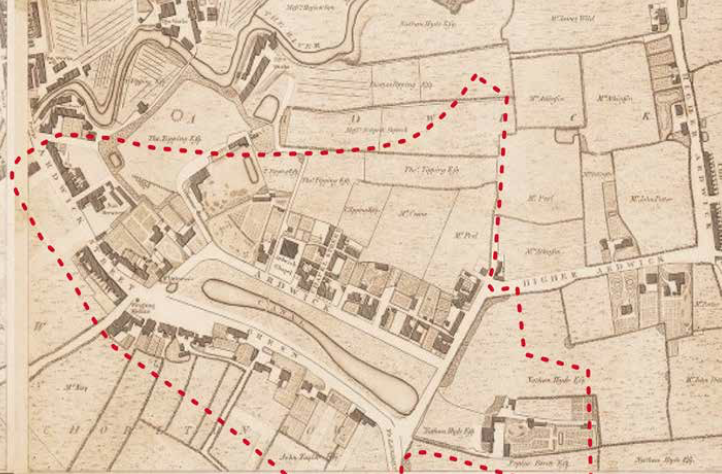
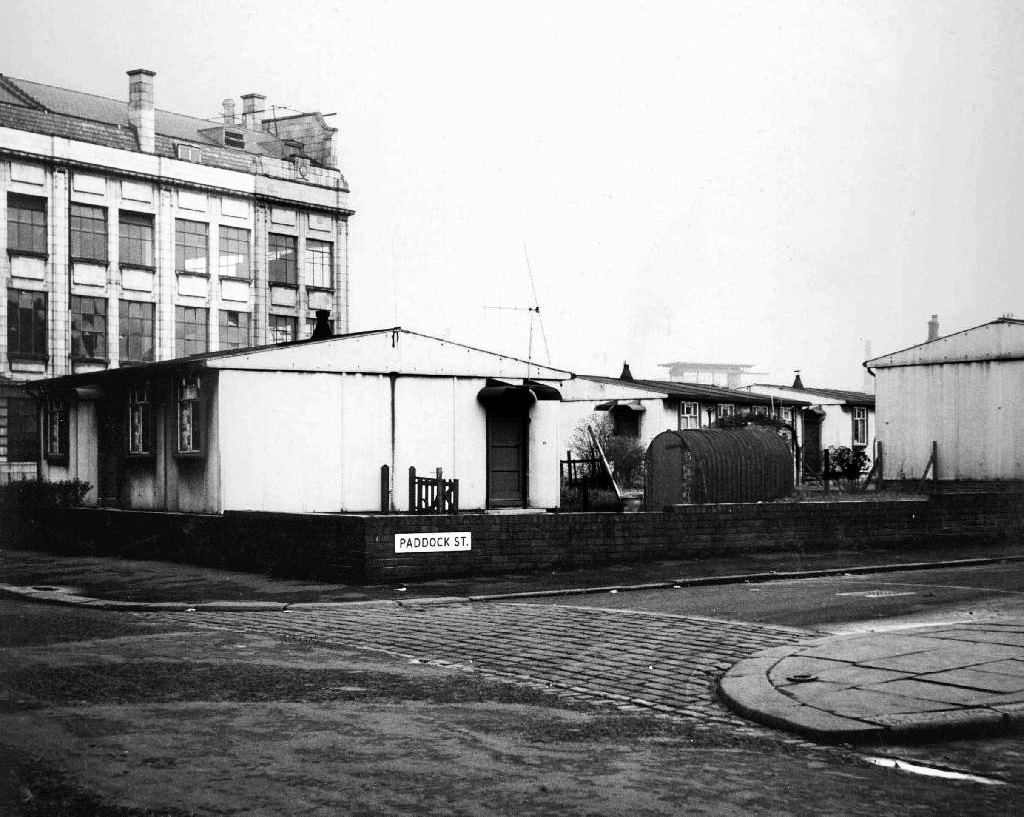
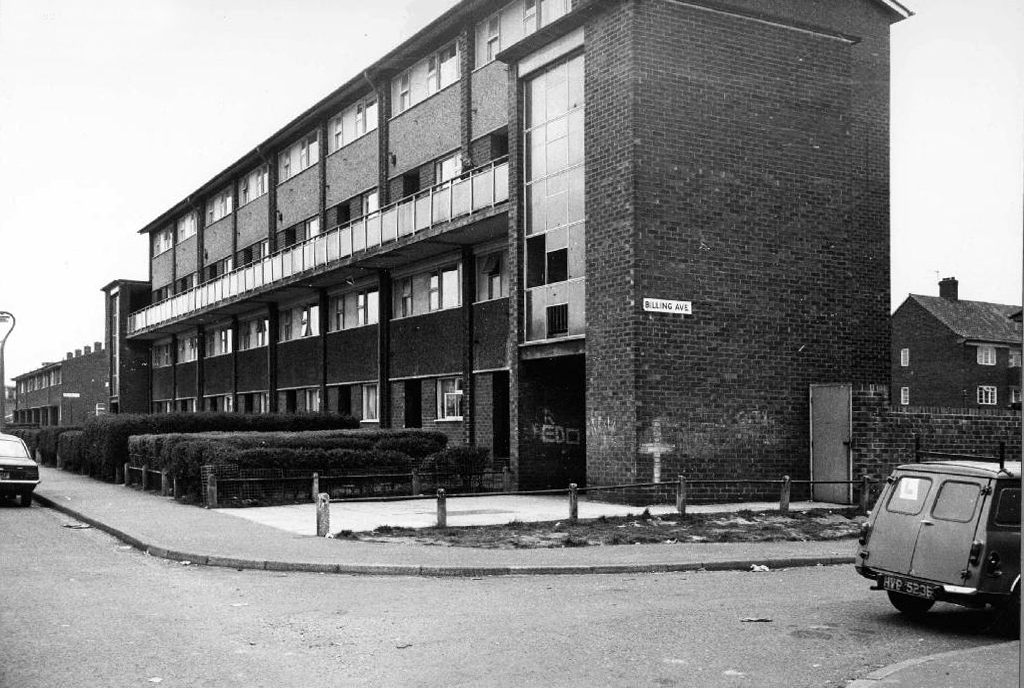
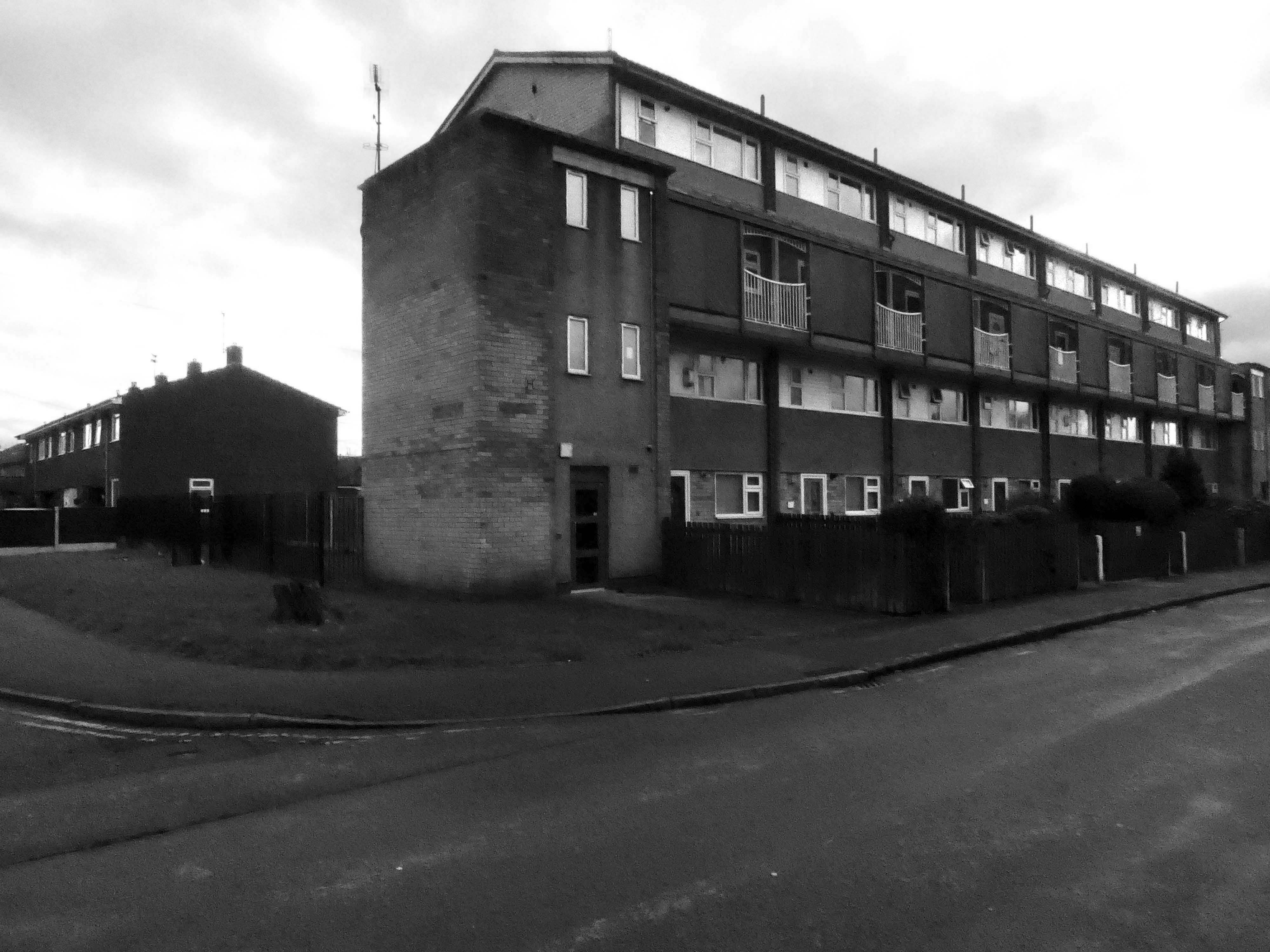
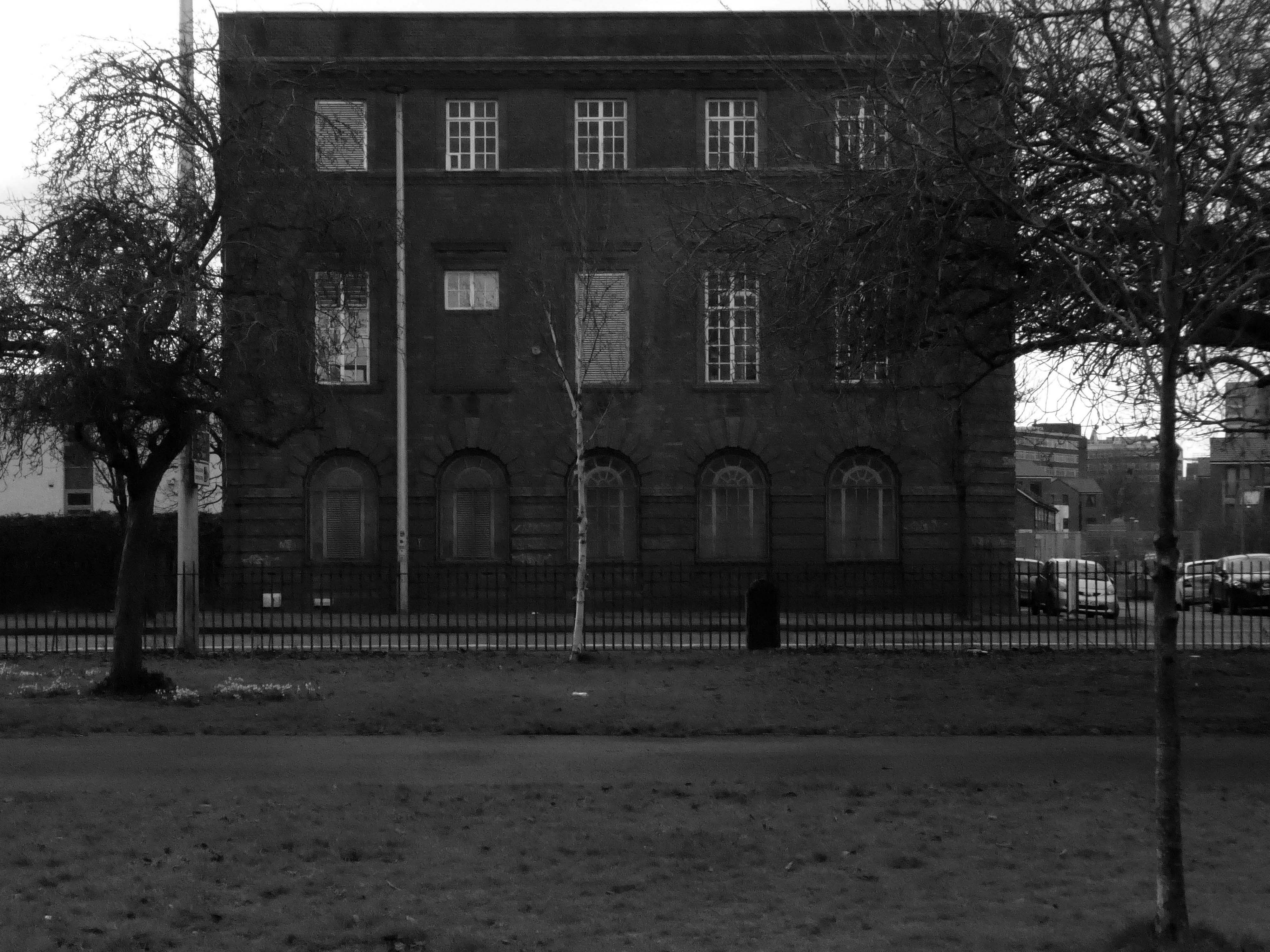
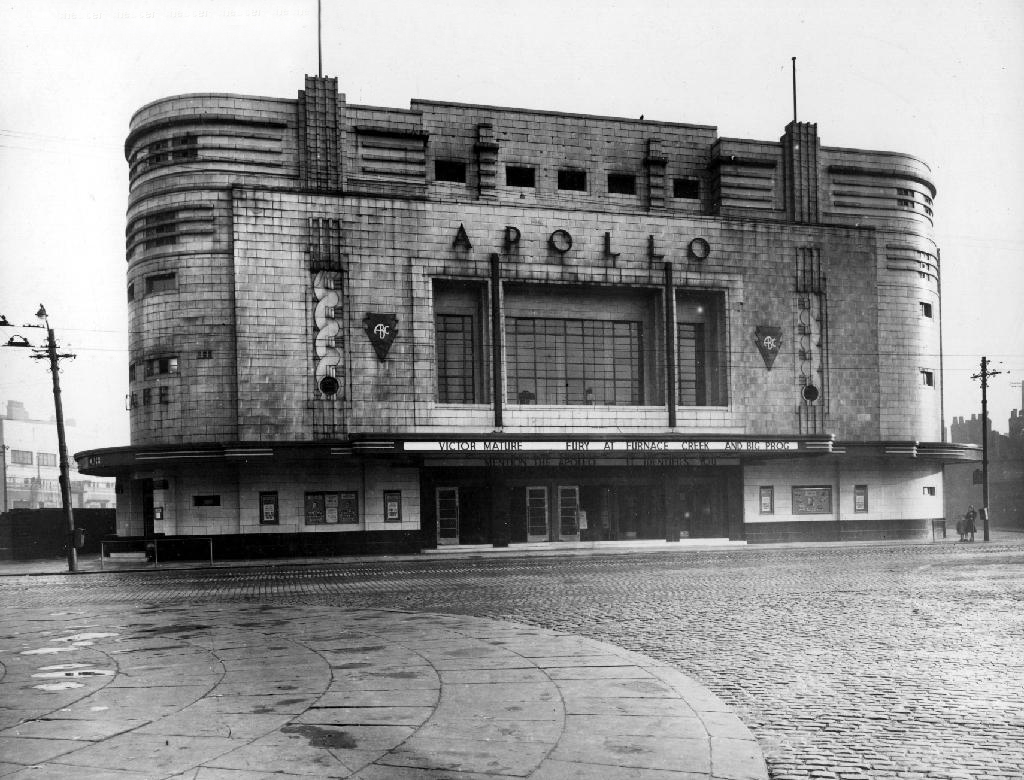
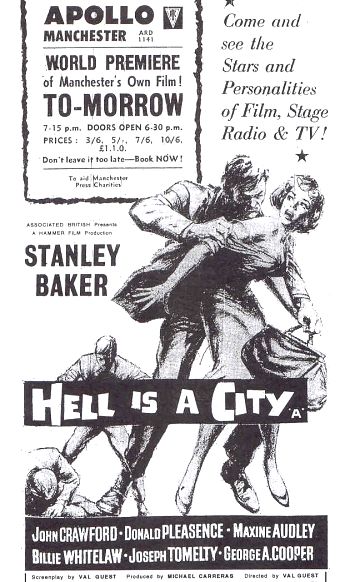
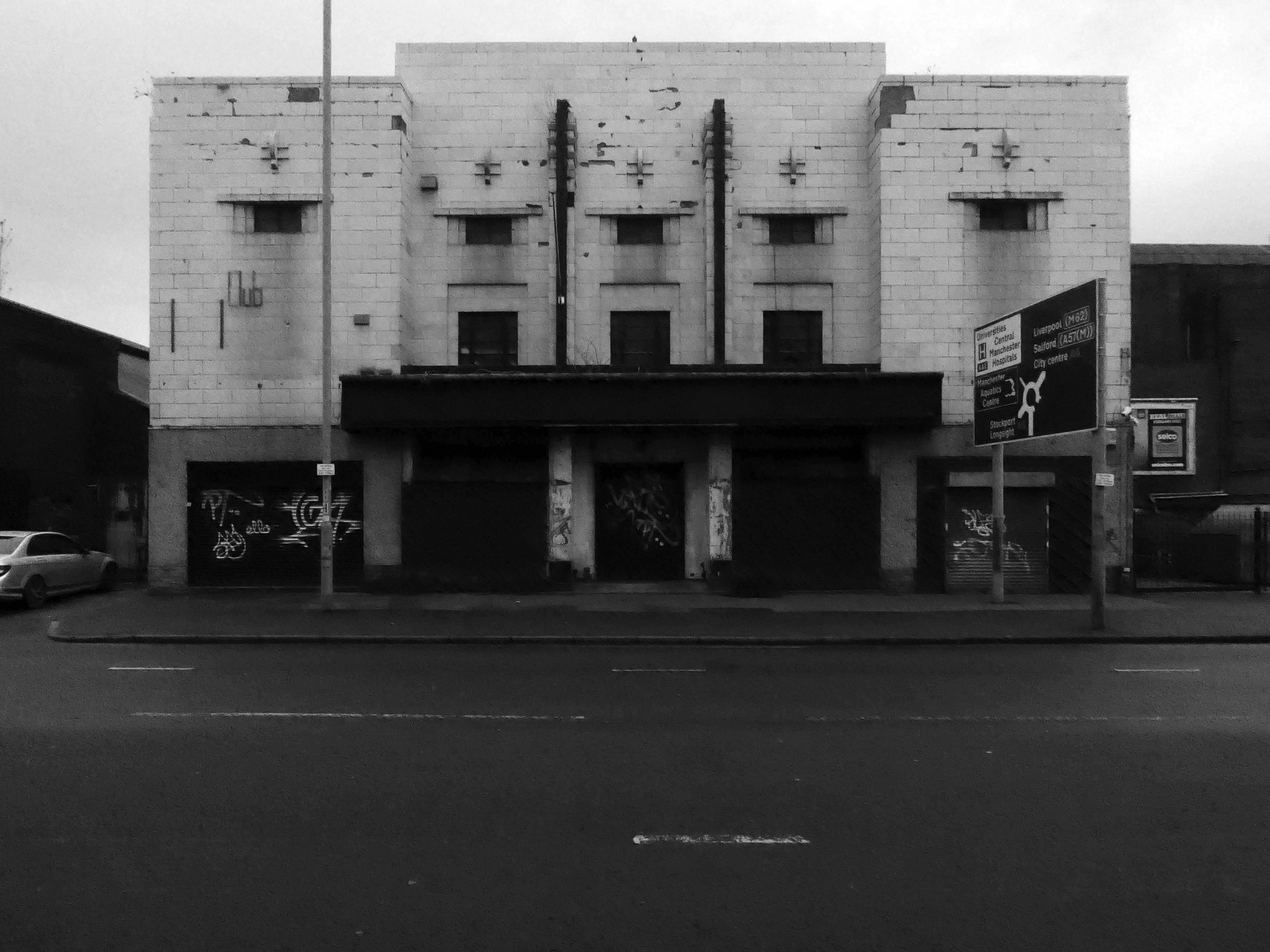
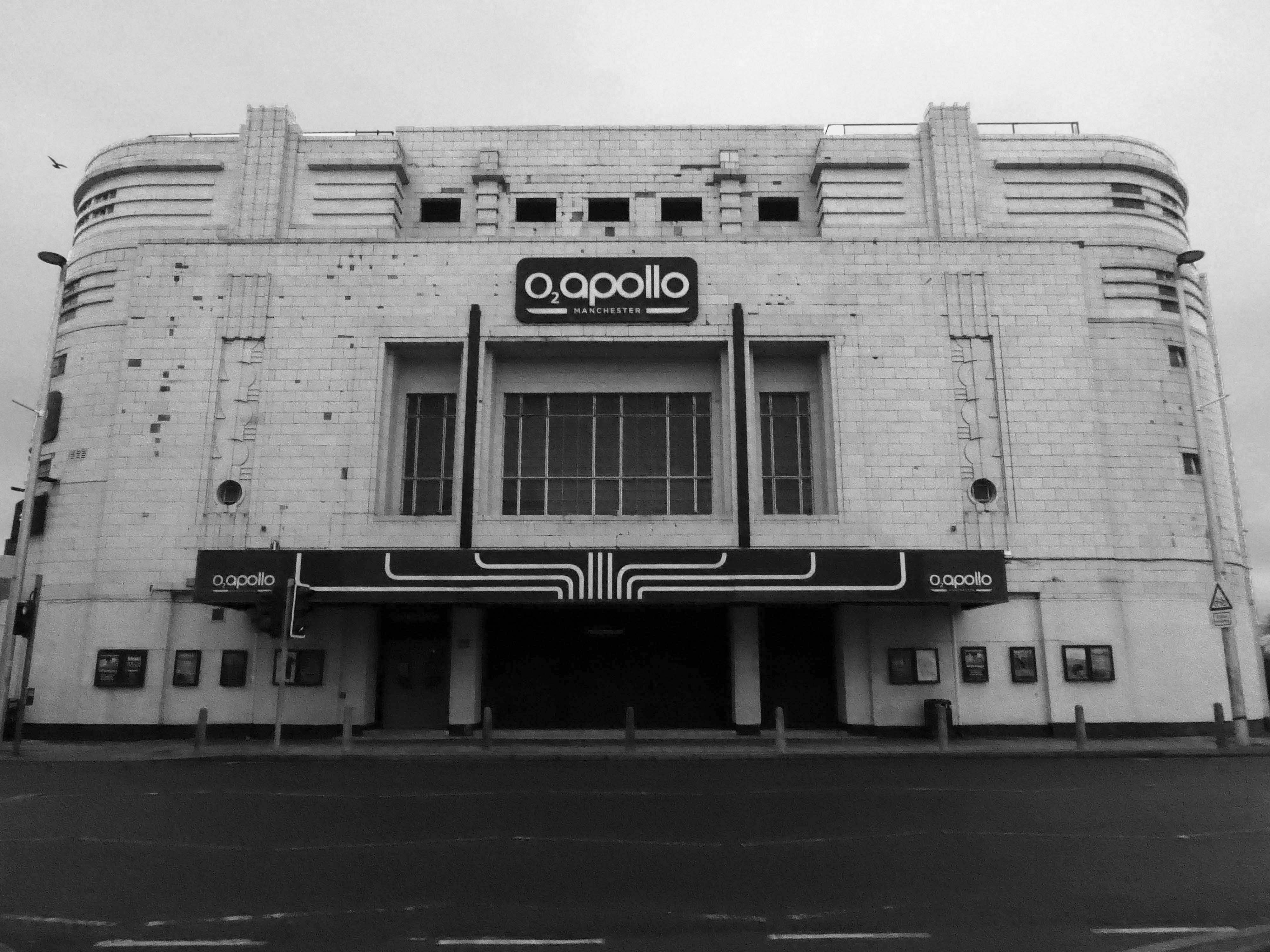
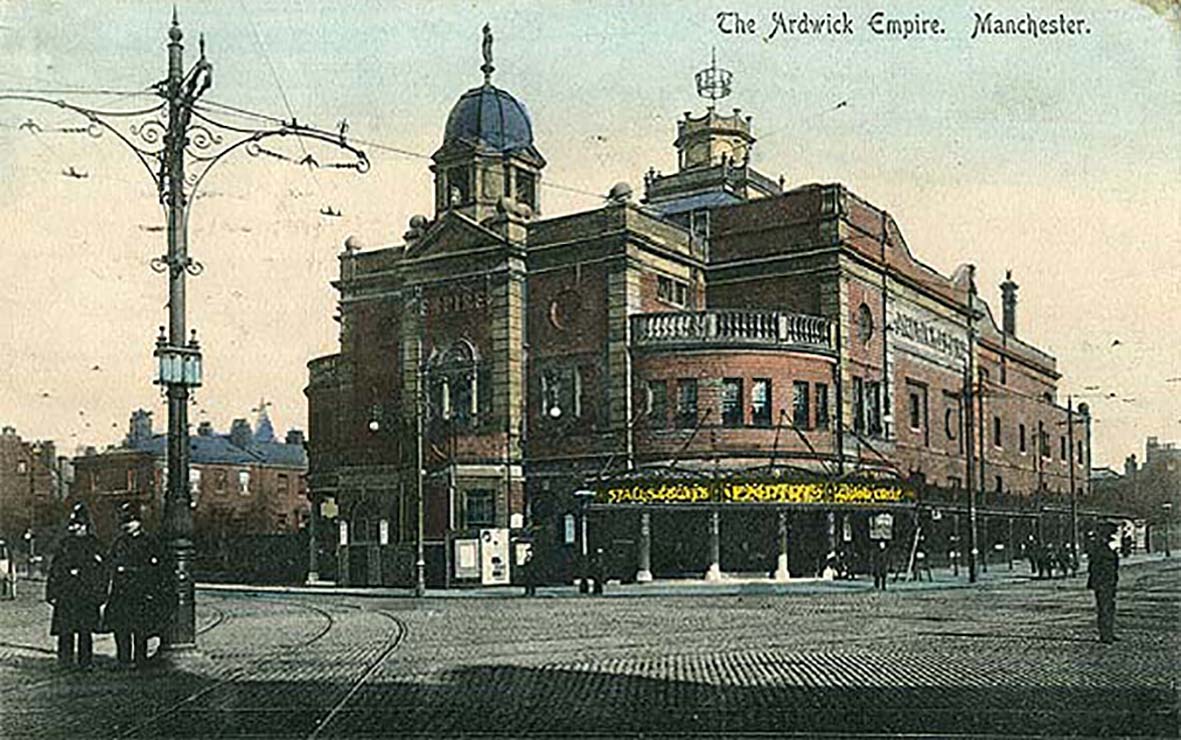
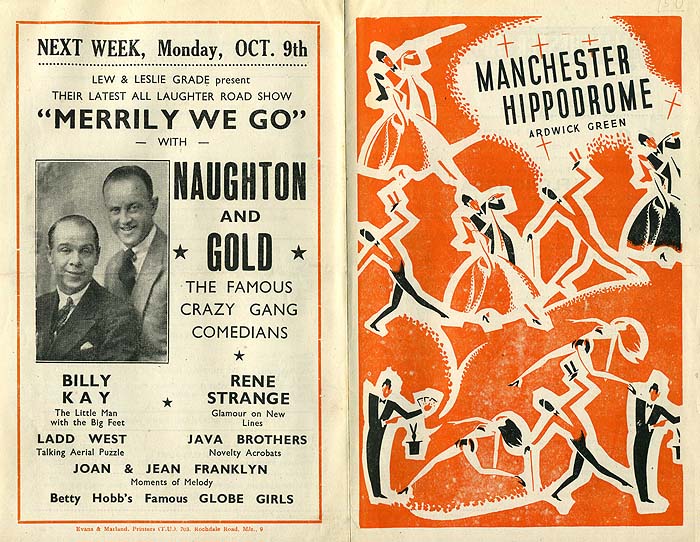
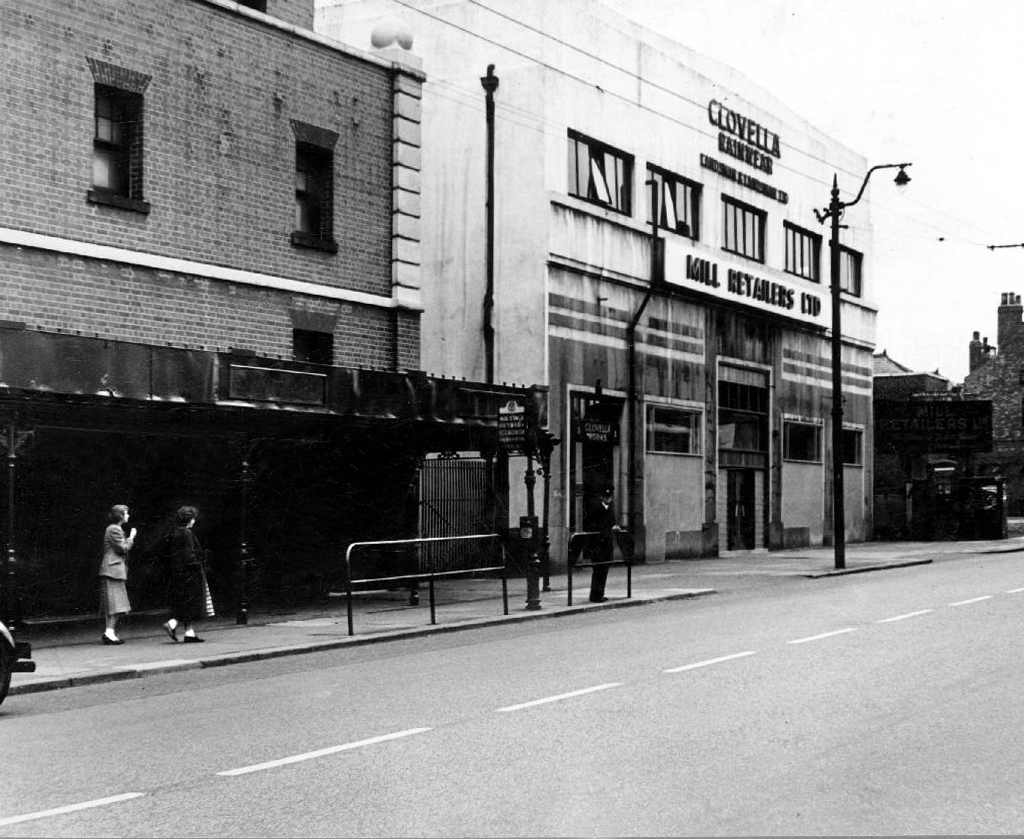
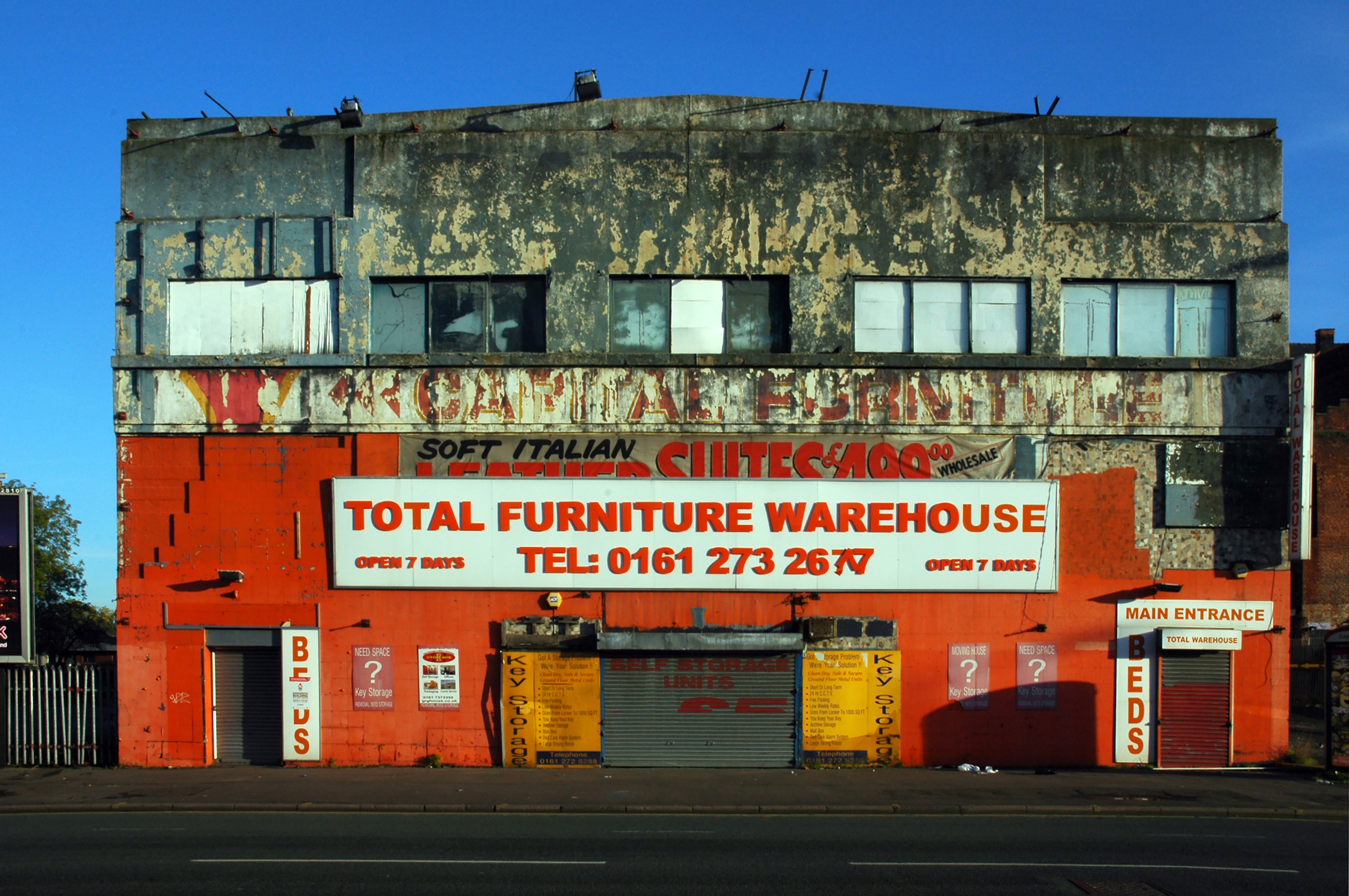
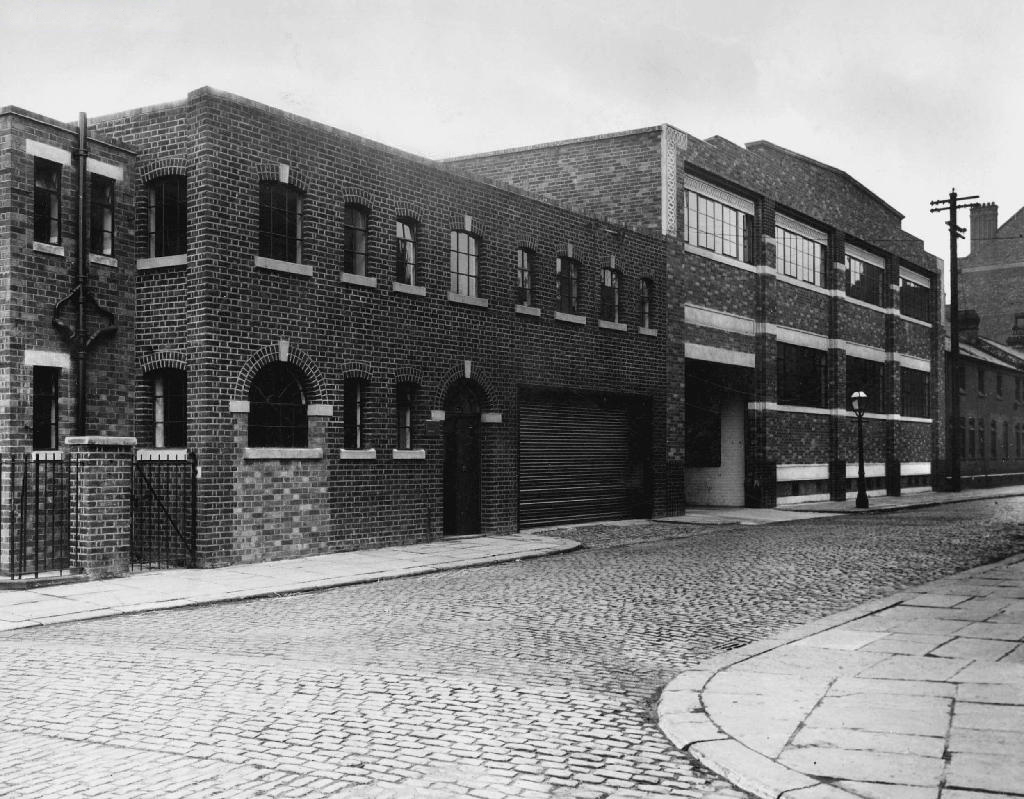
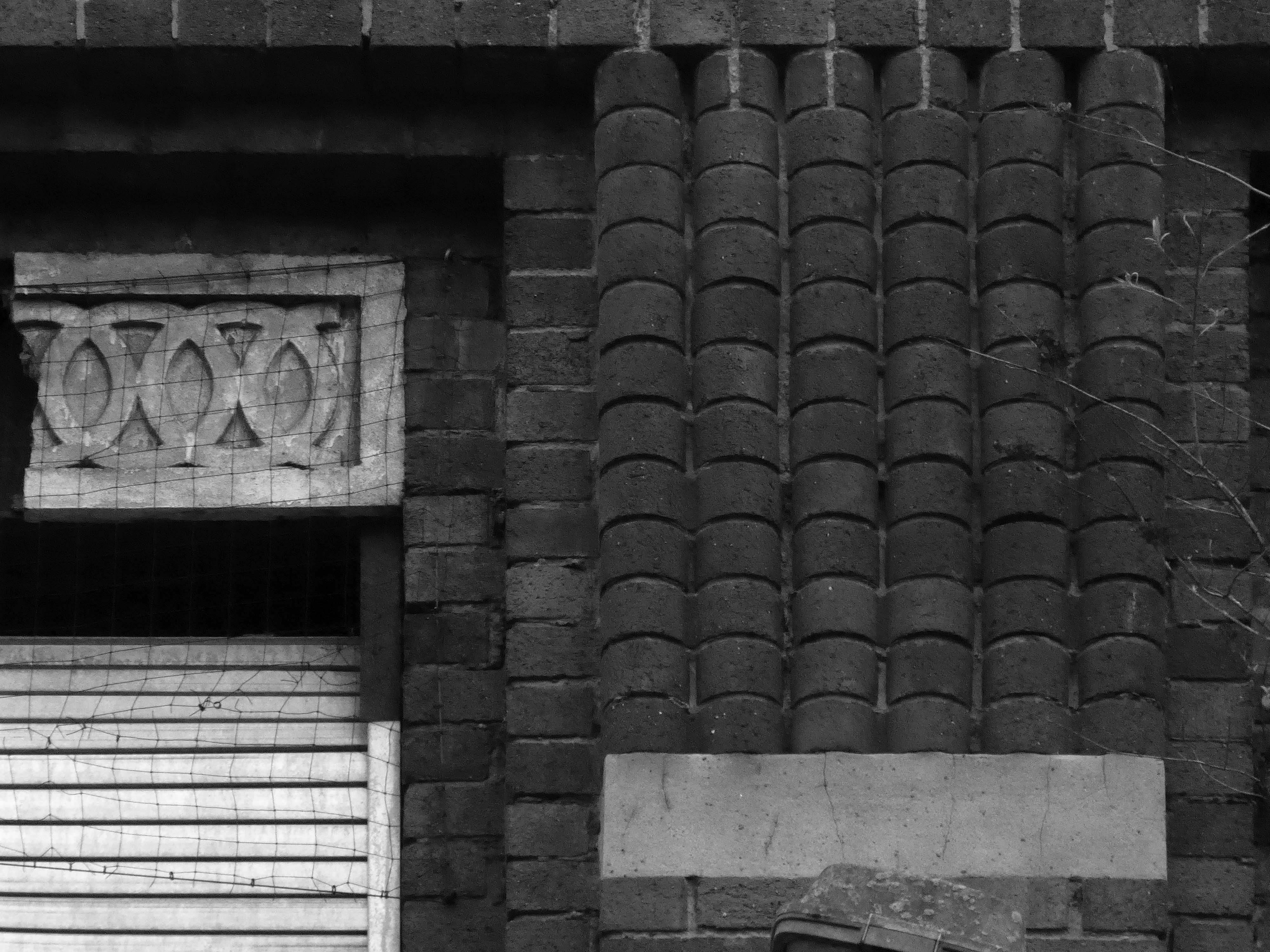
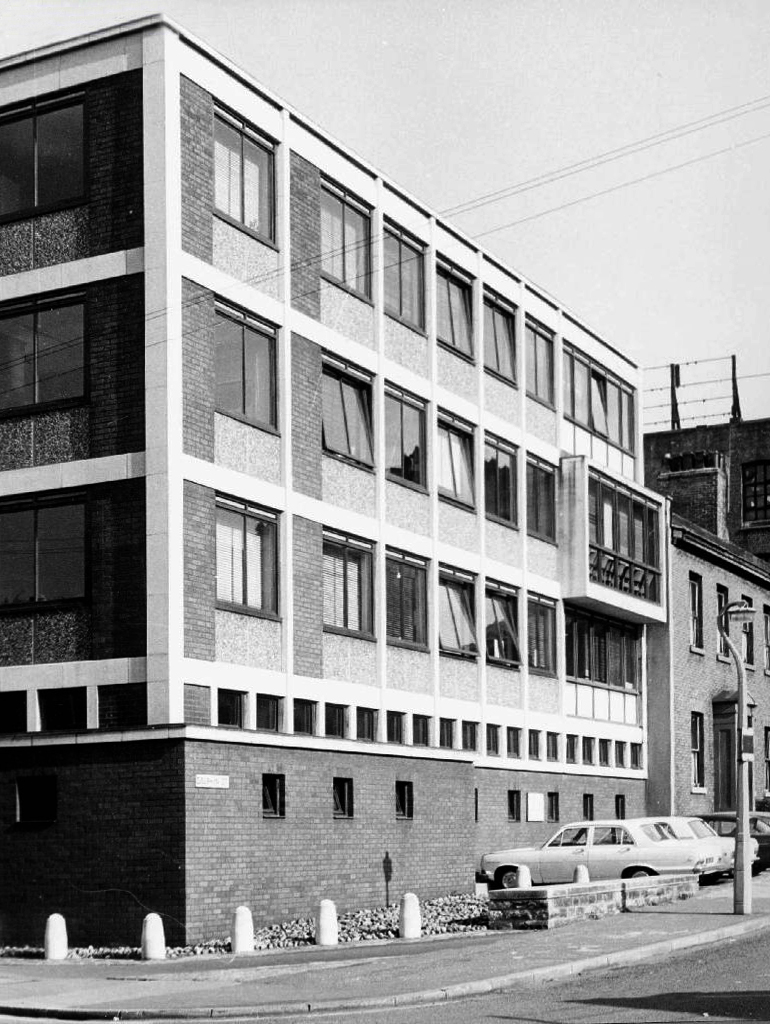
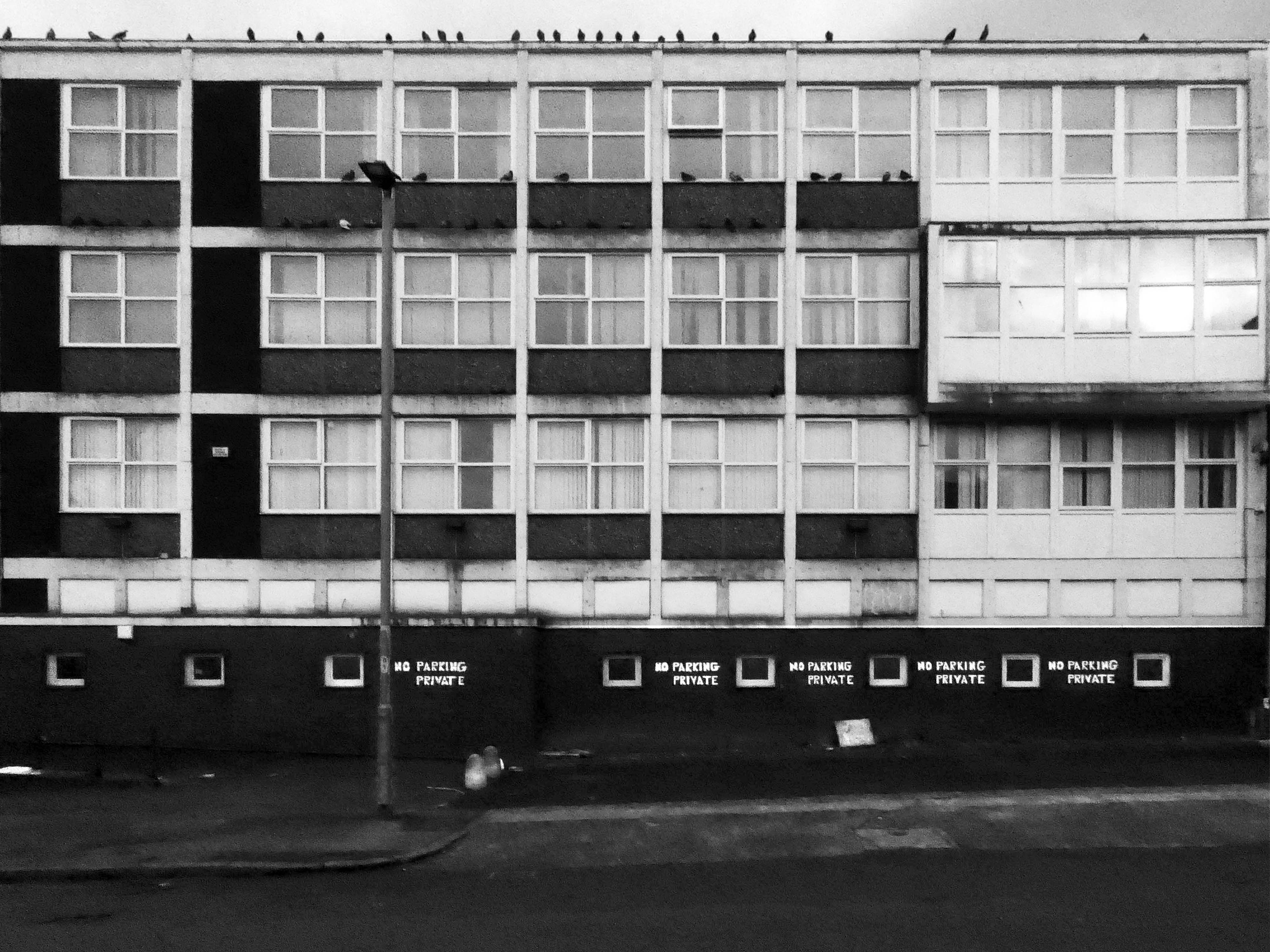
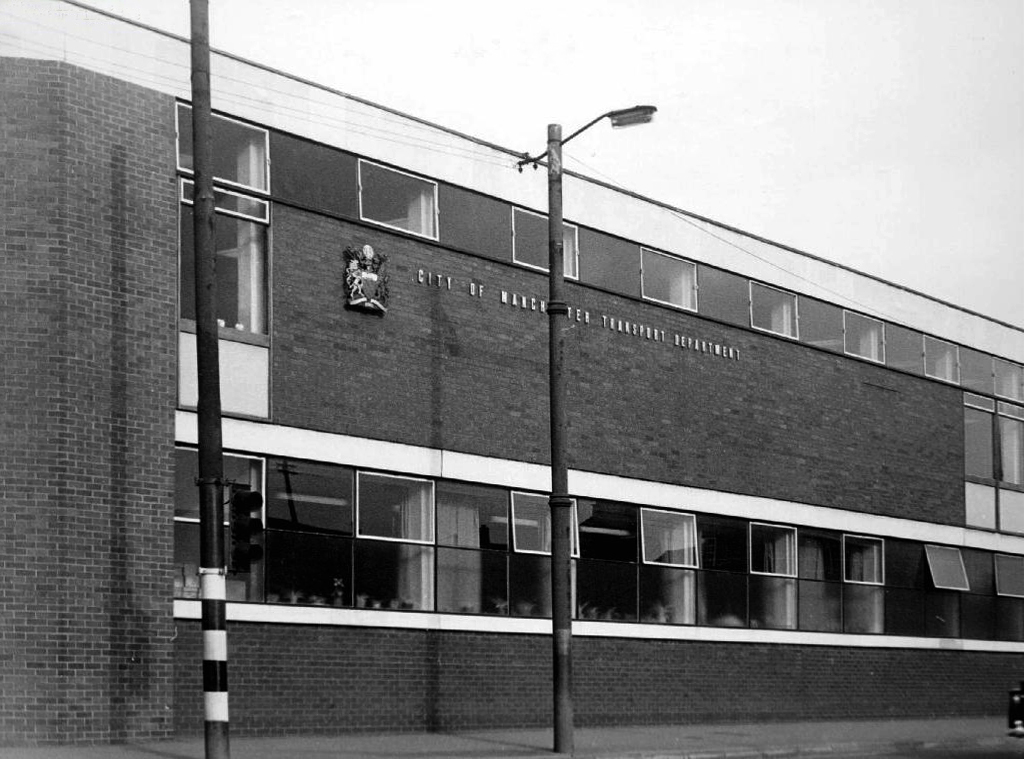
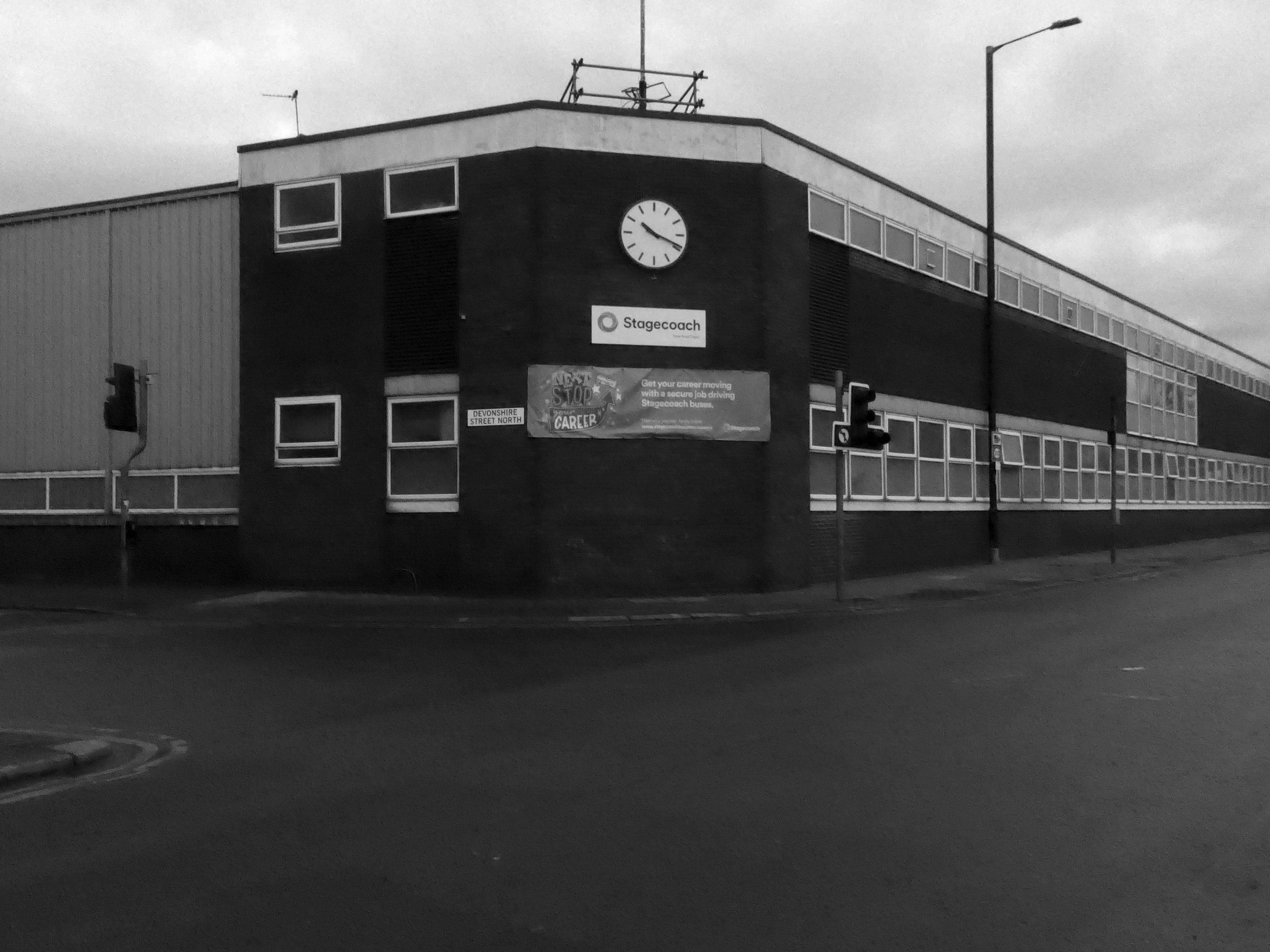
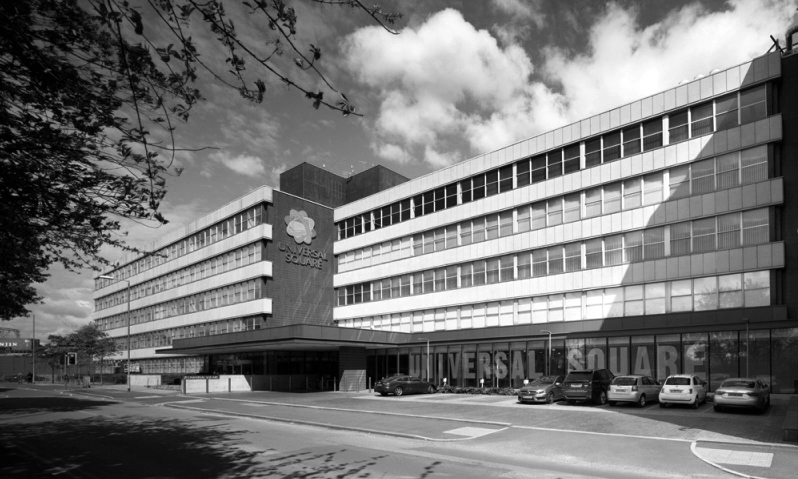

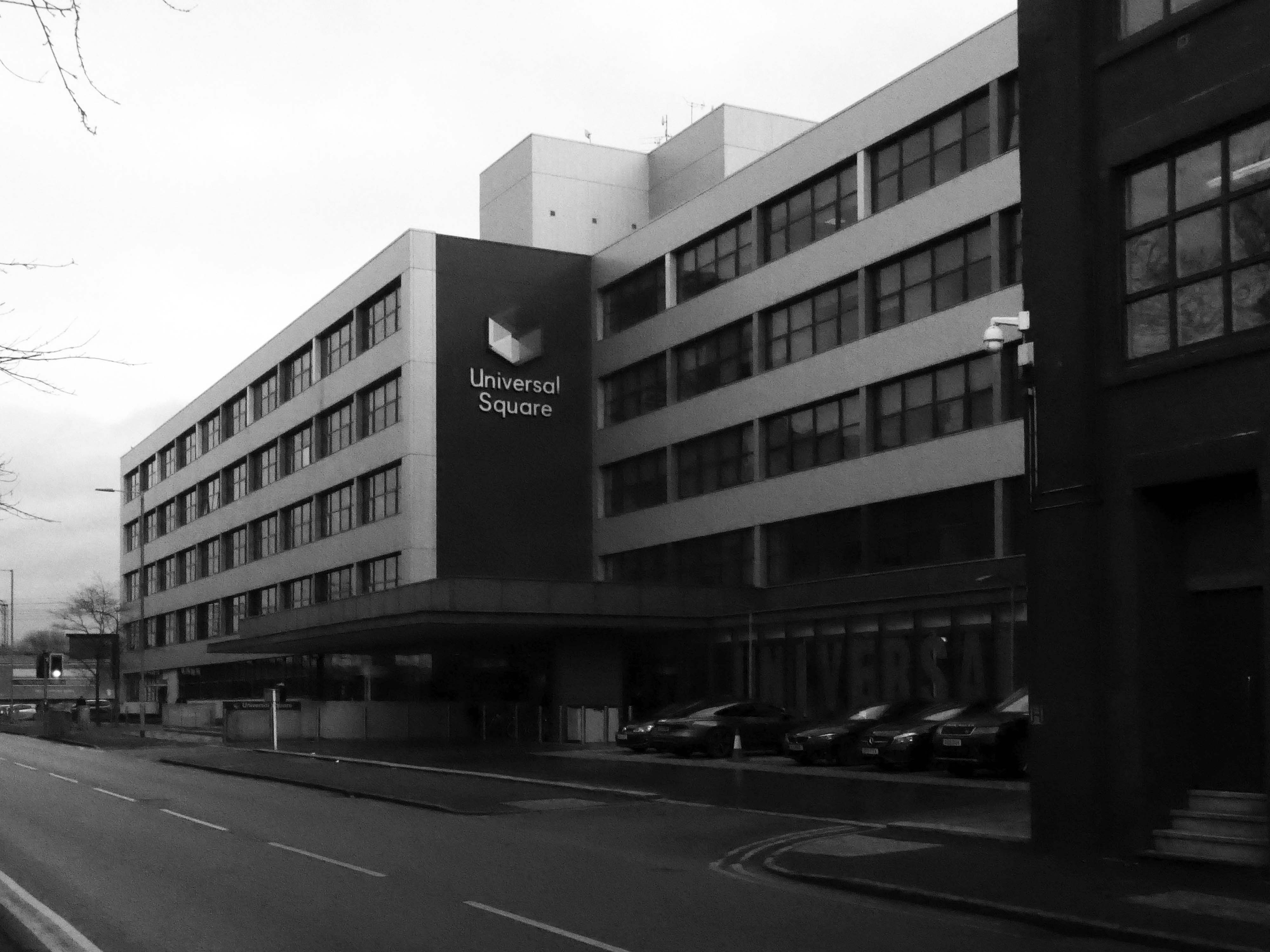
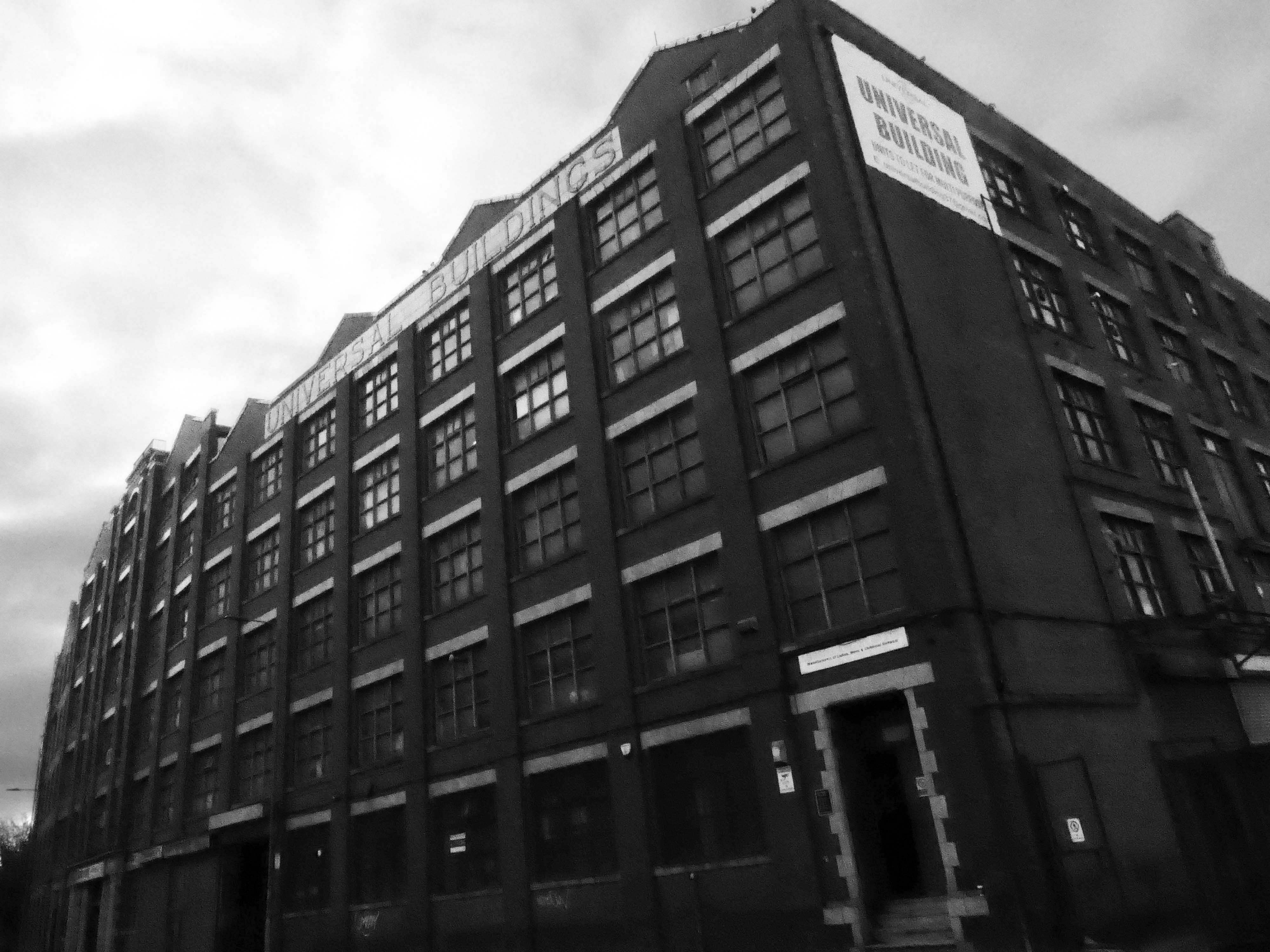
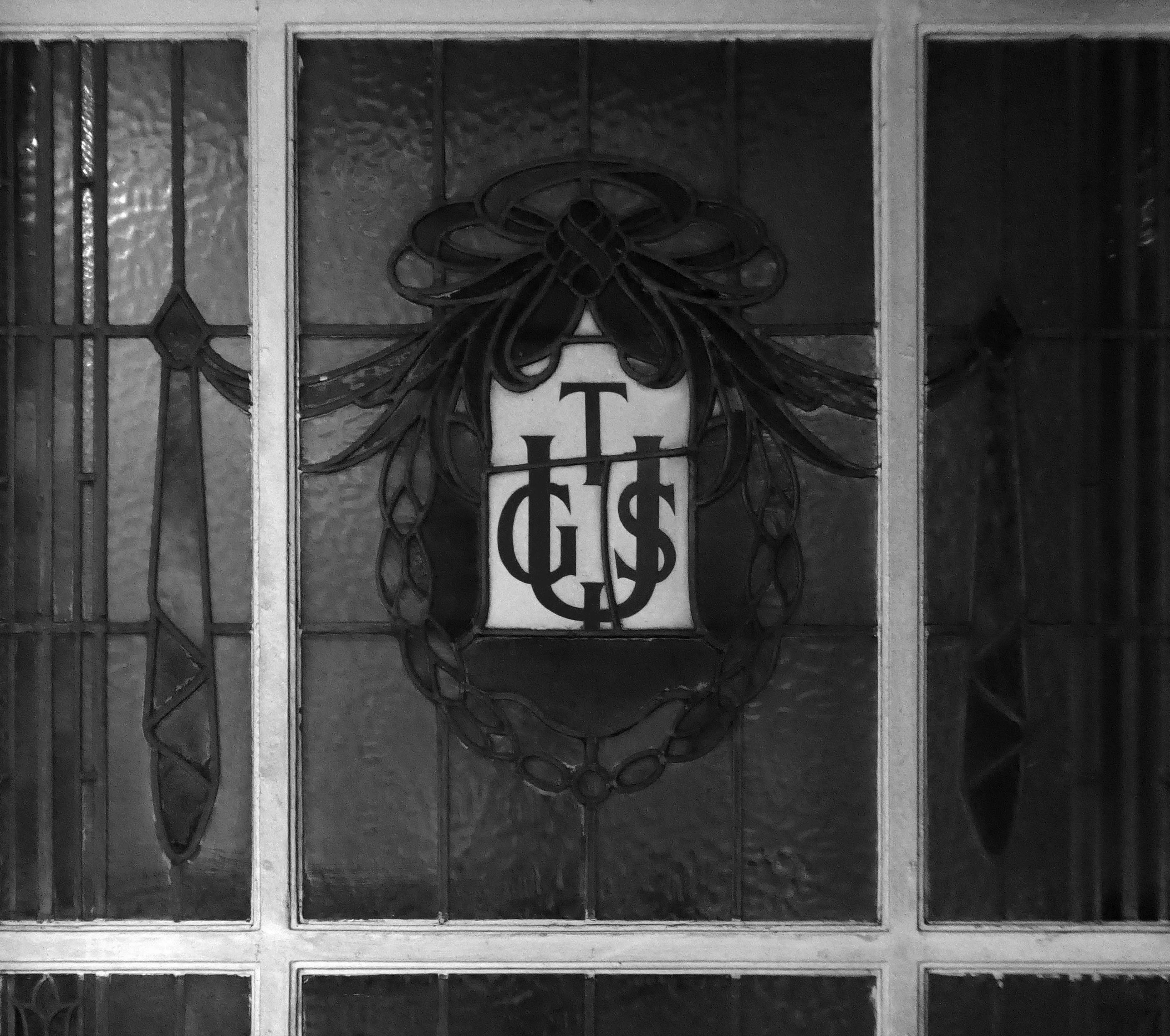
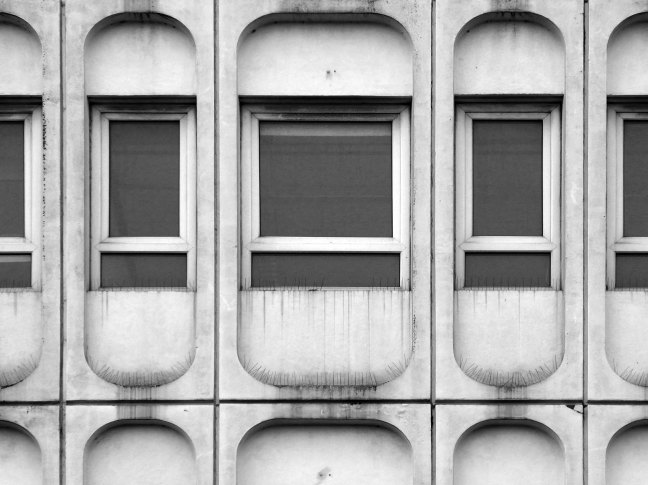

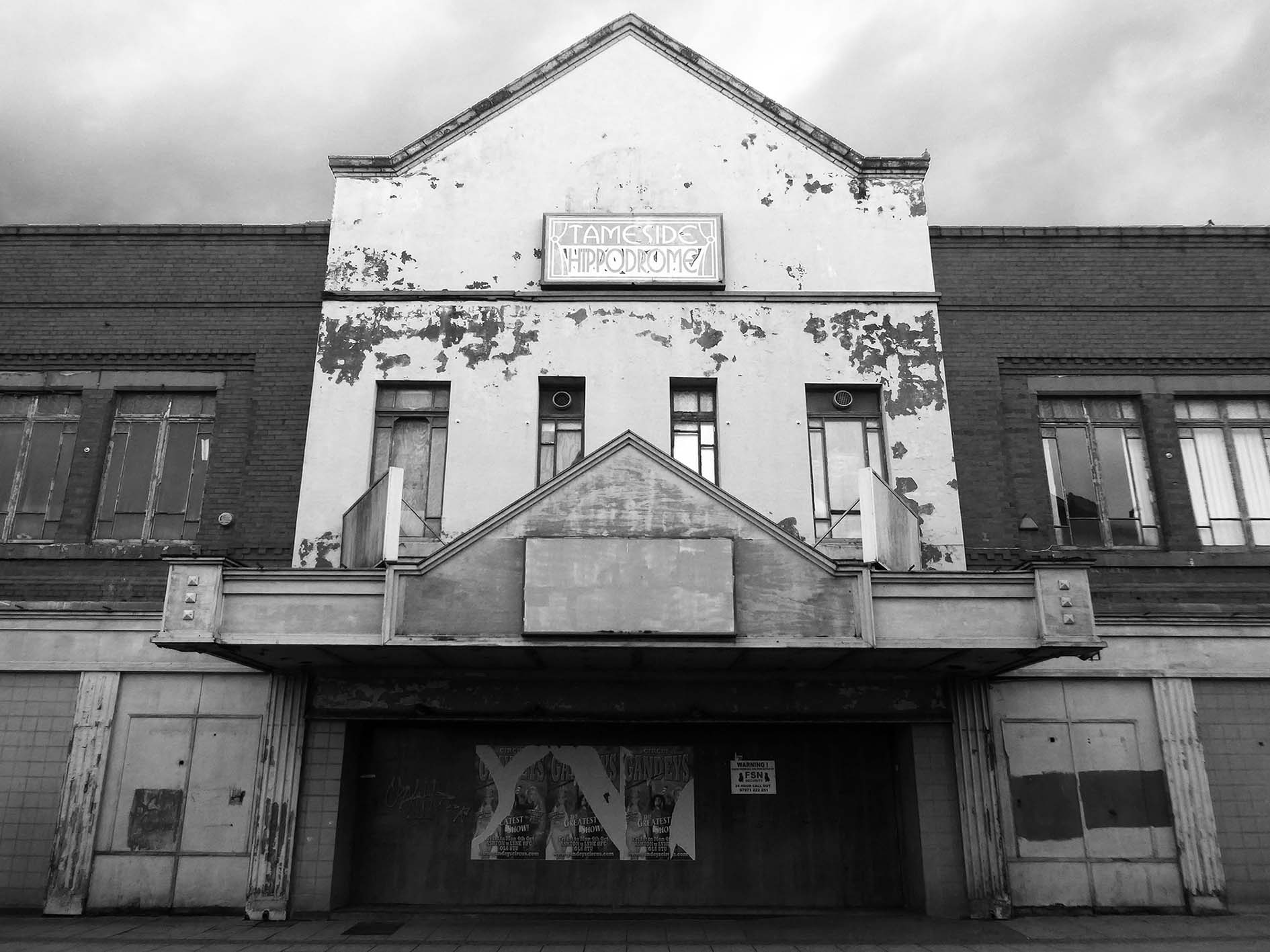


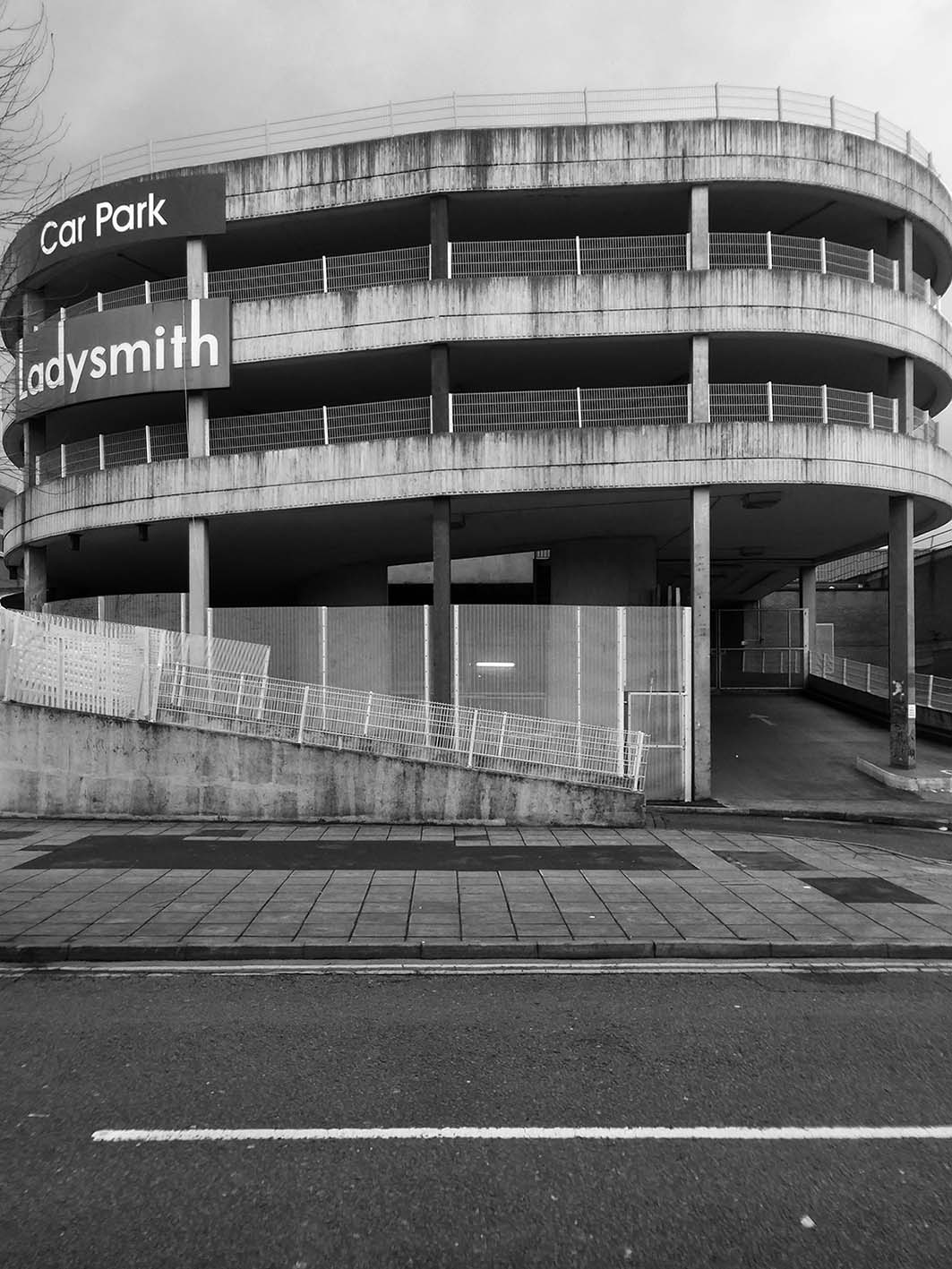



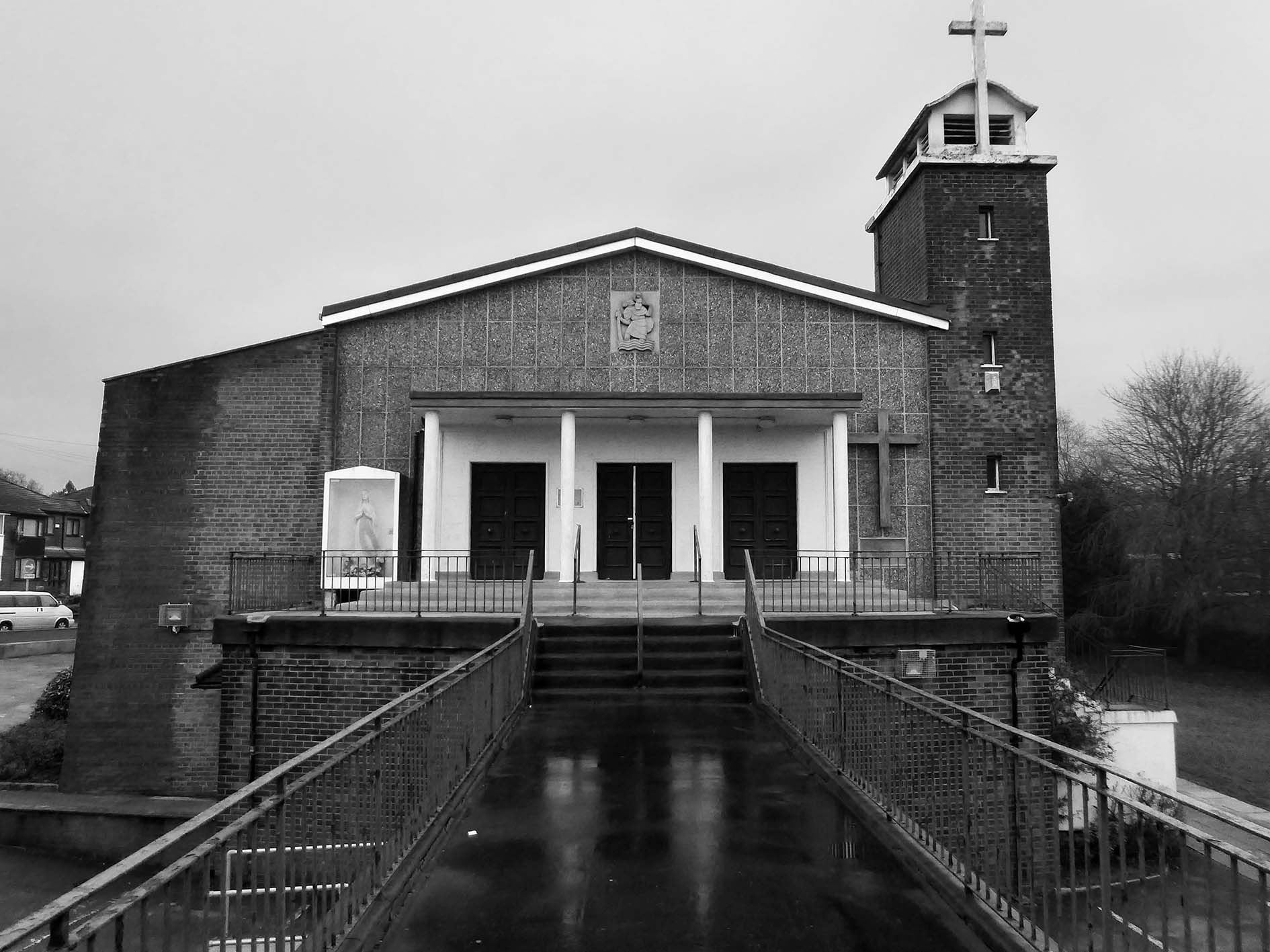



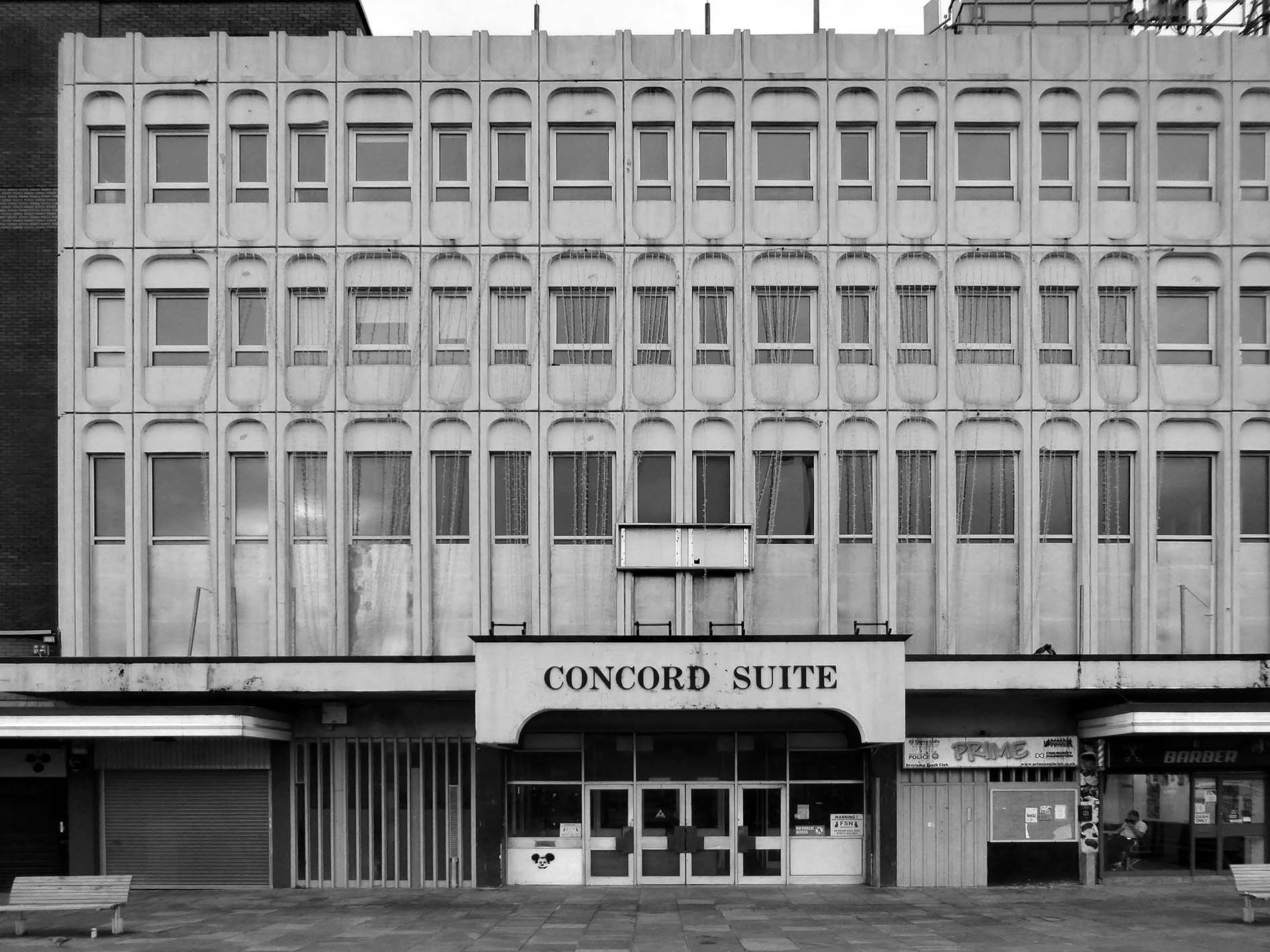


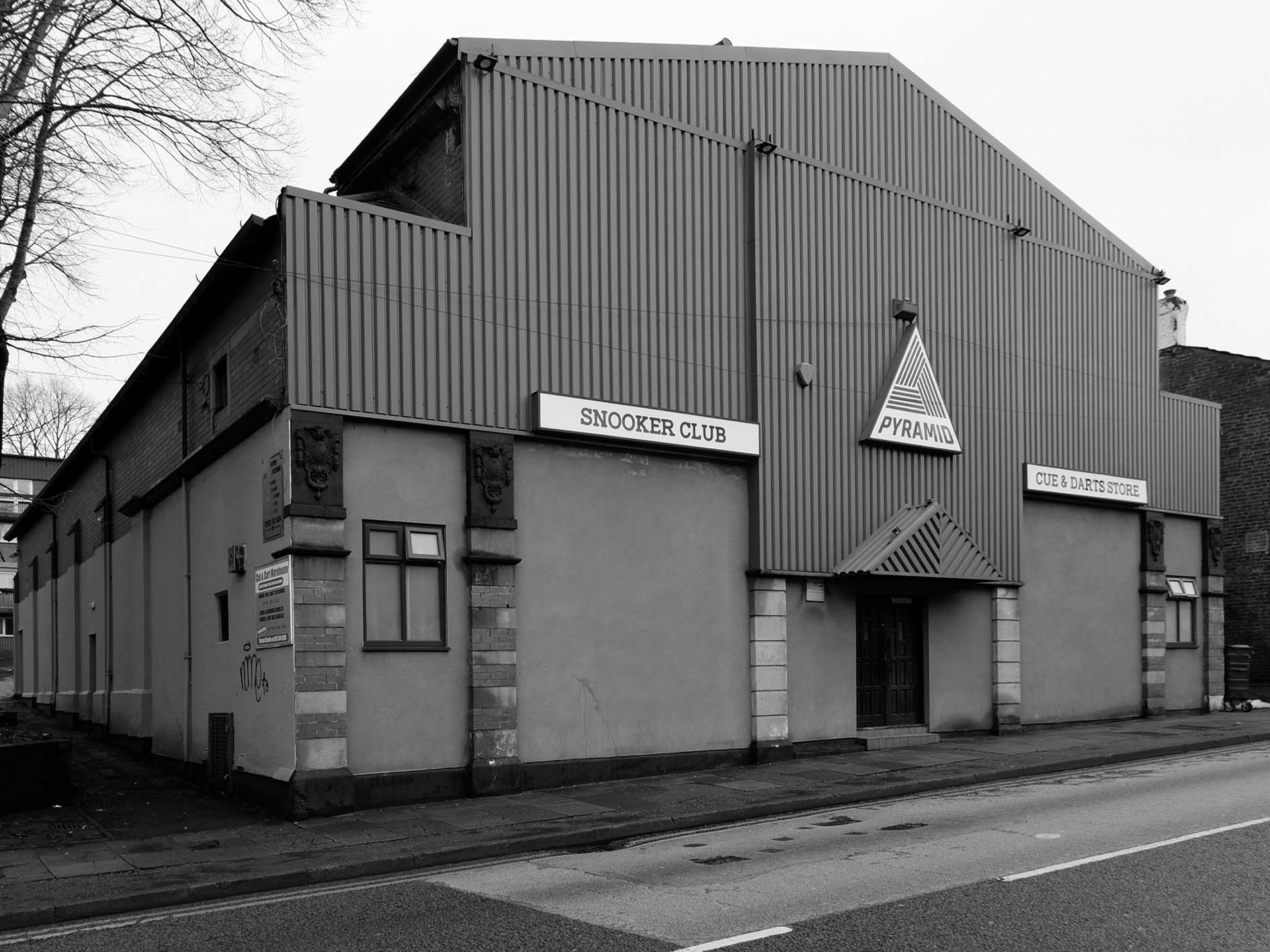

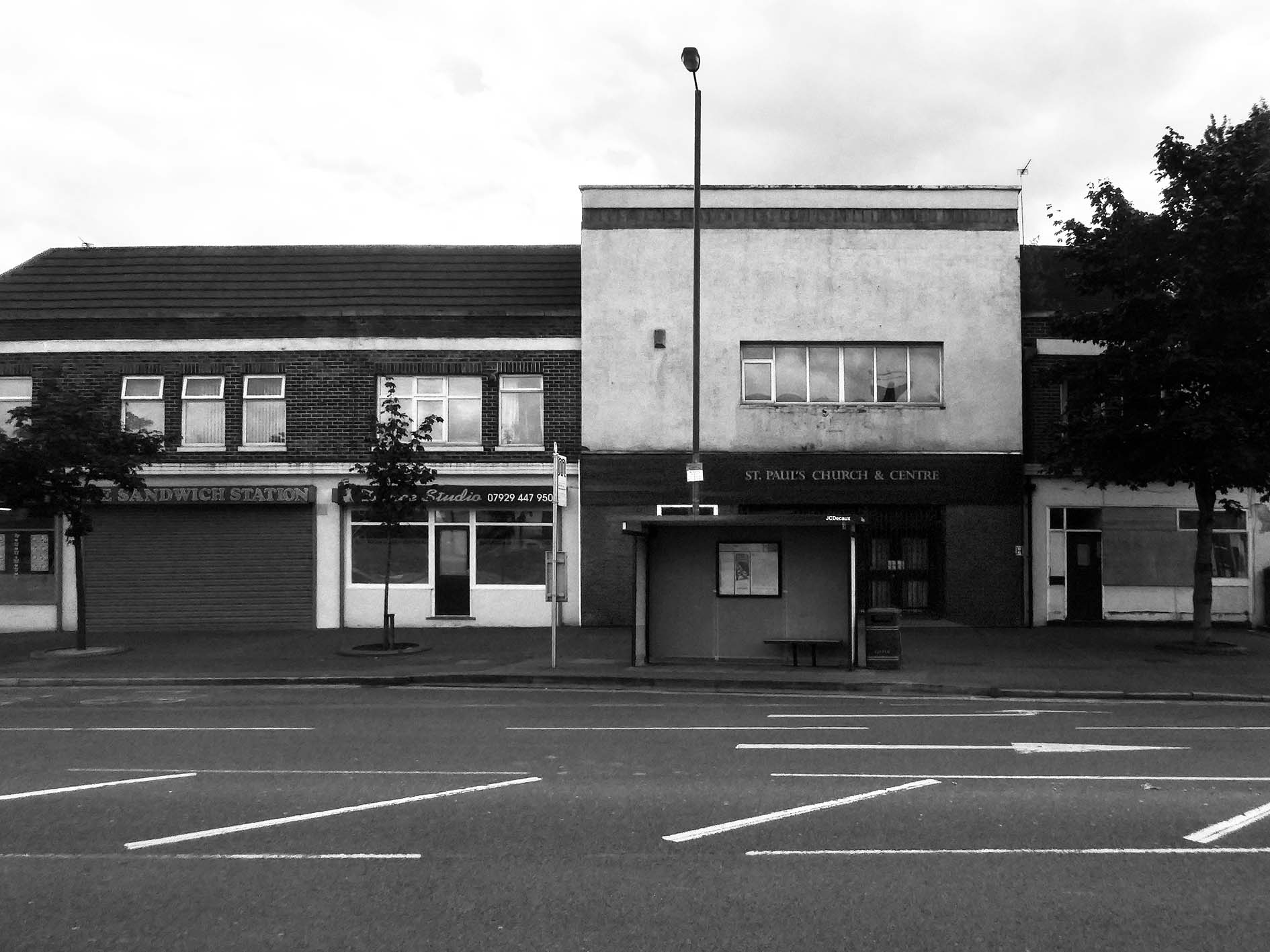
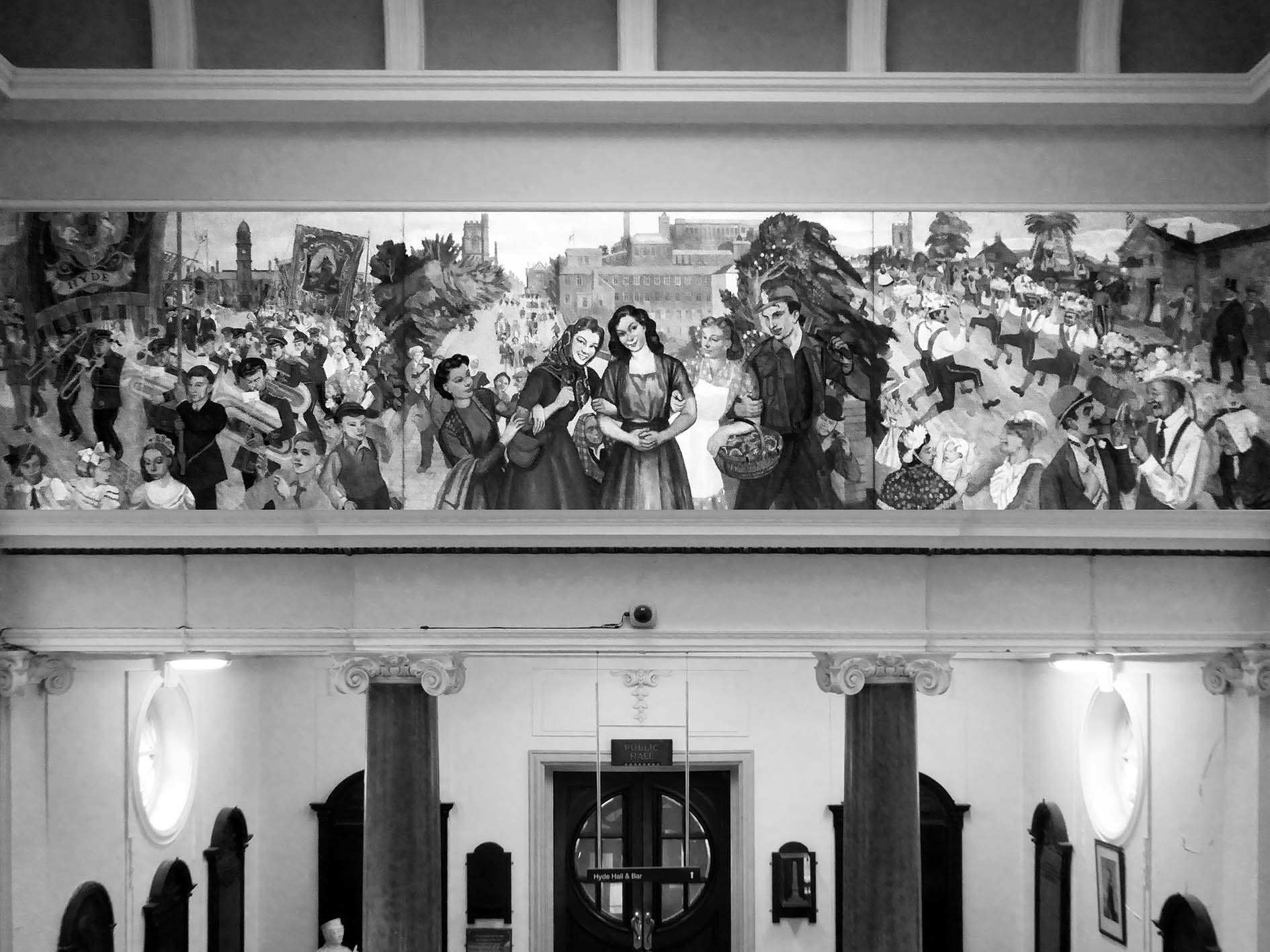
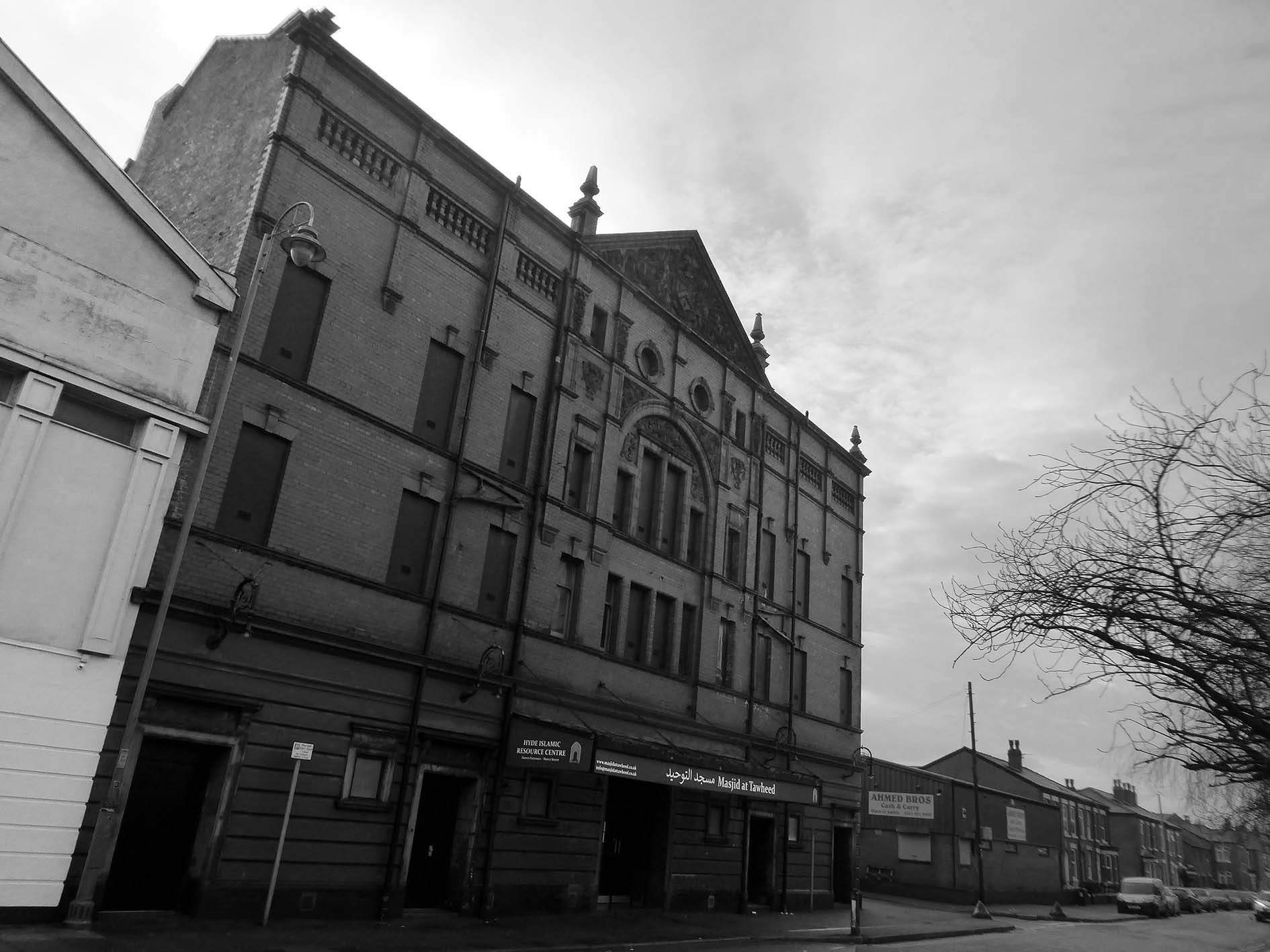

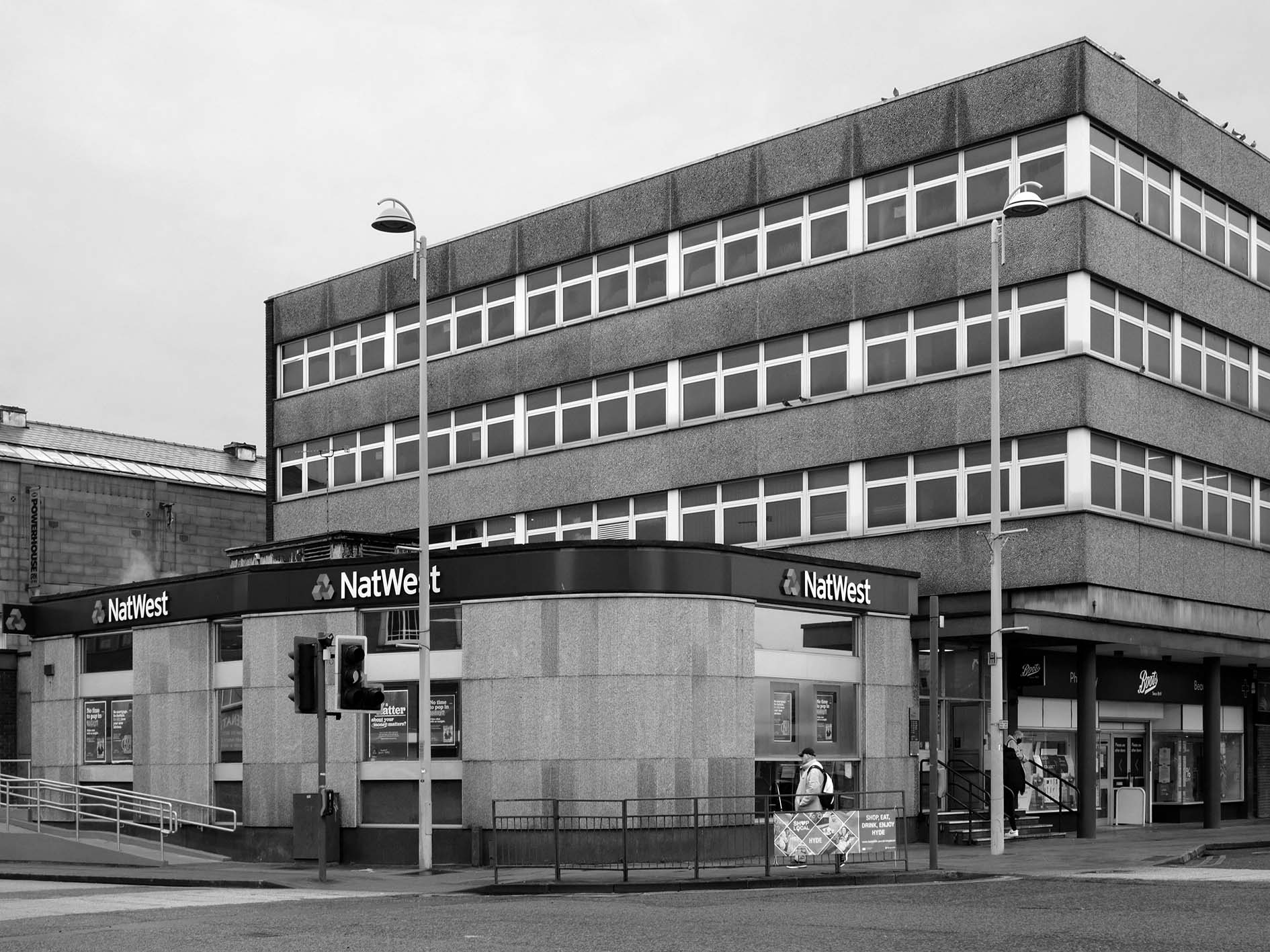

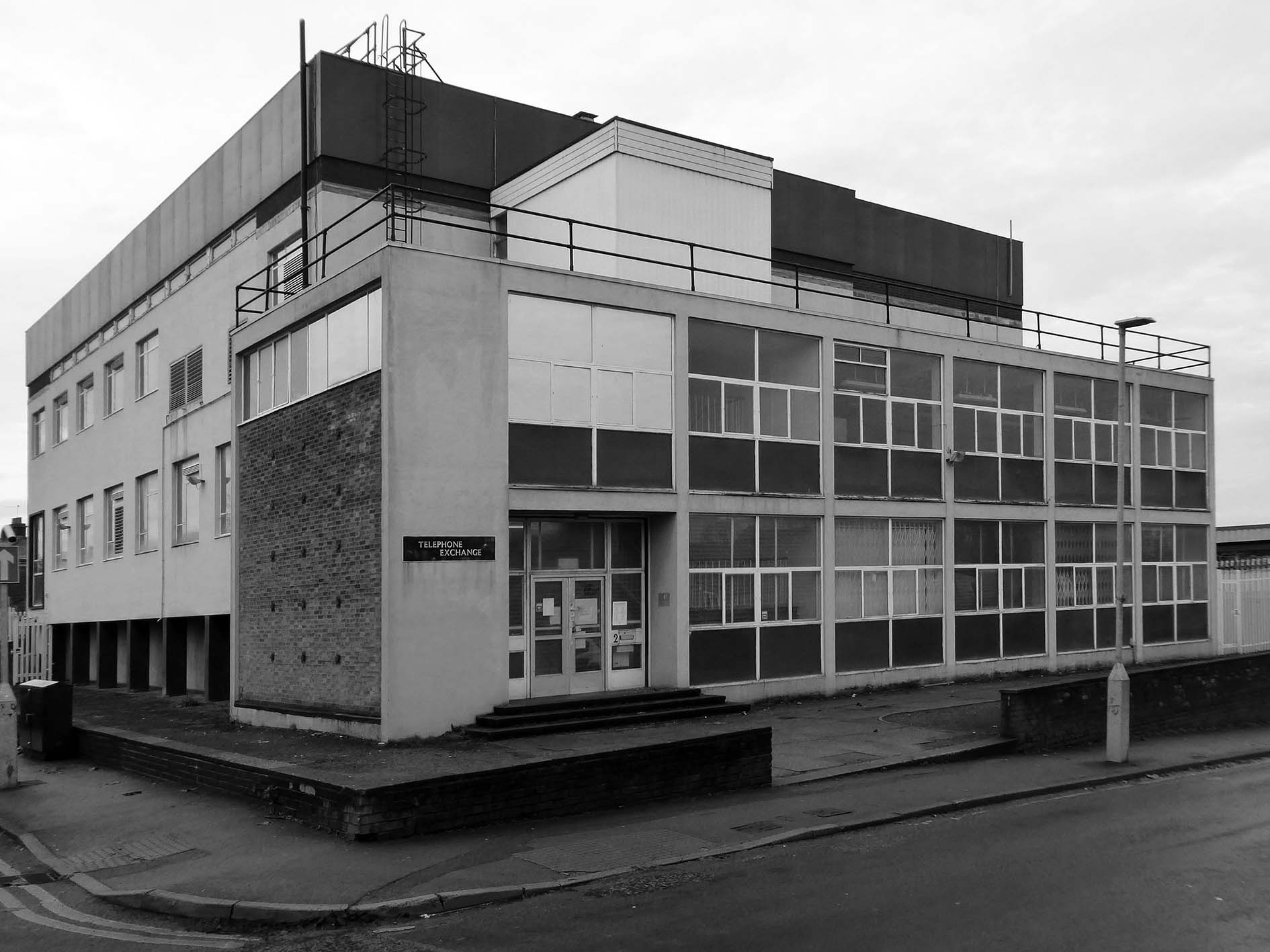


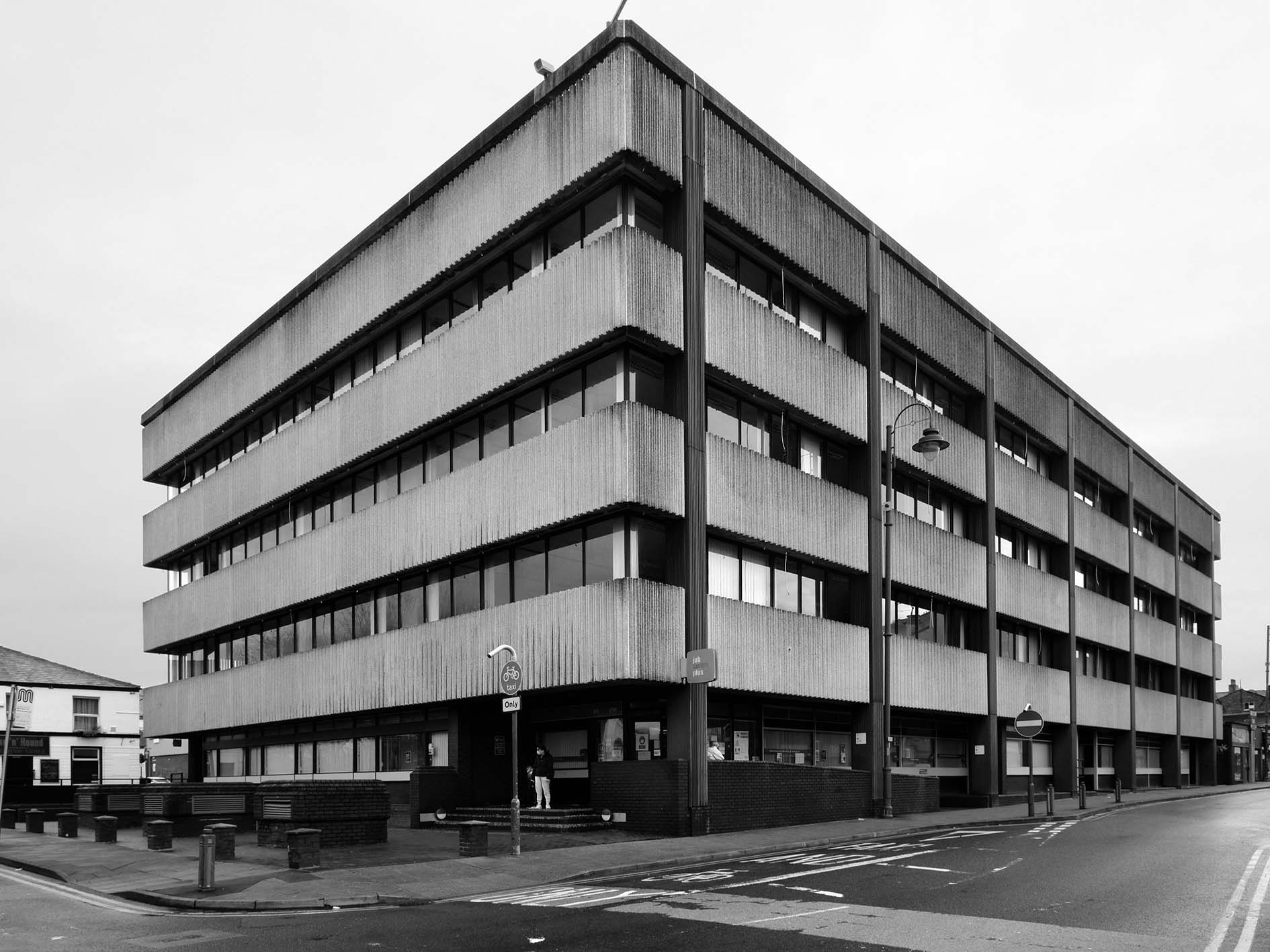
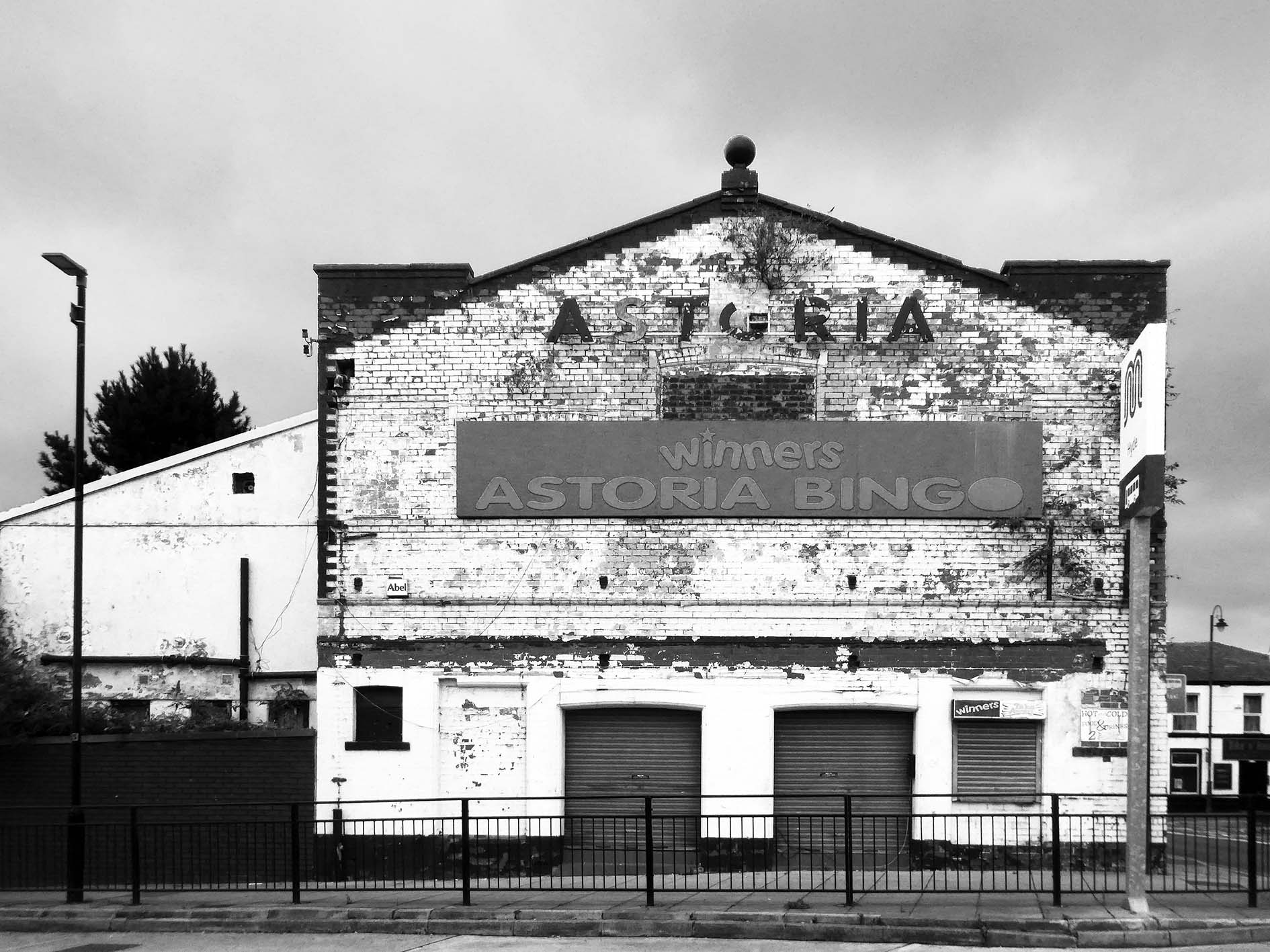

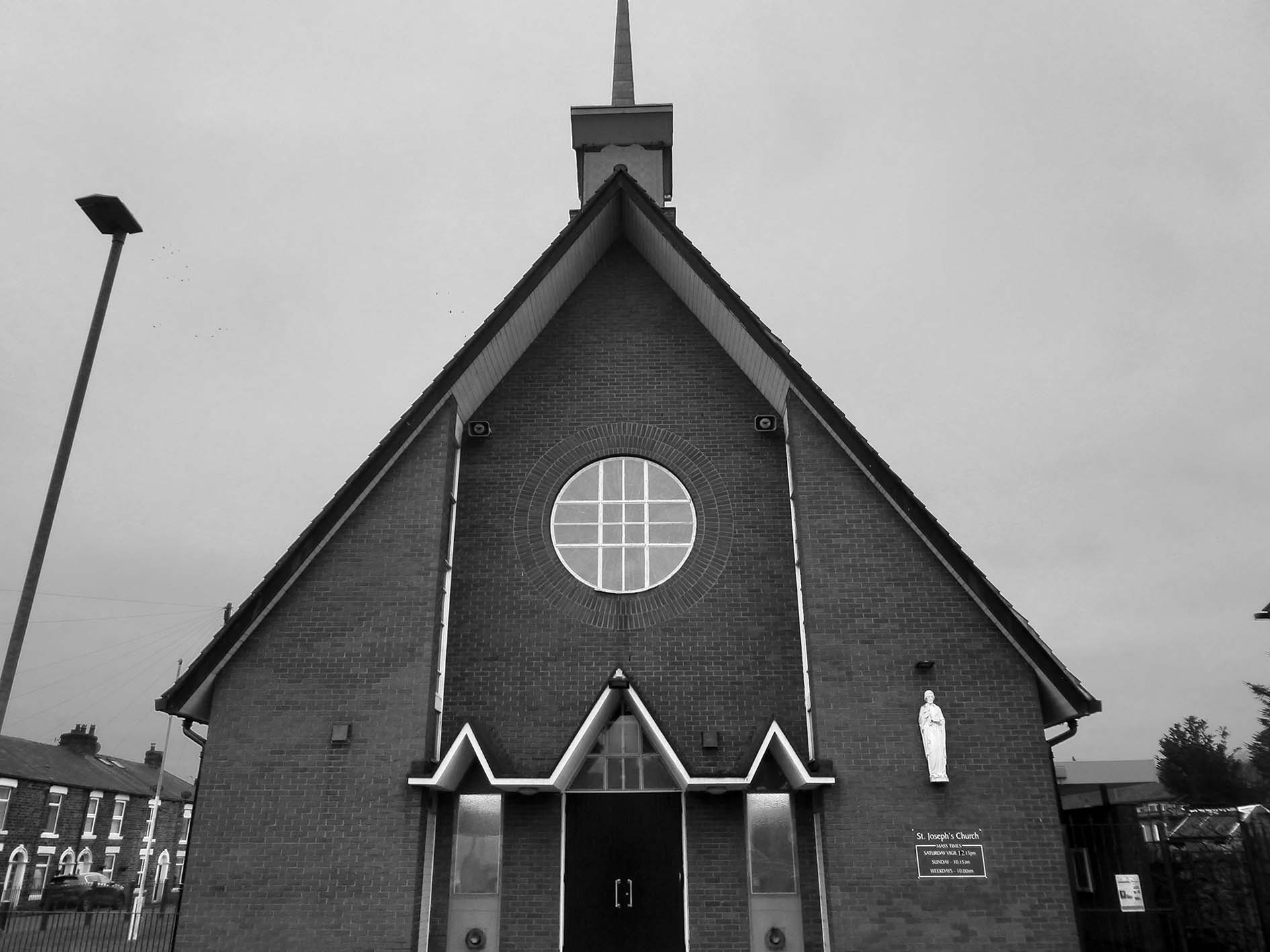
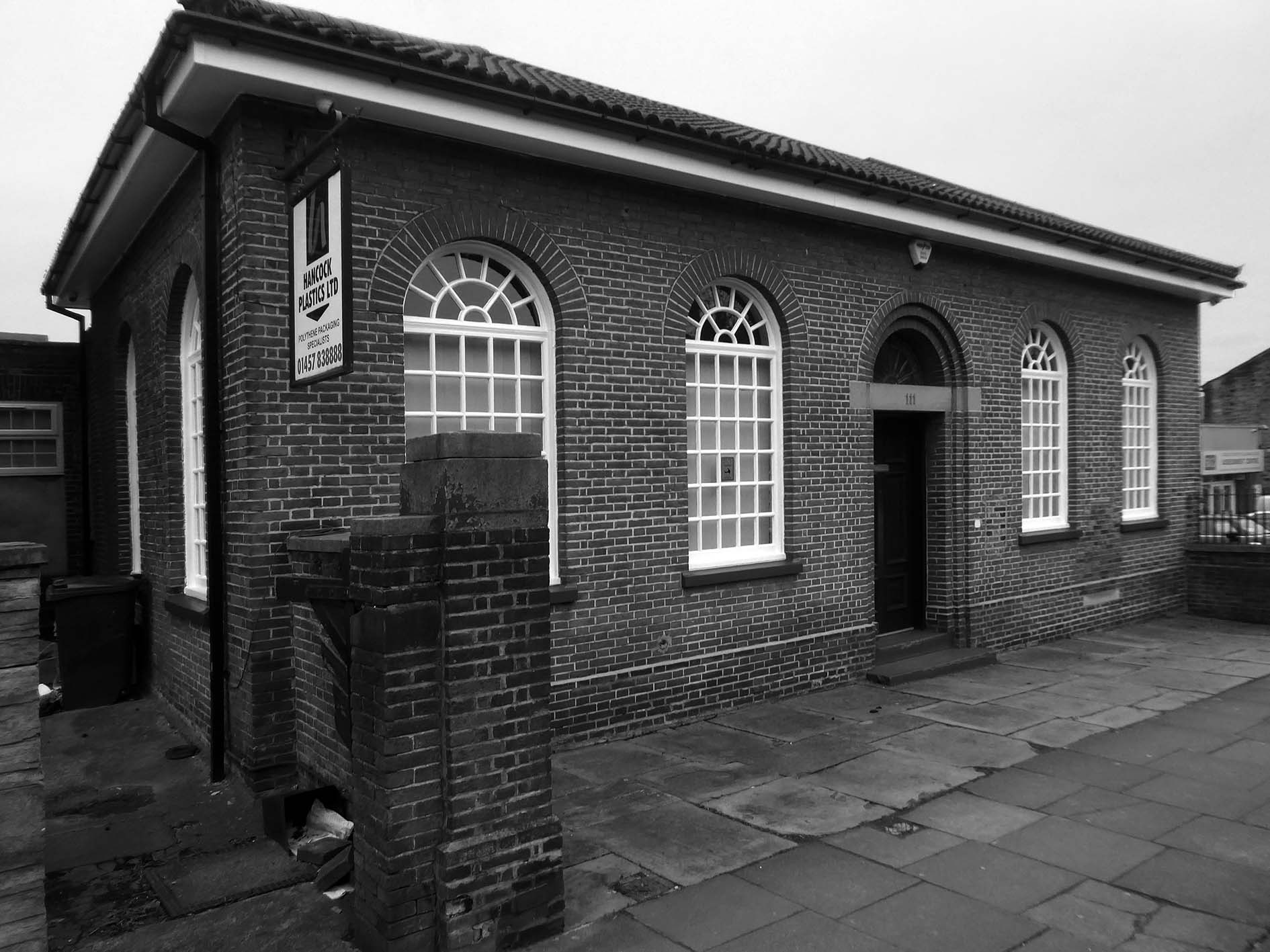
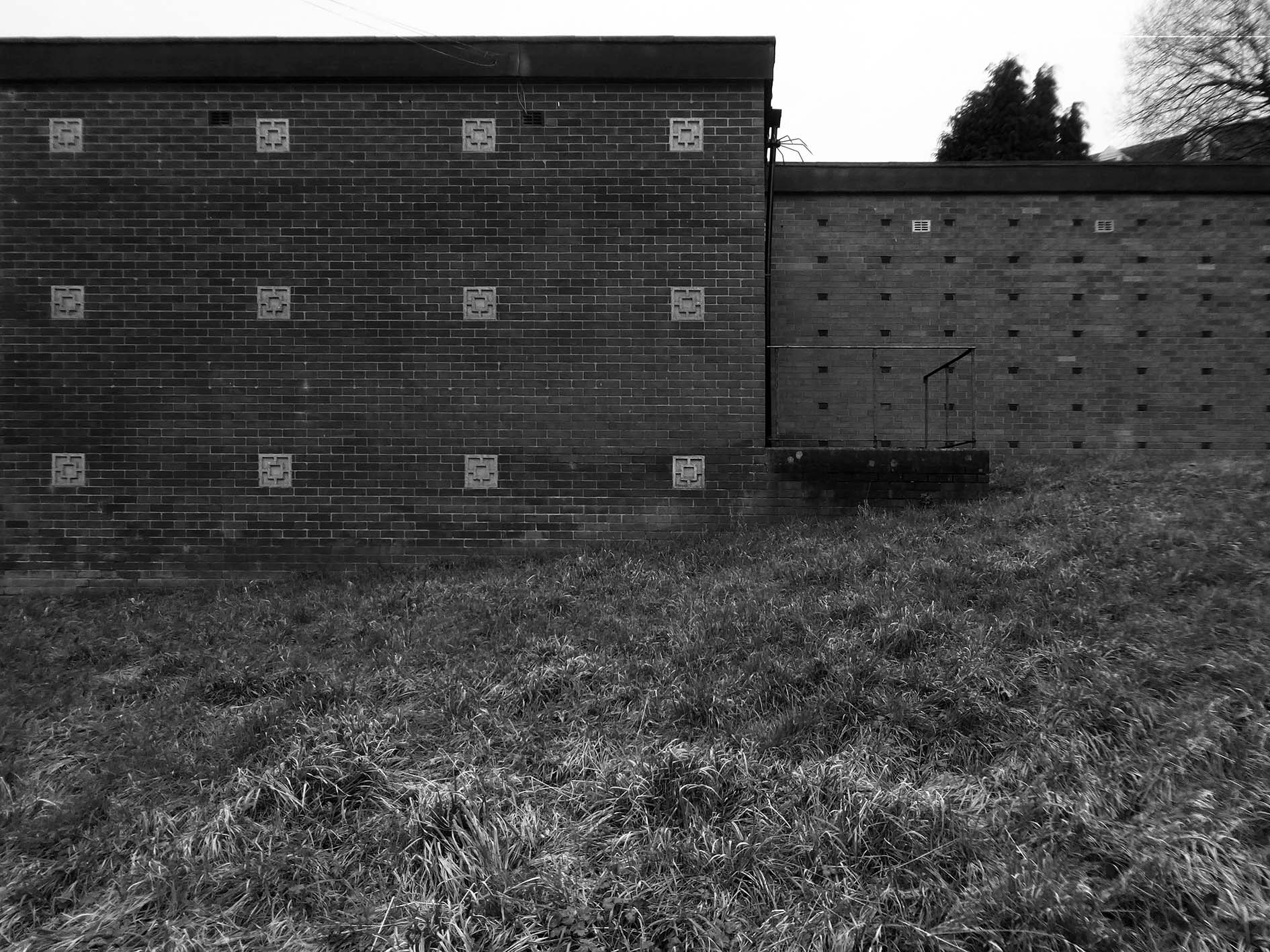

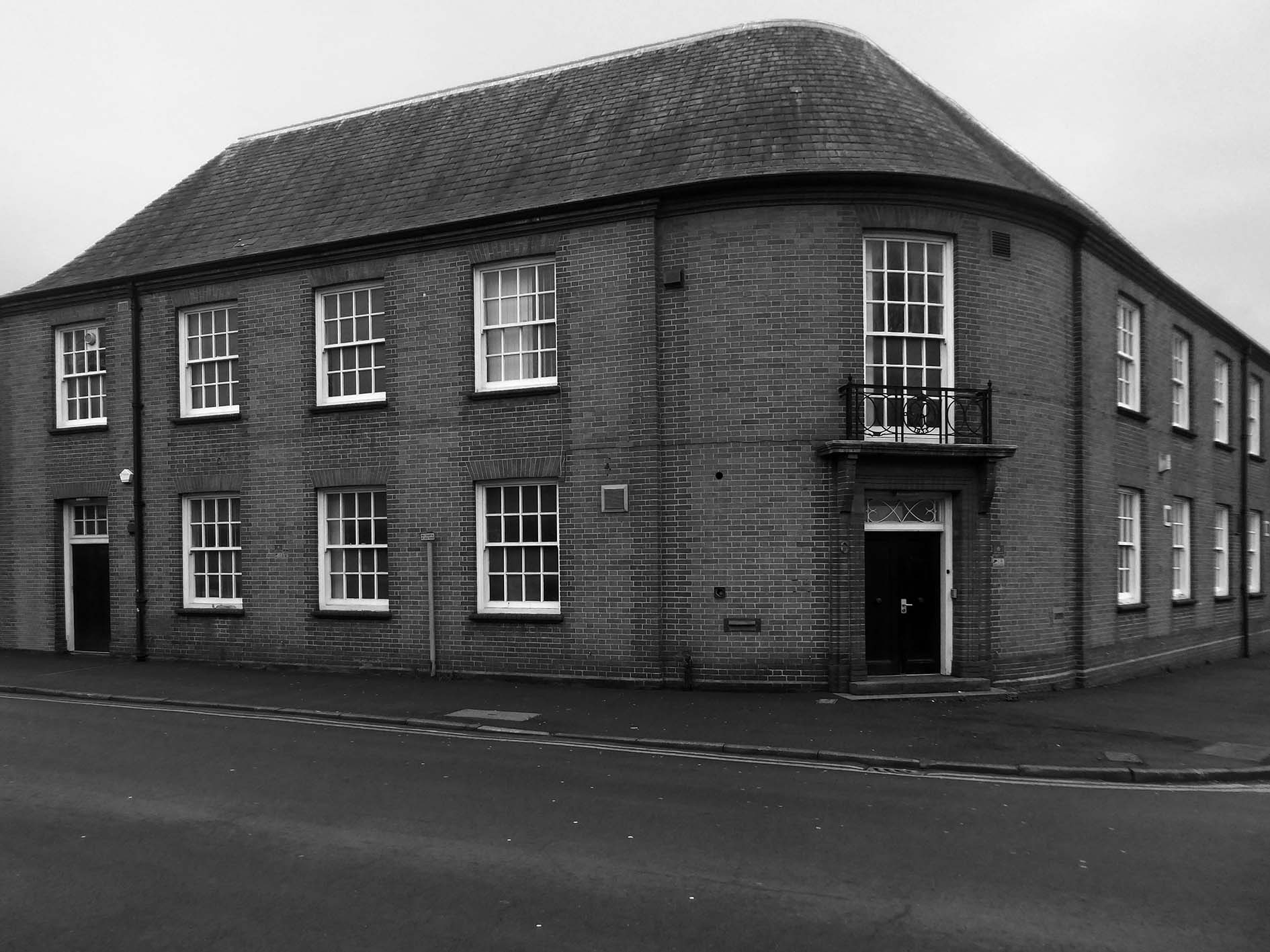

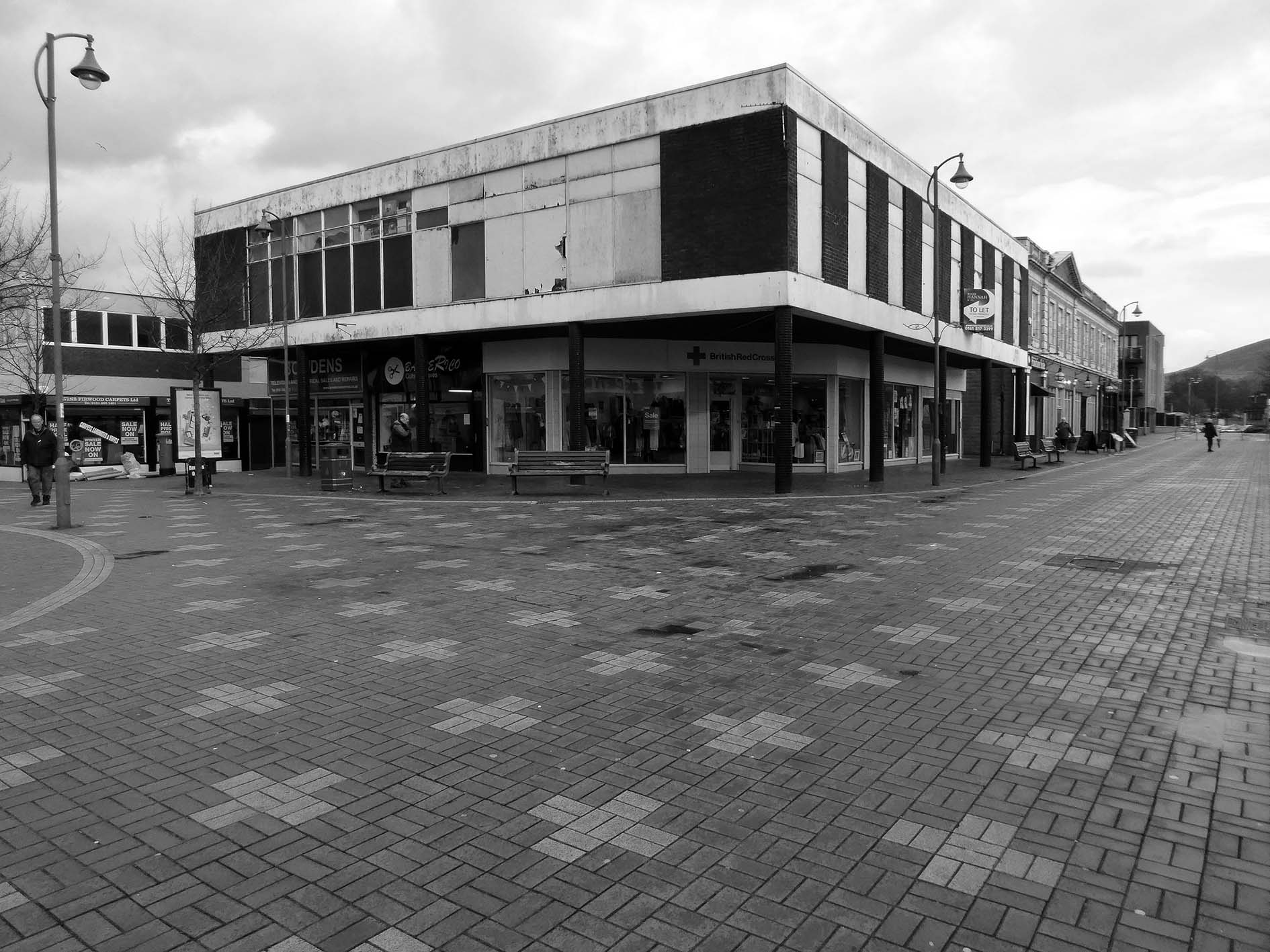
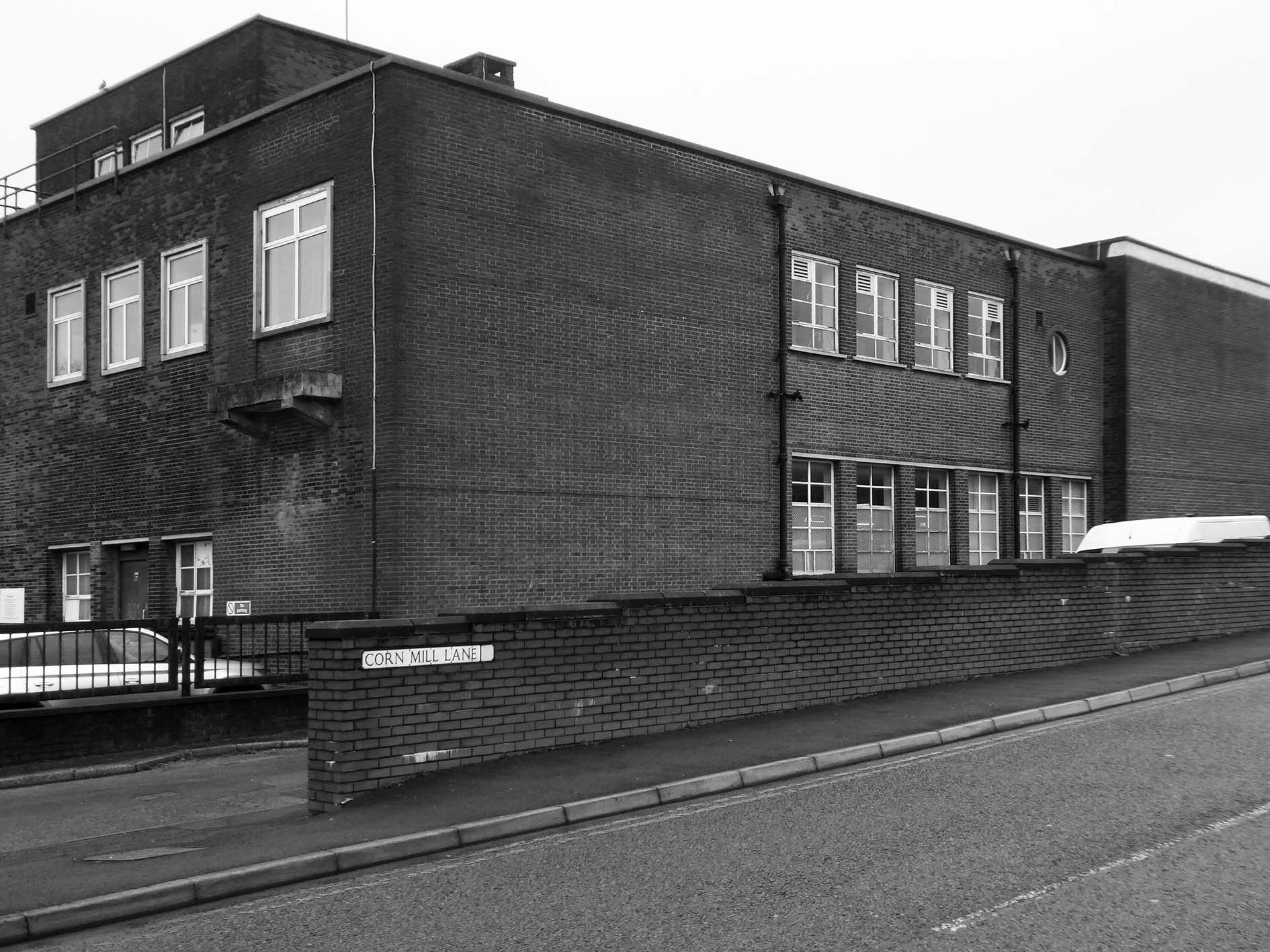

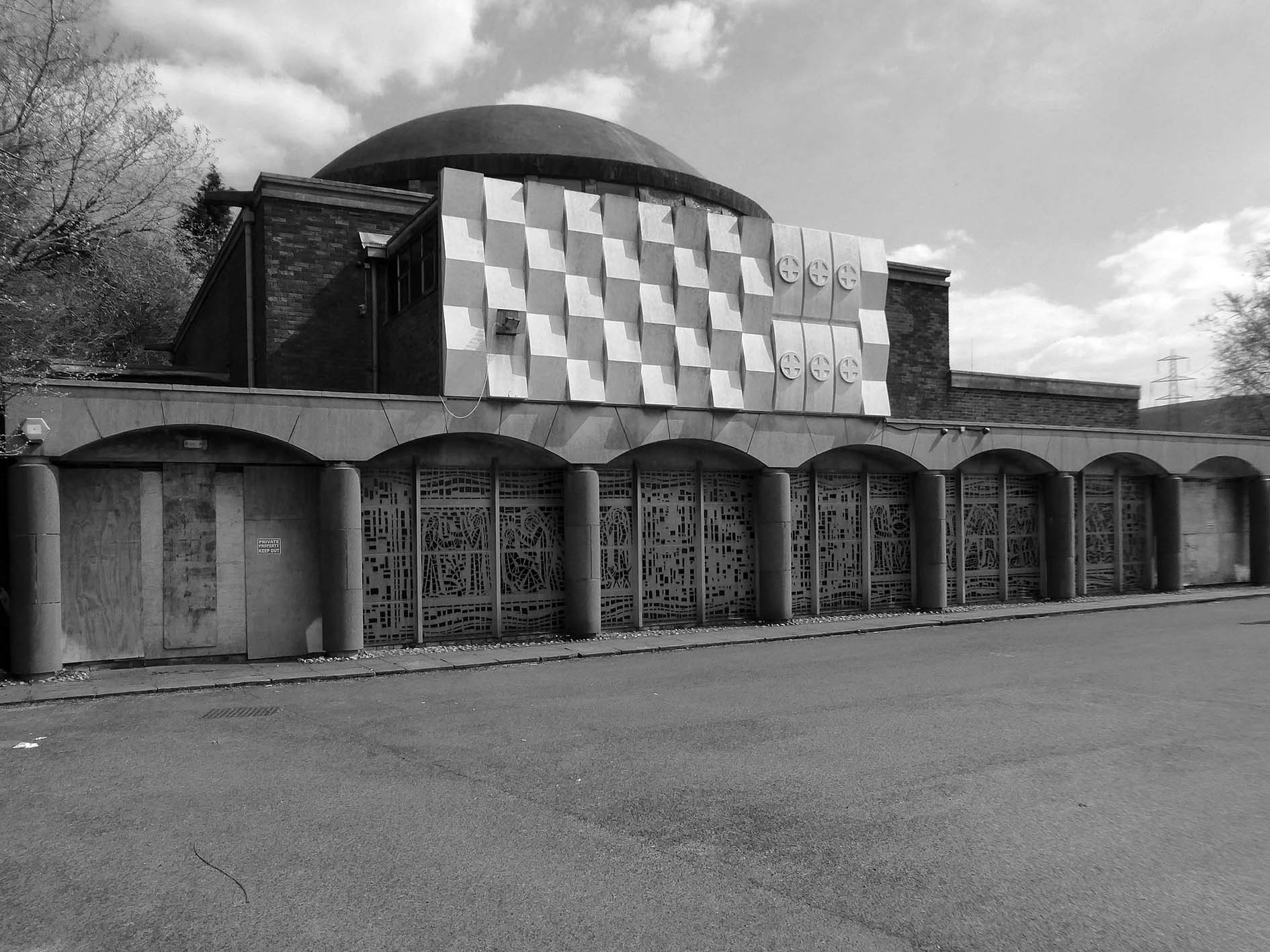
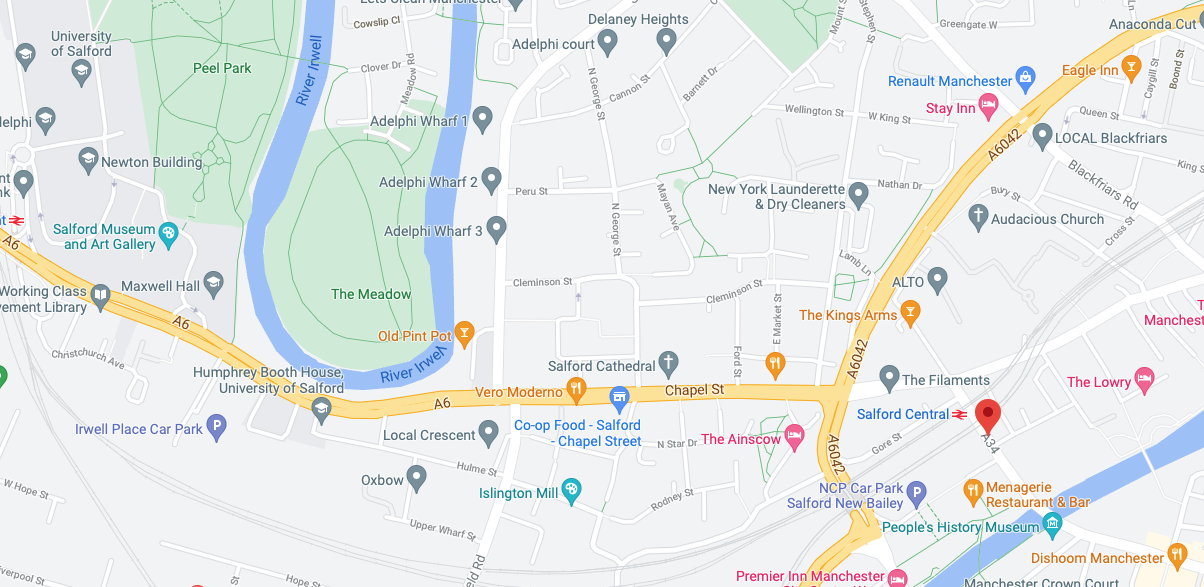
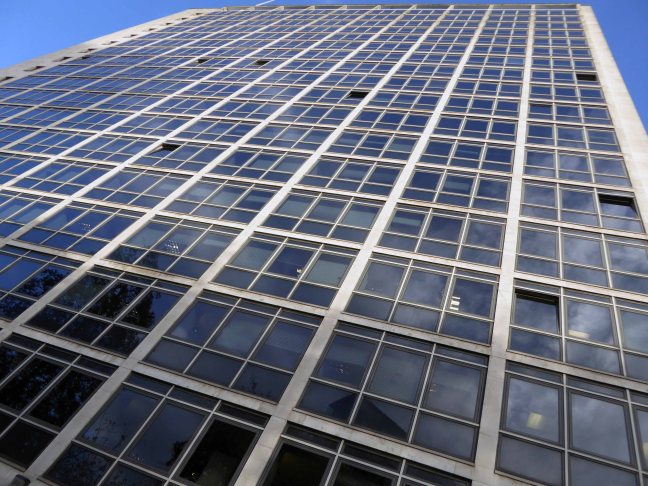

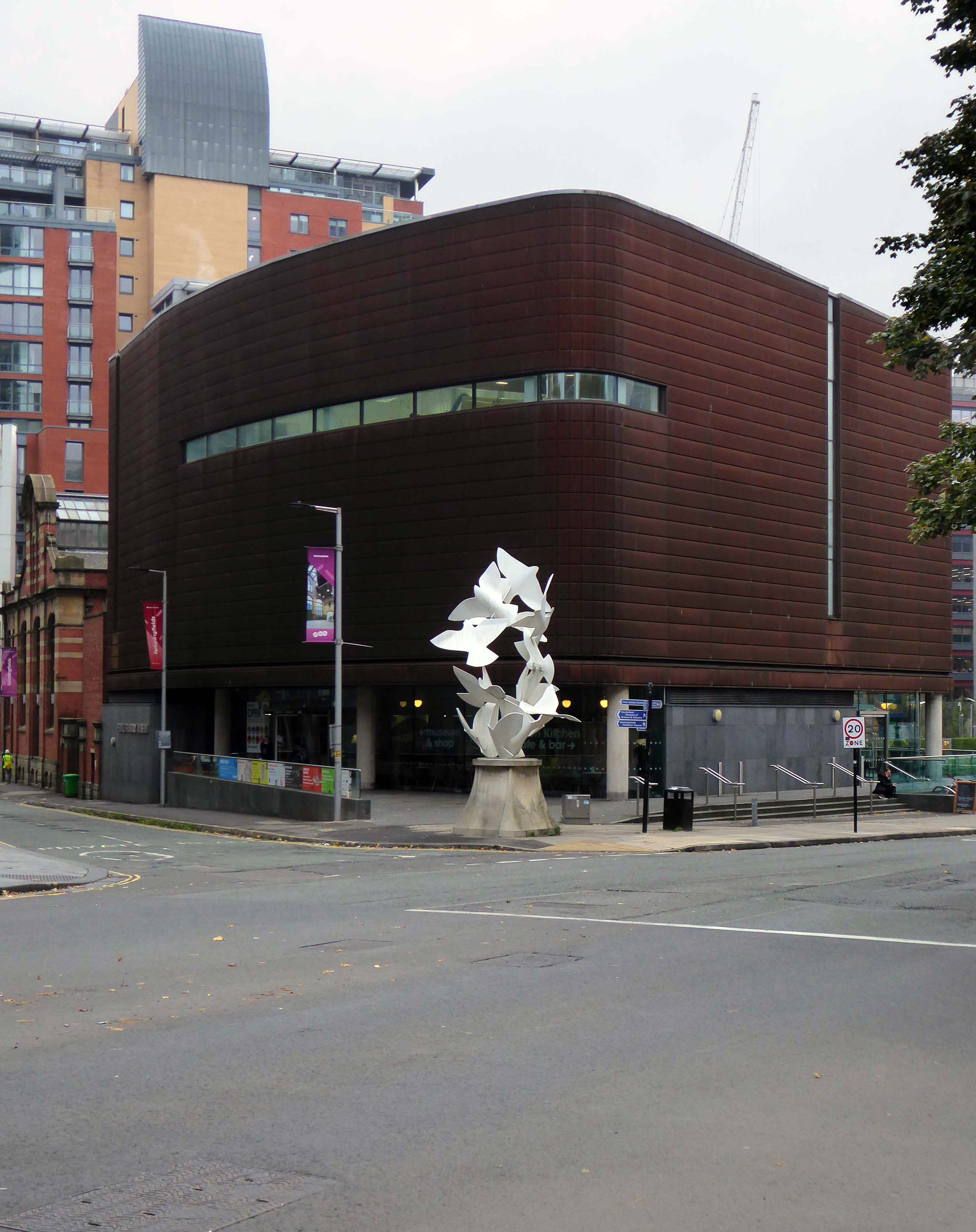
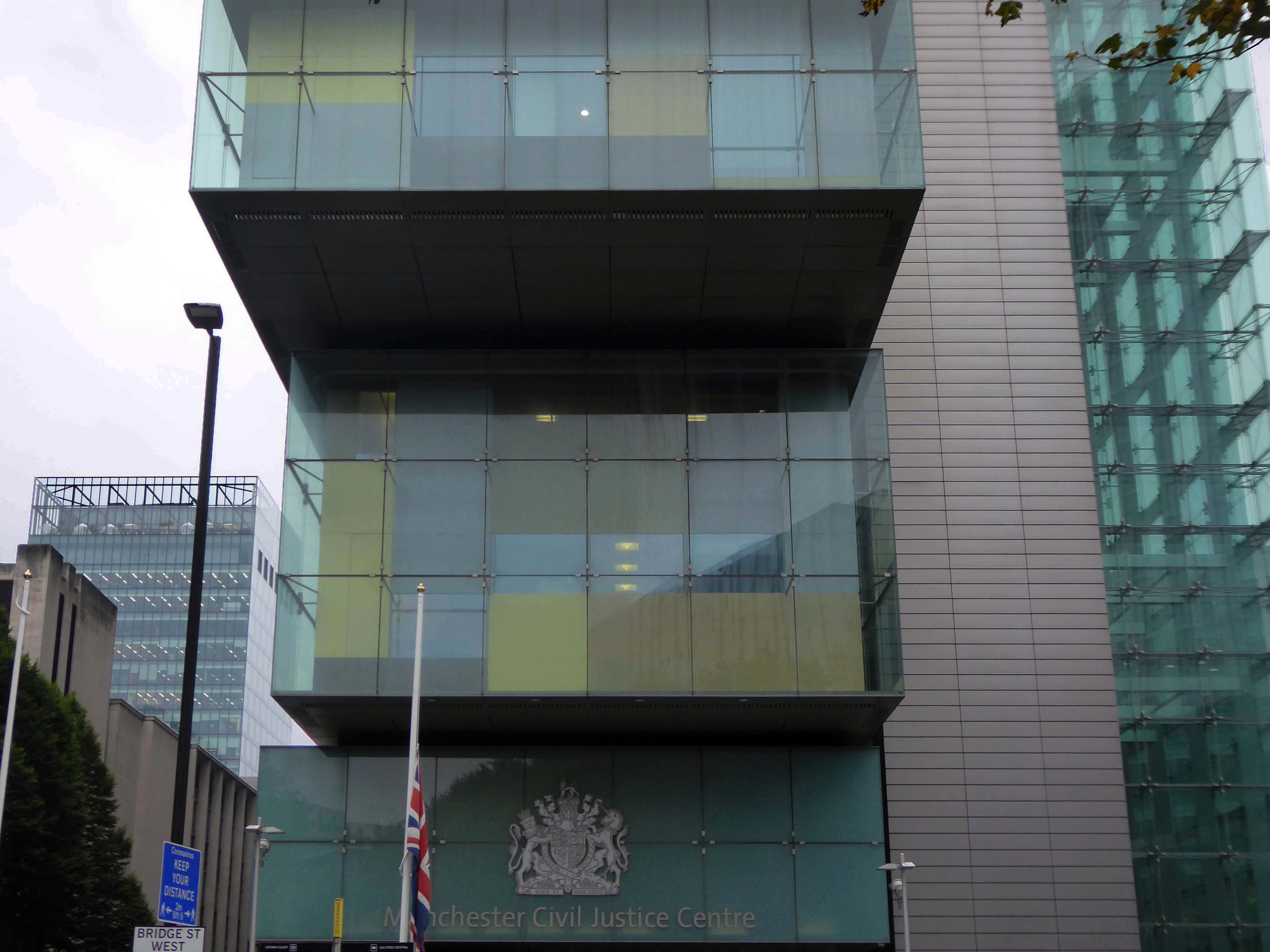
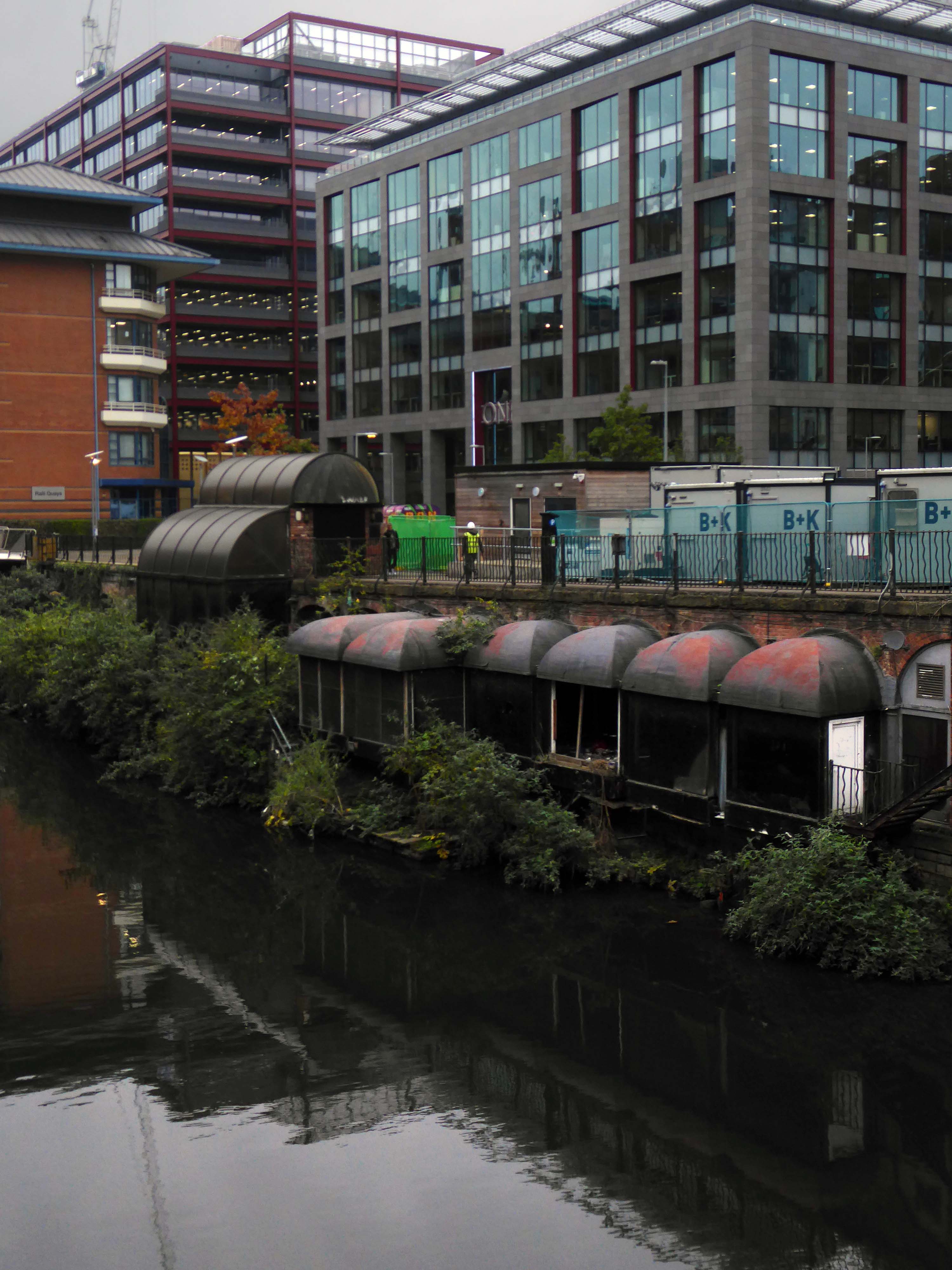
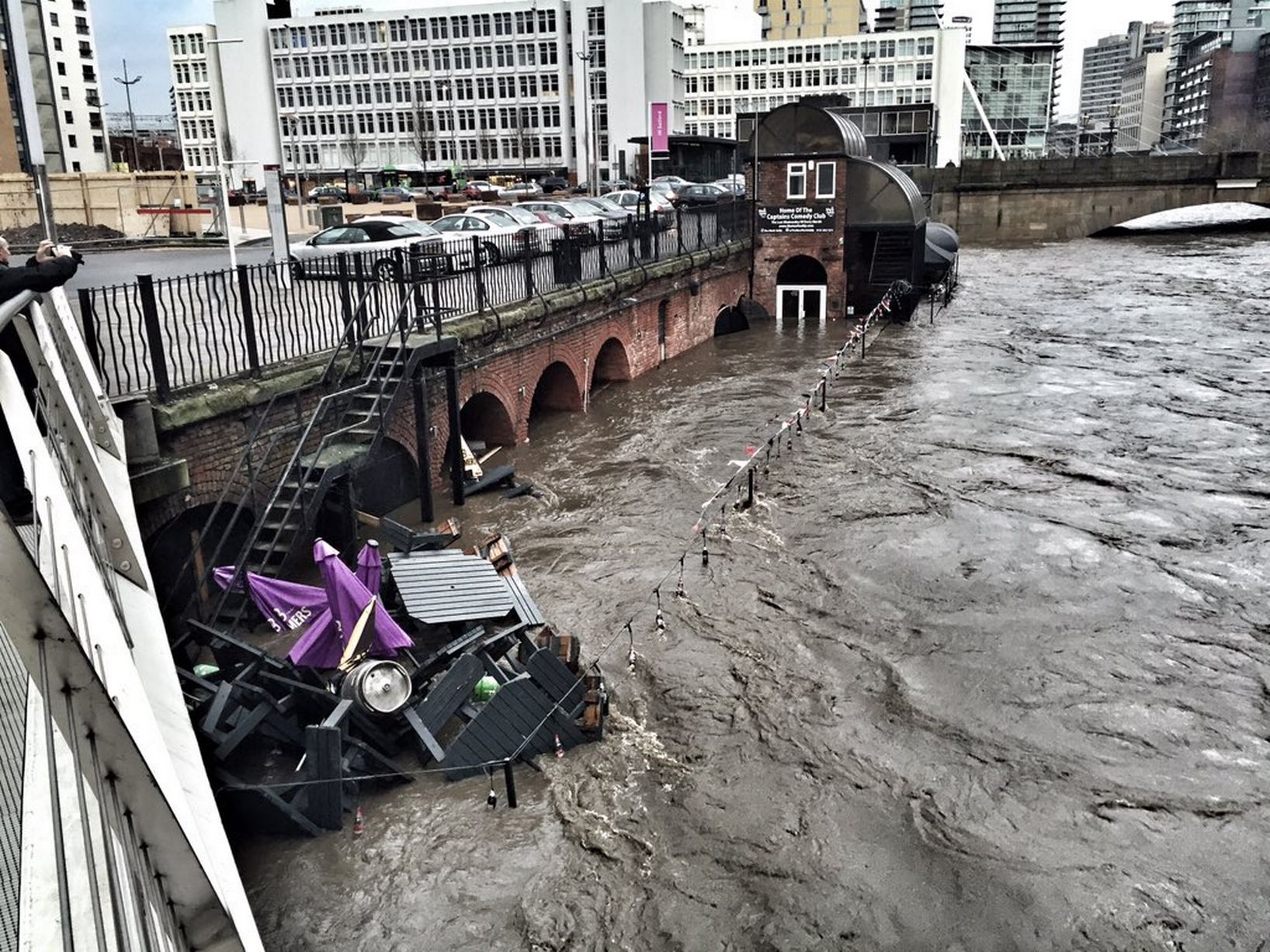
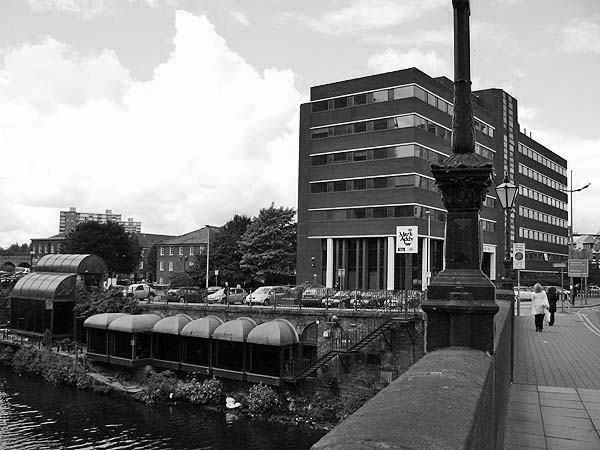
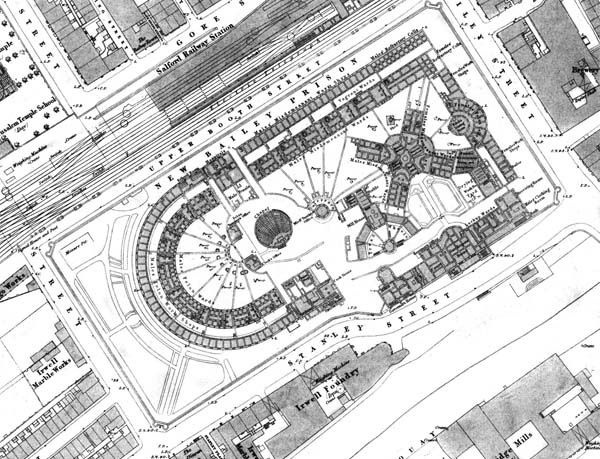
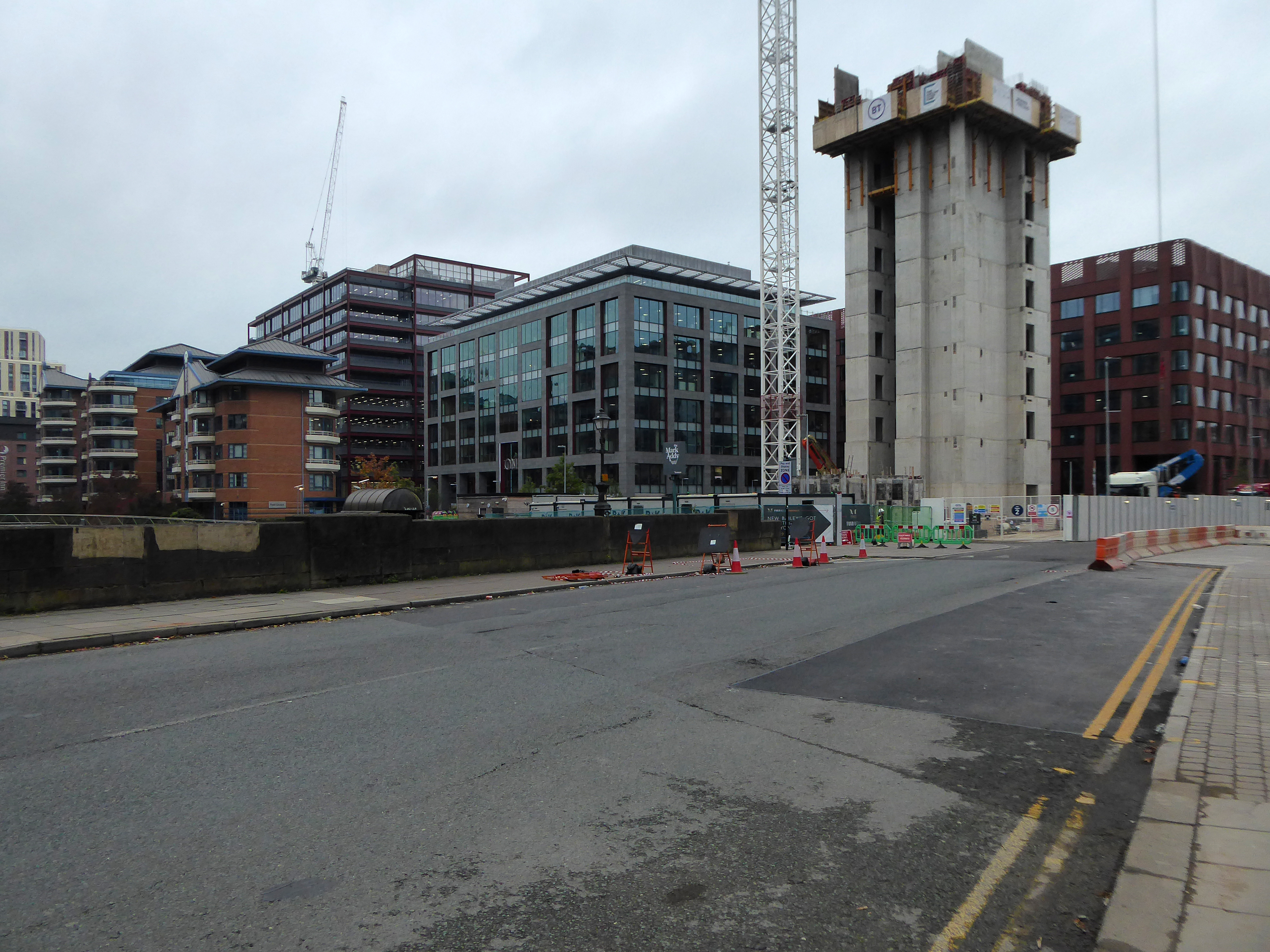
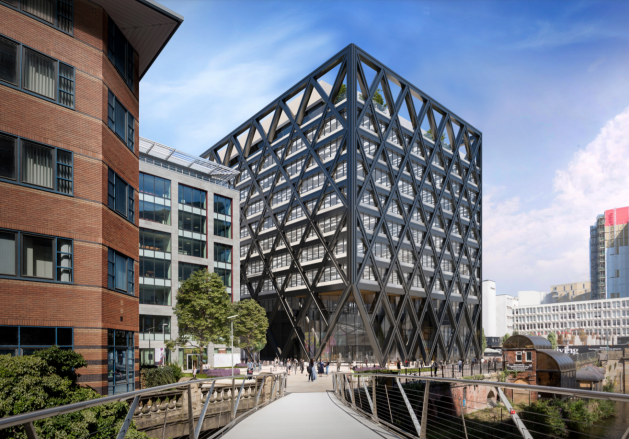
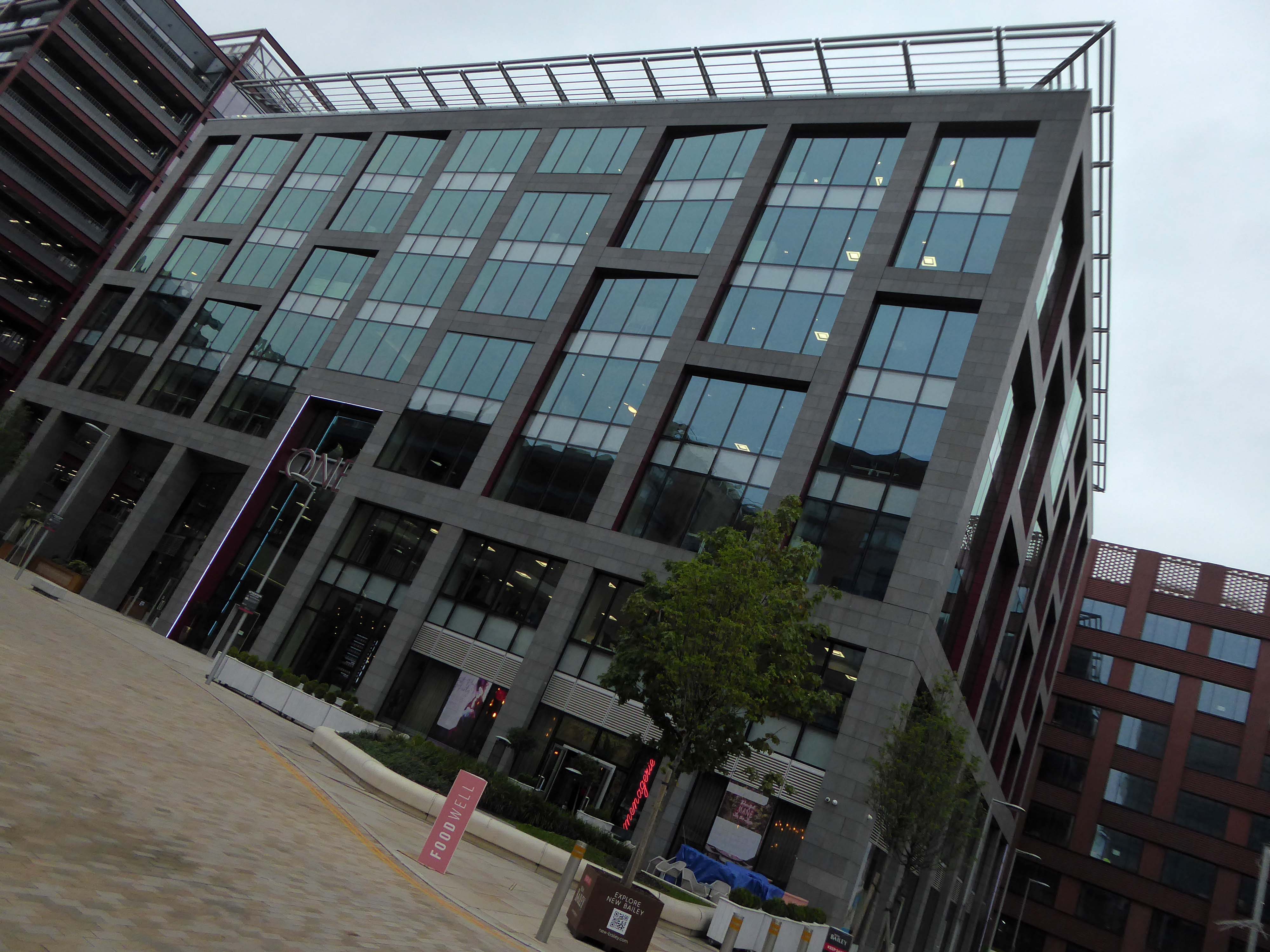
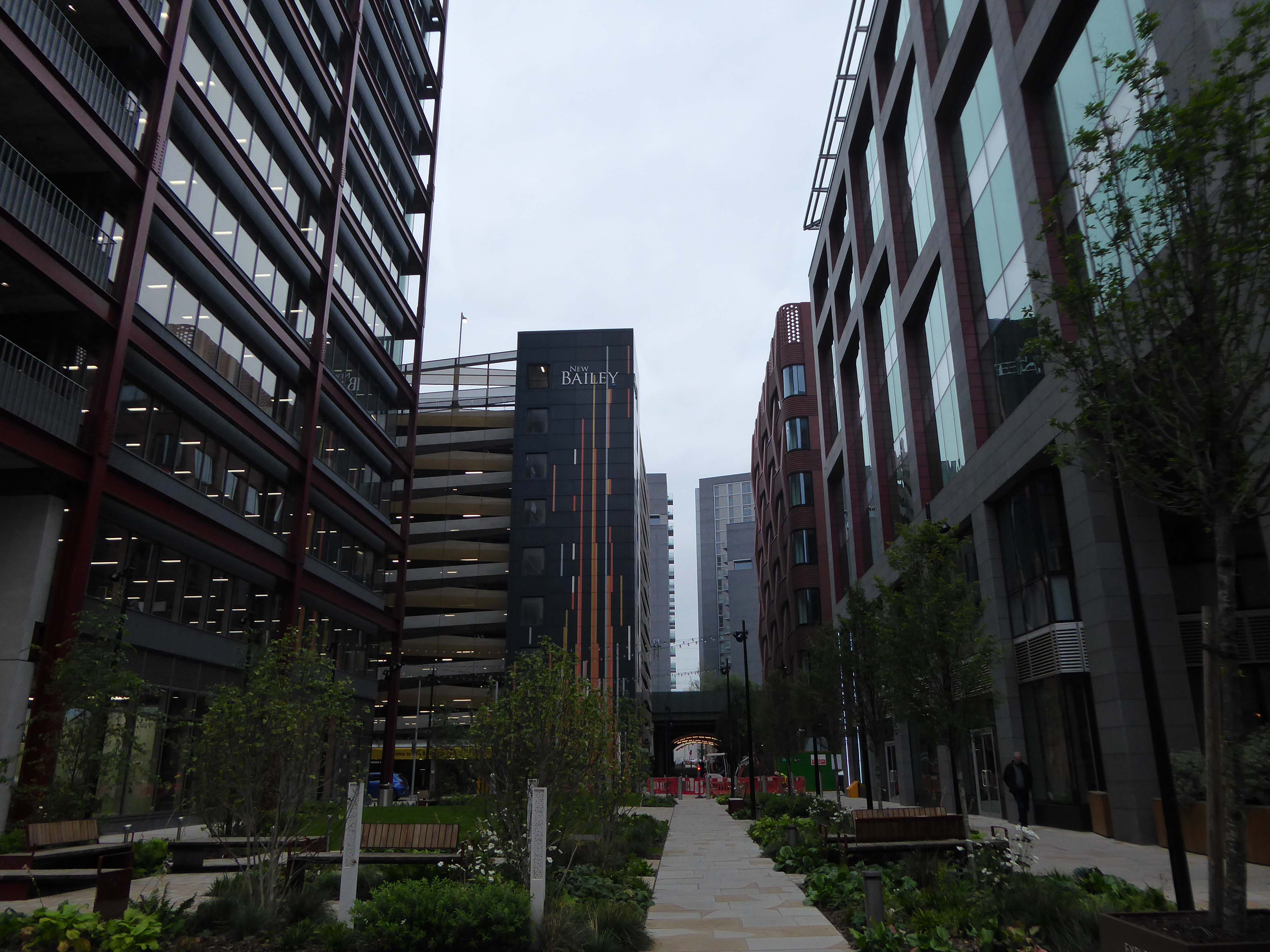
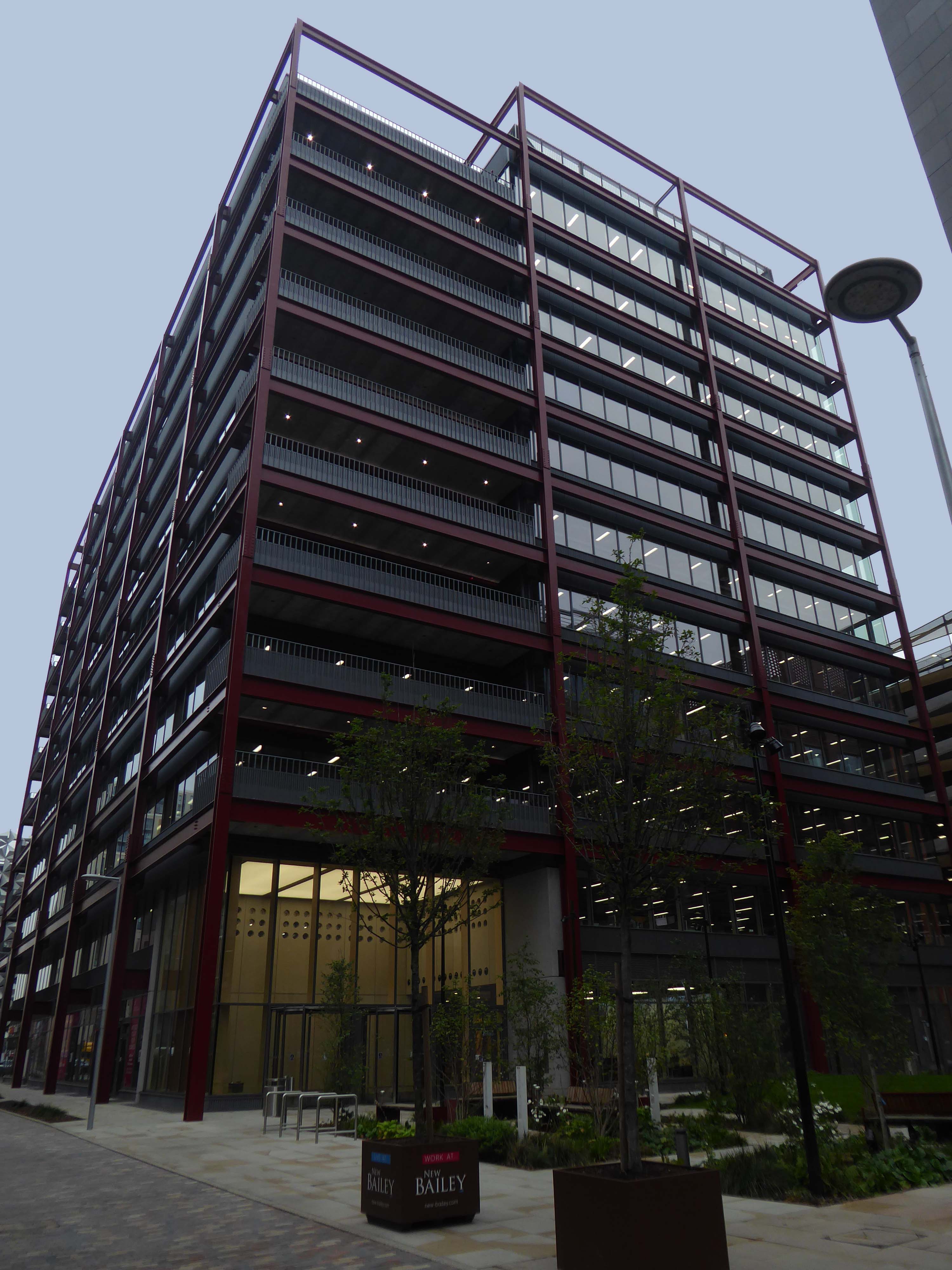
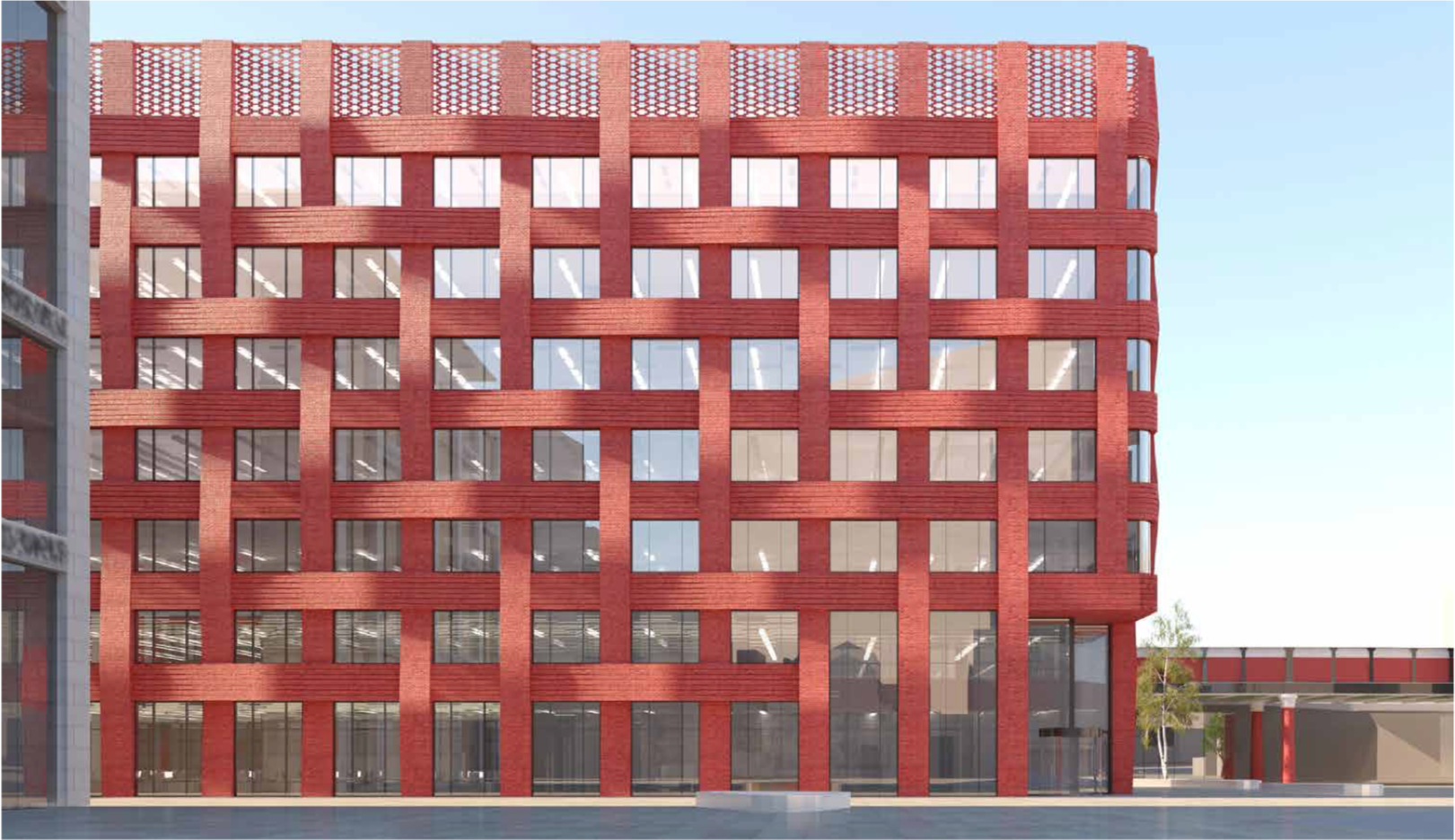
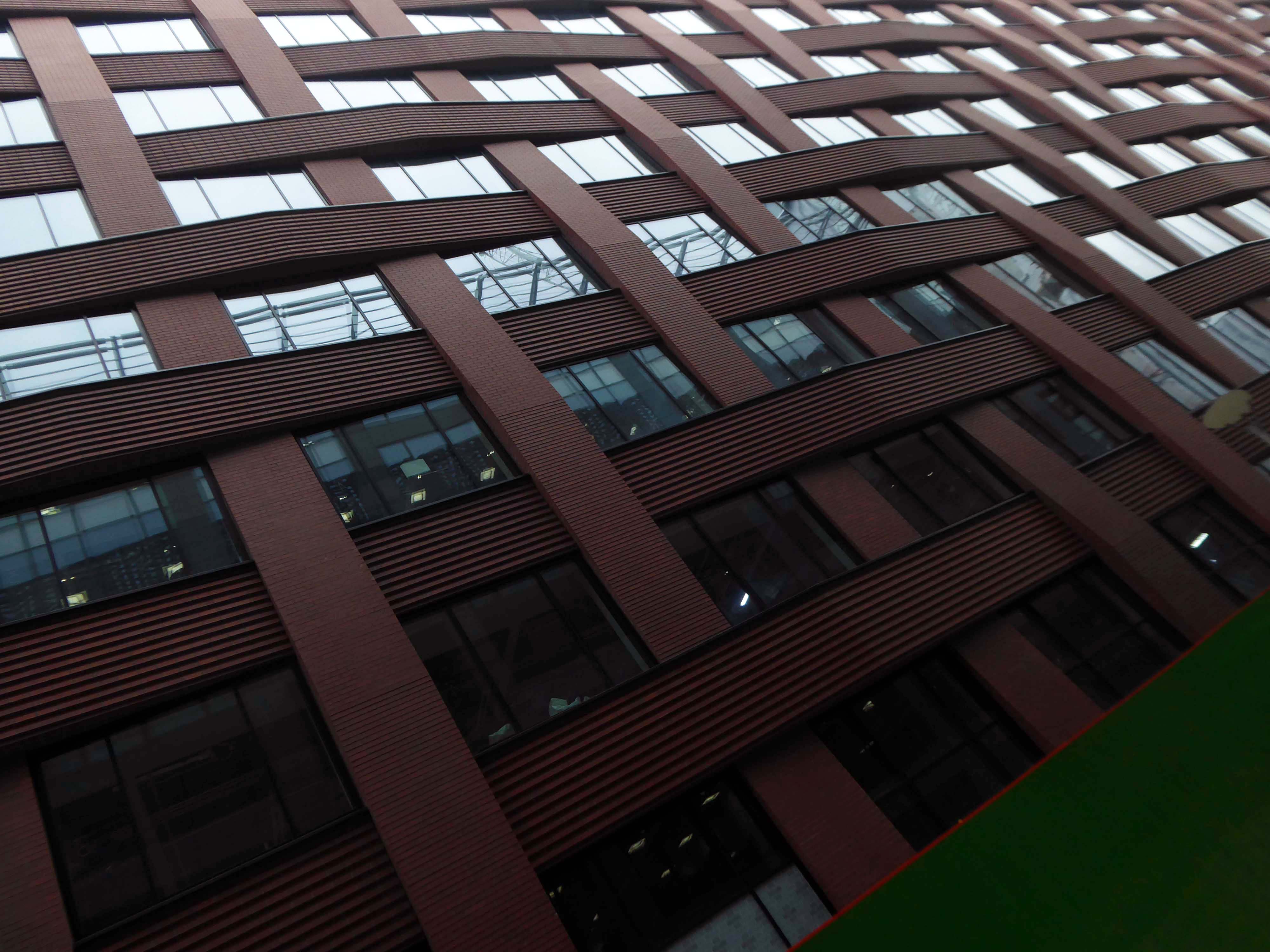
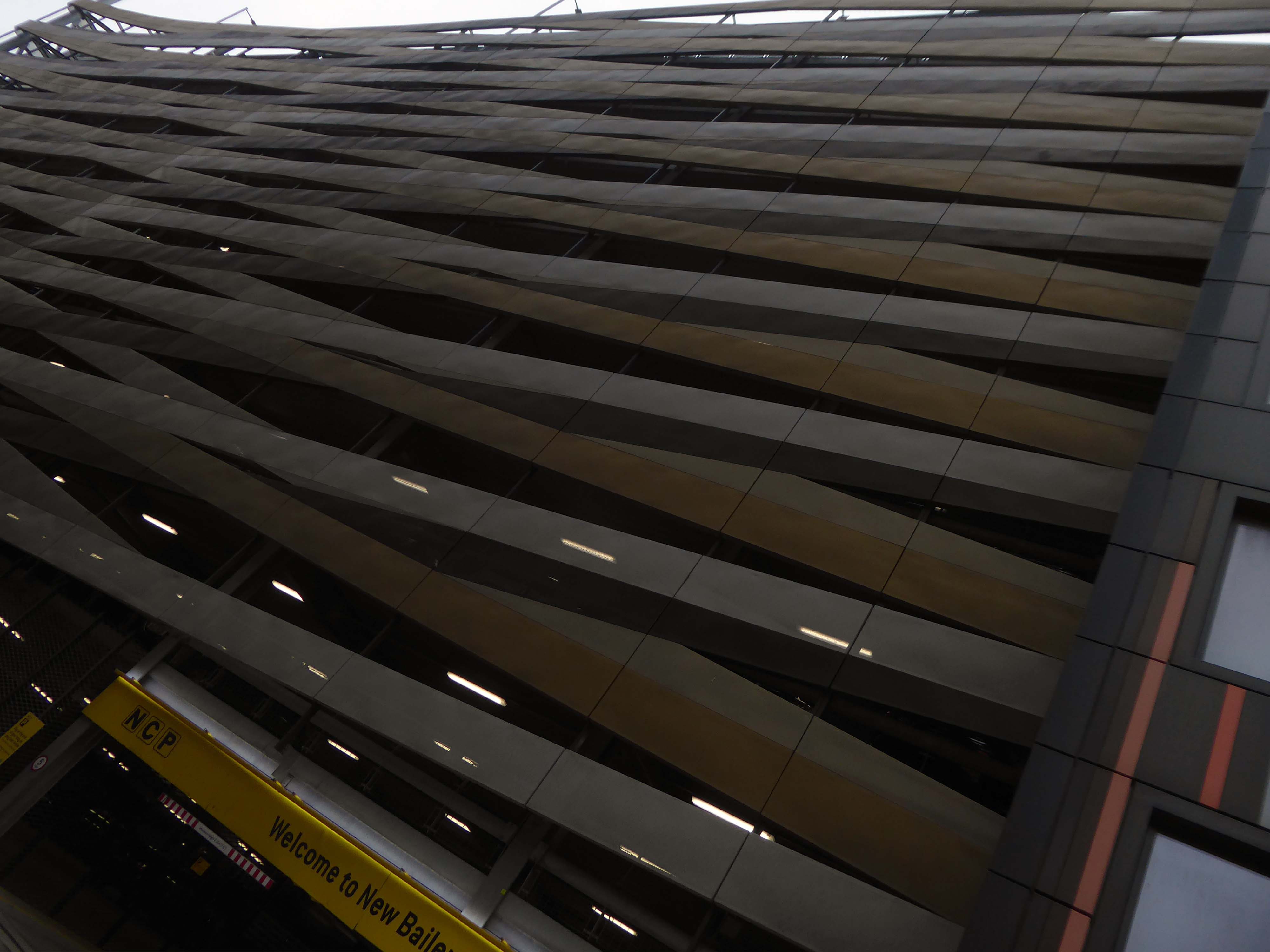
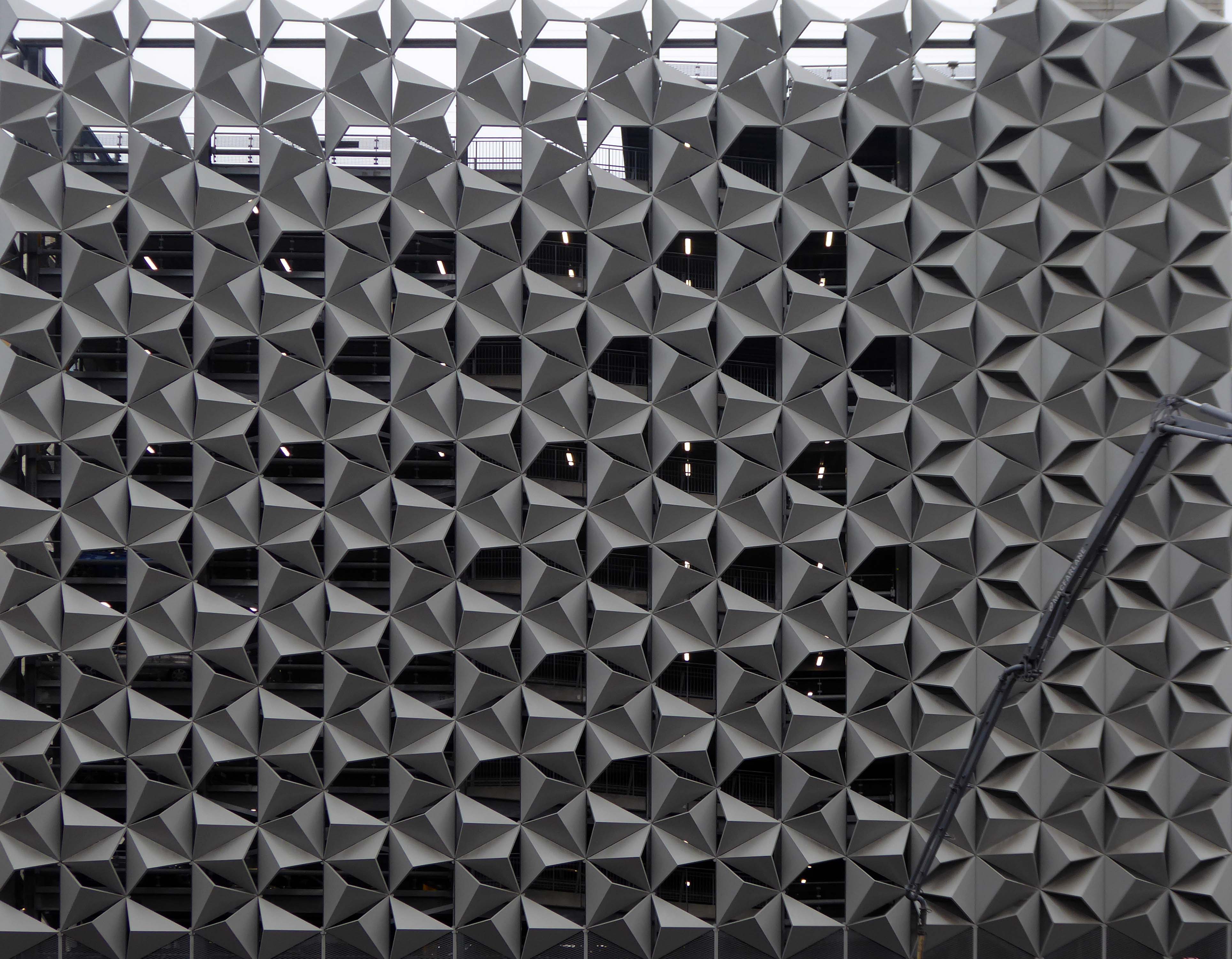
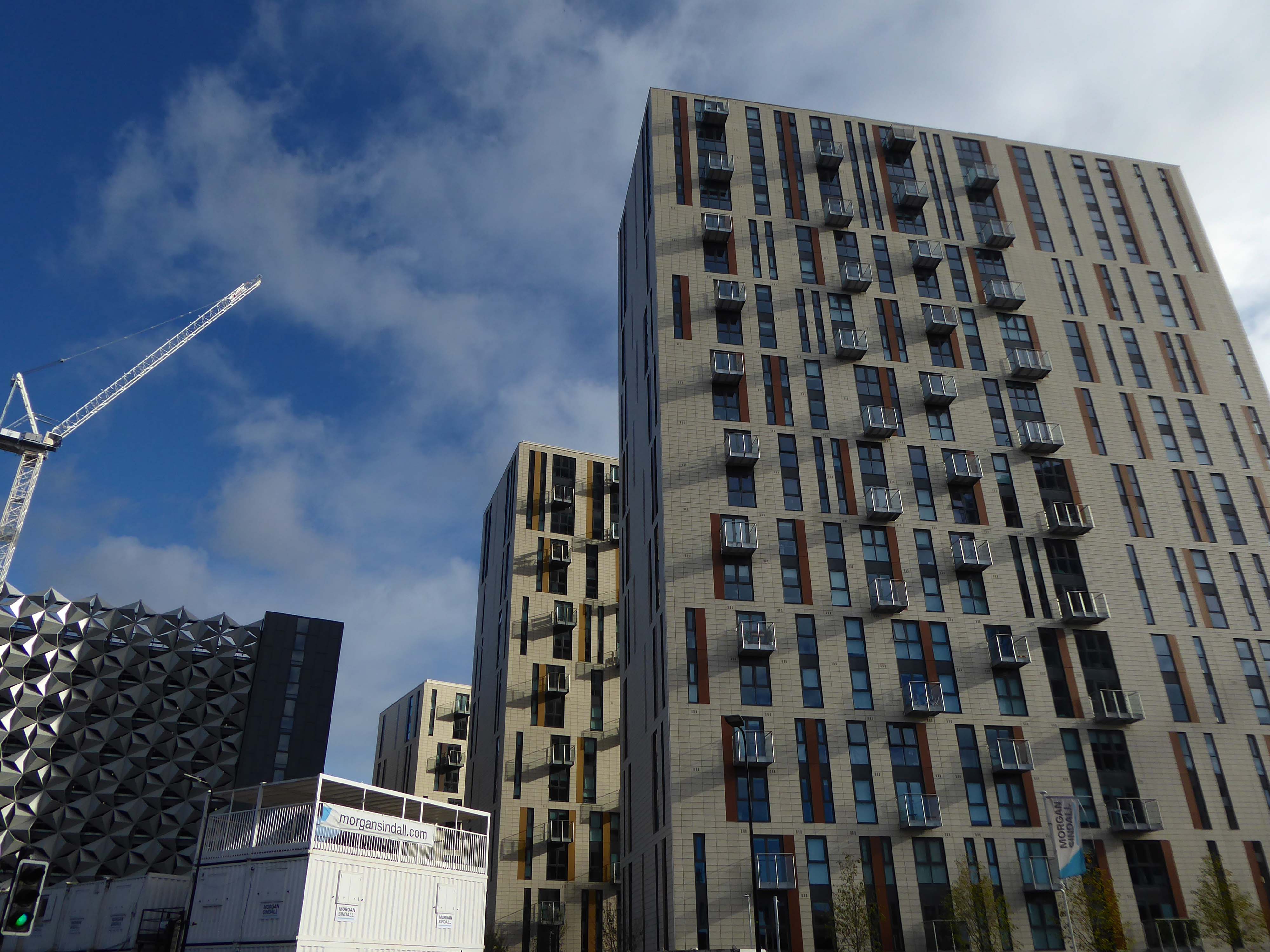
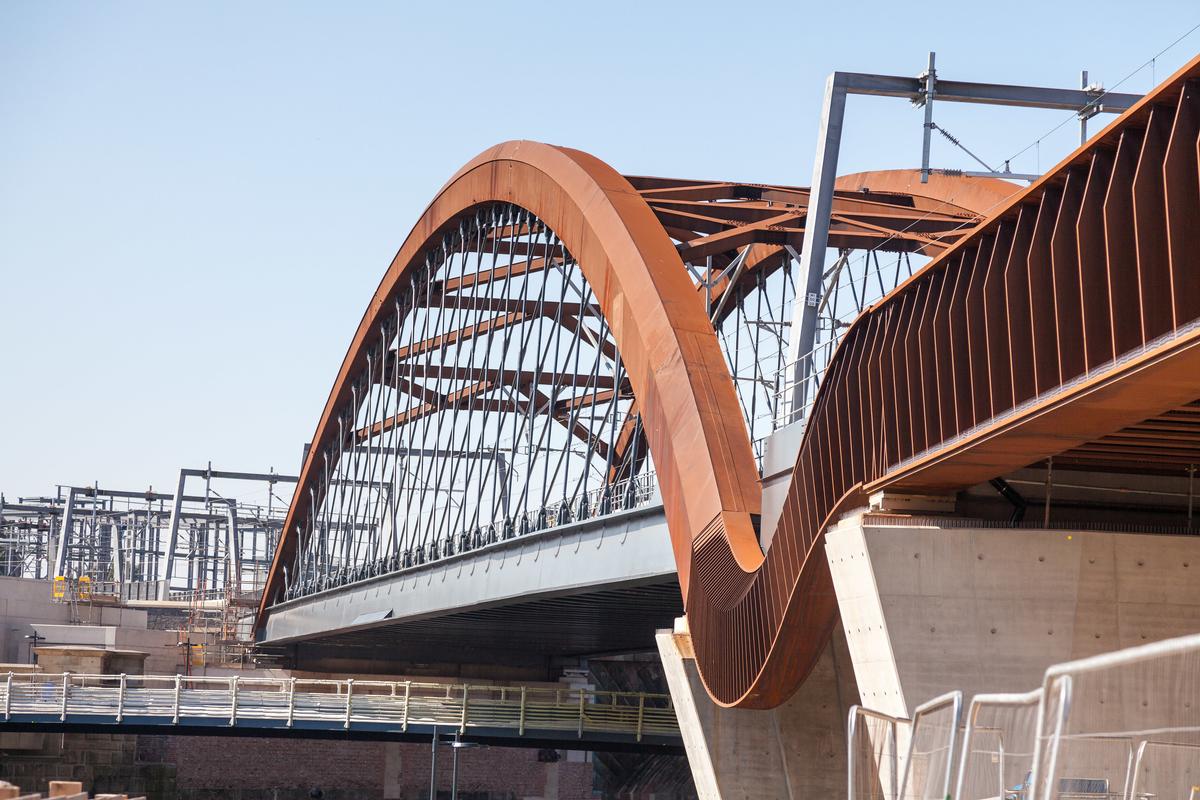
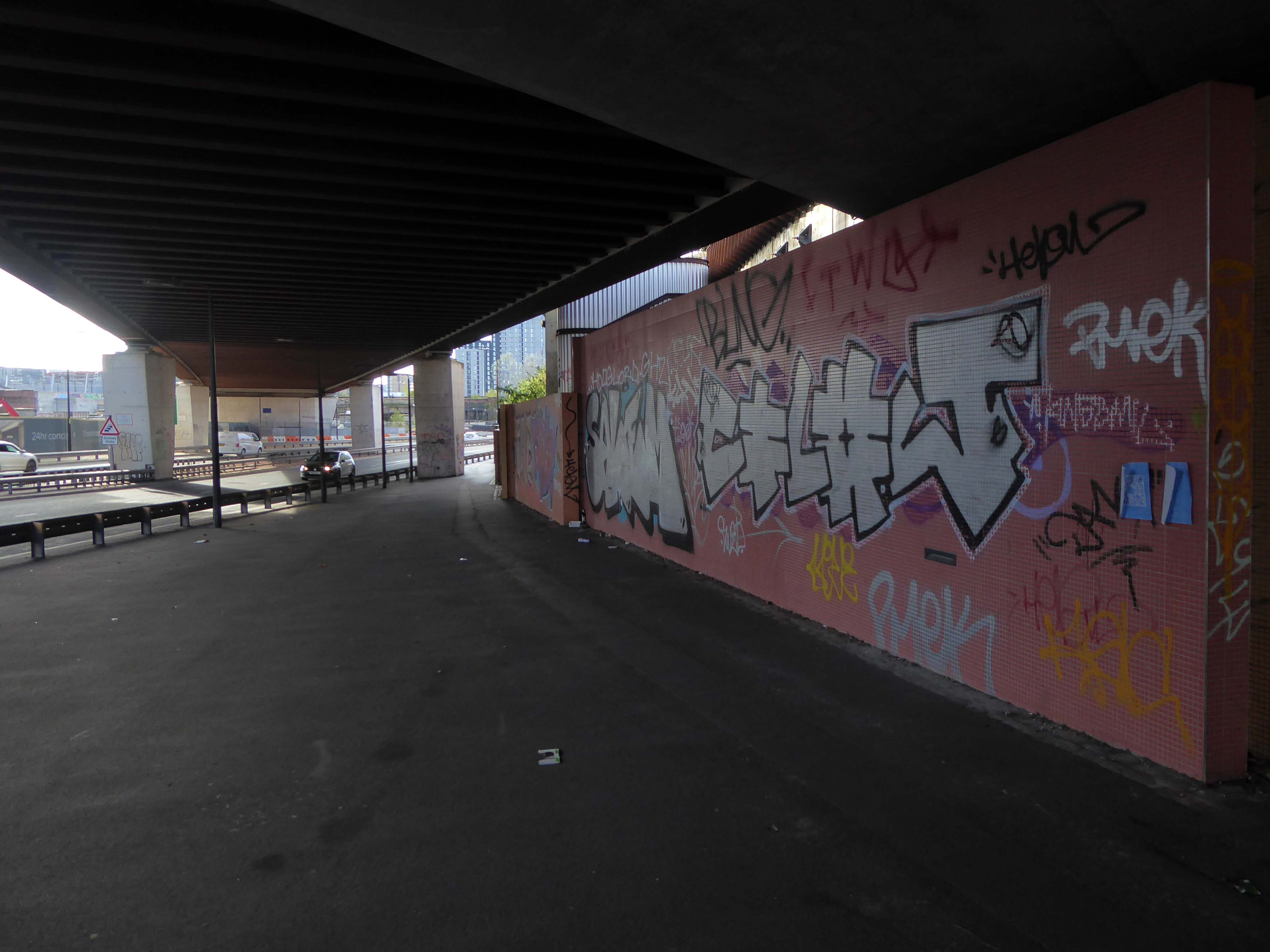
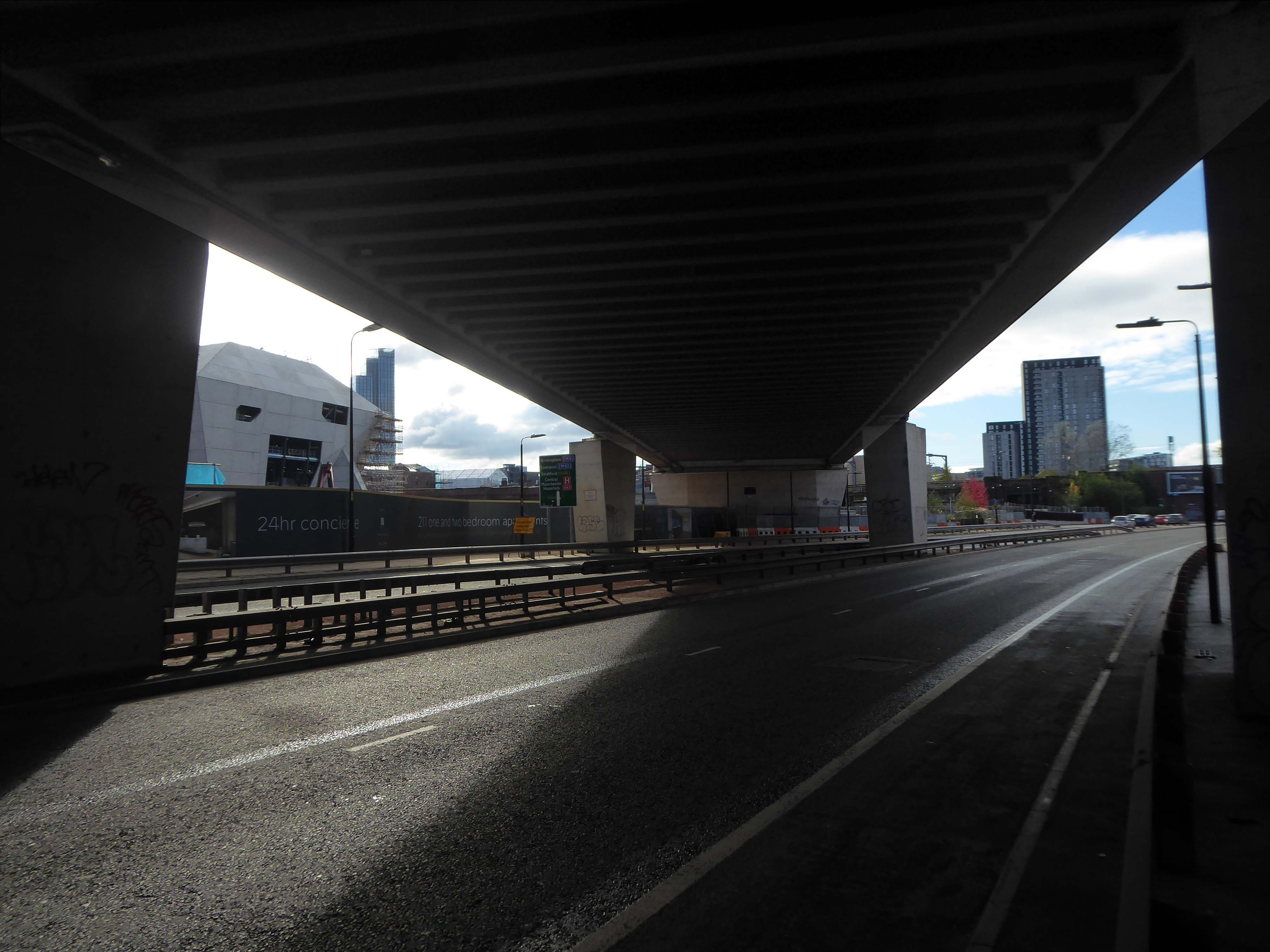
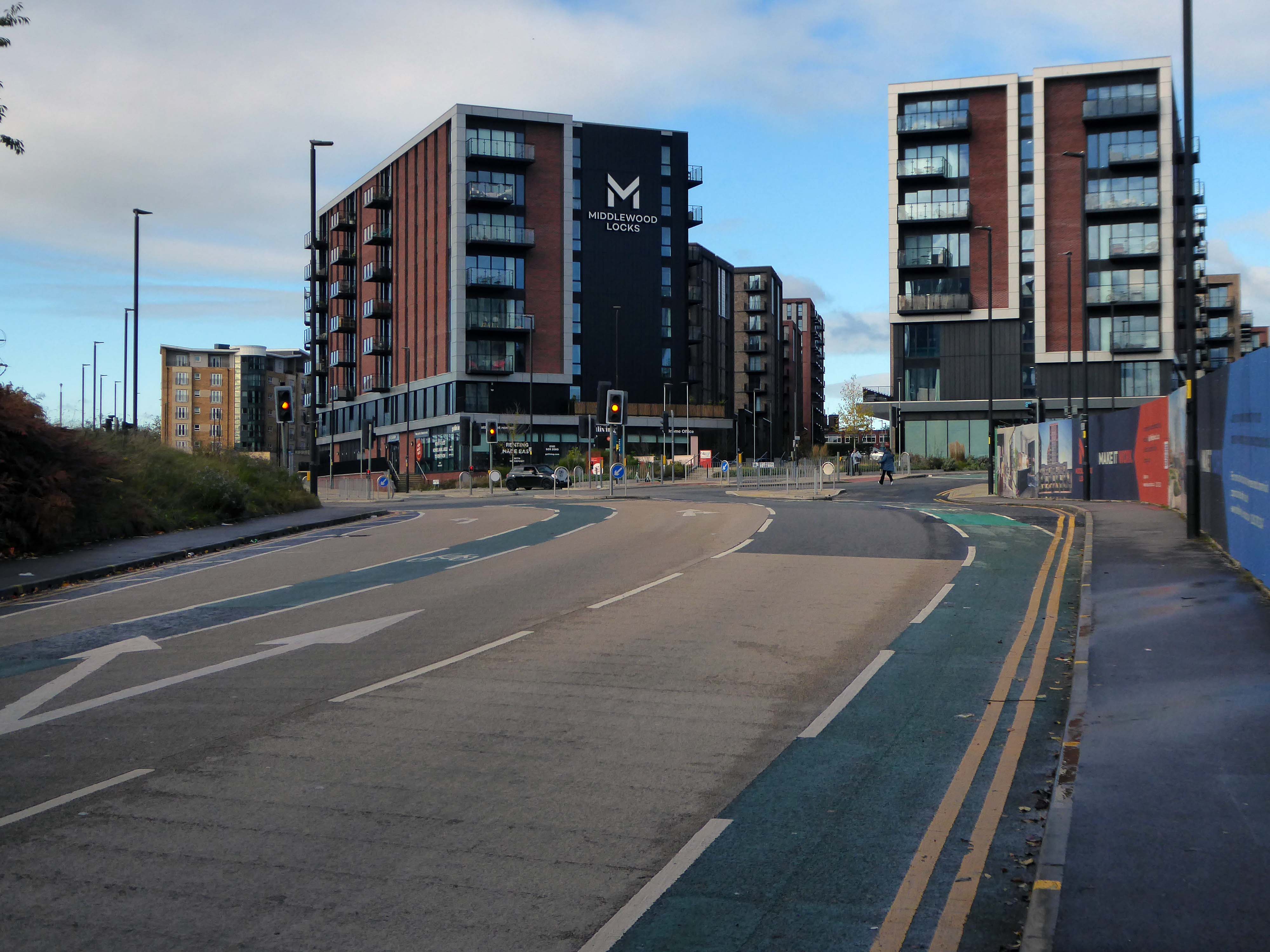
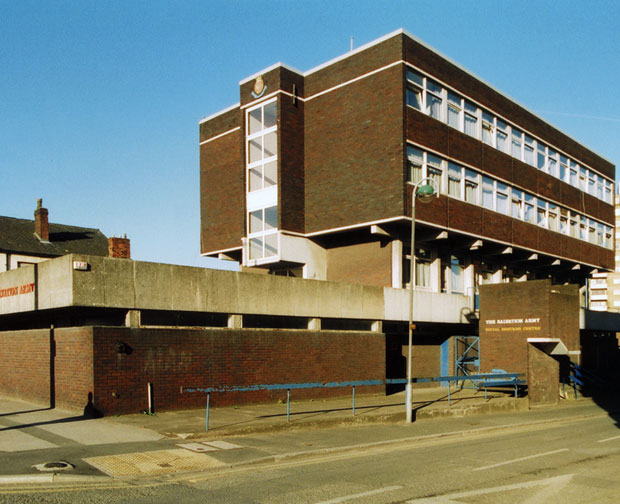
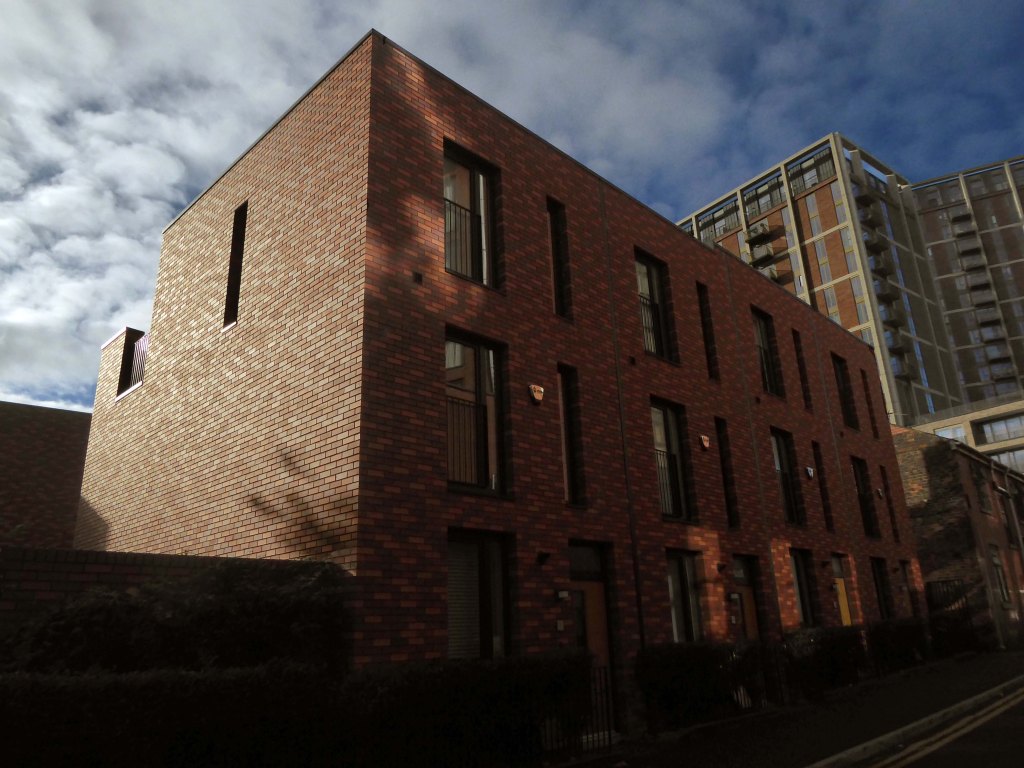
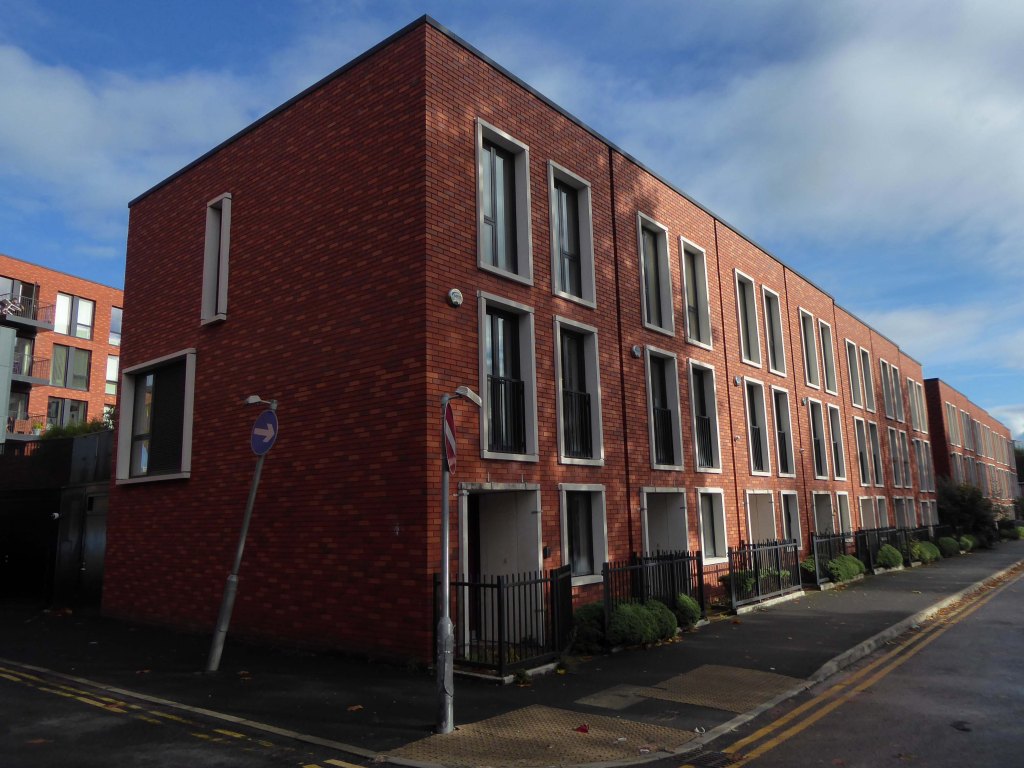
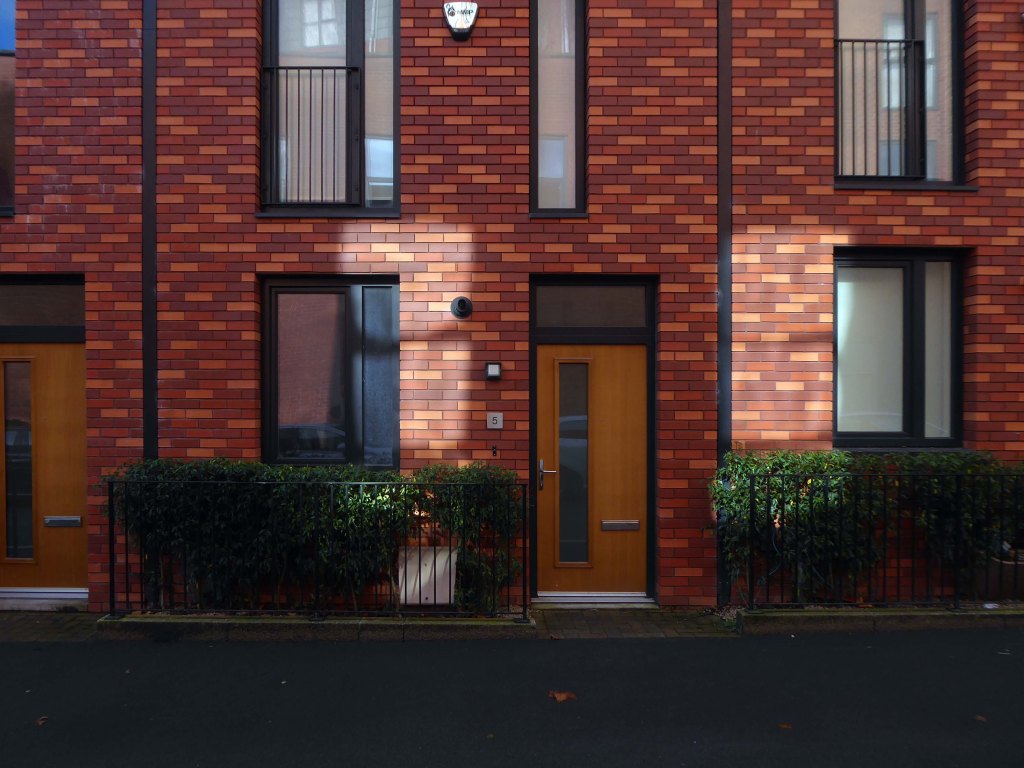
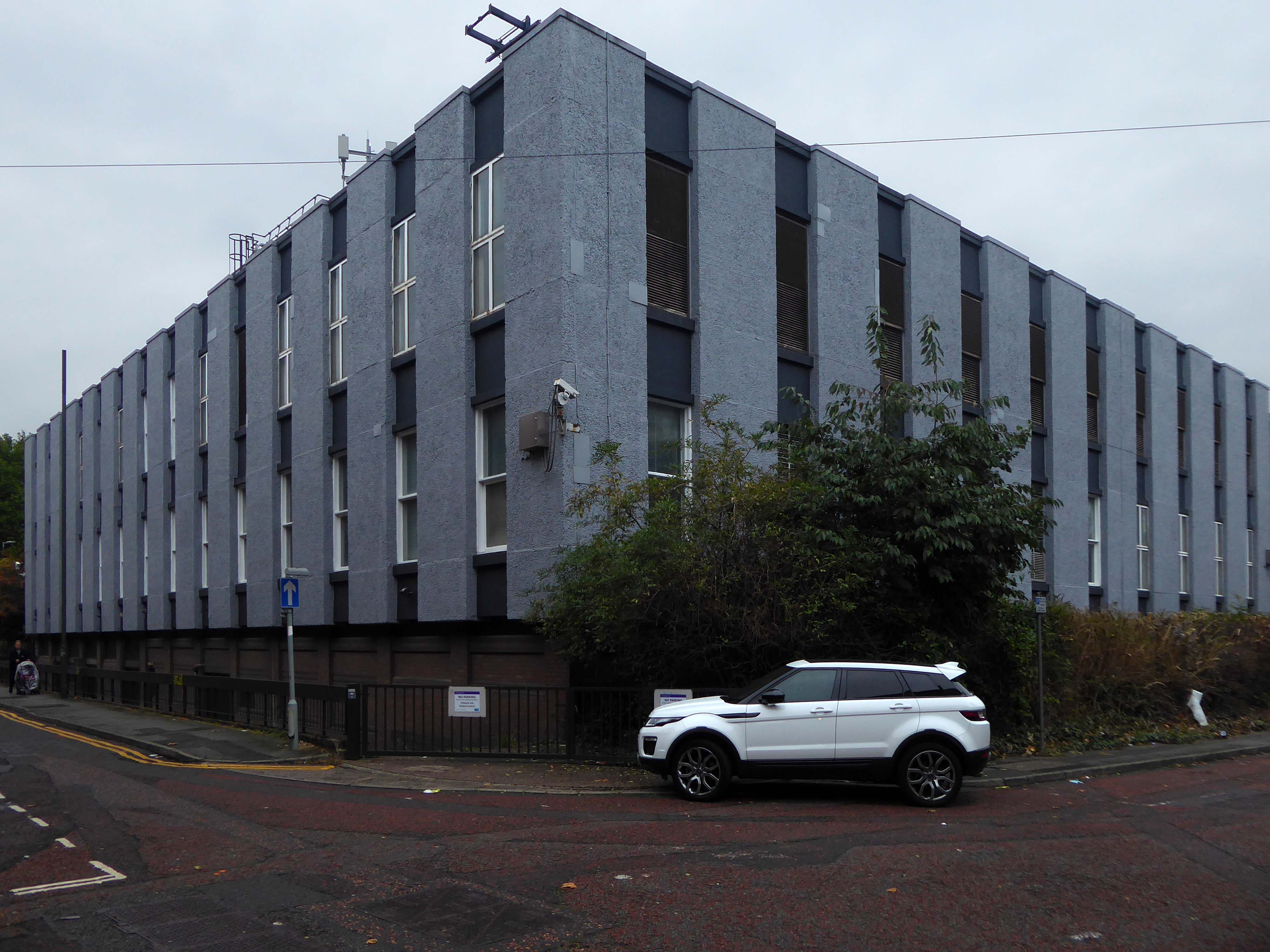
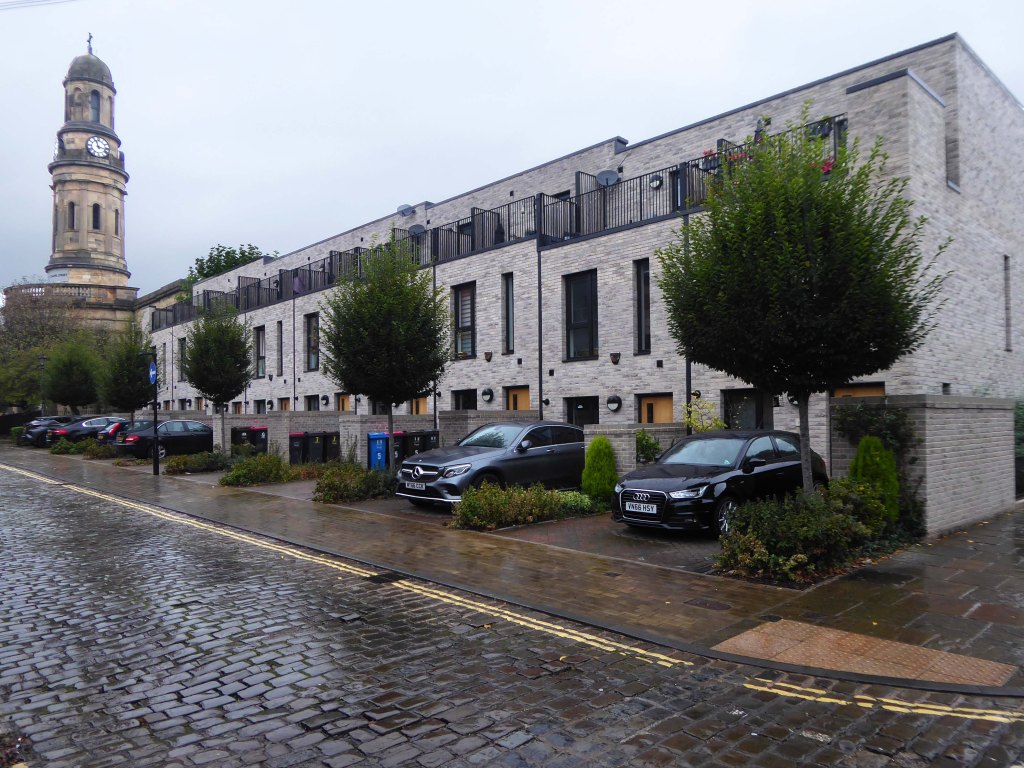
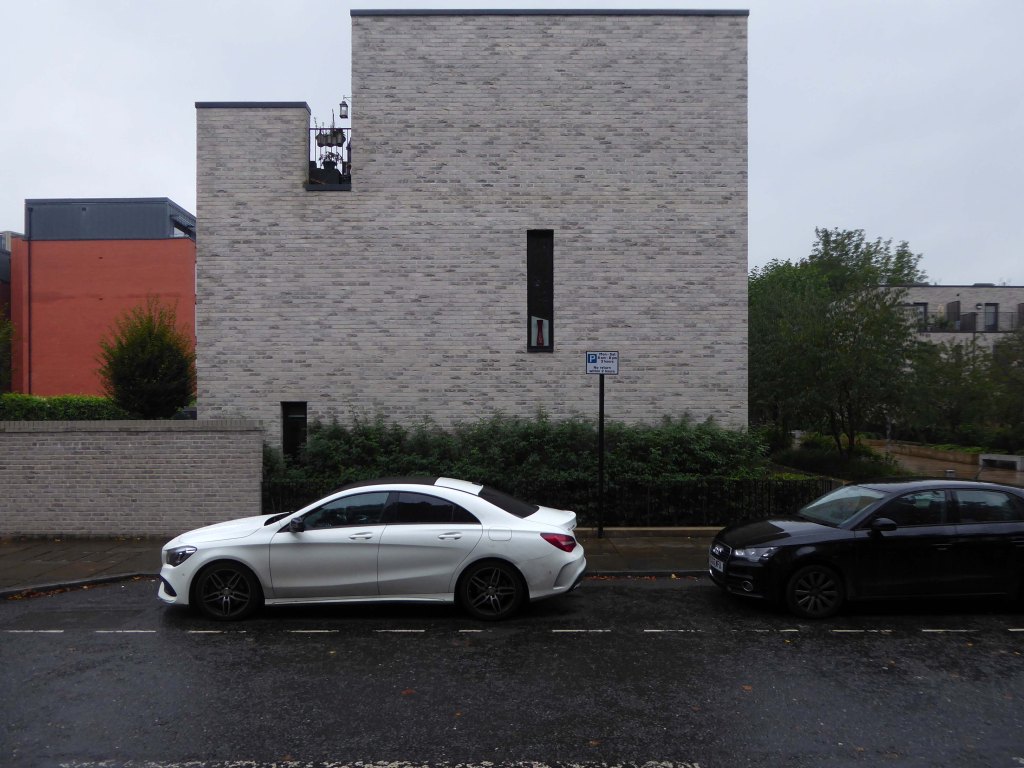
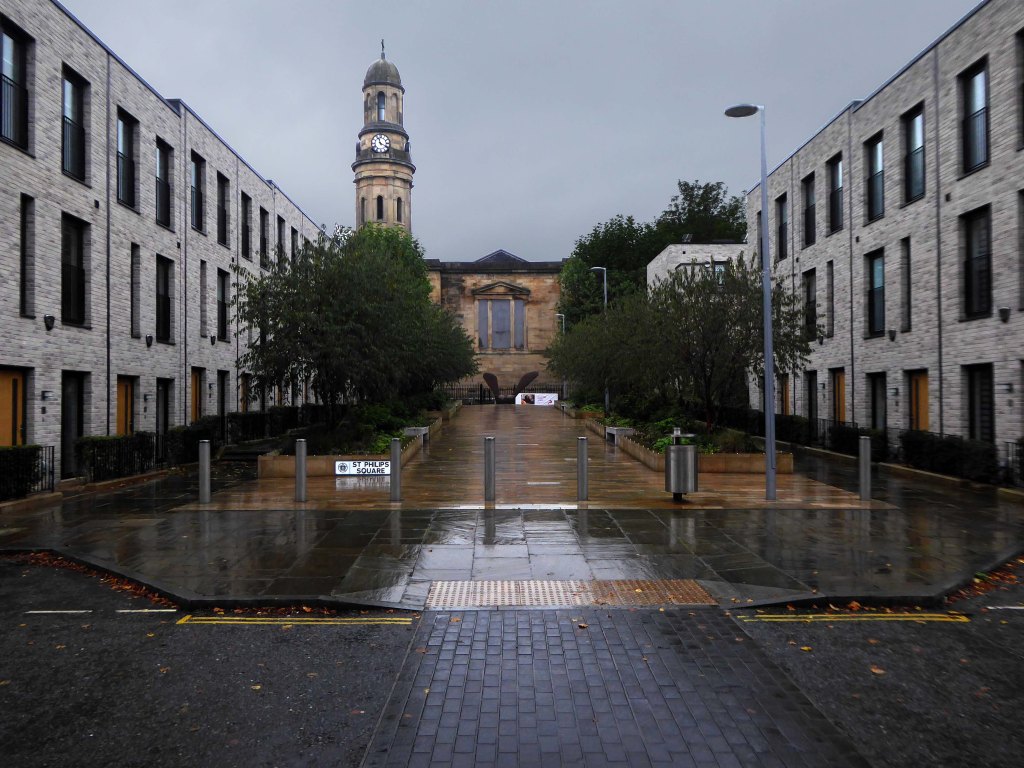
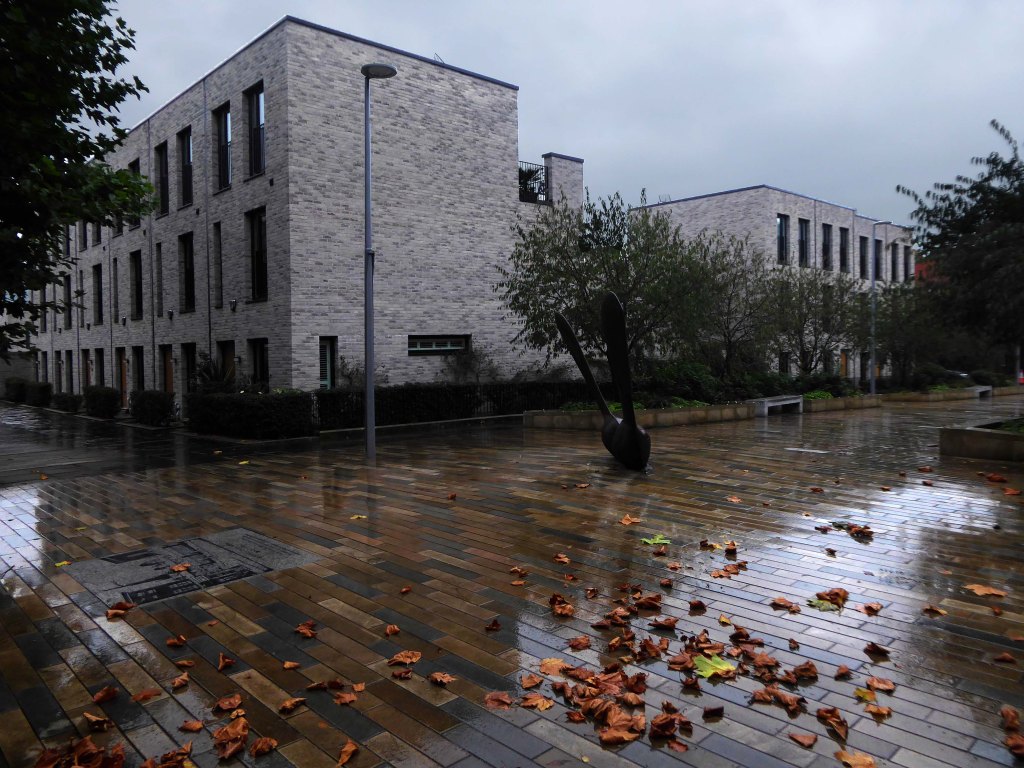
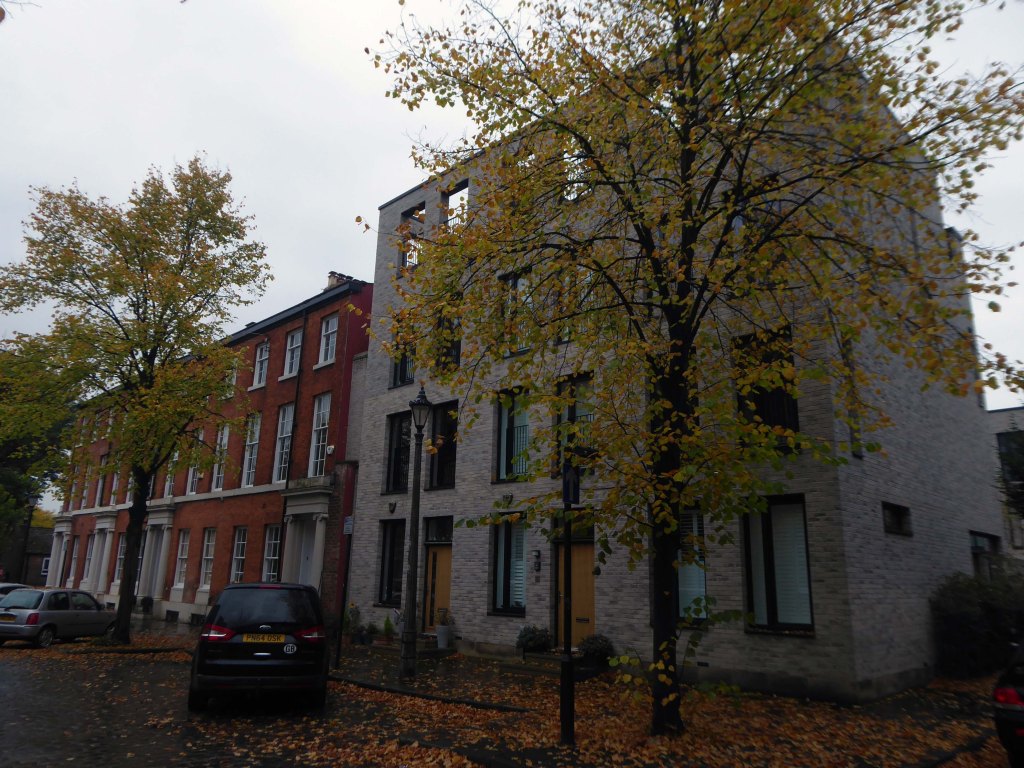
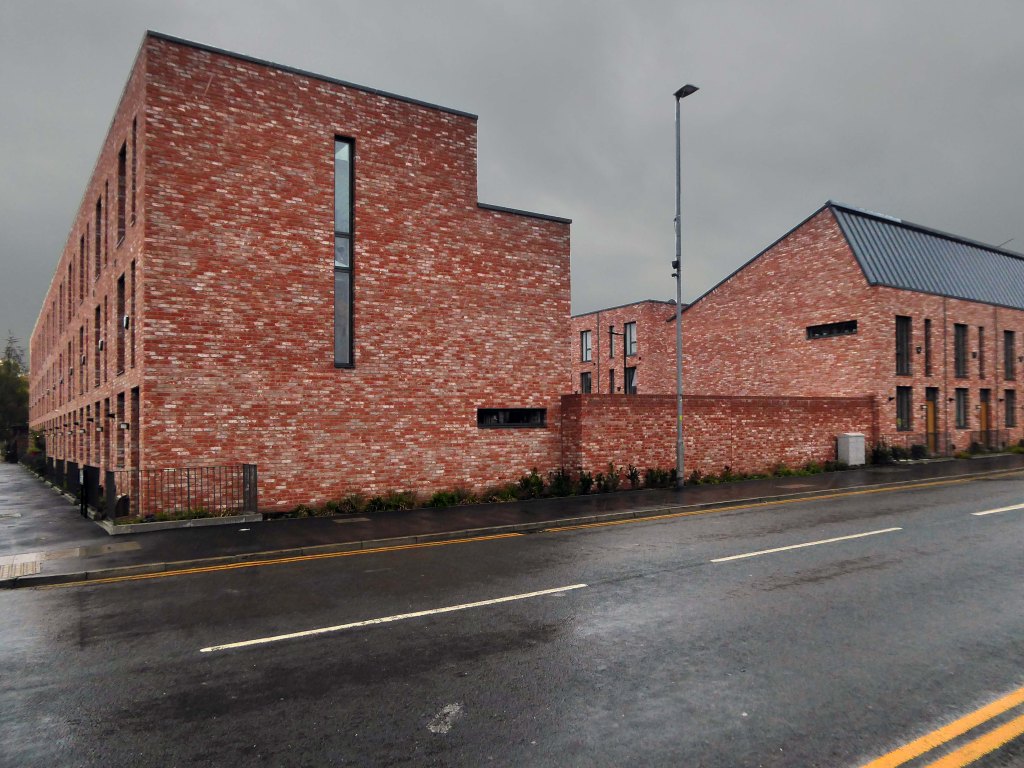
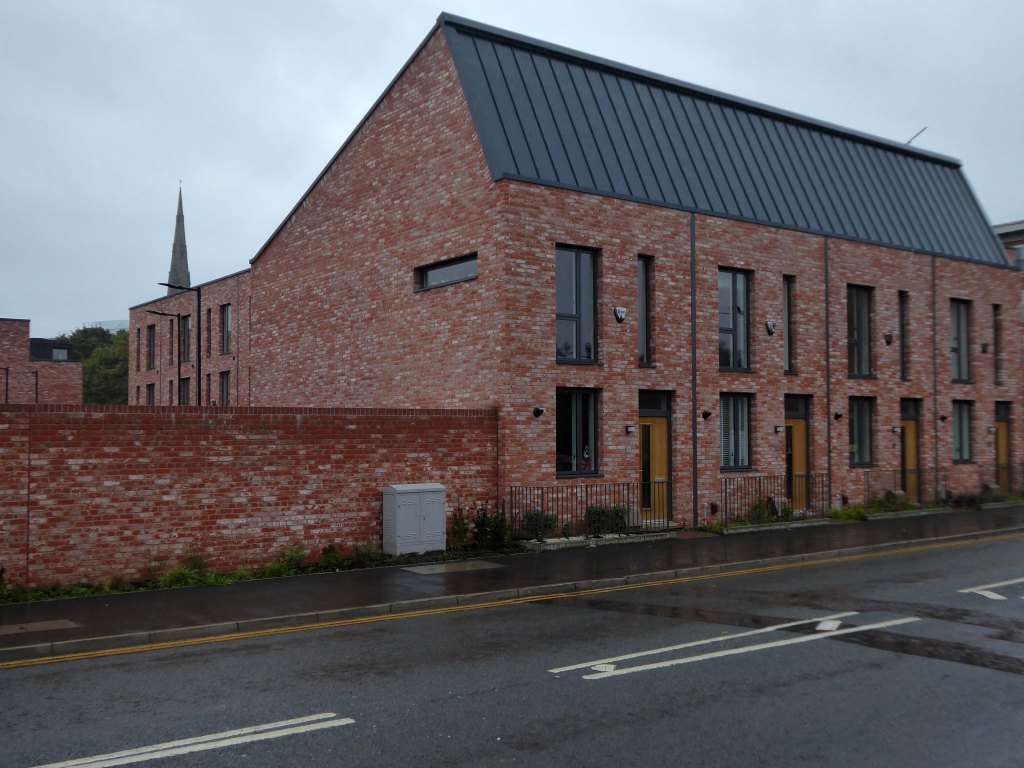
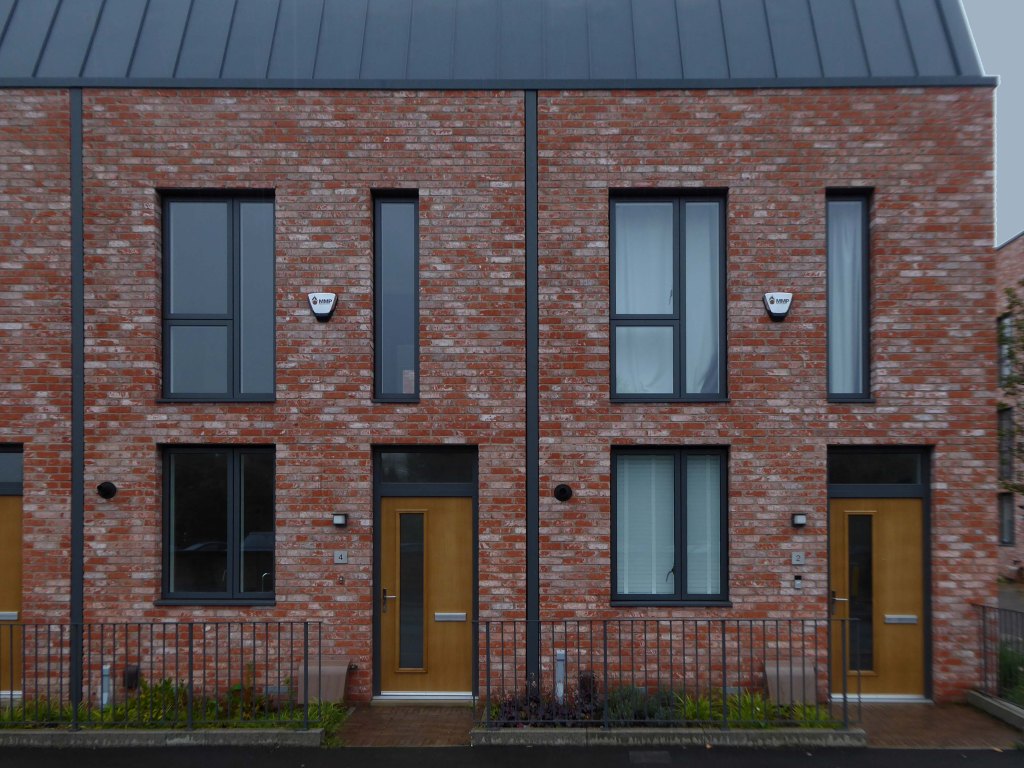
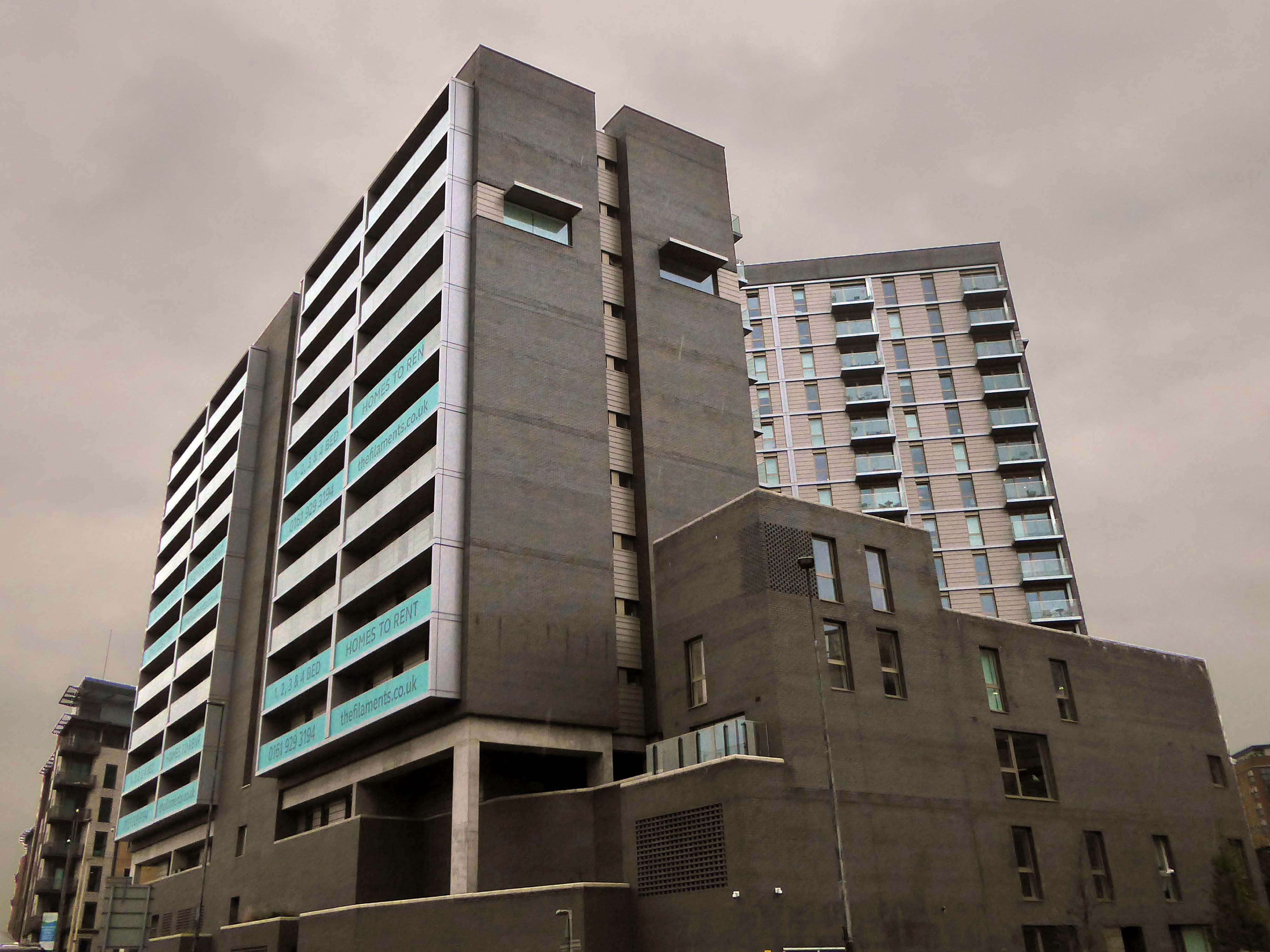
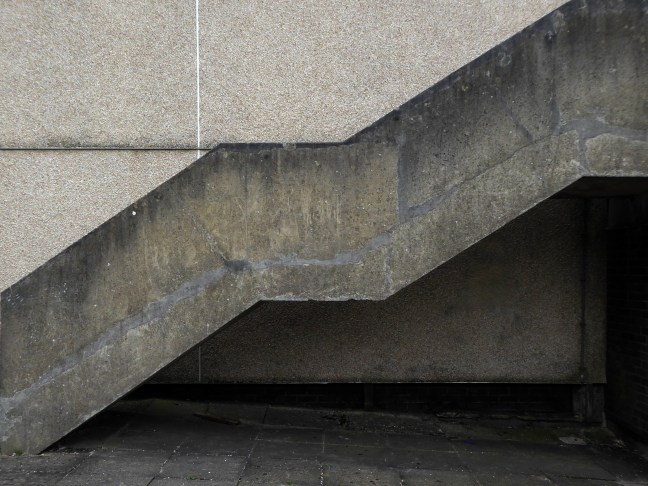


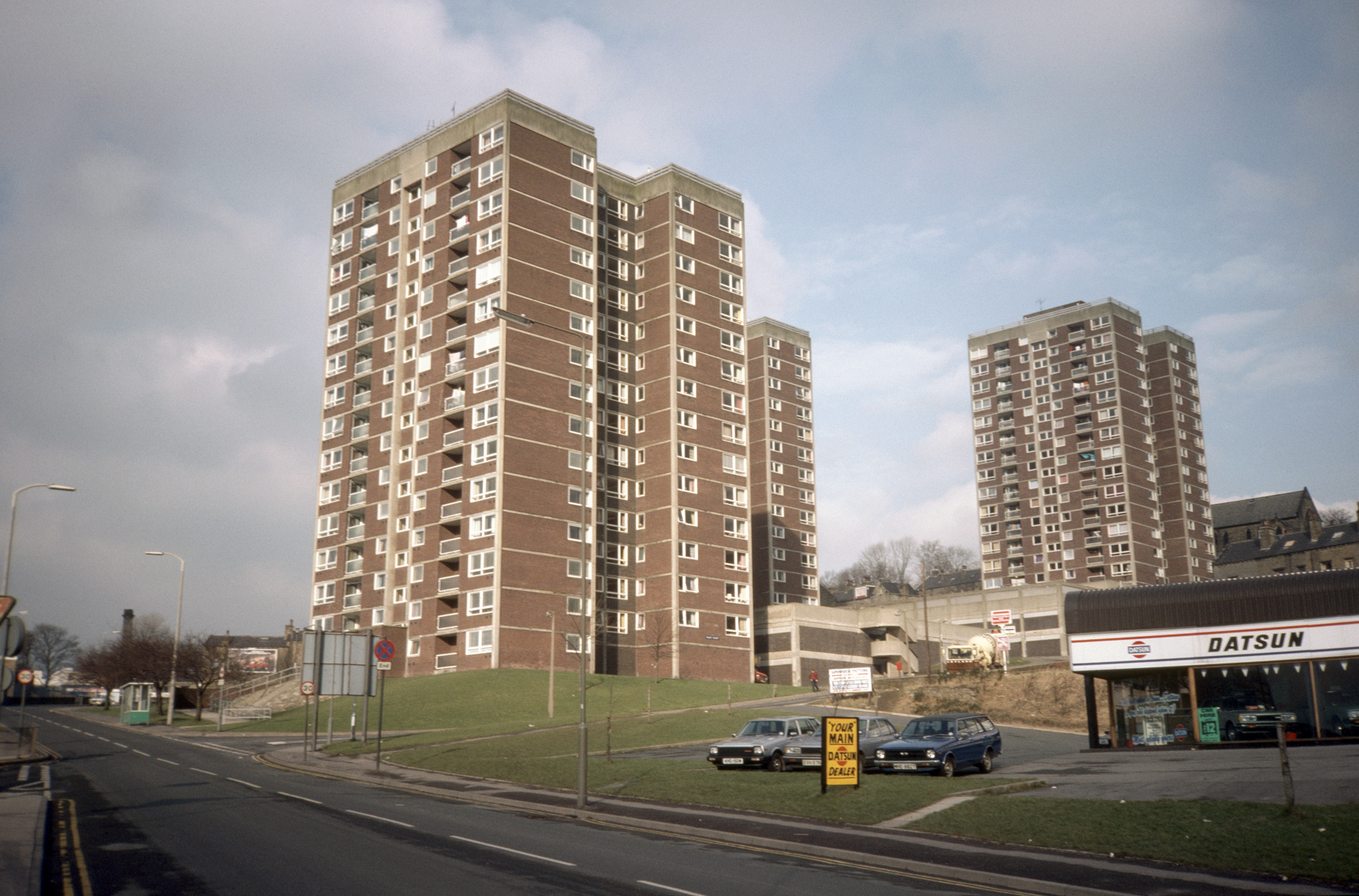

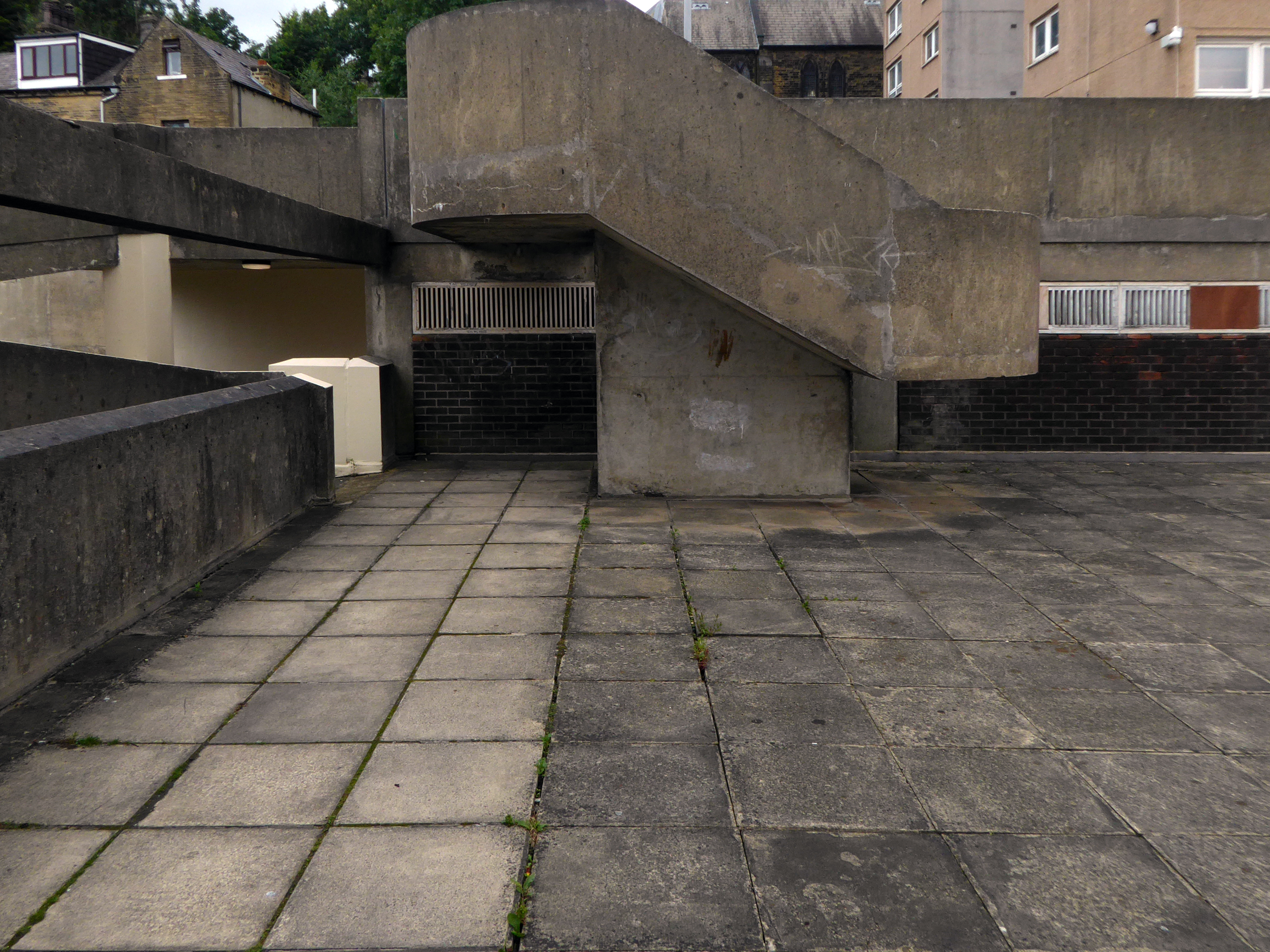
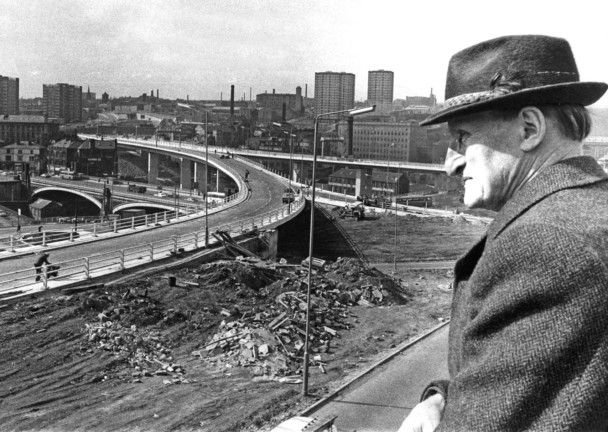
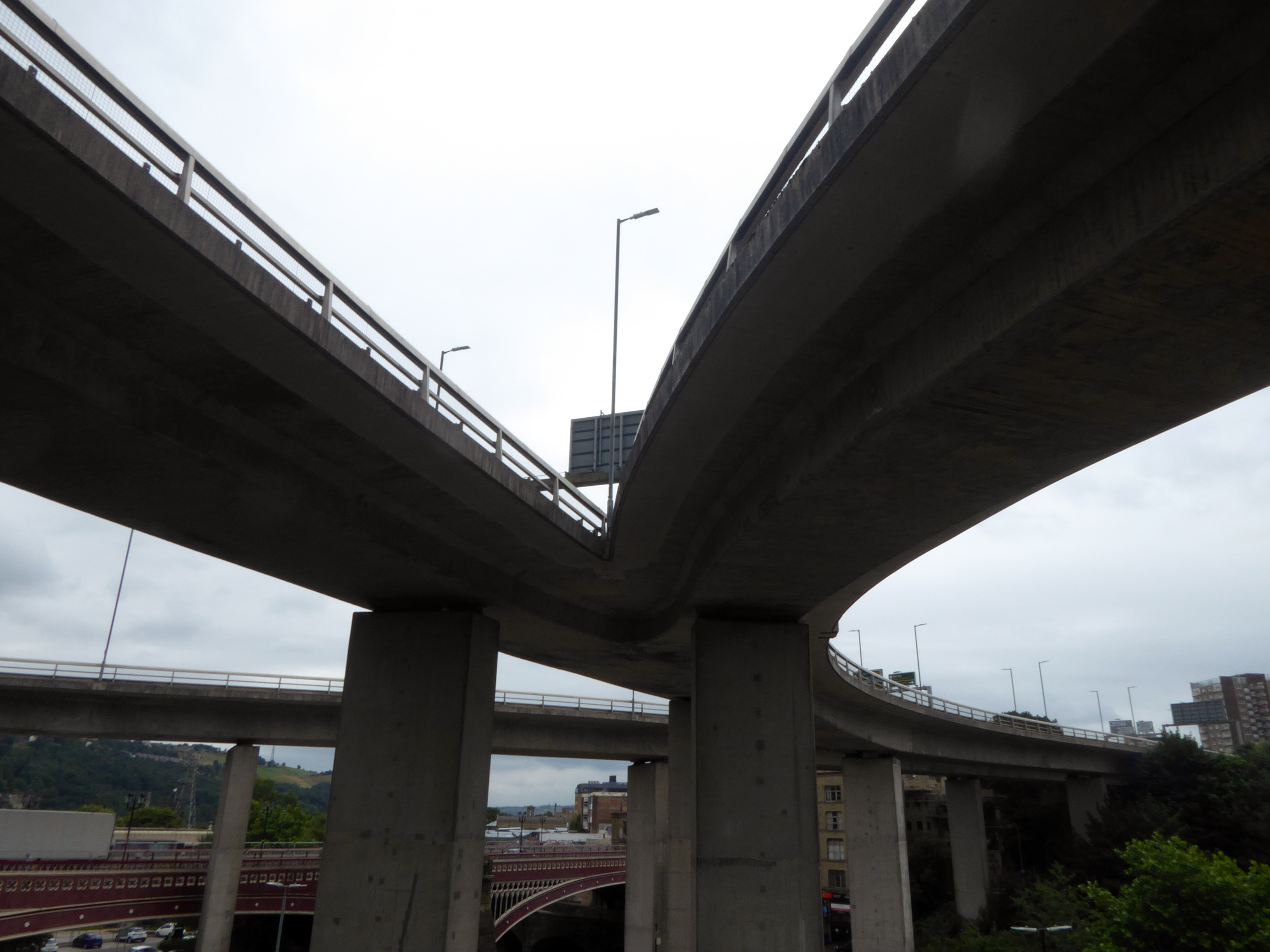
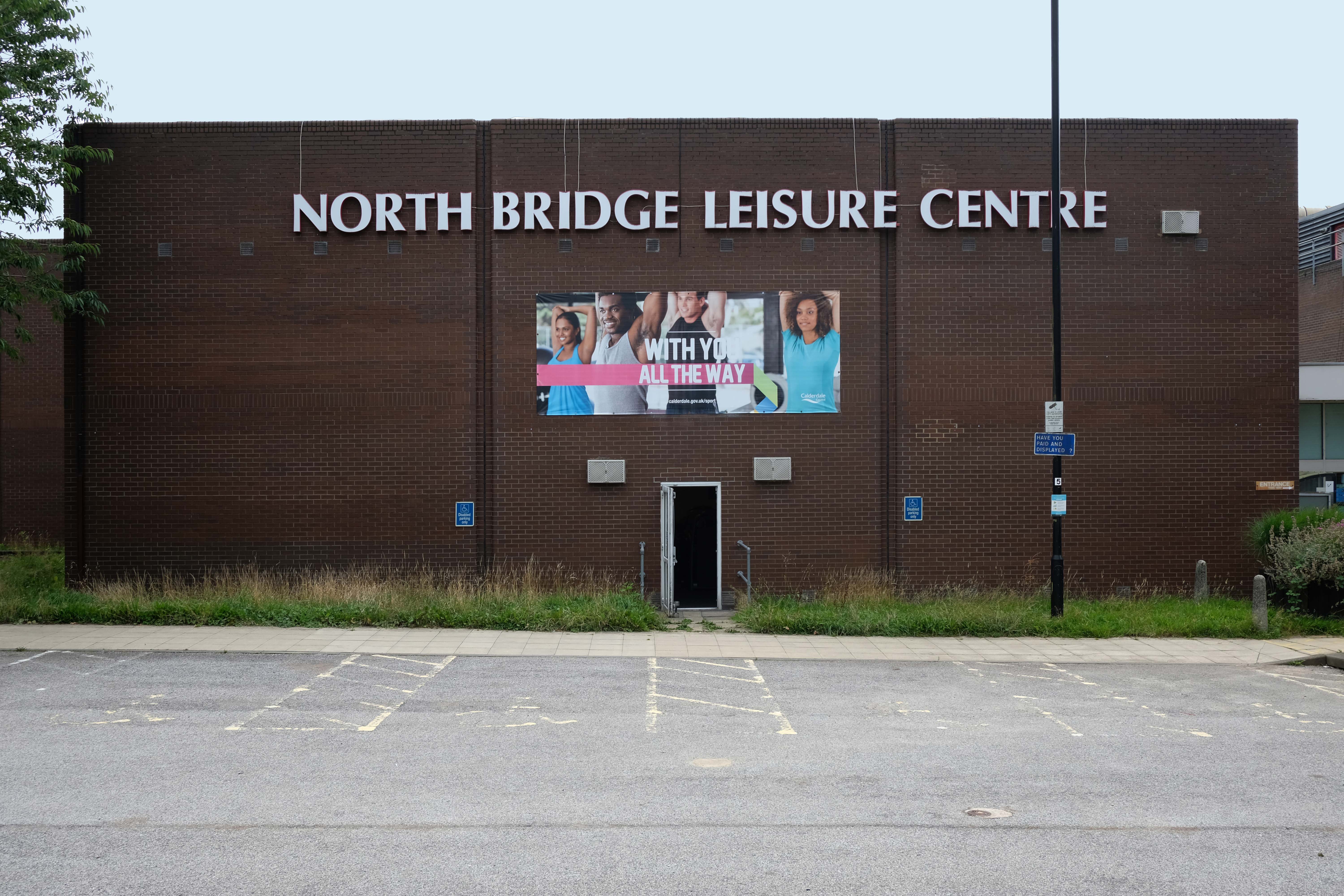
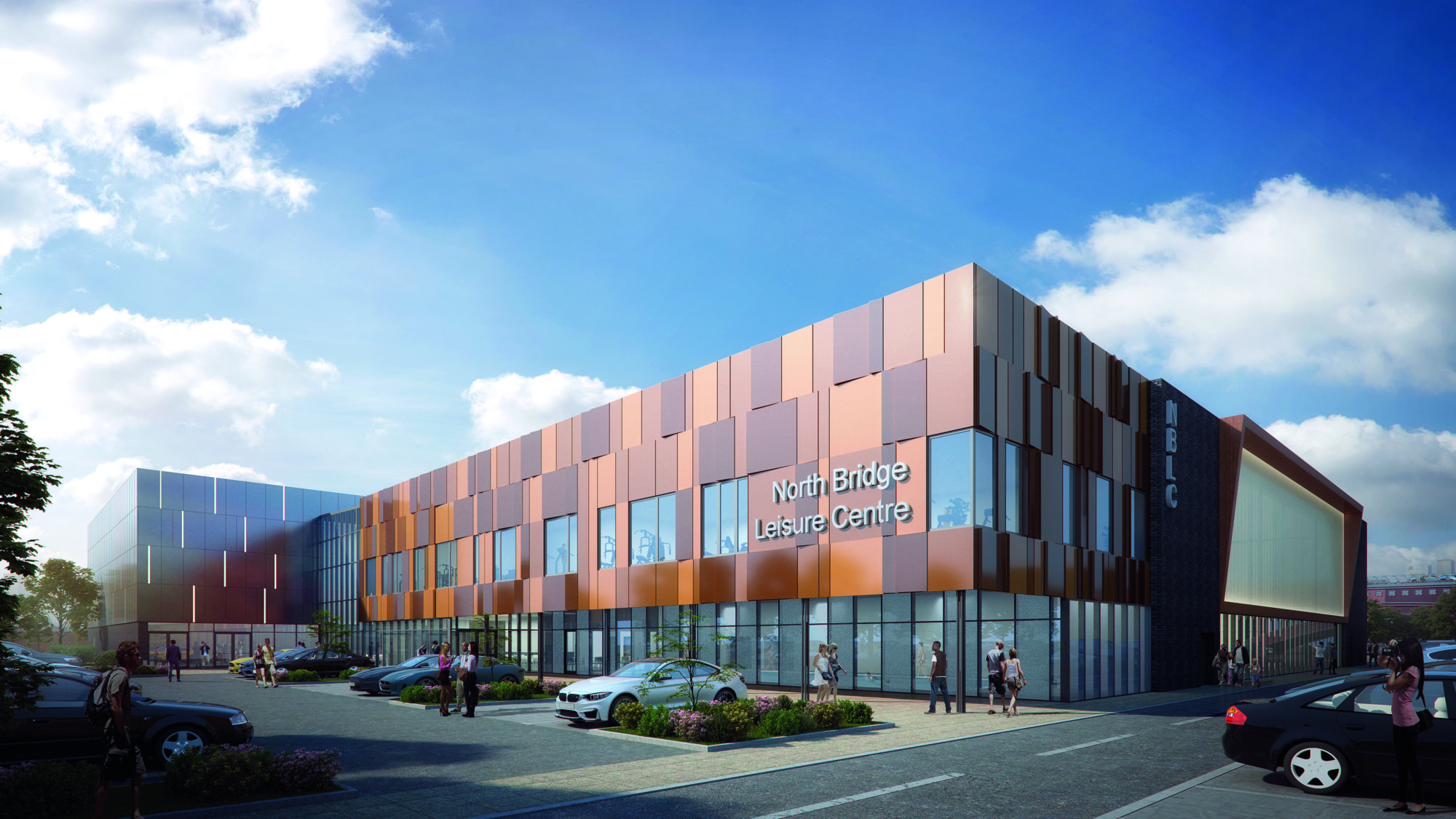
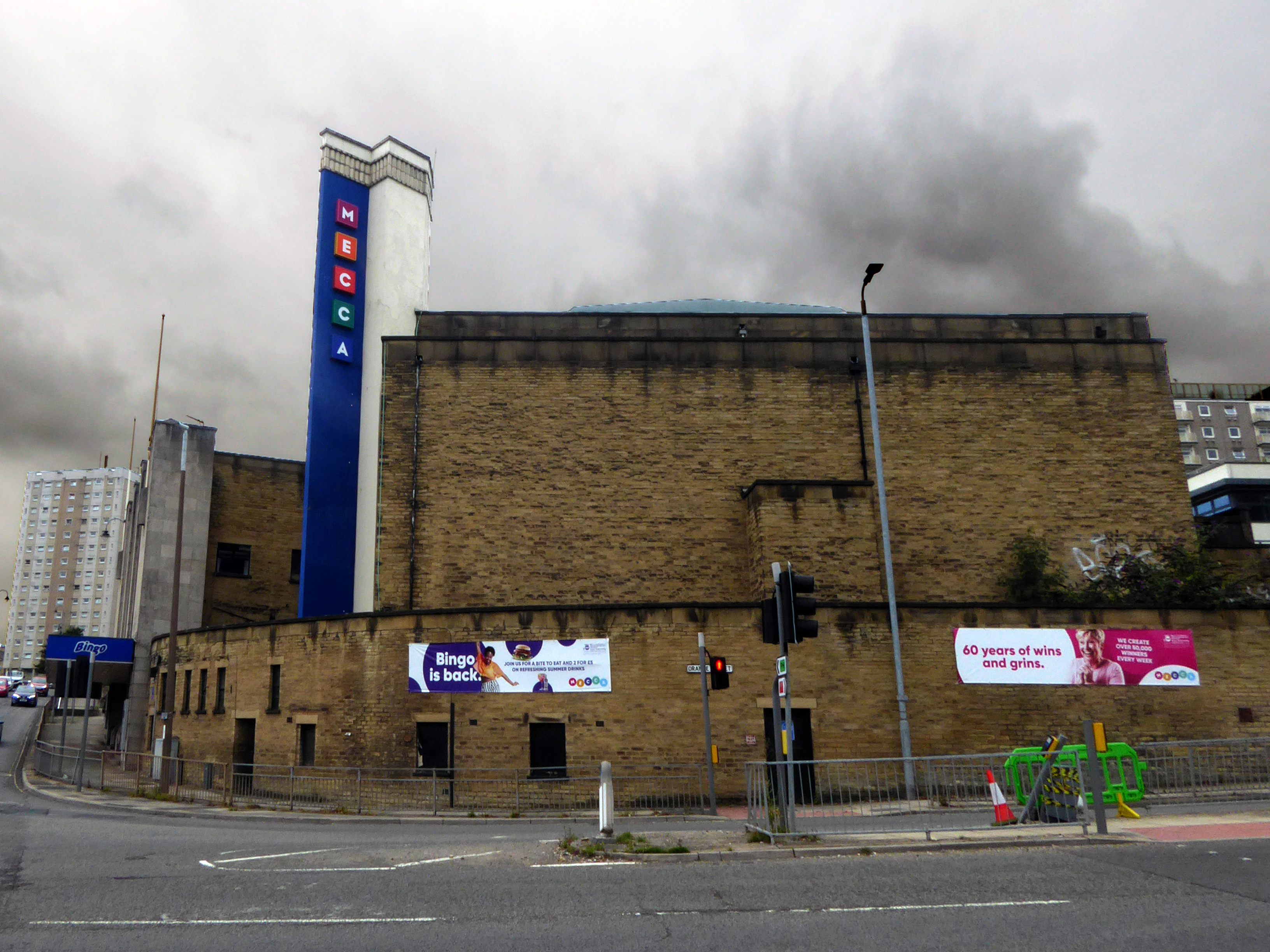
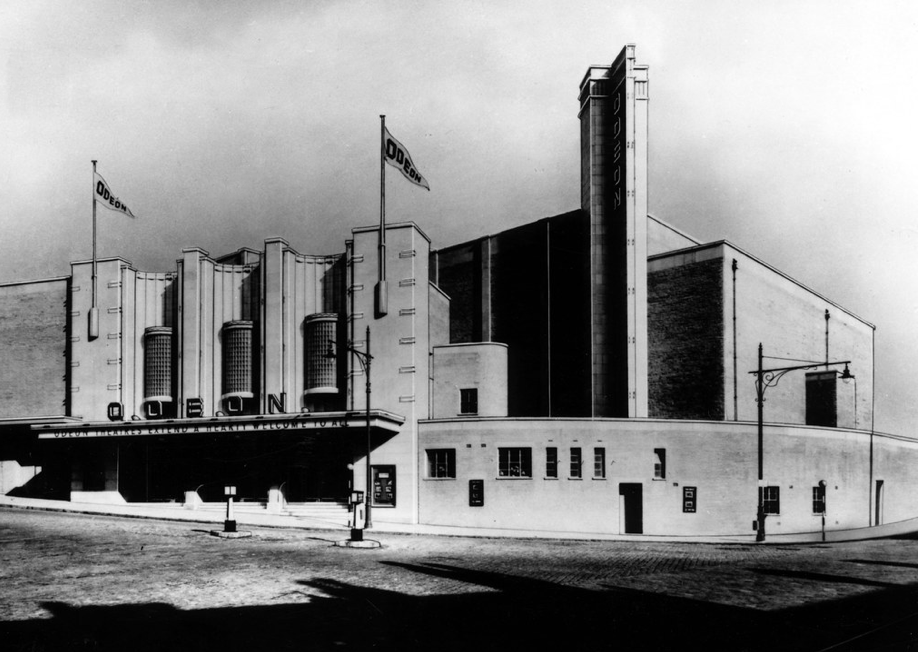


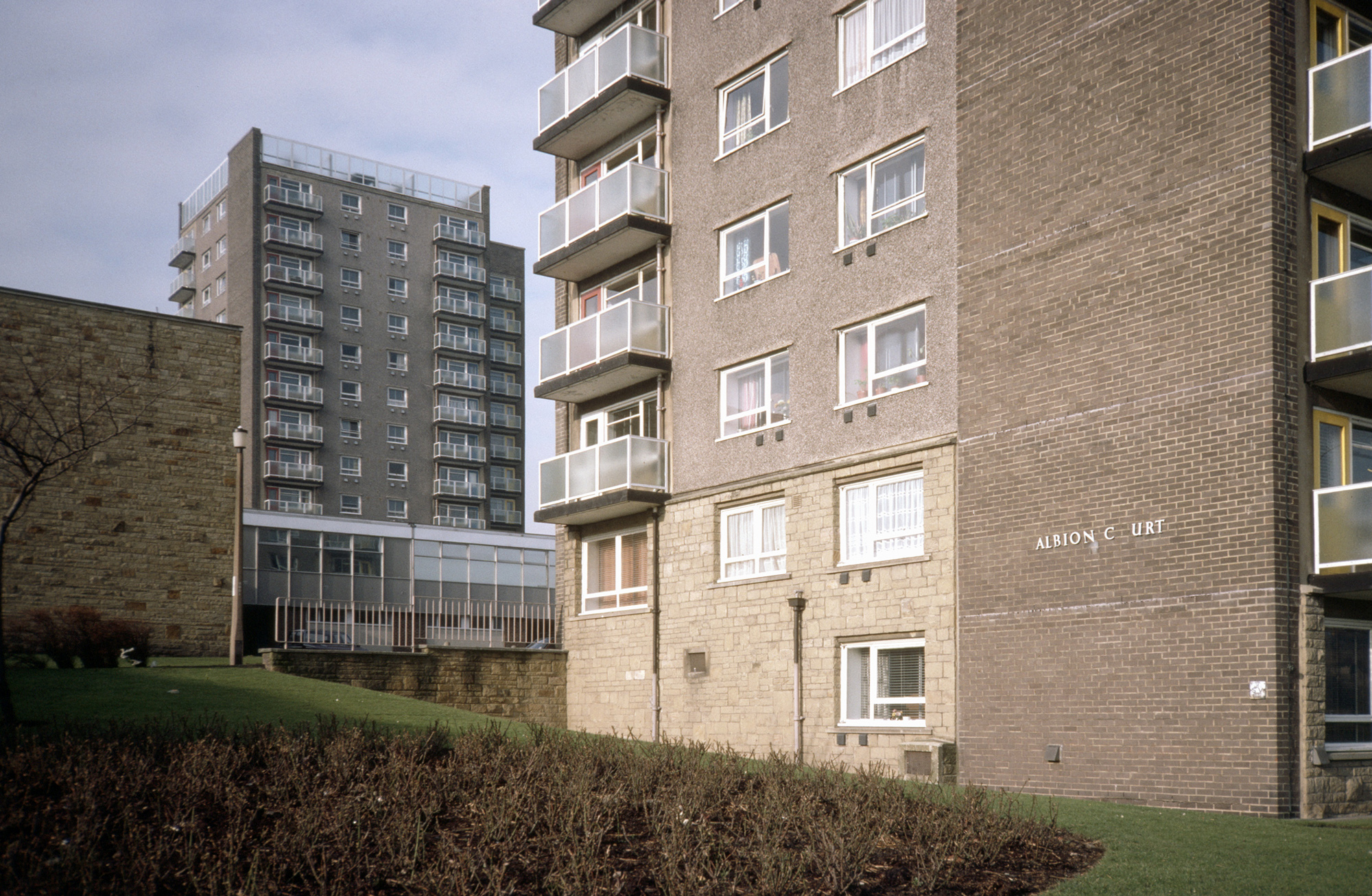

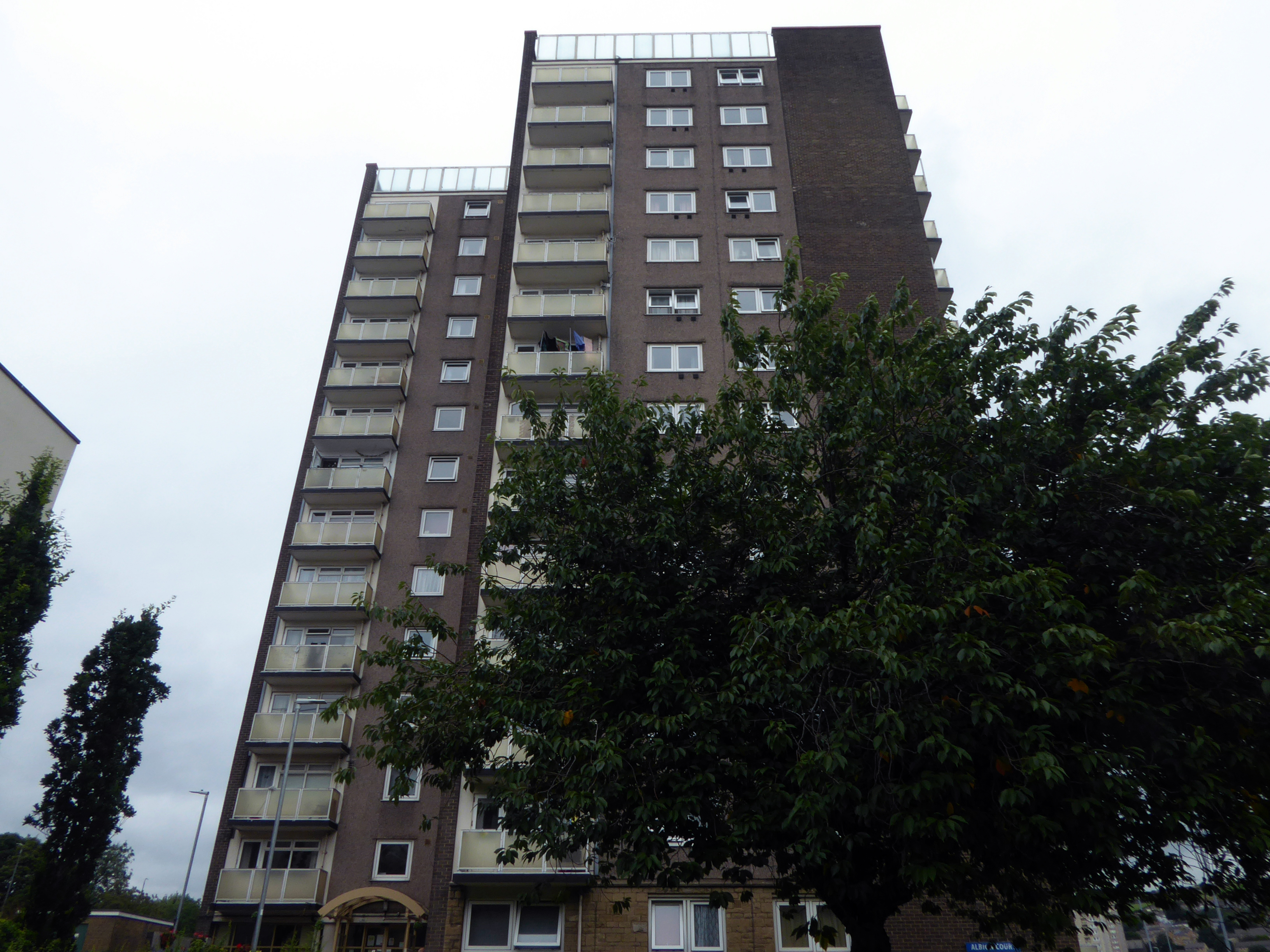
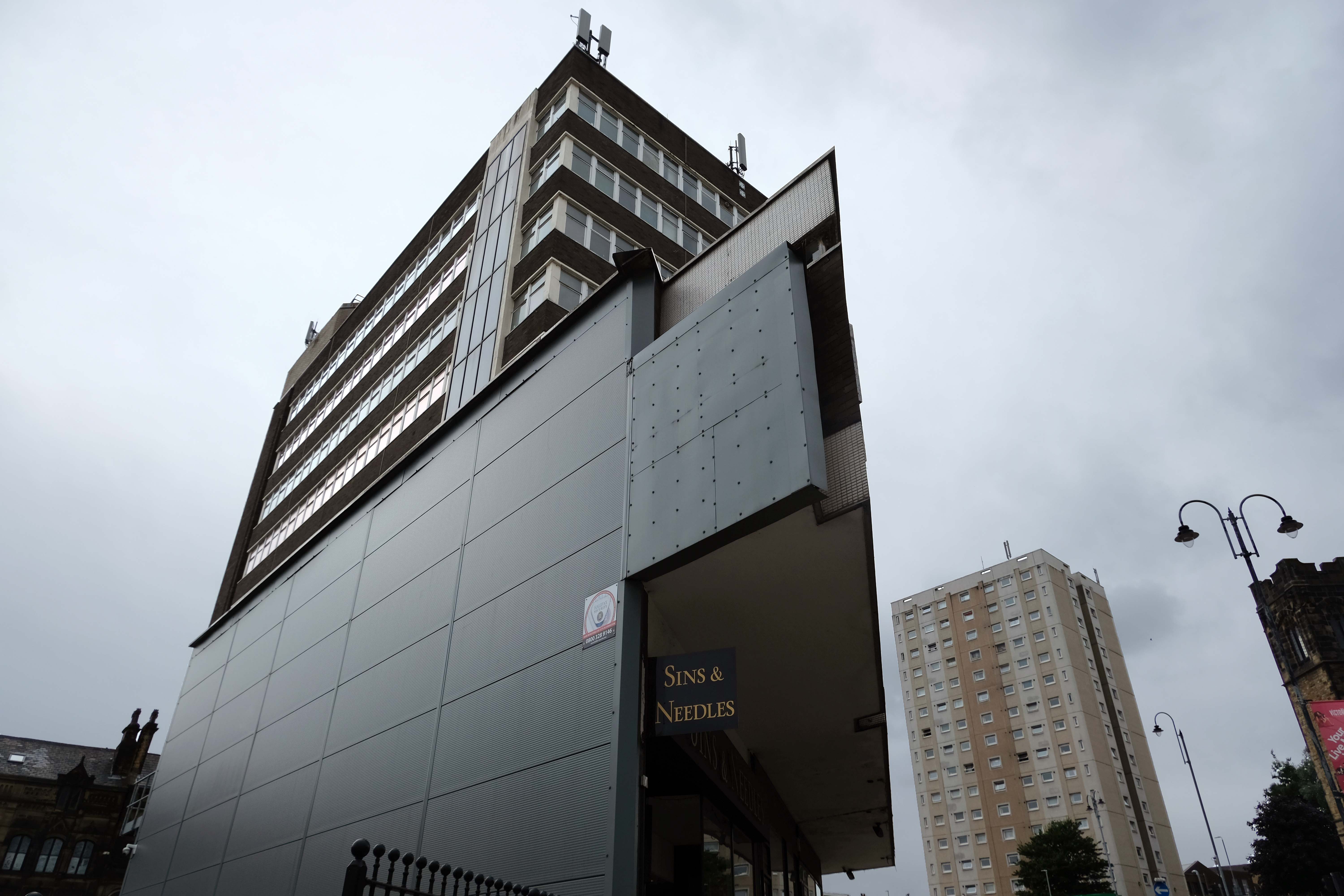


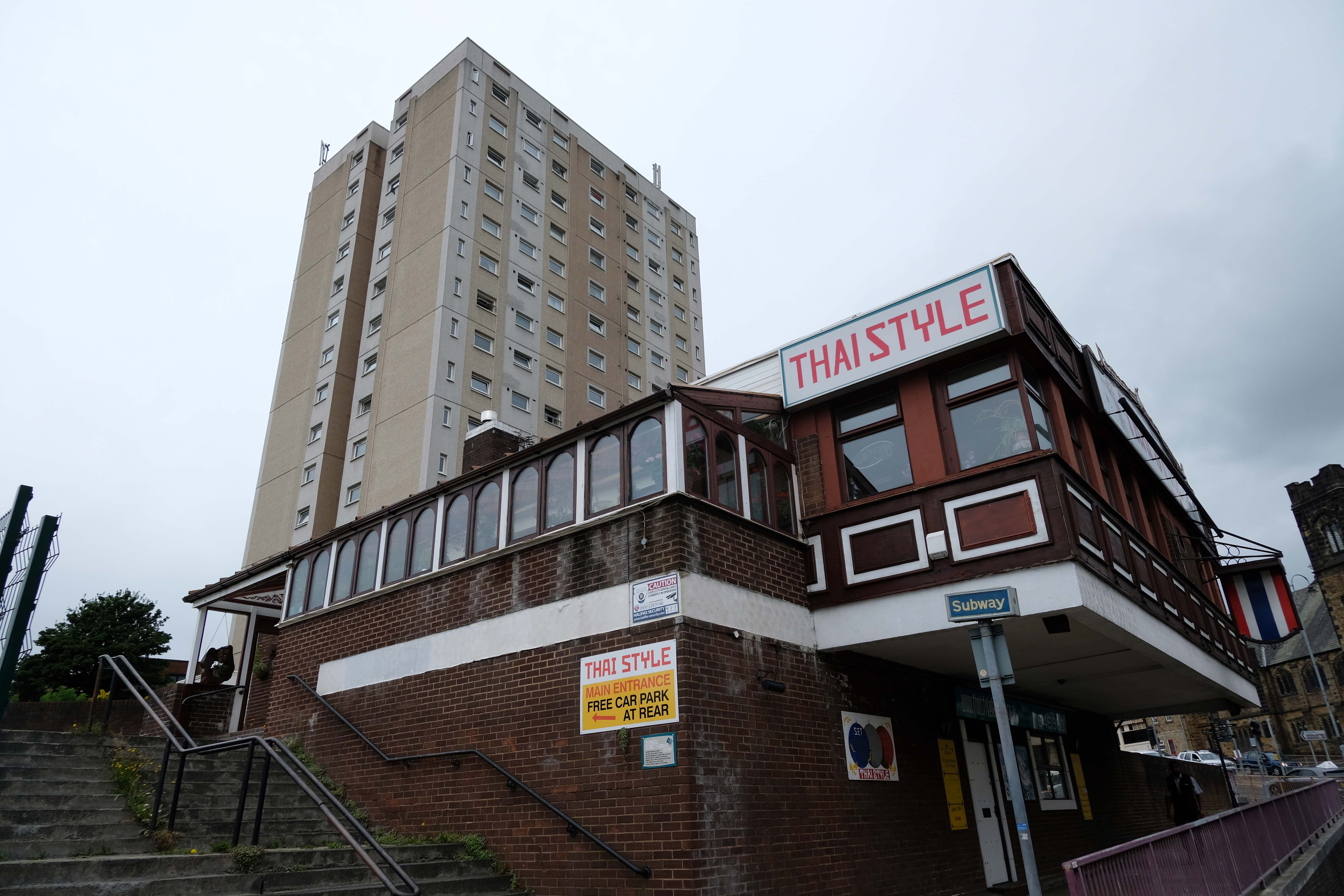
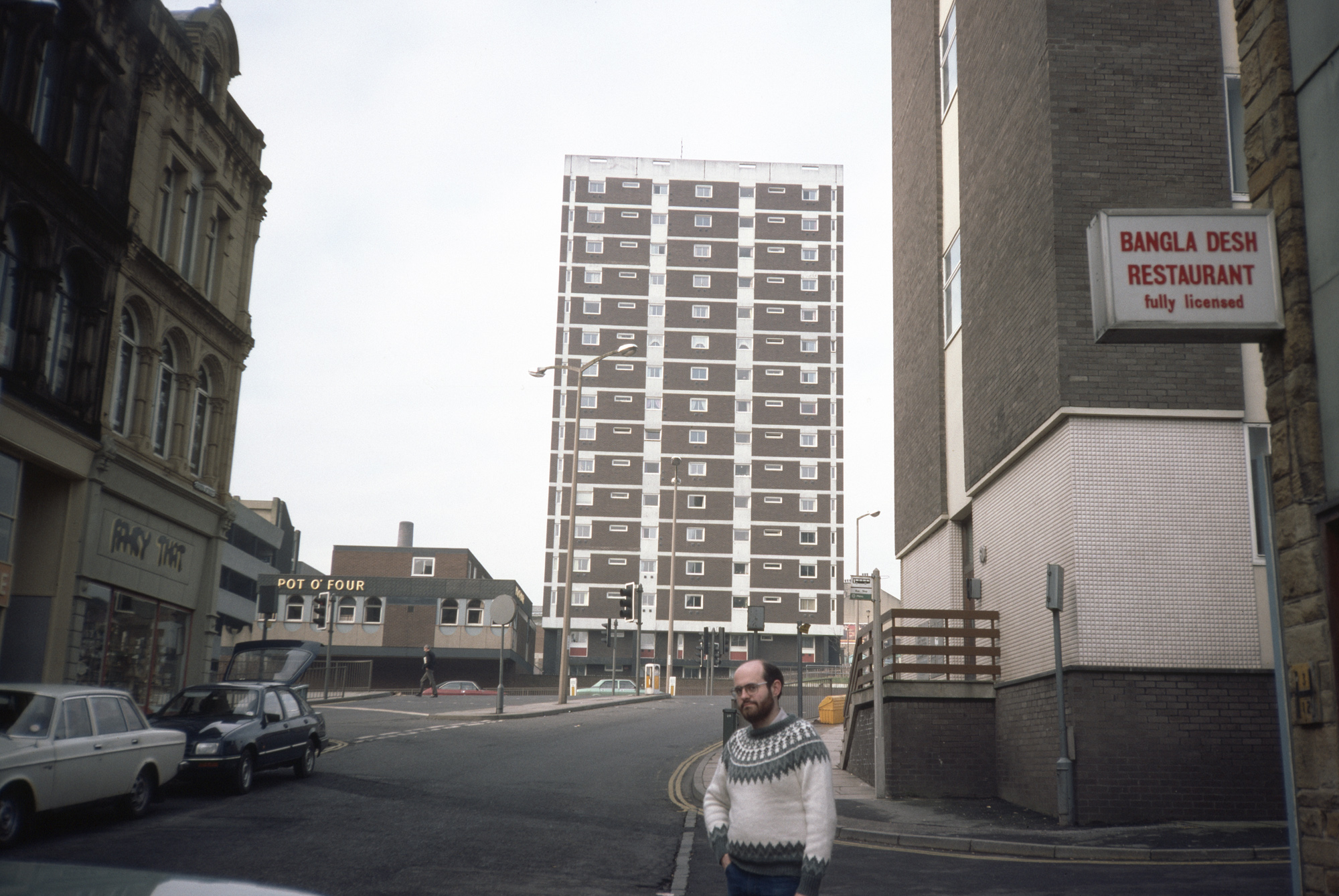

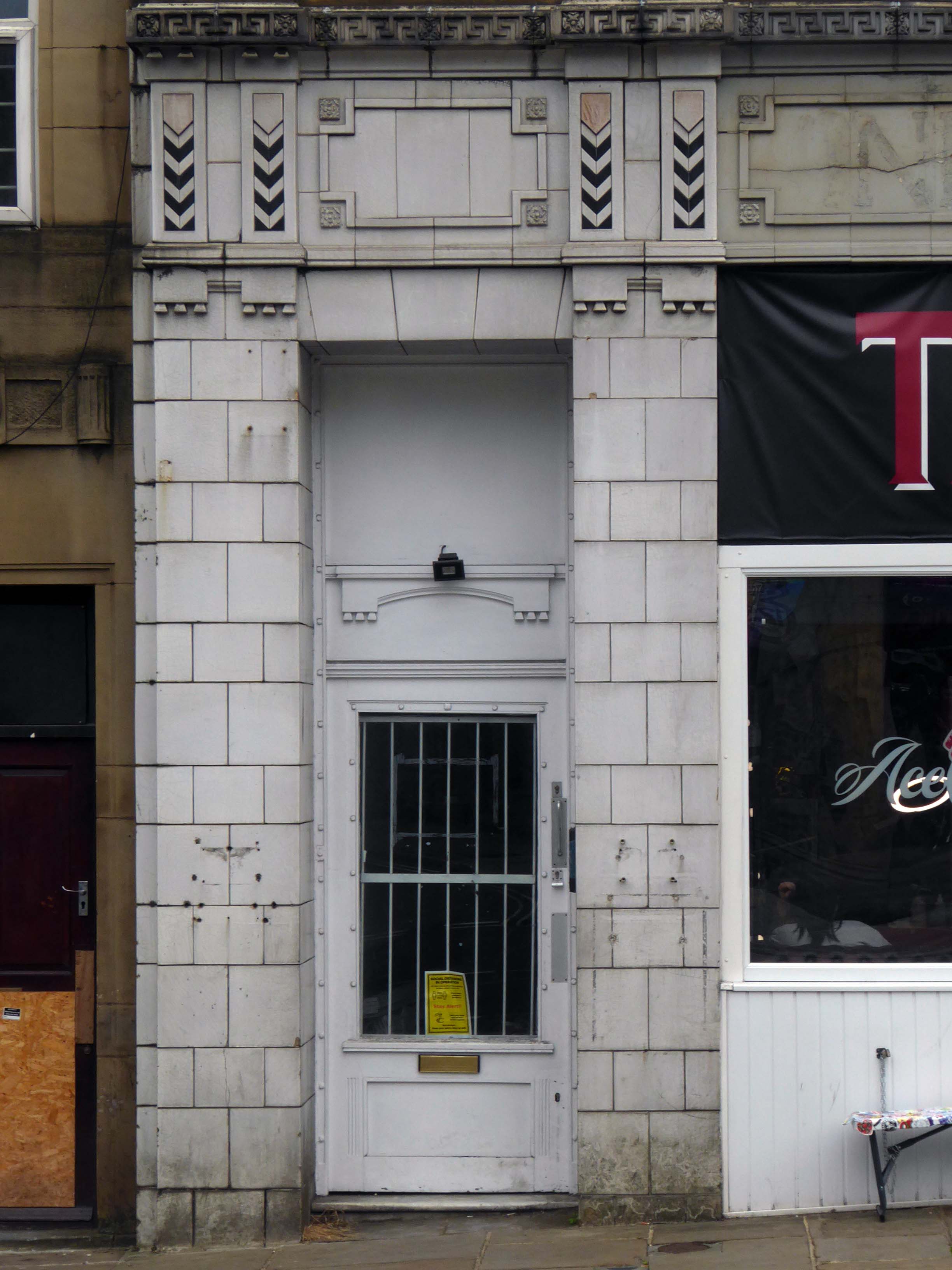

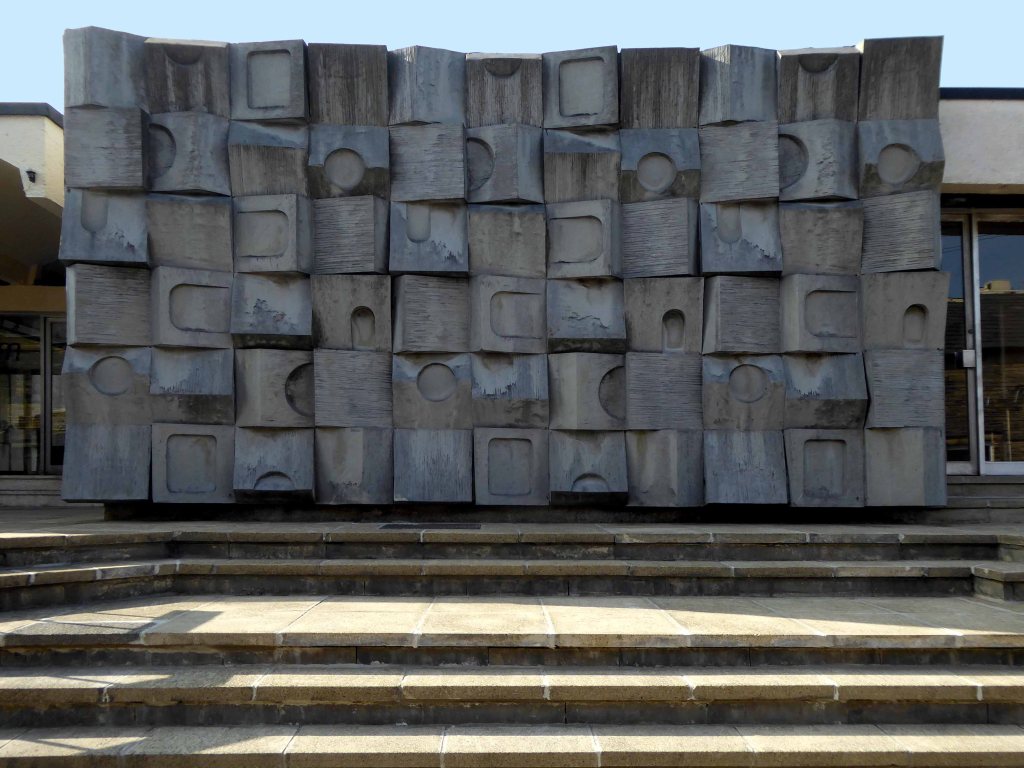
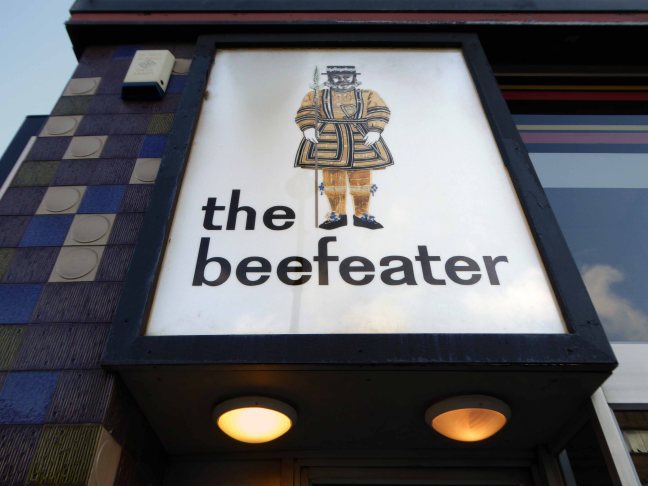
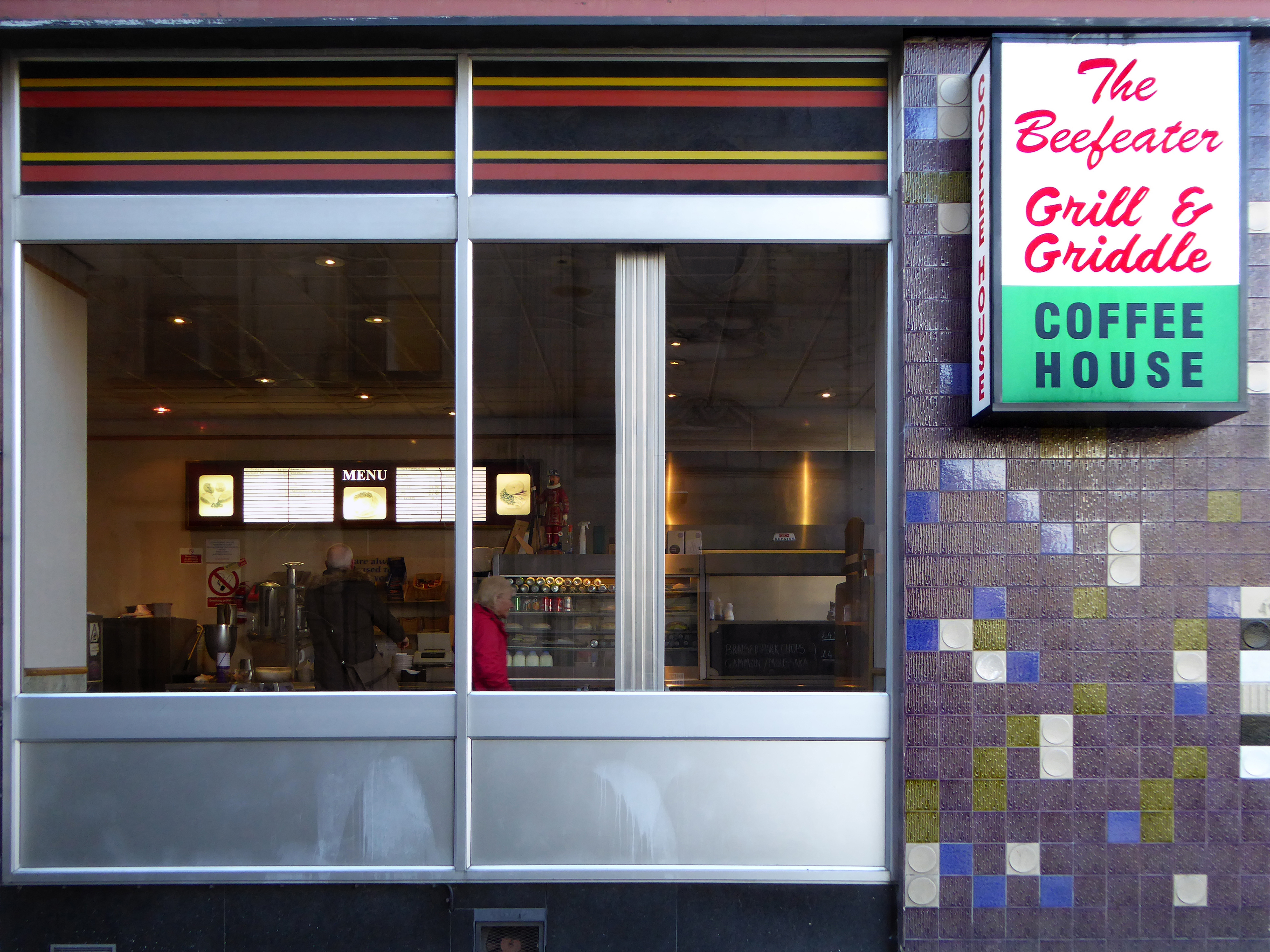

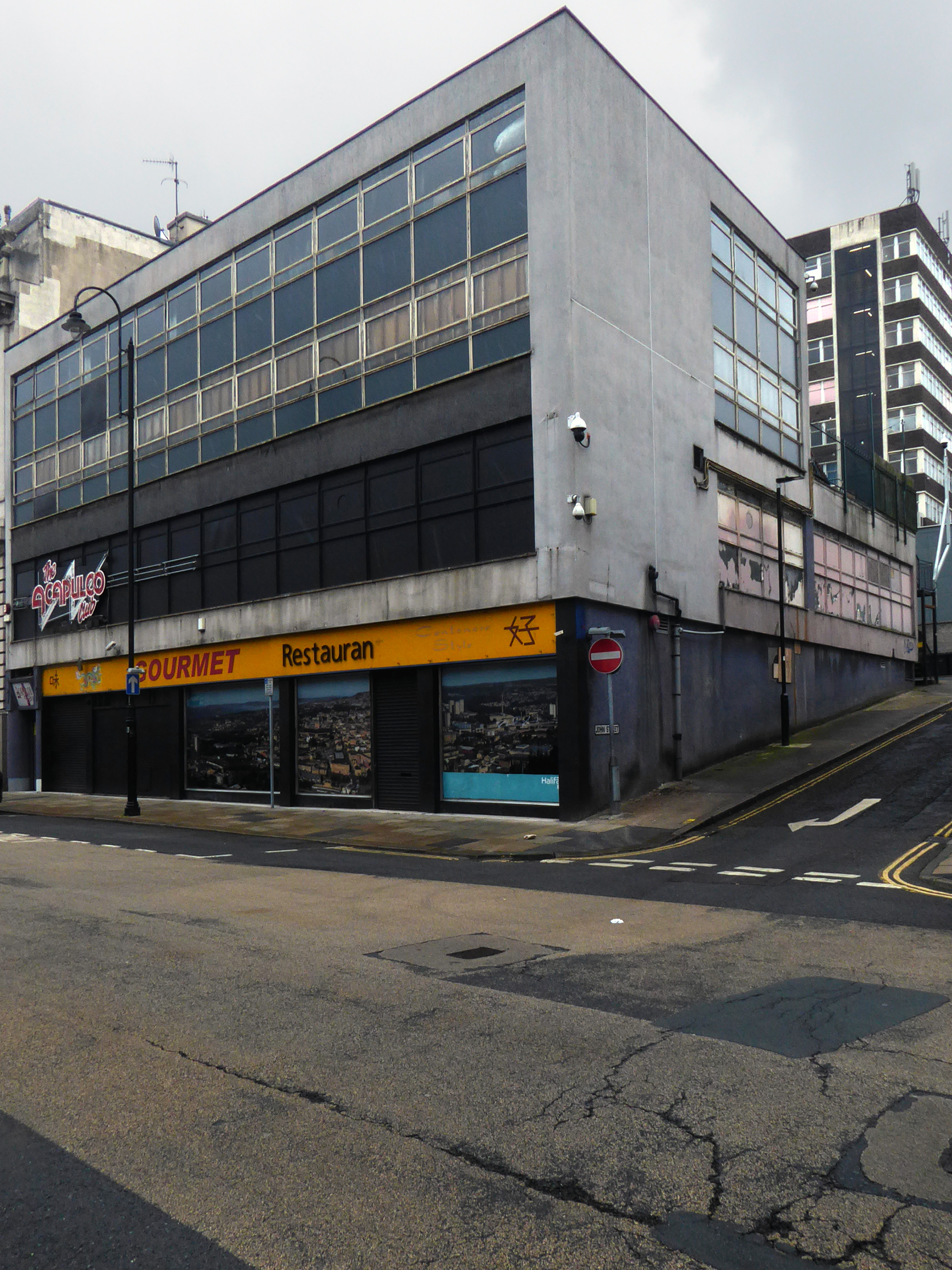
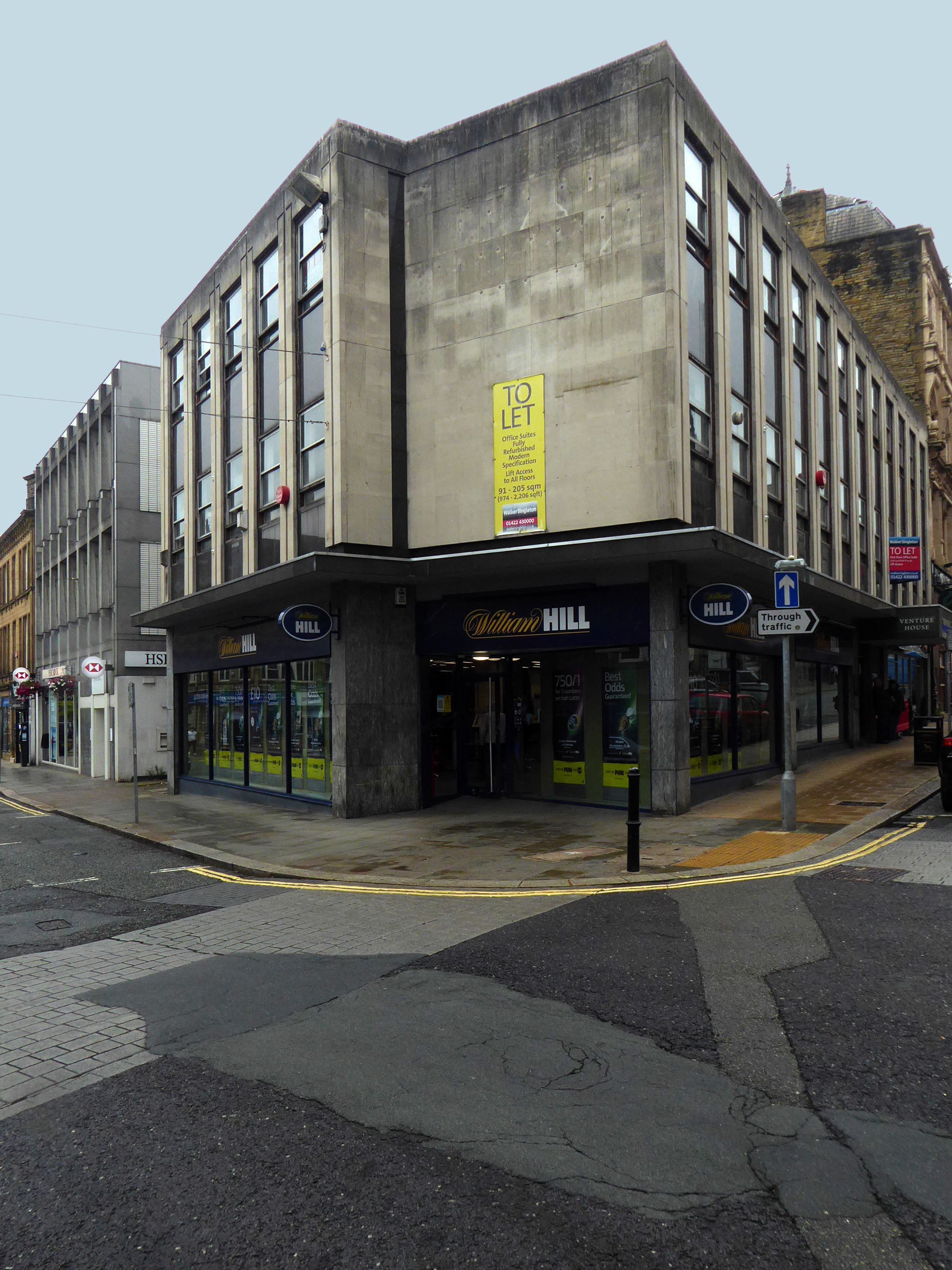
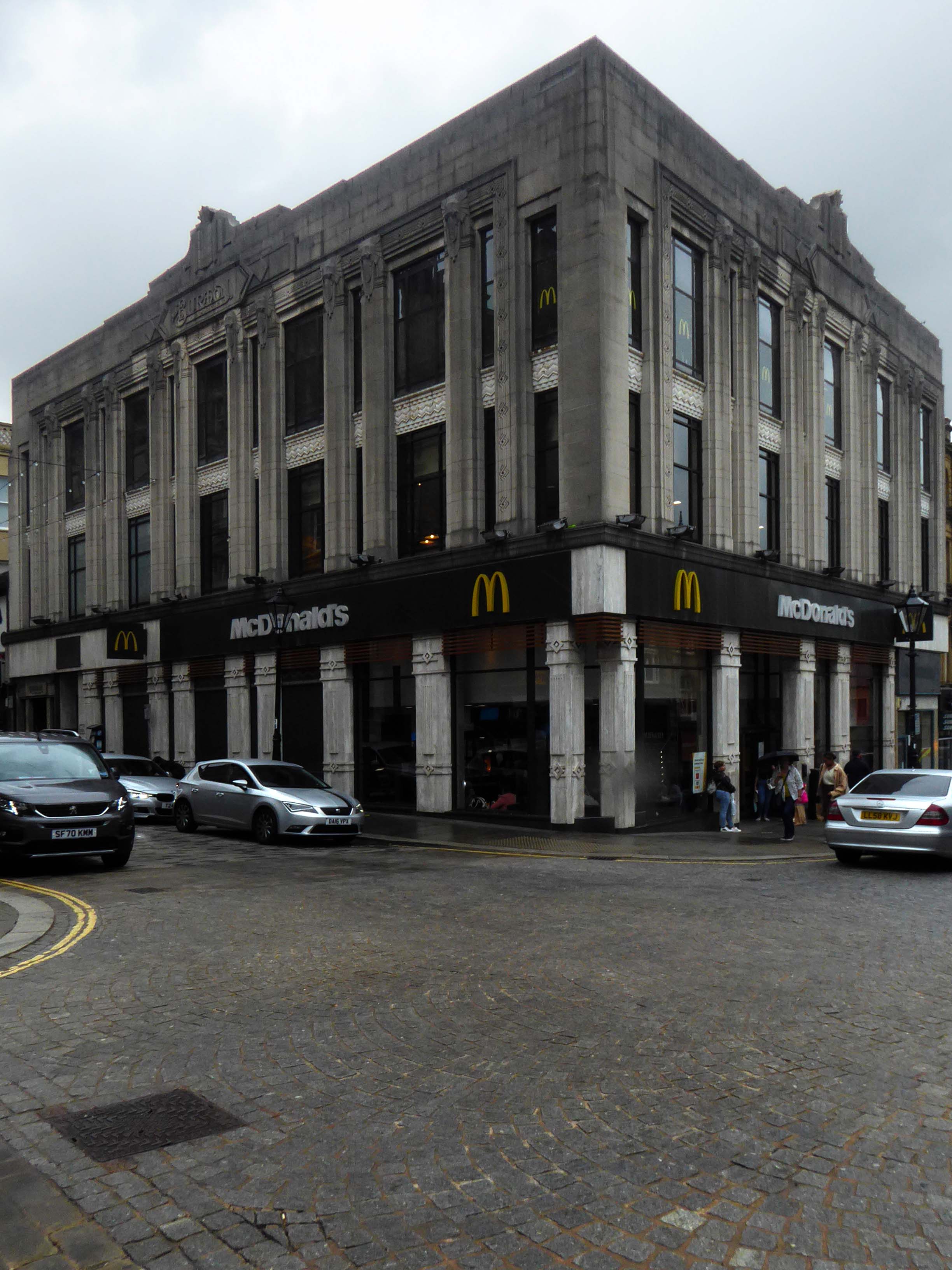
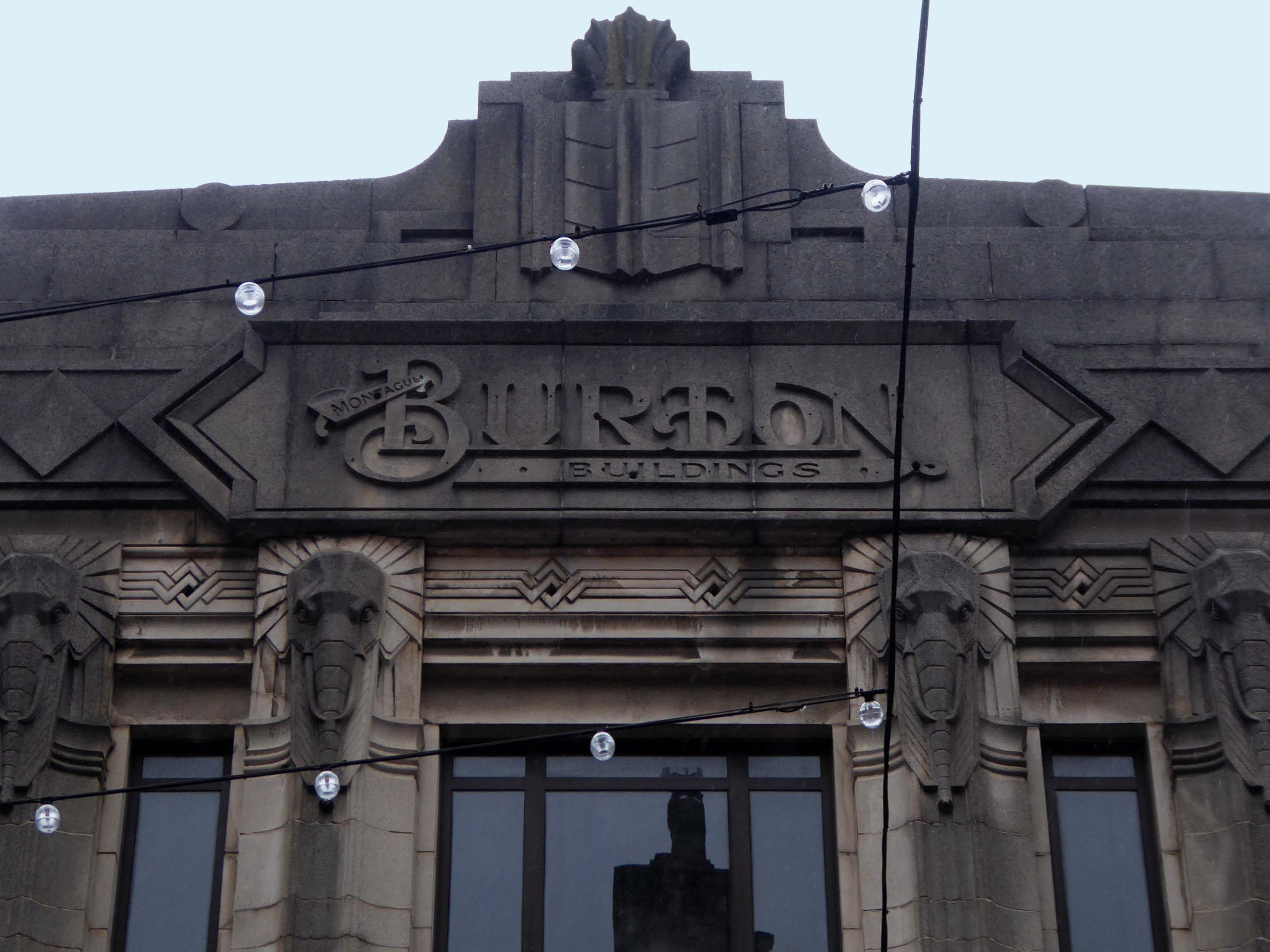
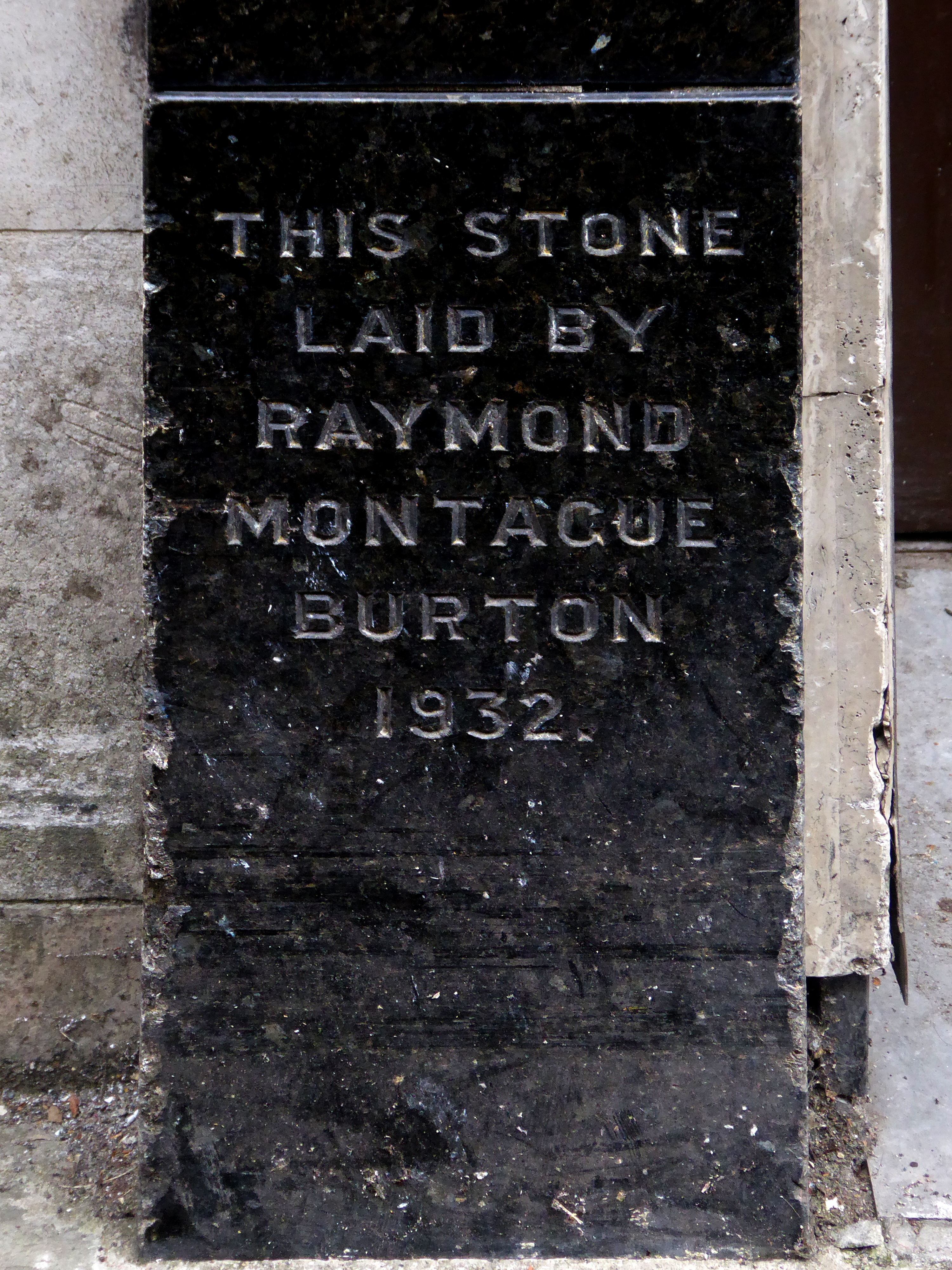



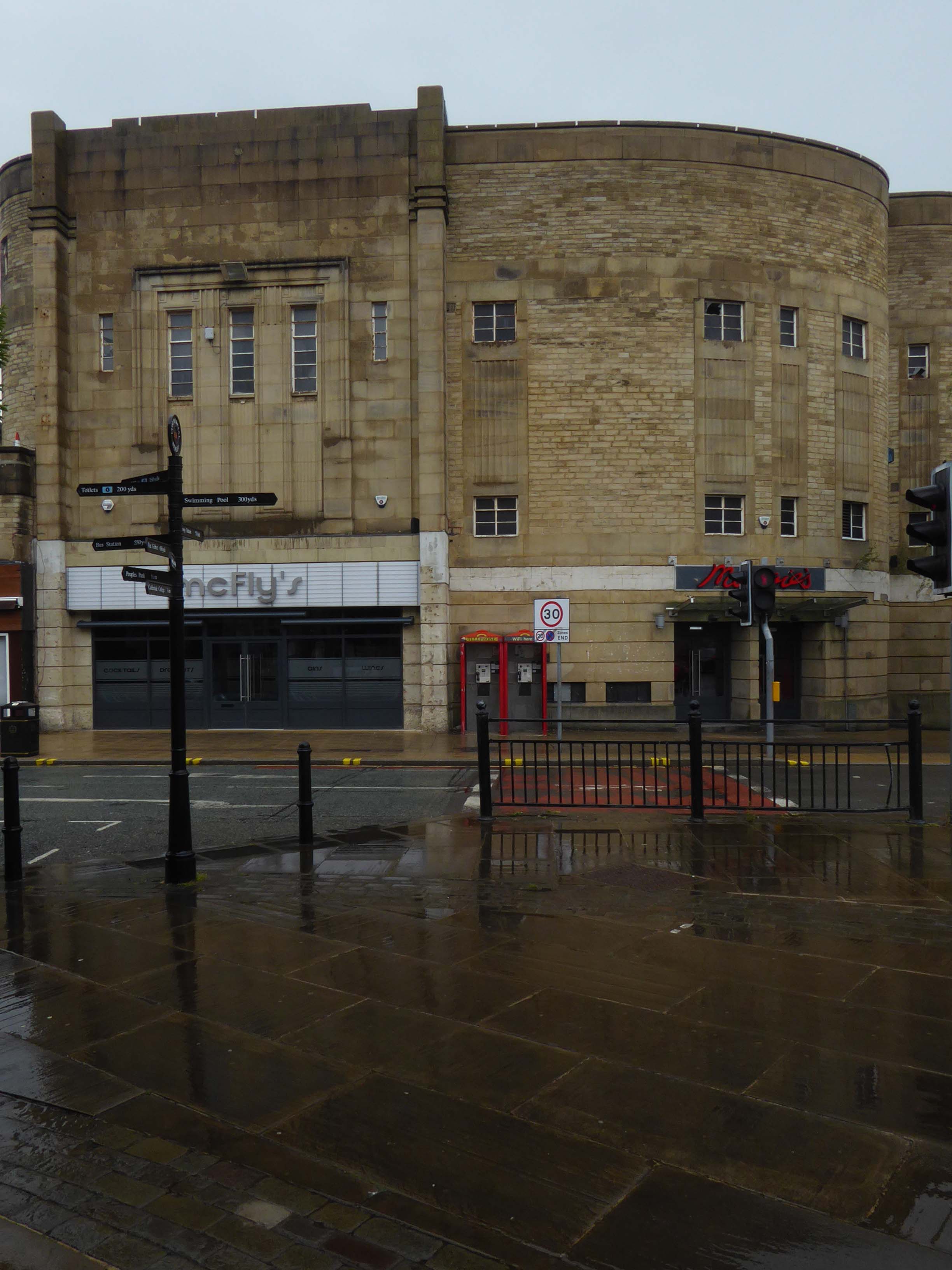
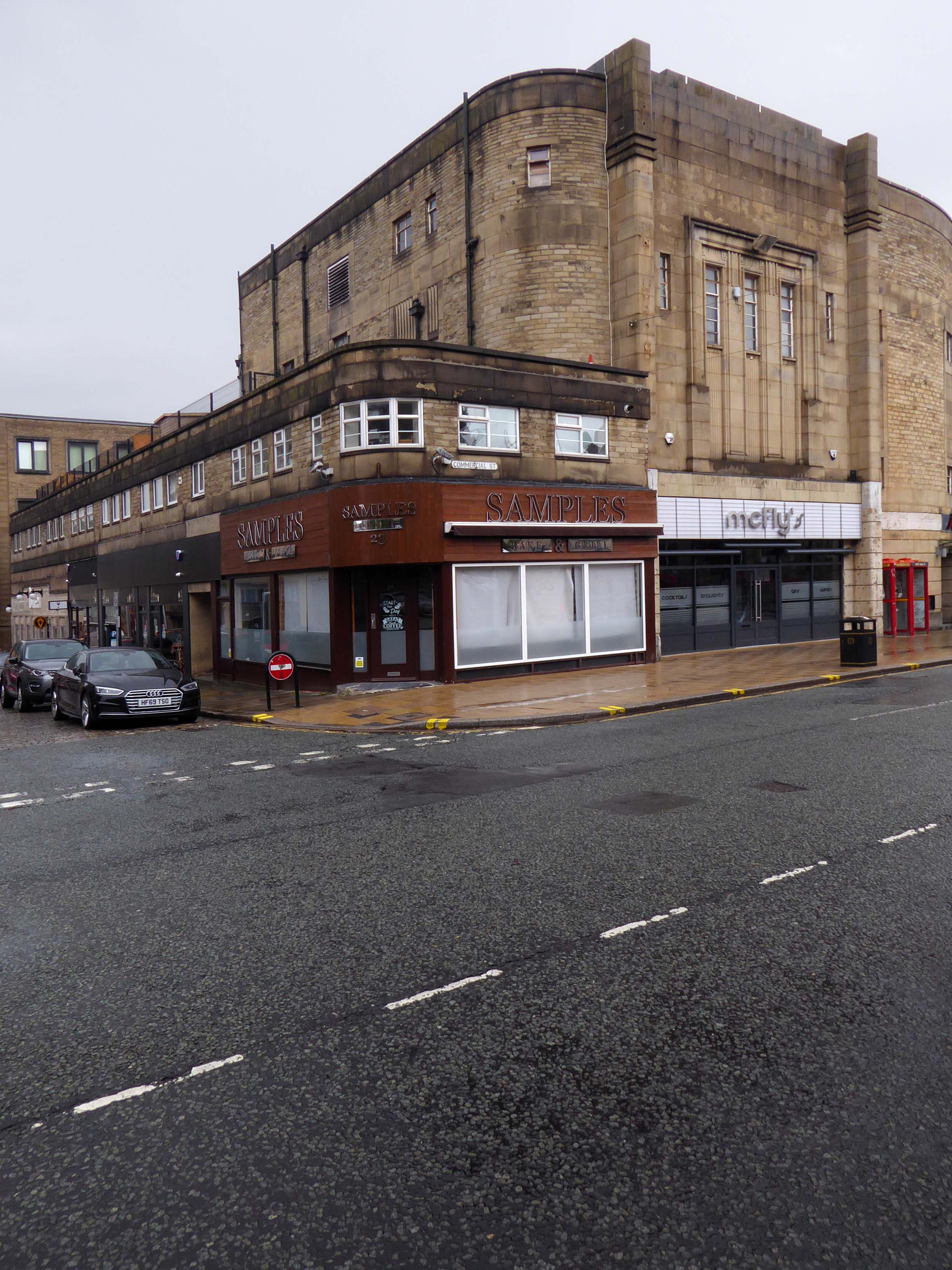
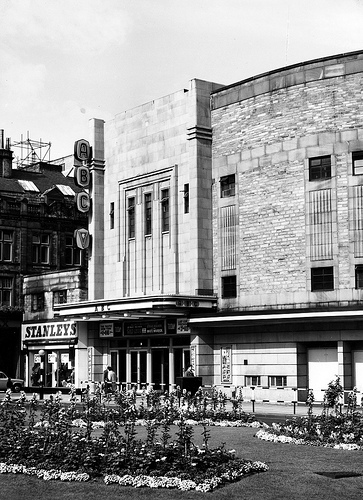


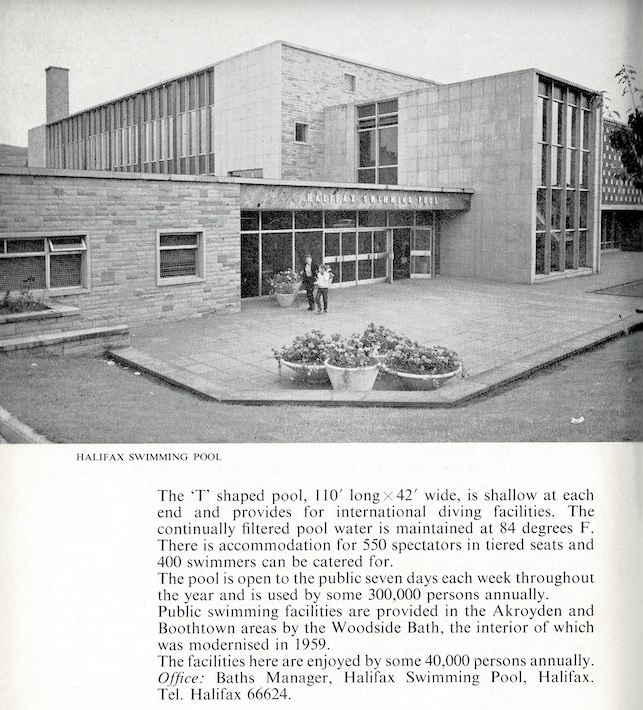
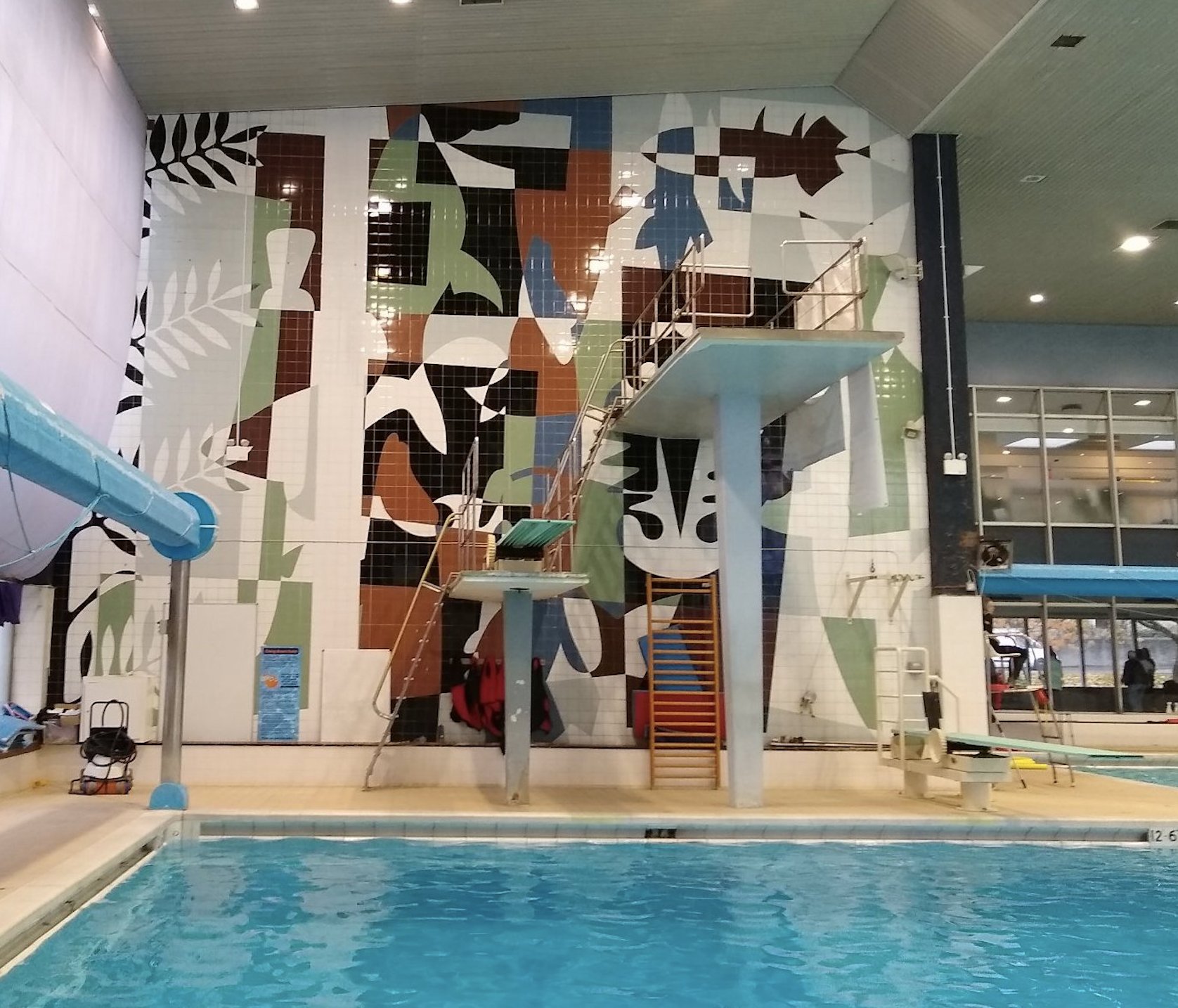
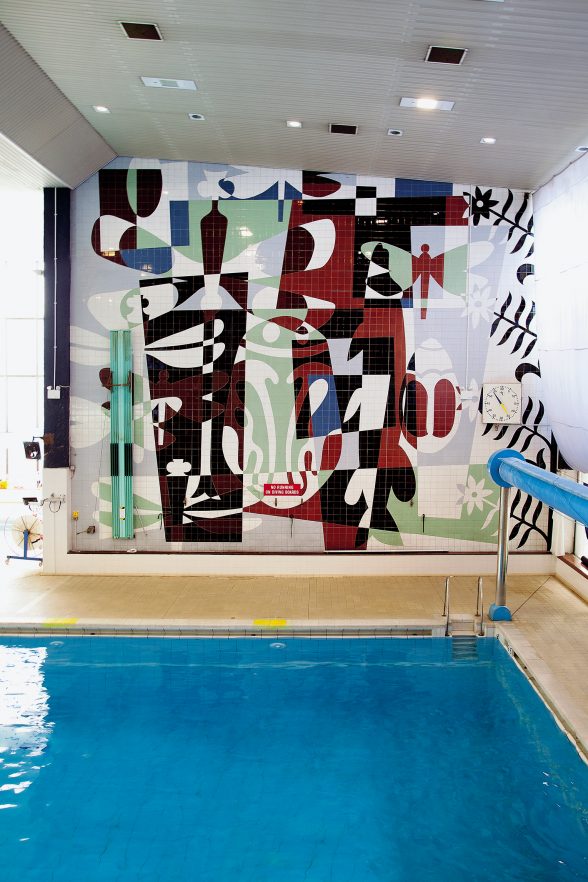
 Modern Mooch