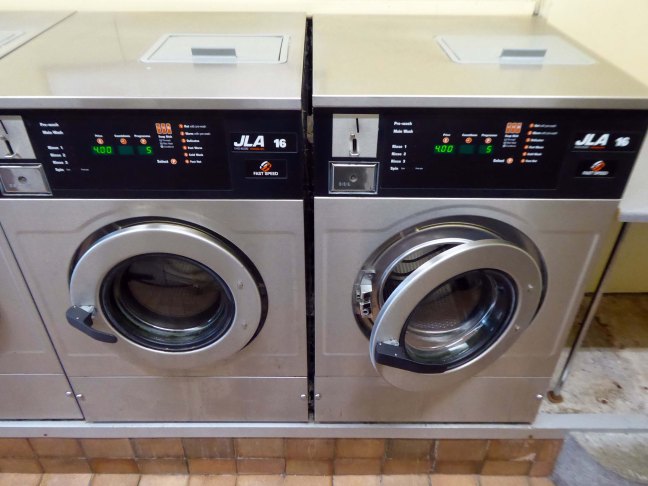
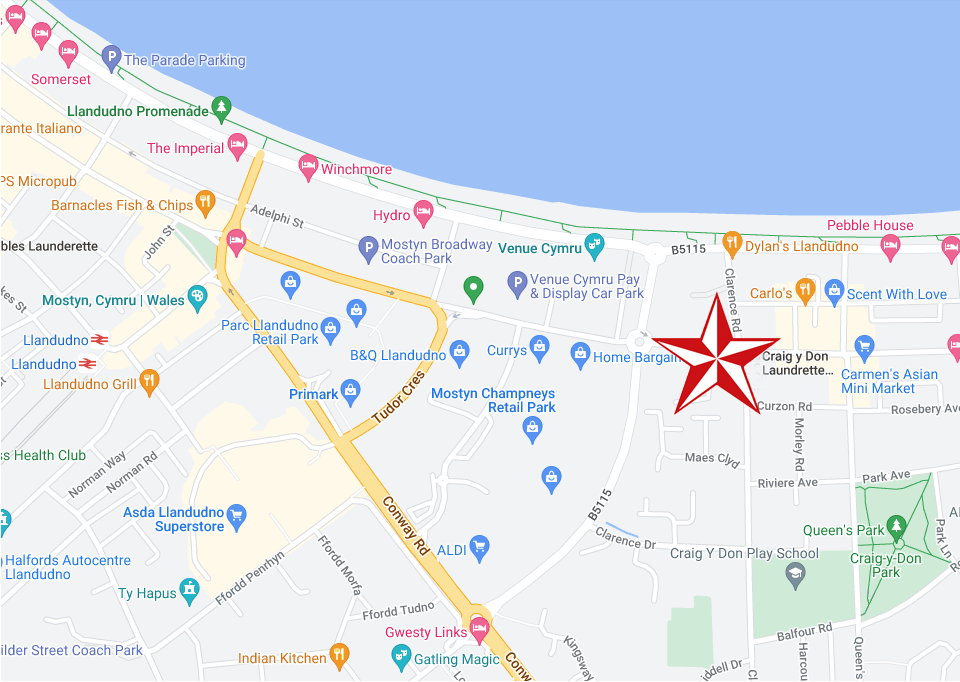
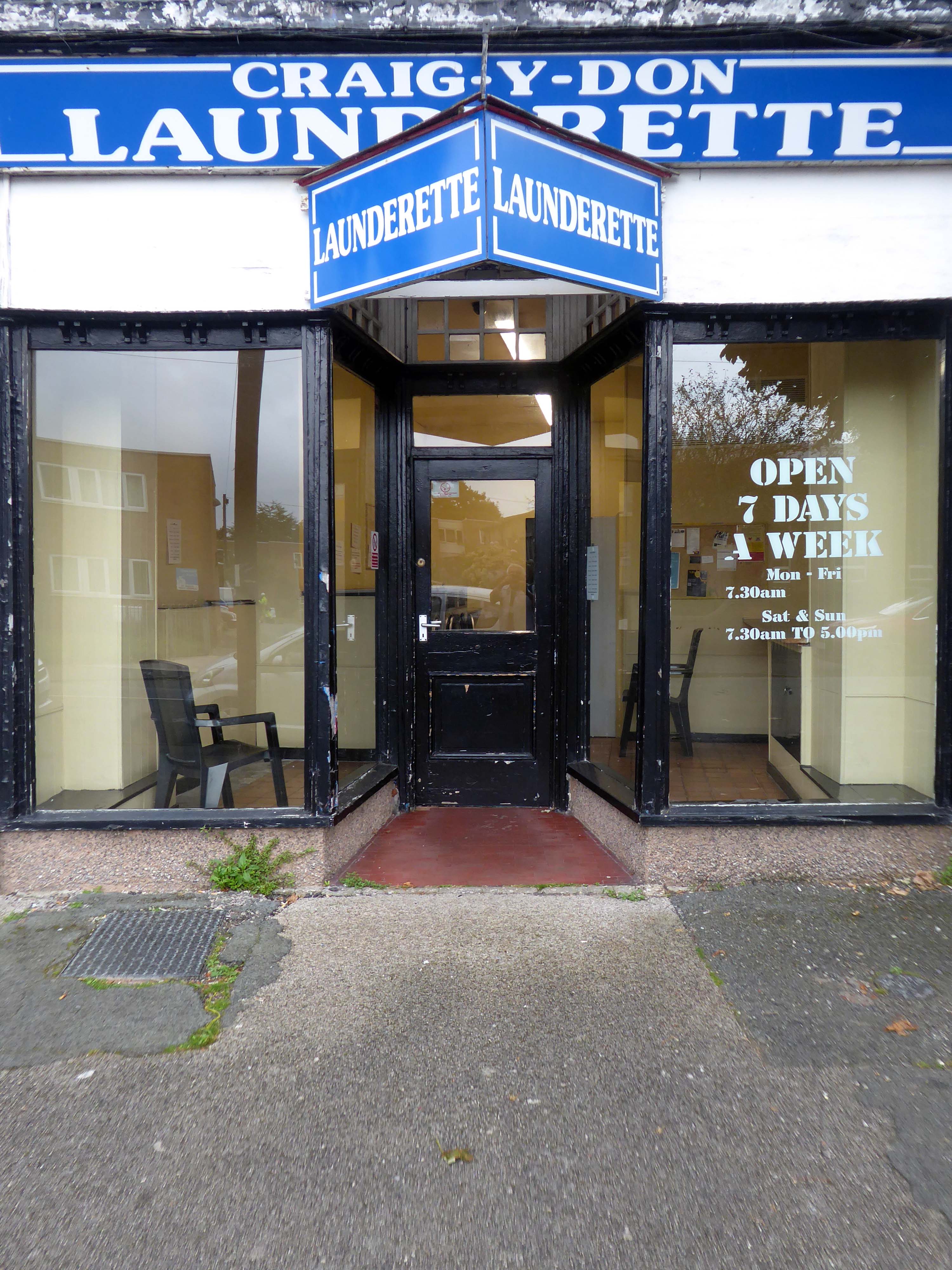
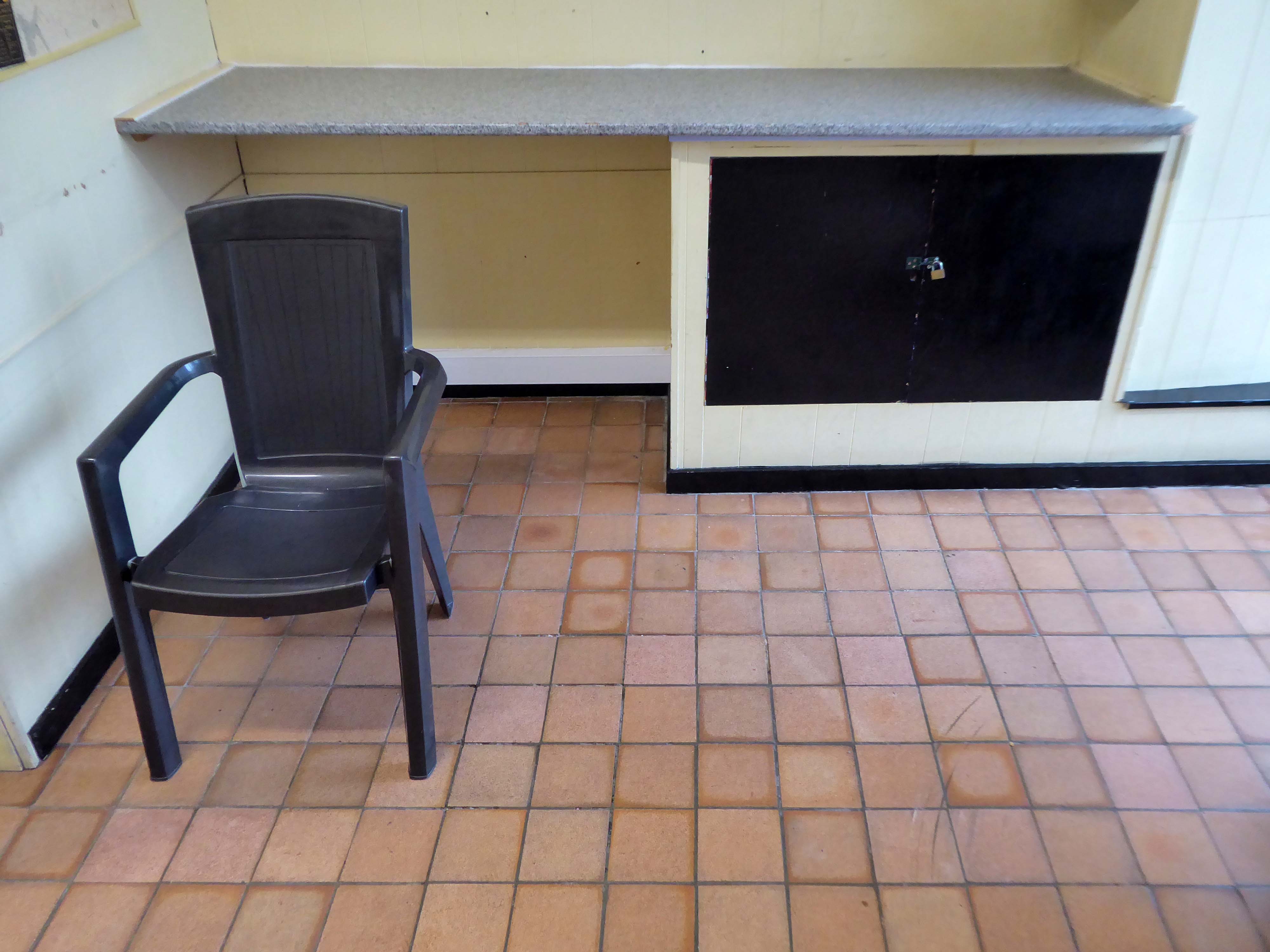
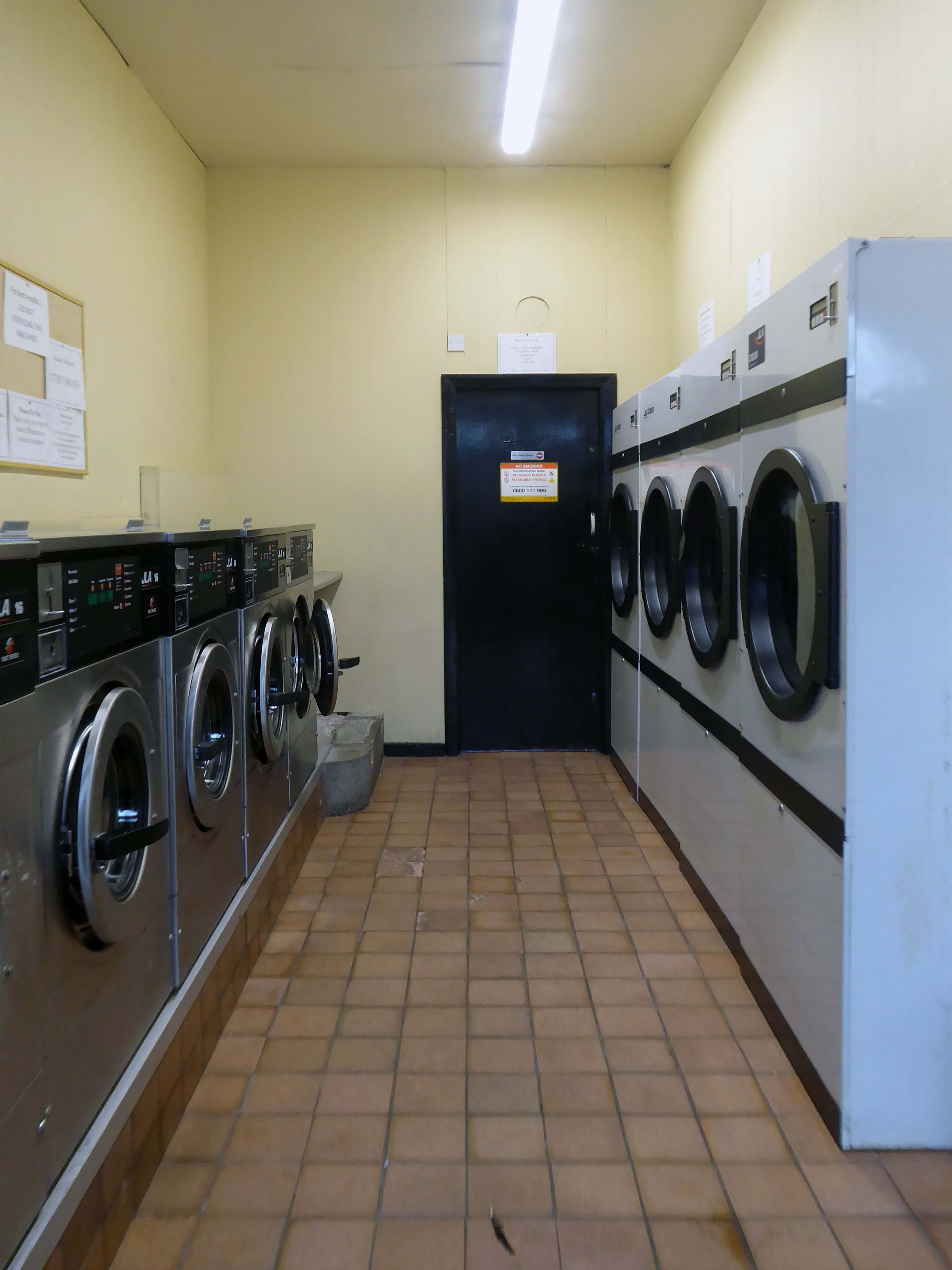
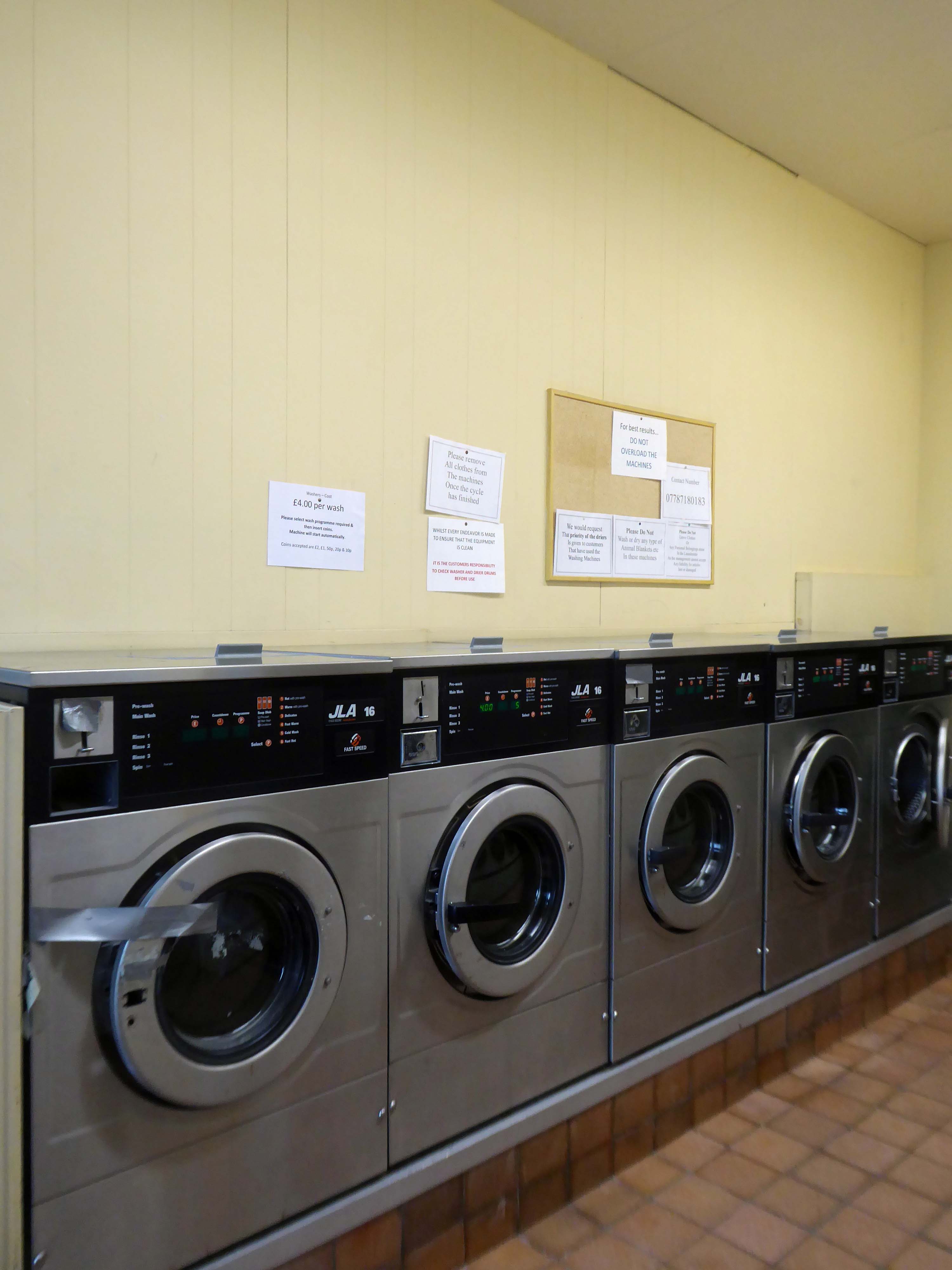
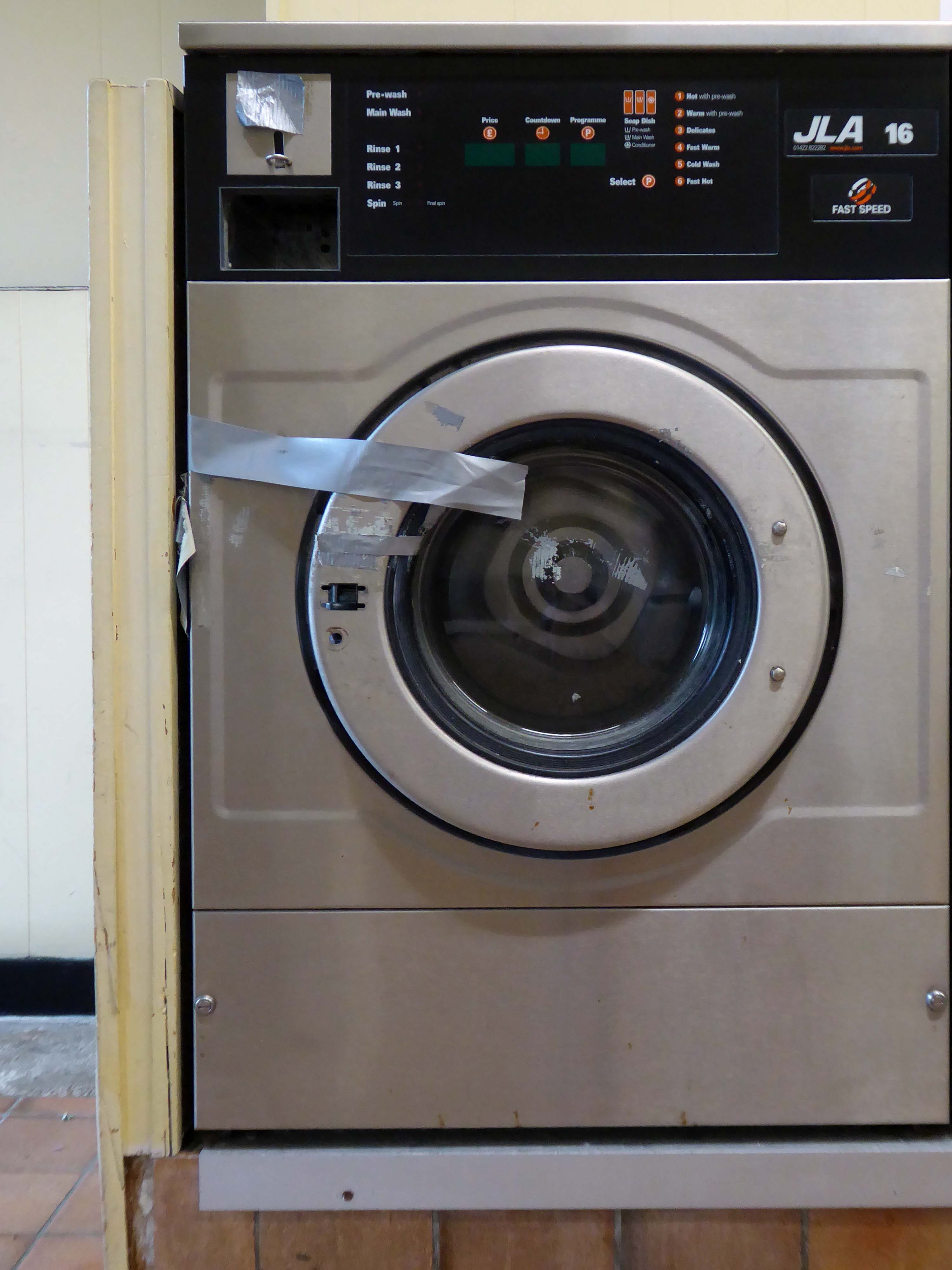
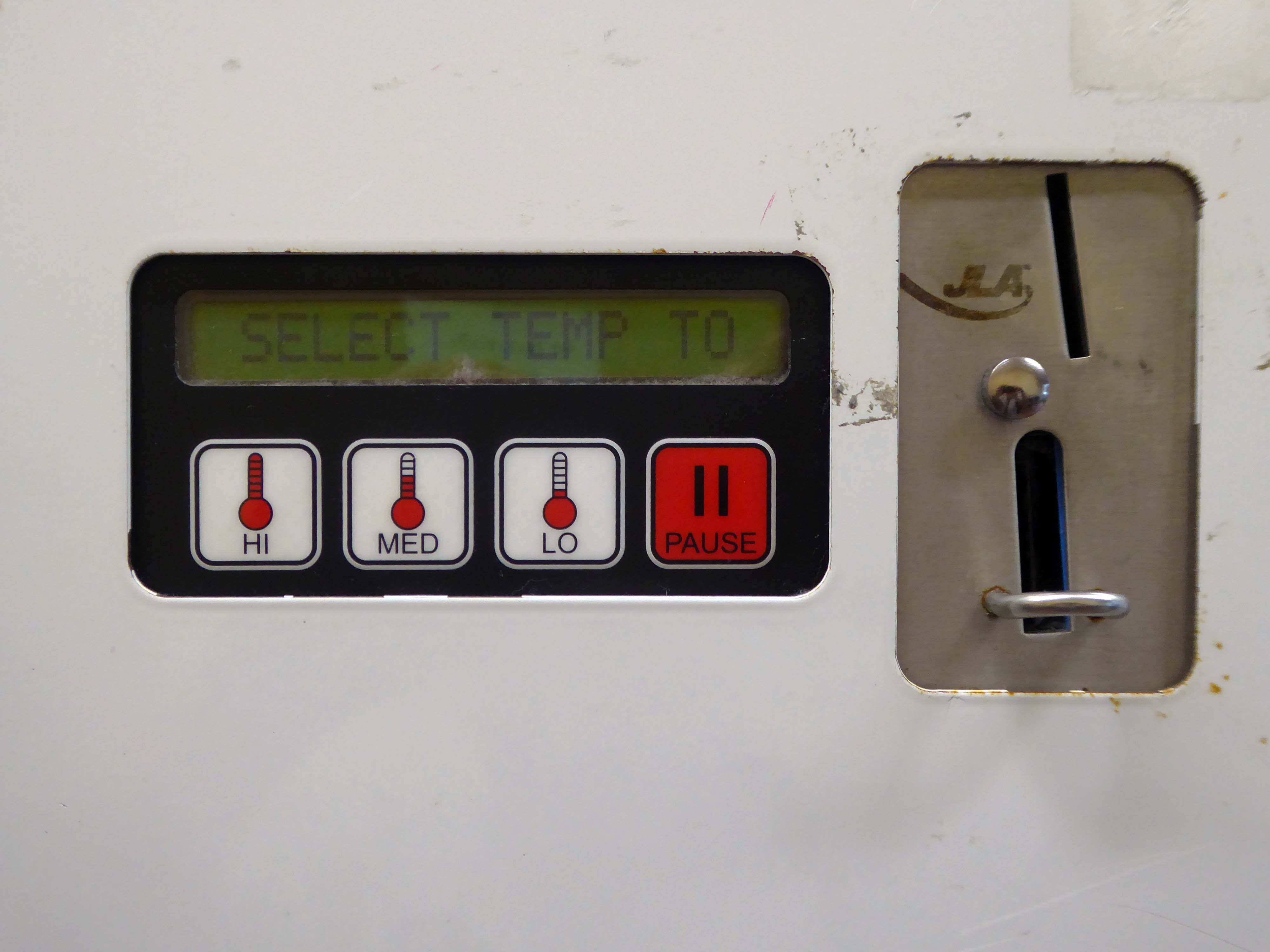
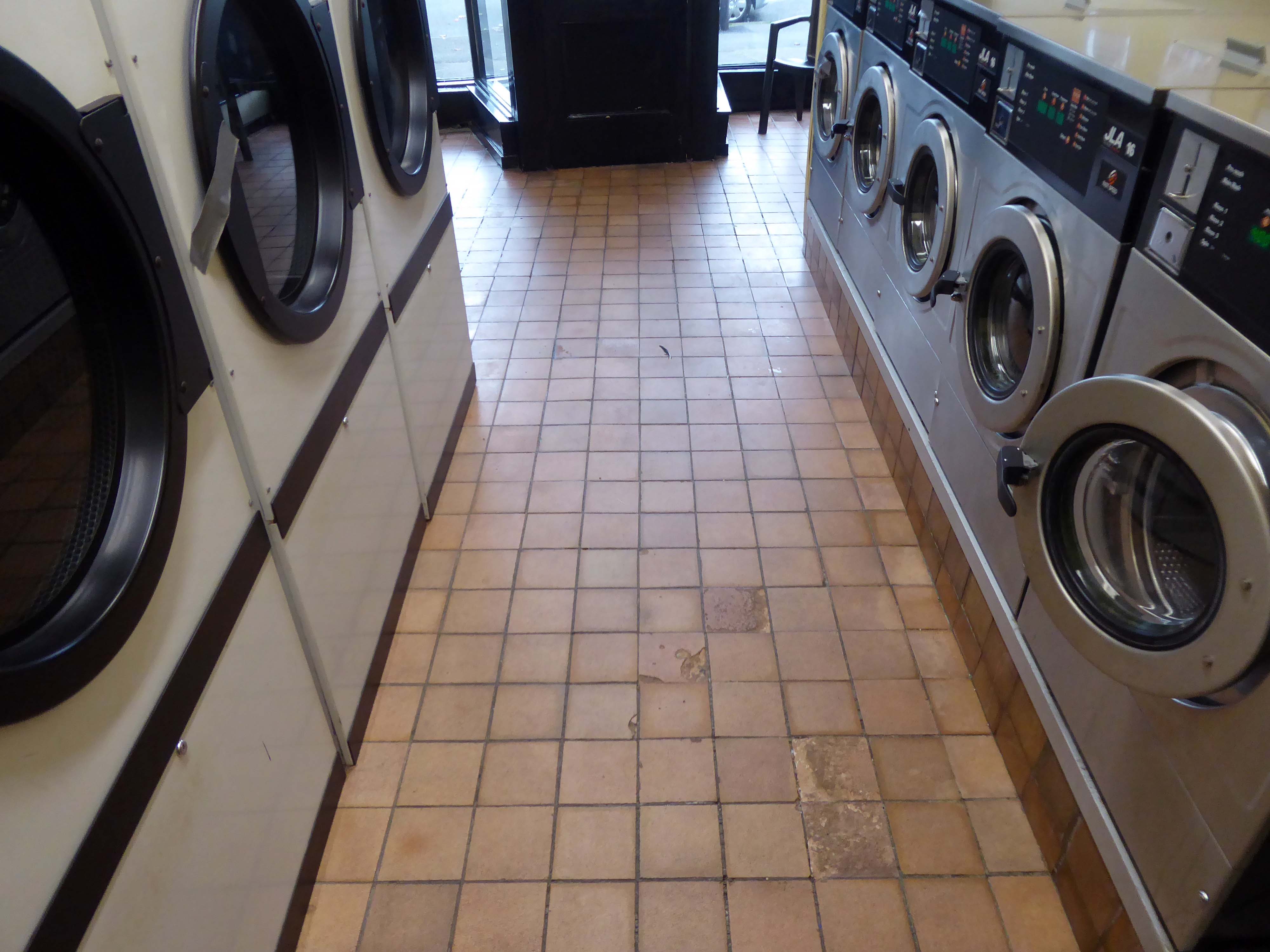
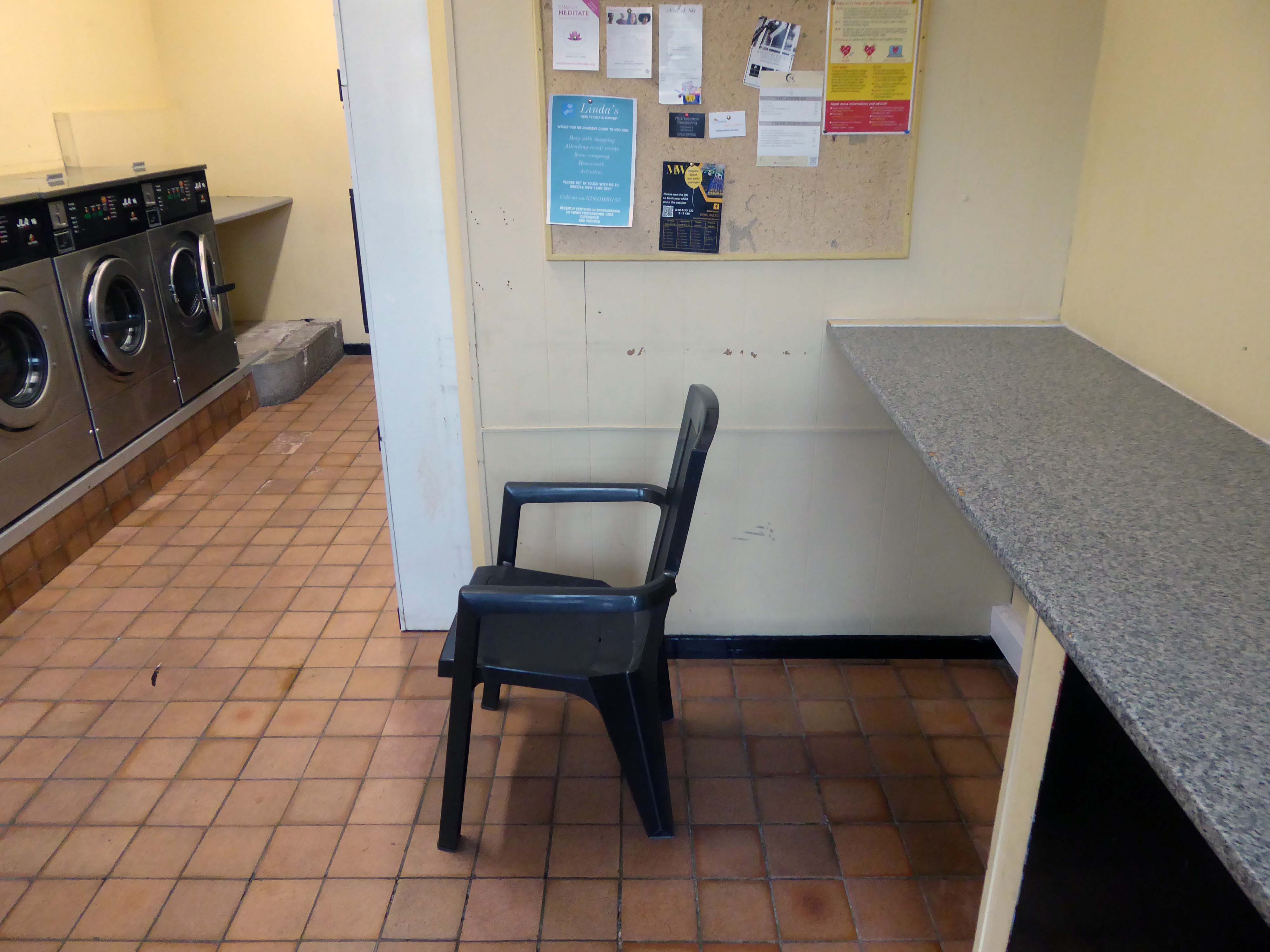
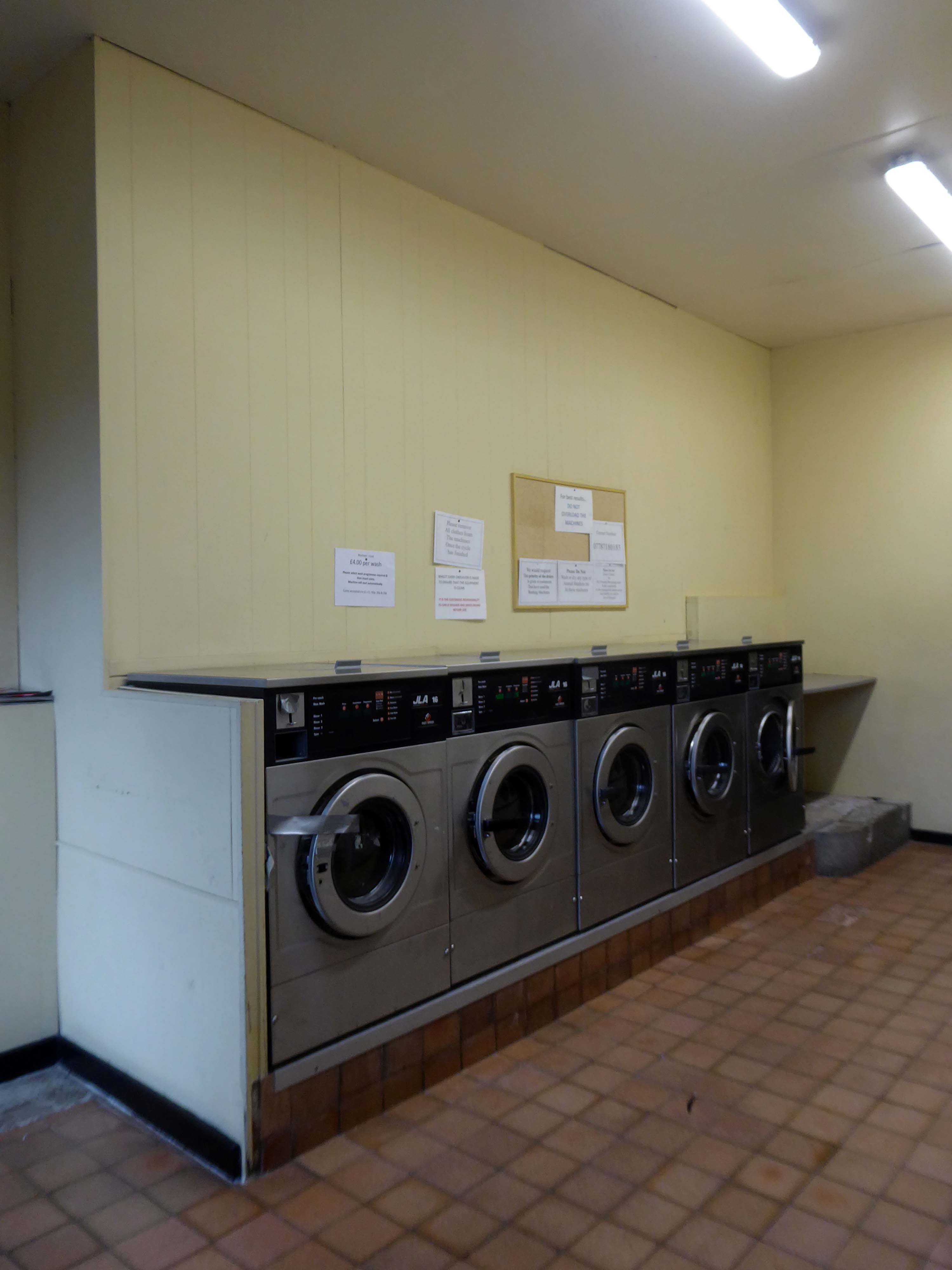
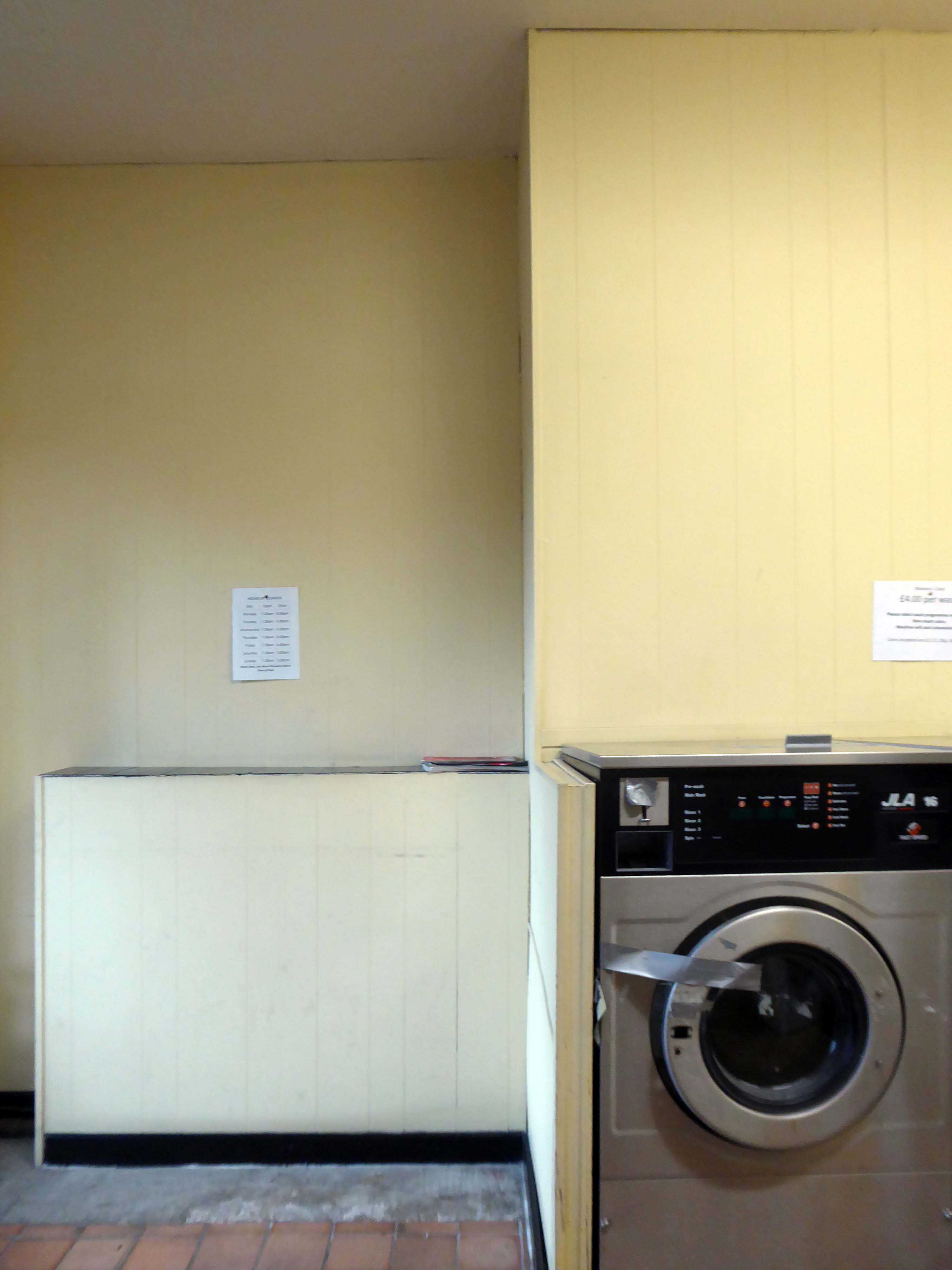
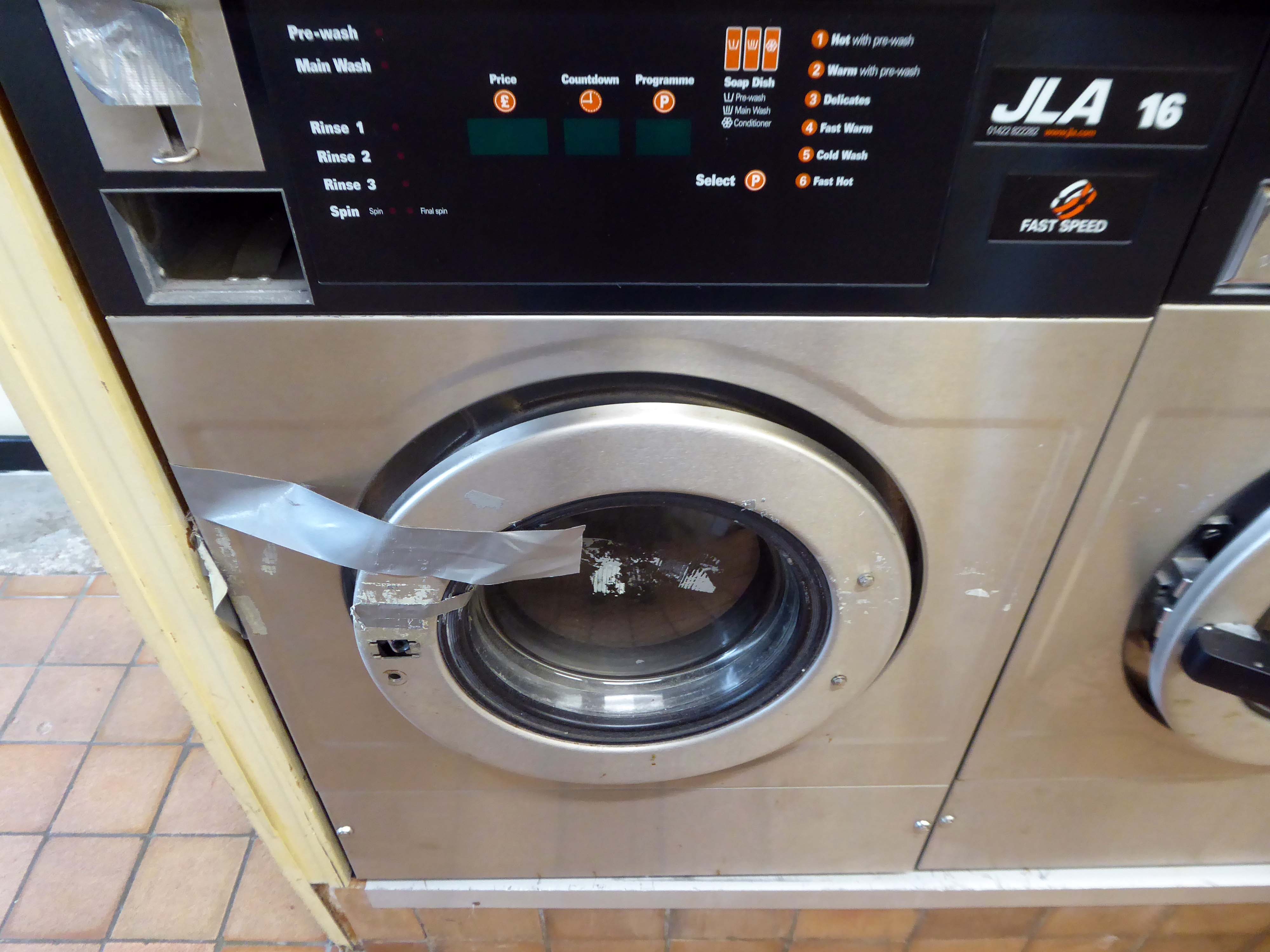
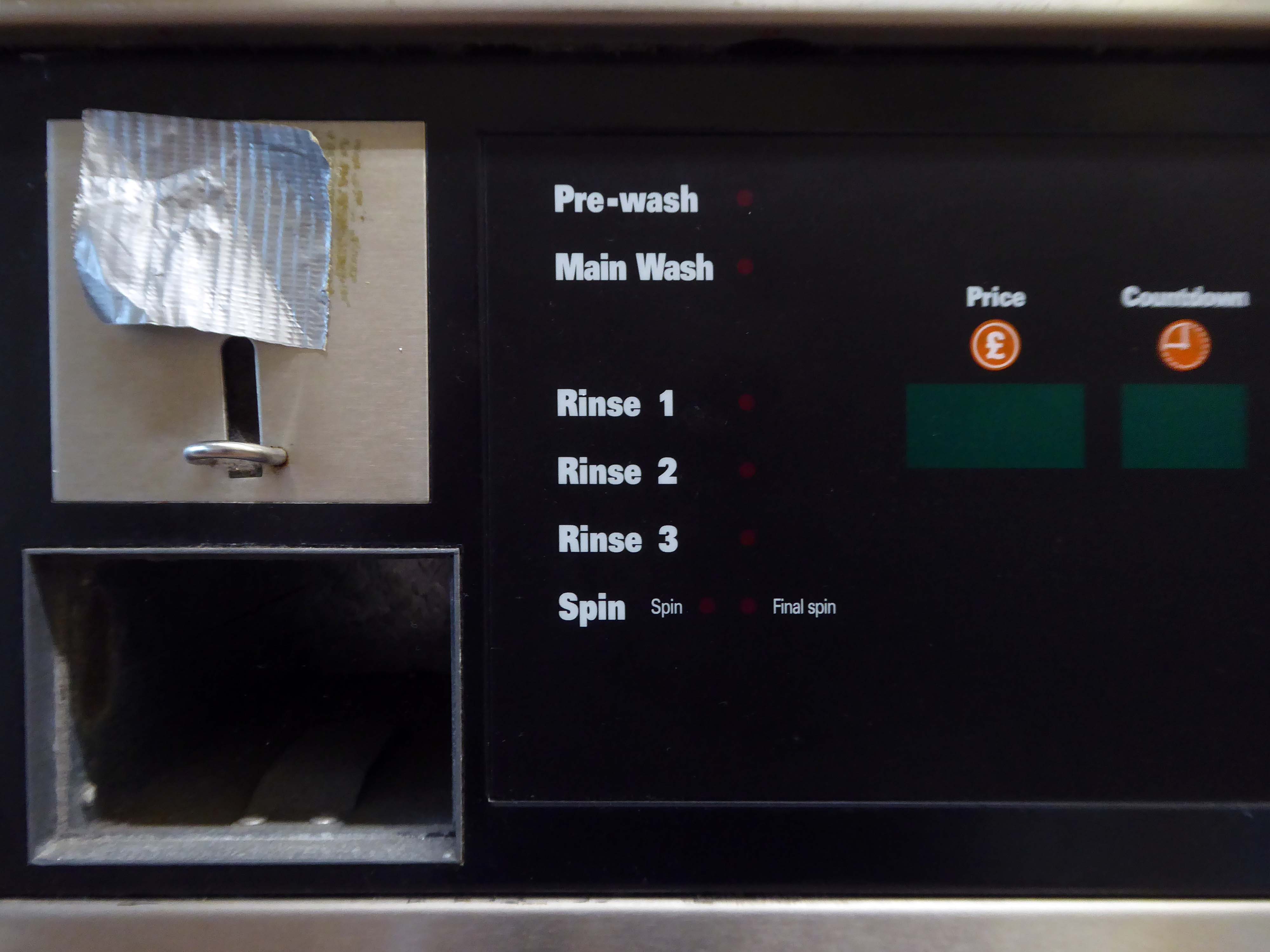
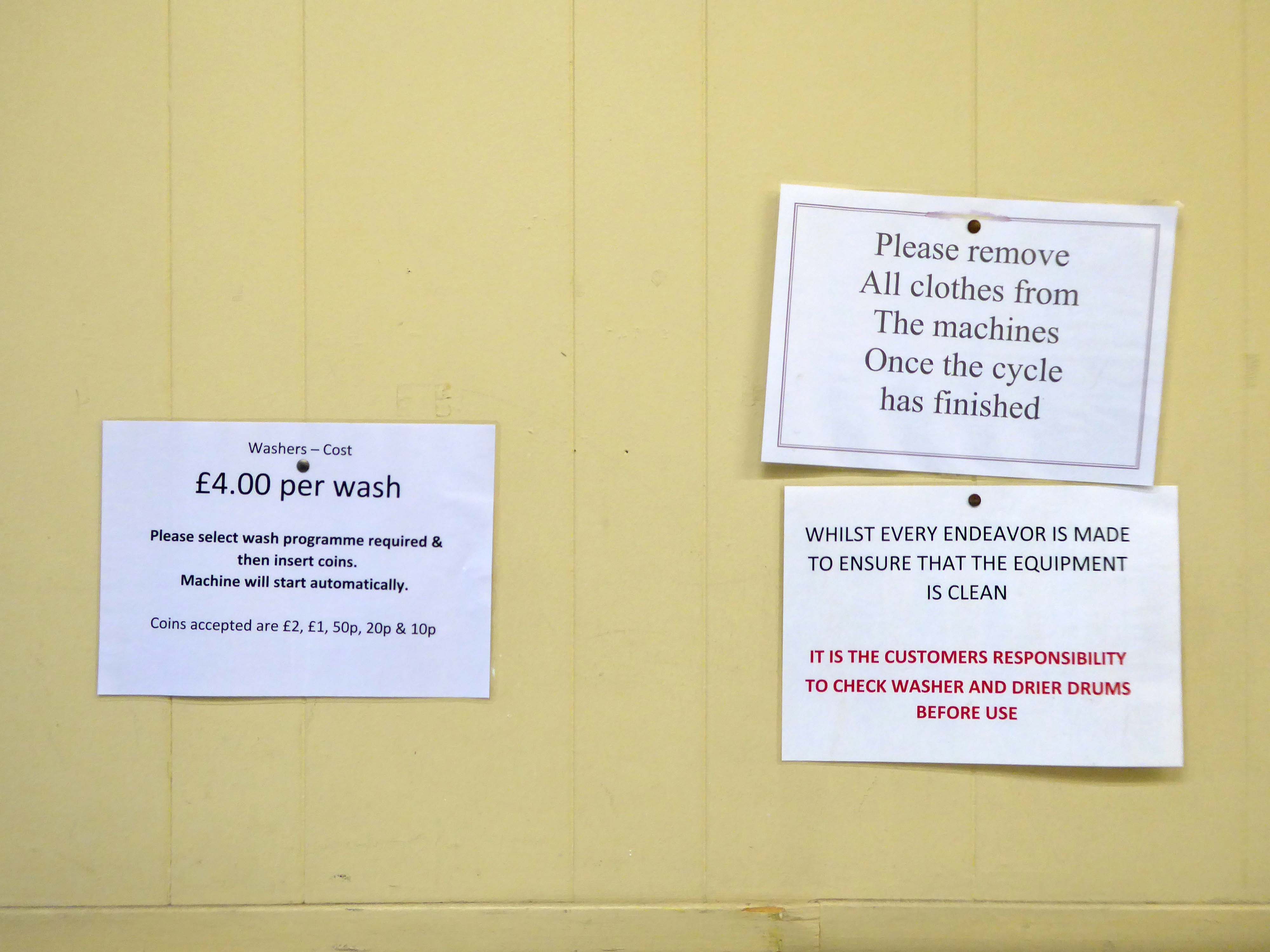
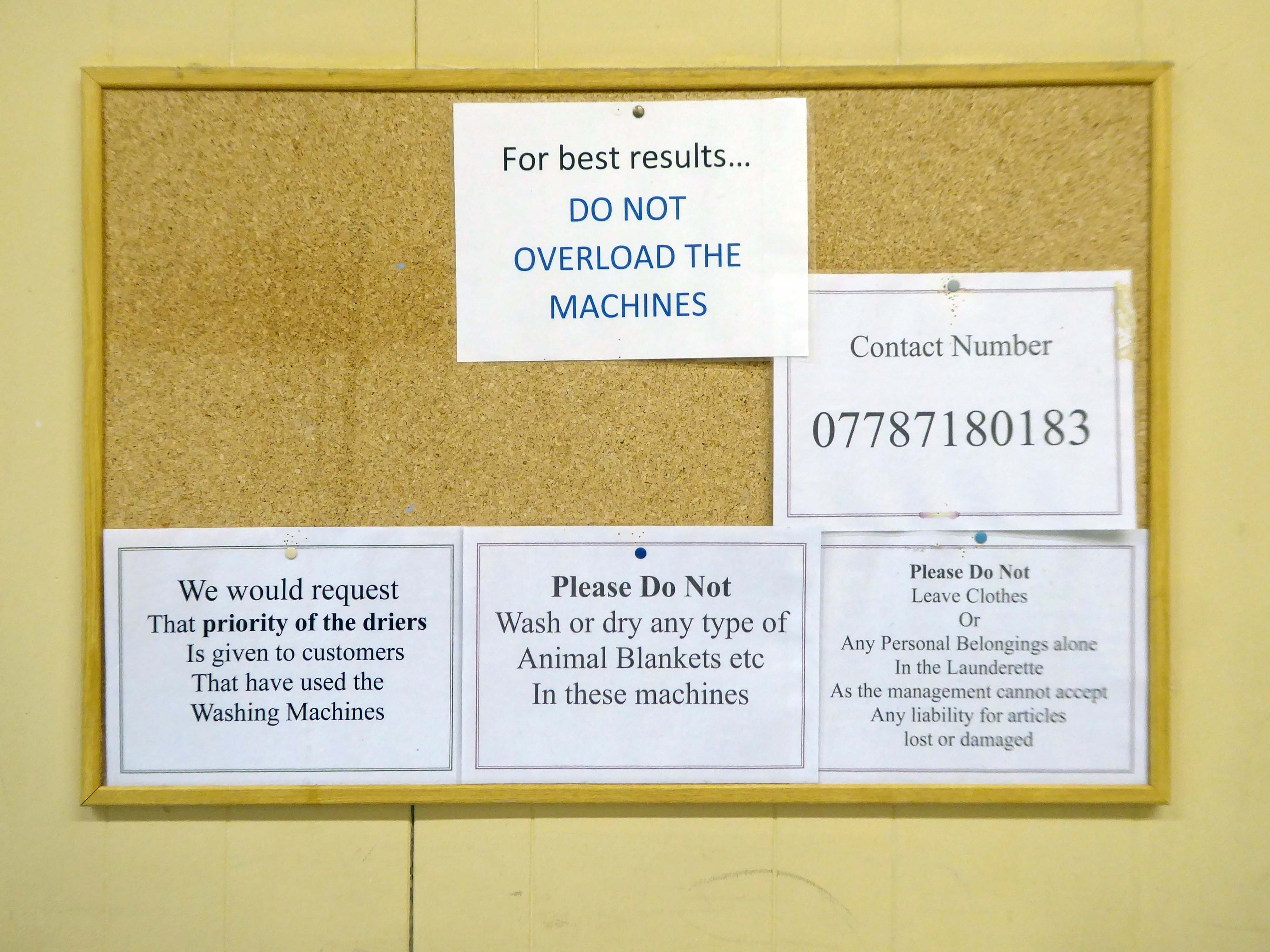
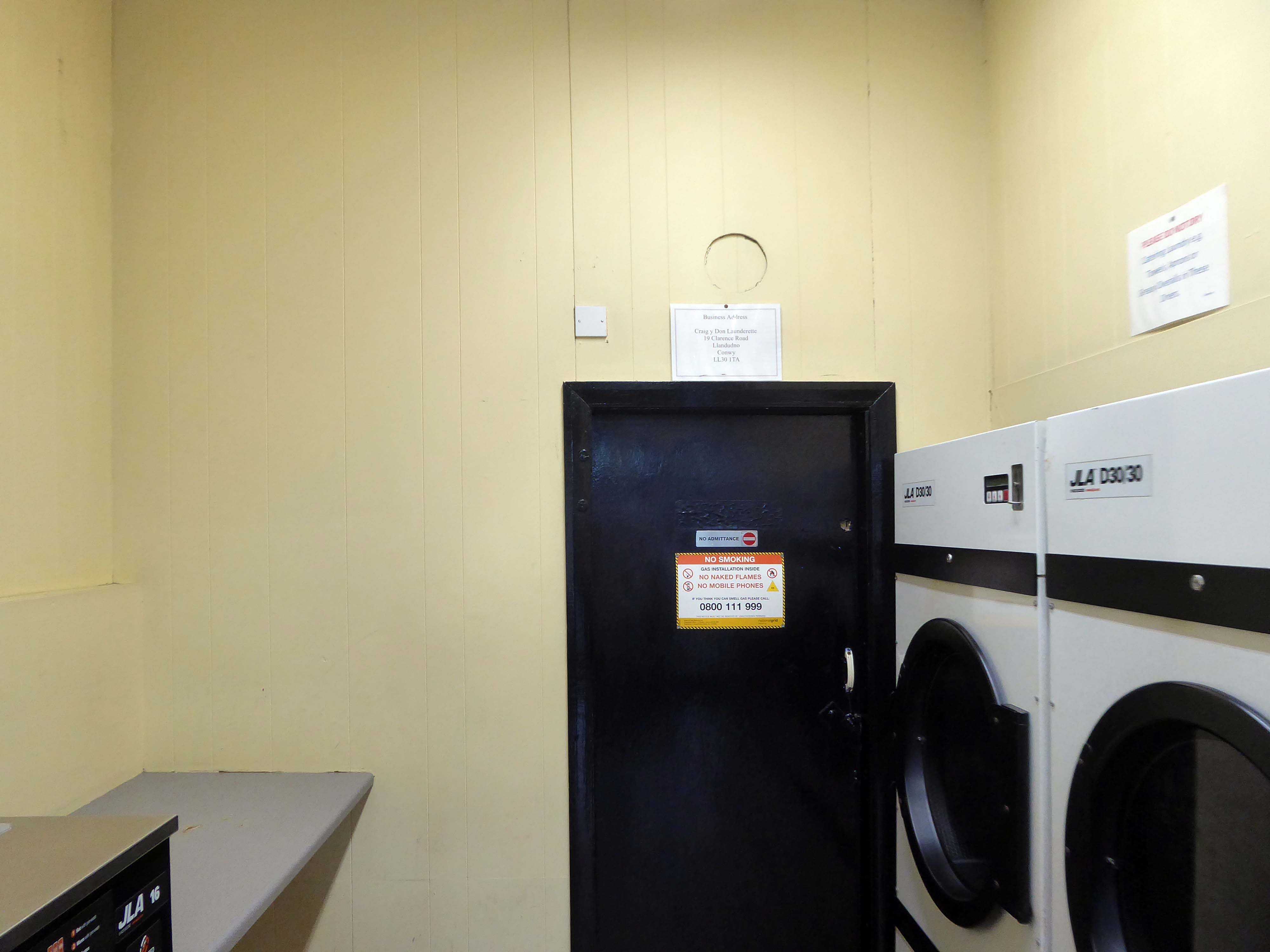
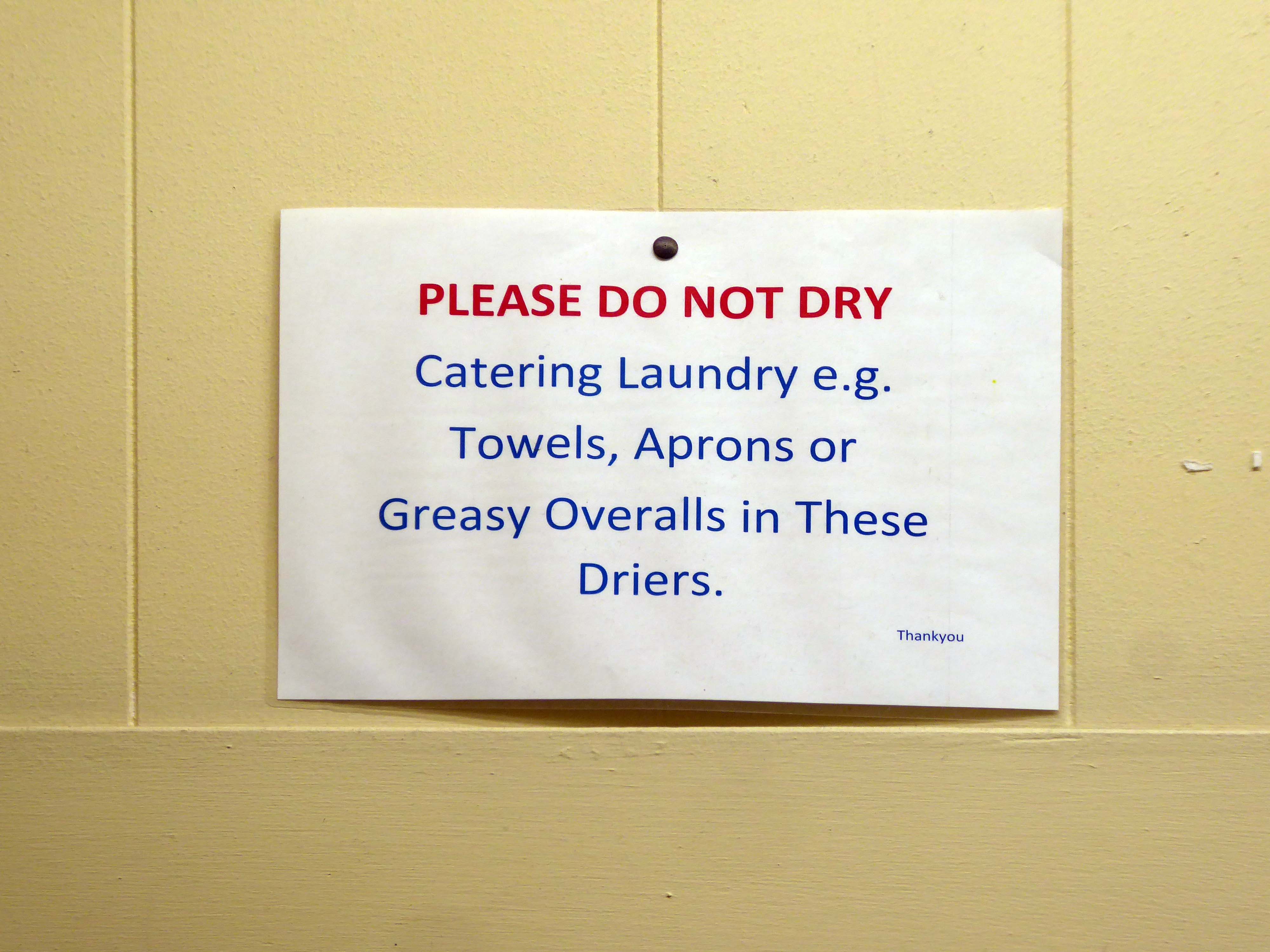
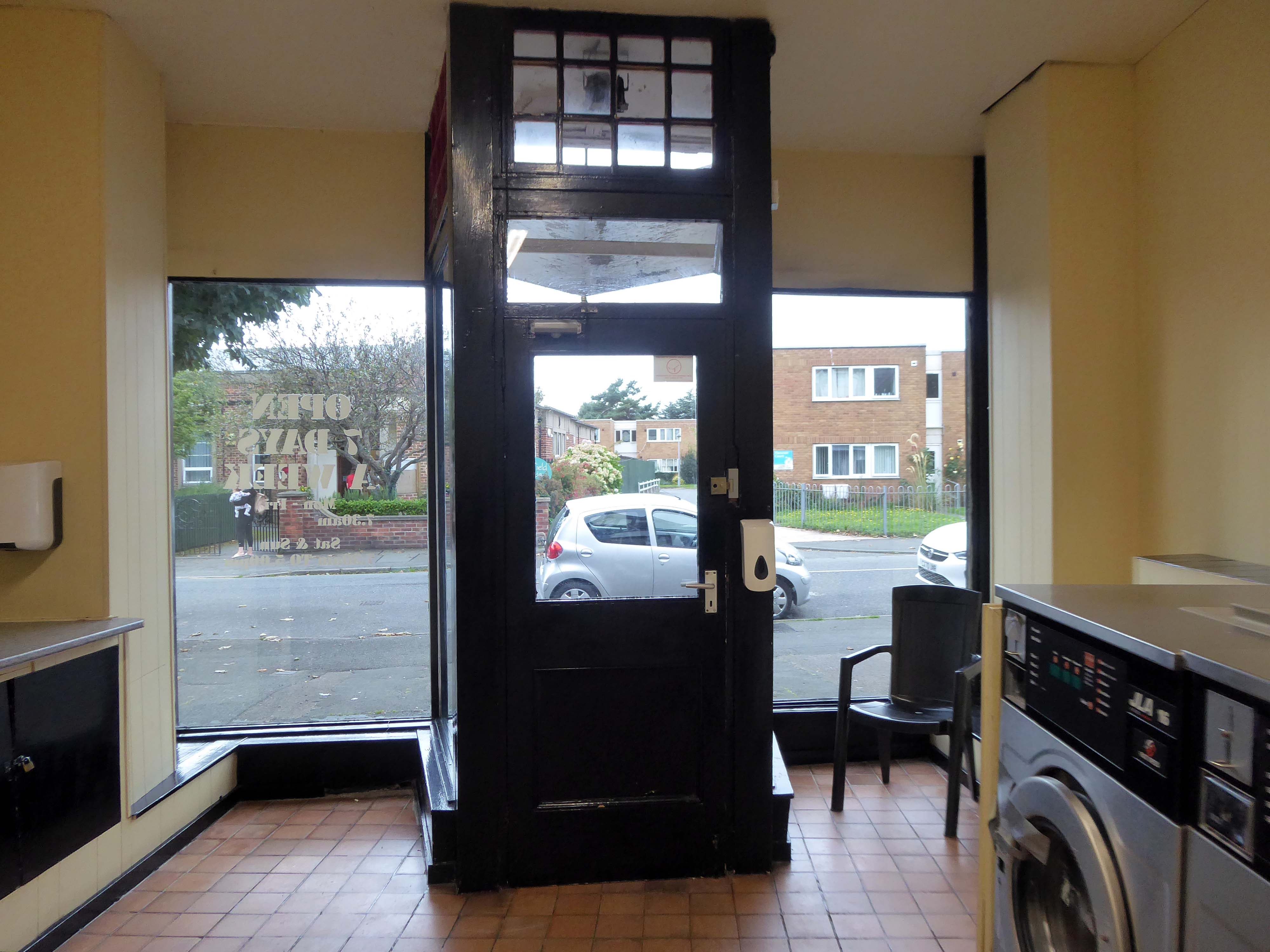
Only takes 20p 50p £1 £2 and no change machine. No detergent either so plan on getting some at the store nearby first. No WiFi, four dryers and five washing machines, one of which, doesn’t work.
The only good thing about it is that it’s open on Sundays.
CJ – local guide
Brilliant dryers and not too expensive, I had to laugh at the review saying – no WiFi.
Debbie Dent
This wash and wear love could hang you out to dry.
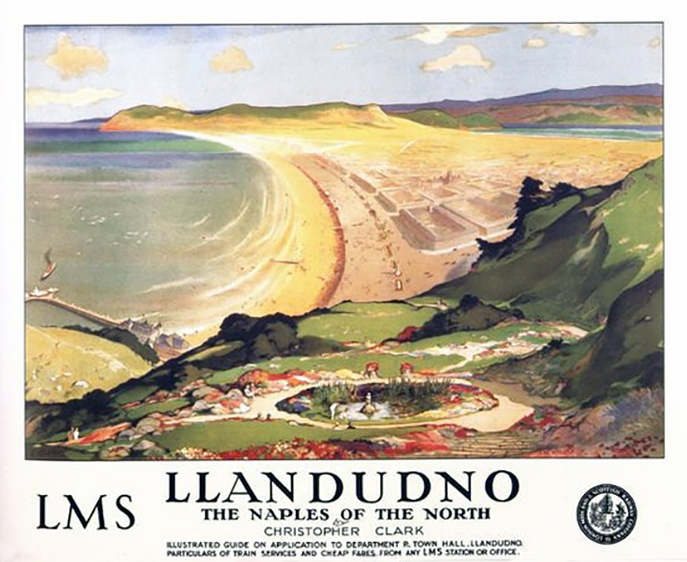
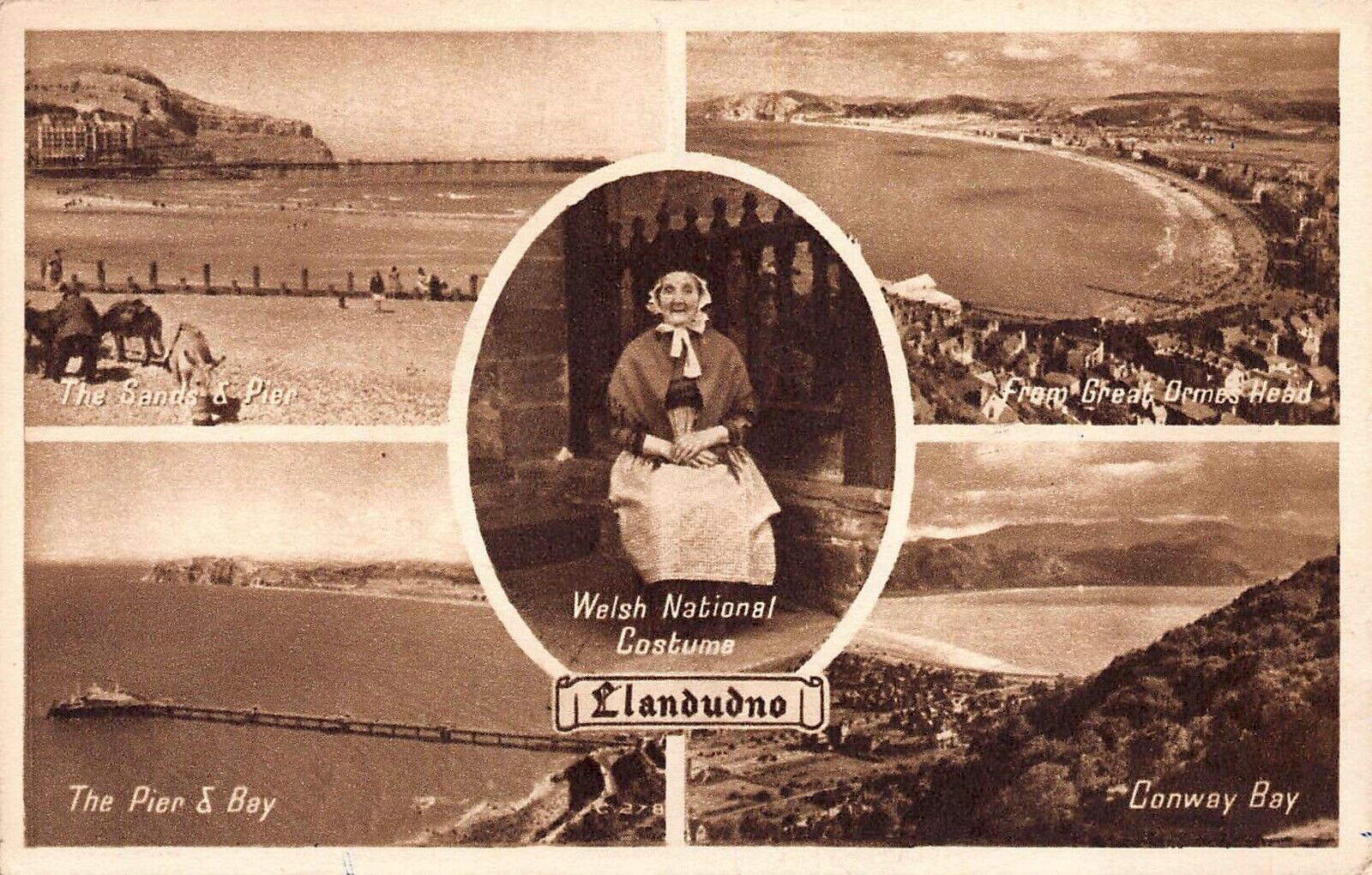
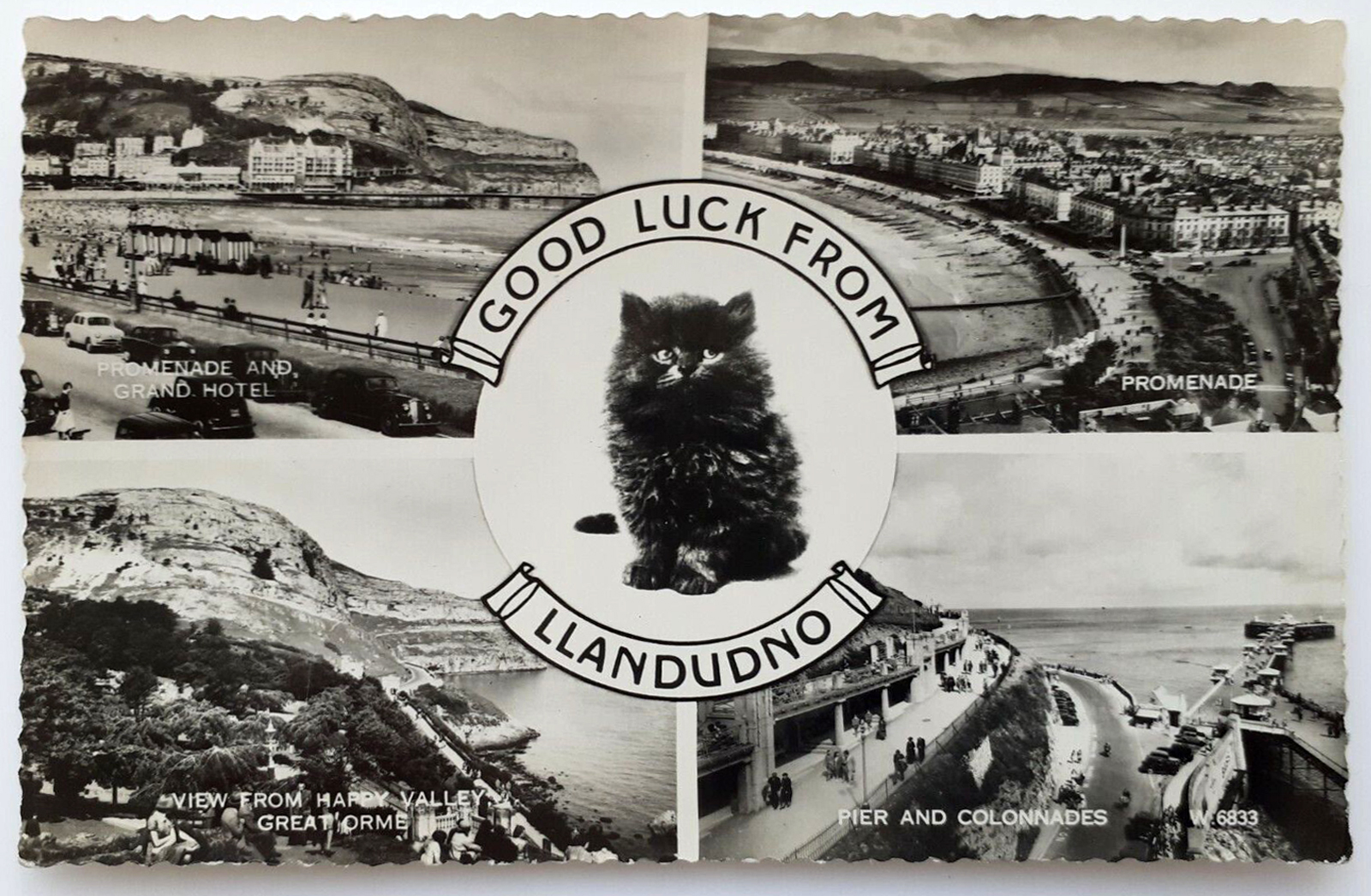
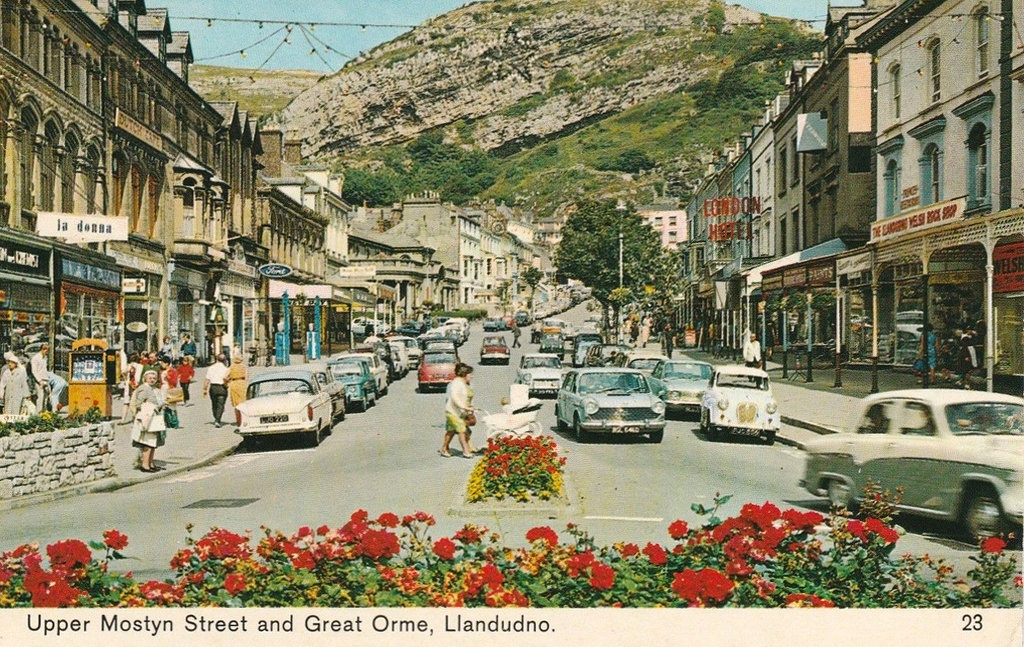
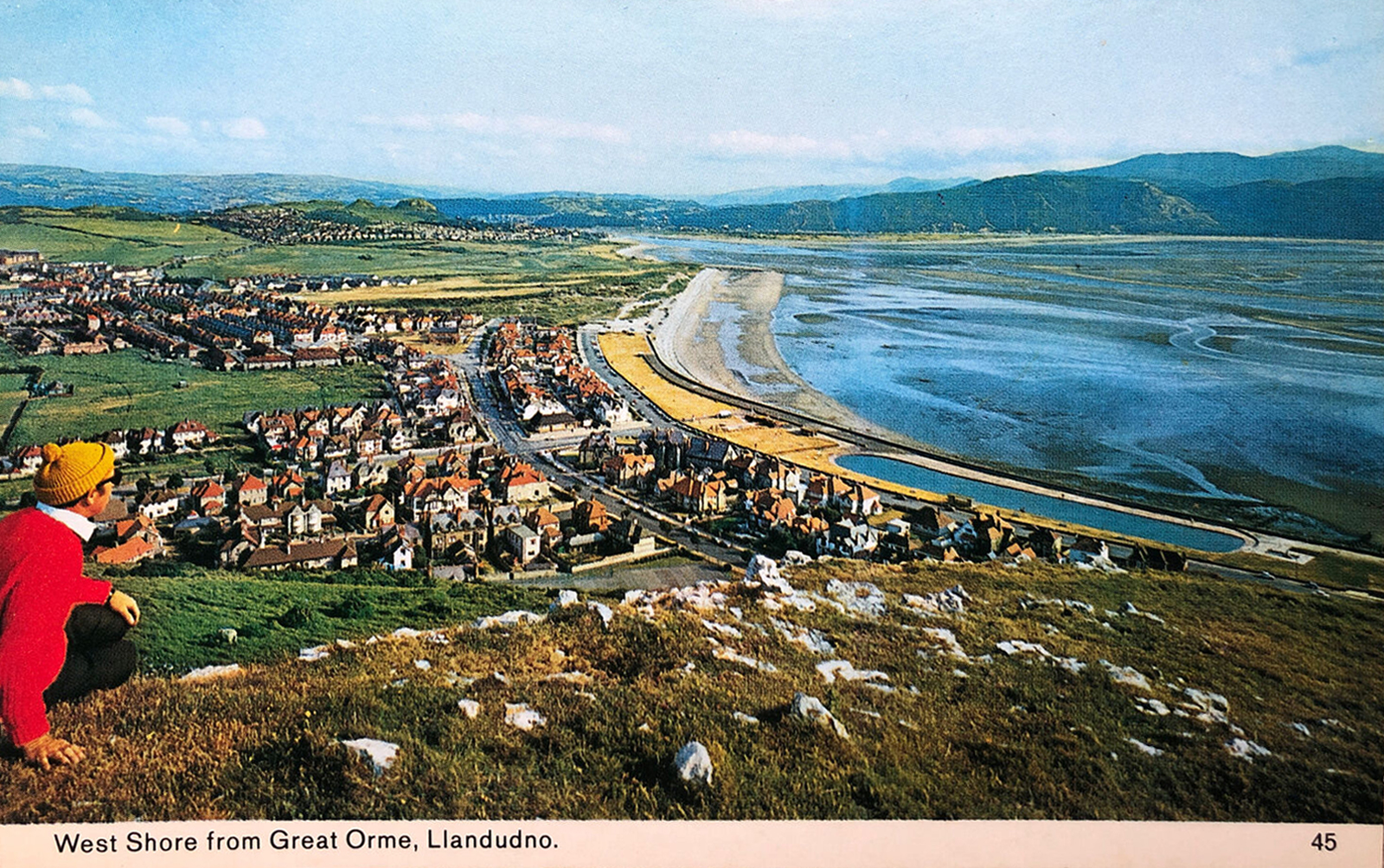
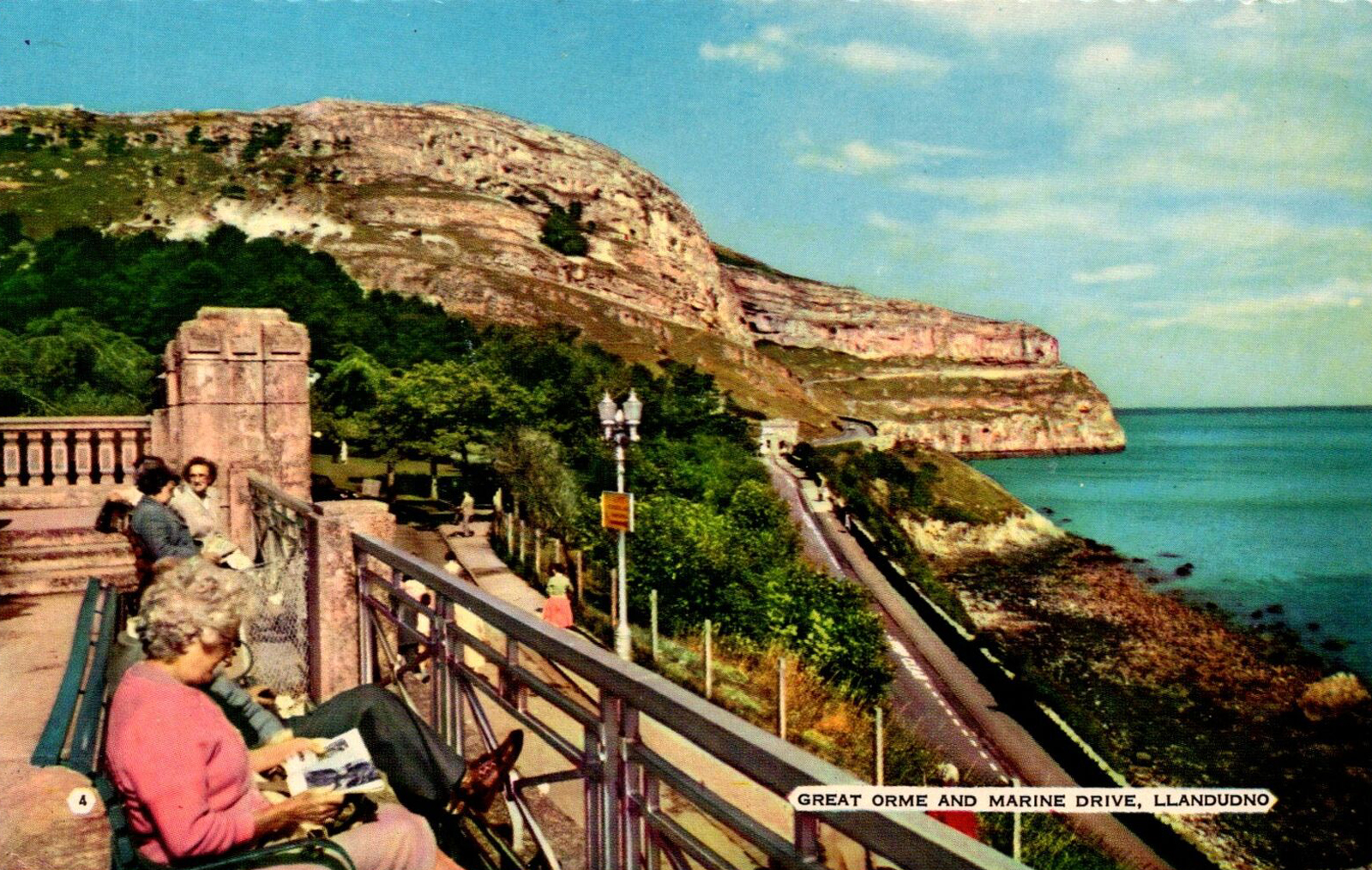
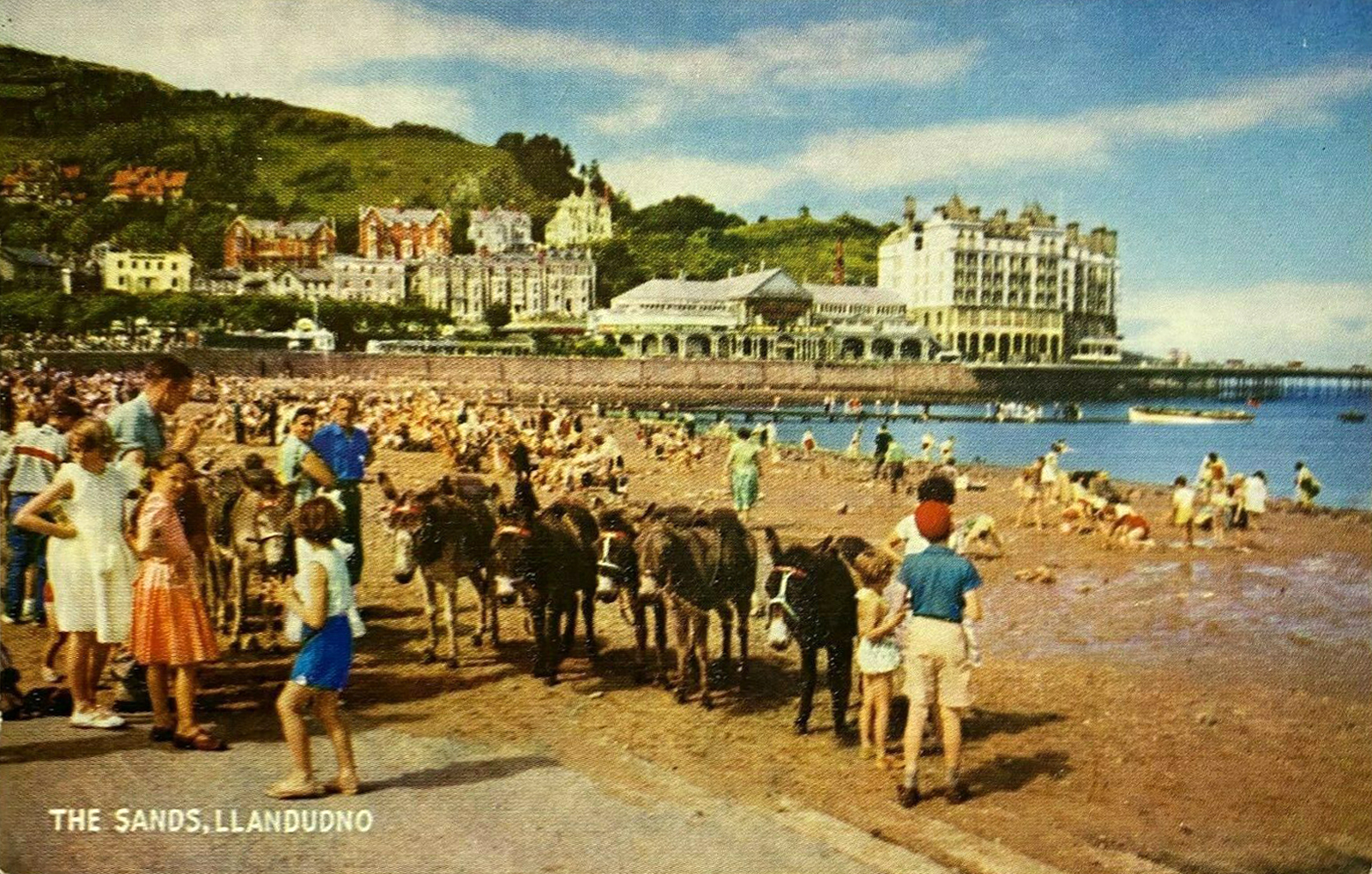
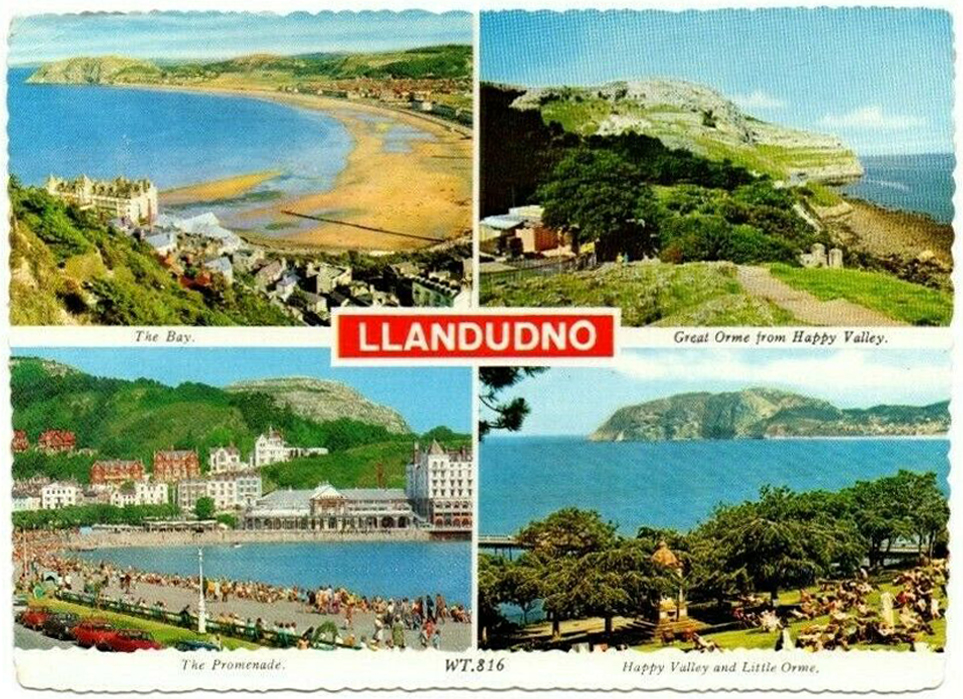
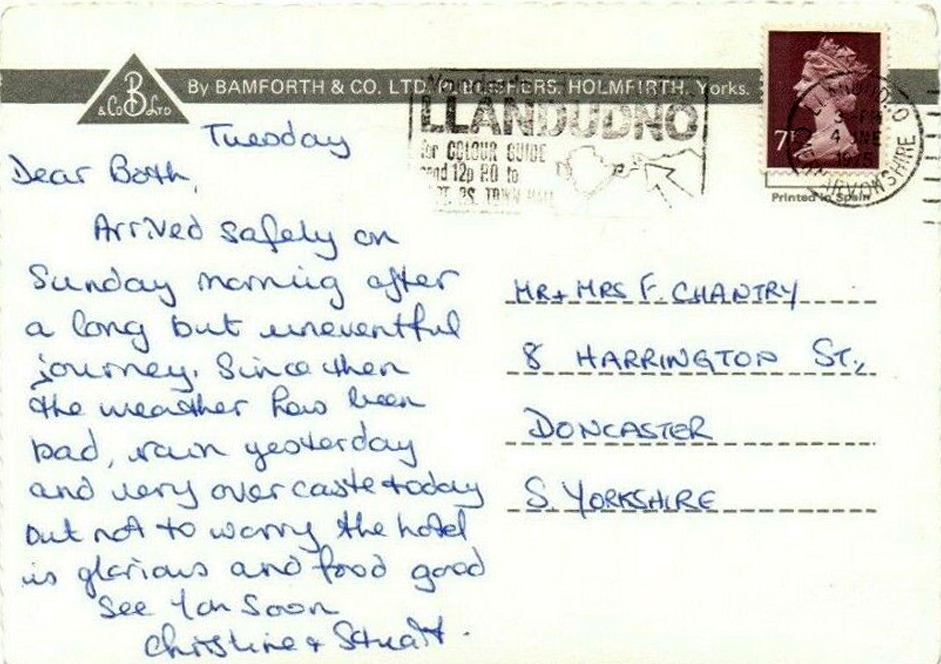
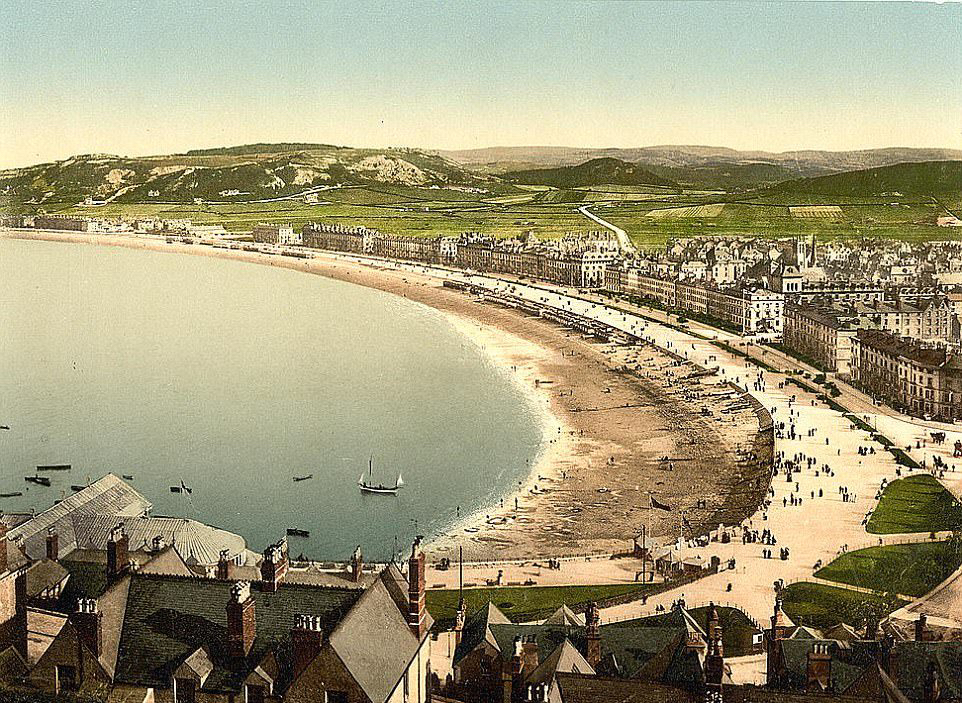
This is a town with a visual culture defined by carefully created picture postcards – conjuring images from land, sea, sand and sky.
New technology arrives, dragging Llandudno from the sepia soaked past into the CMYK age!
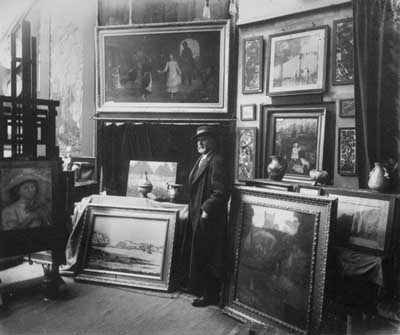
So it’s only right and proper that the town should have an art gallery.
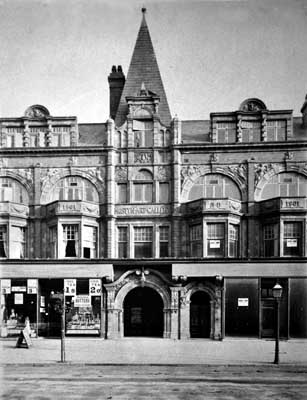
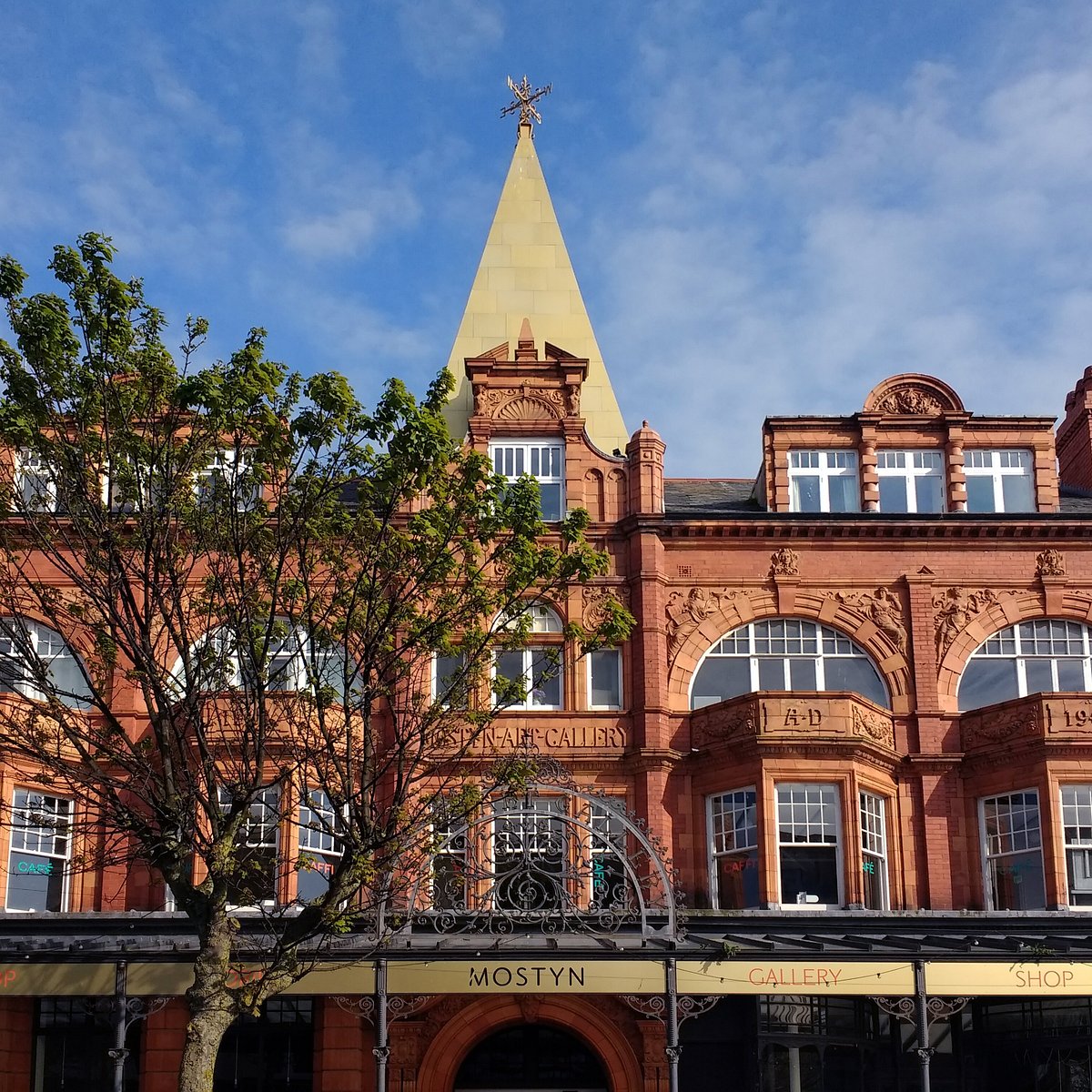
Oriel Mostyn Gallery was commissioned by Lady Augusta Mostyn after the Gwynedd Ladies’ Art Society asked her for better premises than their existing home, in a former cockpit in Conwy. The ladies’ gender prevented them from joining the Royal Cambrian Academy, also based in Conwy.
Designed by architect GA Humphreys, the new gallery opened in 1901. From 1901 to 1903, the gallery housed works by members of the GLAS. As a patron of the arts and president of the society, Lady Augusta was aware that the ladies needed more space to display their work and gave them the opportunity to rent a room in the new building.
Lady Augusta was keen for the gallery to be used by local people, so the society was asked to leave and a School of Art, Science and Technical Classes was set up. Alongside the many classes, there were art exhibitions, lectures. social events, and even a gallery choir and shooting range!
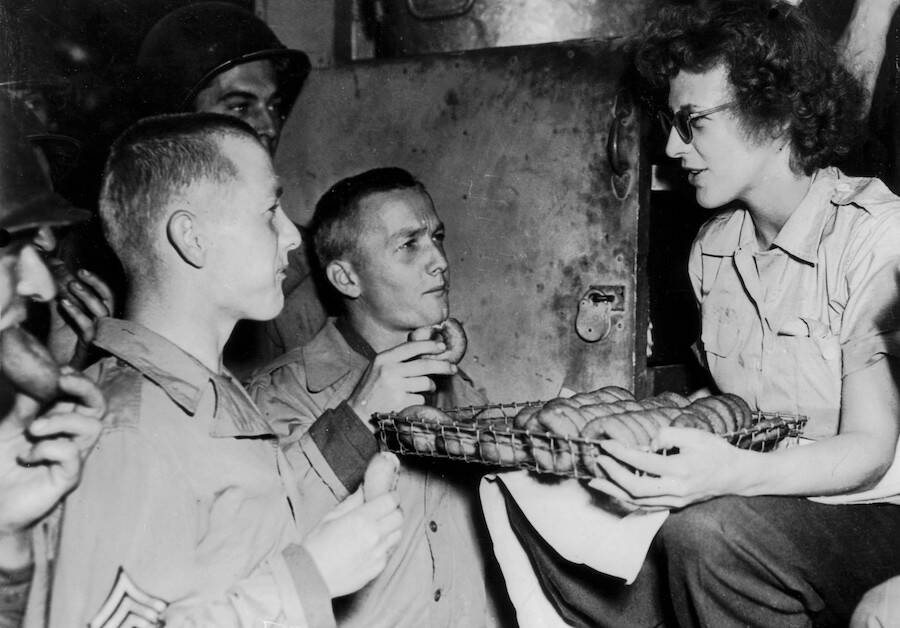
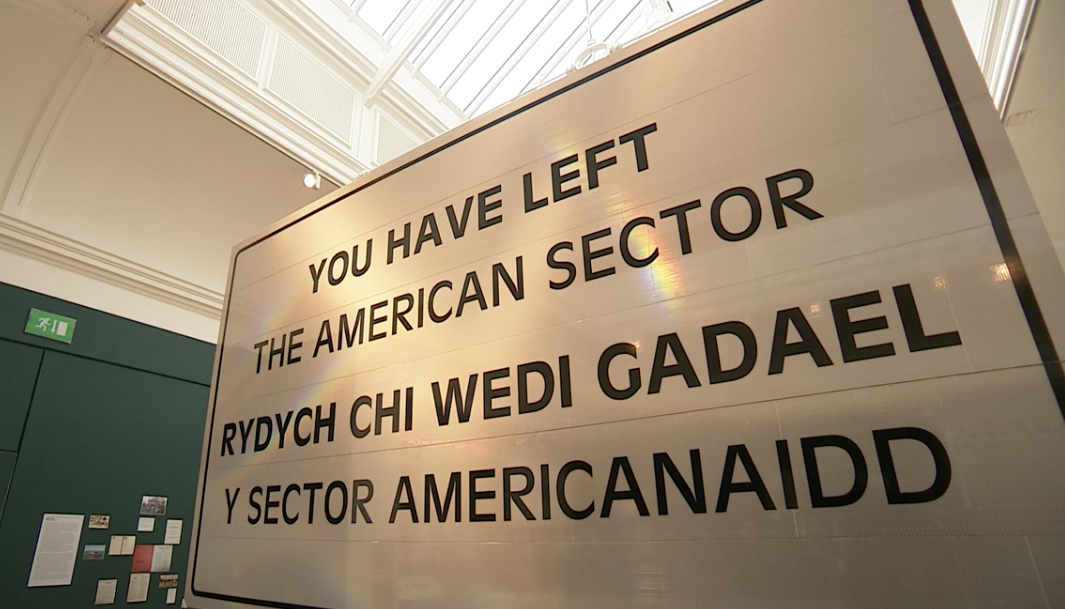
The current shop area was the location for a ‘Donut Dugout’ – a rest and recreation area for the many American servicemen in the town. Coffee and doughnuts were served and the men could read magazines from home.
After the war, Wagstaff’s Piano and Music Galleries occupied the building. In 1976 the artist Kyffin Williams, and others, suggested the building should become the proposed new public art gallery for North Wales. Architects Colwyn Foulkes supervised its restoration and it reopened, as Oriel Mostyn, in 11 August 1979.
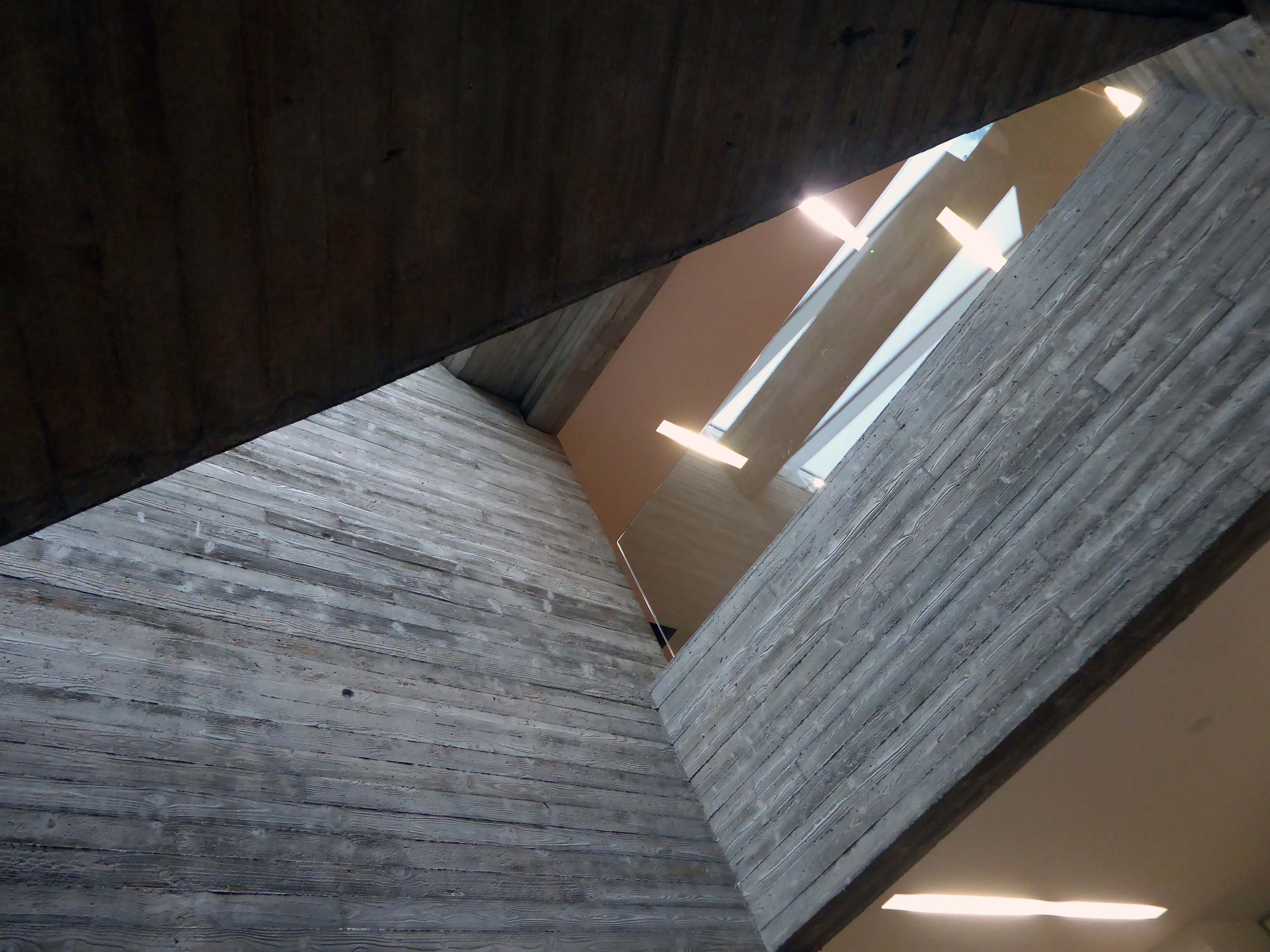
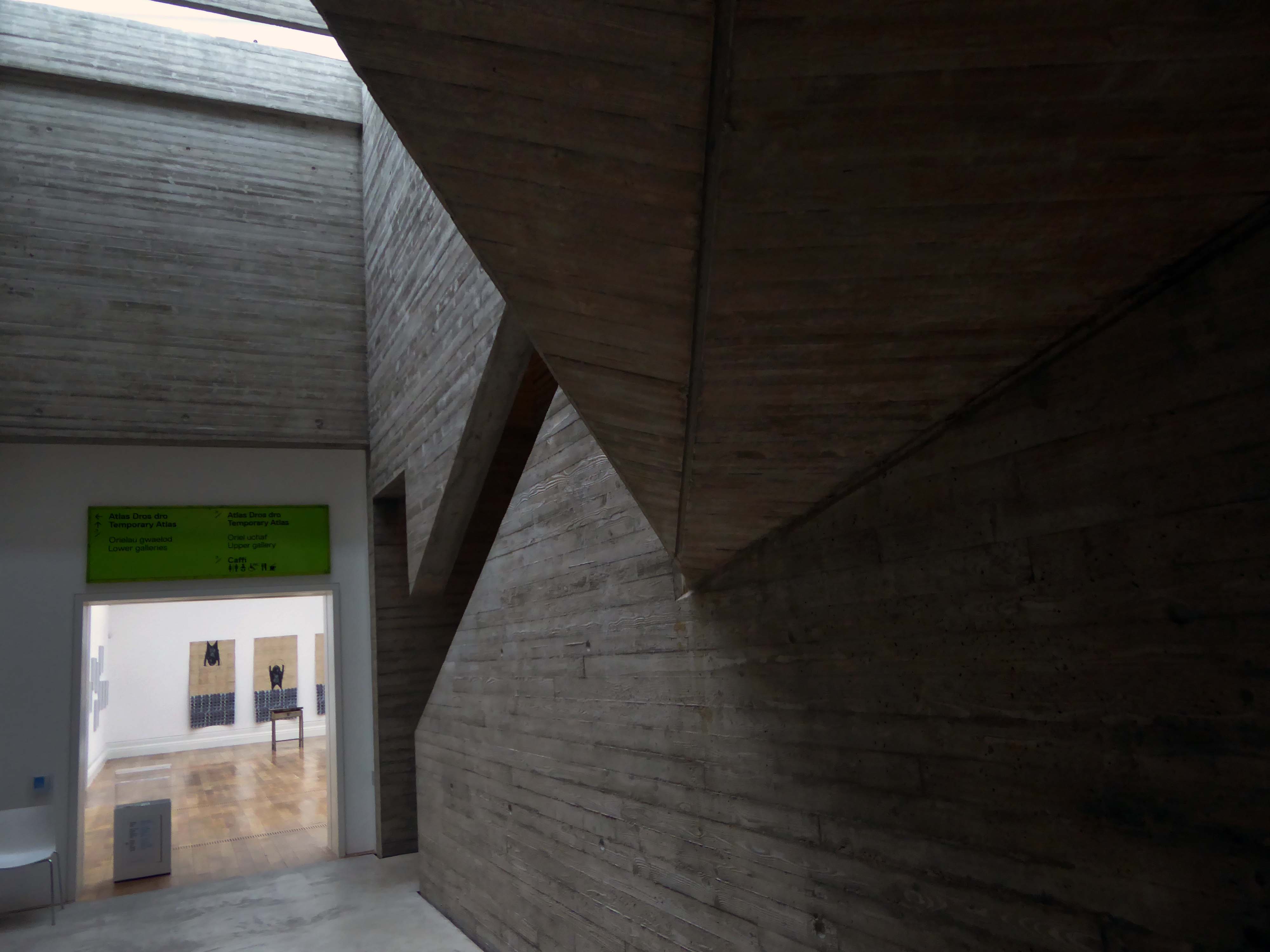
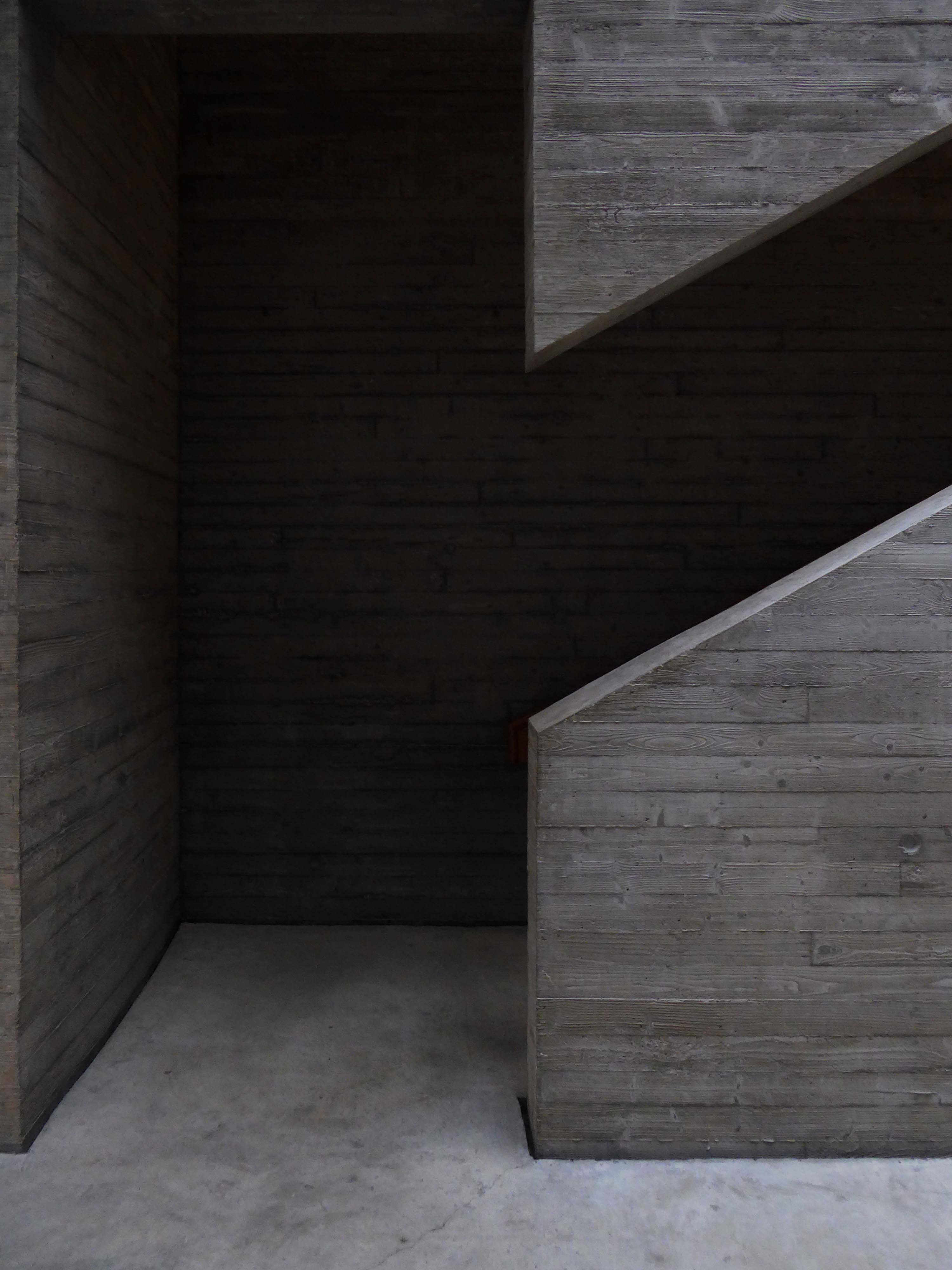
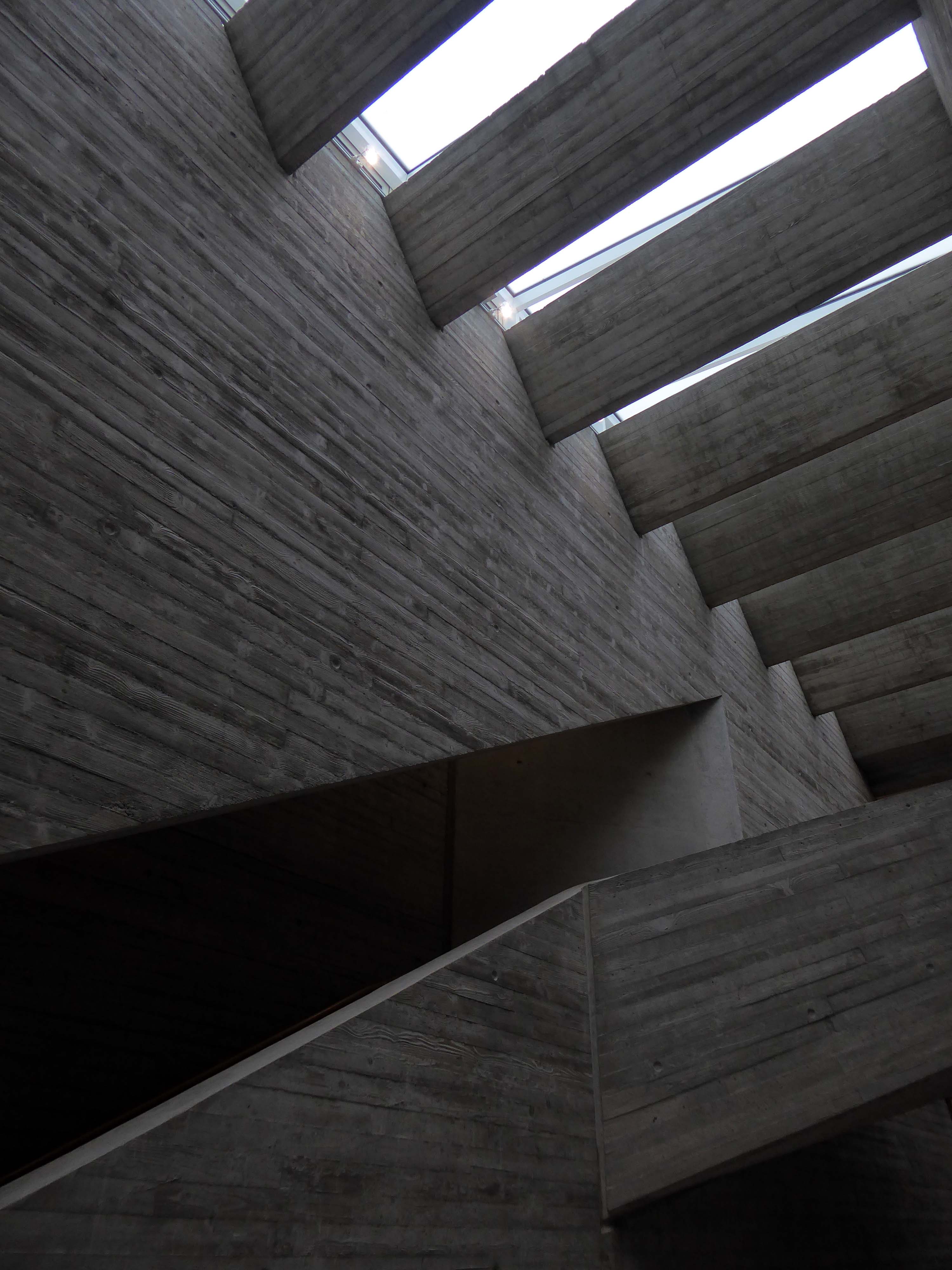
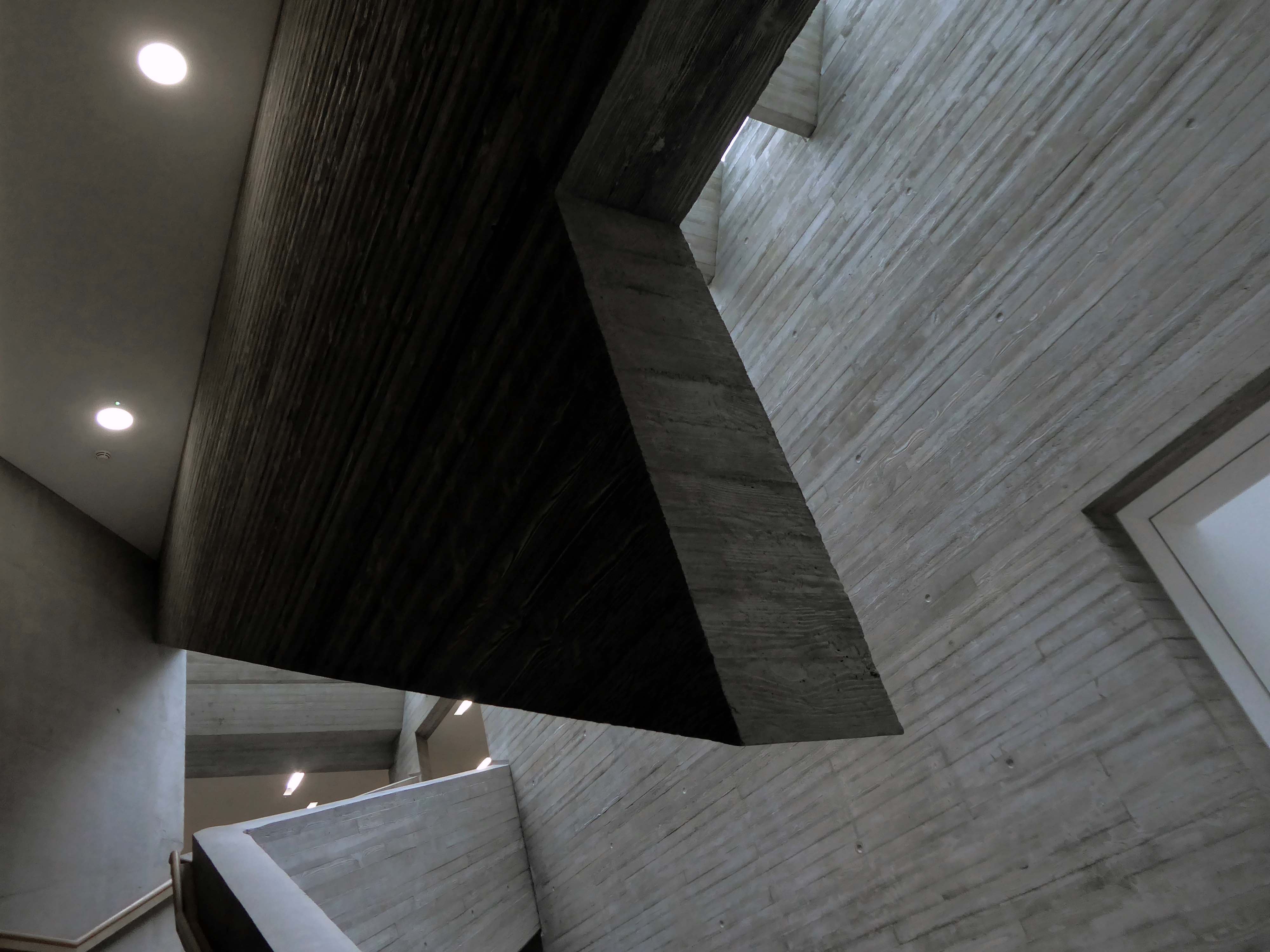
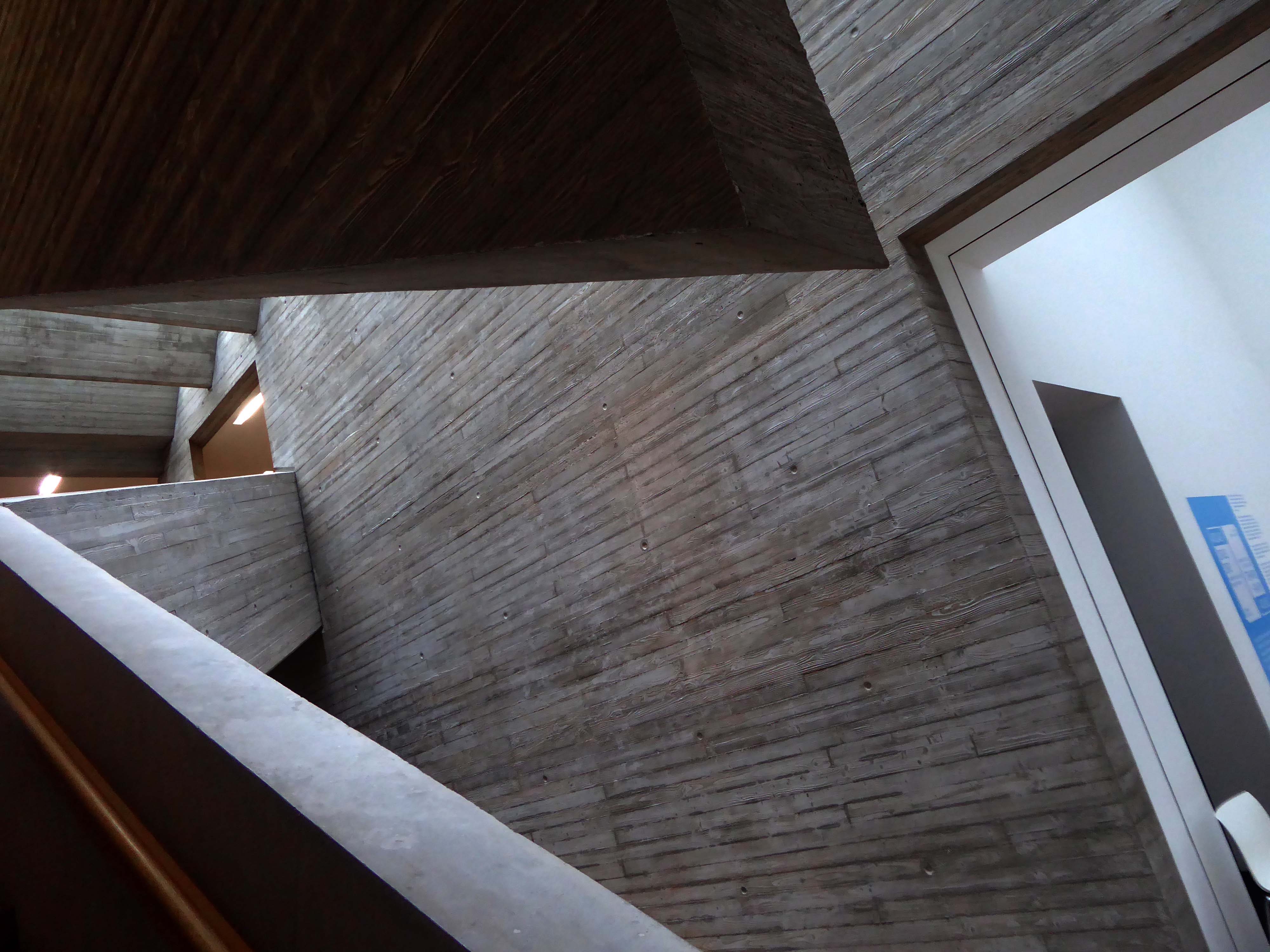
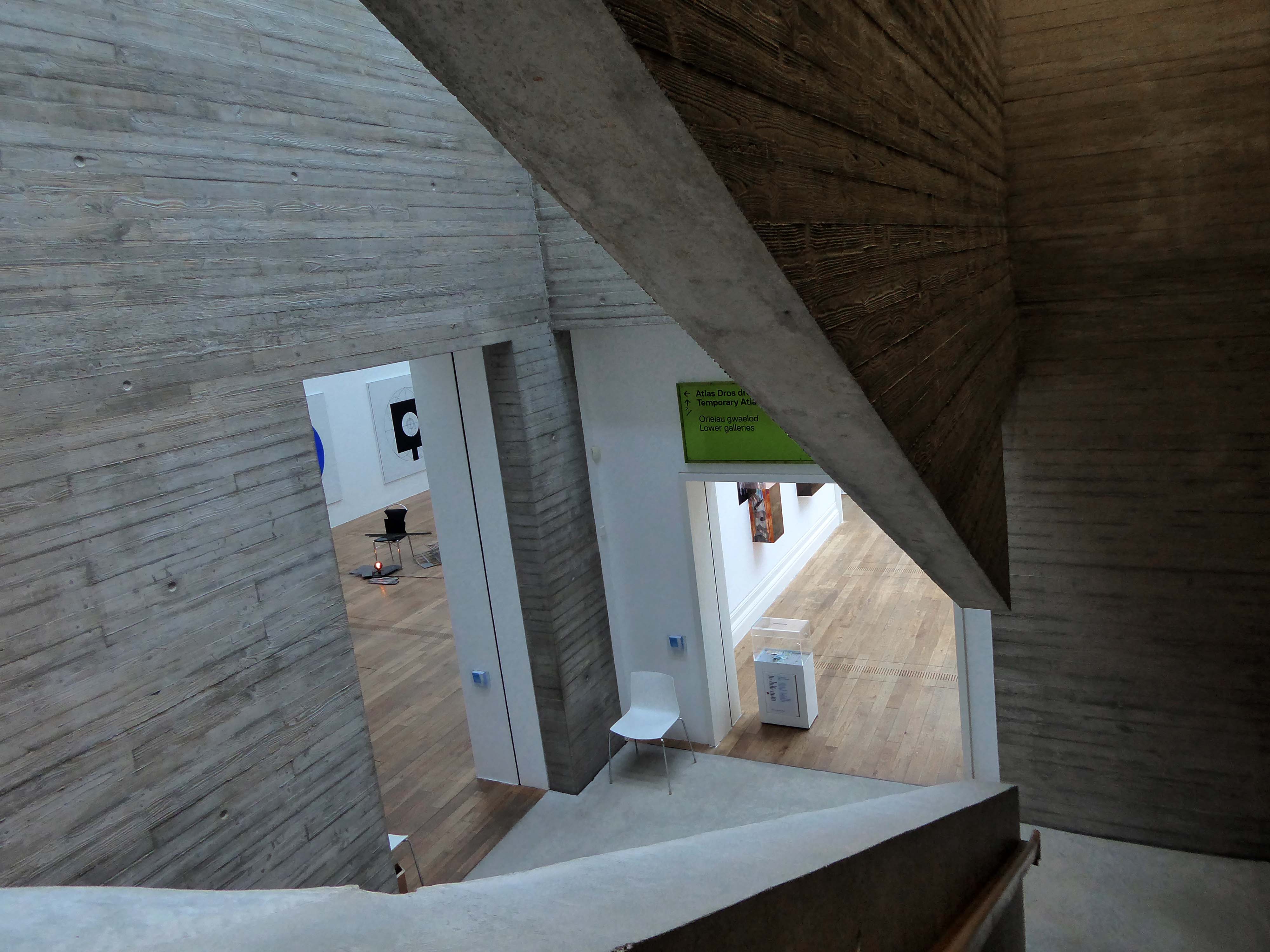
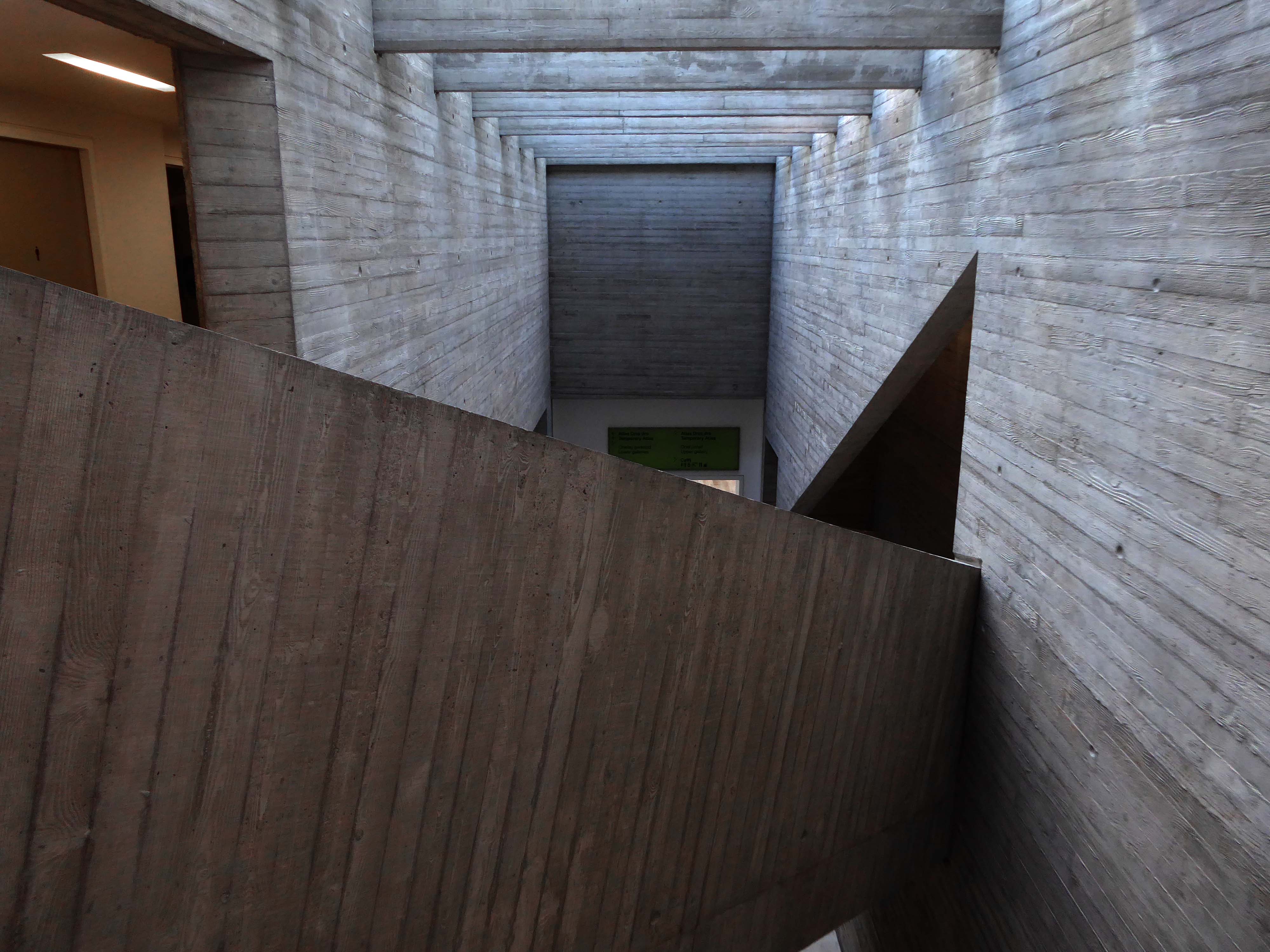
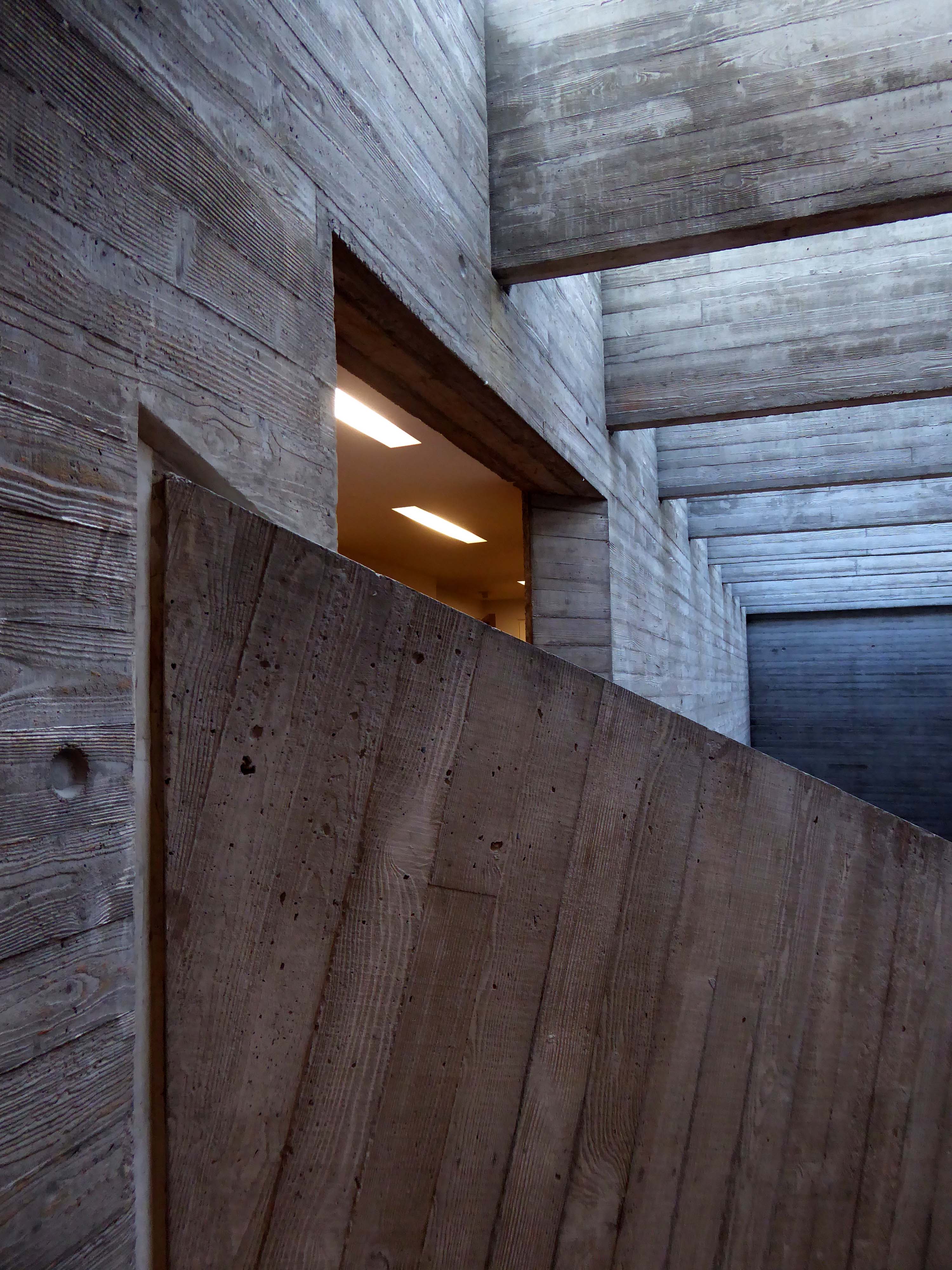
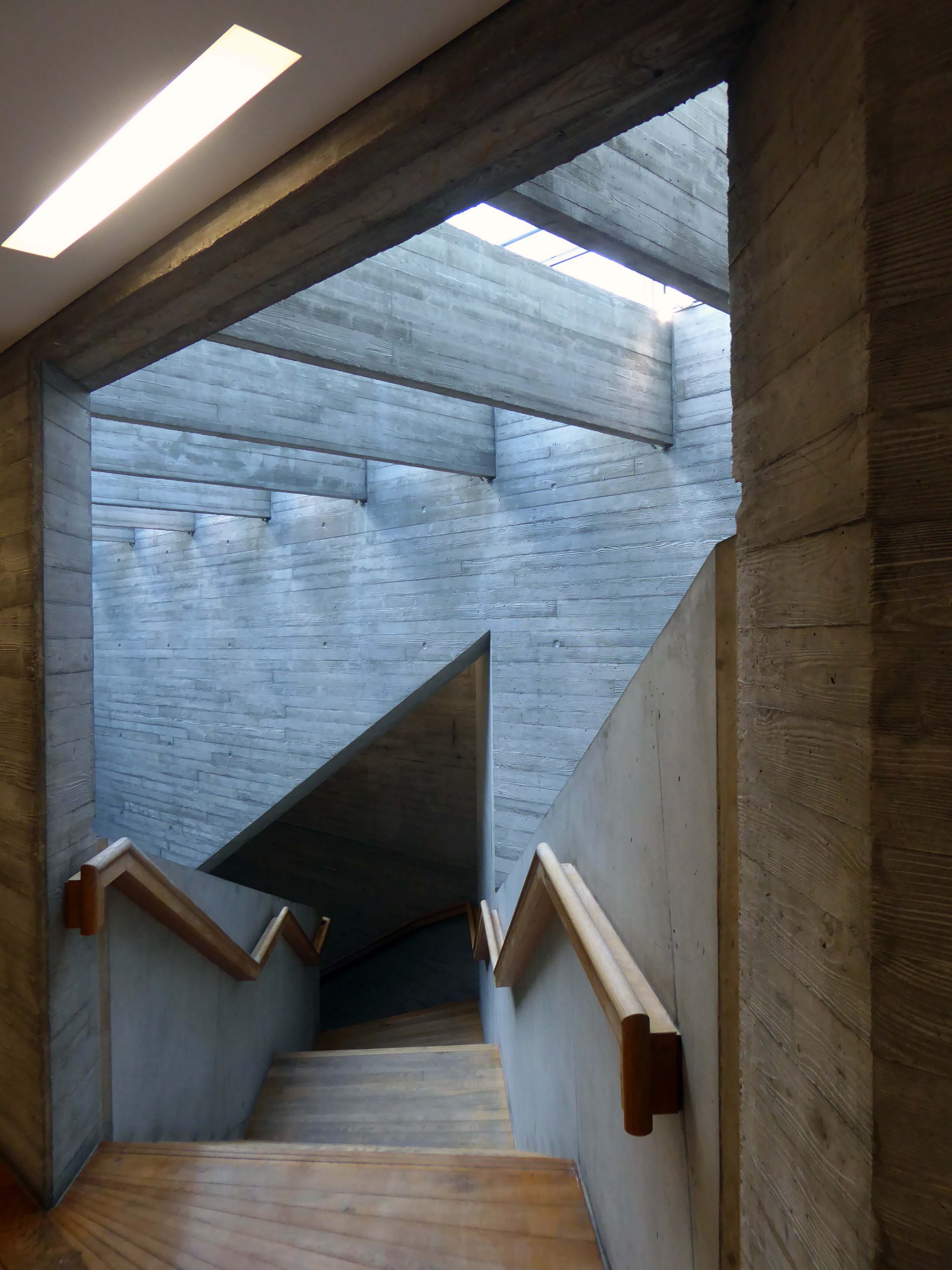
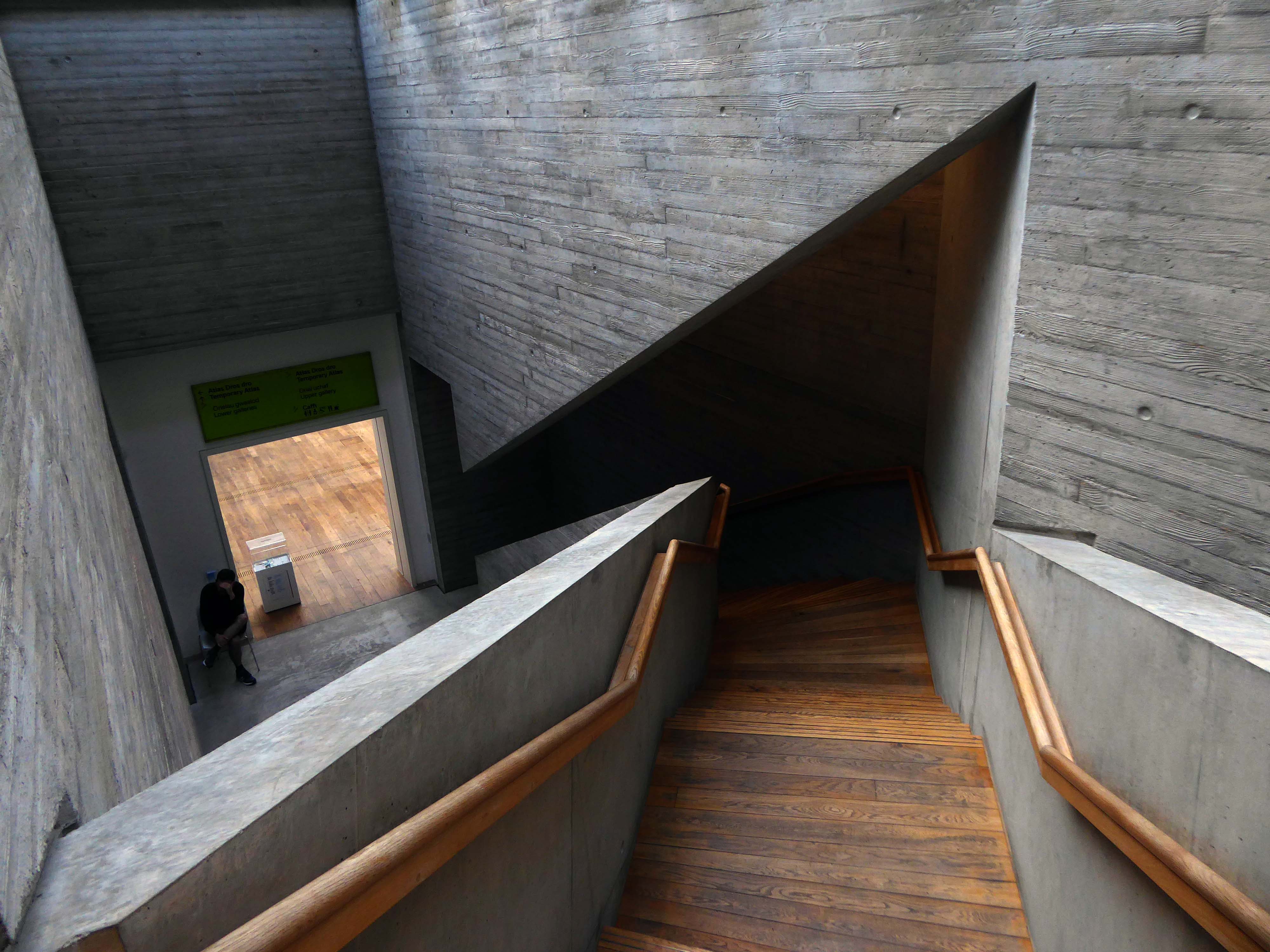
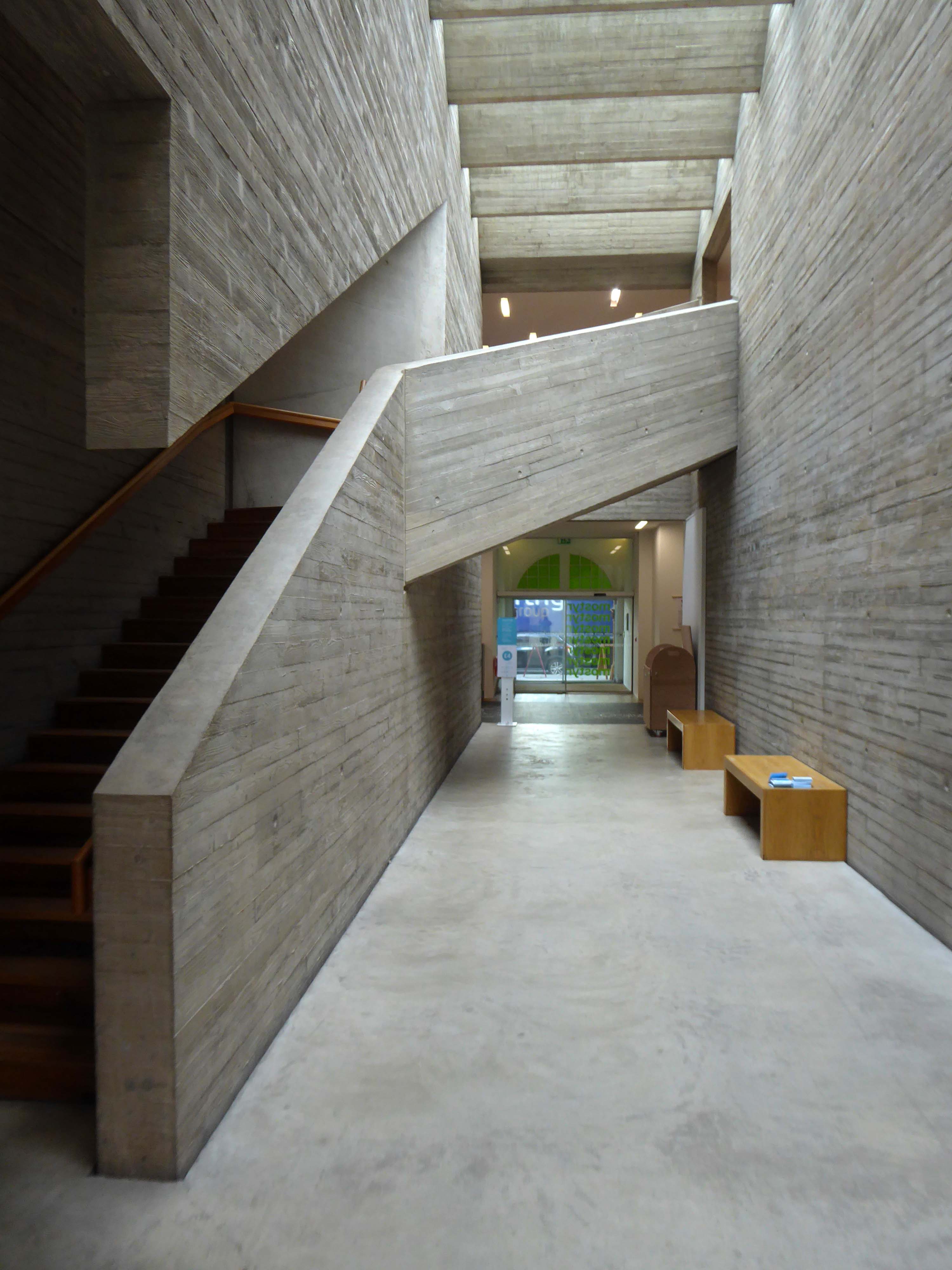
Once the Post Office had vacated the adjacent building, expansion and development took place – Ellis Williams Architects were responsible for the design.
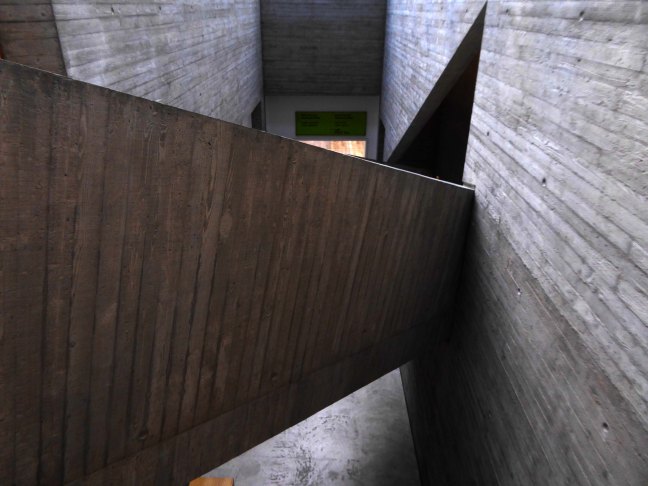
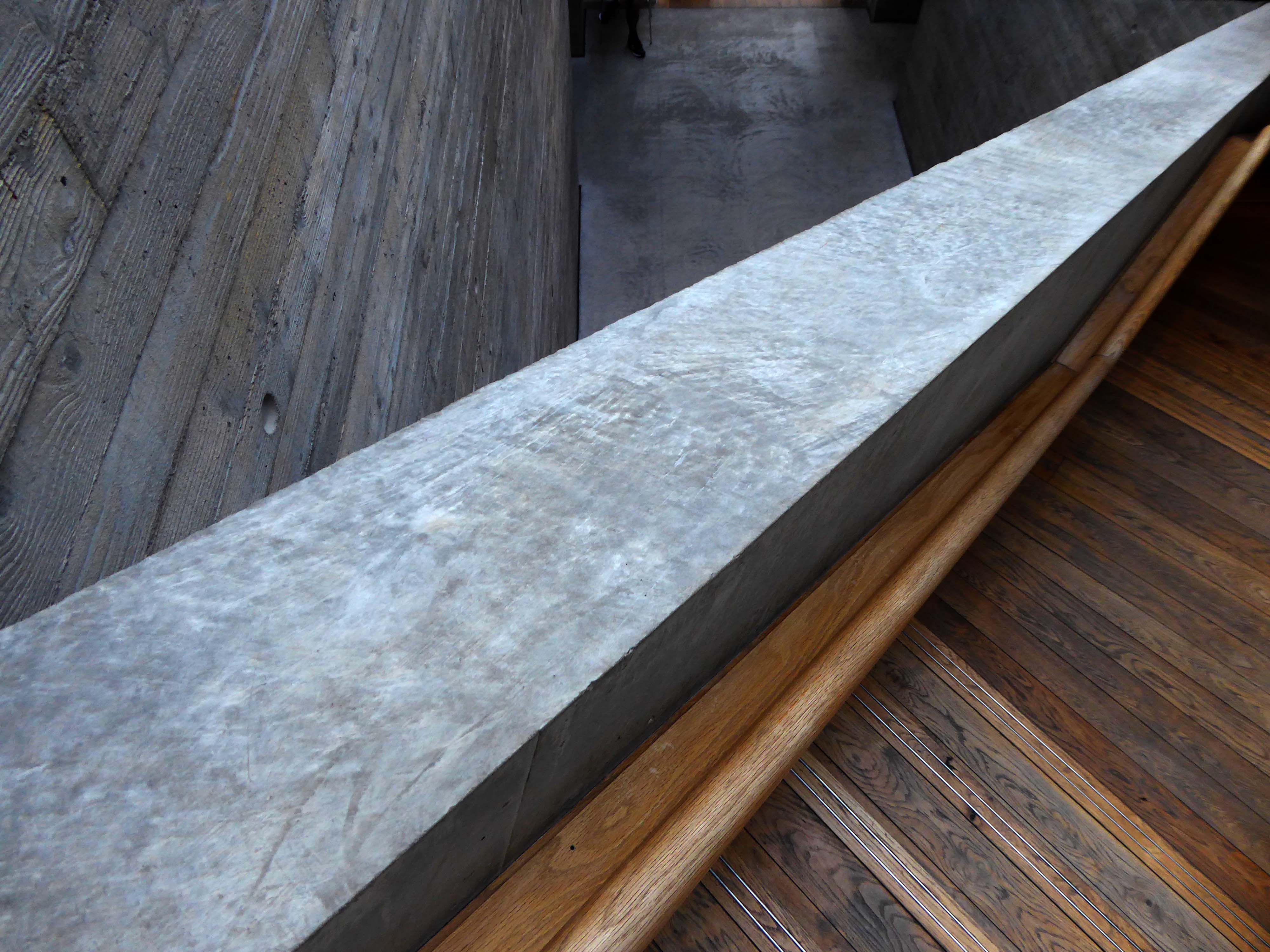
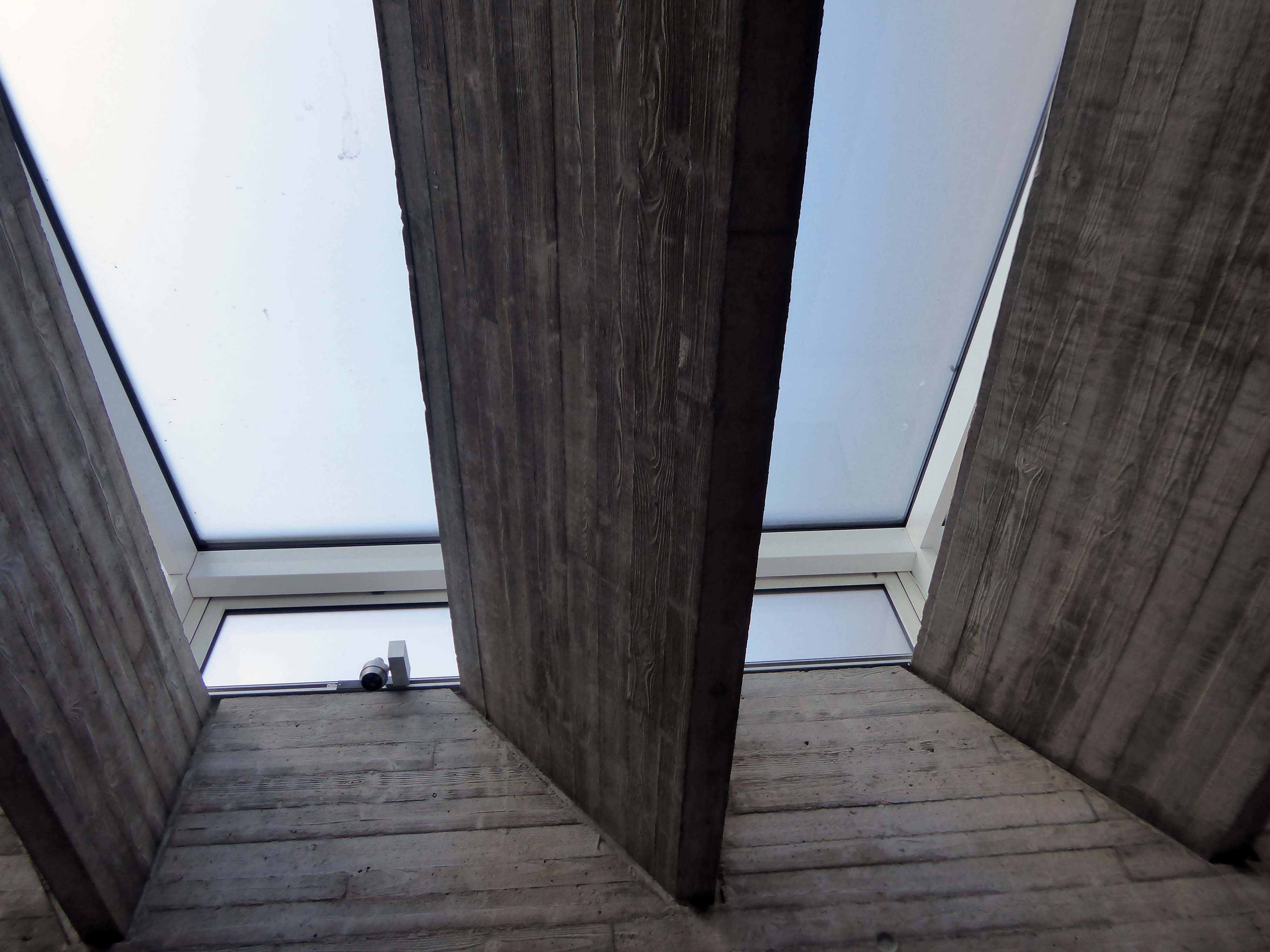
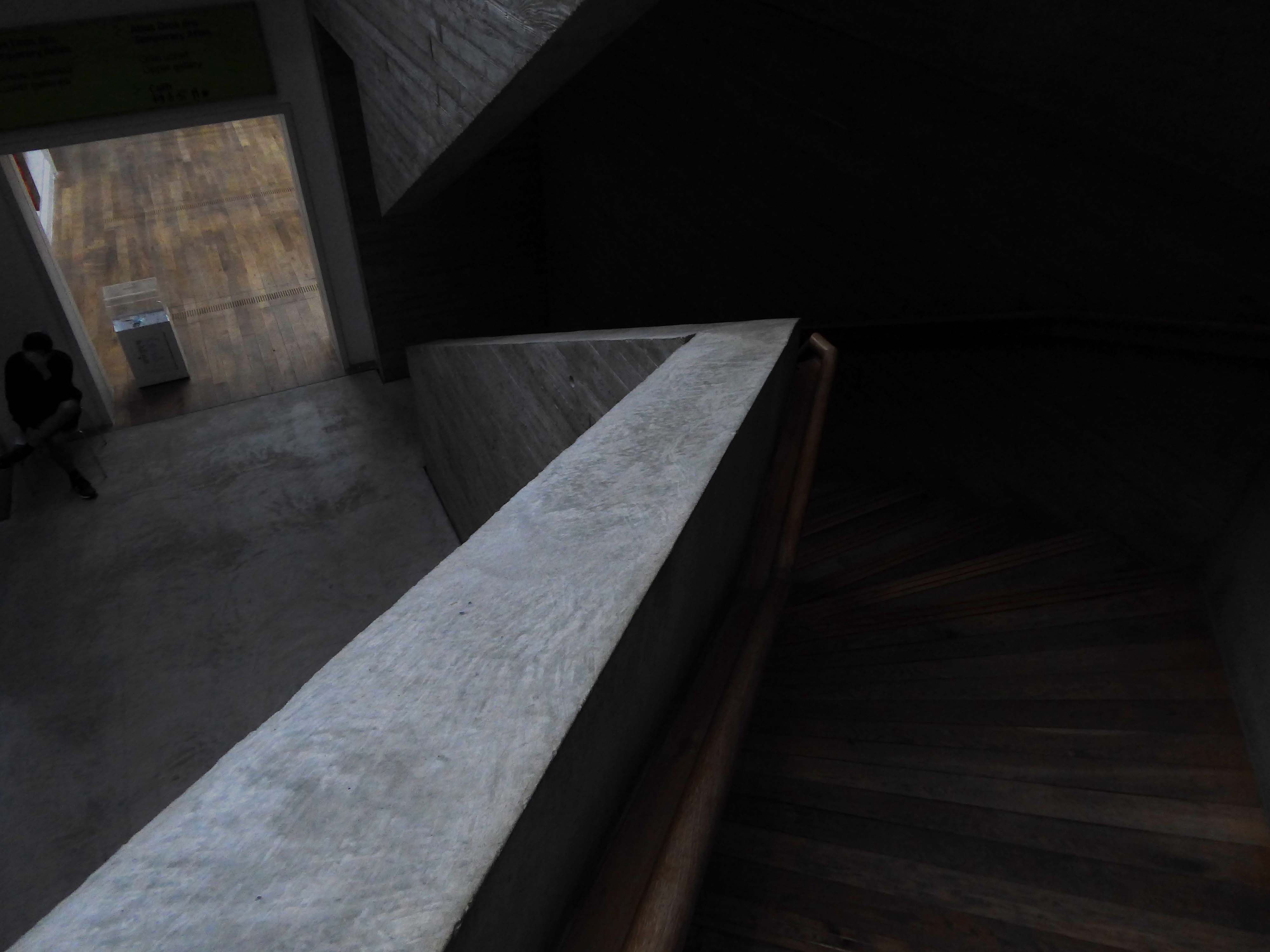
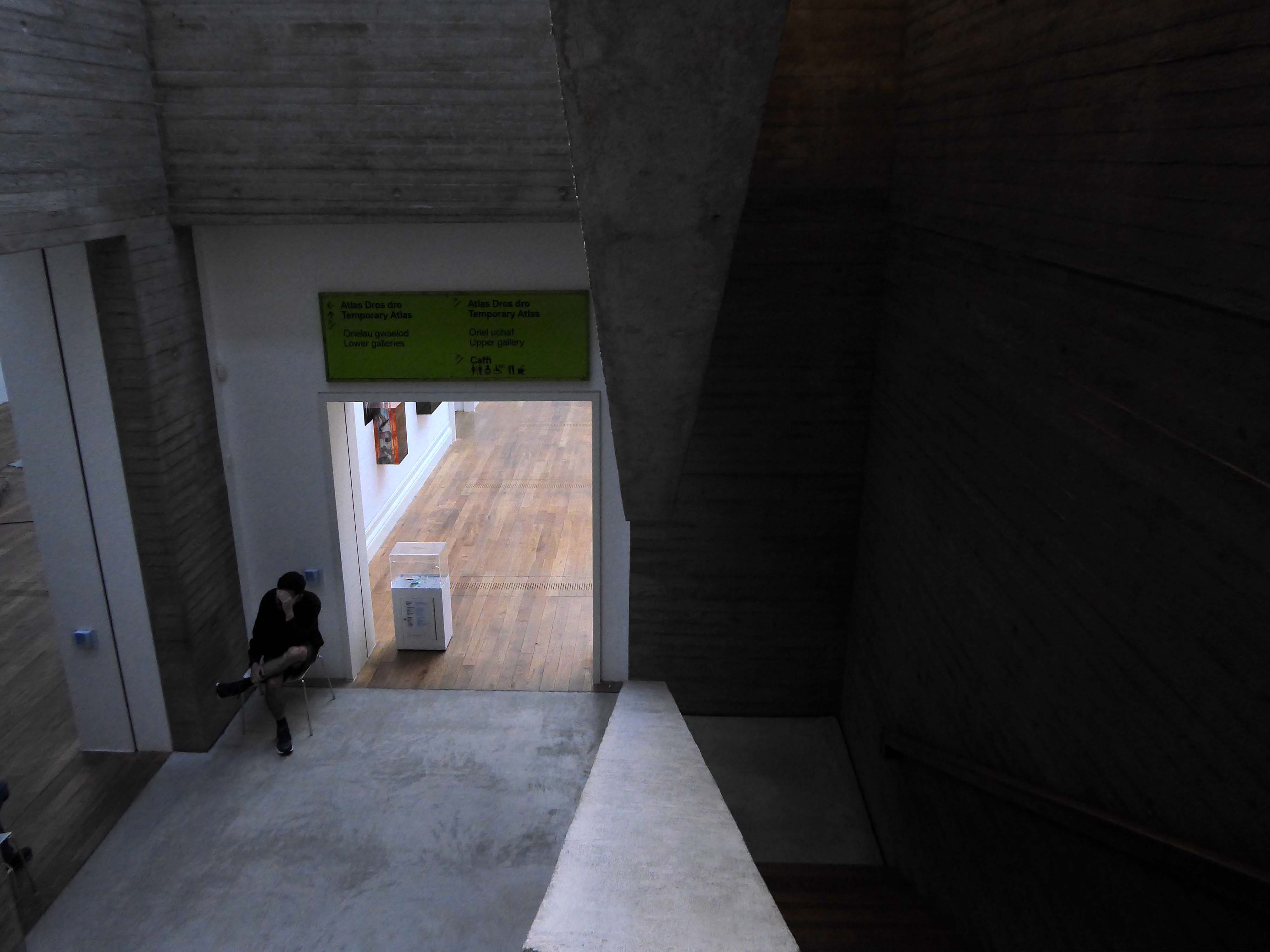
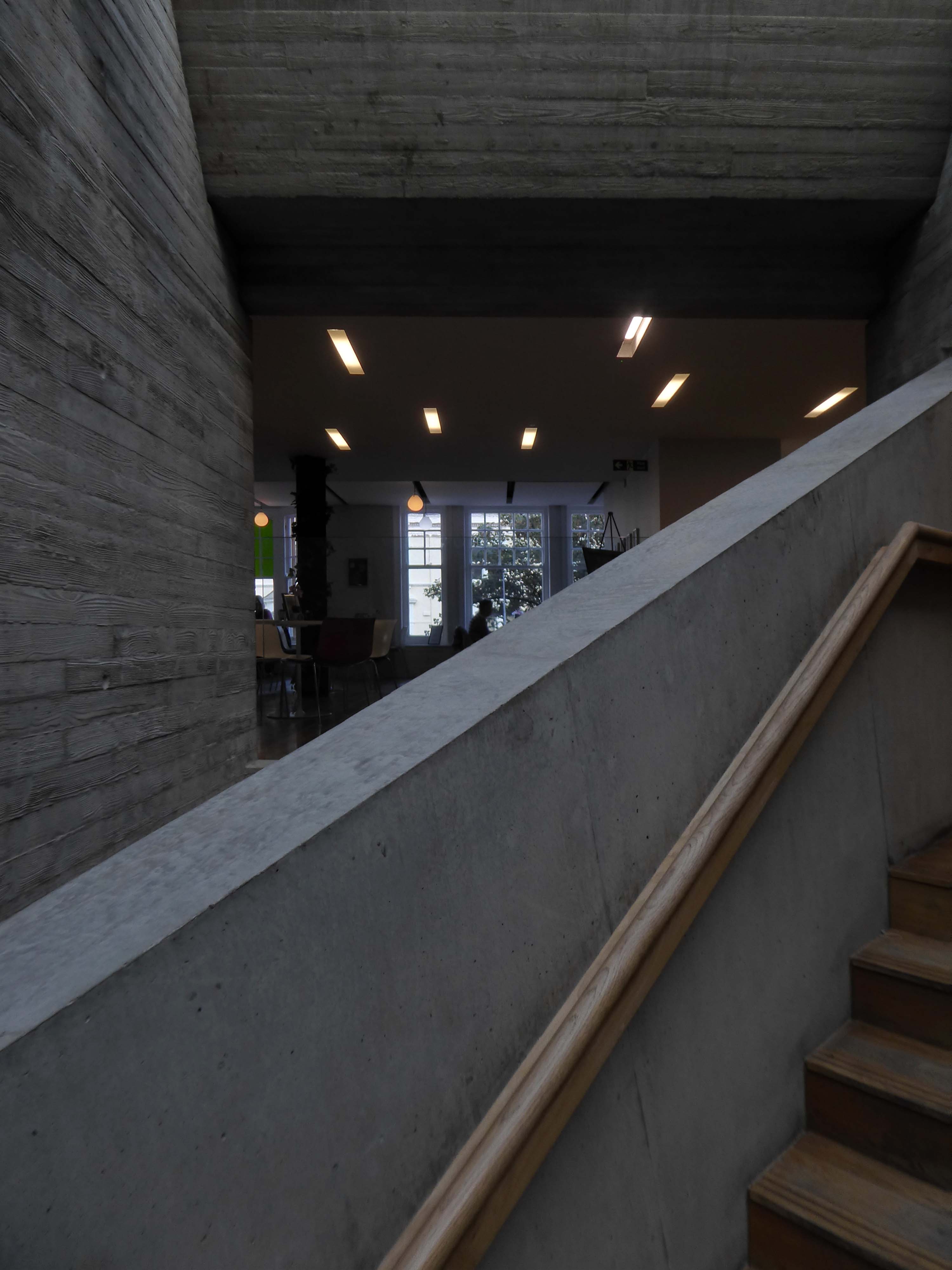
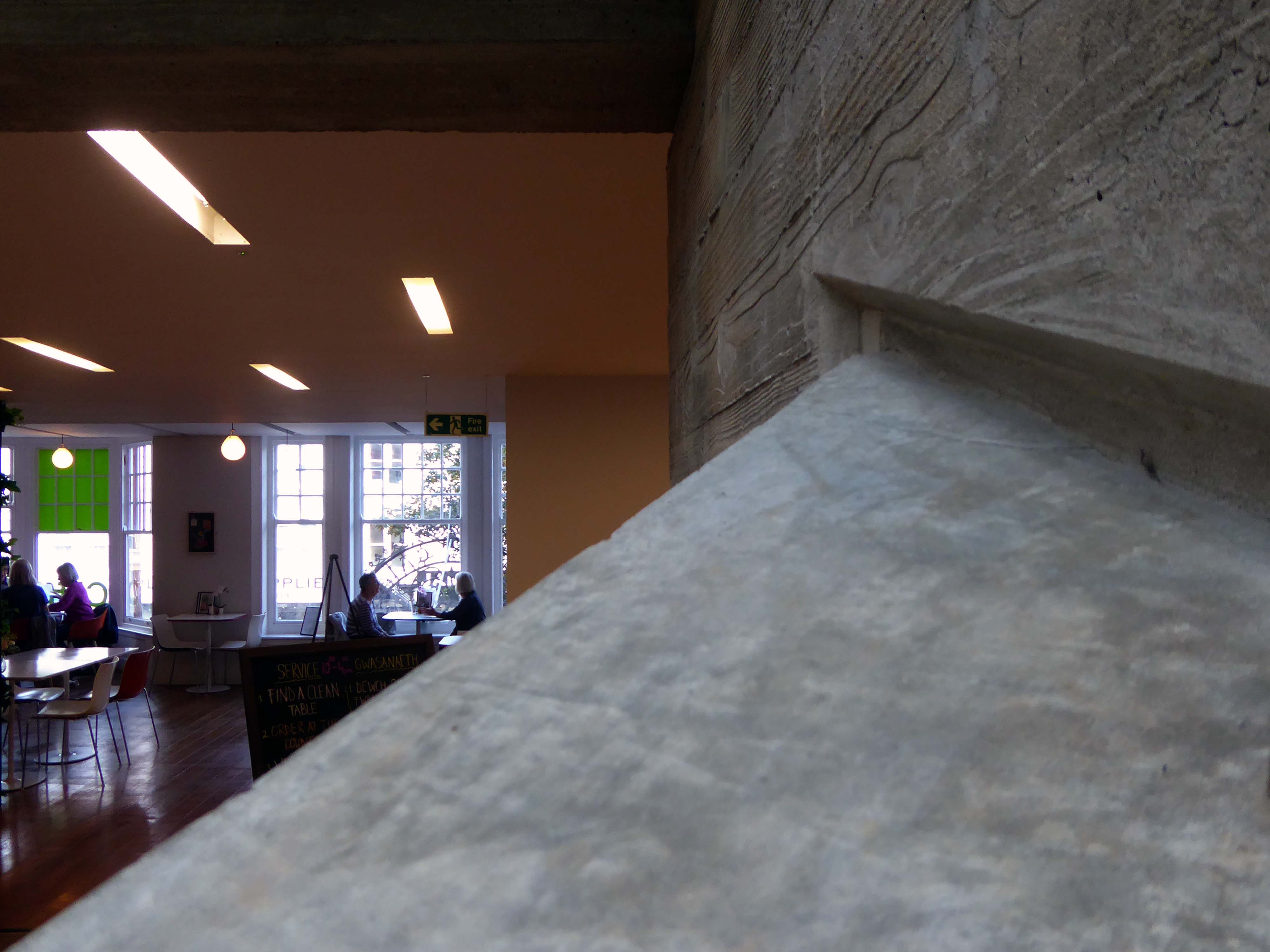
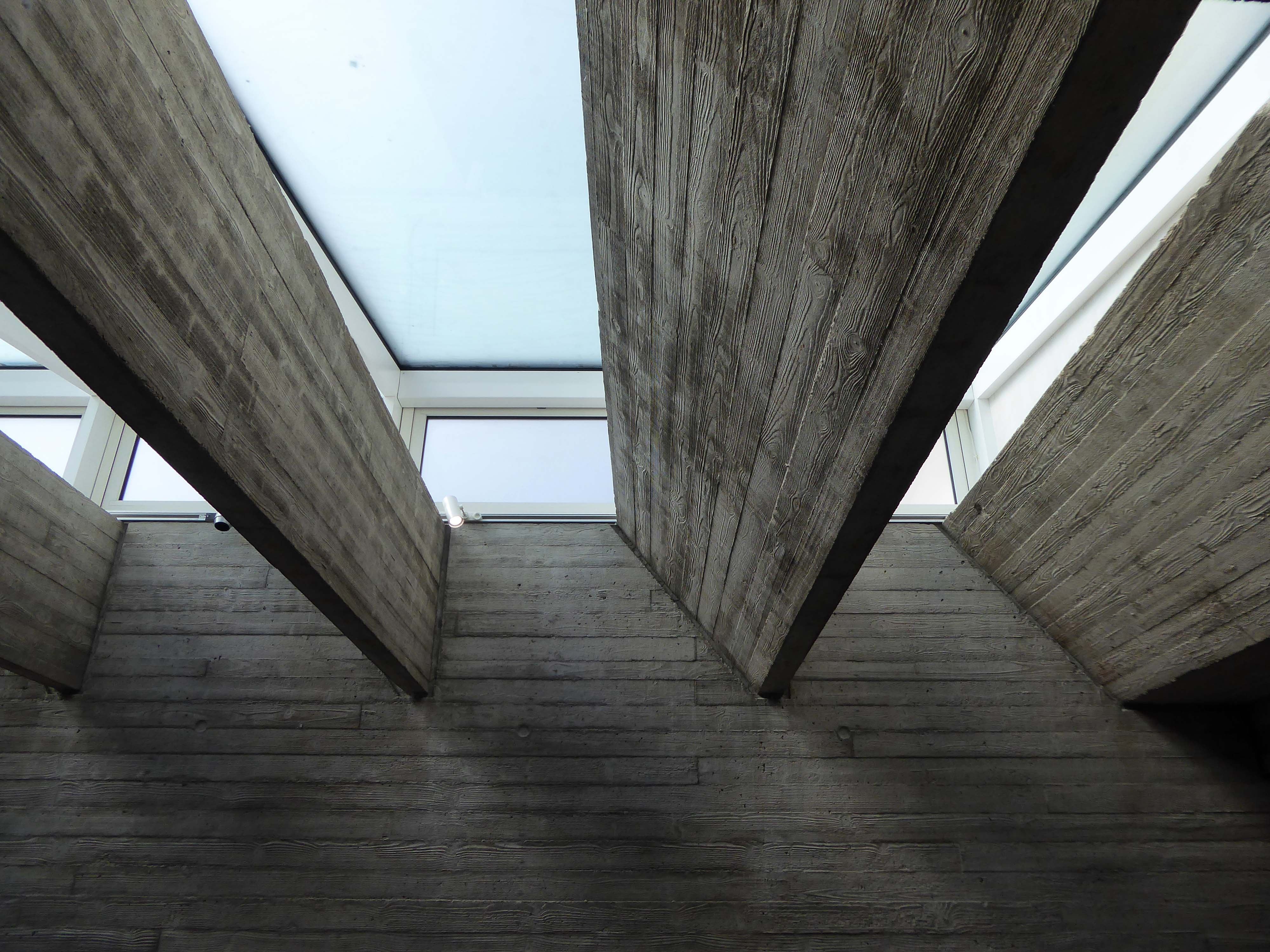
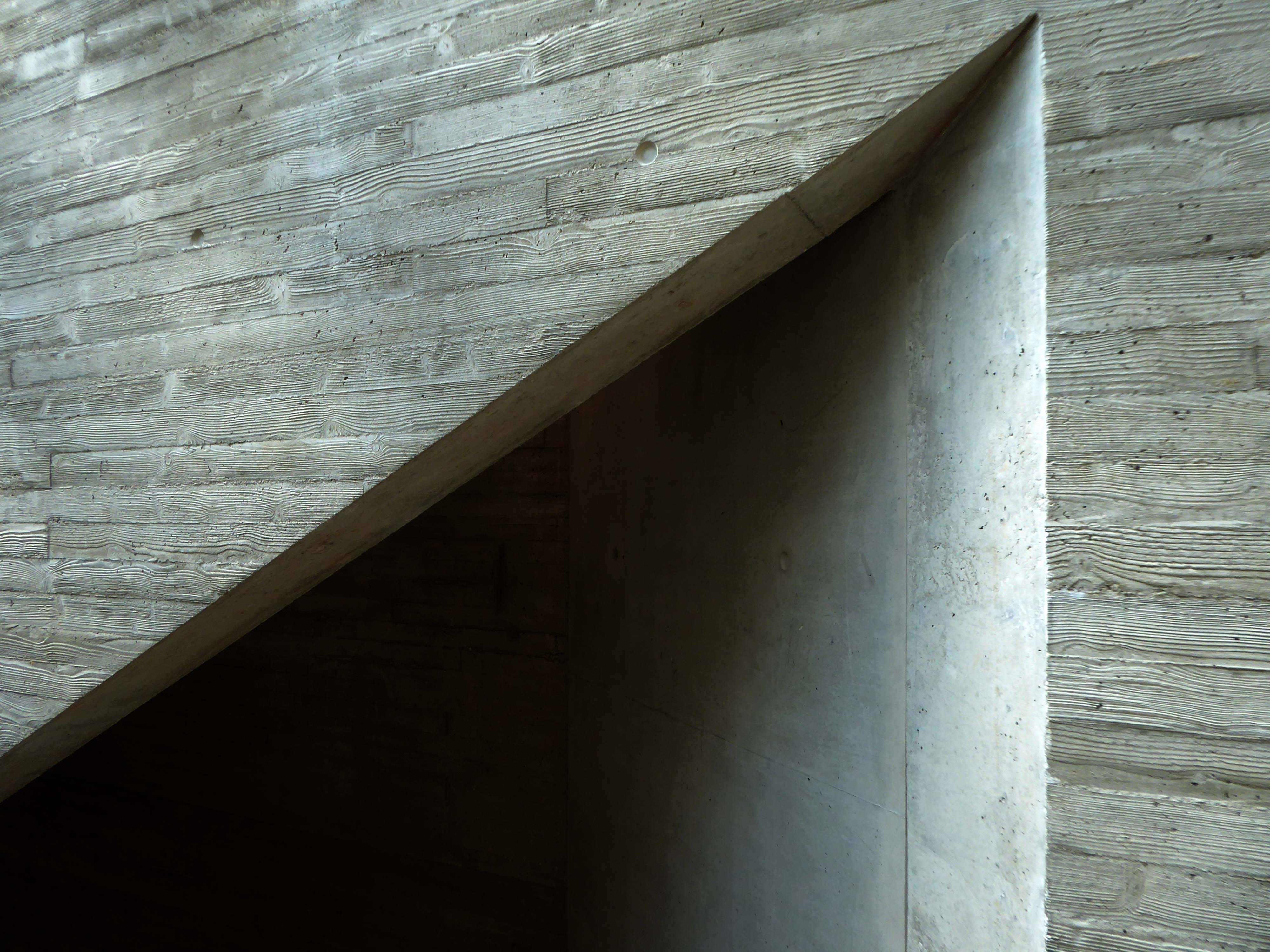
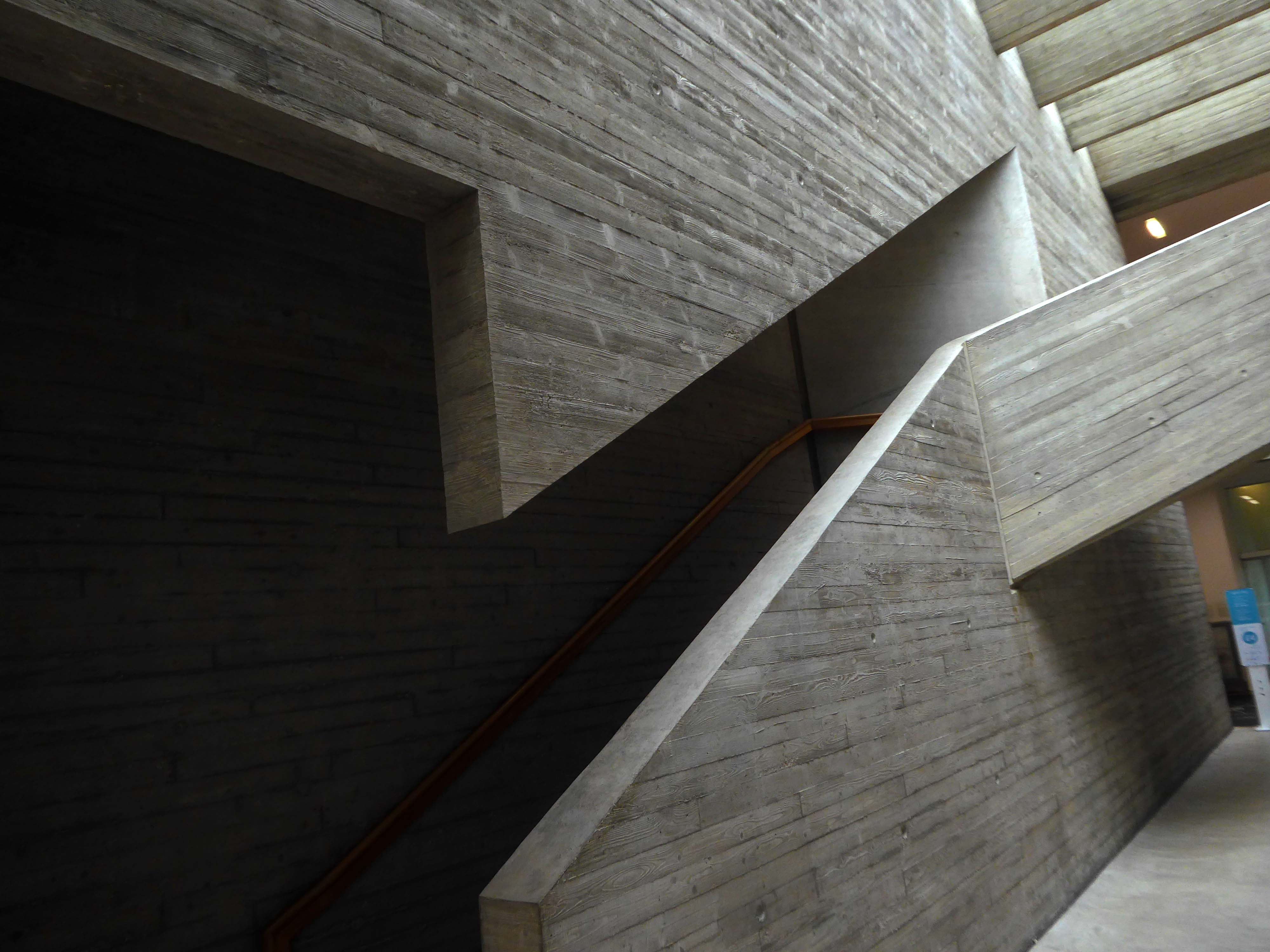
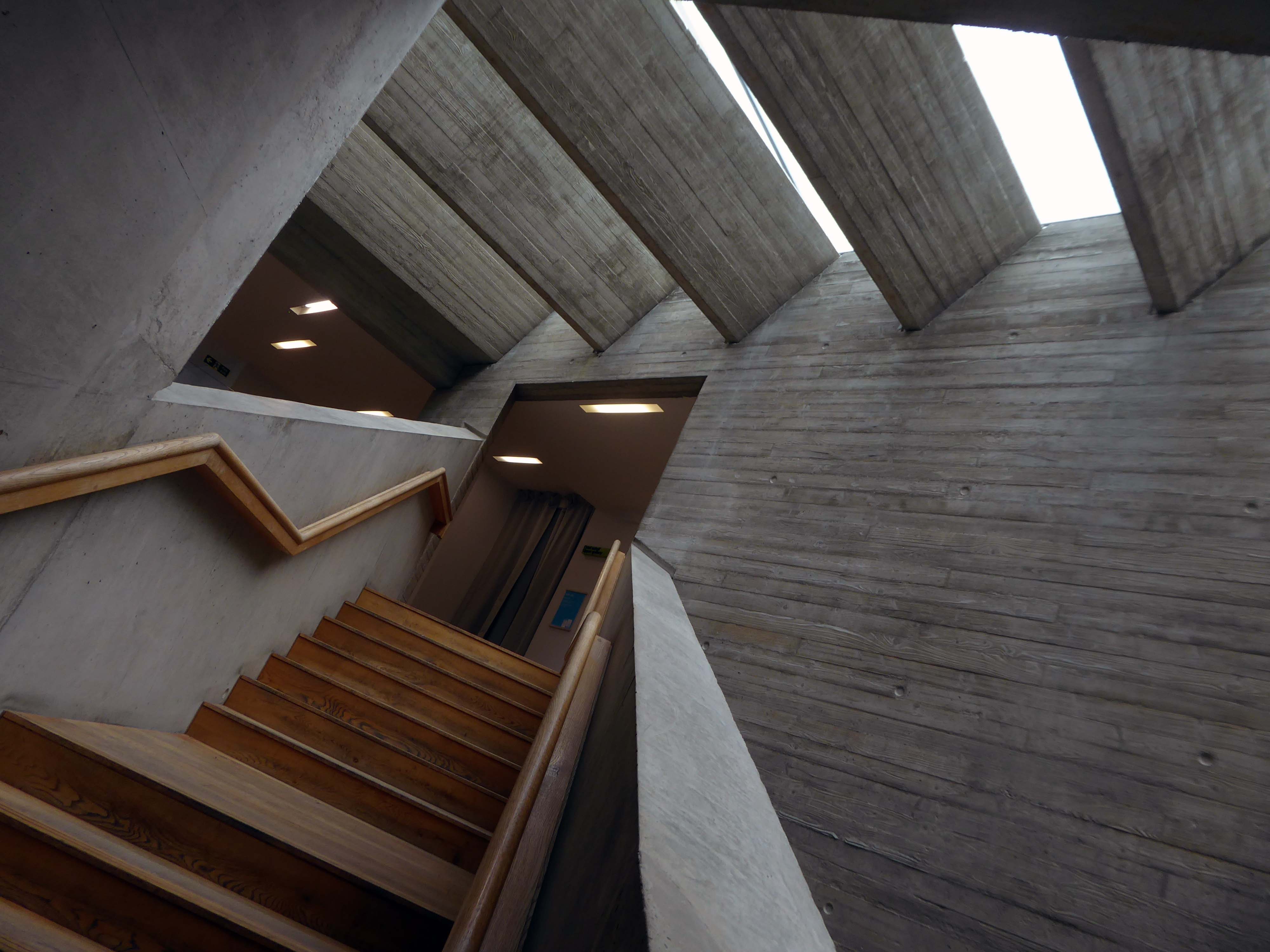
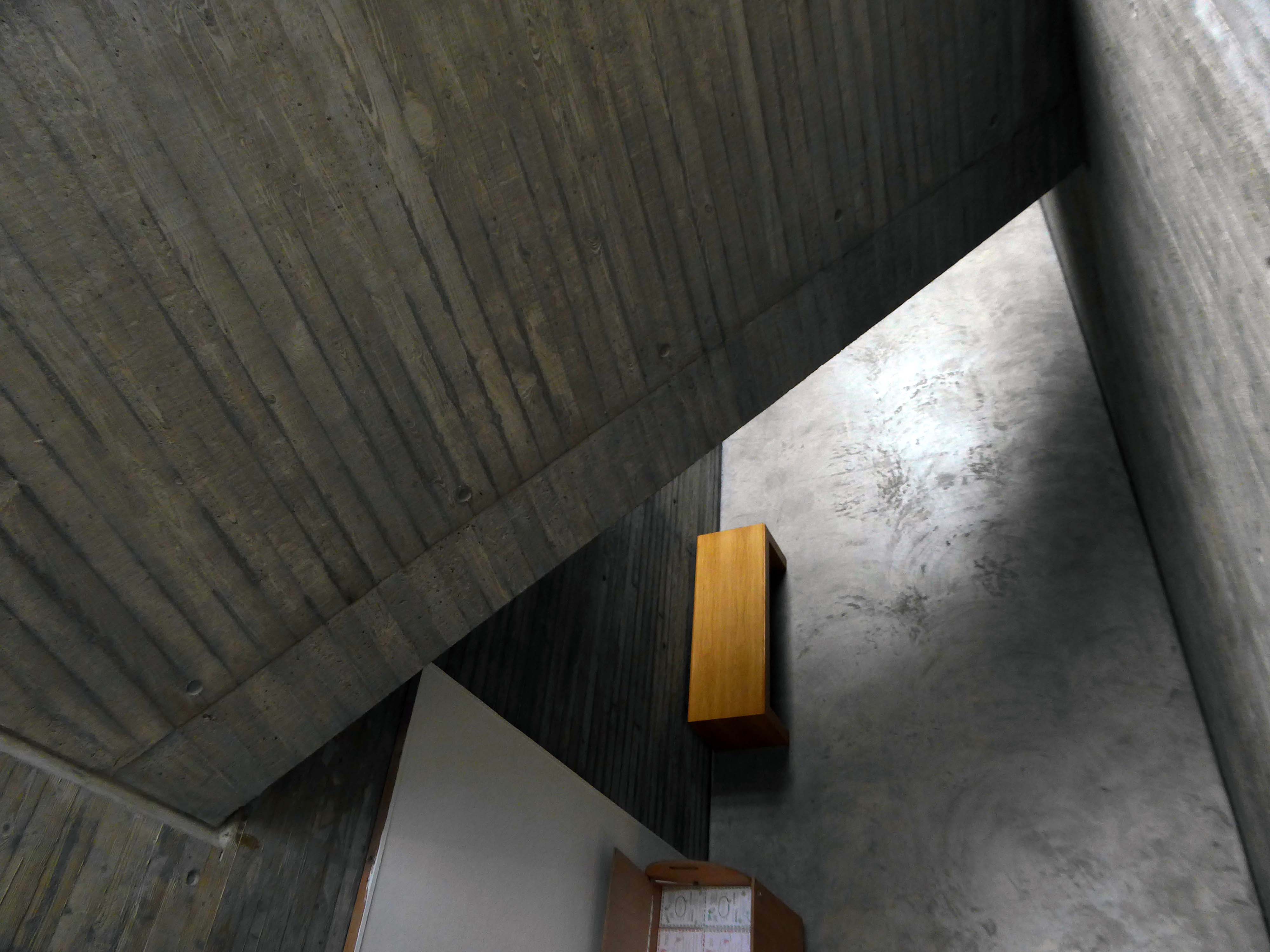
Acknowledged to be ‘one of the most beautiful galleries in Britain’, Mostyn in North Wales was an existing listed Victorian museum with two lantern galleries tucked behind a listed facade. We were appointed by Mostyn after winning the Architectural competition with a design combining a gallery space refurbishment with a gallery expansion and a new dramatic infill section linking new and old. The project has won a number of awards and increased footfall by over 60%.
Why not let your feet fall there soon – Oriel Mostynis open.
The very first time I visited the town as a child back in the early 1960s, it rained almost every day.
Subsequent visits have almost always been bathed in warm sunshine.
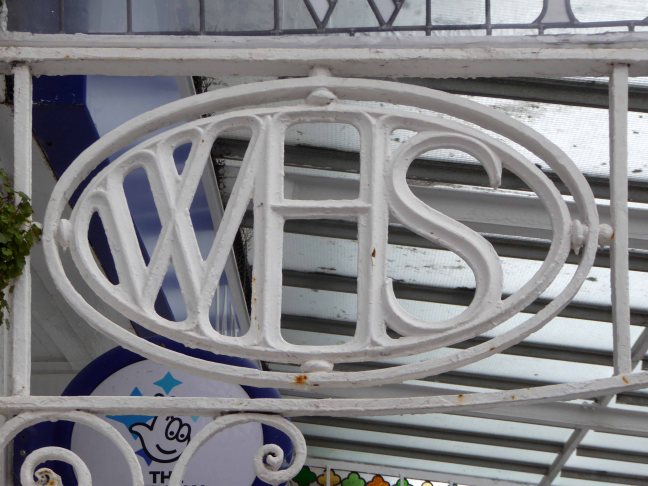
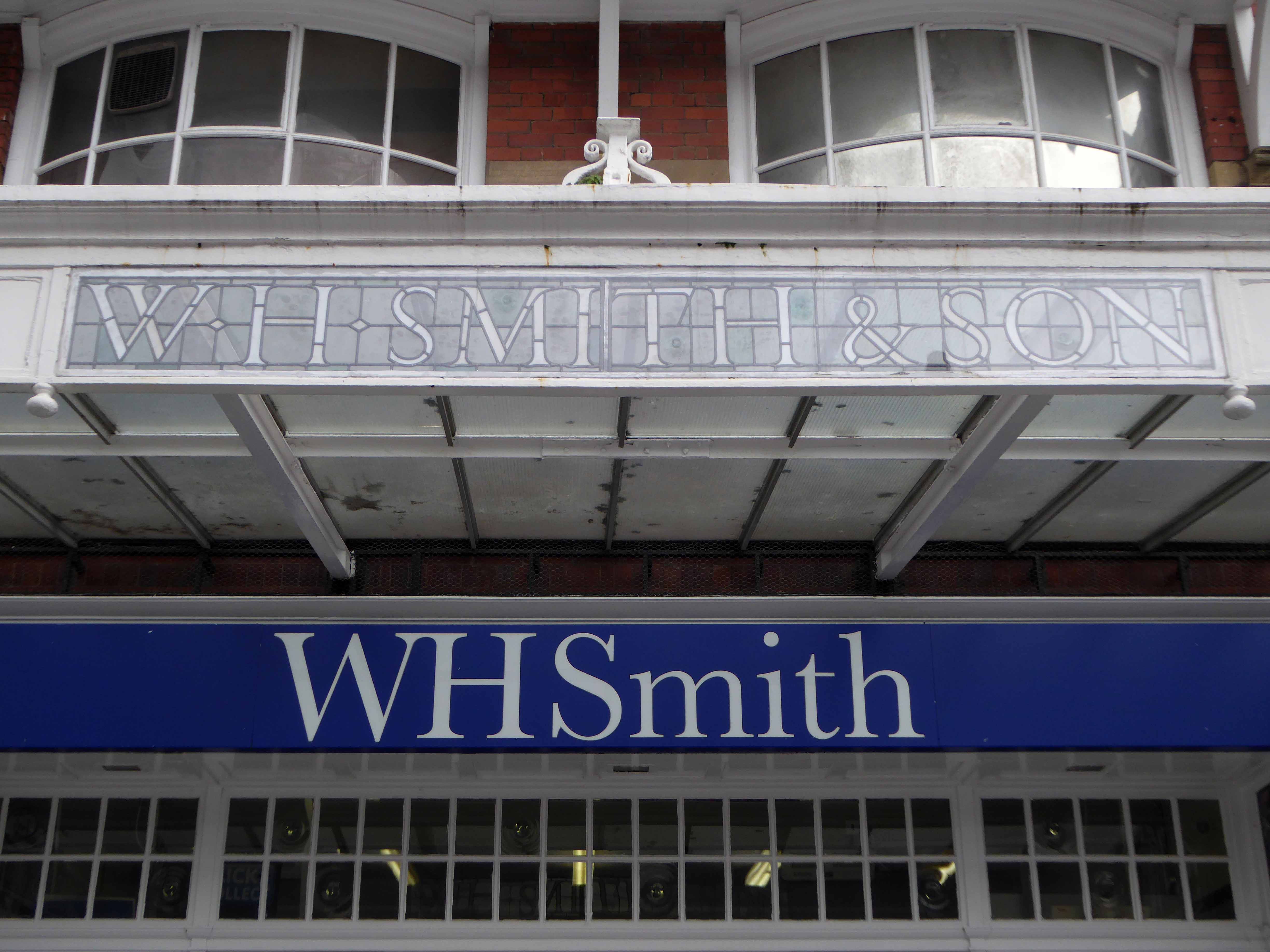
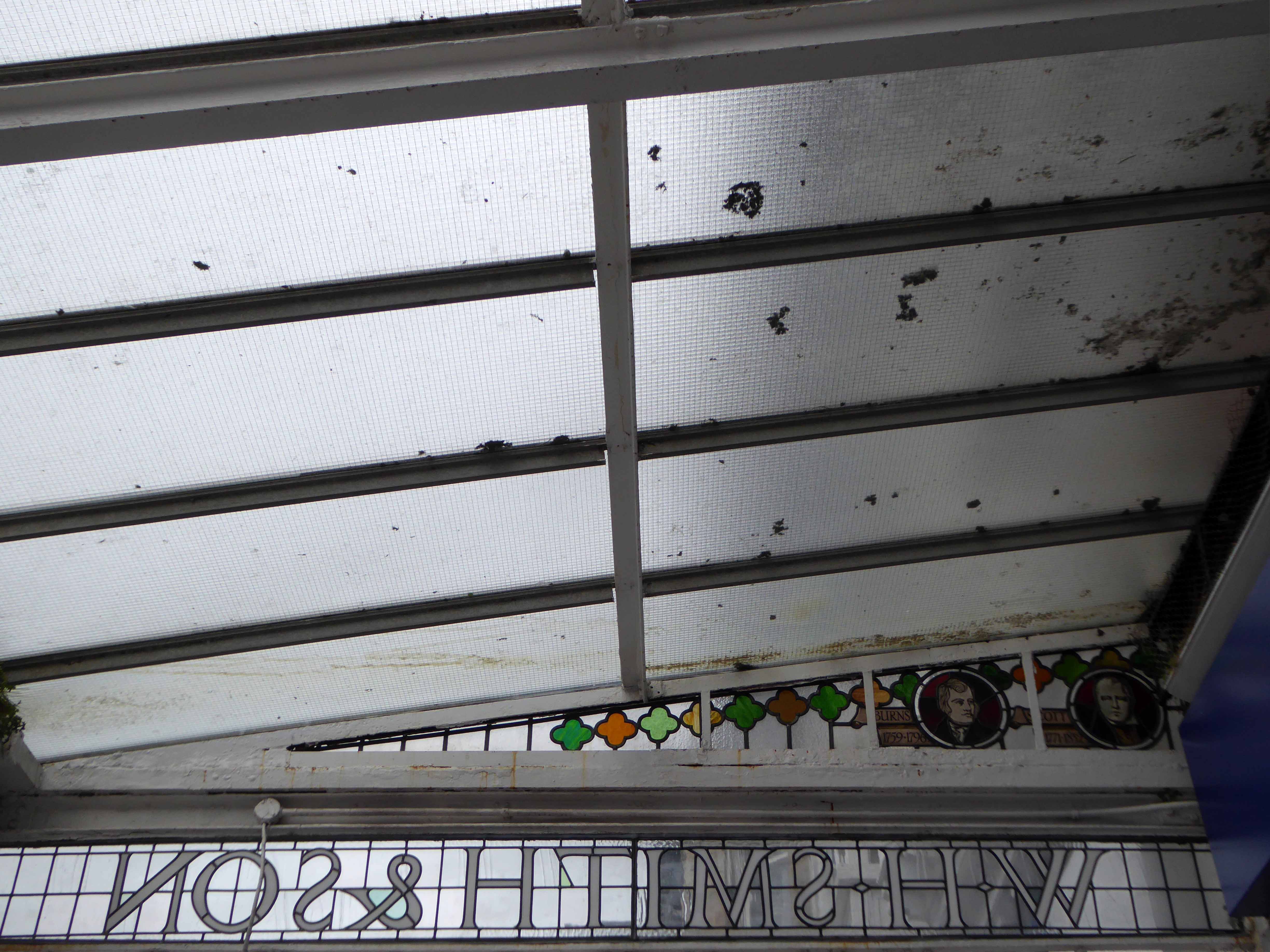
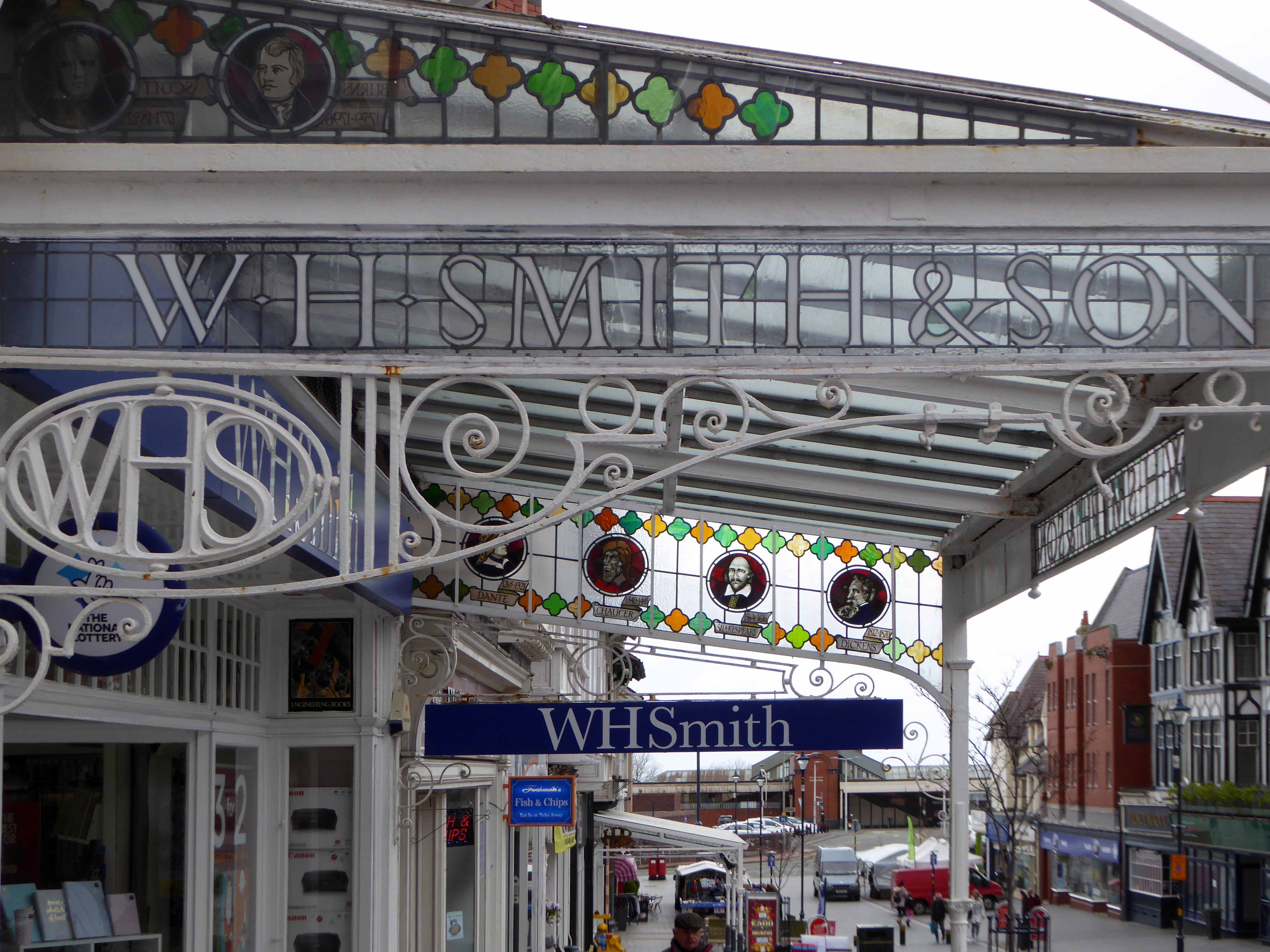
Now here I am in Colwyn Bay generally minding my own and everybody else’s business, when all of a sudden I noticed a cast iron glazed awning.
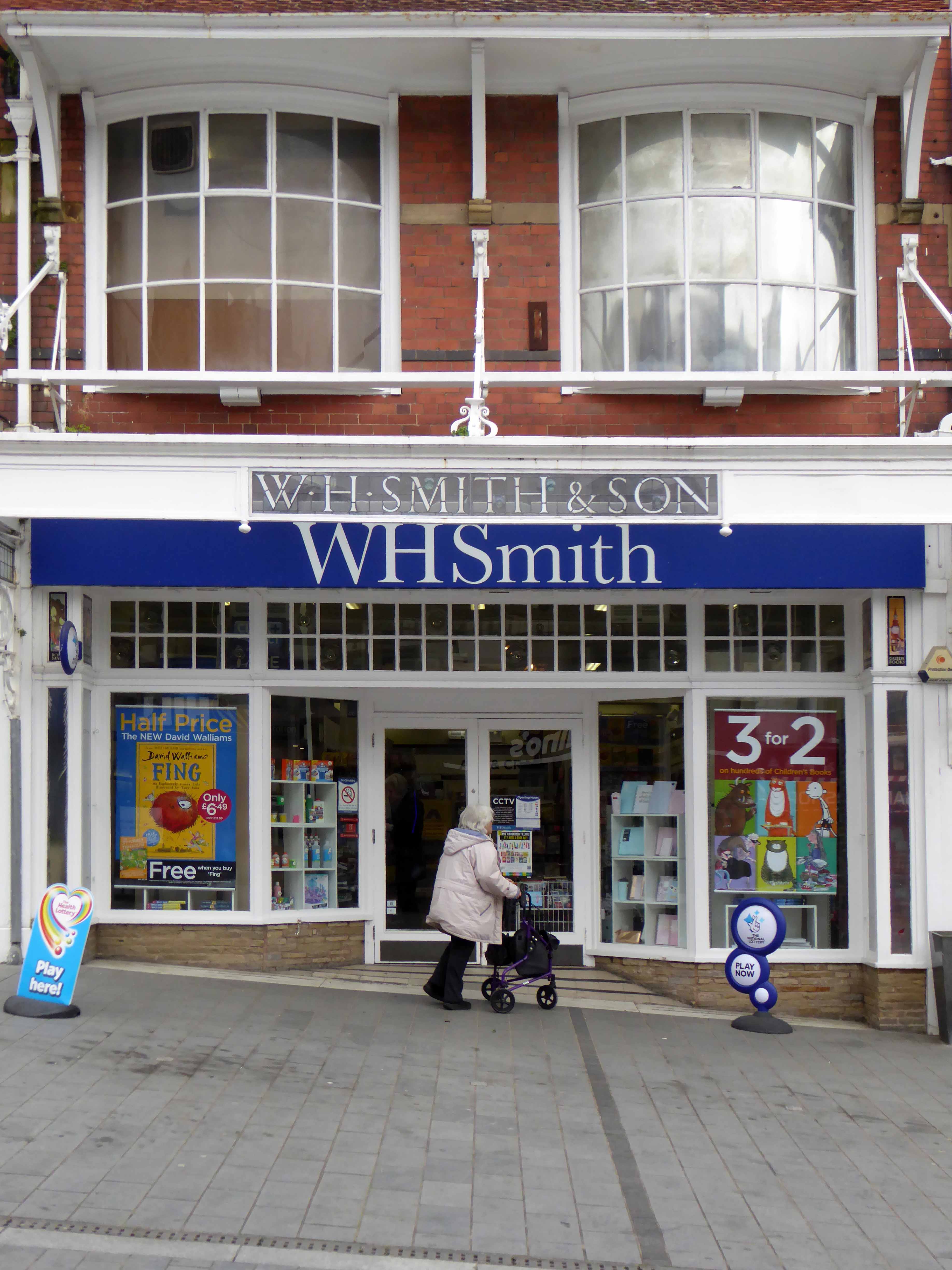
Proudly announcing the proprietors – sadly supported by a distressing modern addition – now I’m not one to decry and debunk the rising tide of modernity, I’m all in favour of unisex clothing and central heating.
But the unchecked encroachment of vacuous vinyl really is the limit.
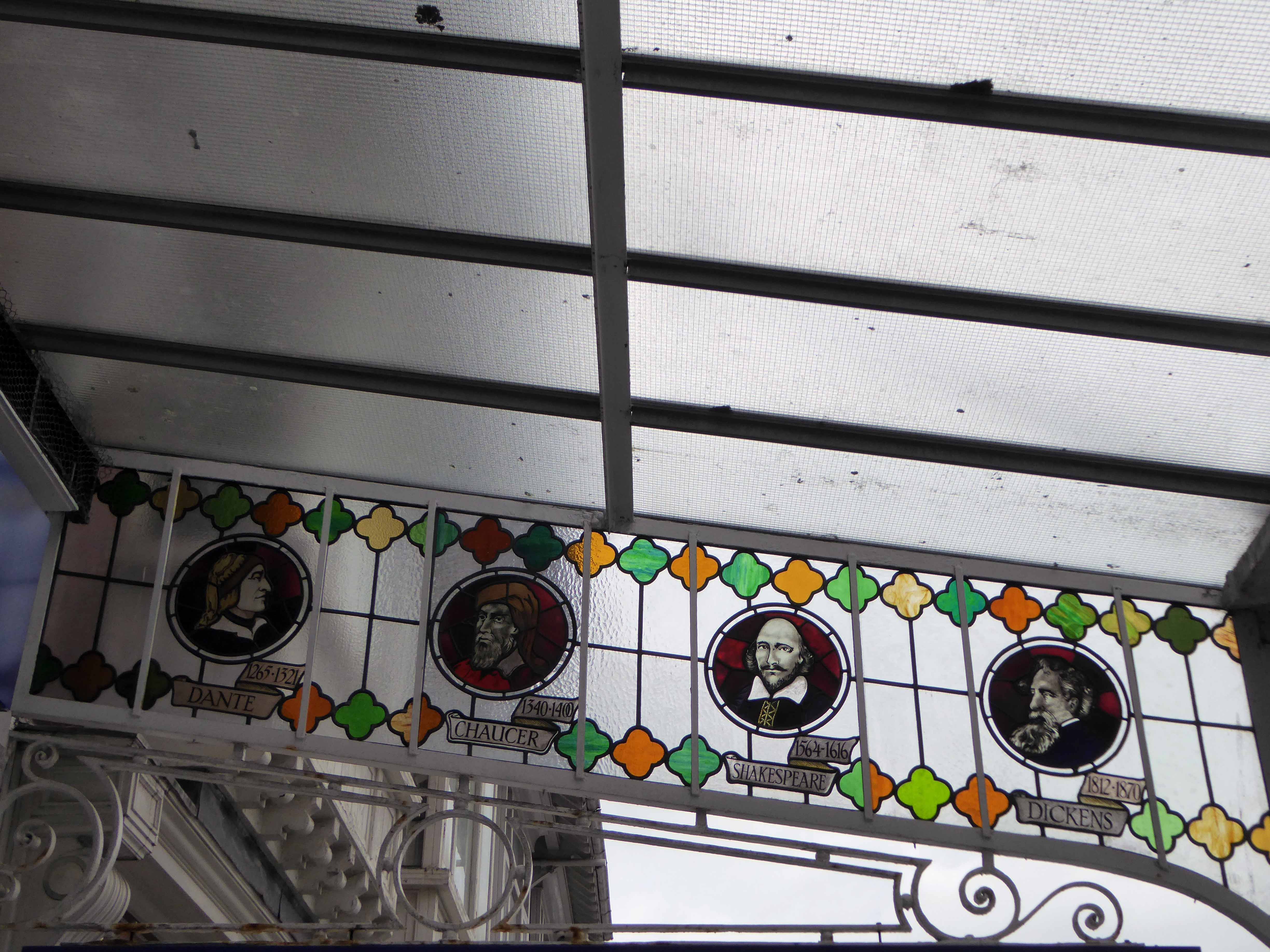
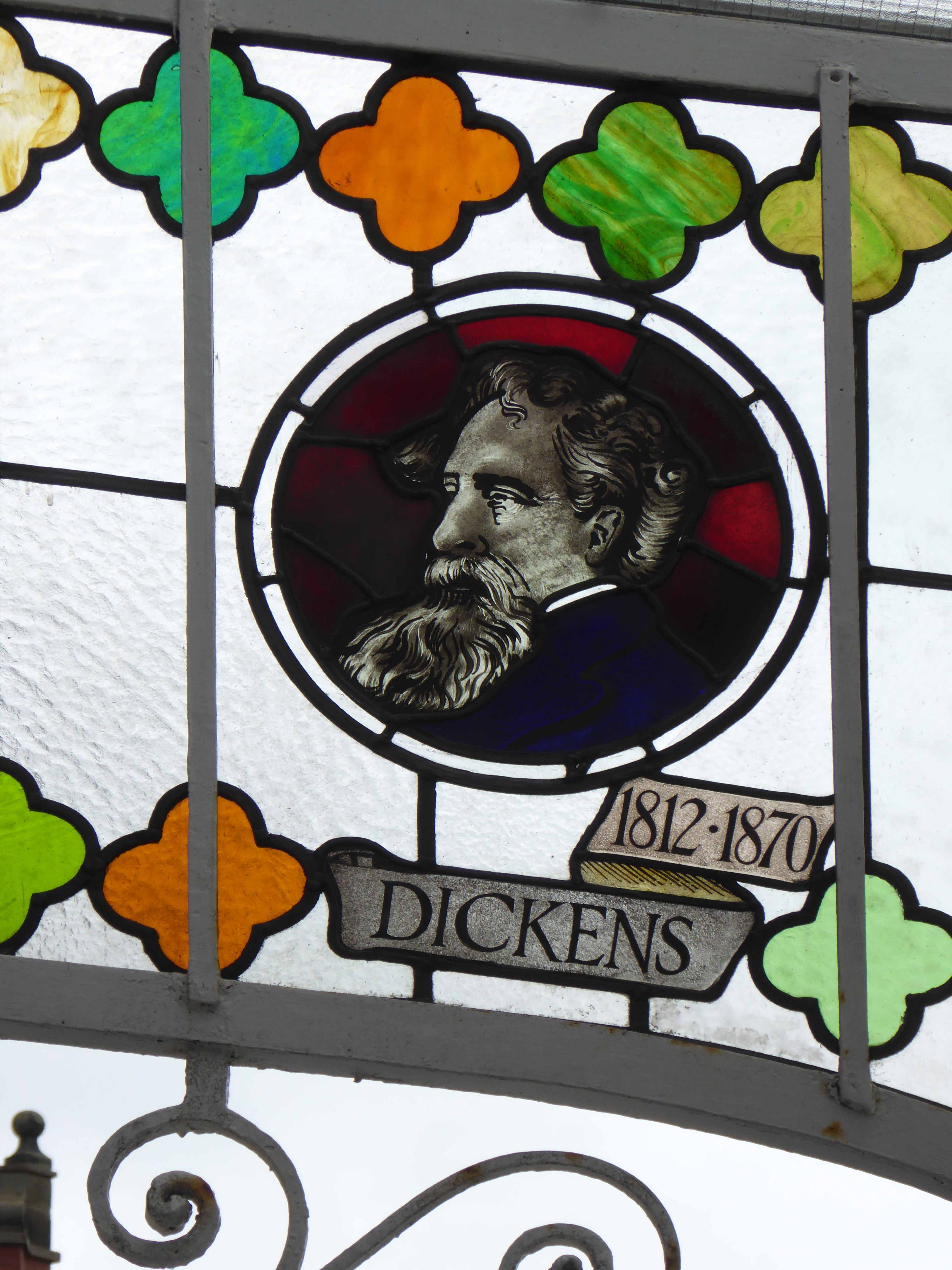
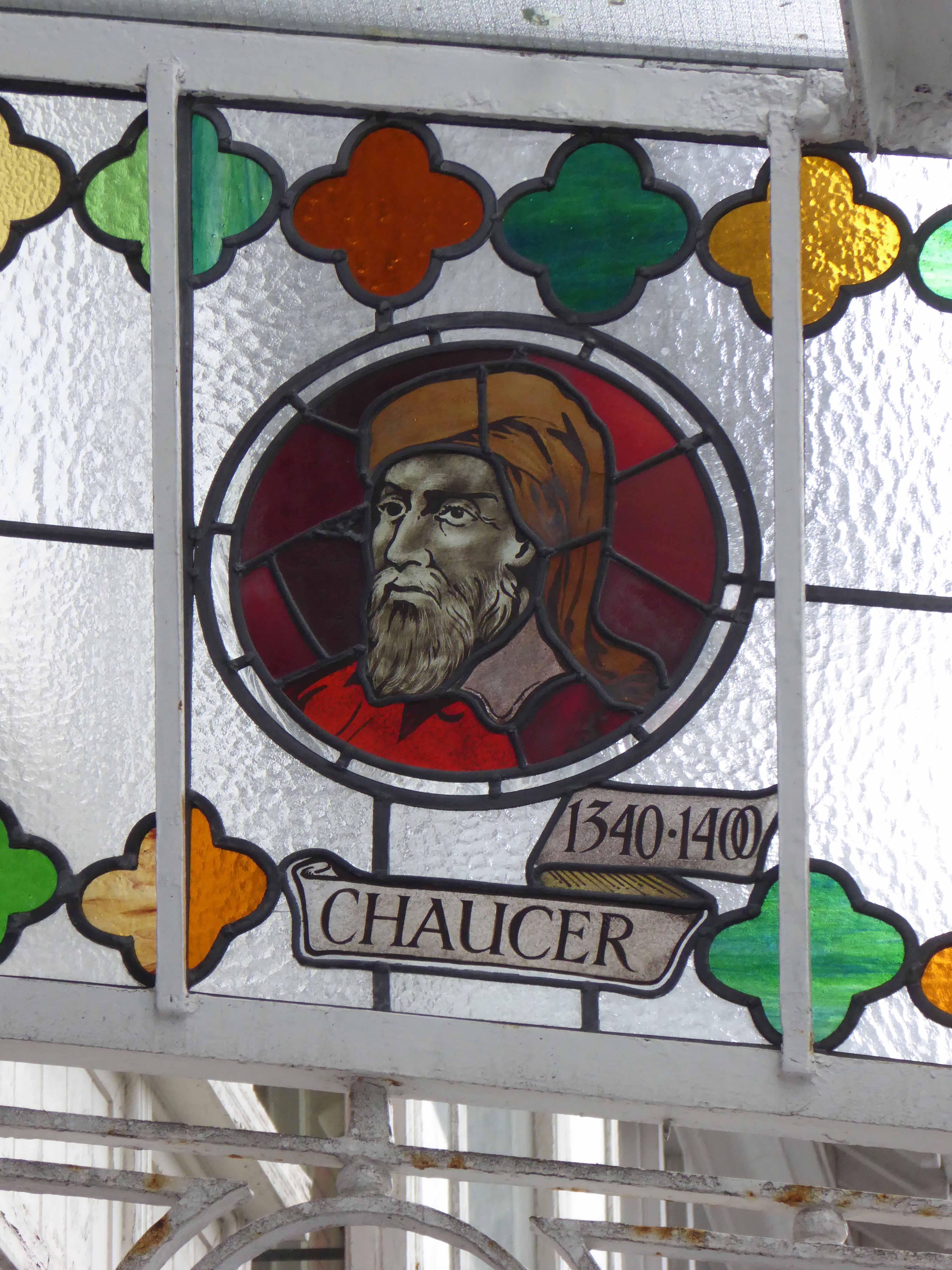
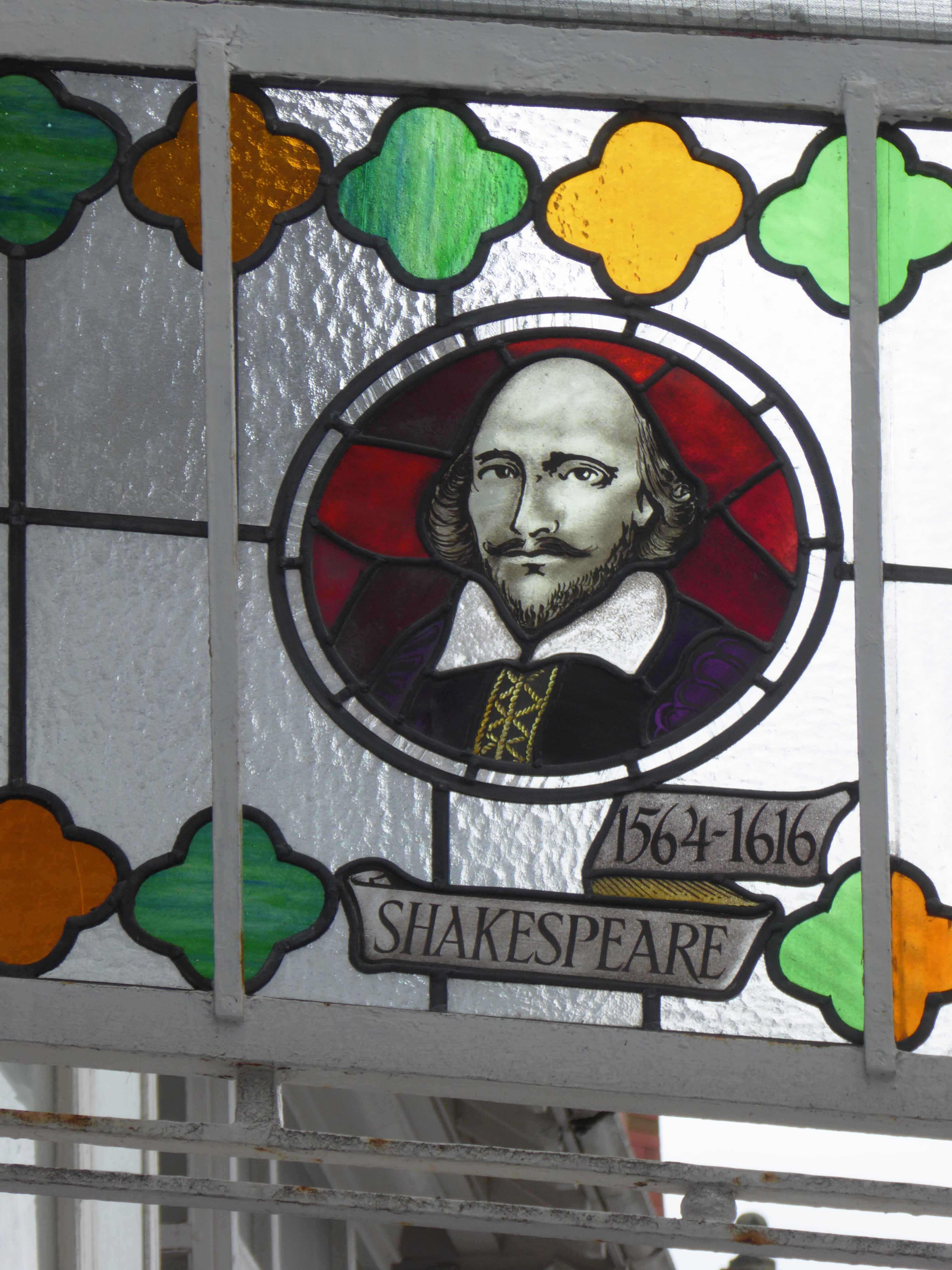
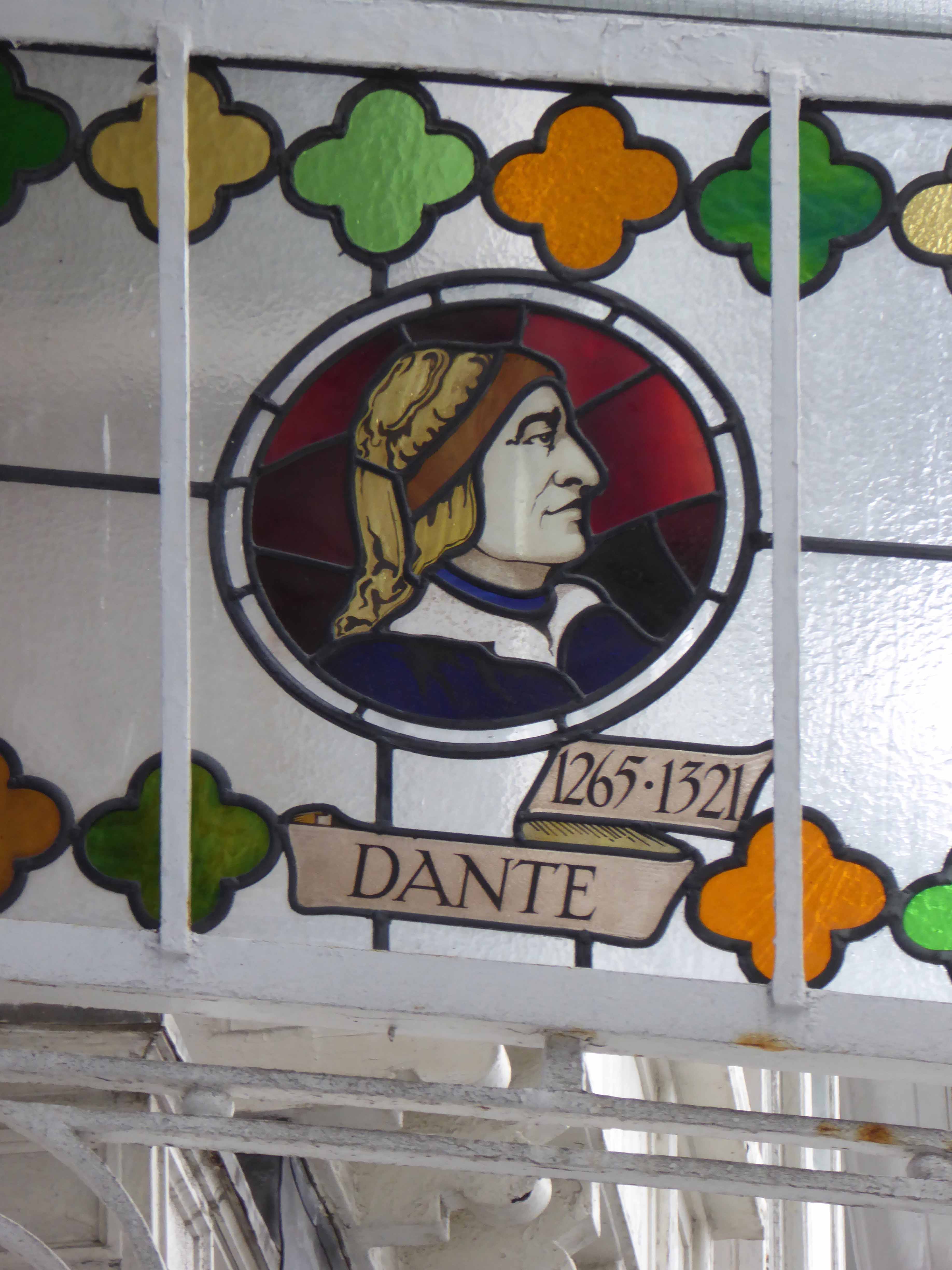
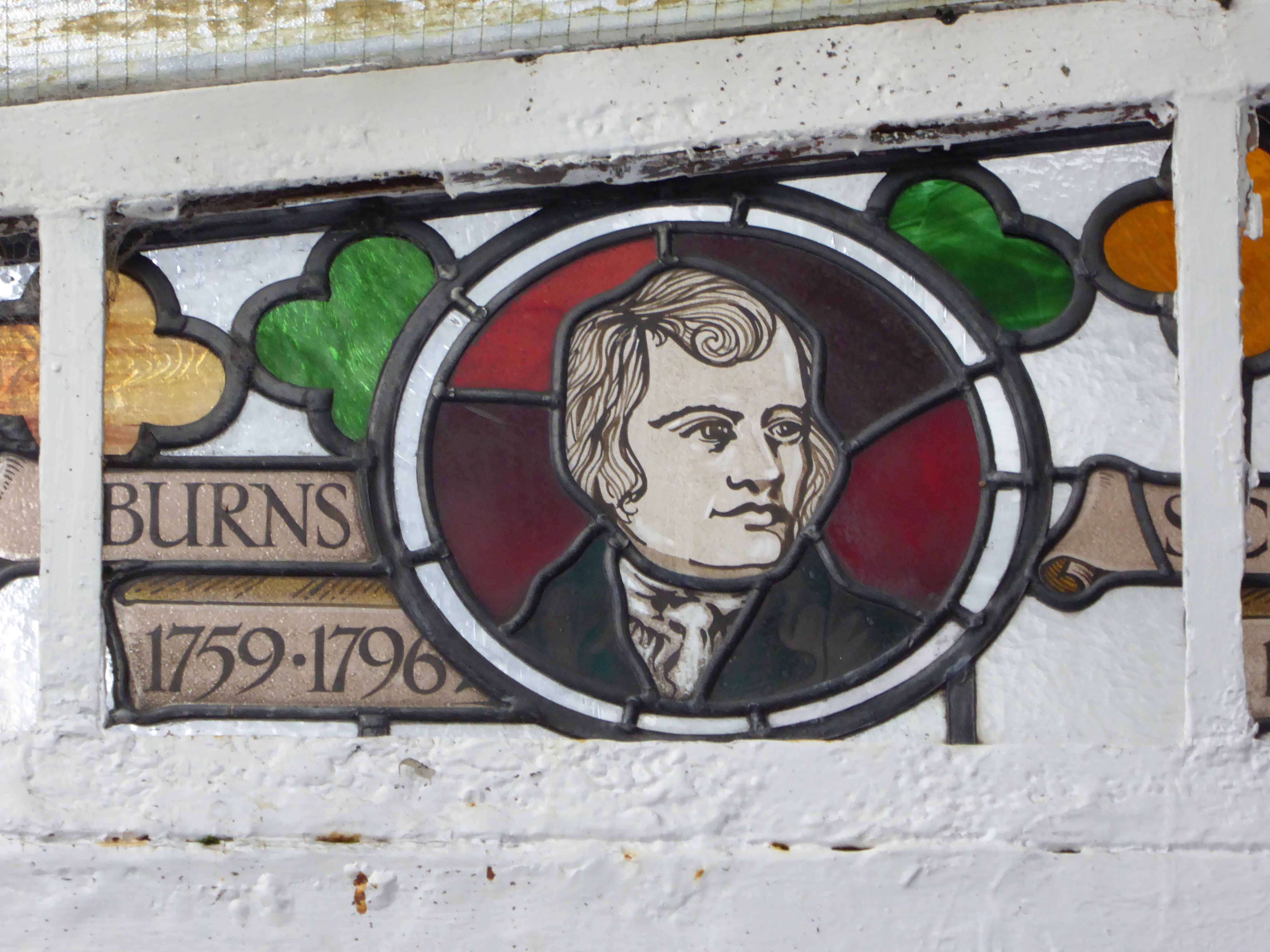
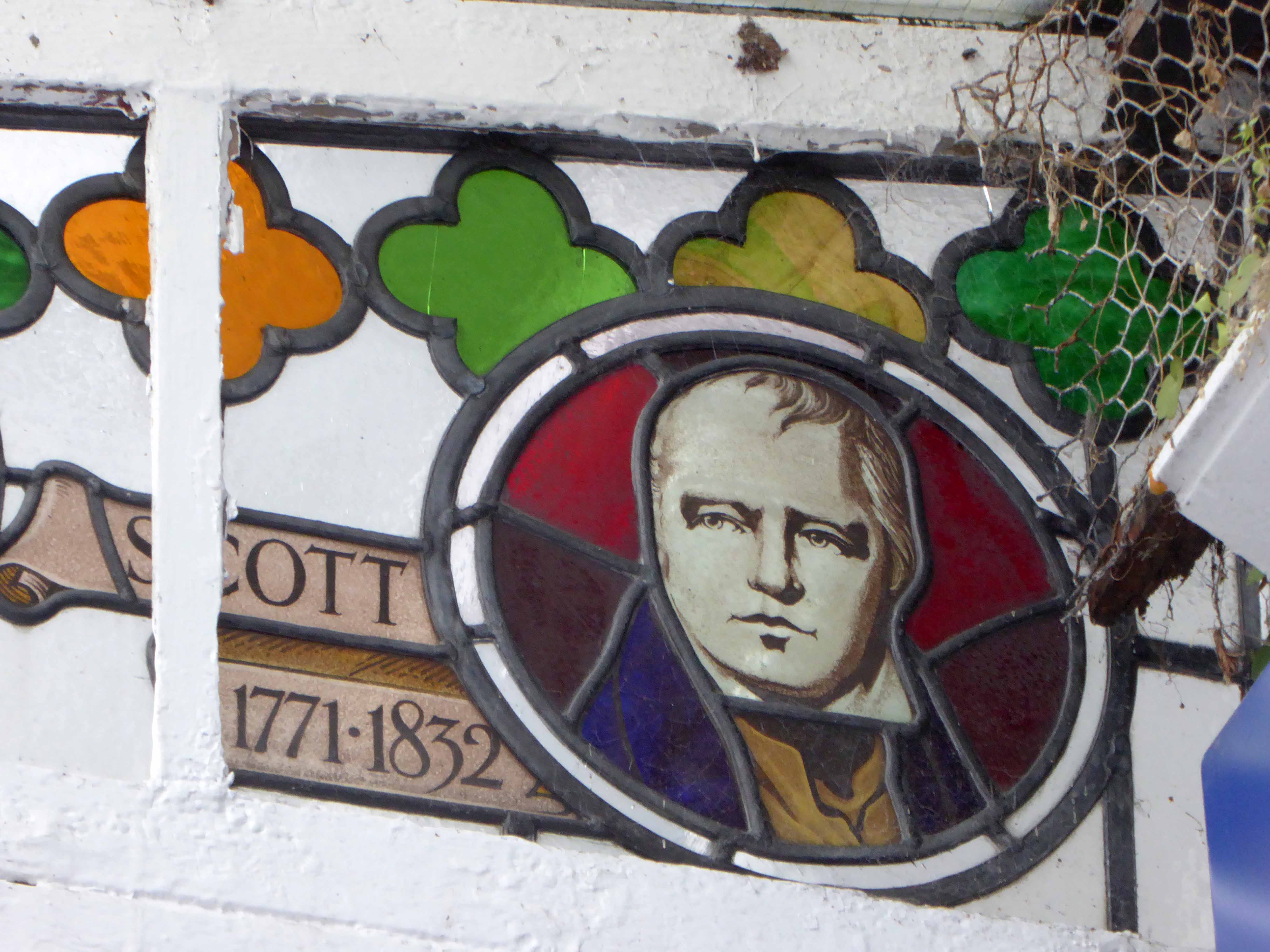
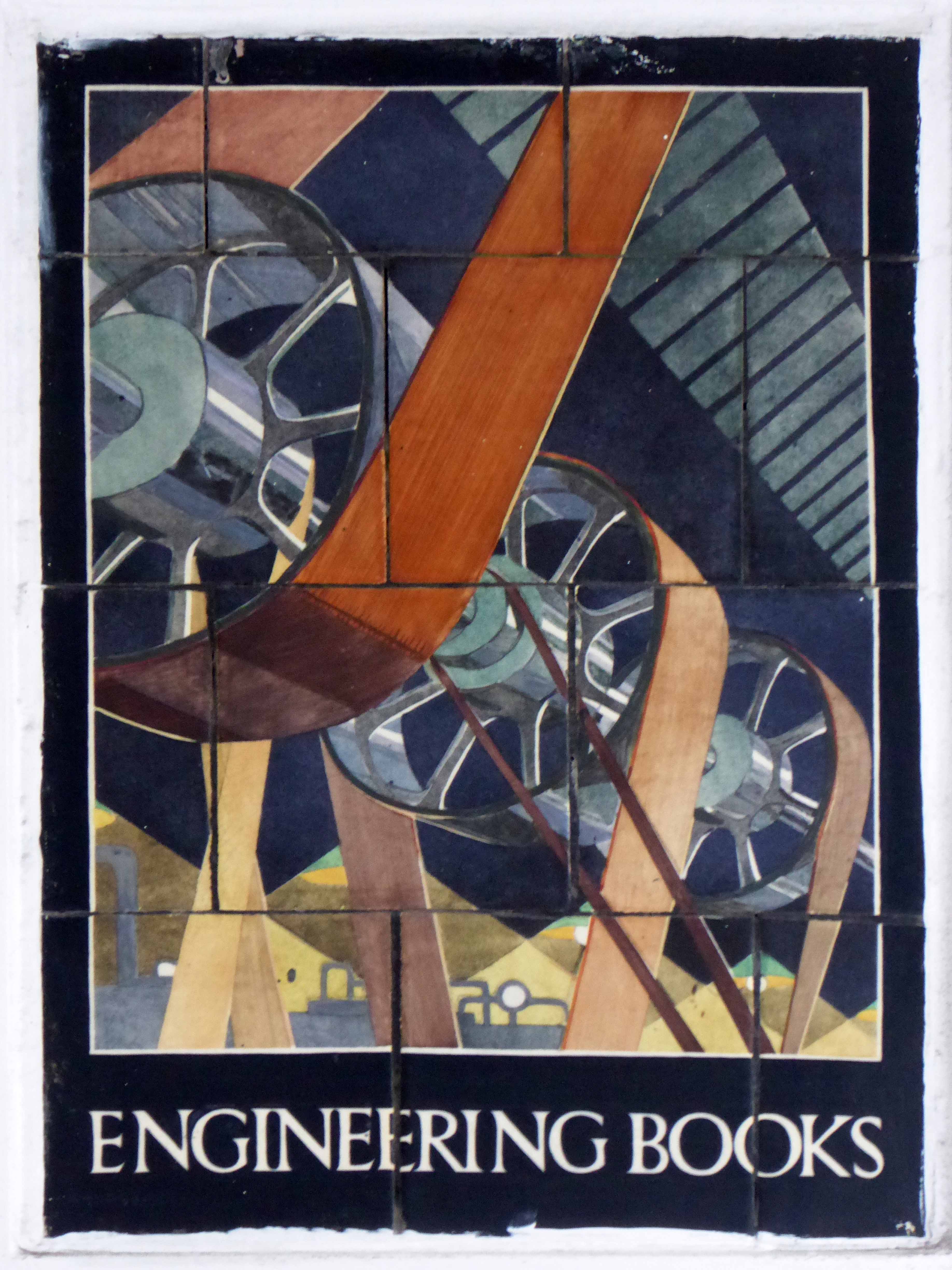
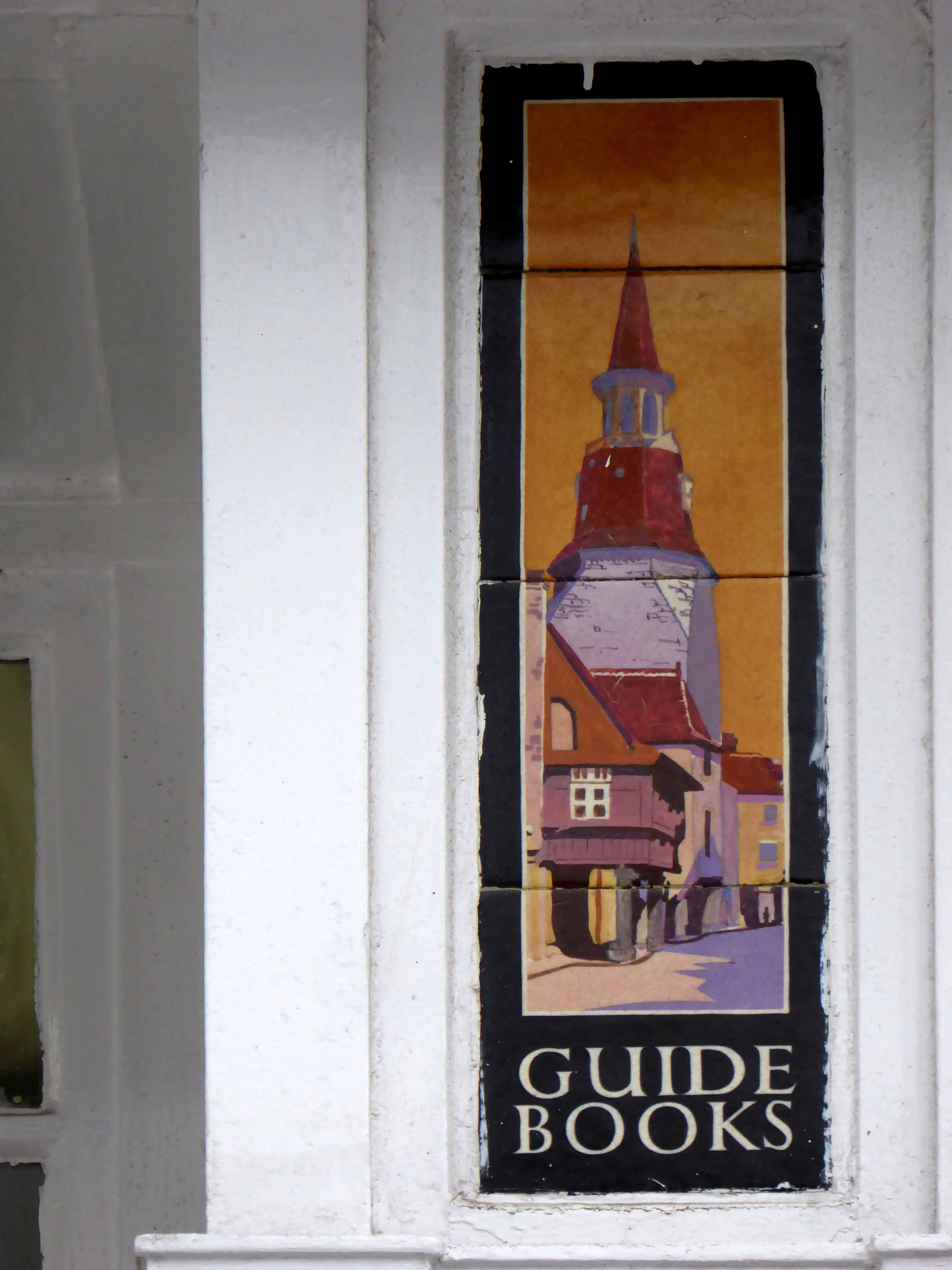
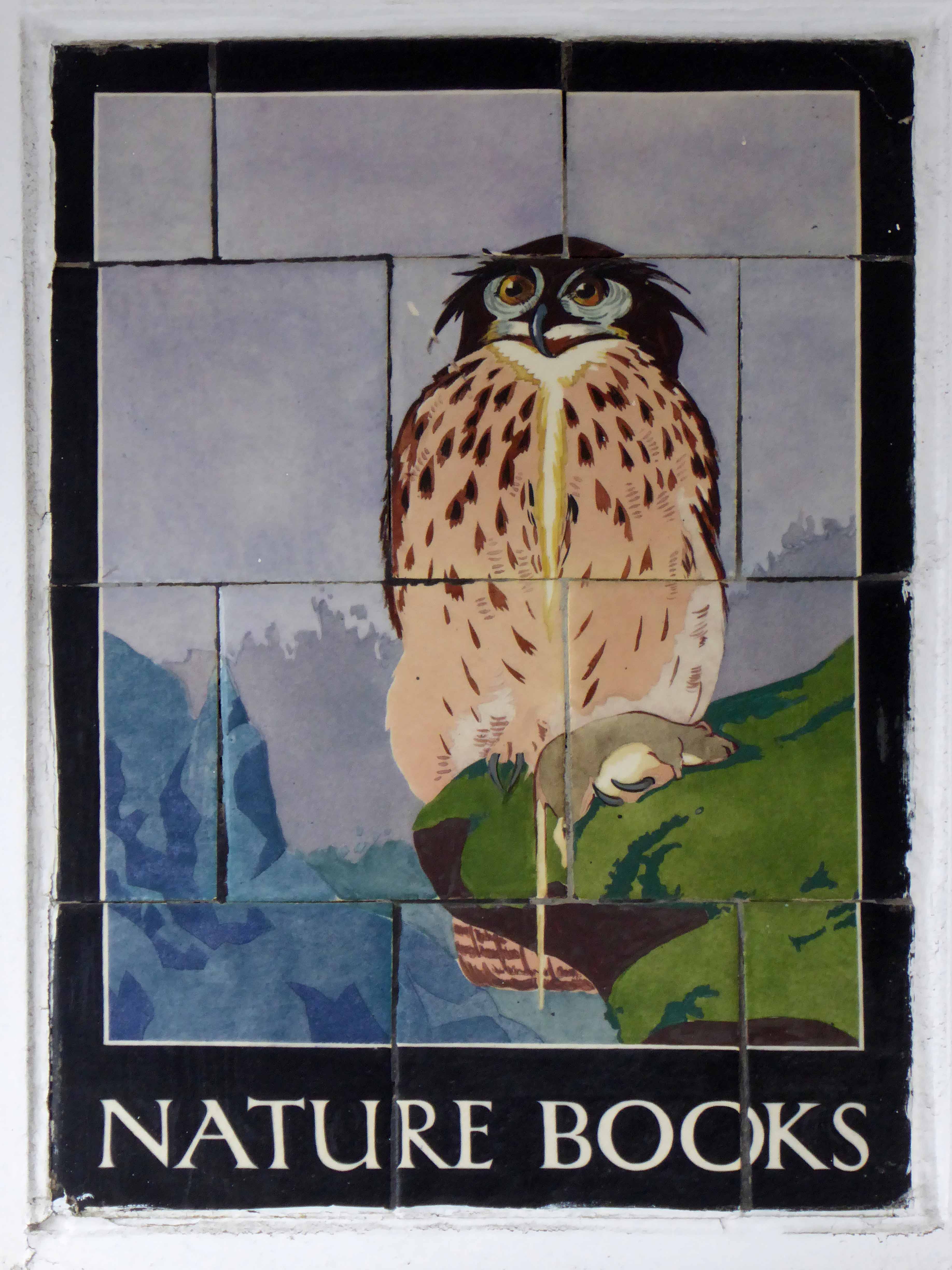
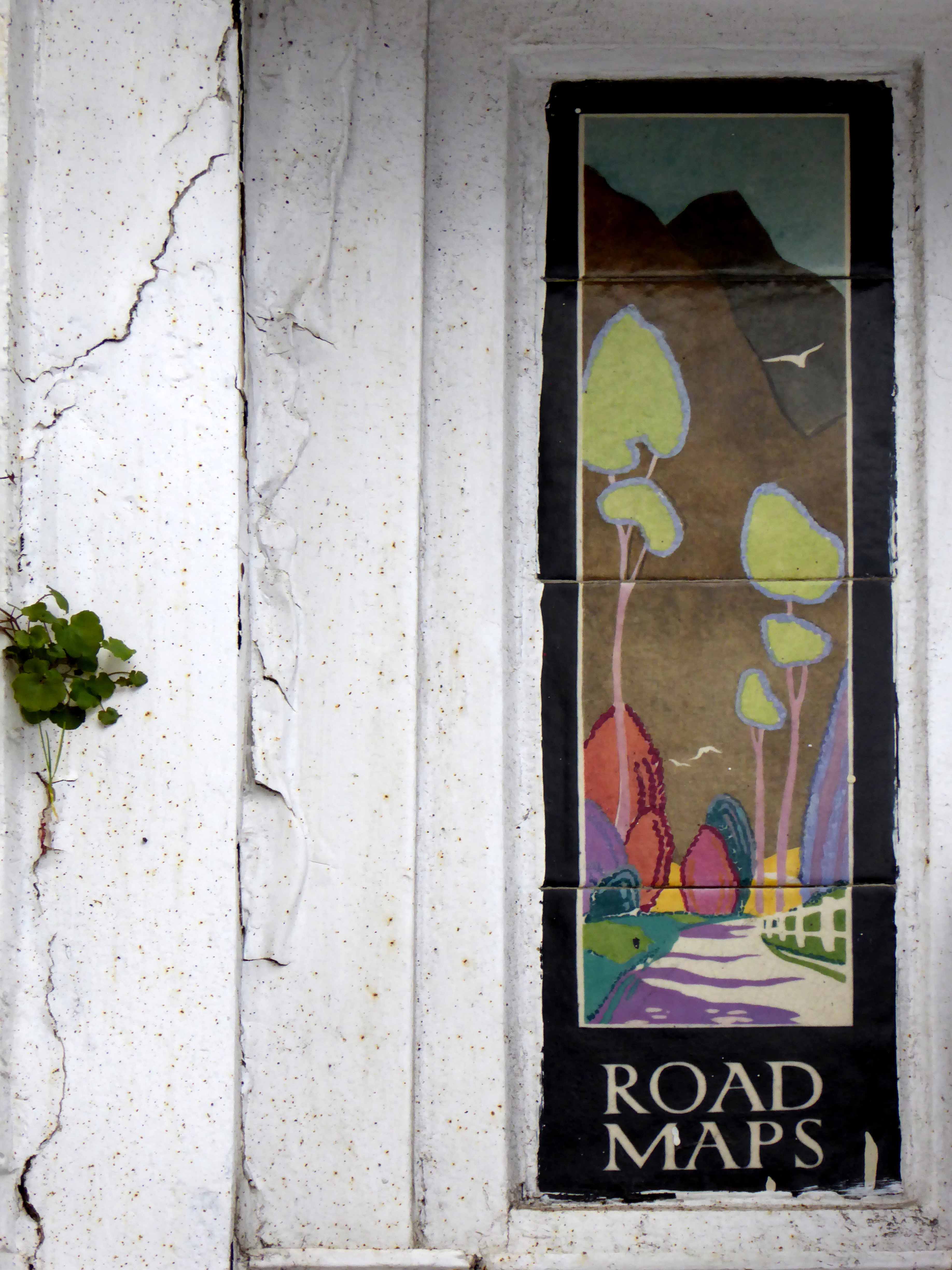
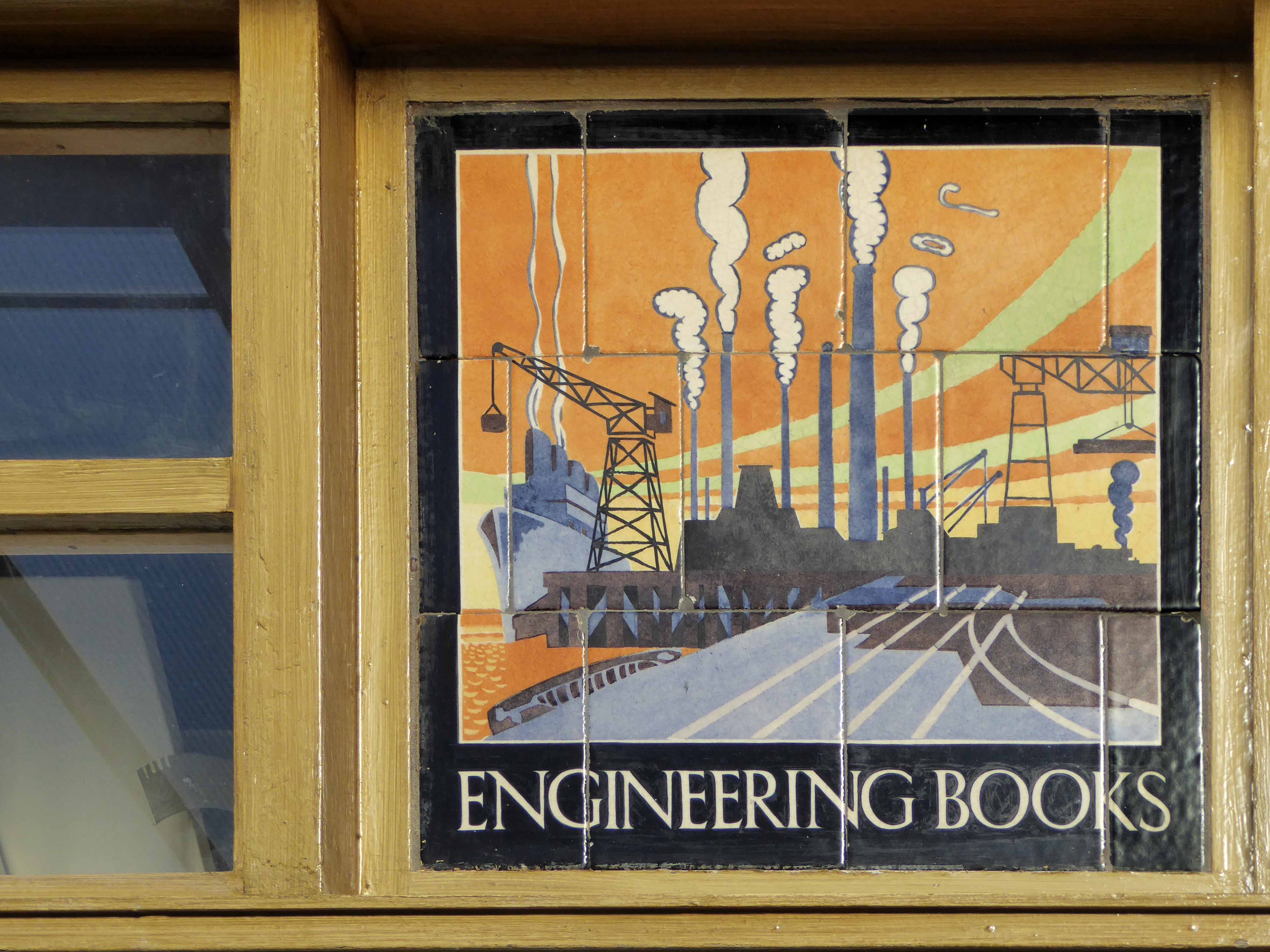
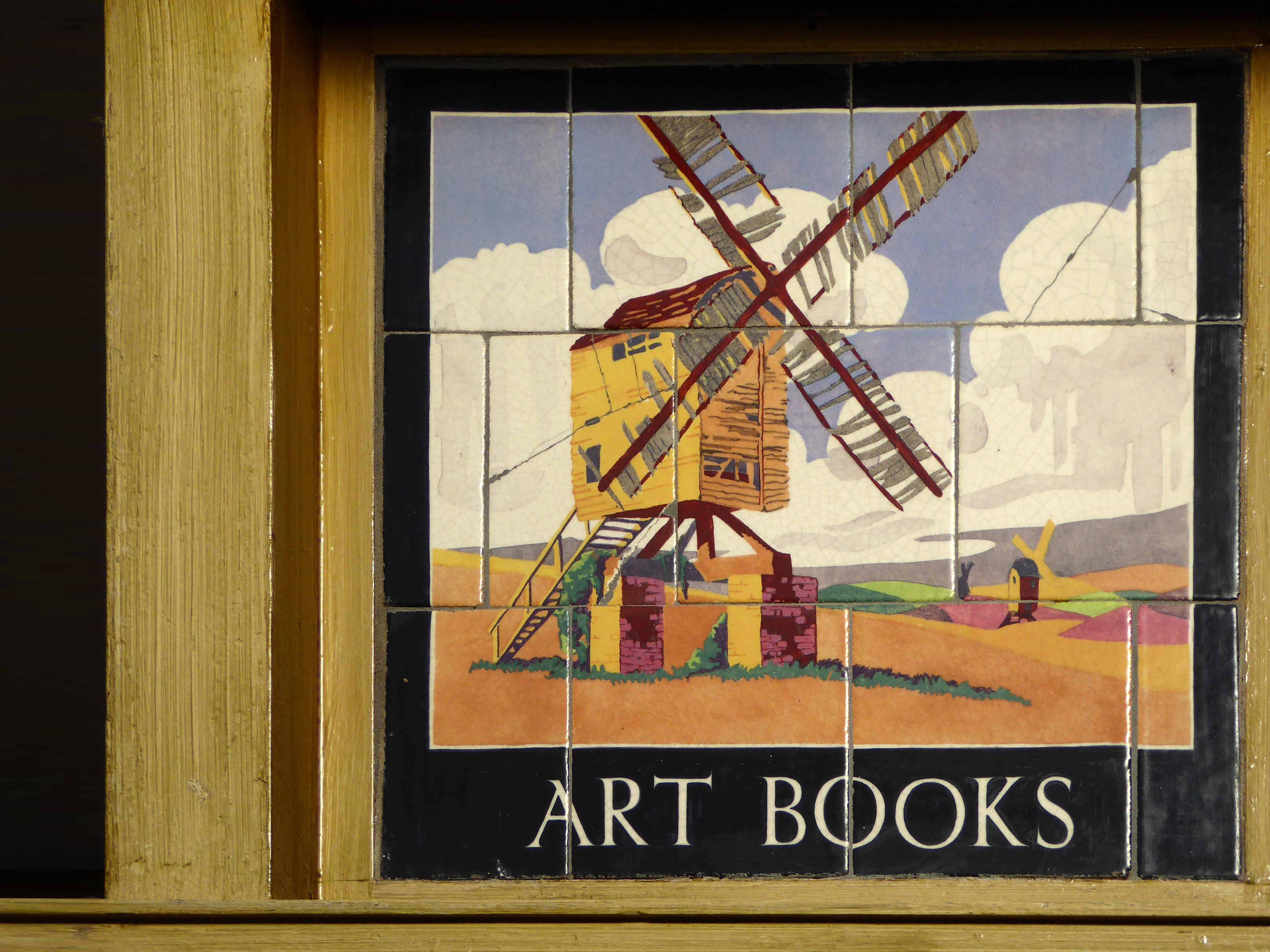
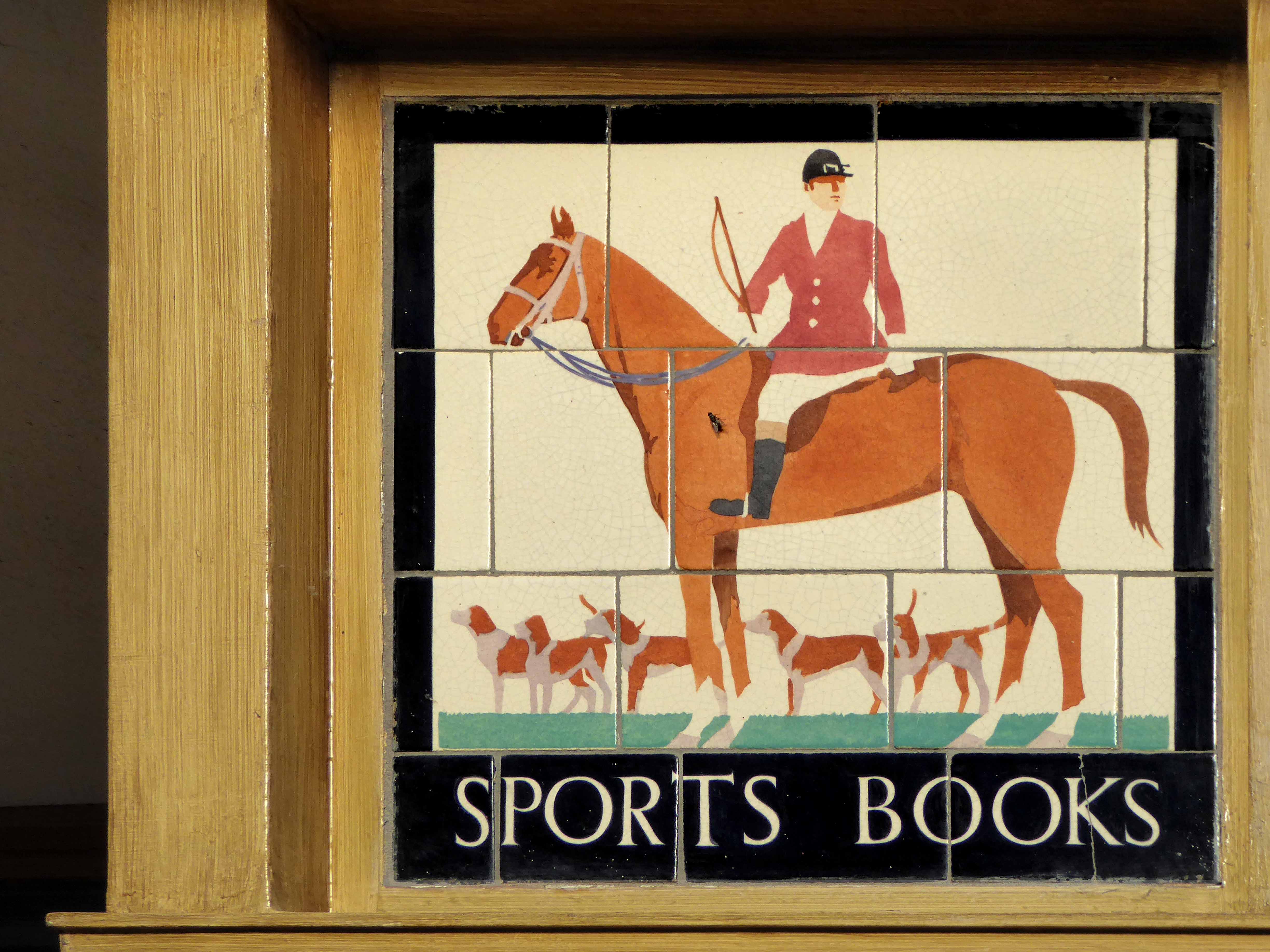
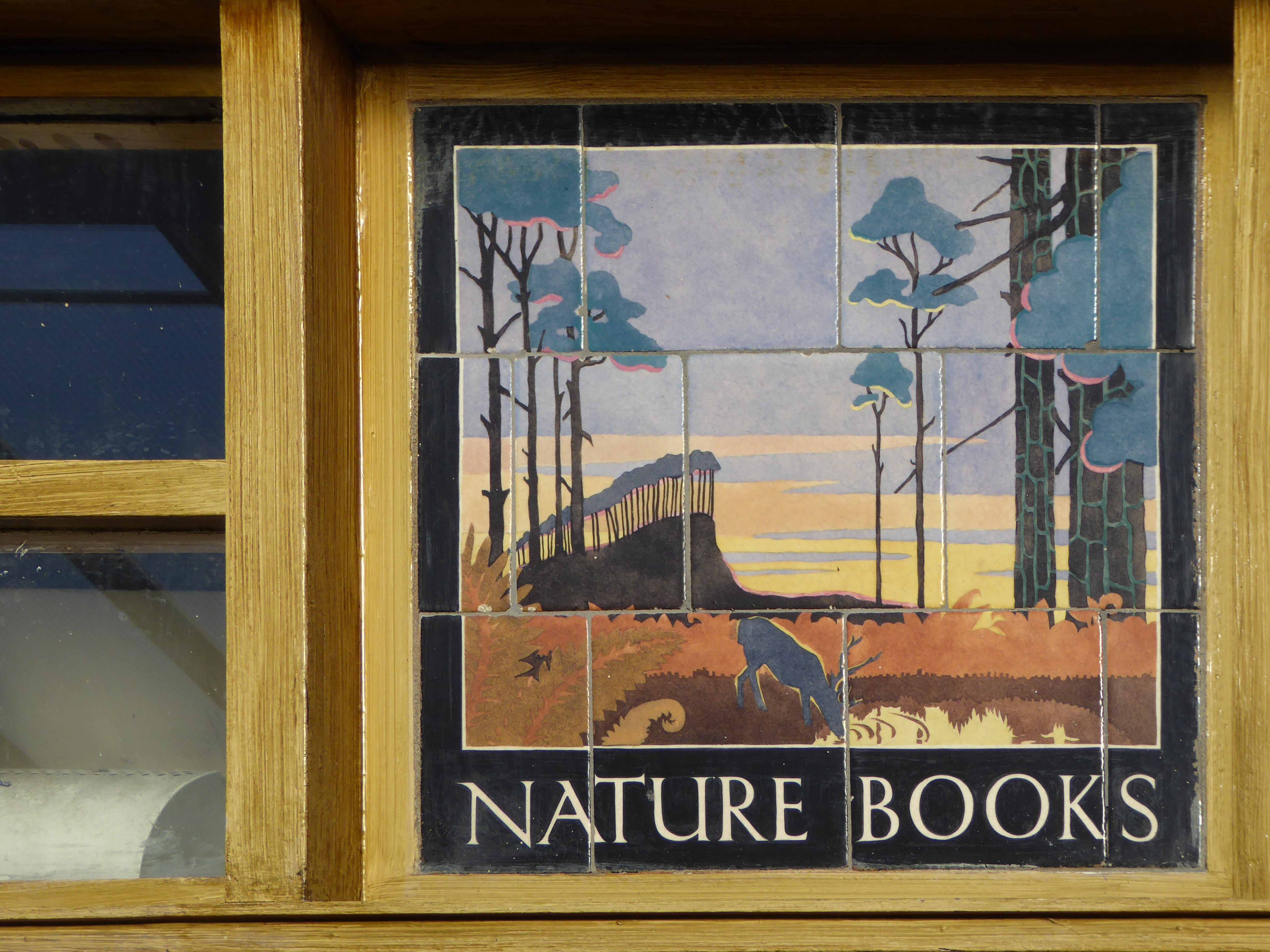
Businesses displayed a degree of dignified permanence unknown to the current high street trader. So here it is writ larger than life in stained glass and Carter’s Tiles.
Loud and proud.
And as an addendum here are the delightful tiles from the Llandudno branch, snapped two years previously.
The town of Llandudno developed from Stone Age, Bronze Age and Iron Age settlements over many hundreds of years on the slopes of the limestone headland, known to seafarers as the Great Orme and to landsmen as the Creuddyn Peninsula.
Some years later.
In 1848, Owen Williams, an architect and surveyor from Liverpool, presented landowner Lord Mostyn with plans to develop the marshlands behind Llandudno Bay as a holiday resort. These were enthusiastically pursued by Lord Mostyn. The influence of the Mostyn Estate and its agents over the years was paramount in the development of Llandudno, especially after the appointment of George Felton as surveyor and architect in 1857.
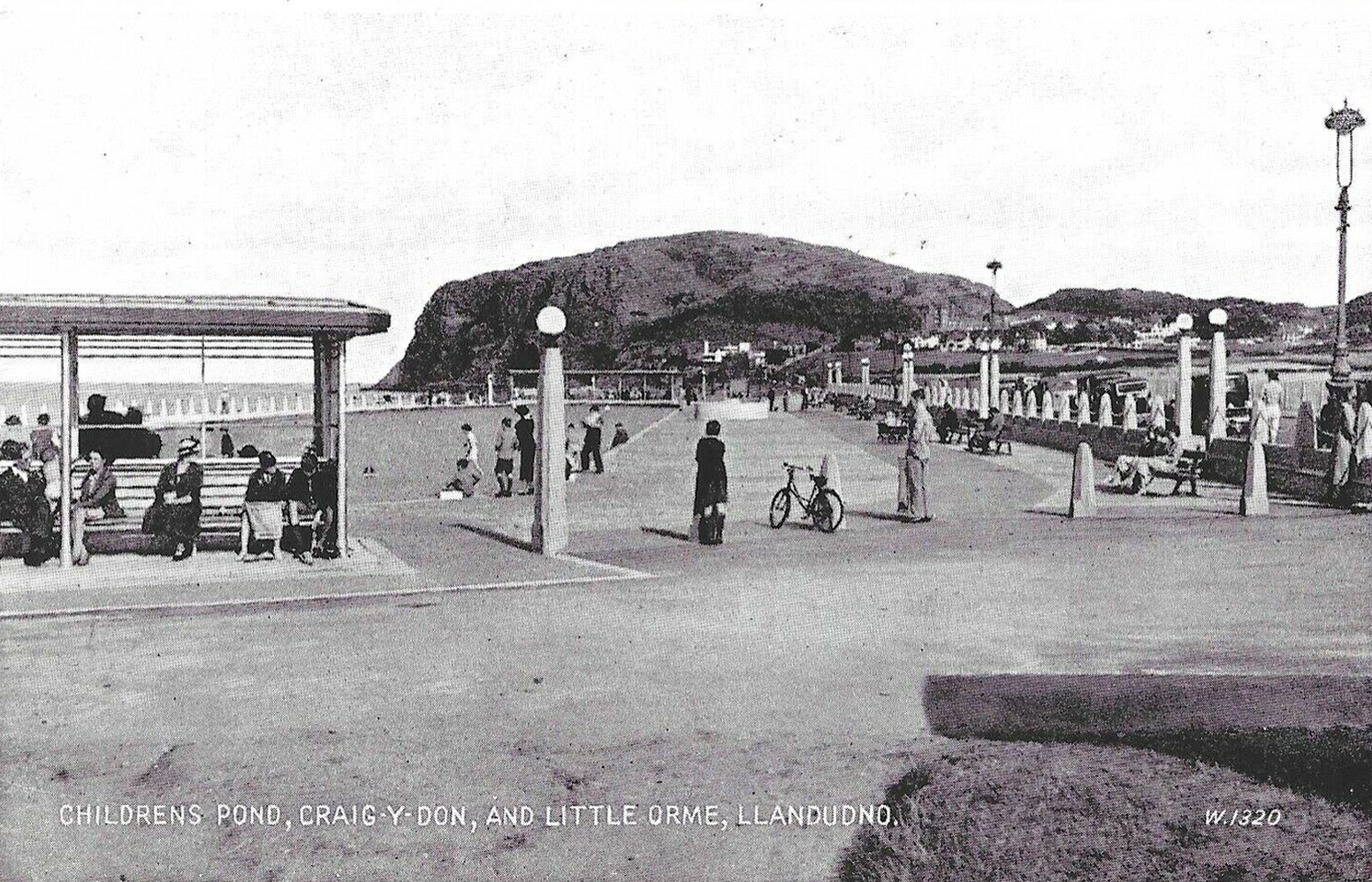
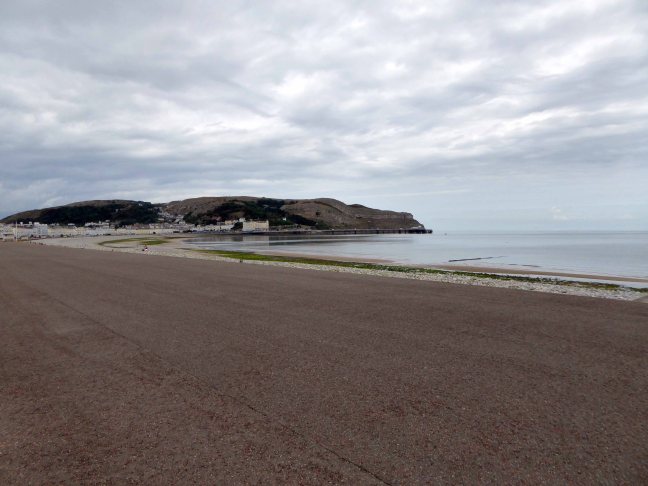
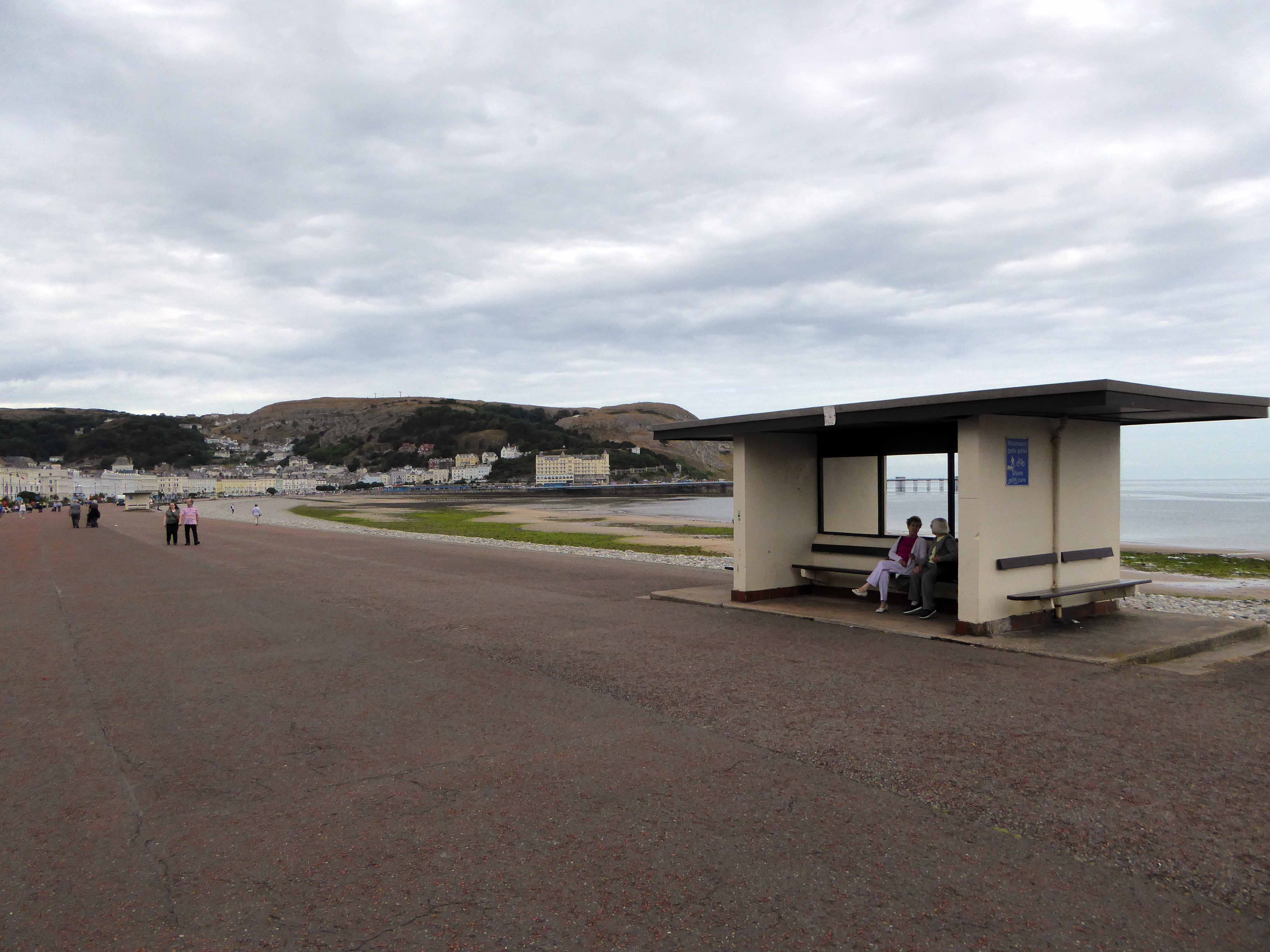
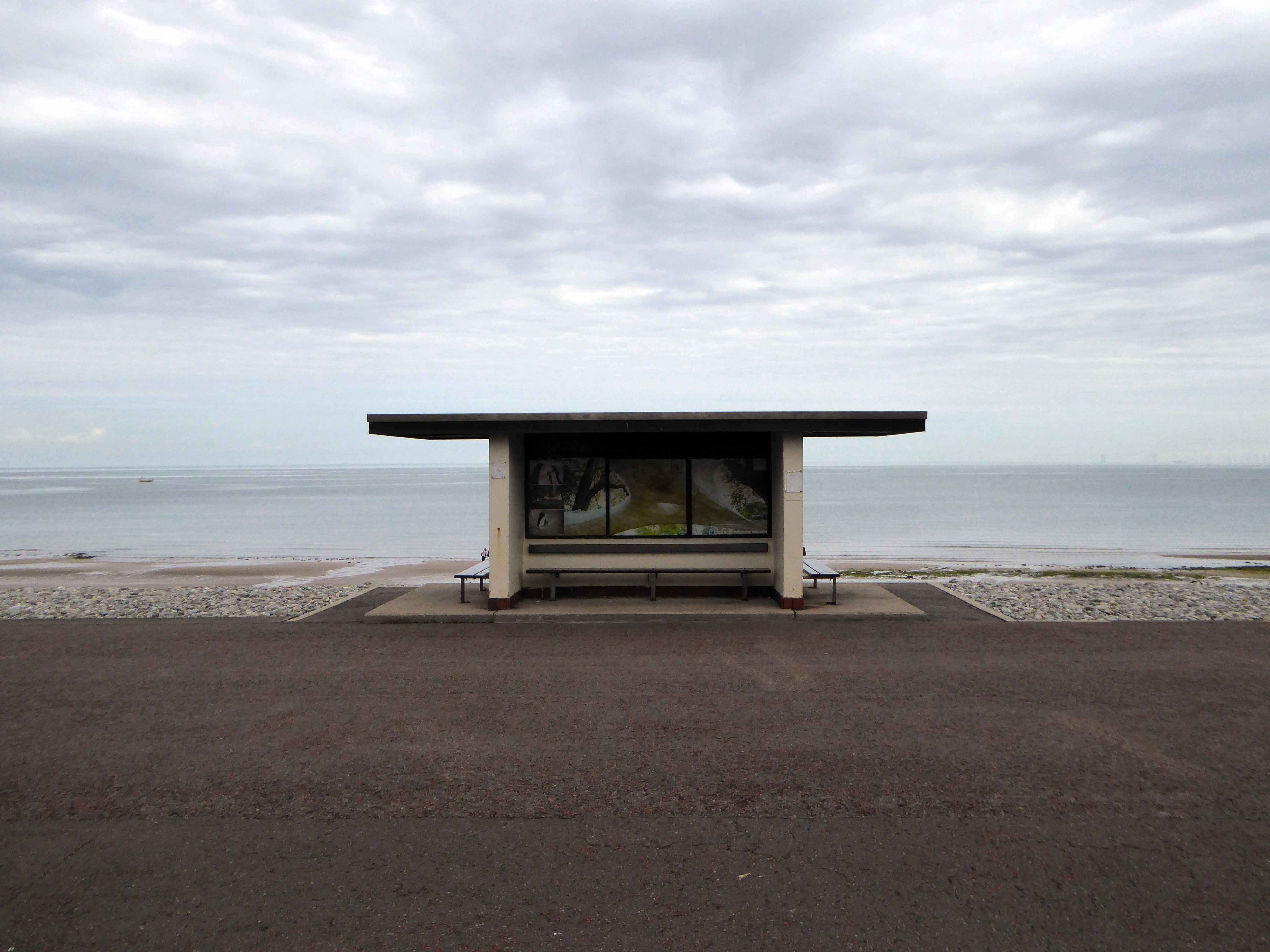
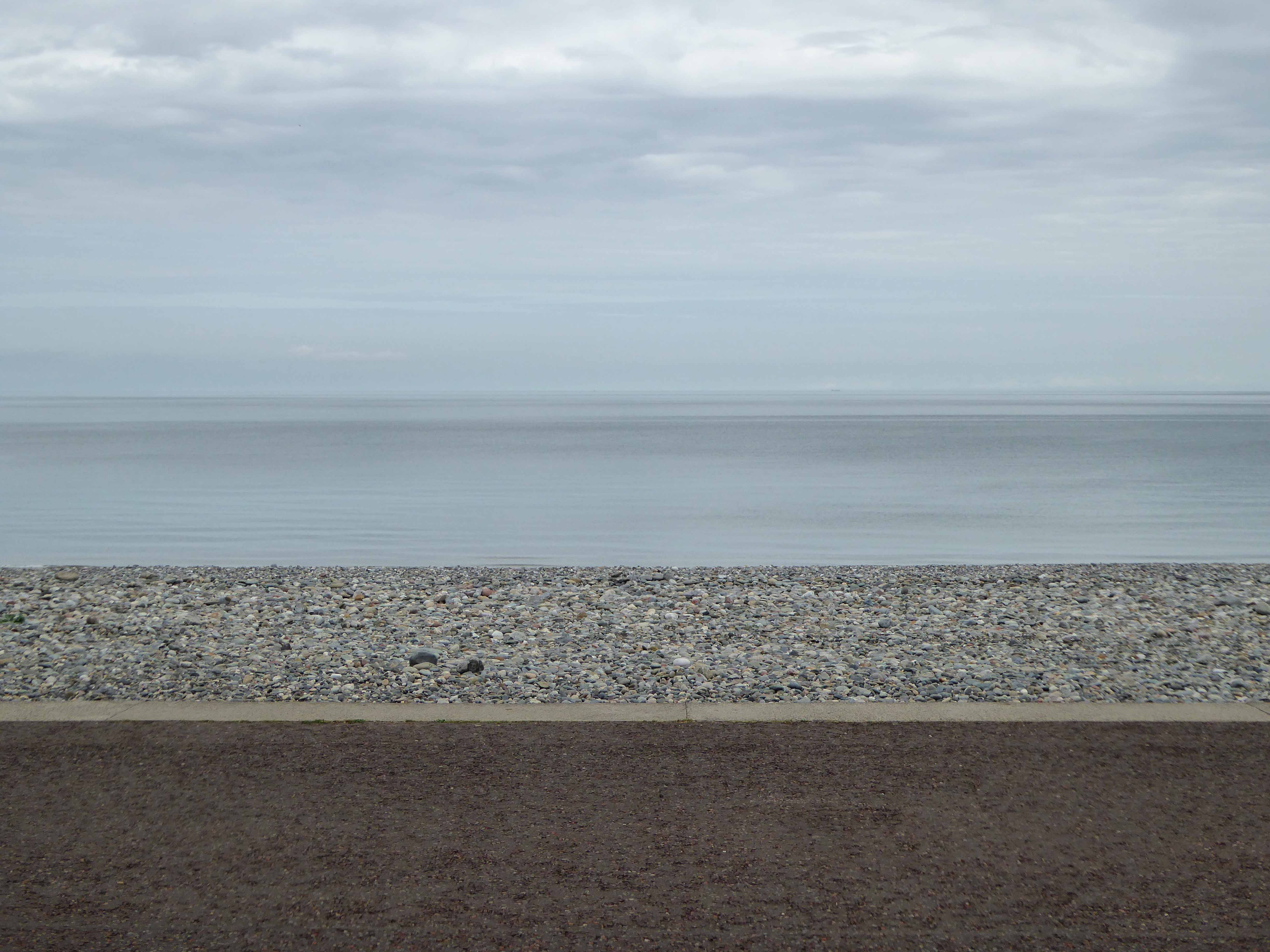
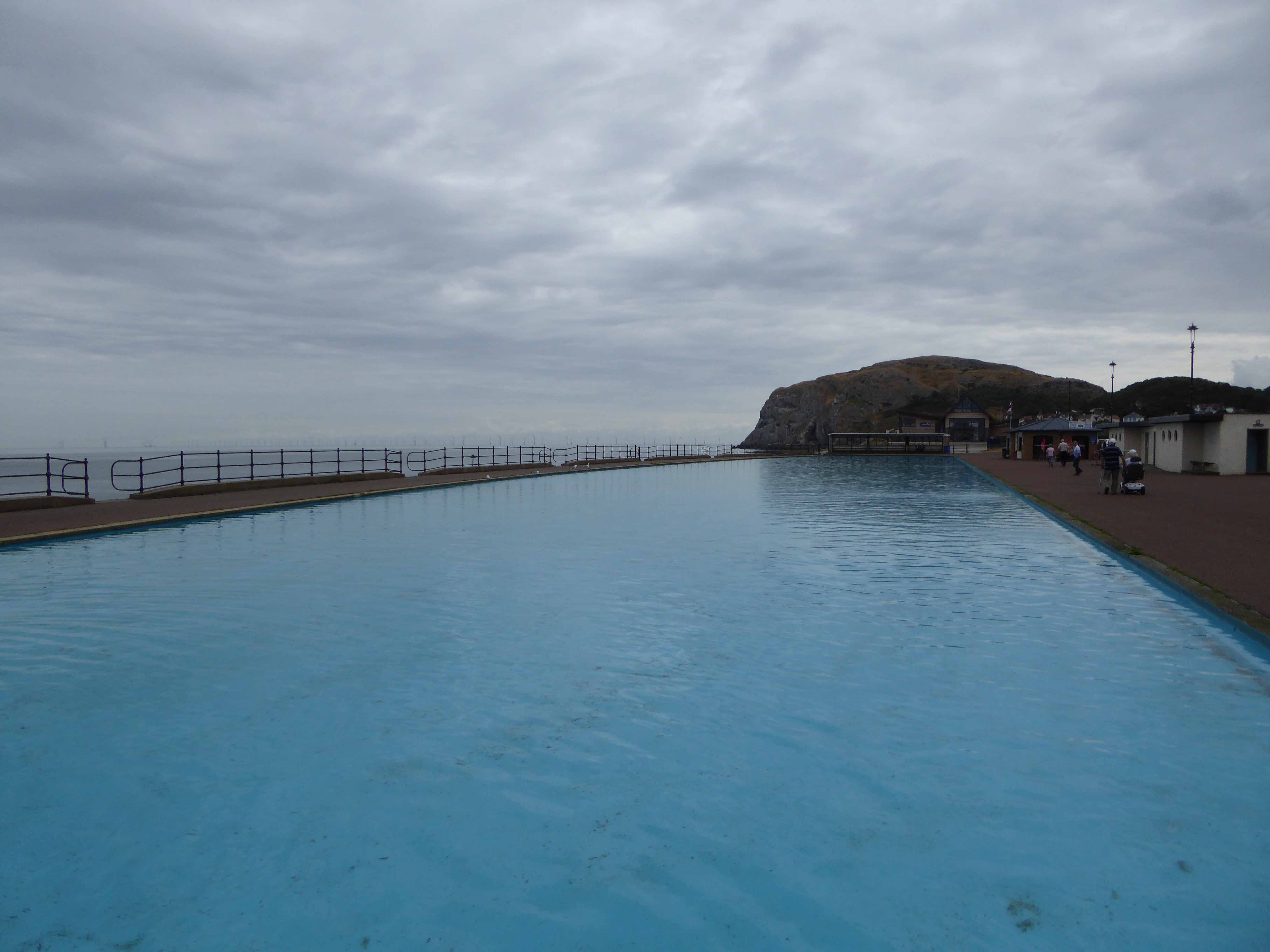
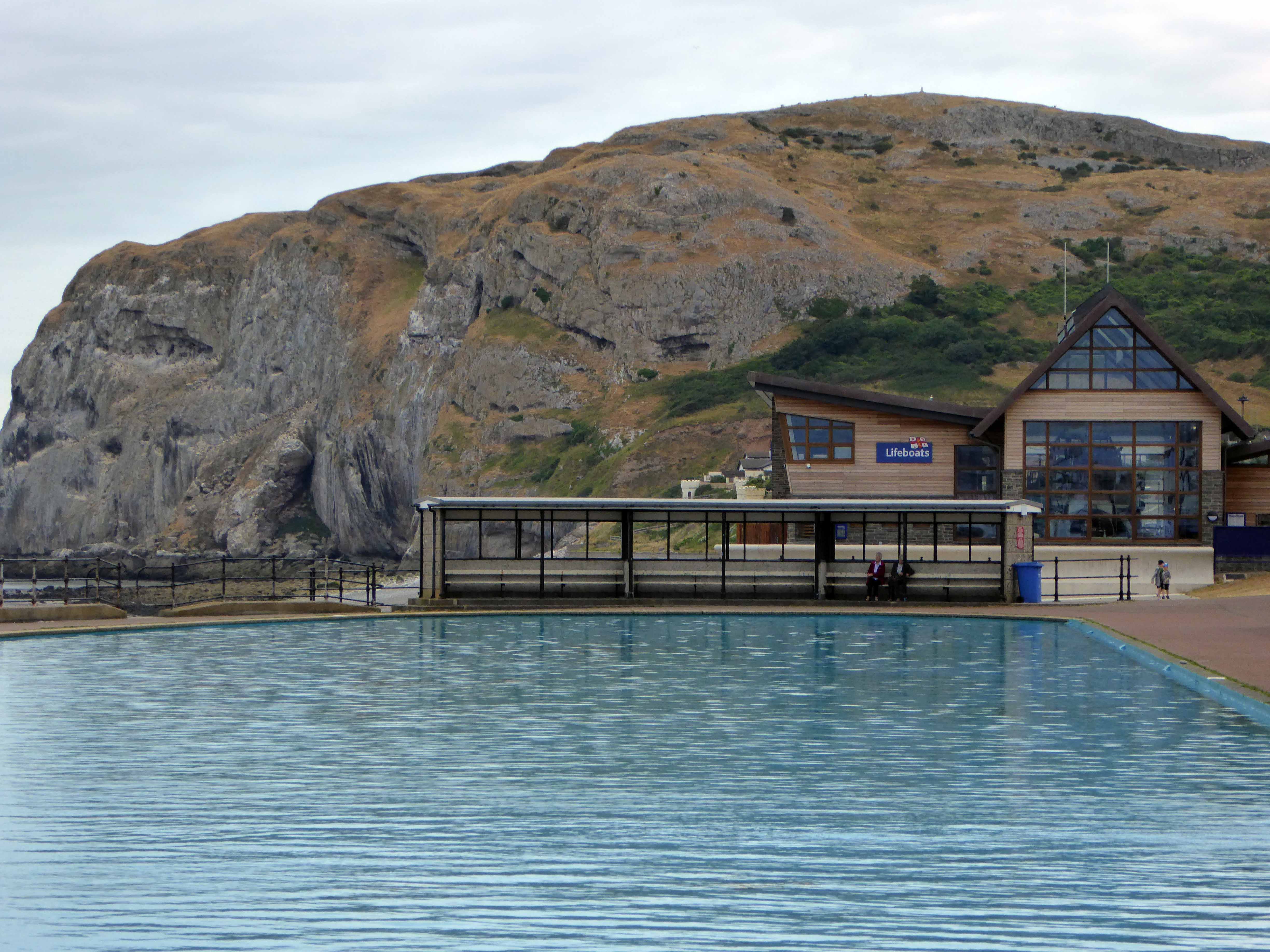
The edge of the bay is marked by concrete steps and a broad promenade, edging a pebbled beach which arcs from Orme to Orme.
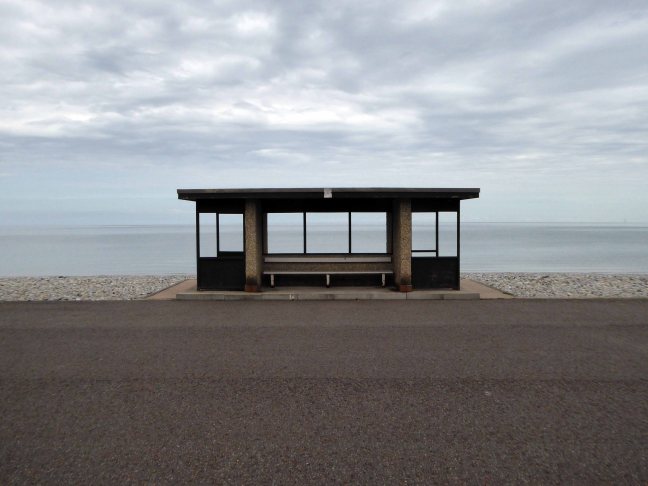
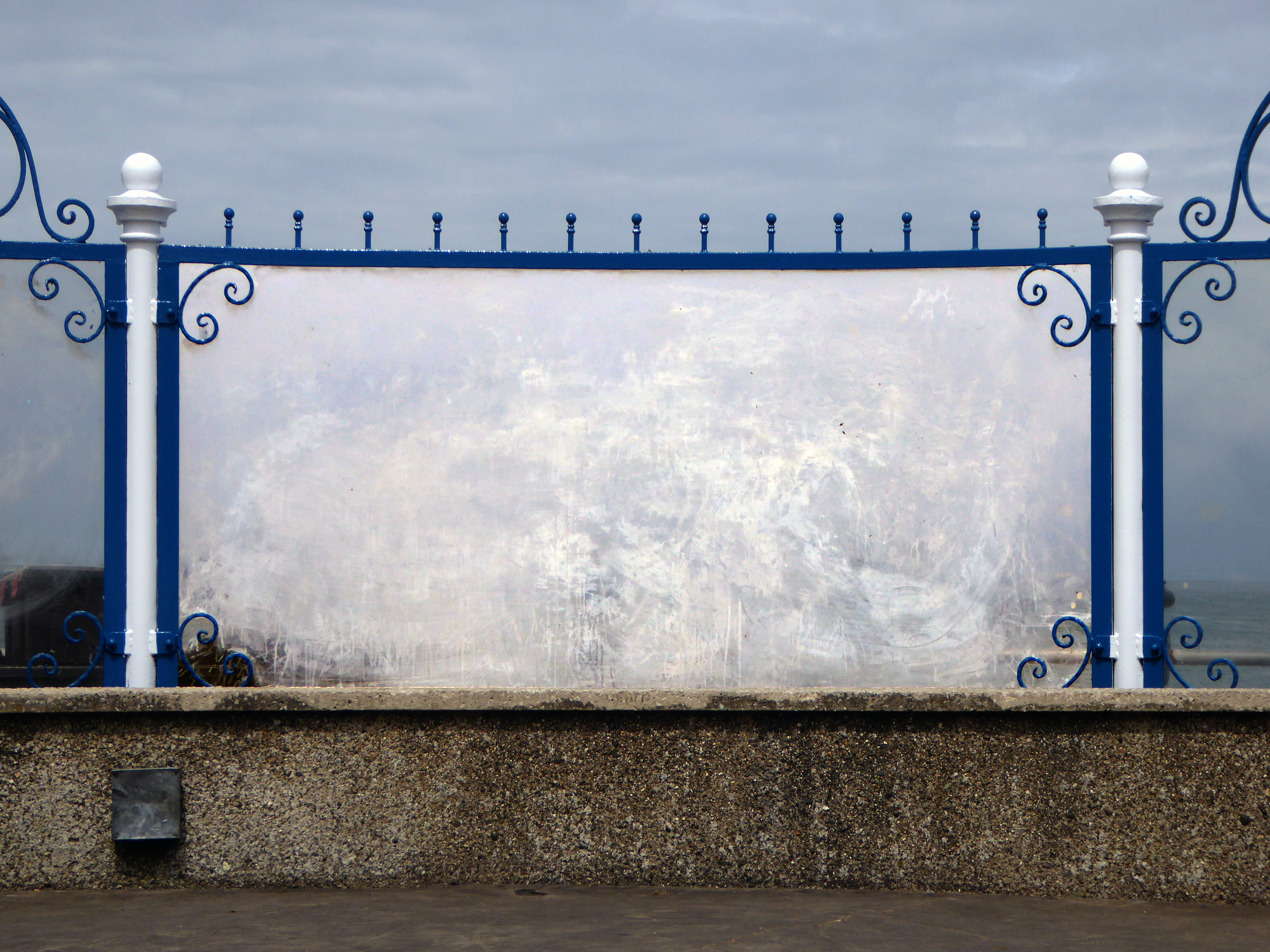
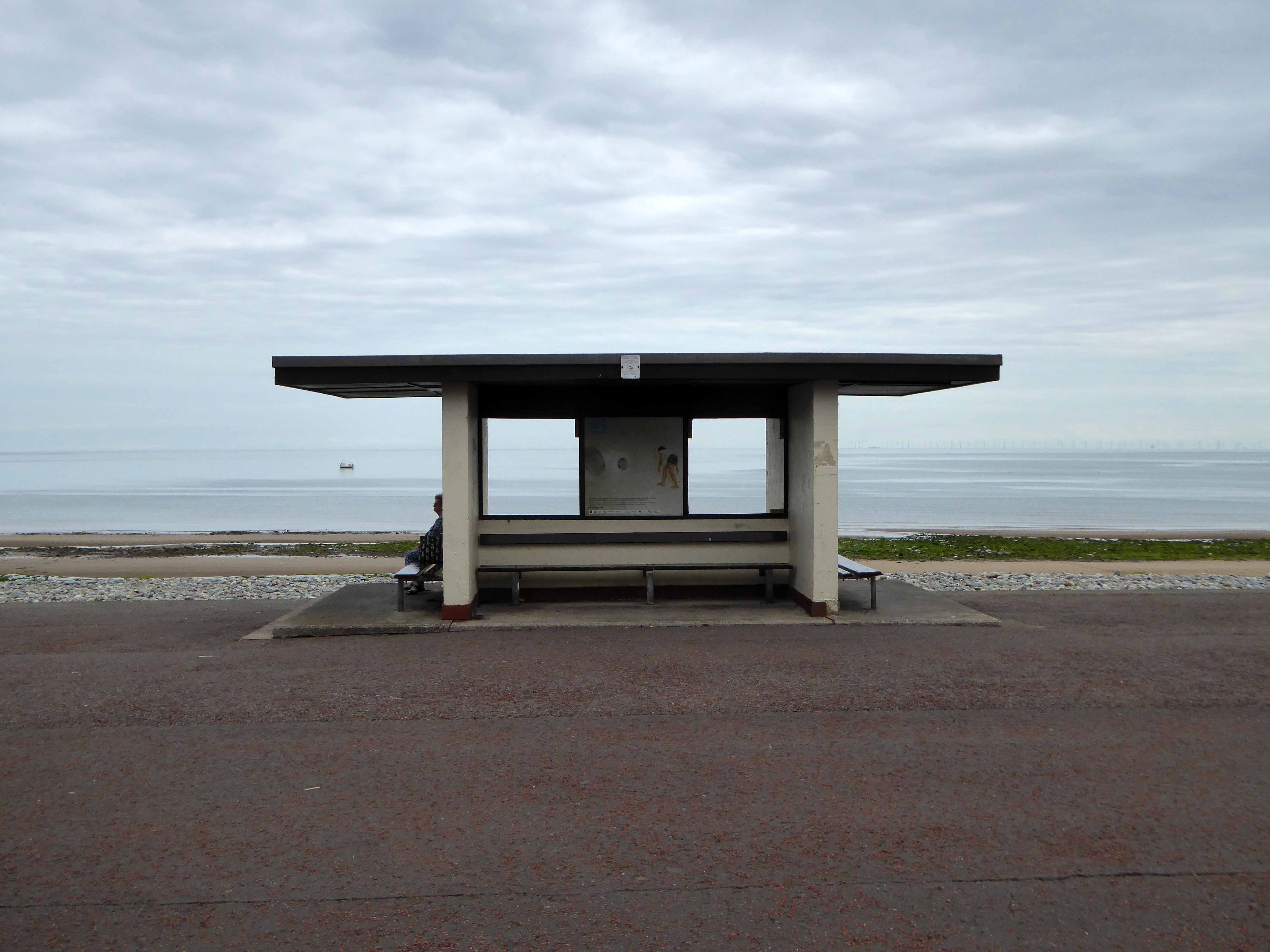
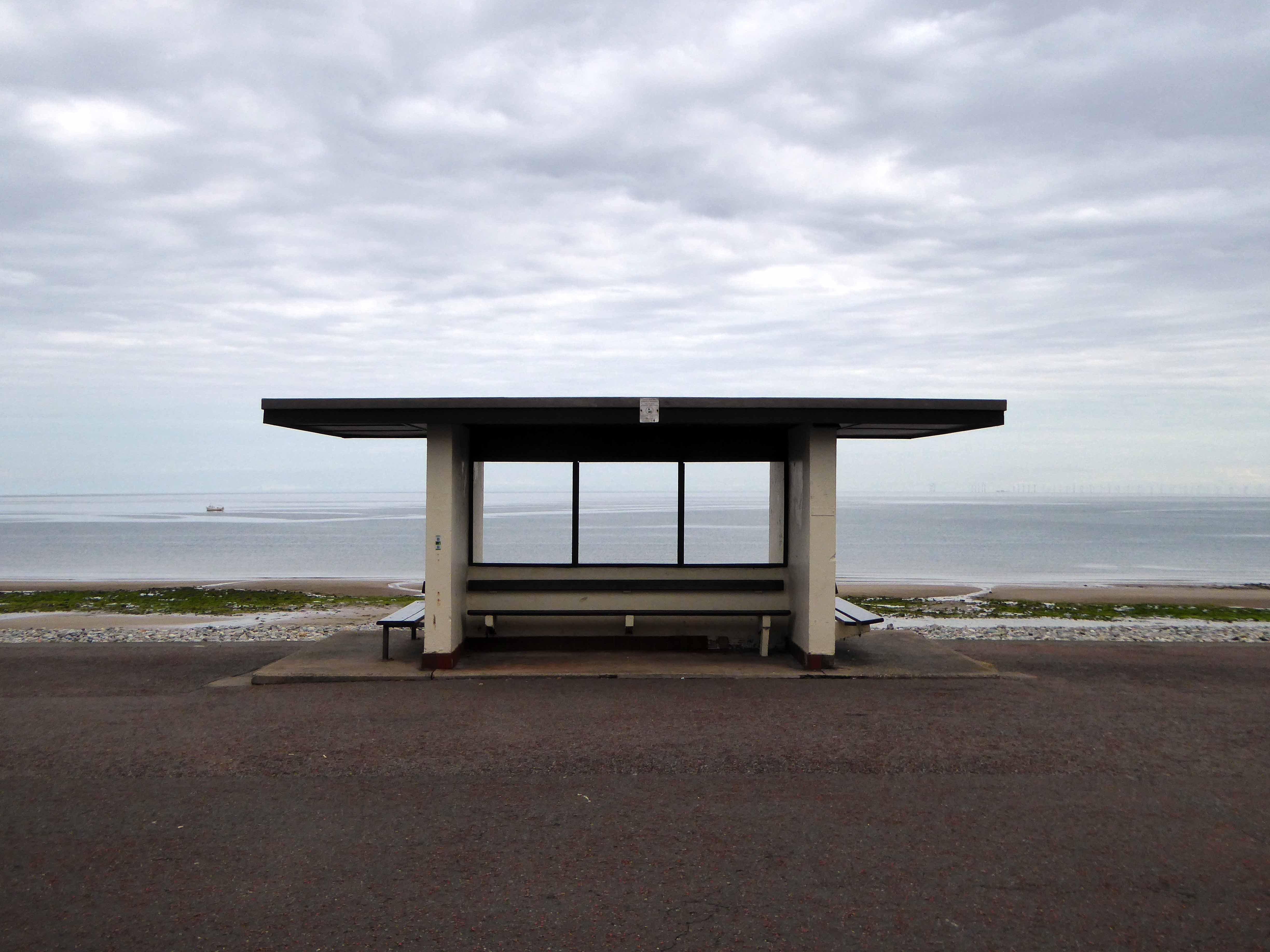
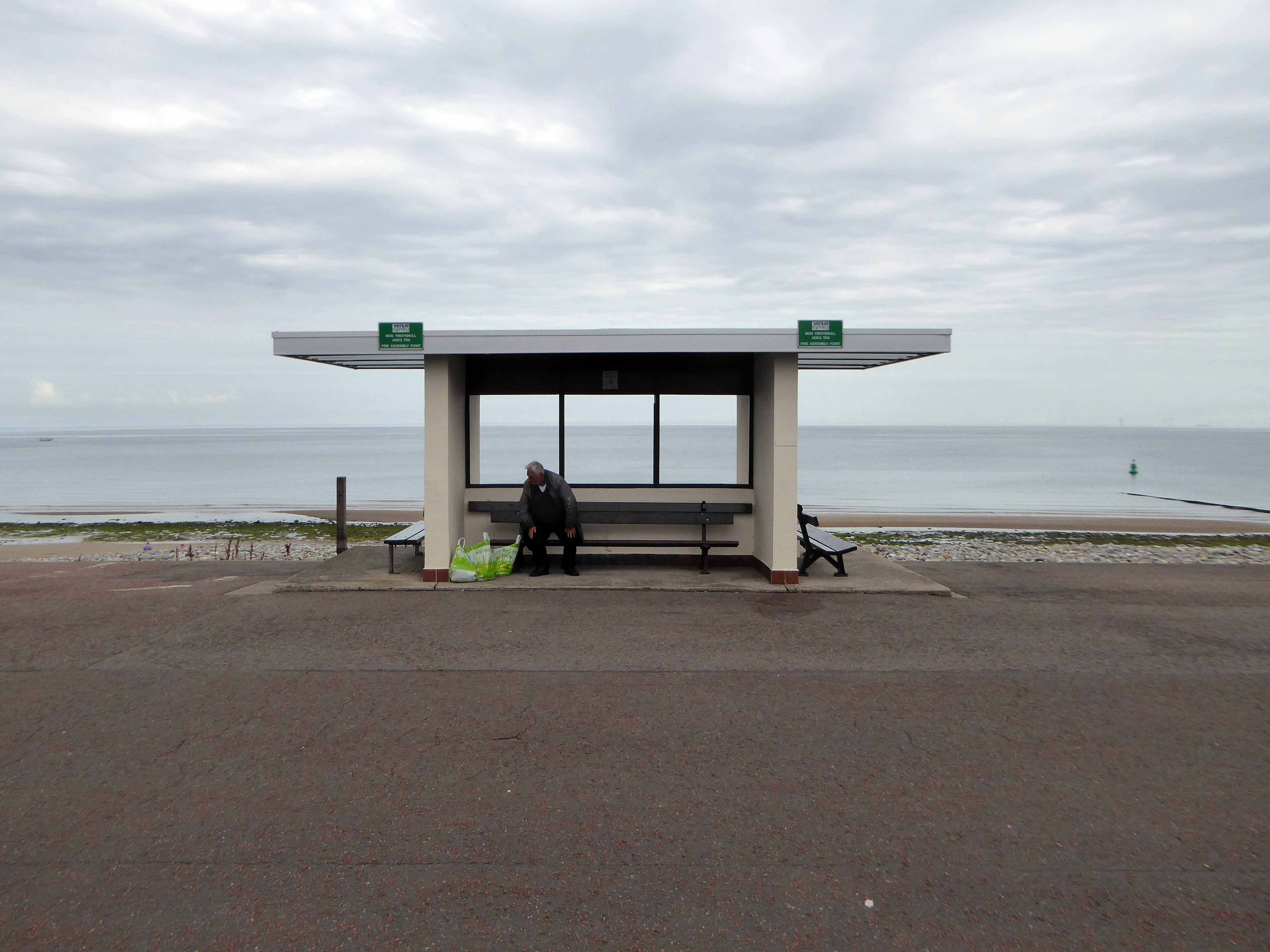
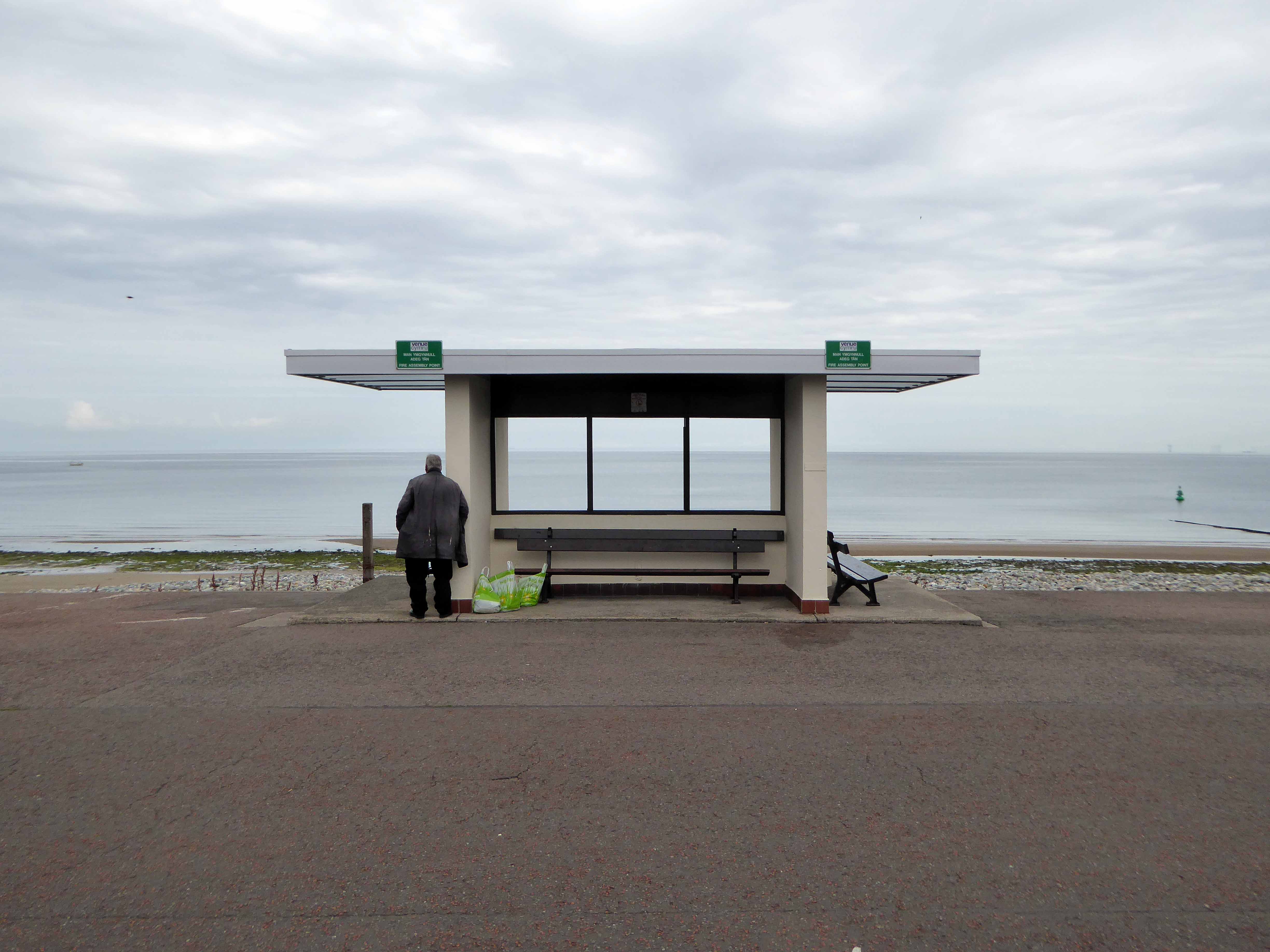
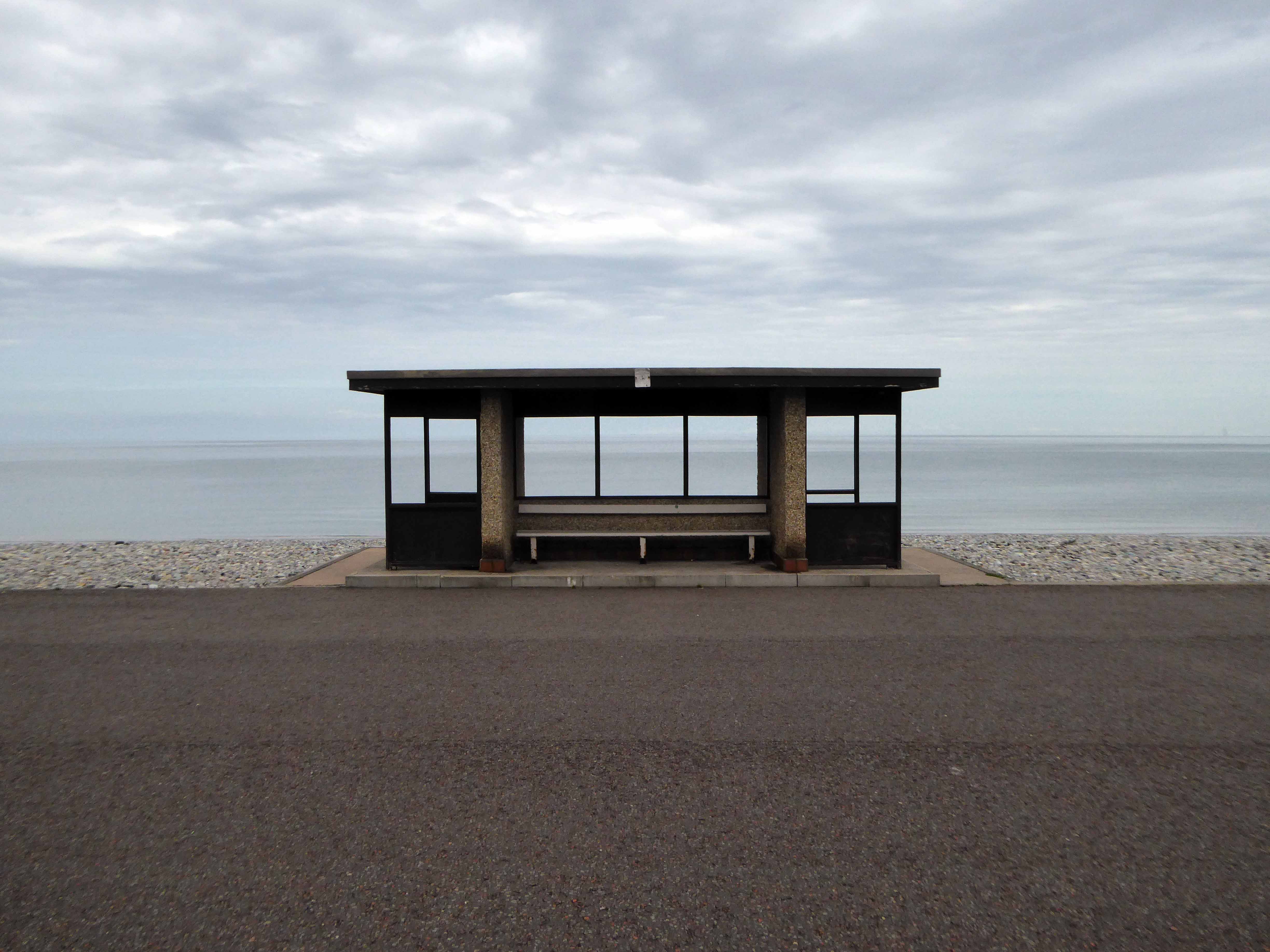
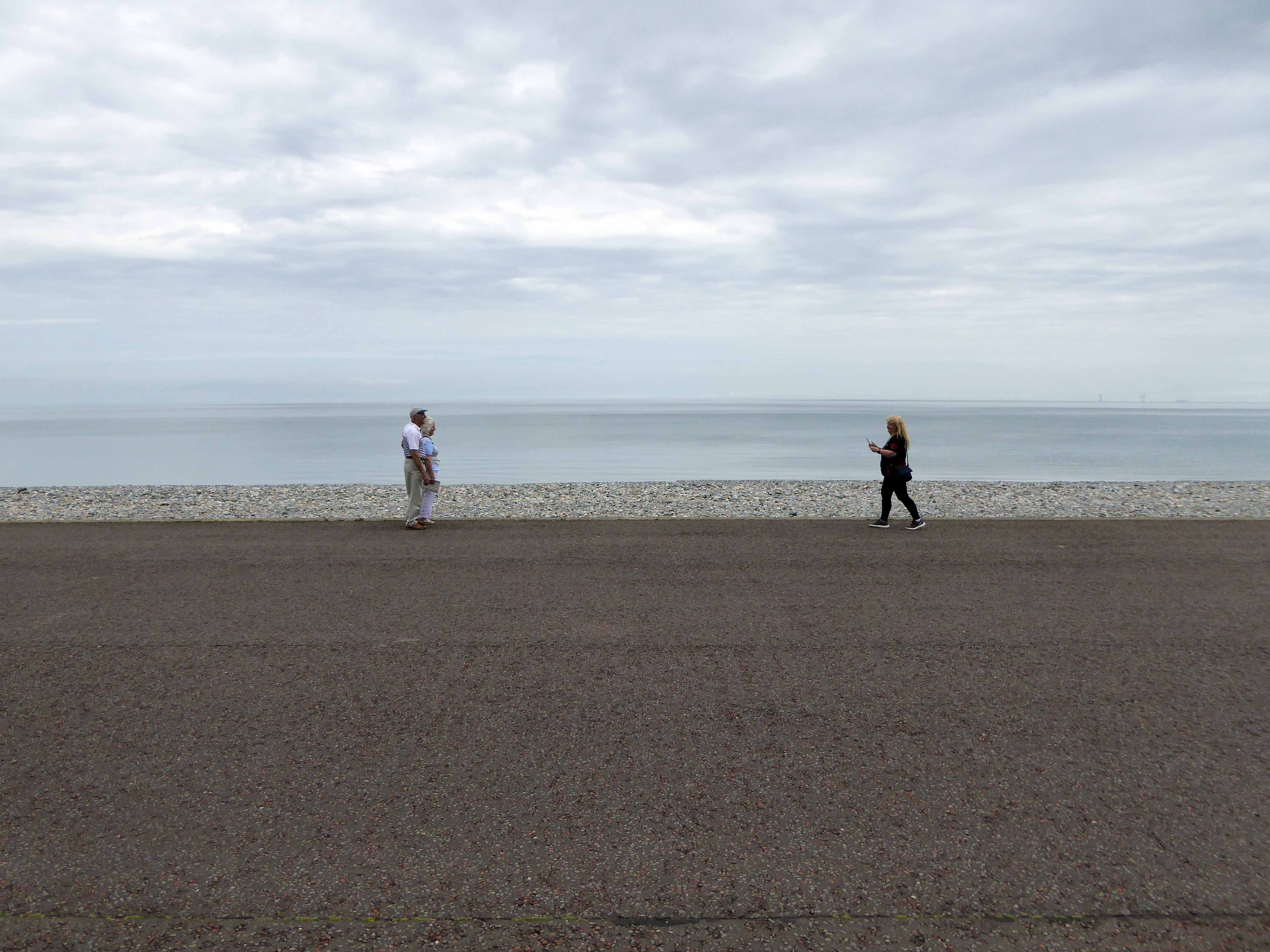
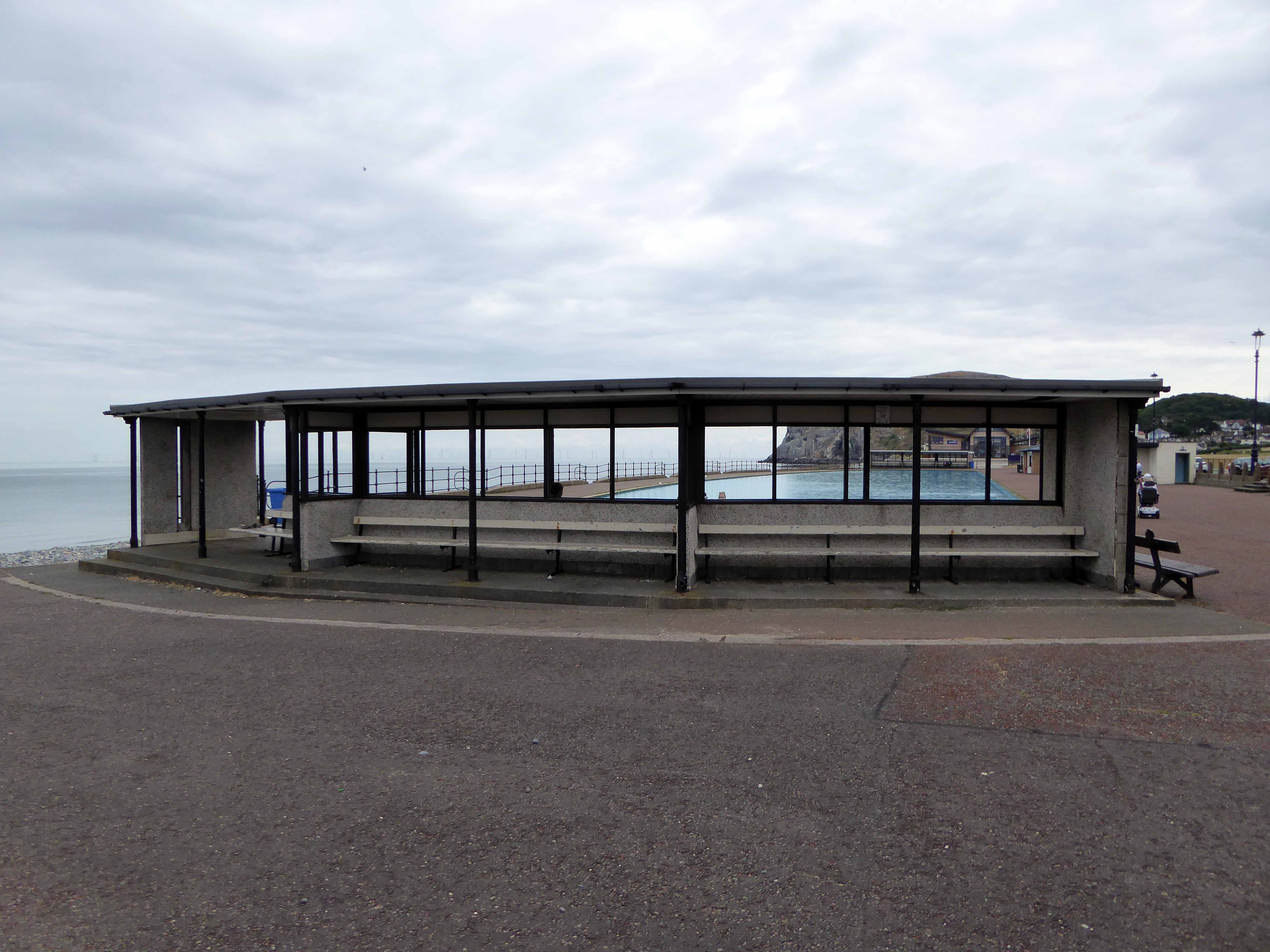
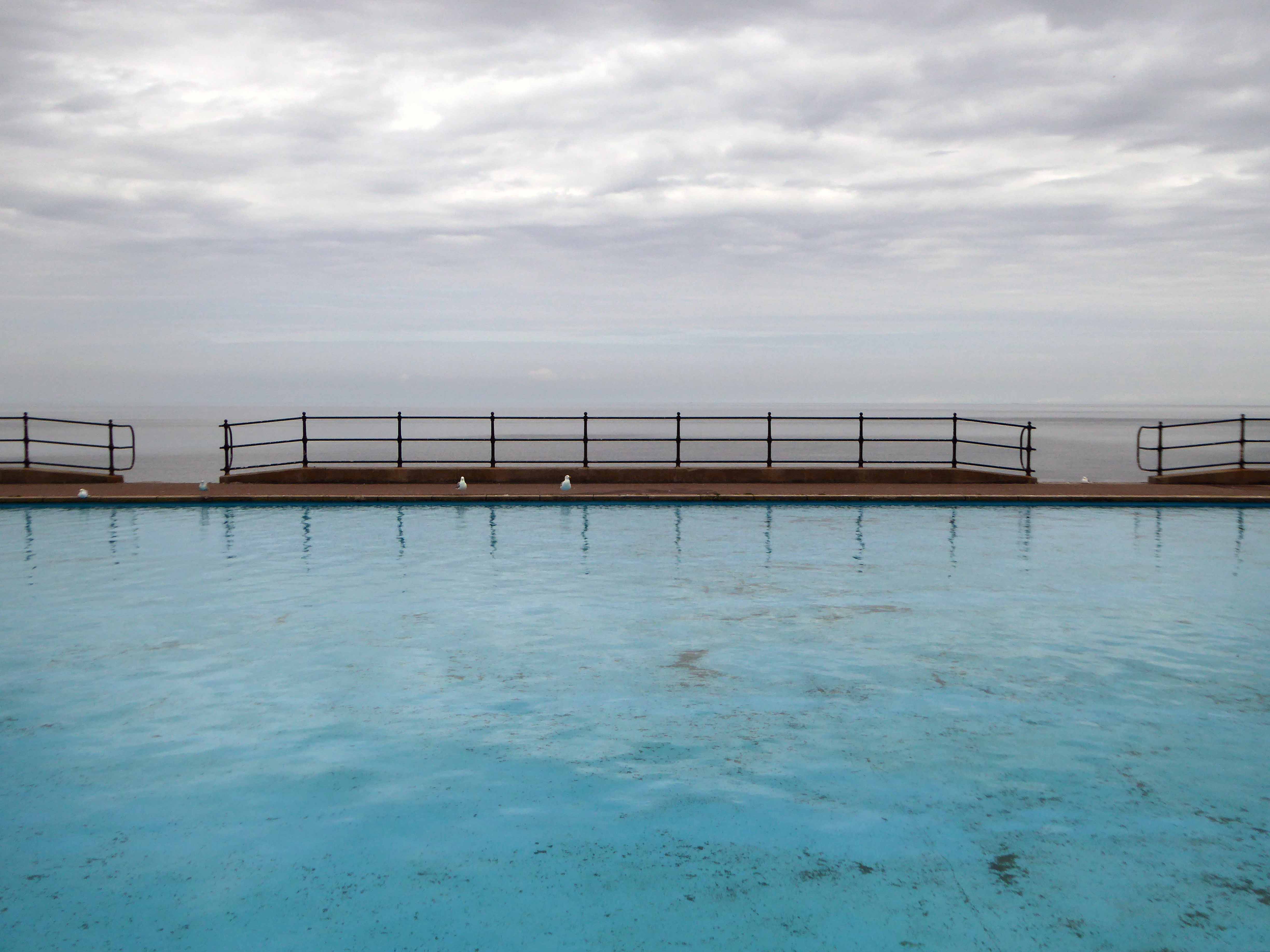
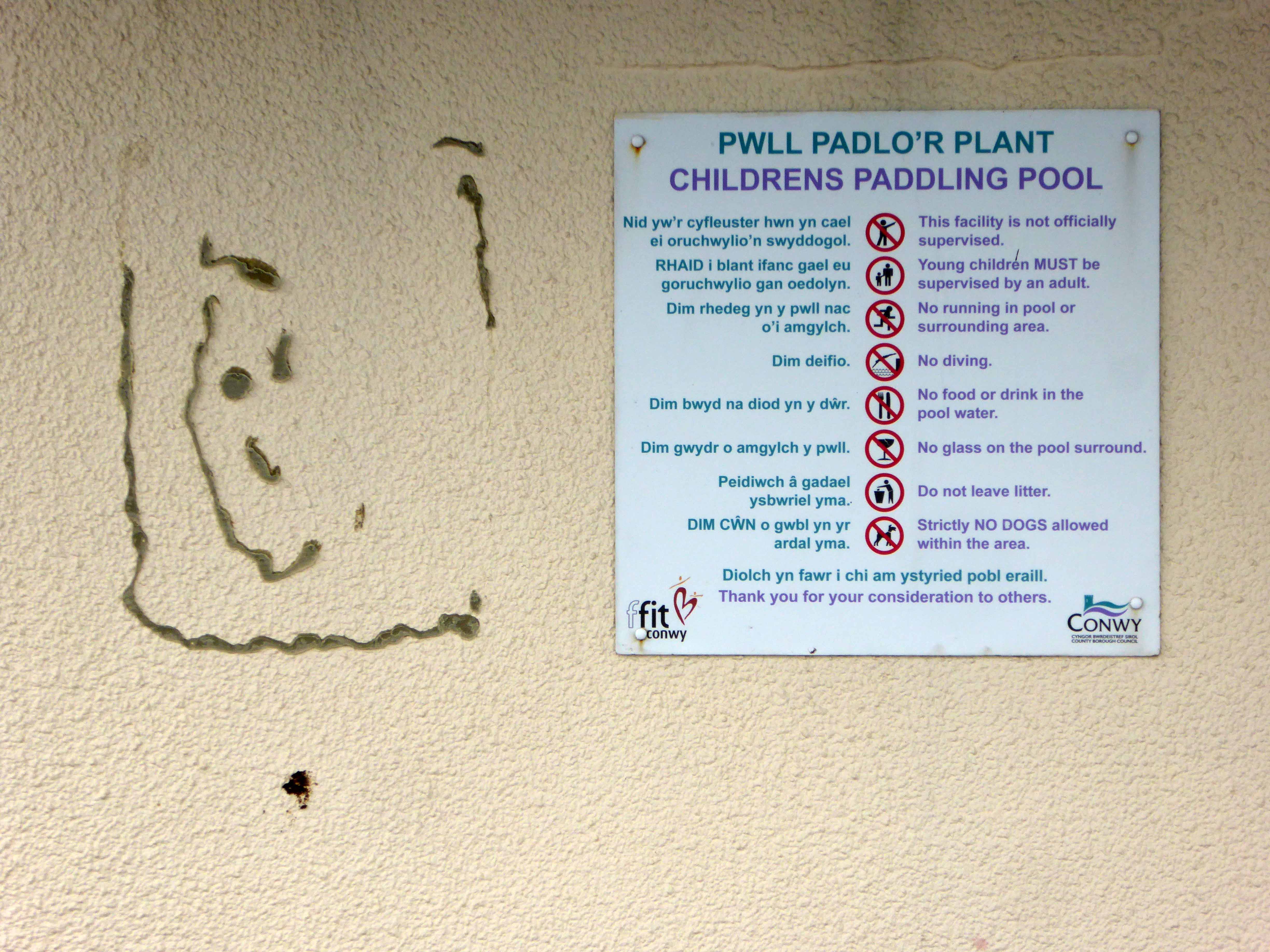
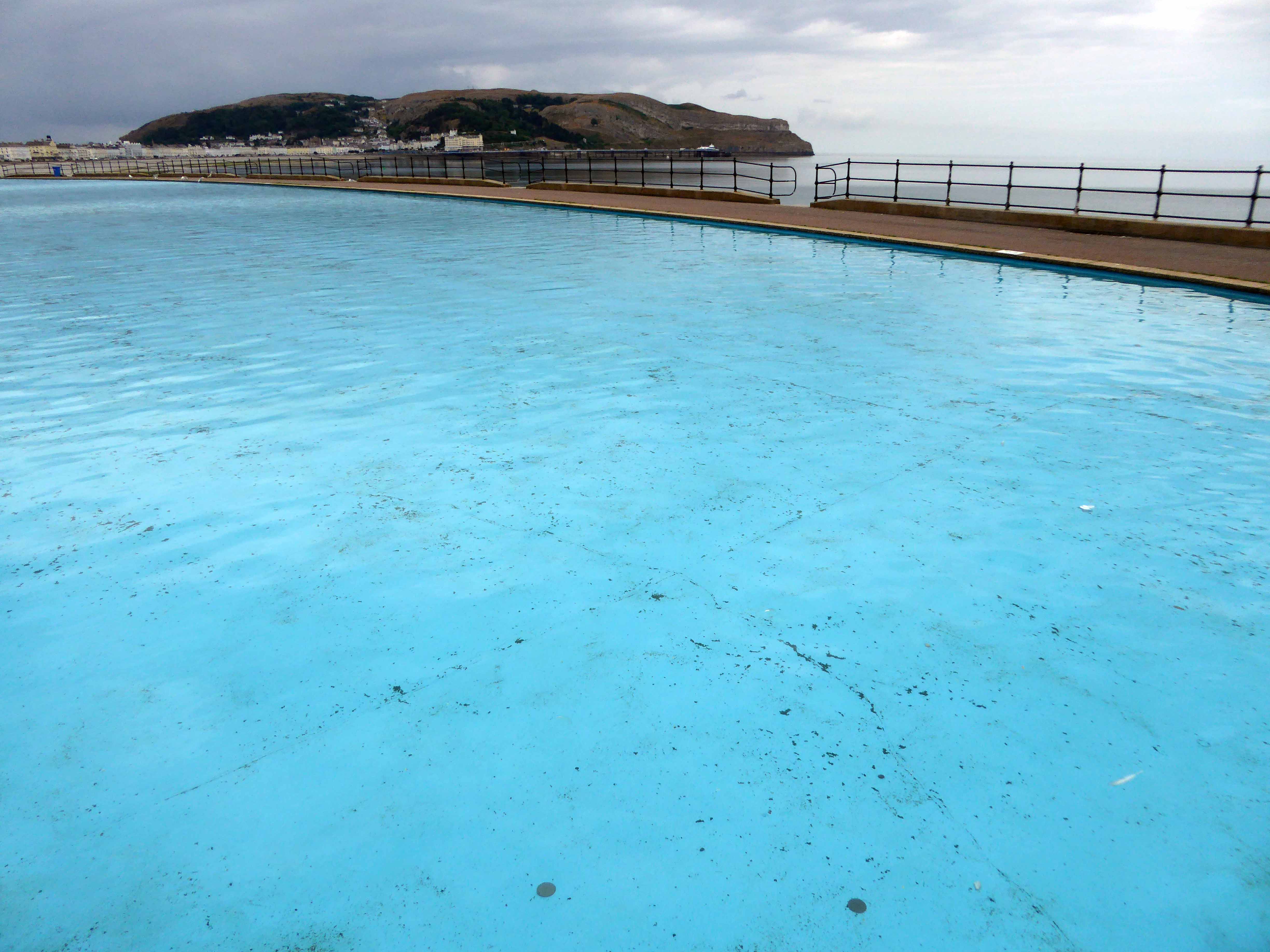
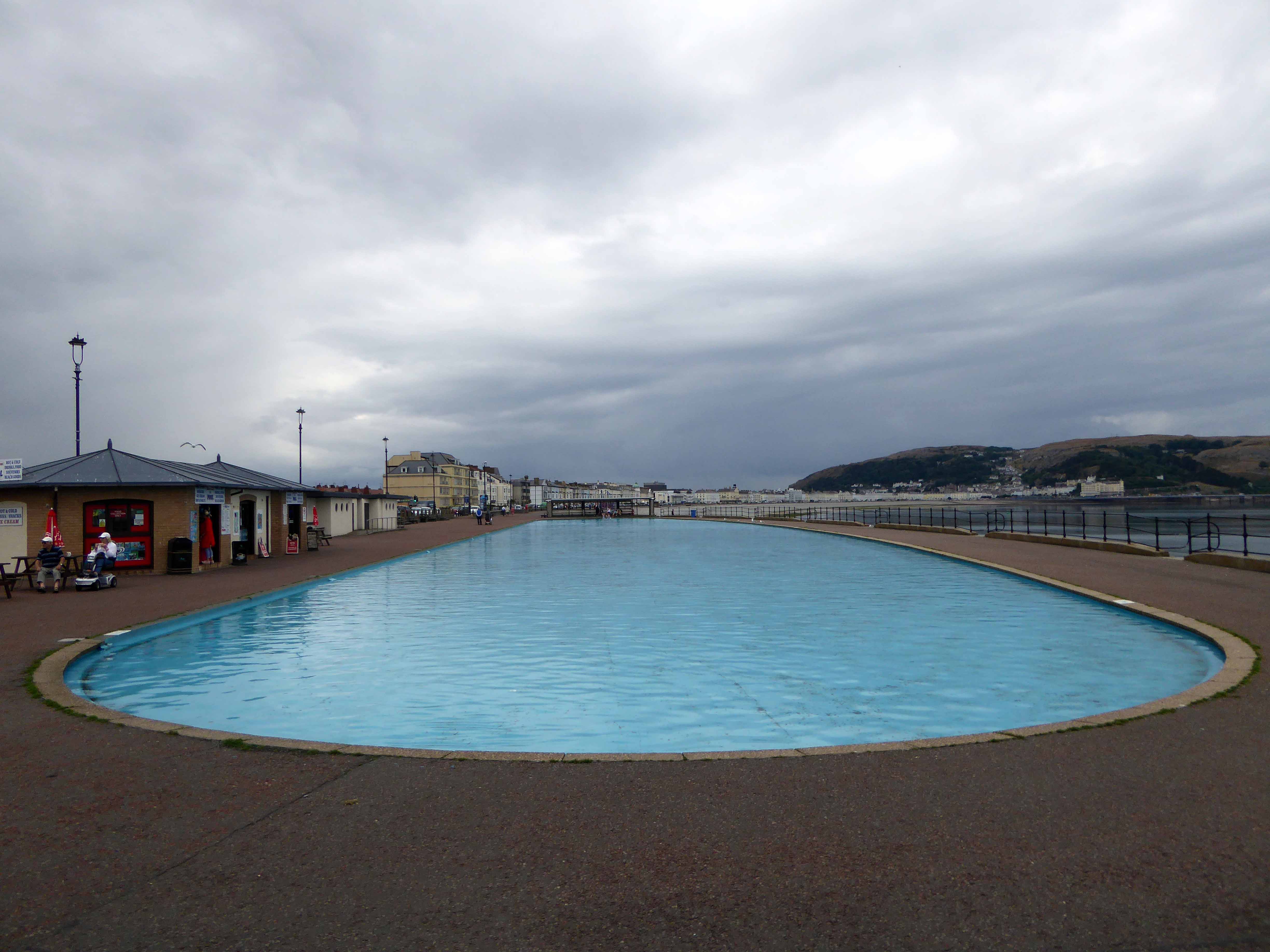
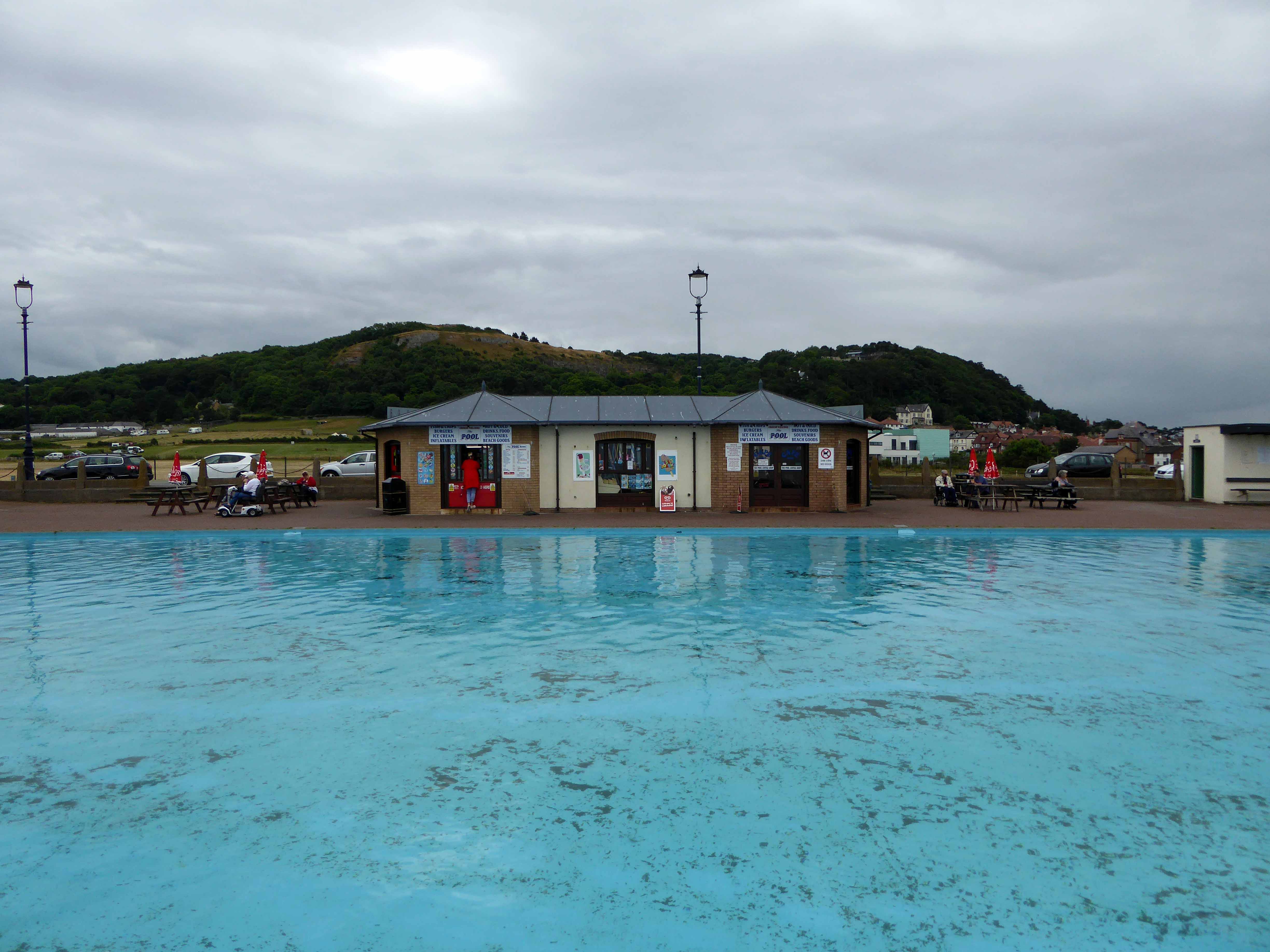
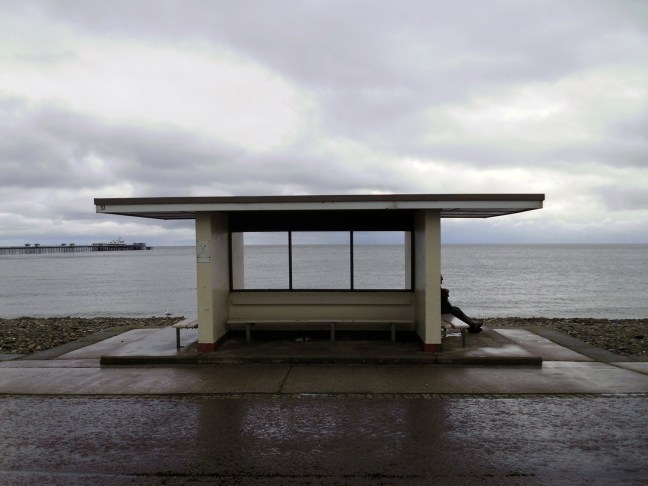
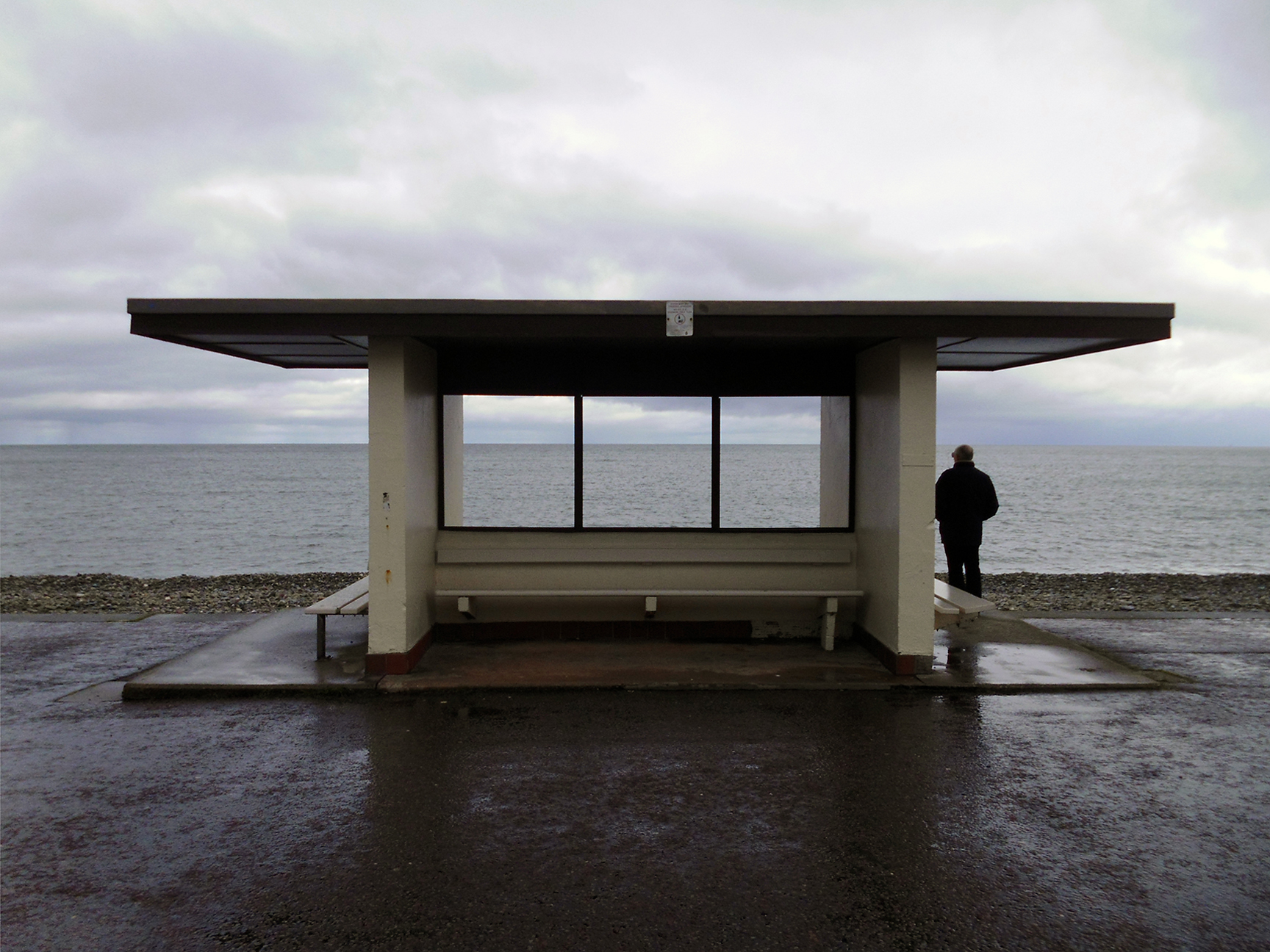
Walk with me now and mark the remarkable shelters, paddling pools and bandstand screens, along with the smattering of people that people the promenade.
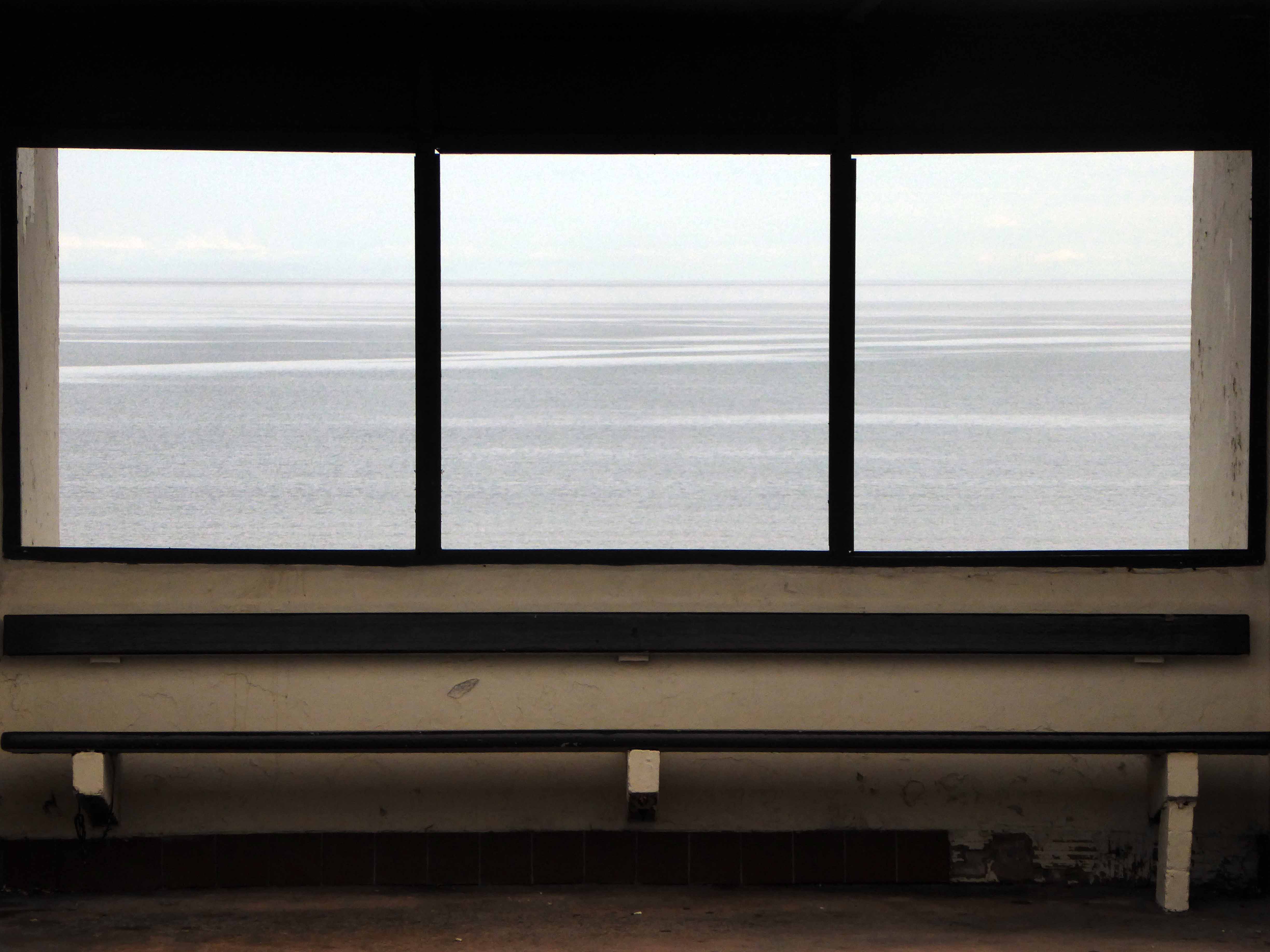
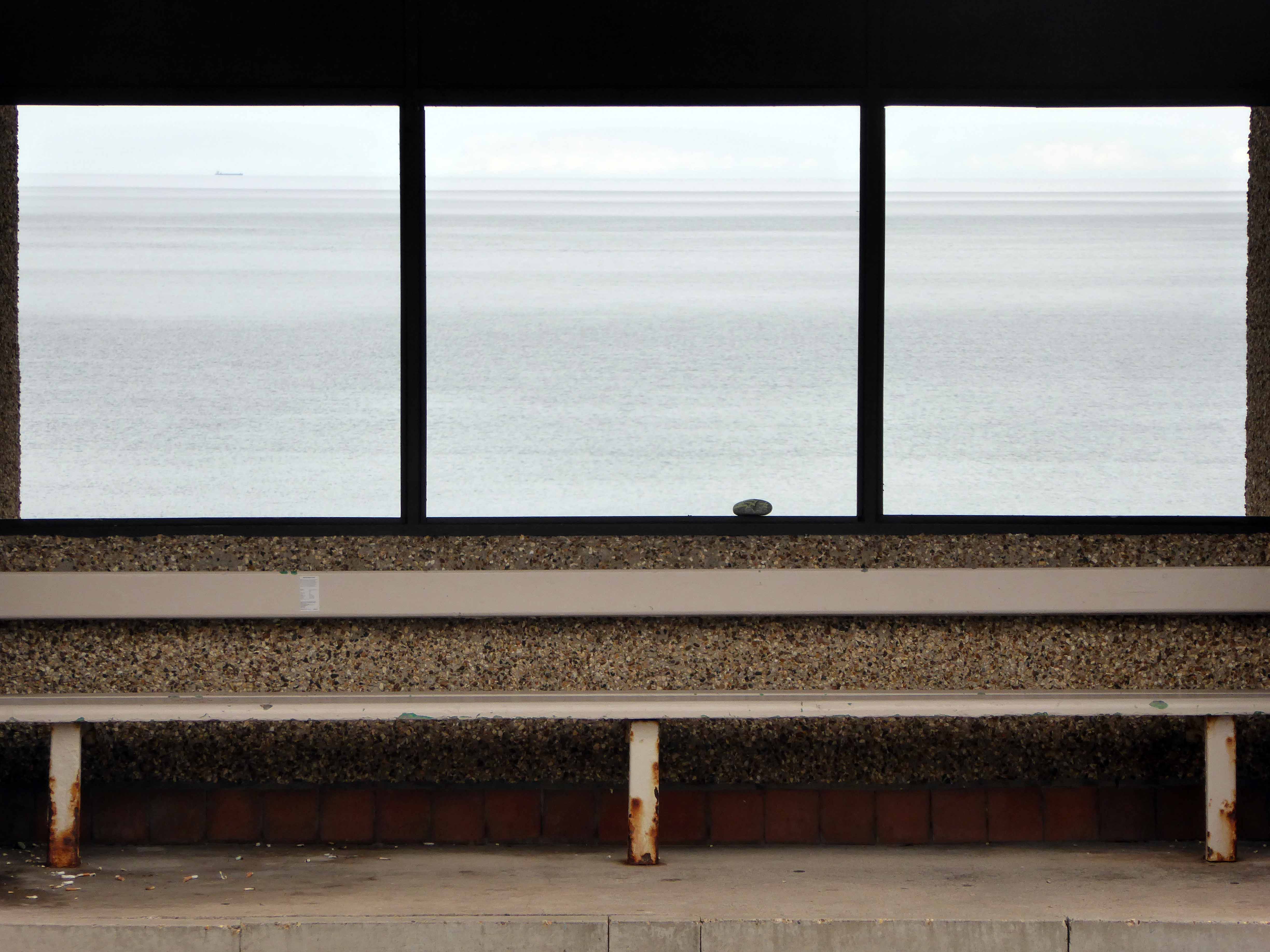
There are days when there is little else to do on the seashore than stare endlessly out to sea, seeking respite from the unrelenting rays of the sun, or conversely turning one’s back on the incoming squall.
Hunker down and hope.
For these very same and sane reasons, the urban district councils have provided you with the very means to realise the wildest of your wildest dreams.
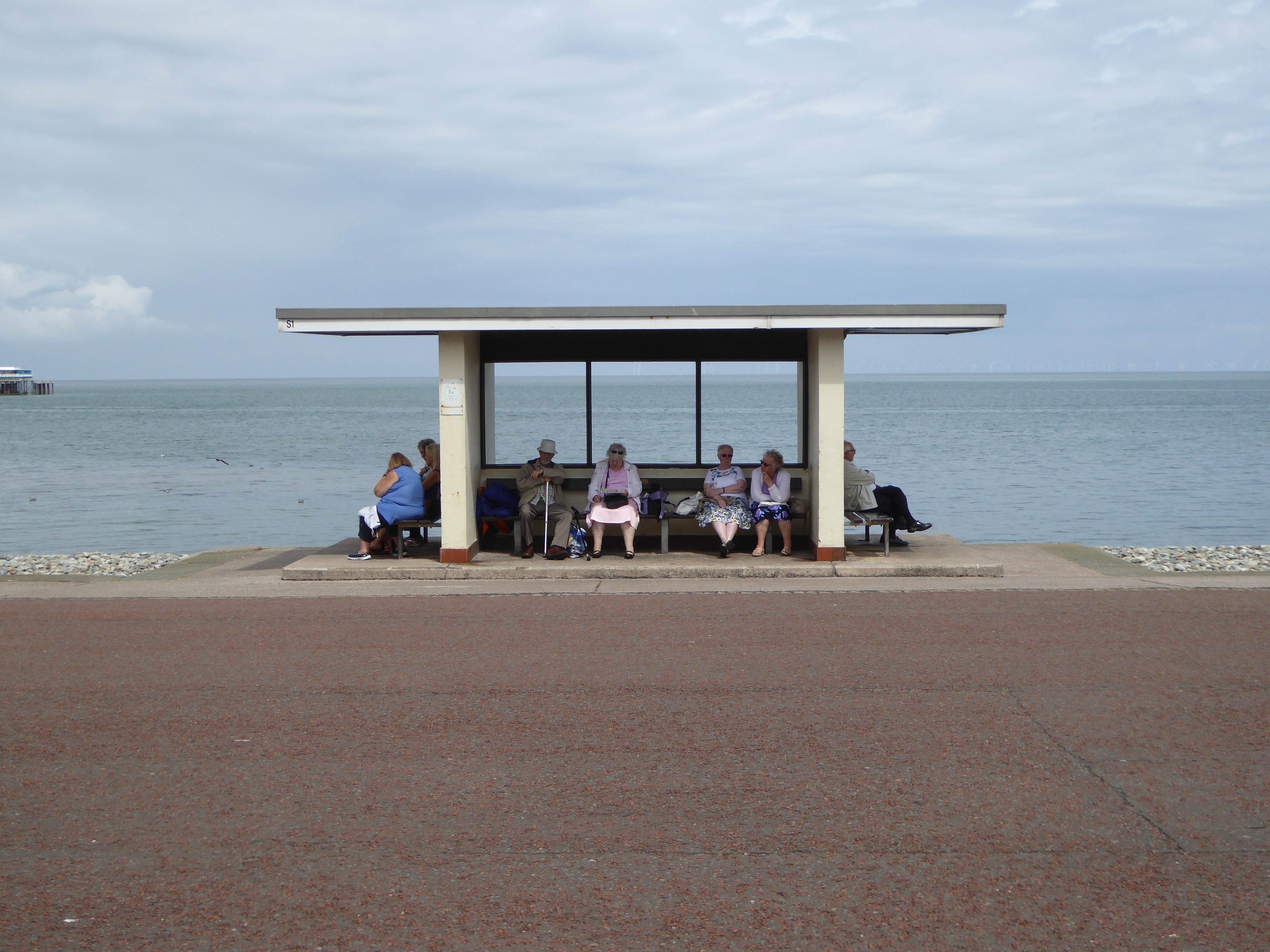
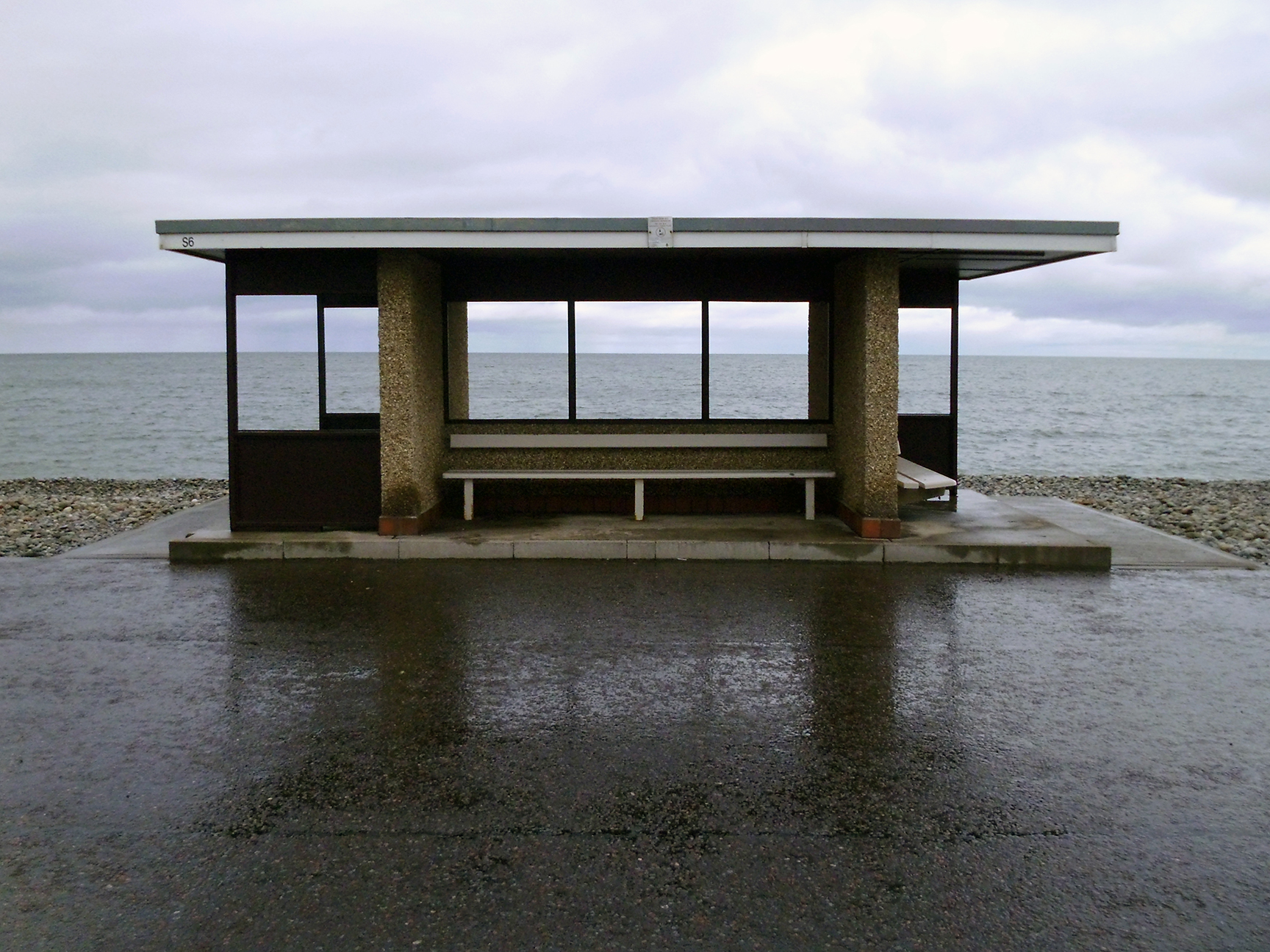
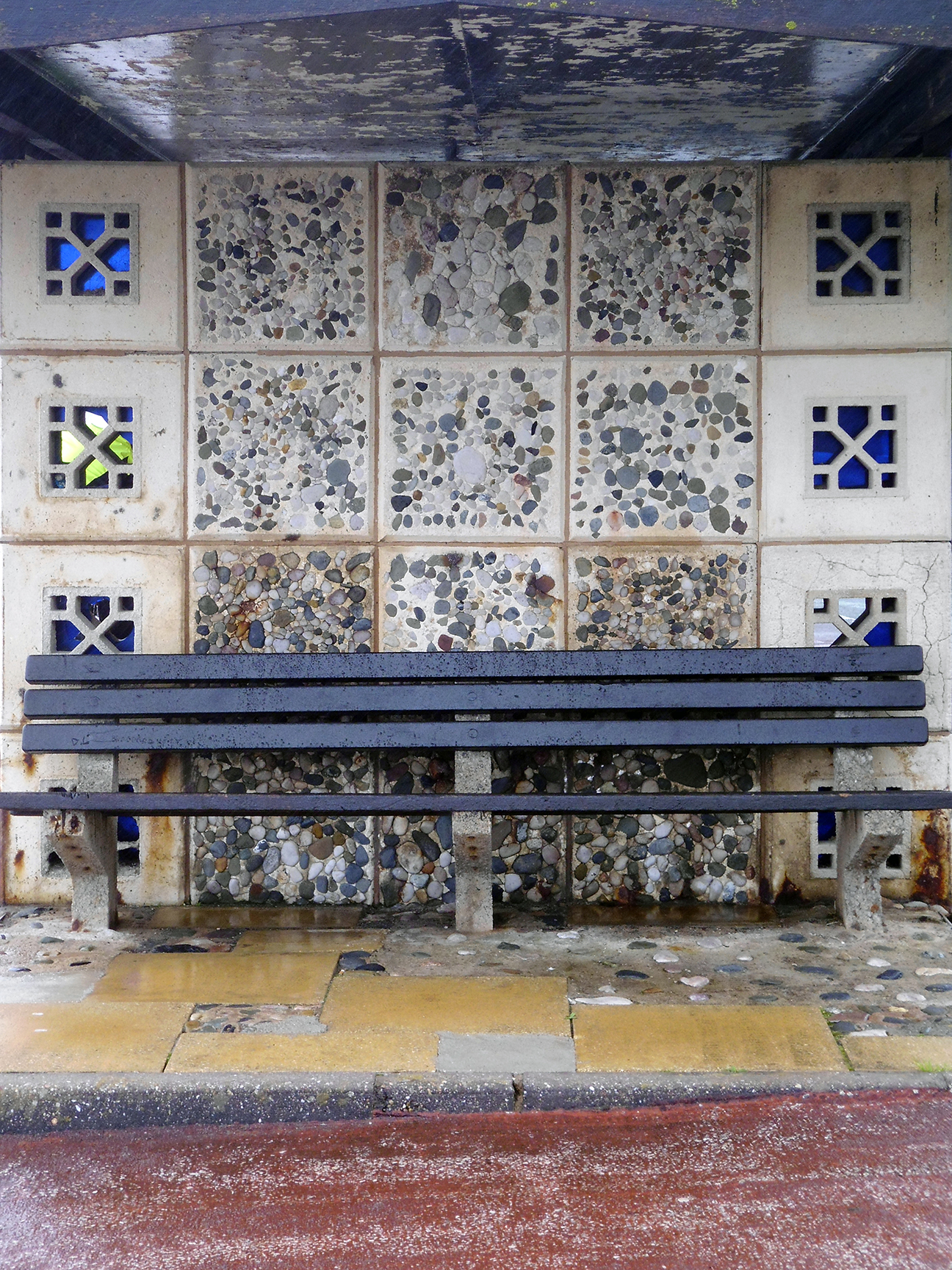
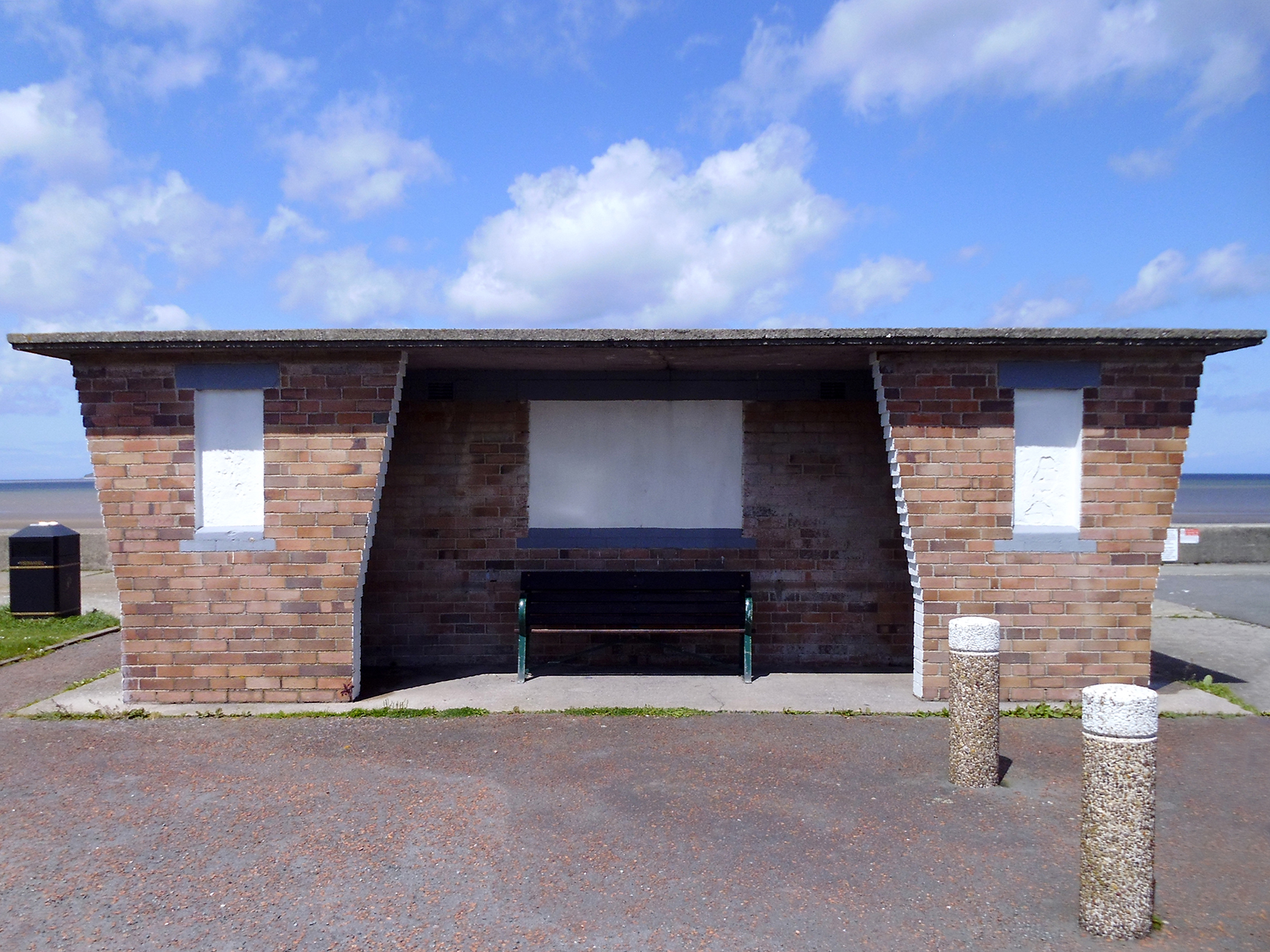
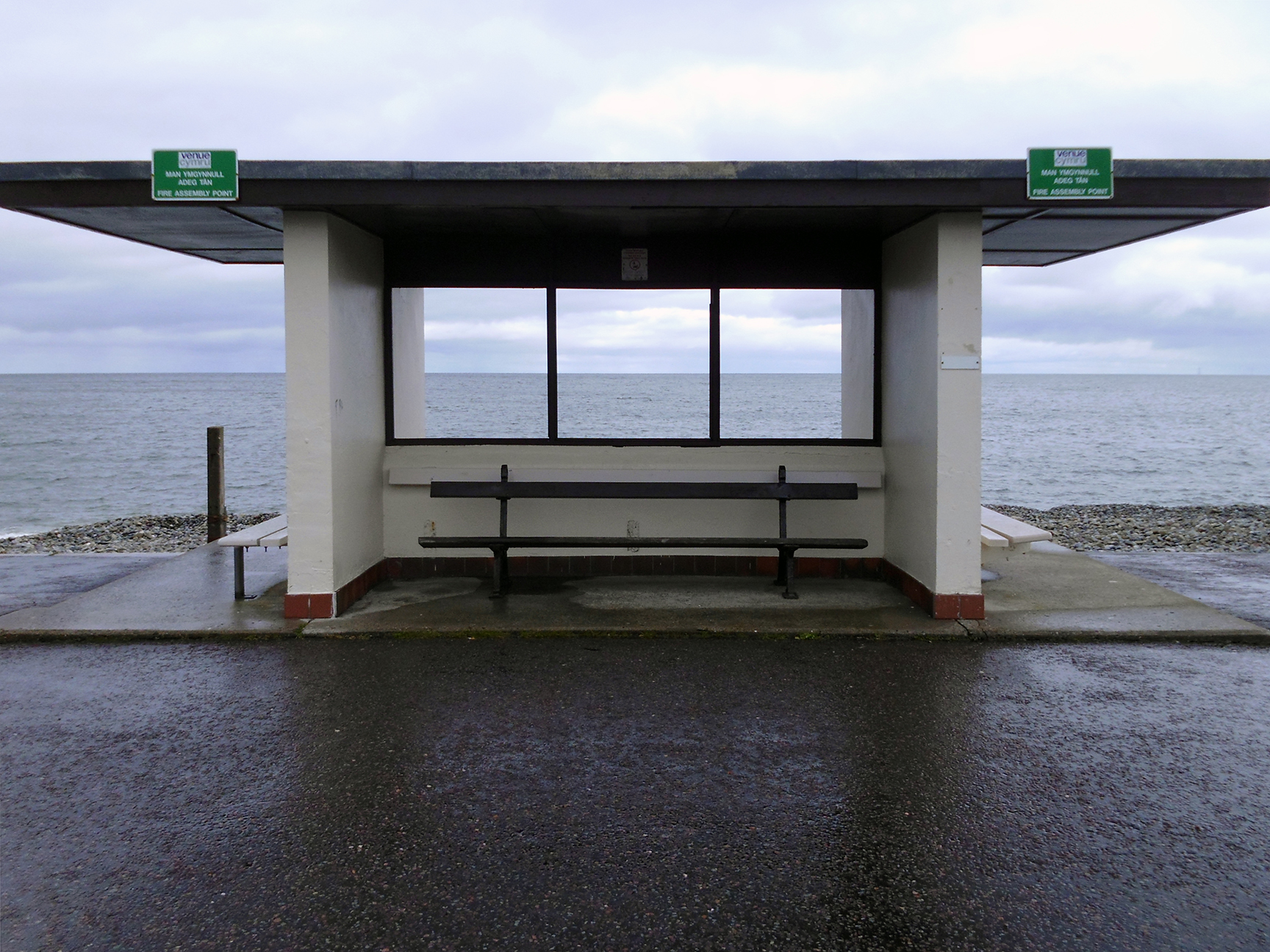
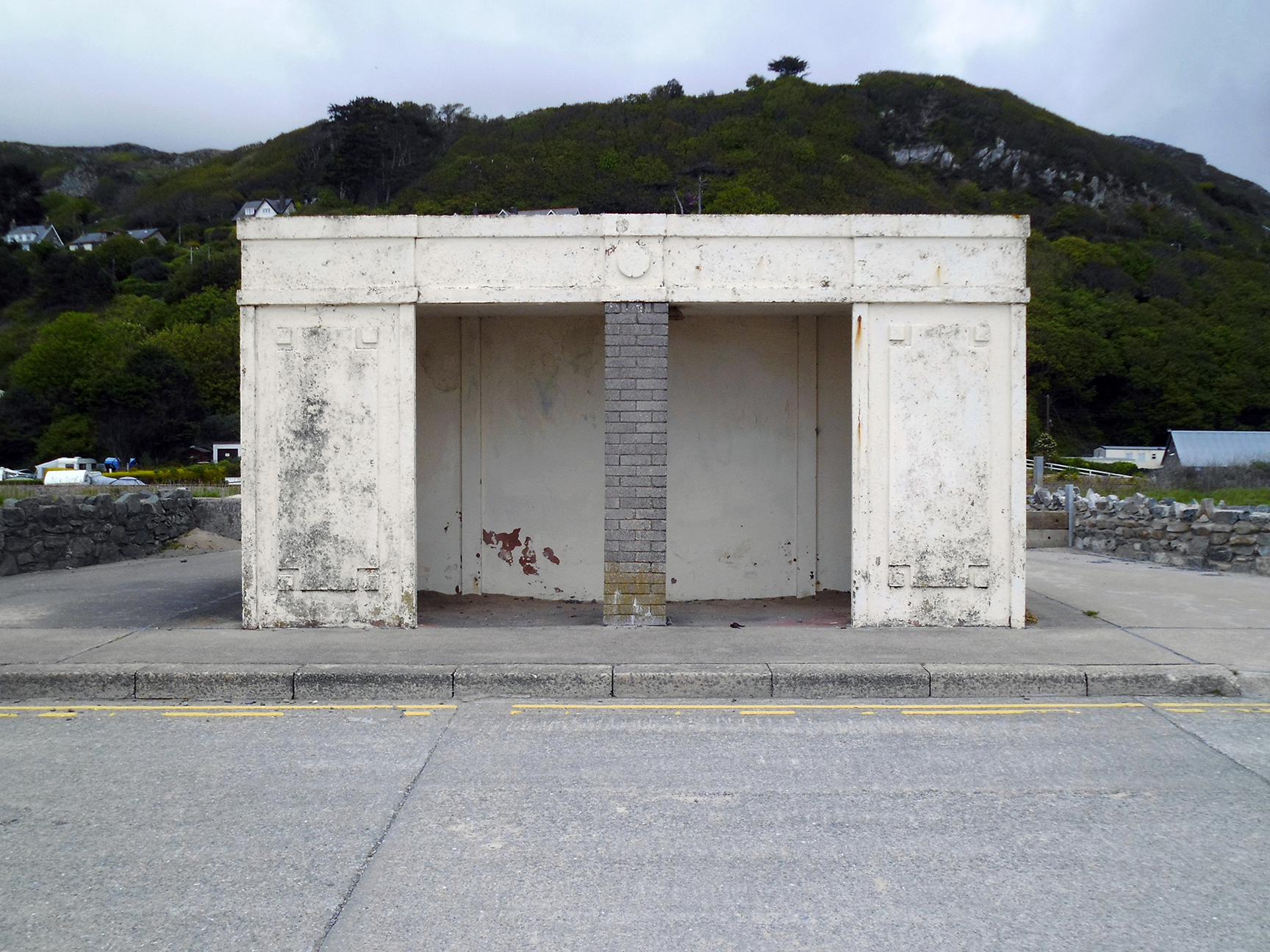
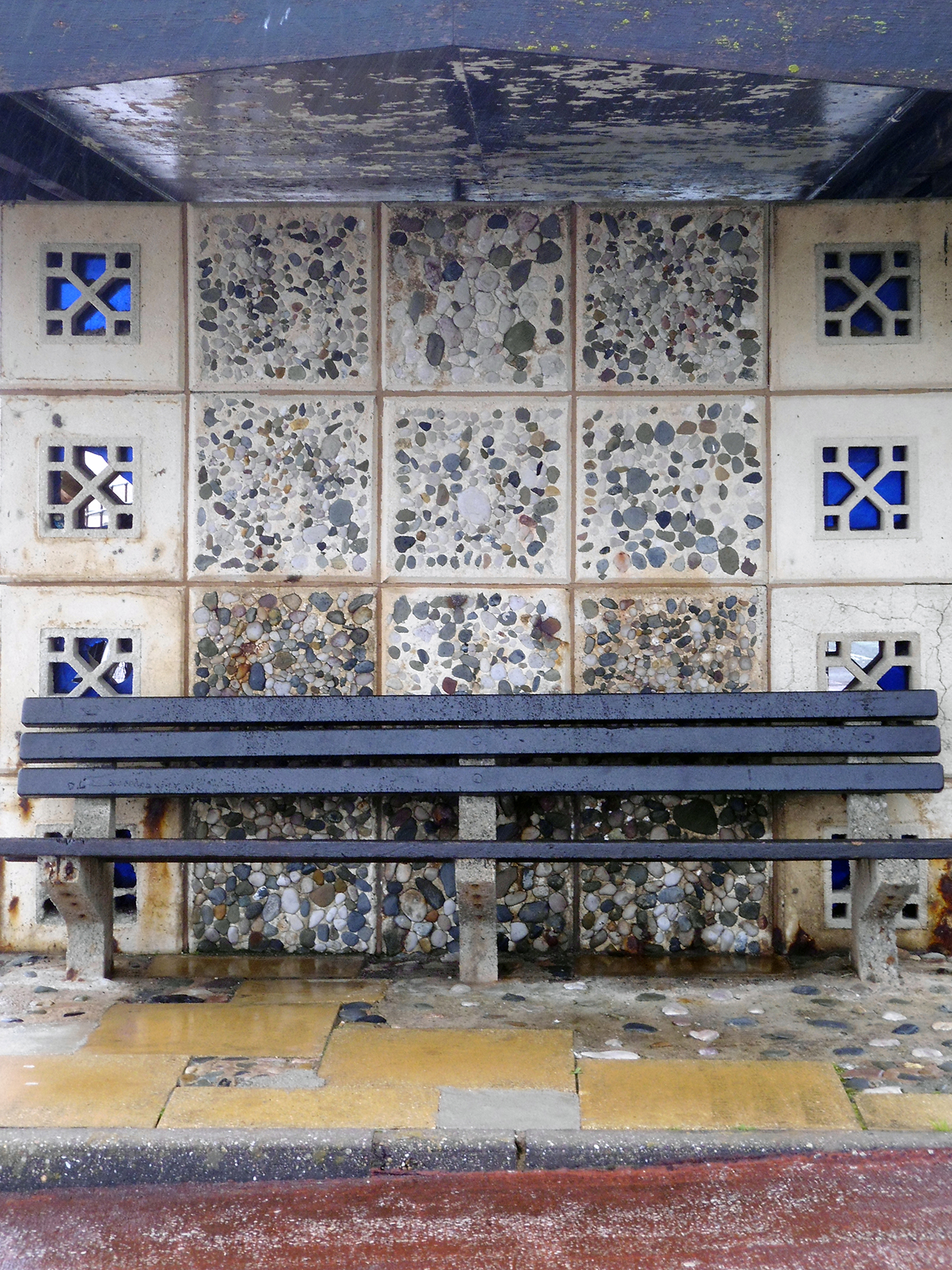
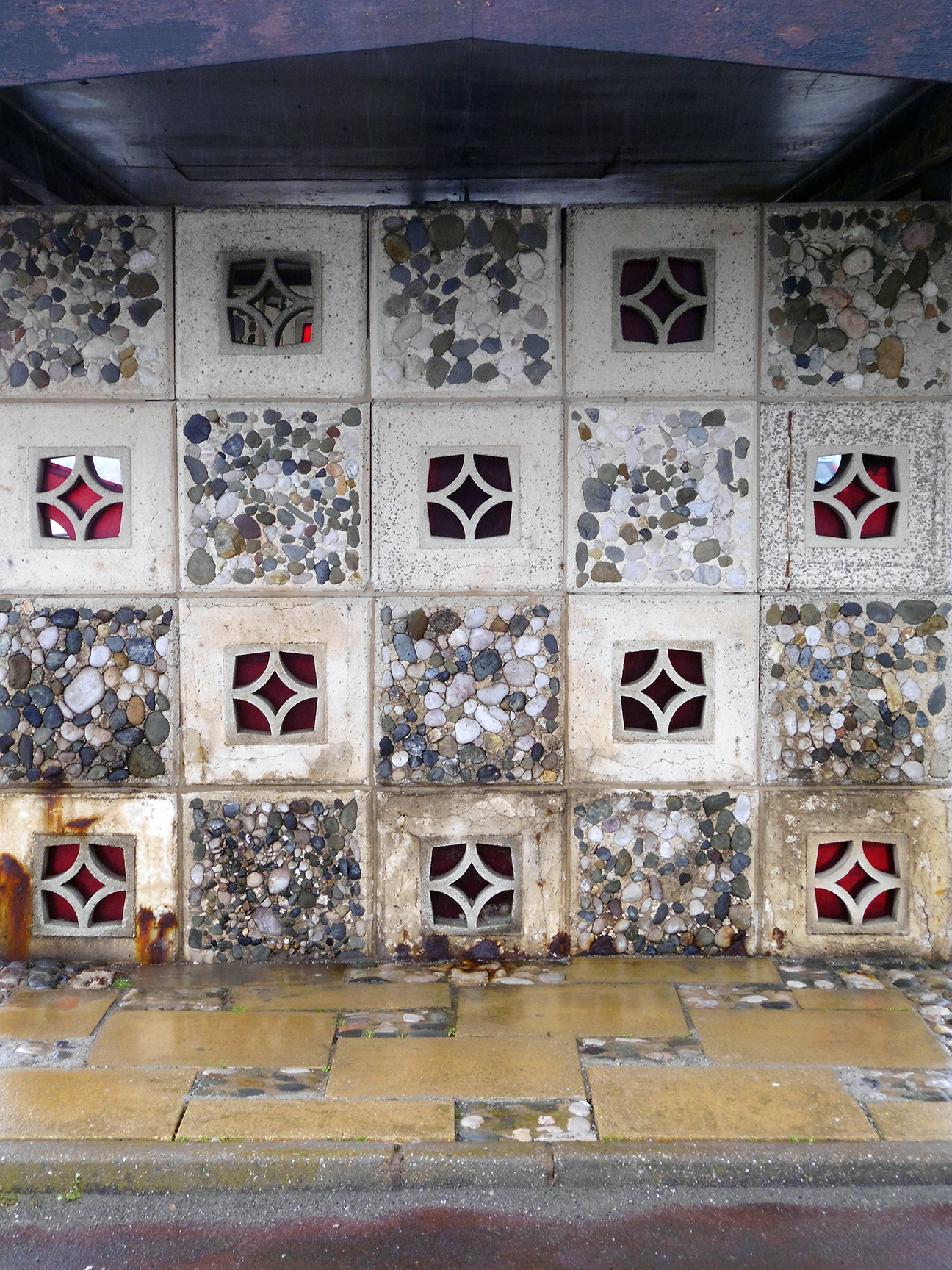
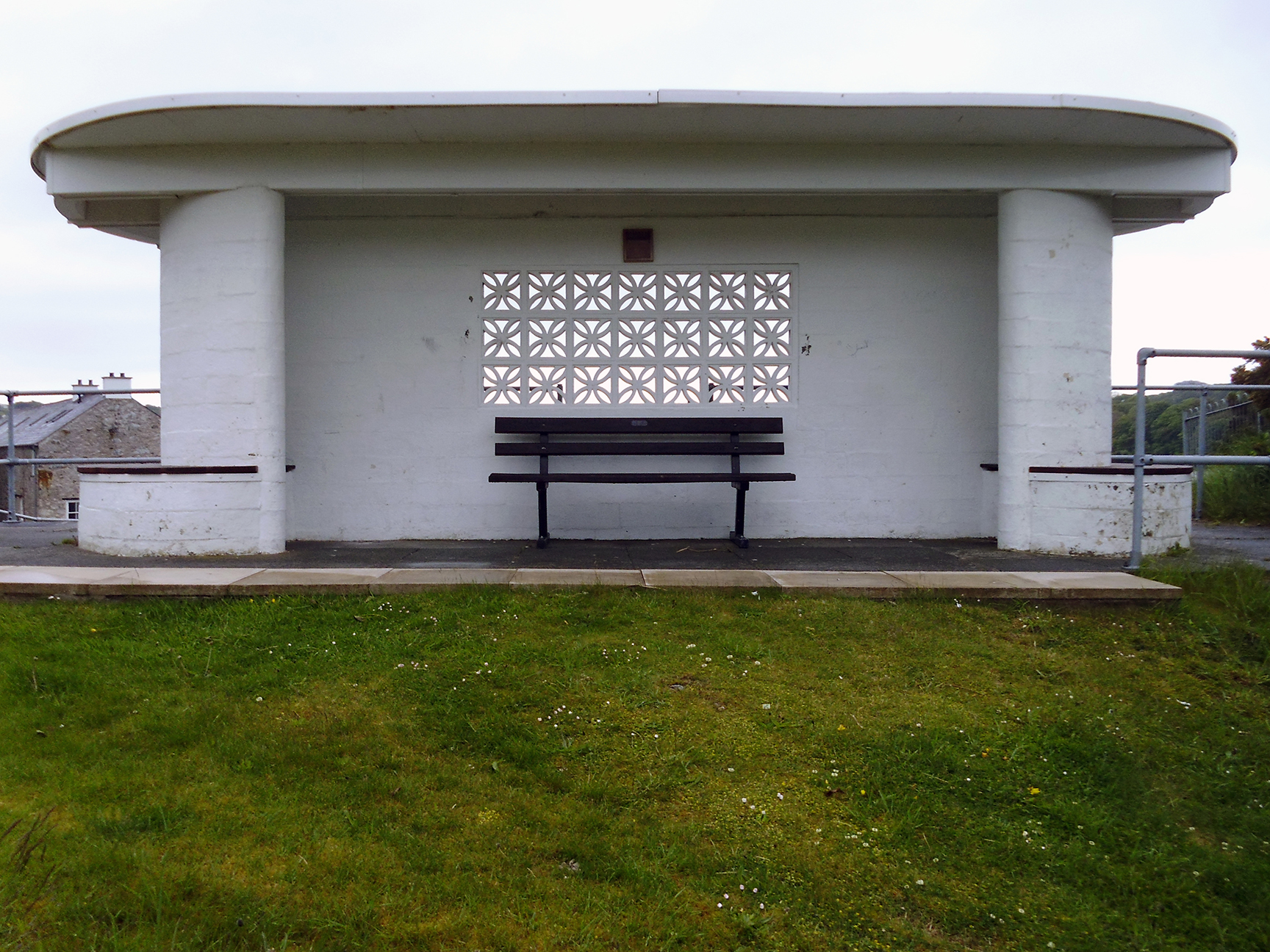
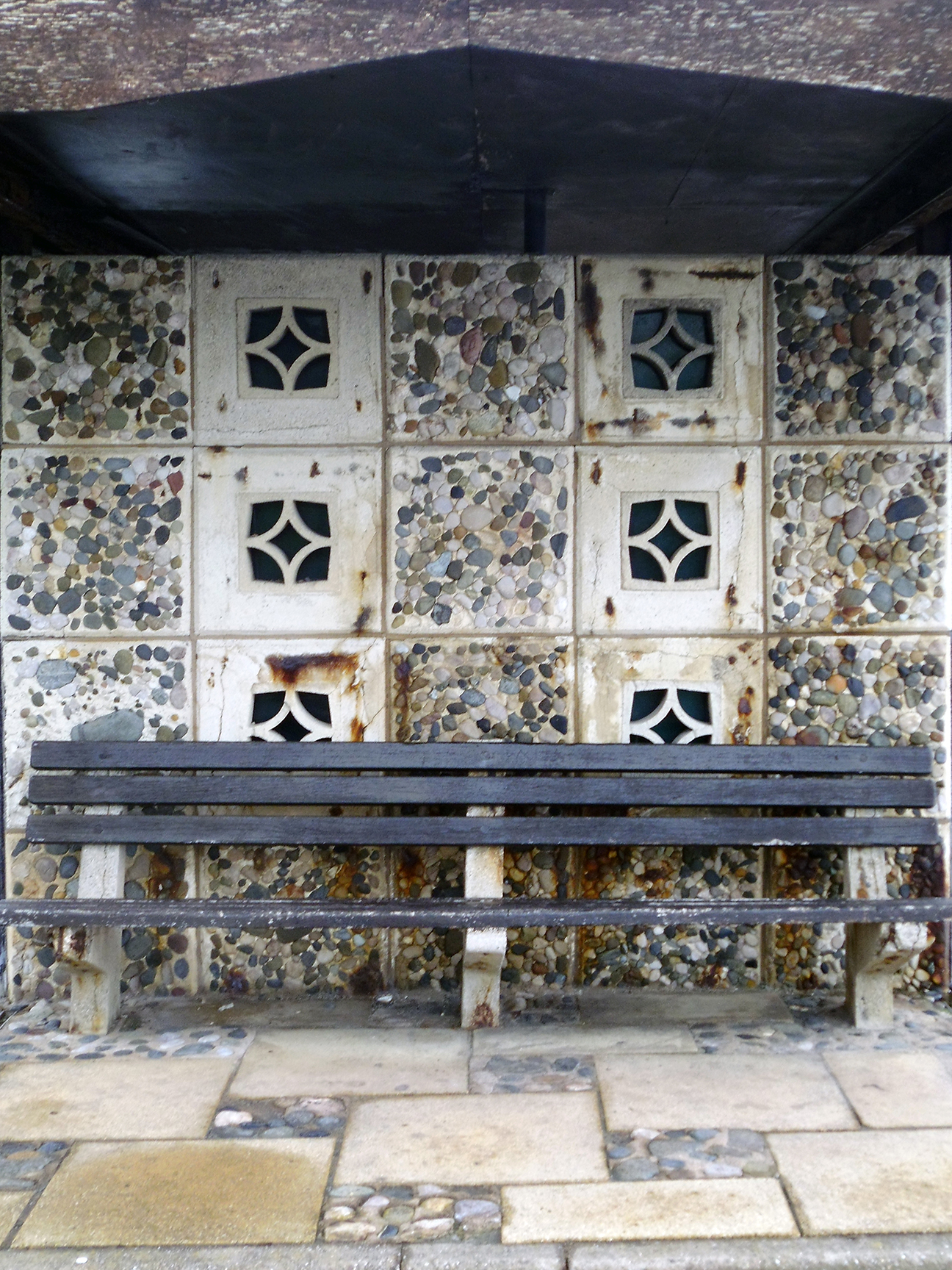
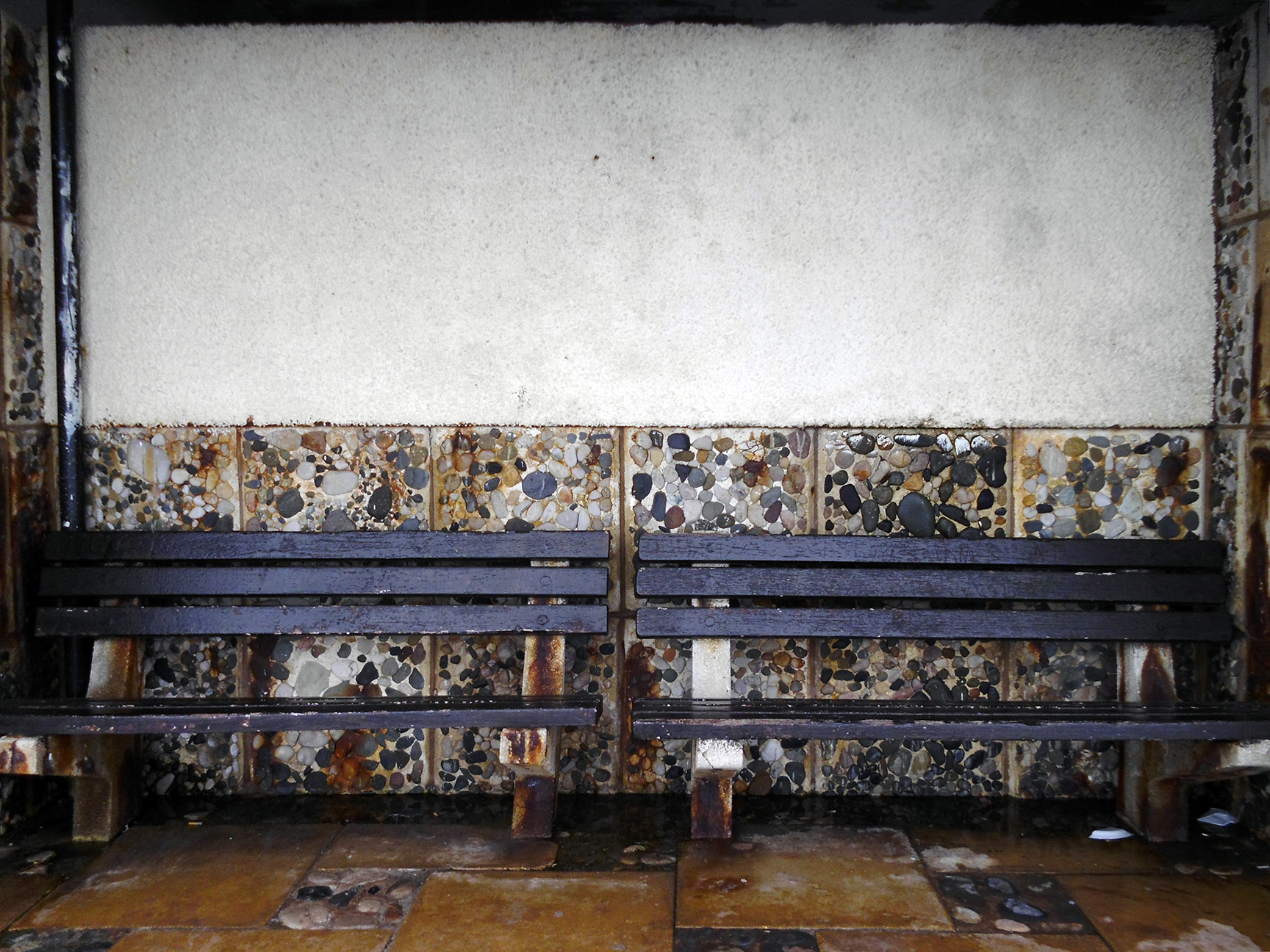
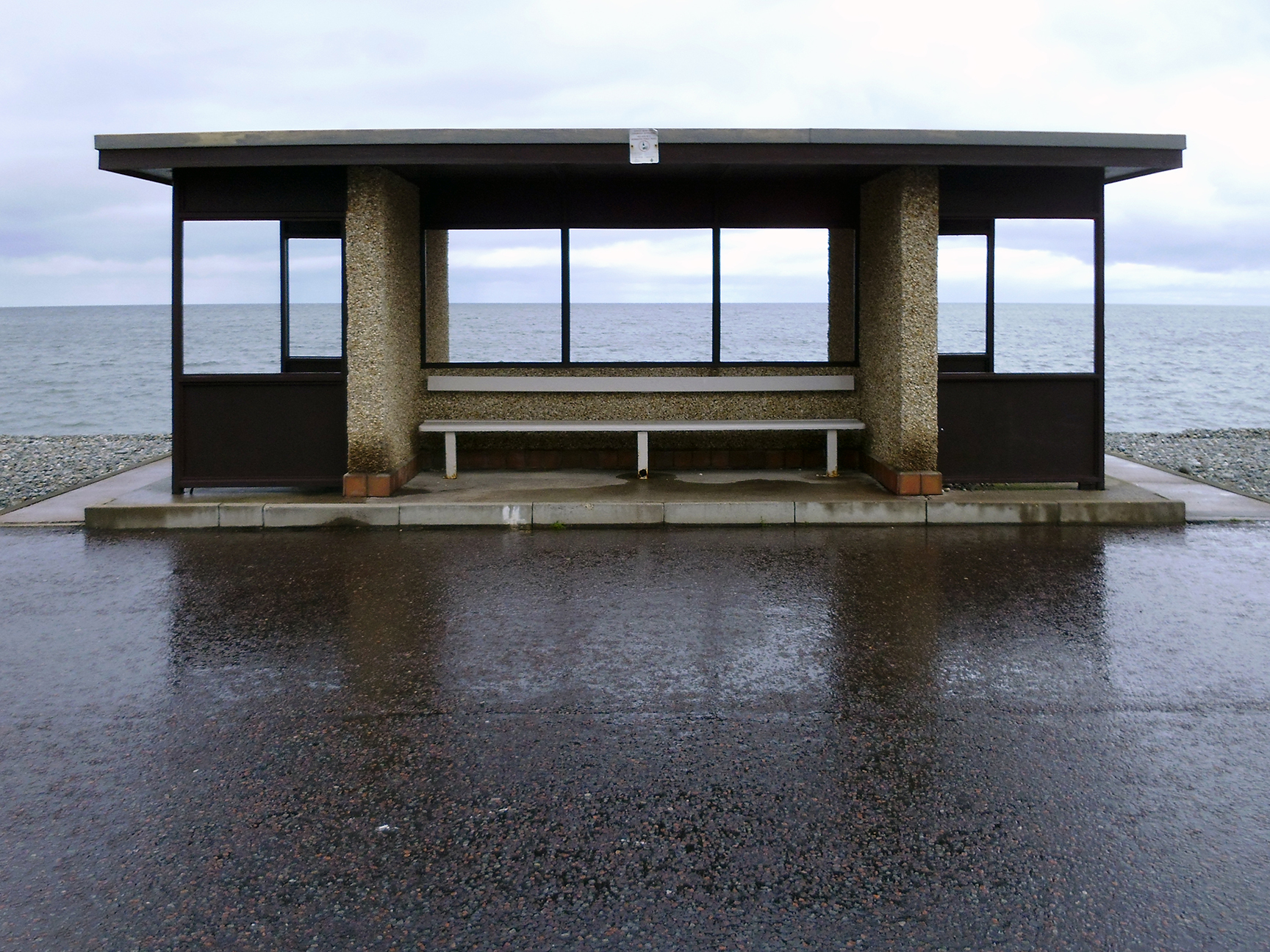
The shelter
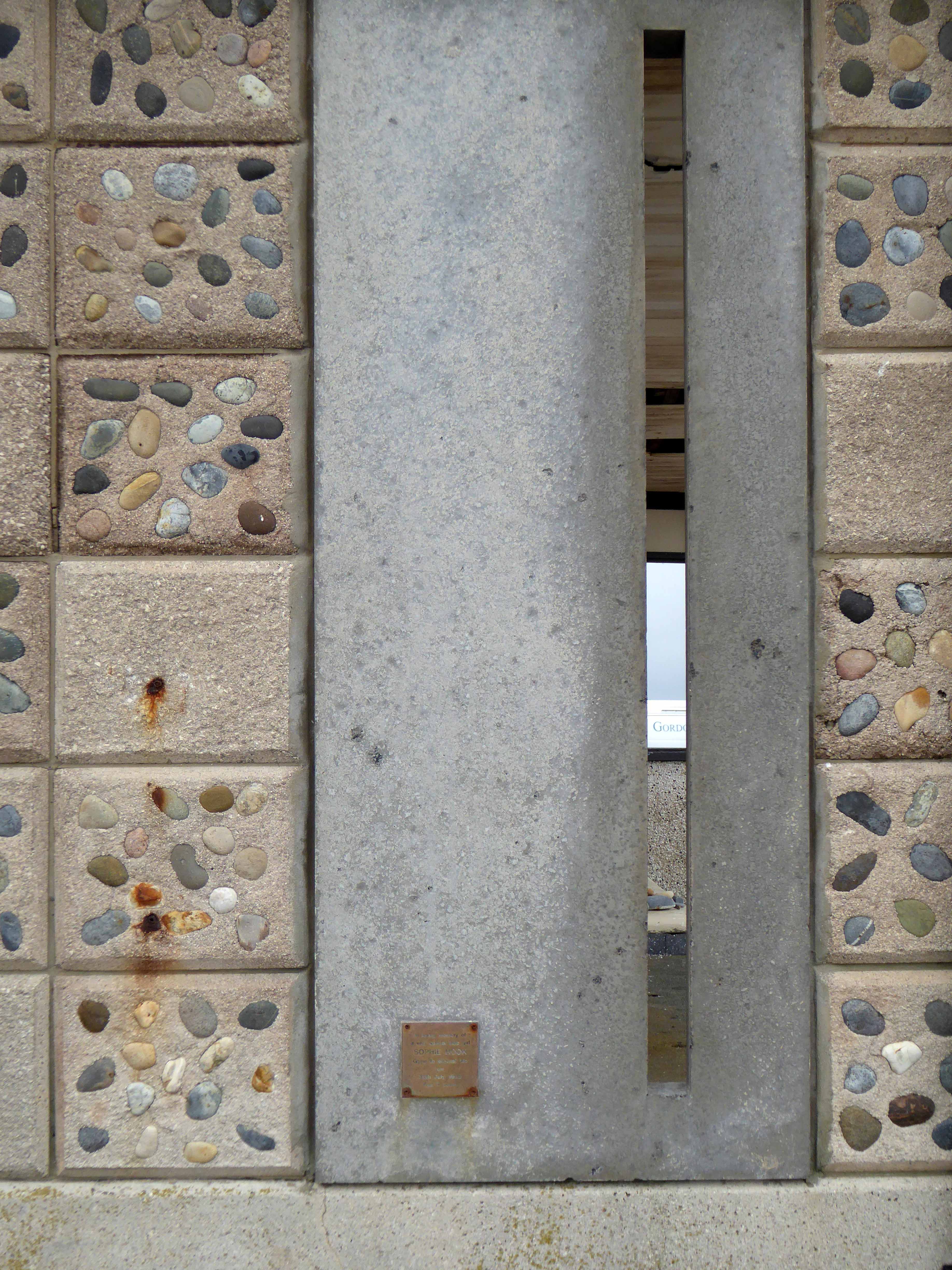
No two are the same, look carefully – they are nuanced, under financed, resilient and emboldened against the elements. Design applied by untutored hand, cast in concrete, stone and brick, glazed, unglazed and amazing.








 Modern Mooch