Sheffield Modernists

The outline of a presentation for Photonorth – November 16th 2023.
I was asked to talk about the photographs which Sean Madner had selected for exhibition on behalf of the Sheffield Modernists.

Illustrating a wide range of building types in and around Sheffield sheltering beneath the broad umbrella of Modernism.

By way of context the photographs are all Topographic in nature –  in which a landscape subject is photographed, devoid of people, framed orthogonally and lacking artifice or effect.

Practiced most famously by the 1970s New Topographics photographers, including Robert Adams, Lewis Baltz, Nicholas Nixon, and Bernd and Hilla Becher.

Bernd and Hilla’s photographs lead us to:

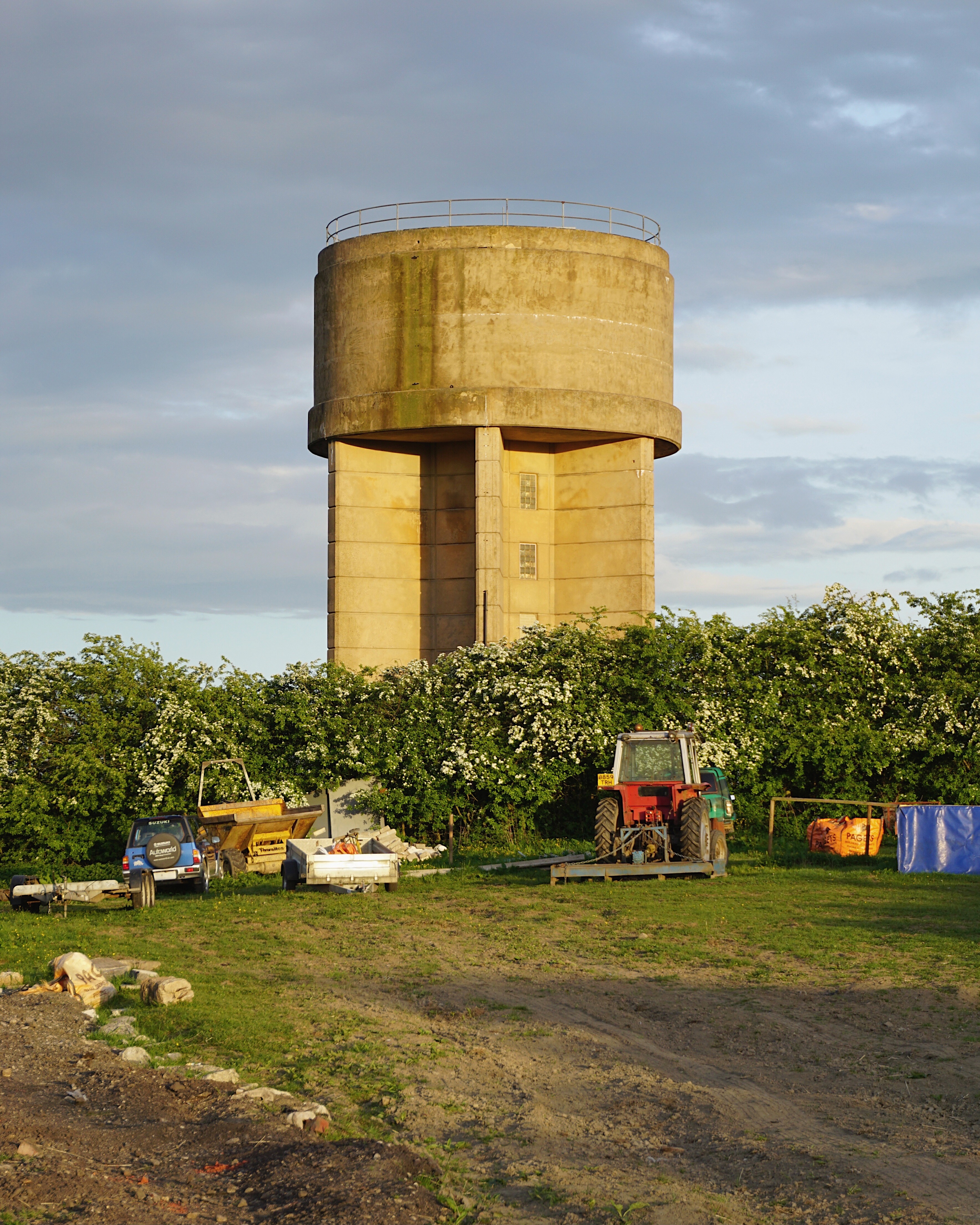
1 Potter Hill Water Tower

The British Water Tower Appreciation Society
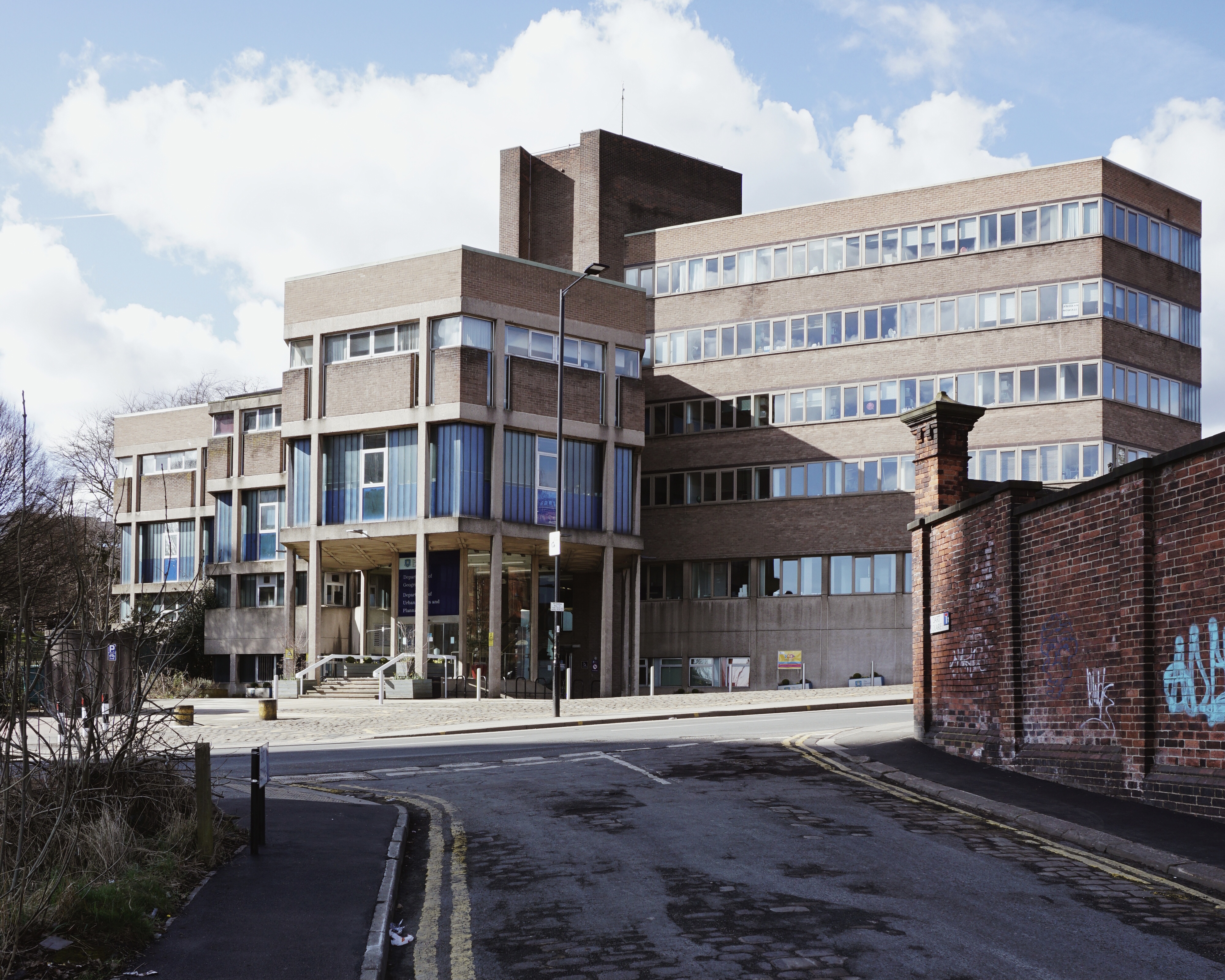
2 Geography Building 1970 Sir William Whitfield

Alterations made 2022
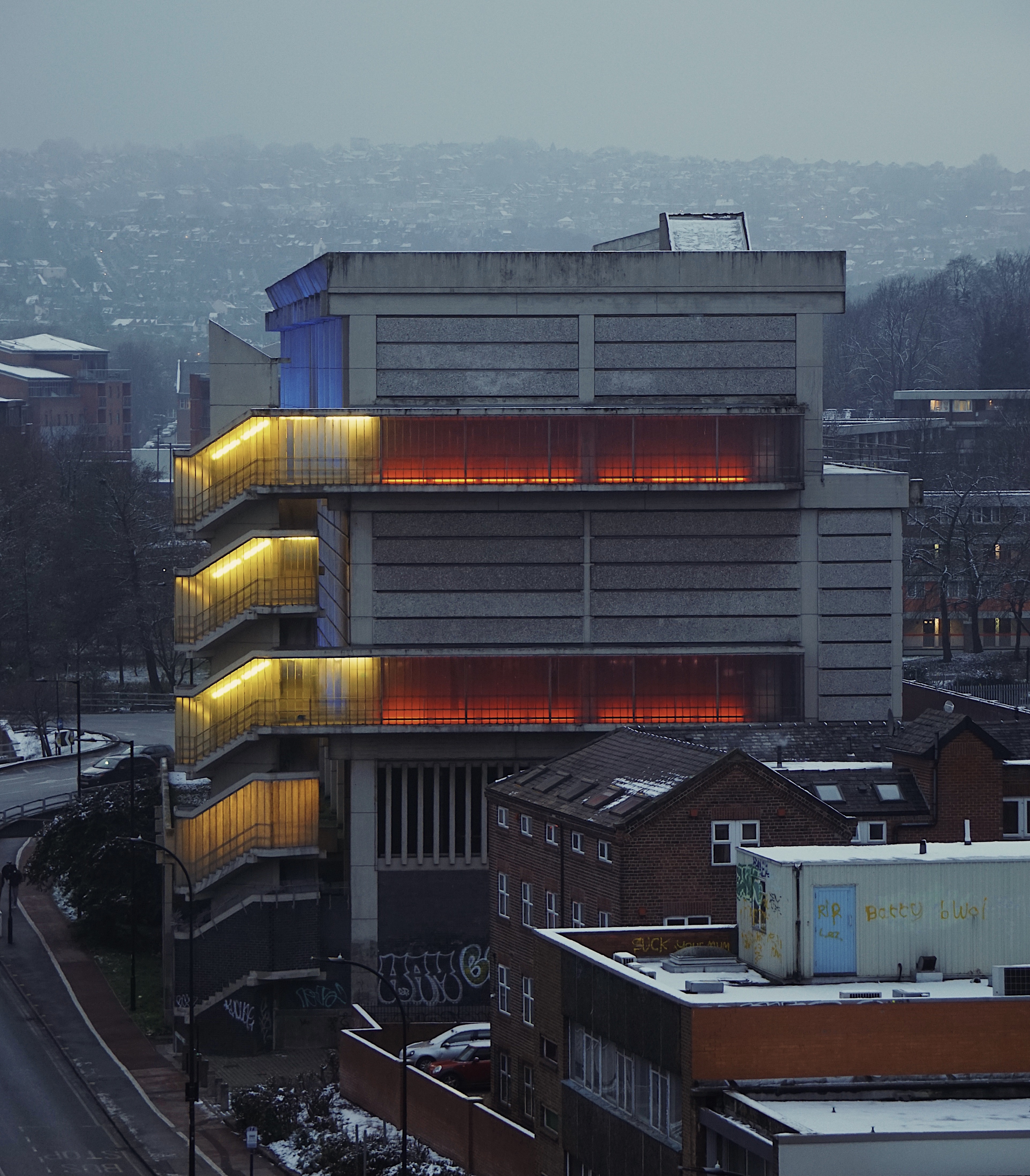
3 Moore Street Substation 1968 Jefferson Sheard

Owen Hatherley describes it as:

A shocking paroxysm of a building, an explosion in reinforced concrete, a bunker built with an aesthete’s attention to detail, a building which is genuinely Brutalist in both senses of the term.
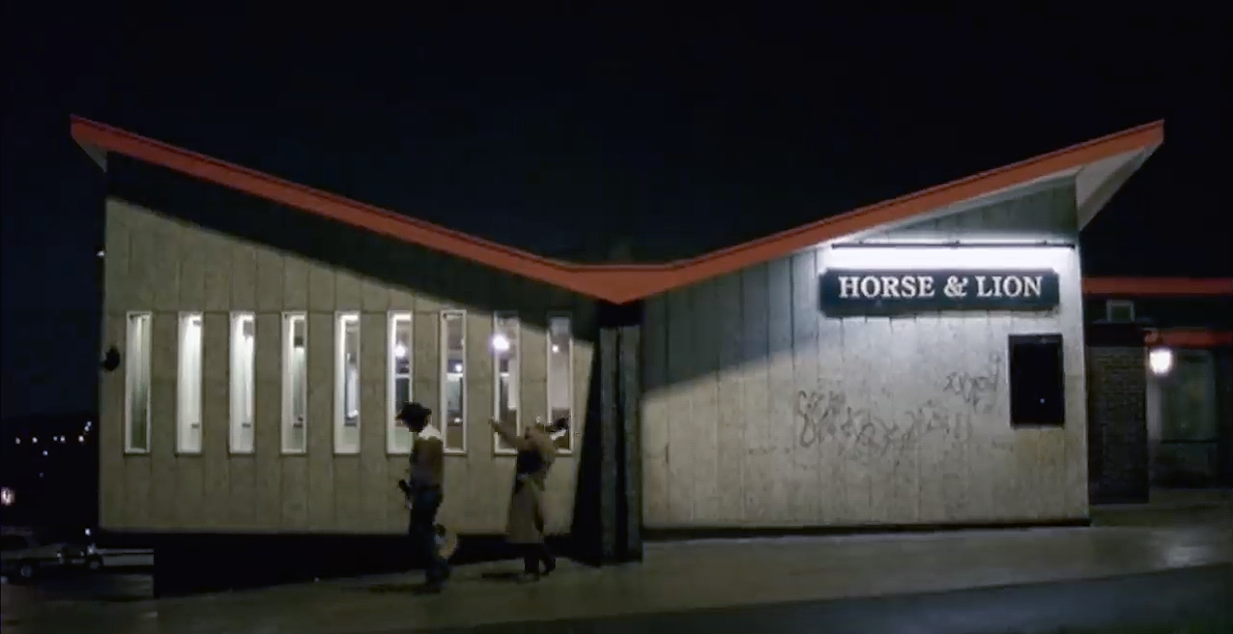
4 Horse and Lion Pub – Bass Charringtons

Prime example of a so-called Estate Pub.

With a hyper parabolic roof a doubly-curved surface that resembles the shape of a saddle, that is, it has a convex form along one axis, and a concave form on along the other.
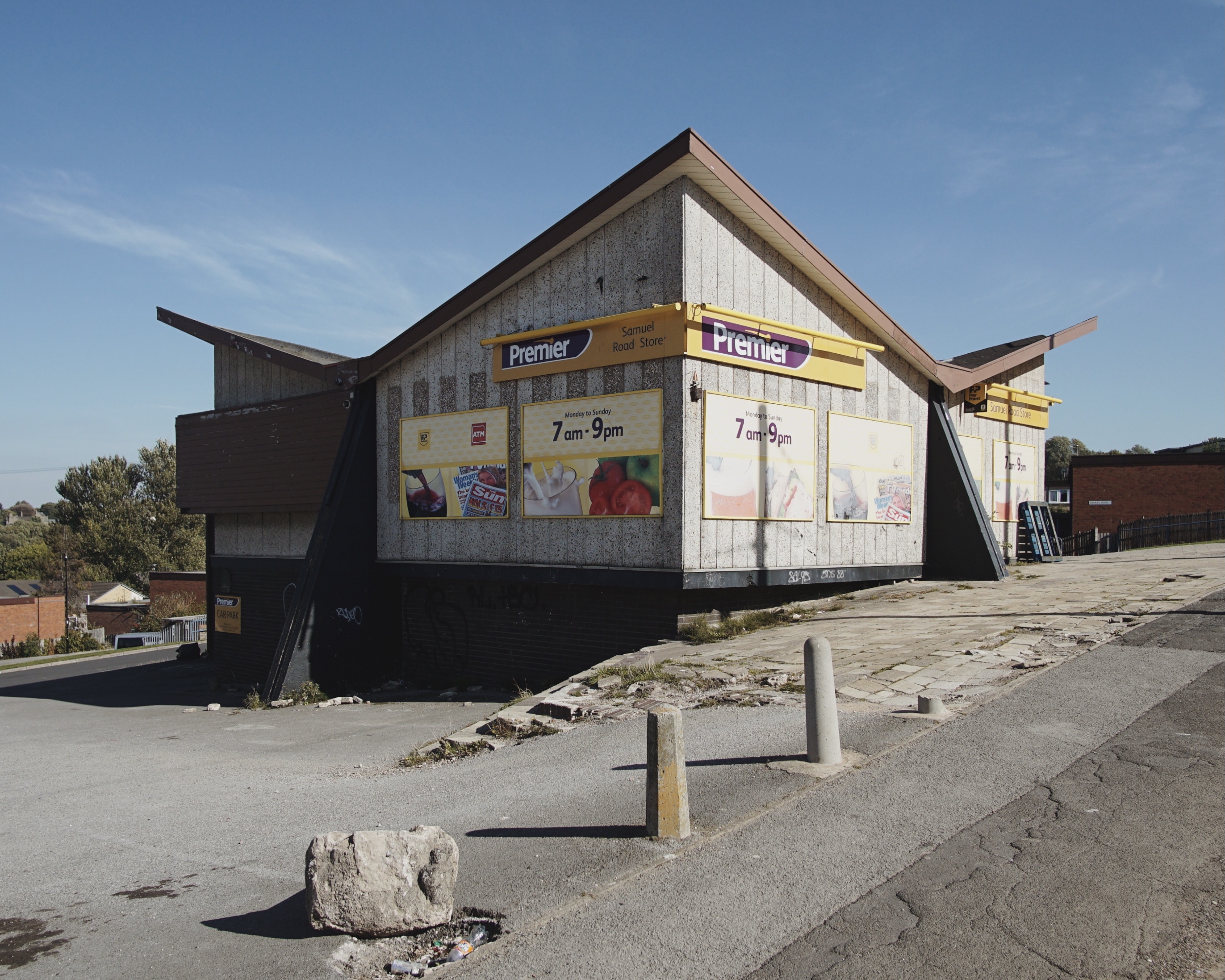
Featured in the video for the Arctic Monkeys’ 2006 number one hit – When the Sun Goes Down at 1.21.
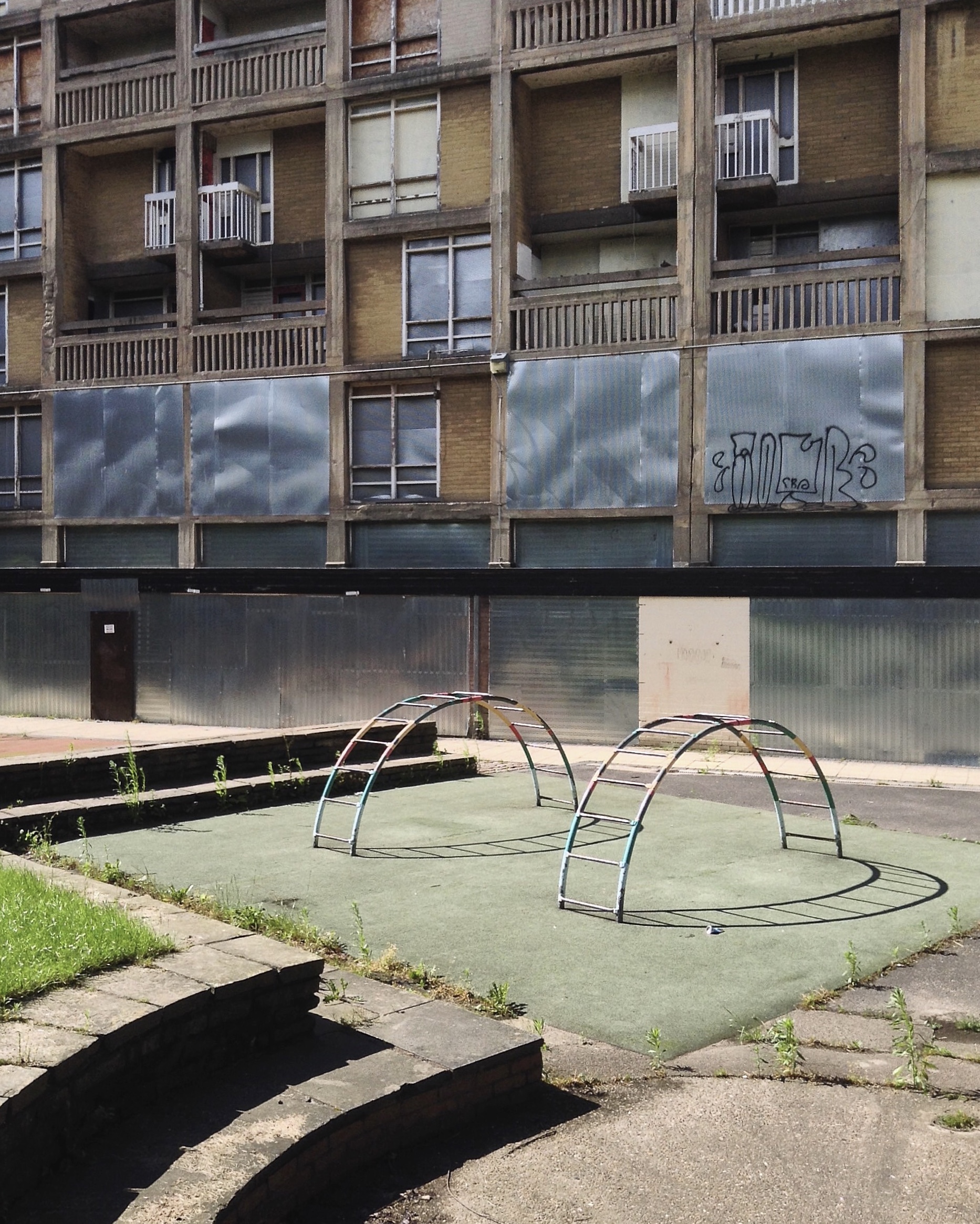
5 Park Hill – 1957 and 1961 Jack Lynn and Ivor Smith under the supervision of JL Womersley, 

Grace Owen Nursery – with two Wicksteed climbing frames

The Play Ground should not be put in a corner behind railings, but in a conspicuous and beautiful part of a Park, free to all, where people can enjoy the play and charming scenery at the same time; where mothers can sit, while they are looking on and caring for their children.

Charles Wicksteed
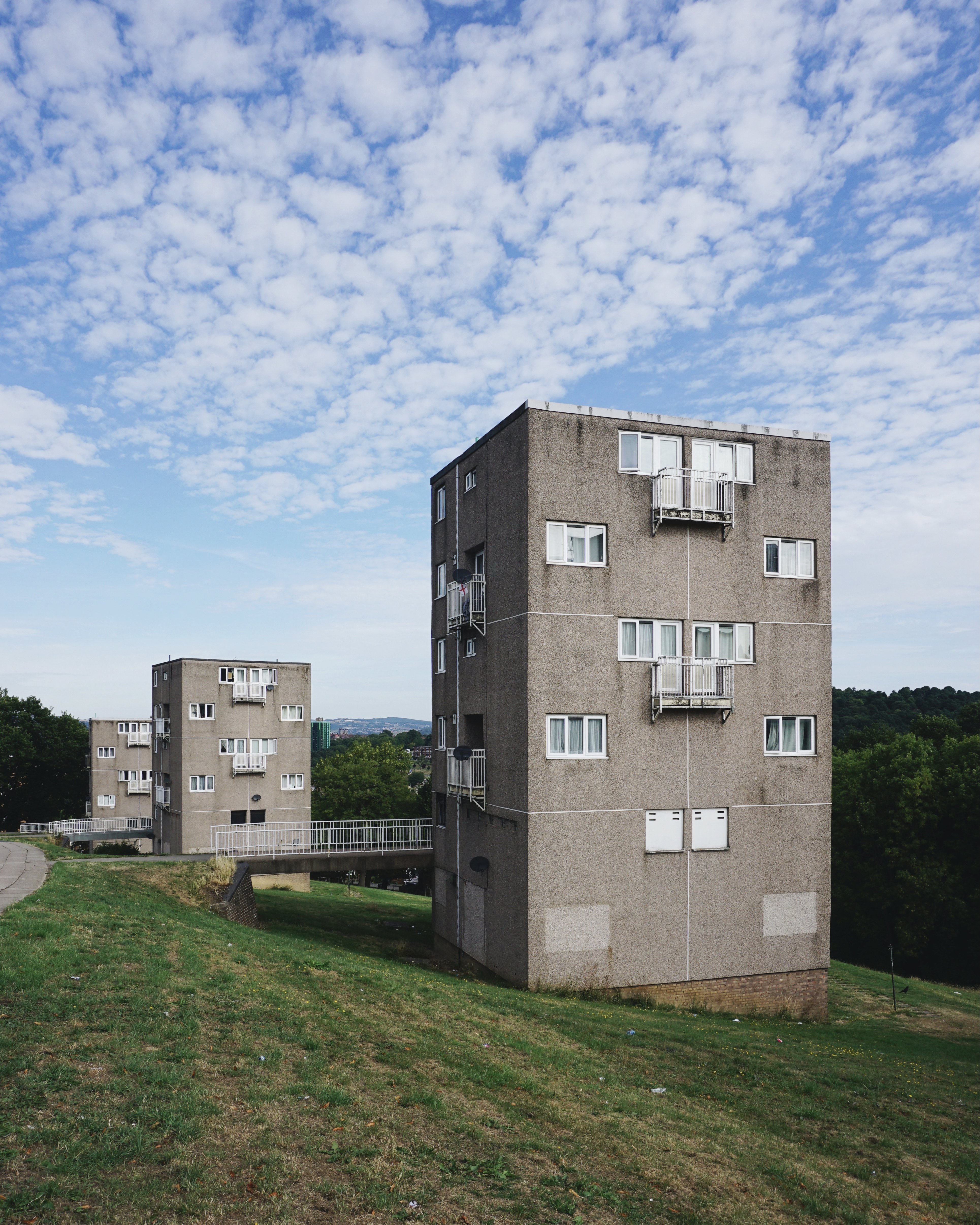
6 Gleadless Estate 1963 Lewis Wormersley City Architect

The Sheffield Blitz in December 1940 killed almost 700 and damaged some 82,000 homes, over half the city’s housing stock. As the city looked to rebuilding, its 1952 Development Plan estimated the need to replace 20,000 unfit homes and build a further 15,000 to cater for the natural increase of population.

Supreme, but often overlooked, achievement … is the Gleadless Valley Estate which combined urban housing types and the natural landscape so effectively that it still looks stunning, especially on a bright winter’s day.

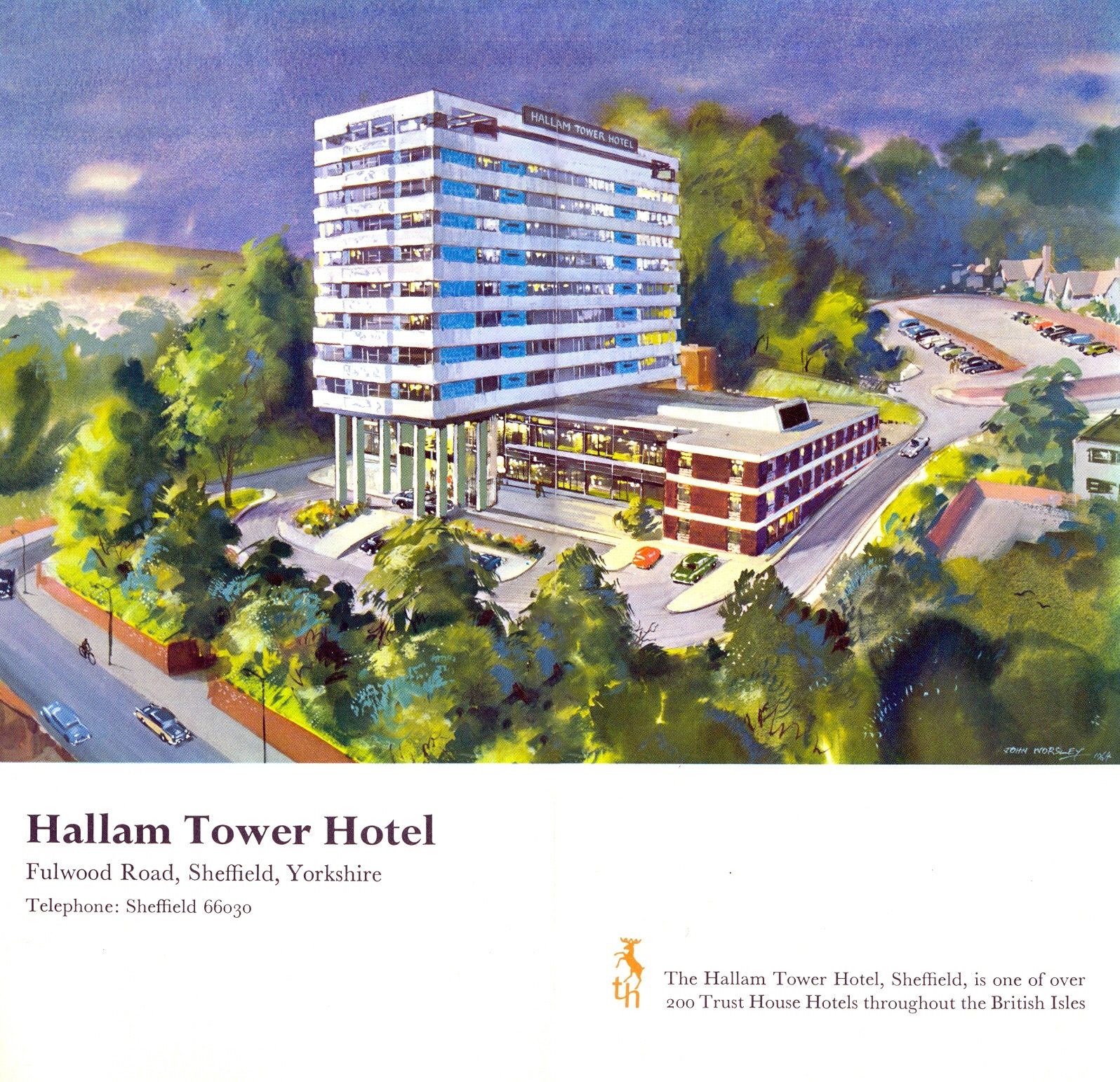
7 Hallam Tower Hotel 1965 Nelson Foley of Trust House Architectural Department

It opened officially on 24th March 1965 and was the first luxury hotel to be built in the north of England since the Second World War. The exterior was designed to complement Sheffield’s post-war modernist developments; the interior by Colefax and Fowler of Mayfair offered warm, gay colours to contrast with the black and grey tones of the city.

8 Hope Cement Works

The plant started its first full year of production in 1929 

The plant was located at Hope, because it is at the edge of where carboniferous limestone of the Monsal Dale Group, meets Edale Shale, the two main components of finished cement.

Since 1951, when the Peak District National Park was created, most of the outbound traffic from the plant has been exported by rail.
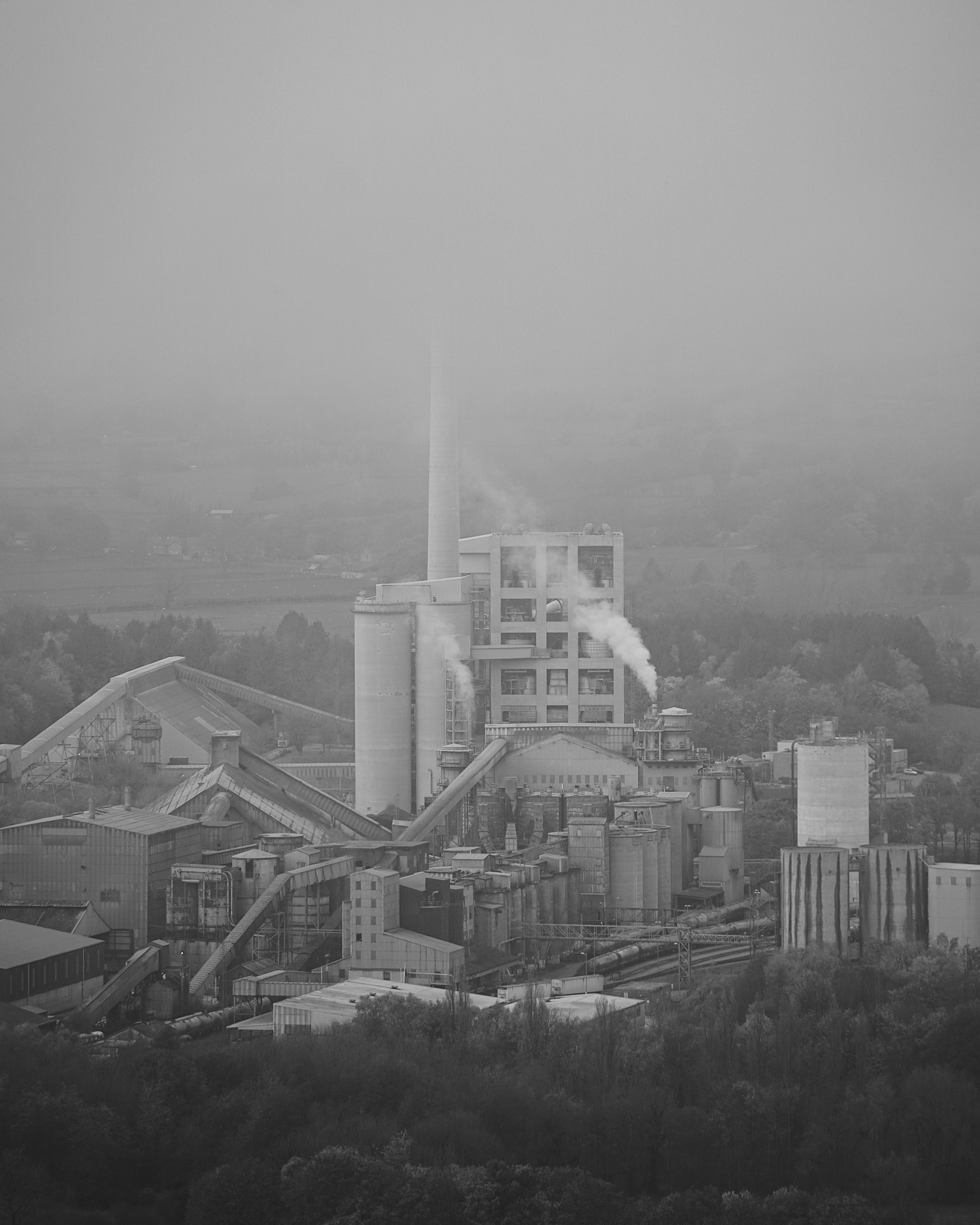
As seen in the Channel 4 TV ident.

The same location used in Shelagh Delaney’s A taste of Honey.
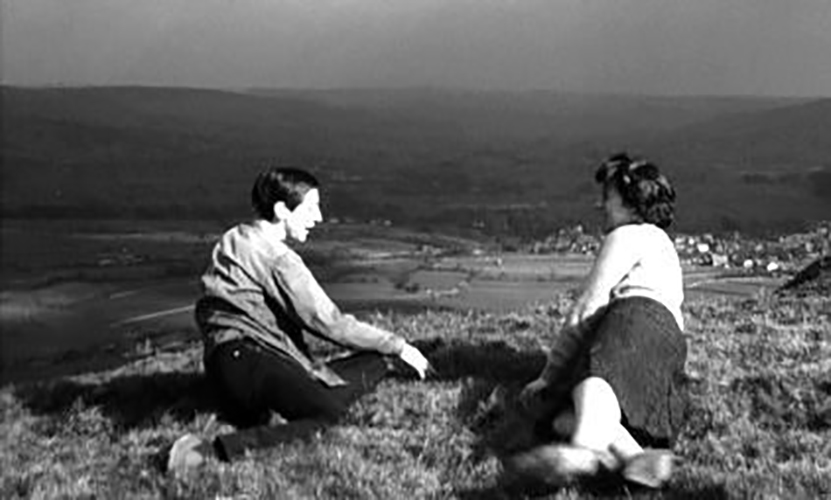
9 Droppingwell FootbridgeWest Riding County Architect Colonel Stuart Maynard

Colleagues in the team included Bill Varley, Ron Bridle, Sri Sriskandan and FA Joe Sims. The team was responsible for the introduction of a great deal of new computing technology into bridge design, as well as for some of the most imaginative bridge engineering going on anywhere in the country. Their design efforts were supported by close involvement in research and testing work, for example, on half-joints and concrete hinges. All the above named engineers went on to considerable seniority, some in the Department of Transport, and Sims and Bridle in particular have published various papers and contributed to books on the history of Britain’s motorway development.

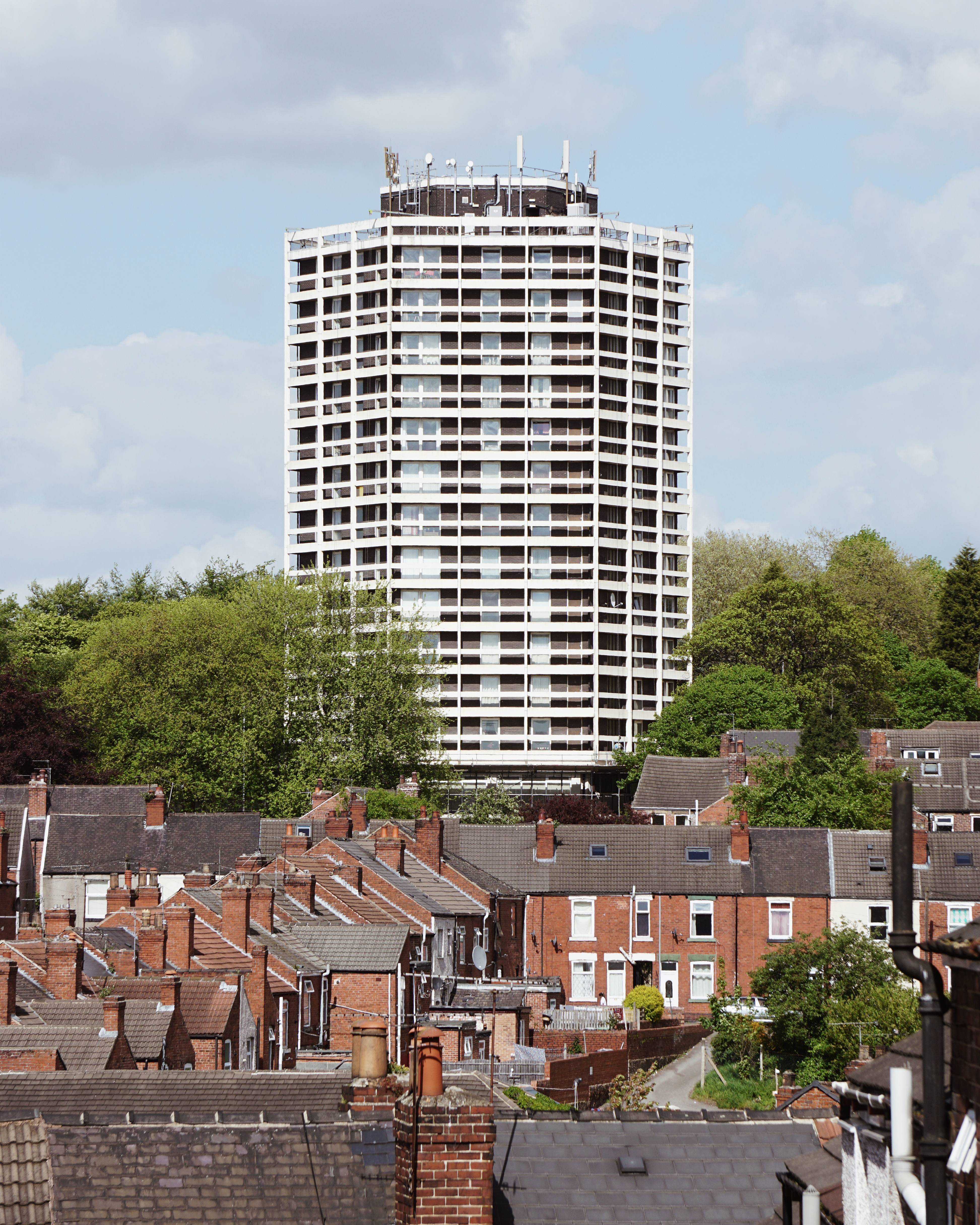
10 Beeversleigh Rotherham 1968-71 Main contractors J Finnegan 

It’s thirteen storeys high – housing forty eight dwellings.
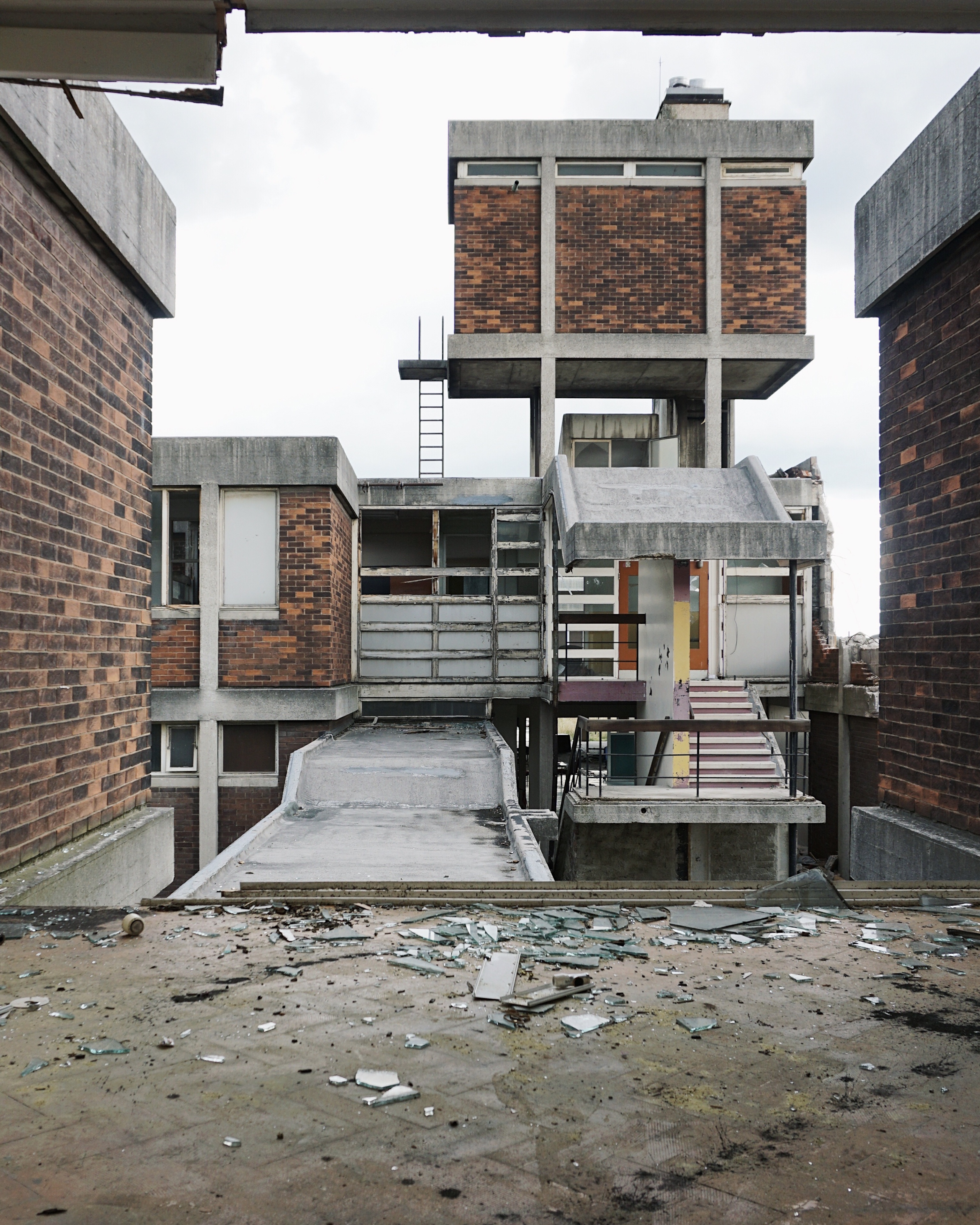
11 Park House School 1964 Lyons Israel Ellis Gray

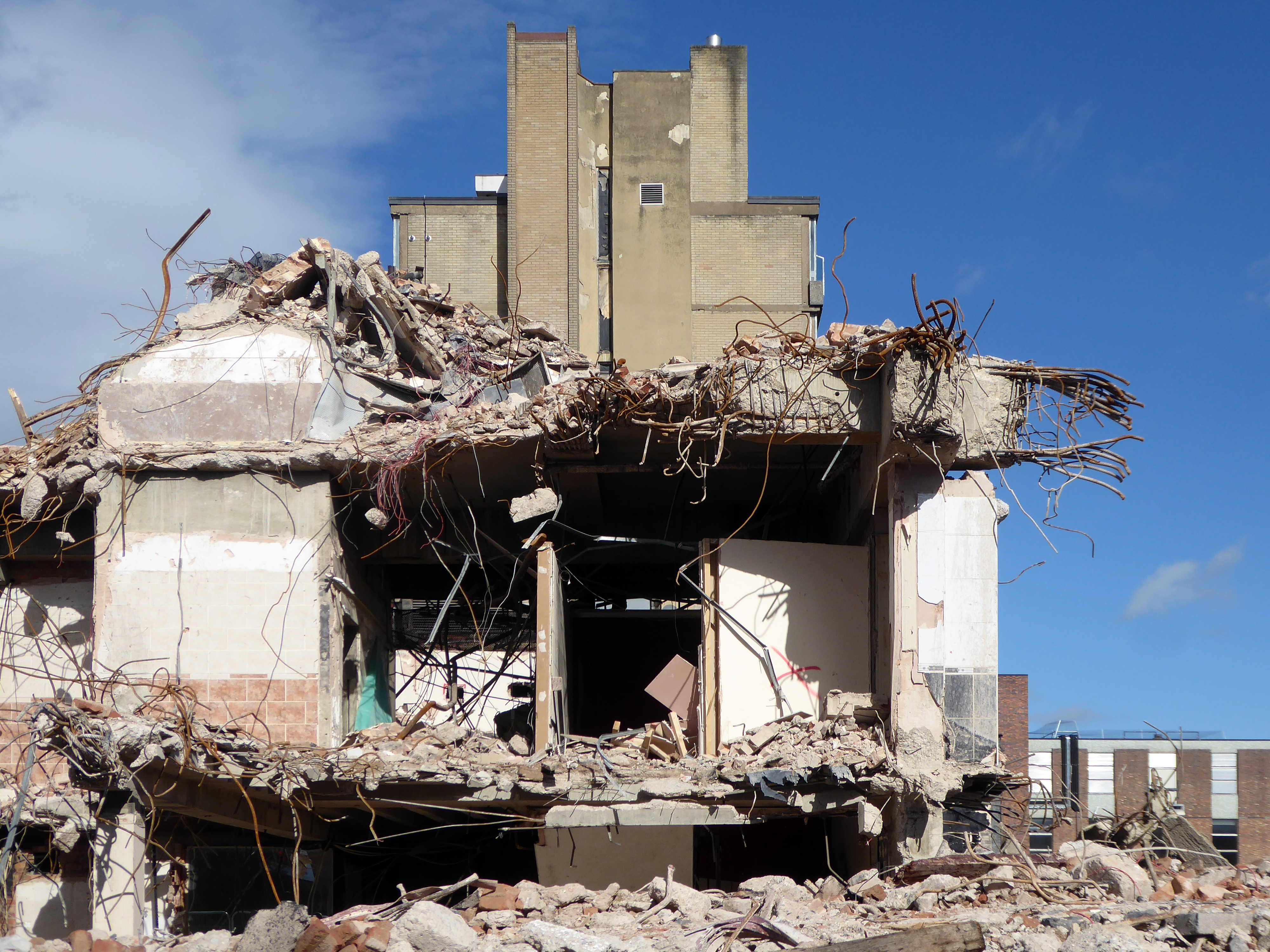
Listed in 2017 – then demolished.
12 Magistrates Court 1978 B Warren City Architect

13 Smithy Wood Footbridge

Built using a structure developed by EM Wincher in Pittsburgh 1930.
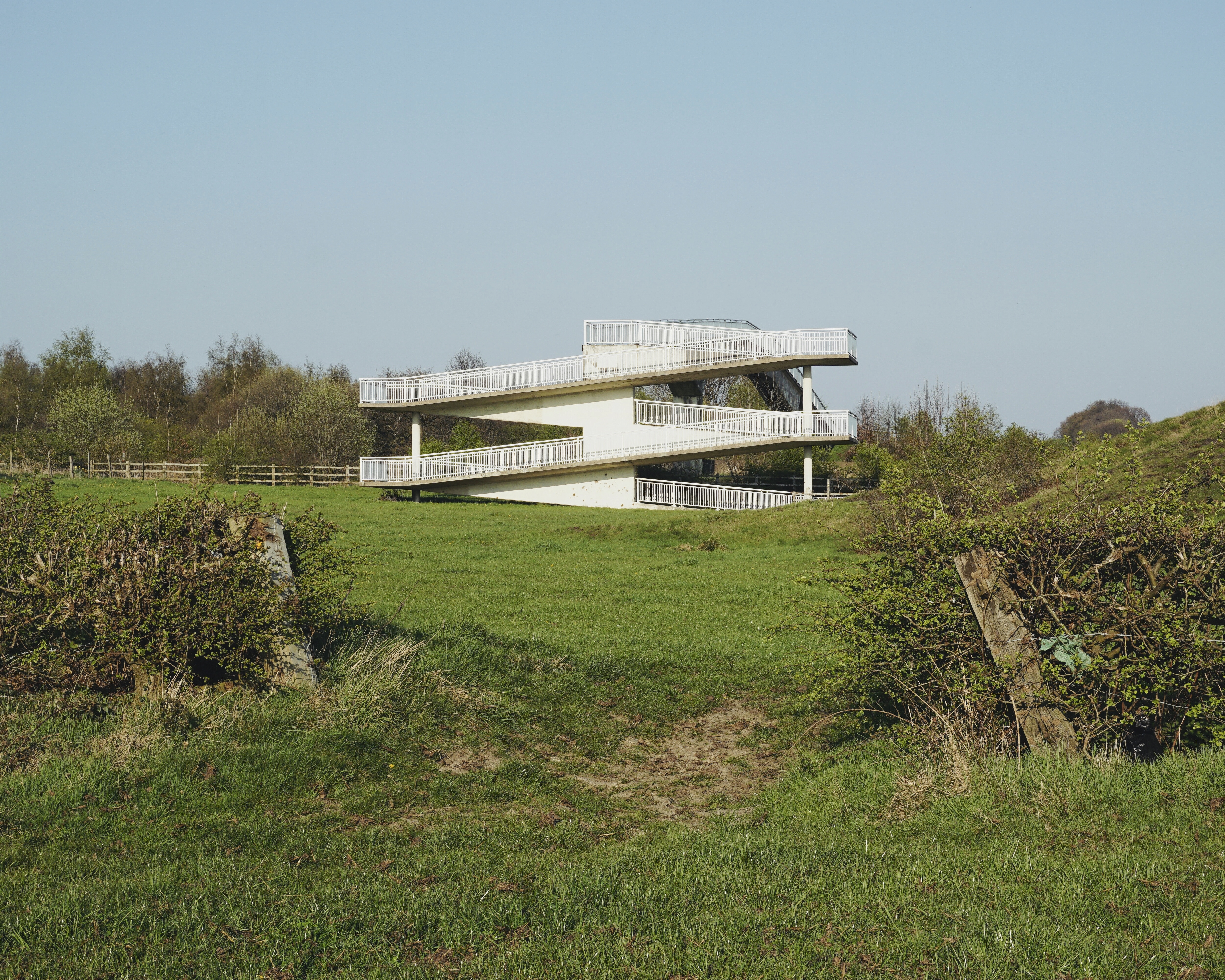
14 Westfield Estate Mosborough

Formerly Waterthorpe Farm Estate a rural township which was subsumed by Sheffield’s expanding housing schemes.

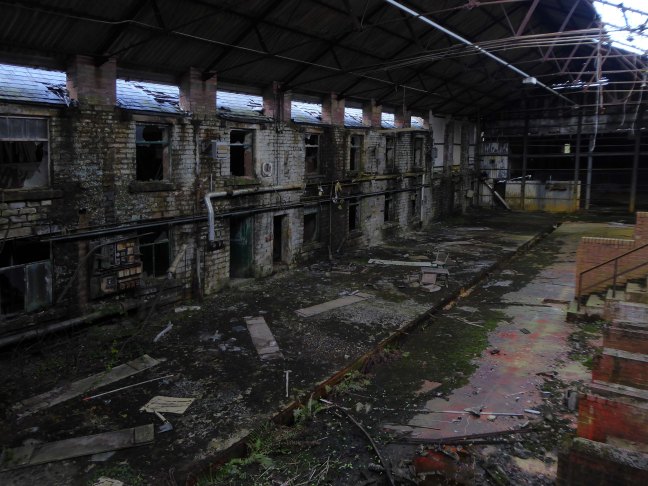
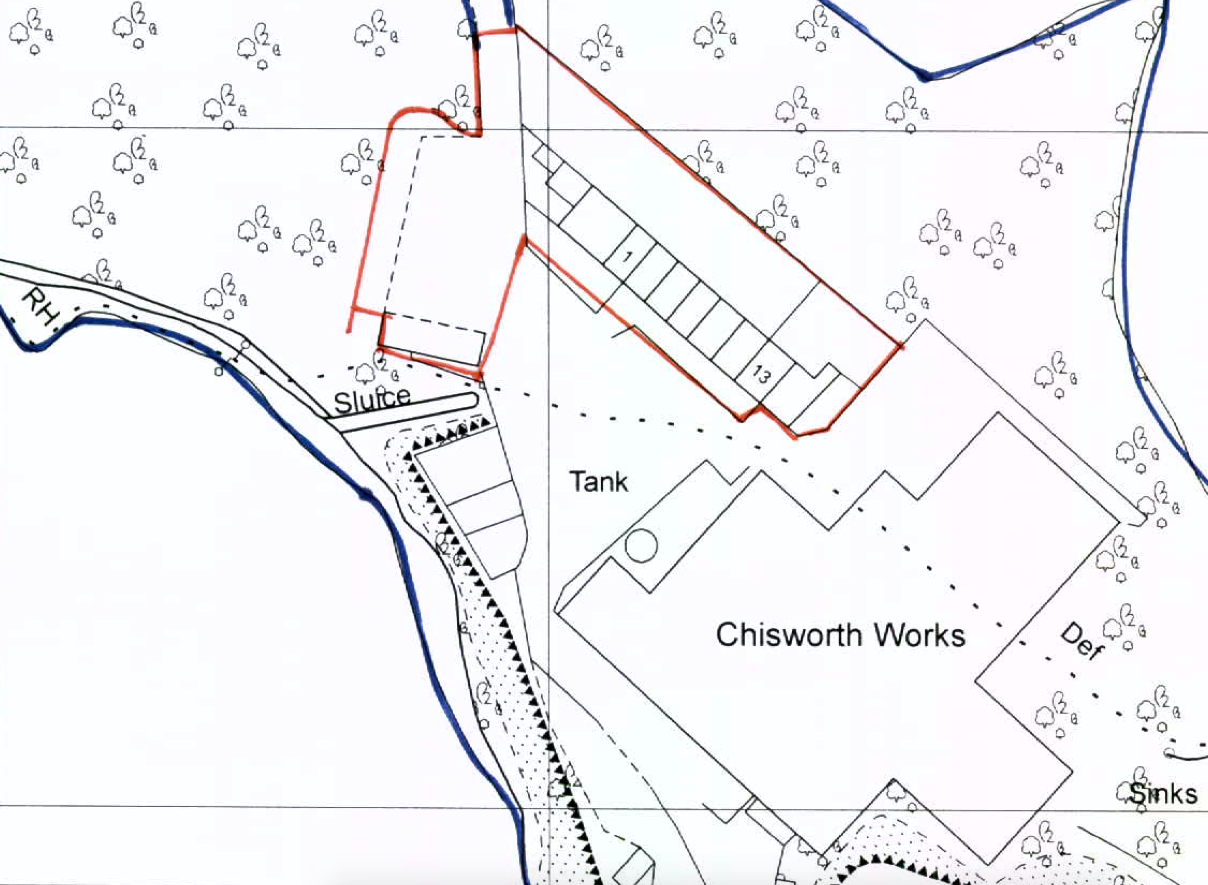
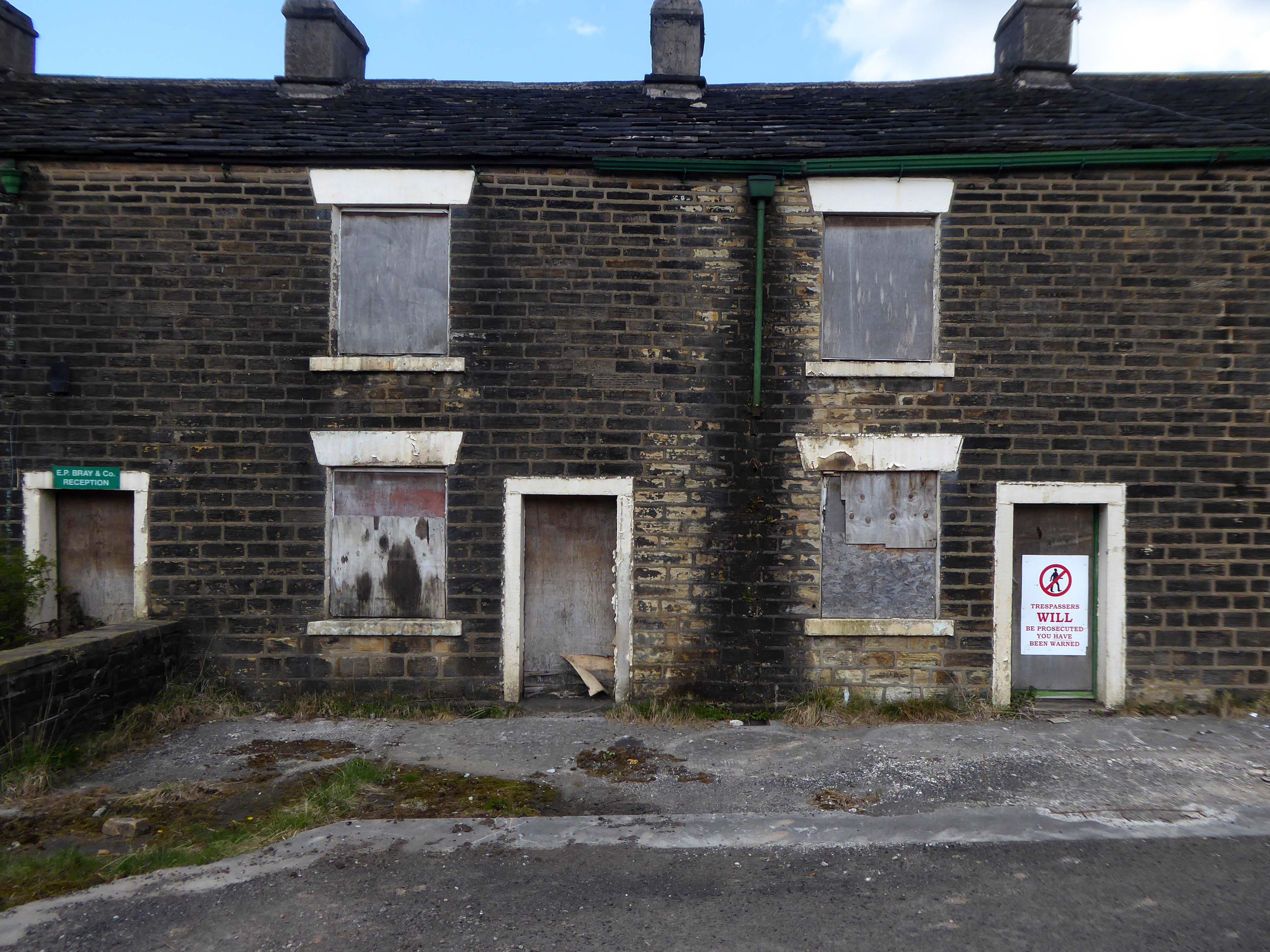
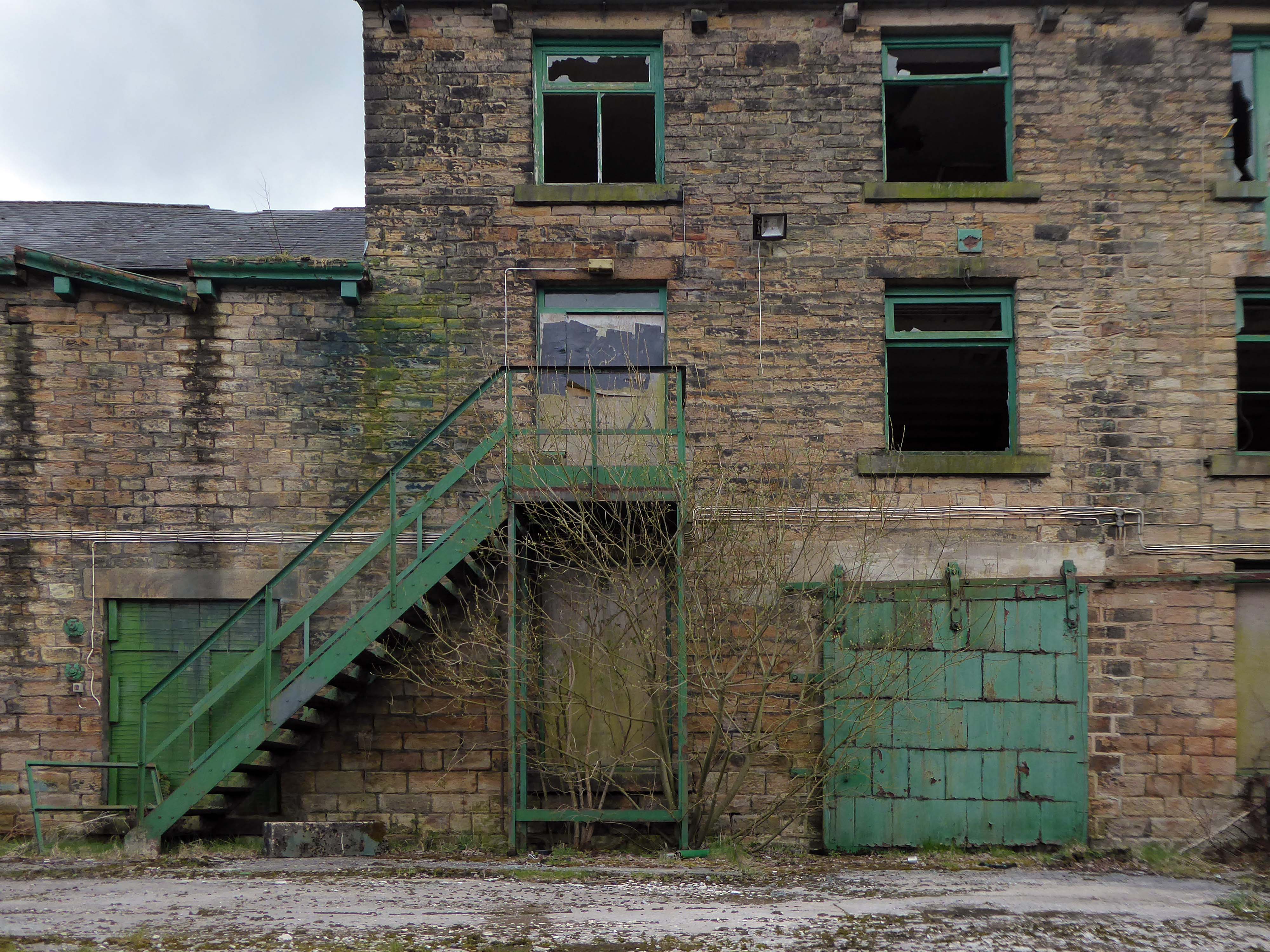
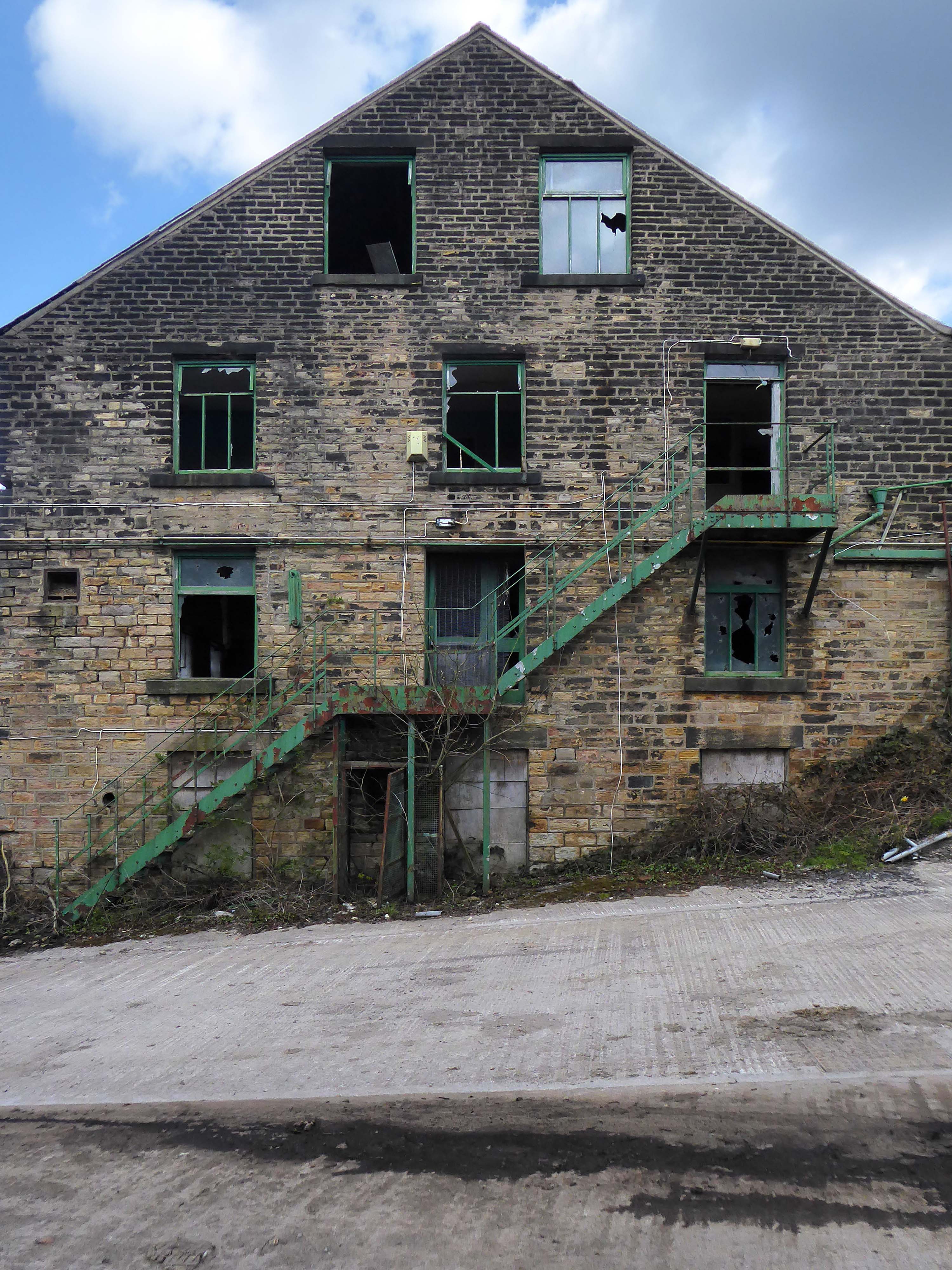
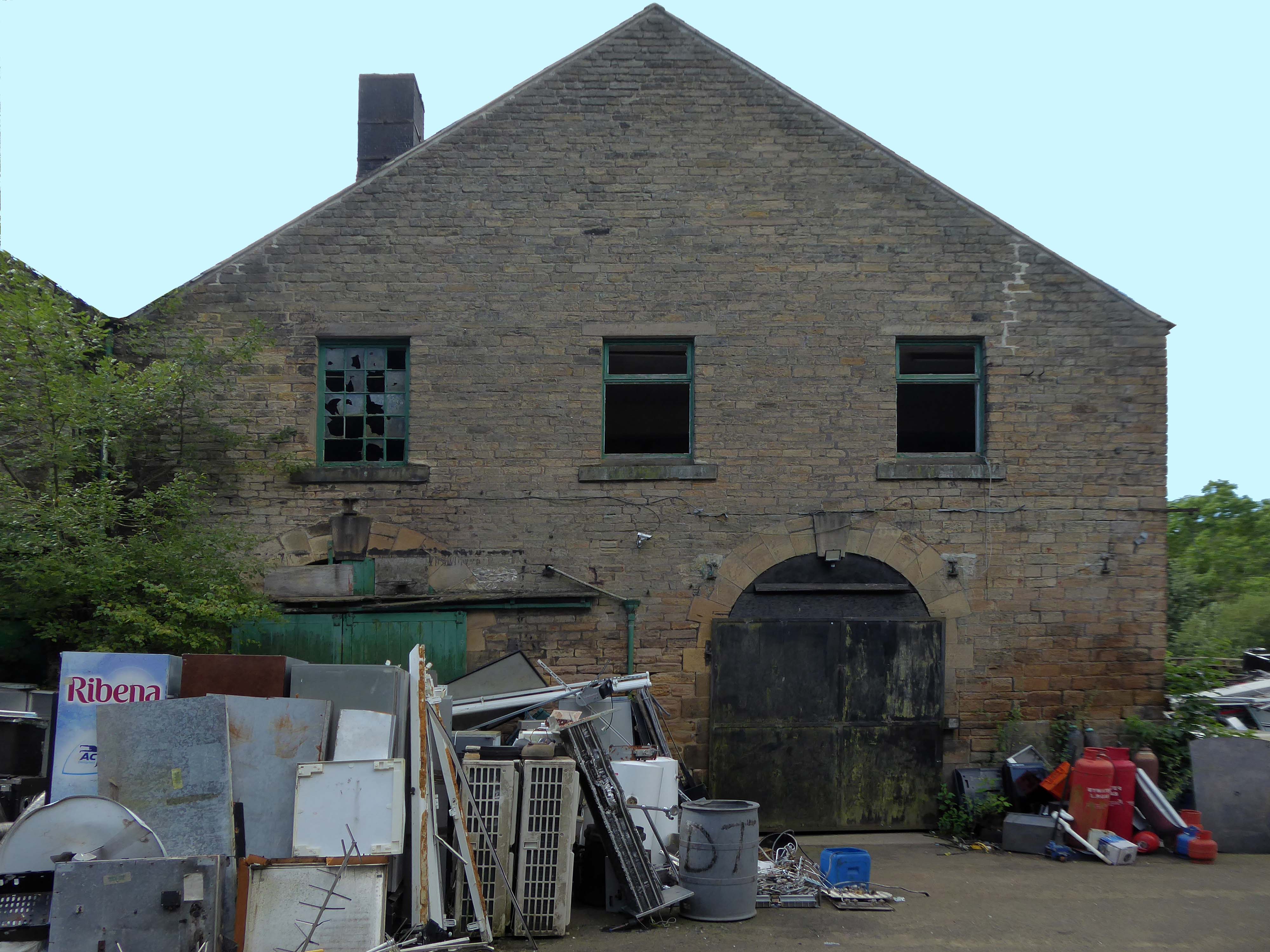
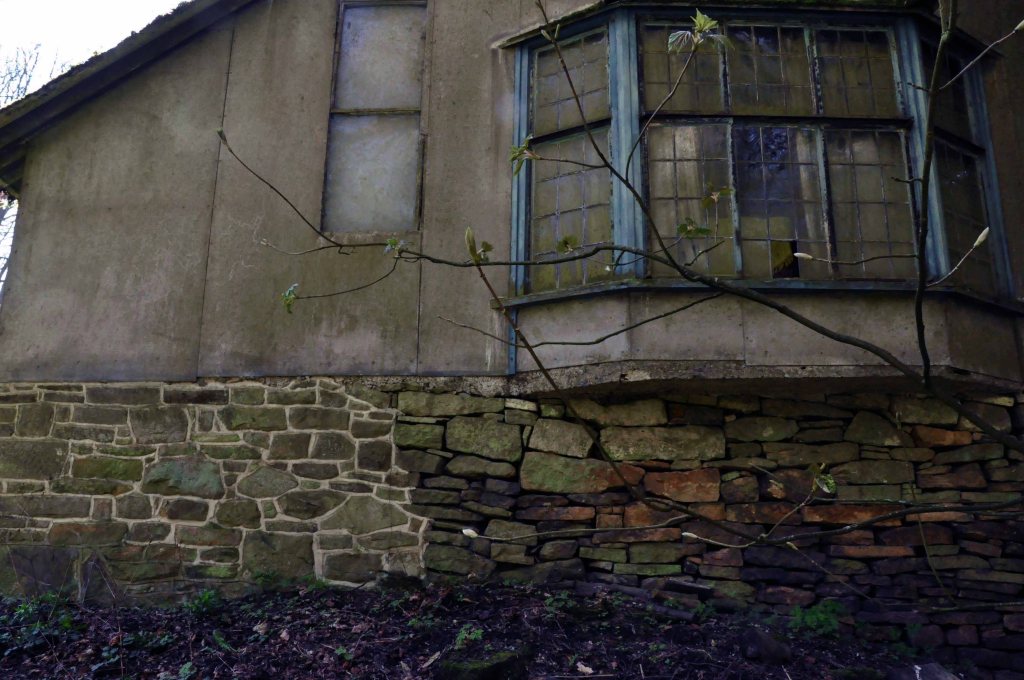
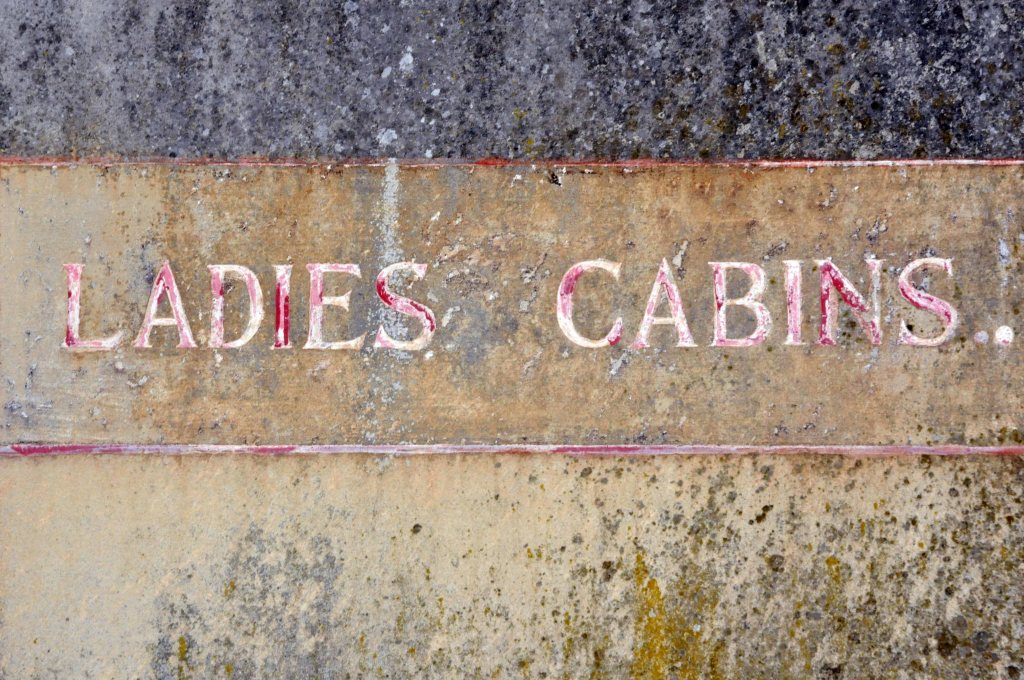
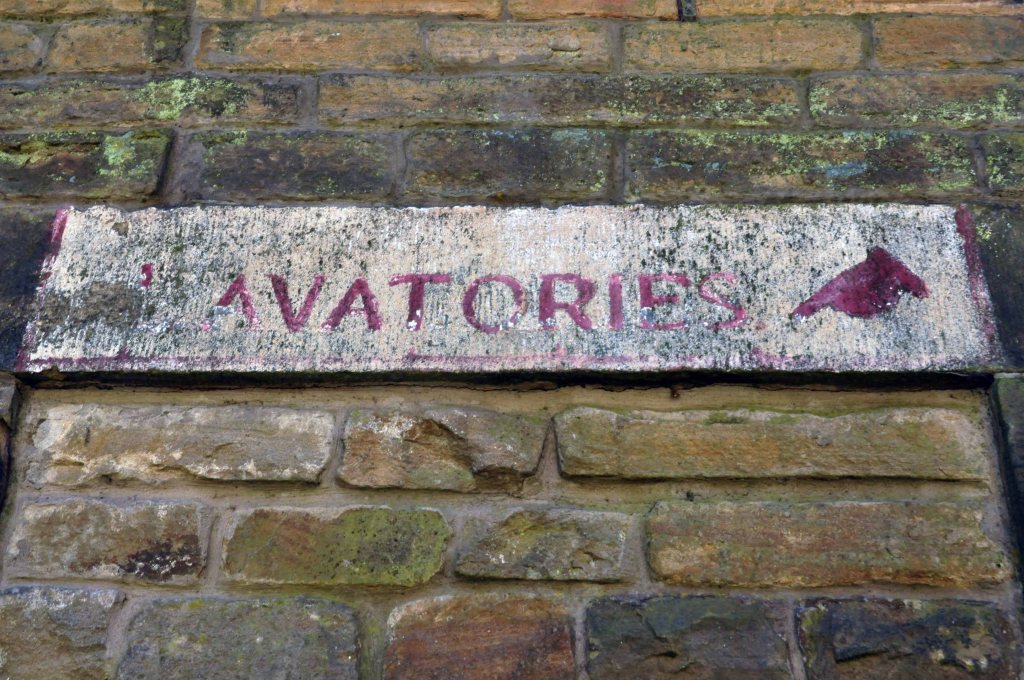
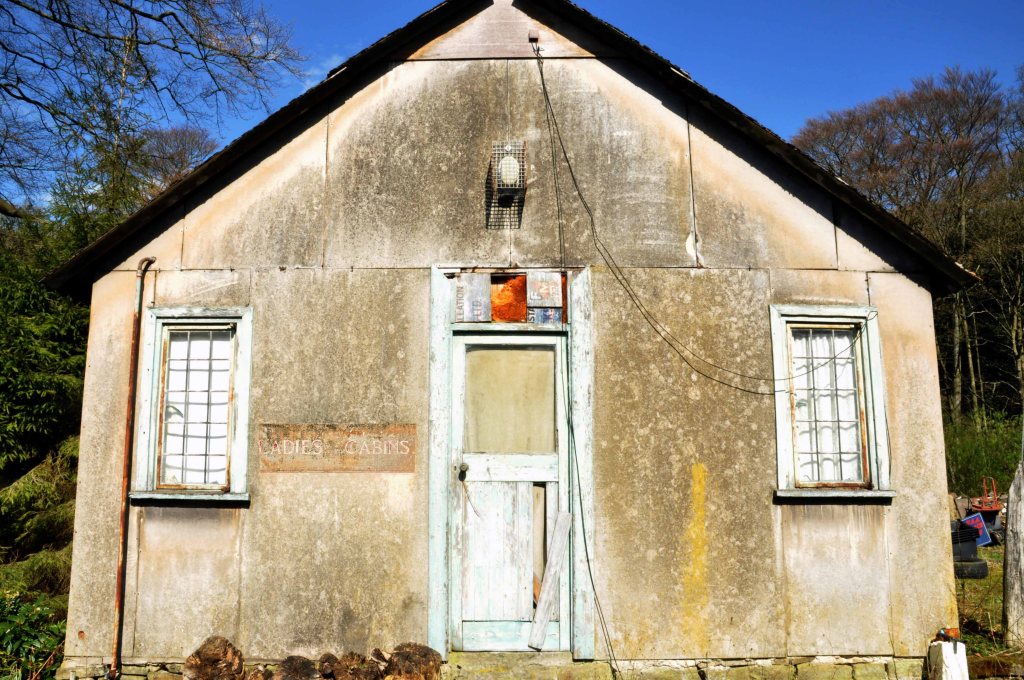
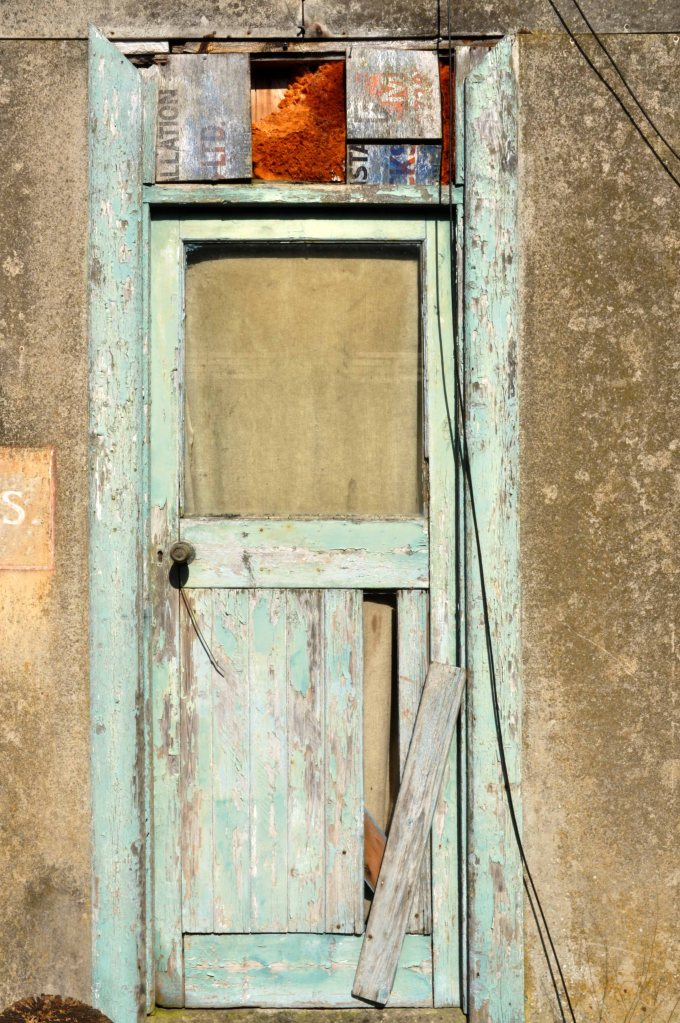
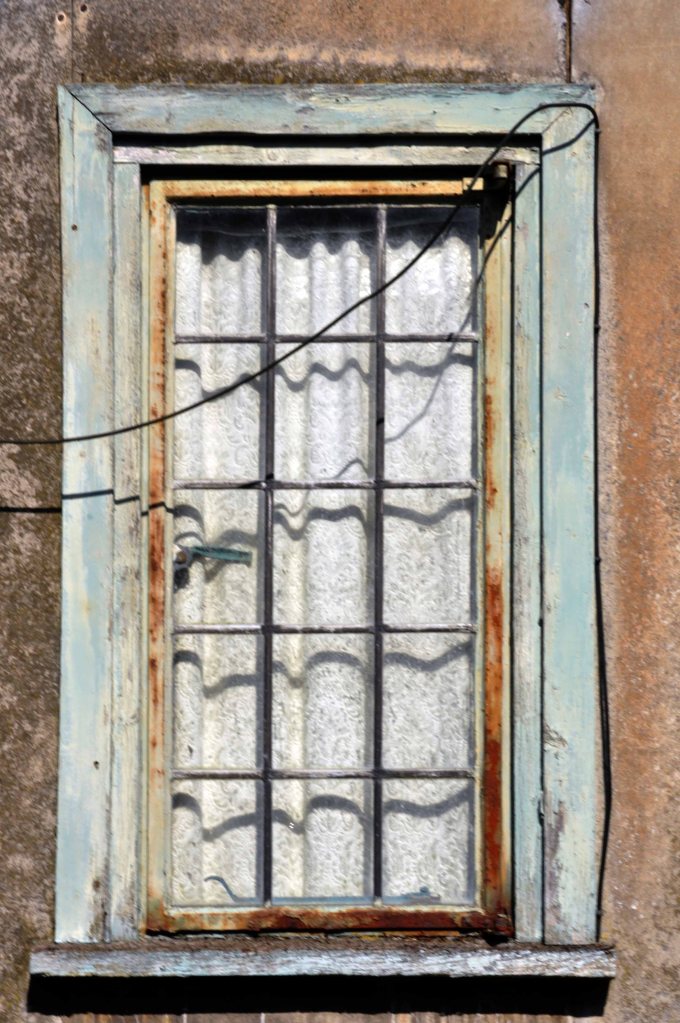
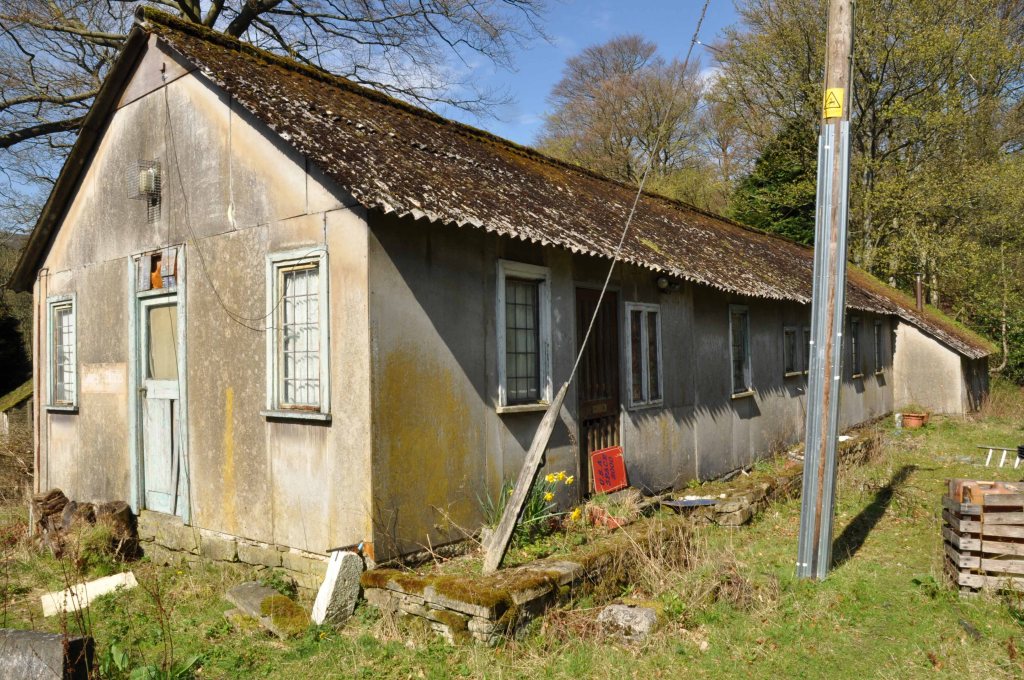
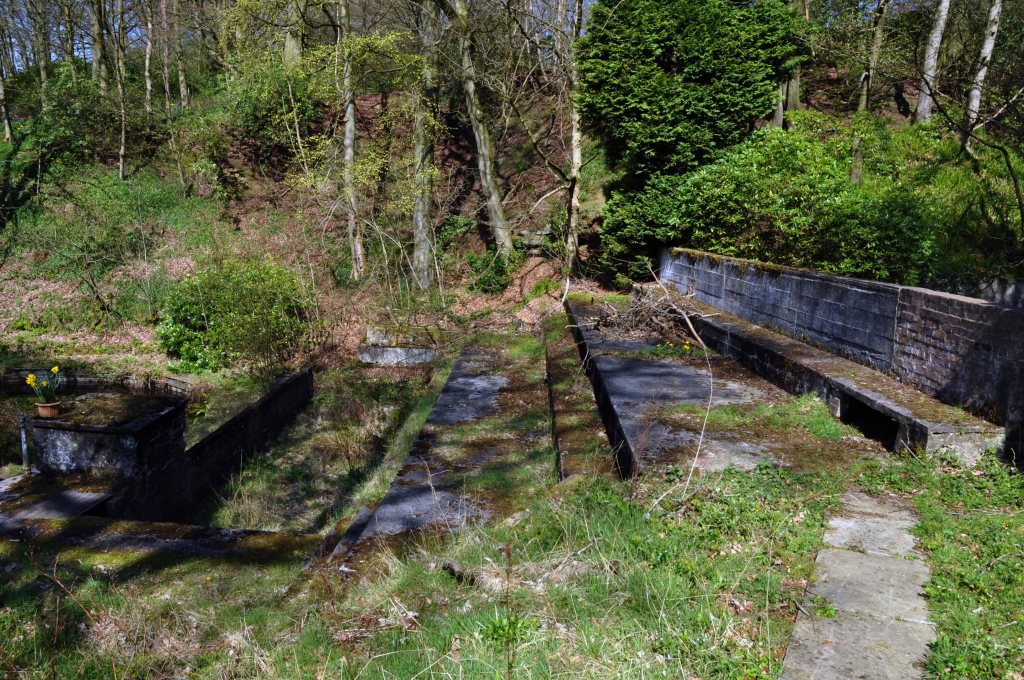
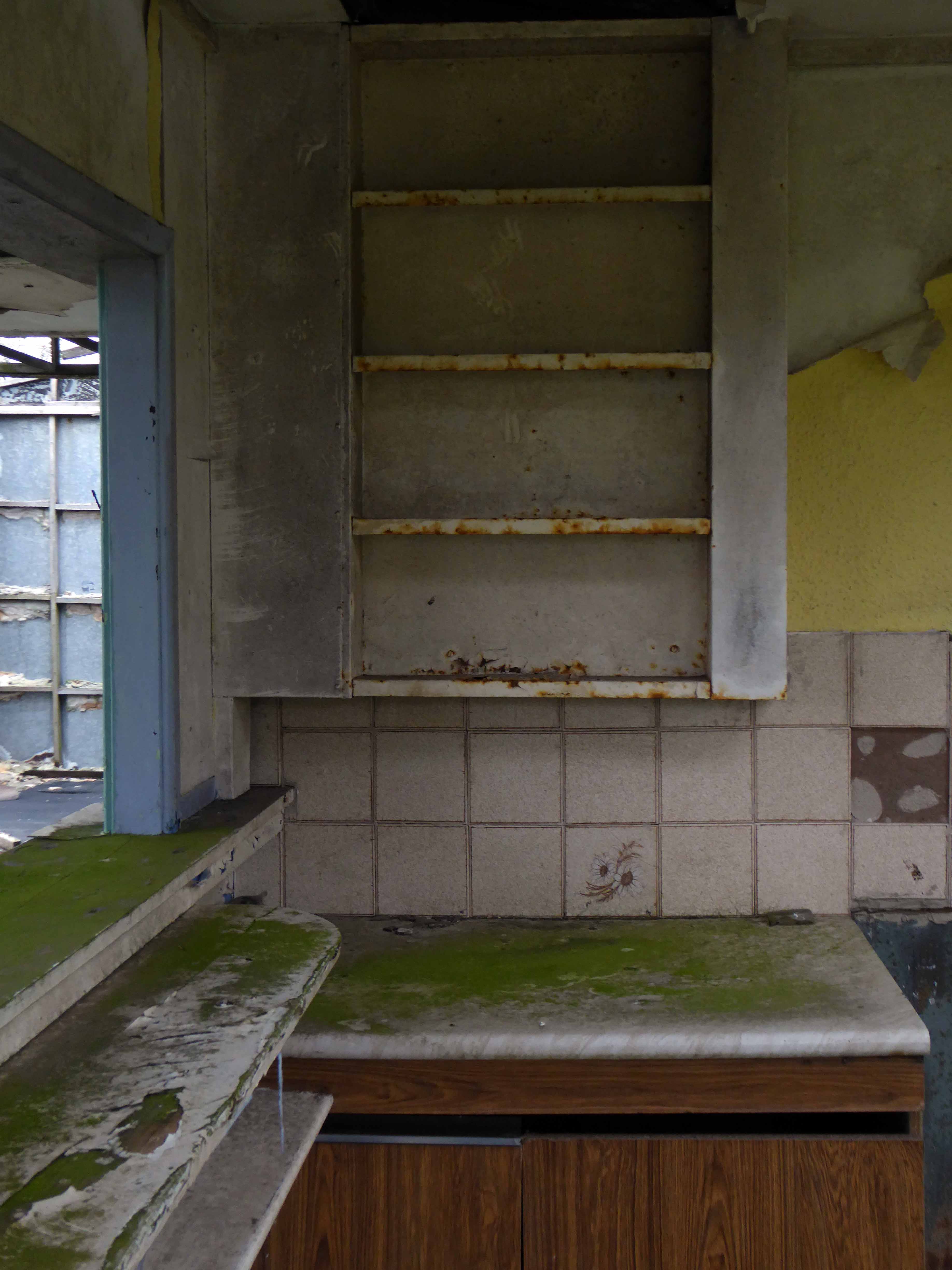
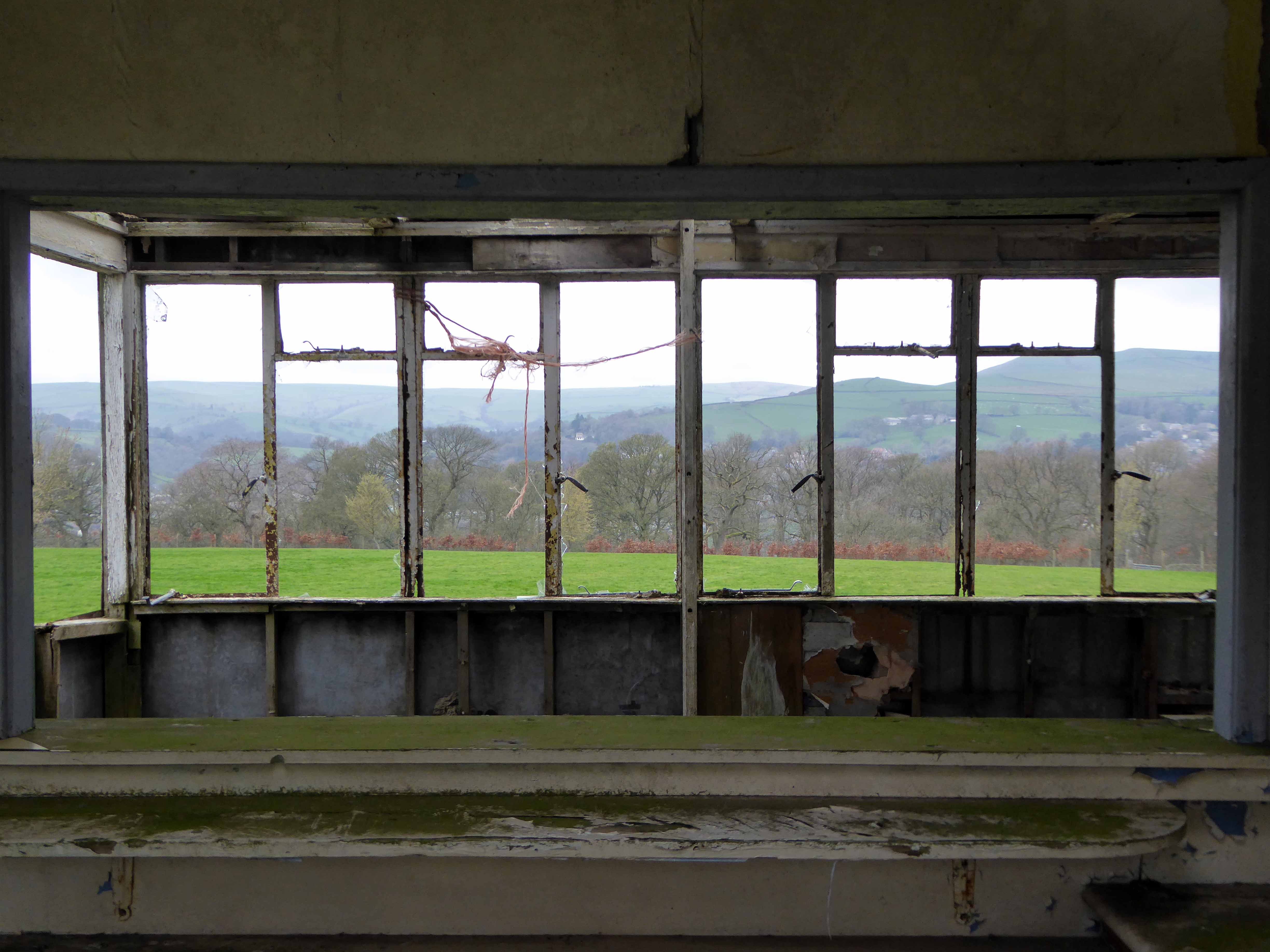
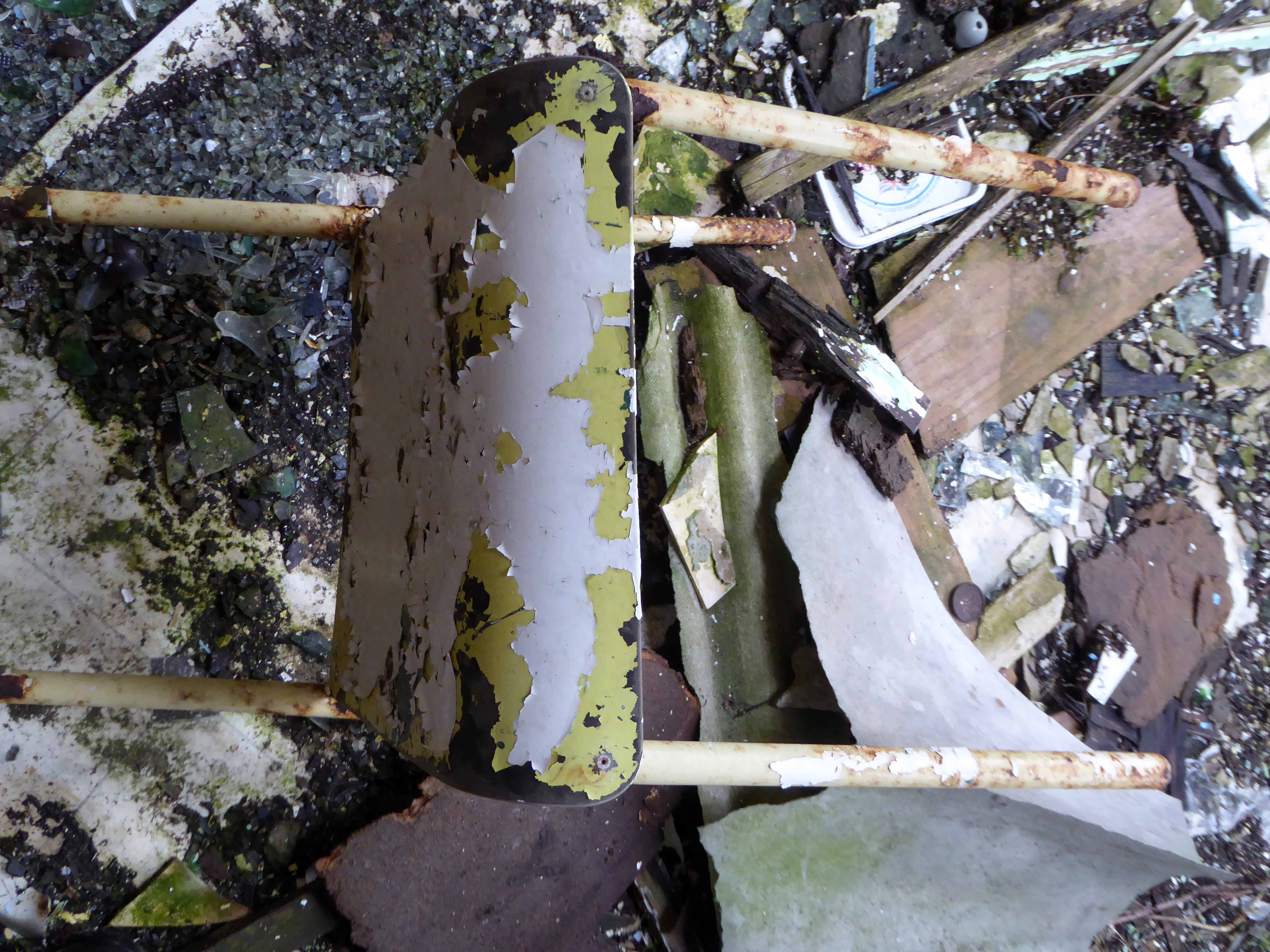
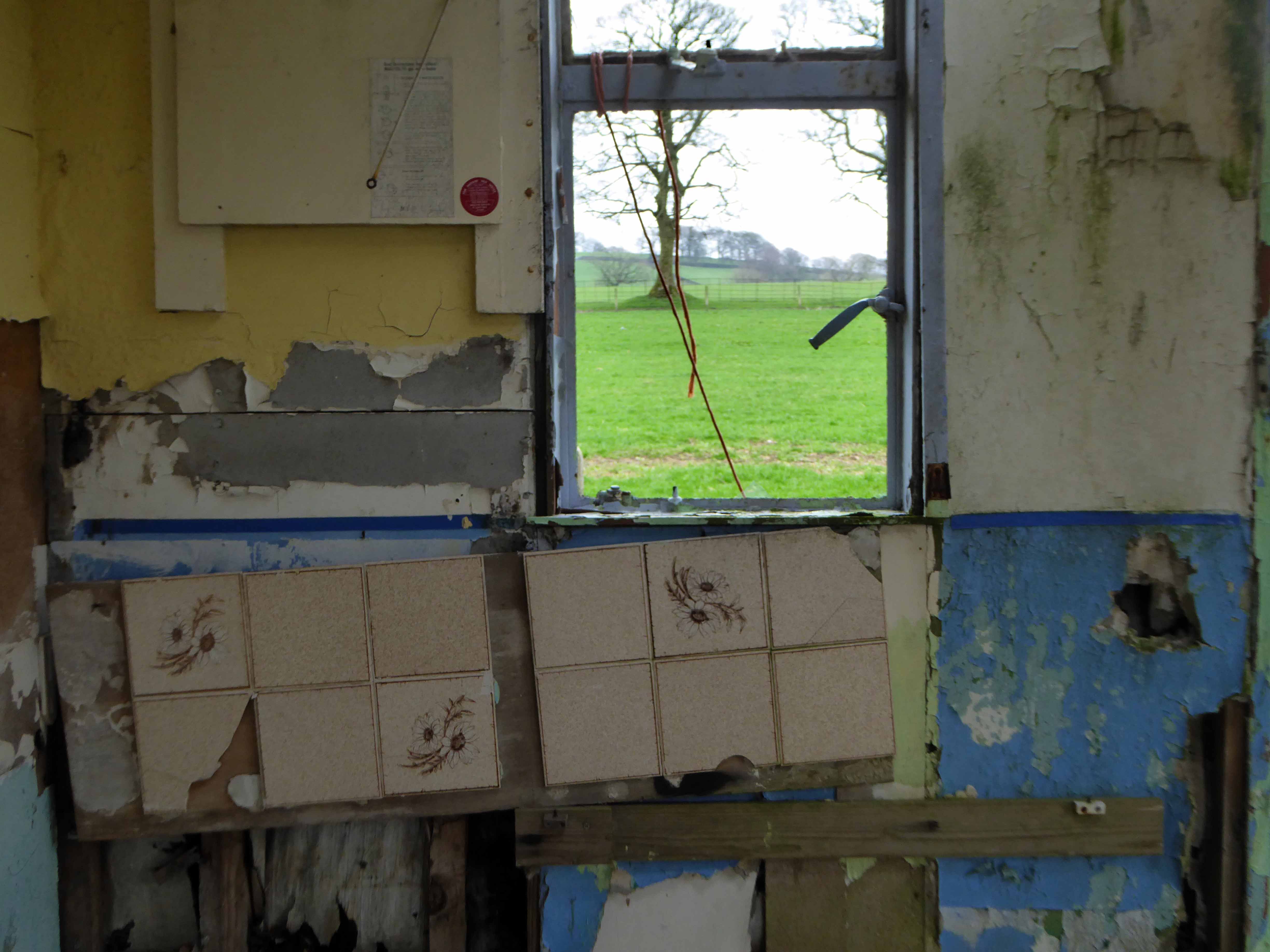
Chisworth Works

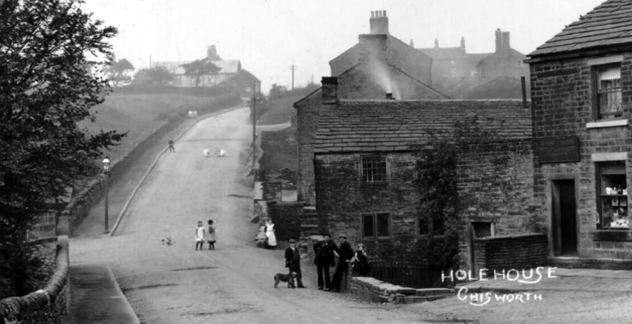
Chisworth Works Coombes Lane Holehouse Charlesworth and Chisworth SK13 5DQ

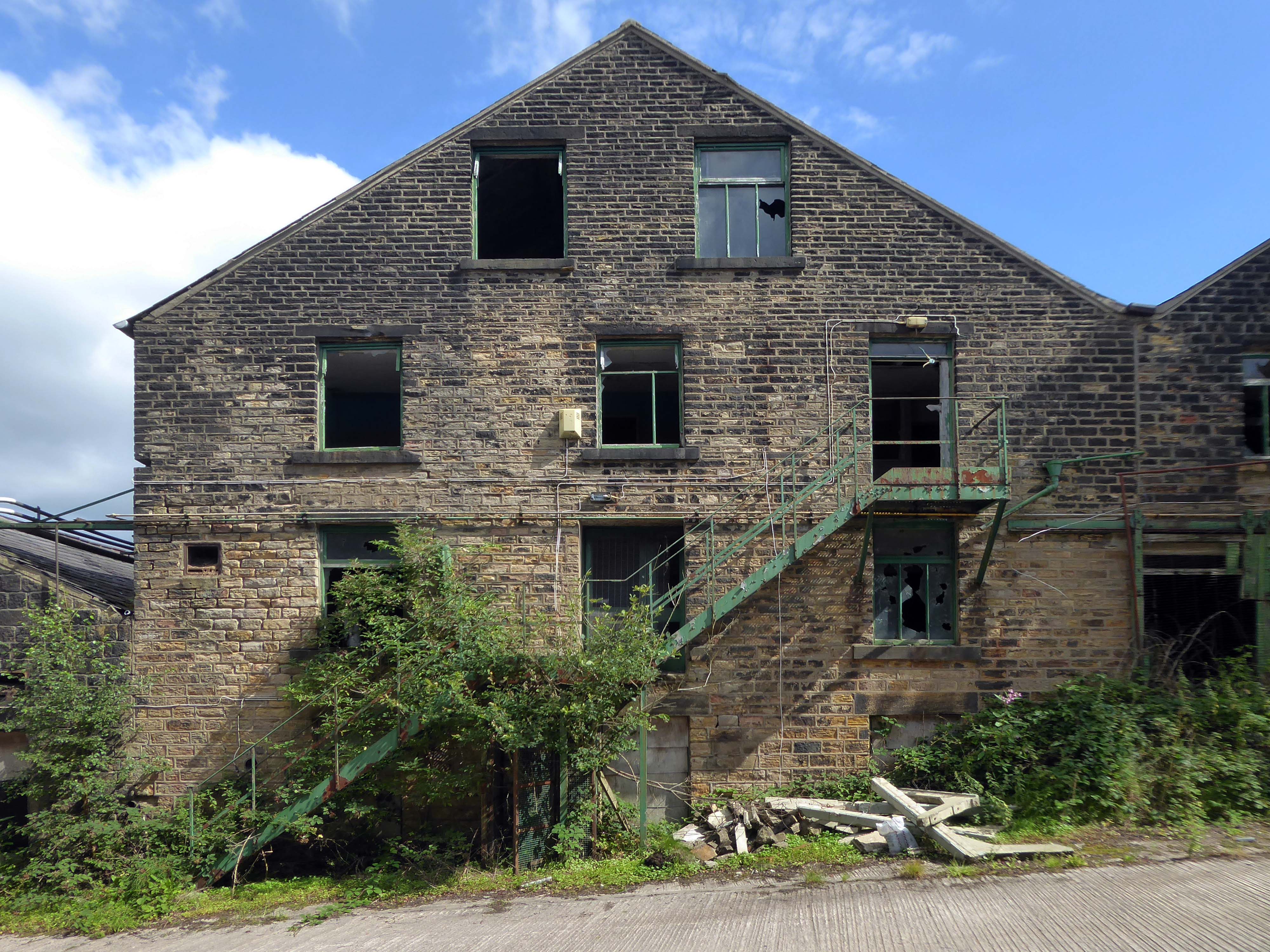
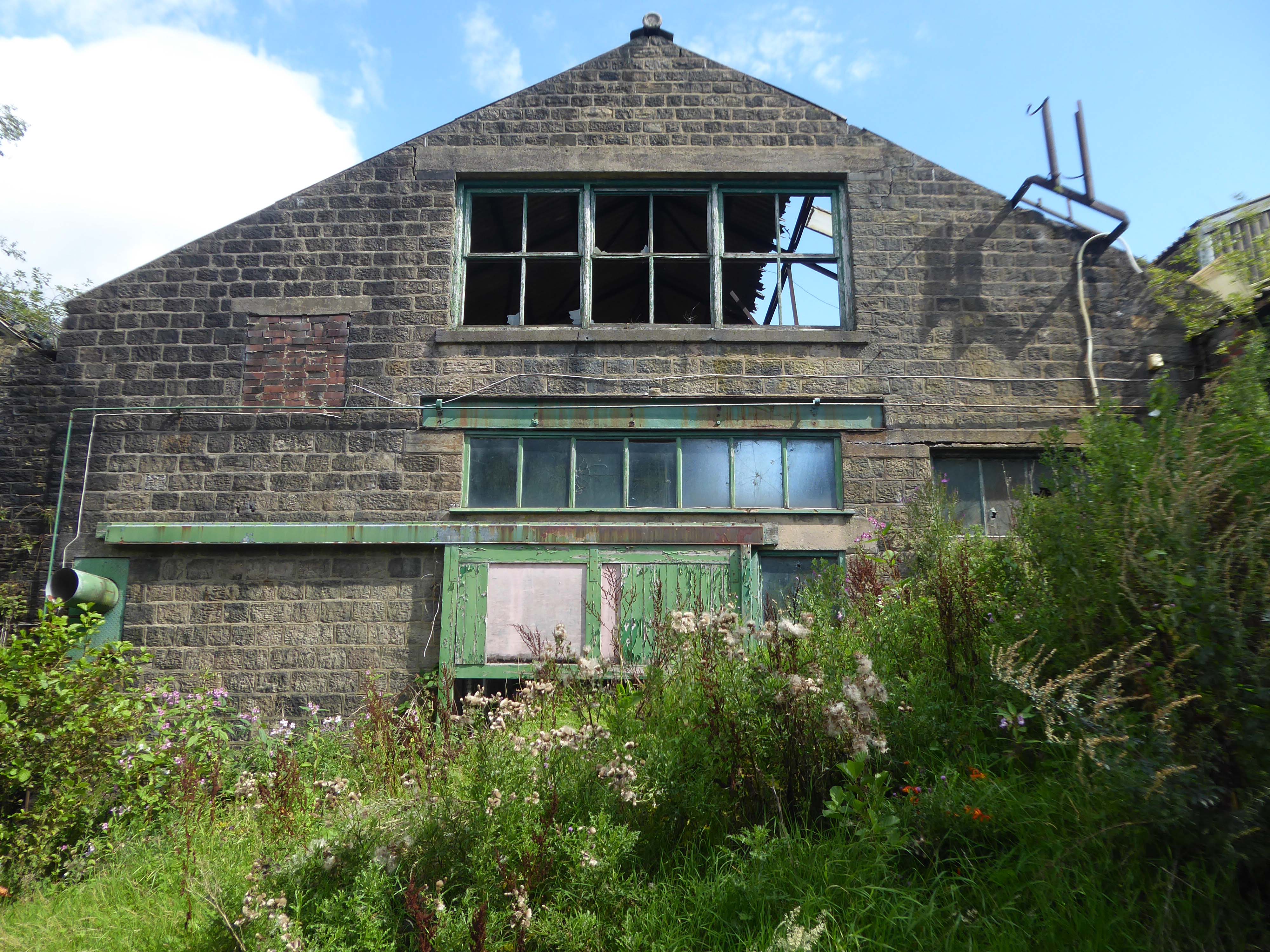
Built at the end of the 18th or in the early 19th centuries; Chisworth Works was as a cotton band manufactory. During these times, the site was called Higher Mill. 

It was referred to as Higher Mill, as there was a lower works, Mouse Mill in Holehouse, owned by the Booth family.

Glossop Heritage

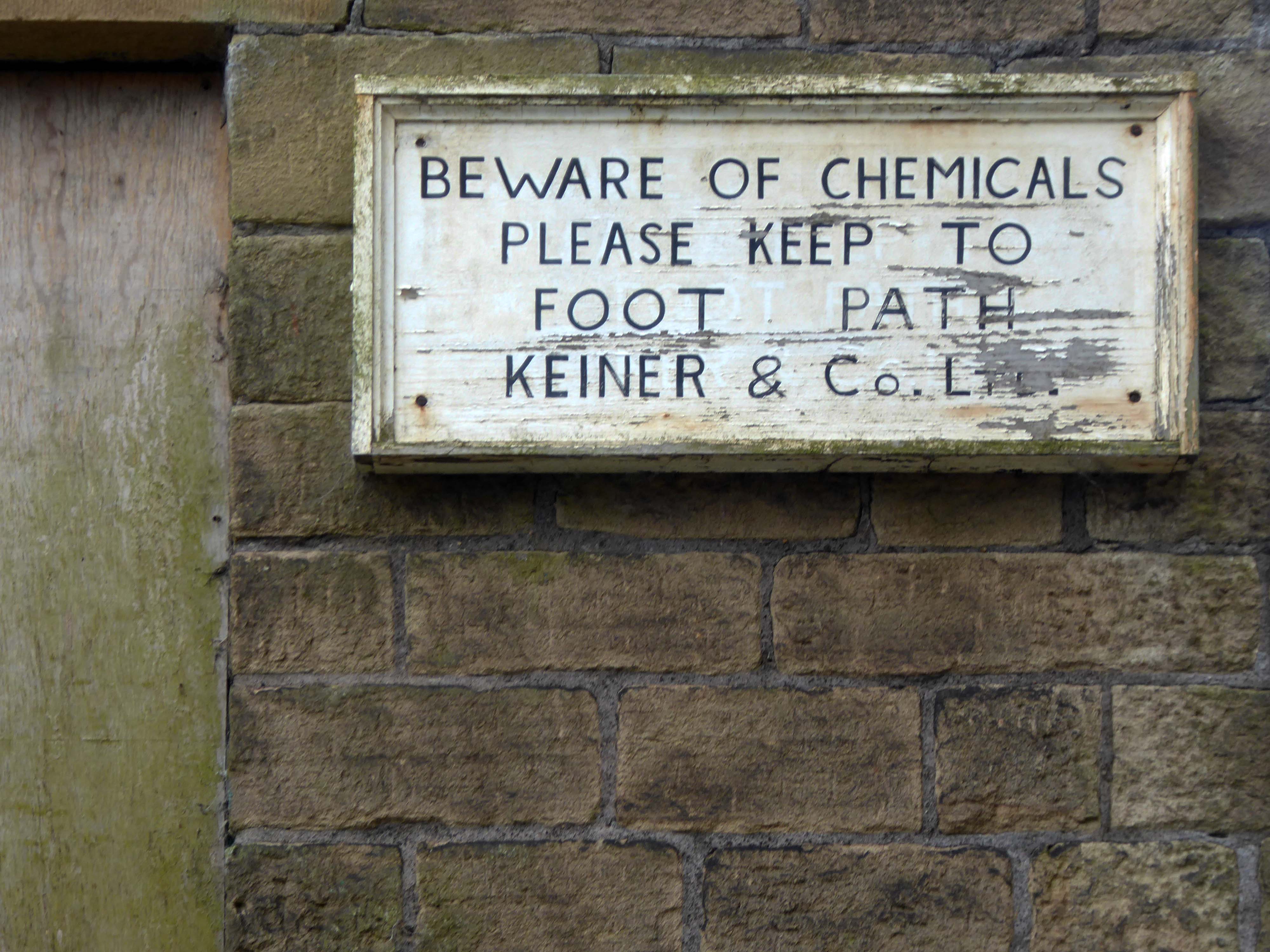
Keiner & Co., at Charlesworth, employ over 100 people and are engaged principally in the production of synthetic and chrome tanning extracts.

Glossop Official Handbook 1948

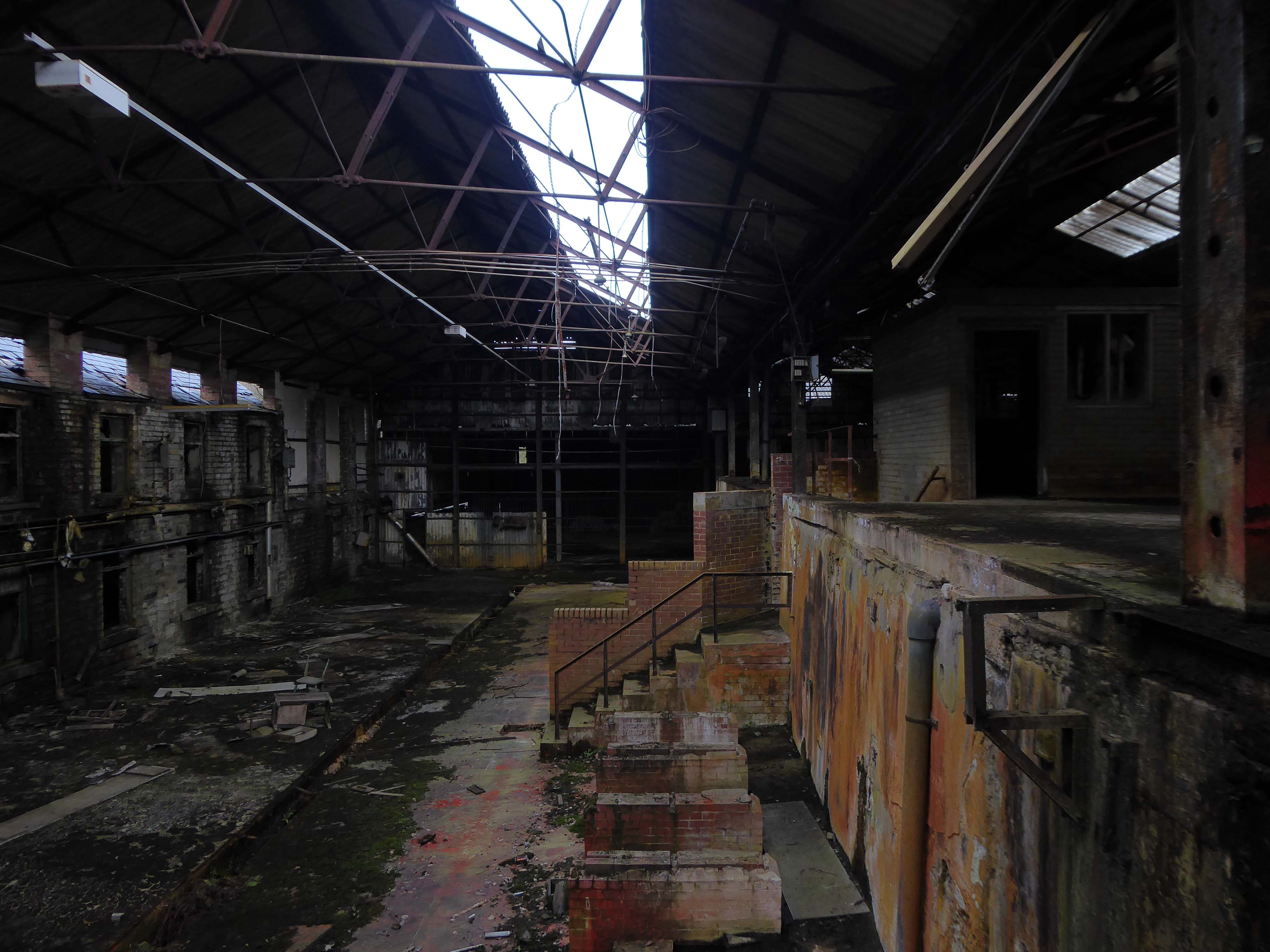
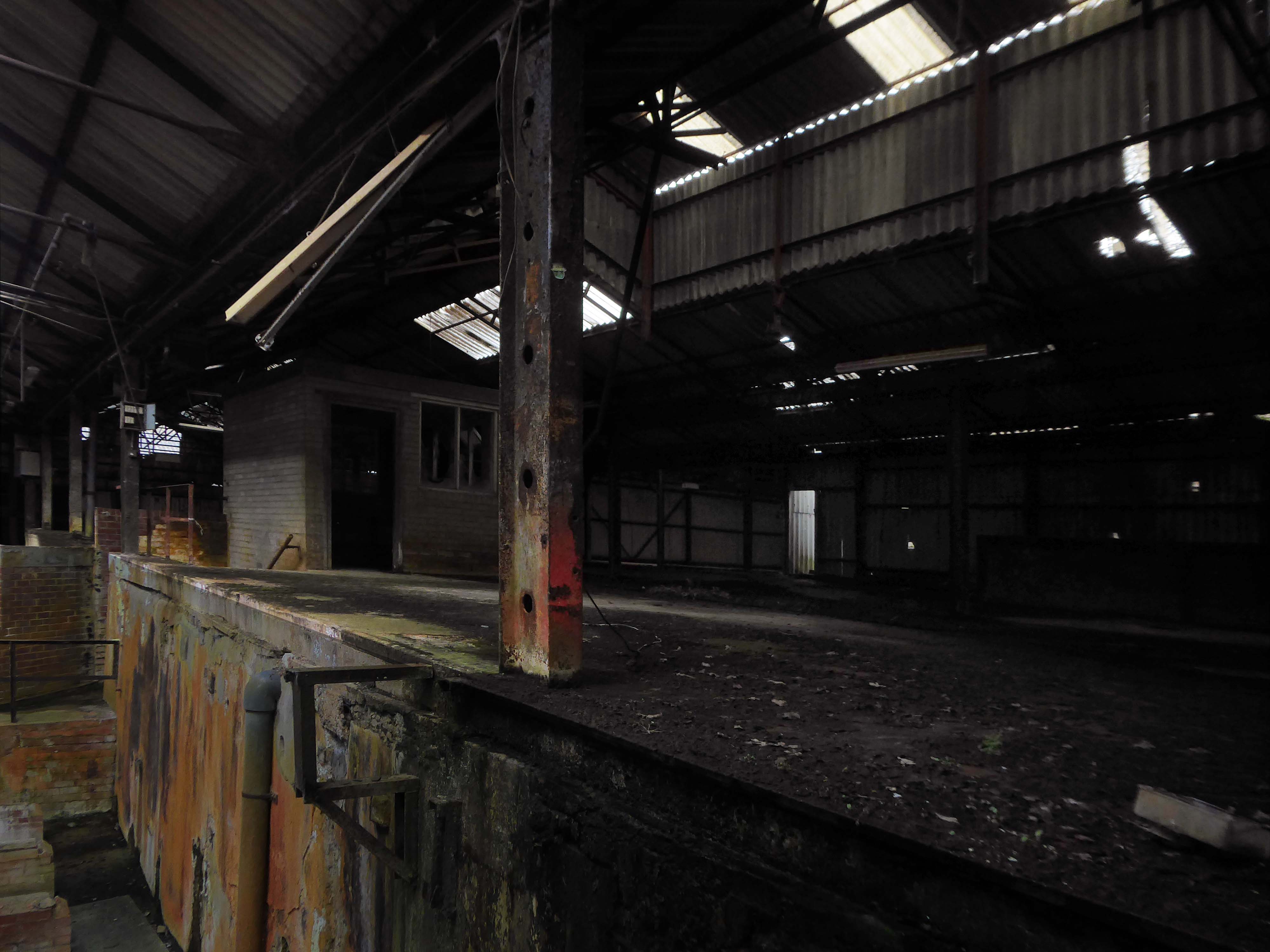
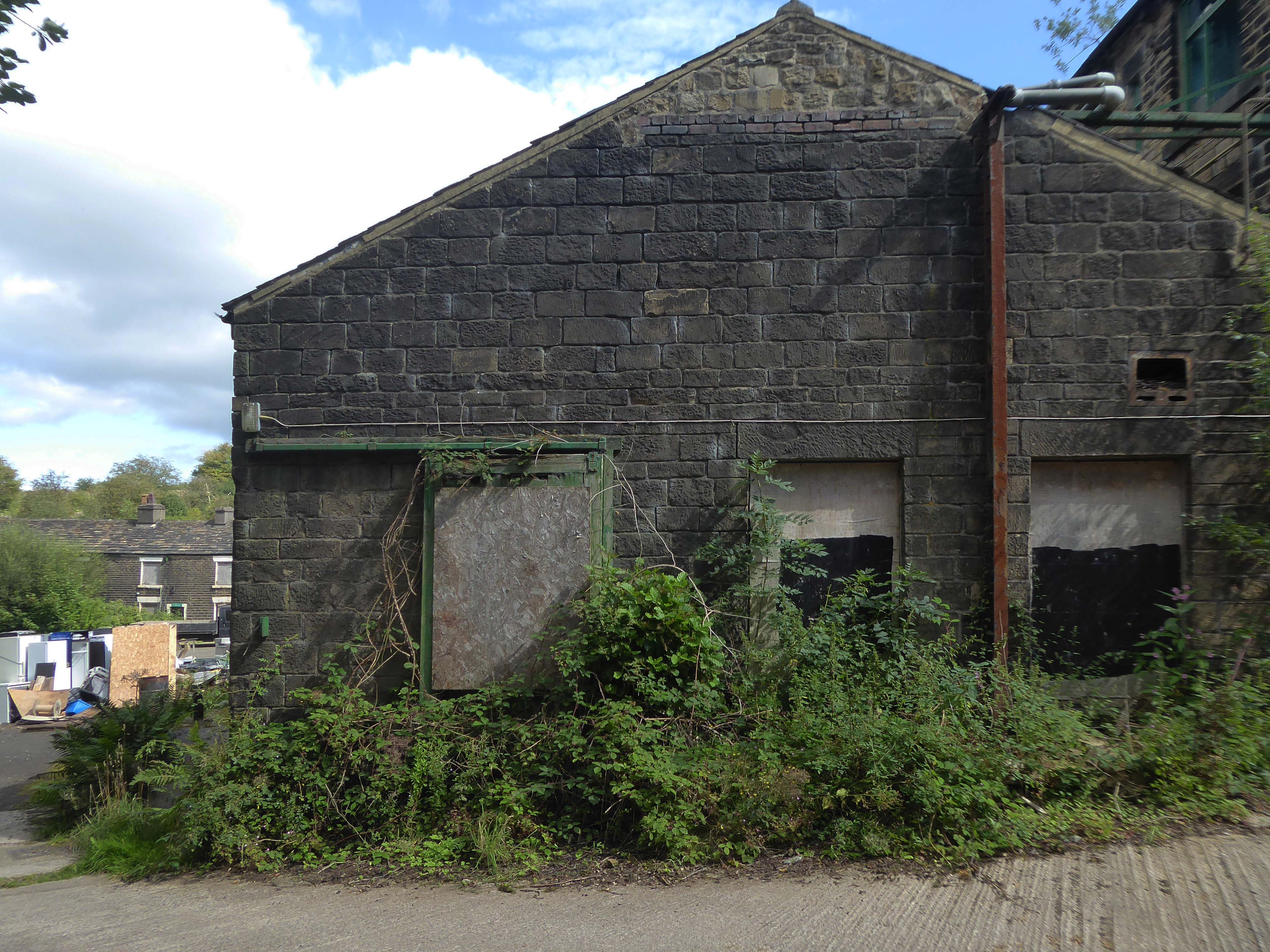
It has been a longstanding, low-lying object of interest to those intrepid Urban Explorers.

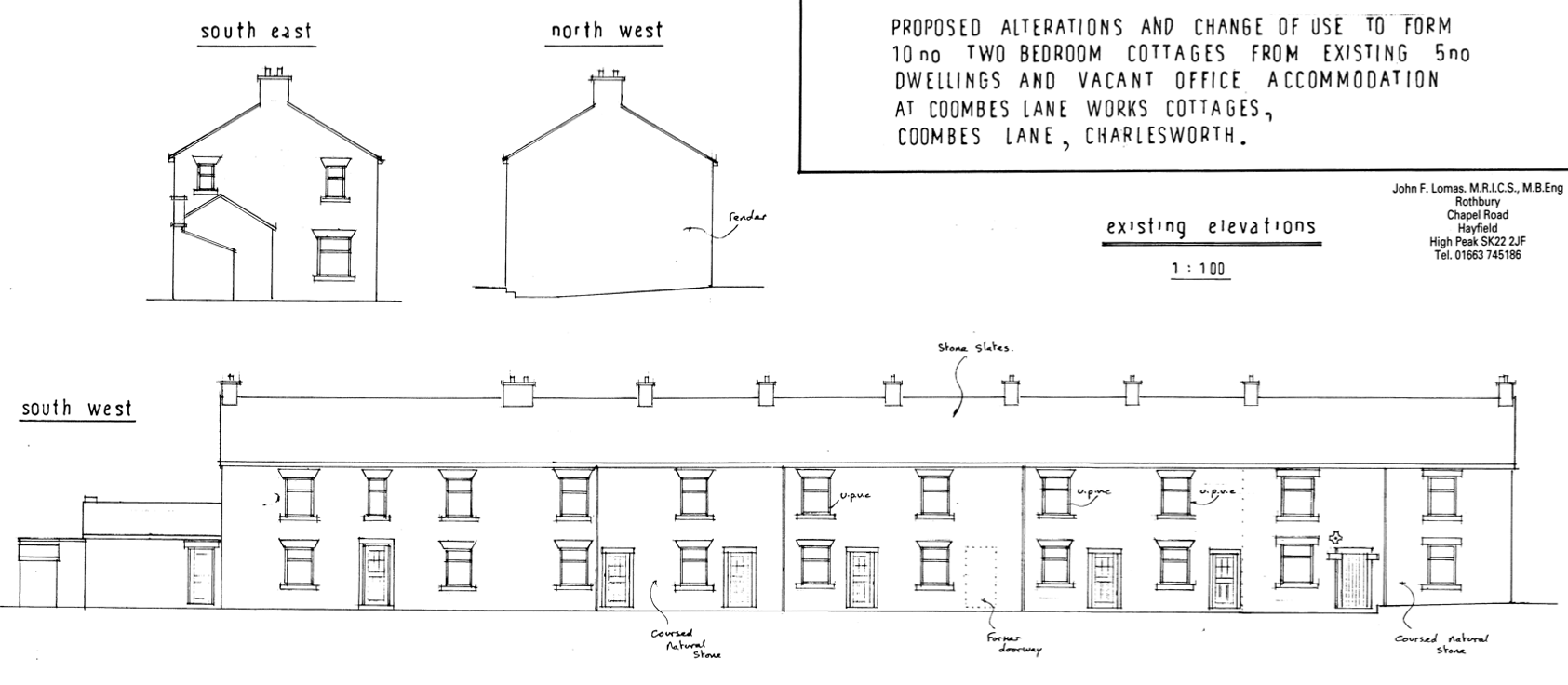
A planning application of 2009 was submitted for redevelopment of the terraced cottages.

Proposed alterations and change of use to form ten two bedroom cottages from existing five dwellings and vacant office accommodation.

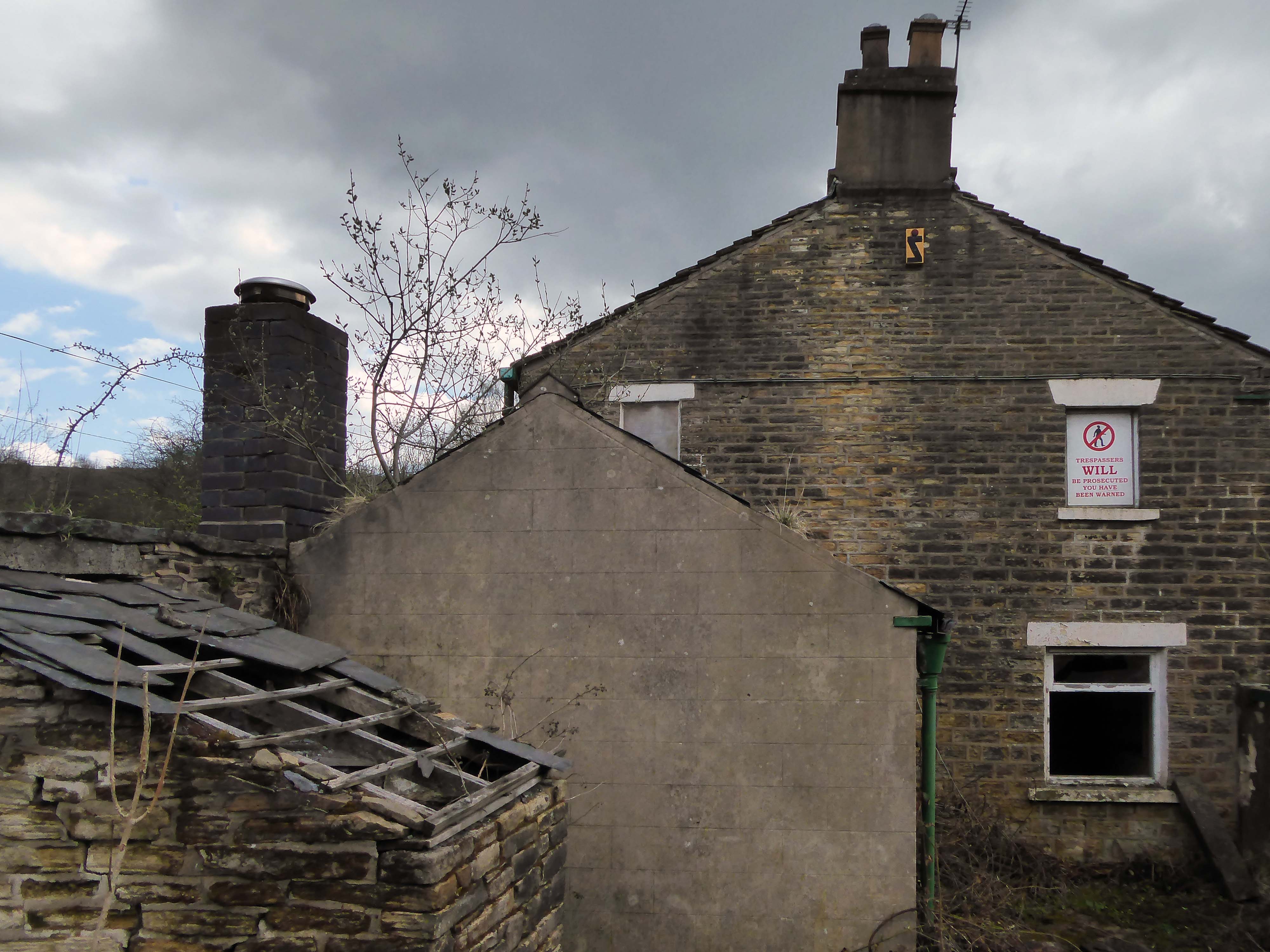
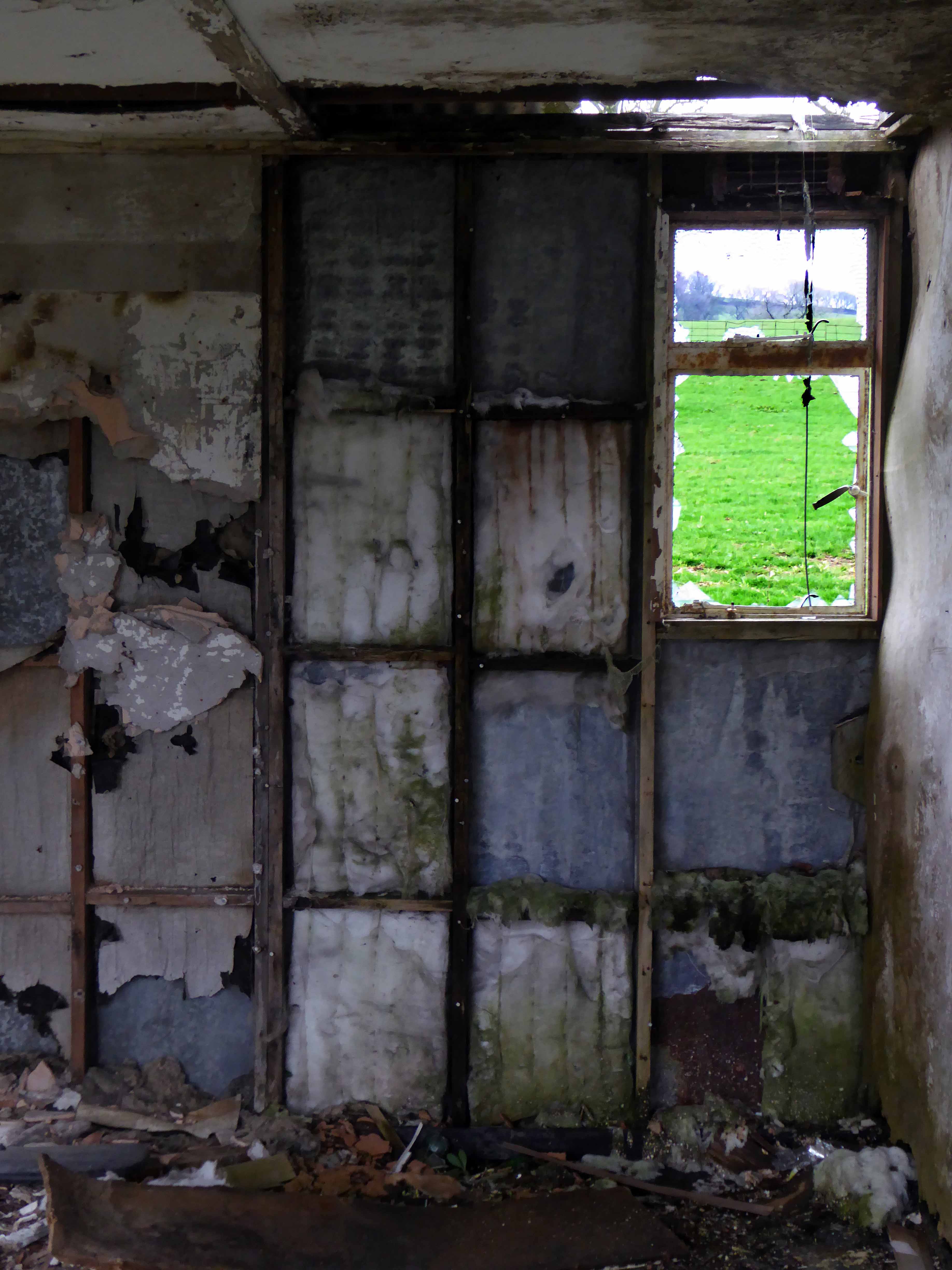
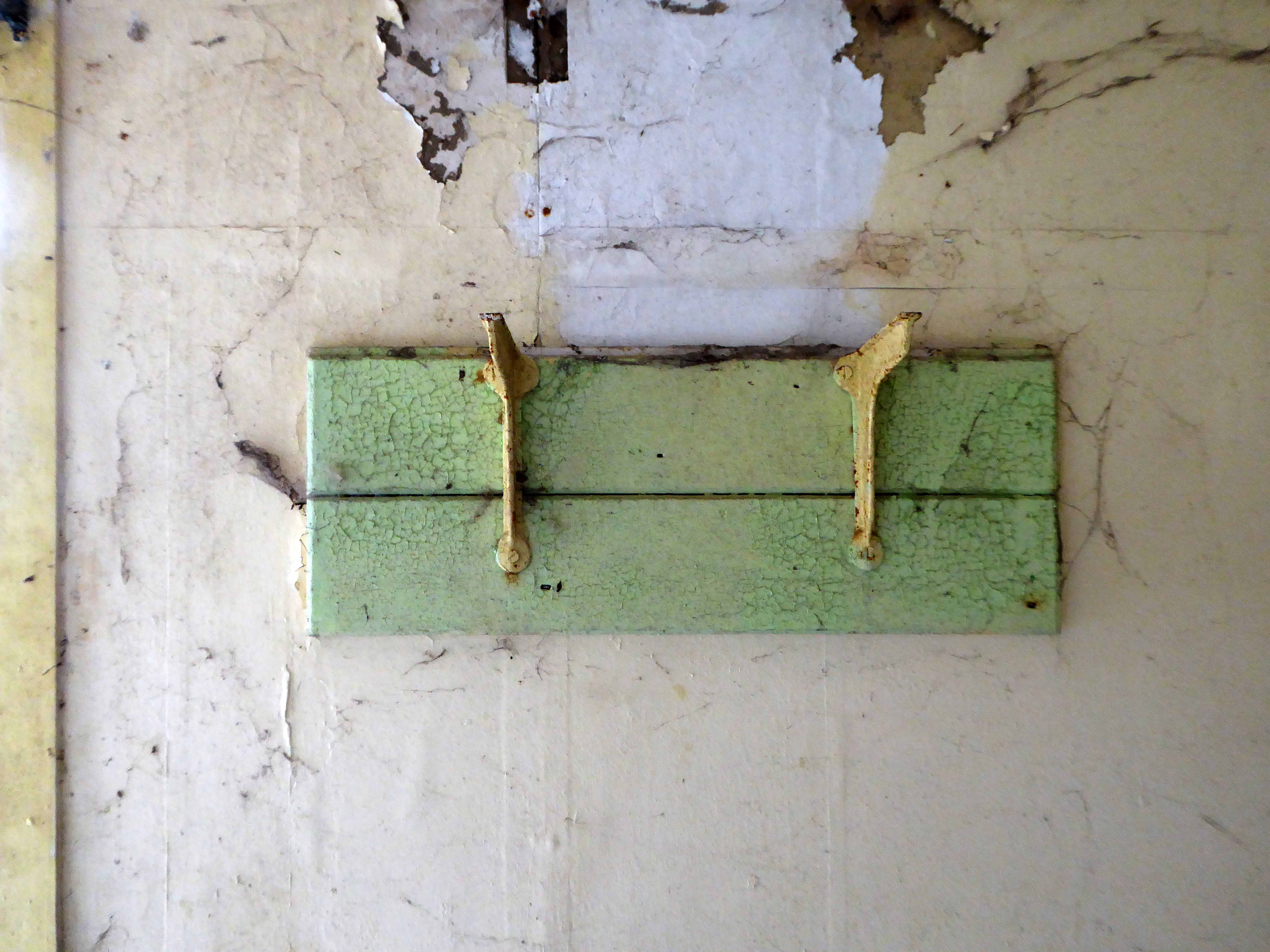
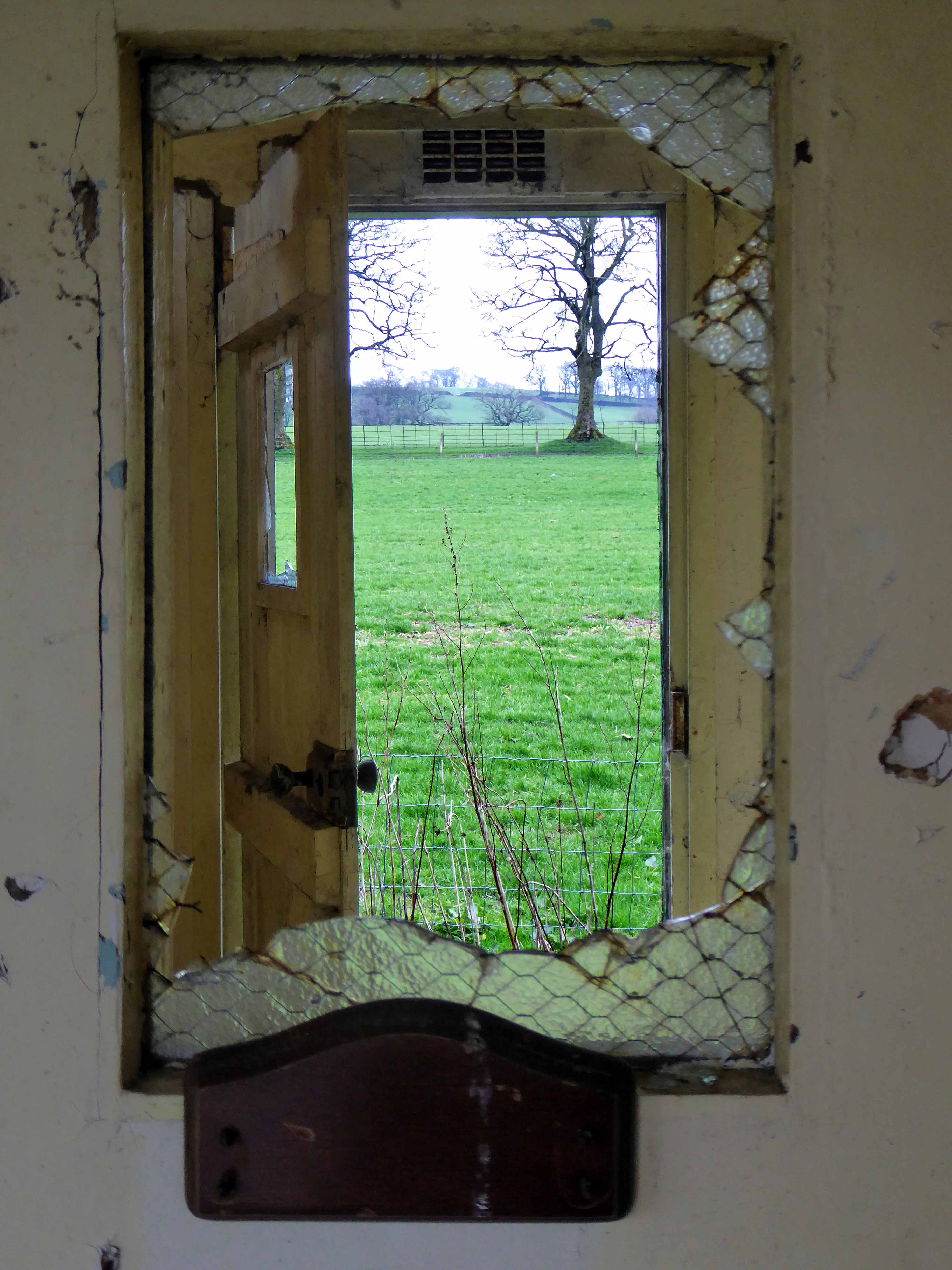
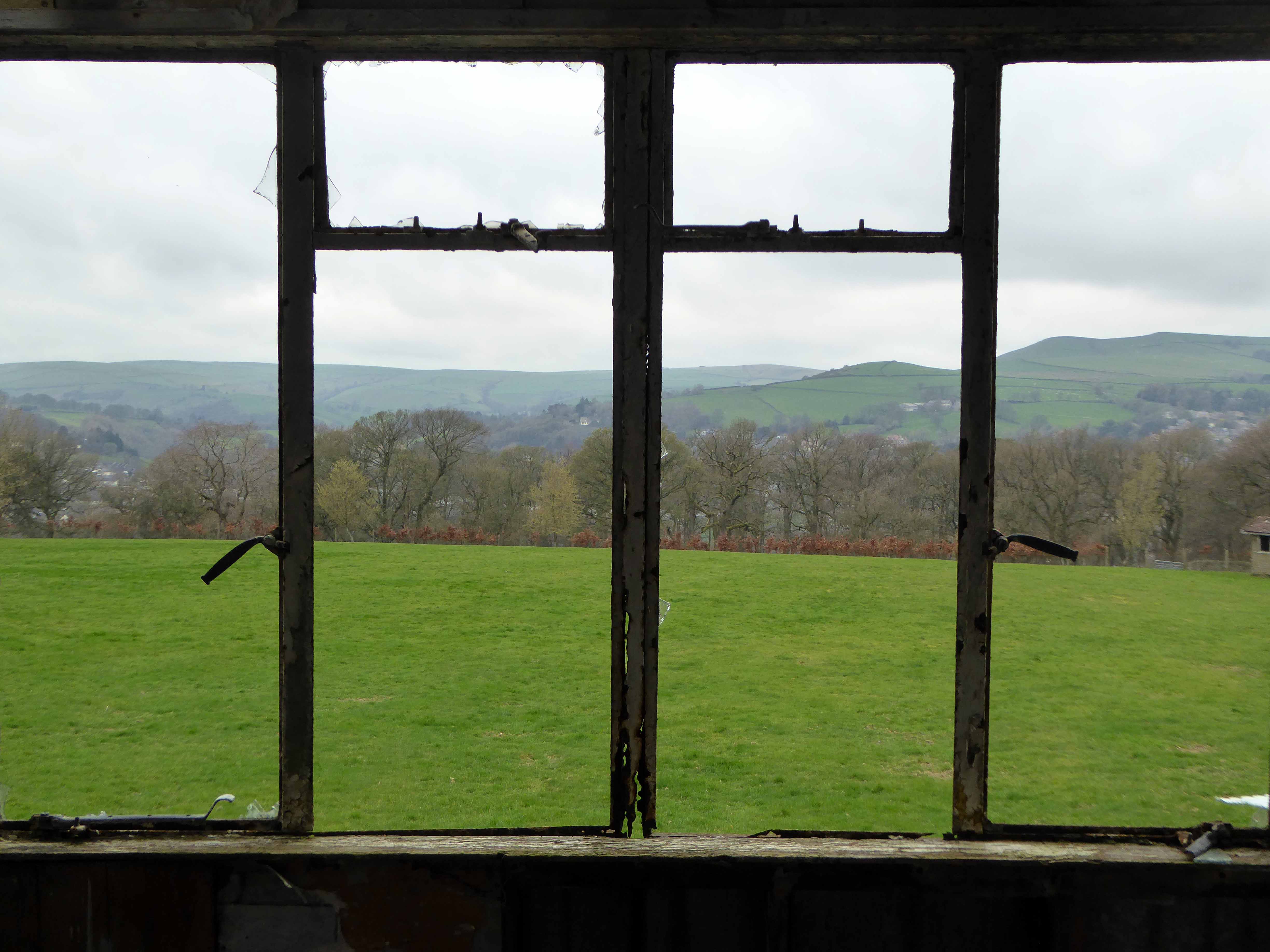
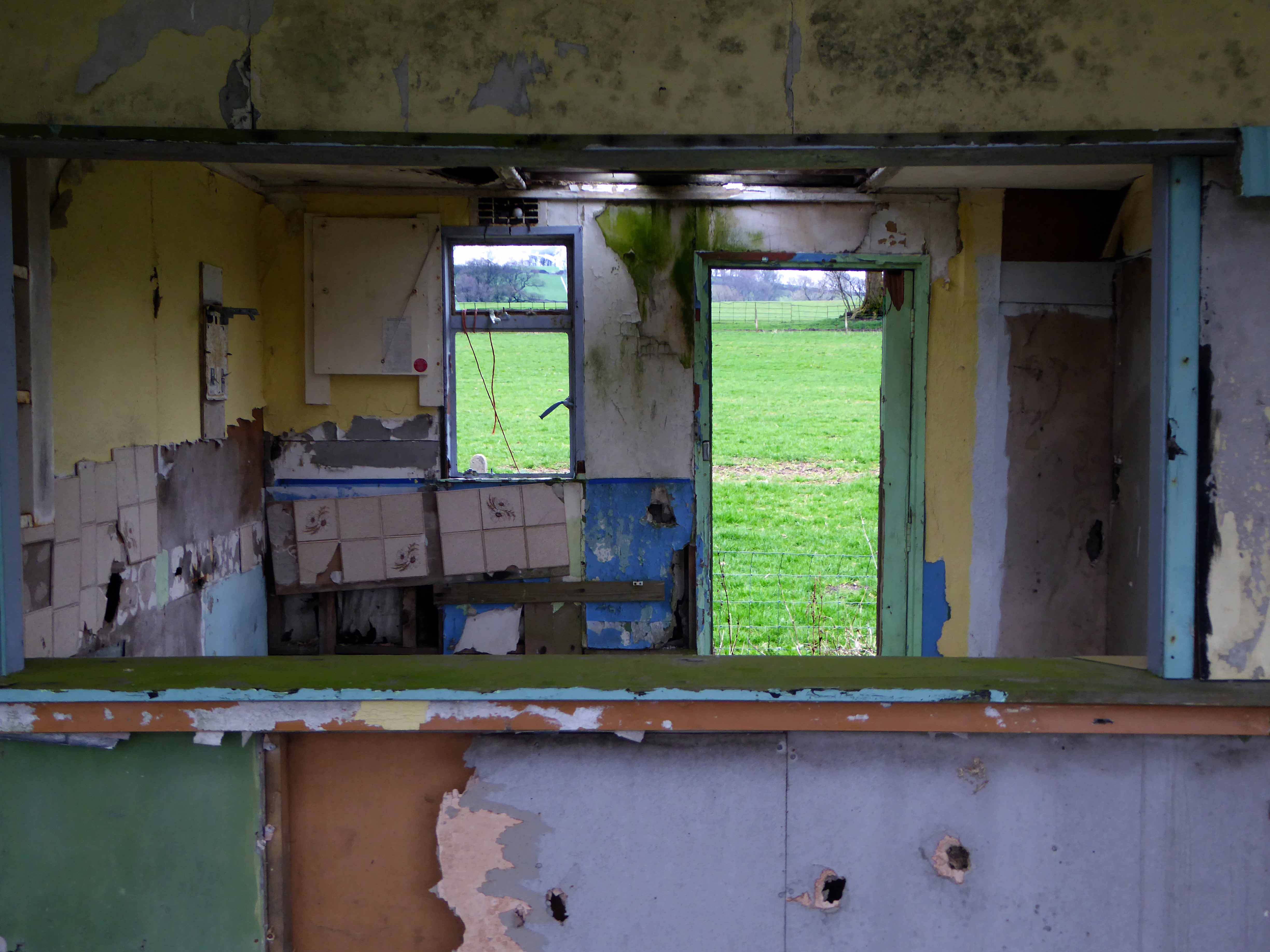
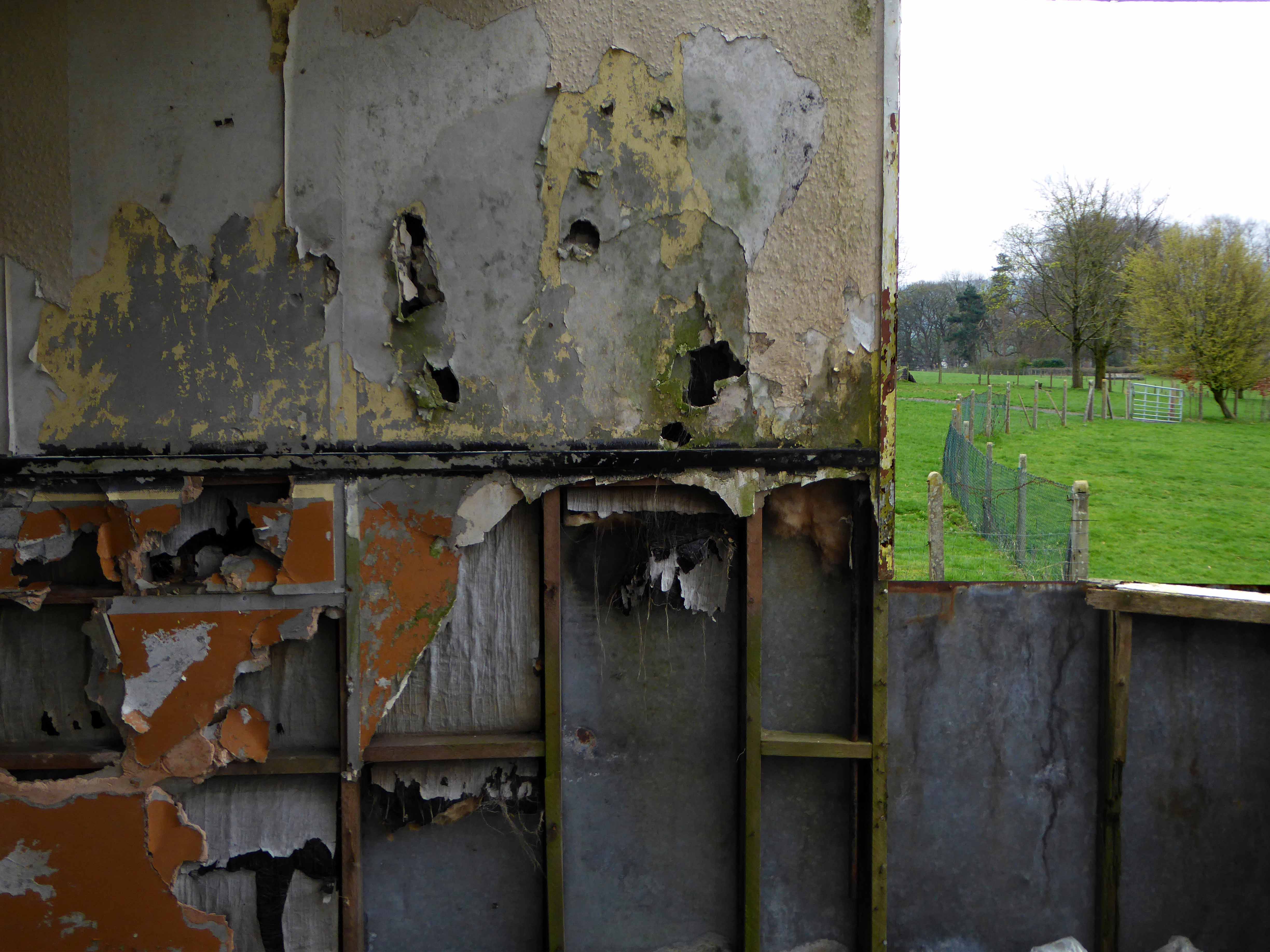
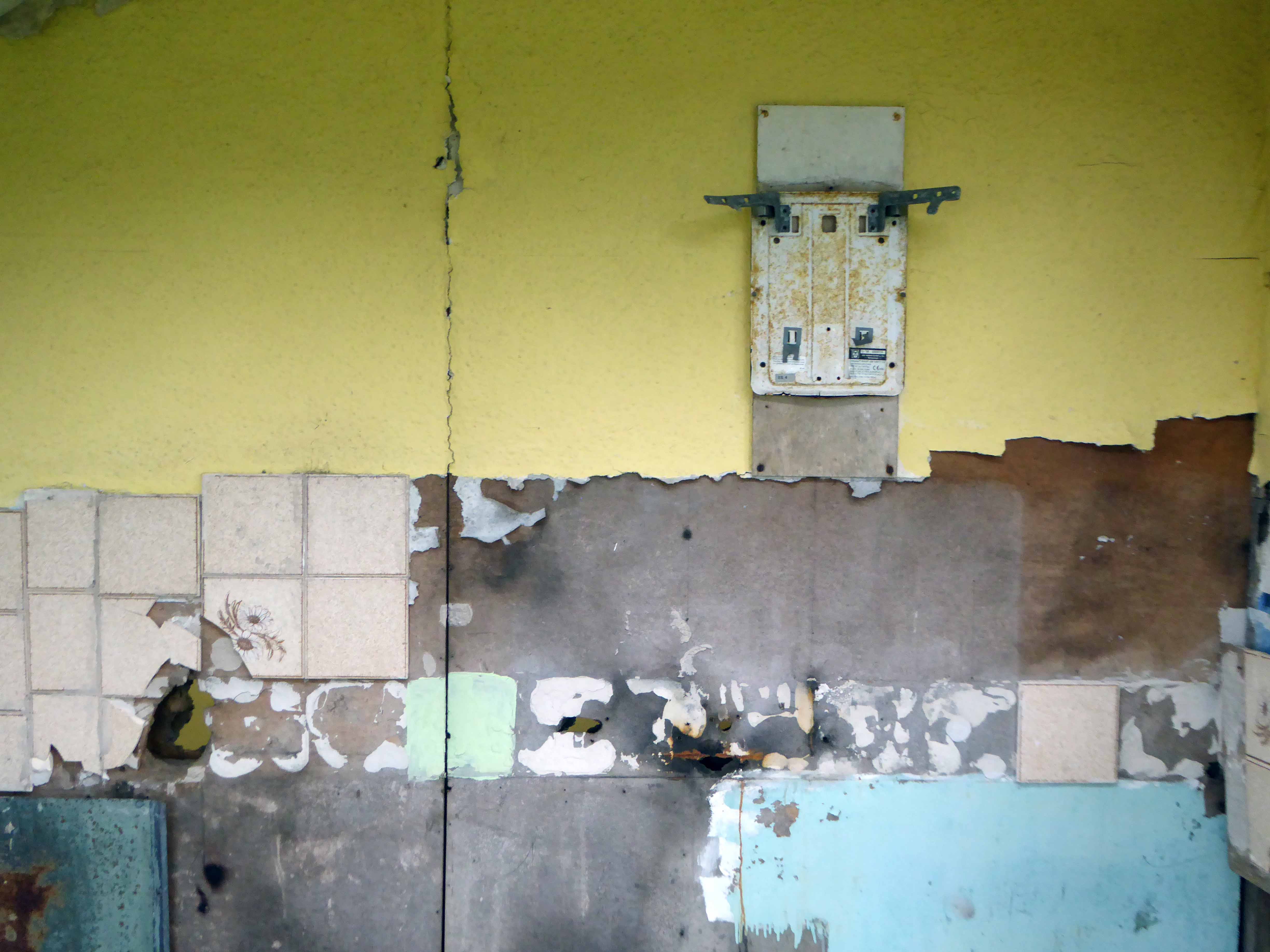
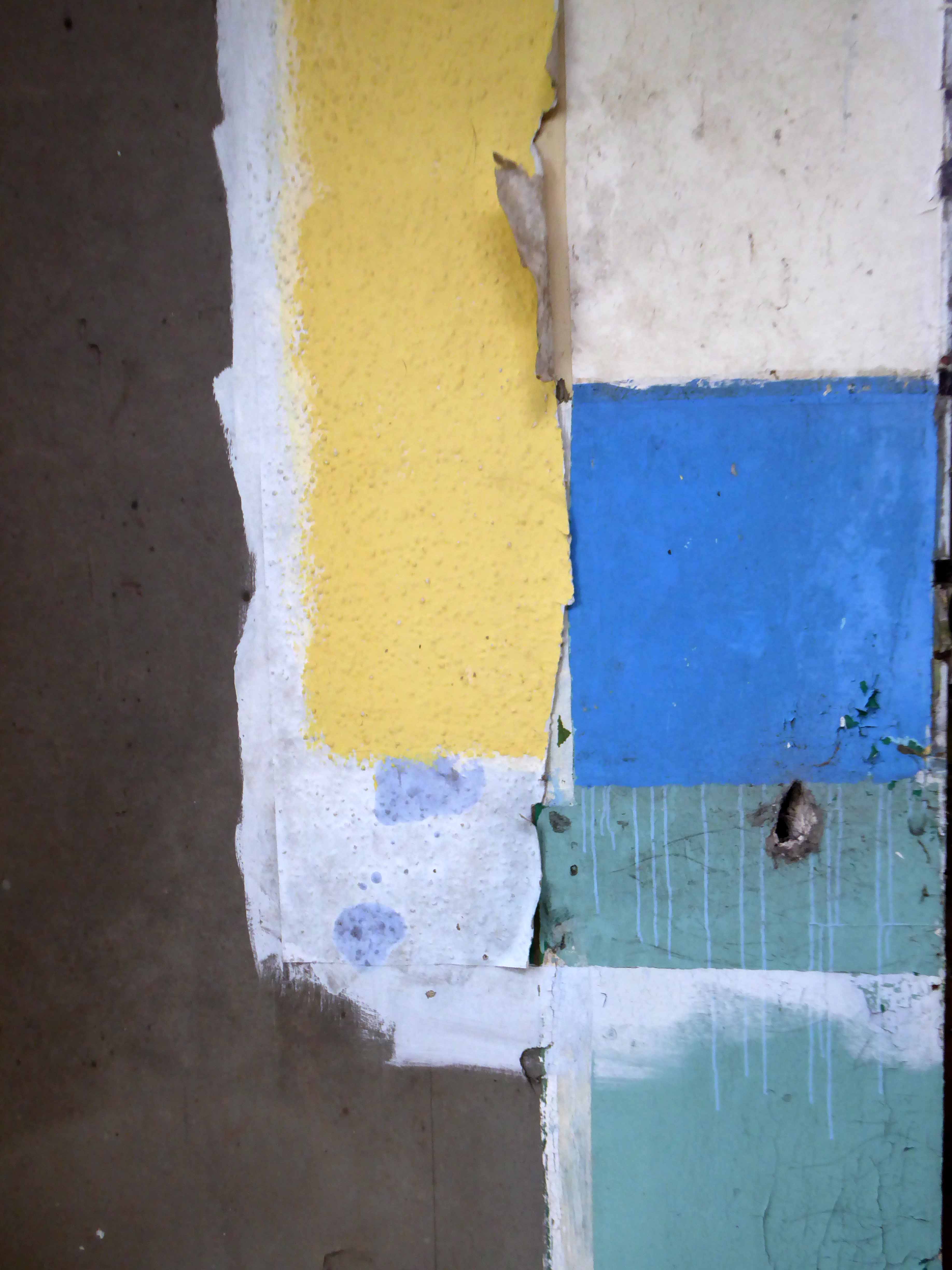
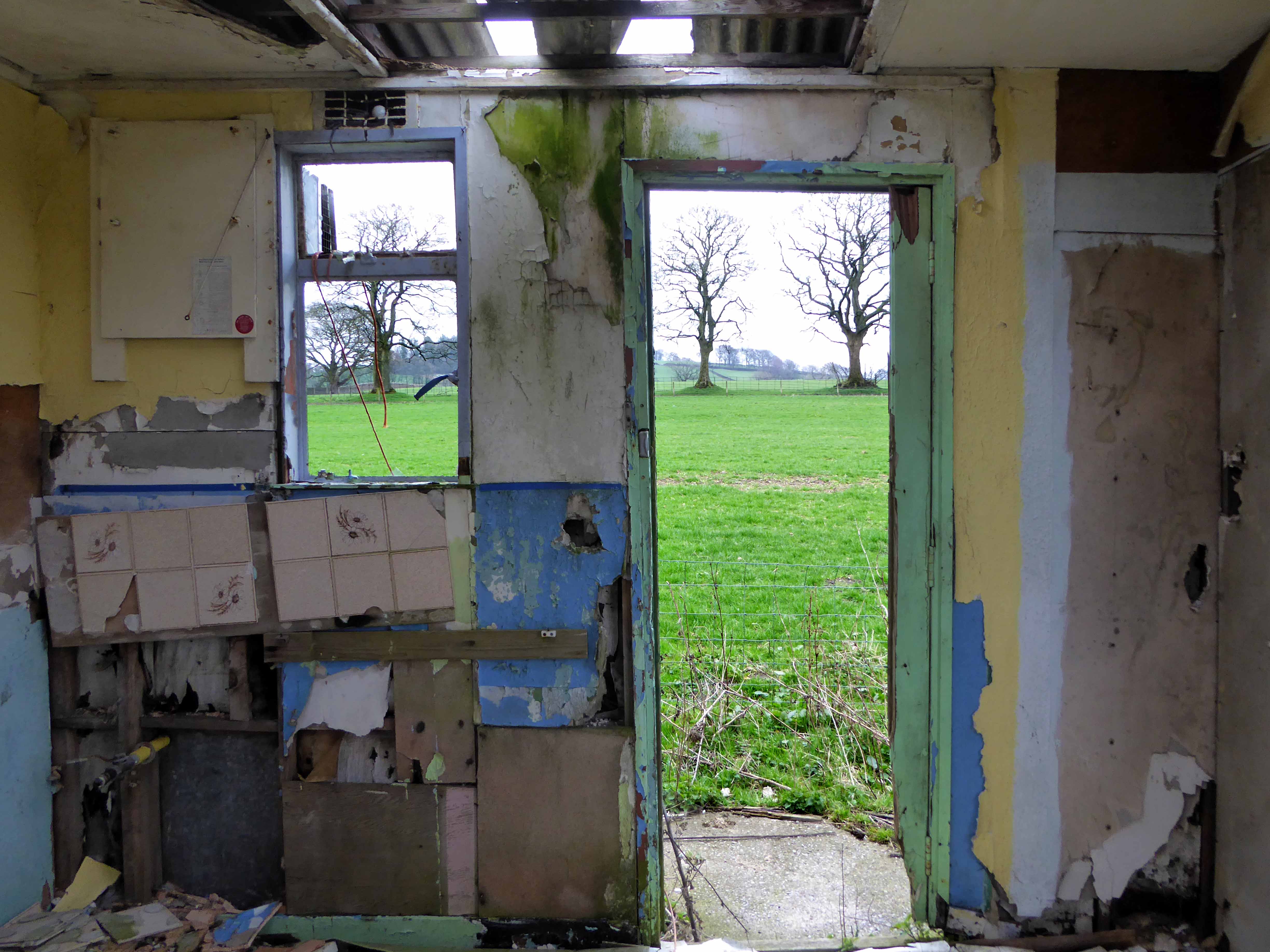
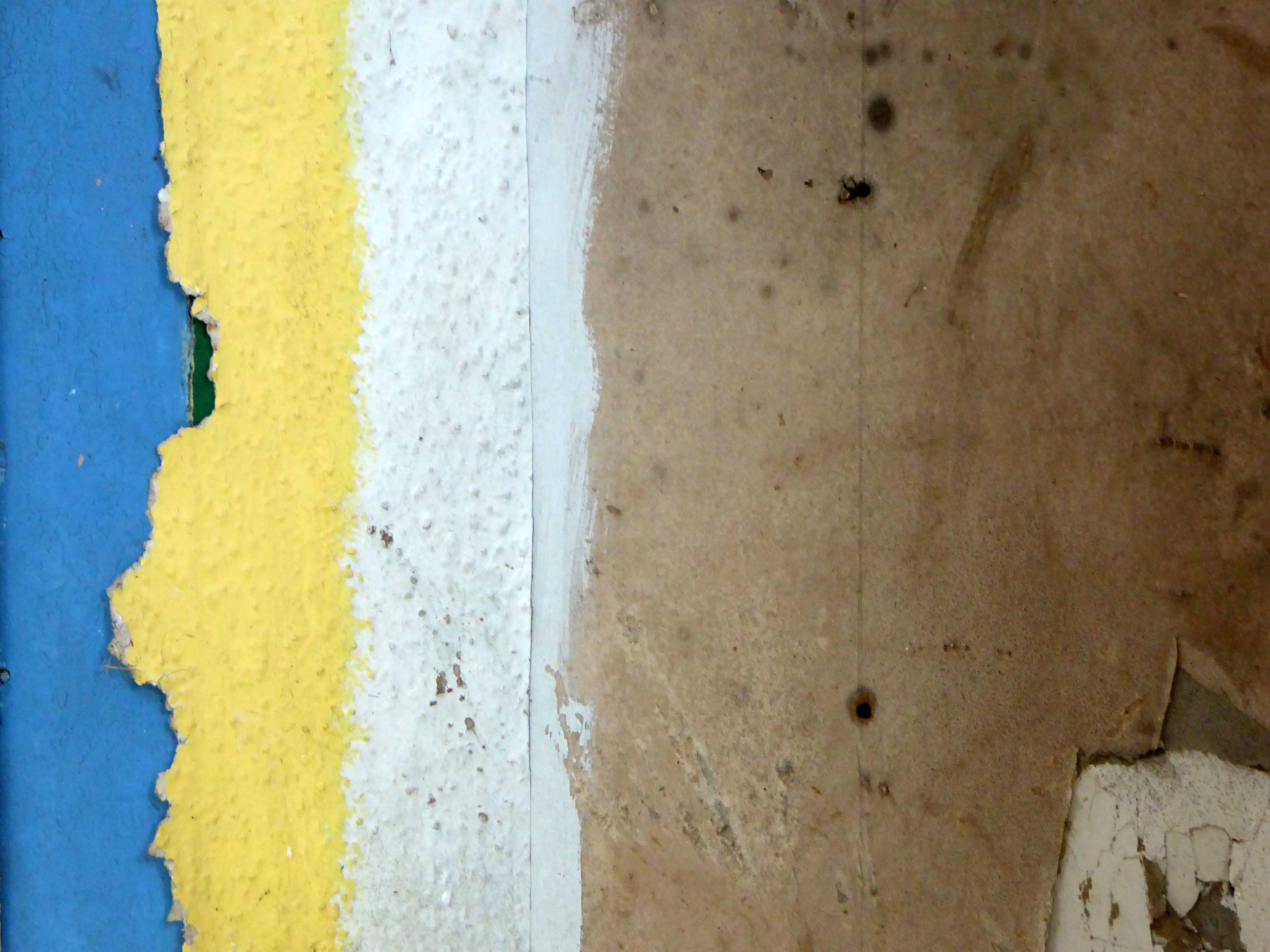
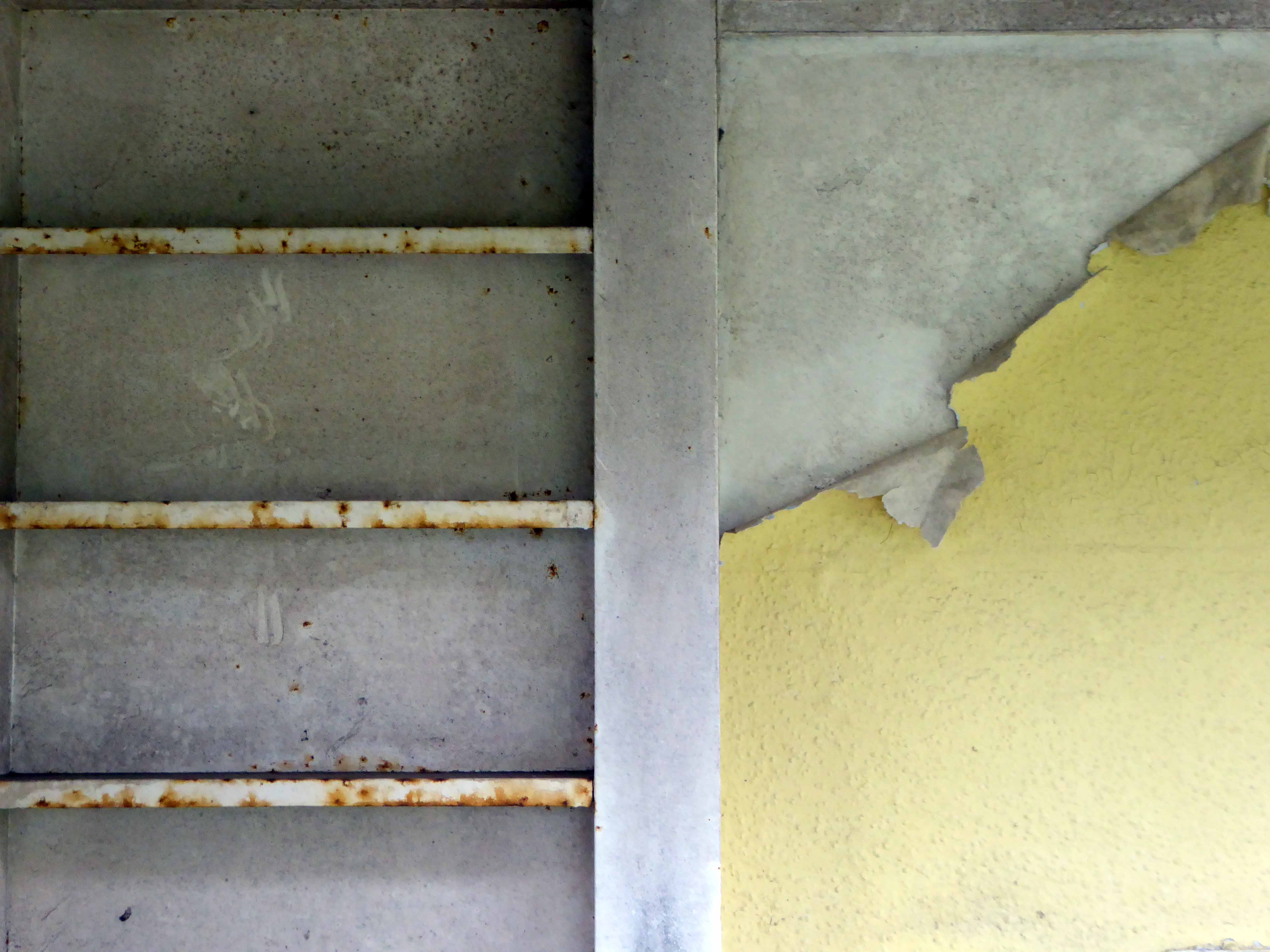
This was the state of play in April 2021 – the interior photographs were taken through an open aperture.

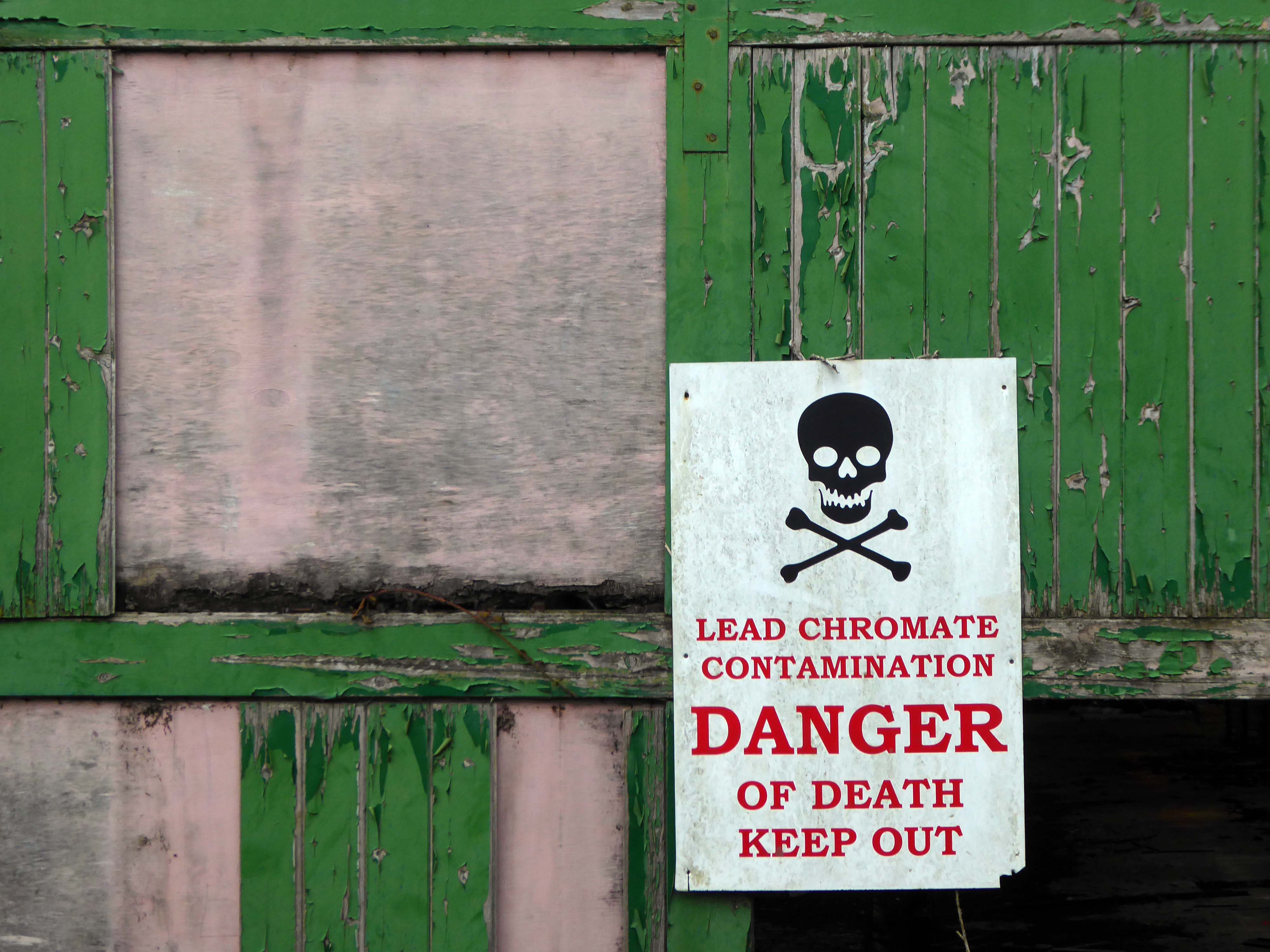
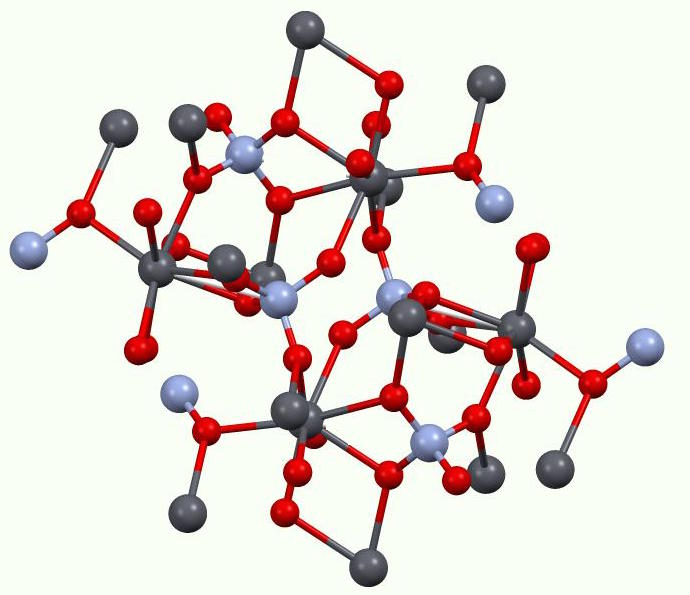
Lead Chromate can affect you when inhaled or swallowed. Contact can irritate and burn the skin and eyes. Prolonged skin contact may cause blisters and deep ulcers. 

Inhaling Lead Chromate can irritate the nose, throat and lungs.Exposure can cause headache, irritability, and muscle and joint pain. Repeated exposure can cause Lead poisoning with metallic taste, colic and muscle cramps.

Inhaling Lead Chromate can cause a sore and/or a hole in the septum.

Lead Chromate may cause a skin allergy.

Lead Chromate may damage the nervous system. Exposure may cause kidney and brain damage, and anemia.

The building was subsequently owned by EP Bray.

Wherever the choice has had to be made between the man of reason and the madman, the world has unhesitatingly followed the madman. 

Aldous Huxley –  Crome Yellow

Chrome yellow is a derivative of Lead Chromate.

For over two hundred years the site has been a place of toil, dangerous toil taking its toll.

The valleys which inevitably fed the Mersey, were home to the origins of the Industrial Revolution – people and water powered.

This is a toxic landscape, nestled in the heart of ancient post-glacial earth movements:

Geomorphological investigations of two landslide areas on the Cown Edge escarpment showed that slope failure was primarily the result of local stratigraphic and lithological conditions and not of past climatic vicissitudes or changes in the form of the relief. Failure on each occasion took place by shearing along the same line of weakness: shales either within a calcareous shale band or in close proximity to it became decomposed and unable to bear the weight of the slope forming material above it. Each displacement resulted in a bank slip failure and the formation of a block glide landslide. The morphology indicates that slip movements has occurred several times and the periods when these took place have been determined using palynological methods. These results indicate that the Cown Edge landslides date from a post-glacial period.

JSTOR

As of August 2023 the terraces remain un-rehabilitated.

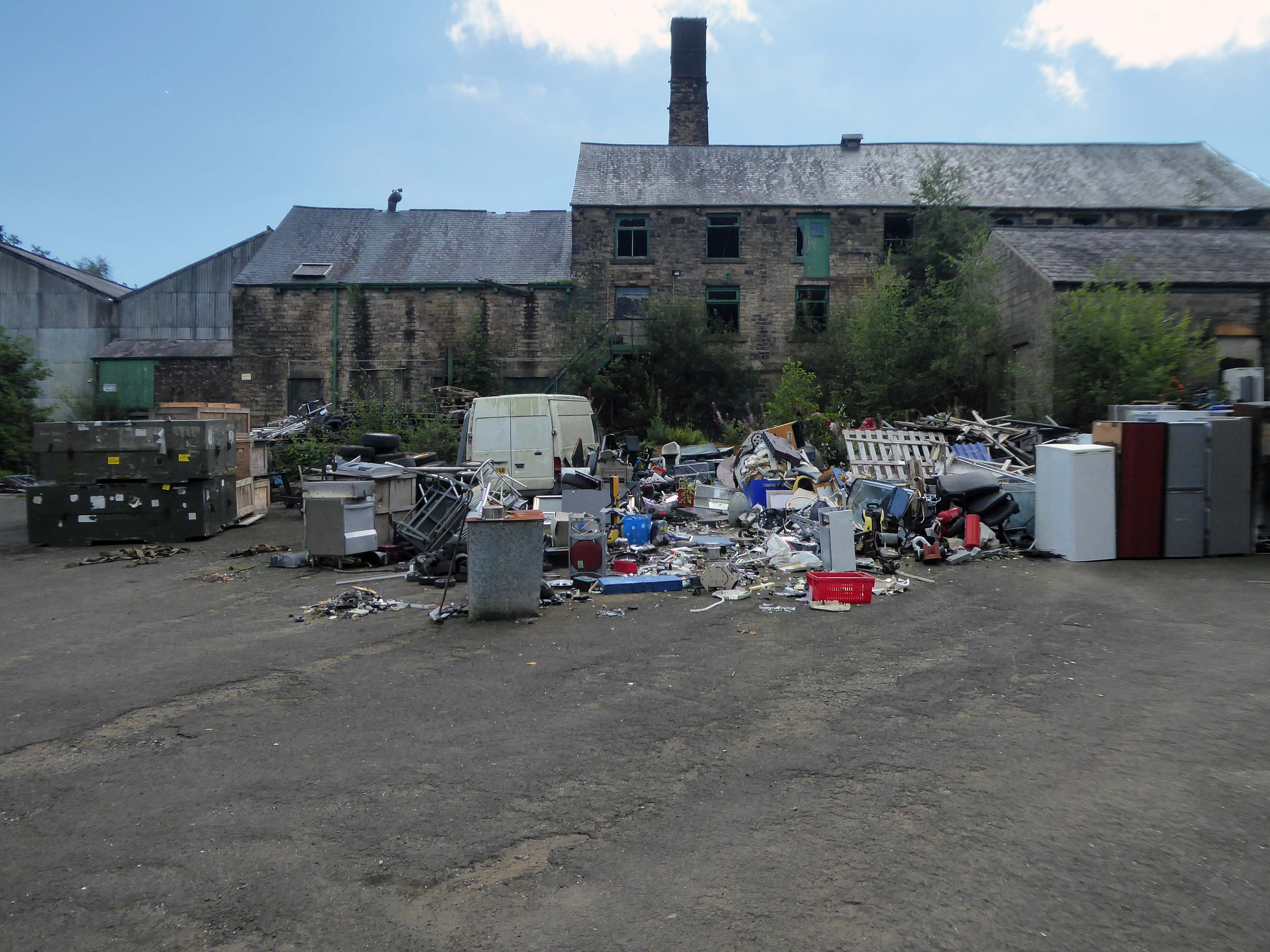
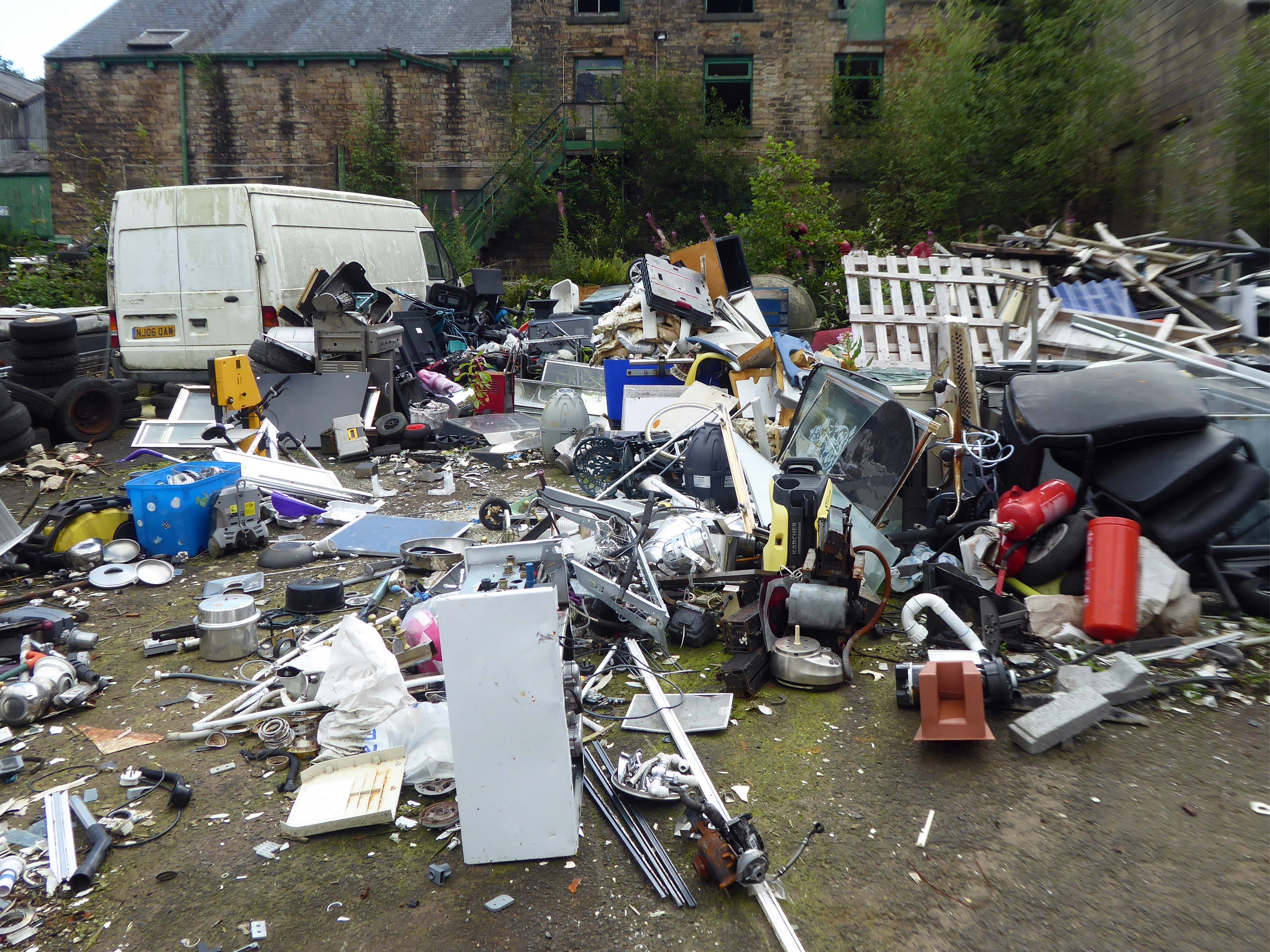
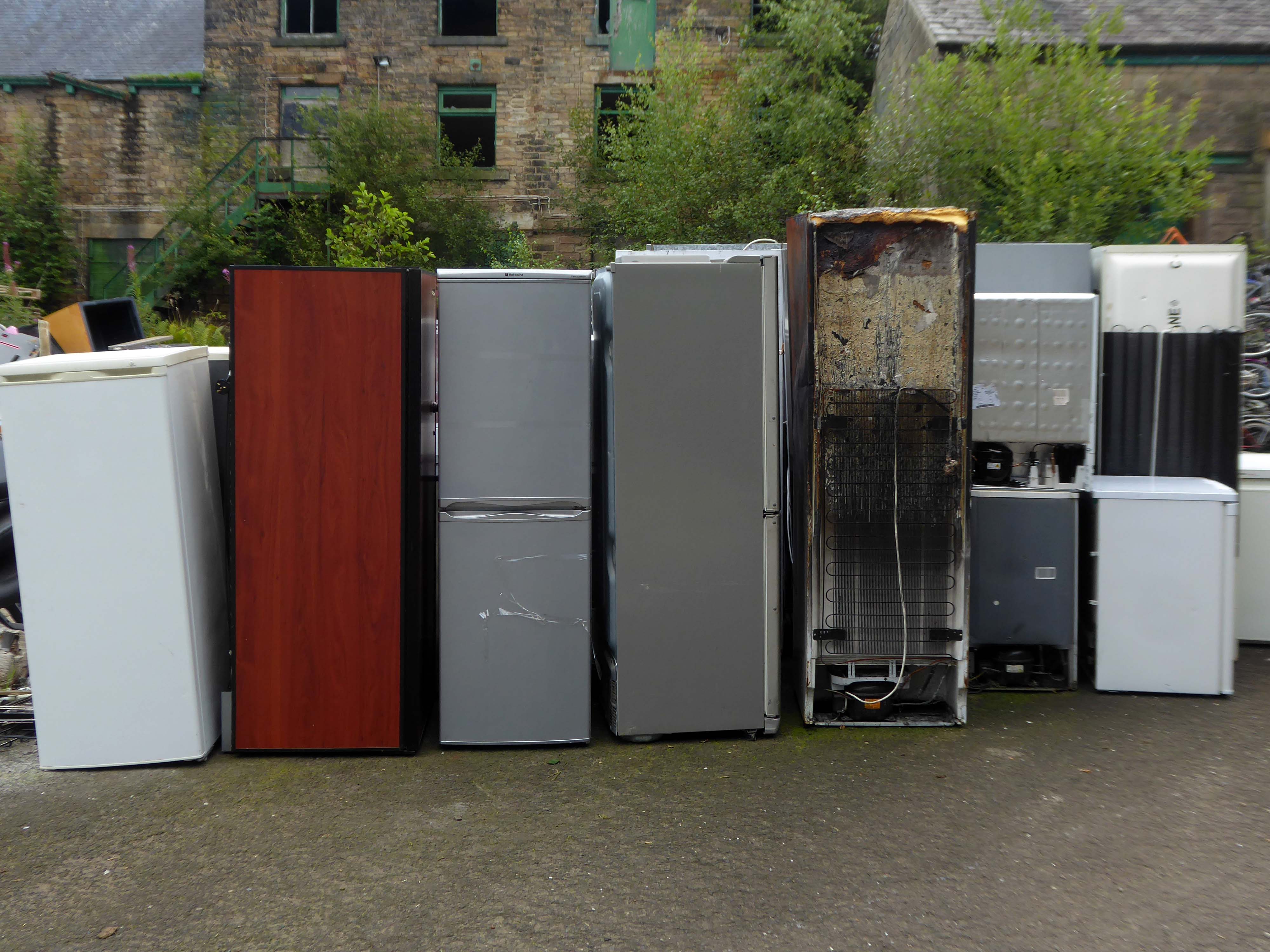
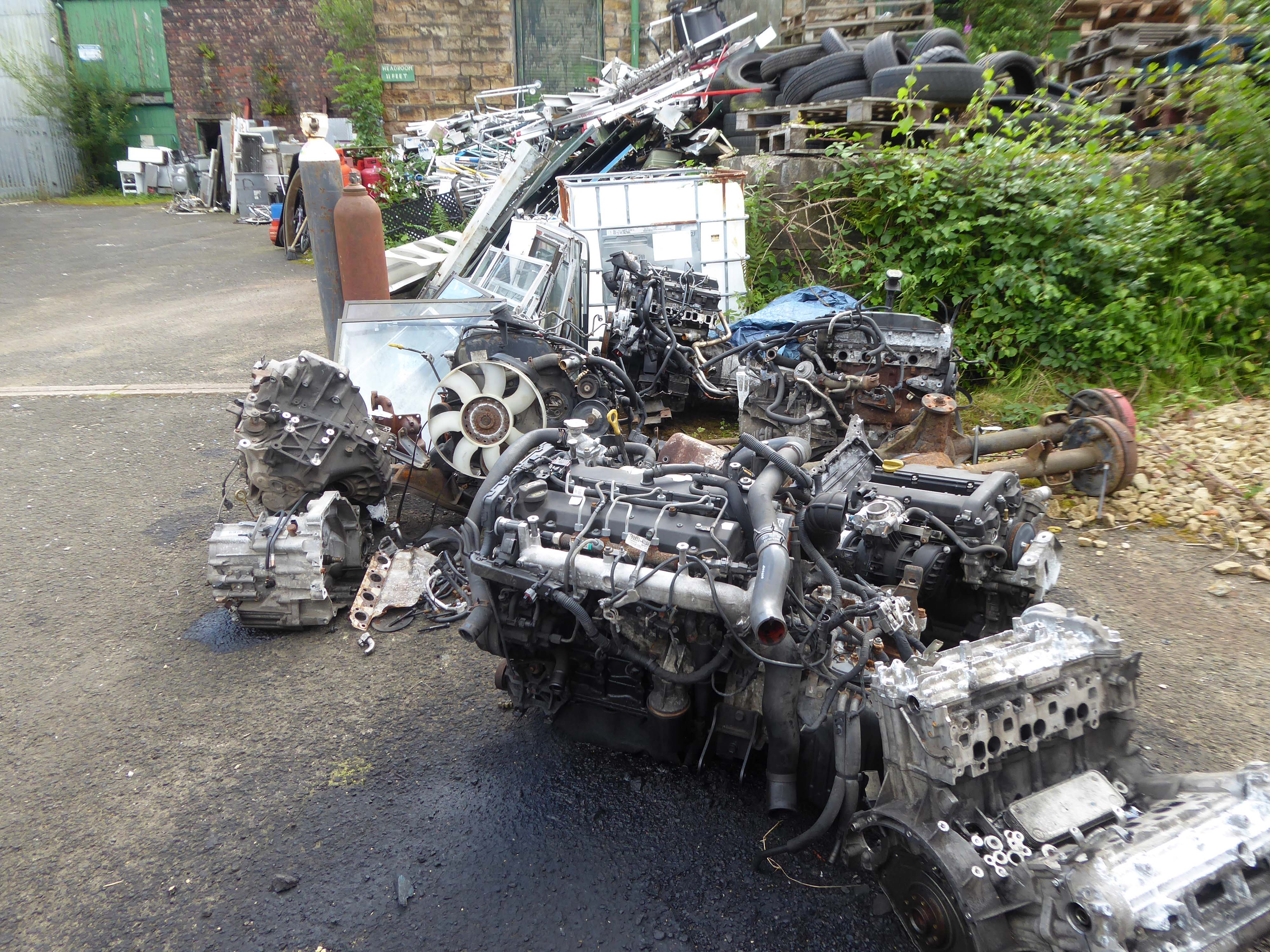
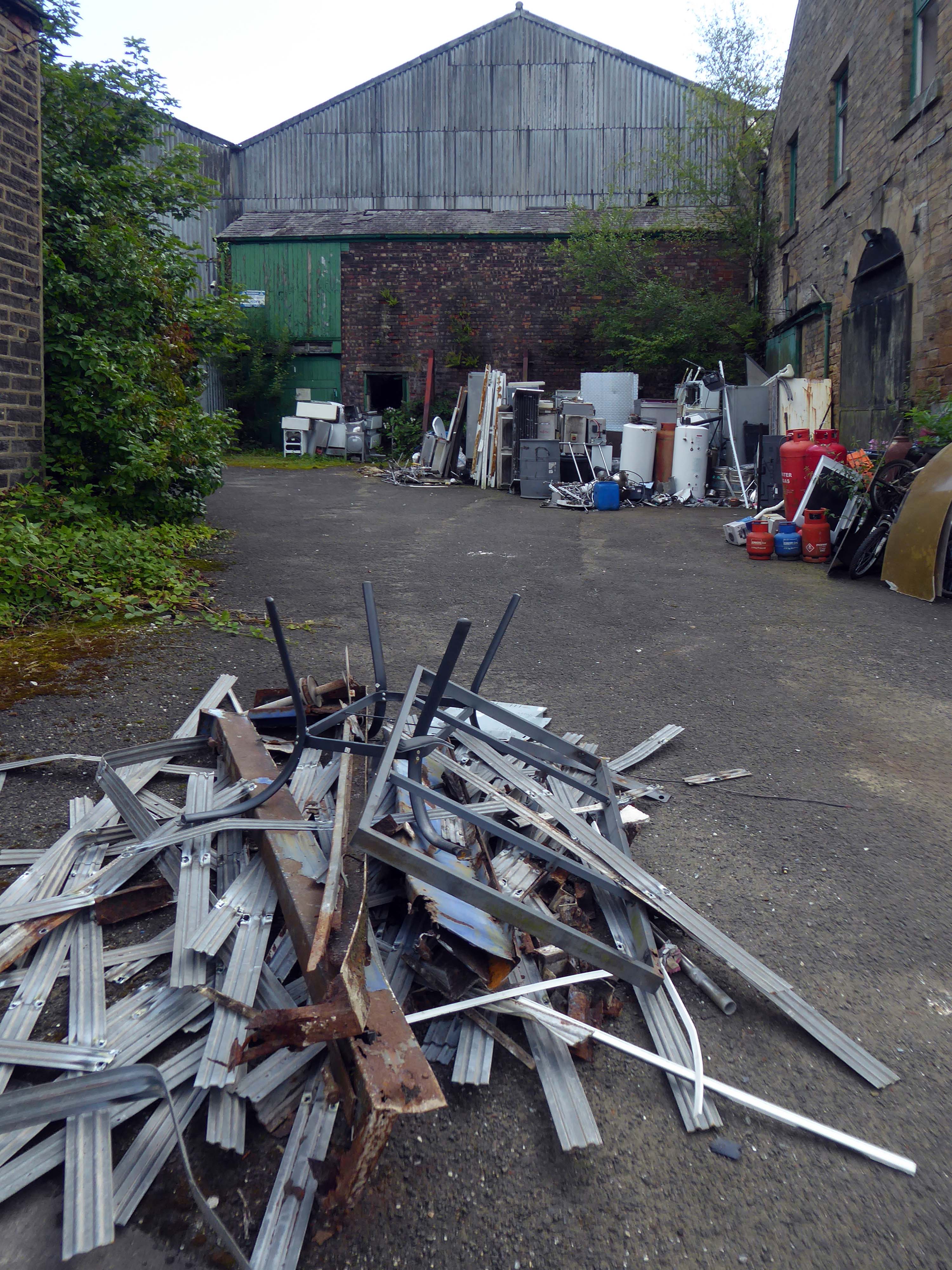
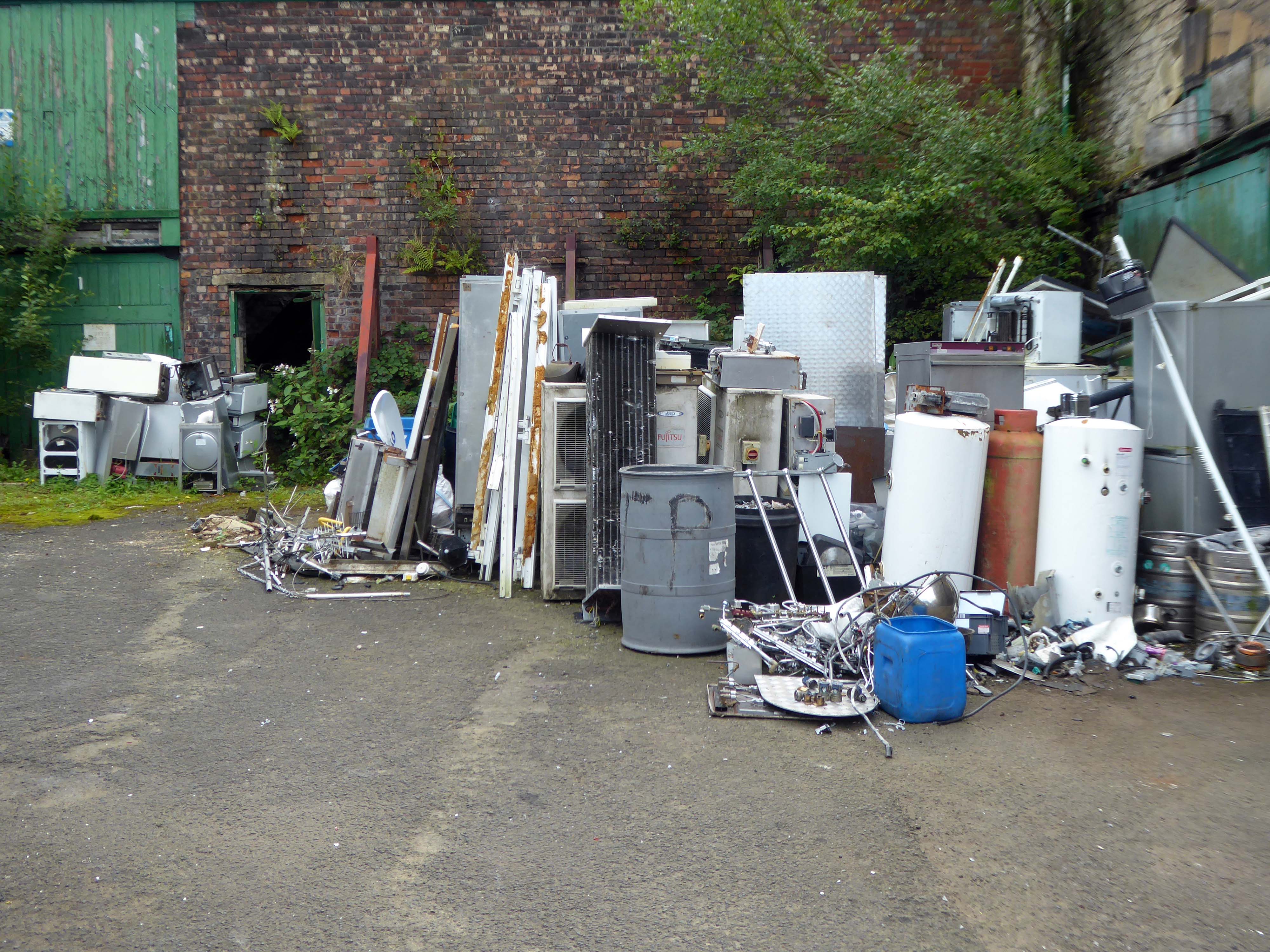
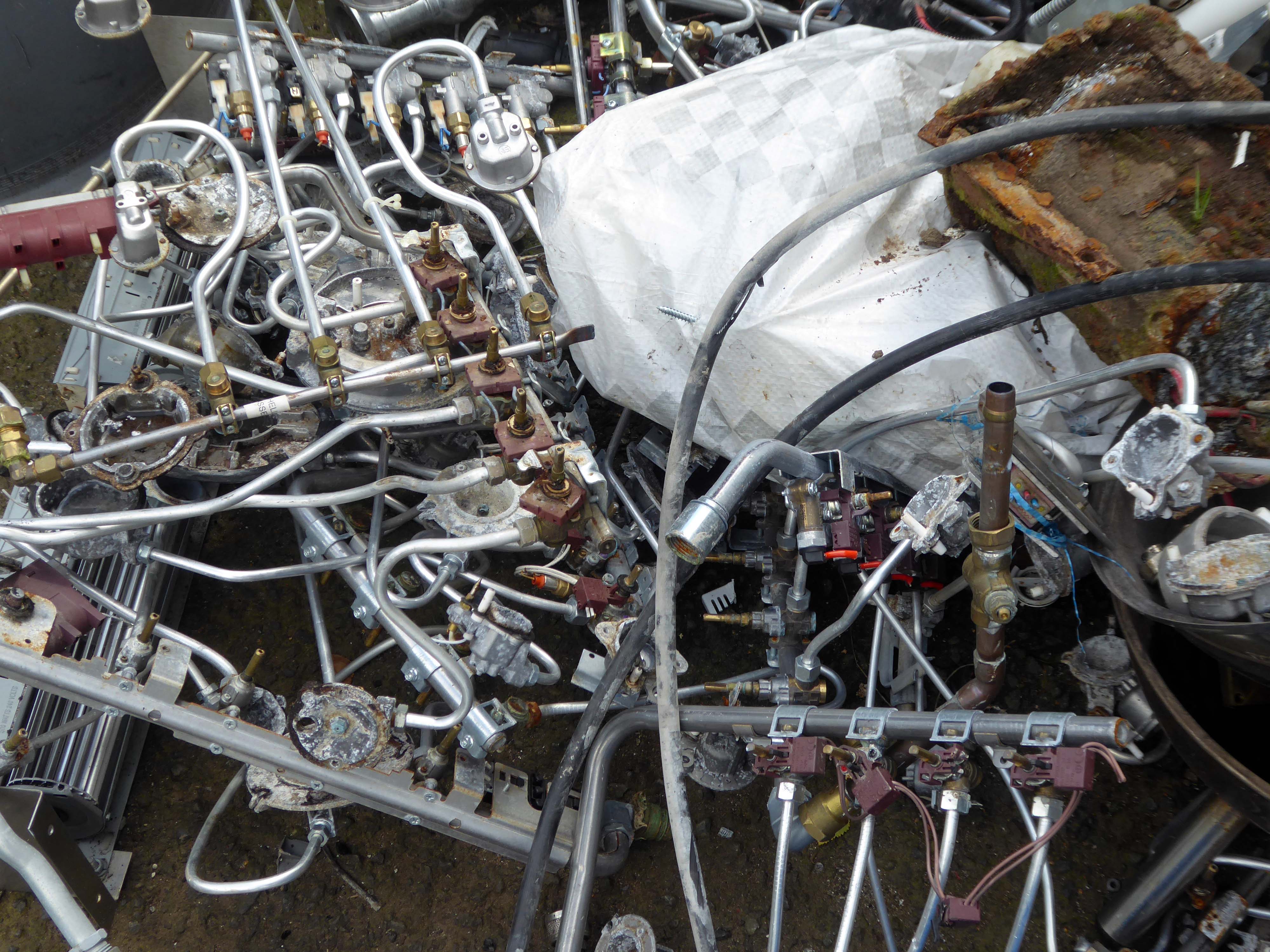
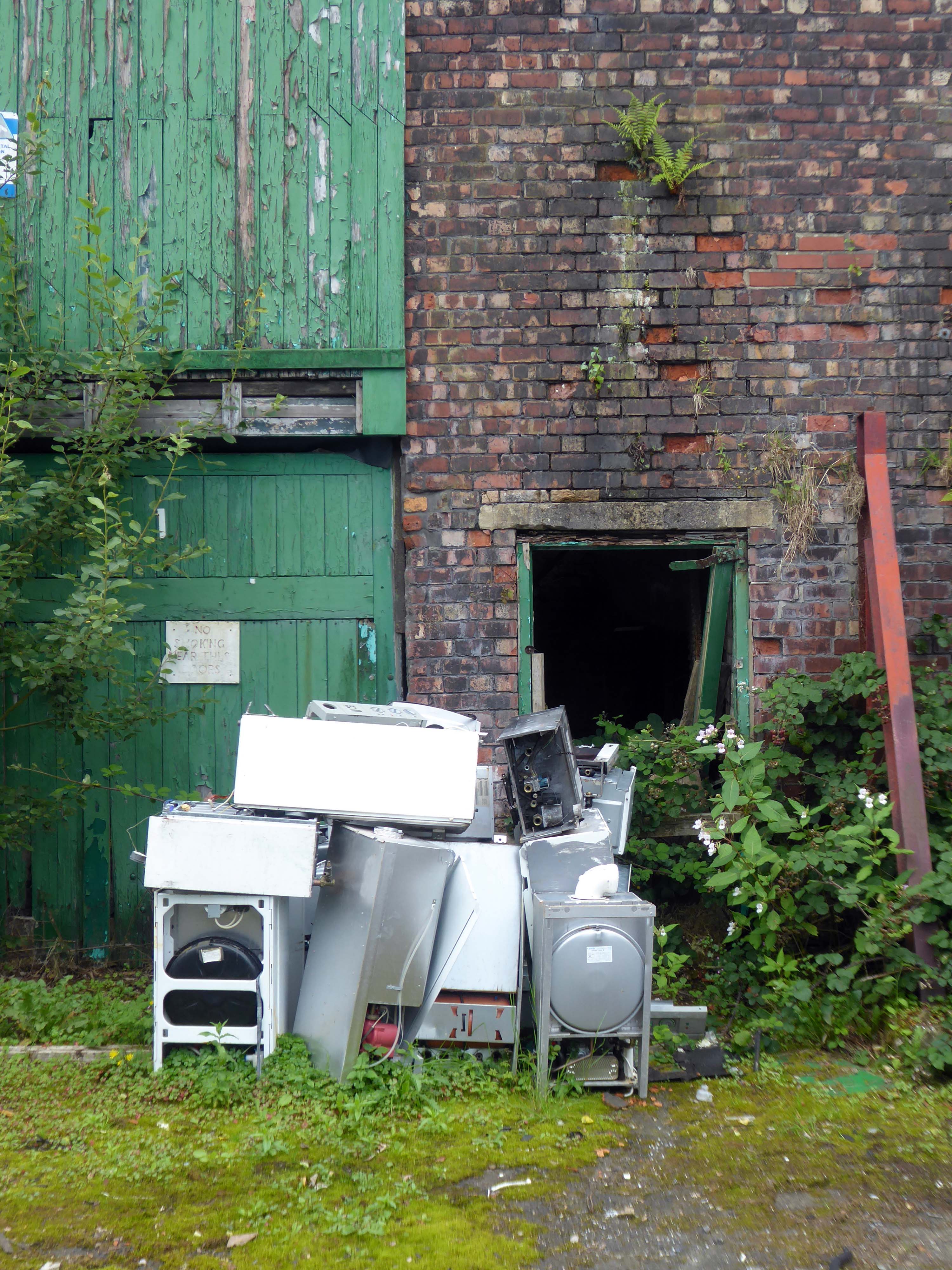
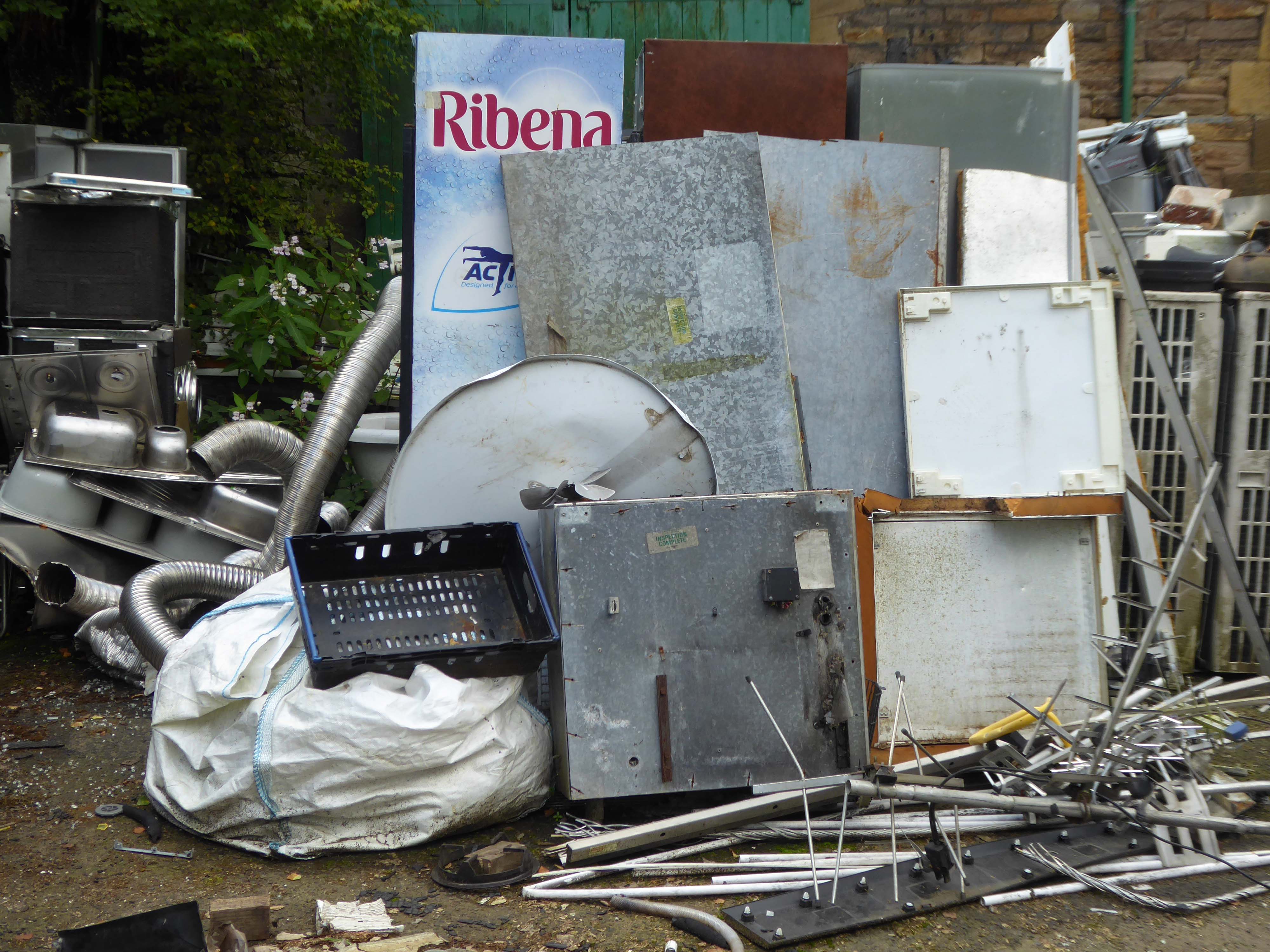
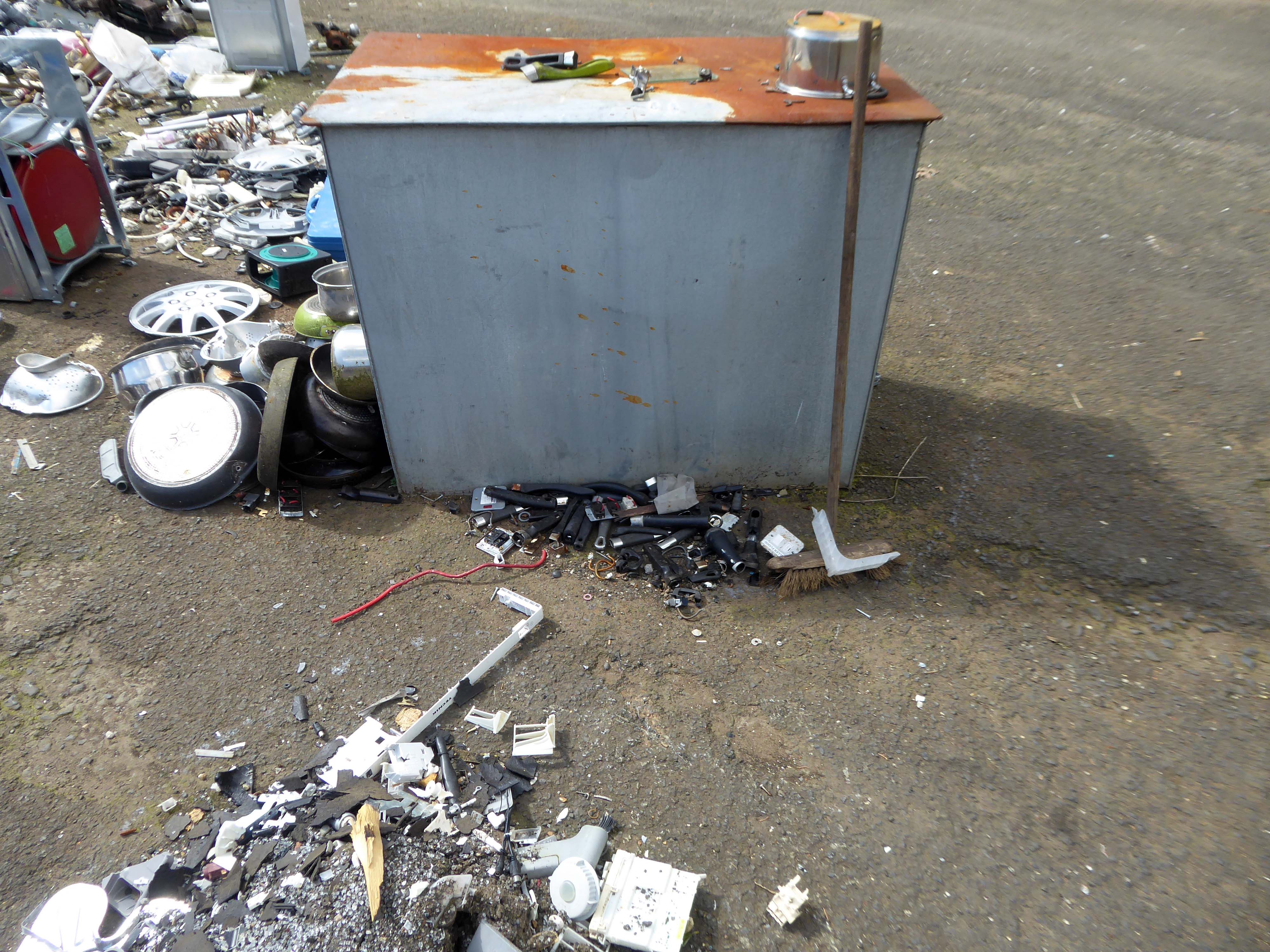
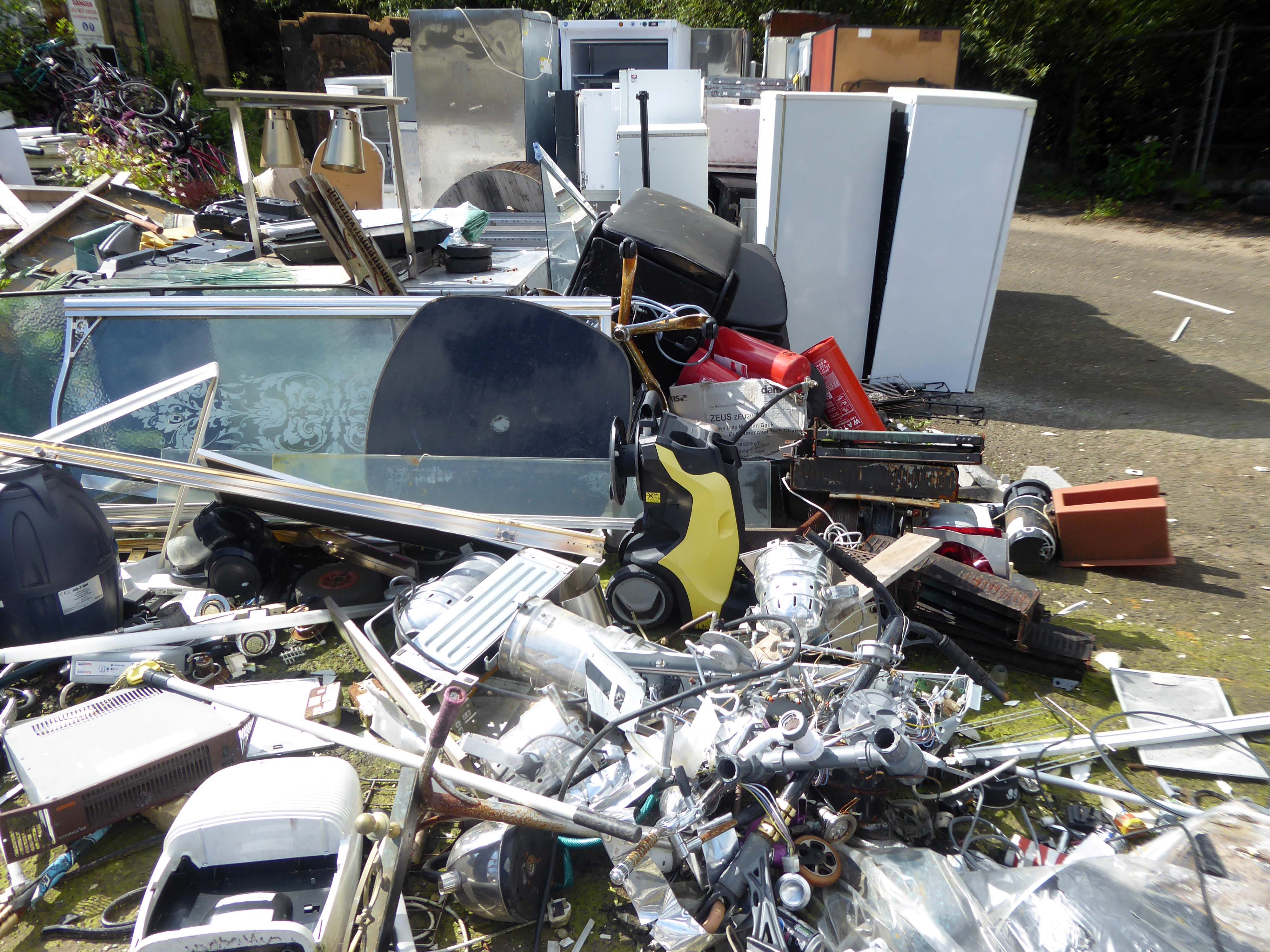
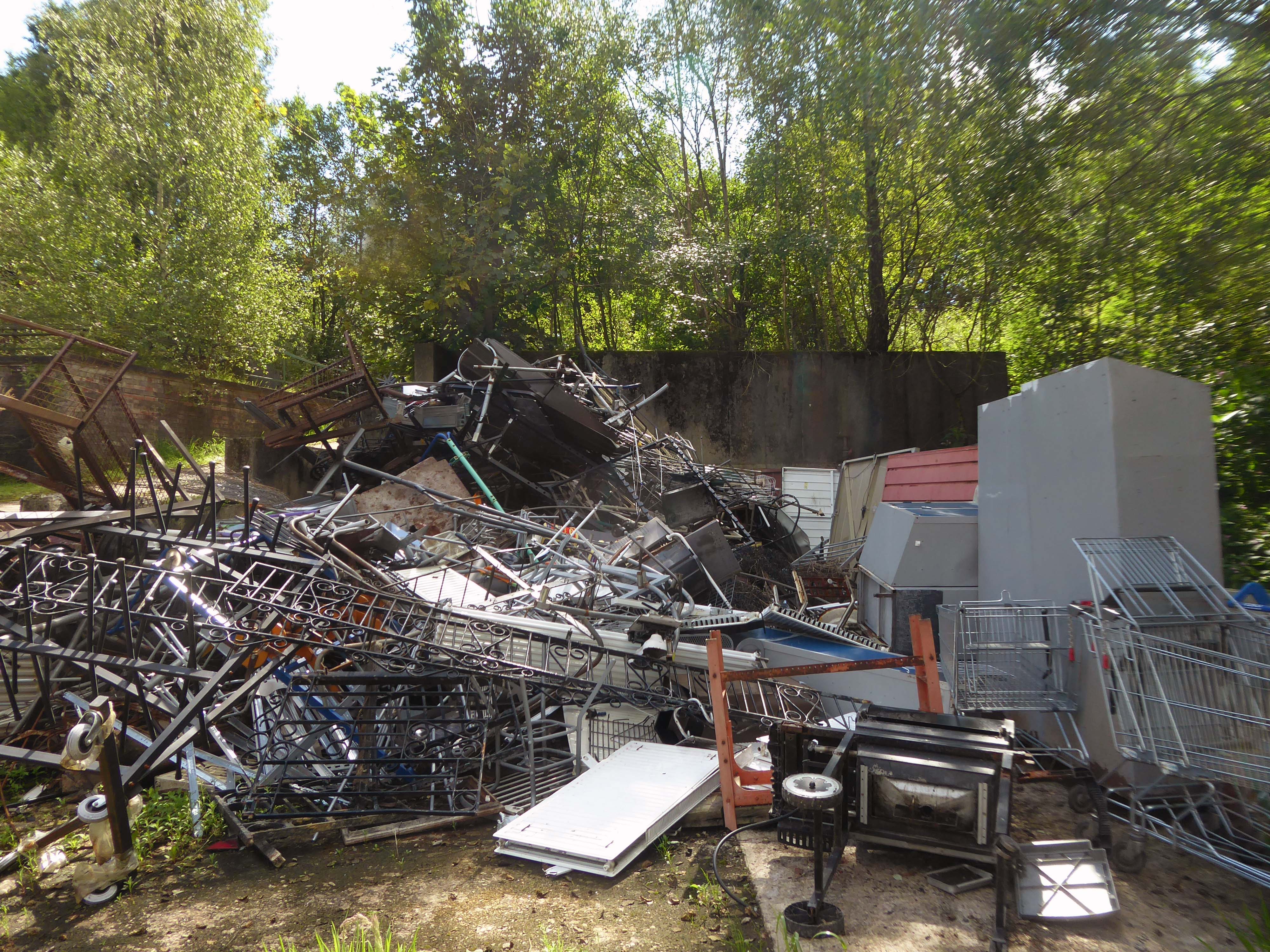
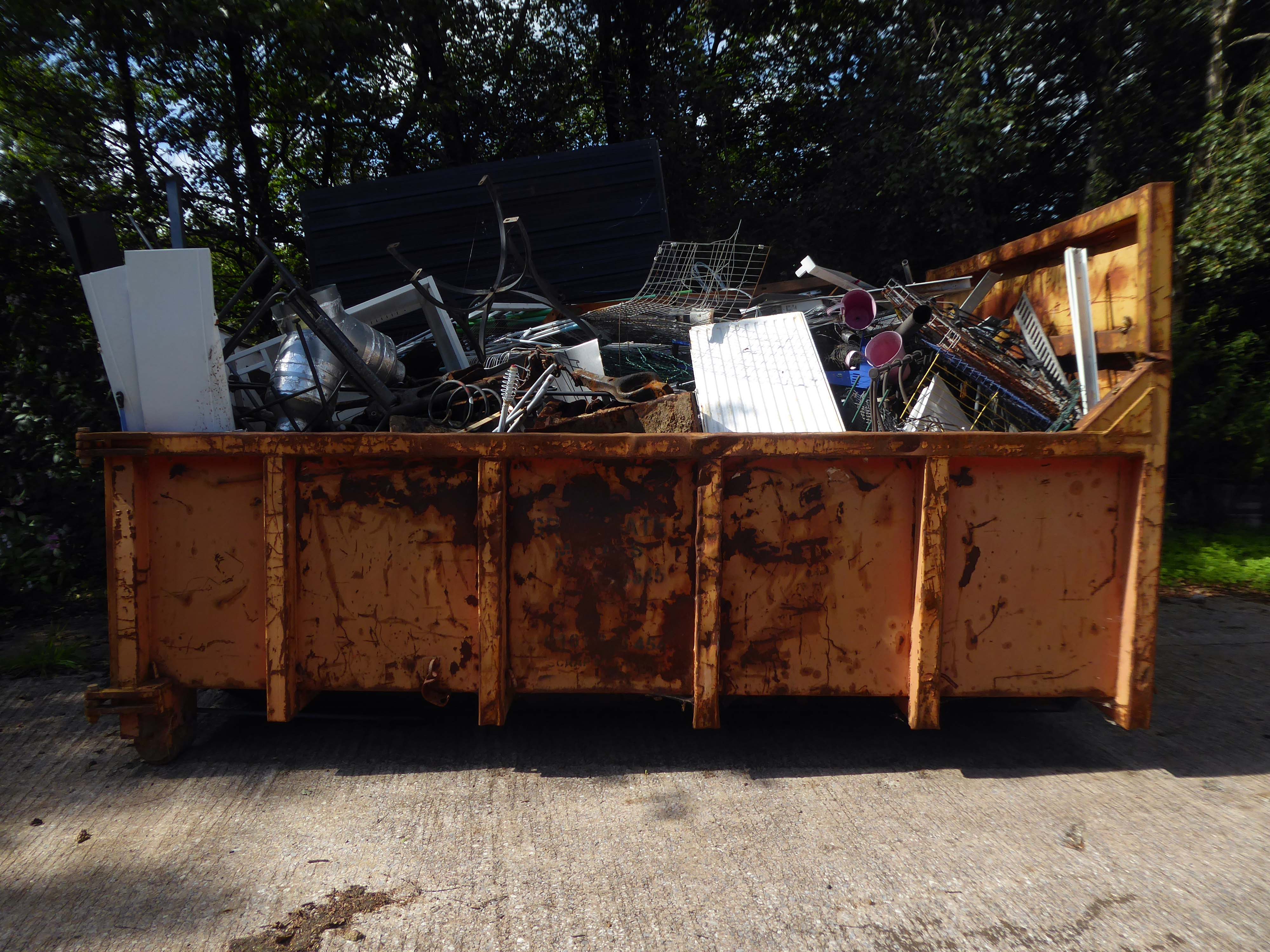
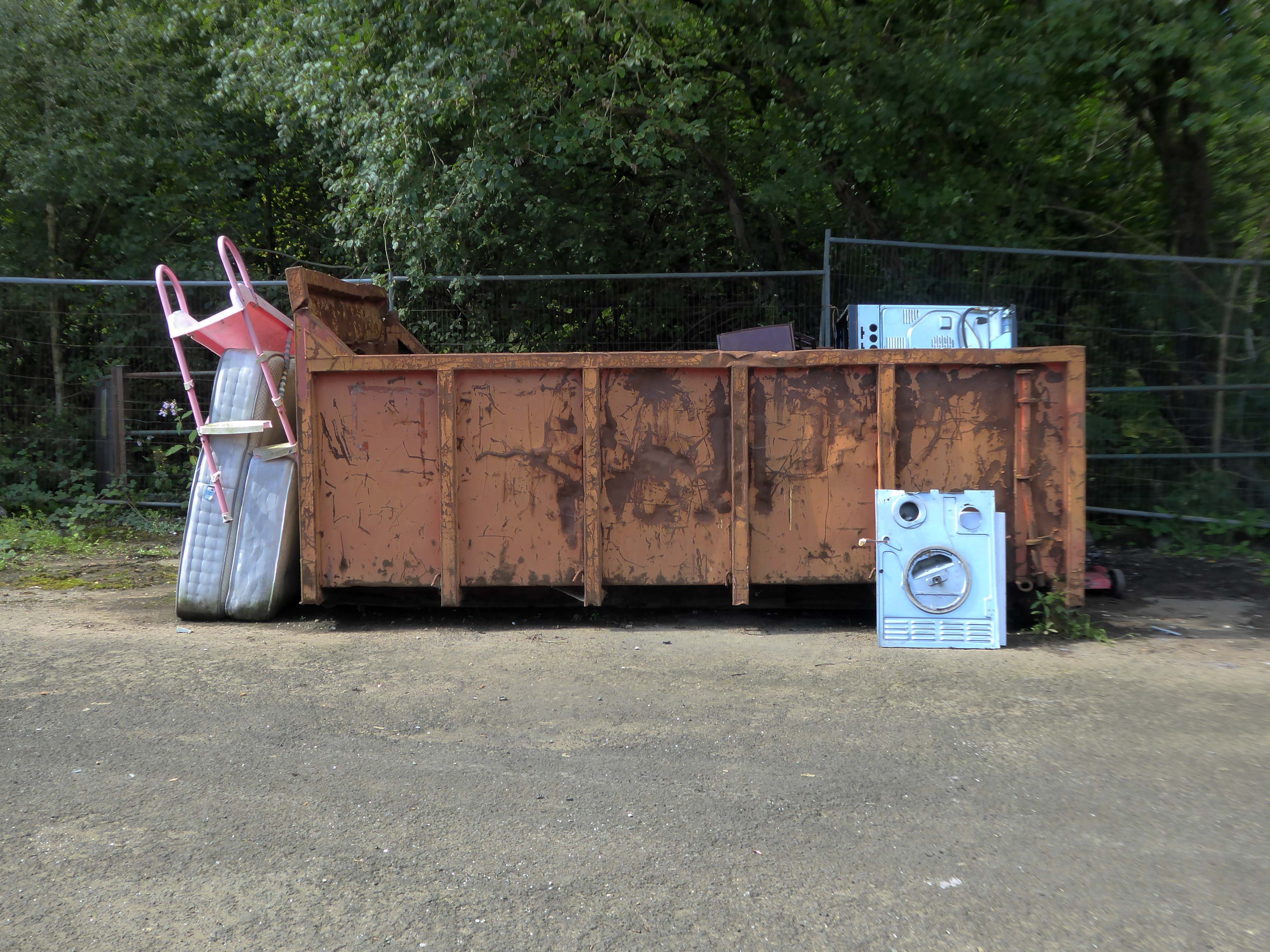
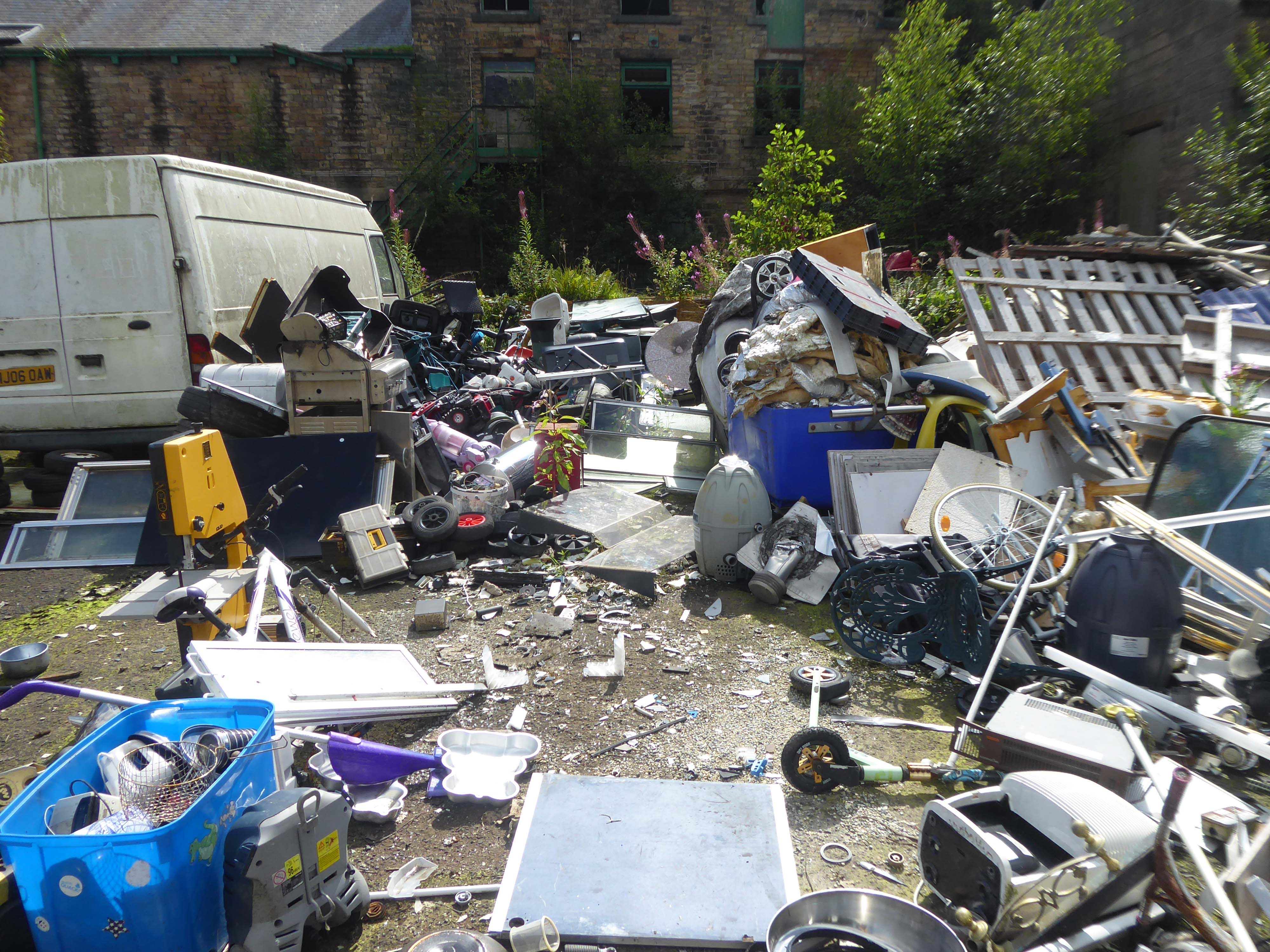
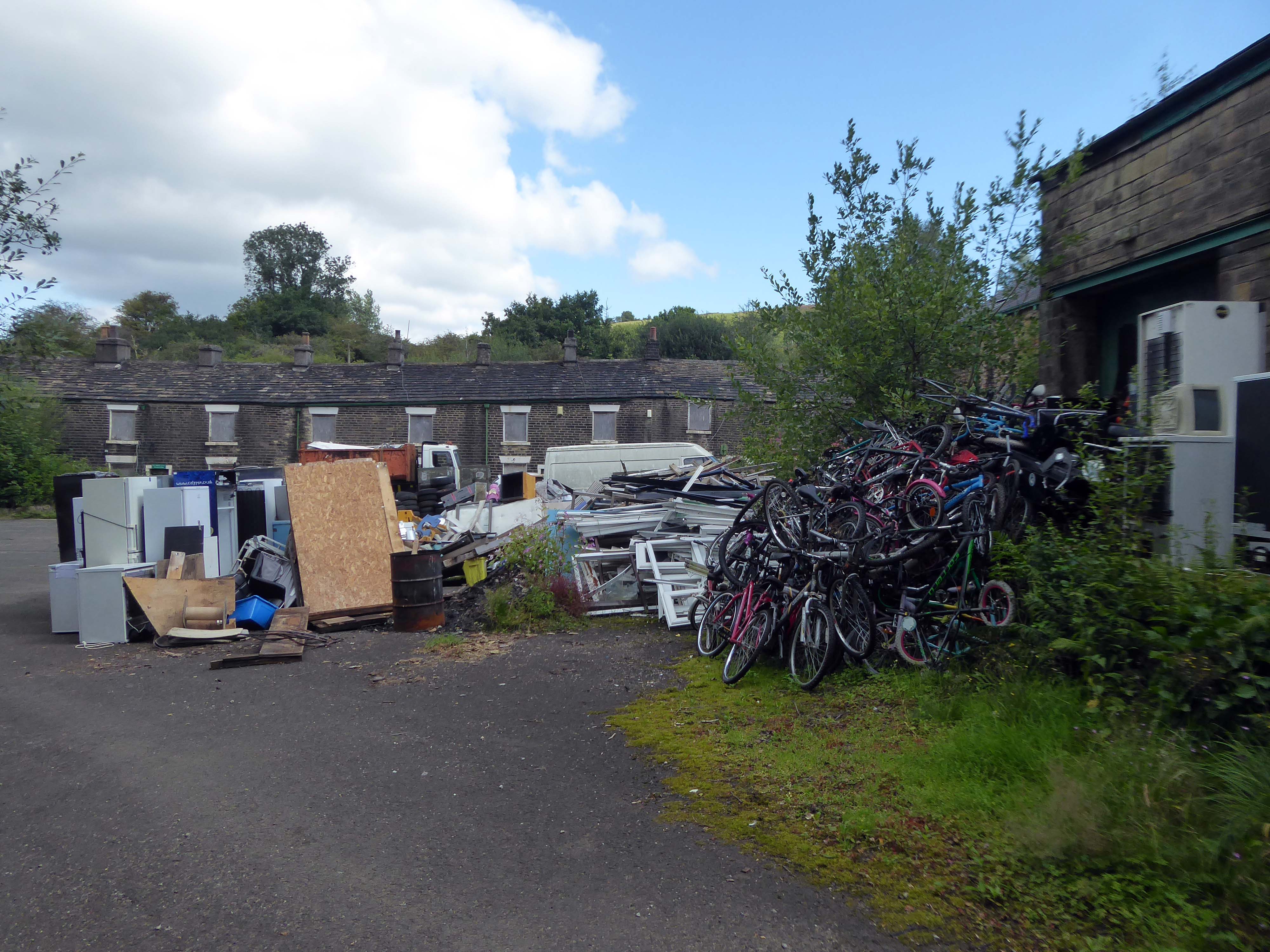
The forecourt of the factory is currently strewn with the detritus of an ever more wasteful world.

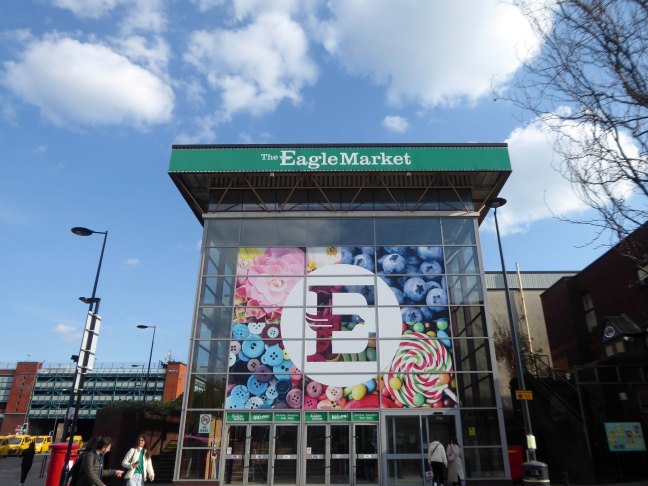
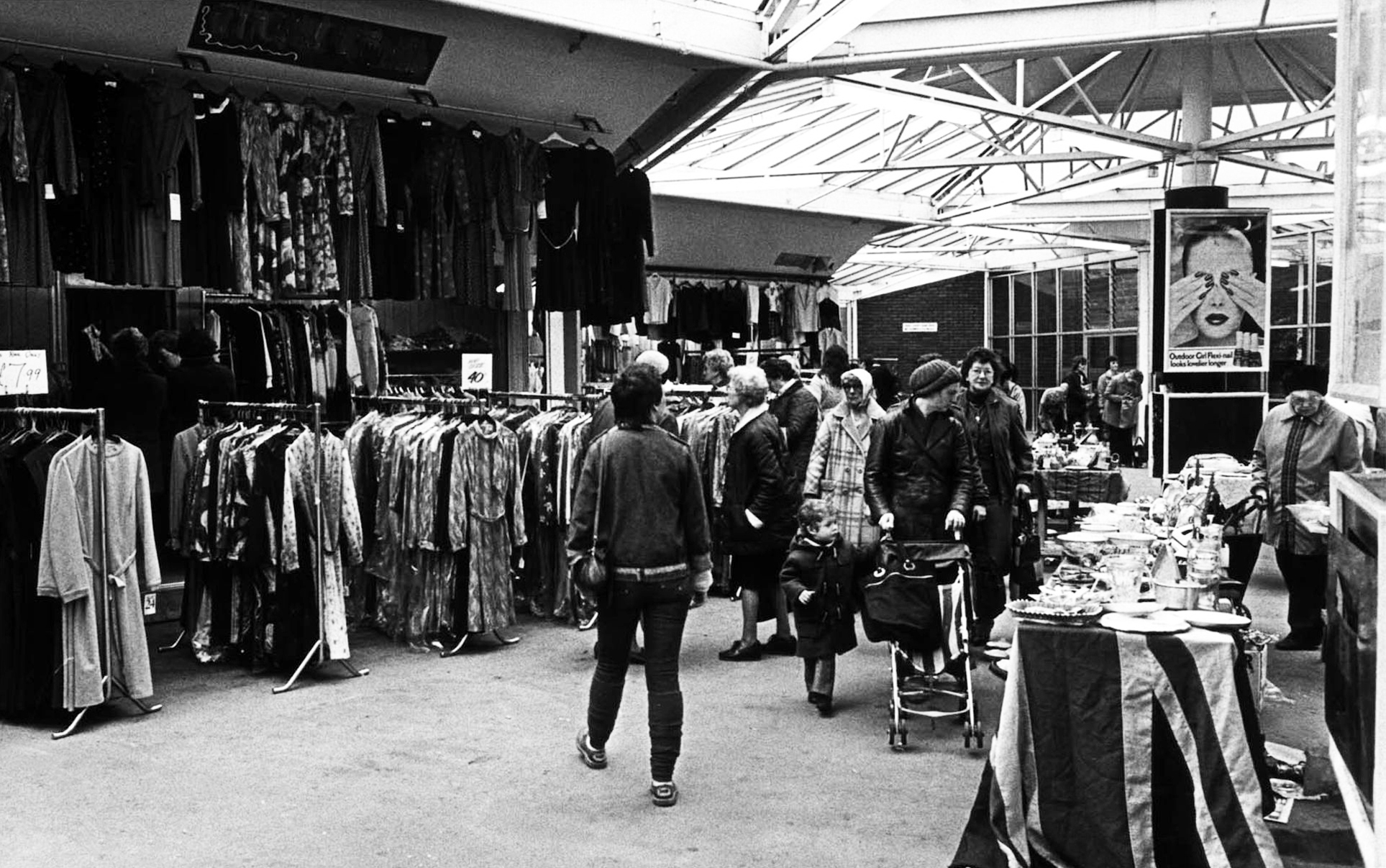
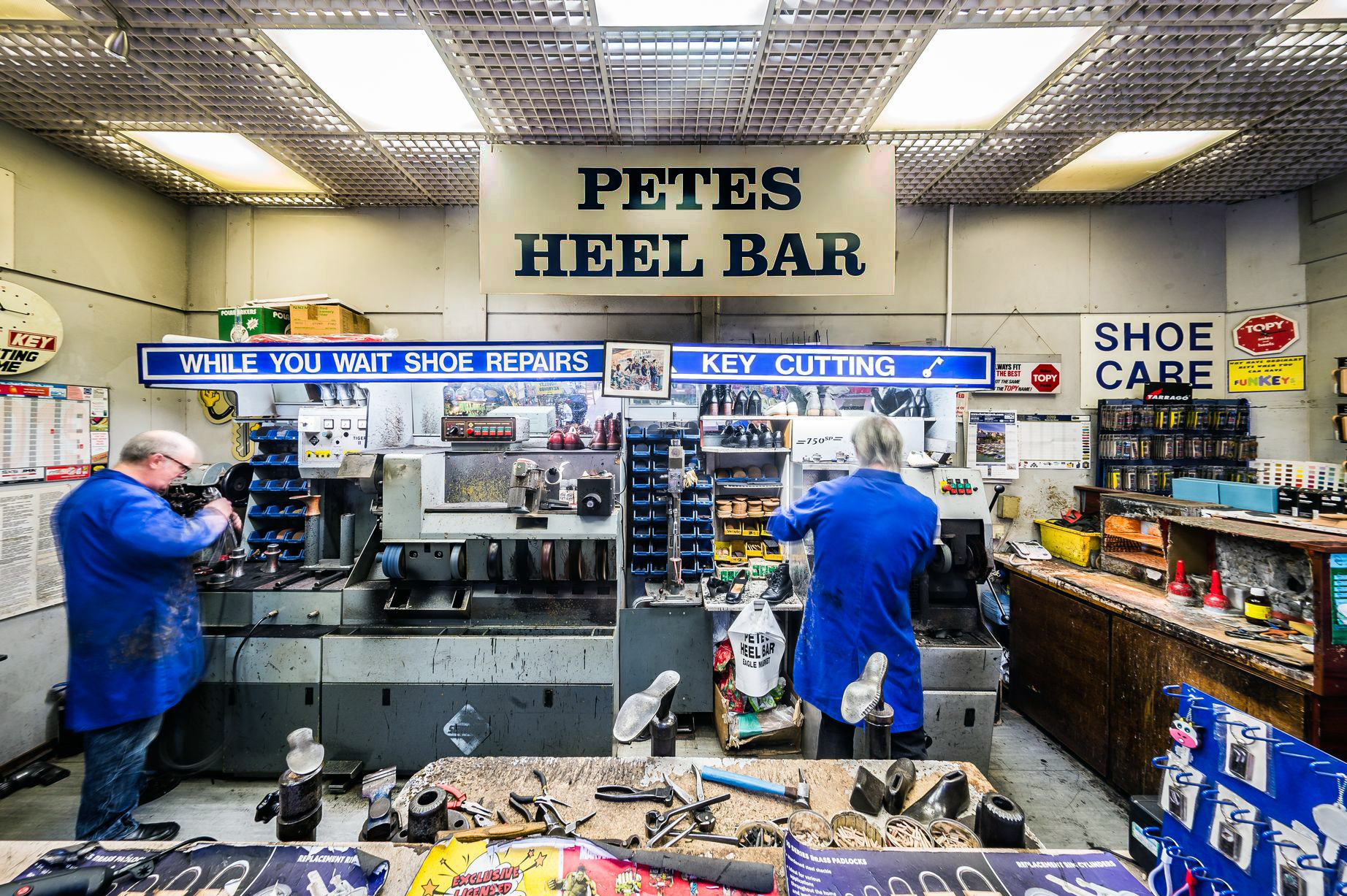
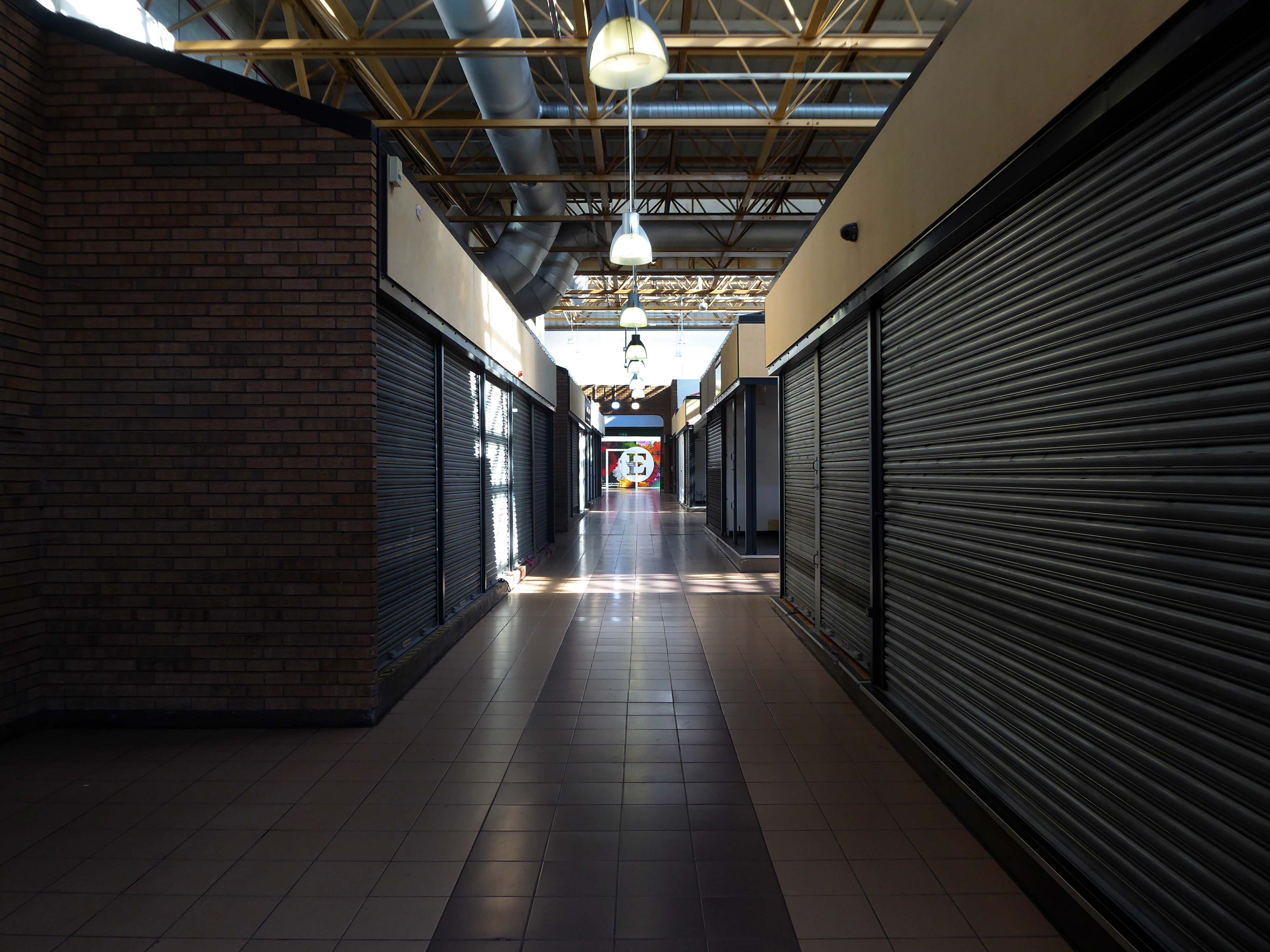
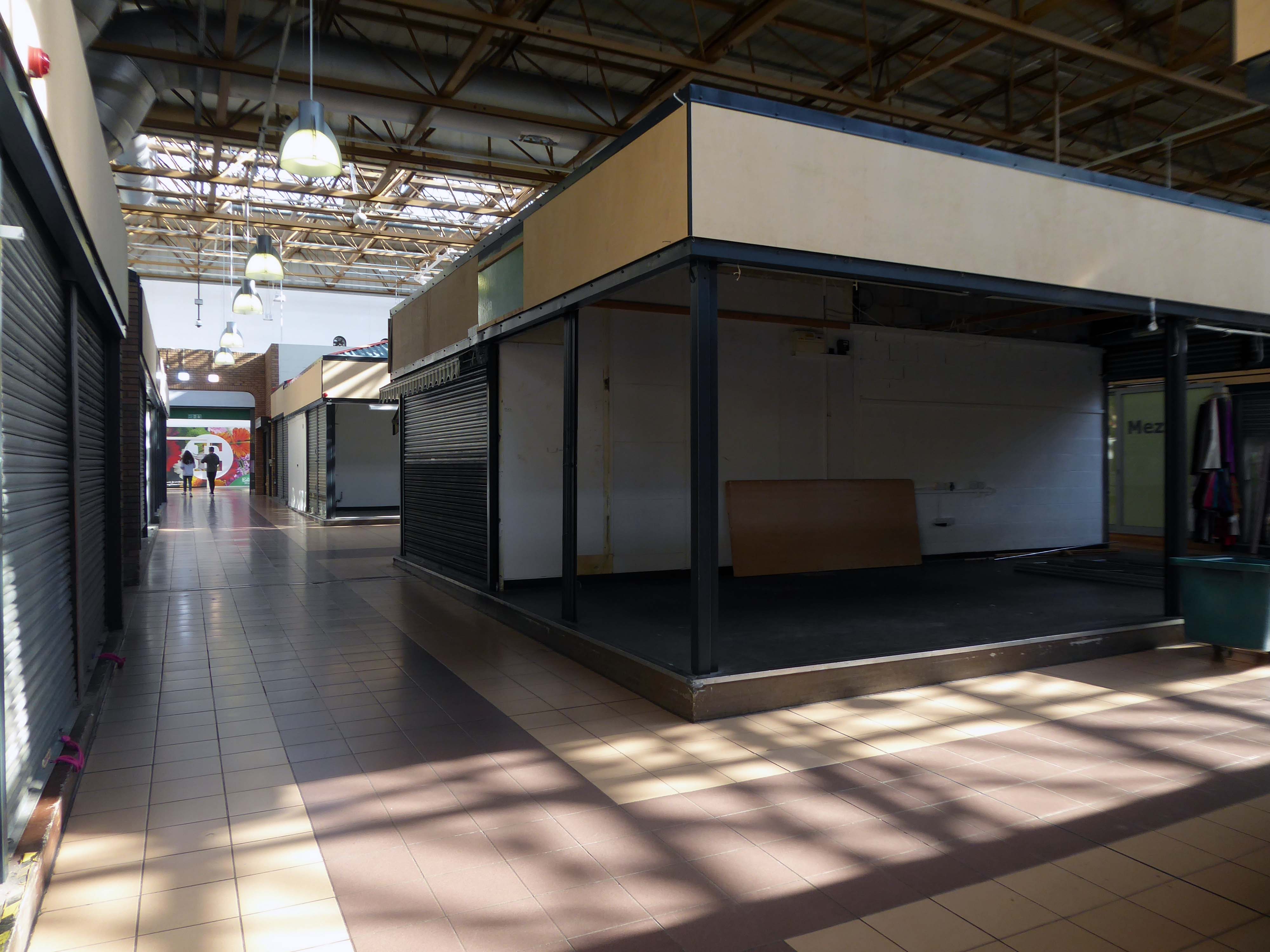
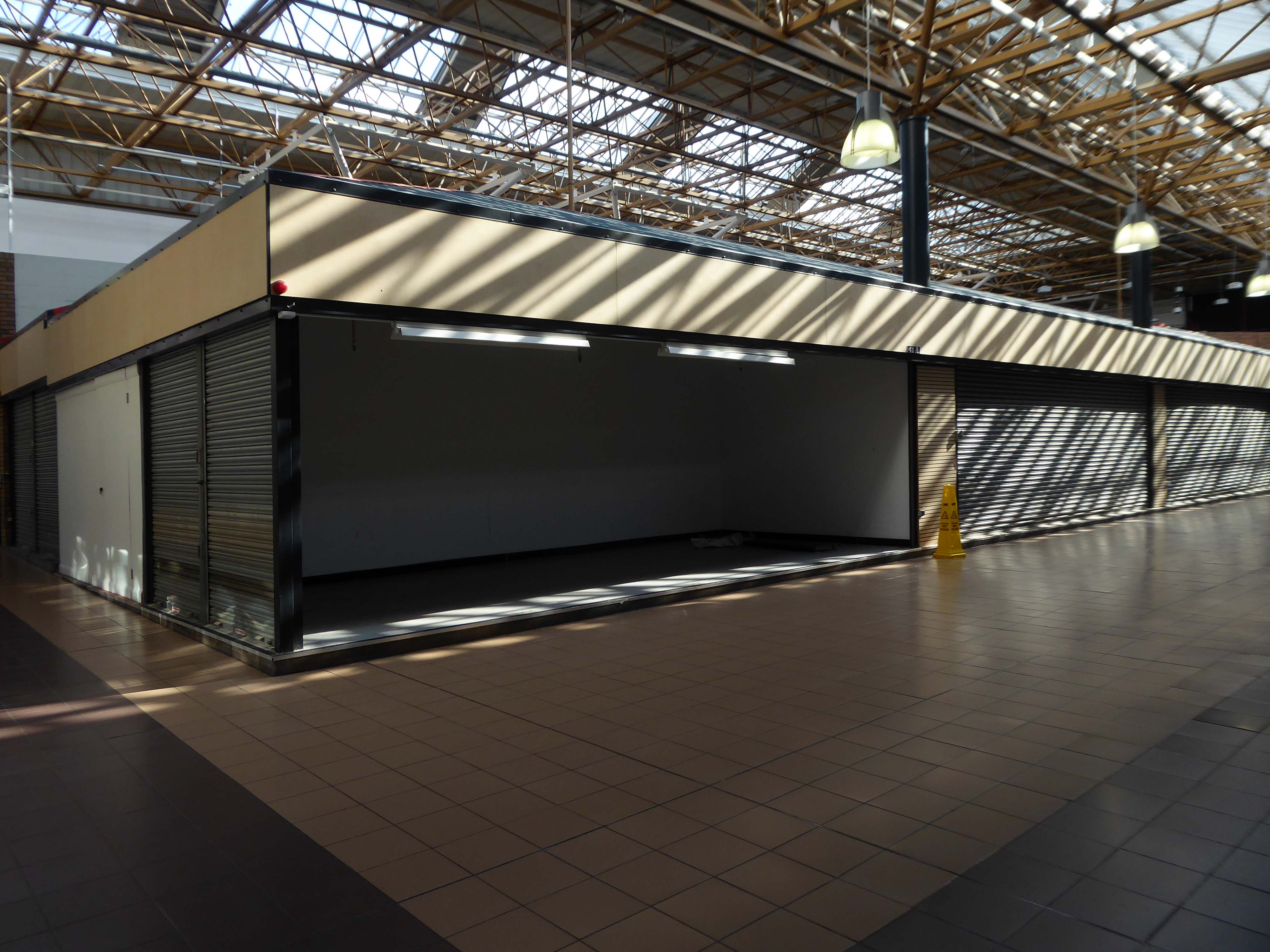
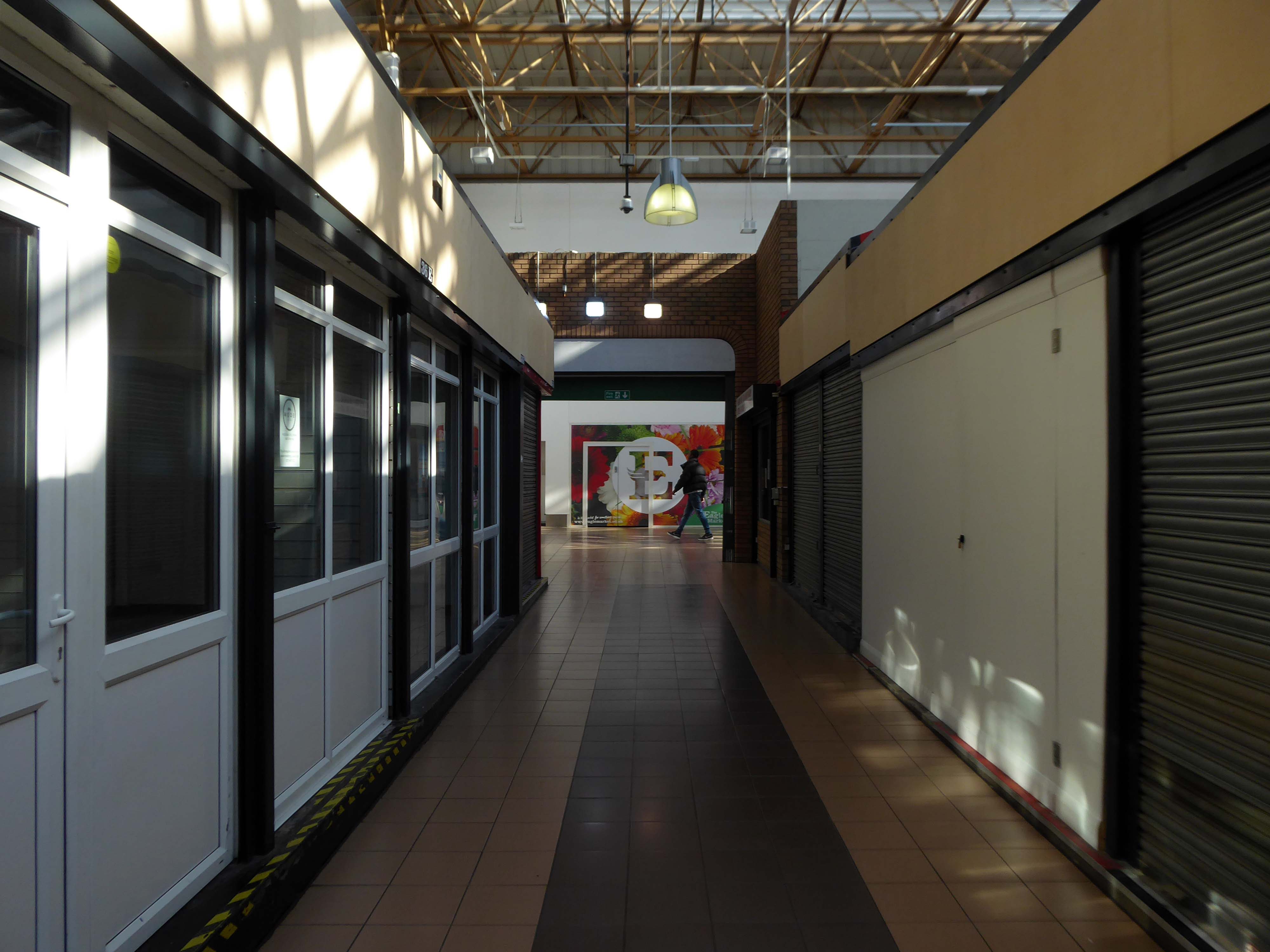
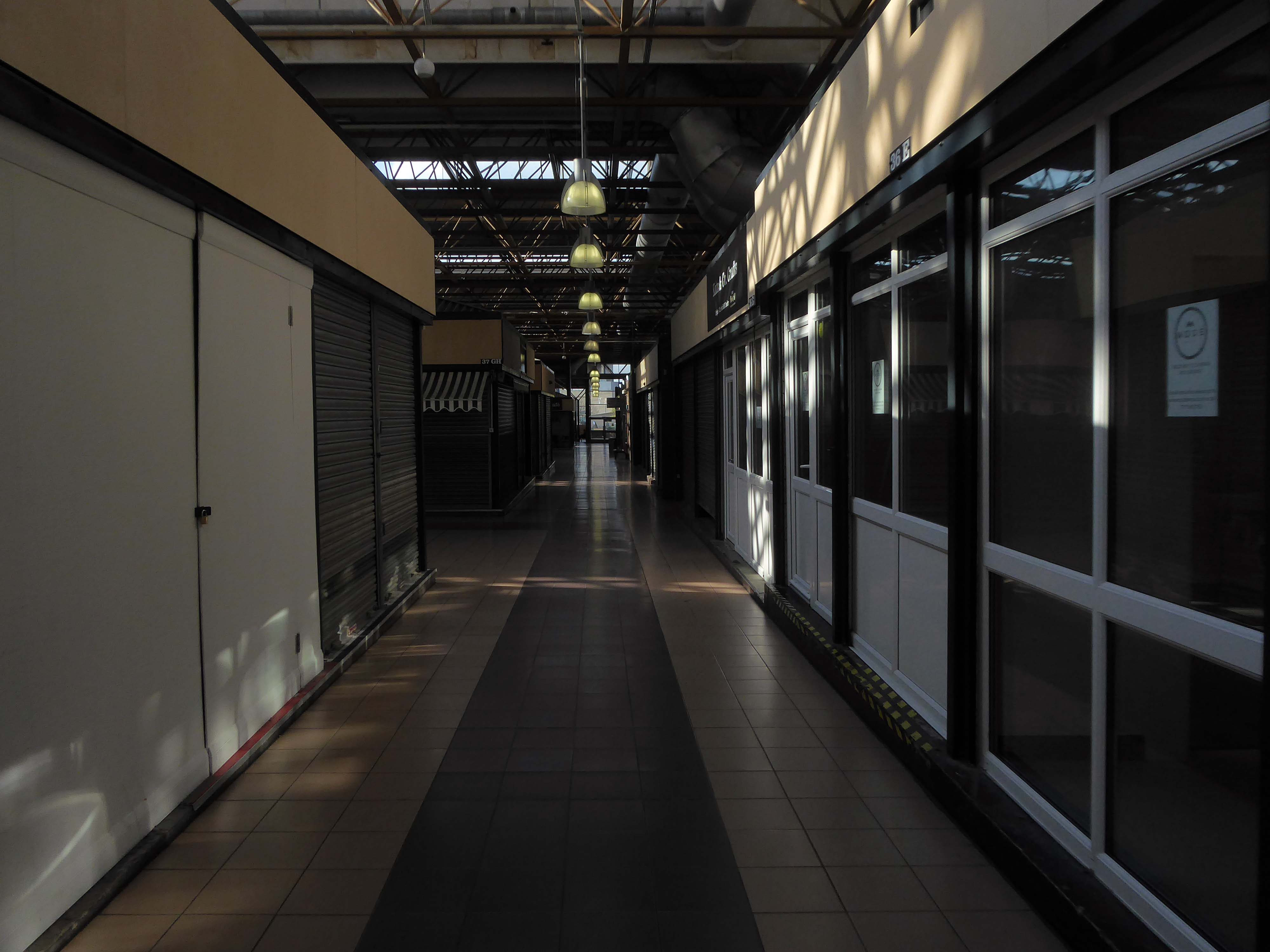
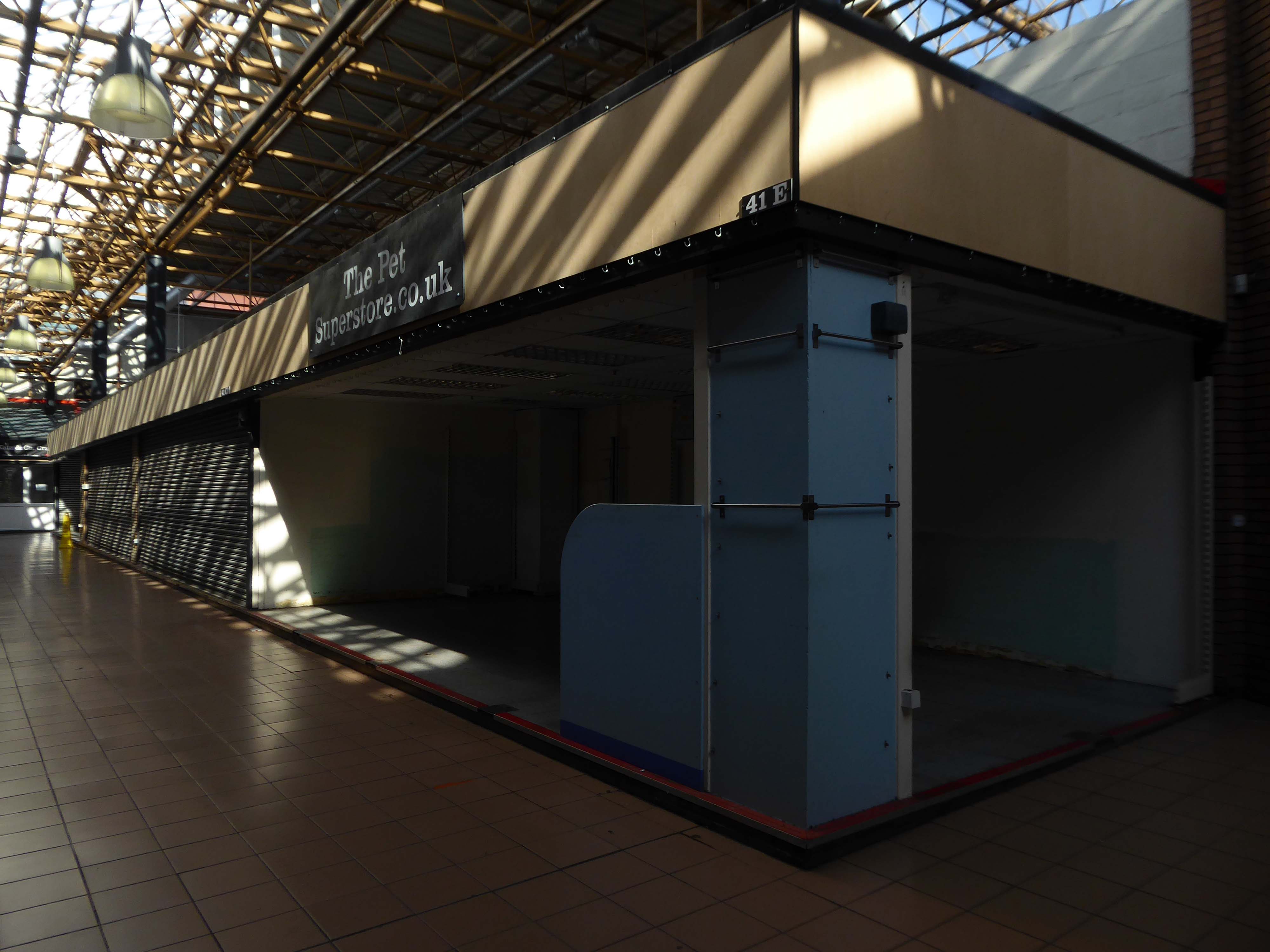
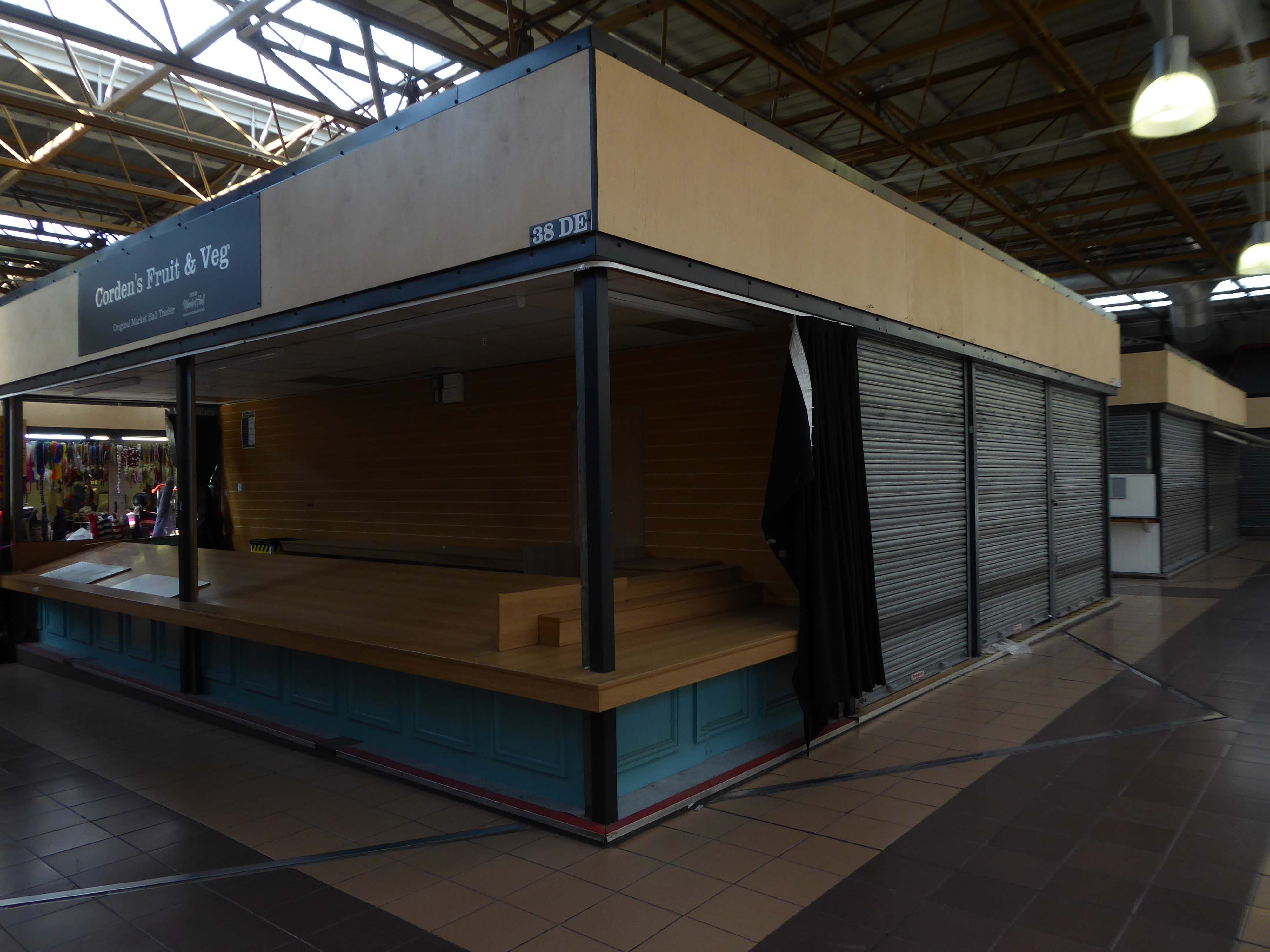
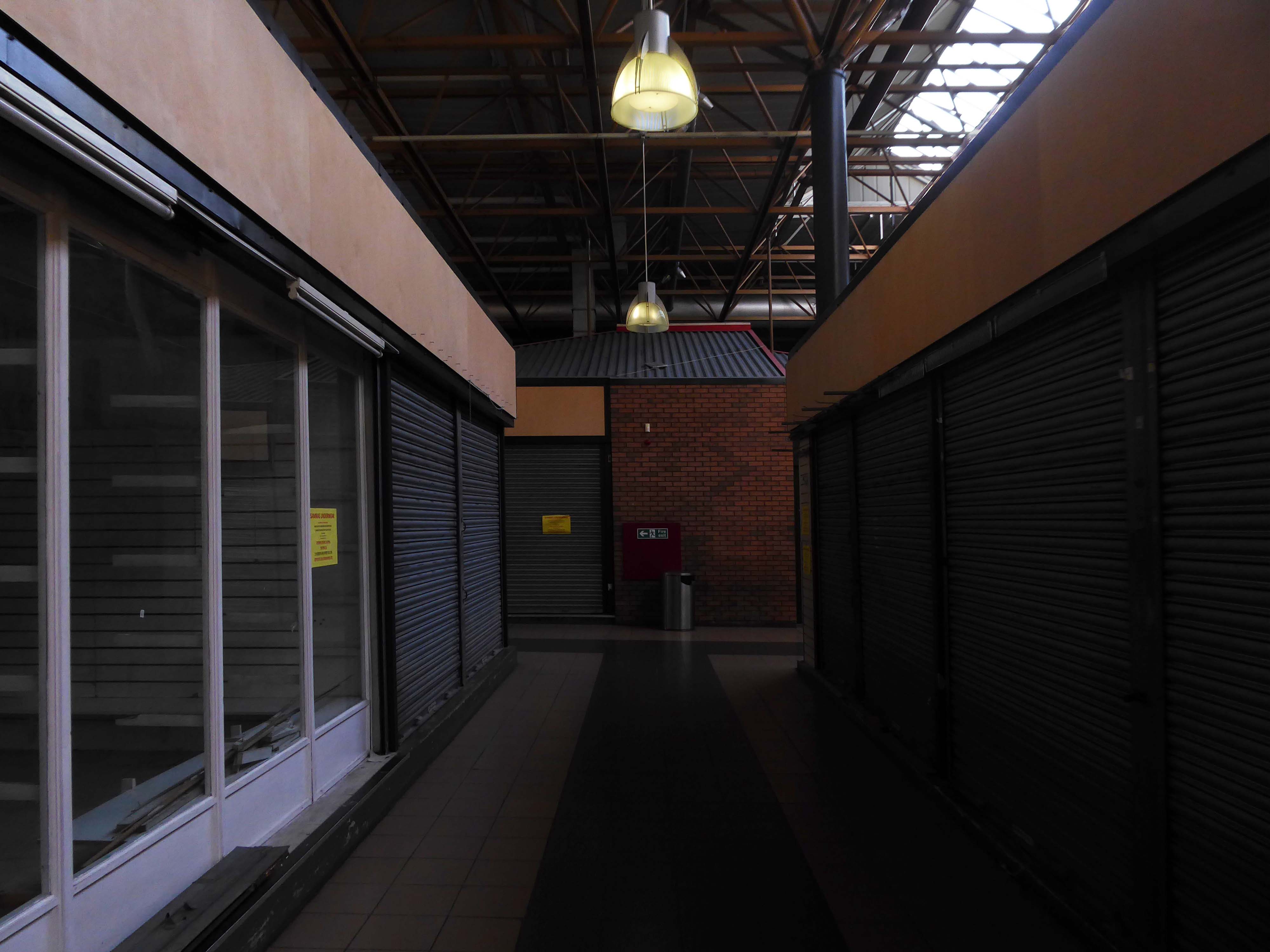
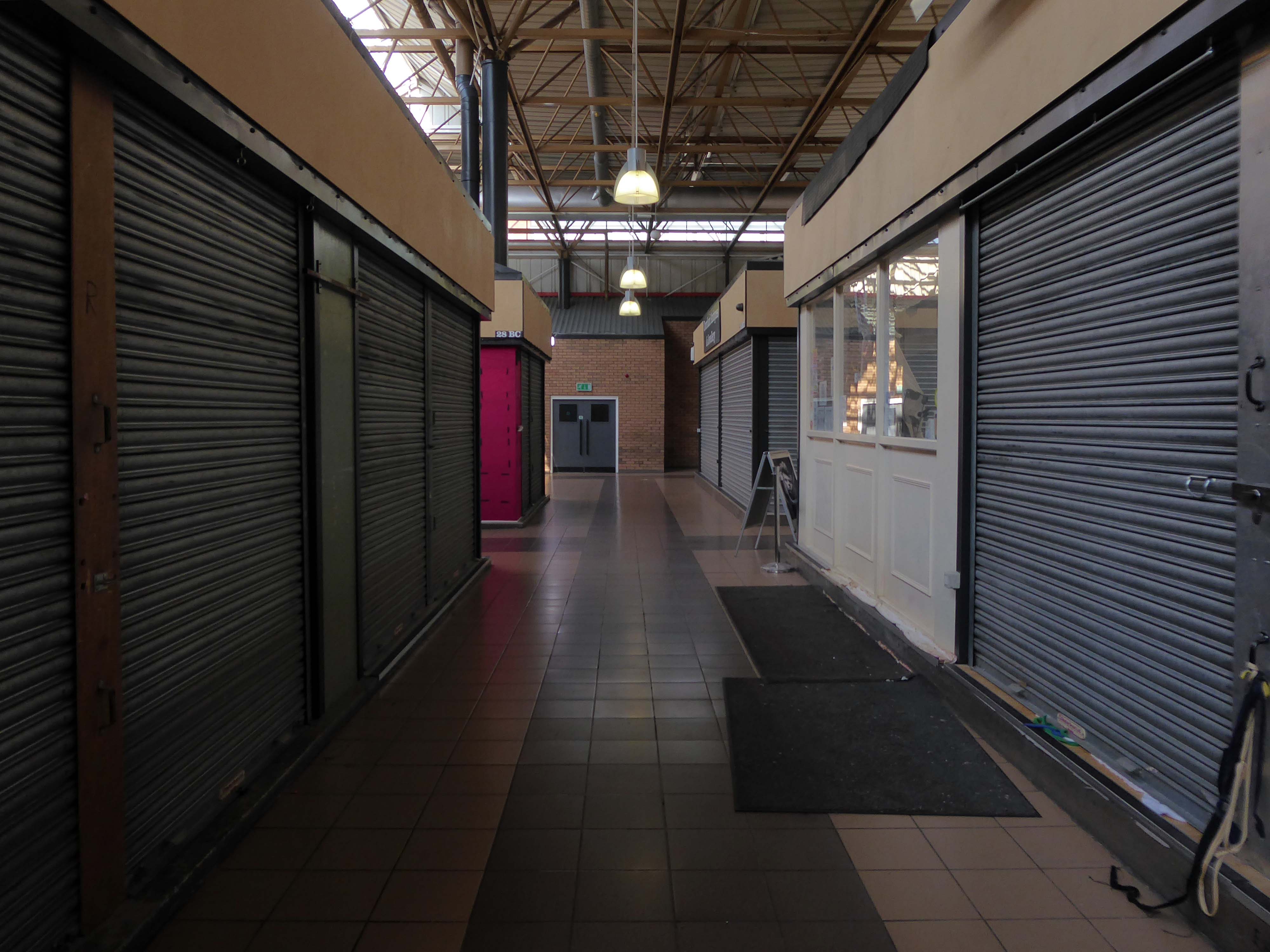
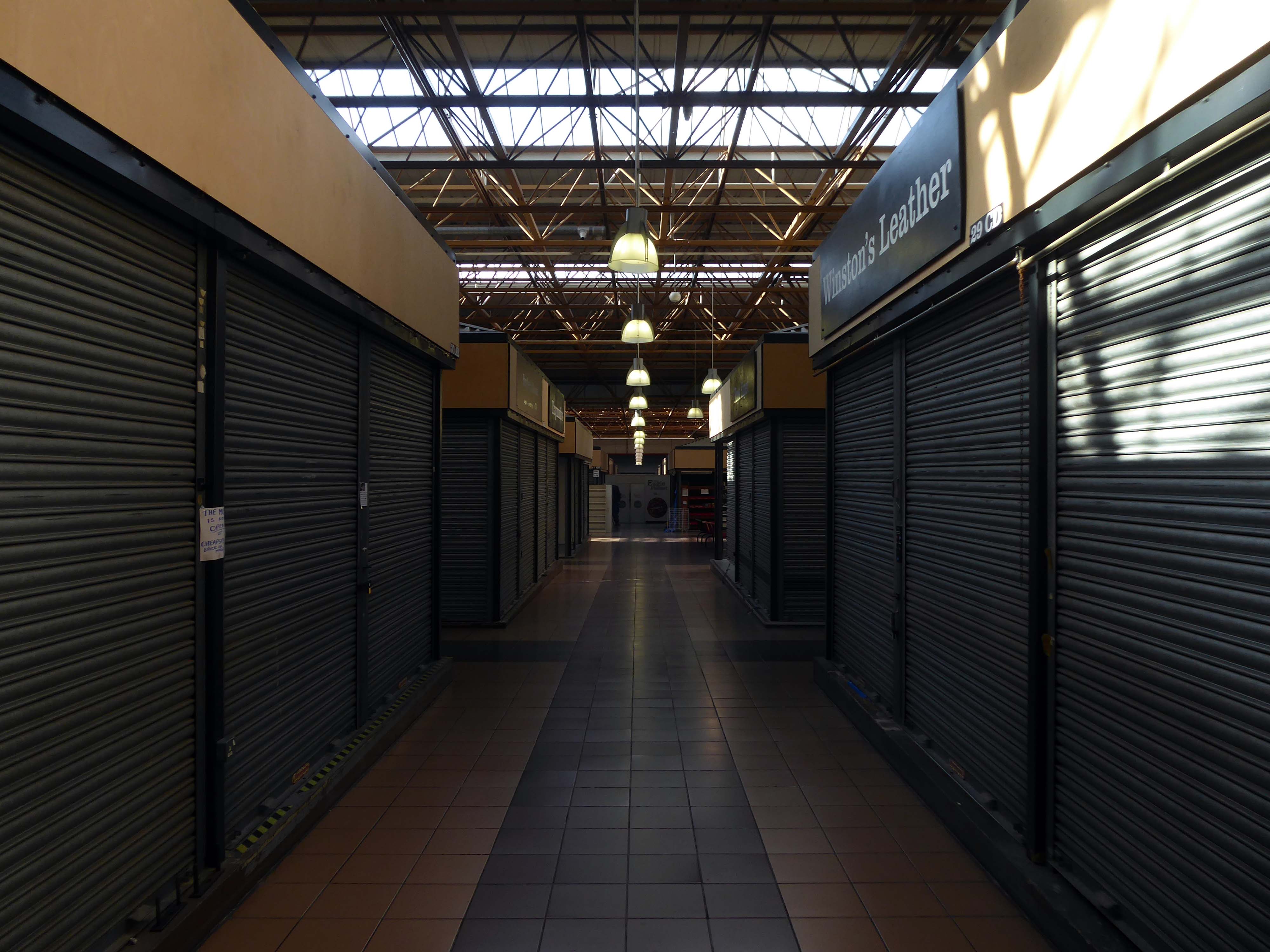
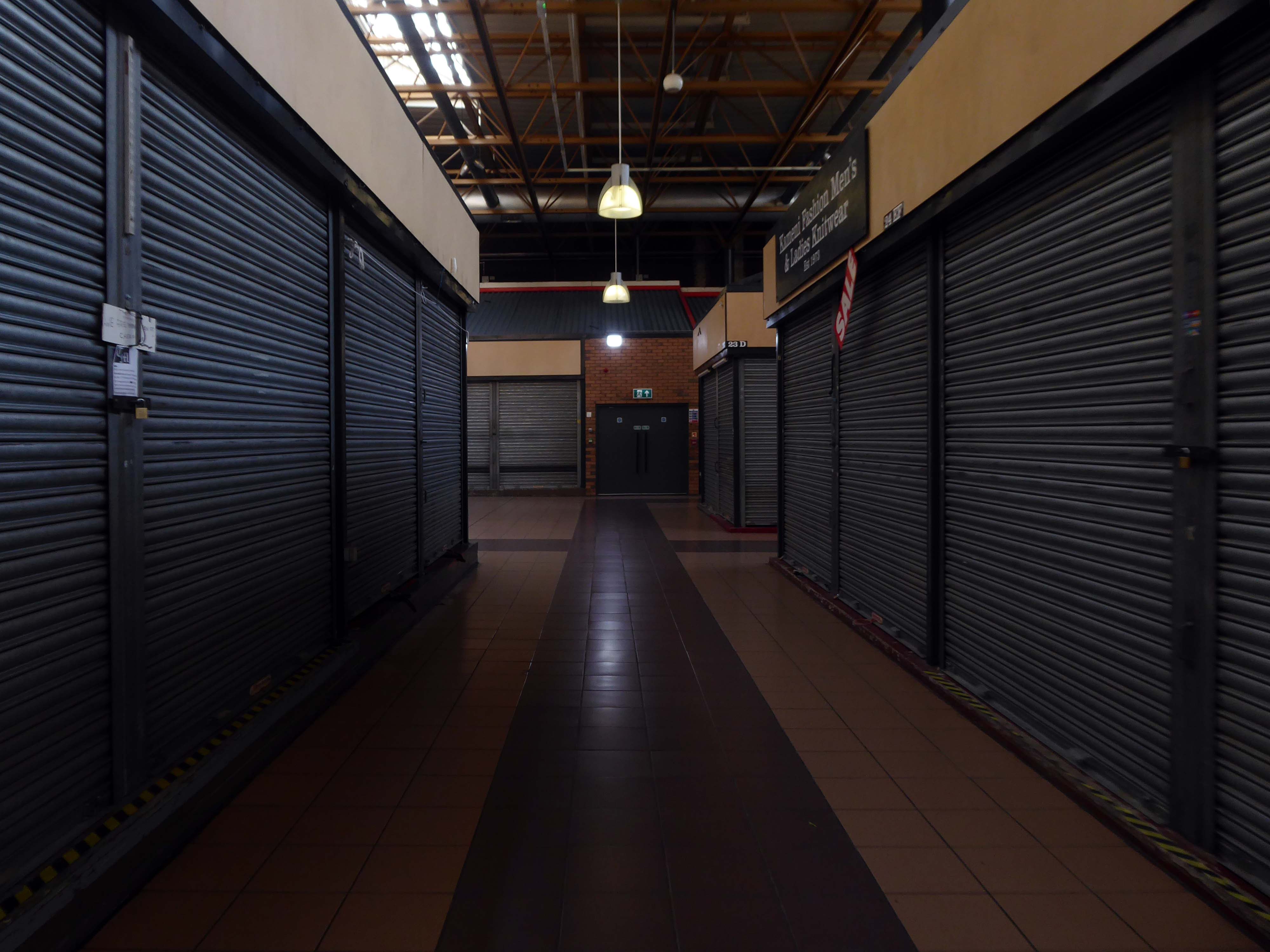
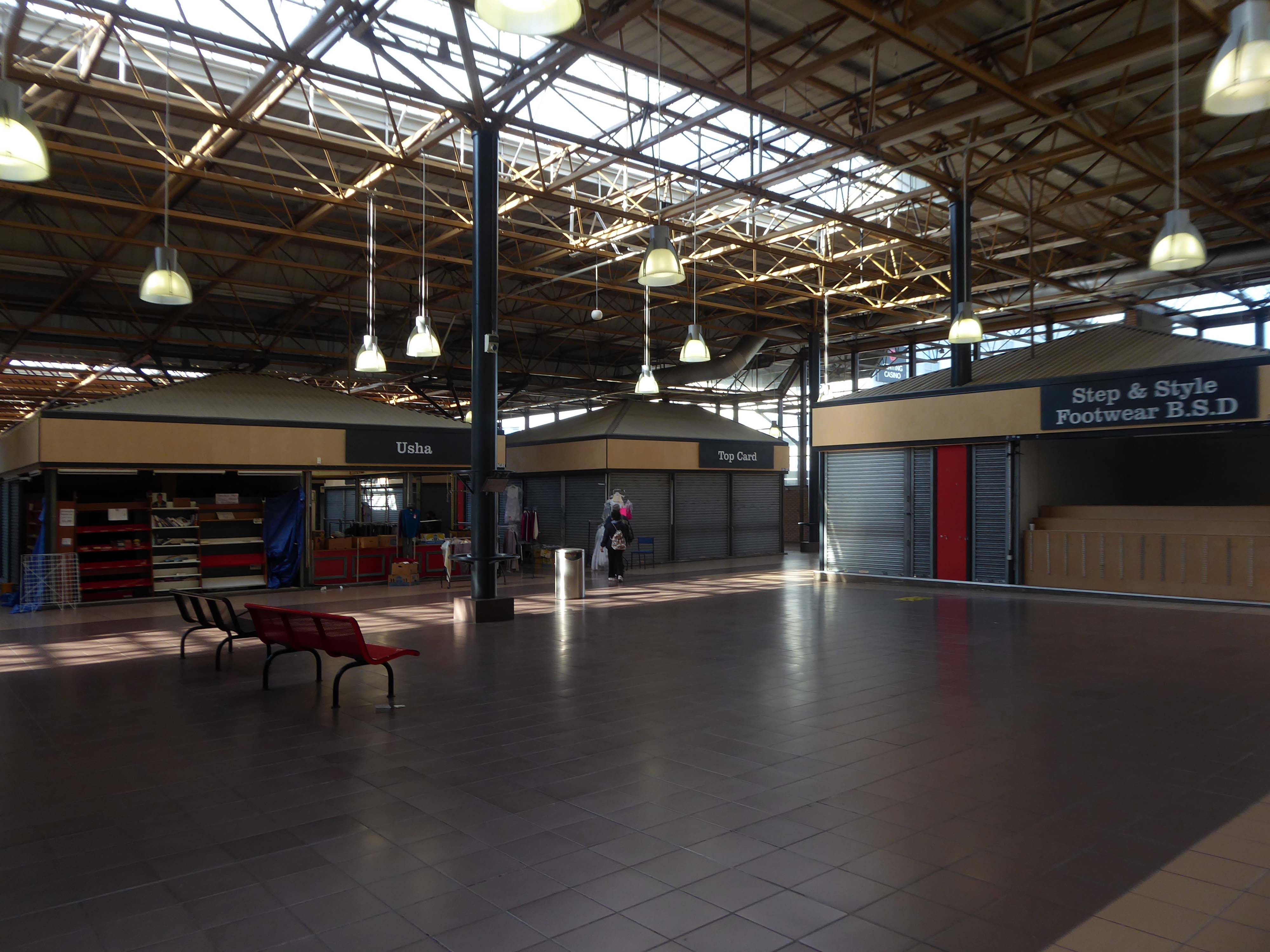
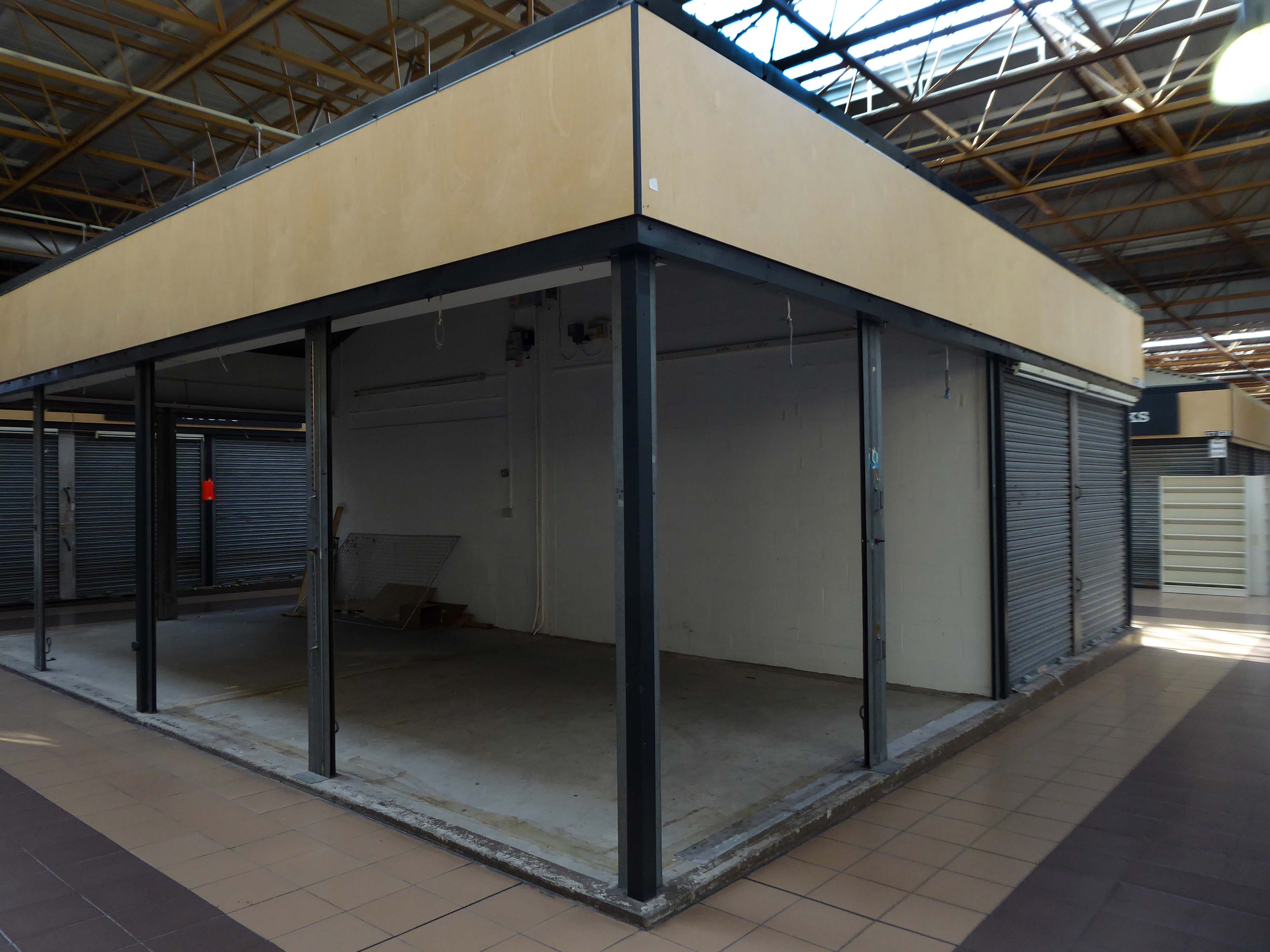
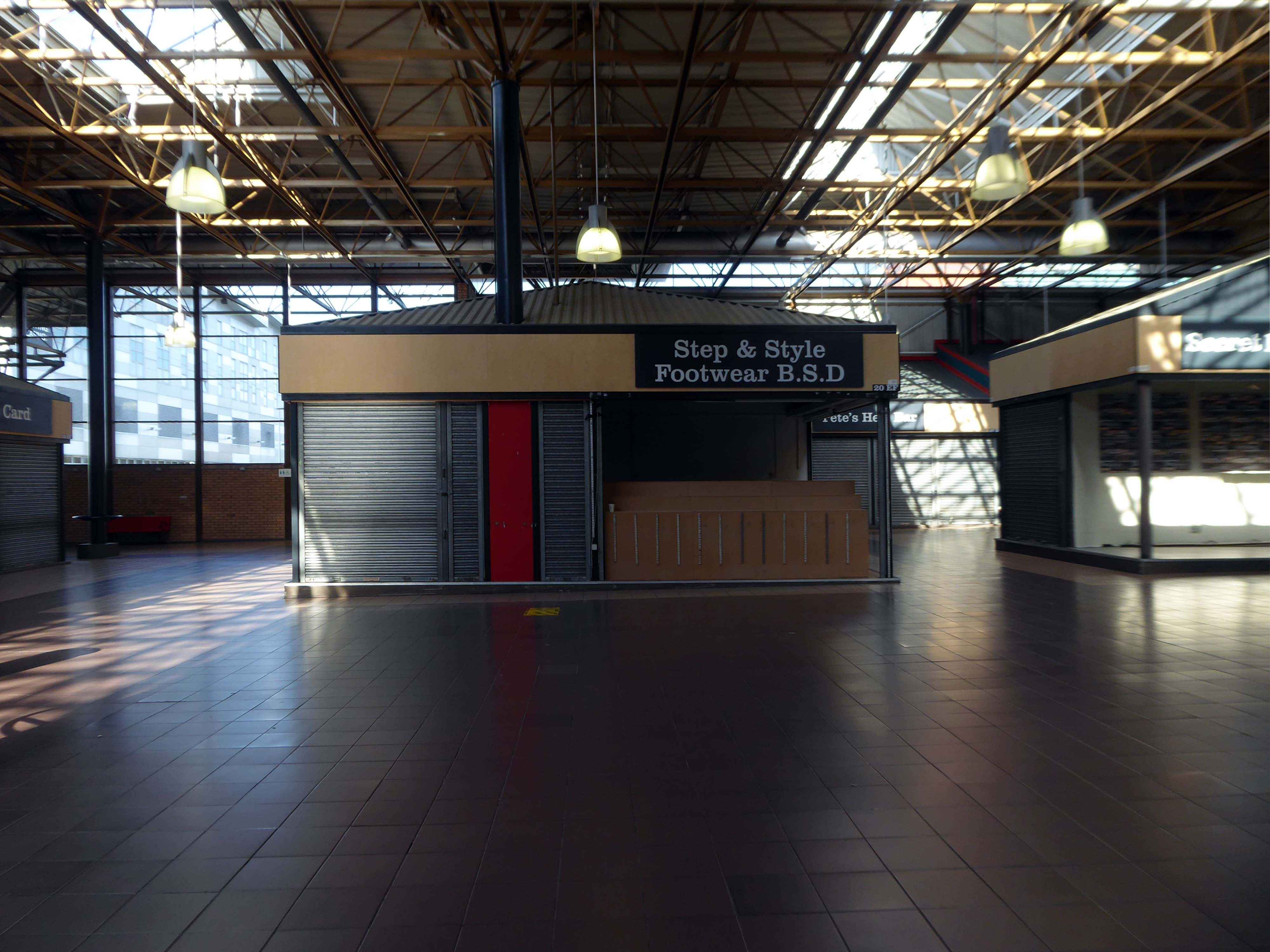
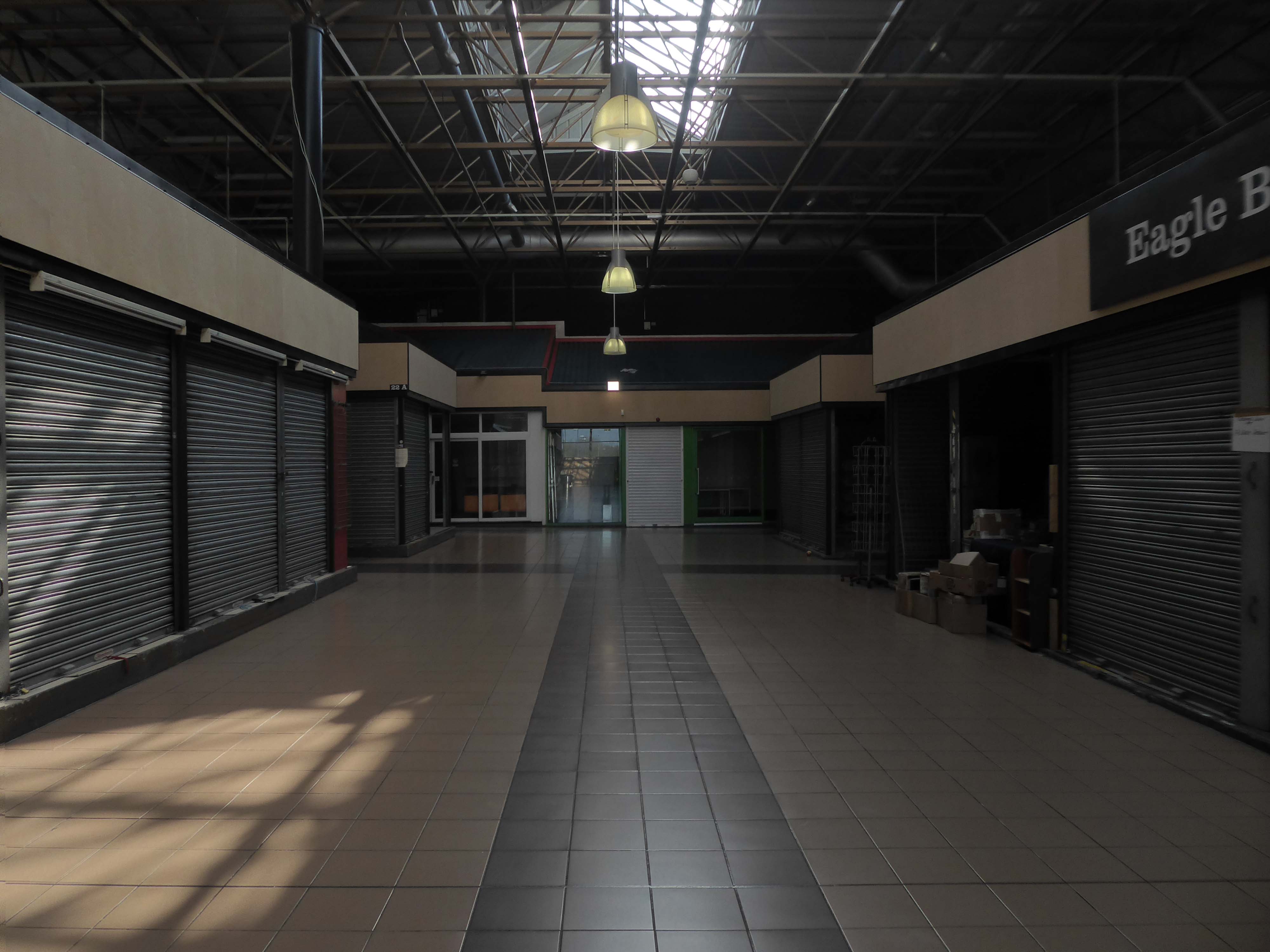
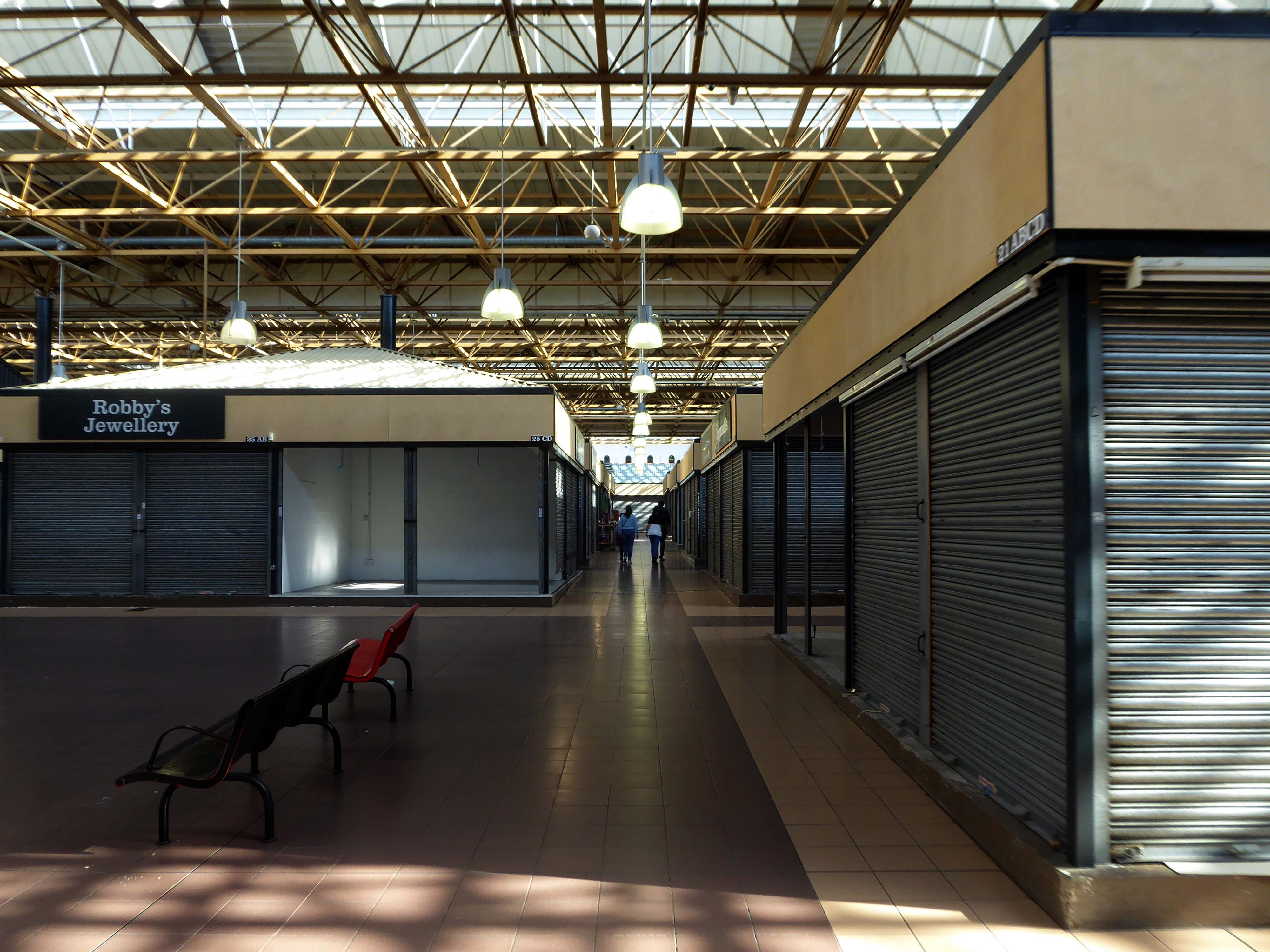
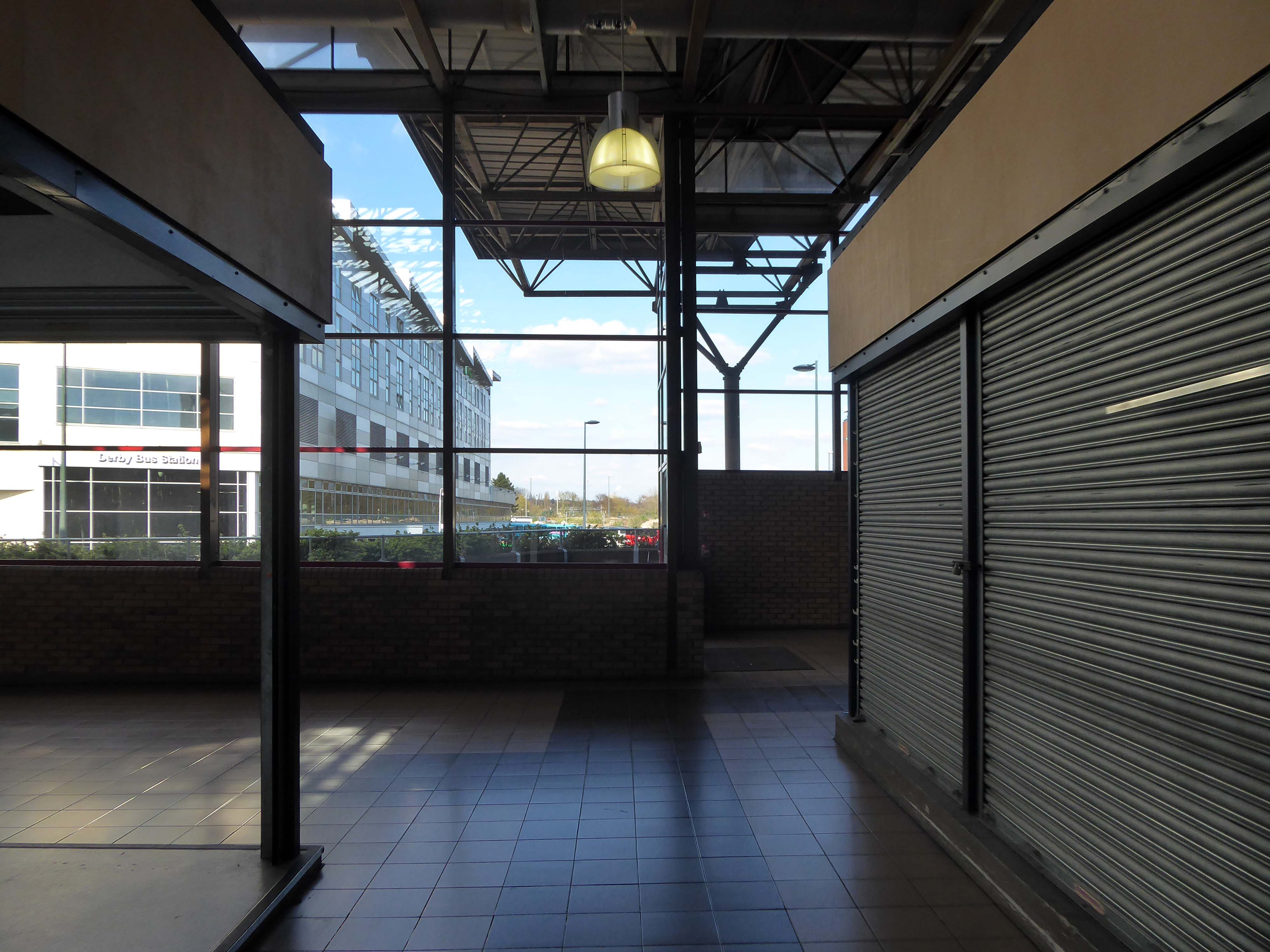
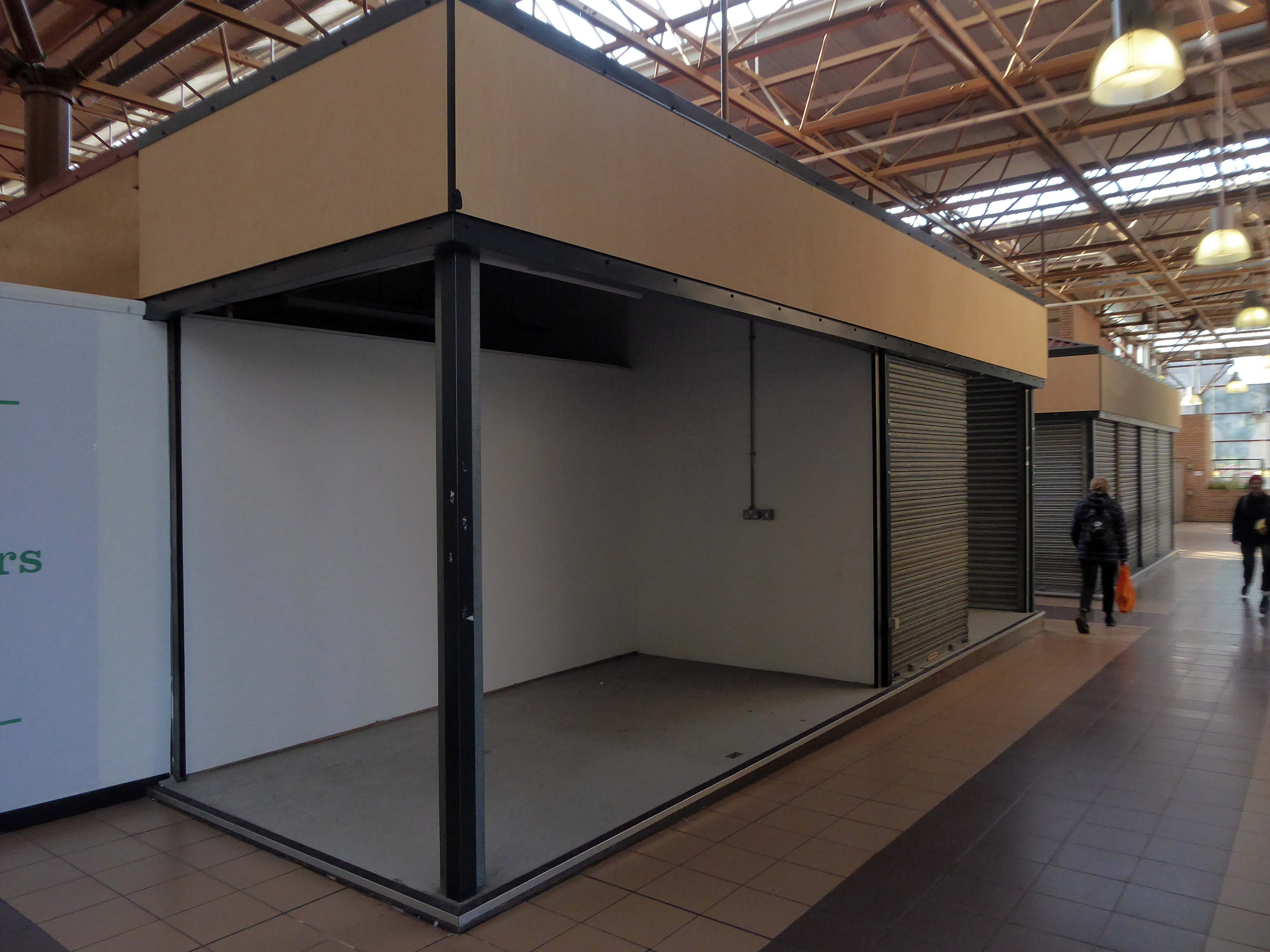
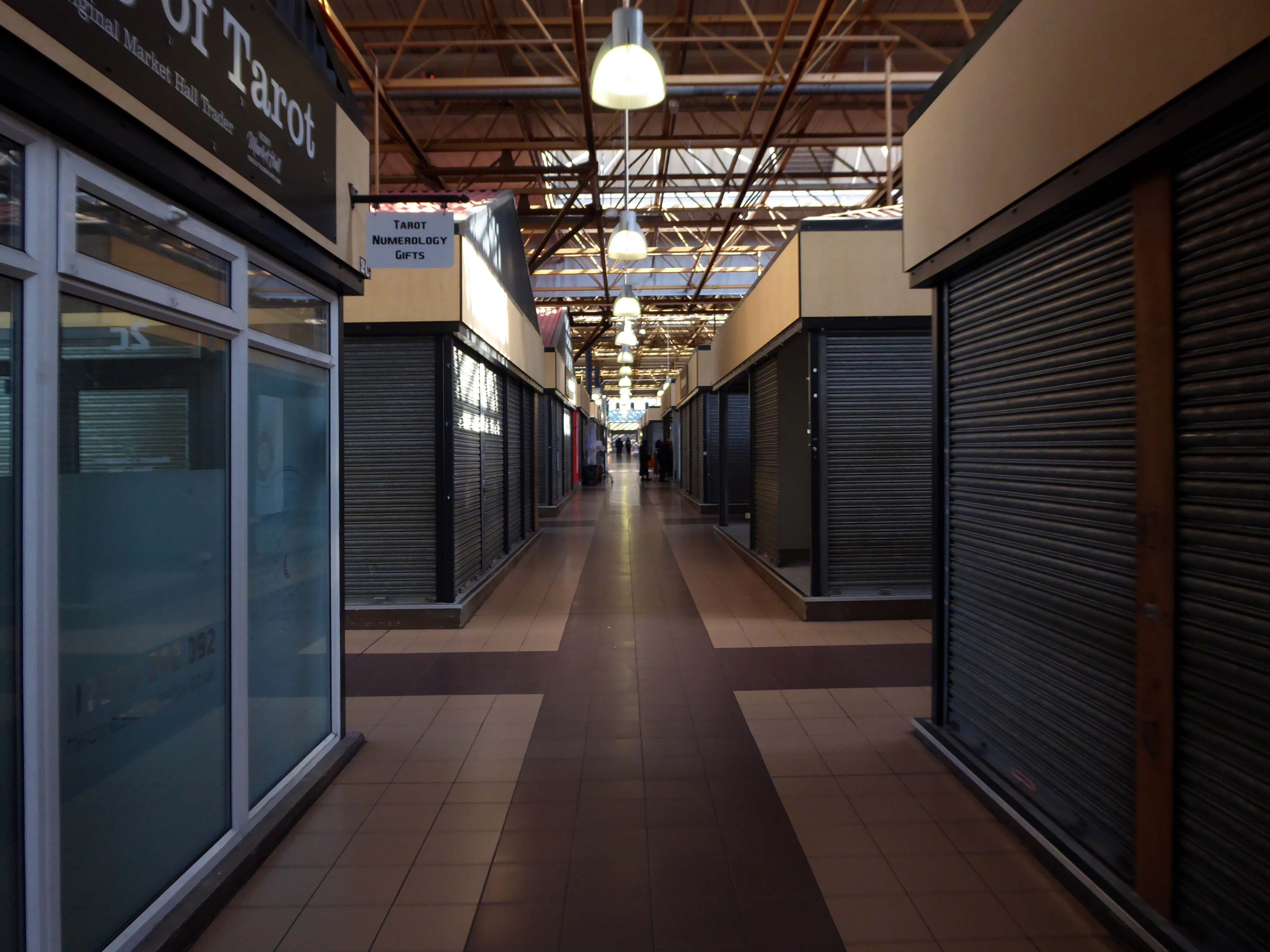
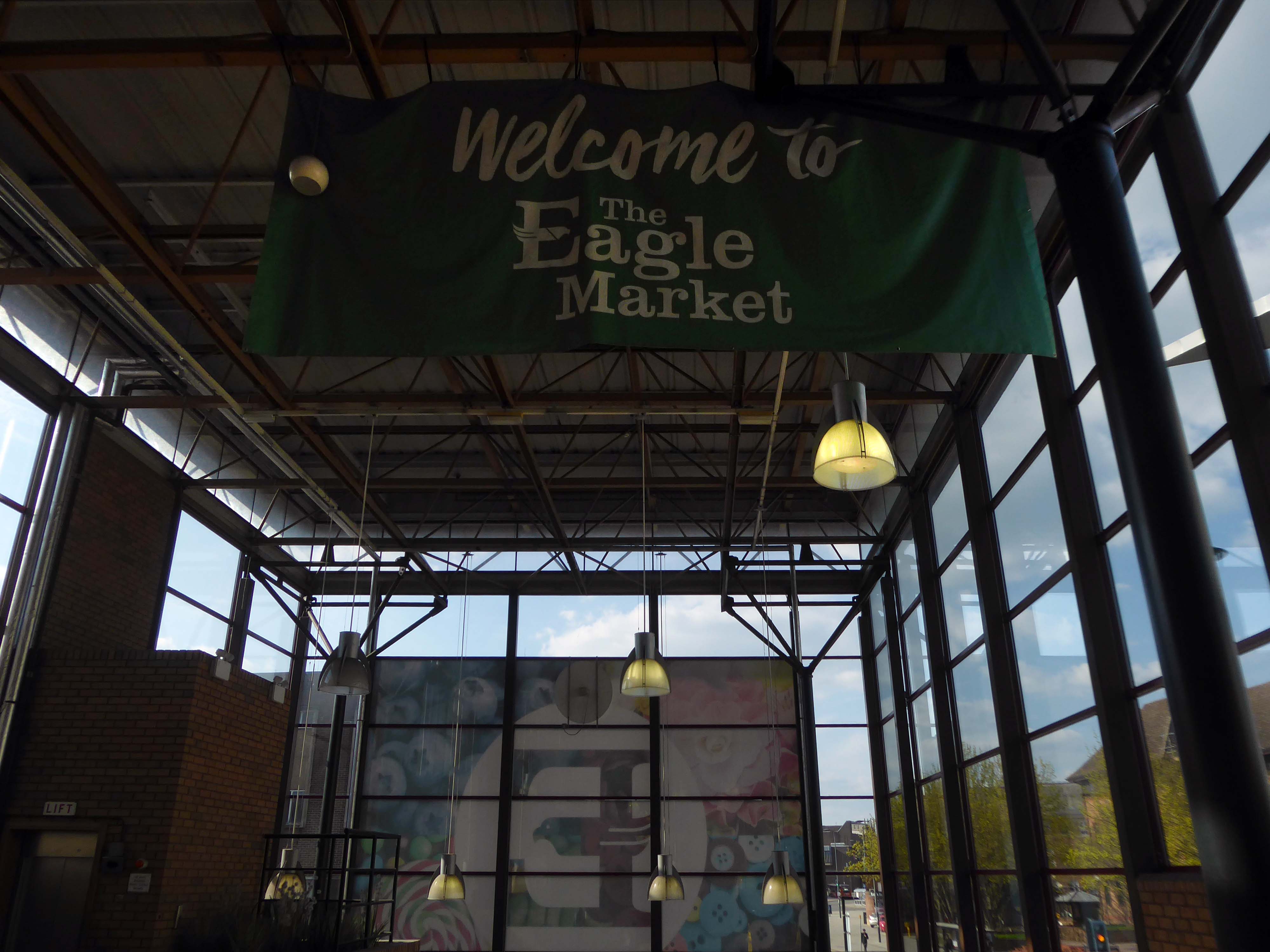
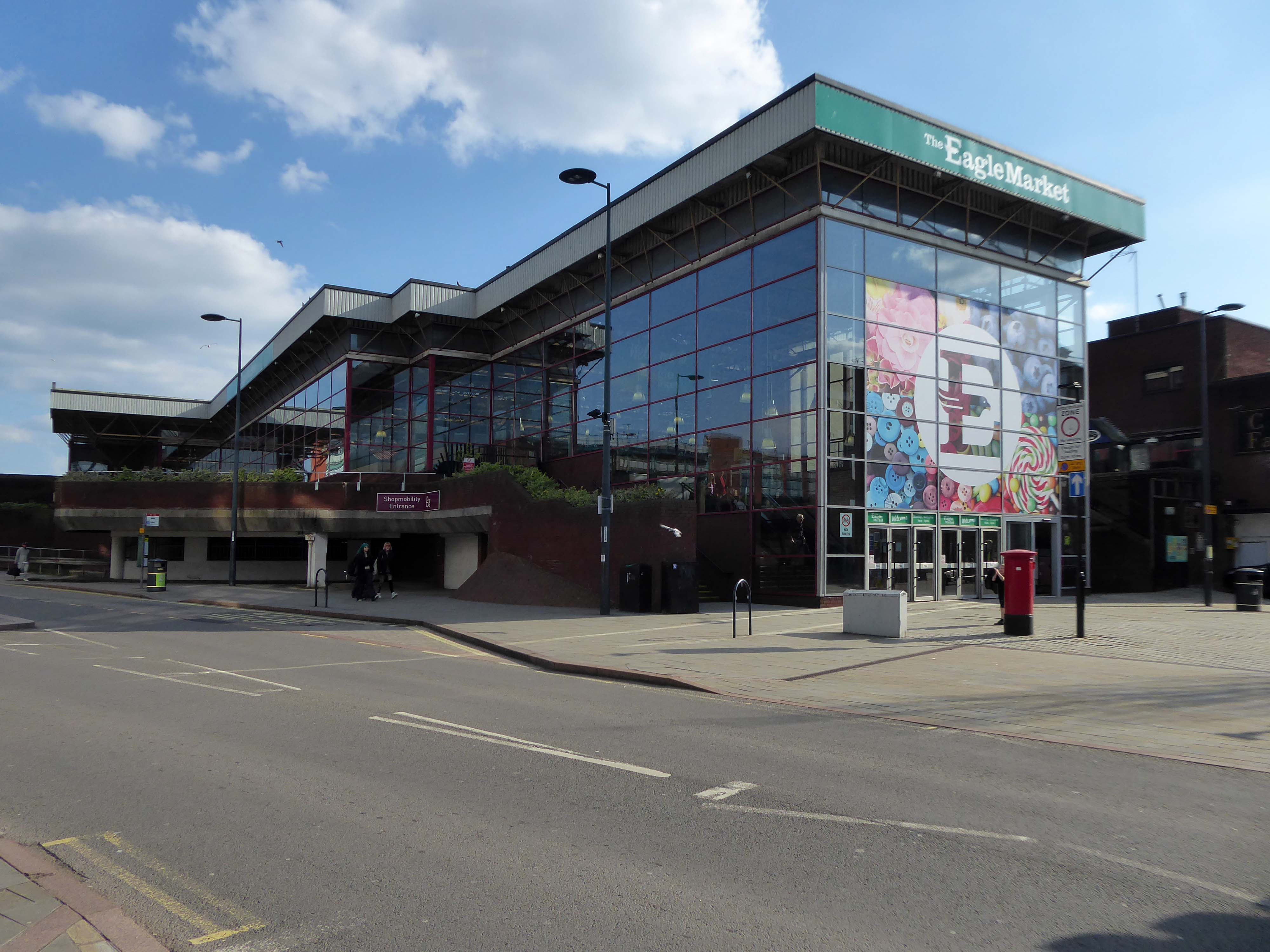
Eagle Market – Derby

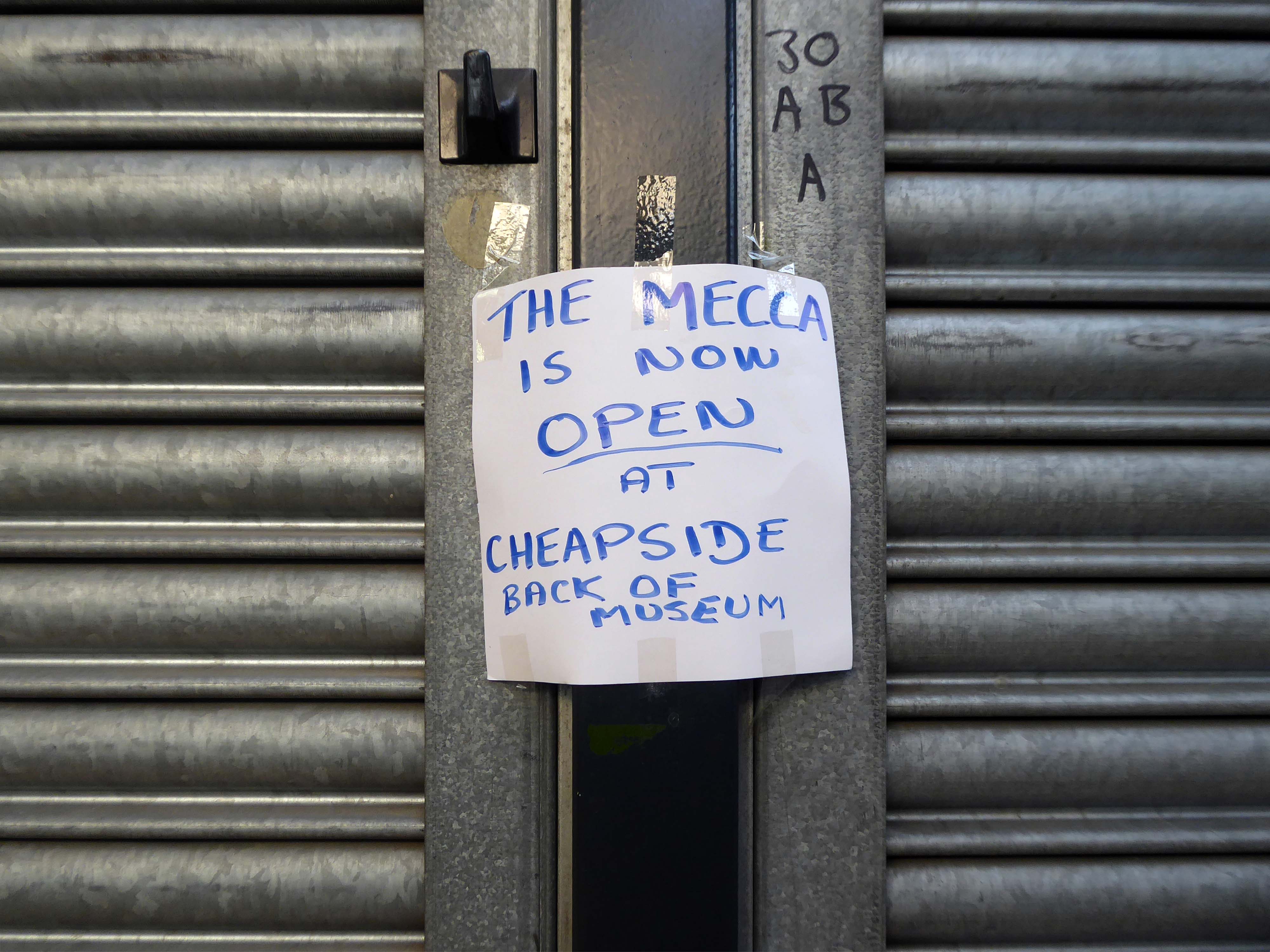
Derby’s Eagle Market, which has been open for nearly 50 years, is set to close for good in around six months from now. The indoor market is expected to shut down in March, traders were told in a memo late last month.

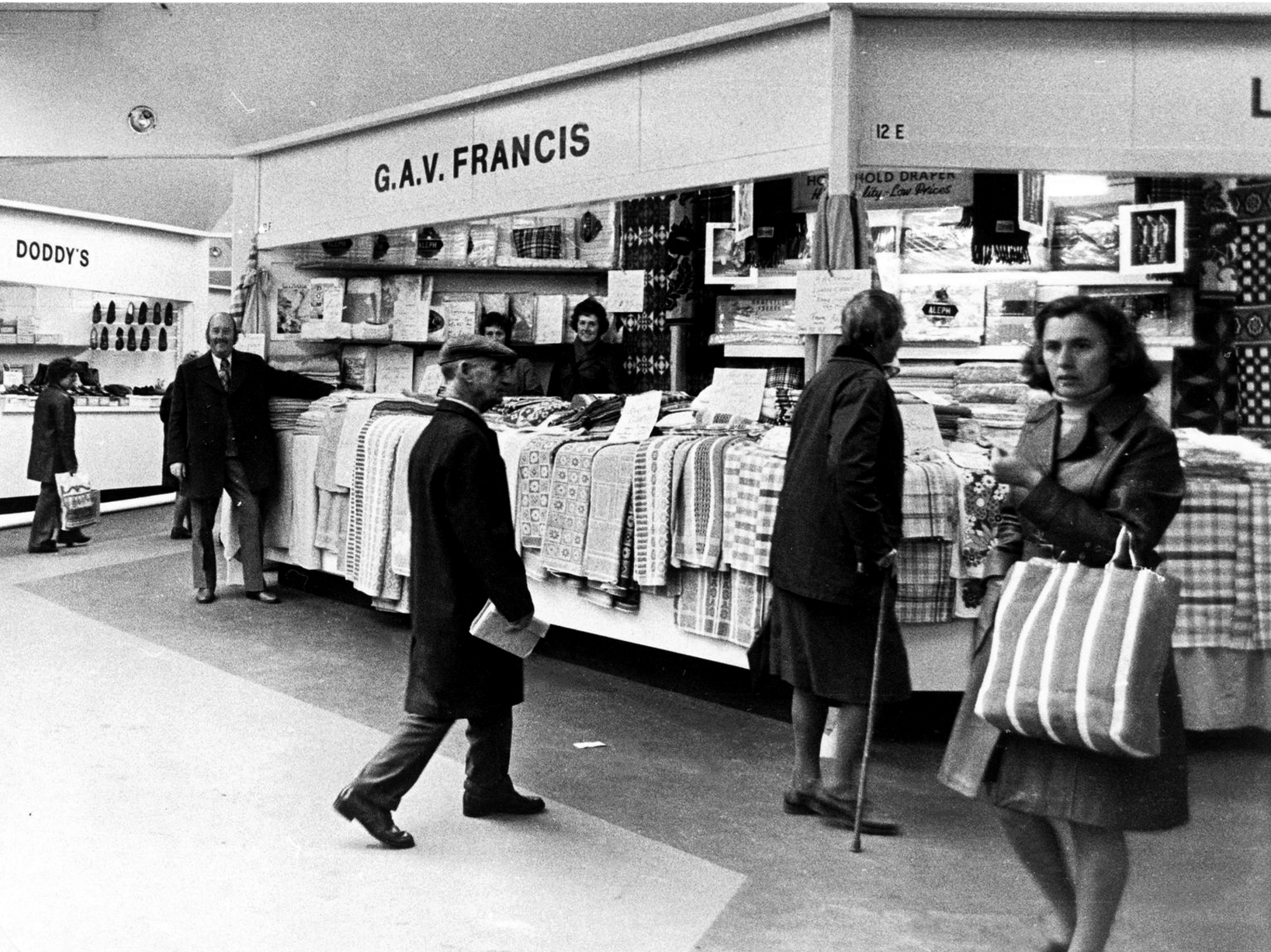
The long-standing city centre market has undergone major changes since opening in 1975. Over the past 46 years, dozens of traders have come and gone, from fruit and veg sellers to fine clothes retailers, pottery makers.

The nut stall that is greatly missed by nut fans.

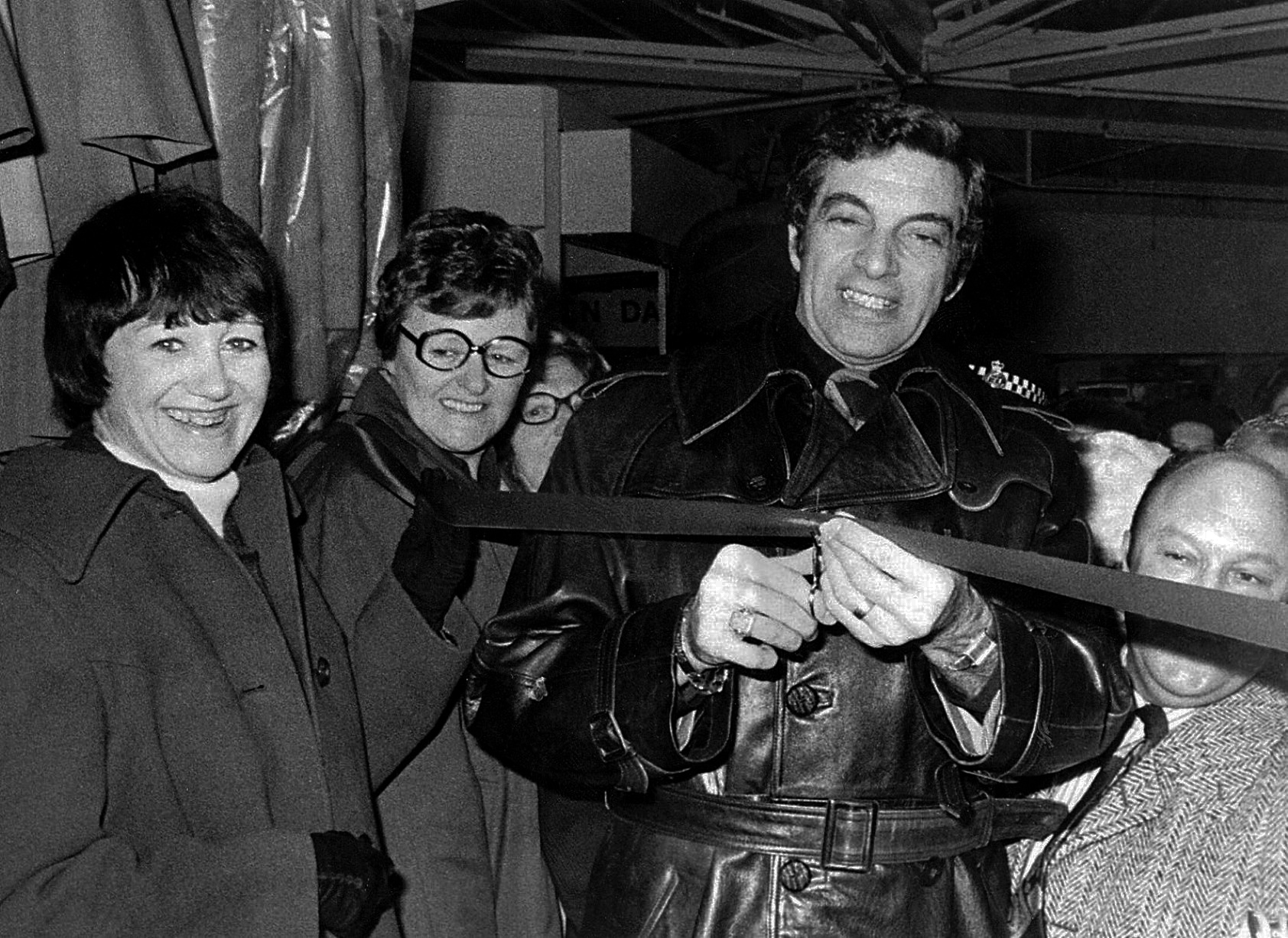
Singer Frankie Vaughan opens Jack’s Rainwear at the market in 1976.

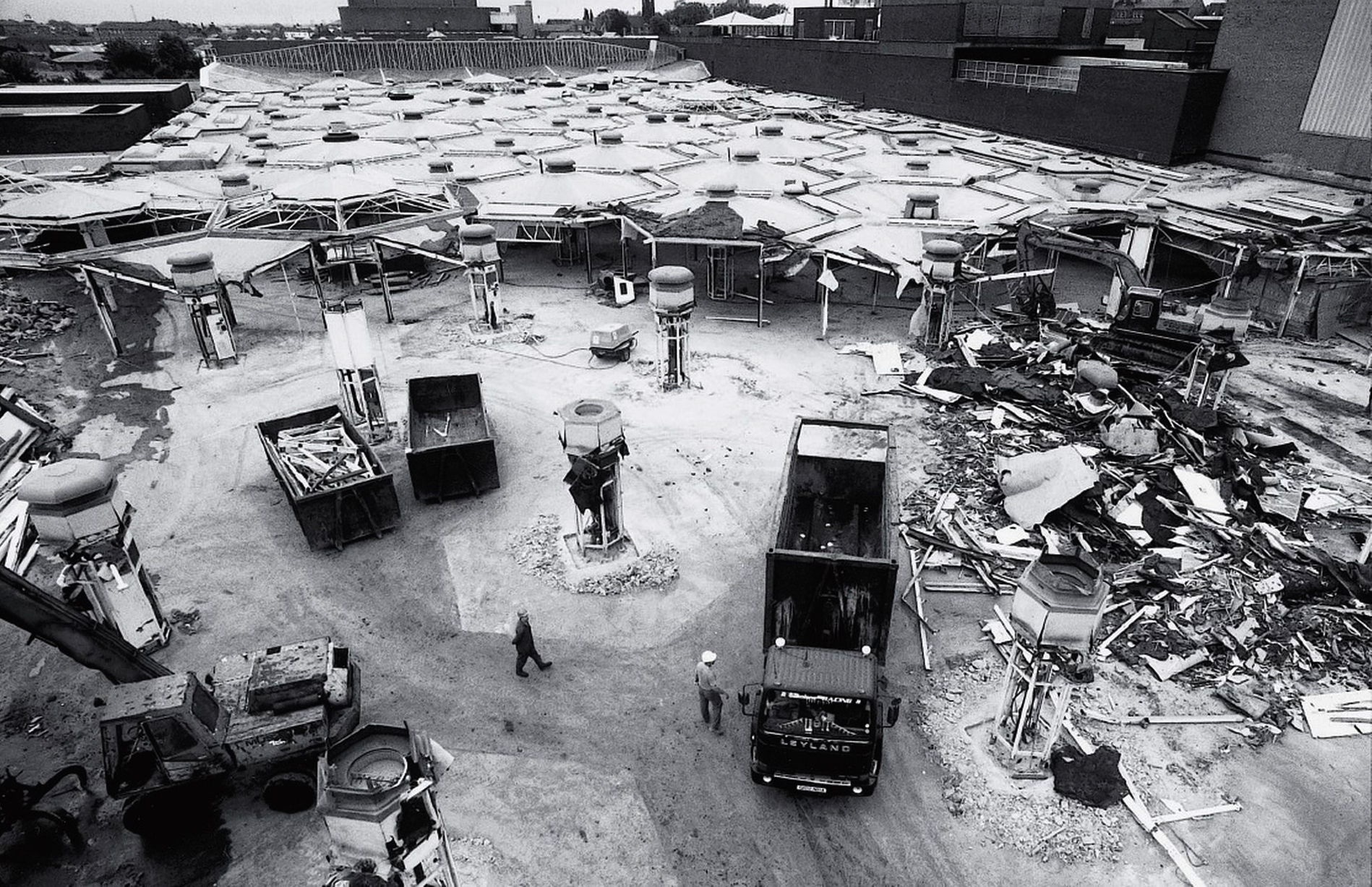
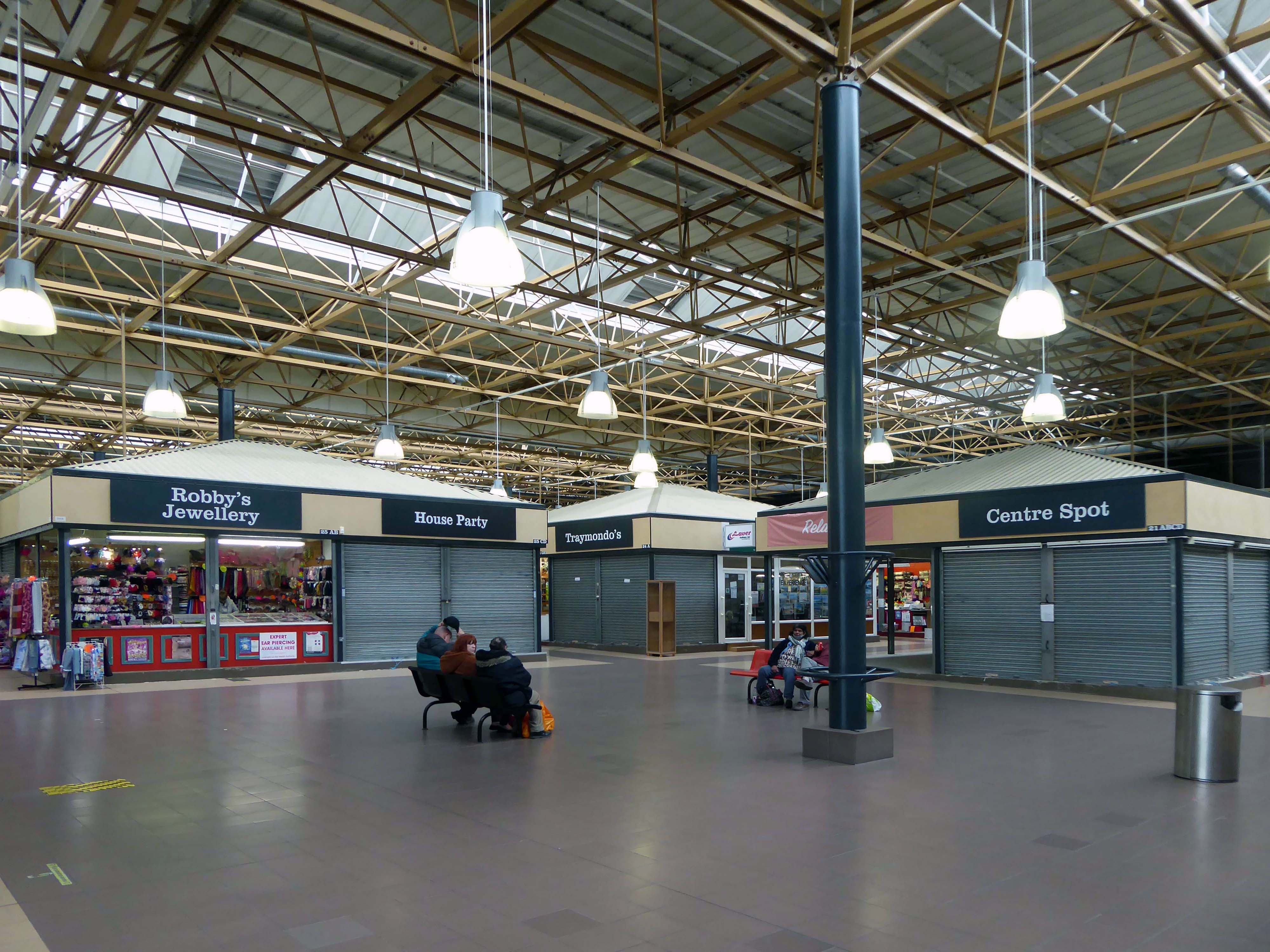
When it first opened, the venue was a maze of hexagonal stallswhich gave it a futuristic look, but it was a confusing layout and it was difficult to navigate and find the stall you wanted. The hexagons came down in 1990 in favour of a more traditional, open layout which made the market easier to escape in the event of a fire.

The Modernist modular structure replaced by a higher High-Tech roofing solution.

Petes Heel bar will be missed, along with his missing apostrophe.

Text and Photographs – Derby Telegraph

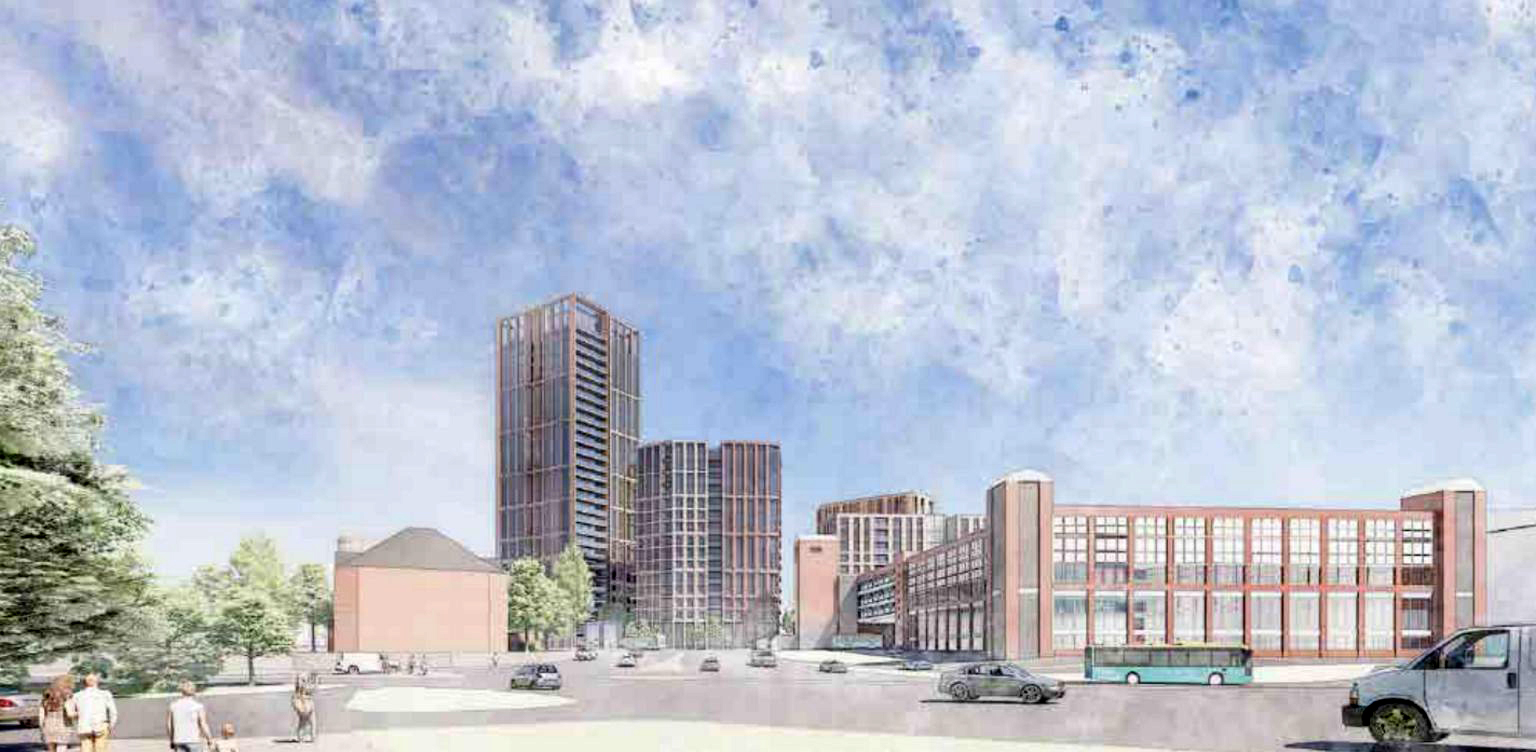
The redevelopment masterplan includes new homes and commercial uses with new public spaces and walkable streets that will integrate the site with the rest of the City Centre and improve new connections to the river. There is scope to introduce some tall buildings to make better use of the site with new food and beverage, leisure and other activity at ground floor level. The proposals will contribute towards the Council’s vision in a way that responds positively to the site context including surrounding character areas.

Derby Cathedral Quarter

I first came here four years ago – as the market was a venue for the Format International Photo Festival.

Saturday GirlCasey Orr

The market was already showing signs of decline, empty units and shutters shut down.

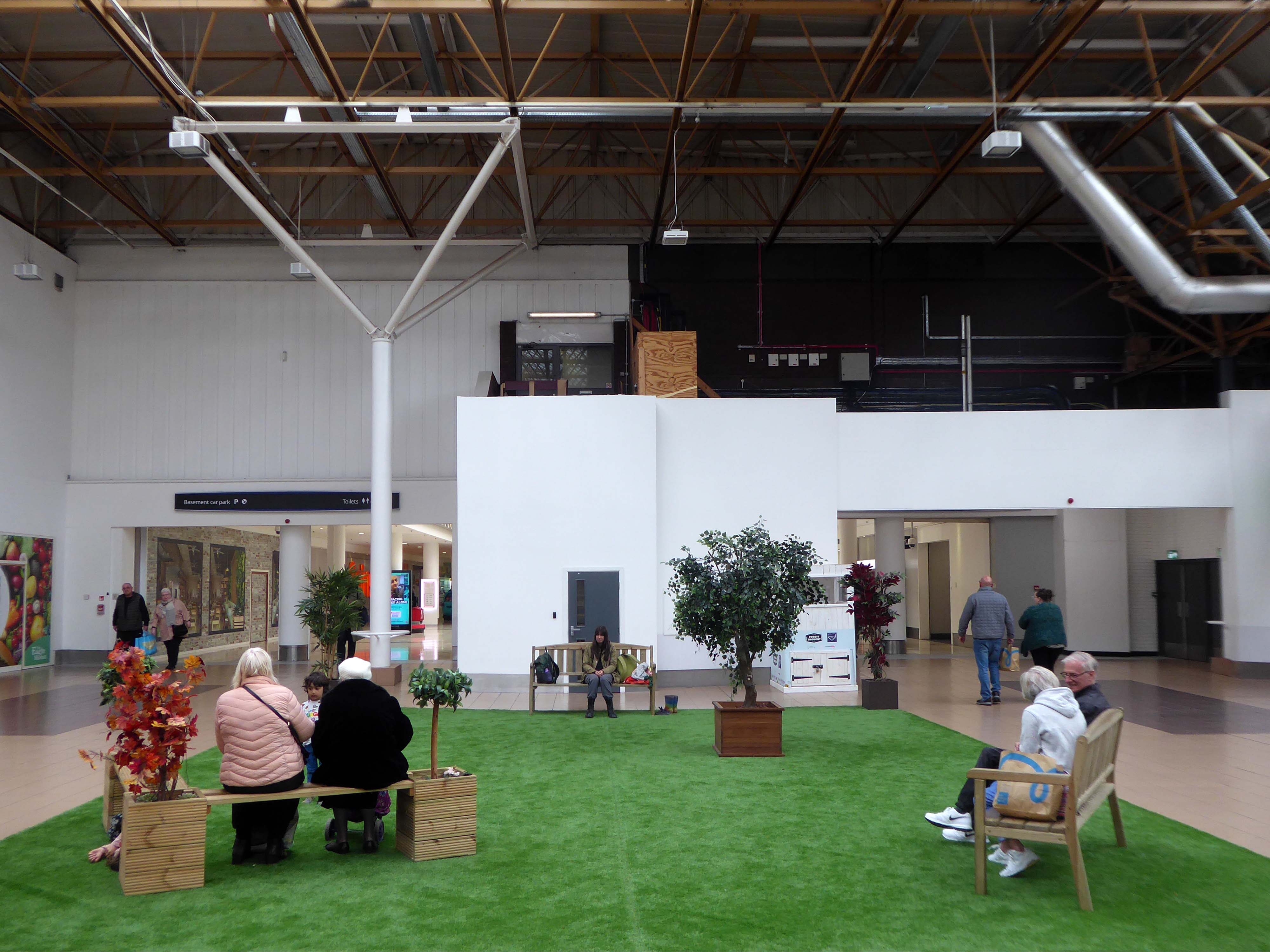
April 2023 the lights are on and there’s almost nobody home.

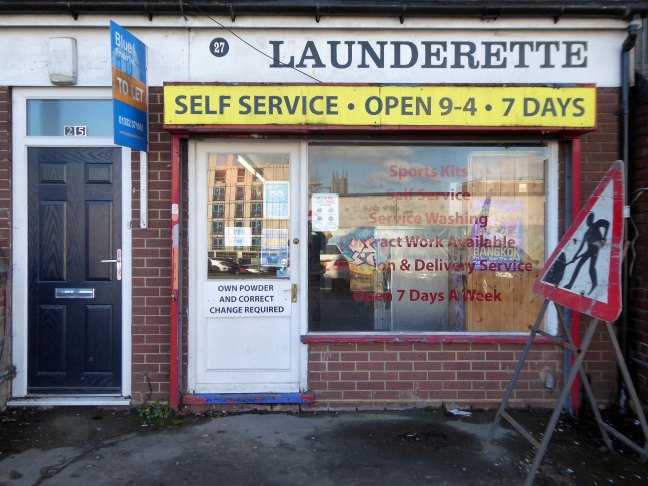
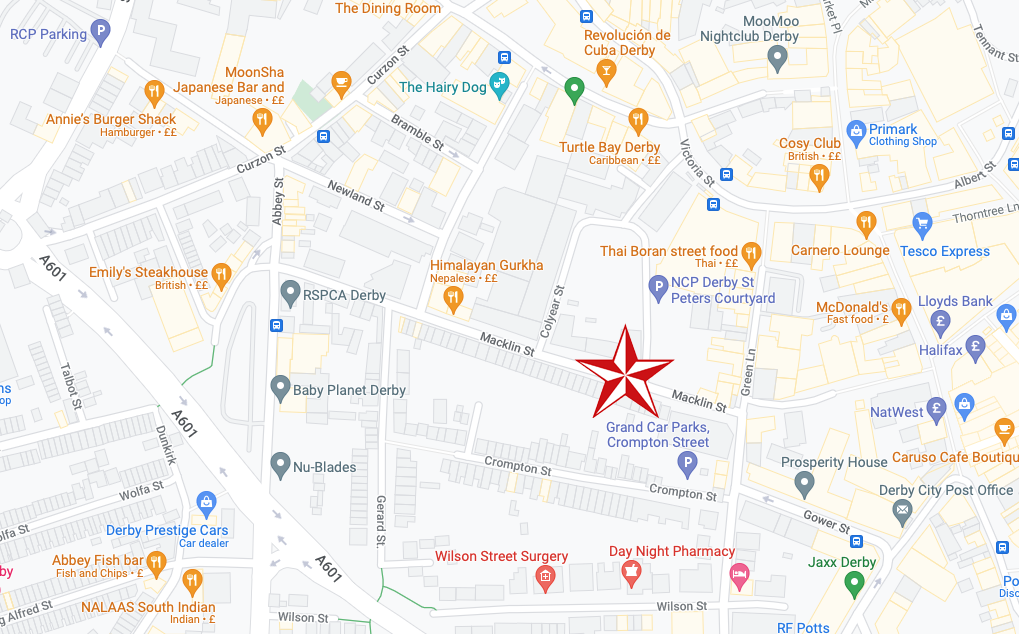
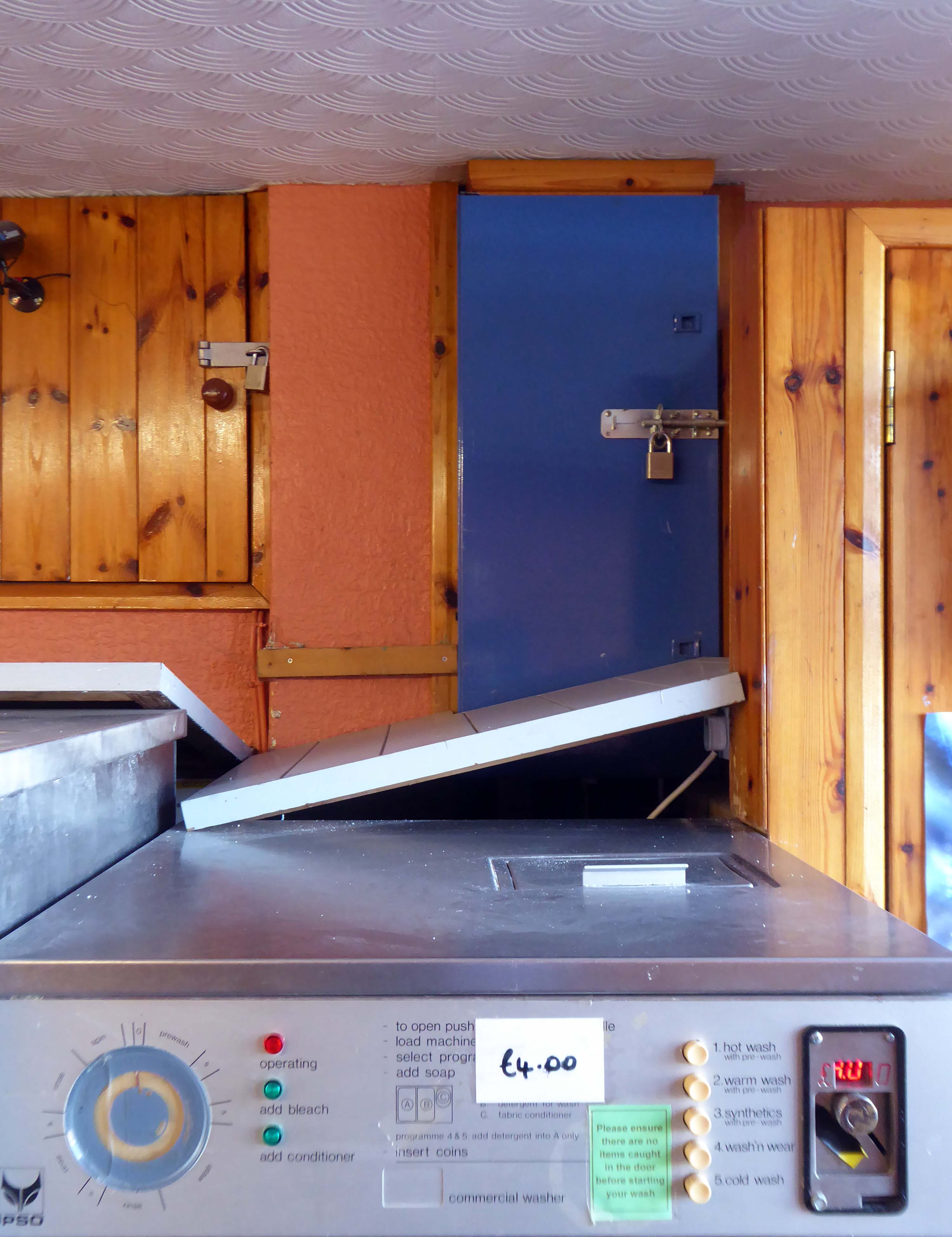
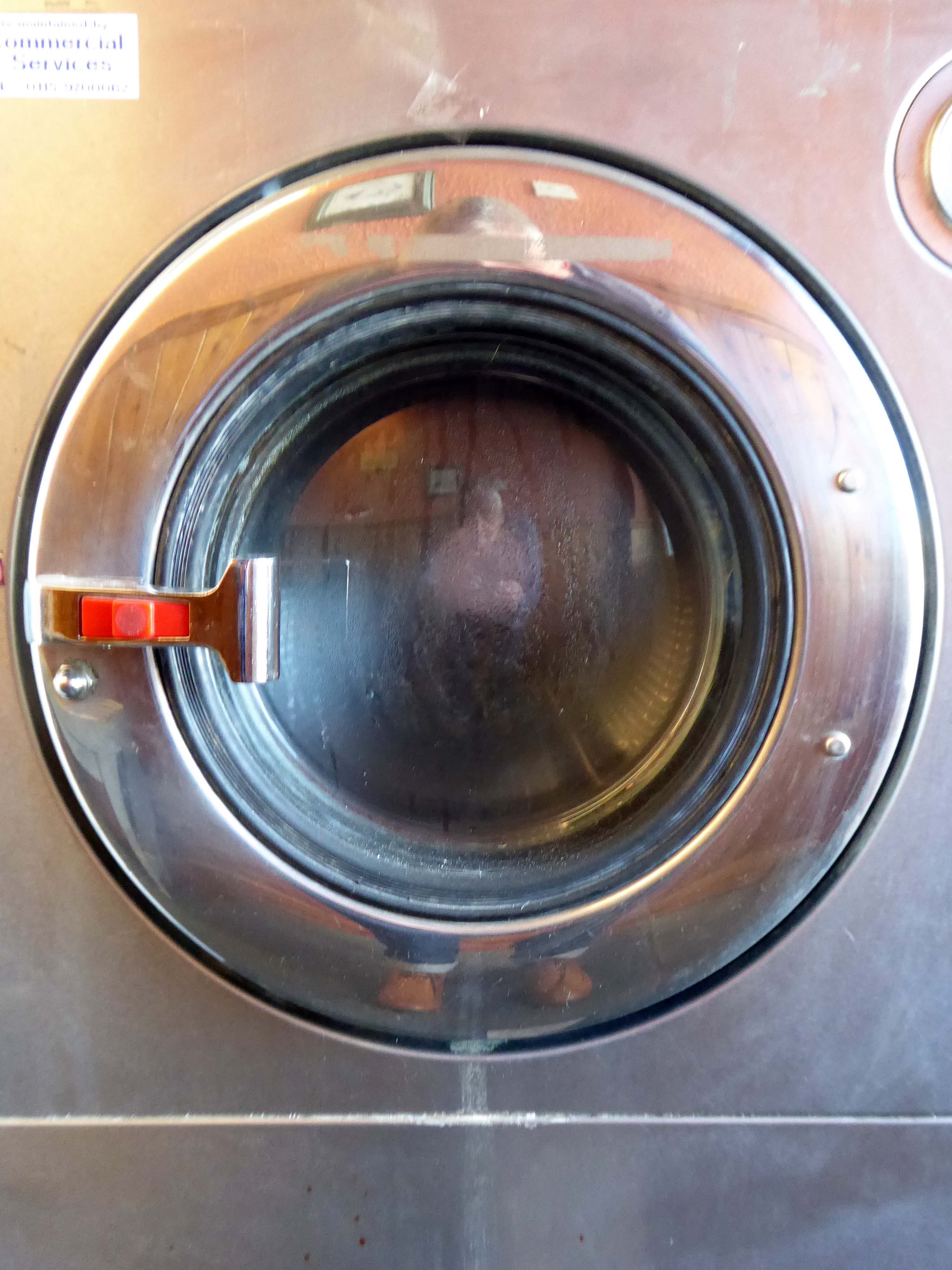
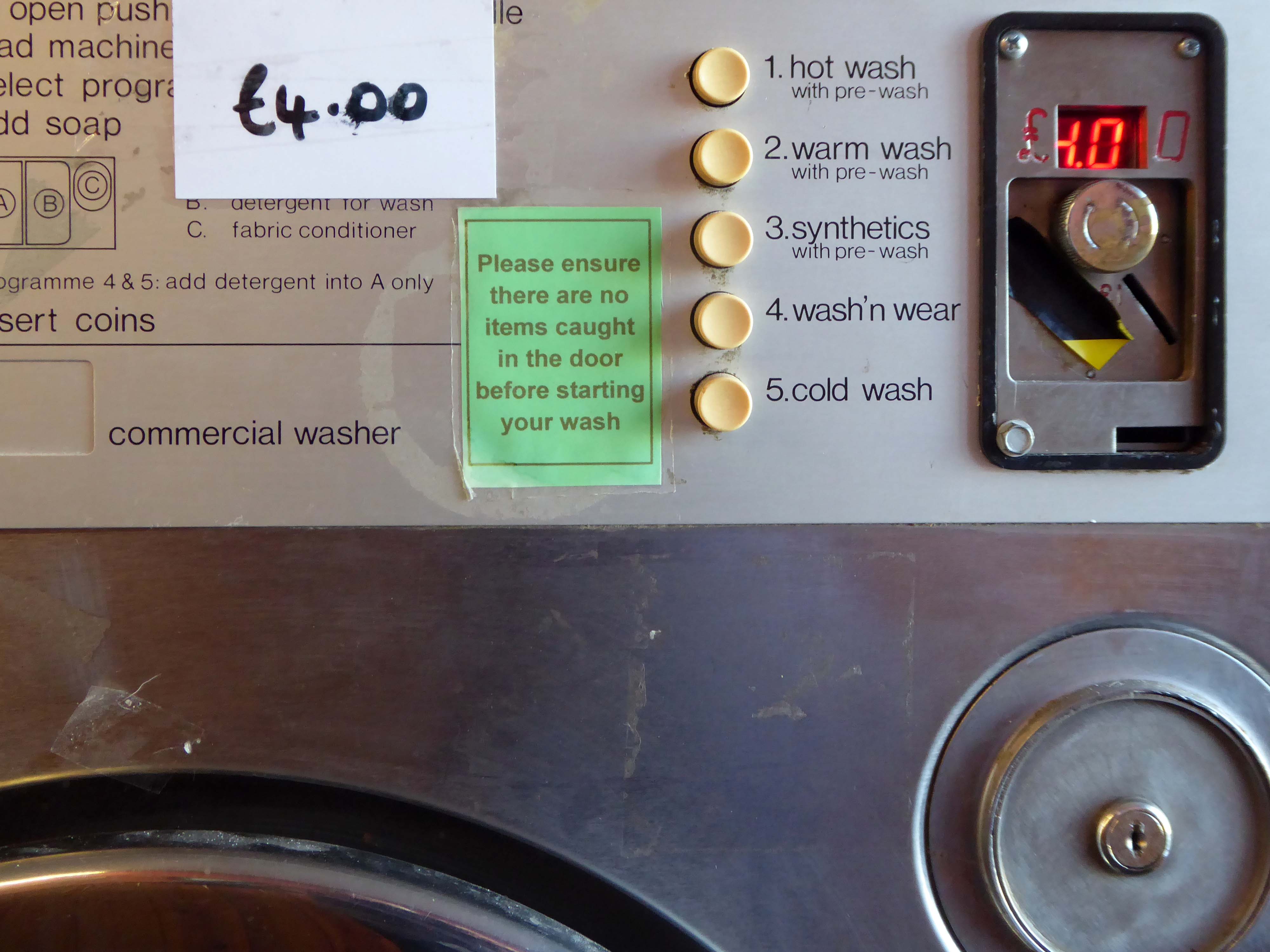
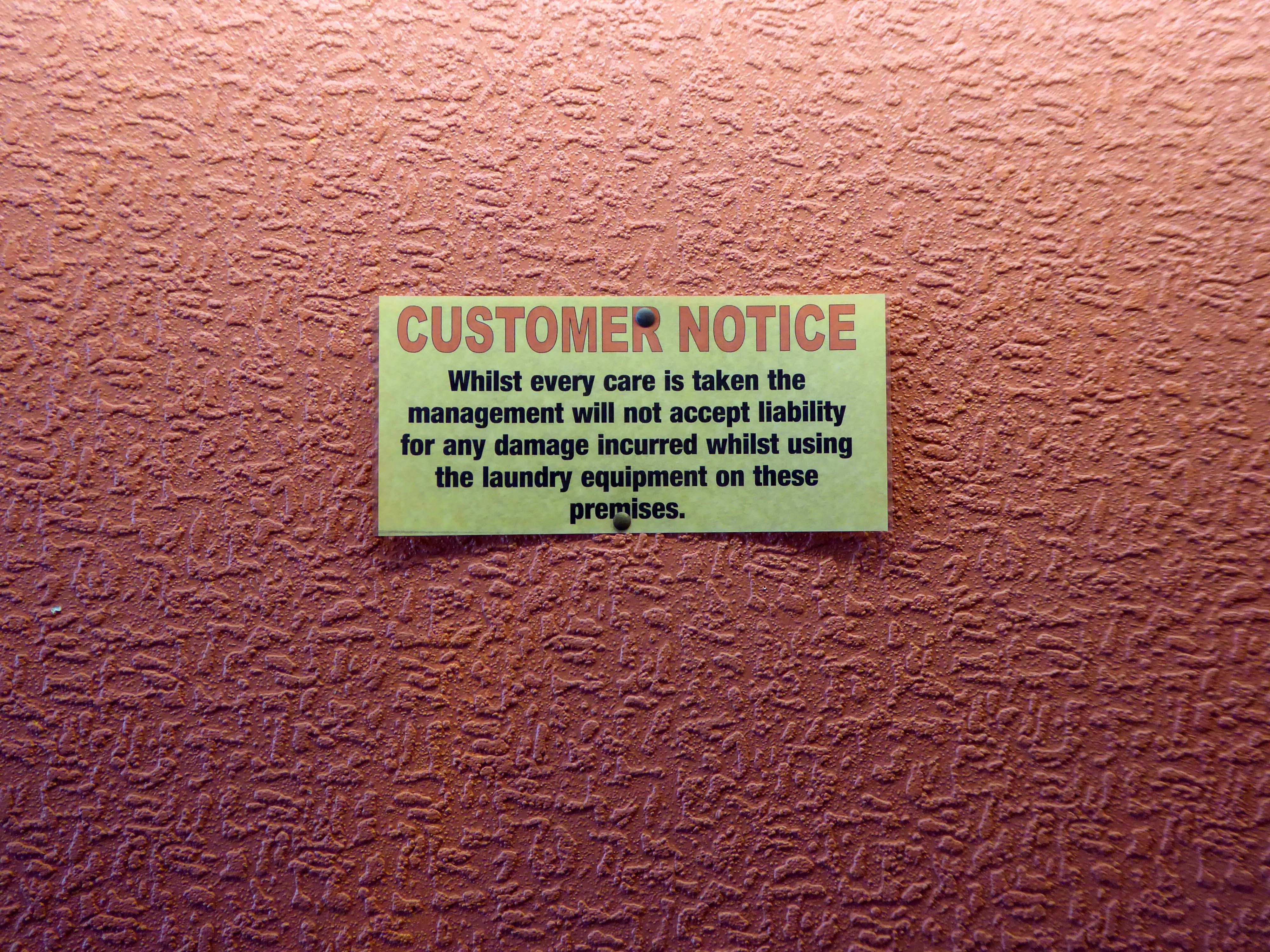
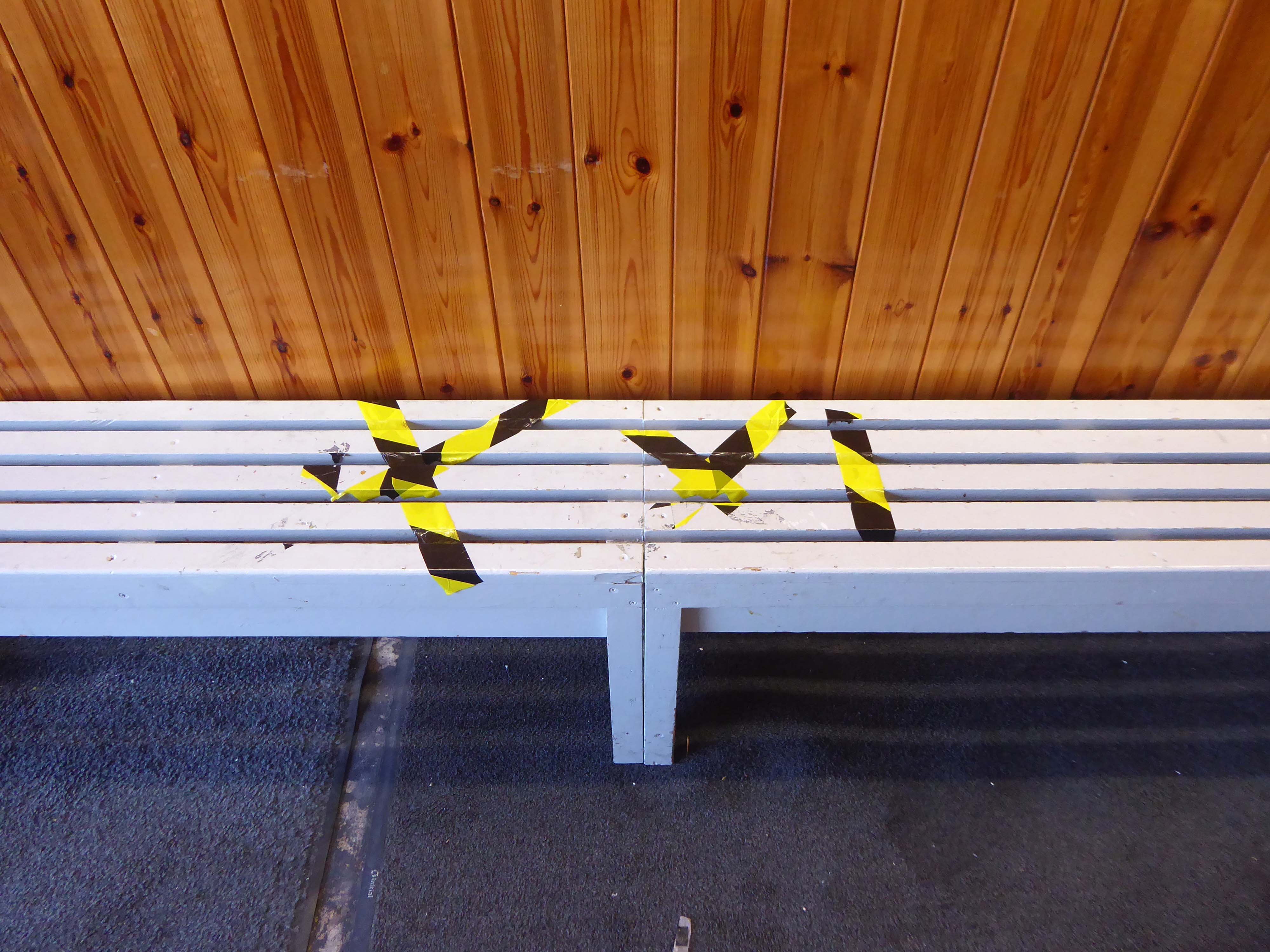
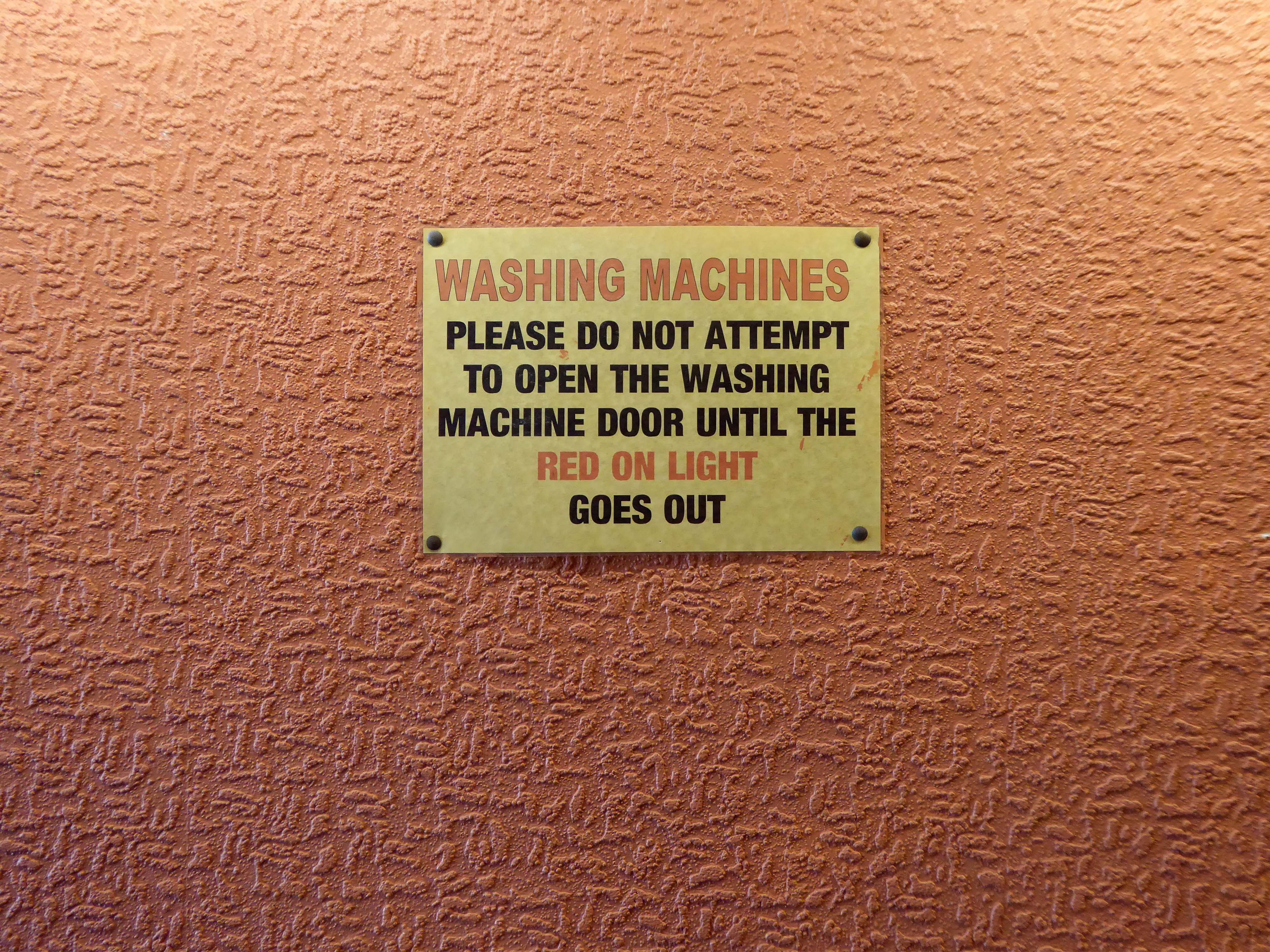
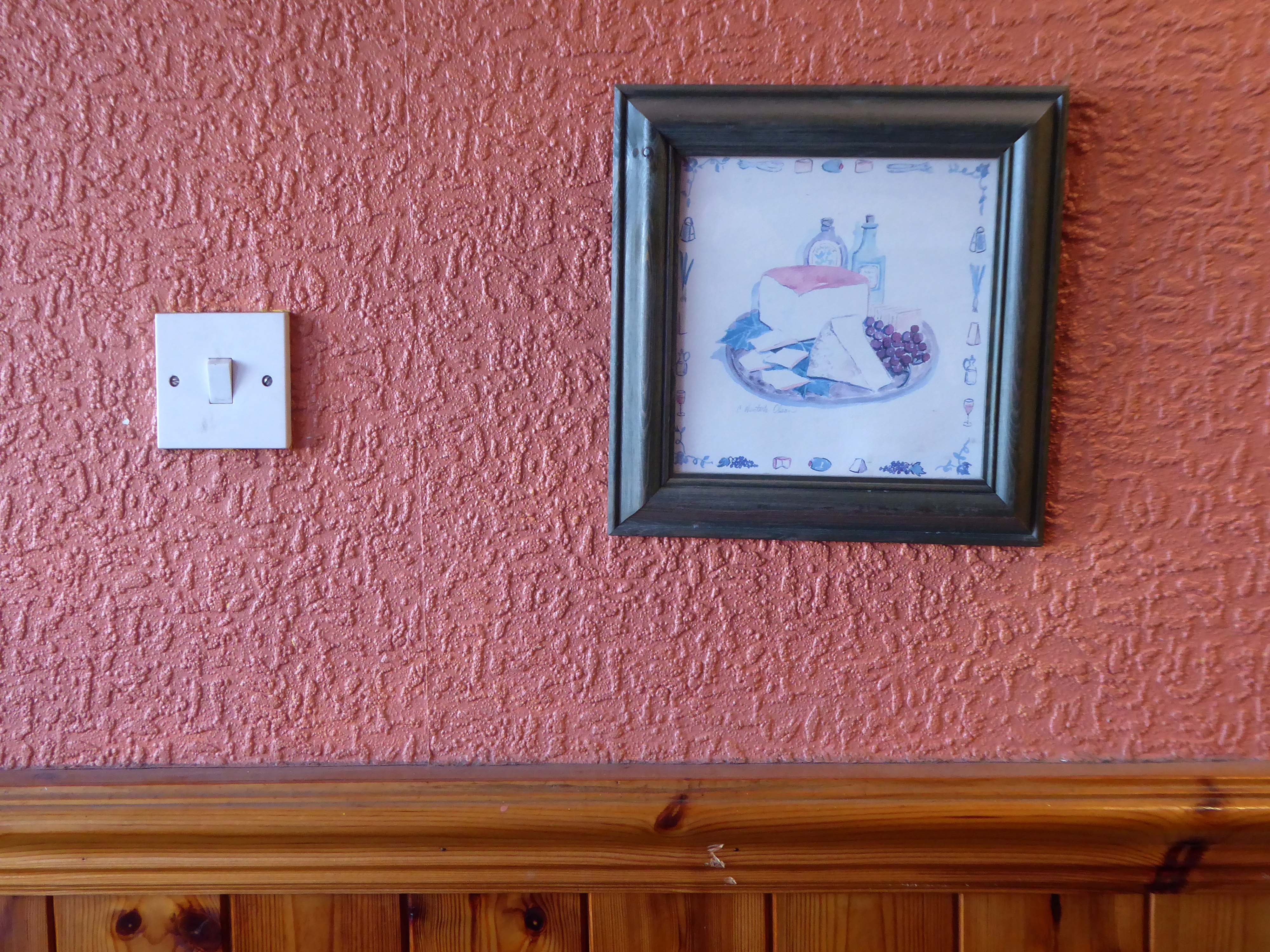
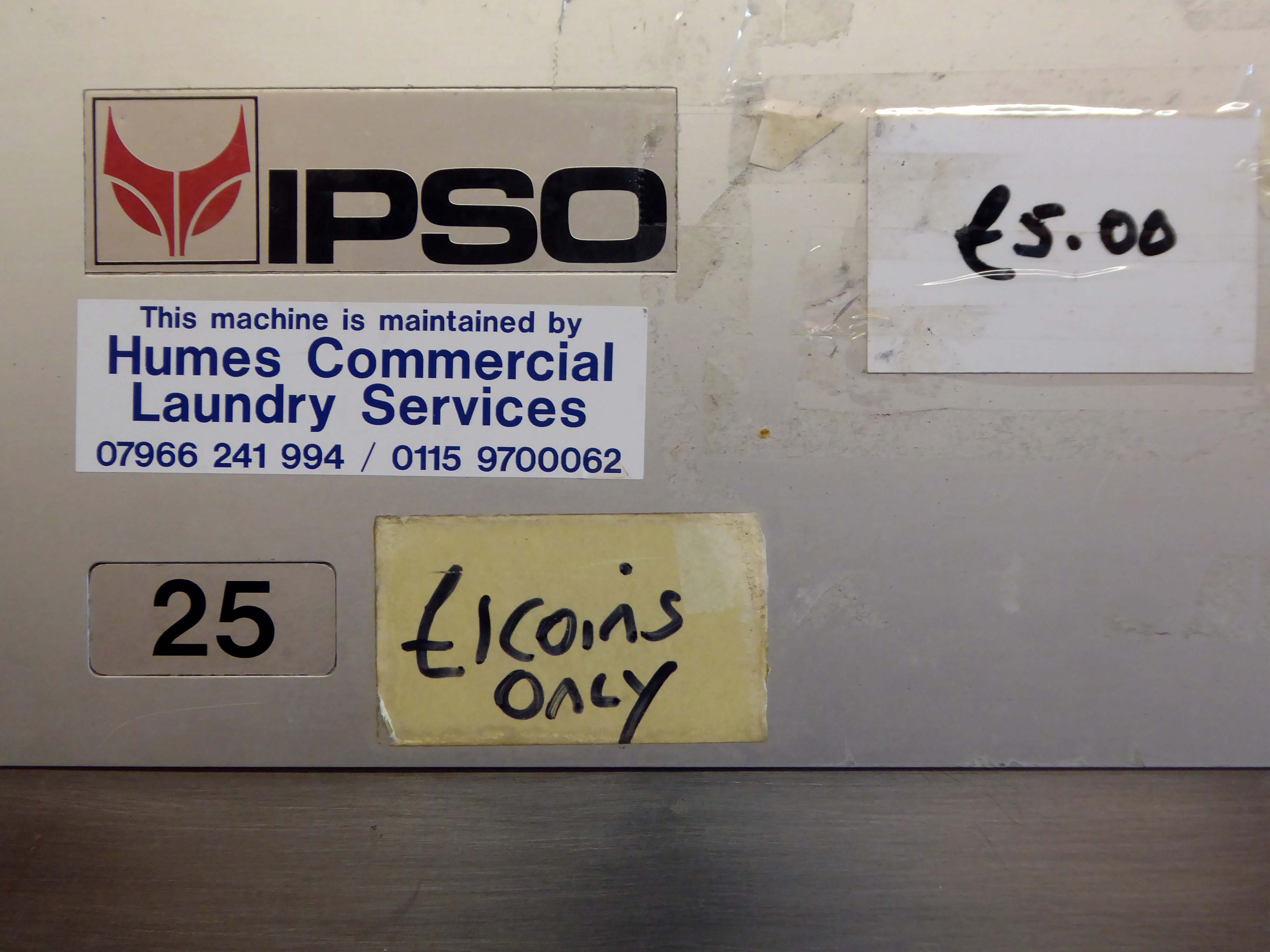
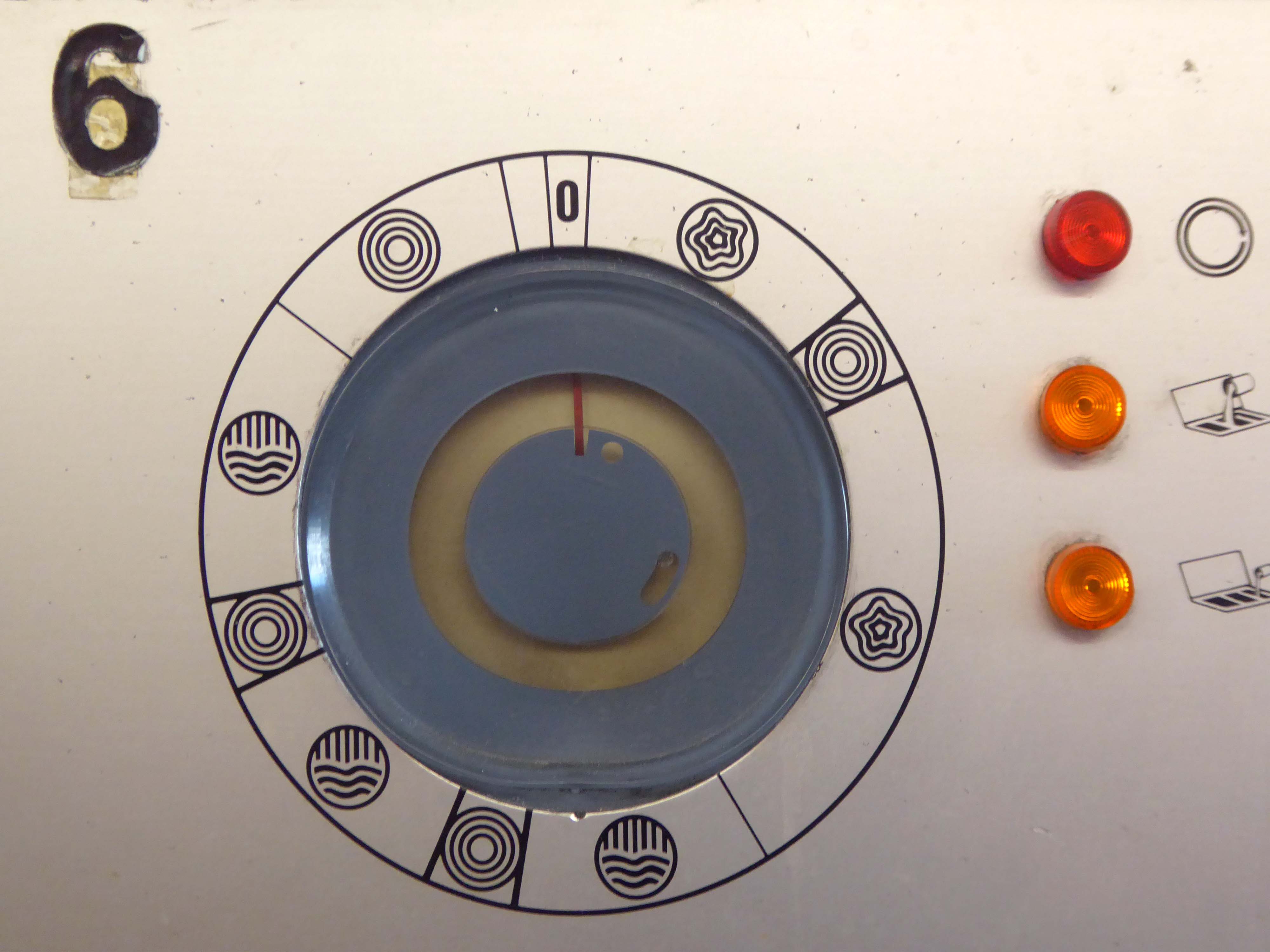
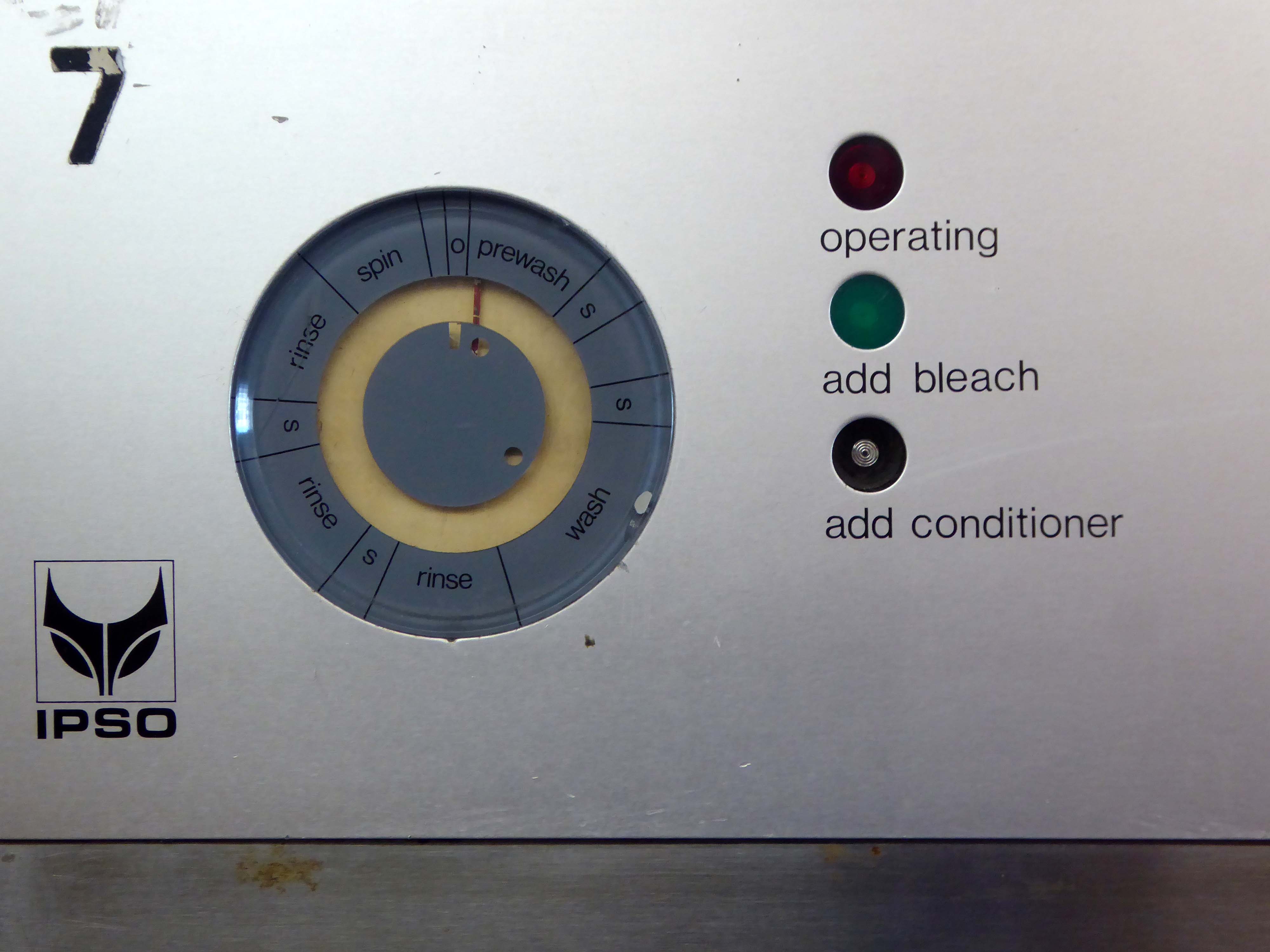
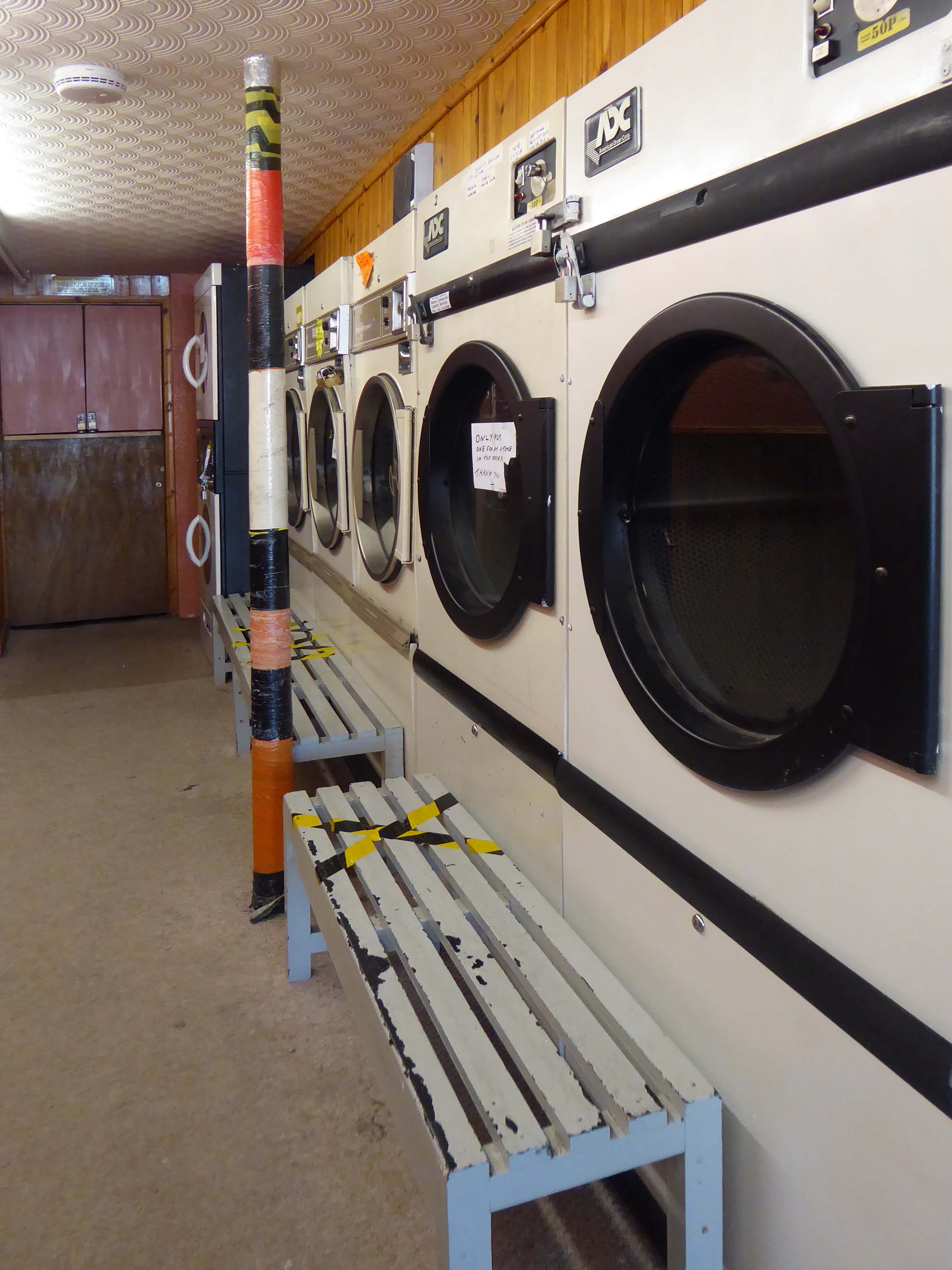
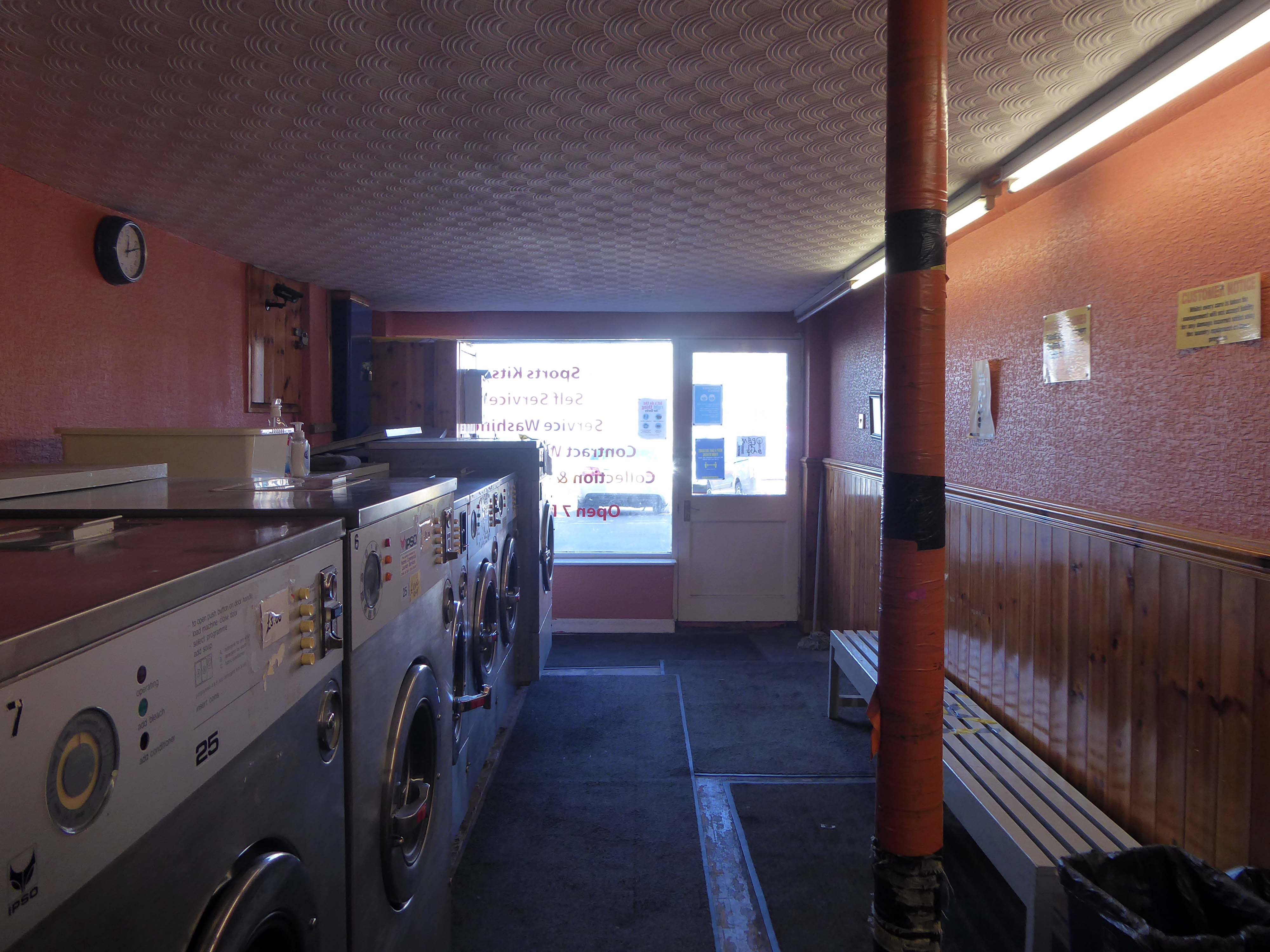
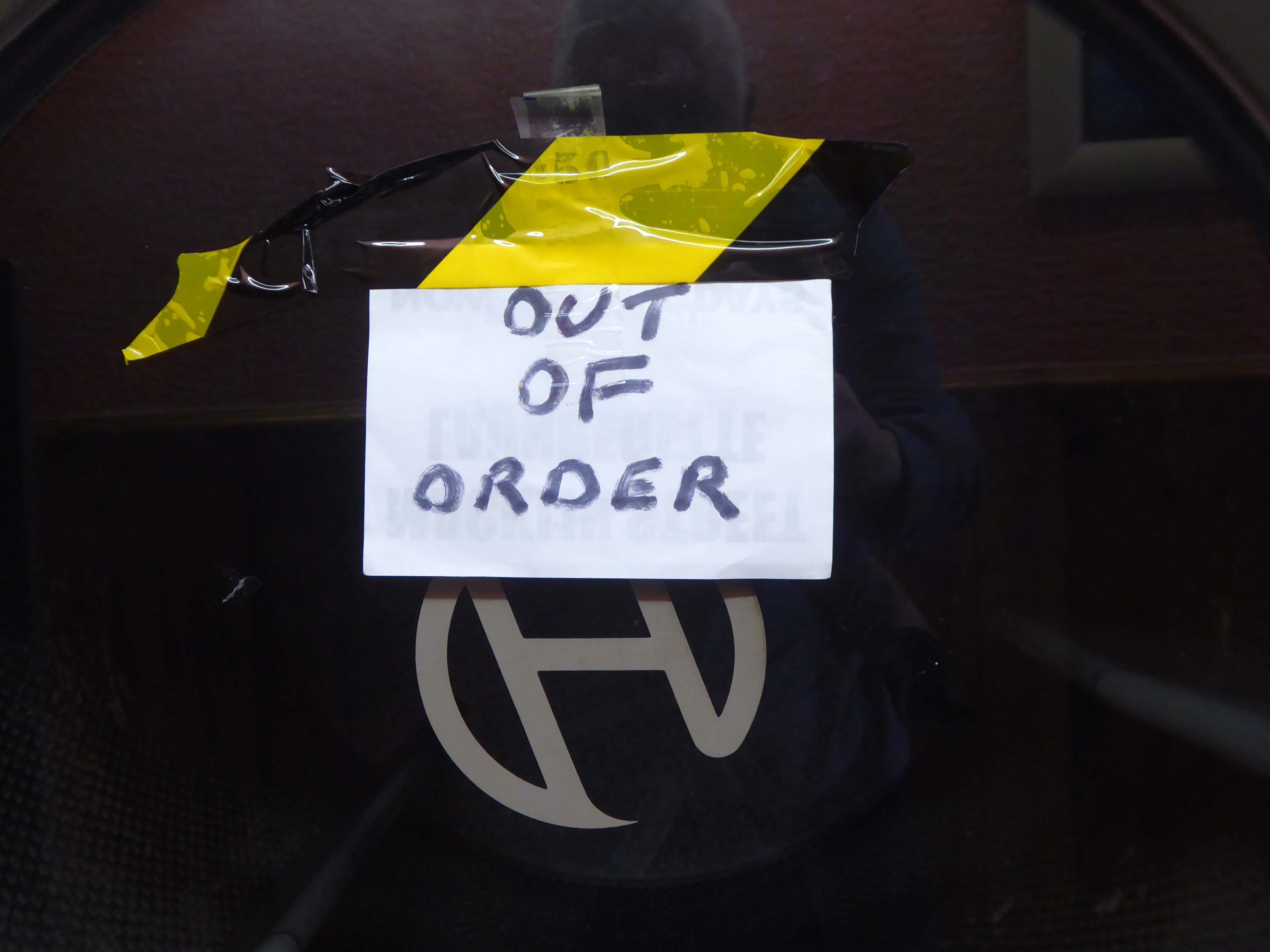
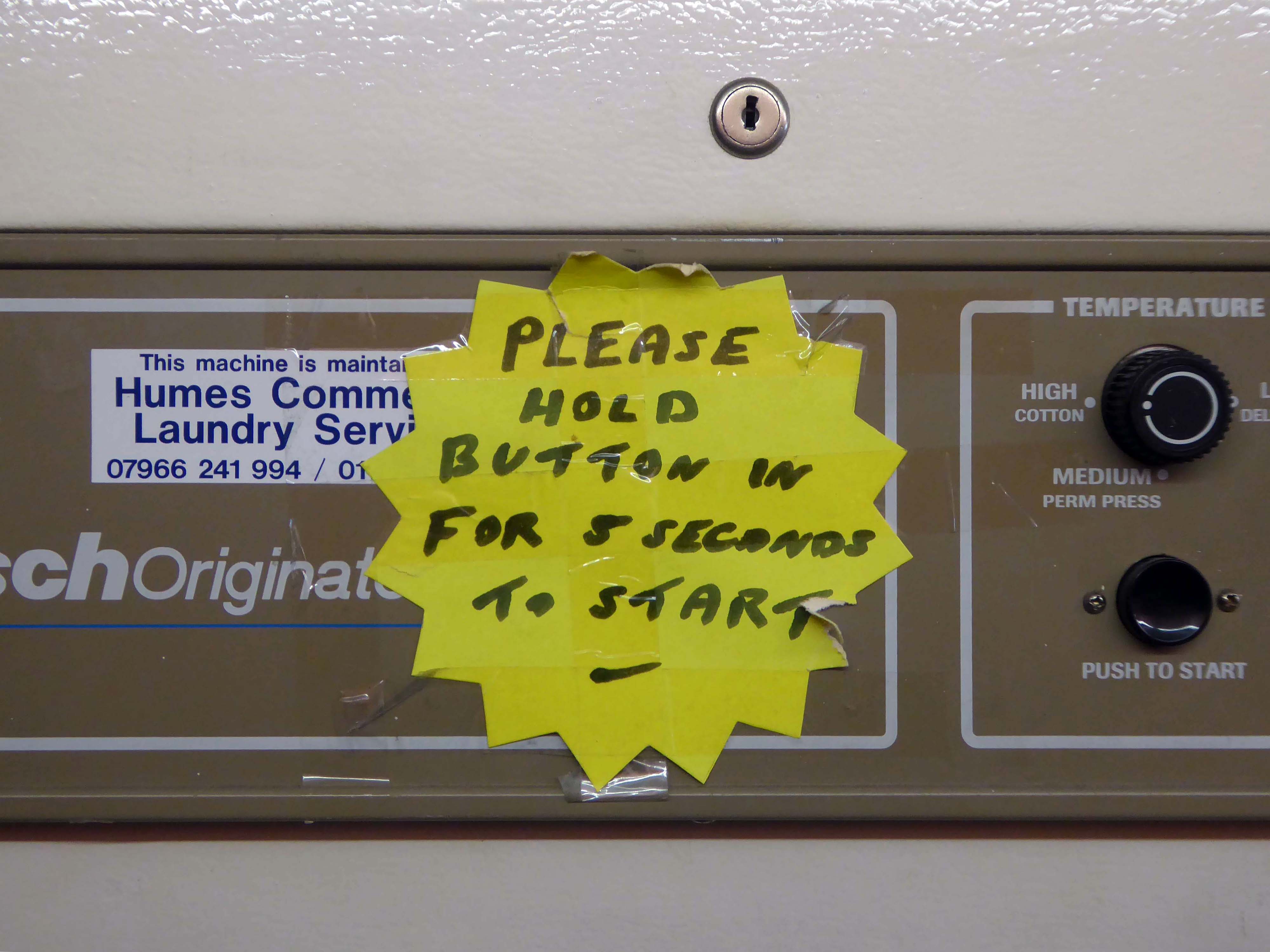
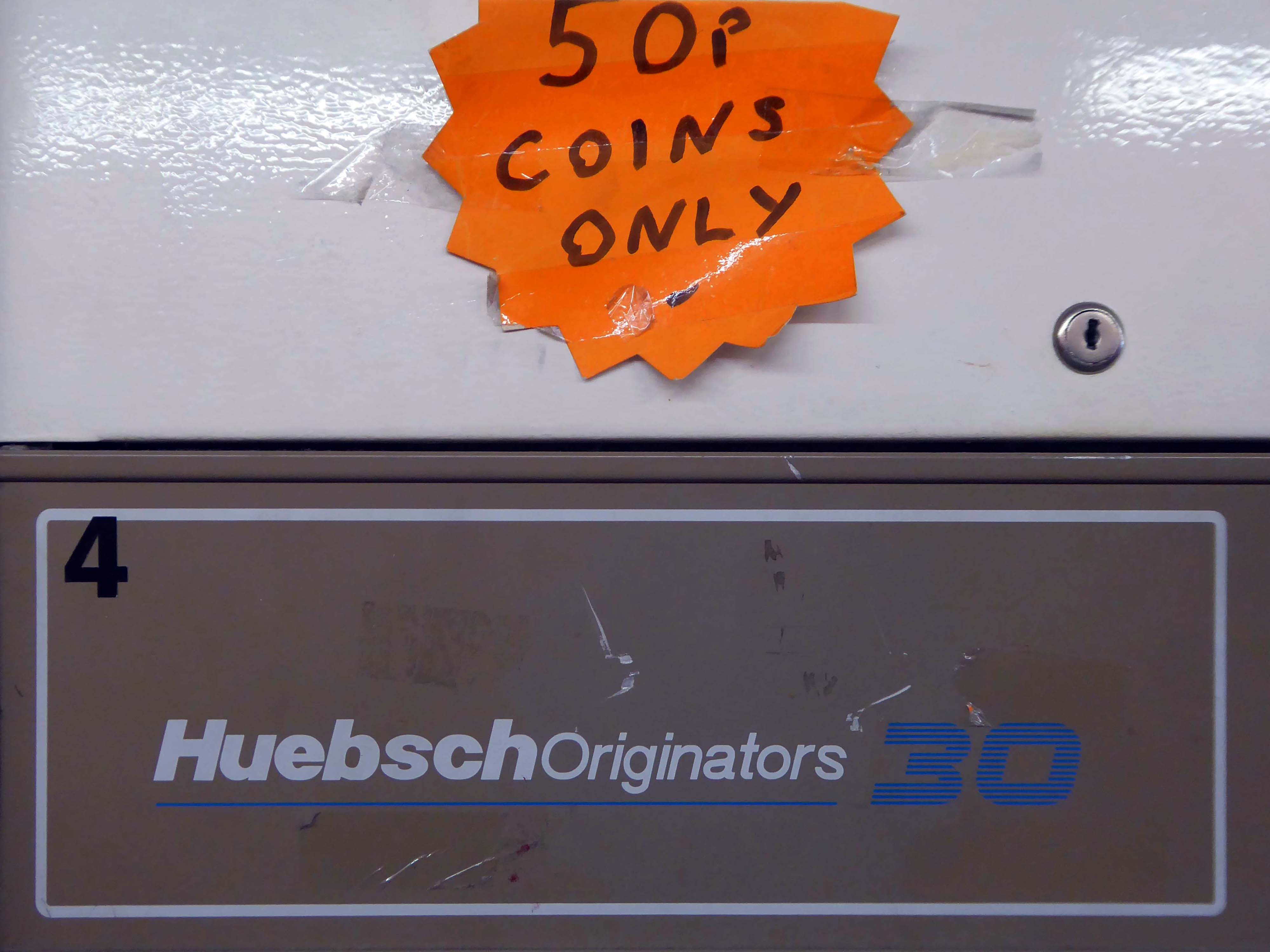
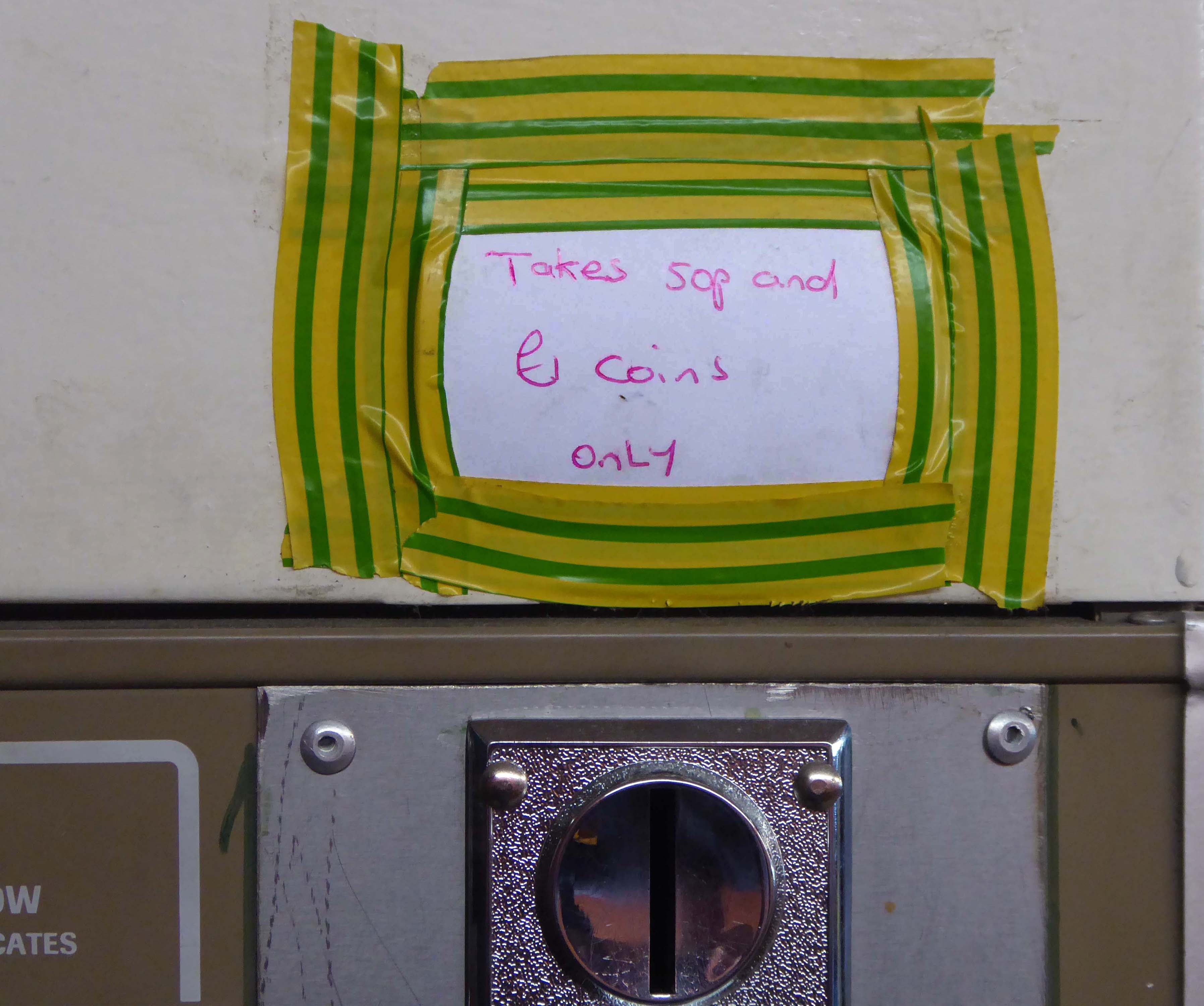
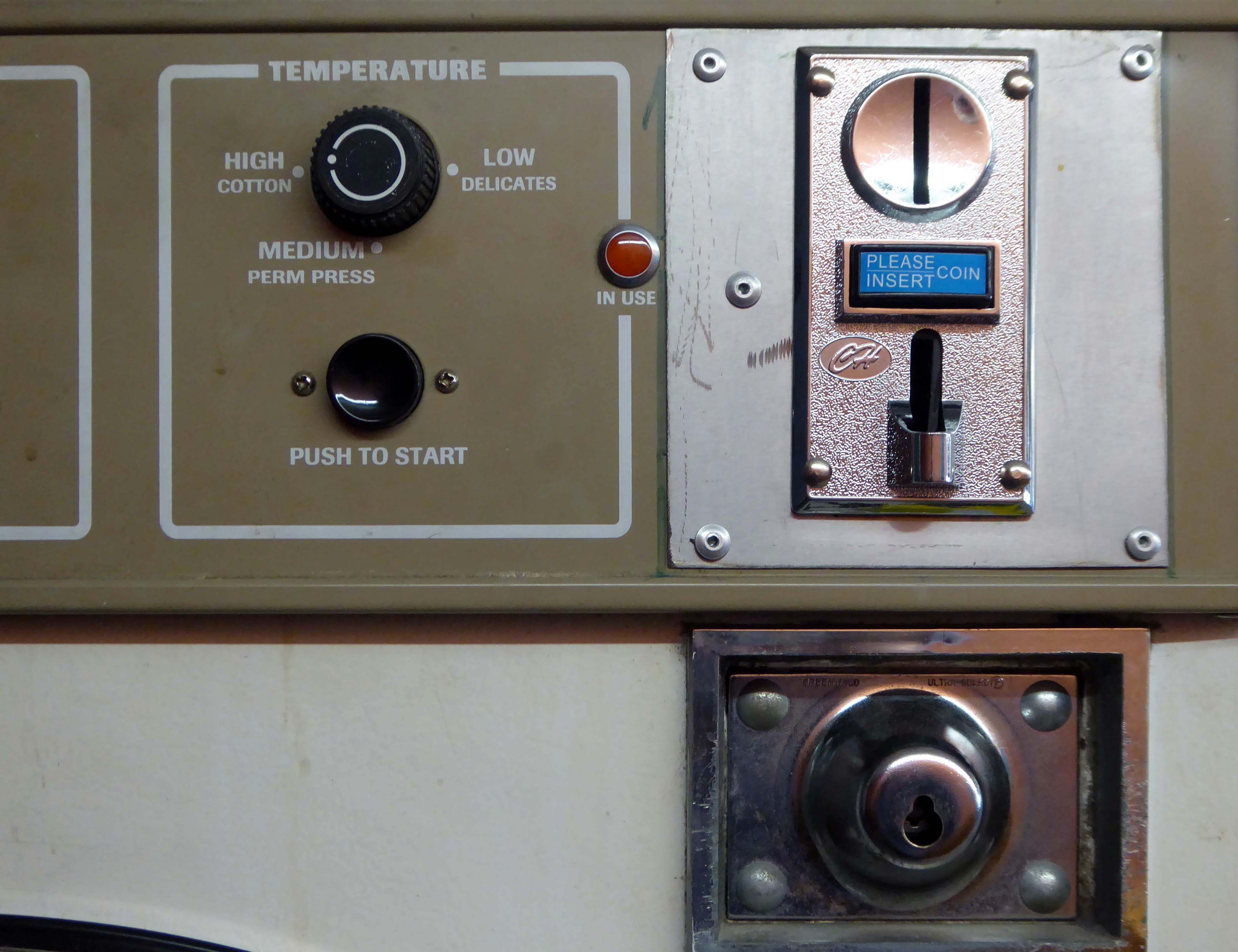
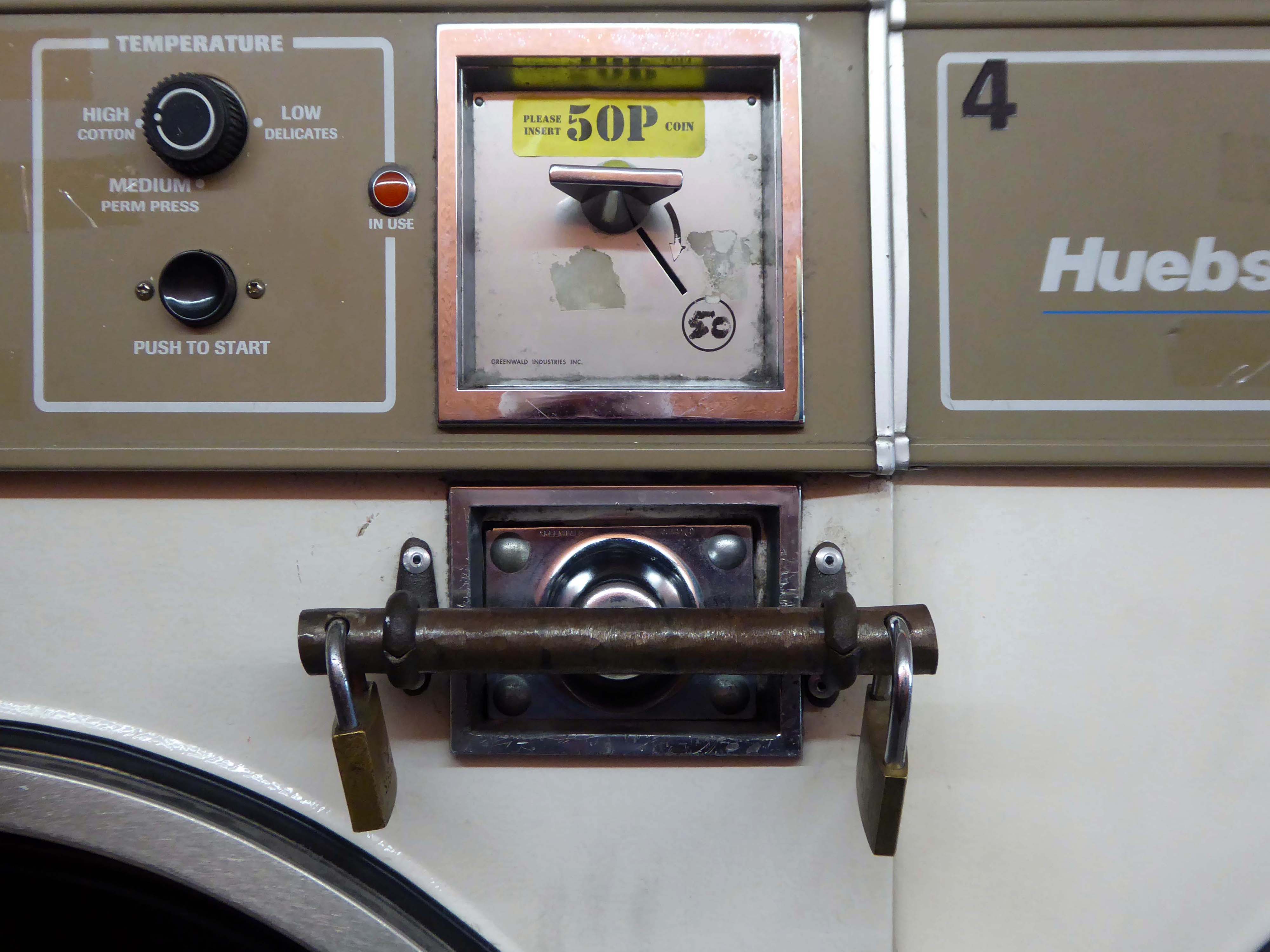
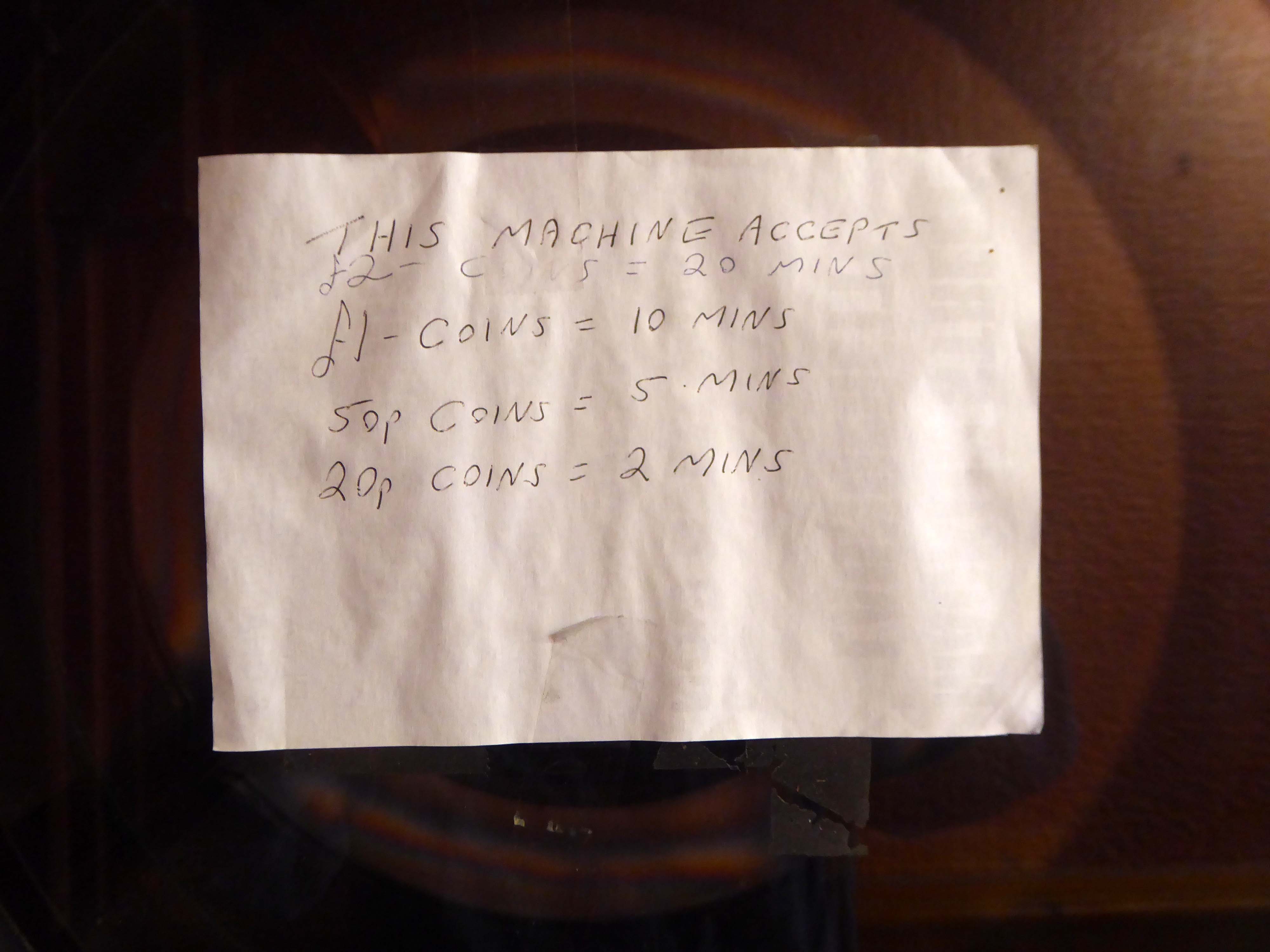
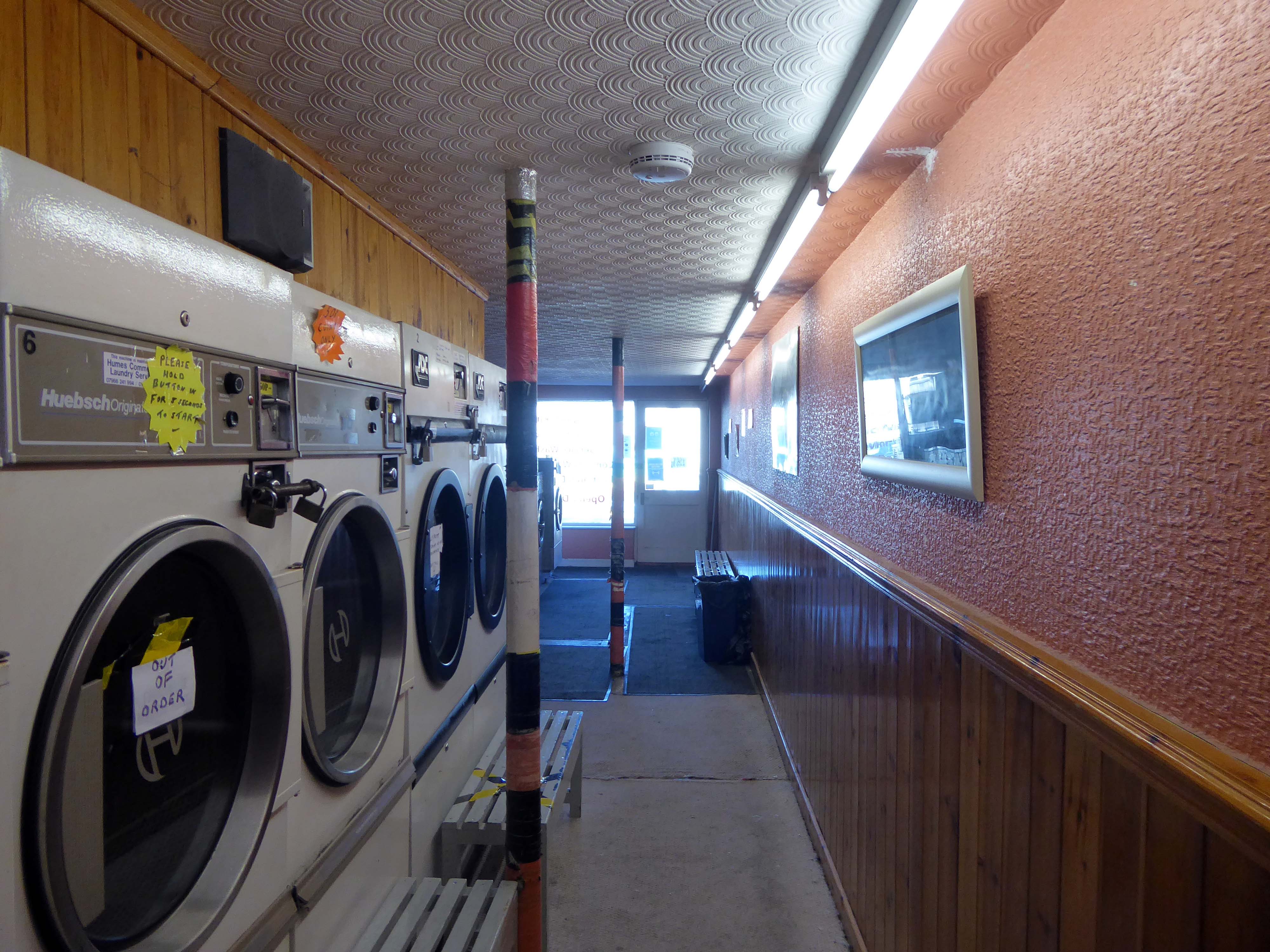
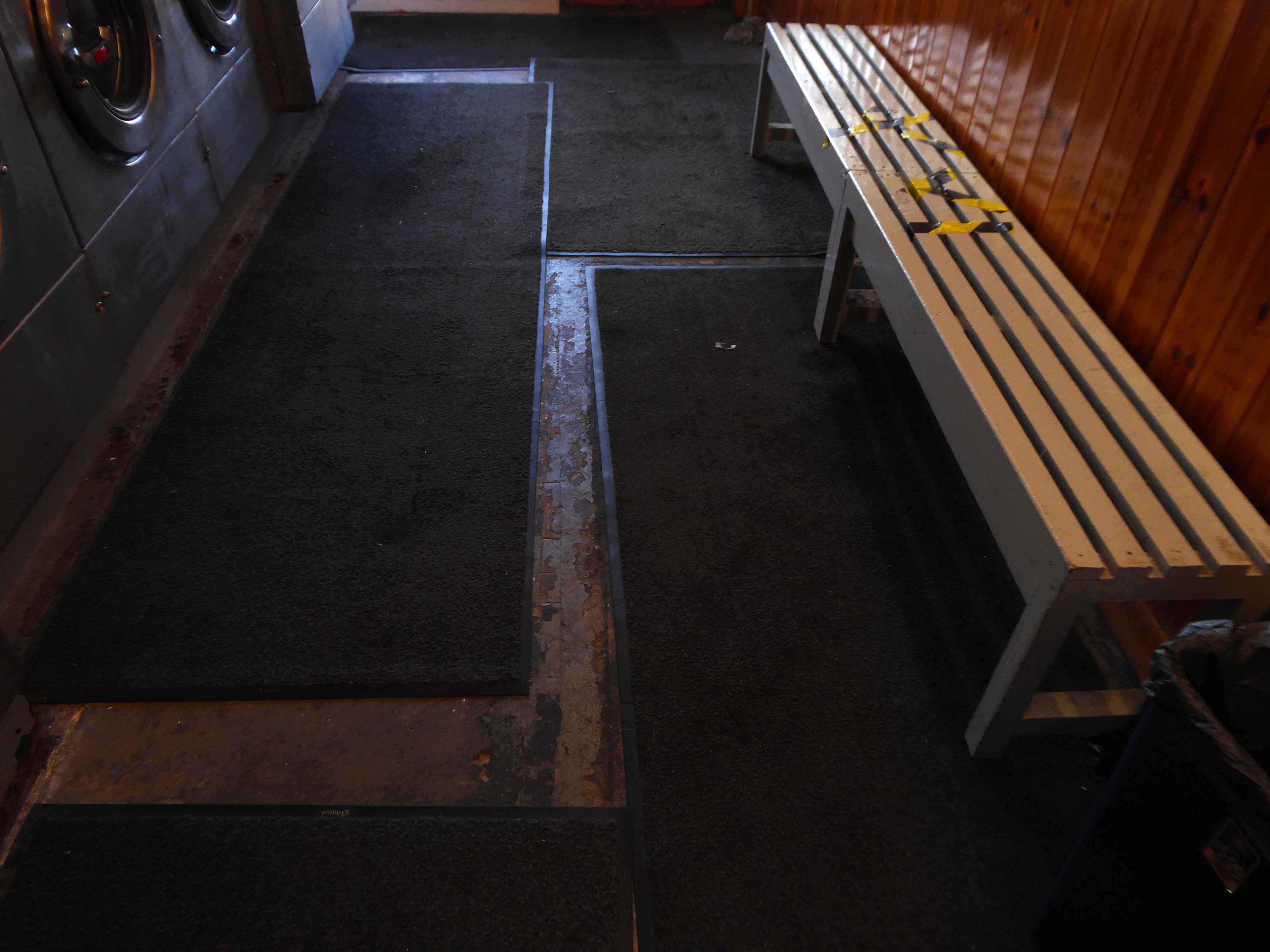
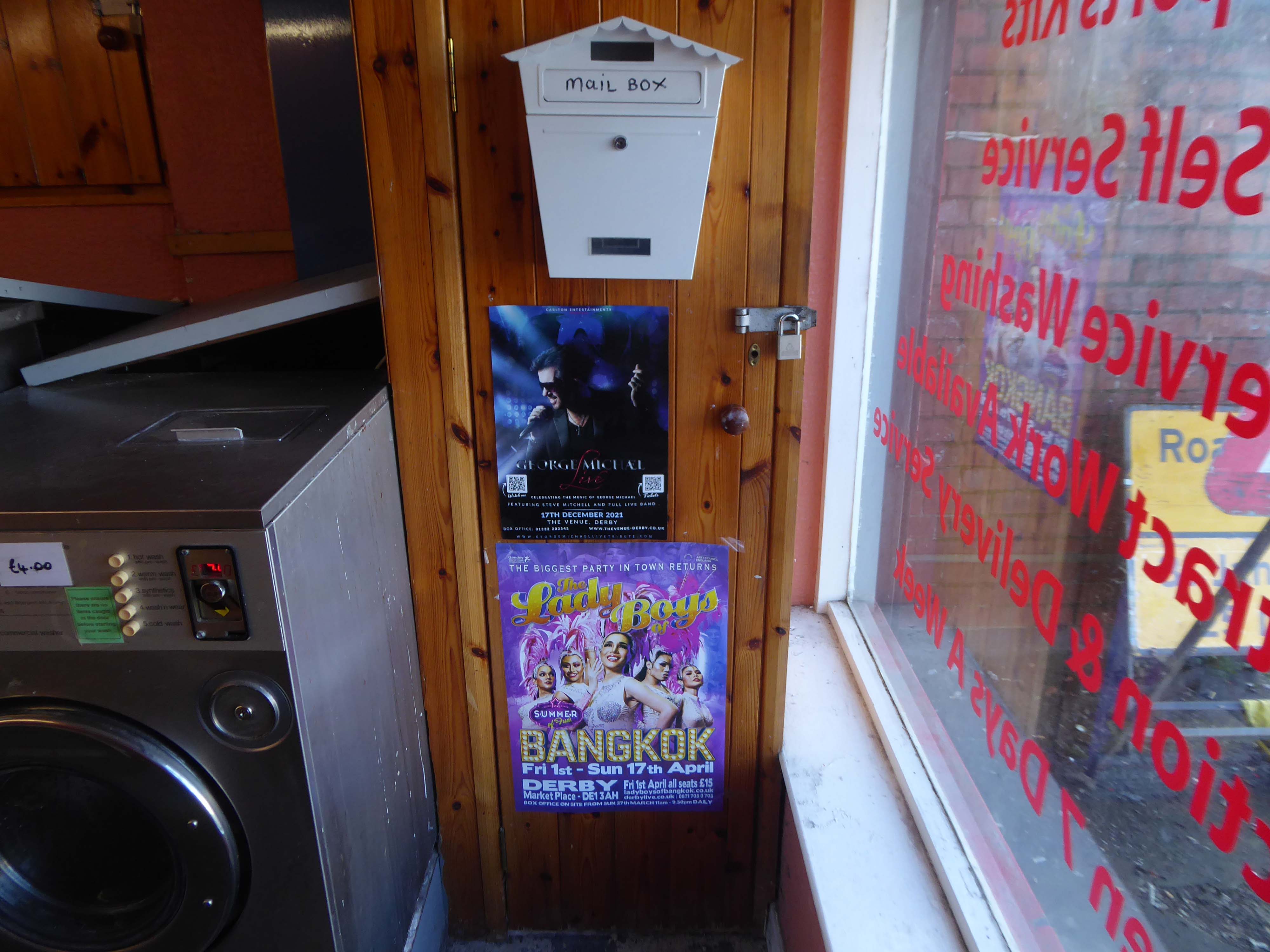
Macklin Street Launderette – Derby

27 Macklin St Derby DE1 1LE

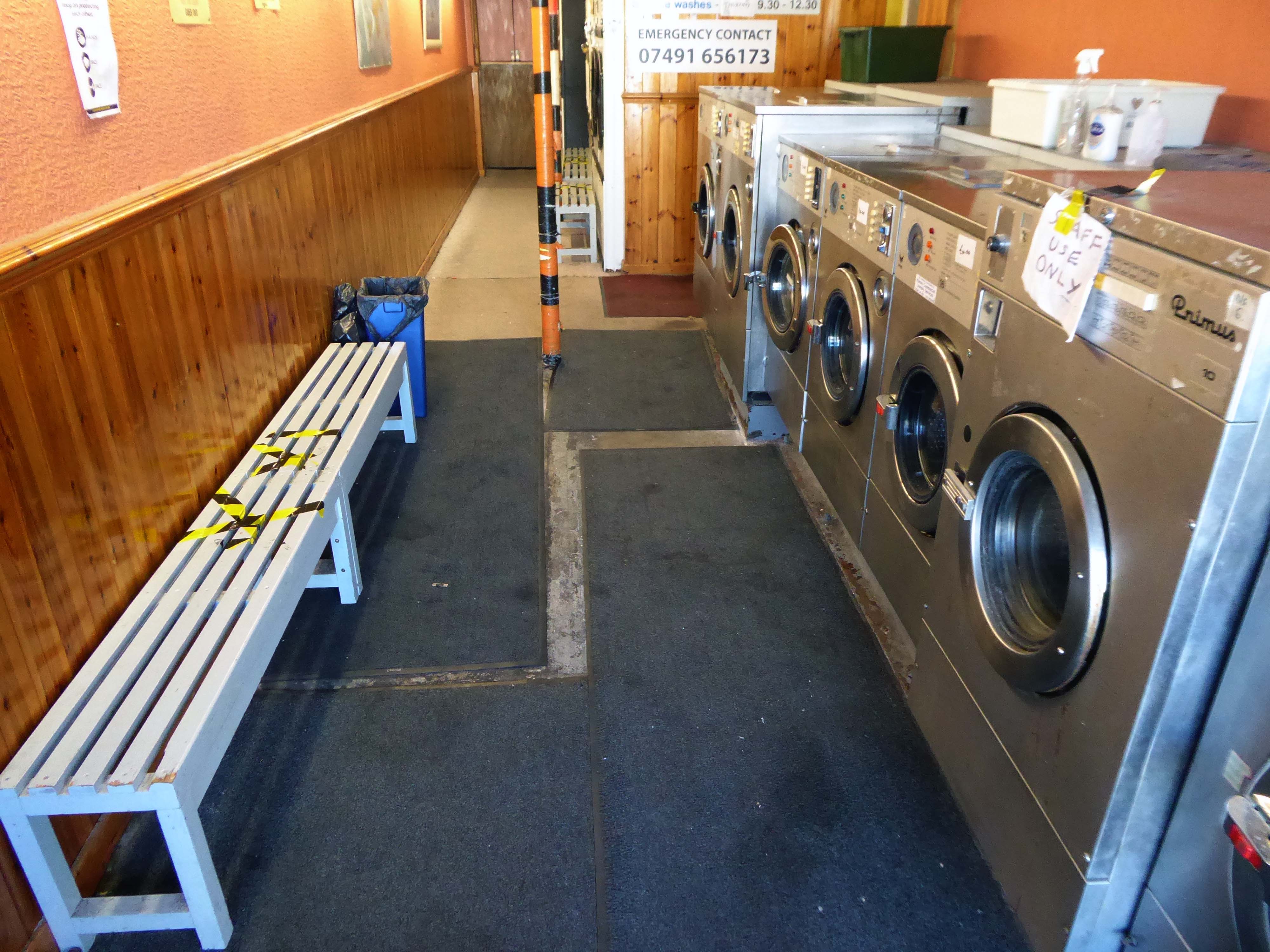
I had wandered along the road in search of a hotel that wasn’t there and found a launderette that was.

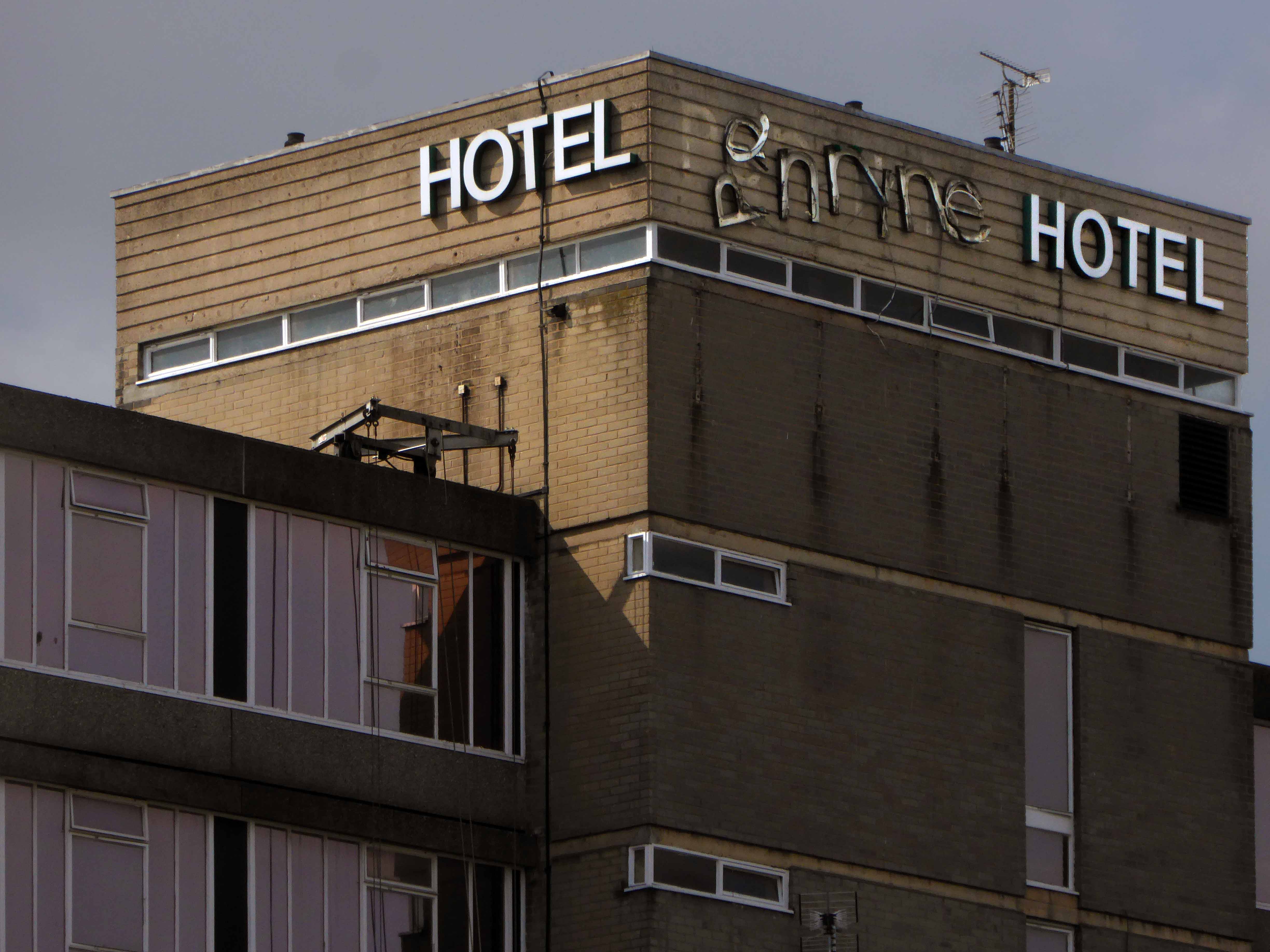
The Pennine was almost gone.

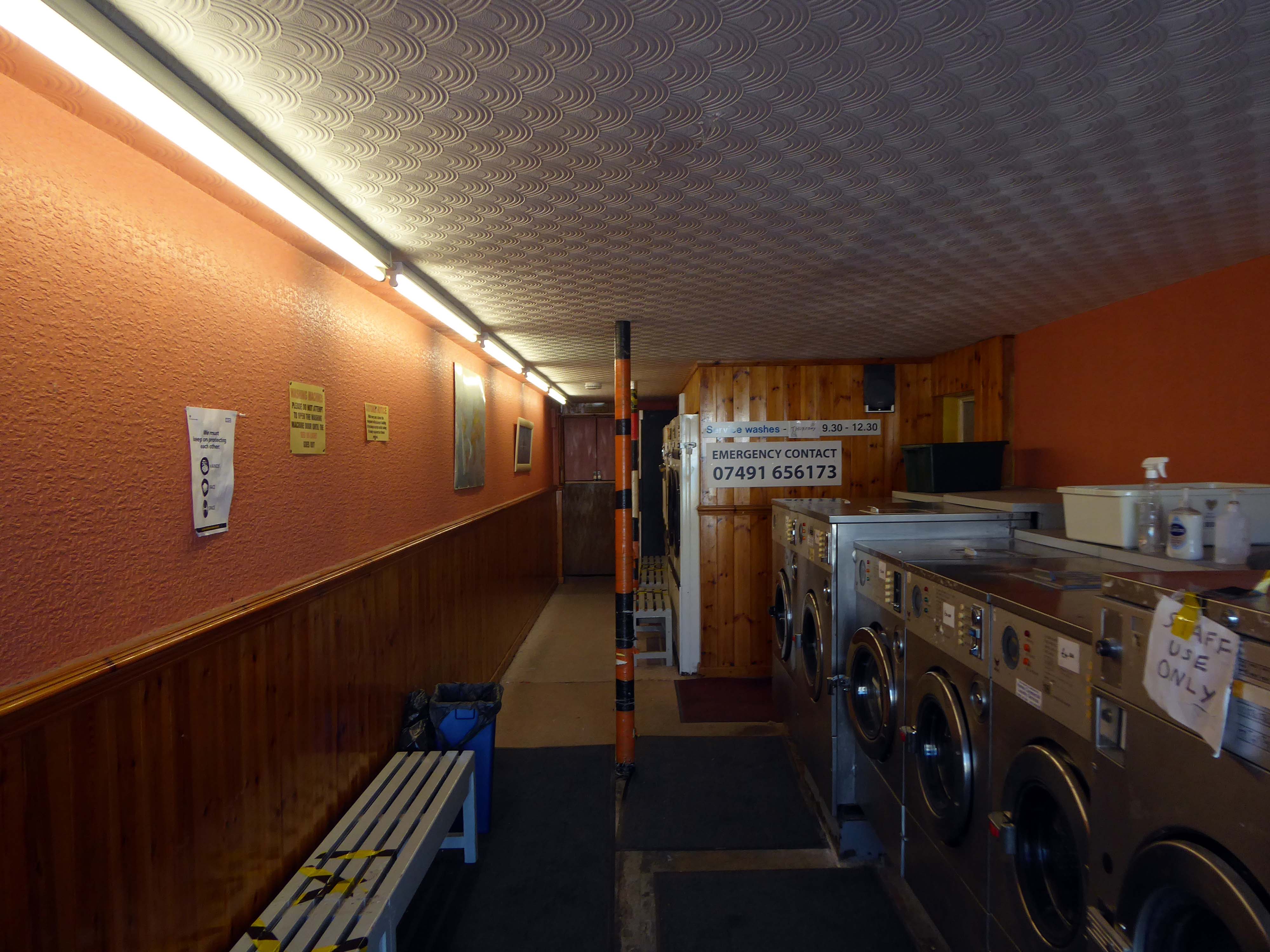
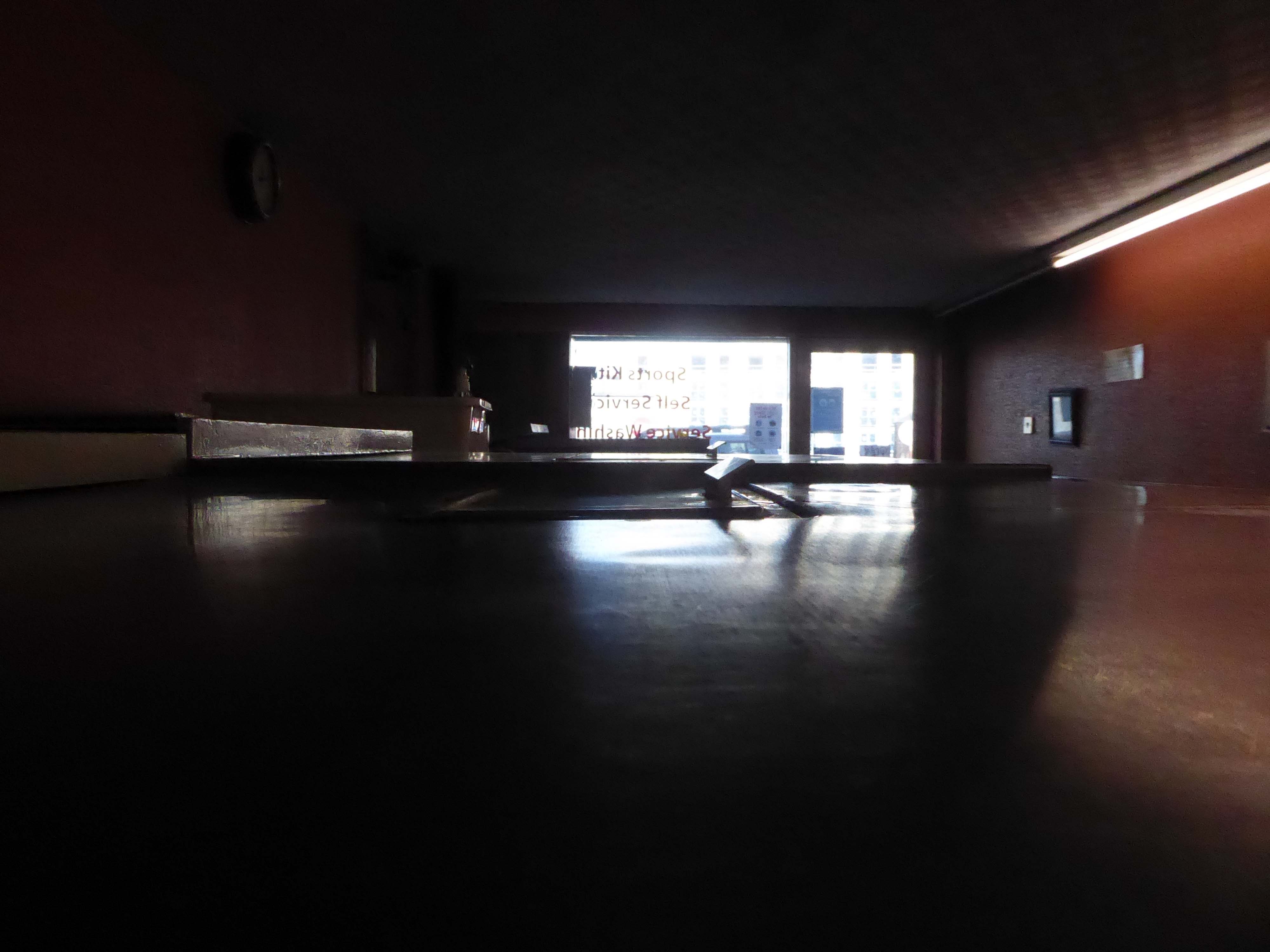
The launderette was empty and offered an oasis of oddity in an otherwise predictable day.

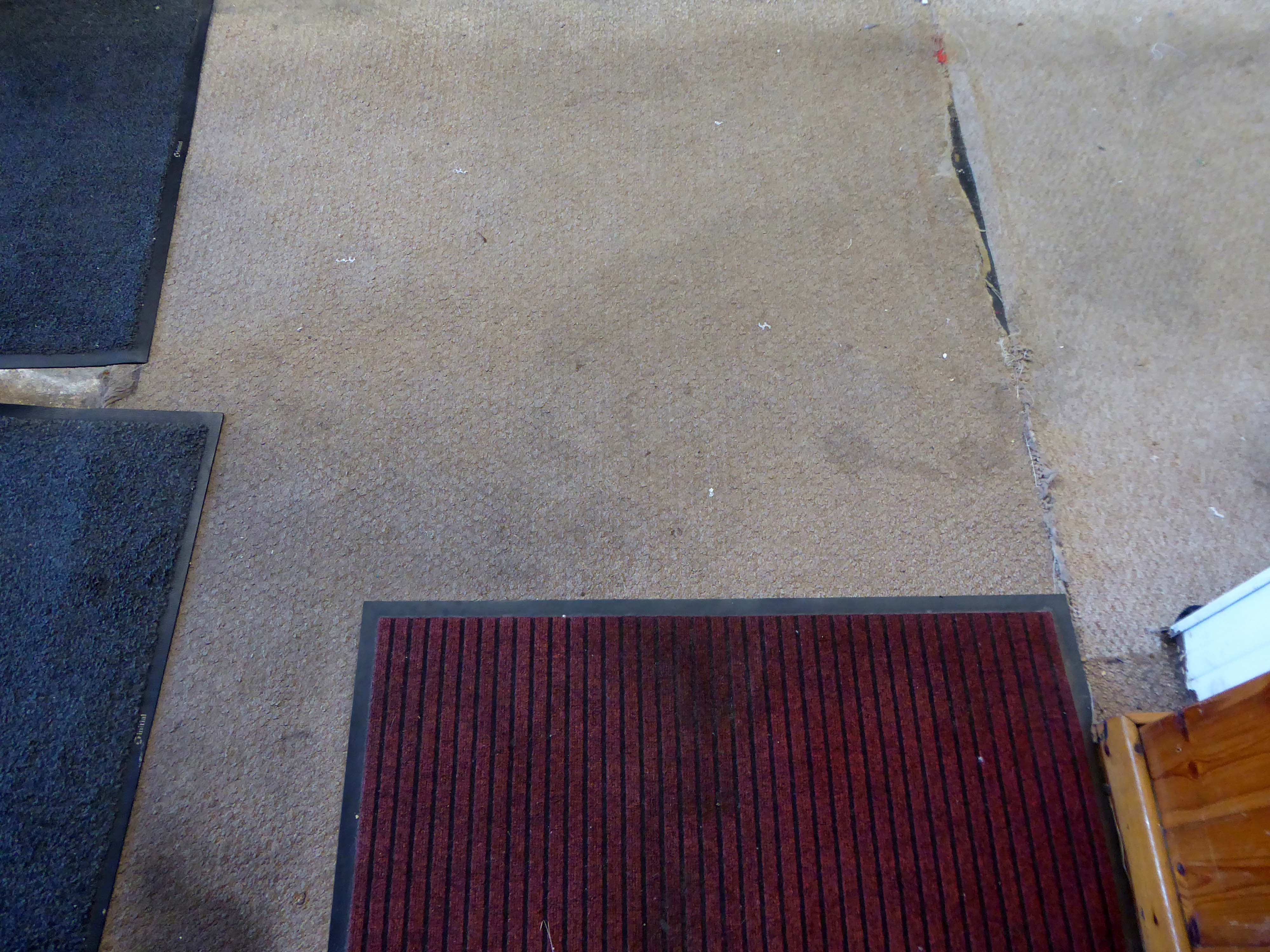
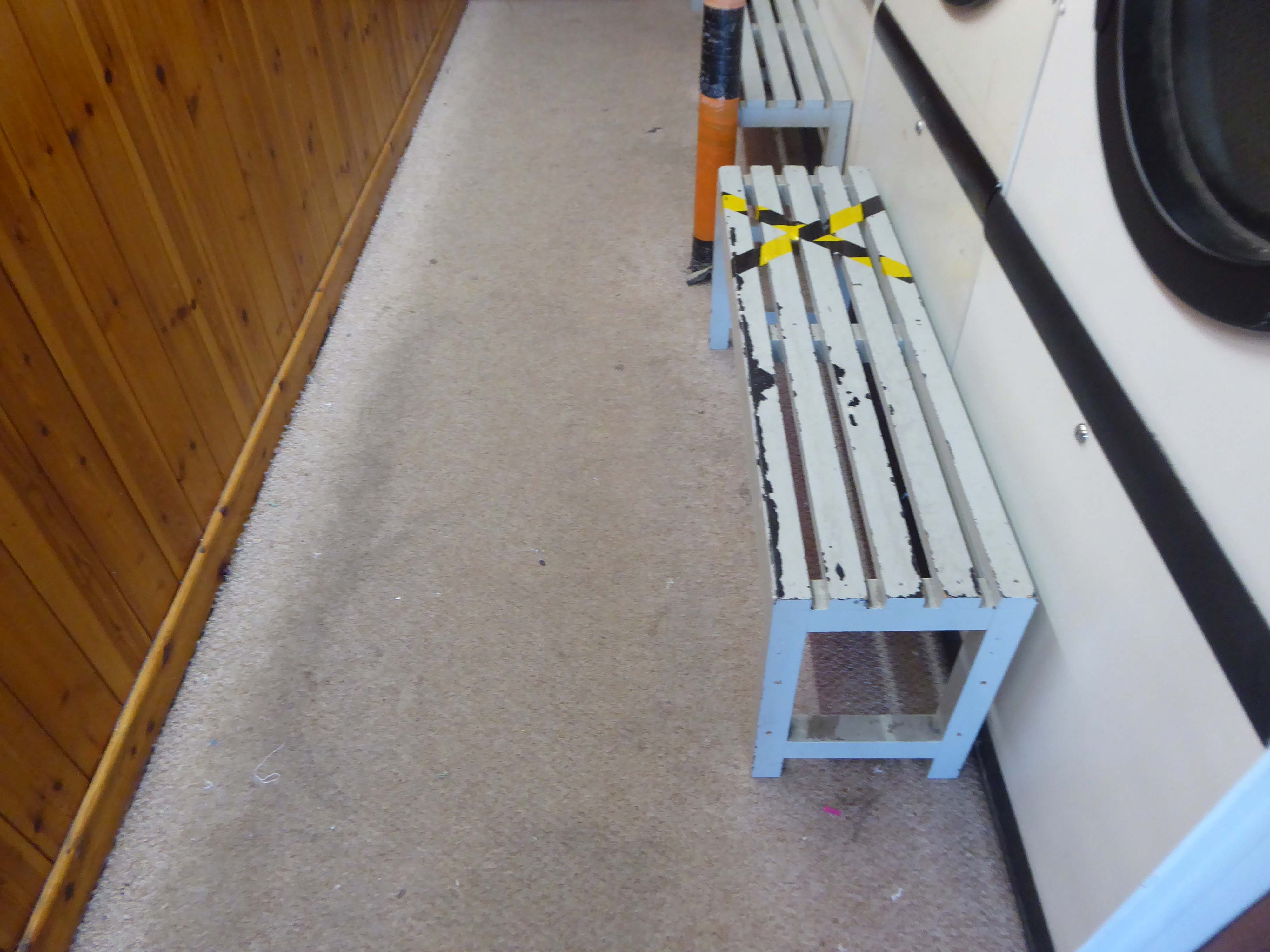
There is always a mild sense of trepidation, entering a space devoid of folk, slowly placing footsteps tentatively, over those of the lost souls, that have trodden the worn floor coverings in times past.

Just look over your shoulder – I’ll be there.

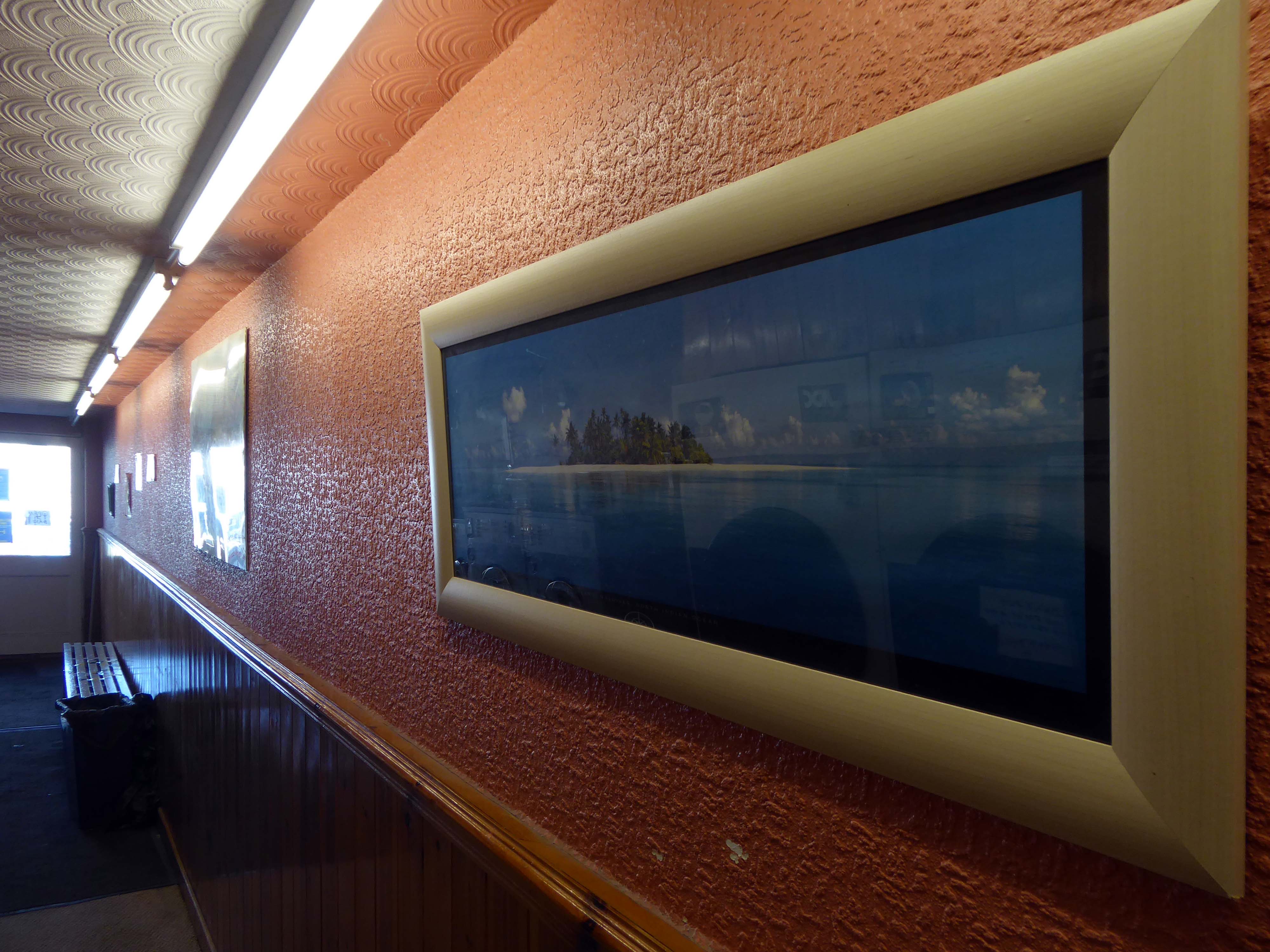
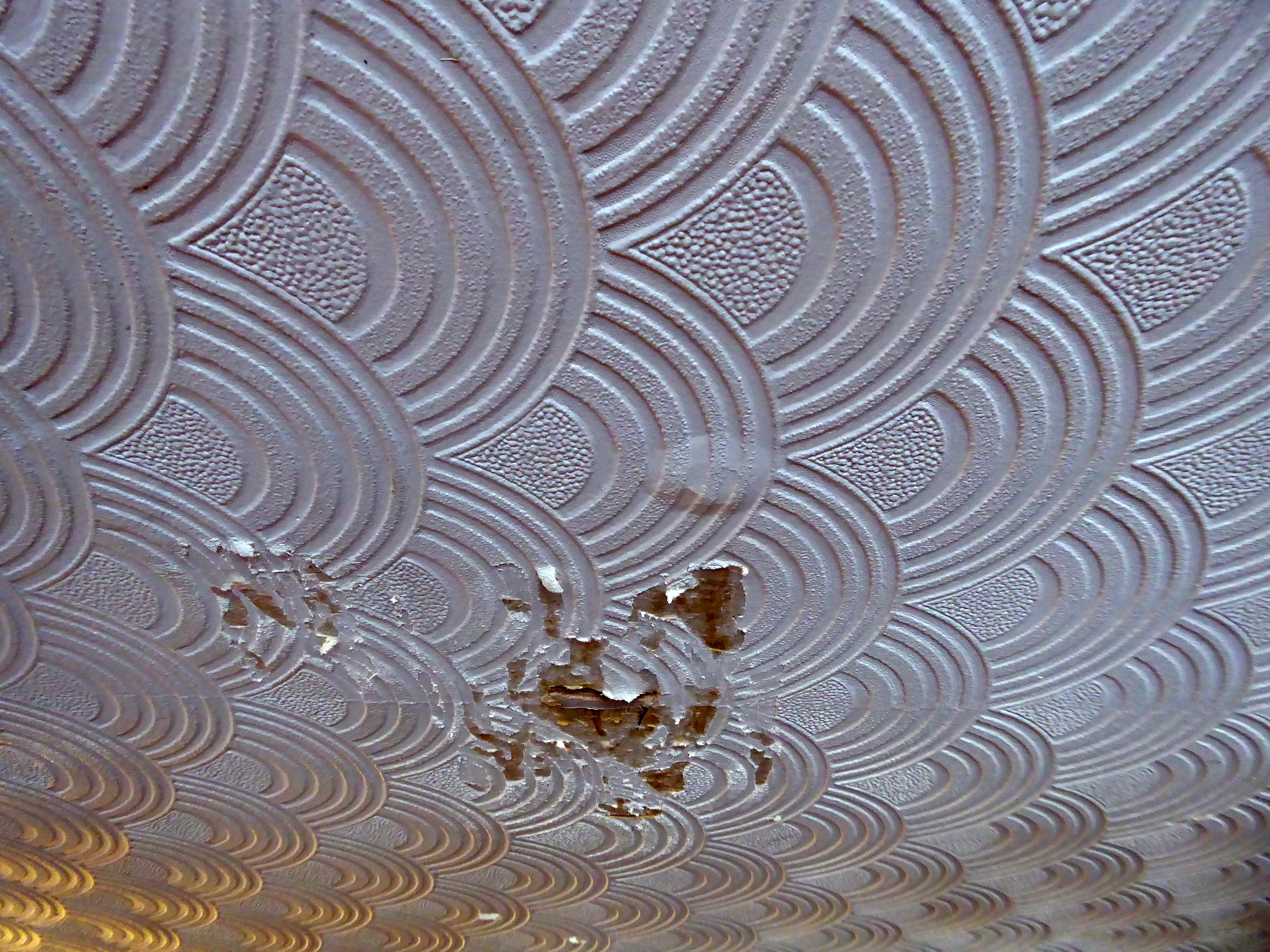
Once inside the daylight fades, replaced by tremulous fluorescent tubes, illuminating the discoloured coloured surfaces.

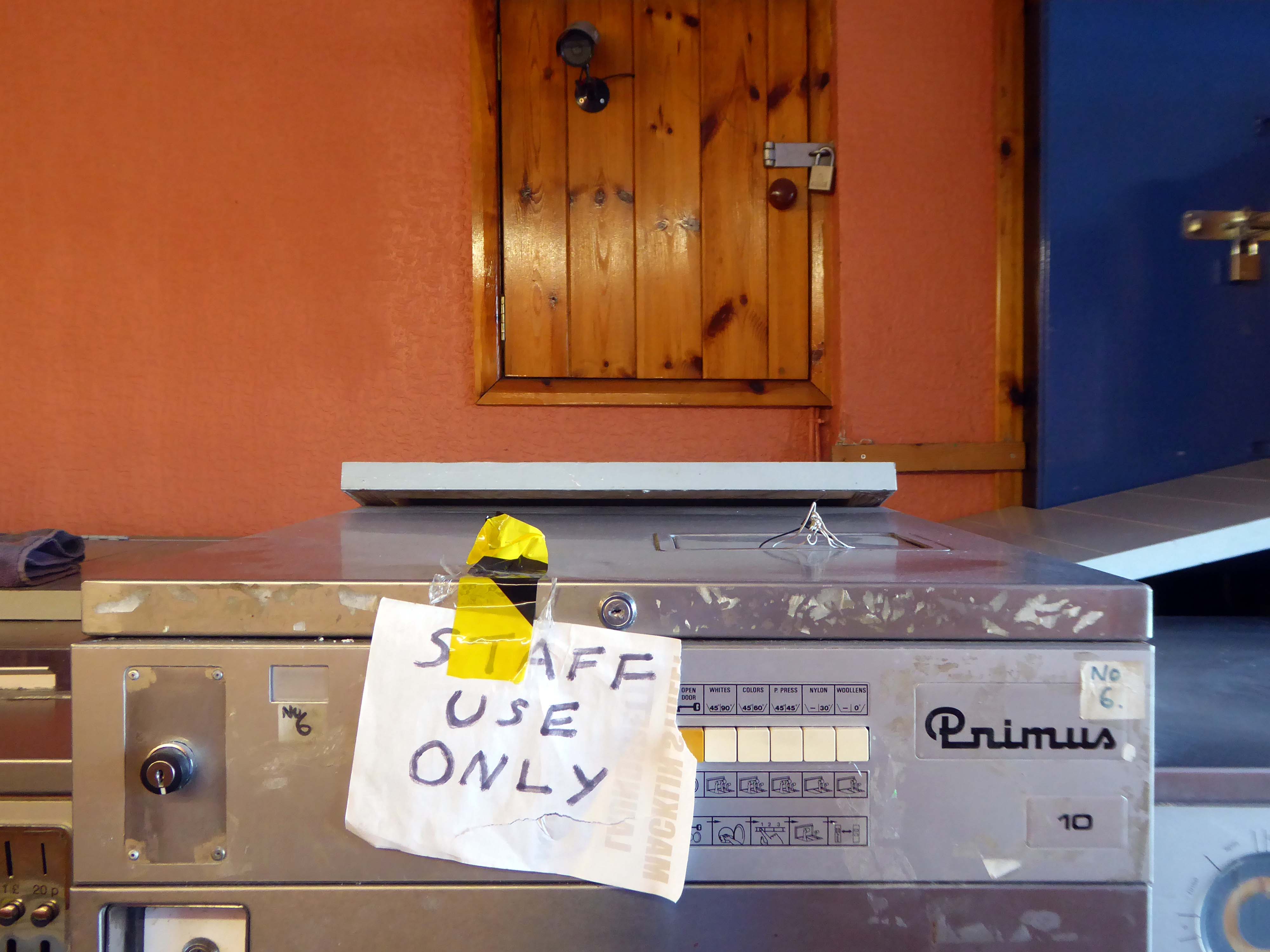
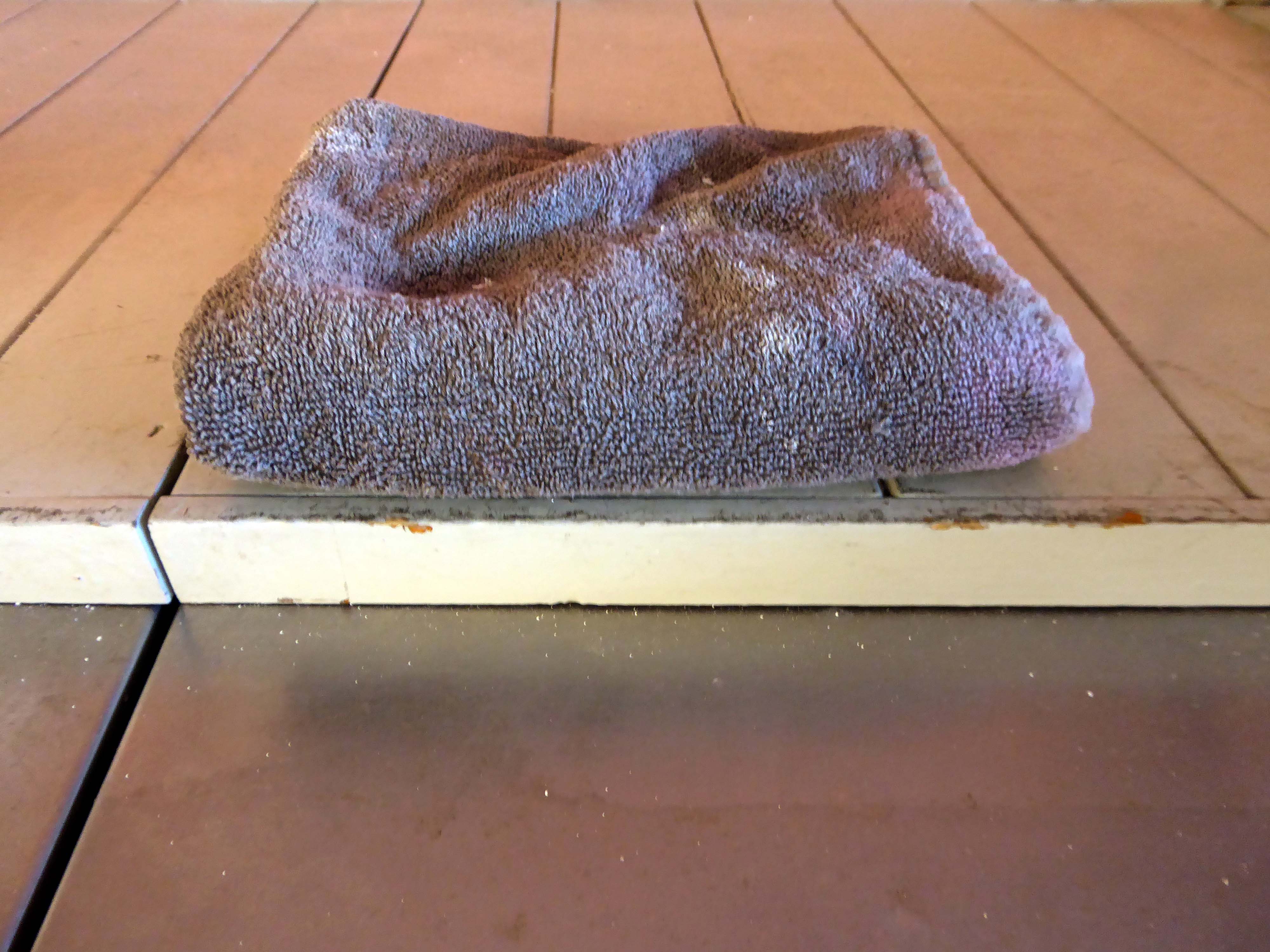
Blown vinyl, damp carpet, dulled stainless steel, tired laminate and pine panels.

A fine mix of dystopia and cheerless optimism.

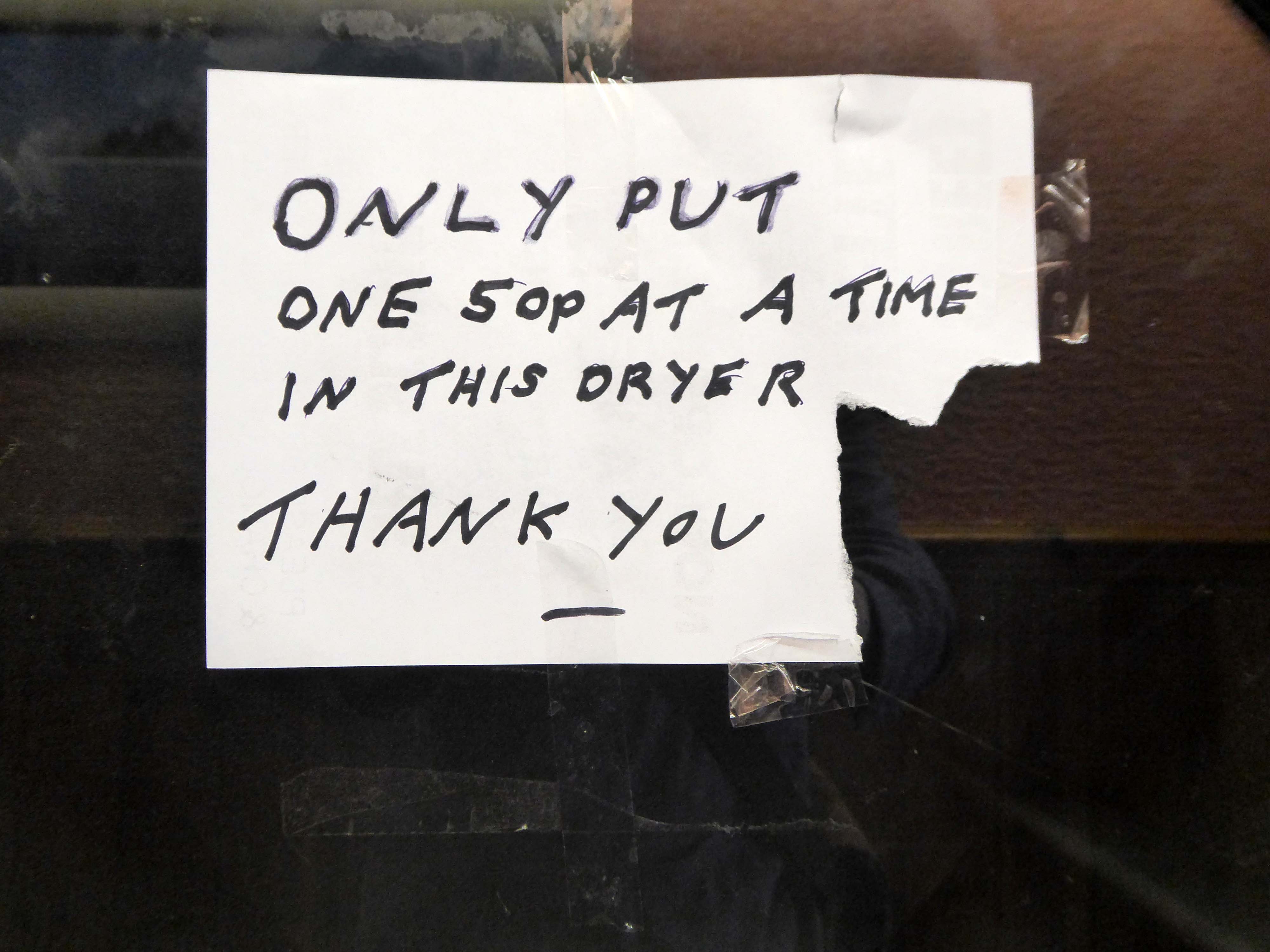
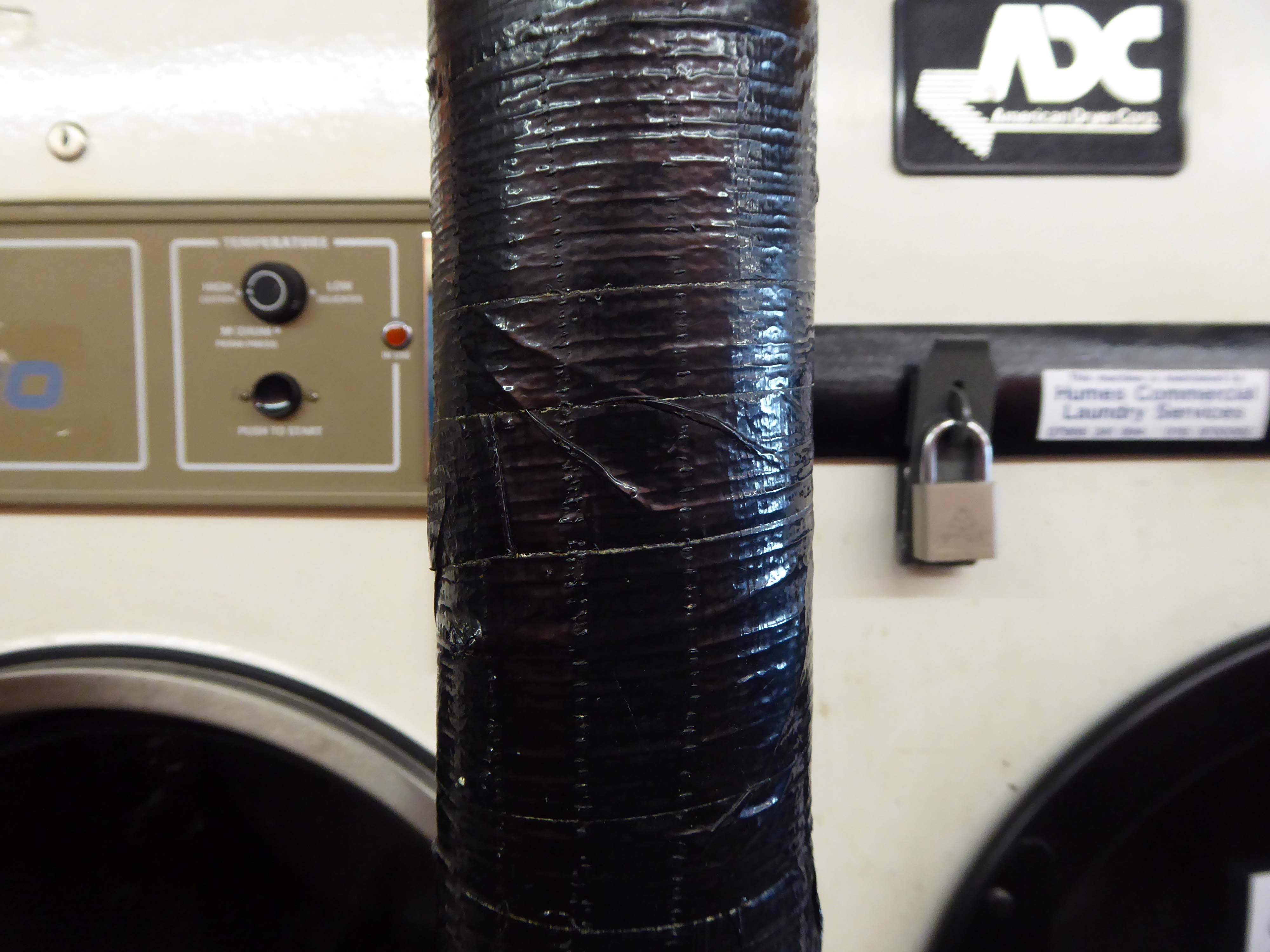
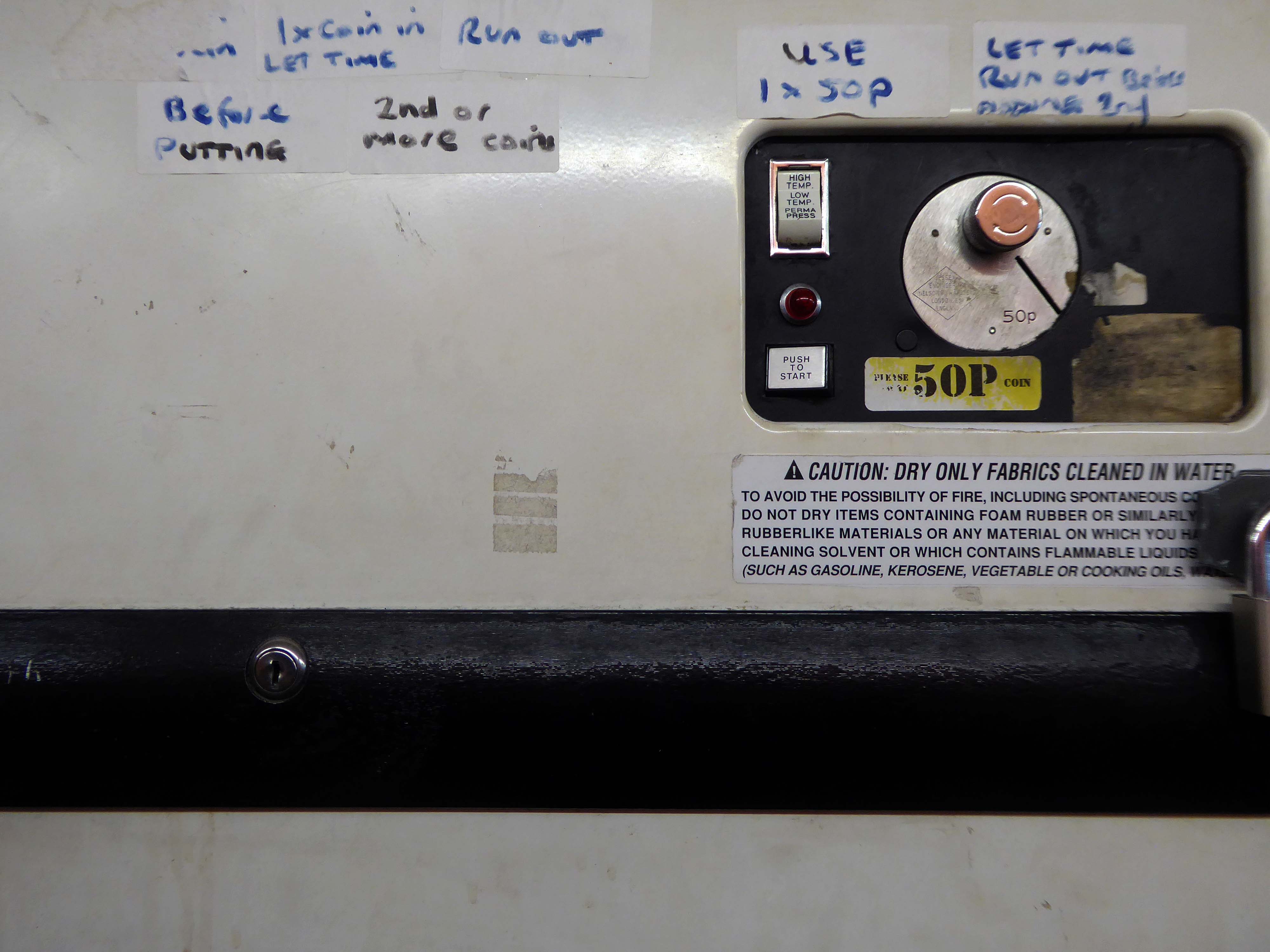
Everything is almost always out of order.

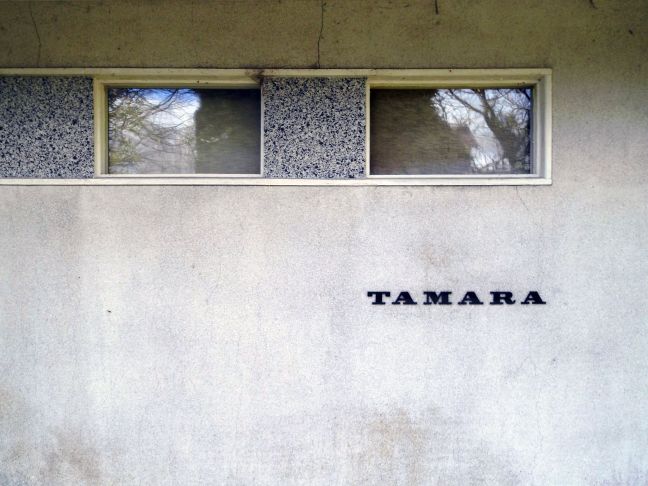
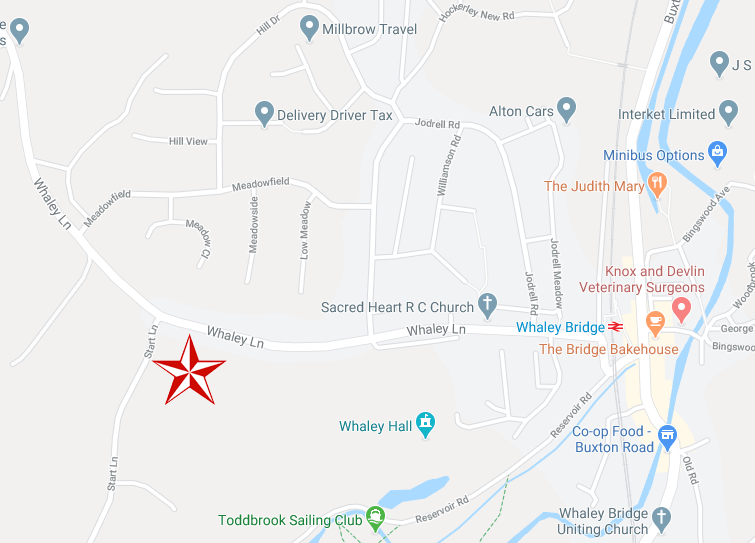
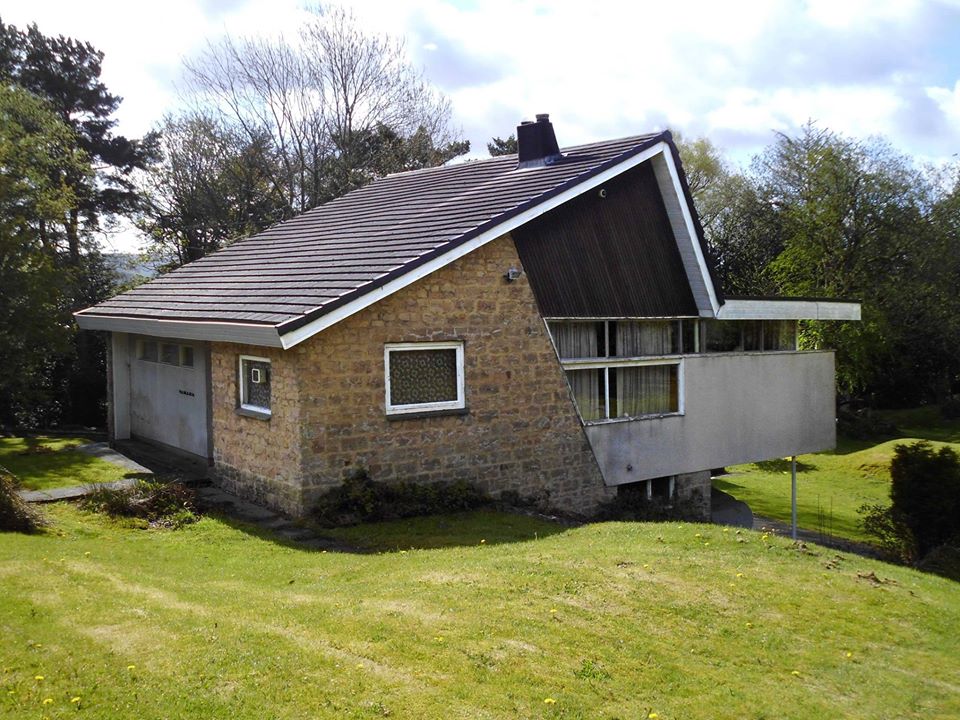
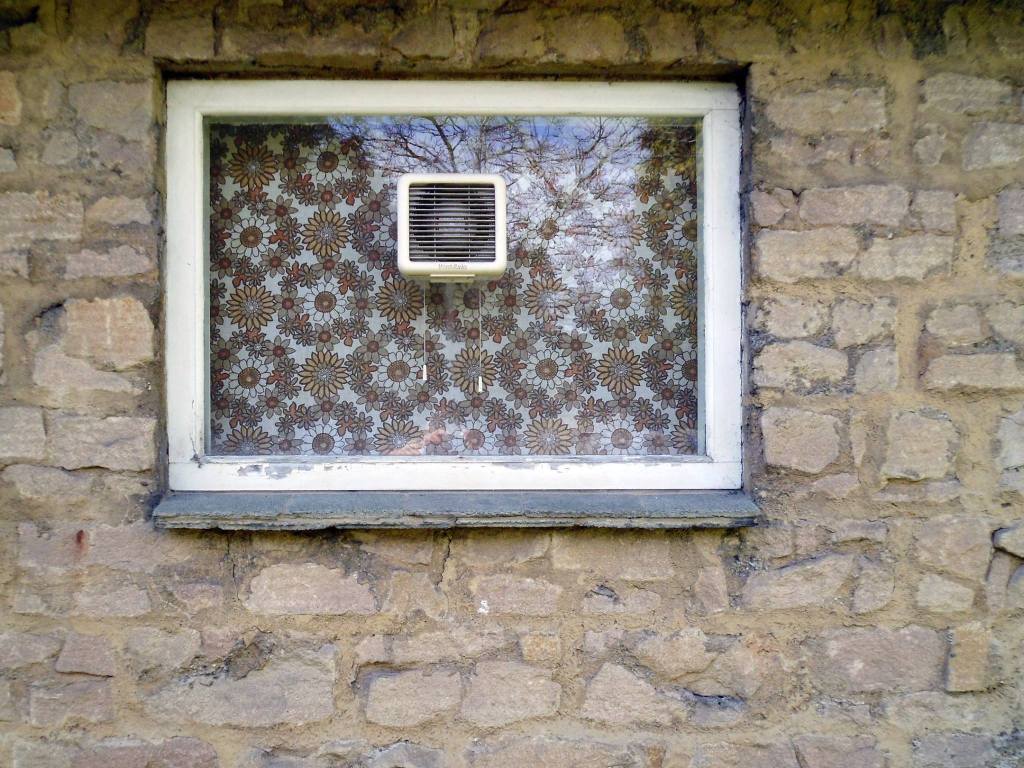
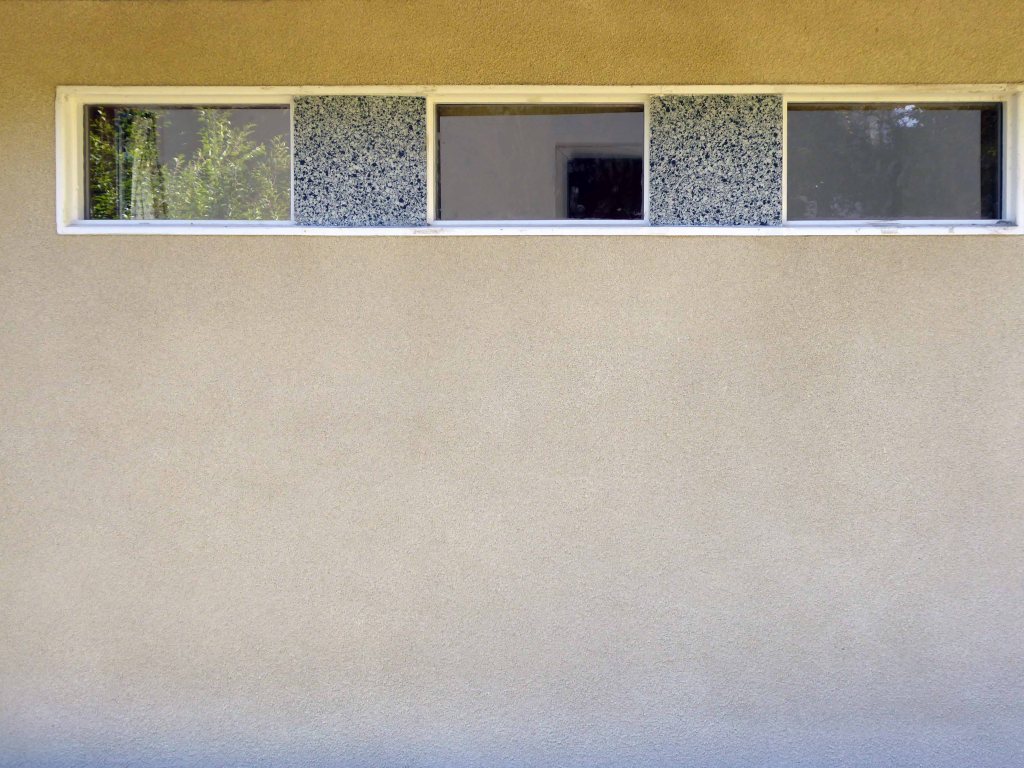
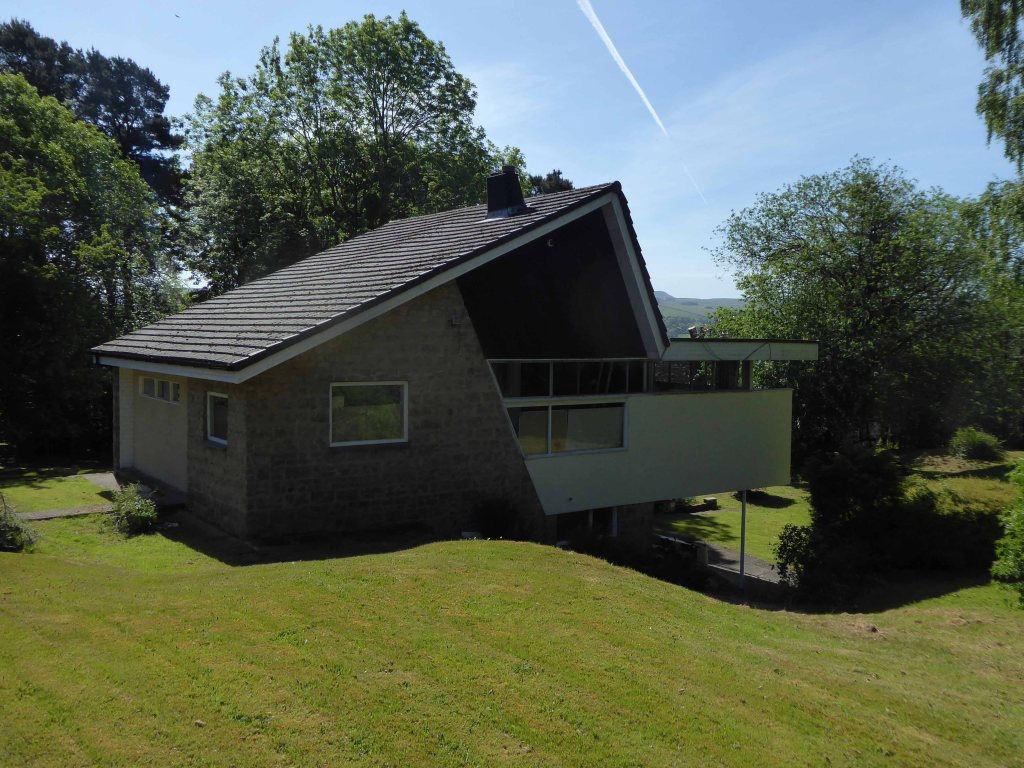
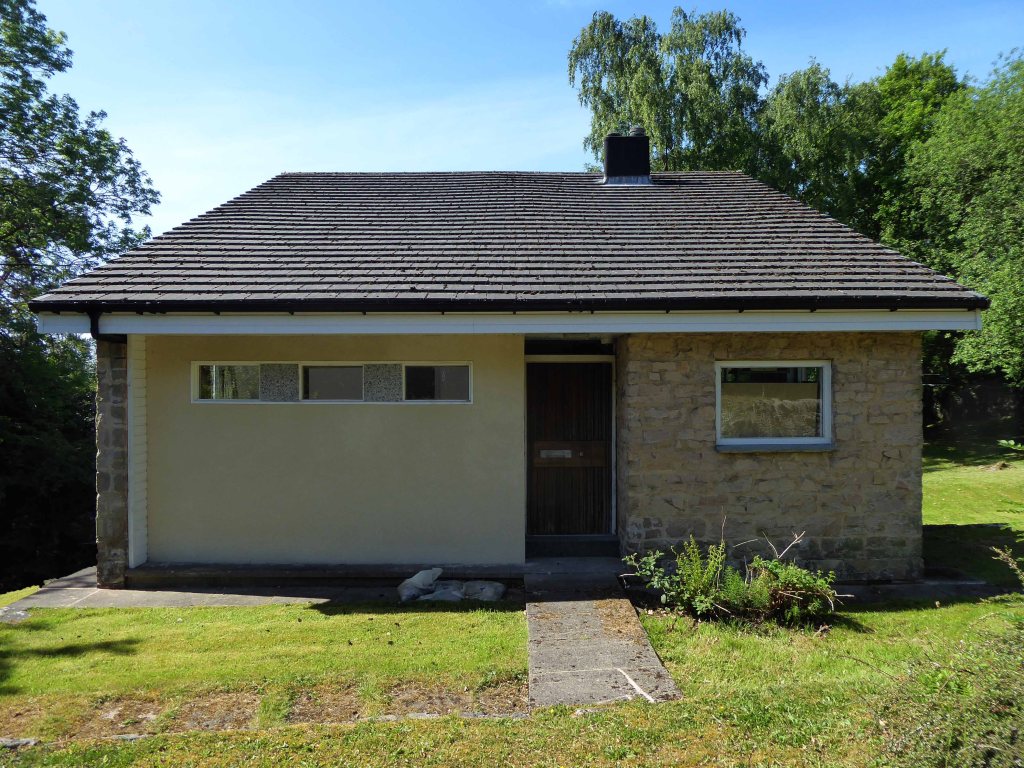
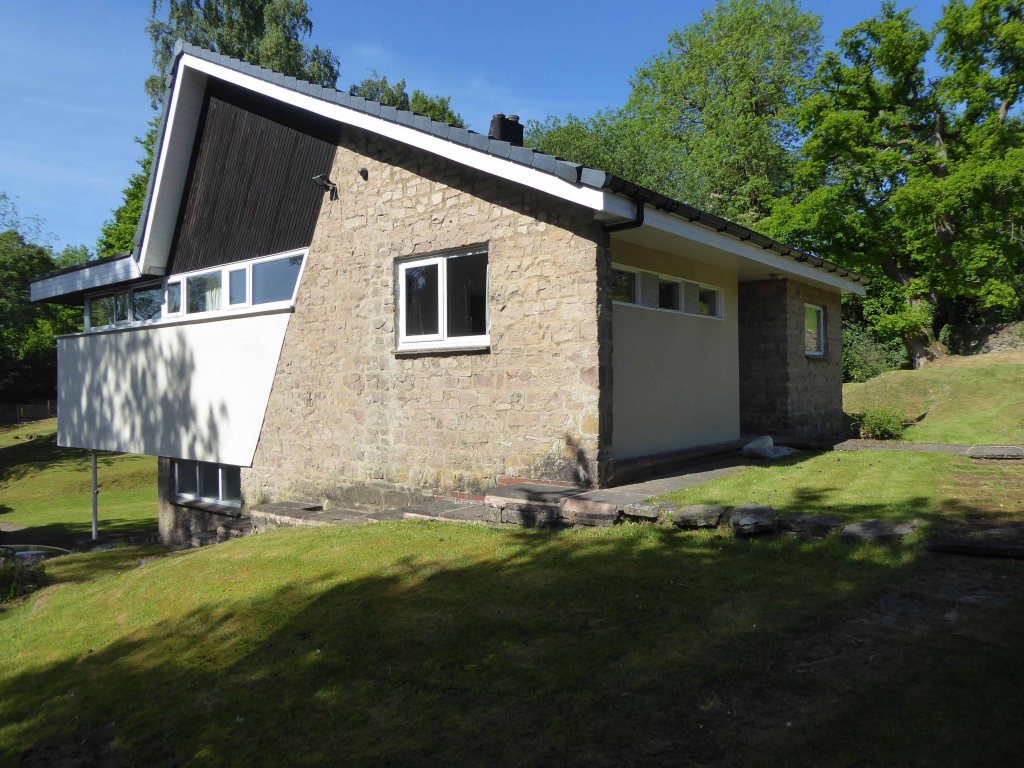
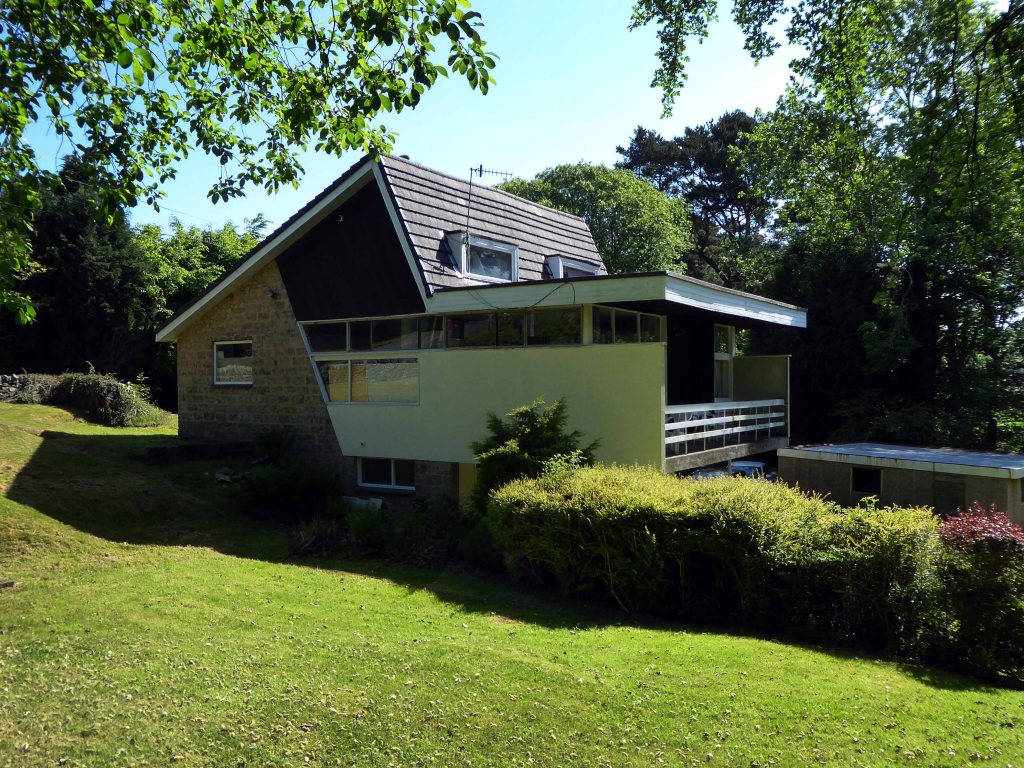
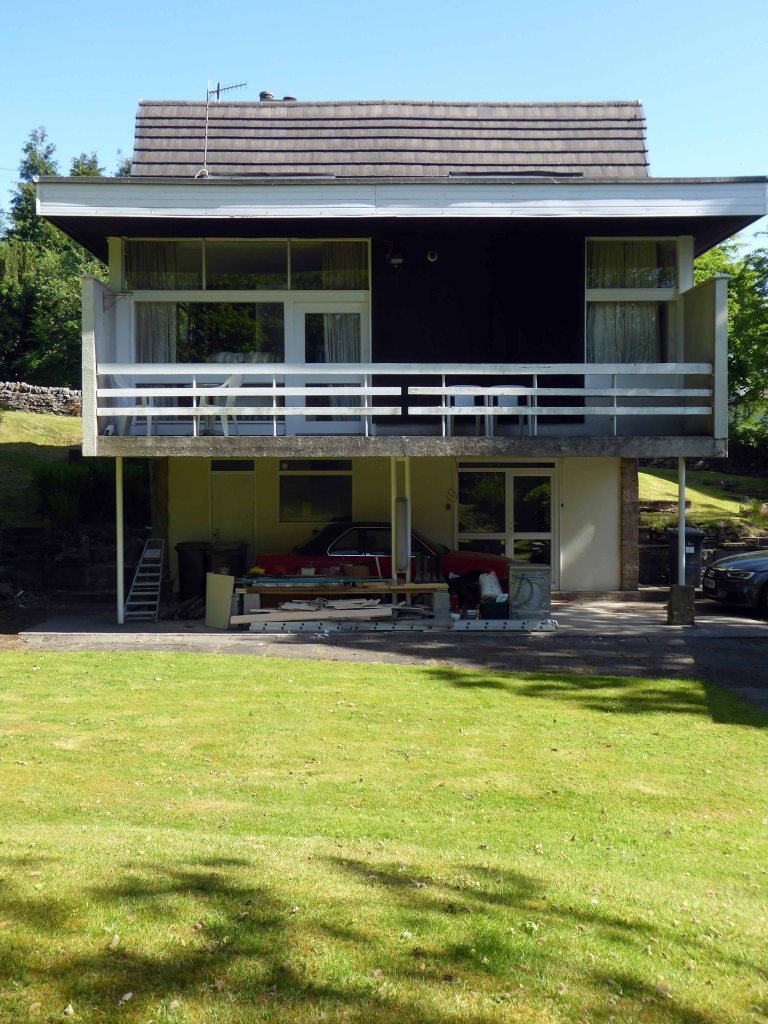
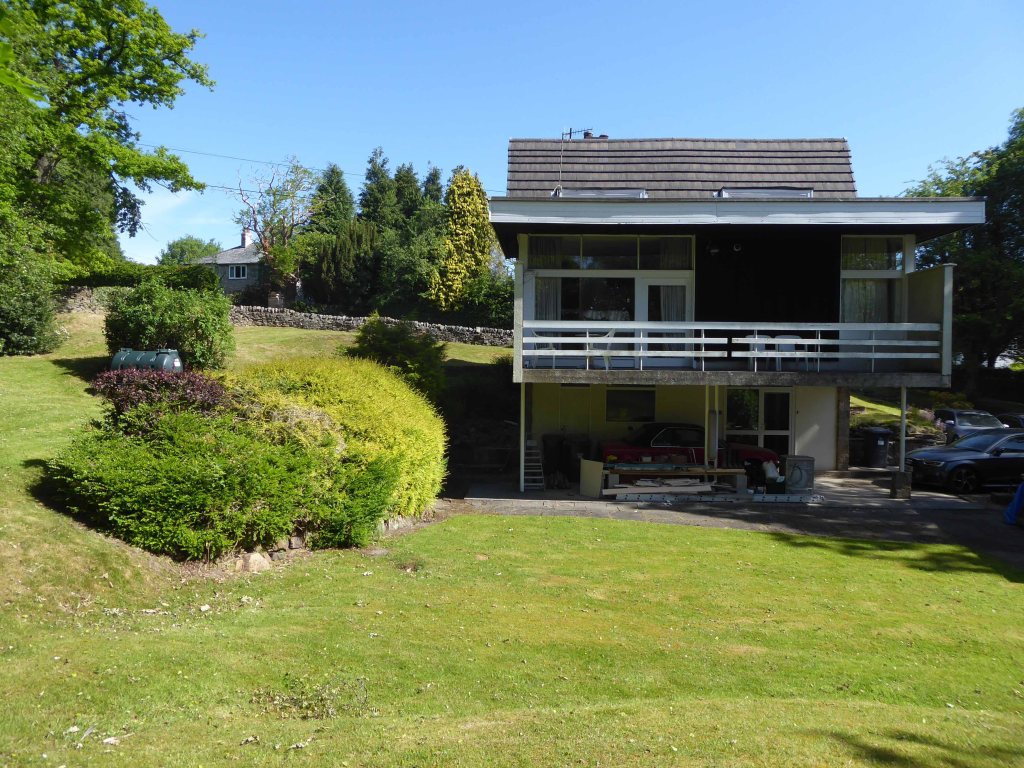
Tamara – Whaley Bridge

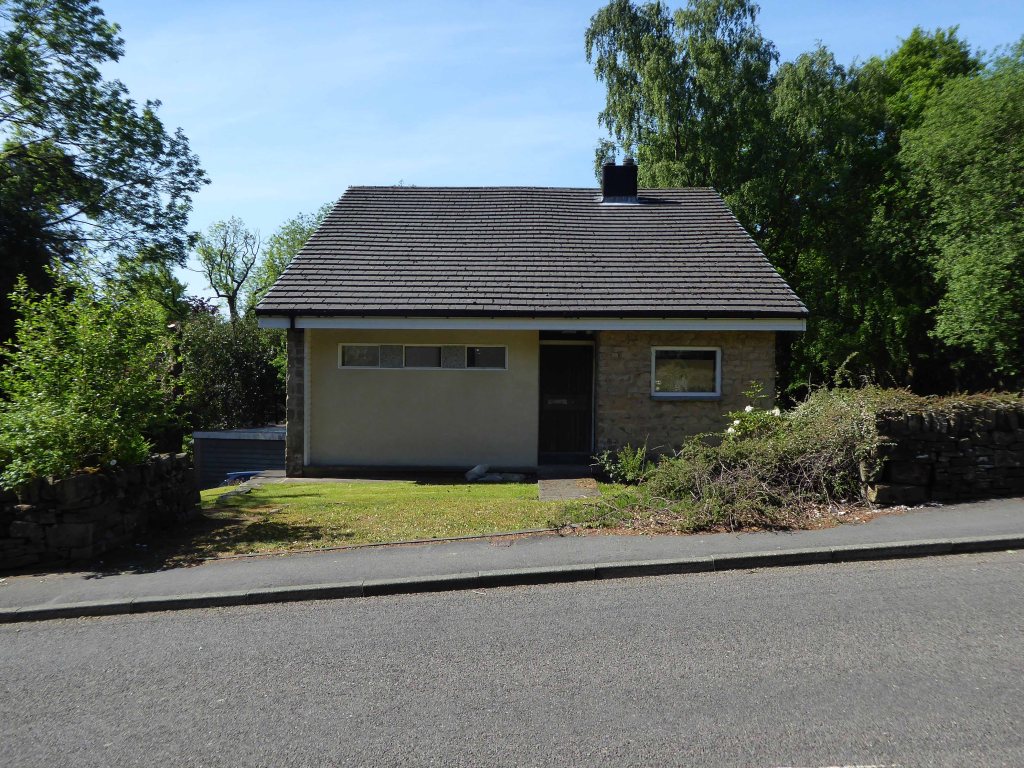
I’ve often cycled by here, on occasion taking time to take a snap or two.

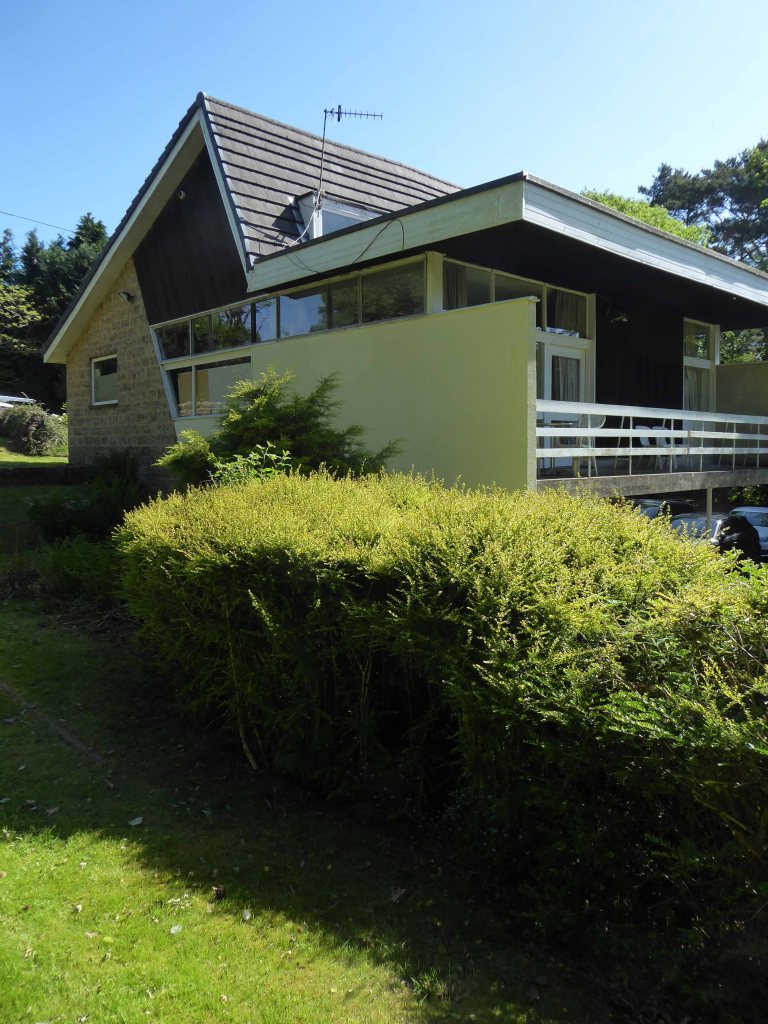
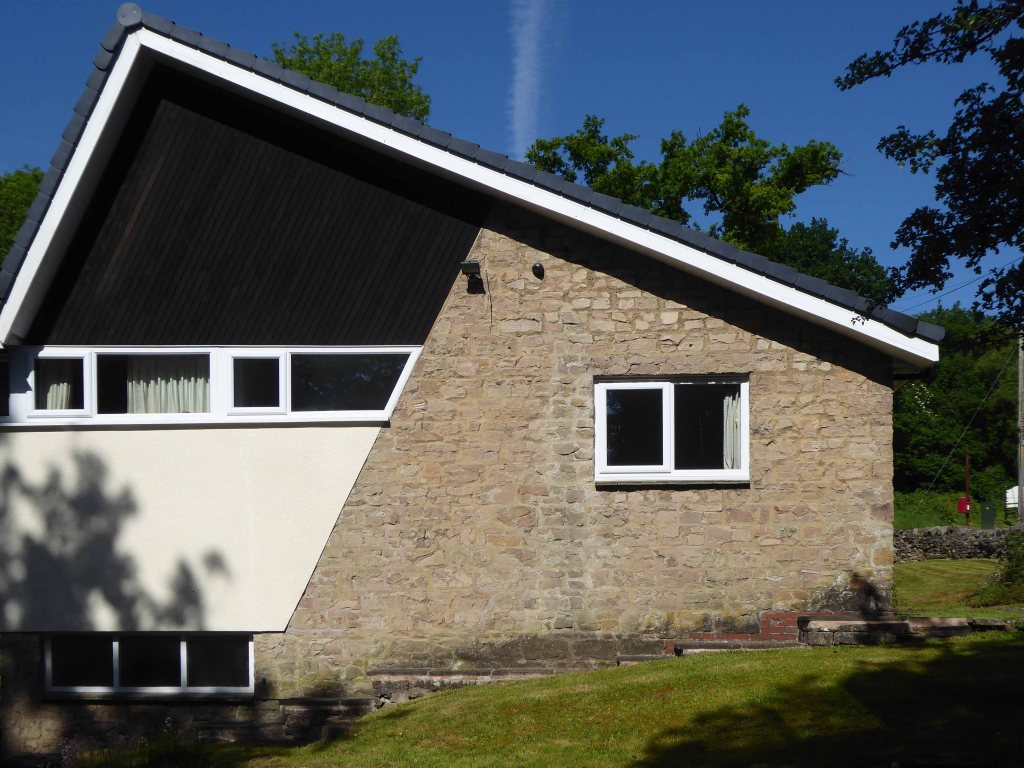
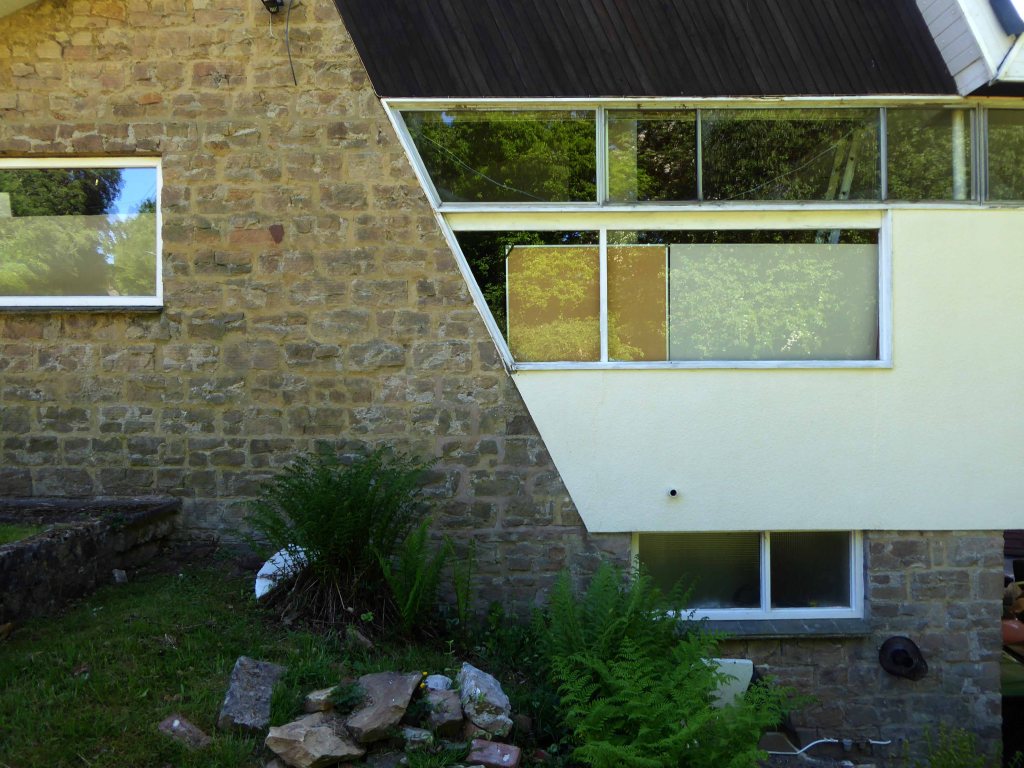
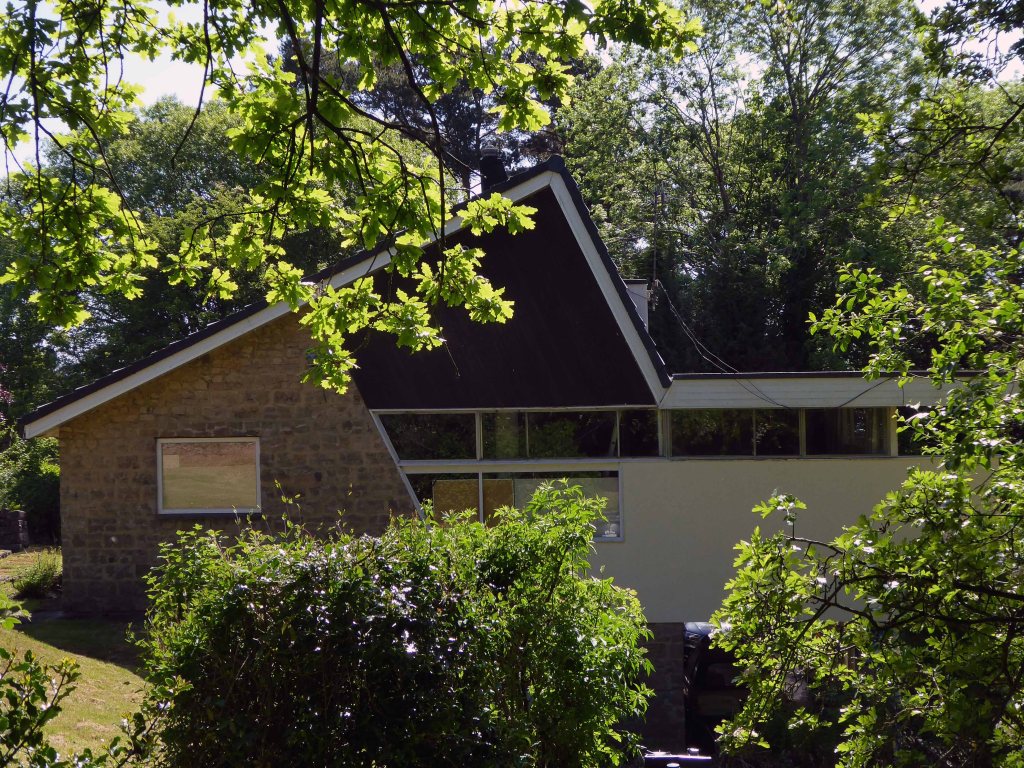
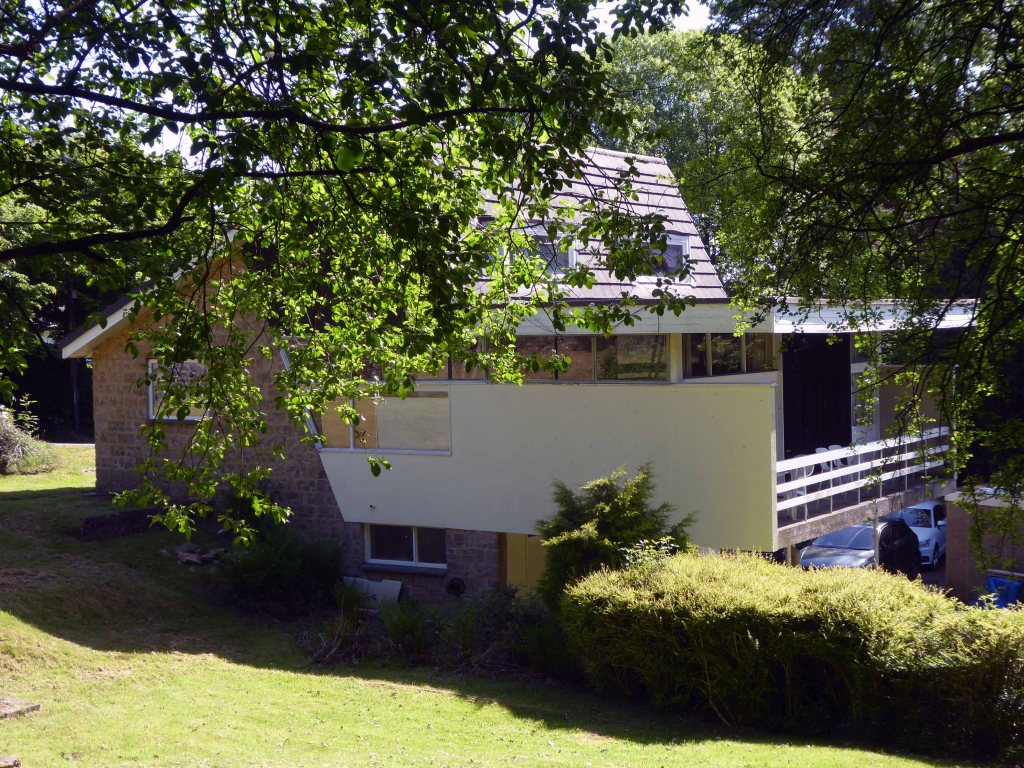
You seemed to be in decline, in need of care and attention. Stood amongst Peak vernacular and sub-Lutyens villas something of anomaly.

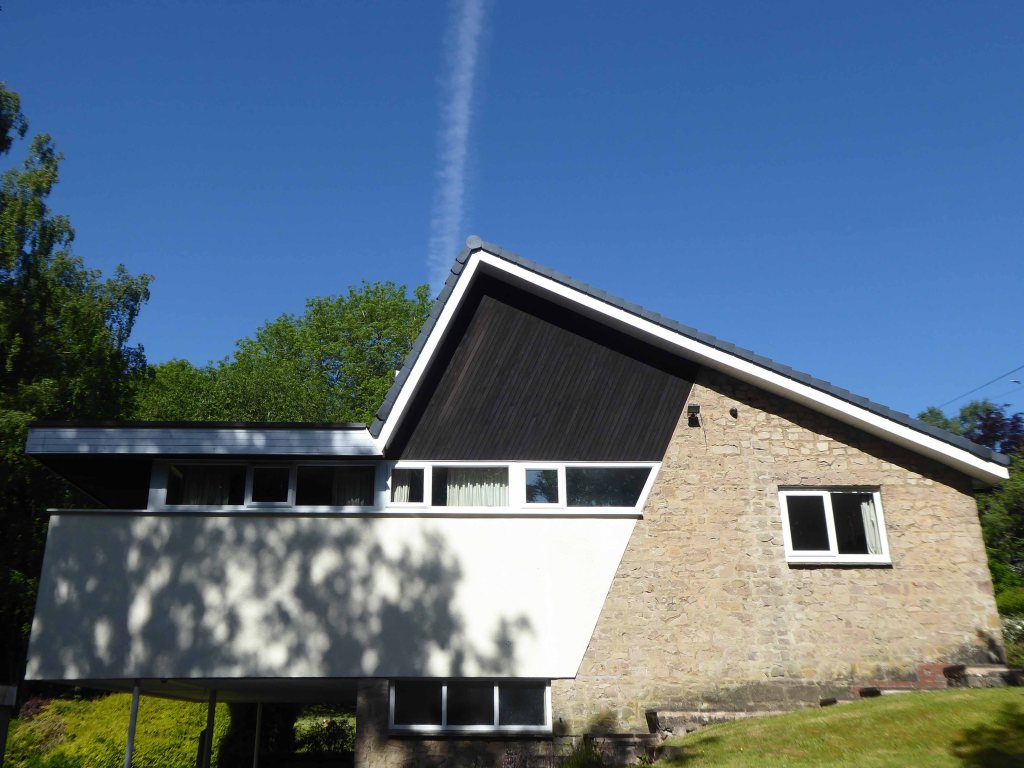
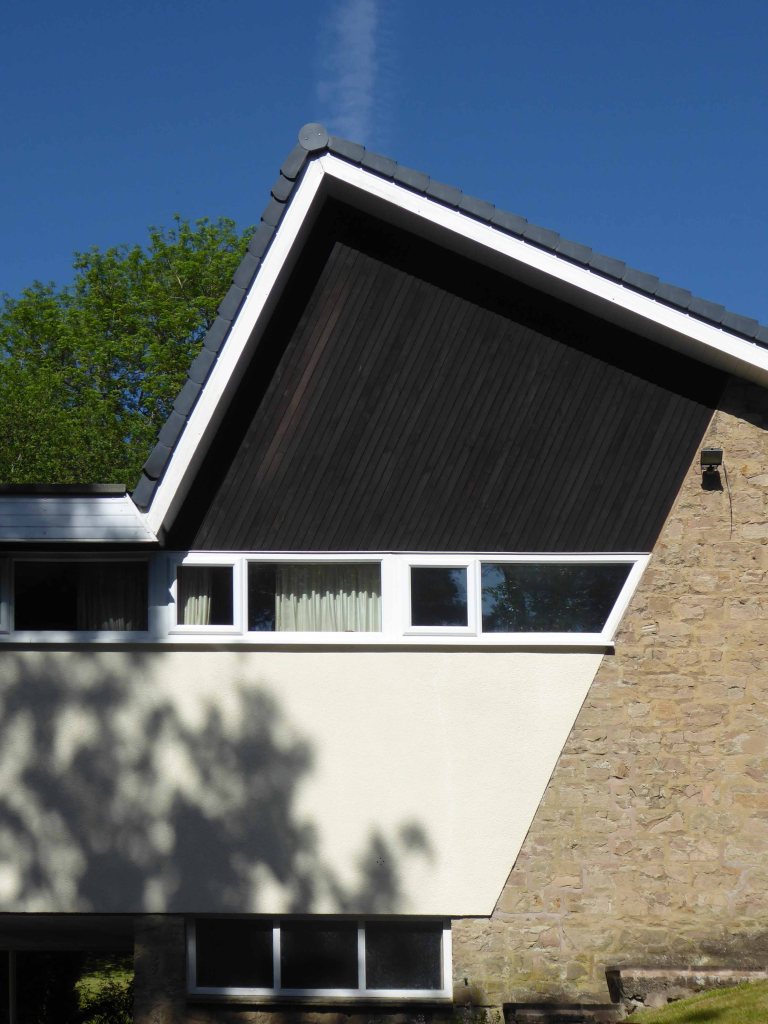
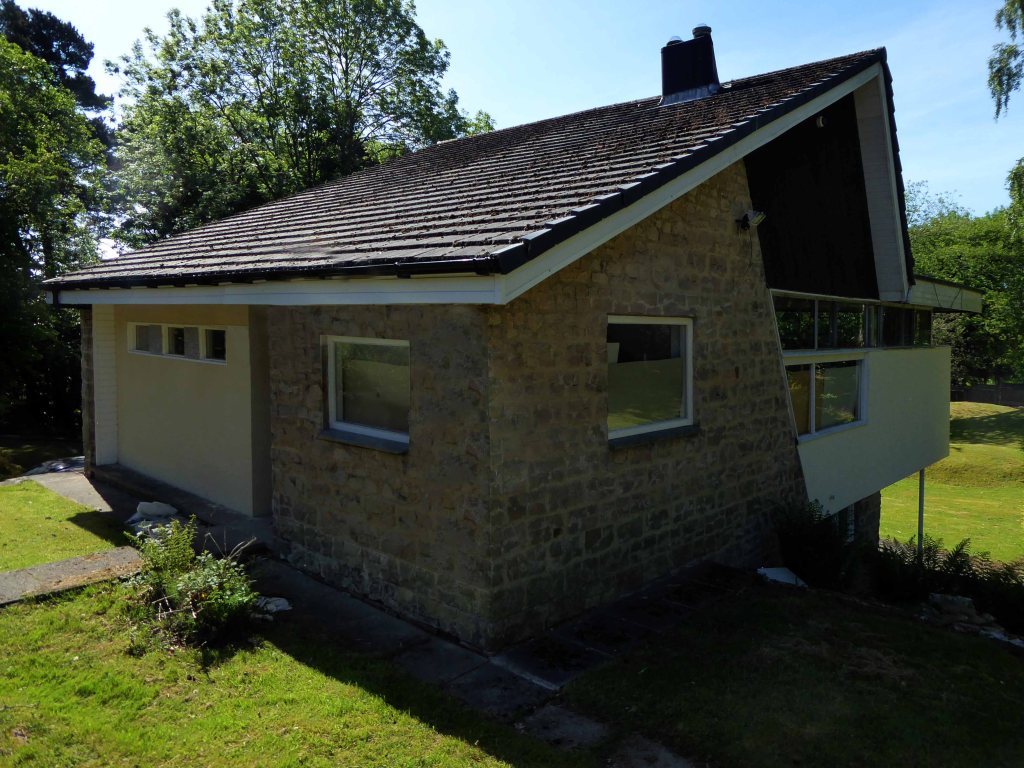
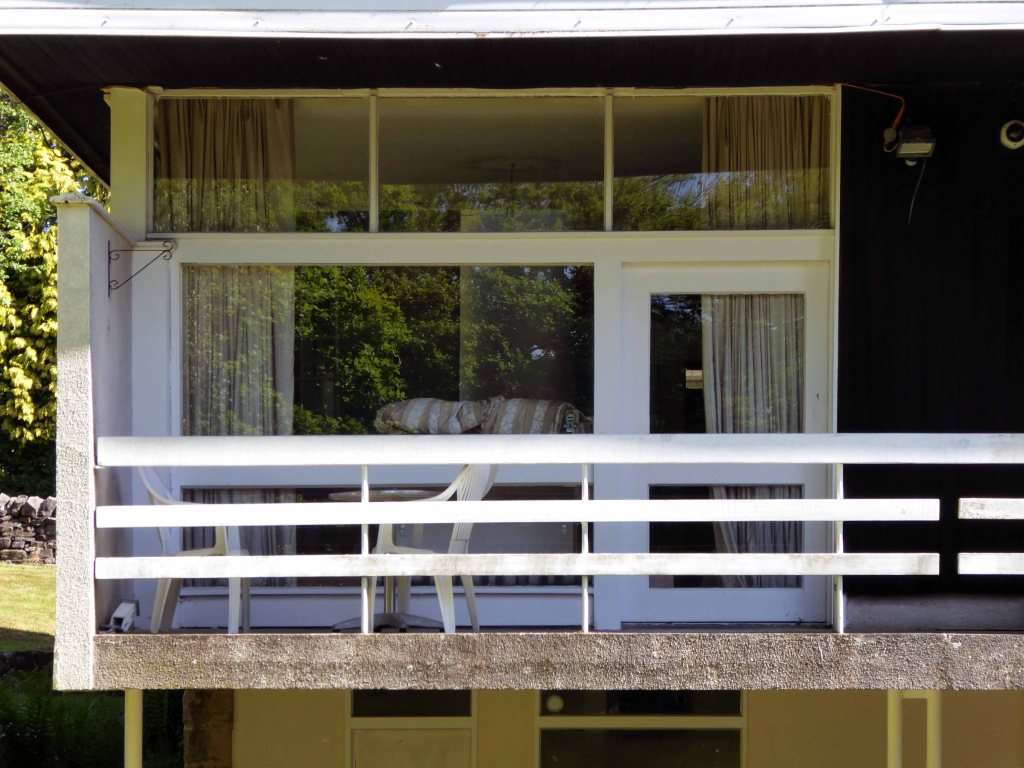
A diminutive Modernist house – a rose amongst the herbaceous borders.

Someone seems to have taken you in hand and work is underway, I just hope that they put your name back in place.

Tamara

Tamara is a female given name most commonly derived from the Biblical name Tamar, meaning date – the fruit, date palm or palm tree. In eastern European countries like Armenia, Croatia, Czech Republic, Georgia, Hungary, North Macedonia, Poland, Russia, Serbia, Slovenia and Ukraine it has been a common name for centuries. In Australia it was very popular from the 1960s to 1990s. 

In the United States, the name was fairly common from the late 1950s to mid 1990s, bolstered by the popularity of the film Tammy and the Bachelor – Tammy is commonly a nickname for Tamara. In the US the most girls named Tamara were born in 1970 and the number of Tamaras born per year was greater than 1,000 as late as 1996.

The name is now fairly uncommon in the US: in 2010, the name fell off the Top 1000 SSA Baby Names list, with fewer than 250 baby girls named Tamara that year.

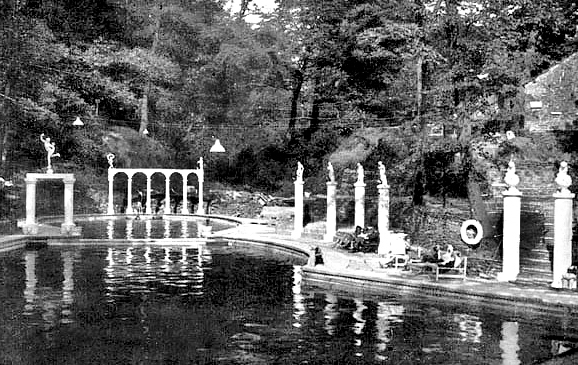
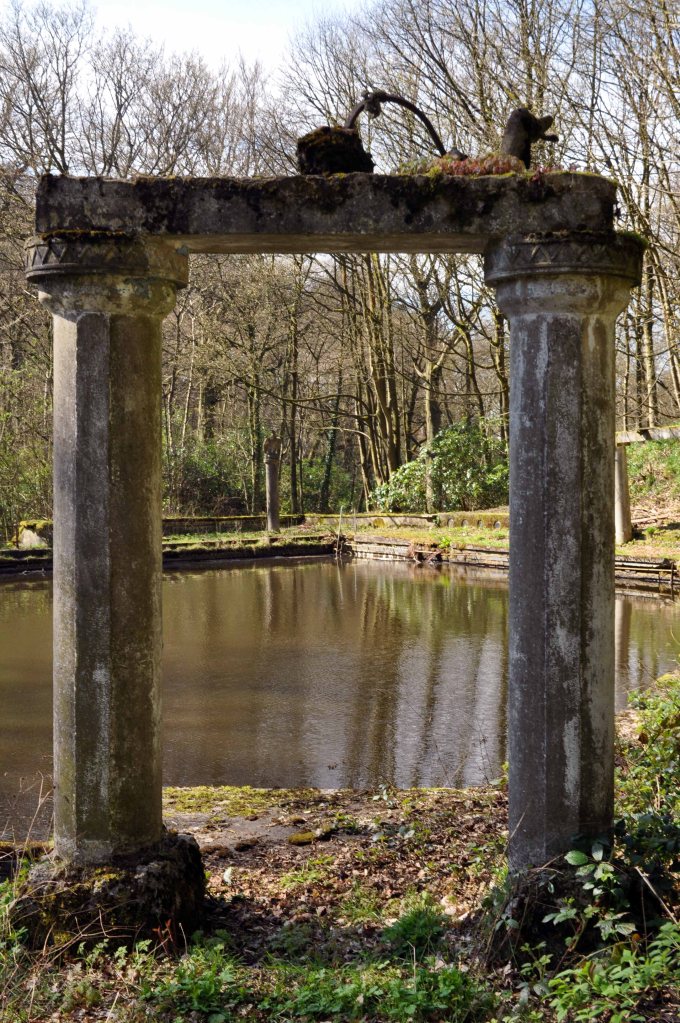
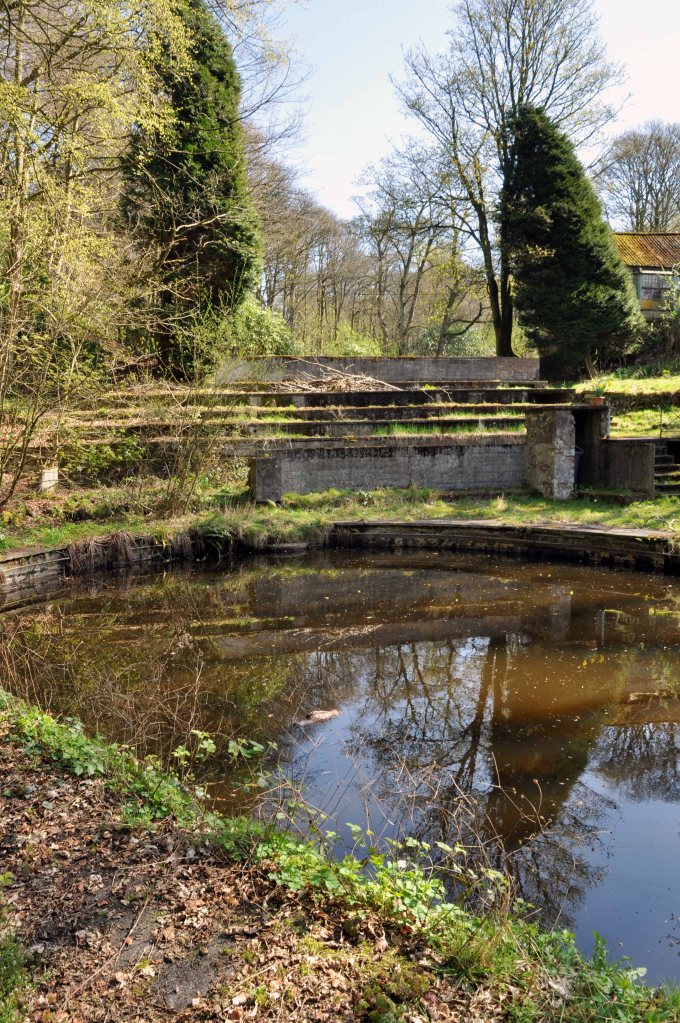
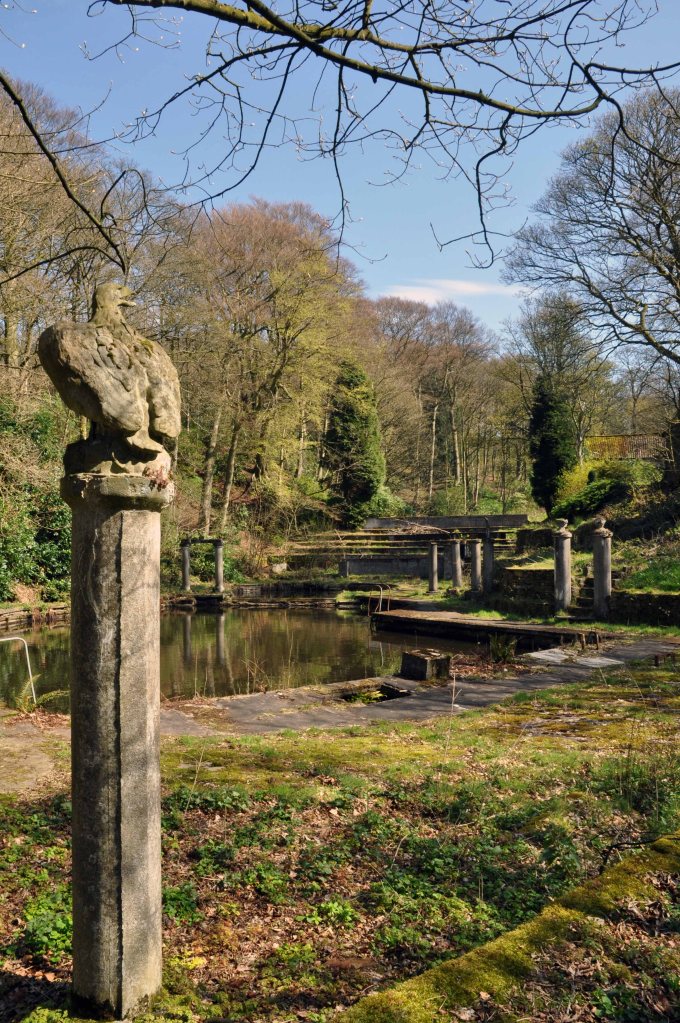
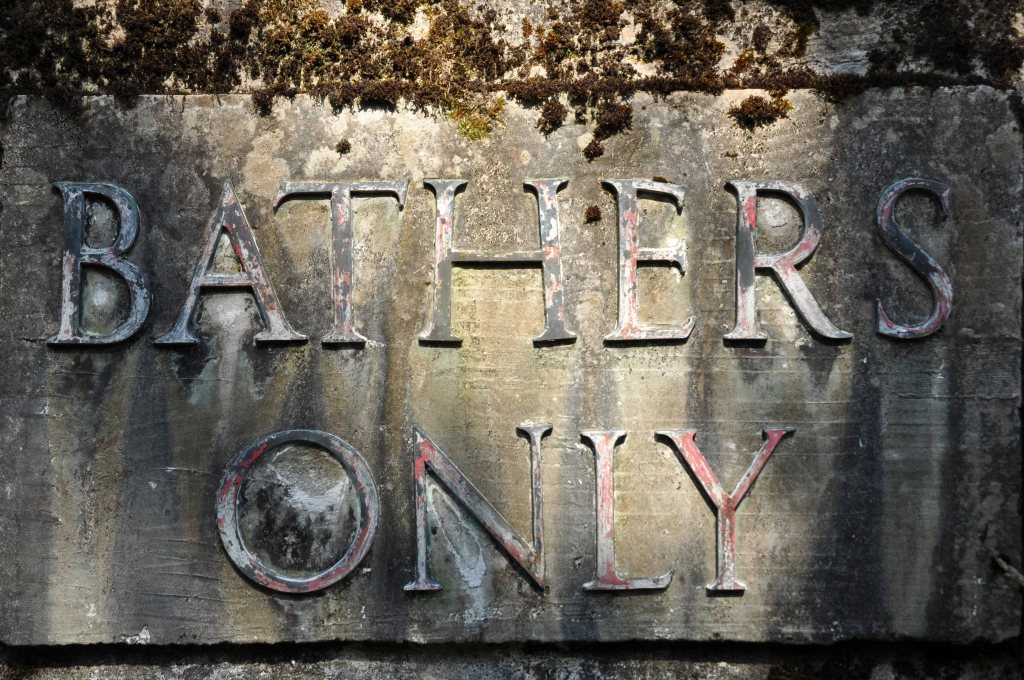
Park Hall Manor Pool – Little Hayfield

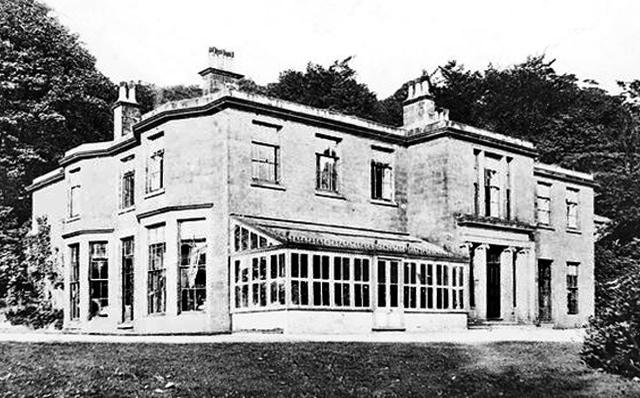
First there was a house.

A Grade II listed country house, now divided into two dwellings. c1812. Ashlar gritstone. Hipped slate roof with leaded ridges. Various ashlar triple stacks with moulded tops. Moulded cornice and low parapet. Two storeys, central block with recessed long wing to east, orangery to west.

Historic England

Currently trading as a quick getaway country cottage

This Grade II listed manor house is set within 14 acres of natural grounds, together with the occupied adjoining servants’ wing, and has been sympathetically converted, retaining many original features to provide comfortable accommodation for families wishing to meet up for that special family occasion, and wi-fi is available in the living room. 

Then came a pool:

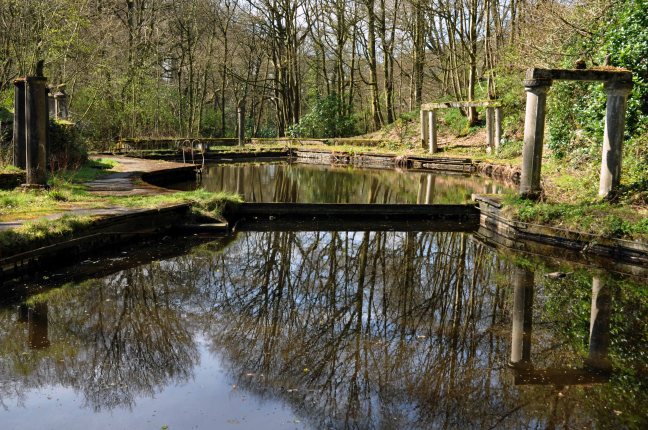
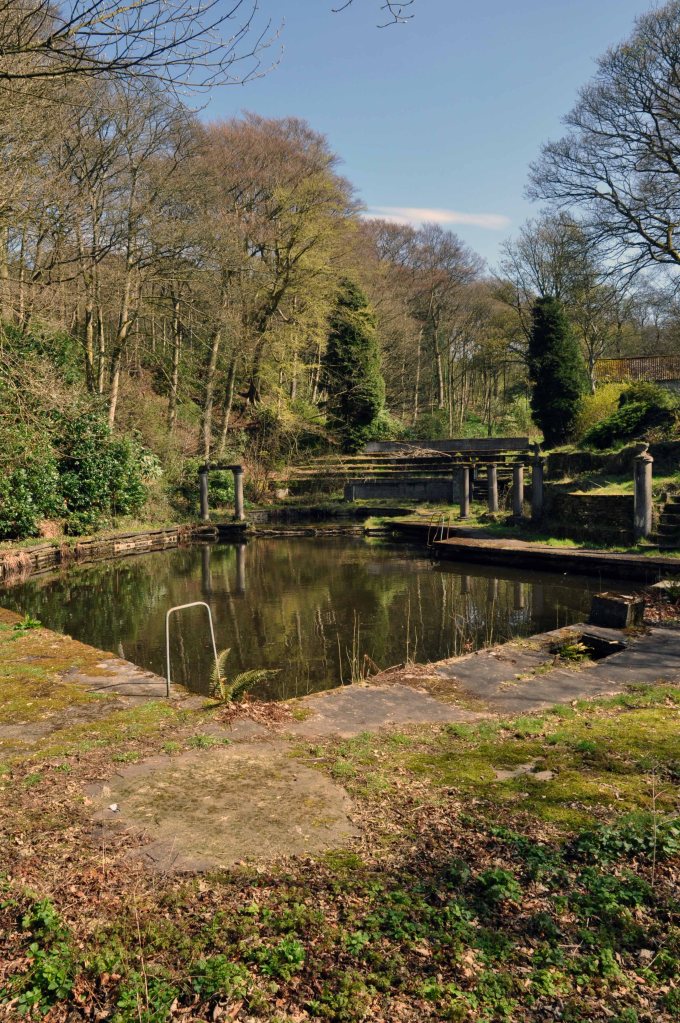
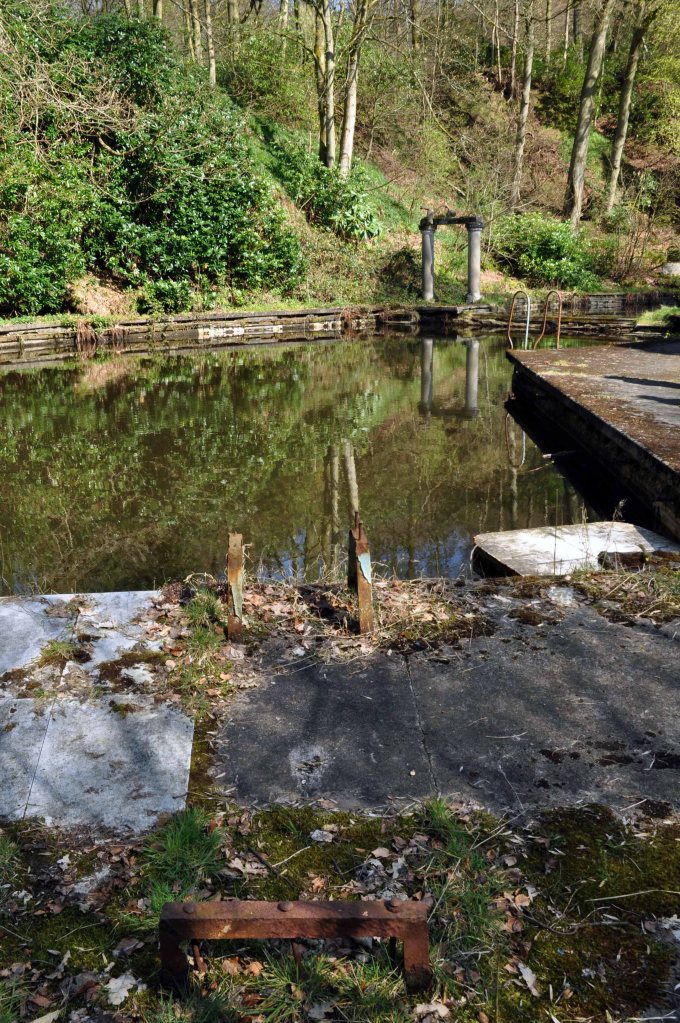
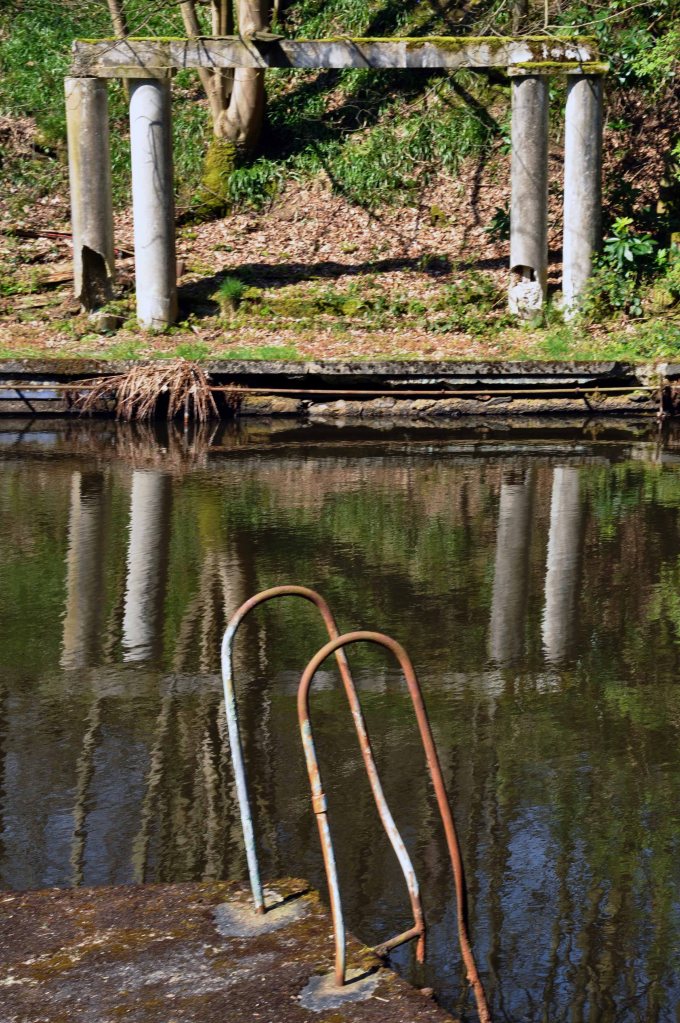
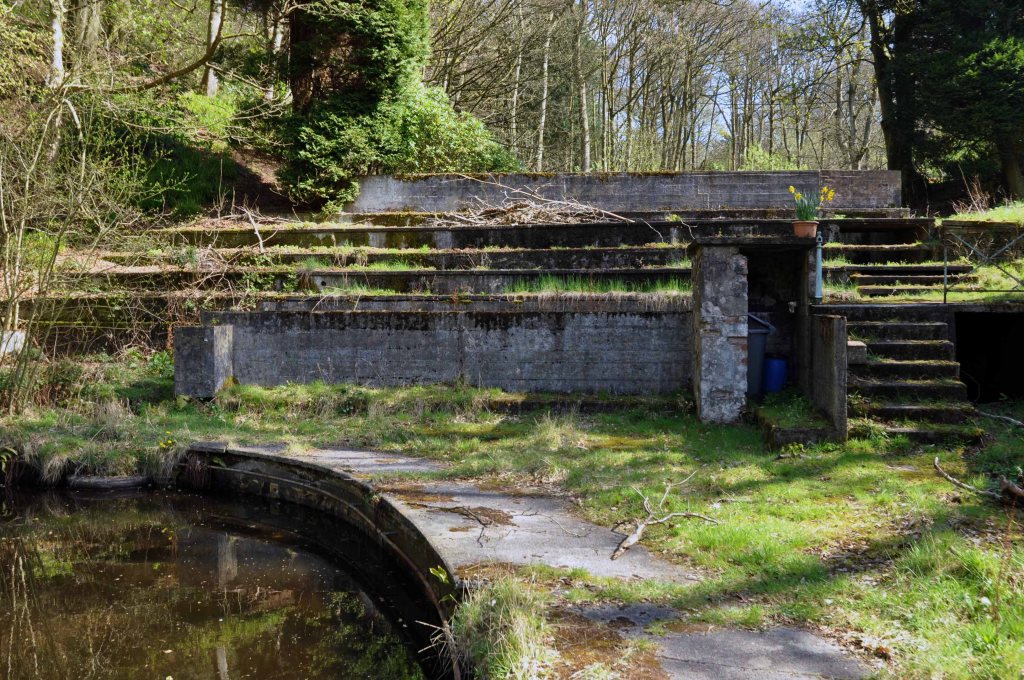
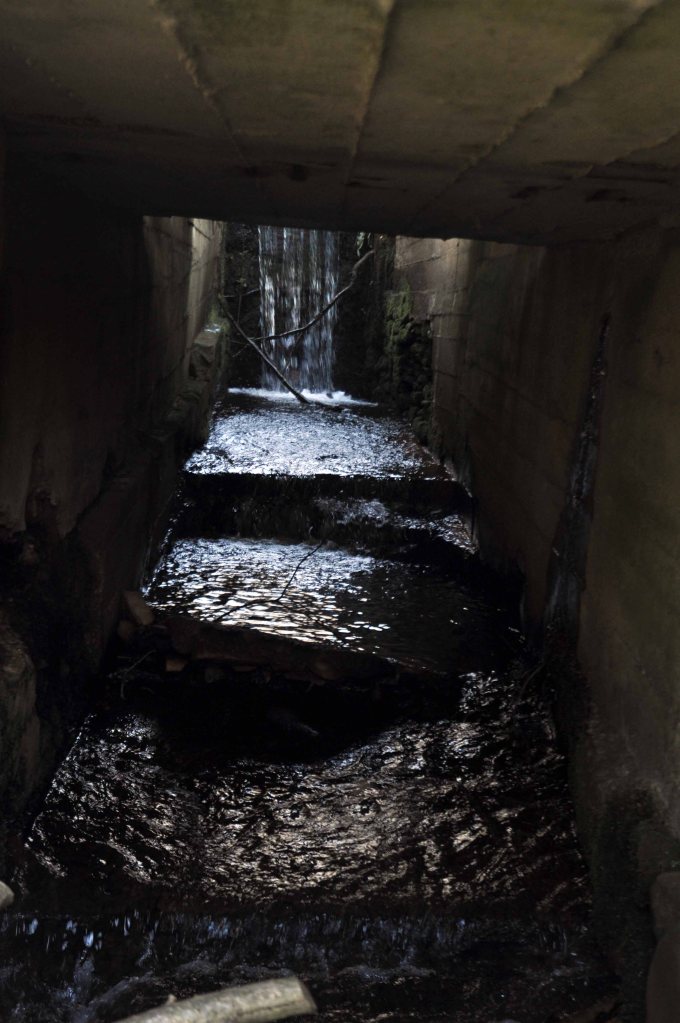
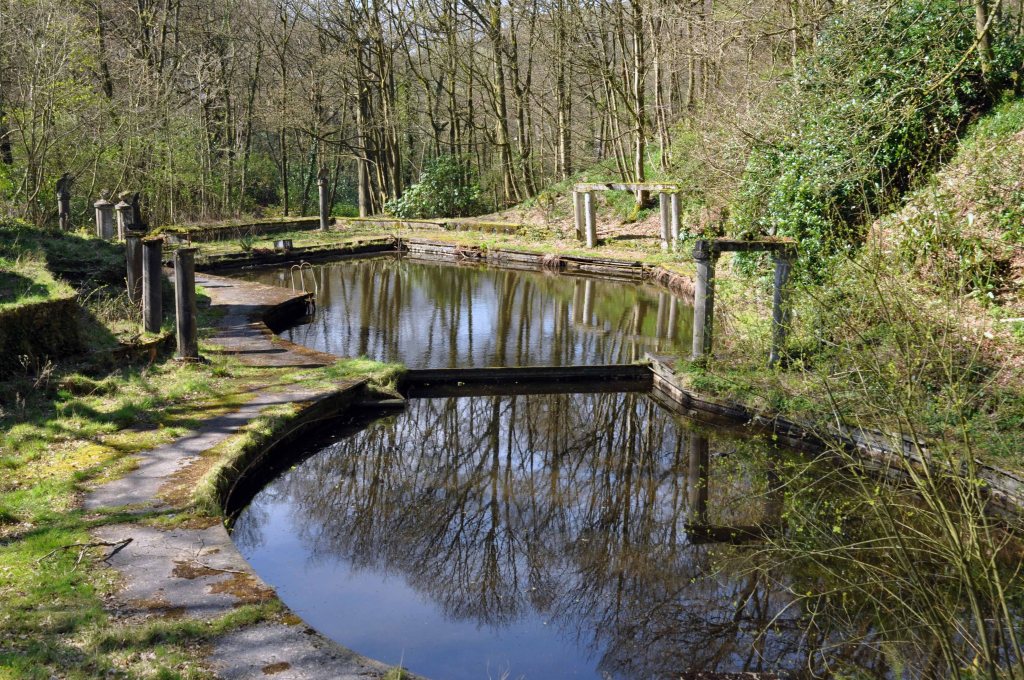
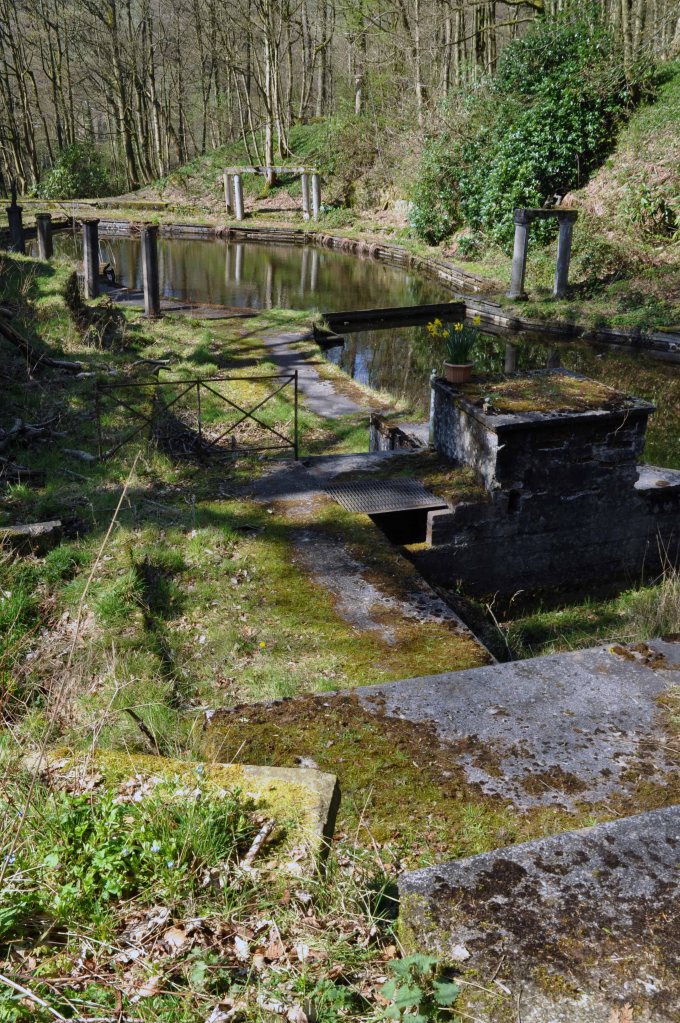
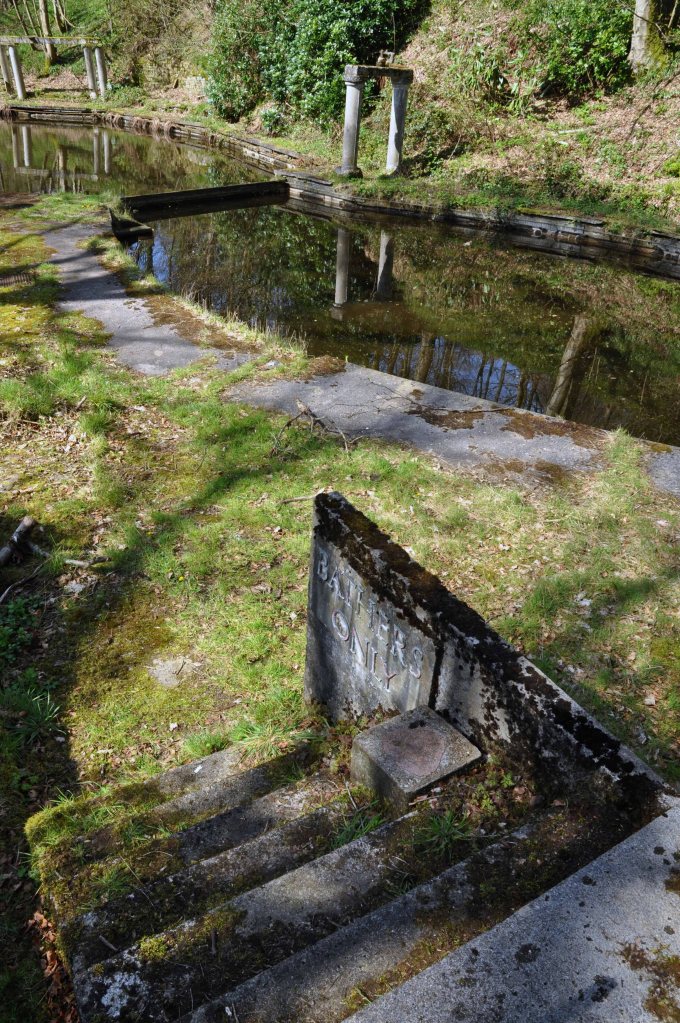
Previously a private pool belonging to a country club in the 1930’s it later opened to members around 1938 who paid a small fee for its use. The pool is fed by a mountain stream and the water is reported to remain cool throughout the year. In the 1940’s/50’s locals recall the pool being open to the public where it cost a ‘shilling for children and half a crown for adults’ entry. During storms in 1947 the pool was badly damaged and reportedly ‘never the same again’ but postcards in circulation in the 1960’s provide evidence that the pool remained open at least until then.

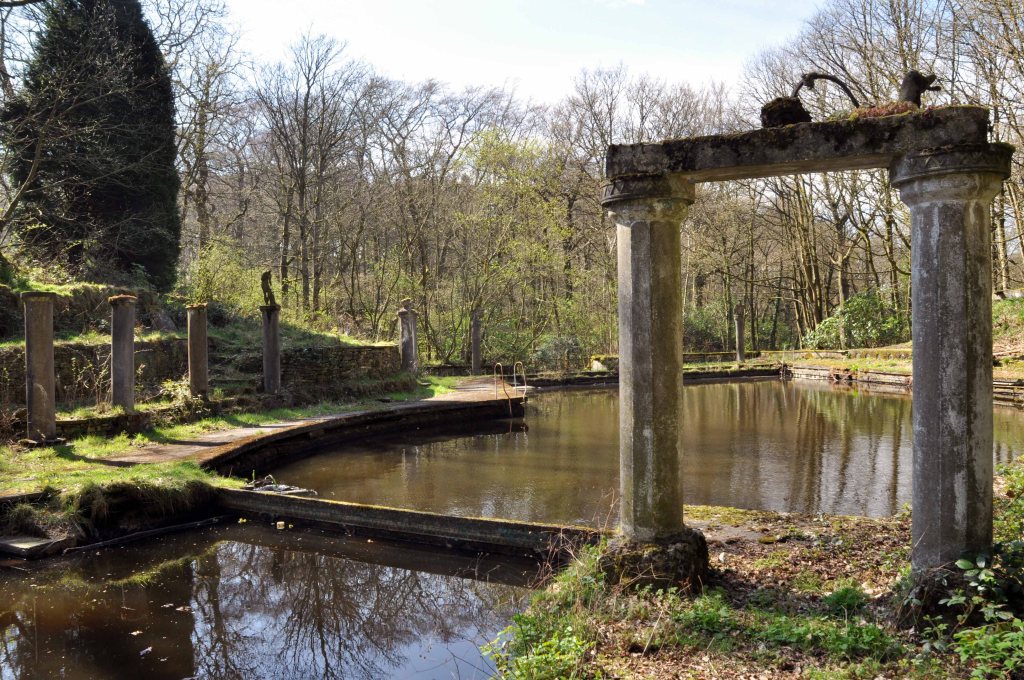
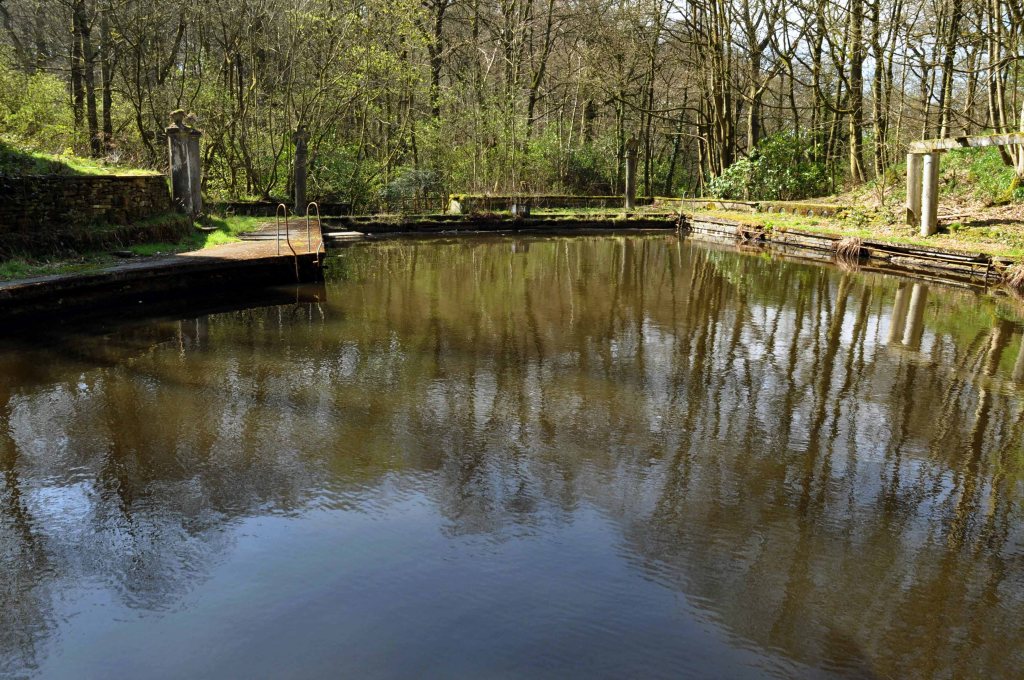
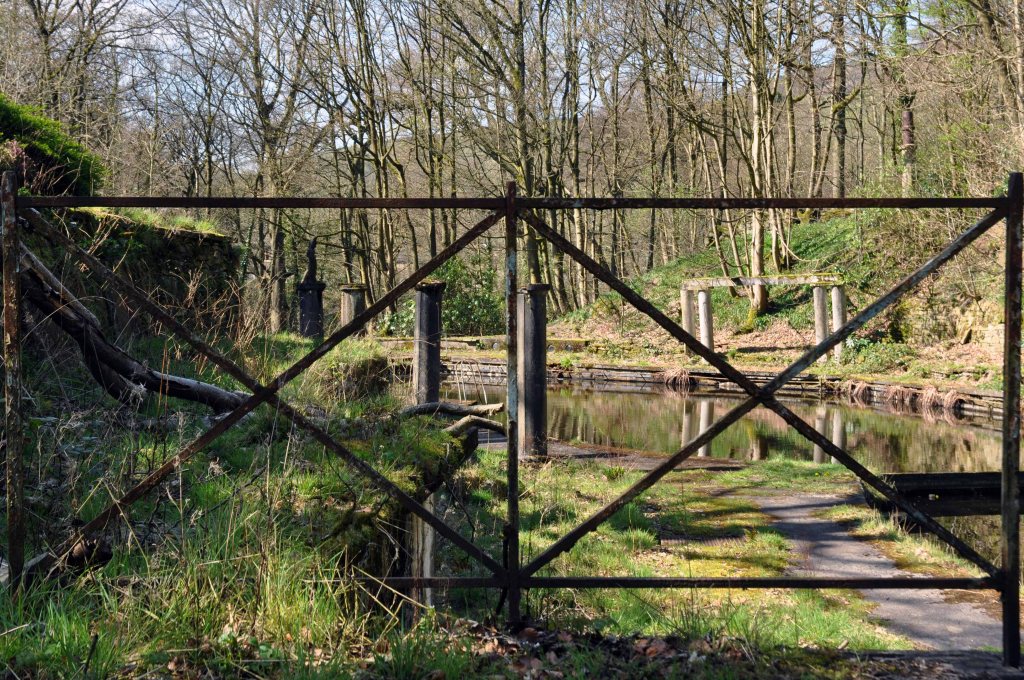
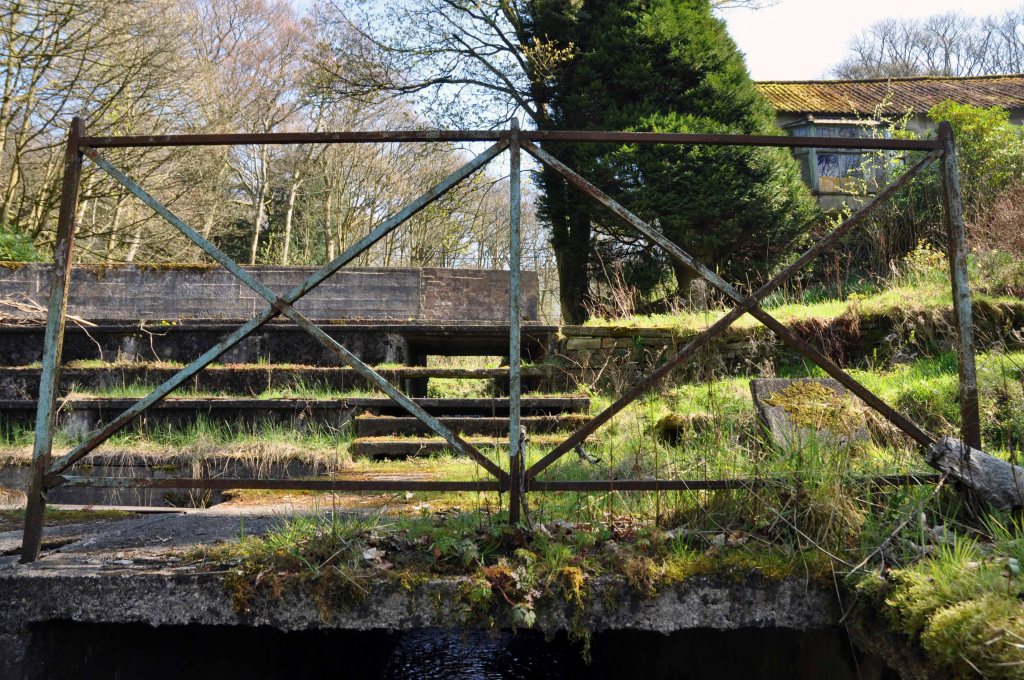
Now it sits abandoned and hidden in the woods.

I went there in my early teens late 60’s the pool was still intact, well used and well cold. I remember chilly changing rooms with duckboards on concrete floors, a small café with pop and crisp if you had the pennies.

Most of all the simple joy of emersion in clear moorland water, on long hot summer days long gone.

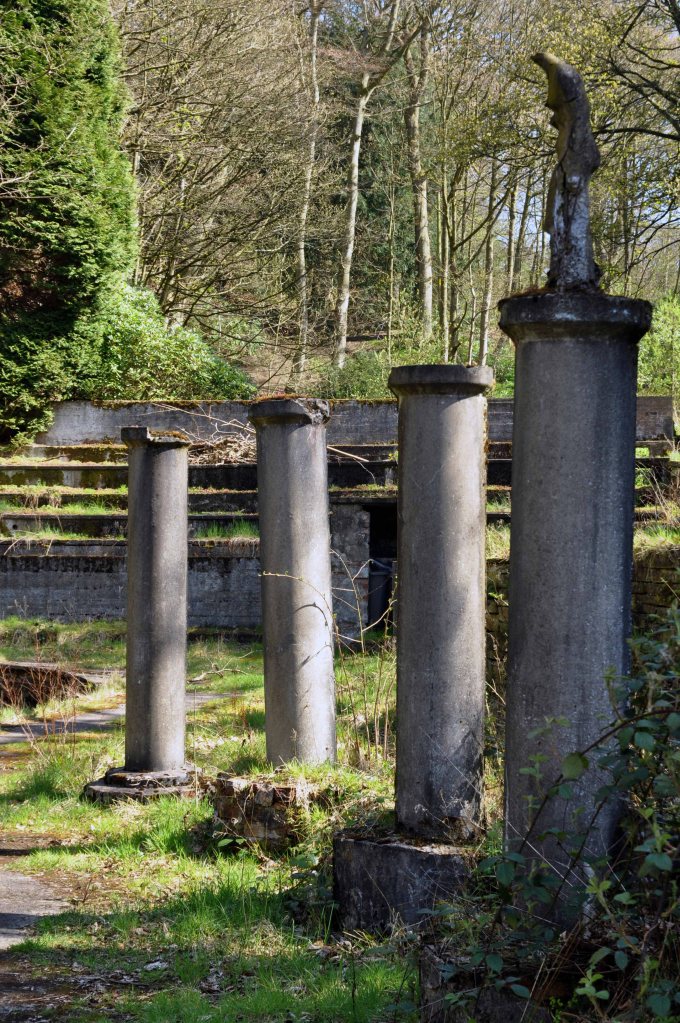
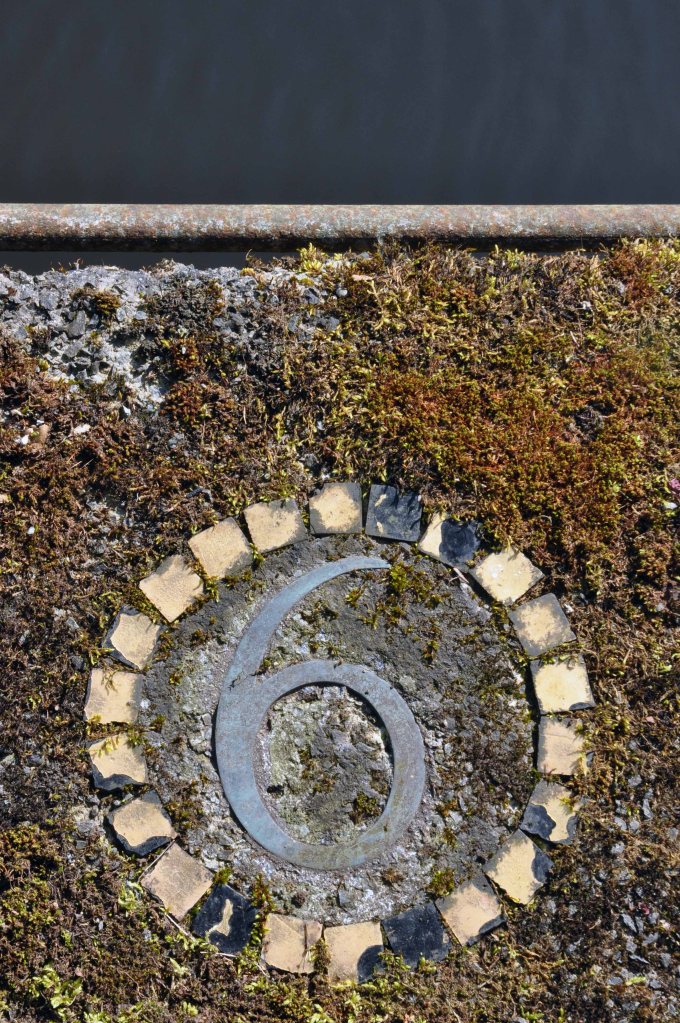
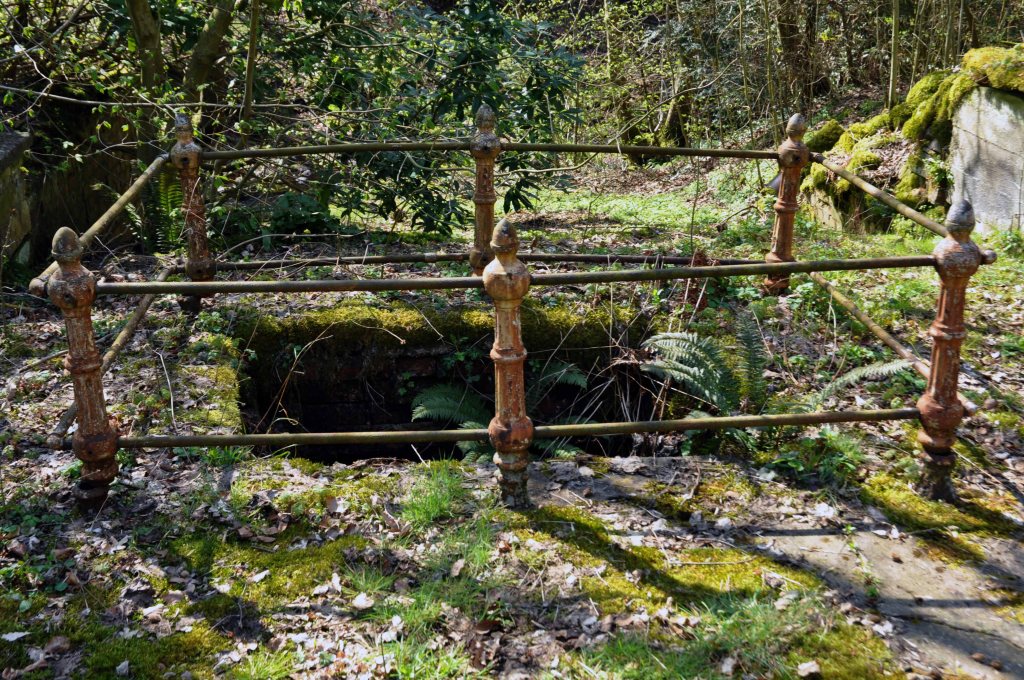
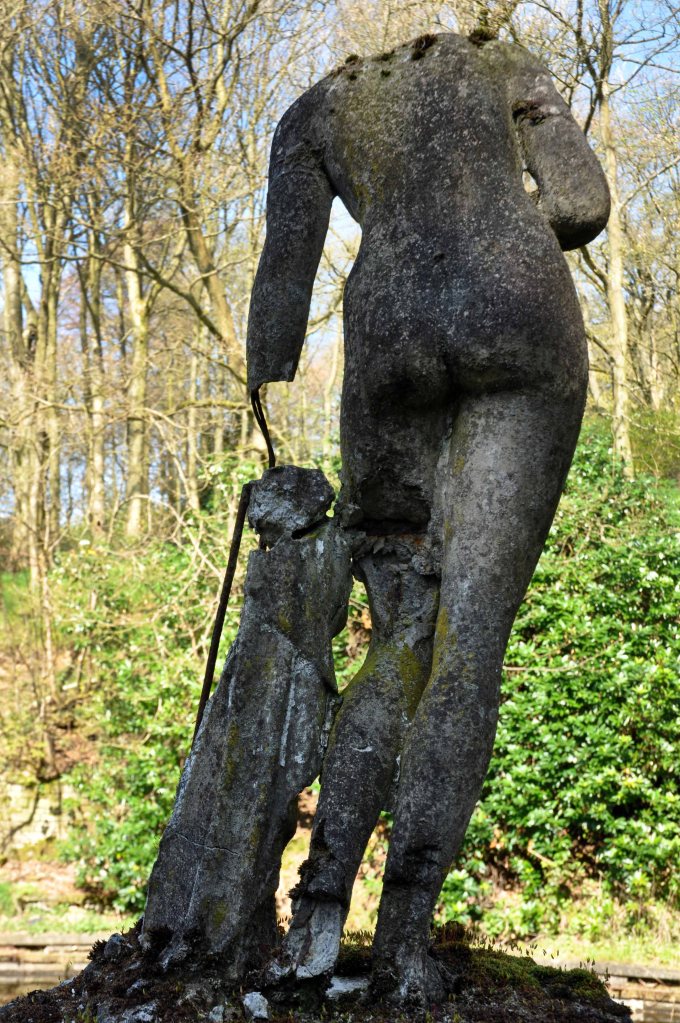
Revisiting in April 2014, following a misguided scramble through brambles, it was a poignant reunion. The concrete shells of the pillars and statuary crumbling and moss covered, the waters still and occluded.

It sure it has subsequently been the scene of impromptu fashion shoots and pop promo videos, possibly a little guerrilla swimming. Though sadly it largely sits unused and unloved – let’s take a look around:

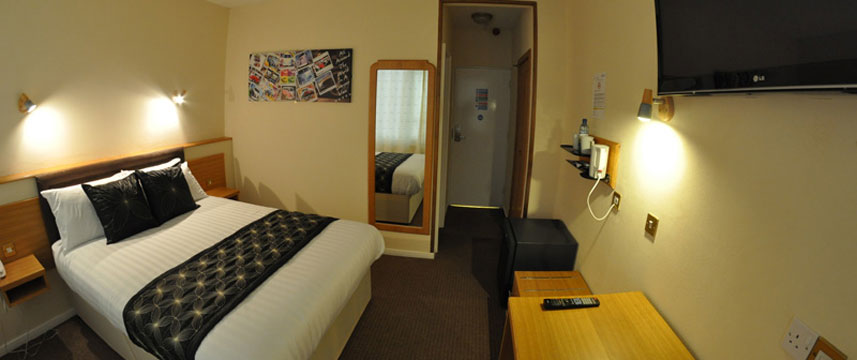
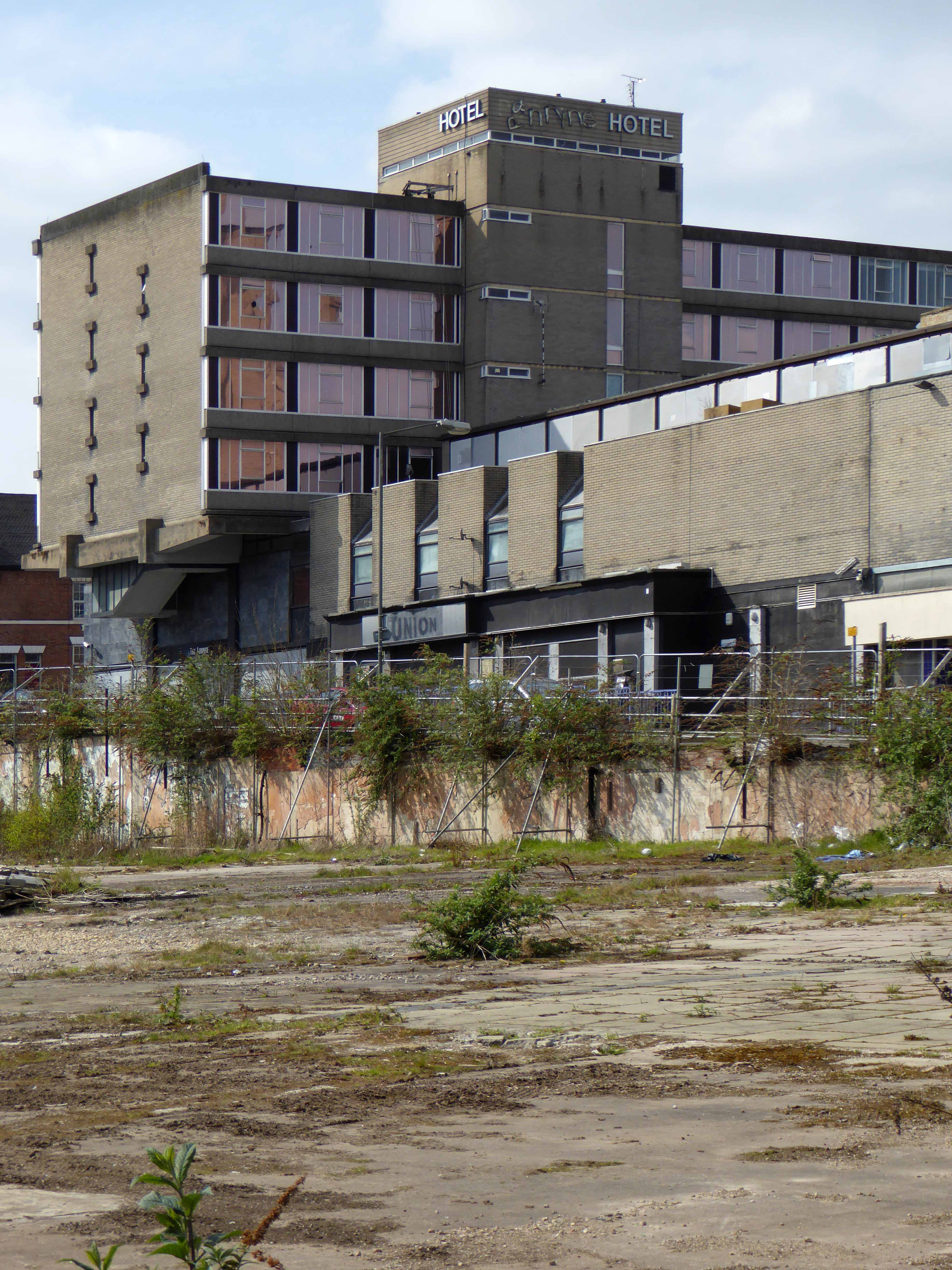
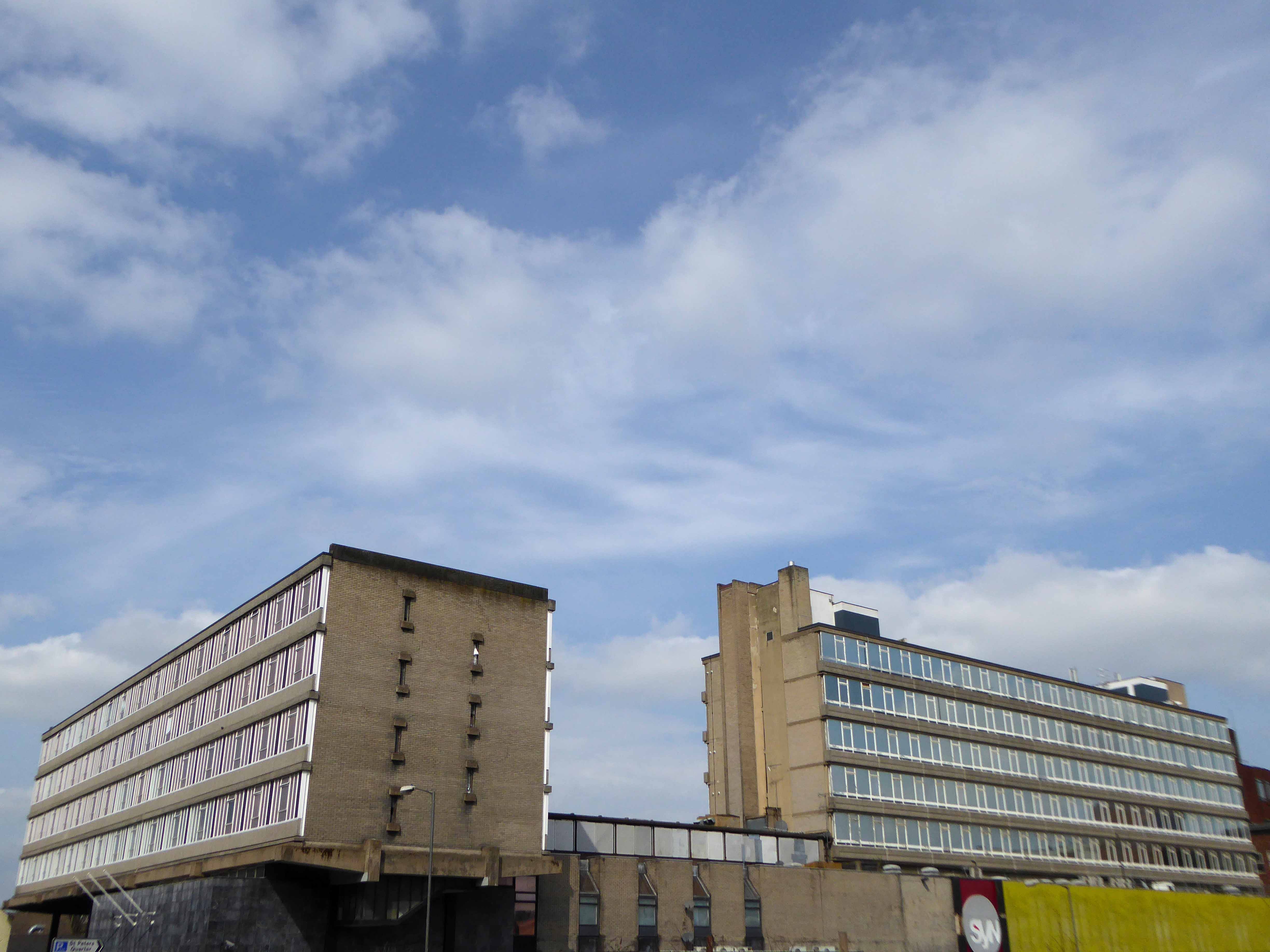
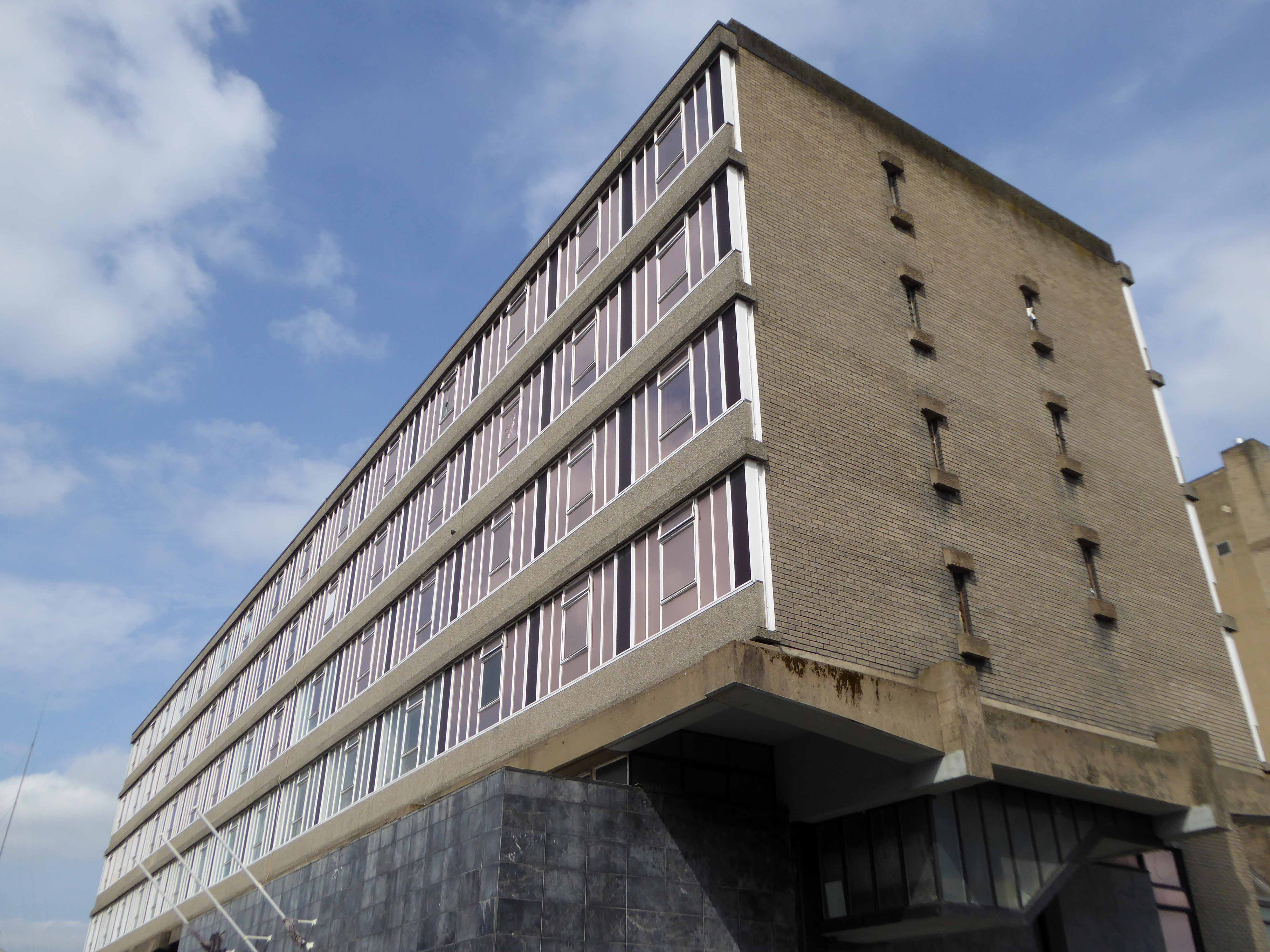
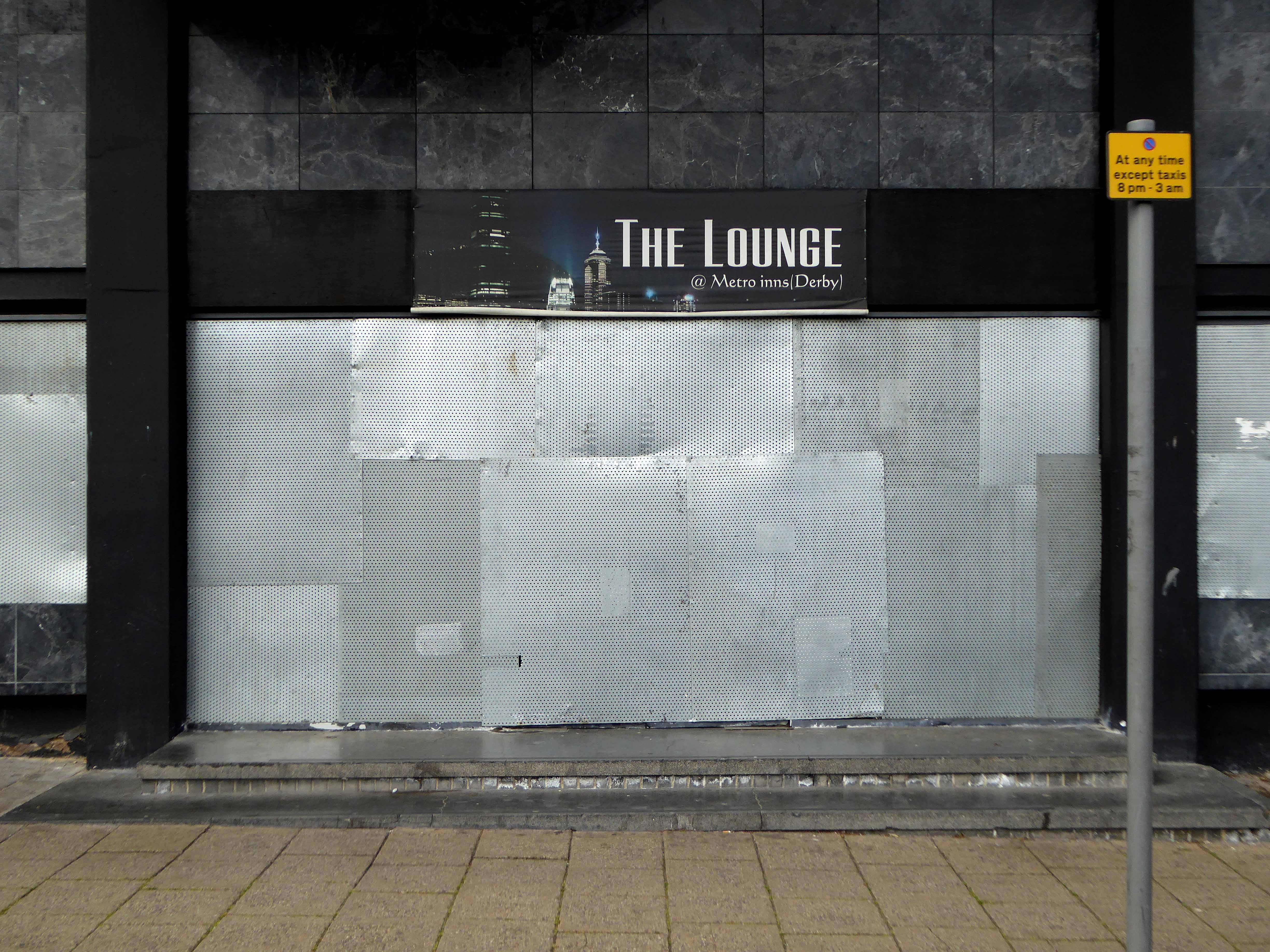
Pennine Hotel – Derby

Macklin Street Derby DE1 1LF

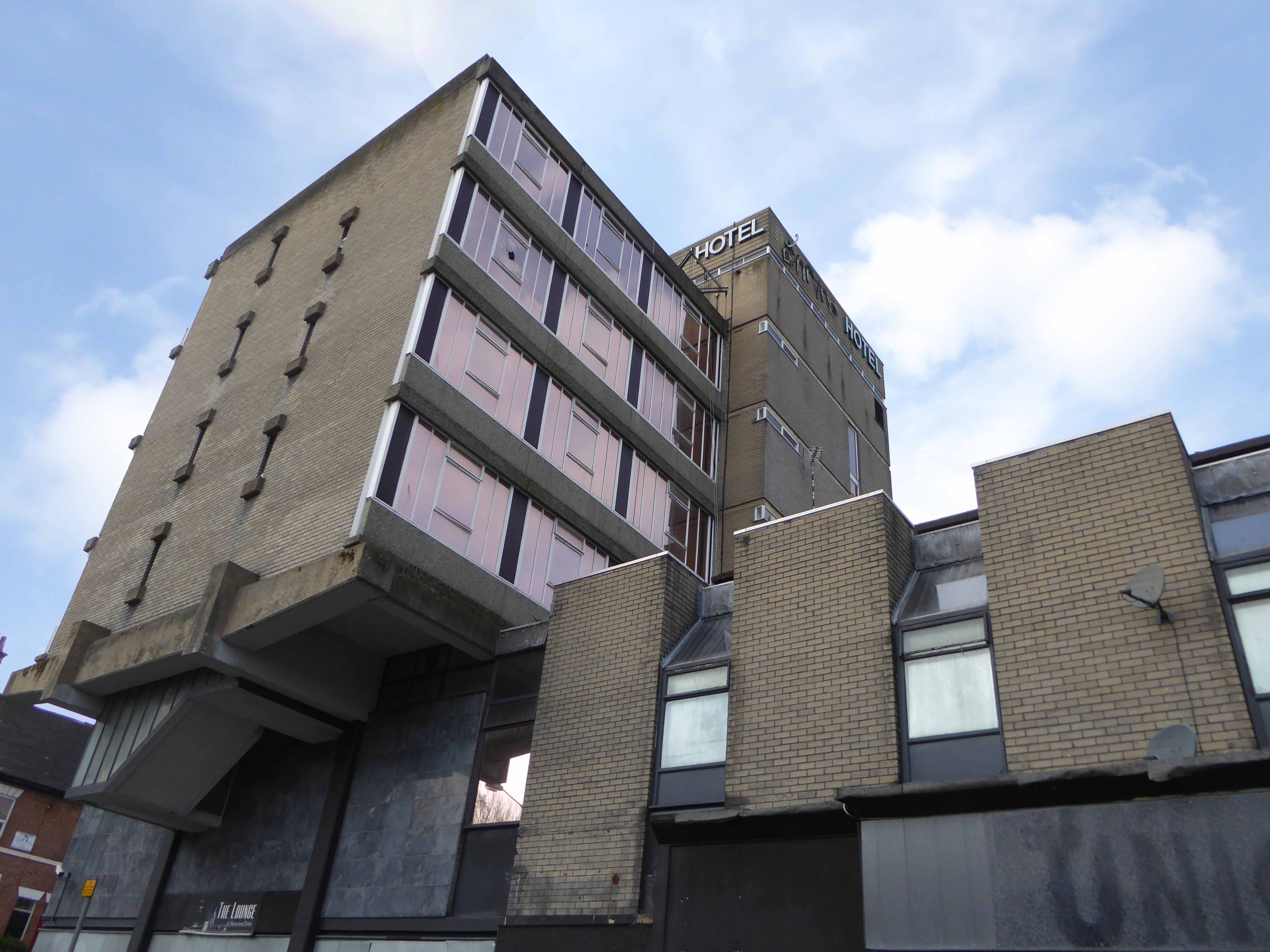
You’re a big man but you’re out of shape.

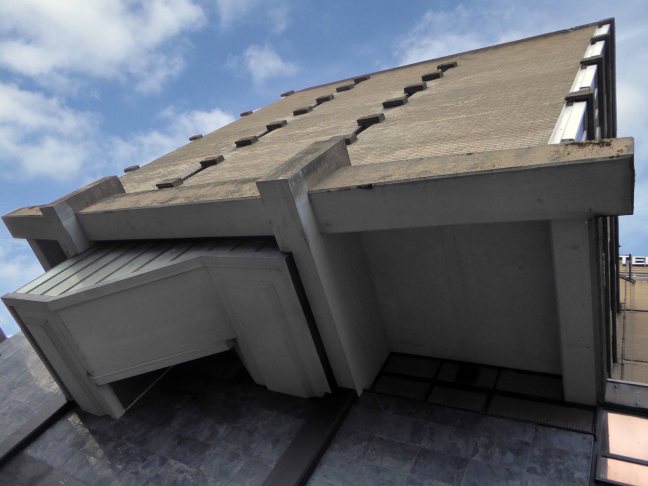
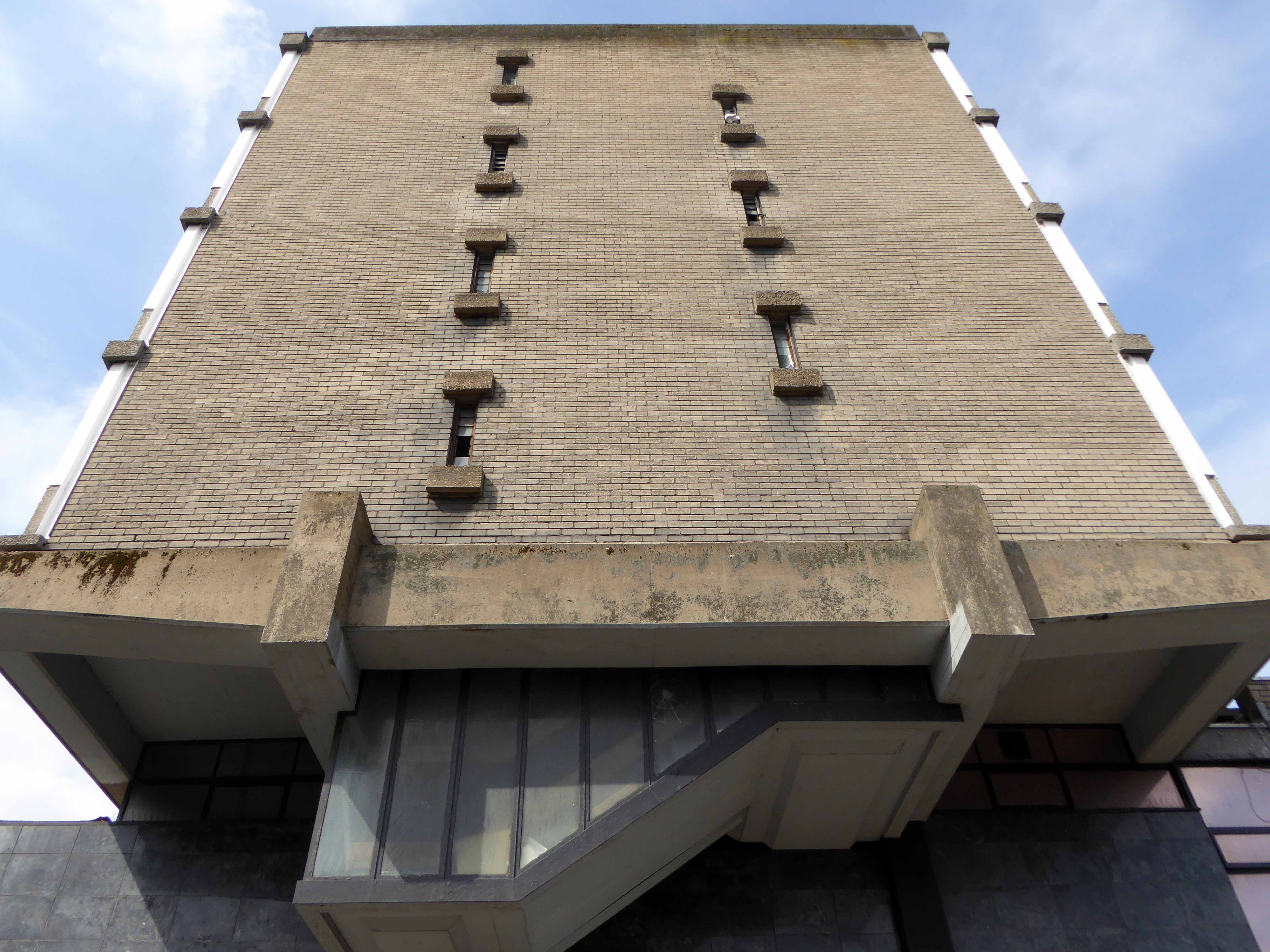
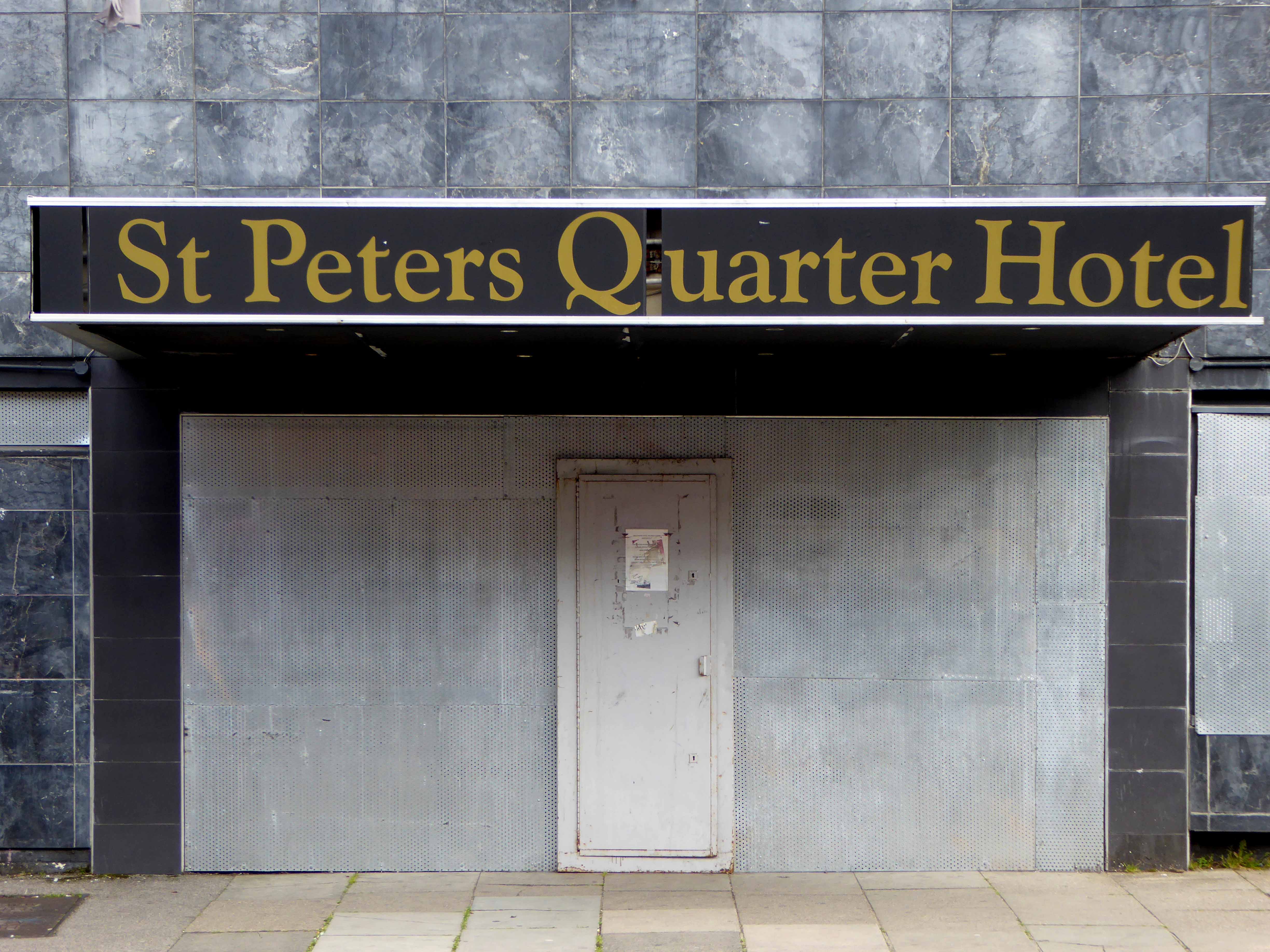
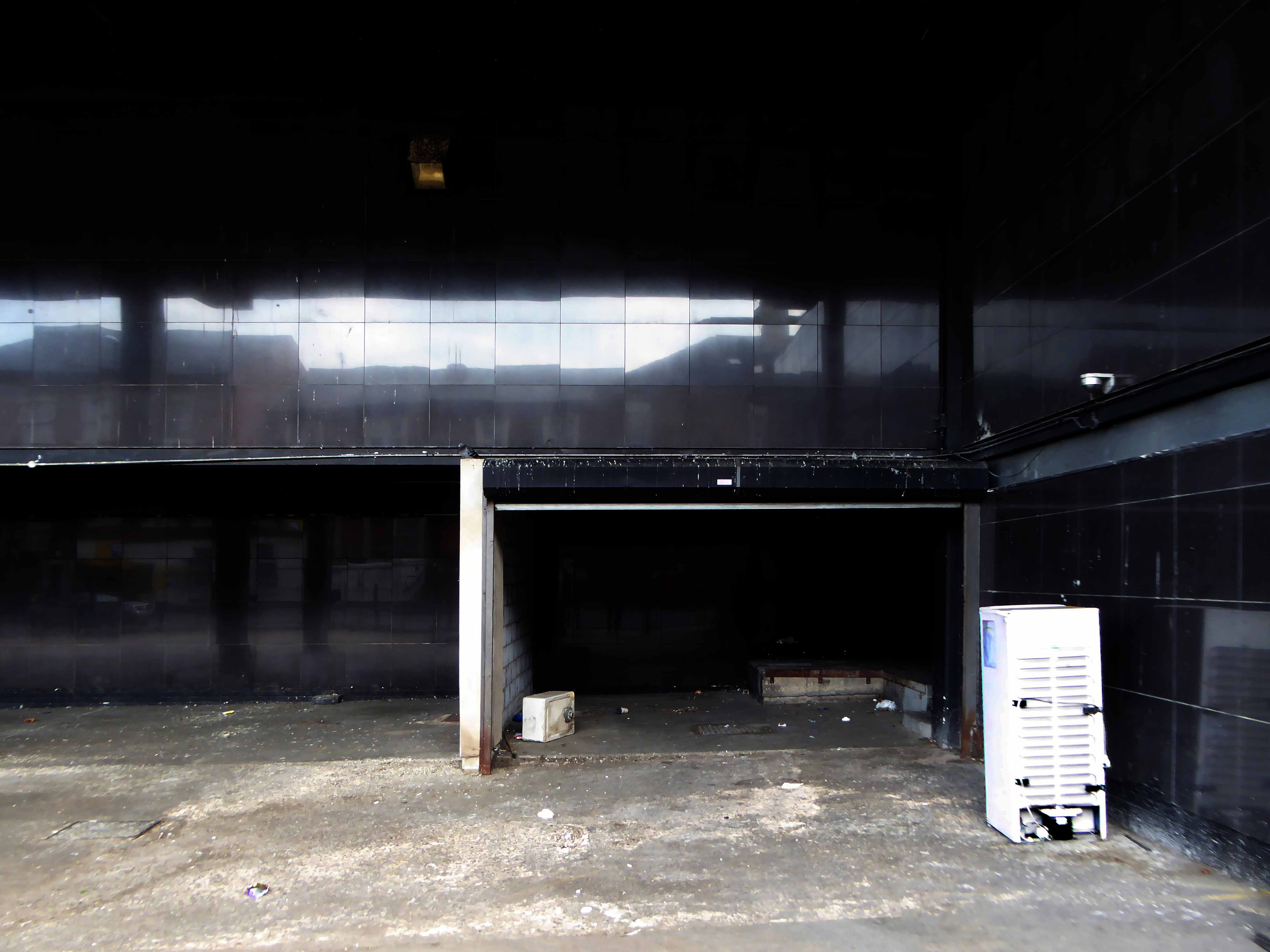
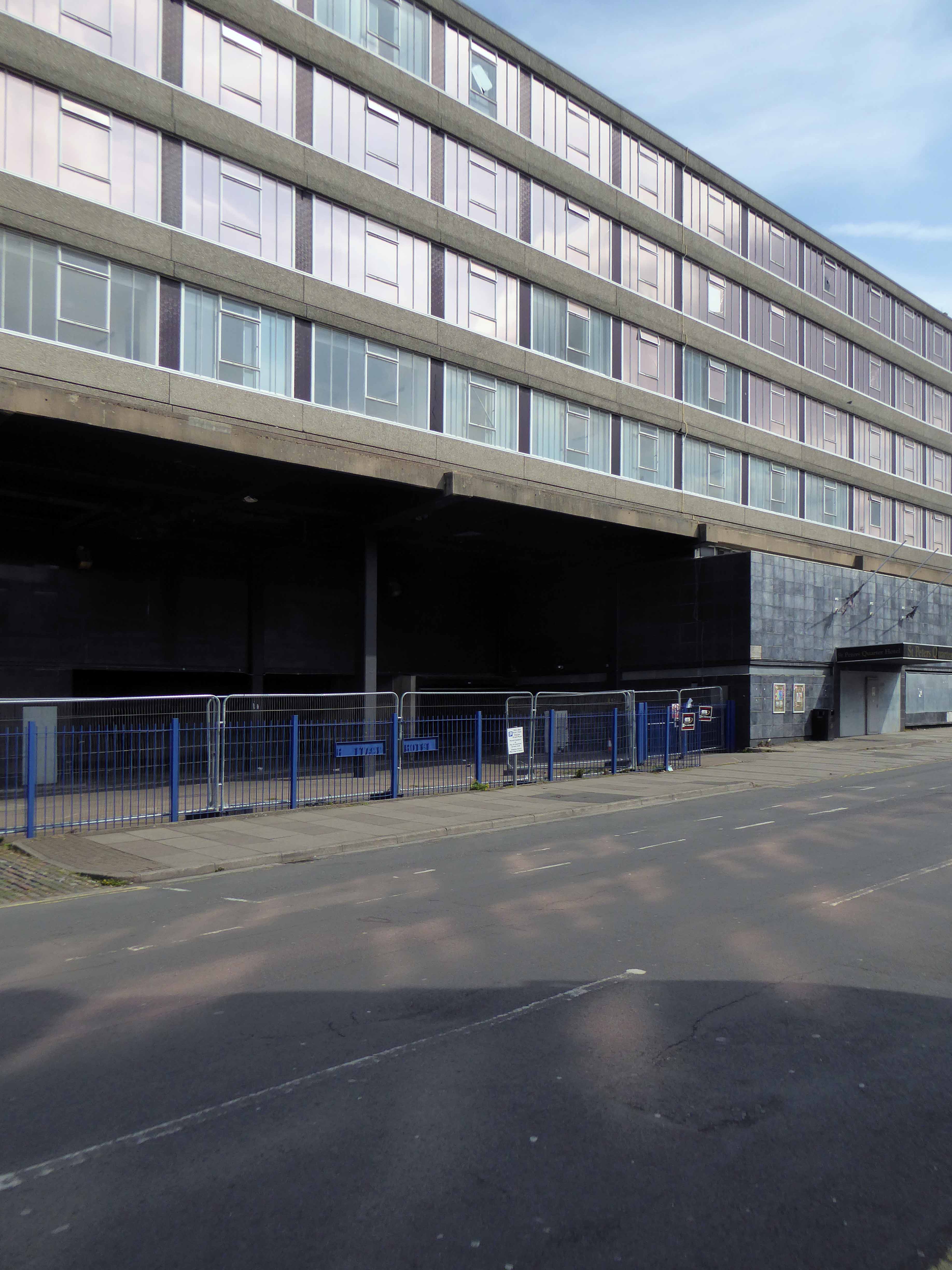
Conceived and wrought from concrete, glass and steel in the Swinging Sixties, the passage of time and Trip Advisor reviews, have been far from kind.

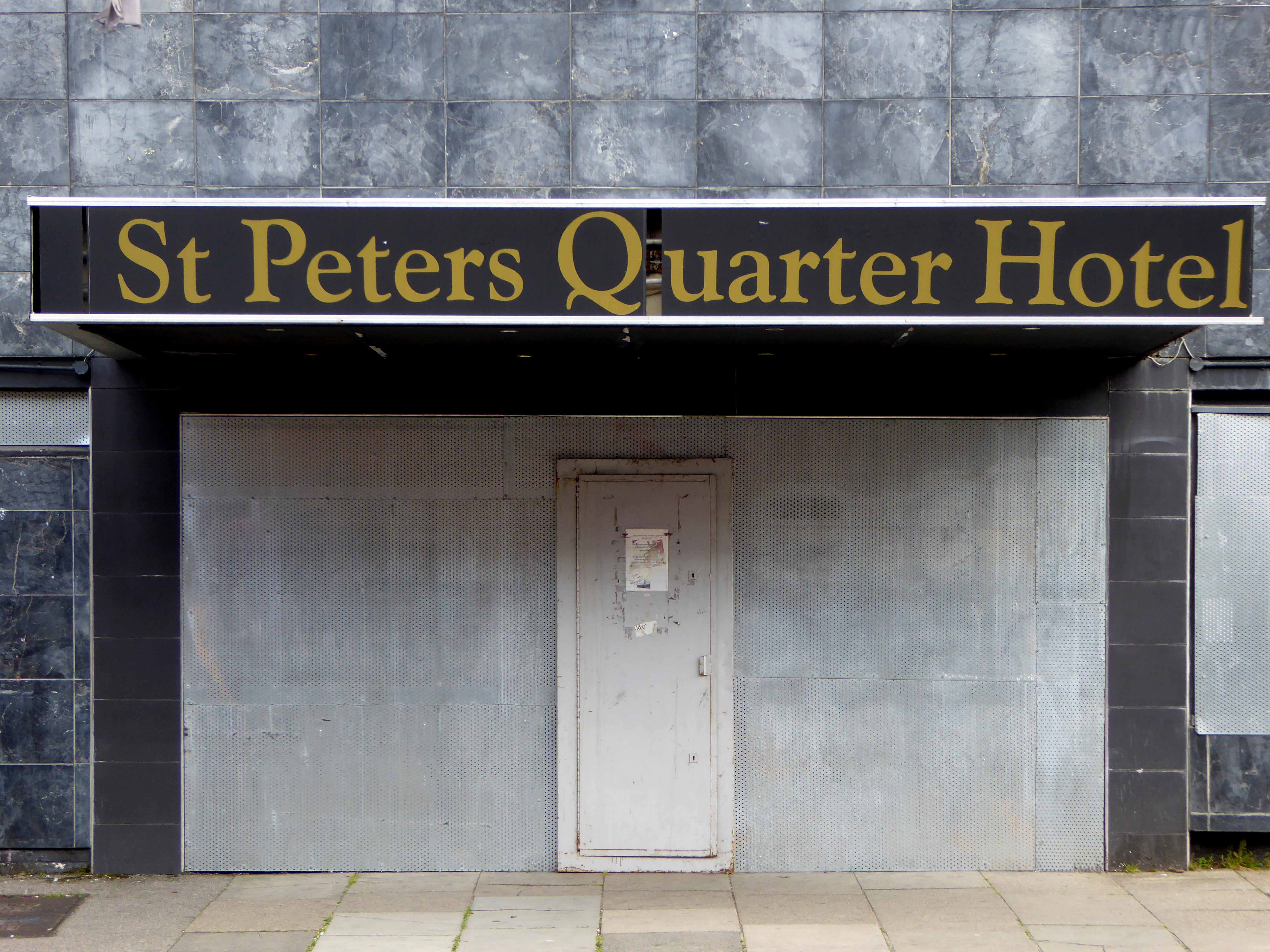
They put you in a Quarter renamed you St Peter’s – but that’s only half the battle.

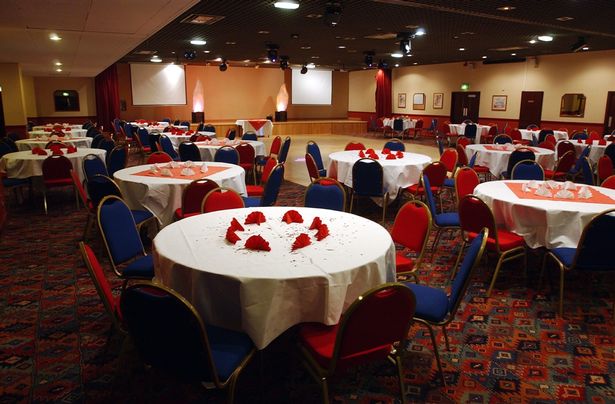
Once busy concourse and conference suites no longer ring to the satisfying clink of glass on glass, cash in till.

Nobody lays their tired head, to take their well earned rest, in your well made beds.

A hotel branded “utterly terrible” by reviewers on a travel website has been forced to close.

One visitor advised travellers to “run away from this hotel as far as possible” and others said they were “filled with dread” while staying there and spoke of towels smelling “rather odd”.

BBC

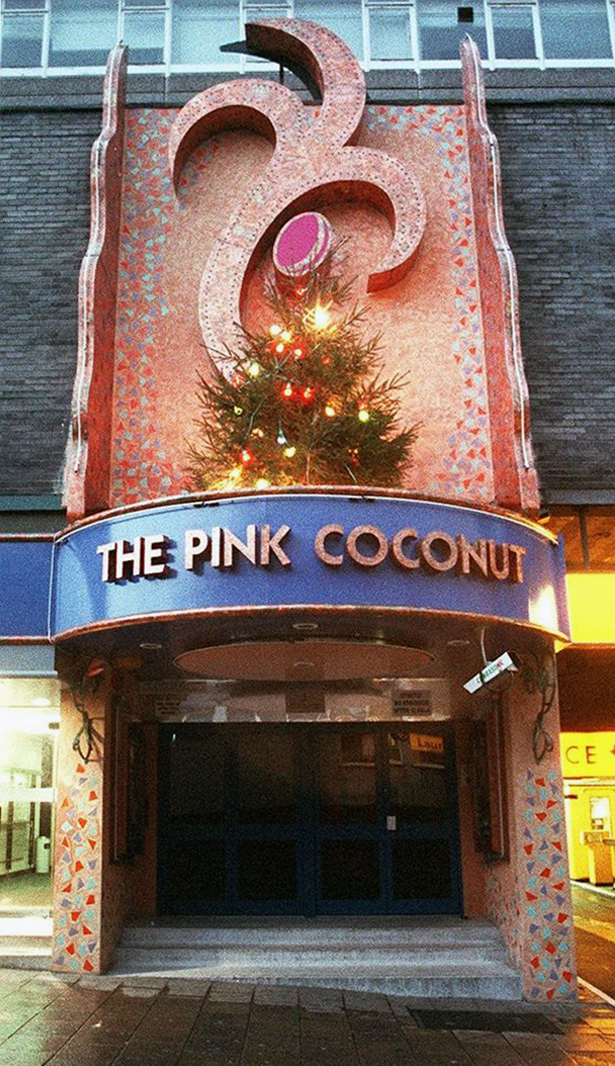
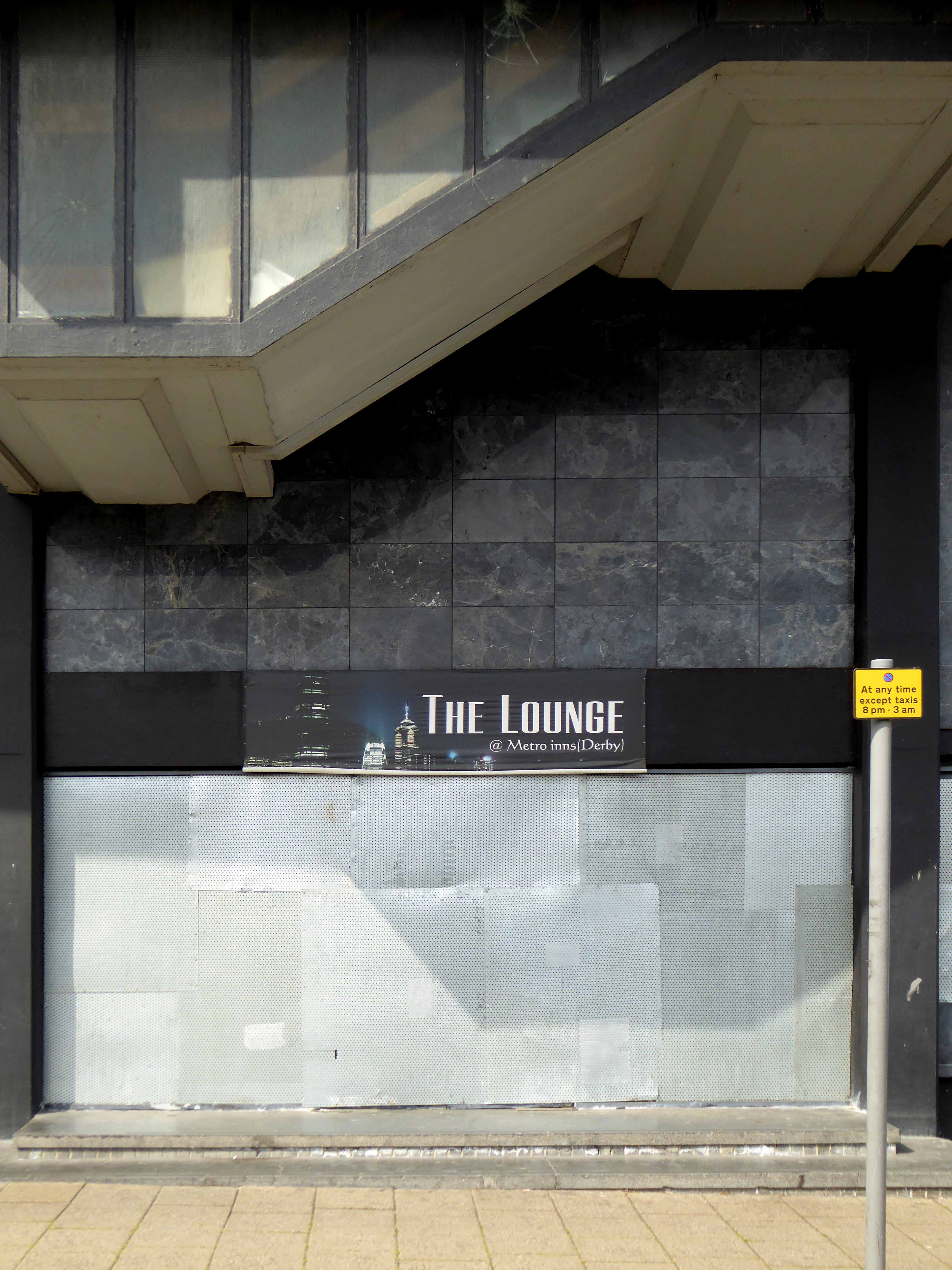
So so long to The Pink Coconut, Syns and the Mint Casino.

Derby Council has bought you all – awaiting redevelopment as part of the Masterplan to regenerate the whole area.

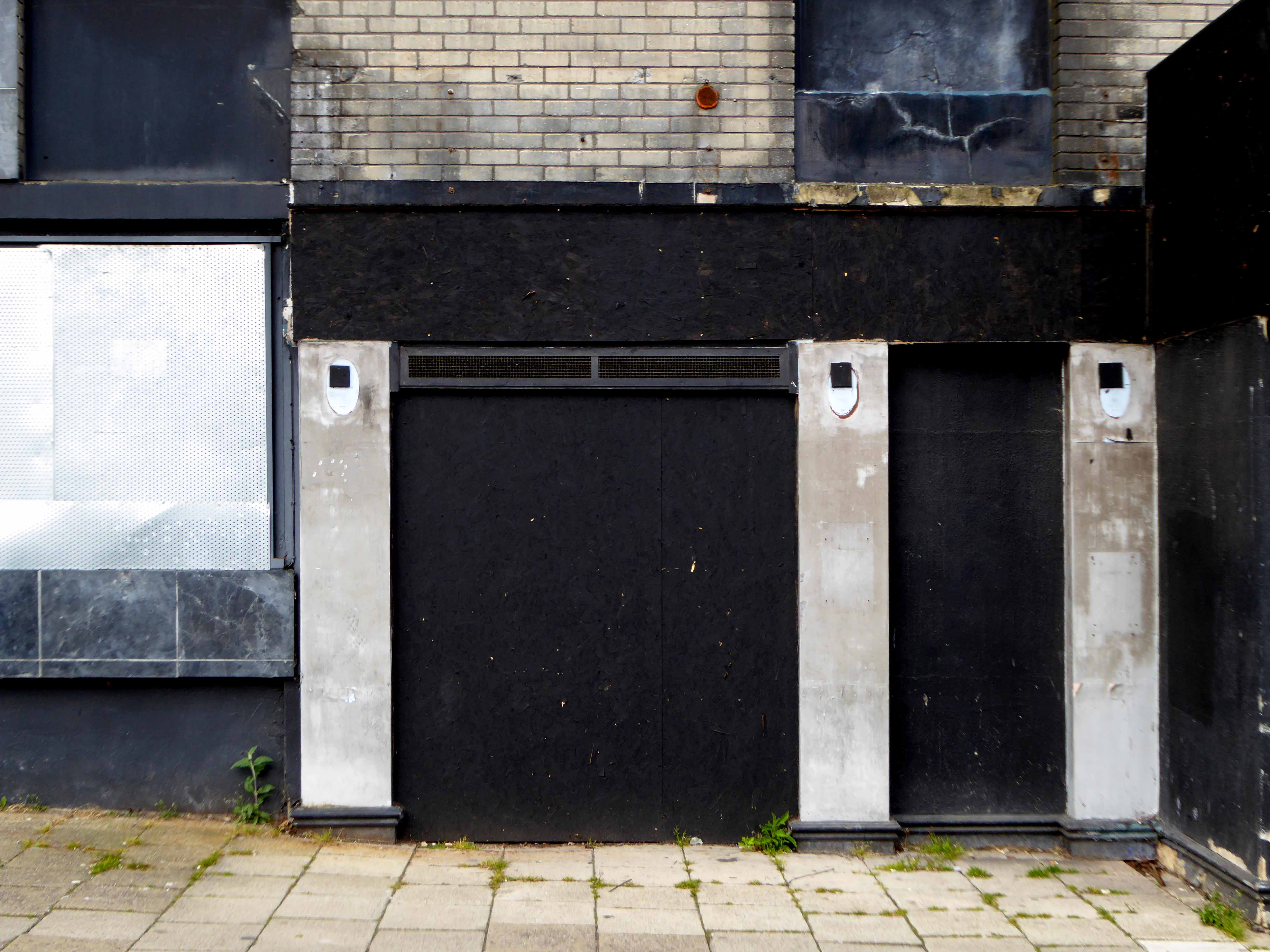
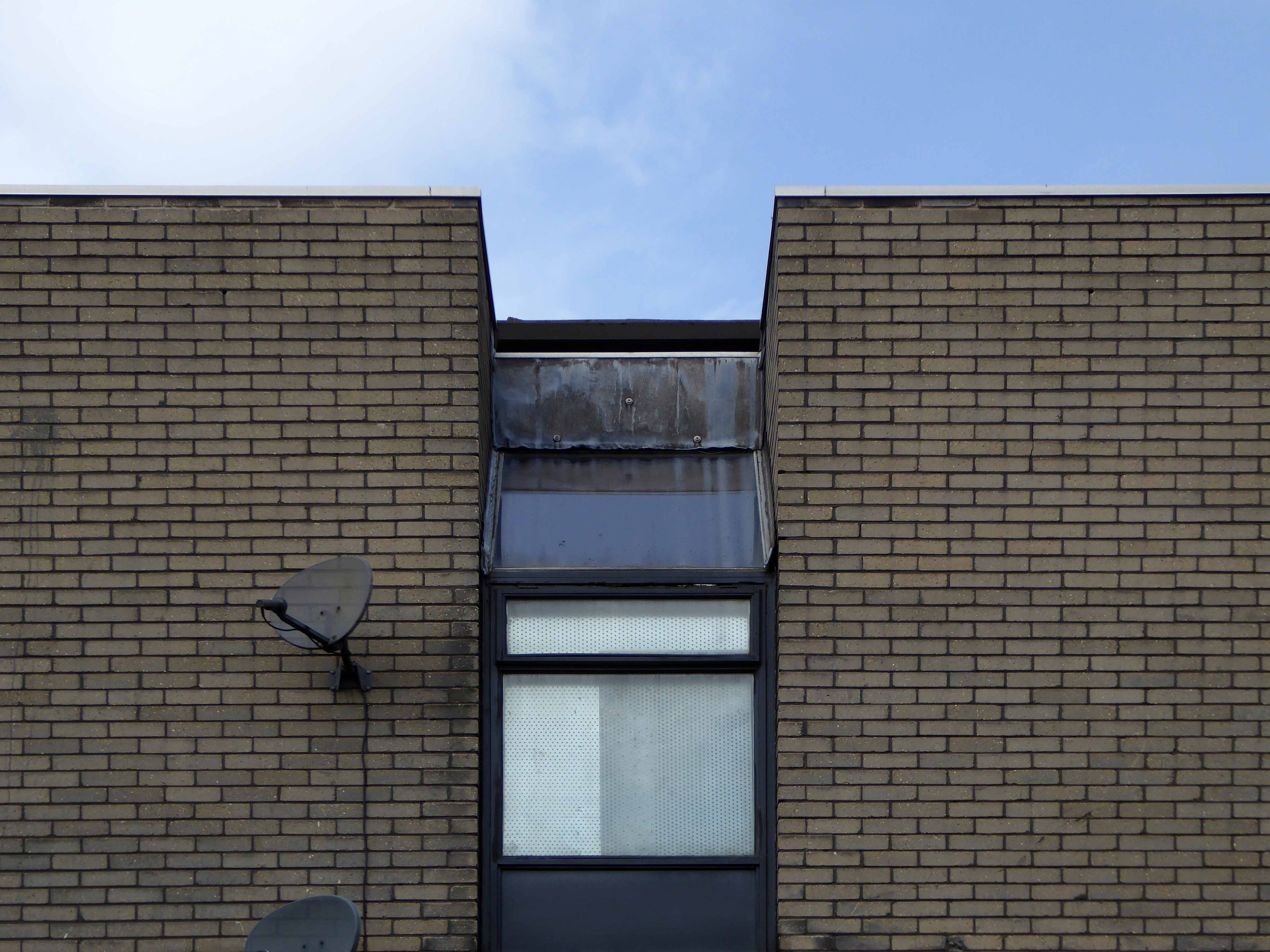
So here we are one more tinned-up inner city site awaits its fate – meet me at the wrecking ball.

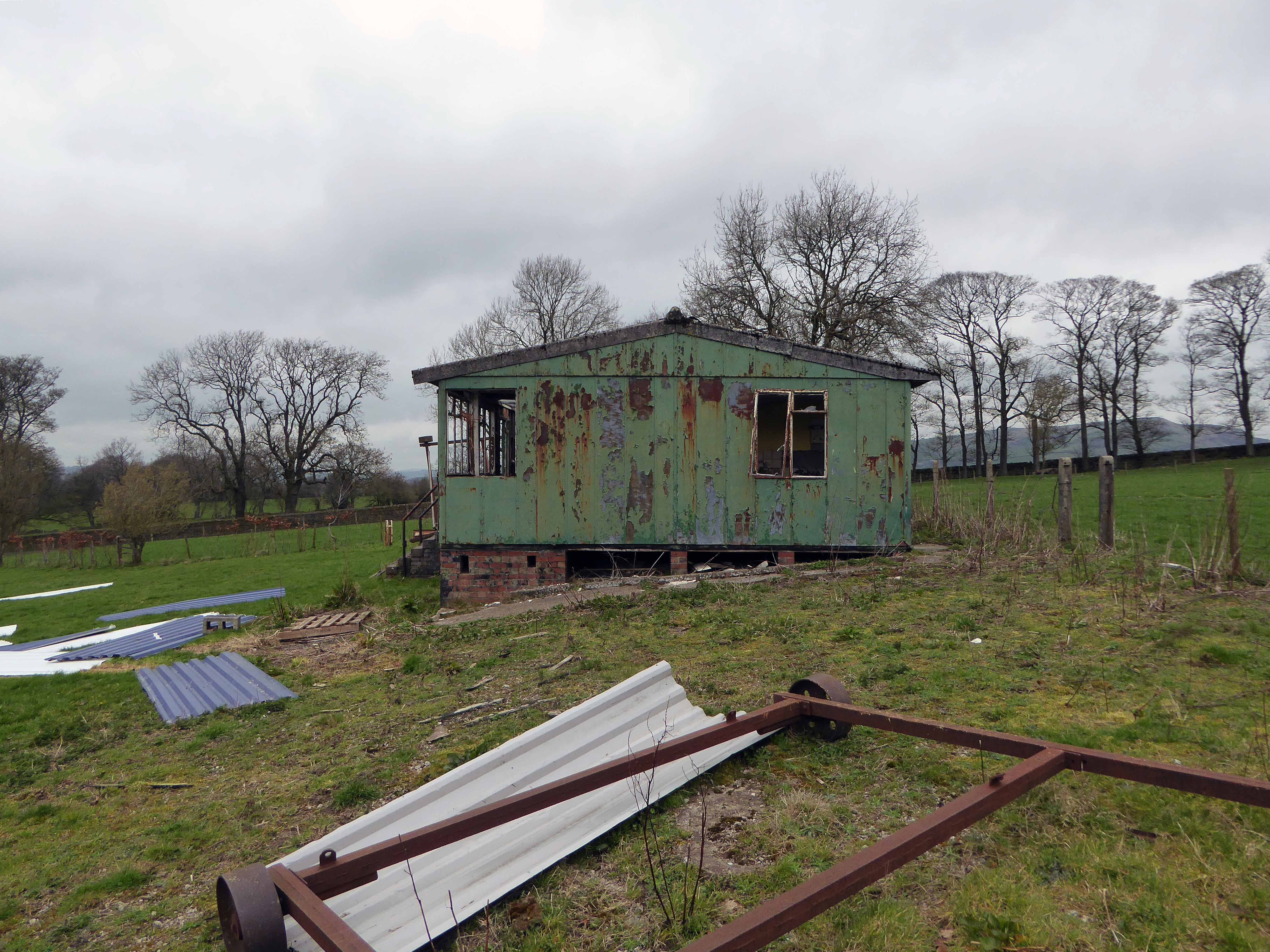
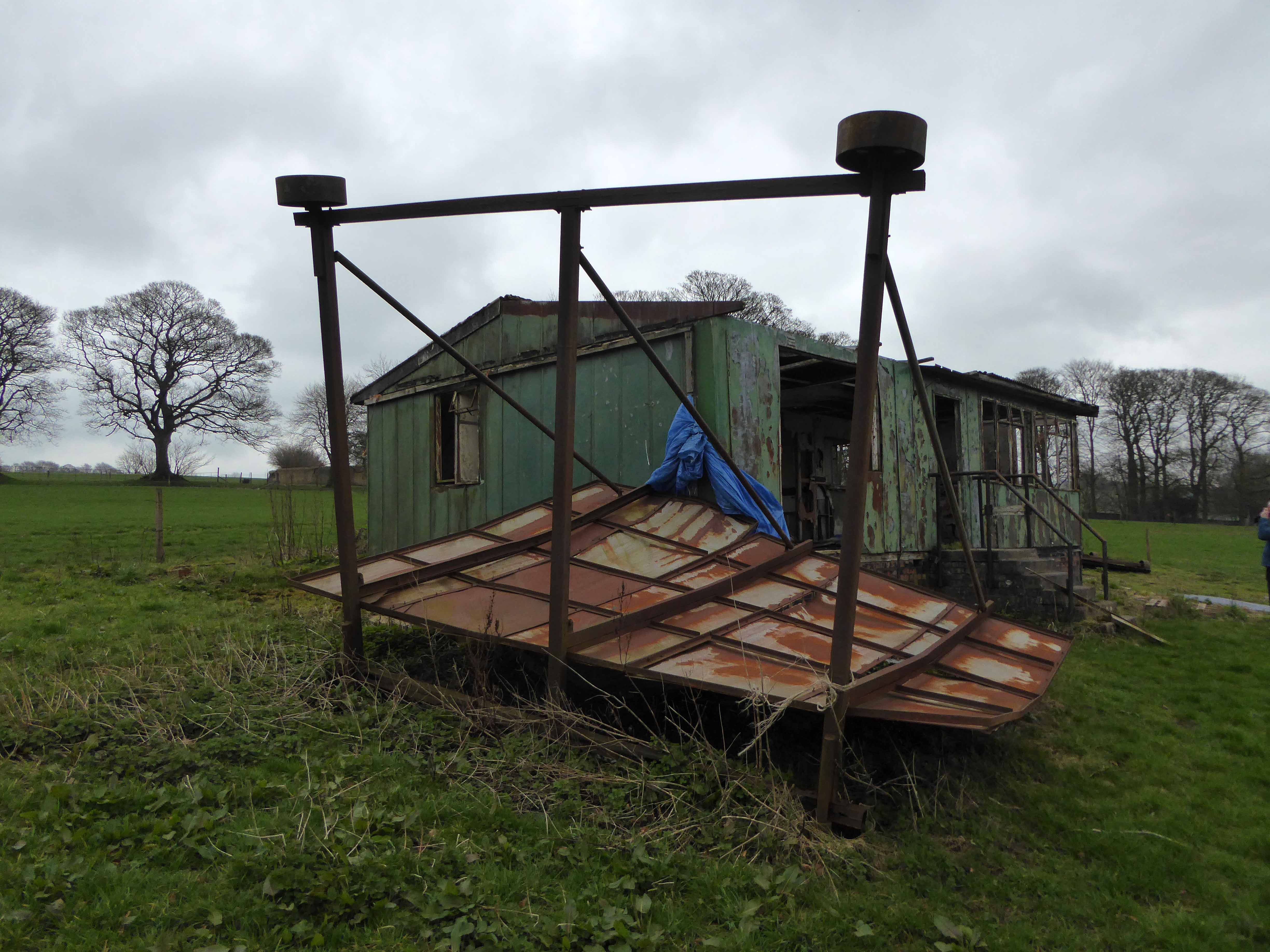
Old Cricket Club – Whaley Bridge

So here we are or are we?

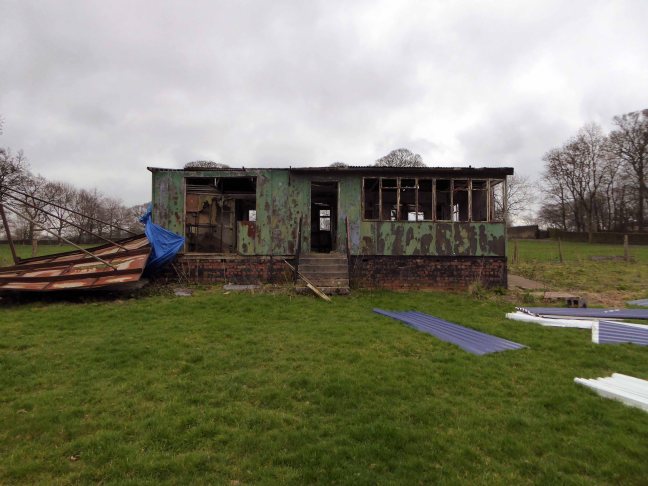
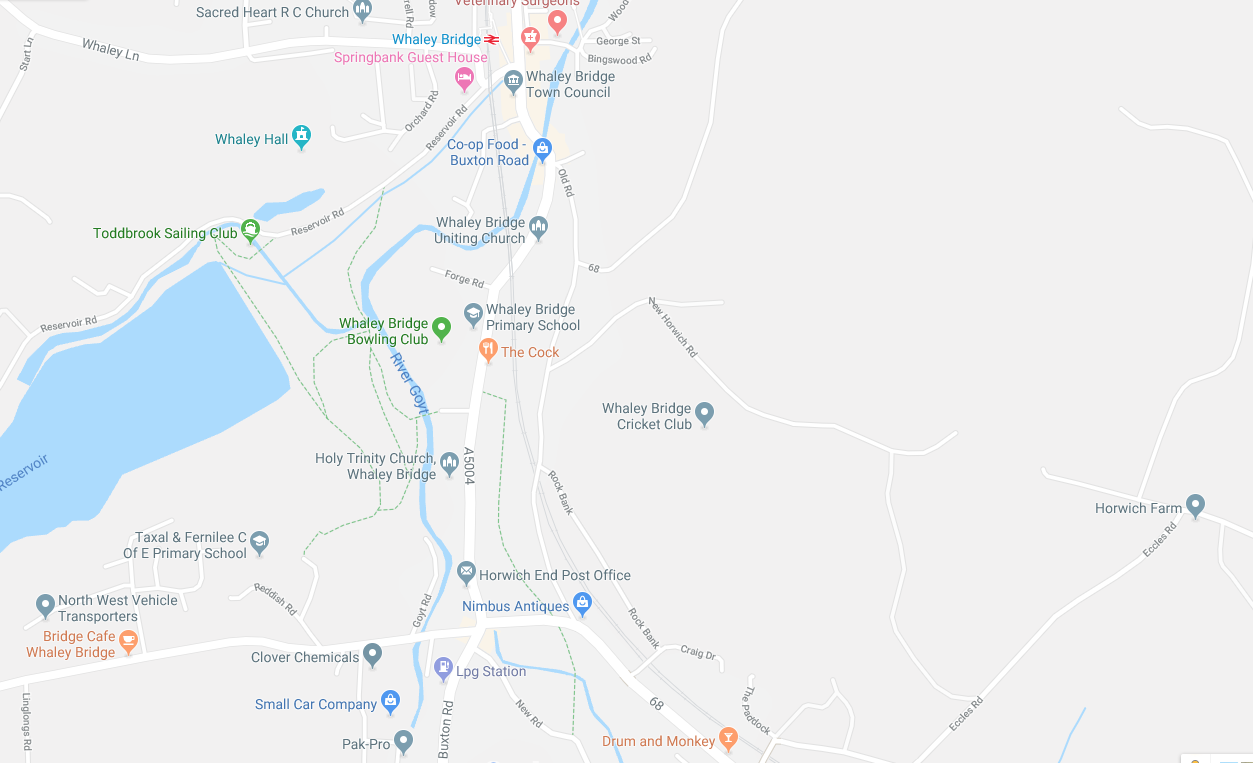
What was is and used to be – relocated at some point from one side of the Roosdych to the other, a complete glacial washout is narrowly avoided.

Forces known or unknown forced the closure of the site and its attendant architecture. I myself, an occasional puzzled passerby, stop stare and snap this lovelorn cabin on the hill.

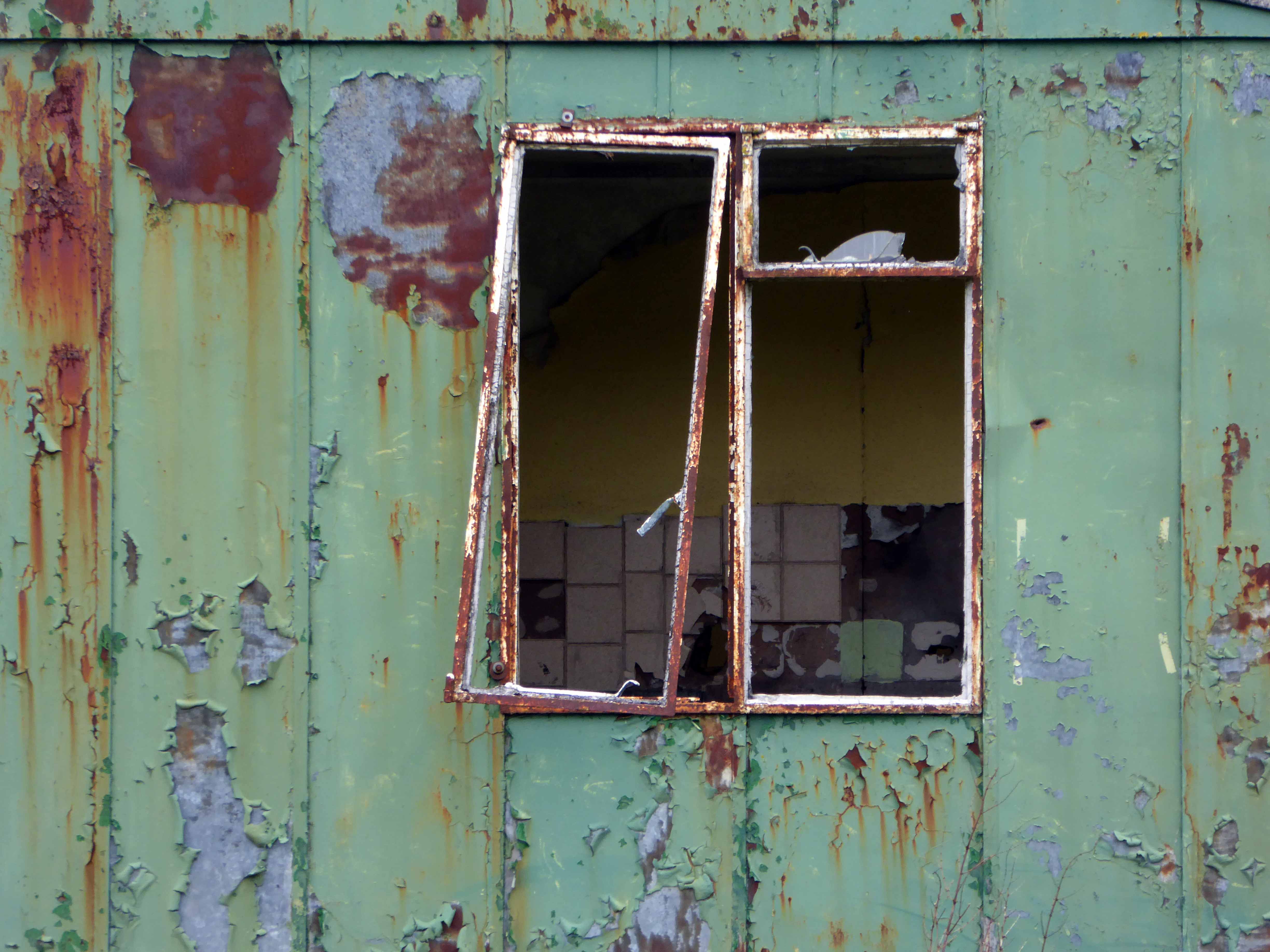
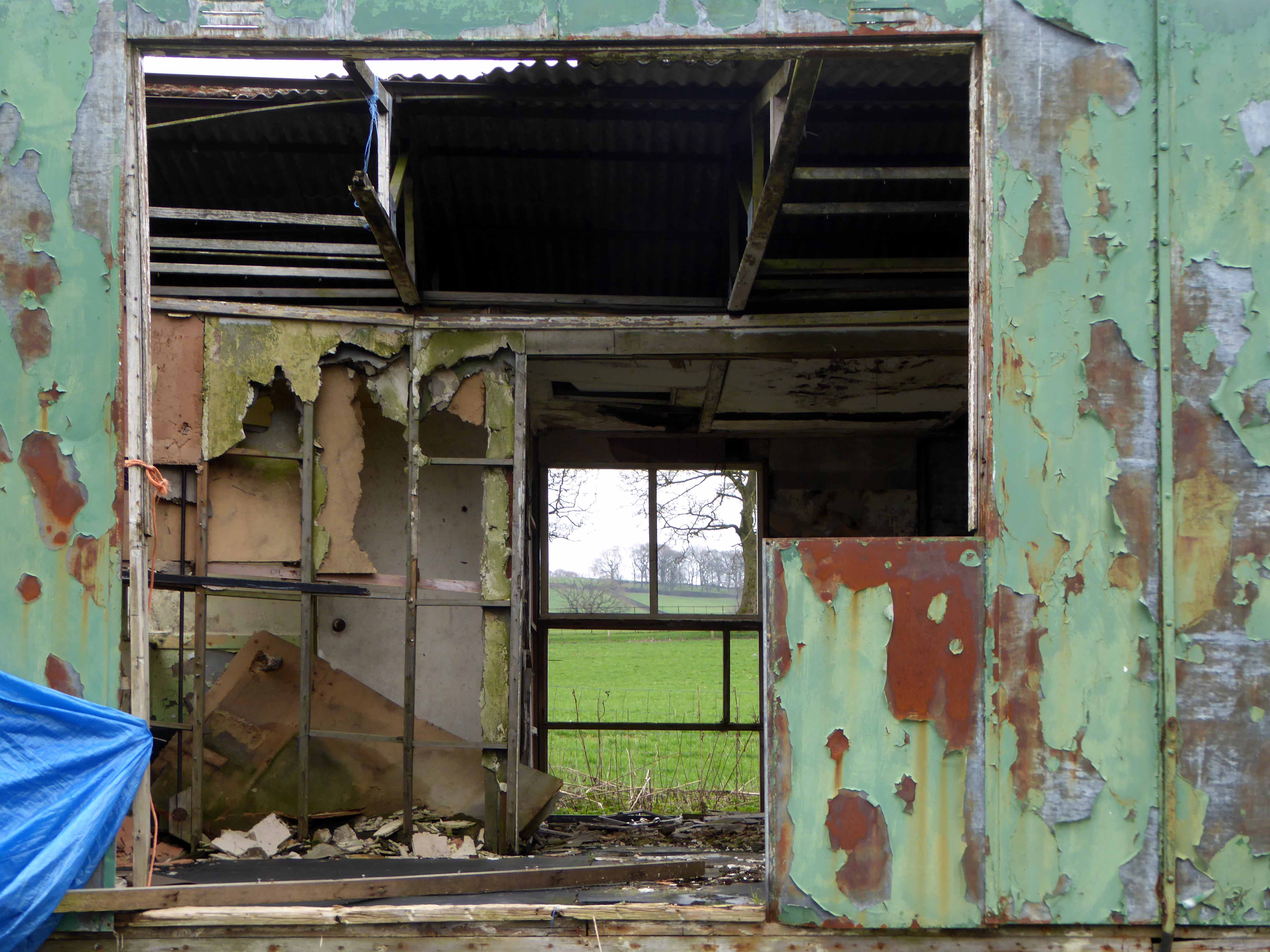
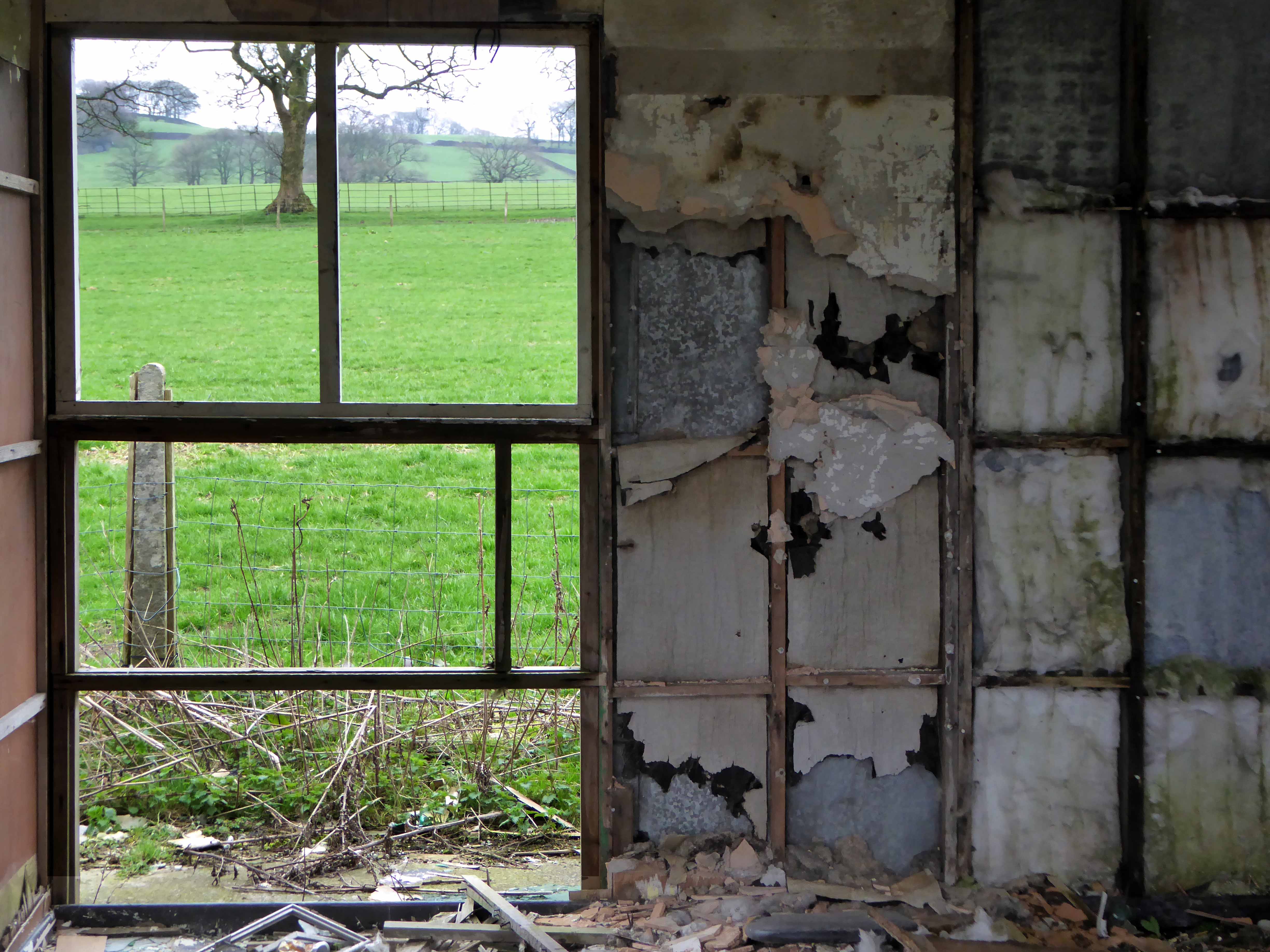
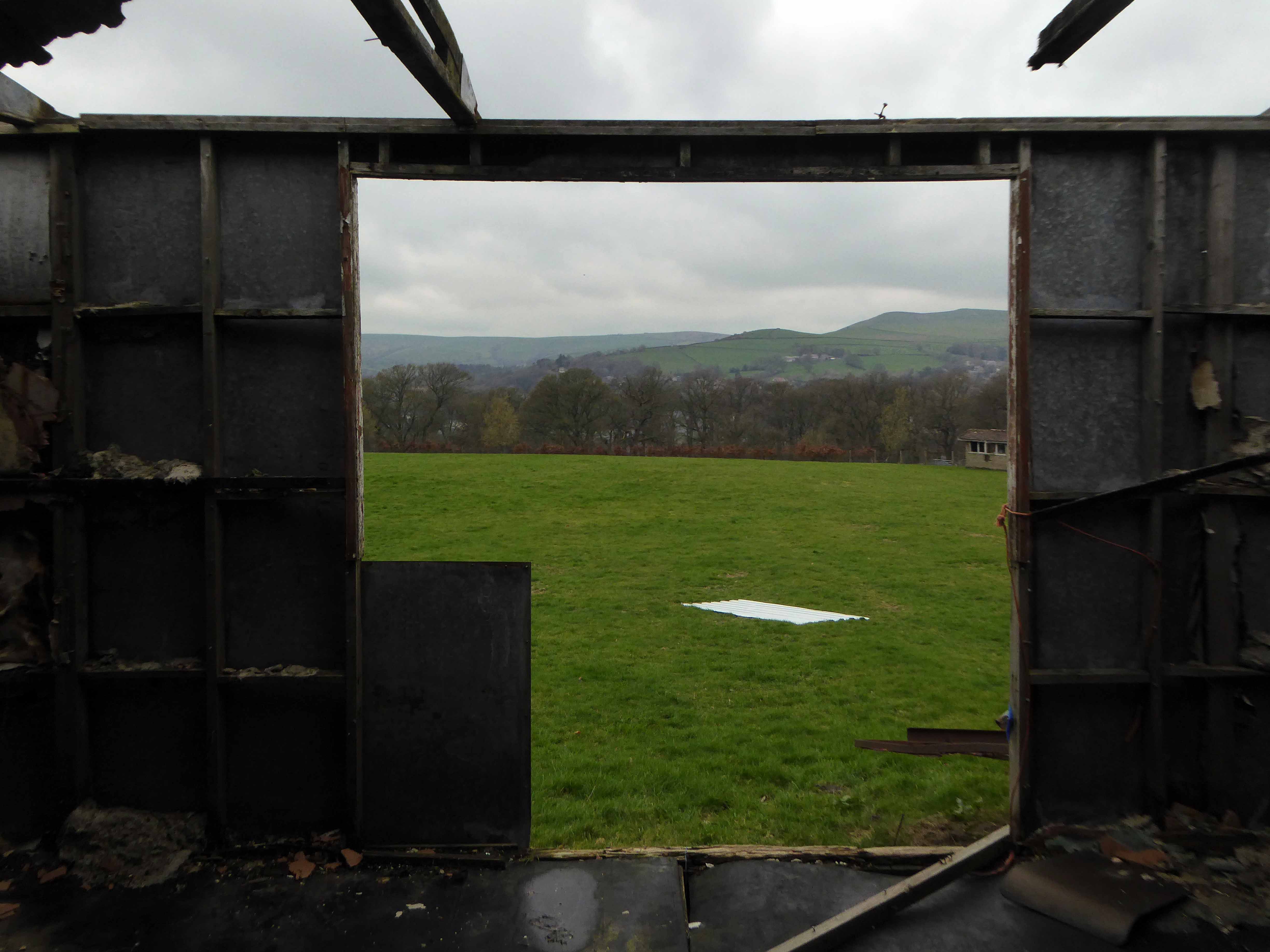
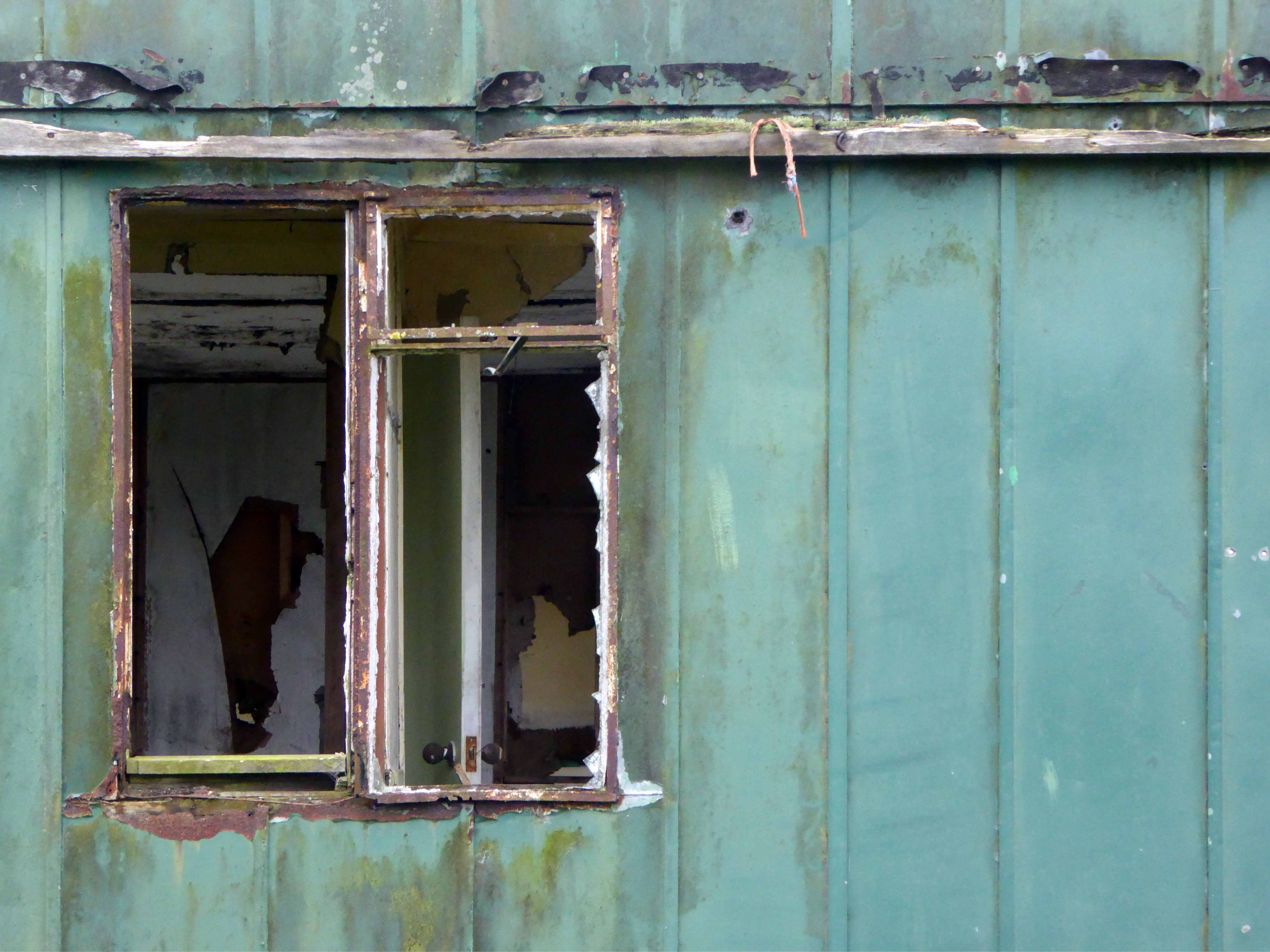
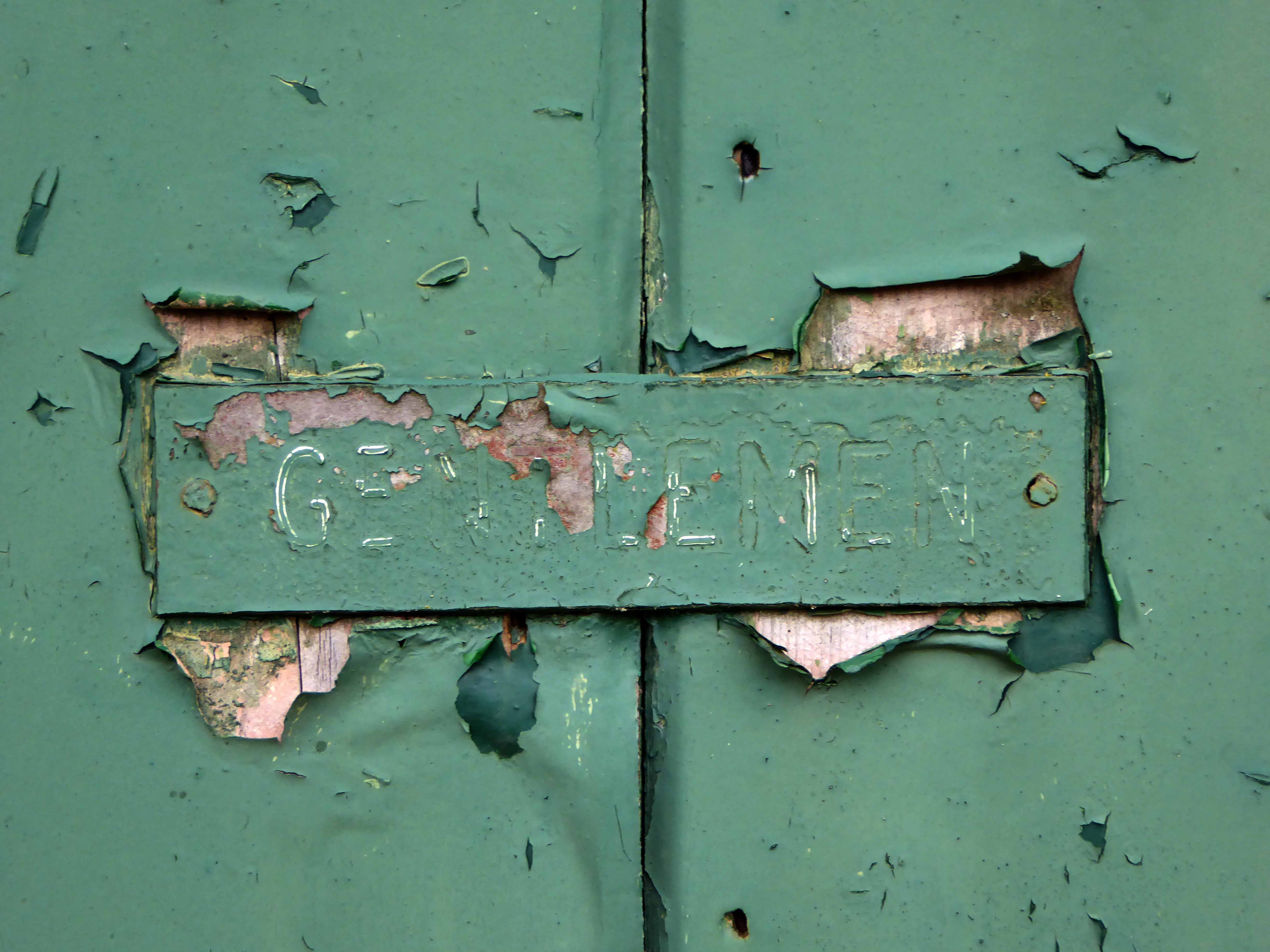
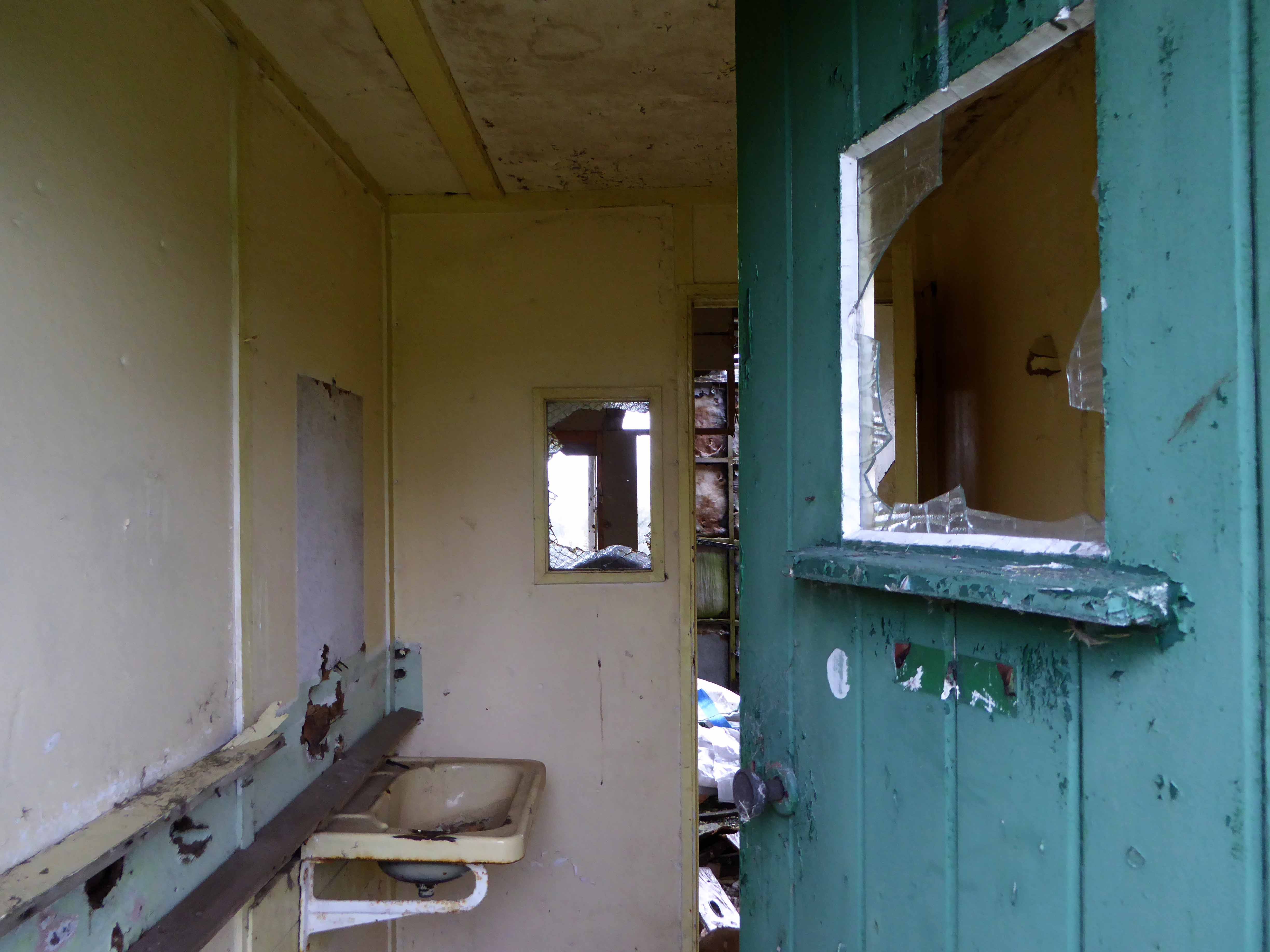
Where once teas were taken betwixt and between overs, wind, rain, ice and snow have eroded roof, walls, windows and doors. A structure almost rent asunder, bare wooden bones revealed as cladding and glass gradually surrender to the unwelcome intrusion of the elements.

Let’s take a look.

There is now a brand new Whaley Bridge Cricket Club.

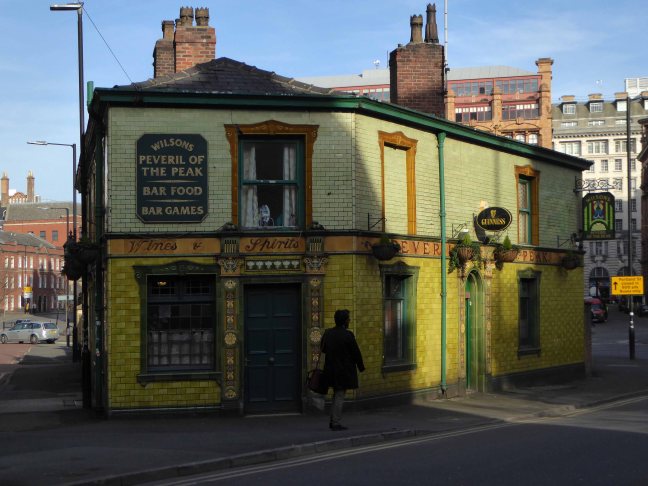
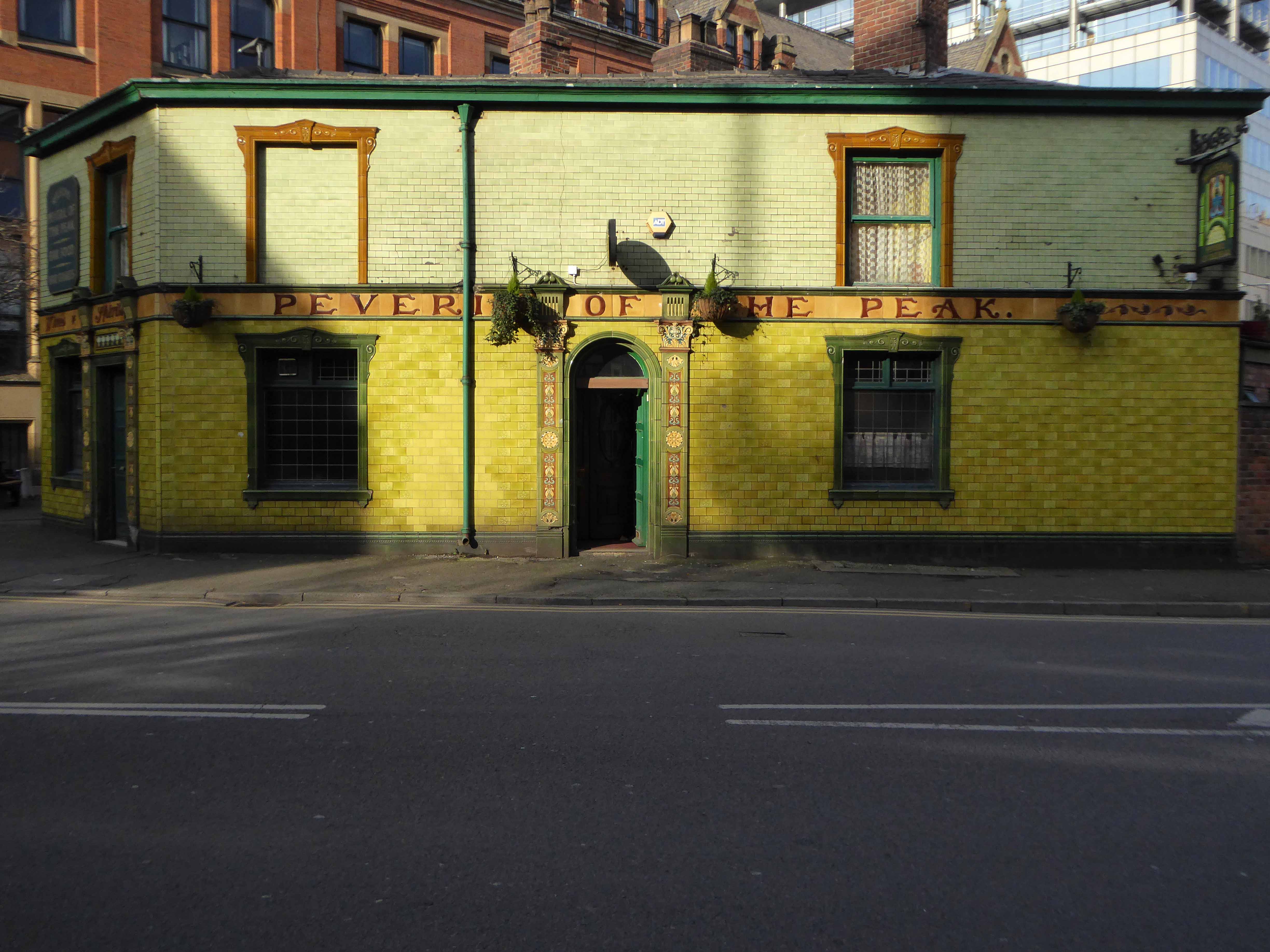
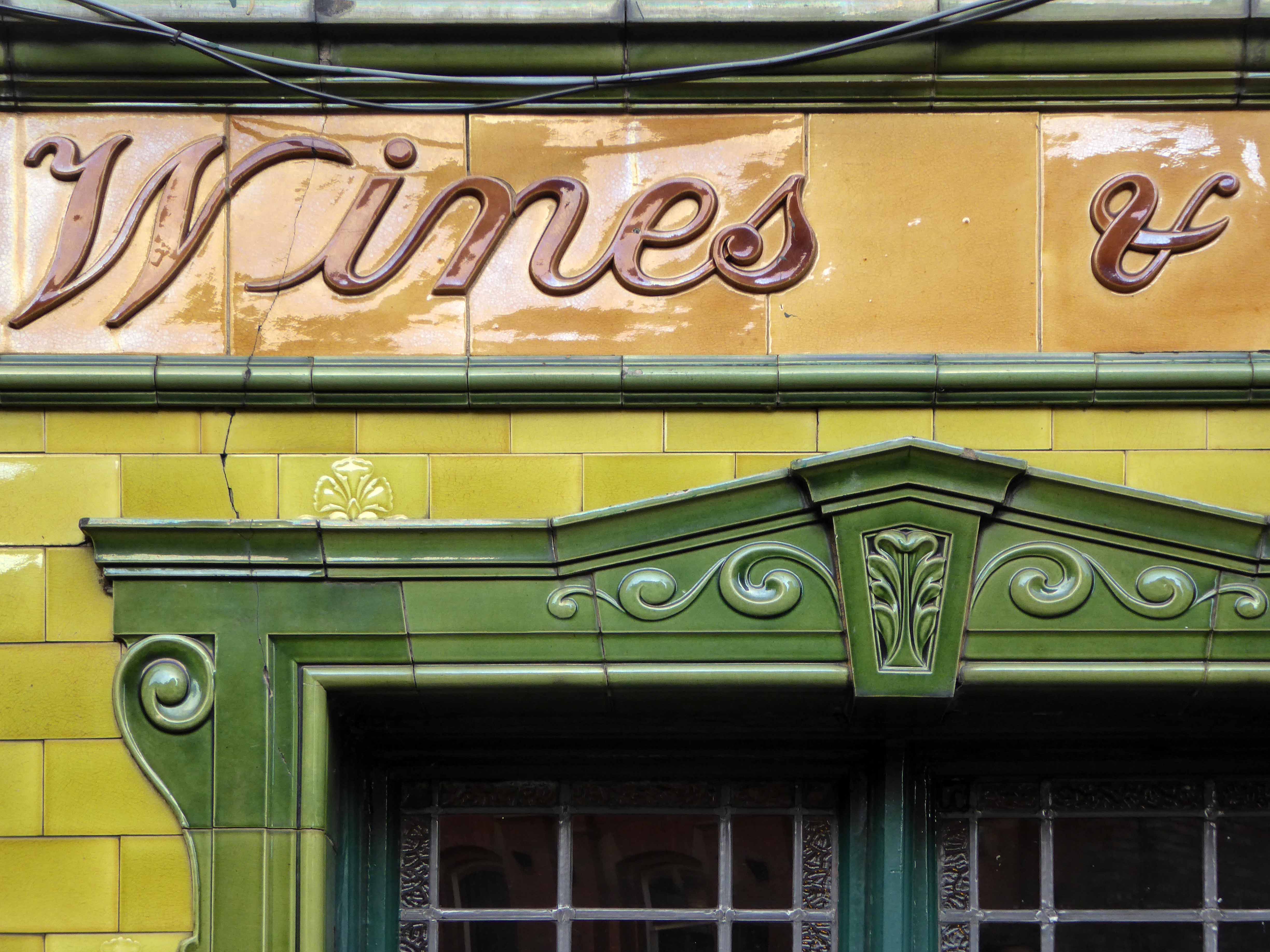
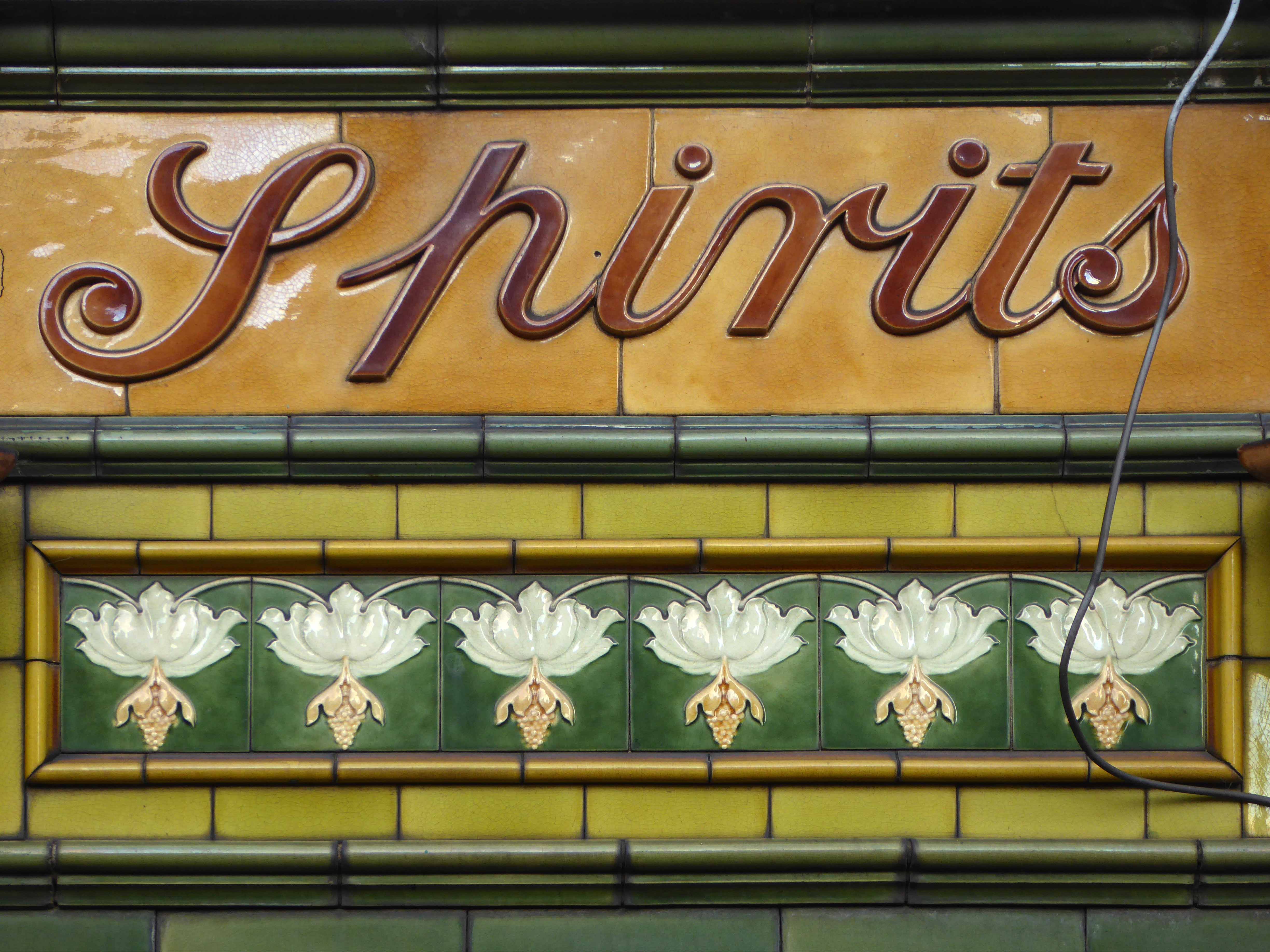
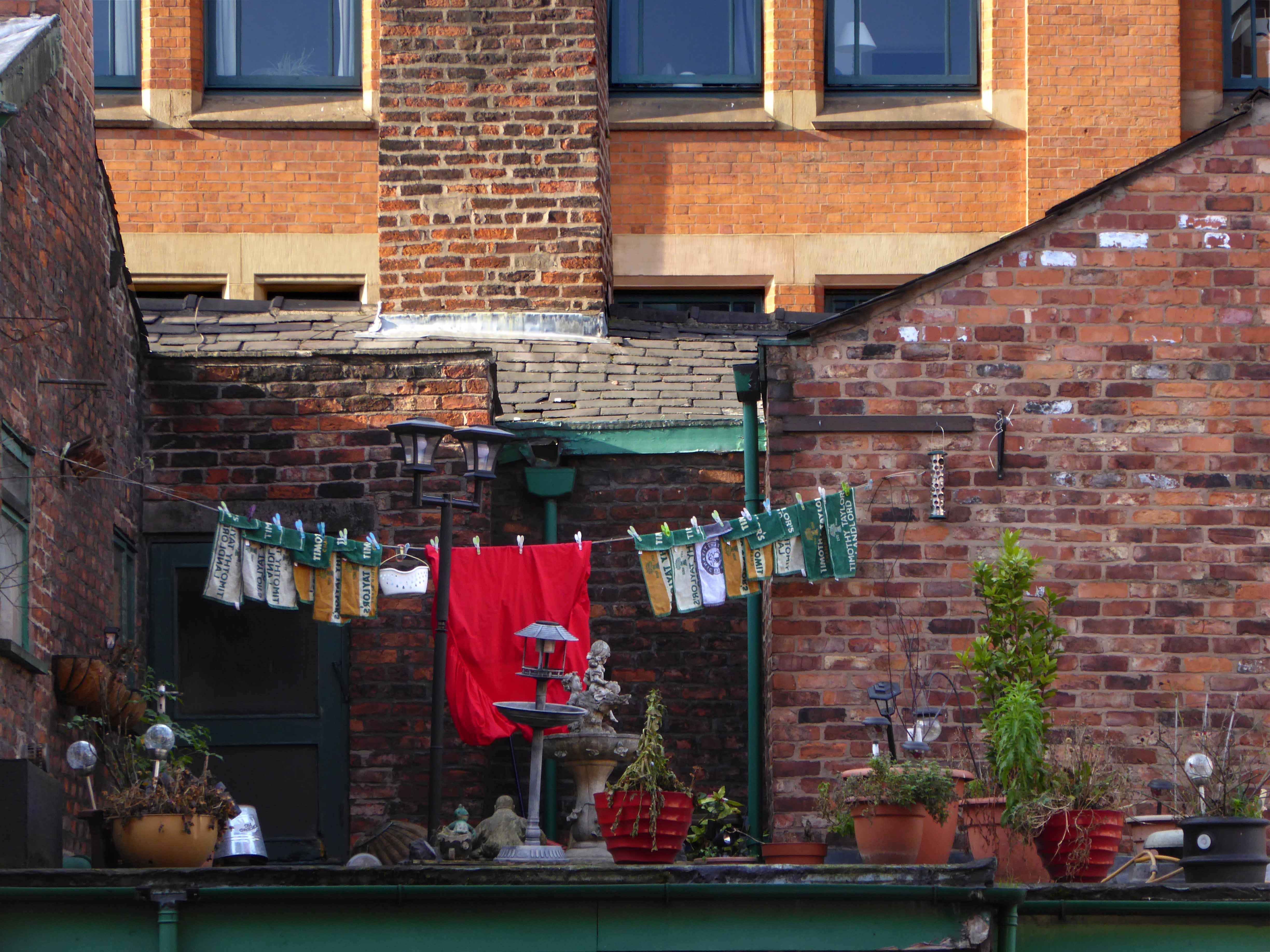
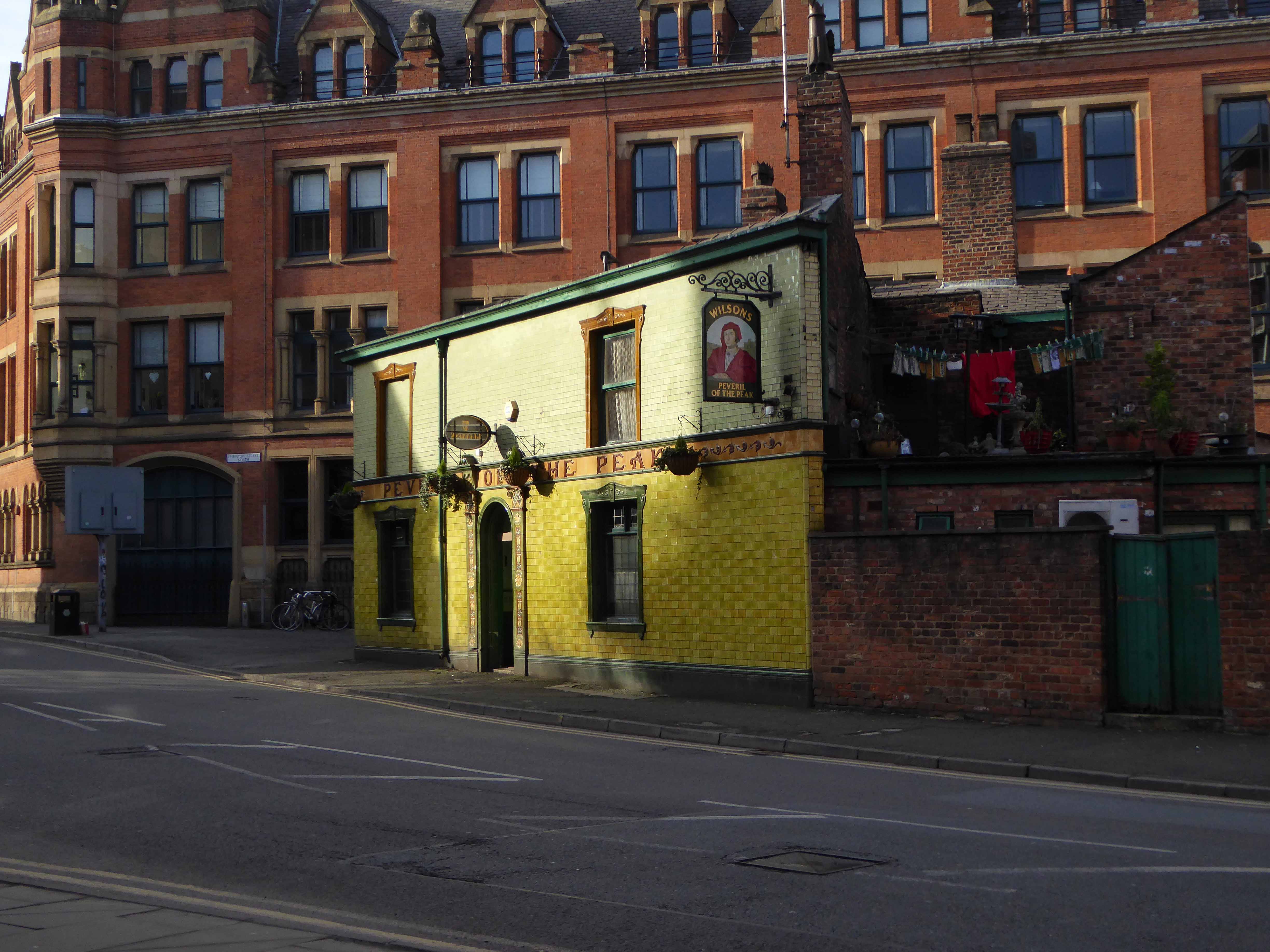
Peveril Of The Peak – Manchester

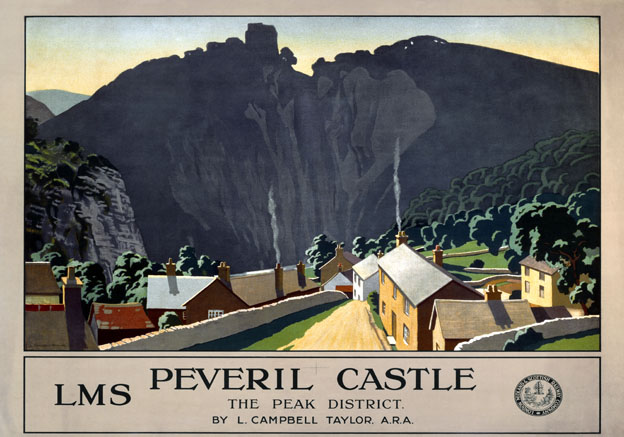
To begin at the beginning or thereabouts, Sir Walter Scott publishes his longest novel Peveril of the Peak in 1823.

Julian Peveril, a Cavalier, is in love with Alice Bridgenorth, a Roundhead’s daughter, but both he and his father are accused of involvement with the Popish Plot of 1678.

Most of the story takes place in Derbyshire, London, and on the Isle of Man. The title refers to Peveril Castle in Castleton, Derbyshire.

Poster produced in 1924 for London Midland & Scottish Railway – artwork by Leonard Campbell Taylor who was born in 1874 in Oxford and went to the Ruskin School of Art.

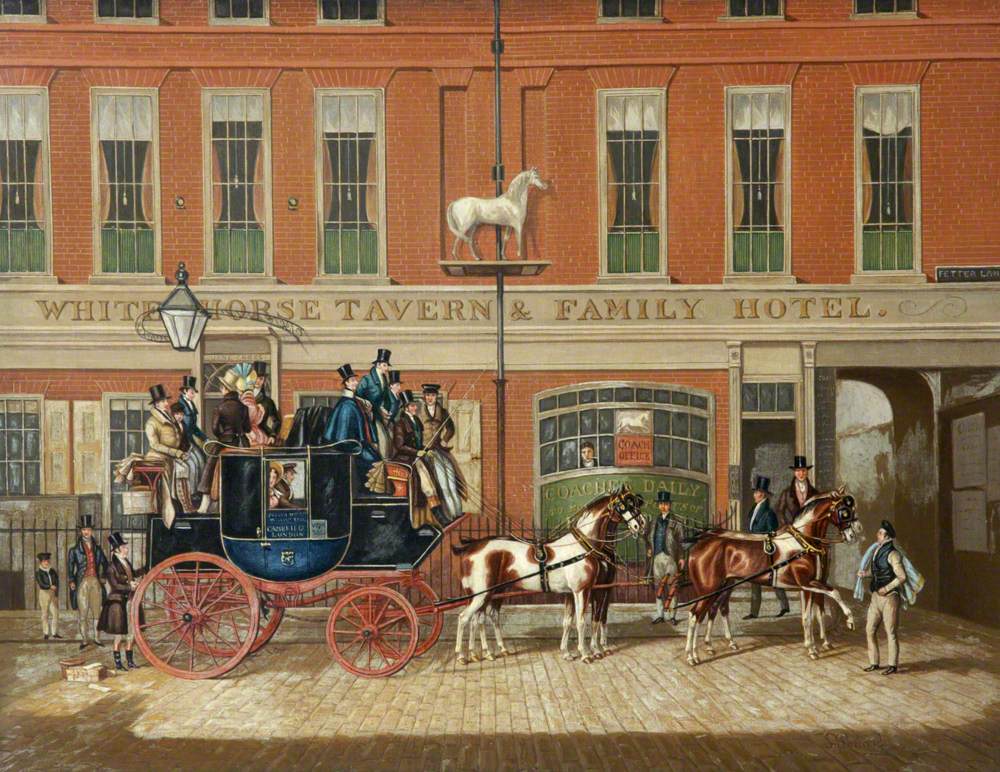
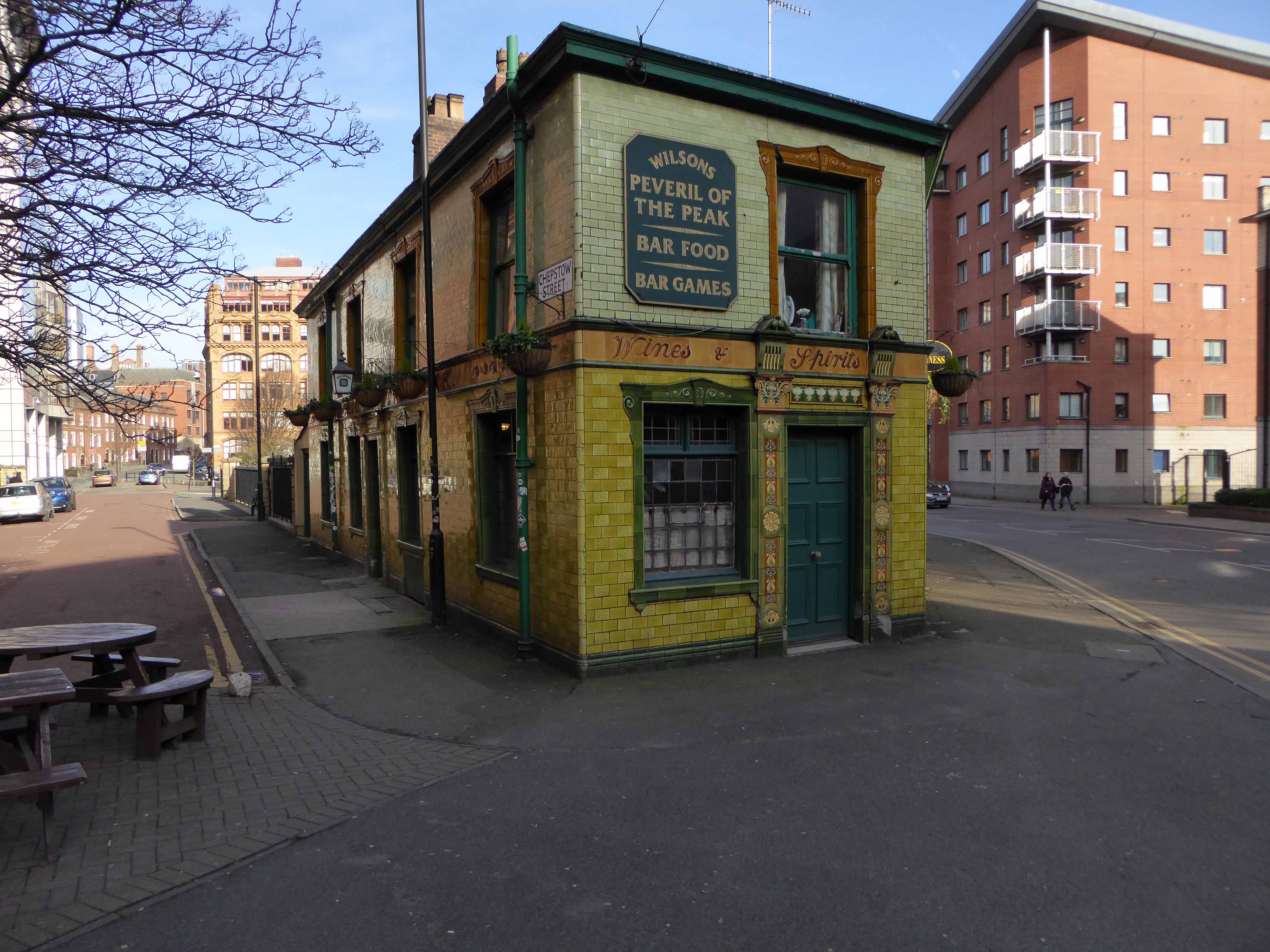
The pub also shares its name with the London to Manchester stagecoach.

Which is all very well as the pub is largely known locals as The Pev – ably run since January 1971 by Nancy Swanick.

Nancy and son Maurice, who runs the cellar, also say they have shared the pub with a paranormal presence over the years.

Customers have seen pint glasses levitate off the bar and fall into the glass-wash, it’s like having our own ghostly helper!

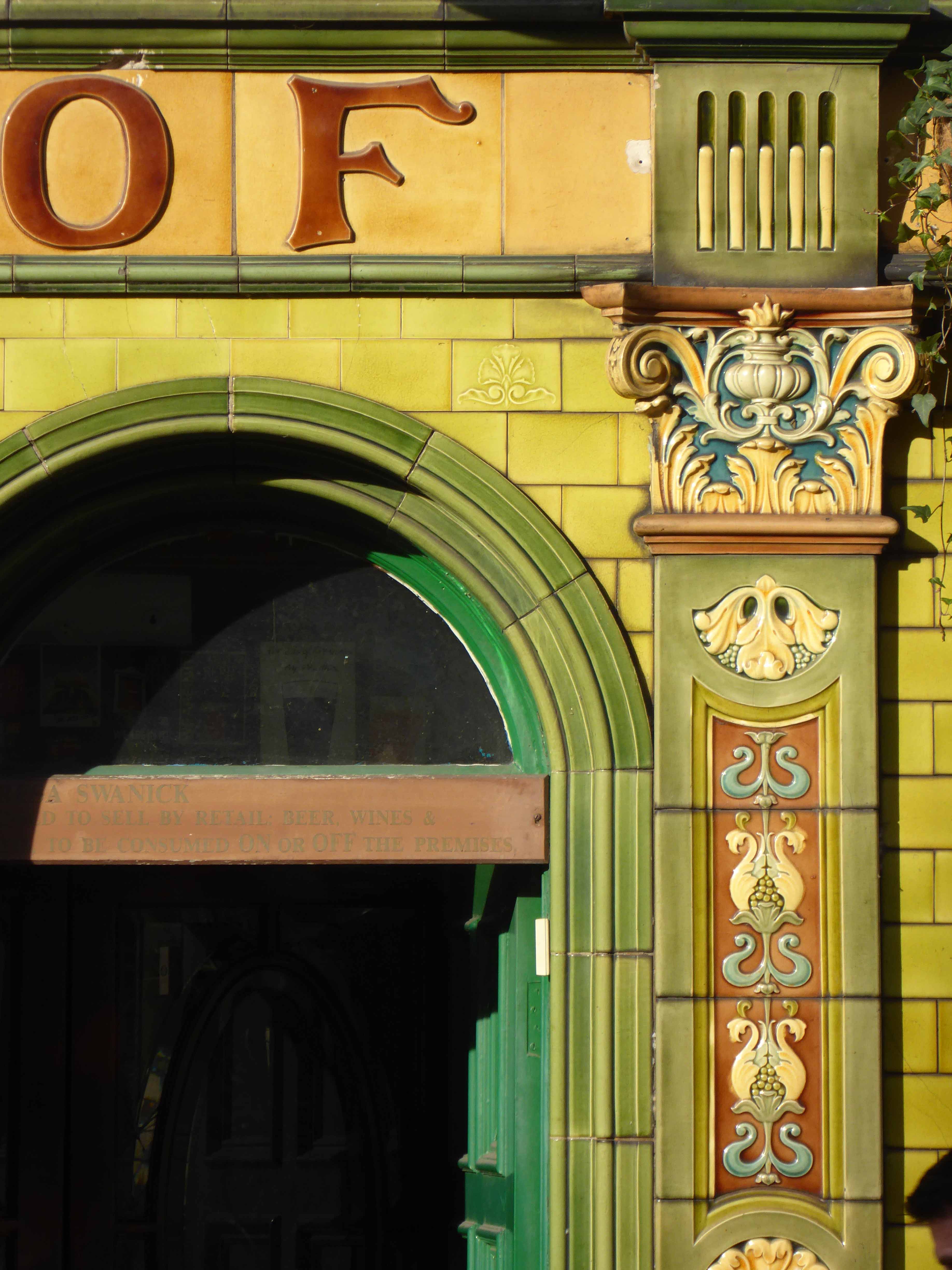
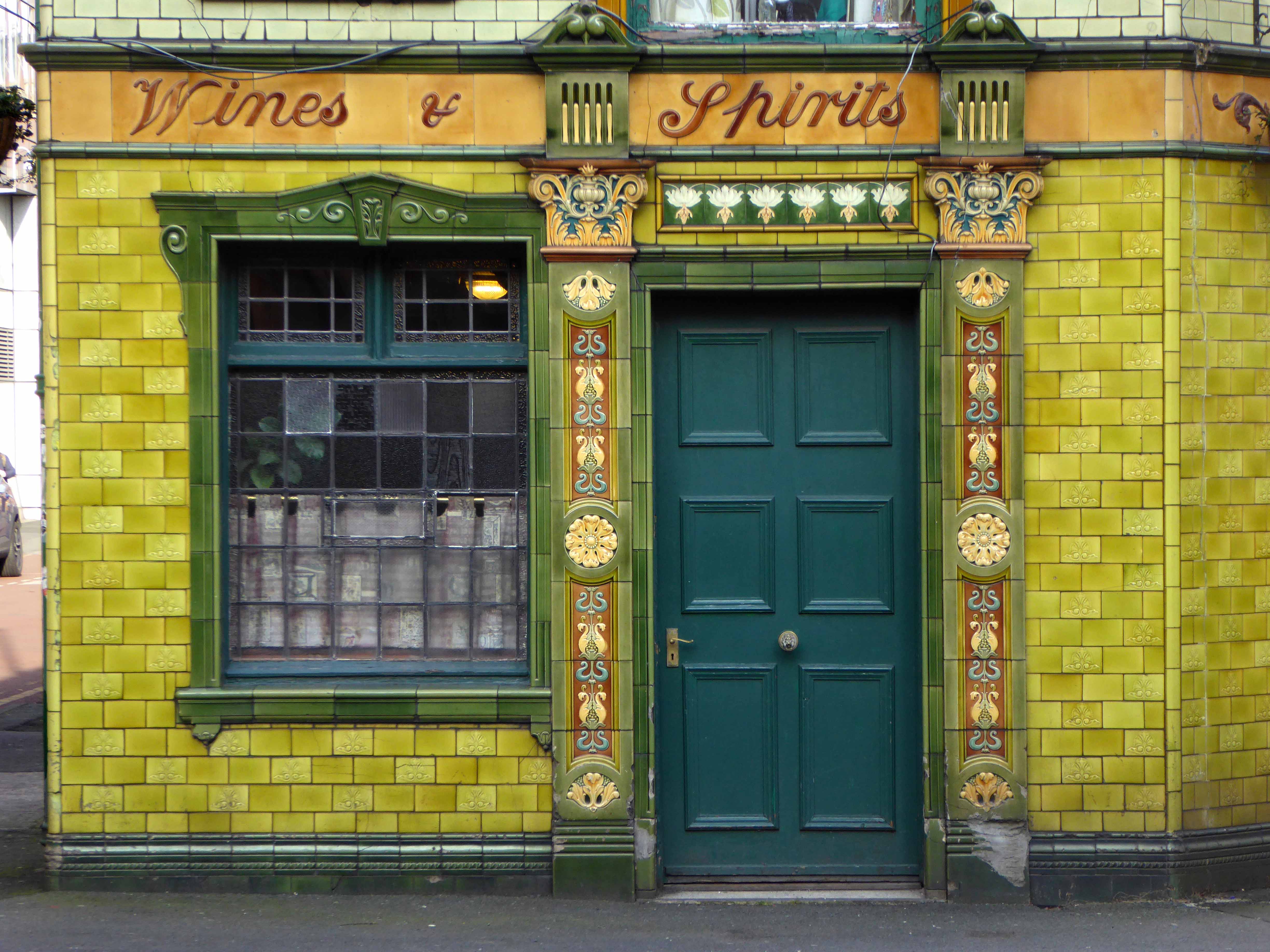
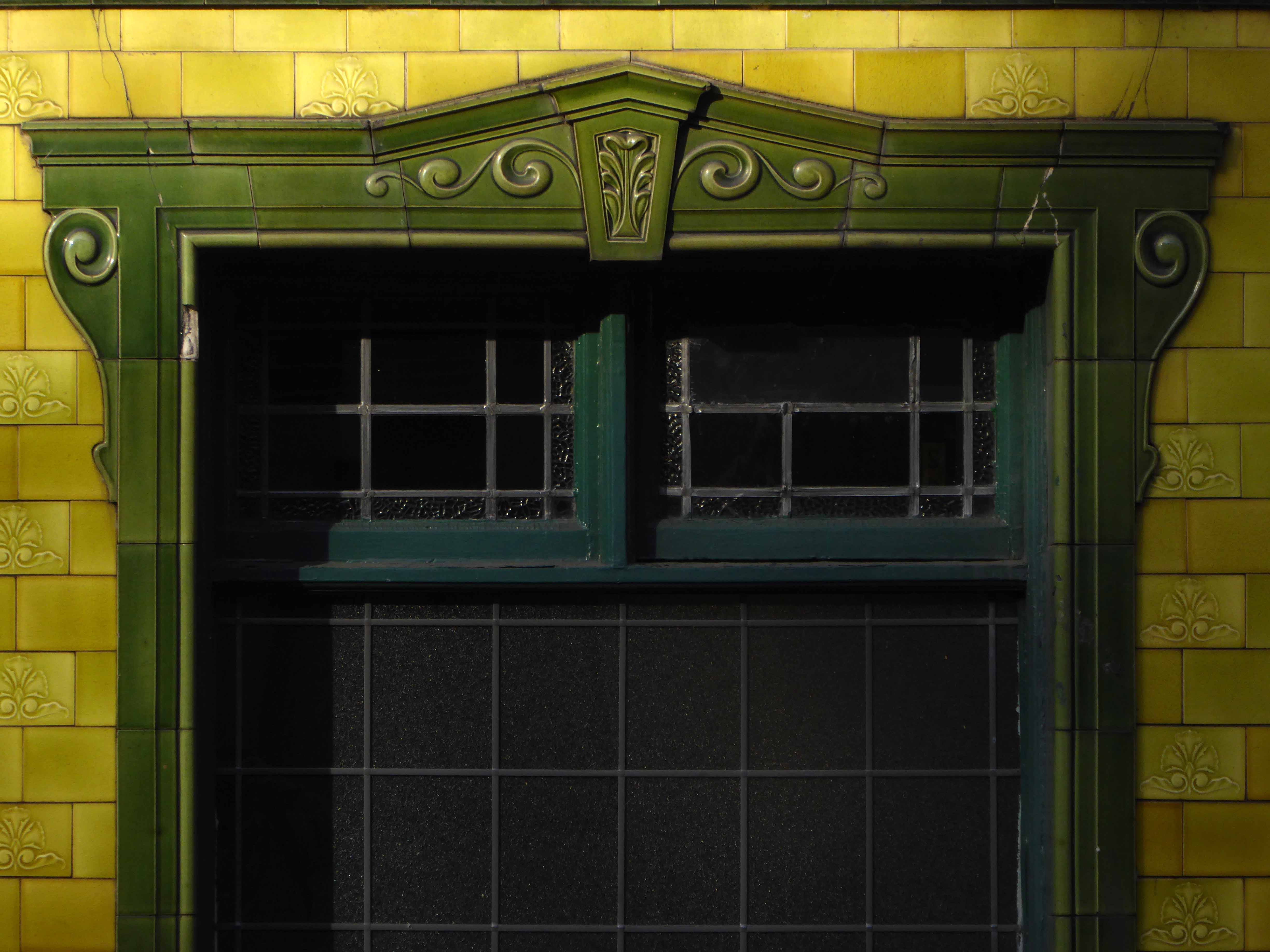
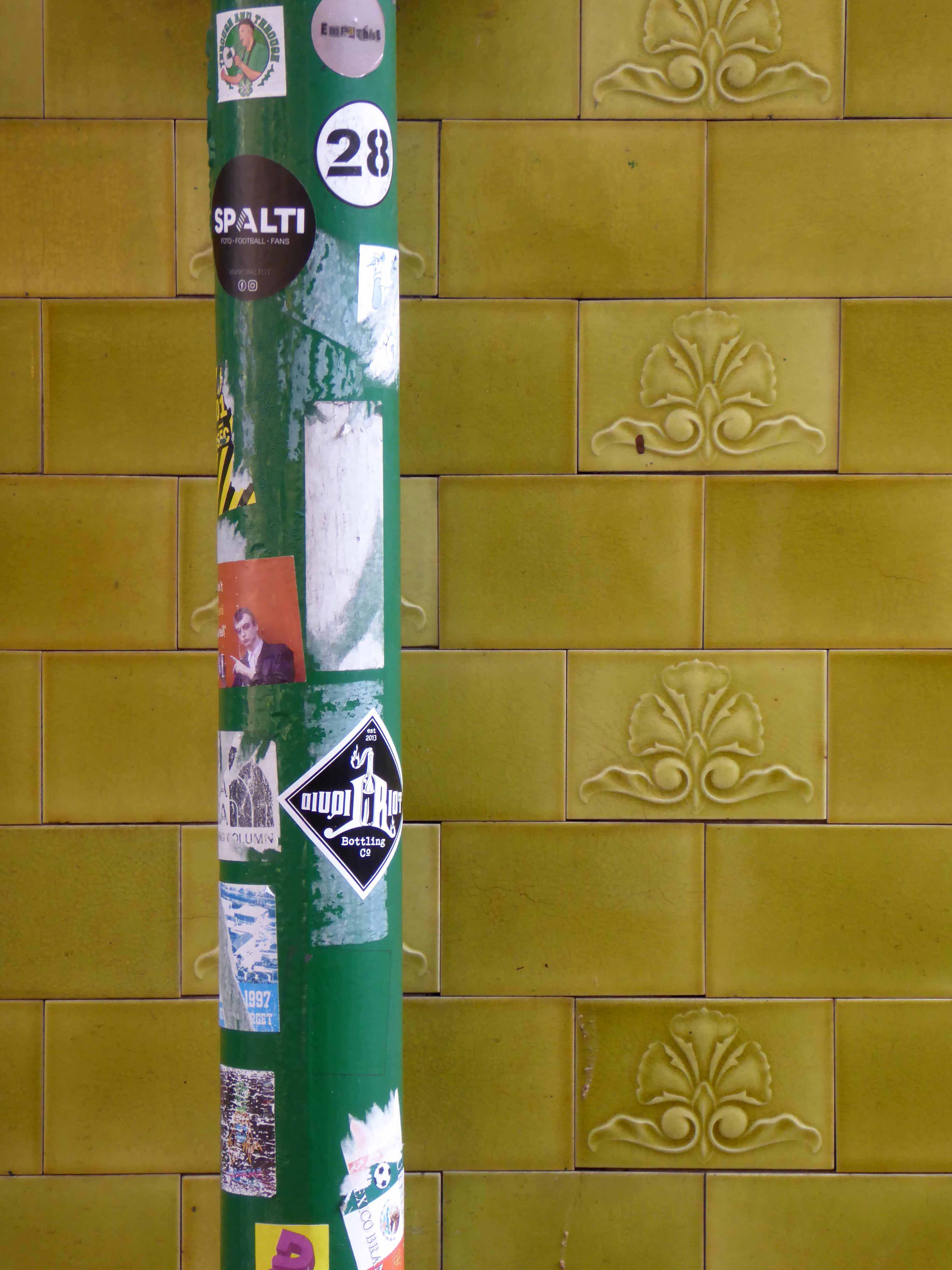
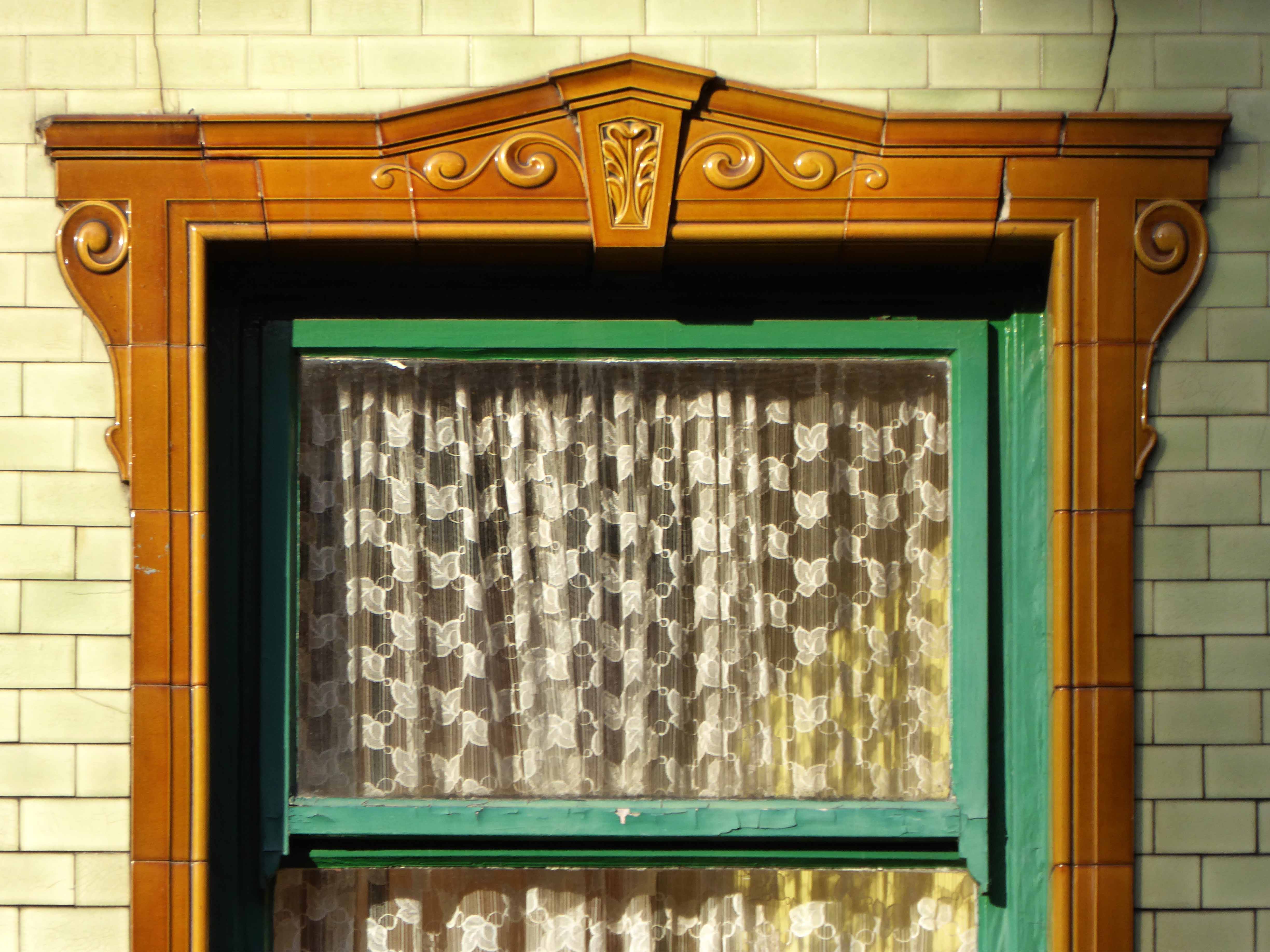
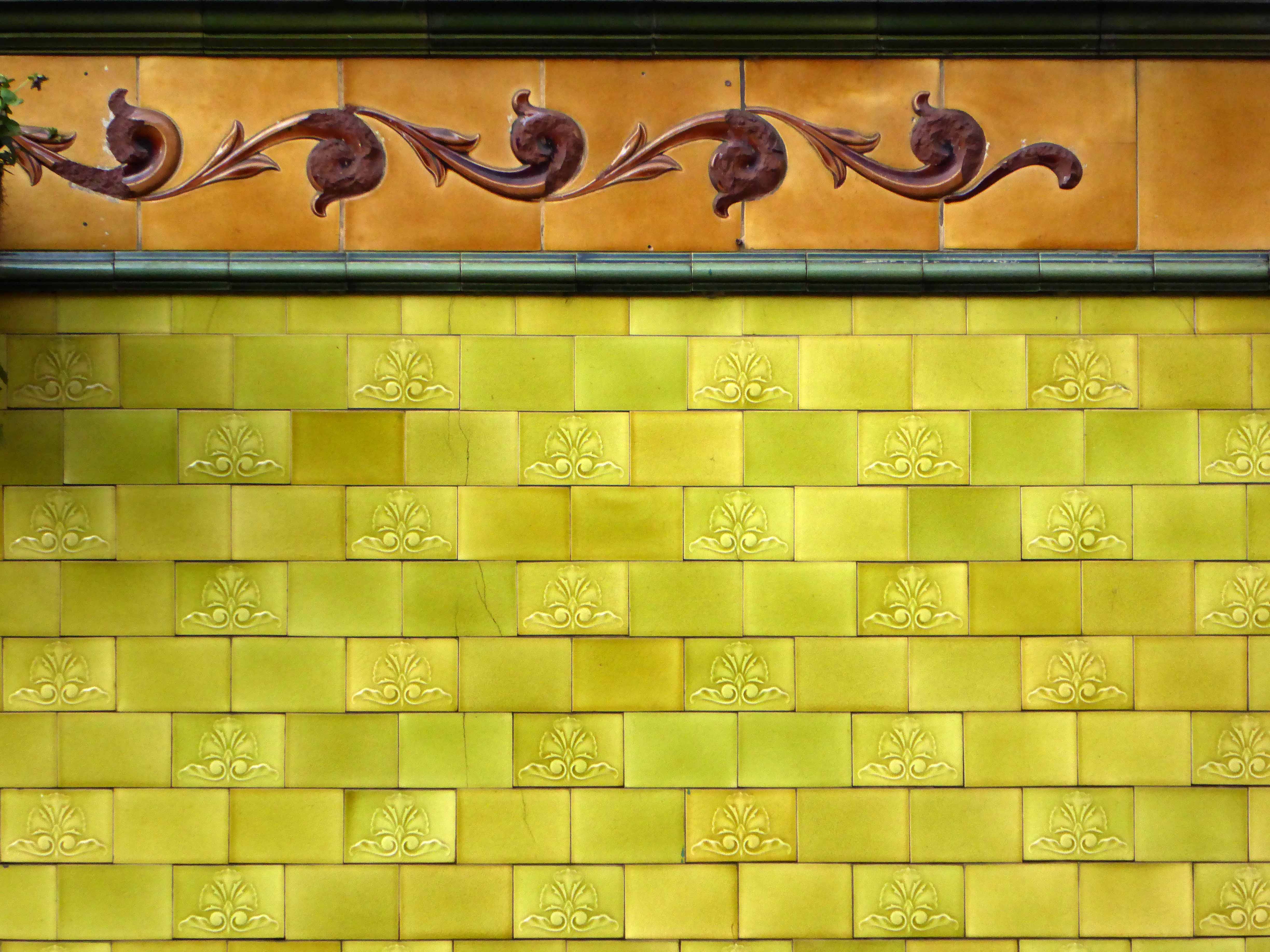
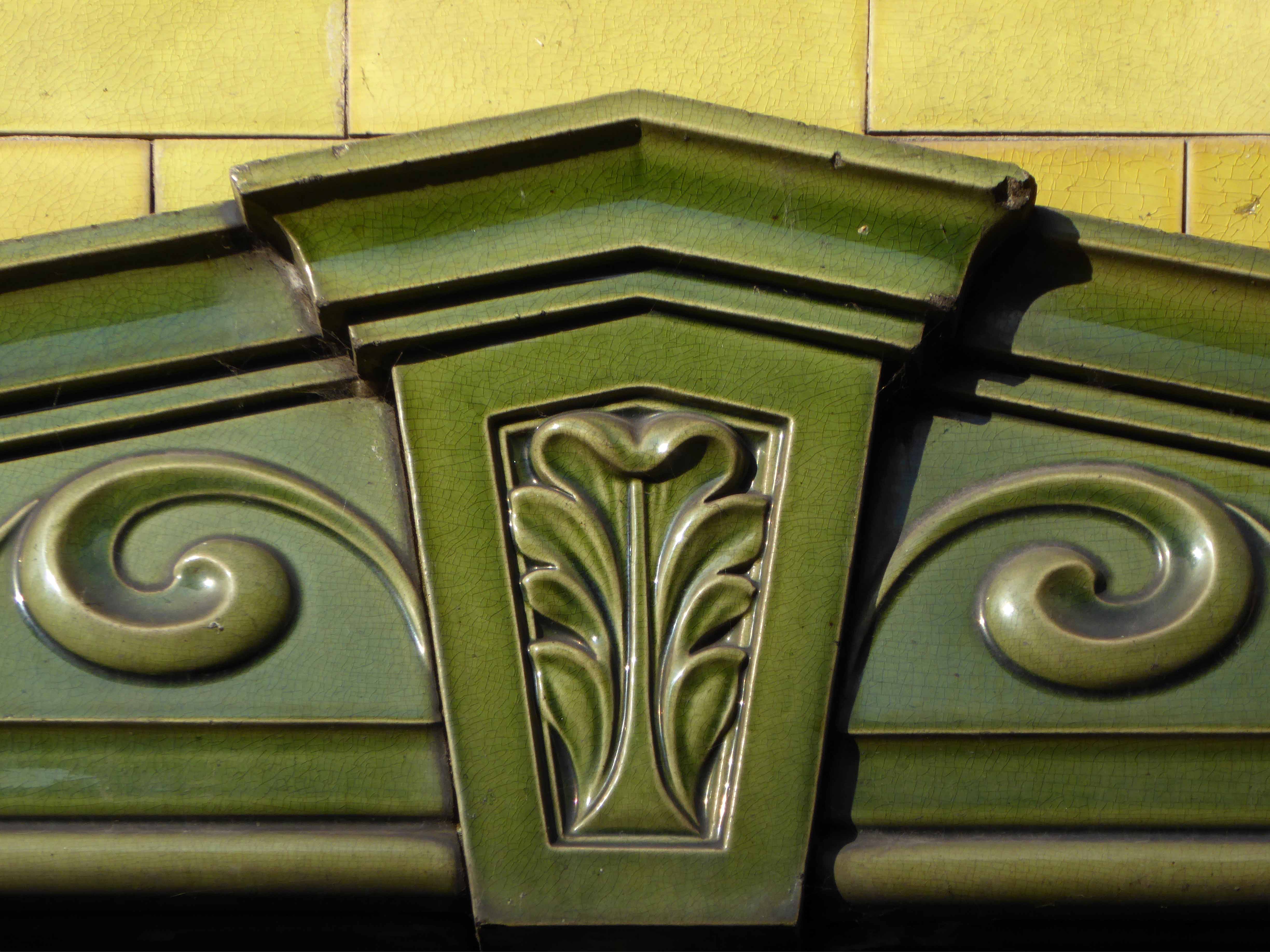
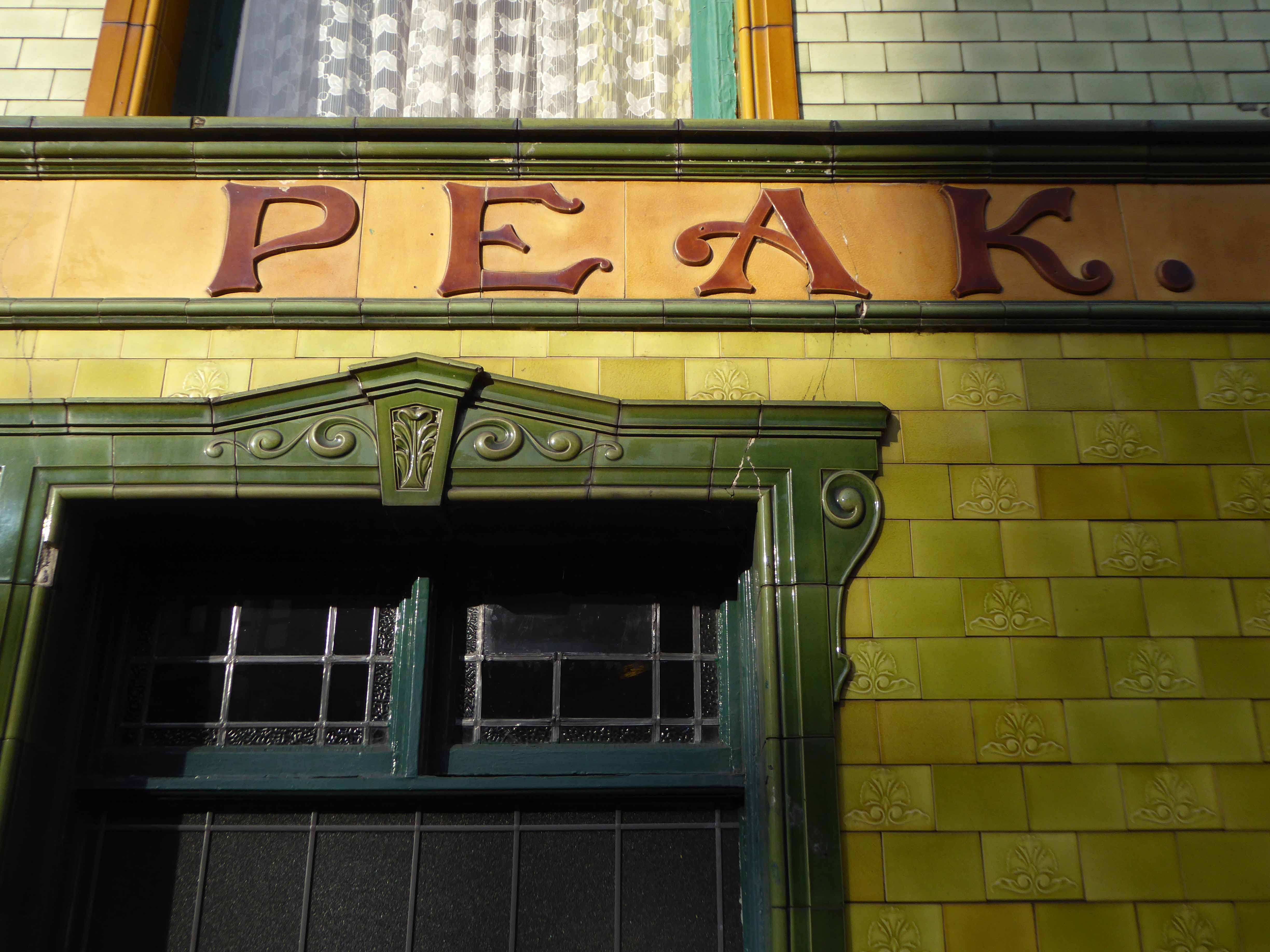
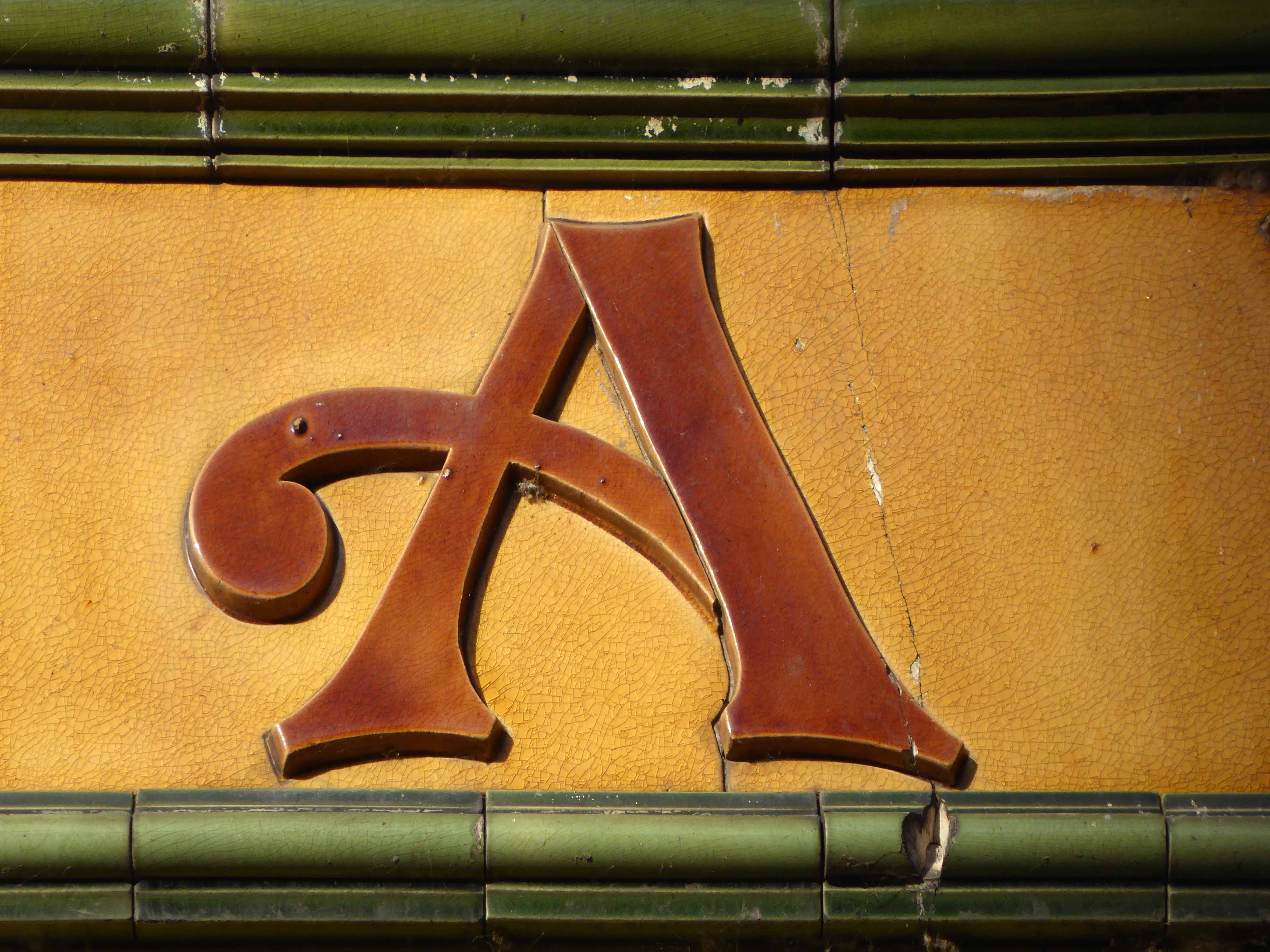
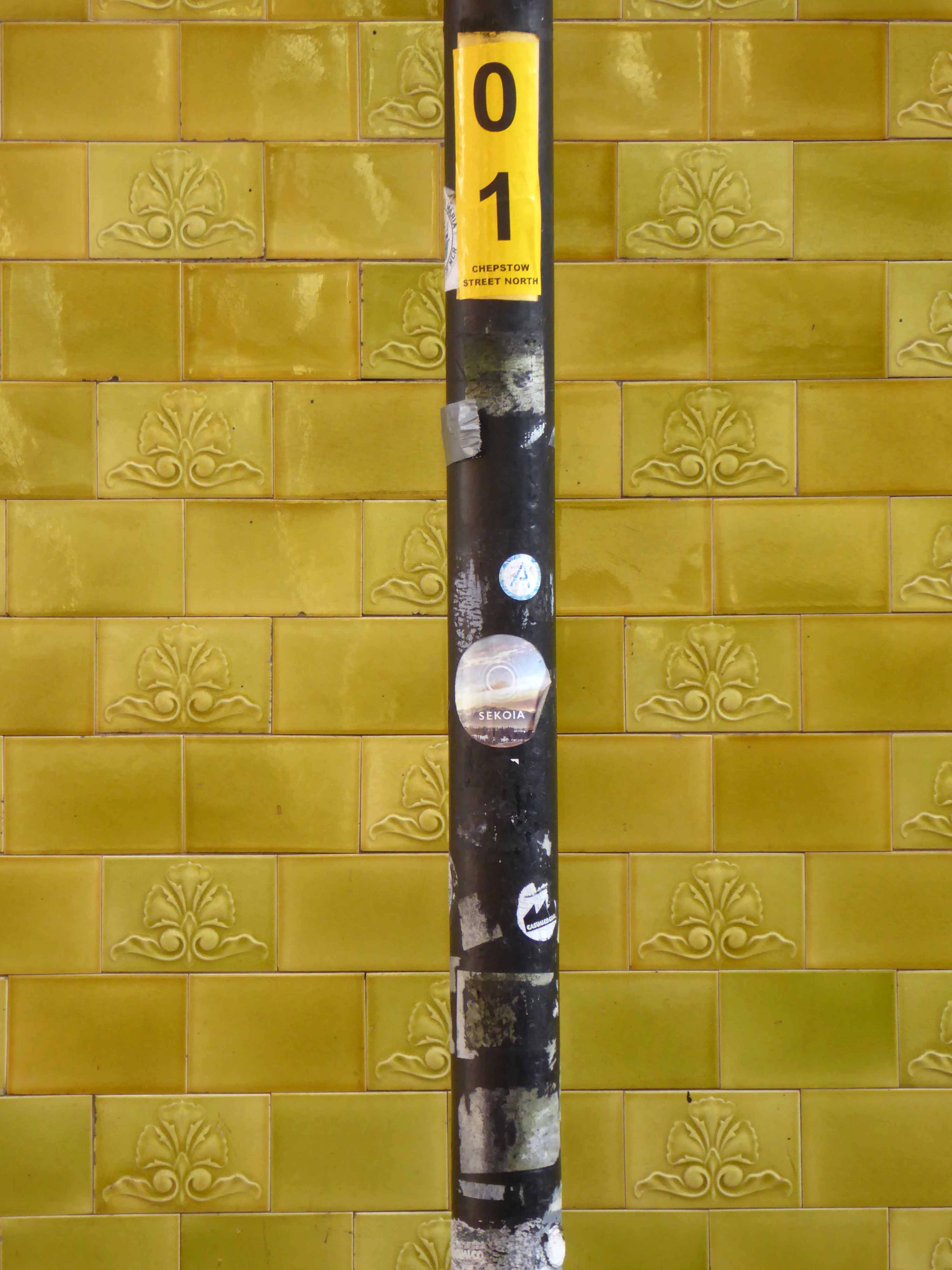
The pub was Grade II listed in June 1988 – a fine tiled exterior and 1920’s interior refit largely untouched, it stands distinctly unattached to anything, decidedly somewhere betwixt and between Chepstow Street and Great Bridgwater Street.

Originally a Wilson’s house – the brewery lantern survives over the door.

I’ve taken a drink or two in here over the past thirty or so years, played pool and table football, watched the half time Hallé musicians swish in and out for a swifty.

A little island of green in a sea of grey.

Pop in for one if you’re passing

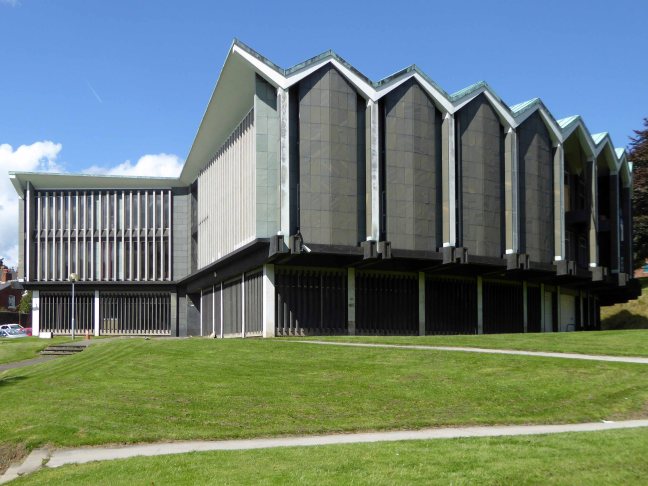
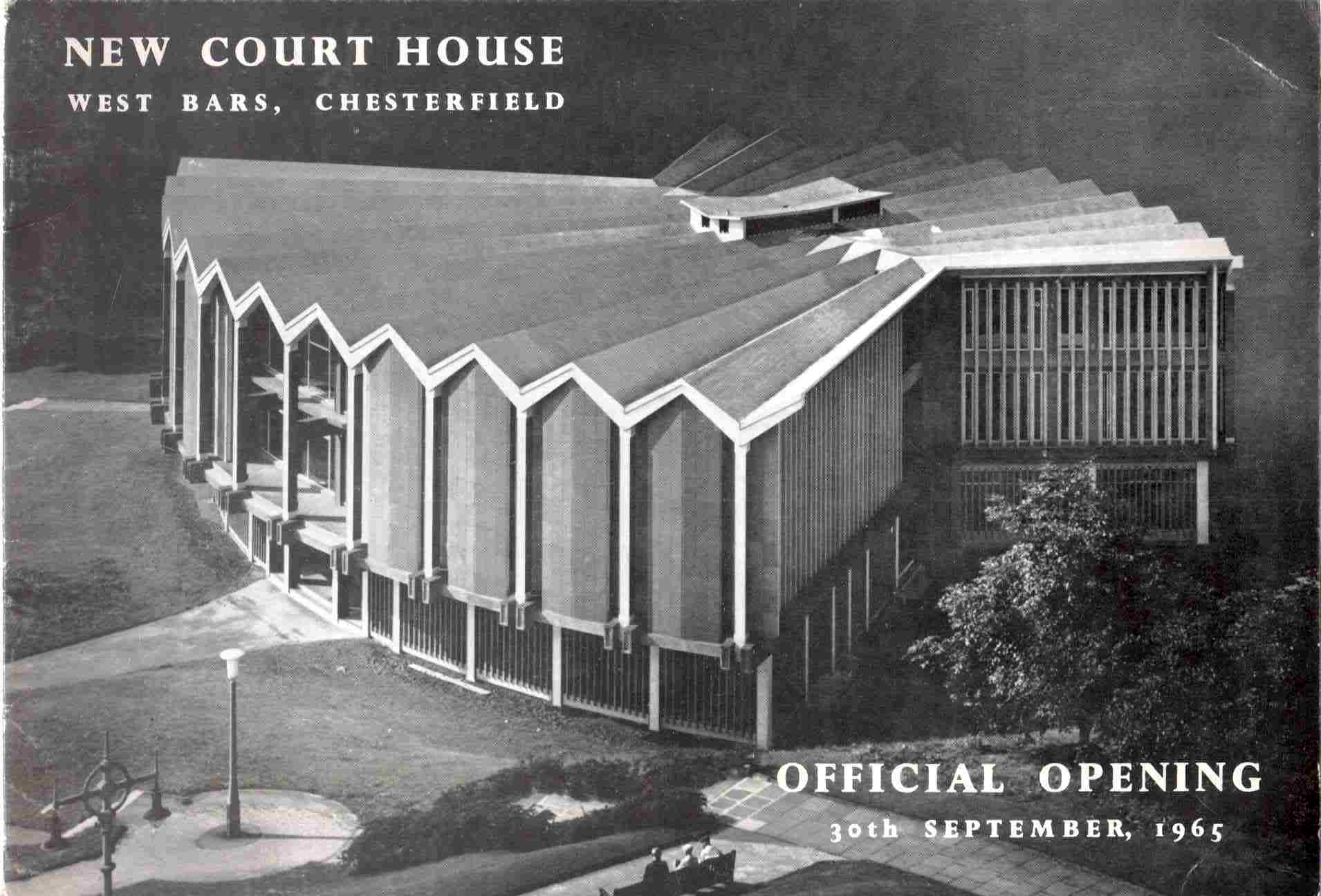
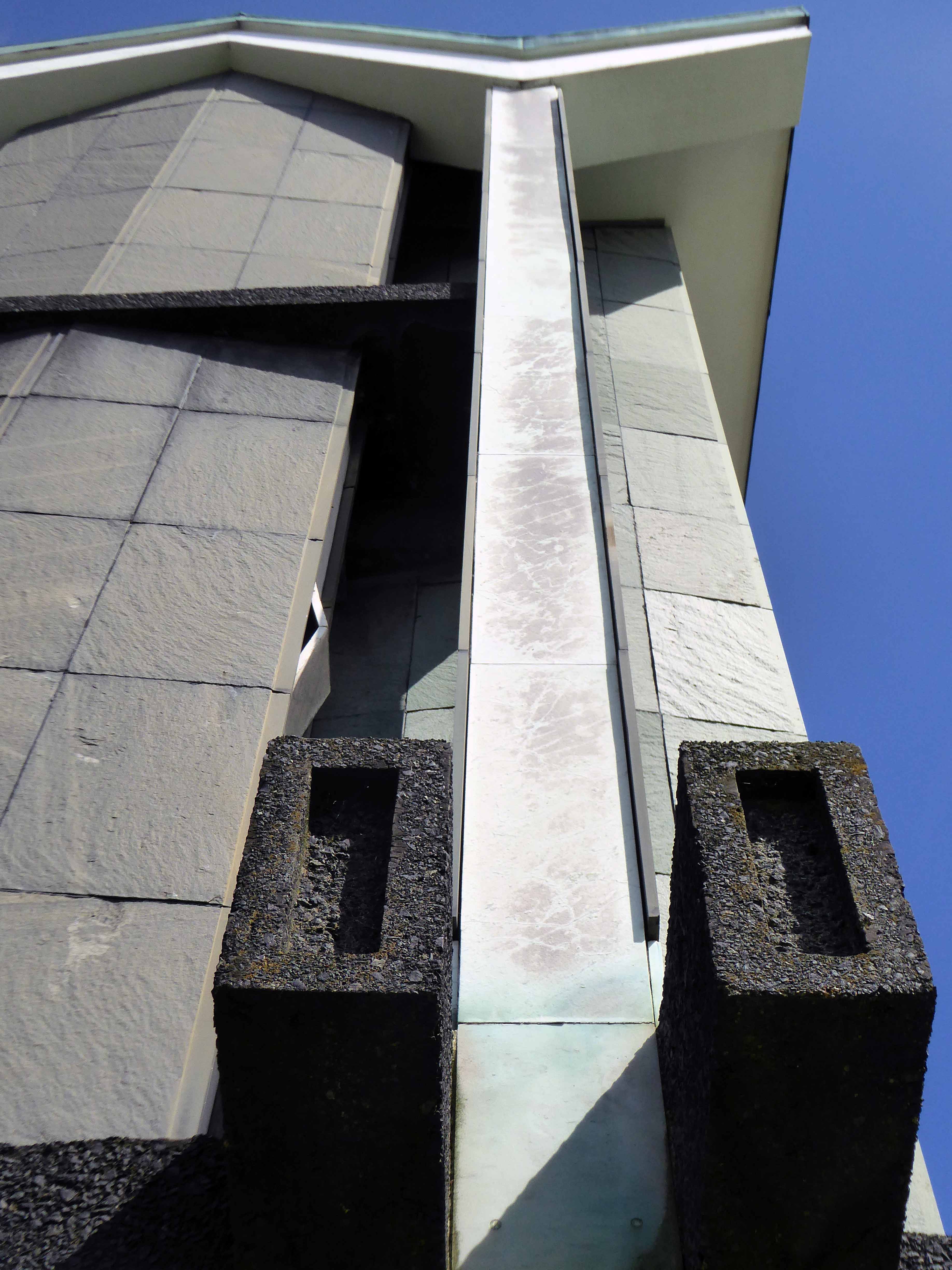
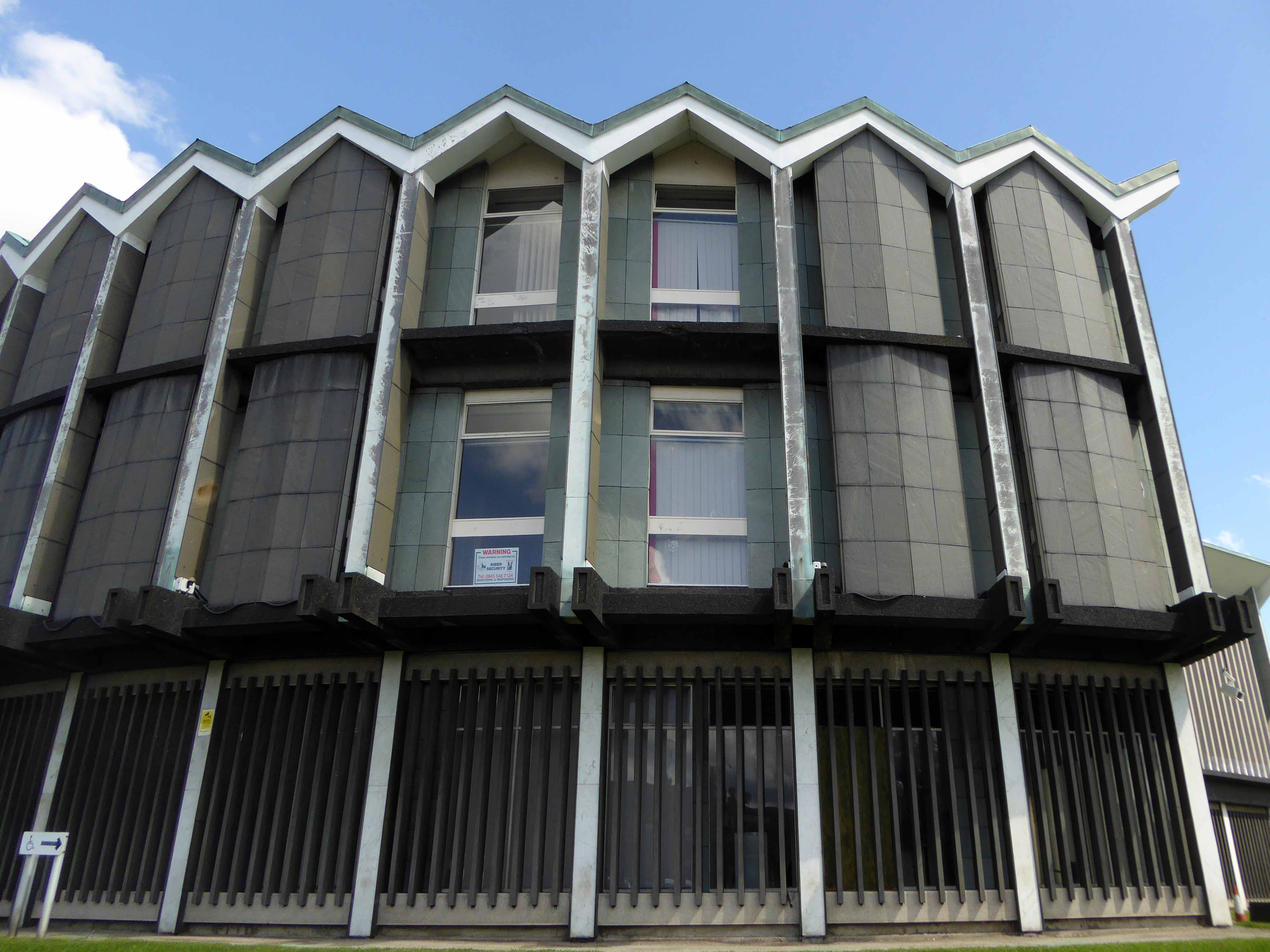
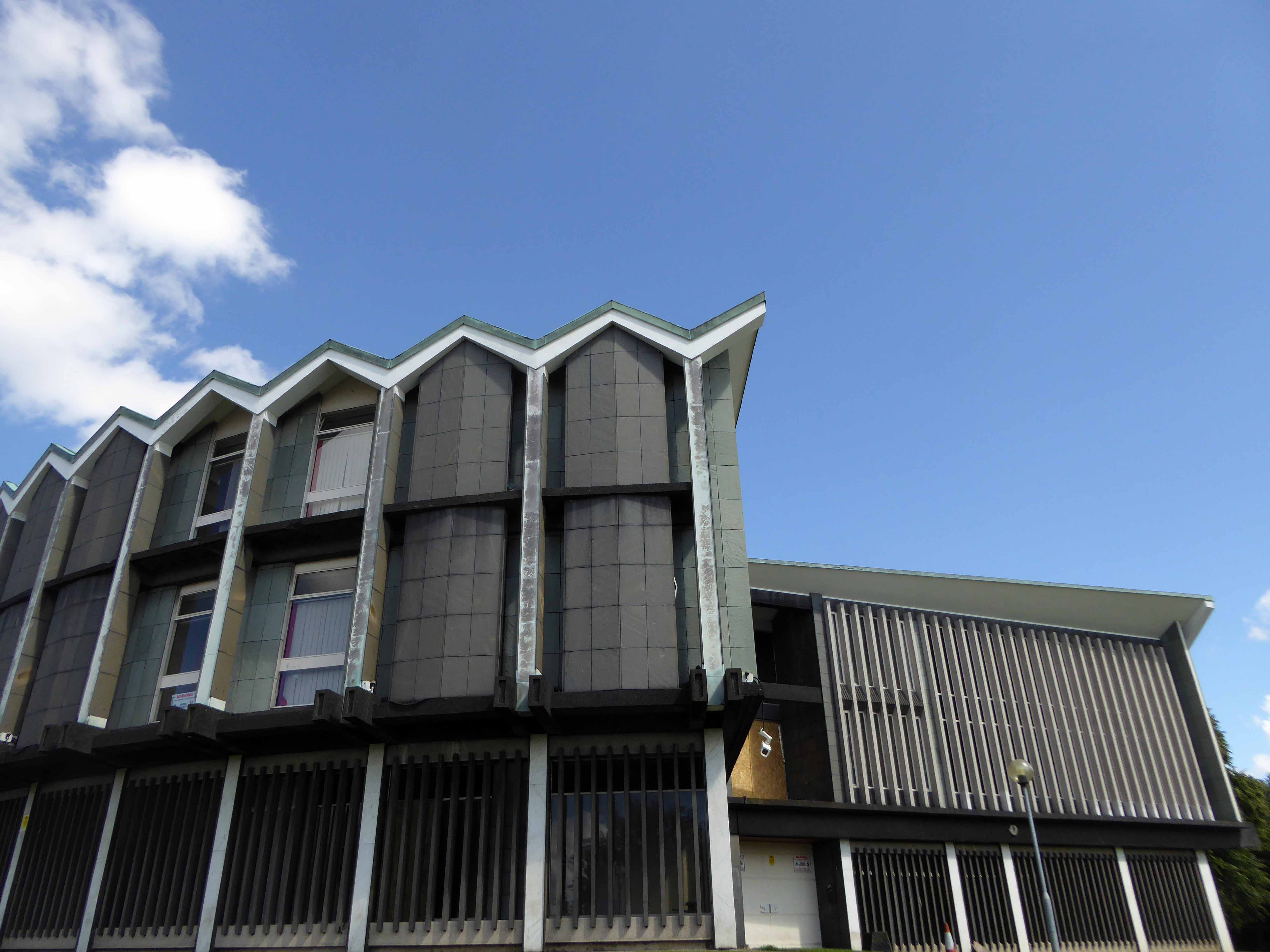
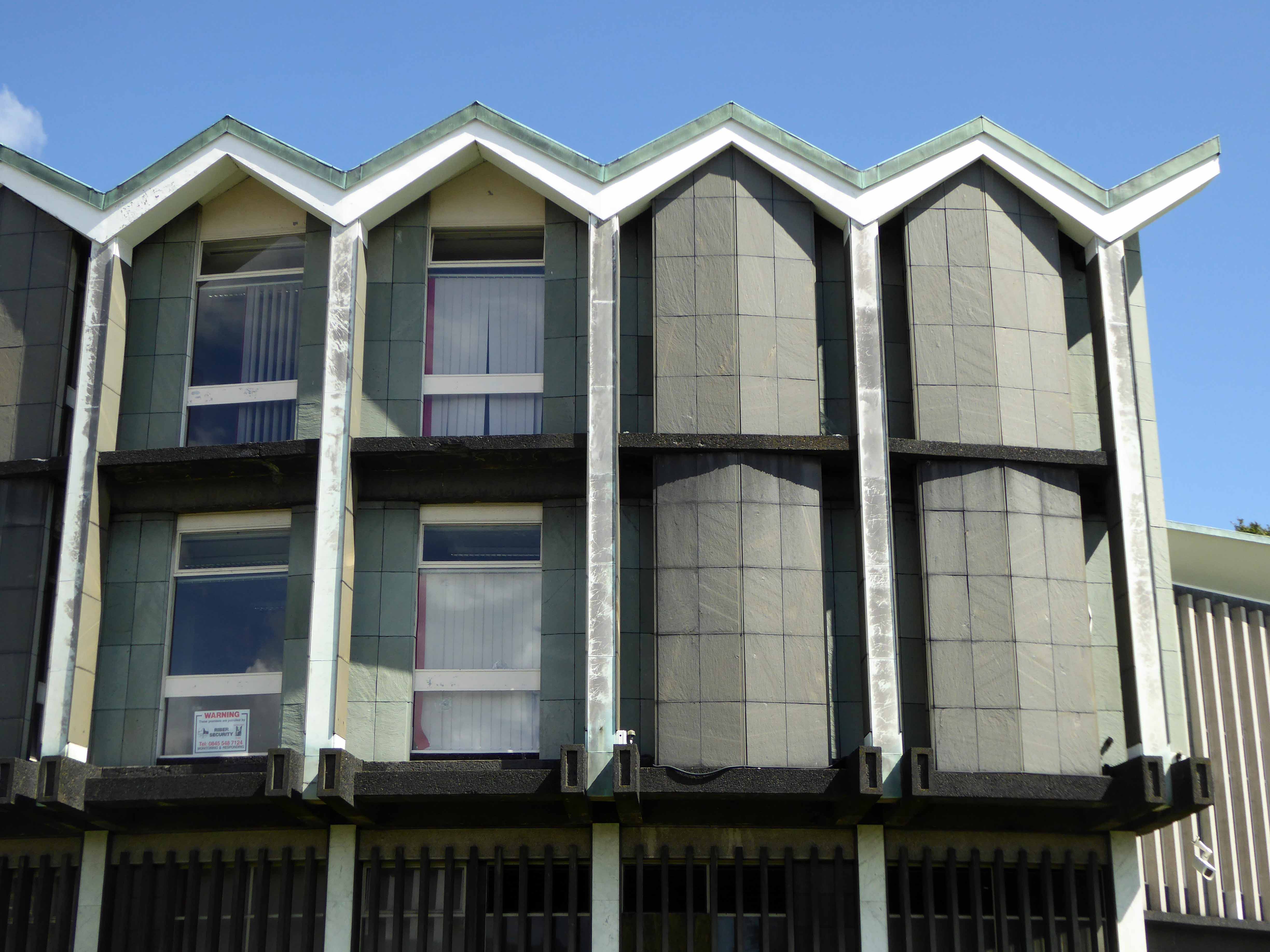
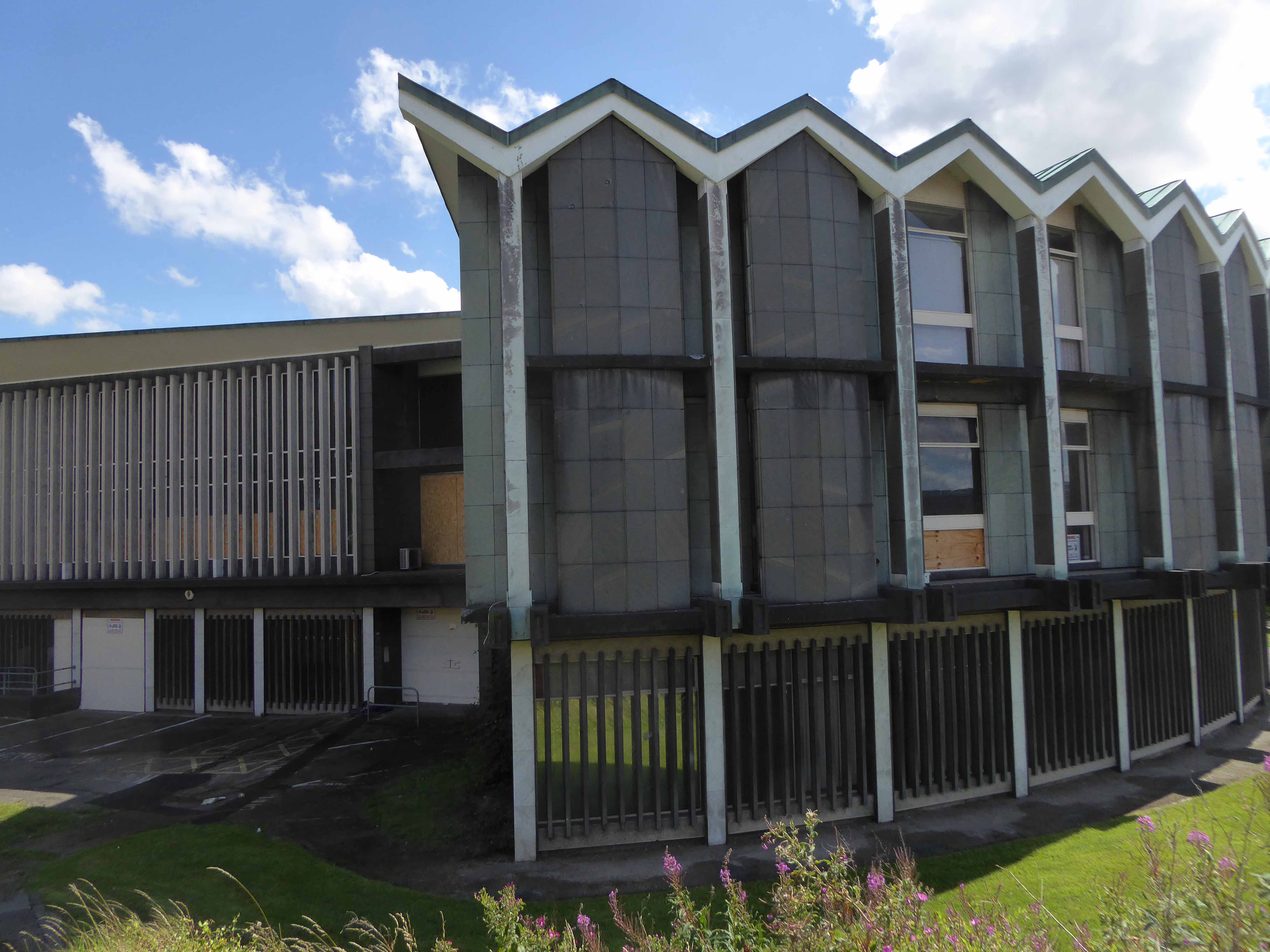
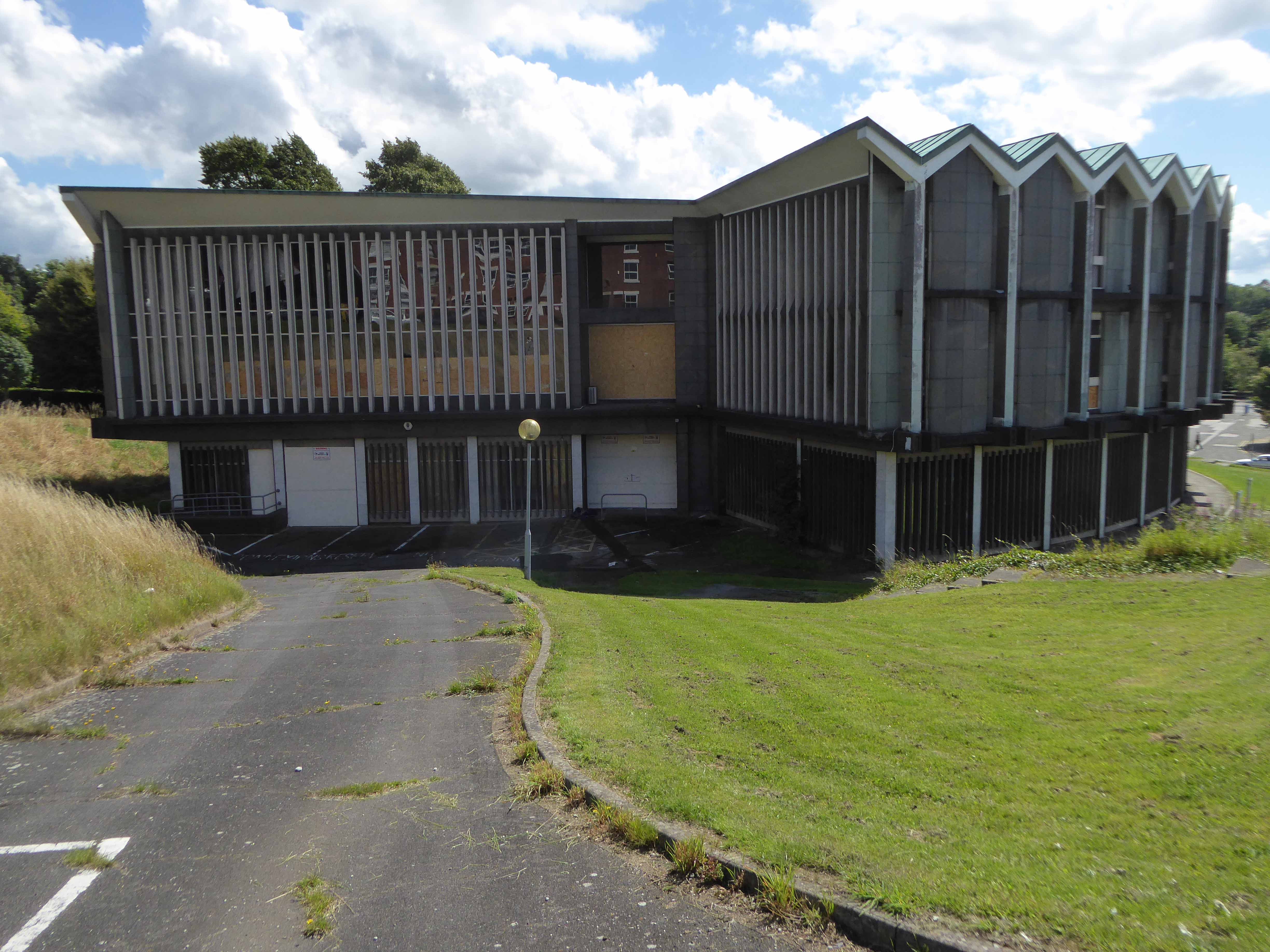
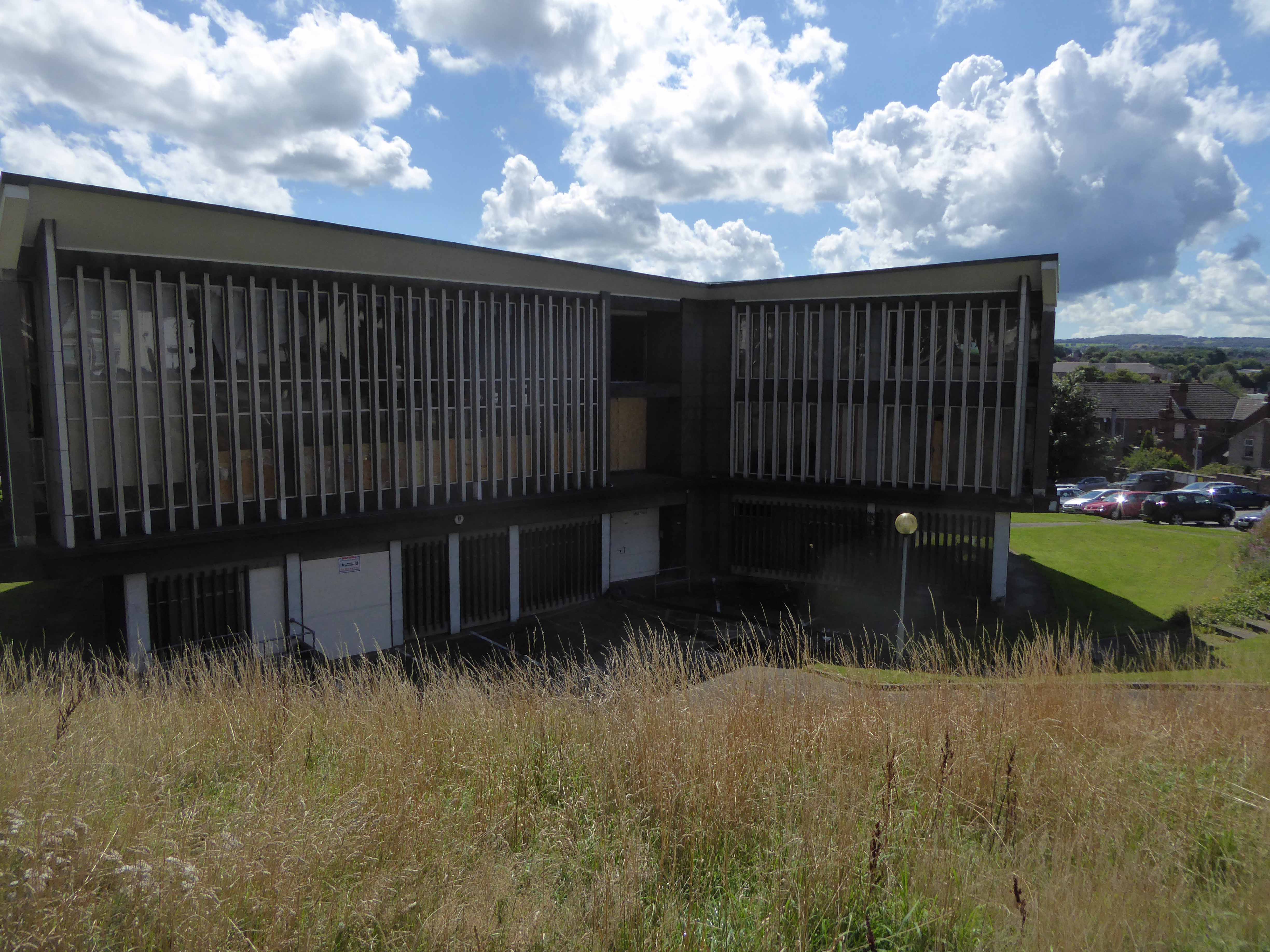
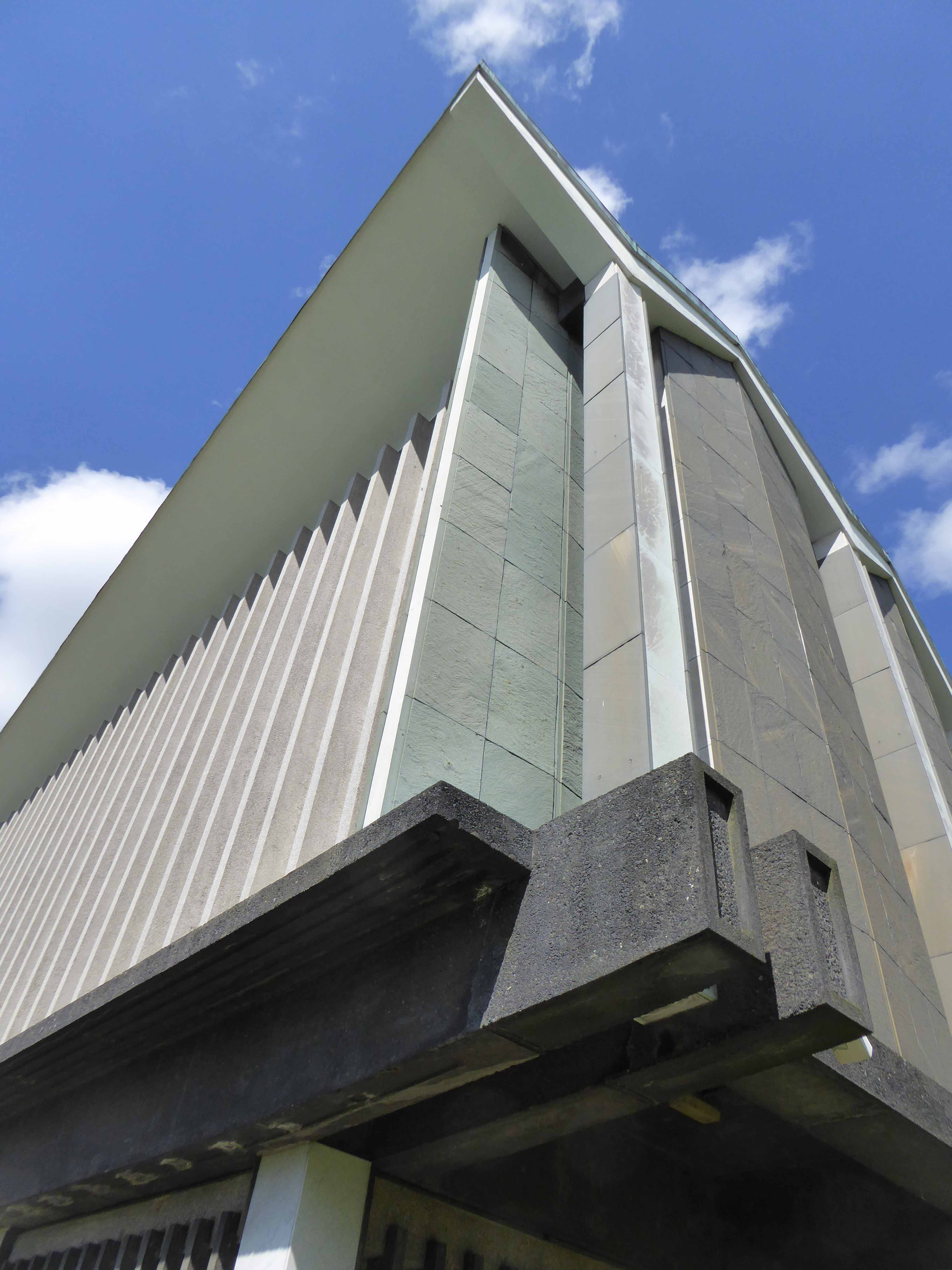
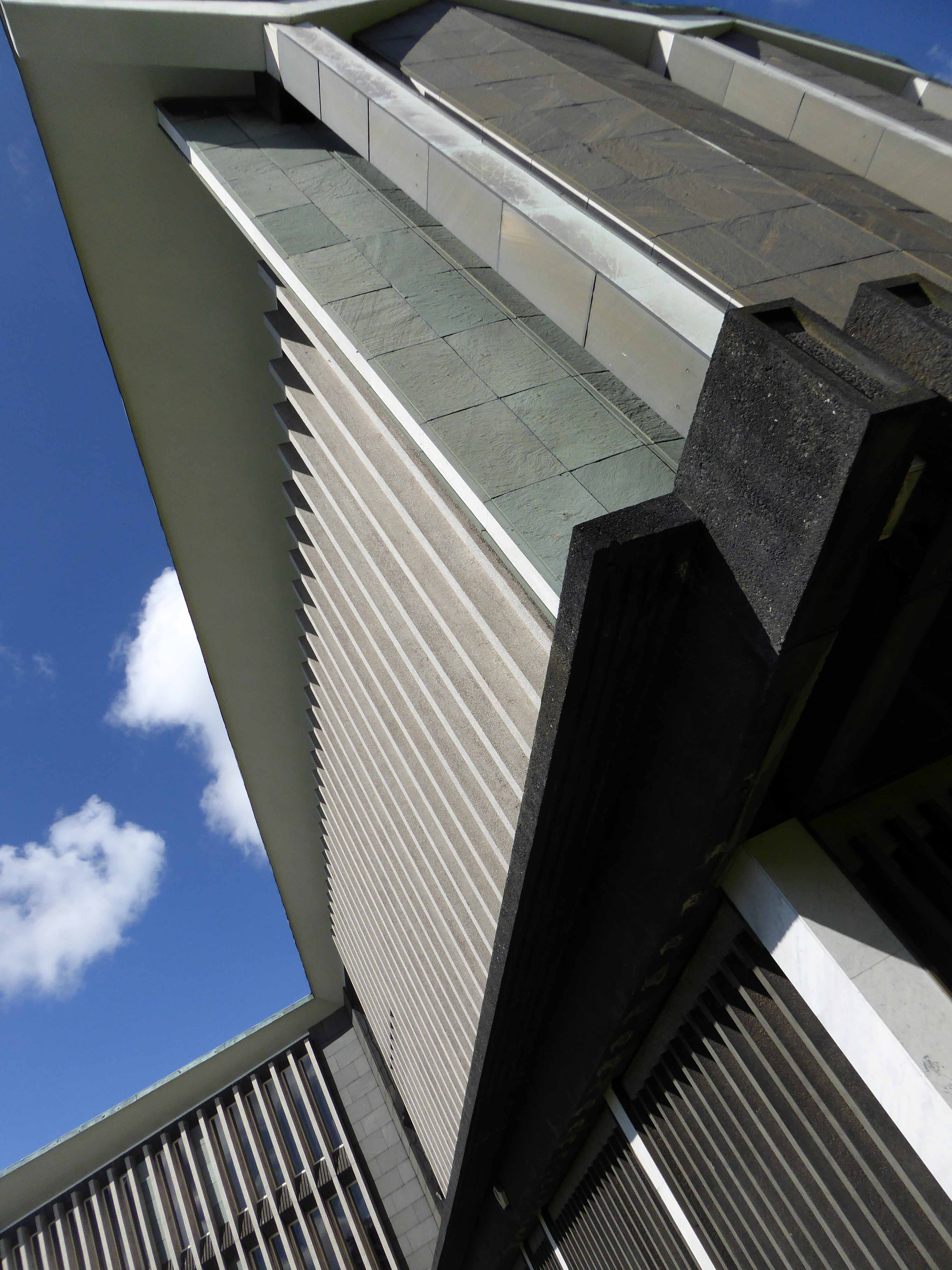
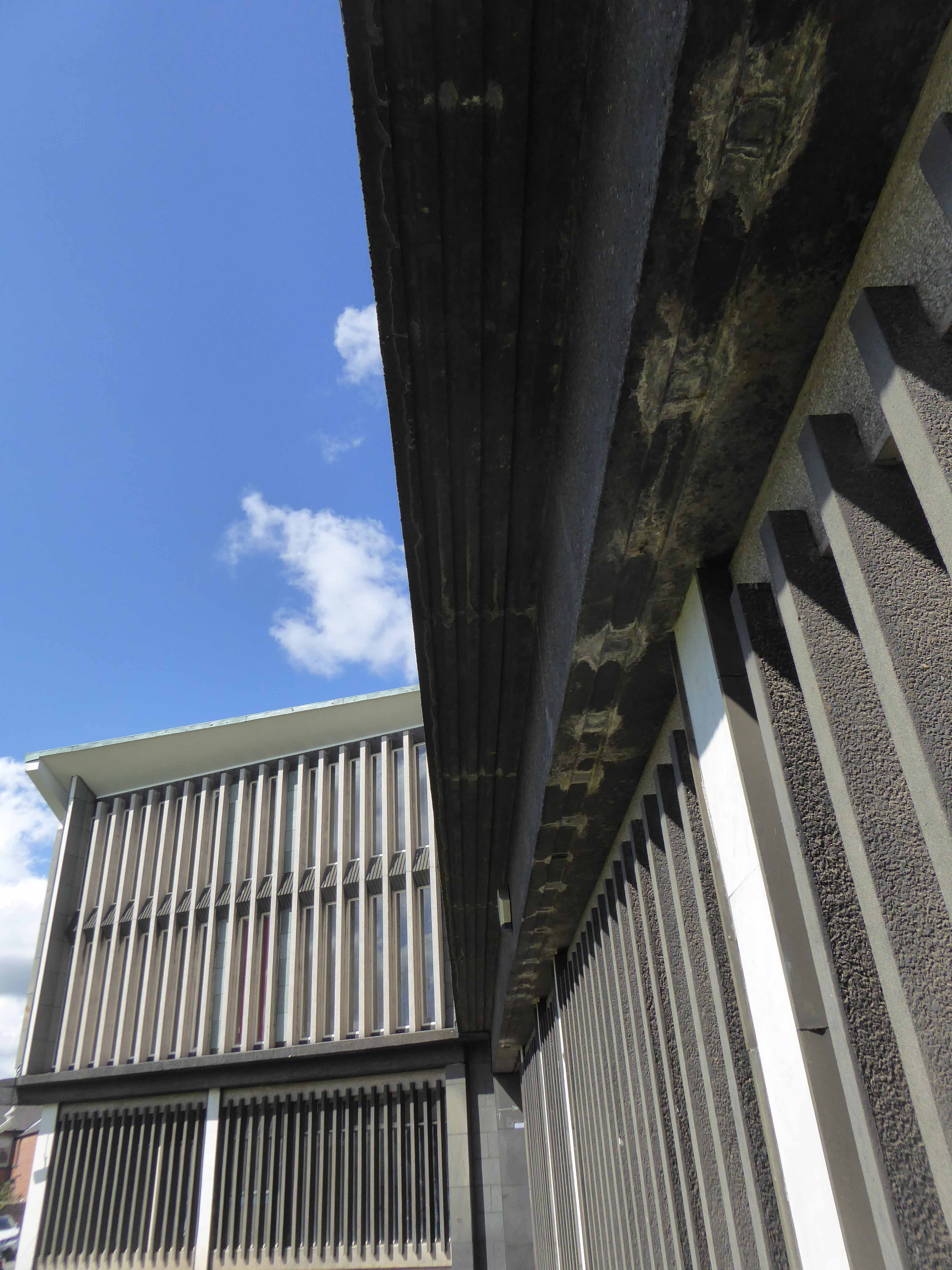
Chesterfield – Magistrates Courts

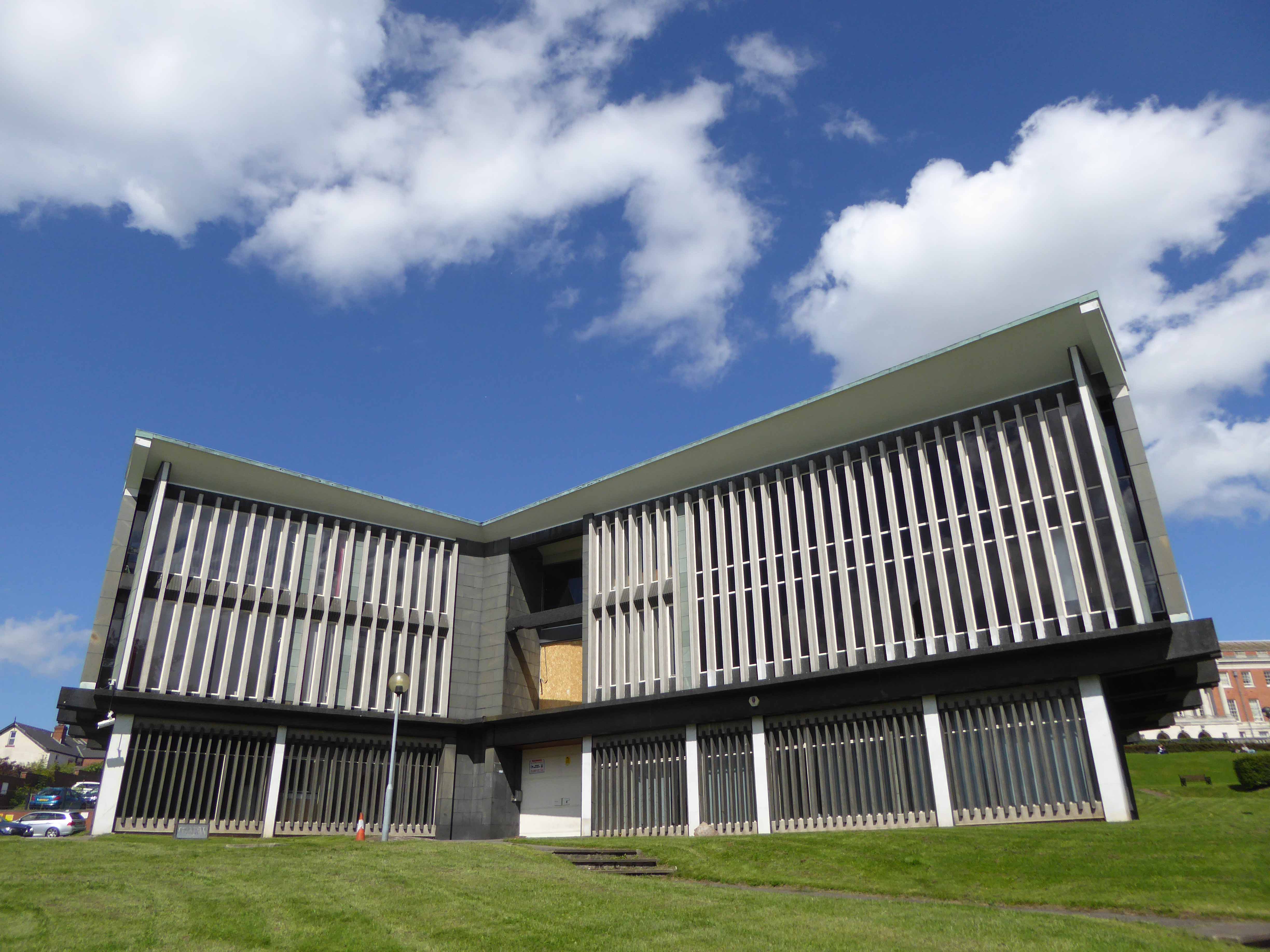
Mysteriously lacking much evidence of its past, save for this Historic England listing.

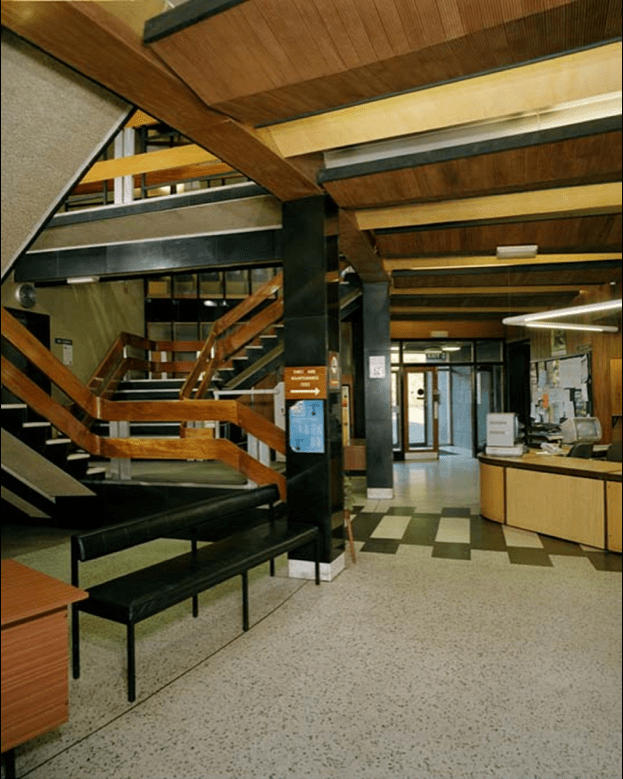
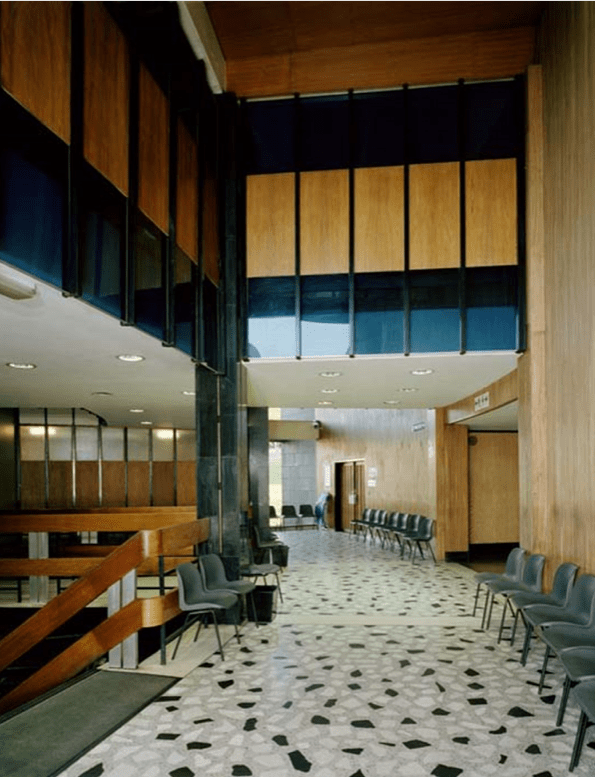
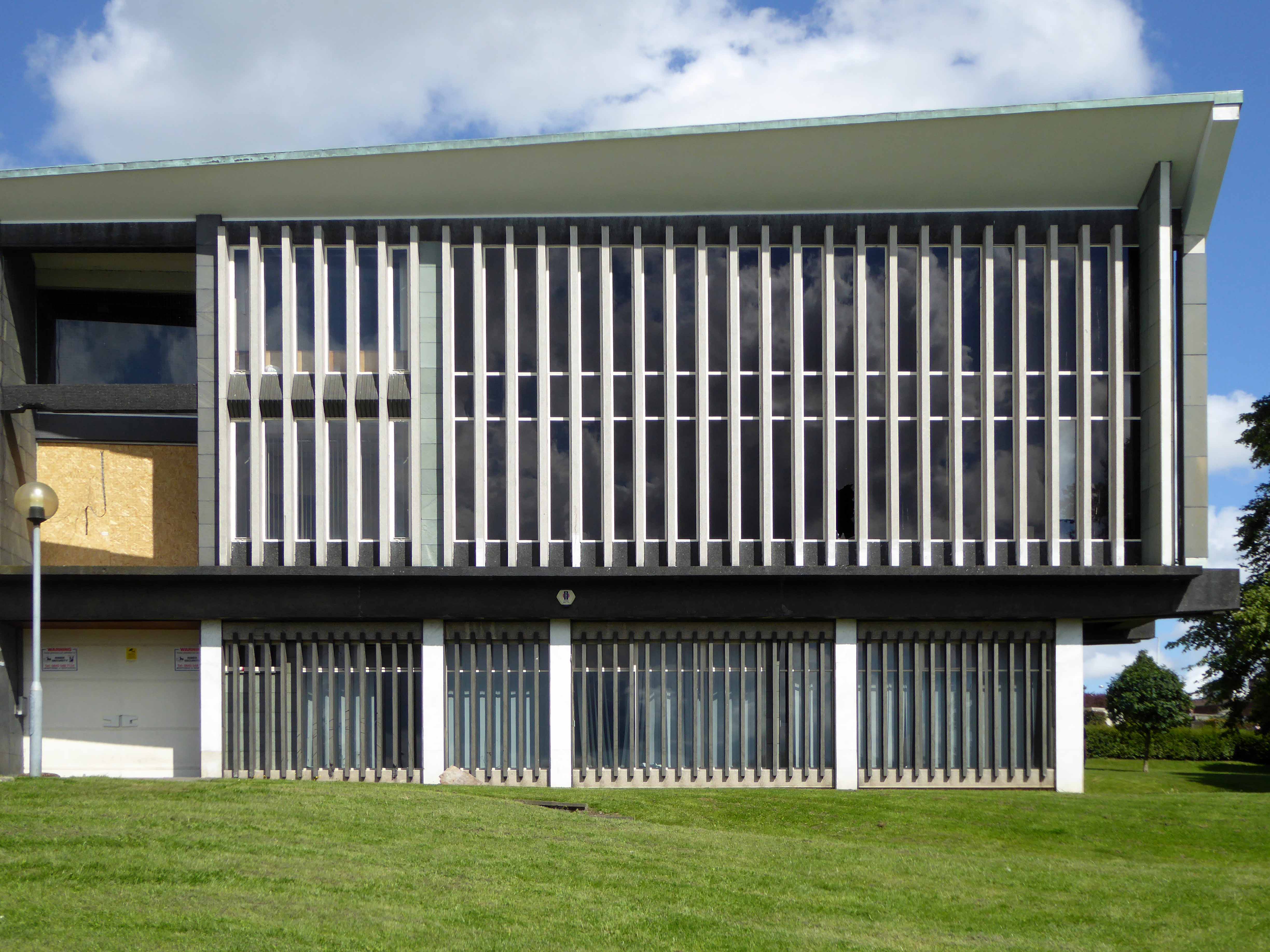
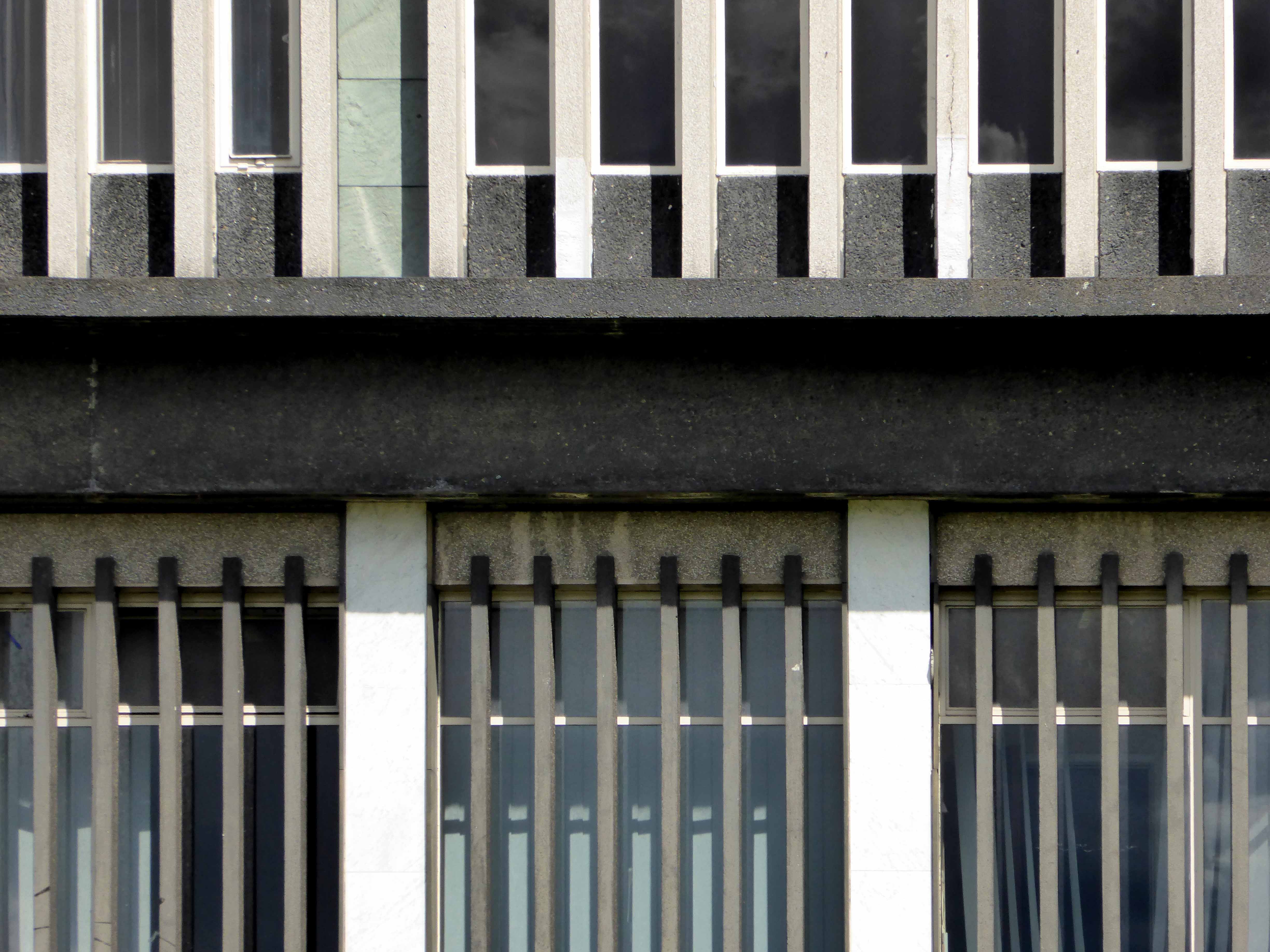
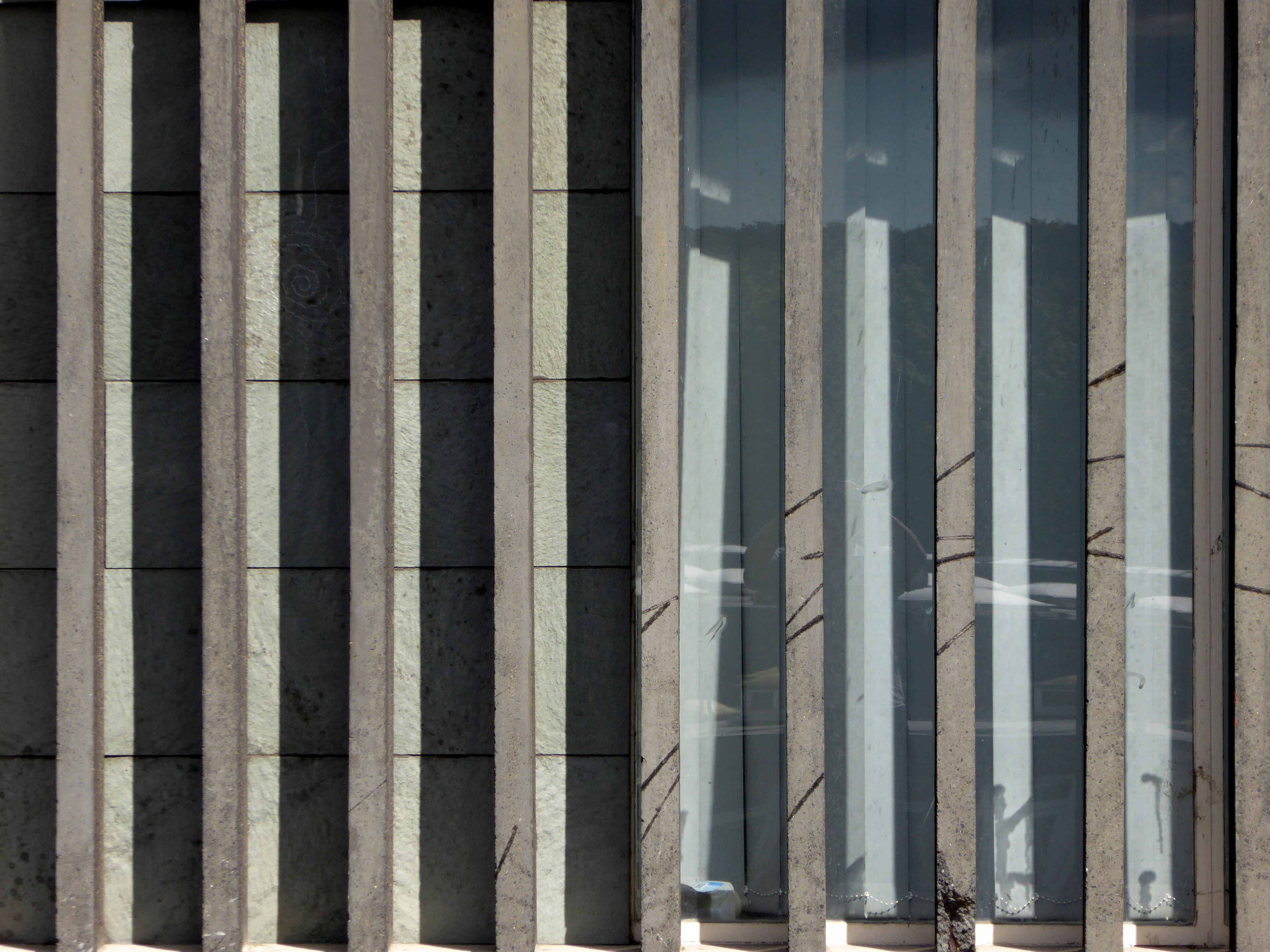
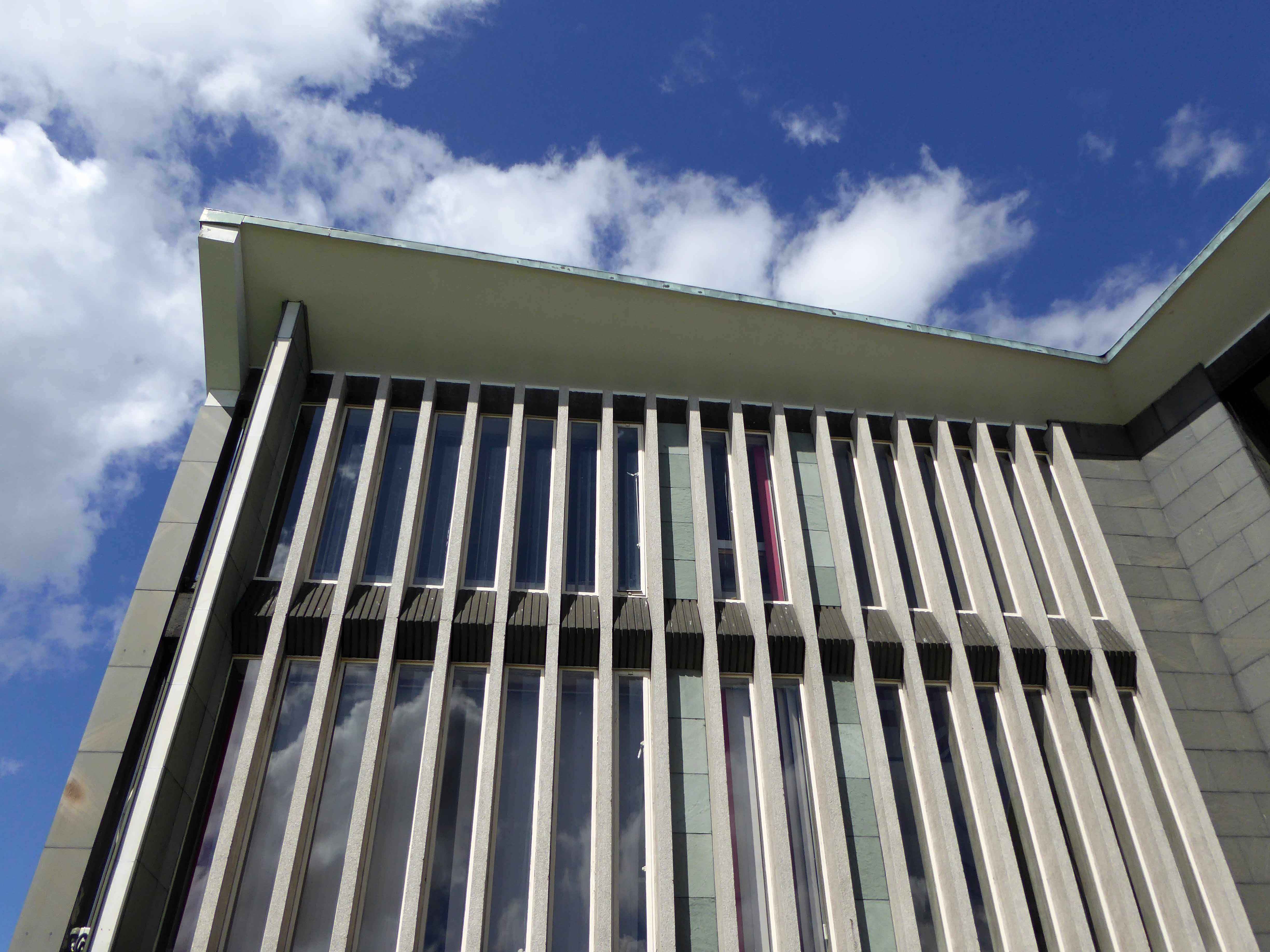
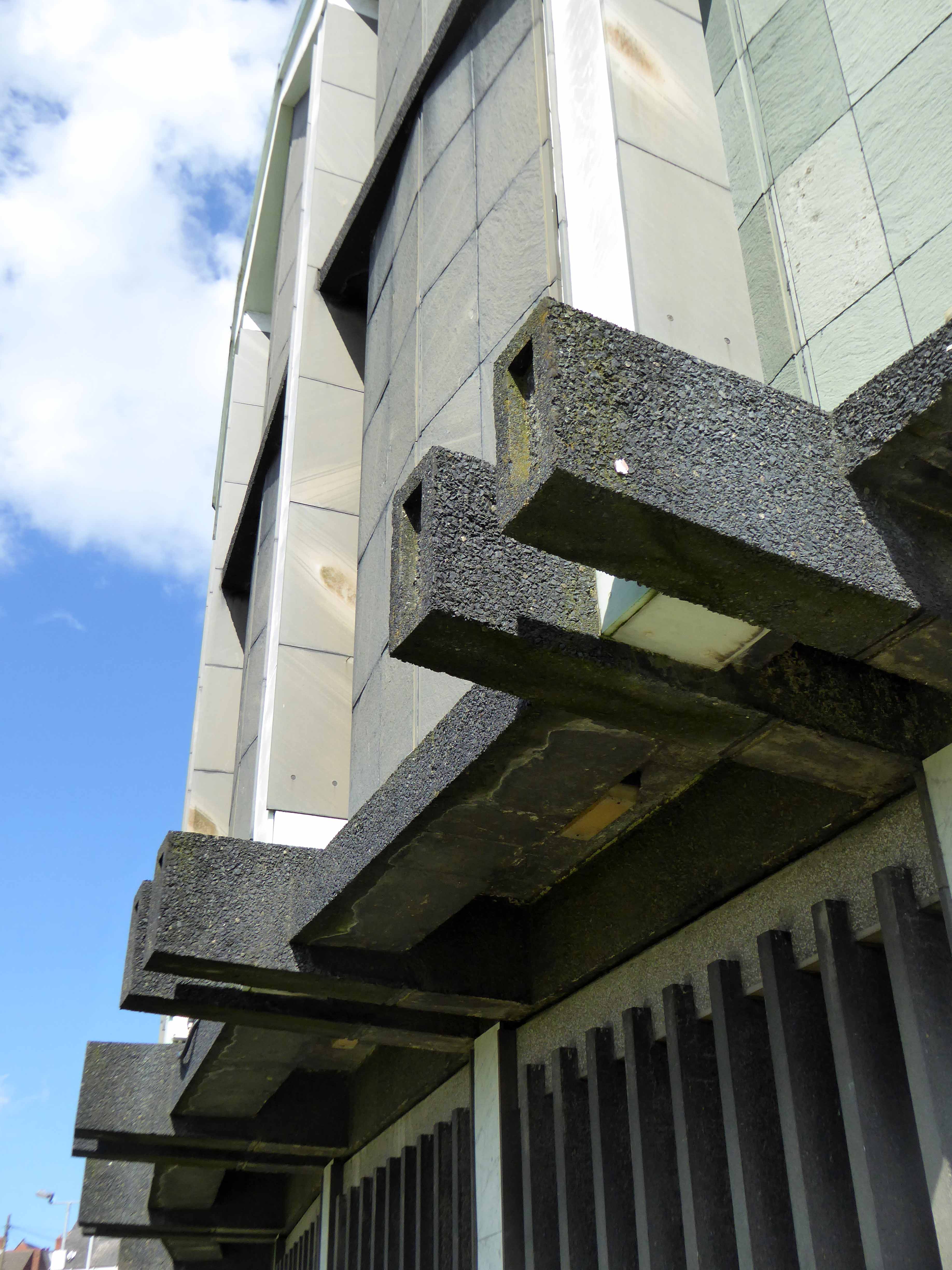
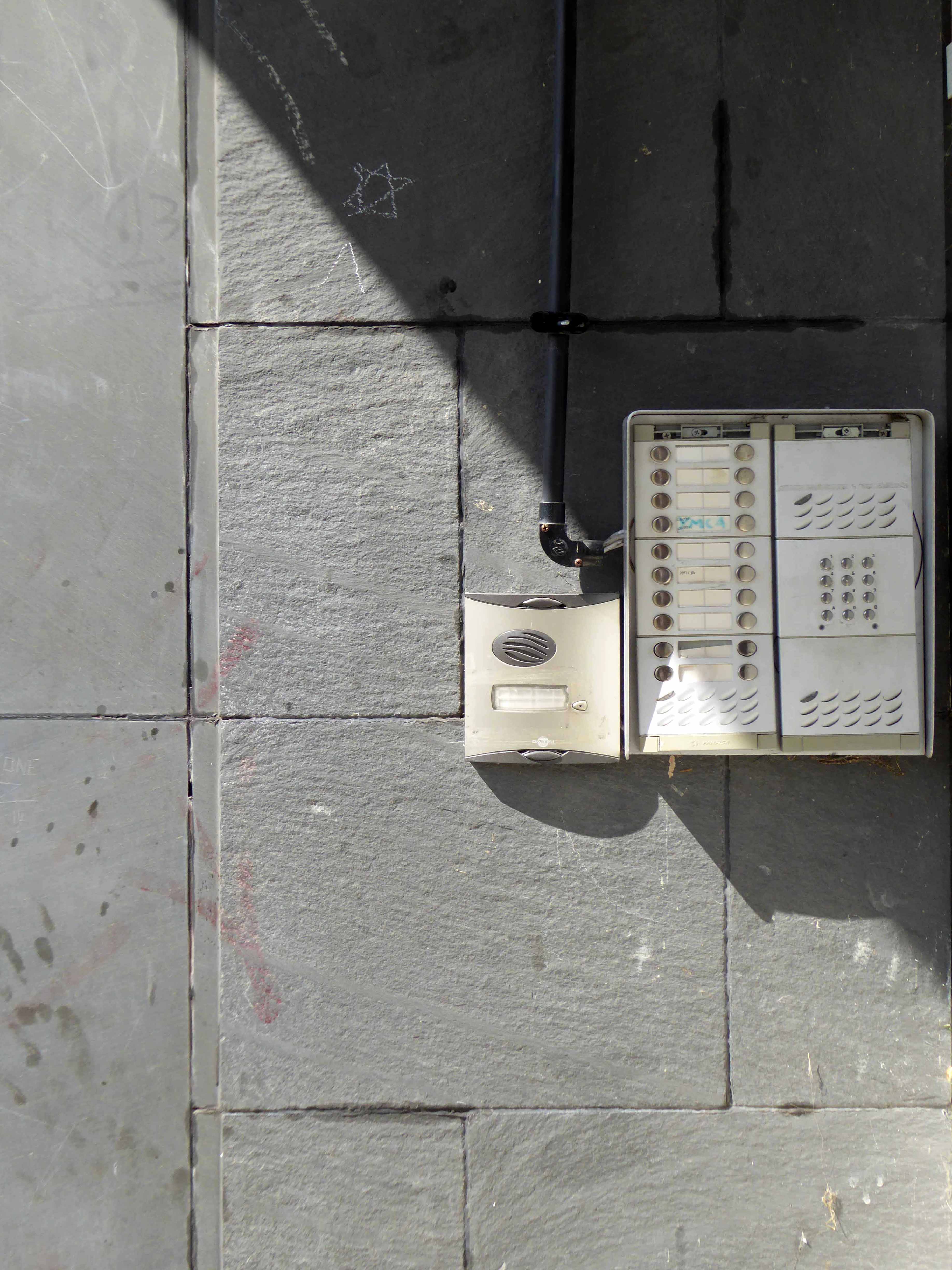
Chesterfield Courthouse – II Magistrates Court house. 1963-65. Designed by Prof S Allen and Robert Keenlyside for Chesterfield Borough Council, altered in 1975. Reinforced concrete, with decorative stone cladding, and timber roofs clad with copper sheeting. Double fan shaped plan, three storeys. Original east entrance front has recessed ground floor with central double glazed doors now blocked with glazed side lights. Either side four windows with concrete louvres to the offices. Above eleven bays topped with gables, the three central bays have recessed windows to both floors. Either side the two storey courts have grey slate panels with side lights and set back grey! green slate cladding. West front has recessed ground floor with eleven windows each with concrete louvres. Above eleven gabled bays, the central three and outer tow with grey slate cladding and side lights with set back grey green slate cladding. The four remaining bays on either side have recessed windows. The north and south sides have recessed angled facades with slightly recessed ground floor with glazed entrance at centre of east section with large glazed windows above. Flanking wings have concrete louvres set in grey slate cladding. Interior has original Y-shaped entrance hall way which rises up through all three floors. East entrance now blocked and converted to offices. Entrances from north and south into hallway with marled floor and marble clad columns with wooden ceilings and recessed lights. Central imperial type staircase marble clad with metal and wood balustrade. Upper floors have wooden clad walls and movable glazed screen for dividing access from juvenile court when in session. Two storey courts on upper floor retain original wooden cladding, ceilings and courtroom fittings, including magistrates bench, dock, seating for lawyers and the public. 

P1190488

And self evidently facing a very uncertain future:

2015 – The Grade II listed building, which is located between Rose Hill and West Bars, has received planning consent allowing it to be used for a range of purposes including office, retail and leisure facilities. Stuart Waite, associate director at Innes England in Derby, who is handling lettings on behalf of a private client, said: “We have been in serious discussions with a number of occupiers regarding this building for a variety of uses. “Occupier confidence is growing and with the economic forecast for 2015 looking positive we are confident that will see early interest converted into deals. “We are working closely with Chesterfield Borough Council which has identified the Rose Hill and West Bars area of the town as a key strategic location for growth.”

It has stood empty for the last few years and been a hotspot for vandalism.

Last July, arsonists set a wheelie bin on fire and pushed it up against the building, causing the flames to spread.

mqgh90gr0b3fnfoy2jkq

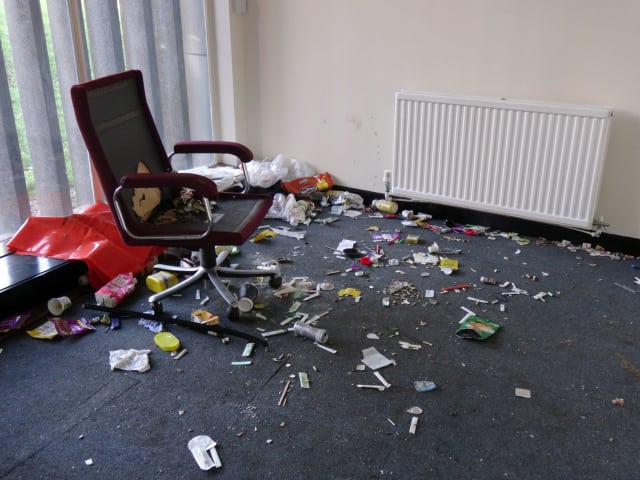
2017 – Chesterfield’s former magistrates’ court is being used as a drugs den, shock pictures reveal – and a council chief has warned that the building poses a danger to public health. Extremely concerning images obtained by the Derbyshire Times today show hypodermic needles and what appears to be heroin inside the historic property – as well as extensive damage in rooms and excrement smeared up walls.

Derbyshire Times.
It’s seen better days.

It remains on the market for £450,000 a steal if you ask me.

Thread Architects have proposed redevelopment as an Arts Centre

dna p1.psd
dna p1.psd

On the day of my visit there was little evidence of arts activity, save for a short performance piece by a heavily intoxicated mini-mosher and her partner – funding sources having proved to be at best illusory and subject to market forces.
Talk is cheap.
Take a walk on the wild green sward side of town, it remains a marvel, open and accessible, just requires a tender touch, of cash.
P1190489
P1190490
P1190491
P1190492
P1190493
P1190494
P1190495
P1190496
P1190497
P1190499
P1190501
P1190502
P1190503
P1190508
P1190509
P1190510
P1190511

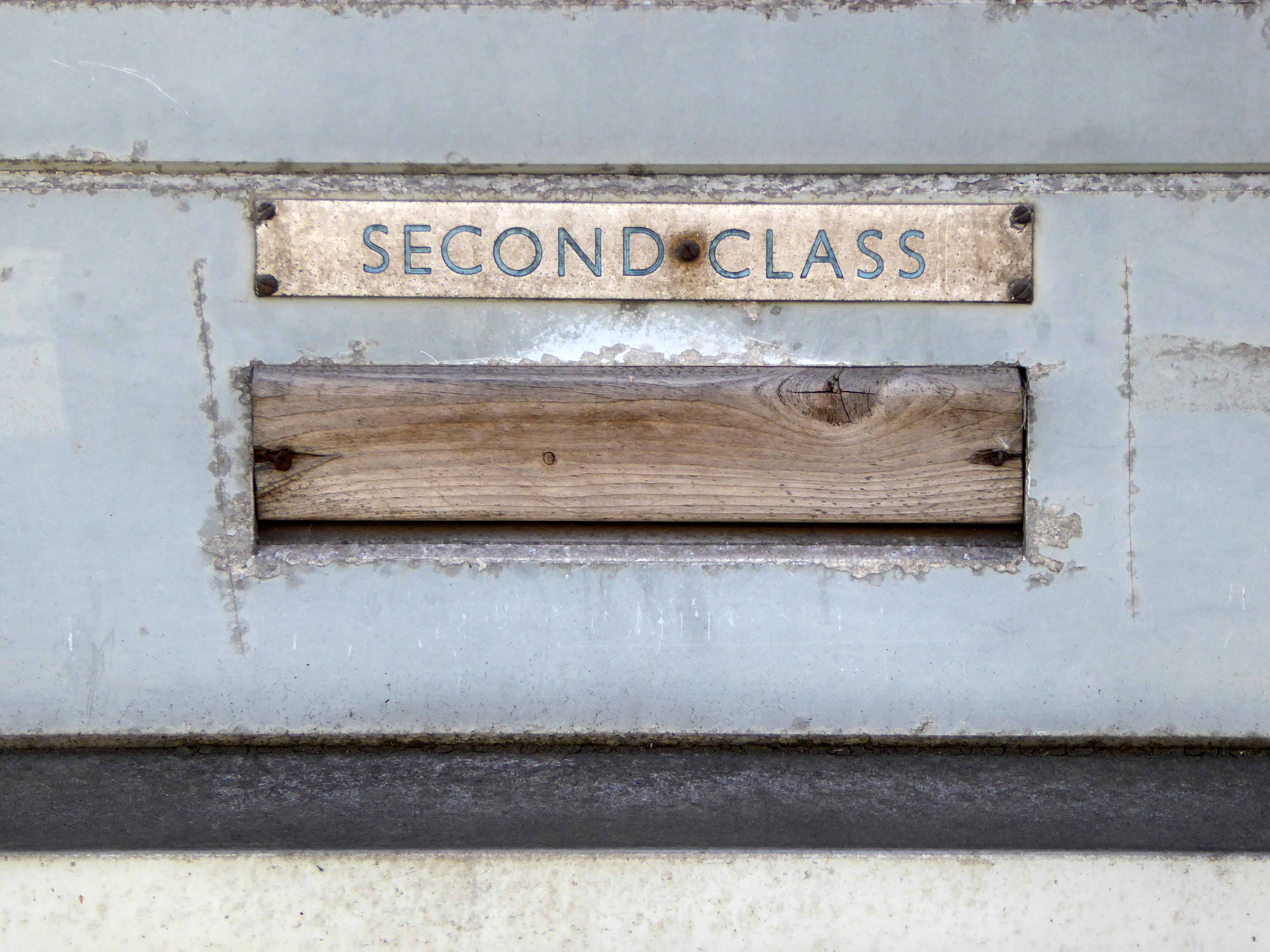
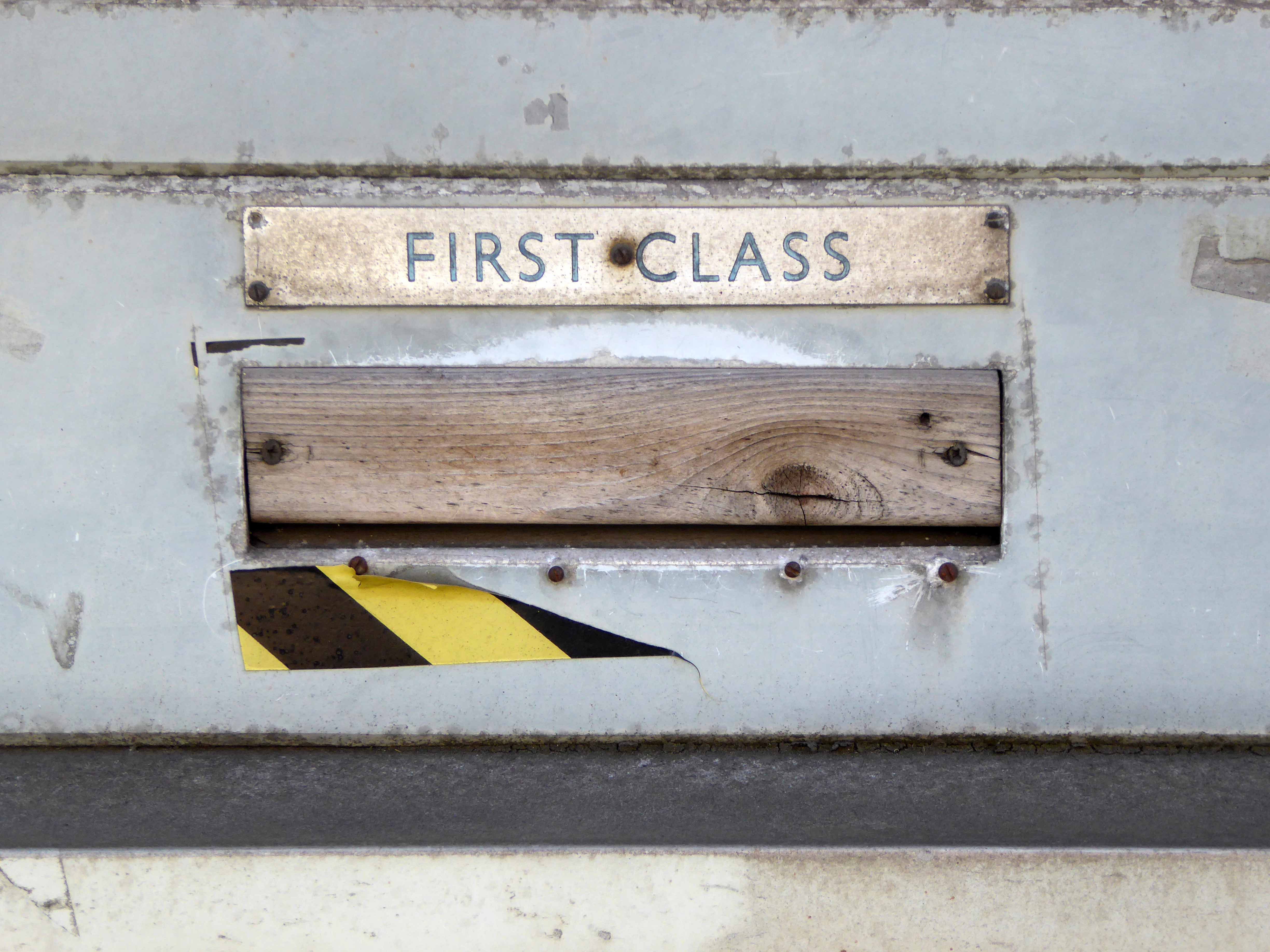
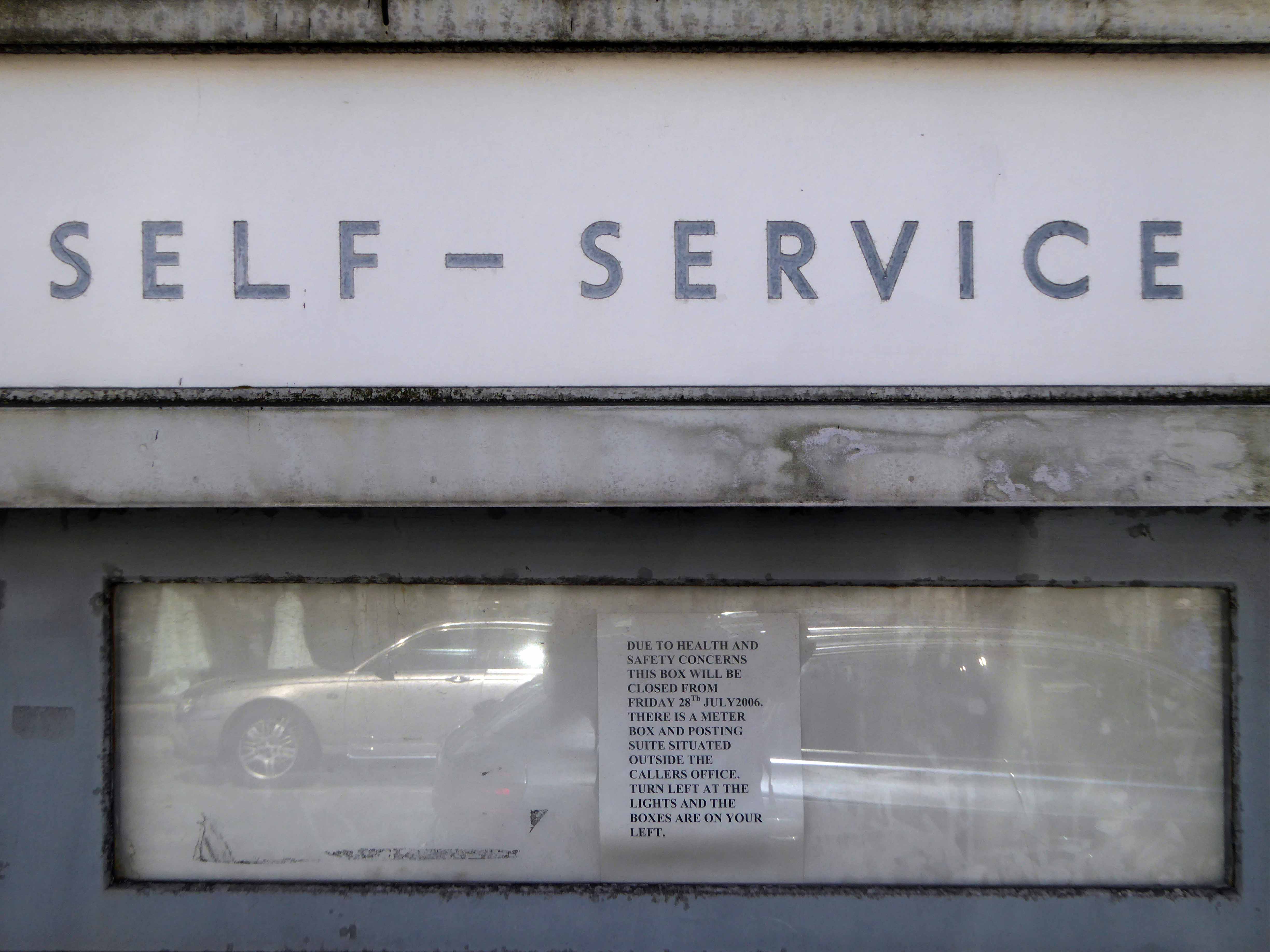
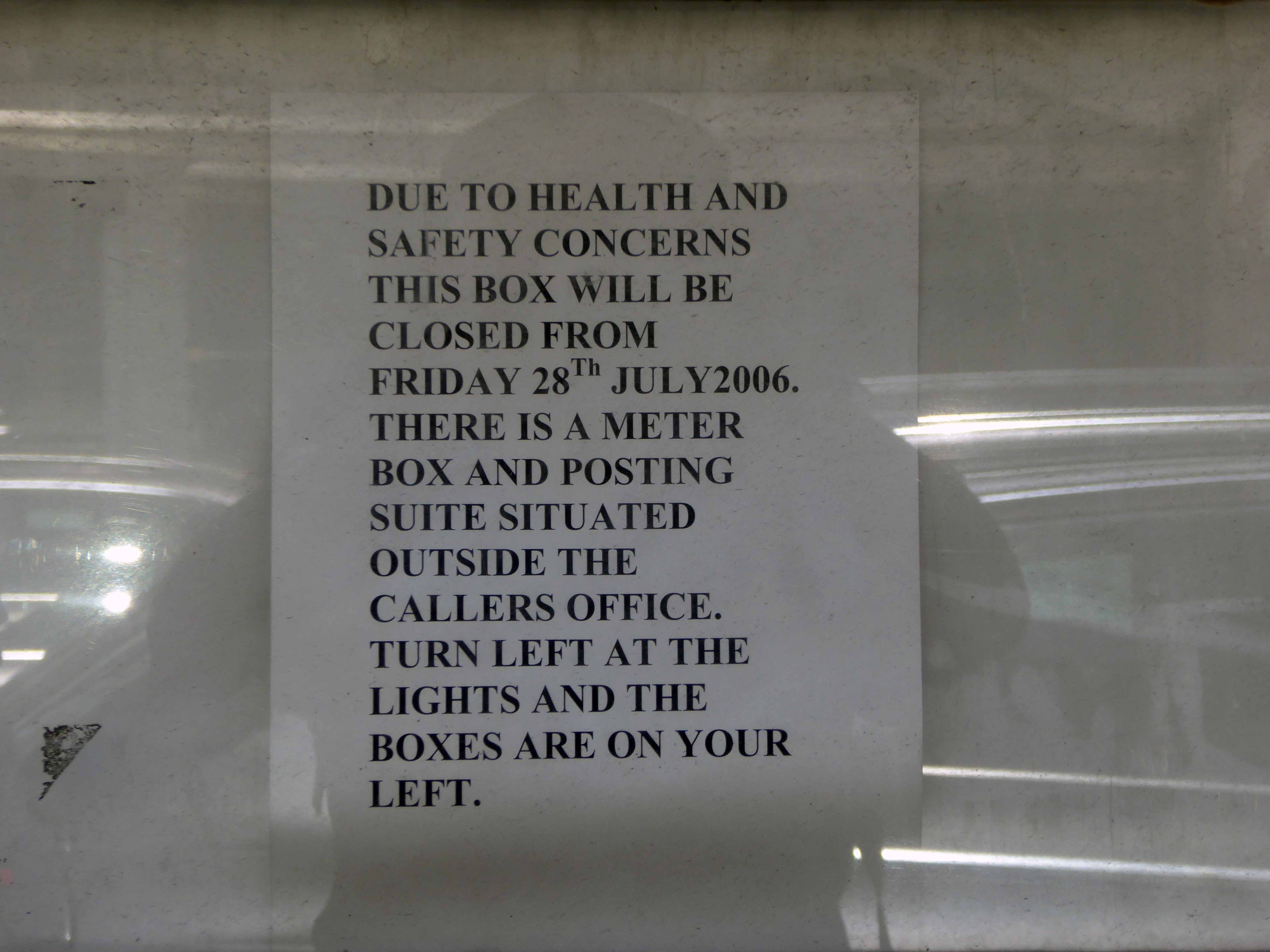
Post Box – Chesterfield

Time’s definitely running out:

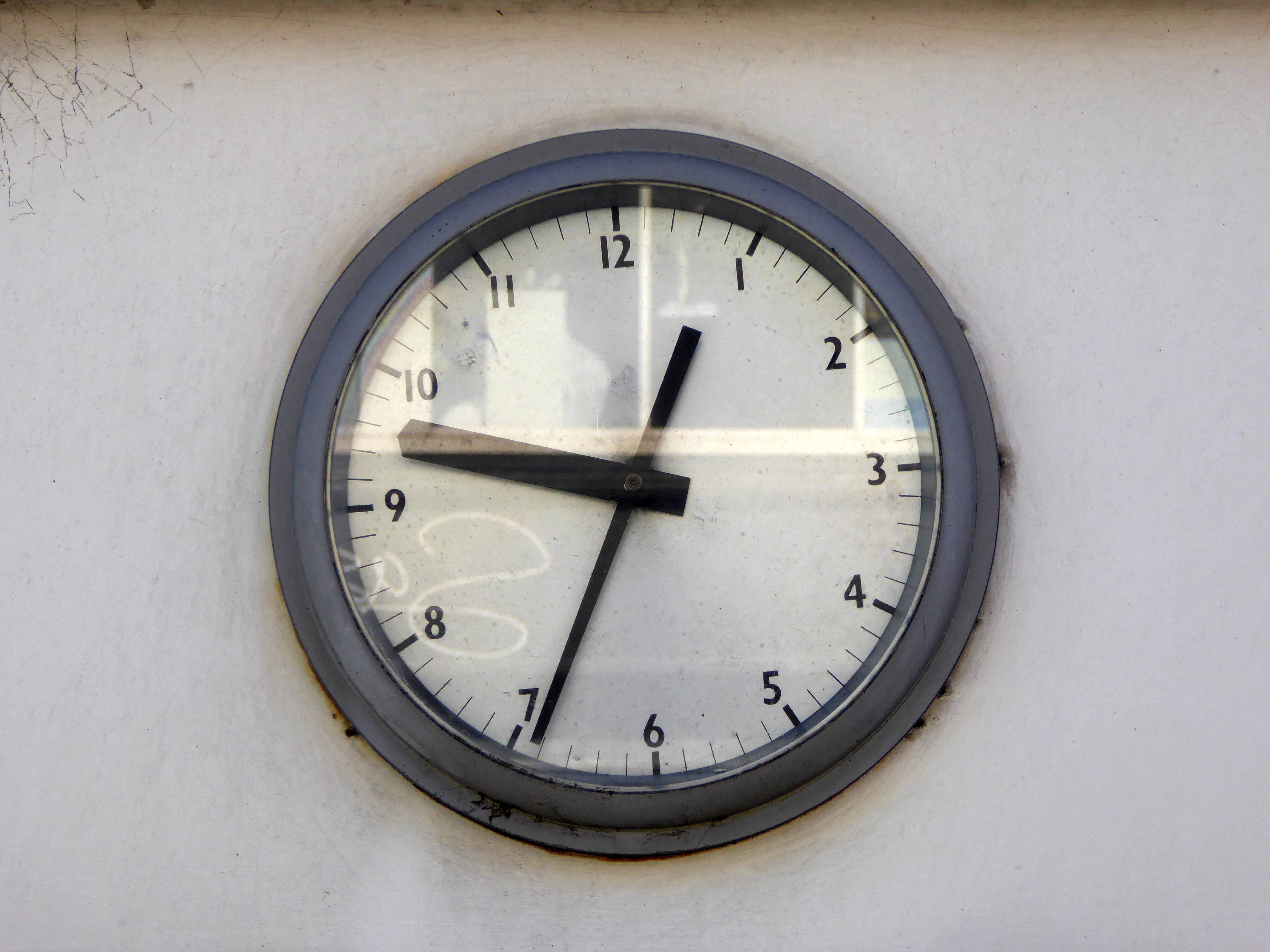
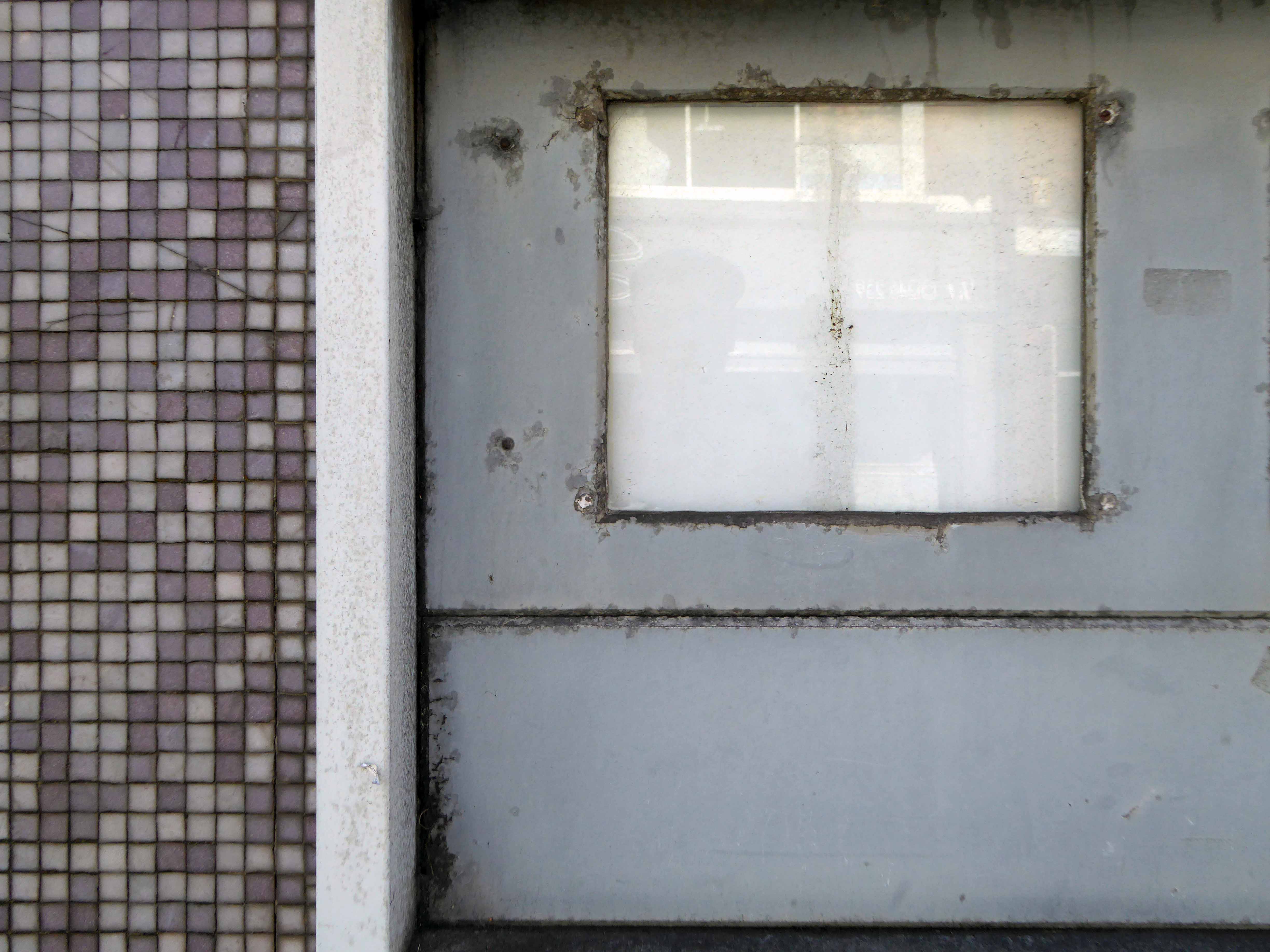
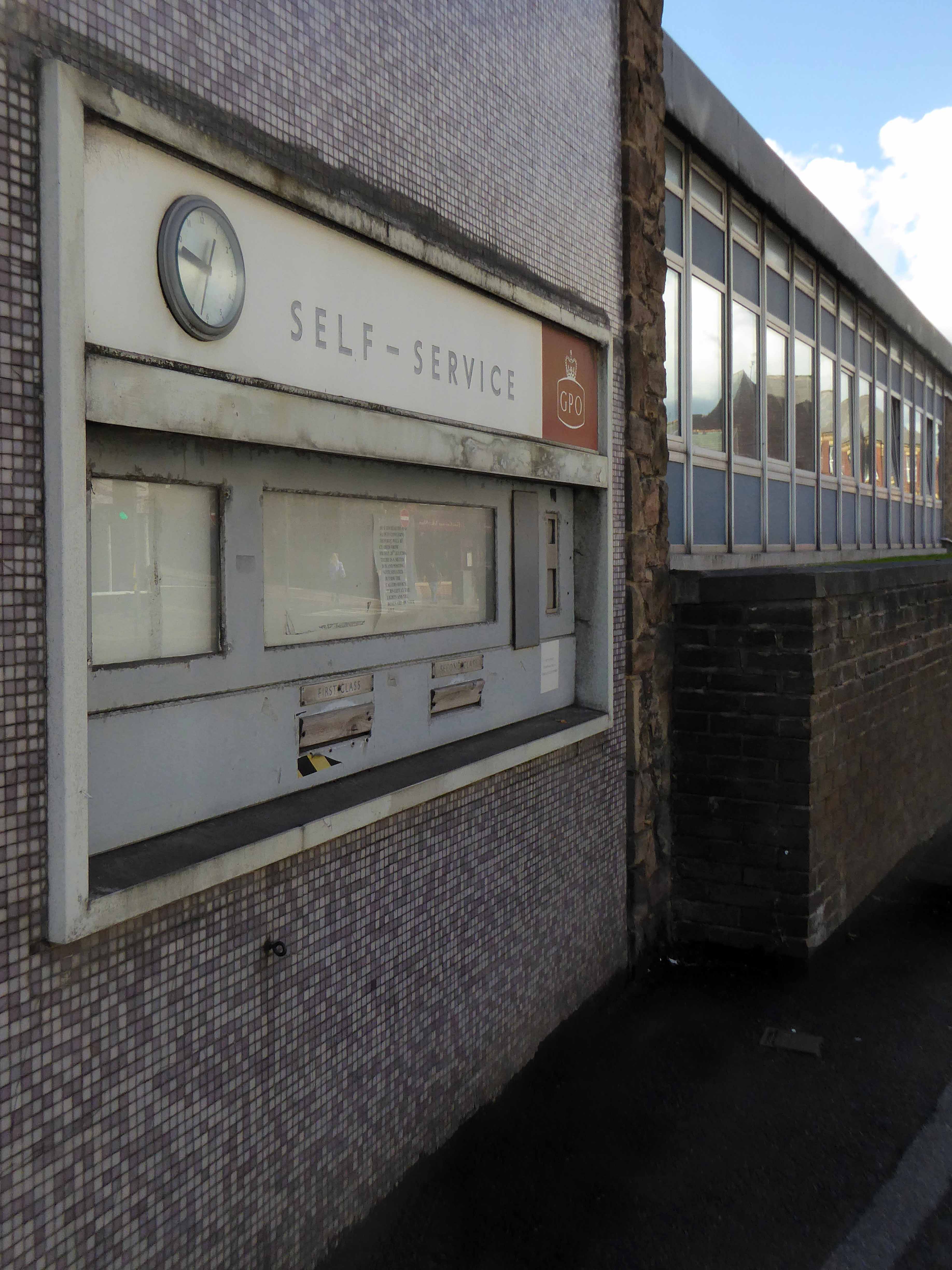
But the post office has been stolen and the mailbox is locked.

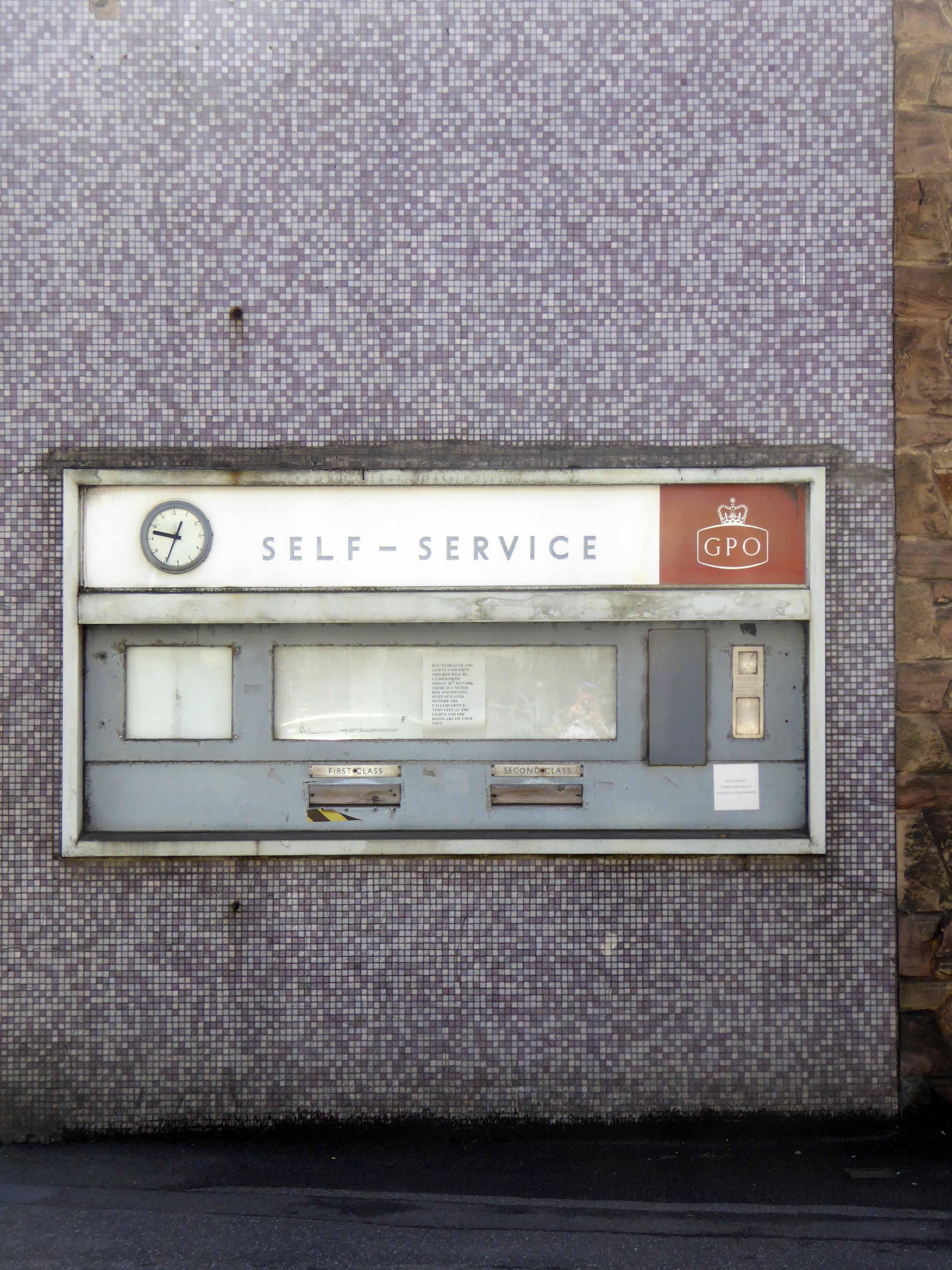
The age of elegant modernist street furniture, has been and almost gone, the previous centuries are under threat.

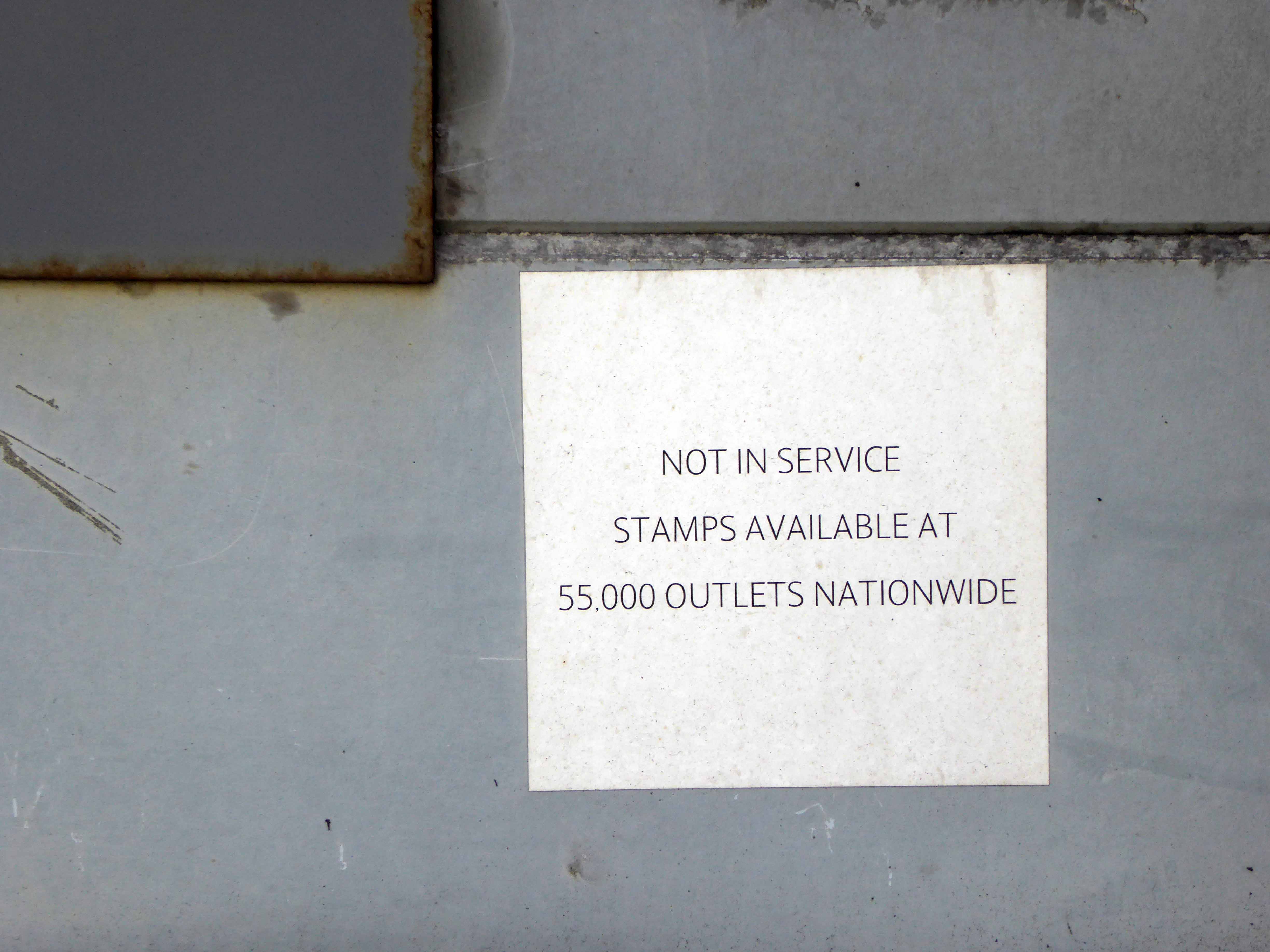
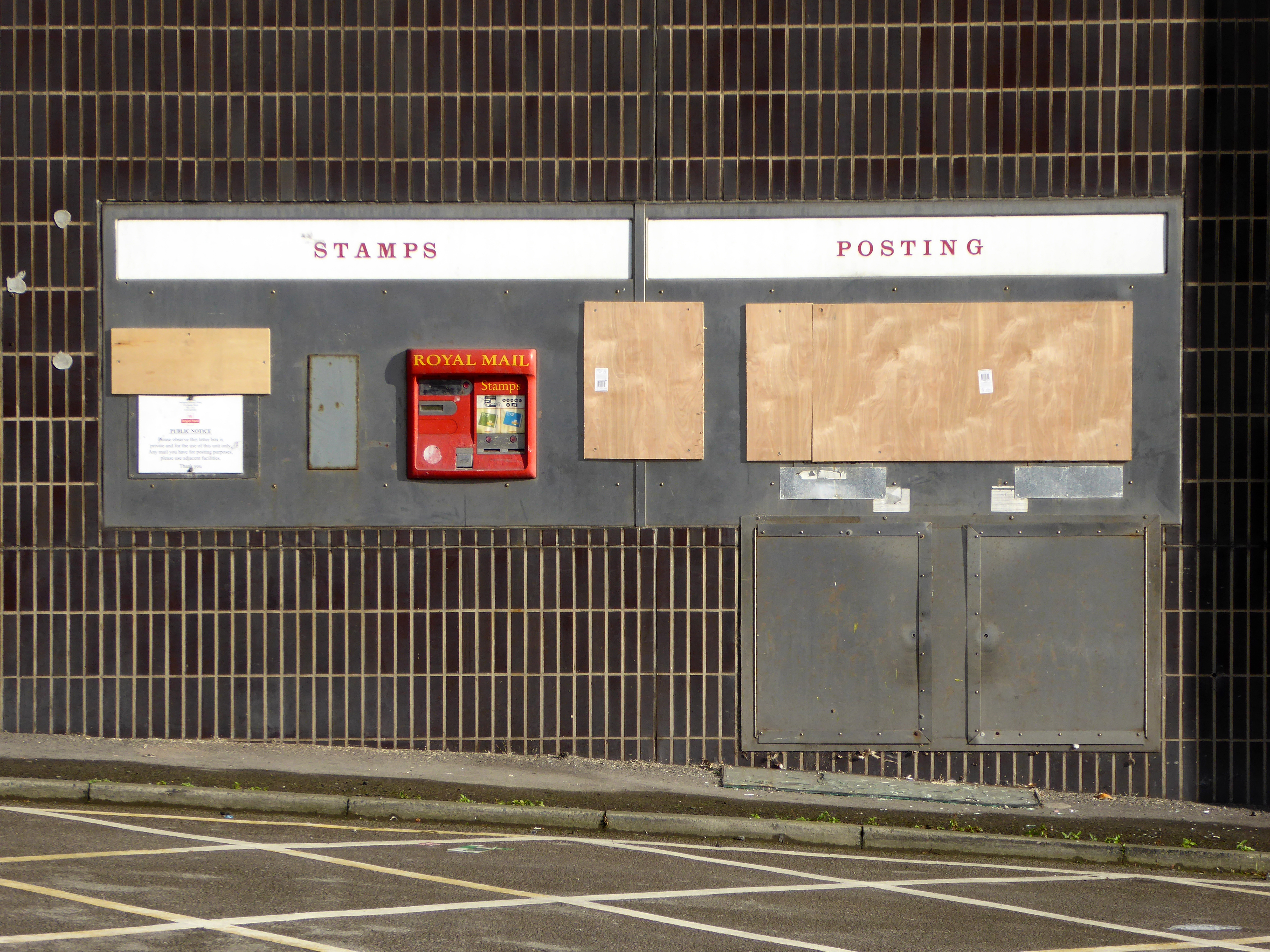
But does anyone want this neglected postal self-service technology?

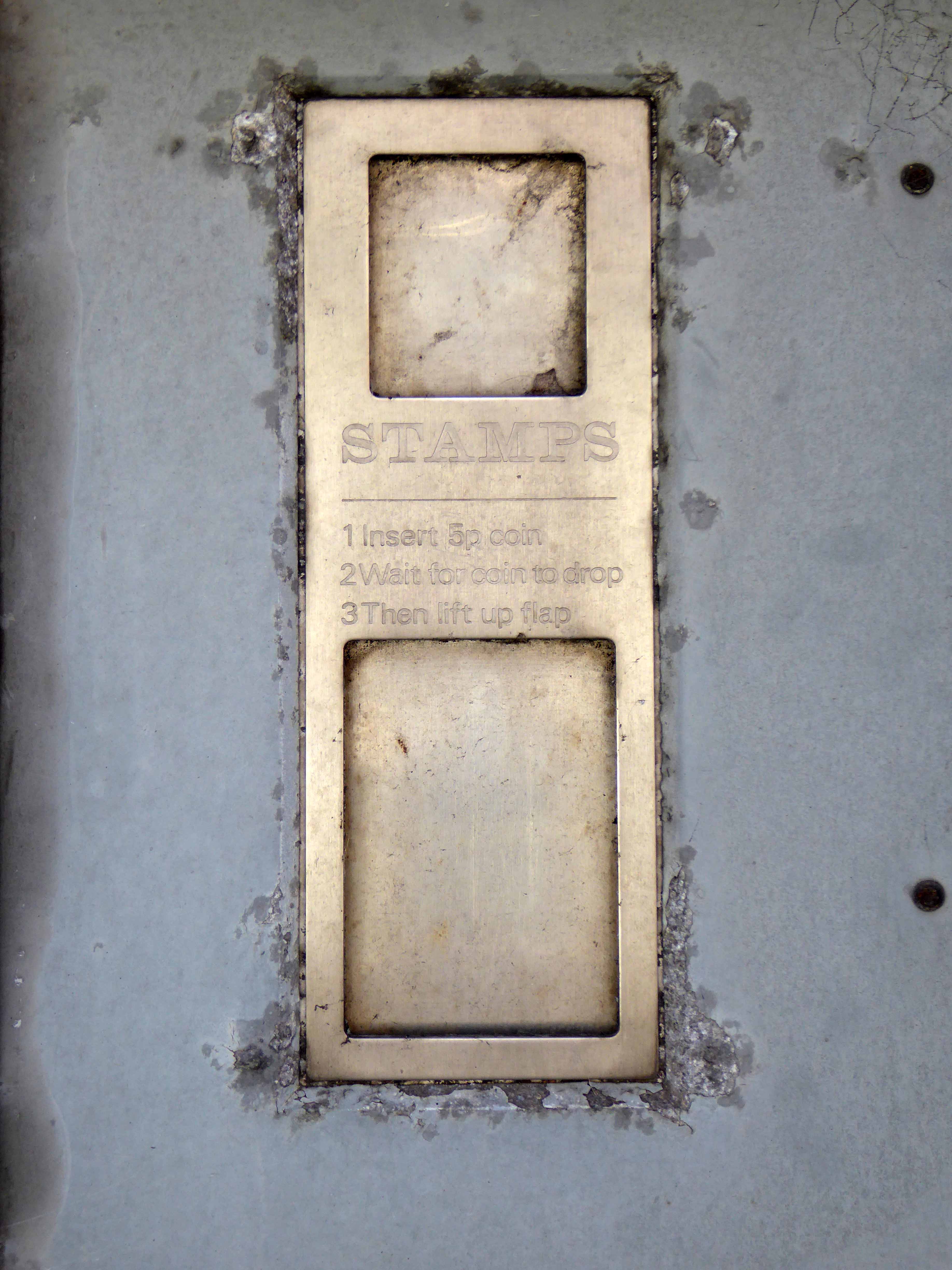
Stamp dispensing is being dispensed with, insert 5p and wait forever.

P1190516

P1190517

We have our own disabused facility in Stockport, I pass it almost every day.

P1190657 copy

And have posted two previous postal posts – here and there.

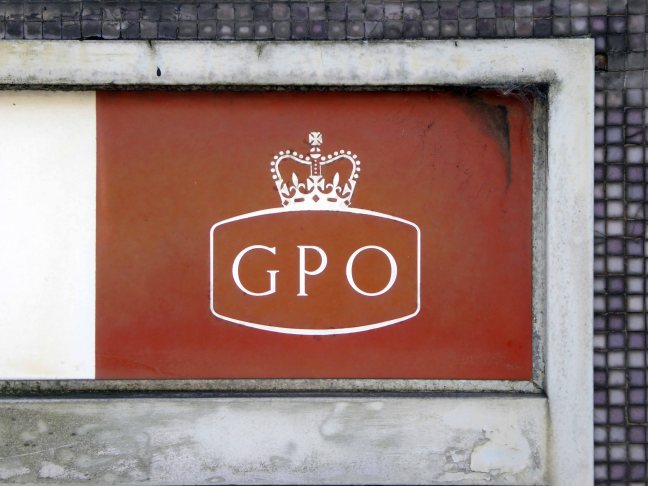
This new discovery, with thanks to Sean Madner, is situated on the wall of the sorting office in Chesterfield. A faded Festival of Britain charm along with a delightful terrazzo surround, has done little to arrest its slow decline into redundancy and subsequent neglect.

Still in situ, take a walk, take a look – wait for the coin to drop.

P1190514

P1190518

P1190519

P1190520

P1190521

P1190522

P1190523

P1190524