The days when a vast multitude of things came and went have been and gone.
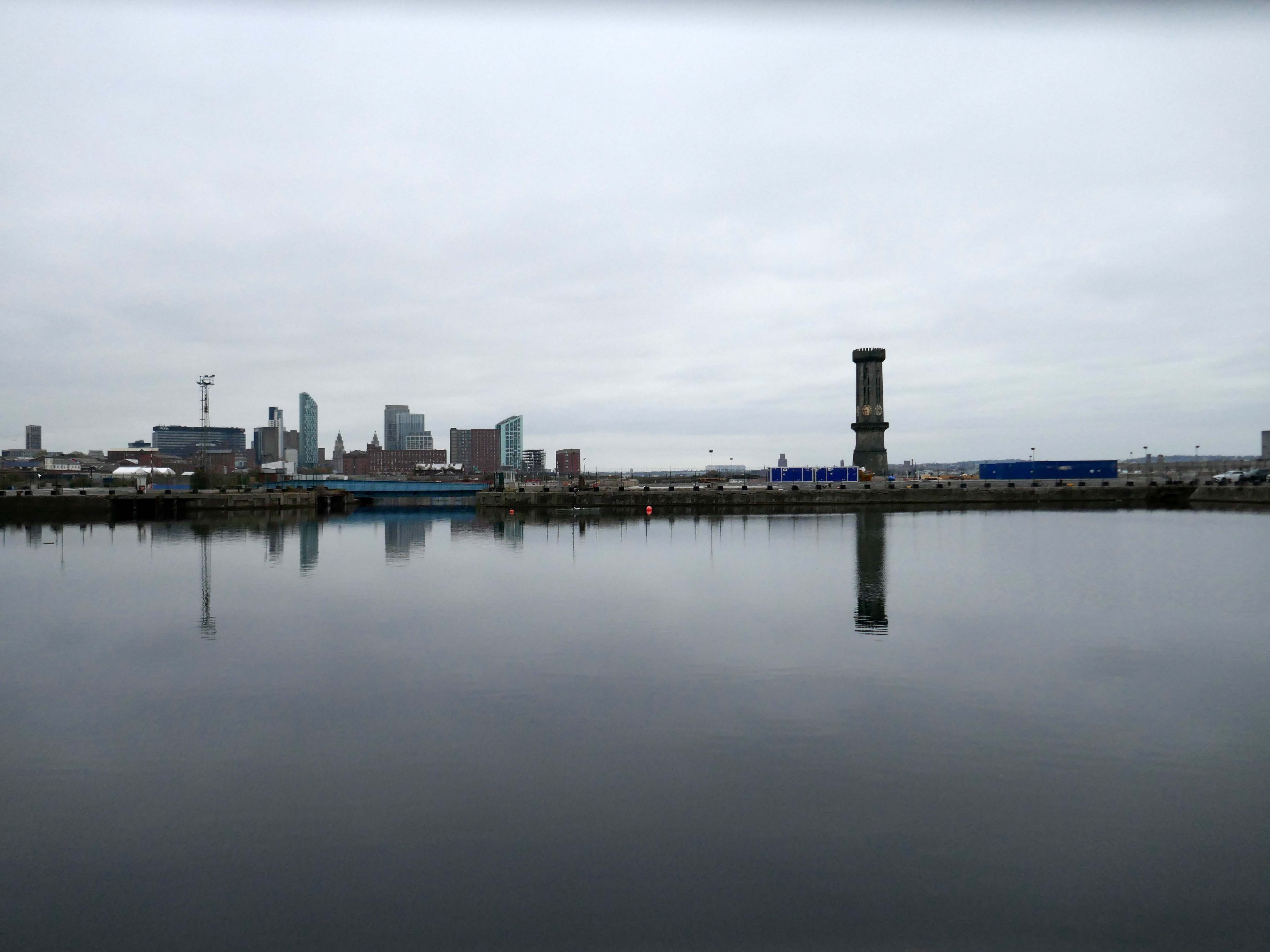
The docks as they were are no more.
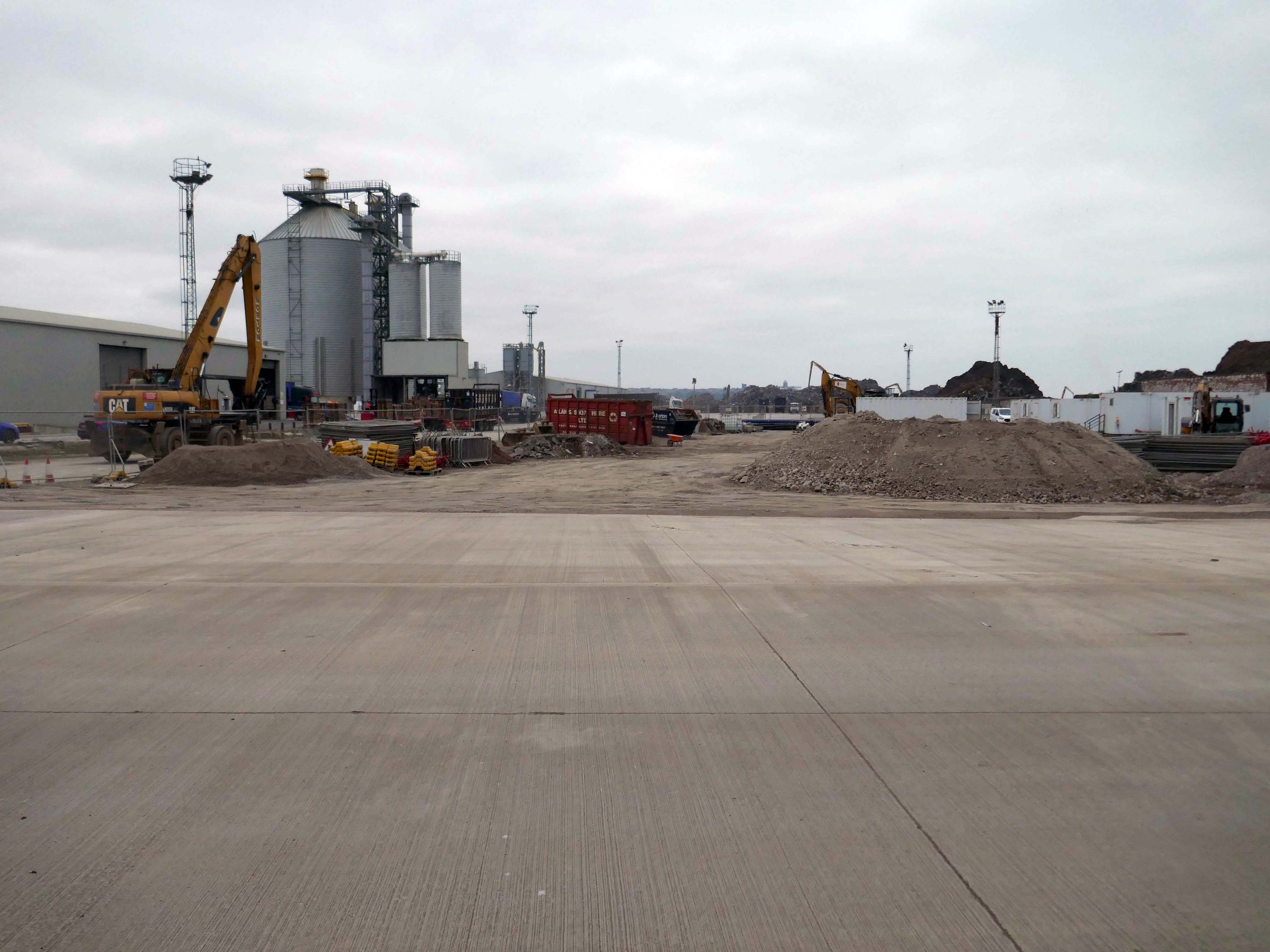
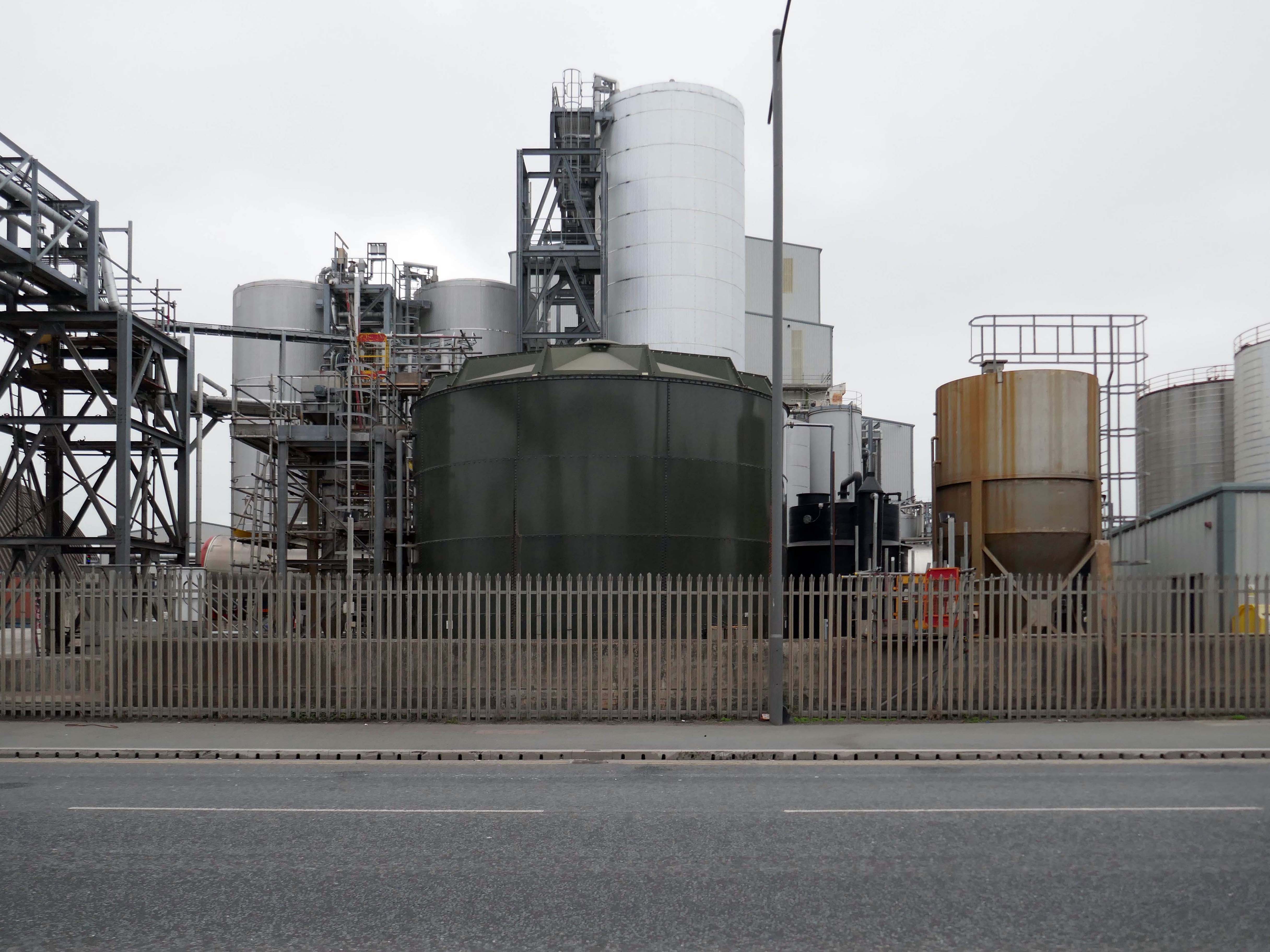
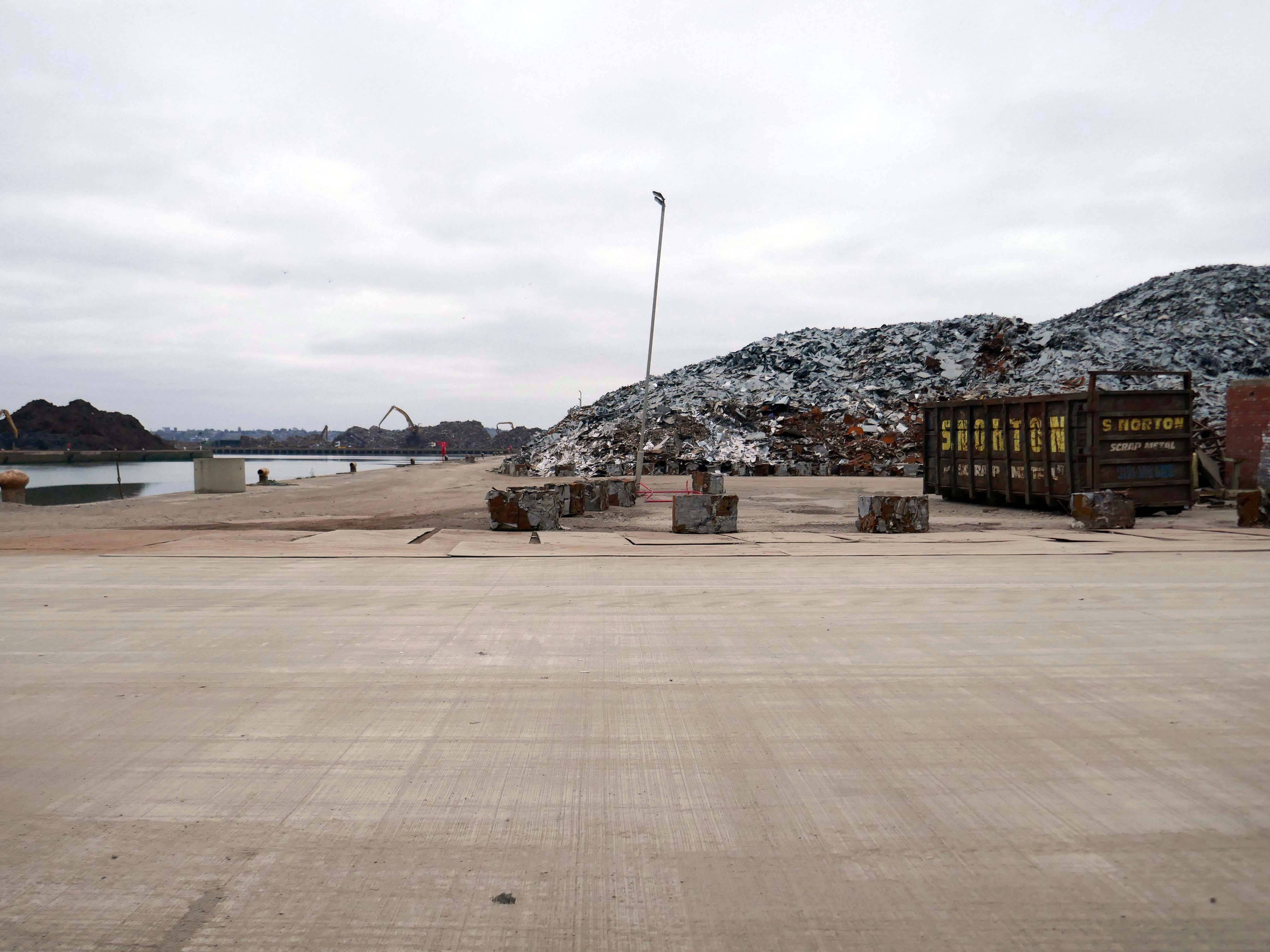
Yet in 2023, the Port of Liverpool was the UK’s fourth busiest container port, handling over 30 million tonnes of freight per annum. It handles a wide variety of cargo, including containers, bulk cargoes such as coal, grain and animal feed, and roll-on/roll-off cargoes such as cars, trucks and recycled metals. The port is also home to one of the largest cruise terminals in the UK which handles approximately 200,000 passengers and over 100 cruise ships each year.
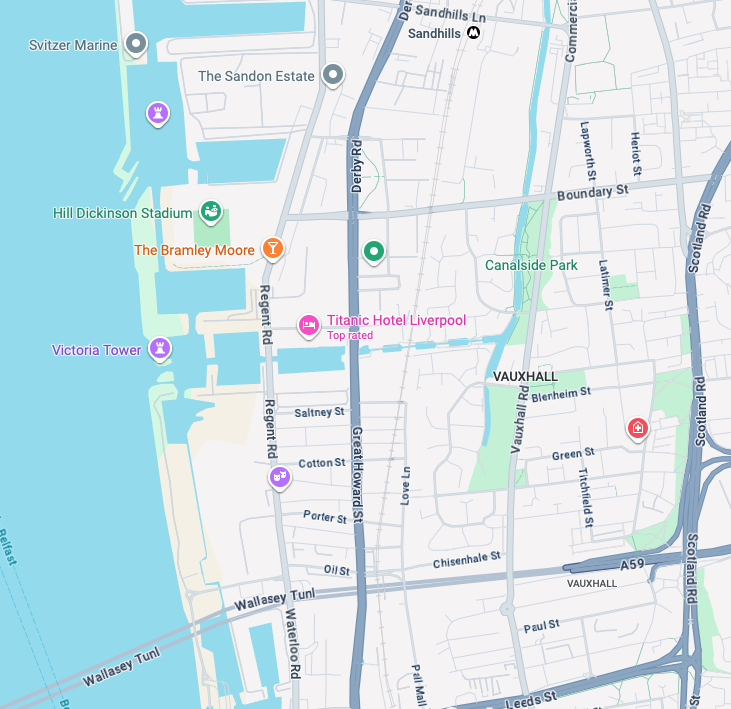
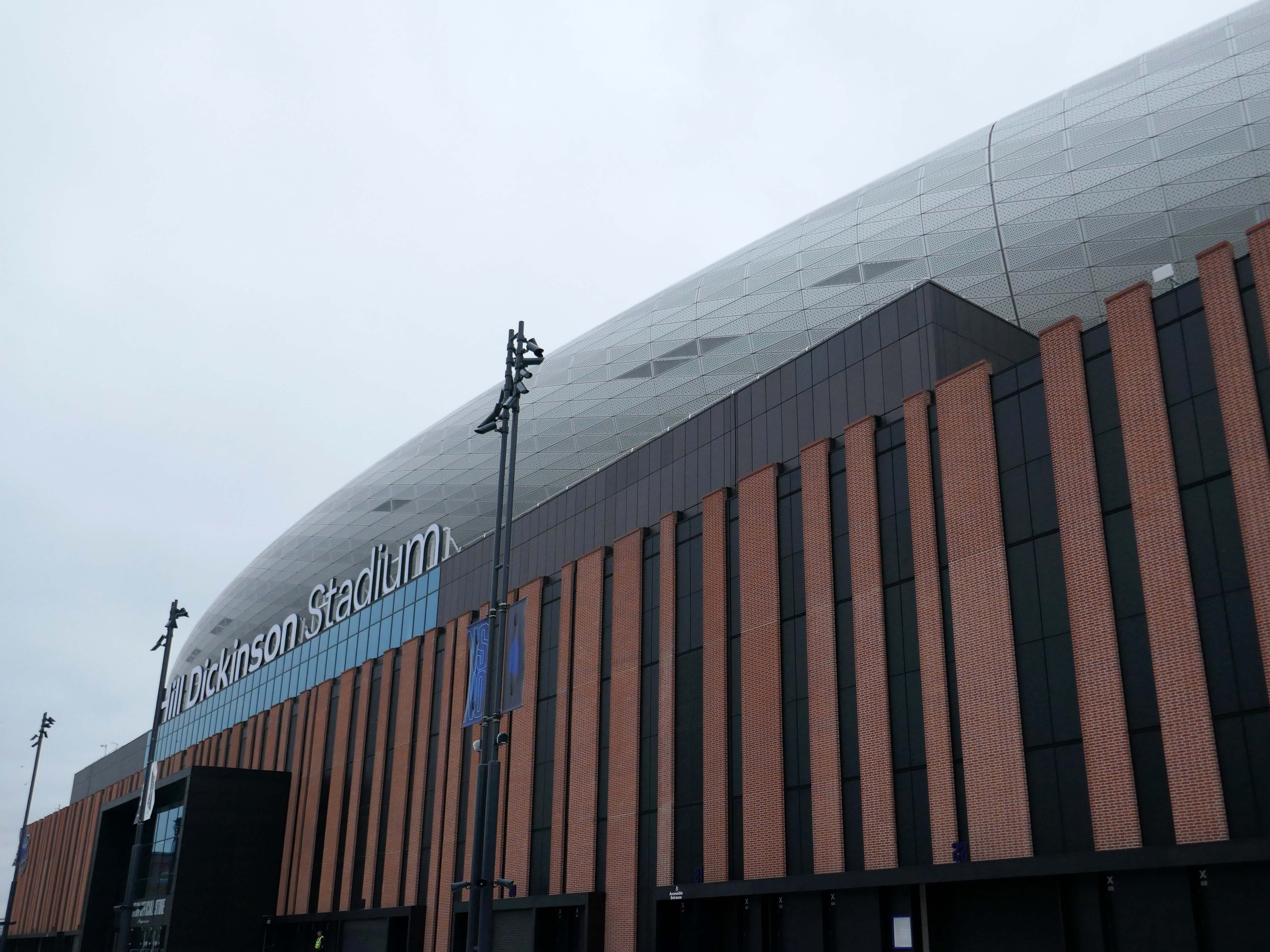
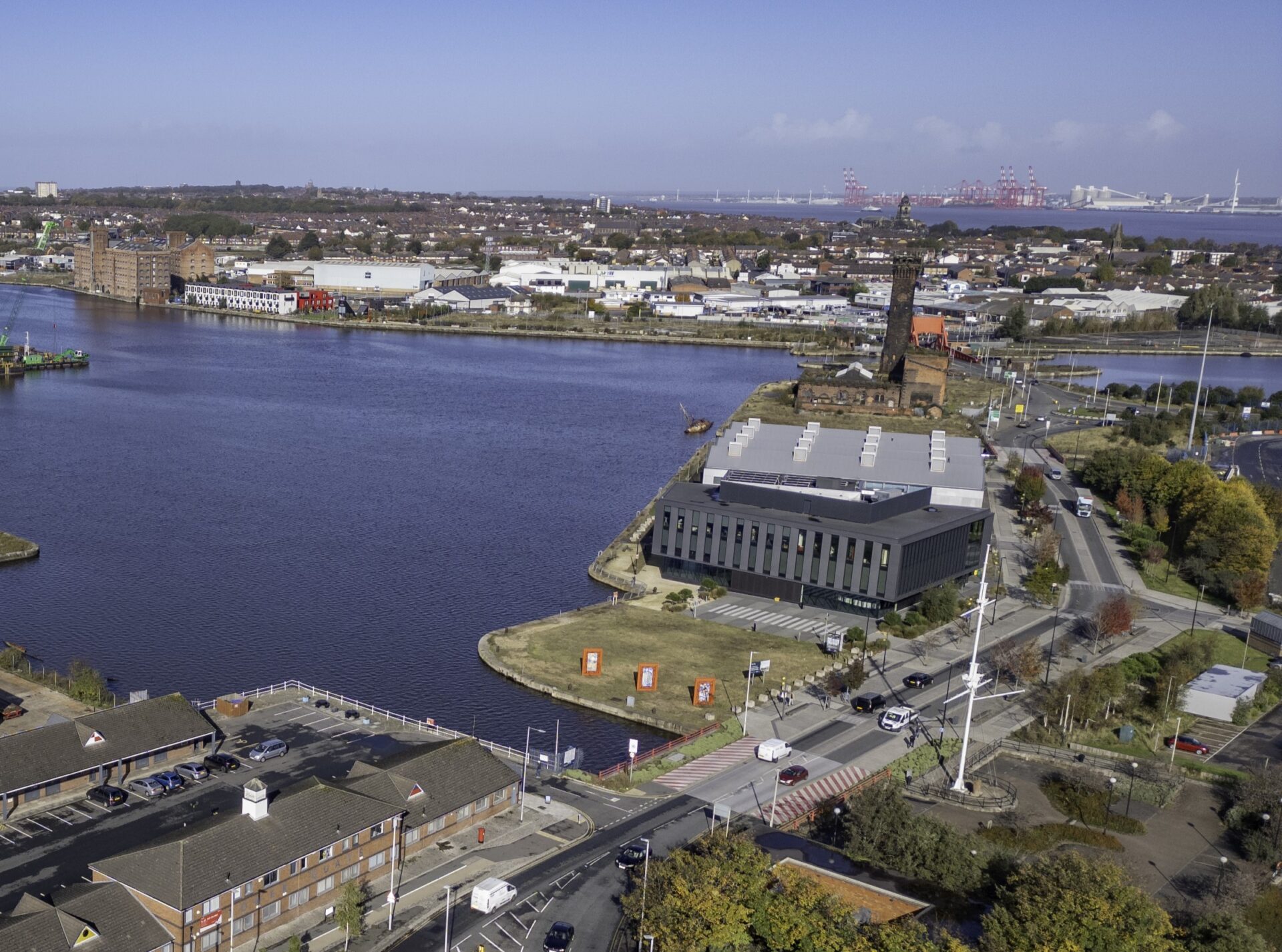
Now with the opening of the Titanic Hotel in the Stanley Dock and the arrival of the Toffees just up the road at the Hill Dickinson Stadium, the whole area is slowly being transformed into a destination, as they say in modern parlance.
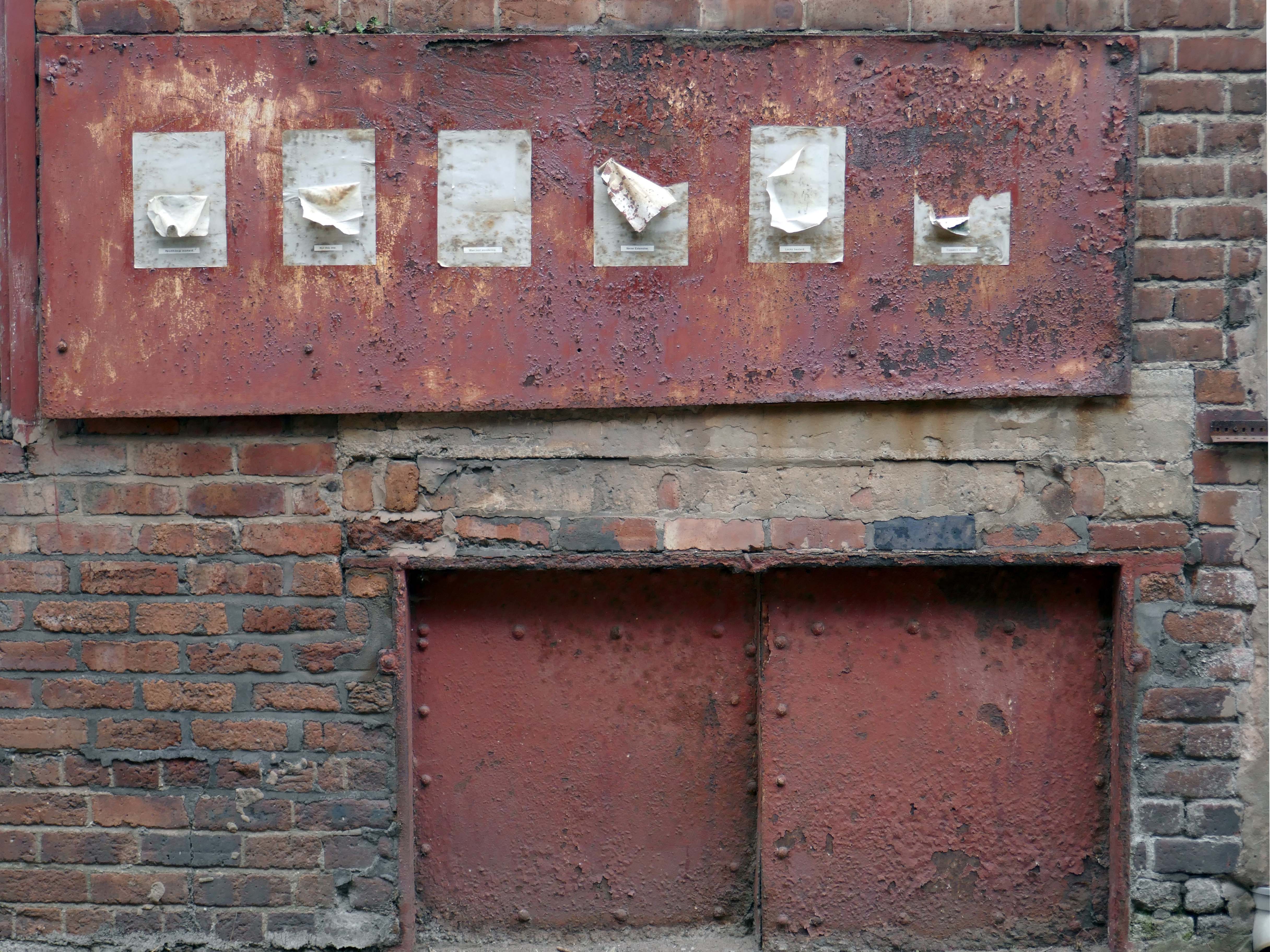
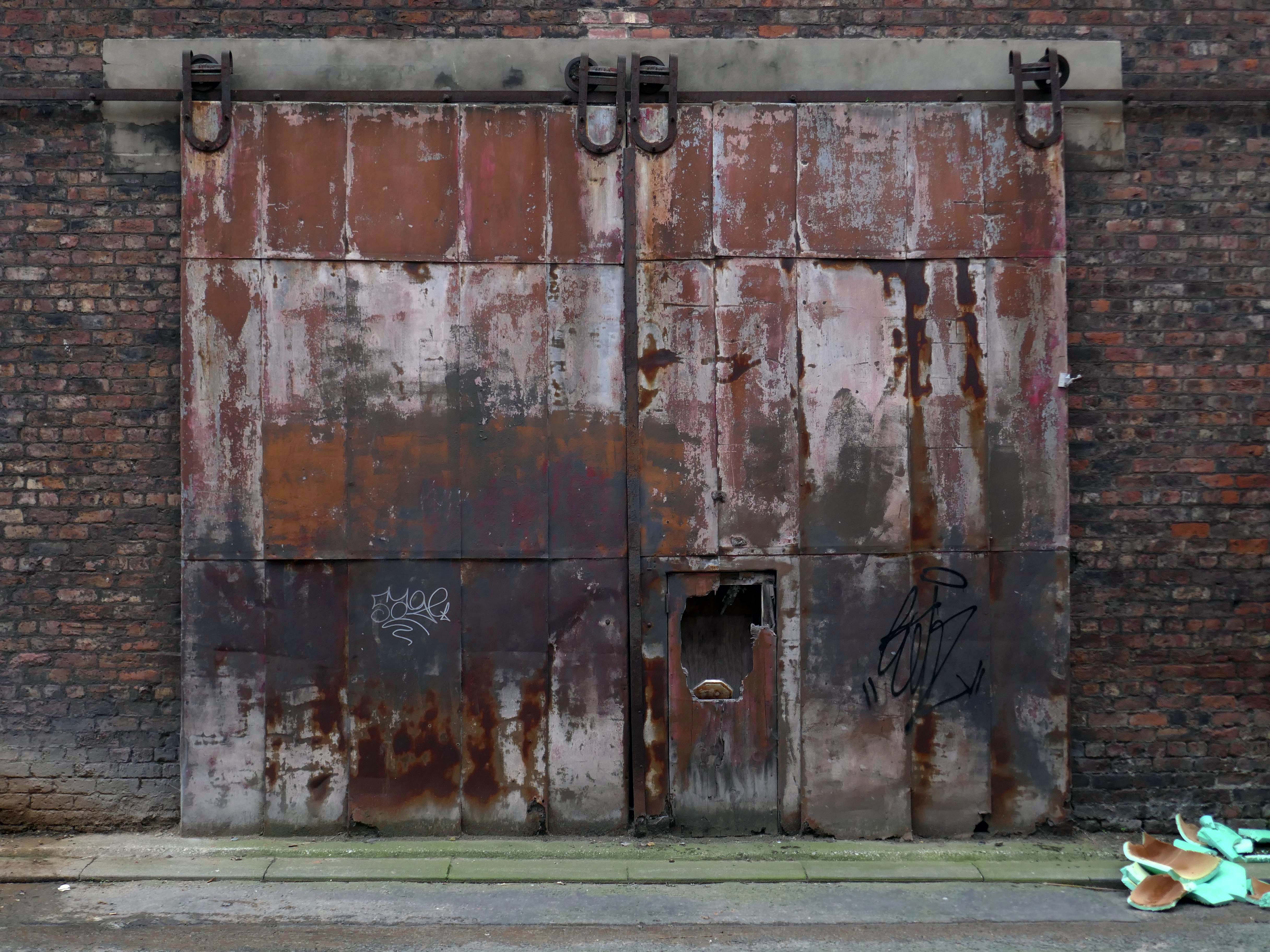
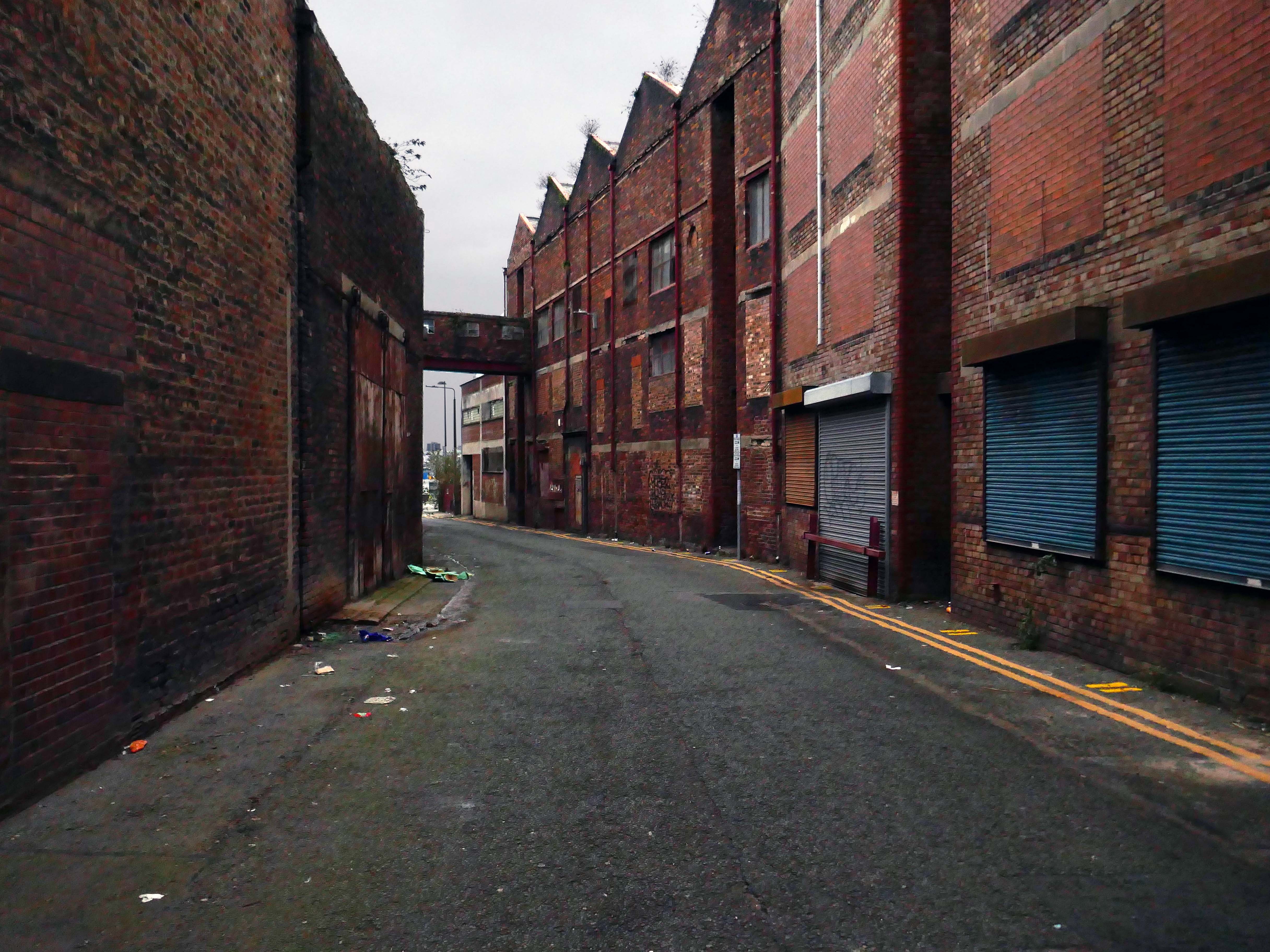
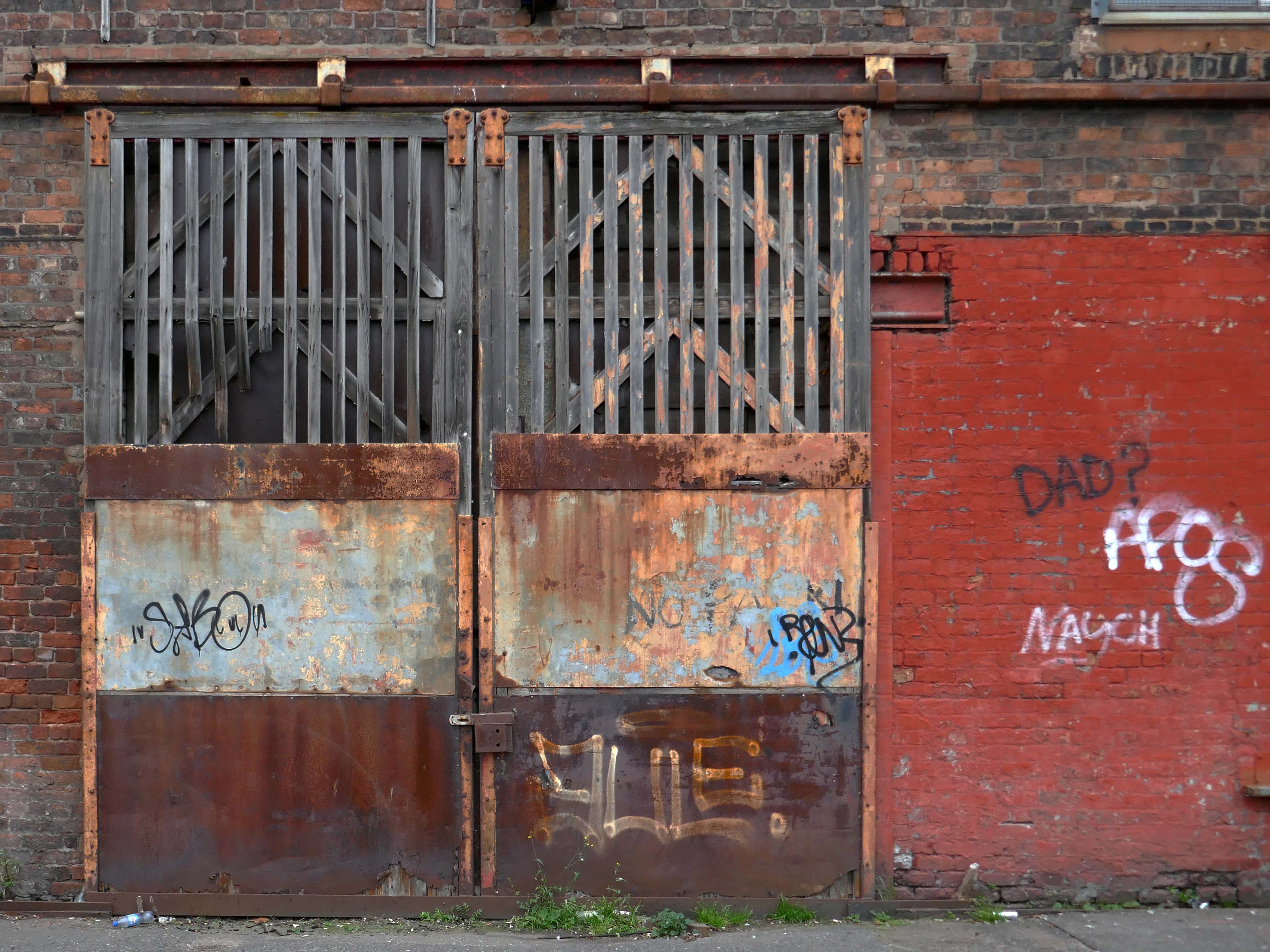
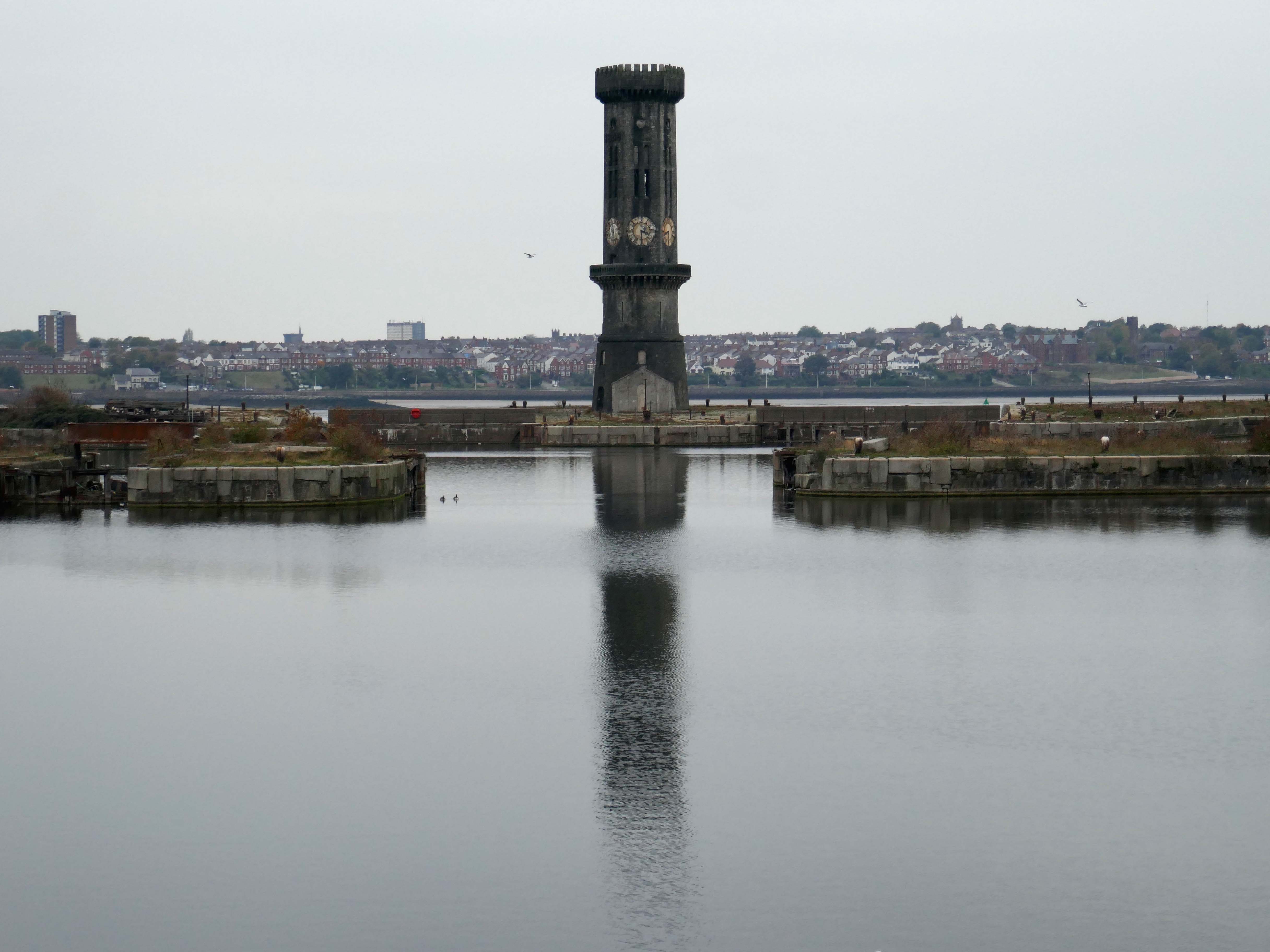
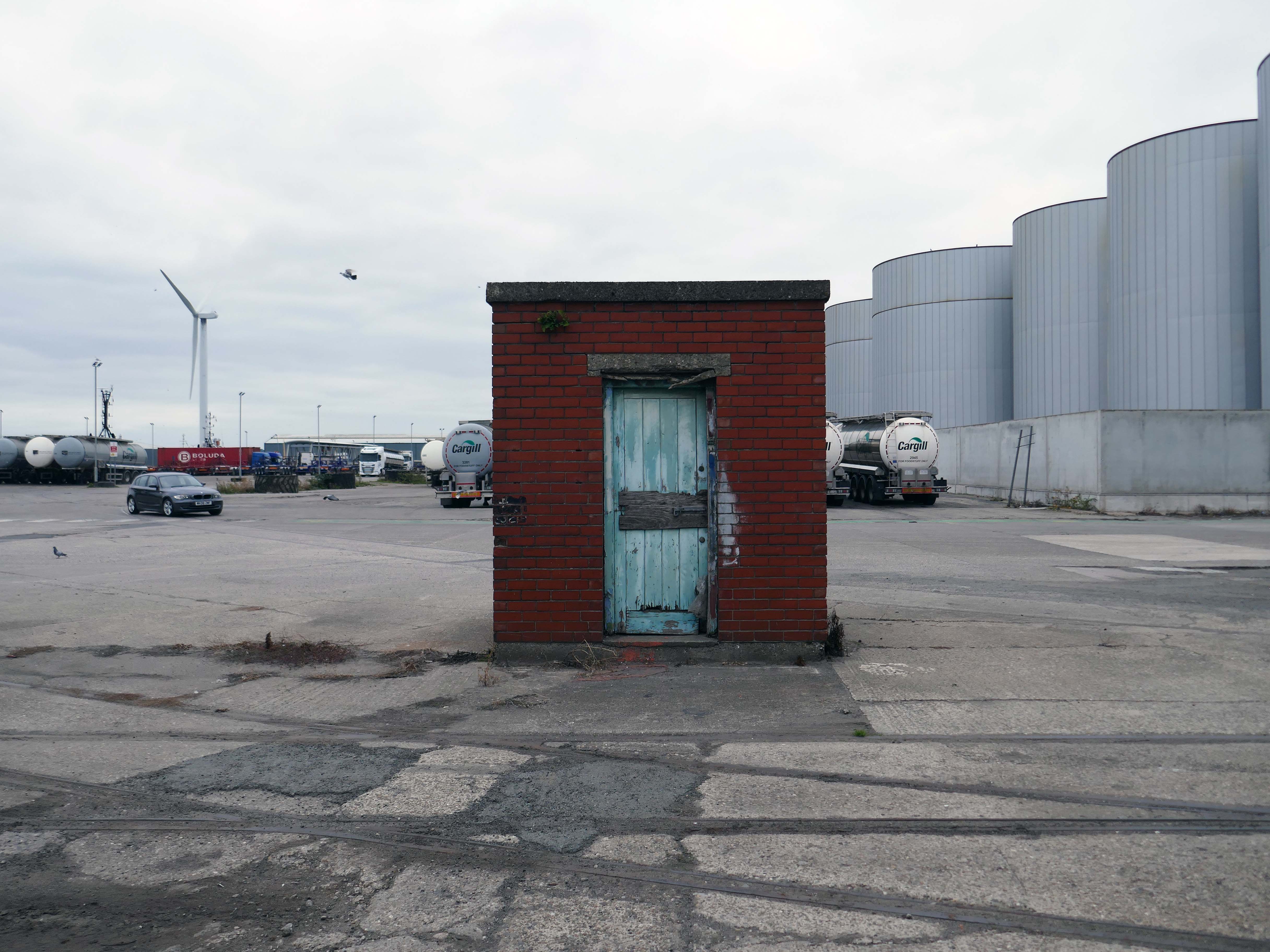
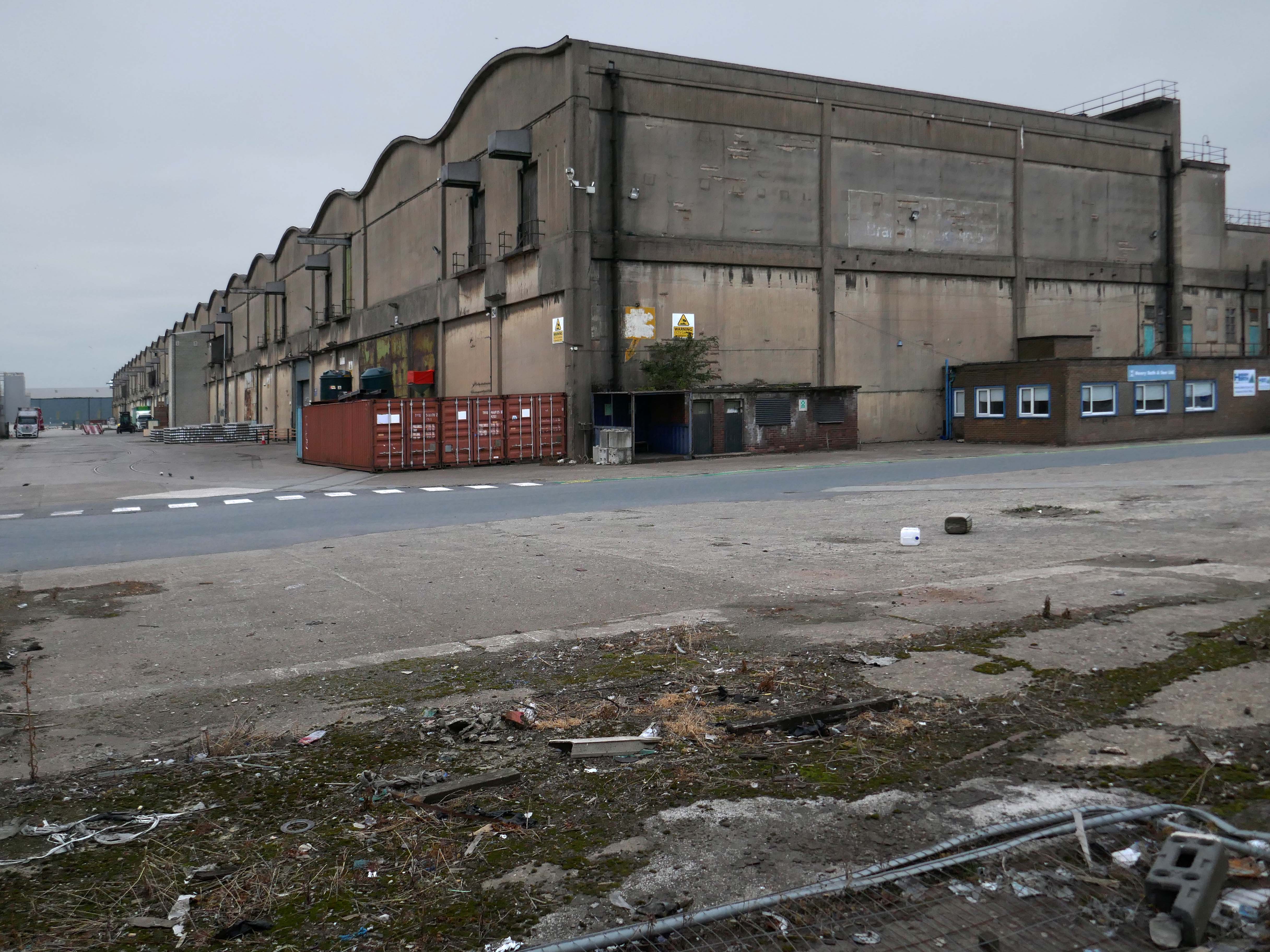
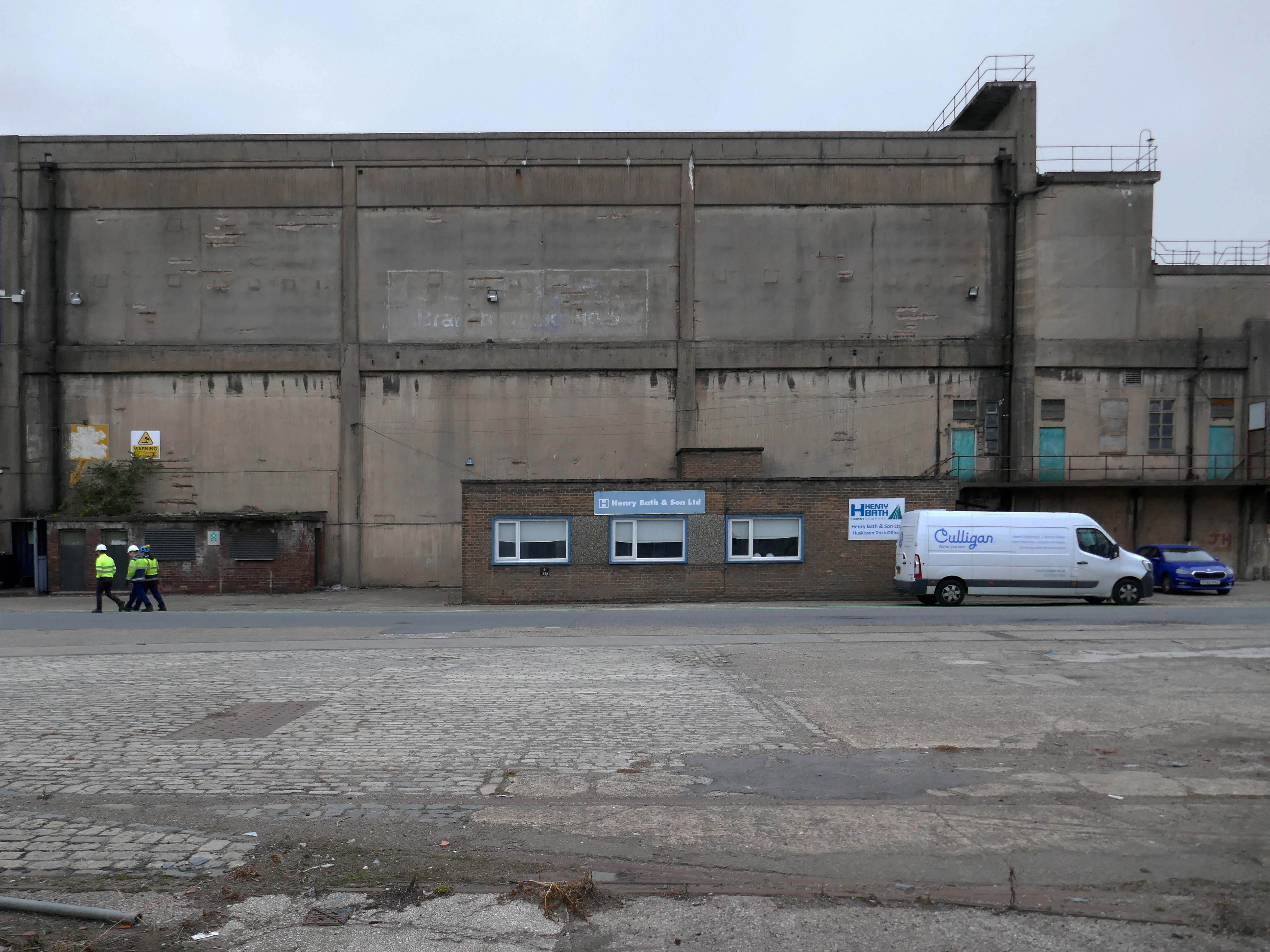
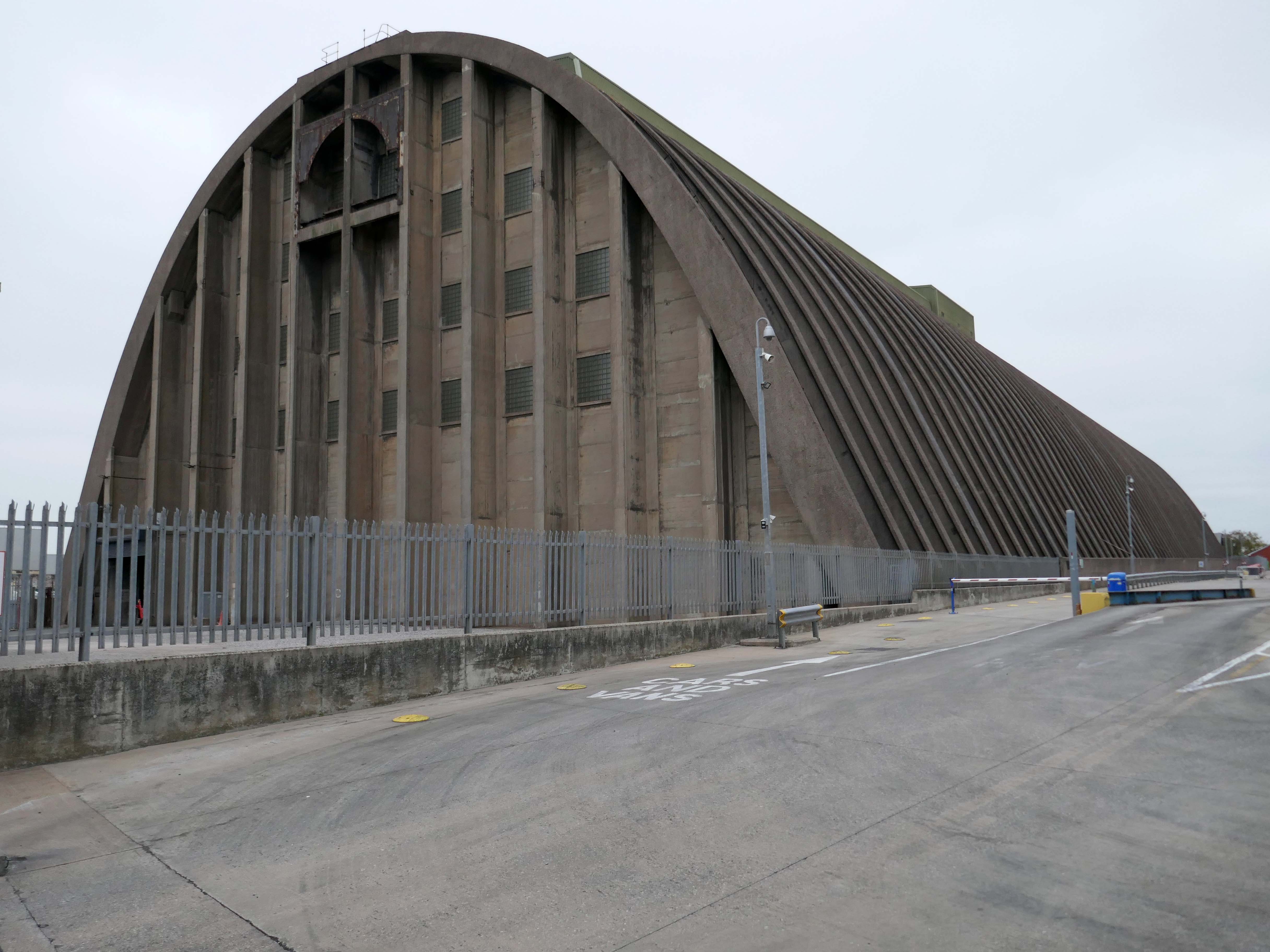
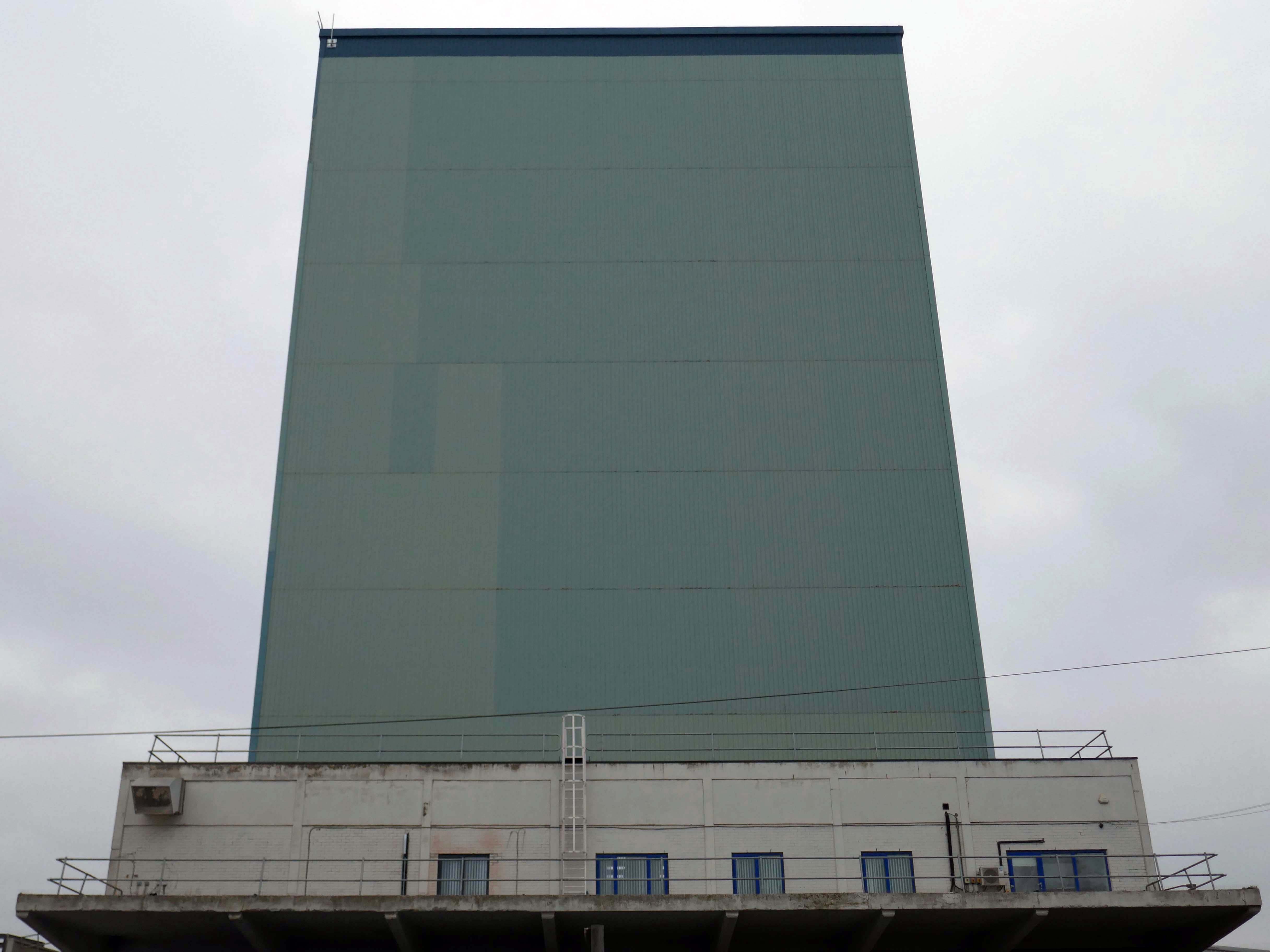
However much of the Industrial heritage remains in various states of disarray, used and possibly disabused, but hanging on in there.
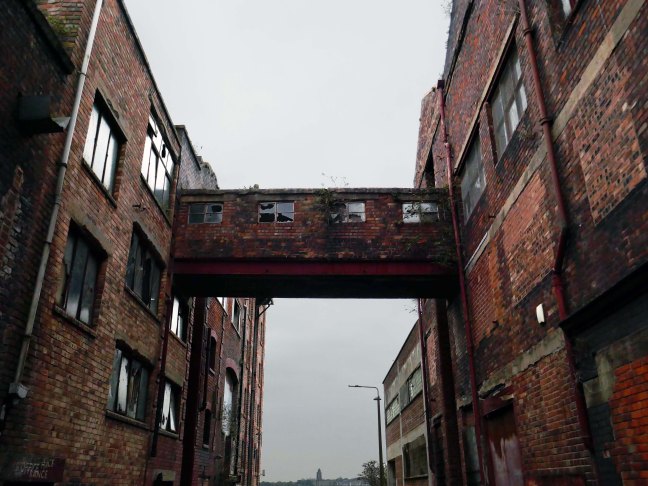
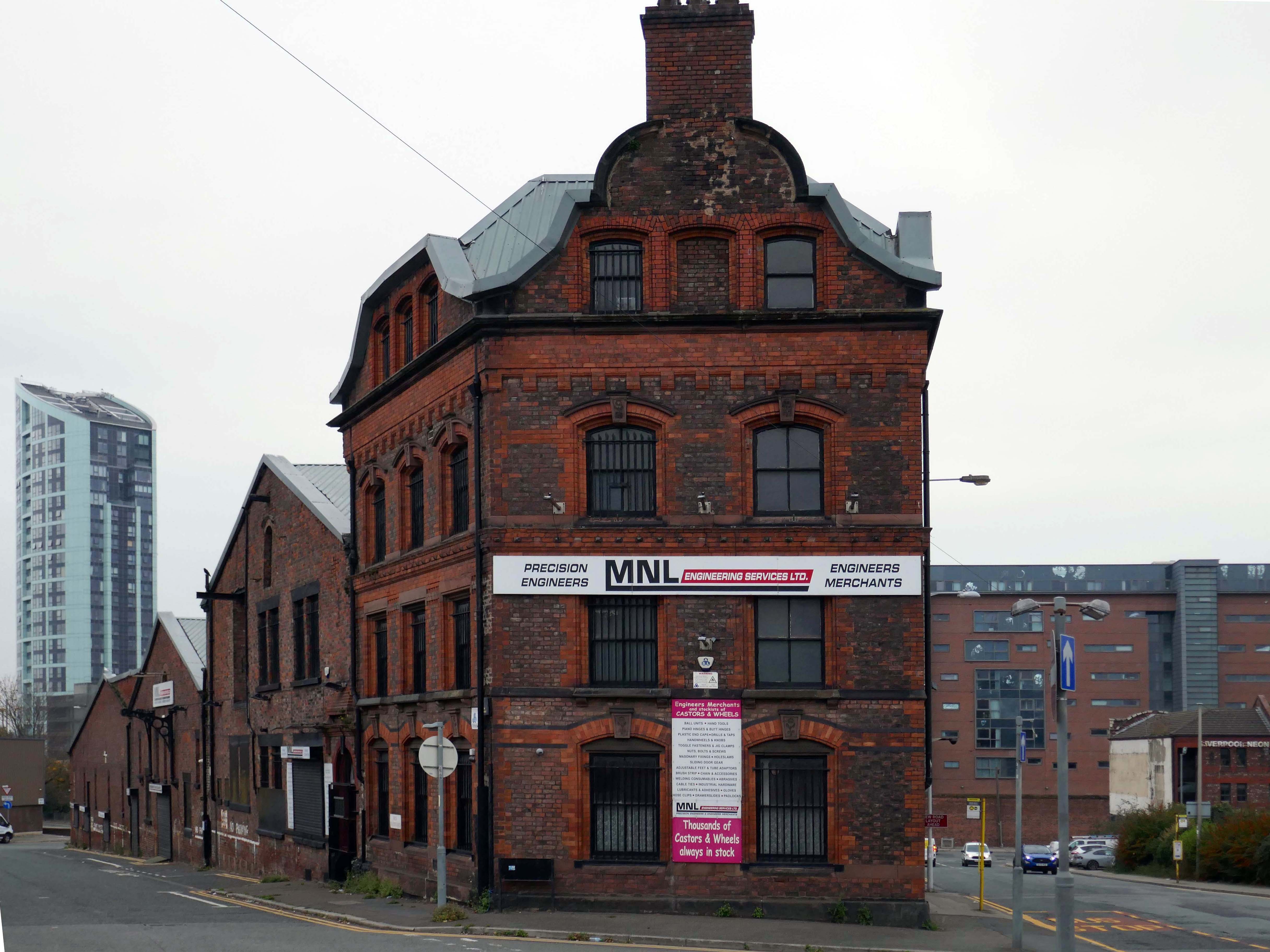
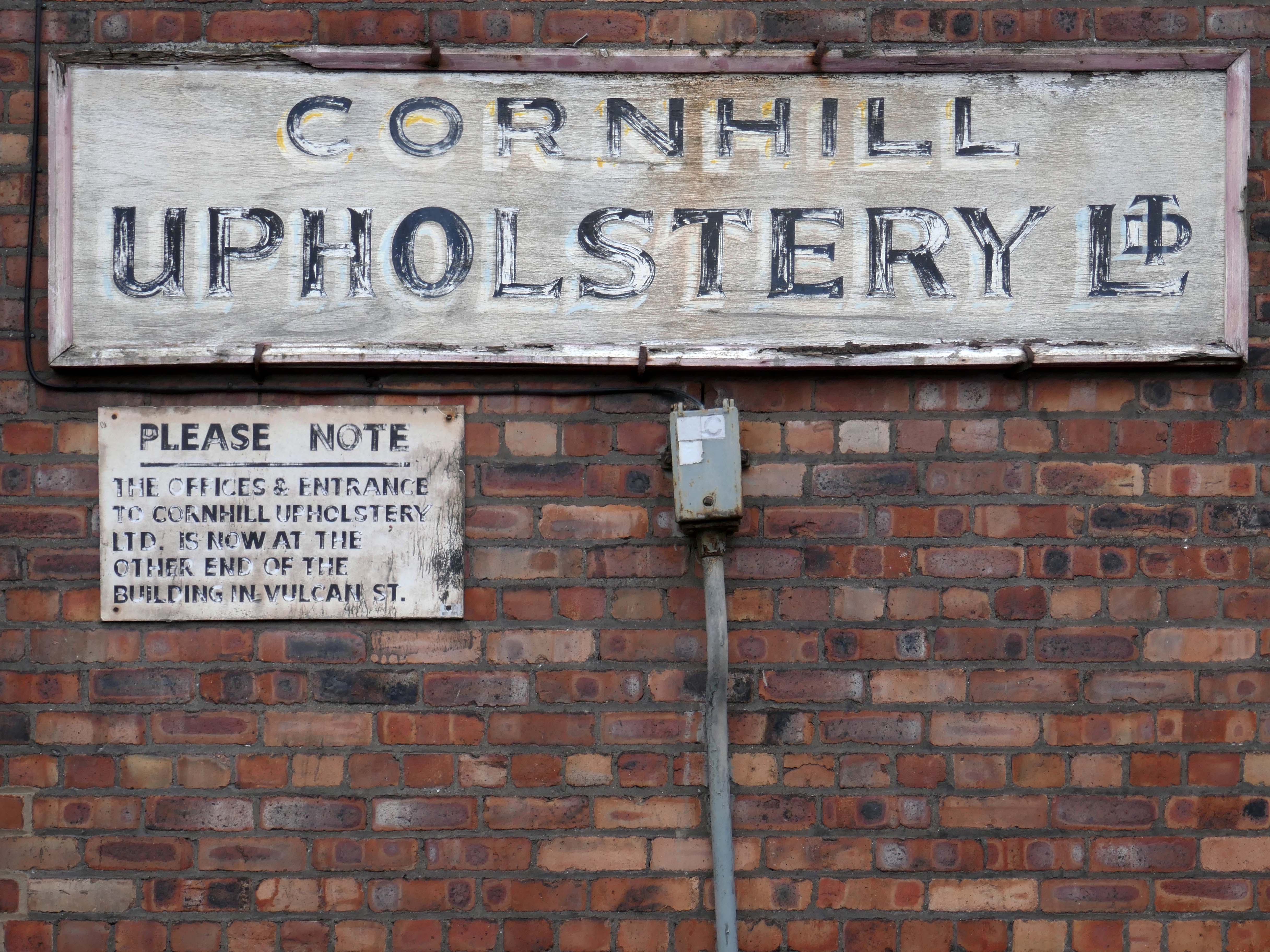
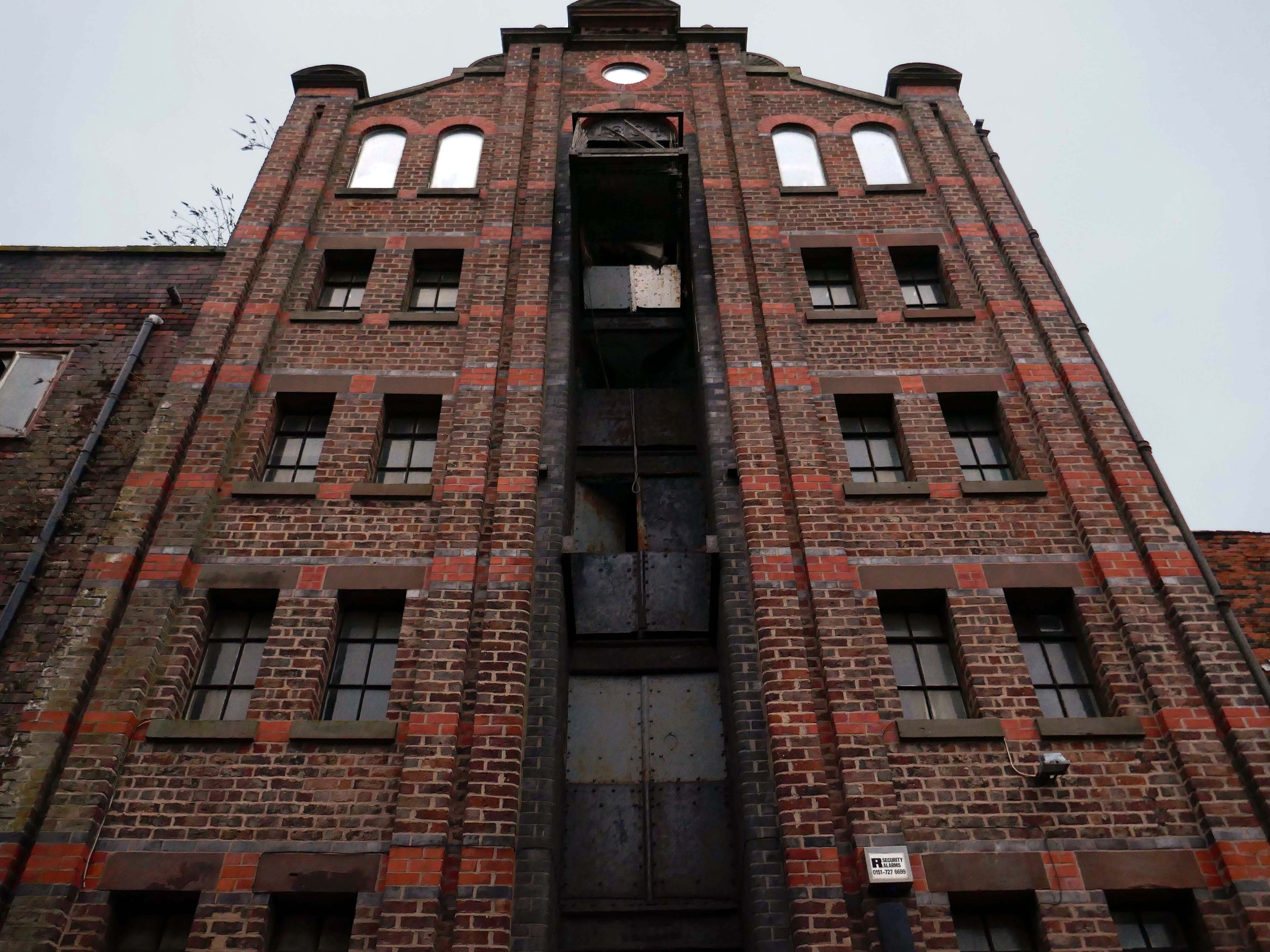
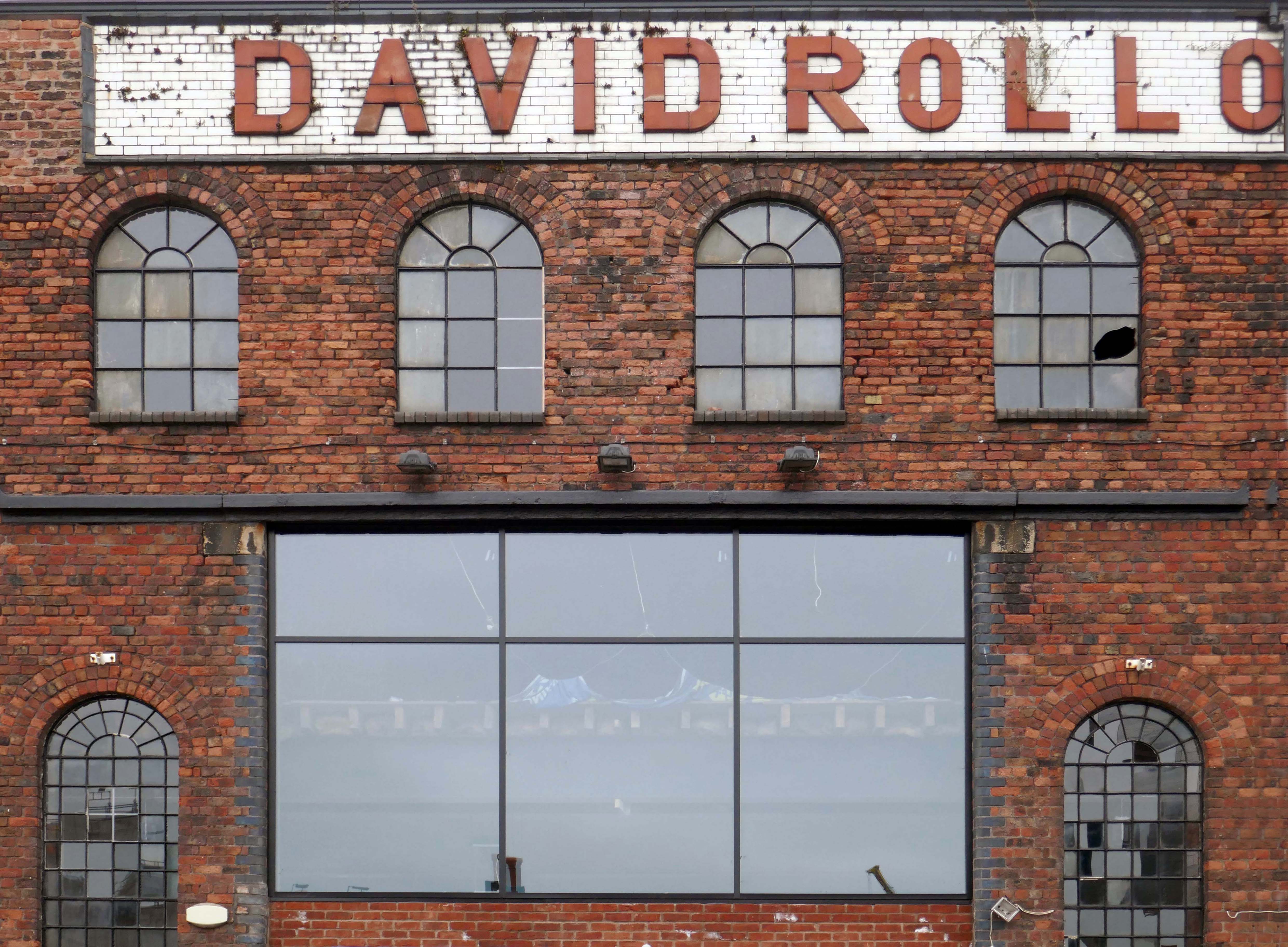
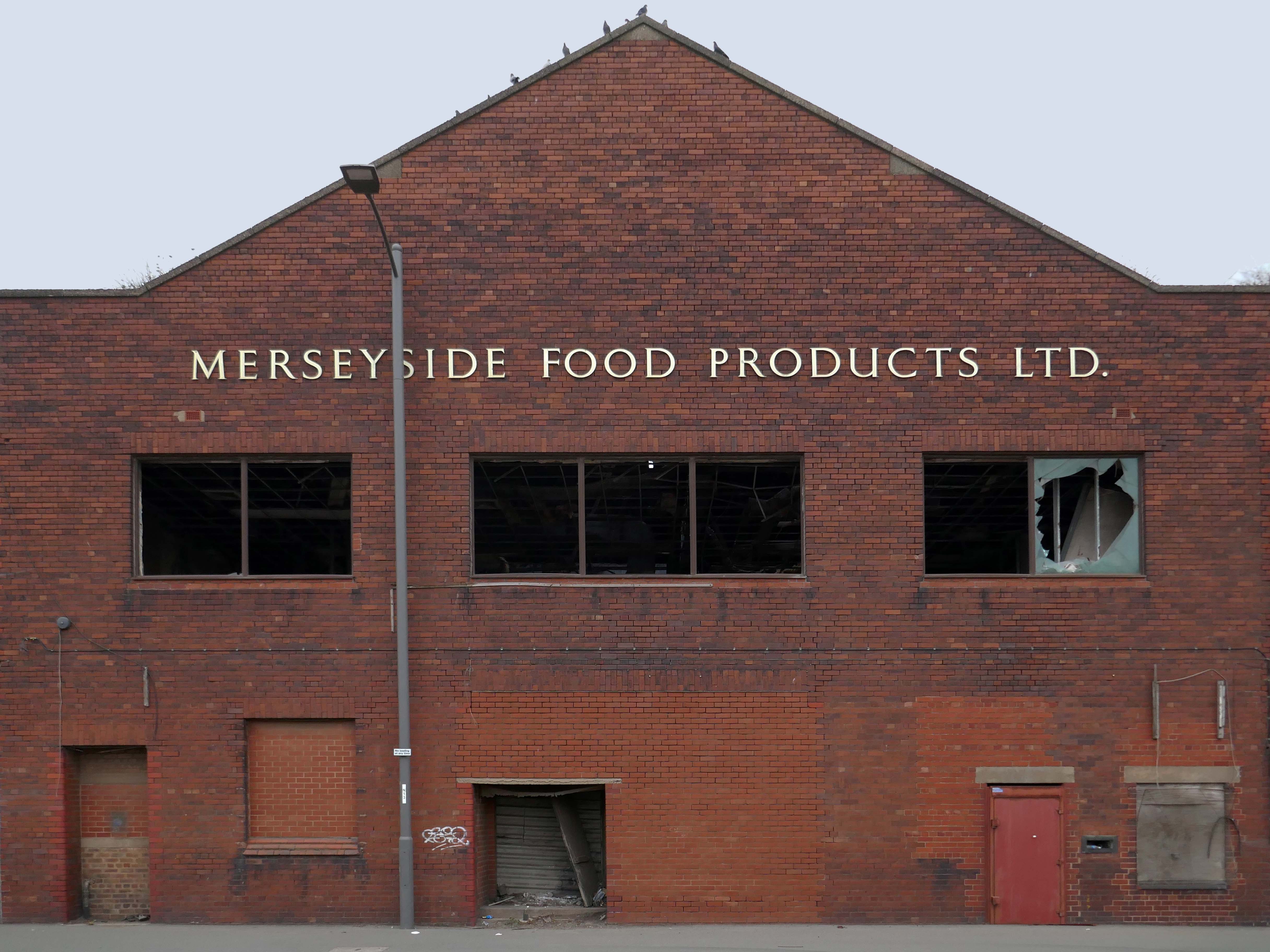
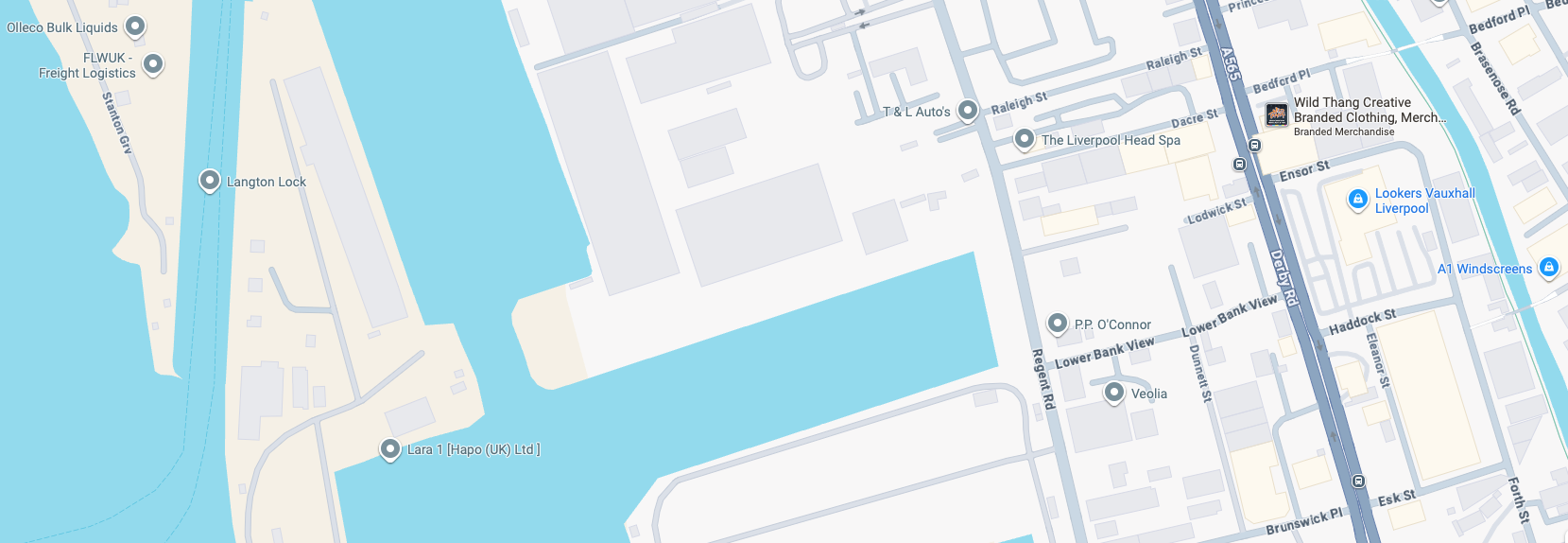
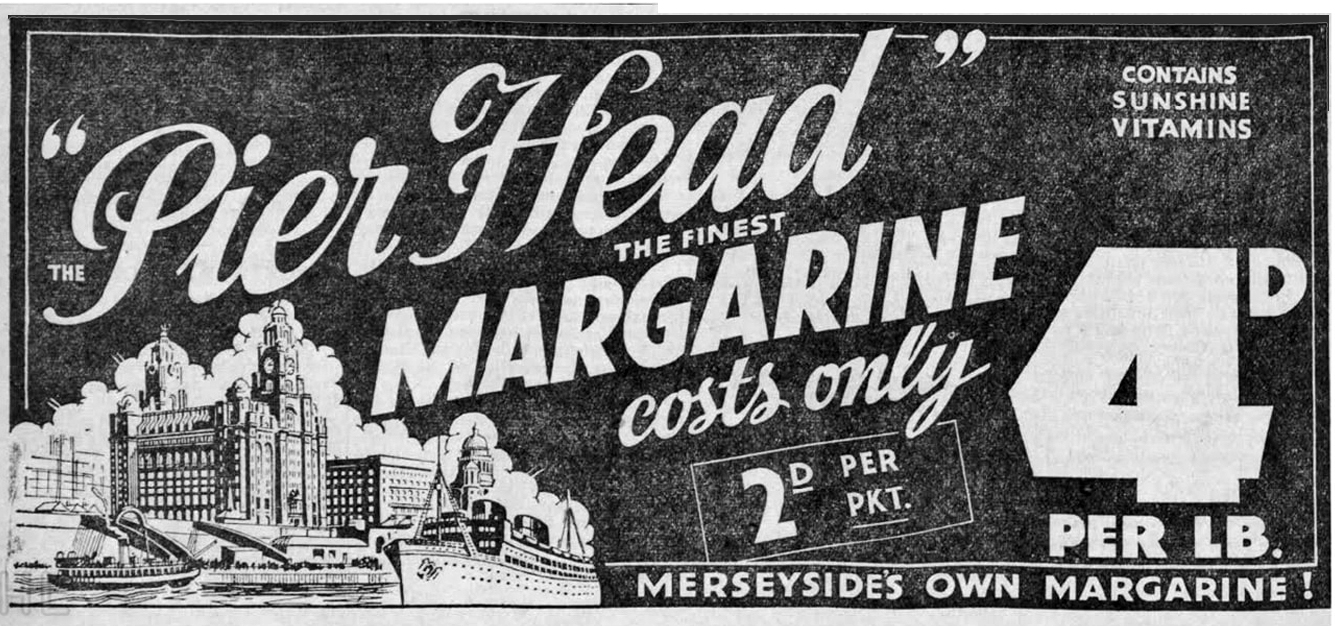
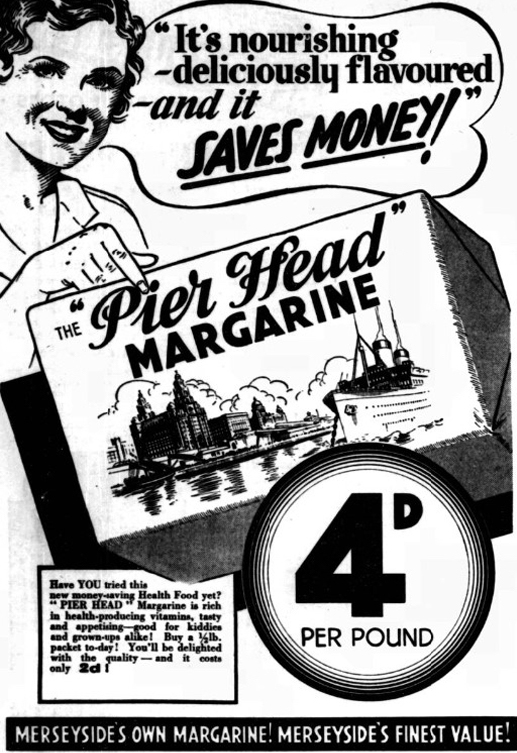
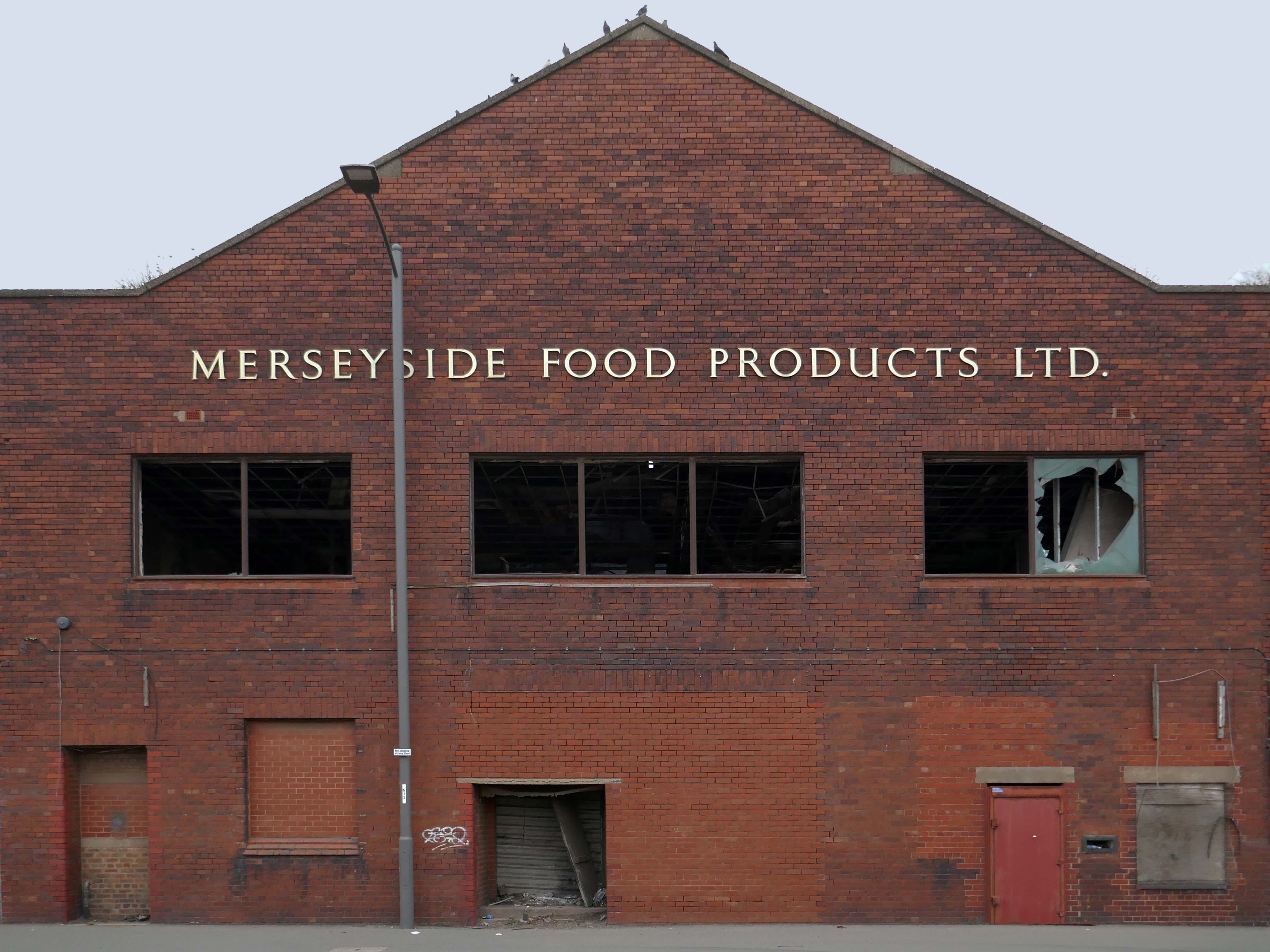
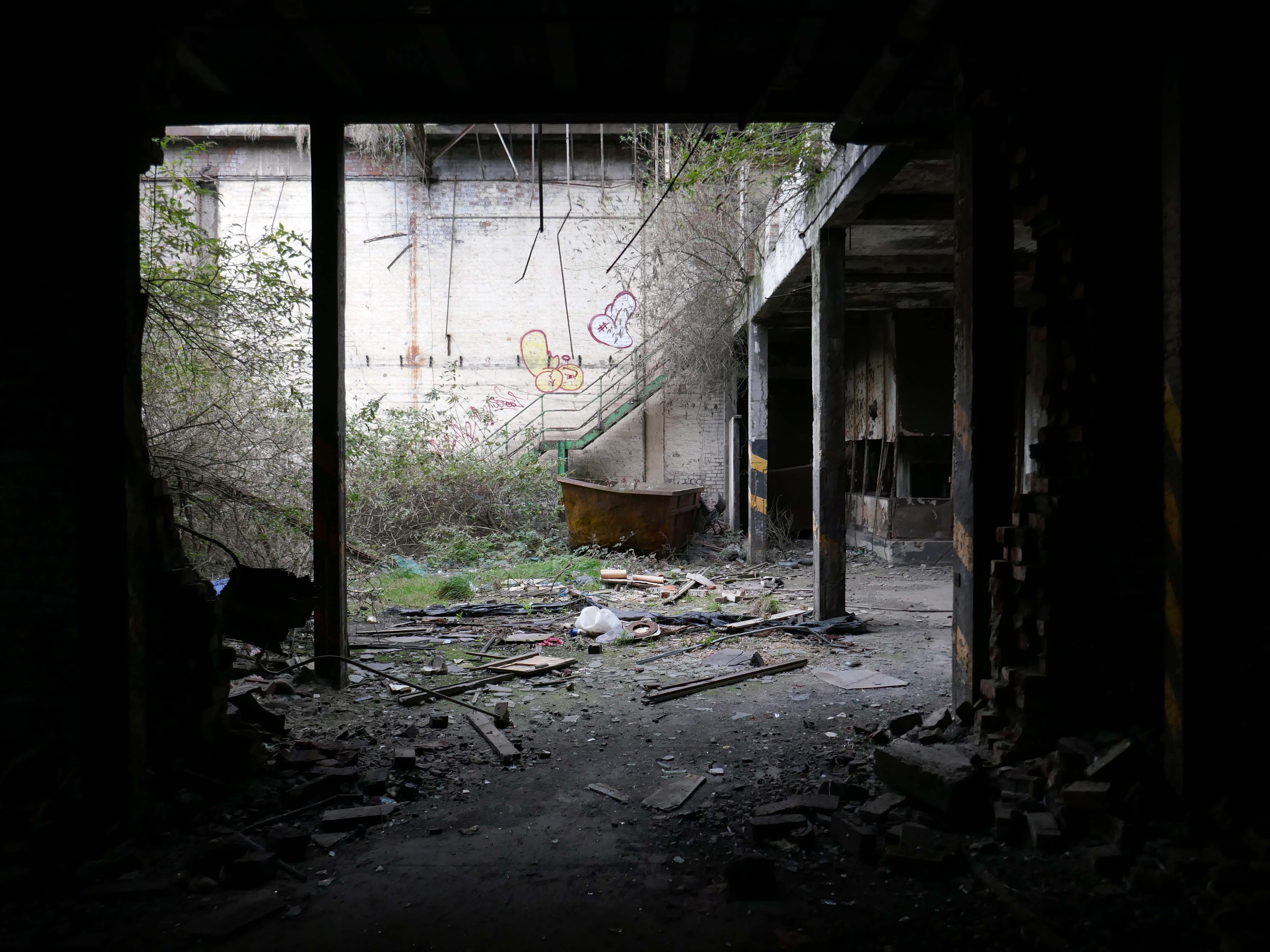
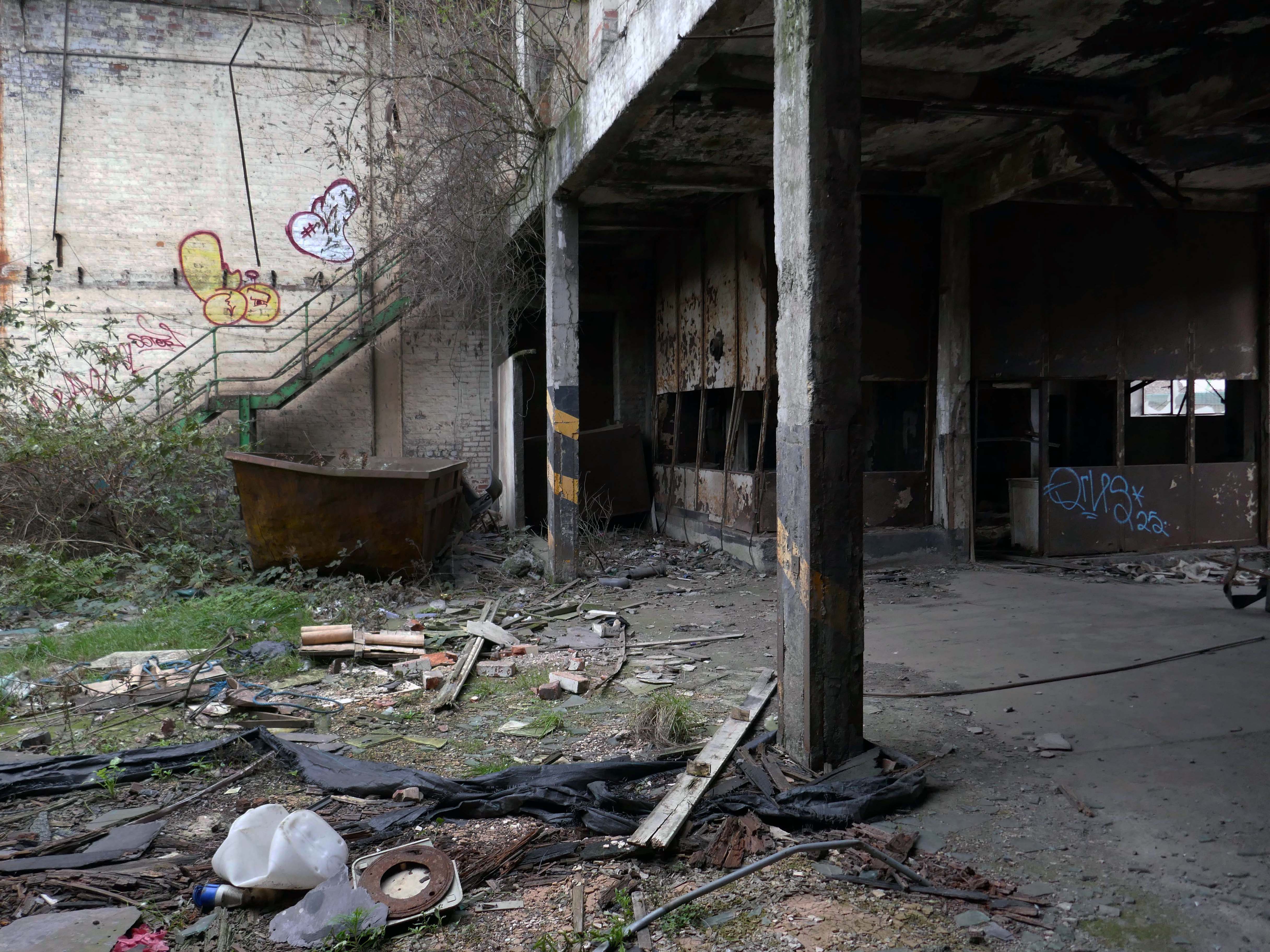
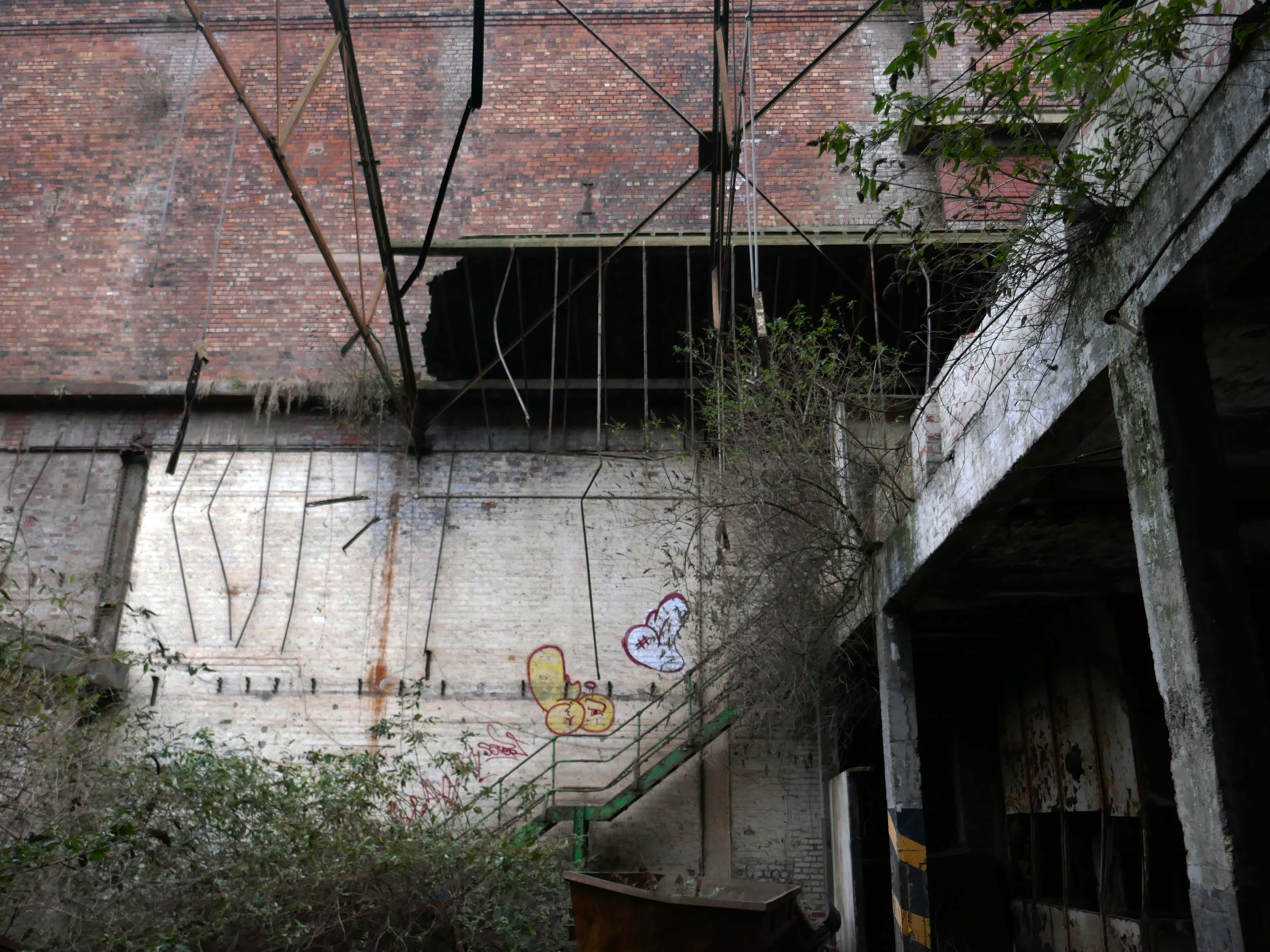
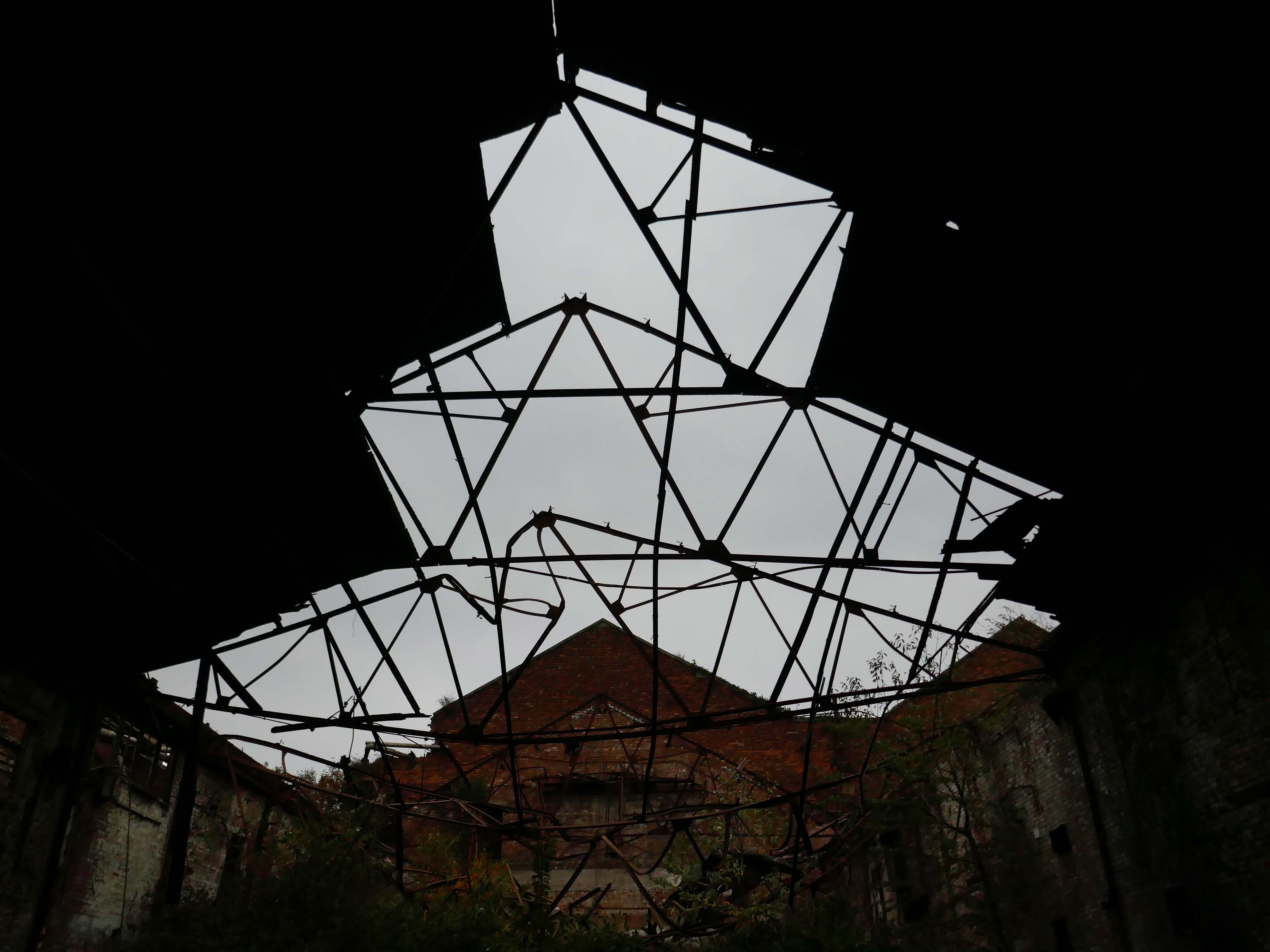
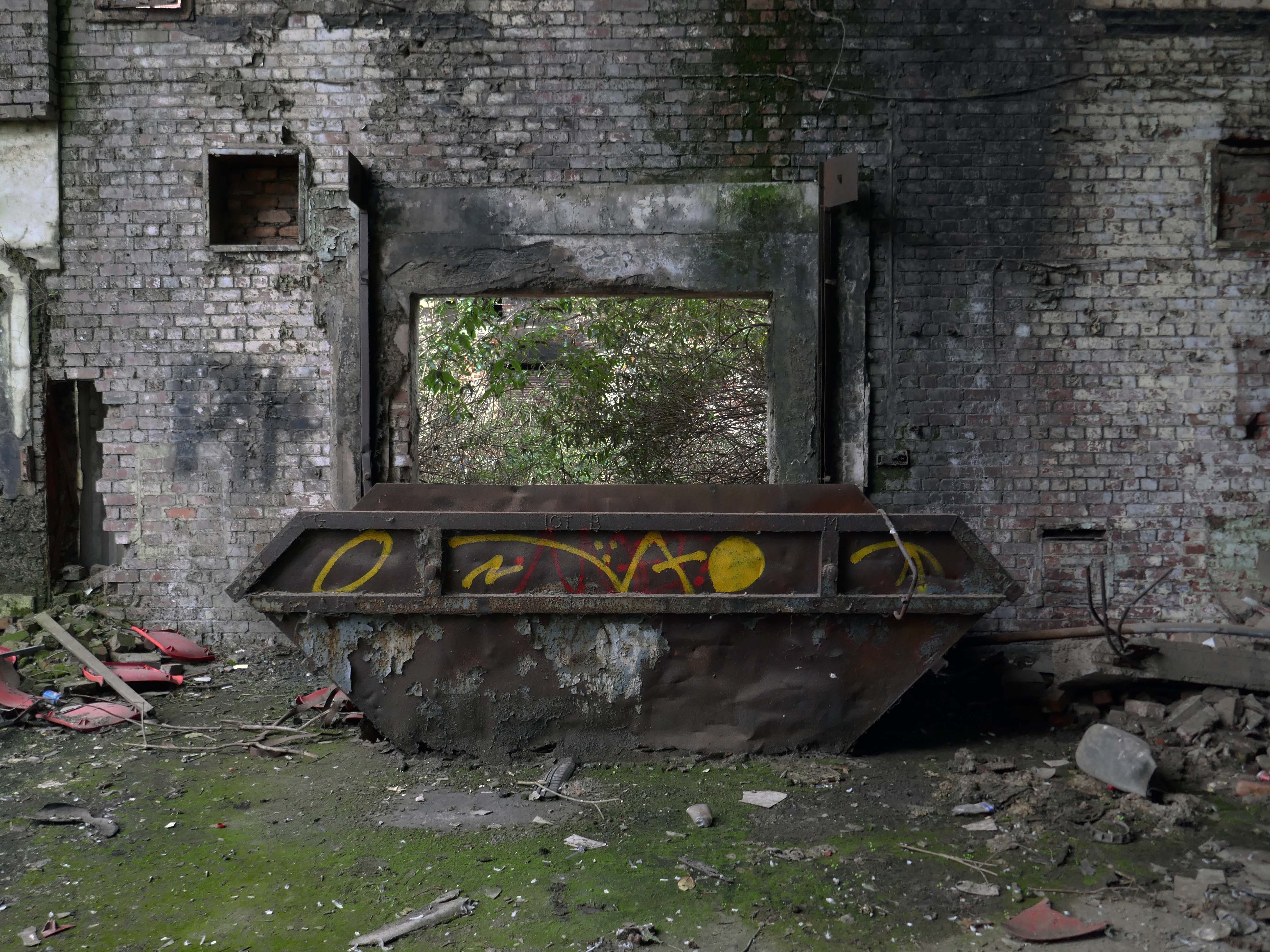
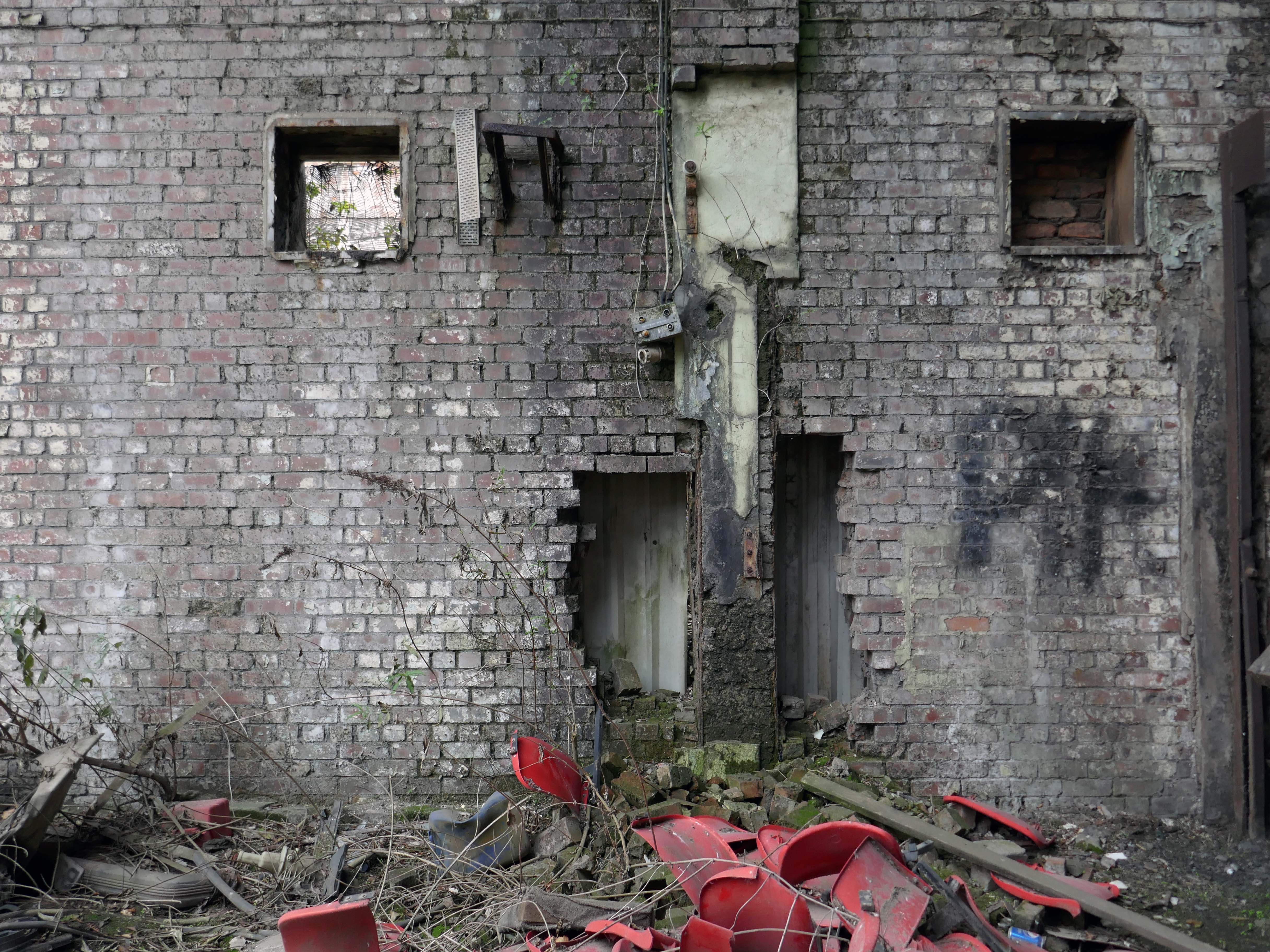
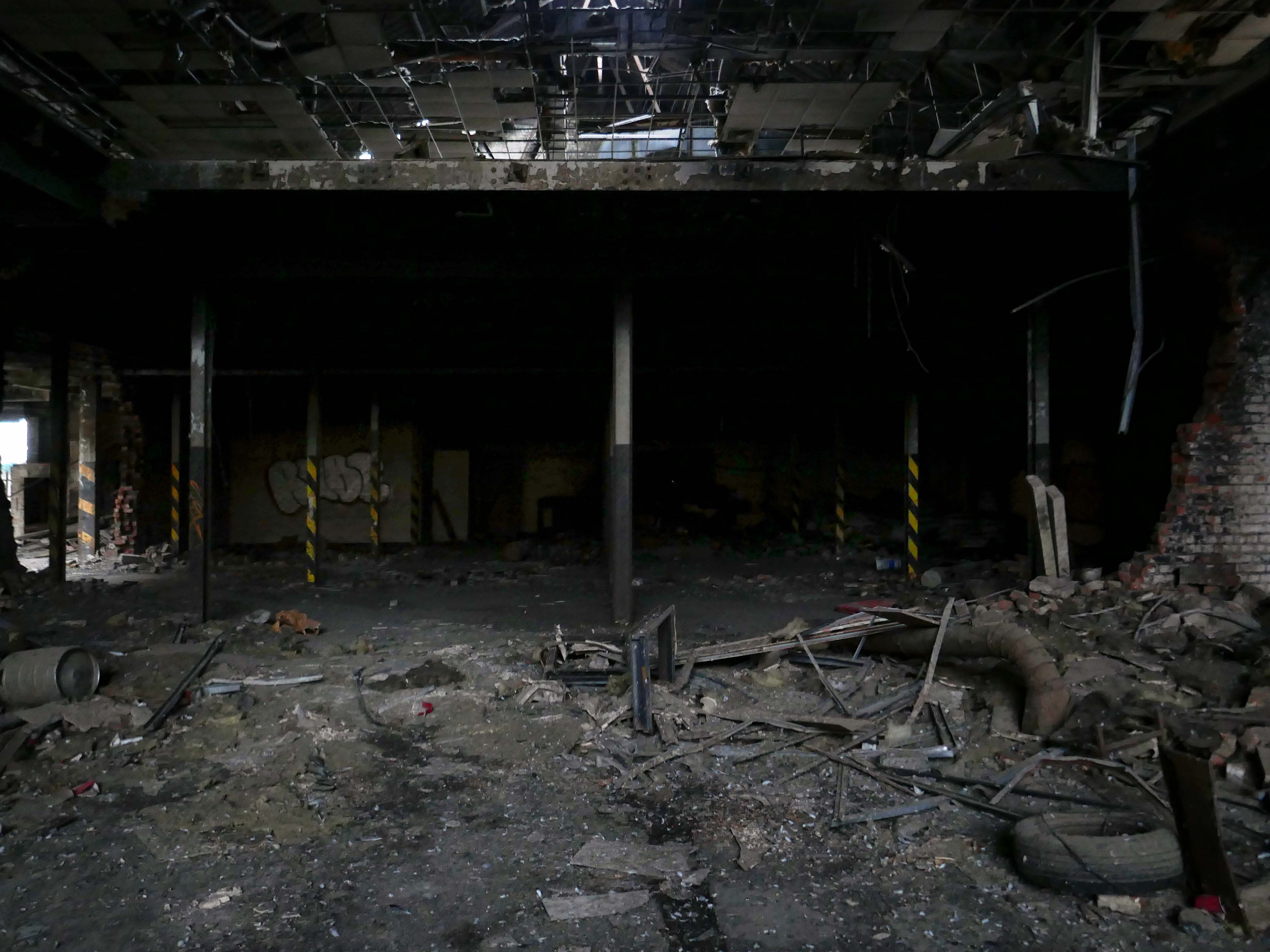
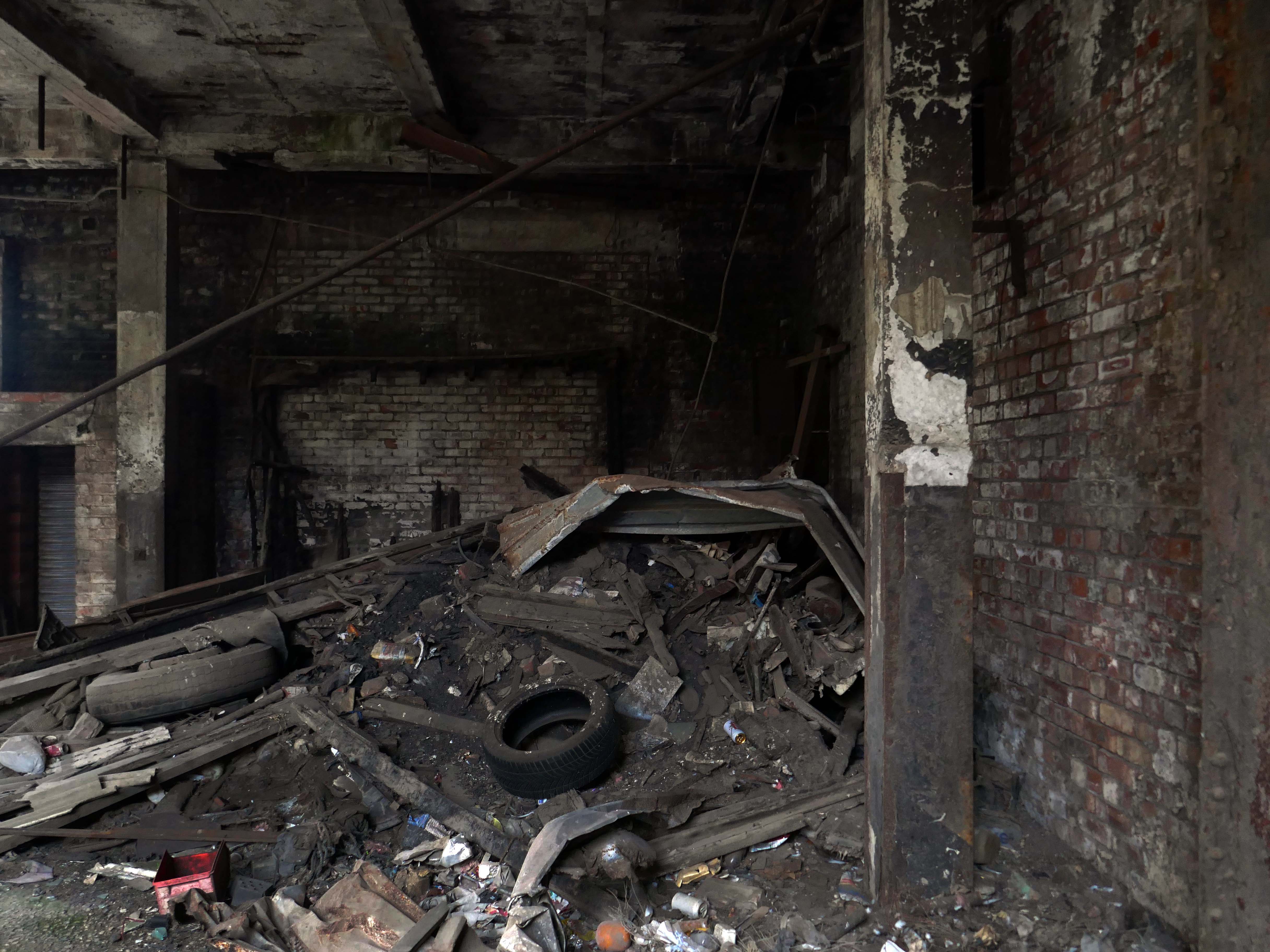
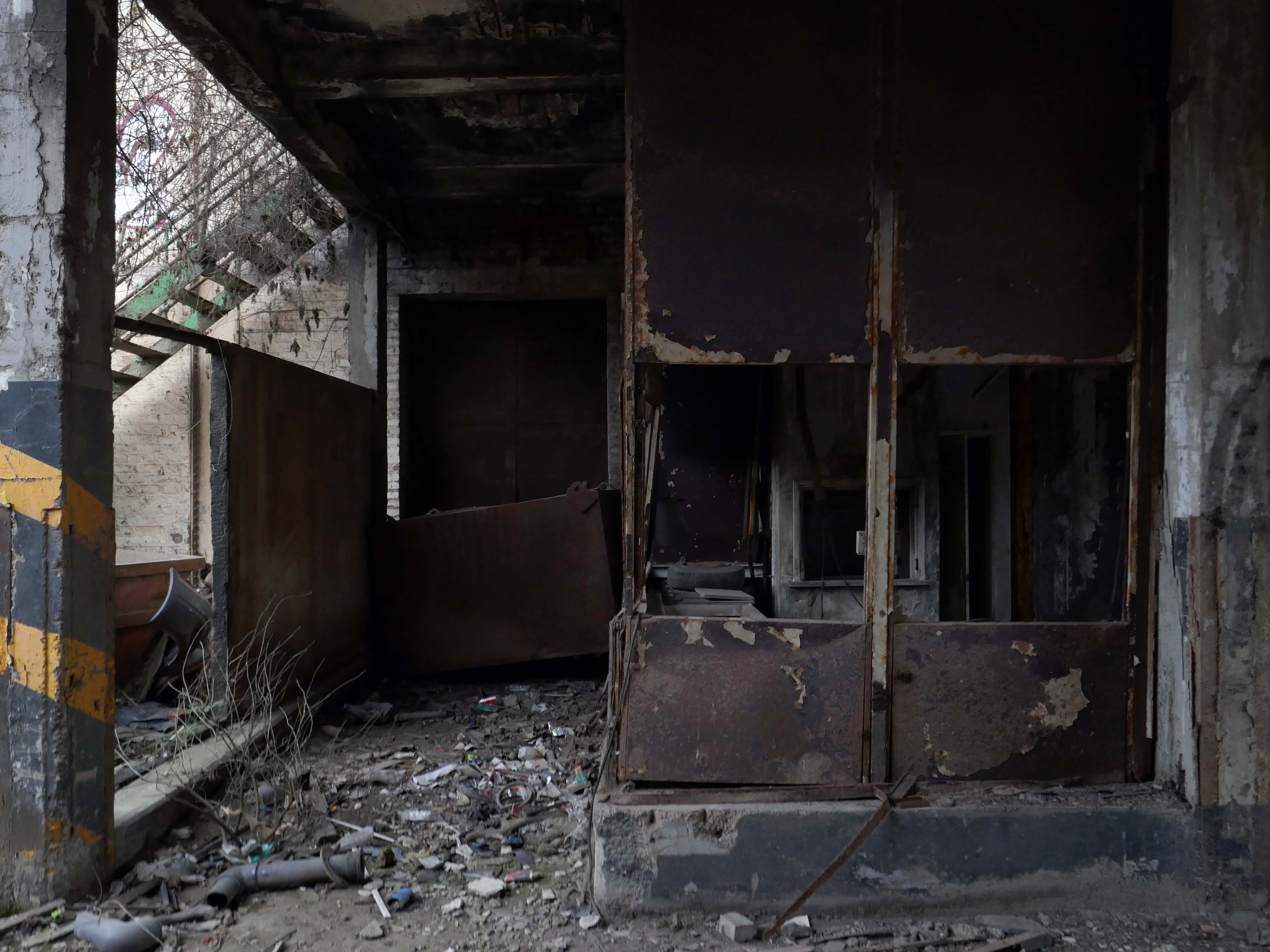
Merseyside Food Products Ltd of Marsh Lane, later 185 Regent Road.
Edible oil producers.
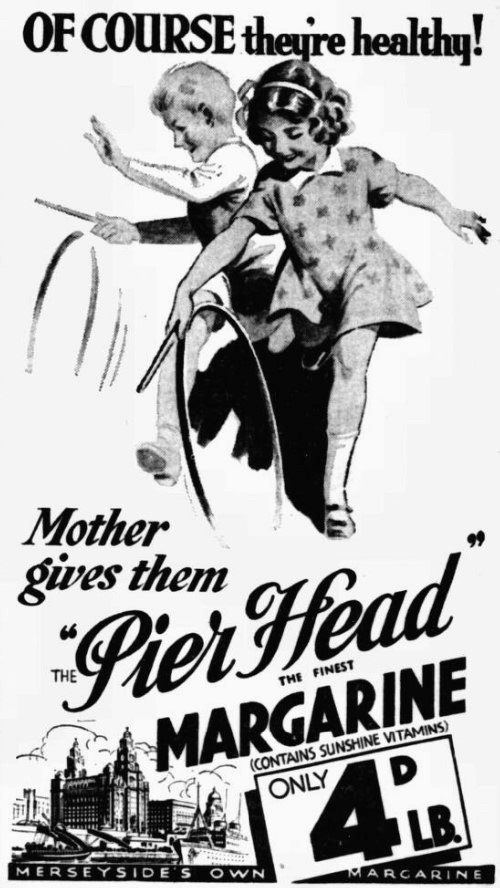
1939 Producing Pier Head brand margarine.
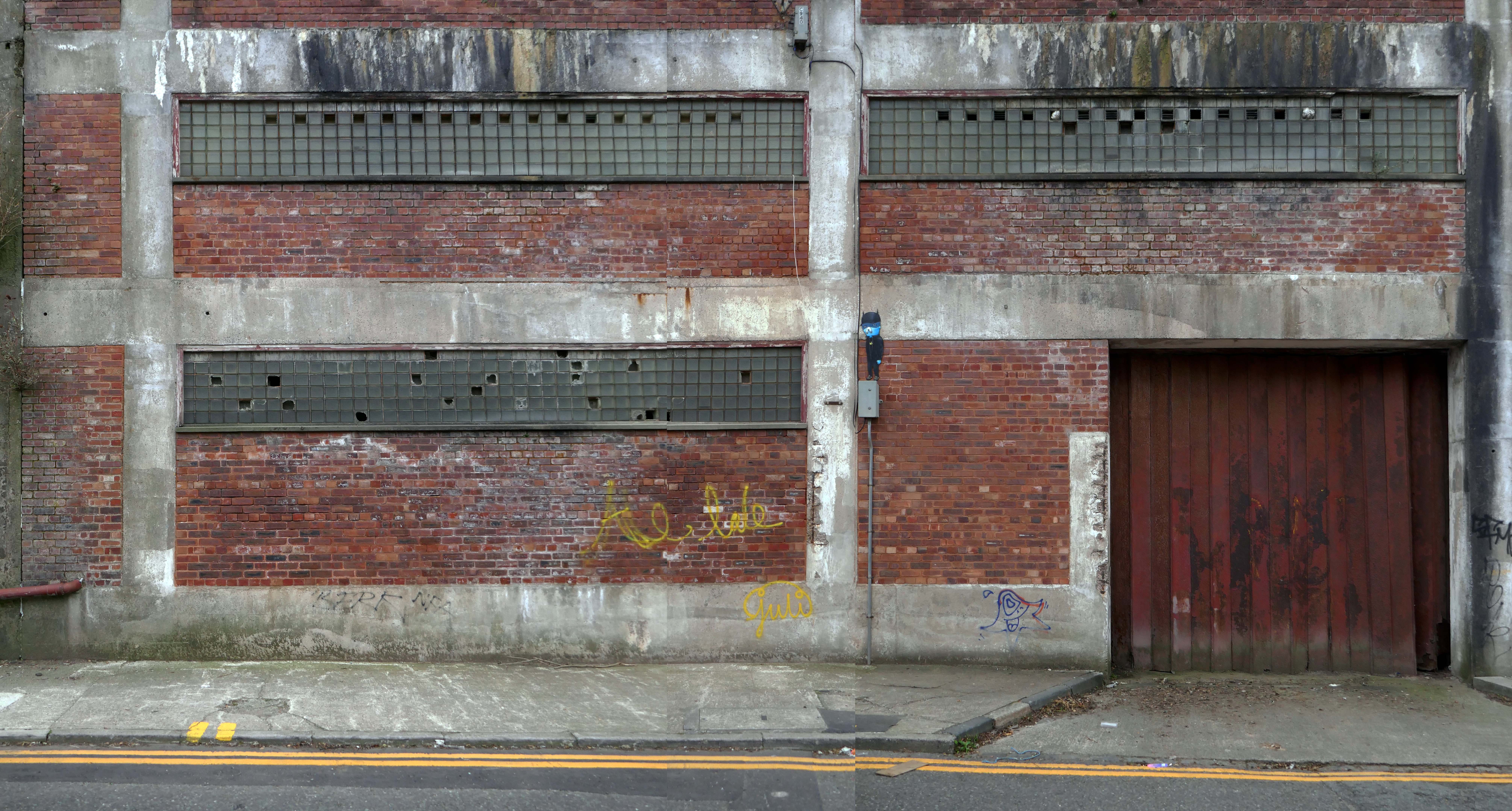
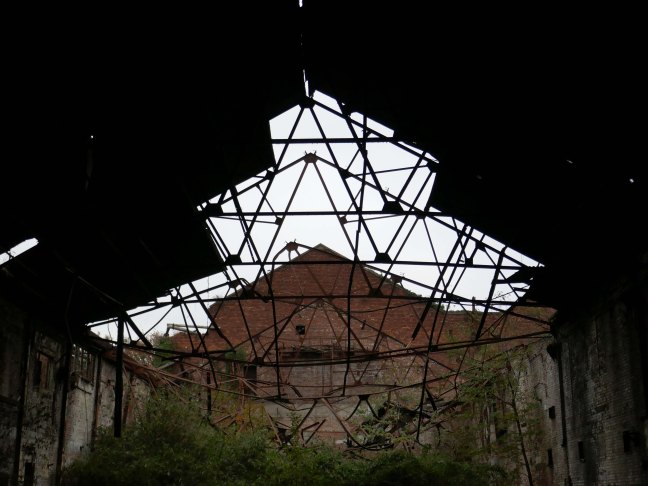
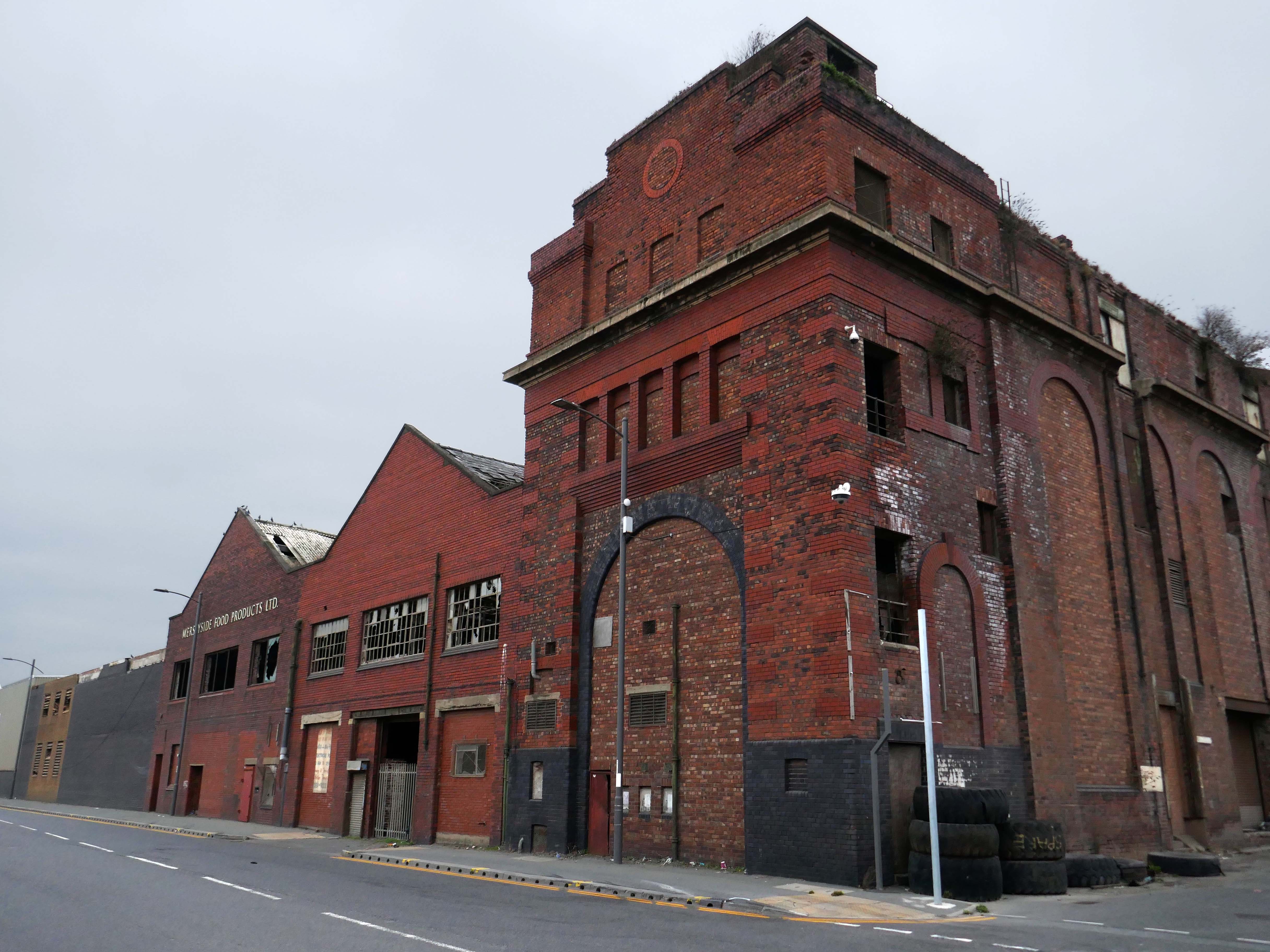
The Regent Road premises had originally been the marine engineering North Works of H&C Grayson. It appears that the southern block was converted to a warehouse at some point before being occupied by Merseyside Food Products in the 1950s.
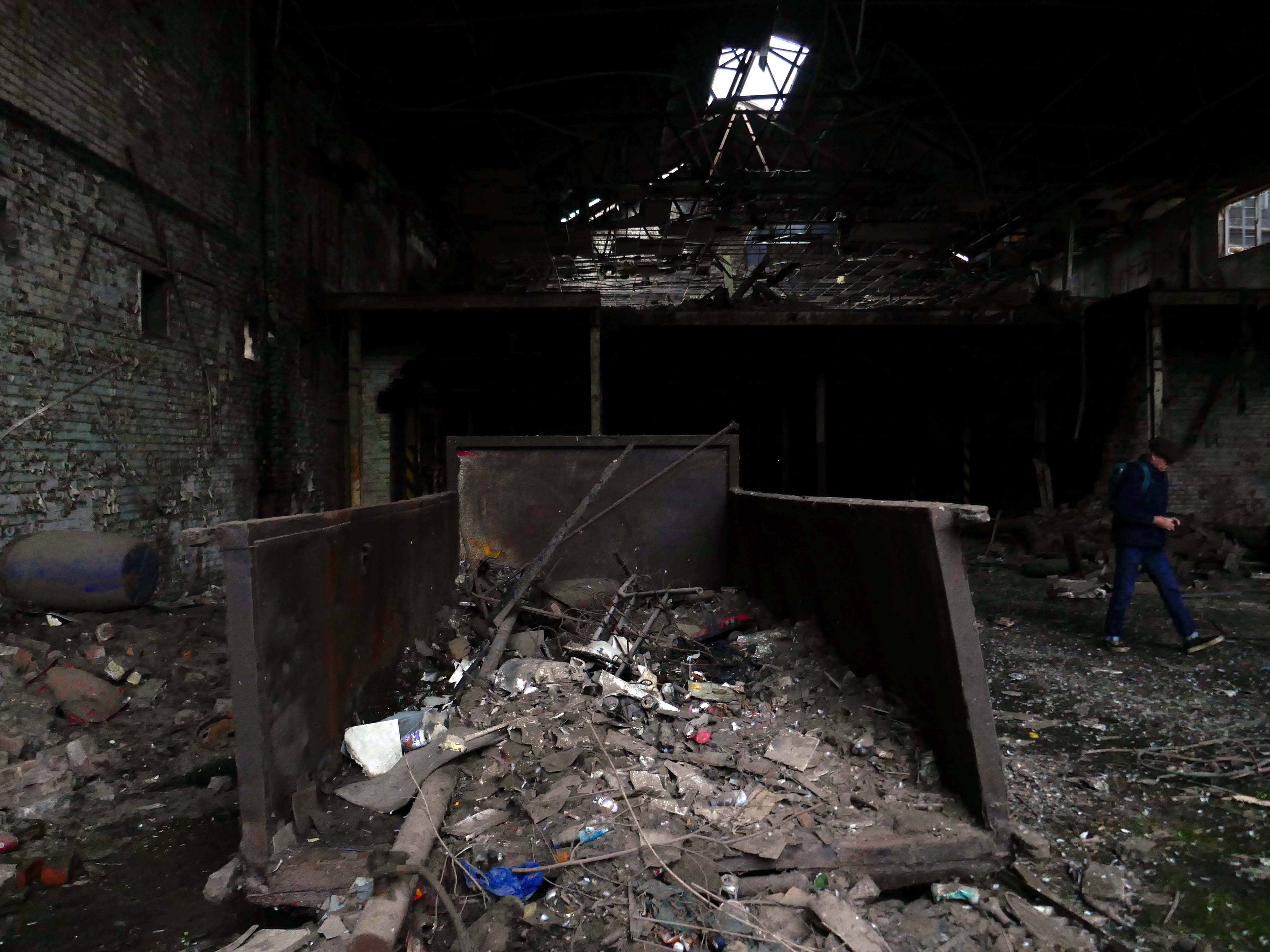
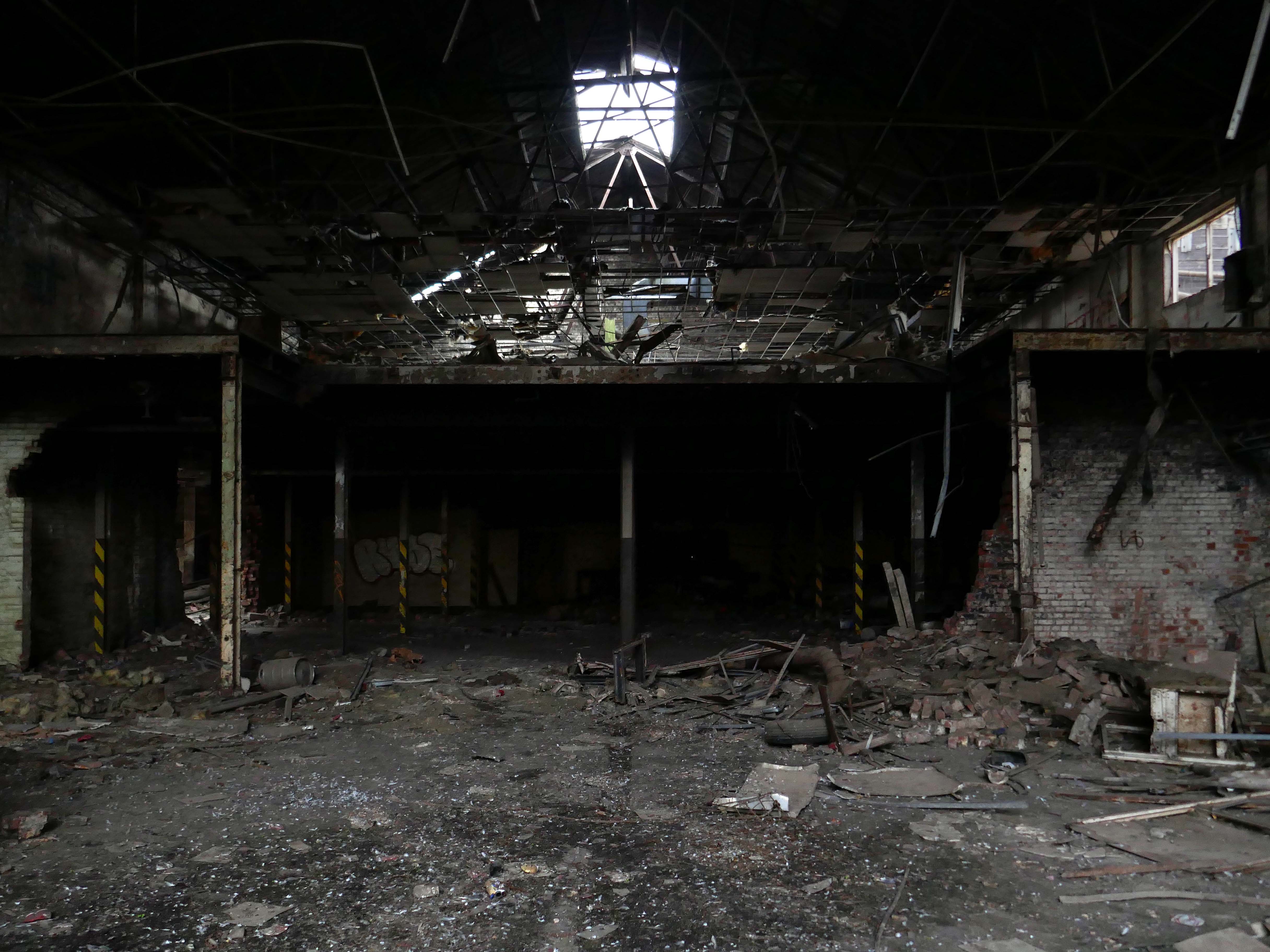
Having a casual afternoon stroll along the road, I espied a narrow gap in the railings, whilst I could never be considered a devotee of urbex, who can resist a narrow gap in the railings?
There are those who have been here before – the 28 Days Later folk take a much deeper peep.
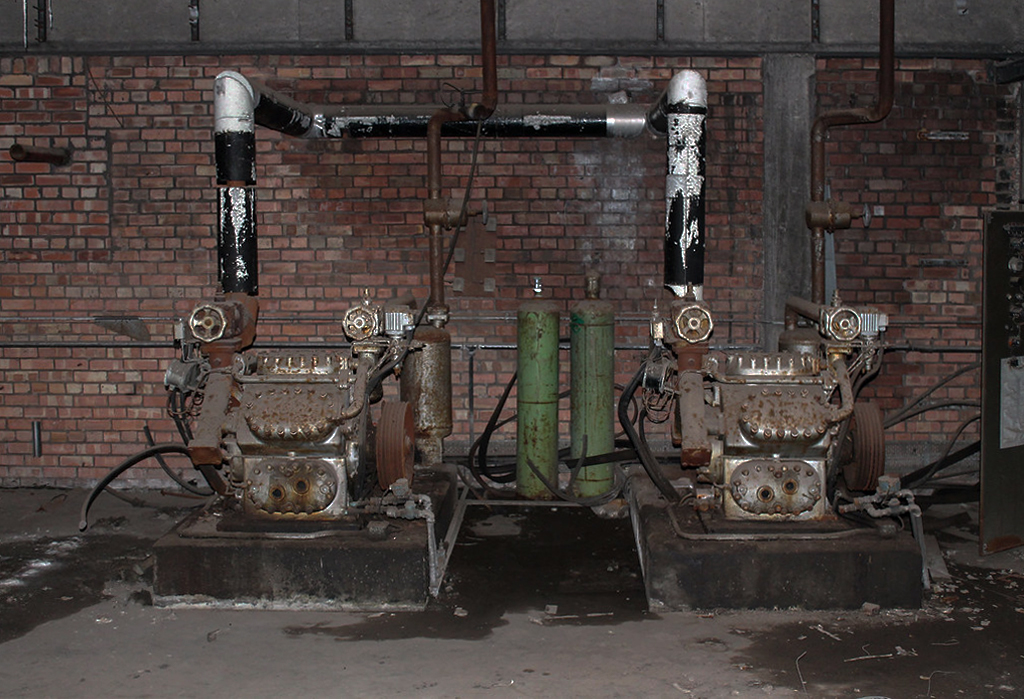
Uncovering some of the left behind plant.
And attracting a comment from a former employee:
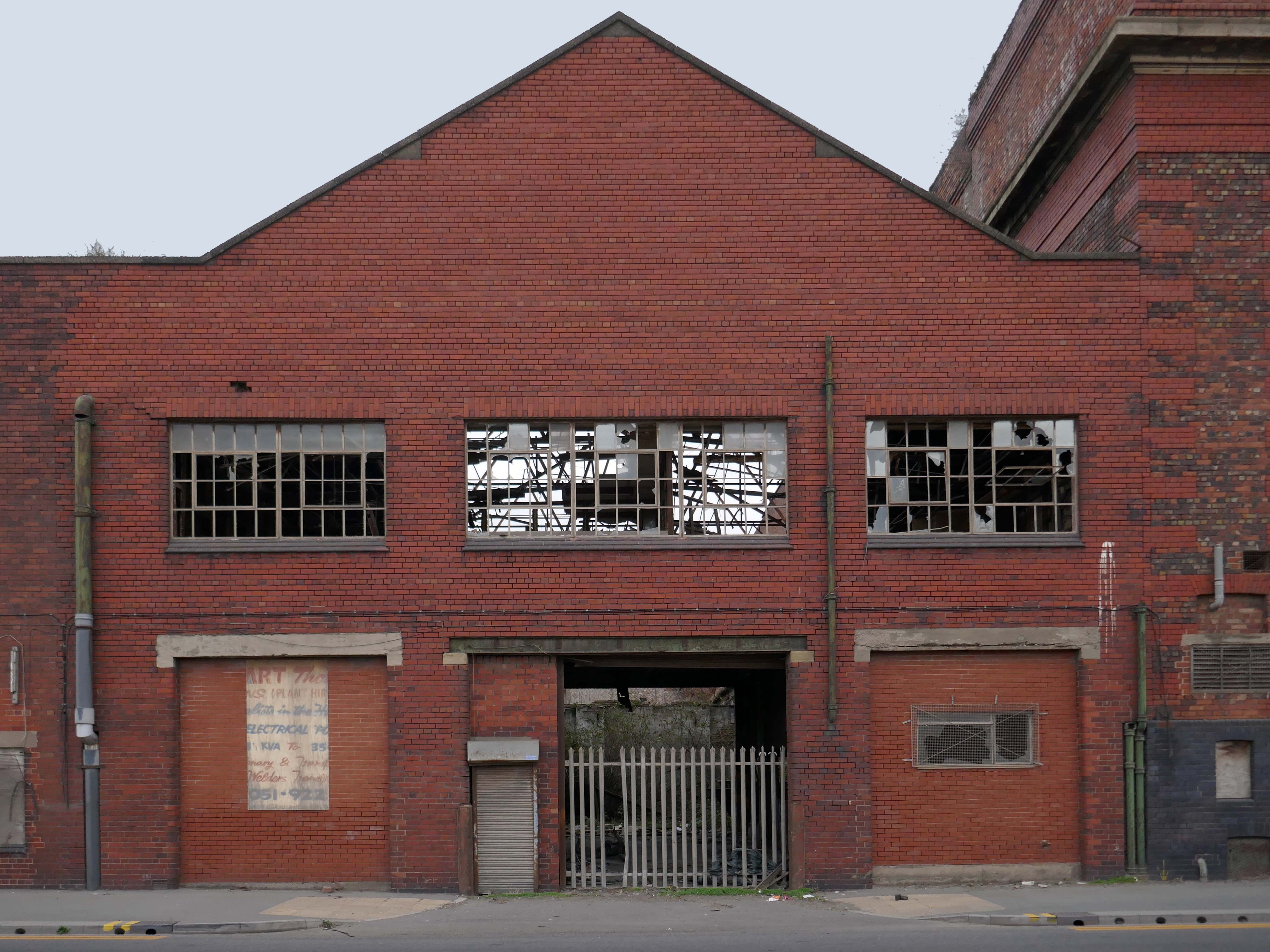
I was company microbiologist at this site, The sets of broken windows at the front of the building on the first floor were the laboratories.
The main photograph shows the chemistry laboratory, my microbiology laboratory was next door. The larger windows to the left provided light to a large open plan reception and office area. Within the factory, the main area had various packing machines for margarines, from 250g paper wrapped packets to 2 Kg catering packs.
A second packing area contained a machine that produced tinned margarine for the Ministry of Defence, who supplied it to the Army overseas.
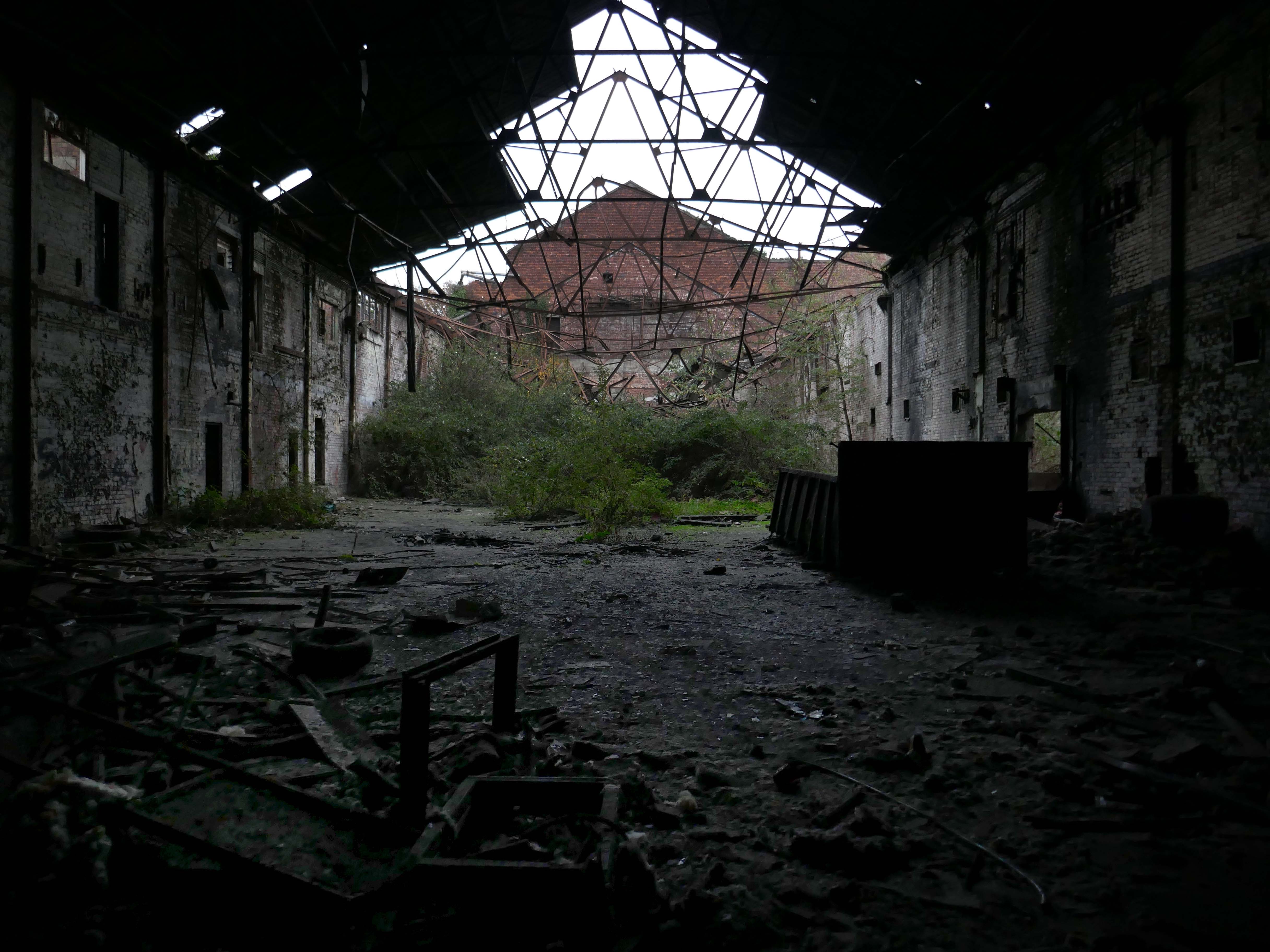
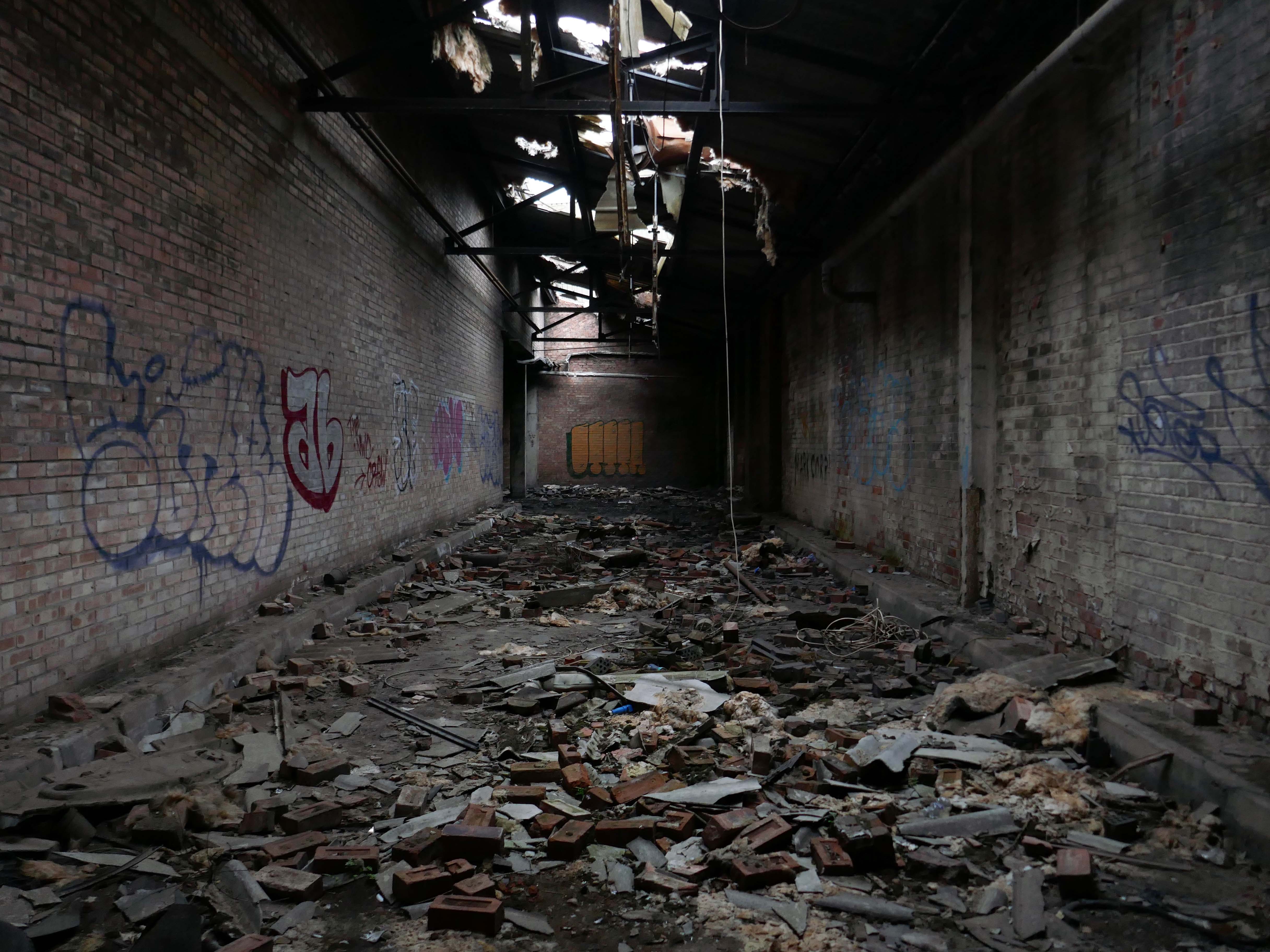
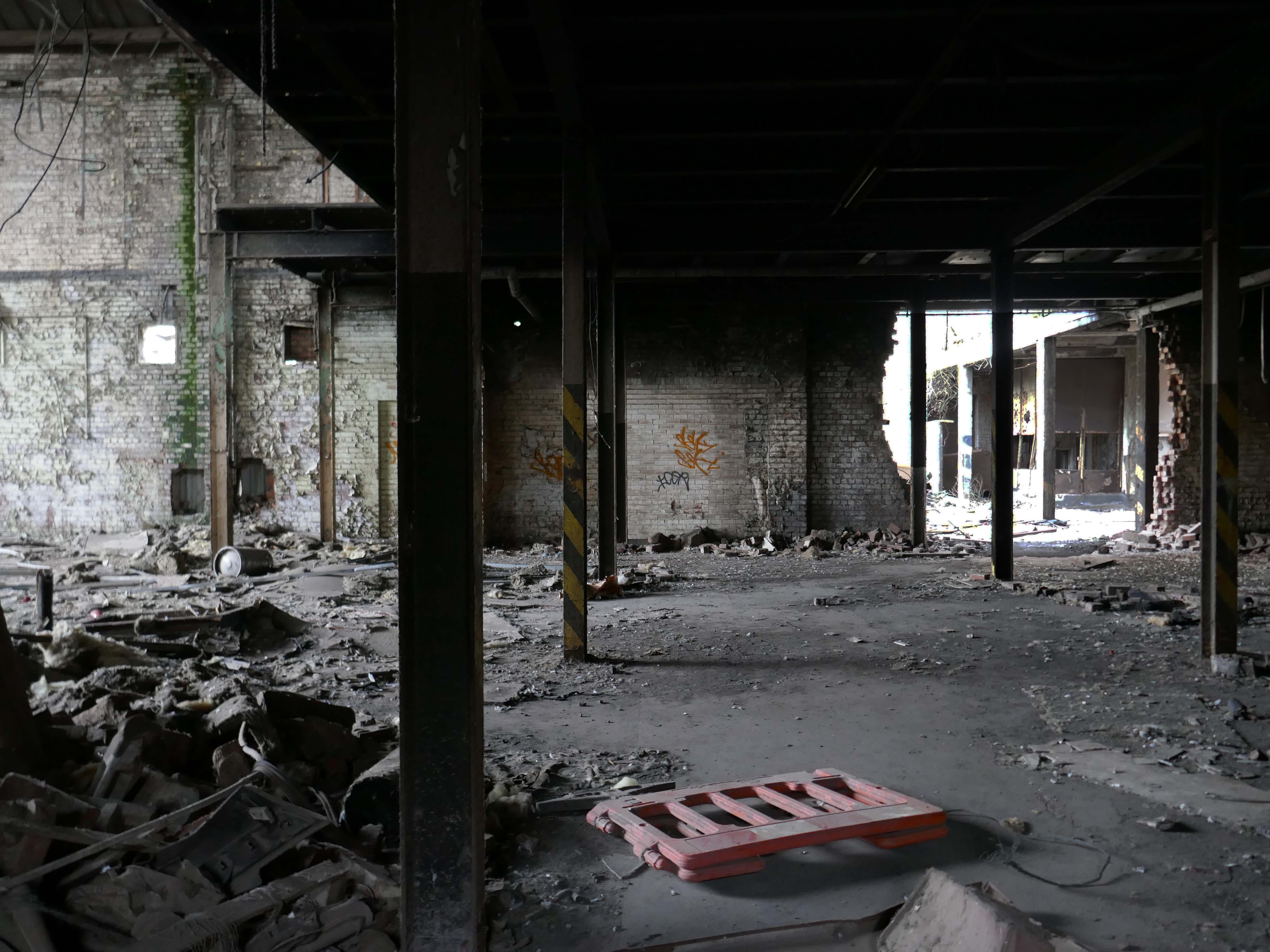
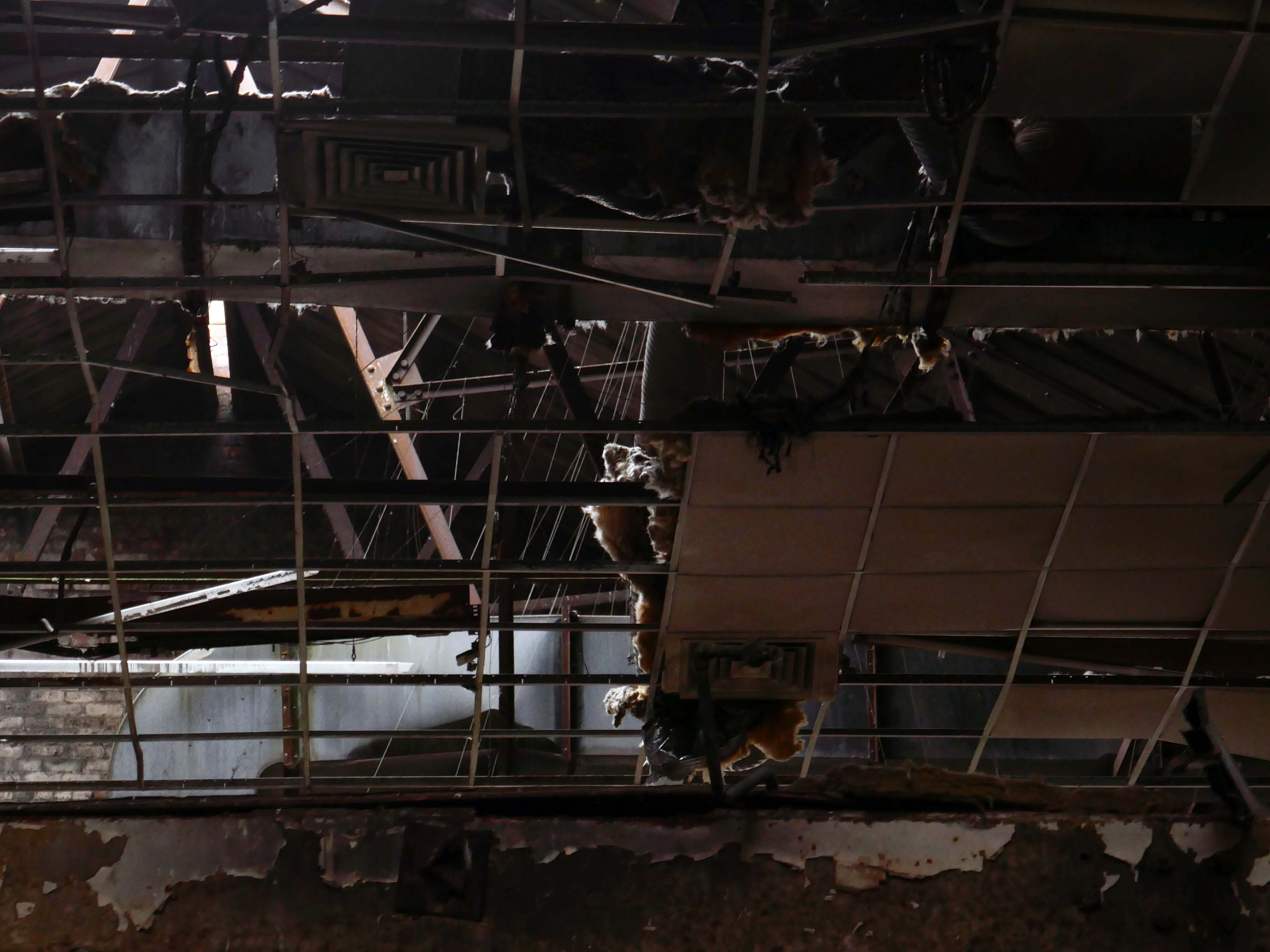
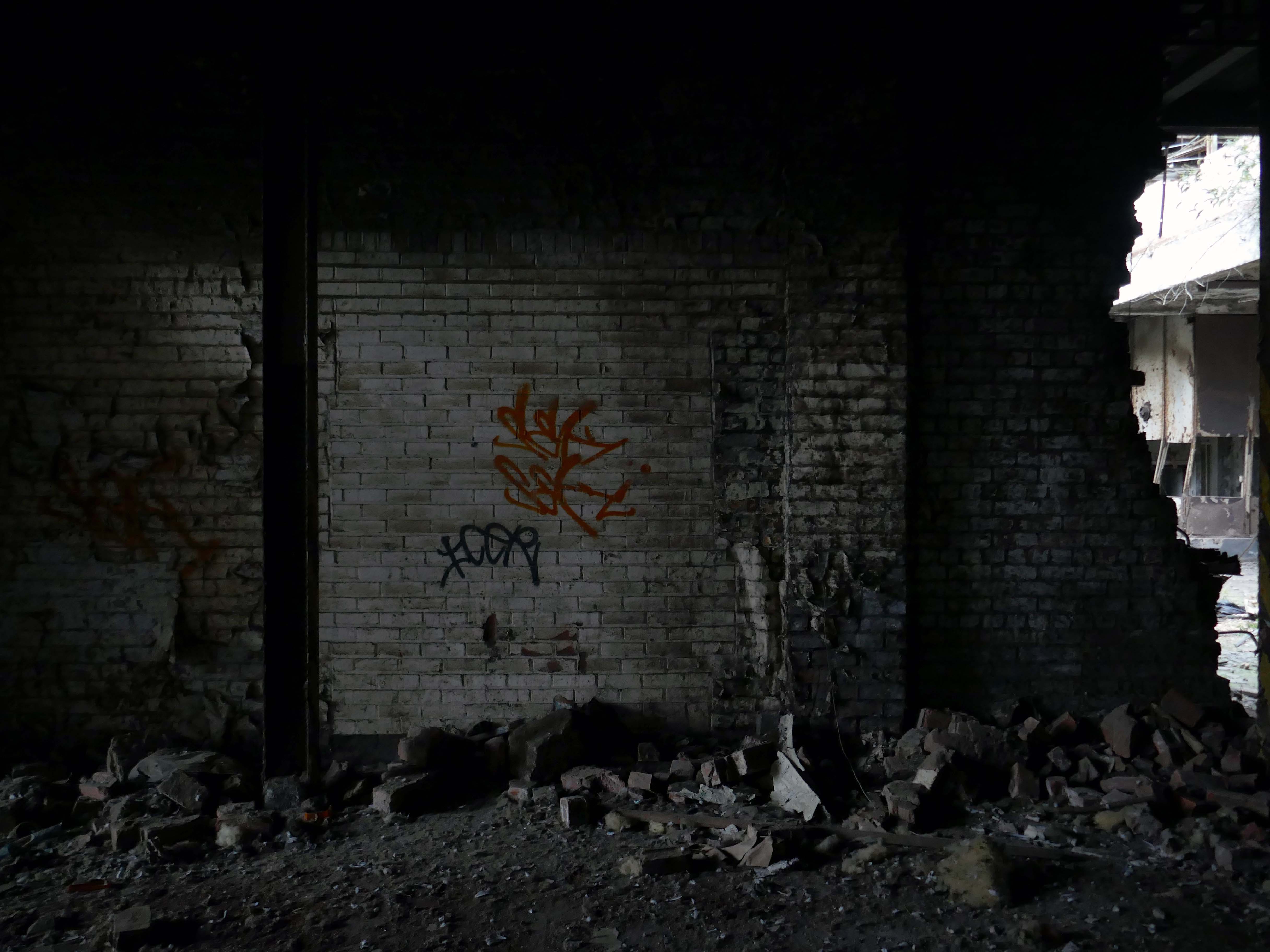
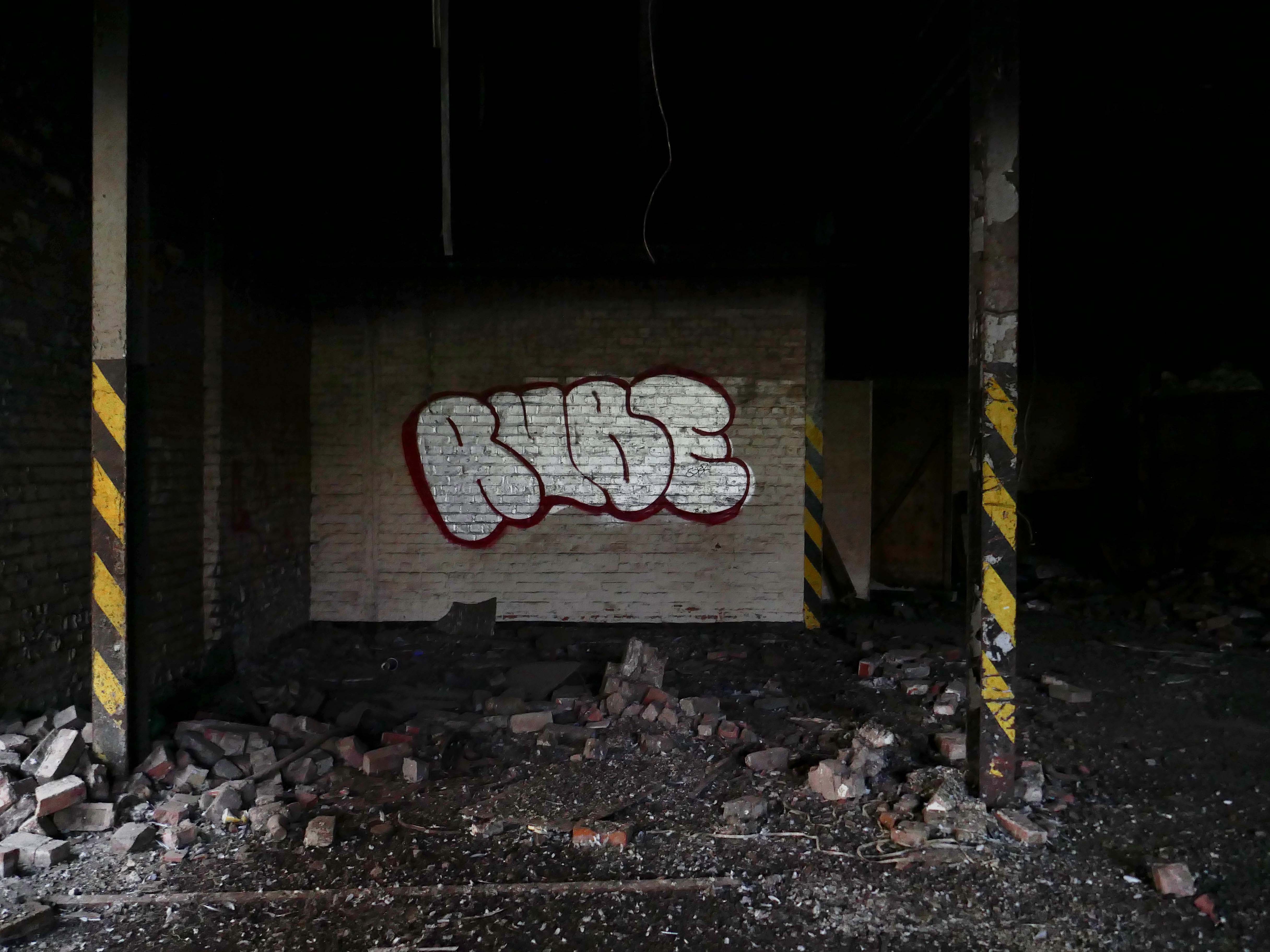
Whilst feeling that familiar frisson of mild trepidation, whilst walking through the debris, dirt and decay, it’s important to recall those who have walked and worked in these now derelict premises.
With that in mind here’s what I saw whilst feeling that familiar frisson of mild trepidation, whilst walking through the debris, dirt and decay,
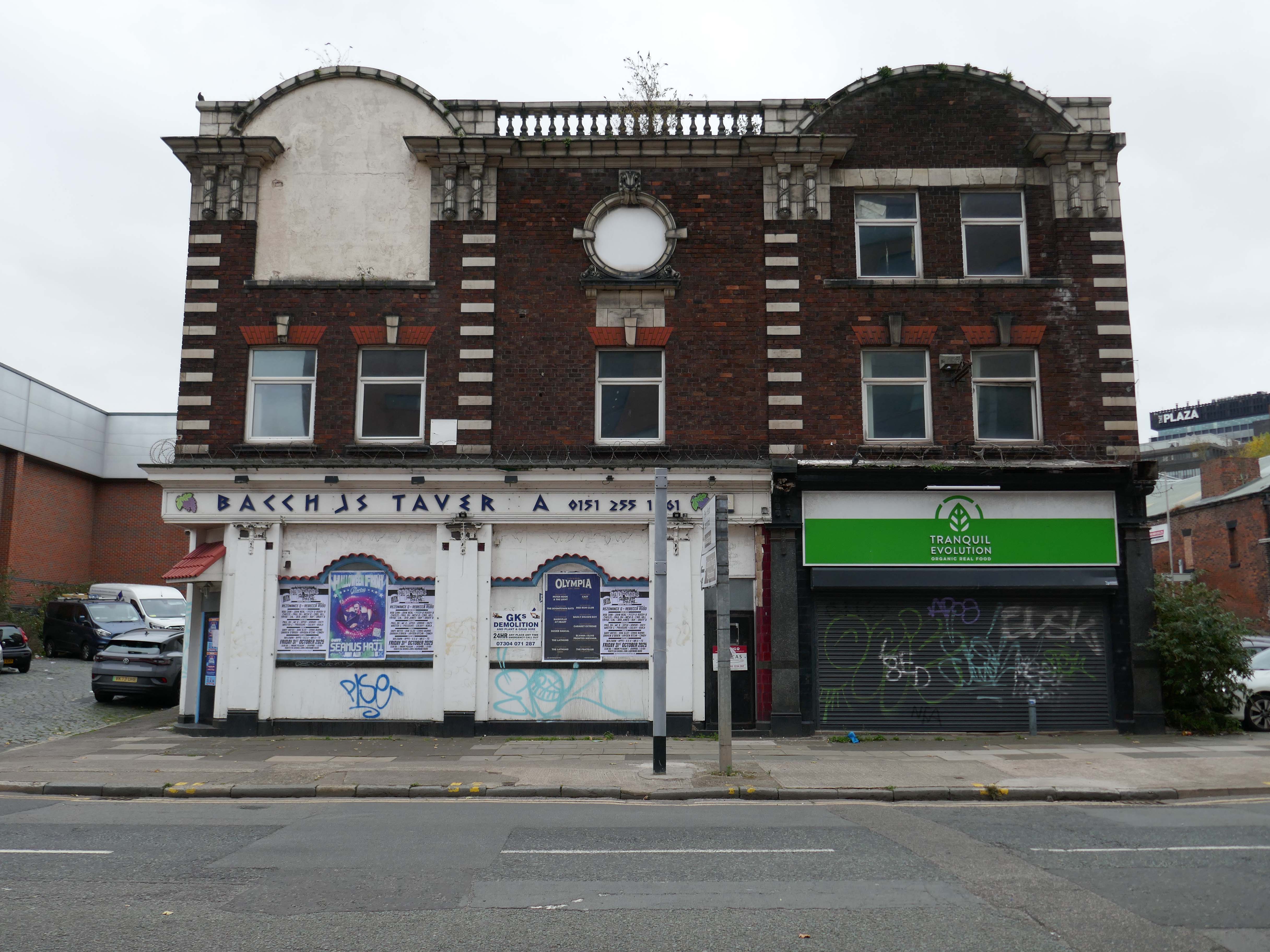
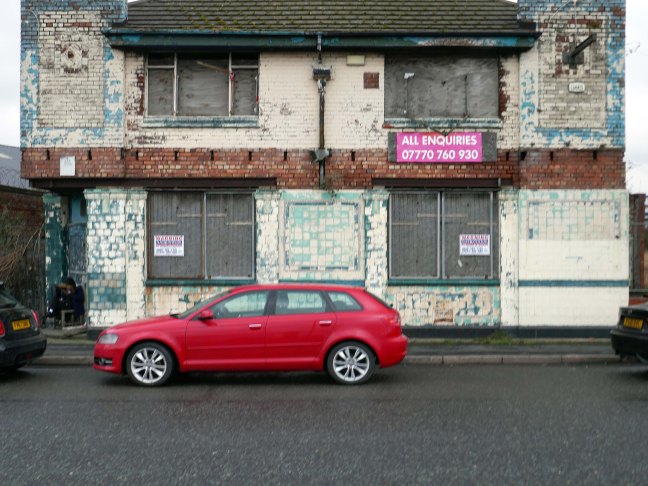
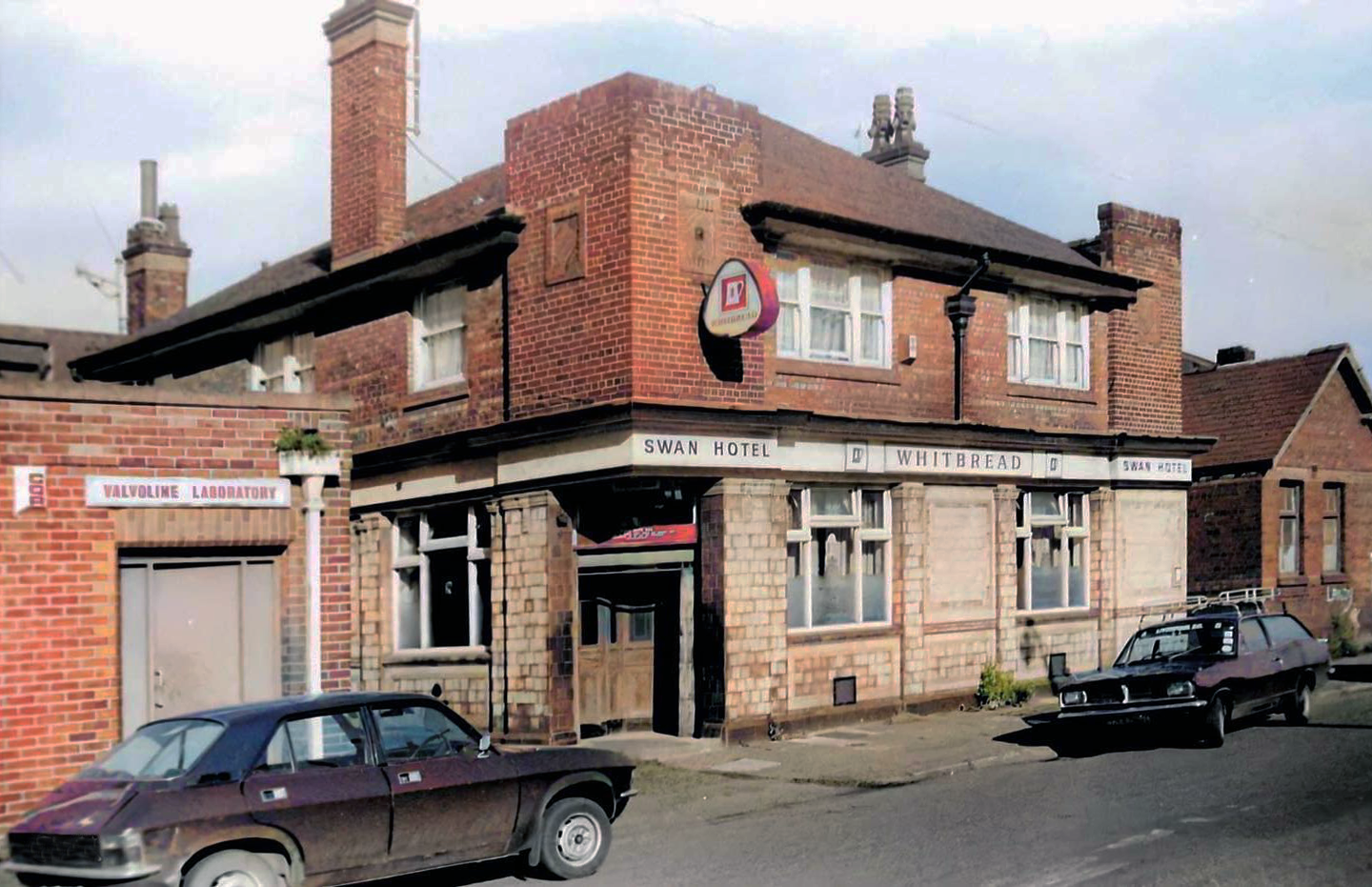
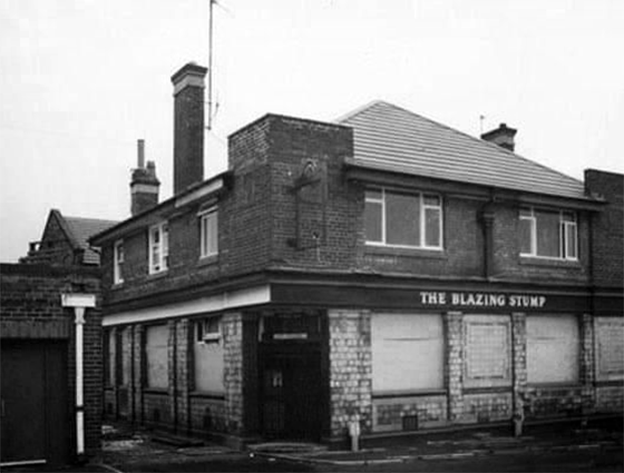
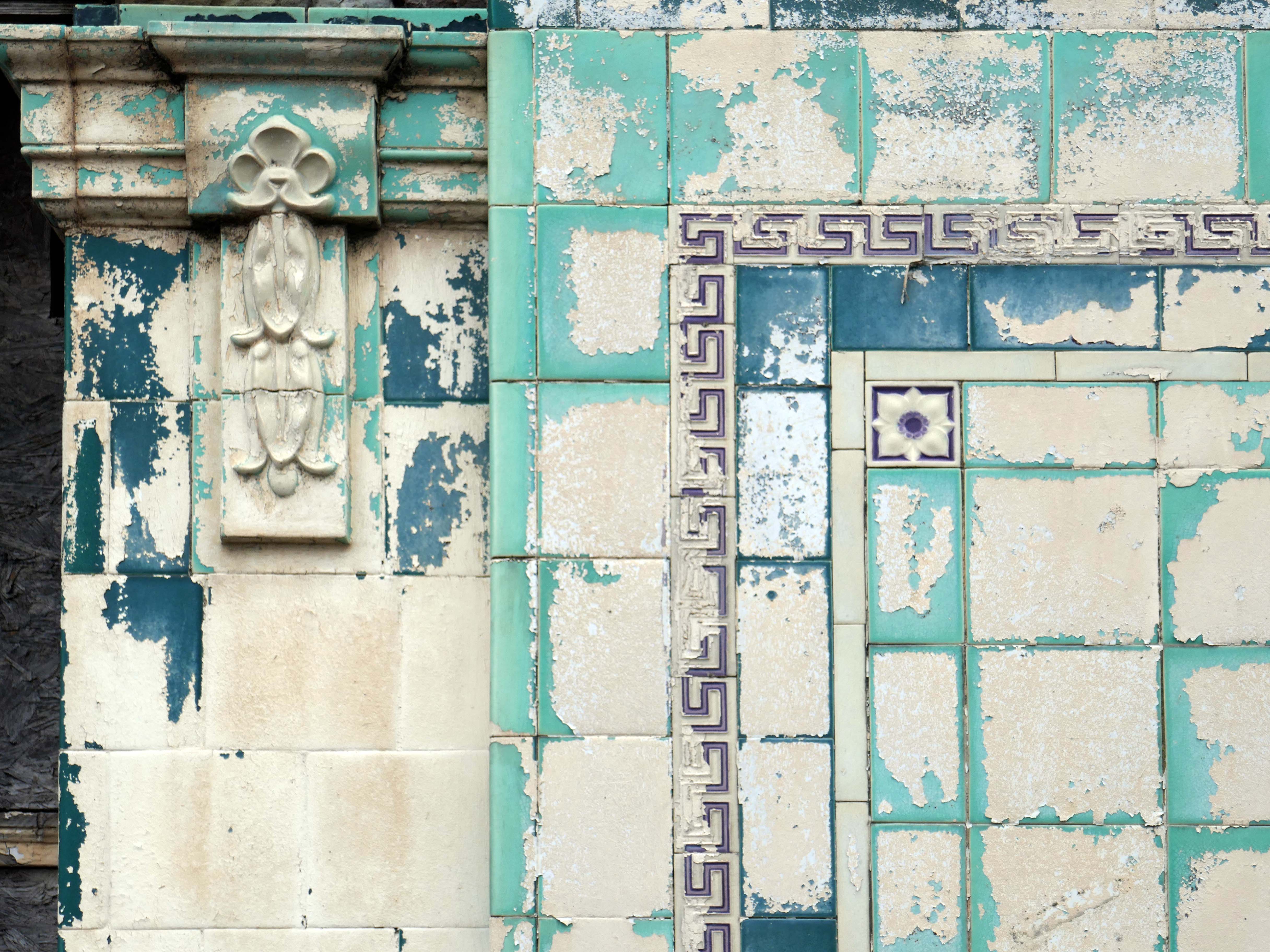
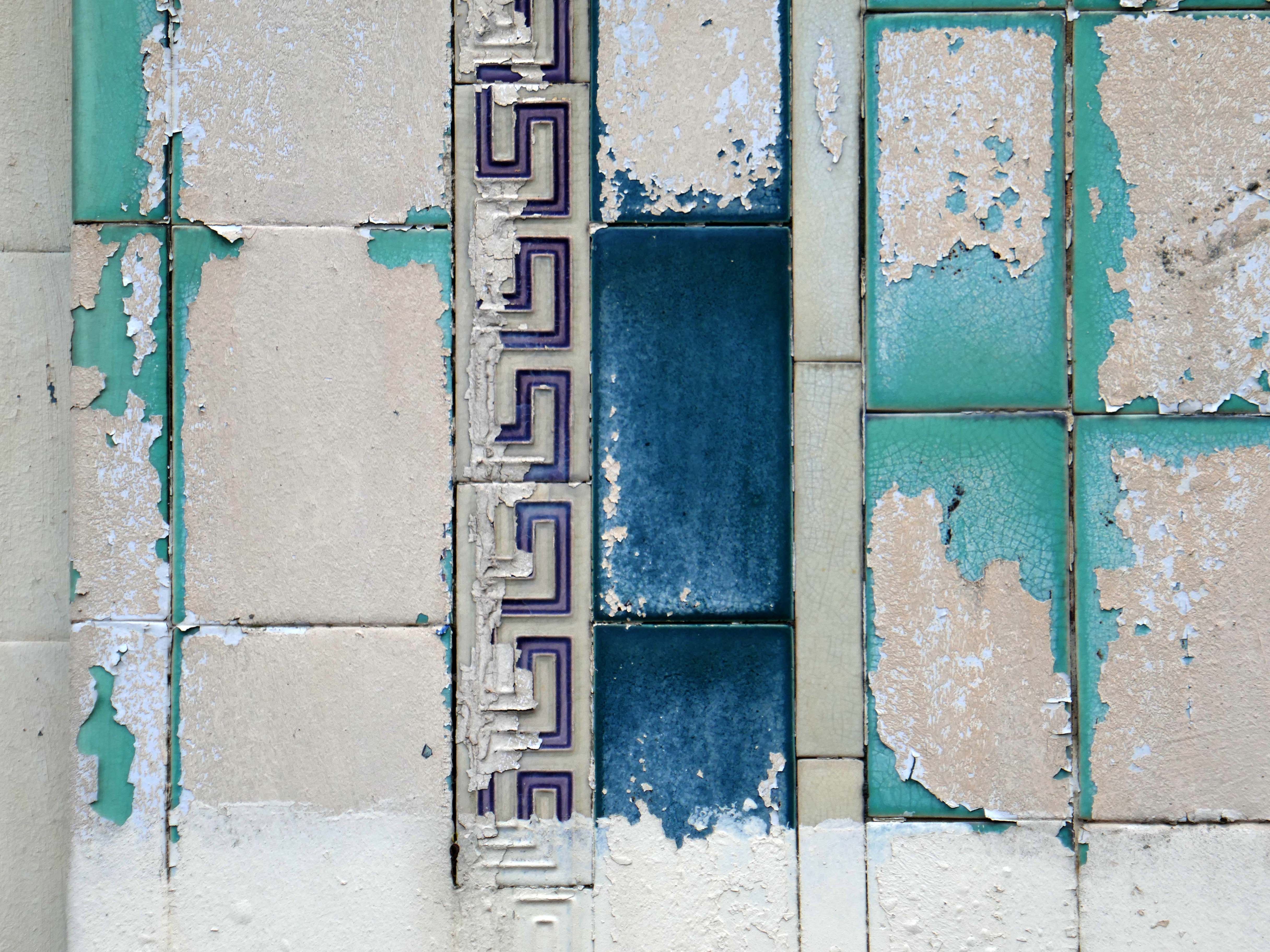
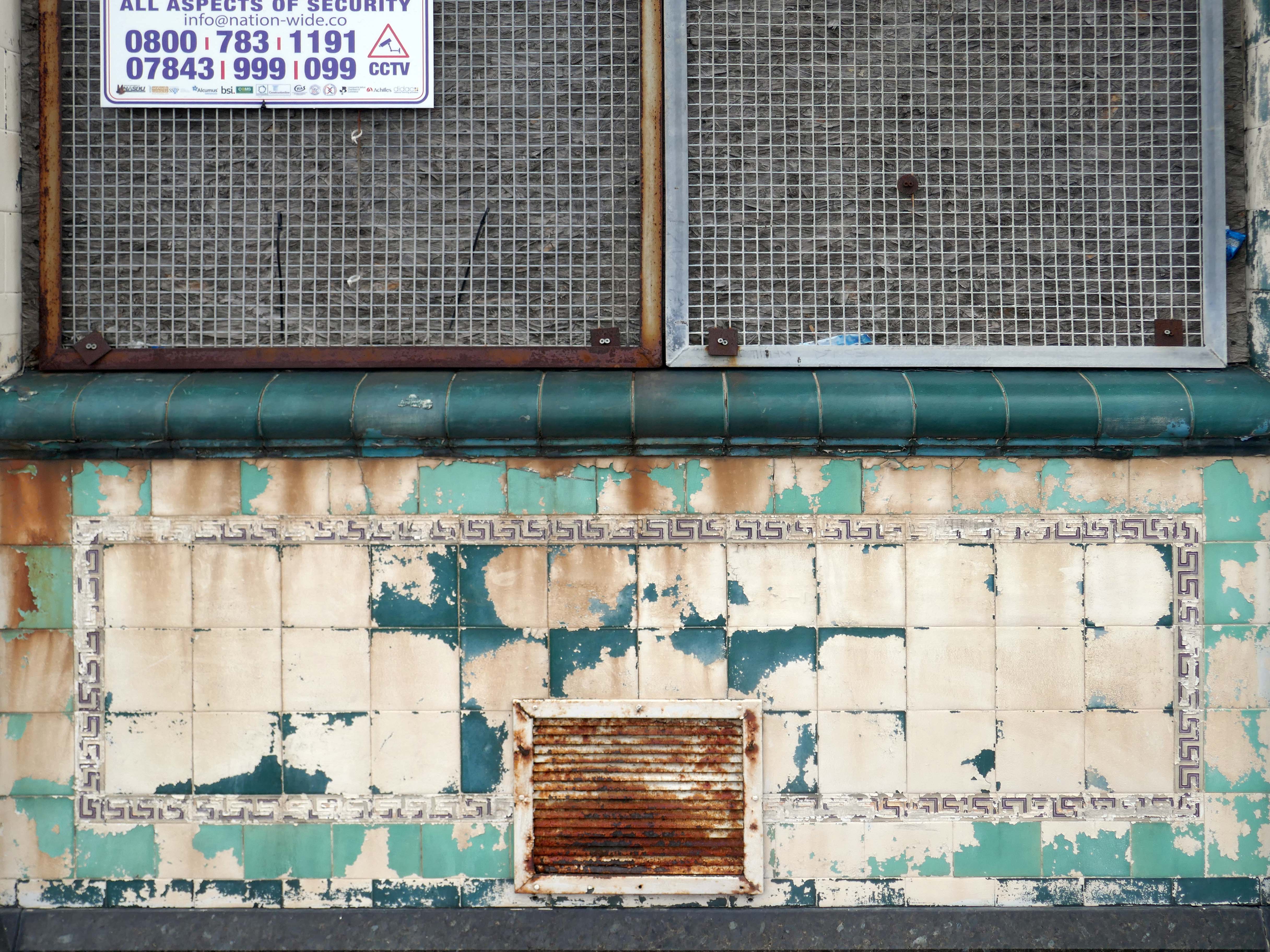
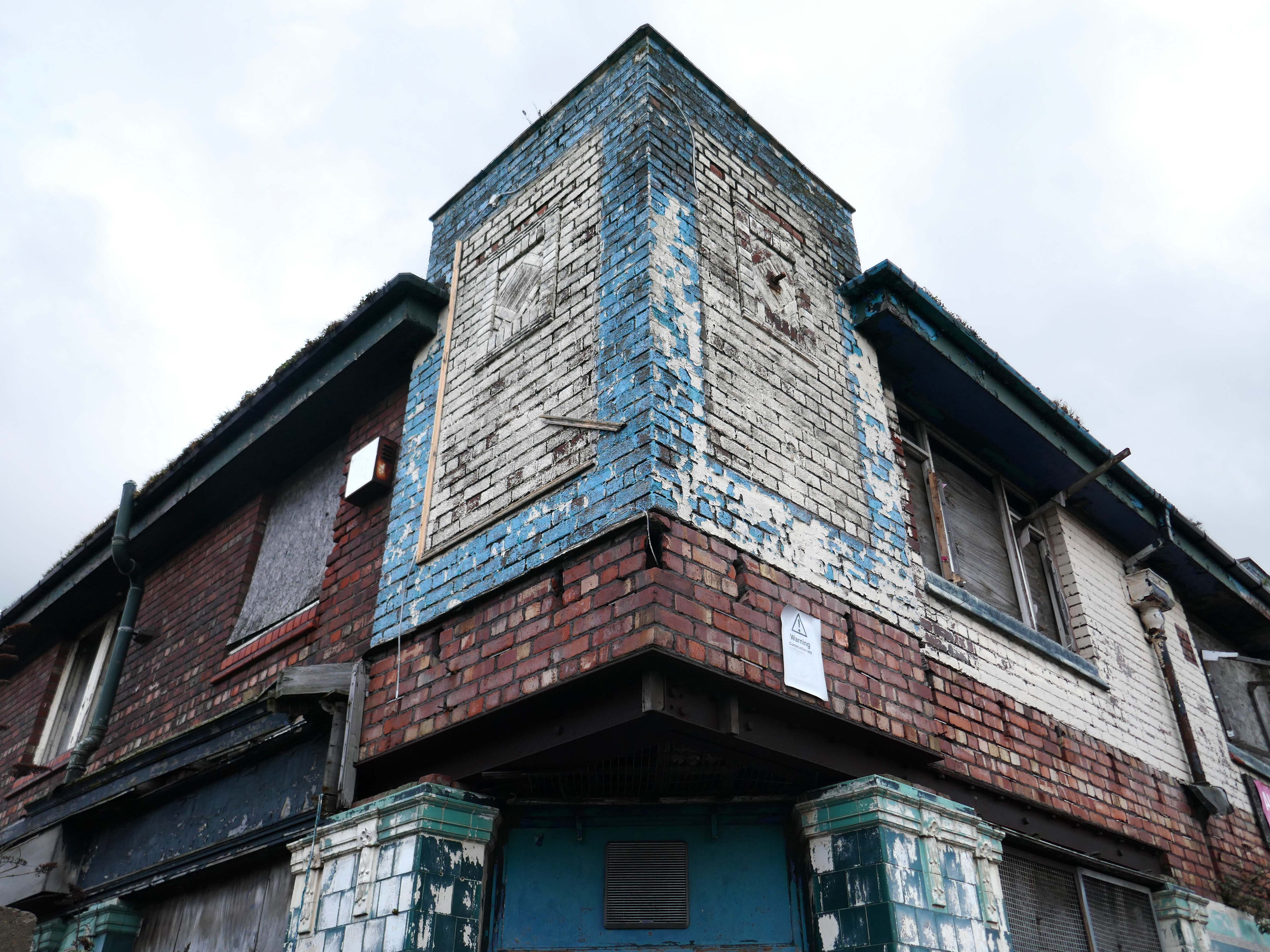
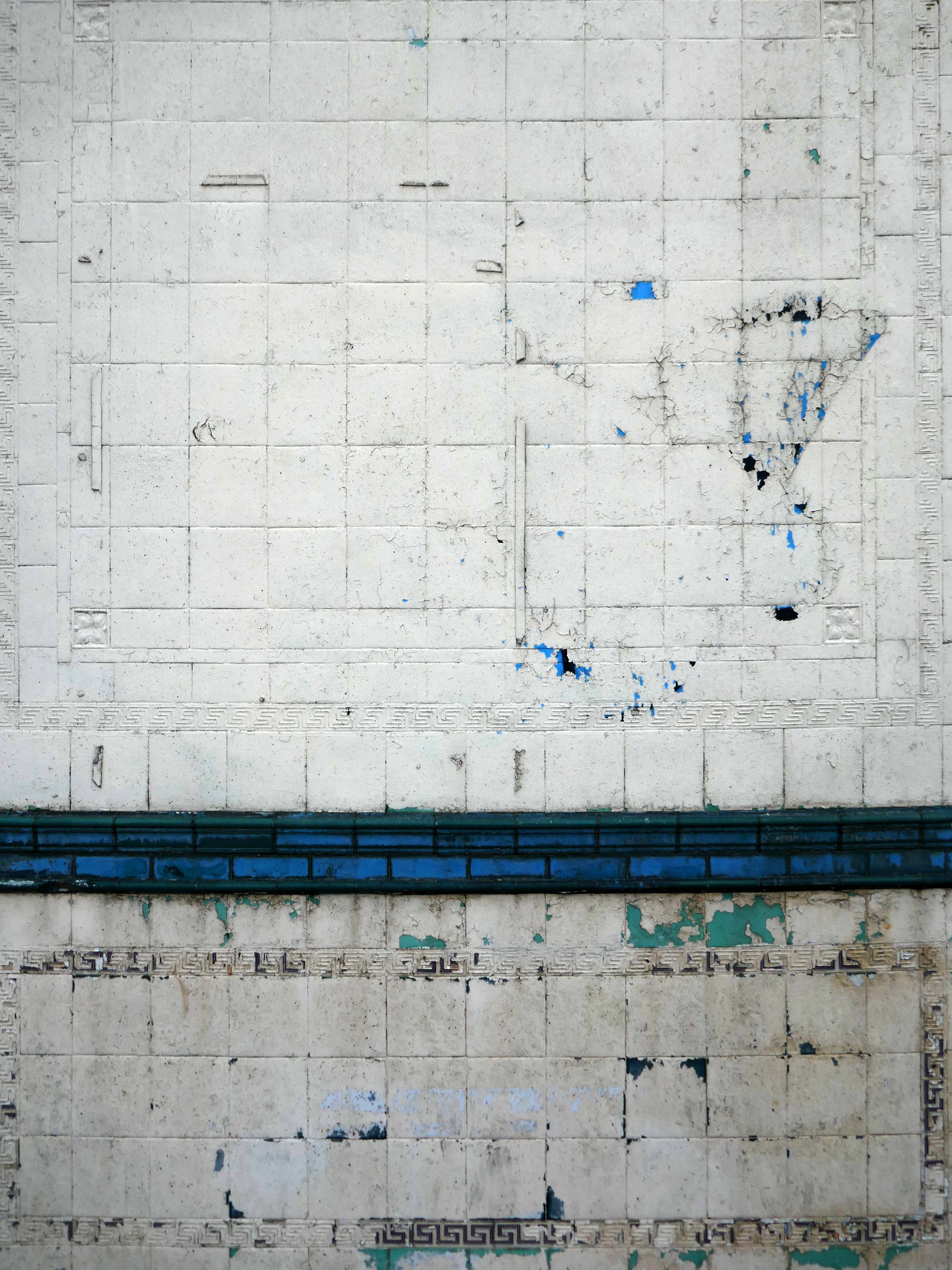
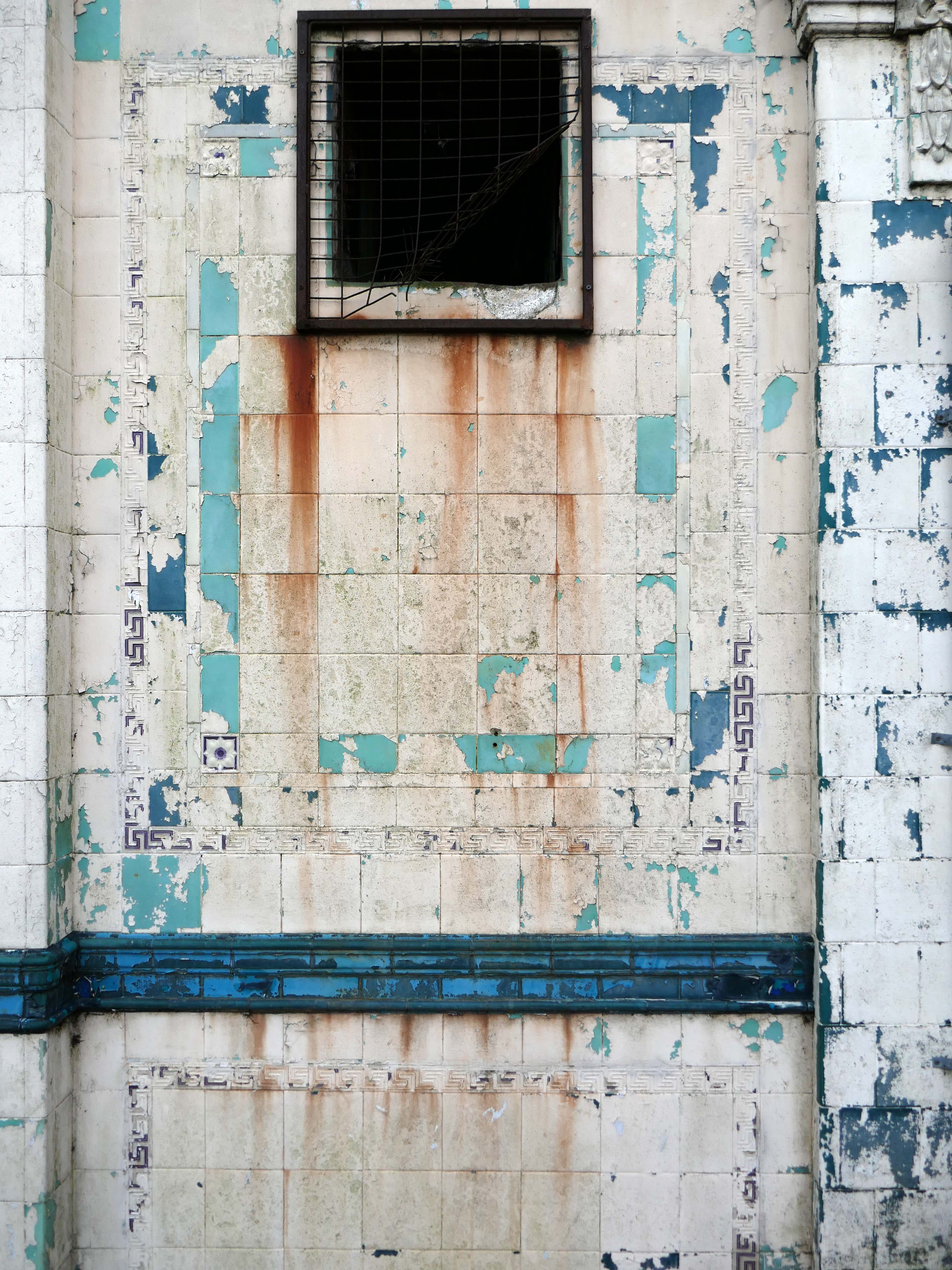
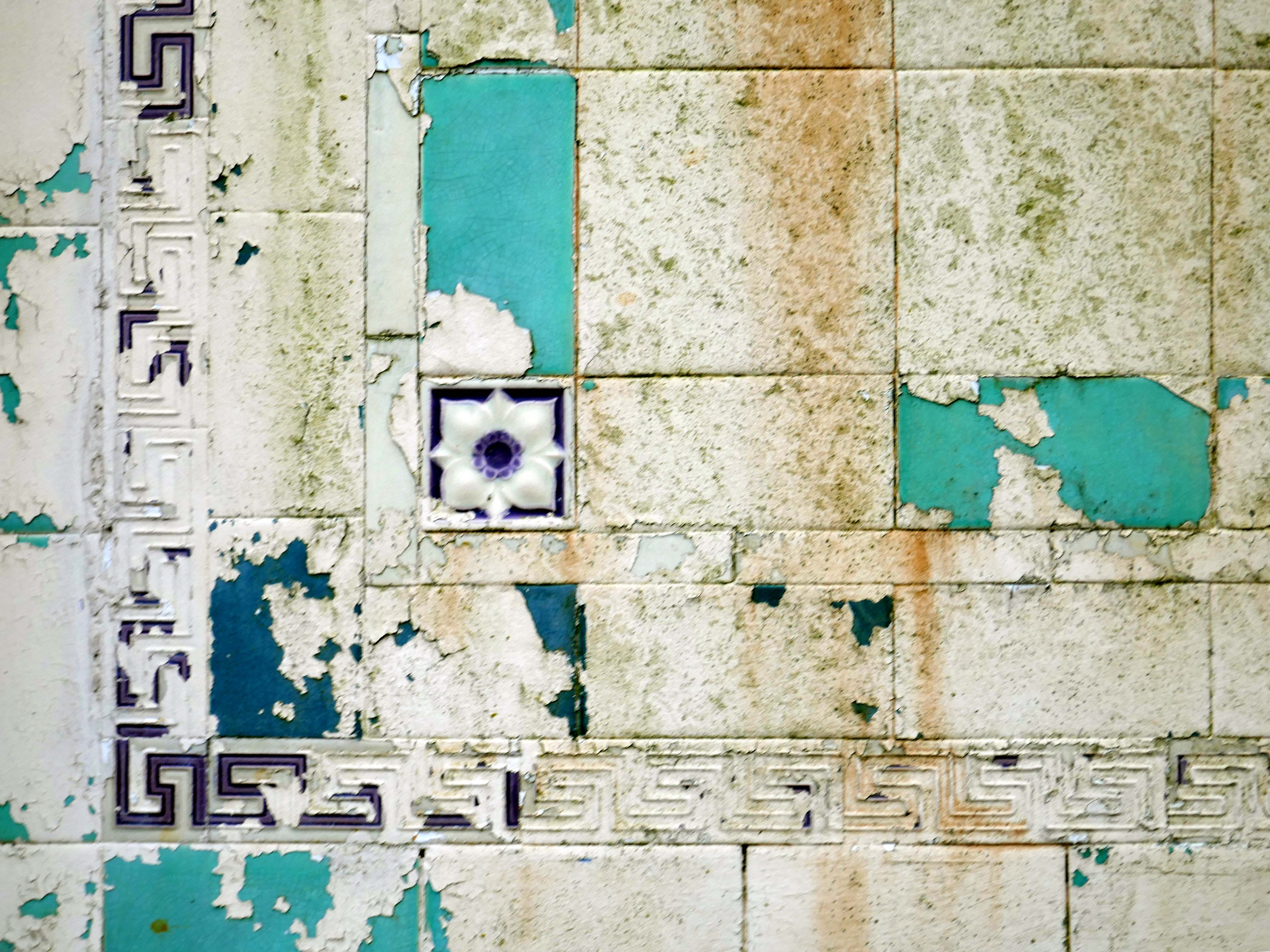
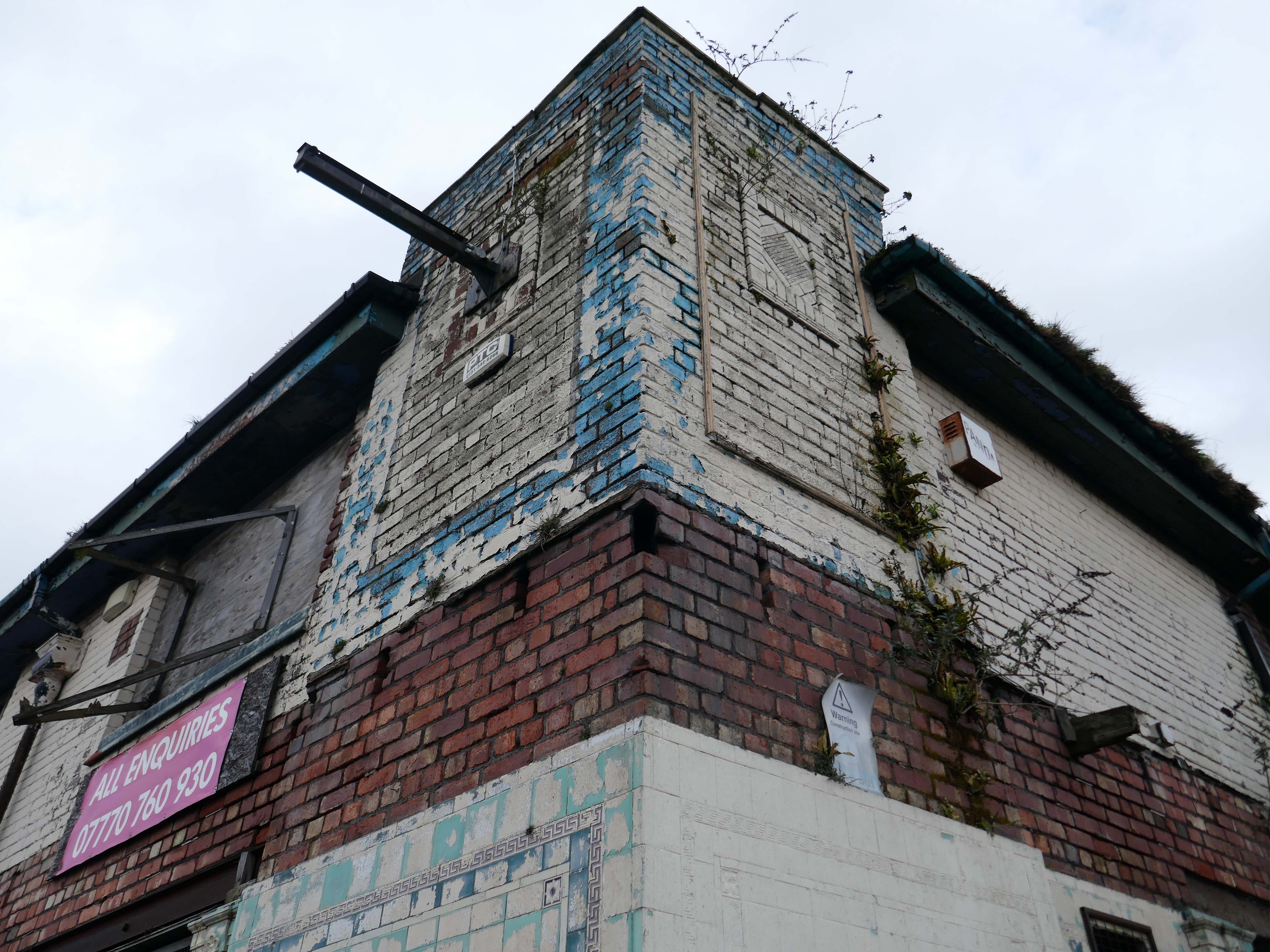
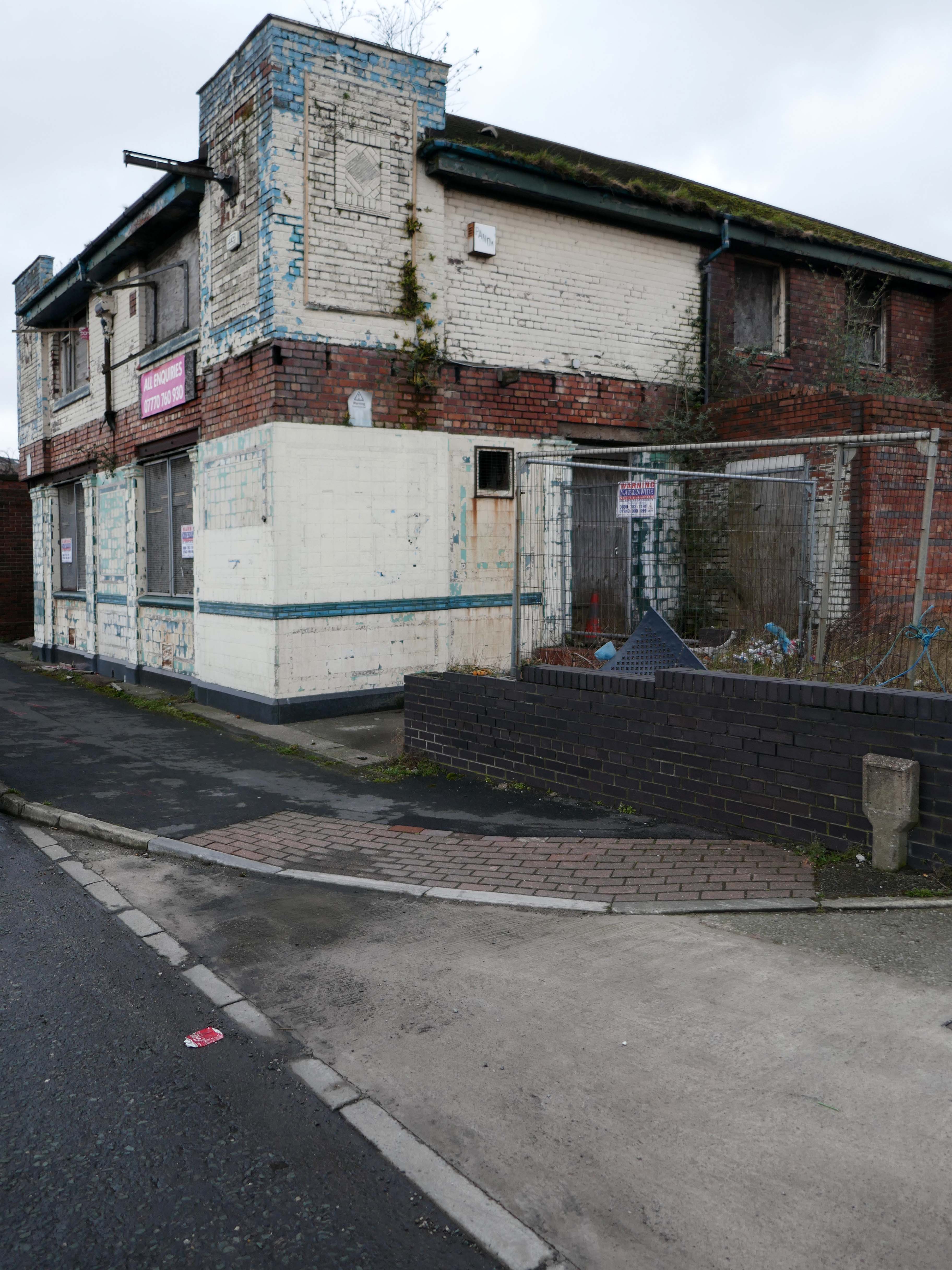
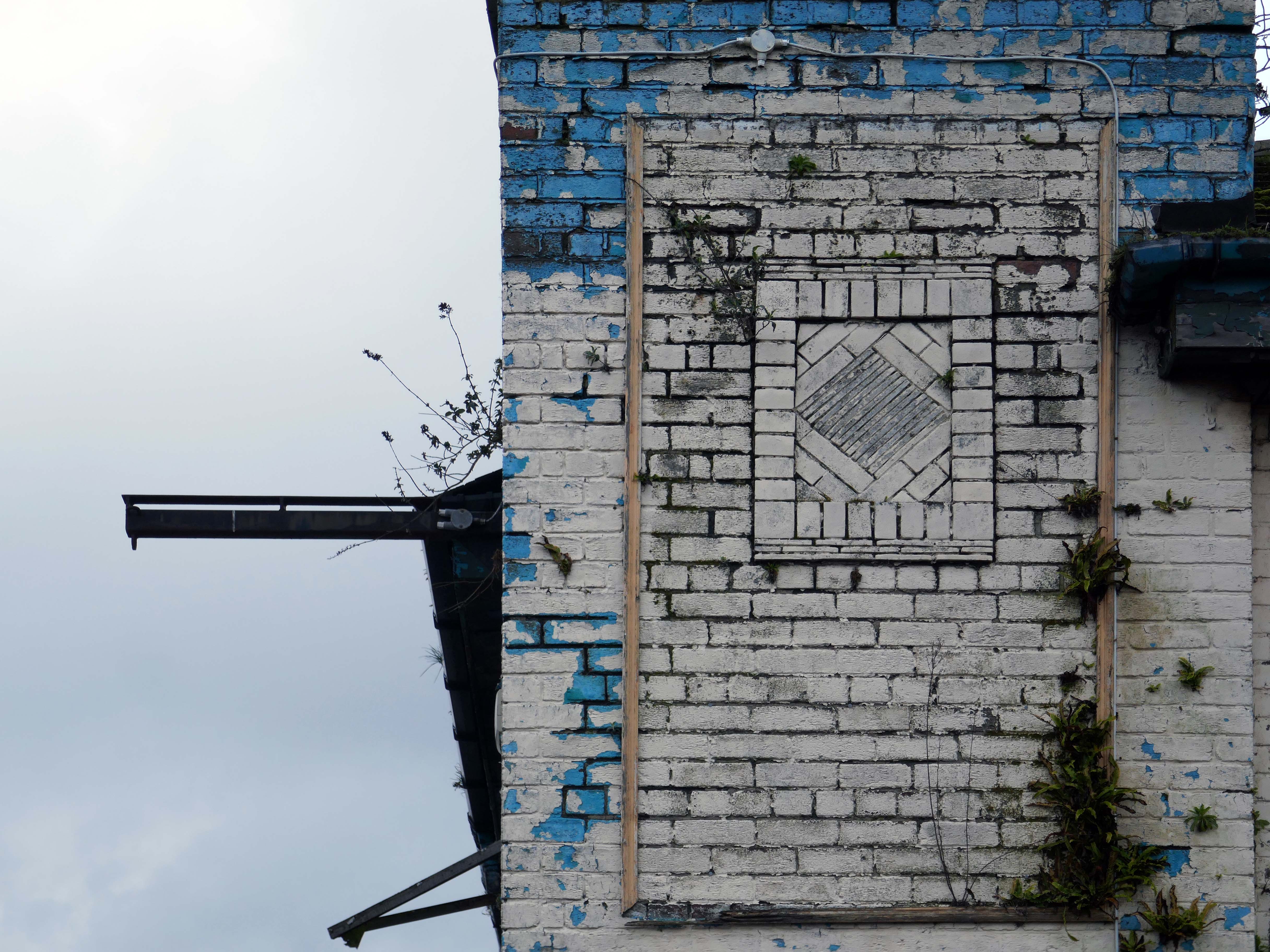
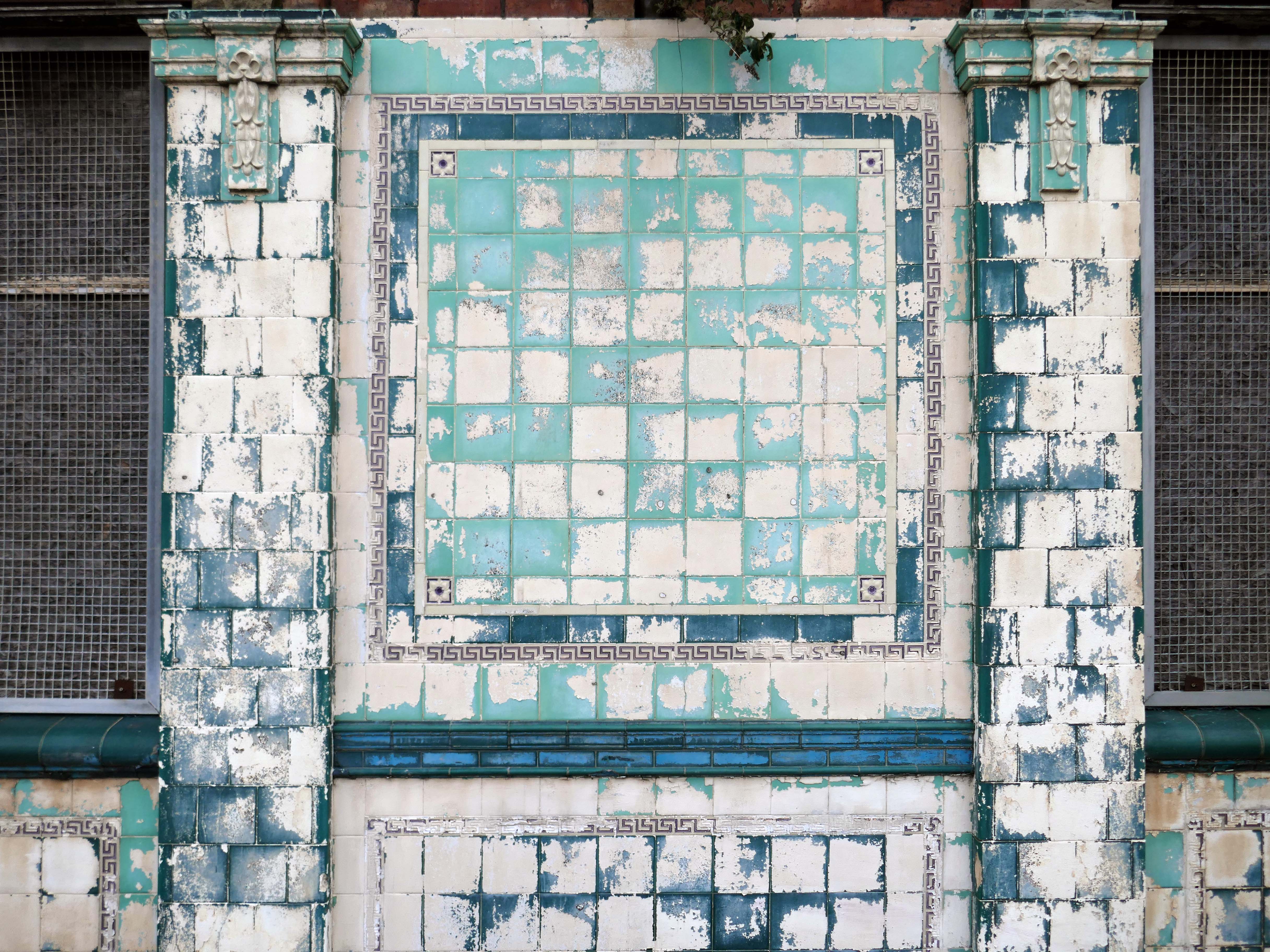
At one time named the Royal Swan, in the later years its name was changed to the Blazing Stump and before closure became a night club known as Bonkers.
A lost venue once loved for being the “wackiest fun pub” in the 1980s.
Date of closure unknown but thought to be late 1980s or early 1990s.
On the Dock Road was the ‘Swan Hotel which also opened in 1878. The nickname of the Swan Hotel was ‘The Blazing Stump’ and the story goes that an old seadog with a wooden leg used it to poke the fire. In those days pitch was used as a wood preservative, which is probably why his wooden leg caught fire when poking the fire one time too many – hence ‘The Blazing Stump.’
Due to its location near the Wallasey Docks majority of the customers who visited the pub came off the grain or ore boats. The pub would be thronged with Norwegians, Greeks, Germans, Swedes and Arabs and local people. When the pub was full the place had an unusual and interesting flavour because of this rare variety of people.
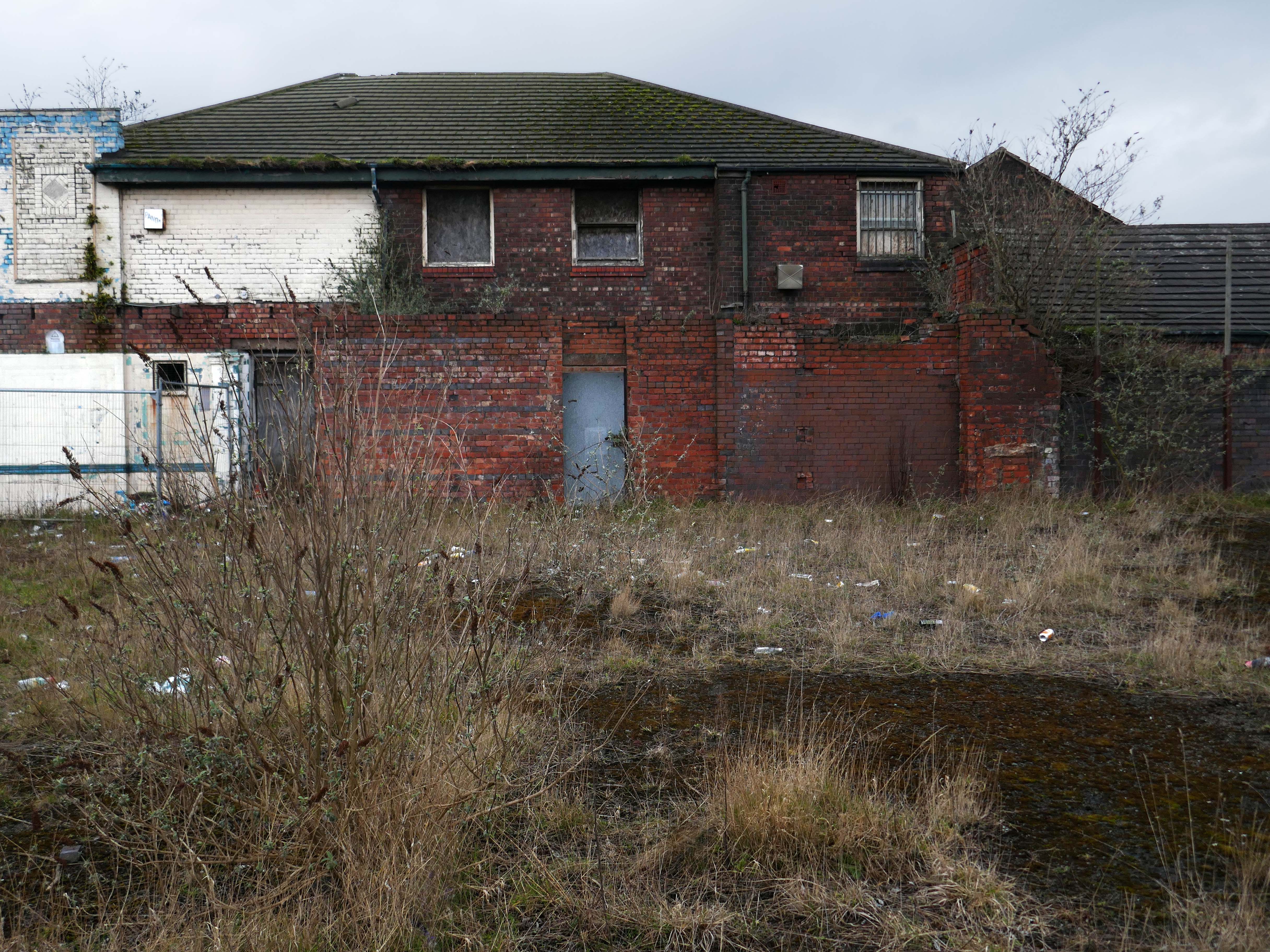
The ‘Stump’s’ days were numbered when less and less ships visited the Wallasey docks. The building still stands but remains unused, with the owner looking for a big payout sale. Or who knows, the doors may just open once more.
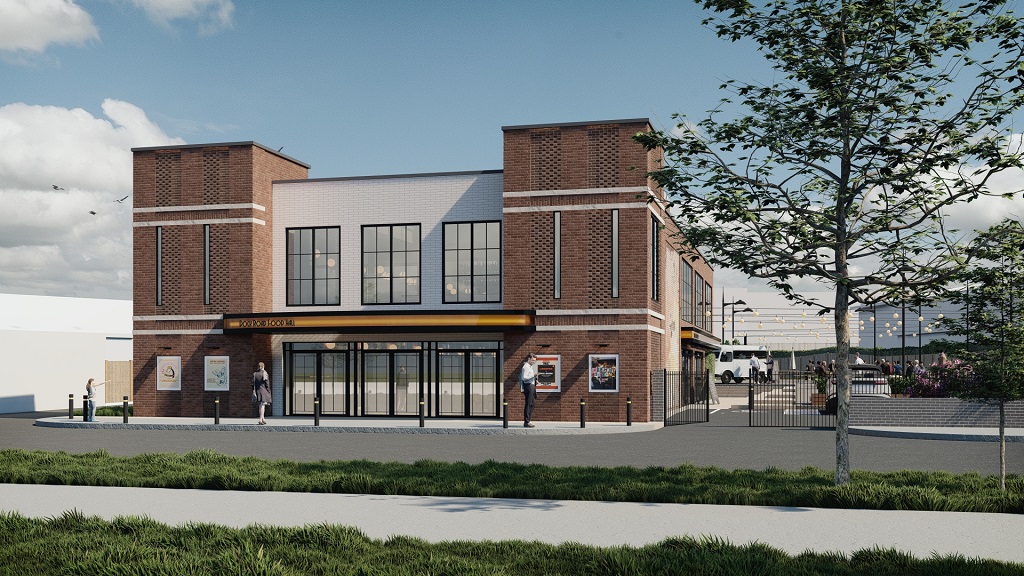
Now construction company AP Mitchell and Evoke Architecture have submitted plans to Wirral Council to completely turn the site around.
The plans include outdoor seating areas with benches, an outdoor event space, food and drinks vendors, and a large bar. A private function space will sit inside the new building which will be called the Dock Road Food Hall.
The design works carefully to balance modern design with reminiscent character features, sympathetic to the original building and surrounding historic buildings of similar style. The result is a contemporary structure that aligns with the evolving character of Dock Road and the Wirral Waters masterplan.
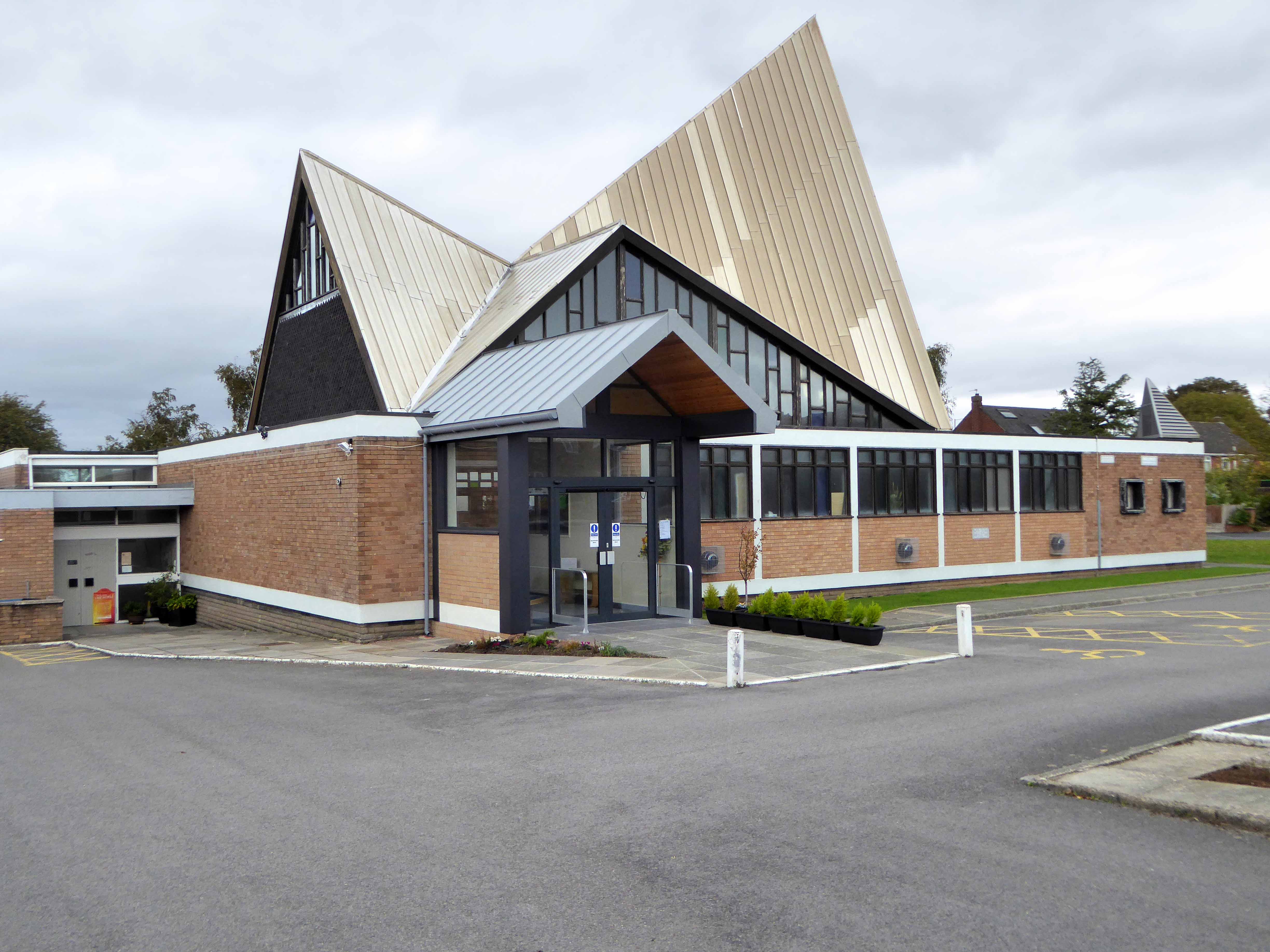
1 Woodland Rd, West Kirby, Birkenhead, Wirral CH48 6ER
The architect was called Stuart Macauley, a partner in a practice based in Bebington – my thanks to local lad John Feeley who was taught by Stuart at Sunday school.
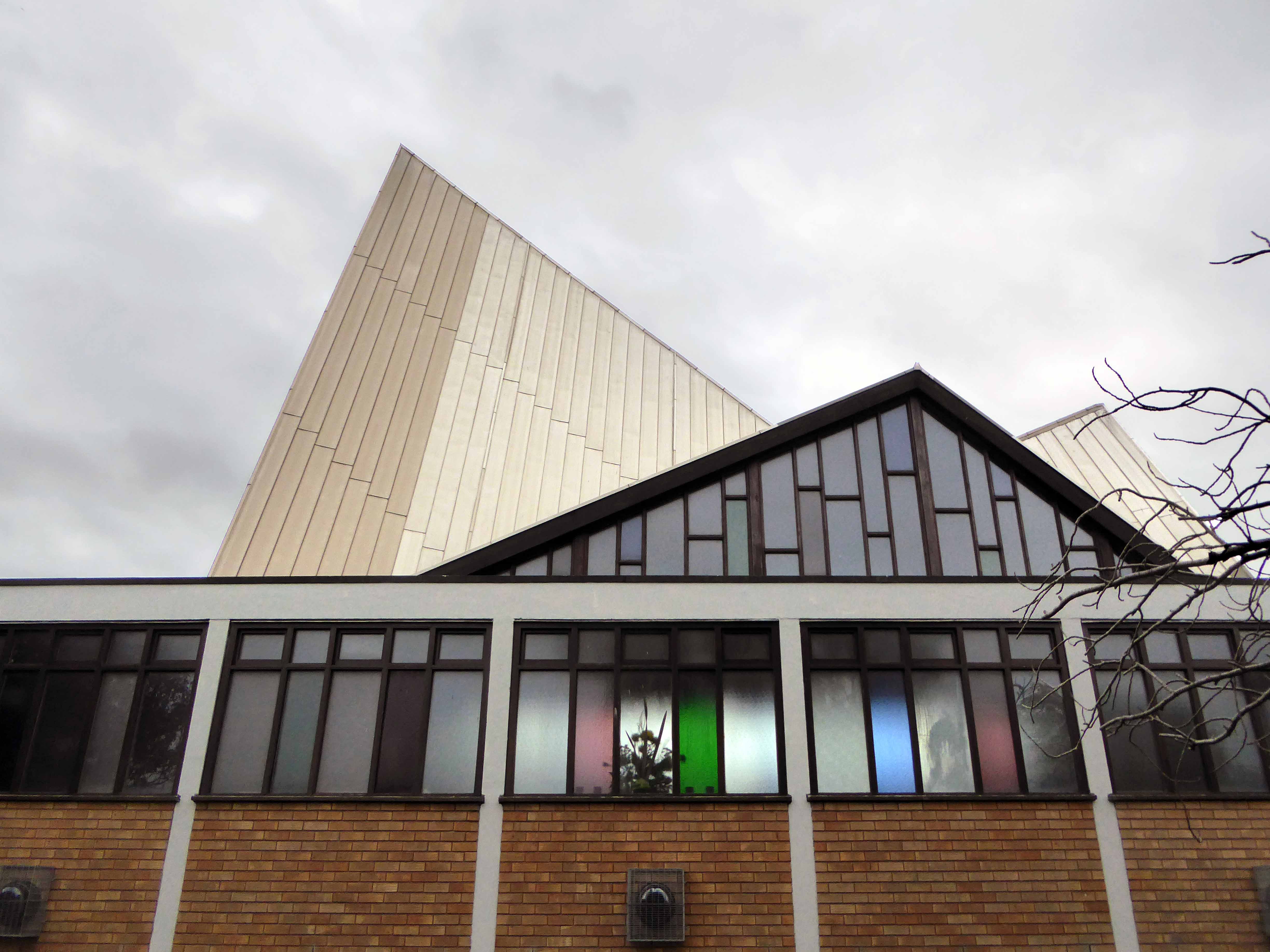
St Michael and All Angels is a well established Church of England church situated in the heart of Newton, on the border of West Kirby, Wirral.
Our vision is to know Jesus better and make him known to others. We do this by worshipping God, standing up for and sharing the joy of Jesus, loving others and making a real difference in the church and in our community.
What can I expect when I visit St Michaels?
When you come to St Michaels you will find a warm and friendly group of people committed to making church exciting, life-changing, and enjoyable. There are services for the whole family that include contemporary worship (including a café church service), a time of biblical teaching, and an opportunity to make a decision to follow Jesus Christ. Each service is approximately 1 hour and 15 minutes in length.
We wandered away from West Kirby along the highways and bye-ways to Newton.
Newton consists of a village hall, post office, public house and a general store. The local park, aptly named Newton Park, has a football pitch, outdoor basketball courts and a playground for children. Wirral Council also has several allotments in Newton that are provided for residents to grow their own vegetables and plants.
And a most surprising elevated, elevating and angular church.
Such a revelation following several rows of well behaved semis and open fields, my extensive yet limited research can find no record of architectural authorship or attribution.
Perhaps simply delivered by hand or hands unseen in 1963.










 Modern Mooch