Market Street – Manchester

cinephone2

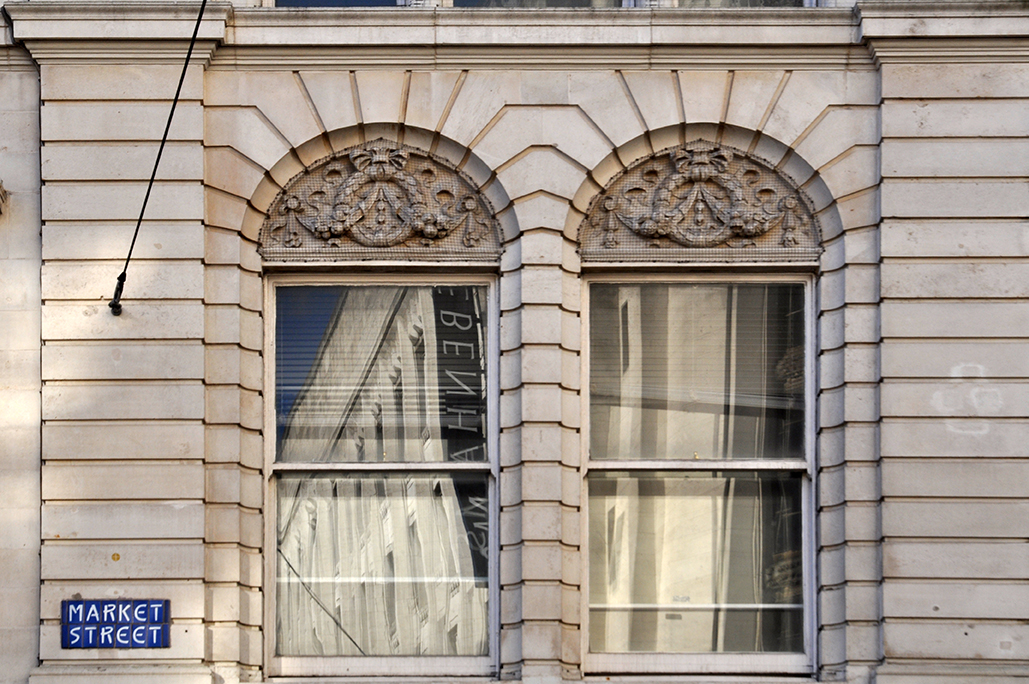
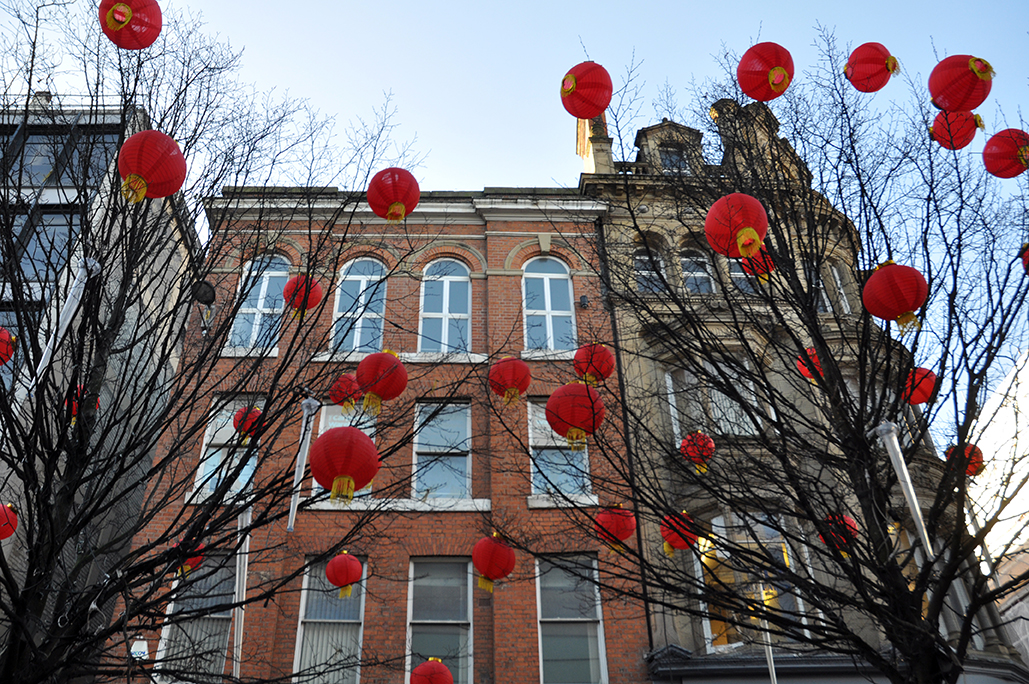
City streets are by their nature subject to movement and change, things literally come and go – in milliseconds, days and decades. People and places are shaped by the forces of function and fashion, economics and history.

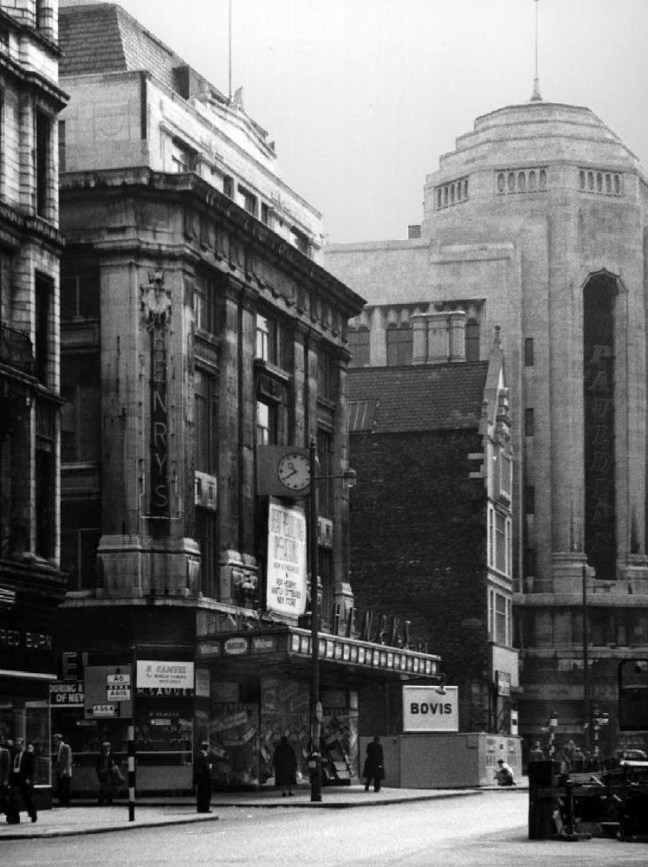
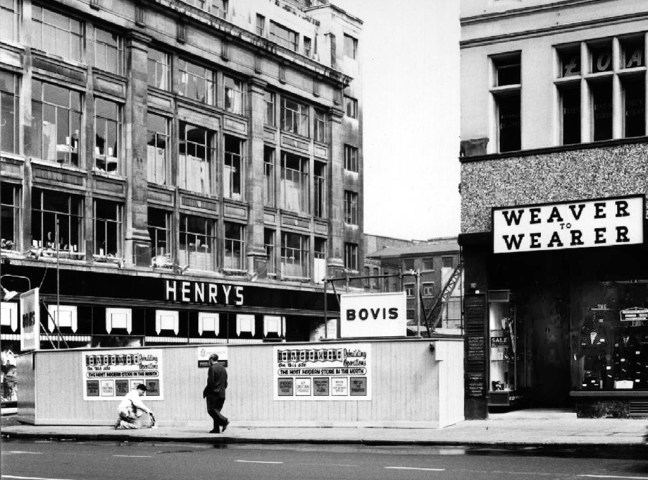
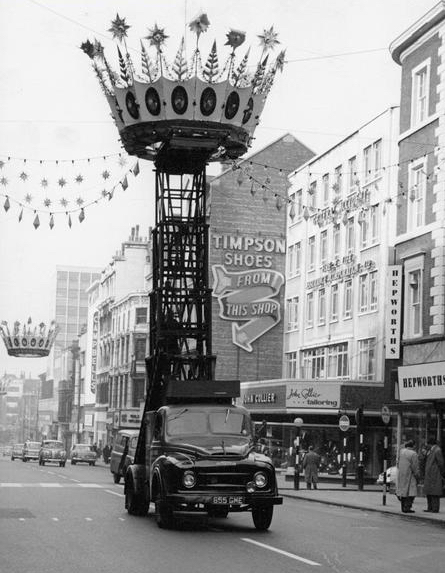
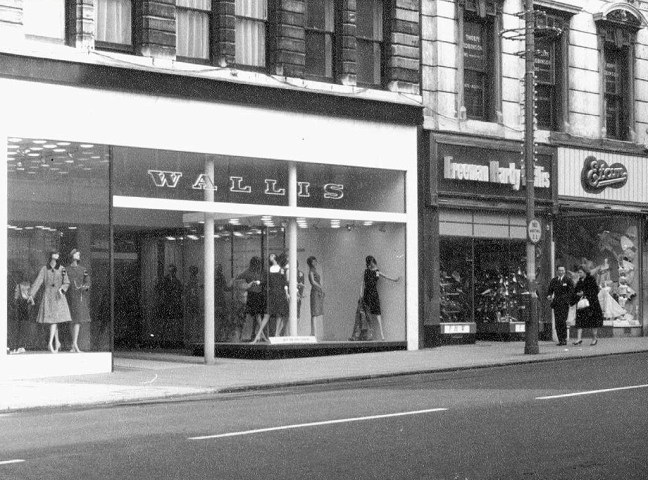
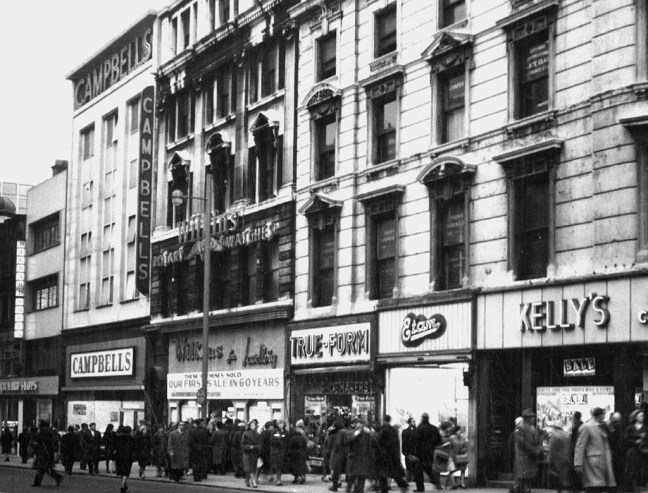
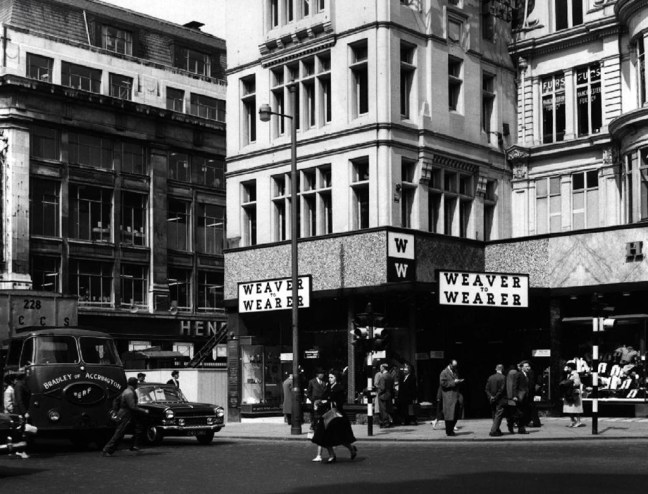
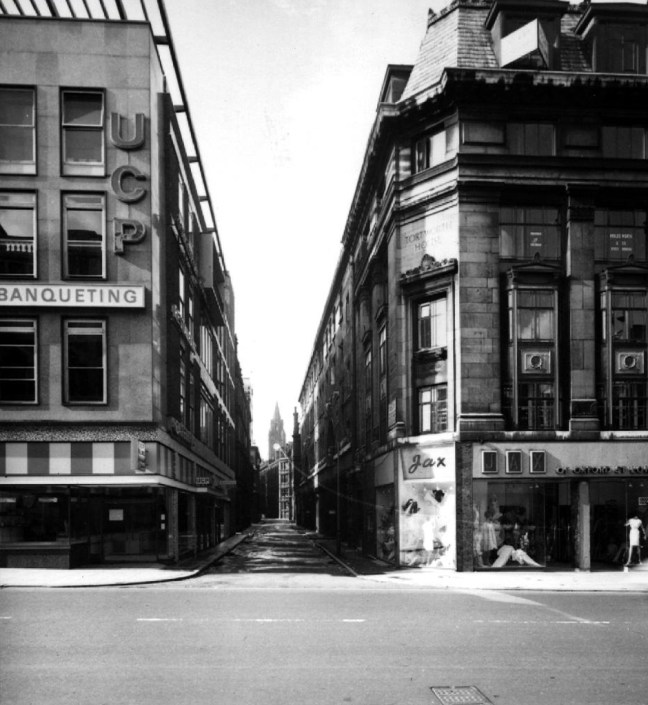
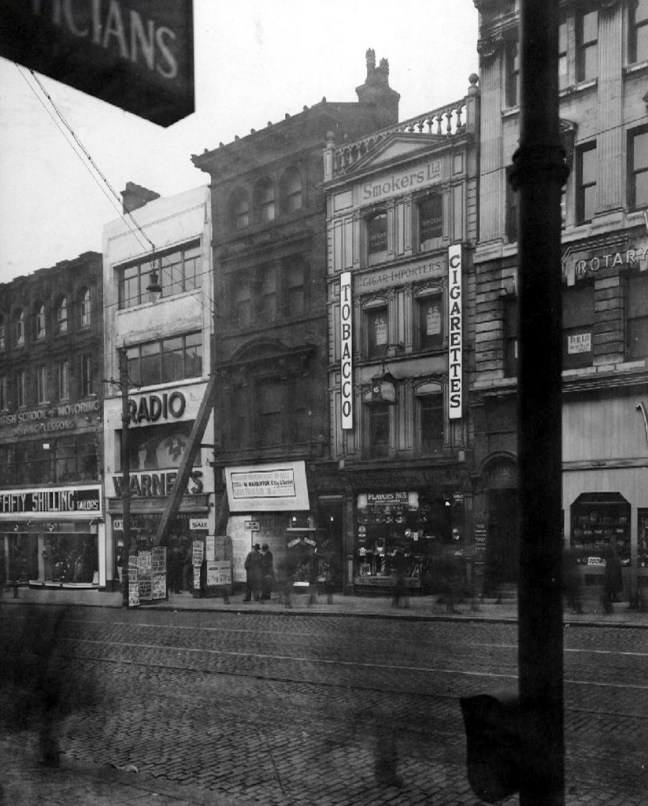
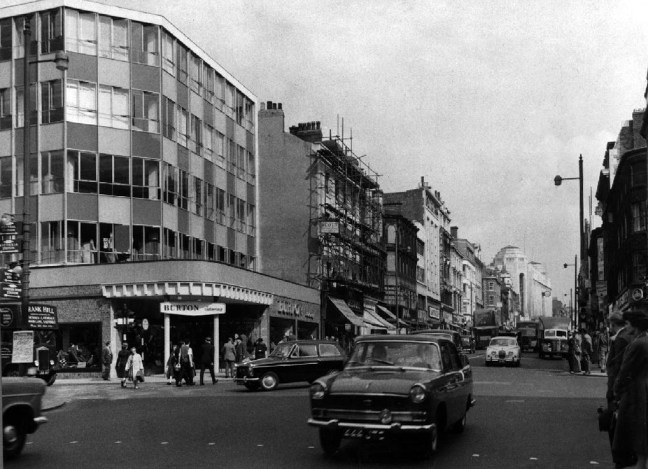
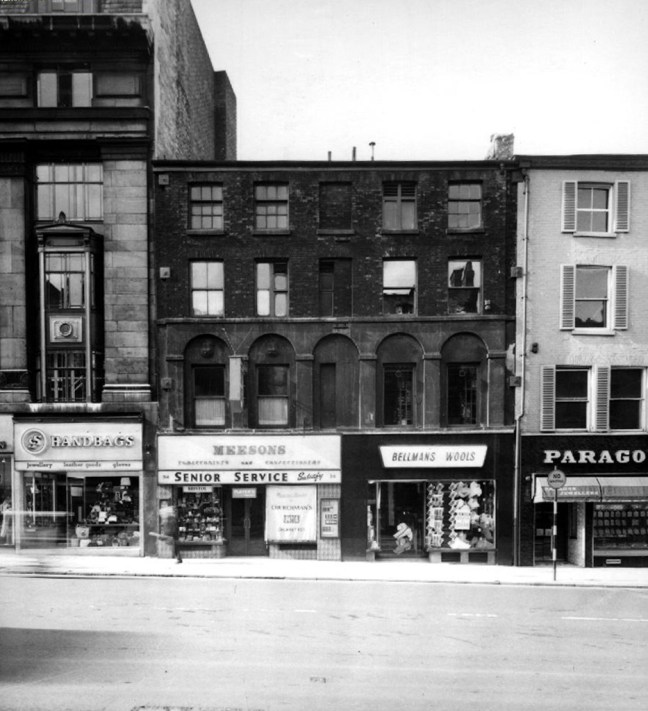
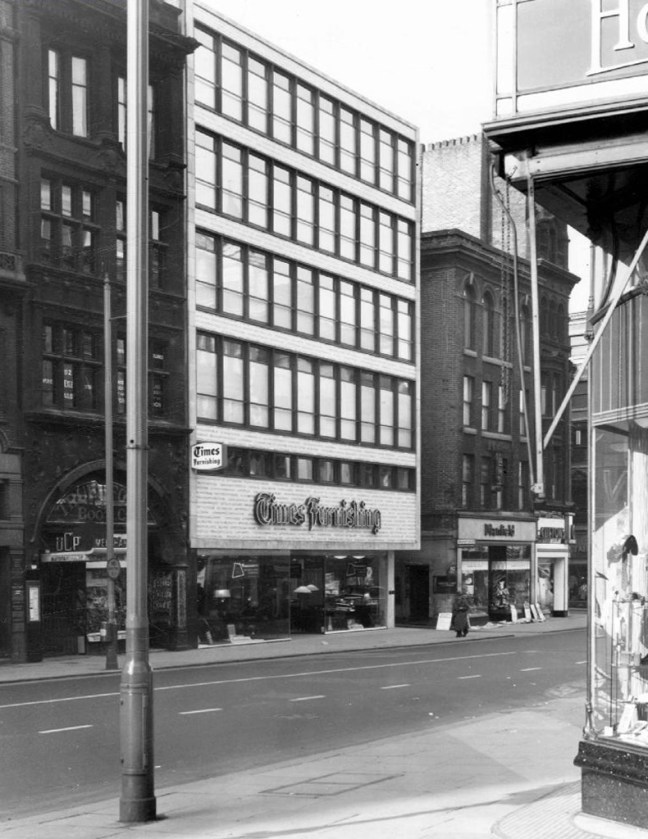
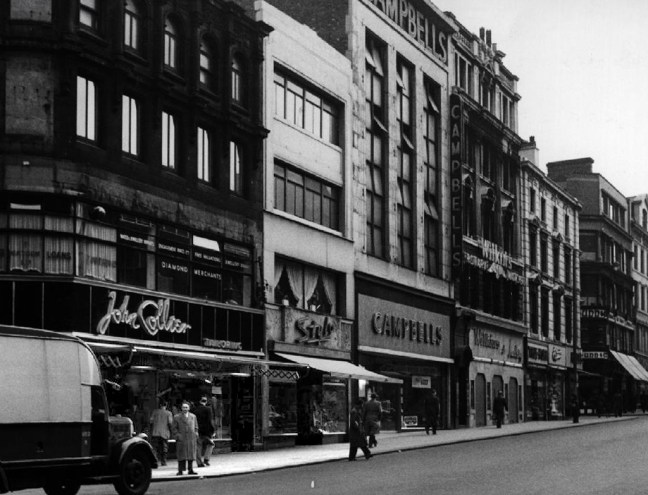
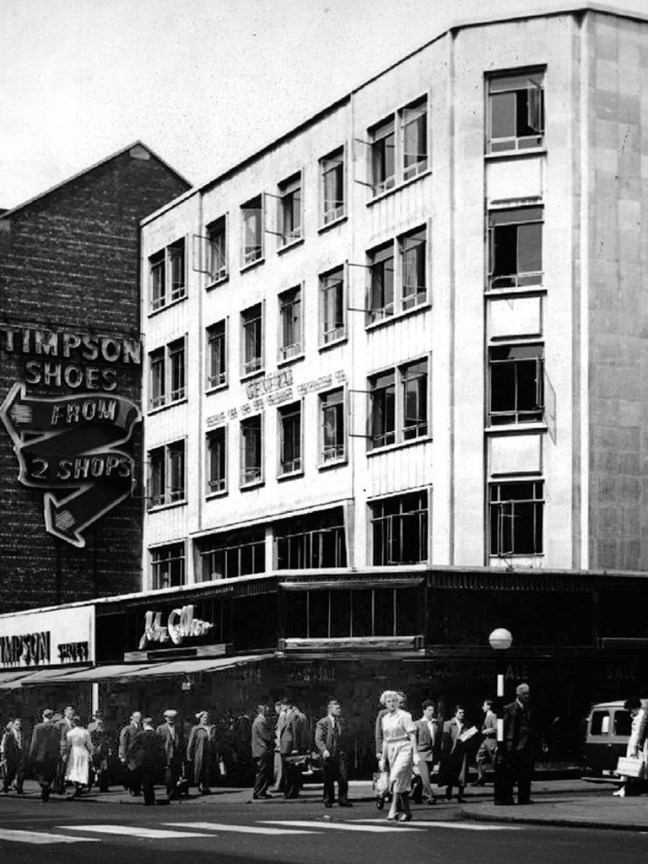
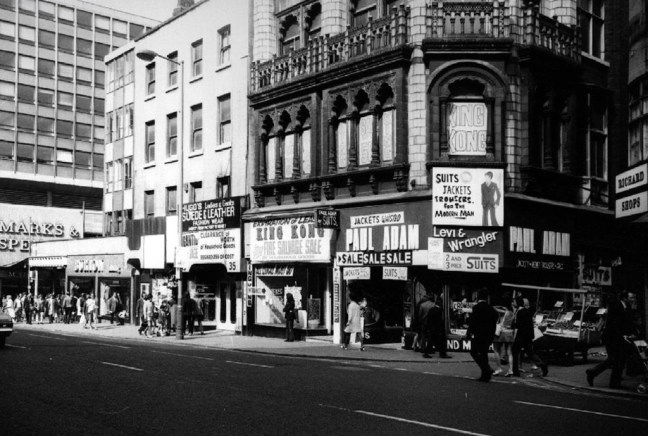
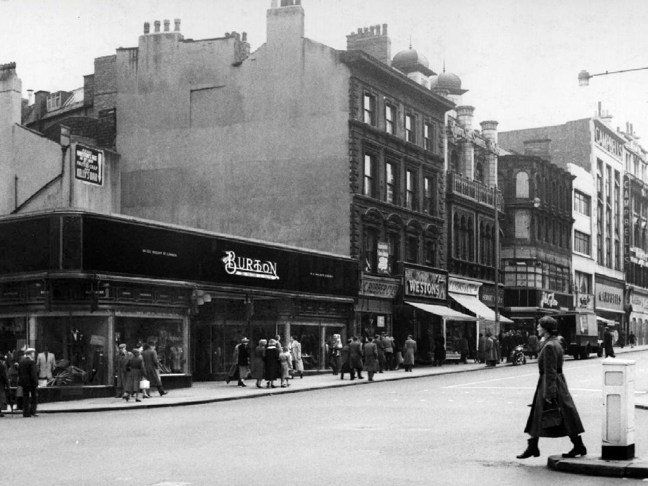
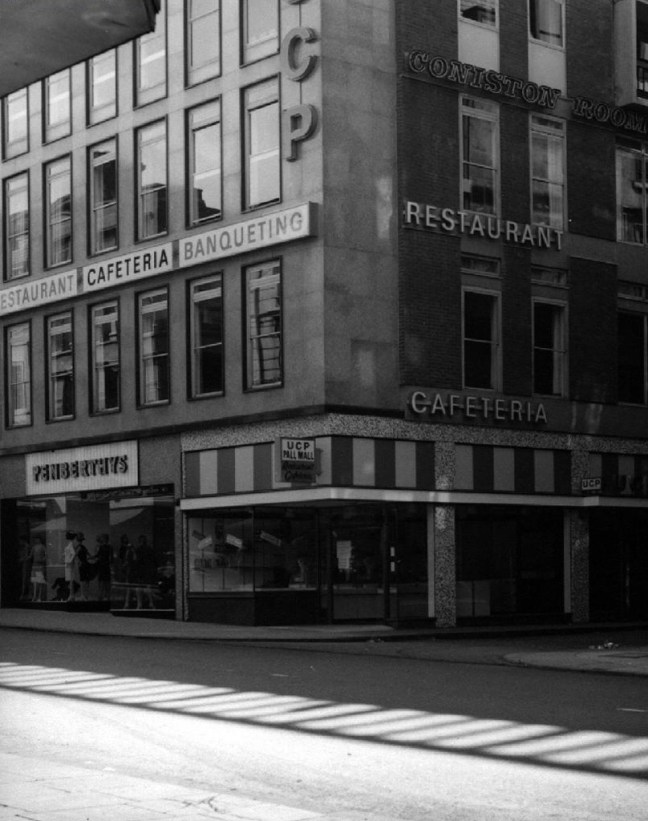
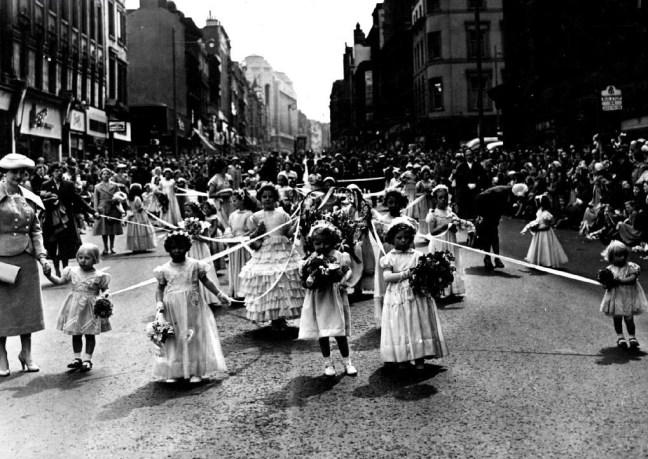
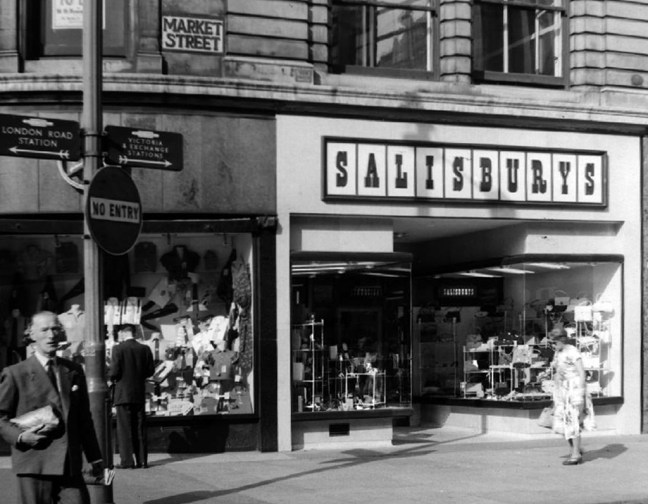
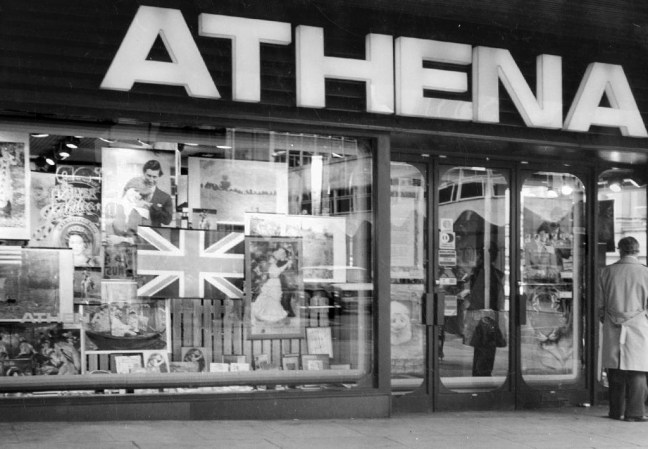
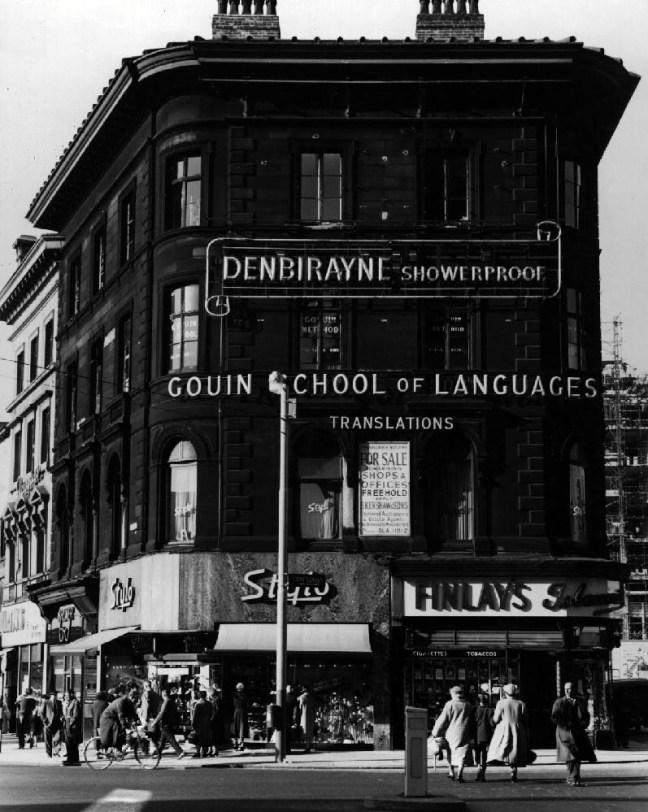
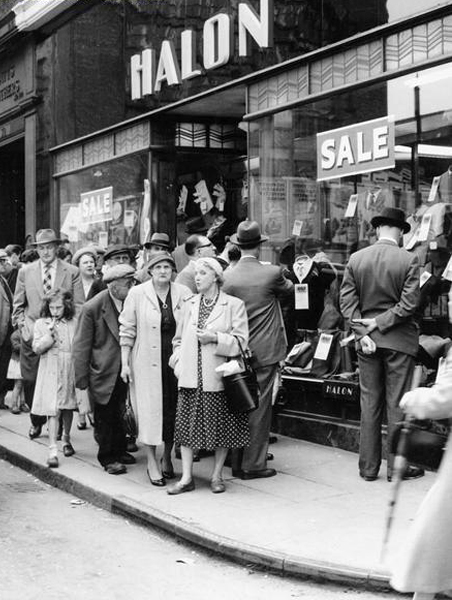
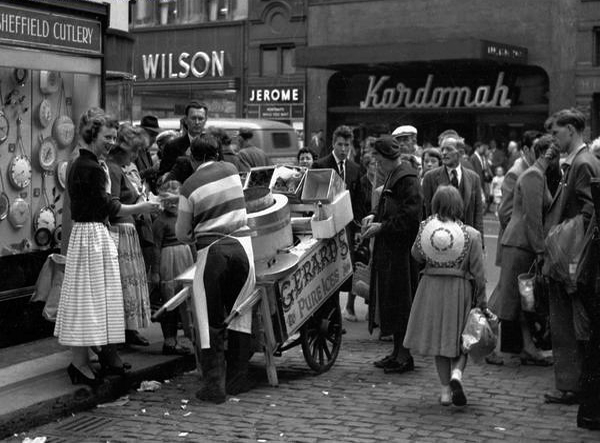
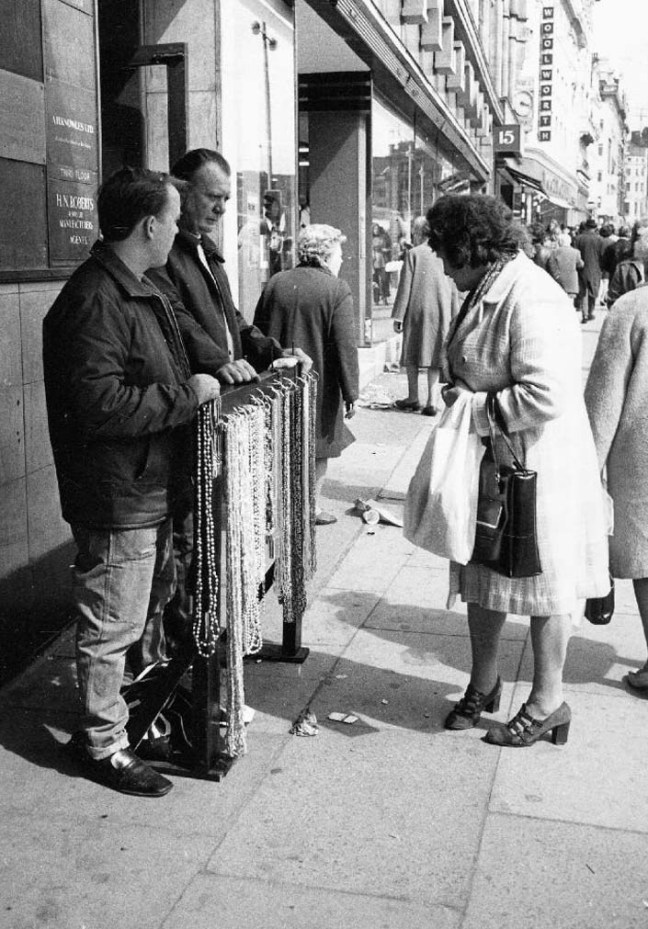
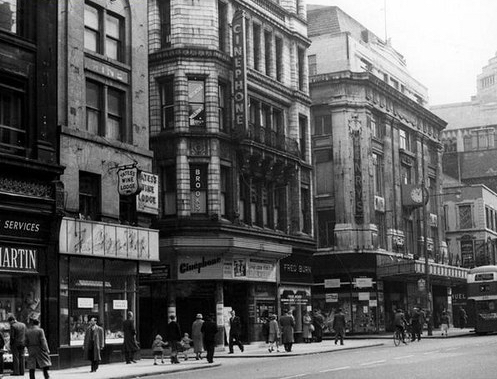
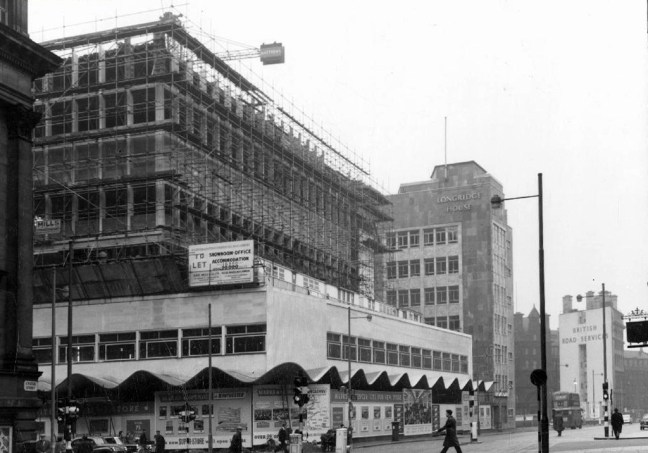
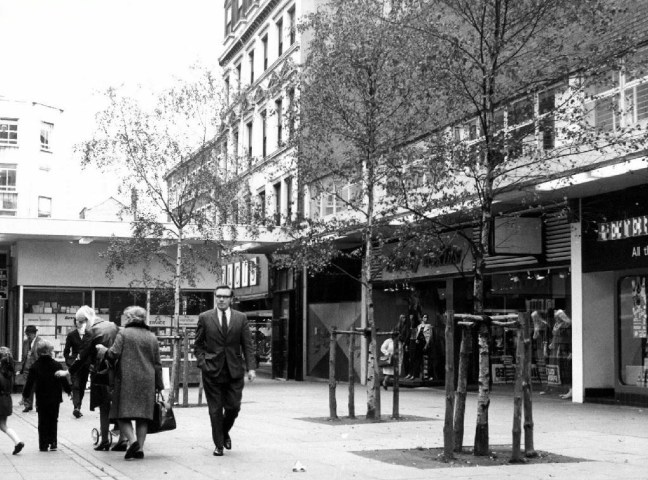
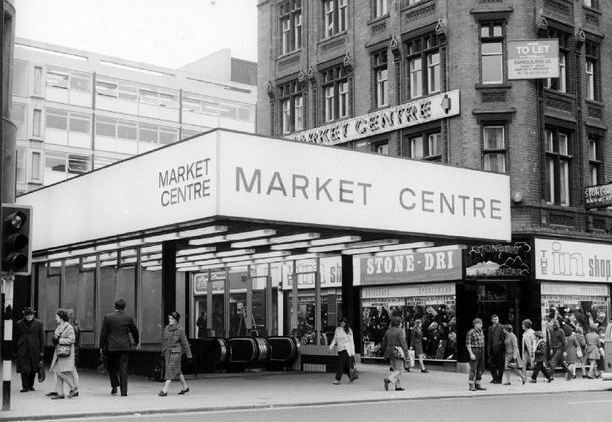
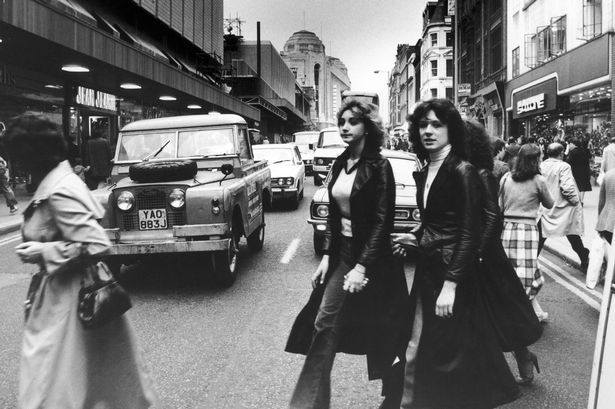
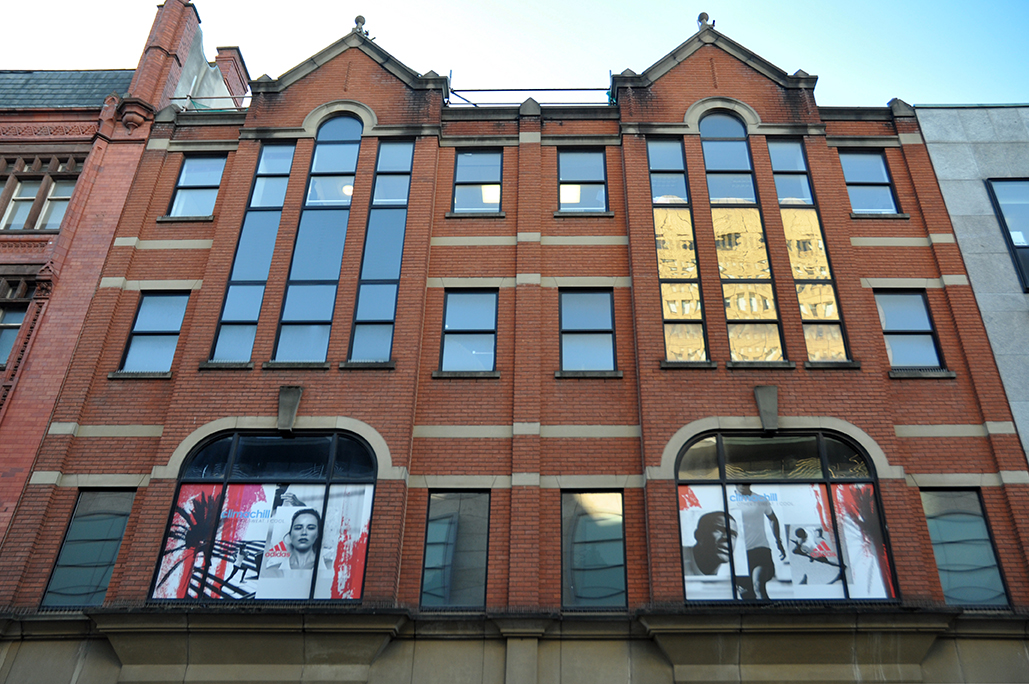
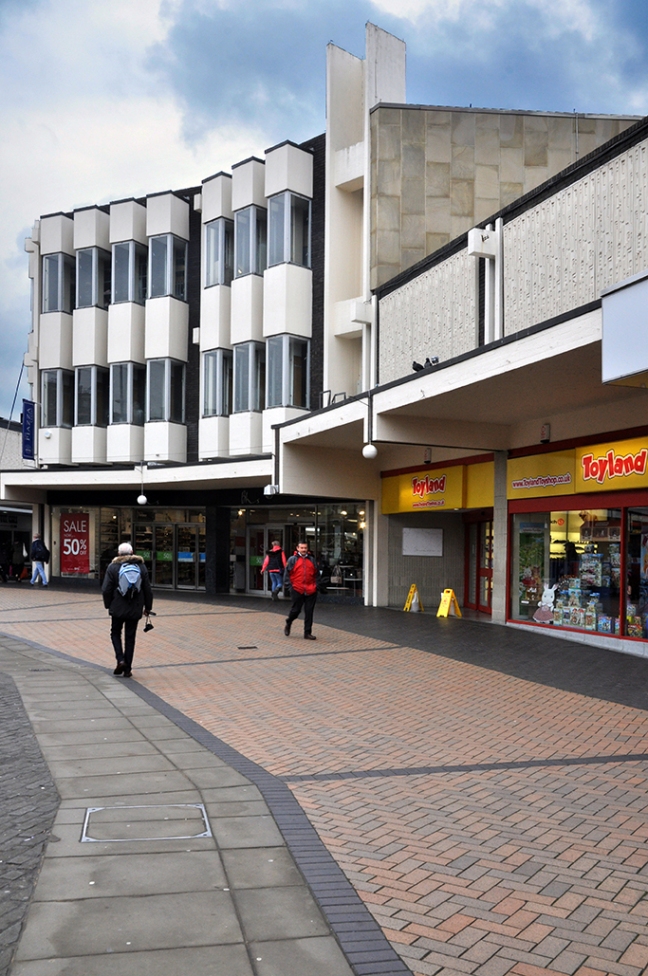
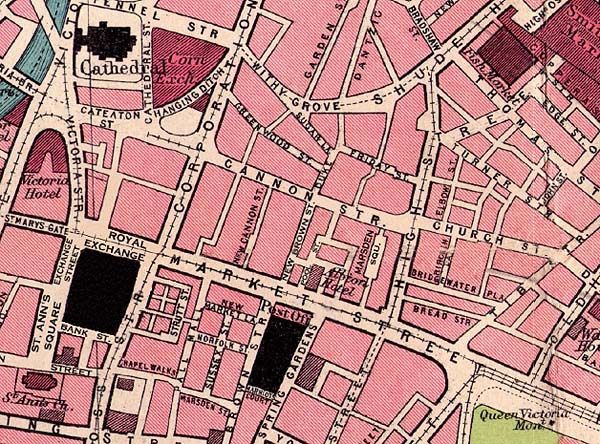
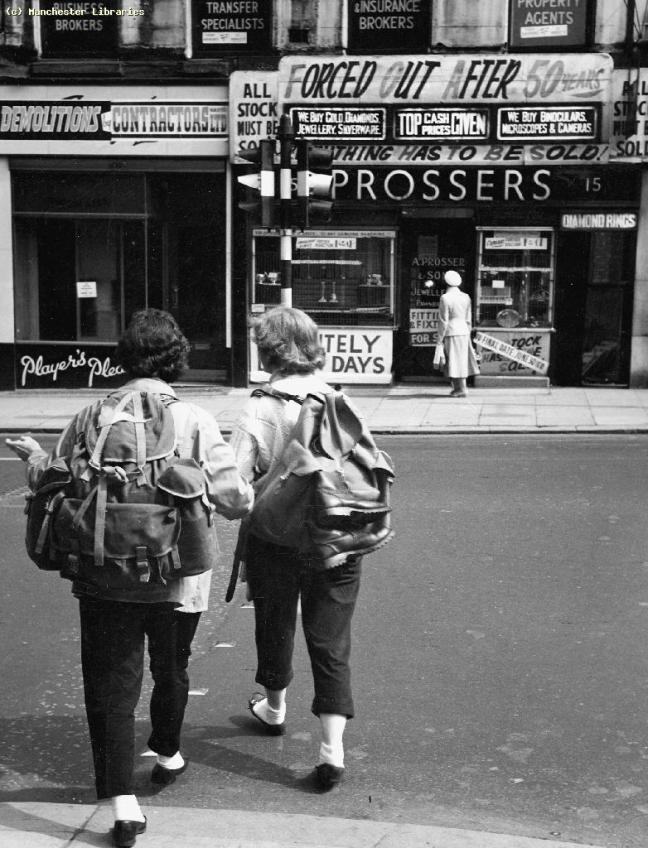
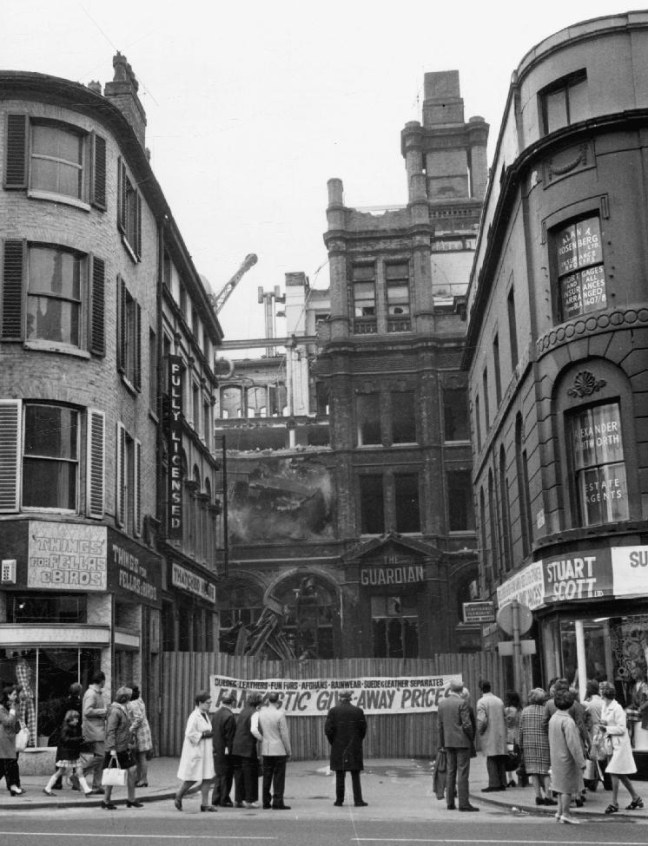
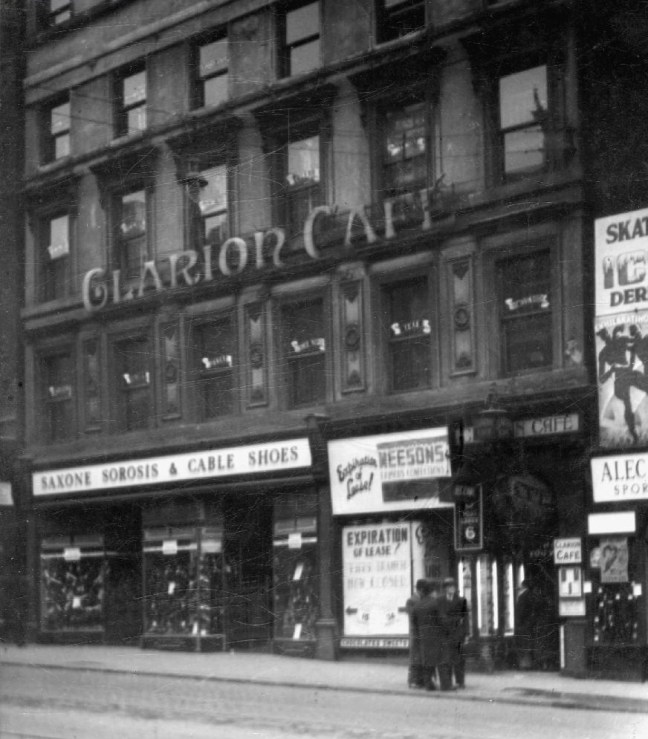
Before the Arndale,  pre-pedestrianisation, Market Street, from the Fifties until the Seventies, was one of Manchester’s key arterial, retail thoroughfares. Mixing mixed traffic, shops, cafés and restaurants, bars, cinemas, offices and administration.

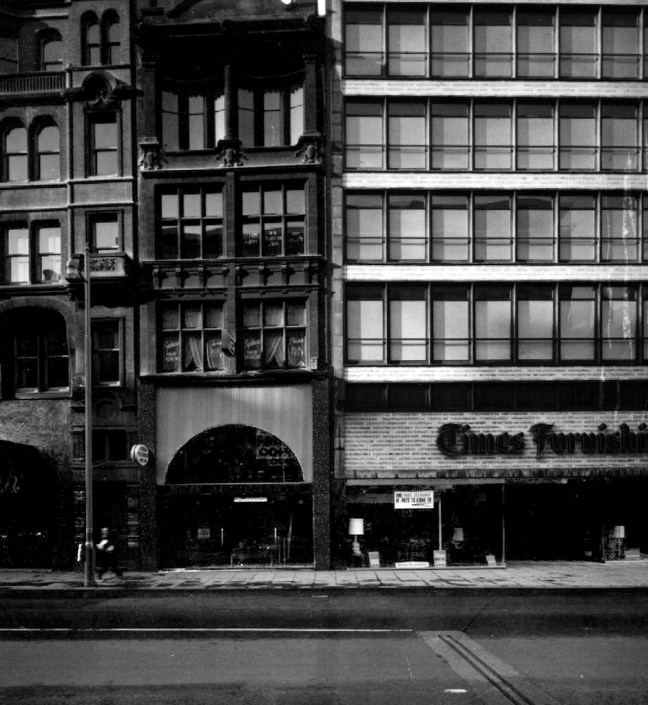
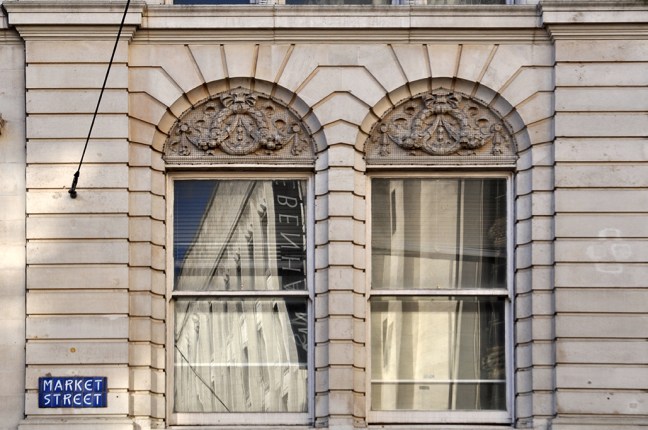
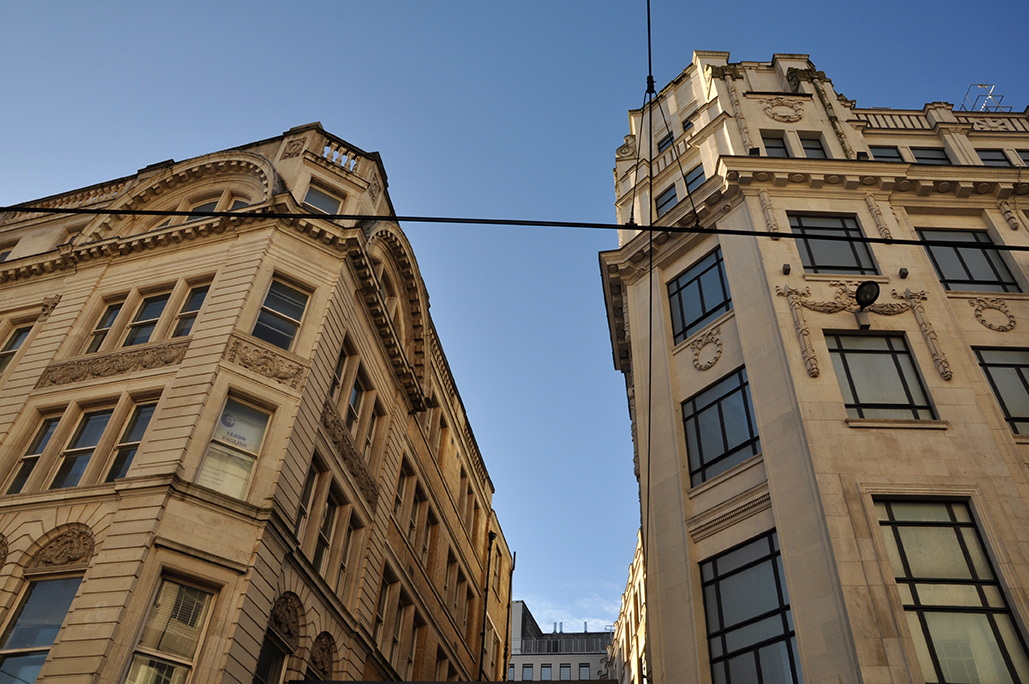
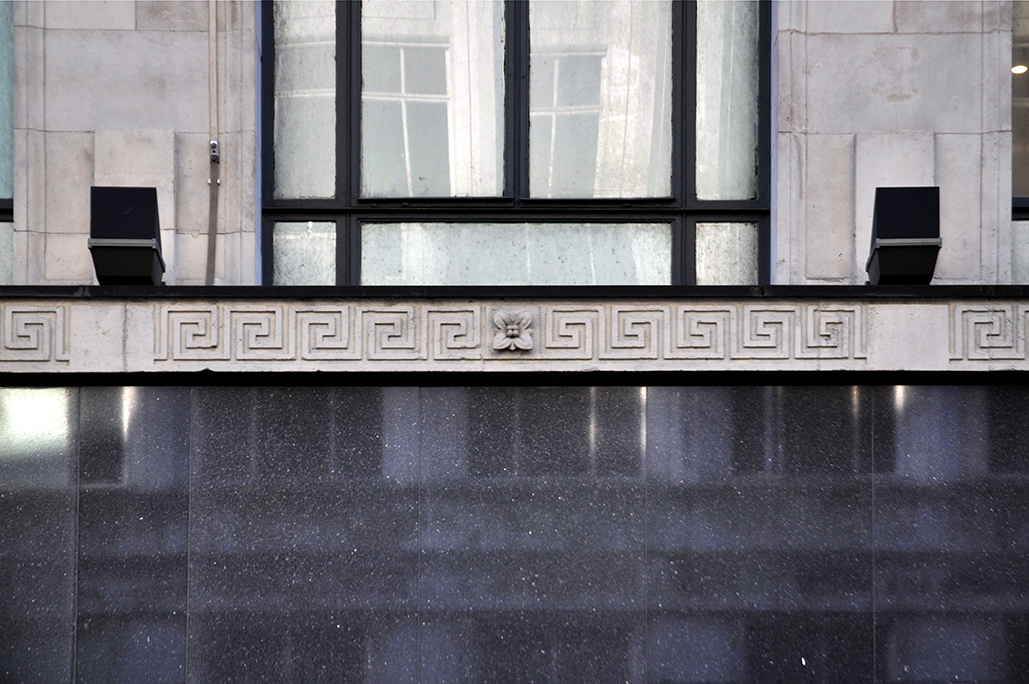
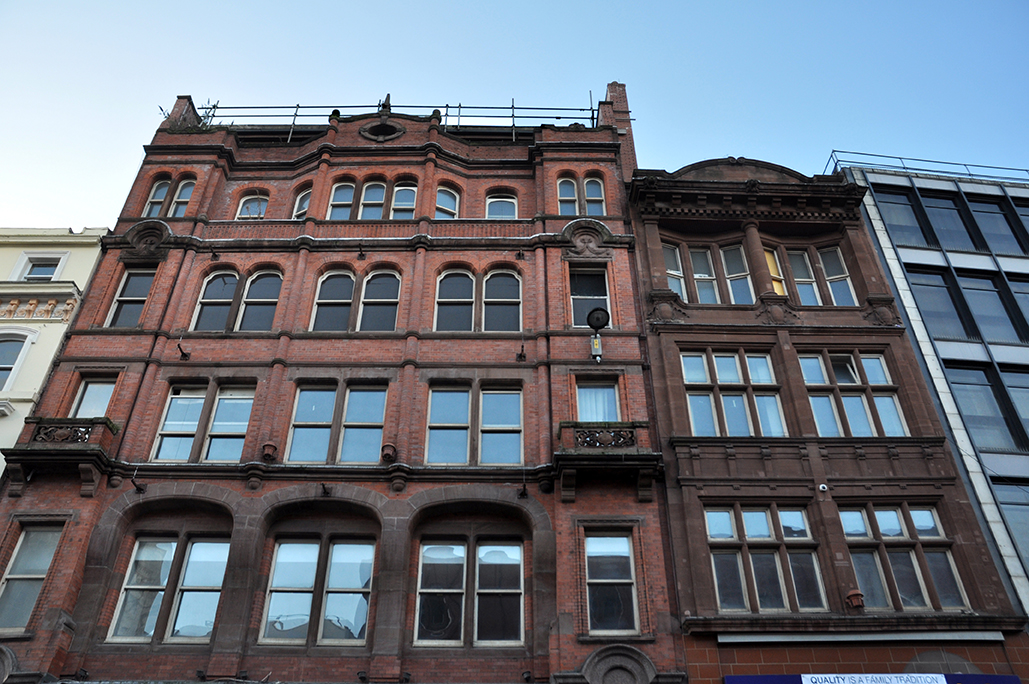
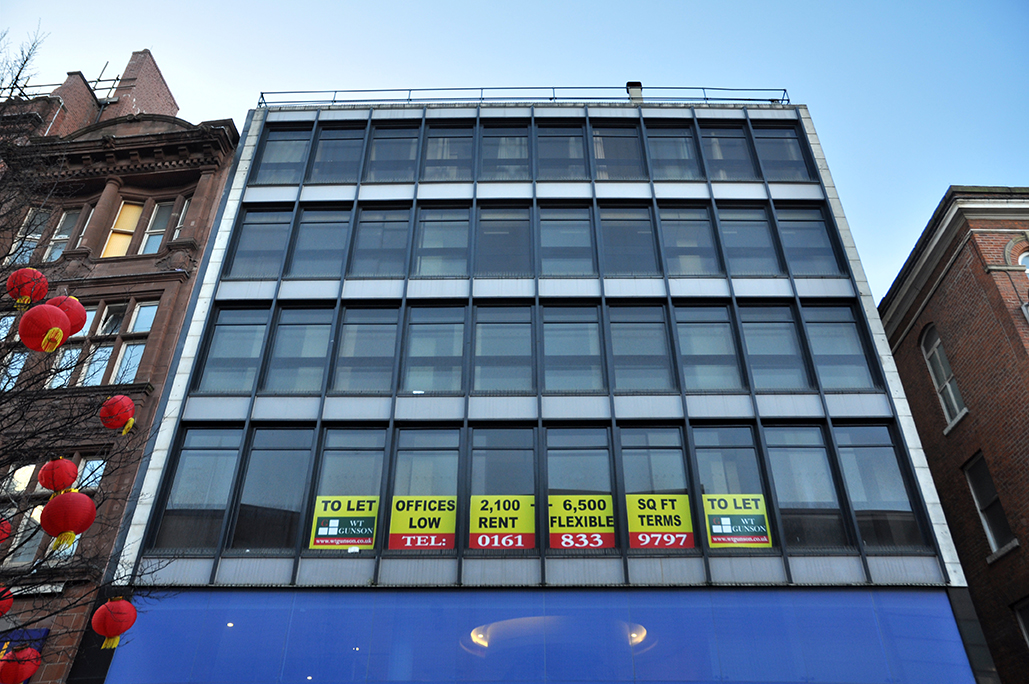
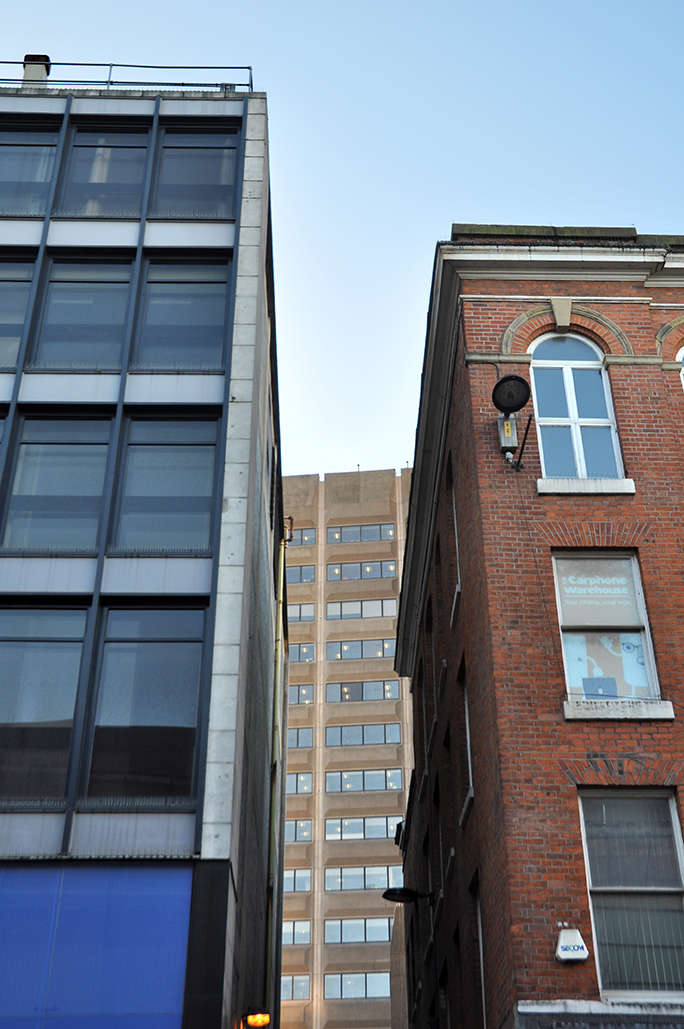
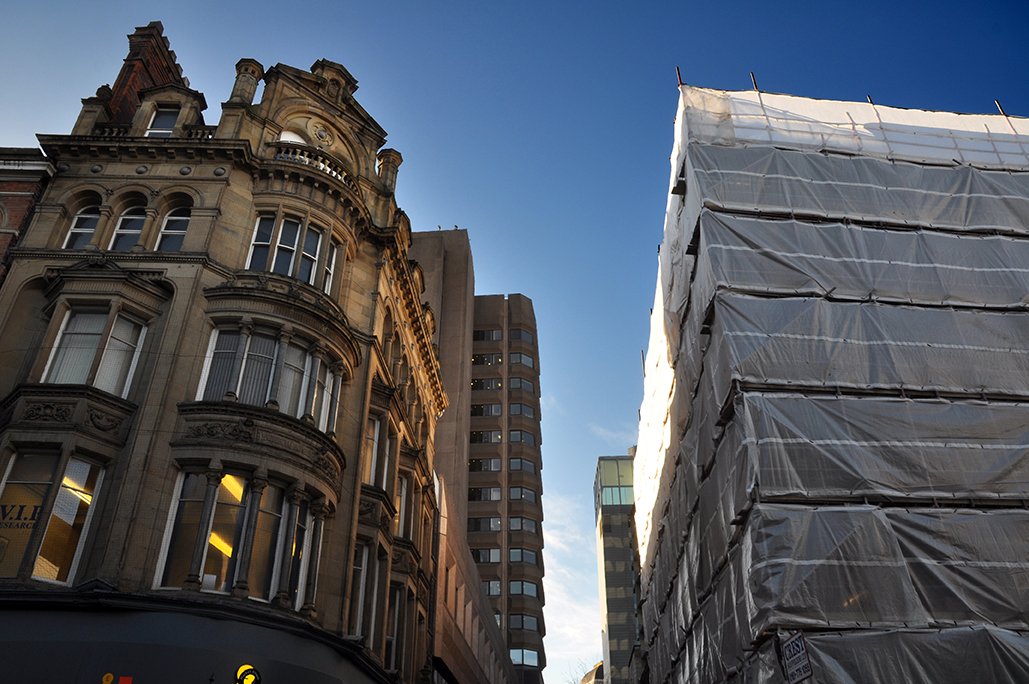
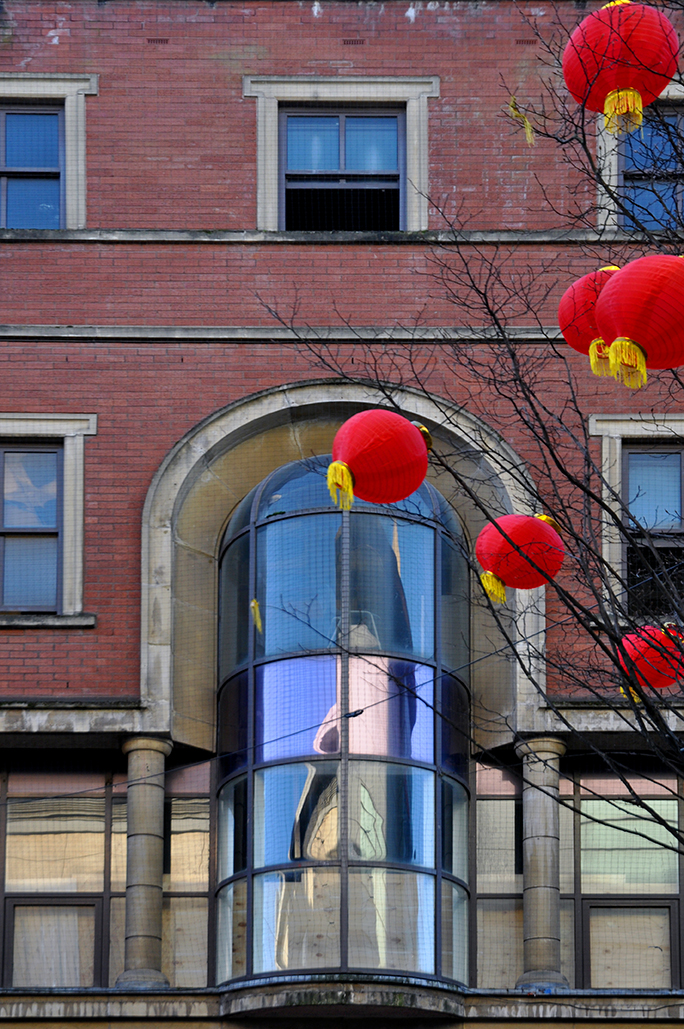
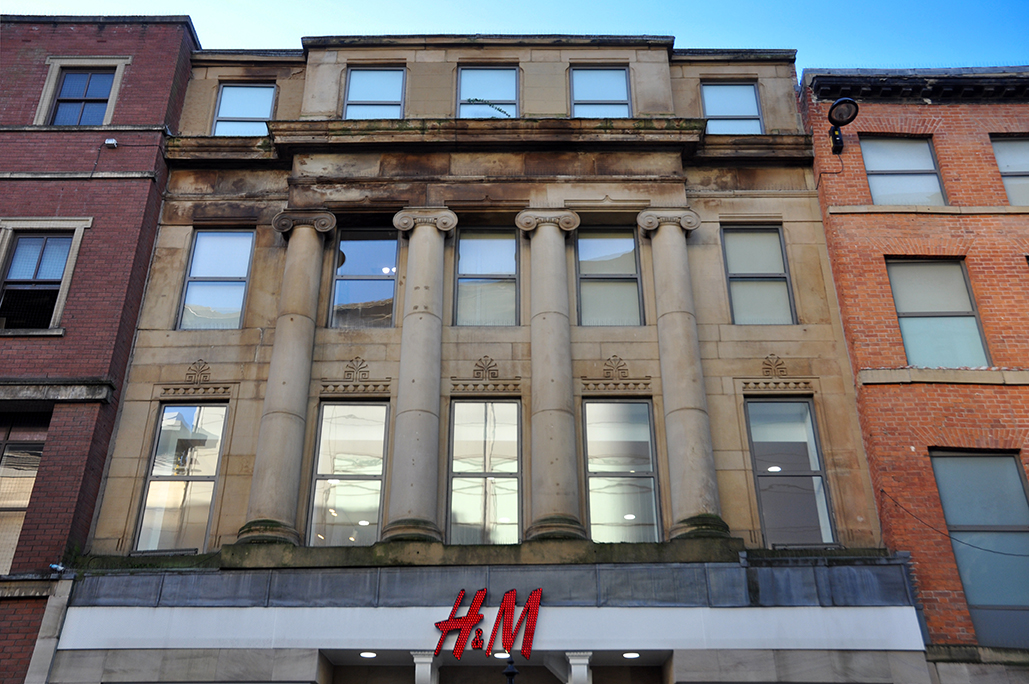
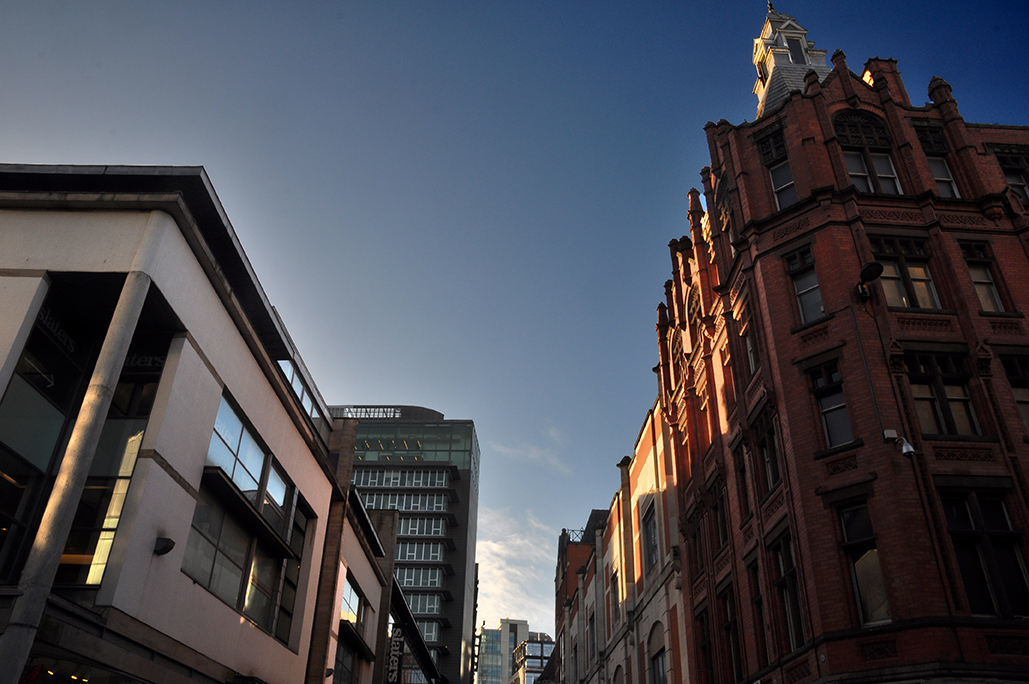
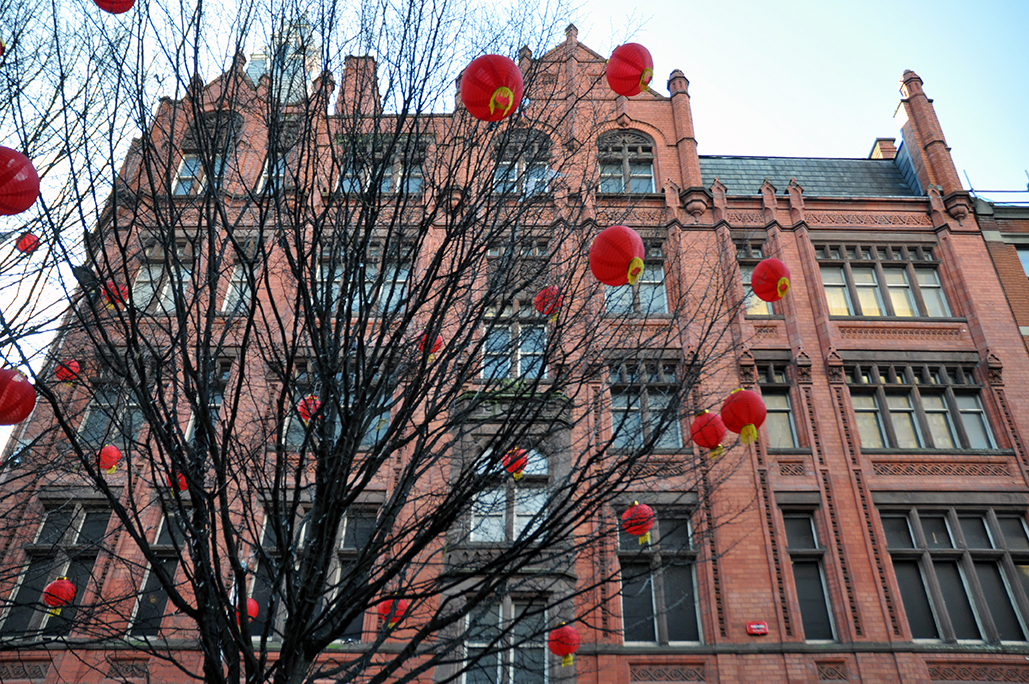
The architectural skyline, had the raggedy silhouette, of a century of build and rebuild.

Lower your eyes, there’s Classical, Gothic, Baroque, local Rococo, Deco, Moderne and Modern – that’s right Madam no two the same, four for a pound, get it while you can.

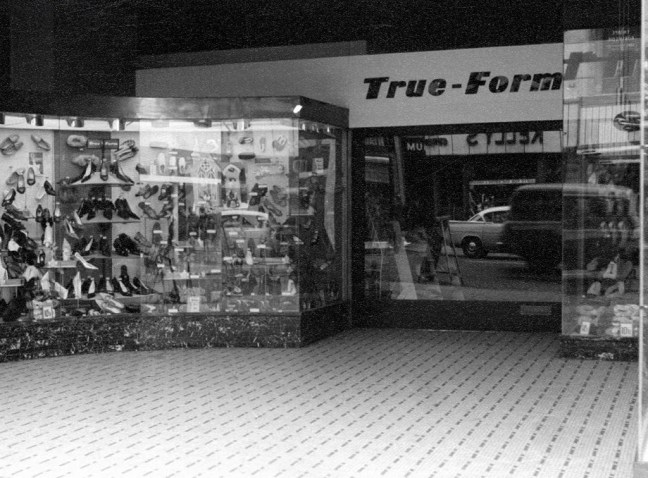
Lower still, things are still never still, a riot of colour in black and white Vitrolite.

Neon abounds, the names are never changed to protect the innocent.

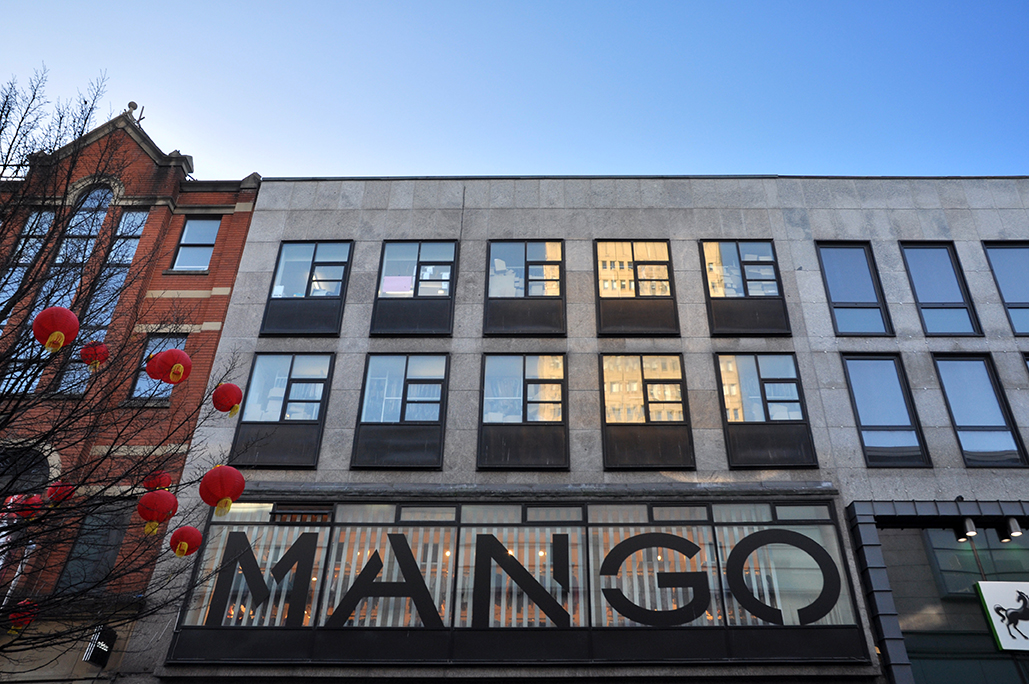
Local traders are slowly replaced by national and international multinationals.

You have nothing to lose but but your chain-store now.


ront-page-from-henry-s-stores-catalogue.-398-p

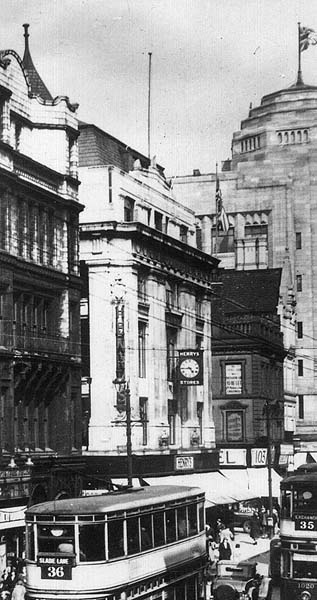
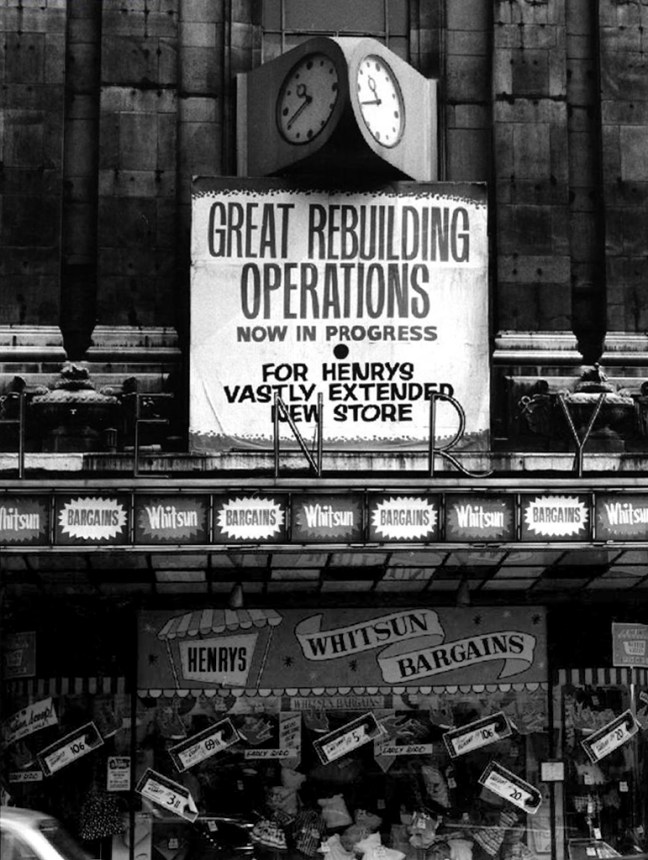
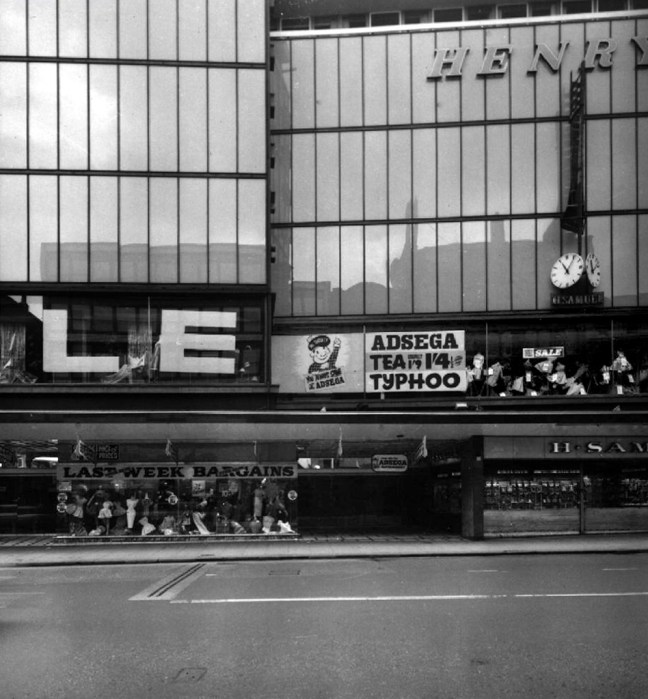
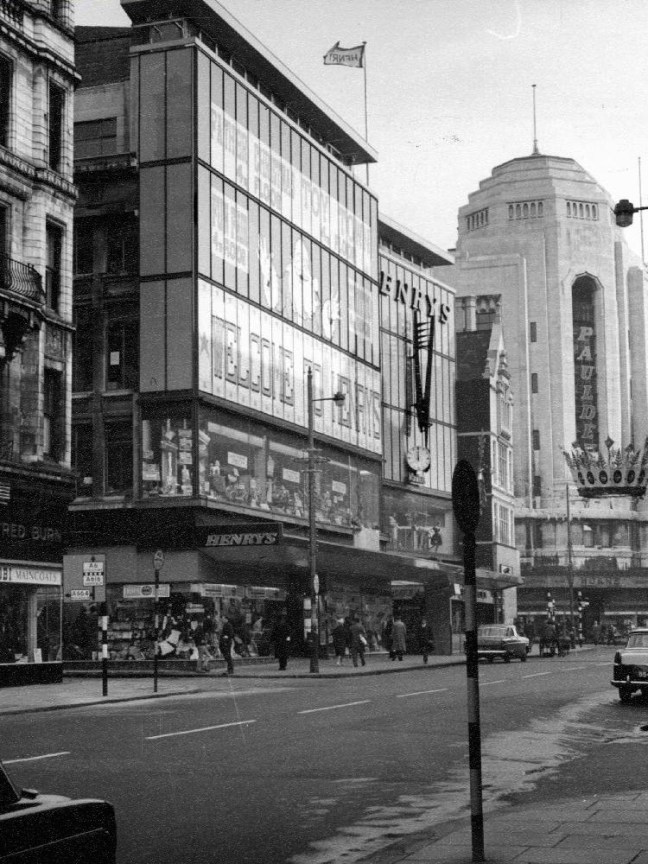
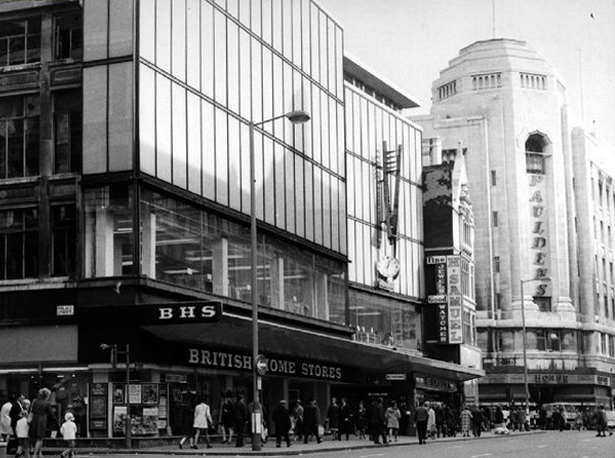
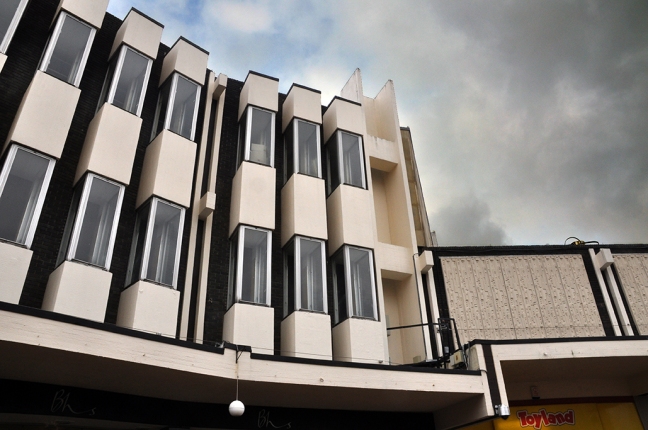
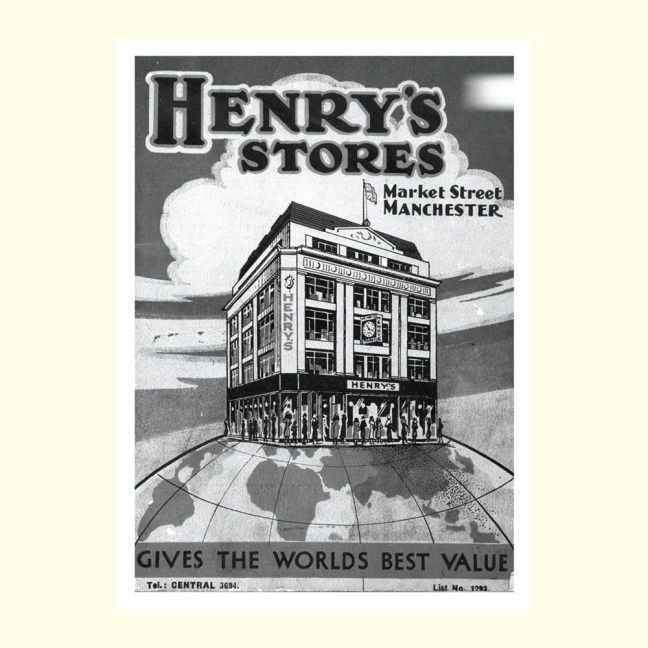
Henry Cohen came to Manchester around 1880. In 1910 he opened a men’s clothing outlet at the corner of Market Street called the Smart Outfitting Company. Having turned down a chance to join Marks and Spencer, he eventually built his department store in Market Street which opened in 1923. Henry’s Stores was redeveloped in the early 60’s acquiring an extension and a unifying Modernist façade, the site and store was acquired by BHS in the mid 60’s.

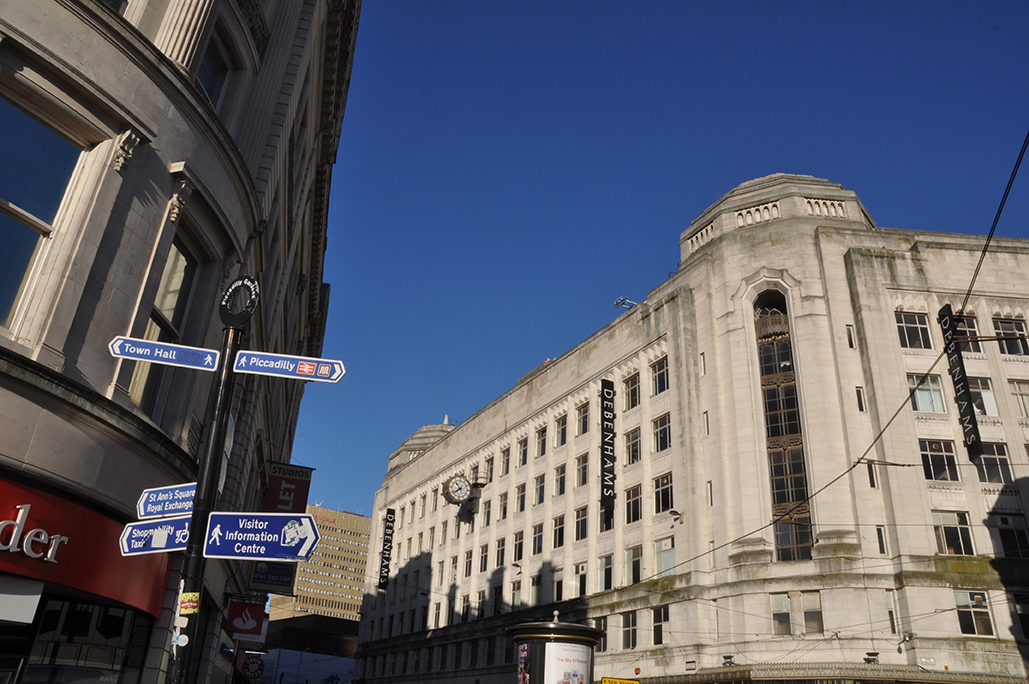
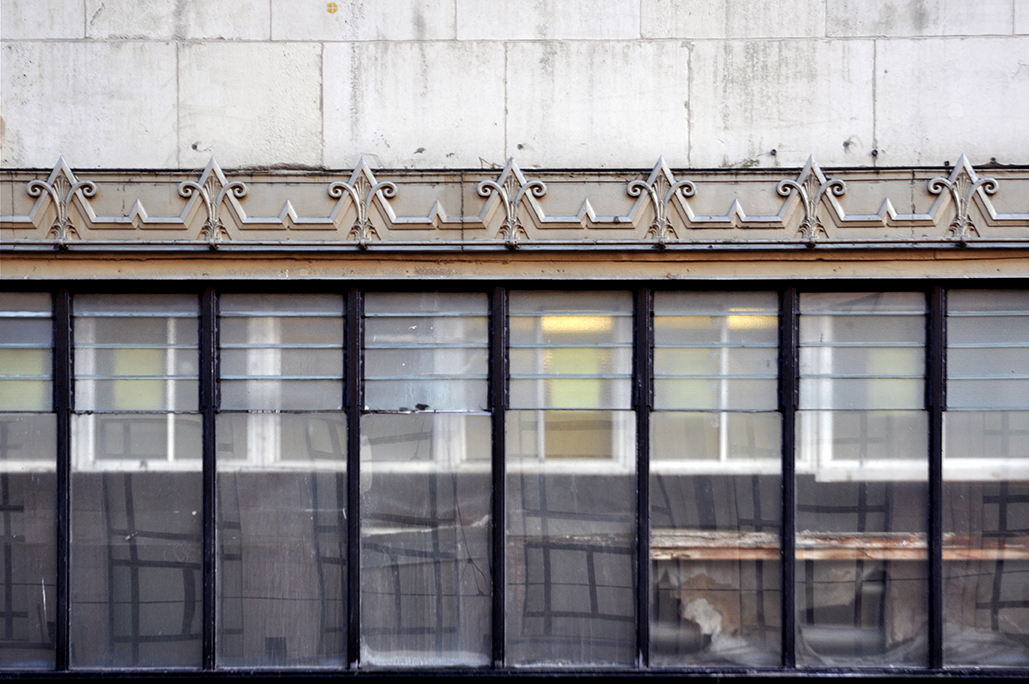
Rylands Building is a Grade II listed building in the building was originally built as a warehouse by the Rylands textile company which was founded by John Rylands. The building was designed by the eminent Manchester architects, Fairhursts, in an Art Deco style. It is clad in Portland stone and features a decorative corner tower and eclectic ‘zig zag’ window lintels.

Following a fire, in 1957, which totally destroyed the premises of Paulden’s Department Store, in All Saints, the company acquired the Rylands warehouse building and converted it to a store. This was then a direct rival to the Lewis’s store, on the opposite side of Market Street. In 1973 Debenhams, the owner of Pauldens rebranded the store in their name. Since that time it has remained Debenhams.

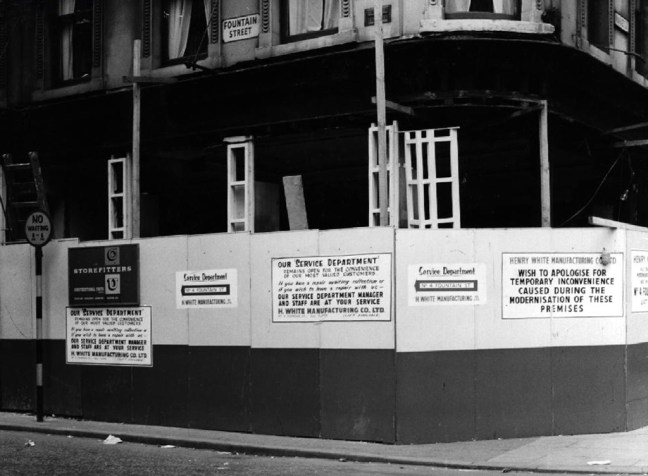
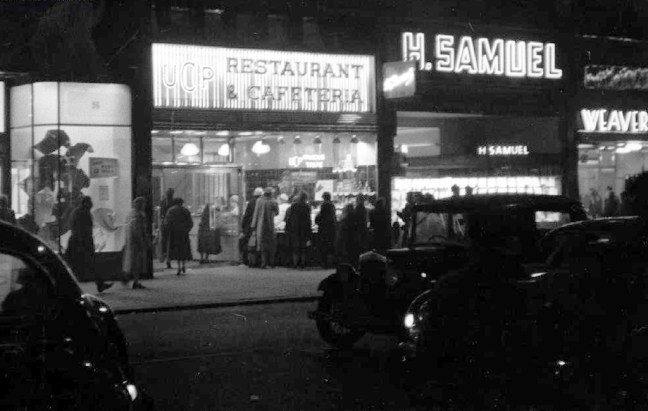
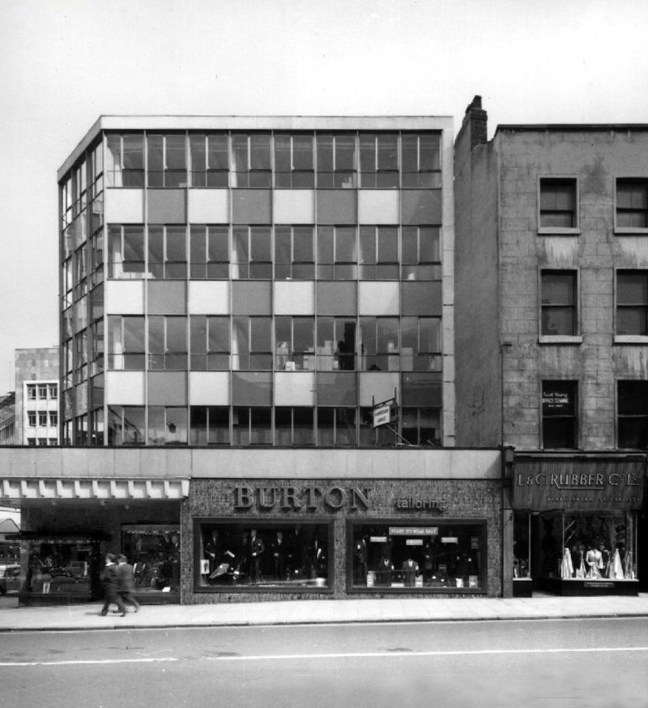
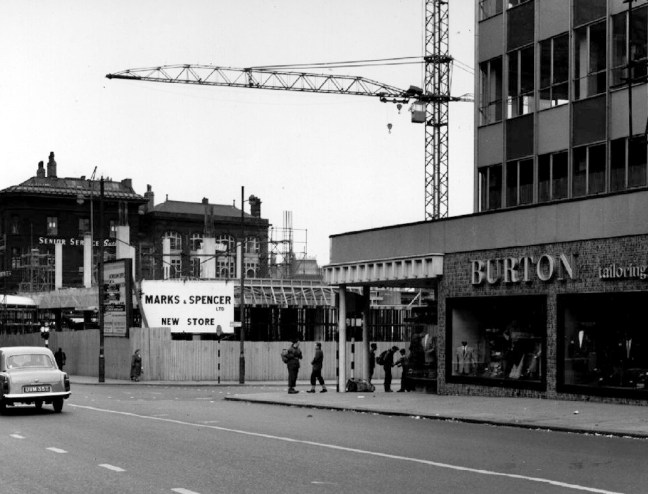
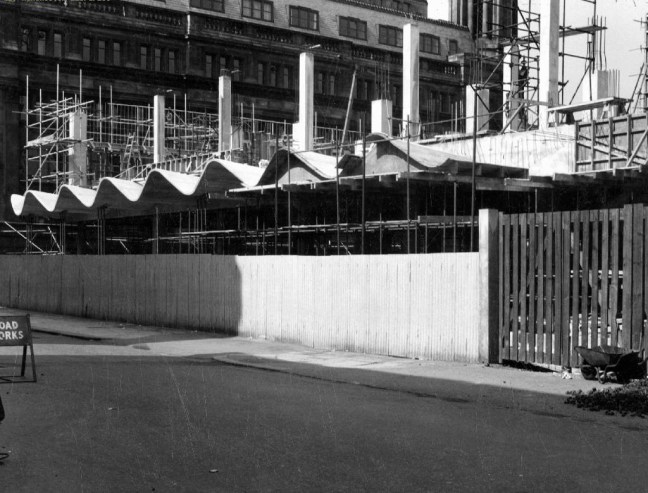
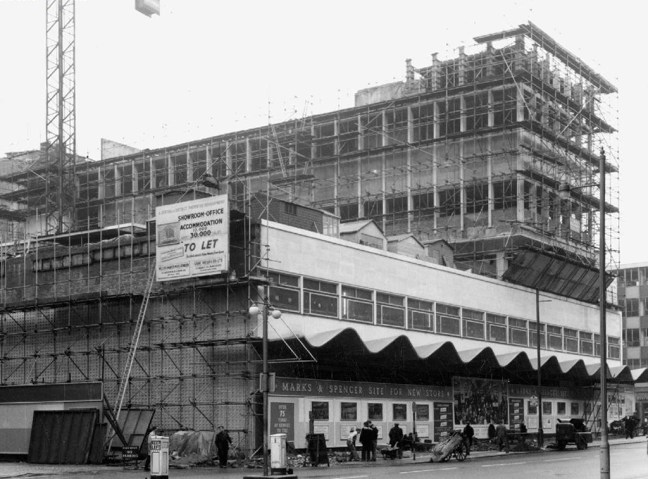
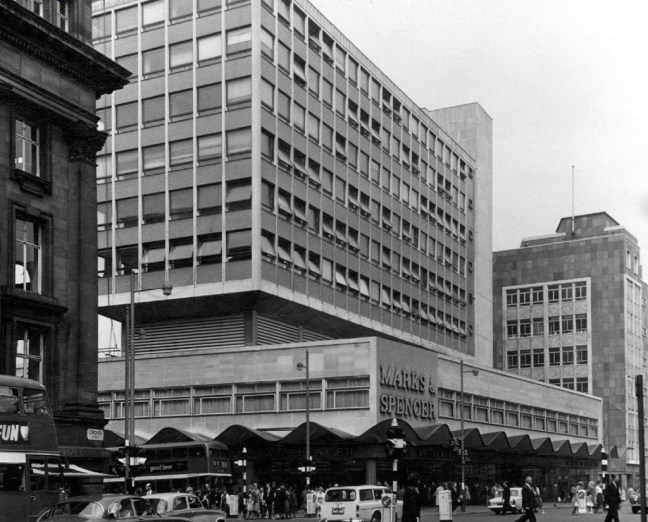
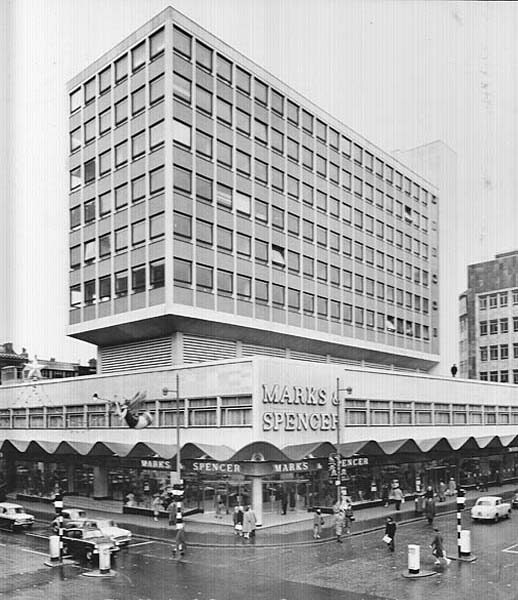
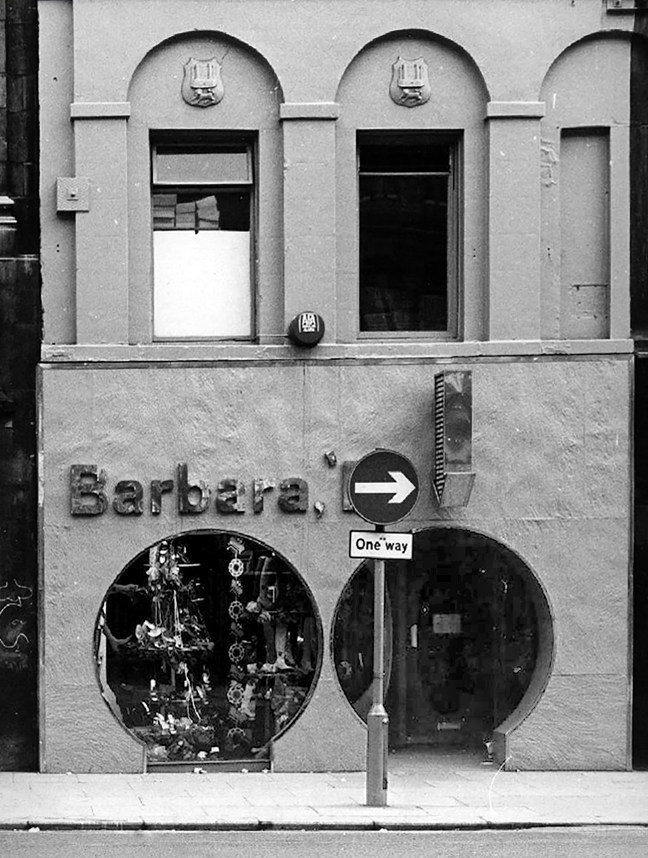
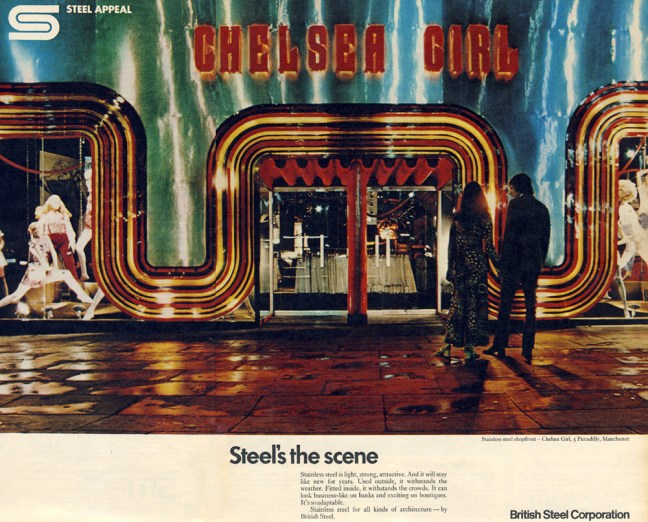
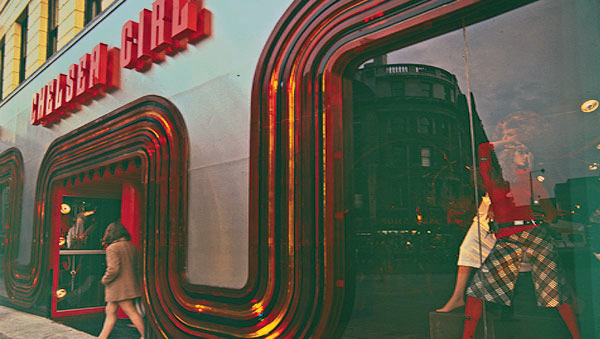
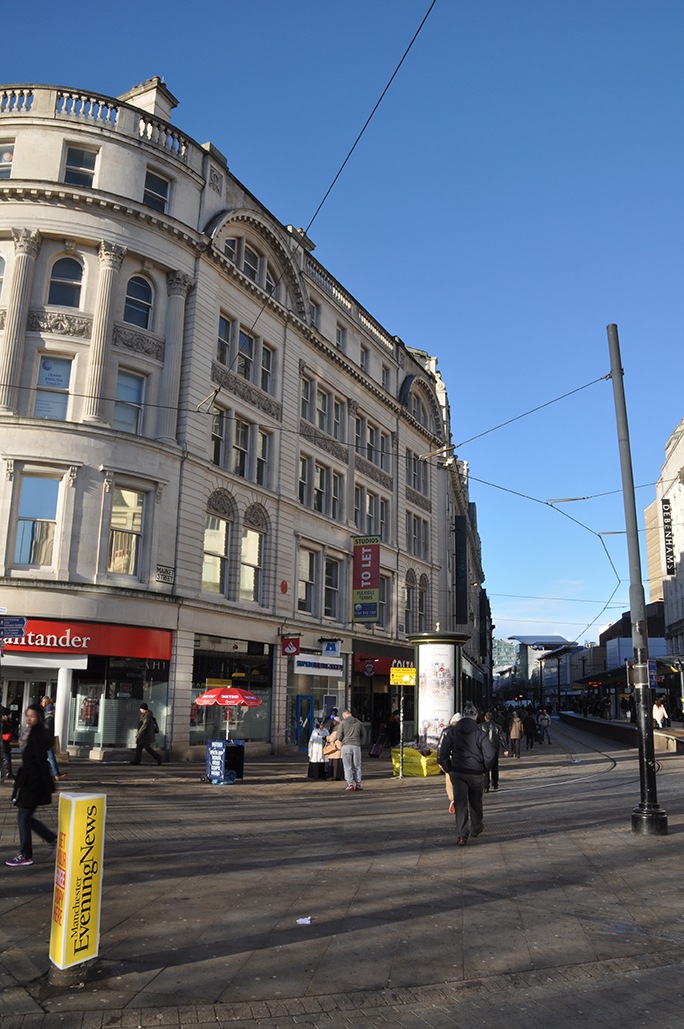
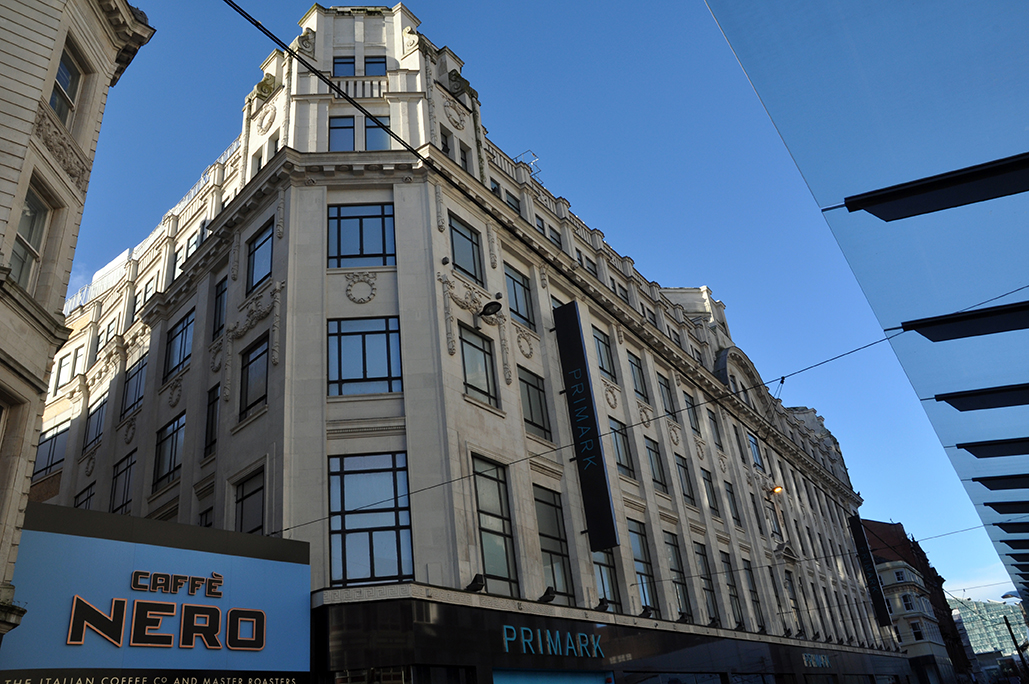
Marks and Spencers and Burton’s both undertook extensive Modernist building in the early 60’s on on the Corporation Street site, neither have survived. The Chelsea Girl steel frontageUCP Restaurant beloved of the Manchester Modernists, Kardomah Café and countless other landmarks are long gone. Lewis’s has become Primark.

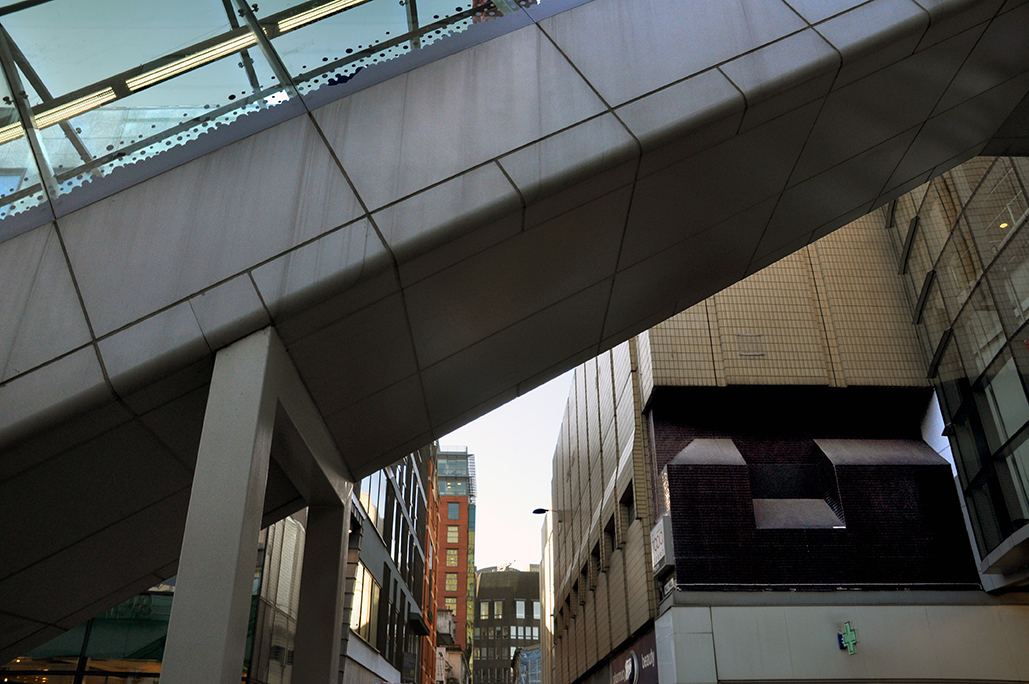
The double indignity of the Arndale and a bomb have changed things forever.

Nothing stands still – this is Market Street.

With thanks to http://images.manchester.gov.uk/index.php?session=pass

lewis-1940

8.jpeg

henry's

7

10

9

3

webmedia-4-php.jpeg

a-z

14

webmedia-23-php.jpeg

webmedia-6.php

webmedia-26.php

16

webmedia-9.php

18

5

webmedia-10.php

webmedia-7.php

webmedia-1.php

2.jpeg

4.jpeg

webmedia-11.php

webmedia-3.php

13

webmedia-8.php

webmedia-12.php

15

webmedia-13.php

webmedia-15-php.jpeg

6

webmedia-2.php

1.jpeg

19

webmedia.php

20.jpeg

webmedia-5.php

webmedia-22-php.jpeg

webmedia-24-php.jpeg

5220807822_fcafda48e6.jpg

11

webmedia-17.php

webmedia-18.php

webmedia-19.php

webmedia-20.php

Marksandspencer1962

webmedia-21.php

12

17

webmedia-9.jpg

steels-the-scene-chelsea-girl

Chelsea Girl

p_00484389


Precinct – Stalybridge

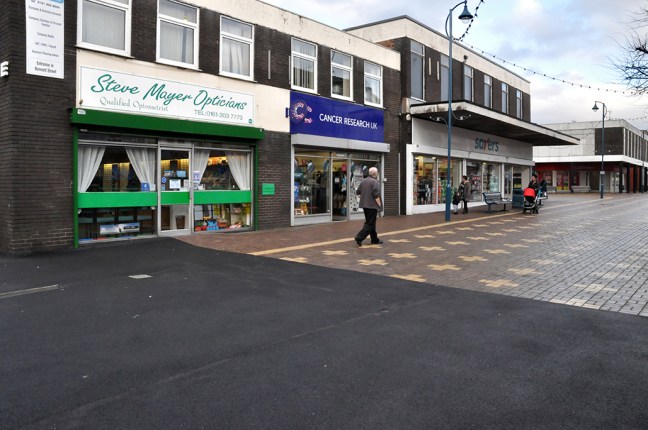
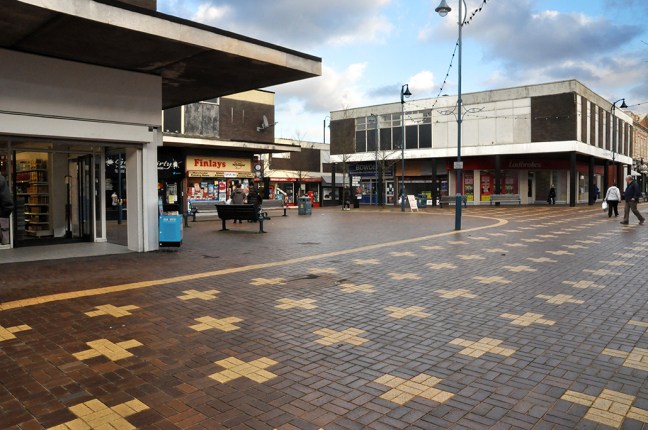
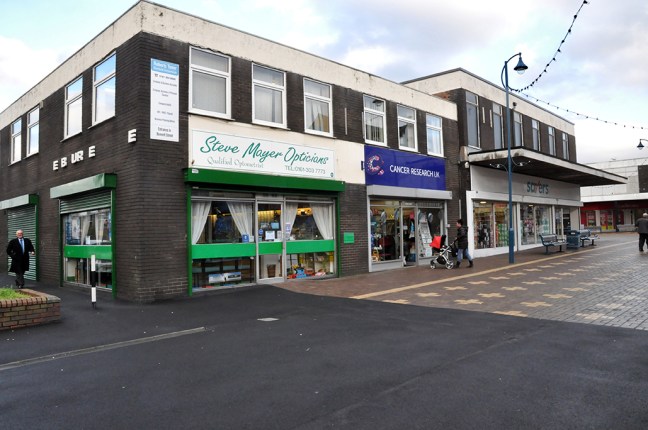
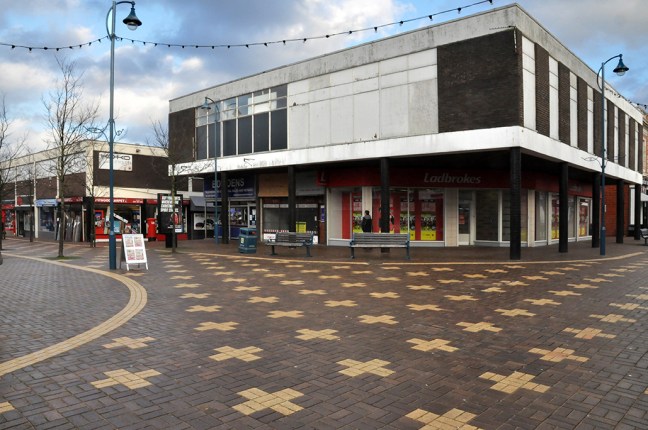
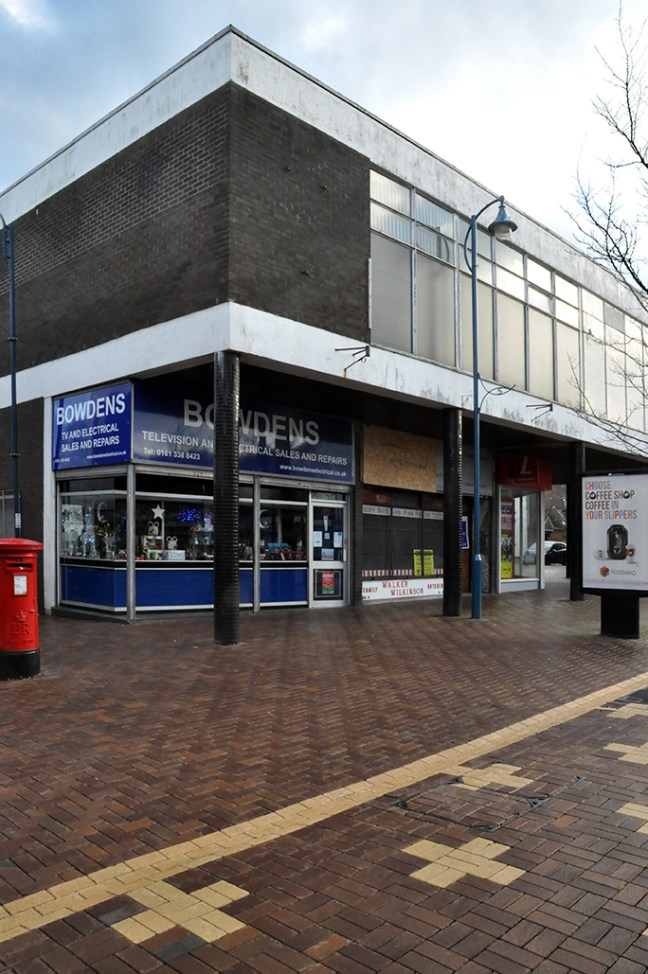
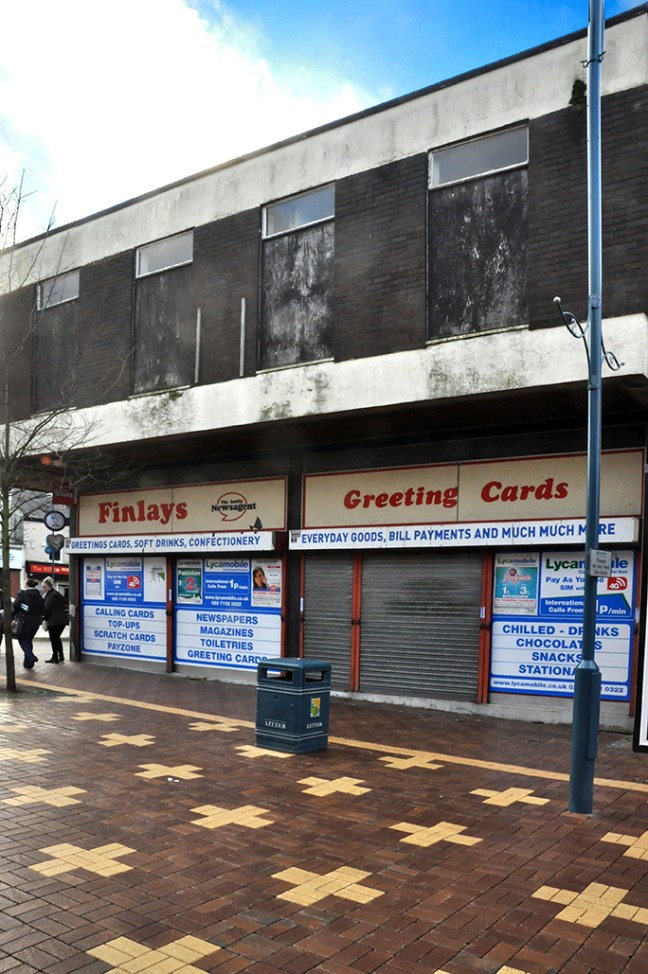
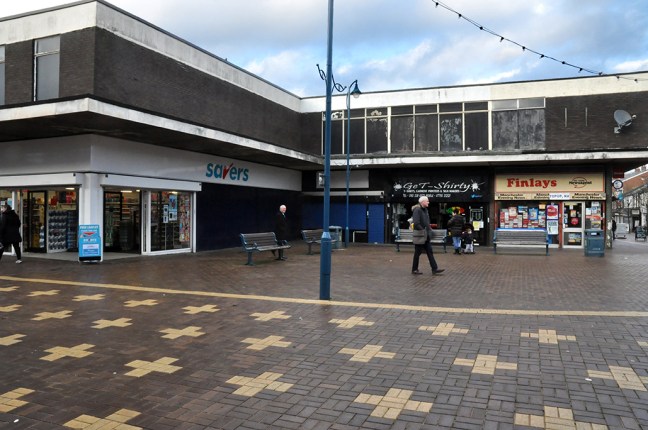
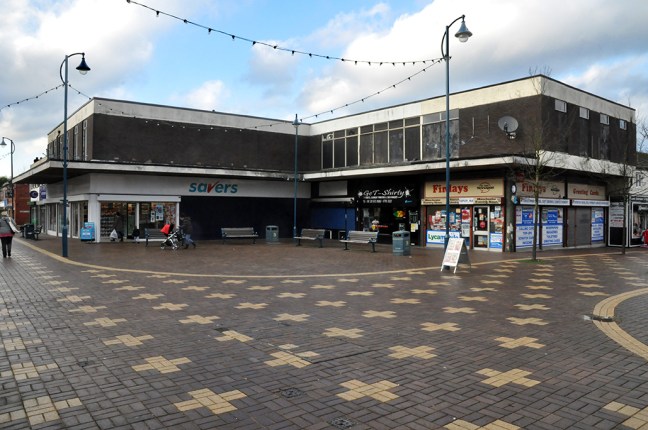
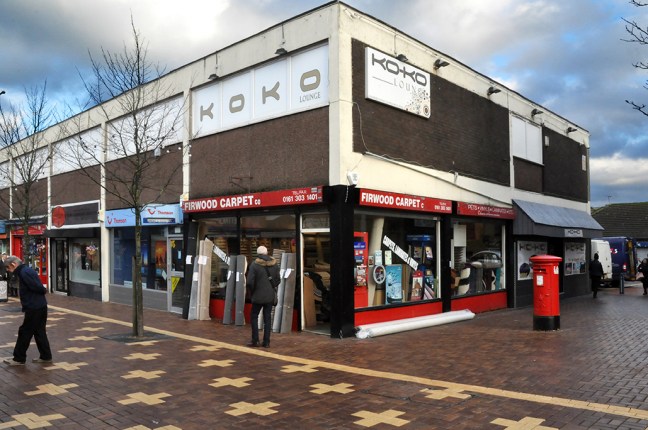
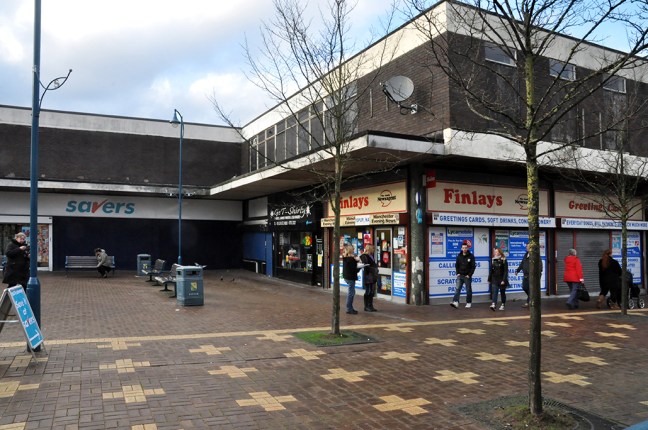
The dissipated filling, in an Aldi and Tesco sandwich, a flat roofed, concrete and brick sixties shopping development, a precinct.

Small towns typically comprise of several retail developments, of various vintages, chasing diminishing returns, in ever expanding rectangles.

Stalybridge is no exception, once a bustling mill town, it sought salvation in a hedonistic mini-break by the River Tame, party industry.

Stalyvegas.

The bright lights of the society of the spectacle, now extinguished, burnt brightly in Bar Liquid, Club Rififi, H2O and Amber Lounge.

Walking the streets today, a meagre spread of shoppers, hardened daytime drinkers and lost souls.

Bids were made for a Portas Pilot, Mary contrarily resisted.

The Northern Powerhouse hits the buffers.

The Buffet prevails.

DSC_0119 copy

DSC_0118 copy

DSC_0121 copy

DSC_0126 copy

DSC_0127 copy

DSC_0120 copy

DSC_0122 copy

DSC_0123 copy

DSC_0125 copy

DSC_0124 copy


Hastings – Arthur Green’s

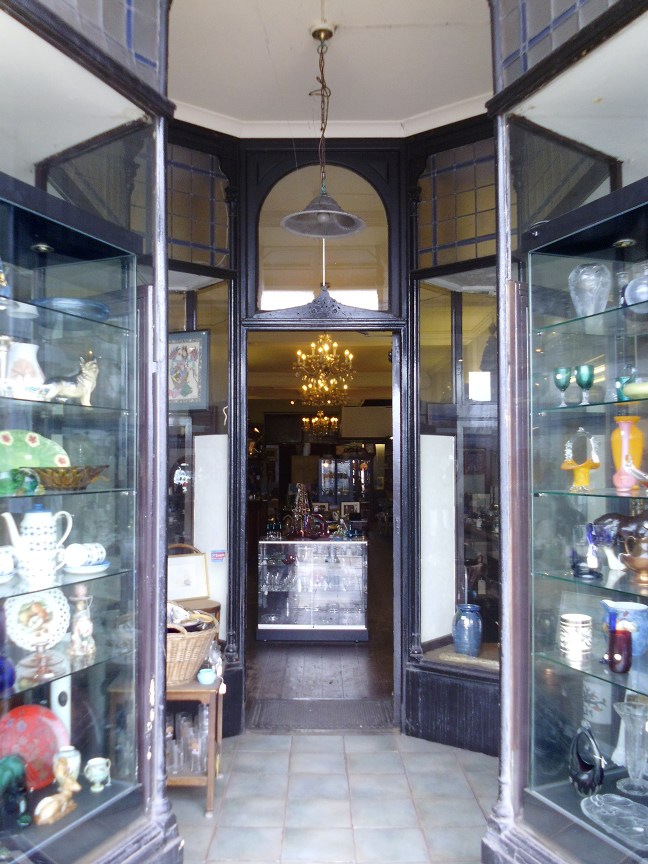
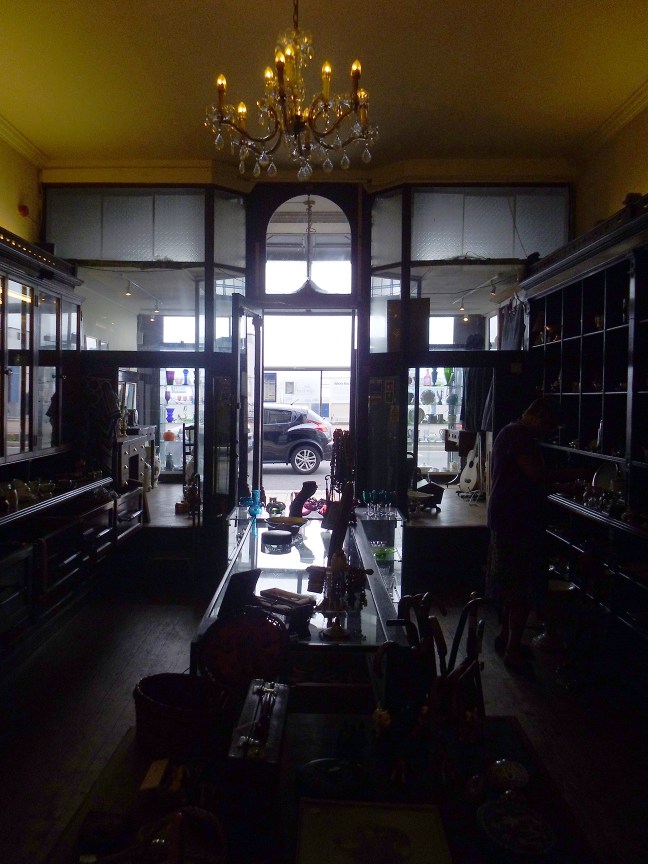
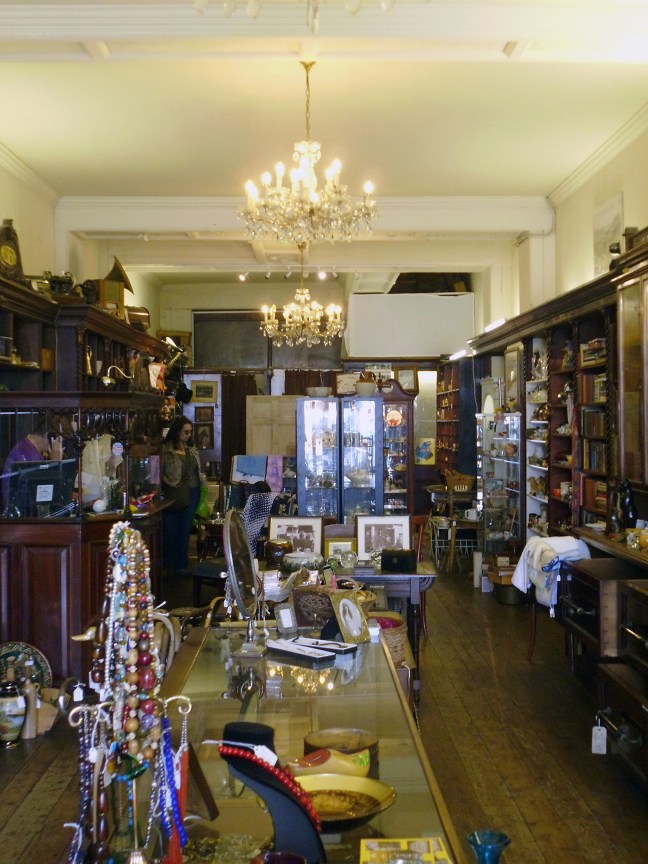
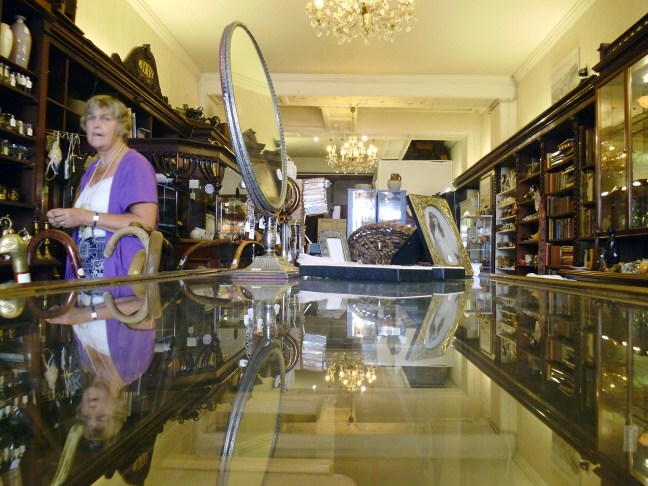
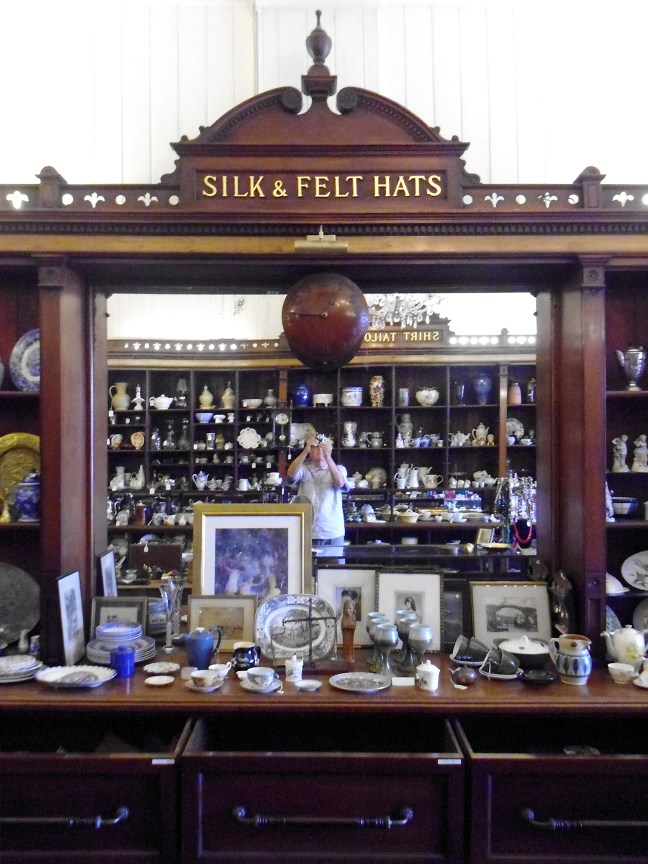
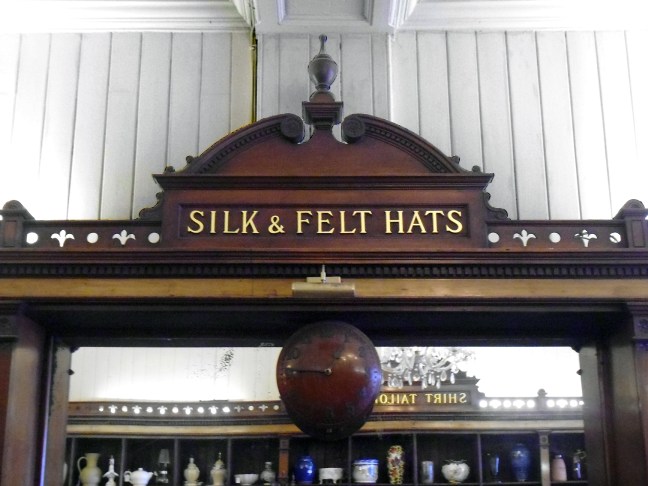
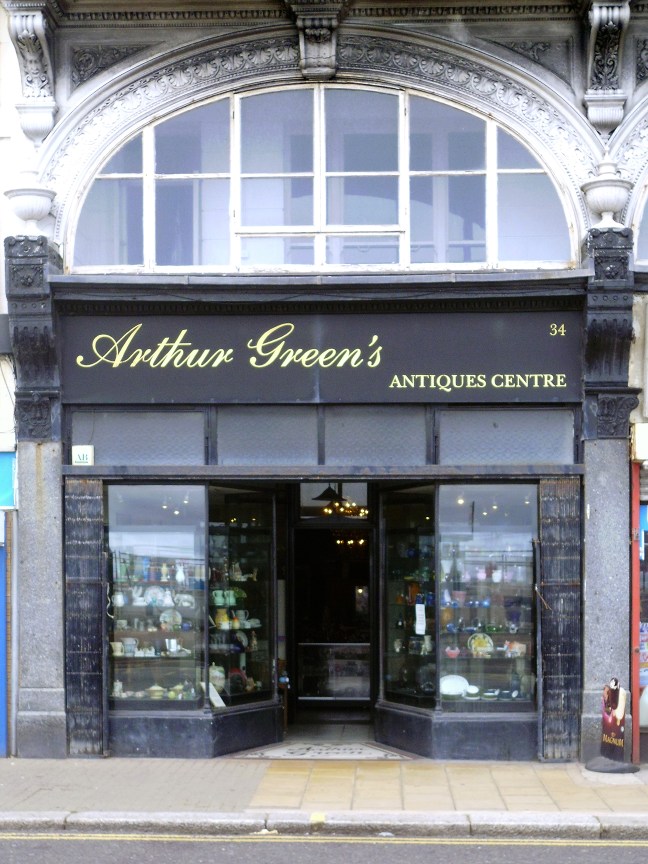
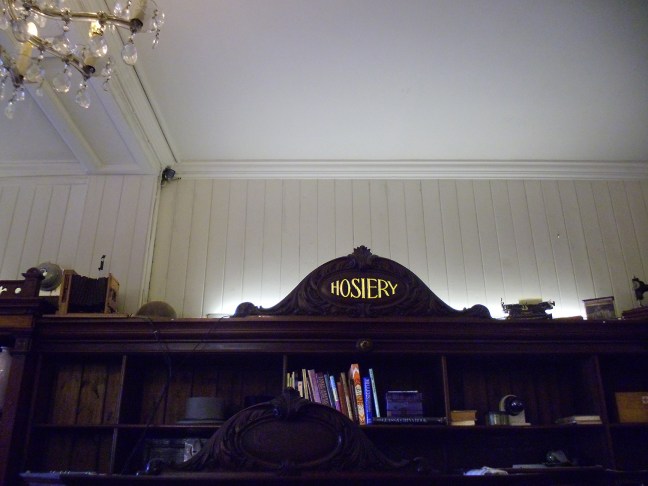
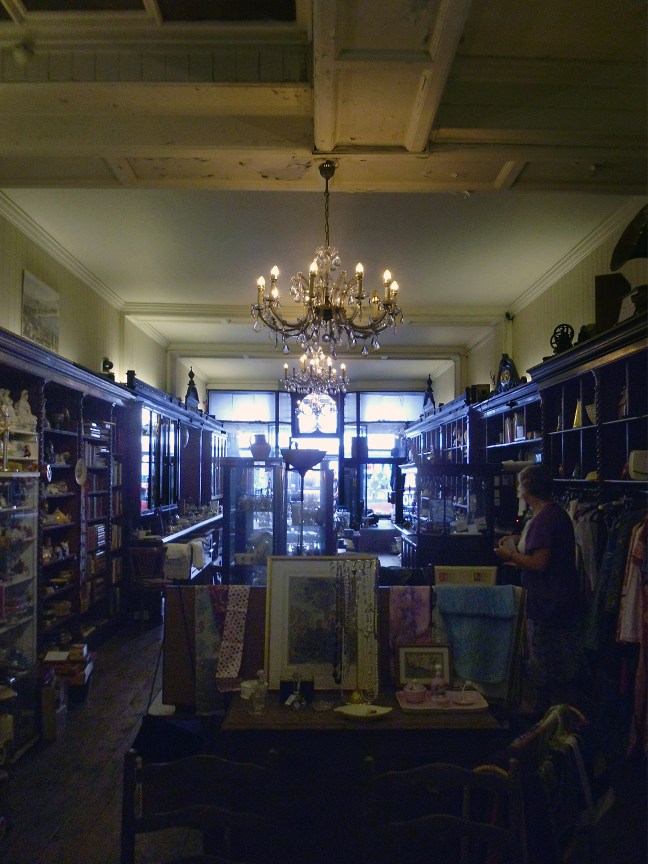
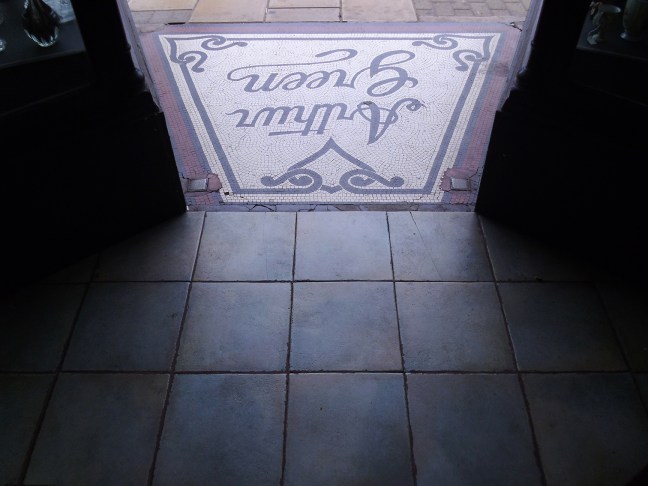
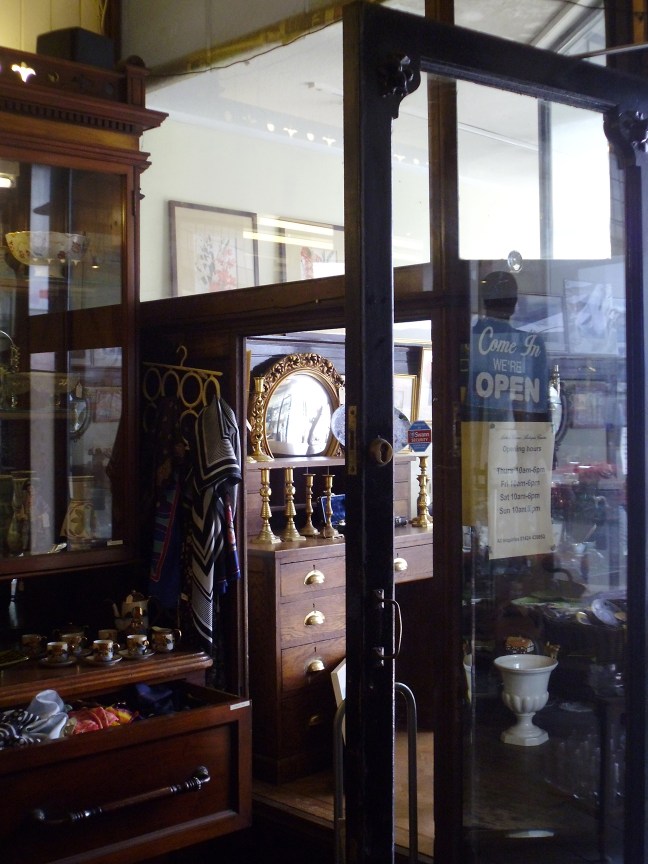
Facing happily out to sea, hard by Hastings promenade, sits Arthur Green’s, former menswear shop of some considerable distinction. Currently operating as an antiques centre, the whole of the perfectly preserved, period interior is now listed by English Heritage.

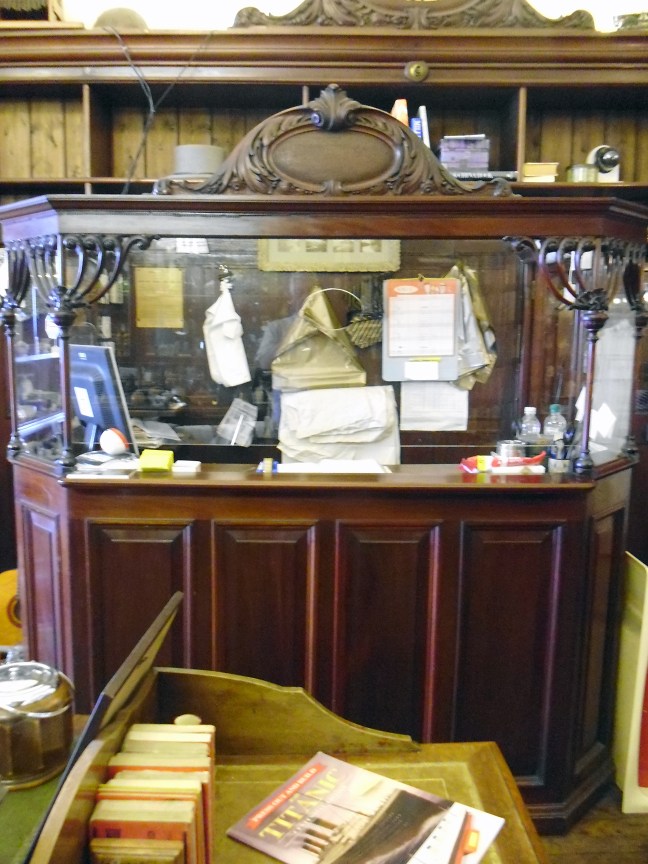
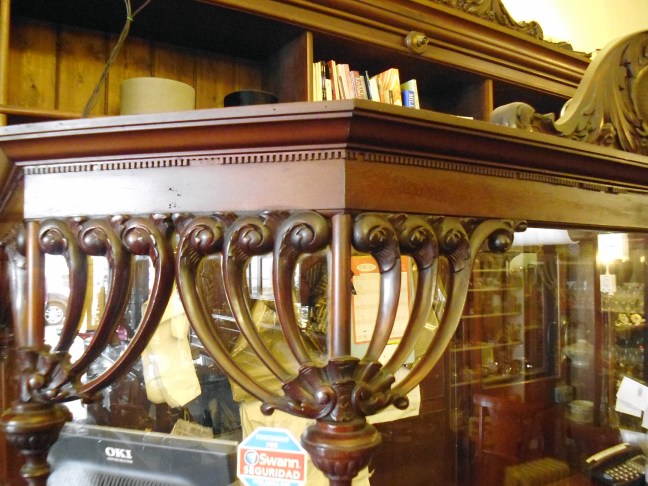
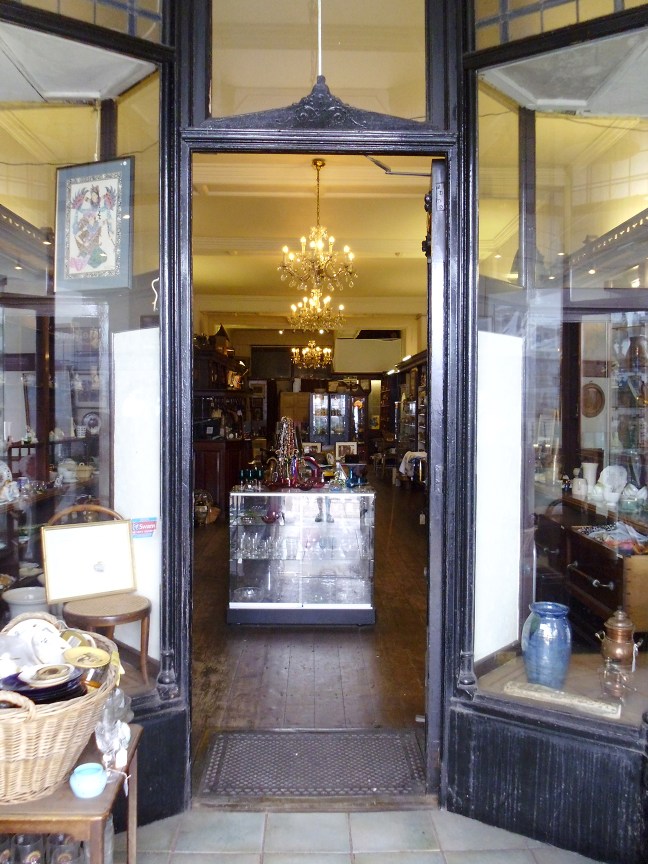
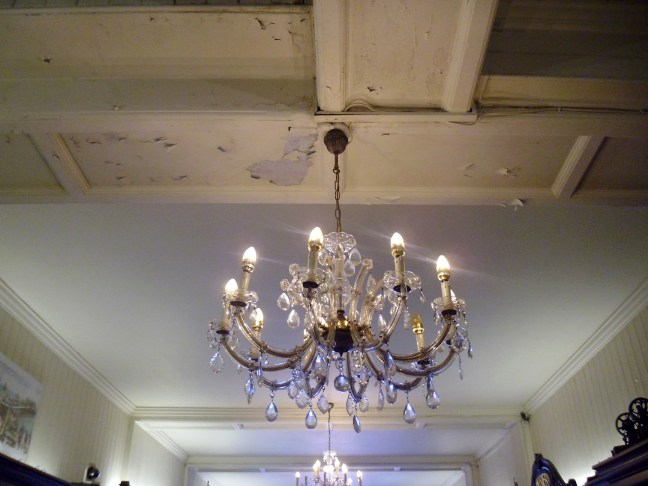
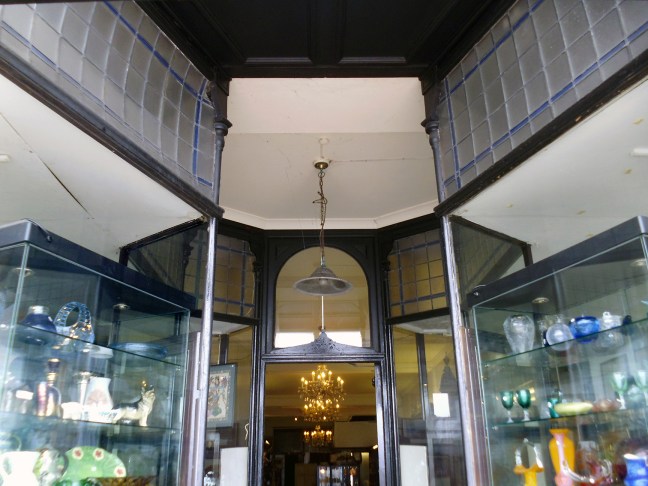
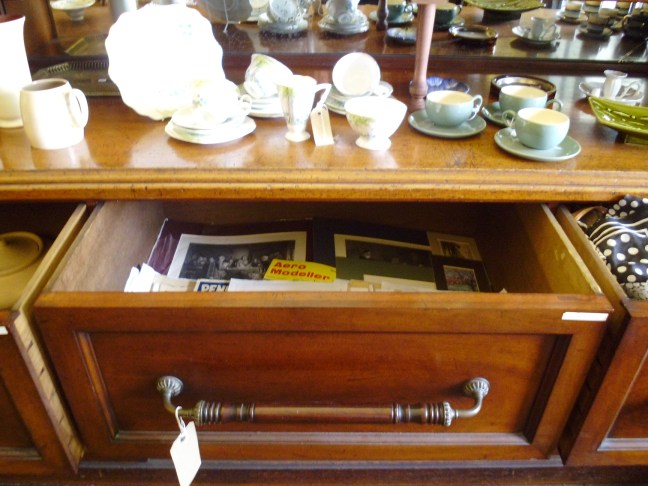
A mosaic porch and glass lined vestibule, invite you into a palace of dark hardwood fittings, capacious drawers, glass fronted cabinets, and an ornately carved cashiers booth, all topped off and lit by crystal chandeliers.
Few such example still exist intact, their contents usually ripped out, ripped off and reinstalled in chi-chi overpriced, cosmopolitan boutiques – suits you sir?

I think not!

My thanks to the helpful and patient staff who informed and facilitated my mooching.

Take a walk along the front – pop in.

P1020506 copy

P1020523 copy

P1020510 copy

P1020521 copy

P1020522 copy

P1020526 copy

P1020512 copy

P1020511 copy

P1020520 copy

P1020508 copy

P1020529 copy

P1020518 copy

P1020509 copy

P1020530 copy

P1020505 copy

P1020515 copy

P1020507 copy

P1020516 copy

P1020514 copy

P1020513 copy

P1020528 copy

Llanidloes – Shopfronts

In the heart of Wales, former centre of the flannel industry, stands Llanidloes.

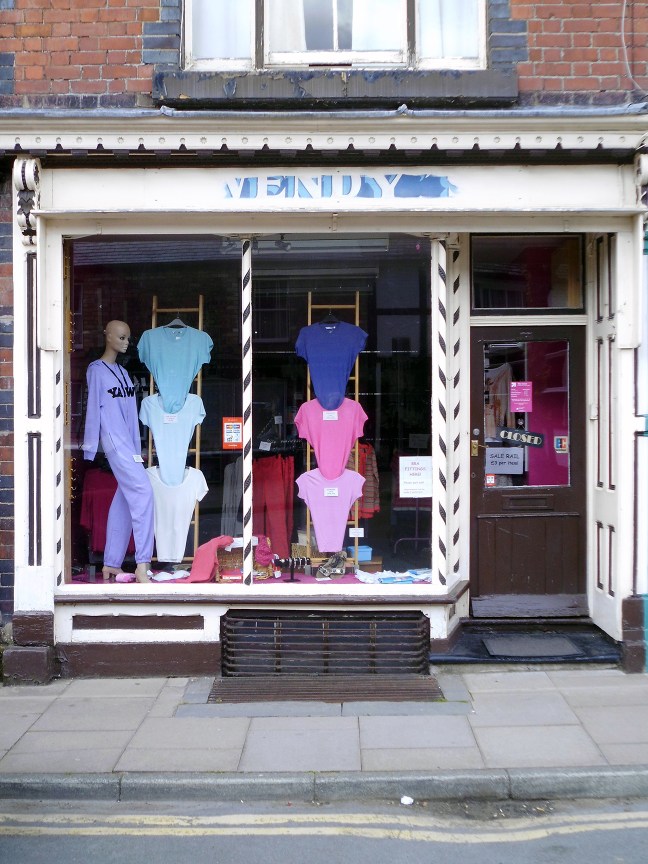
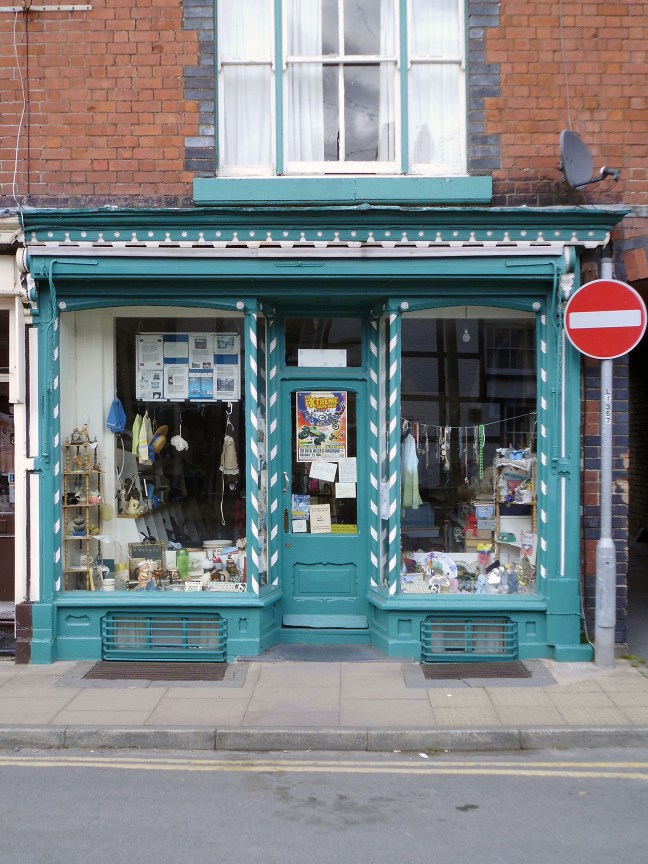
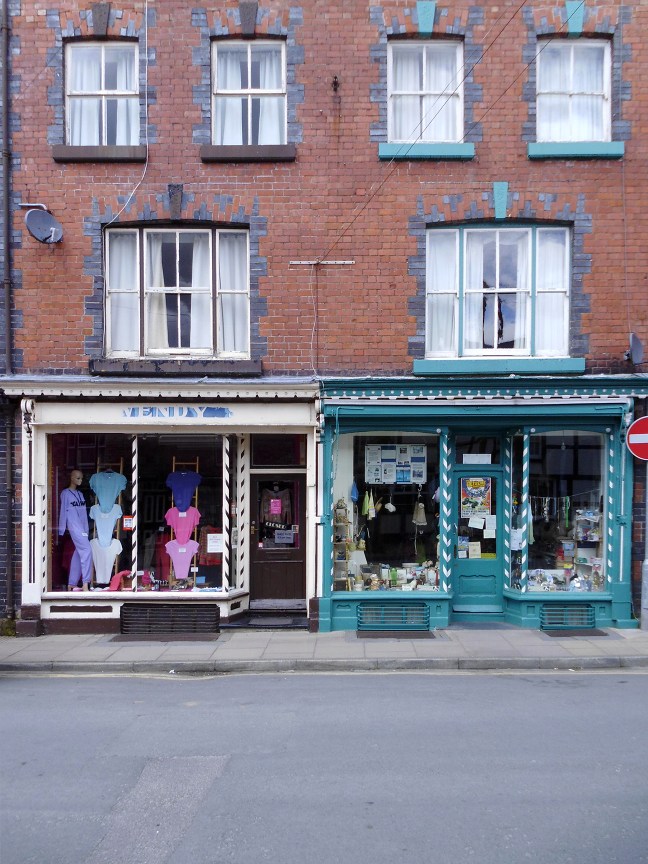
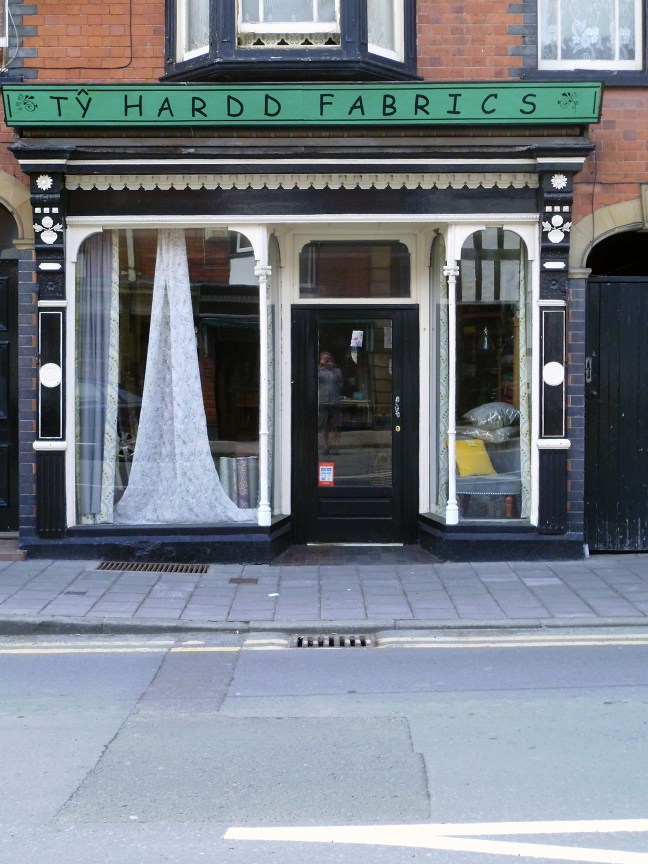
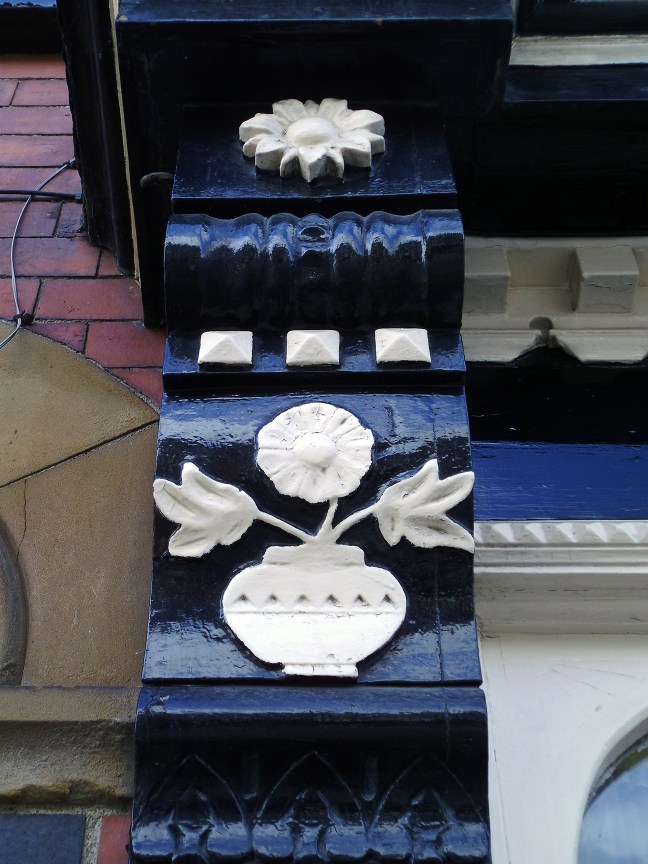
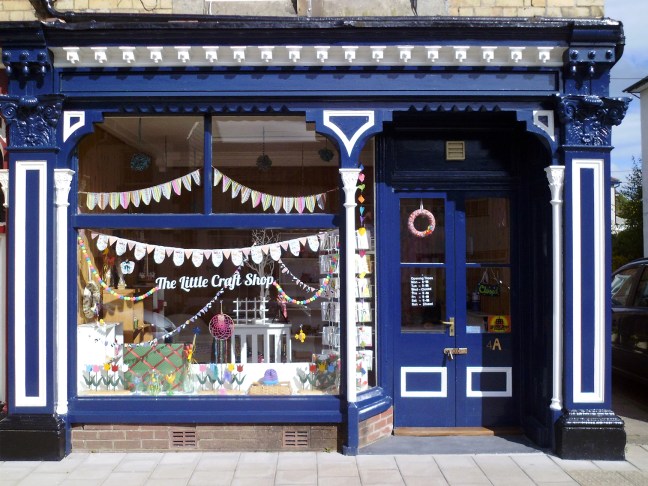
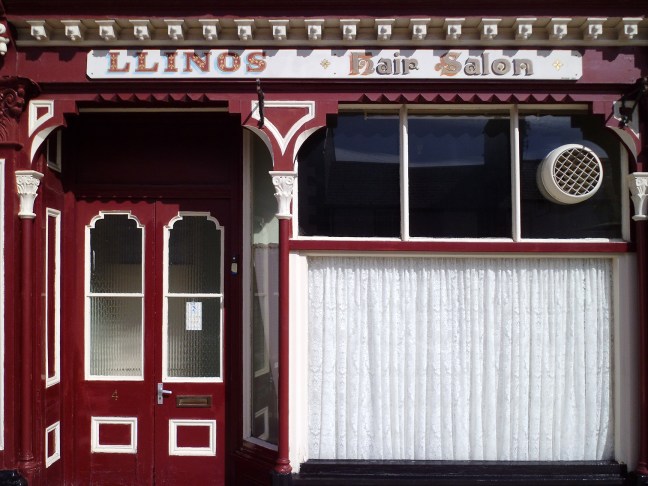
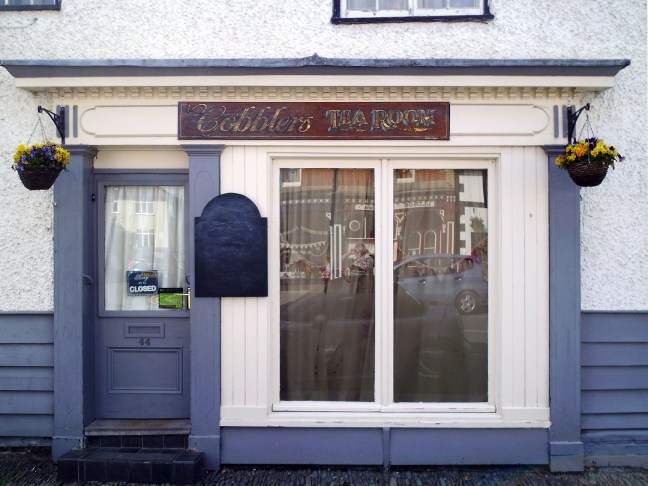
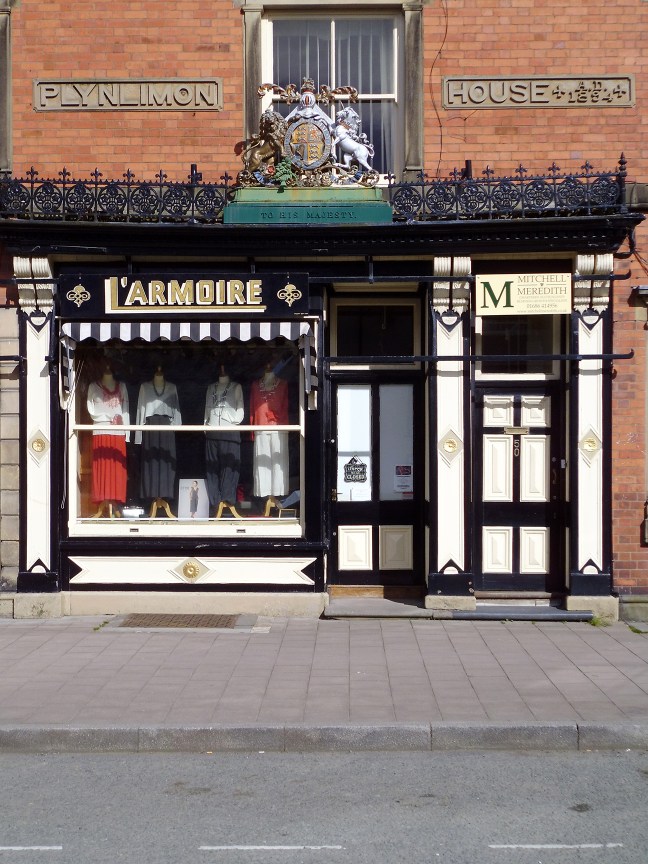
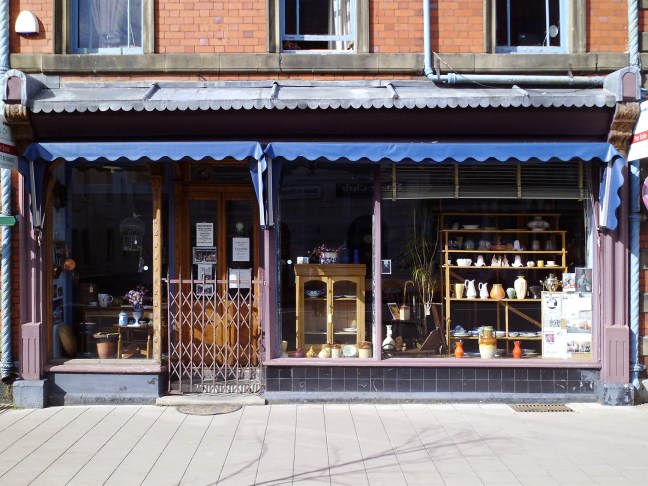
Through civic pride, love and local doggedness, the decorative shopfront prevails unabashed.

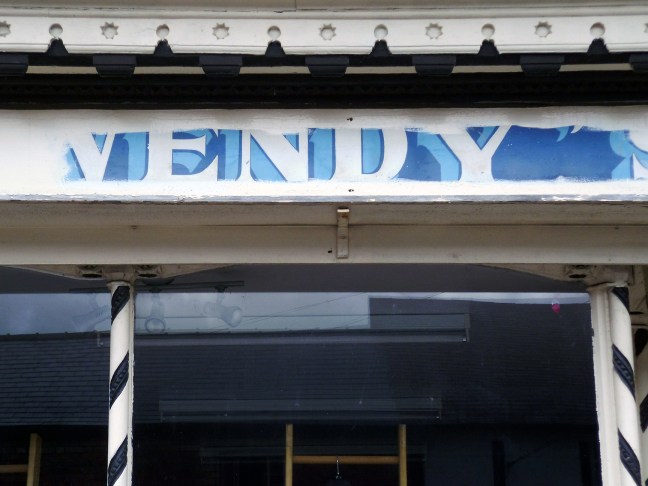
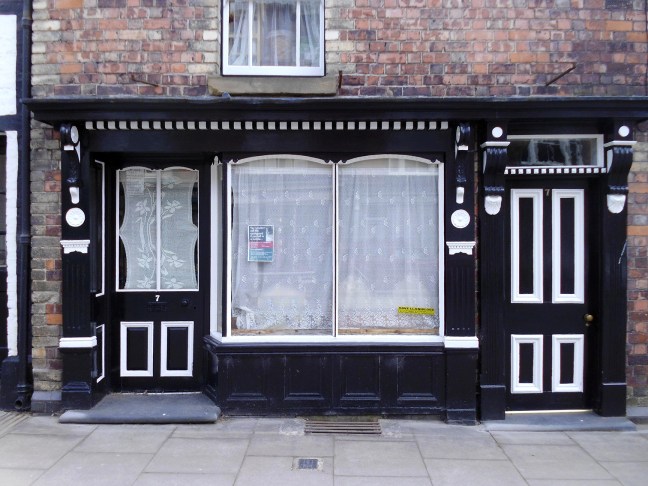
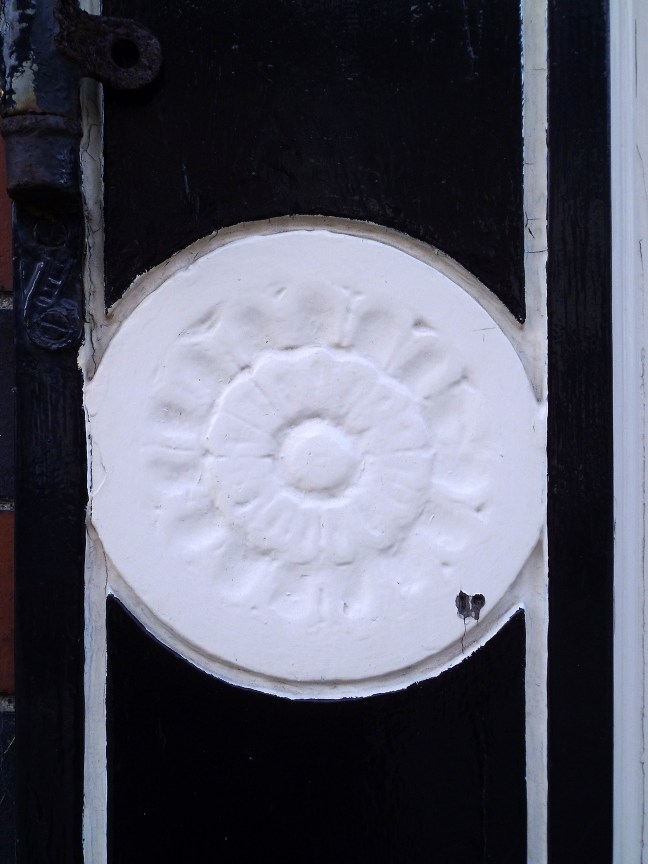
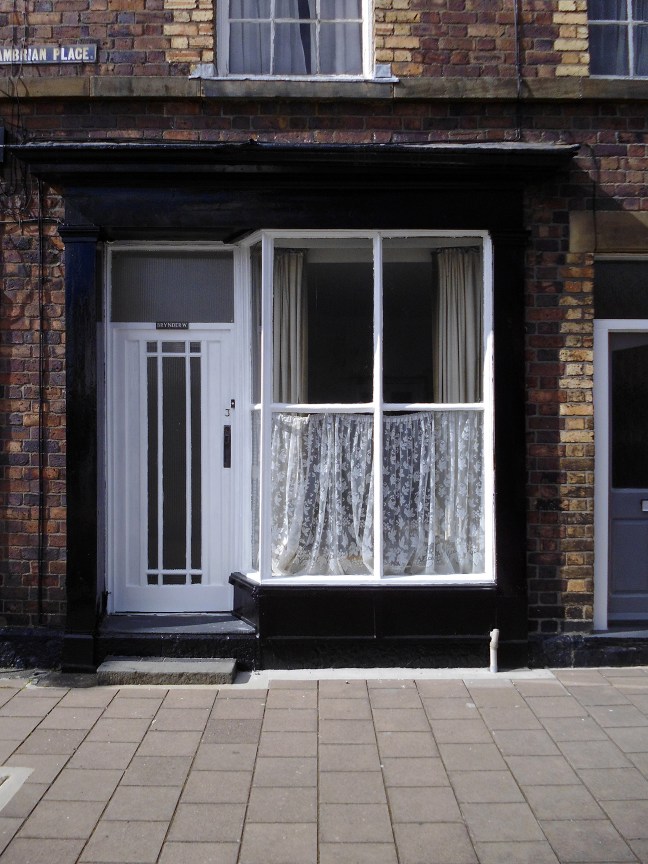
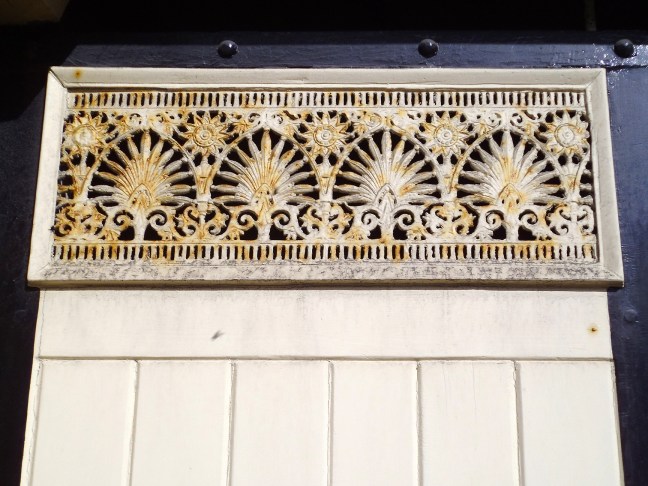
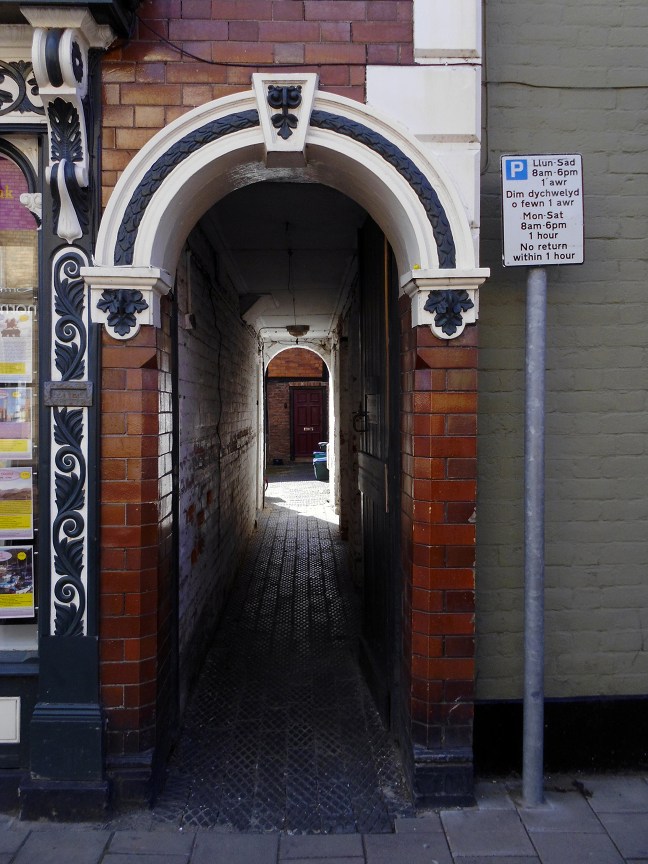
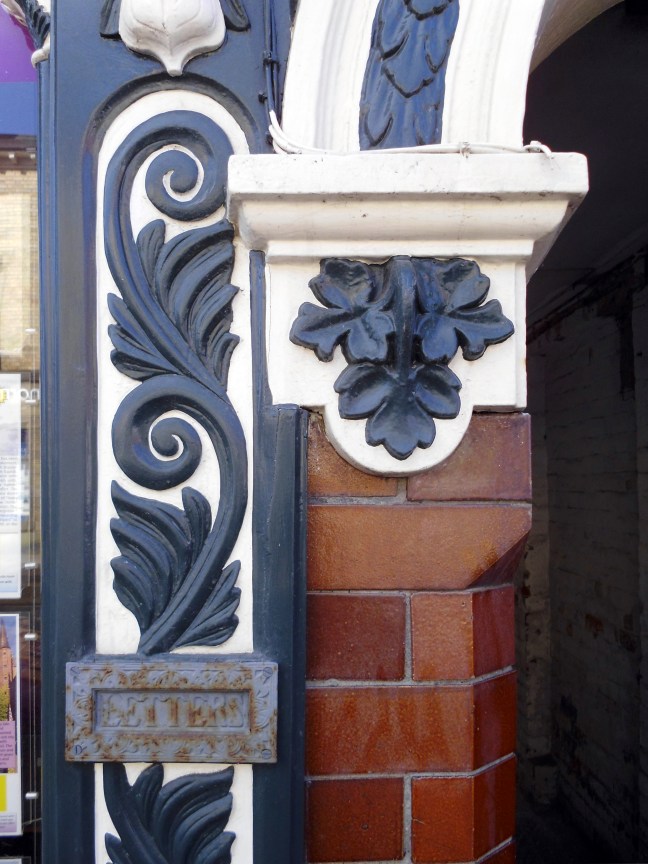
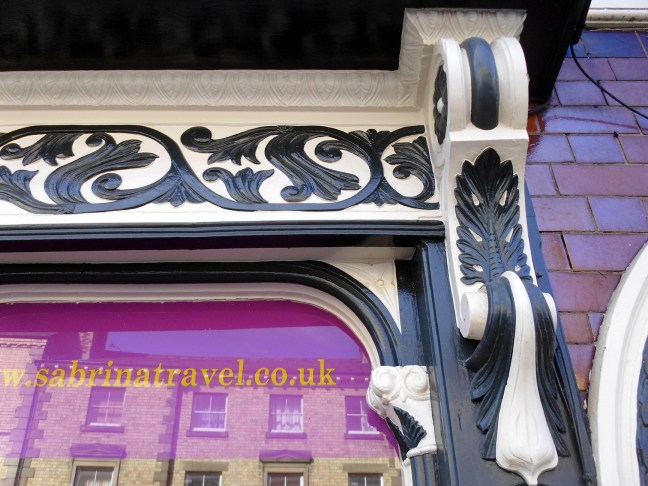
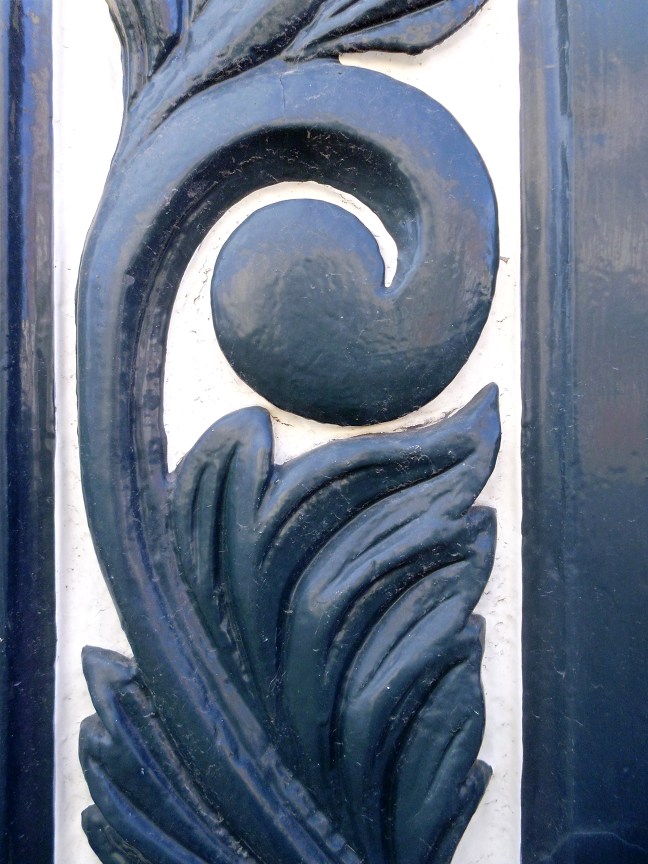
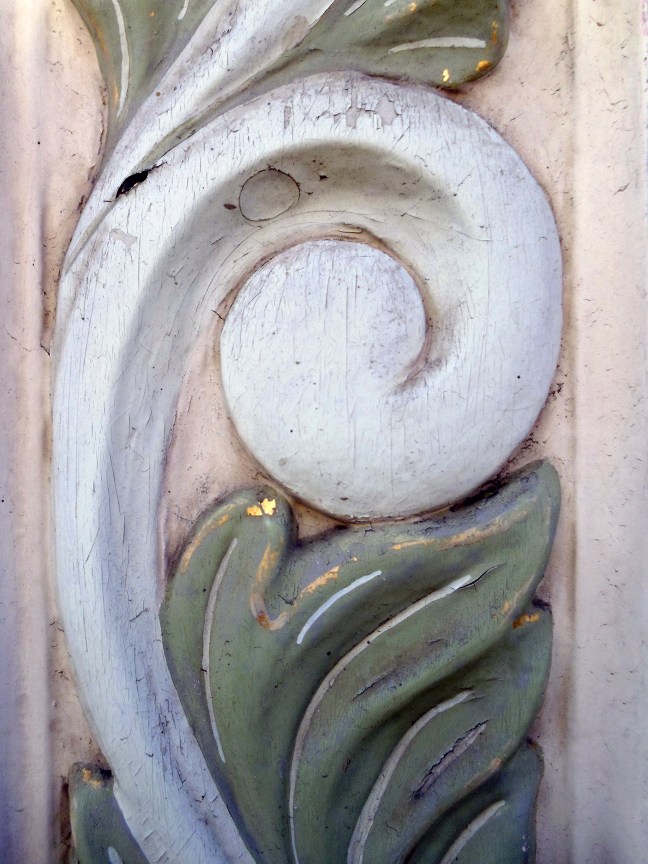
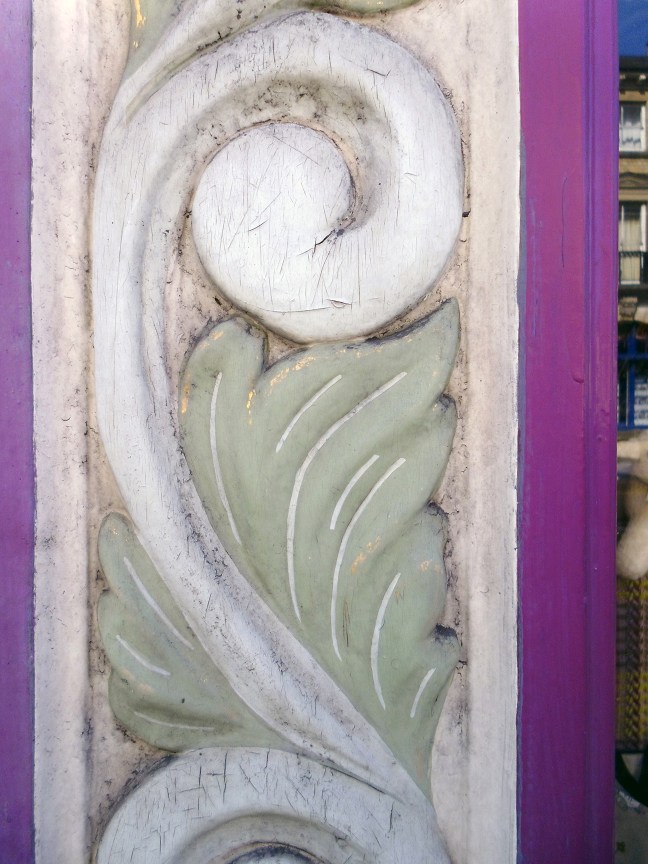
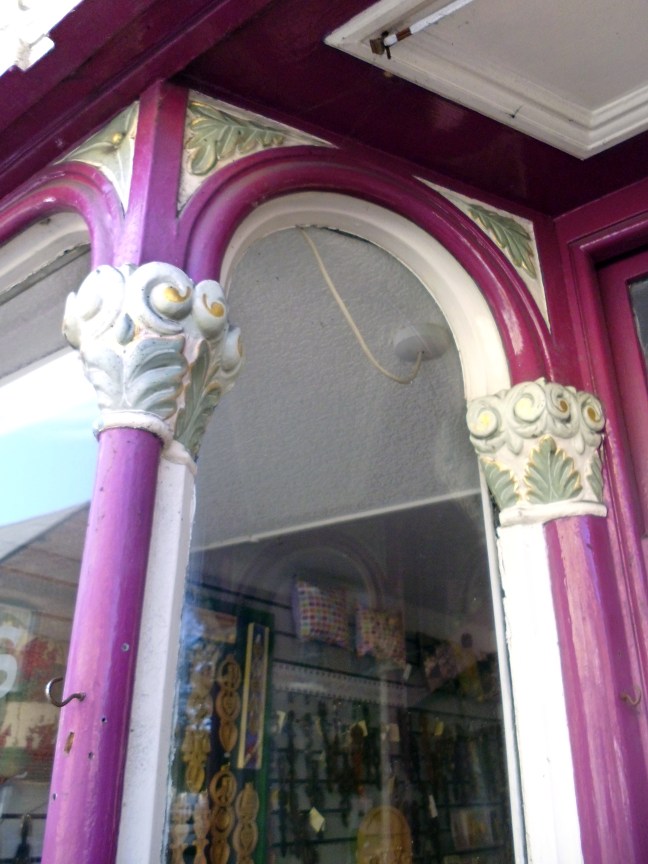
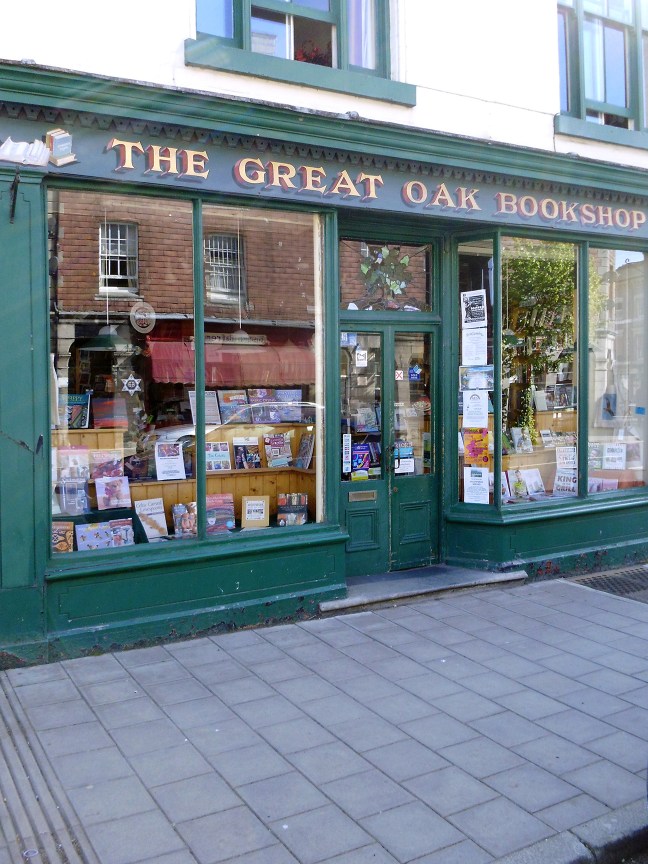
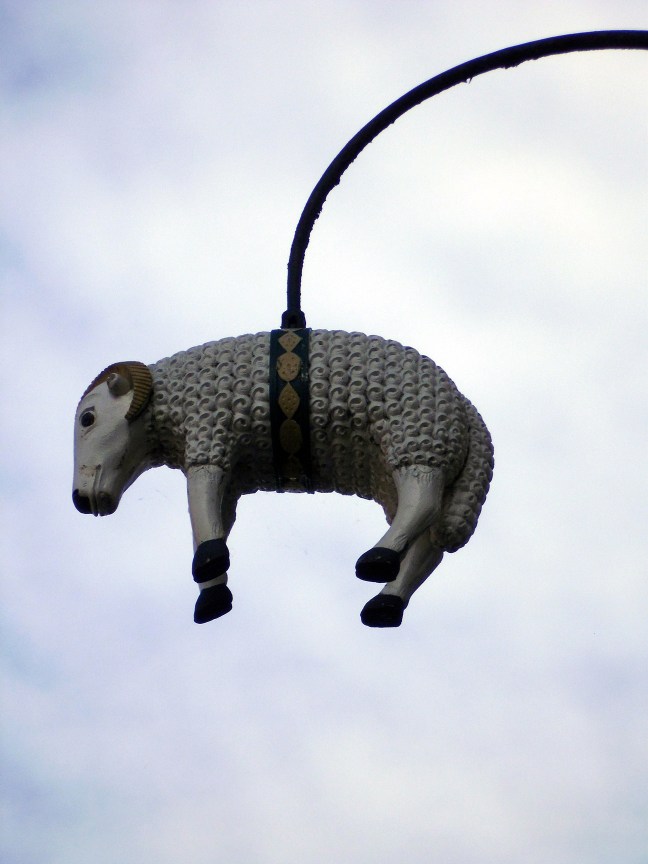
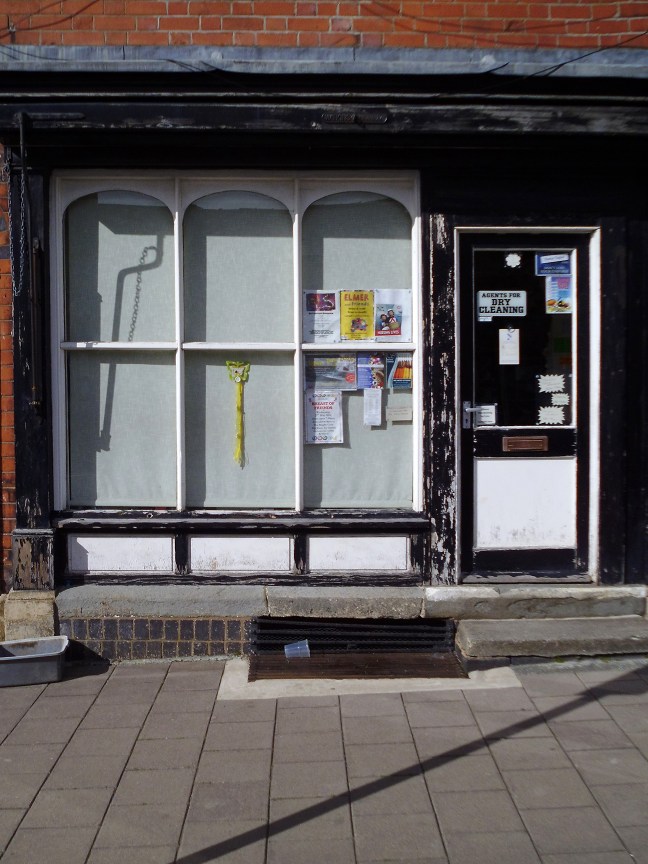
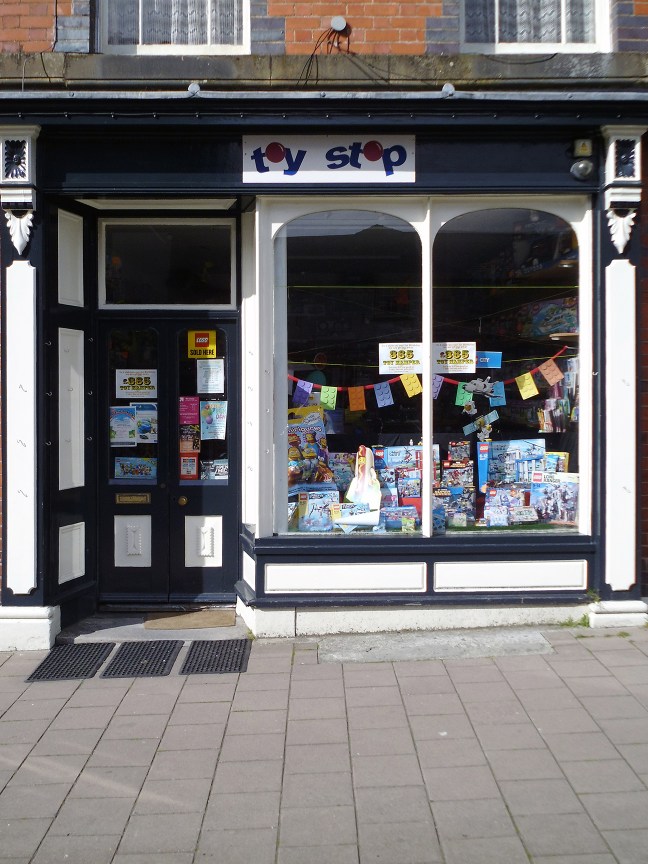
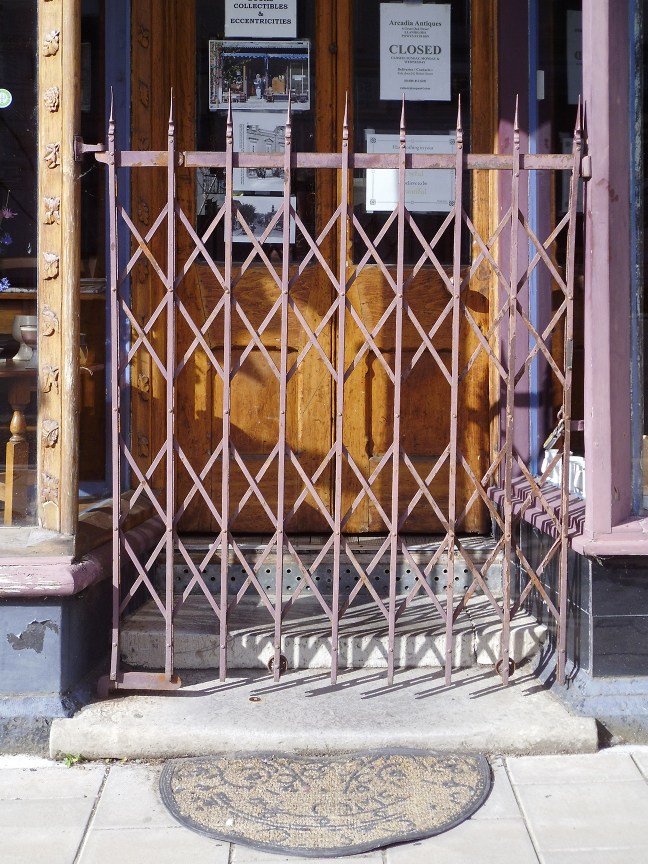
The finest selection of carved and moulded wooden filigree, hand painted signs, large open panes, tile work and the odd suspended folk-art sheep, adorn substantial Victorian properties, rich in the market town tradition of controlled opulence. A varied typology, the majority continuing to trade, the odd domestic conversion retaining its retail characteristics, whilst maintaining its modesty, behind tightly drawn net curtains.

Go take a look.

P1070185 copy

P1070187 copy

P1070188 copy

P1070190 copy

P1070197 copy

P1070198 copy

P1070199 copy

P1070205 copy

P1070206 copy

P1070207 copy

P1070208 copy

P1070224 copy

P1070225 copy

P1070227 copy

P1070228 copy

P1070229 copy

P1070230 copy

P1070231 copy

P1070232 copy

P1070233 copy

P1070234 copy

P1070235 copy

P1070236 copy

P1070238 copy

P1070239 copy

P1070240 copy

P1070241 copy

P1070242 copy

P1070243 copy

Huddersfield – The Piazza

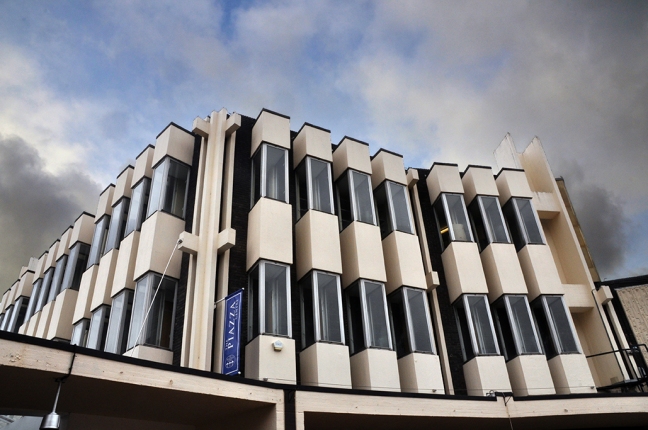
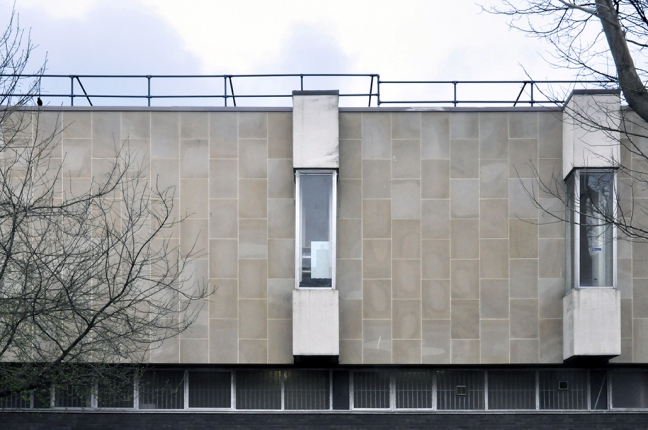
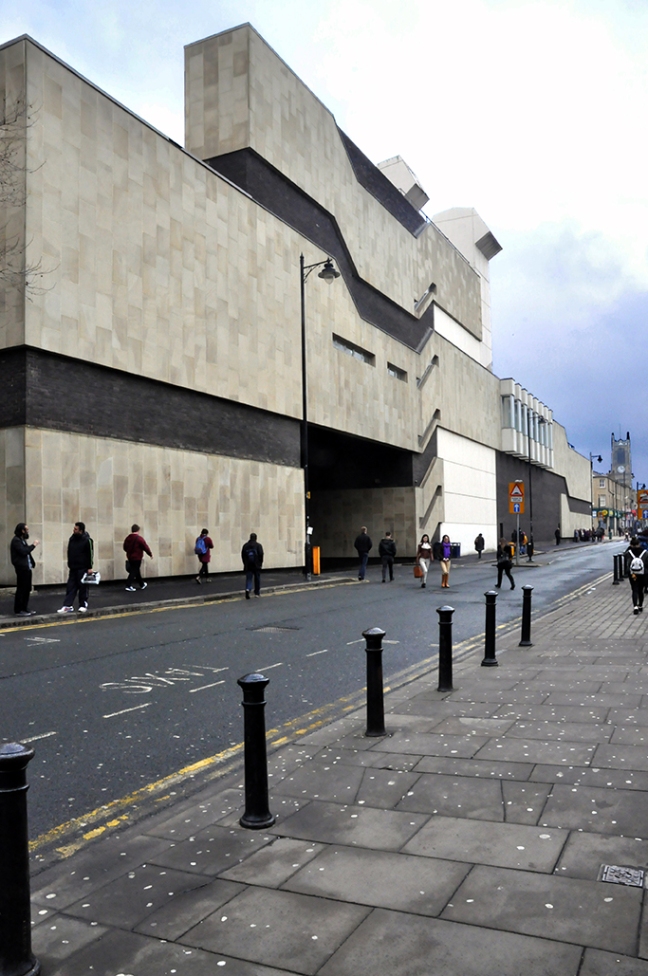
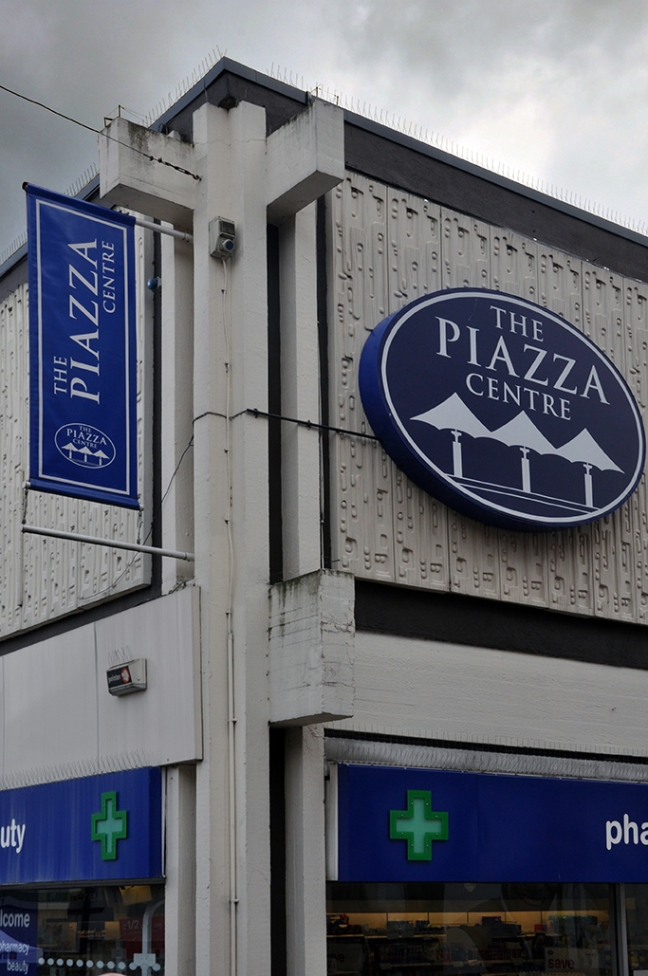
Huddersfield West Yorkshire shares a legacy with many other towns, a legacy of successive shopping developments of varying styles and quality. Shaped by fashion, topography and finance each makes a more or less bold statement on the fabric of the area.
In order to survive each geo-retail layer of architecture, must reinvent itself or die – adding new branding, covering period detail with newer, ever more impermanent fascias, flagging flagging and flags of all stripes.
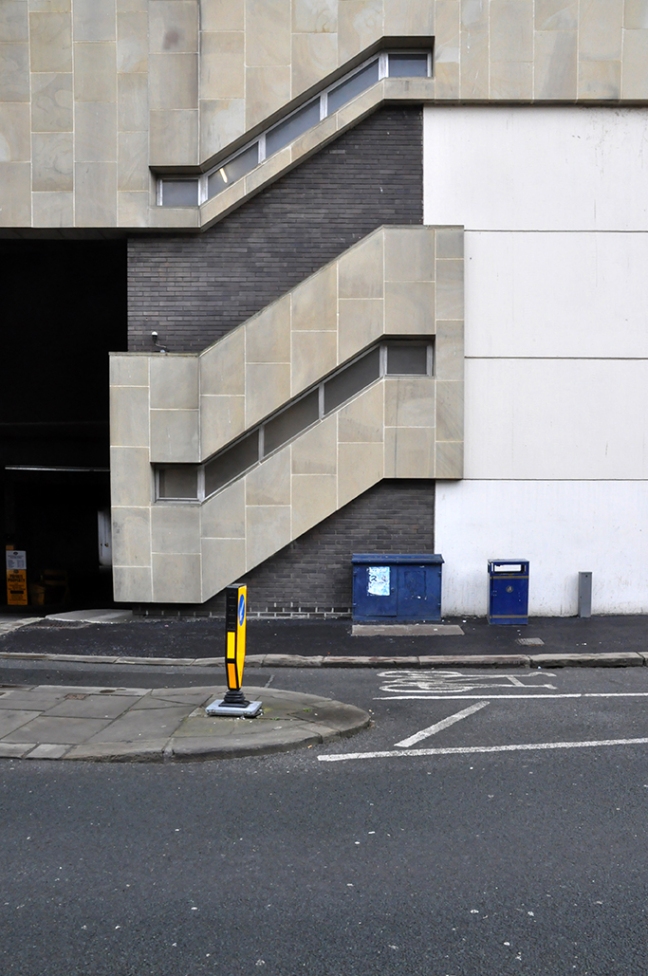
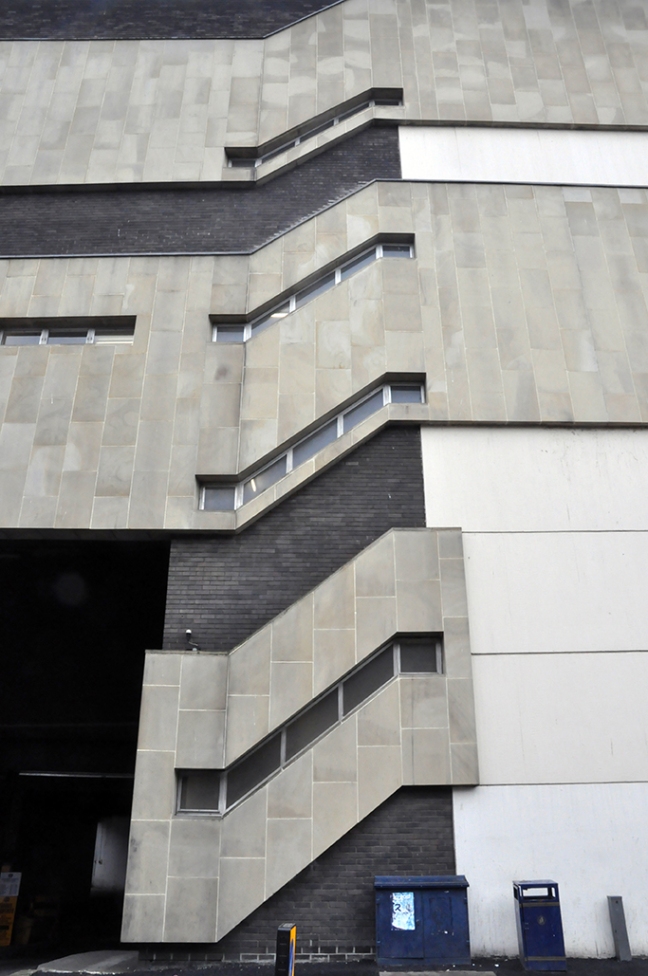
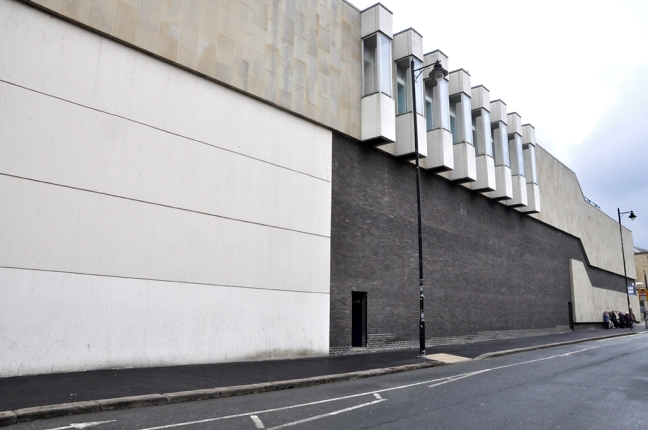
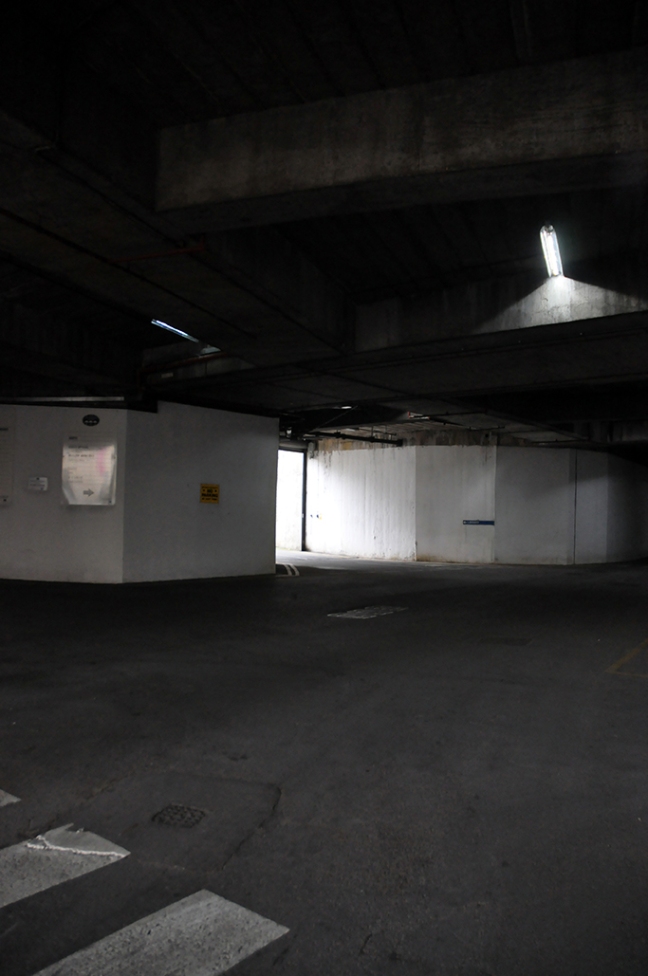
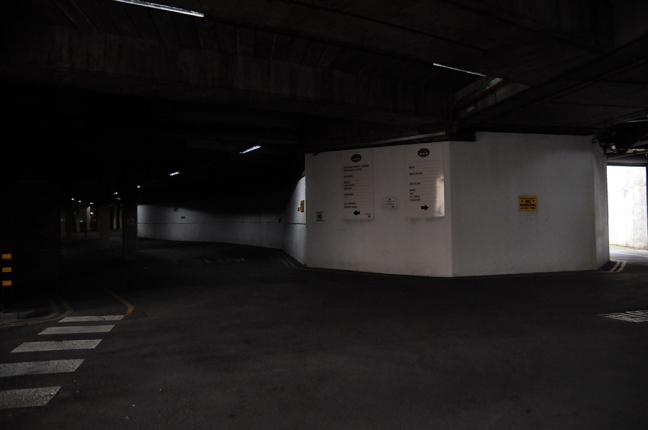
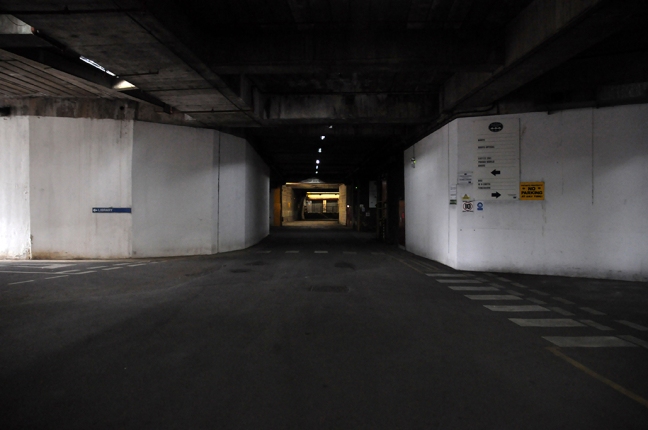
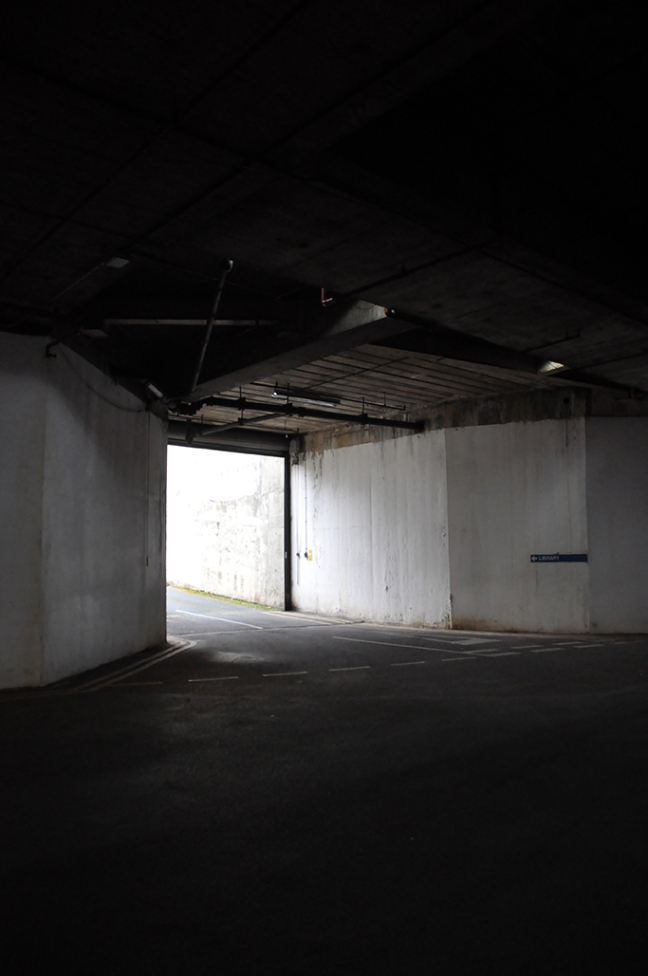
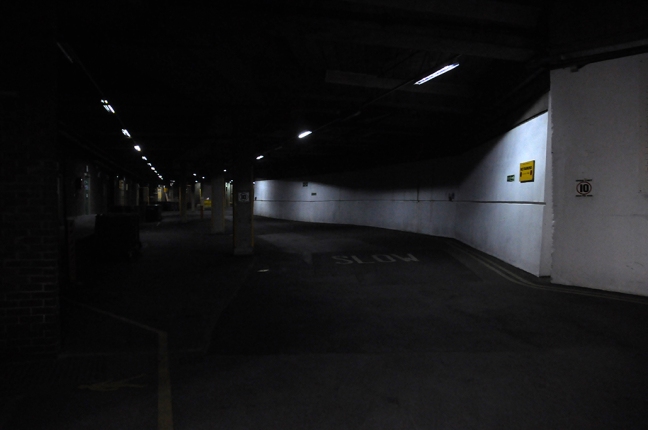
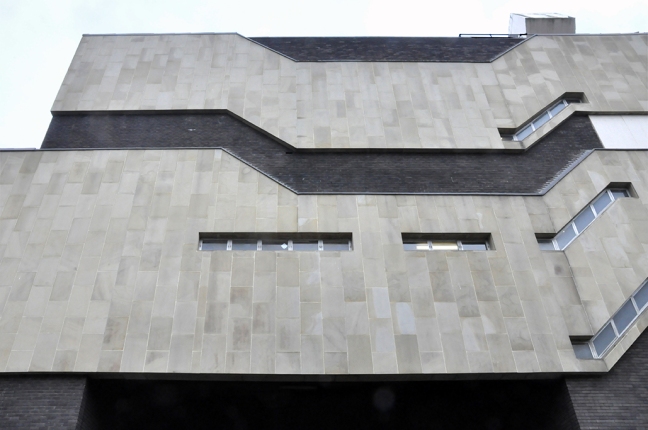
I encircled the Piazza – its monumental nether regions, enlivened with almost temple like scale and applied brick, stone and concrete surfaces, the dark and forbidding, cinematic subterranean service tunnels, and the open walkways of the main shopping areas.

I came away impressed, hope you do too.

DSC_0102 copy

DSC_0103 copy

DSC_0105 copy

DSC_0106 copy

DSC_0107 copy

DSC_0108 copy

DSC_0109 copy

DSC_0110 copy

DSC_0111 copy

DSC_0112 copy

DSC_0113 copy

DSC_0114 copy

DSC_0115 copy

DSC_0116 copy

DSC_0117 copy

DSC_0196 copy

DSC_0197 copy

DSC_0199 copy

Blackburn – Launderette

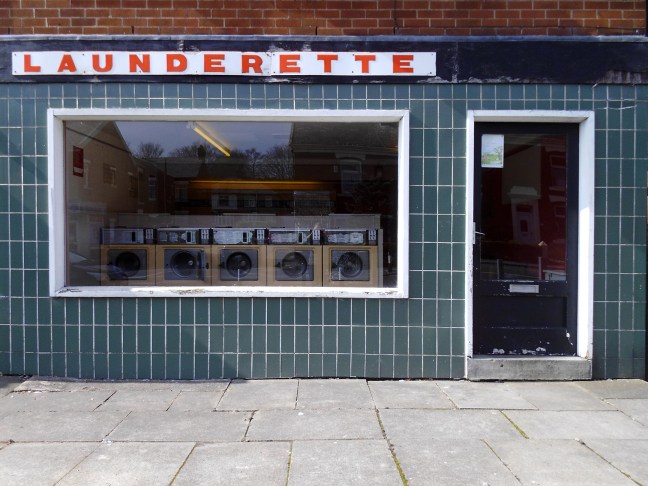
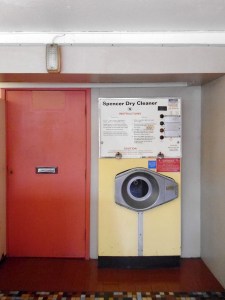
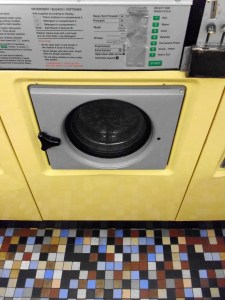
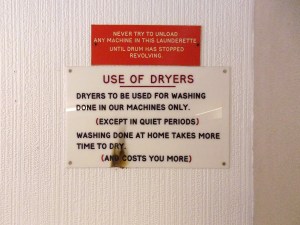
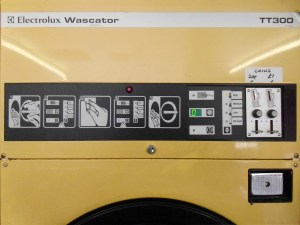
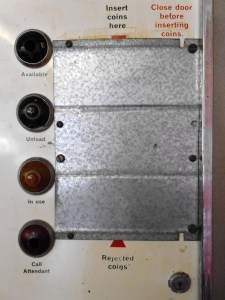
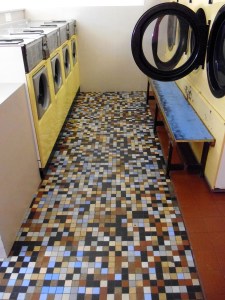
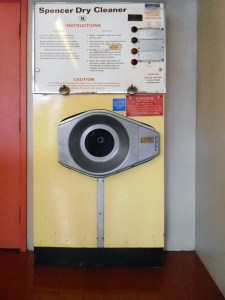
Wandering amiably down Whalley Old Road towards Blackburn one warm sunny day today, I came upon yet another launderette.

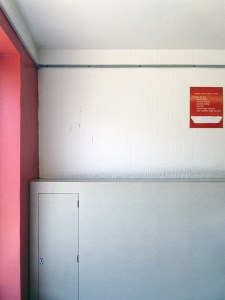
Somehow, somewhat frozen in time.

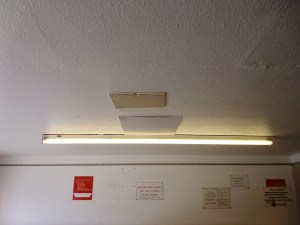
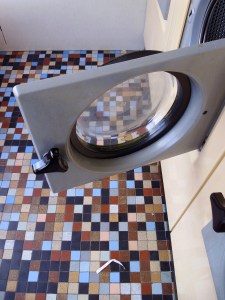
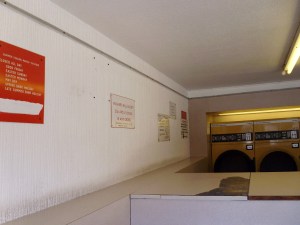
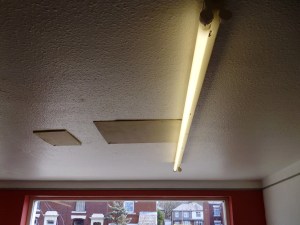
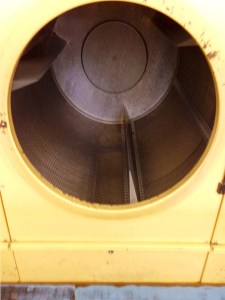
Front window cracked, but just about holding together, signage almost intact, machines formerly fully functioning – flagging, fluorescent tubes softly flickering, unguarded against the wood chip.

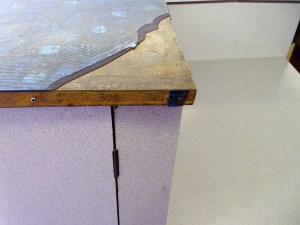
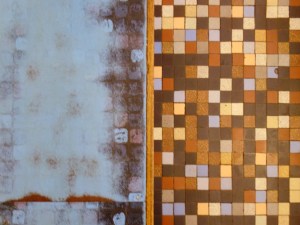
Patterned formica surfaces care worn and faded from use and abuse.

Washing done at home takes longer to dry (and costs you more).

You have been warned.

Stockport – Room at the Top

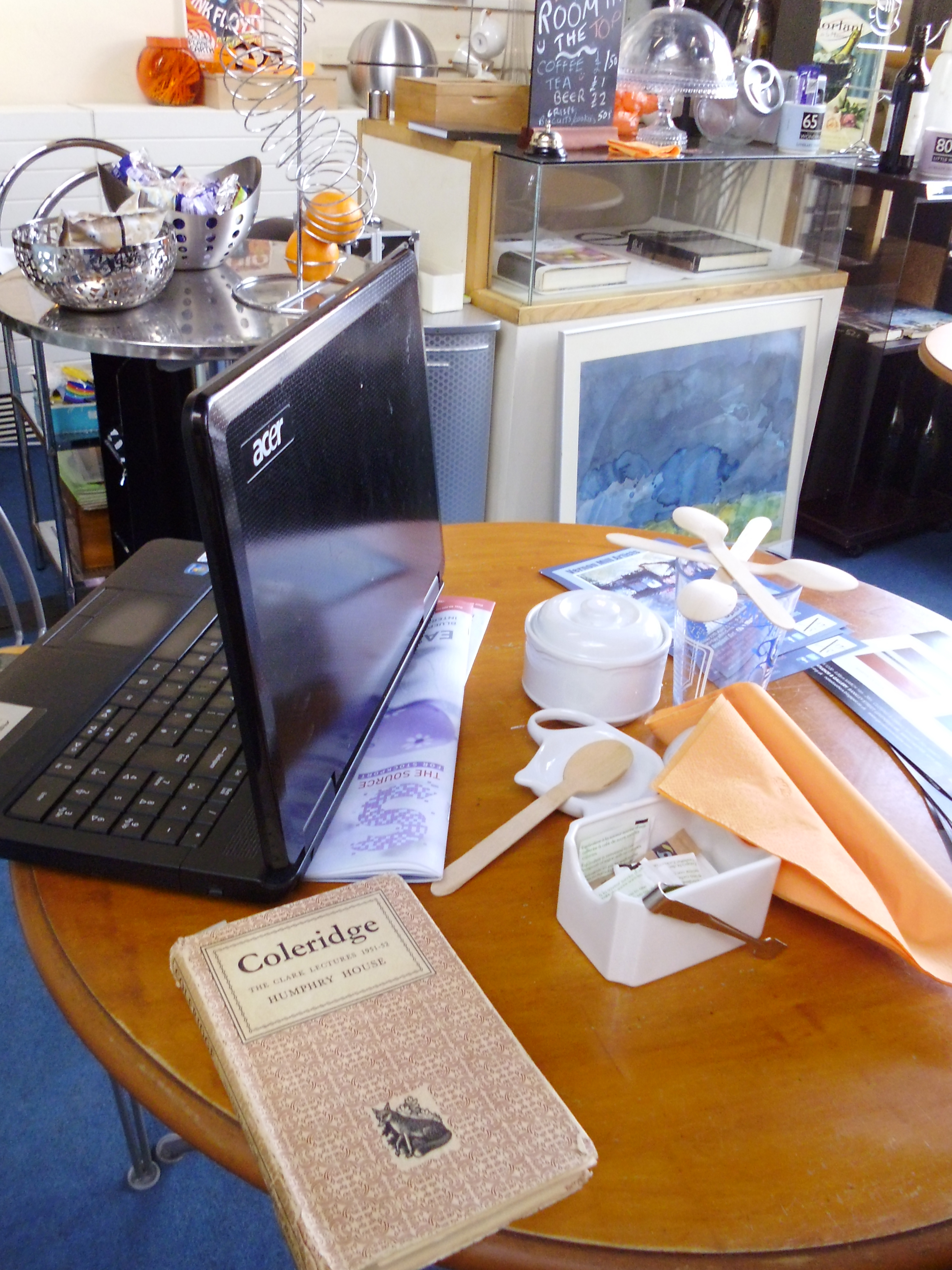
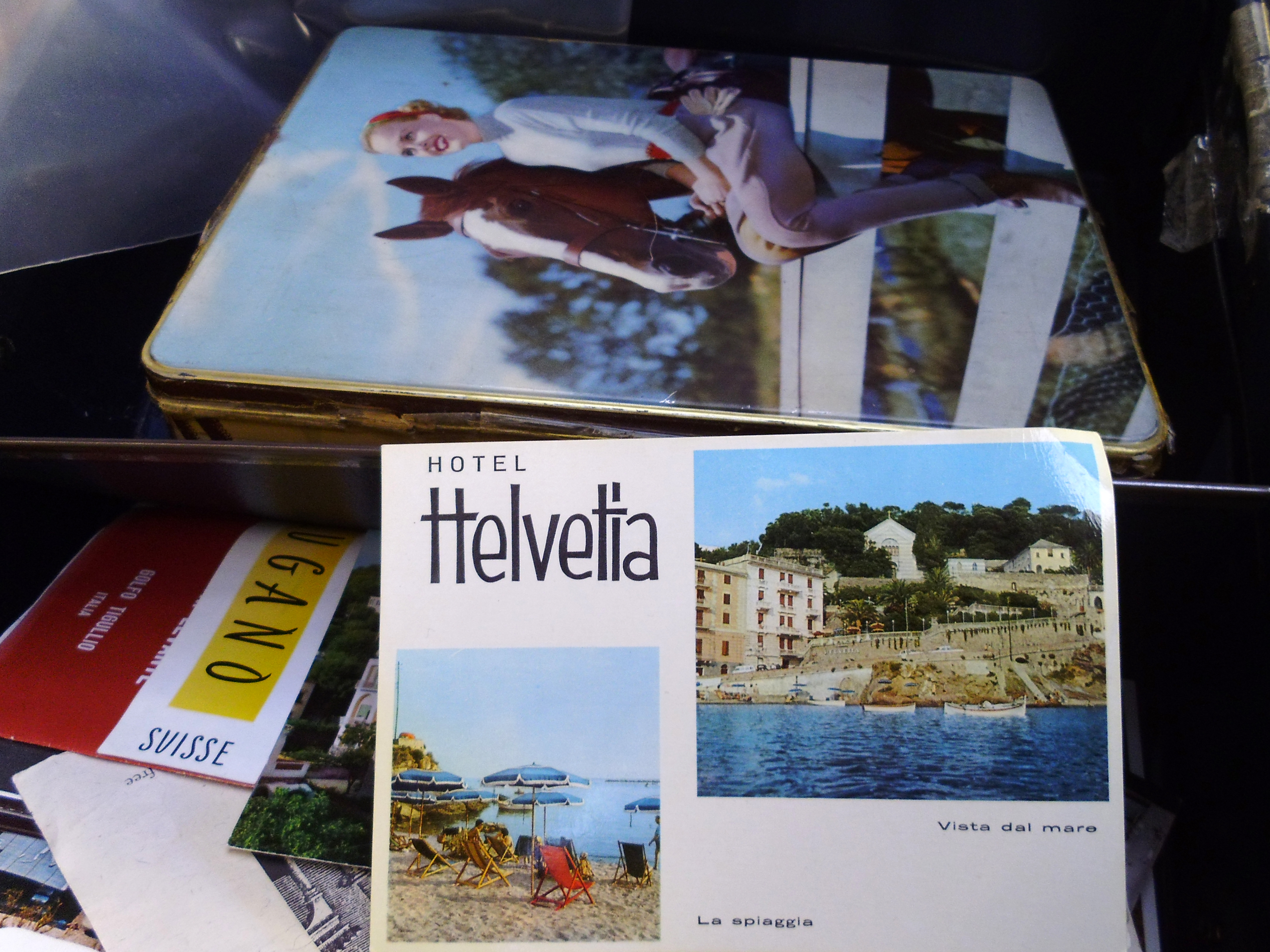
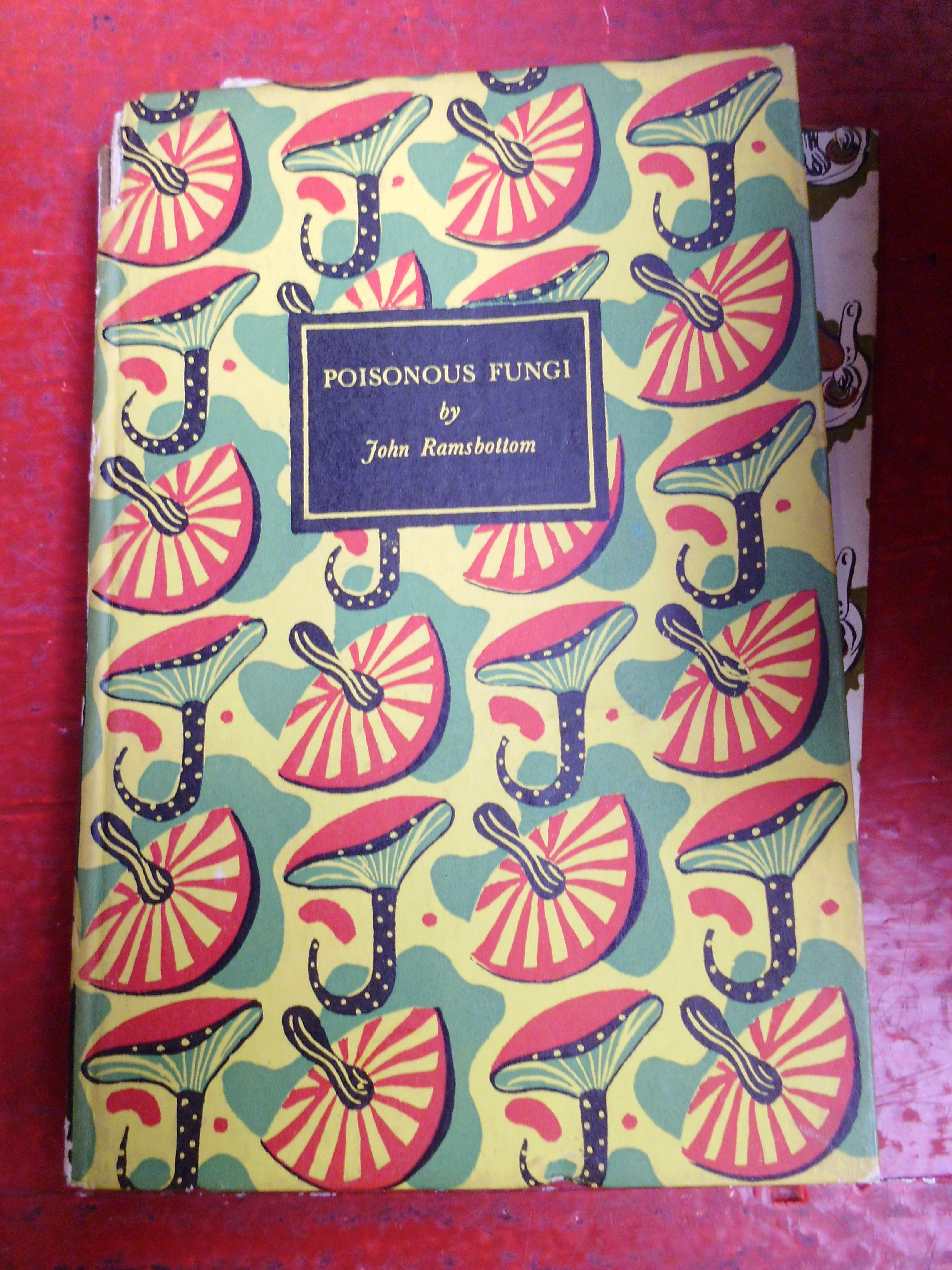
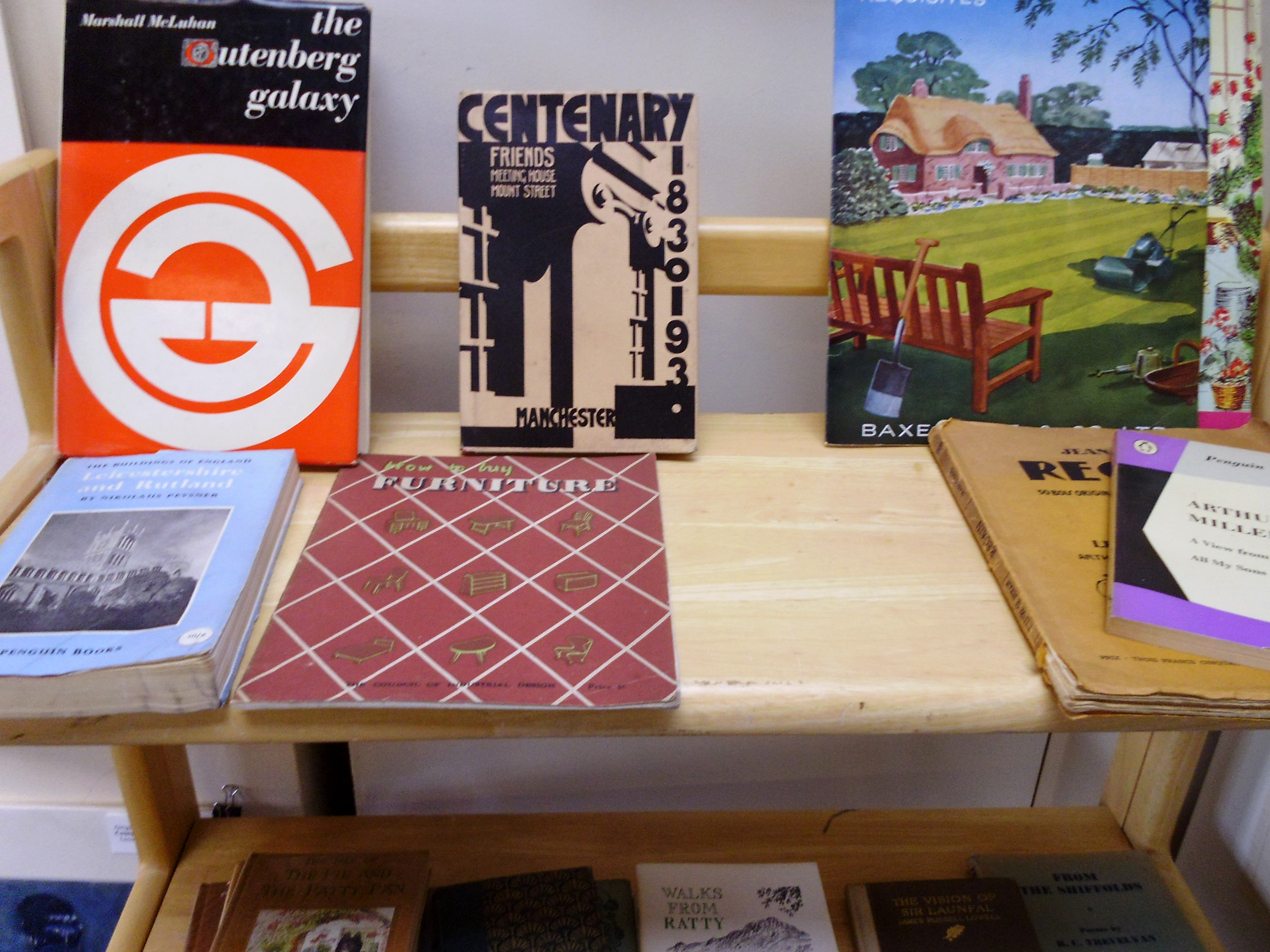
Every town worth its salt should have a decent second hand book shop.

Stockport does.

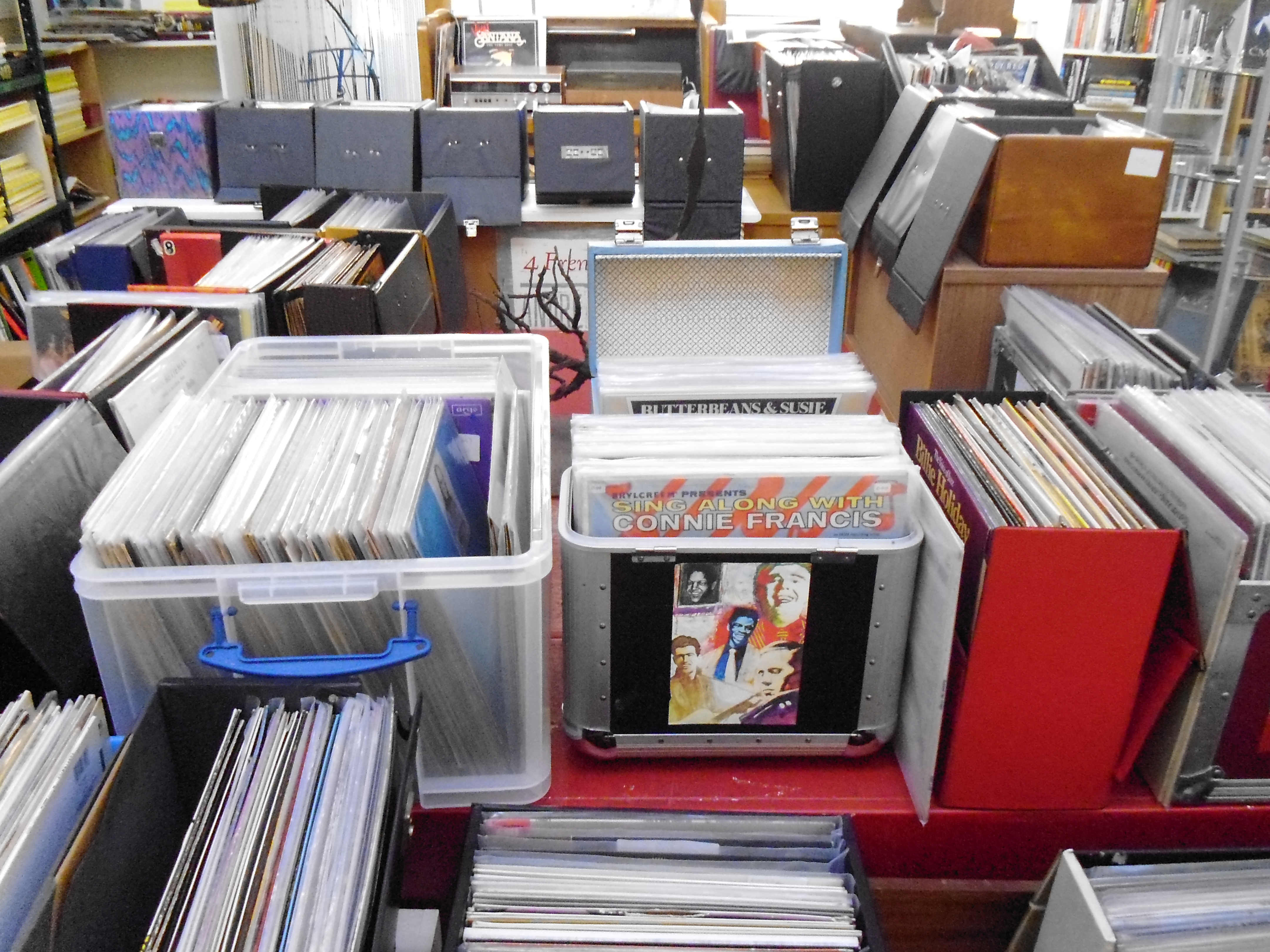
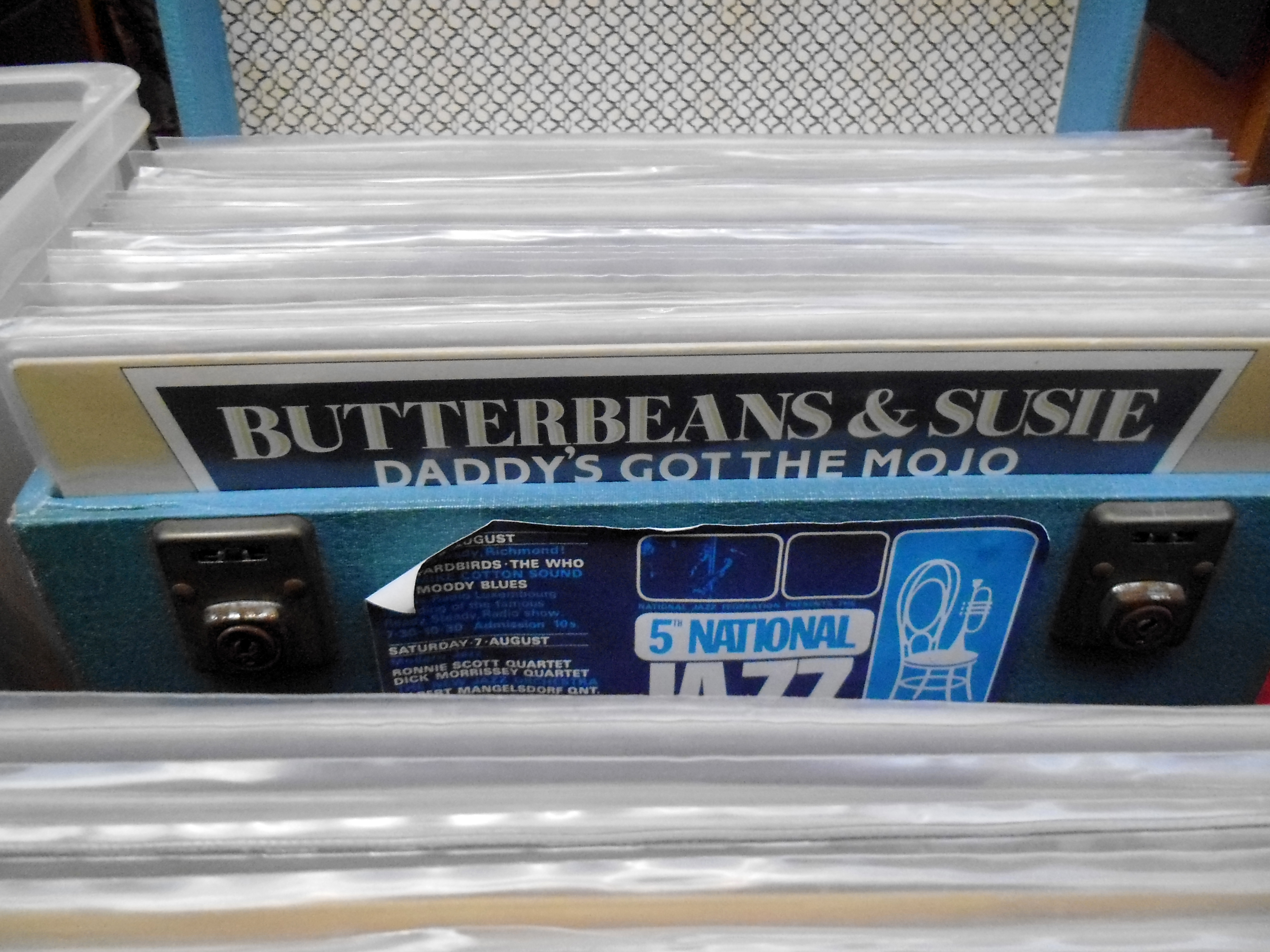
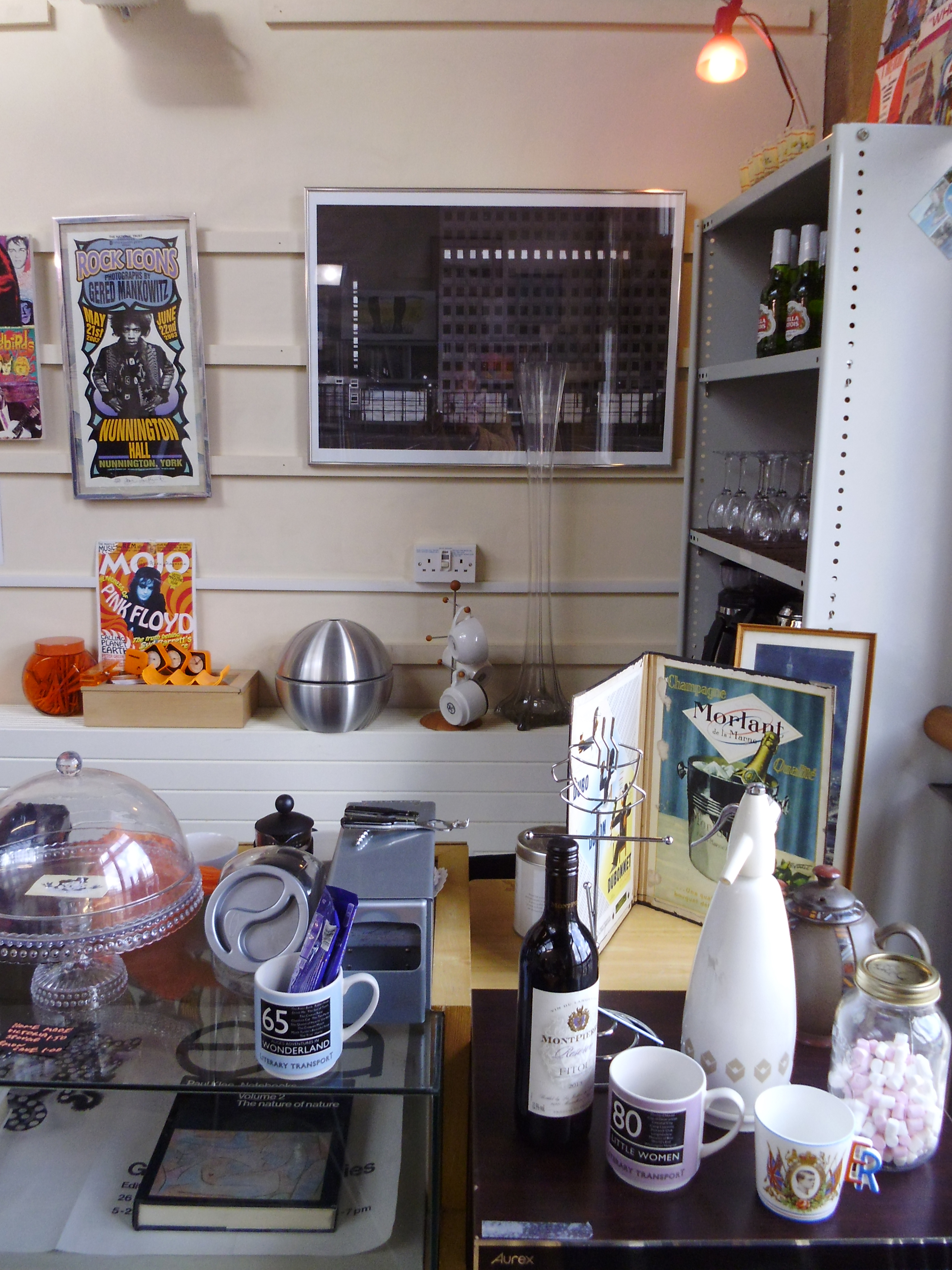
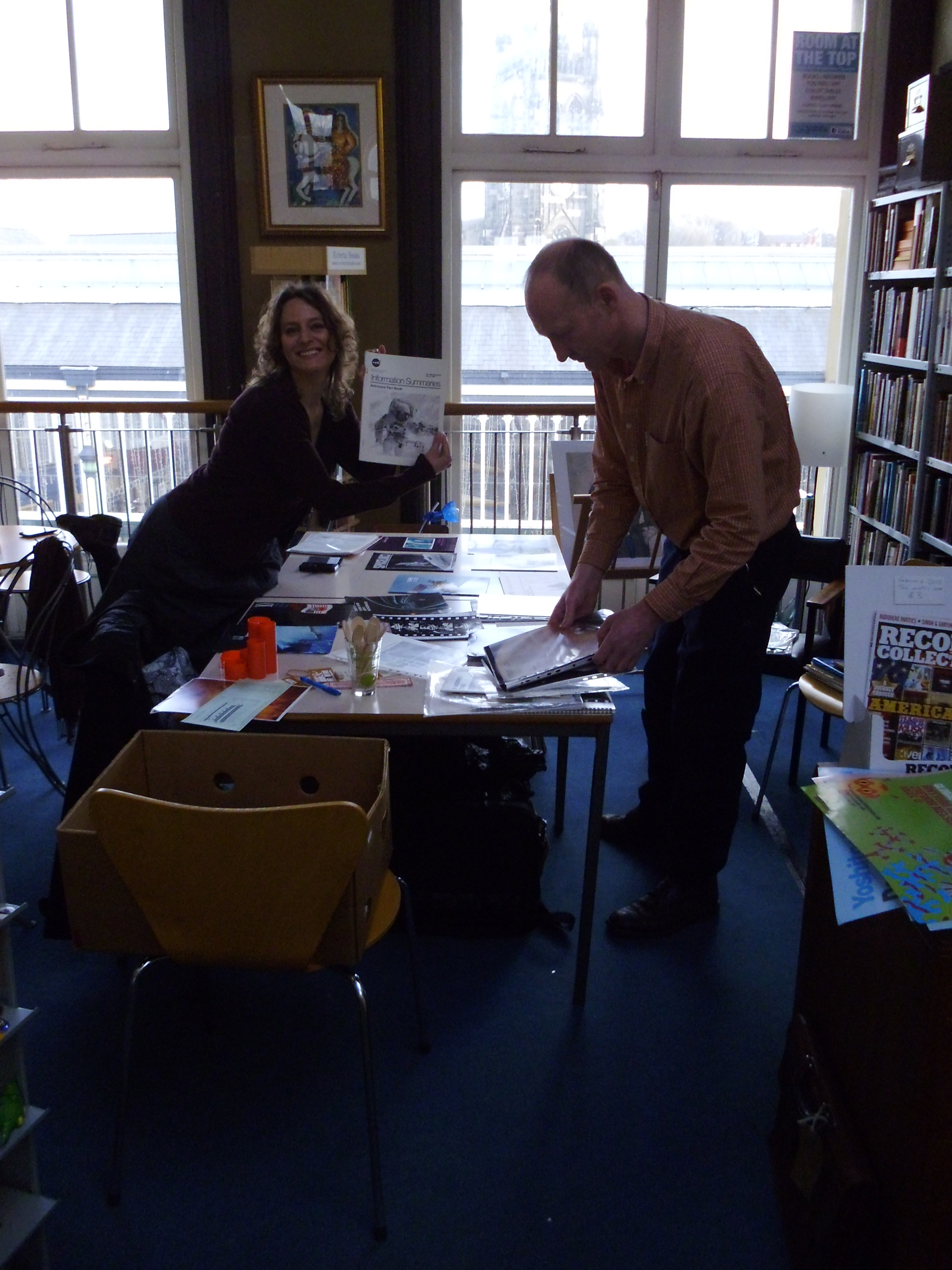
Room at the Top – on the ever so elegant Market Square, centre of the Old Town and part of the ever enlarging nexus of vintage shopping.

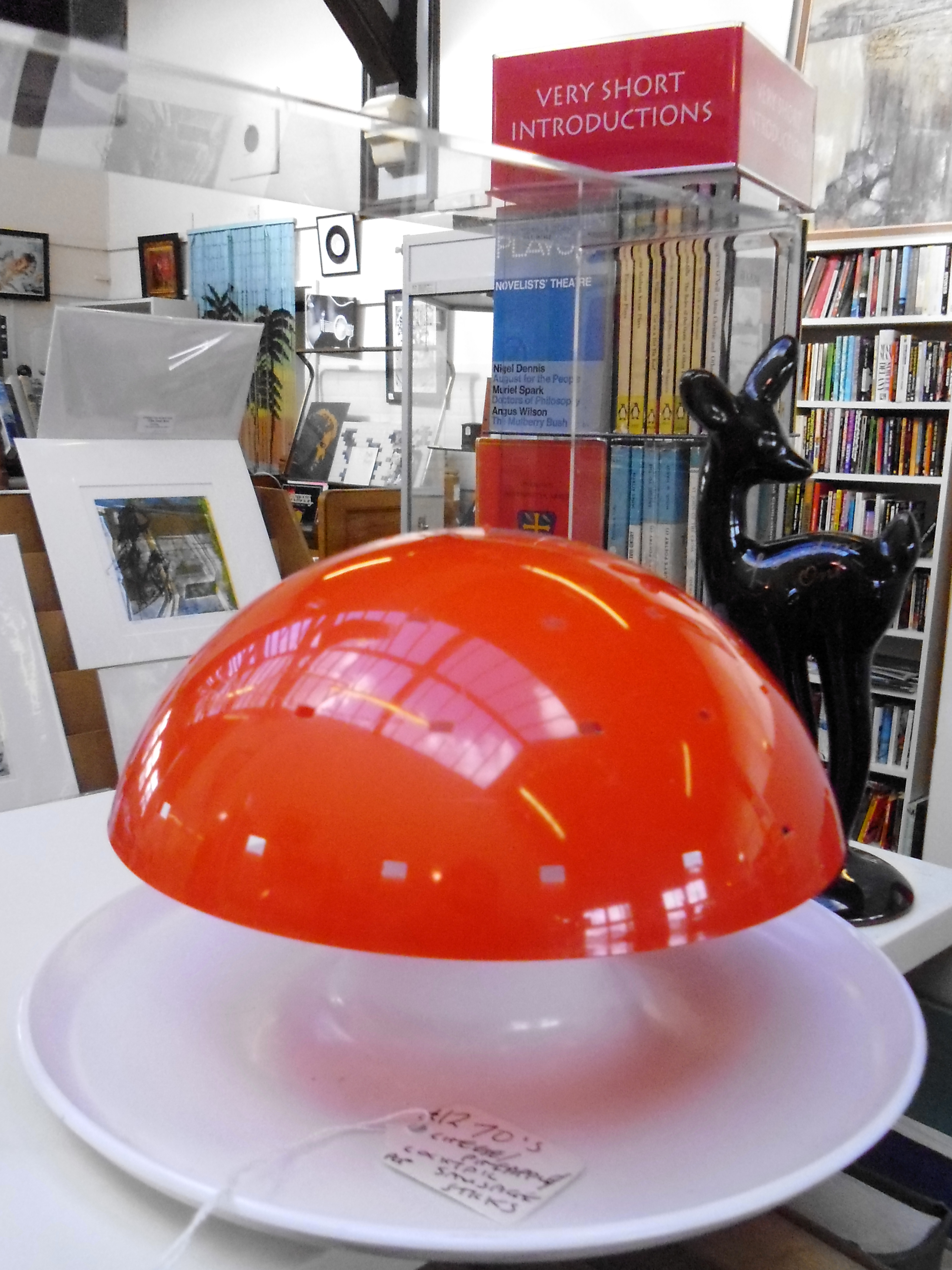
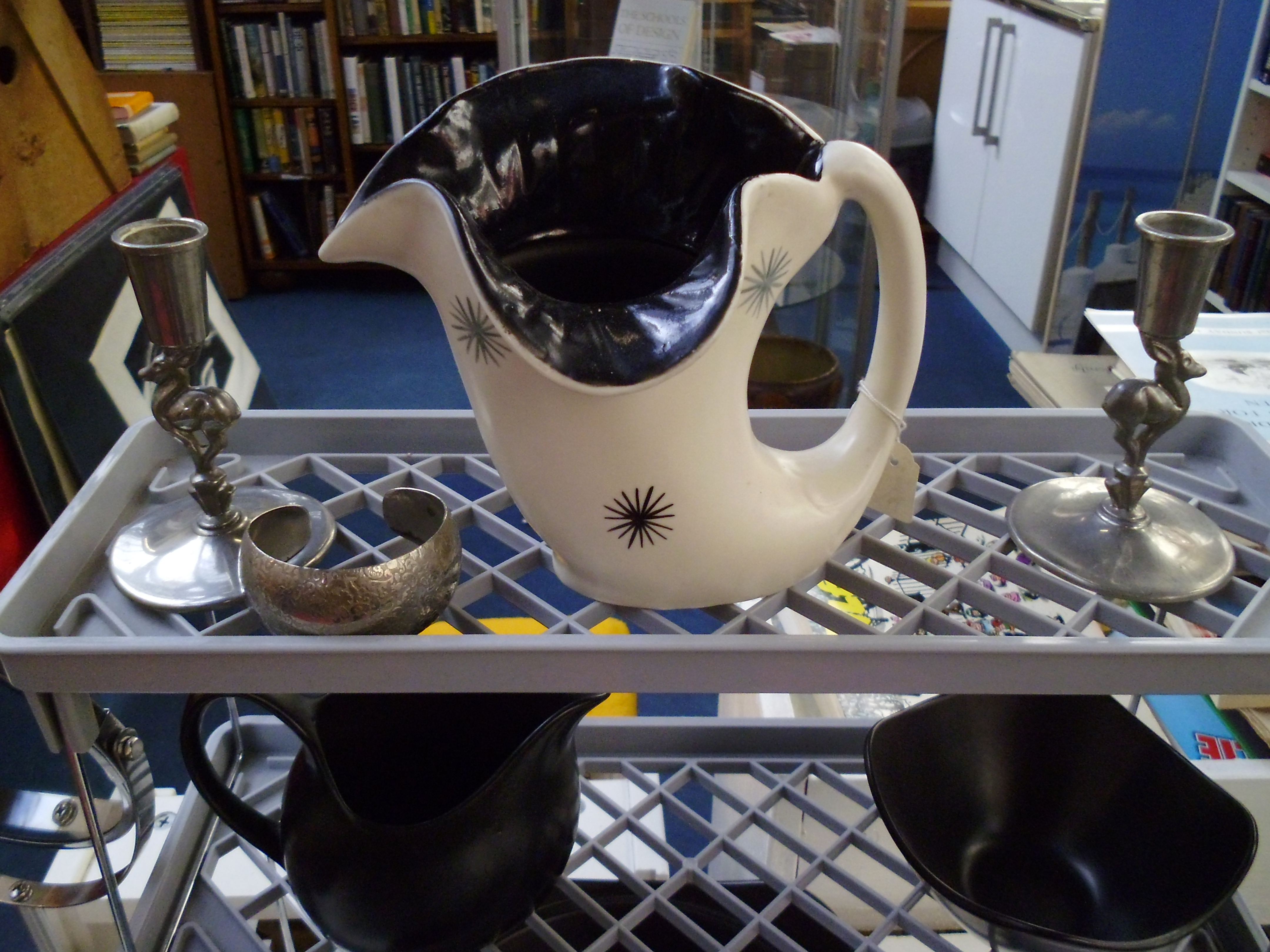
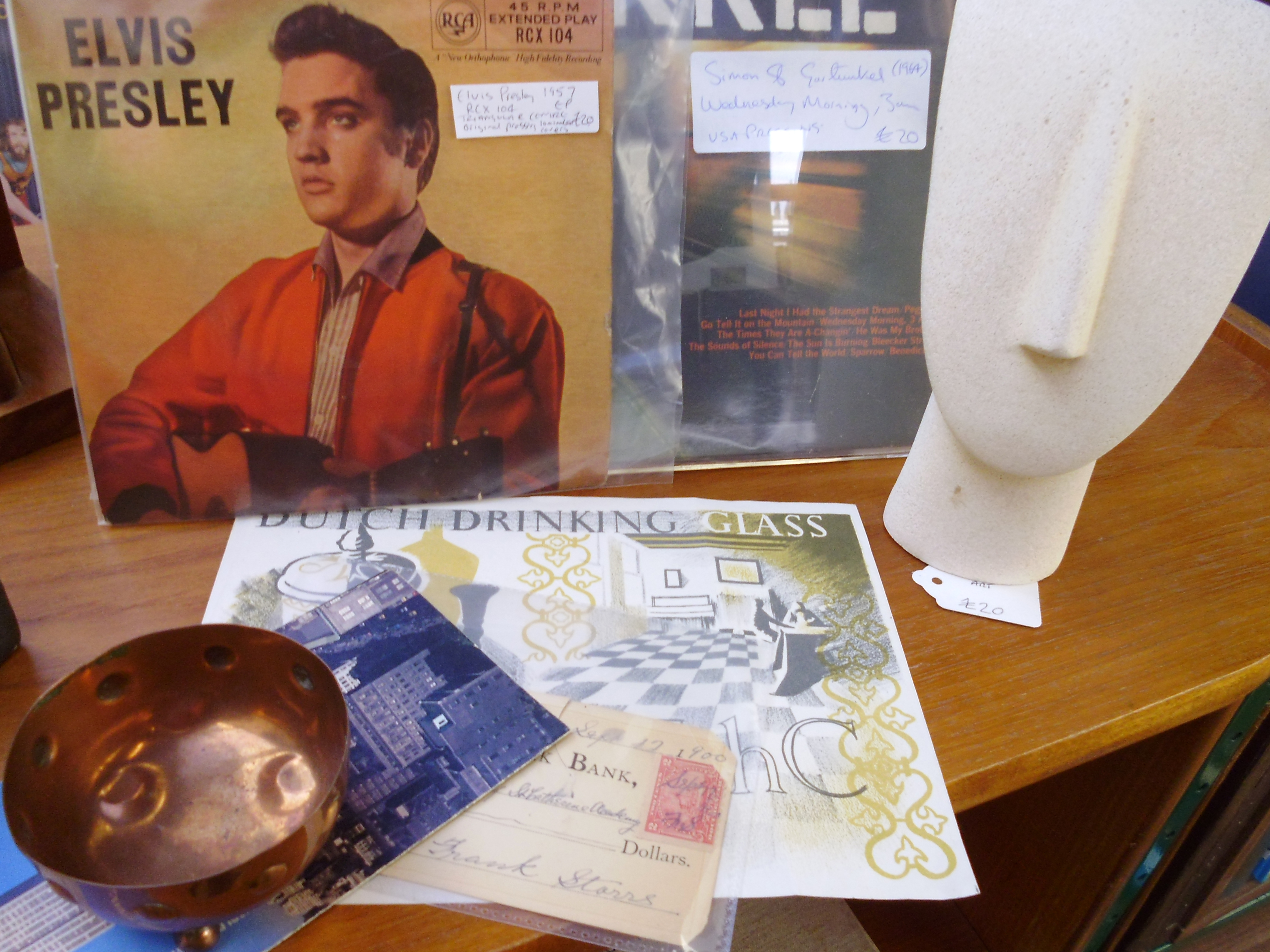
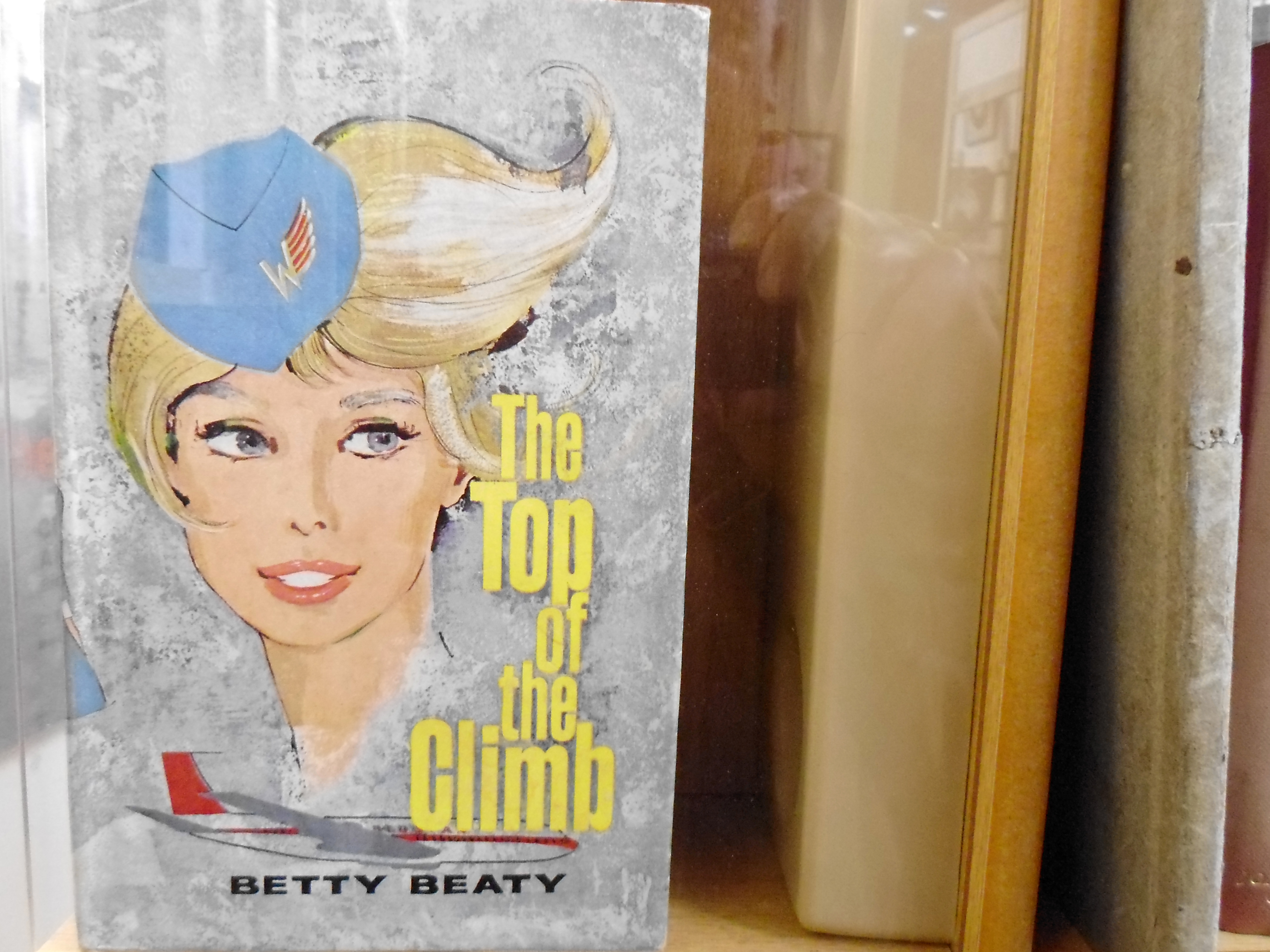
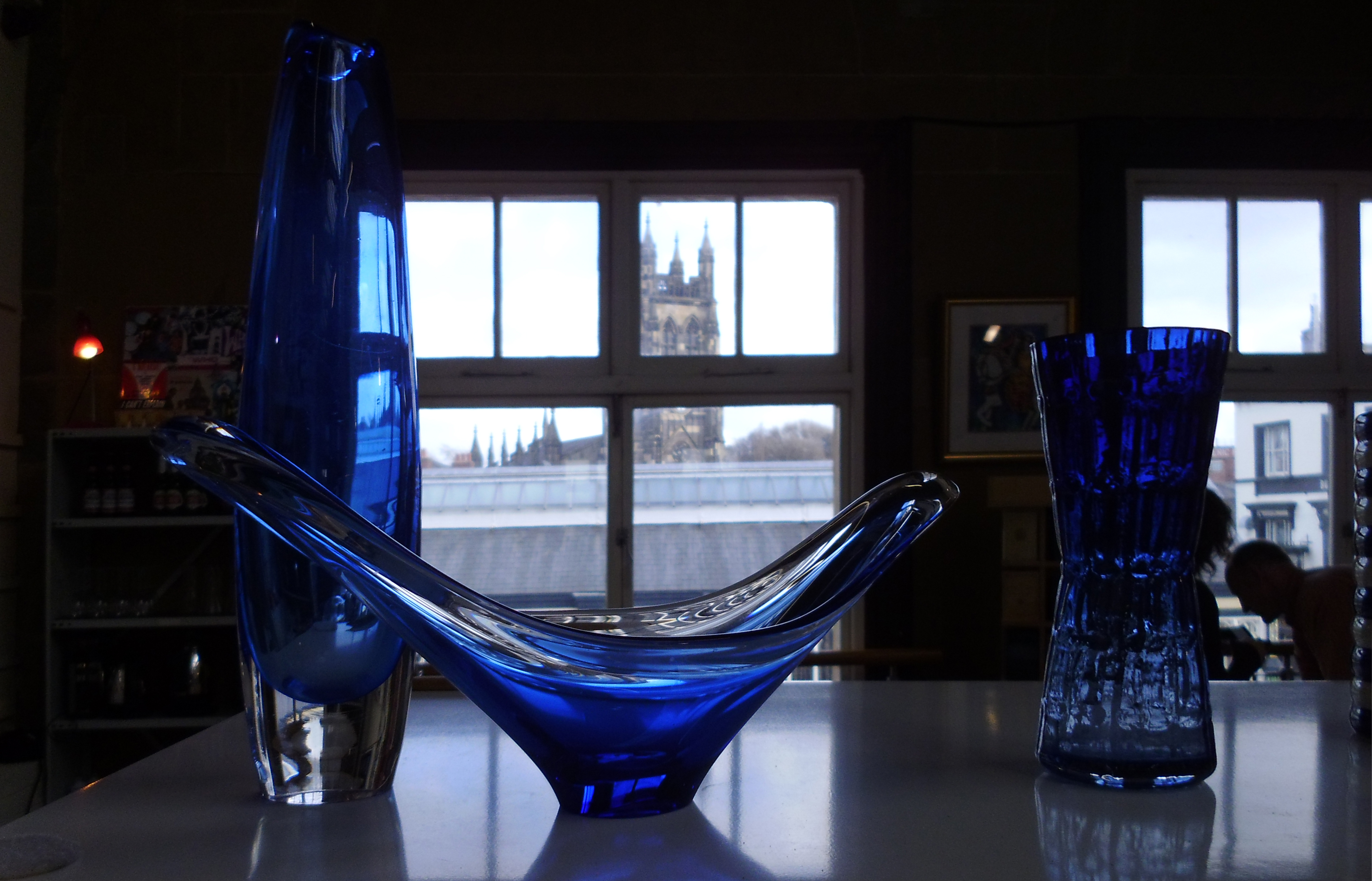
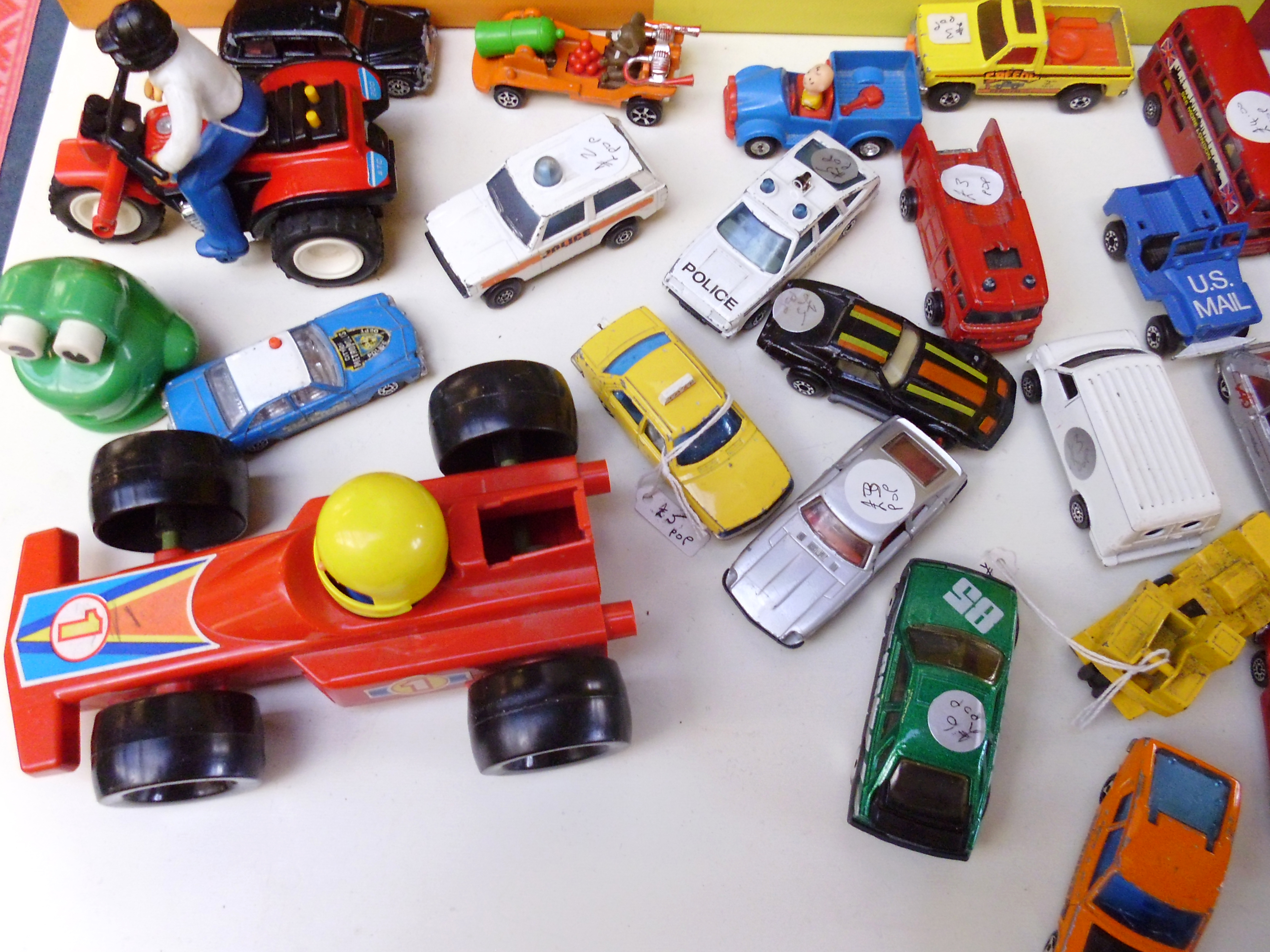
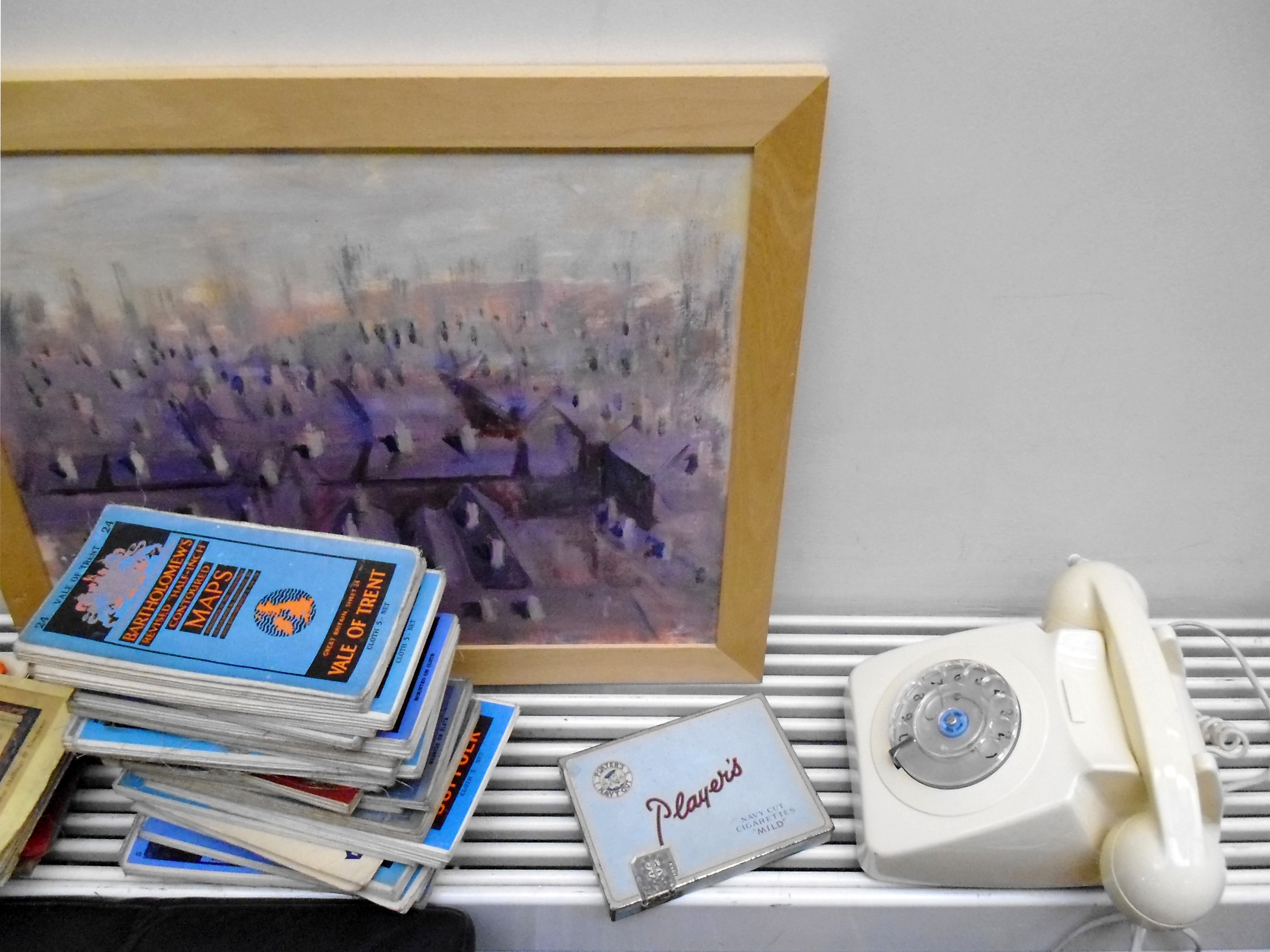
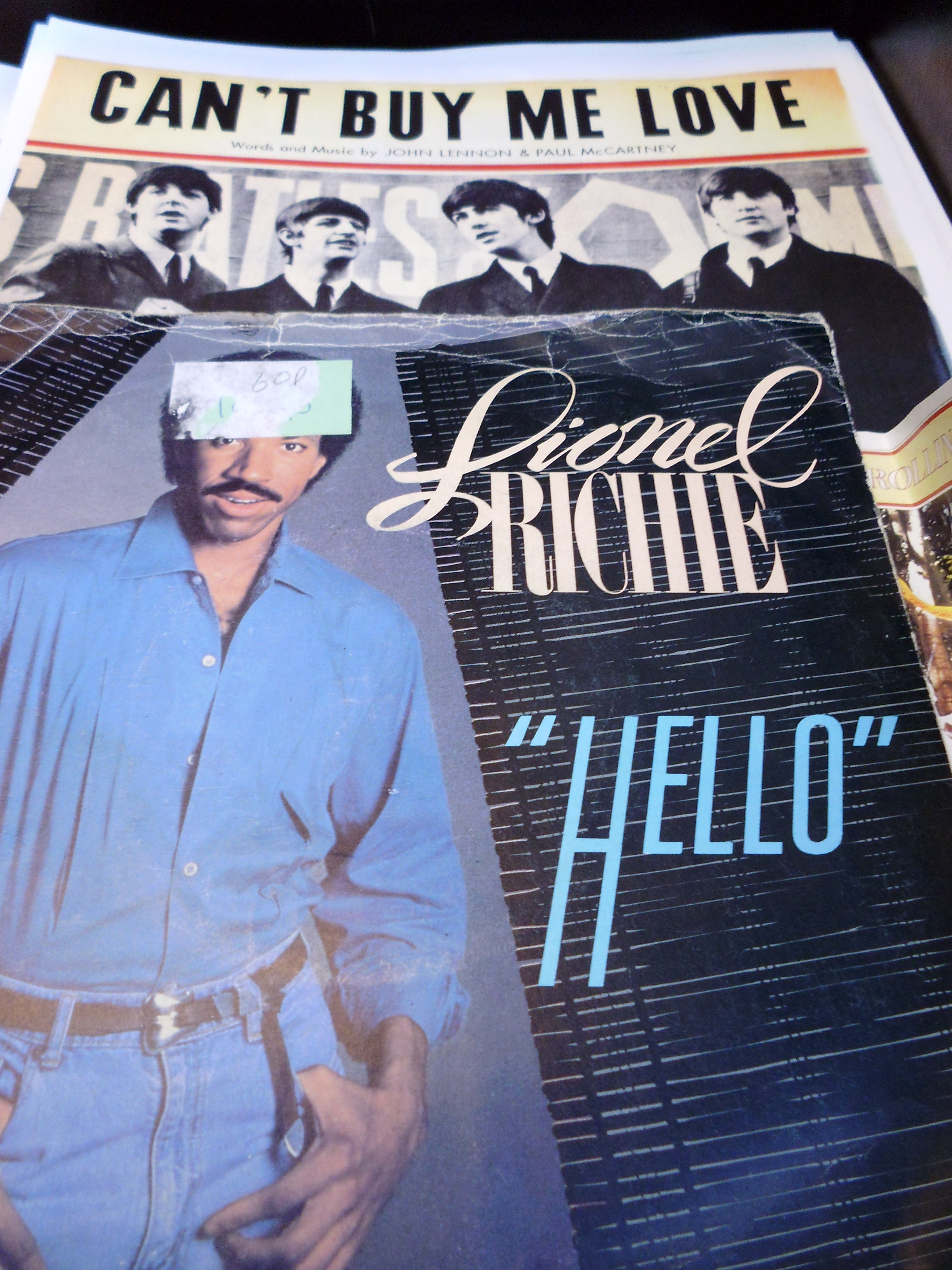
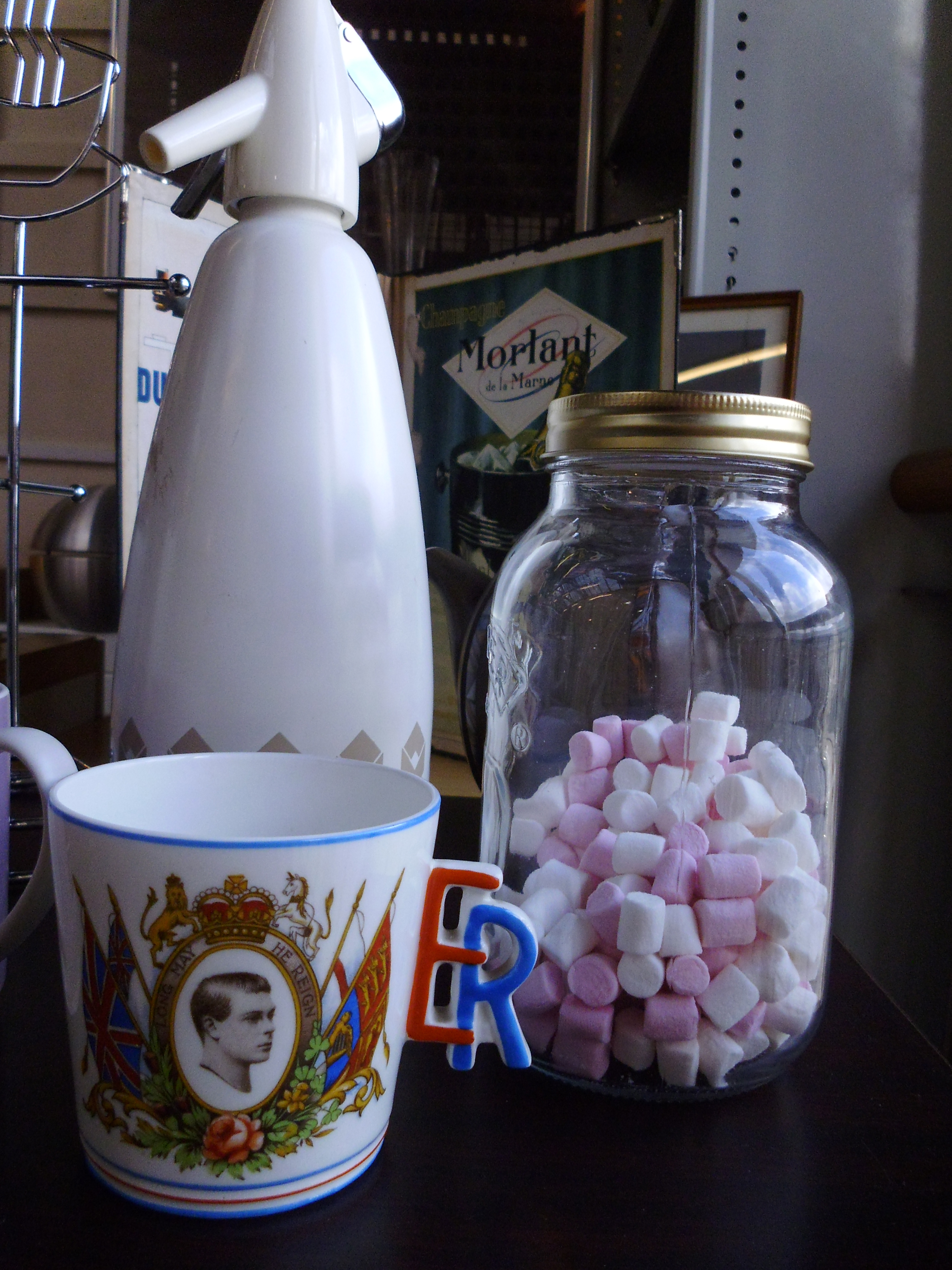
Jane, John and Lynn offer a wide selection of books, records, art, ephemera, glass, toys, ceramics and almost all sorts, in their first floor eyrie of happiness.

Always at the most reasonable of prices – you can get a brew too!

So take an hour out to browse, pursue and lollygag in convivial surroundings.

Leave with bags full excitement and a broad grin.