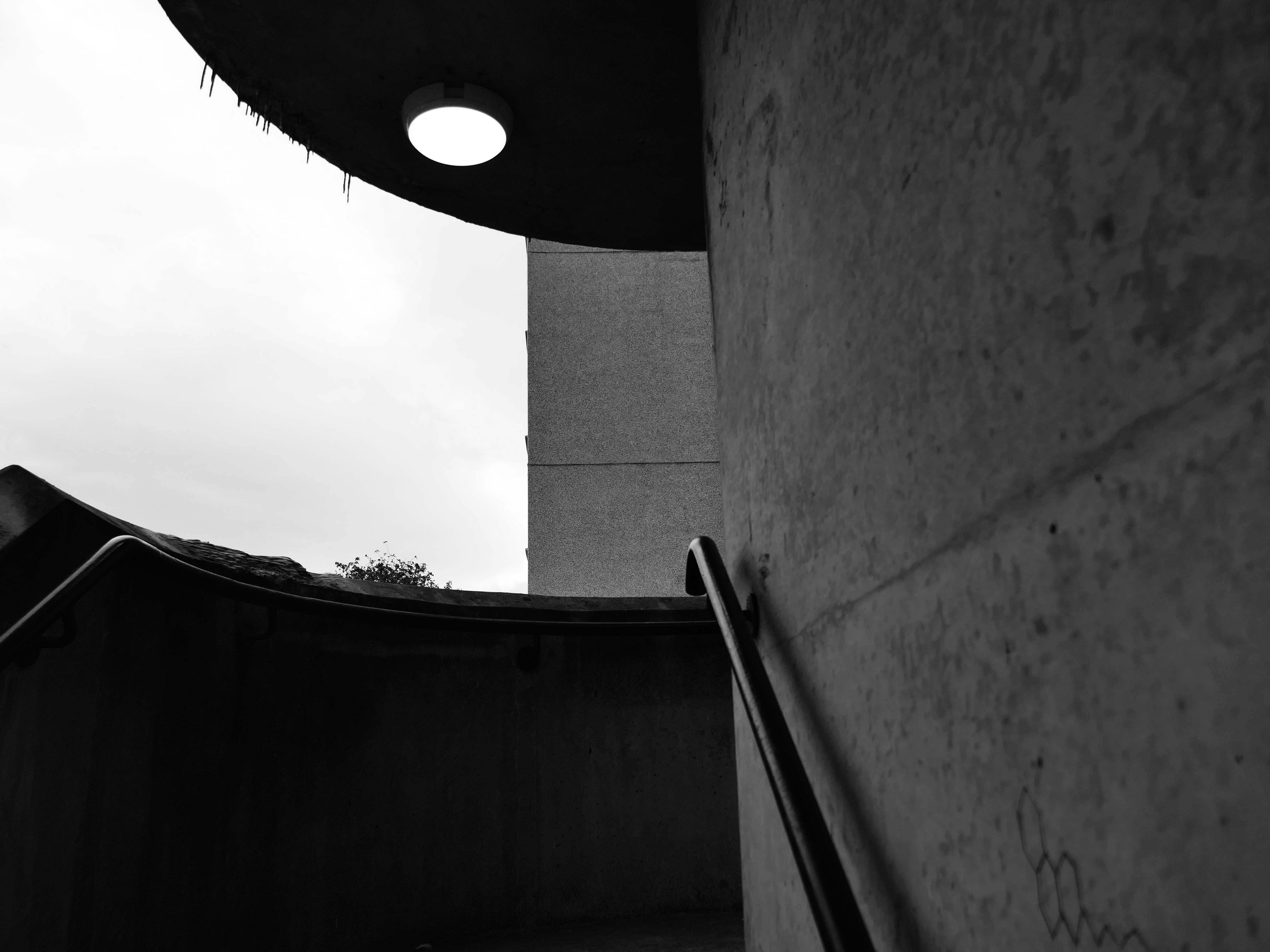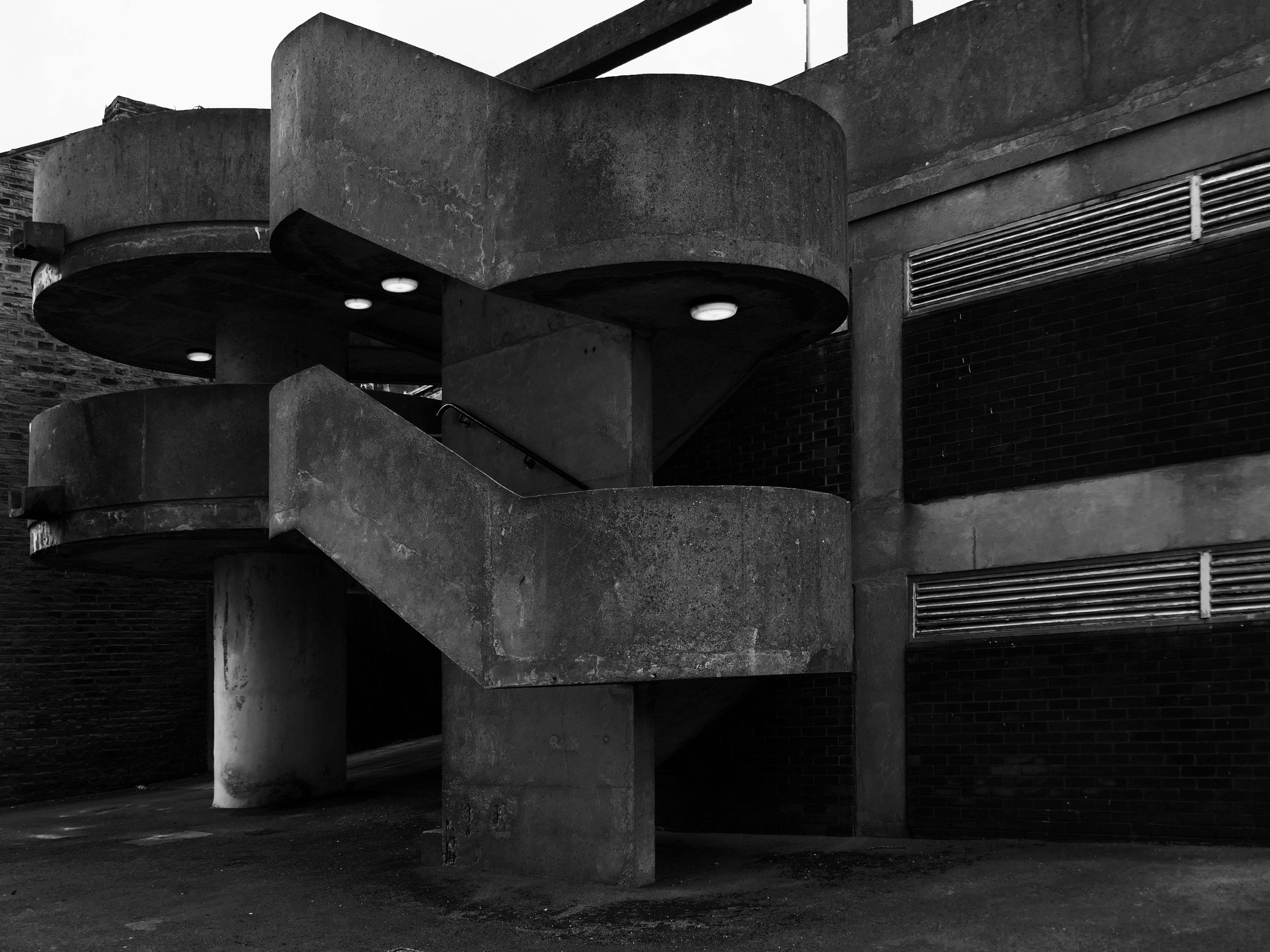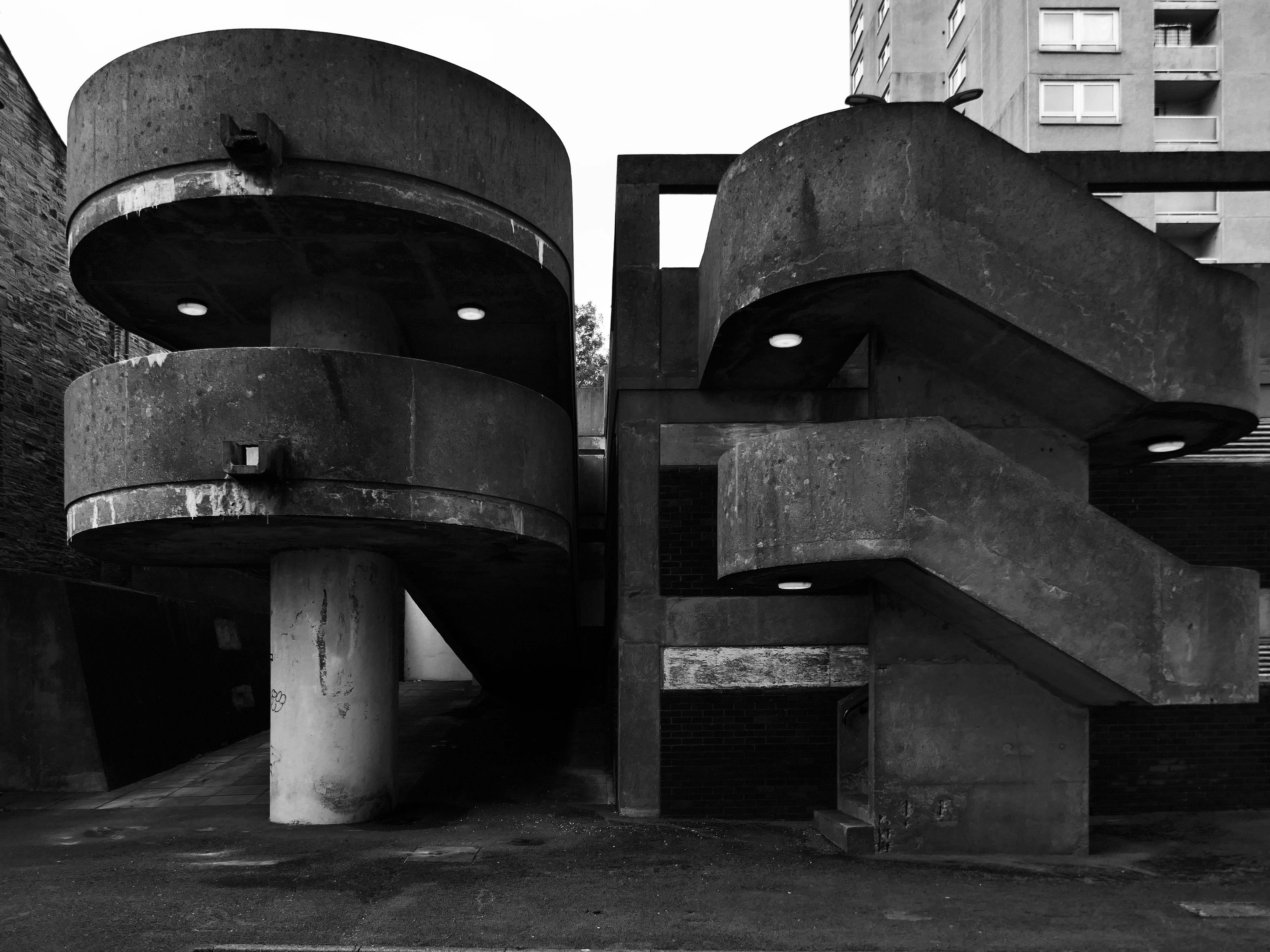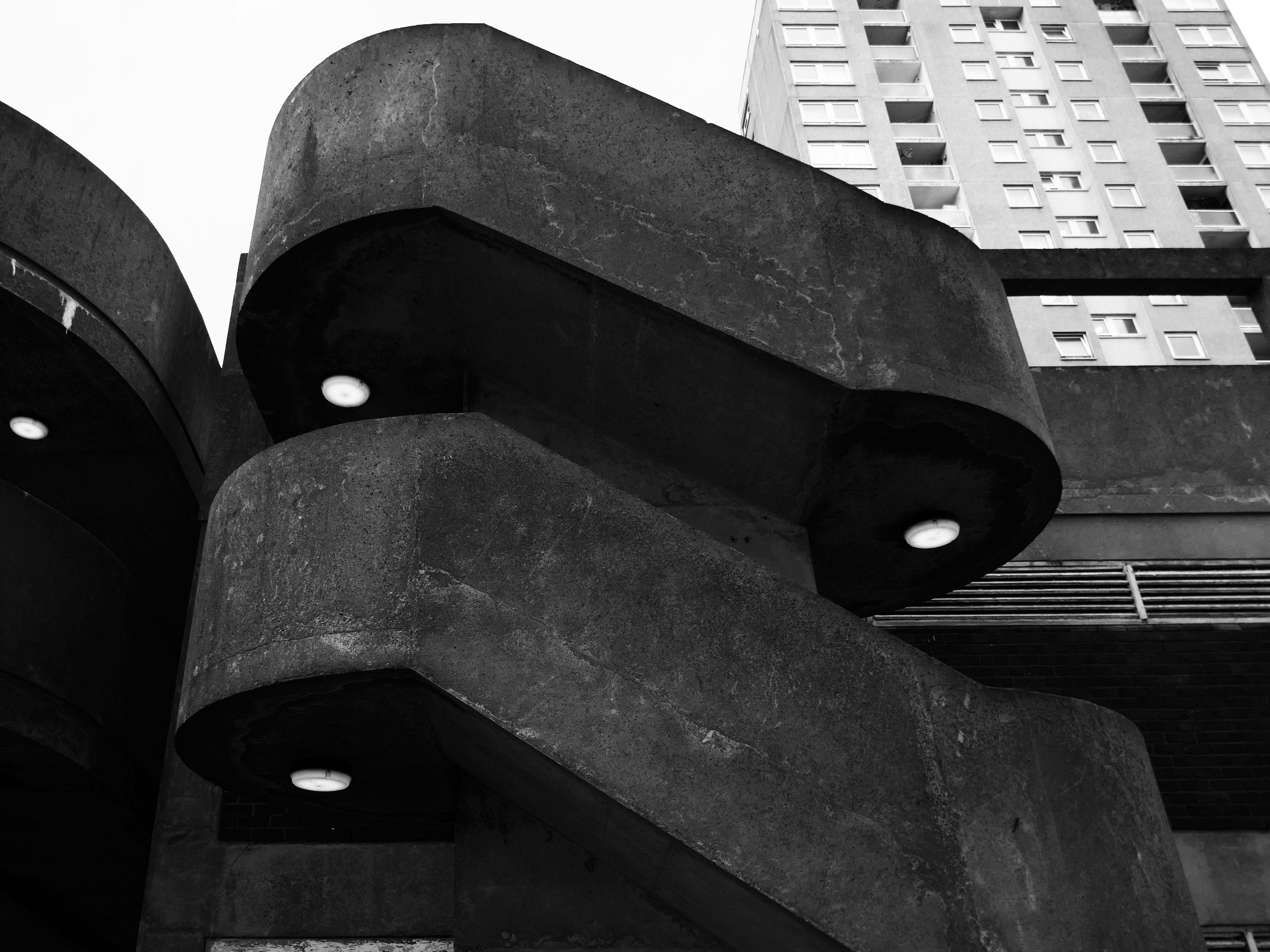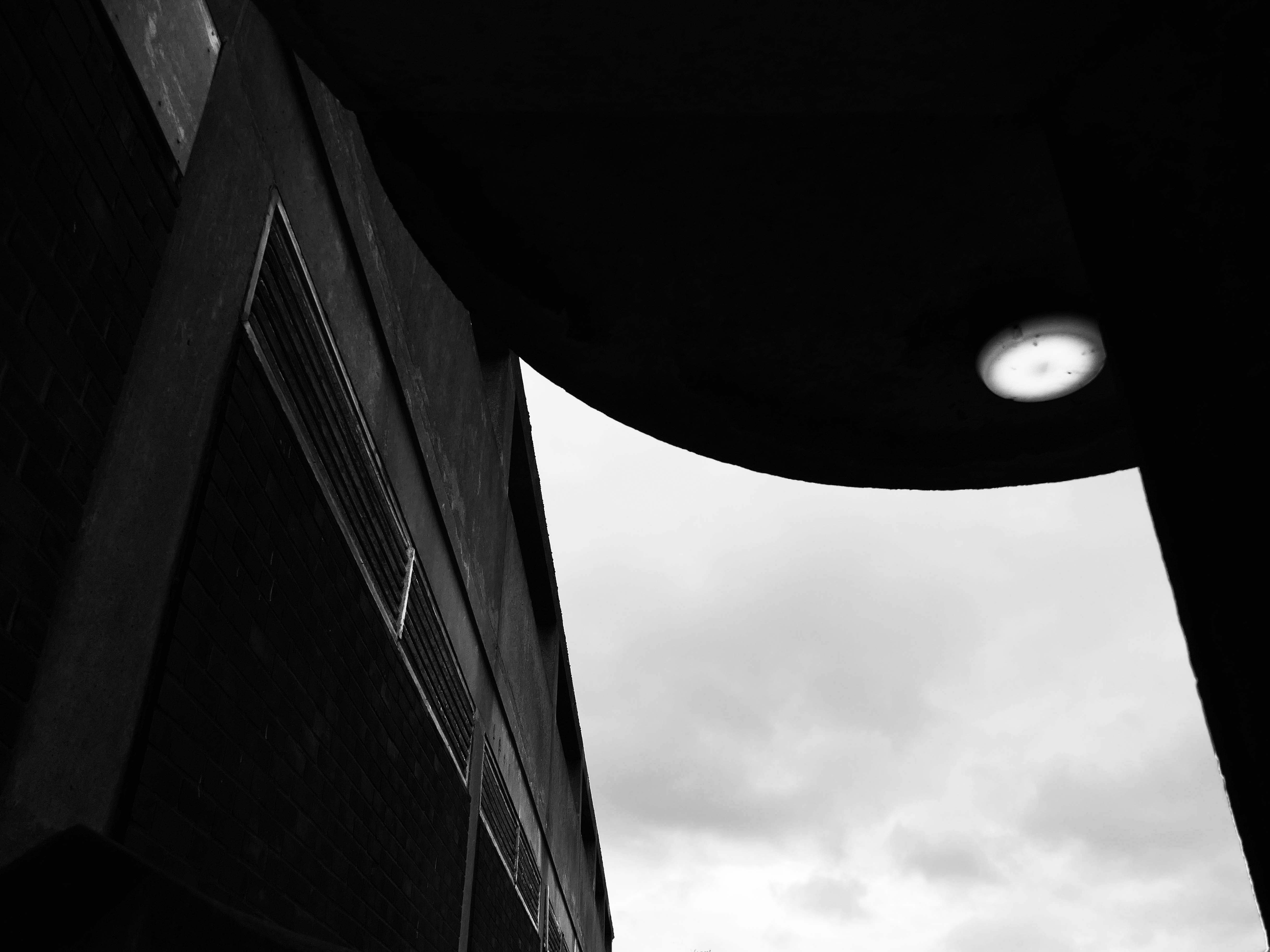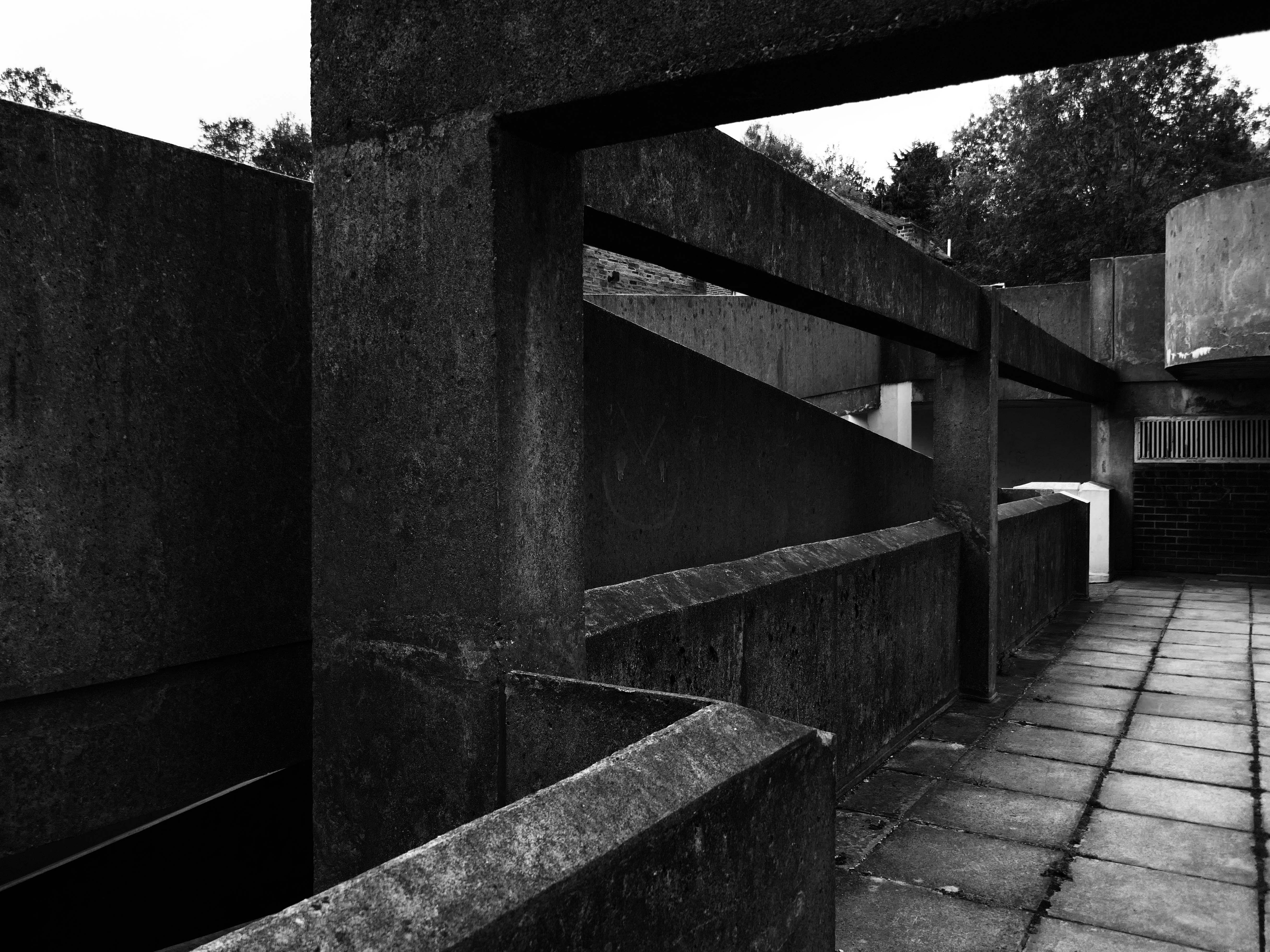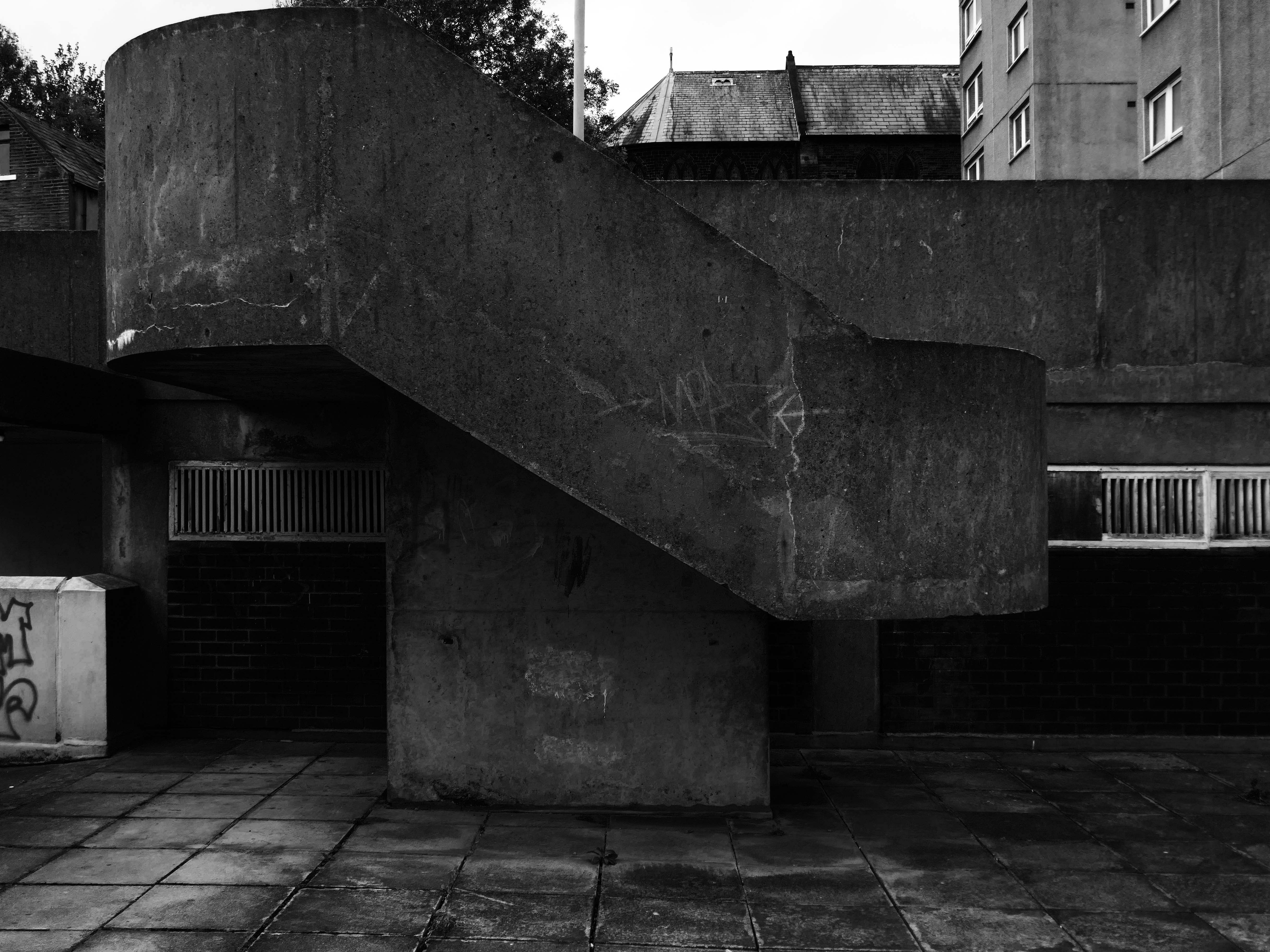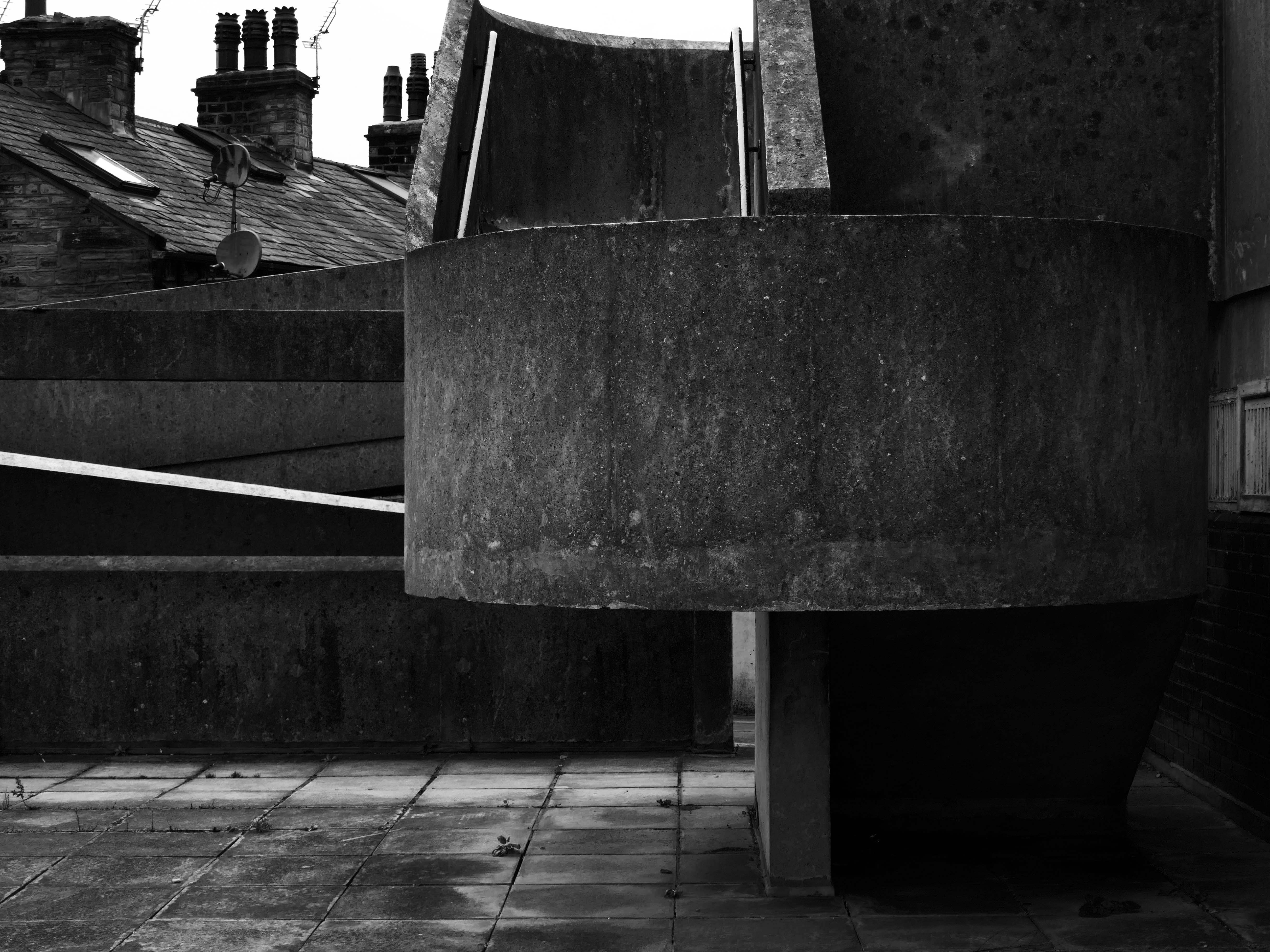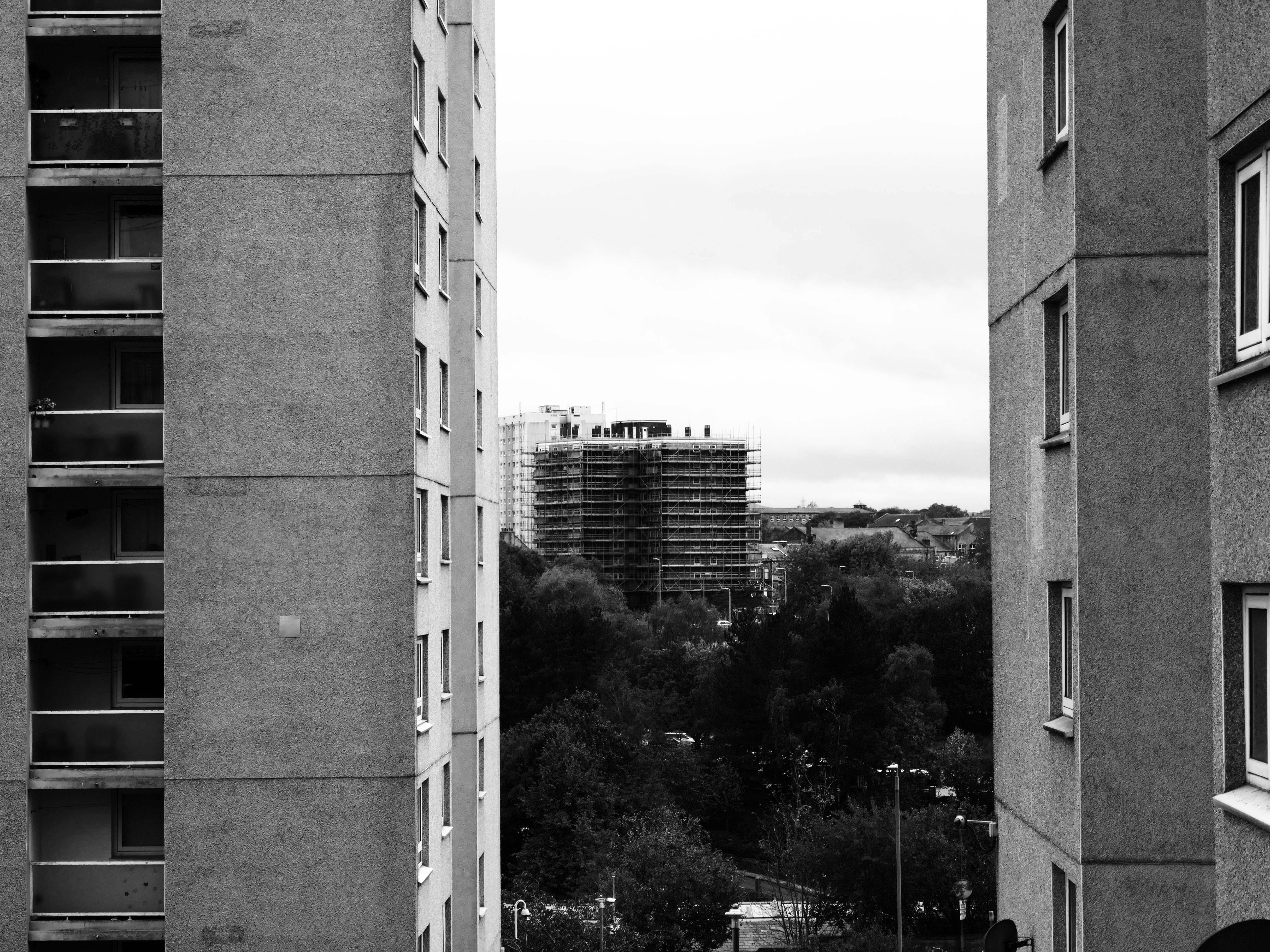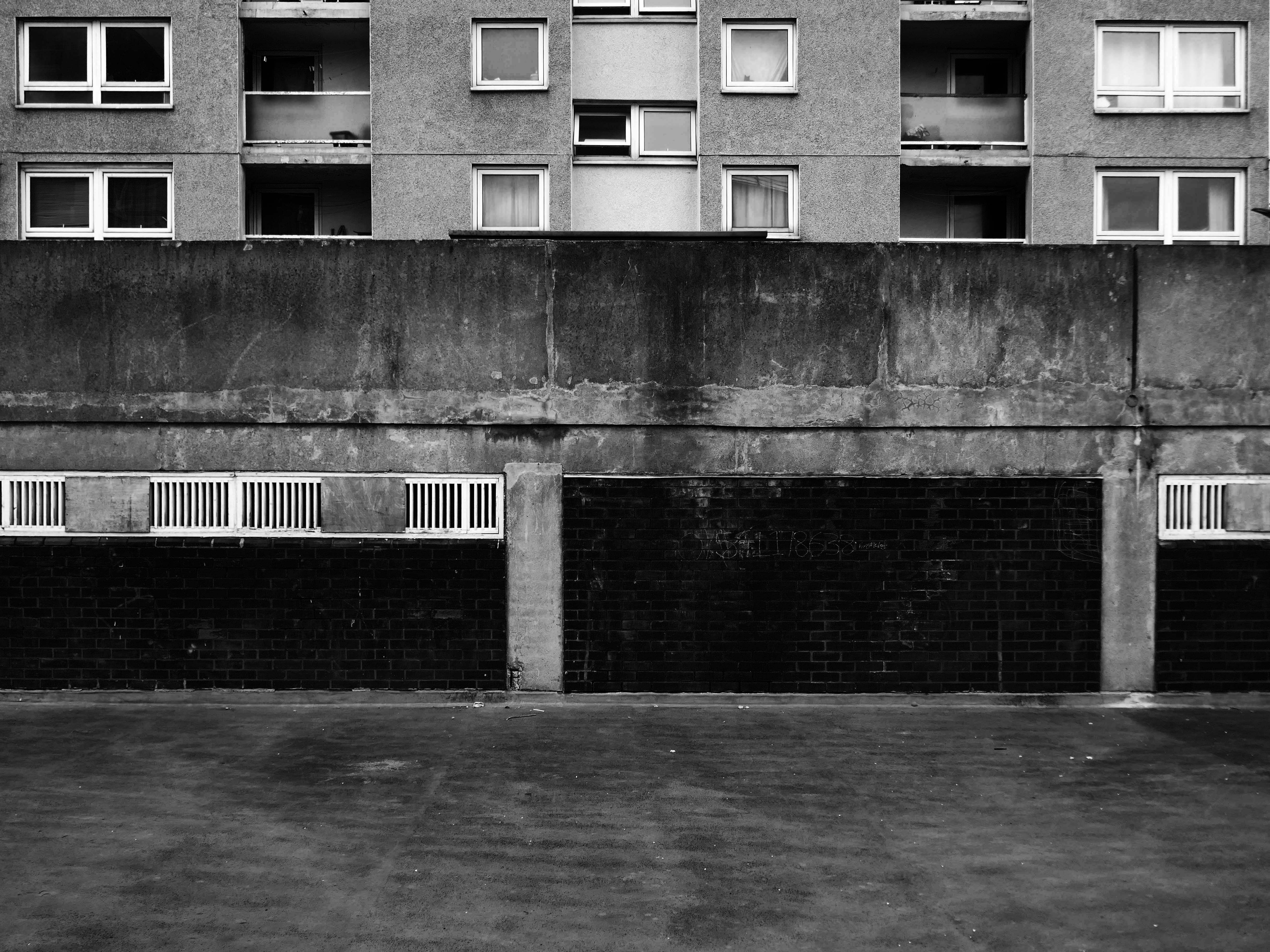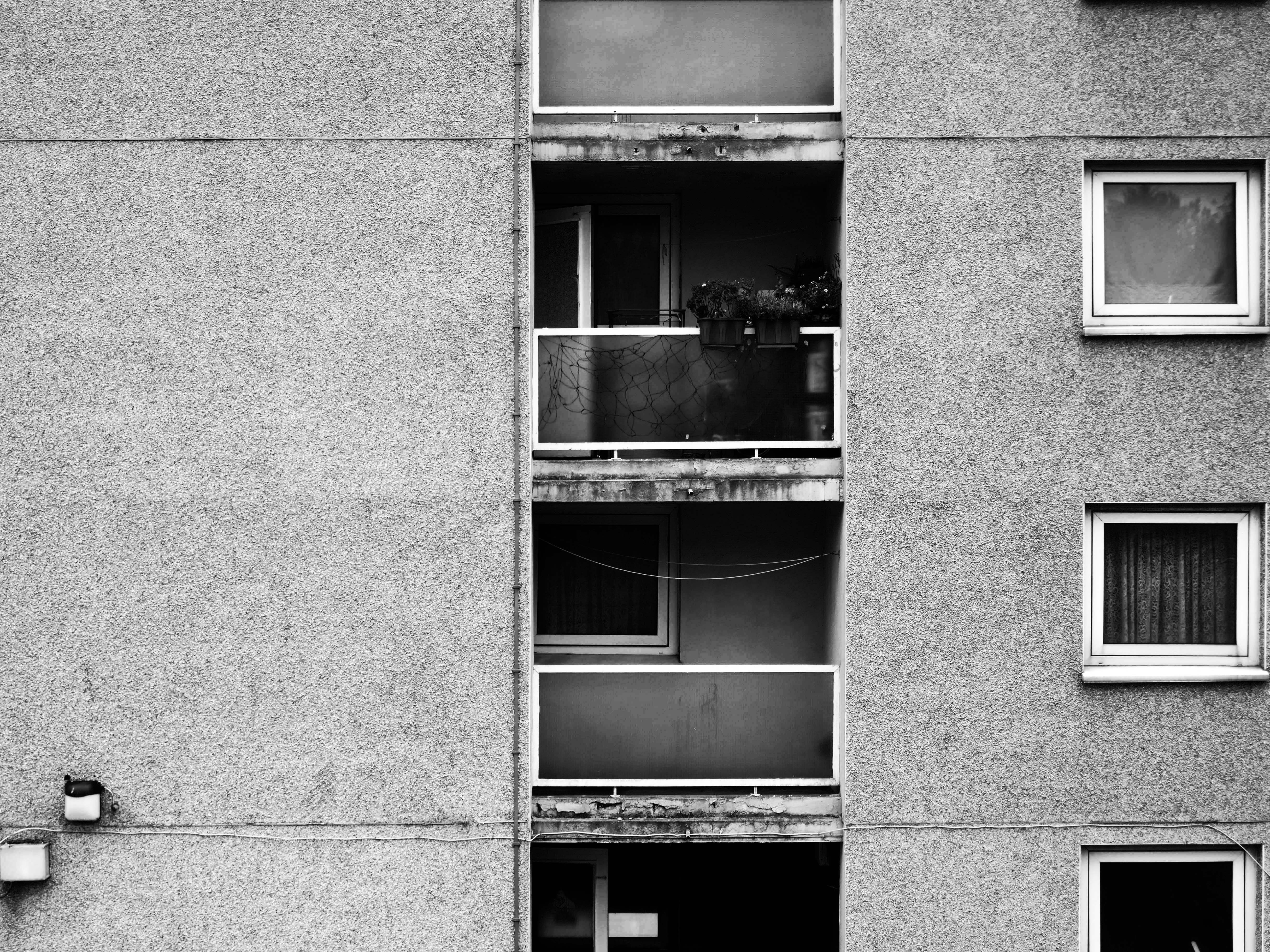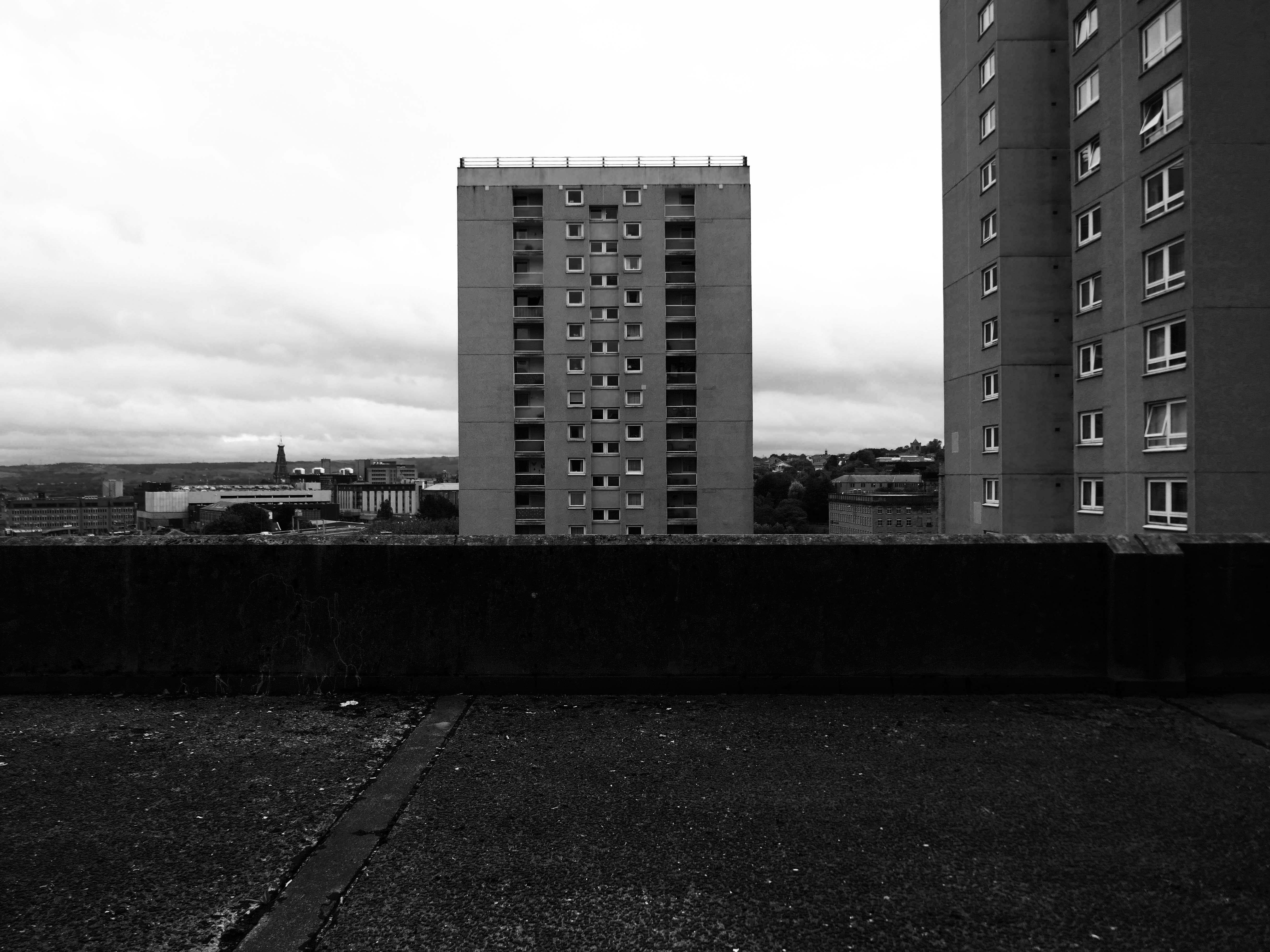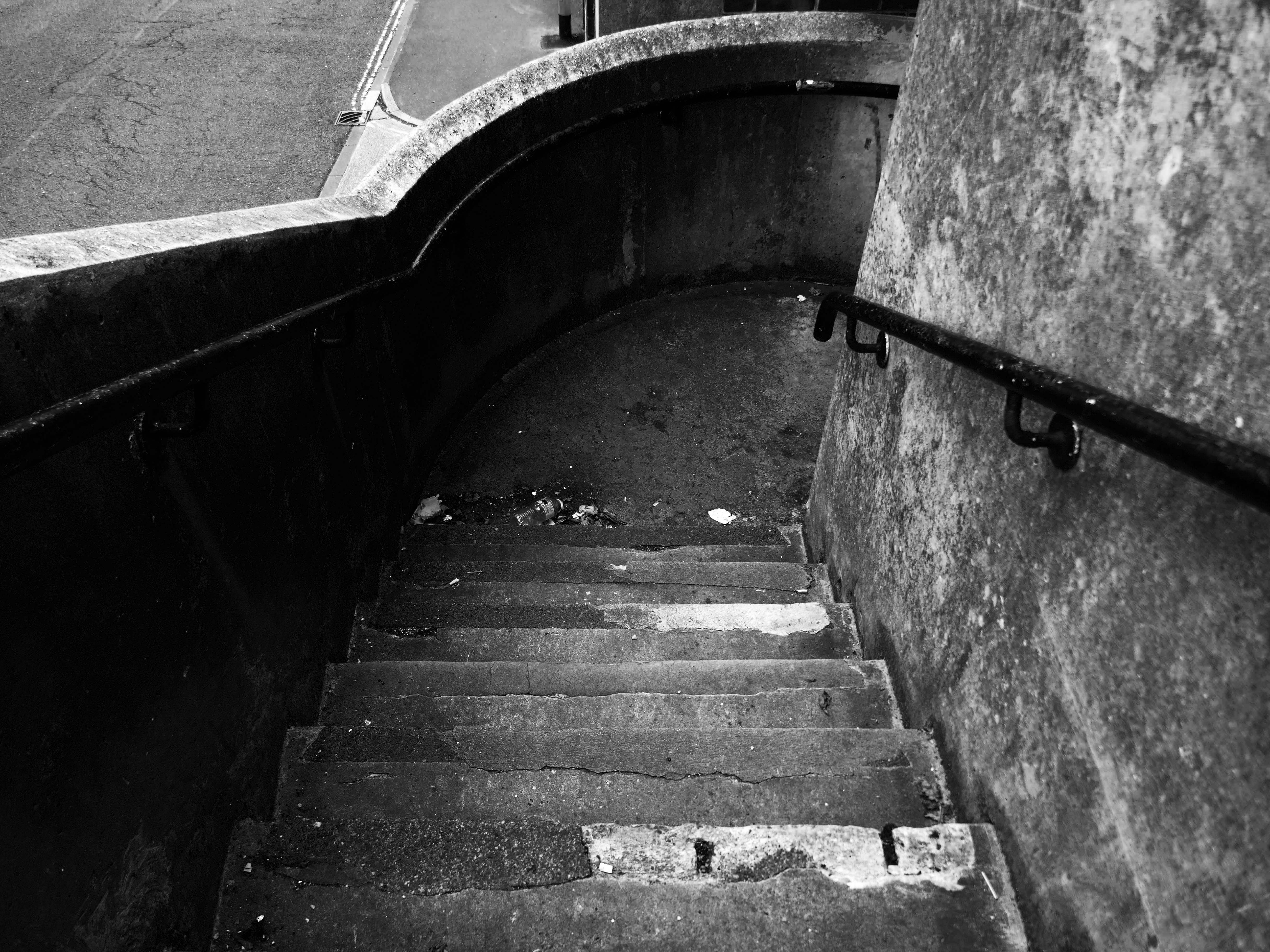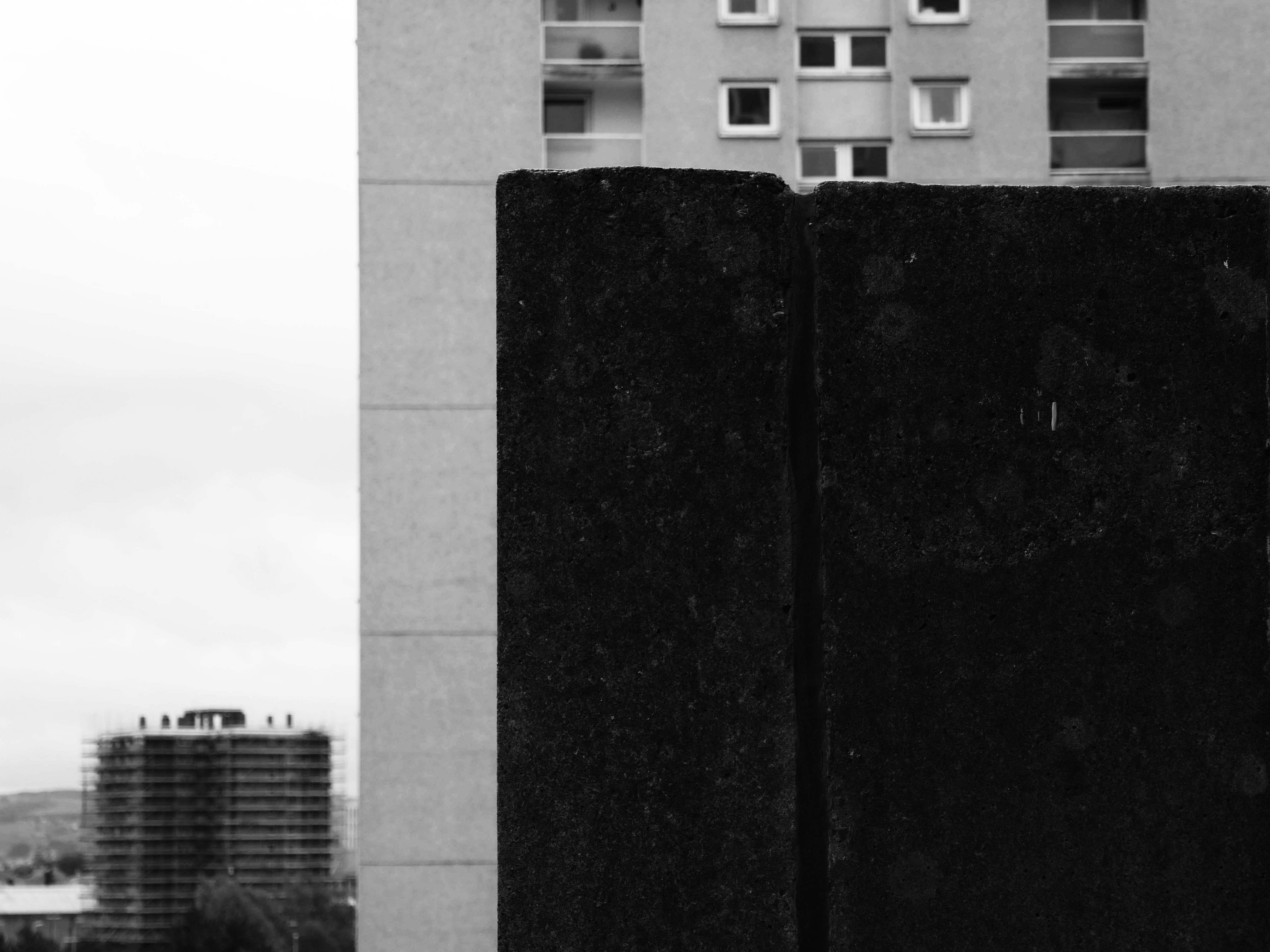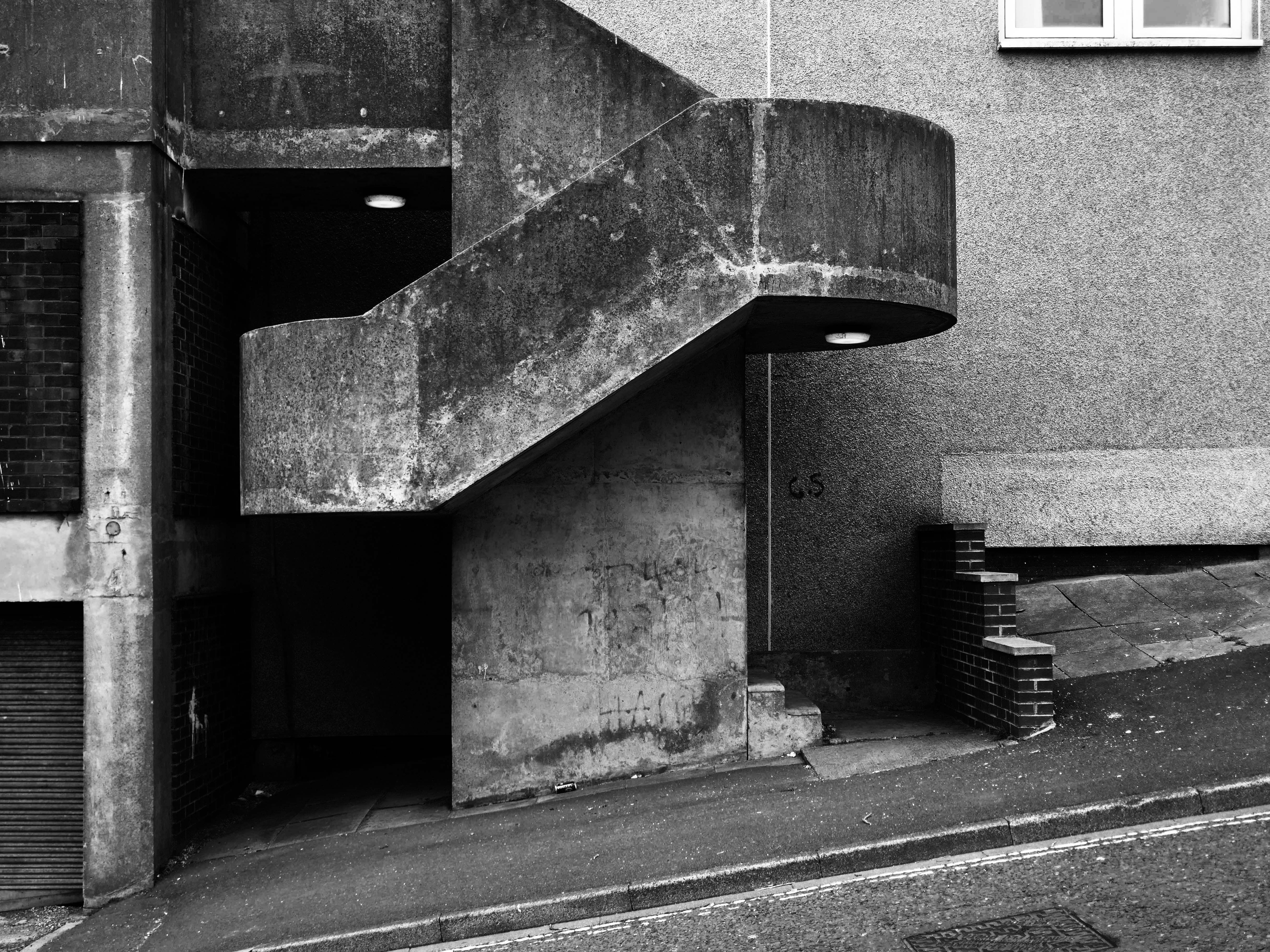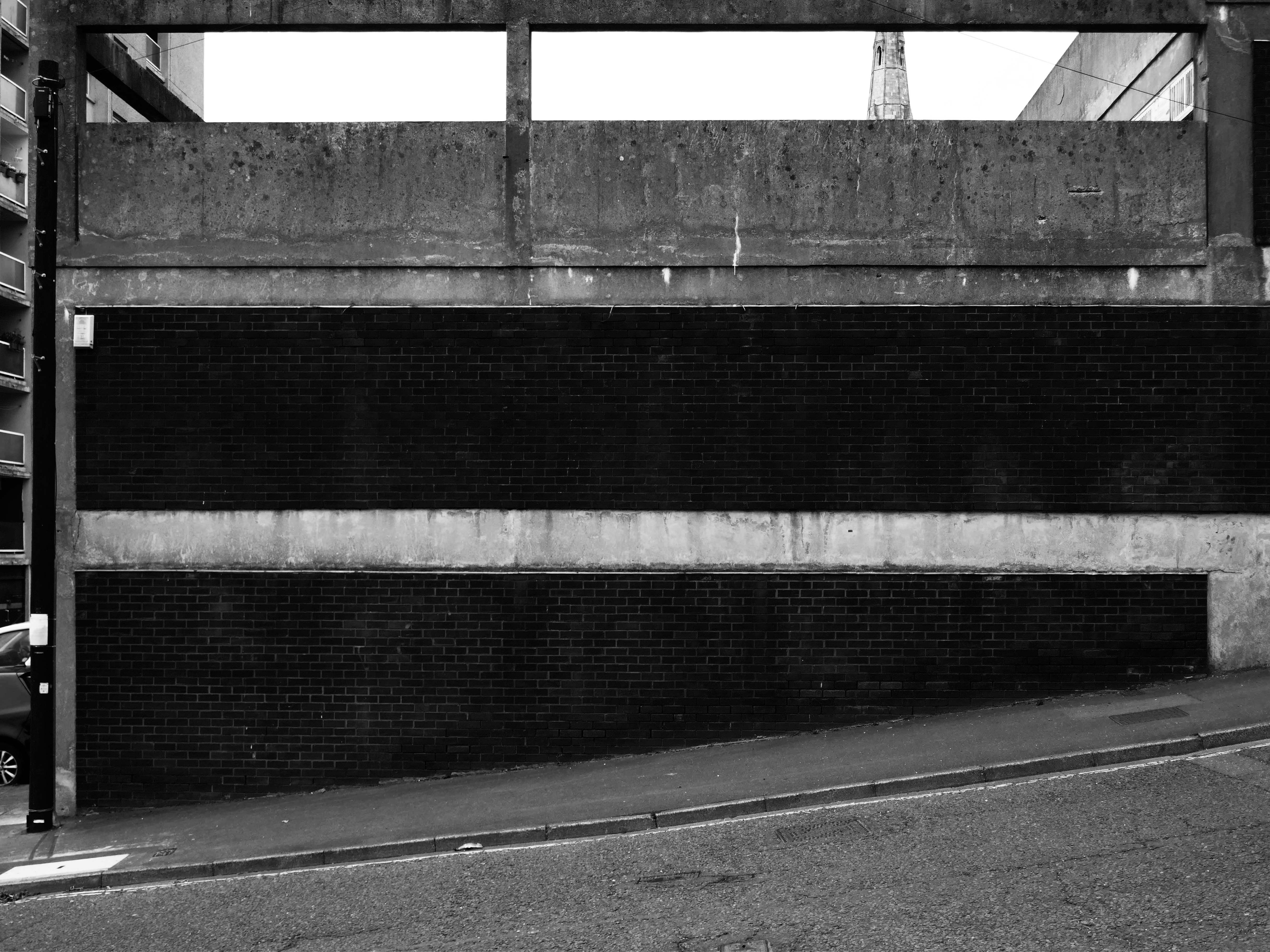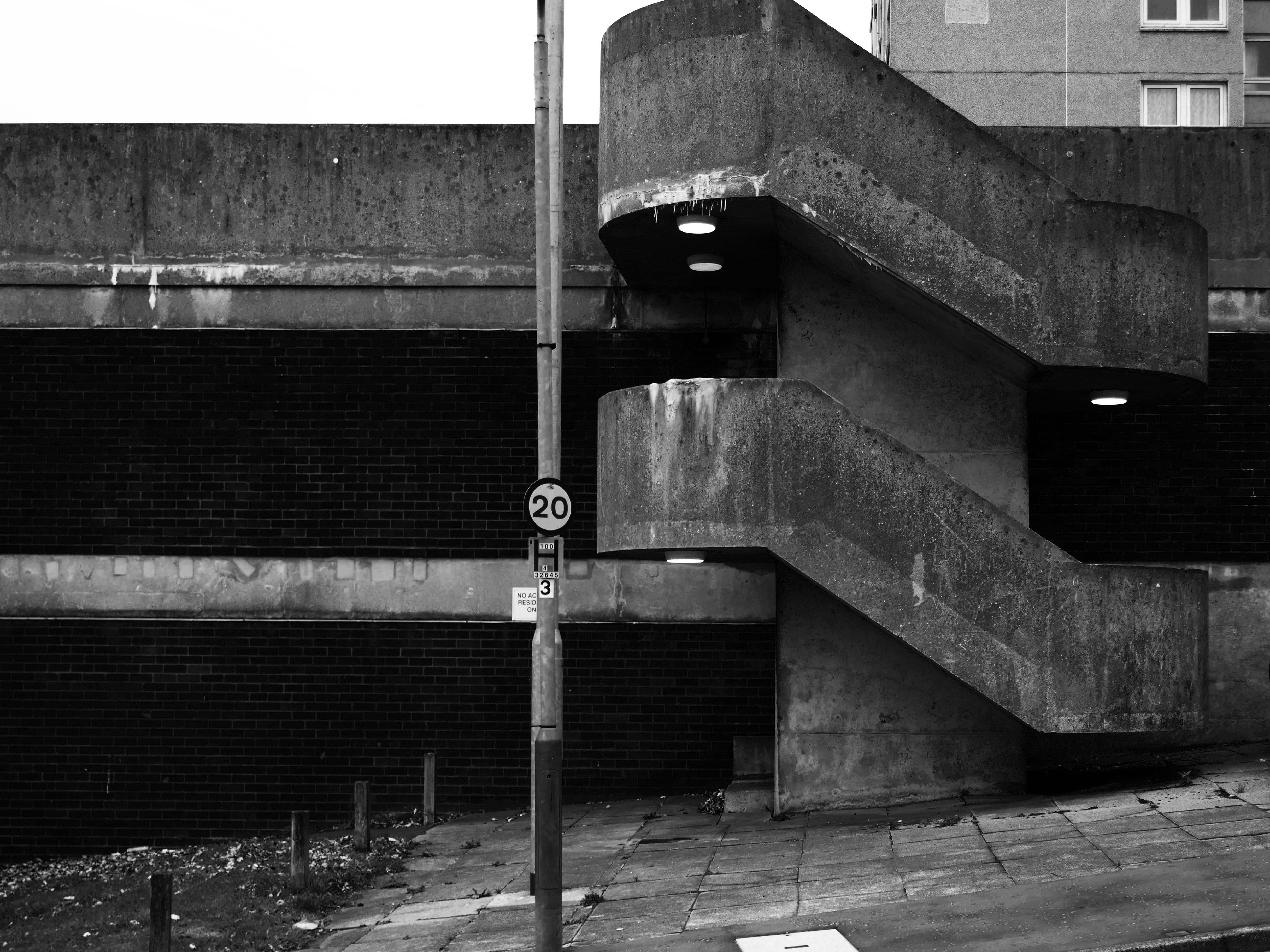
Charing Cross Station – Glasgow

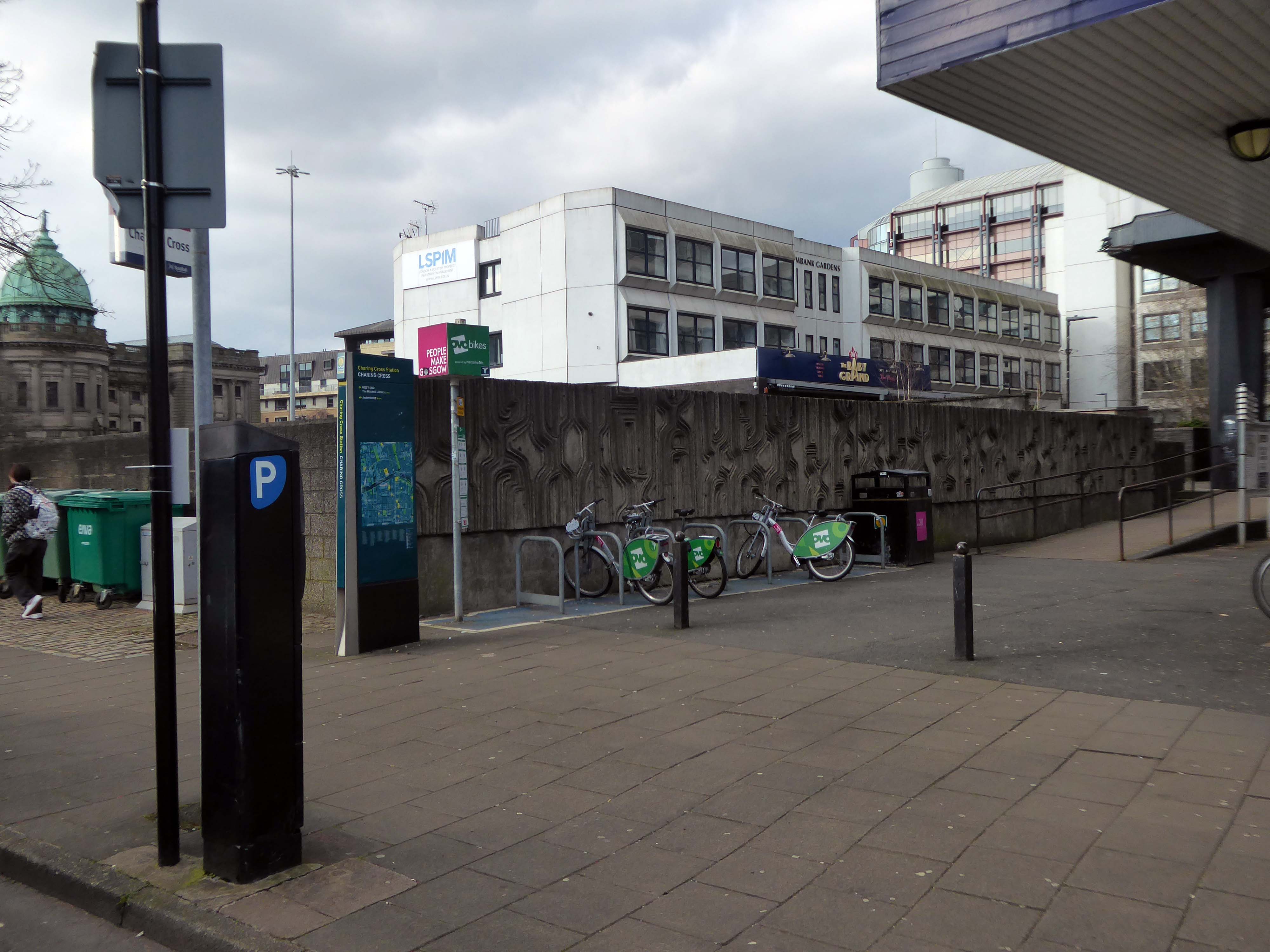
Dating from 1886, it was originally part of the Glasgow City and District Railway, the first underground railway in Scotland, and as such the station is built below the surface of the surrounding streets. The station was built using the cut and cover method, with the original walls being visible on the open air section at the western end of the platforms.
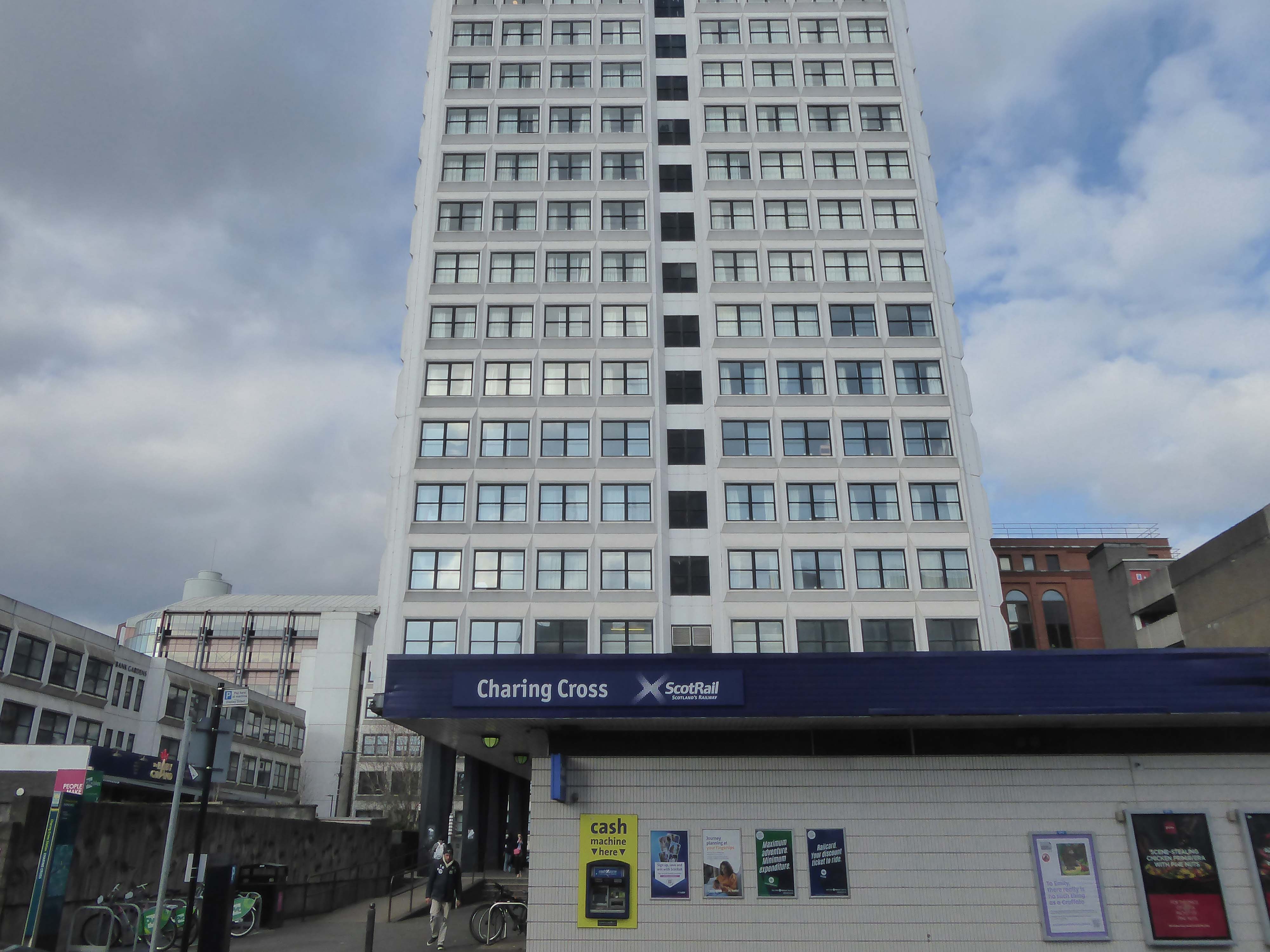
In 1968 it was demolished due to it being in the path of the new Glasgow Inner Ring Road, and the surface access to the station was moved to its eastern end, with a new surface building constructed as part of the Elmbank Gardens office complex in 1971 – the building was designed by the Richard Seifert & Partners.

Wikipedia

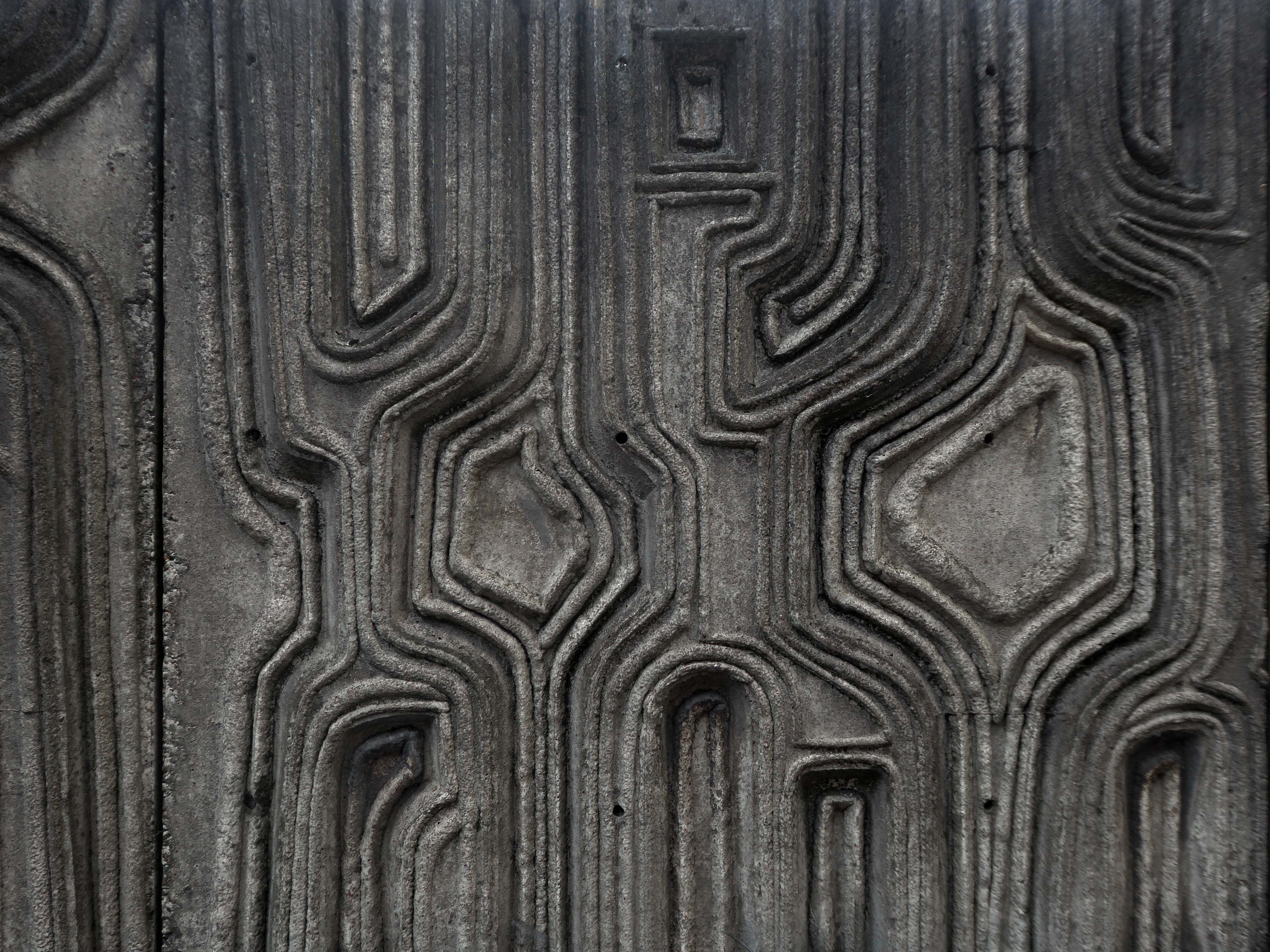
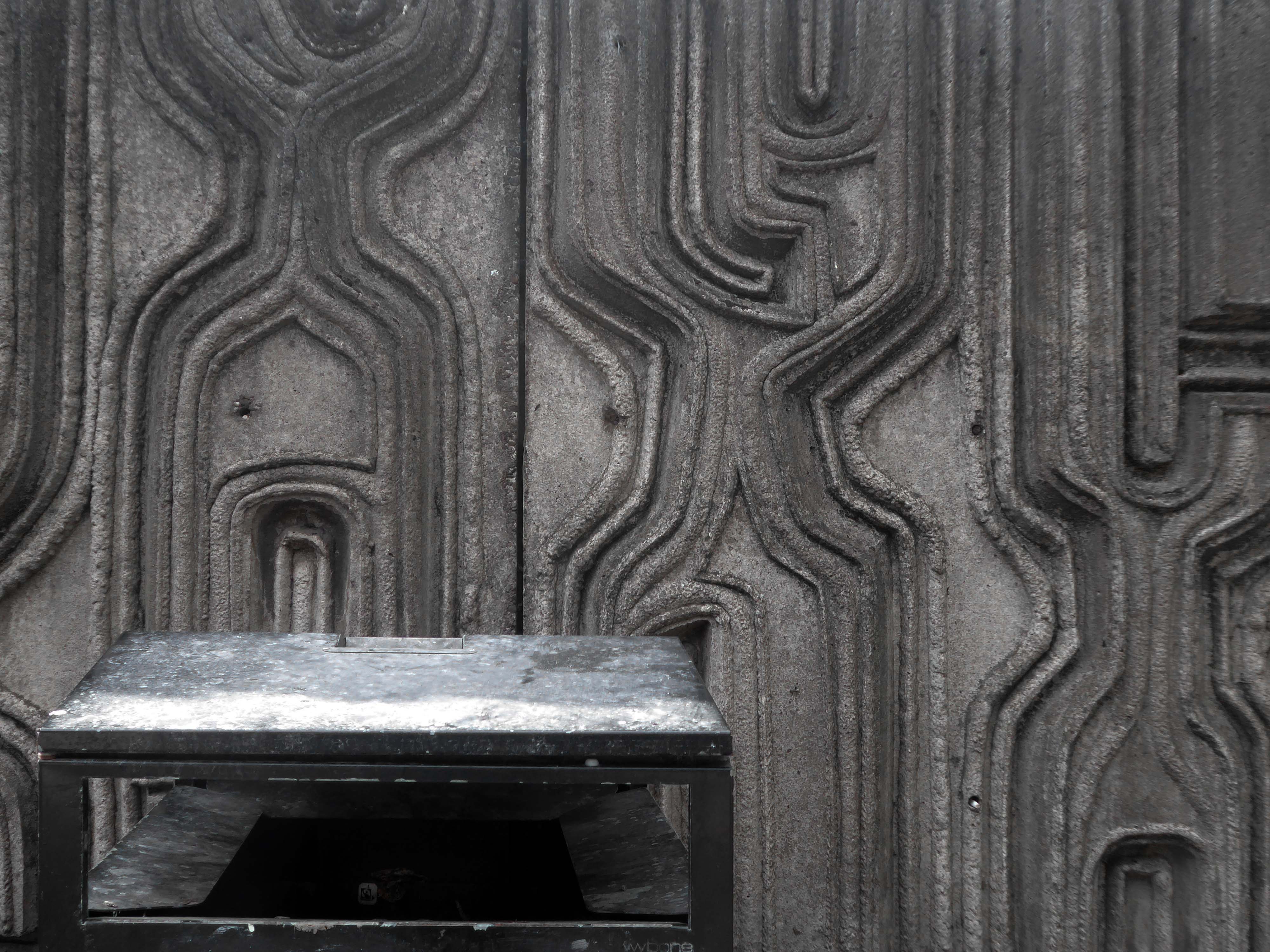
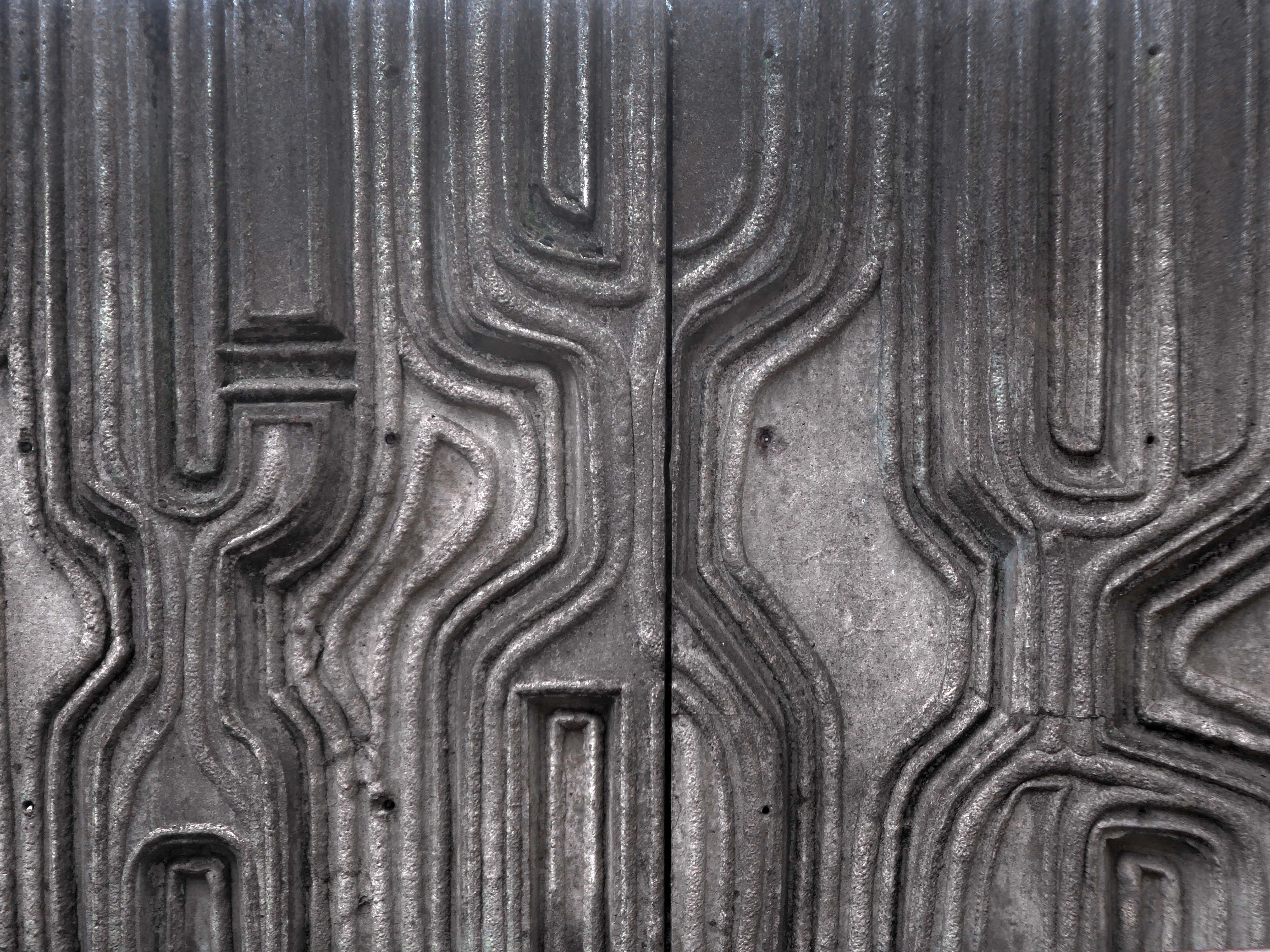
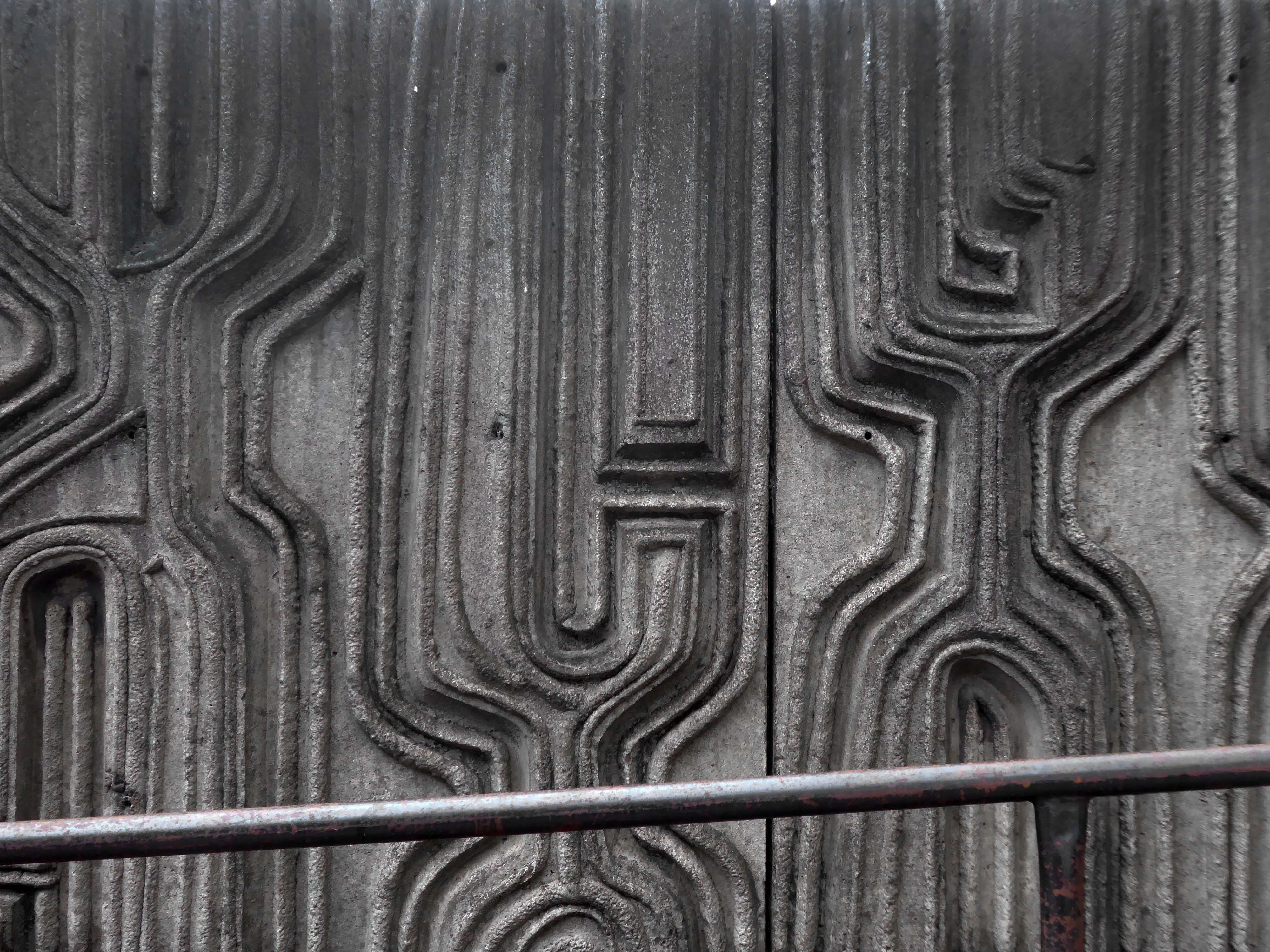
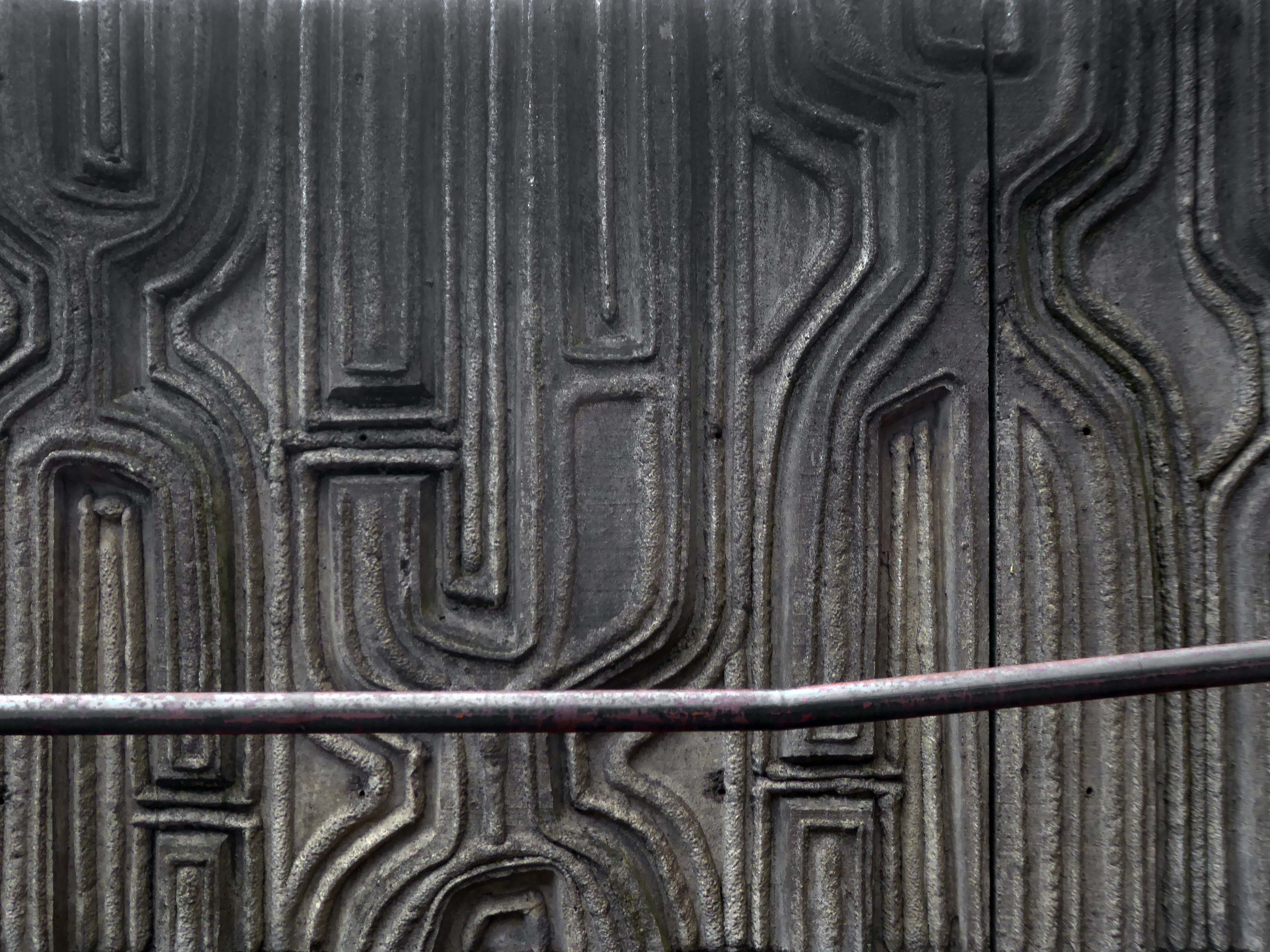
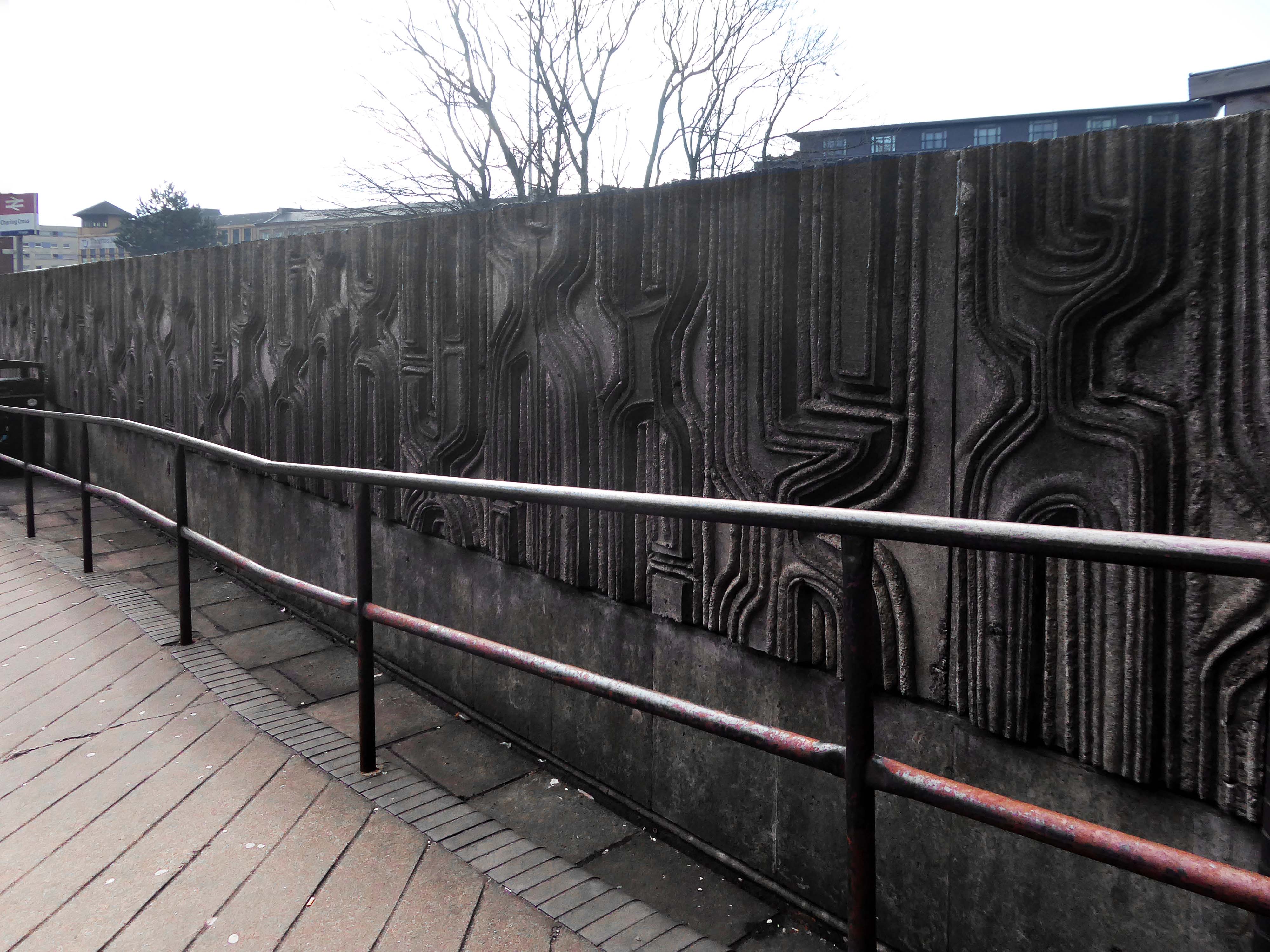
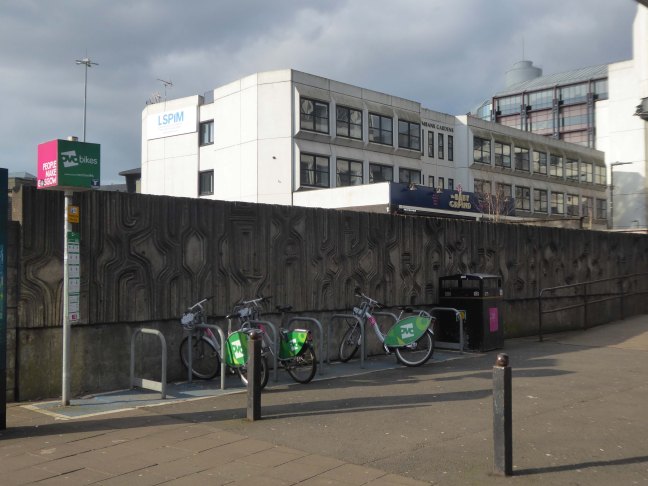
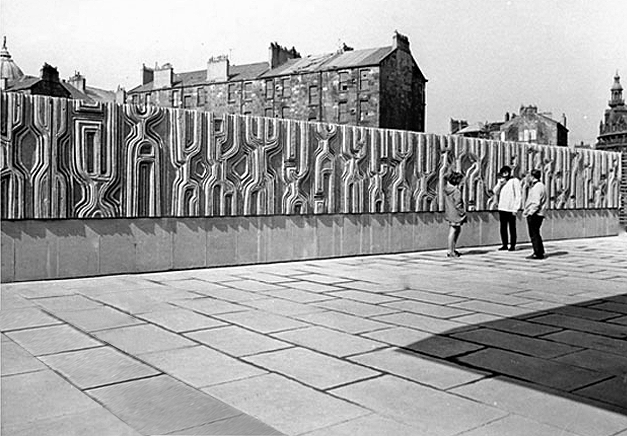
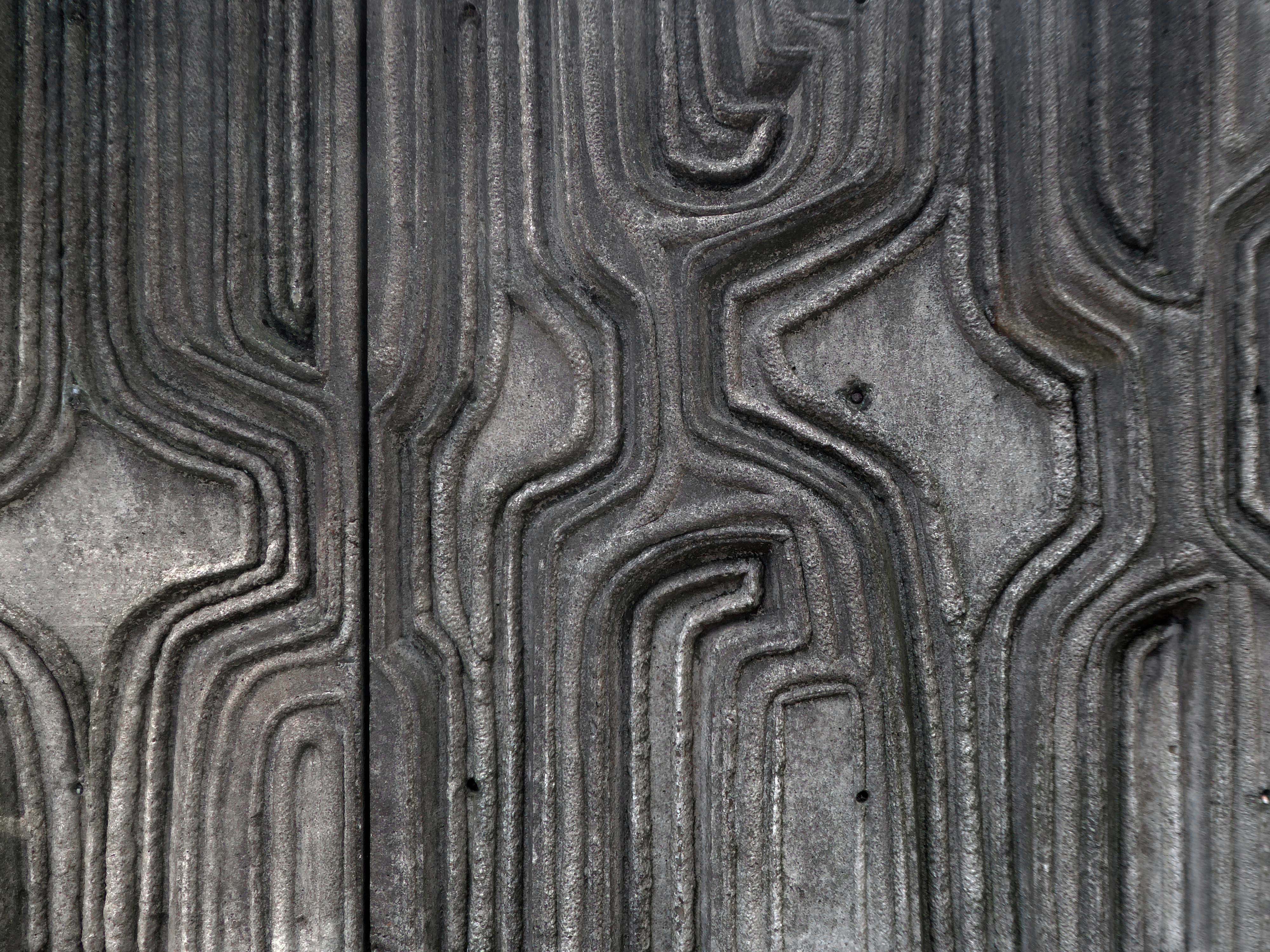
I was there in 2024 to photograph the Charles Anderson mural.

Constructed in situ – one third has now been removed at the northern end
Charles Anderson studied drawing and painting at Glasgow School of Art under David Donaldson, Mary Armour etc, graduating with Diploma in 1959.  The following year he entered  The Royal Scottish Academy painting competition for Post Graduate students and  won the Chalmers Bursary.  Joan Eardley – one of the adjudicators- took a keen interest in his work and encouraged him to exhibit at the RSA the same year. 

Following a period of five years teaching art,  He worked as a professional mural painter and sculptor for the next thirty years on major art and design projects throughout the United Kingdom, carrying out commissions for  a wide variety of clients including local authorities, property developers, banks and major insurance companies.    His most prestigious commission to date was the result of winning a national sculpture competition to provide a  bronze figurative group  which is entitled “The Community”  for Livingston New Town in 1996.  In early 1997  he returned  to the painting of easel pictures and  contributed to the annual exhibitions of The Royal Glasgow Institute, the Royal  Scottish Society  of  Painters in Watercolours, The Royal Scottish Academy and The Paisley Art Institute. He has works in various private collections throughout the U.K. and abroad.

Charles Anderson Art

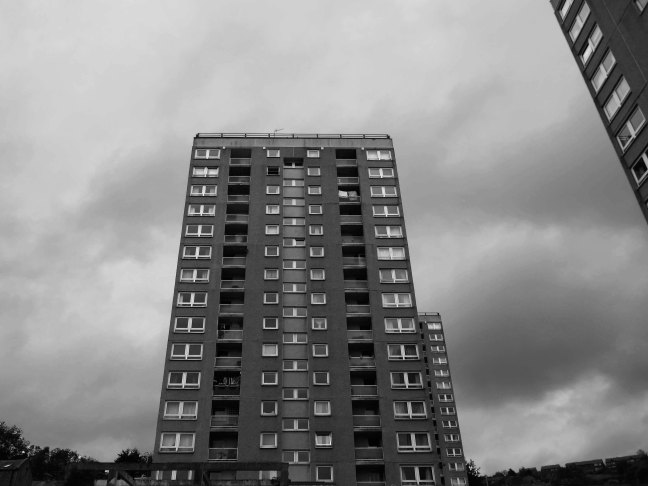
The £250m transformation of the Charing Cross area of Glasgow has been given the go-ahead.

The project including new homes, student accommodation, hotel space and local services has been approved by Glasgow City Council.

Developers CXG Glasgow also plan to knock down the 300 Bath Street office building, which bridges the M8 motorway.

Further detailed applications will need to go before the council for approval before the Charing Cross Gateway project can begin.
BBC 2024

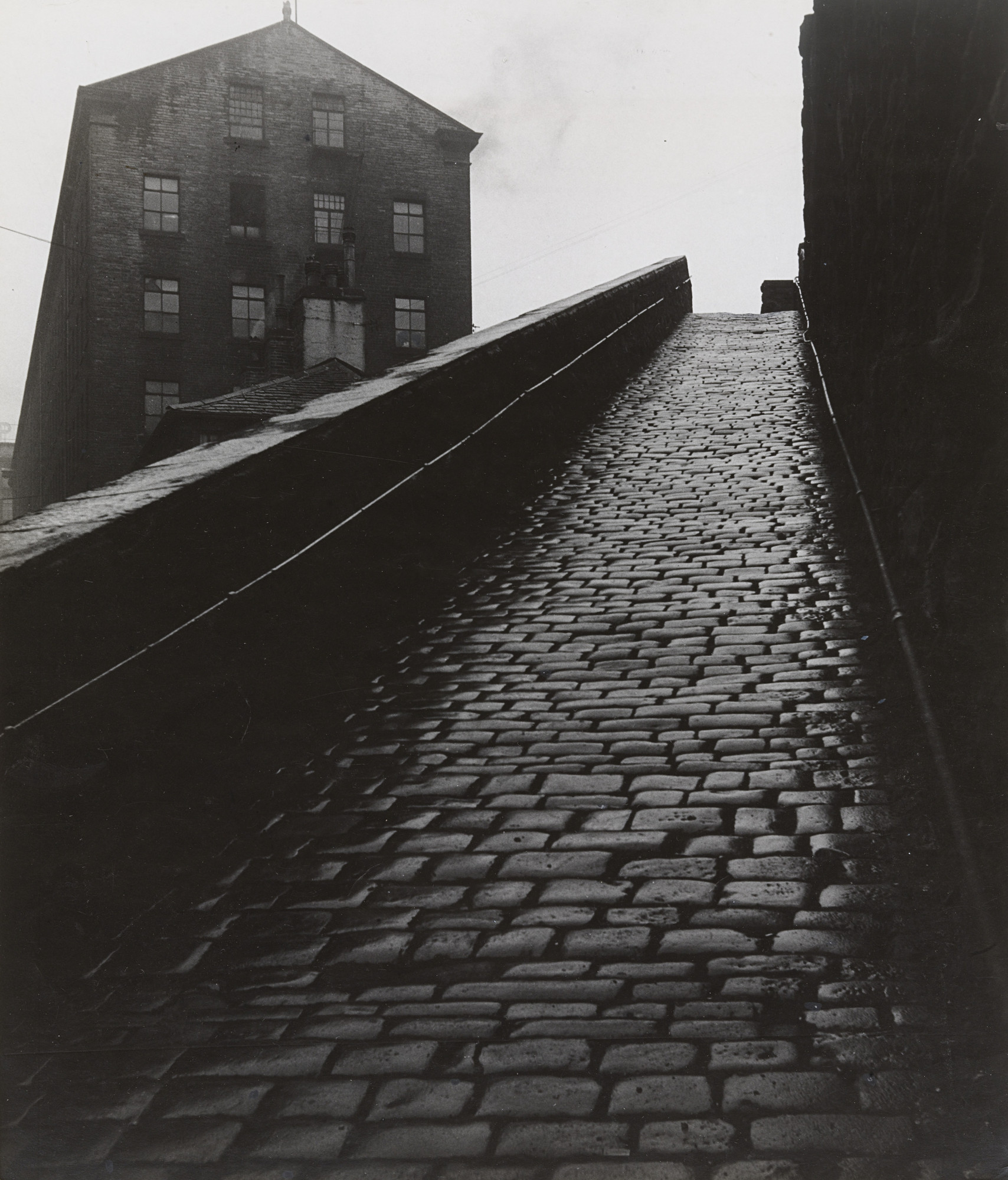
Haley Hill Halifax – Yet Again

When in Halifax it’s imperative to visit Haley Hill flats, as we did in May 2025.

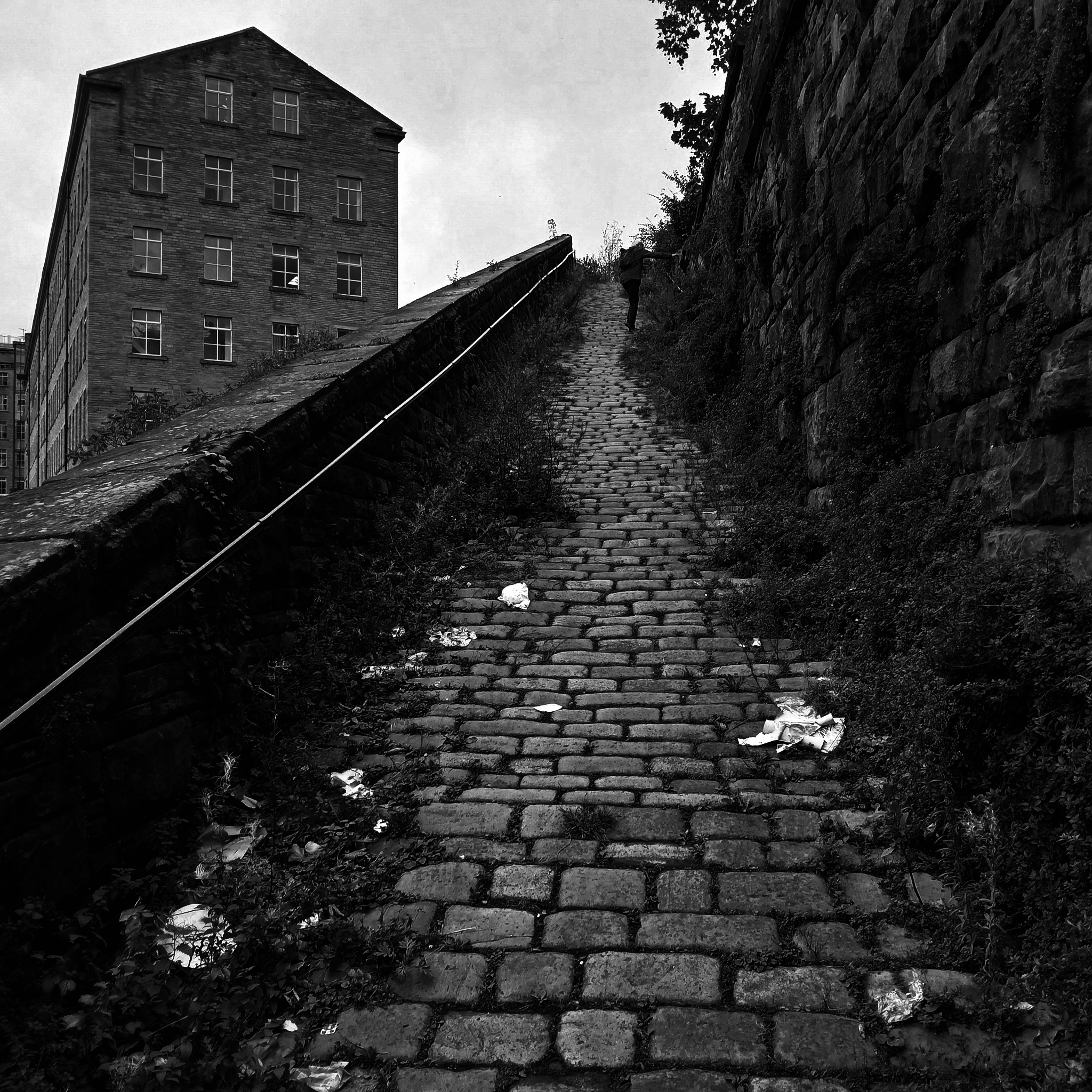
It’s a labour of love ascending the granite setts to the side of Dean Clough.

Walking in the footsteps of photographer Bill Brandt.

A Snicket in Halifax: Bill Brandt 1937

A Snicket in Halifax: Steve Marland 2025

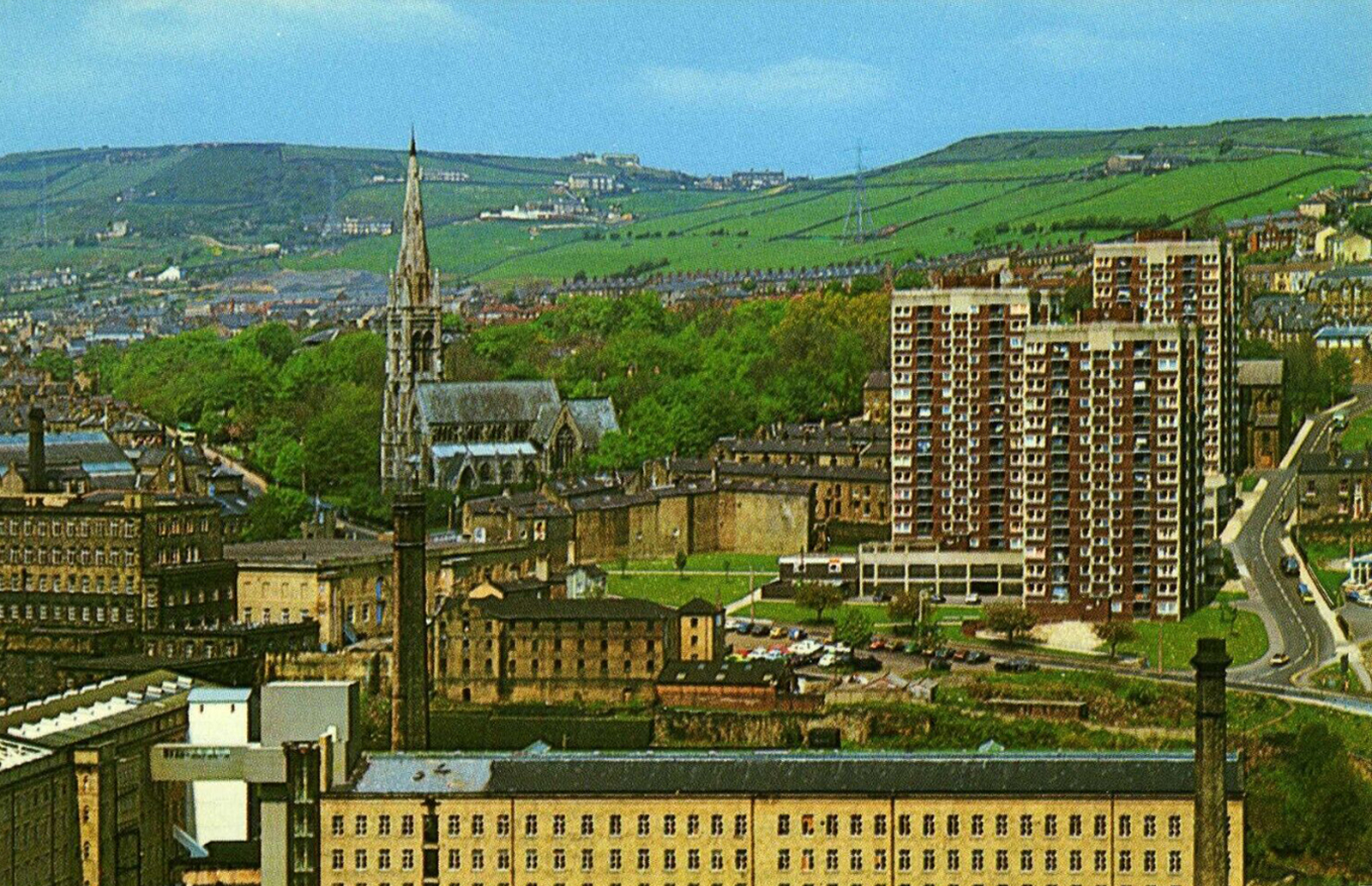
Postcard c. 1970

So it’s October 2025 and today Matthew I am mainly Bill Brandt.

Walking in the footsteps of giants.

Print quality is a variable thing depending on the purpose of the image. I would expect a pure record photograph to have a full range of tone, with both shadow and highlight gradation. Against this, pictorial or art based imagery requires the range of tones best suited to making the statement. The classic case is the soot and whitewash printing of Bill Brandt. So we have a situation that carries a contradiction; blocked up shadows in applied work is not acceptable but blocked up blacks in pictorial work is often perfectly acceptable, if that lost information is not relative to the image. Burnt out highlights are more dangerous, but again Bill Brandt did it with great effect.

Bill Wisden

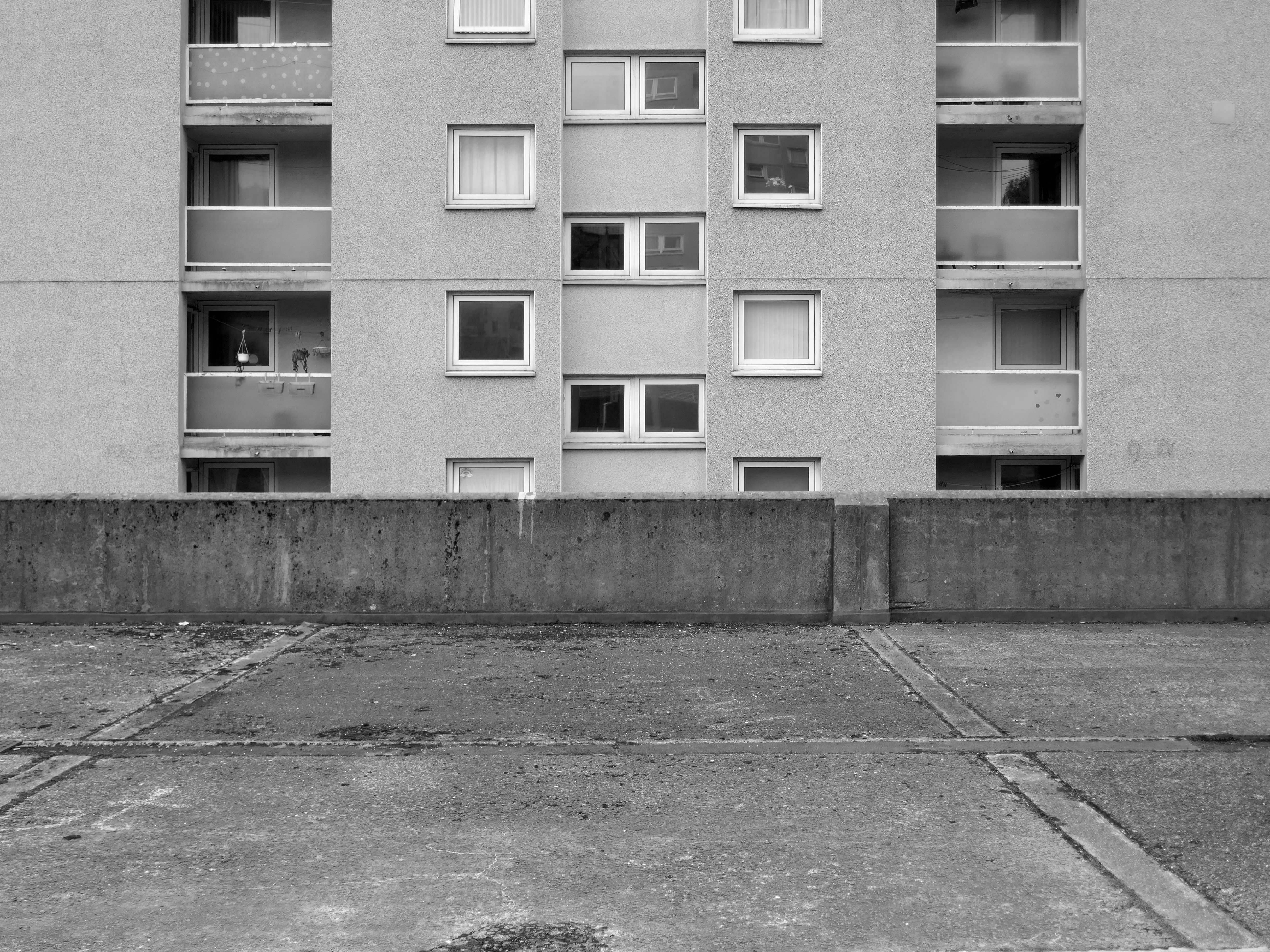
So, the record print would have an even tonality thus:

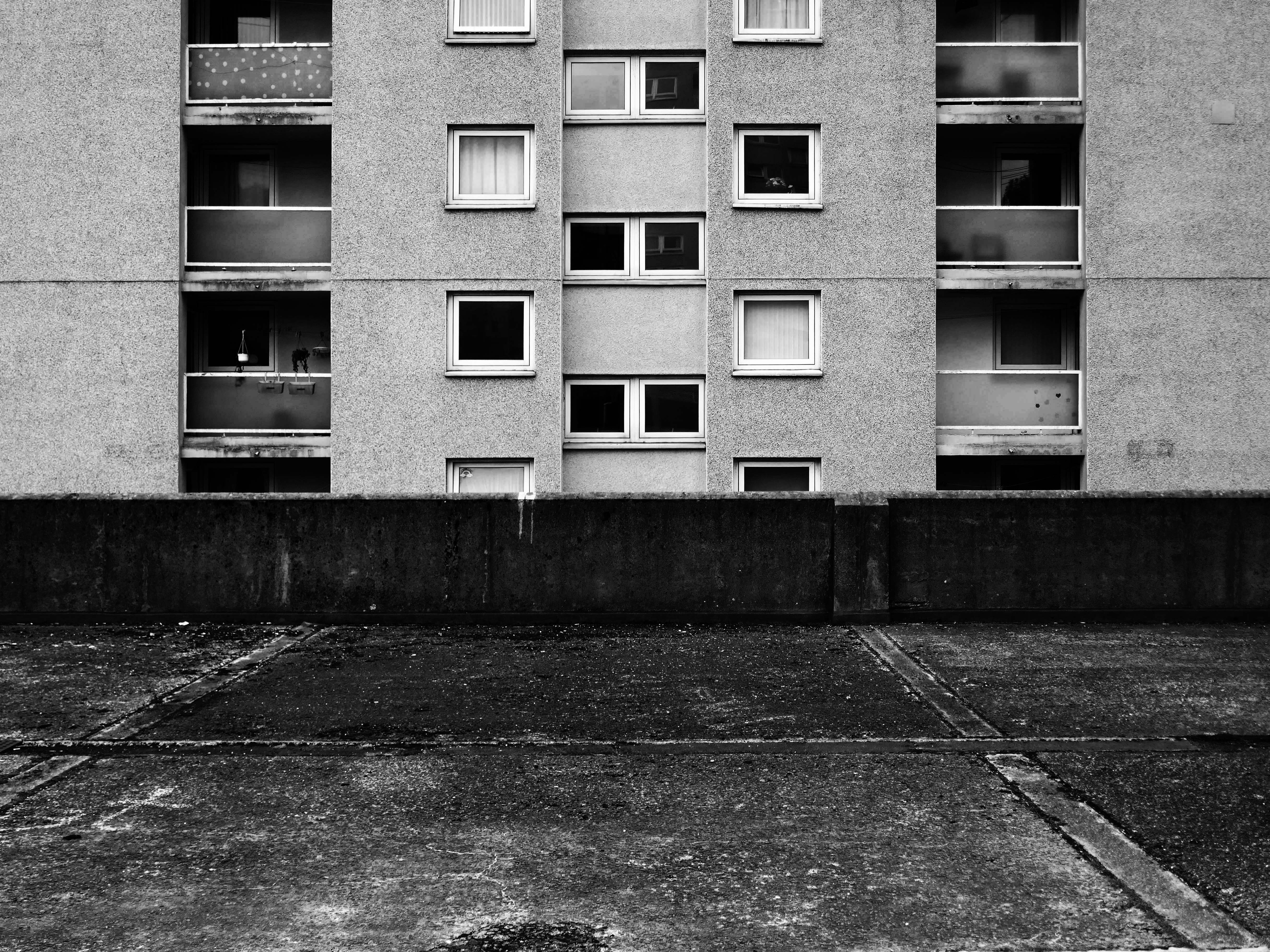
Whilst the pictorial artist may favour the higher contrast.

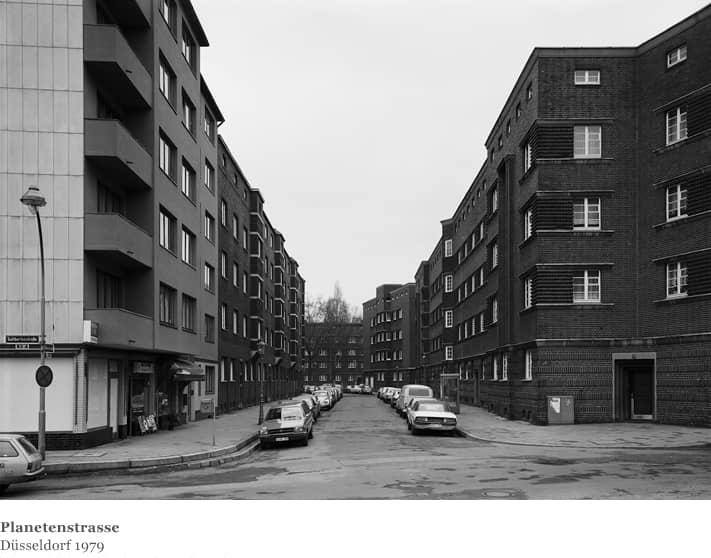
So eschewing the Düsseldorf School

Here we go, soot and whitewash away!

East Park Gates Hull – Concrete Walls

Holderness Rd Hull HU8 8JU

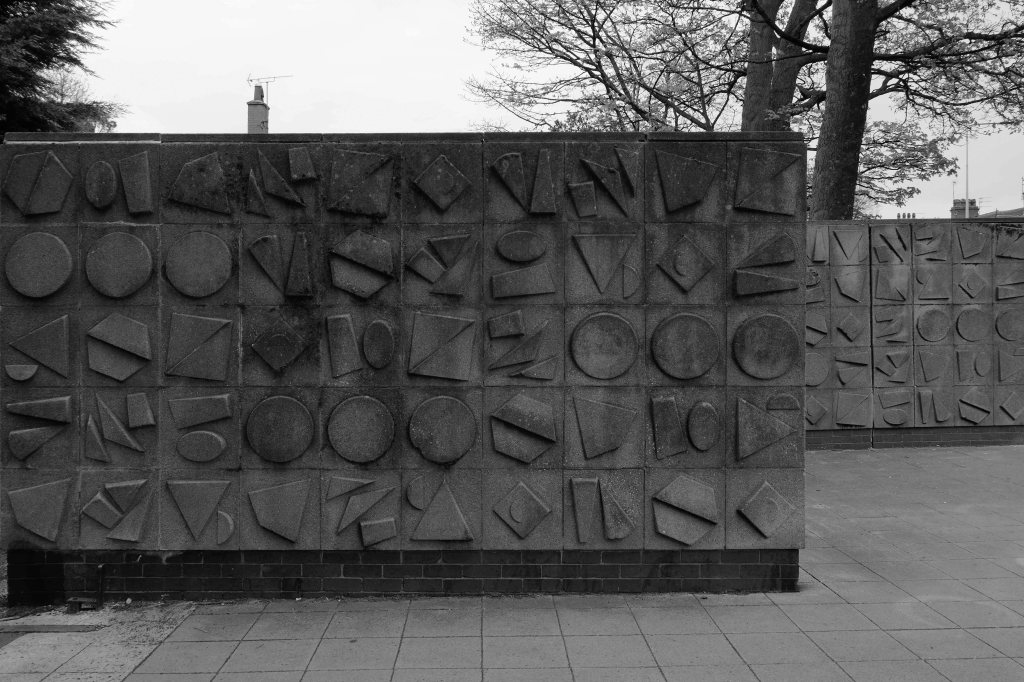
At the entrance to the park on Holderness Road are eight concrete walls.

They are covered in square, cast concrete modular panels.

Said to be the work of the City Architect in 1964.

Municipal Dreams lists the City Architect at that time to be JV Wall, having replaced David Jenkin in that same year.

My money’s on Wall – well it makes sense don’t it?

I had taken the bus from Hull Interchange on a chill April morning.

The driver obligingly giving me a shout at the appropriate stop – right outside the gates.

They are not universally loved:

A further testament to the concrete pourer’s art is to be found adorning the entrance to East Park. They are so horrible that I could find nothing on the net to indicate who designed them, shame is a powerful motive for reticence. So here they stand to welcome the visitor; after this the actual park couldn’t be any worse.

Hull and Hereabouts

I can only assume that the actual park is held in much higher regard, listed and adored by all.

To my mind they are a bold addition to the park’s entrance, very much of their time, yet at the same time, ever so very now!

The has been a gentle patination to the raw surfaces and limited external intervention from the local Tyke taggers.

Take a look make up your mind – yay or nay?

It looks like they’re here to stay.

If you like this then you’ll like this and possibly this.

From Huyton to Hull and back to UMIST – it’s concrete walls all the way.