

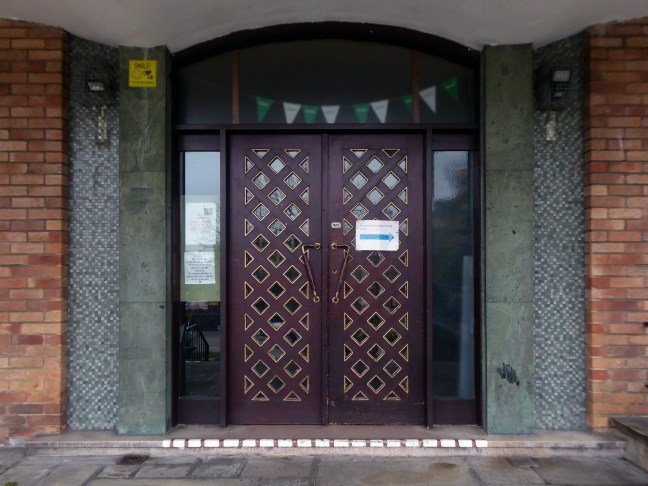
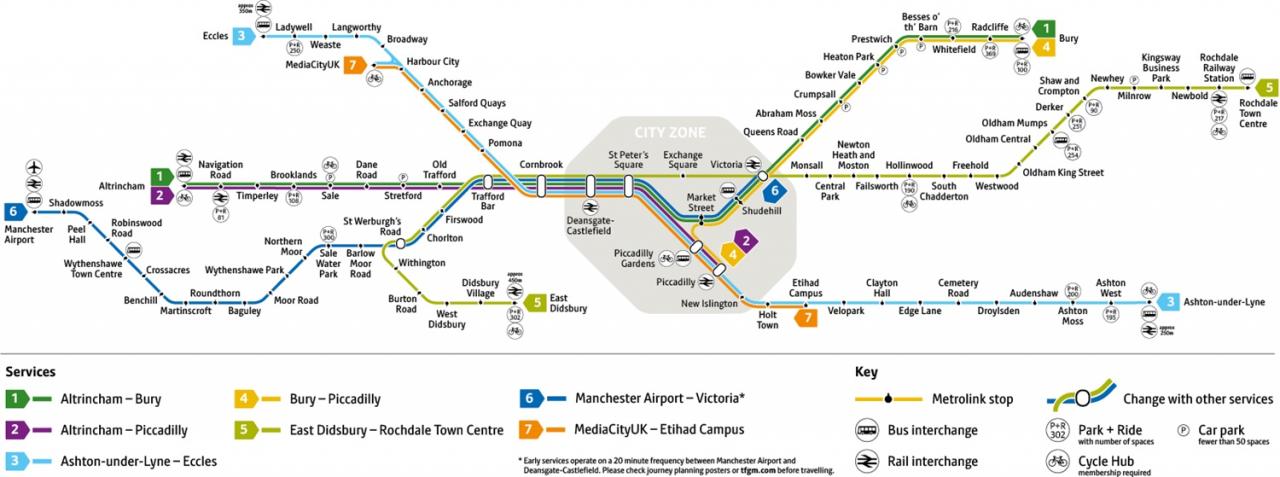
I was cordially requested to produce tram based walk, by the good folk at the modernist – travelling from Victoria Station to Bury. Alighting at each stop and seeing what could be seen, by way of modern buildings along the byways.
By the way, I do have previous experience, having undertaken a similar task travelling to Ashton.
So I set off as instructed, clutching my GMPTE senior concessionary travel pass.
Queens Road
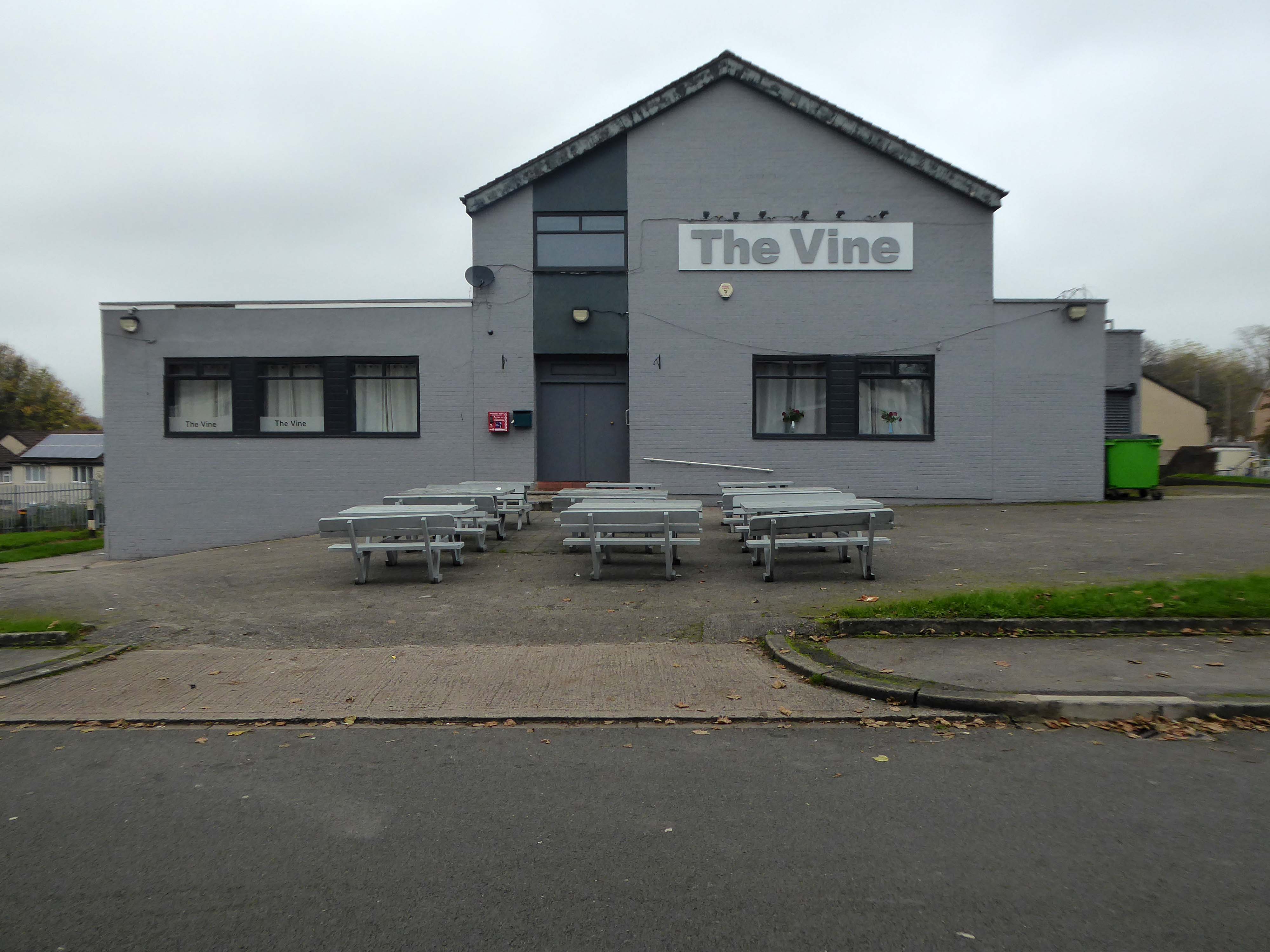
Turn right on leaving the station, right then left – you have reached The Vine.
Glendower Dr, Manchester, Greater Manchester M40 7TD.
Head for Rochdale Road and turn right back toward the city centre, you have reached Eastford Square.
Manchester M40 7QT
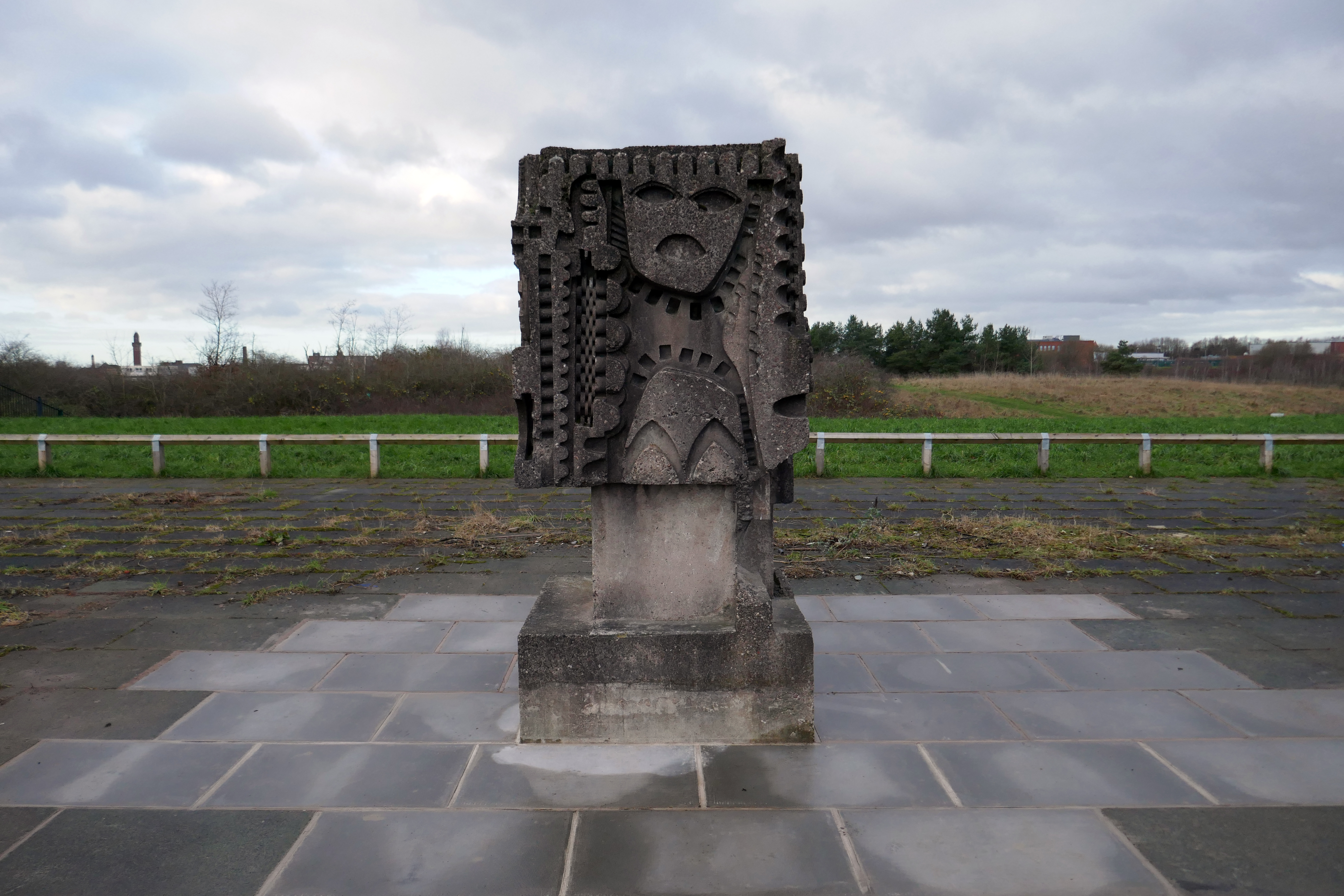
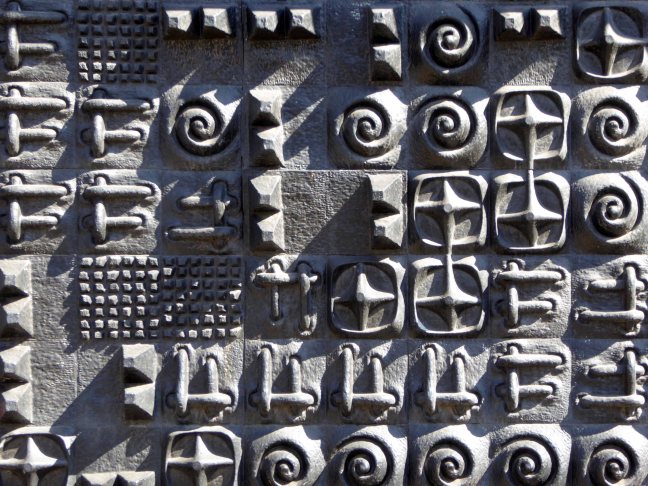
Formerly home to homes and shops – currently home to the William Mitchell Totem.
Abraham Moss
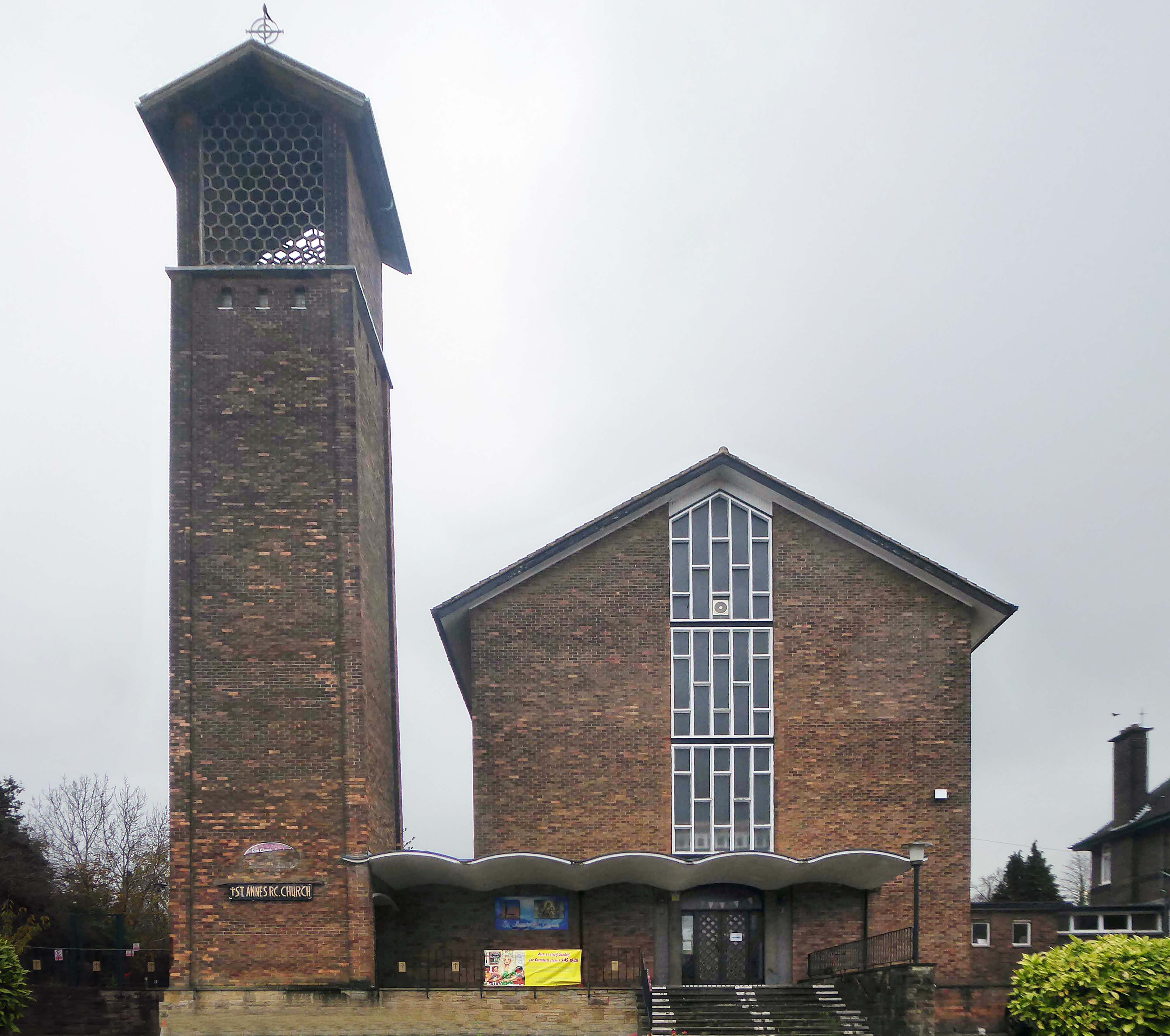
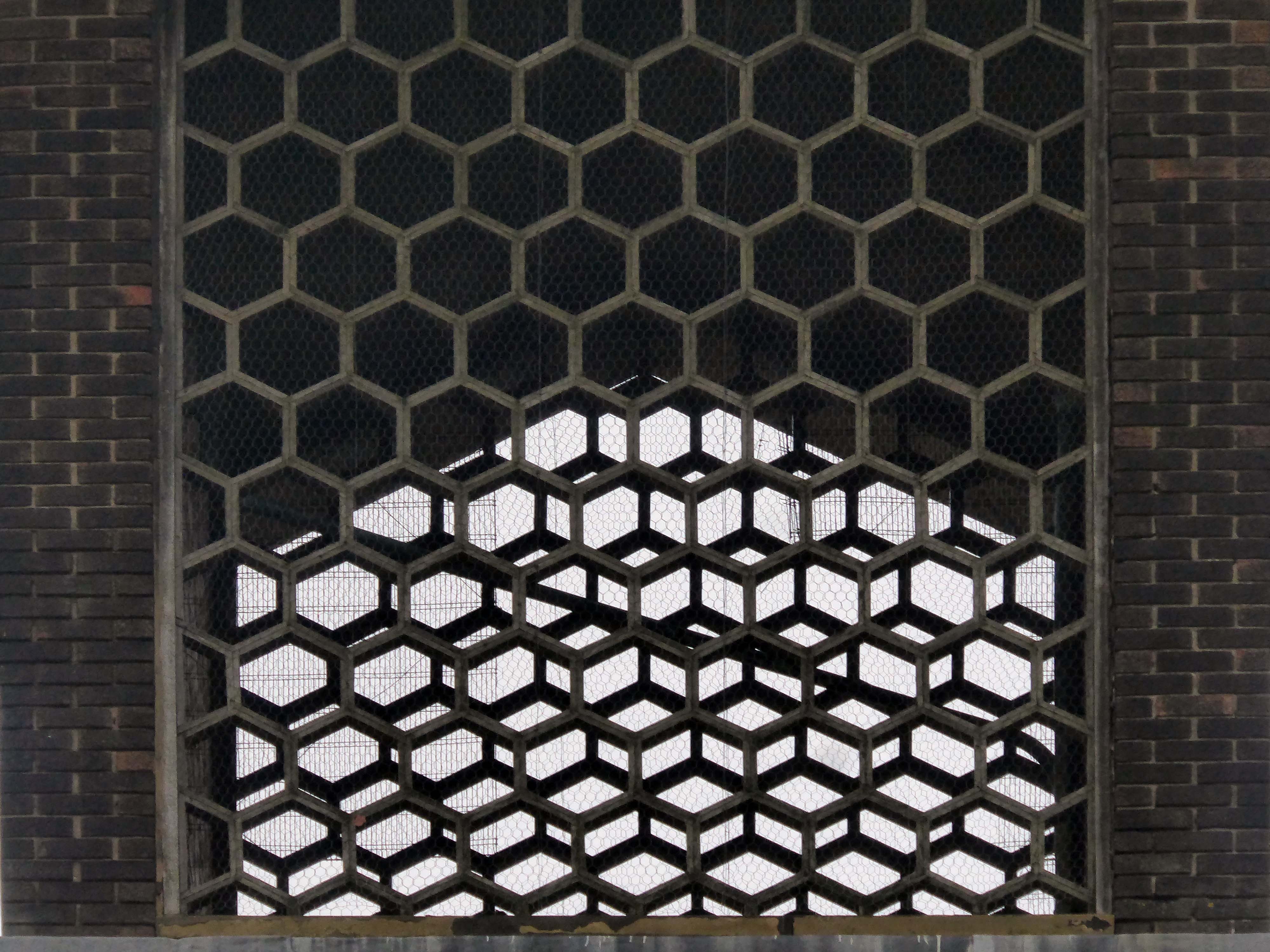
Head toward where you will find St Annes RC Church – Architect: Greenhalgh & Williams 1958
Crescent Rd, Crumpsall, Manchester M8 5UE
Crumpsall
Turn right out of the station onto Crumpsall Lane
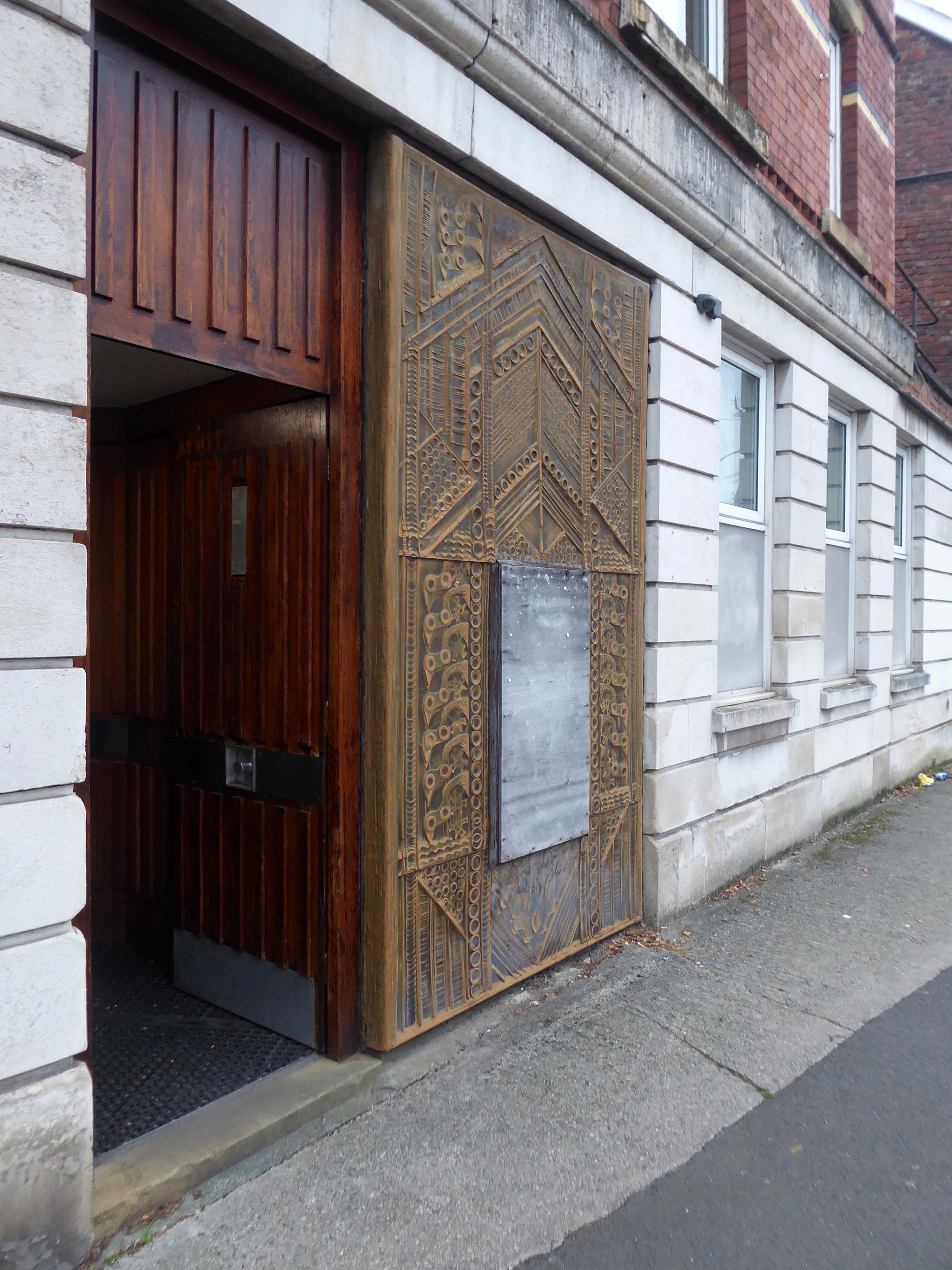
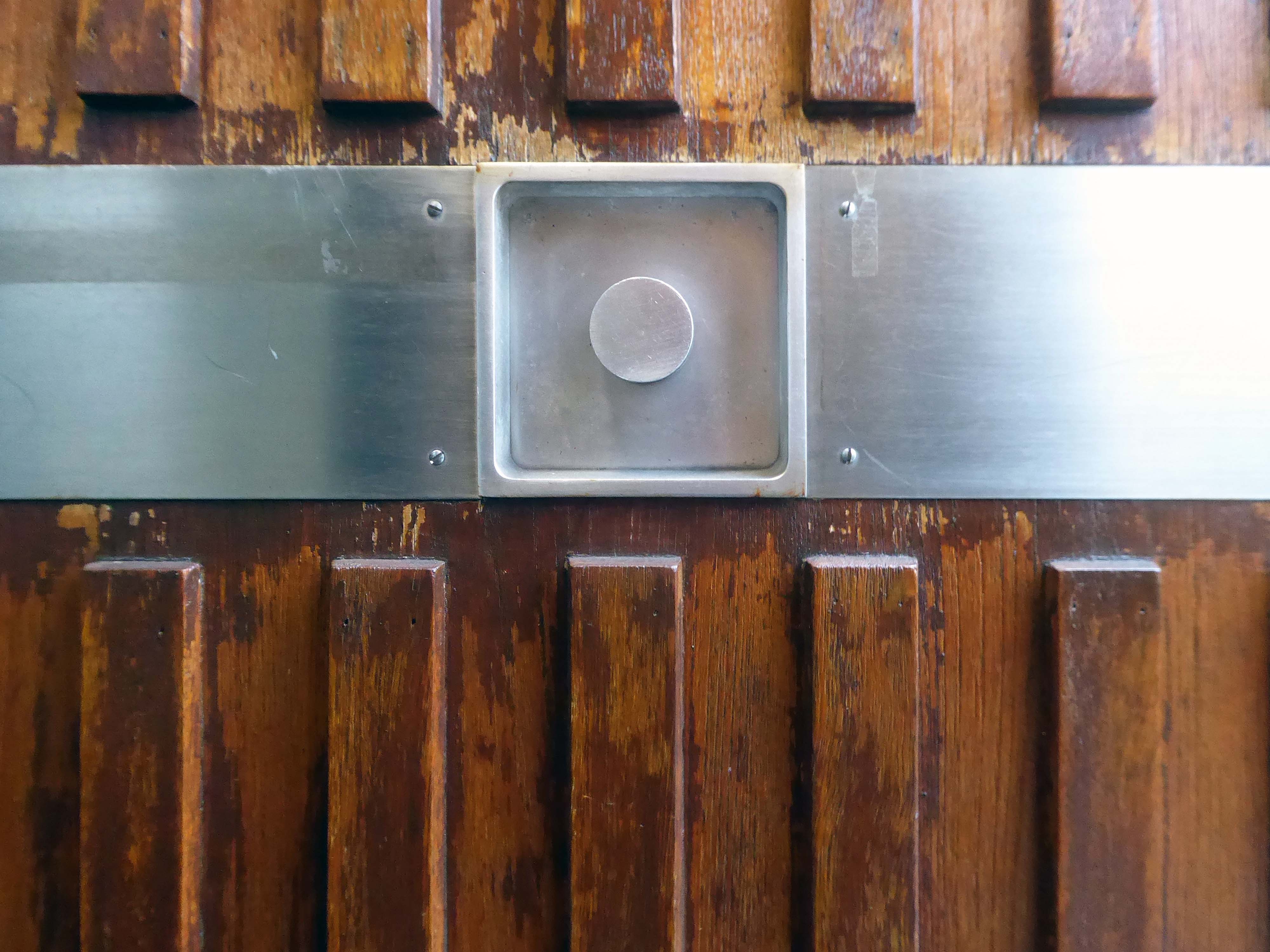
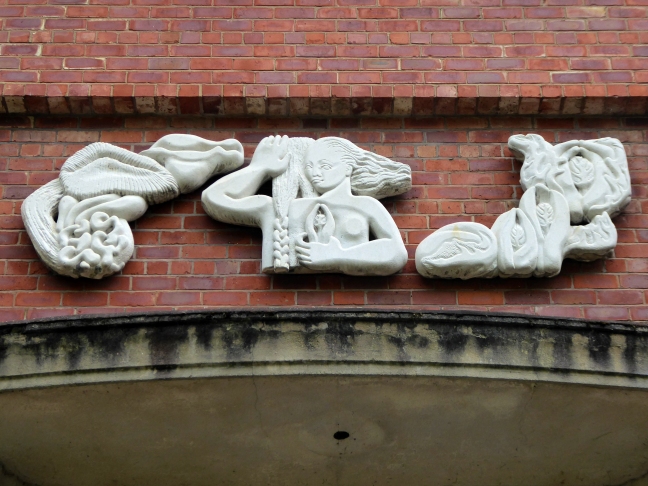
Former District Bank latterly Nat West – decorative relief and door.
Currently Greater Manchester Immigration Aid Unit
1 Delaunays Rd, Crumpsall, Manchester M8 4QS
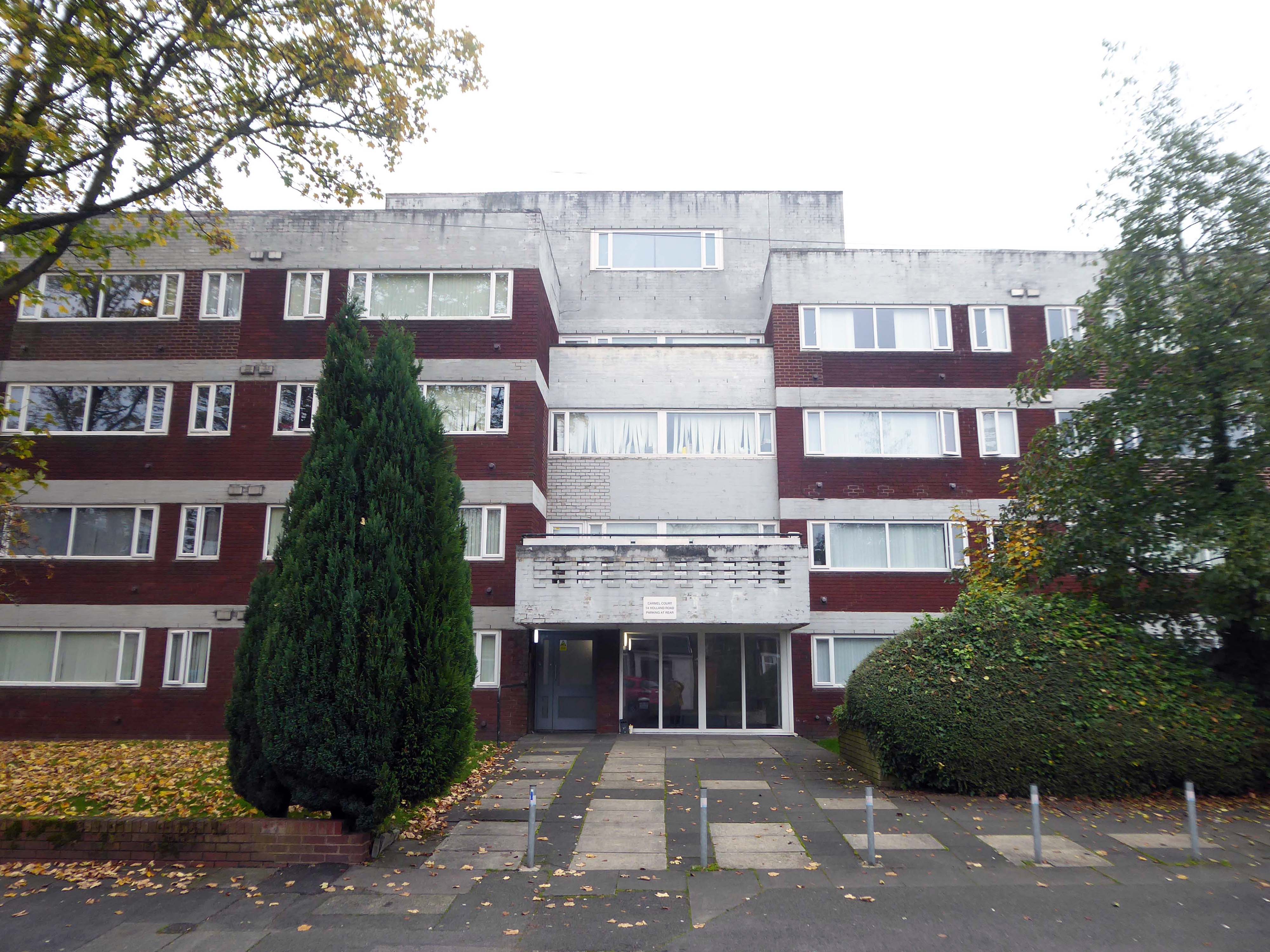
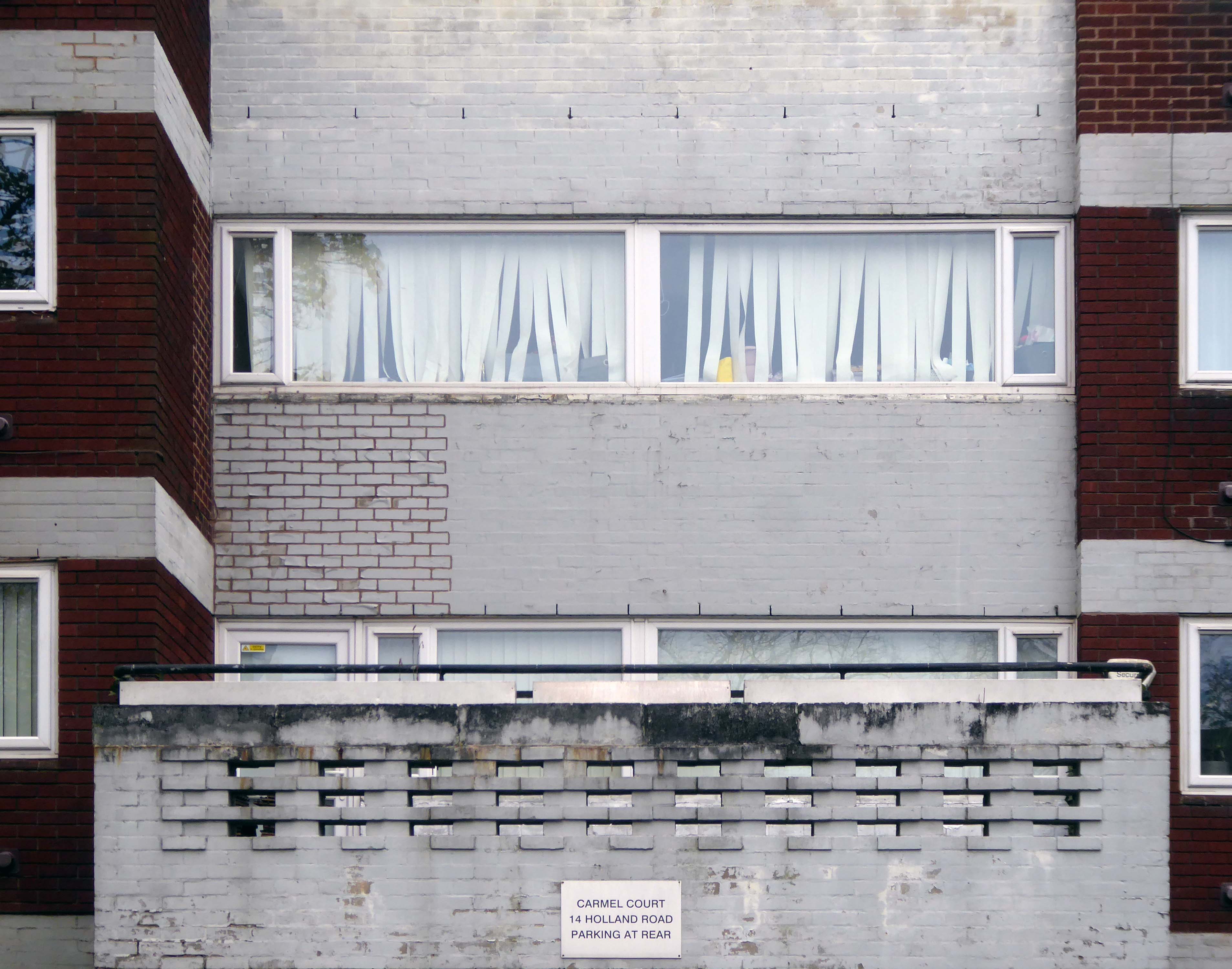
Carmel Court
Turn back along Crumpsall Lane past the station until you reach Holland Road on your right.
14 Holland Rd, Crumpsall, Manchester M8 4NP
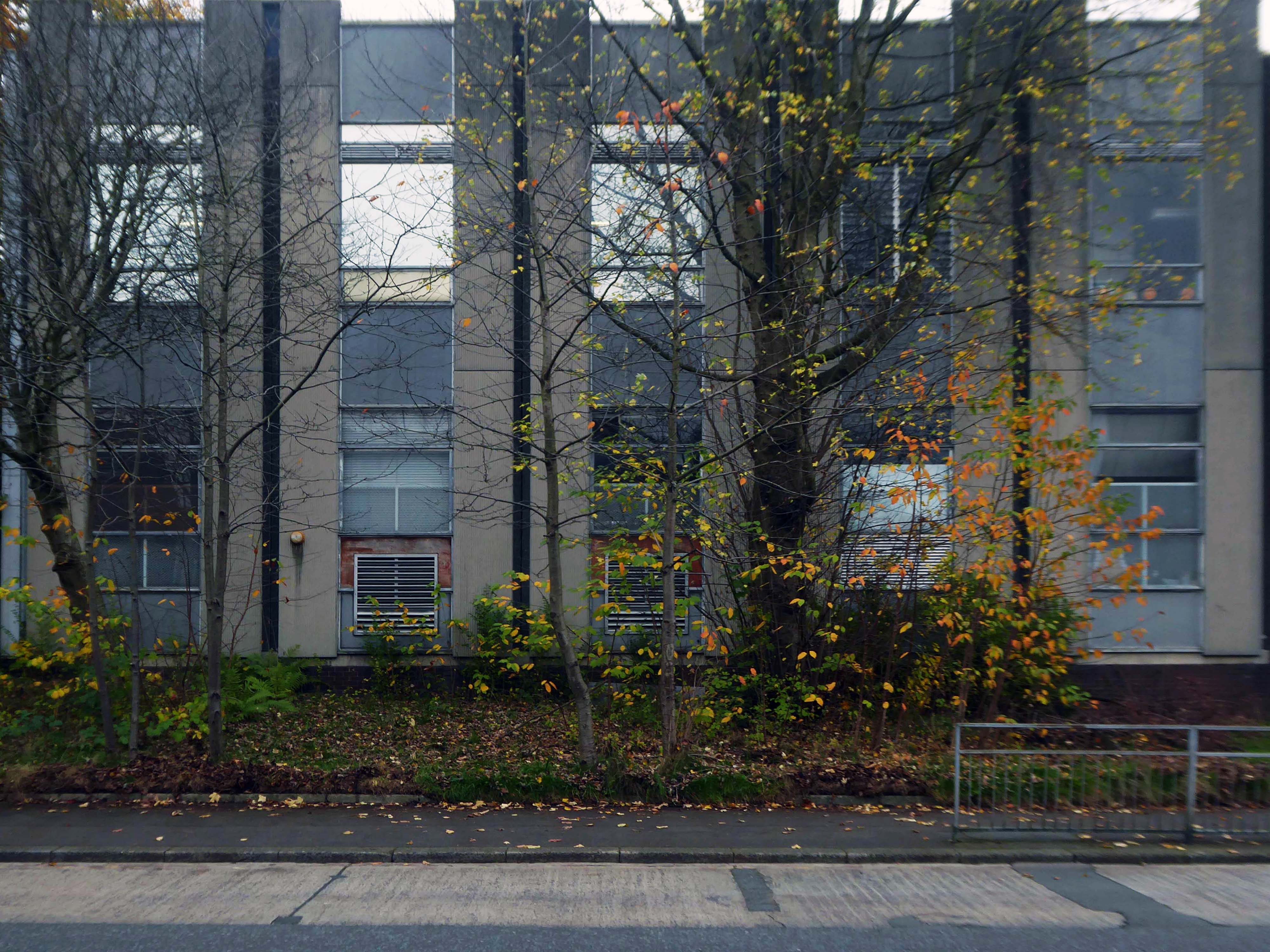
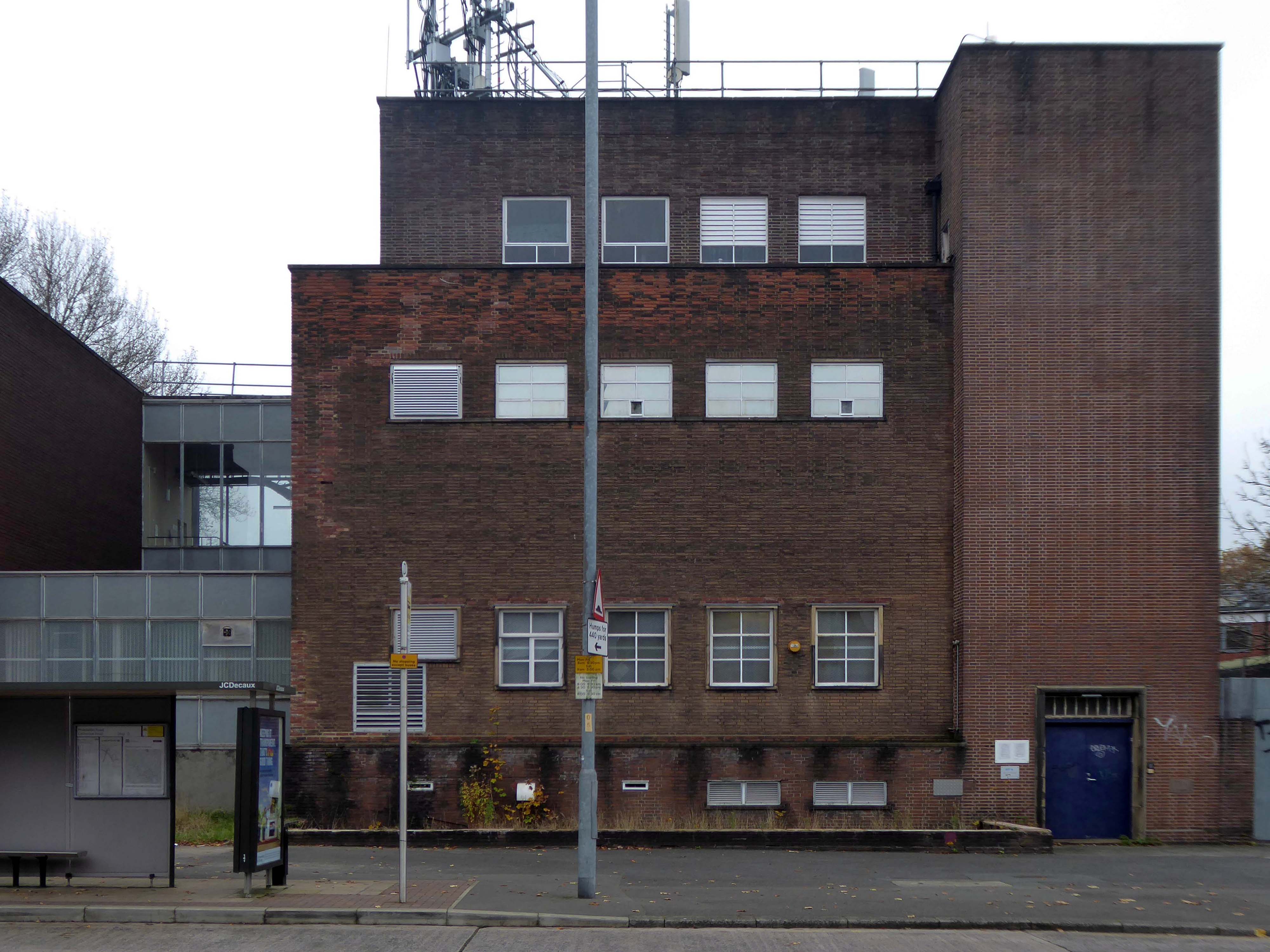
Onto Middleton Road and turn left where you will find the Telephone Exchange.
Middleton Road, Manchester. M8 5DS
Back track along Middleton Road toward Bowker Vale station.
There are several post-war residential low rise block along the route.
Haversham Court
Middleton Rd, Crumpsall, Manchester M8 4JY
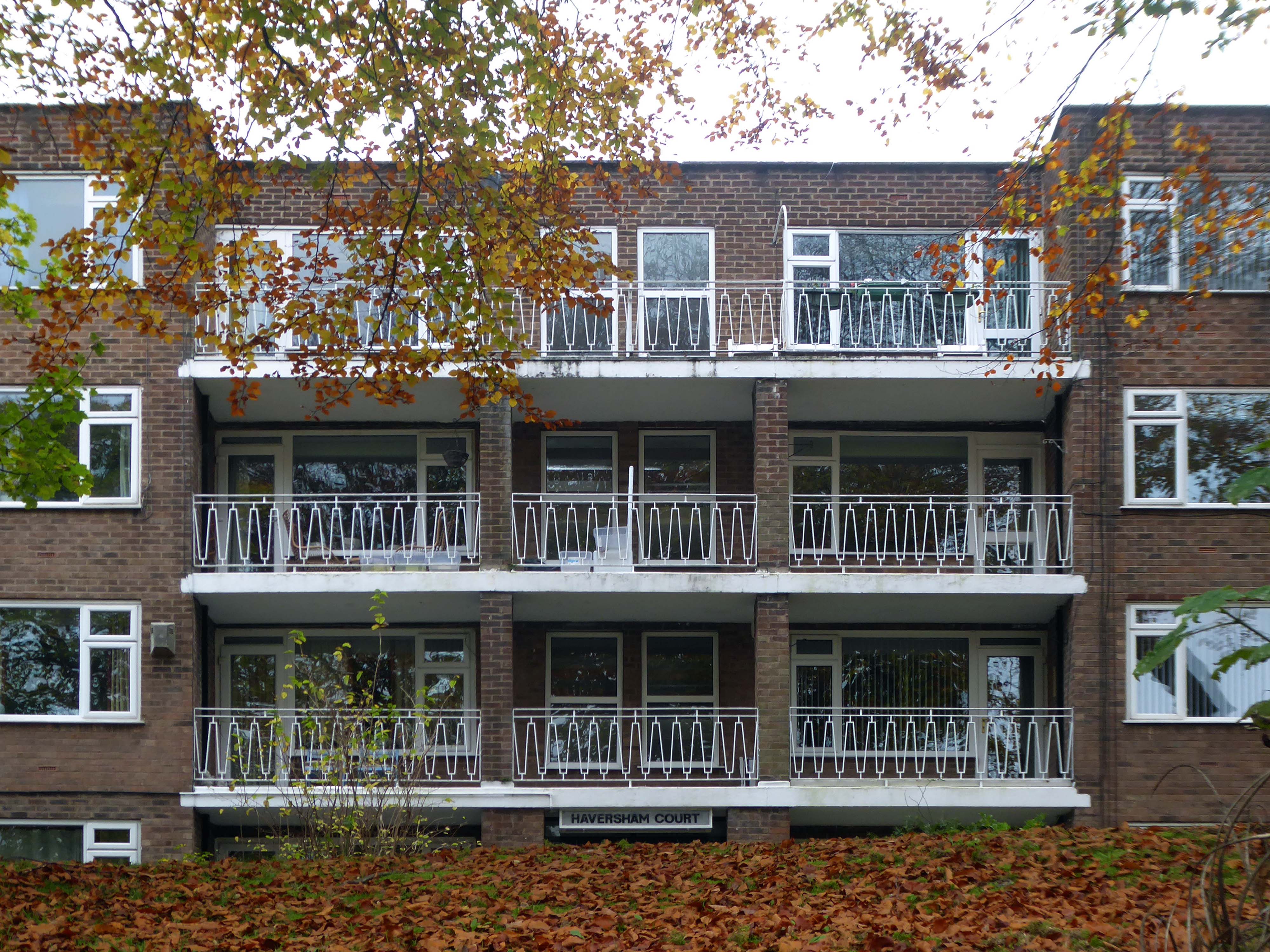
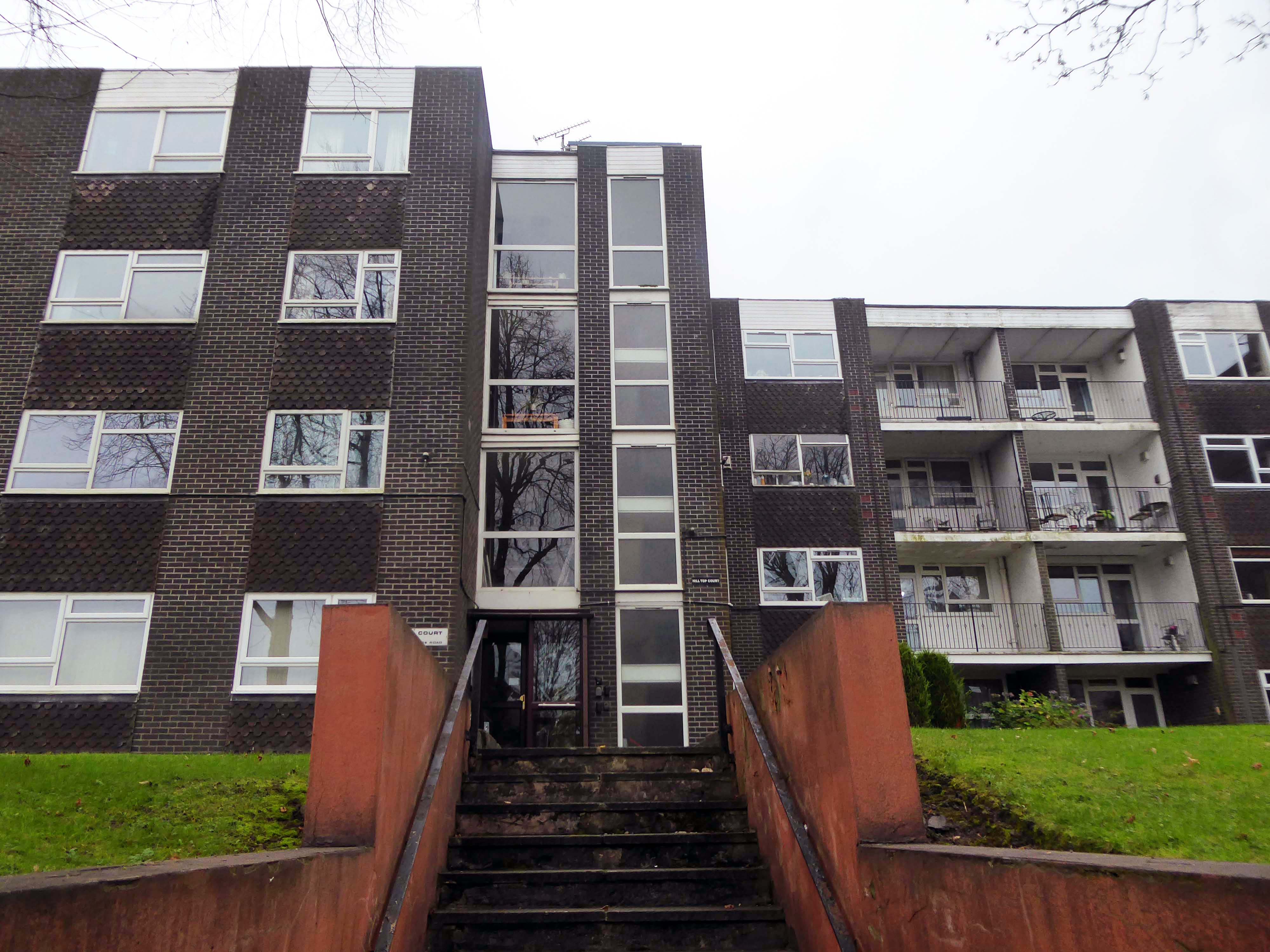
Hilltop Court – just off to the left of Middleton Road.
Brooklands Road, Crumpsall, Manchester M8 4JH
Bowker Vale
Heaton Park
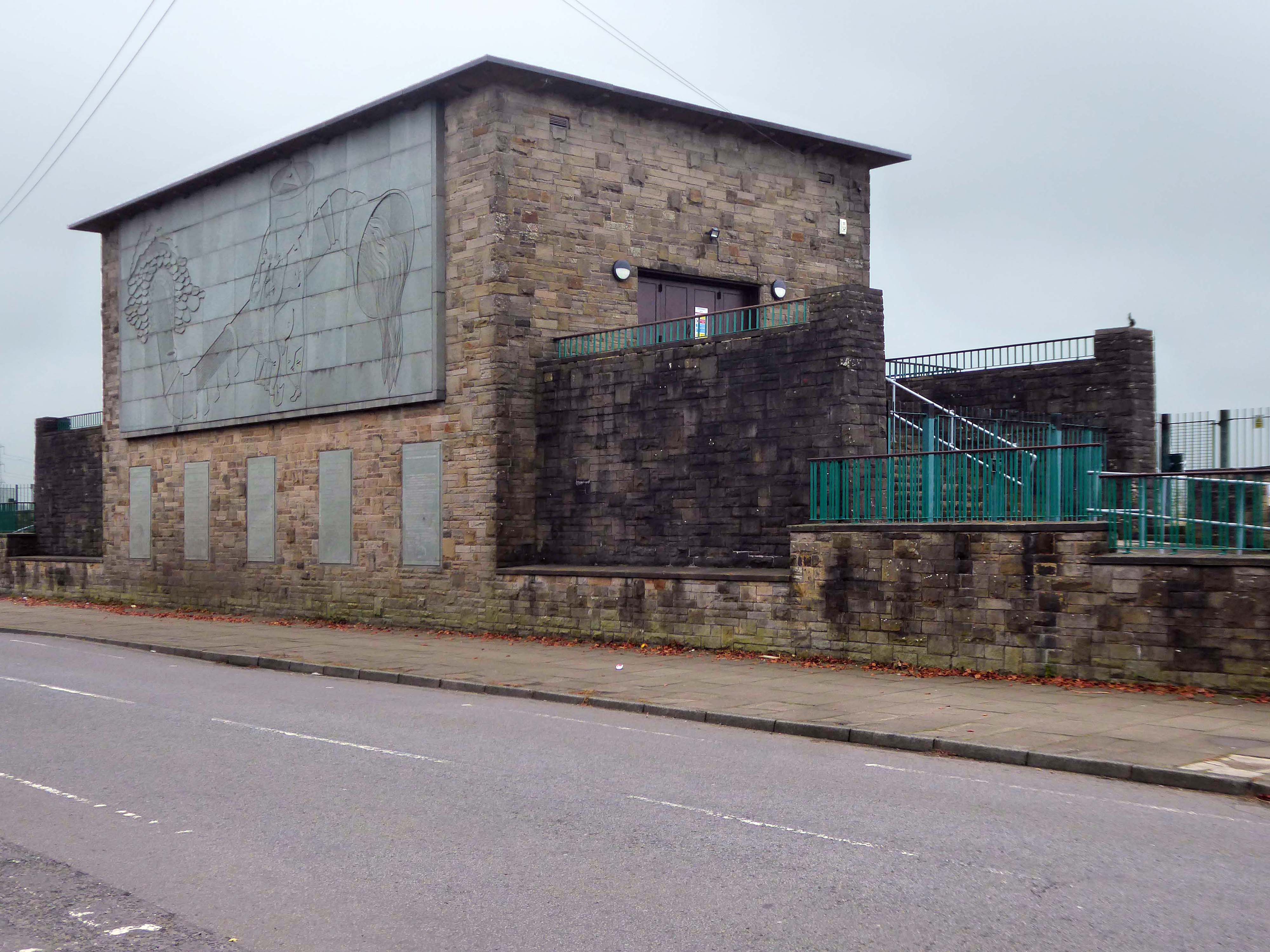
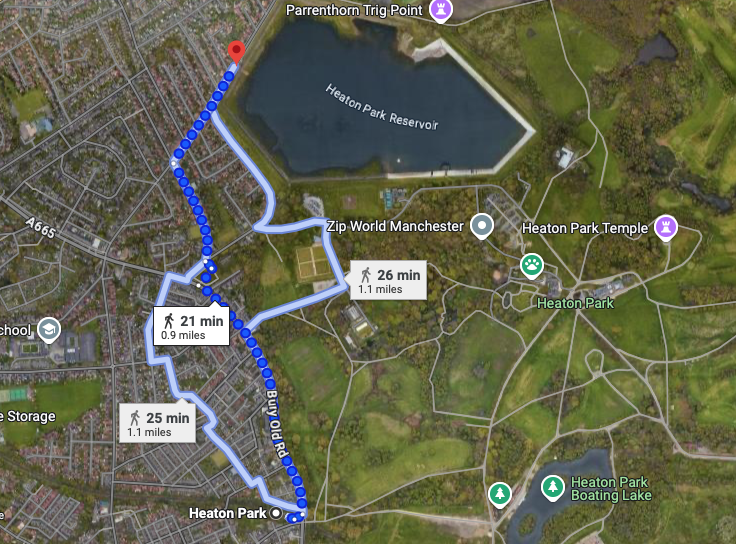
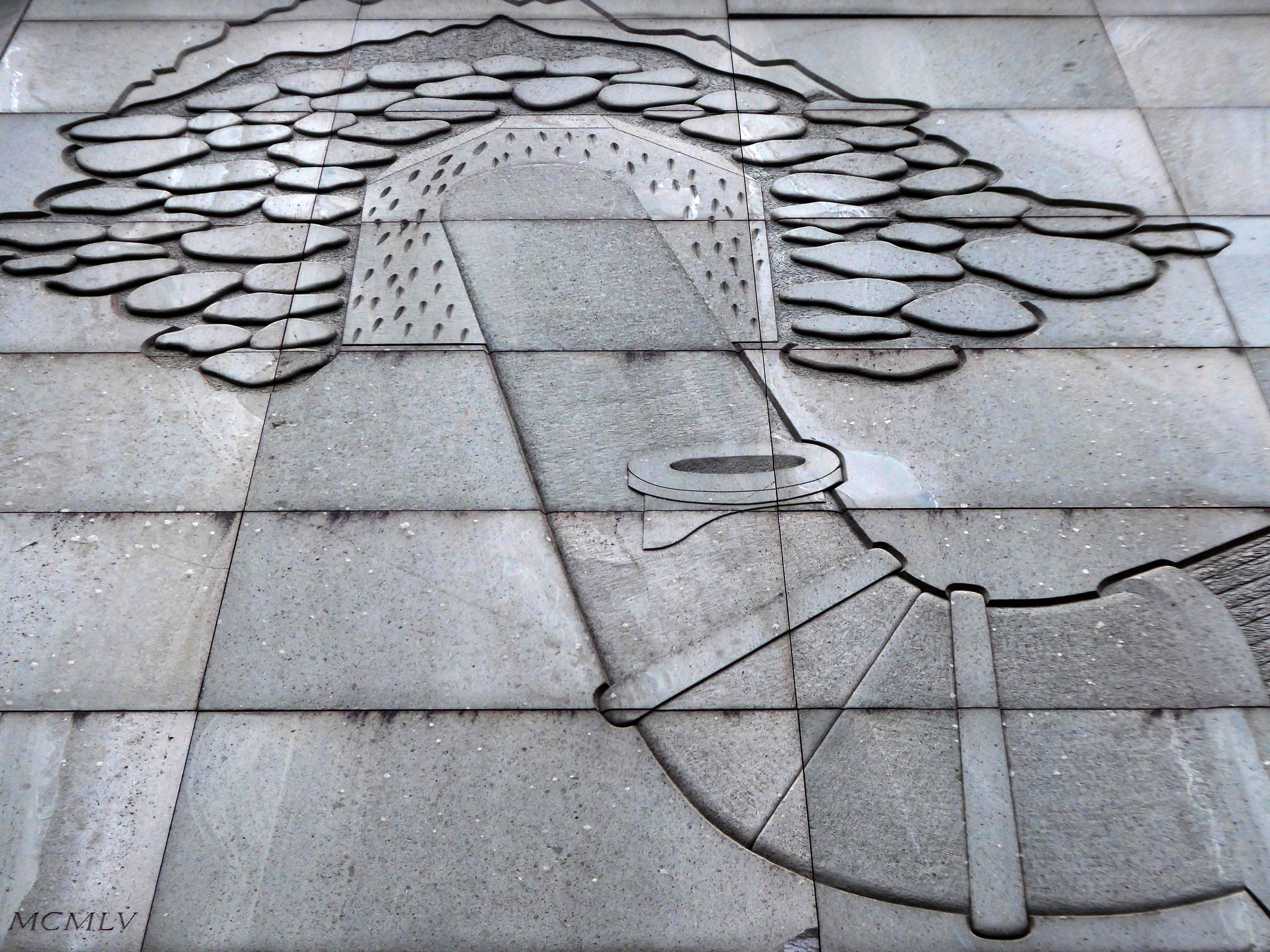
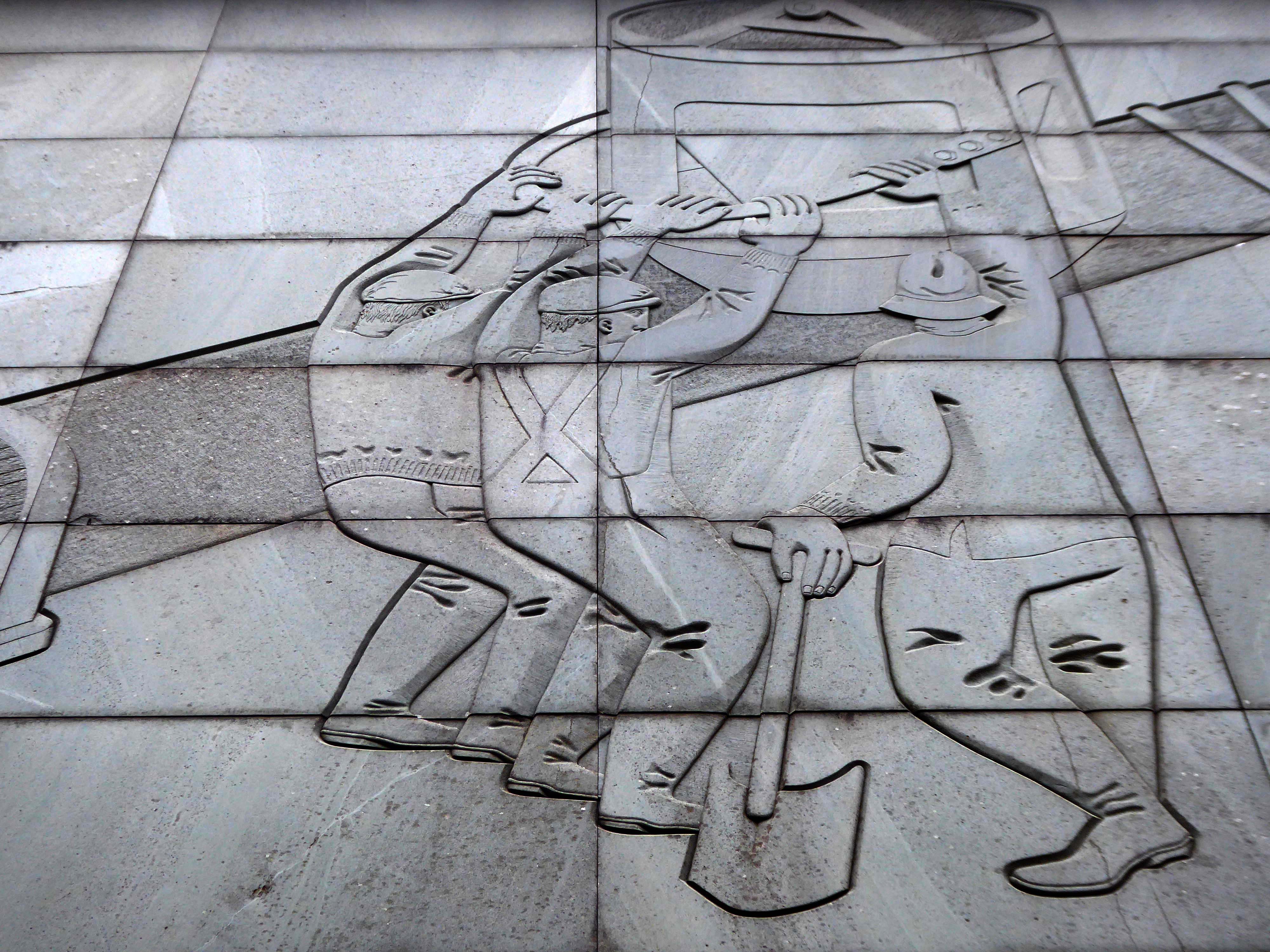
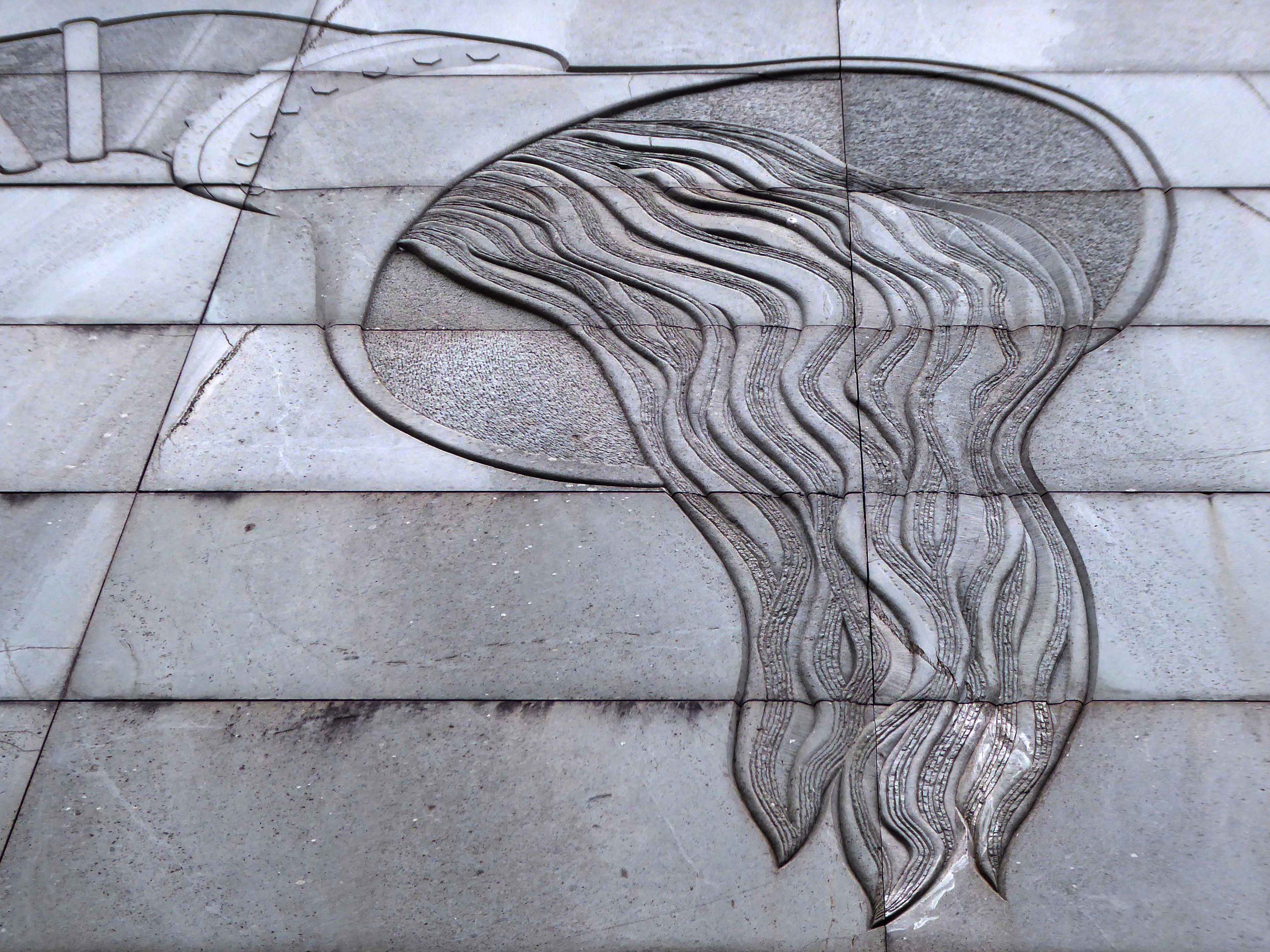
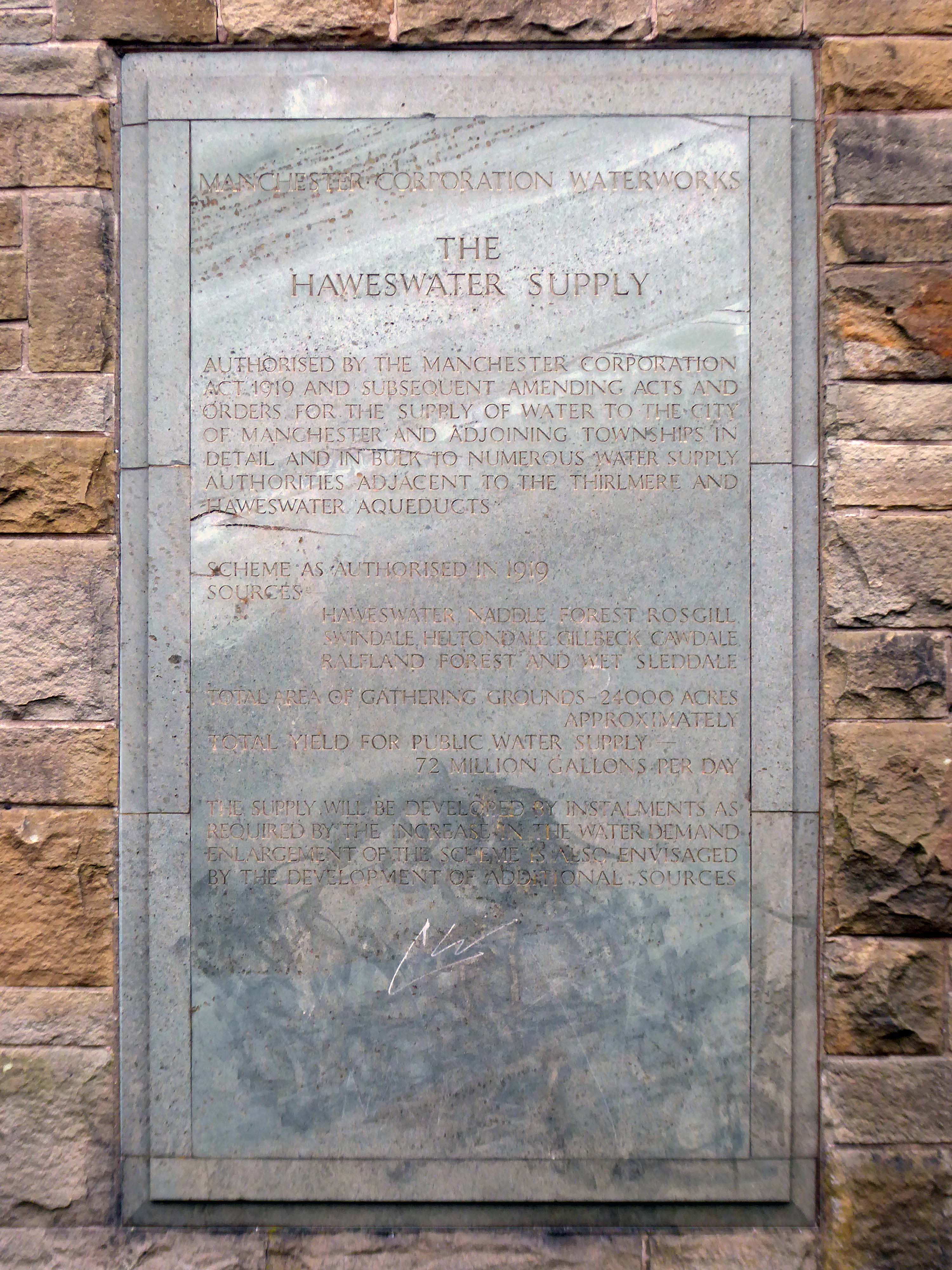
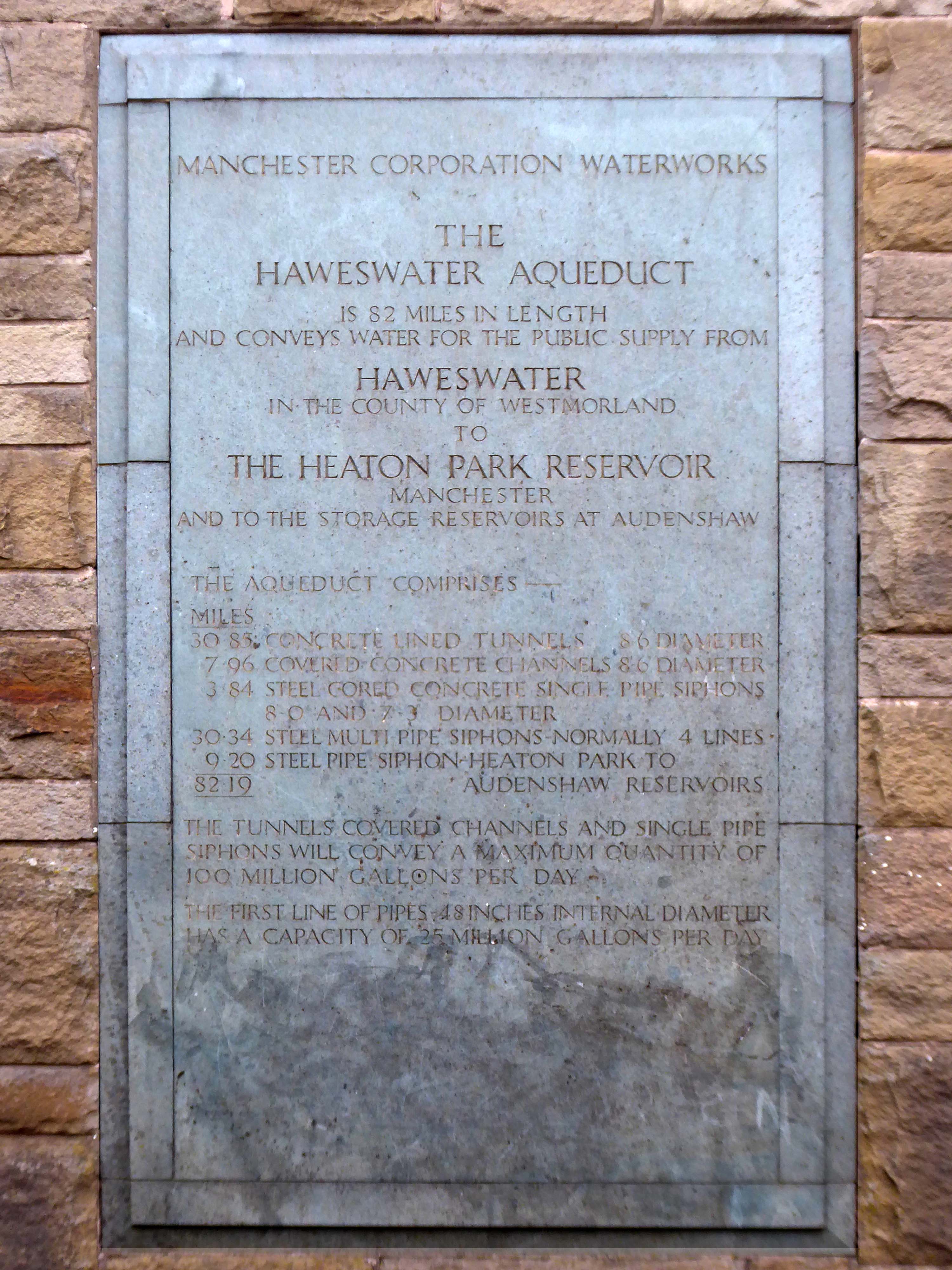
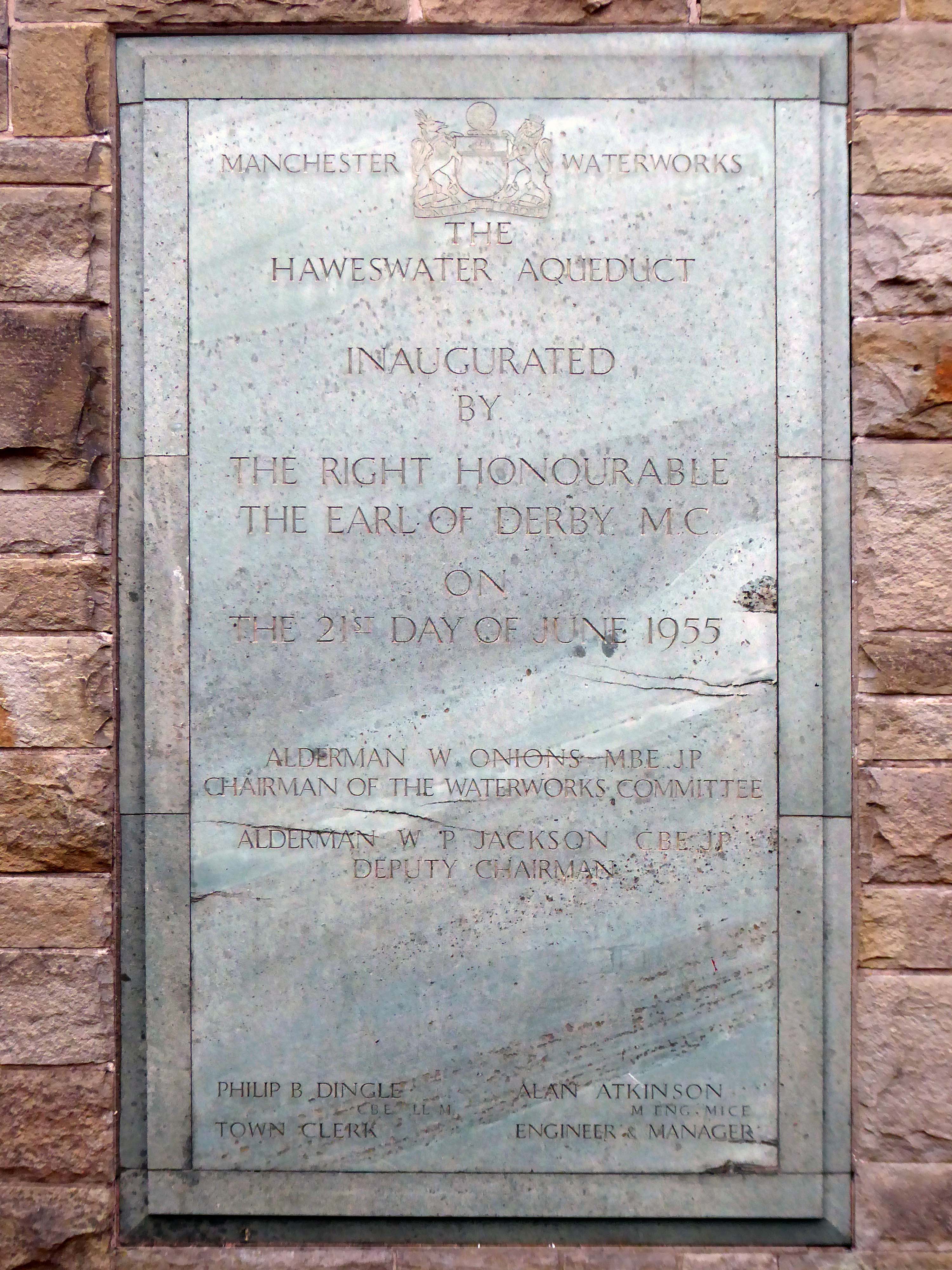
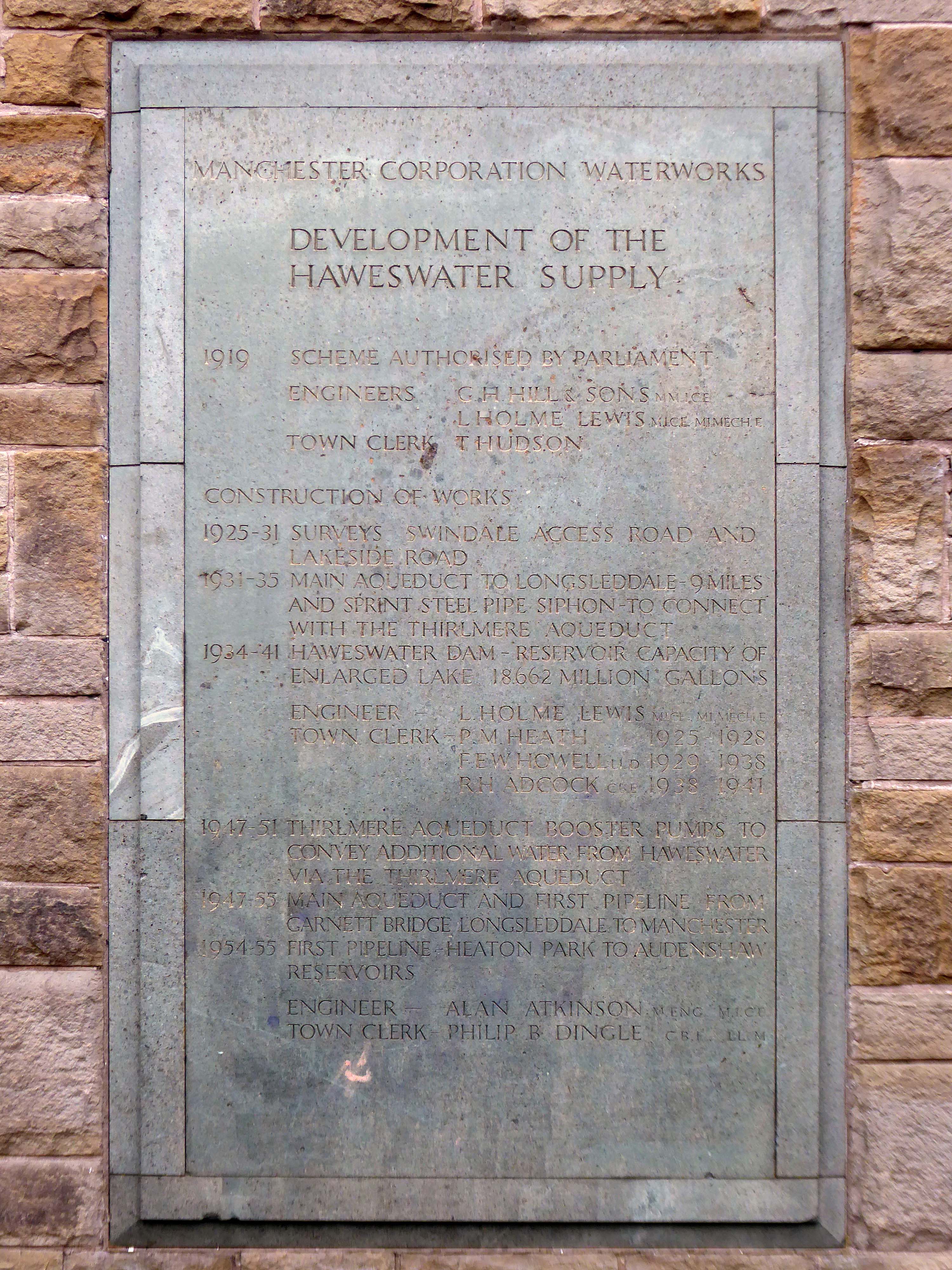
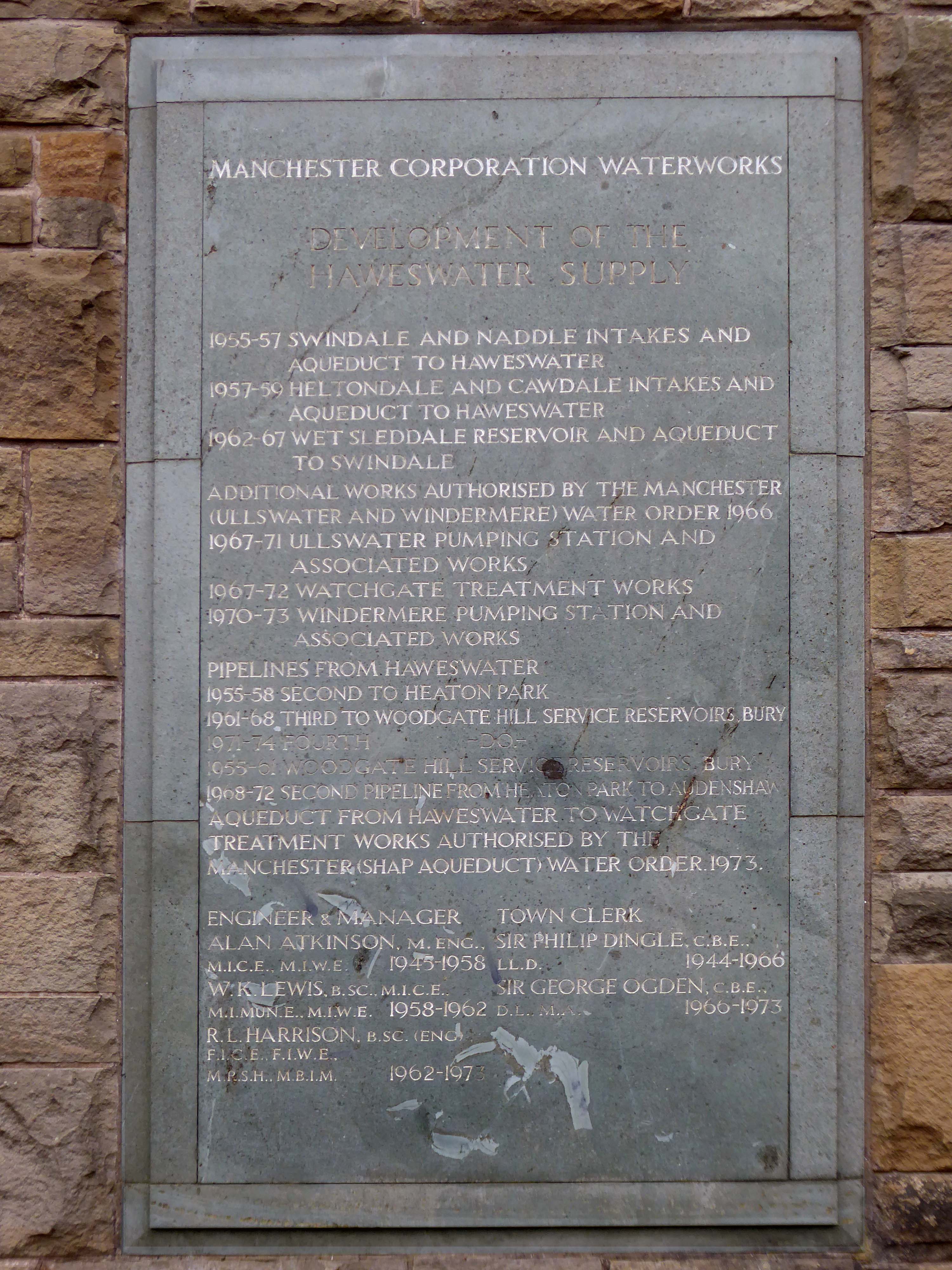
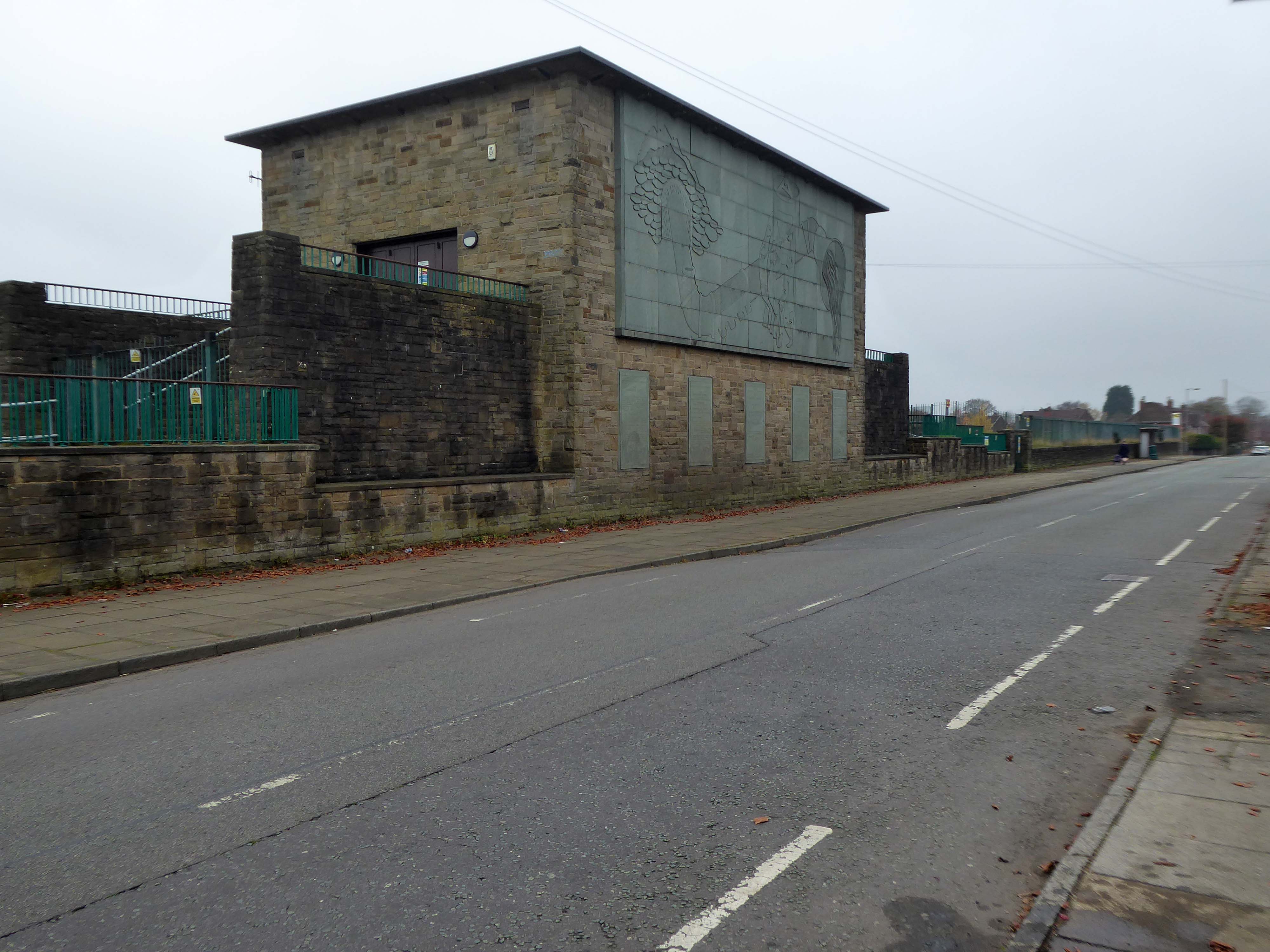
A good twenty minute walk from the station to Heaton Park Pumping Station.
Turn left from the station along Bury Old Road until you reach Heywood Road on your right.
Heywood Road, Prestwich, Manchester M25 2GT
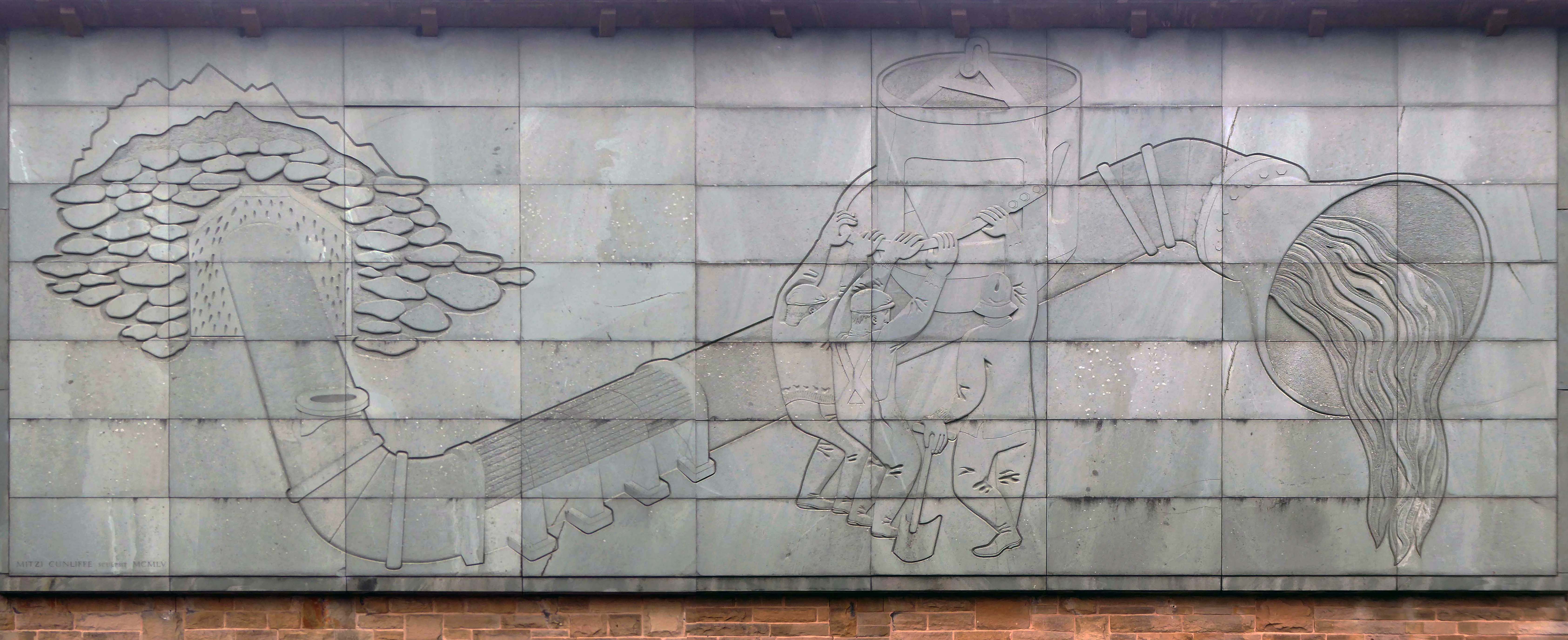
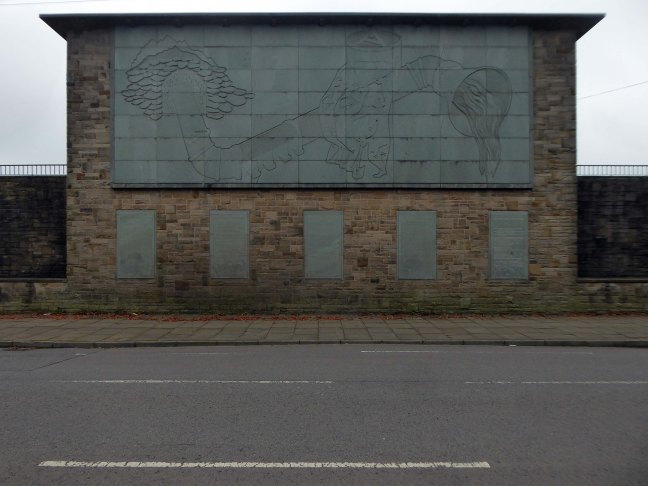
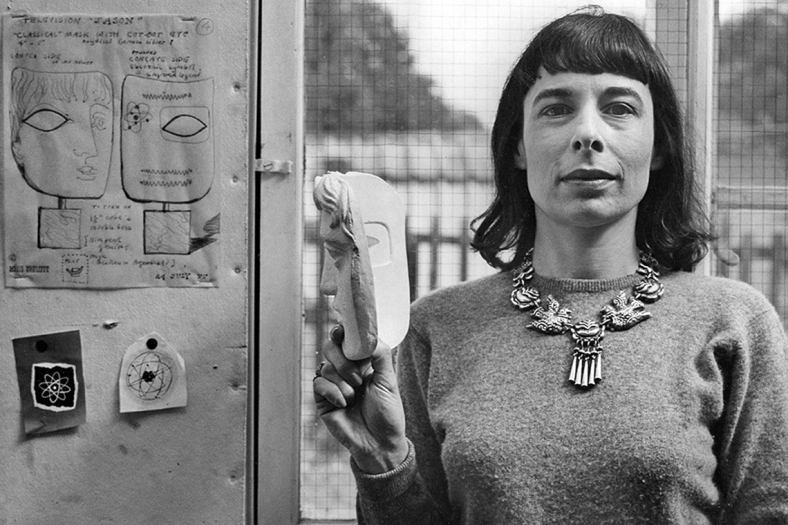
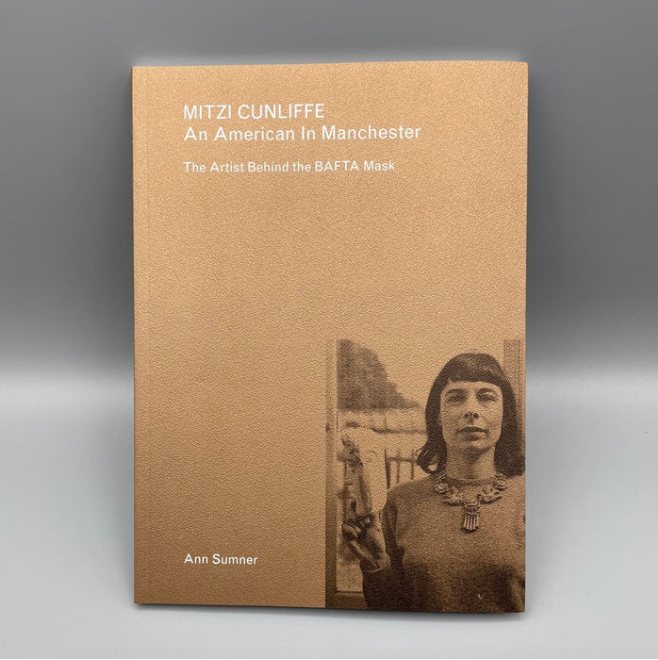
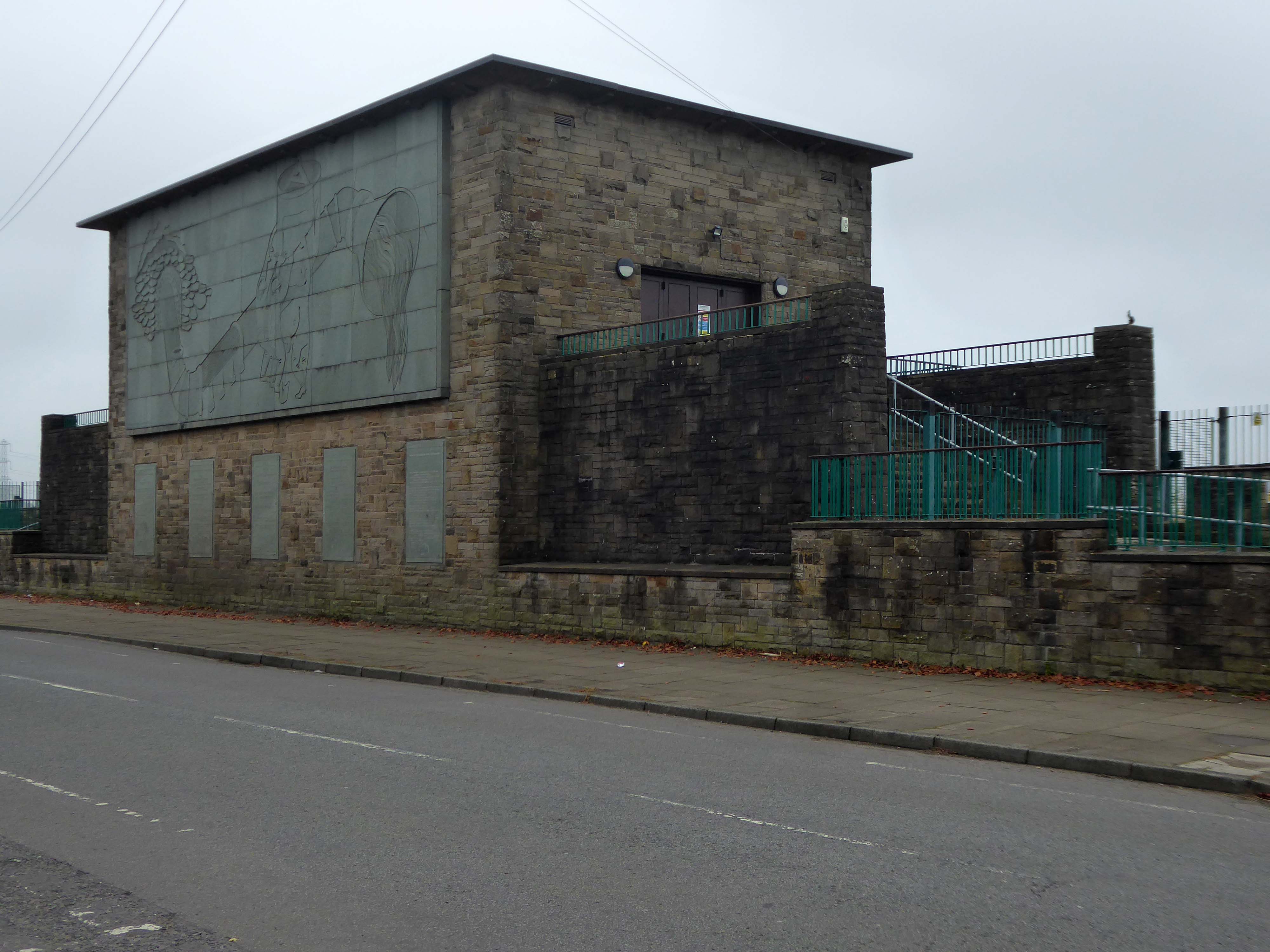
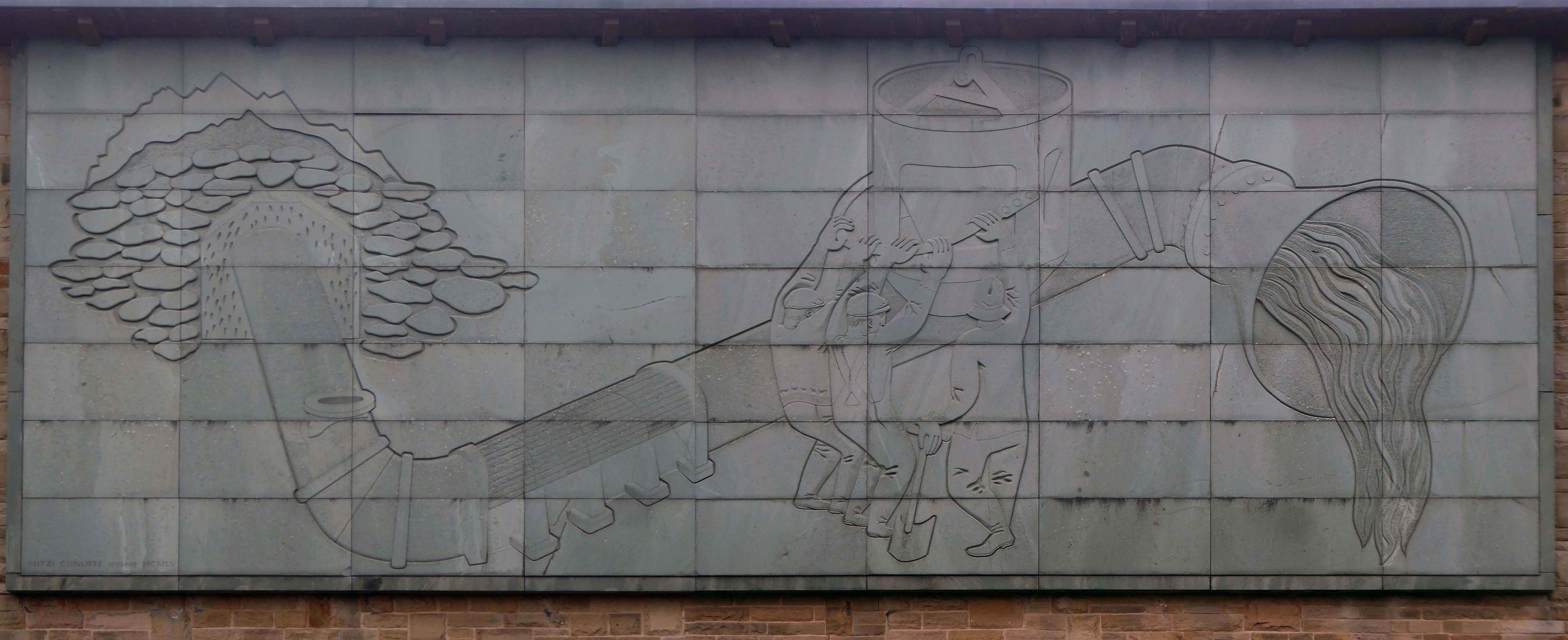
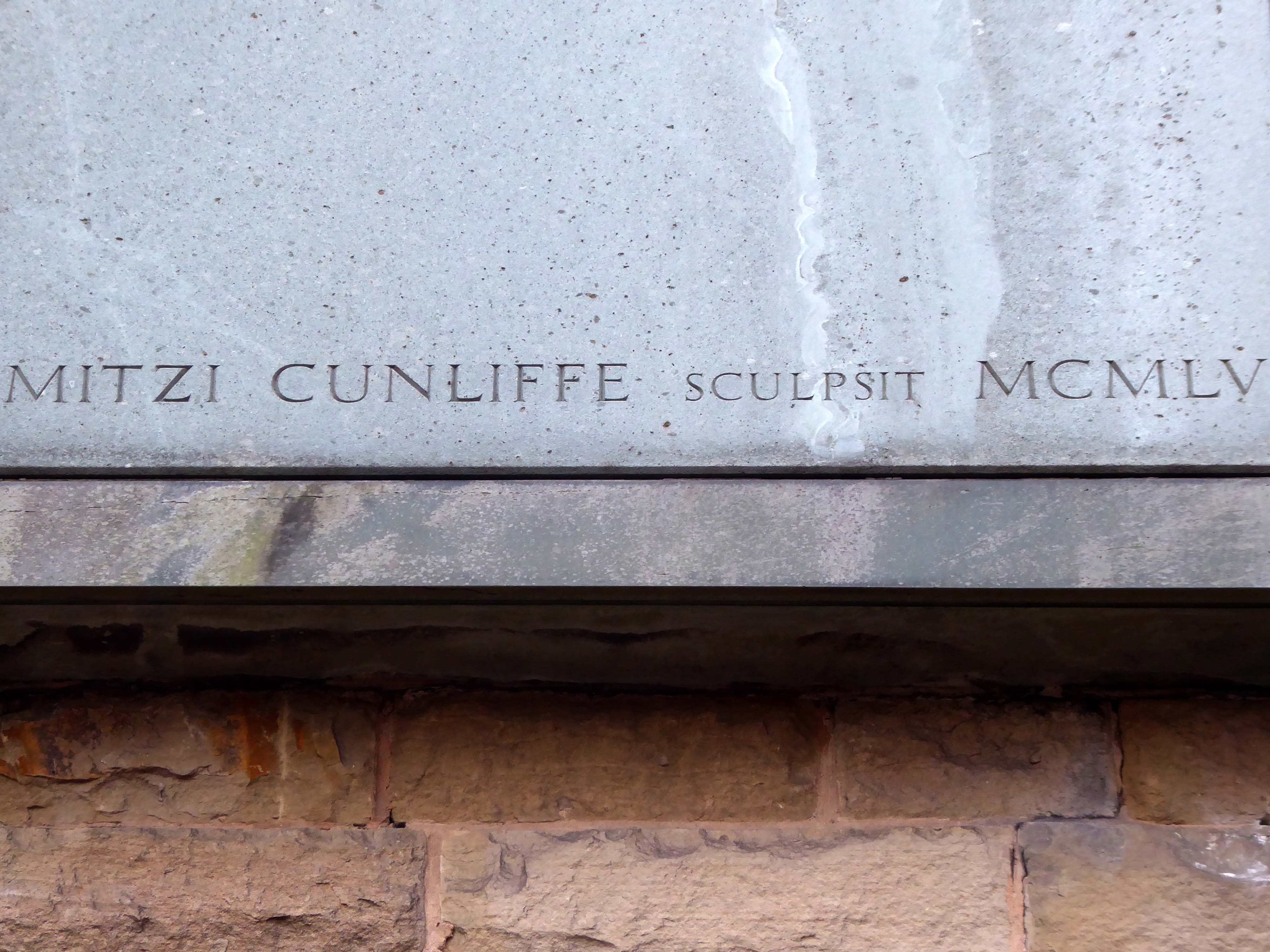
1954-5 by the Manchester City Architect’s Department, Chief Architect Leonard C Howitt, for the Manchester Corporation Waterworks. Alan Atkinson, engineer. Incorporates large relief by Mitzi Cunliffe, signed and dated 1955.
Prestwich
Development by architects Leach Rhodes Walker.
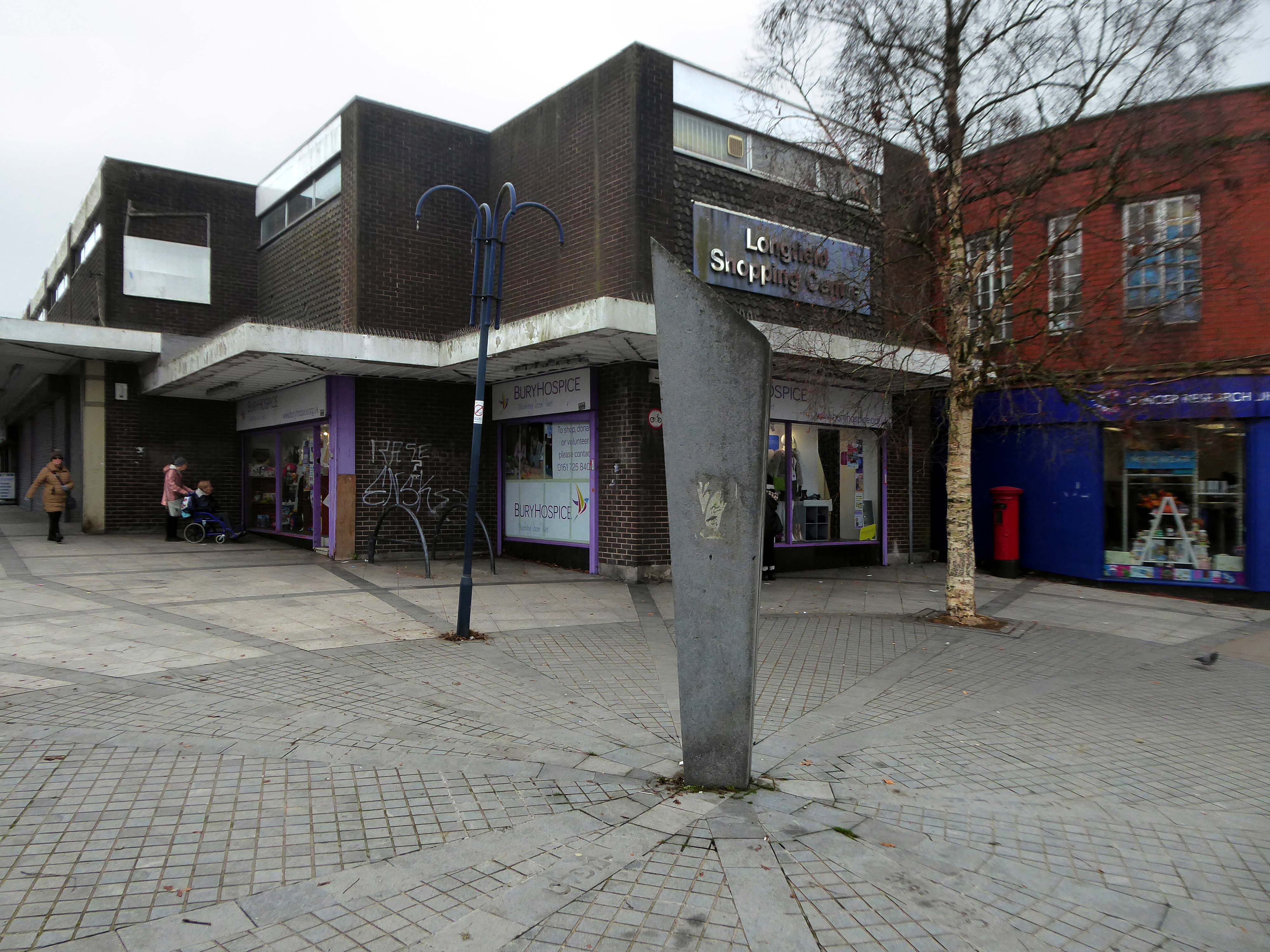
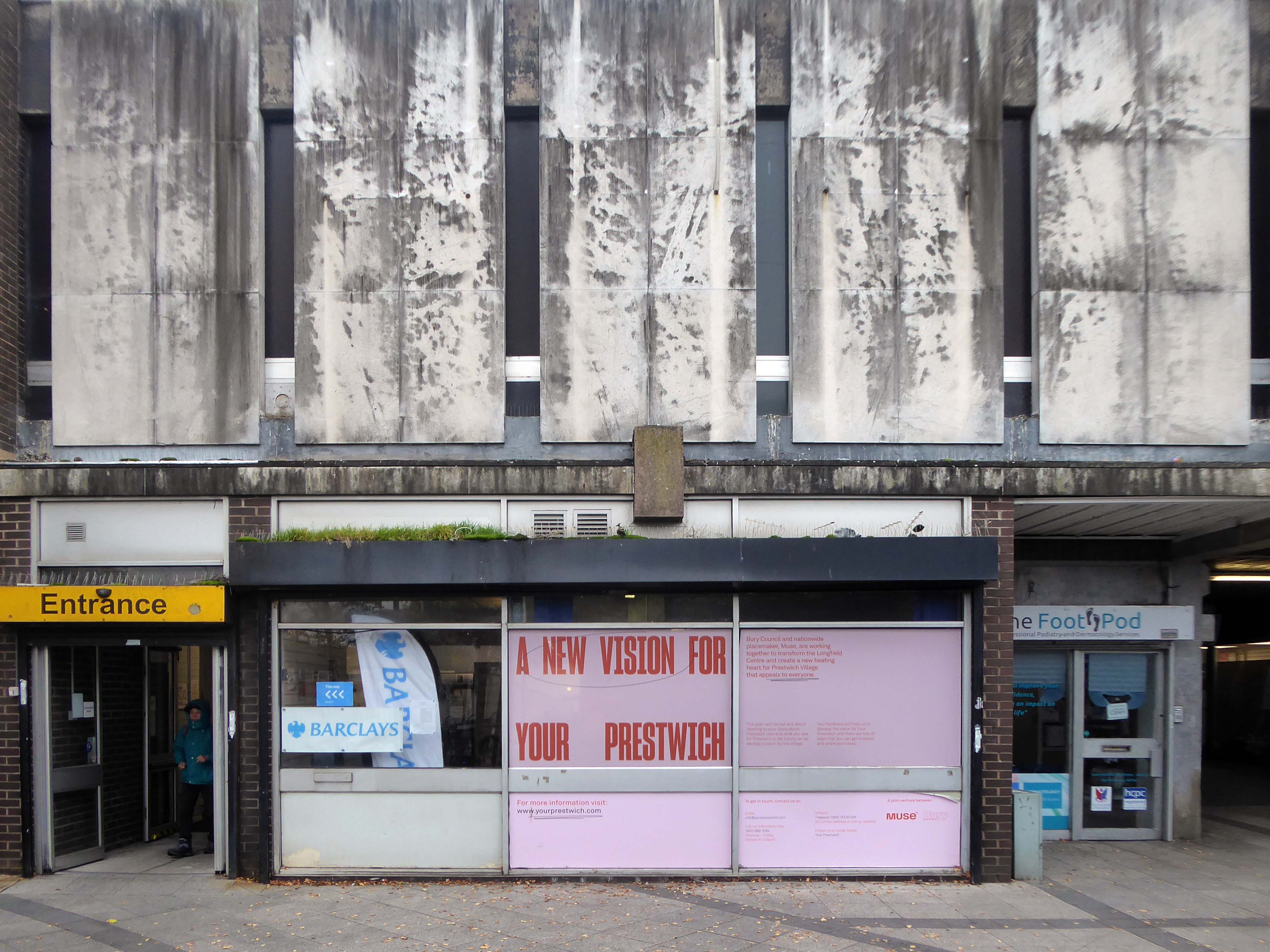
Longfield Shopping Centre
Prestwich Library
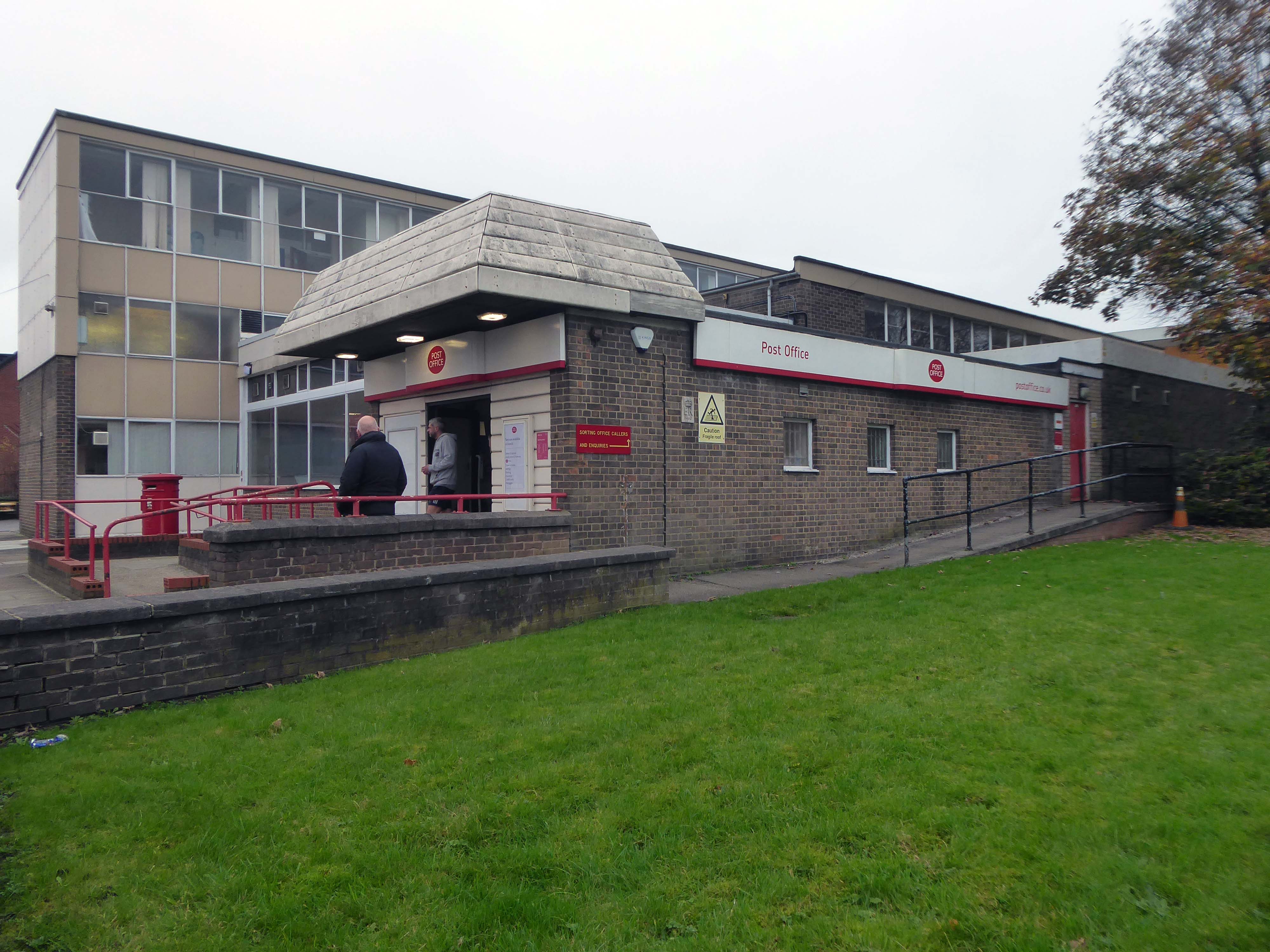
Post Office
After months of public consultation, the joint venture has firmed up its proposals for the redevelopment of the Longfield Centre and is aiming to be on site before the end of the year.
Muse and Bury Council have submitted a hybrid application to transform six acres of Prestwich town centre.
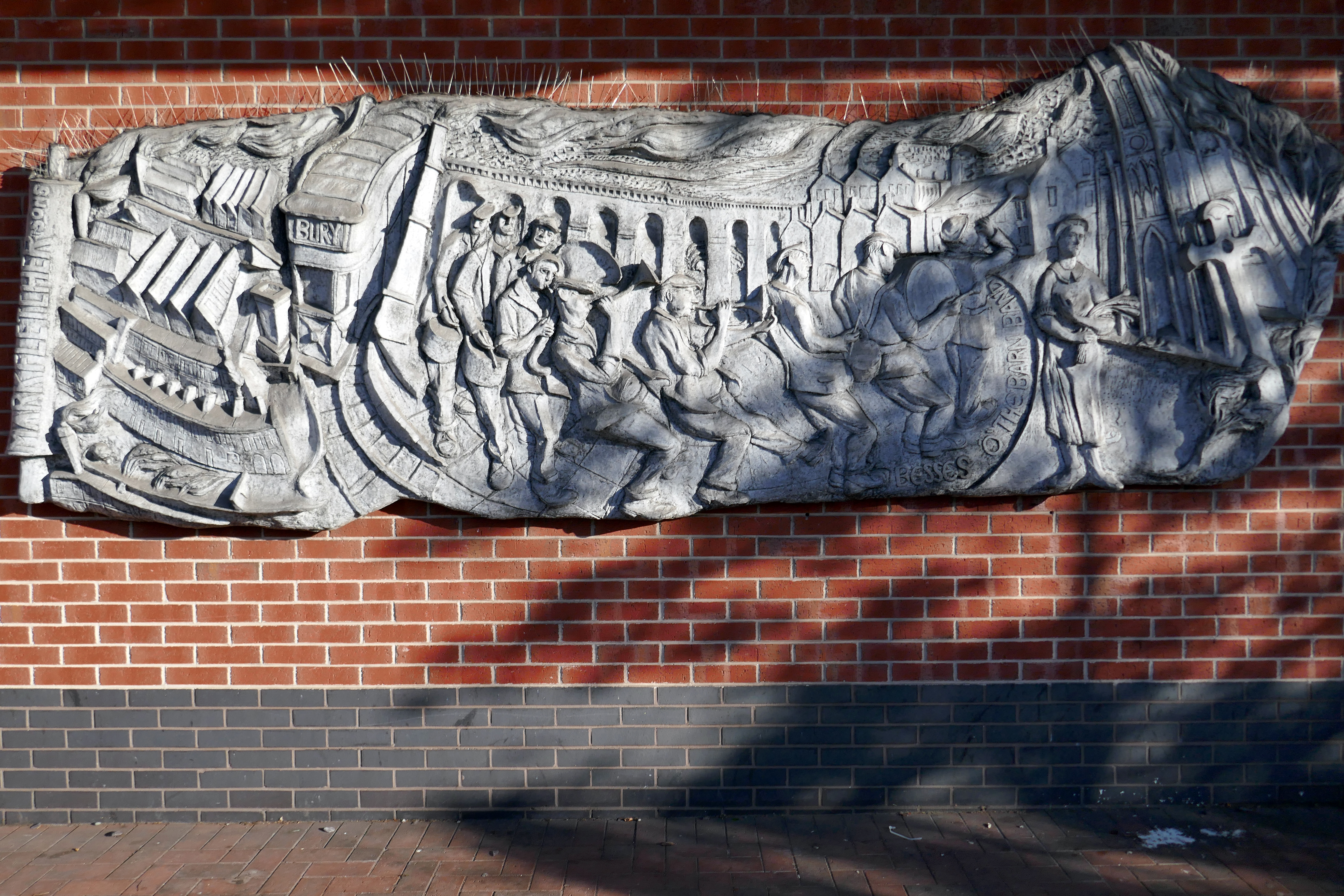
Besses o’ th‘ Barn
Whitefield
Almost directly facing the station along Bury New Road.
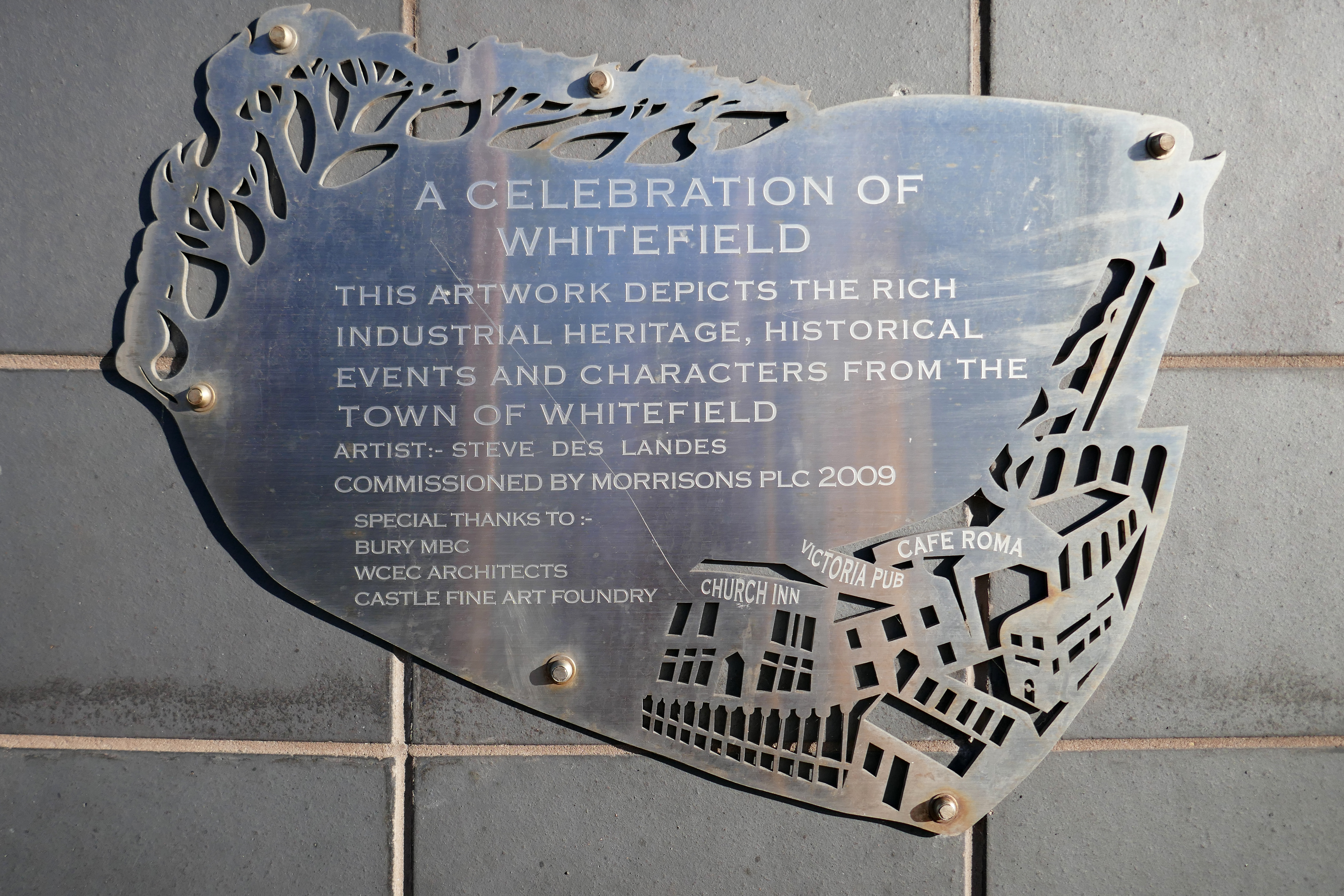
Morrison’s – a Celebration of Whitefield relief Steve des Landes 2009.
5 Stanley Road Whitefield Manchester M45 8QH
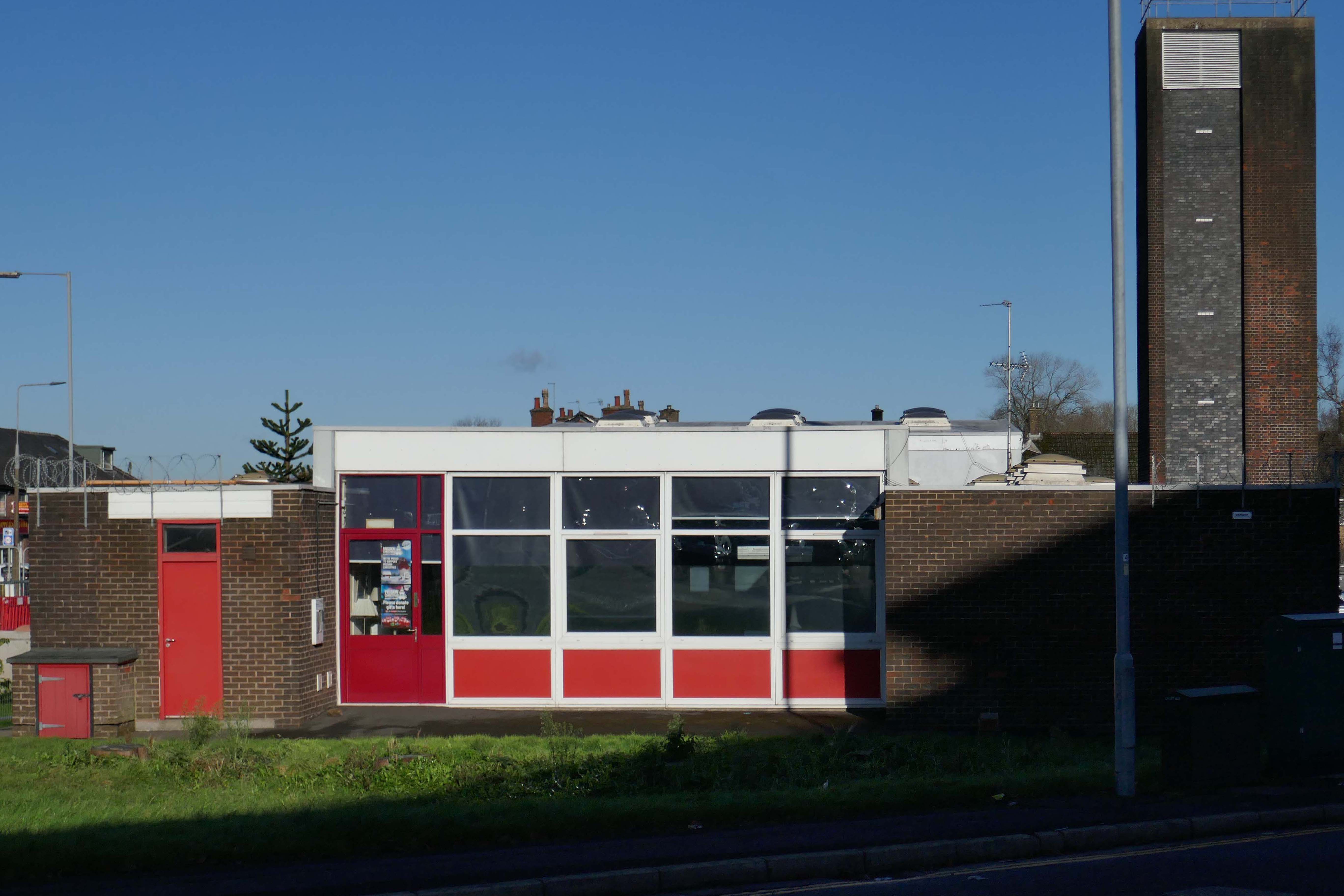
Community Fire Station
Bury New Rd, Unsworth, Manchester M45 7SY
Radcliffe
Turn left out of the station onto Church Street West turn right toward the town centre.
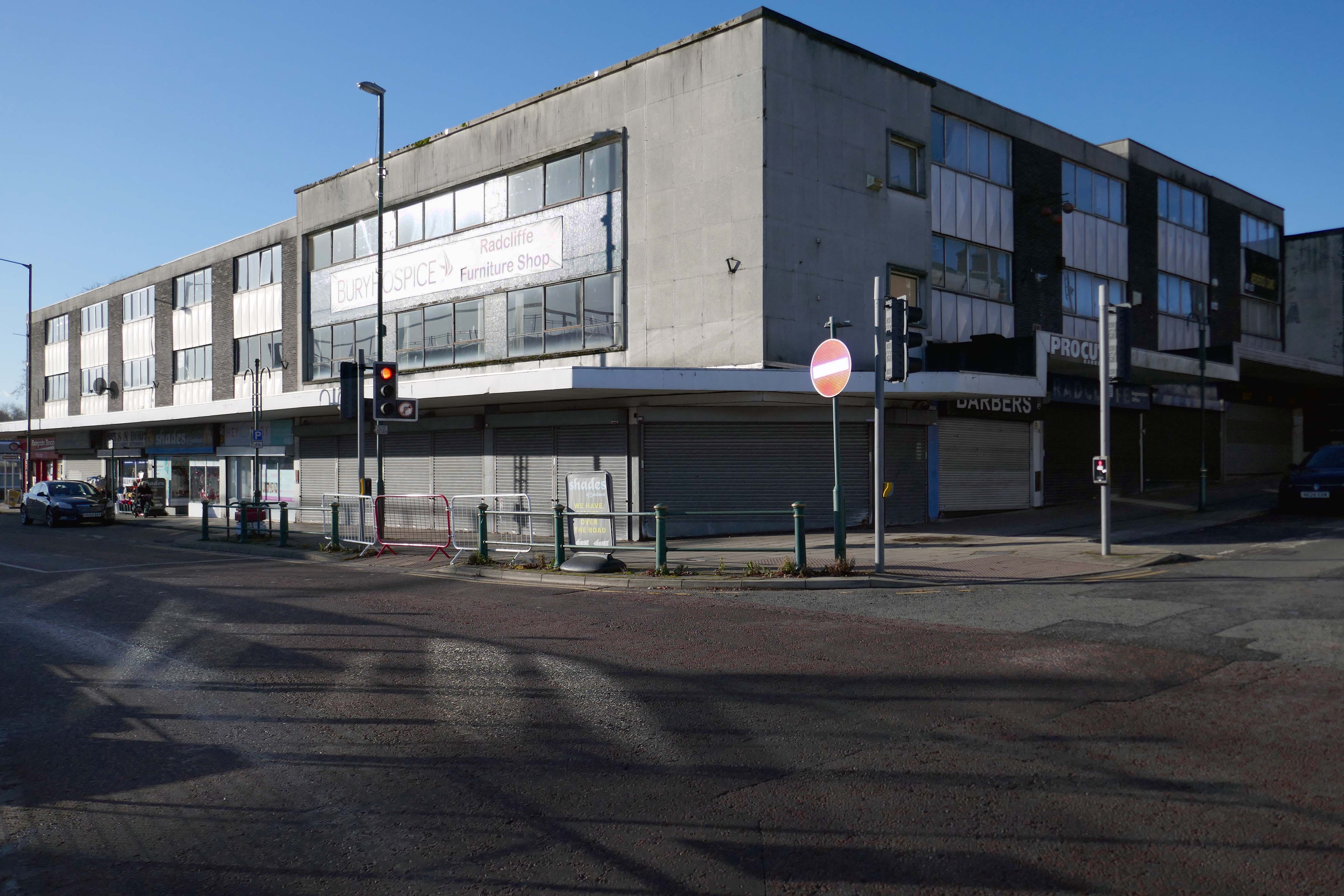
Shopping Block
Corner of Dale Street and Blackburn Street.
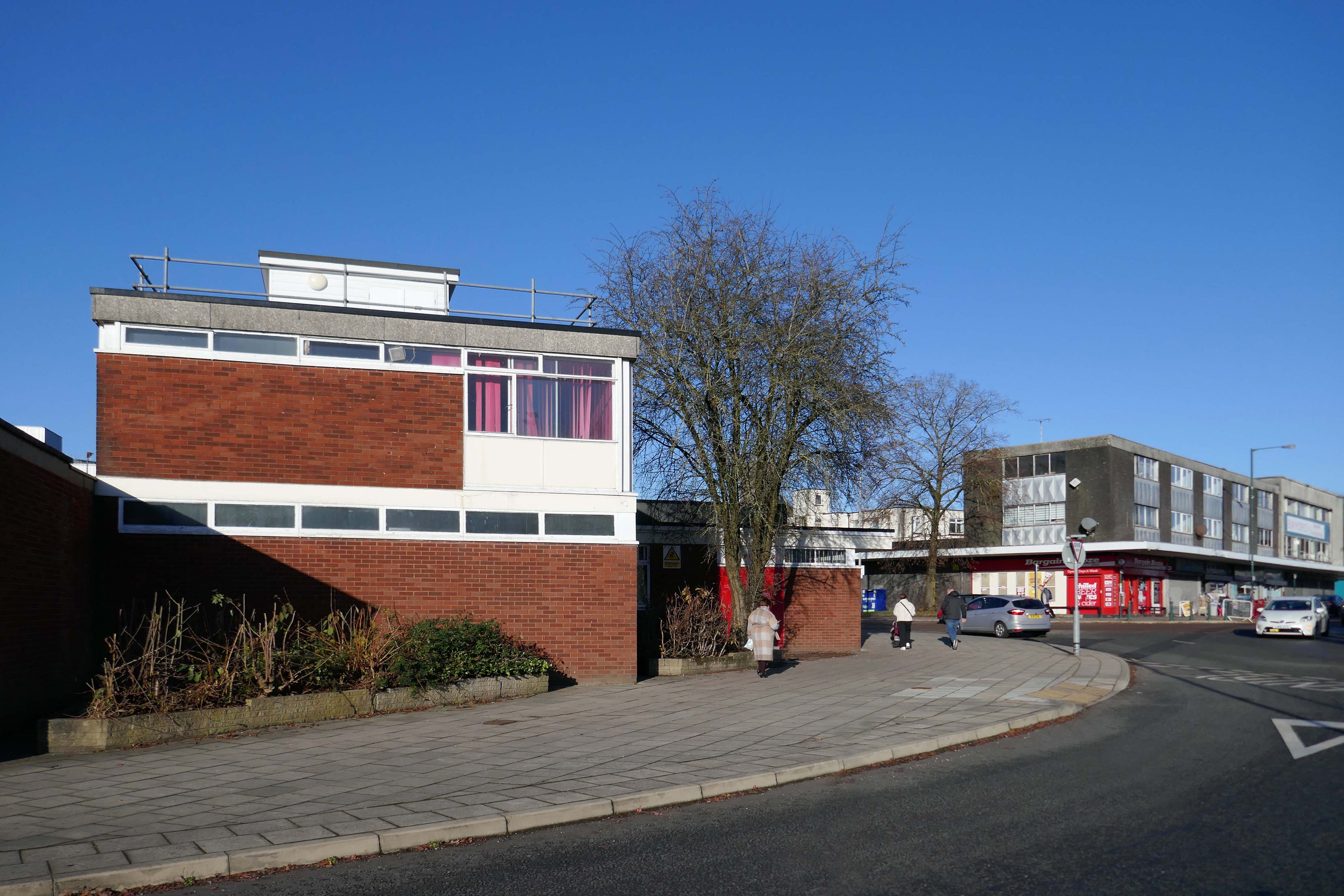
Former Post now Delivery Office
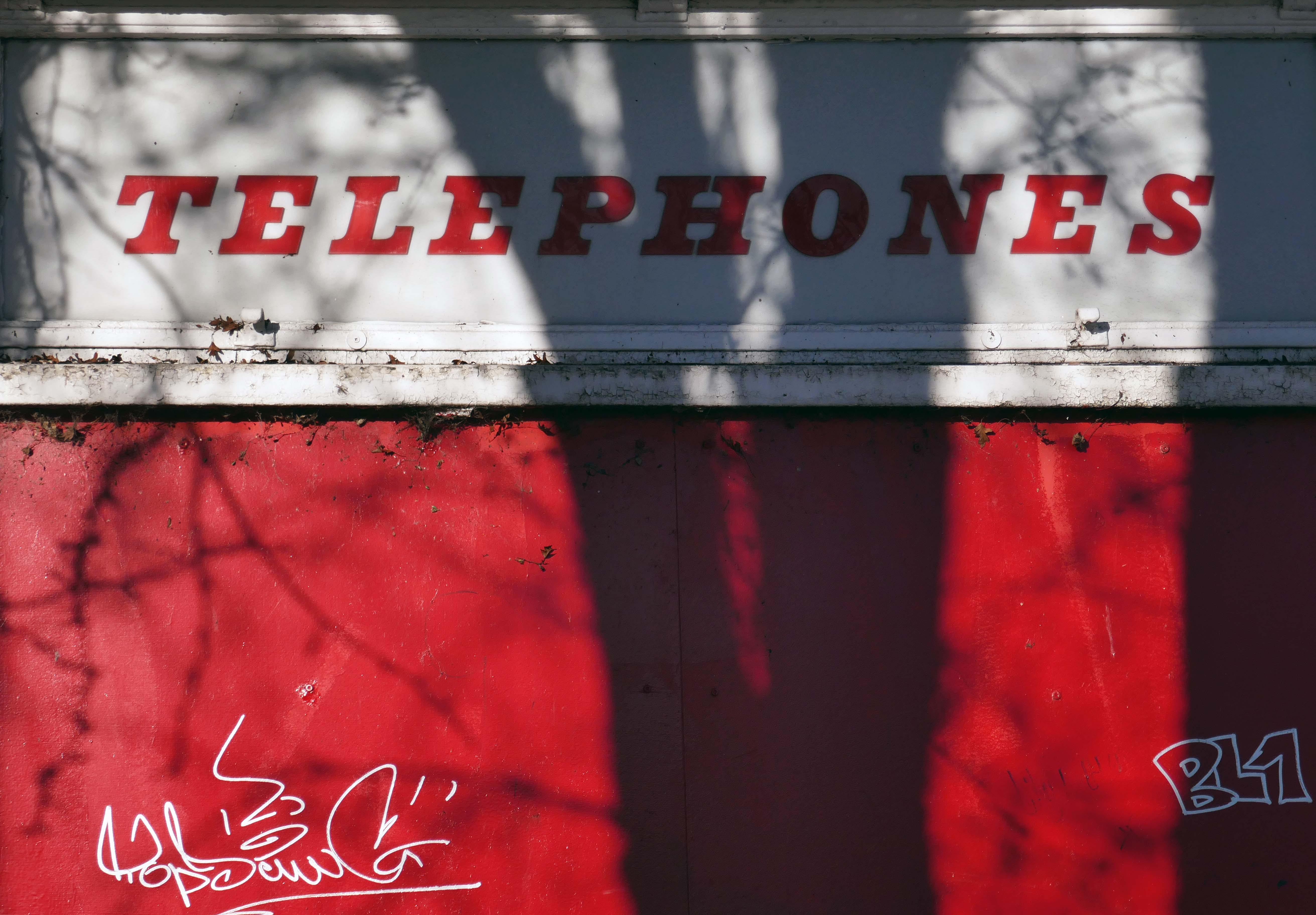
By Wilson and Womersley 1968, the project architect was John Sheard.
New-towny, dense low-rise housing irregularly grouped around and over pedestrian access paths.
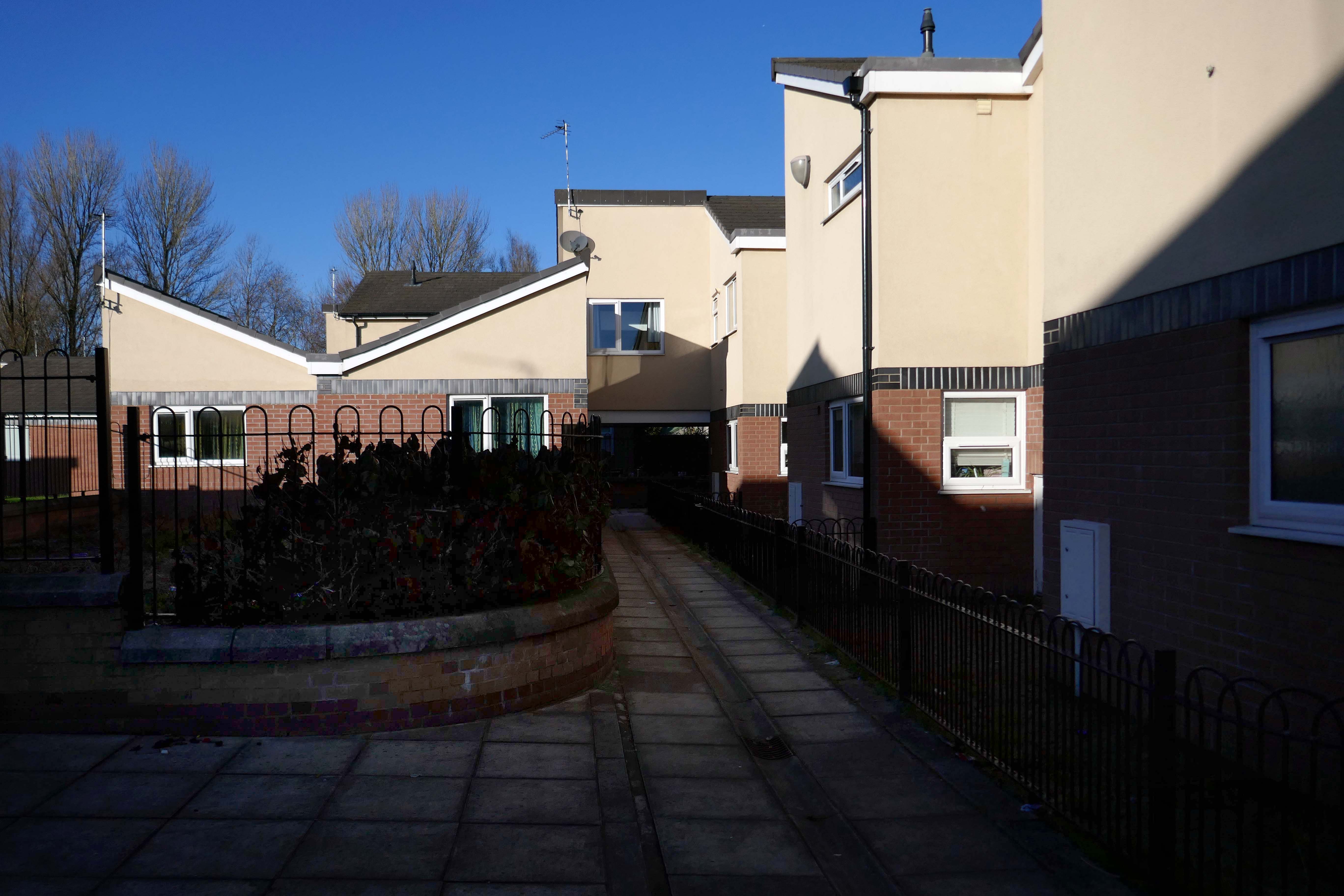
The Strategic Regeneration Framework is the guide that is shaping the direction of Radcliffe’s growth over the next 15 years with a series of realistic short, medium, and longer-term actions. It is also shaping the direction of future council investment, supporting bids for central governmental funding and providing certainty for third parties wanting to invest in town.
Work has begun on Strategic Regeneration Framework’s priority projects, these include:
- A new civic hub in central Radcliffe, which will bring together a mix of functions at the heart of the town
- Refurbishment of the market basement and the revamping of market chambers
- New leisure facilities
- A secondary school on the Coney Green site
- A “whole town approach” to housing, bringing forward a comprehensive approach to residential development in Radcliffe
- A transportation strategy, which will consider matters such as active travel and car parking
Bury
We undertook a Bury Walk for the first time in 2024
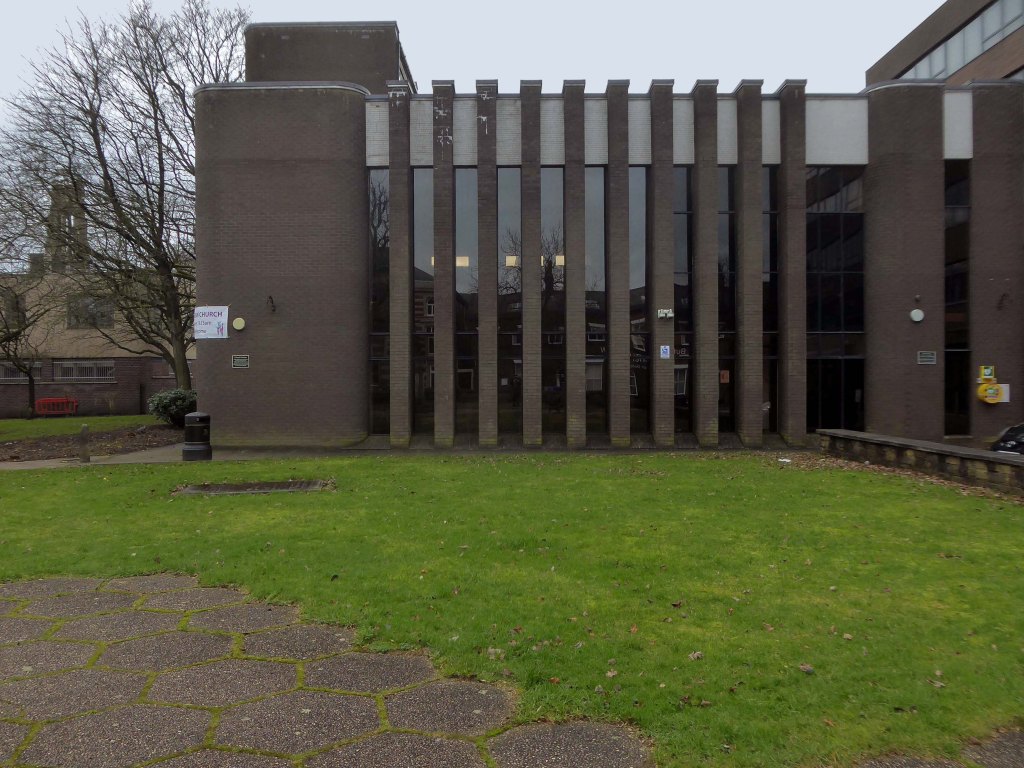
Arriving at and looking around the Interchange – 1980 architects: Essex Goodman & Suggitt
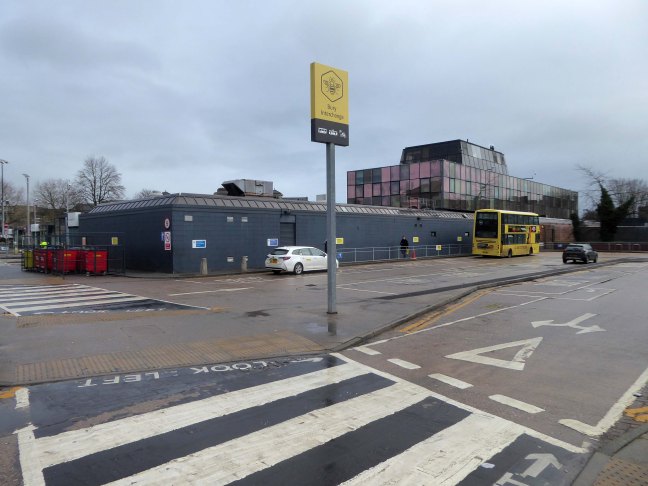
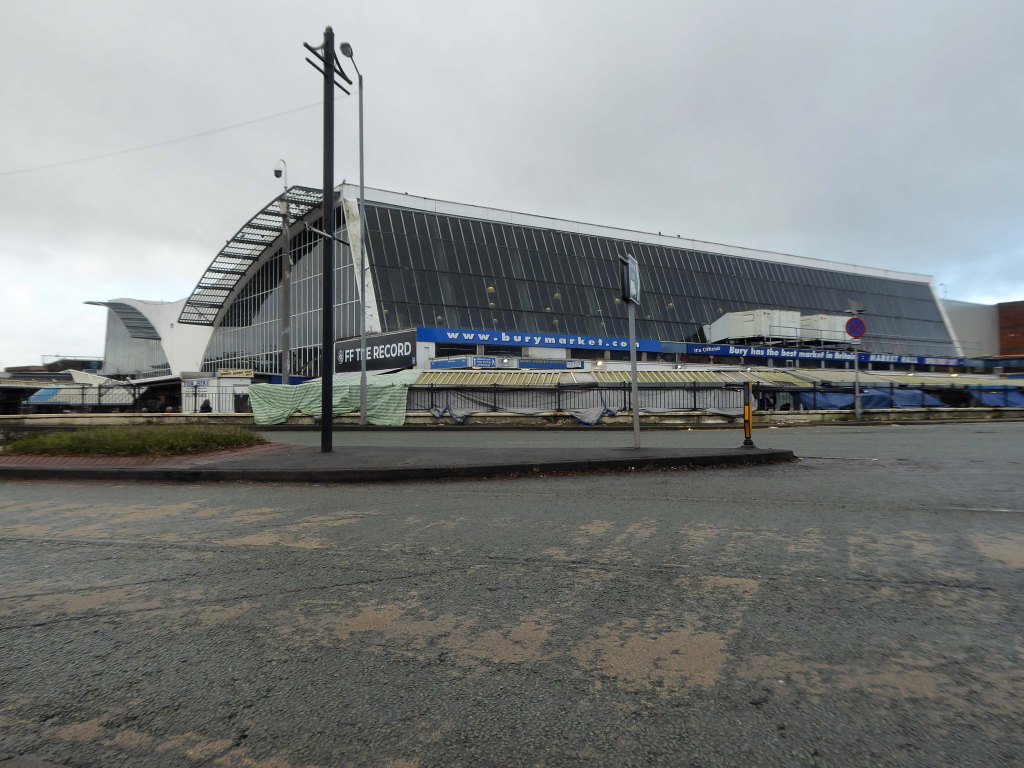
A view of the Market Hall 1971 – architects: Harry S Fairhurst.
The new church was designed and constructed by local architects James T Ratcliffe.
That’s the end of the line.
 Modern Mooch