Standing amongst a high density of housing, once homes to the thousands of mill workers that lived, loved, laughed and drank here, The Springfield prevails.
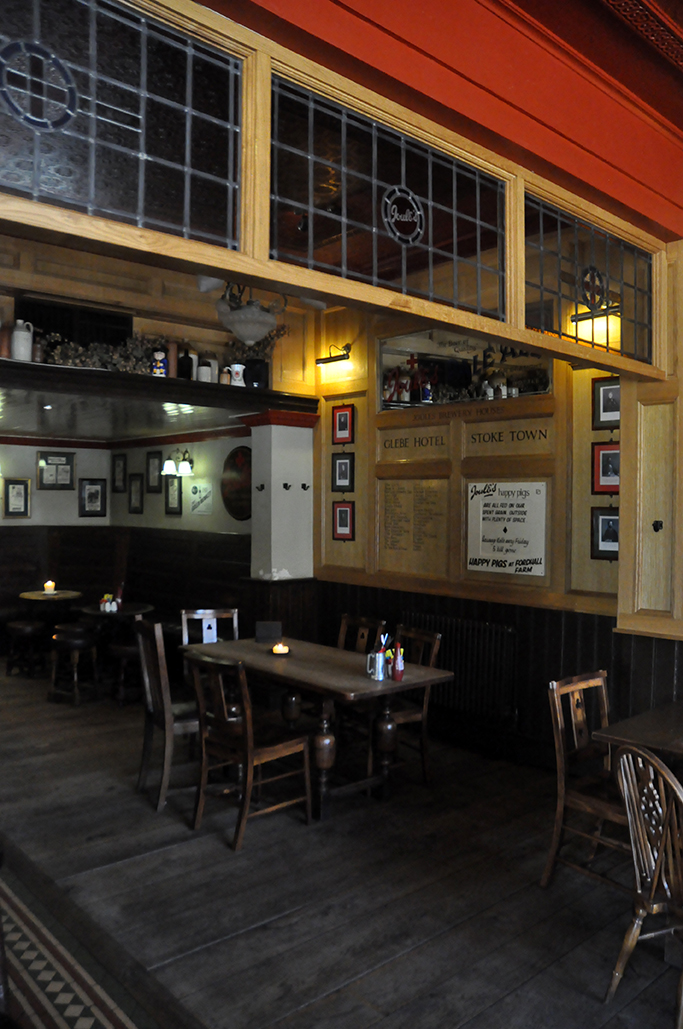
Built in 1903 by Heaton and Ralph for Oldfield Breweries it has retained much of its original character and features and is listed on CAMRA’s Historic Pub Interiors inventory.
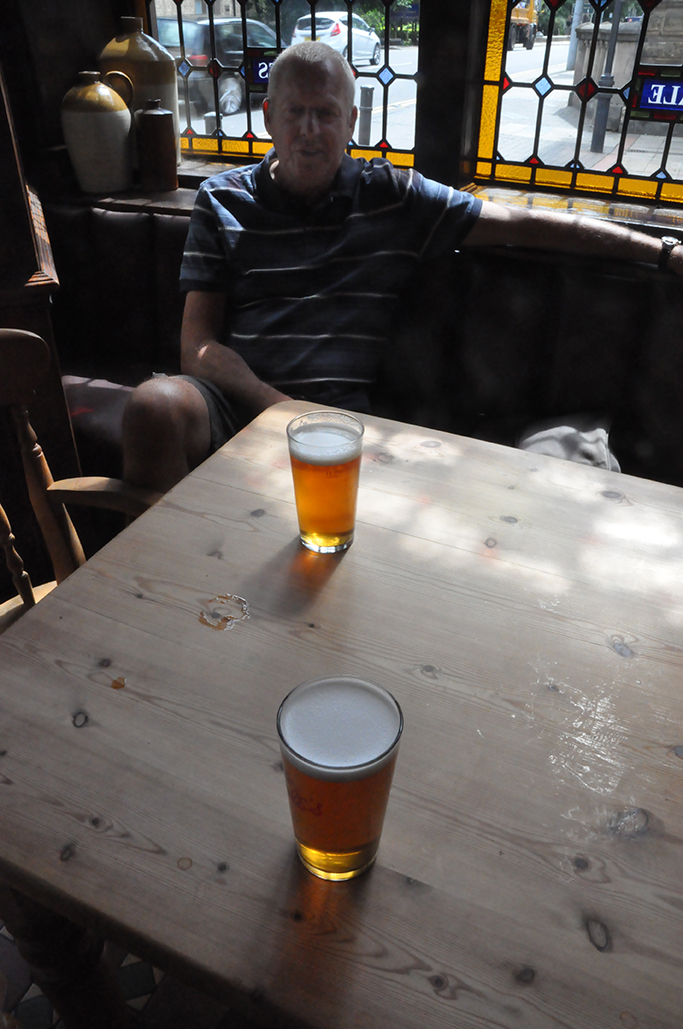
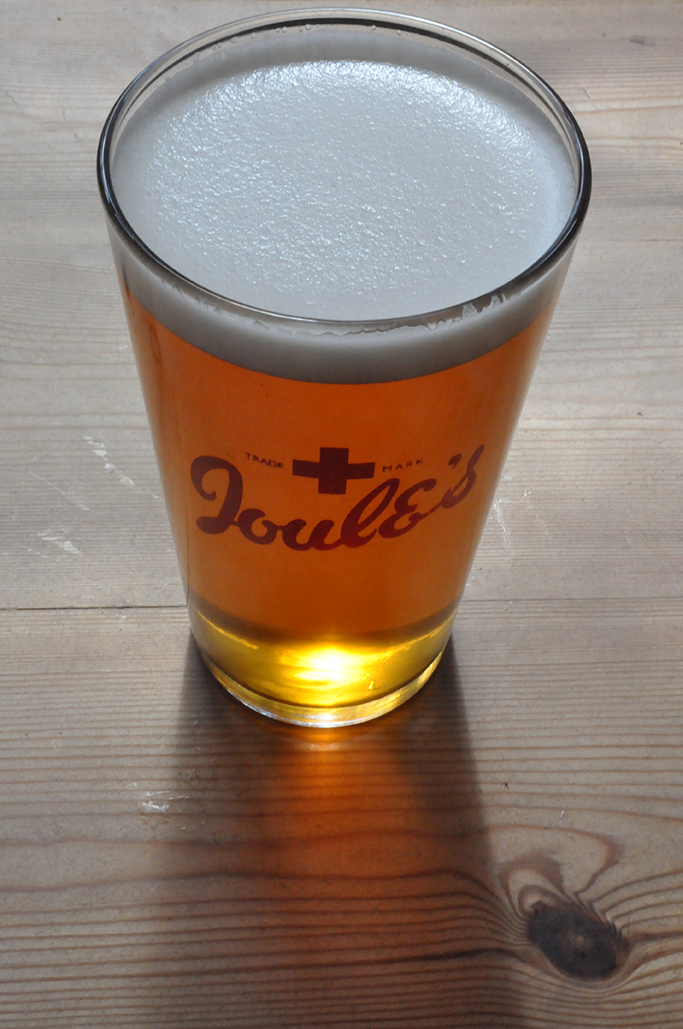
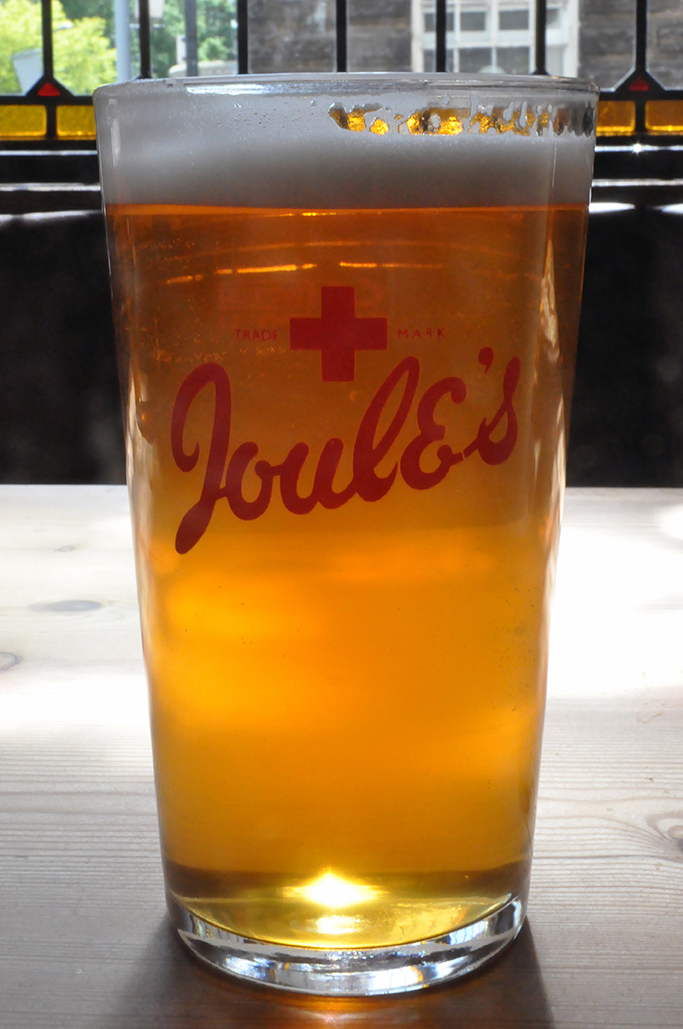
Having walked from the centre of town, following a full day of snapping this and that I was ready for a swift half of well kept Tetley’s Bitter. The staff were more than friendly and happy to assist me in recording this fine and welcoming hostelry. By day quiet and on the dark side, by night it comes to life. Large family and function rooms, a cards and doms tap room, pool and TV caters for customers of all ages and interests.
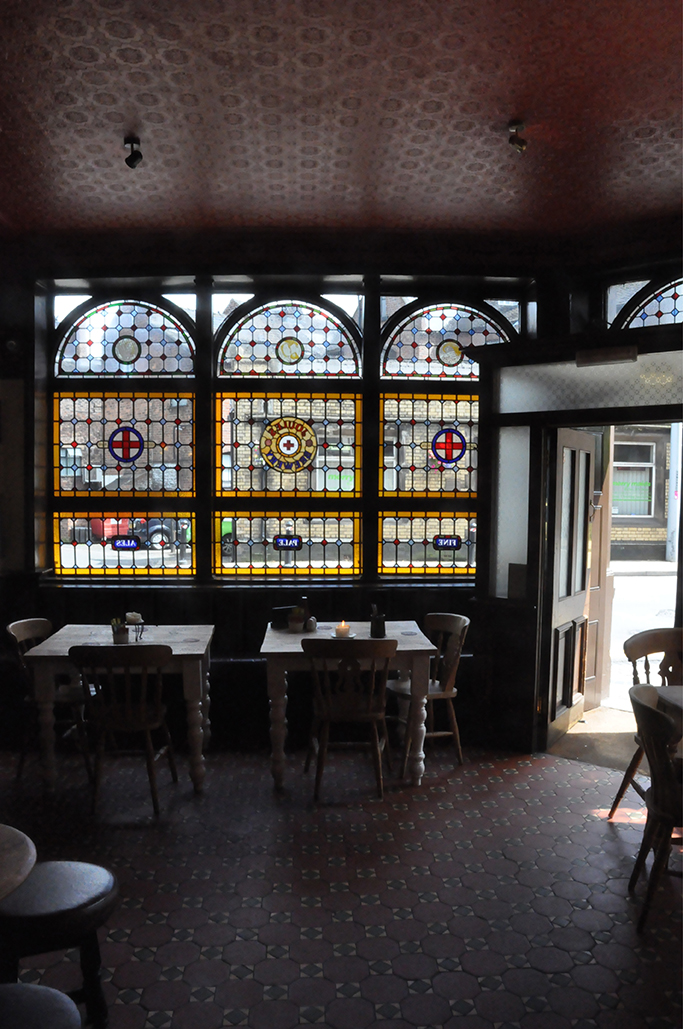
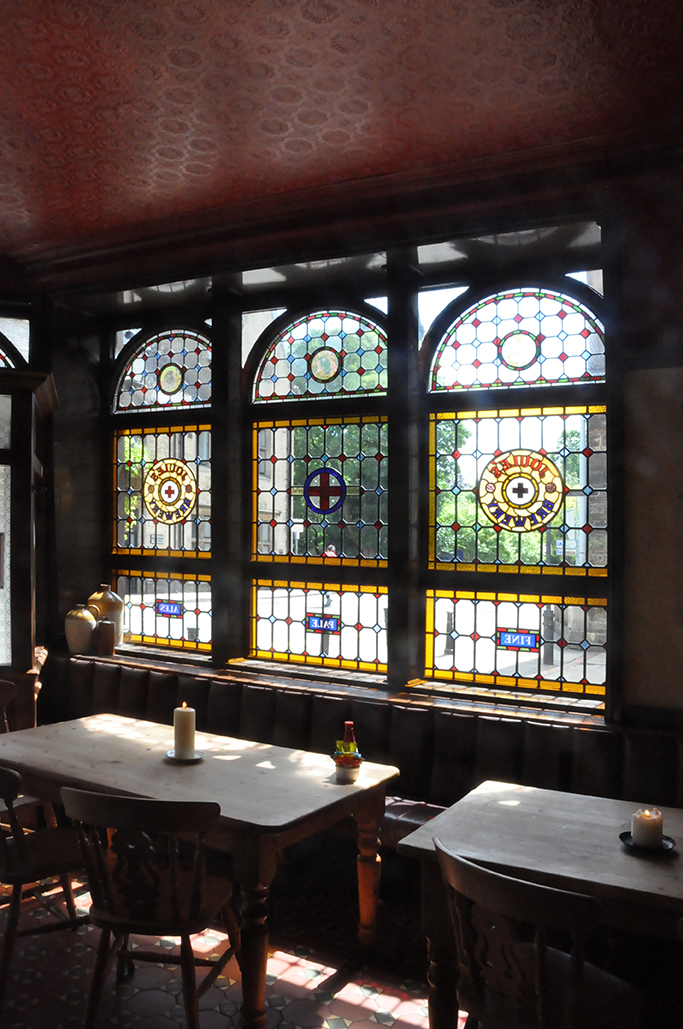
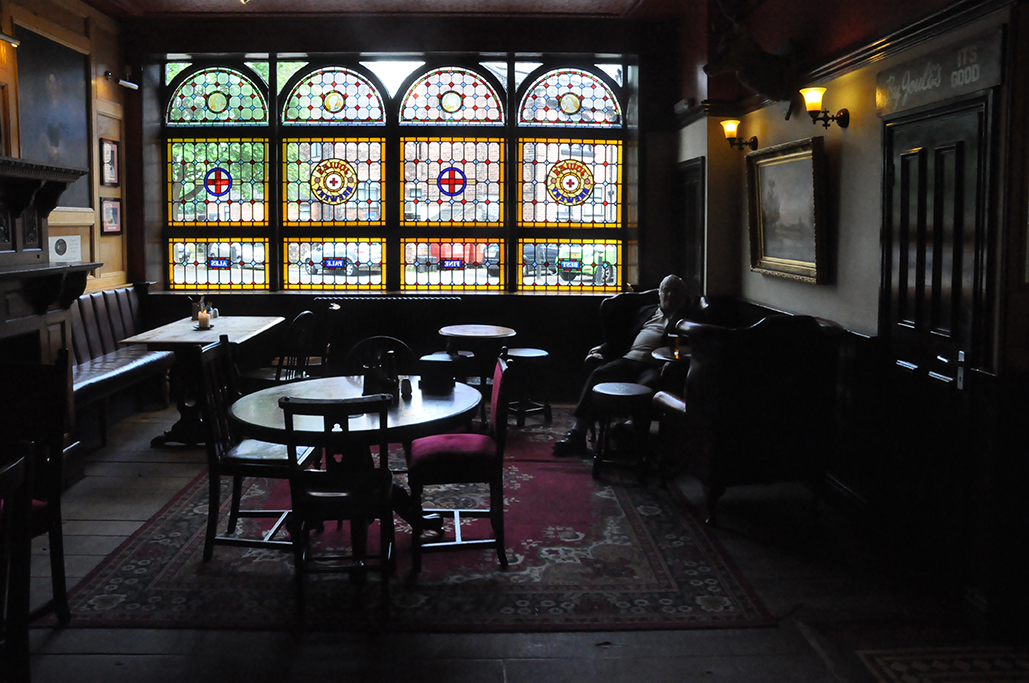
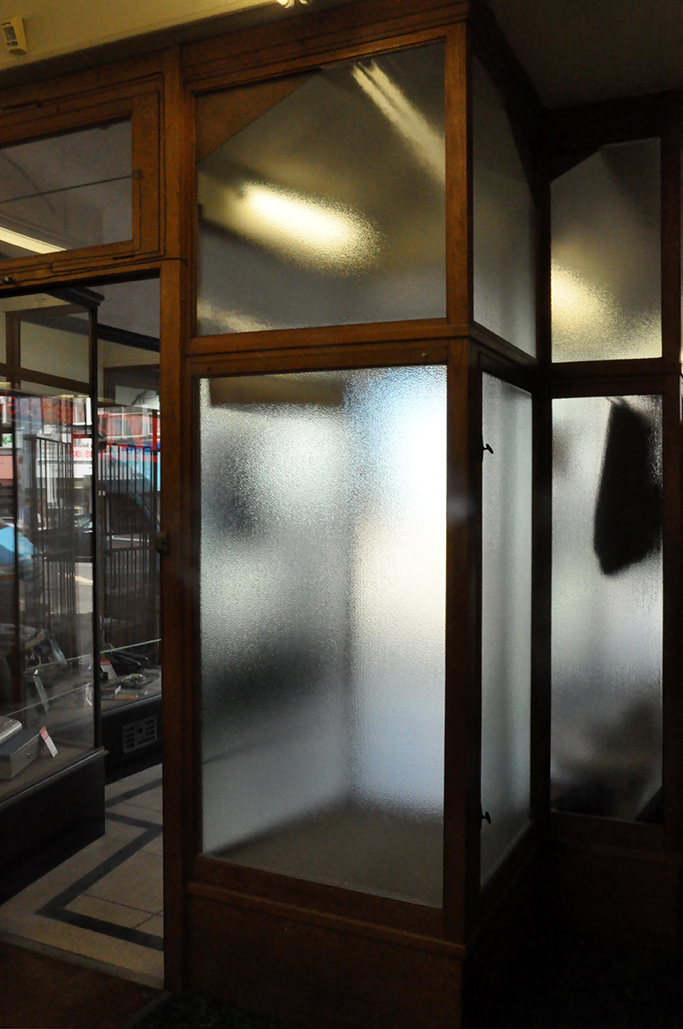
I have tried to capture the weight of sunlight as it falls softly, through the etched glass of the pub, a unique quality known only to the daytime drinker.
It’s dark inside, you can feel the thin light at war with the murky interior.
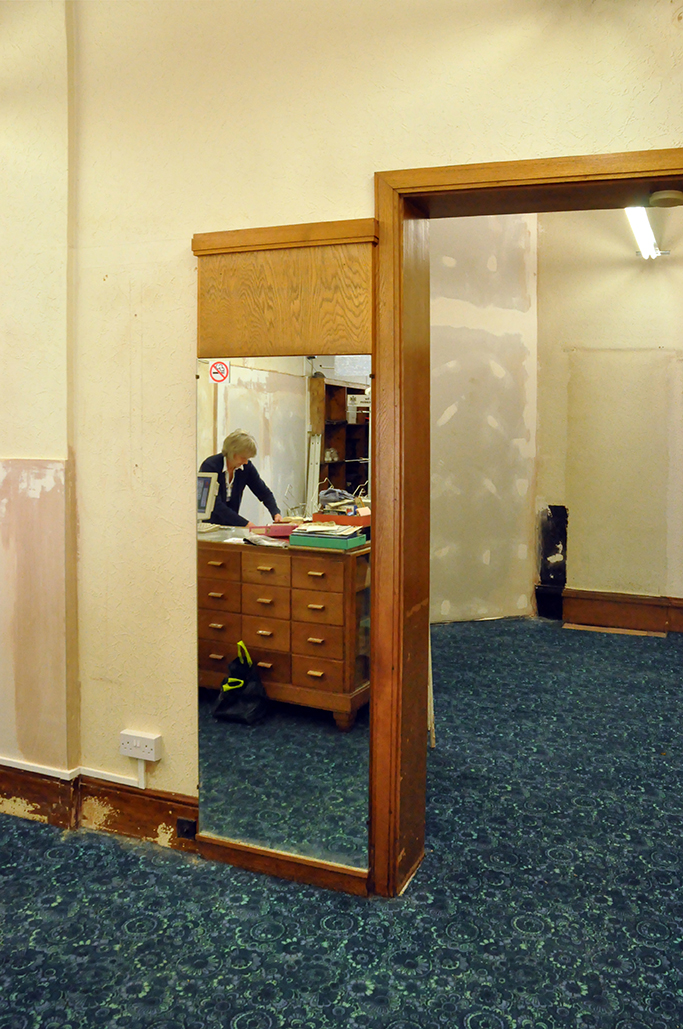
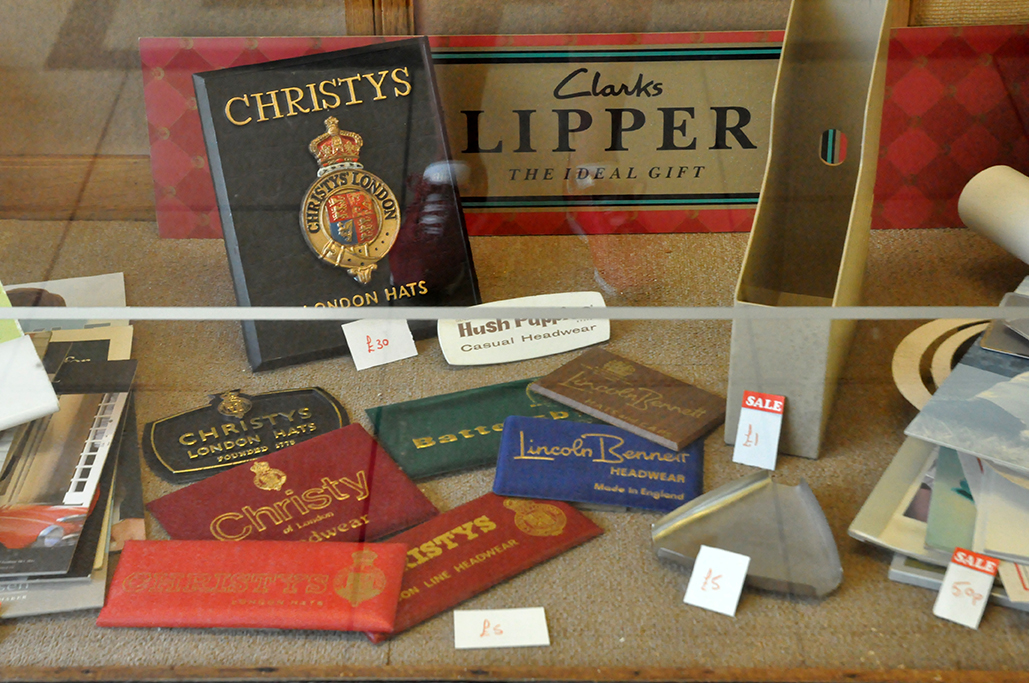
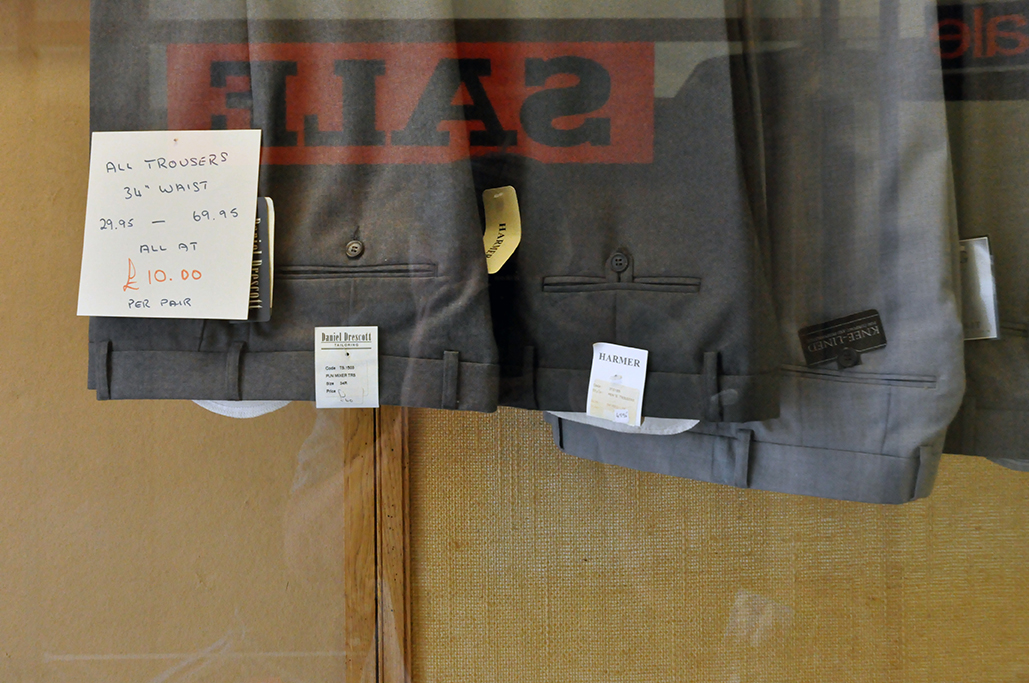
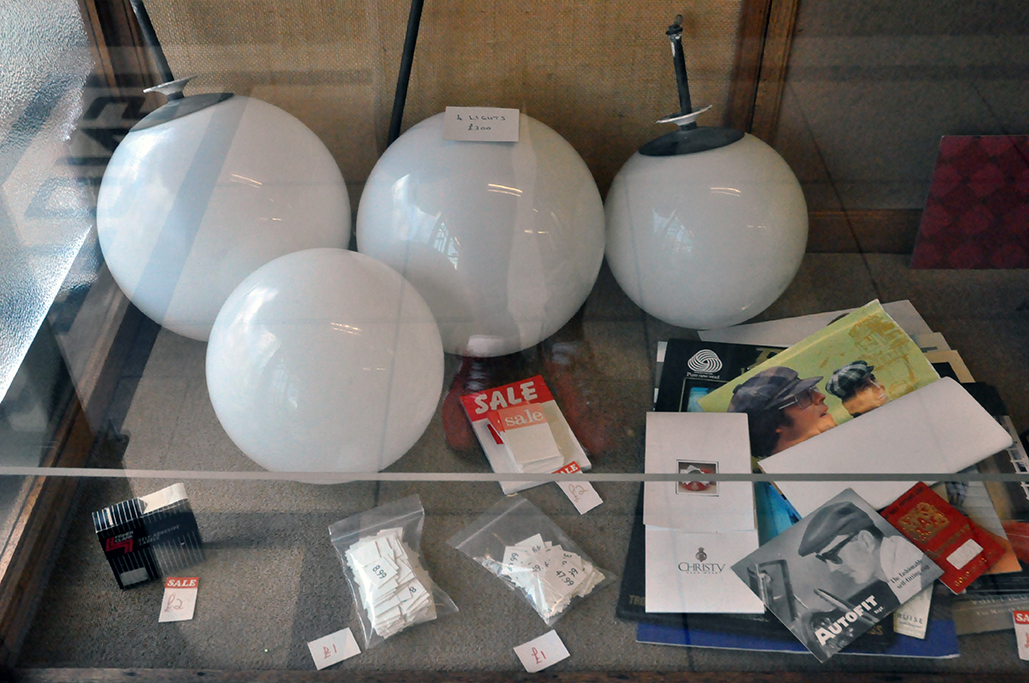
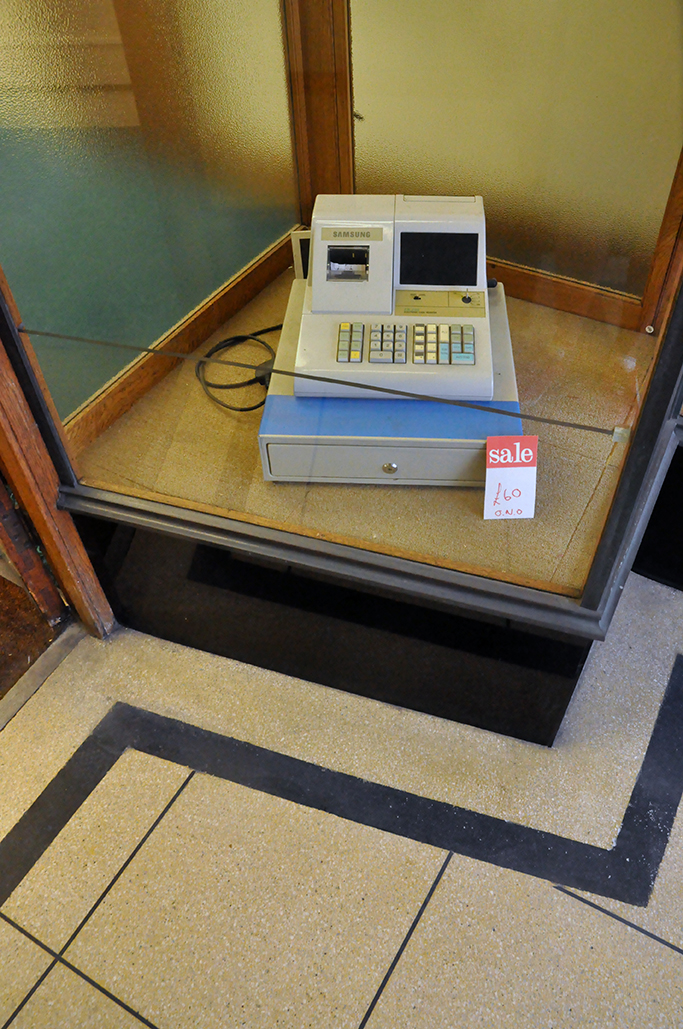
Stall holders scurry between stalls, in and out of alcoves, cupboards, hidey holes and plywood worlds.
They made me welcome, chatted as they went about their business of simply getting by.
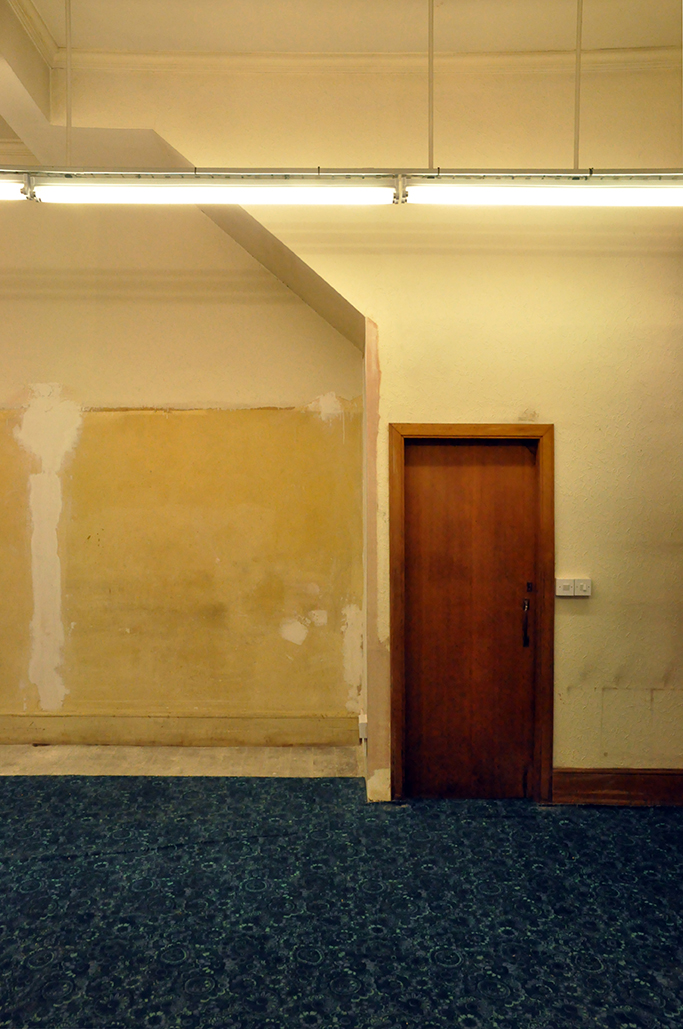
This is the land beyond time and at times motion and emotion.
Entering seems transgressive, there is nothing in here I want or need, I just had a compulsion to record this flickering fight against the distinct possibility of extinction.
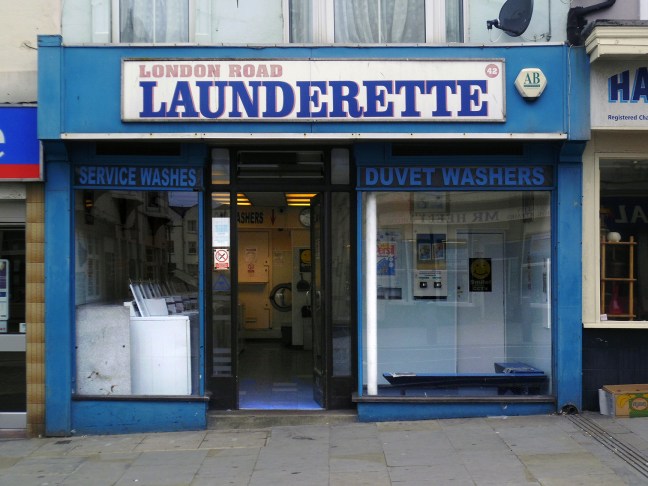
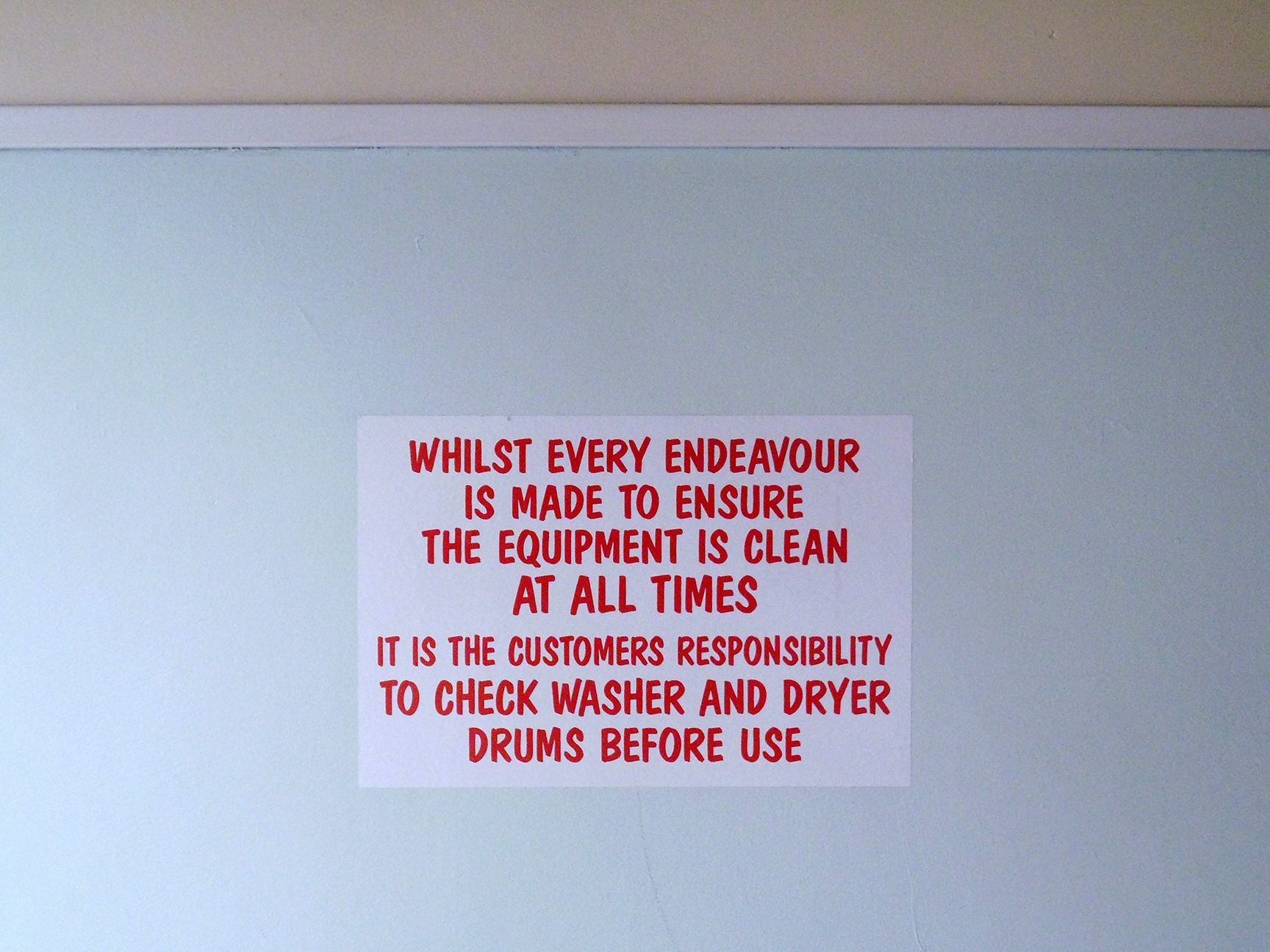
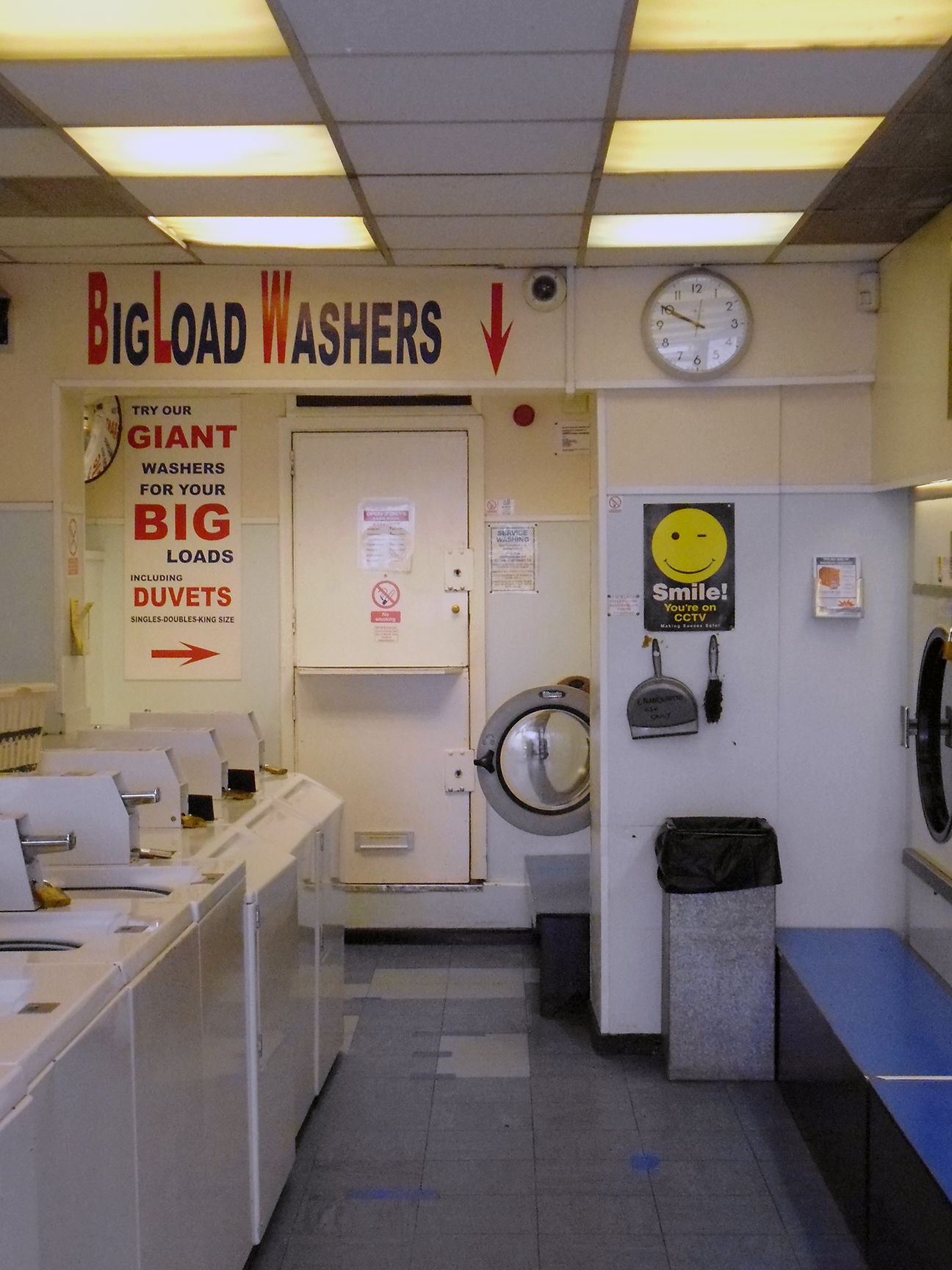
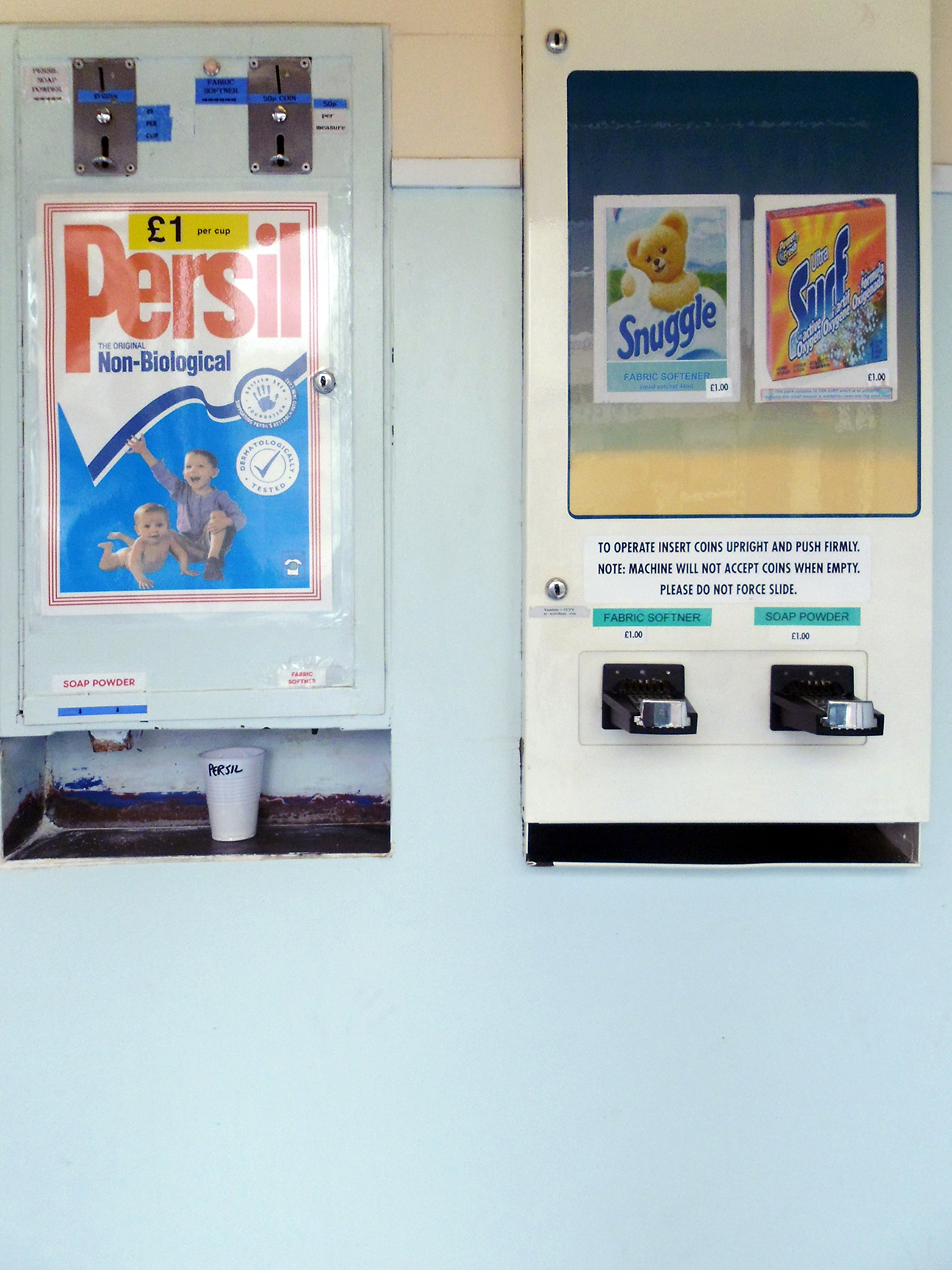
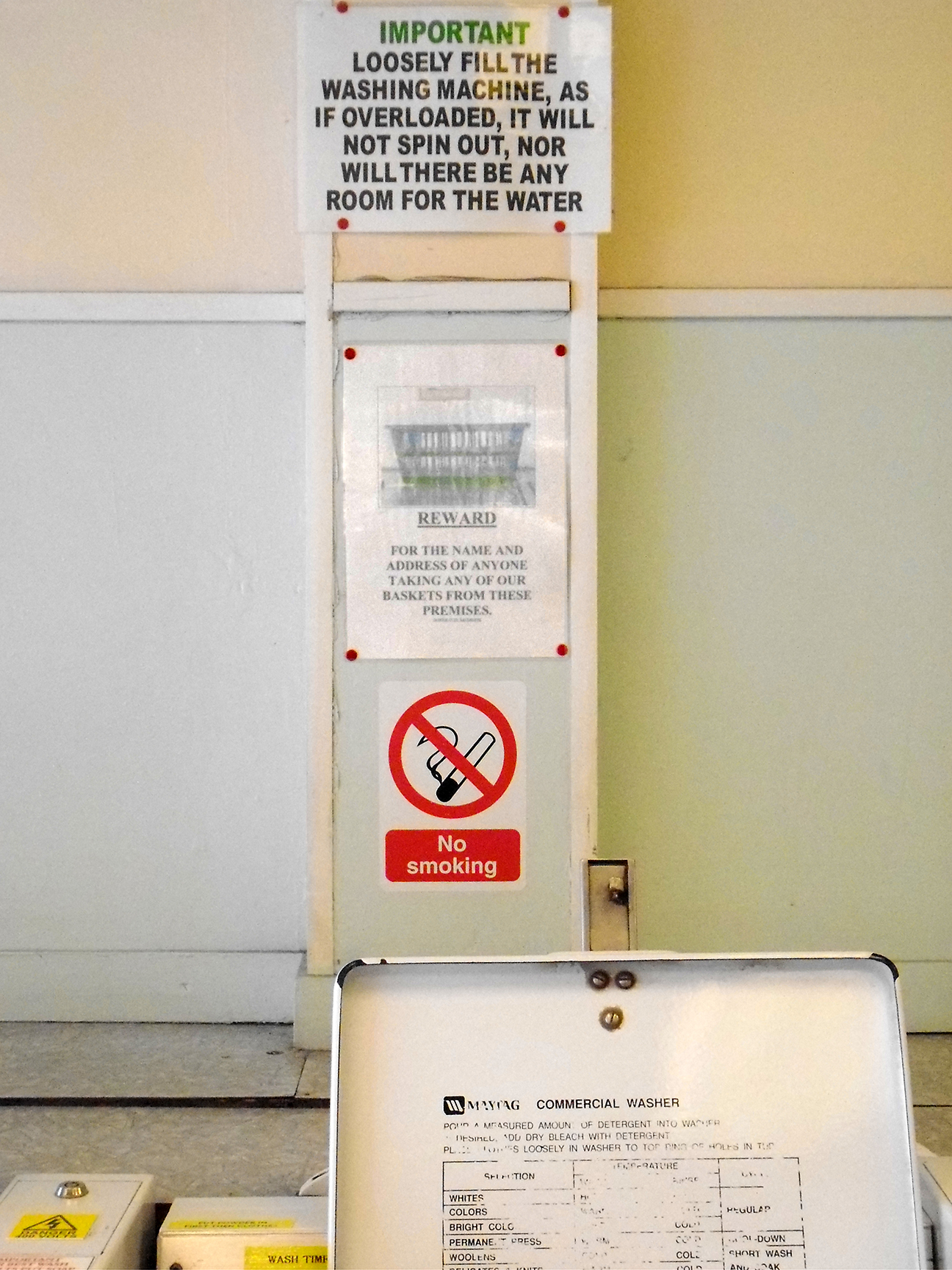
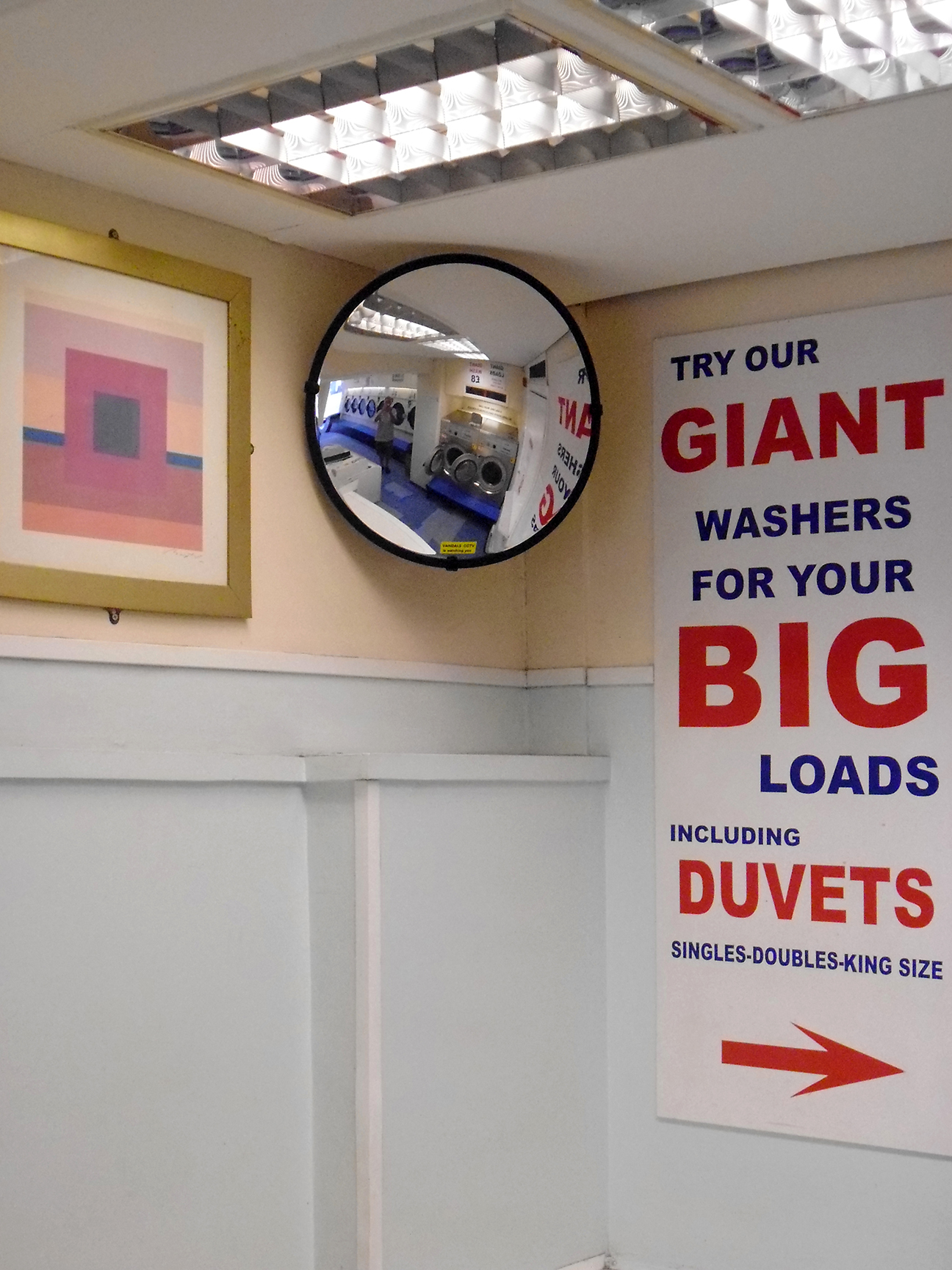
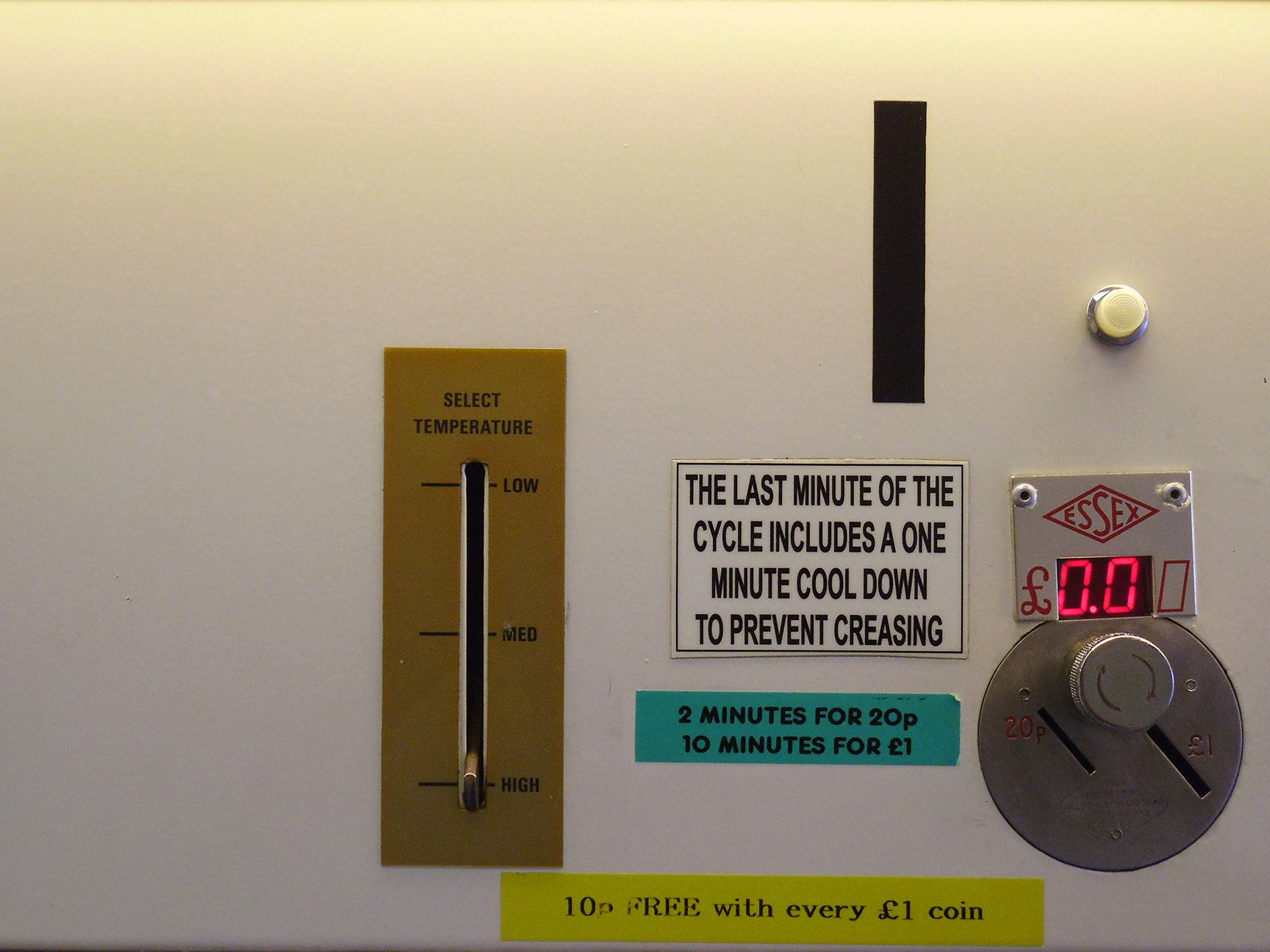
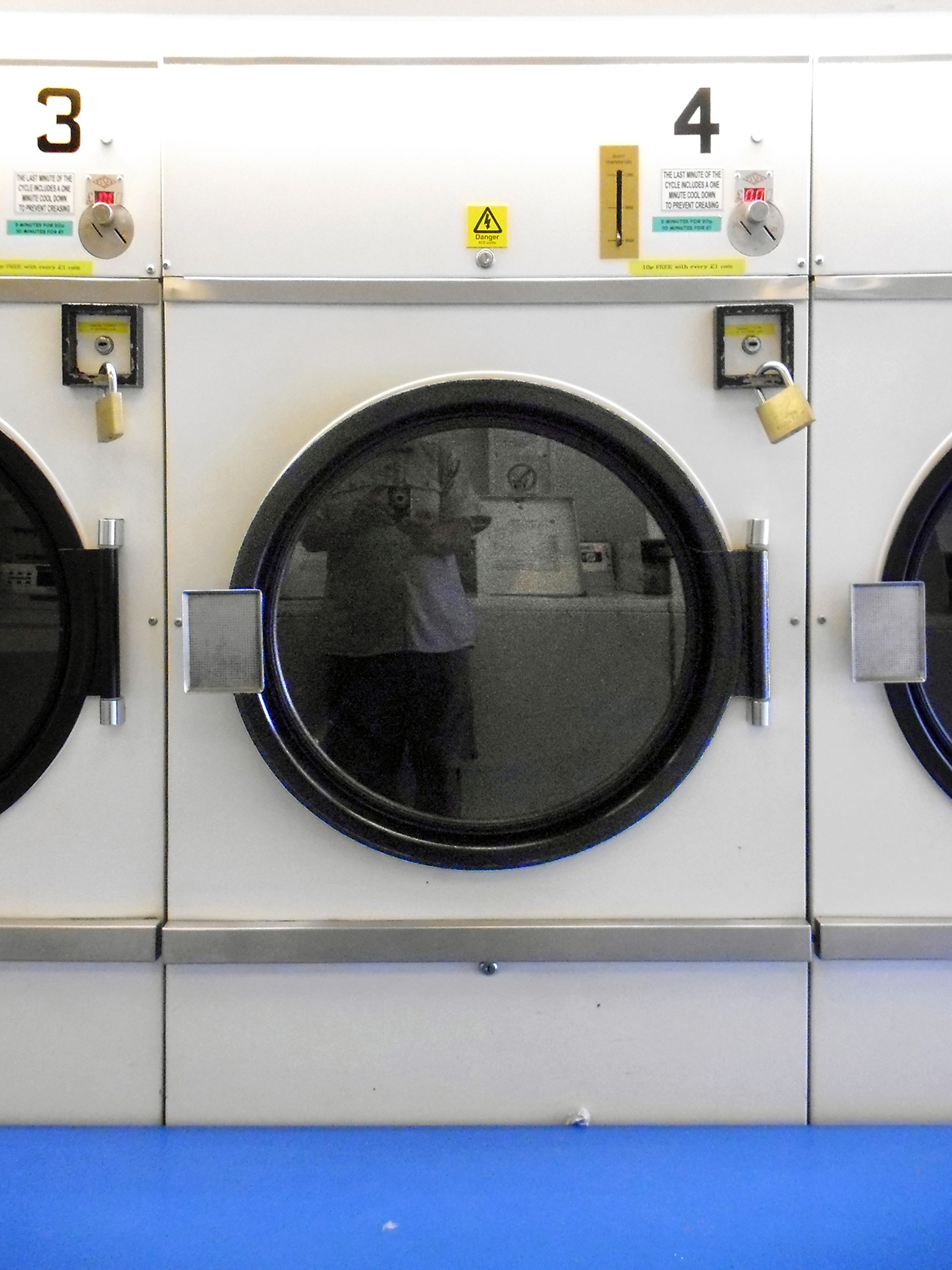
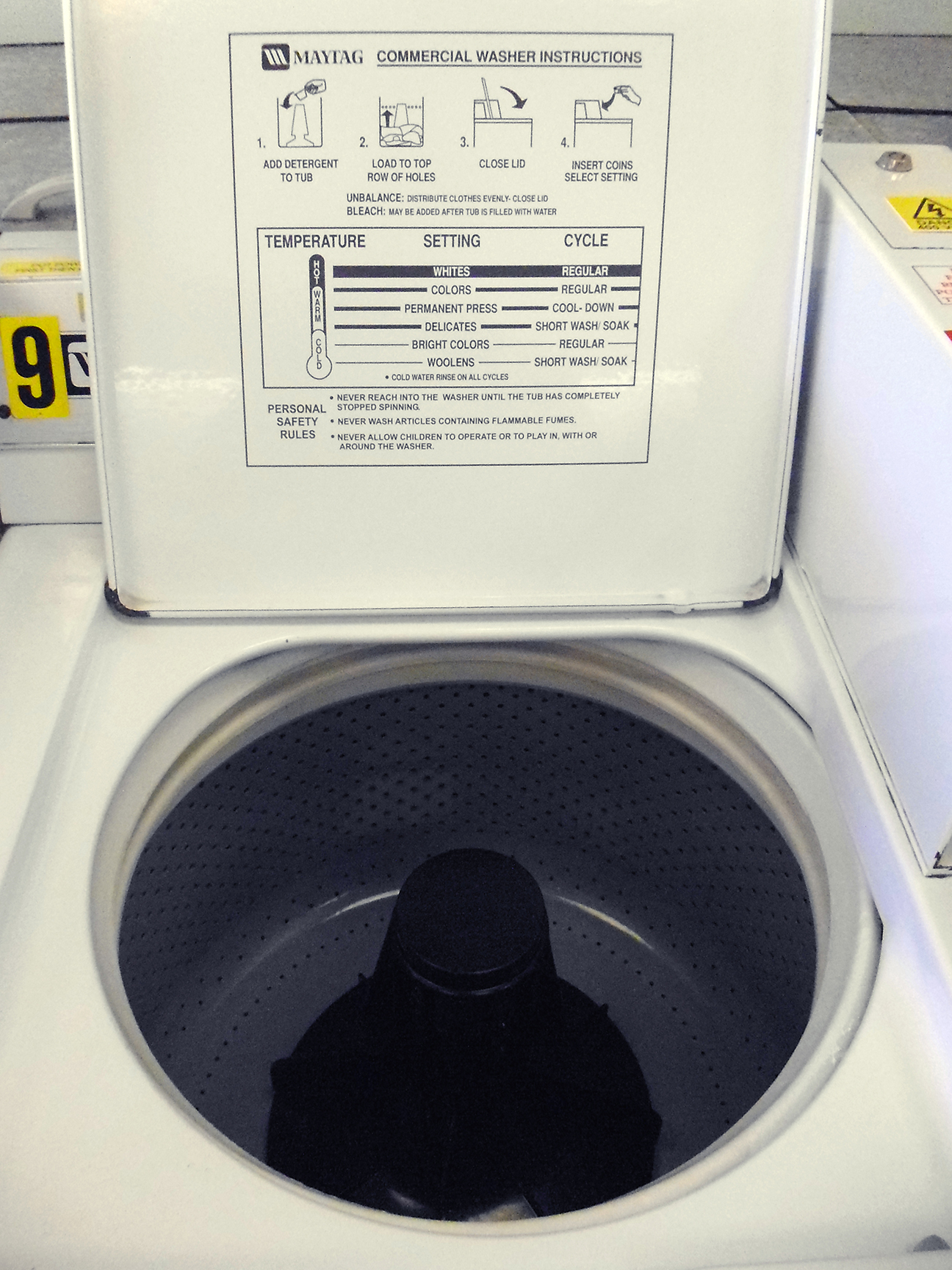
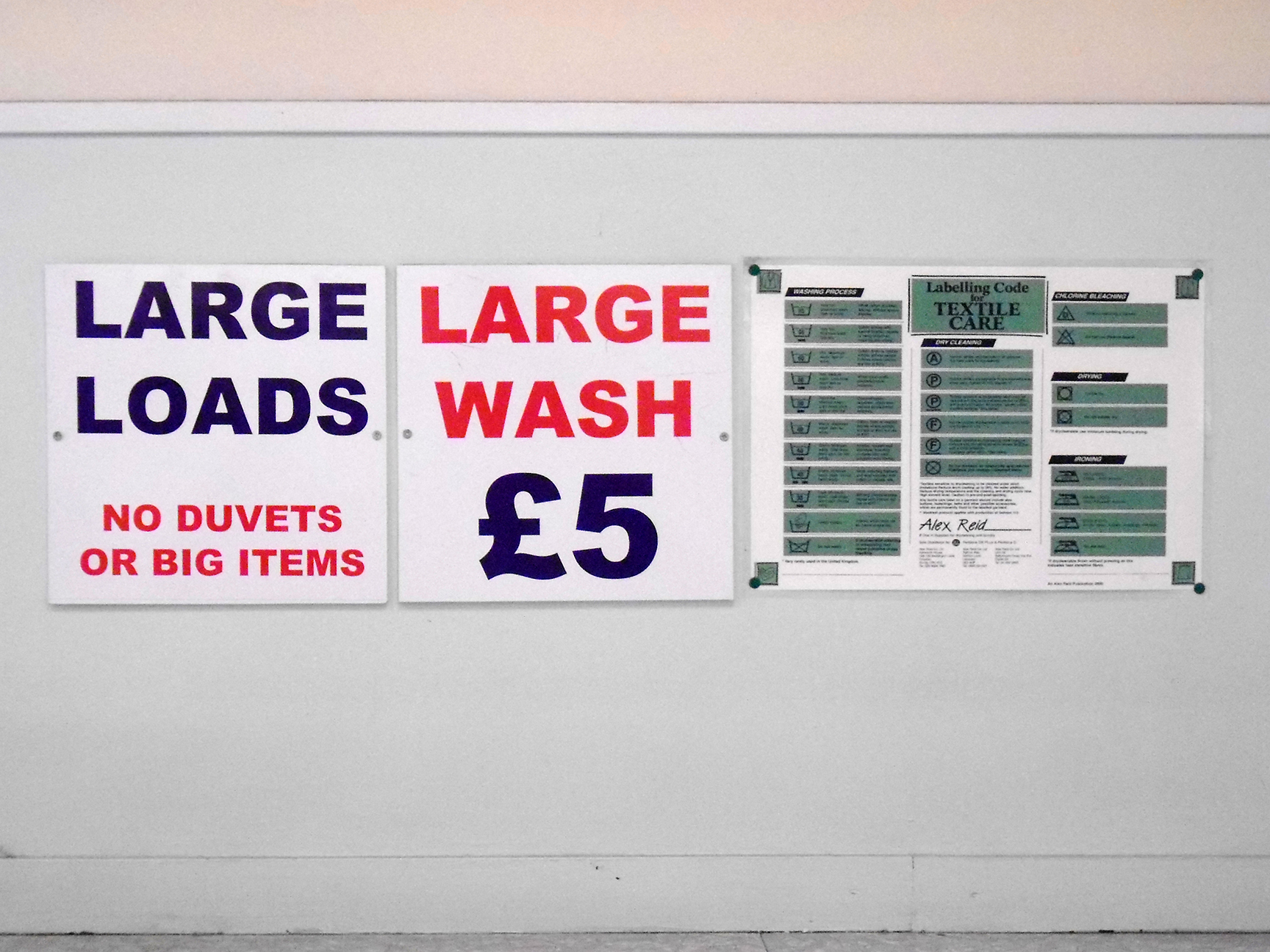
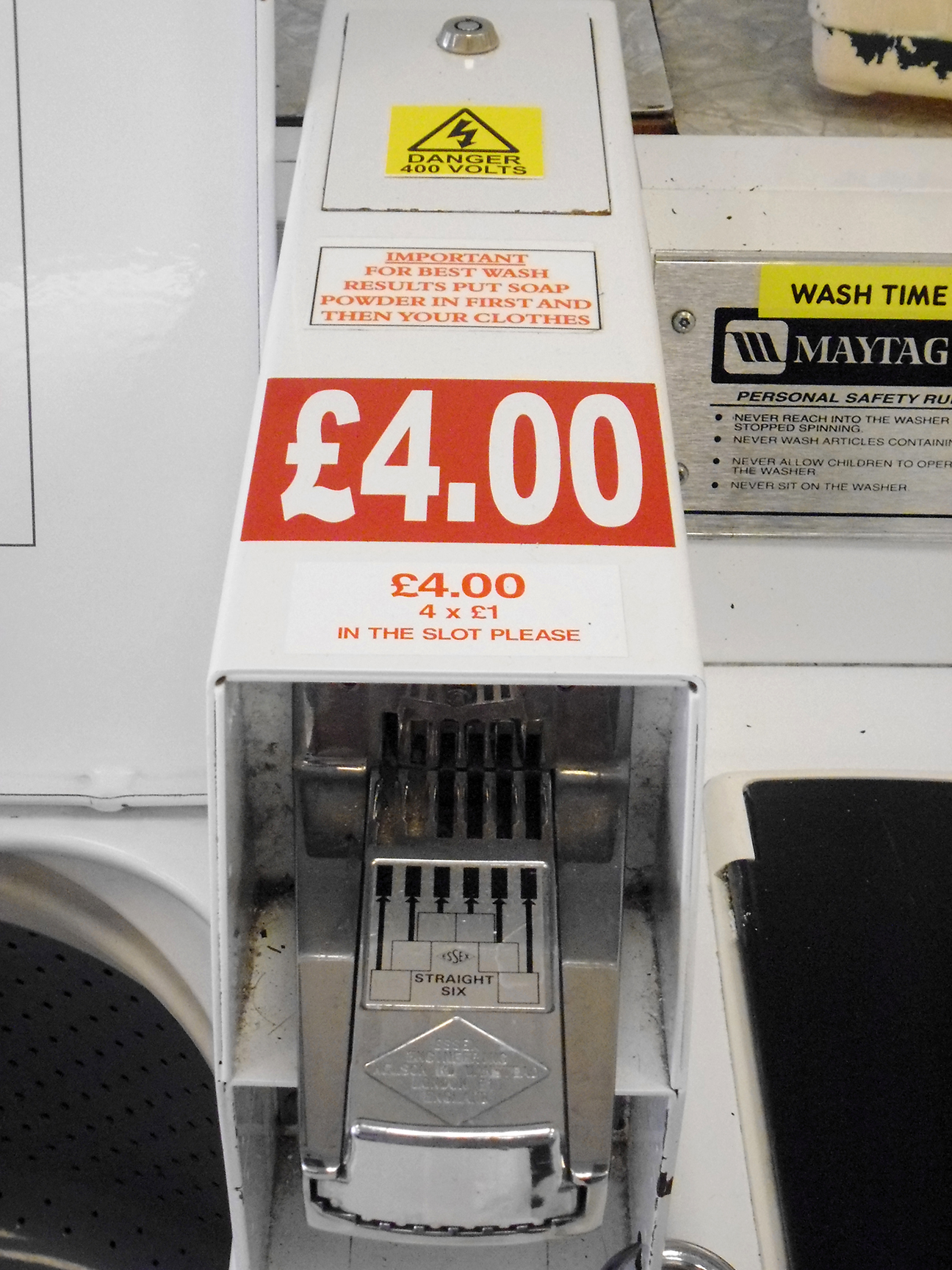
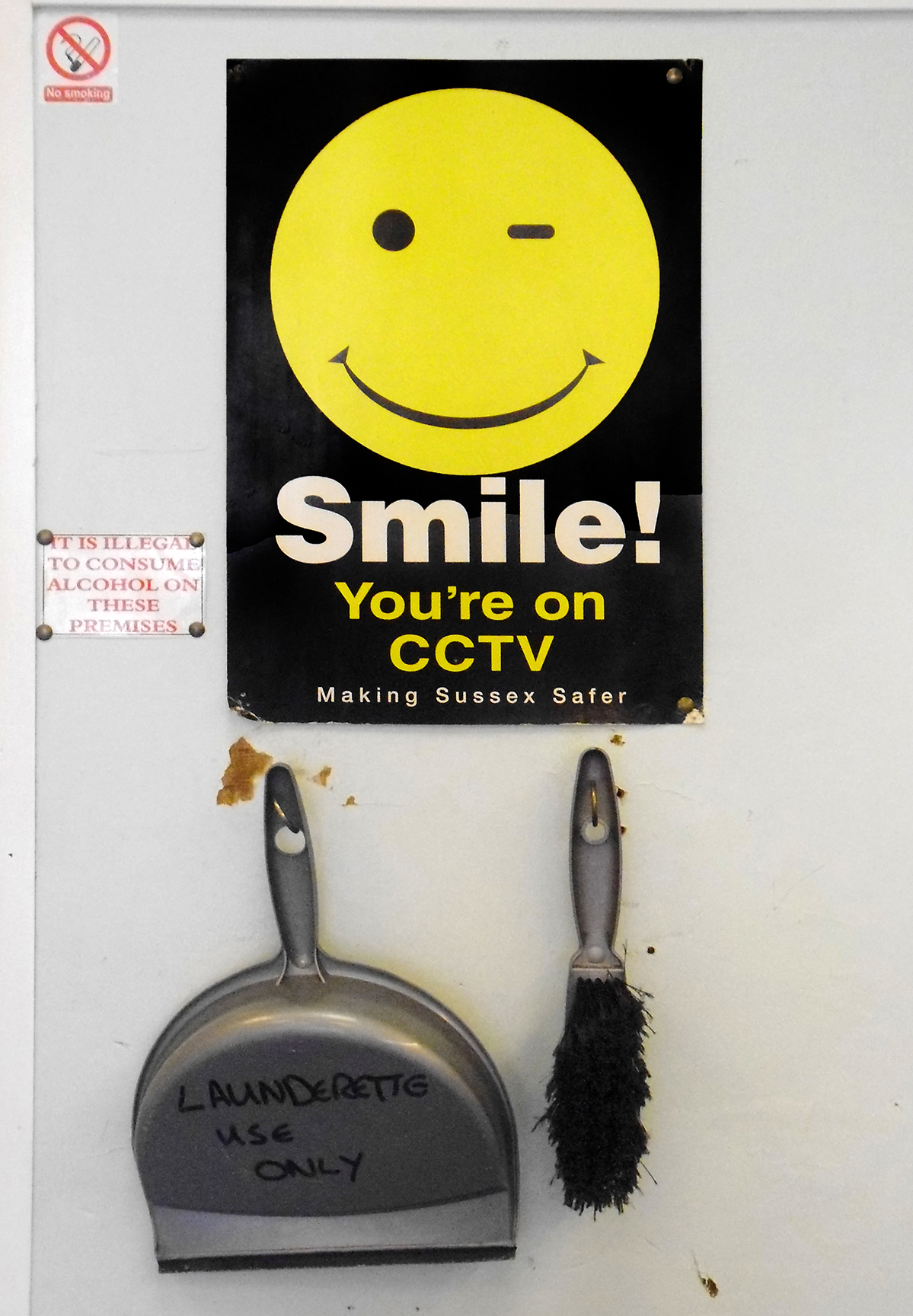
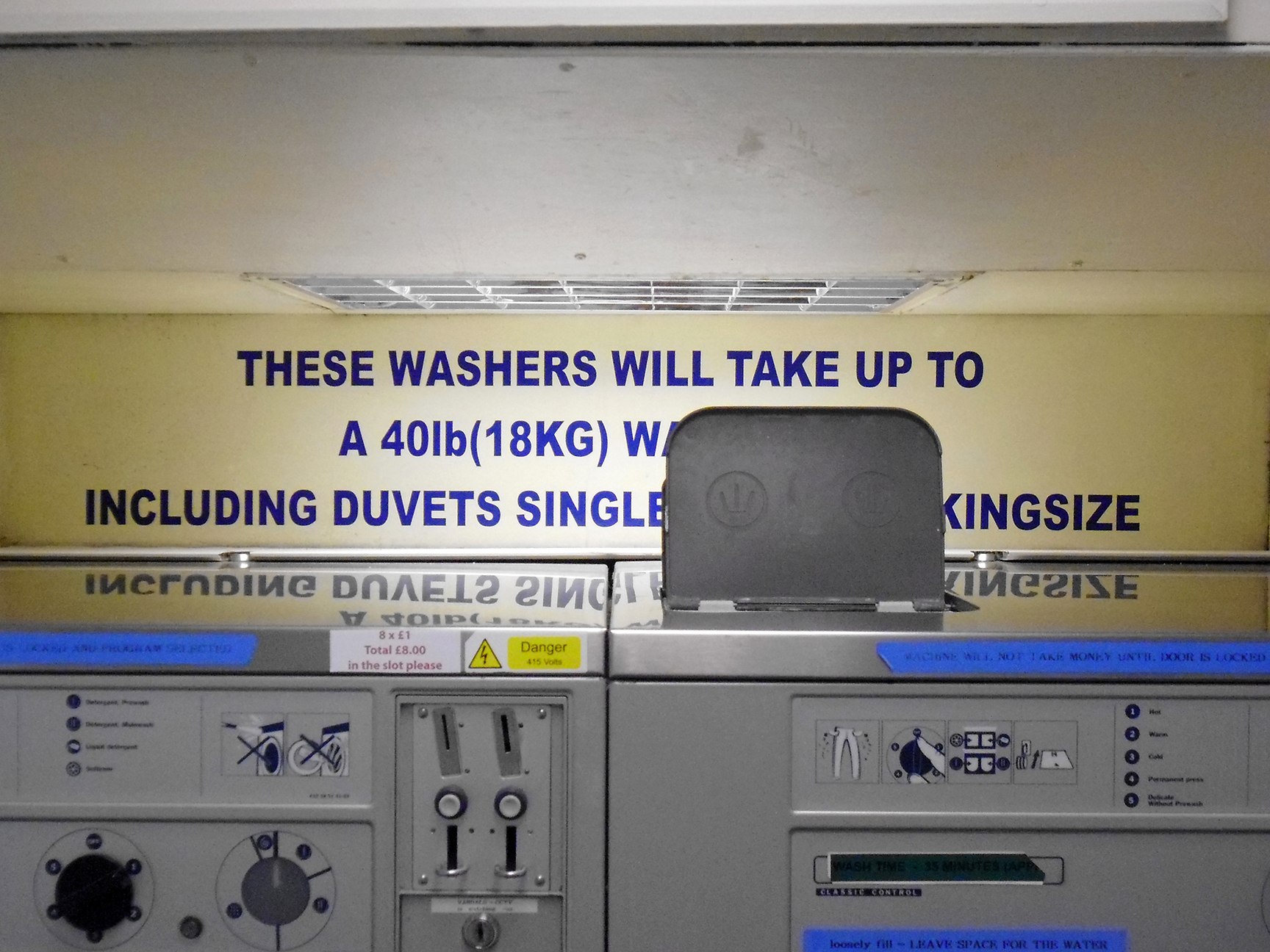
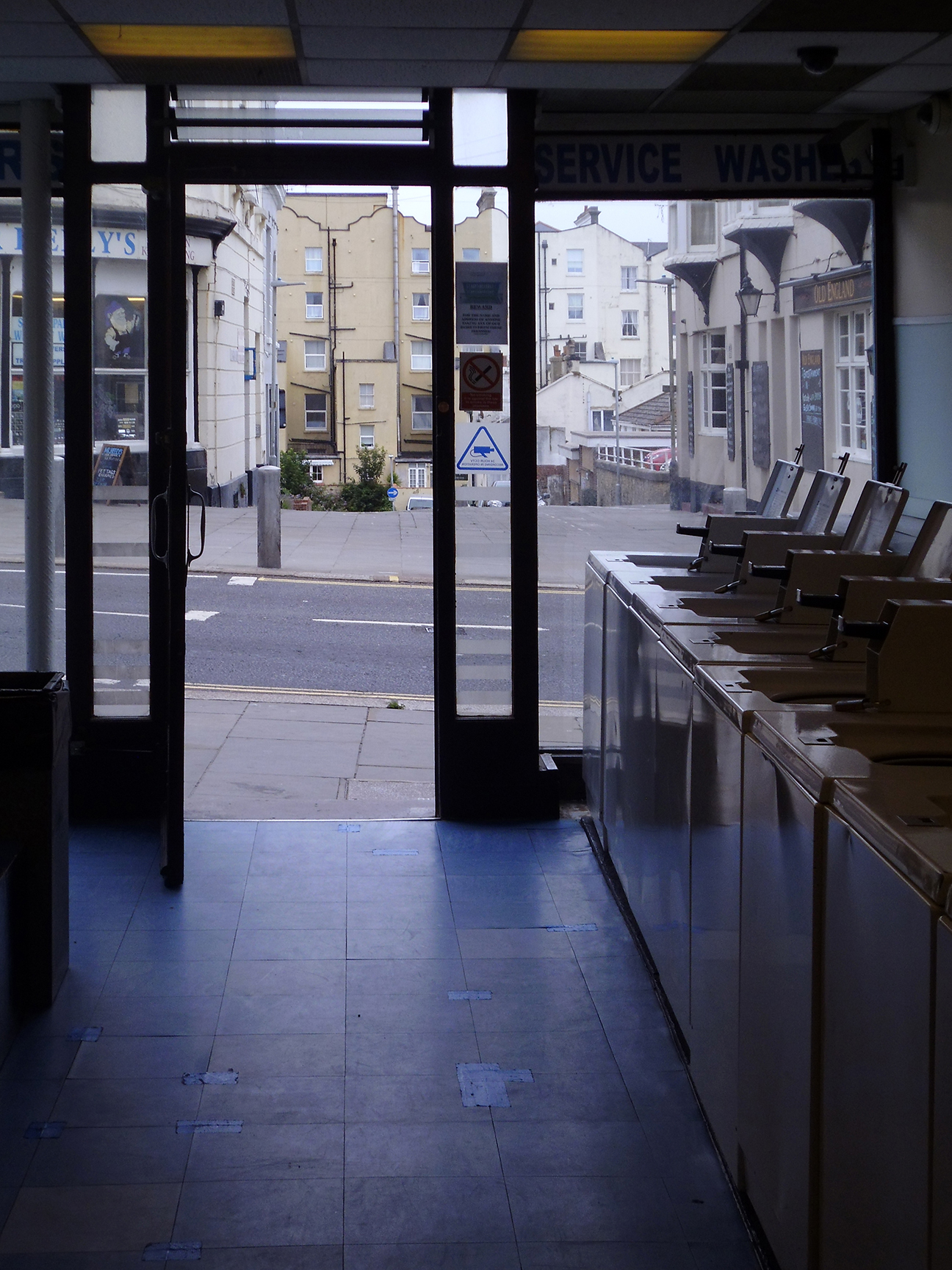
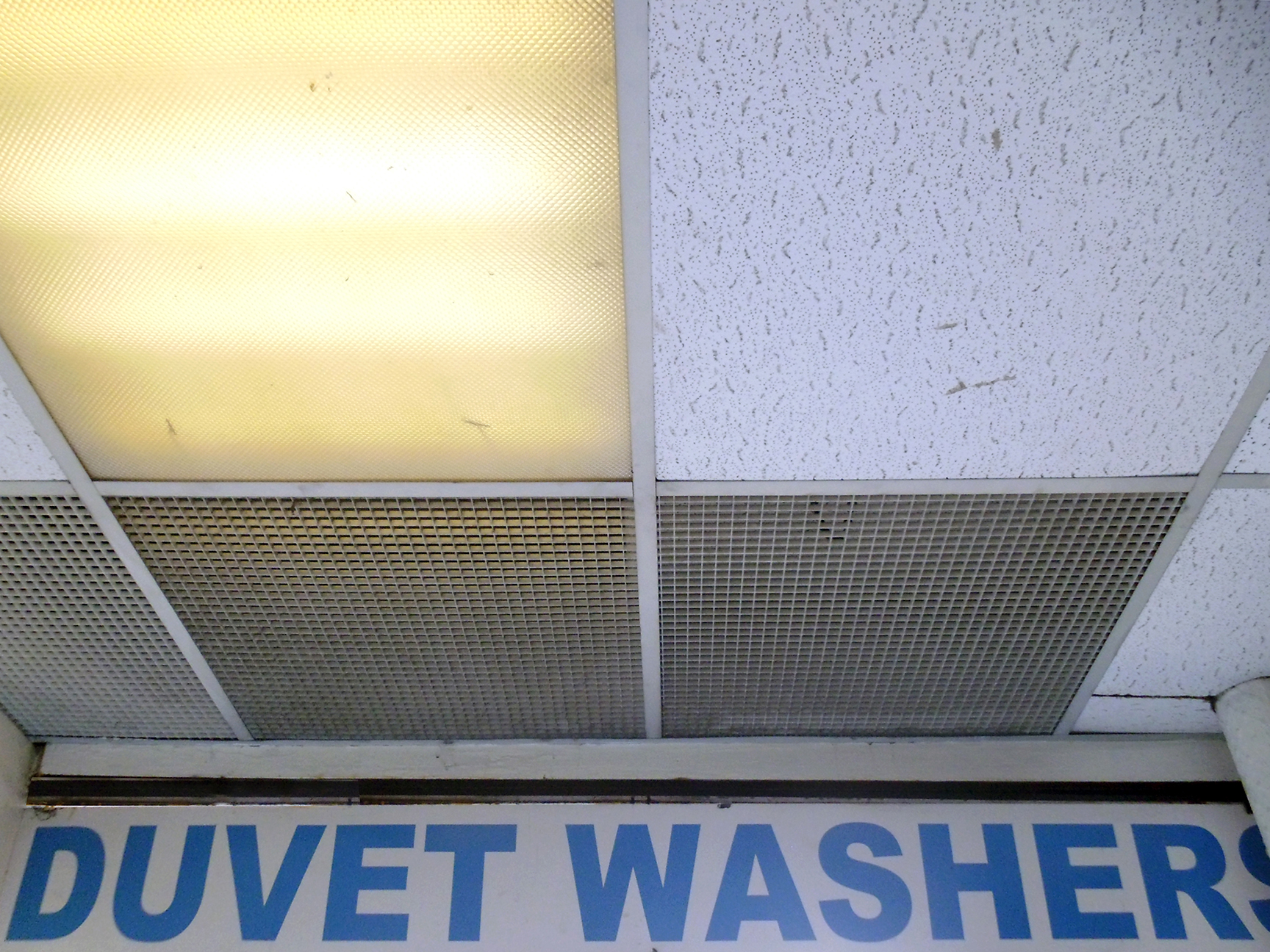
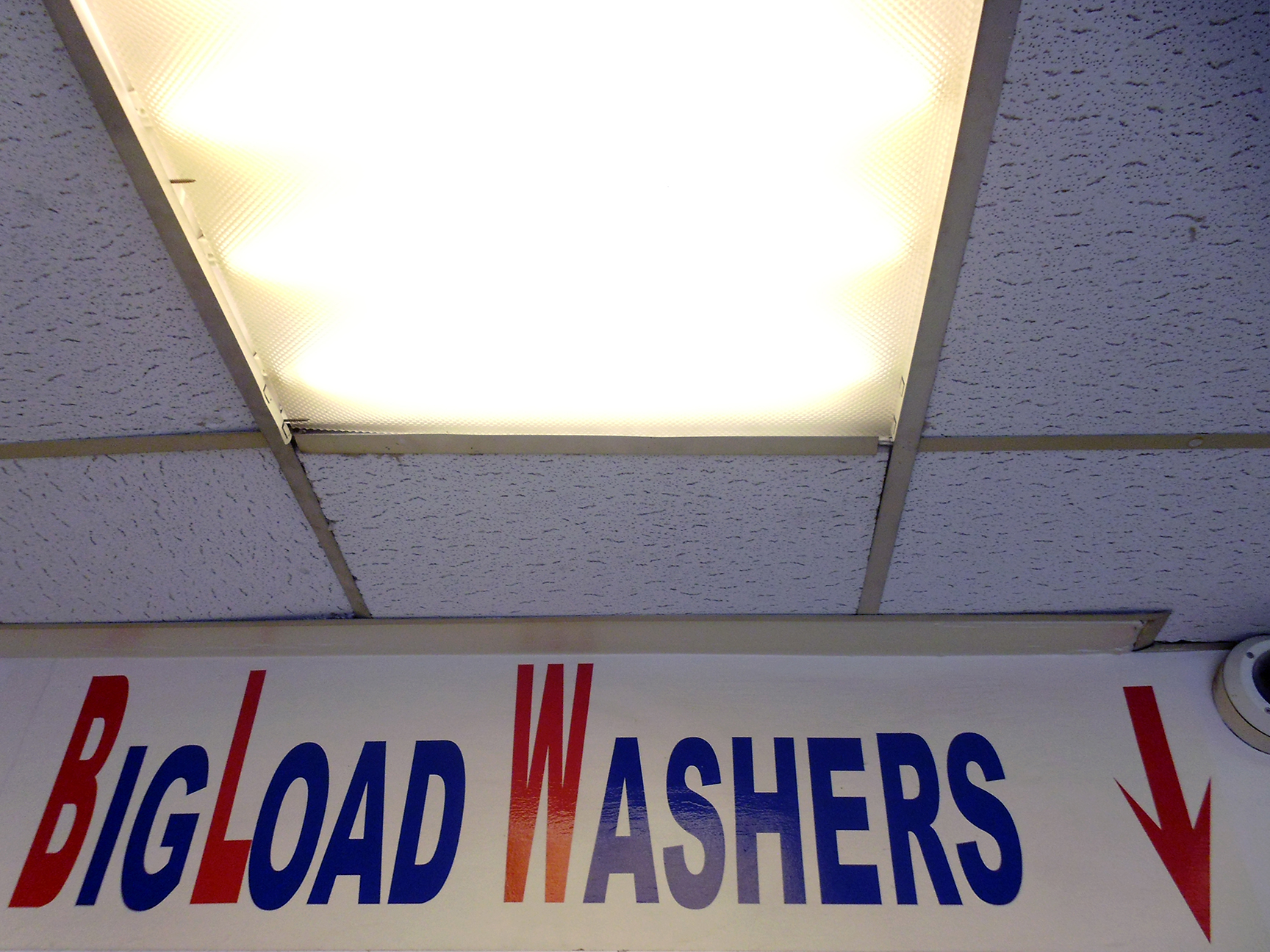
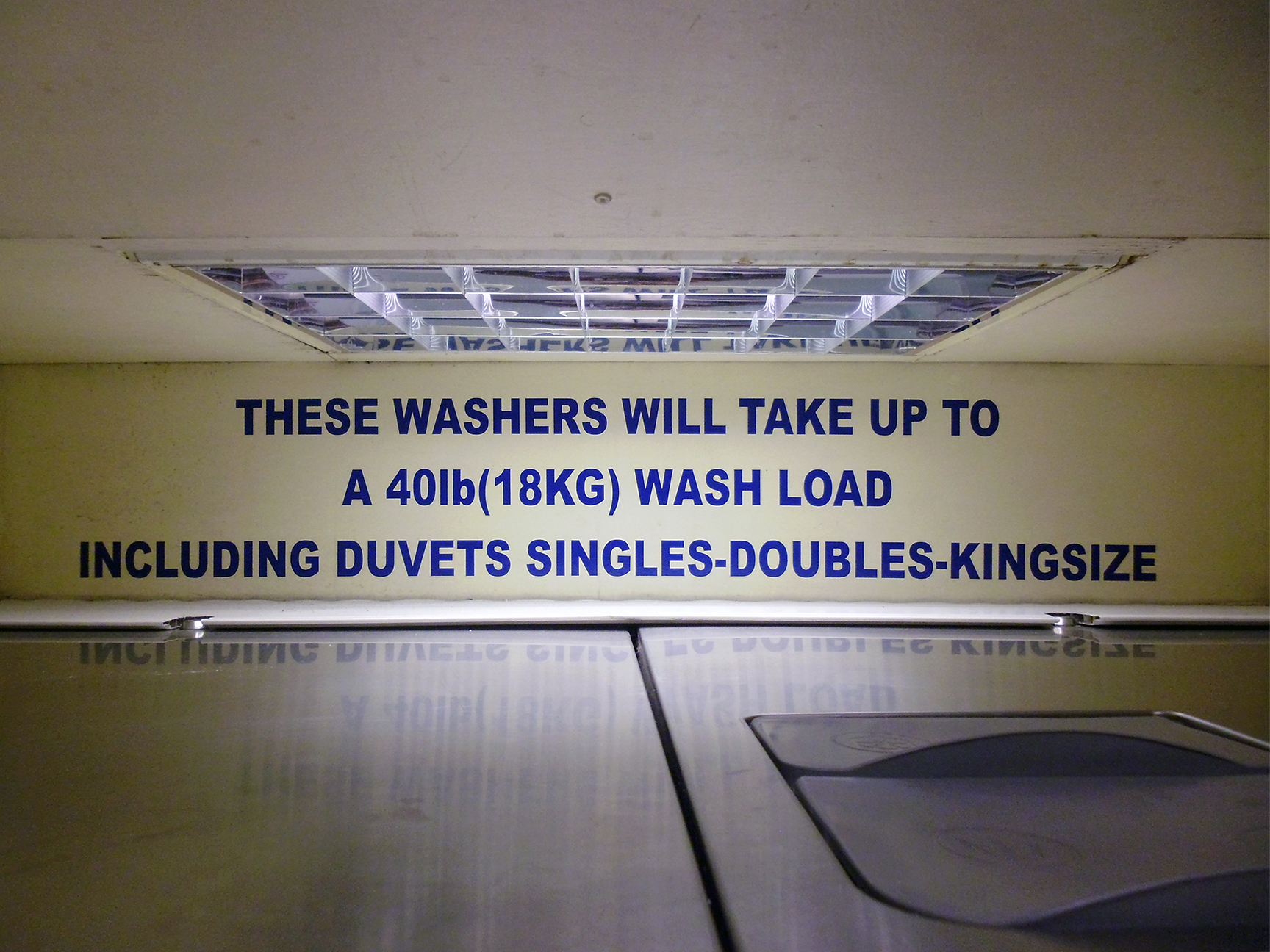
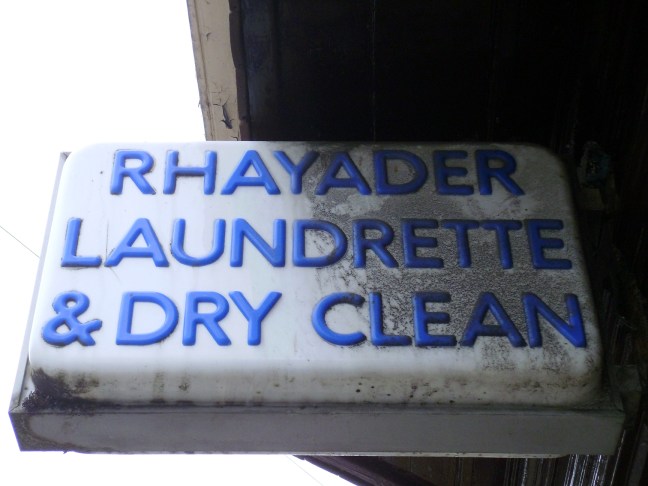
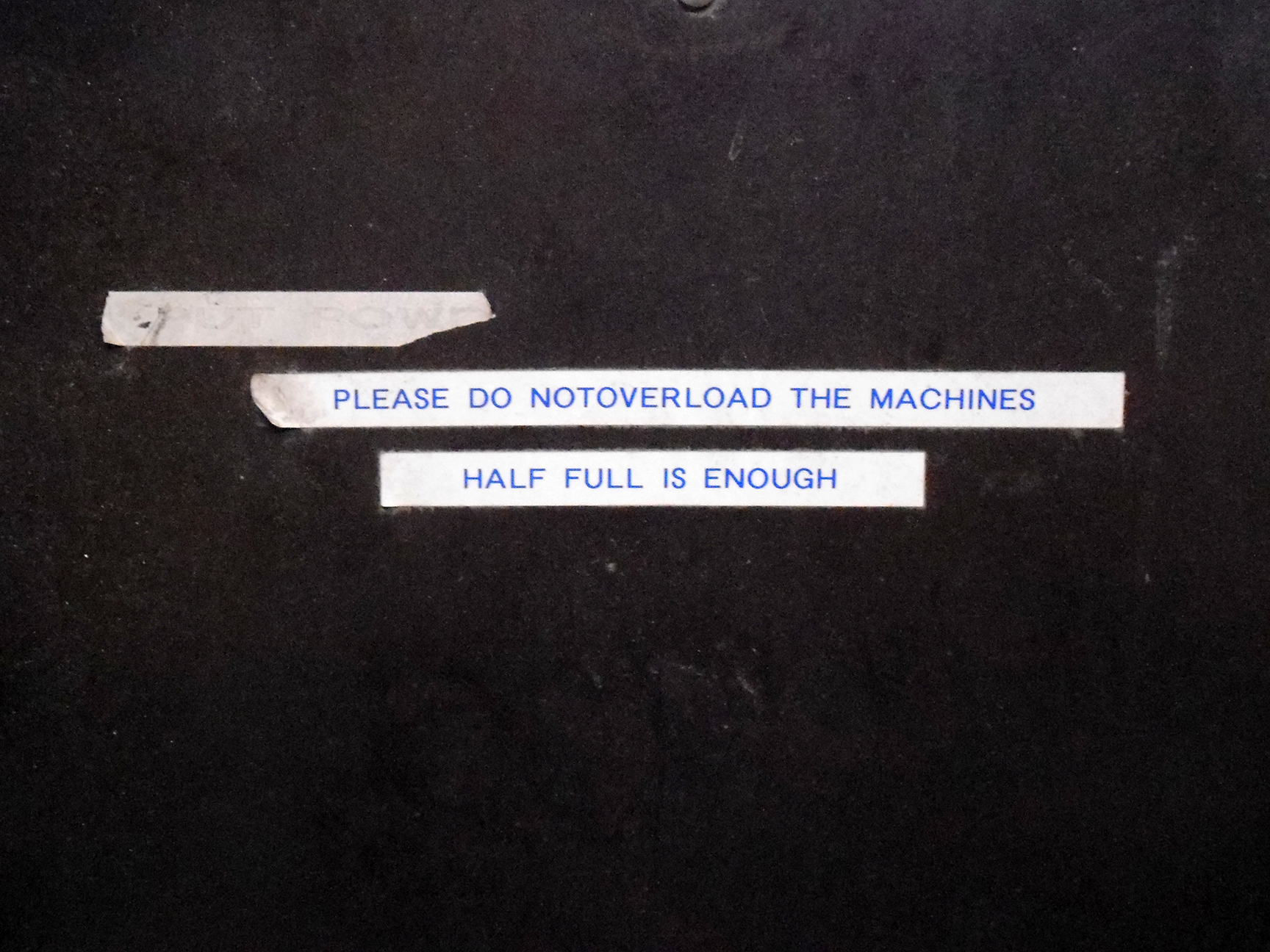
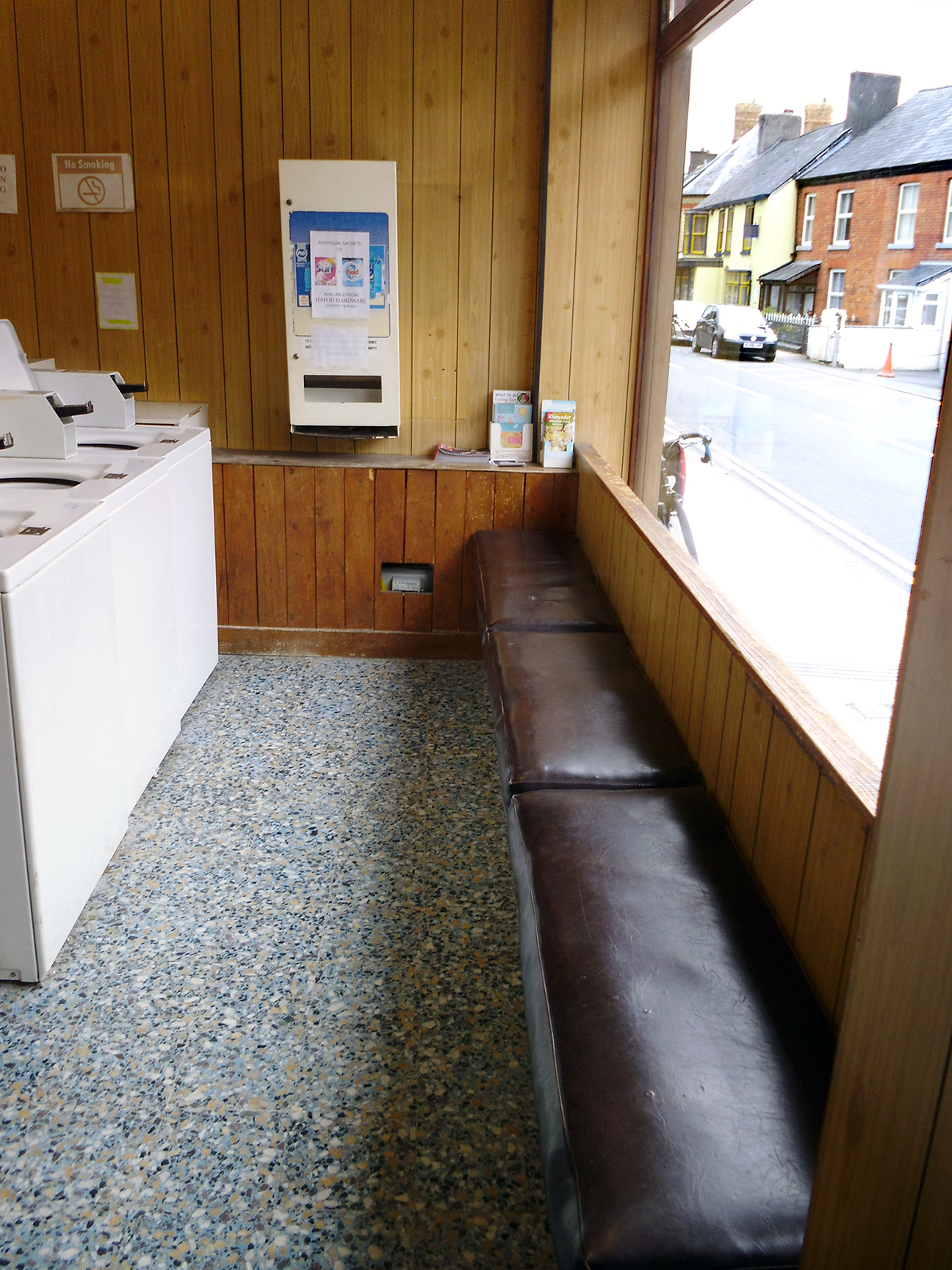
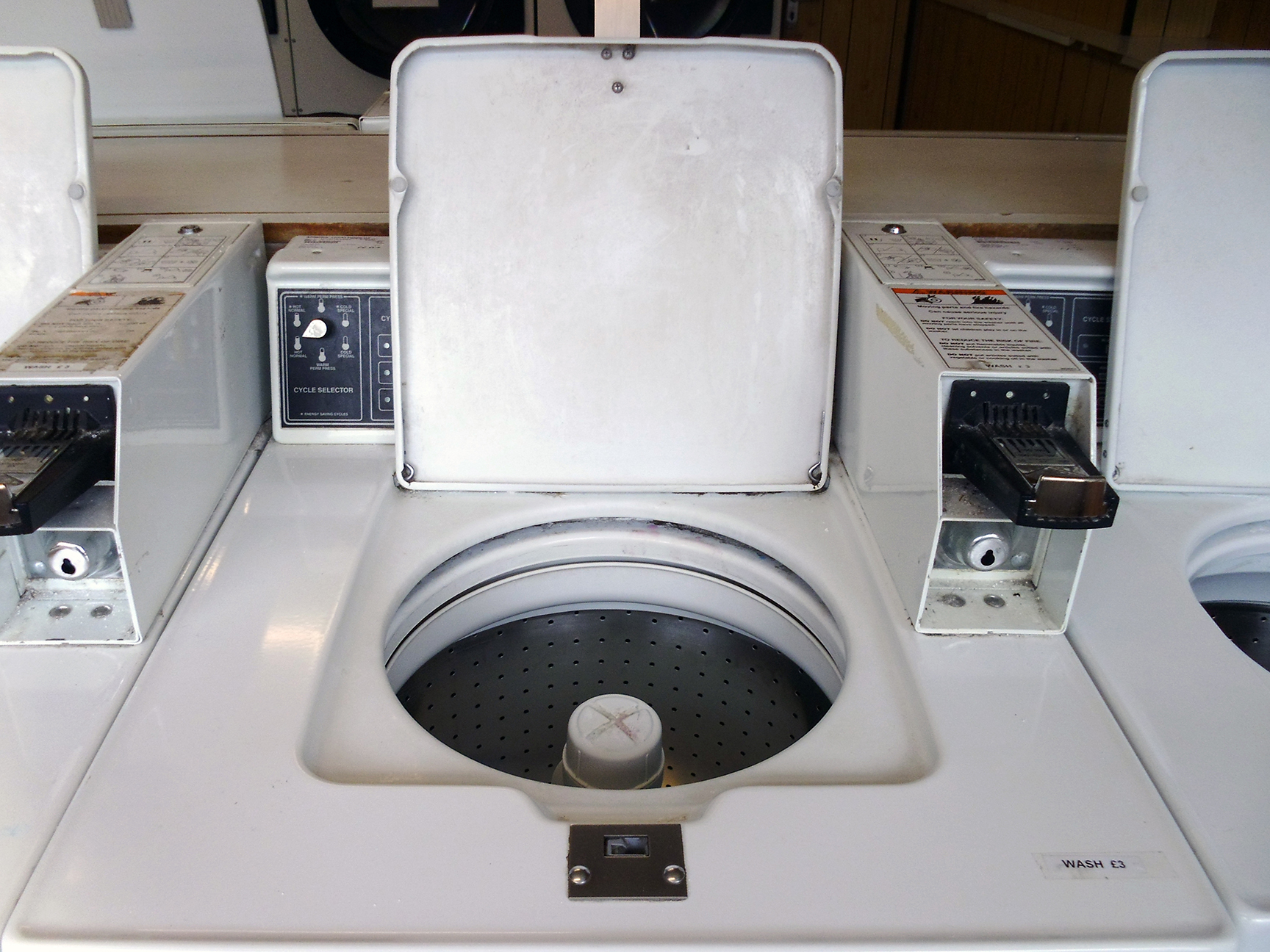
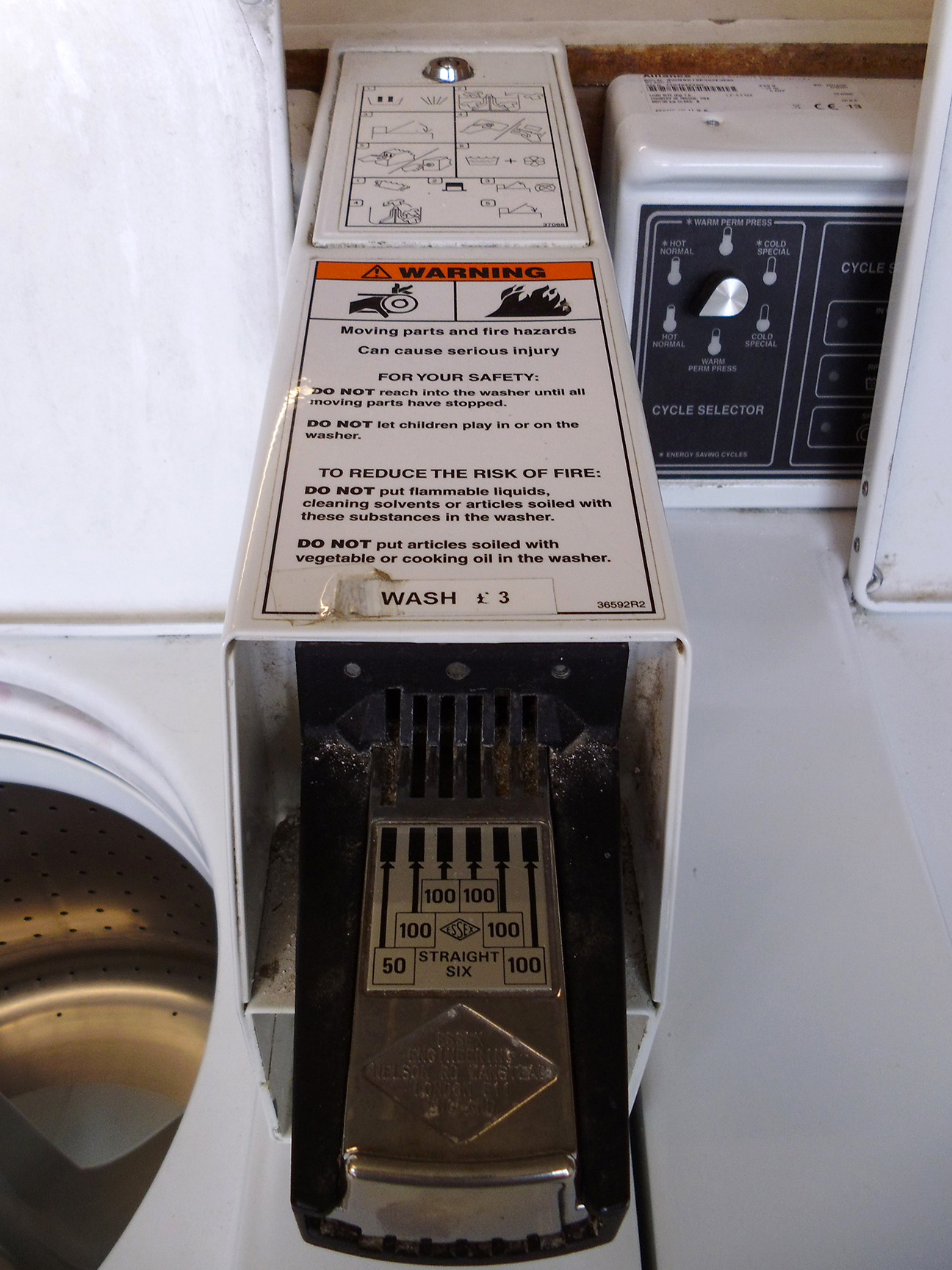
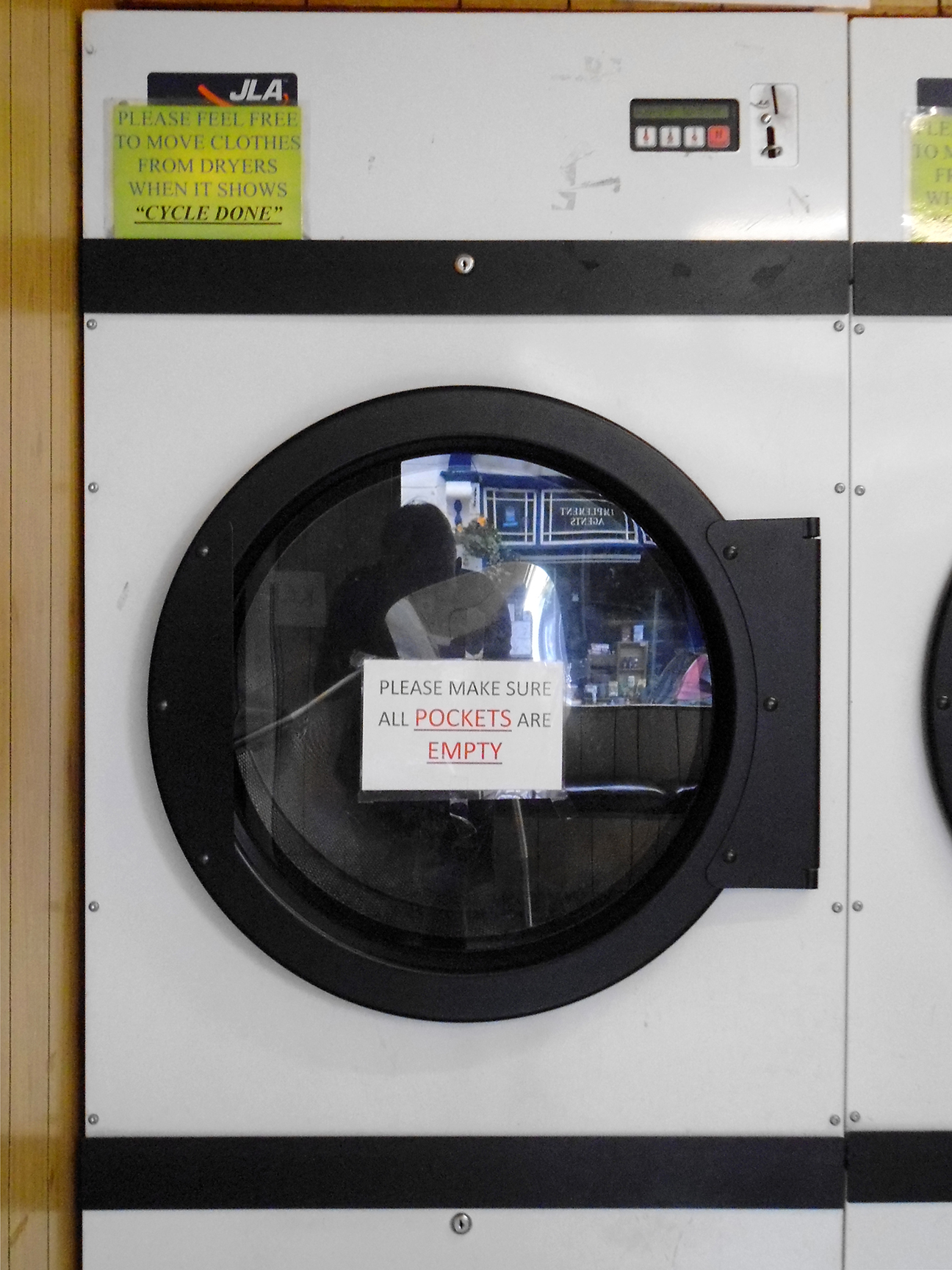
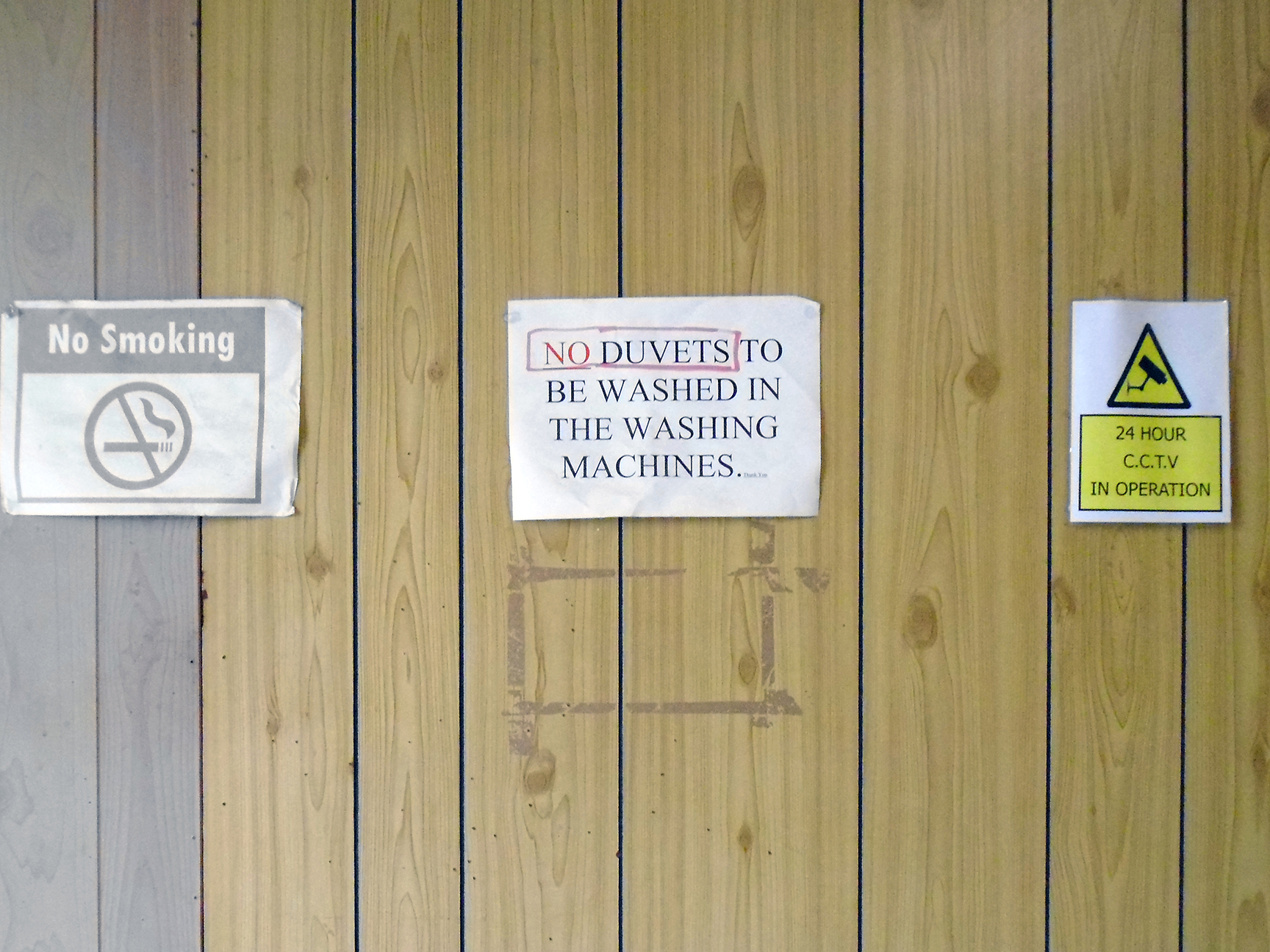
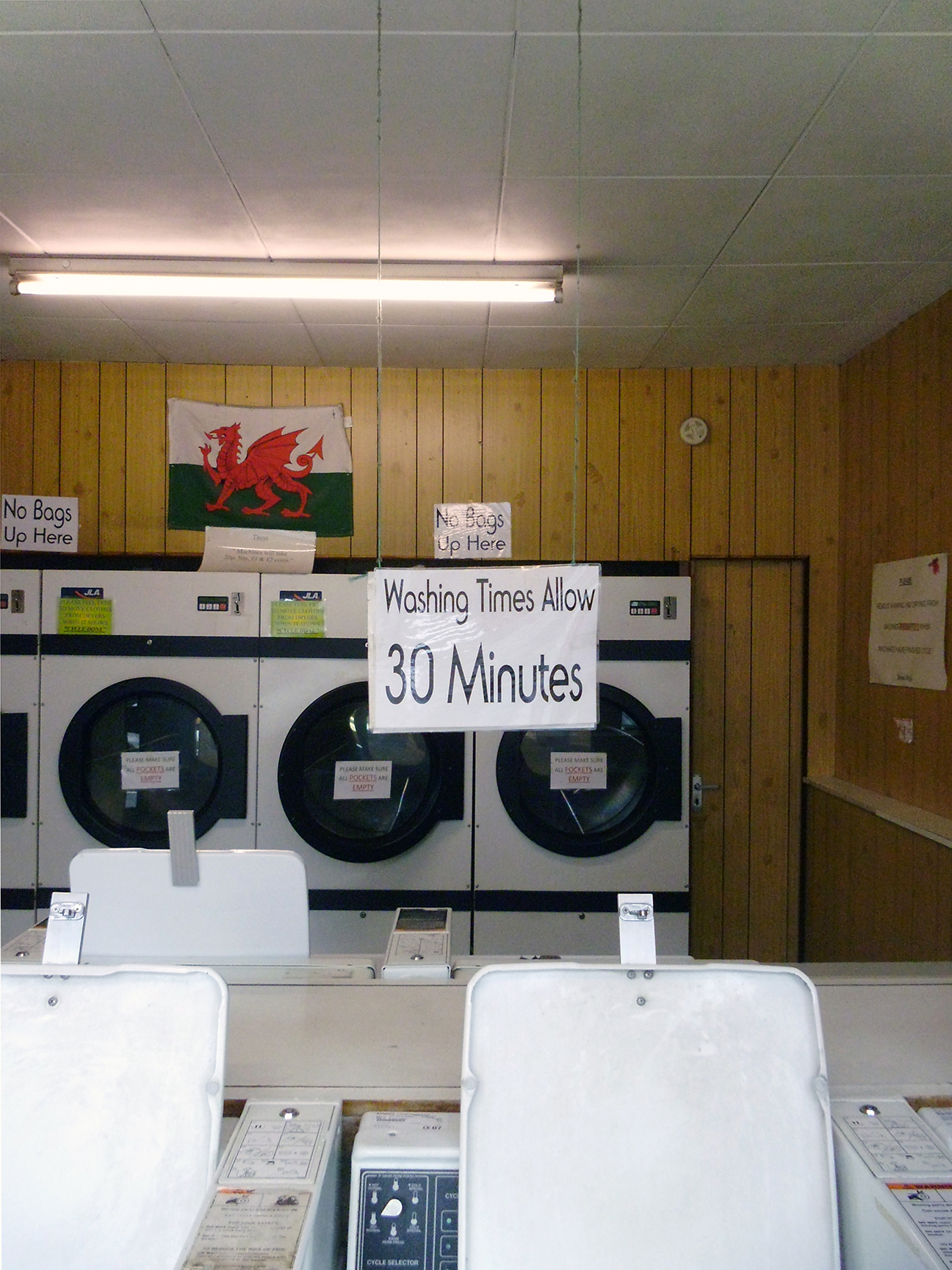
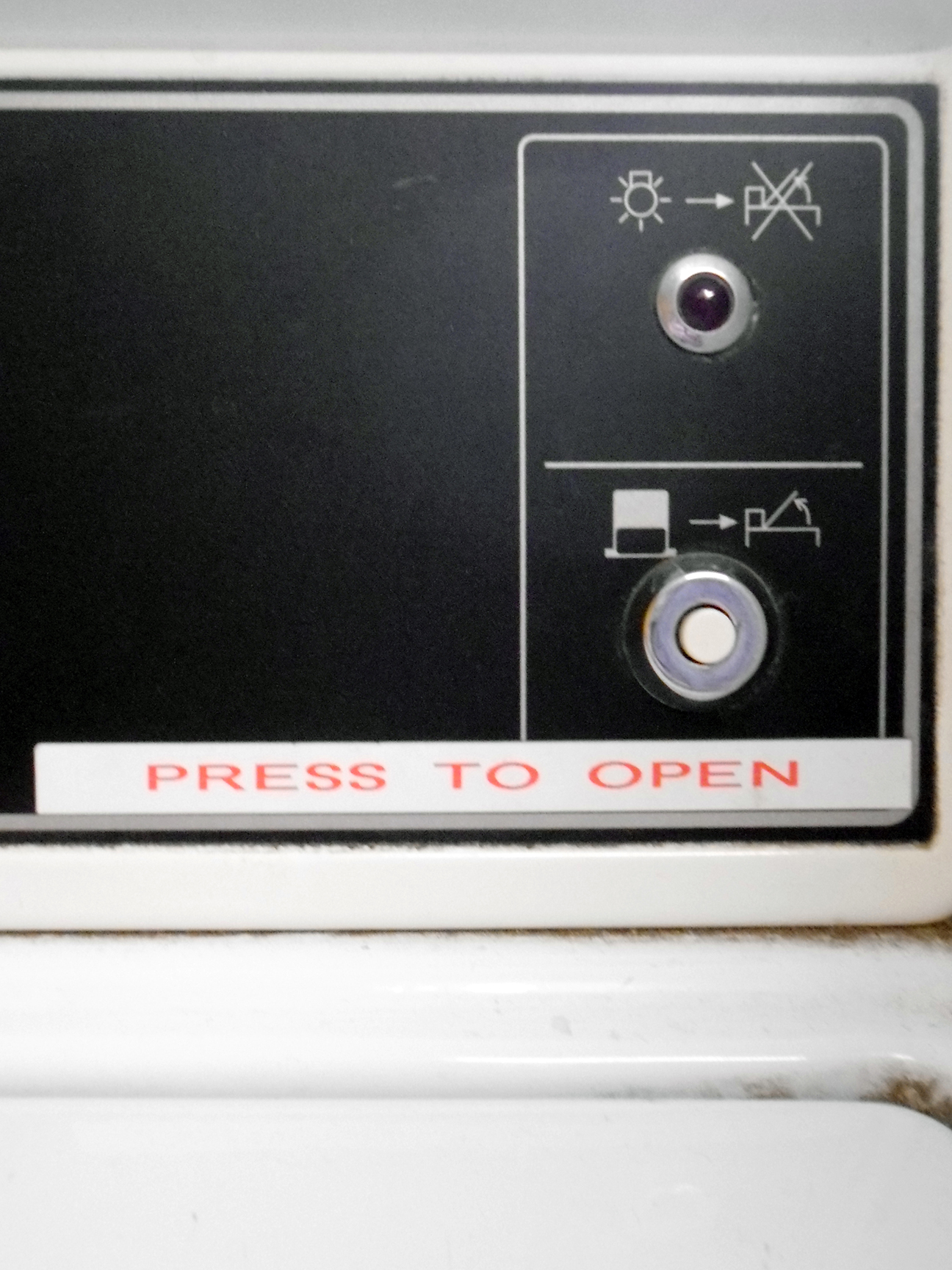
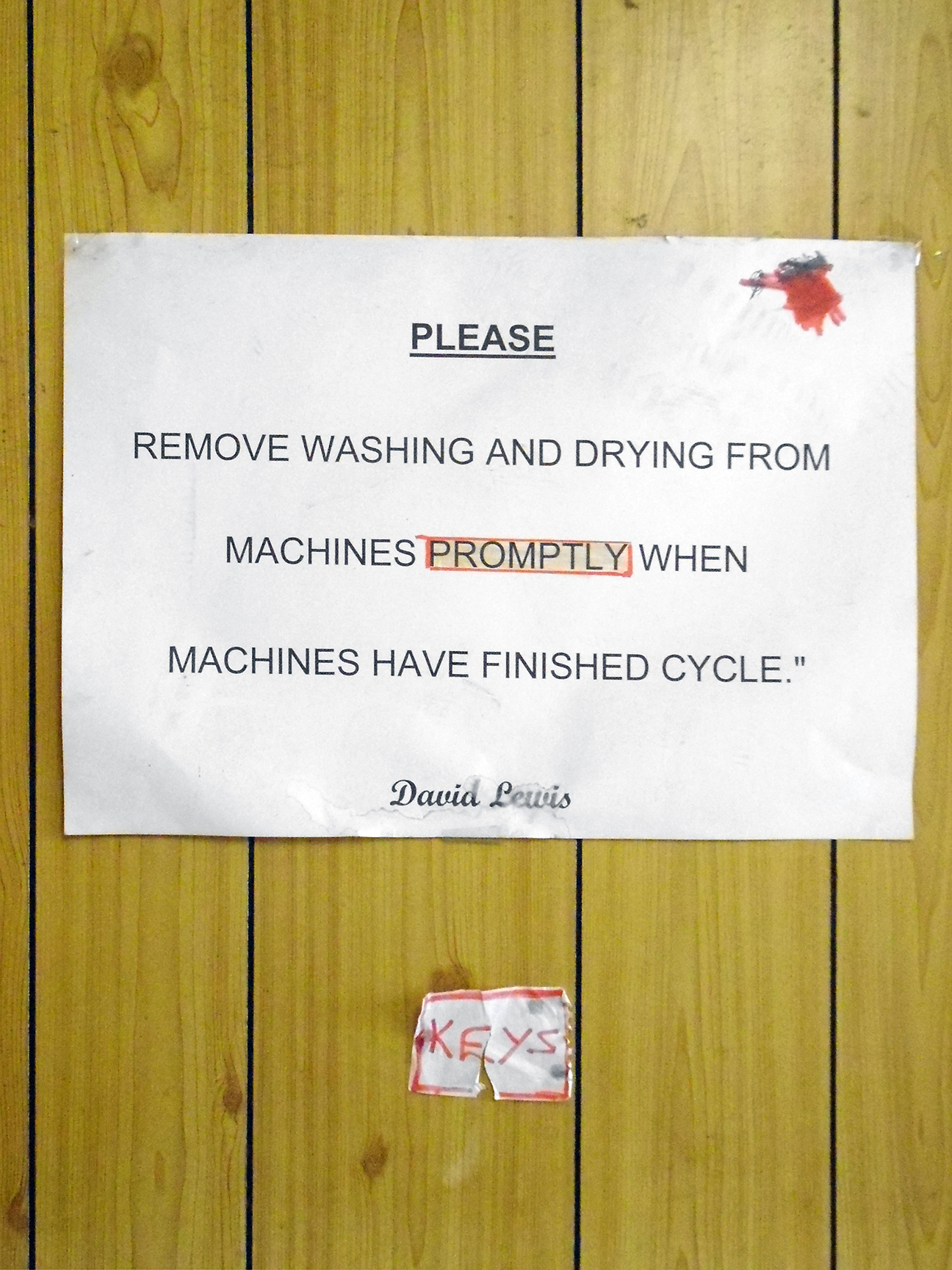
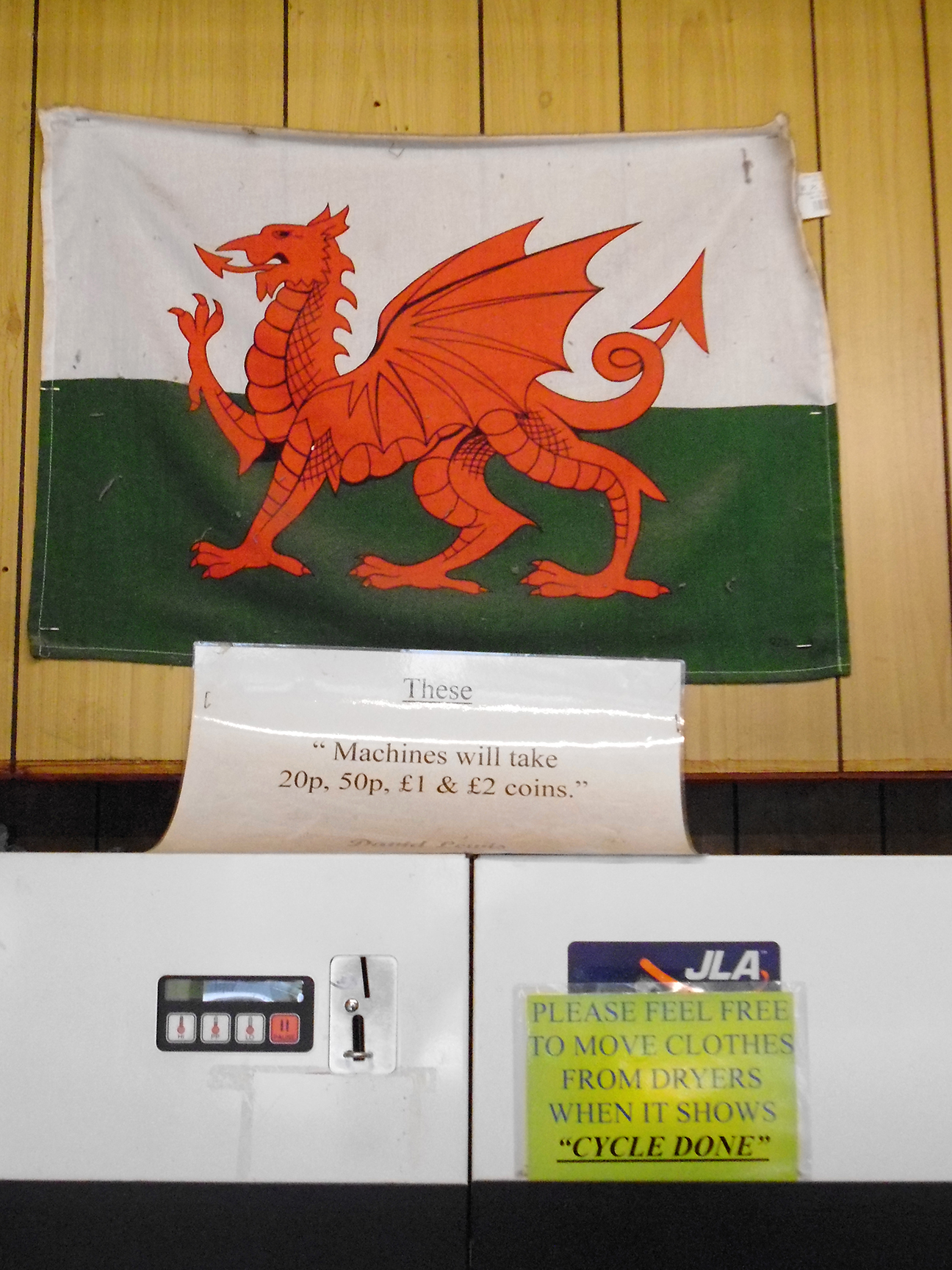
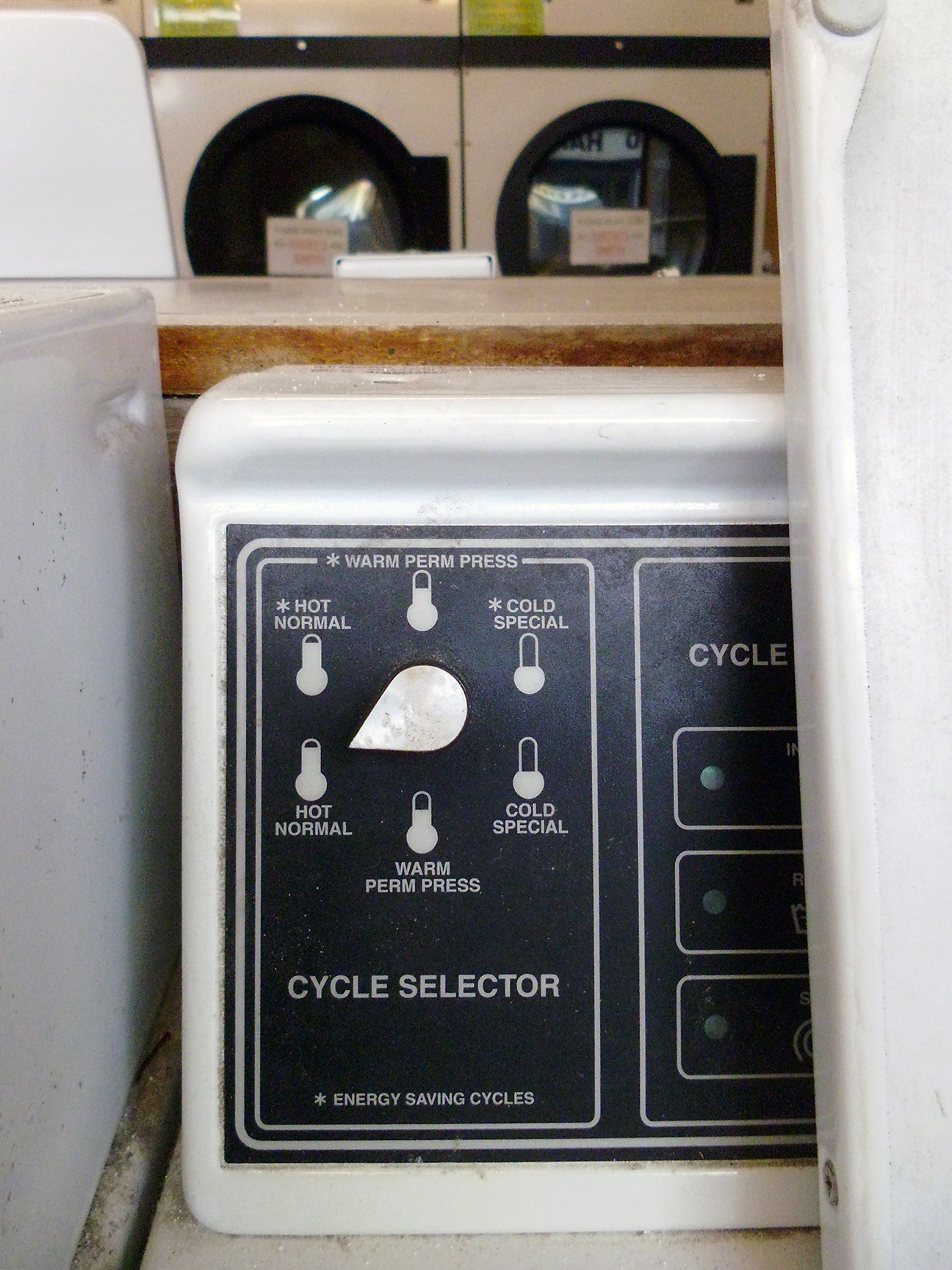
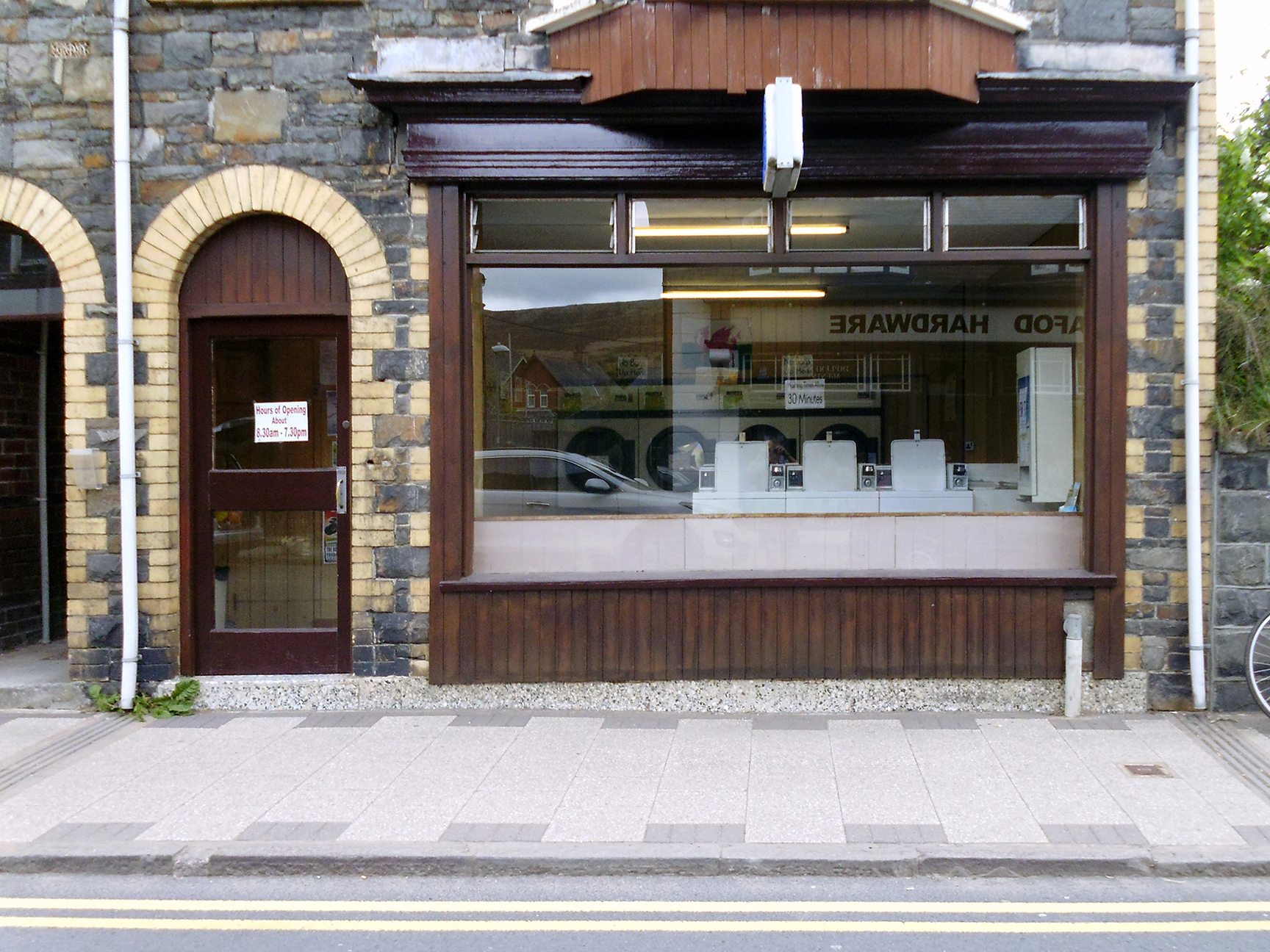
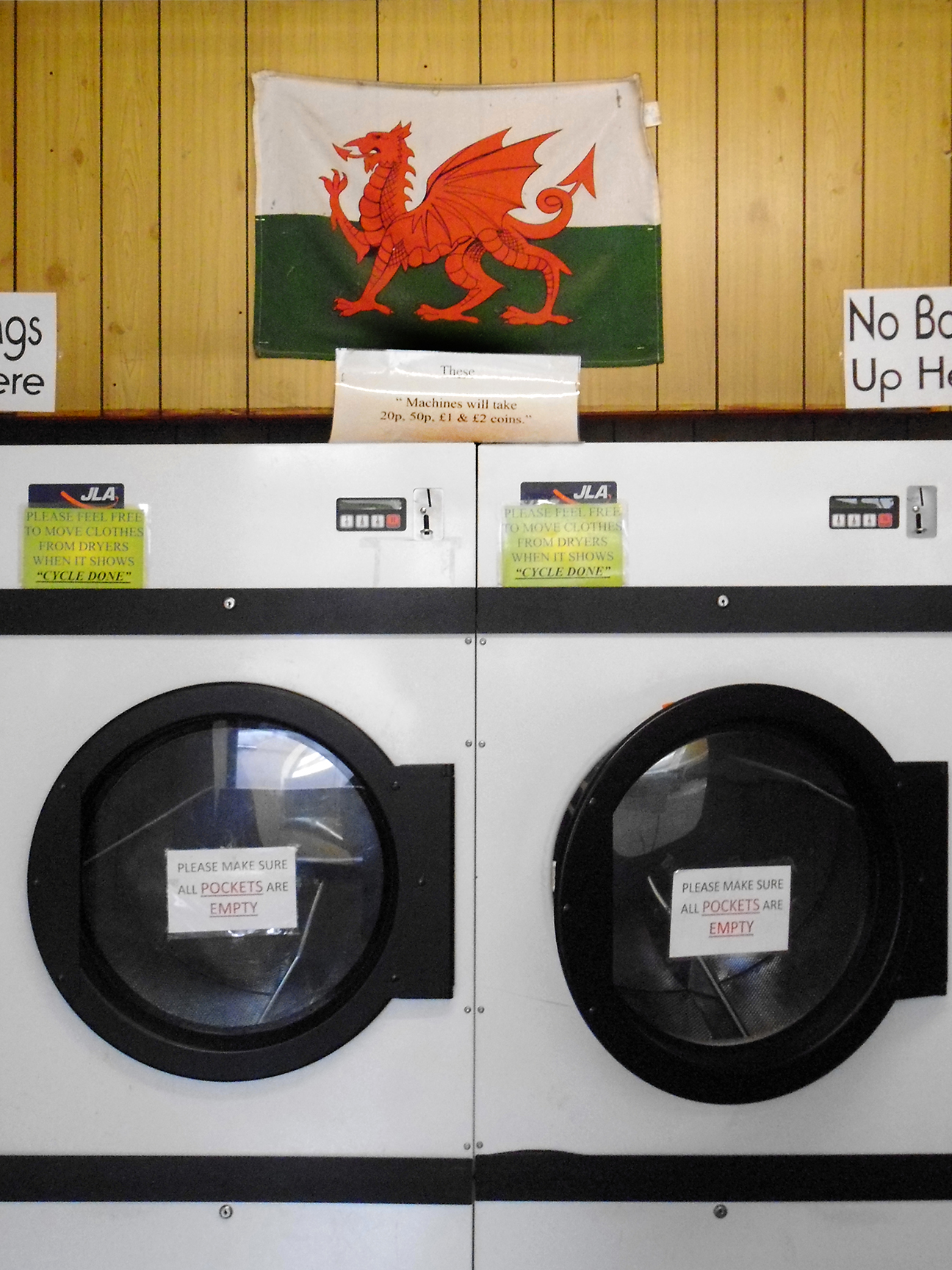
In the United Kingdom known as launderettes or laundrettes, and in the United States, Canada, Australia, New Zealand as laundromats or washeterias, and in Frimley too it would appear.
George Edward Penury created the word laundromat for Westinghouse.
According to NALI the National Association of the Launderette Industry, numbers peaked at 12,500 in the early 80s but have since dwindled to just 3,000.
The first UK launderette – alternative spelling: laundrette. was opened on May 9th 1949 in Queensway London.
Like many large Edwardian pubs The Pagefield is now closed, though of great social, architectural and historical importance, the economics of industrial decline and changing patterns of leisure almost always point to a change of use rather than reopening as a boozer. Though more commonly becoming a Tesco or Sainsbury’s, plans have been submitted for both conversion to flats and a possible Indian Restaurant, neither seem imminent.
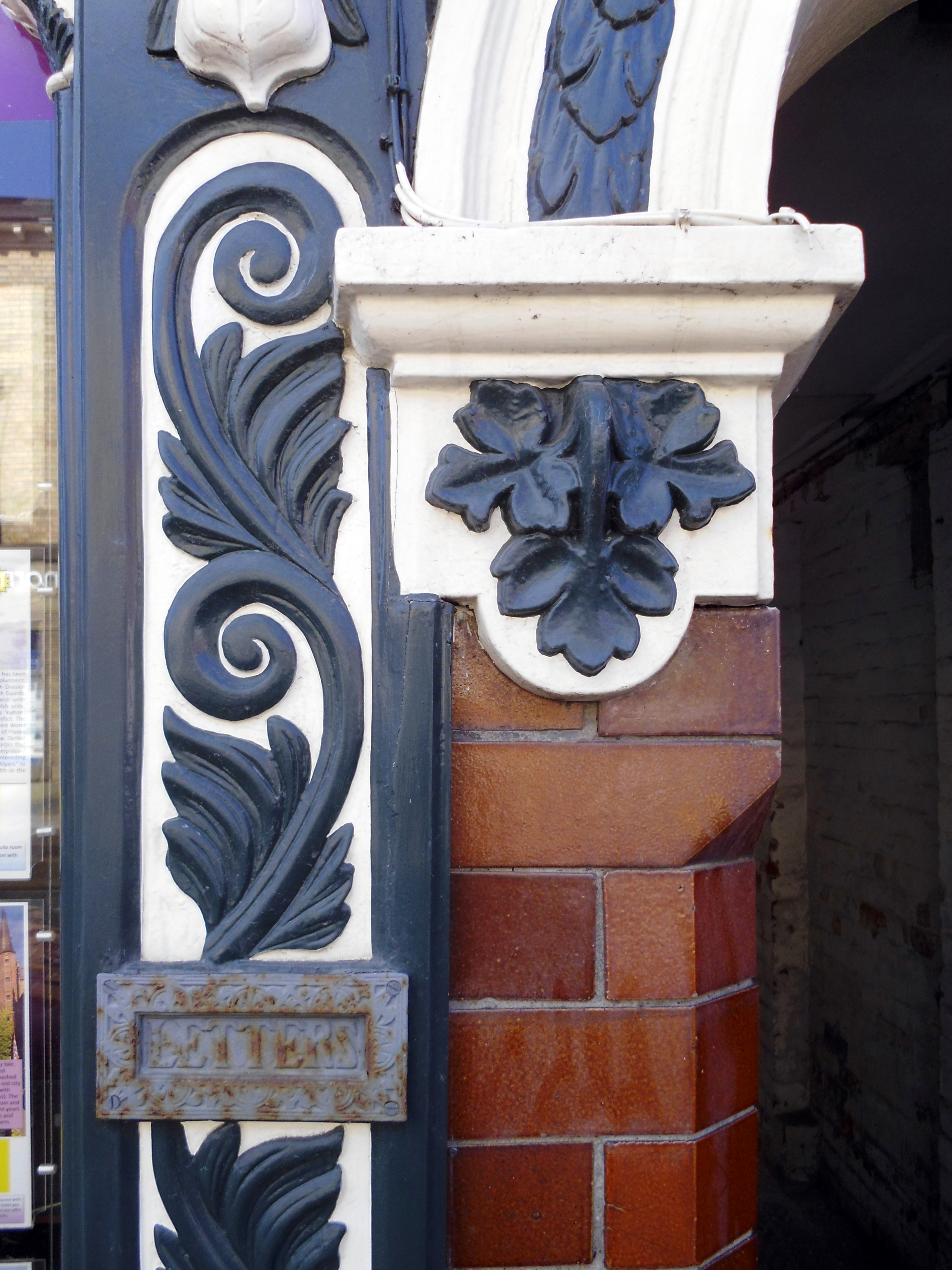
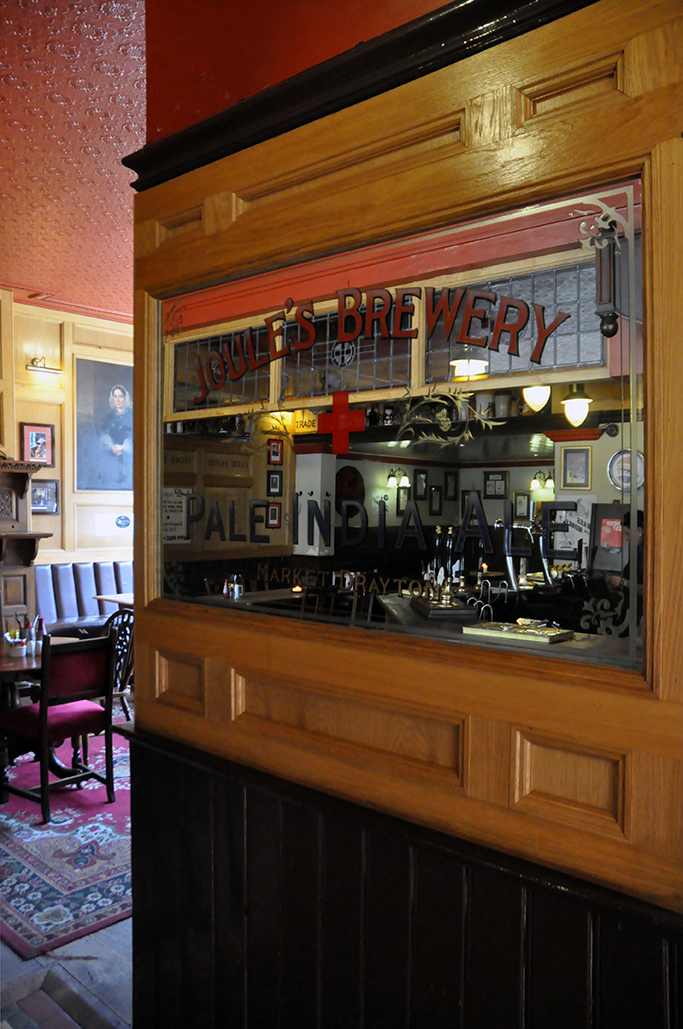
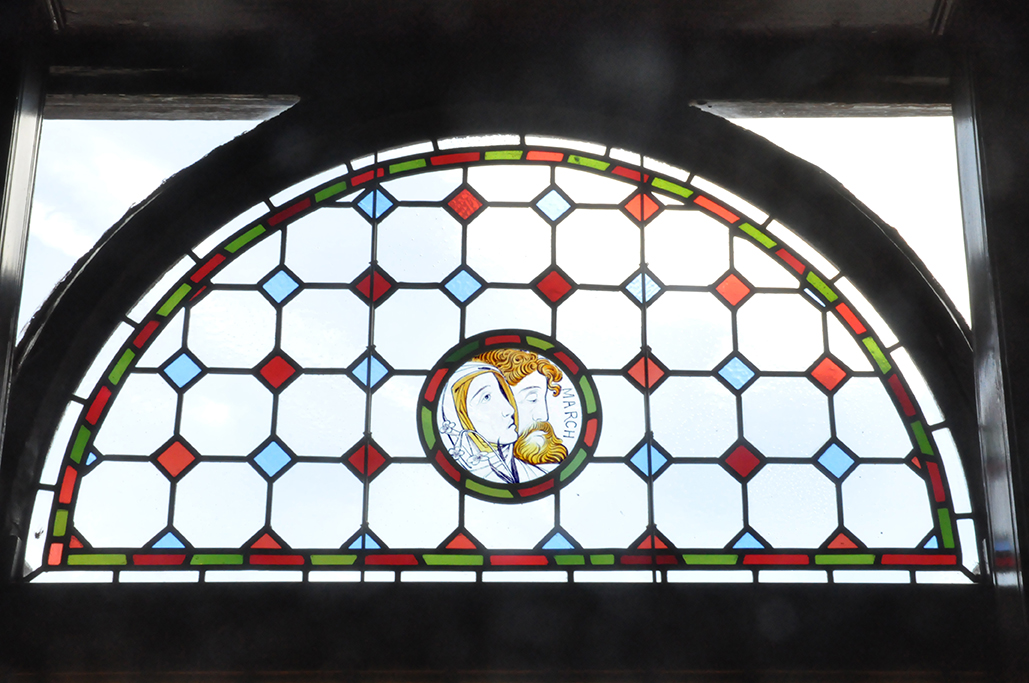
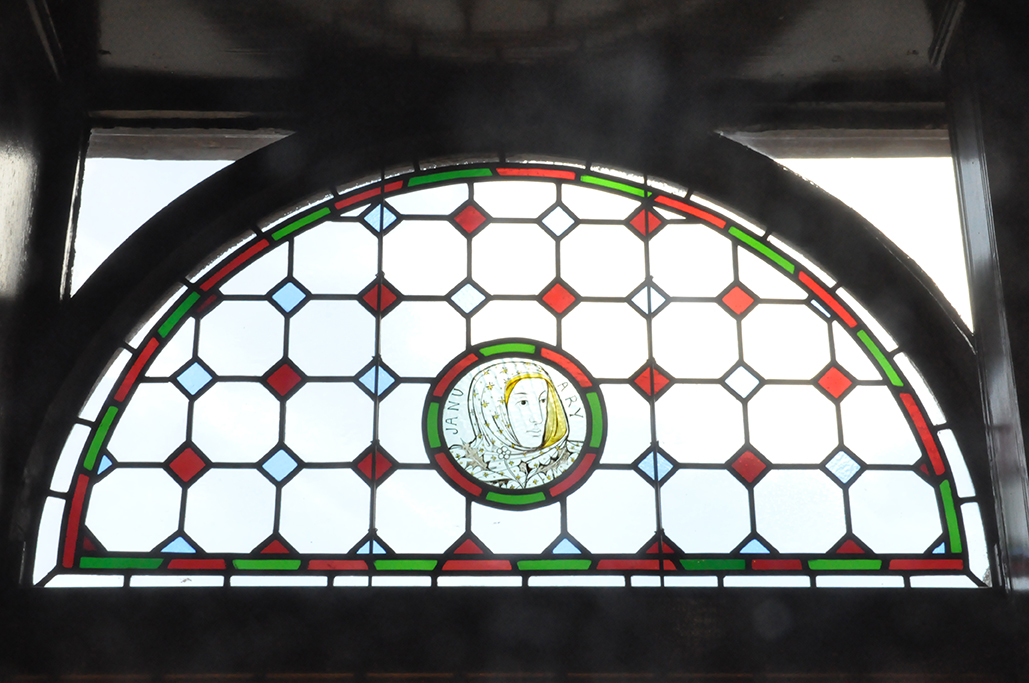
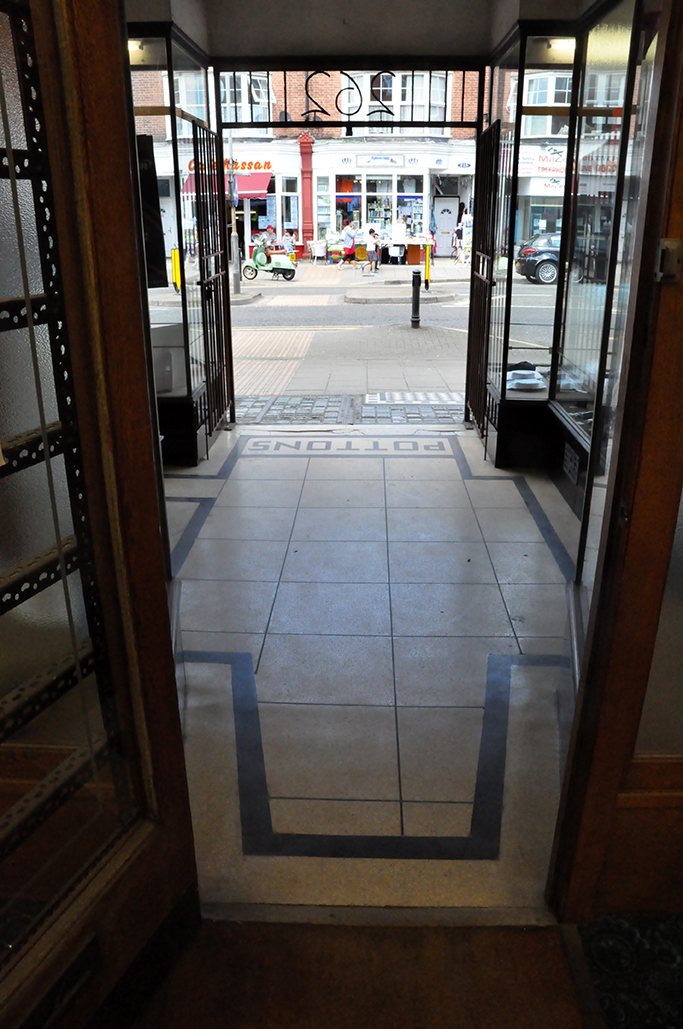
The building is blessed with etched and stained glass windows, a richness of architectural type, mosaic porch and a grandeur in scale and detailing. Once serving a high density of housing in the Springfield area, the mills that fuelled the economy of the area are now long gone, along with the wages that bounced over the bar.
It was named after the Pagefield iron rolling mills which were just down the road – thanks to Steven Buckley for the inside track, his great grandfathers worked at the mill.
Originally a Bolton based brewery Magee and Marshall owned the pub, passing to Greenall Whitley and then the usual succession of entrepreneurial pub companies.
“Magee Marshall & Company was a brewery that operated from the Crown Brewery in Bolton. It was founded by David Magee, a brewer and spirit merchant in 1853. He moved from the Good Samaritan Brewhouse to the Crown Hotel in the 1860s and built the Crown Brewery in Derby Street next to the hotel. After his death he was succeeded by his sons, who acquired David Marshall’s Grapes Brewery and the Horseshoe Brewery. The company was registered as Magee Marshall & Company Ltd. in 1888. The company acquired Henry Robinson’s Brewery in Wigan and Halliwell’s Alexandra Brewery. In 1959 it was acquired by Greenall and Whitley and closed in 1970.
The brewery, built around 1900, was in the “traditional brewery style” with a five-storey section for gravity processing and an ornamental tower. Up to the 1950s the company transported water, high in dissolved calcium carbonate content, in tankers by rail from Burton on Trent for the brewing process.”