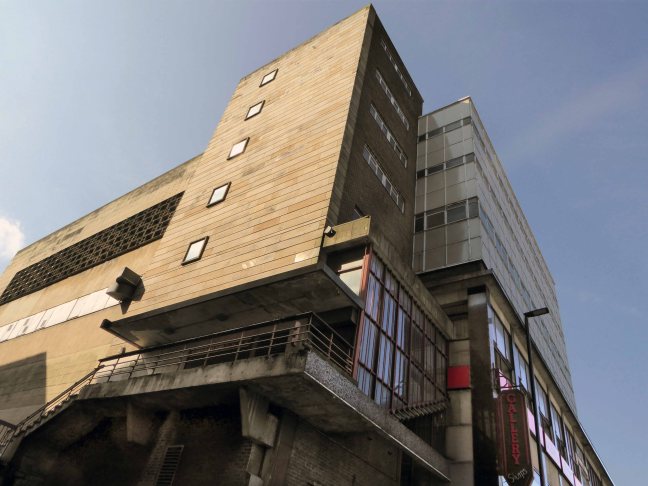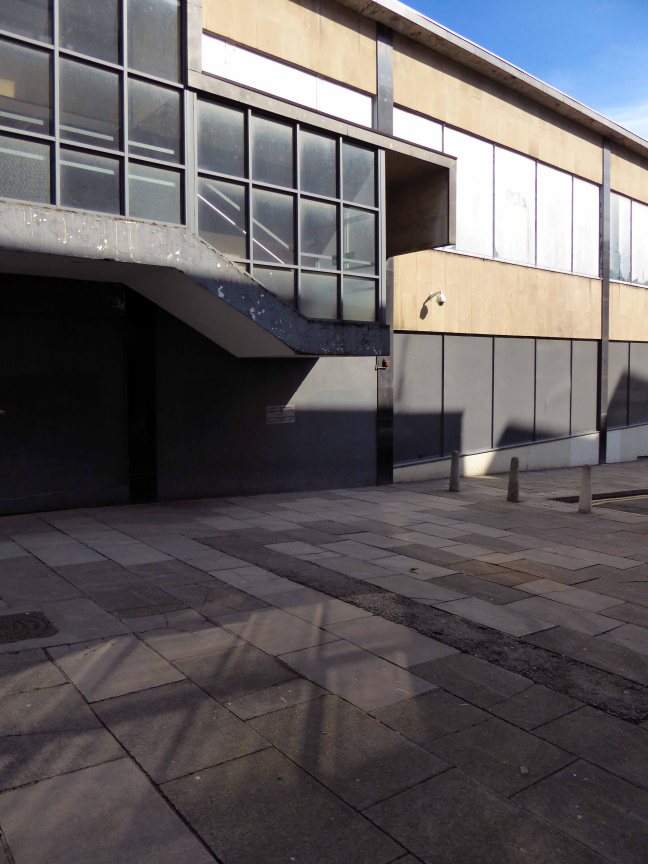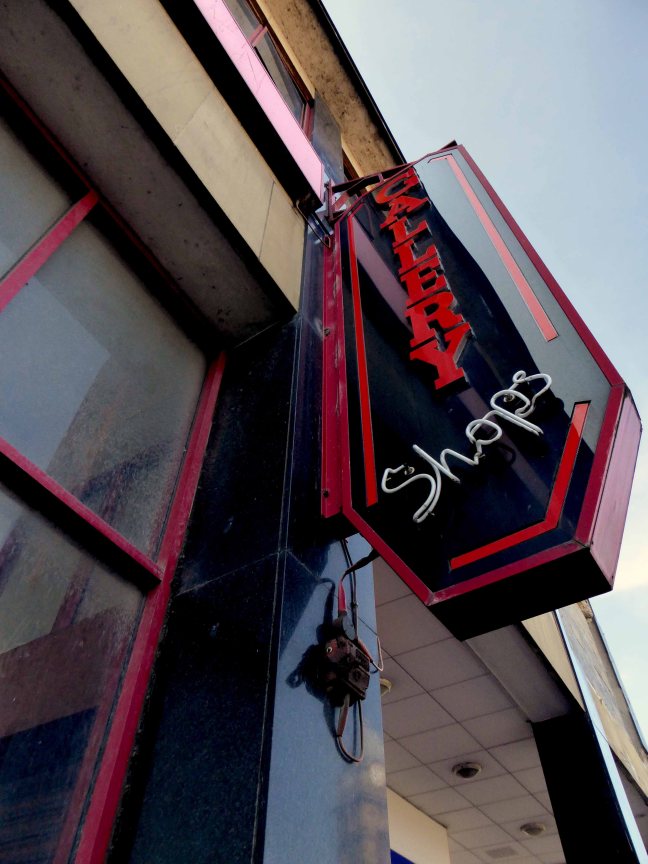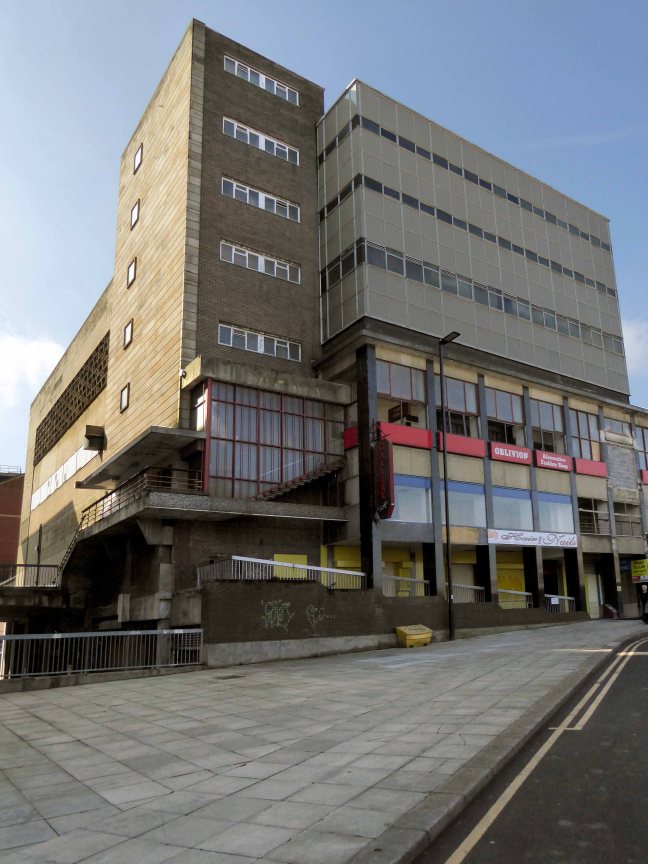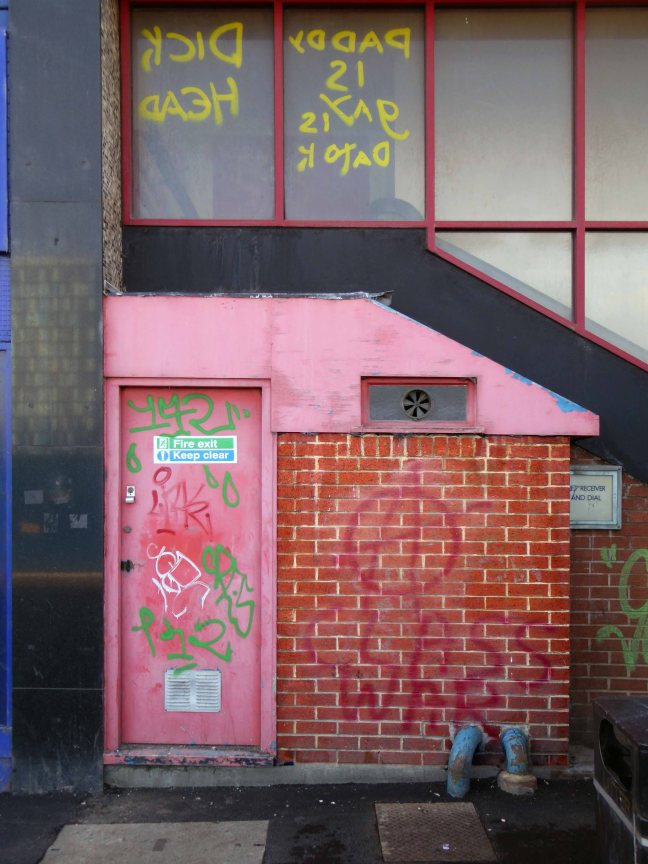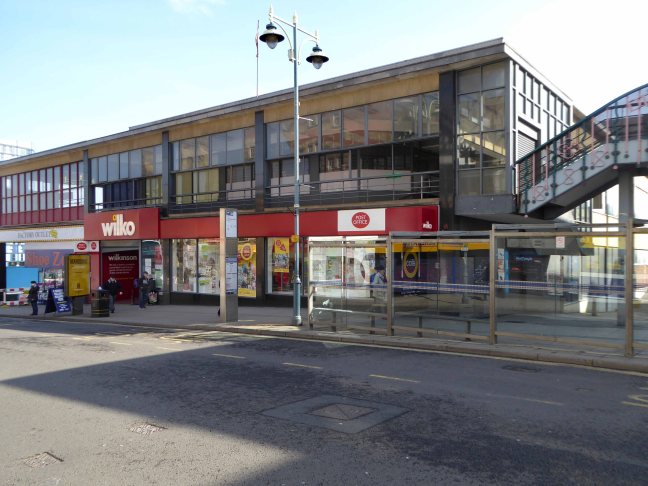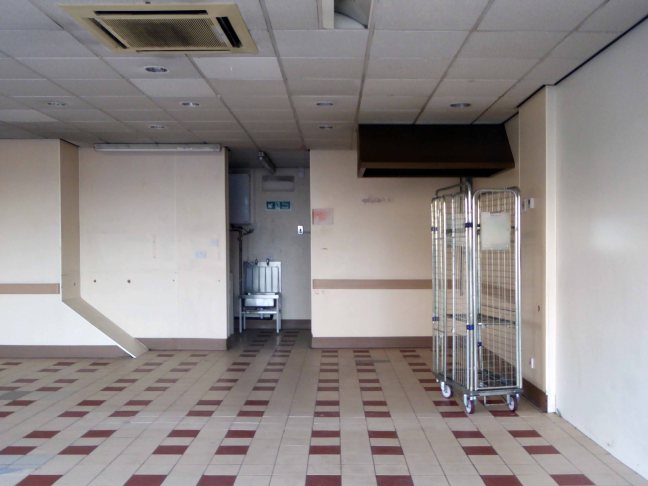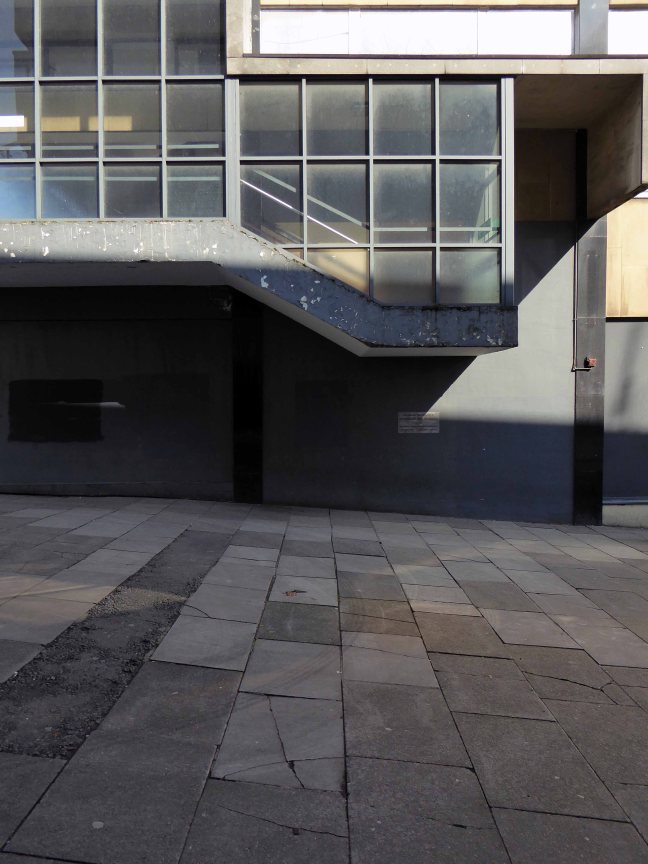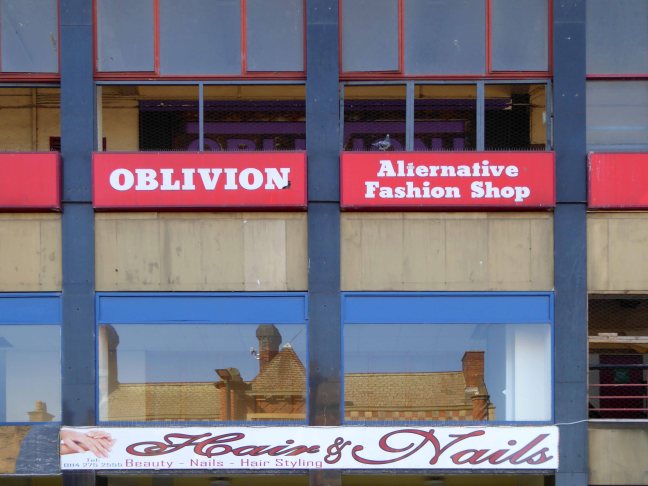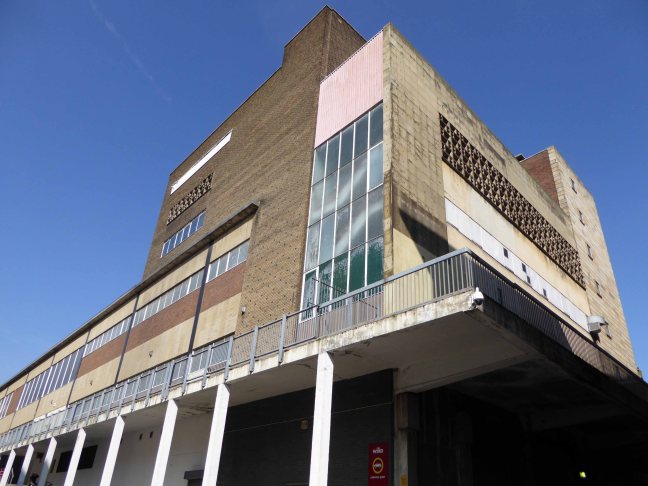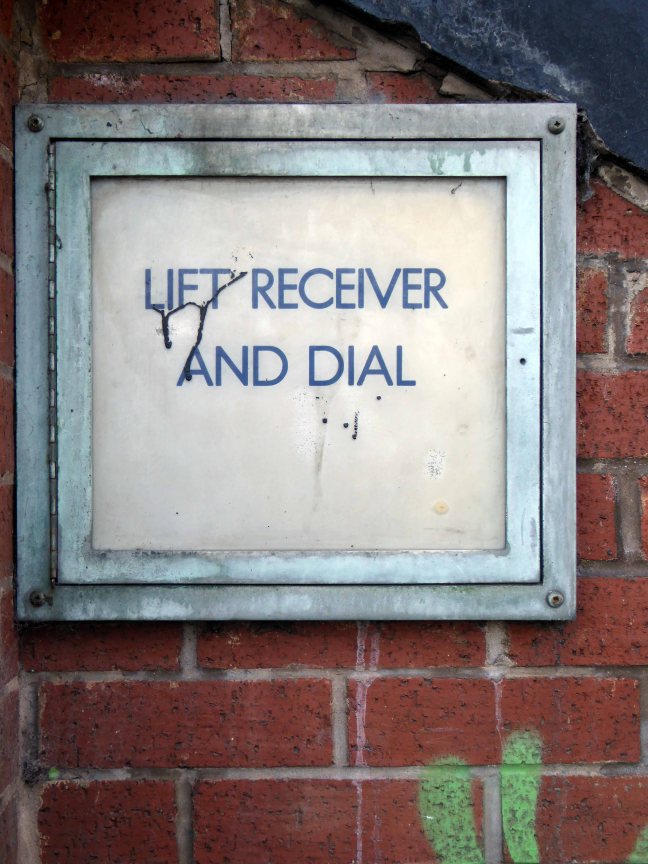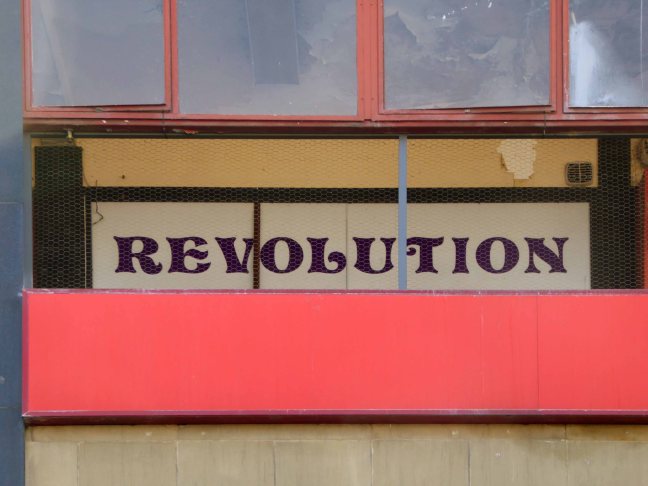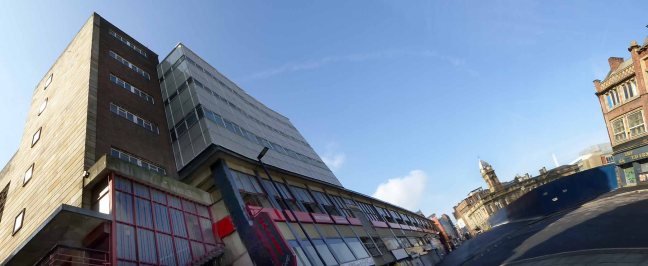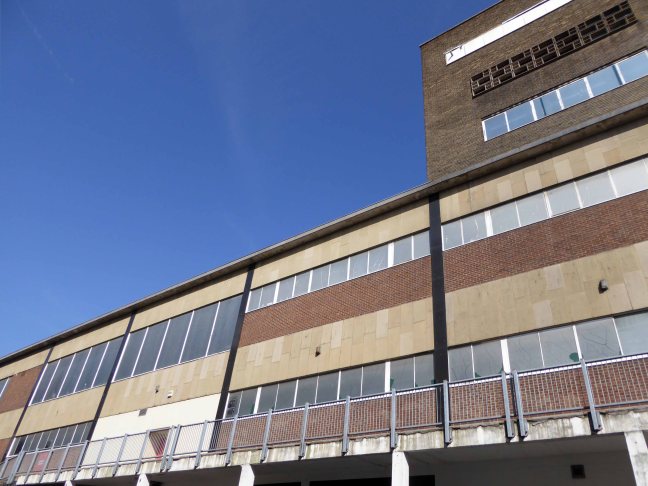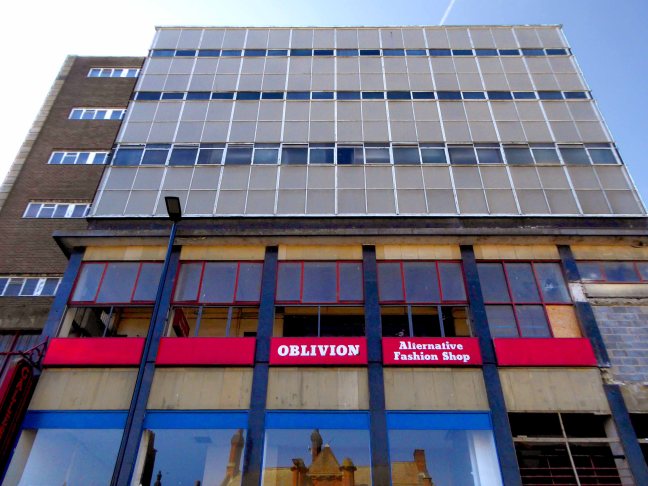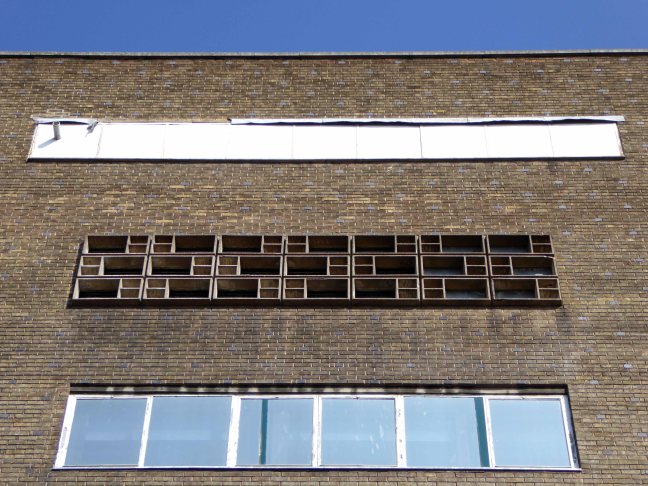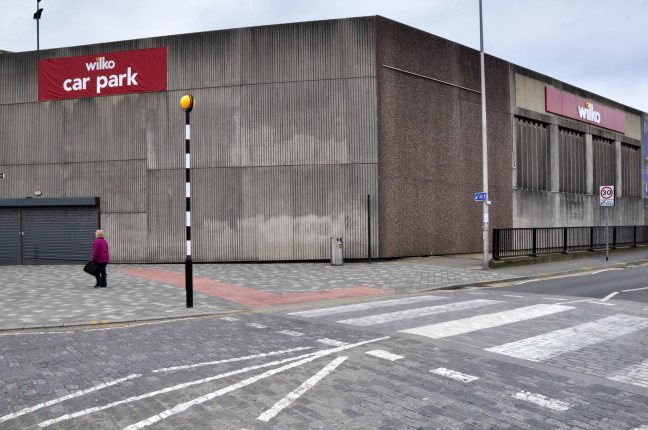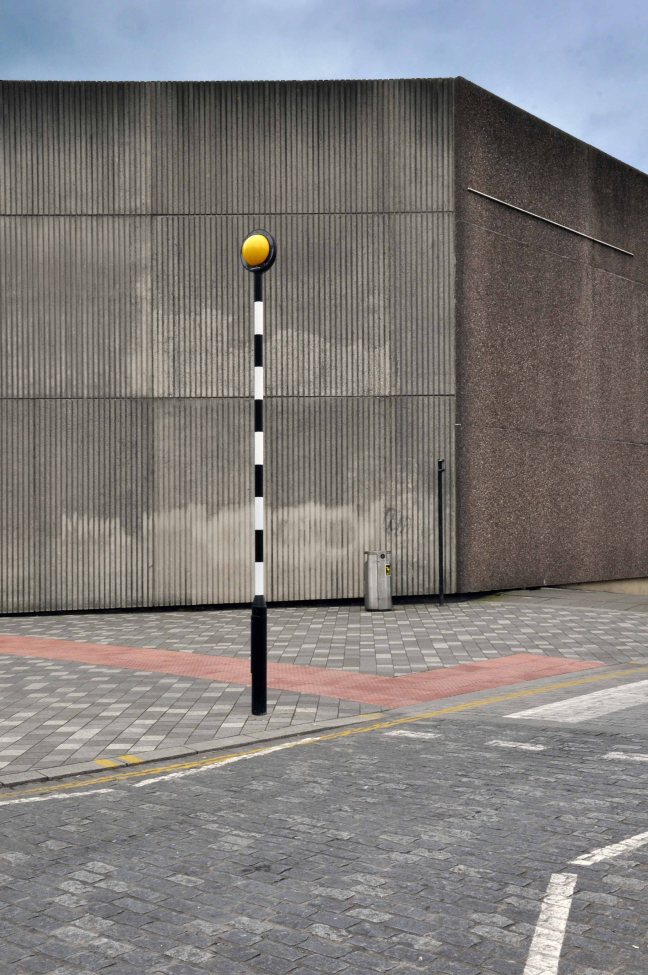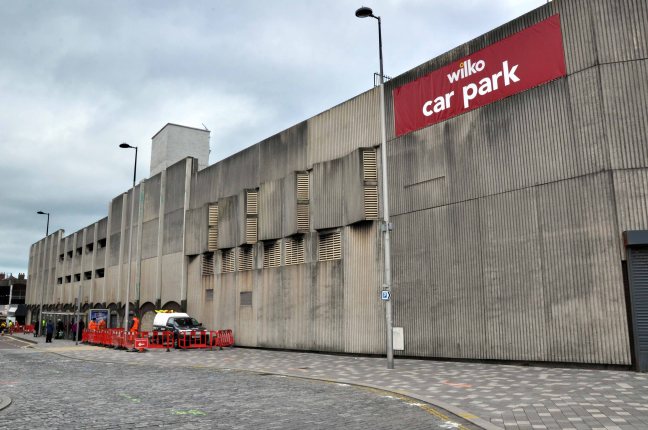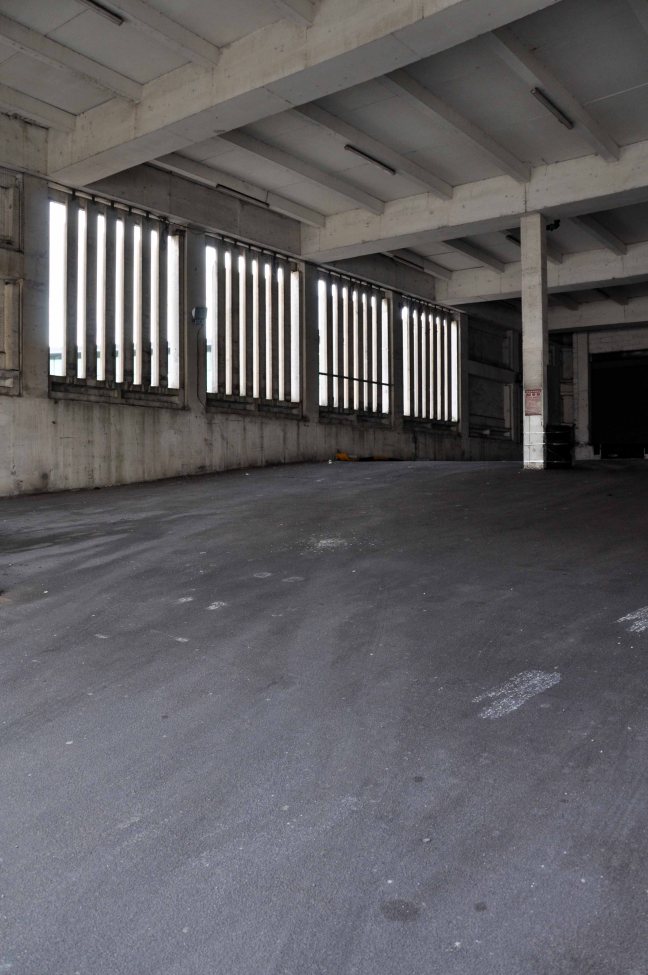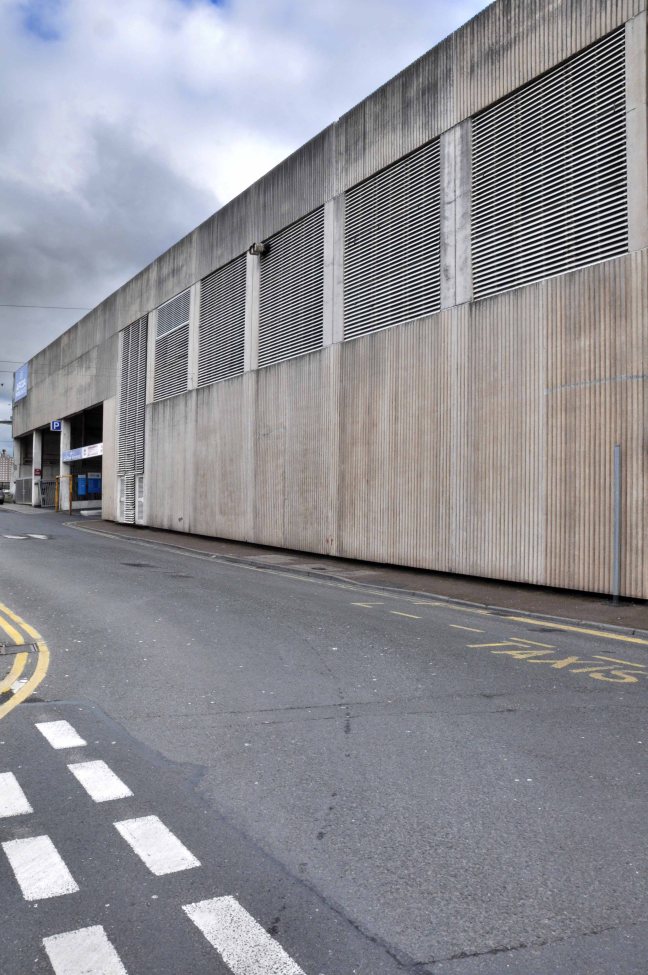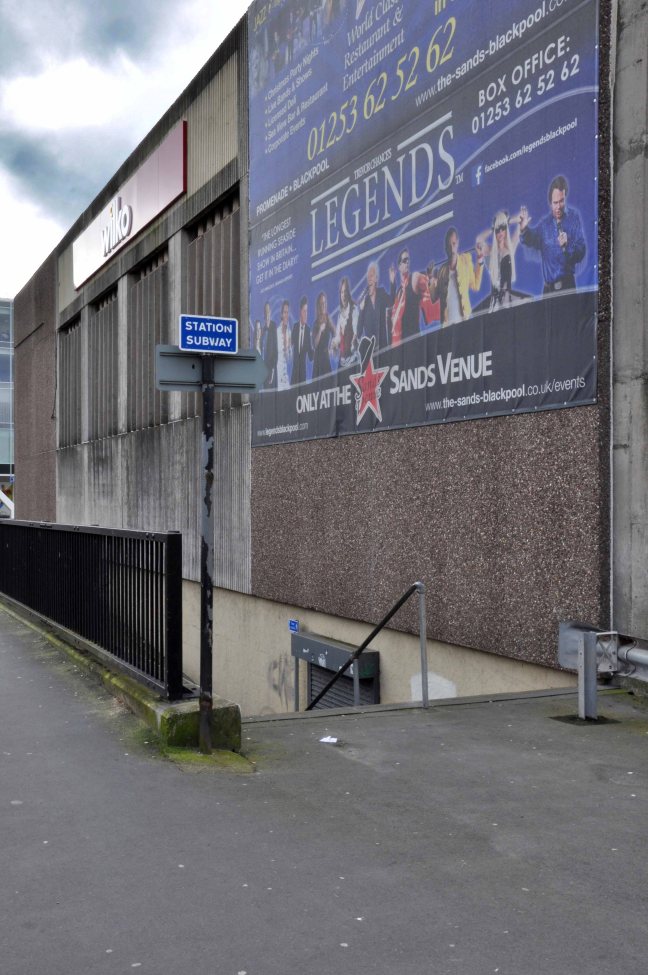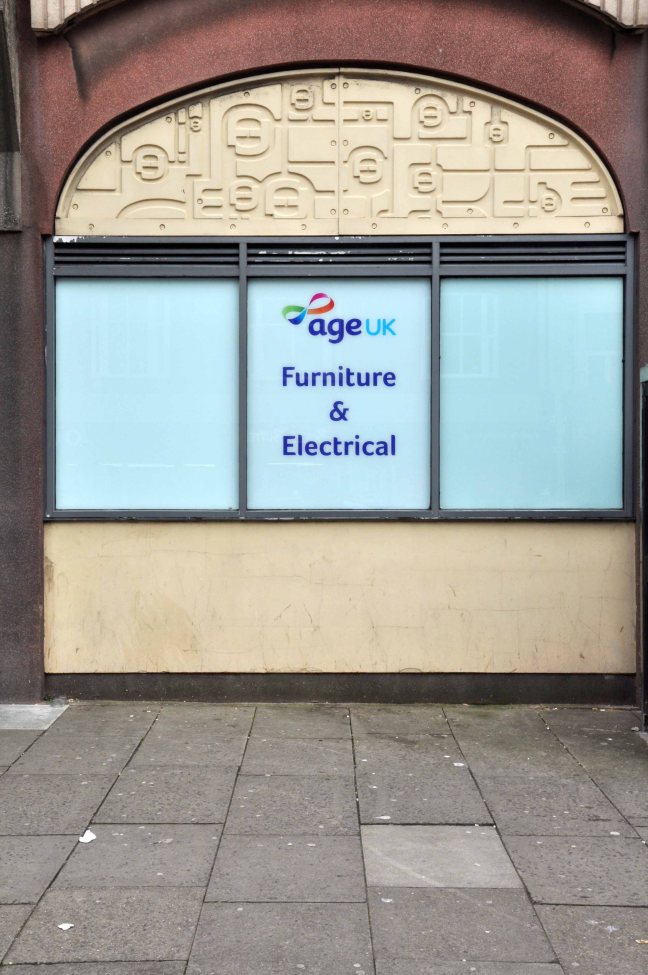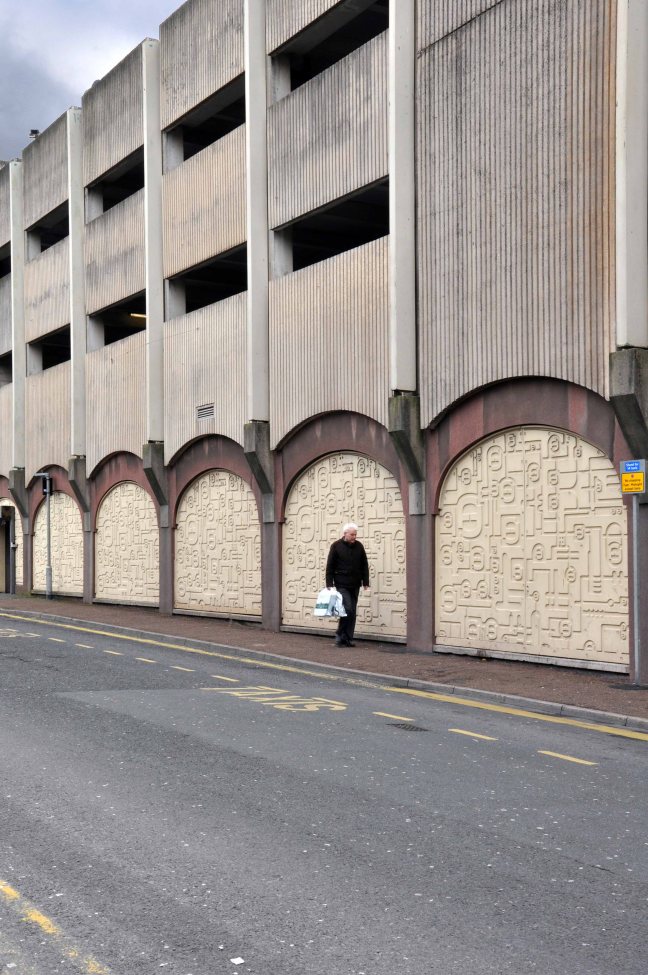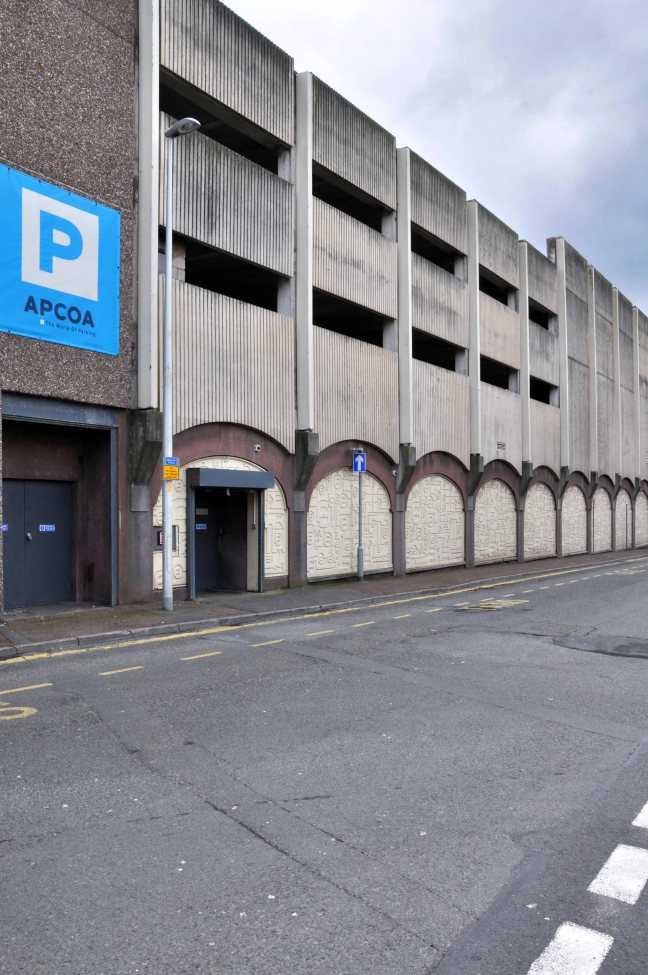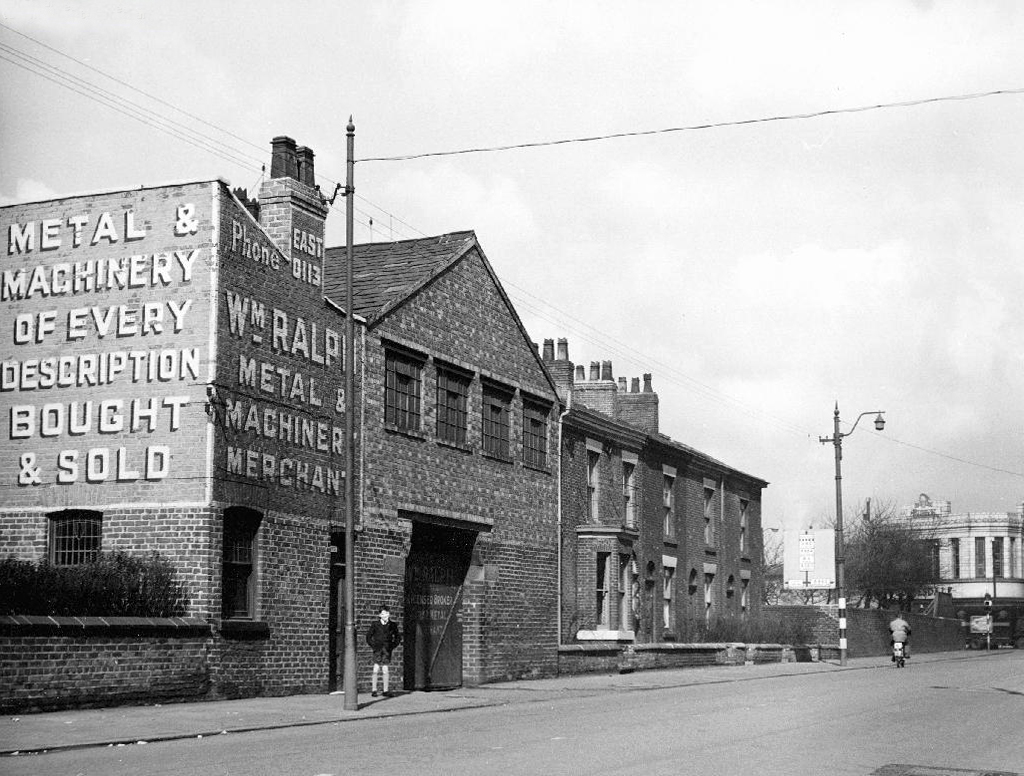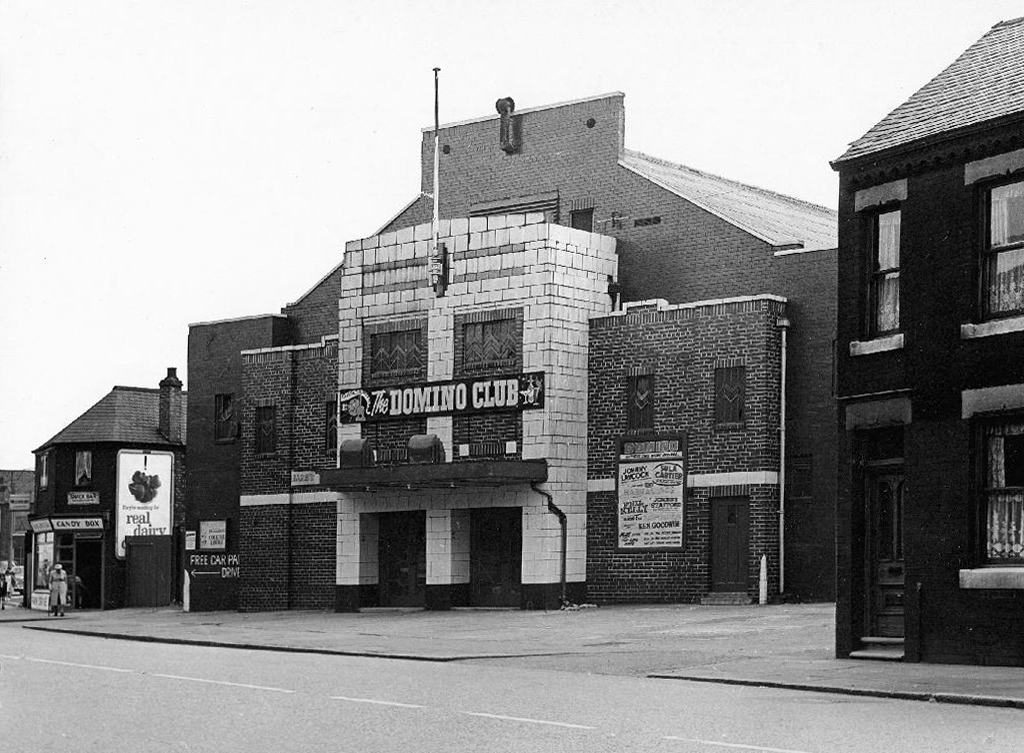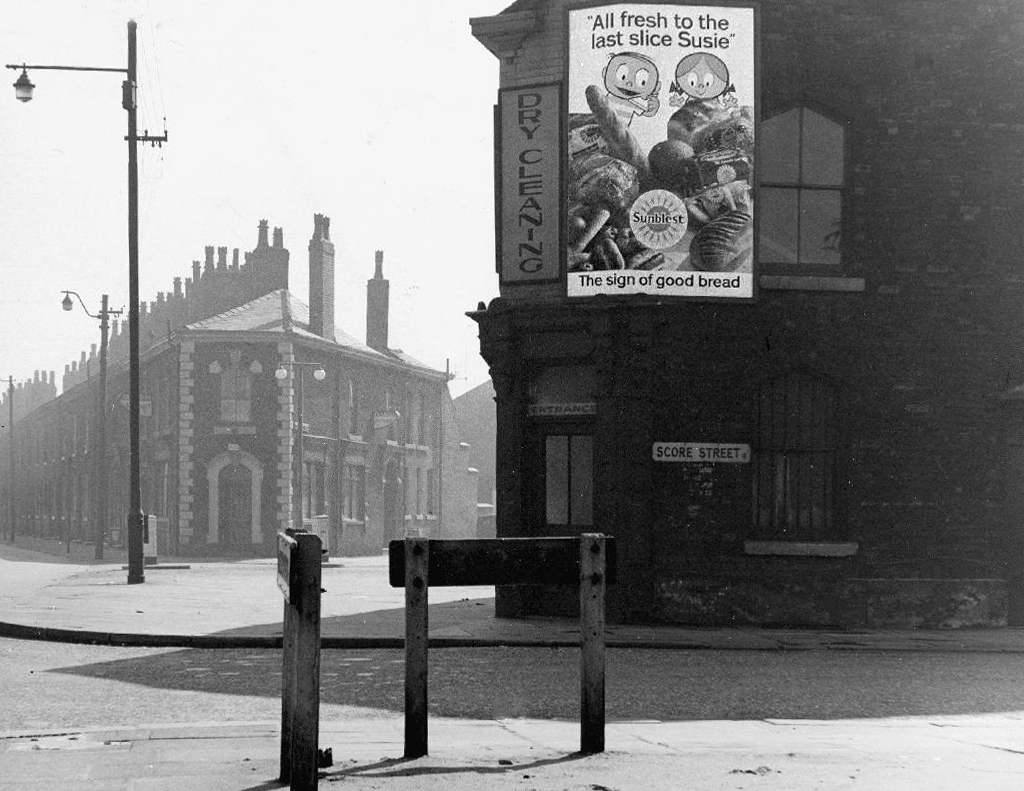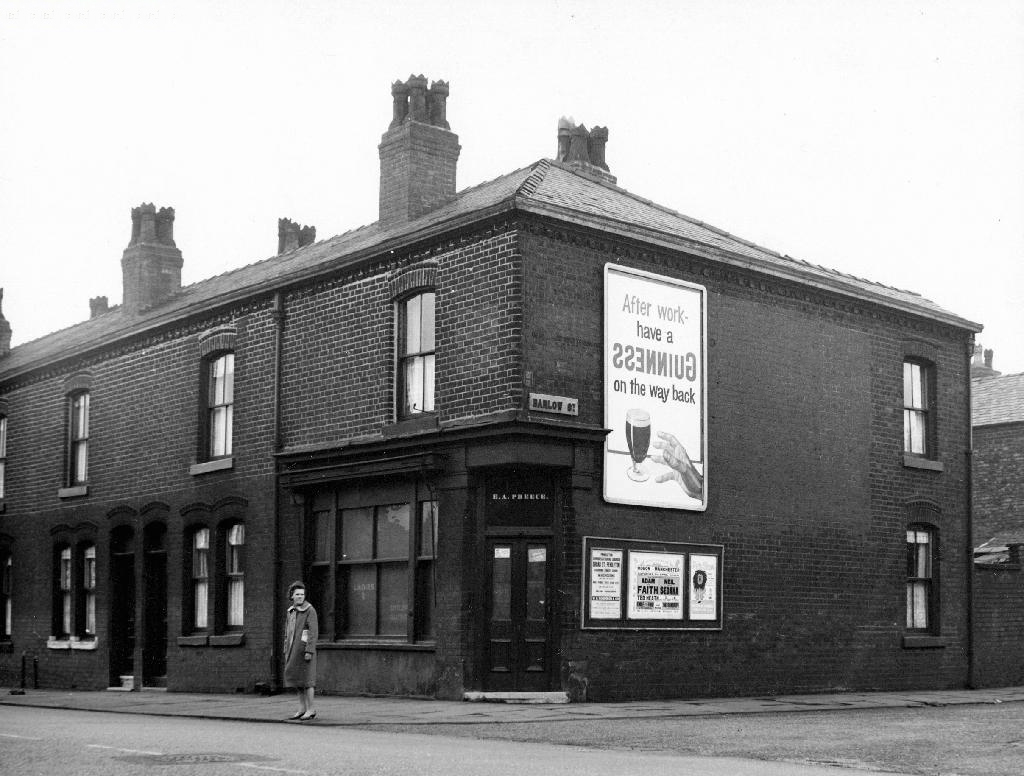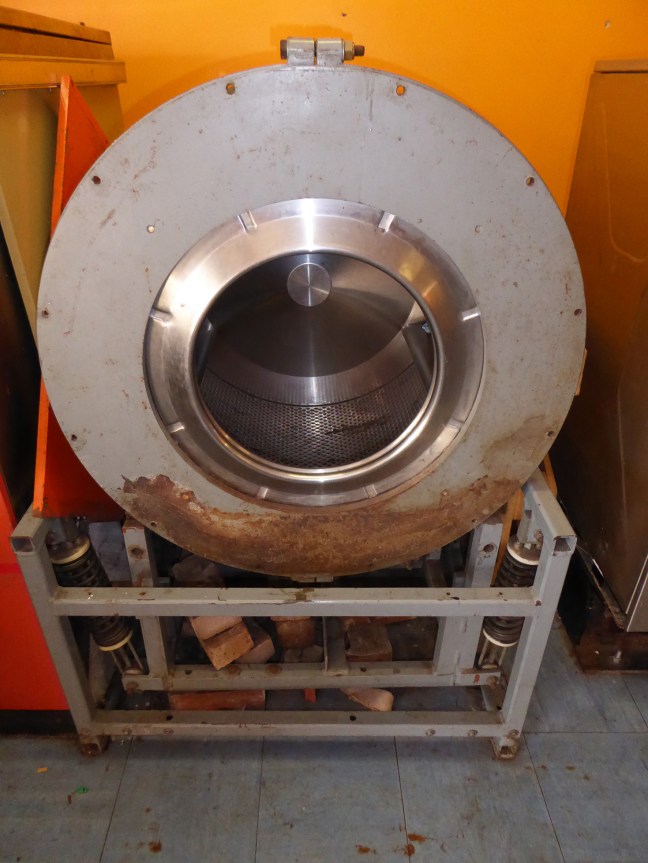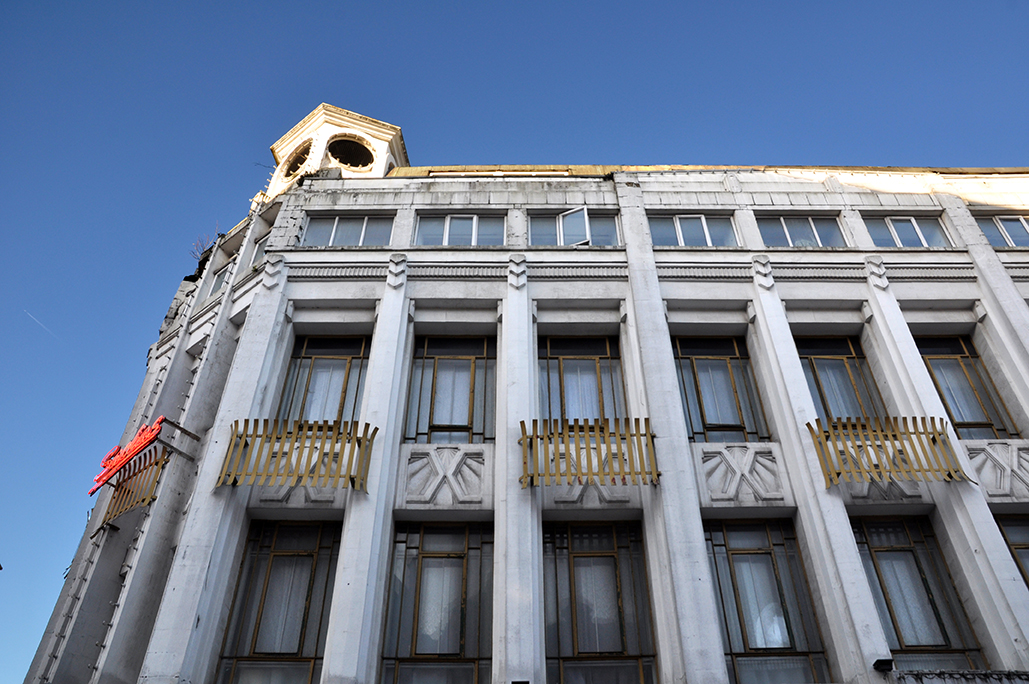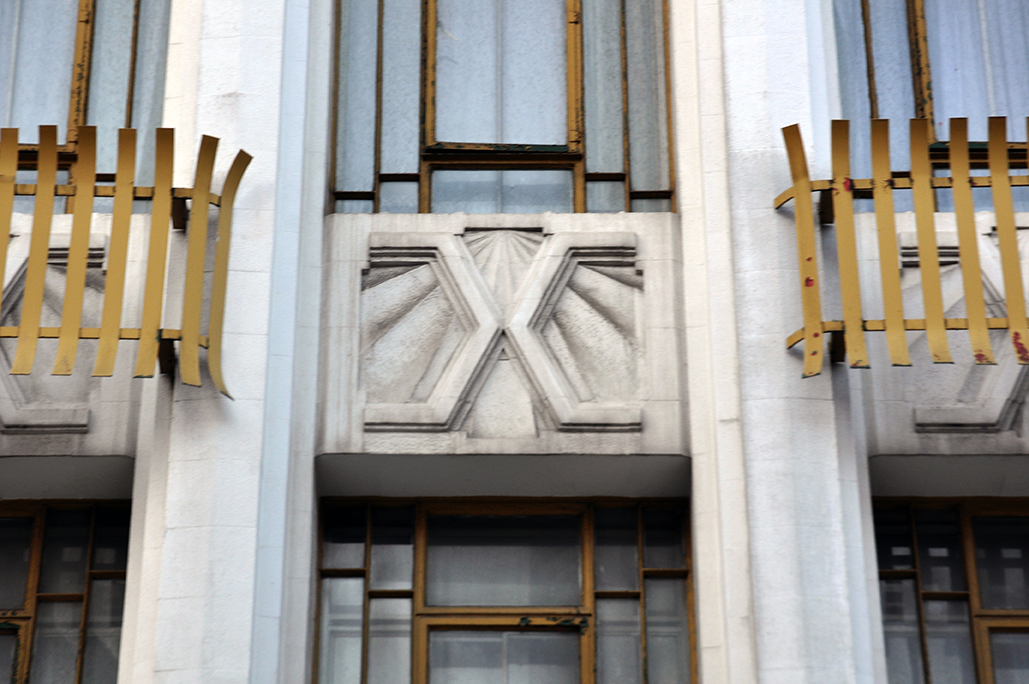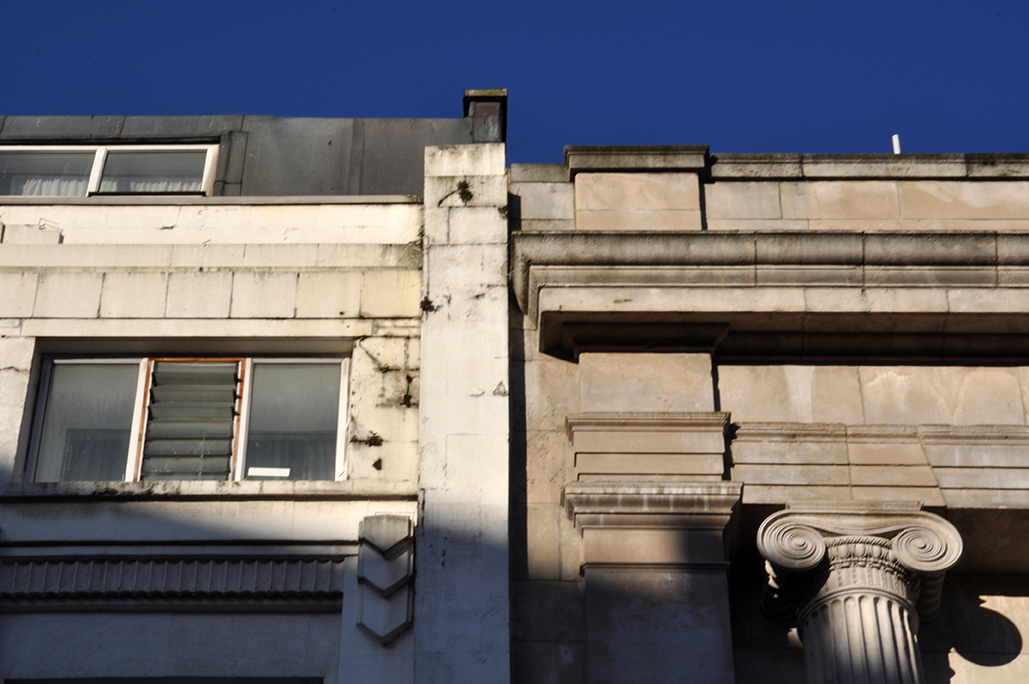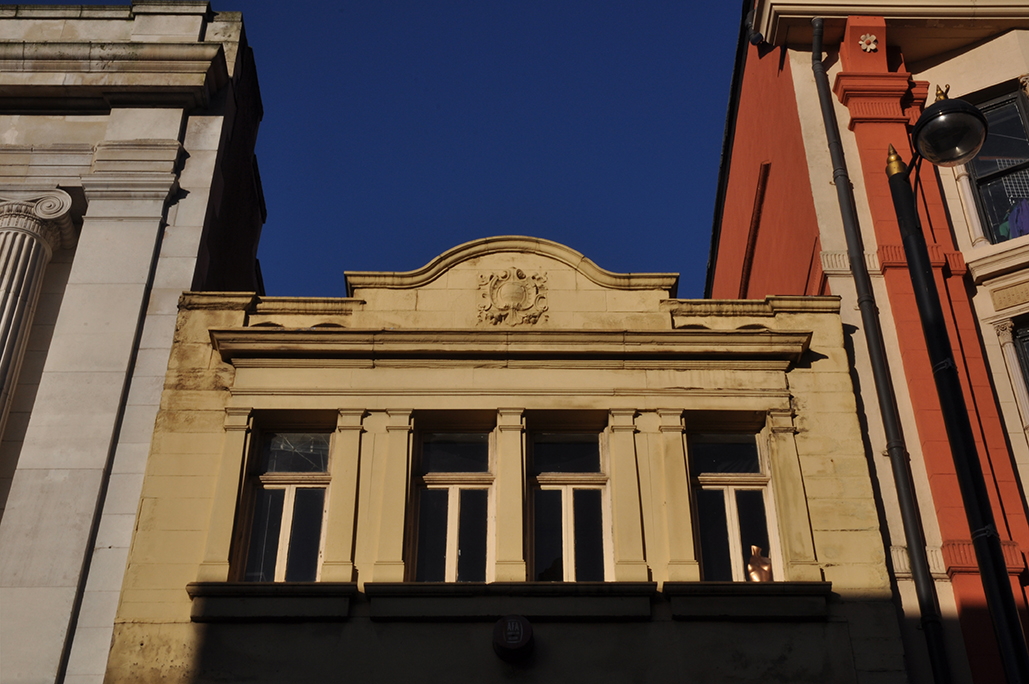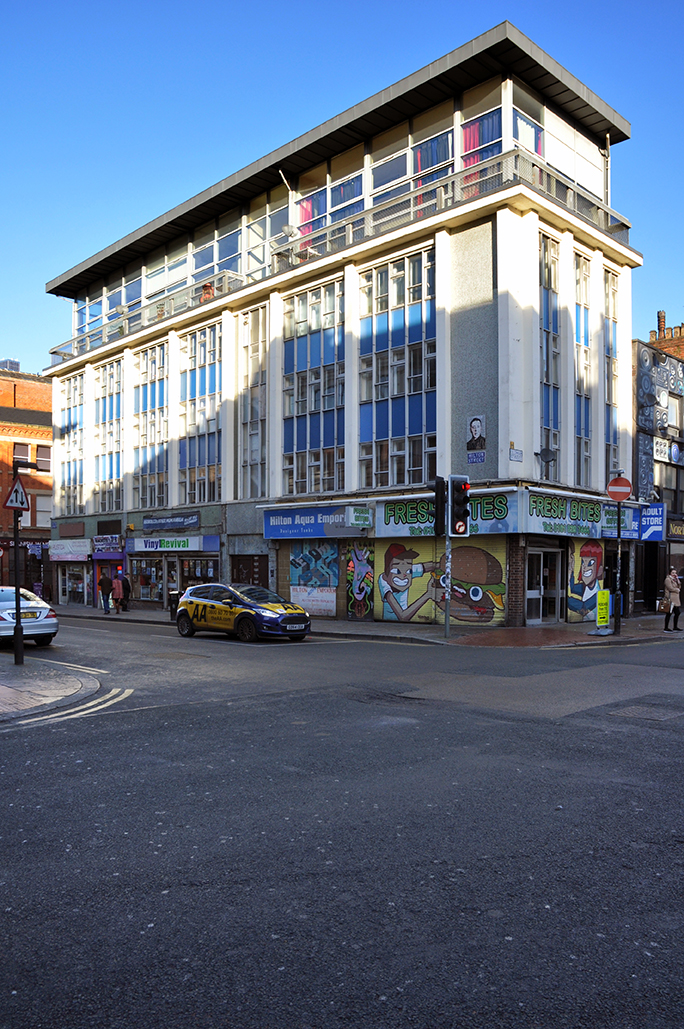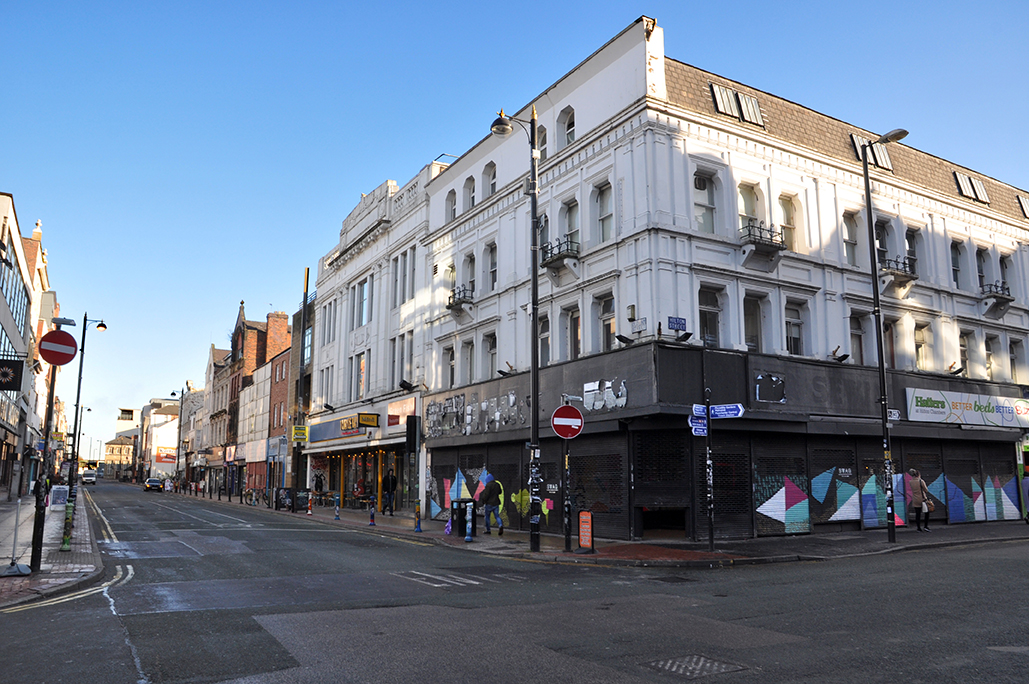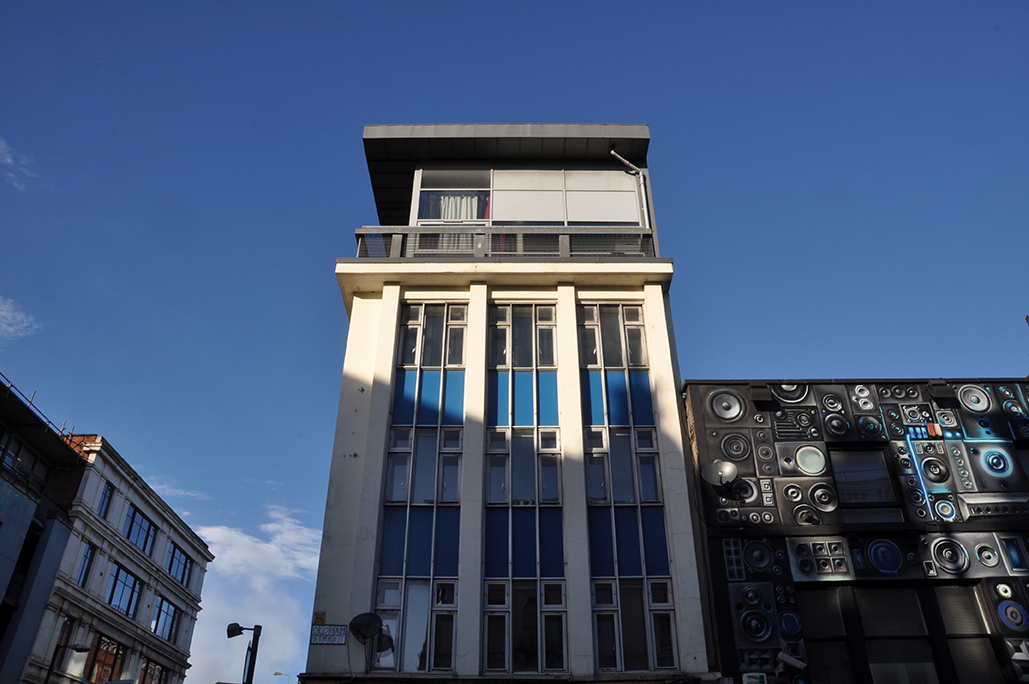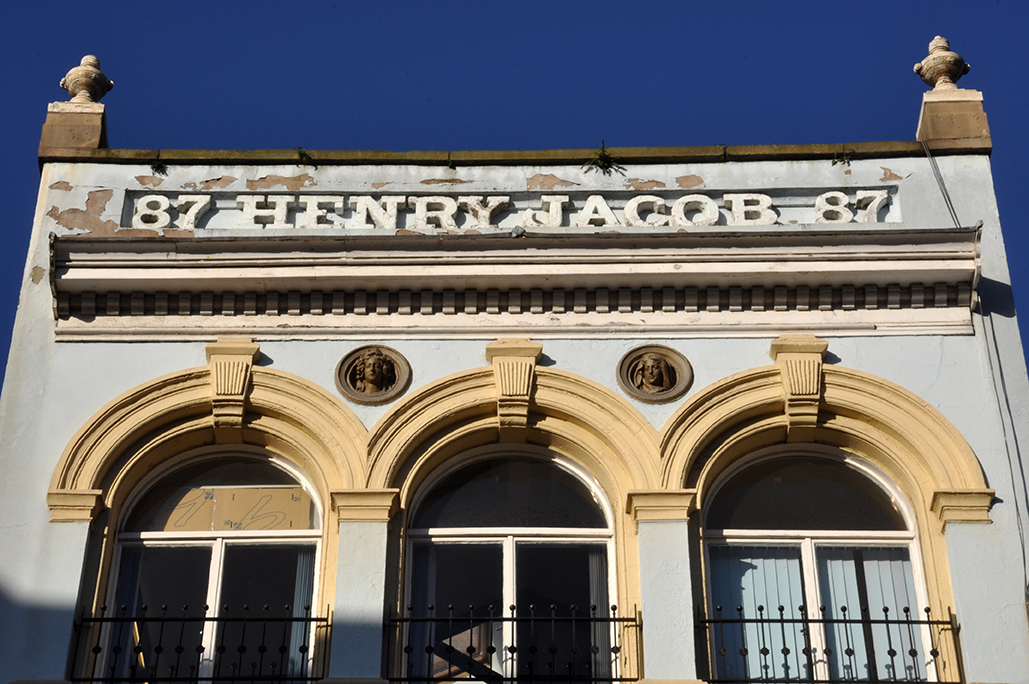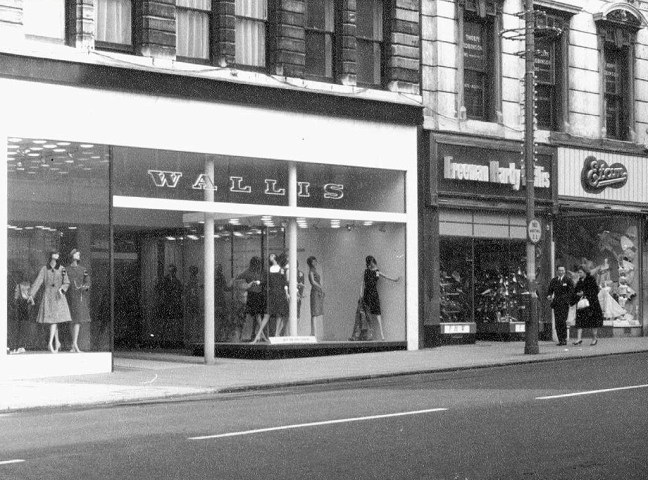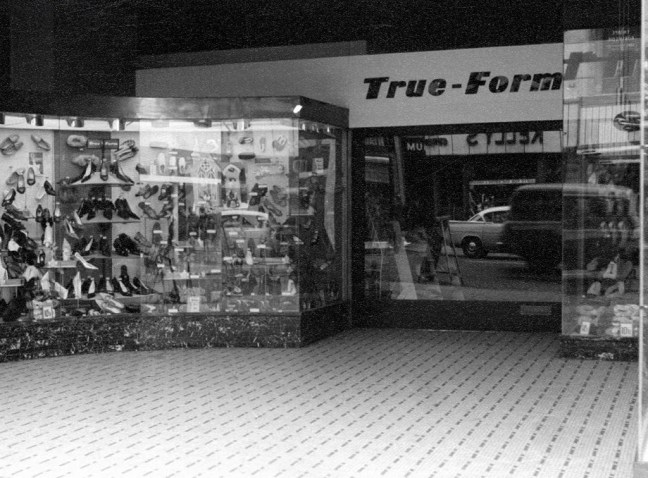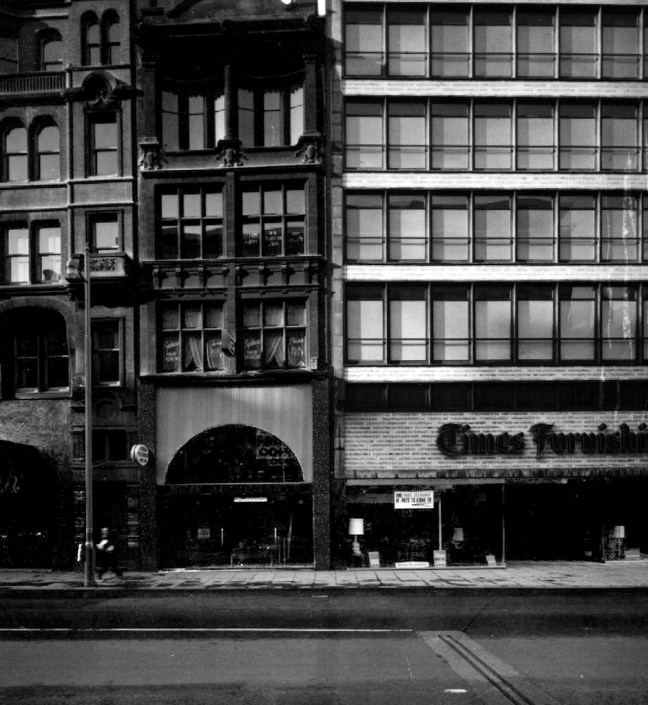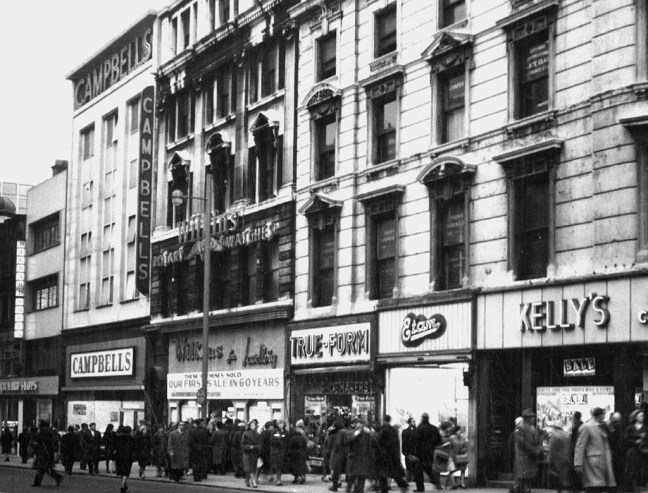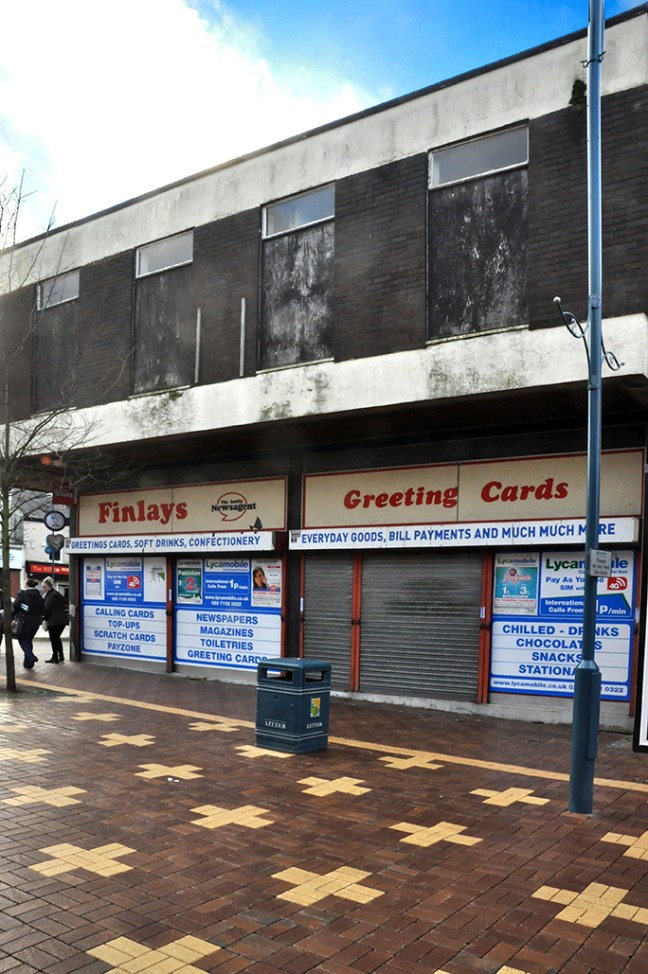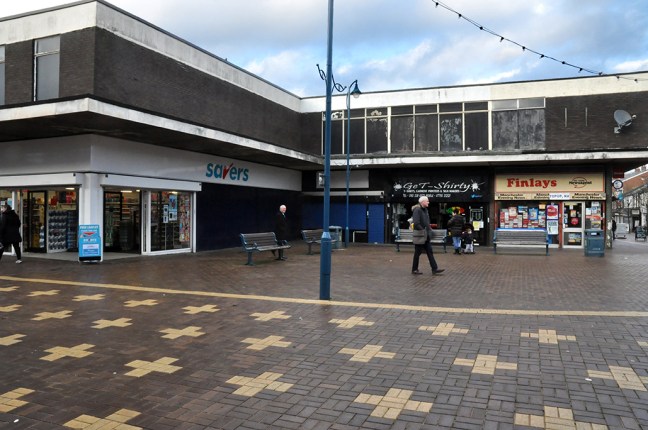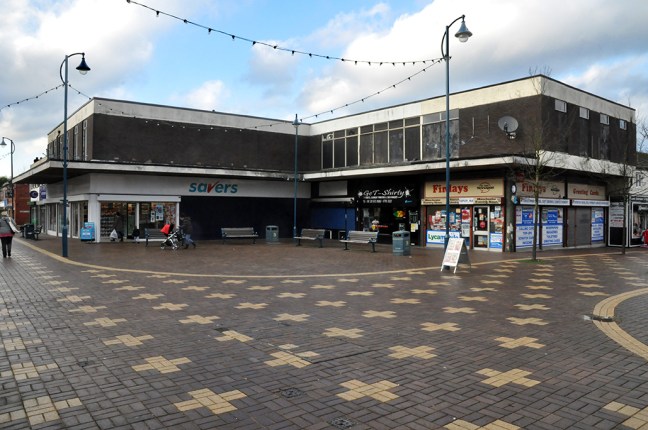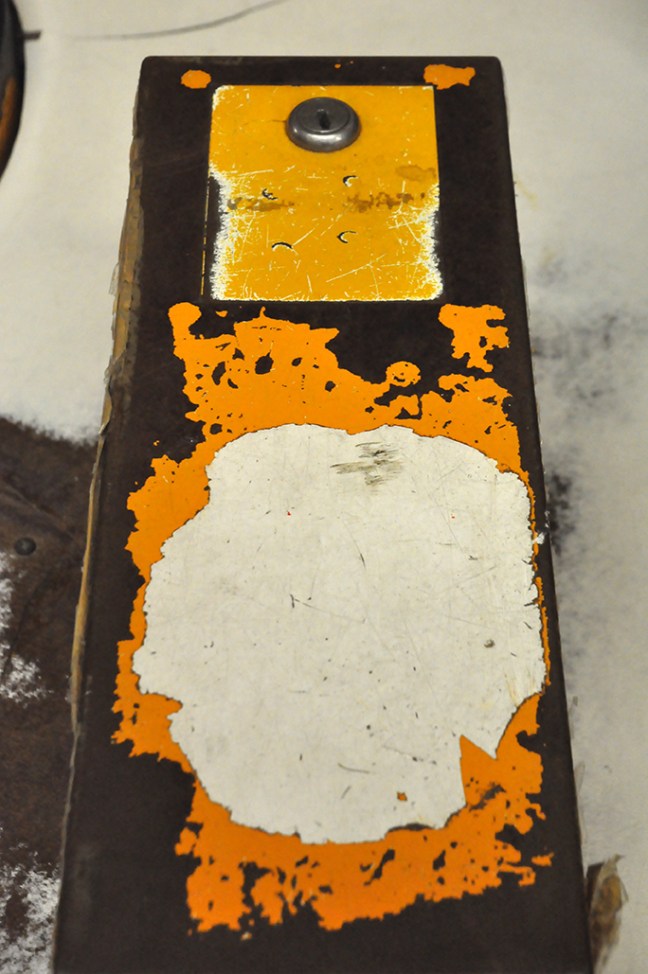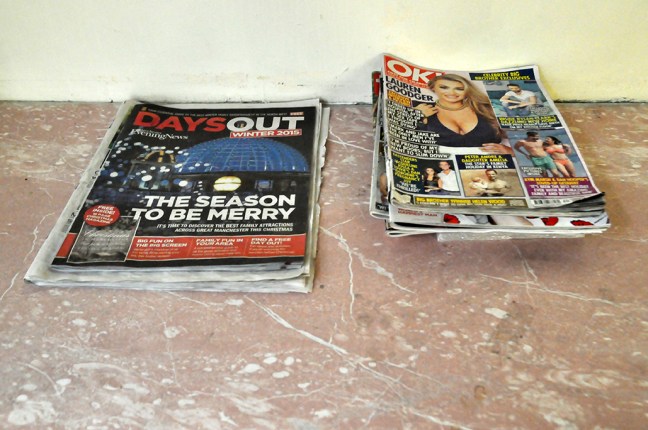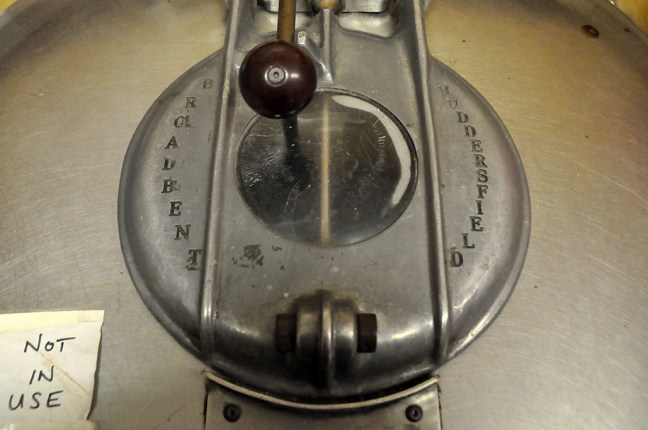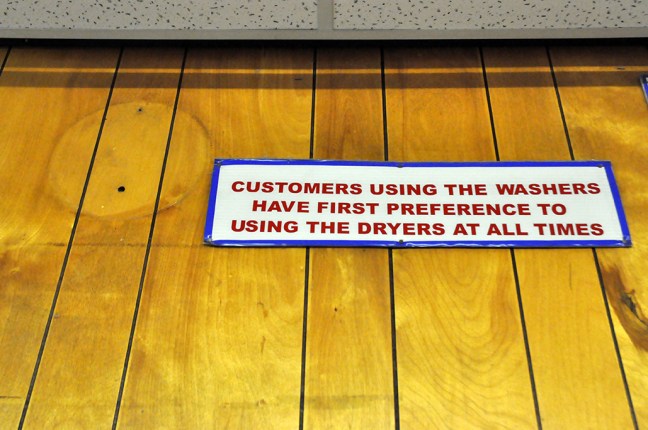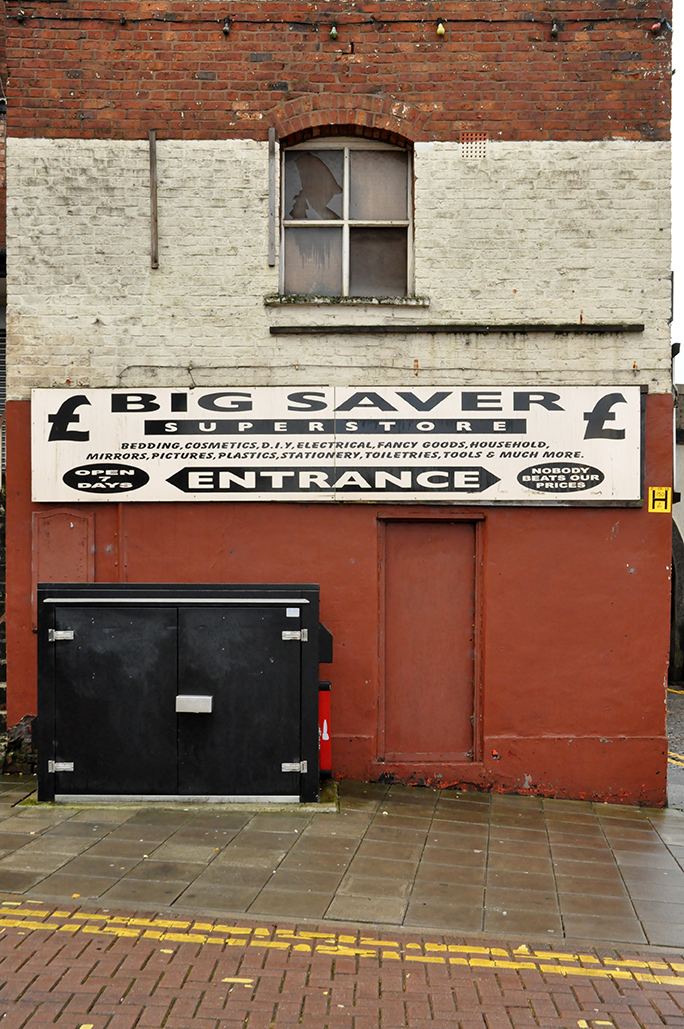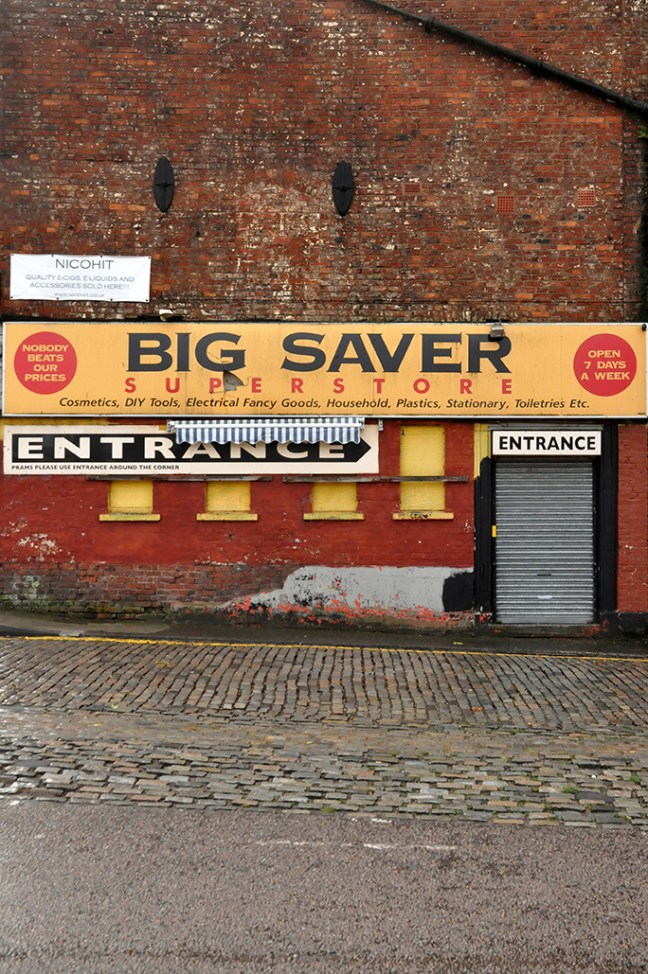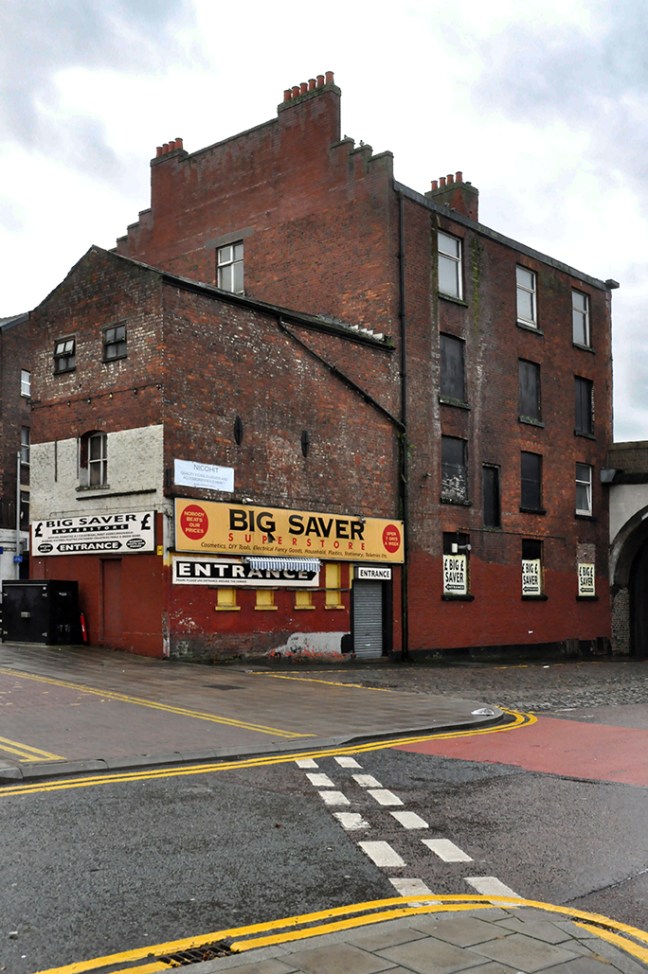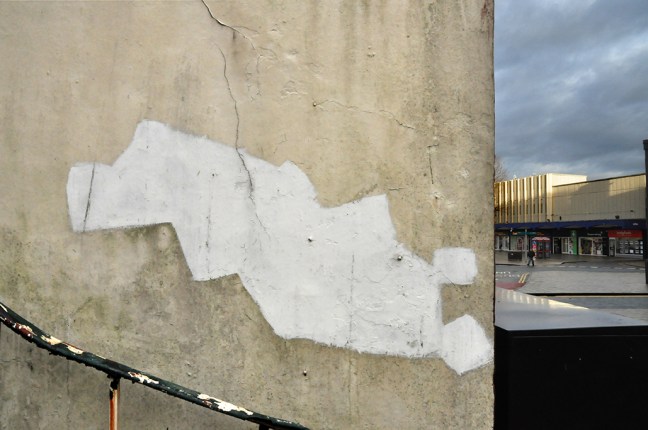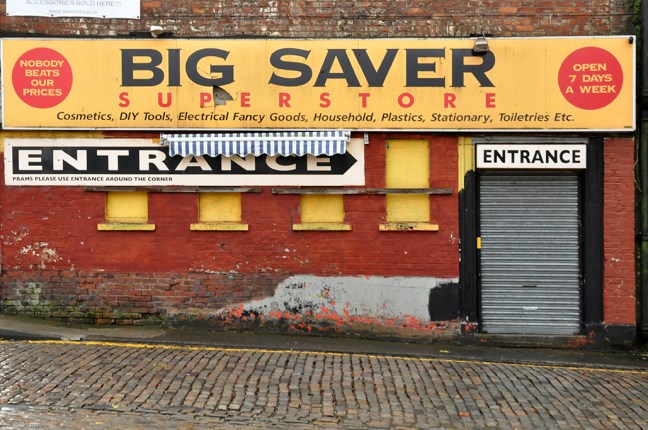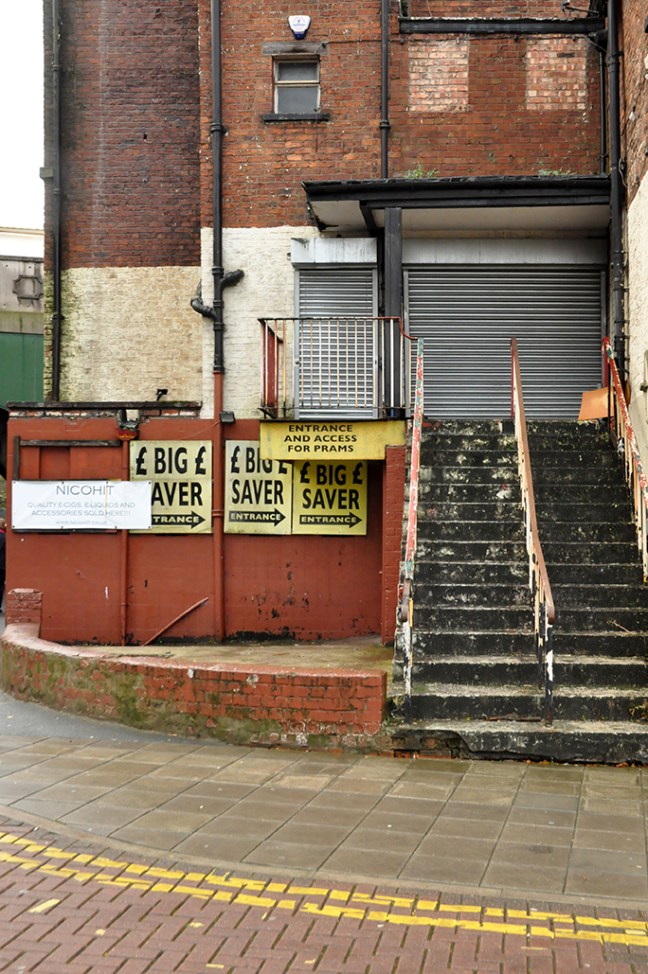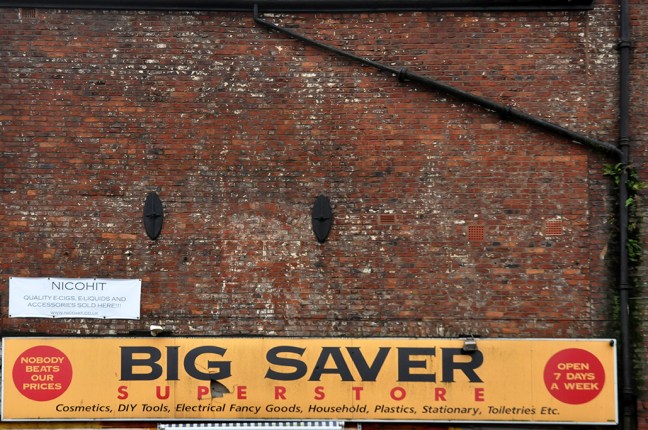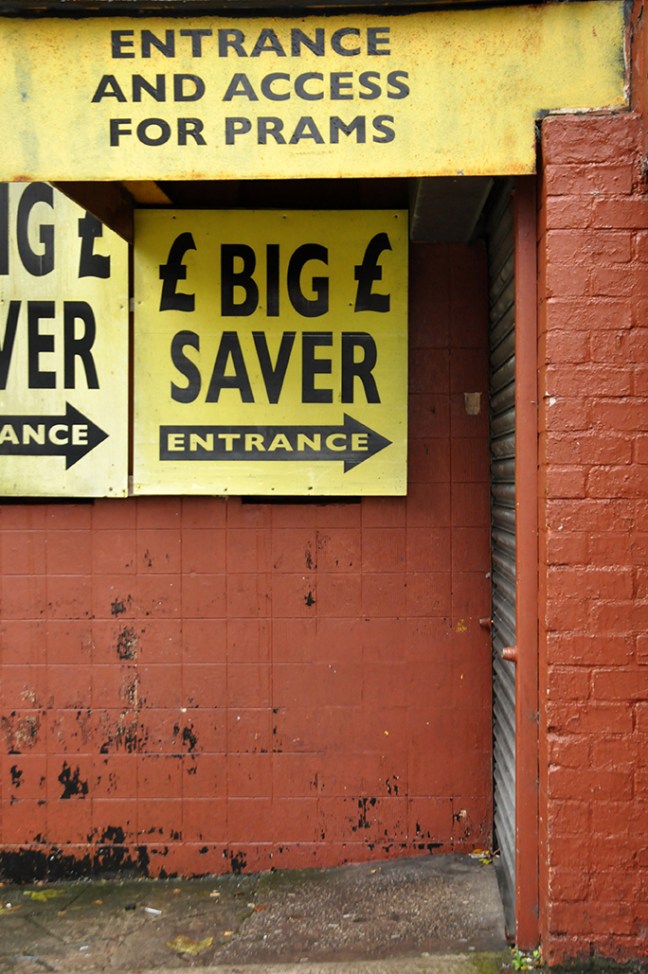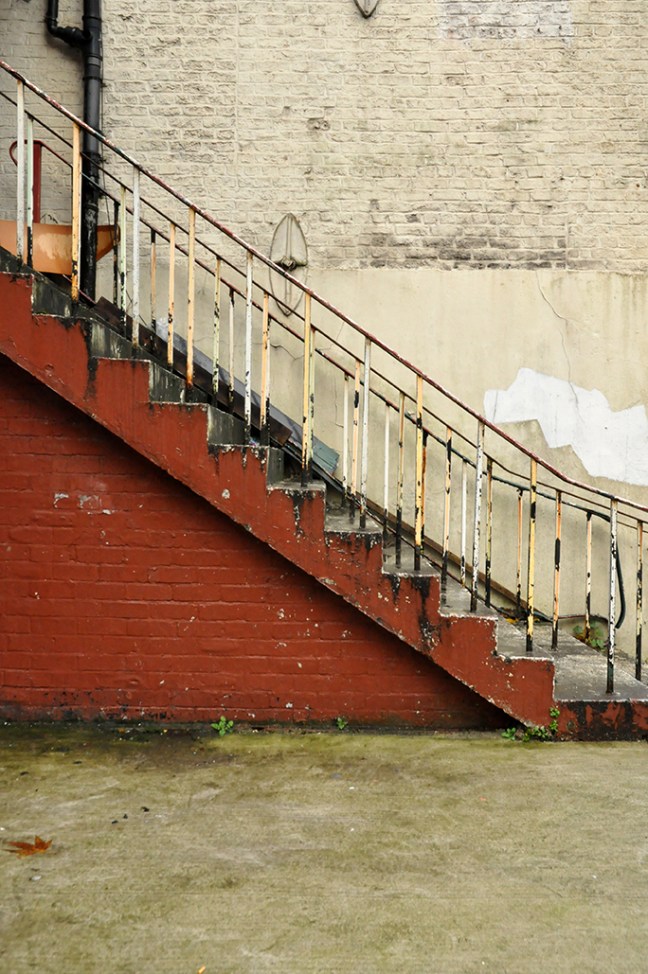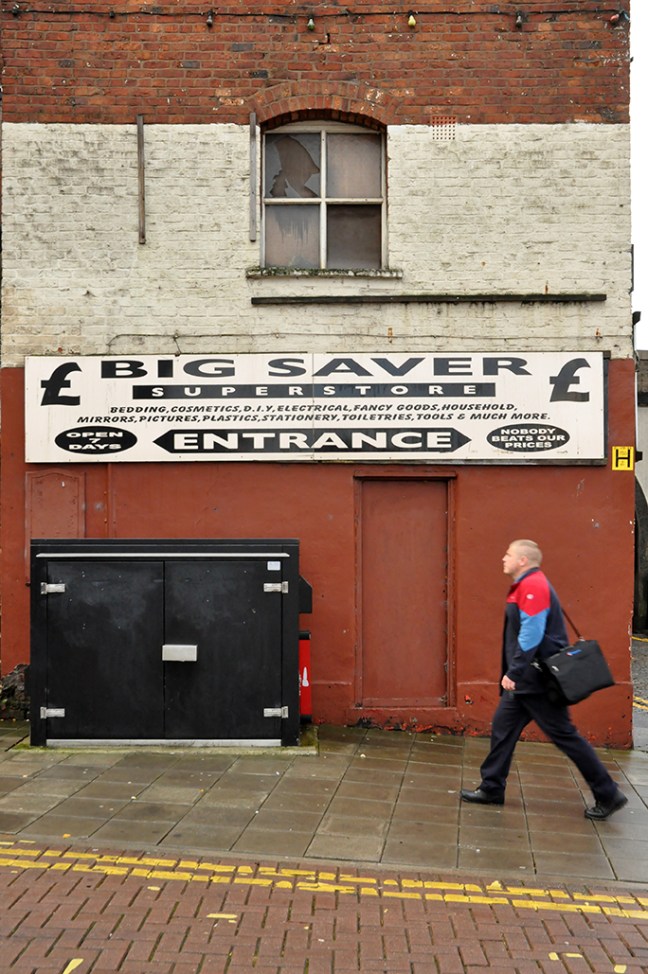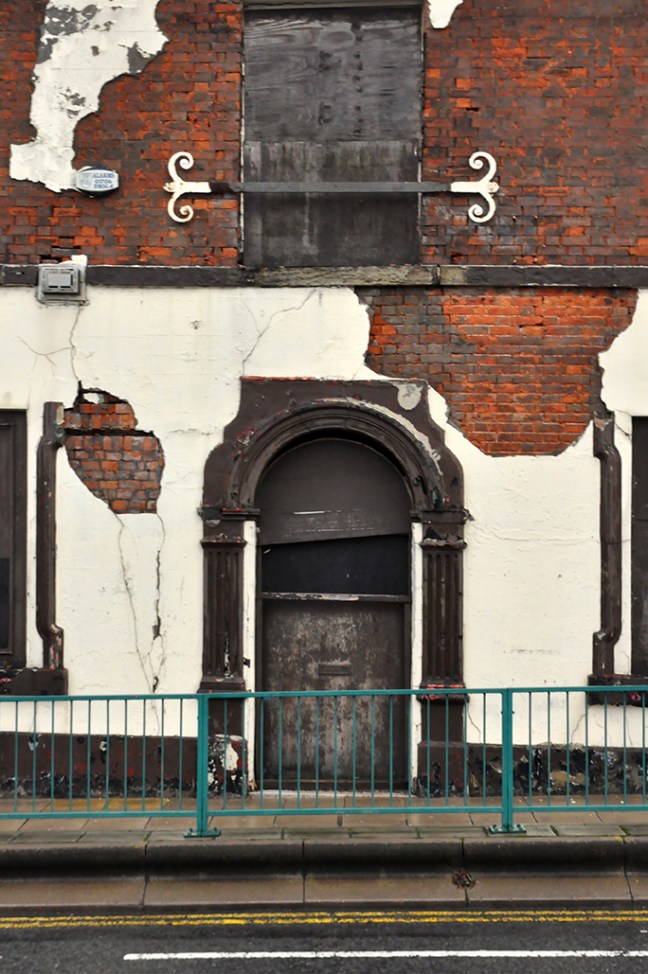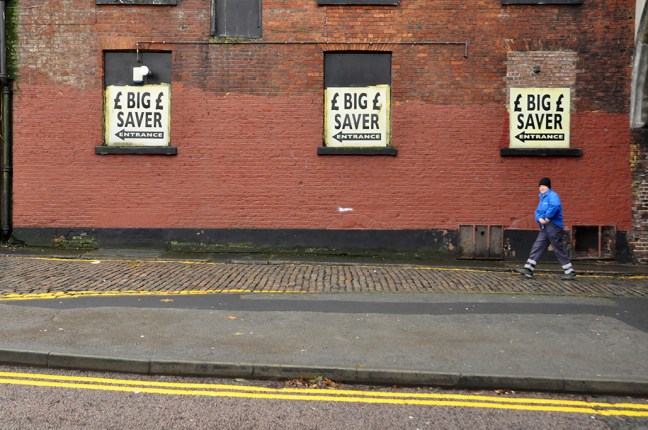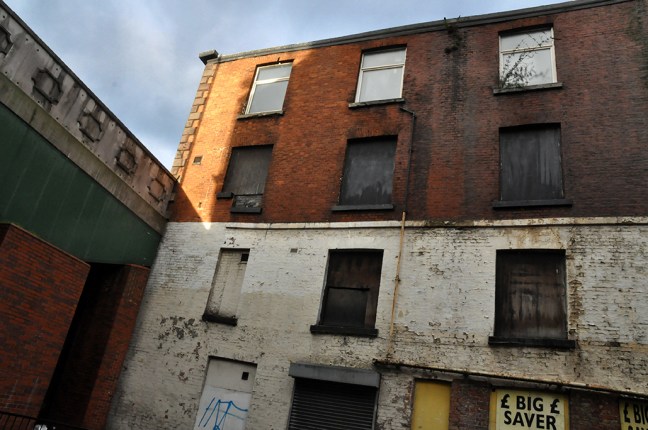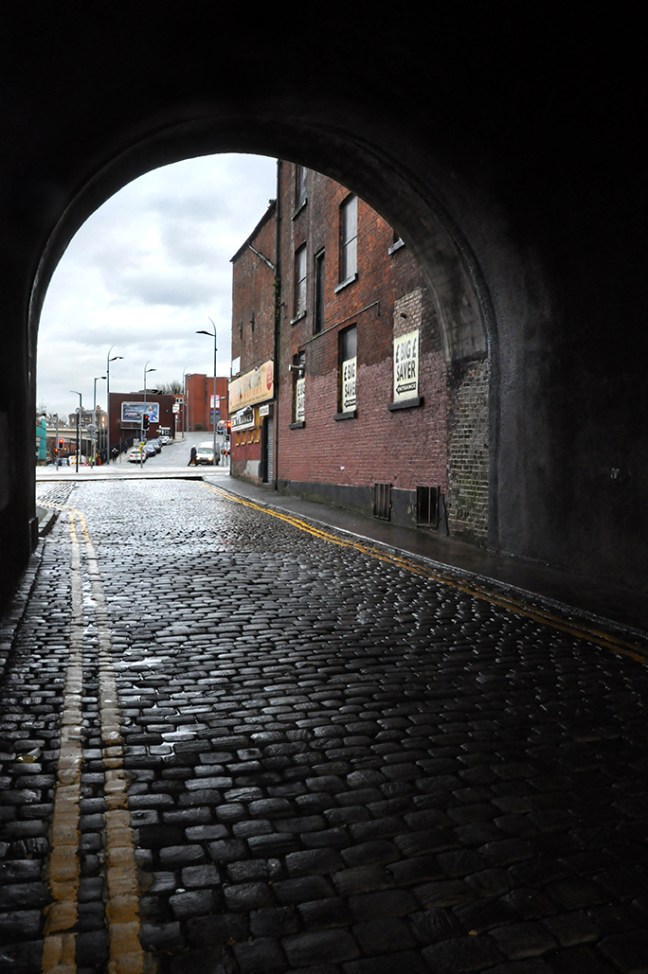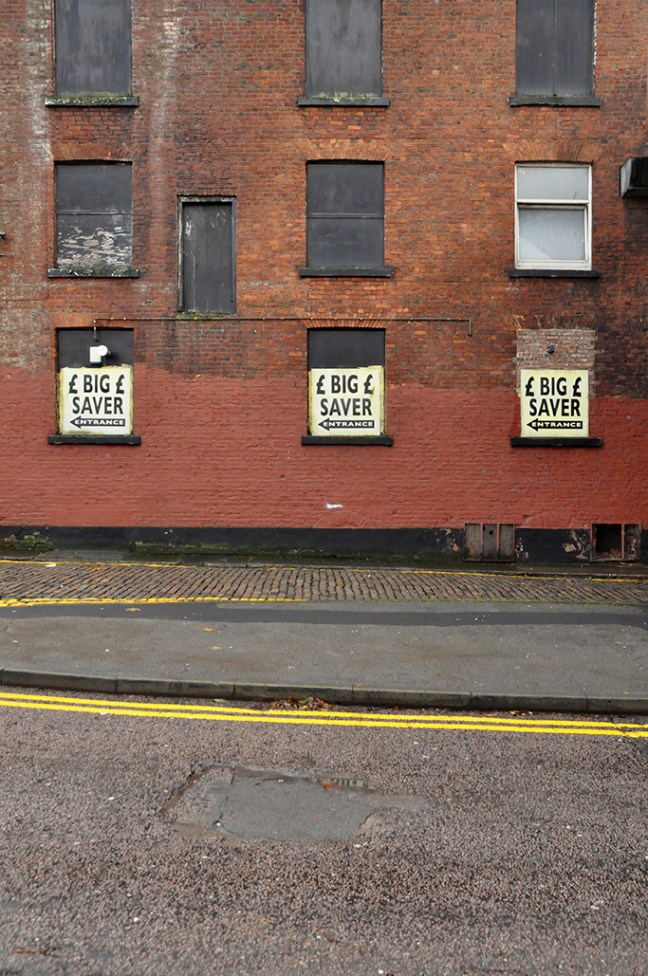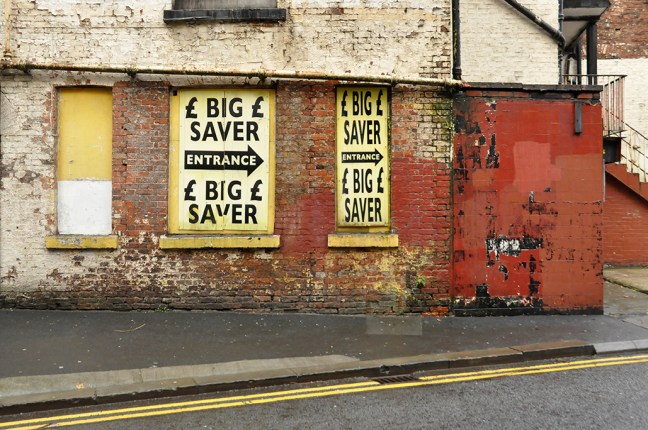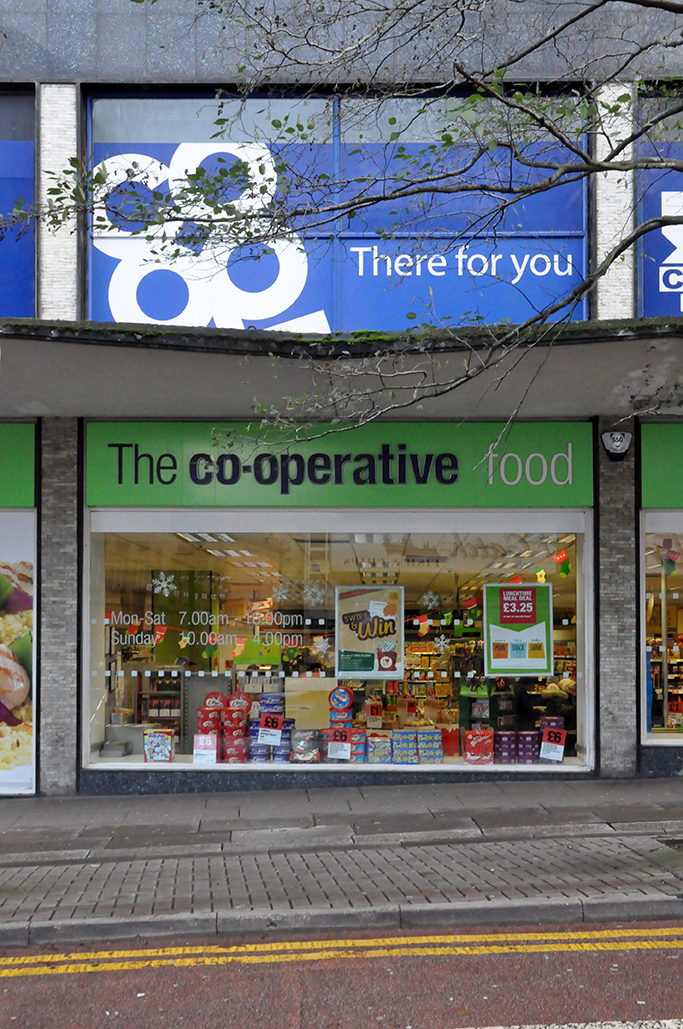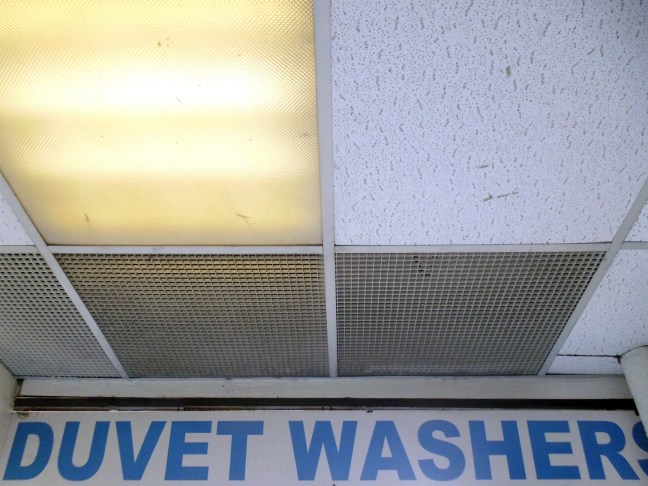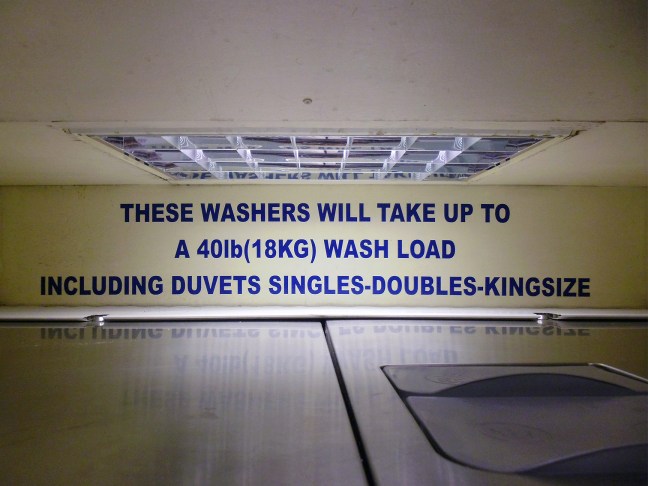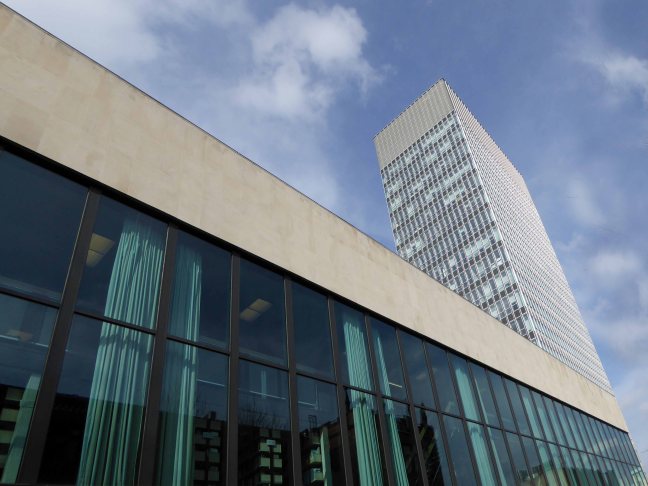
Wilko’s – Blackpool

Formerly the site of a much larger, much busier Blackpool North Station – a time when trains arrived sixteen coaches long.

As seen in this archive film of the 1940s.

Cars and closures caused the station to withdraw up the road, to its current much smaller site.

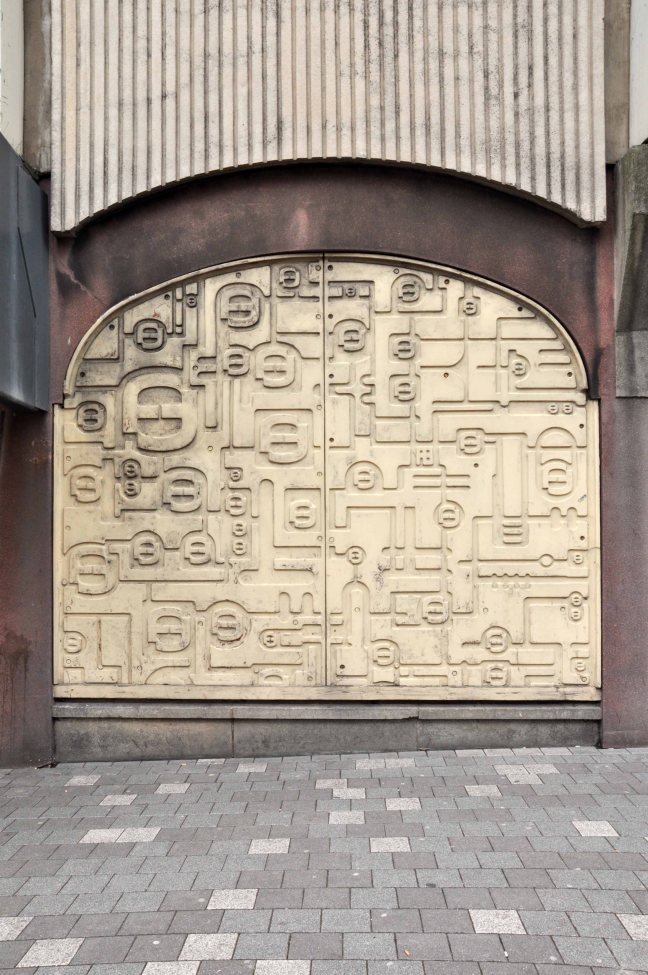
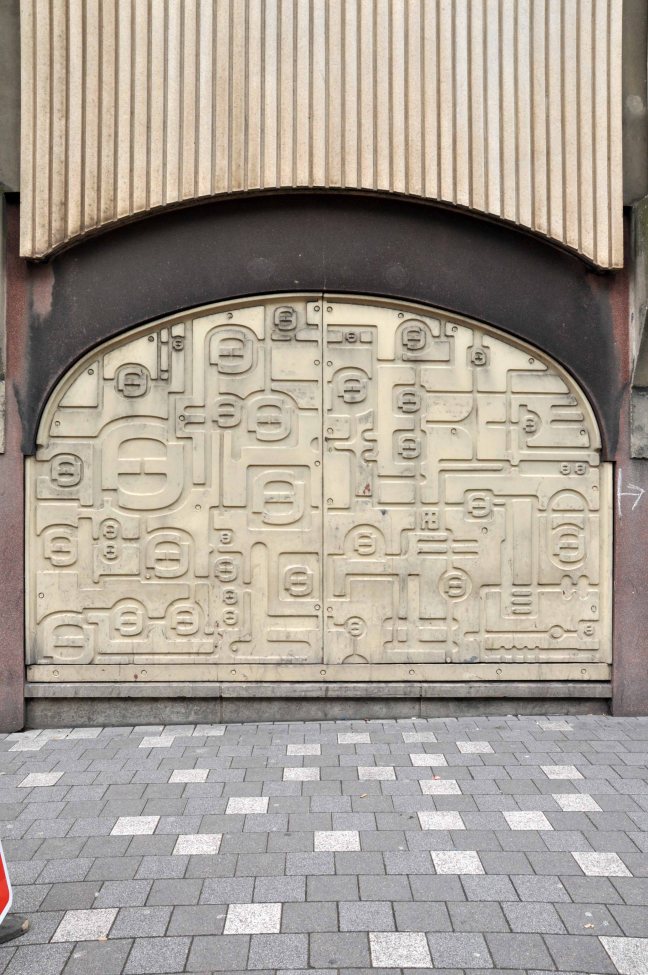
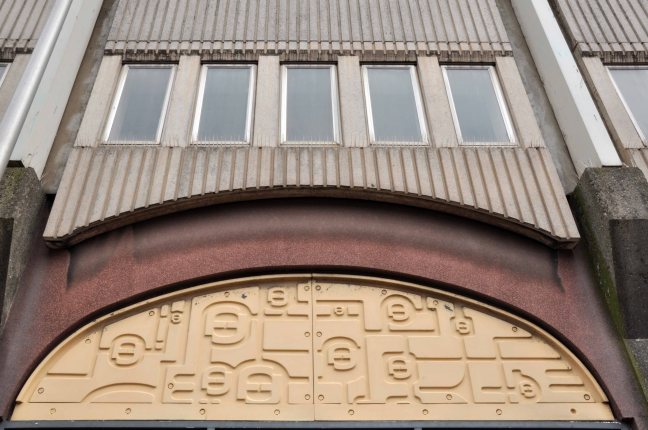
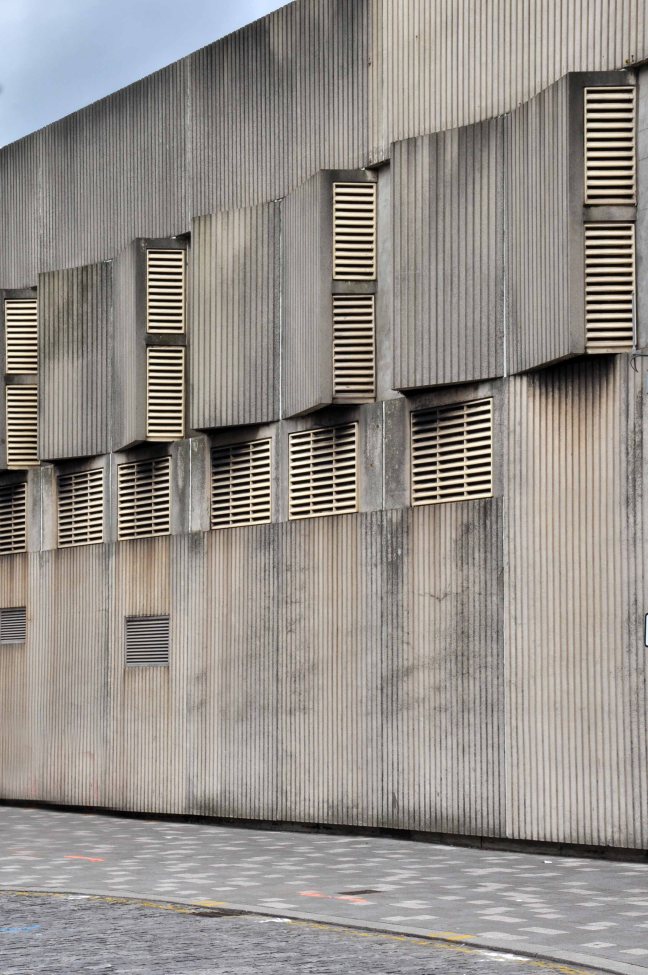
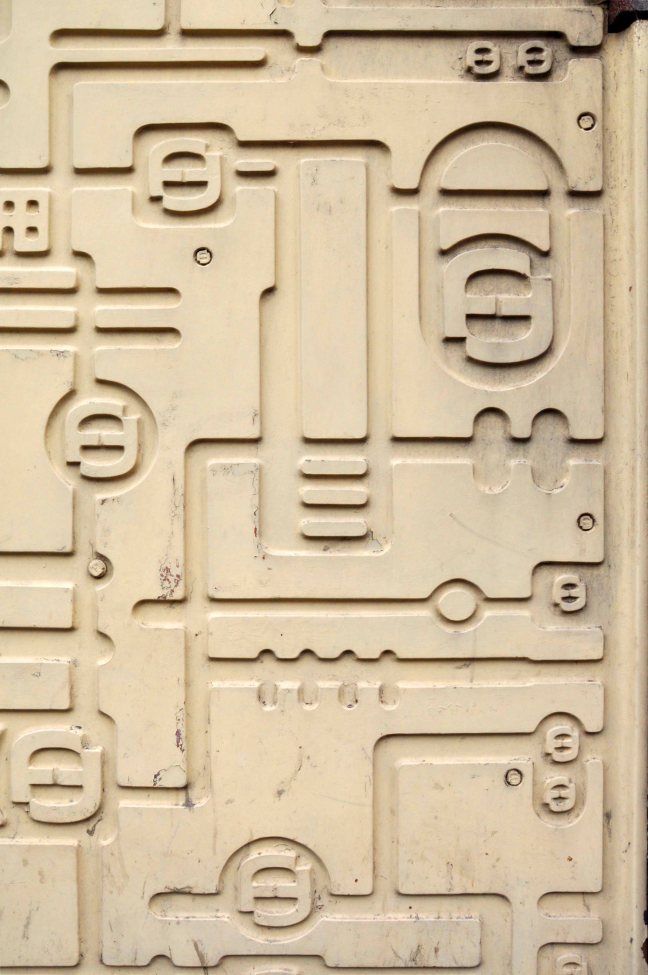
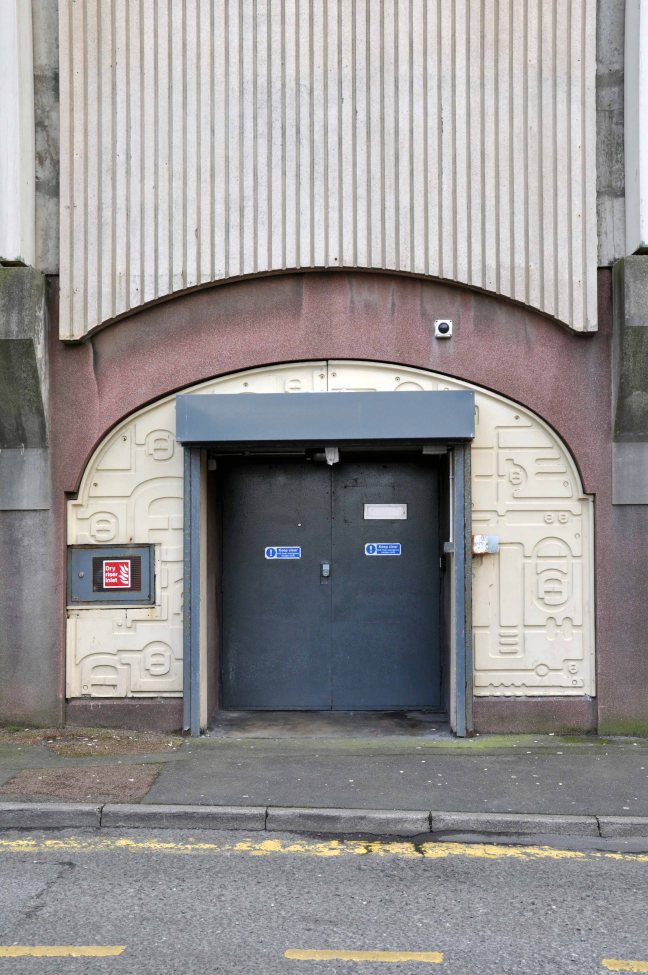
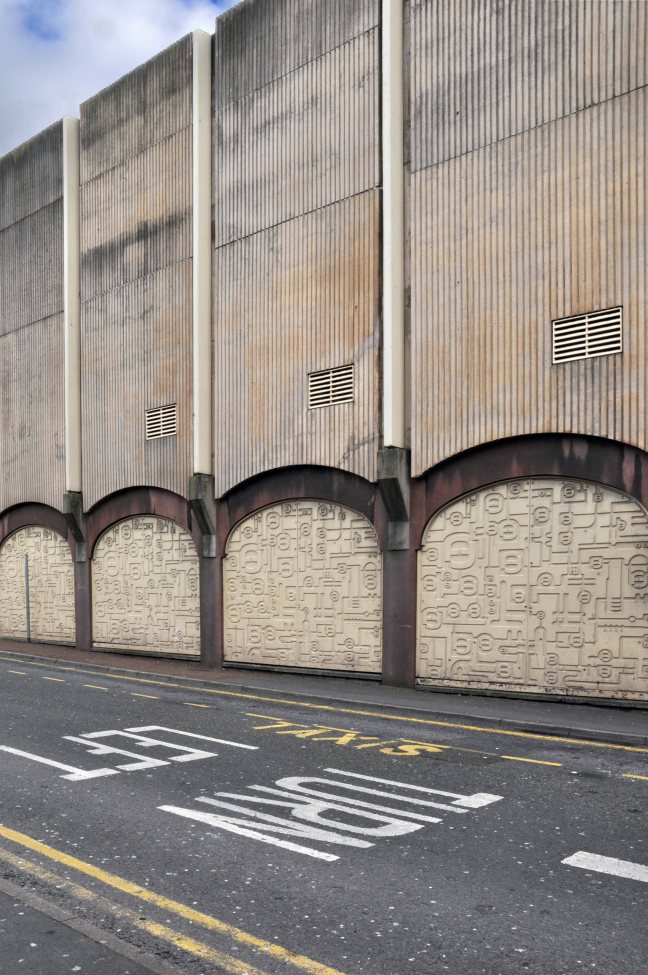
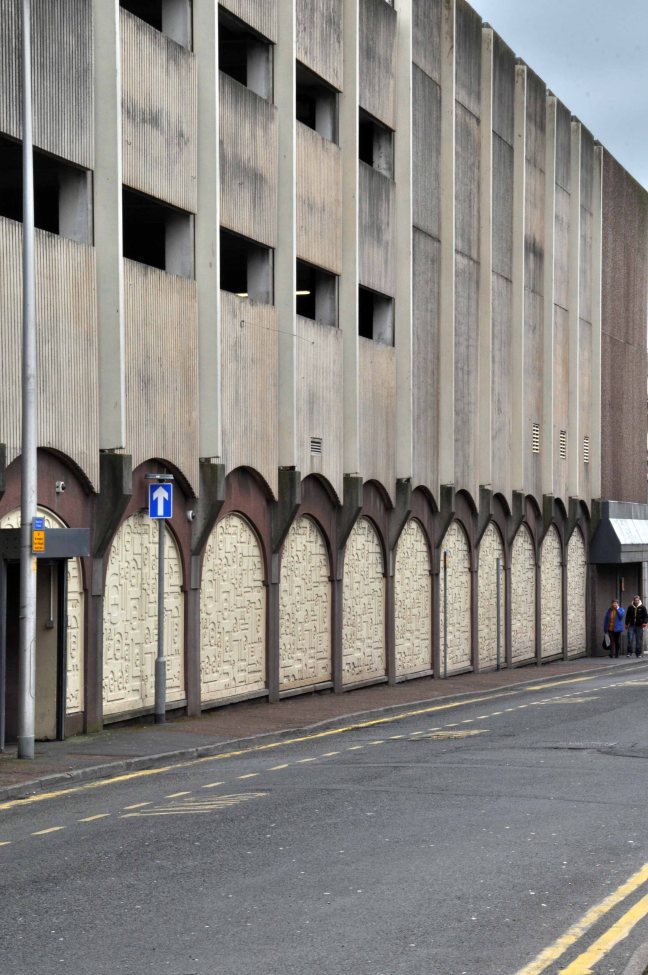
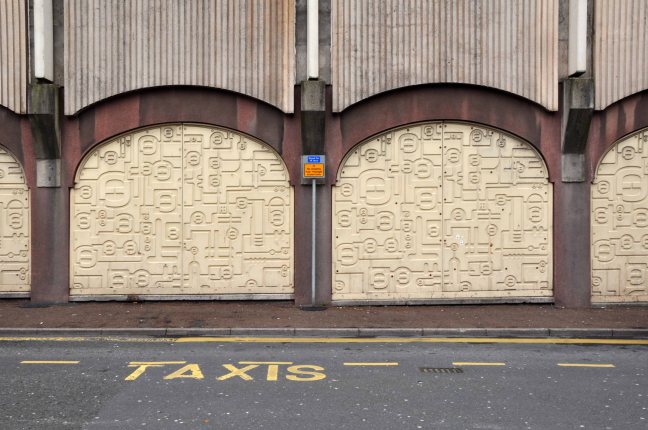
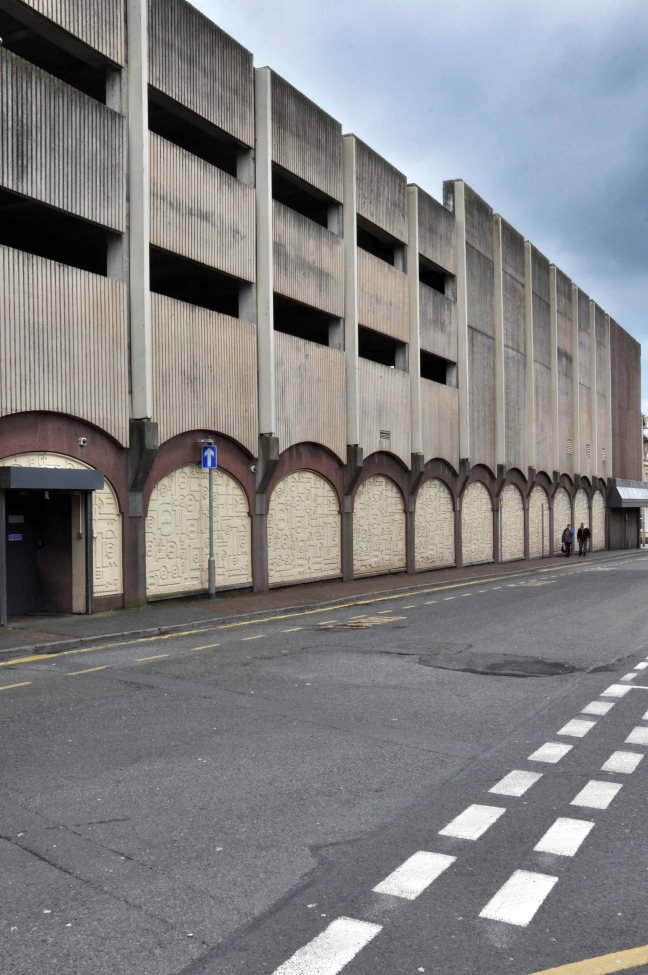
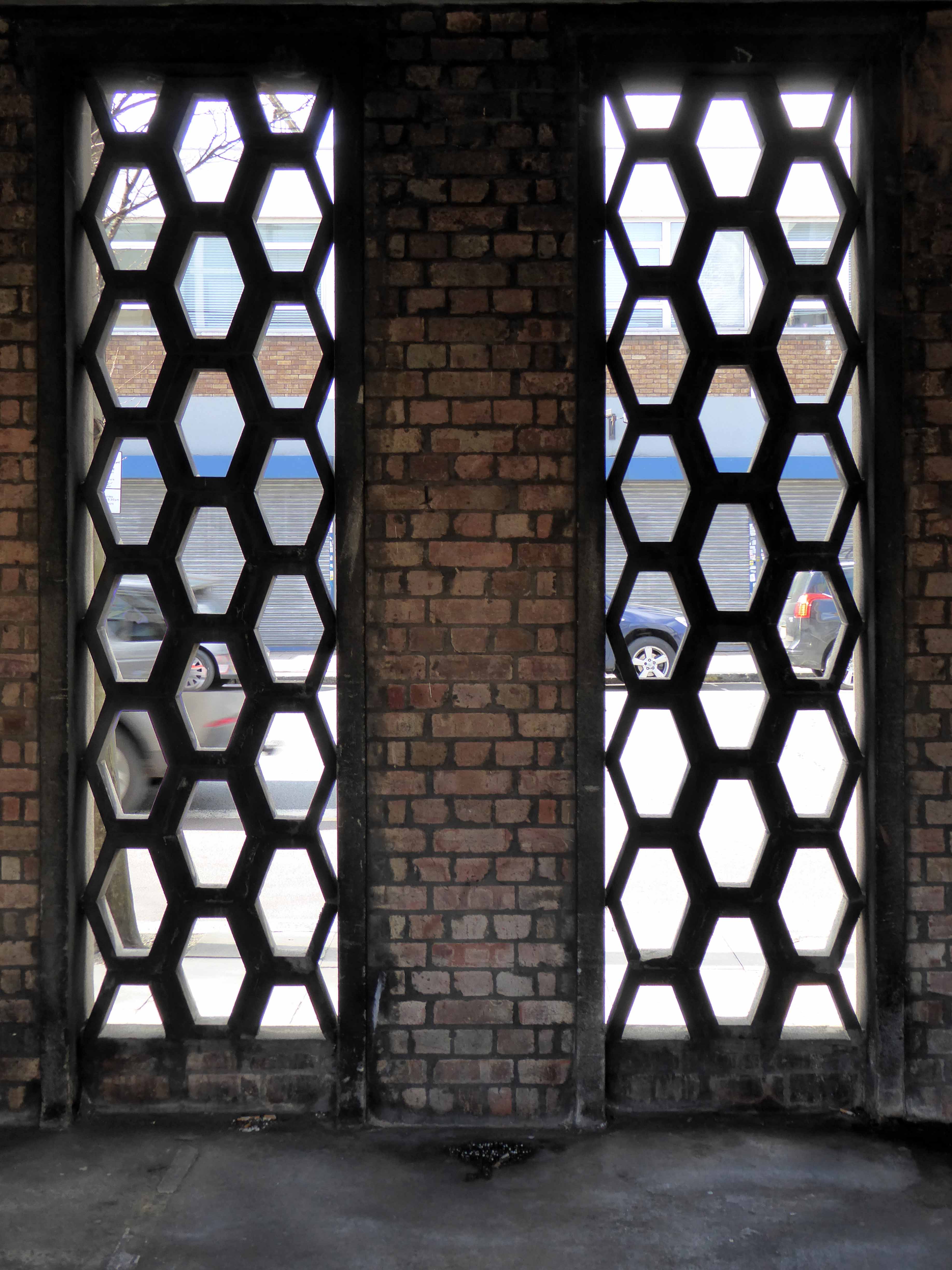
Subsequently Fine Fare arrives with a fanfare of moulded plastic panels, and cast concrete walls.

fine fare

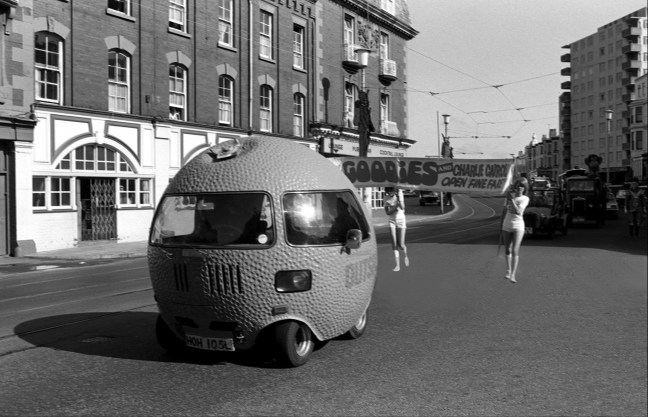
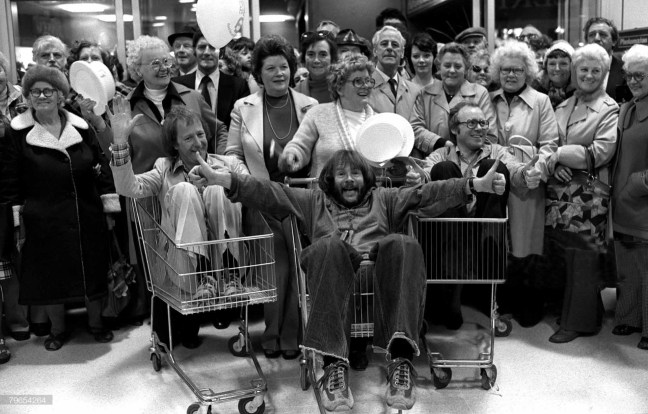
Opened on May 22nd 1979 by the Goodies.

gettyimages-79654262-2048x2048-1

22-7-79

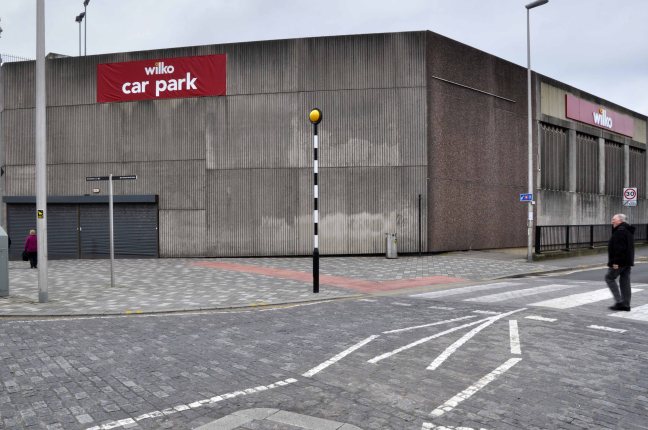
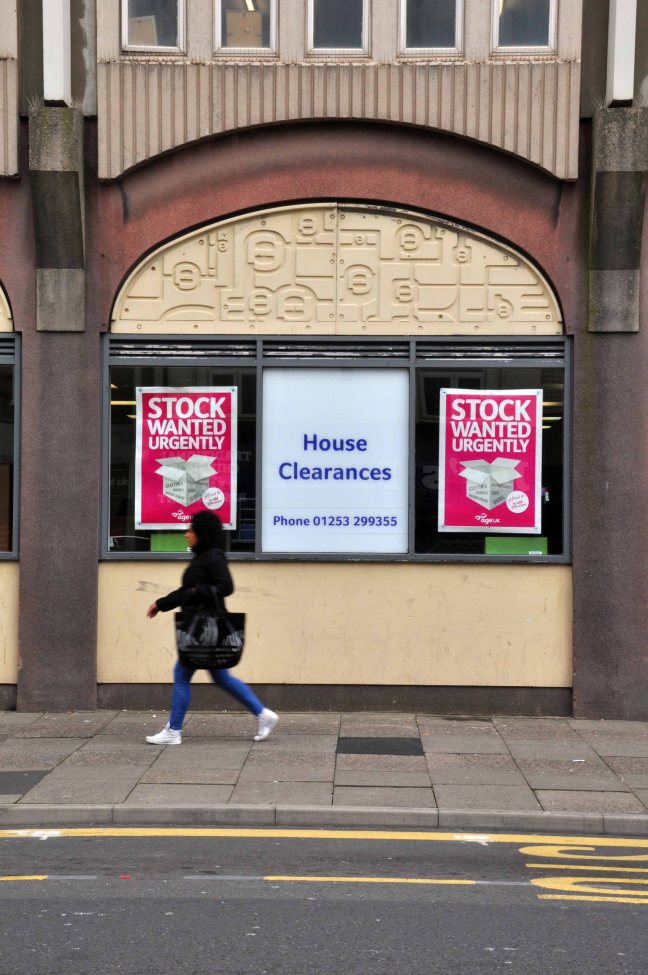
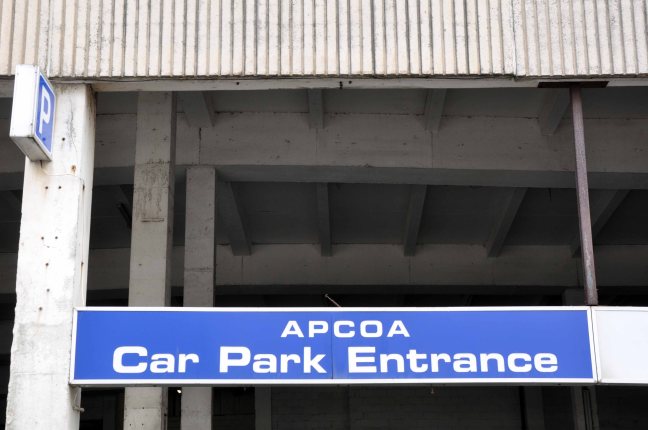
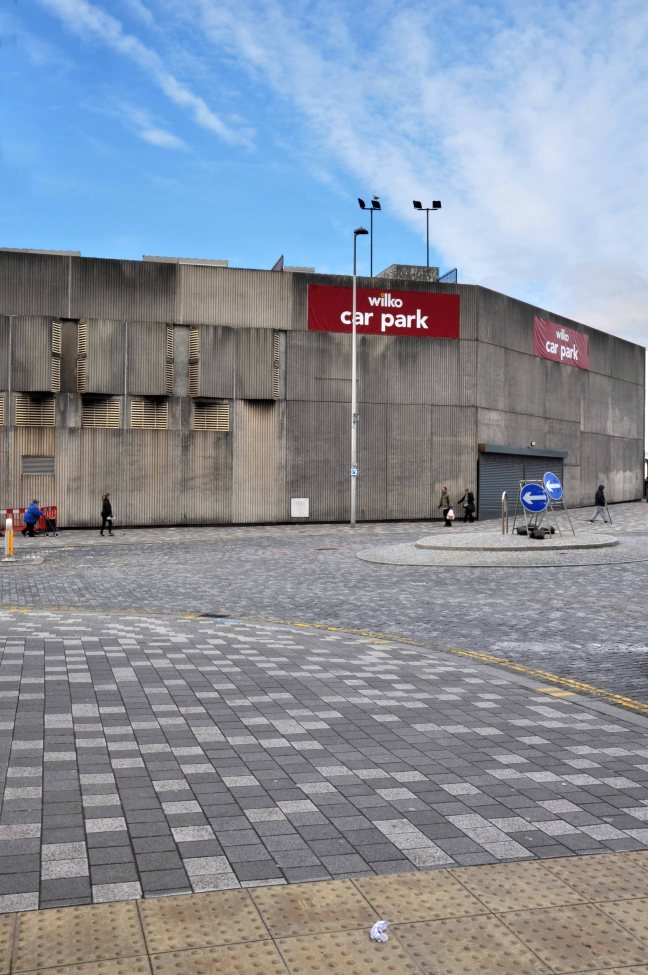
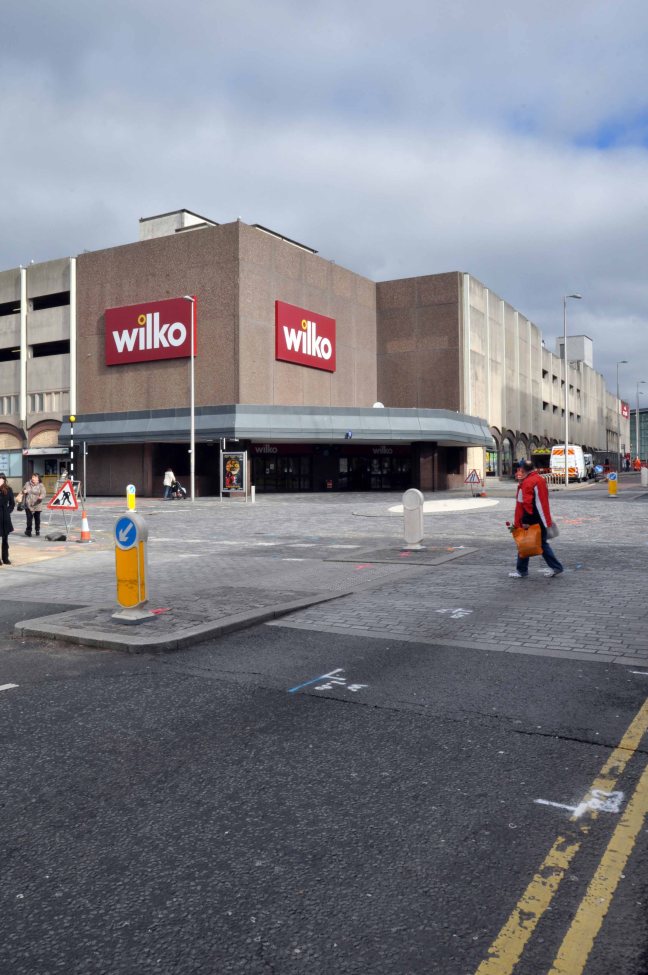
Superseded by Food Giant, Gateway, Dunnes Stores, Kwik Save and Somerfields – possibly others, currently Wilkinson’s Wilko Superstore and Age UK, retaining at all times the attractive integral car park.

Wilko is now to be relocated and the site redeveloped as part of the second phase of the £220m Talbot Gateway – whereby trams will link the promenade with the Station.

Possibly.

The tale is the typical mix of Council, Developer on/off, binary obfuscation, secrecy, smoke and mirrors.

Councillor Fred Jackson says:

“We are in talks with our development partner Muse but there is a confidentiality agreement so there is very little I can say.”

Whatever the outcome I do hope the panels are saved, having notified Historic England several weeks ago, I eagerly await their hurried and considered response…

In the meantime get y’self on the choo-choo to Blackpool North toot sweet, and have a gander at a fine Fine Fare plastic panel or two, before you can’t.

DSC_0003 copy

DSC_0005 copy

DSC_0009 copy

DSC_0015 copy

DSC_0007 copy

DSC_0008 copy

DSC_0014 copy

DSC_0006 copy

DSC_0026 copy

DSC_0023 copy

DSC_0027 copy

DSC_0020 copy

DSC_0022 copy

DSC_0028 copy

DSC_0324 copy

DSC_0035 copy

DSC_0032 copy

DSC_0019 copy

DSC_0021 copy

DSC_0039 copy

DSC_0033 copy

DSC_0017 copy

DSC_0018 copy

DSC_0024 copy

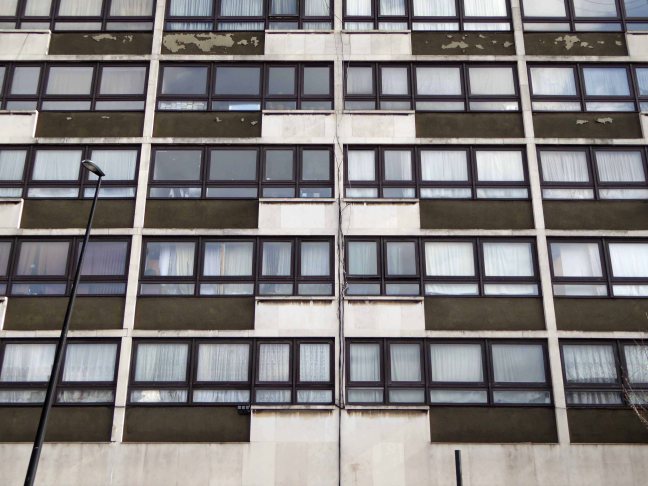
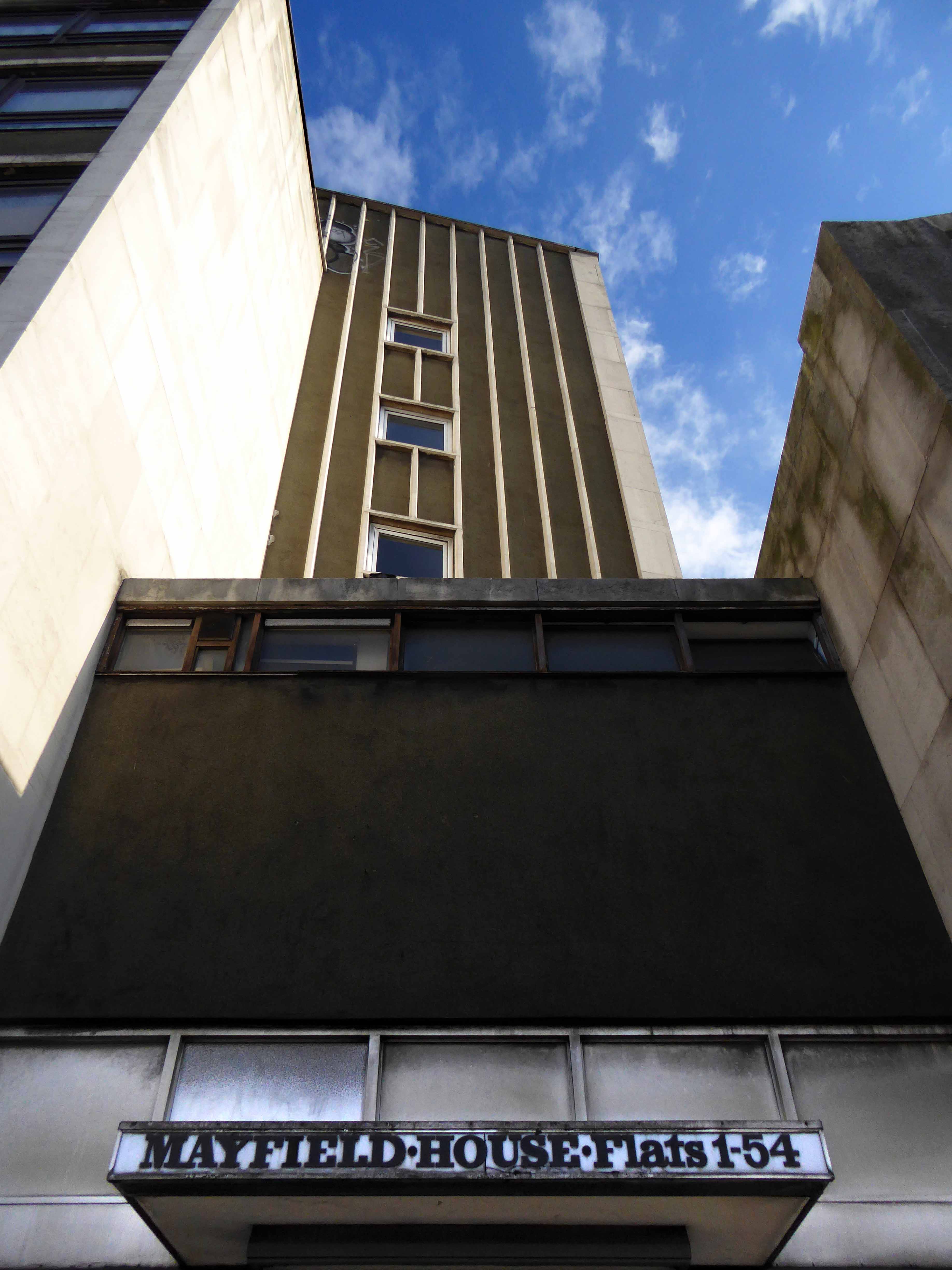
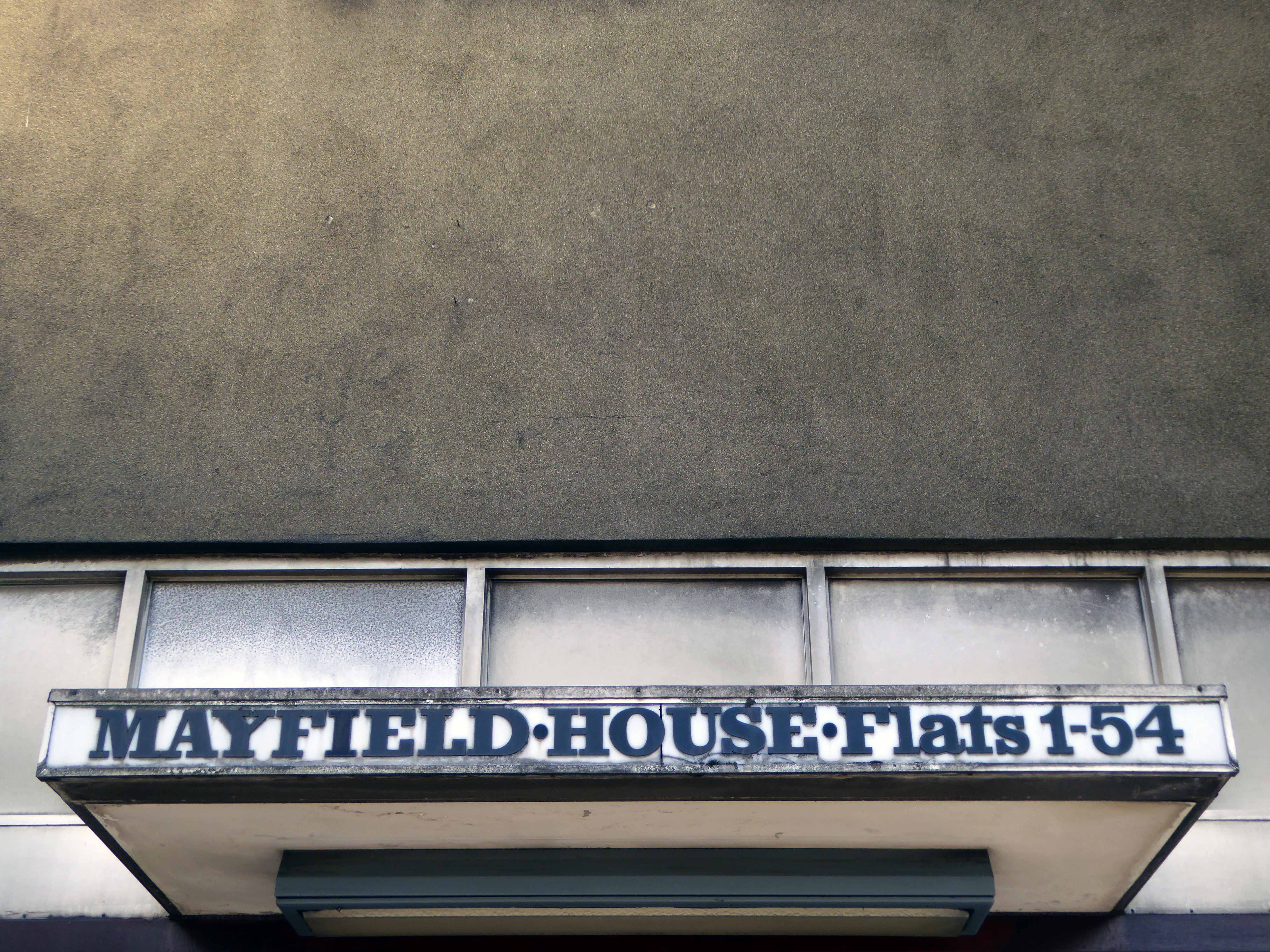
Mayfield House – Bethnal Green

Building Conditions in Bethnal Green – Post 1945

“The immediate problem after the war was to house those whose homes had been bombed. Longer-term objectives were to complete and extend earlier clearance programmes in order to reduce the population density and separate industry from residential areas, as reaffirmed in the County of London Plan of 1943. Some 5,000 people lived in temporary housing, including requisitioned properties and hutments or mobile homes, prefabs, of which the L.C.C.’s first in East London were in Florida and Squirries streets. All but 15 of its 190 ‘prefabs’ were in use in 1955, together with 309 requisitioned properties; at least 48 mobile homes were still in use in 1966.  War damage had been repaired by 1953 and attention shifted to slum clearance; flats were to be allotted to those in cleared areas rather than by a waiting list. The L.C.C. and M.B. co-operated in drawing up five-year plans:  by 1954 there were 16,852 permanent homes of which 2,434 were unfit, 1,711 in the L.C.C.’s clearance areas and 675 in the M.B.’s, together with 48 individual houses. The L.C.C. demolished 510 and the M.B. 550 between 1956 and 1960 and the M.B. demolished another 151 unfit and 46 other houses in 1961-2. Most were replaced by municipal estates, although both councils also acquired sites scheduled for industry, business, or open space. It was estimated that to find a site and build an estate took six years.” 

Thanks to http://www.british-history.ac.uk/vch/middx/vol11/pp135-147

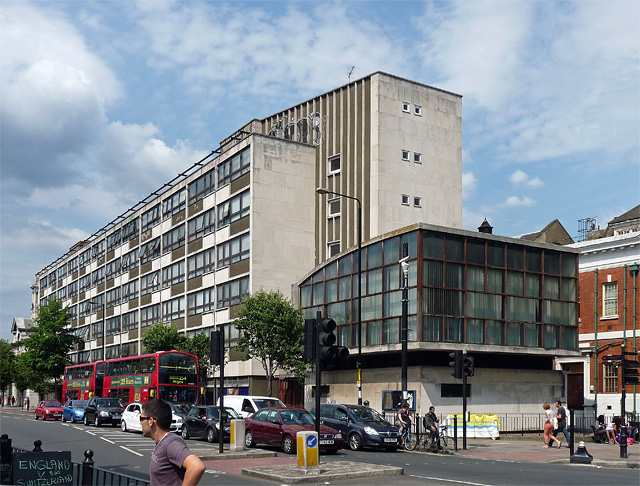
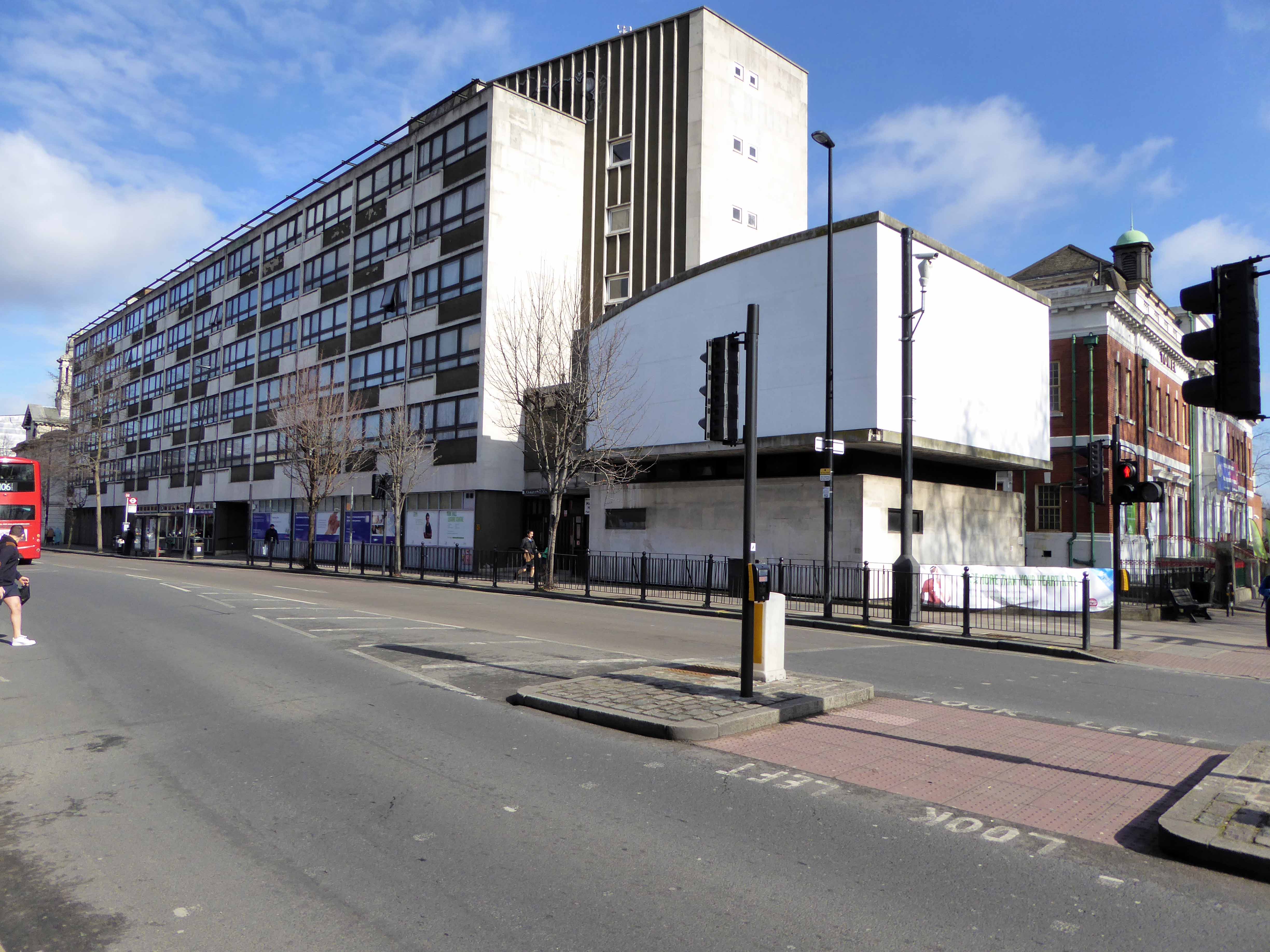
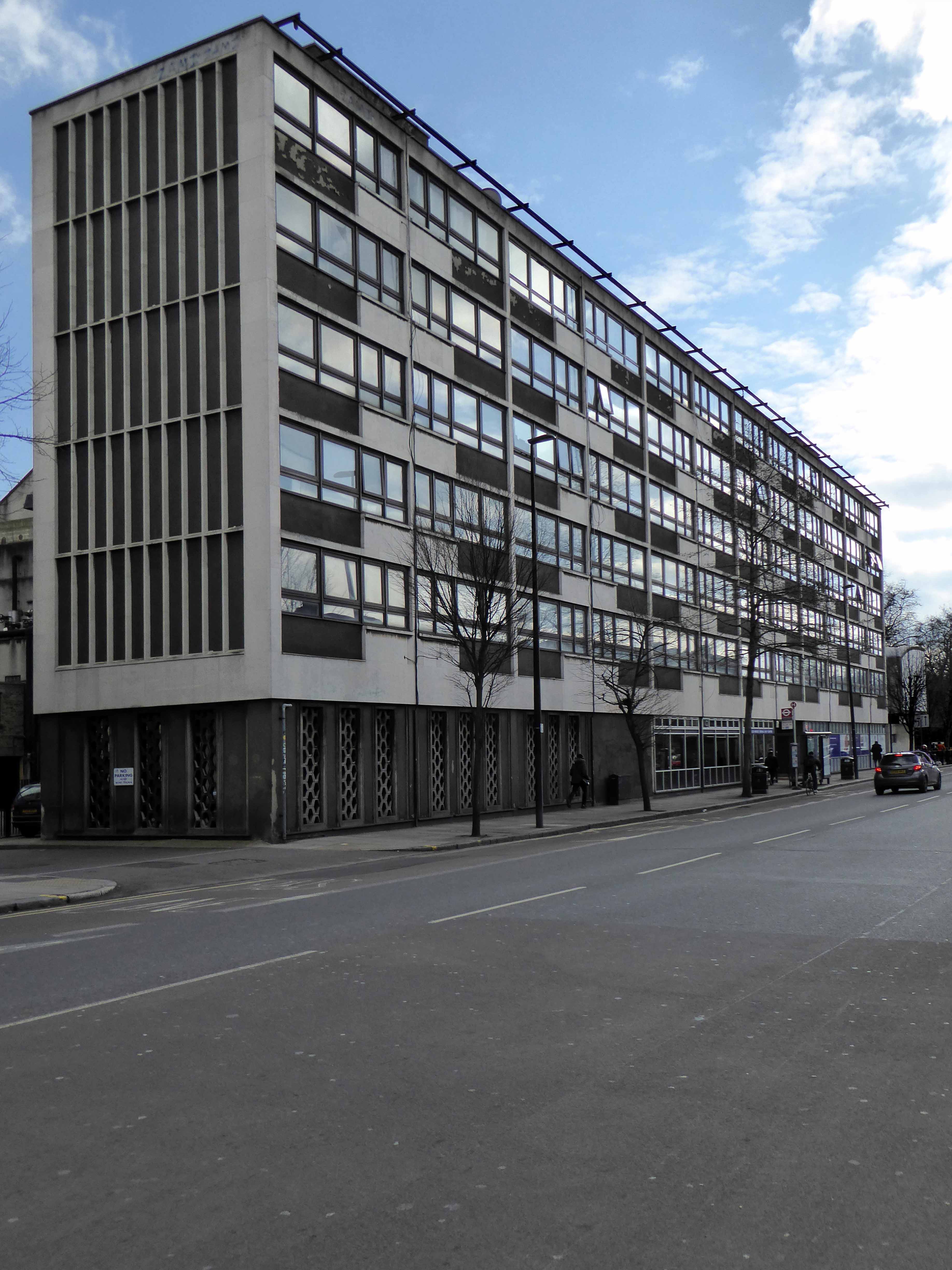
The six-storeyed Mayfield House opened with 54 flats in 1964 on the east side of Cambridge Heath Road, south of the town hall.

Exploring London in an accidental and often tangential manner, often offers many surprises. Ostensibly in search of the V&A Museum of Childhood I tumbled into Mayfield House. The whole area, as can be seen in the above link, is home to several estates and homes, designed by the eminent architects du jour, Mayfield receives no such attribution, possibly the work of the borough office.

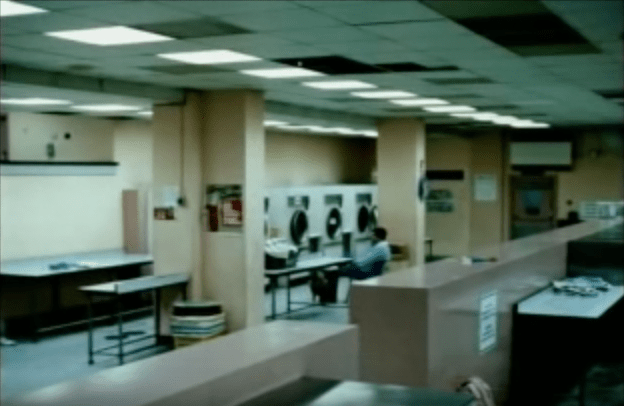
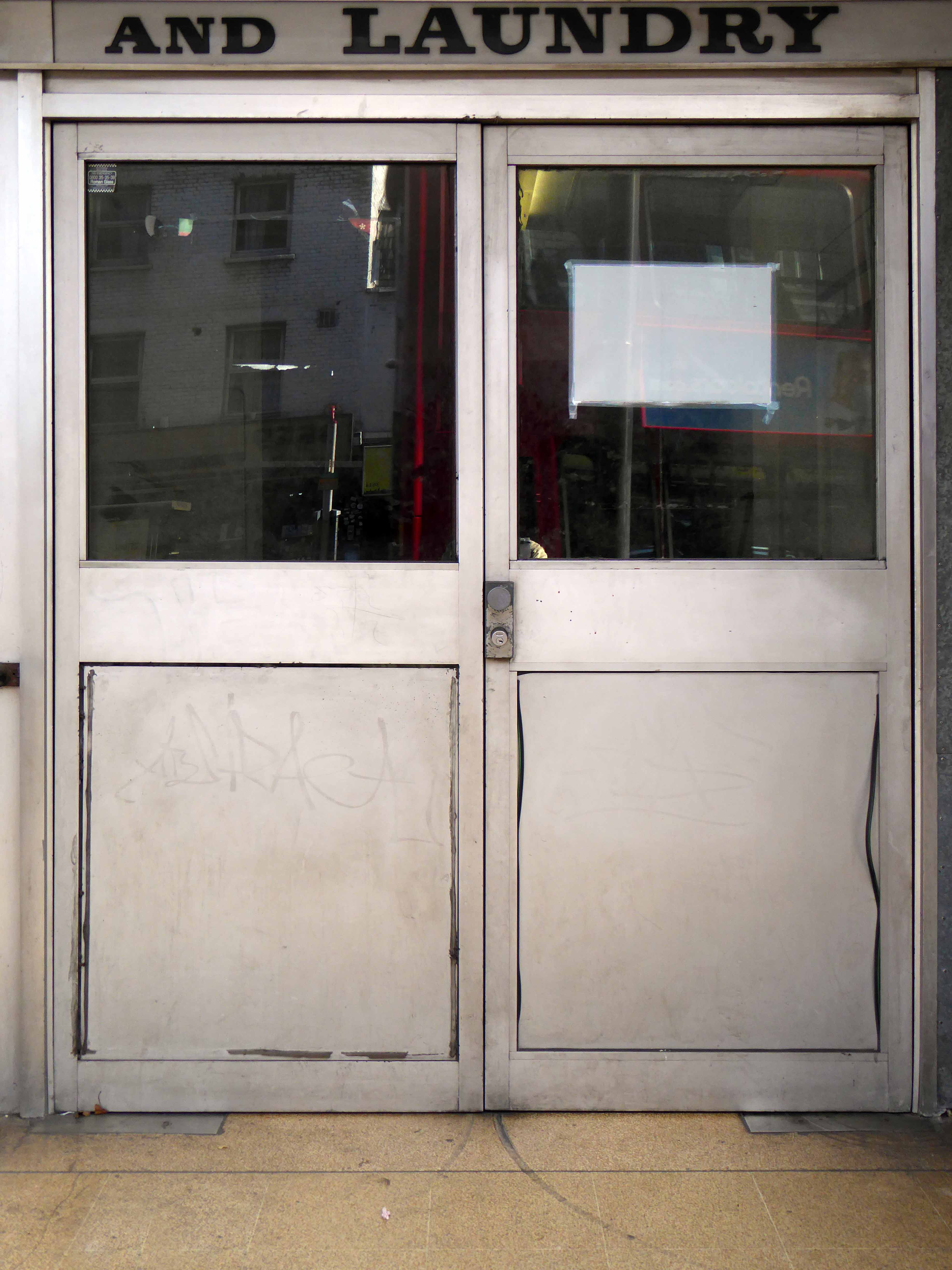
None the worse for that a building of some note, famously housing one of London’s first coin operated laundries, as seen in the promo video for The Streets – Dry your eyes.

Screen Shot 2016-03-17 at 16.35.58

The flats also contain a Somalian Centre, Bethnal Green having been home, for many years to Somali seamen – the subject of a recent photographic exhibition by Sarah Ainslie

DSC_0236

Photographs copyright © Sarah Ainslie

Ali Mohammed Adan – Seaman

“I first came to London by ship in March 1958. I stayed in Aldgate for a night and went to Newport where my cousin had a house. There are many Somalis there. From that day until I retired in 1990, I was in the Merchant Navy, and I brought my family over from Somaliland. In 1970, I moved back to London to Bethnal Green but my wife and daughters chose to stay in Newport.

In Somaliland, I owned over a hundred camels and sheep. Nobody keeps camels anymore, everyone sold them and moved to the city. They say, ‘It’s too much work.’ But keeping camels and sheep and living on a farm, it’s a good life because you eat every day. Everybody wants to do it again now.”


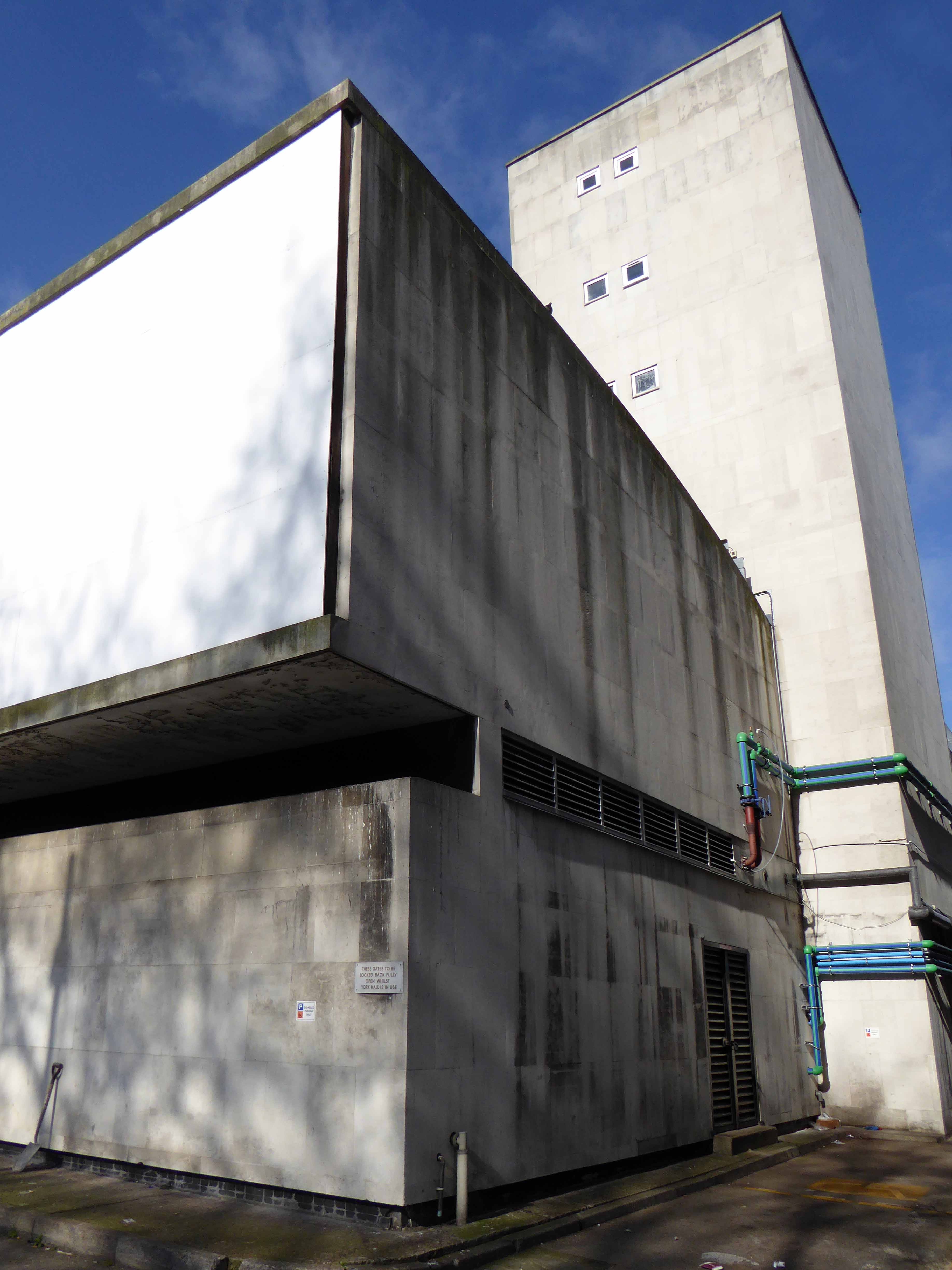
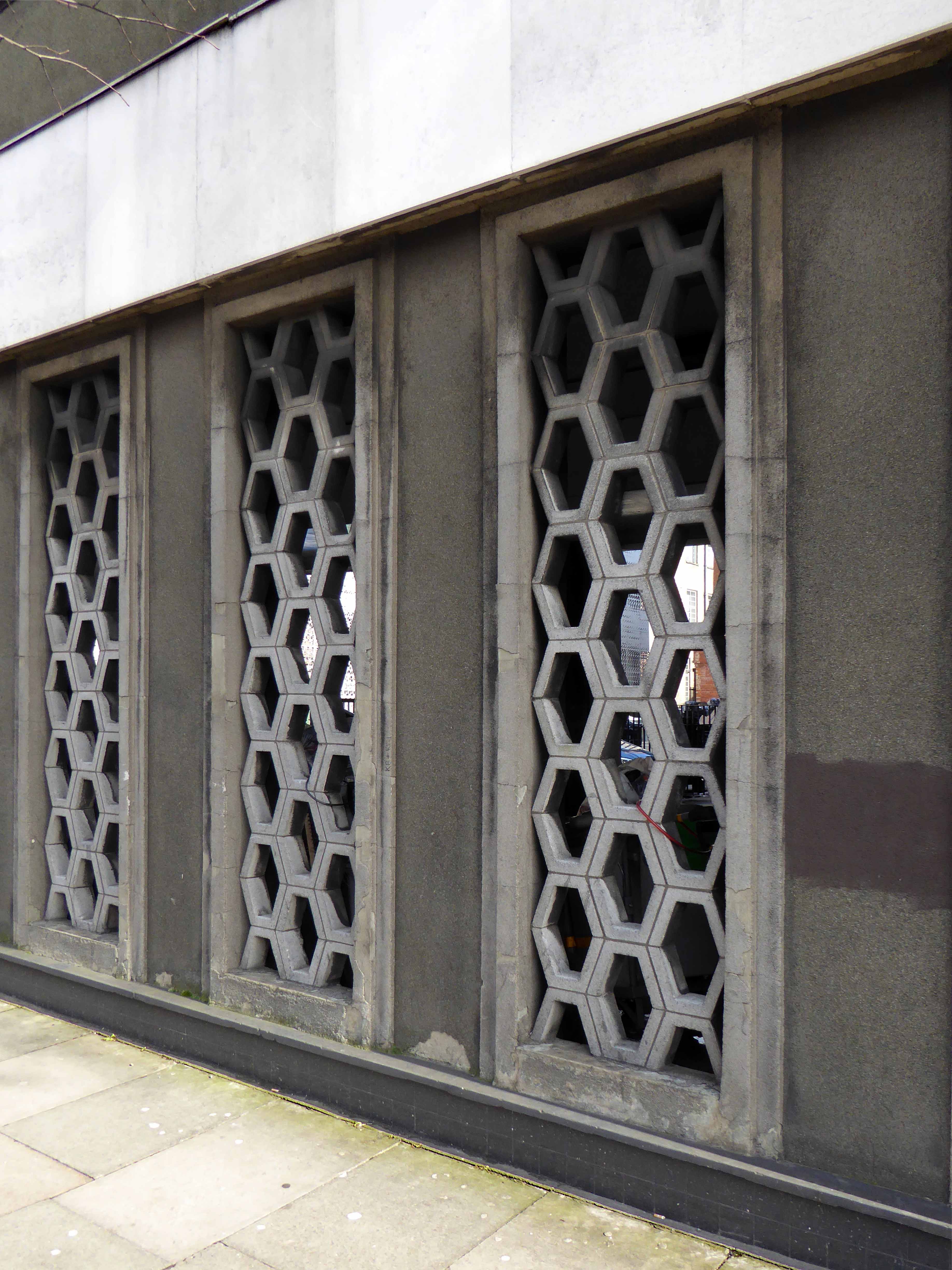
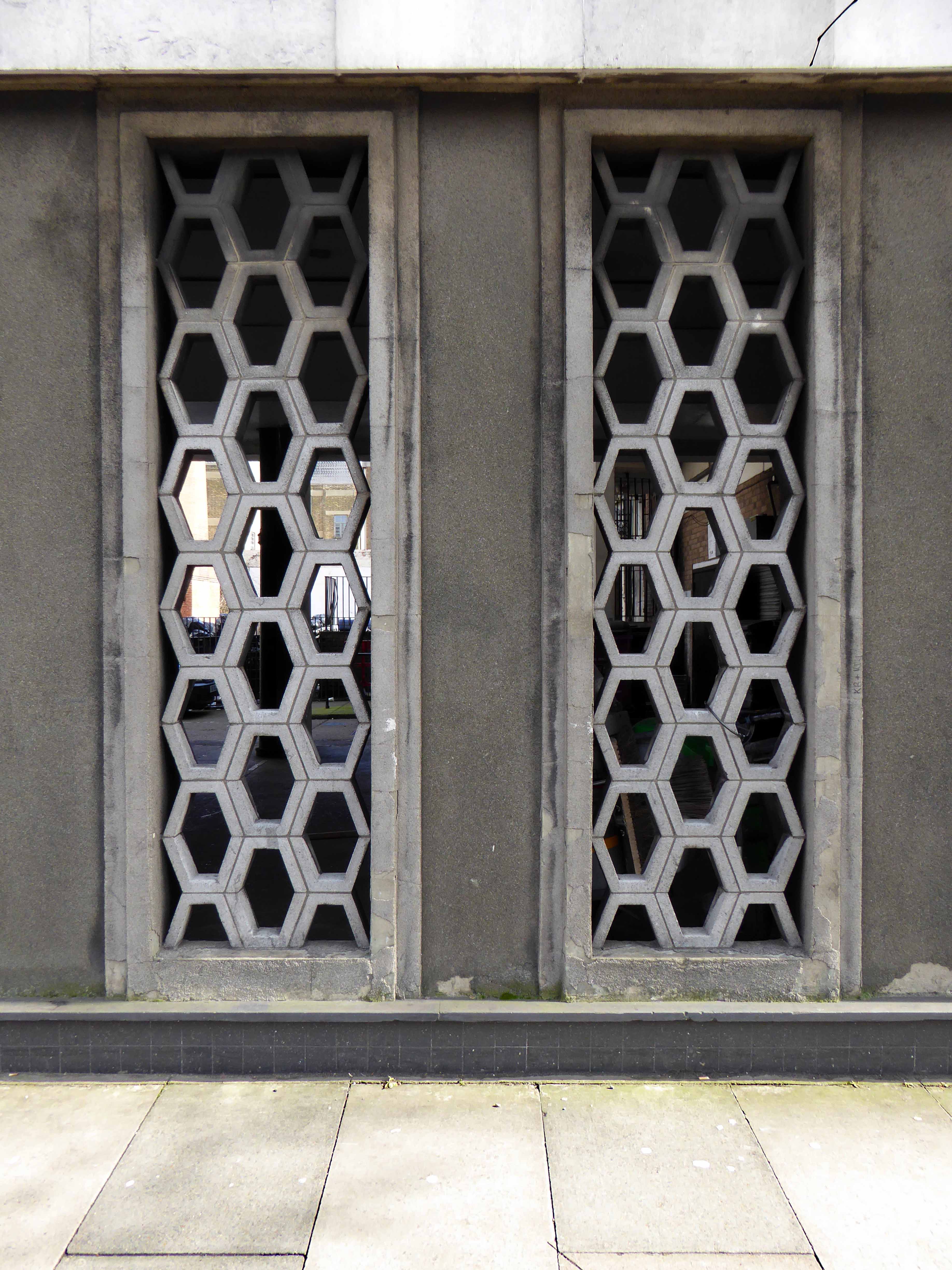
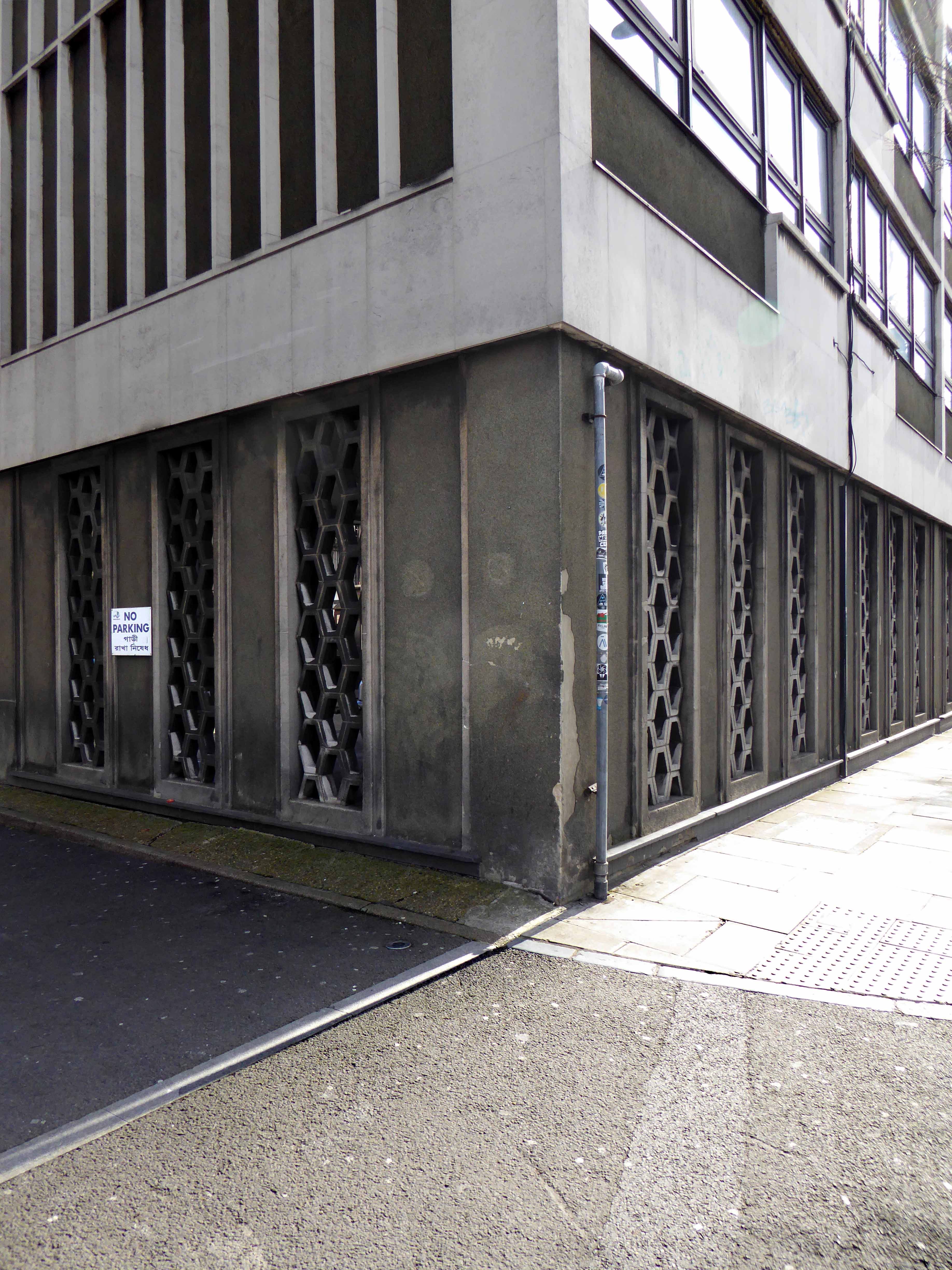
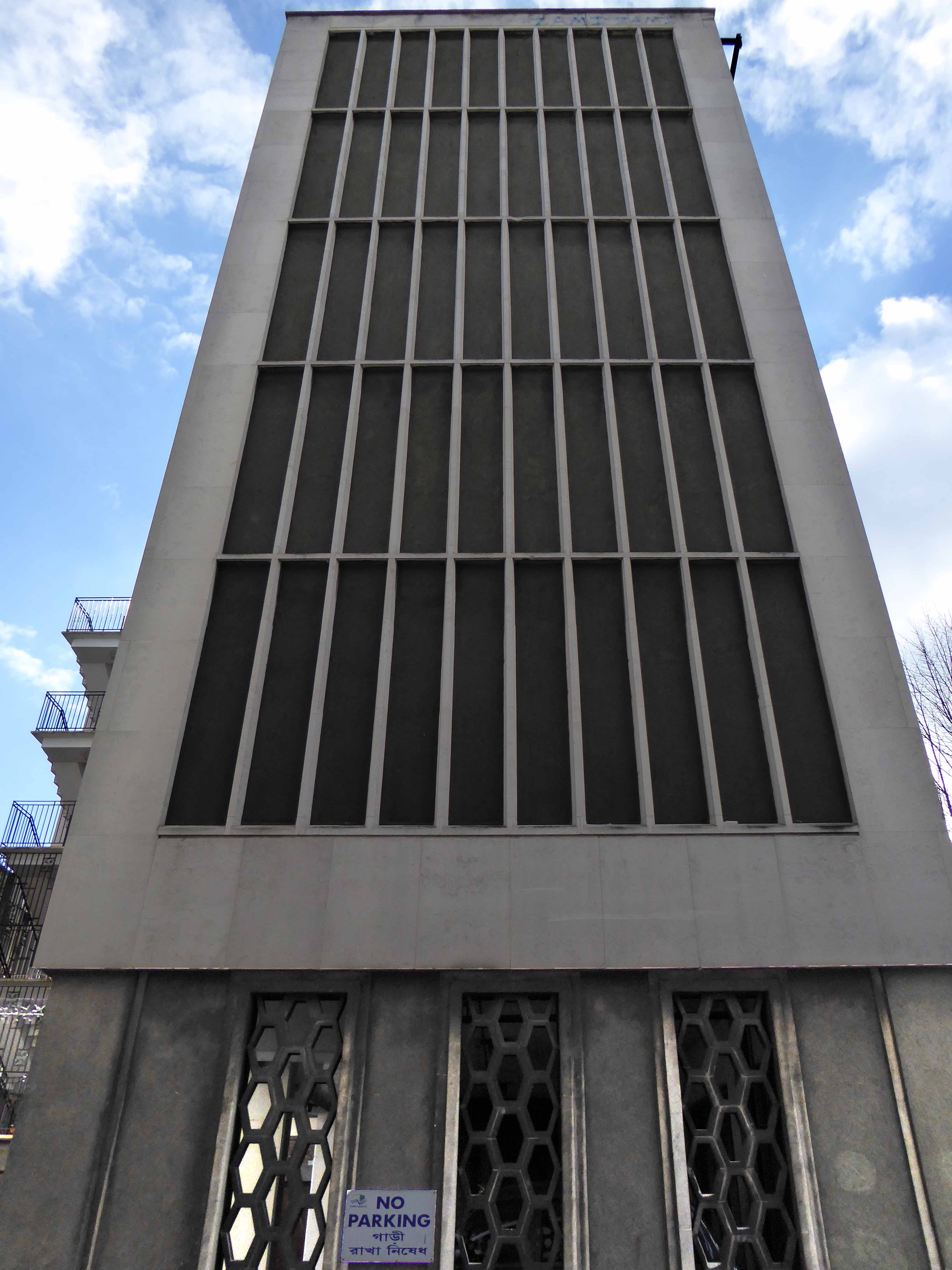
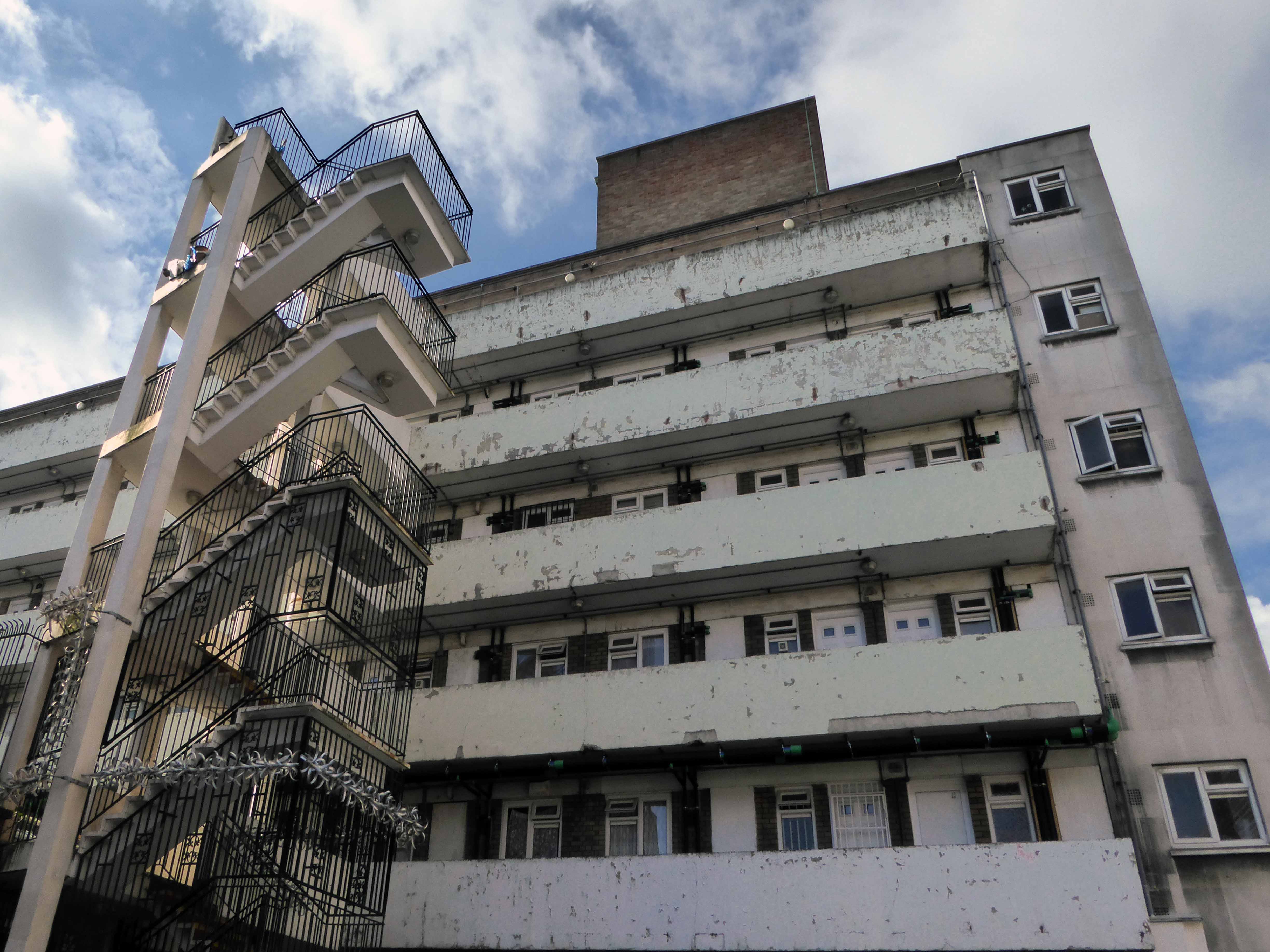
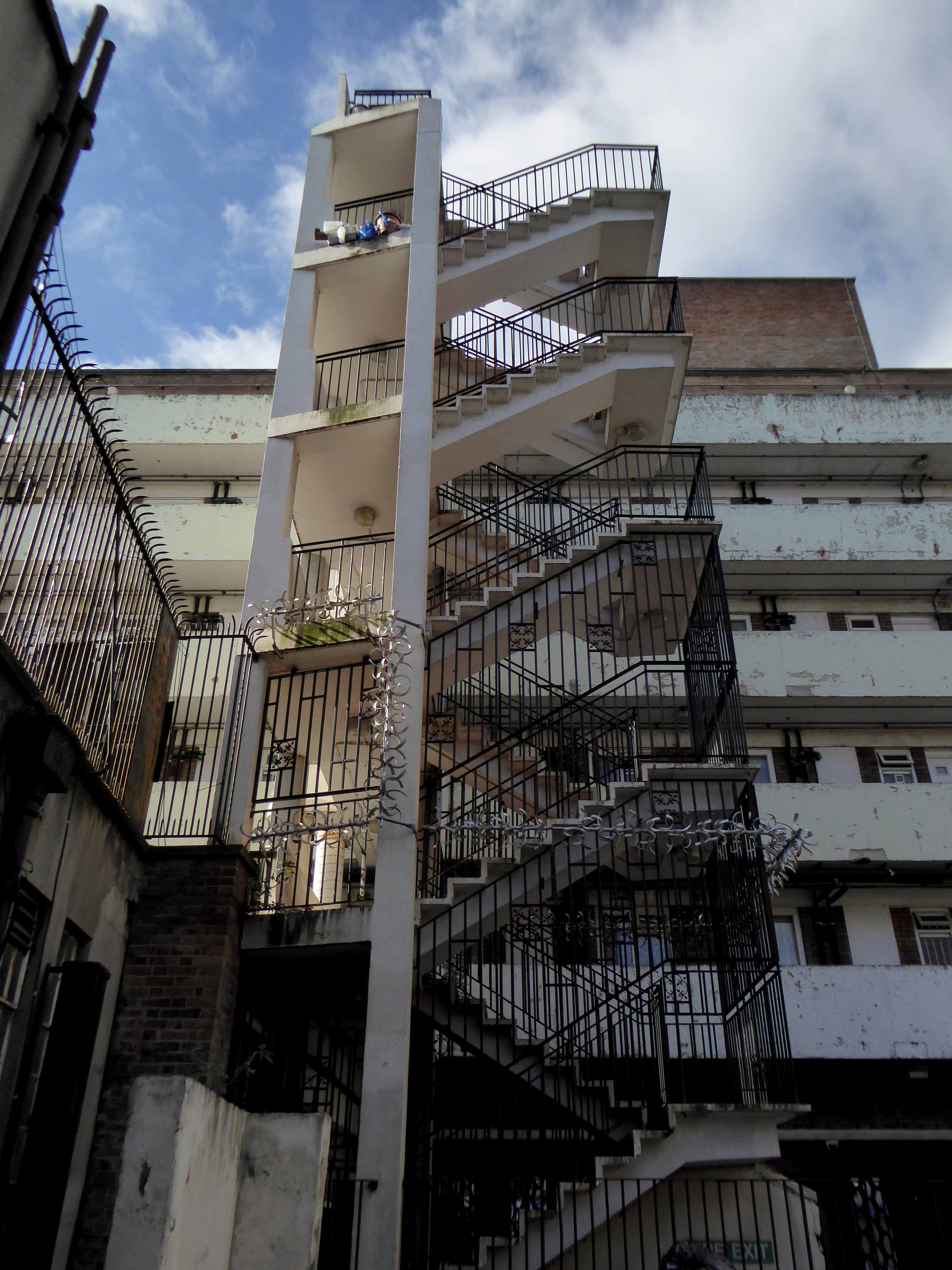
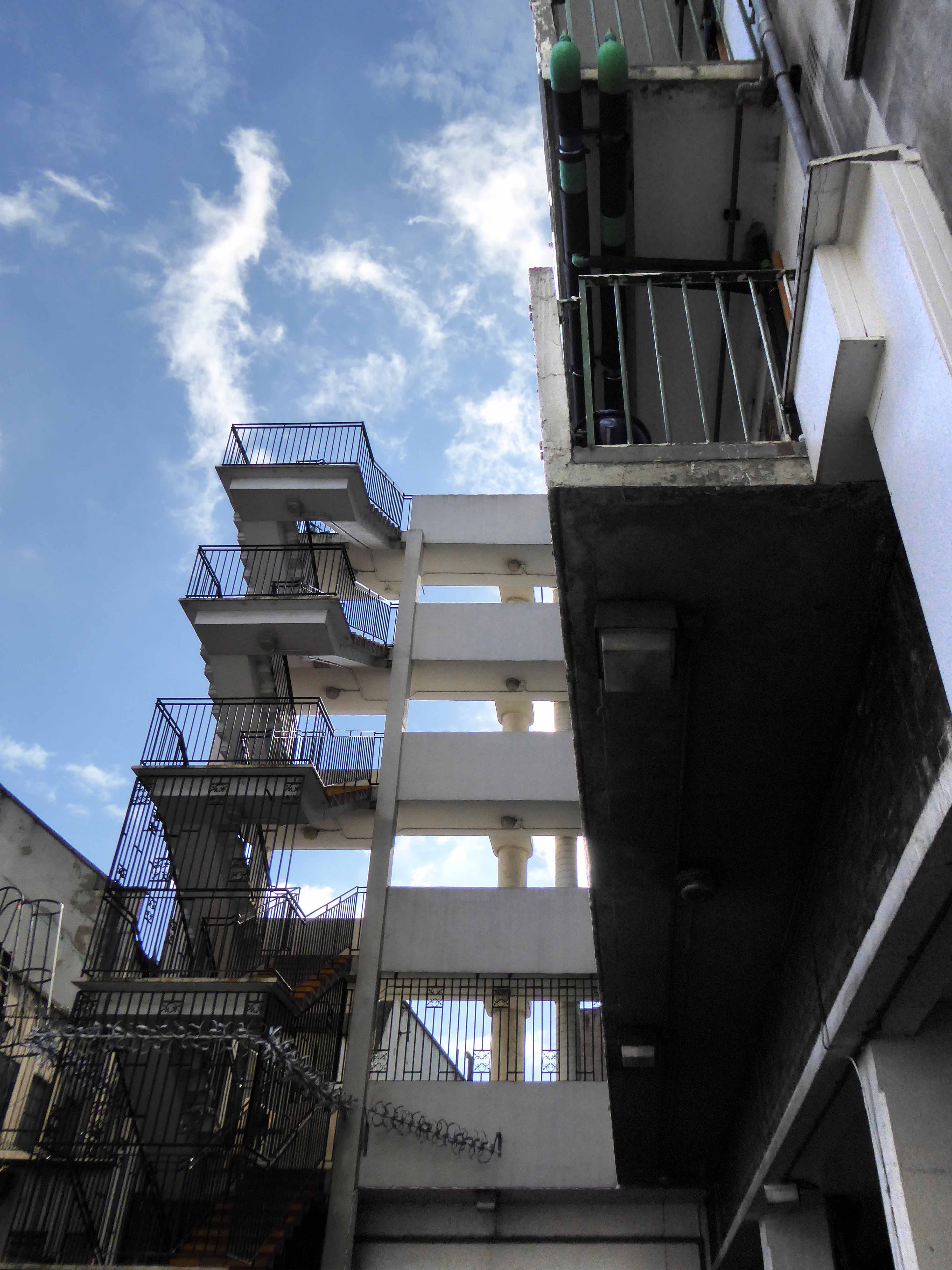
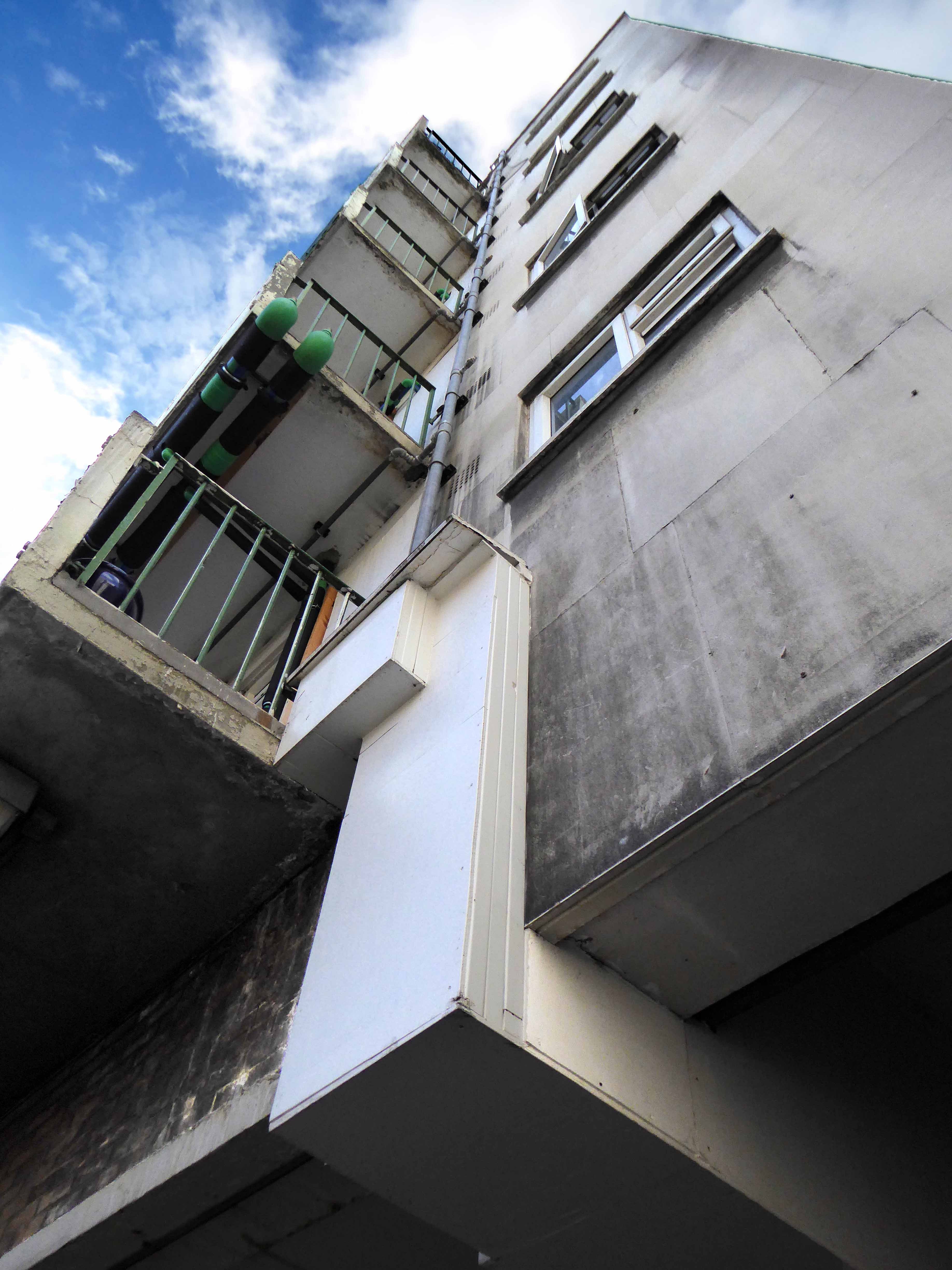
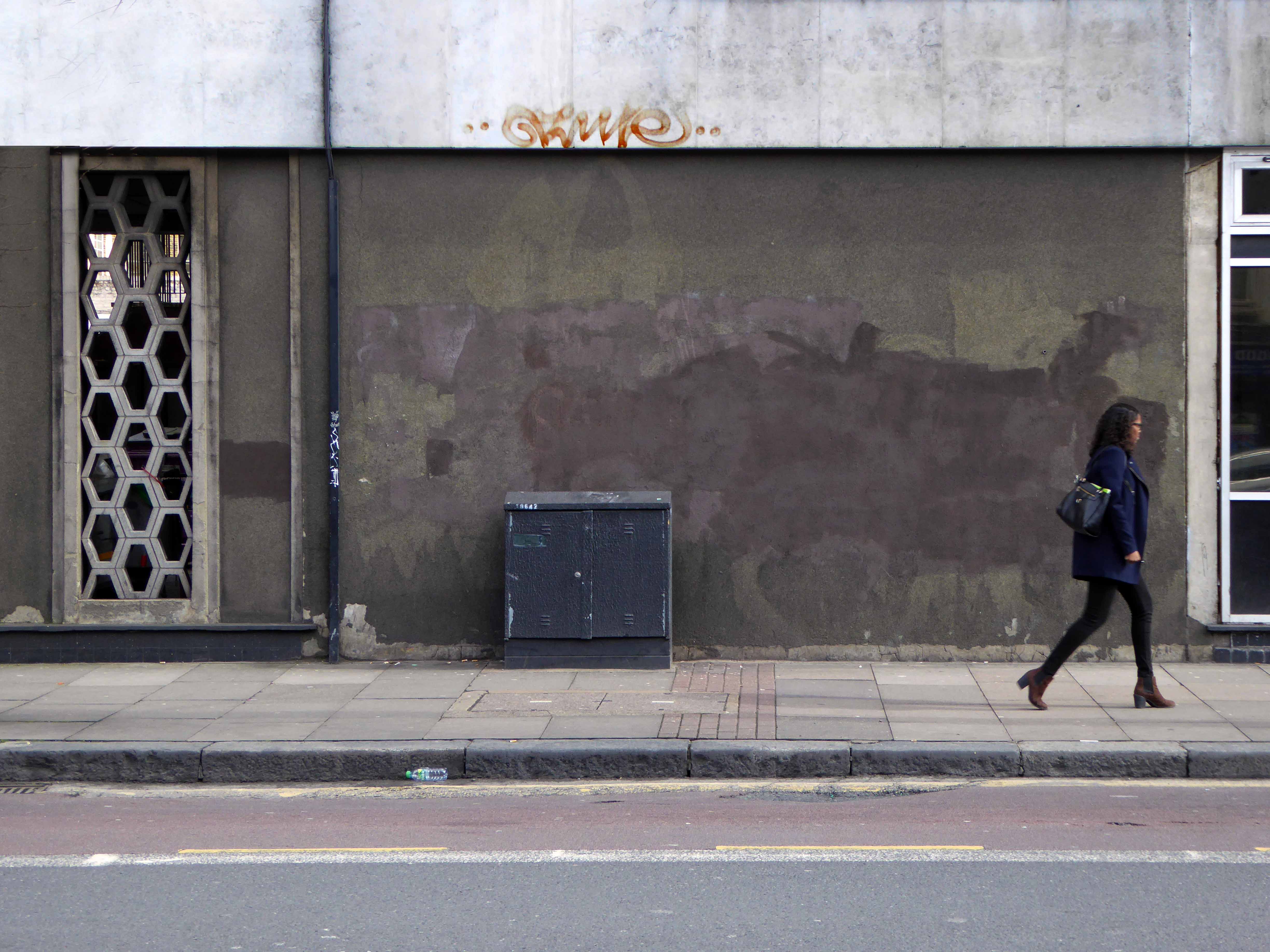
An intriguing structure with a dominant grid on the front elevation, sharp signage, extravagant exterior rear stairs, modular concrete screened, low-level car parking and a recently enclosed glassed gallery.

2686397_93fb4162


London – city of surprising surprises.


Back to Beswicks

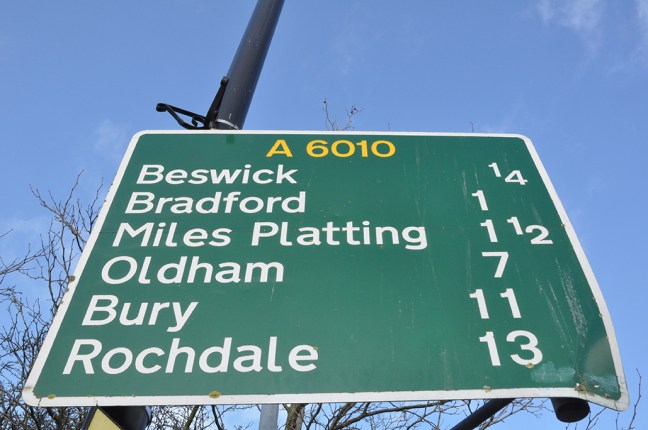
You’re never more than a thousand yards from a main road, six feet from a rat, or a quarter of a mile from Beswick, one of many Beswicks.

DSC_0175

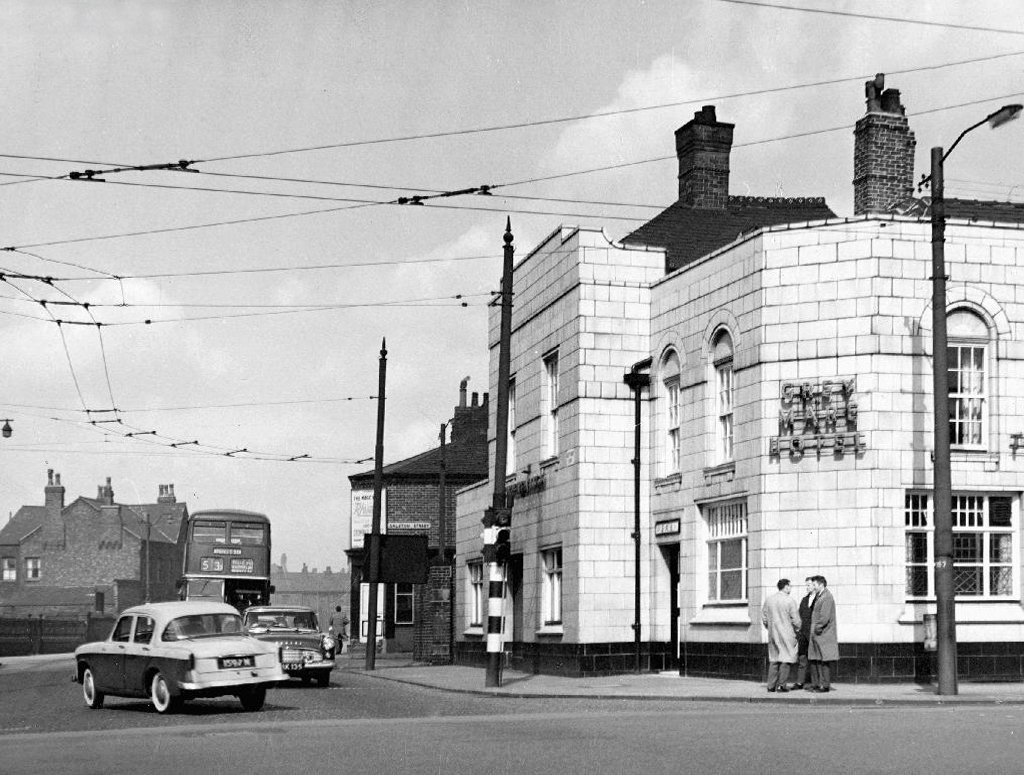
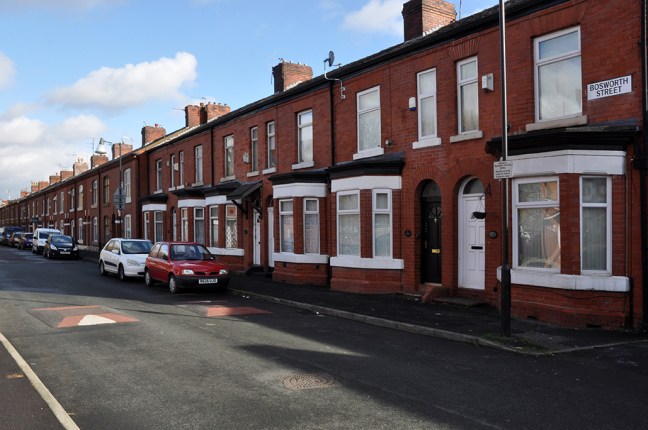
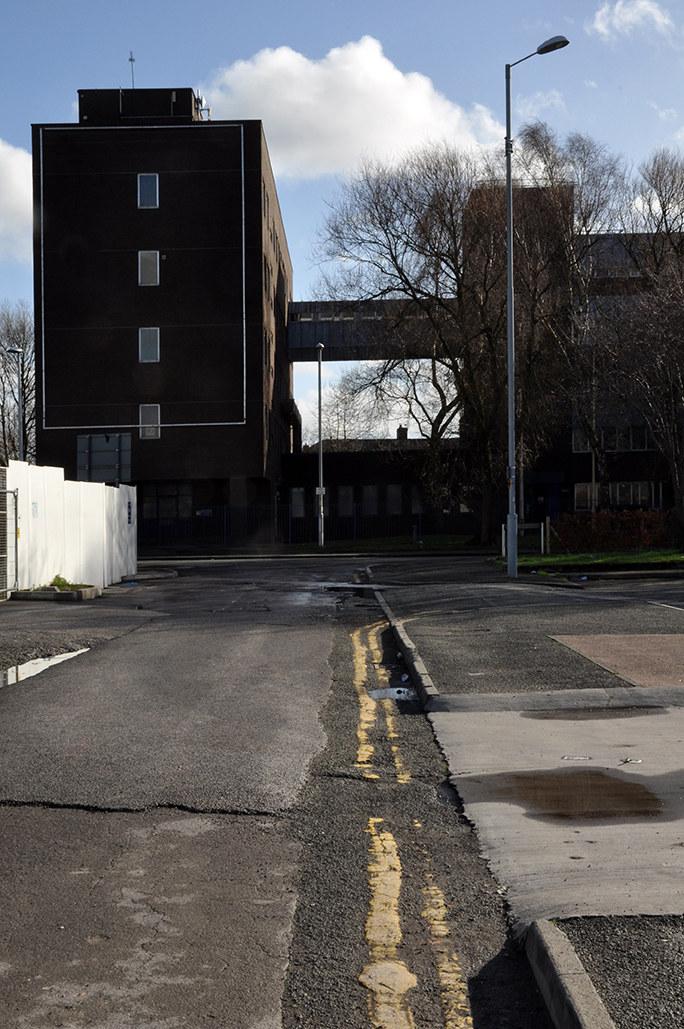
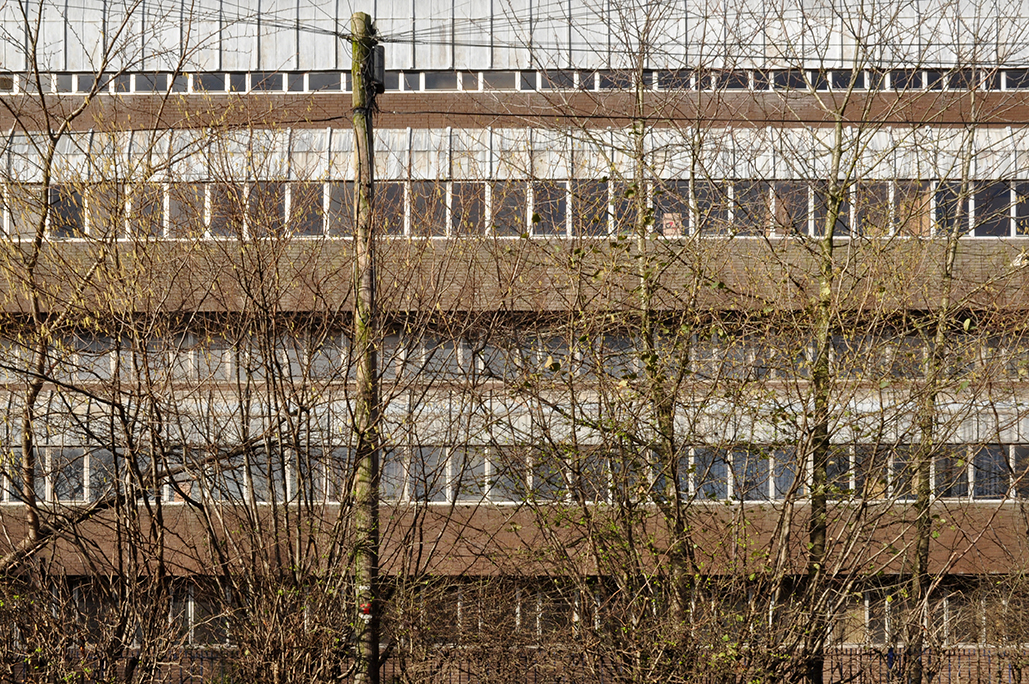
Beswick was once a bustling mixed industrial and residential area of east Manchester, alive with back to back terraced housing, pubs, clubs, shops and people.

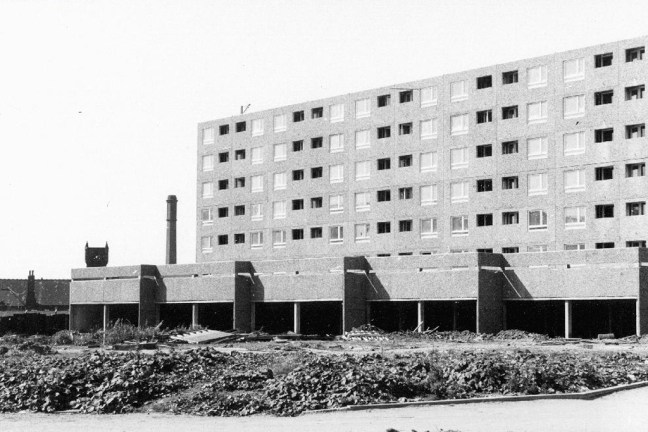
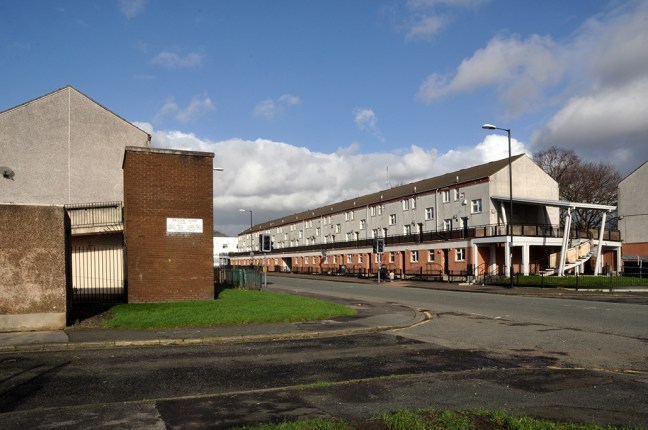
Sixties slum clearance swept away most of its past when Fort Beswick was built.

webmedia-3.php

Remember the Alamo?

Forget Fort Beswick.

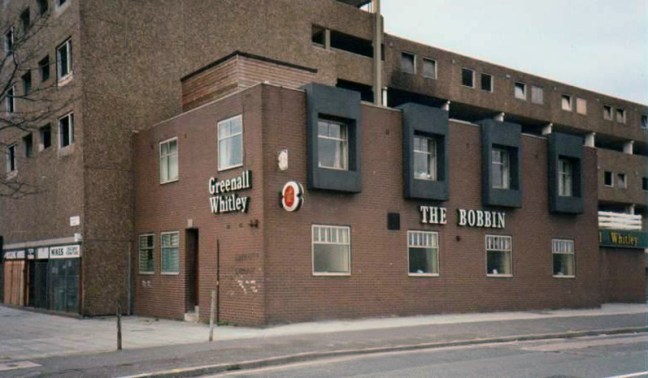
It’s gone – wind the Bobbin up.

The Bobbin copy

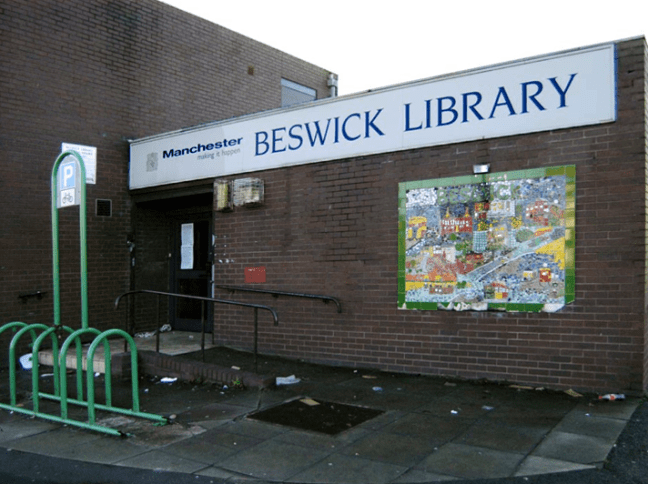
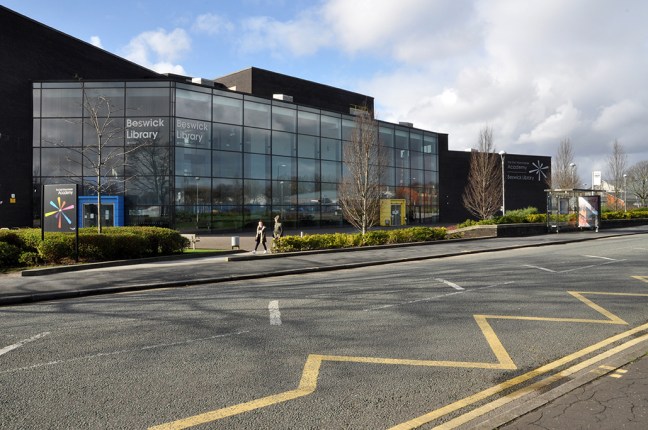
Turn it into a Library

Beswick Library

Wind the library up

DSC_0227

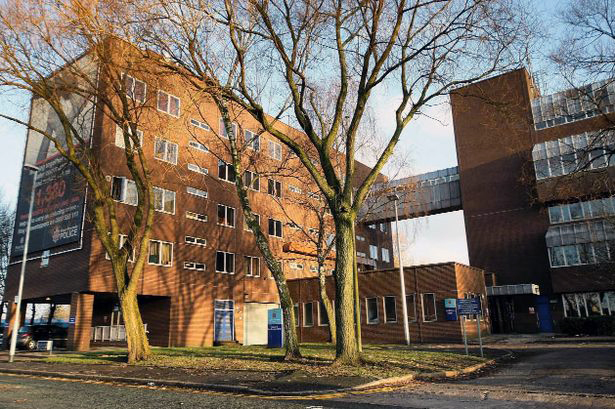
Build another

grey-mare-lane-police-station

Call the Police!

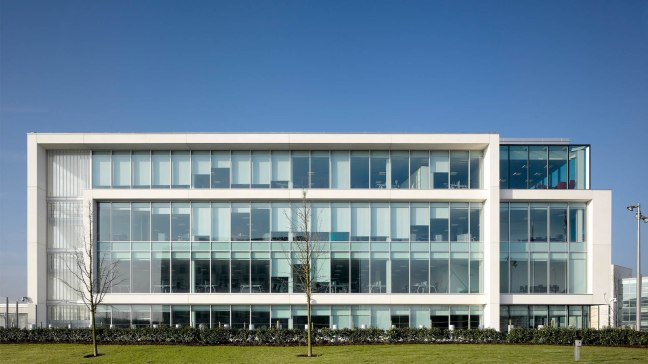
But the Police Station has closed now, and moved further on.

0_GMPDHQ_1920x1080

http://www.manchestereveningnews.co.uk/news/greater-manchester-news/greater-manchester-police-rake-17m-6273100

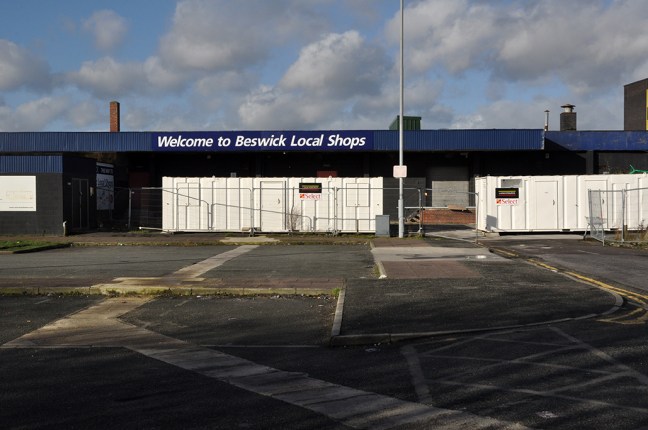
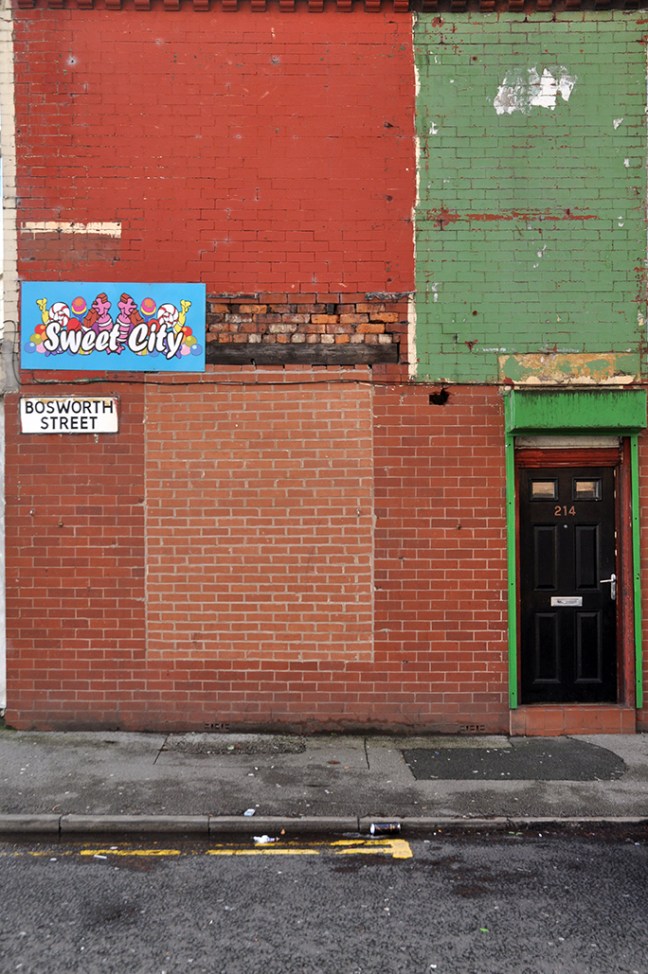
There are traces of the past that remain, homes and pubs that have survived the revival.

Where is Beswick now?

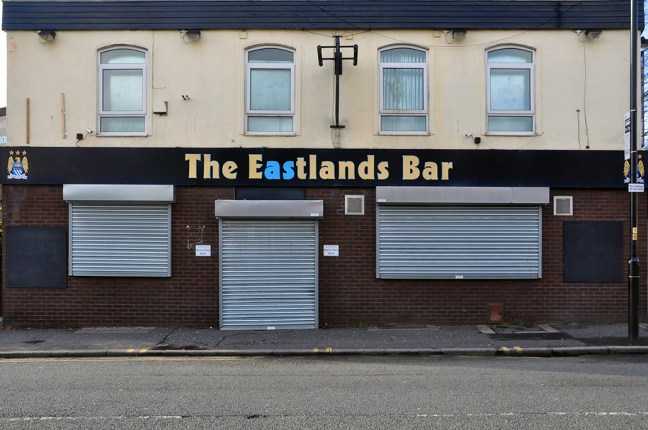
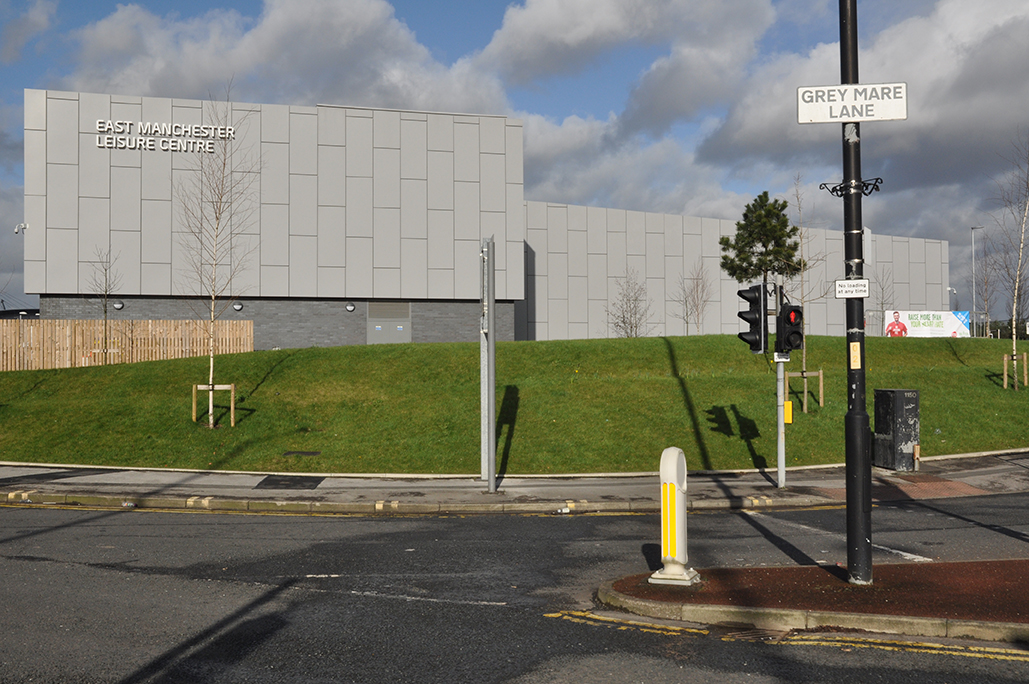
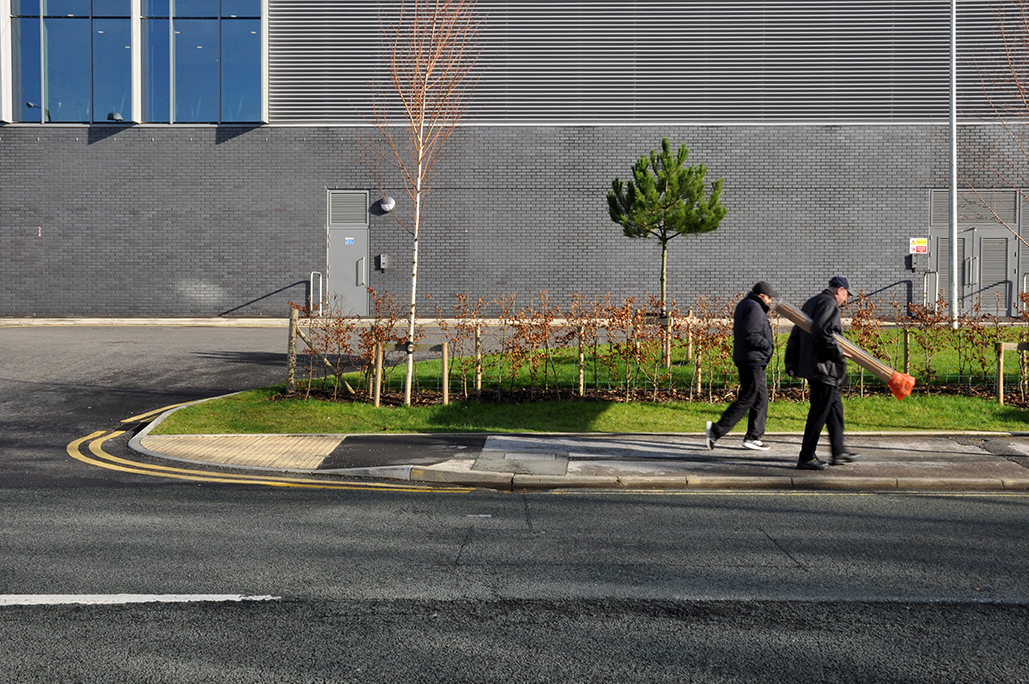
On the edges of the Eastland’s dream, on the outside of everything.

Sheik Mansour ensures the construction of a brand new shiny world.

The private provision of an almost public space.


Everyone knows this is nowhere.

But Beswick?

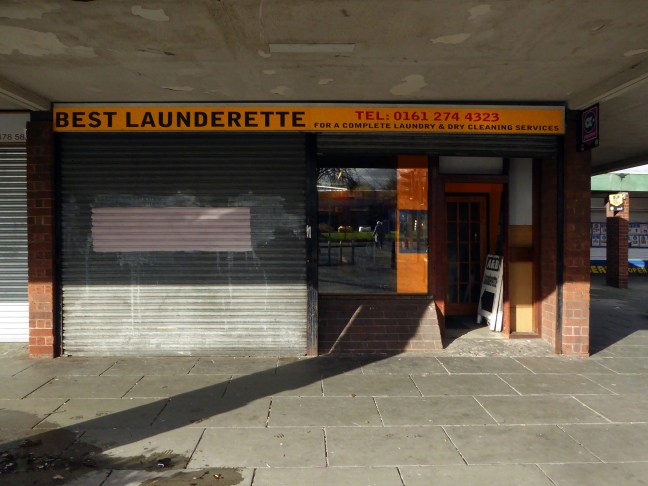
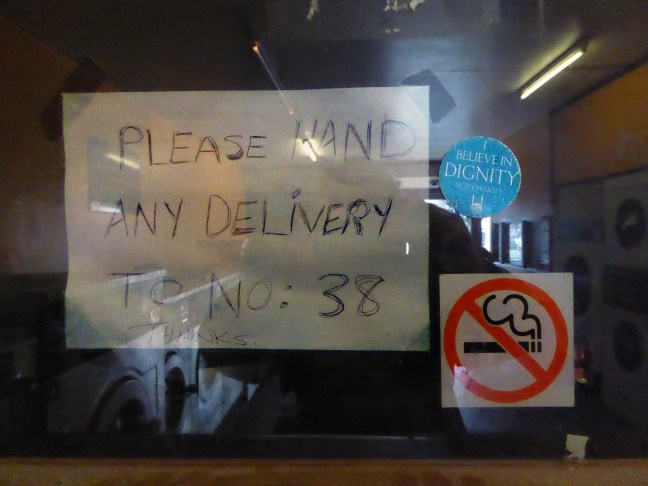
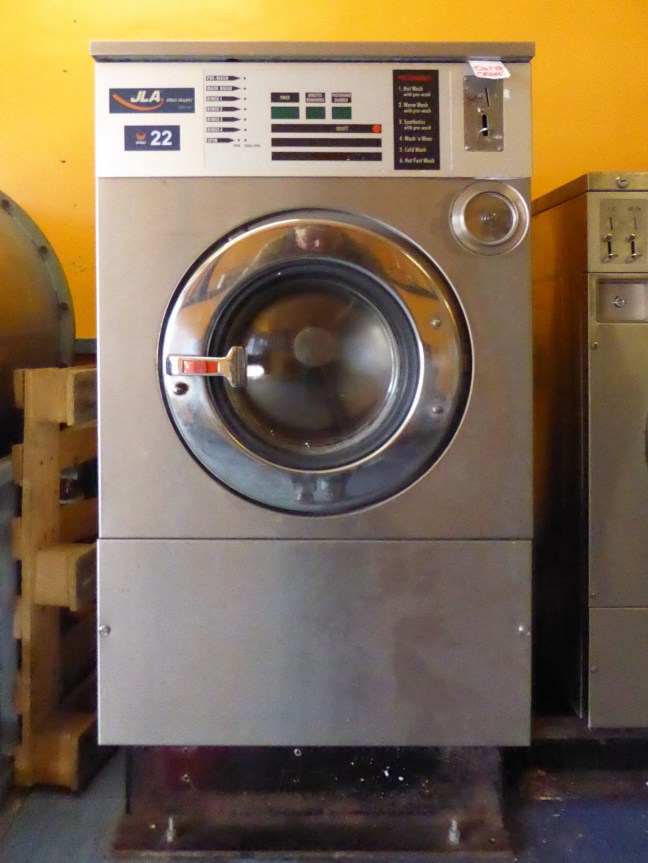
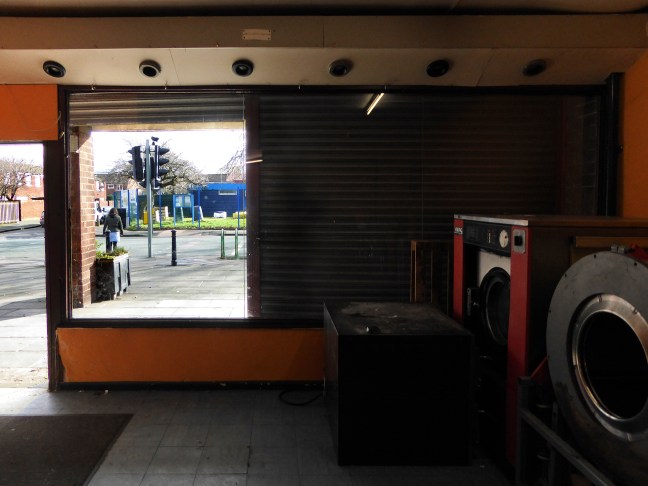
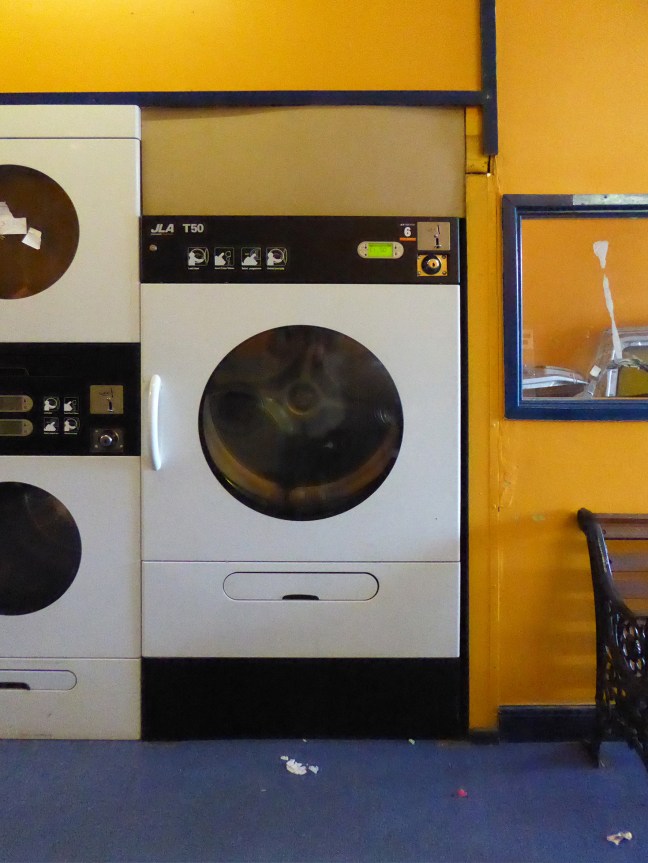
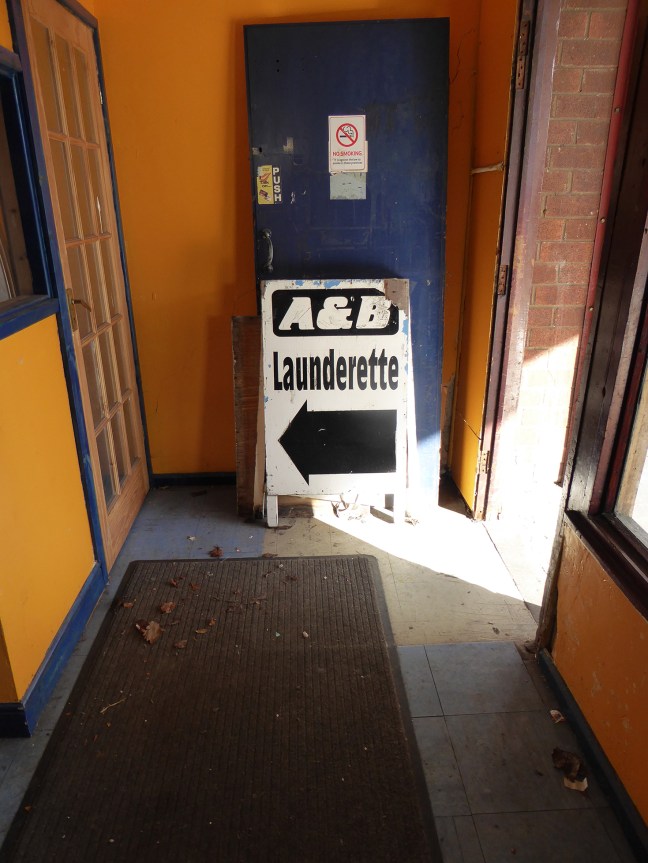
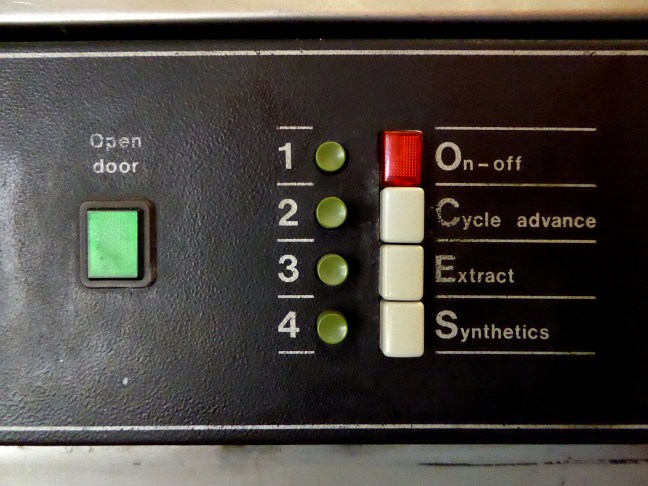
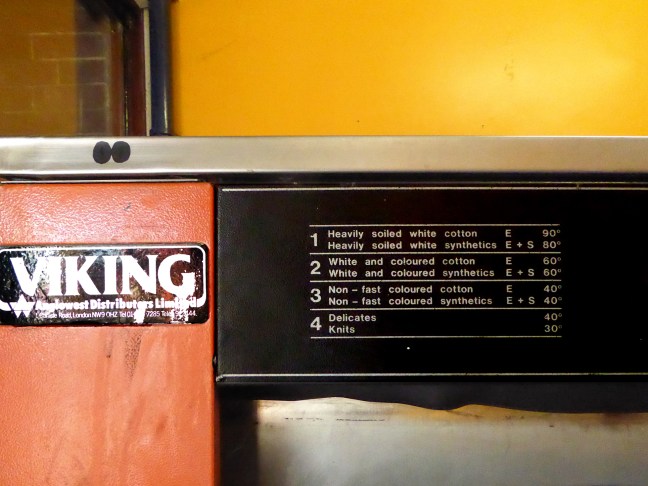
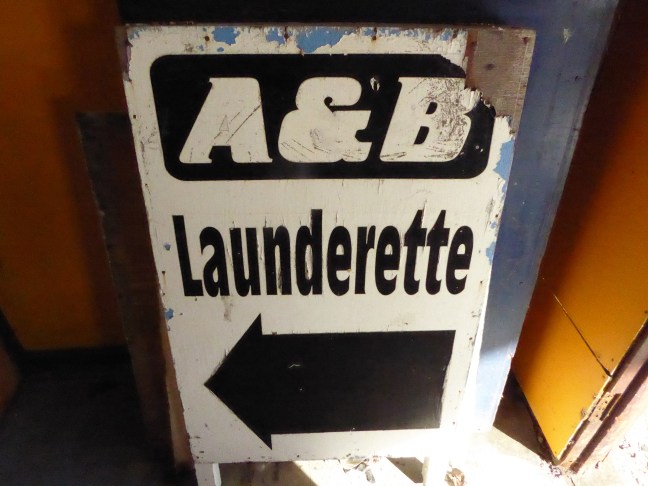
Best Launderette – Brunswick Street Manchester

I was out walking on the corner one day.

I spied some old washing.

In the doorway it lay.

Well there was a doorway, but no door.

There was a door, but not attached to the doorway.

Well there was washing, I had inadvertently found the Best Laundrette.

Unattended, seemingly unloved, washing spinning happily, unobserved.

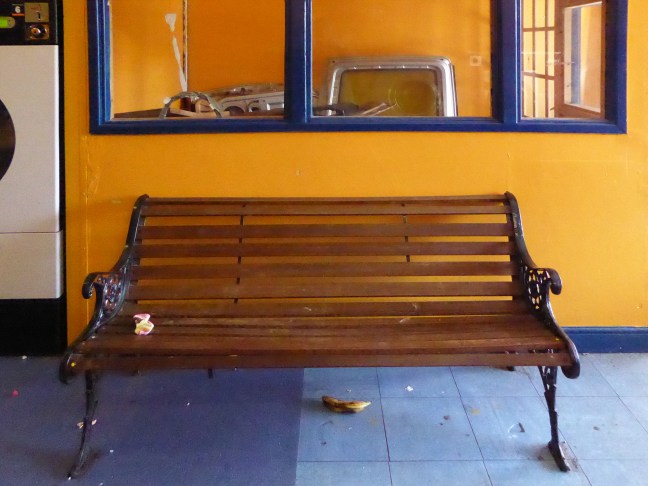
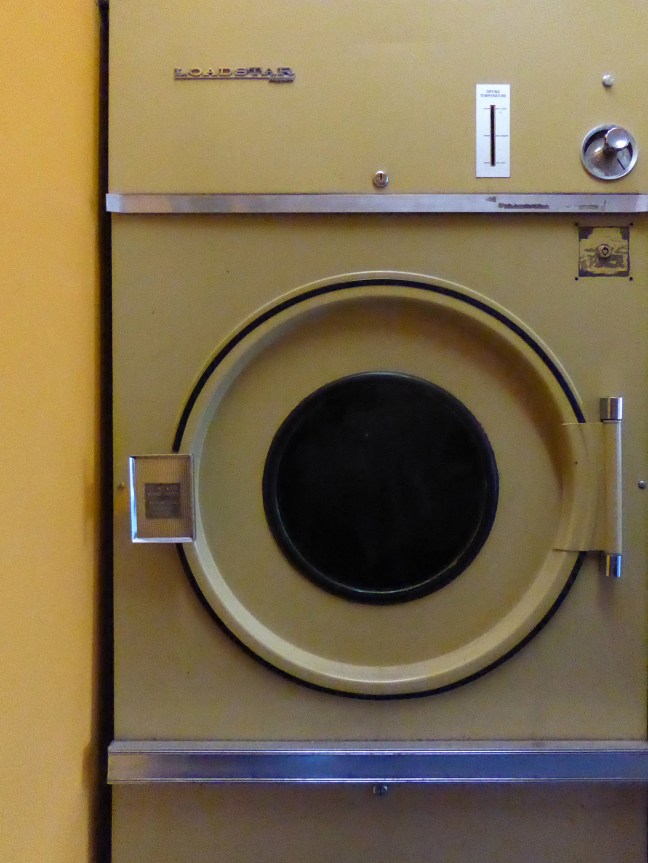
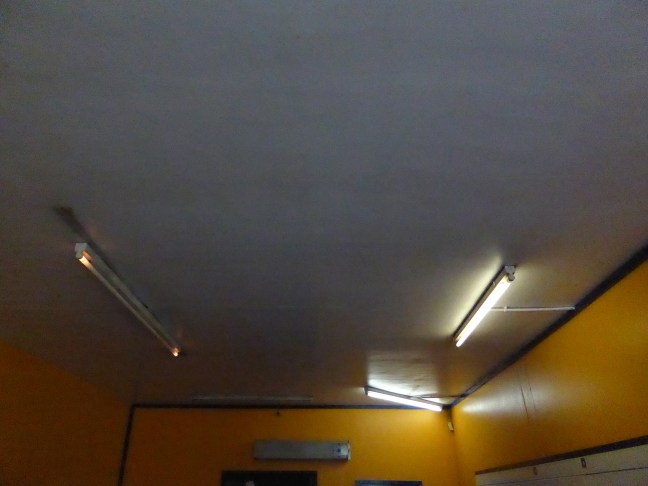
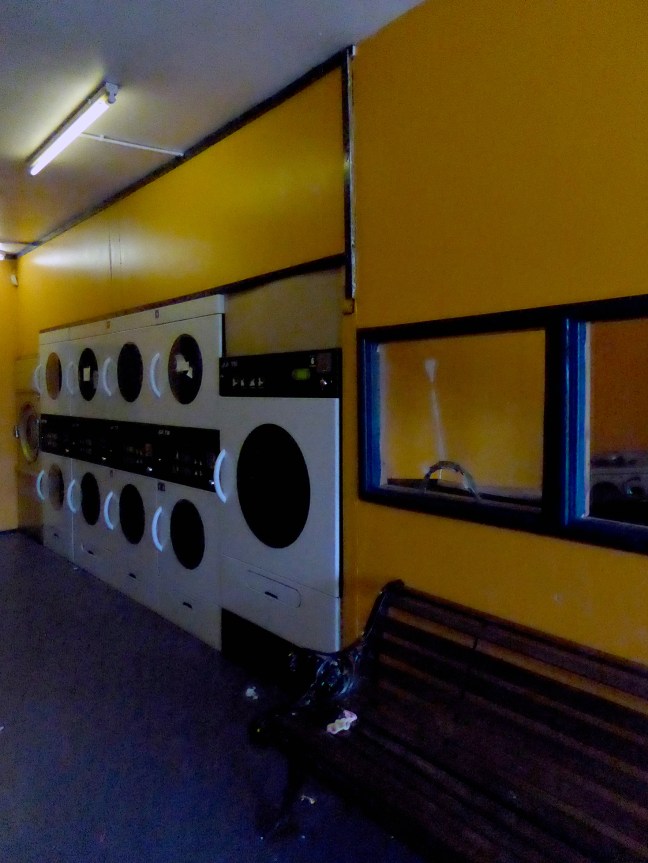
Guantanamo orange walls, stormy petrol blue sky linoleum floor.

Lit by several stark, bare fluorescent tubes.

I quickly went about my business, made my excuses to myself and left.


P1000922 copy

P1000928 copy

P1000920 copy

P1000924 copy

P1000937 copy

P1000935 copy

P1000931 copy

P1000932 copy

P1000927 copy

P1000918 copy

P1000930 copy

P1000919 copy

P1000917 copy

P1000943 copy

P1000921 copy

P1000942 copy

P1000923 copy

P1000936 copy

P1000934 copy

P1000939 copy

P1000933 copy

P1000952 copy

P1000949 copy

P1000948 copy

P1000945 copy

P1000962 copy

P1000957 copy

P1000944 copy

P1000950 copy

P1000959 copy

P1000954 copy

P1000958 copy

P1000961 copy

P1000938 copy

P1000947 copy

P1000946 copy


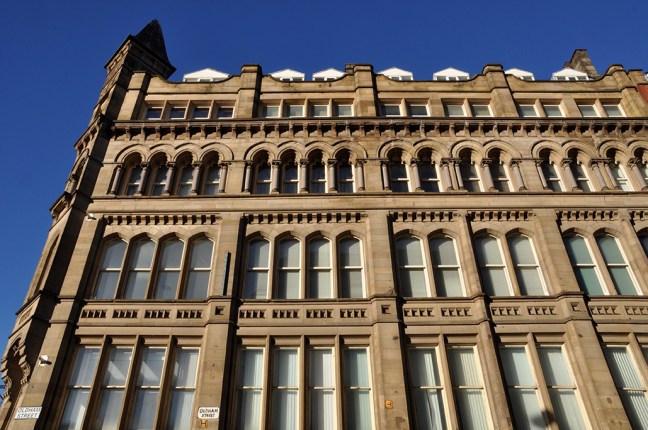
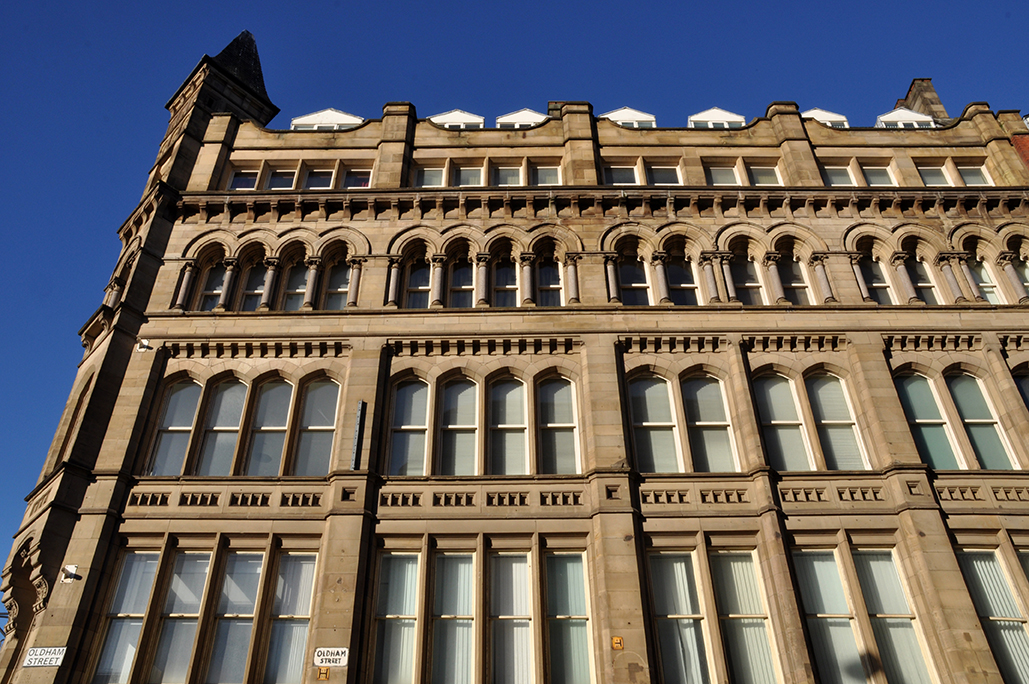
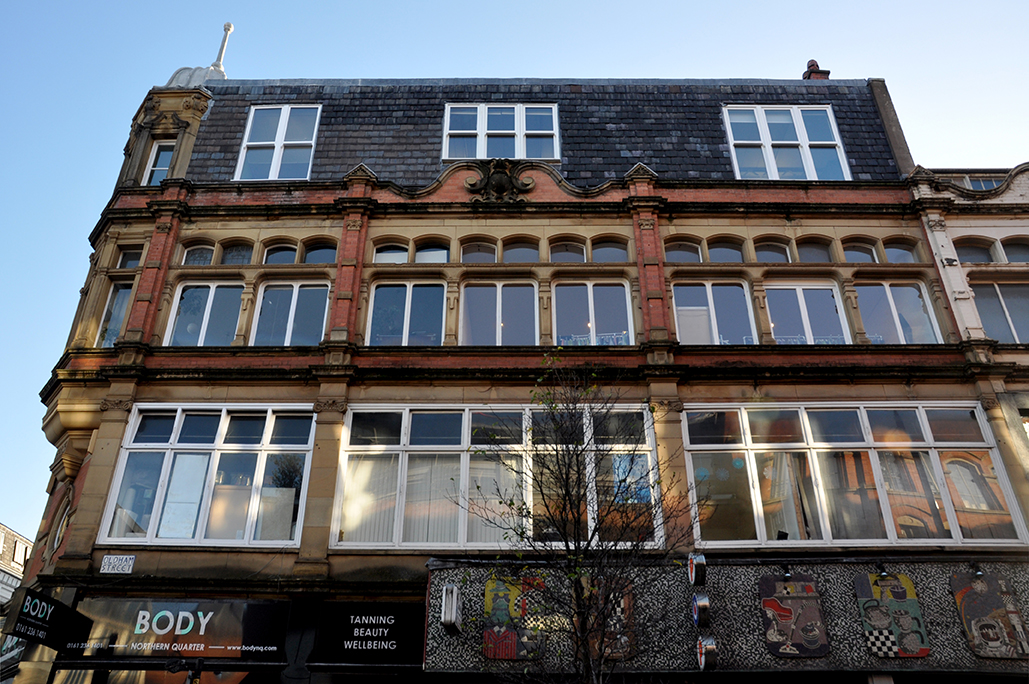
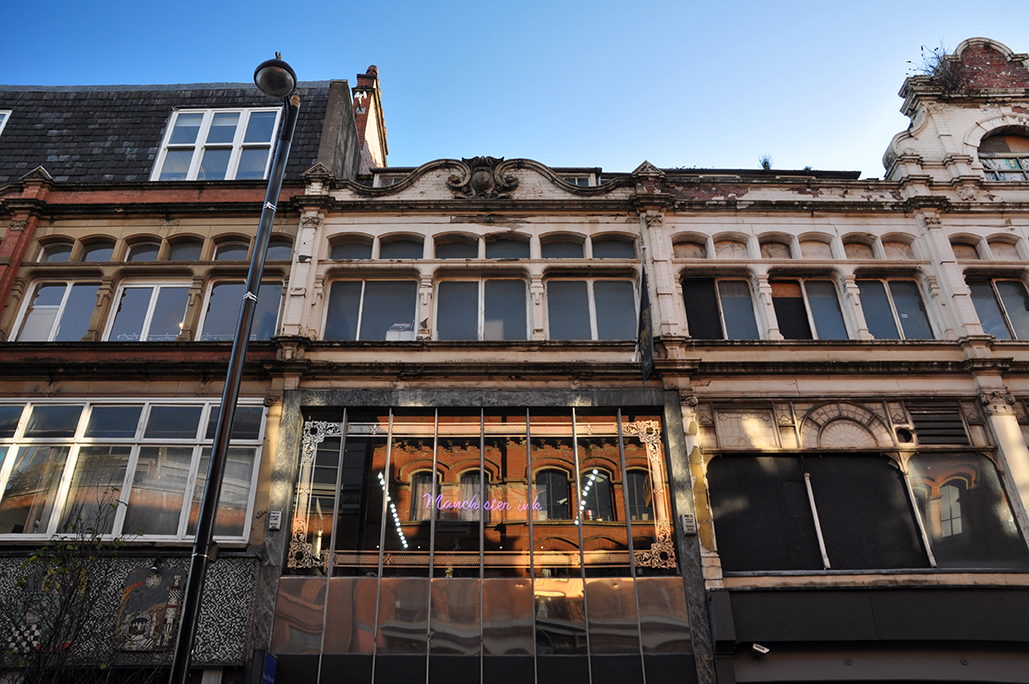
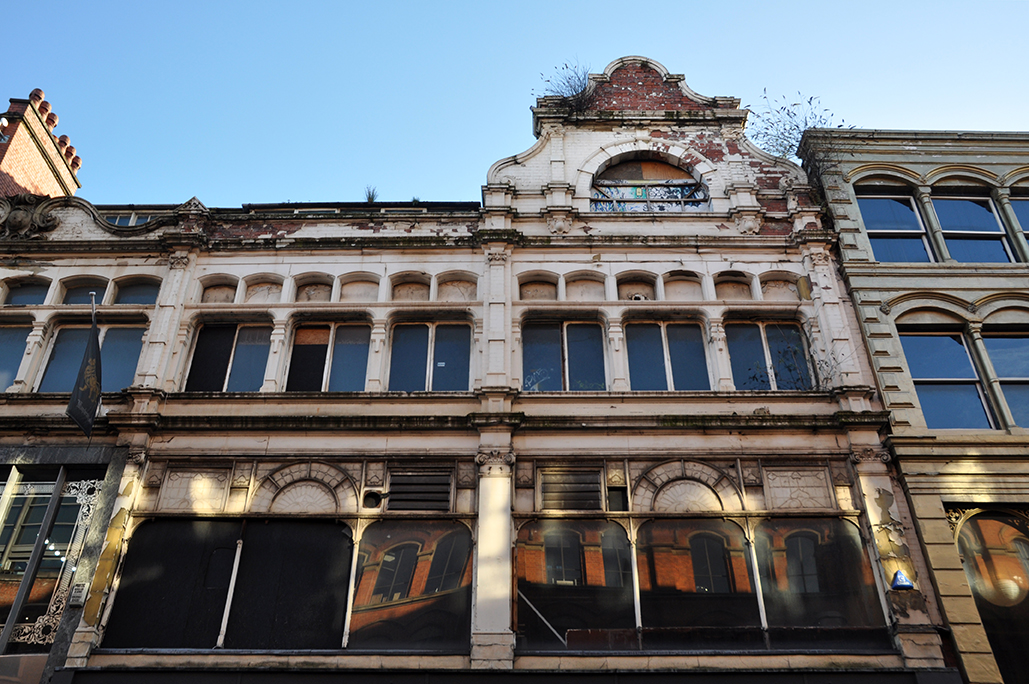
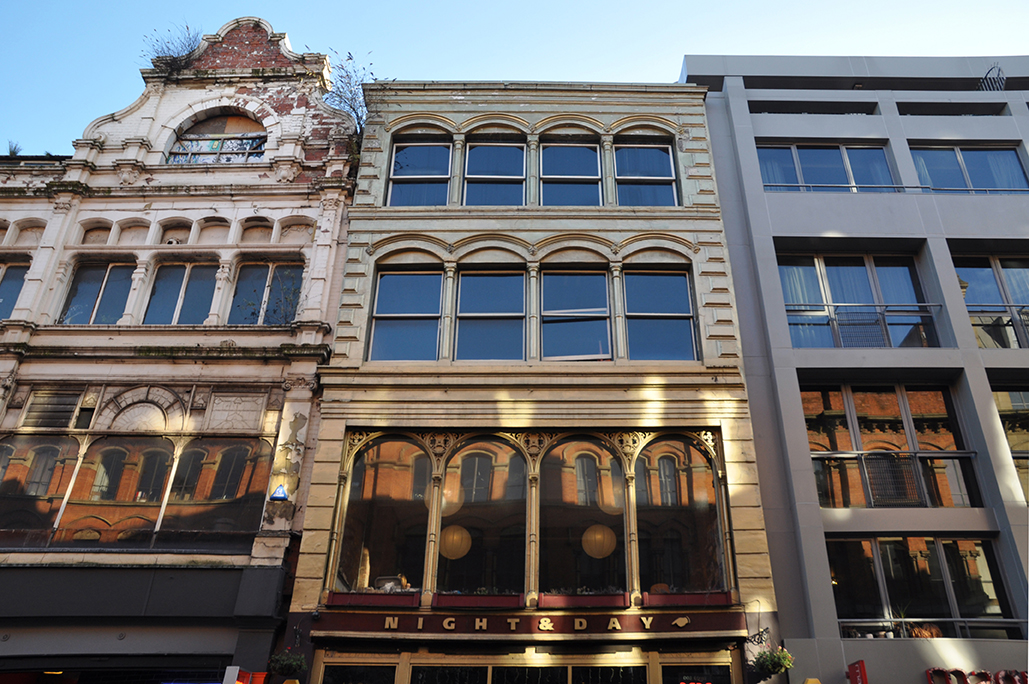
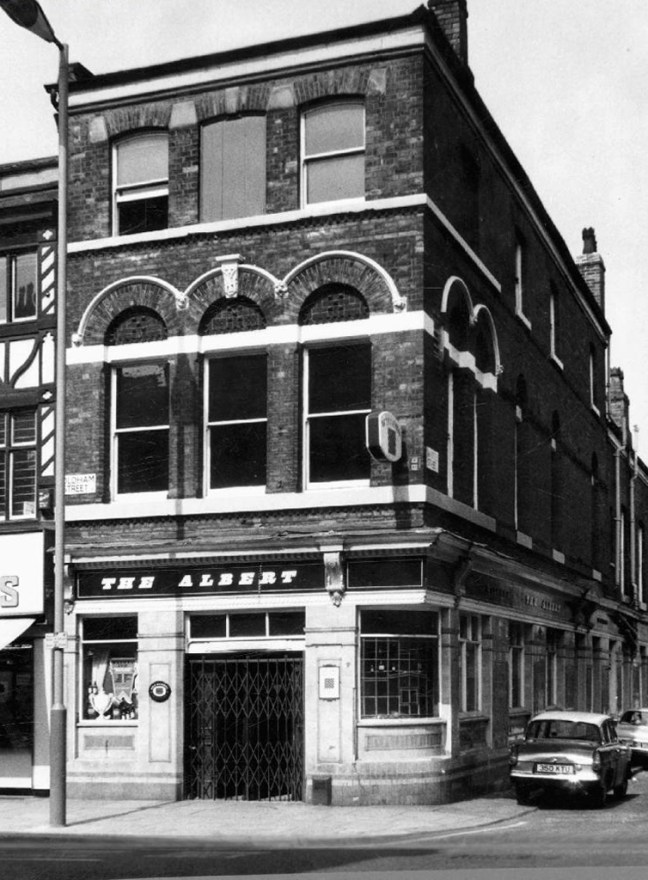
Oldham Street – Manchester 2016

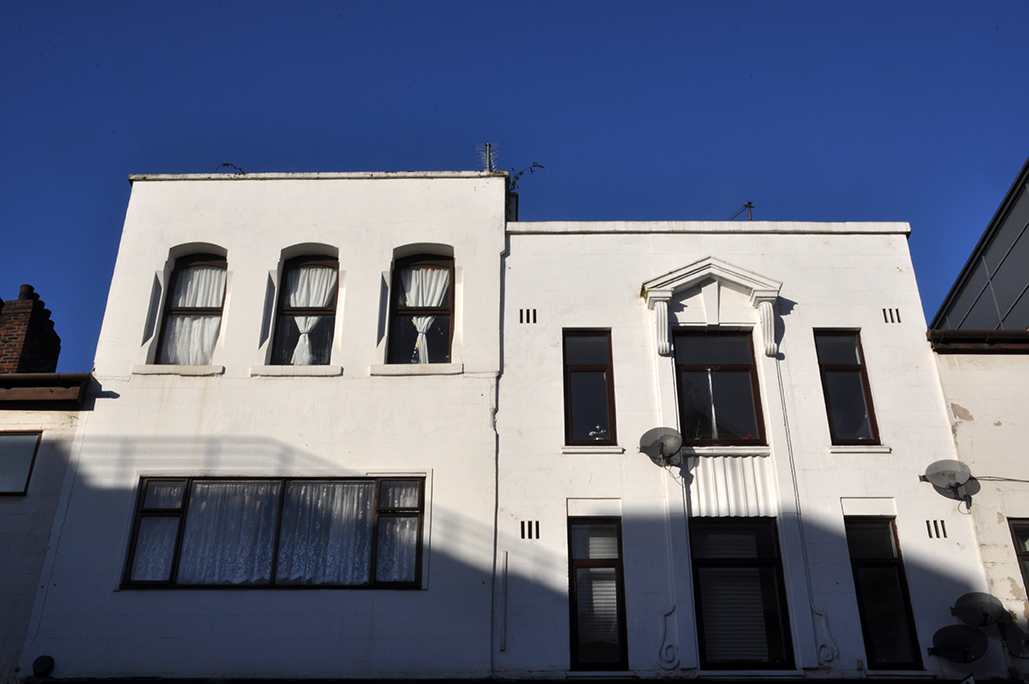
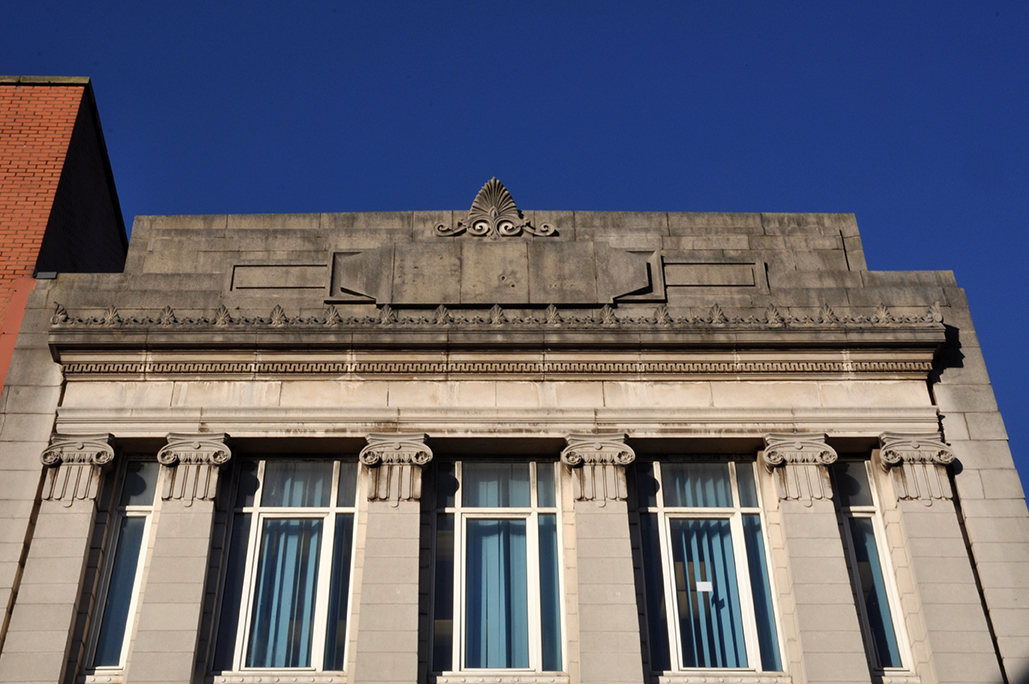
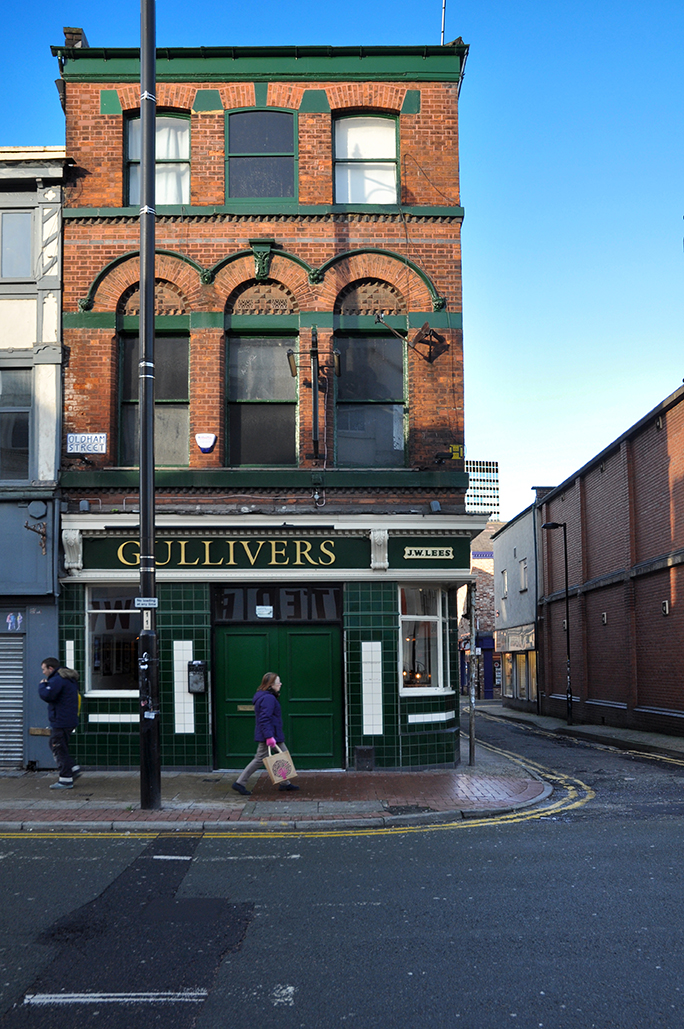
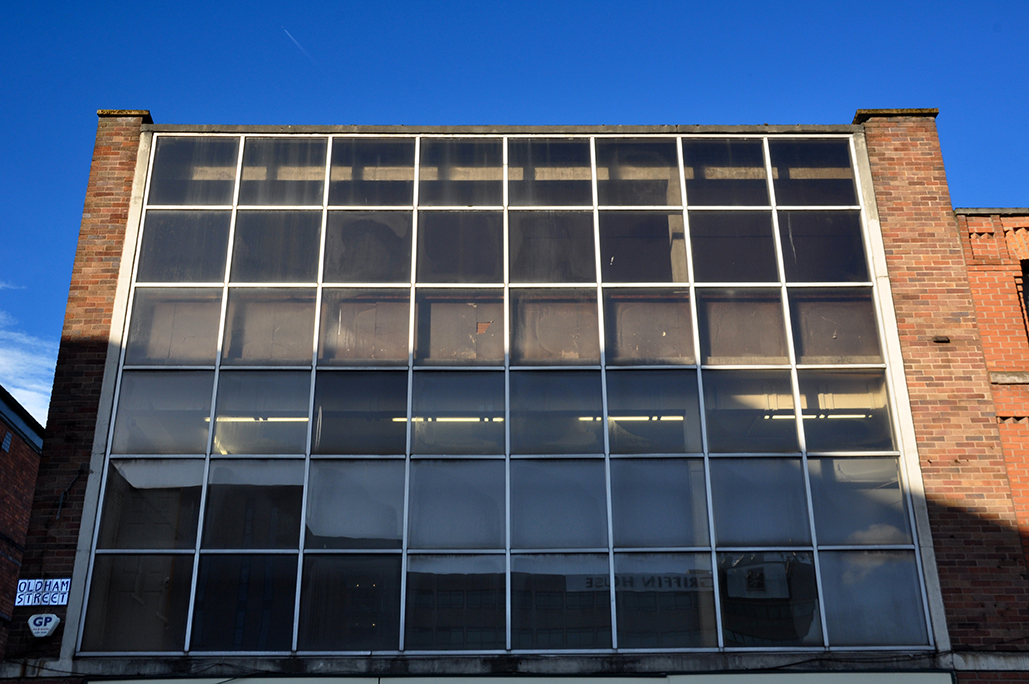
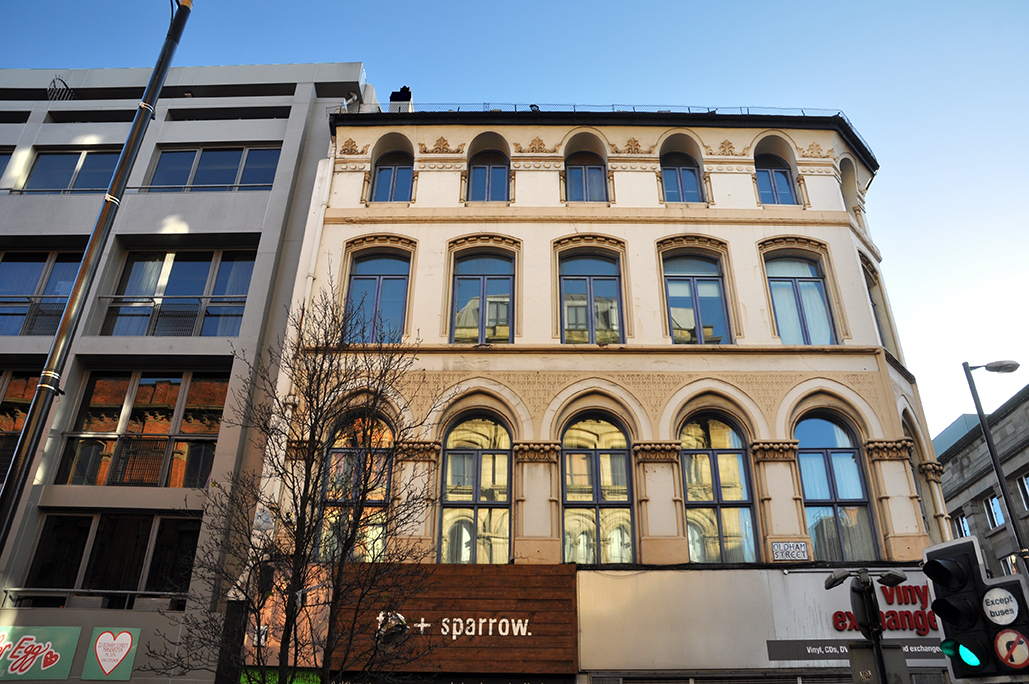
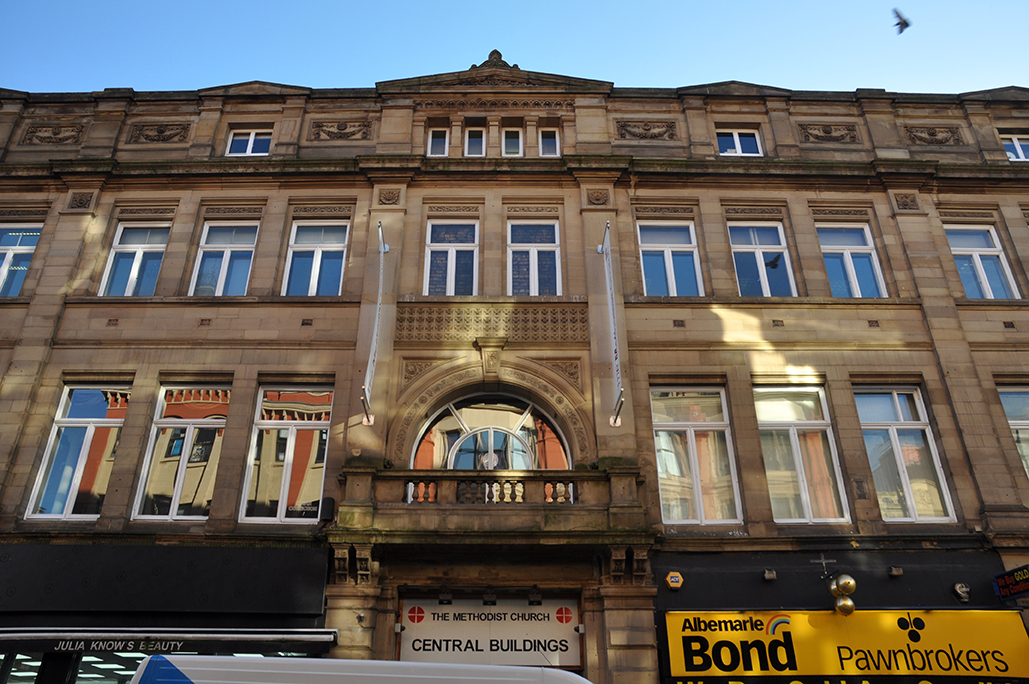
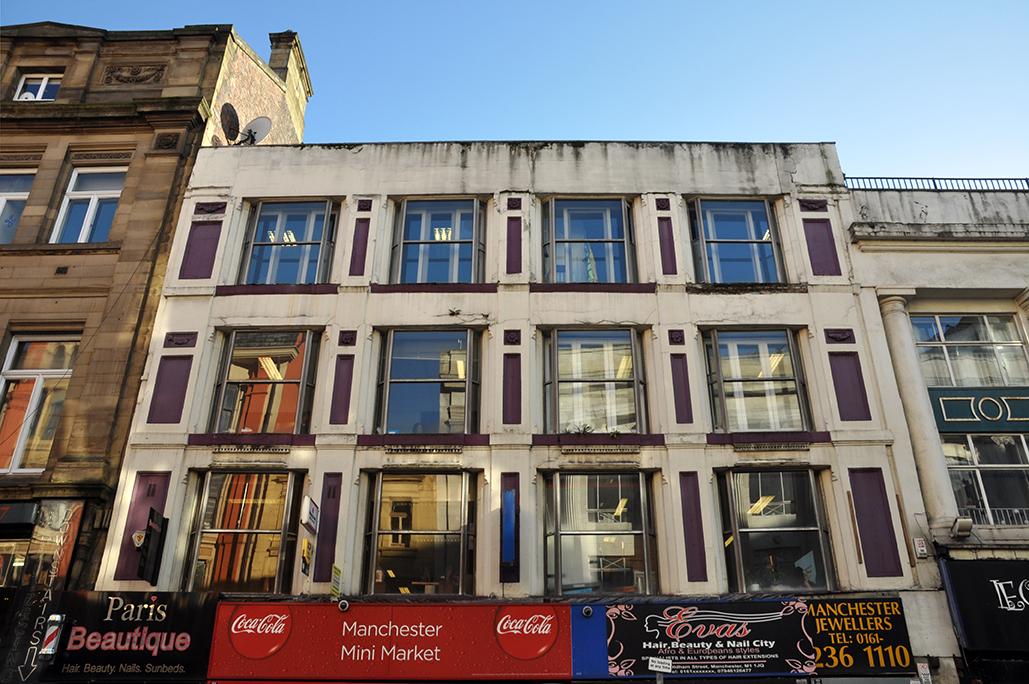
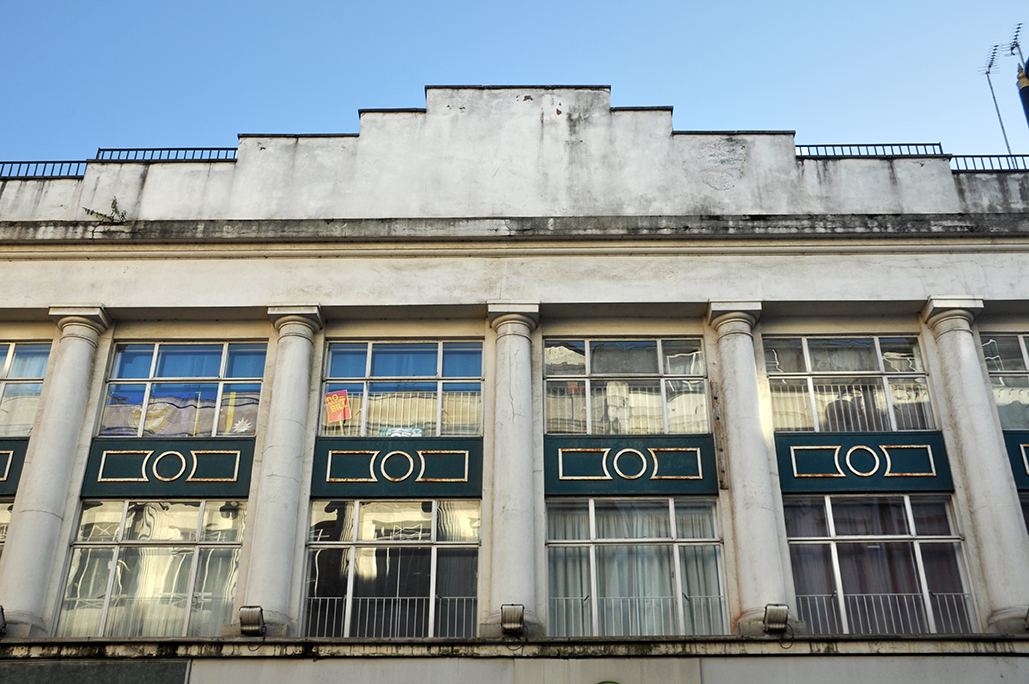
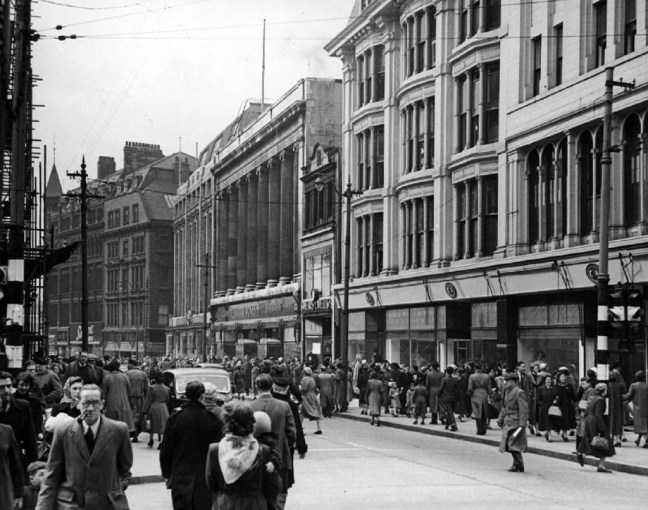
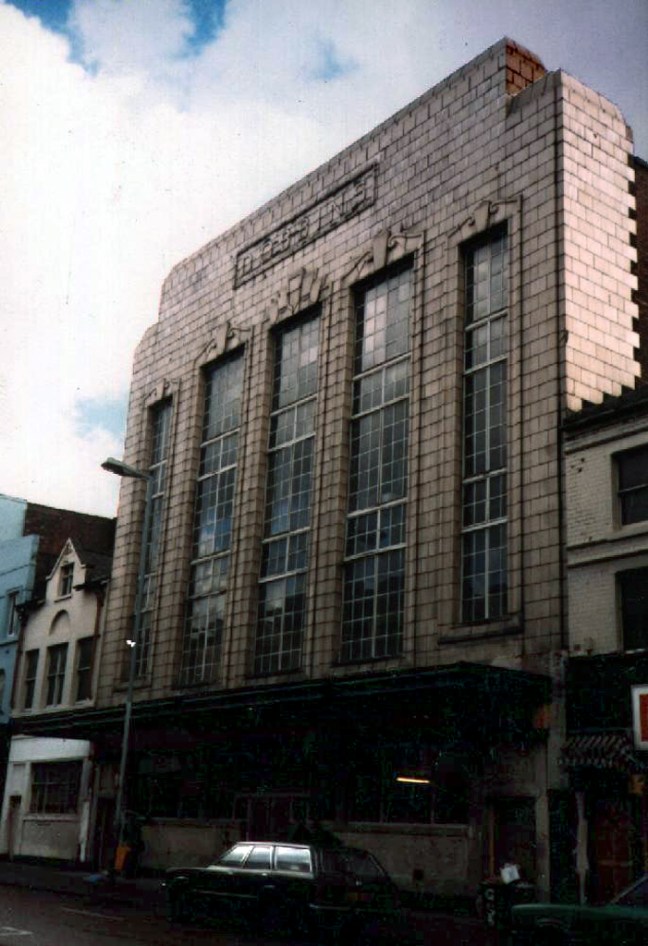
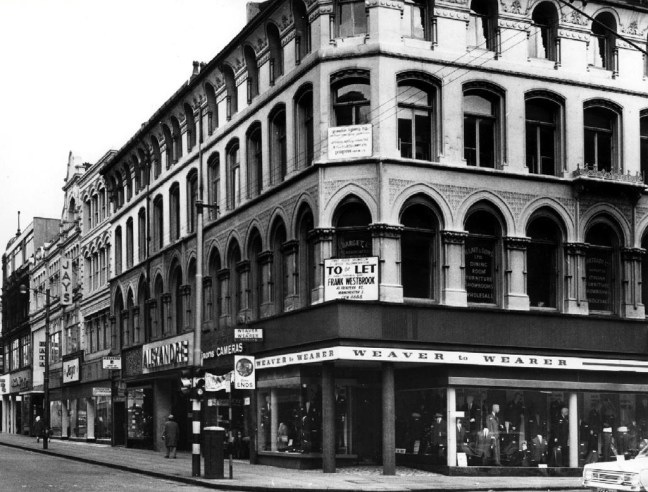
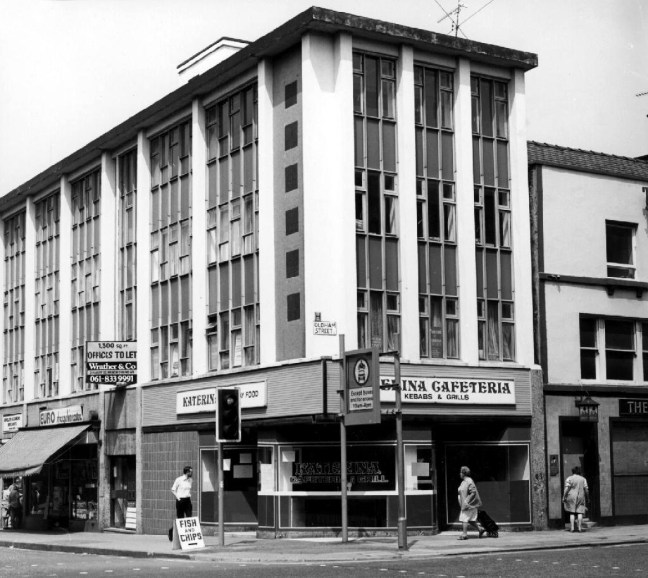
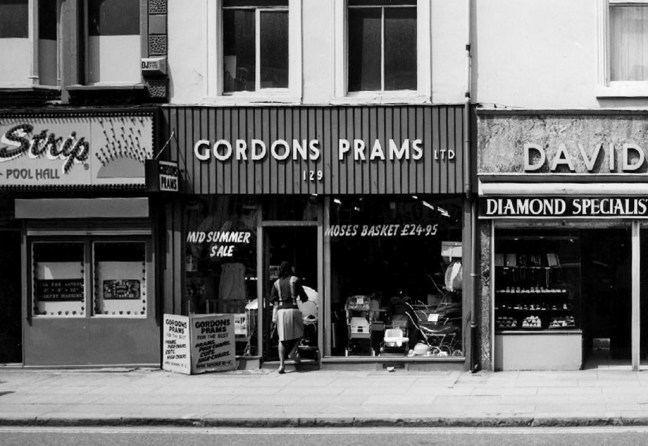
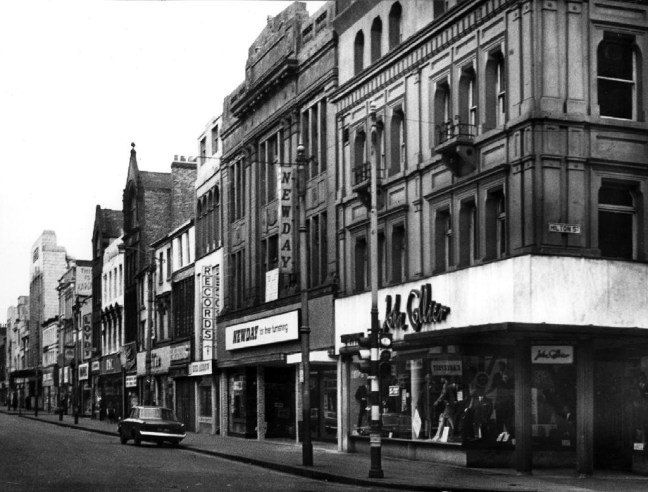
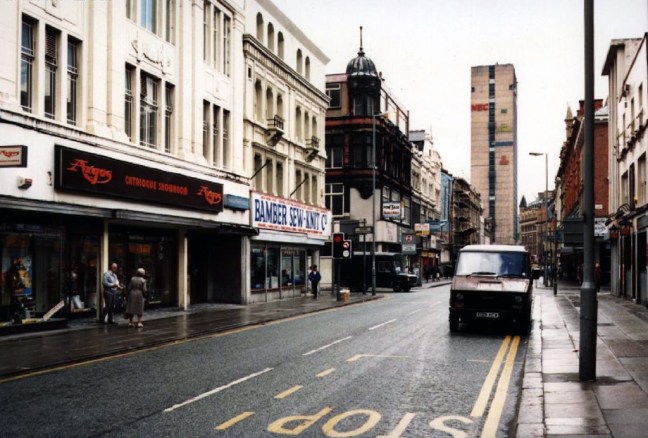
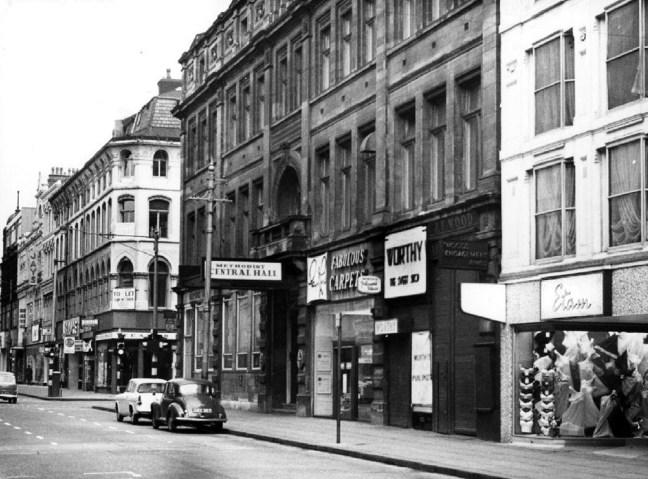
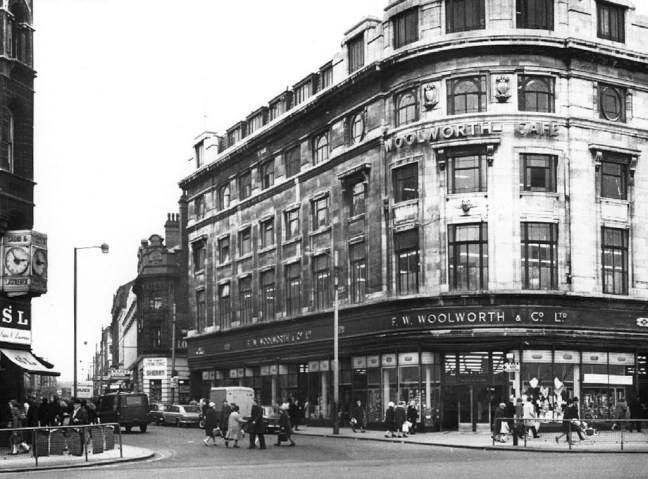
Following my previous post of archival images of Oldham Street, I took a walk along its length a week ago, to record what remained of the post war past.

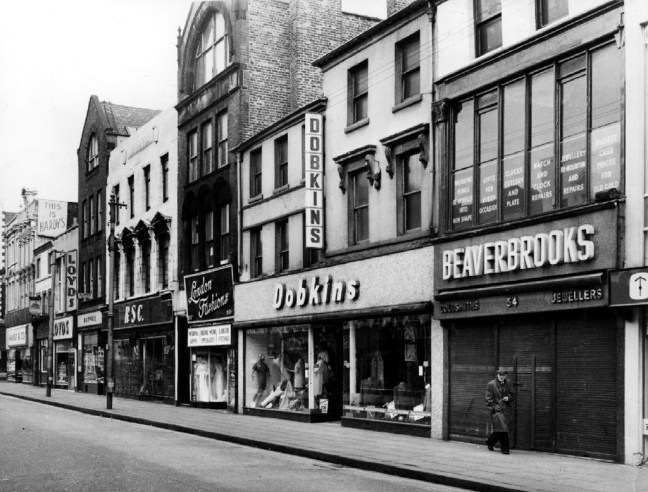
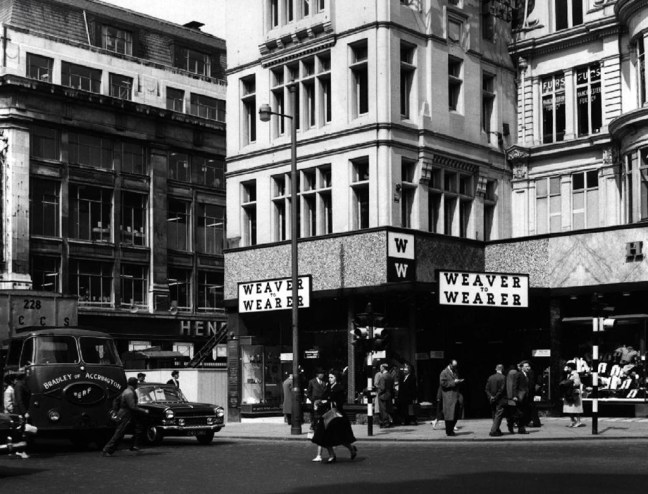
Gone again the blackened façades, exuberant and differentiated signage.

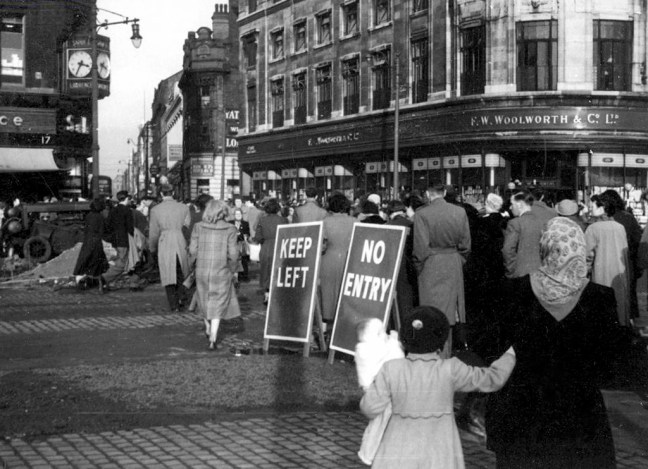
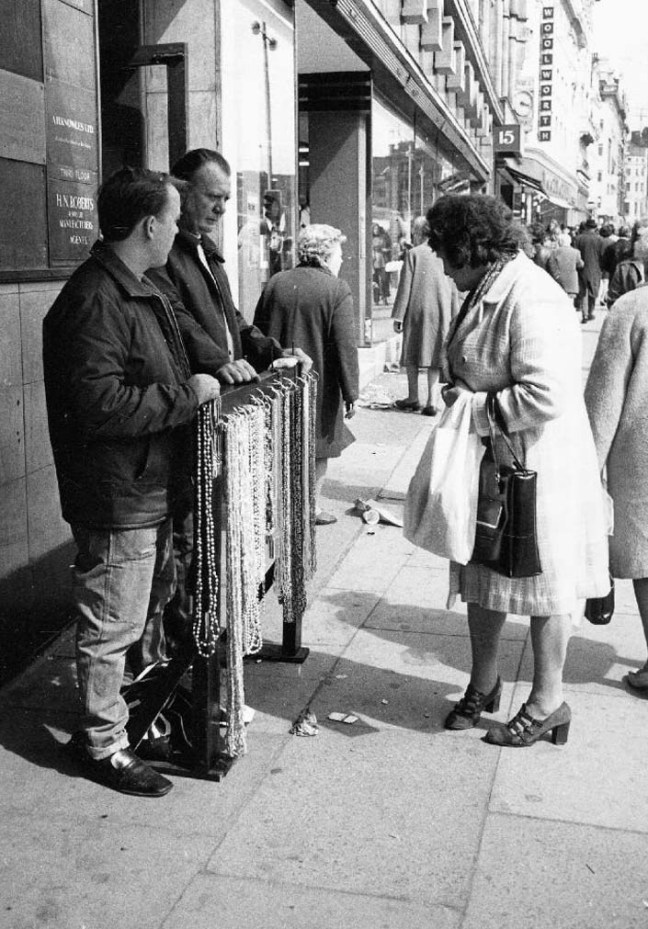
Woolworth’s burnt out long ago, never to return, exit also C&A, don’t forget your coat and hat.

Affleck’s – same name different place.

Yates’s three down none to go, the last all-in is all out.

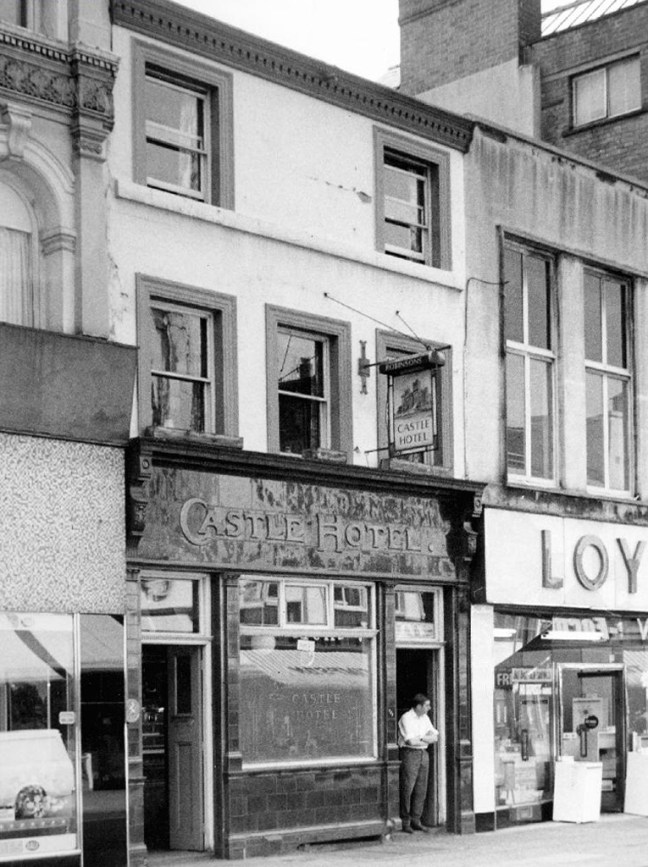
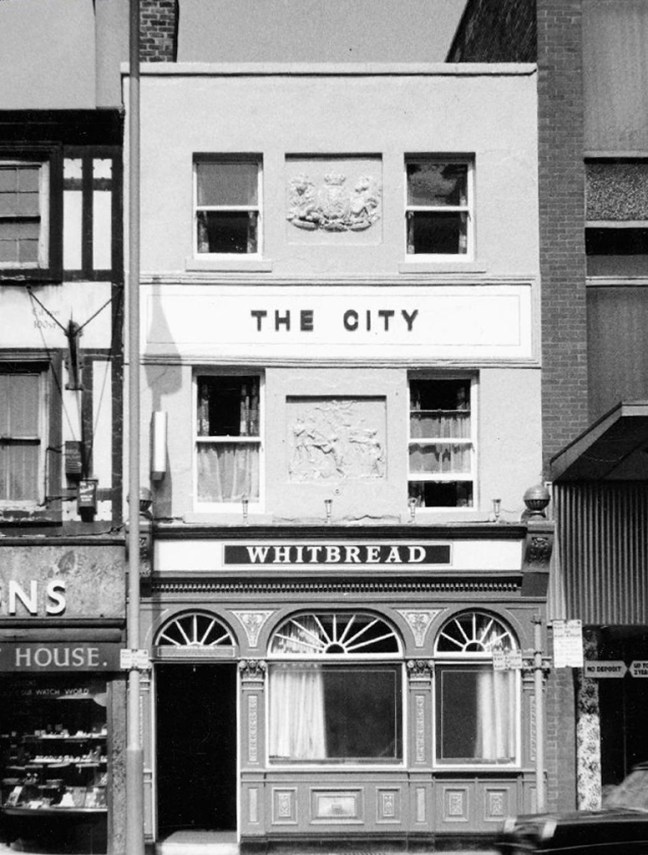
Three pubs prevail, some serving craft ale to the not so crafty.

Methodist Main Hall is mainly well-used and well, loved.

In low Winter light the upper floors dance in shadow and sun-glow, against a brighter than bright blue sky.

A crazy range of saw-toothed roof tops colliding.

Oldham Street survives.


Oldham Street – Manchester

In the early 18th century, Oldham Street was apparently:

“An ill-kept muddy lane, held in place on one of its sides by wild hedgerows”.

In 1772, a privately owned track which is now known as Oldham Street was given to the public. The road took its name from Adam Oldham rather than from the place name. He was an acquaintance of John Wesley, the founder of Methodism, which could account for the Oldham street location of the Methodist Chapel, opened by Wesley in 1781. Central Hall replaced the Chapel in 1885.

The area around Oldham Street became more affluent, with warehouses and shops, many of whose merchants lived within their shop premises. This is described by Isabella Varley, Mrs. Linnaeus Banks, a resident of Oldham Street, in her book The Manchester Man.

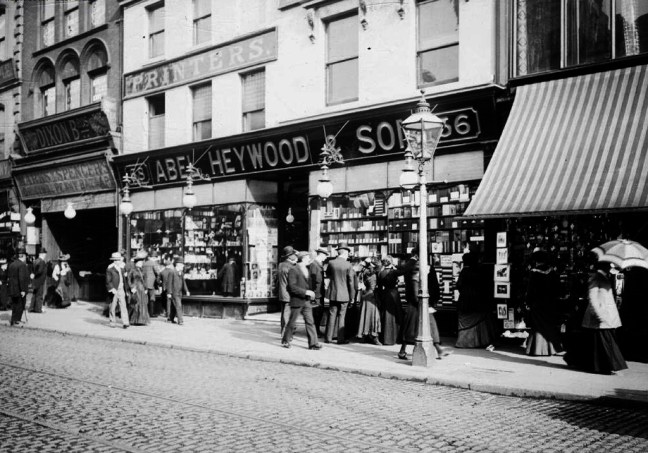
One Oldham Street shopowner mentioned by a number of writers is Abel Heywood, who spearheaded the mass distribution of books, supplying the whole country not only with penny novels, but also with educational books and political pamphlets. Heywood went on to become Mayor of Manchester.

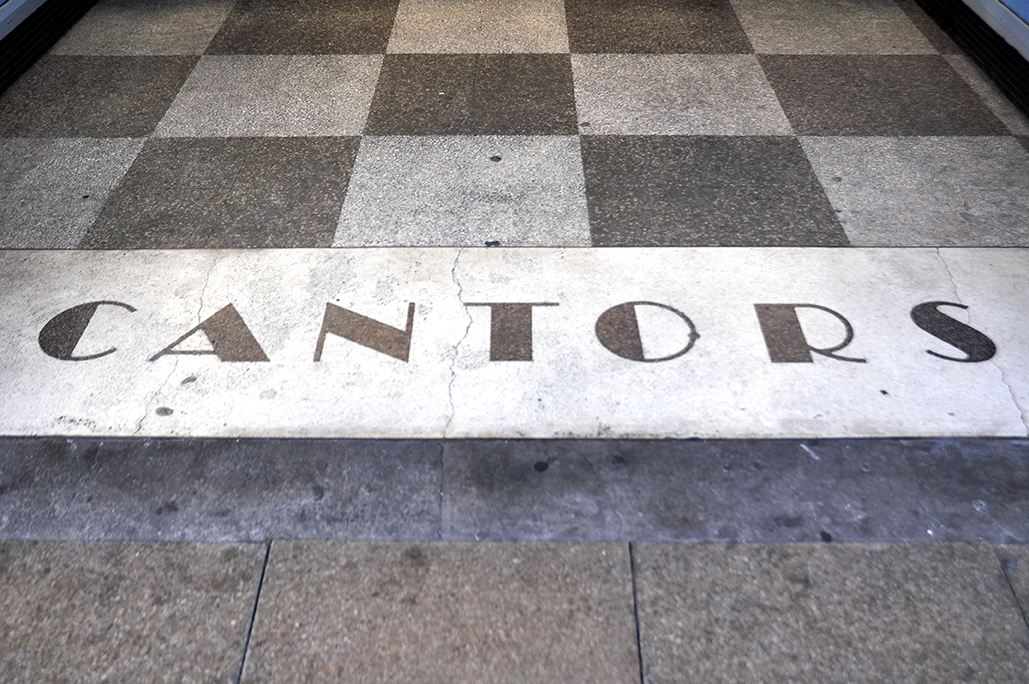
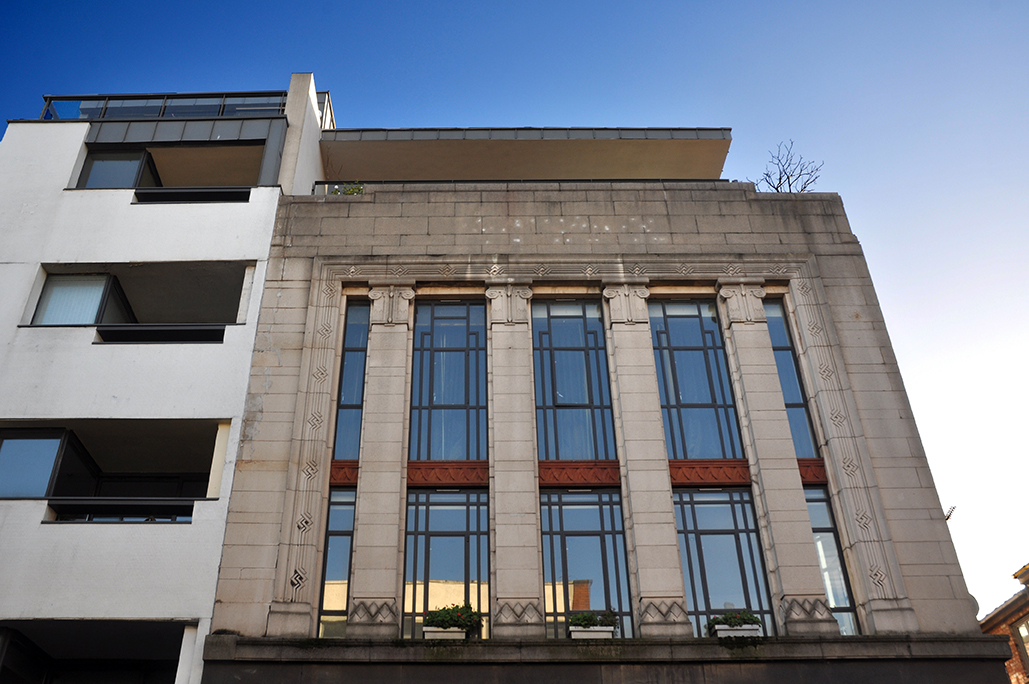
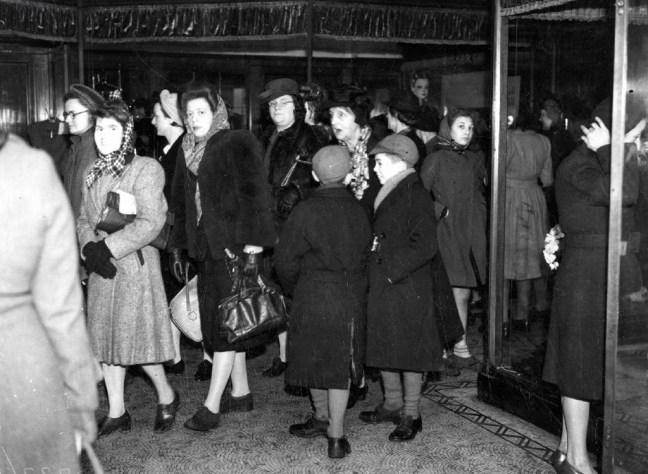
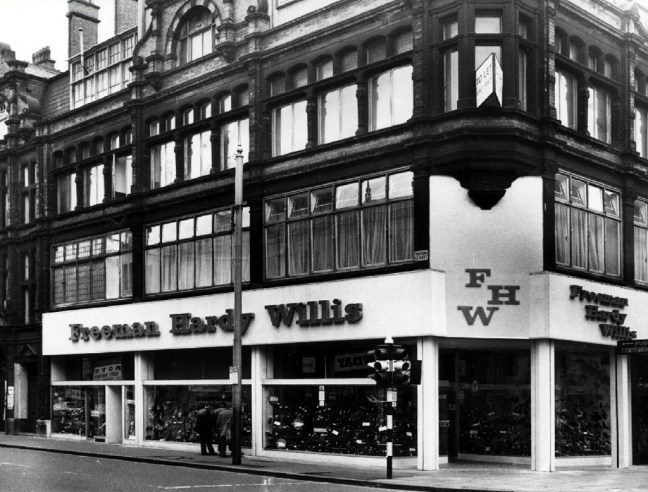
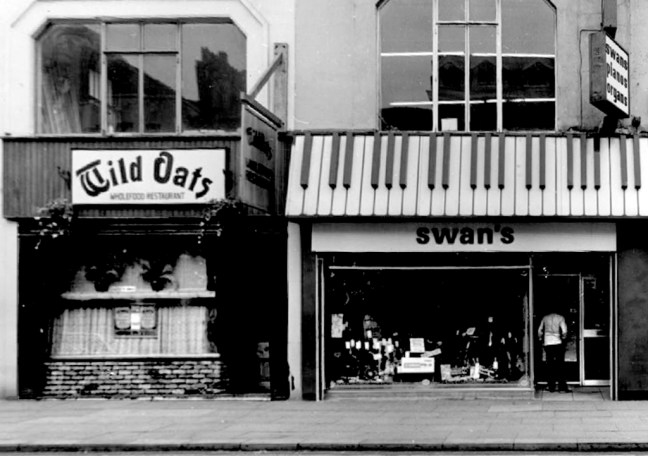
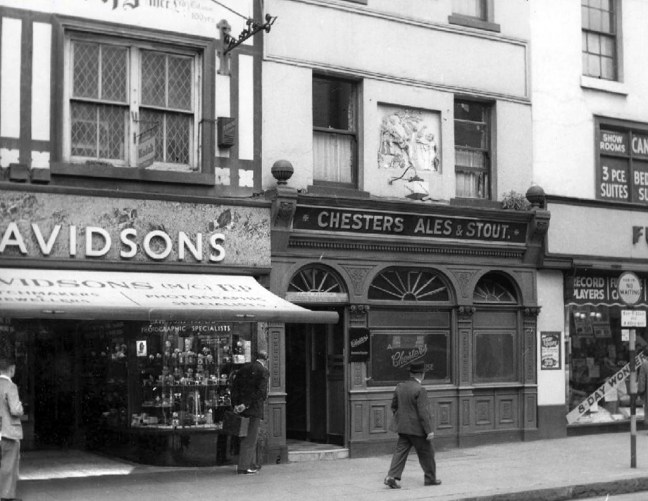
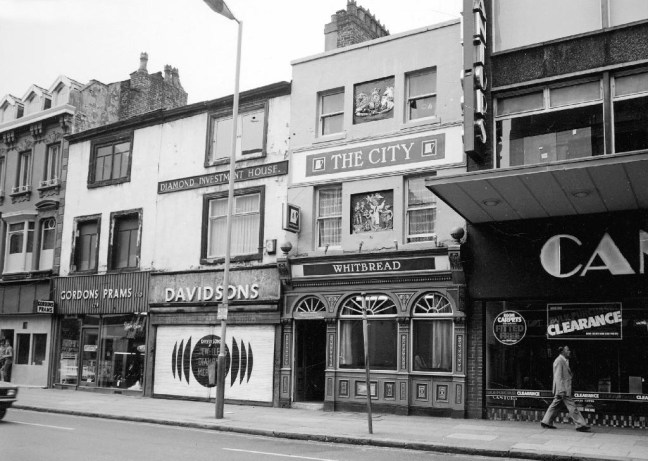
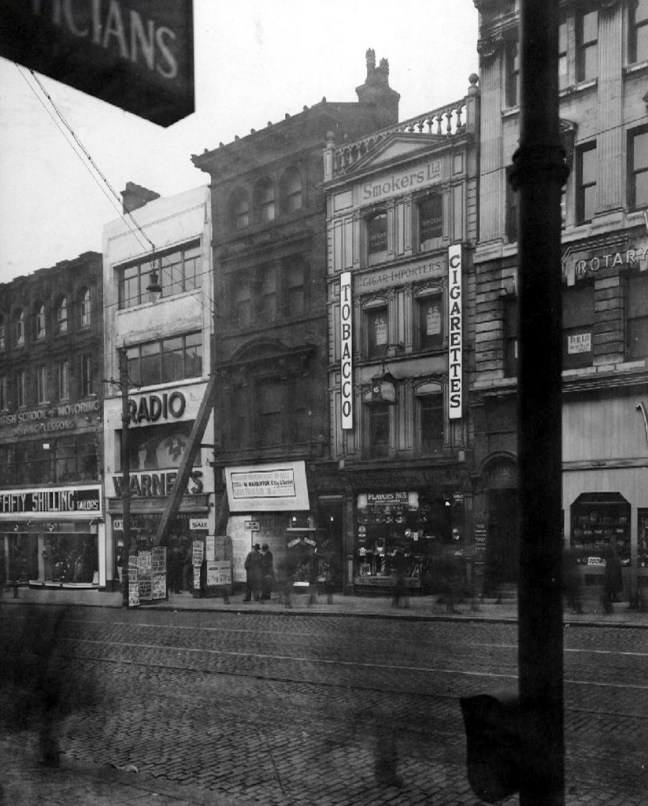
The general well to do, mix of hustle and bustle, pubs, warehousing, grand stores, smaller specialist shops and services continued into the 1970’s. Woolworths, C&A, Affleck and Browns, Cantors, Dobbins attracted a steady flow of happy shoppers, I loved the mongrel nature of the mixed use architecture.

The focus if the city centre then slipped away to the newly built Arndale and pedestrianised Market Street.

Oldham Street awaited a new sense of place and purpose.

With thanks to http://www.manchester.gov.uk/info/448/archives_and_local_history/326/historical_photographs_of_manchester


24

webmedia-8.php

22

18

image011

21

webmedia-5.php

webmedia.php

13

20

webmedia-12.php

16

17

webmedia-4.php

14

webmedia-2.php

webmedia-7.php

19

15

webmedia-9.php

webmedia-3.php

webmedia-6.php

webmedia-11.php

webmedia-10.php


Market Street – Manchester 2016

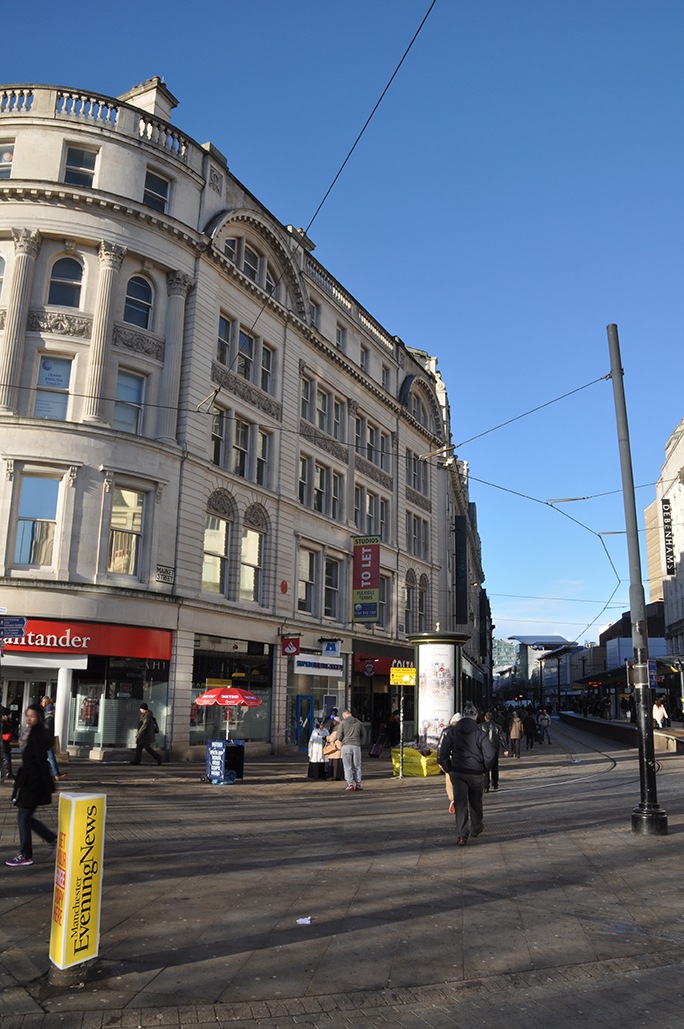
Following my previous post on Market Street, using archive material from the 60s and 70s, I was prompted to record the current state of the street.

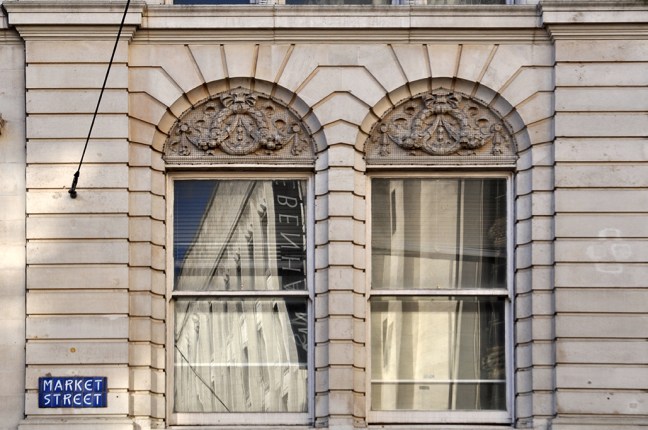
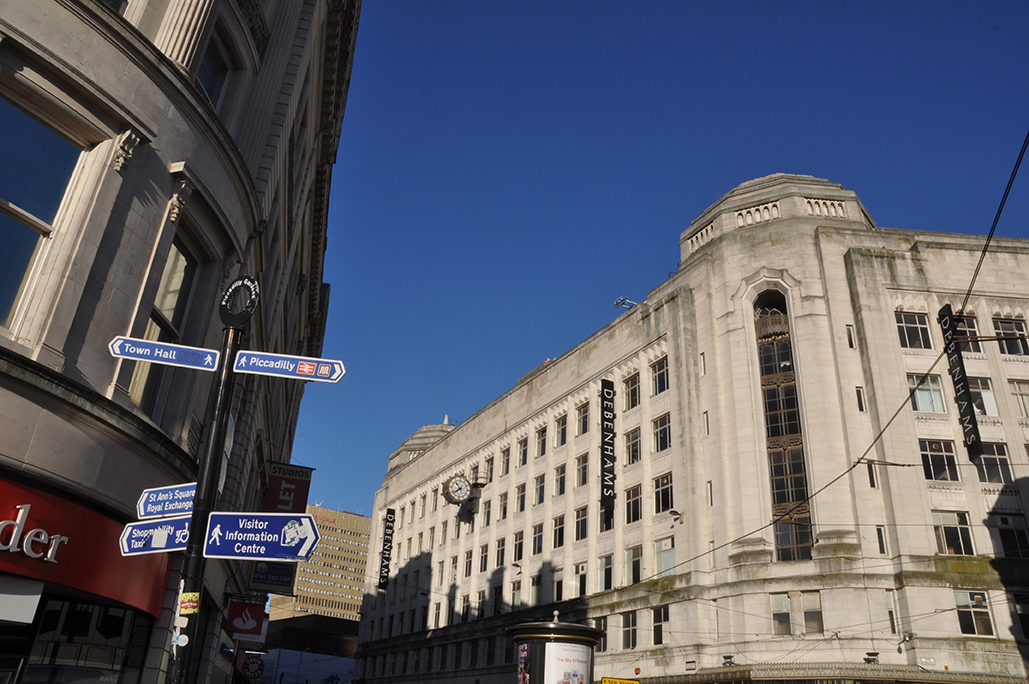
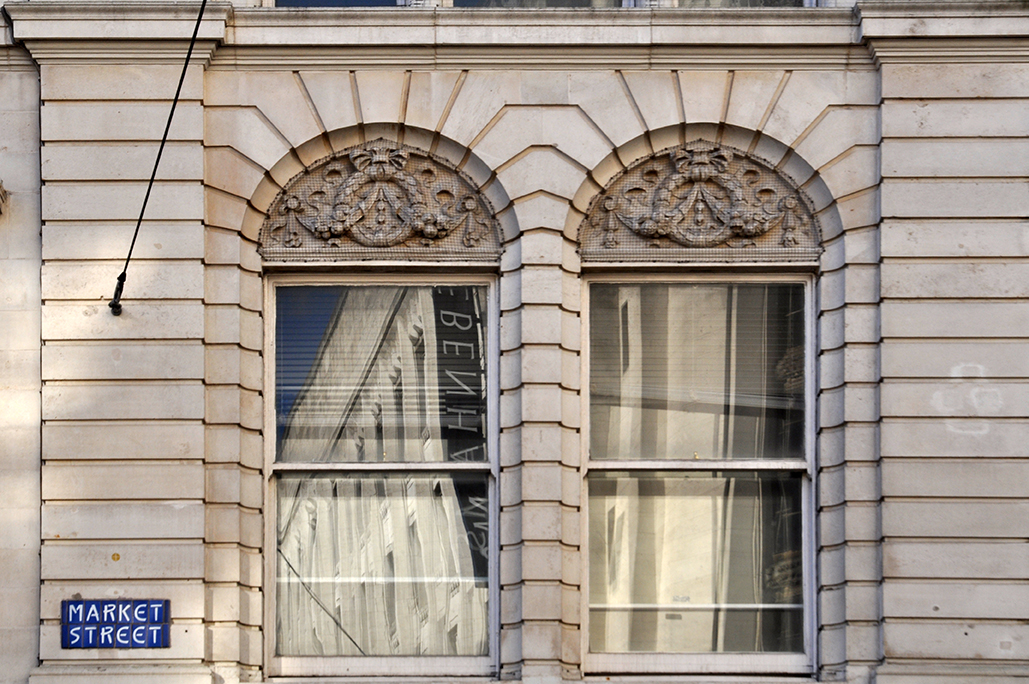
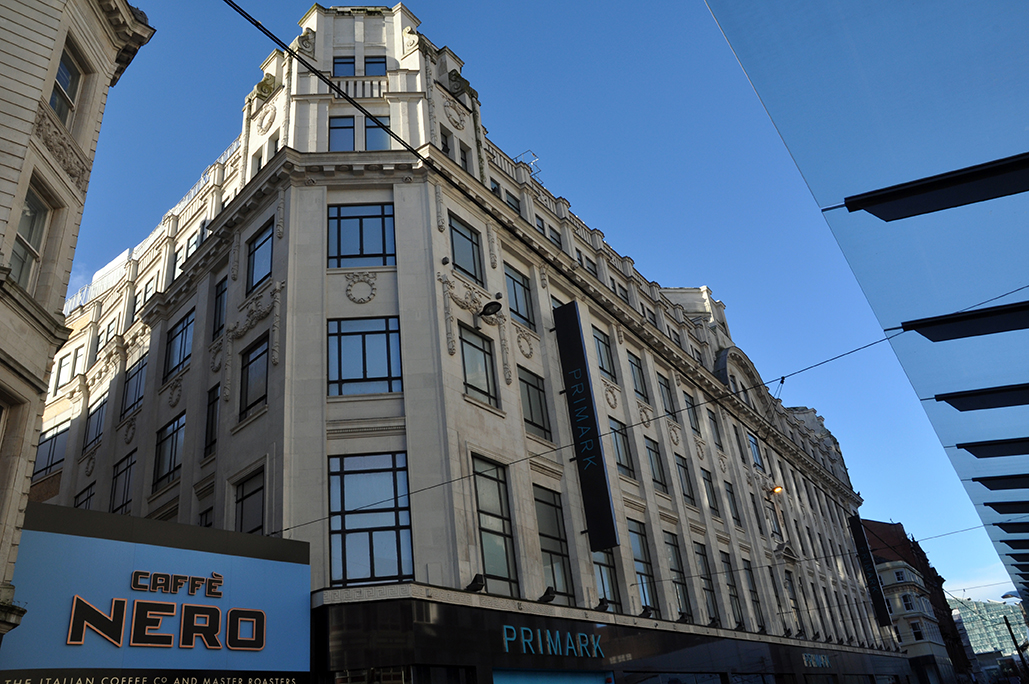
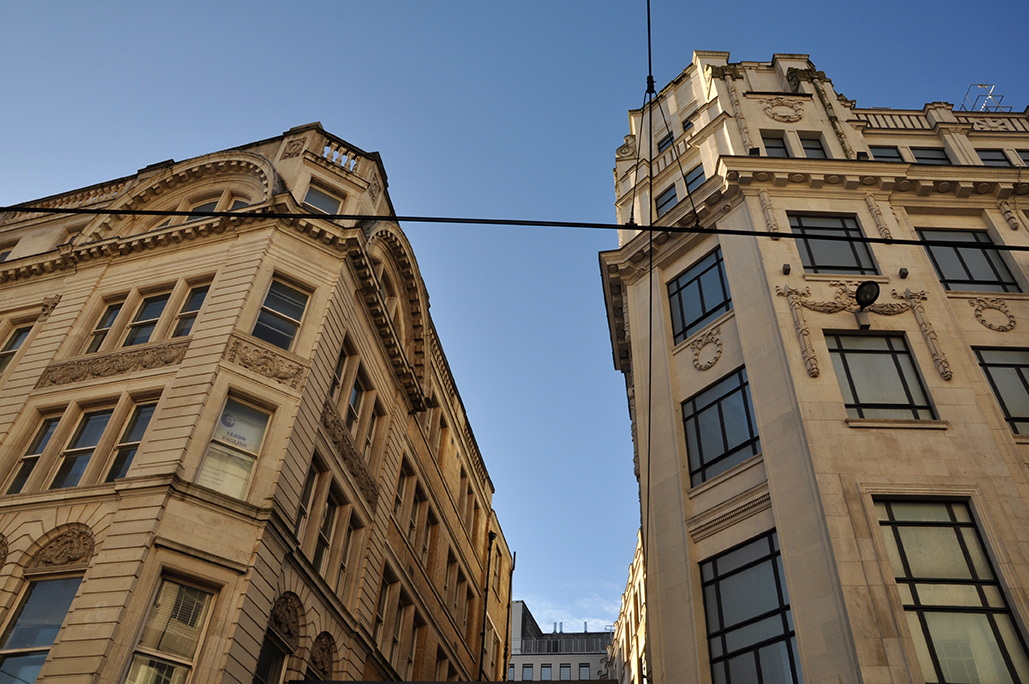
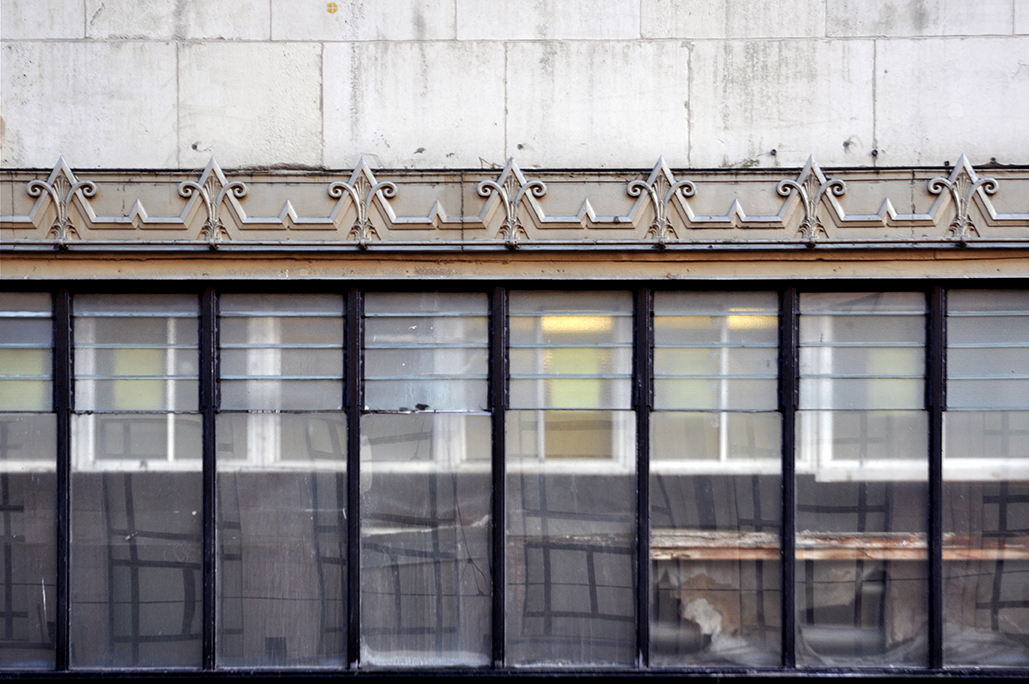
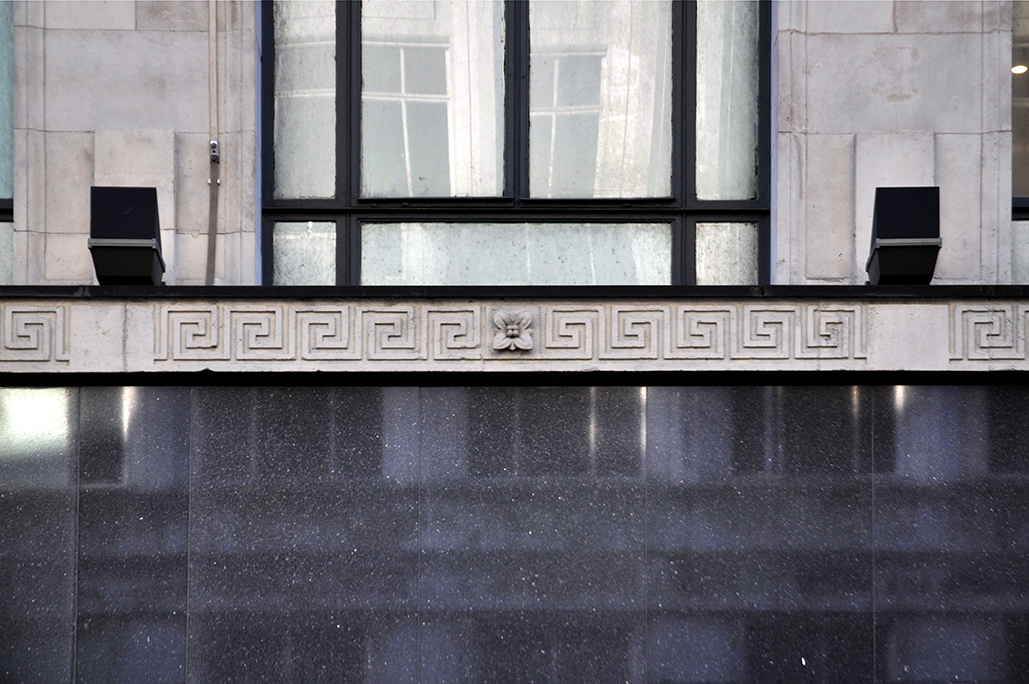
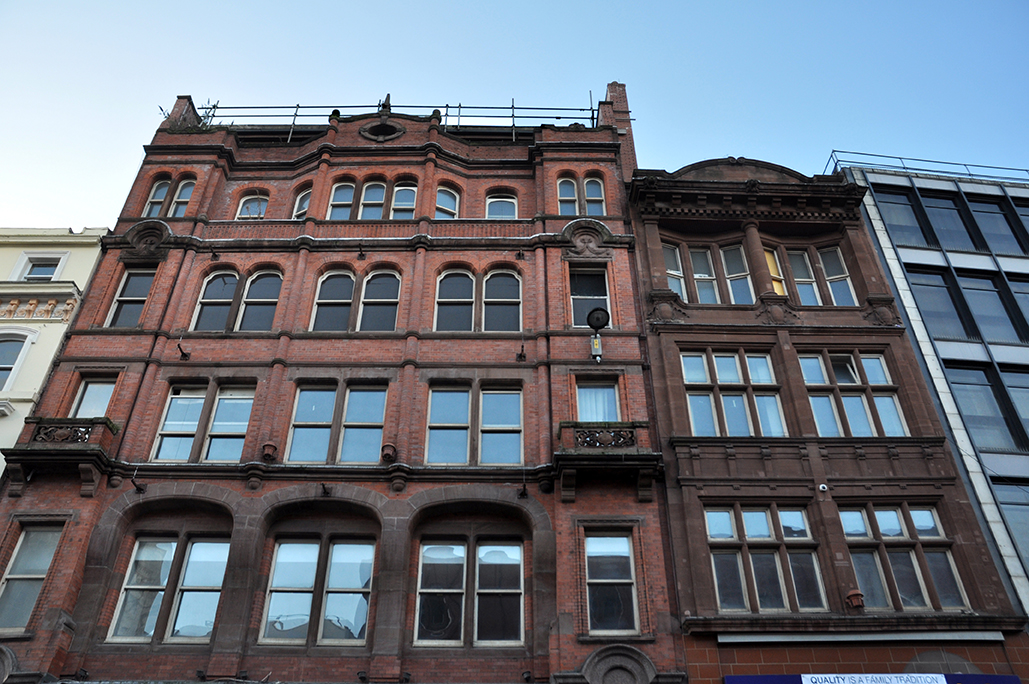
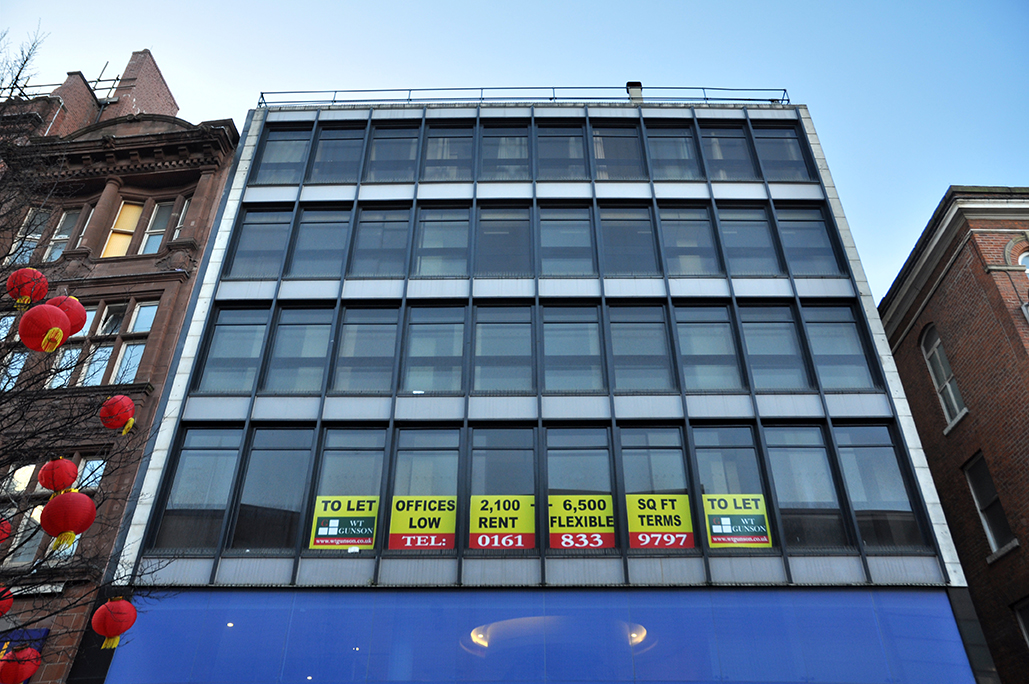
To the east is the Arndale, I chose to concentrate on the western elevation and the extant facades that chart a story from Victorian to Moderne – with a little rebuild, pastiche and grandiose Classicism in between.

See what you think, the sooty deposits have long been sandblasted away, much of the previous exciting noise and clutter, of above eye level signage ceases to shout, from just below the rooftops.

It’s a cleaner, leaner and possibly meaner world.

http://www.manchestereveningnews.co.uk/news/greater-manchester-news/manchesters-market-street-named-sixth-9421149

It always pays to look up – just don’t inadvertently bump into things.

Market Street – Manchester

cinephone2

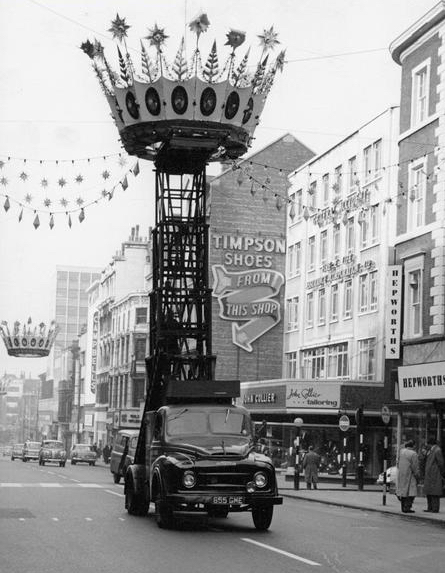
City streets are by their nature subject to movement and change, things literally come and go – in milliseconds, days and decades. People and places are shaped by the forces of function and fashion, economics and history.

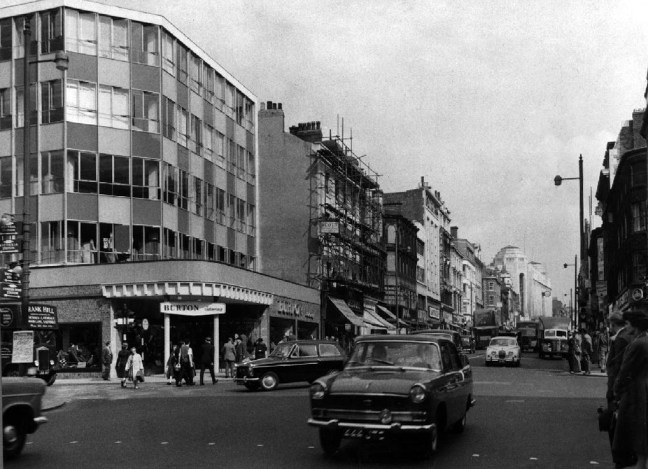
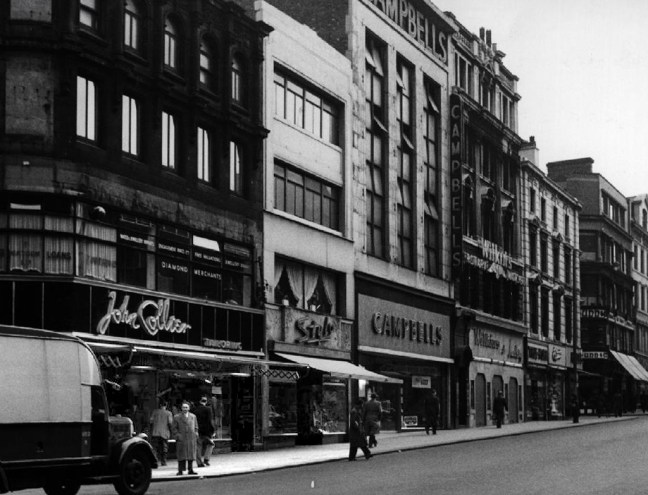
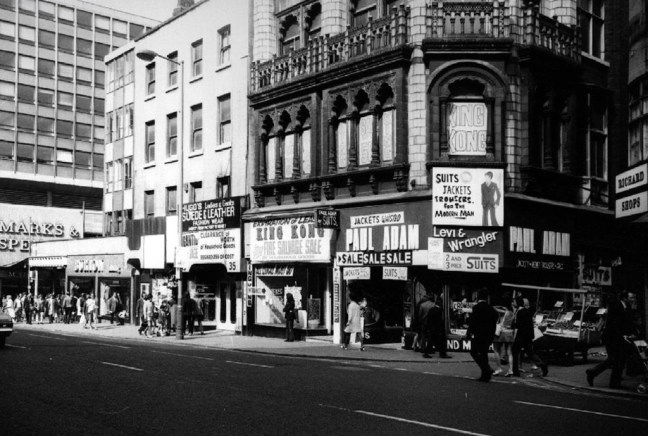
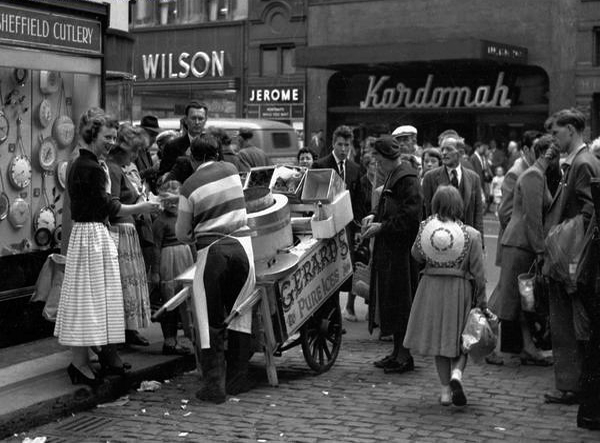
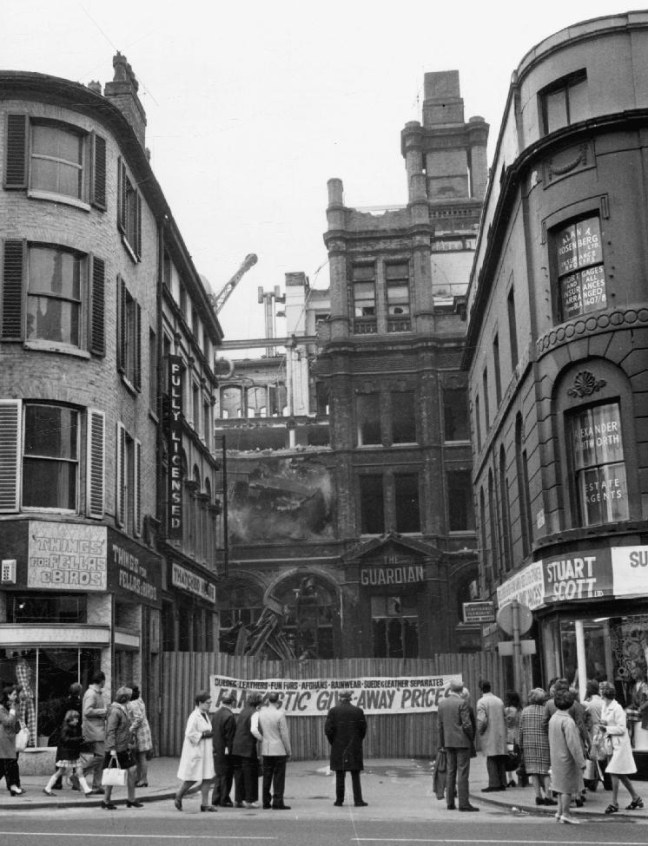
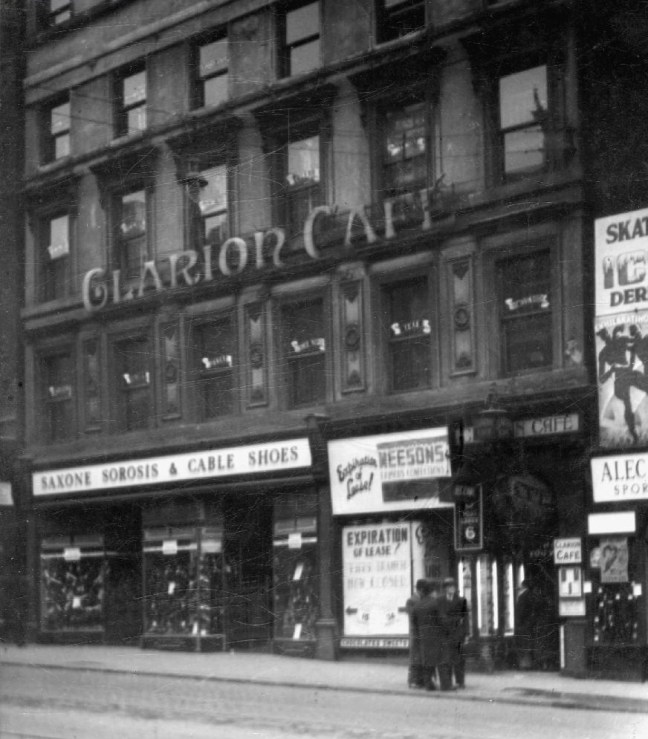
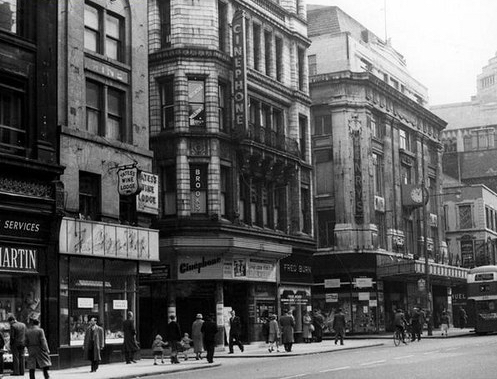
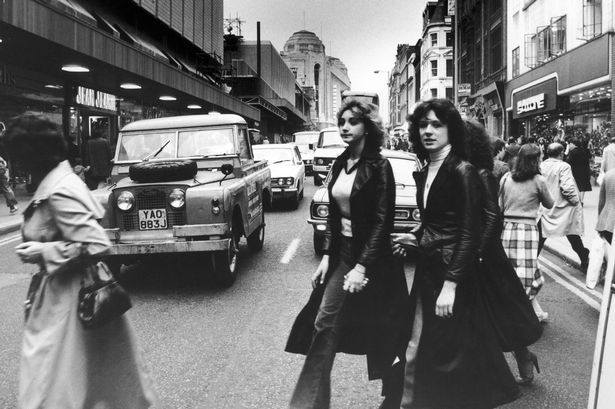
Before the Arndale,  pre-pedestrianisation, Market Street, from the Fifties until the Seventies, was one of Manchester’s key arterial, retail thoroughfares. Mixing mixed traffic, shops, cafés and restaurants, bars, cinemas, offices and administration.

The architectural skyline, had the raggedy silhouette, of a century of build and rebuild.

Lower your eyes, there’s Classical, Gothic, Baroque, local Rococo, Deco, Moderne and Modern – that’s right Madam no two the same, four for a pound, get it while you can.

Lower still, things are still never still, a riot of colour in black and white Vitrolite.

Neon abounds, the names are never changed to protect the innocent.

Local traders are slowly replaced by national and international multinationals.

You have nothing to lose but but your chain-store now.


ront-page-from-henry-s-stores-catalogue.-398-p

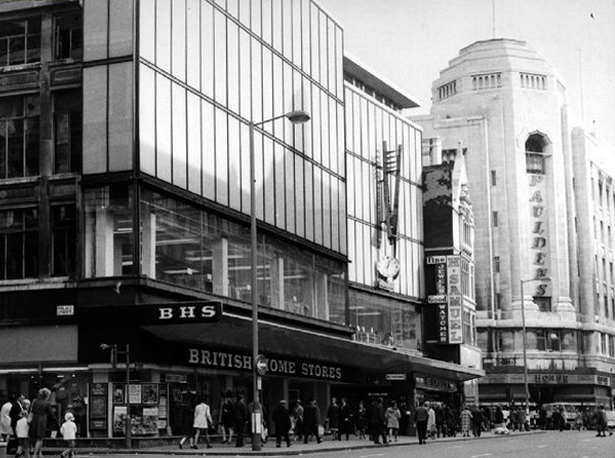
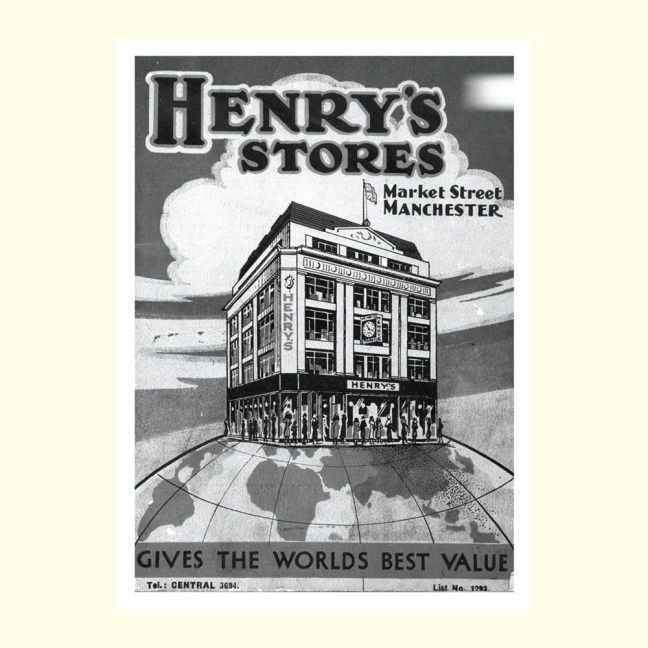
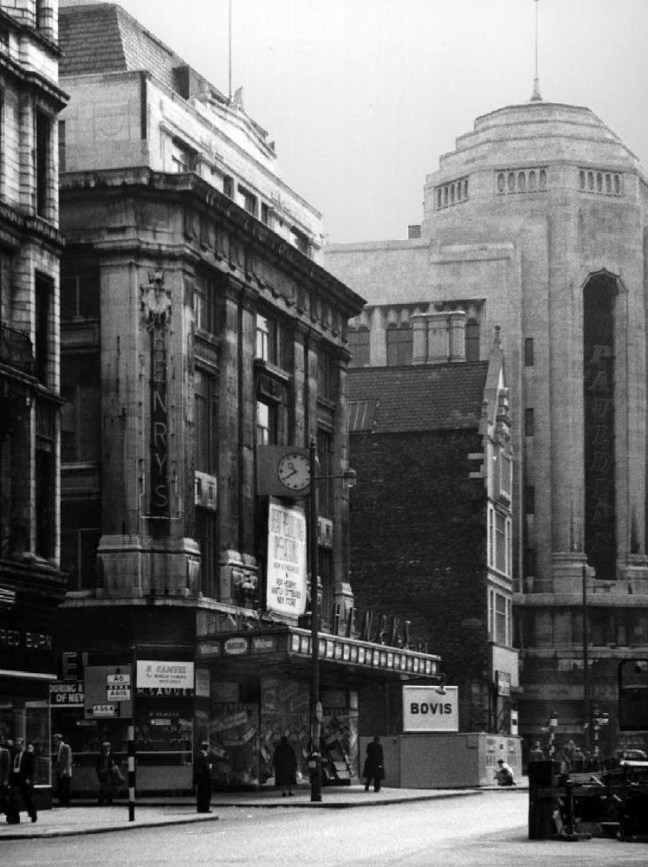
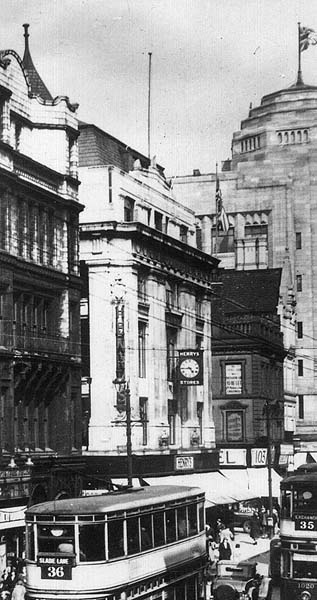
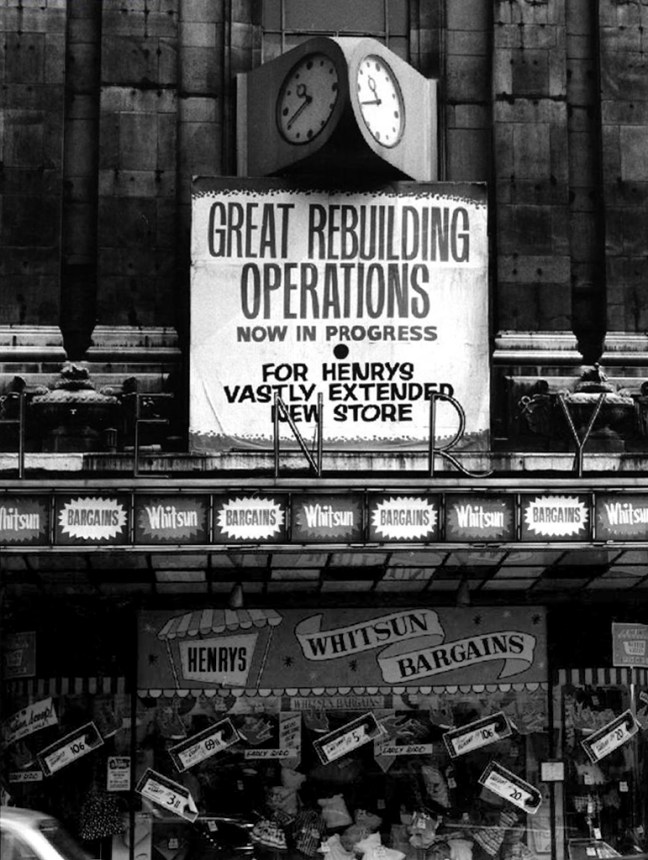
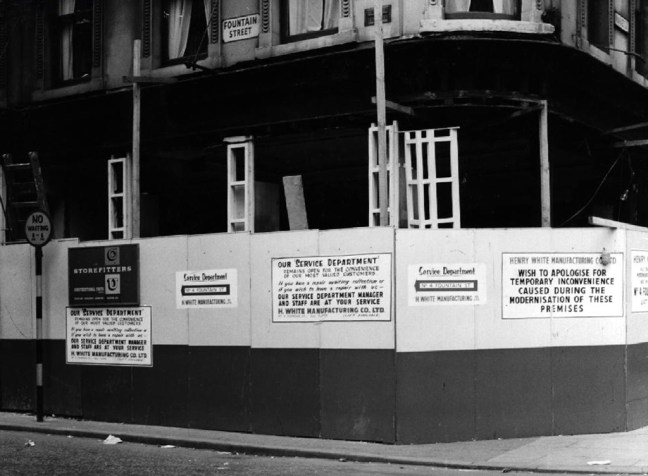
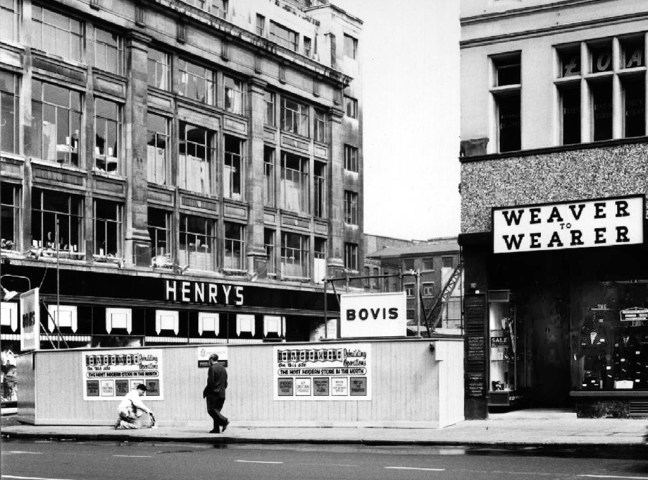
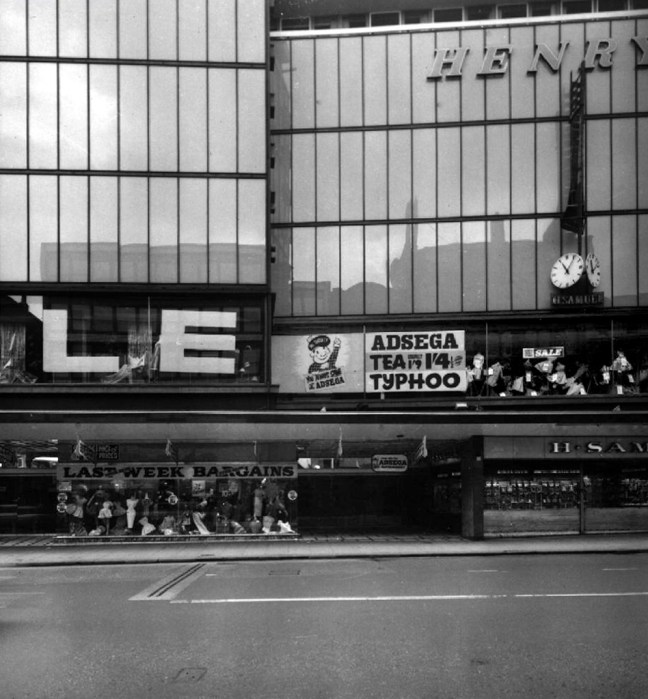
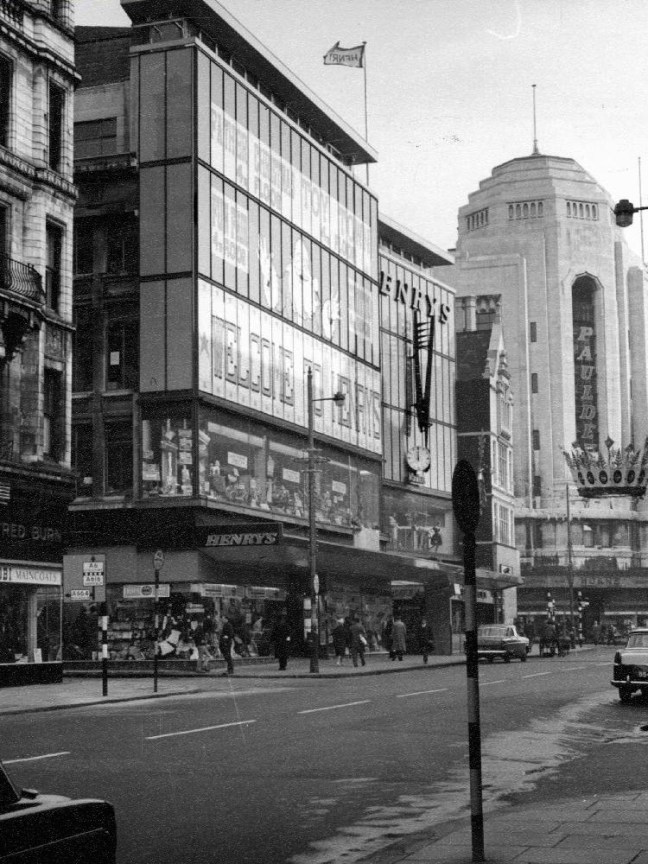
Henry Cohen came to Manchester around 1880. In 1910 he opened a men’s clothing outlet at the corner of Market Street called the Smart Outfitting Company. Having turned down a chance to join Marks and Spencer, he eventually built his department store in Market Street which opened in 1923. Henry’s Stores was redeveloped in the early 60’s acquiring an extension and a unifying Modernist façade, the site and store was acquired by BHS in the mid 60’s.

Rylands Building is a Grade II listed building in the building was originally built as a warehouse by the Rylands textile company which was founded by John Rylands. The building was designed by the eminent Manchester architects, Fairhursts, in an Art Deco style. It is clad in Portland stone and features a decorative corner tower and eclectic ‘zig zag’ window lintels.

Following a fire, in 1957, which totally destroyed the premises of Paulden’s Department Store, in All Saints, the company acquired the Rylands warehouse building and converted it to a store. This was then a direct rival to the Lewis’s store, on the opposite side of Market Street. In 1973 Debenhams, the owner of Pauldens rebranded the store in their name. Since that time it has remained Debenhams.

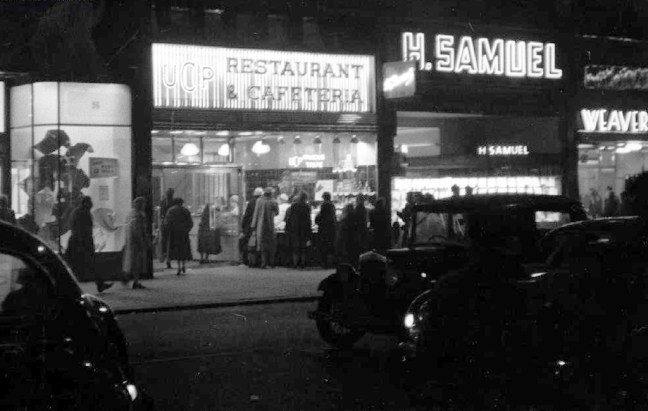
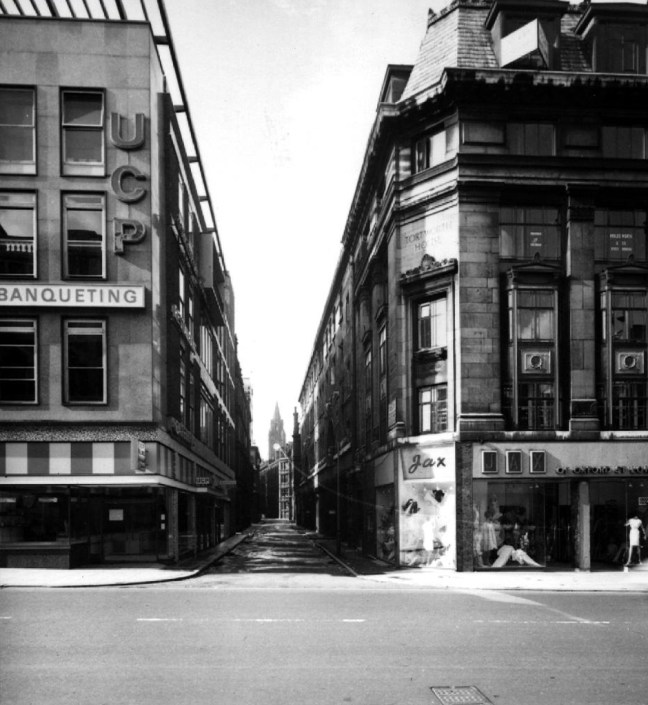
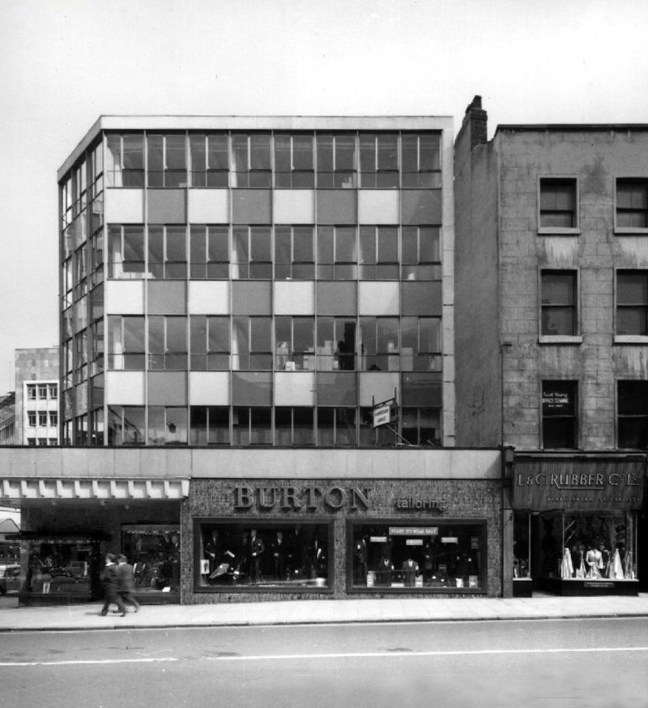
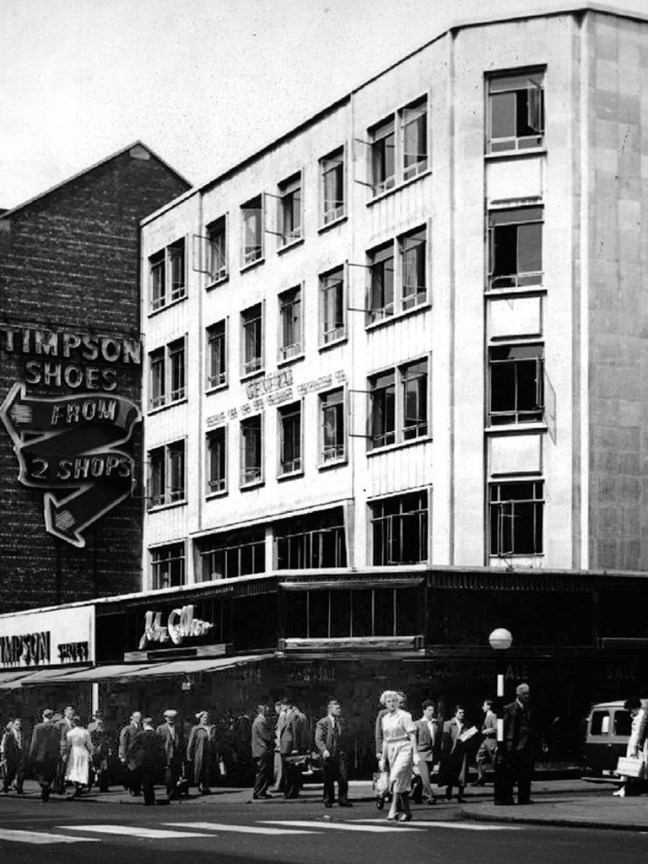
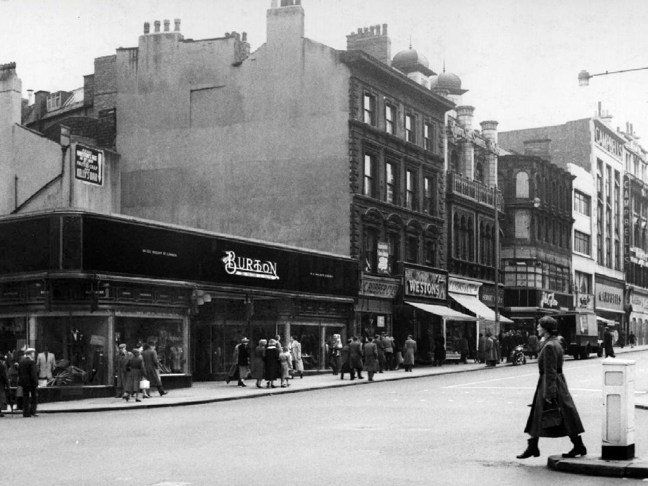
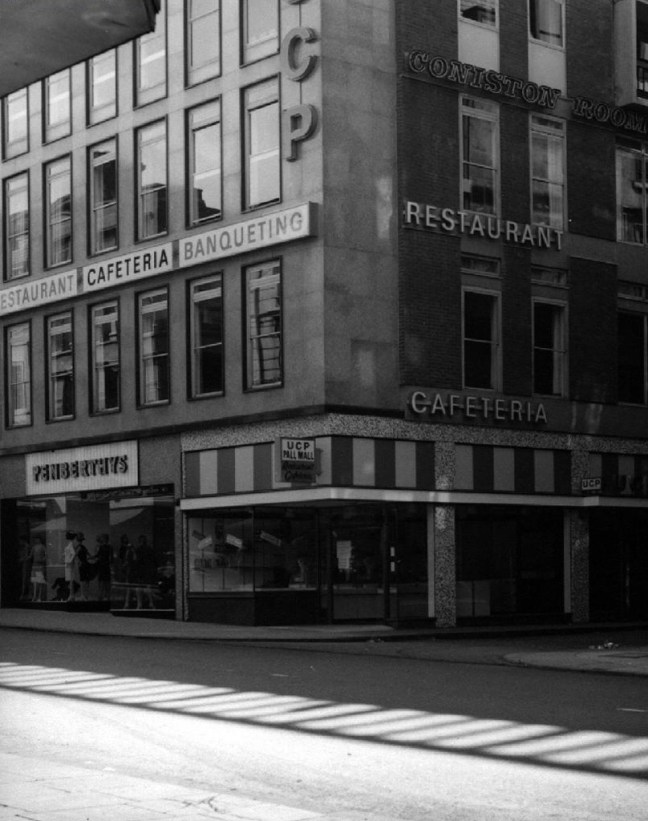
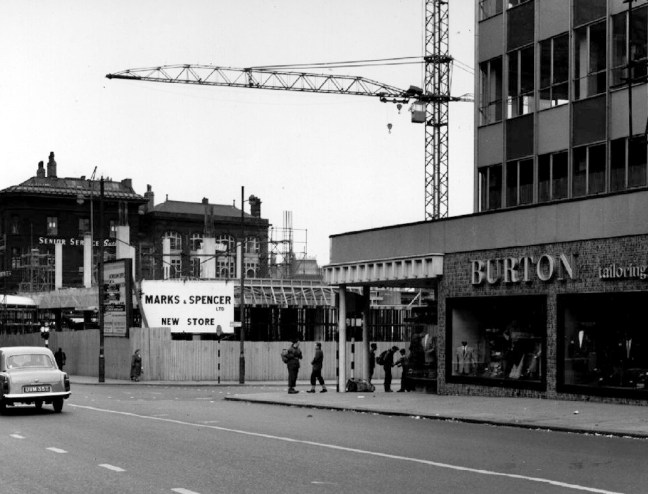
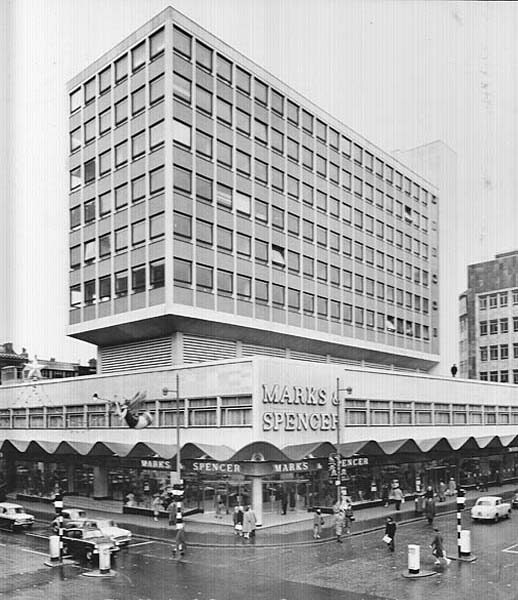
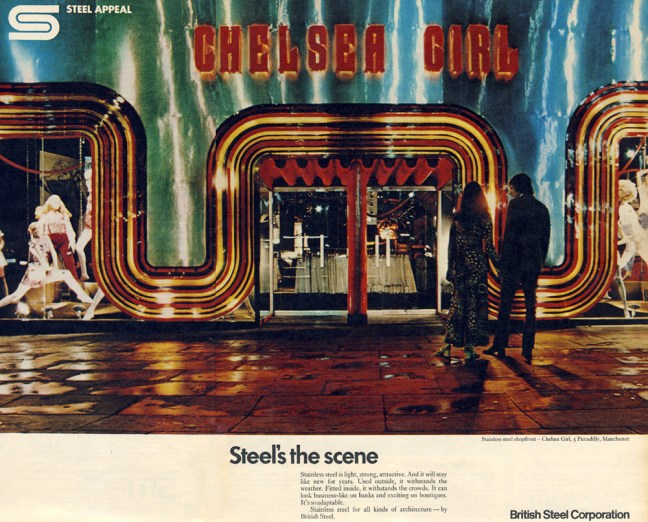
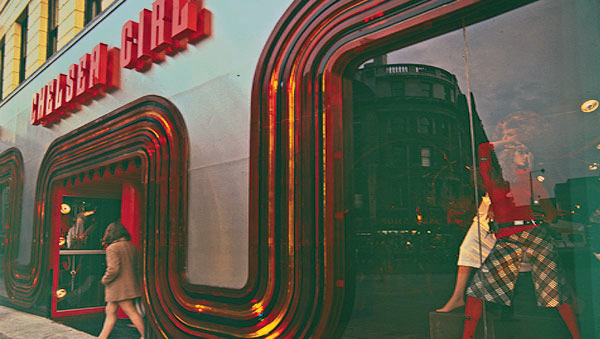
Marks and Spencers and Burton’s both undertook extensive Modernist building in the early 60’s on on the Corporation Street site, neither have survived. The Chelsea Girl steel frontageUCP Restaurant beloved of the Manchester Modernists, Kardomah Café and countless other landmarks are long gone. Lewis’s has become Primark.

The double indignity of the Arndale and a bomb have changed things forever.

Nothing stands still – this is Market Street.

With thanks to http://images.manchester.gov.uk/index.php?session=pass

lewis-1940

8.jpeg

henry's

7

10

9

3

webmedia-4-php.jpeg

a-z

14

webmedia-23-php.jpeg

webmedia-6.php

webmedia-26.php

16

webmedia-9.php

18

5

webmedia-10.php

webmedia-7.php

webmedia-1.php

2.jpeg

4.jpeg

webmedia-11.php

webmedia-3.php

13

webmedia-8.php

webmedia-12.php

15

webmedia-13.php

webmedia-15-php.jpeg

6

webmedia-2.php

1.jpeg

19

webmedia.php

20.jpeg

webmedia-5.php

webmedia-22-php.jpeg

webmedia-24-php.jpeg

5220807822_fcafda48e6.jpg

11

webmedia-17.php

webmedia-18.php

webmedia-19.php

webmedia-20.php

Marksandspencer1962

webmedia-21.php

12

17

webmedia-9.jpg

steels-the-scene-chelsea-girl

Chelsea Girl

p_00484389


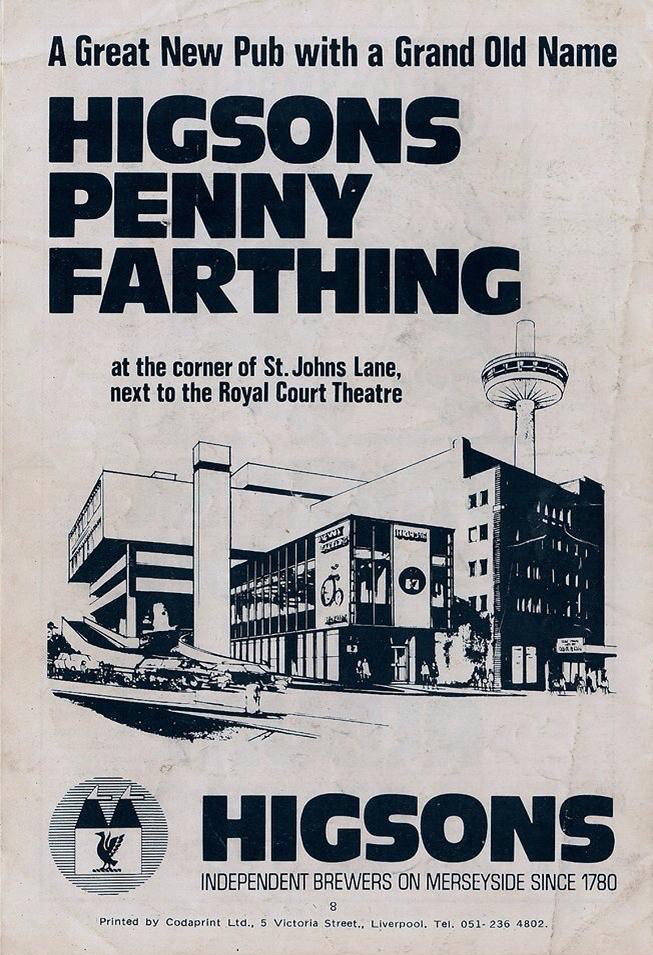
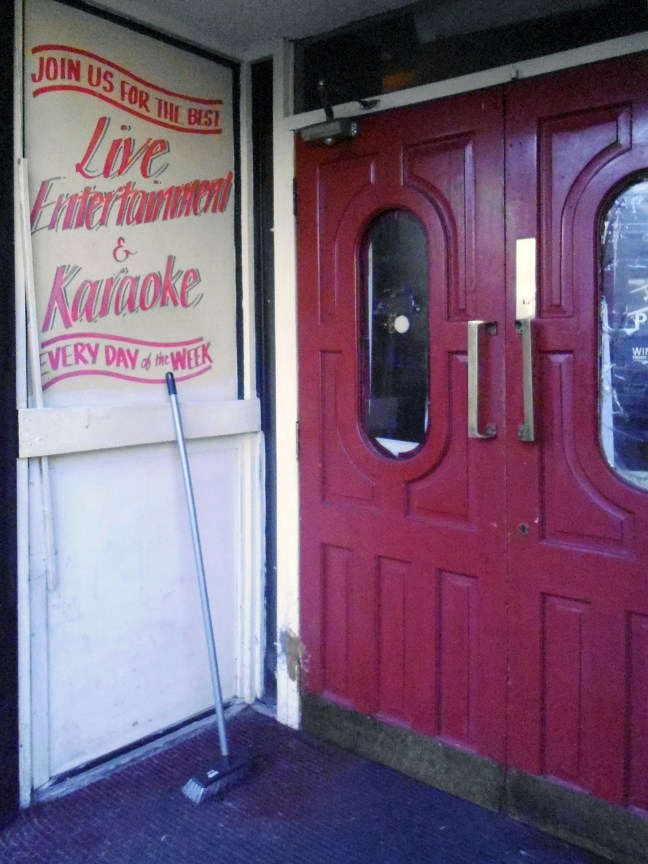
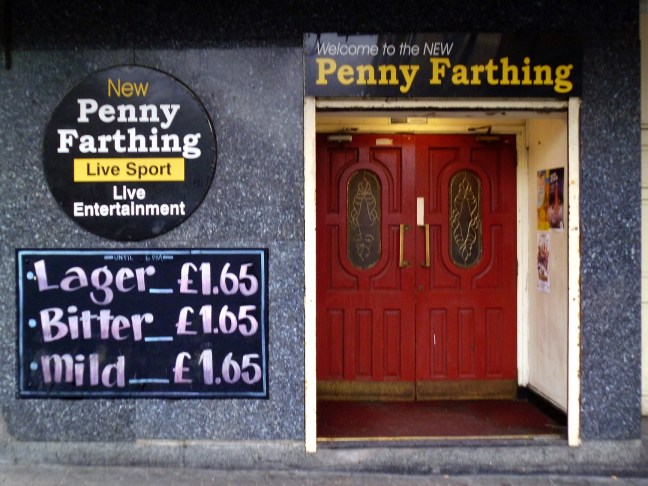
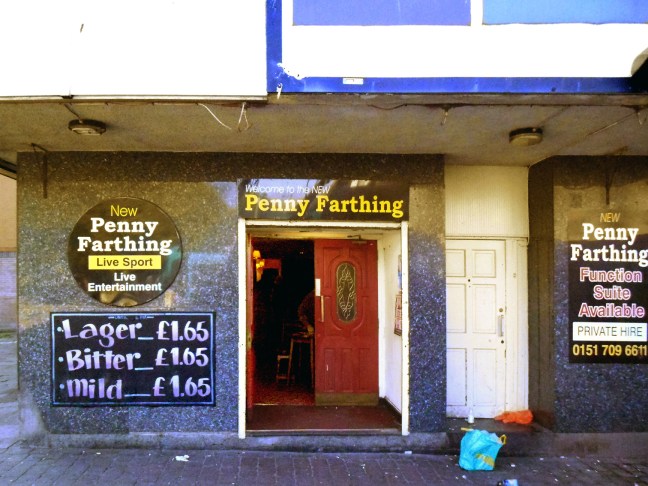
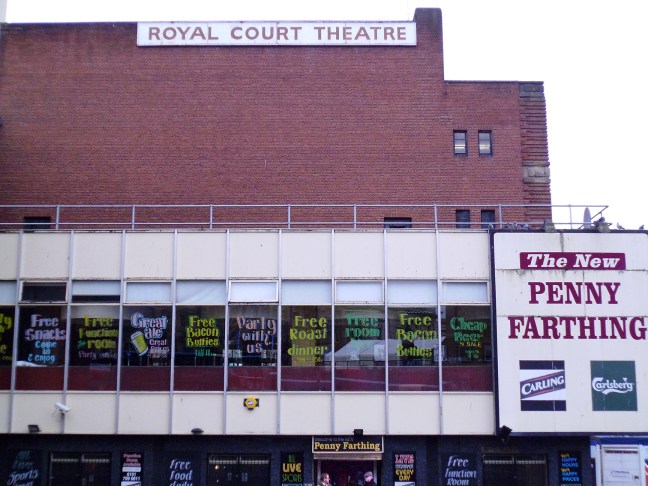
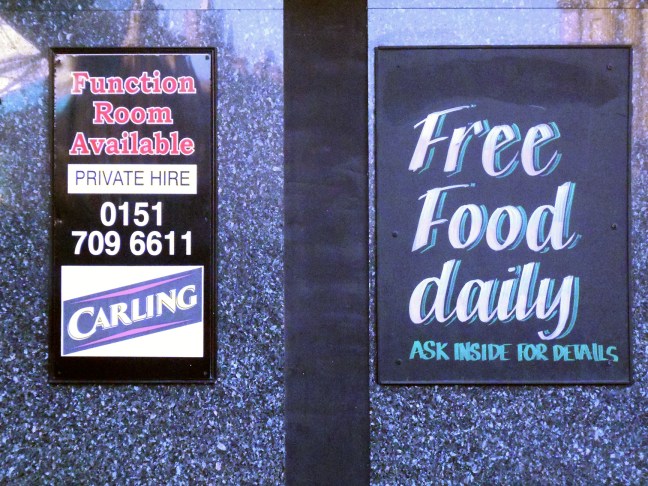
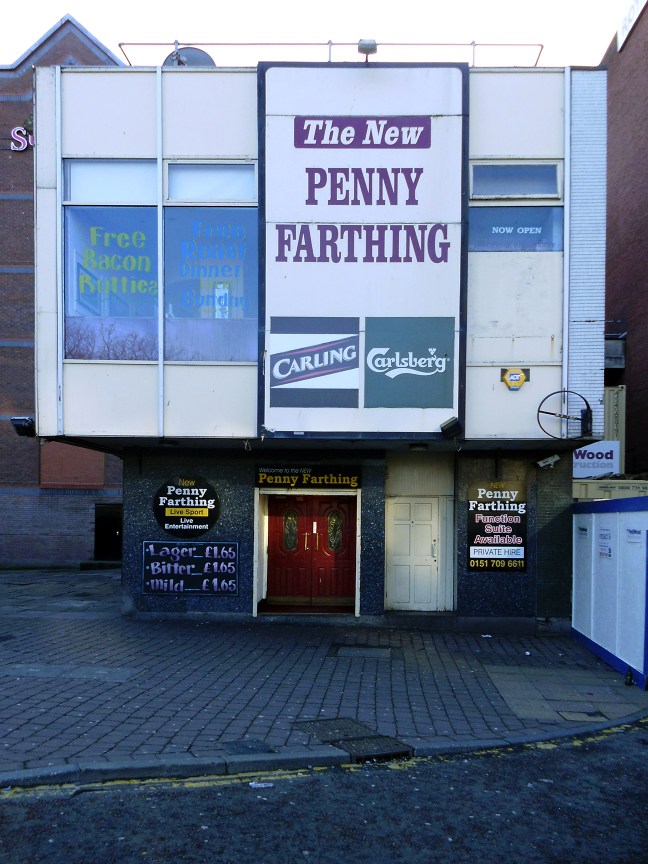
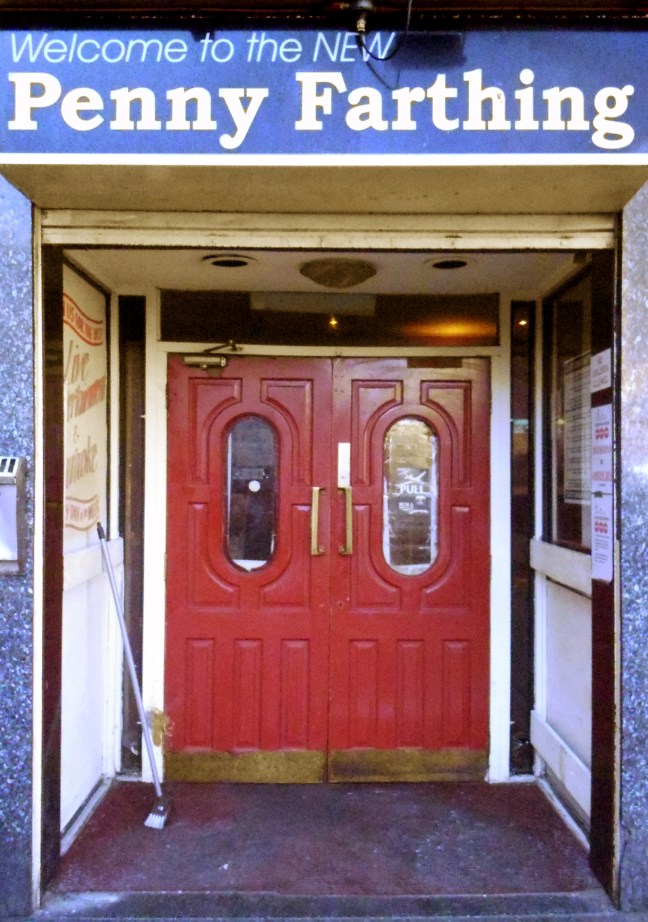
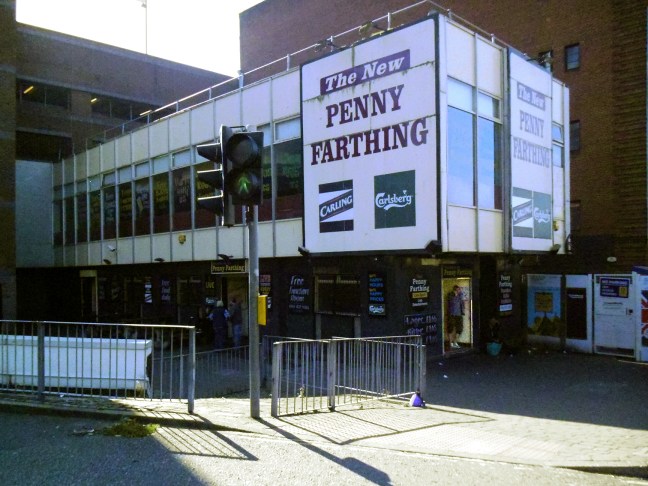
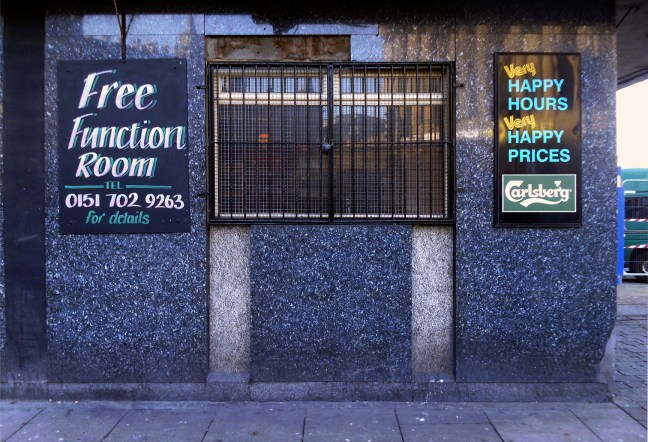
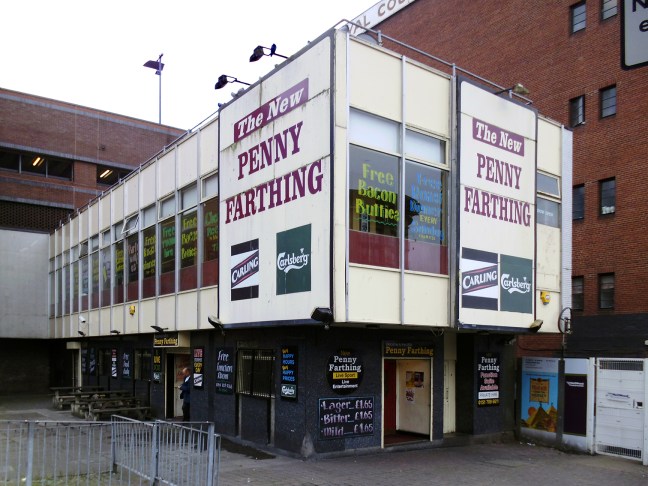
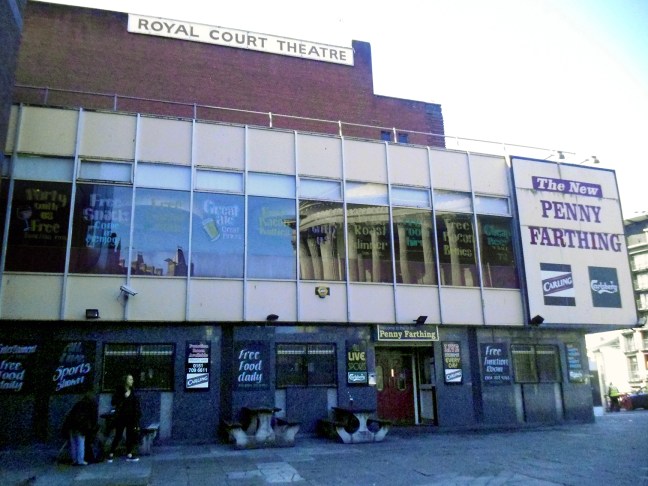
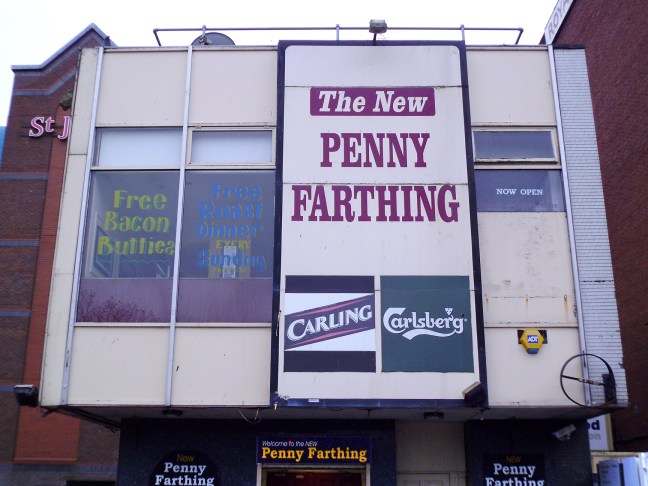
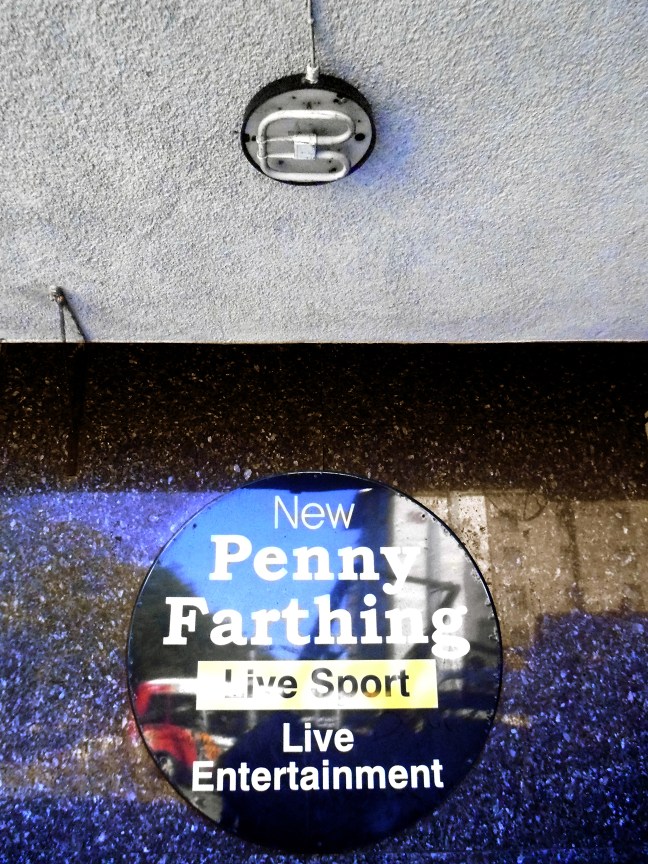
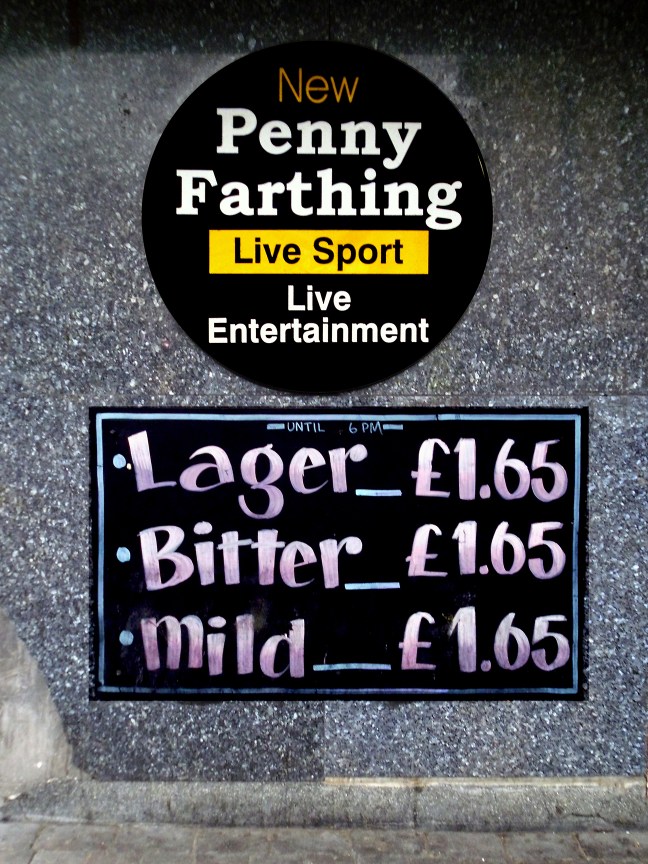
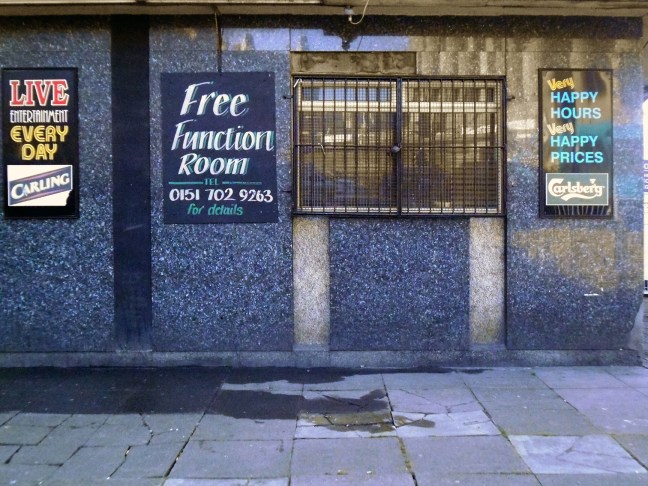
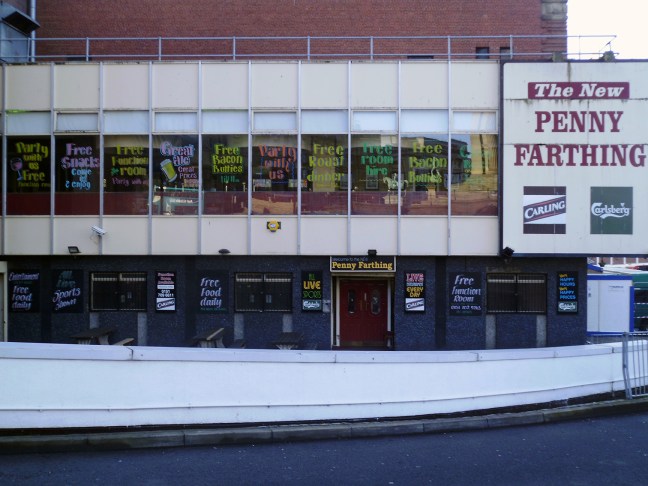
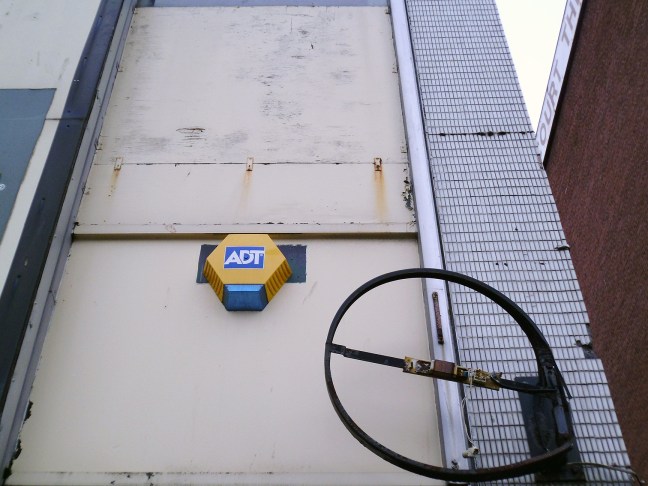
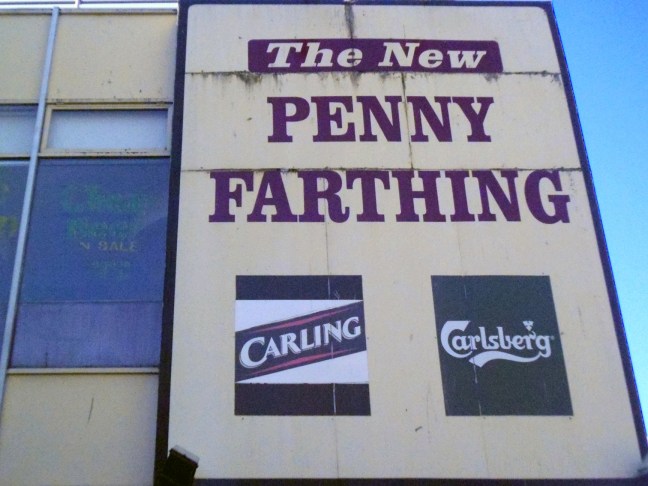
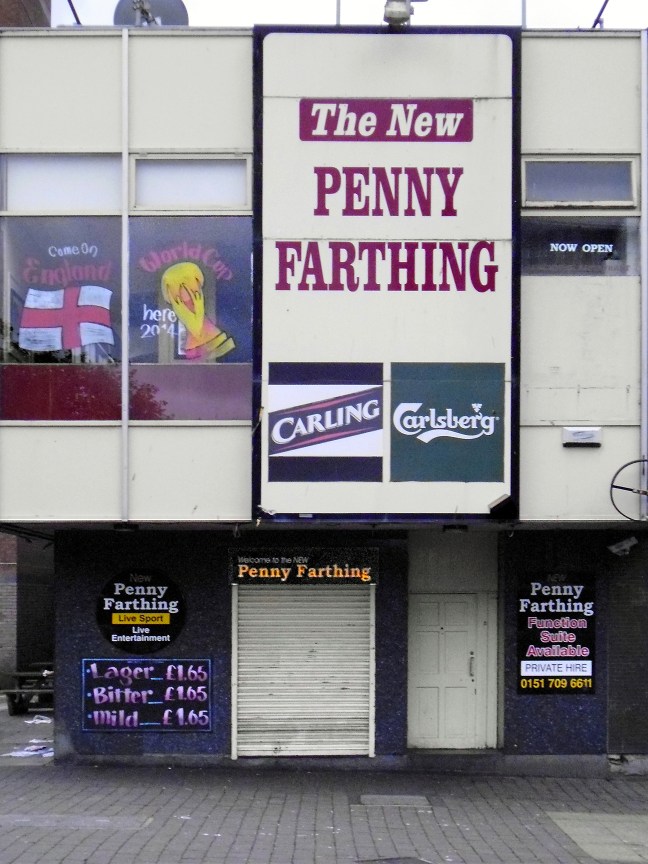
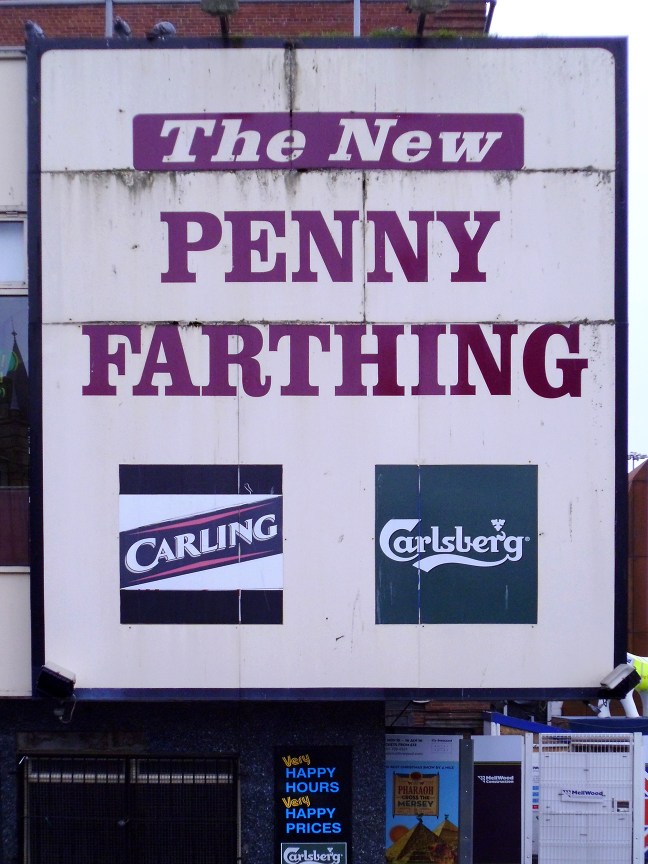
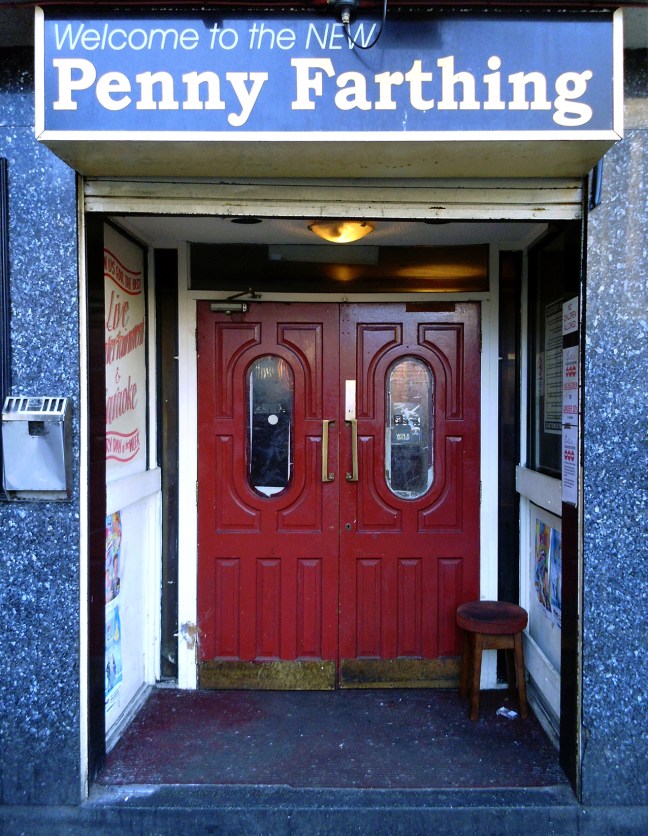
Liverpool – The New Penny Farthing

89 Roe St – tucked into the side of the sprawling St John’s Centre car park and a cosily withdrawn corner of the Royal Court Theatre.

The New Penny Farthing.

DaqY5aKW4AAr_2R

A name which instantly evokes arcane loose change and strange bicycles.

Each time as I pass I’m drawn in, yet never enter.

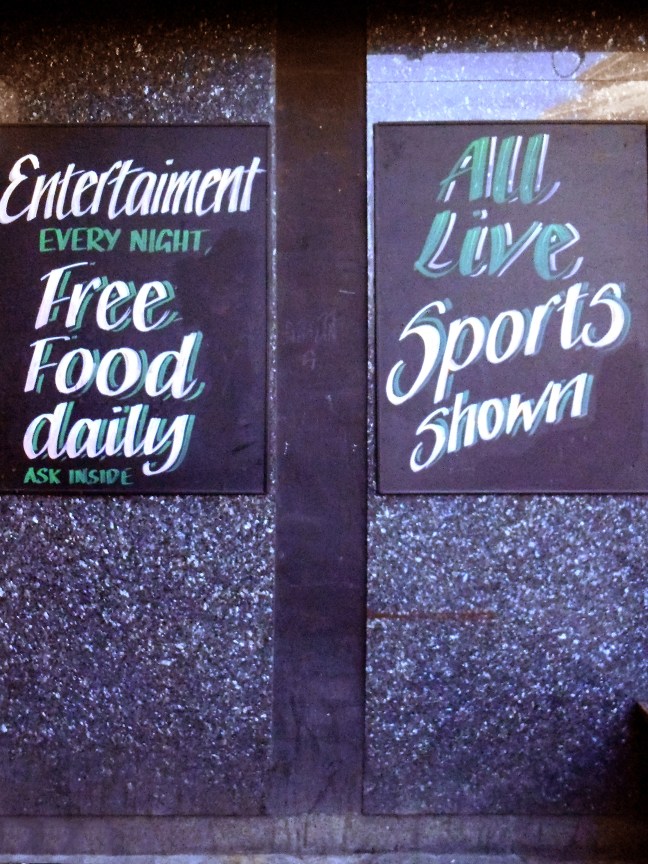
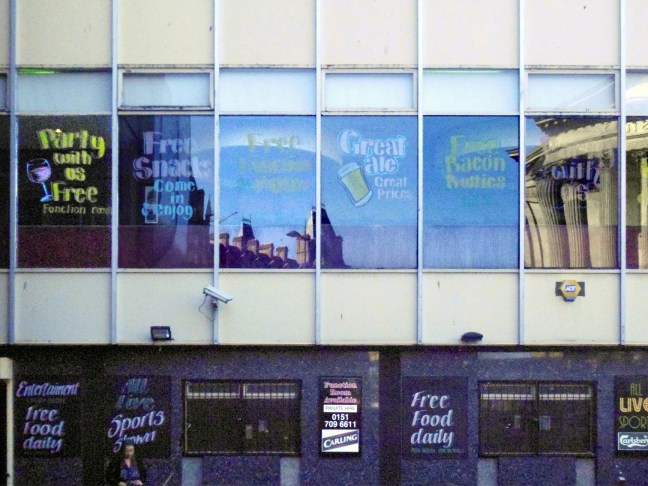
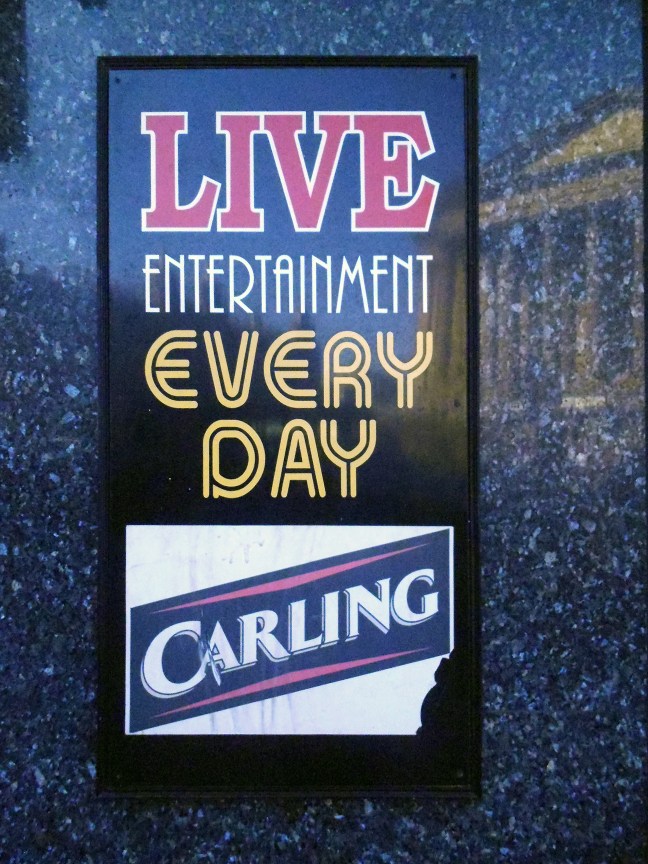
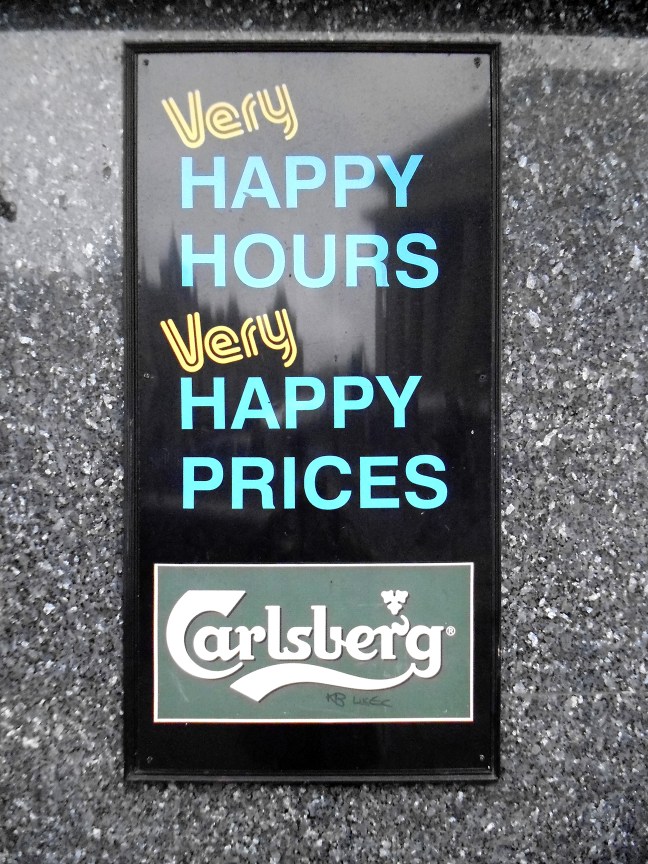
Amazed by the array of ever changing signage, happy hours abound.

It’s a happy house, we’re happy here.

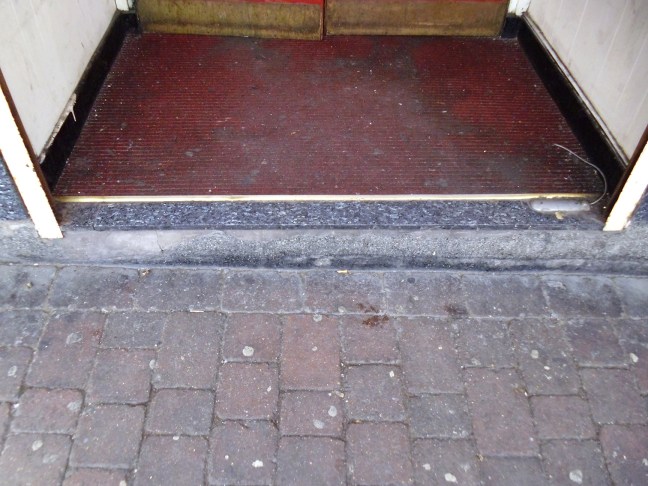
A dark drinking den awaits within, the daytime drinker abides, imbibing.

Stay new.

P1030207 copy

P1030209 copy

P1030829 copy

P1030206 copy

P1030828 copy

P1030215 copy

P1050539 copy

P1030208 copy

P1030203 copy

P1050537 copy

P1030835 copy

P1030213 copy

P1030830 copy

P1030832 copy

P1030216 copy

P1030214 copy

P1030210 copy

P1030205 copy

P1030833 copy

P1030211 copy

P1050536 copy

P1030831 copy

P1030838 copy

P1030212 copy

P1030834 copy

P1000715 copy

P1030837 copy

P1050538 copy


Precinct – Stalybridge

The dissipated filling, in an Aldi and Tesco sandwich, a flat roofed, concrete and brick sixties shopping development, a precinct.

Small towns typically comprise of several retail developments, of various vintages, chasing diminishing returns, in ever expanding rectangles.

Stalybridge is no exception, once a bustling mill town, it sought salvation in a hedonistic mini-break by the River Tame, party industry.

Stalyvegas.

The bright lights of the society of the spectacle, now extinguished, burnt brightly in Bar Liquid, Club Rififi, H2O and Amber Lounge.

Walking the streets today, a meagre spread of shoppers, hardened daytime drinkers and lost souls.

Bids were made for a Portas Pilot, Mary contrarily resisted.

The Northern Powerhouse hits the buffers.

The Buffet prevails.

DSC_0119 copy

DSC_0118 copy

DSC_0121 copy

DSC_0126 copy

DSC_0127 copy

DSC_0120 copy

DSC_0122 copy

DSC_0123 copy

DSC_0125 copy

DSC_0124 copy


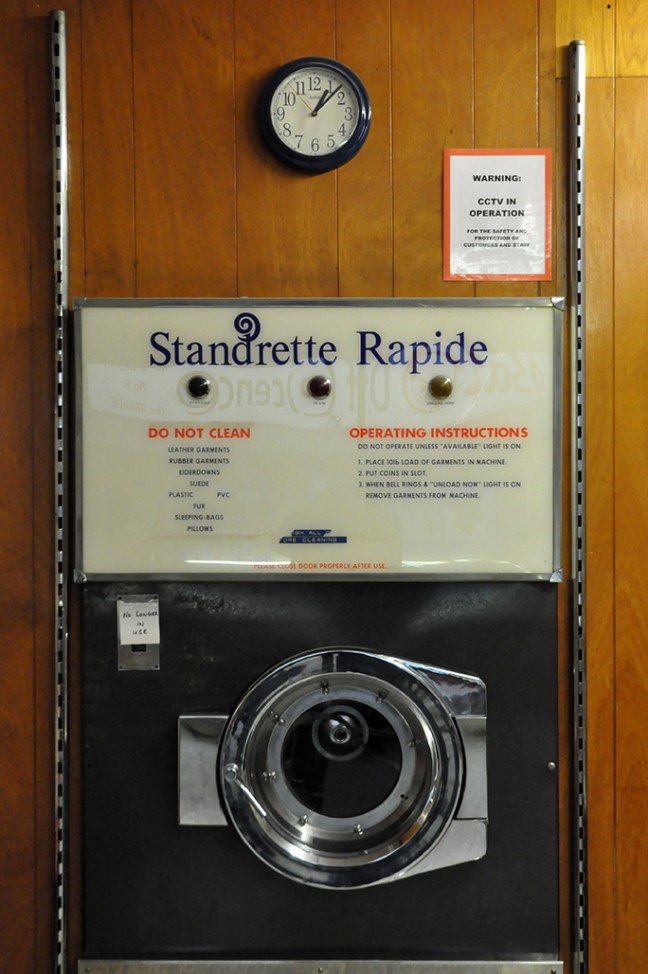
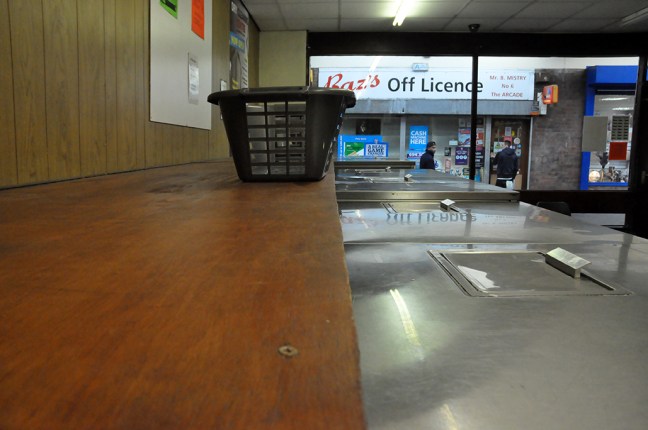
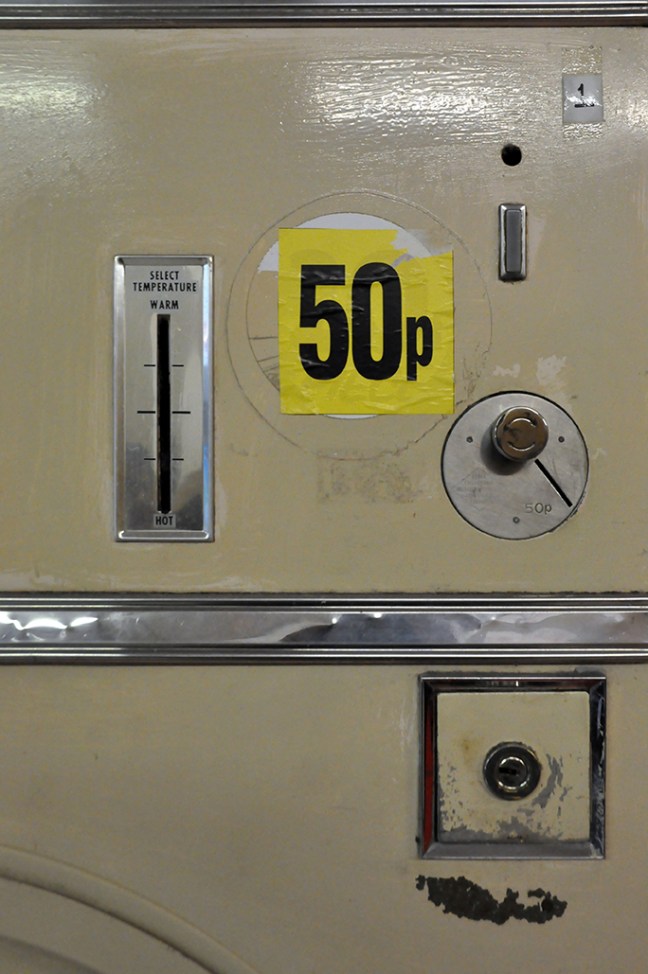
Launderette – Stalybridge

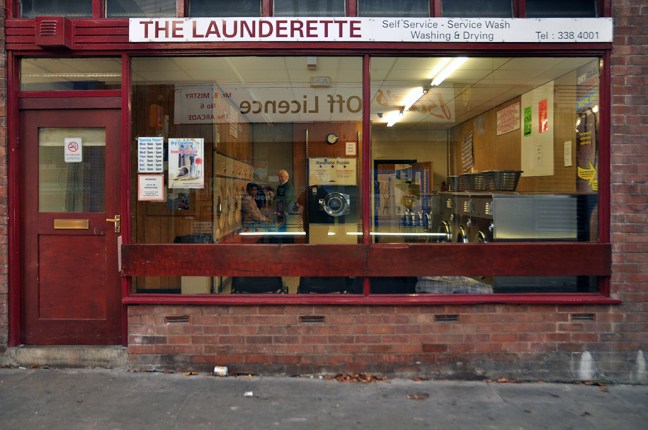
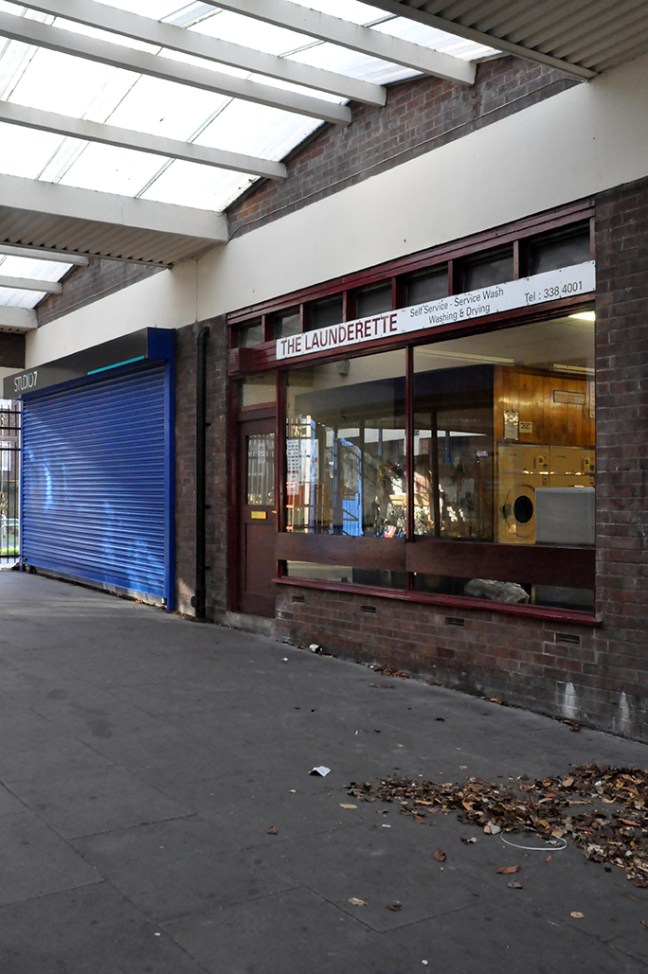
Tucked away in an arcade, far from Arcadian – not far from Baz’s Off Licence.

The launderette.

Yet another testament to the partial persistence of industrial technology.

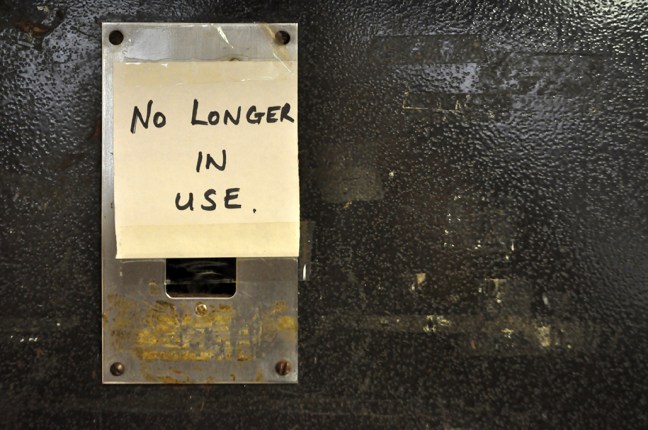
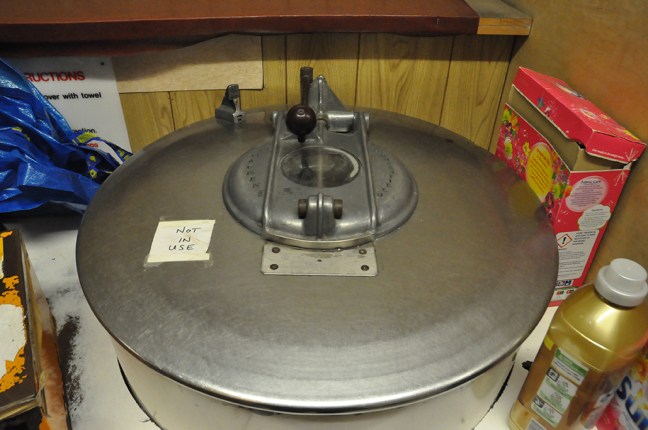
No Longer in Use.

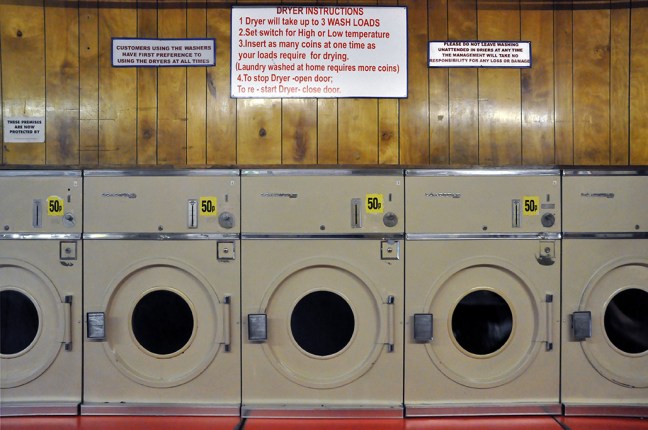
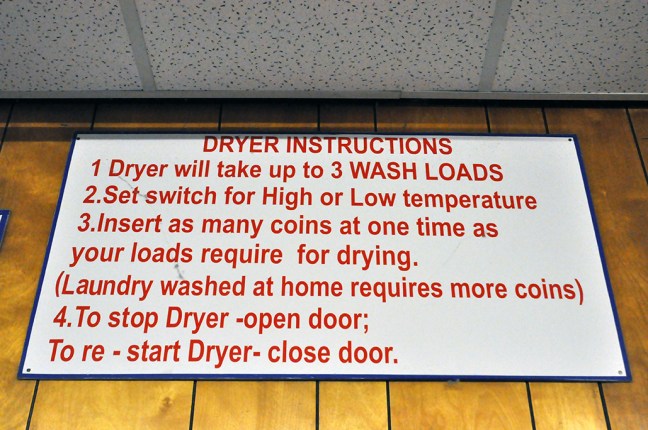
A happy hotch-potch of signs, surfaces and sixties design.

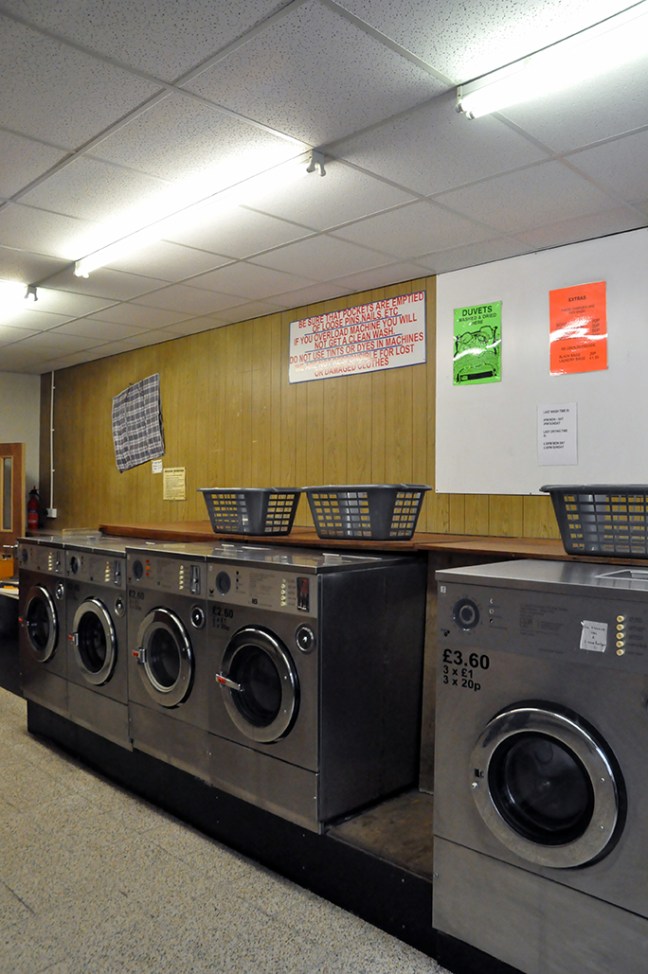
Informal formica, stripped bare strip lighting, wobbly laminate walls.

Watch and wait, whilst the World and your washing whirl.


DSC_0073 copy

DSC_0074 copy

DSC_0075 copy

DSC_0072 copy

DSC_0098 copy

DSC_0084 copy

DSC_0076 copy

DSC_0091 copy

DSC_0089 copy

DSC_0096 copy

DSC_0088 copy

DSC_0078 copy

DSC_0086 copy

DSC_0080 copy

DSC_0094 copy

DSC_0082 copy

DSC_0081 copy

DSC_0097 copy

DSC_0083 copy

DSC_0077 copy

DSC_0101 copy

DSC_0100 copy

DSC_0085 copy

DSC_0079 copy

DSC_0092 copy

DSC_0090 copy

DSC_0093 copy

DSC_0102 copy


Ups ‘n’ Downs – Stockport

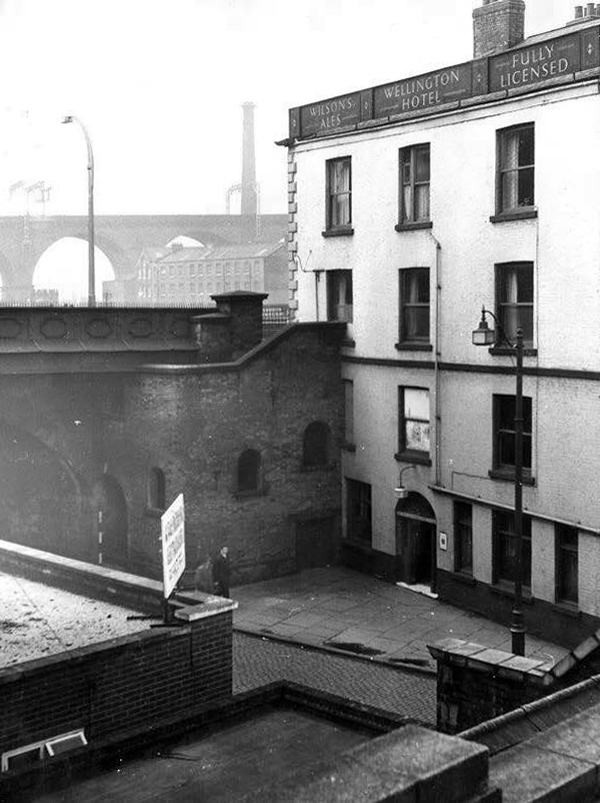
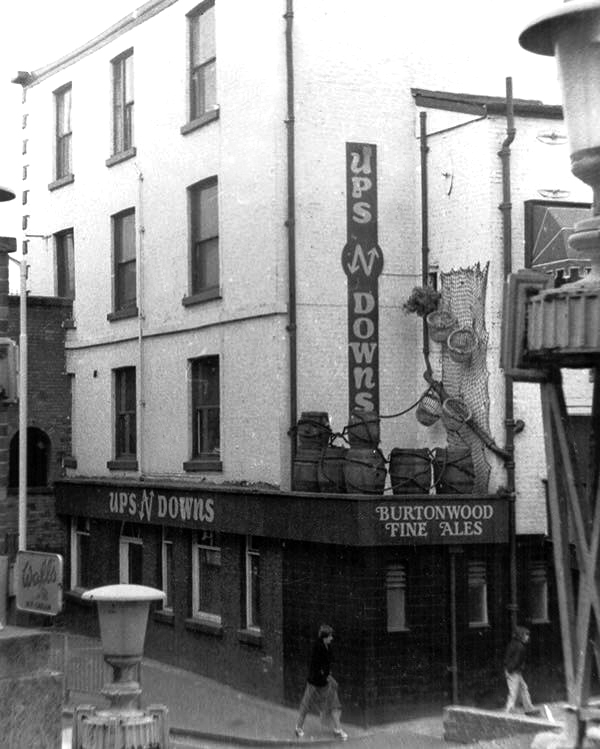
Ups ‘n’ Downs, it’s had its share of ups and downs.

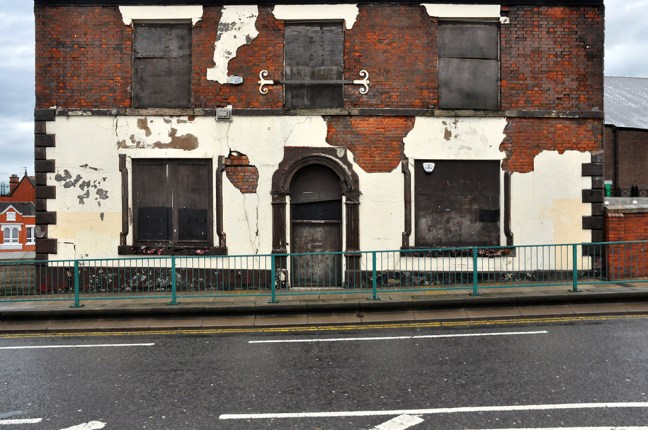
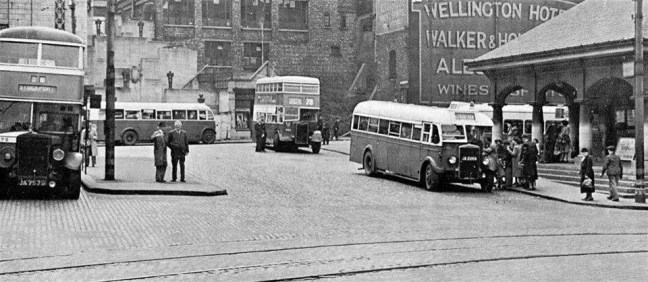
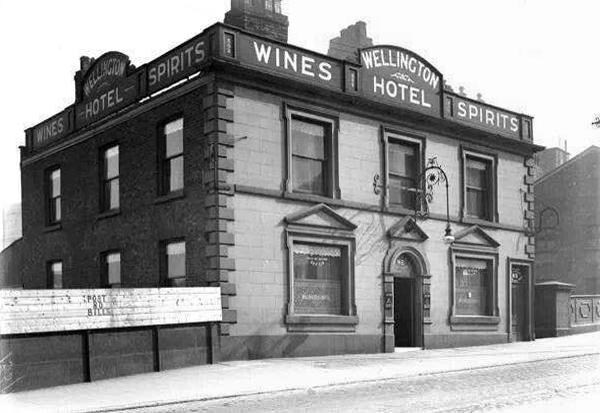
Quite literally – the former Wellington Inn has an upside facing onto the busy A6 Wellington Road, and a downside opening onto Mersey Square.

27972749_557518087936232_7728145189045588891_n

27858056_557516154603092_2607525642965010439_n

27750183_557516157936425_5371938937434776142_n

27972829_557516197936421_3119942482090205920_n

Its fortunes similarly something of a rollercoaster ride, from busy town centre pub, to edgy pseudo-club, populated by late night uniformed bus drivers, swaying on the metre square dance floor.

Latterly something of a disco party bus, going nowhere fast.

Known variously as Glitz, Bentley’s and the Bees Knees.

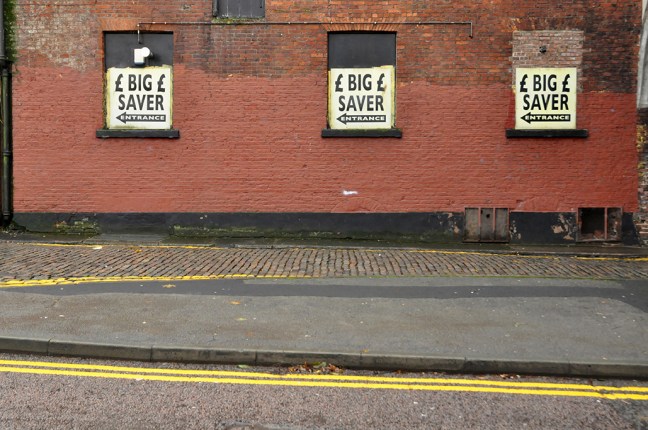
Finally, partial occupation by a forlorn pound shop – defying economic trends by closing.

An architectural curiosity and a blank faced, gap toothed greeting to the Town’s visitors, there is talk of conversion to flats under the council’s stewardship.

It seems like up to me.

DSC_0003

DSC_0017

DSC_0006

DSC_0004

DSC_0021

DSC_0019

DSC_0016

DSC_0005

DSC_0008

DSC_0020

DSC_0014

DSC_0013

DSC_0007

DSC_0032

DSC_0002

DSC_0012

DSC_0028

DSC_0023

DSC_0001

DSC_0010

The Whetstone – Sheffield

Confusion

Fusion

Confusion

Imagine

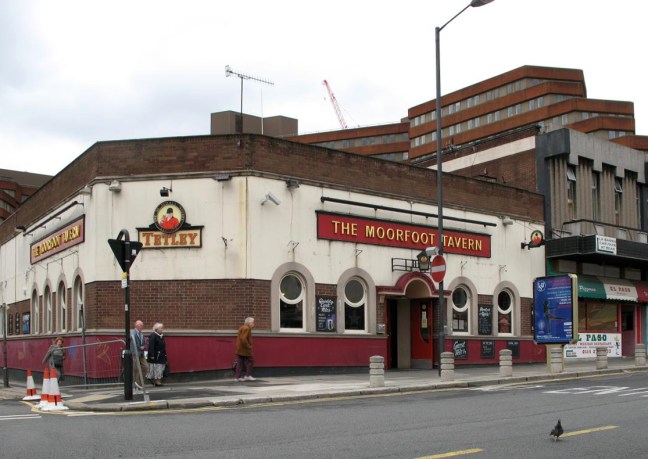
A single storey brick built street corner boozer, it’s not so hard to do.

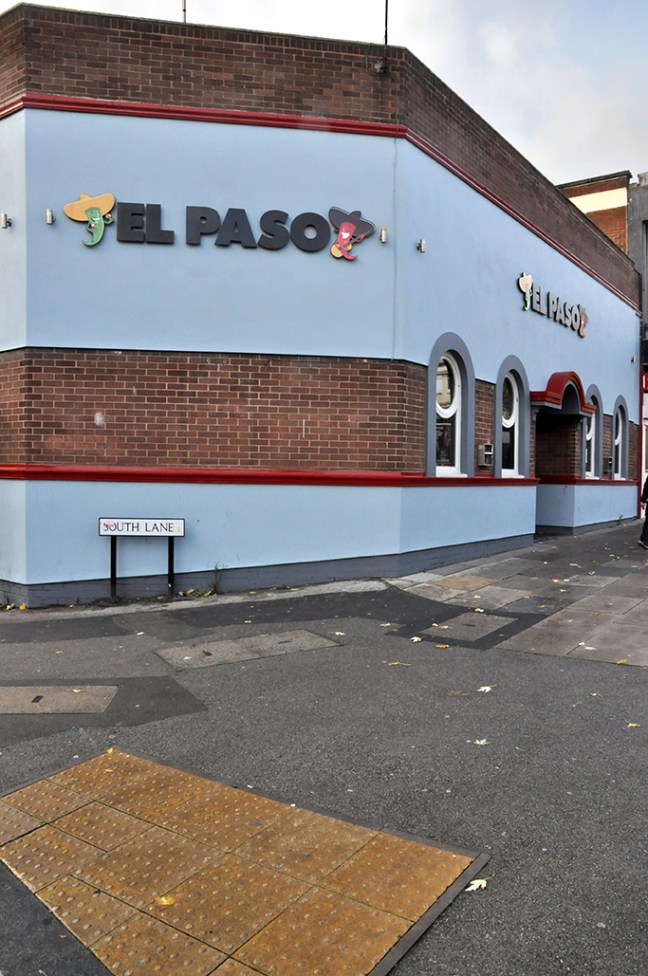
It’s Sheffield let’s call it the Whetstone, how appropriate.

Bored?

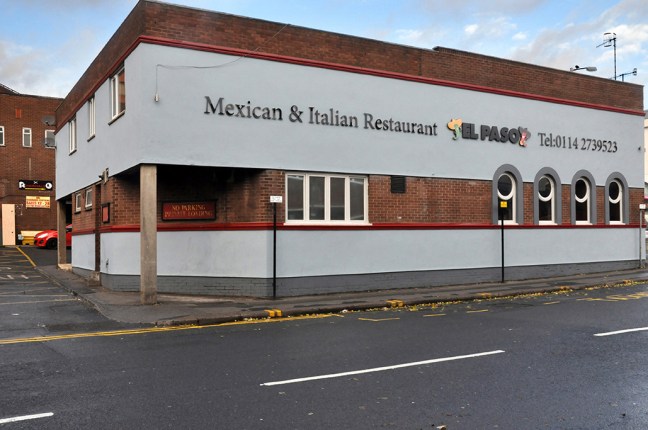
How about the Moorfoot Tavern?

Sounds classy, that’ll do.

Well it did until it didn’t, somehow it migrates south, then west.

Paris Texas – how about Rome Mexico Yorkshire?

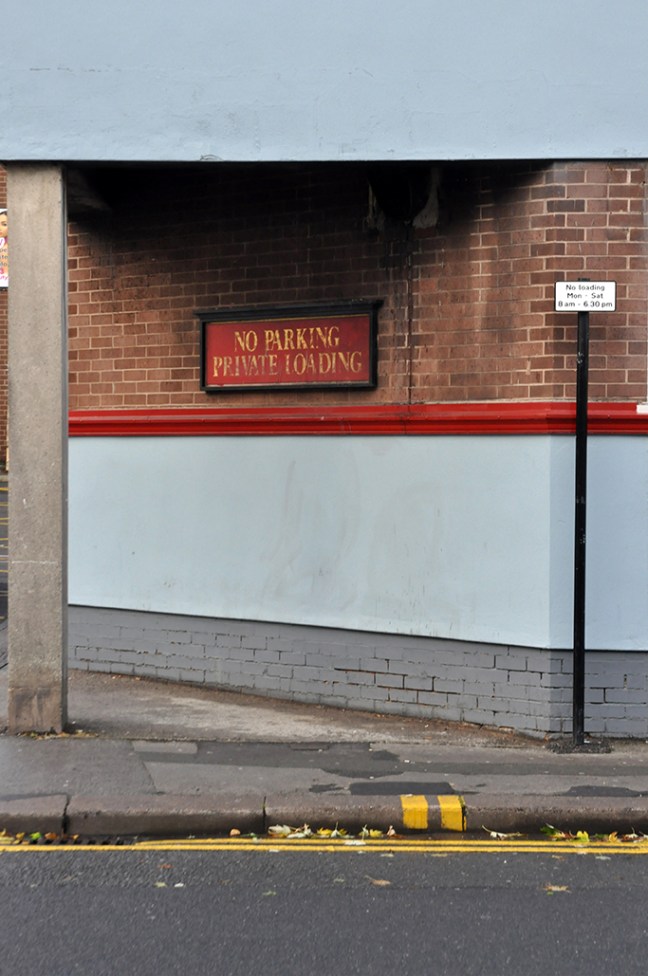
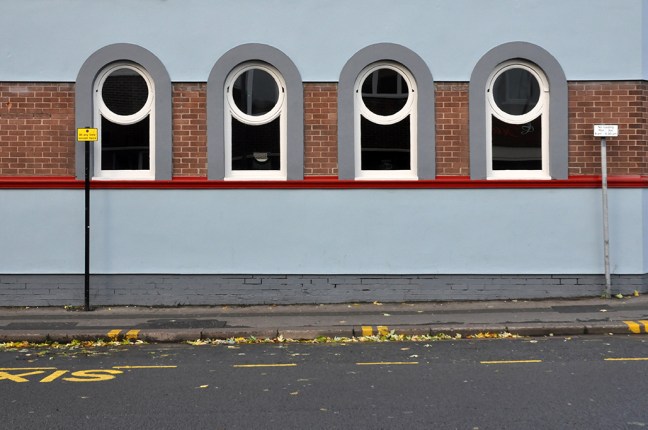
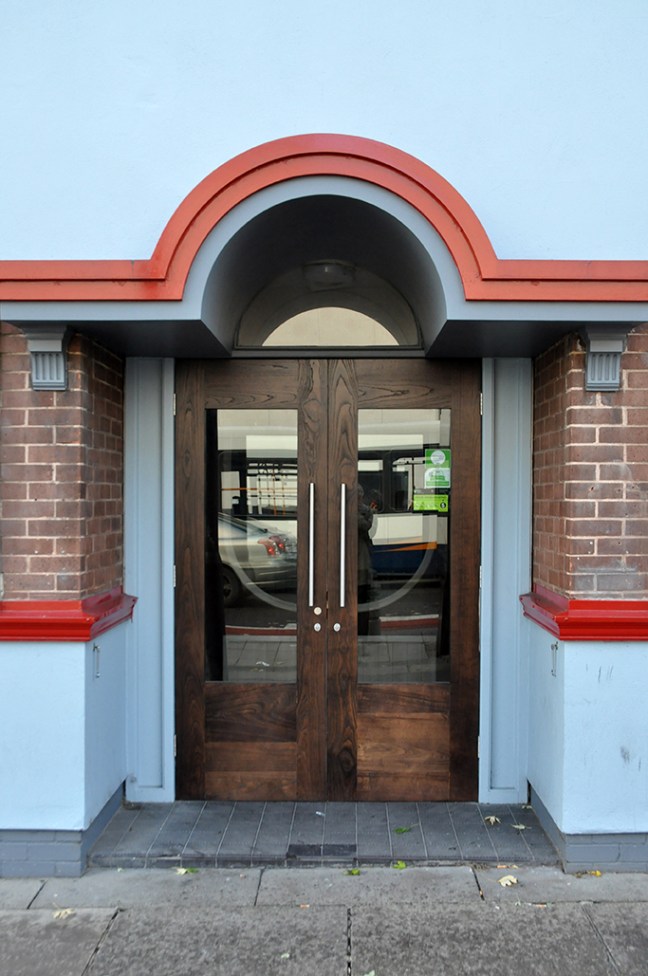
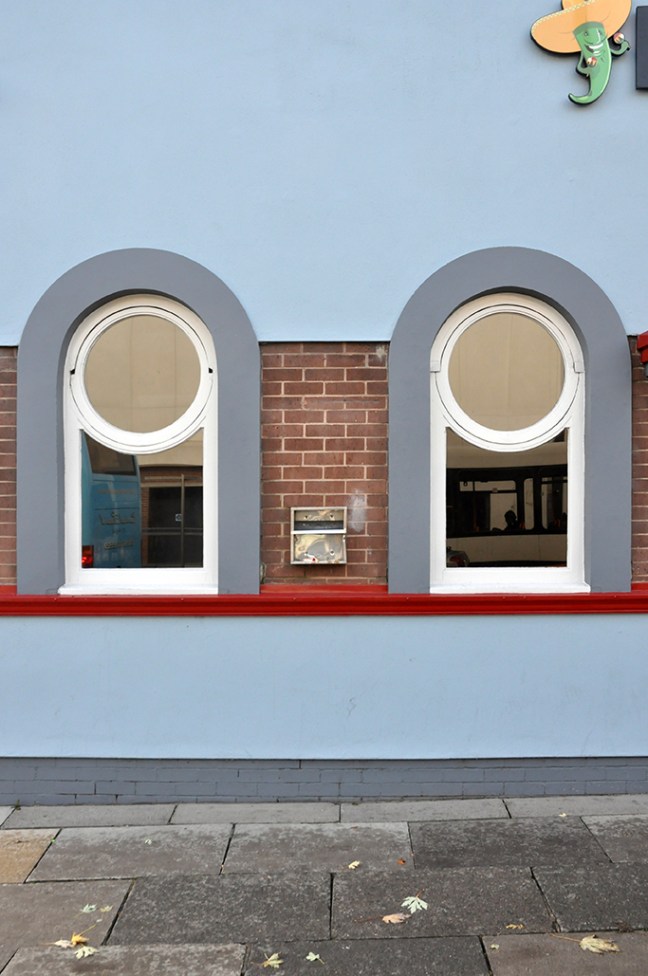
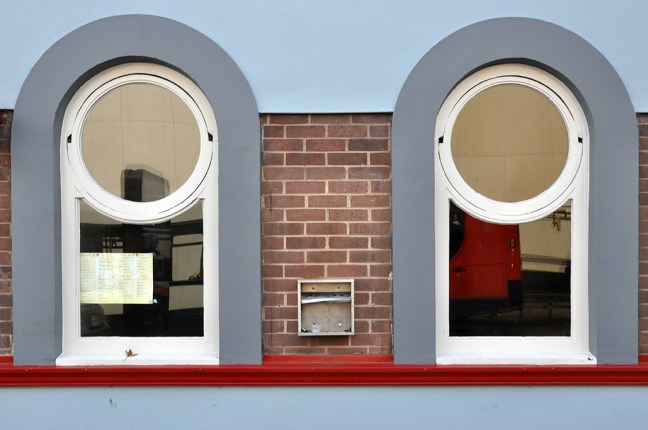
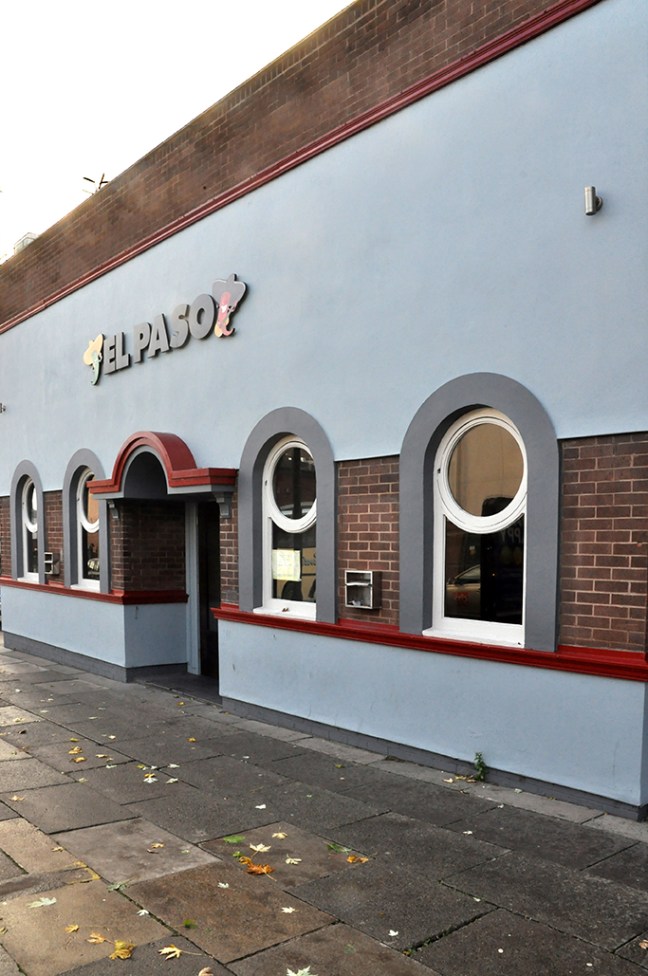
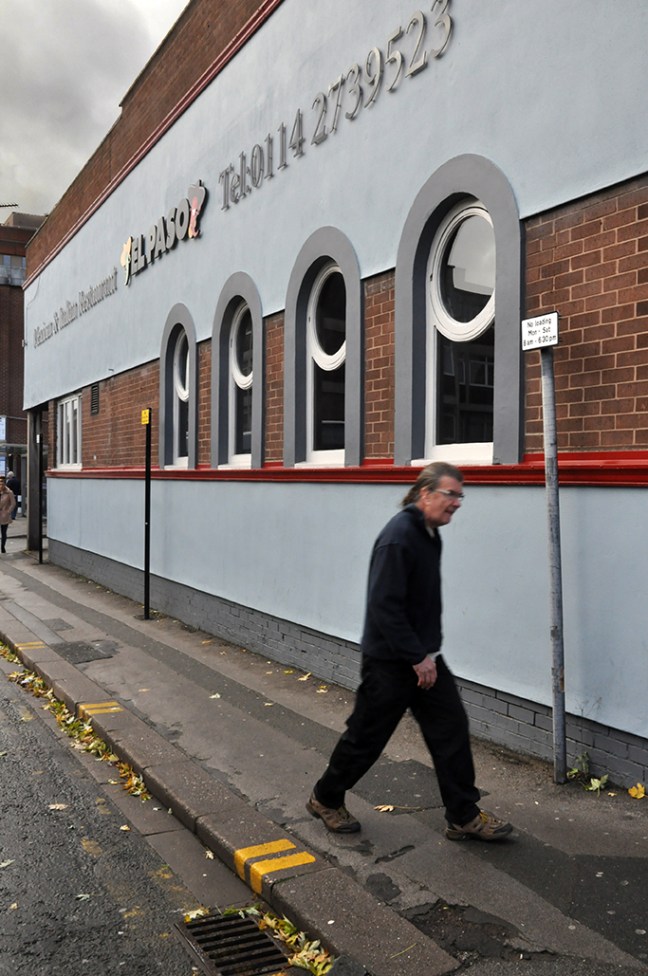
El Paso it is then –


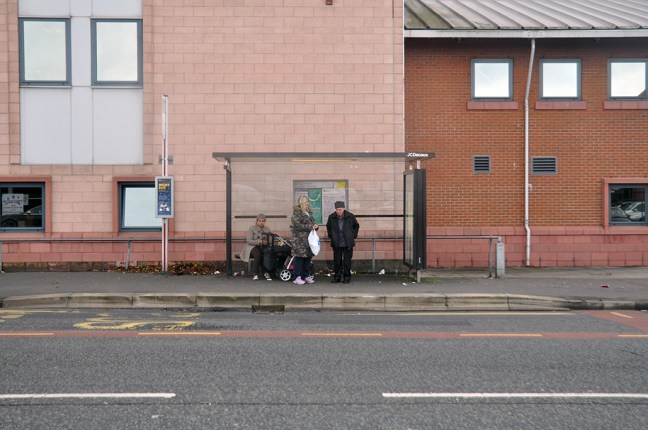
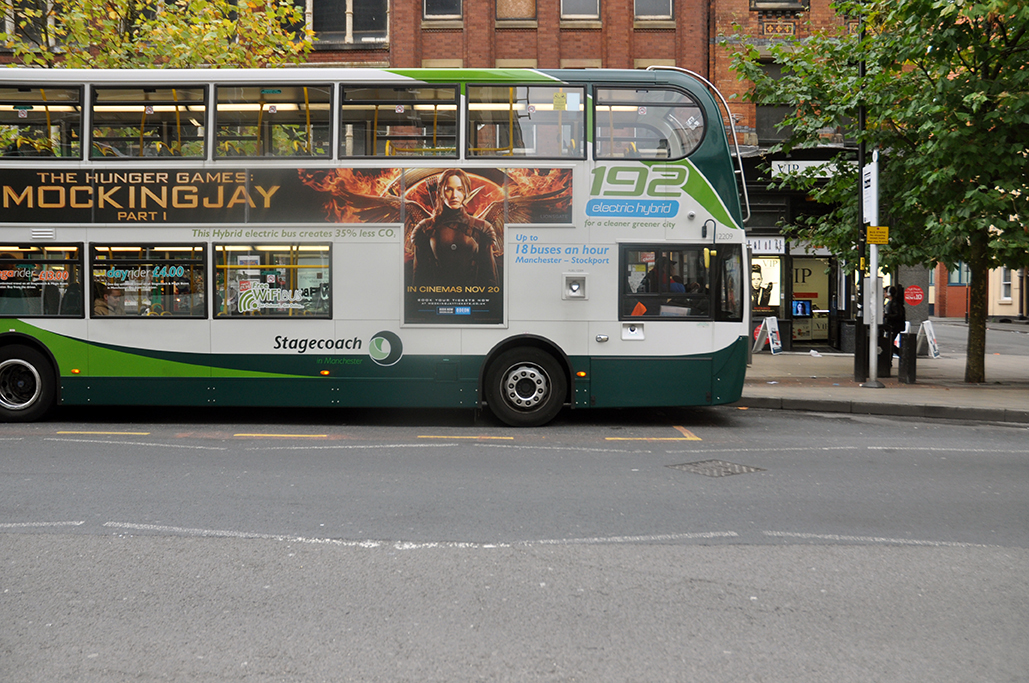
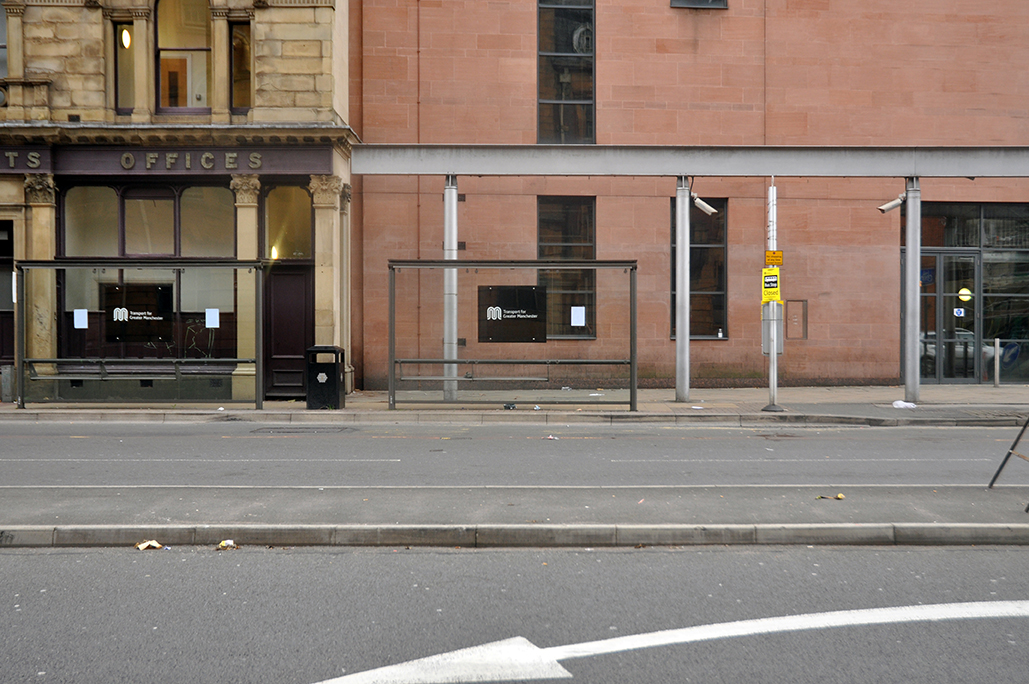
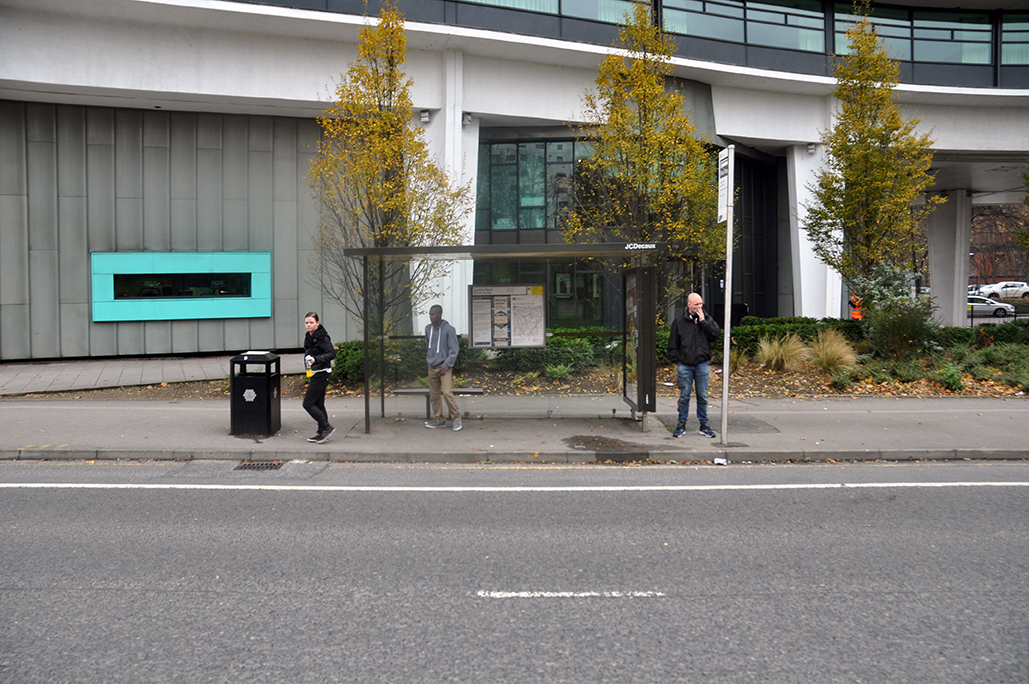
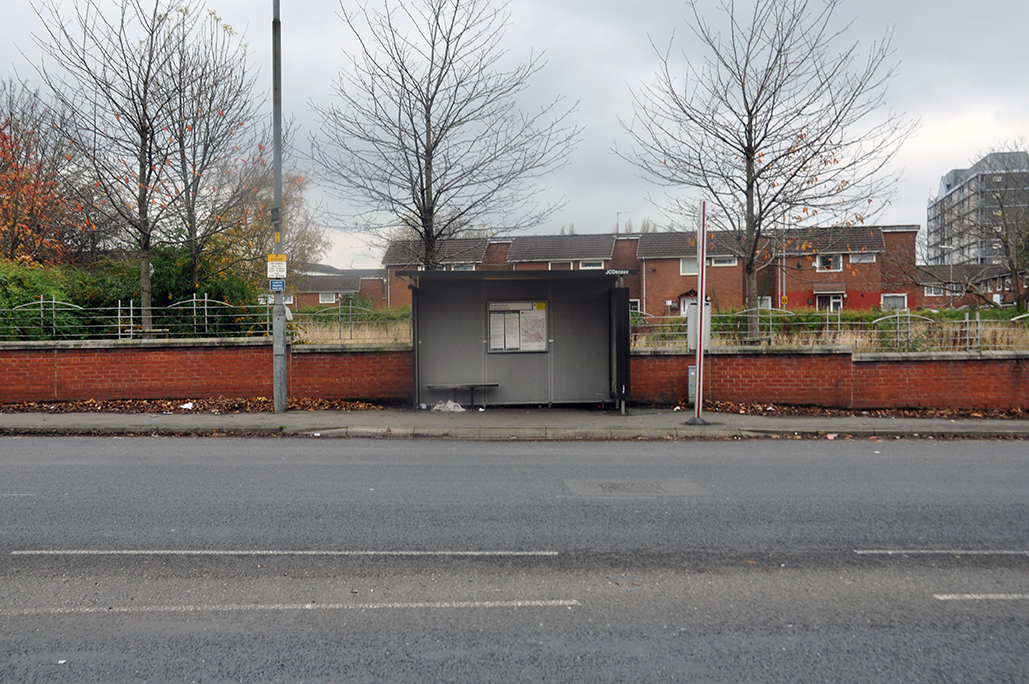
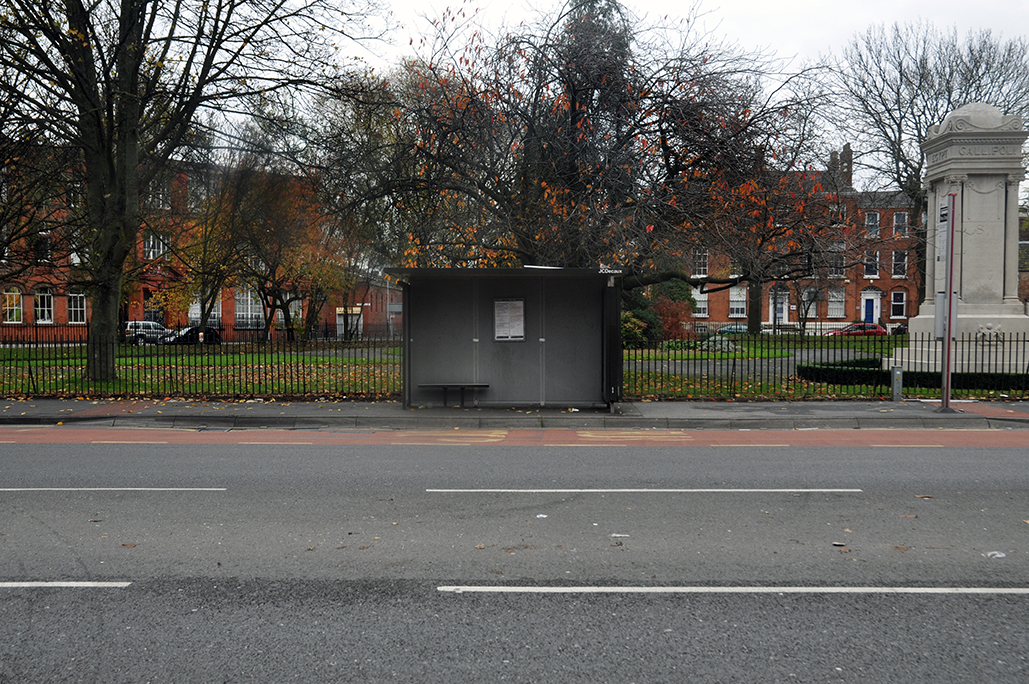
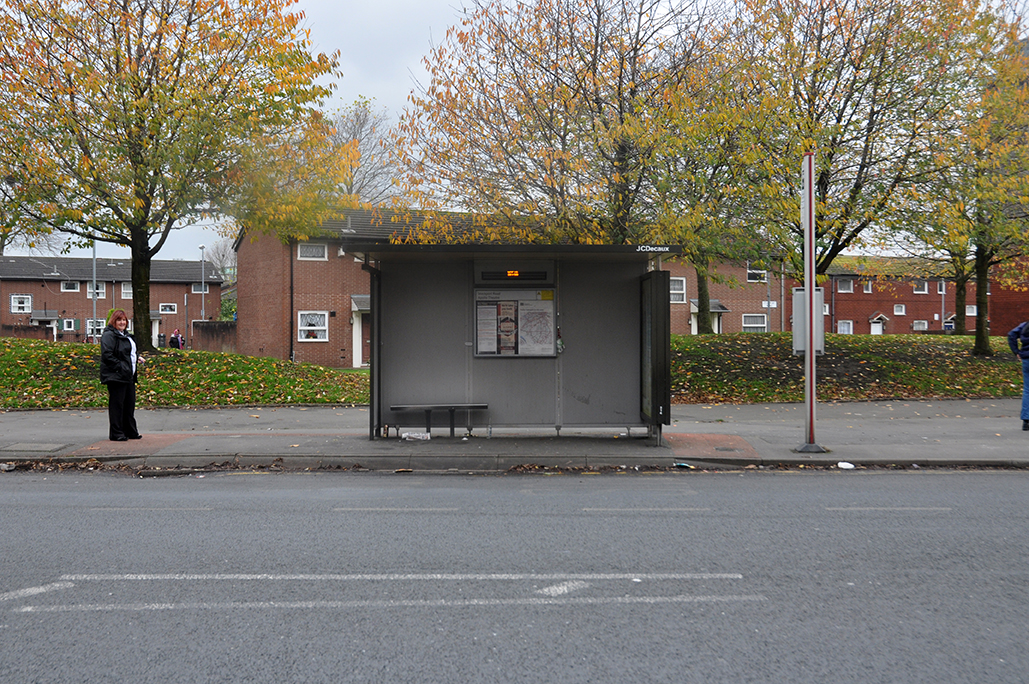
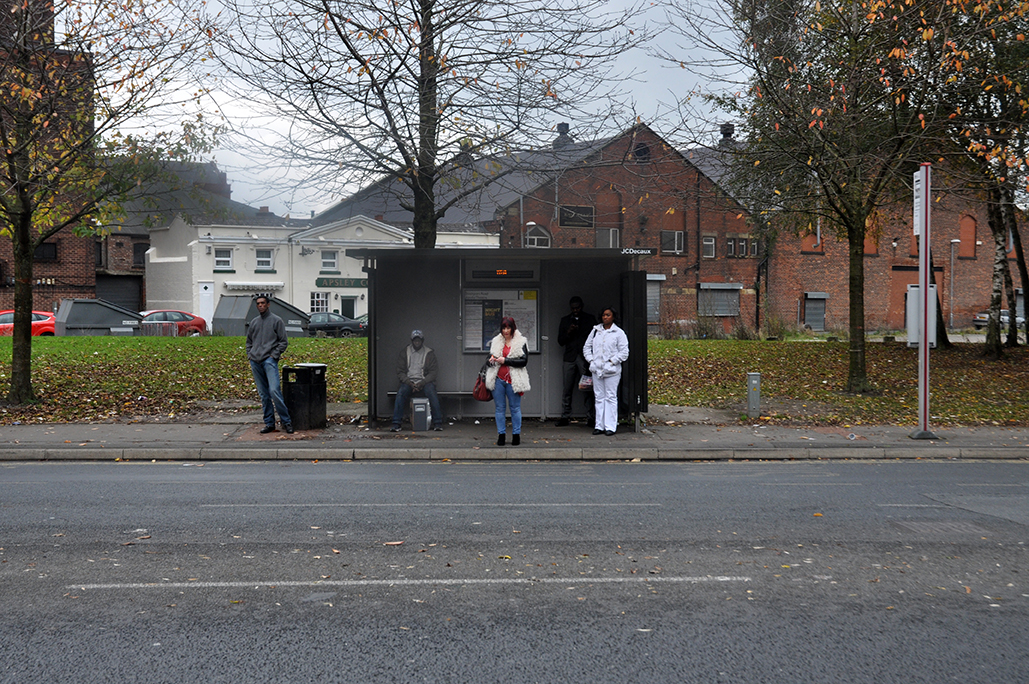
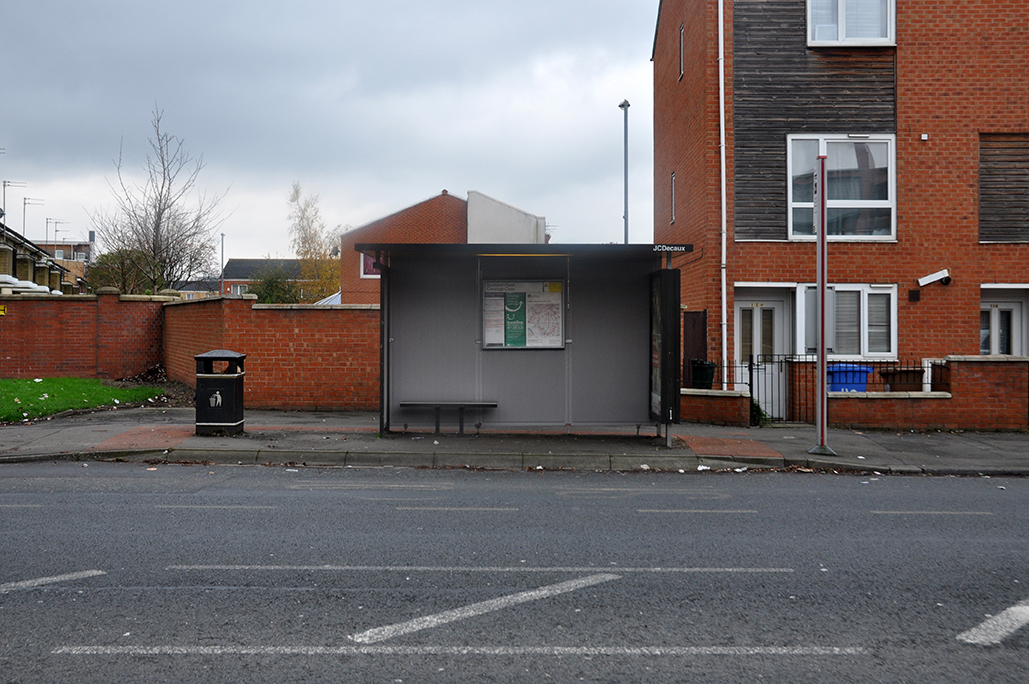
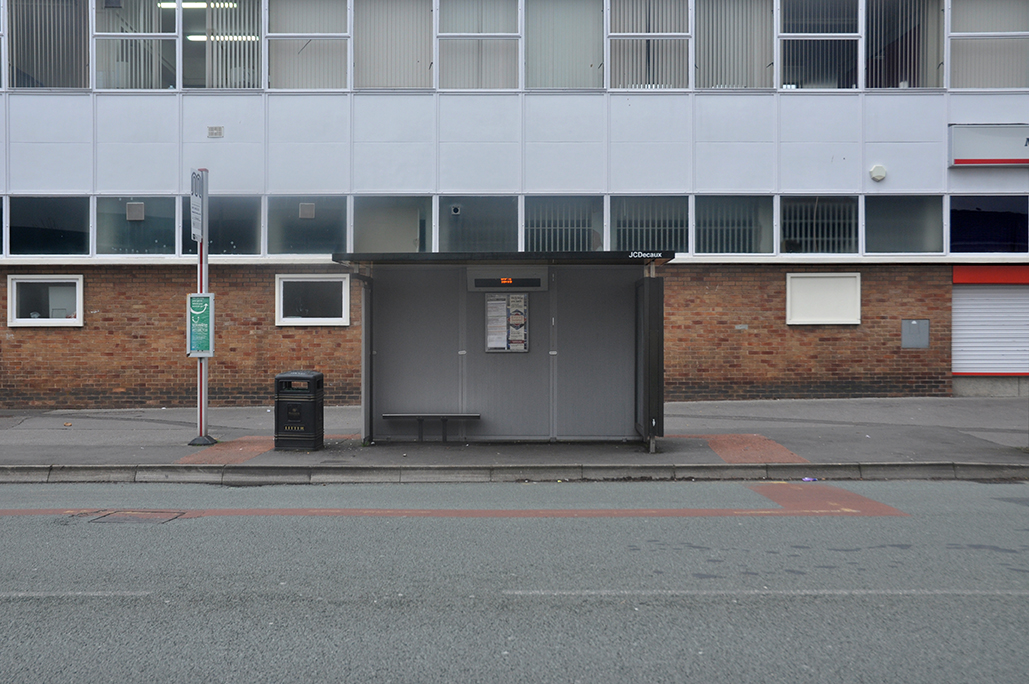
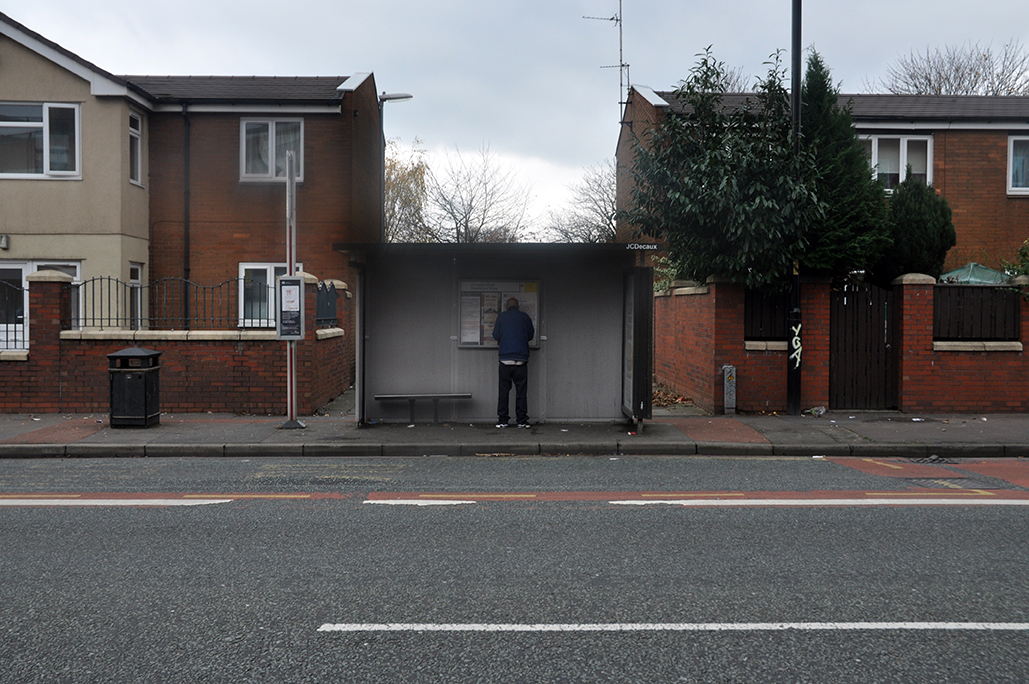
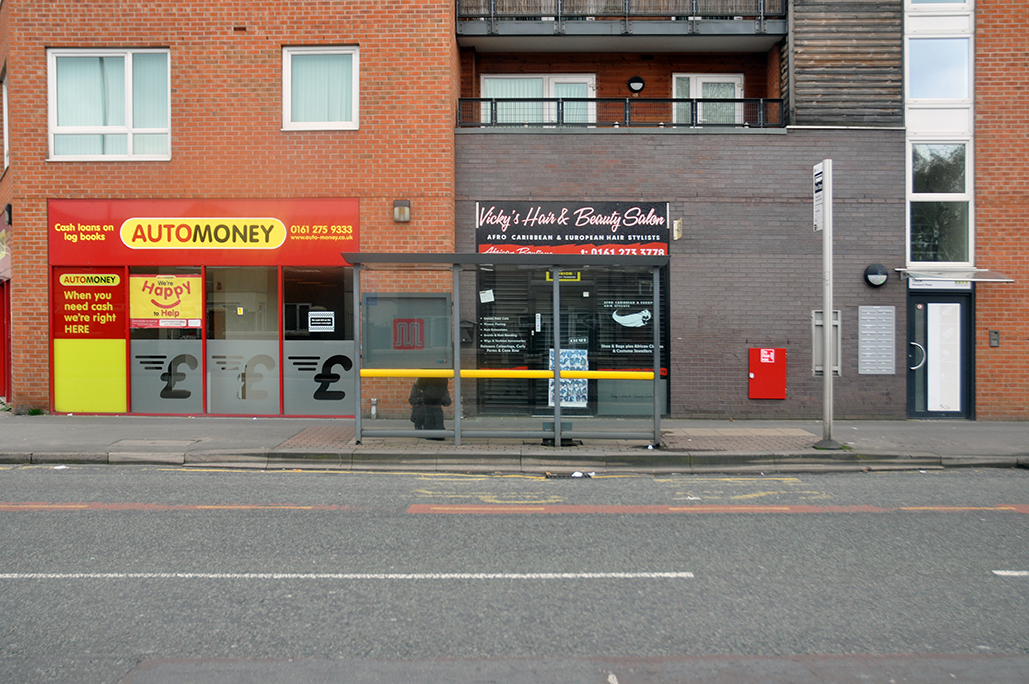
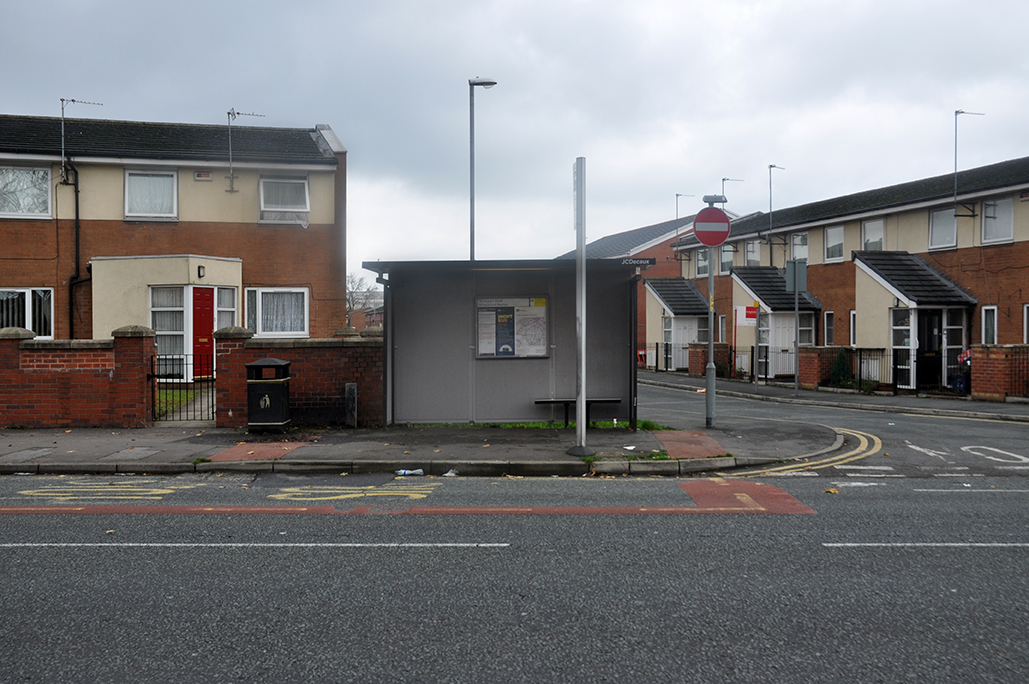
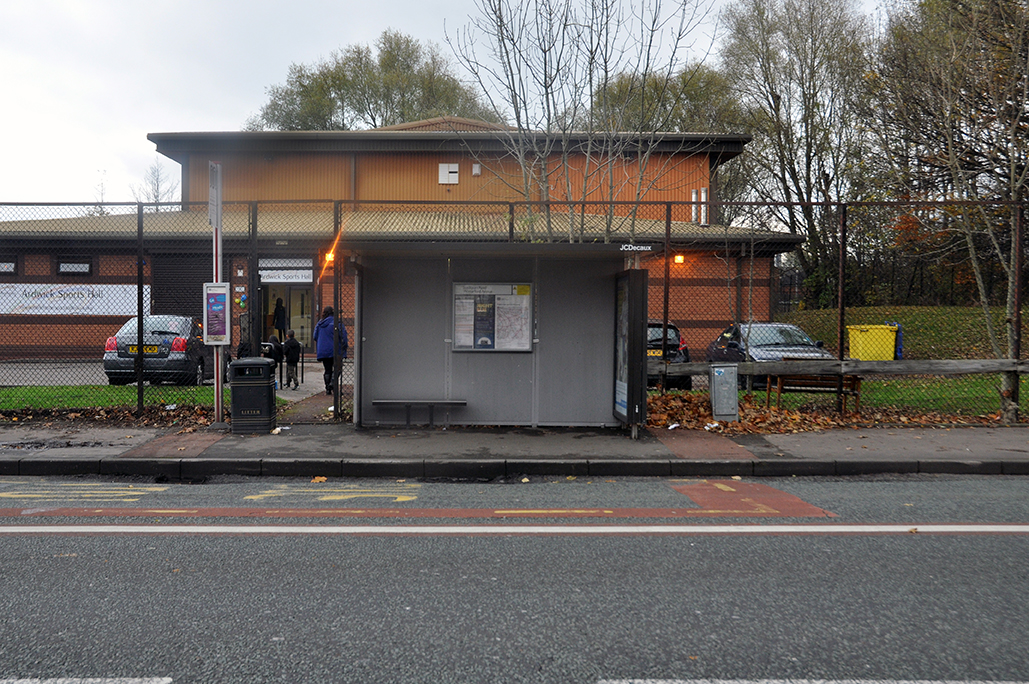
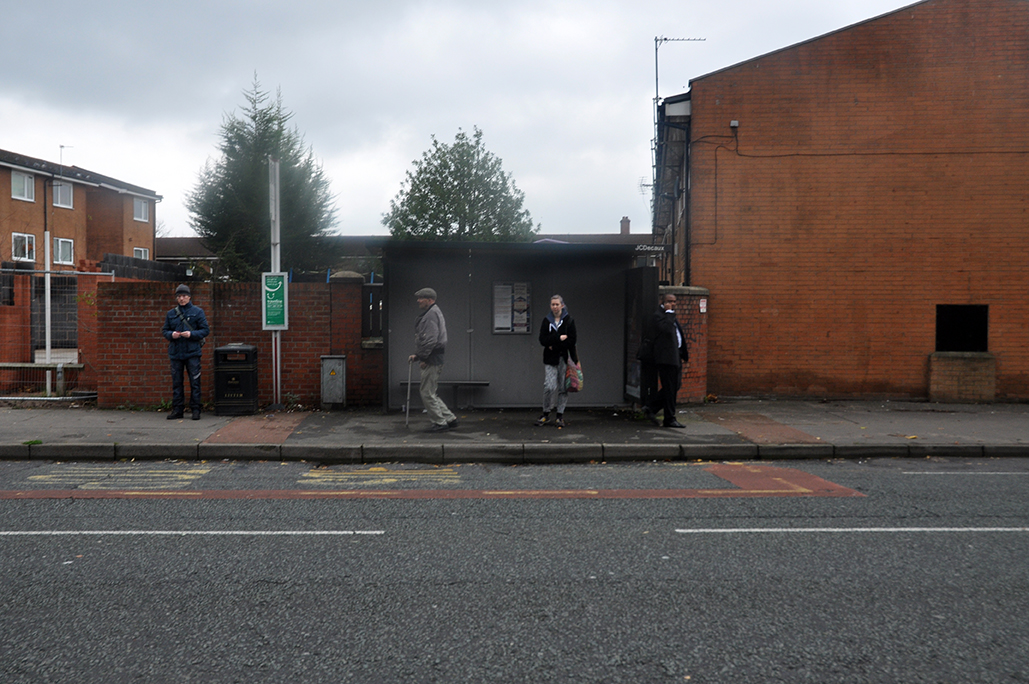
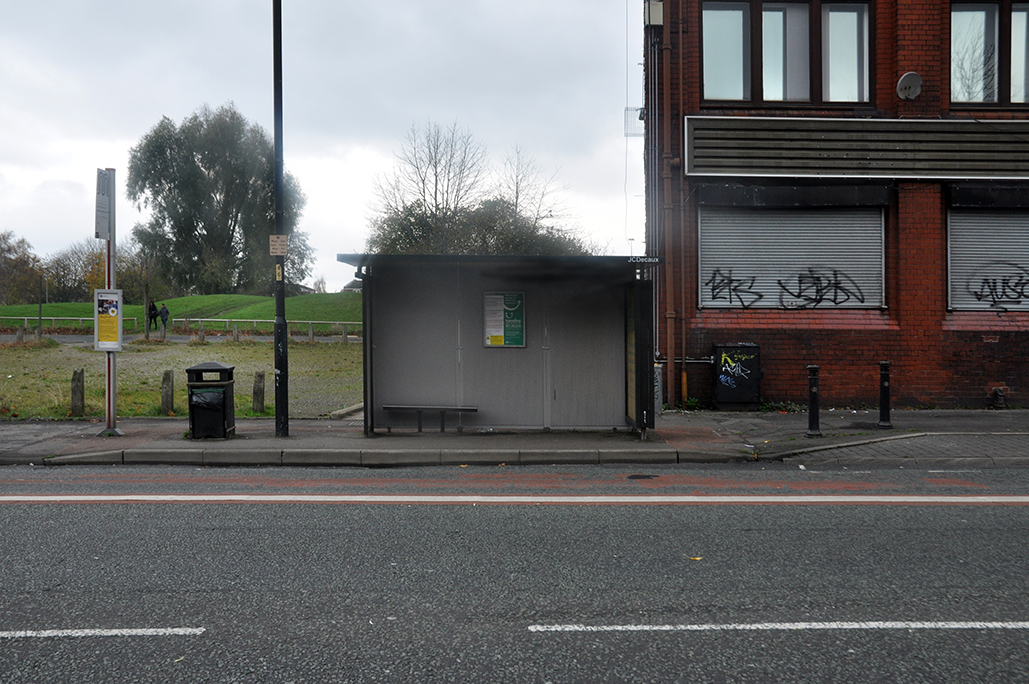
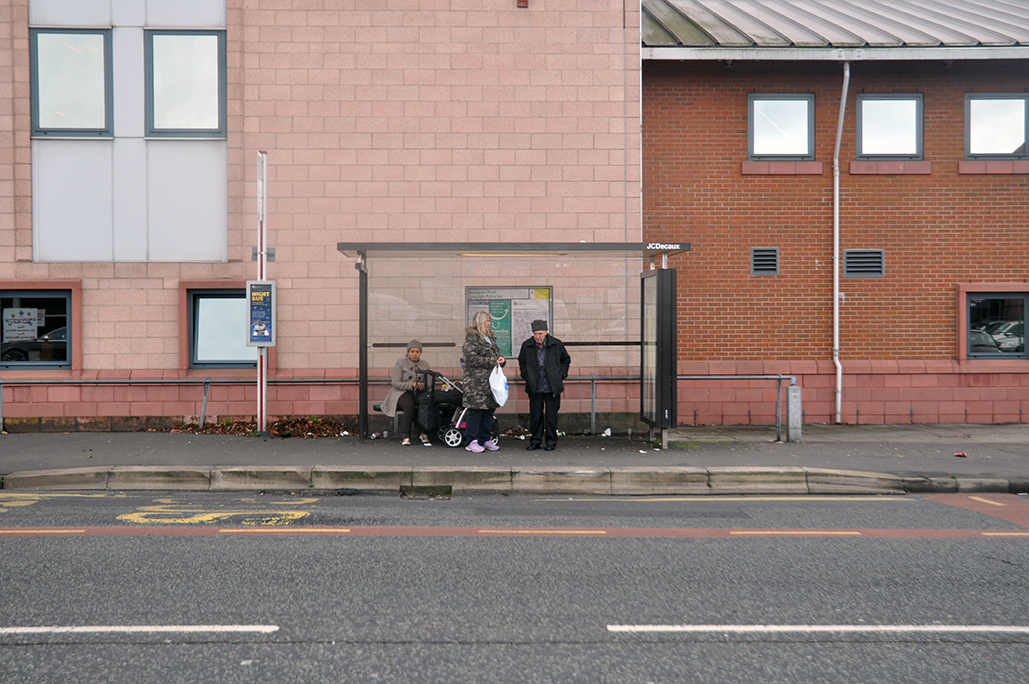
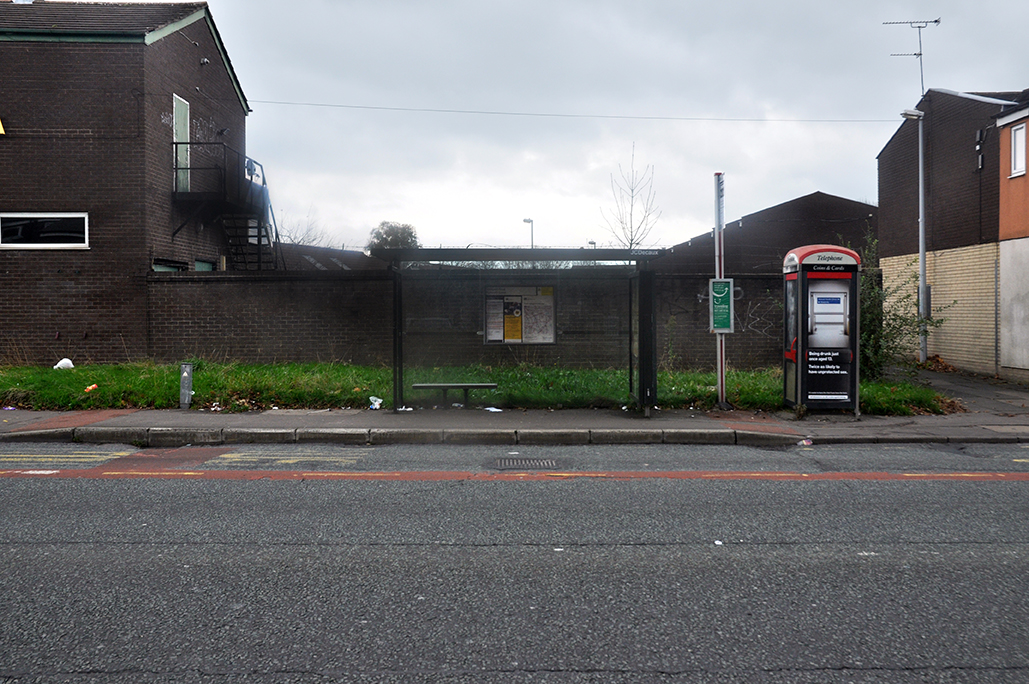
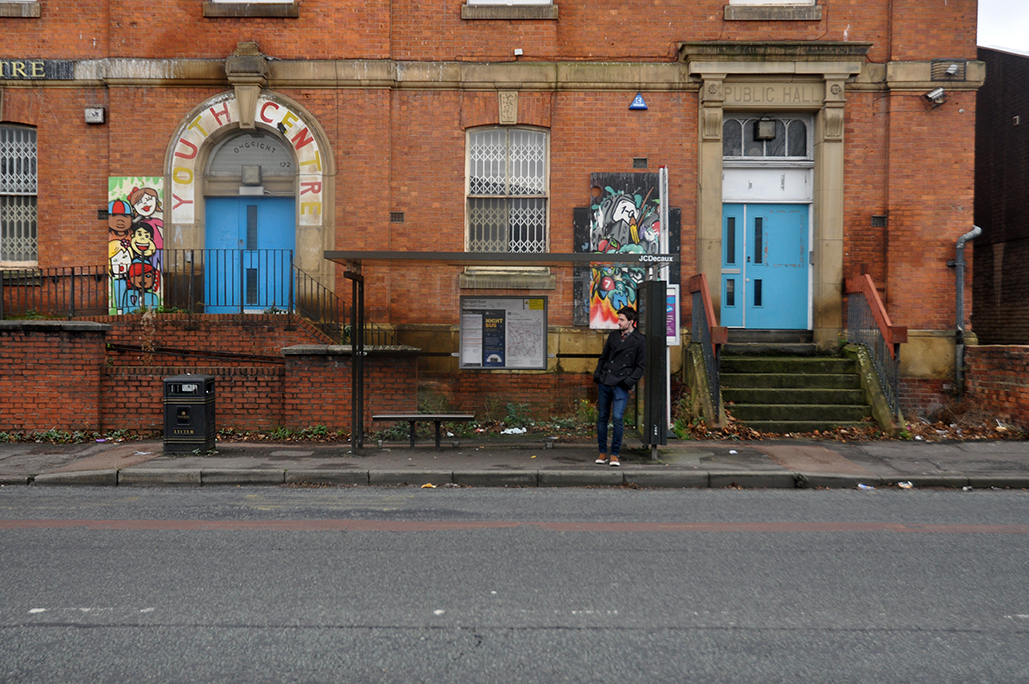
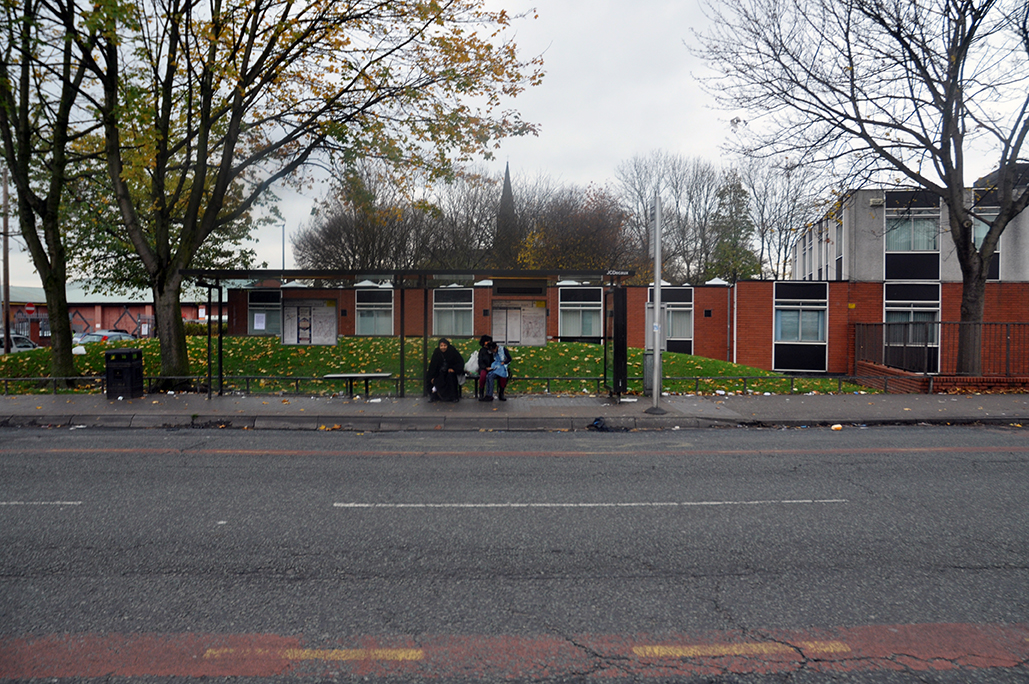
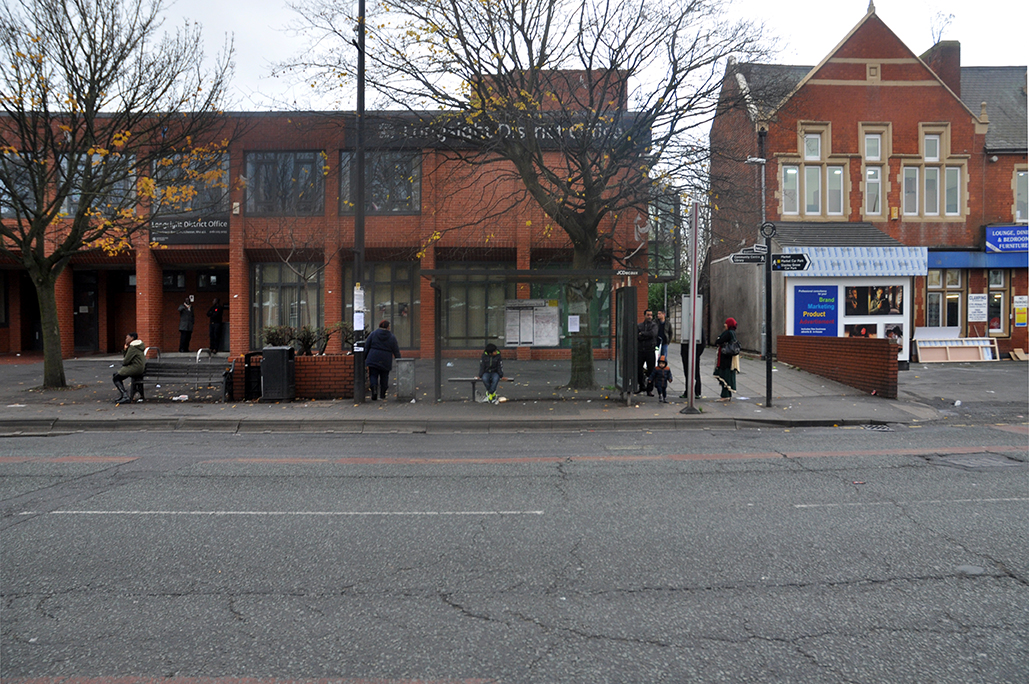
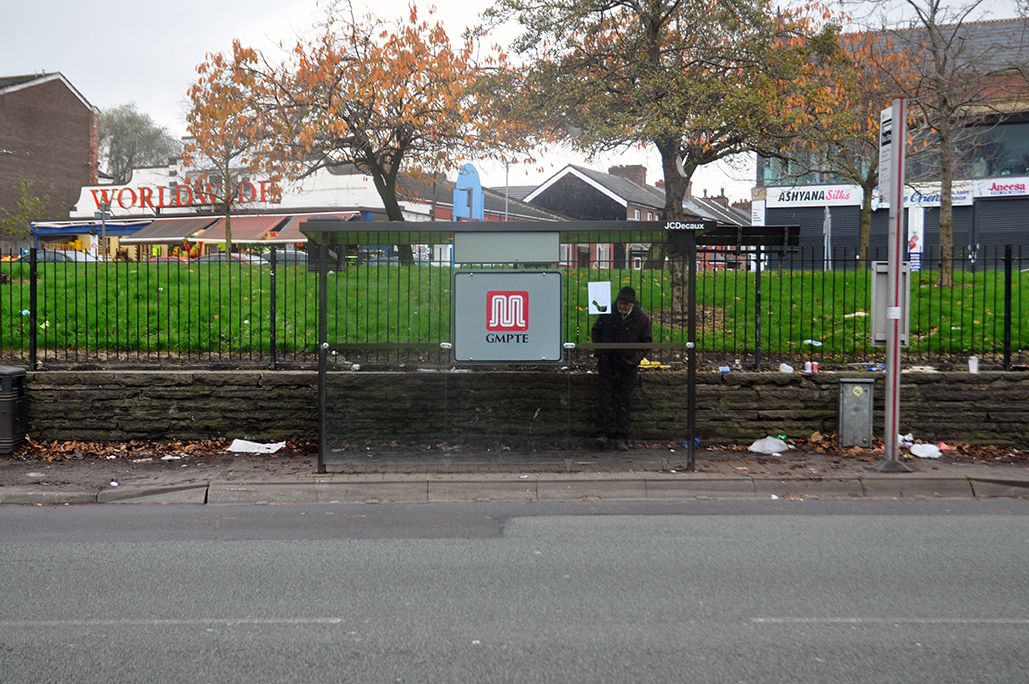
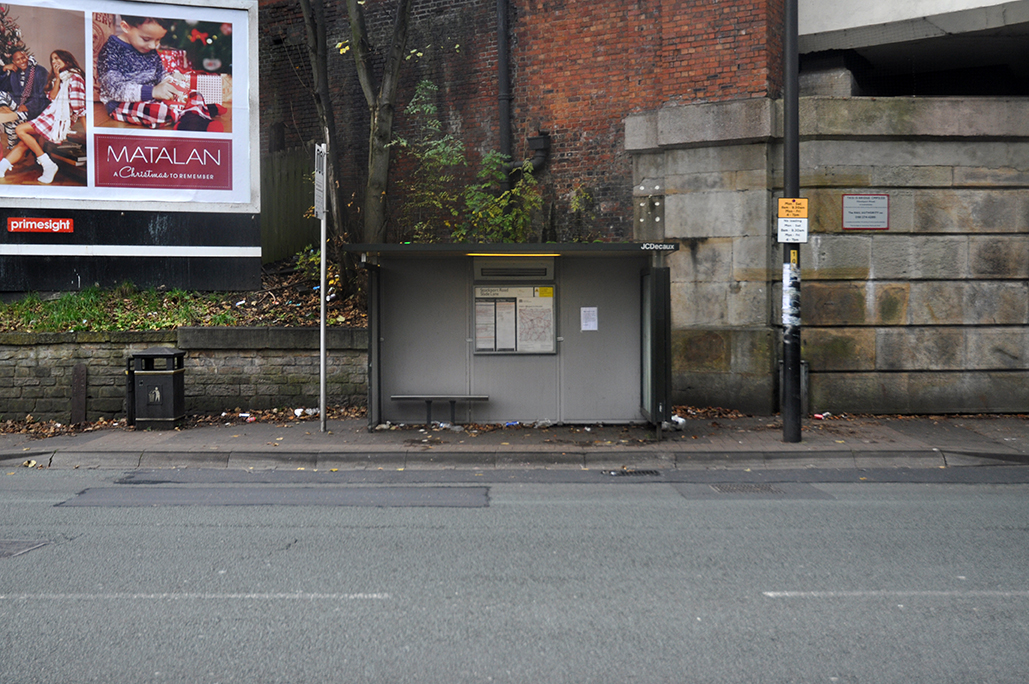
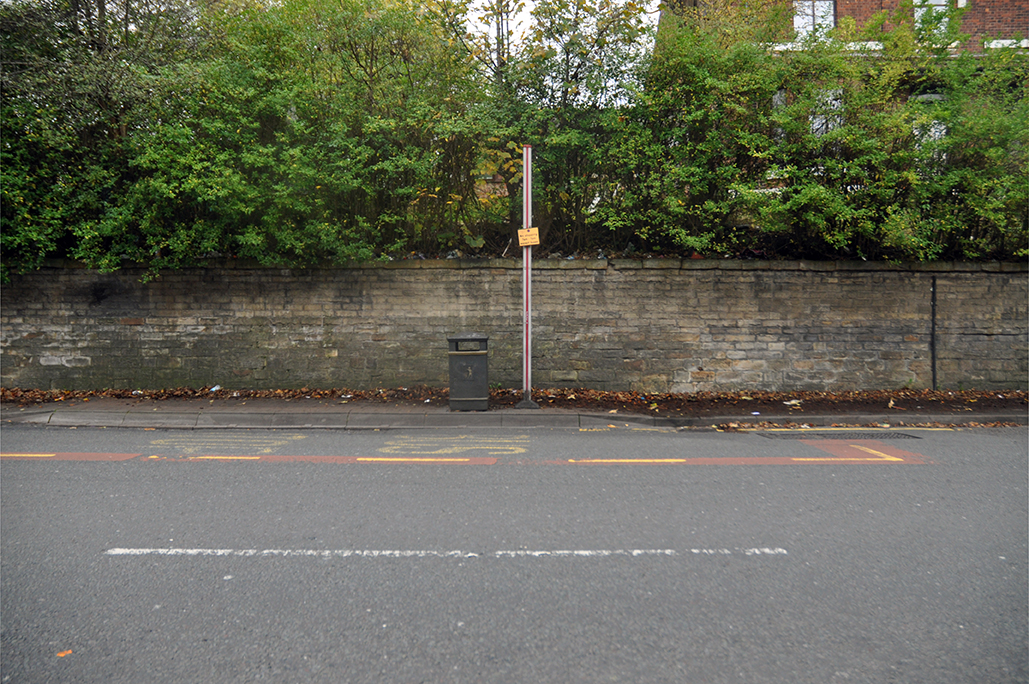
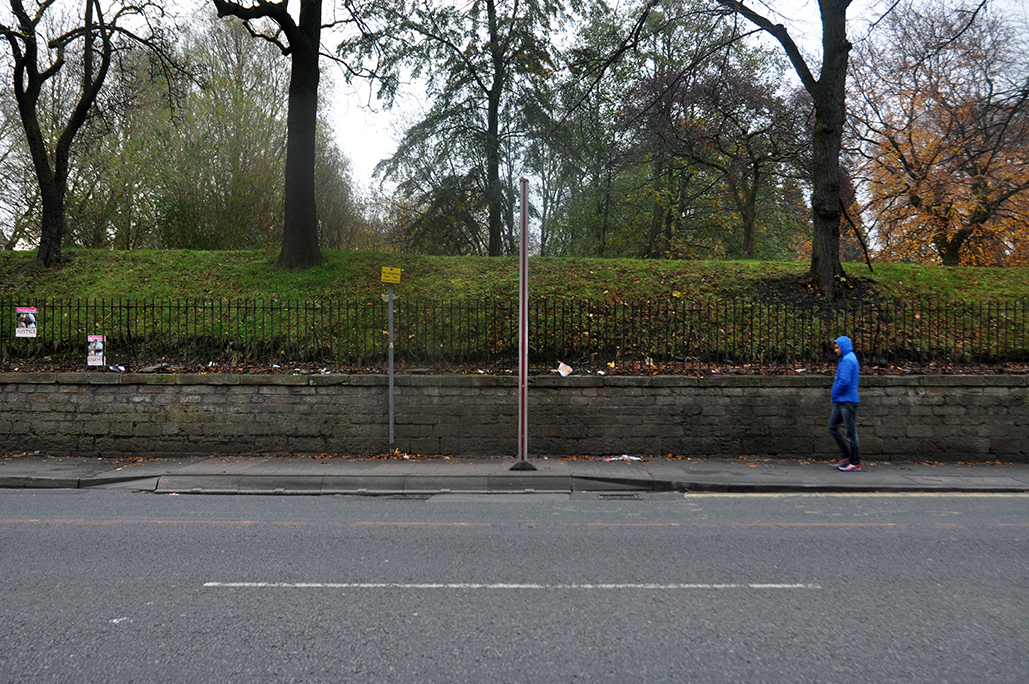
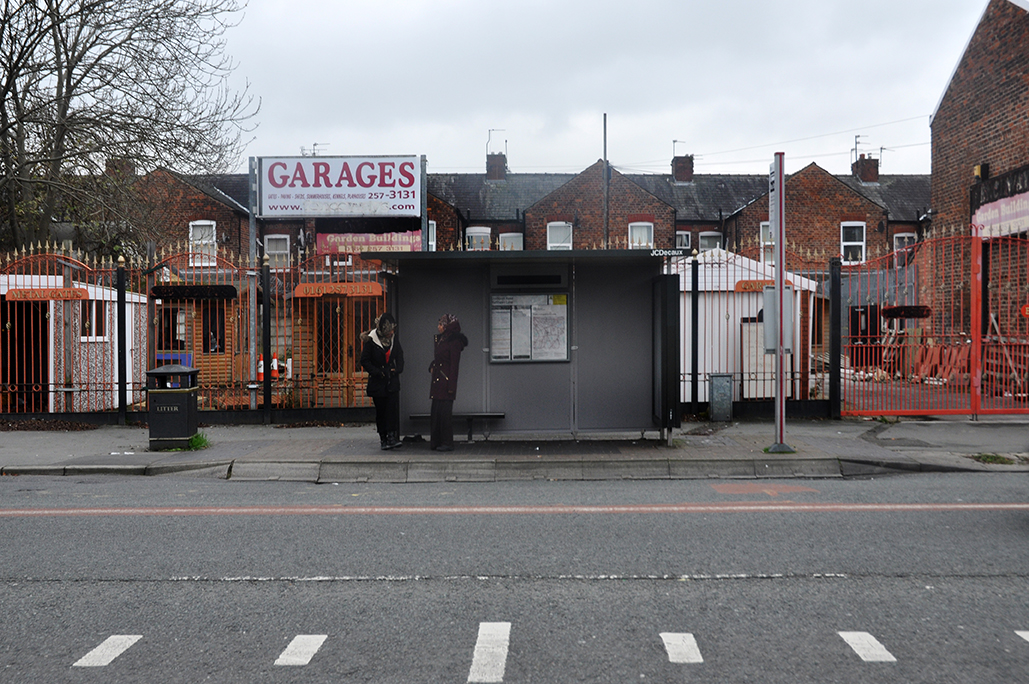
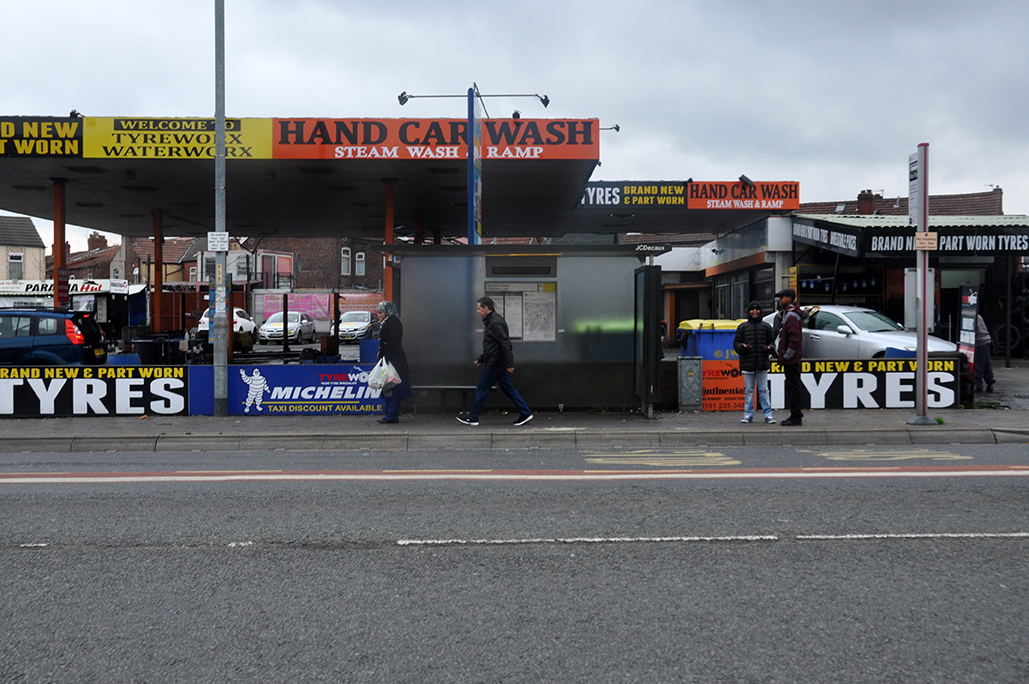
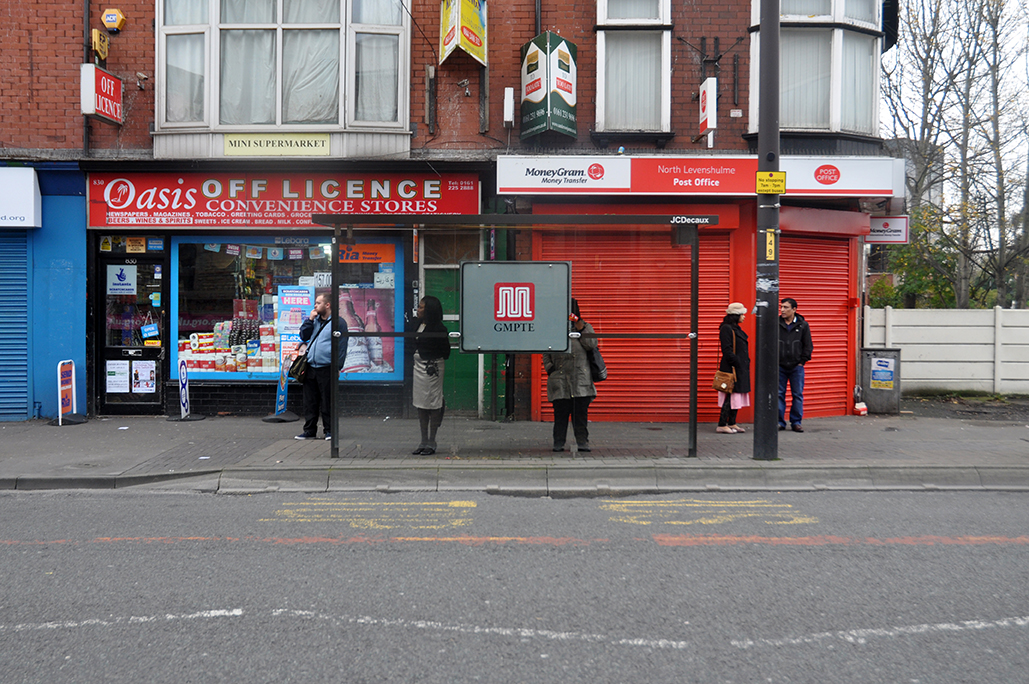
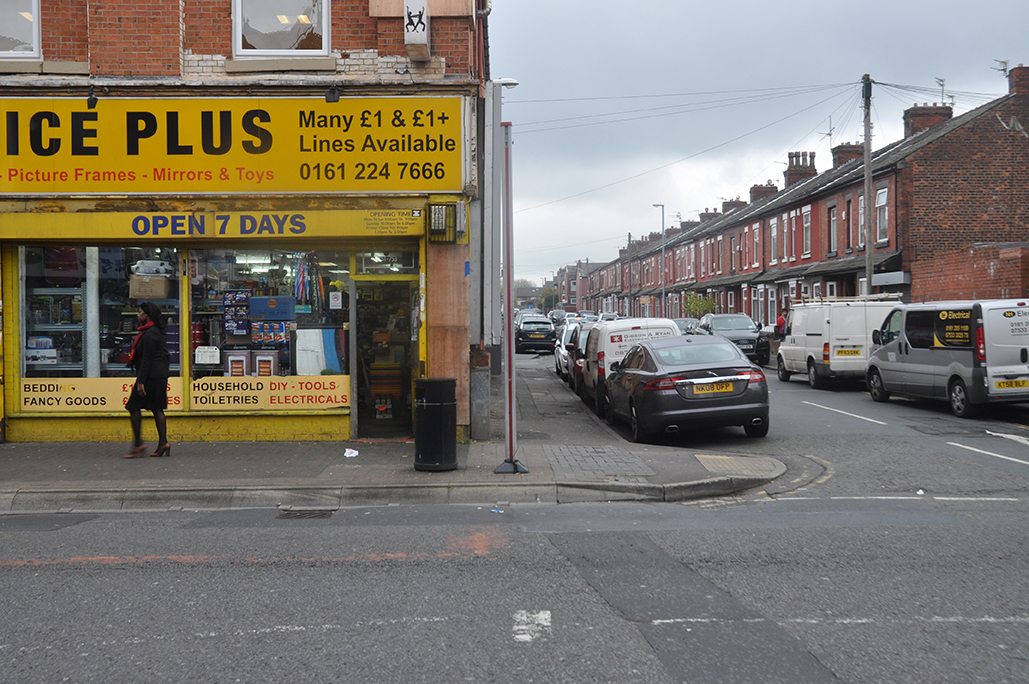
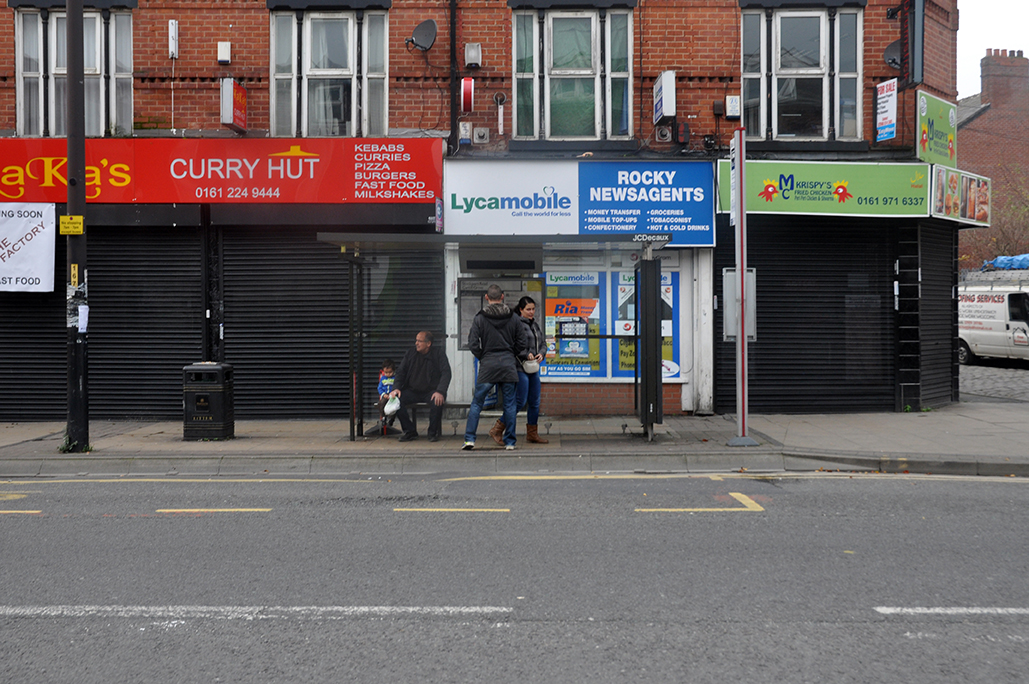
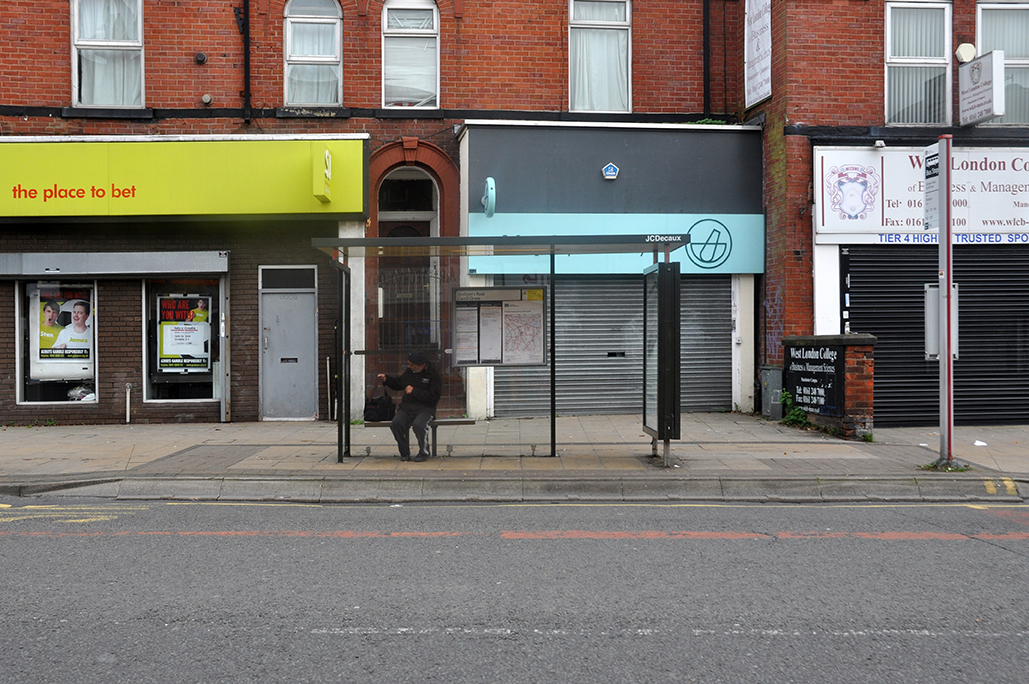
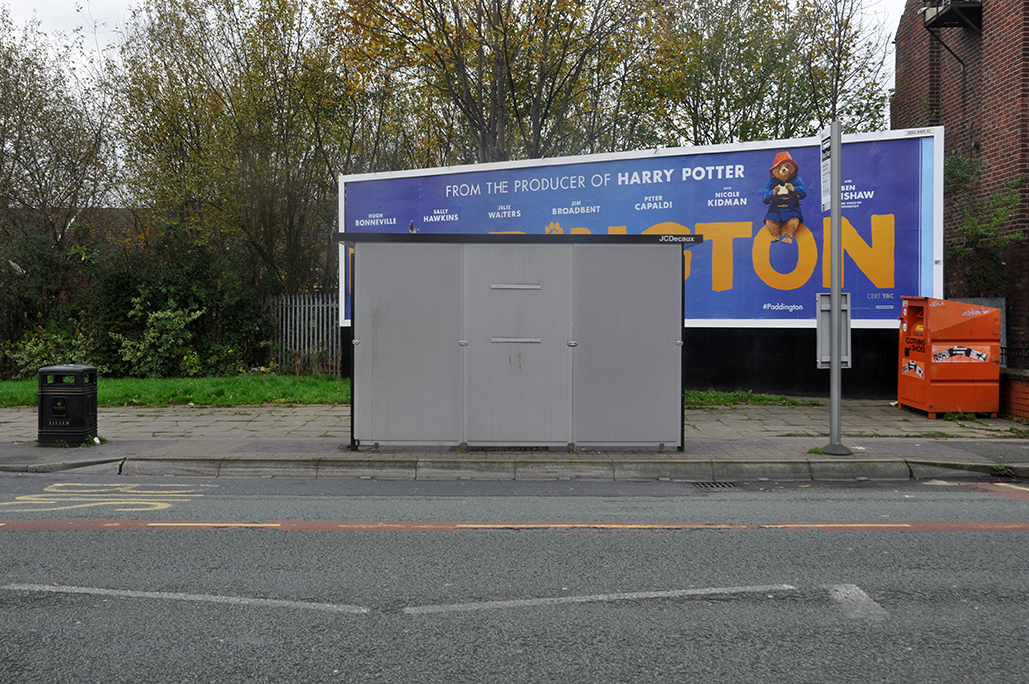
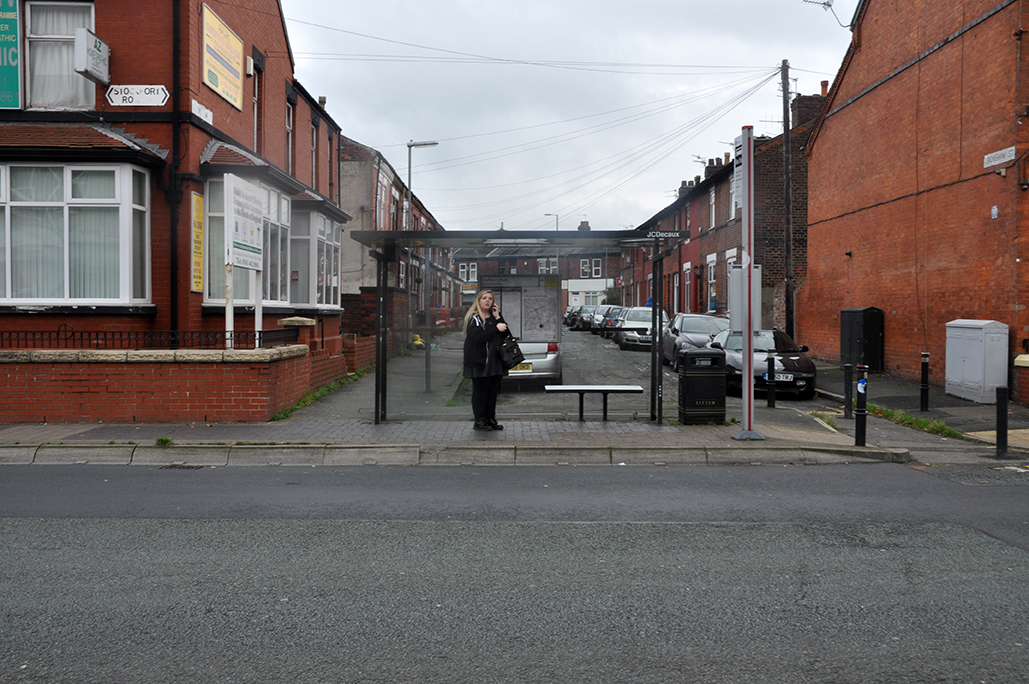
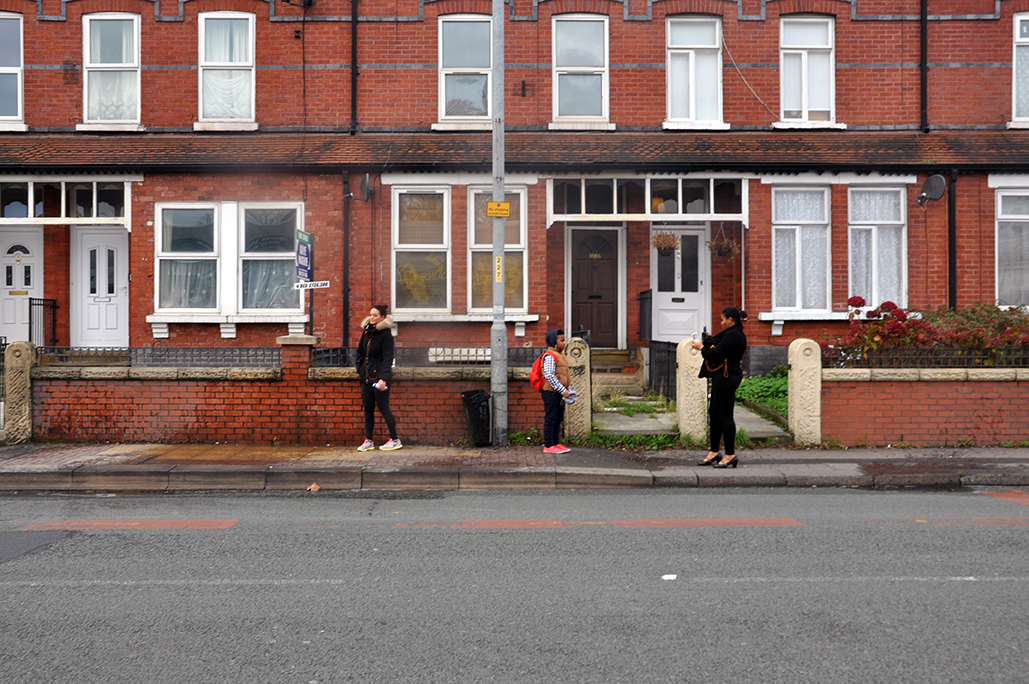
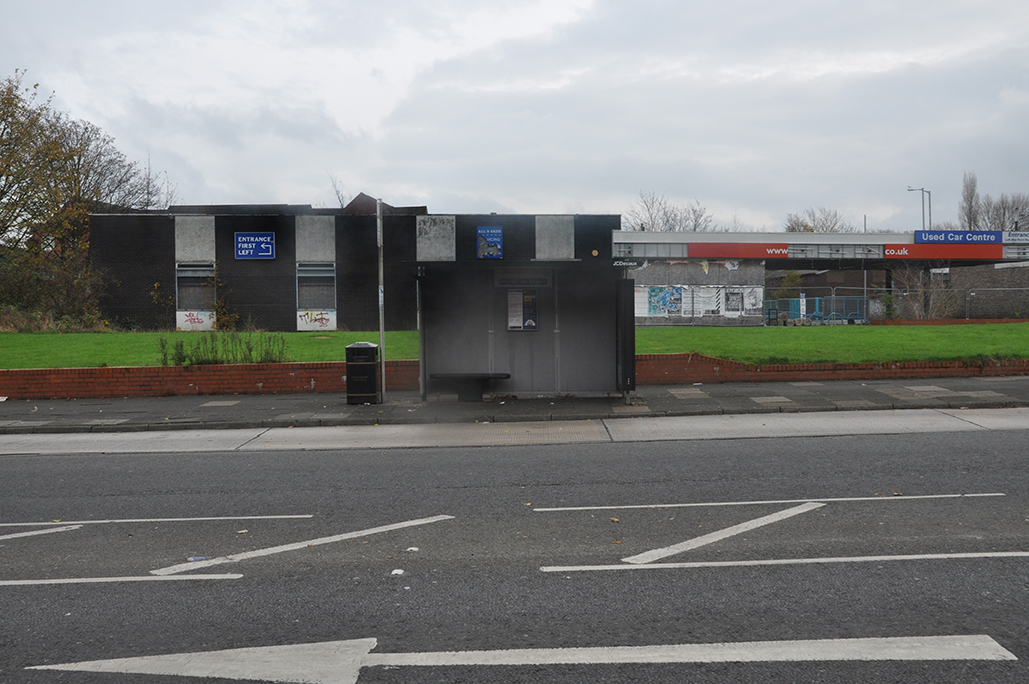
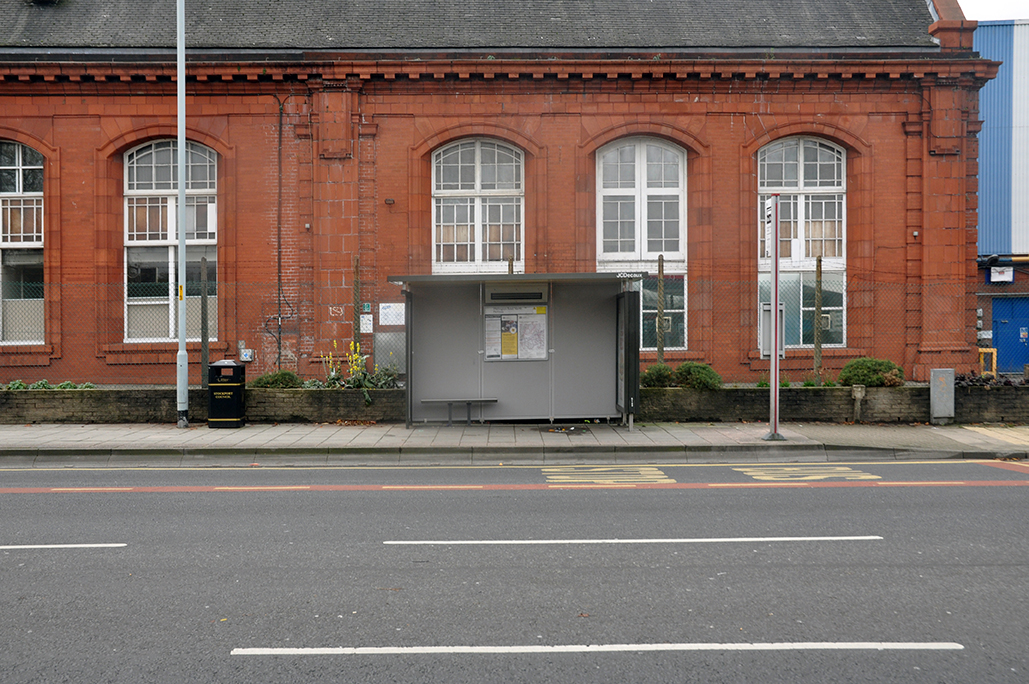
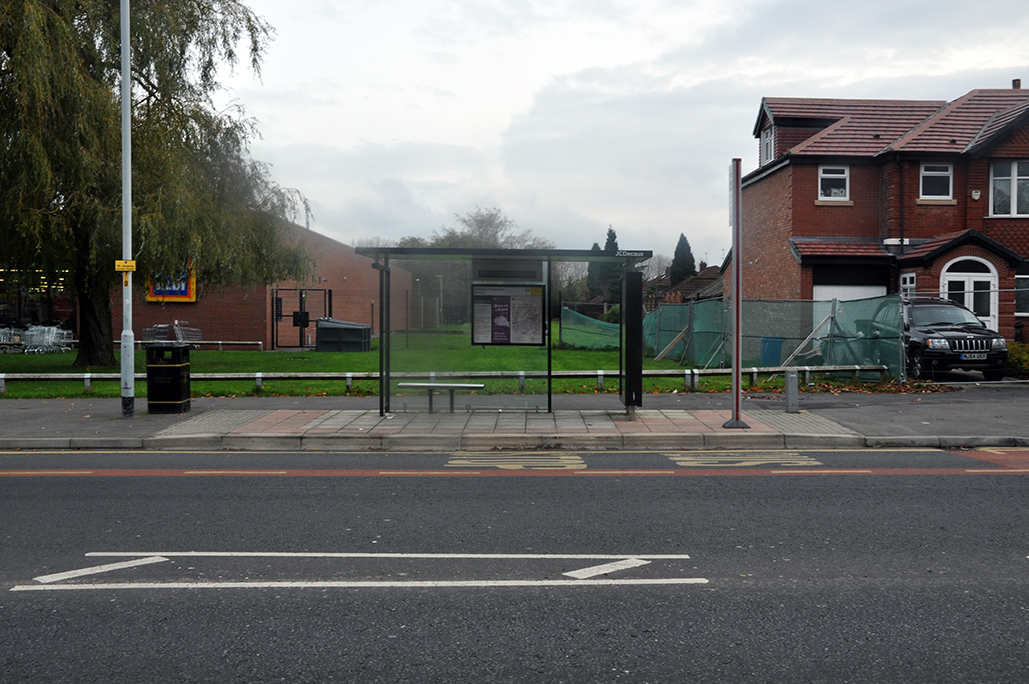
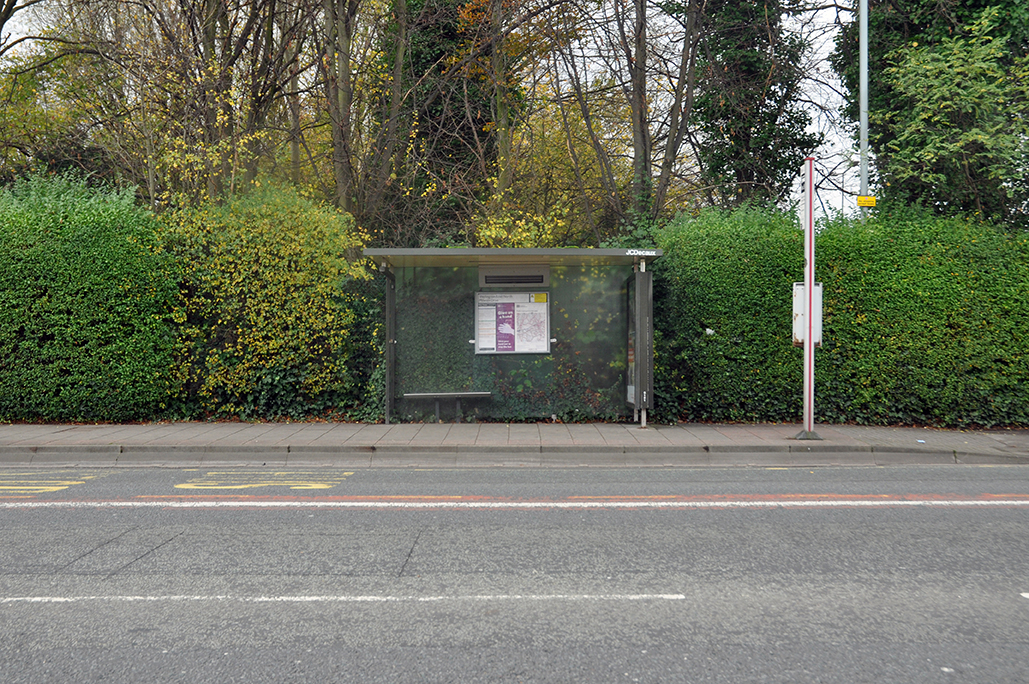
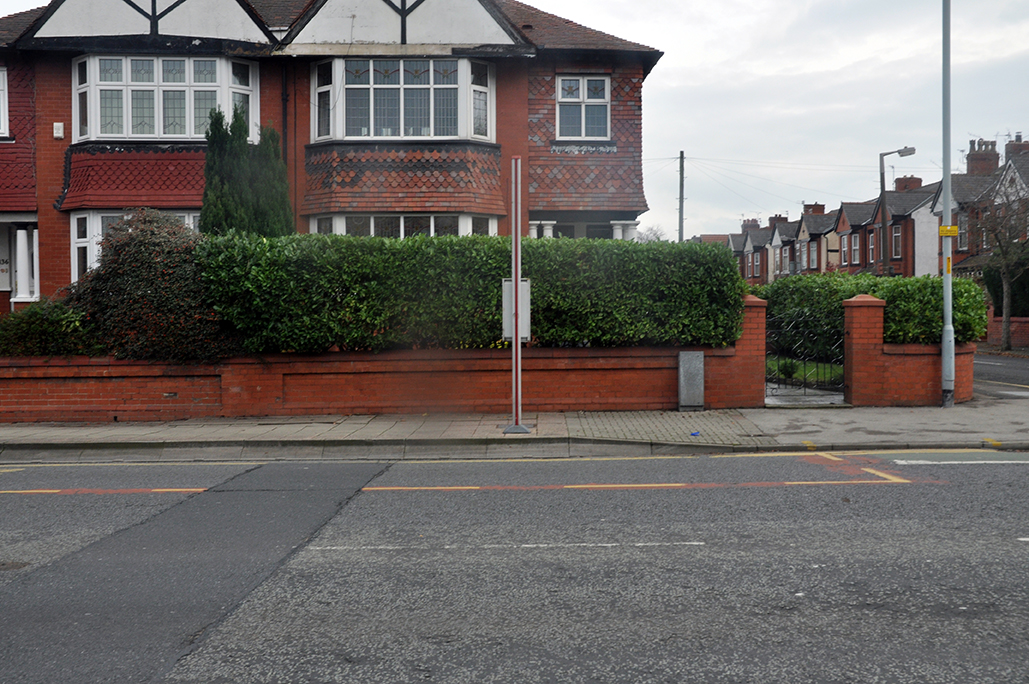
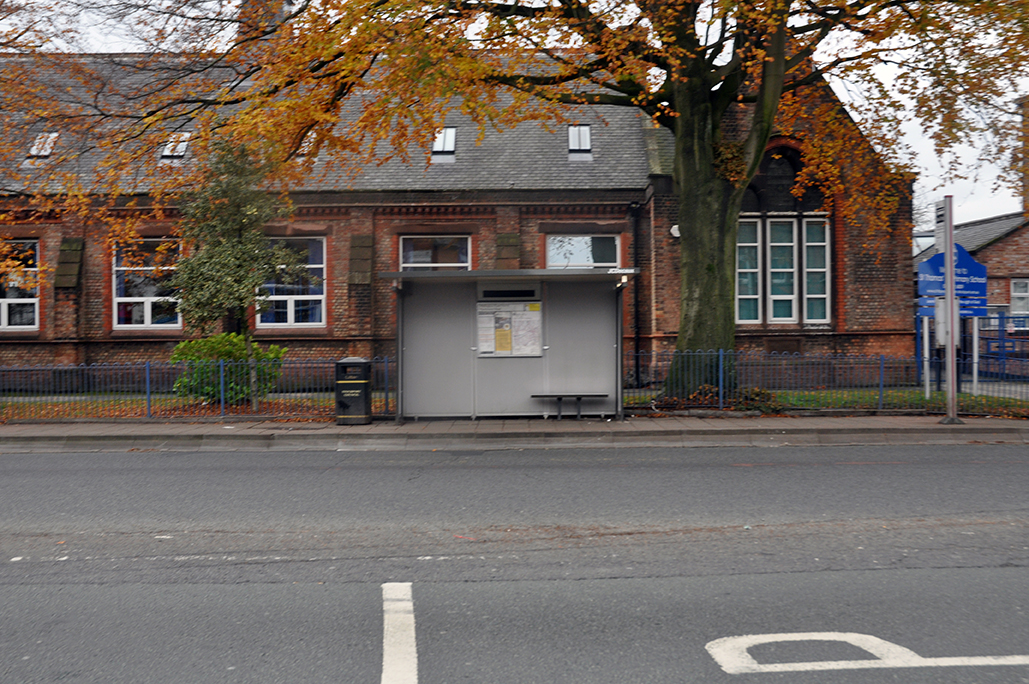
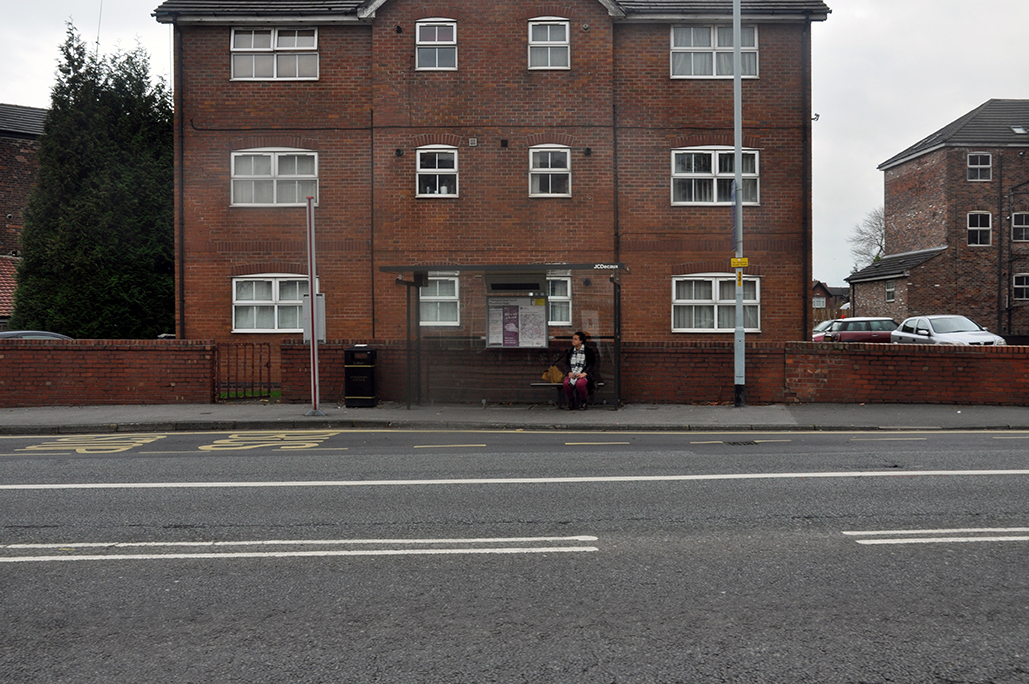
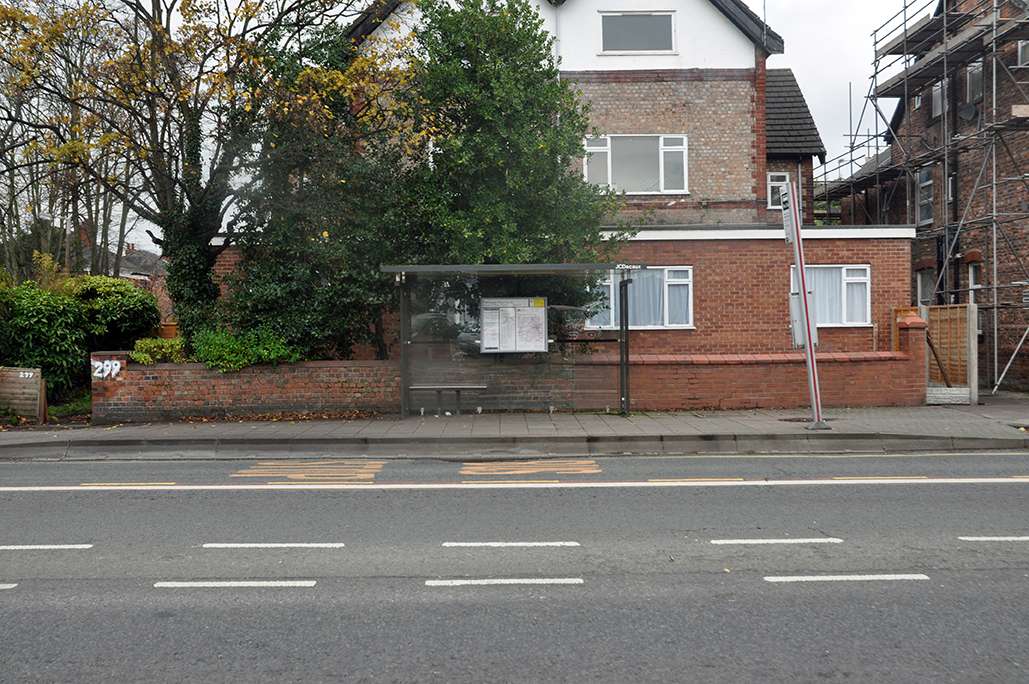
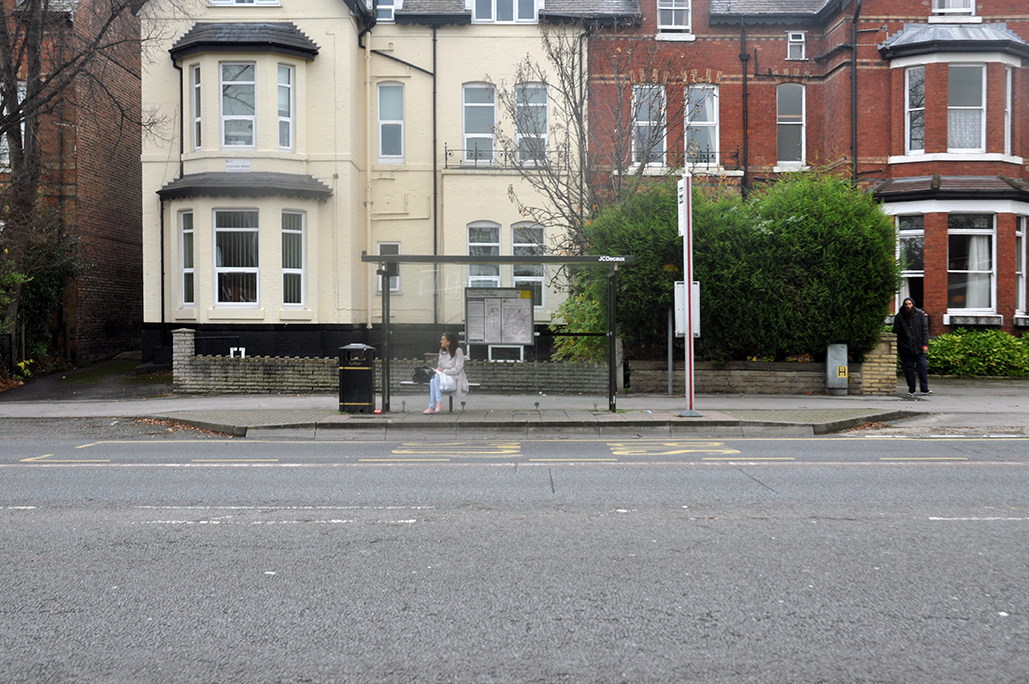
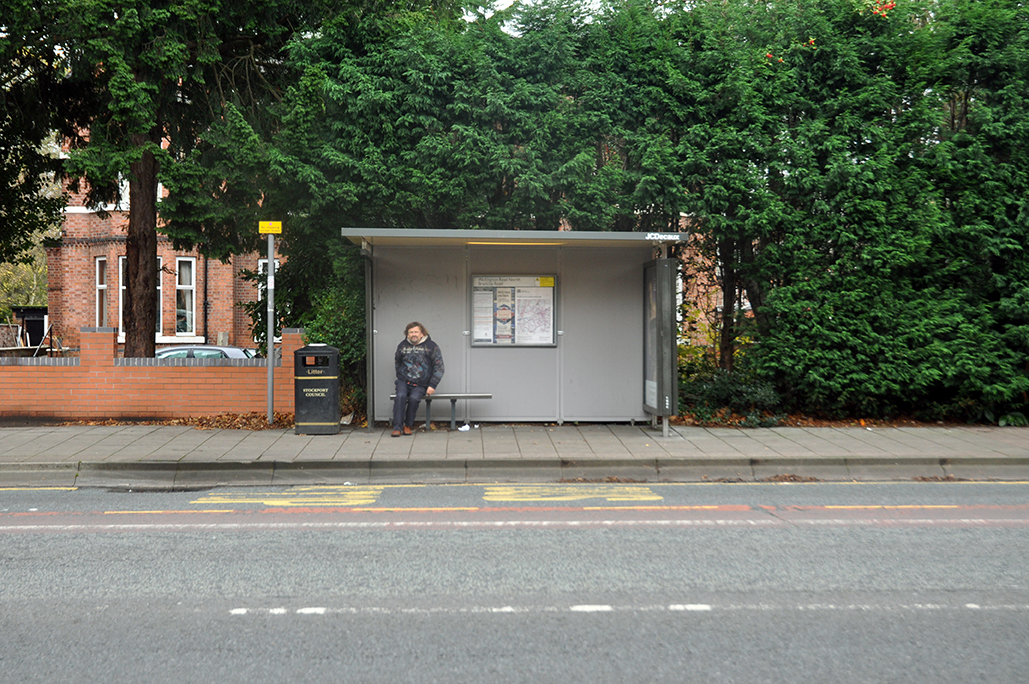
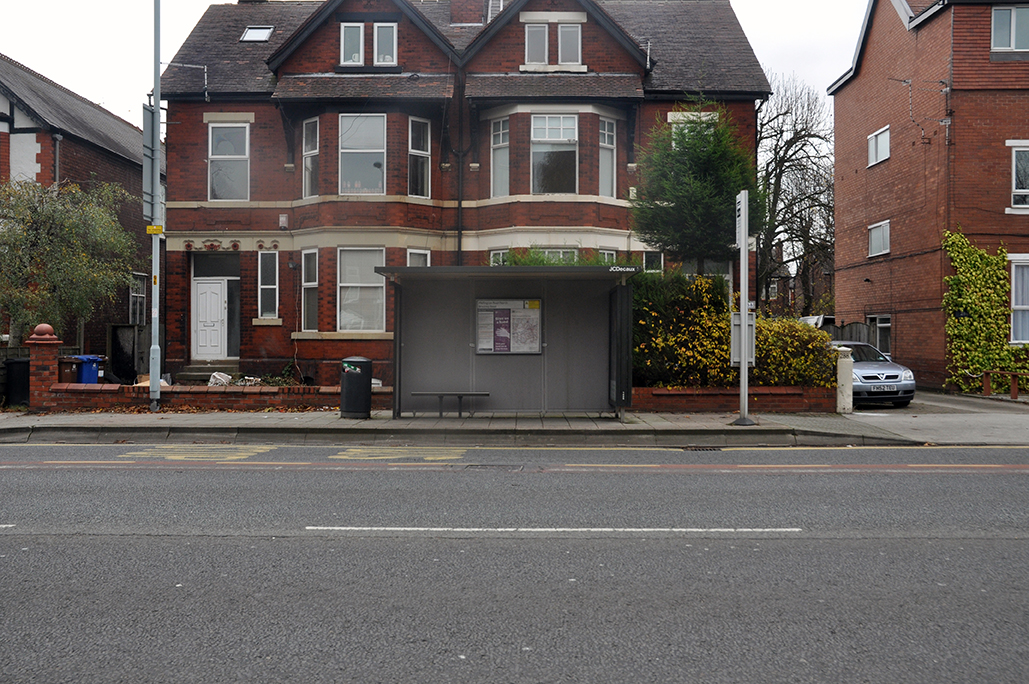
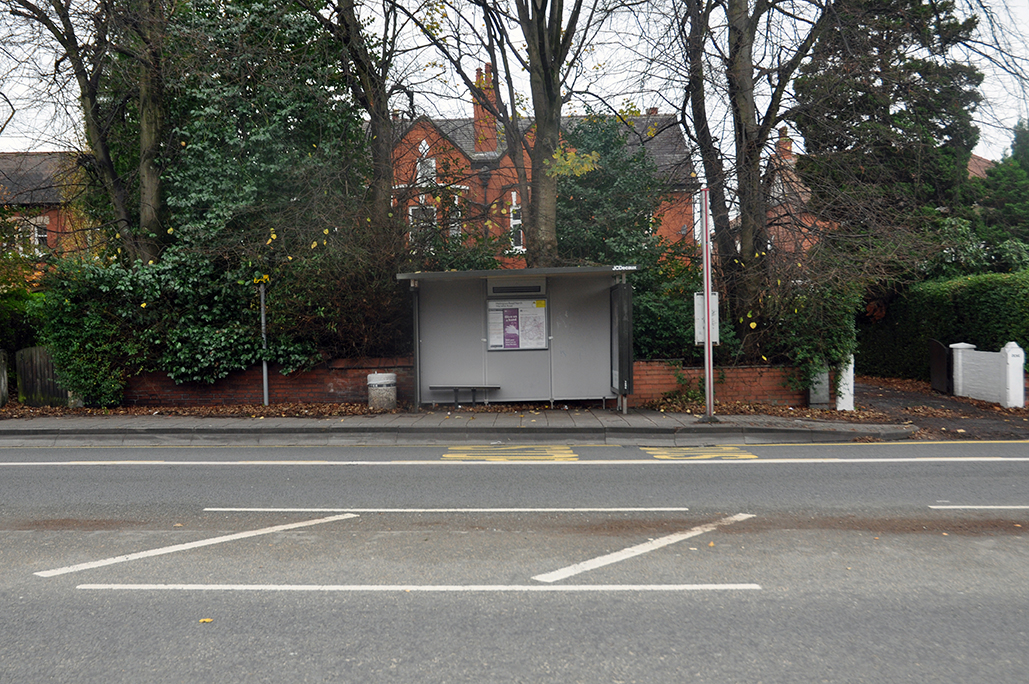
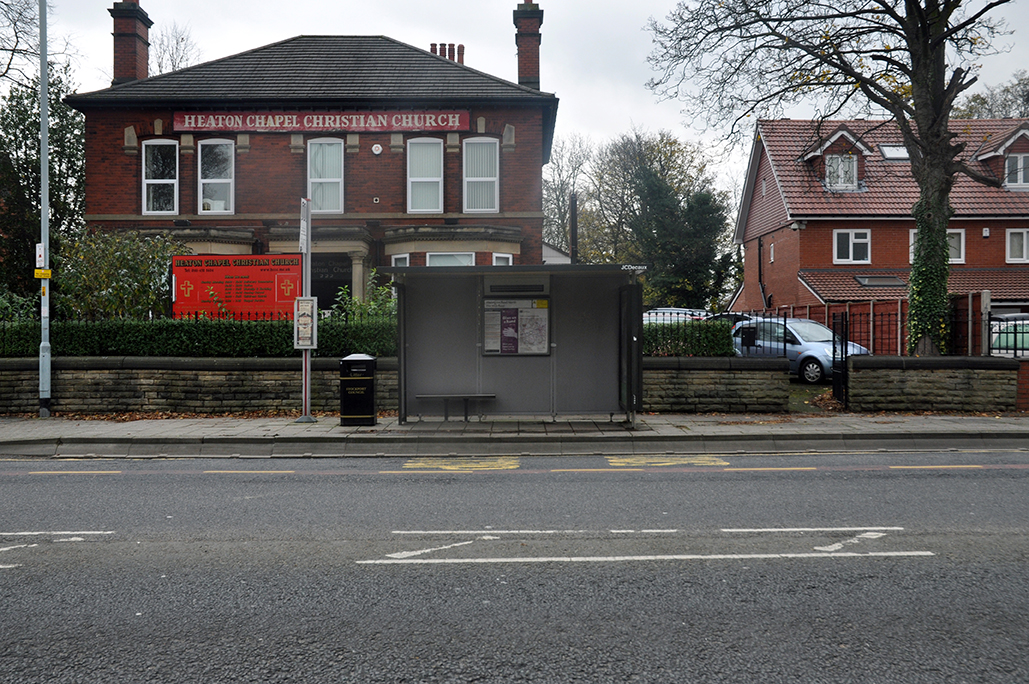
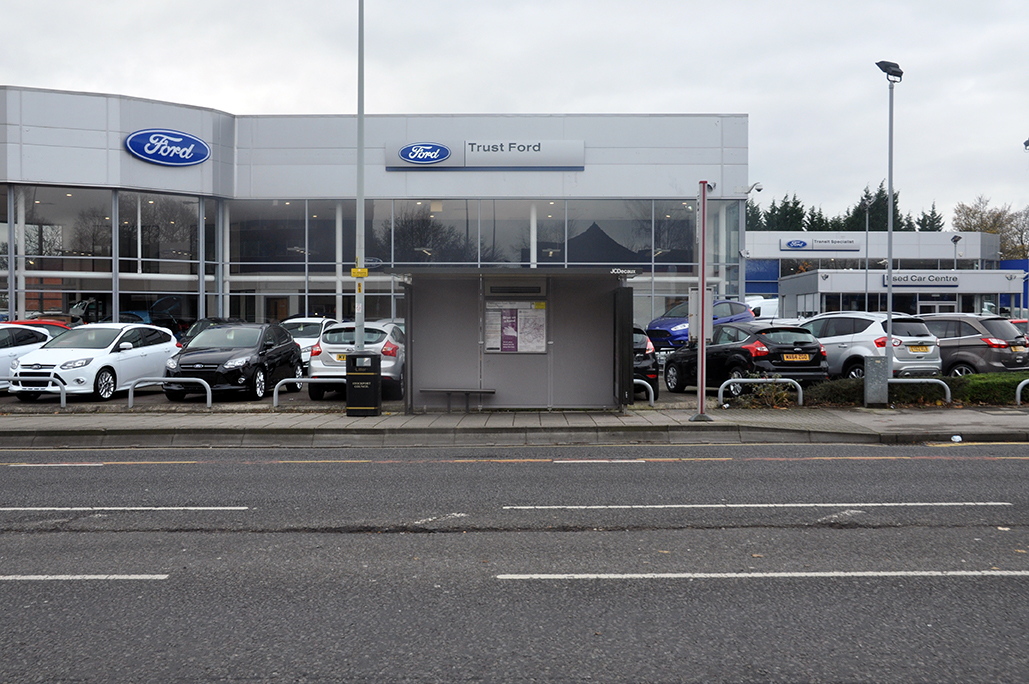
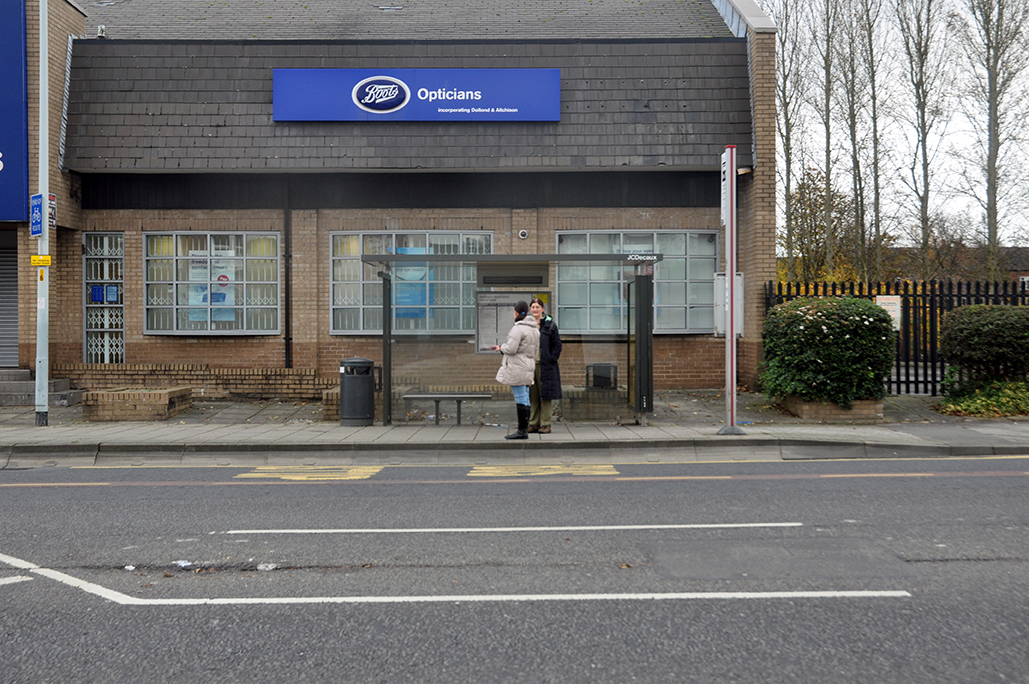
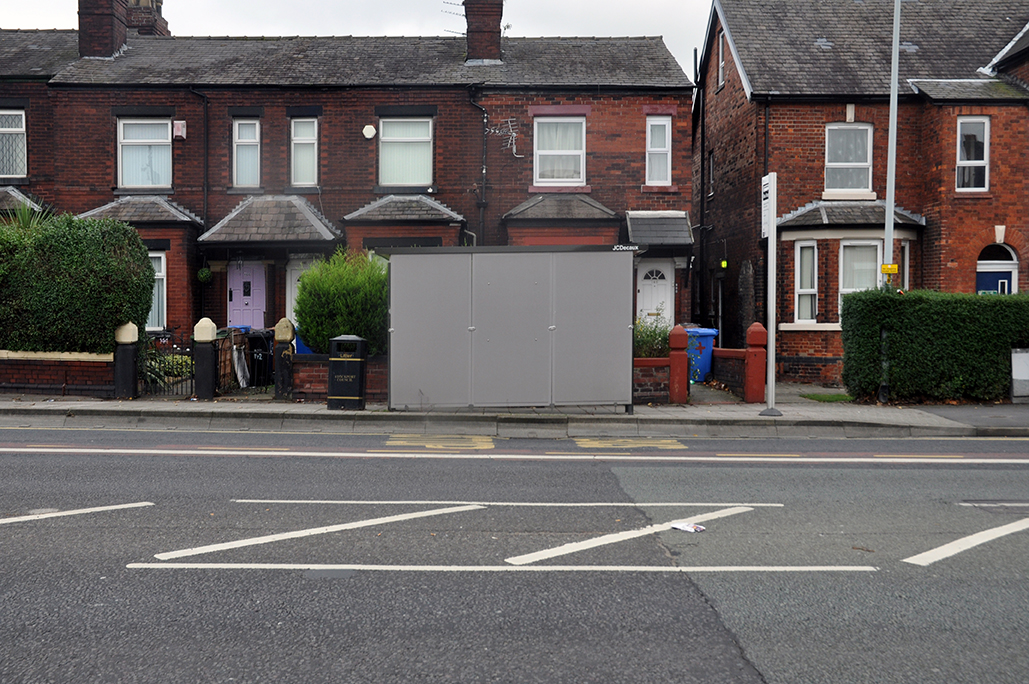
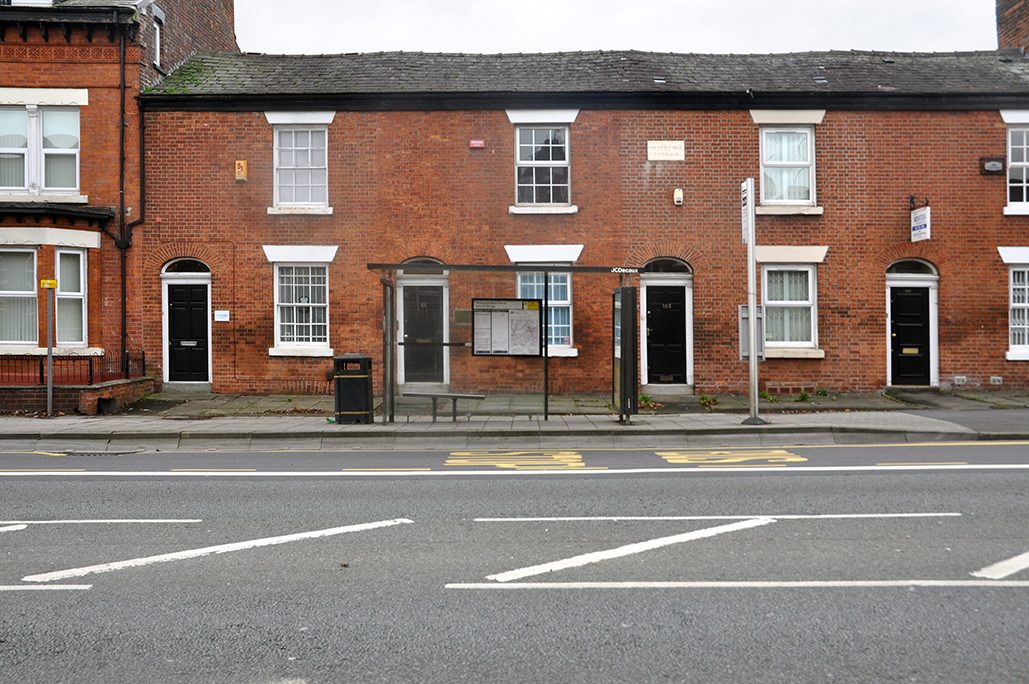
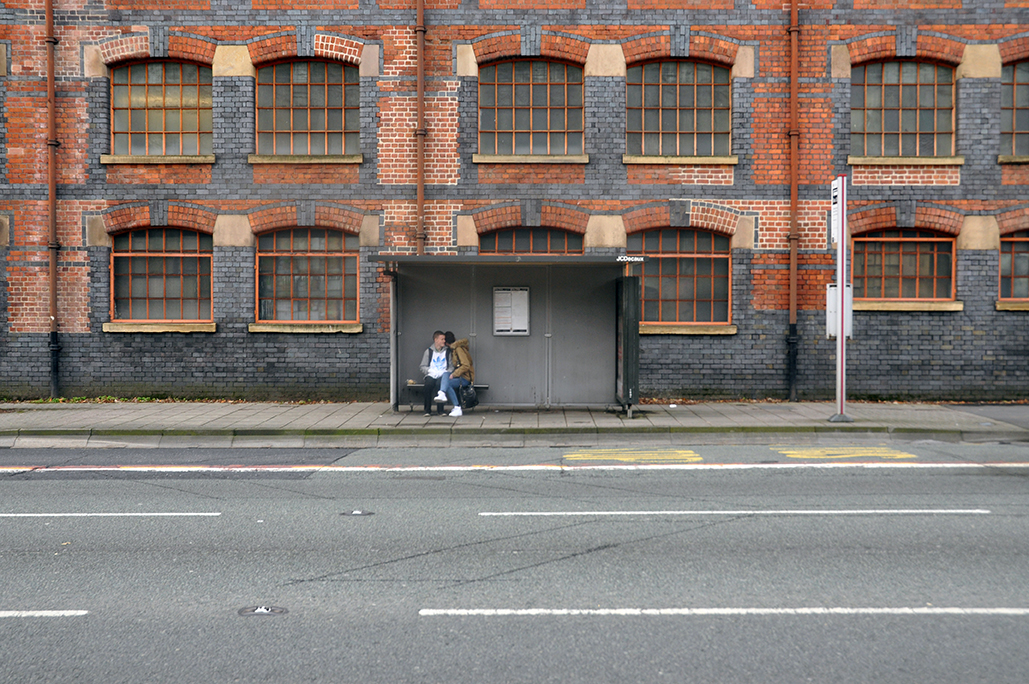
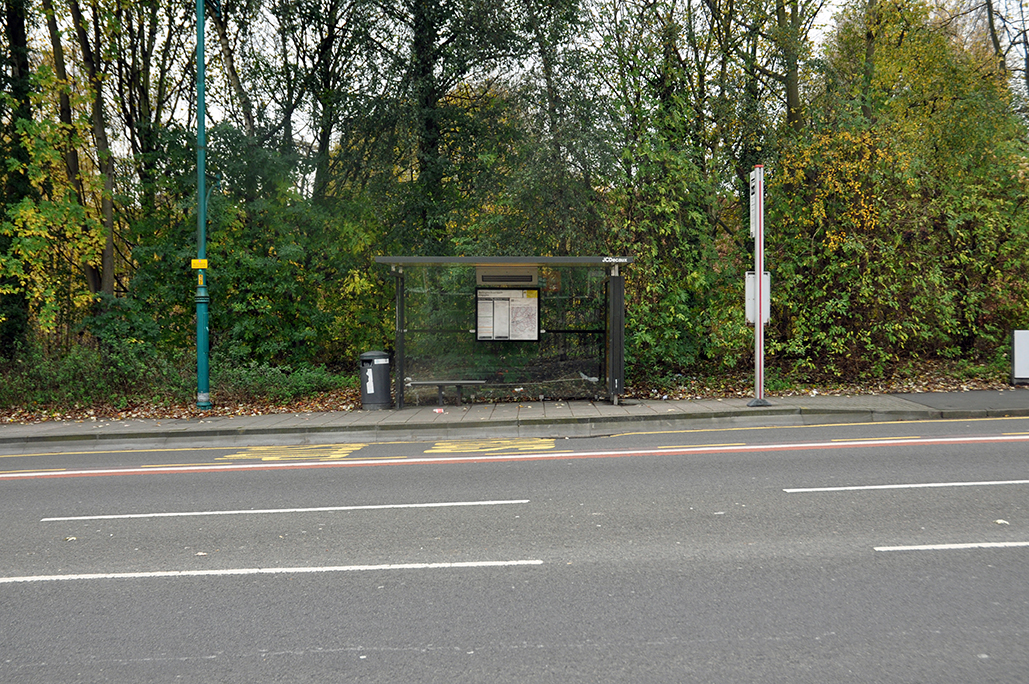
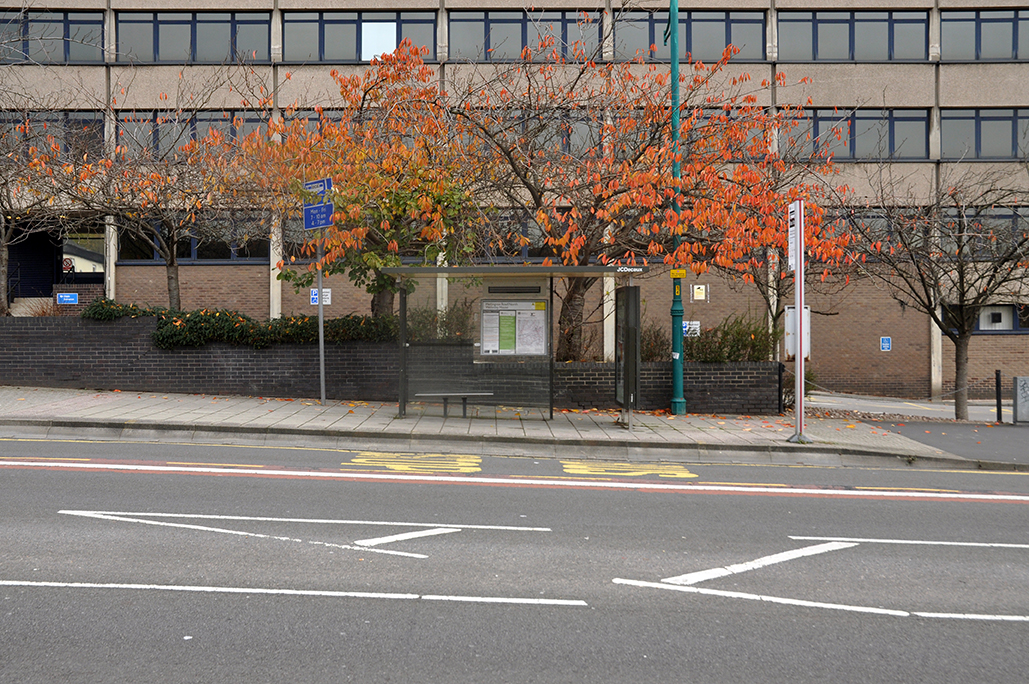
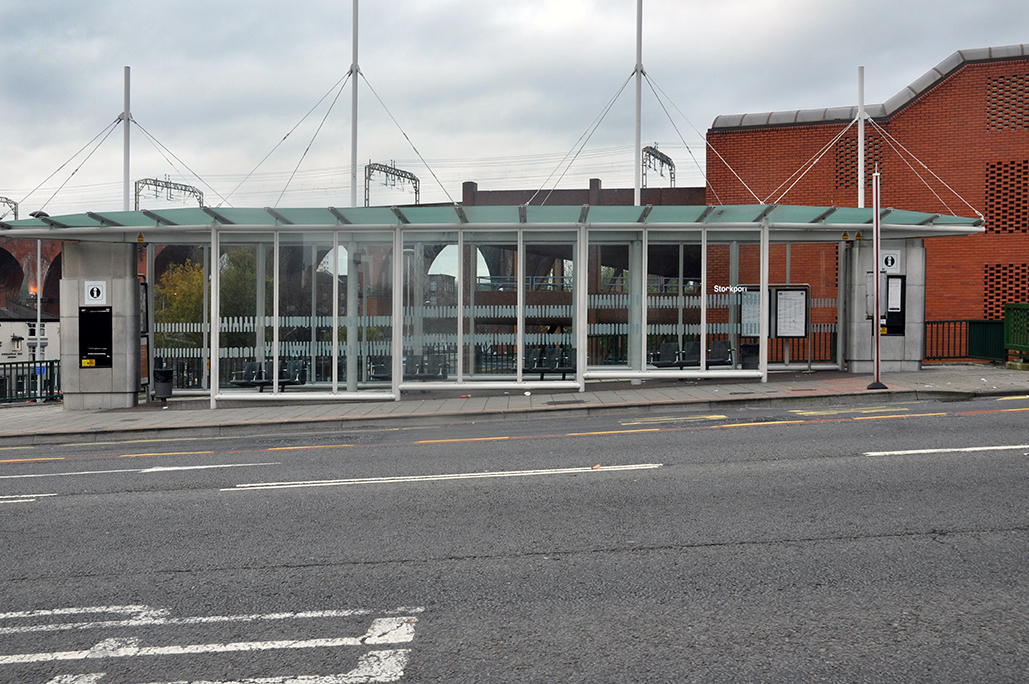
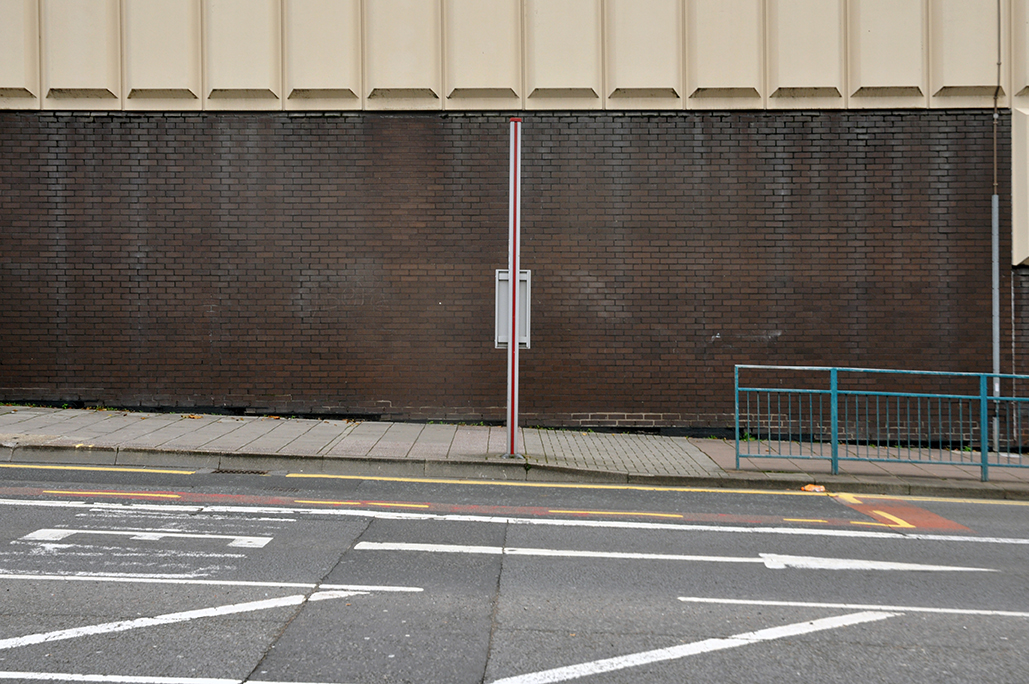
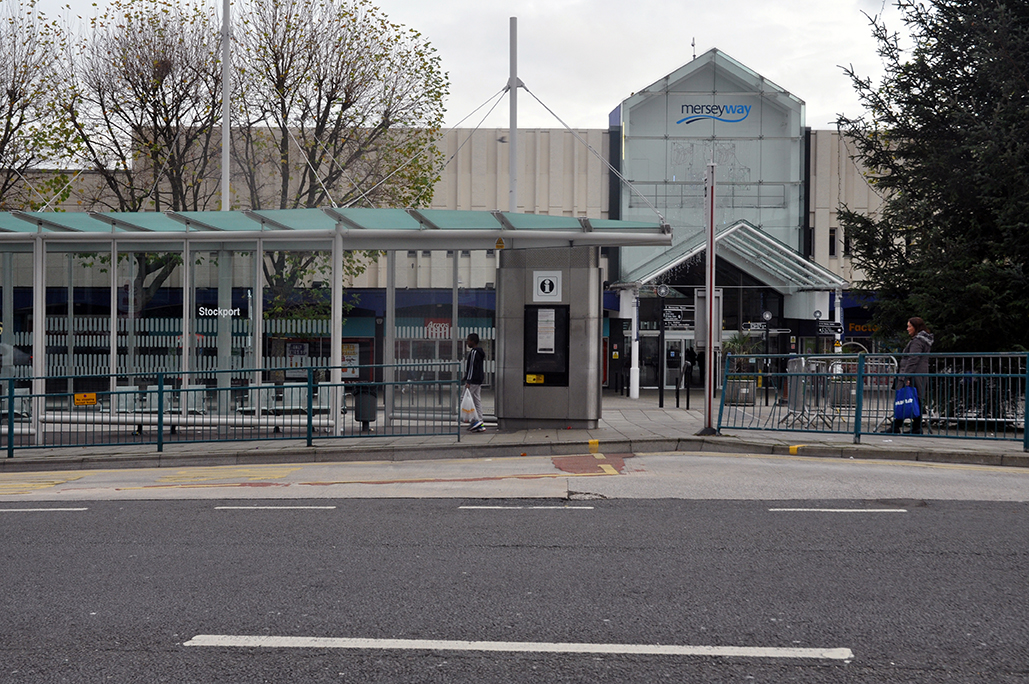
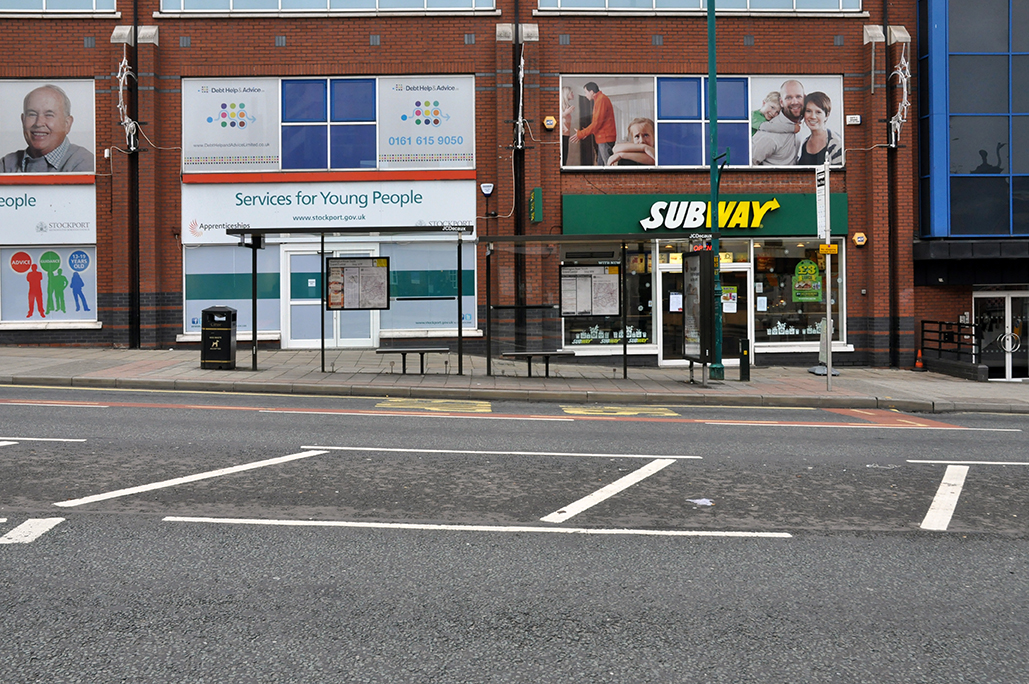
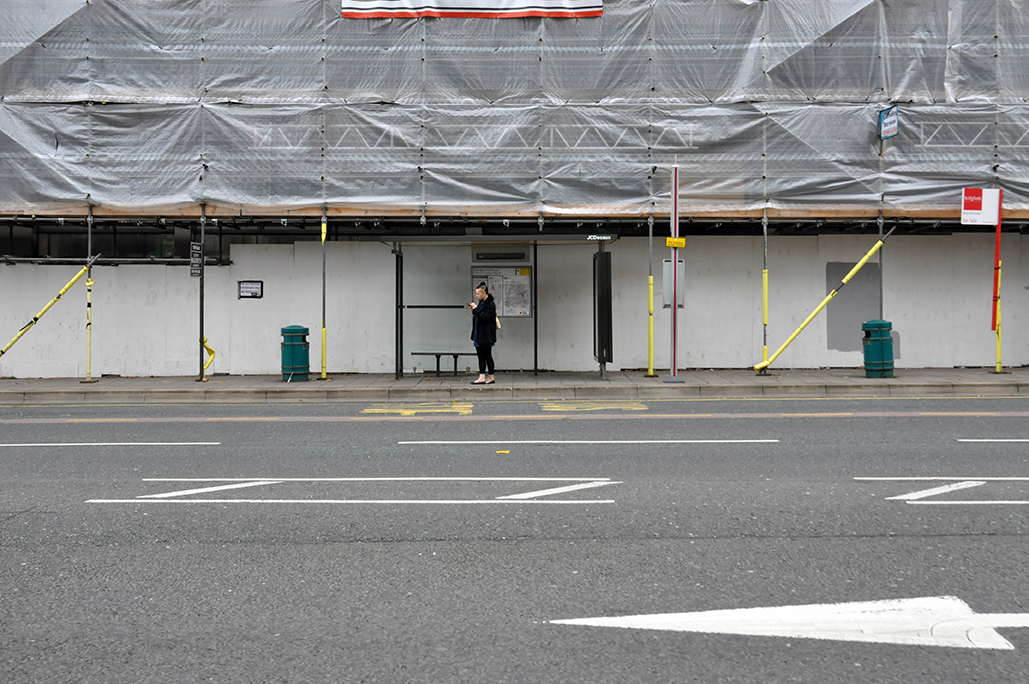
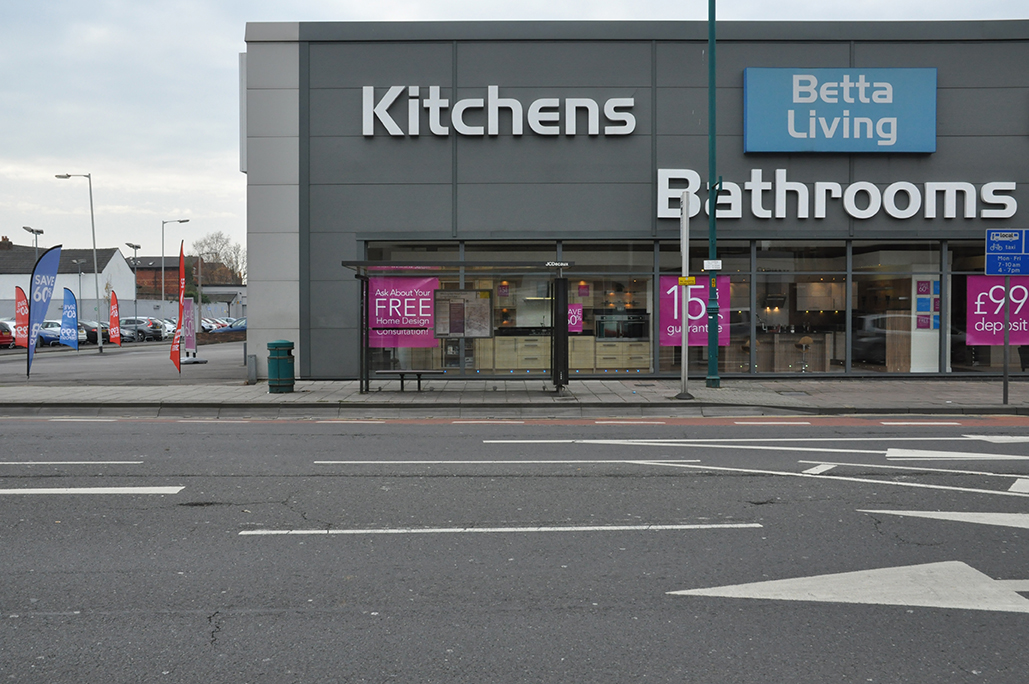
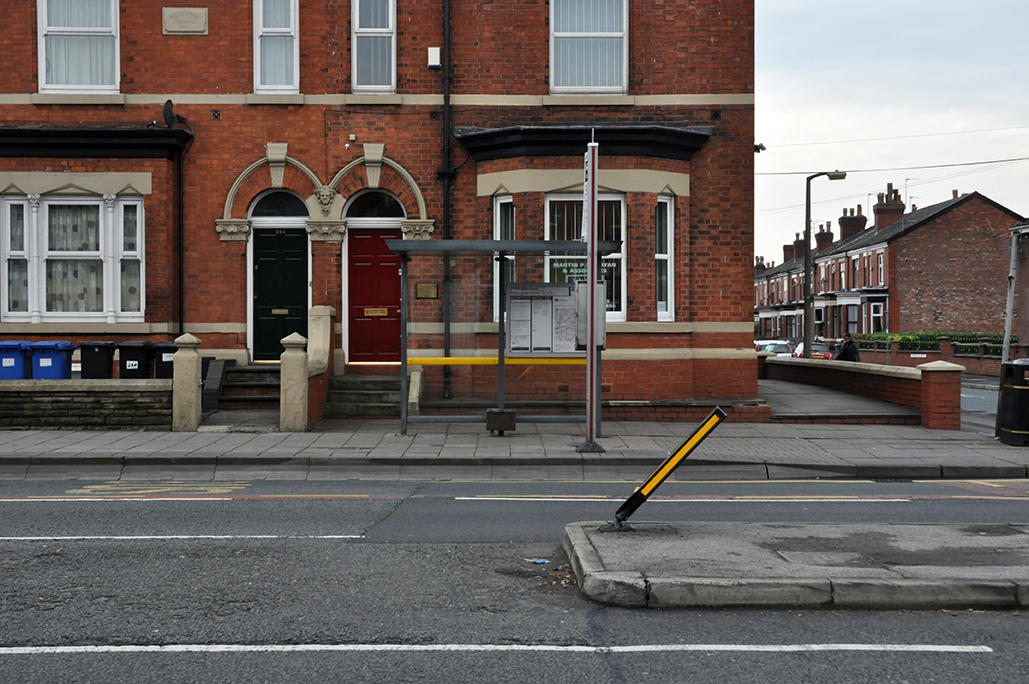
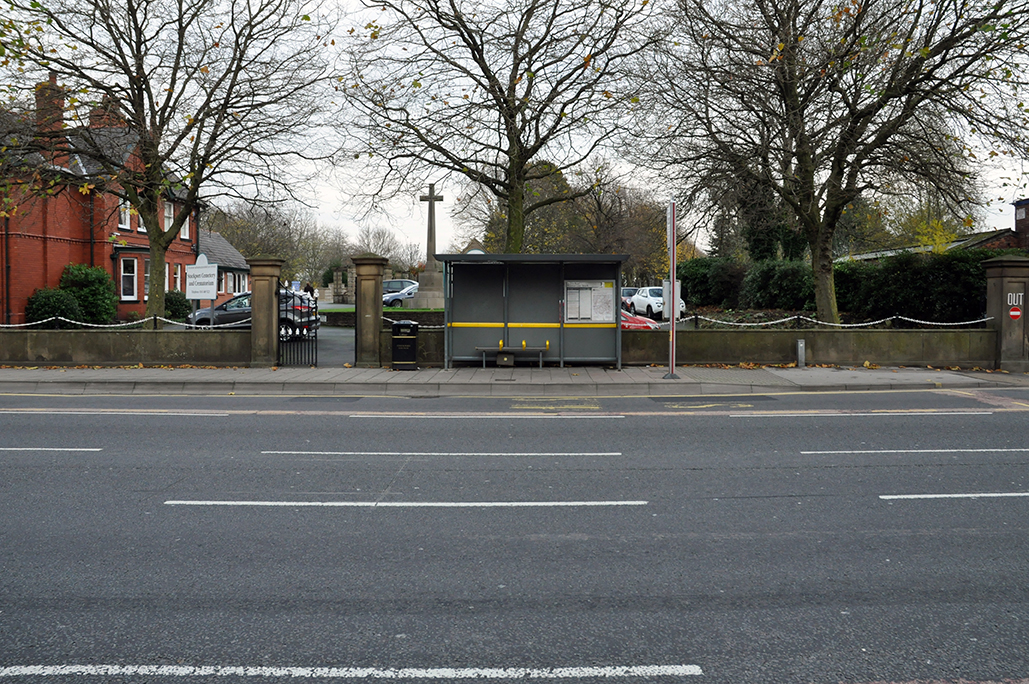
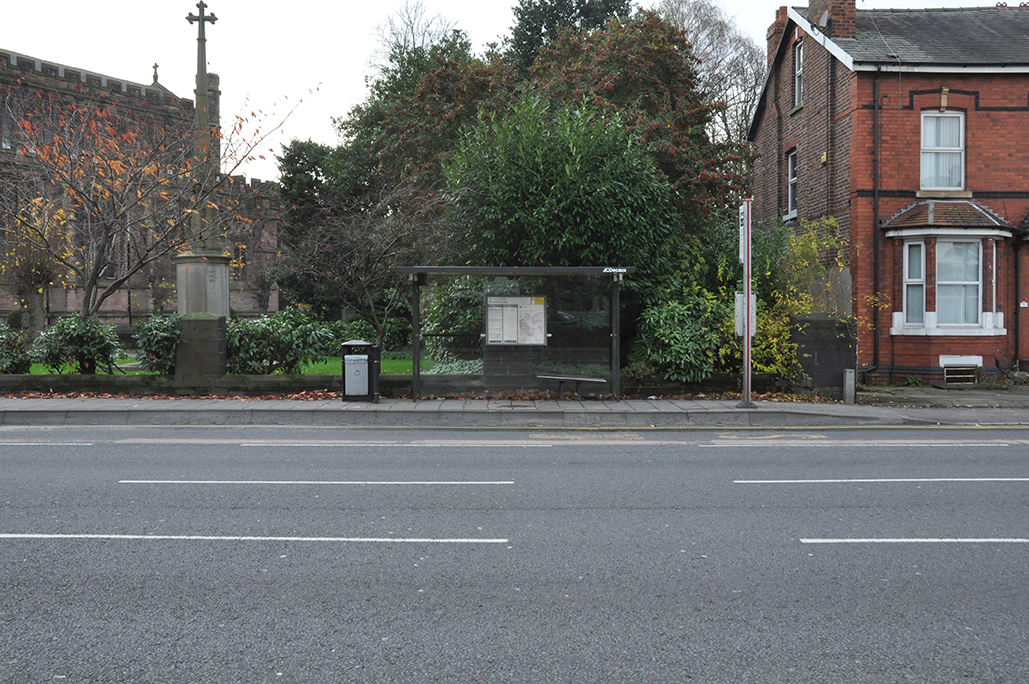
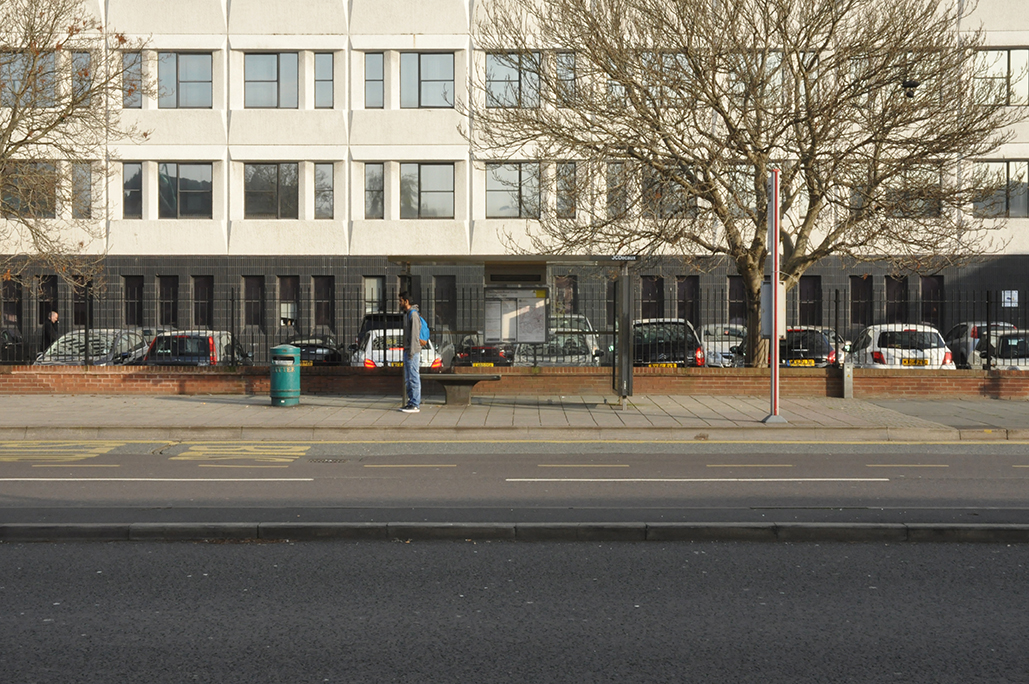
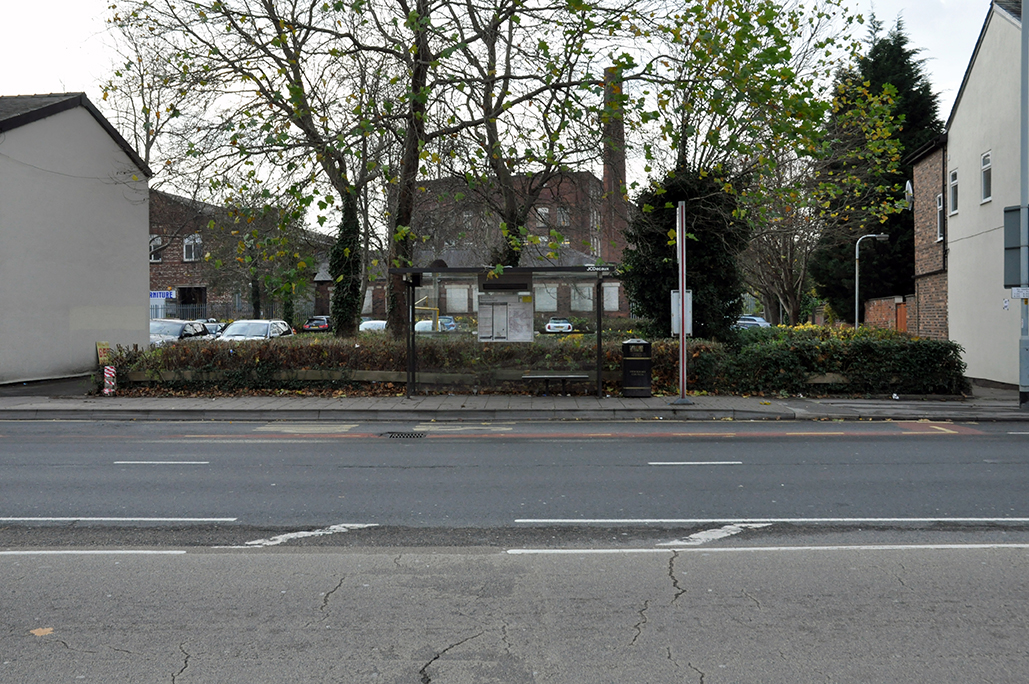
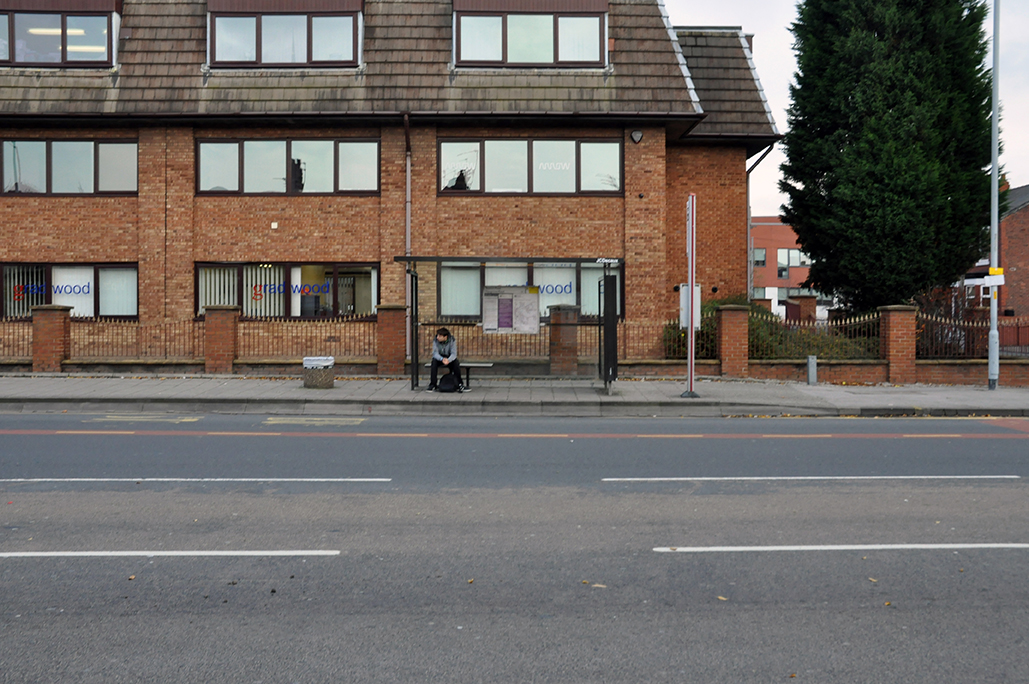
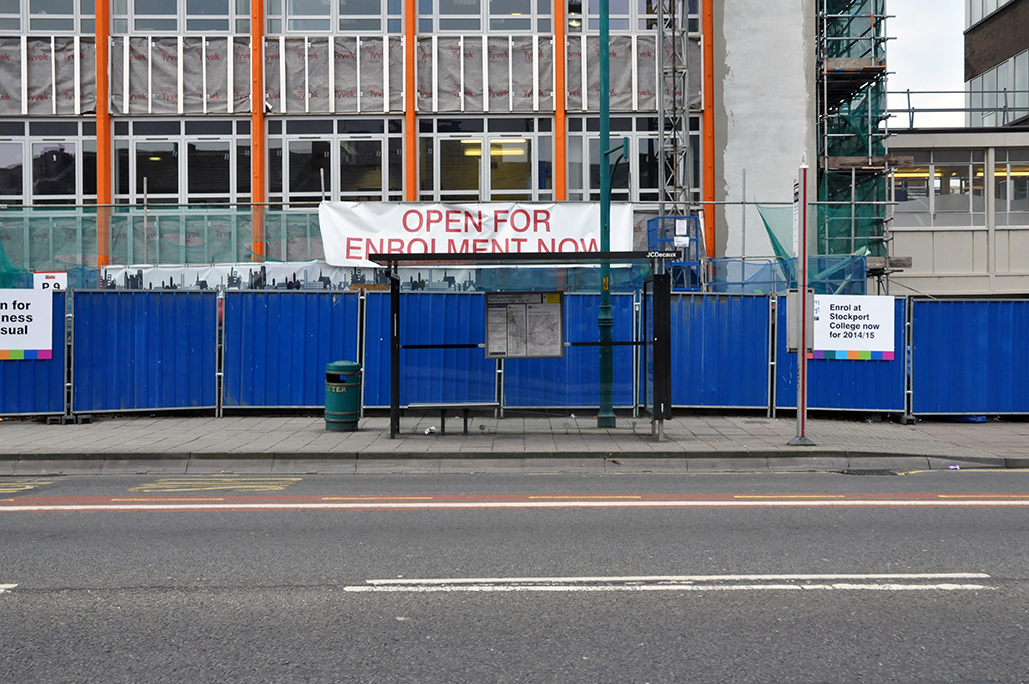
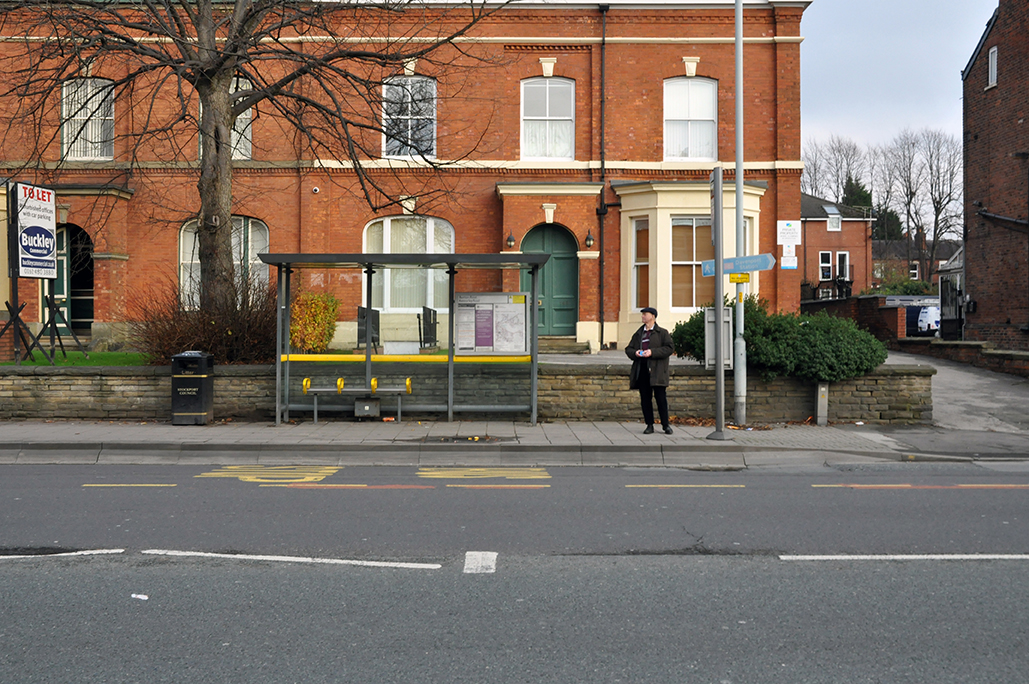
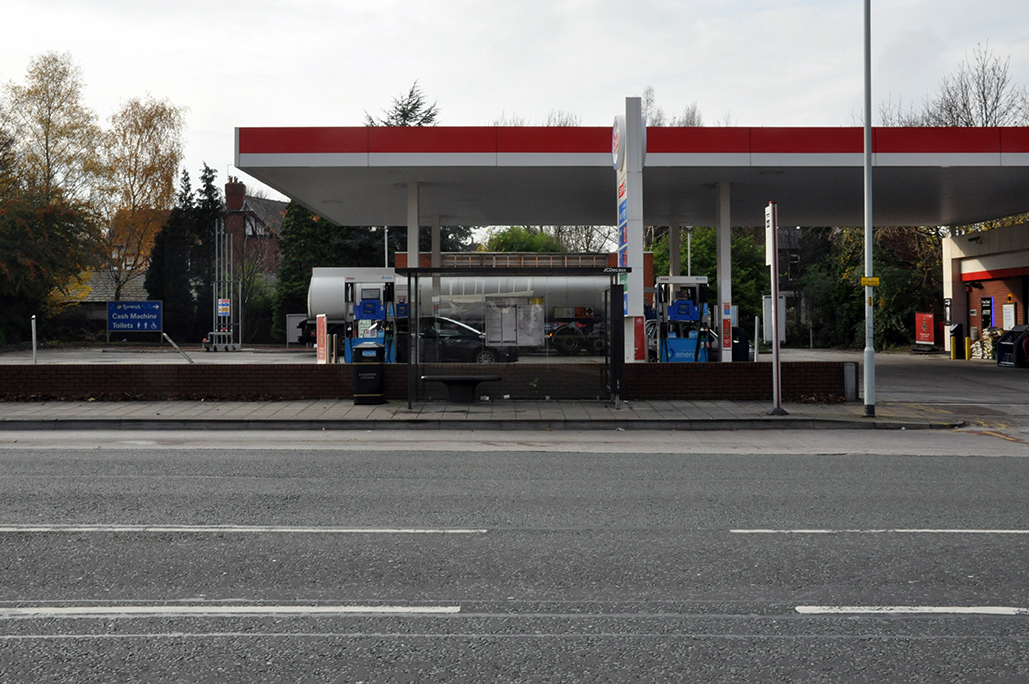
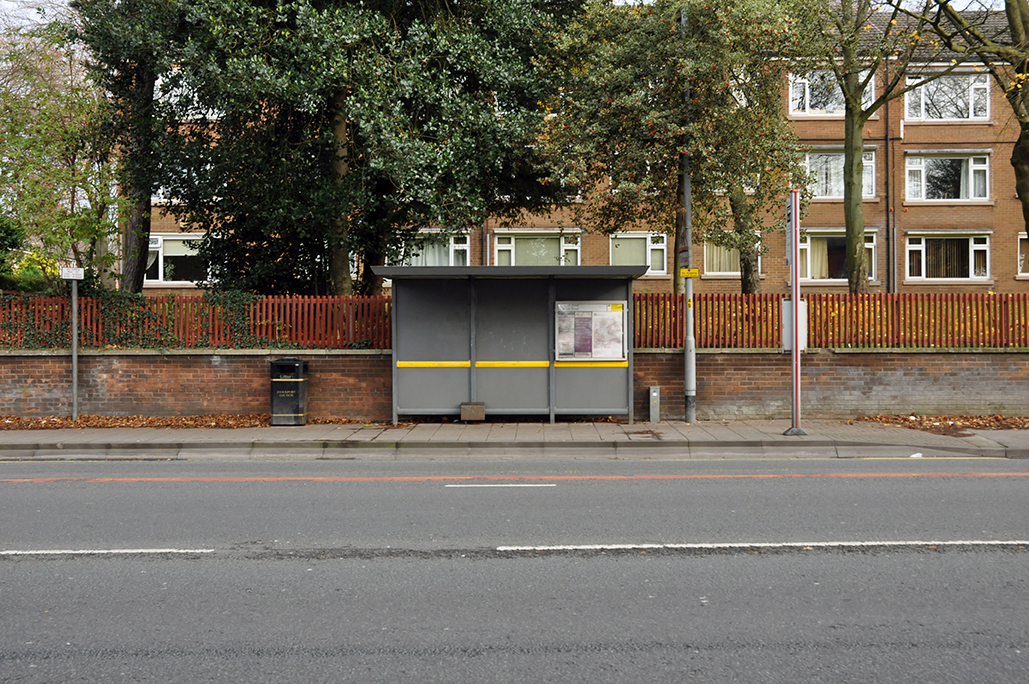
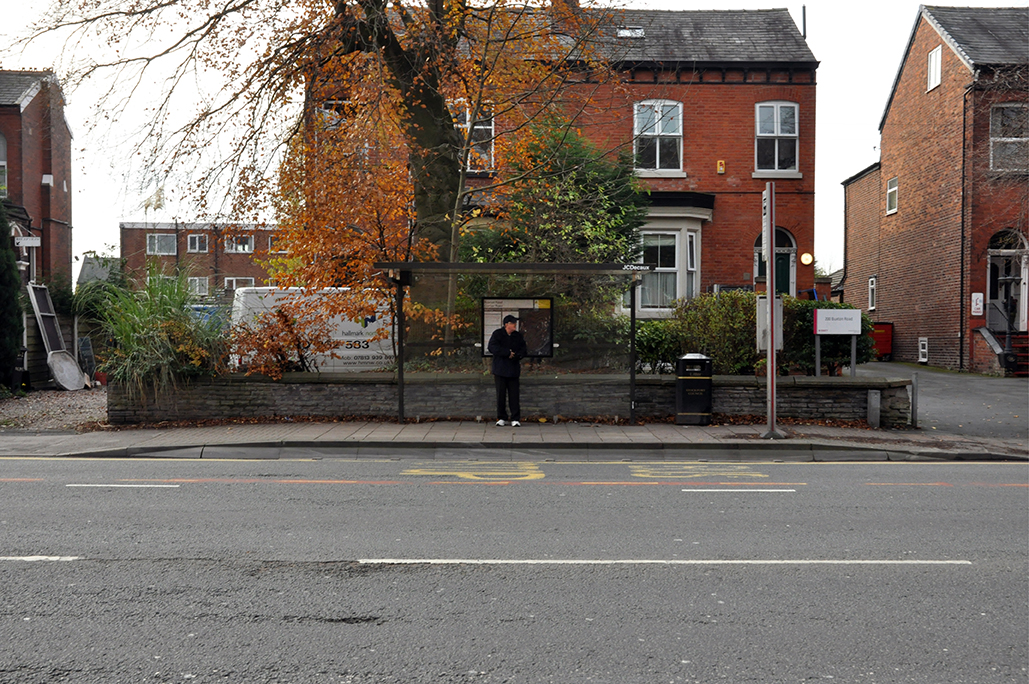
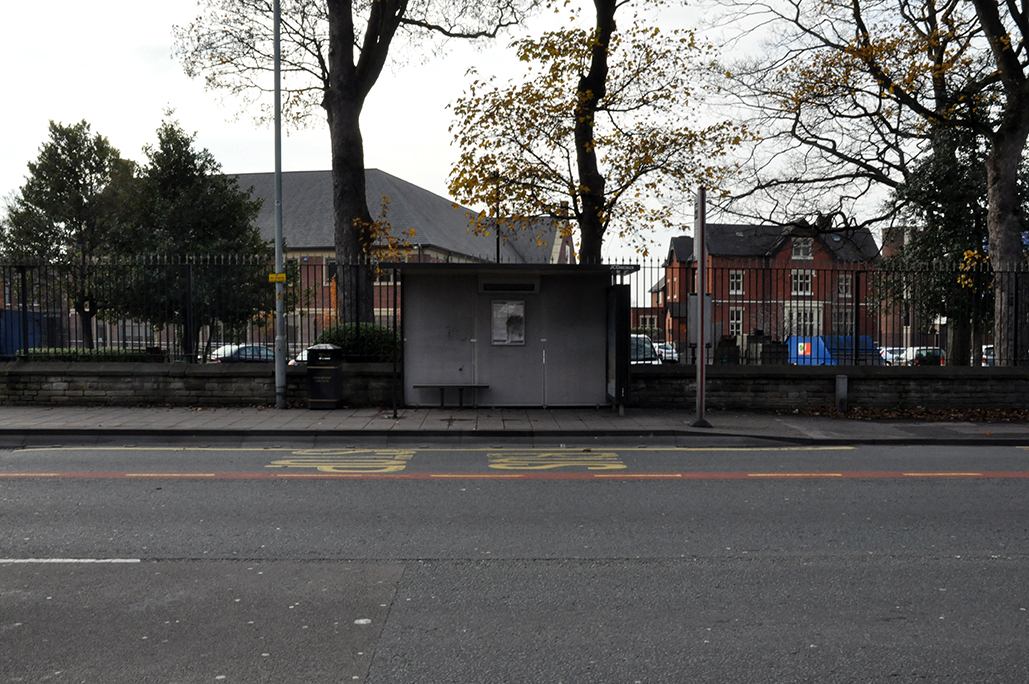
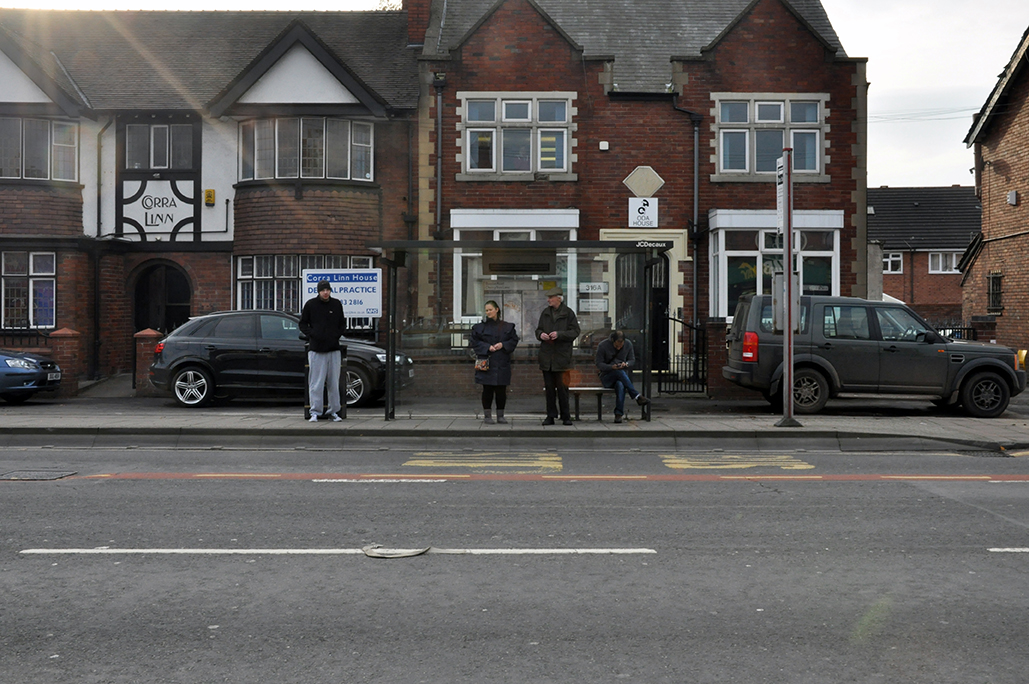
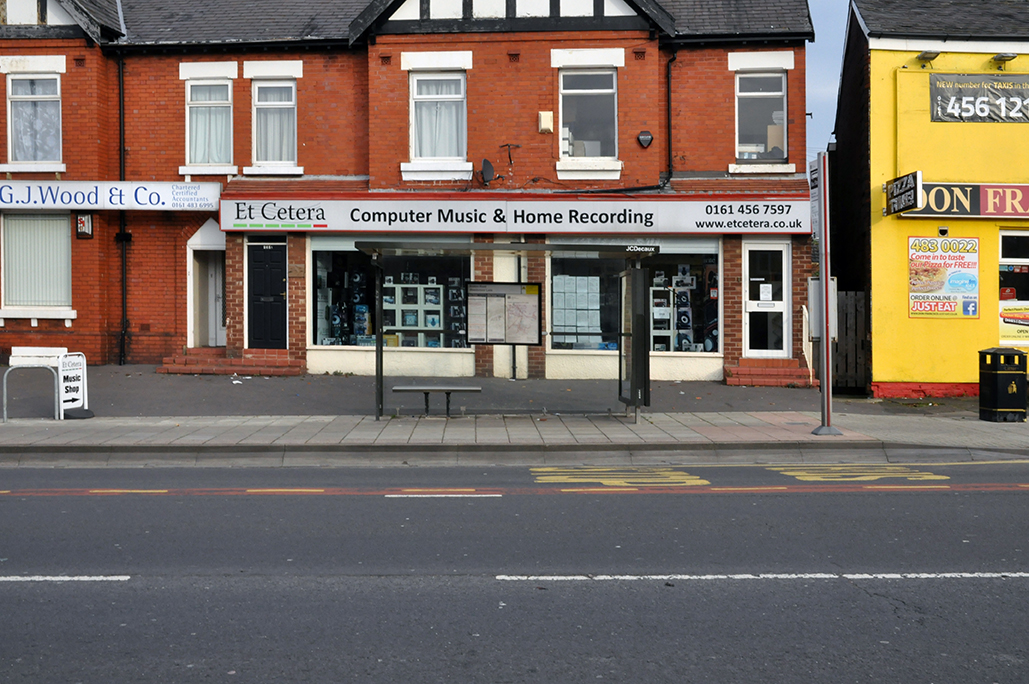
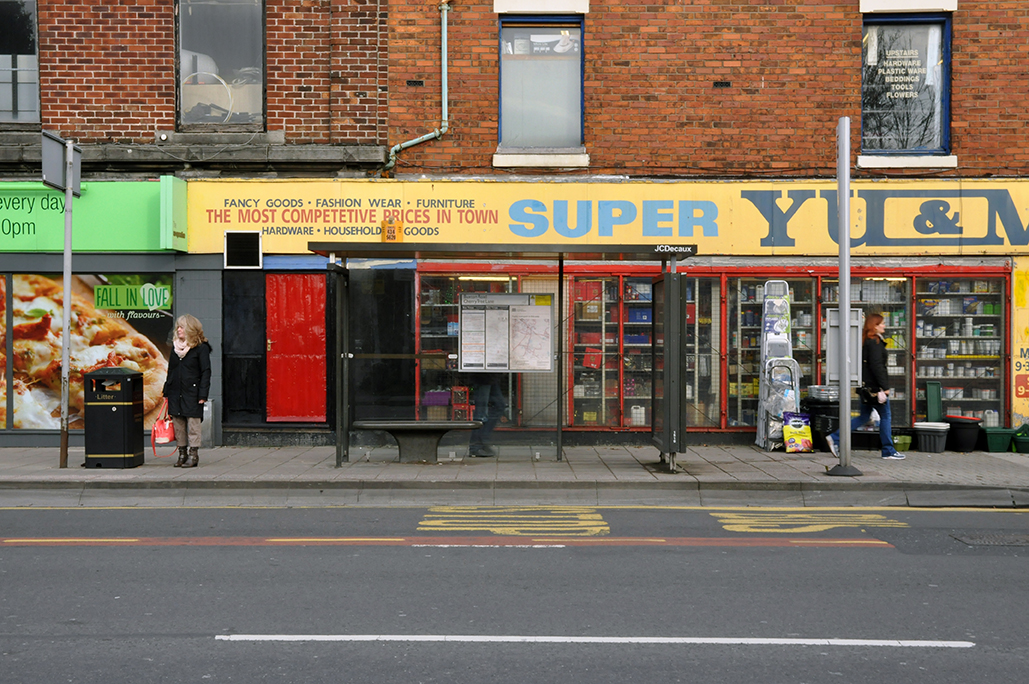
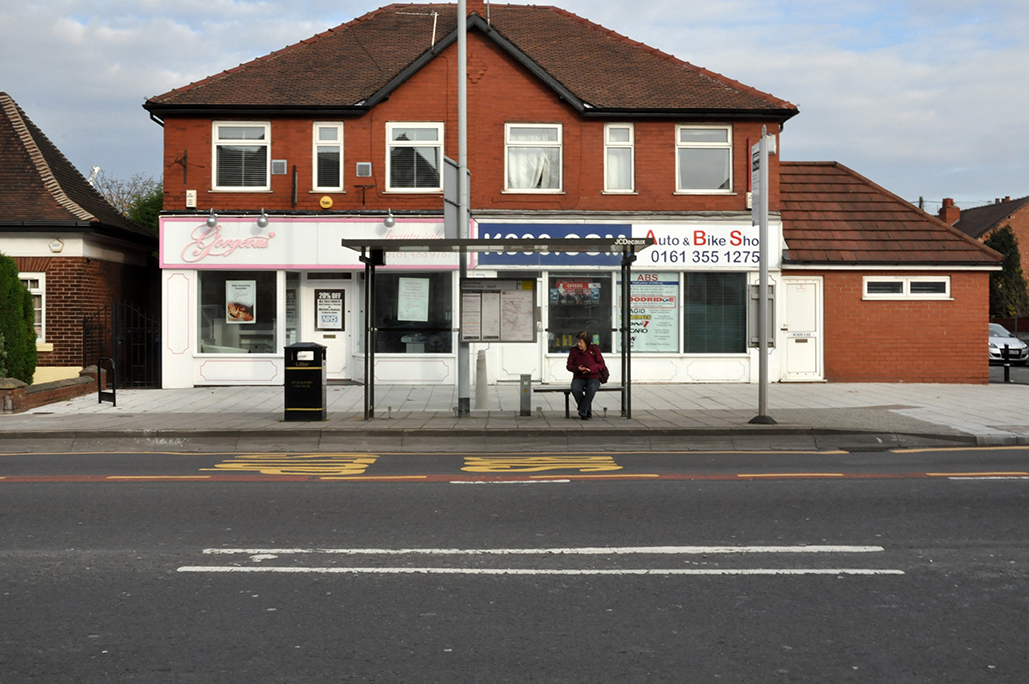
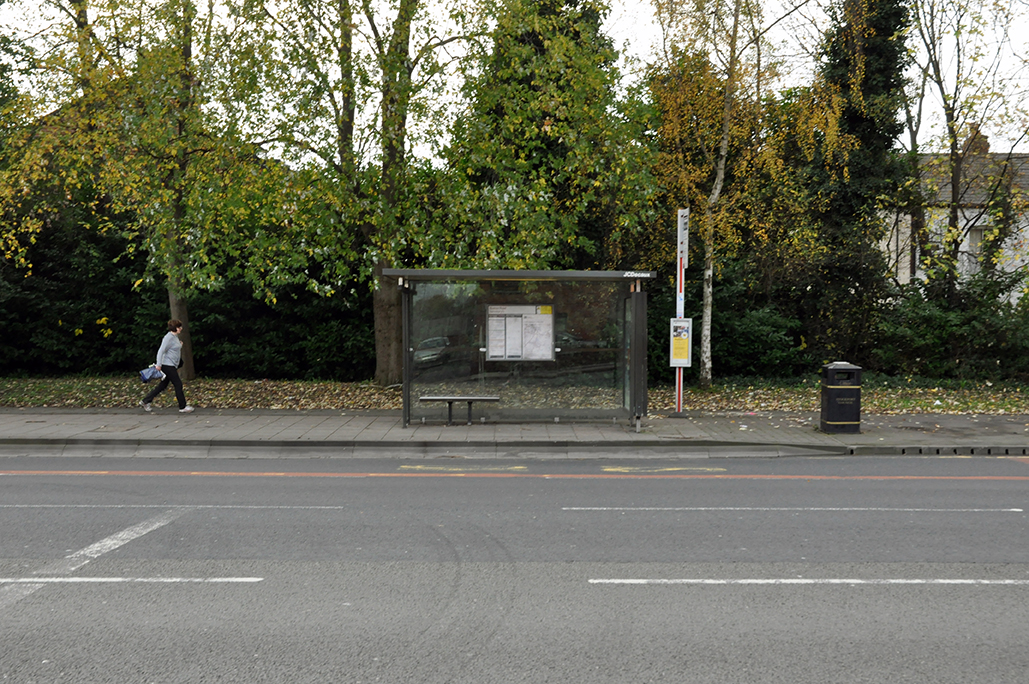
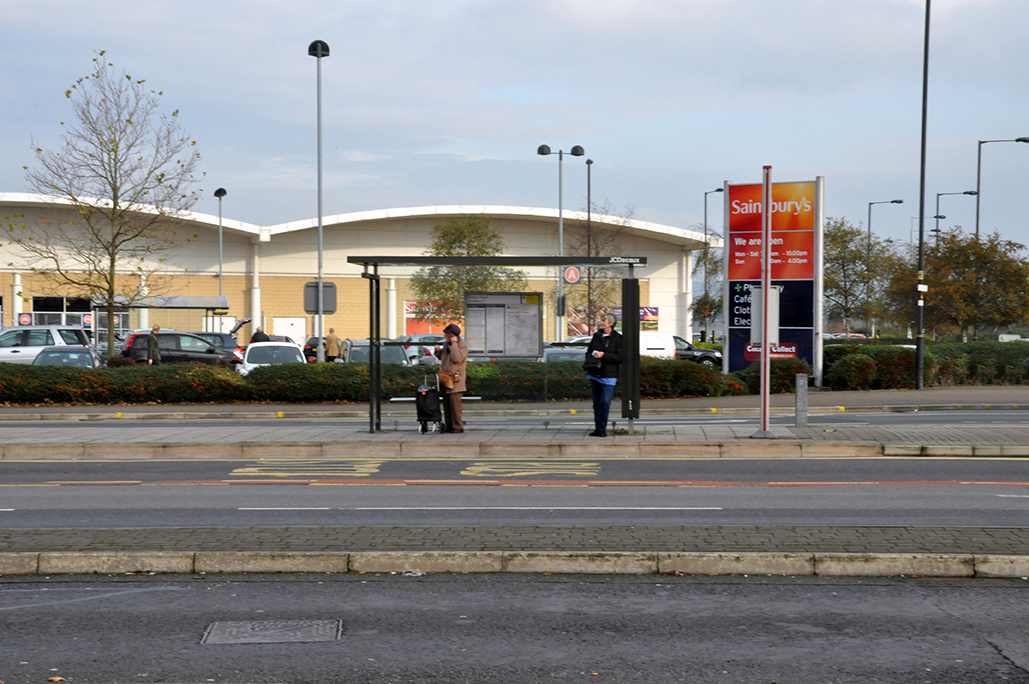
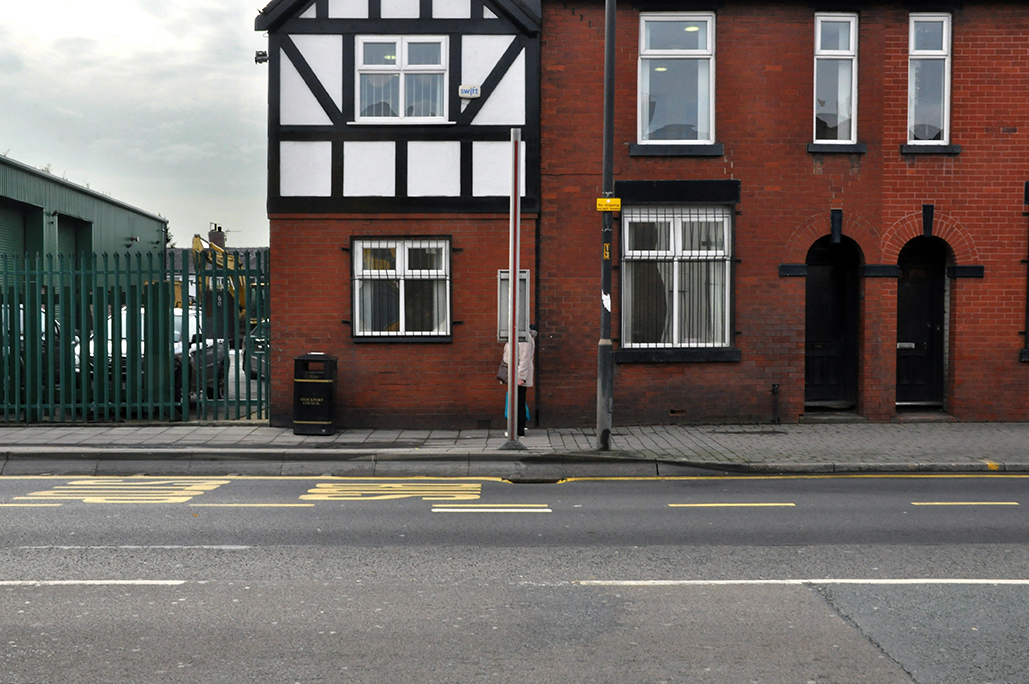
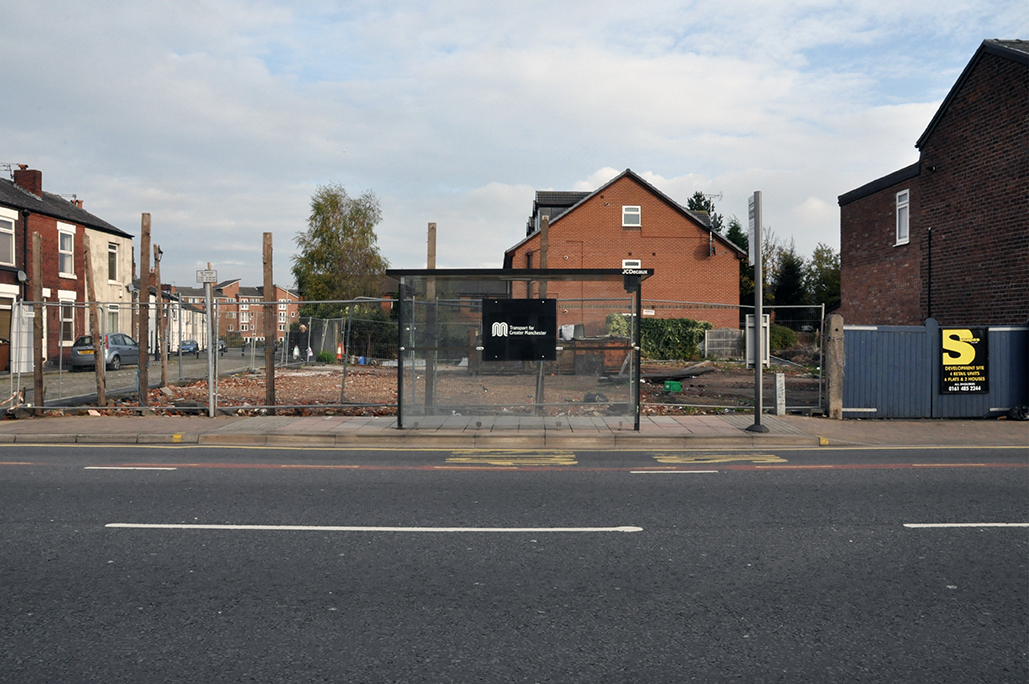
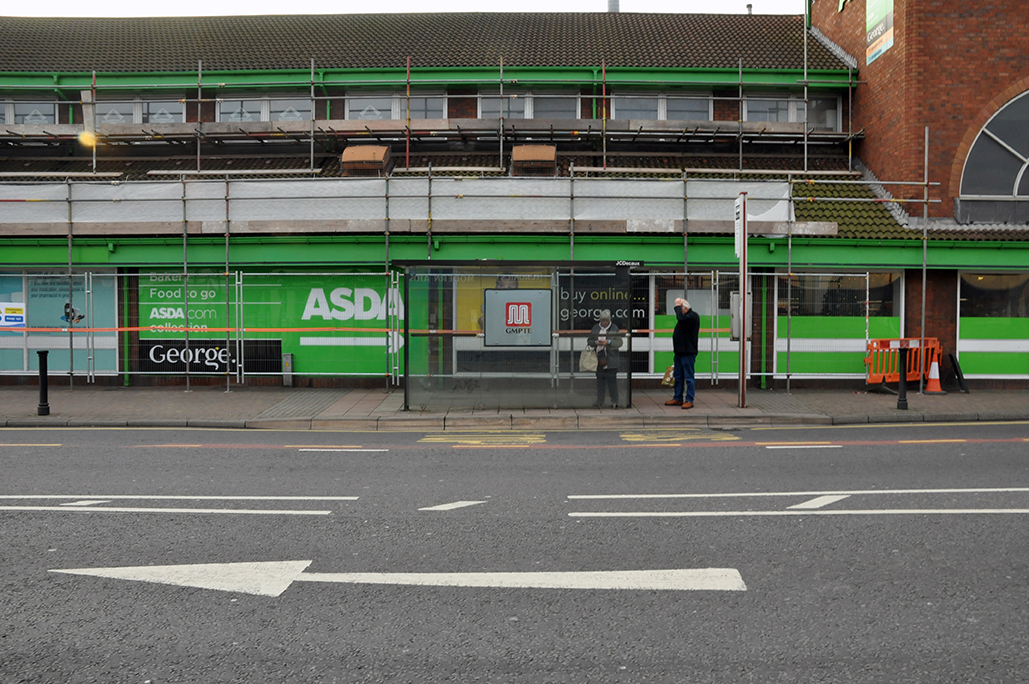
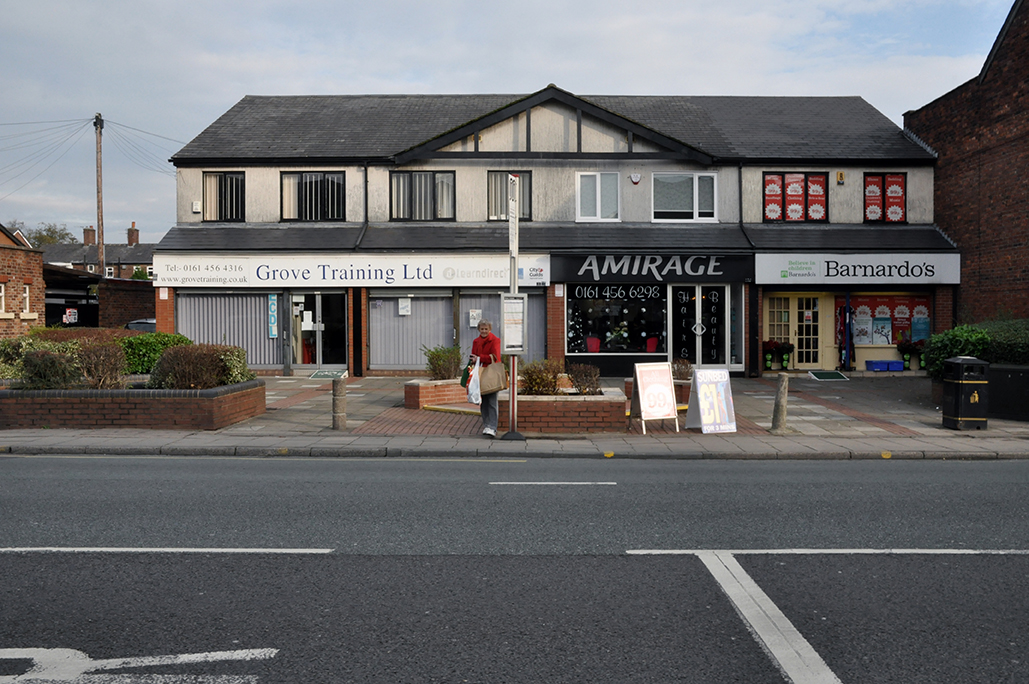
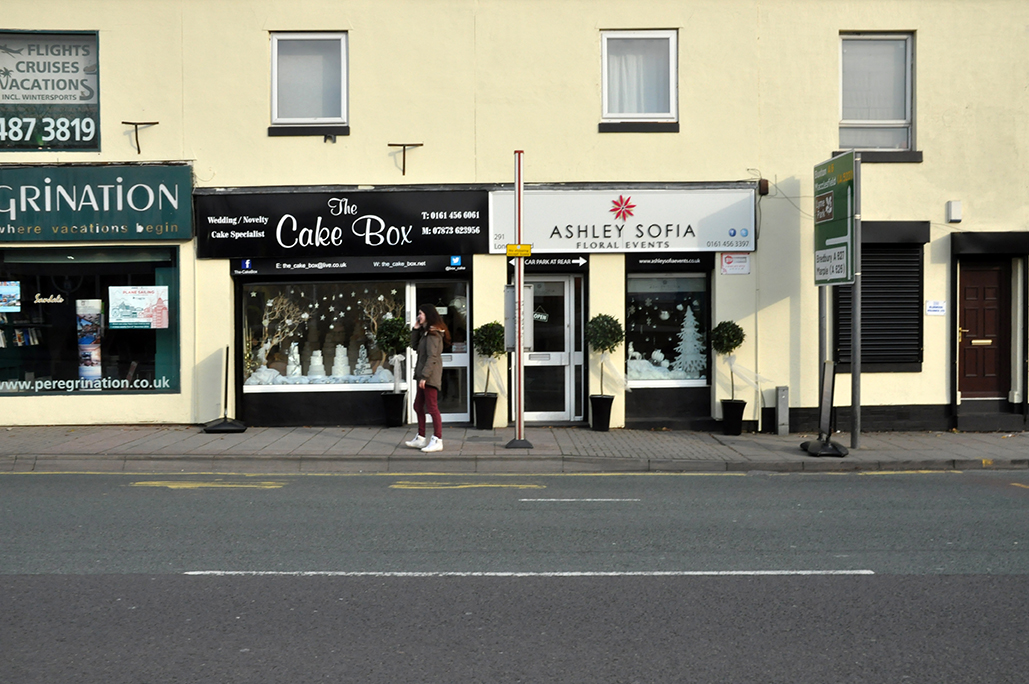
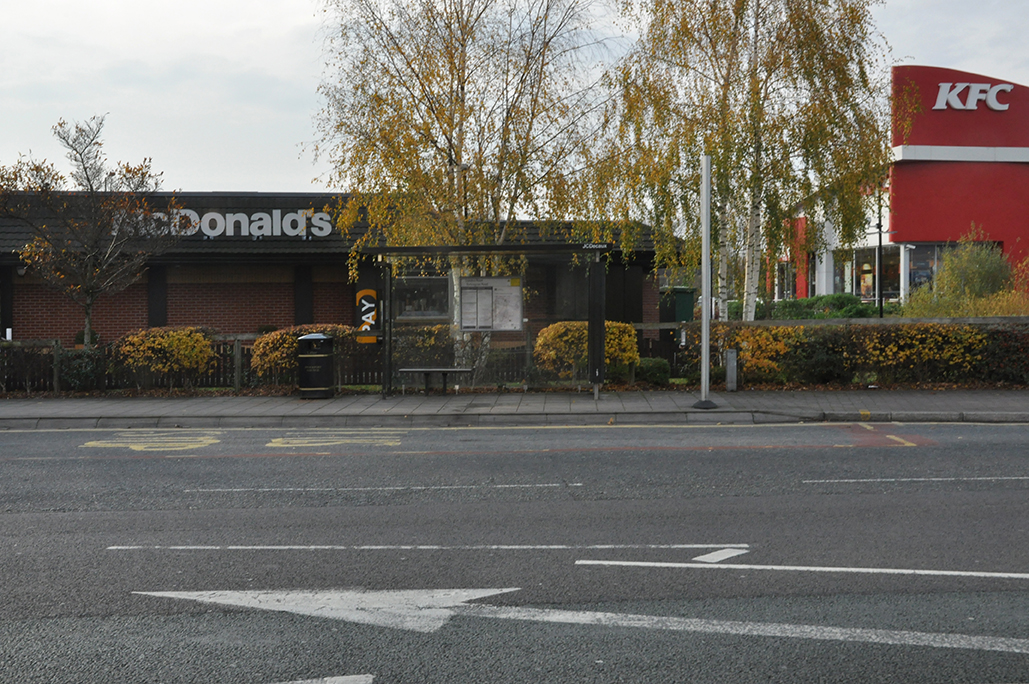
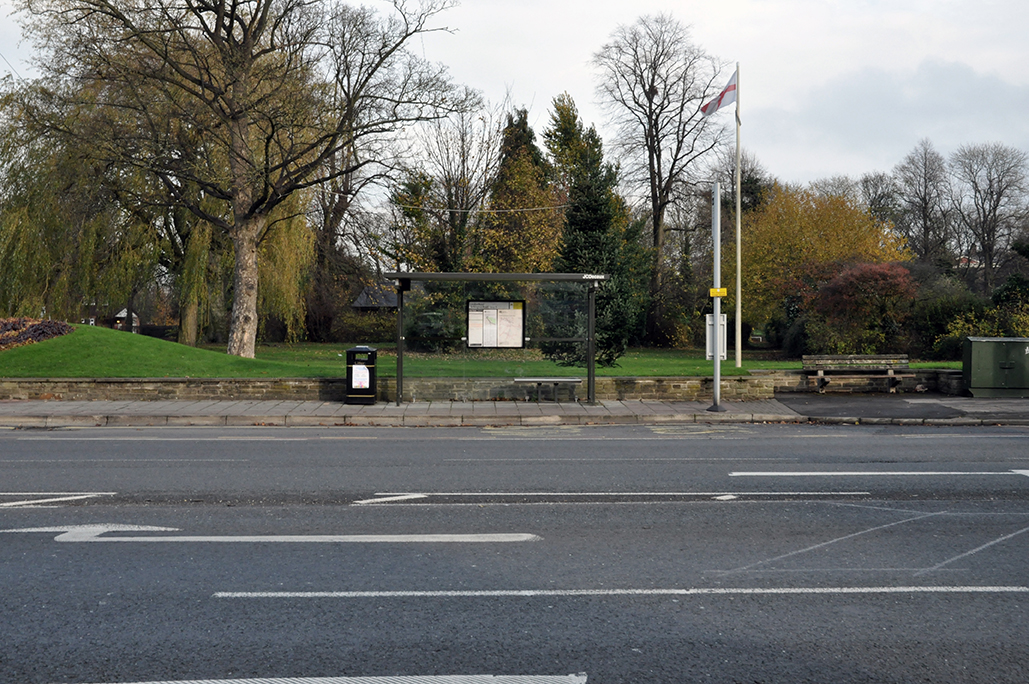
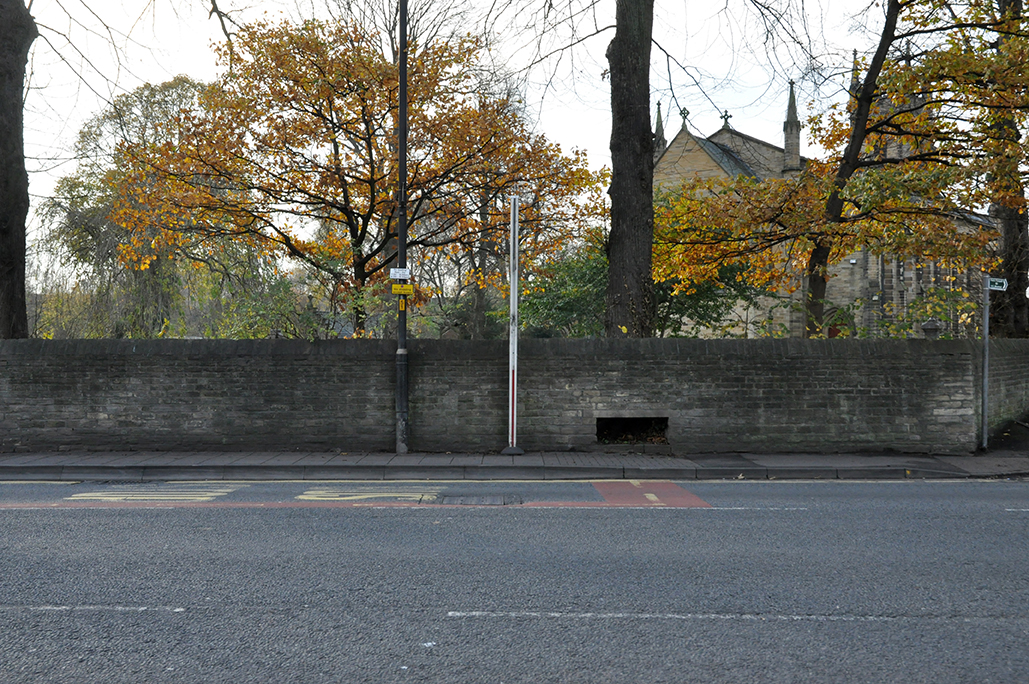
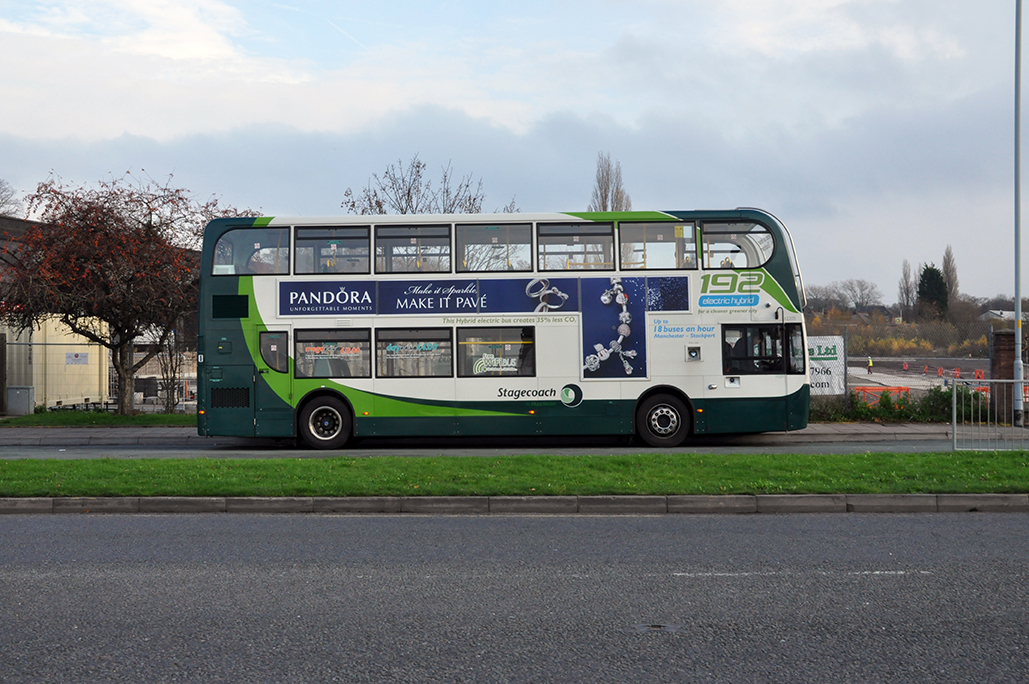
All 98 #192 Bus Stops

There there are 98 stops on the 192  route, between Manchester and Hazel Grove.

– I know because I walked them all.

Sunday morning roads relatively free of traffic.

Some stops peopled some not.

Zigzagging the A6 to record a consistent sequence.

The bus stops here.

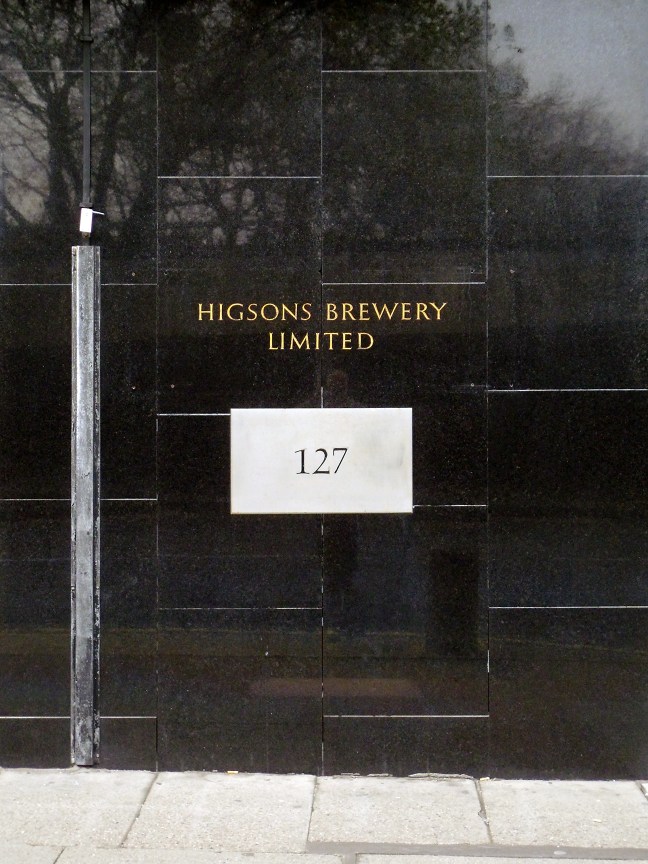
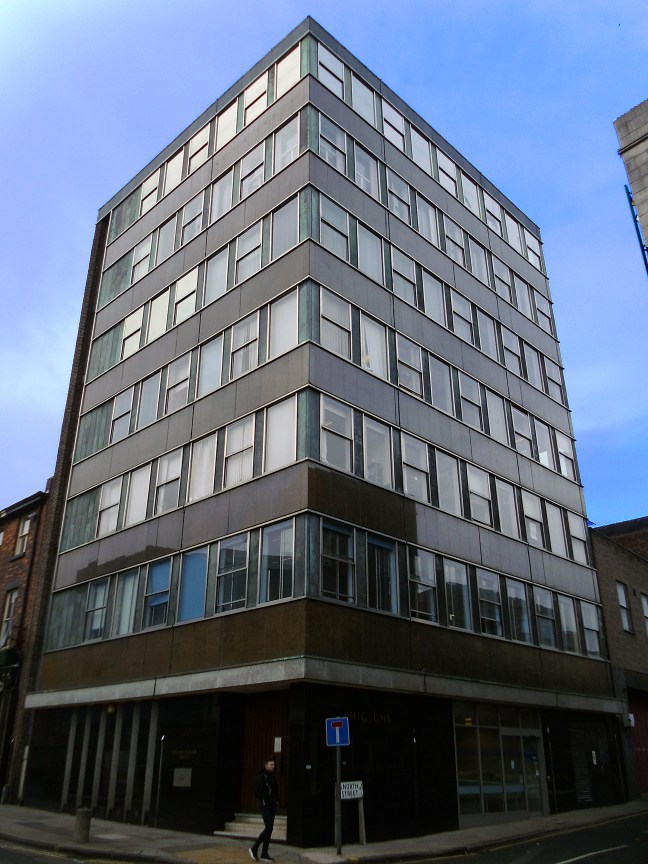
Higson’s Offices – Liverpool

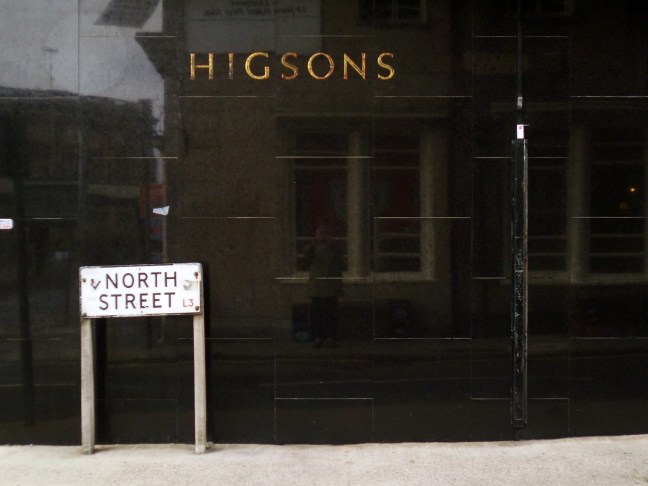
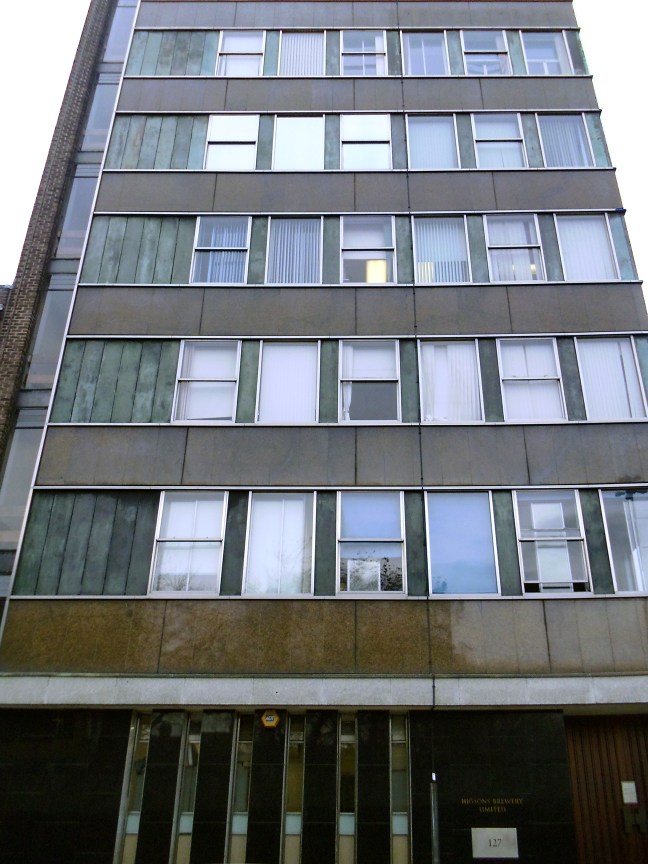
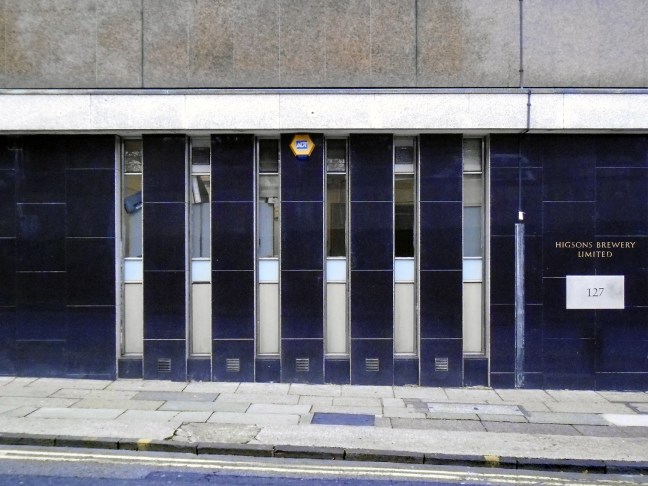
127 Dale Street, corner of North Street, just by the Ship and Mitre, across from the Queensway Tunnel entrance?

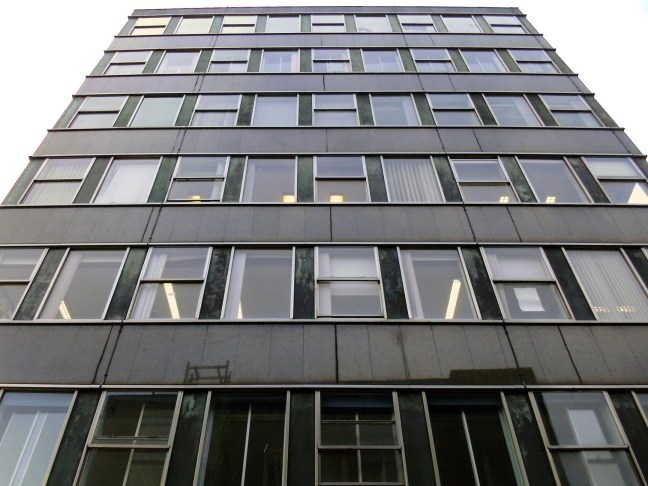
Yes that’s the one, Liverpool’s most remarkable, least remarked upon building.

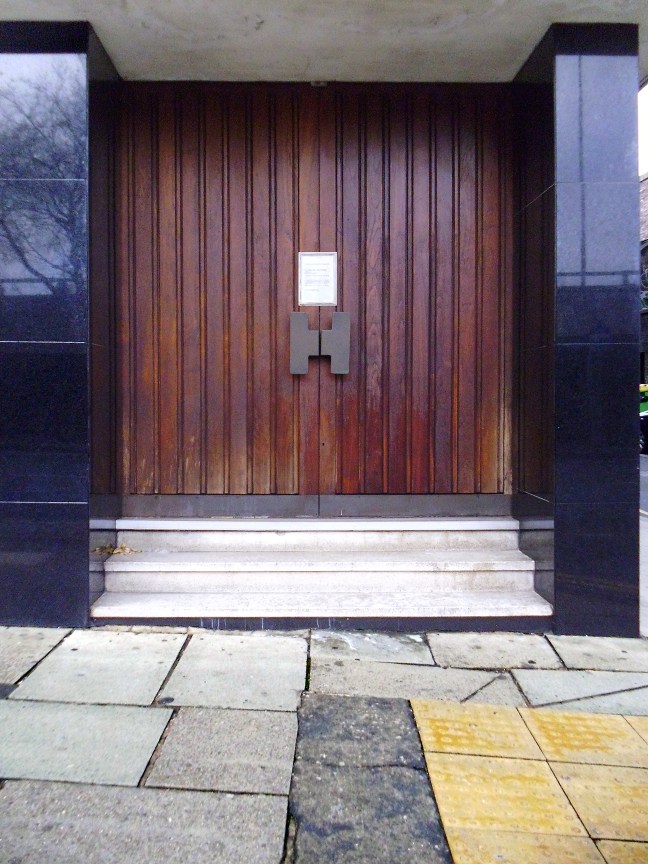
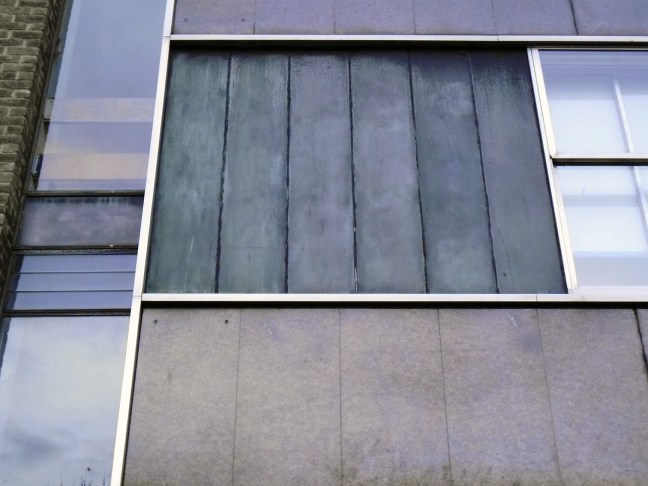
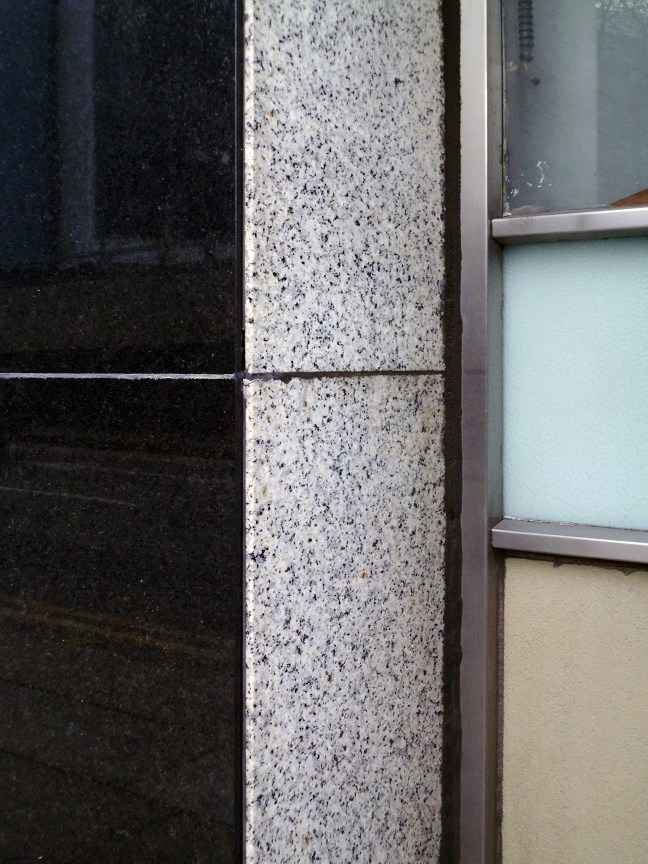
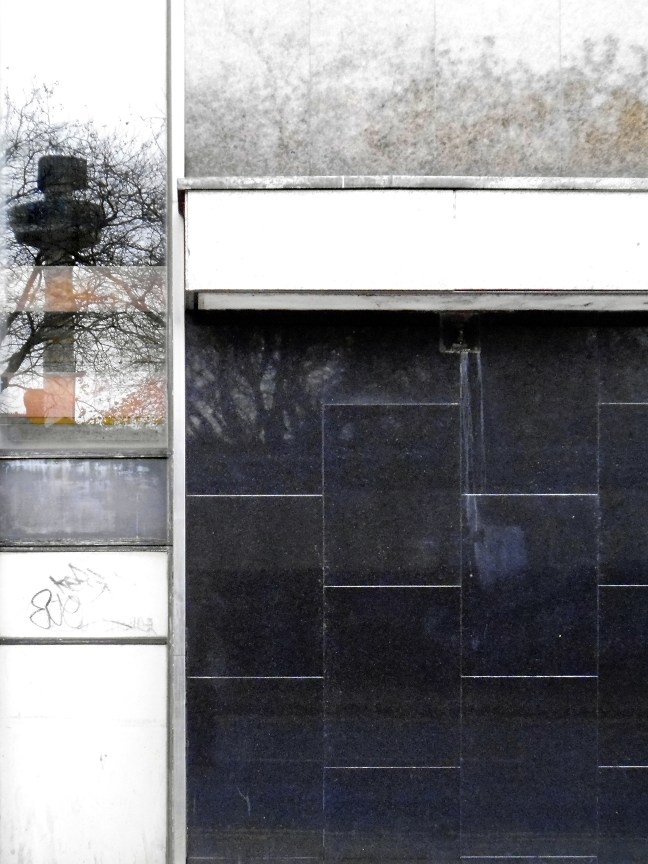
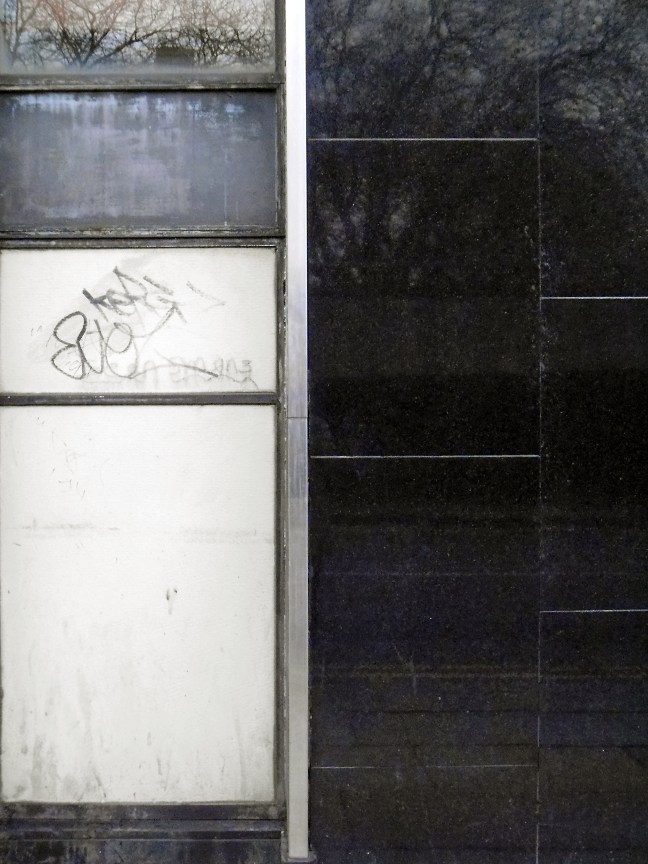
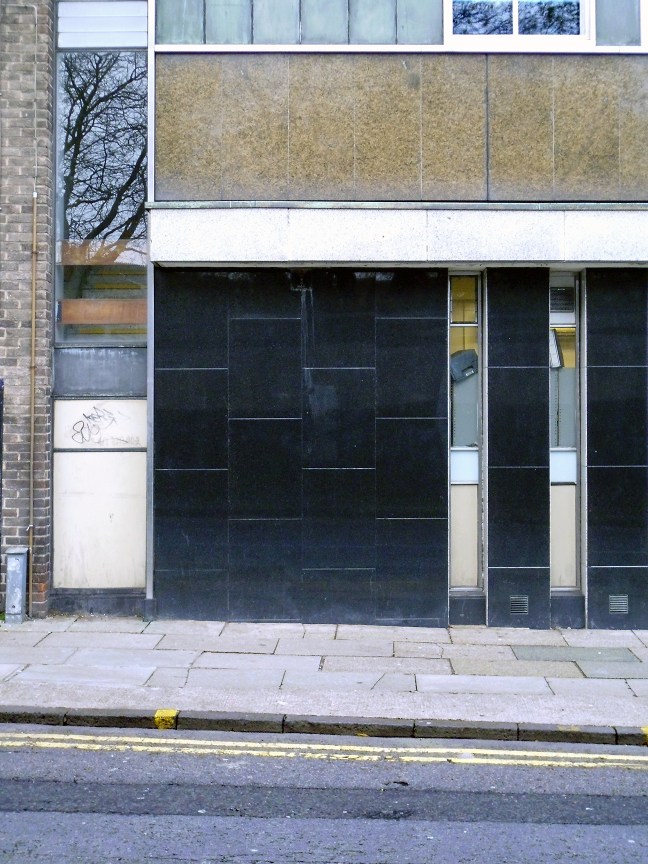
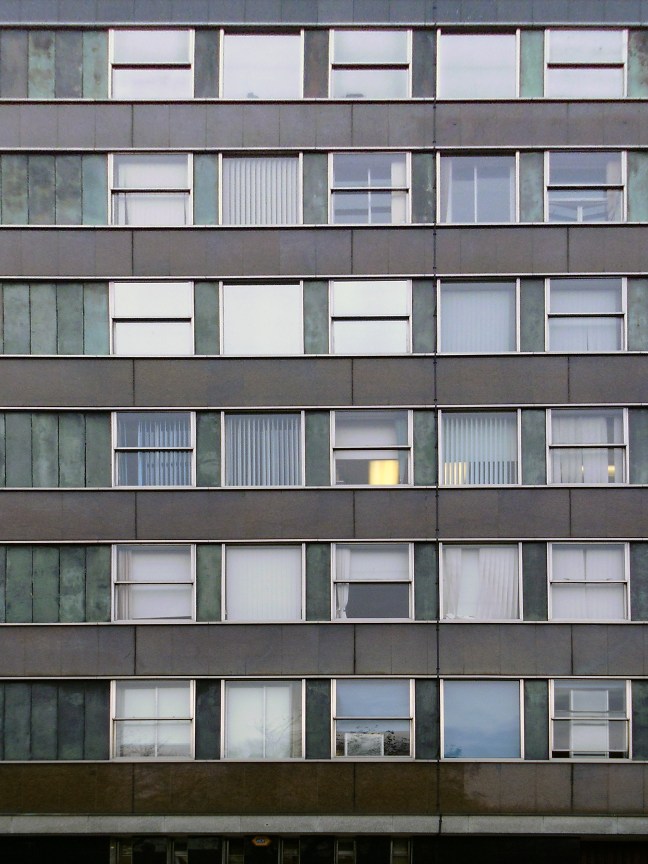
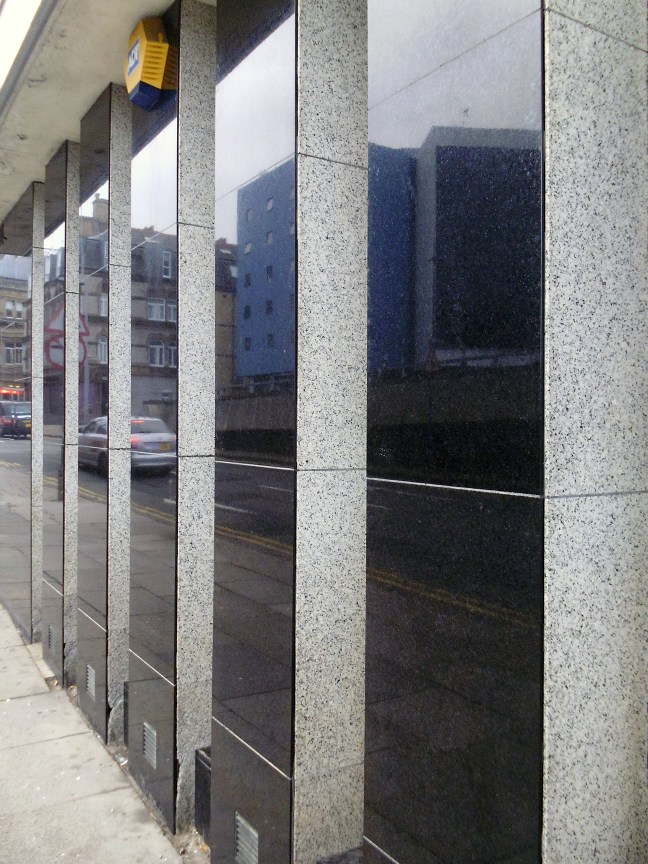
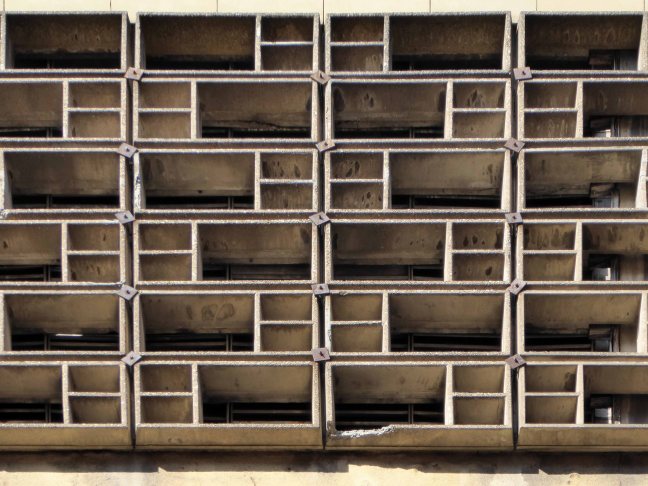
So clean, so modern, so new, a delightful grid of materials, glass, steel, polished marble, brick and patinated beaten metal.

Stand back and wonder, move in and sigh with delight.

As I went about my snappy business, I was approached by a local – Mark.

Surprised by my curiously, up close, slow scrutiny of the building, he went on to explain that he was familiar with the architect Derek Jones who had worked on the design for Ormrod and Partners in 1964.

Formerly home to Higson’s Brewery offices, now housing the Merseyside Museums administration and design teams, the exterior is largely intact.

So am I.

Go take a look.
P1030856 copy

P1030852 copy

P1030863 copy

P1030853 copy

P1030854 copy

P1030860 copy

P1030862 copy

P1030867 copy

P1030859 copy

P1030855 copy

P1030868 copy

P1030858 copy

P1030861 copy

P1030857 copy

P1030866 copy


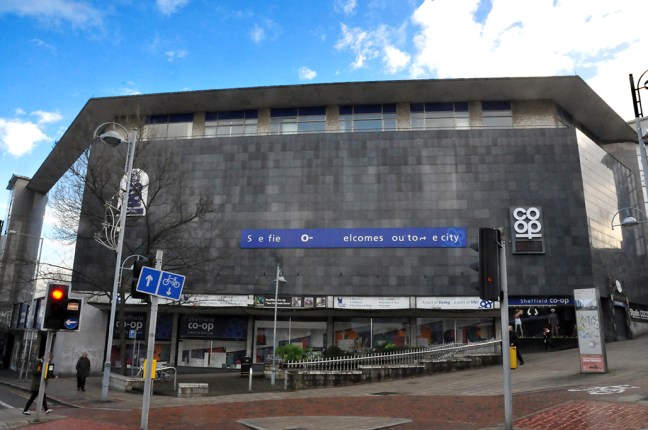
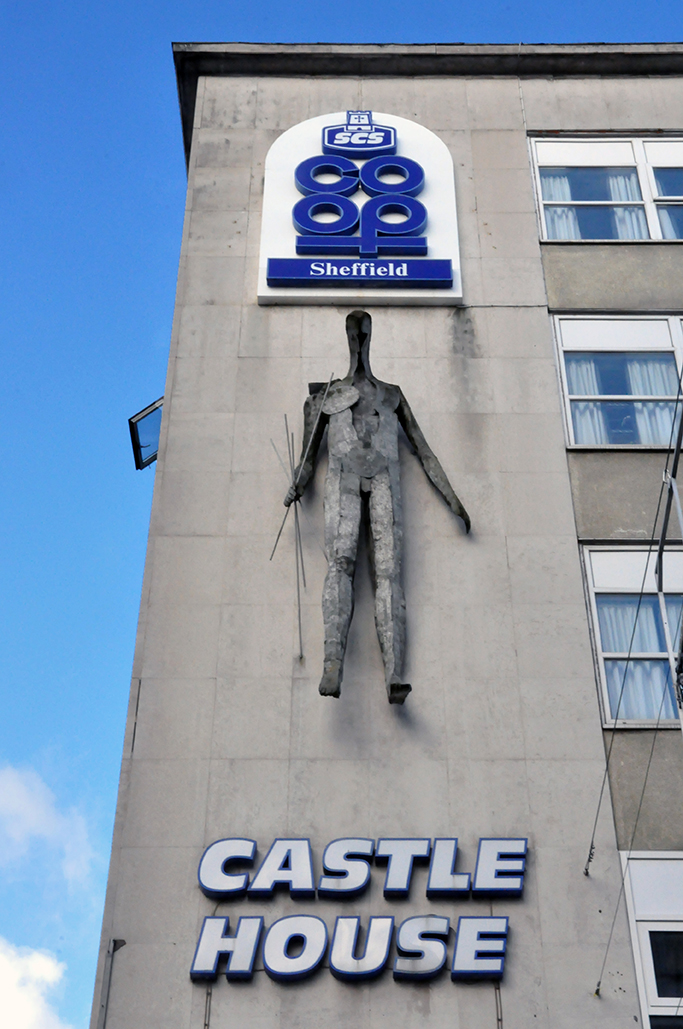
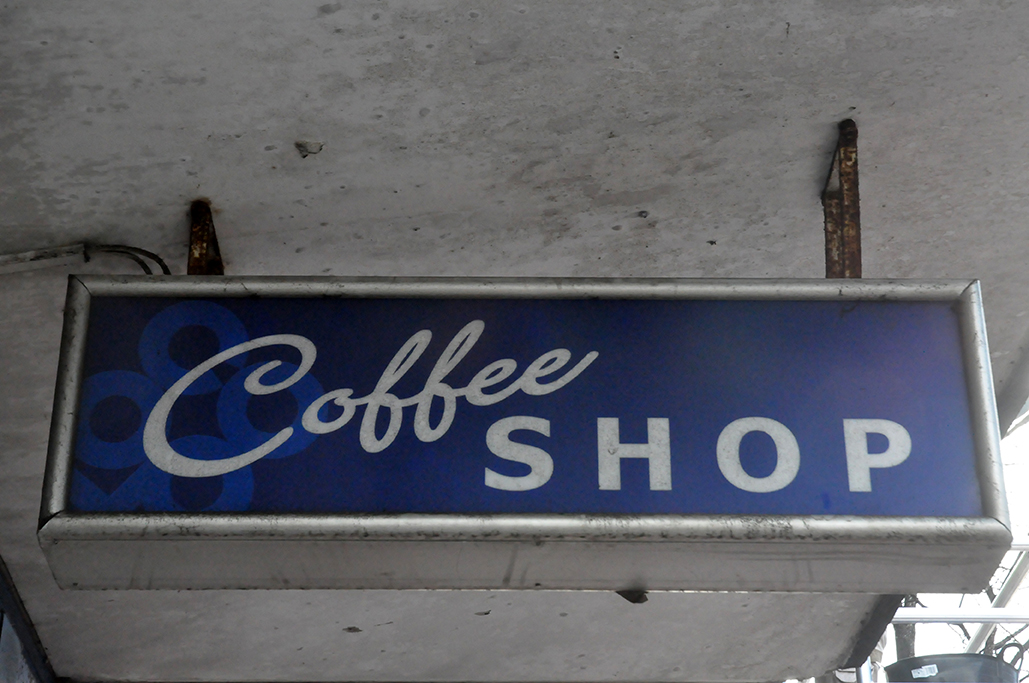
Castle House – Sheffield

I want it.
Historic England want it.
Hopefully you and the people of Sheffield want it,

– anyway it’s listed.

http://www.historicengland.org.uk/listing/the-list/list-entry/1393220

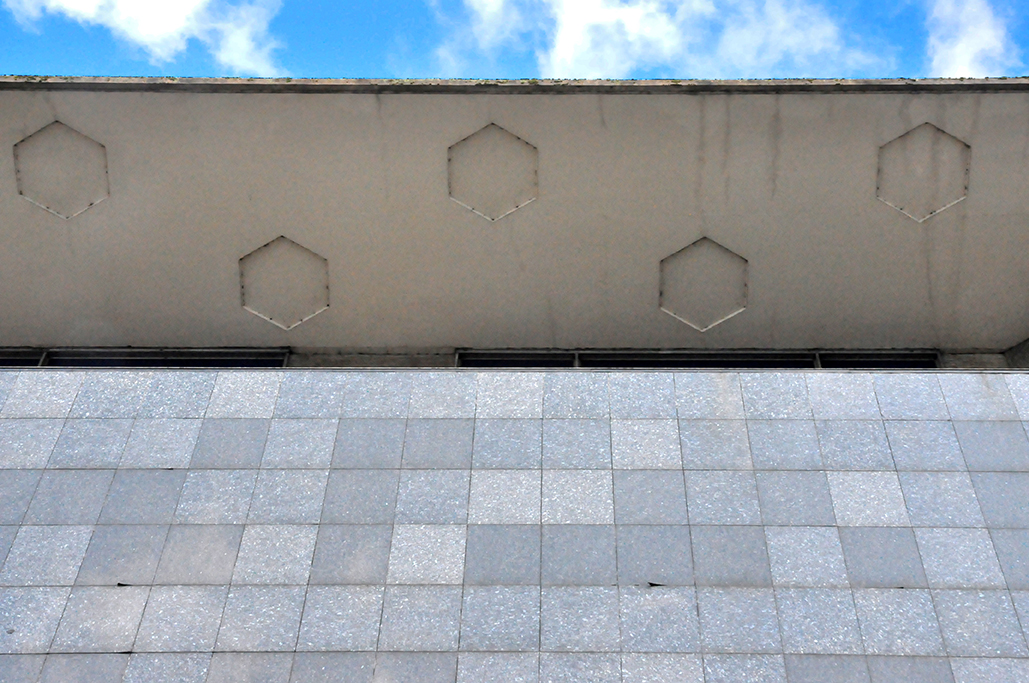
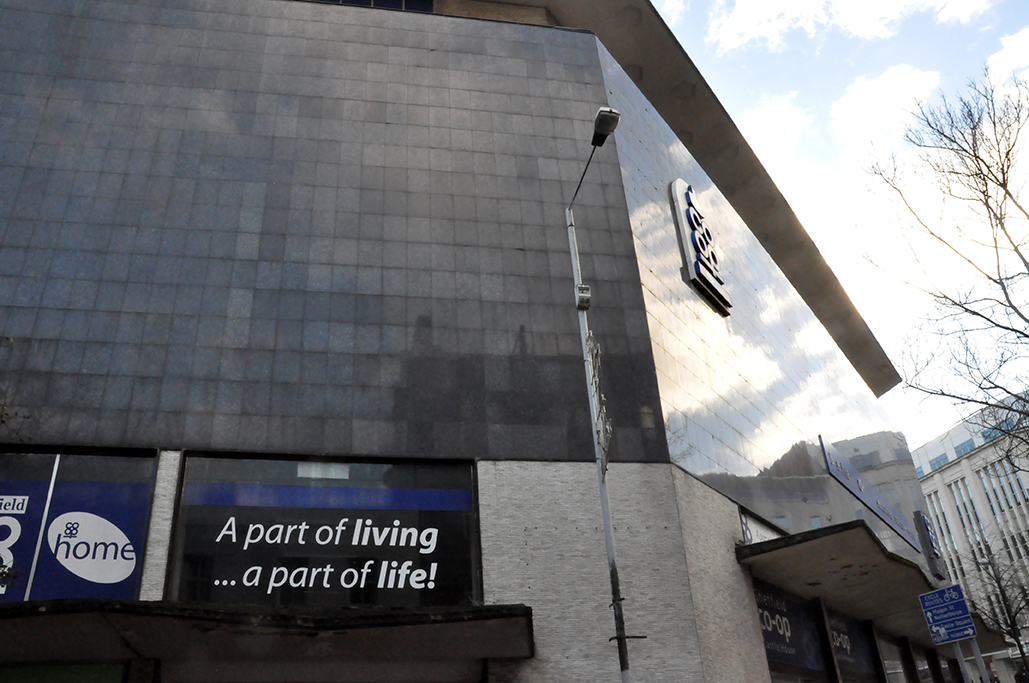
“1964 by George S Hay, Chief Architect for CWS, with interior design by Stanley Layland, interior designer for CWS. Reinforced concrete with Blue Pearl granite tiles and veneers, grey granite tiles and veneers, buff granite blocks, glass, and brick.”

The Liberal Democrat Council objected,  saying

“It could be a major barrier to regenerating Castlegate.”

http://www.sheffieldtelegraph.co.uk/what-s-on/saving-castle-house-controversial-listing-call-defended-1-453913#ixzz3sL3p5RAP

There is now the possibility of redevelopment as a creative hub.

It was a Co-op on the grandest of scales.

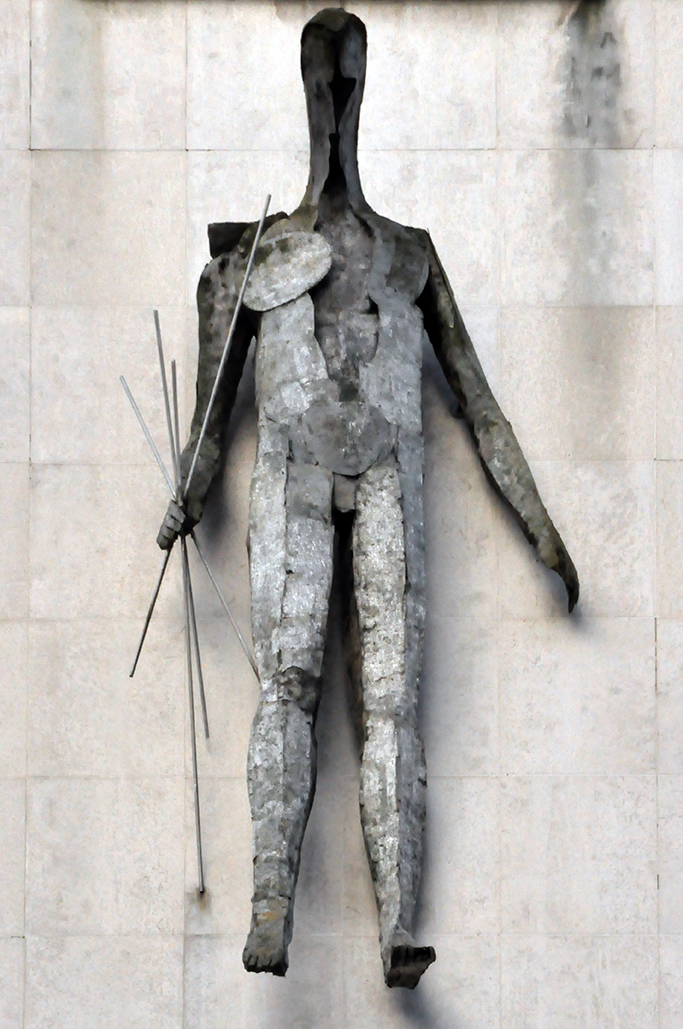
It has it all, public art, monolithic proportions and finish, bags of detail and scale in abundance. A fascinating building to explore and certainly one that fills my little heart with joy in superabundance

A building of period distinction, it deserves its preservation.

We do not require another patch of steel and wilfully wayward clad nowheresville non- architecture, replete with aspirational retail agogo.

Go see it soon!

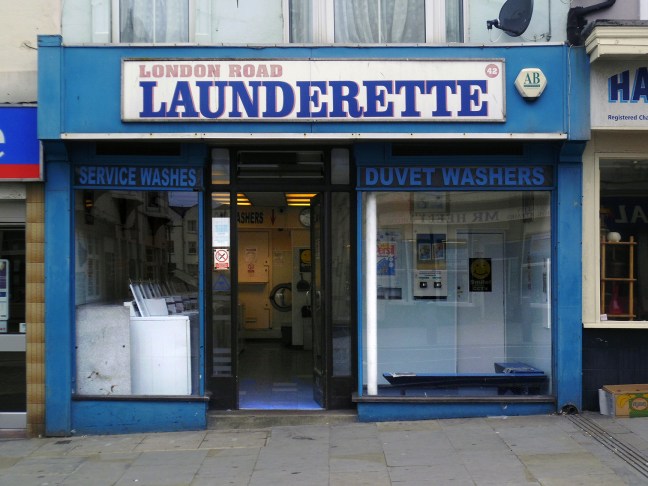
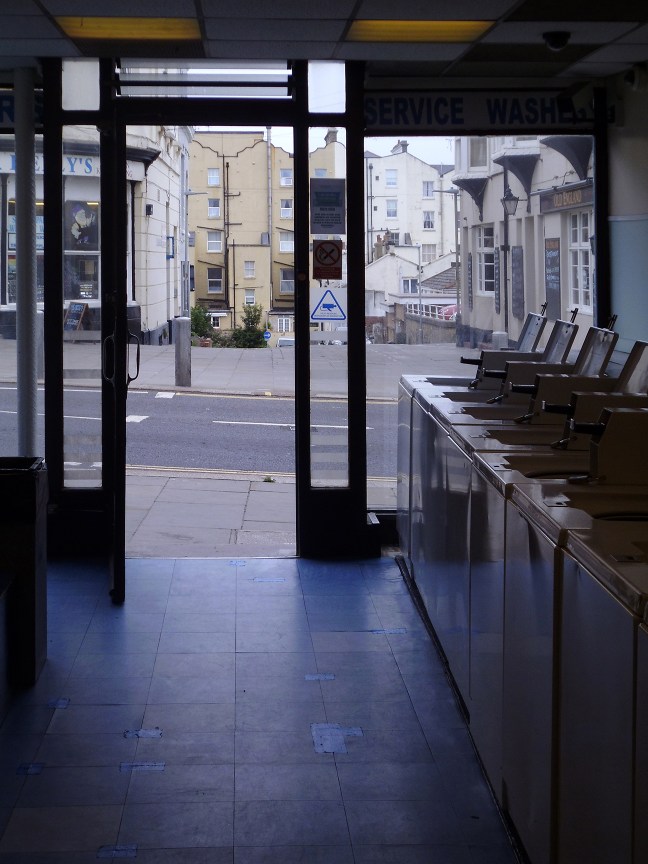
Launderette – London Road St Leonards

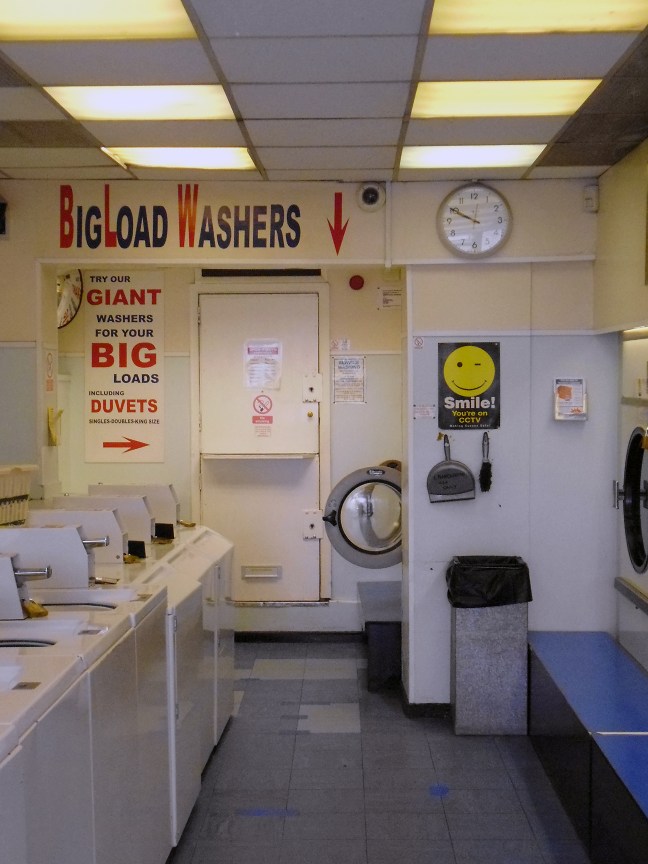
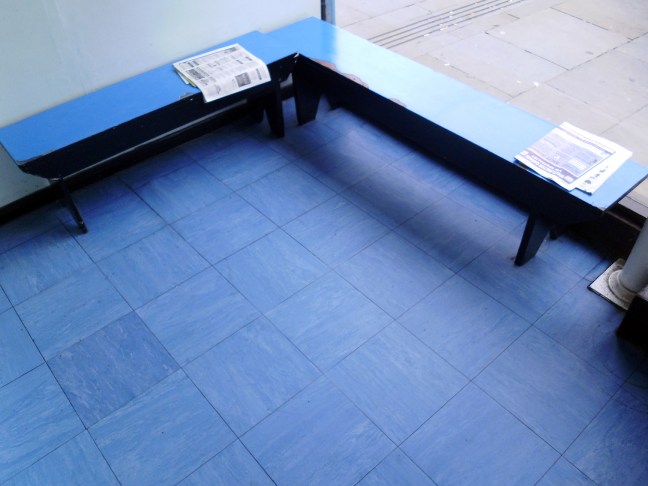
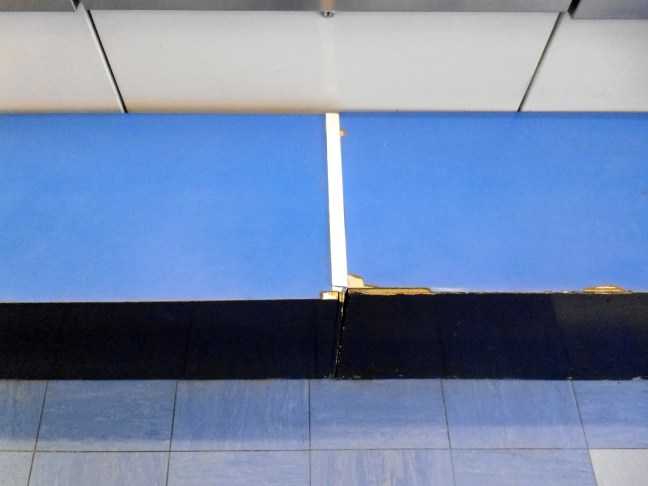
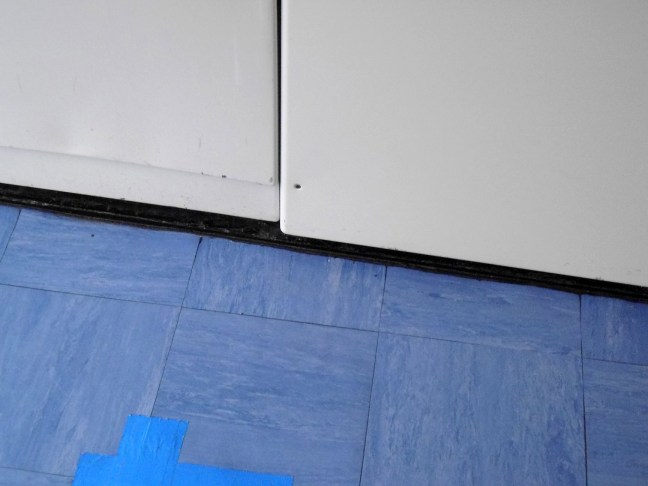
Mid blue linoleum tiles, patched here there.

And everywhere.

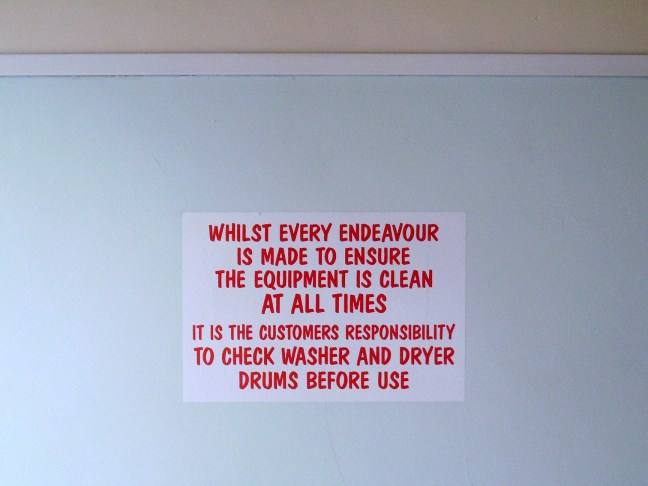
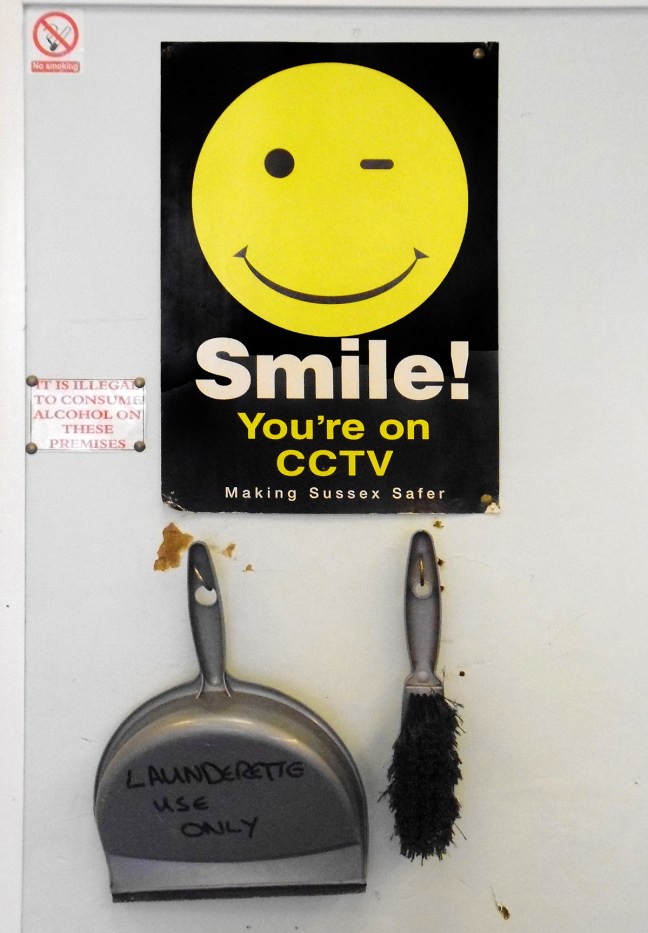
Signs

Everywhere.

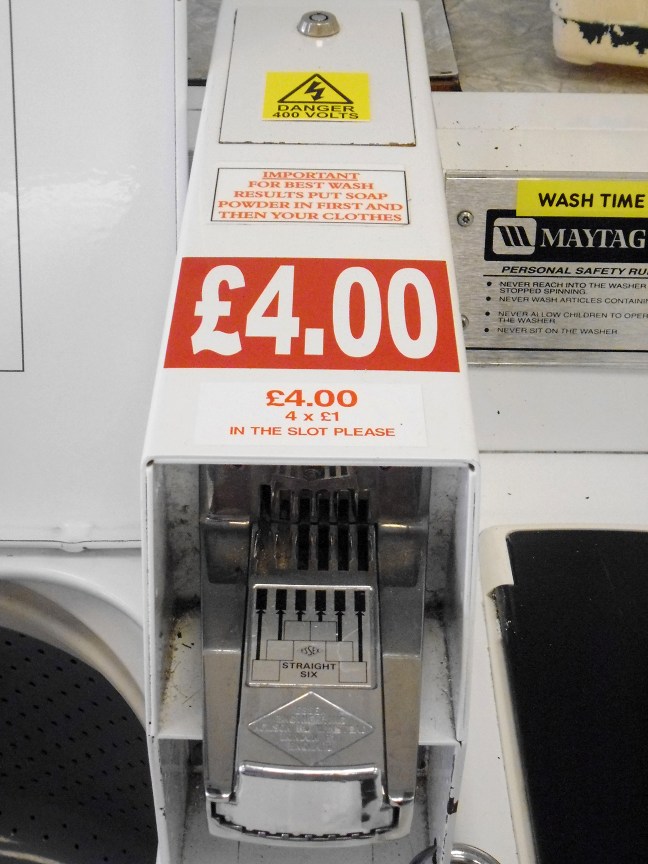
In an uncertain universe, you can almost always rely on the launderette, to guide you on life’s soapy journey, through a complex series of immutable do’s and don’ts, arrows, slots, buttons and bows.

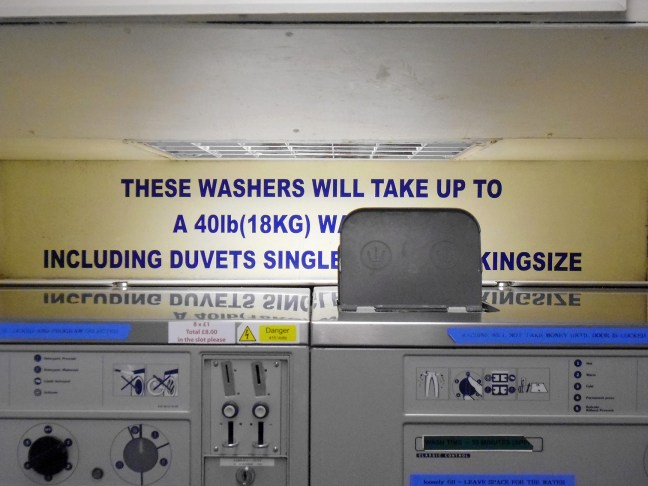
Giant is the new big is the new large.

I feel so small.

P1020467 copy

P1020466 copy

P1020482 copy

P1020469 copy

P1020472 copy

P1020475 copy

P1020478 copy

P1020477 copy

P1020487 copy

P1020479 copy

P1020471 copy

P1020481 copy

P1020476 copy

P1020470 copy

P1020473 copy

P1020474 copy

P1020480 copy

P1020468 copy

P1020483 copy

P1020484 copy

P1020485 copy

P1020486 copy

The Wash Inn – Hastings

Standing alone in an unattended laundrette can be a chilling experience, a heightened state of awareness abounds, accentuating that all pervasive absence of presence.

The unseen hand, that write the notes, that speak to you in emphatic hurried caps, pinned or taped precisely on the walls.

The ghosts of clothes, still warm, now gone.

A Proust defying amalgam of aromas, that almost fills the air.

Just you and a series of slots, demotic instructions, care worn utilitarian surfaces and time.

Wash Inn get out.

Pottons – Cliftonville Margate

Should you, as I did wander down Northdown Road, Cliftonville, you will chance upon Pottons at 262.

By now however, ingress is more than somewhat inhibited.

It’s closed.

The most exciting and extant period fascia, once gave way to oak fittings and fixtures festooned with all manner of menswear, exotic and plain accoutrements, now inaccessible.

It’s gone.

A few sad remnants were on sale, administered in their final days by Lorraine, employed for 35 years in a family business, whose trade had once included made to measure, fine millinery and quality accessories for the discerning gent around town.

No more.

DSC_0298 copy

DSC_0299 copy

DSC_0300 copy

DSC_0302 copy

DSC_0293 copy

DSC_0294 copy

DSC_0306 copy

DSC_0307 copy

DSC_0308 copy

DSC_0309 copy

DSC_0310 copy

DSC_0311 copy

DSC_0312 copy

DSC_0319 copy

DSC_0322 copy

DSC_0324 copy

DSC_0326 copy

DSC_0327 copy

DSC_0329 copy

DSC_0330 copy

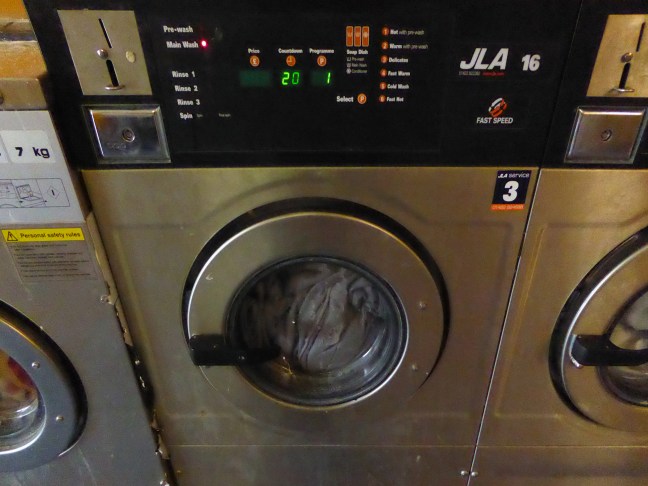
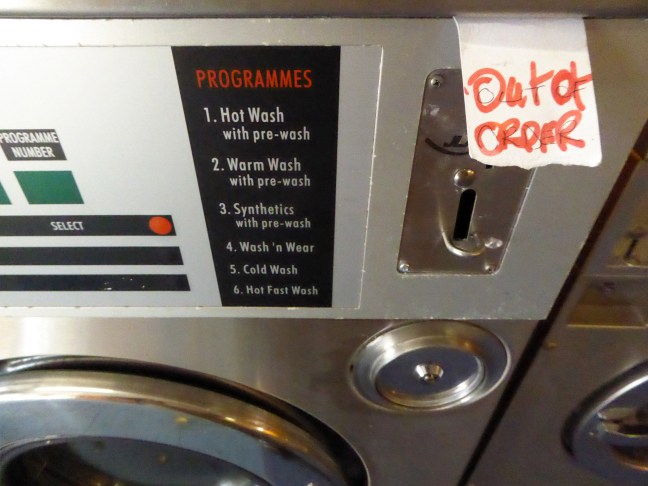
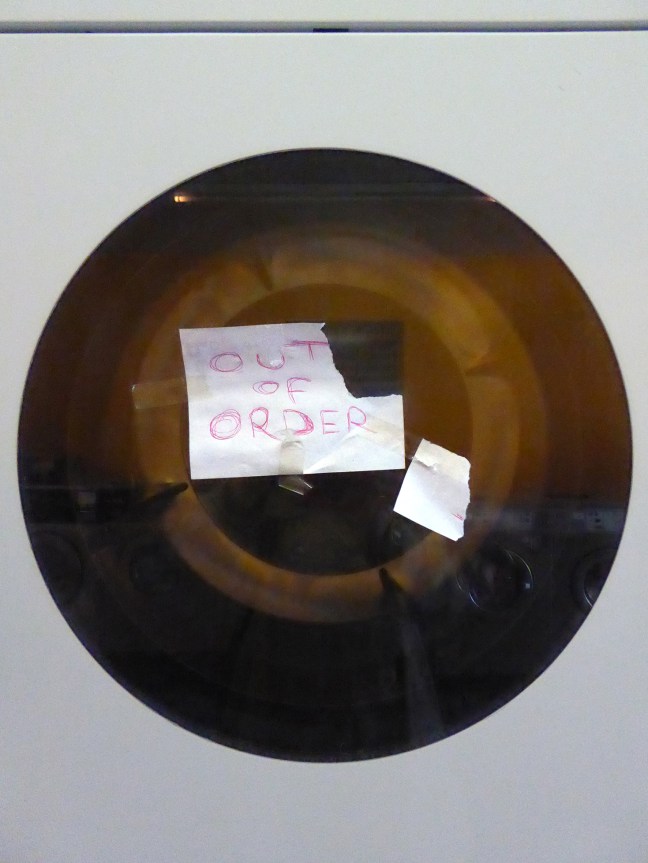
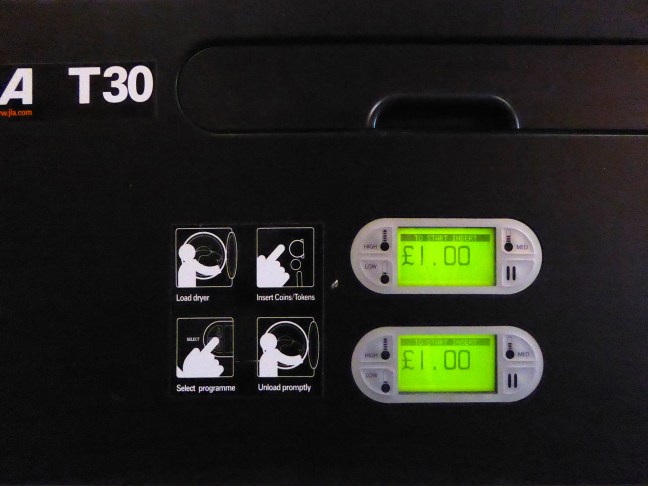
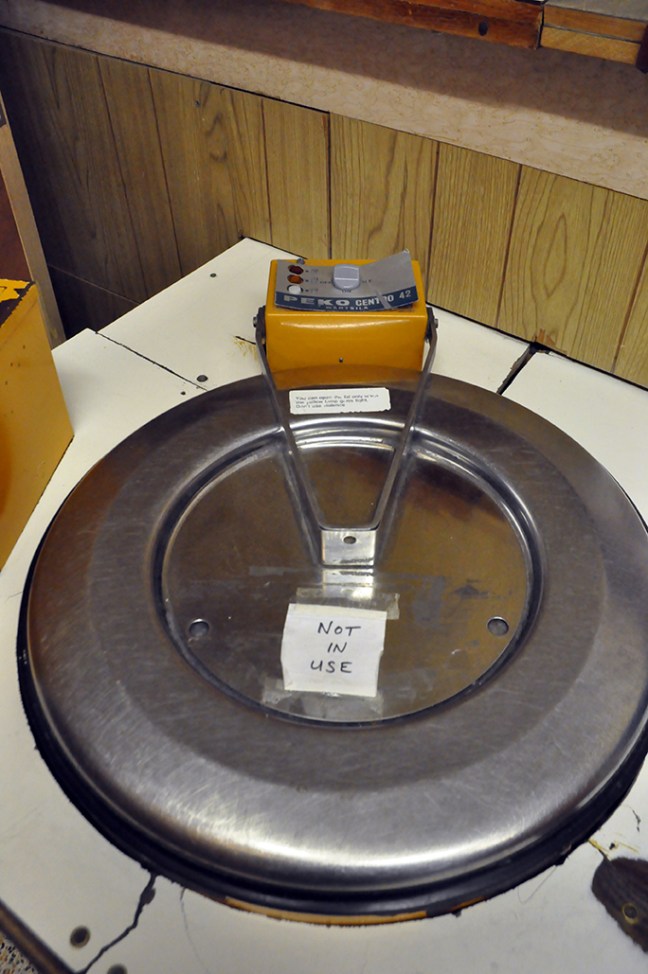
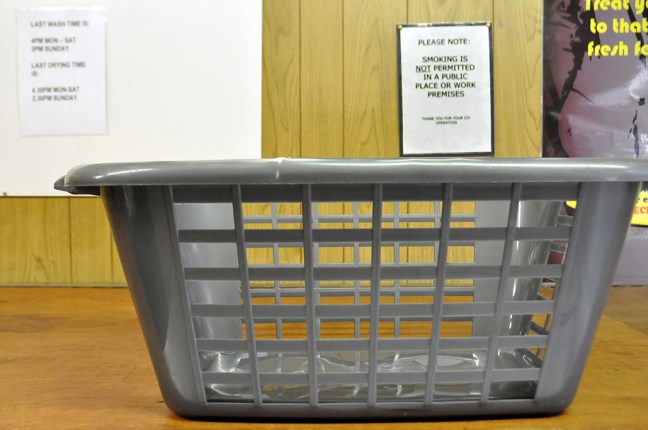
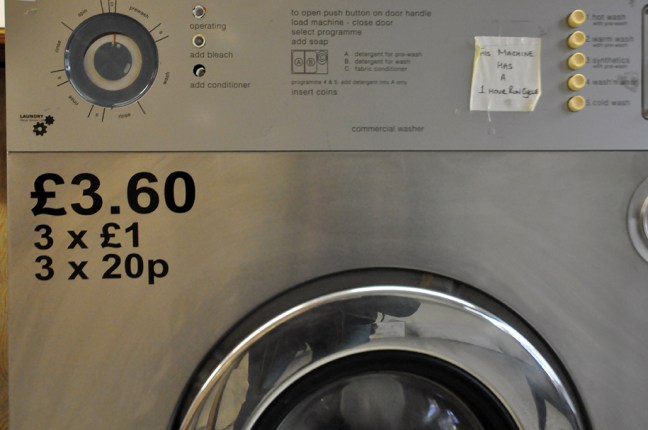
Laundrette – Rhayader

There is a sign.

An Illuminated sign.

There are signs.

Handwritten signs – notices, instructions, scribbled hurriedly, underlined, highlighted, boxed for emphasis.

Taped up.

There are machines, top loaders, best left half empty.

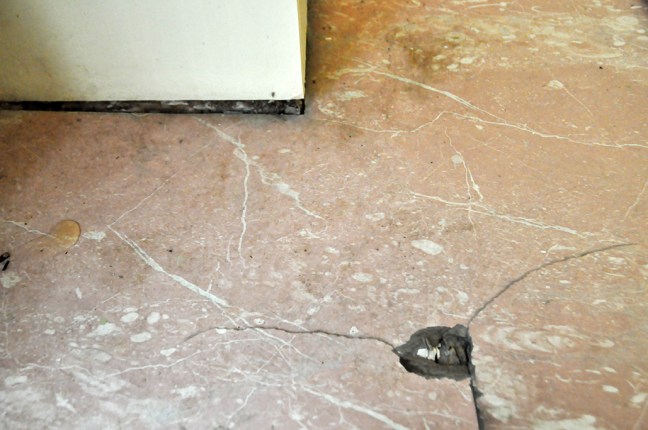
Terrazzo floor, leatherette banquette.

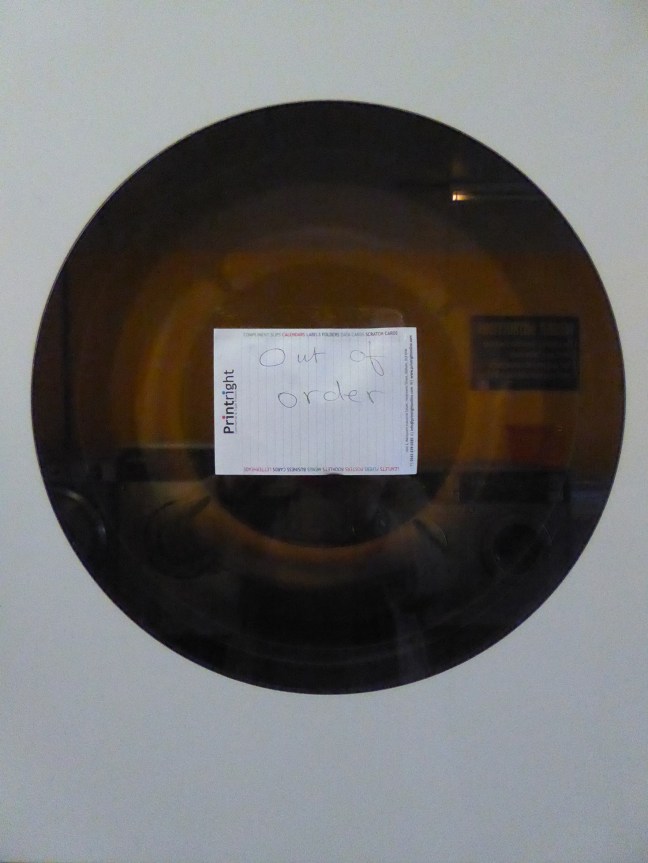
Out of disorder comes out of order.

P1070160 copy

P1070139 copy

P1070143 copy

P1070144 copy

P1070151 copy

P1070147 copy

P1070153 copy

P1070142 copy

P1070159 copy

P1070140 copy

P1070156 copy

P1070154 copy

P1070145 copy

P1070163 copy

P1070141 copy

P1070162 copy

P1070165 copy

P1070148 copy

P1070150 copy

P1070161 copy

P1070149 copy

P1070155 copy

P1070146 copy

P1070152 copy

P1070157 copy

P1070164 copy

Close the door when you leave