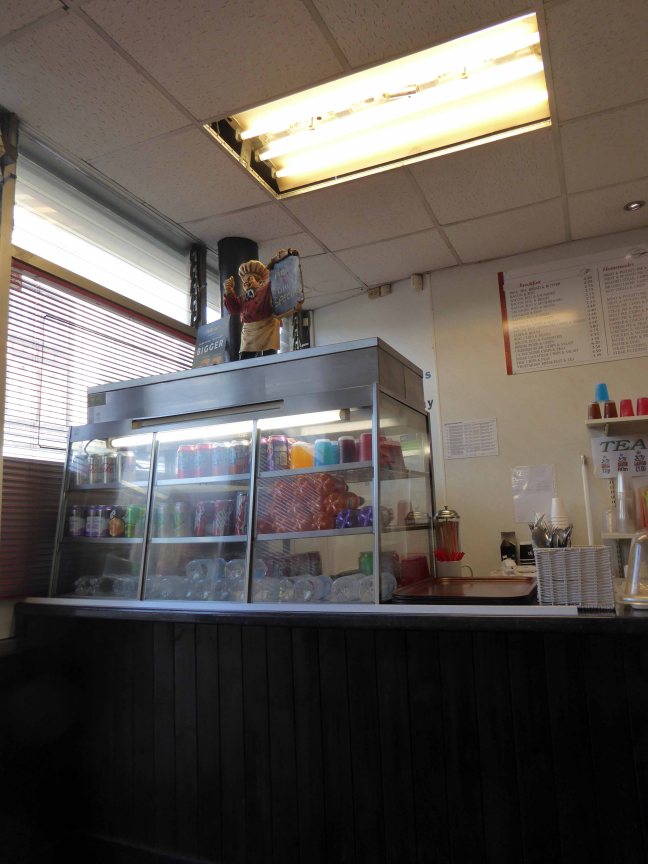
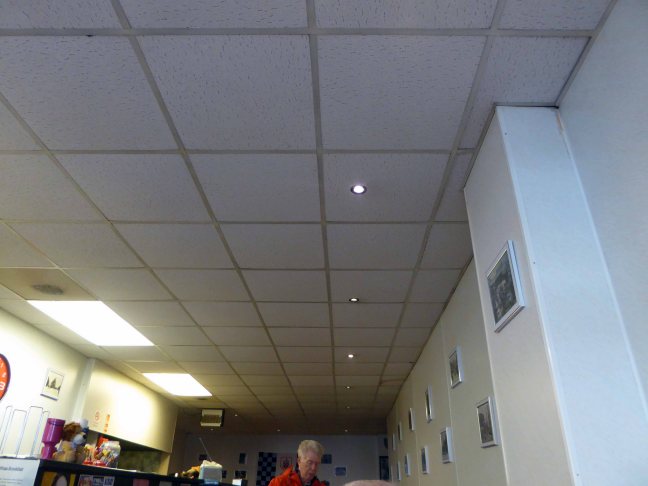
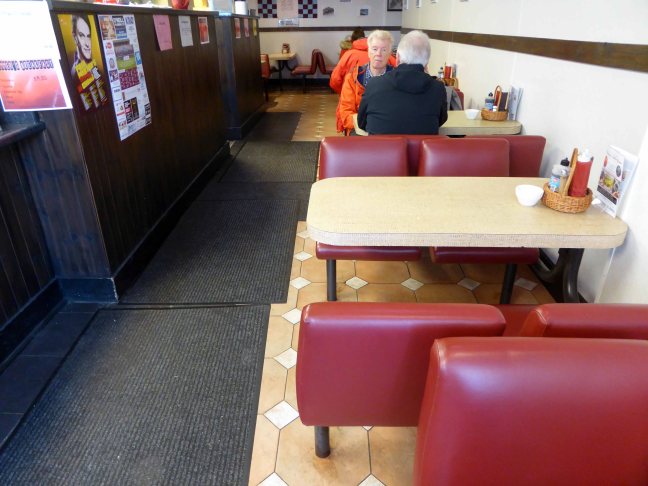
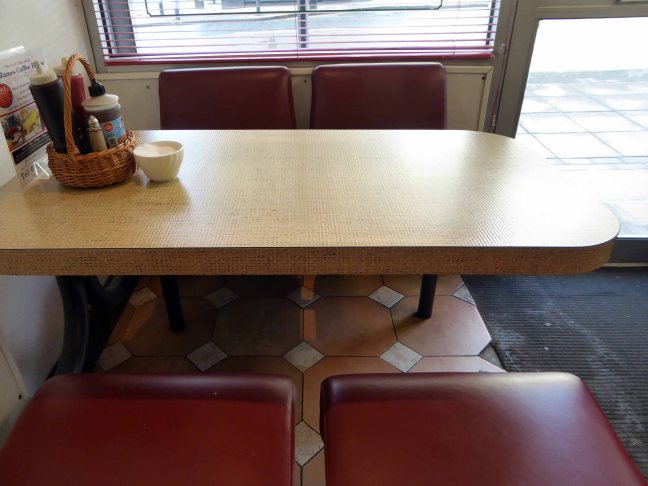
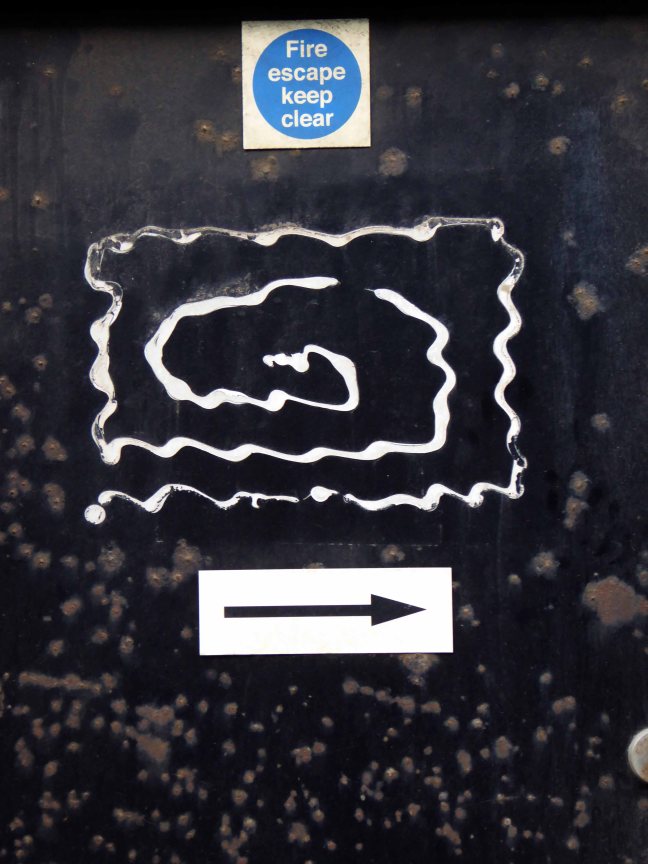
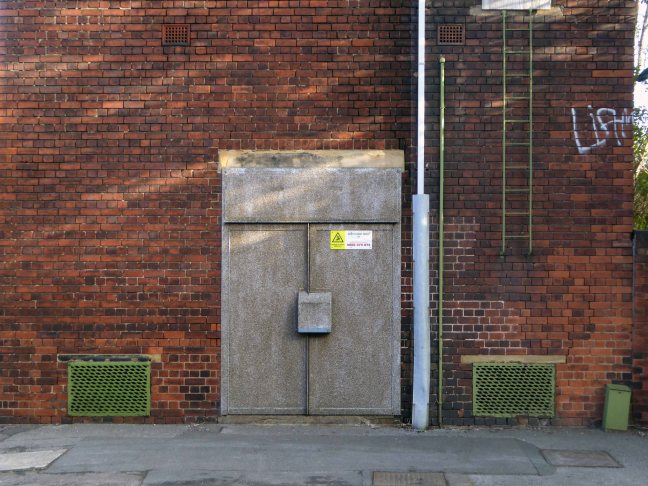
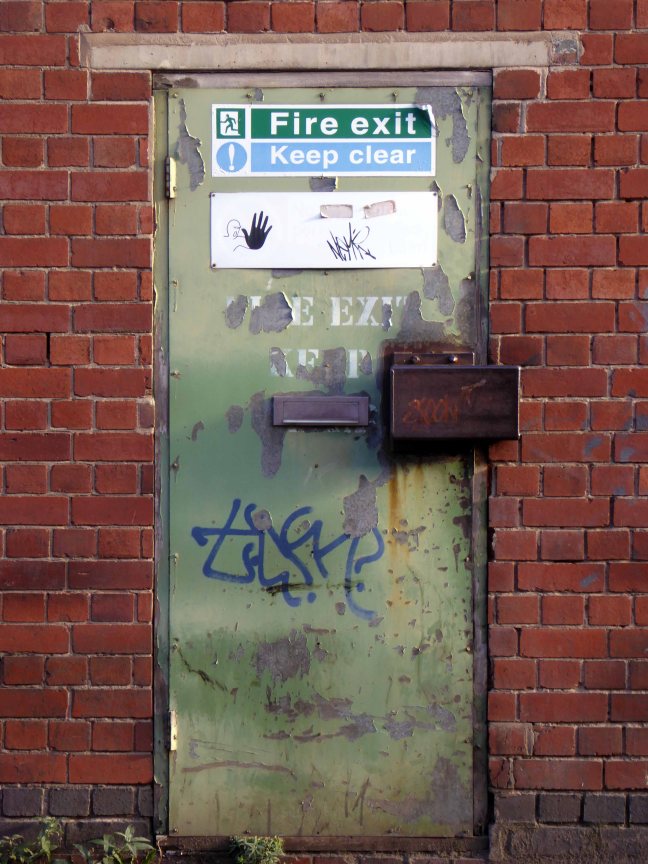
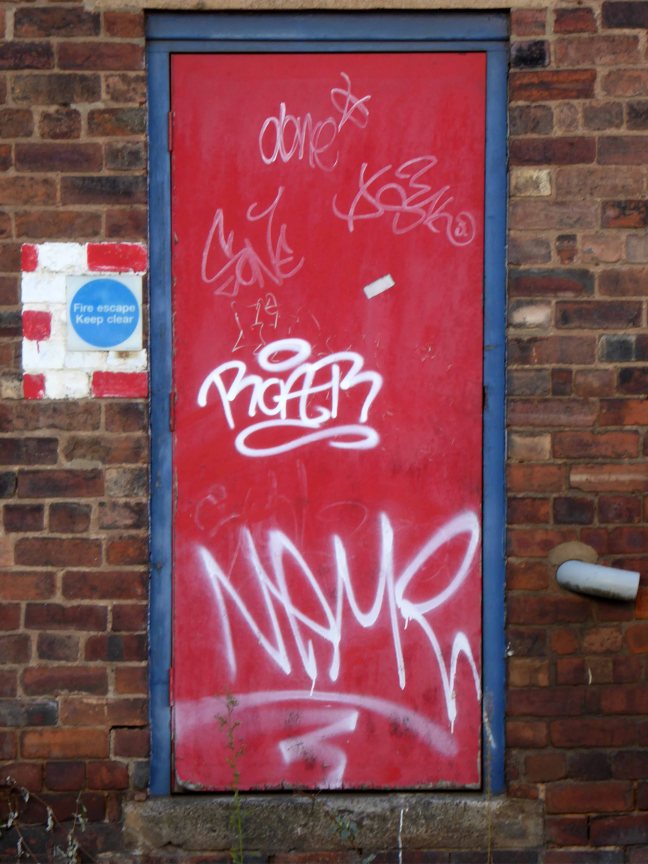
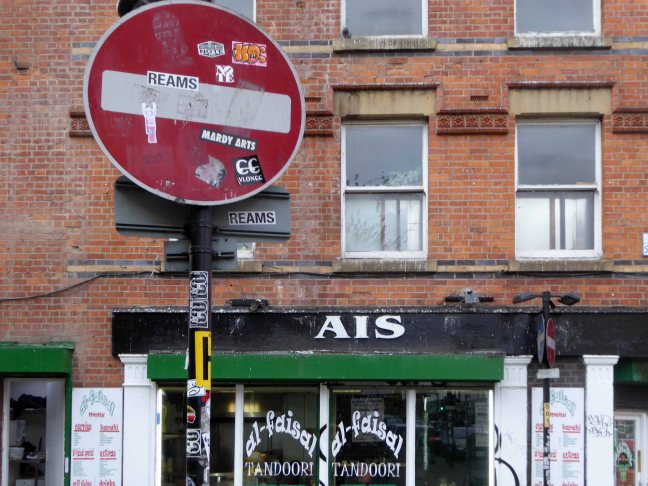
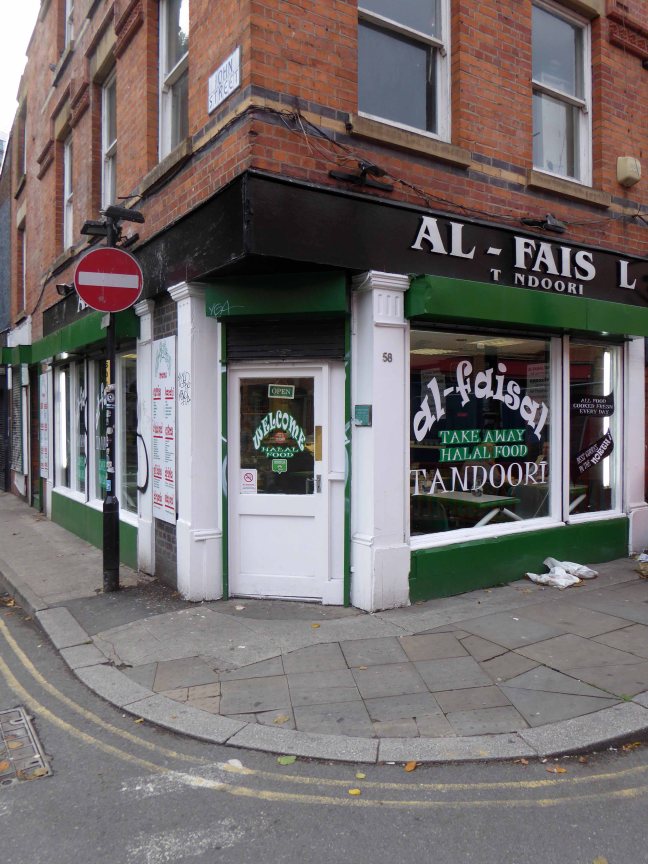
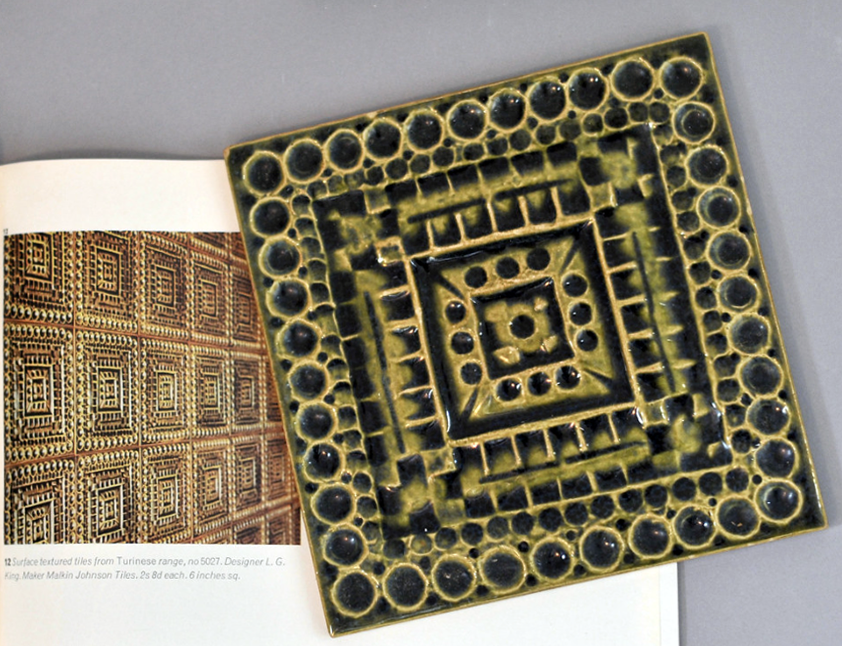
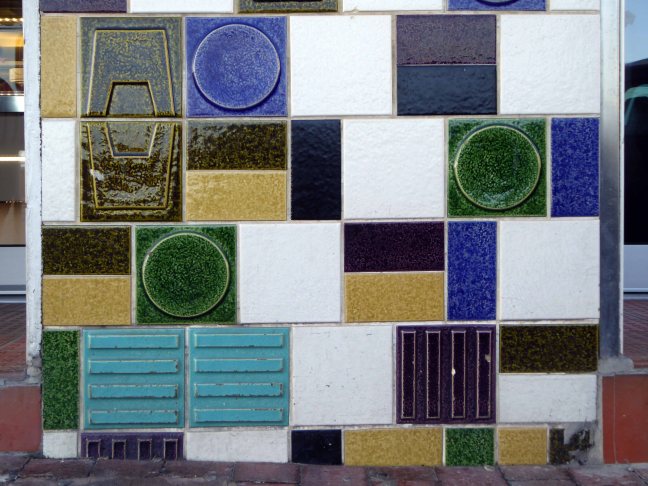
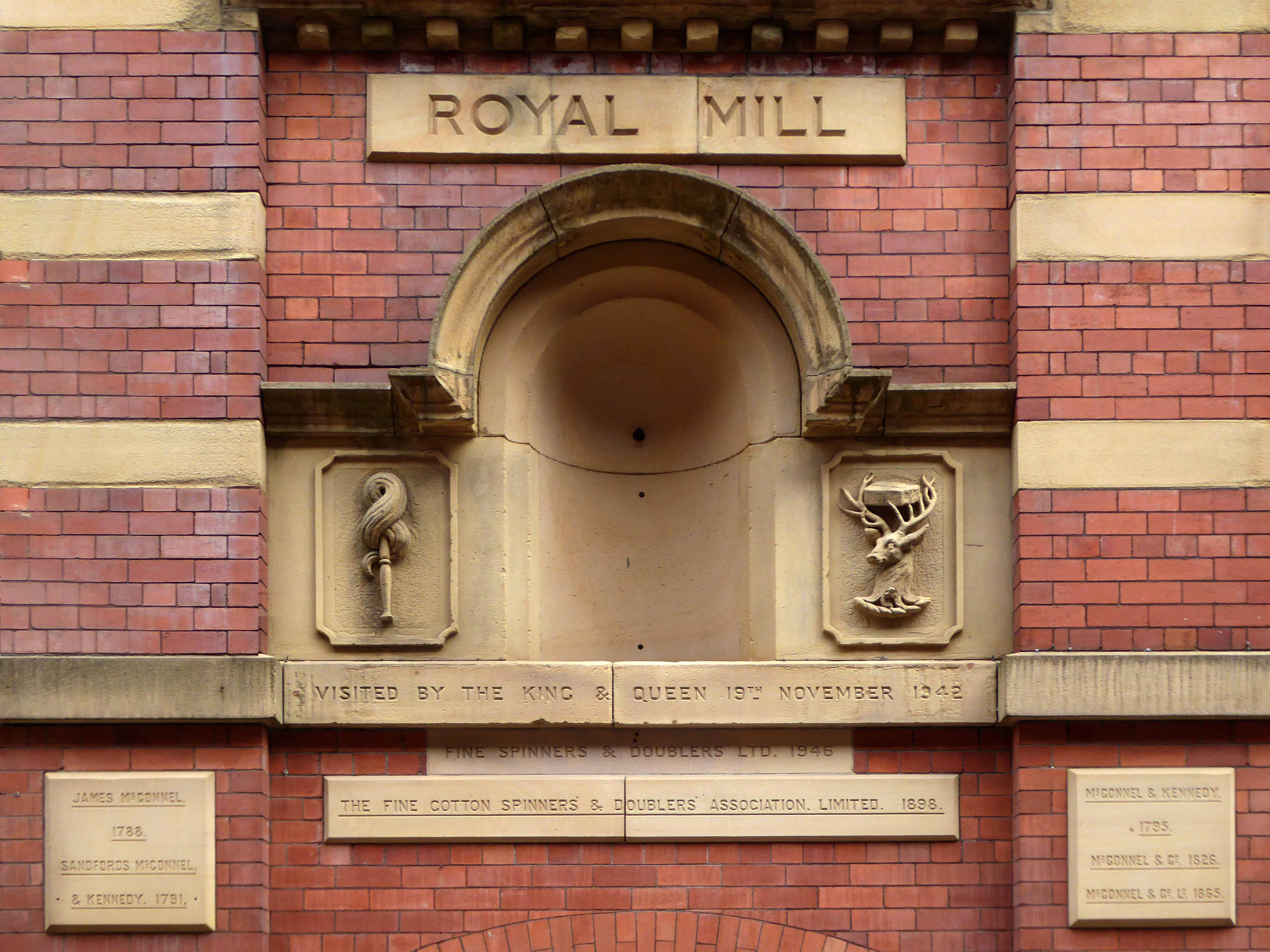
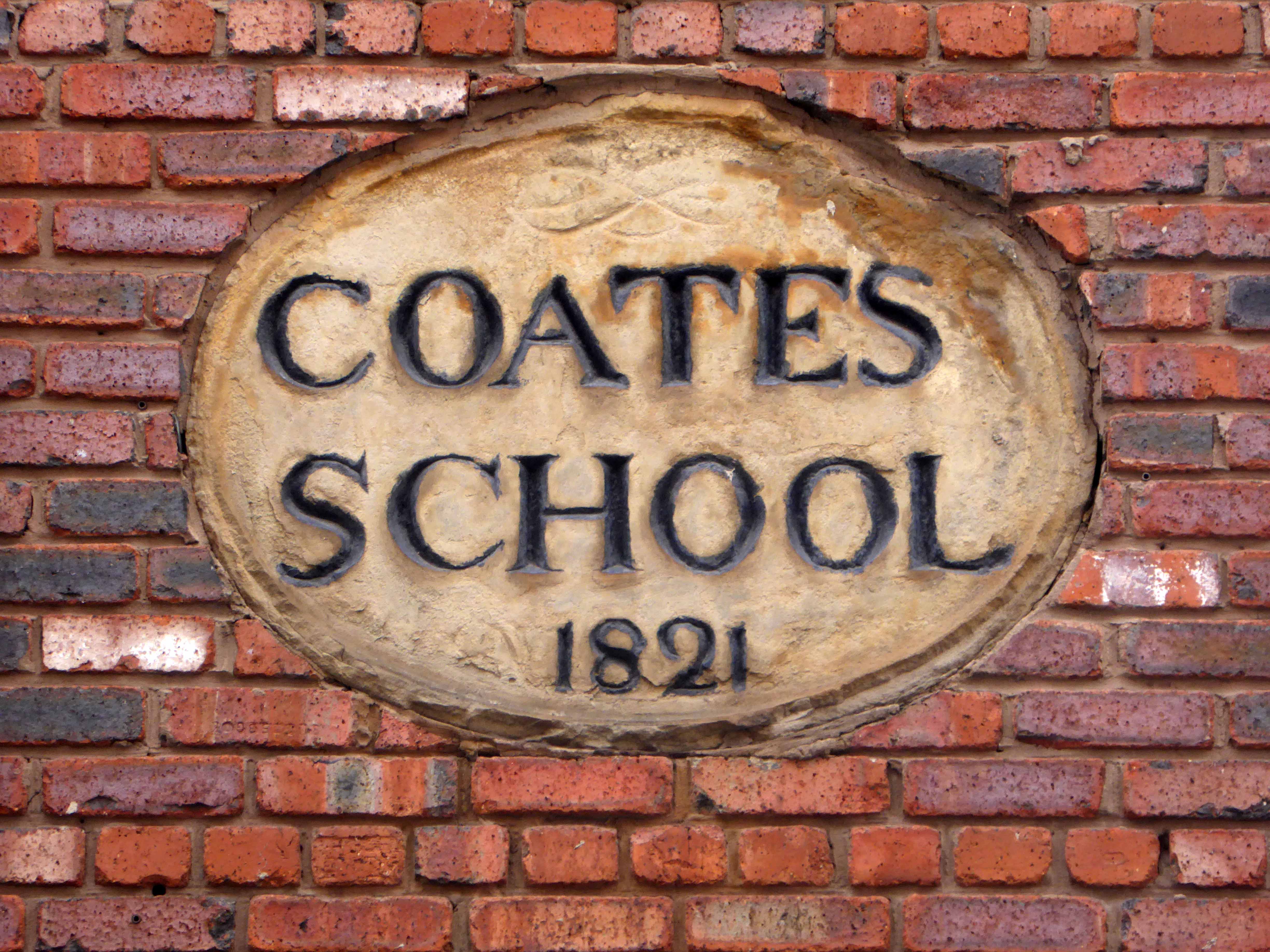
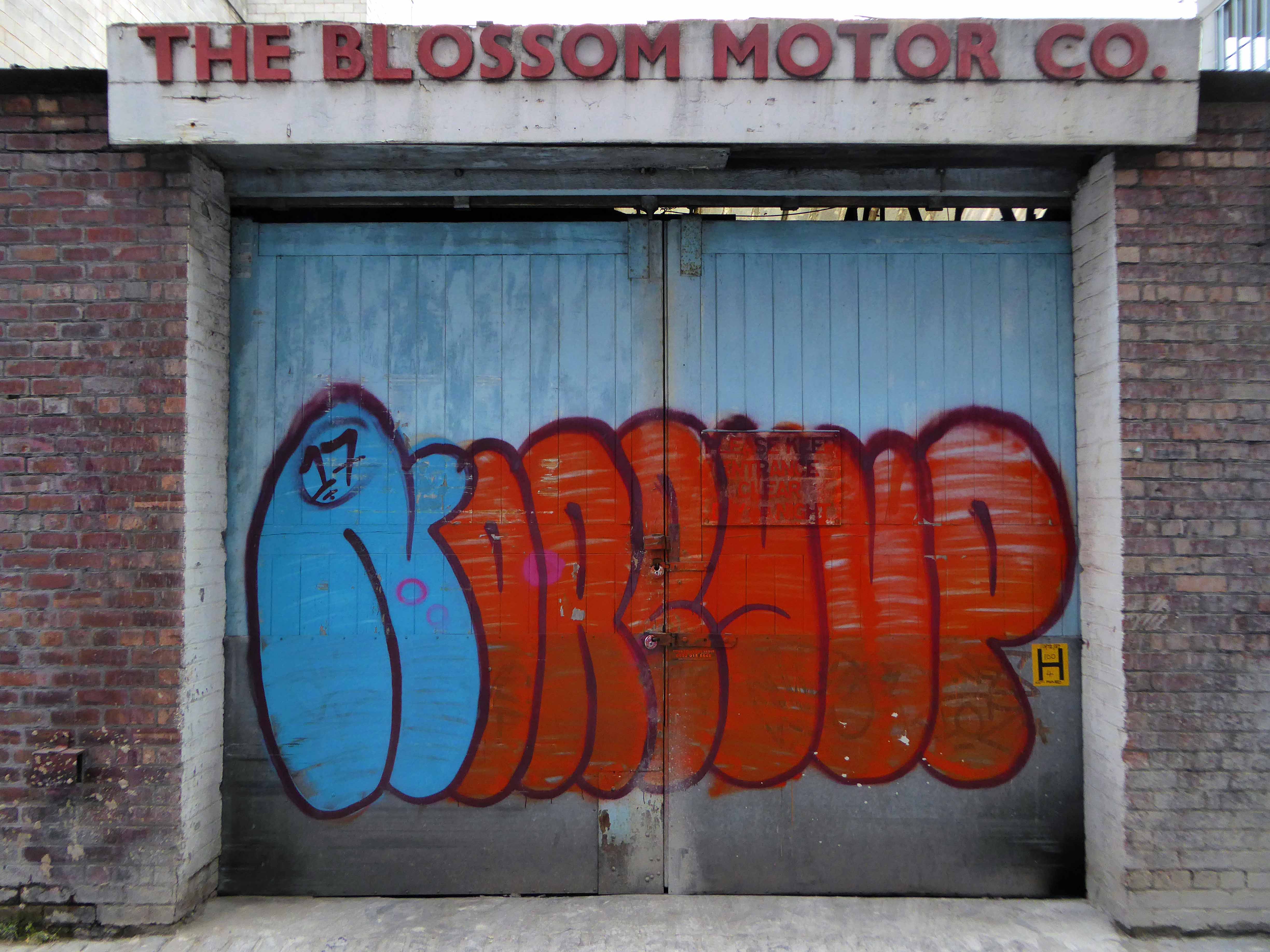
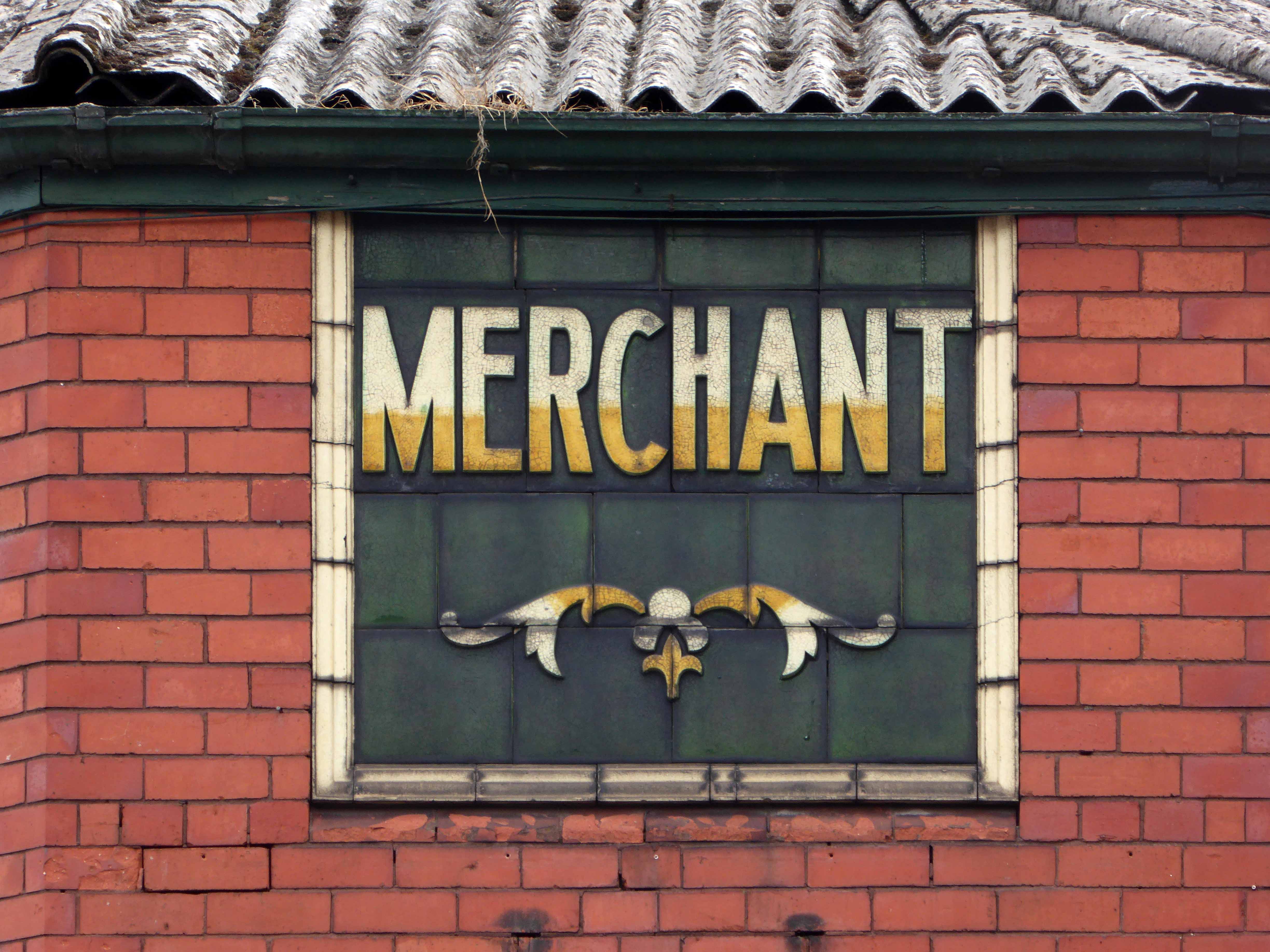
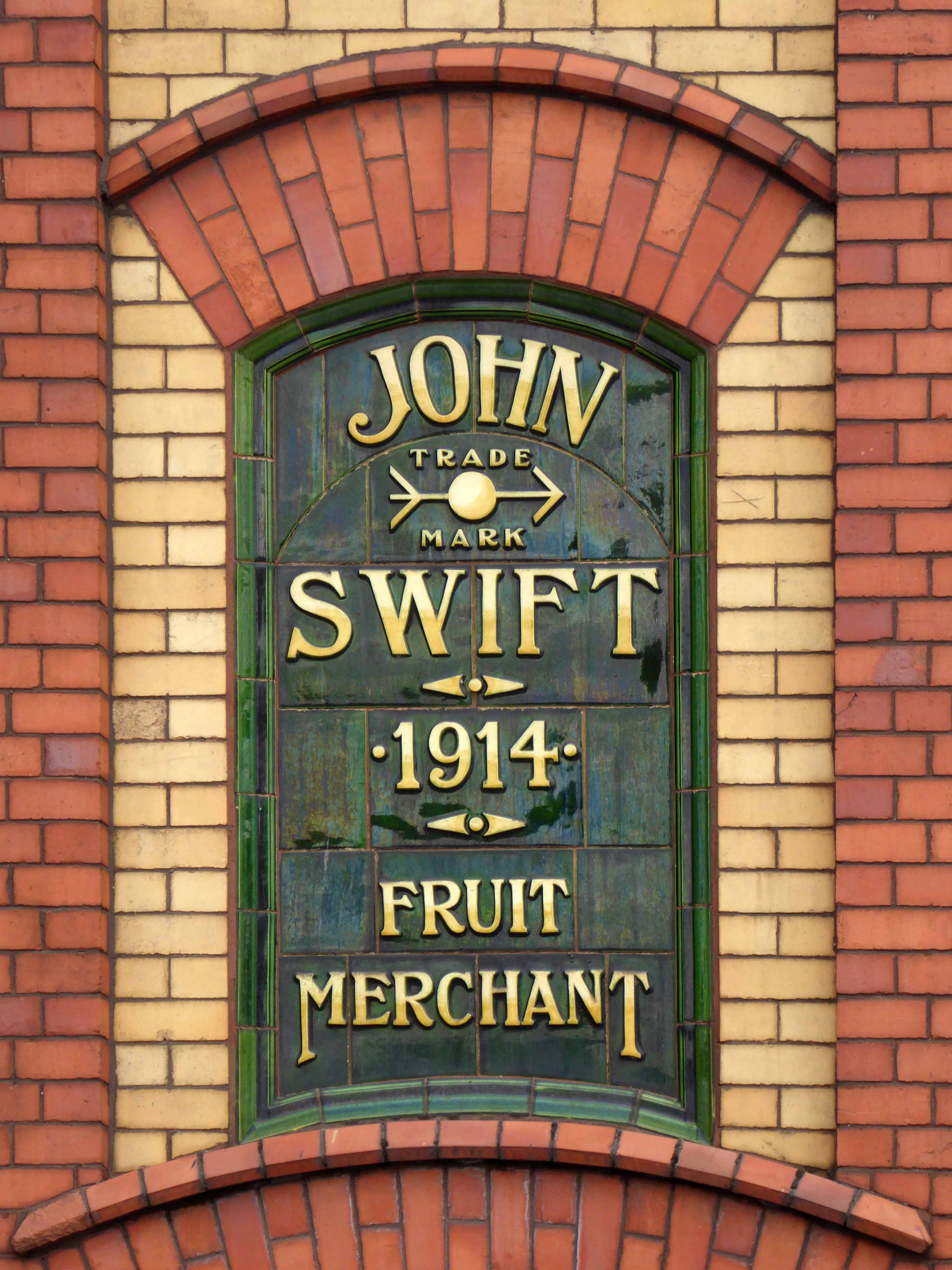
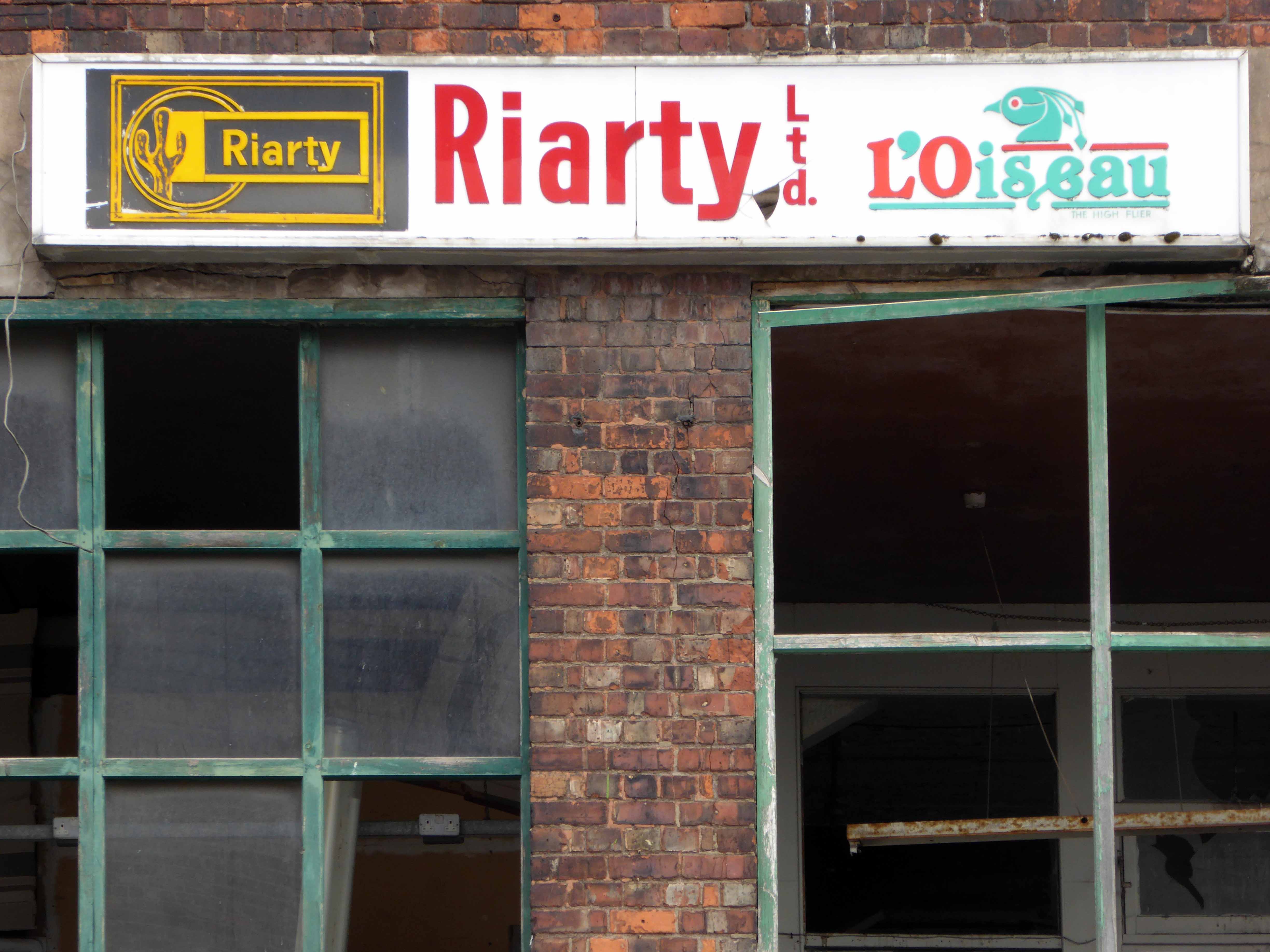
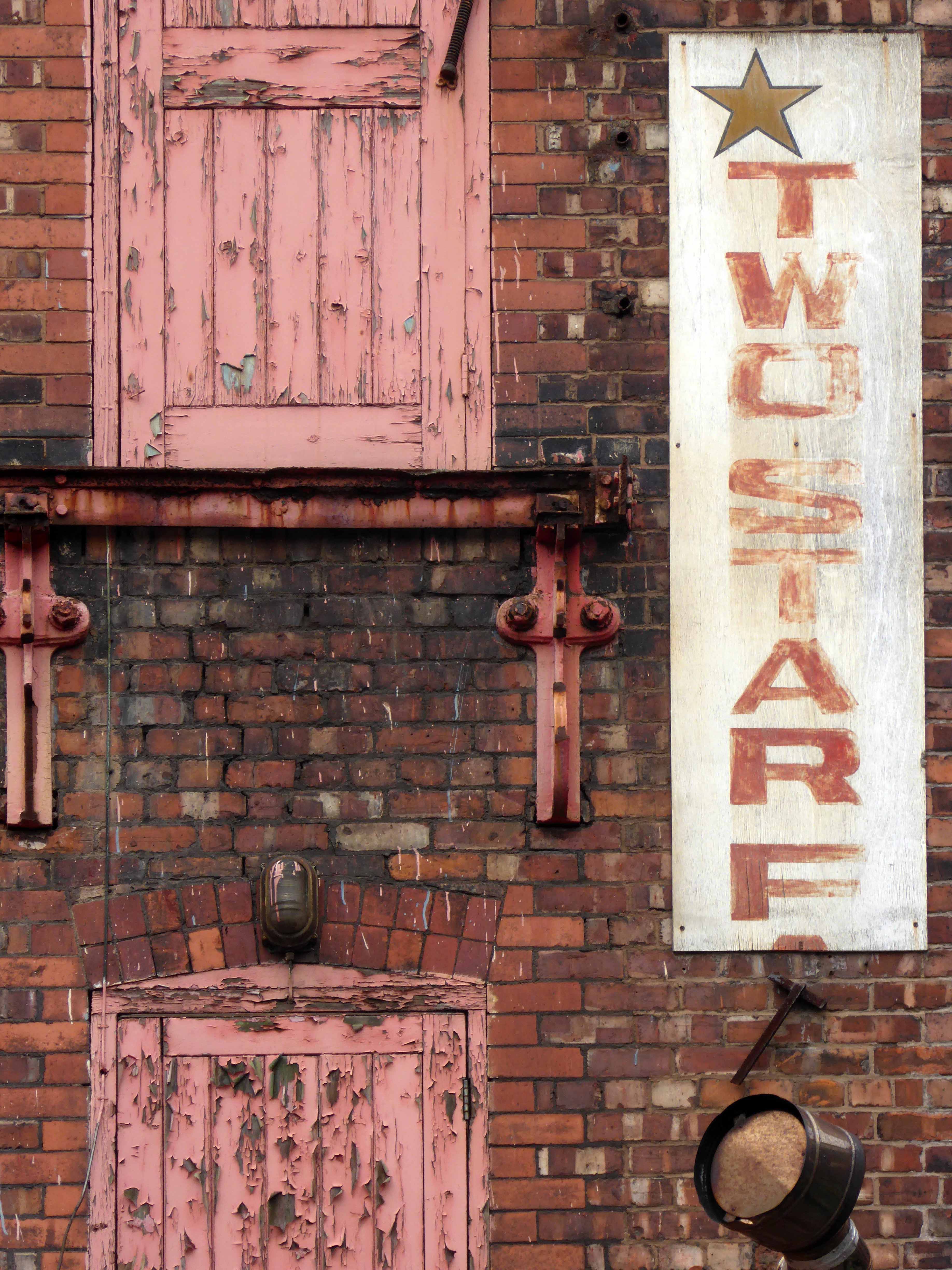
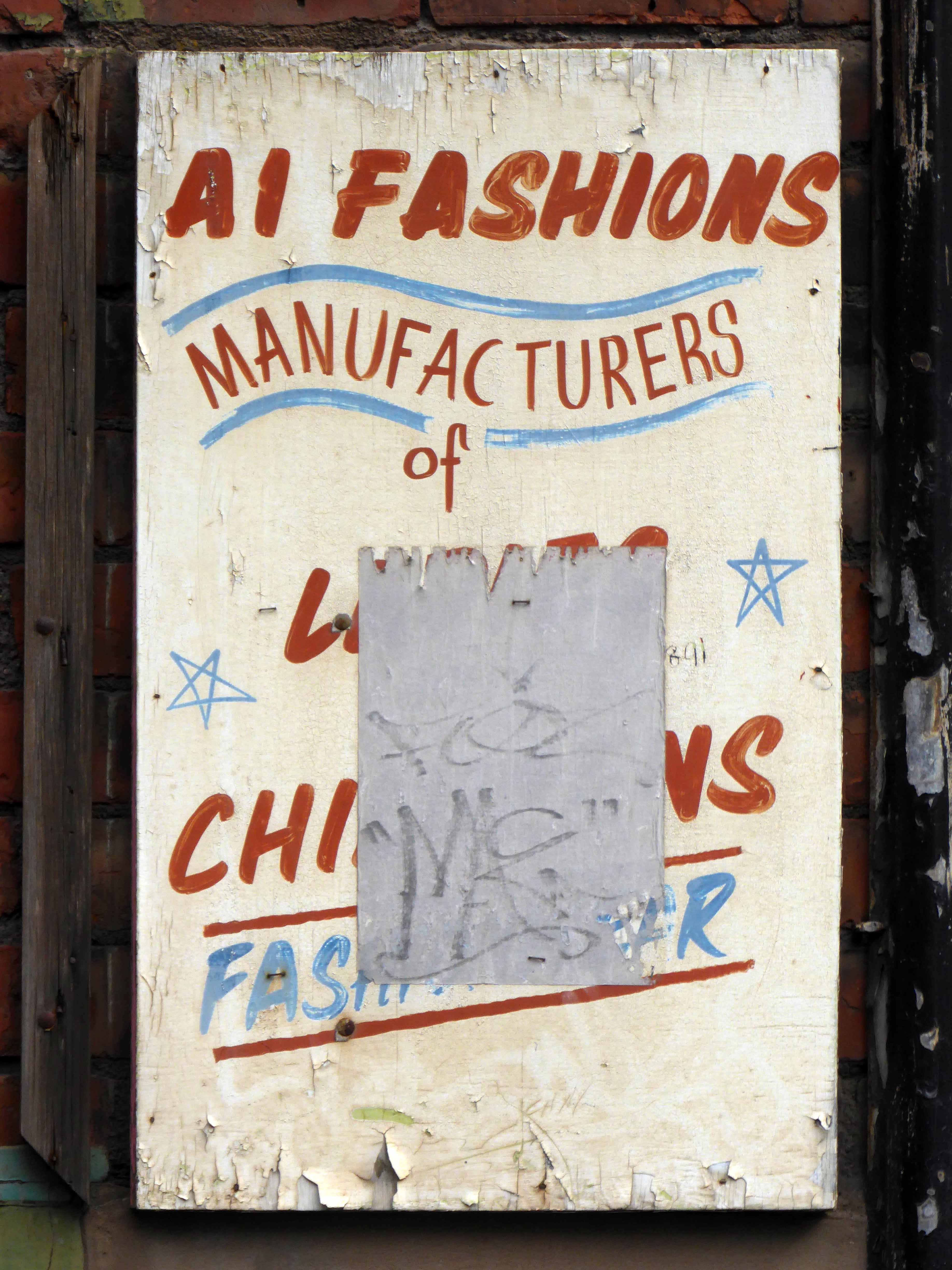
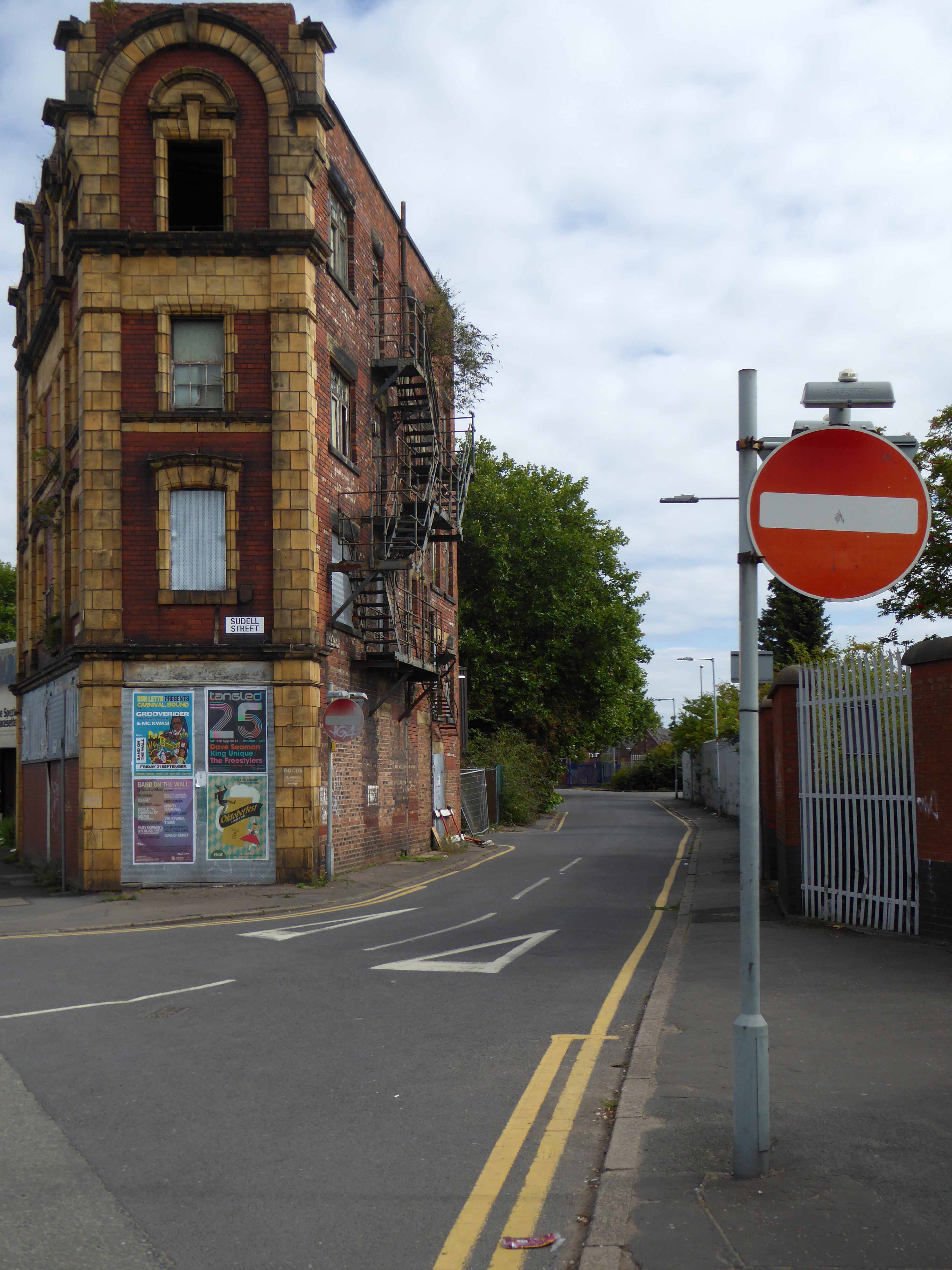
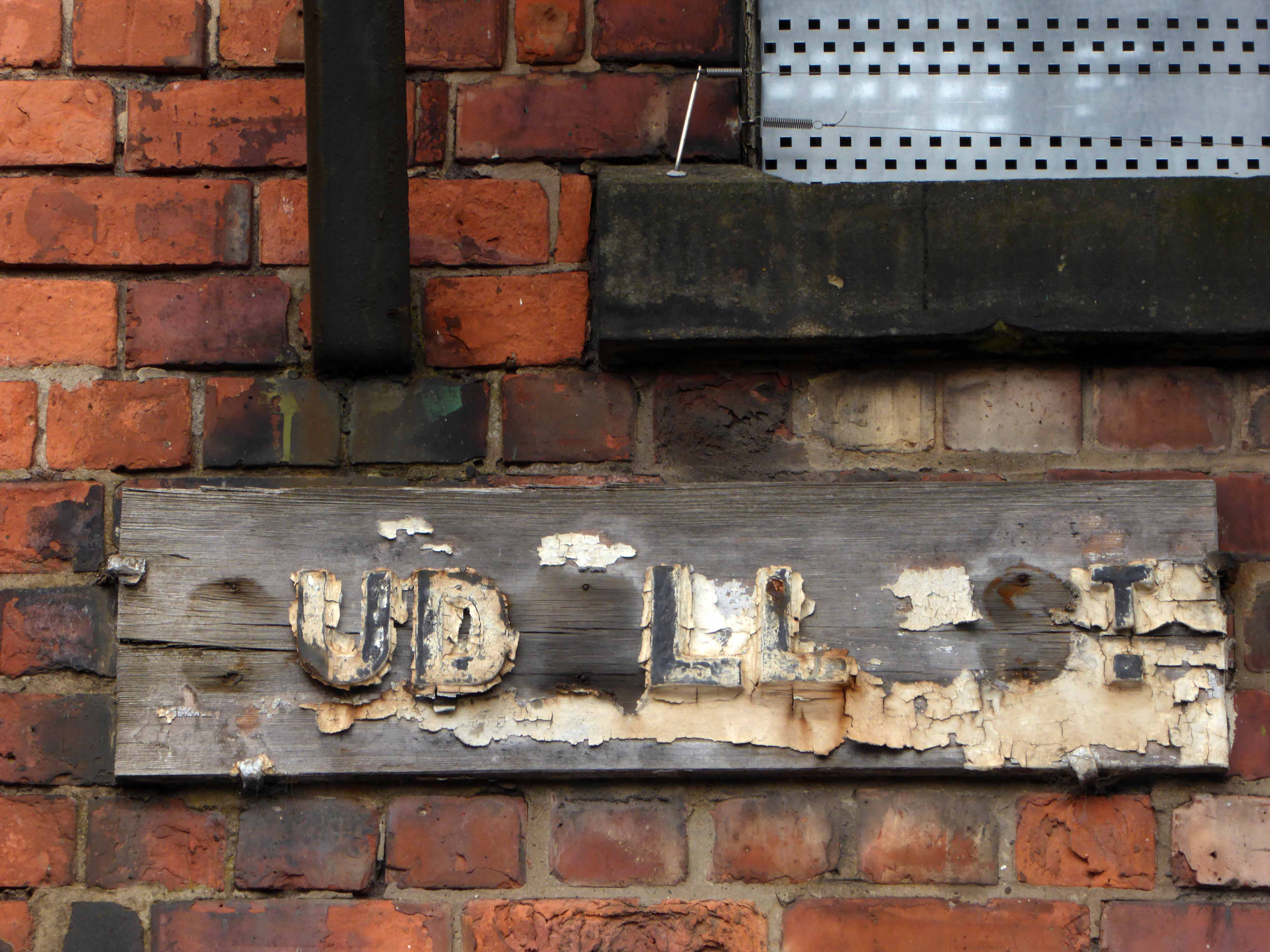
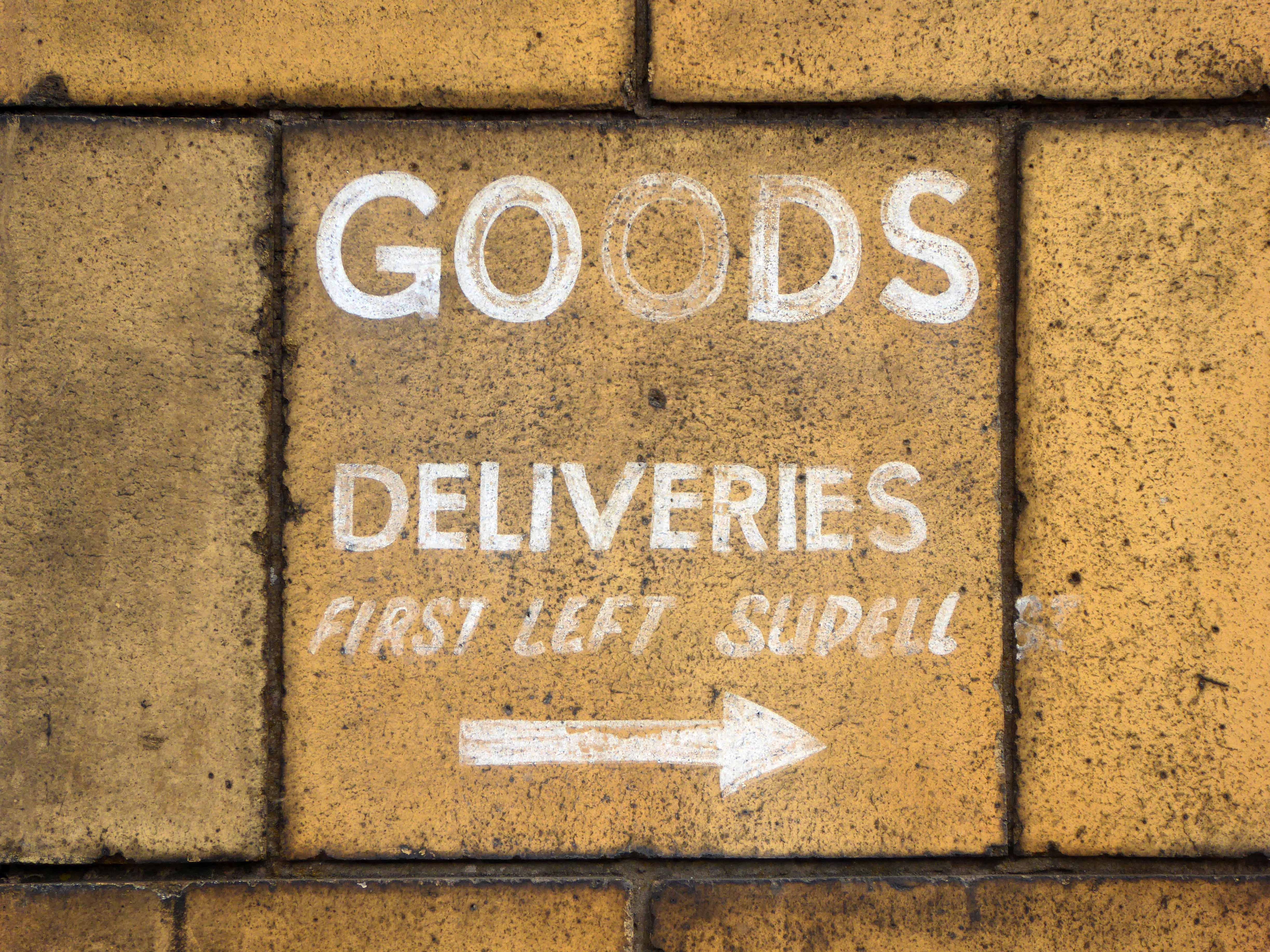
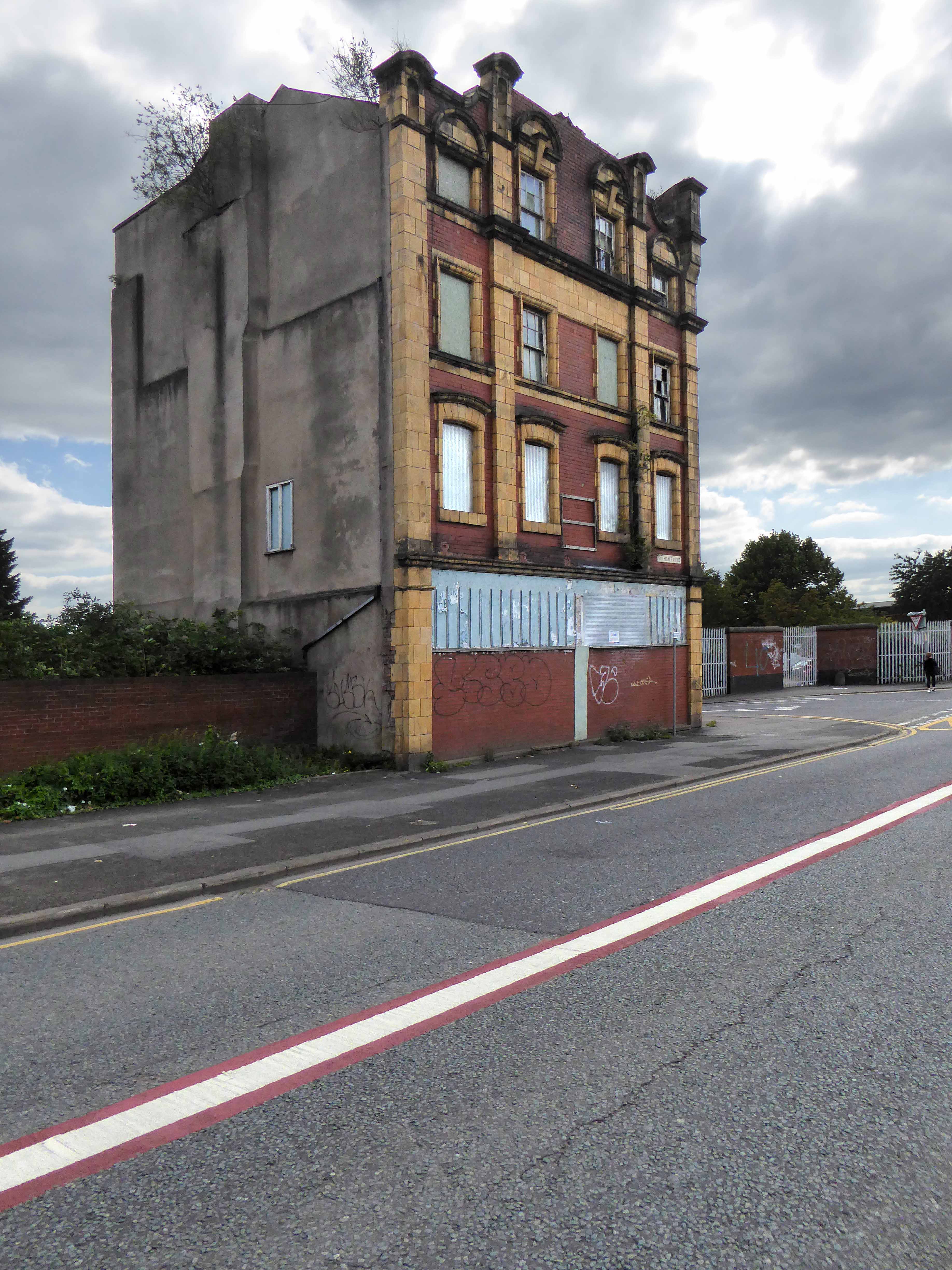
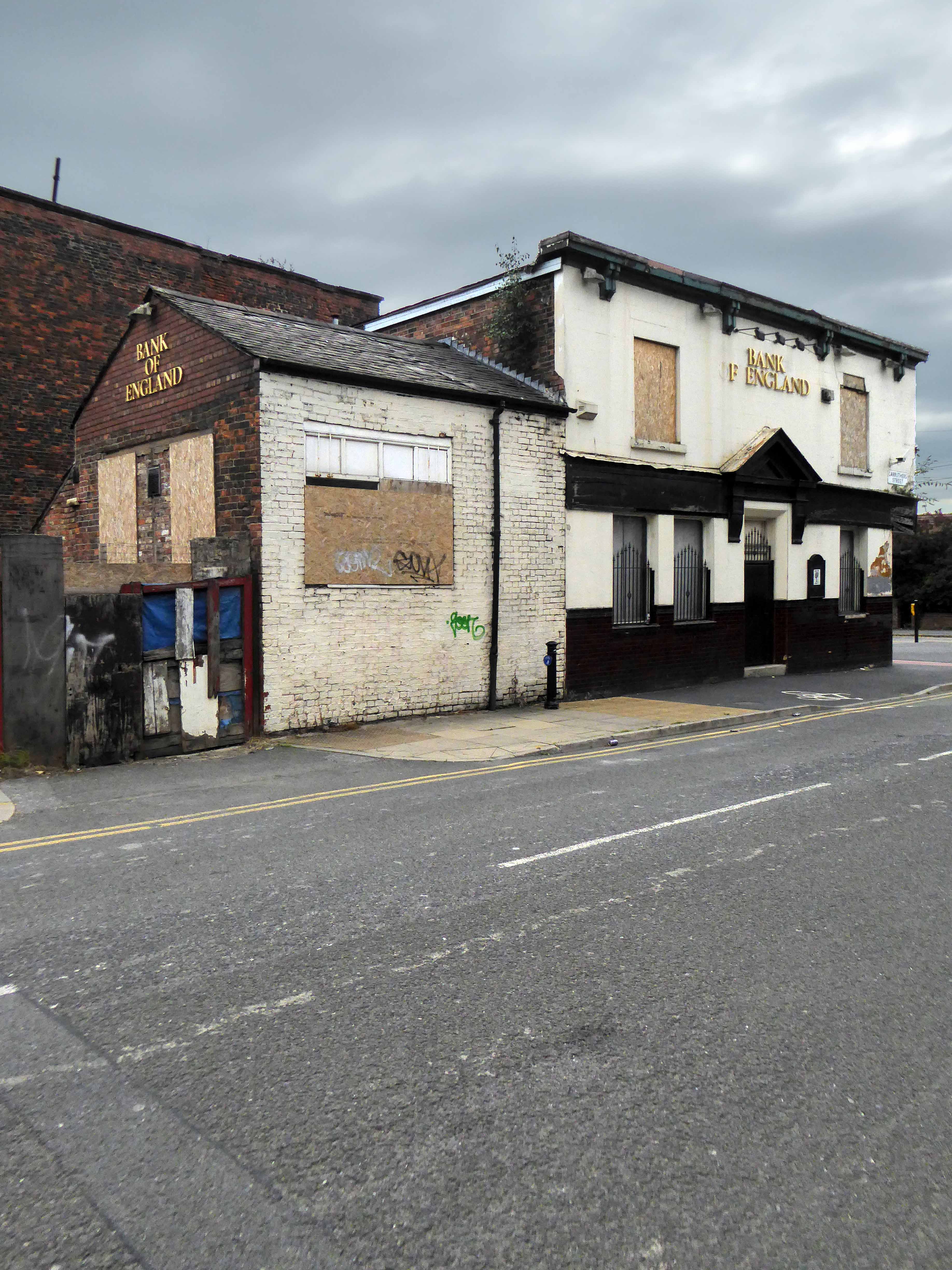
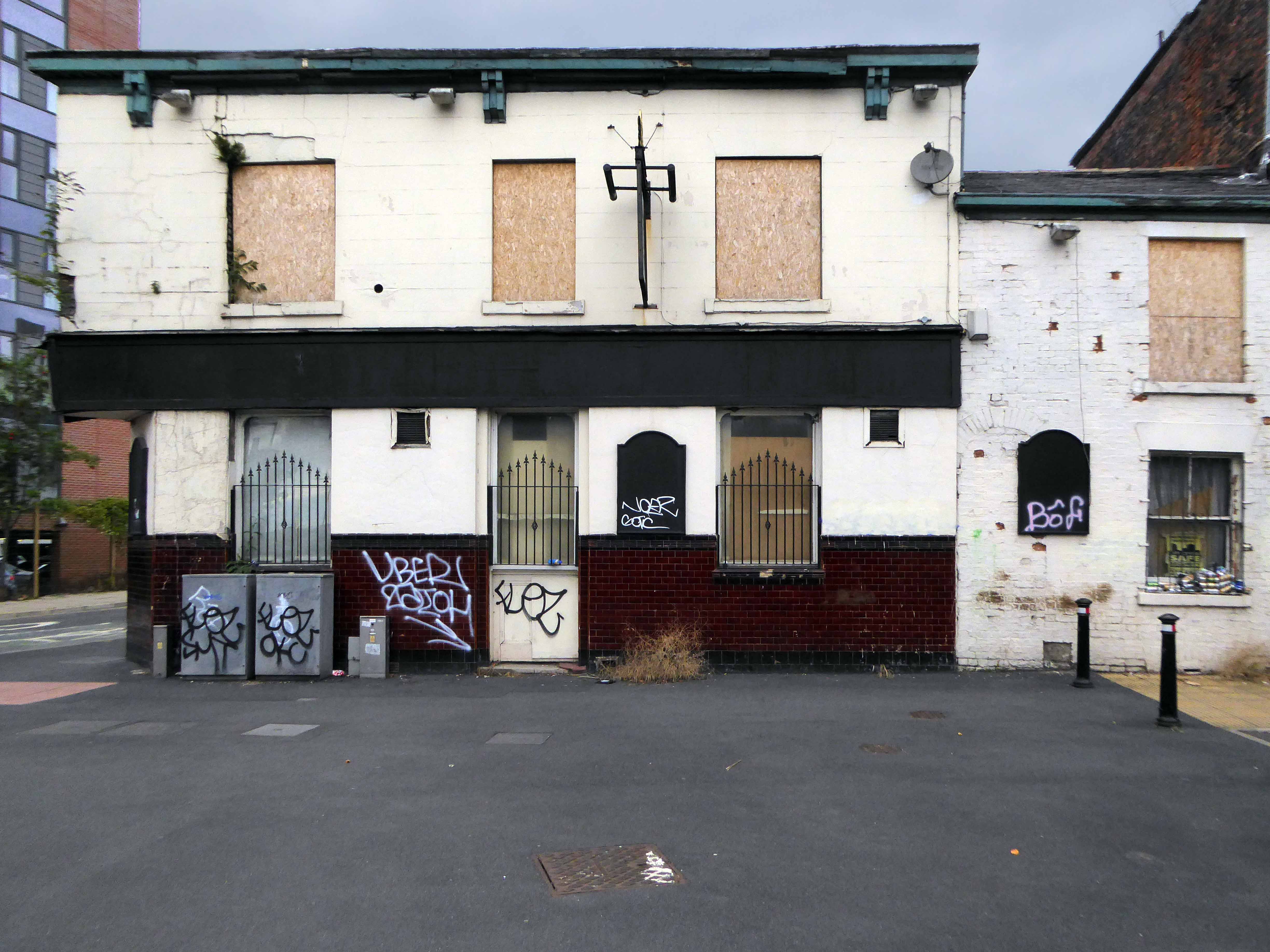
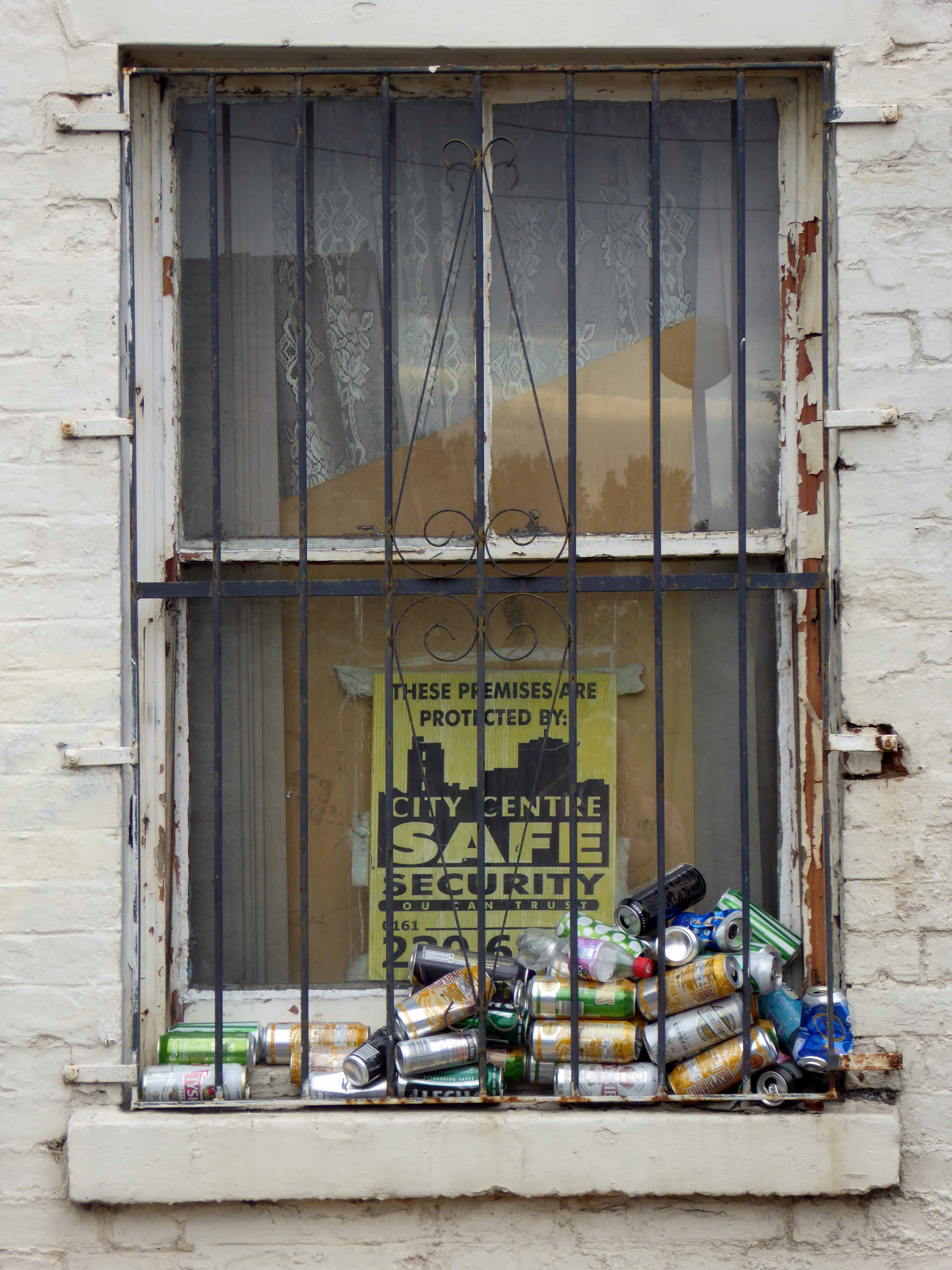
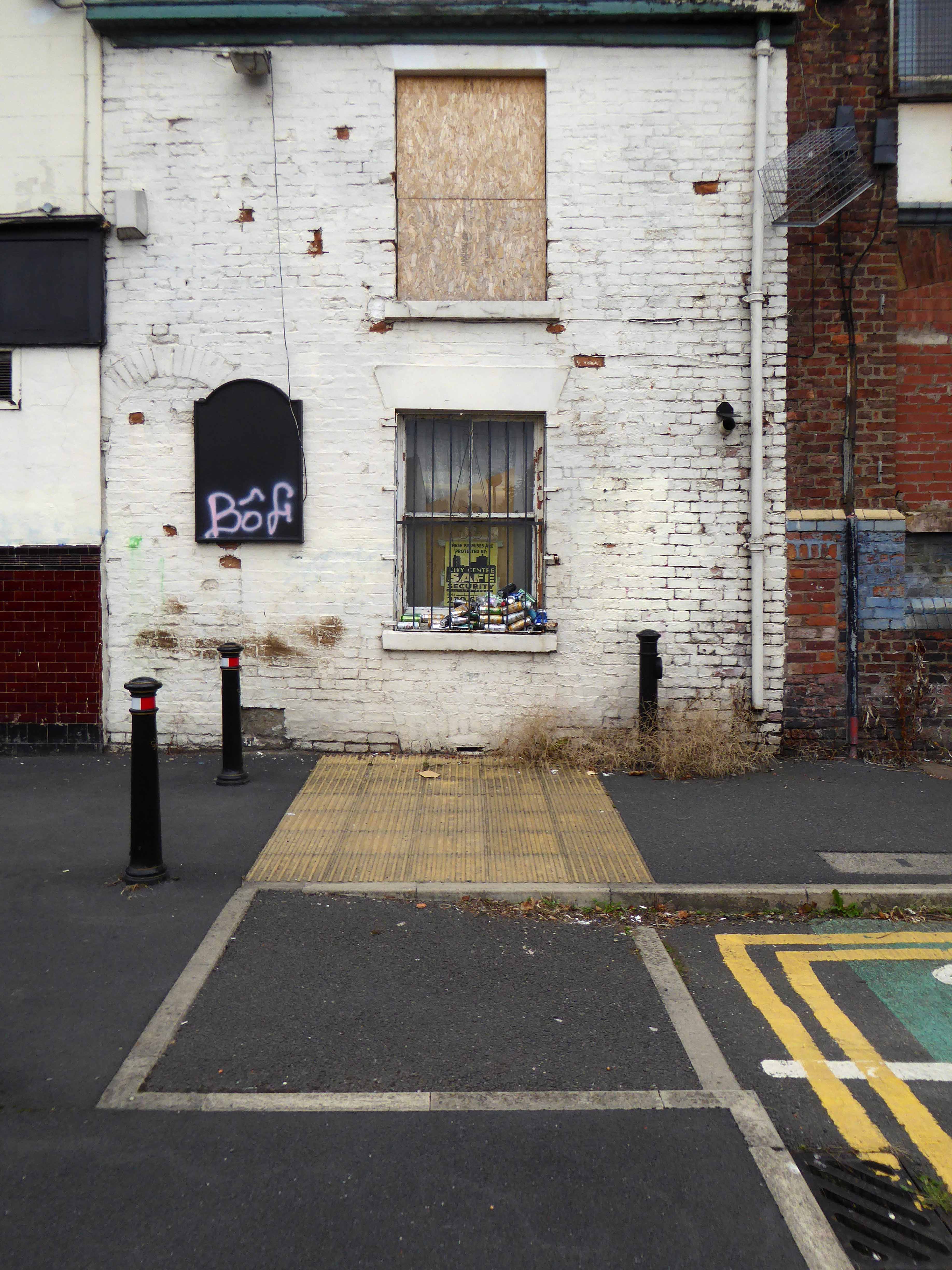
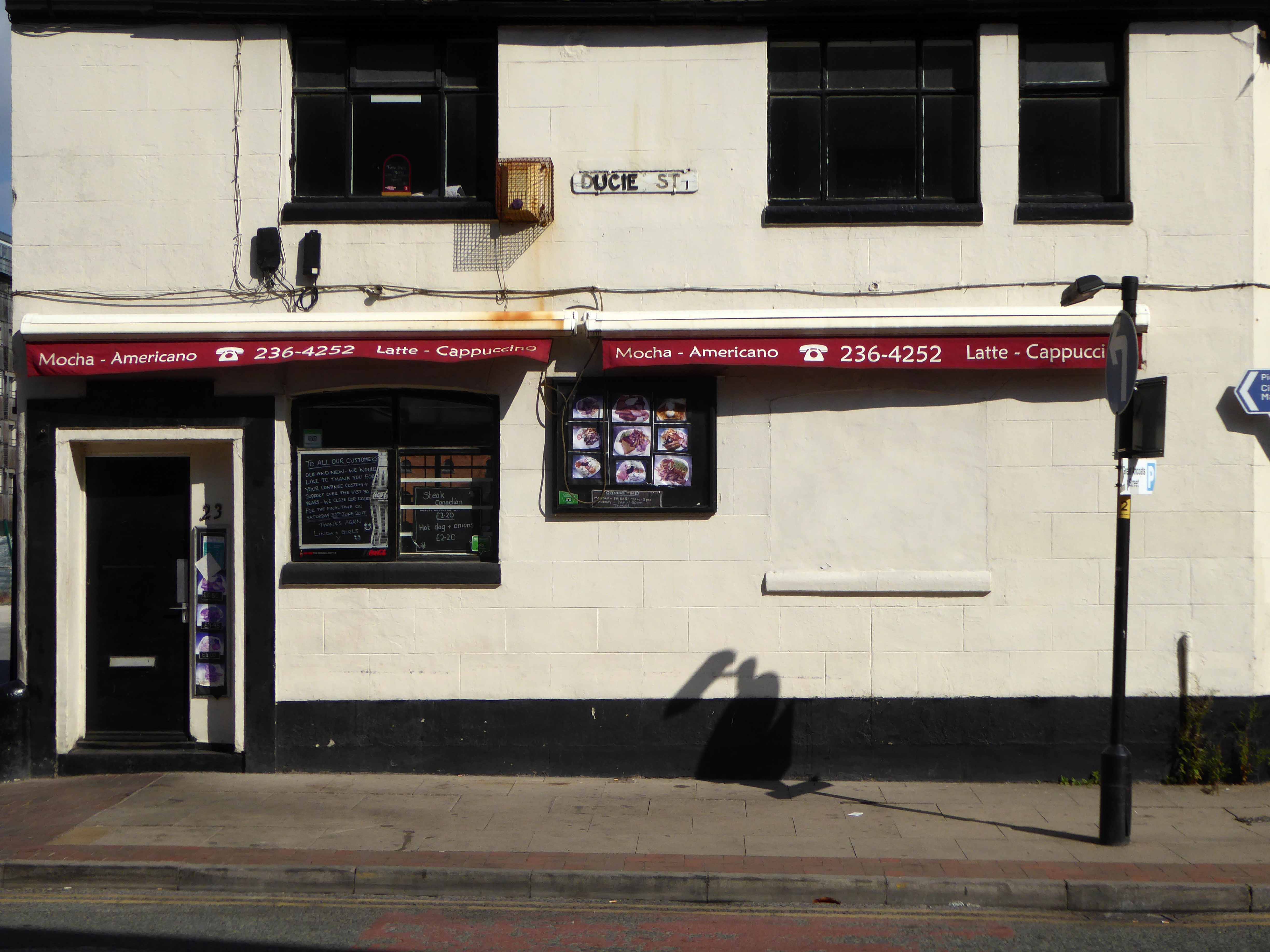
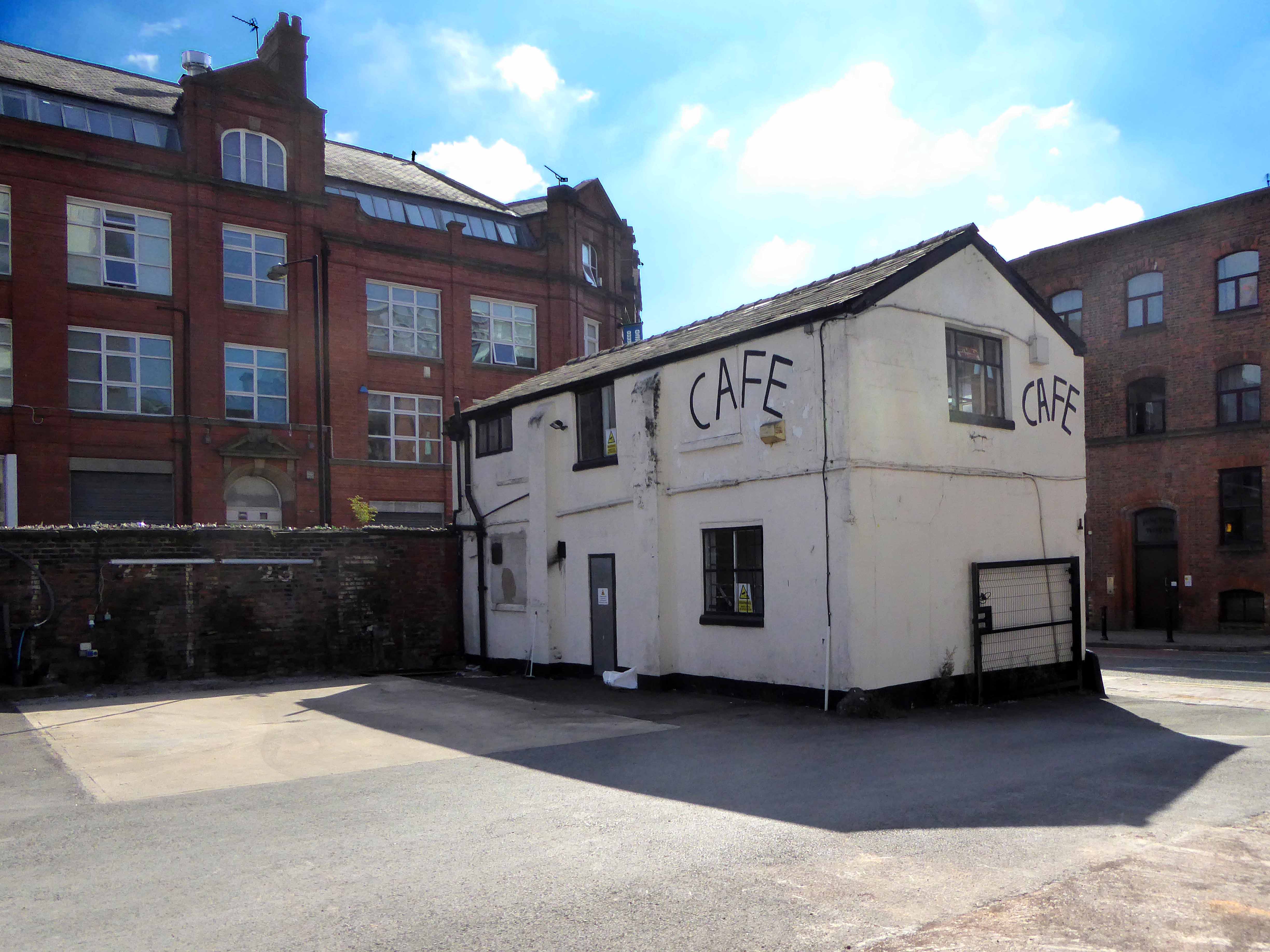
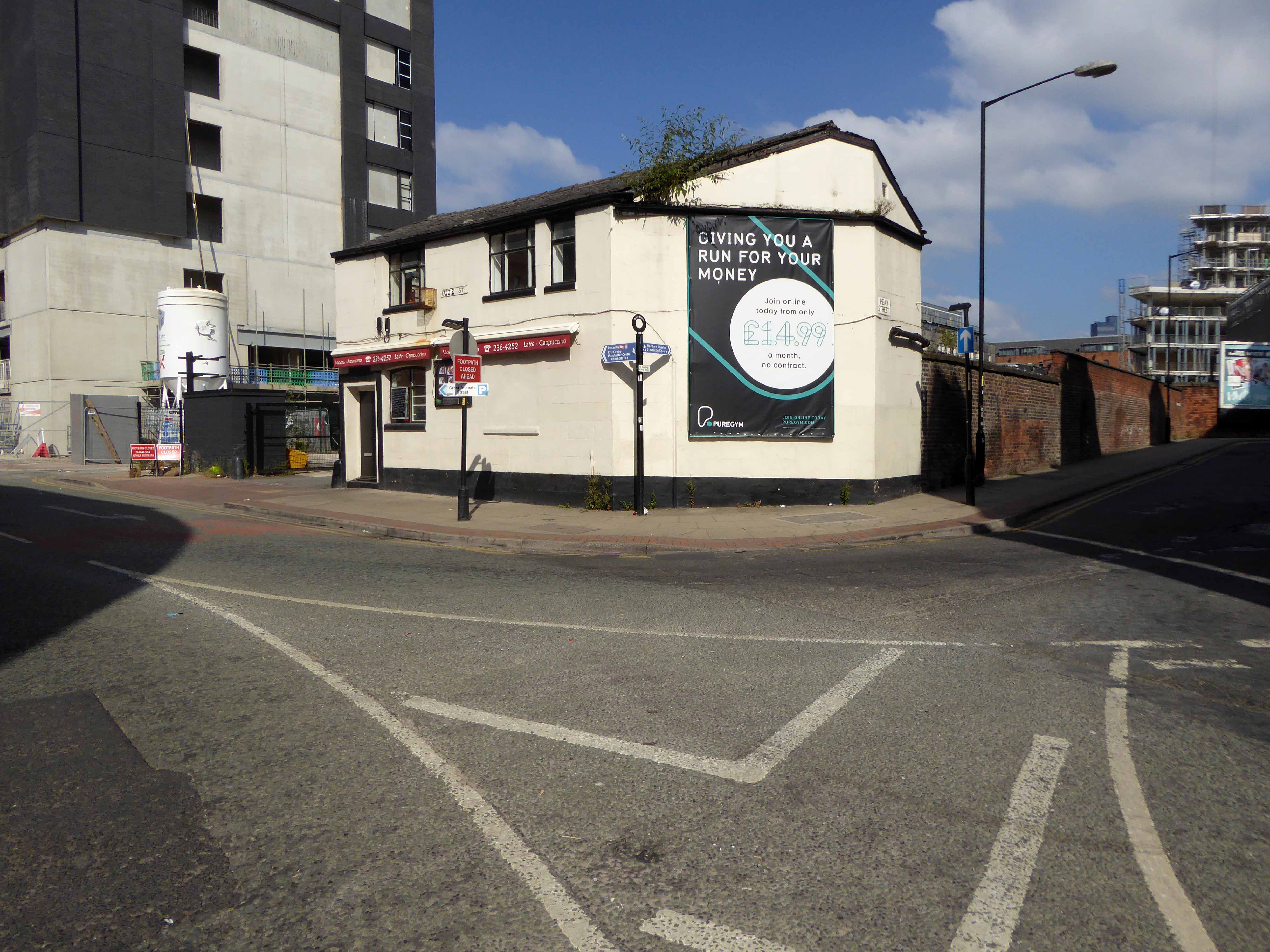
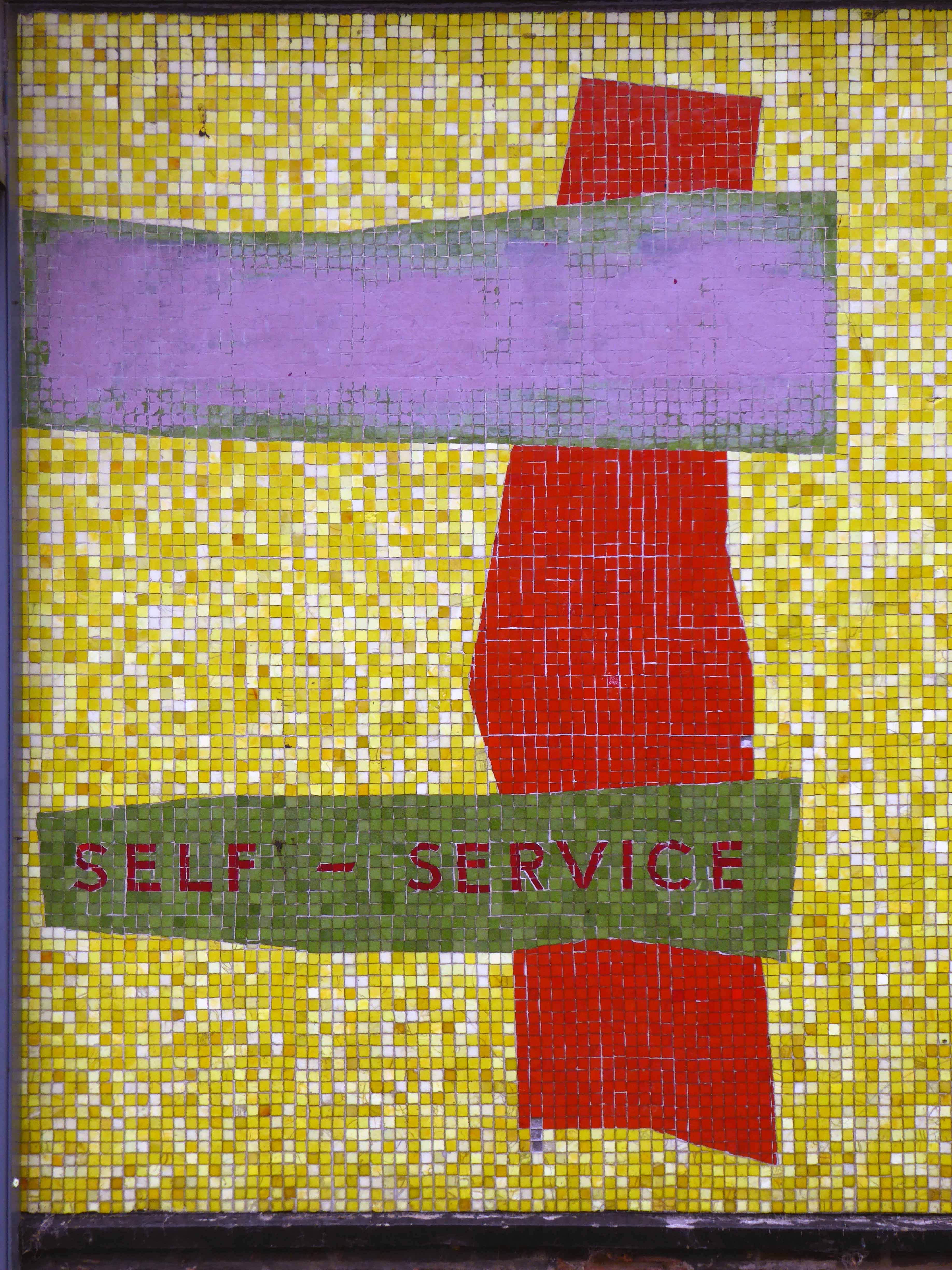
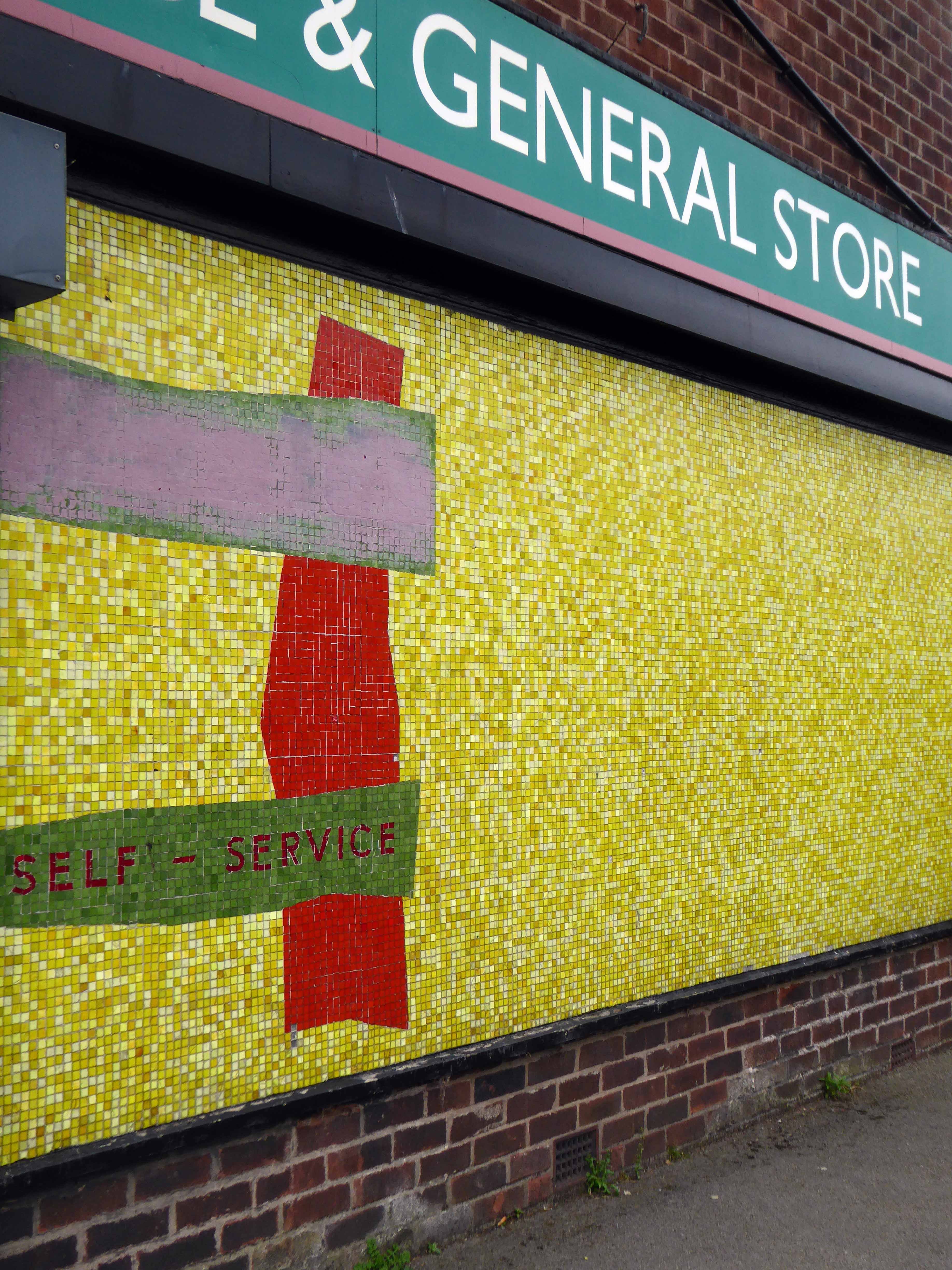
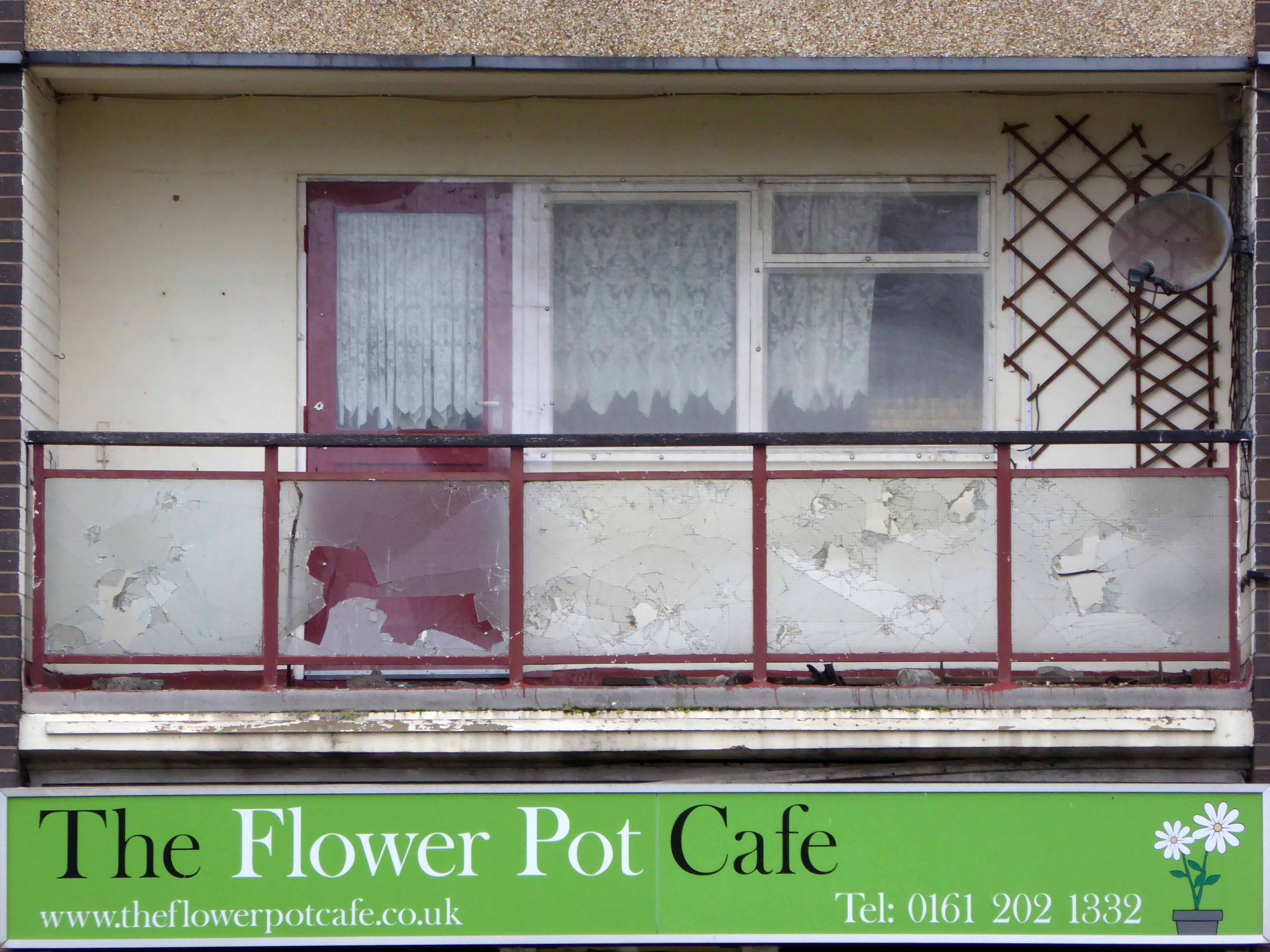
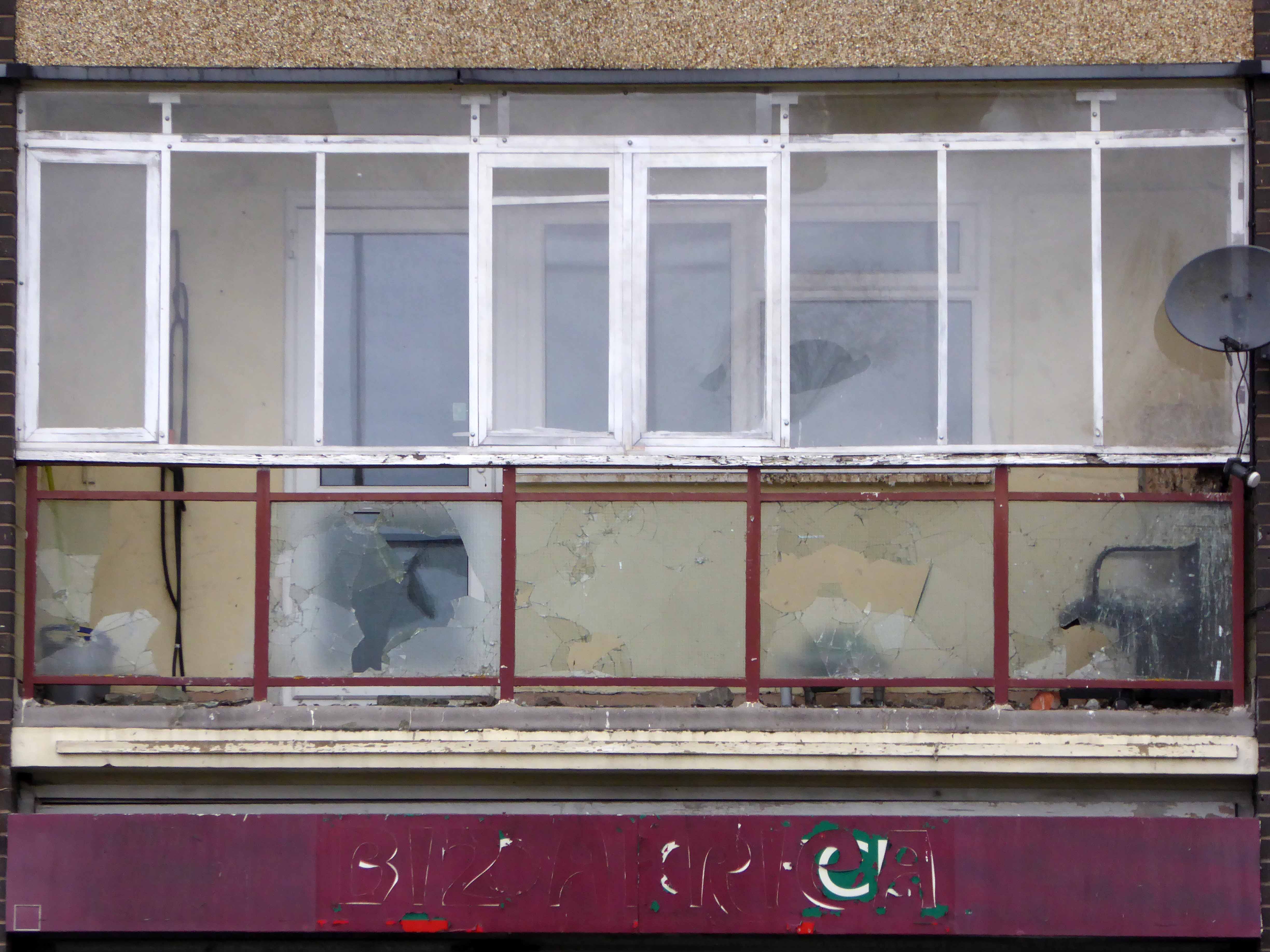
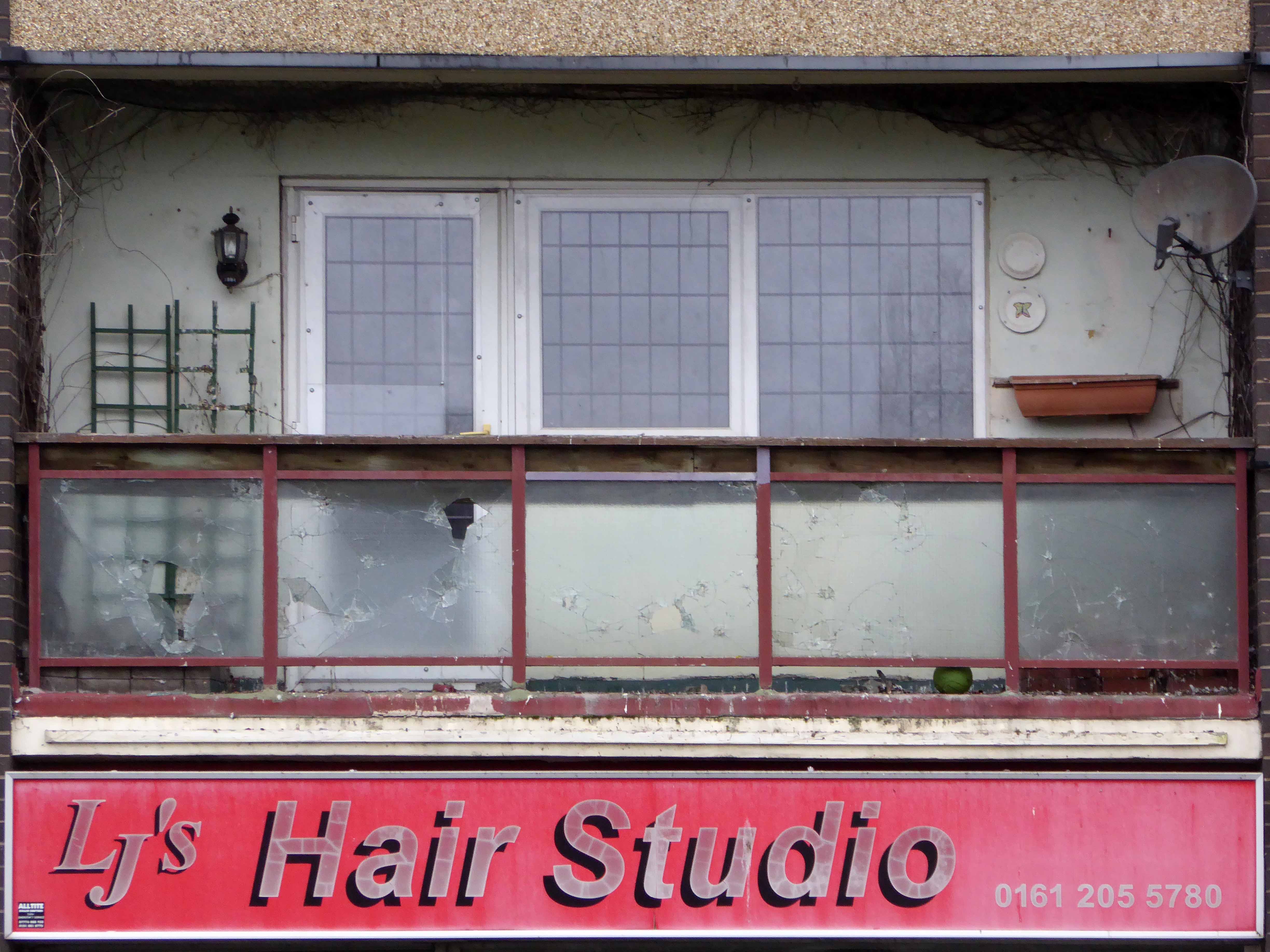
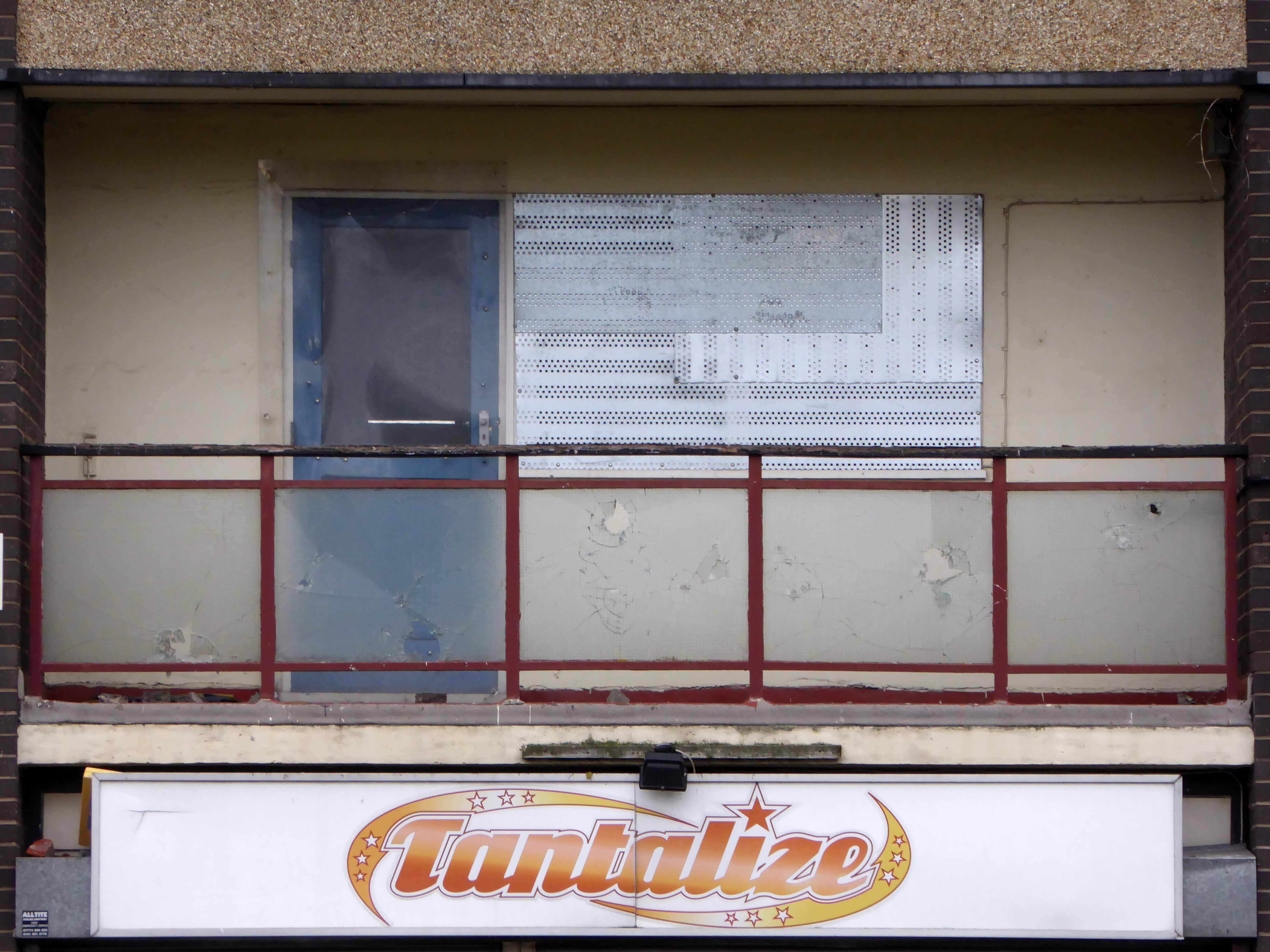
Strangeways Manchester #2

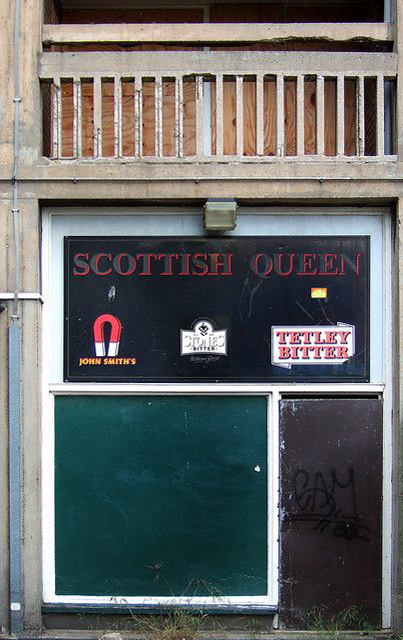
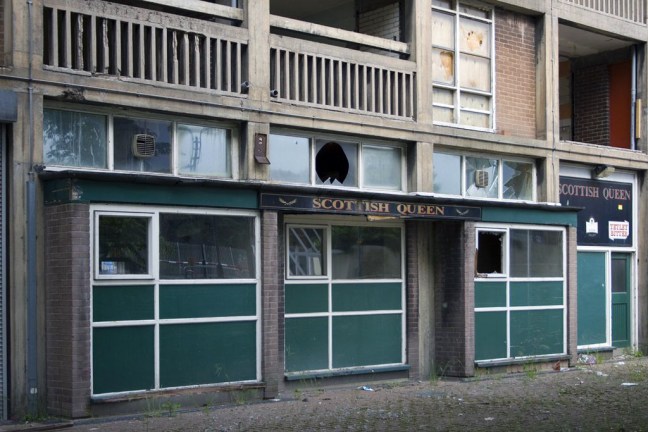
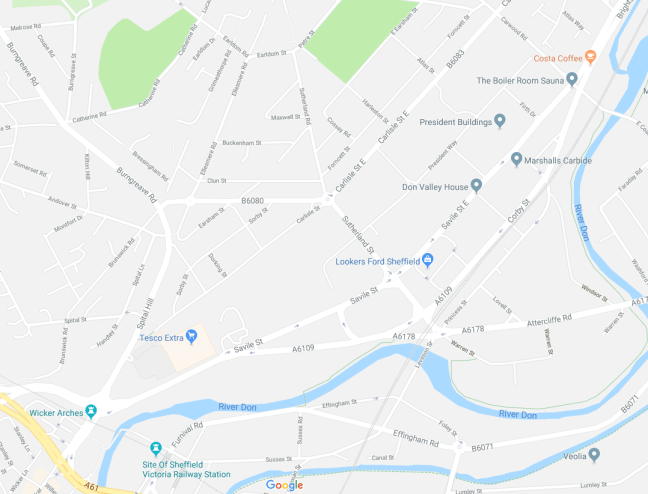
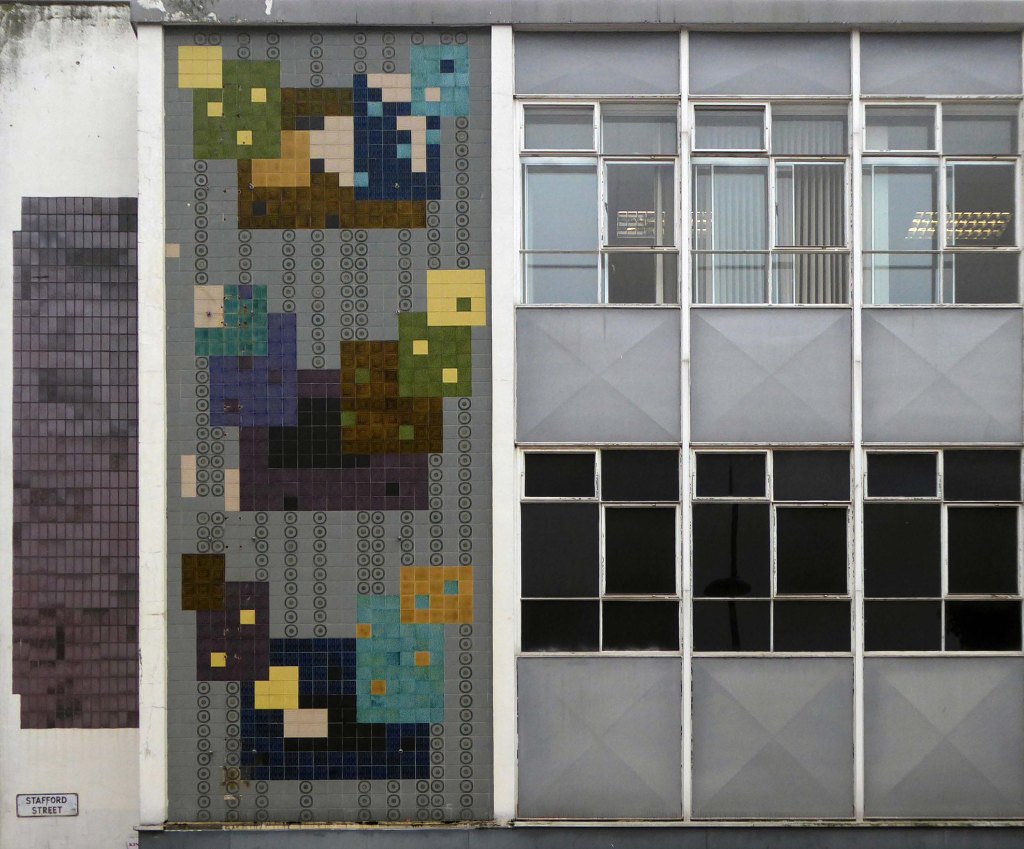
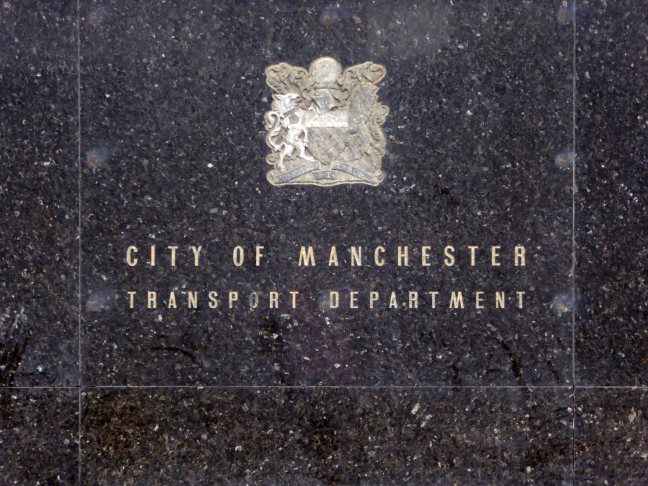
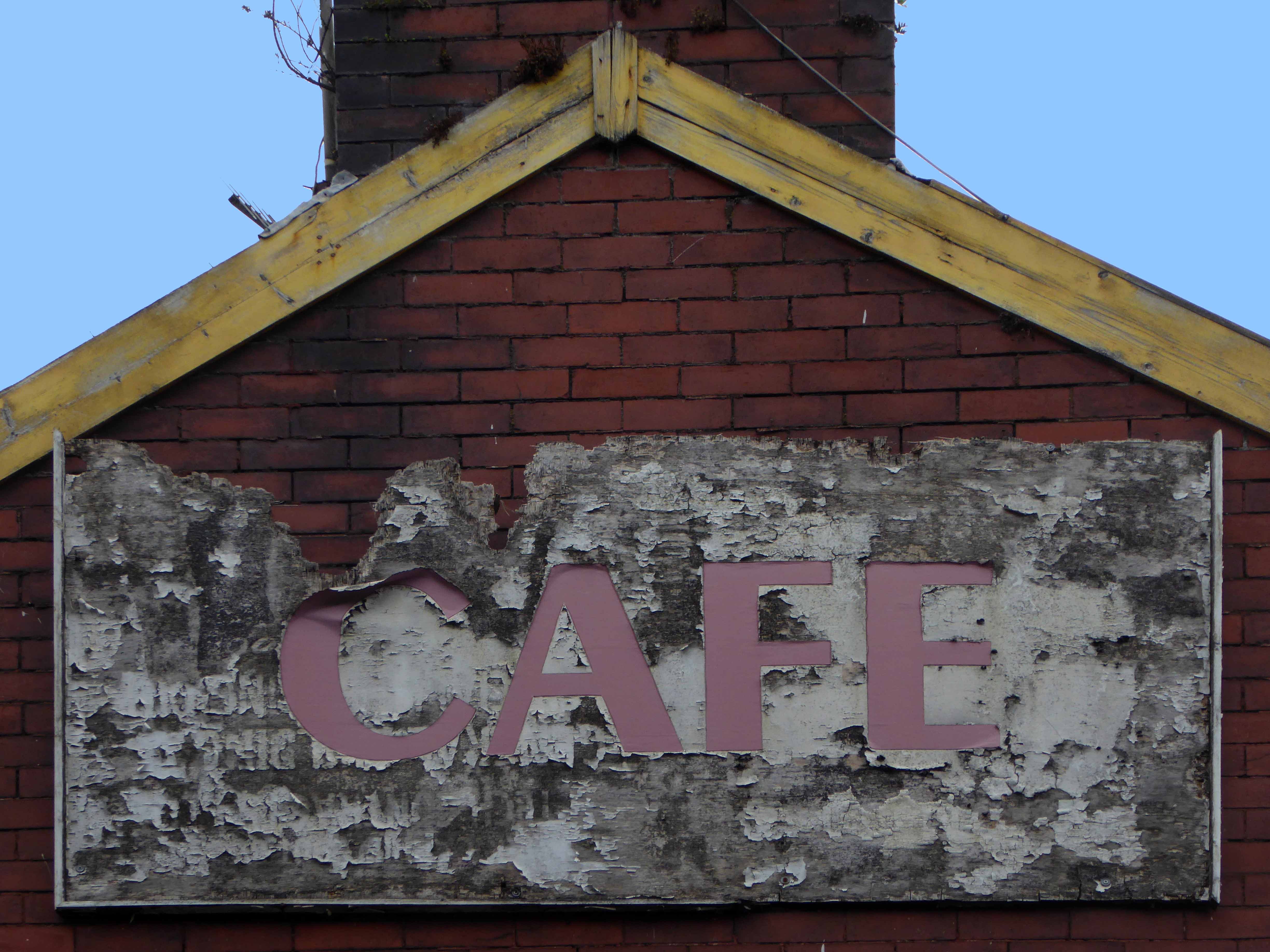
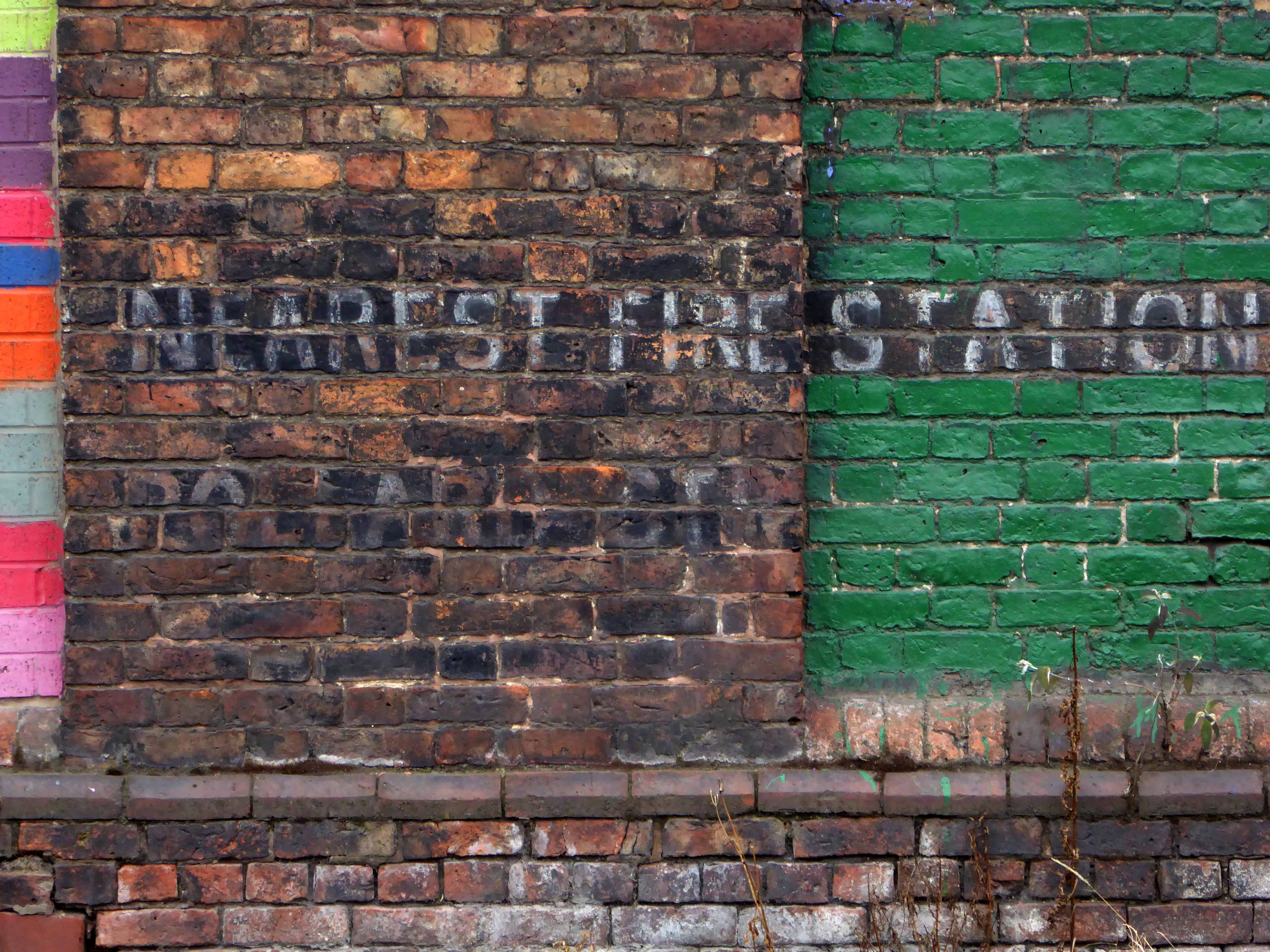
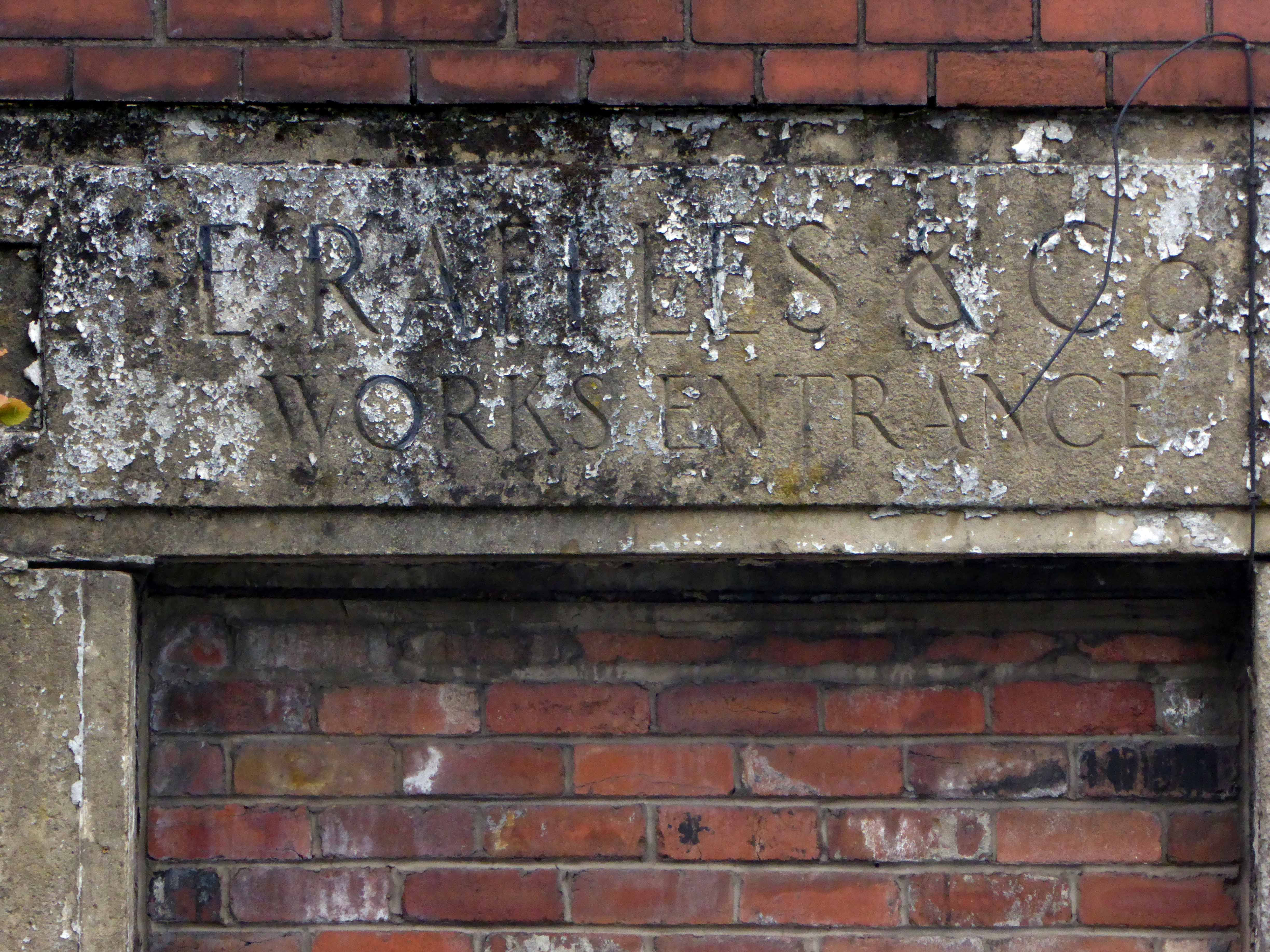
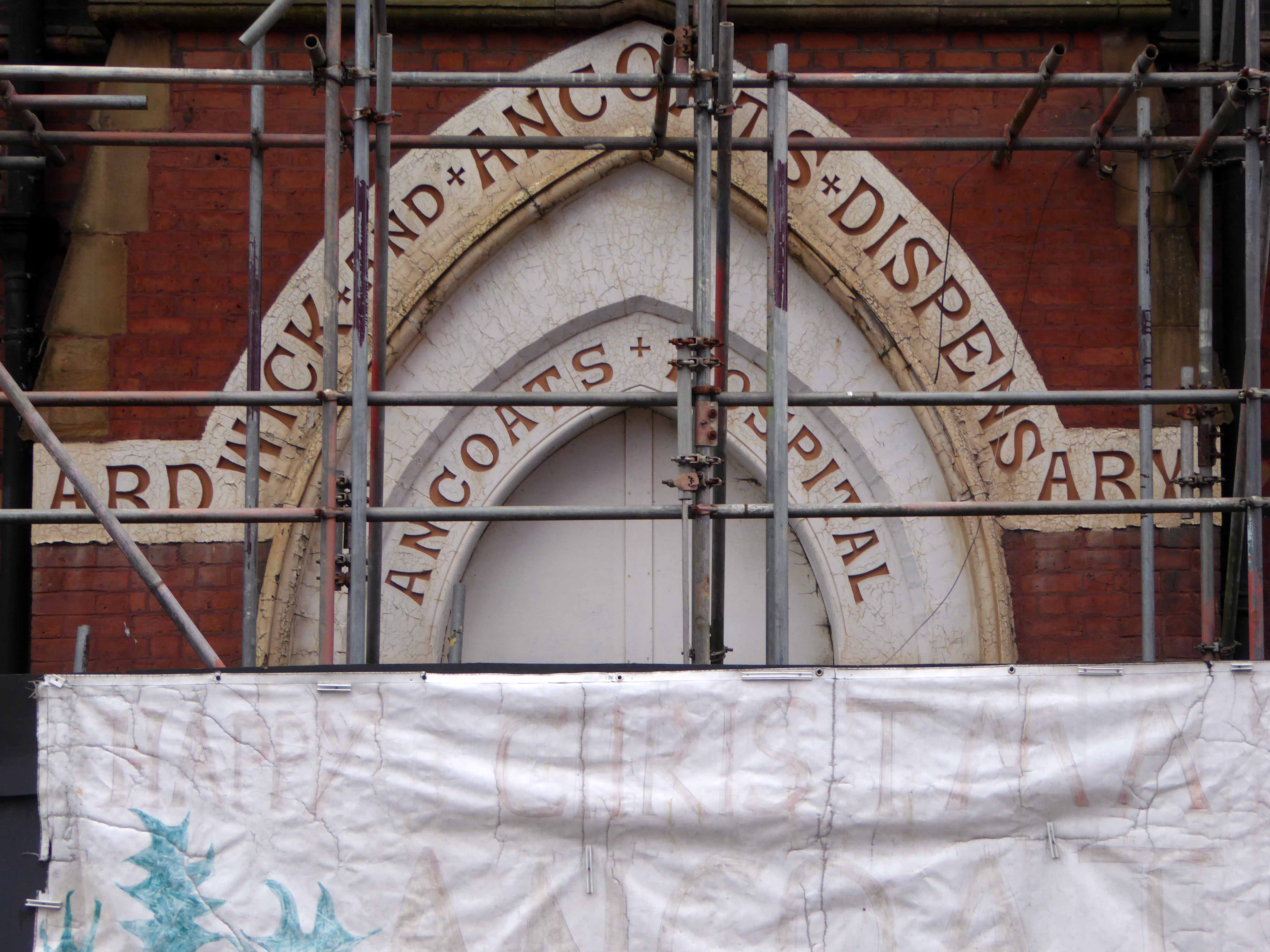
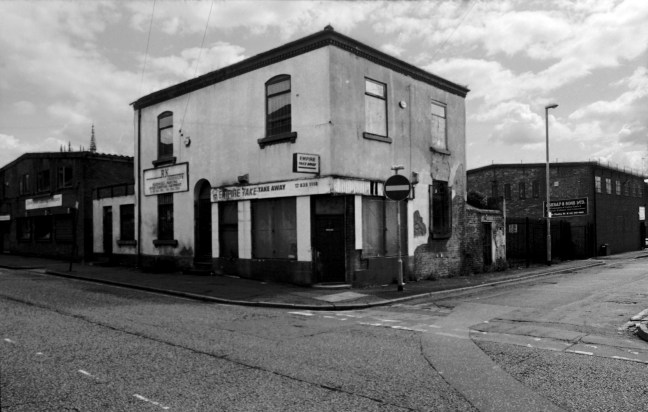
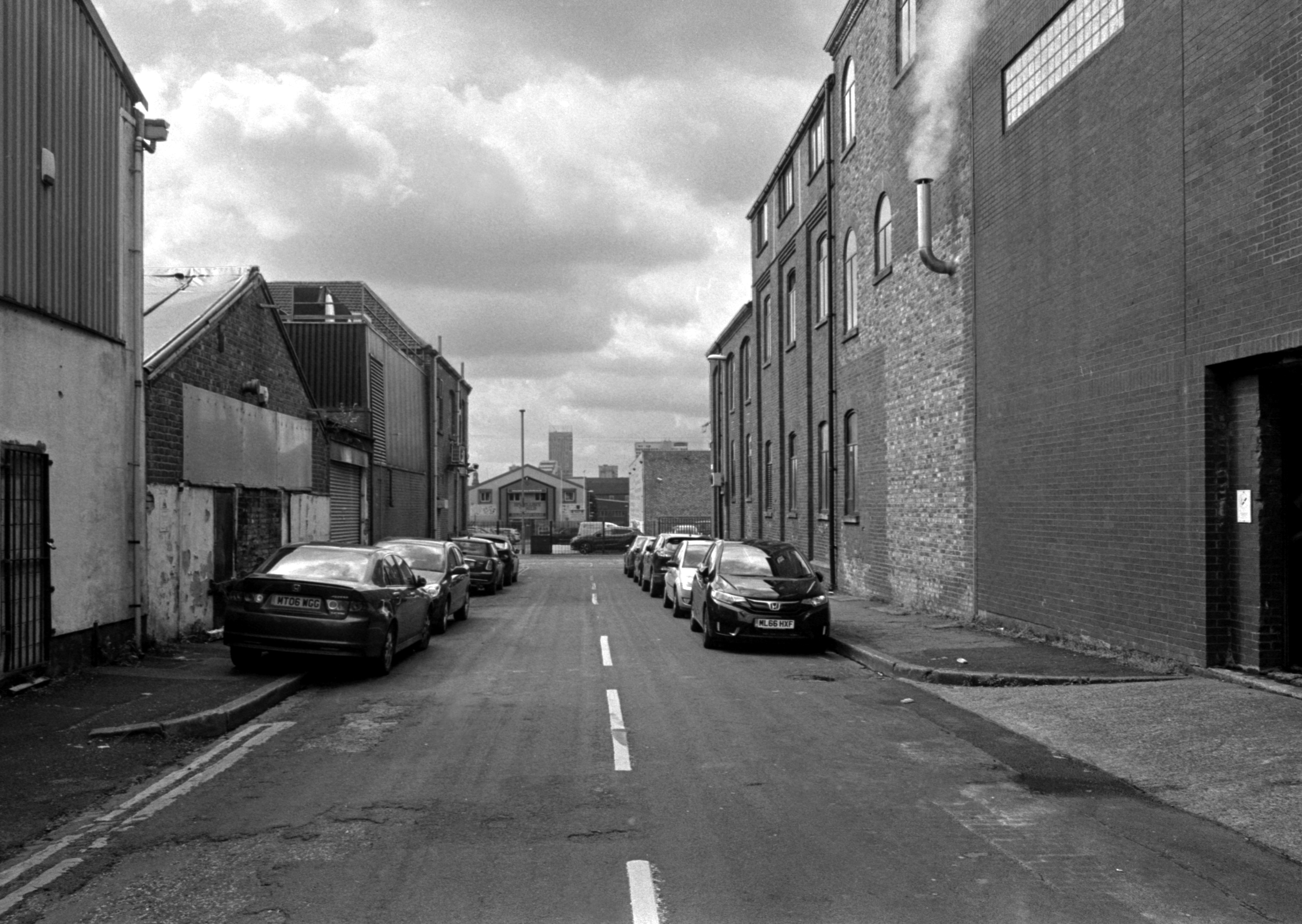
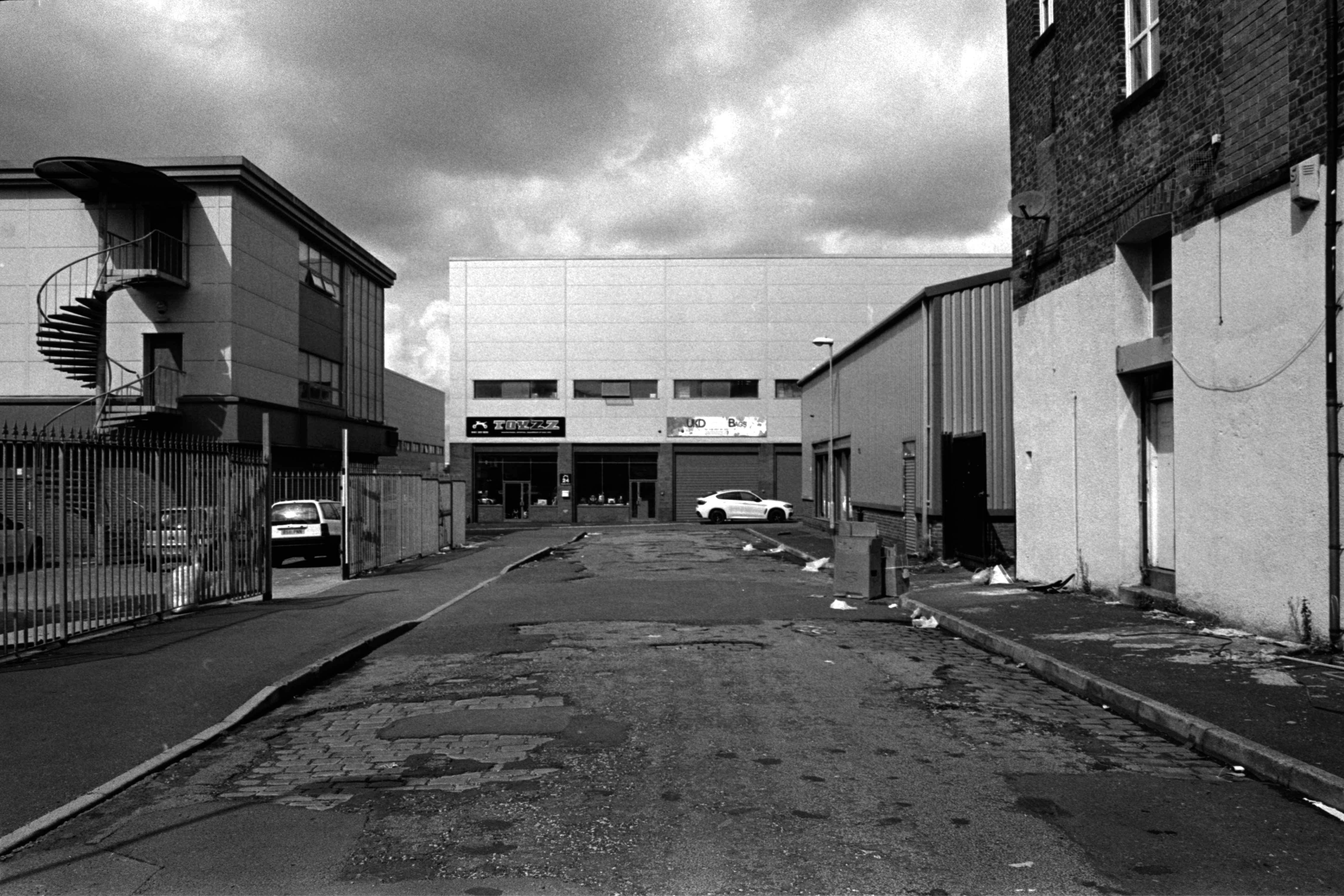
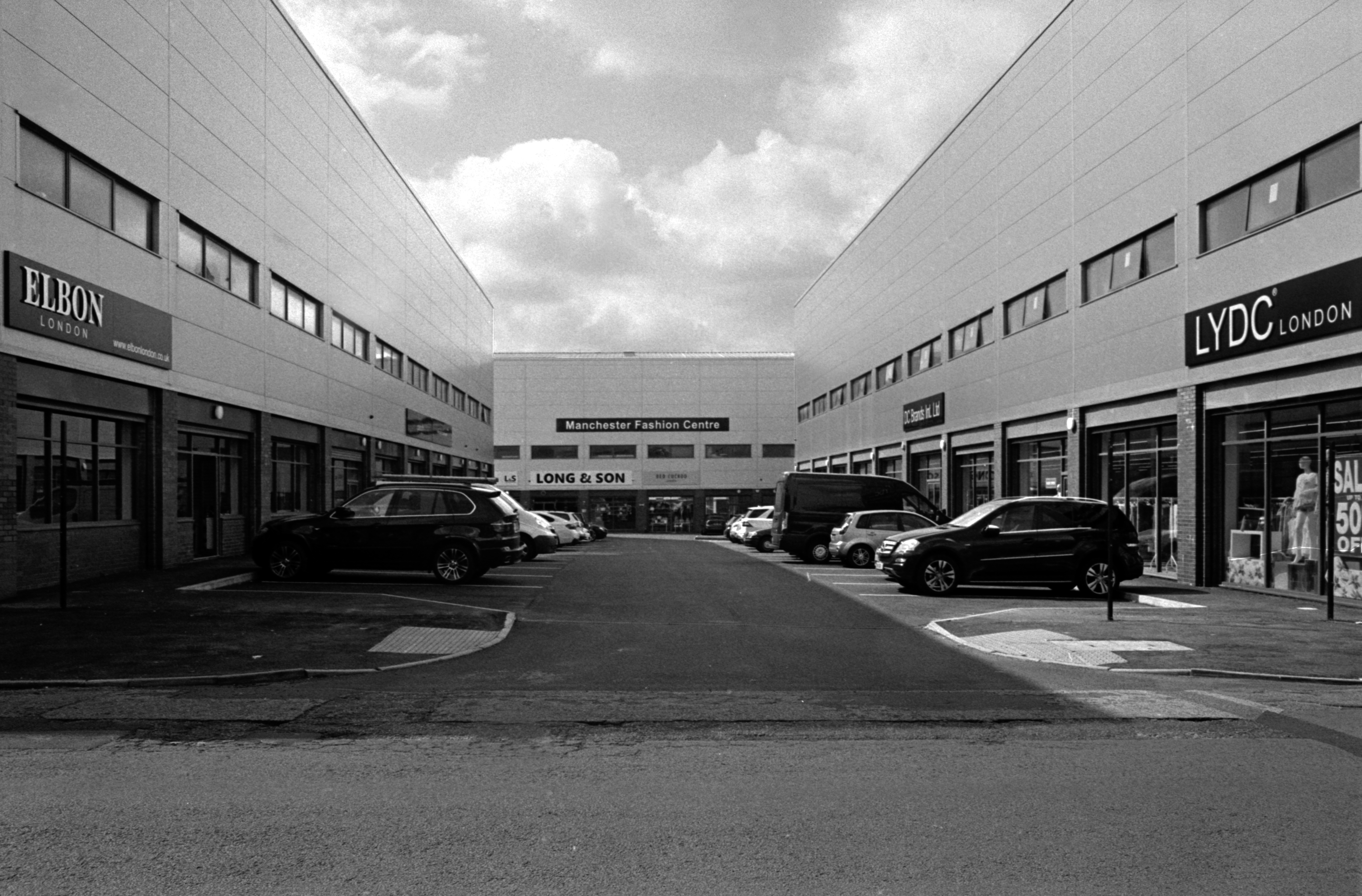
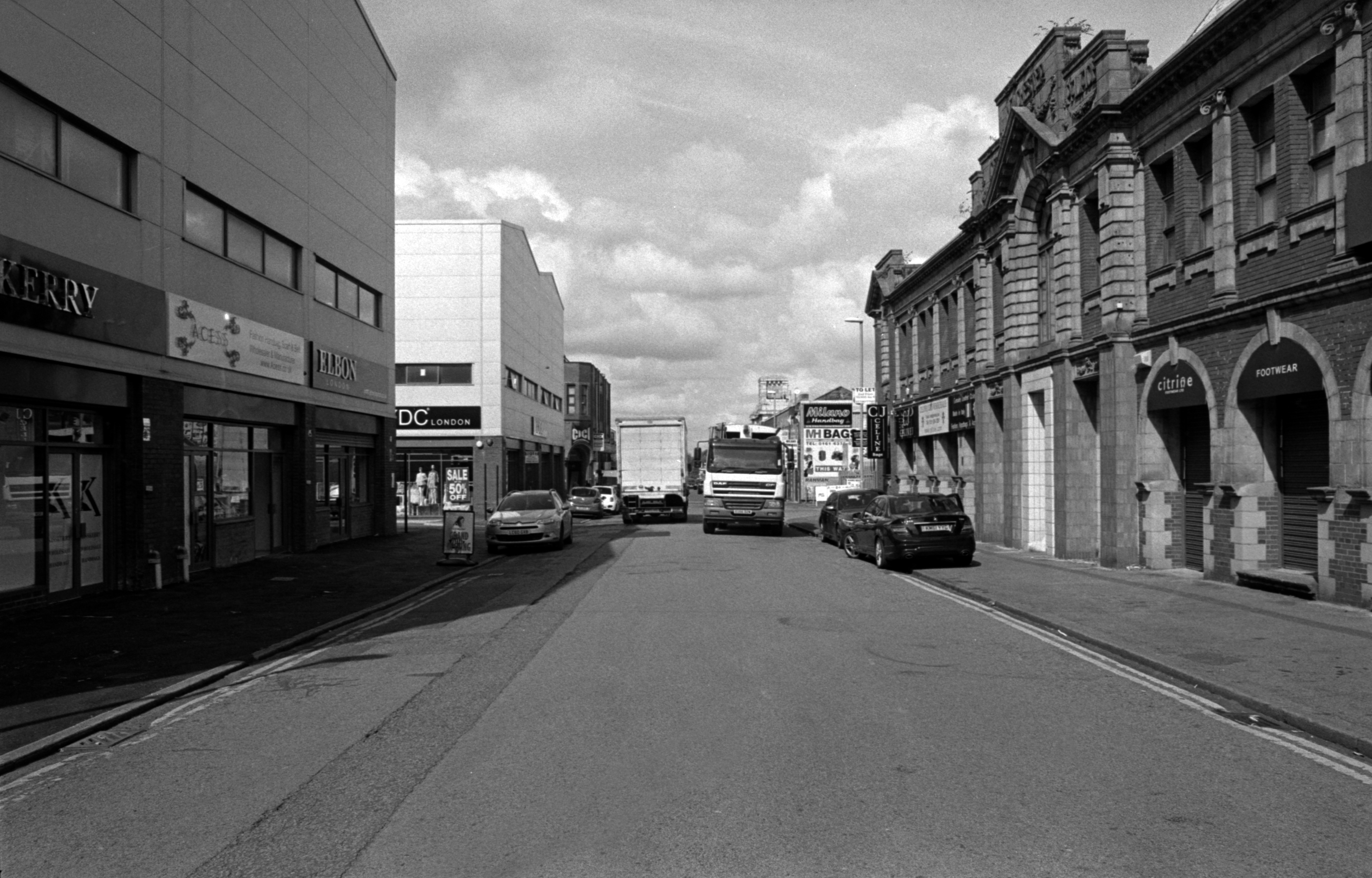
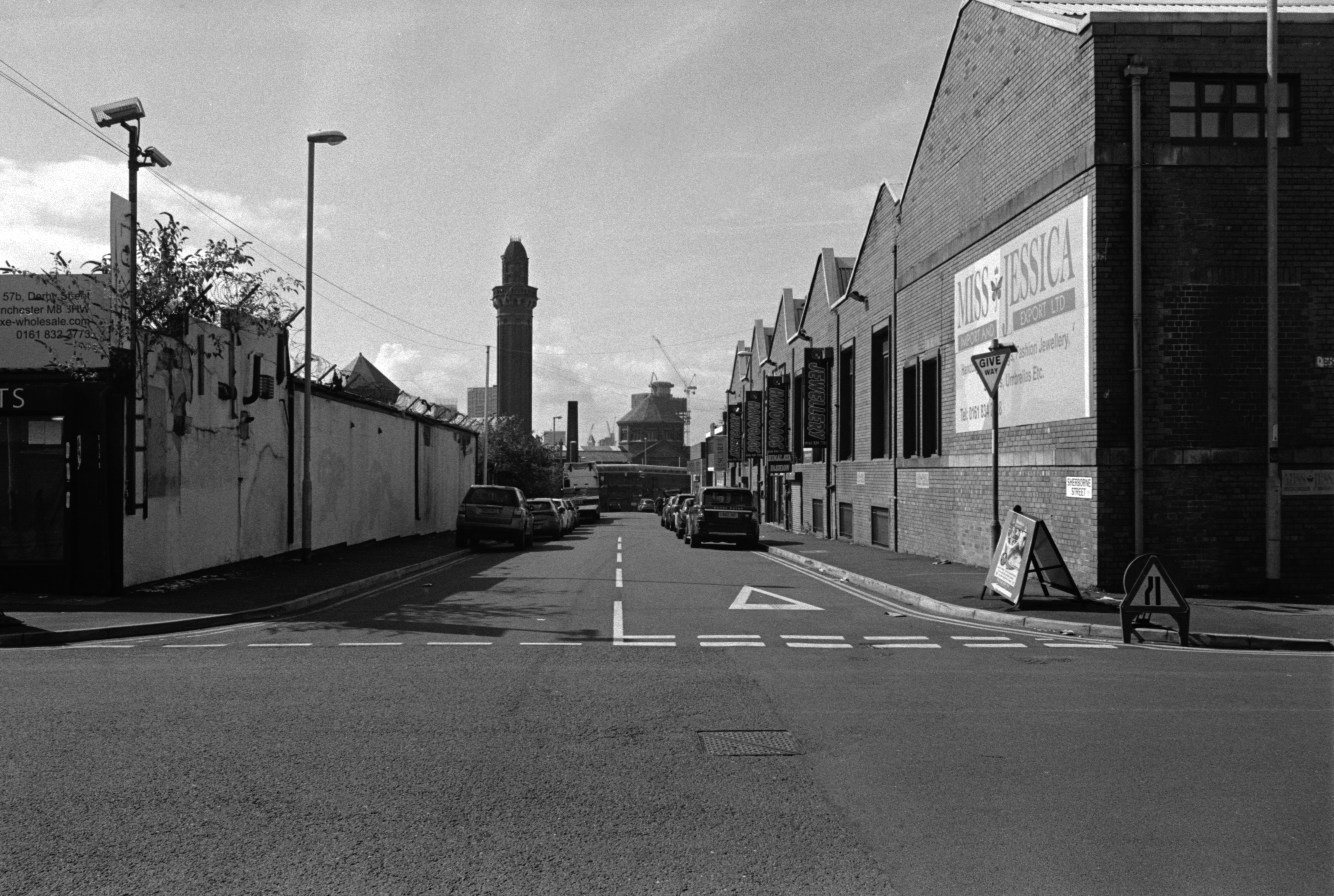
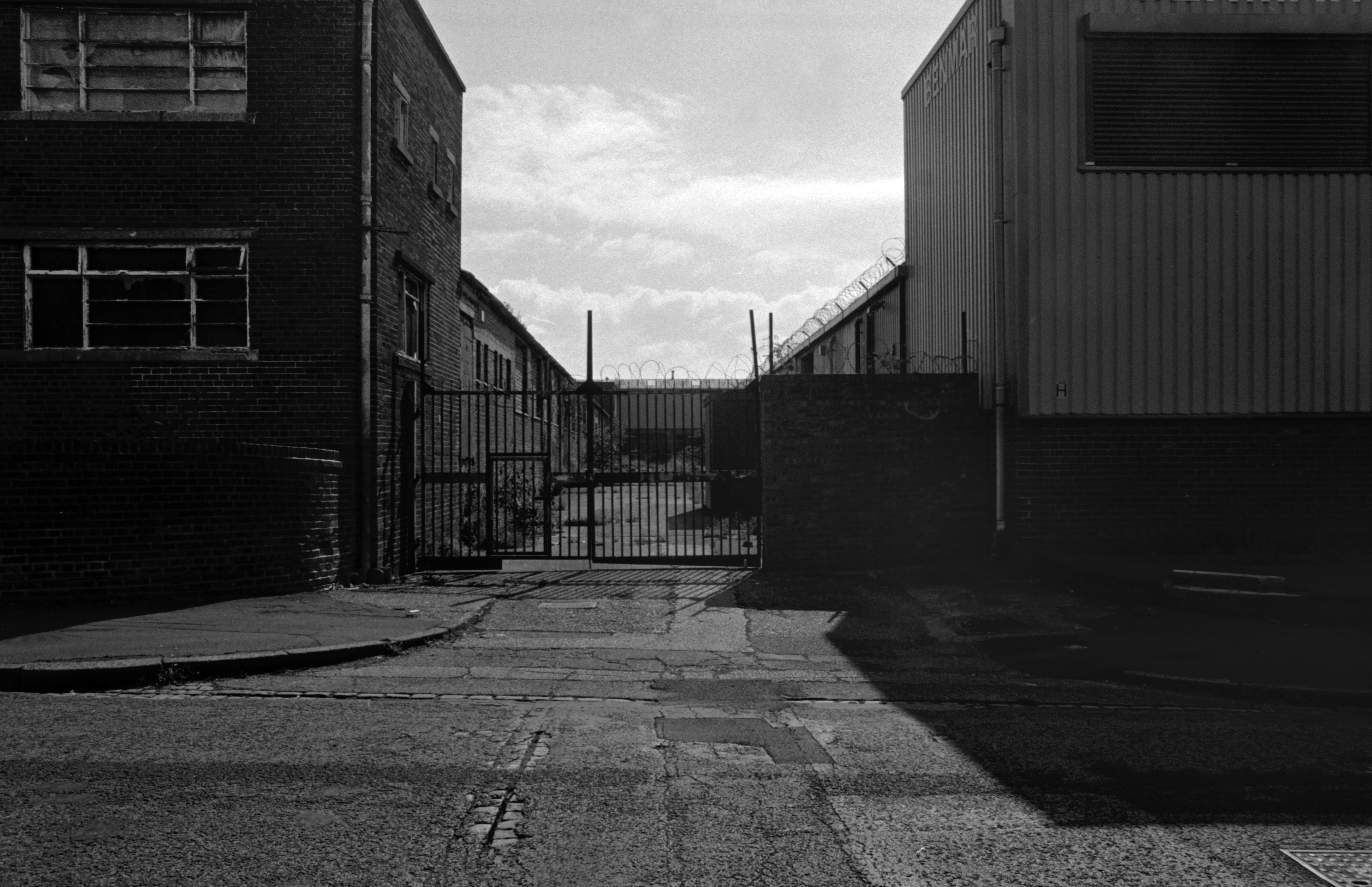
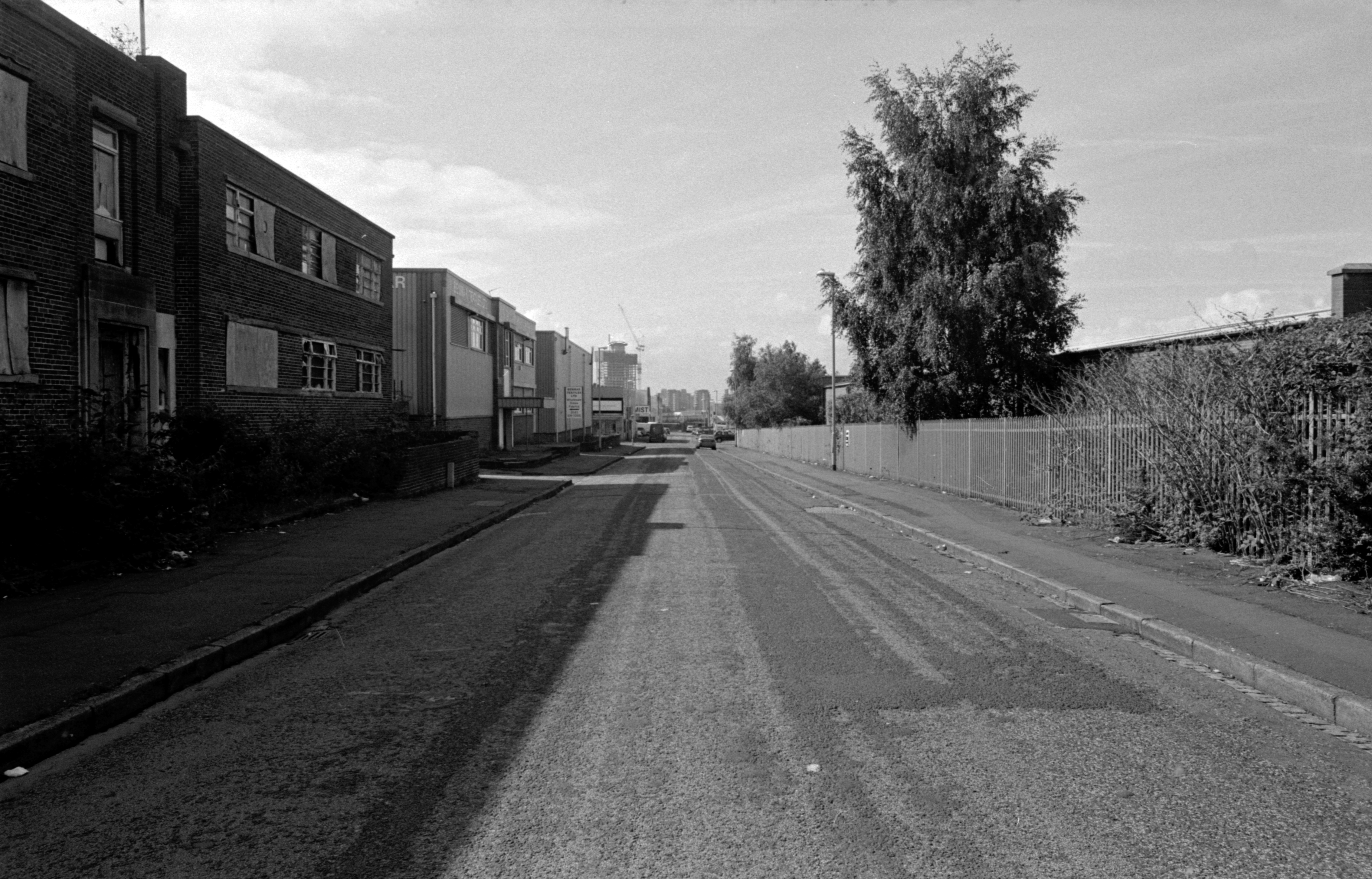
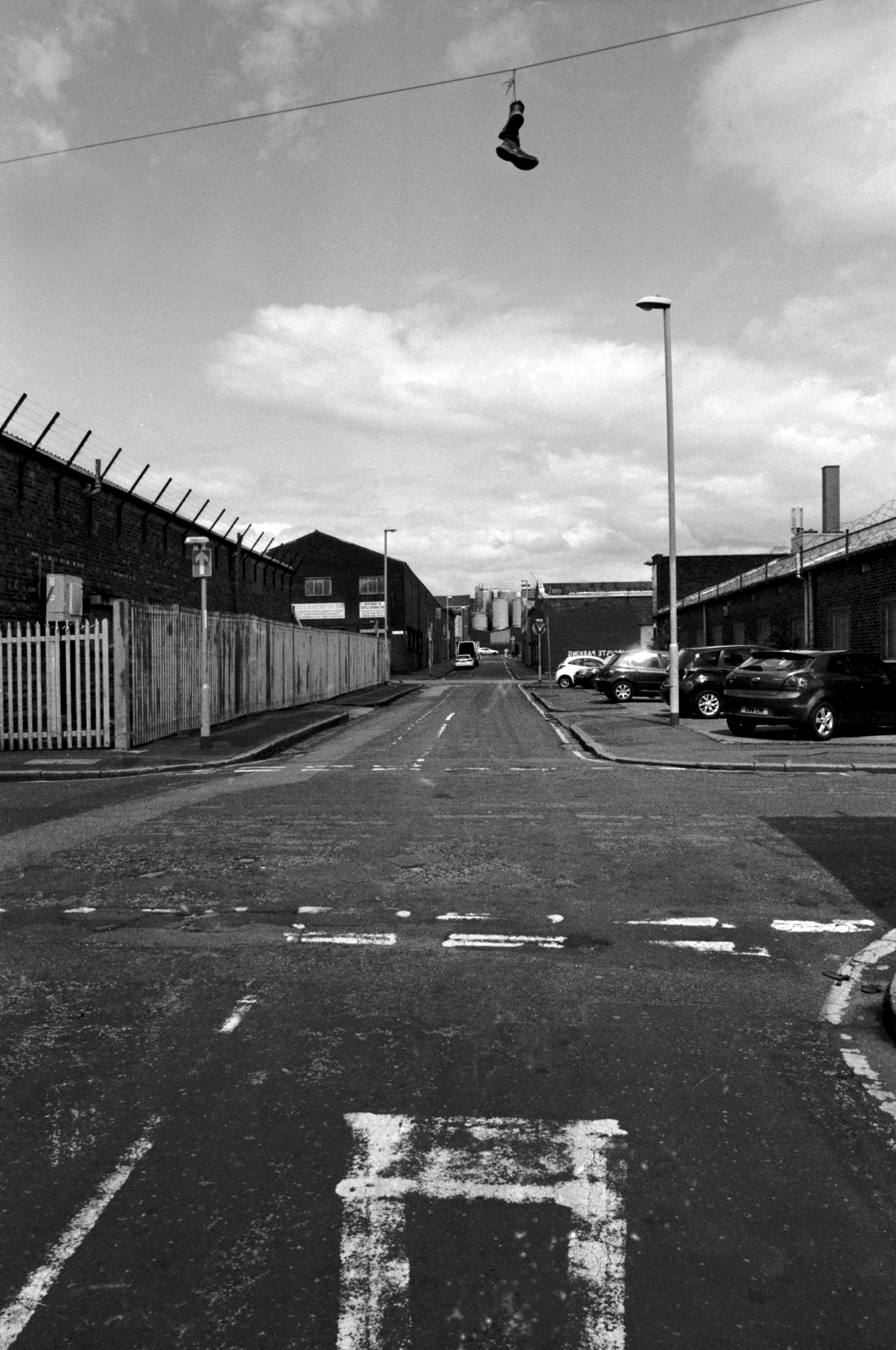
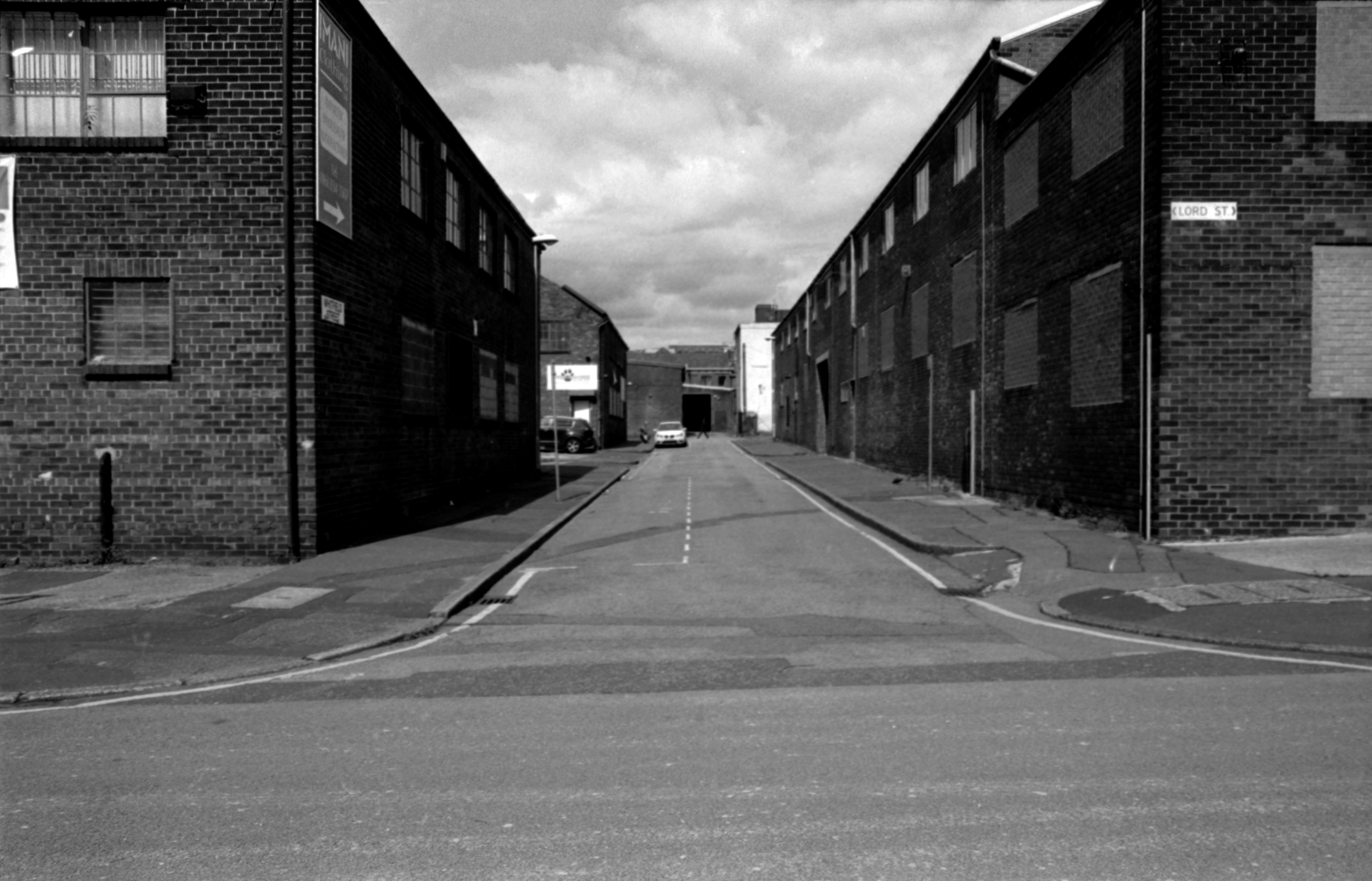
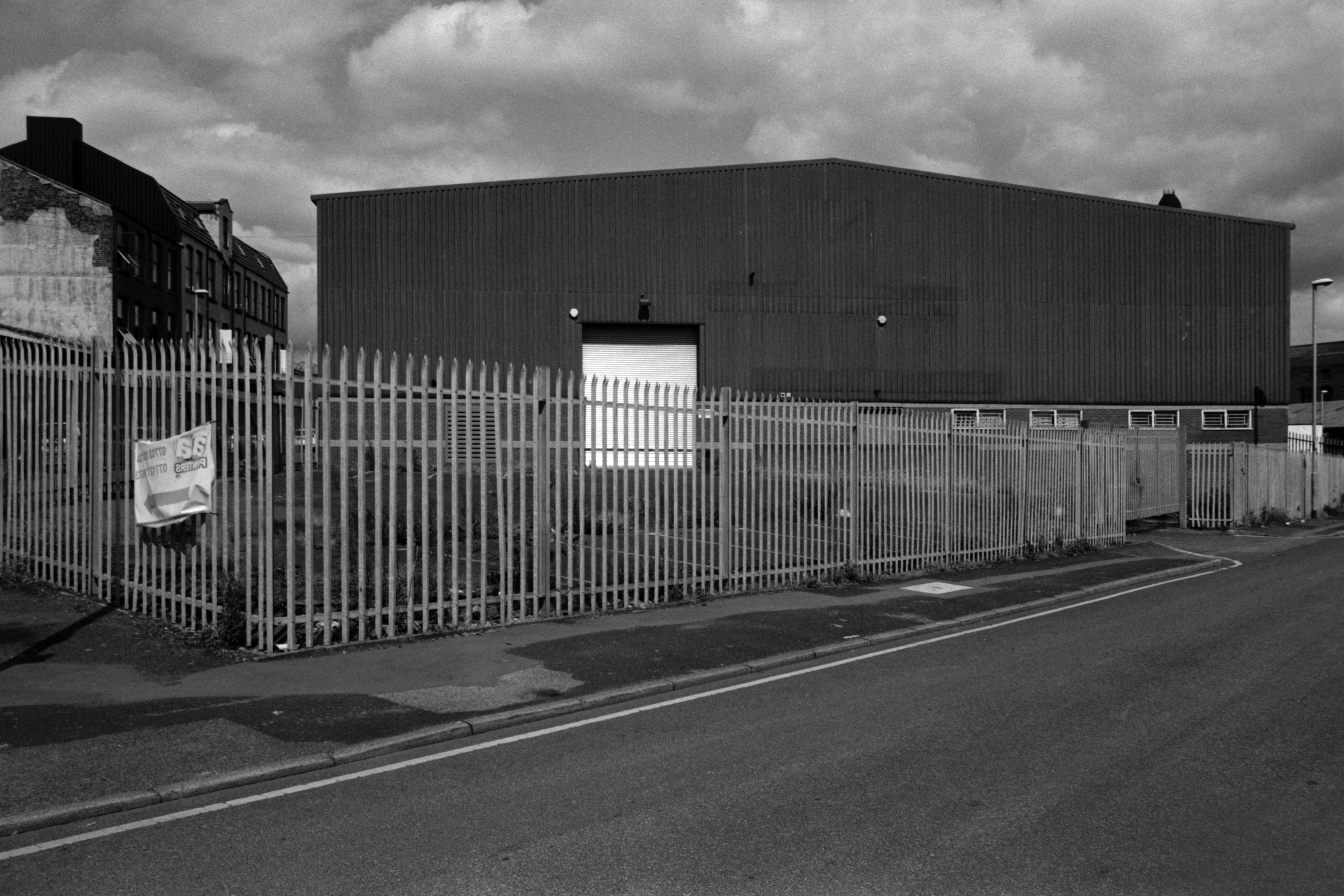
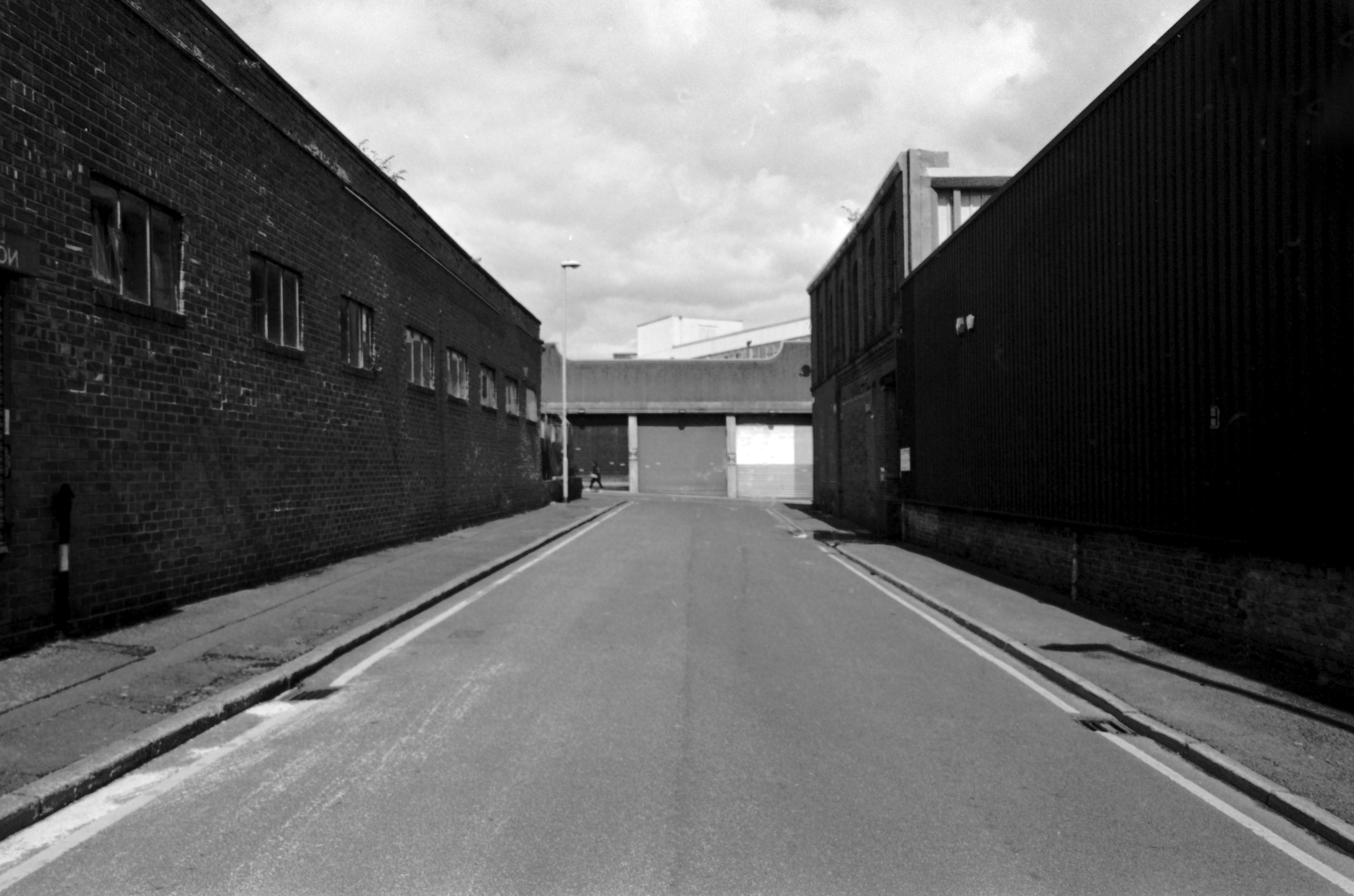
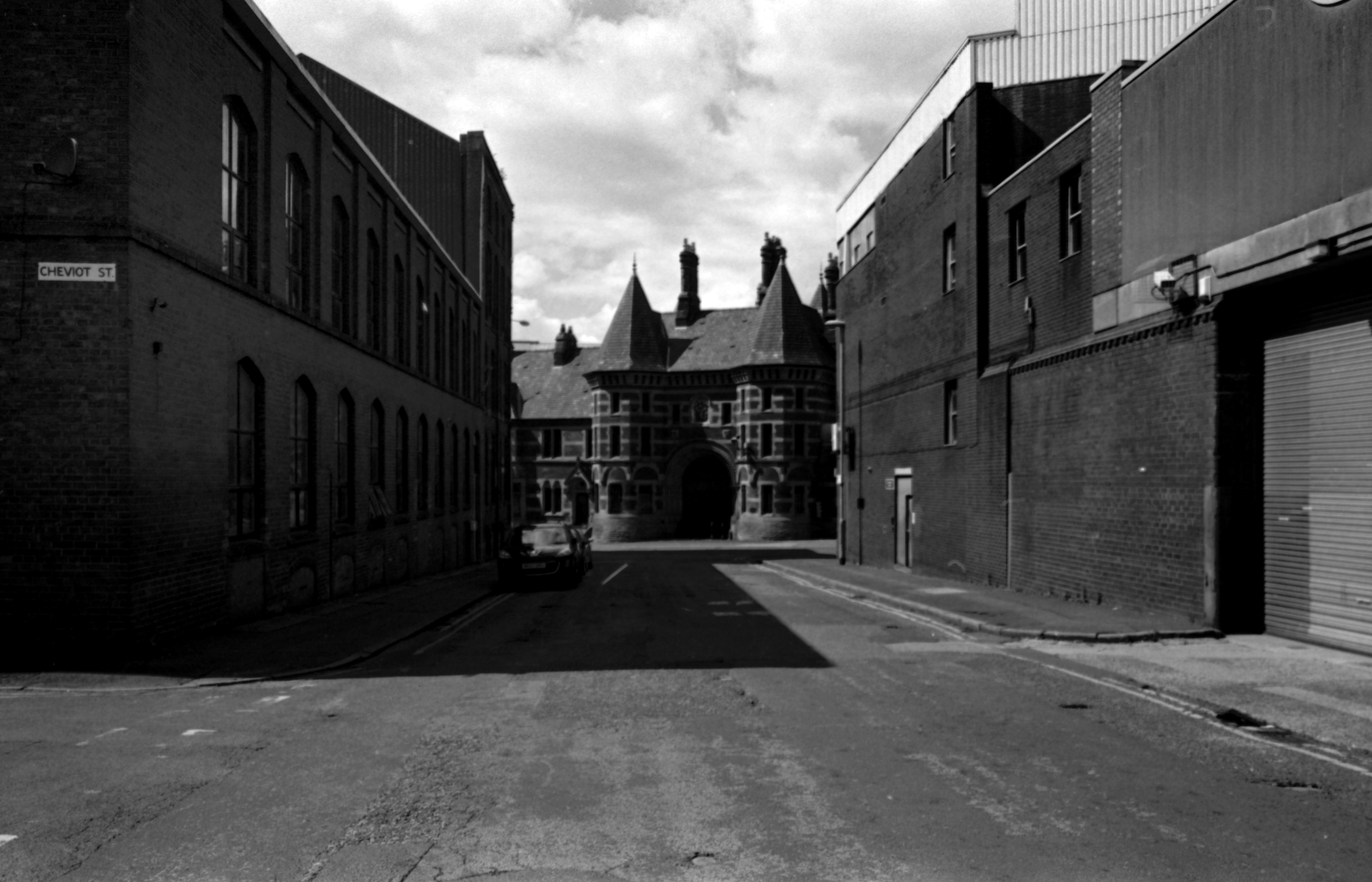
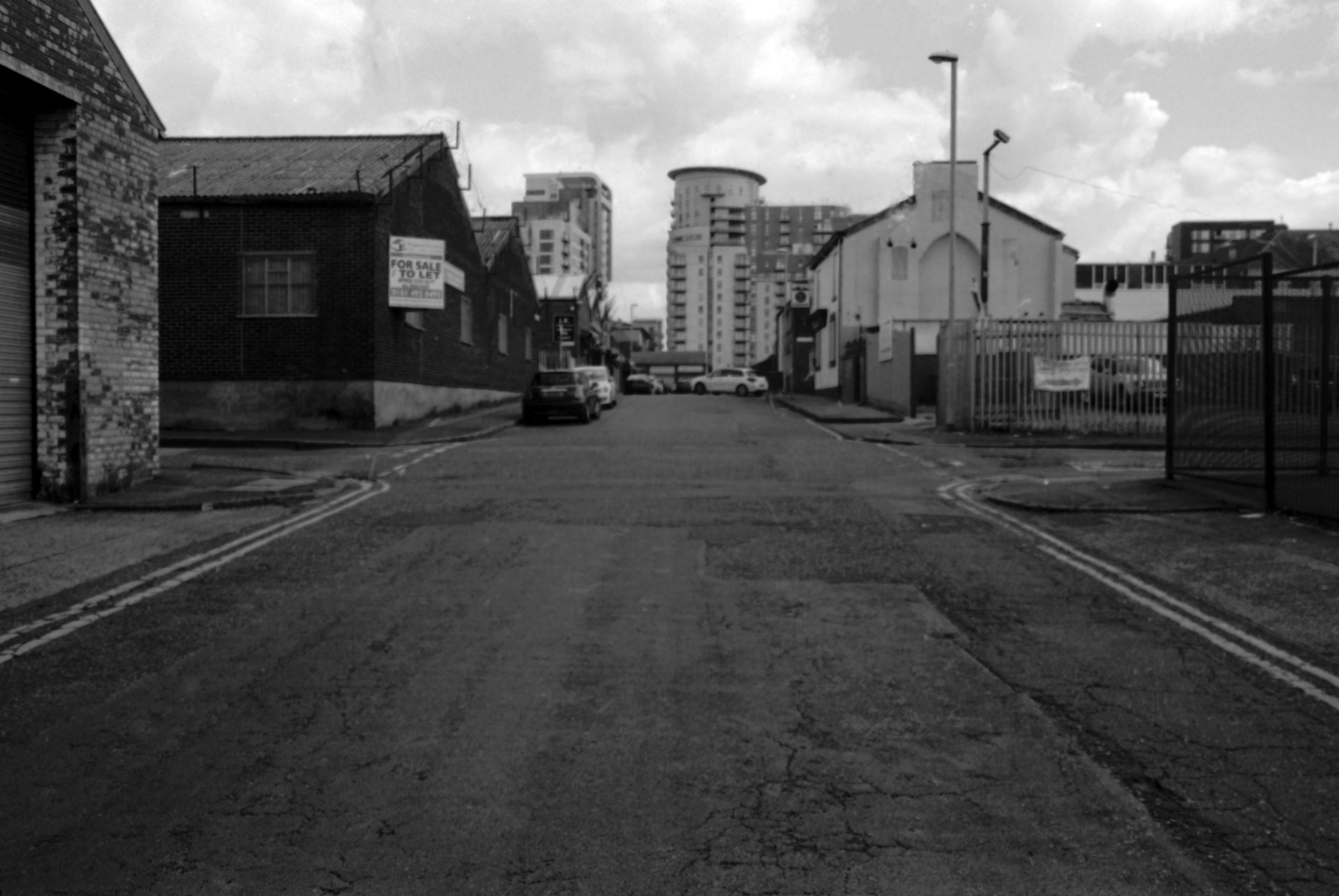
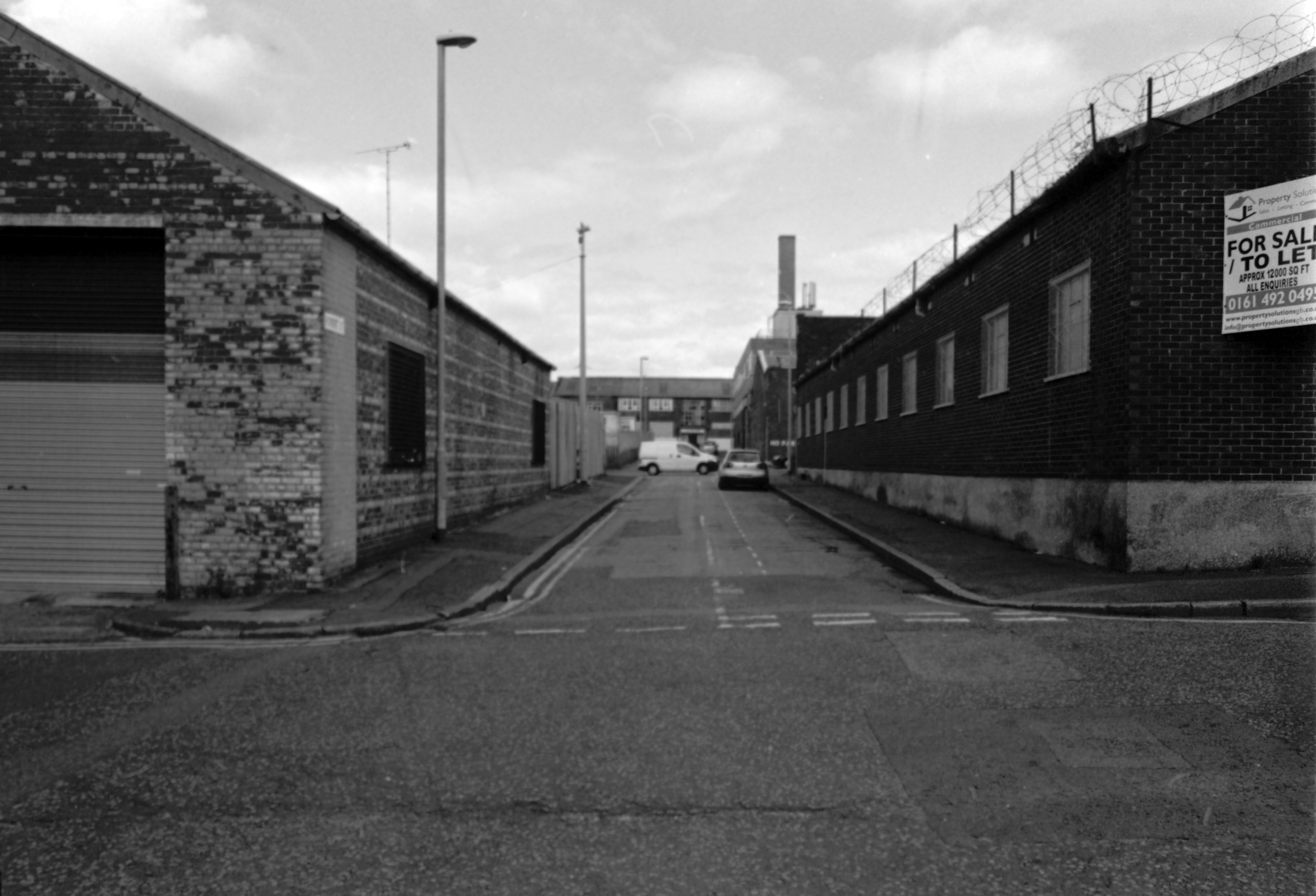
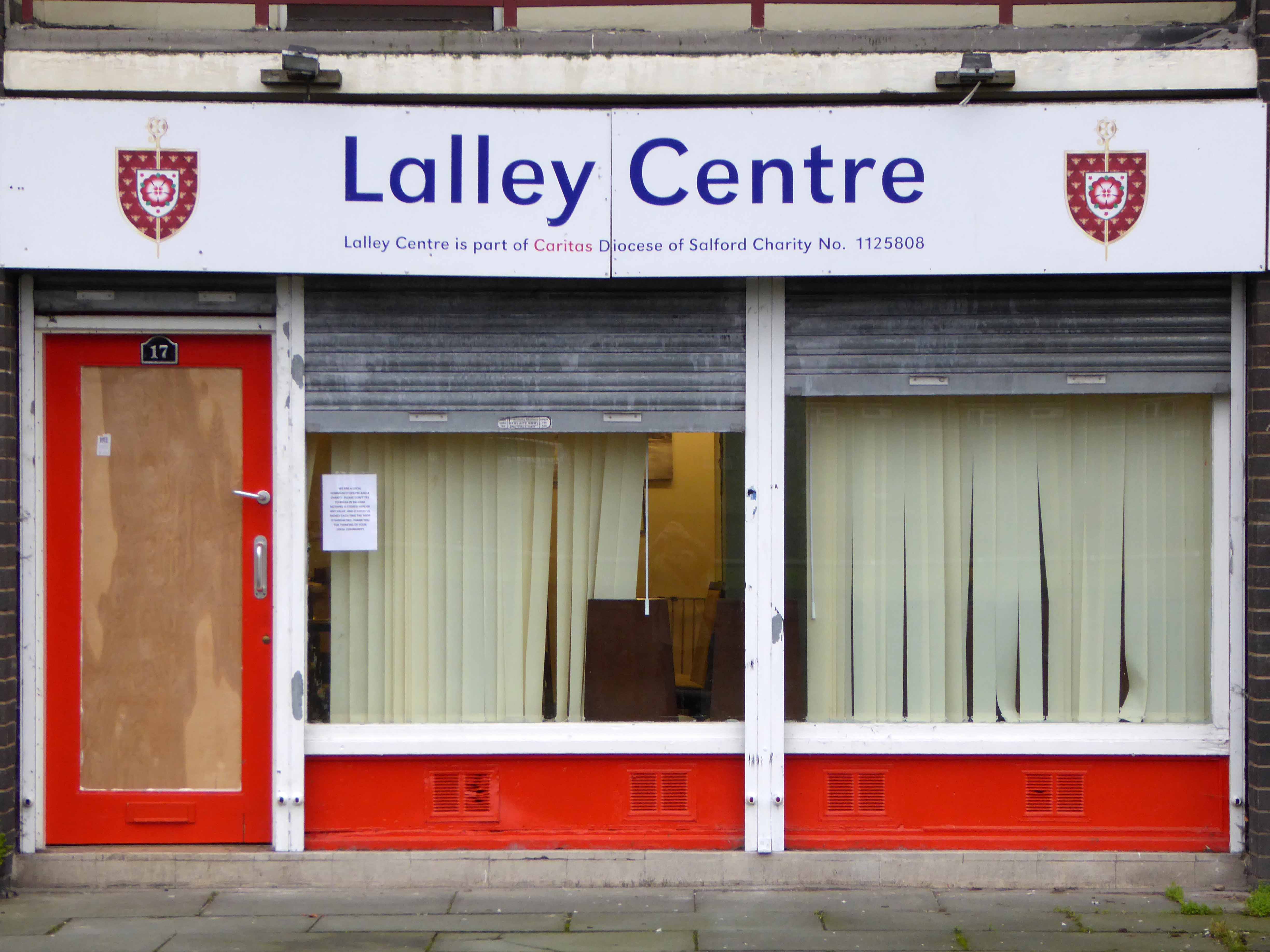
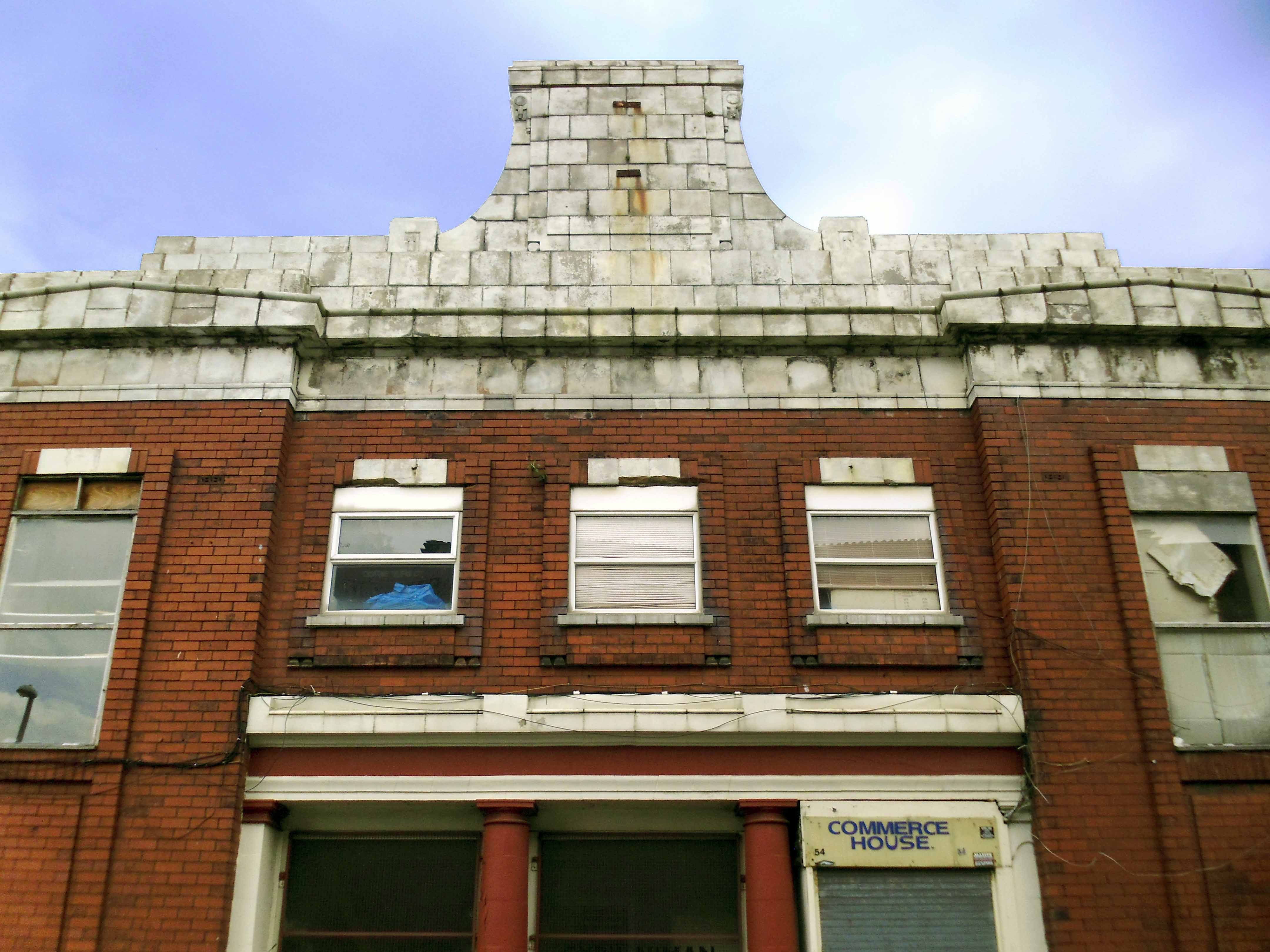
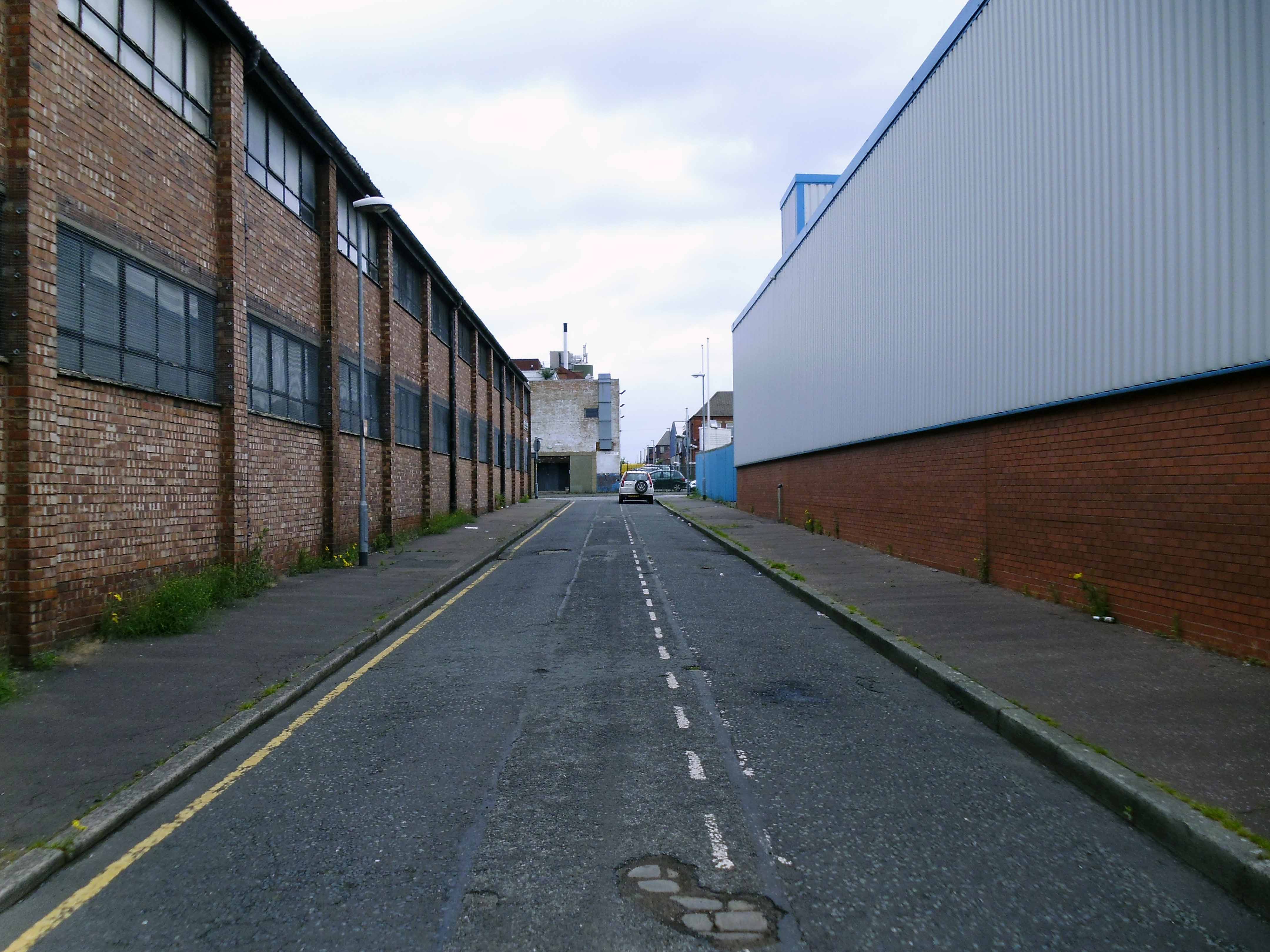
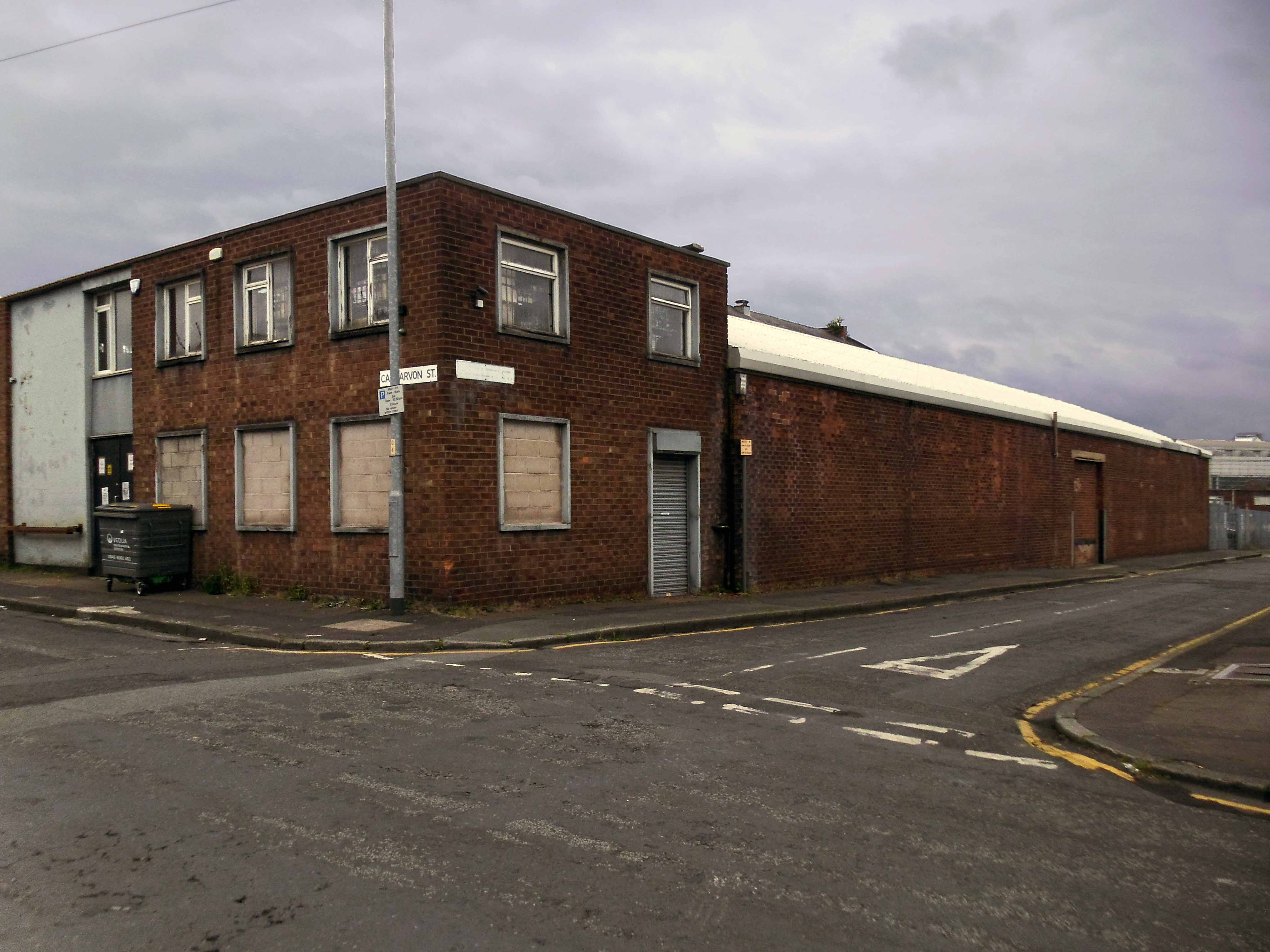
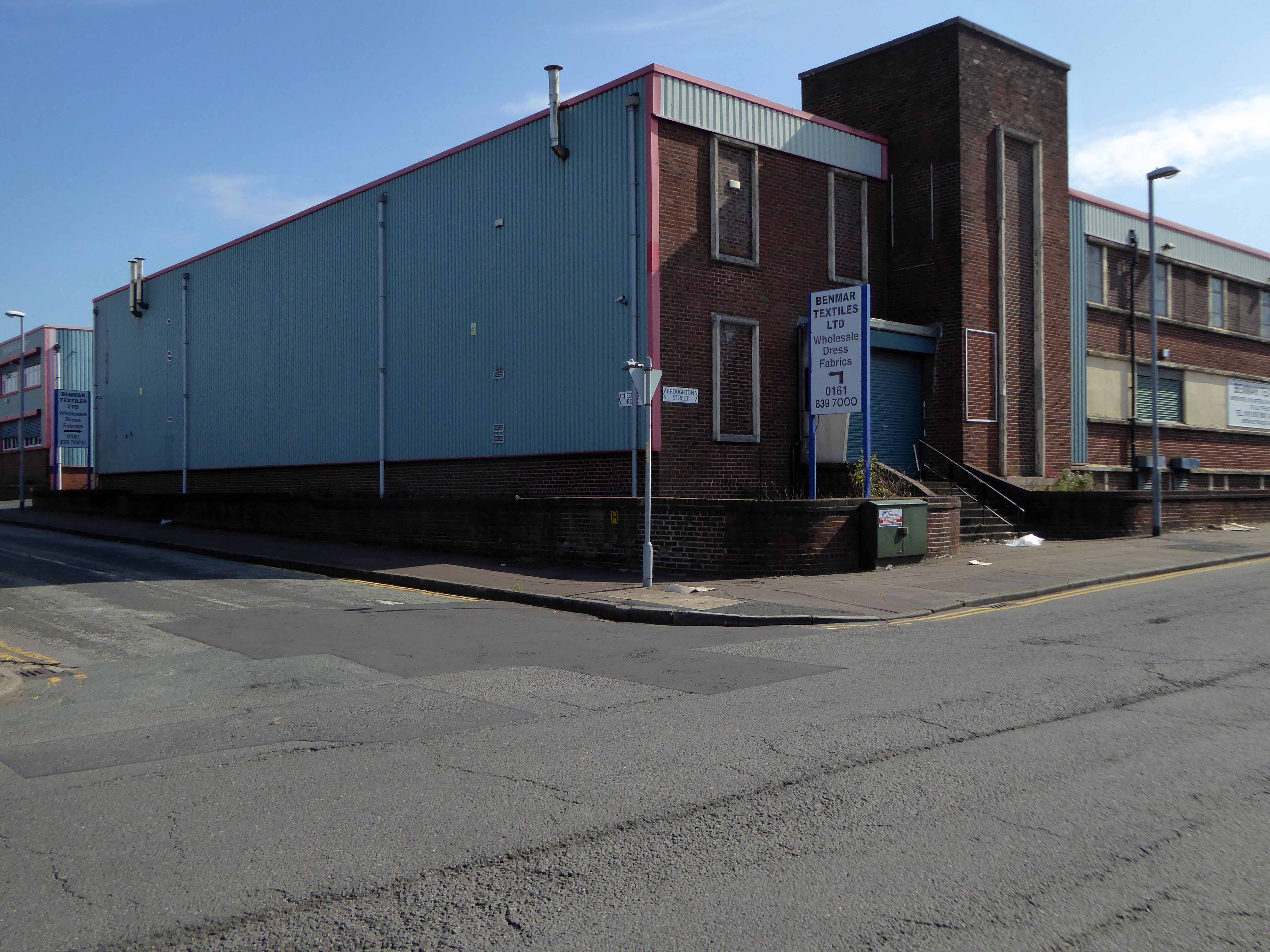
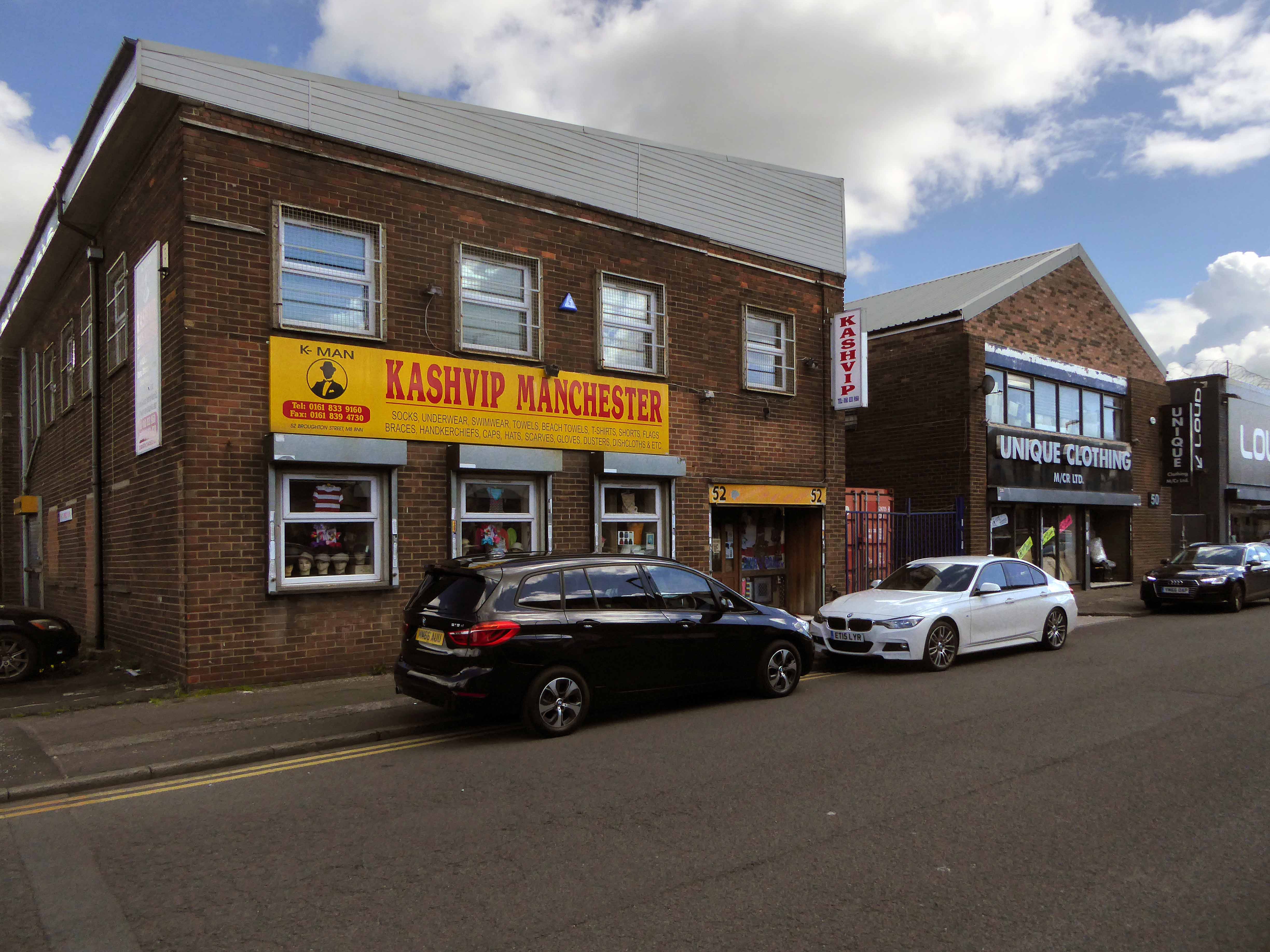
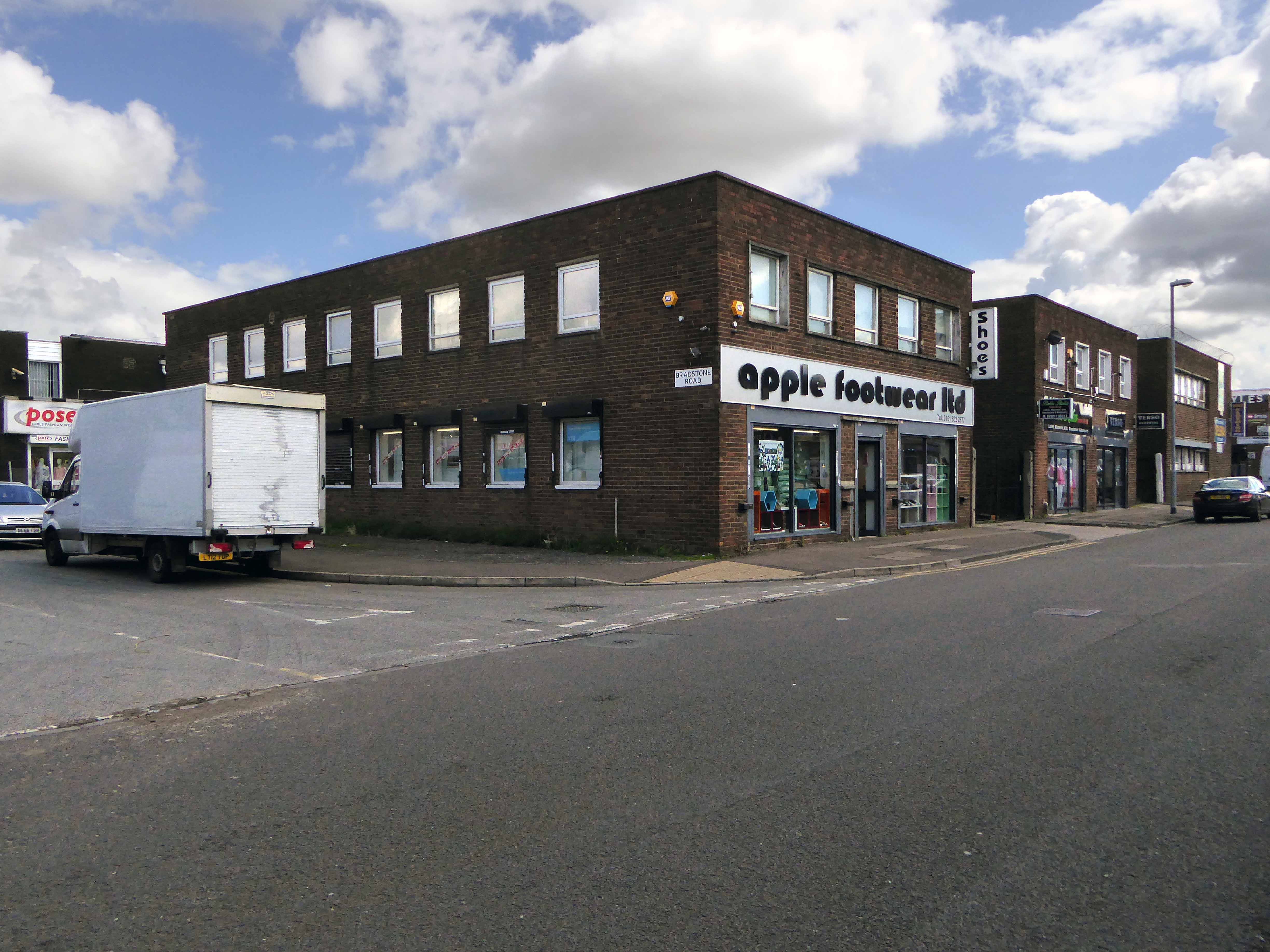
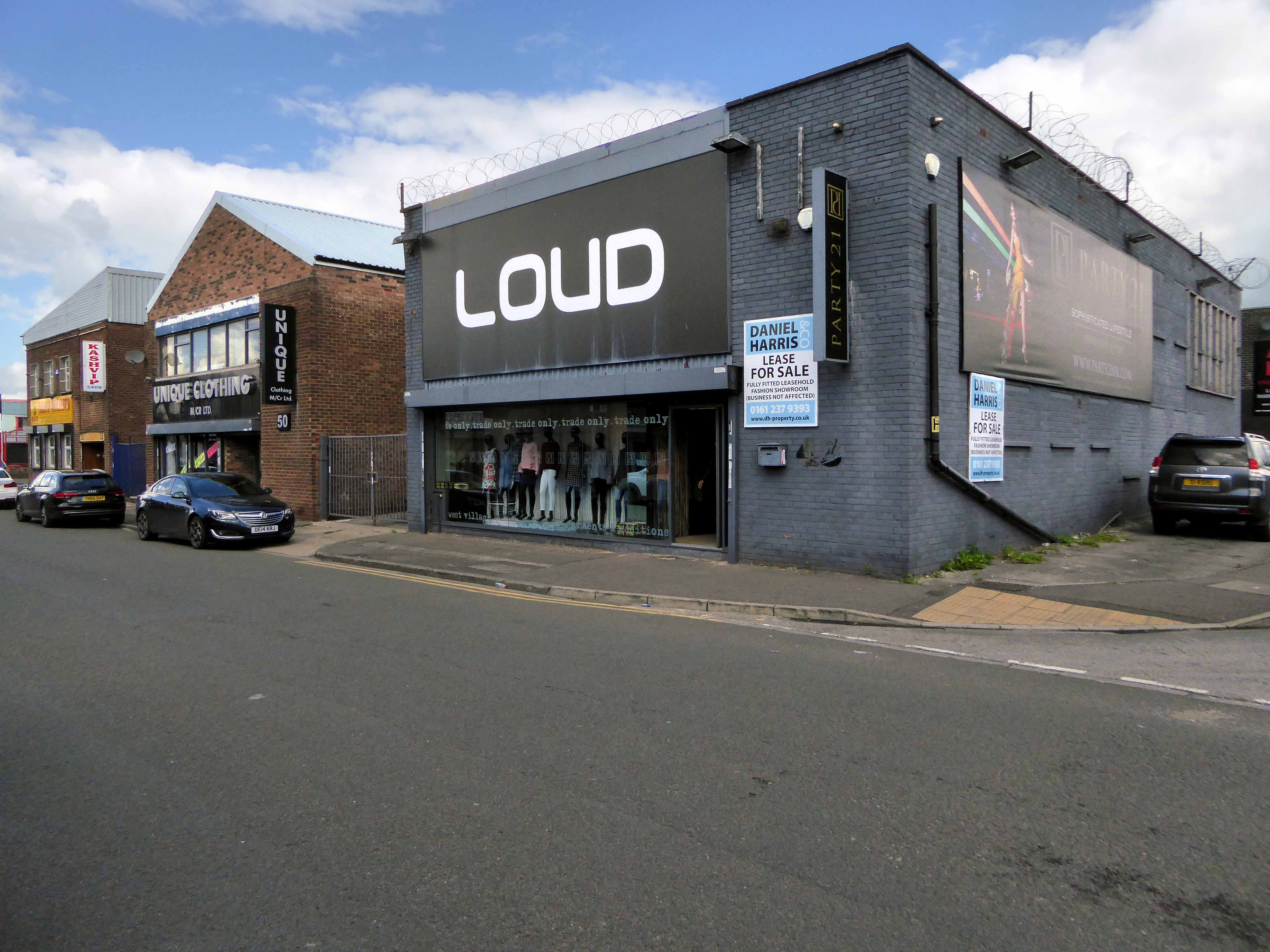
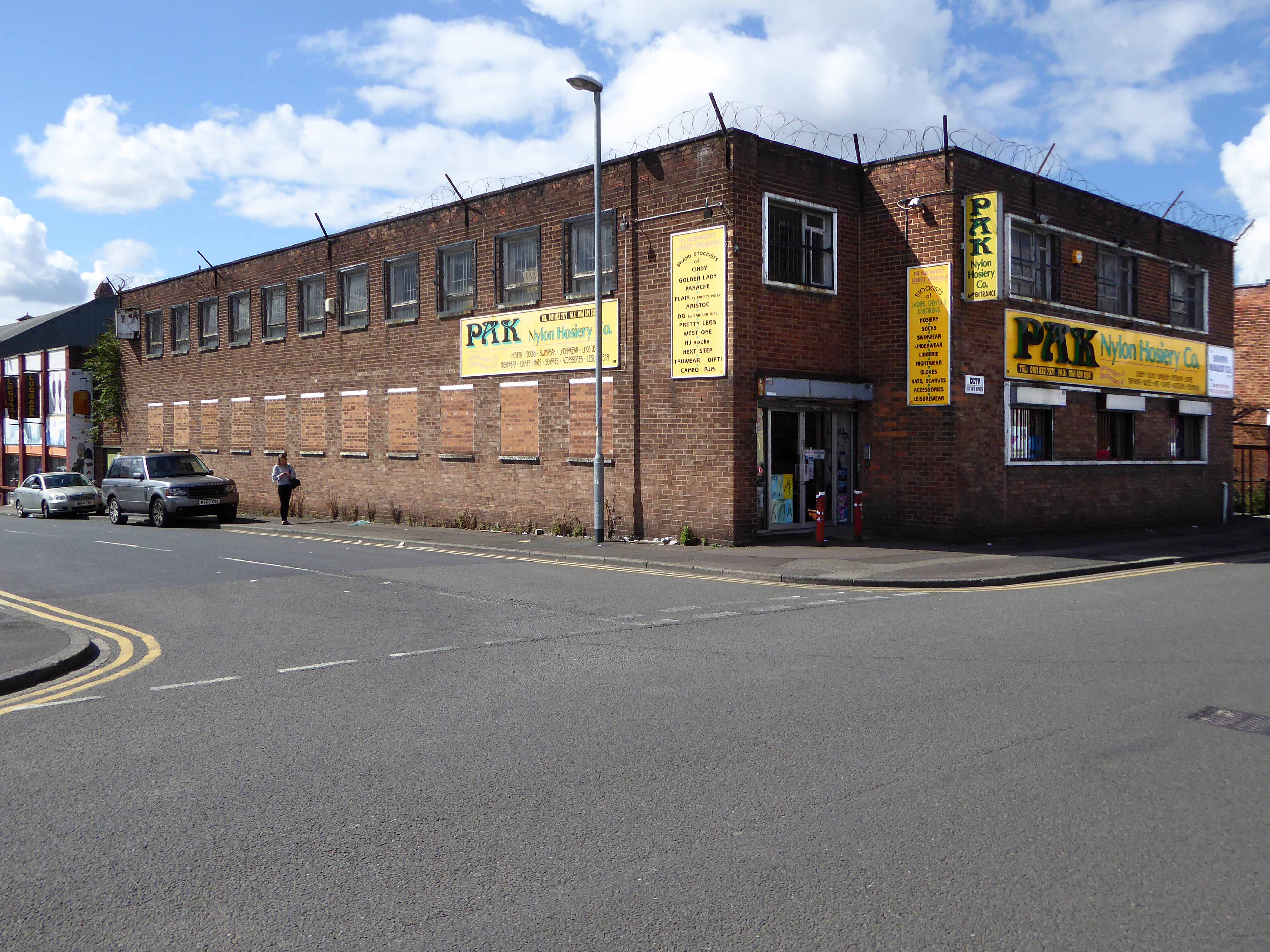
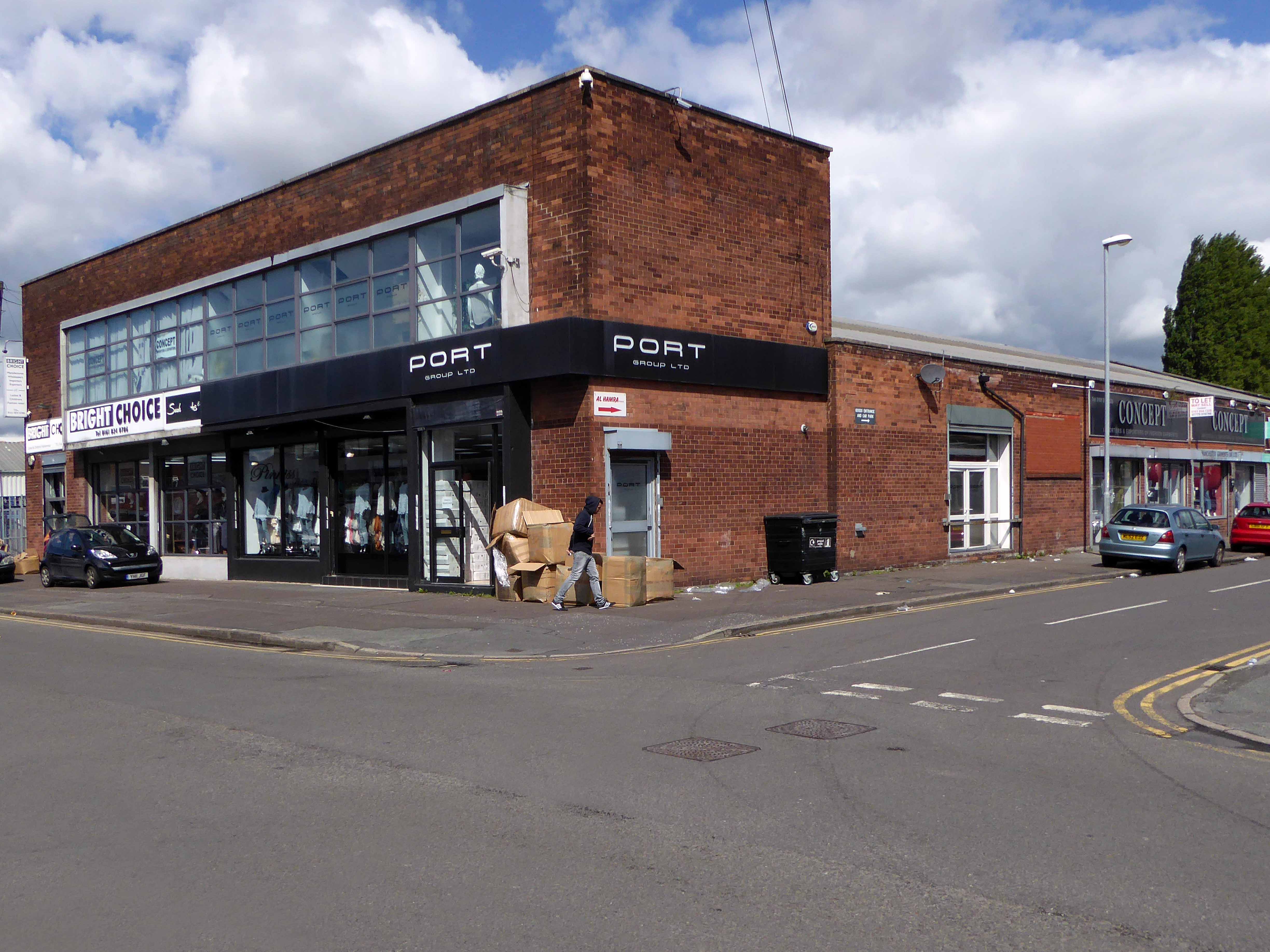
Way back in the Twentieth Century – Cheetwood Industrial Estate was built.

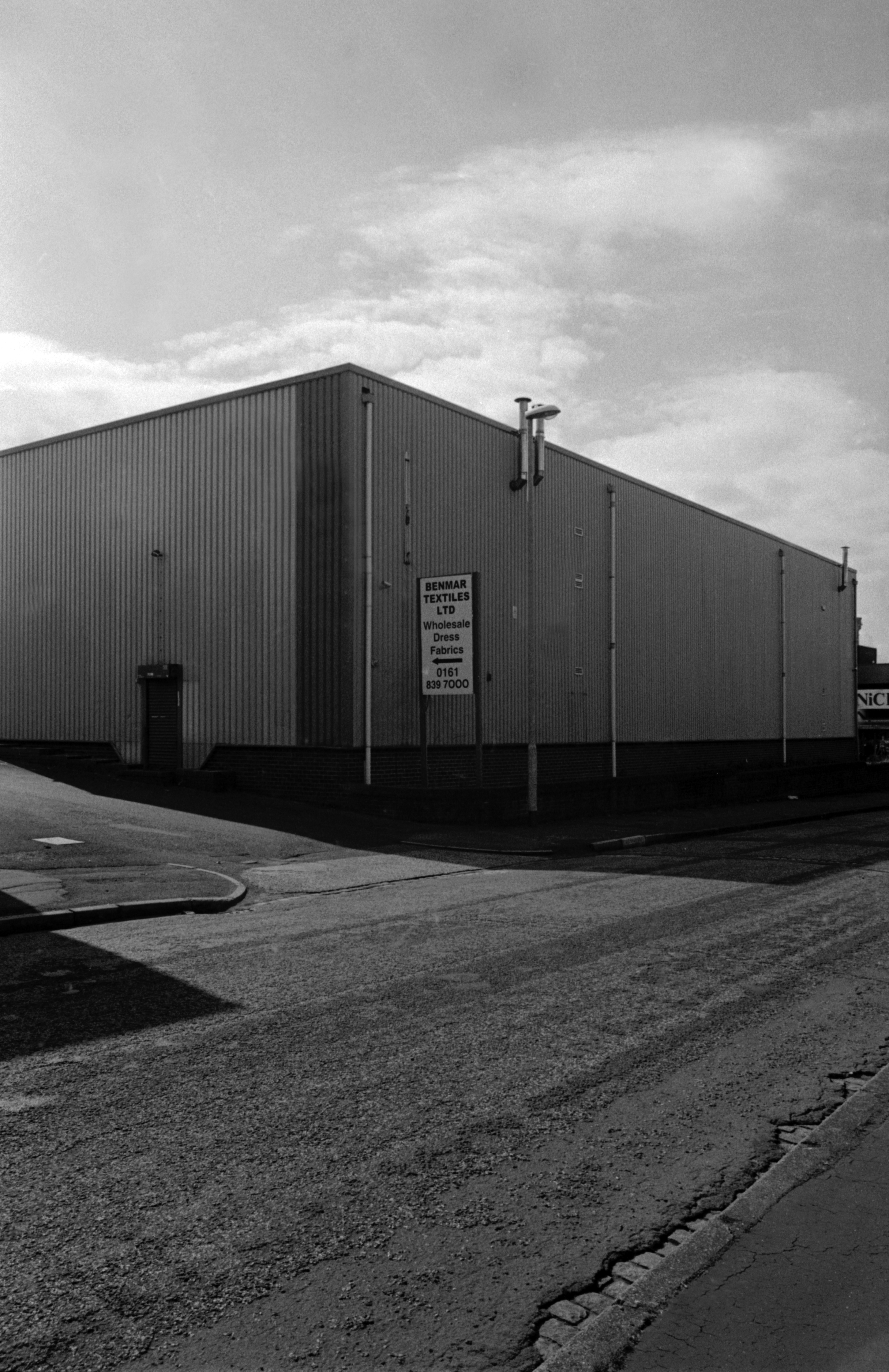
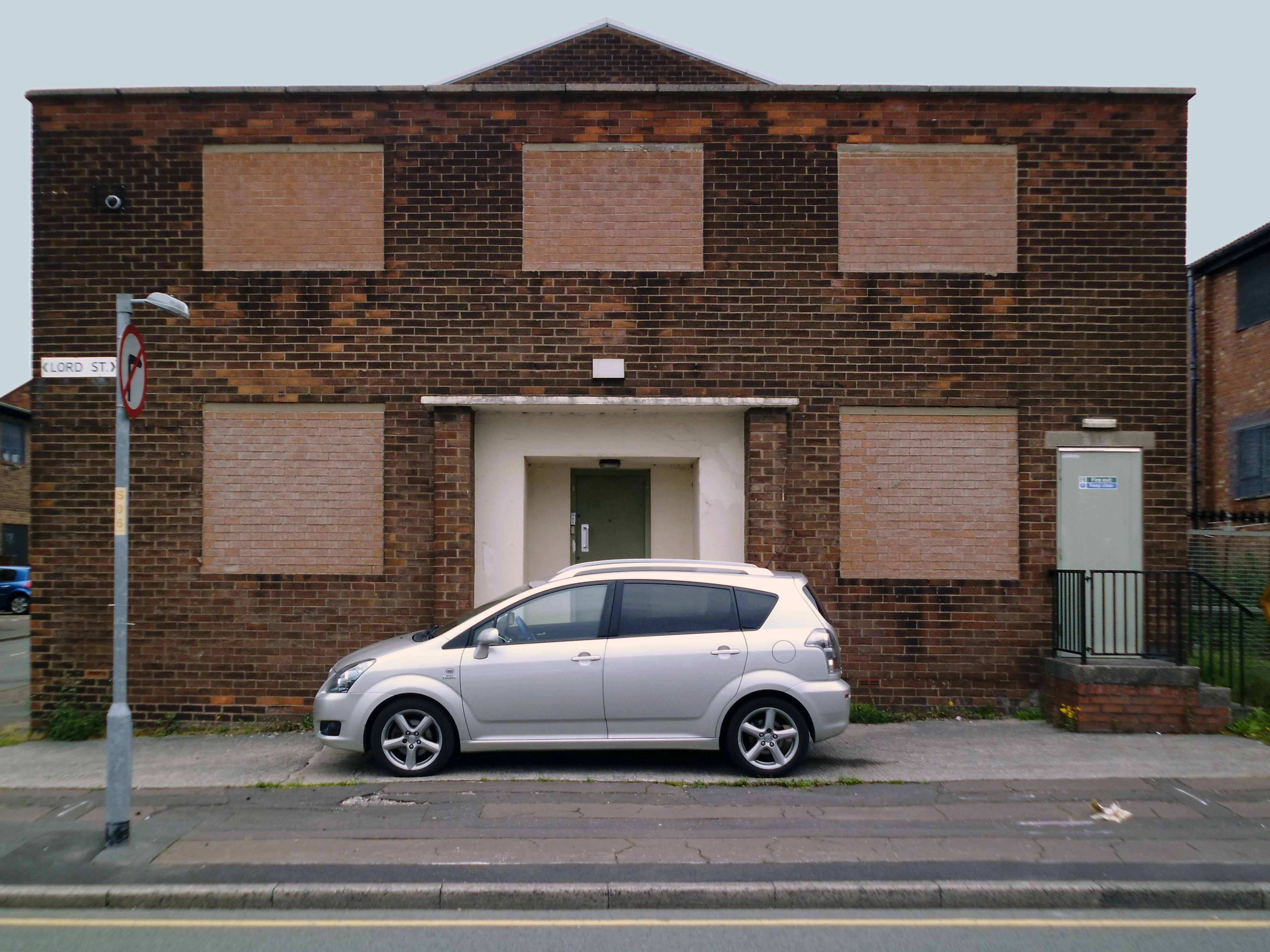
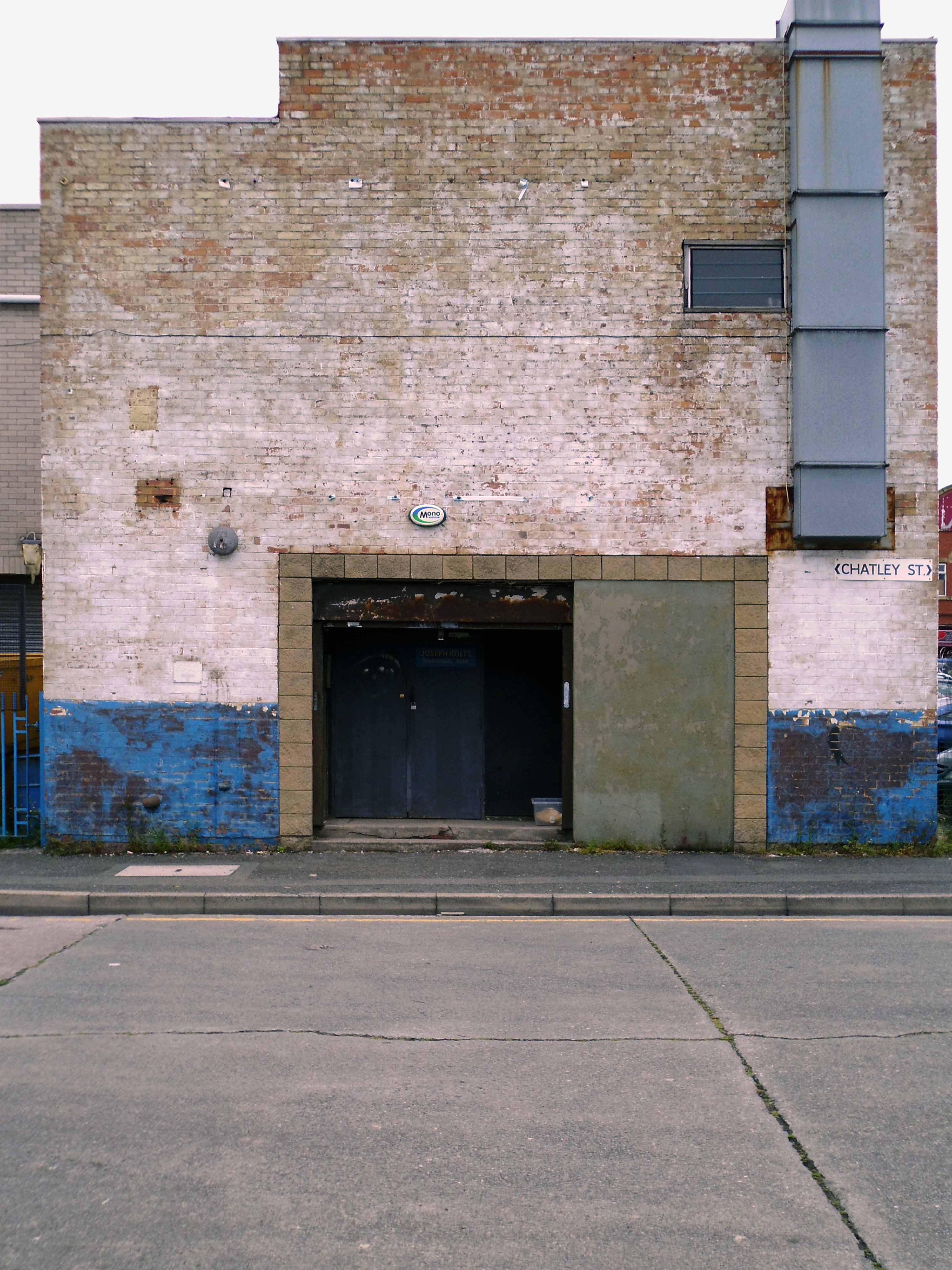
The future was functionalist flat-roofed, concrete, steel and brick boxes.

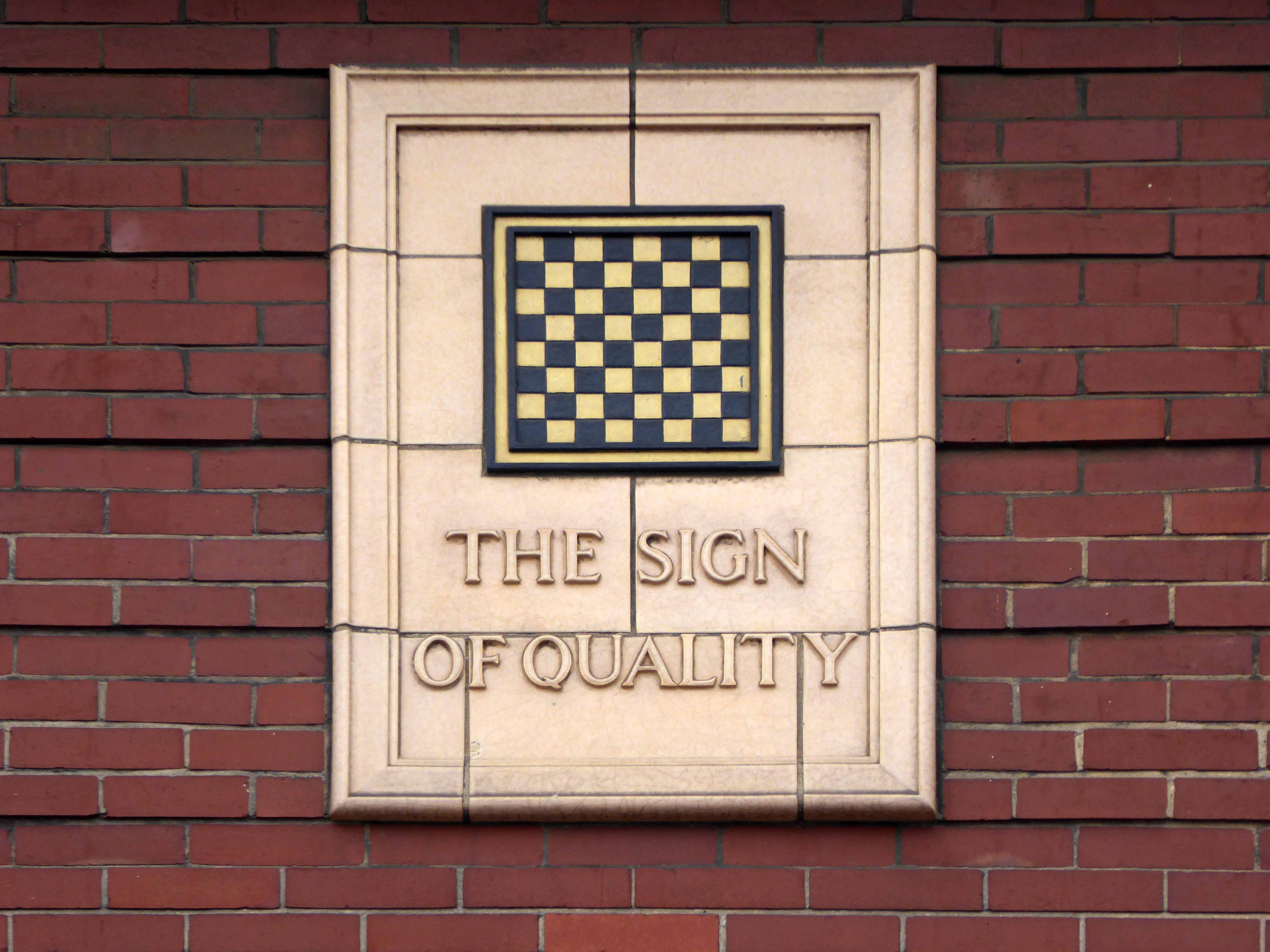
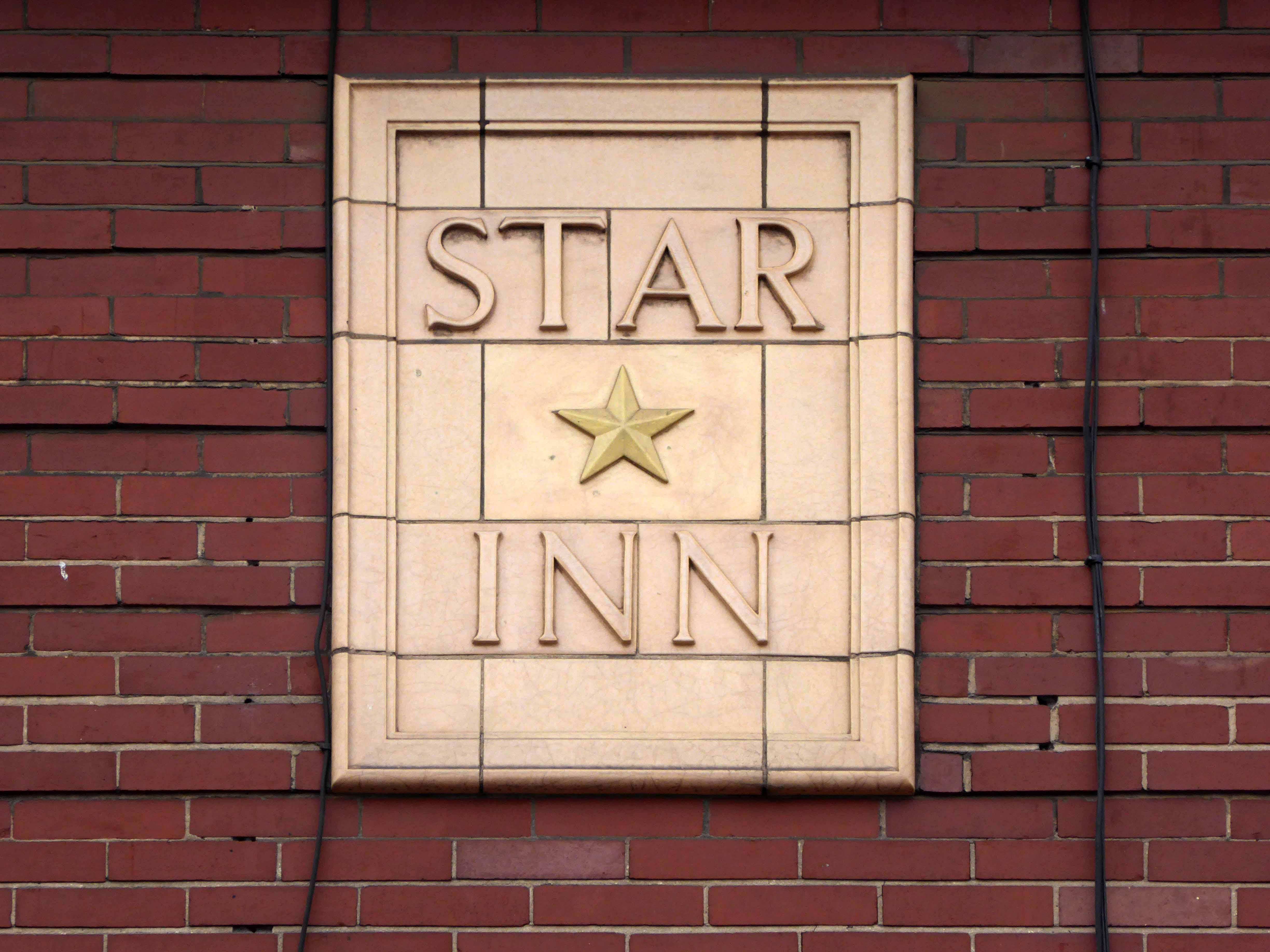
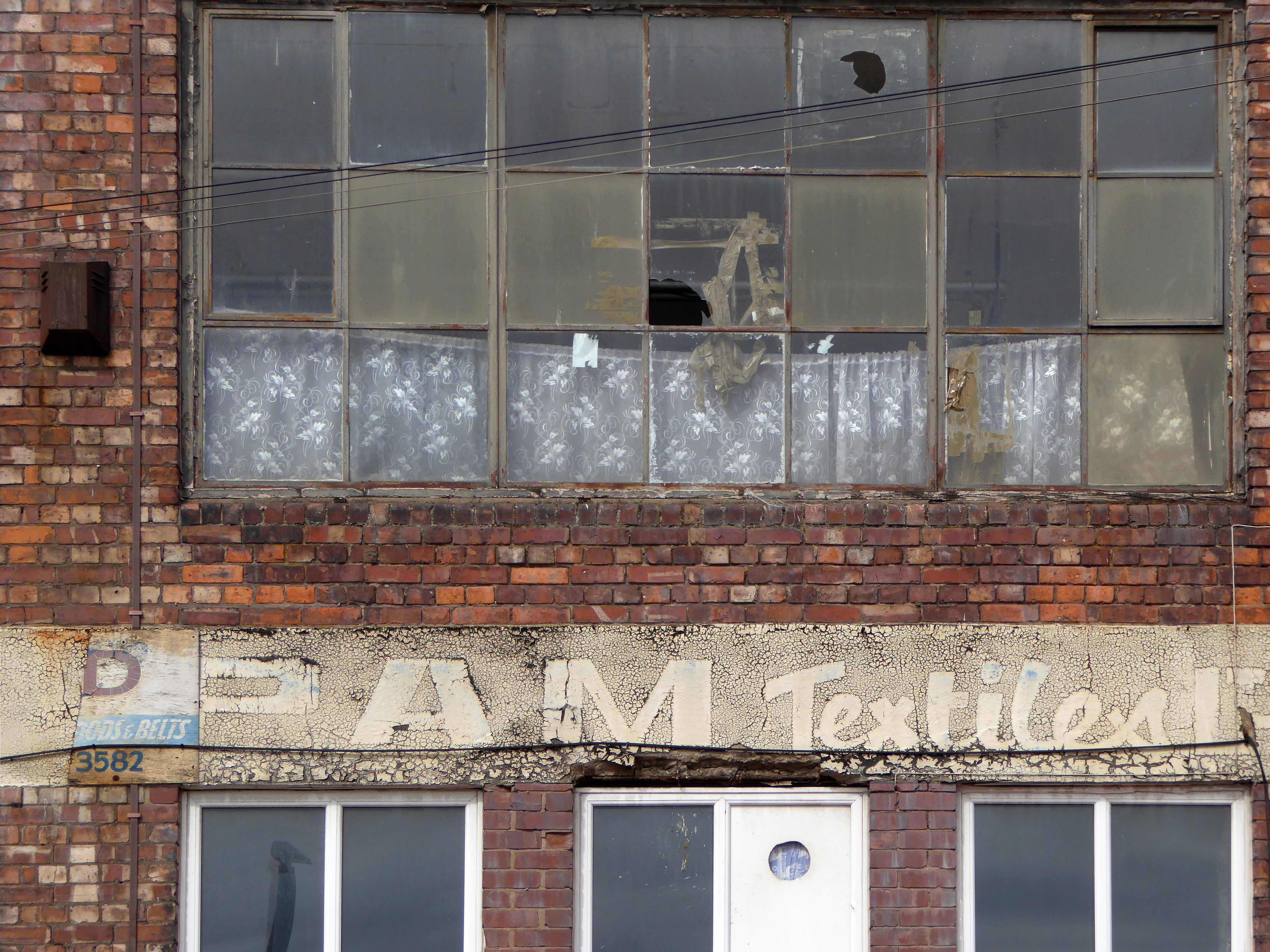
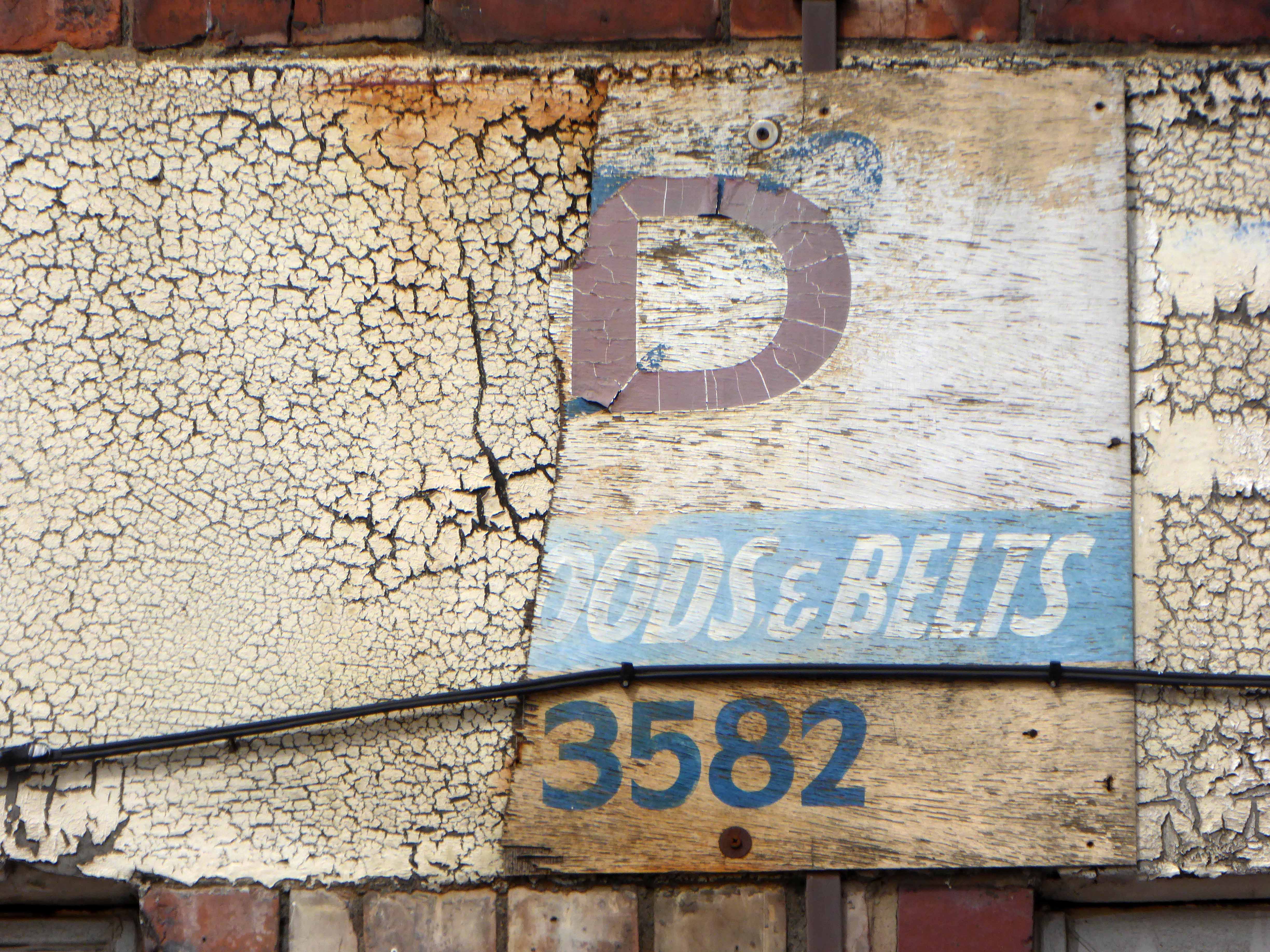
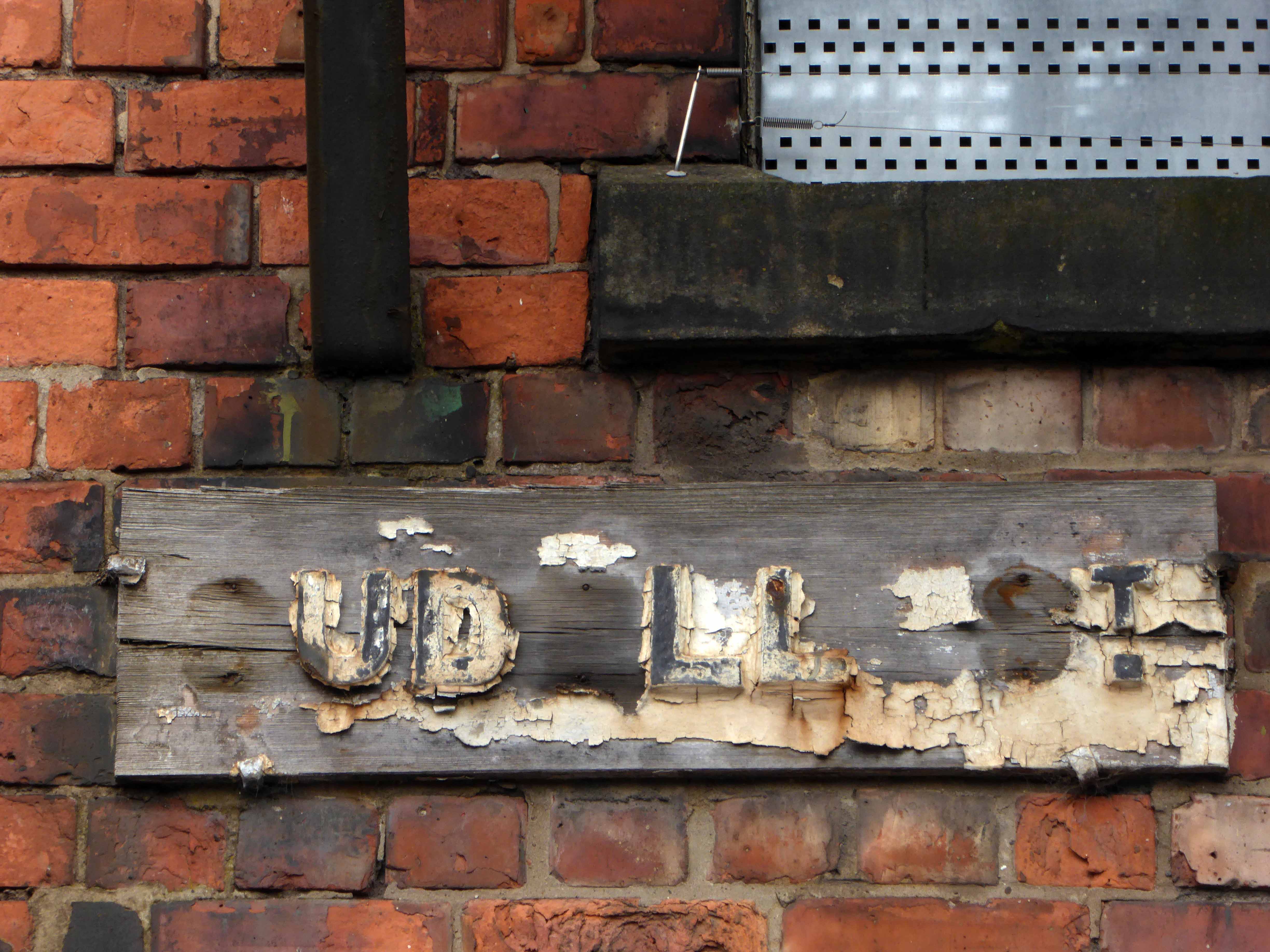
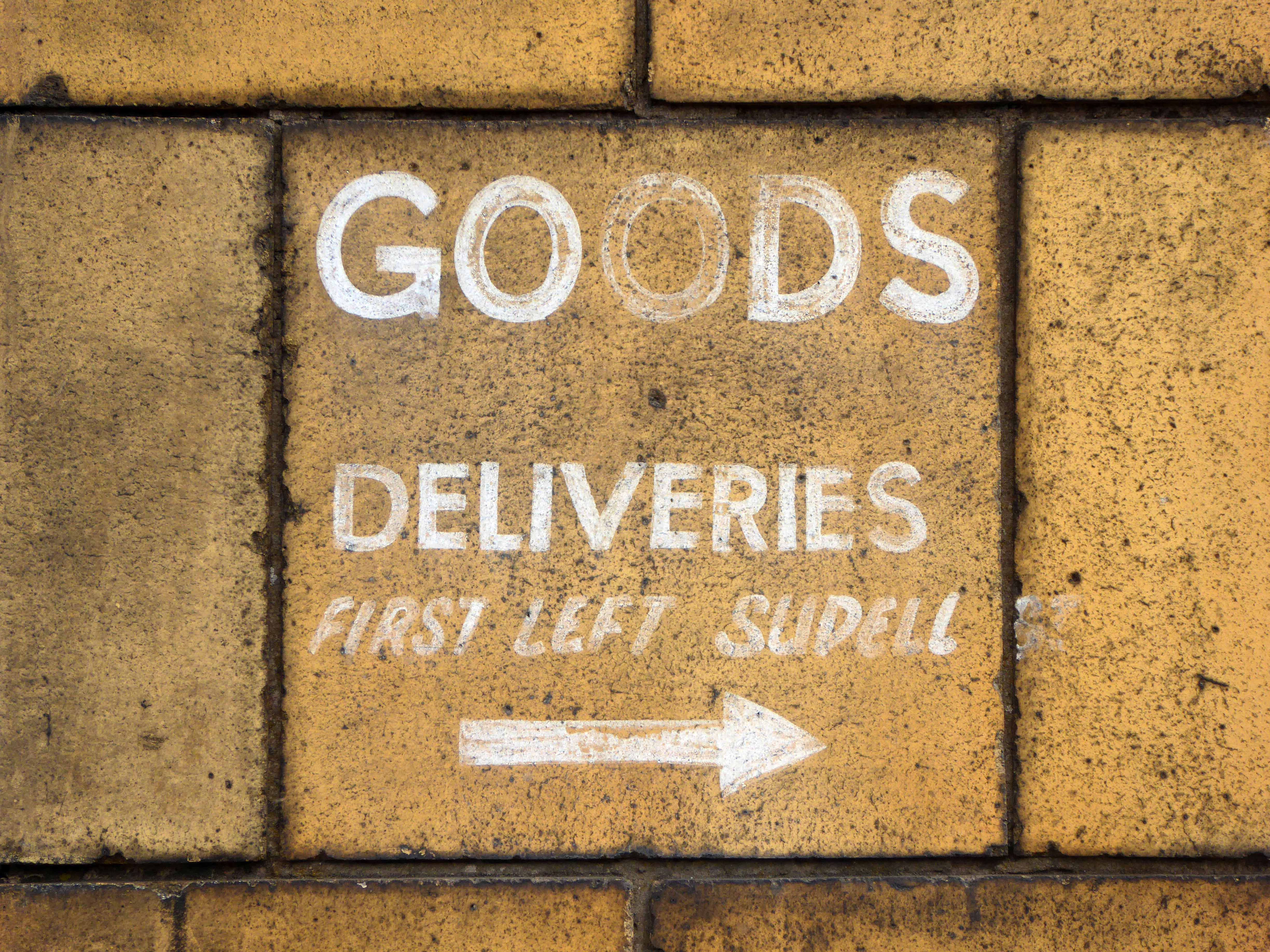
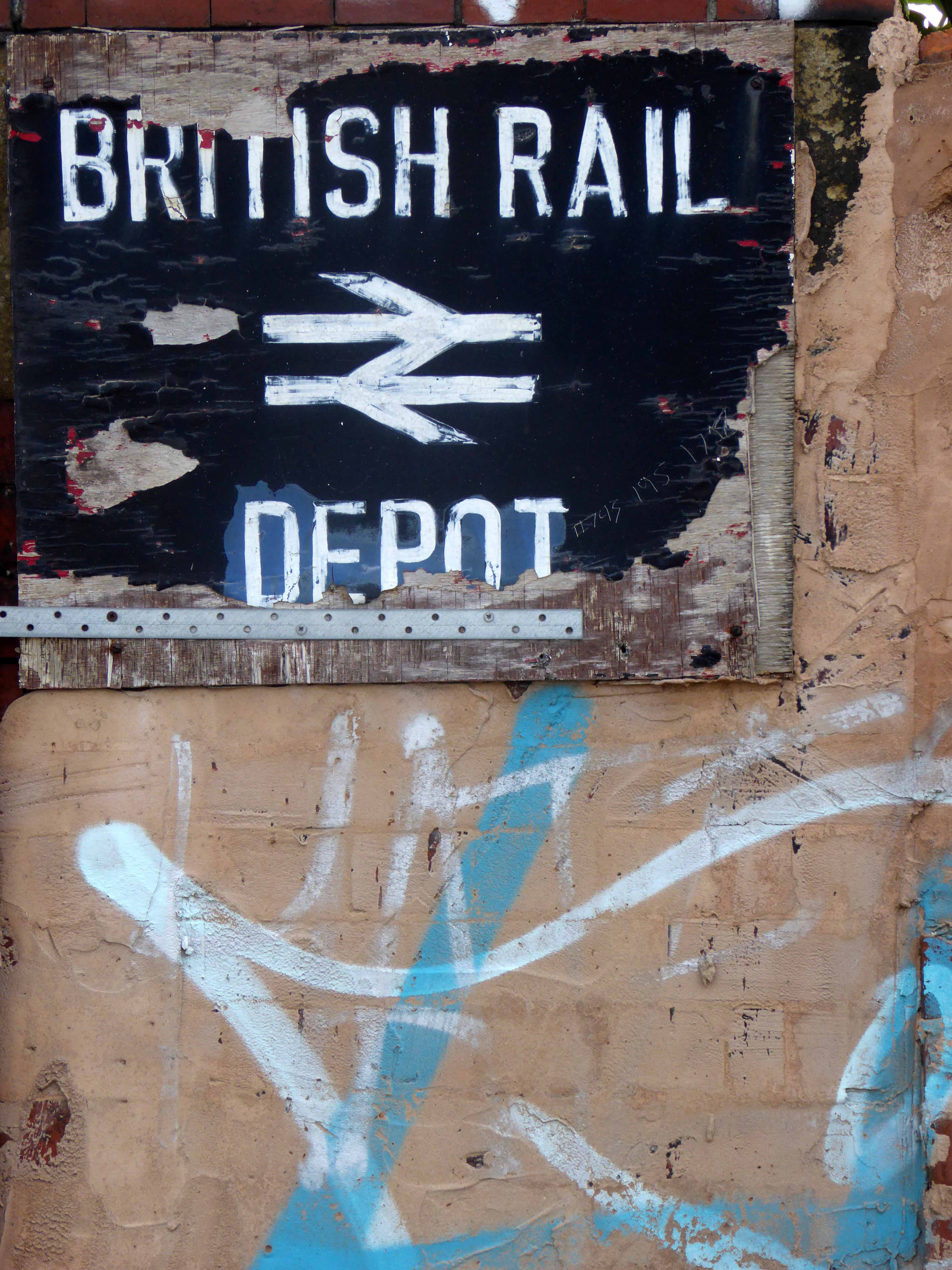
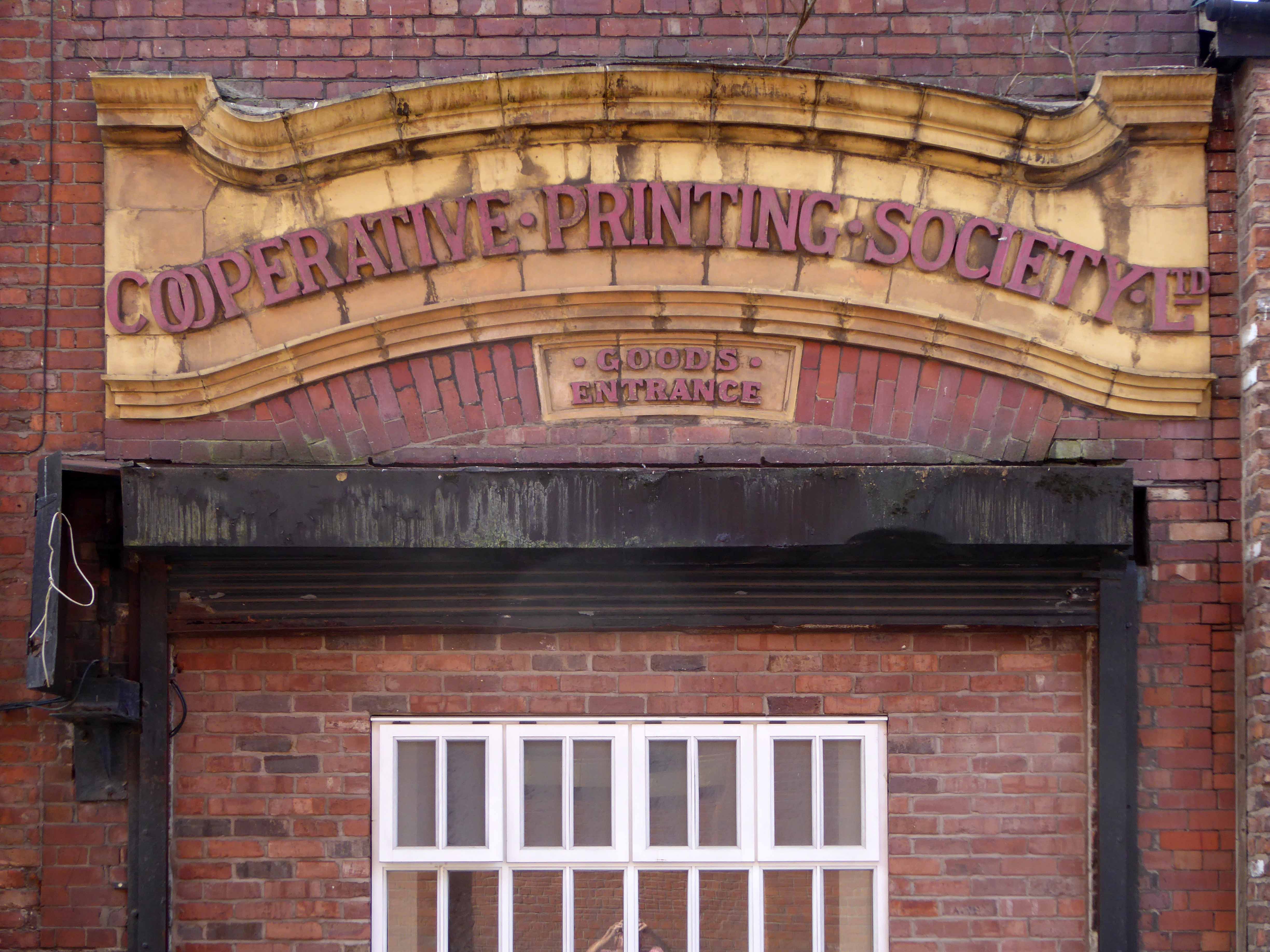
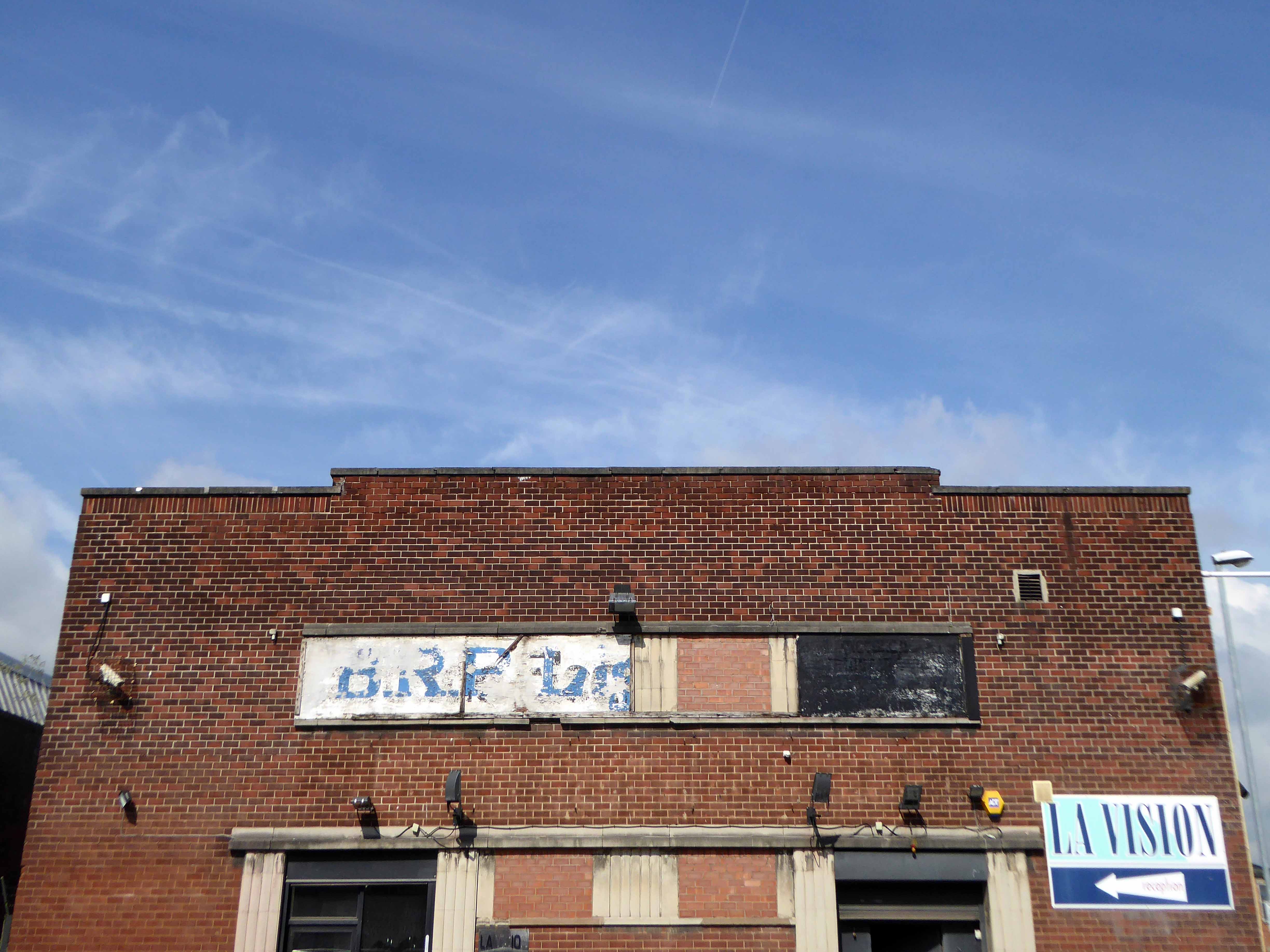
Adorned with the flowing scripts and signage of the multi-nationals, nationals and local companies, intent upon rendering corporeal the post-war optimism, attendant full-employment and the buoyant business of business.

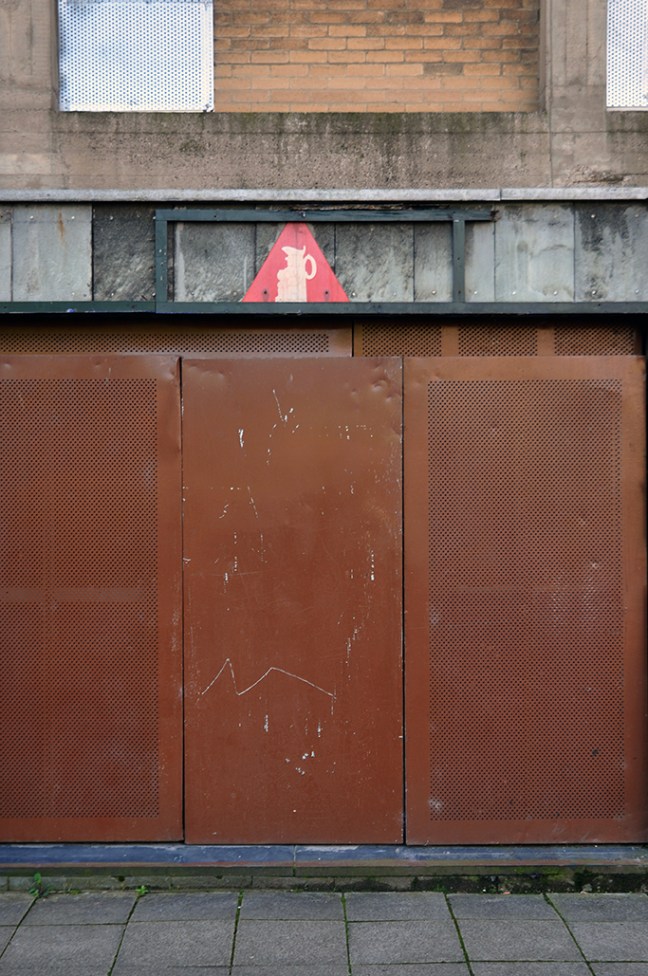
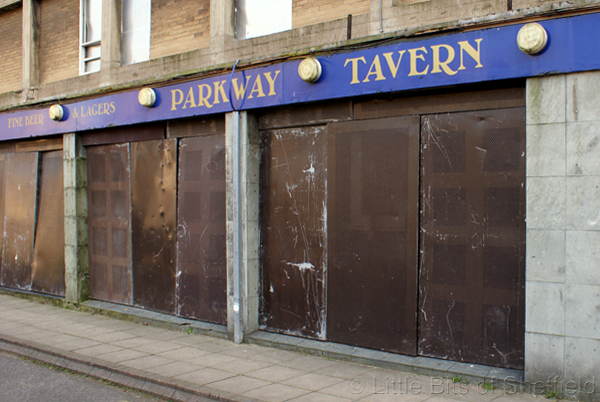
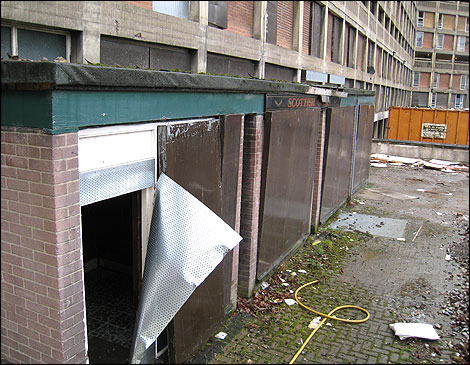
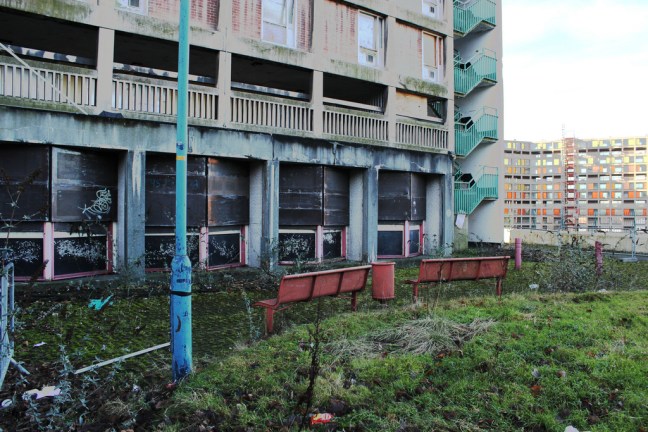
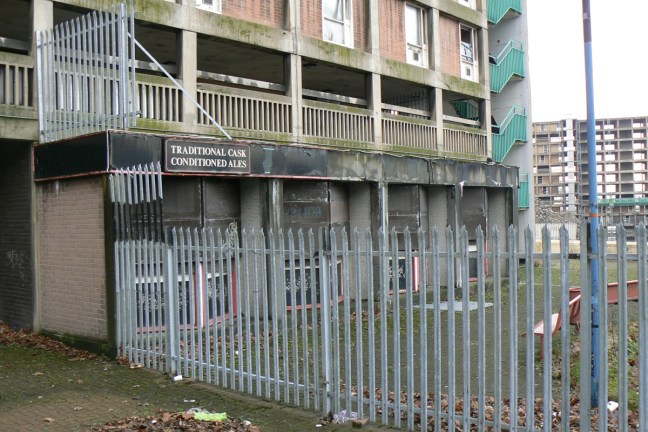
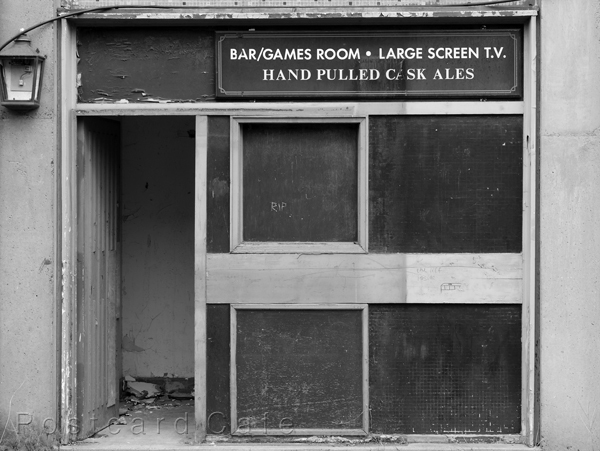
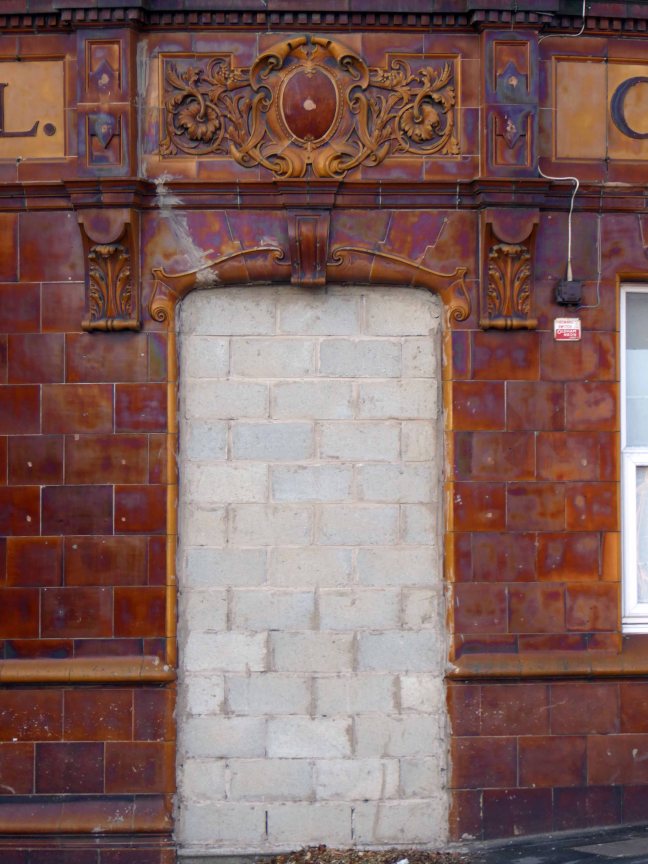
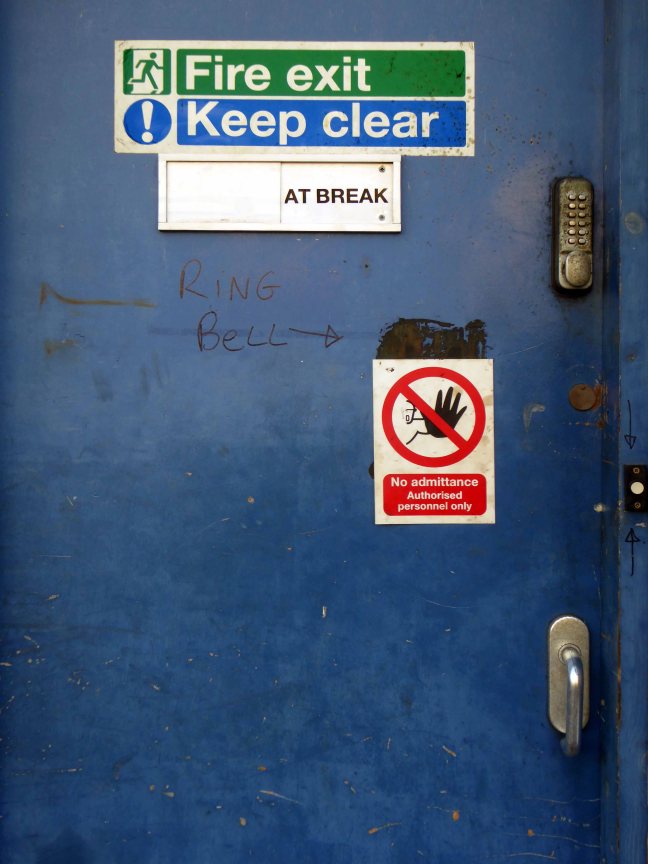
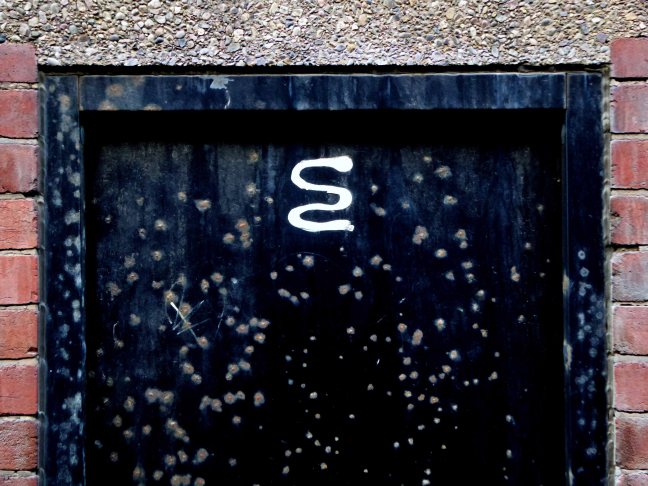
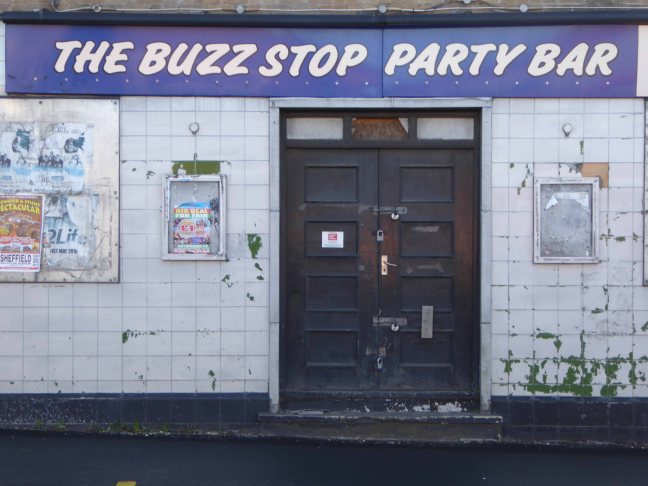
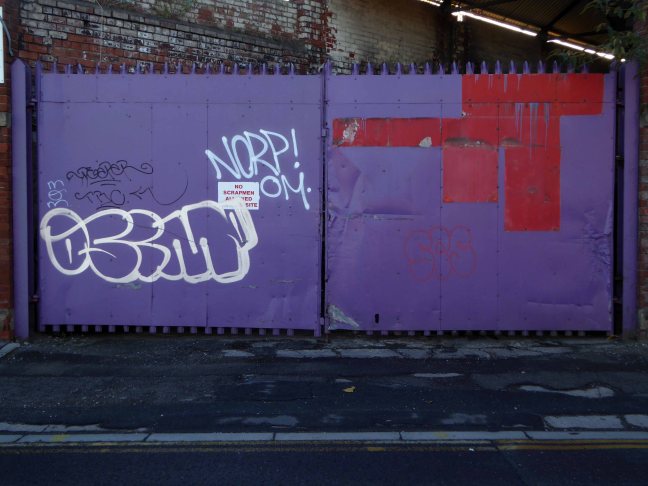
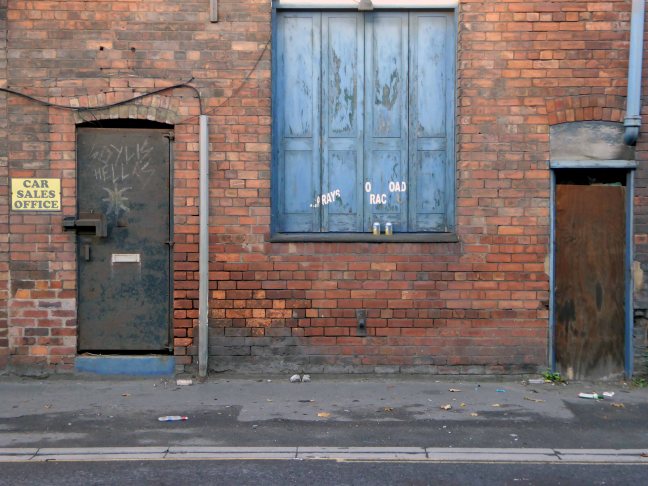
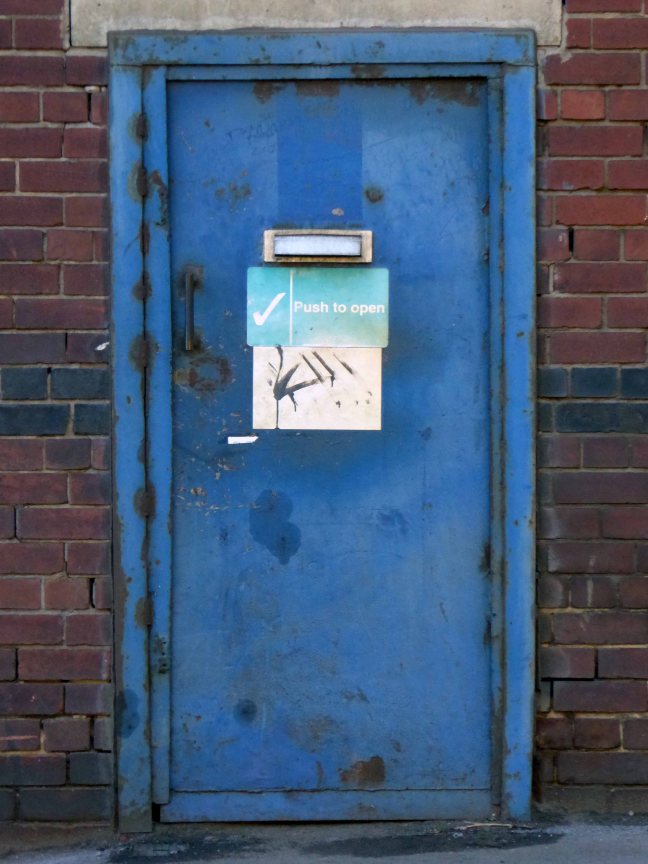
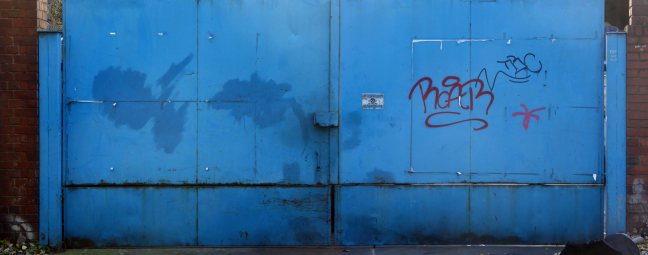
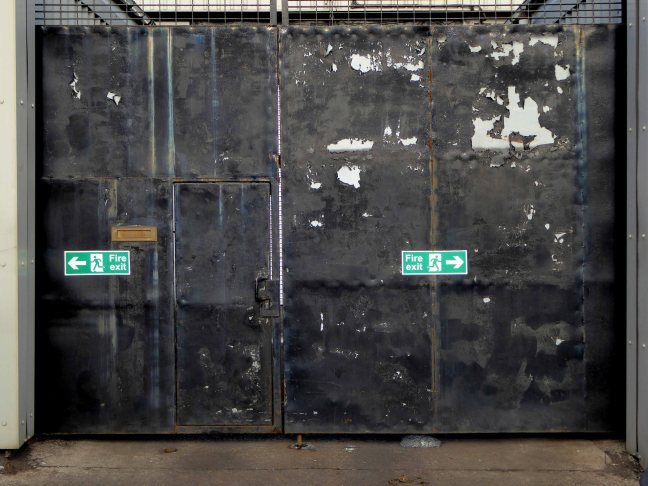
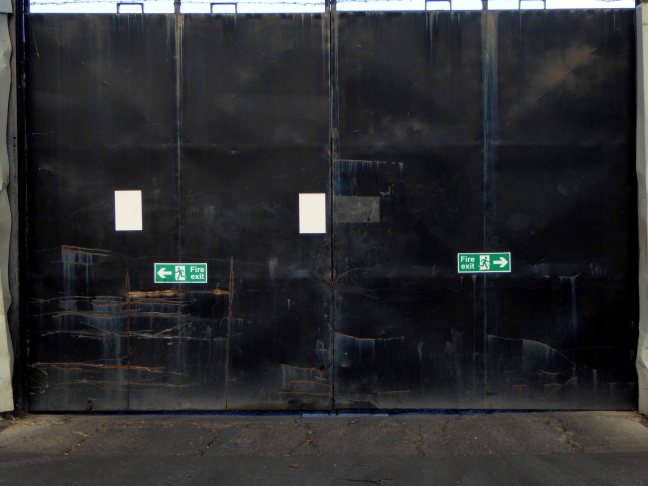
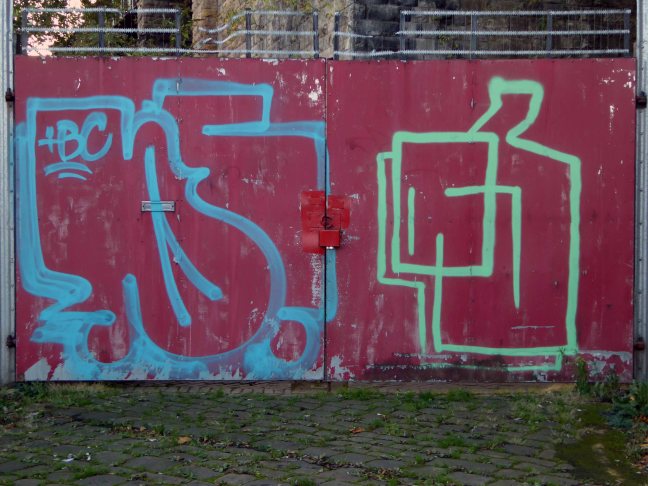
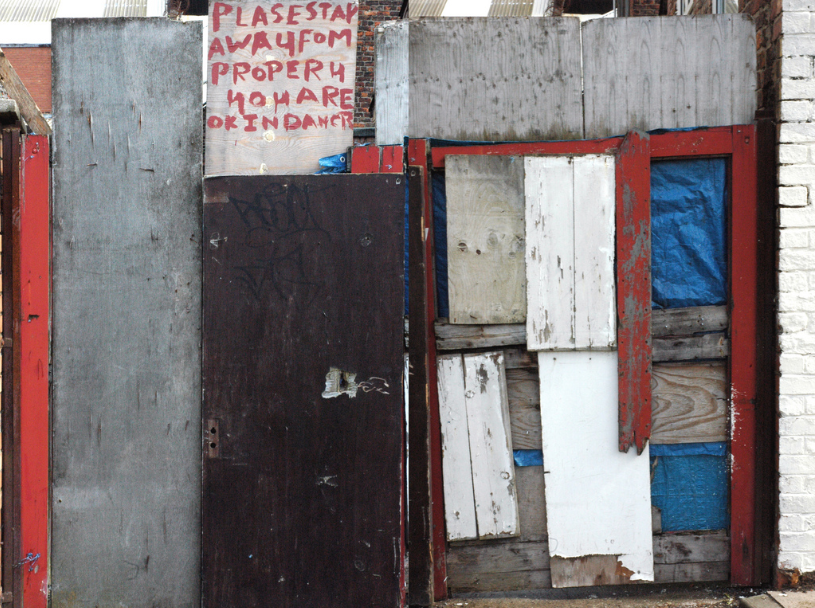
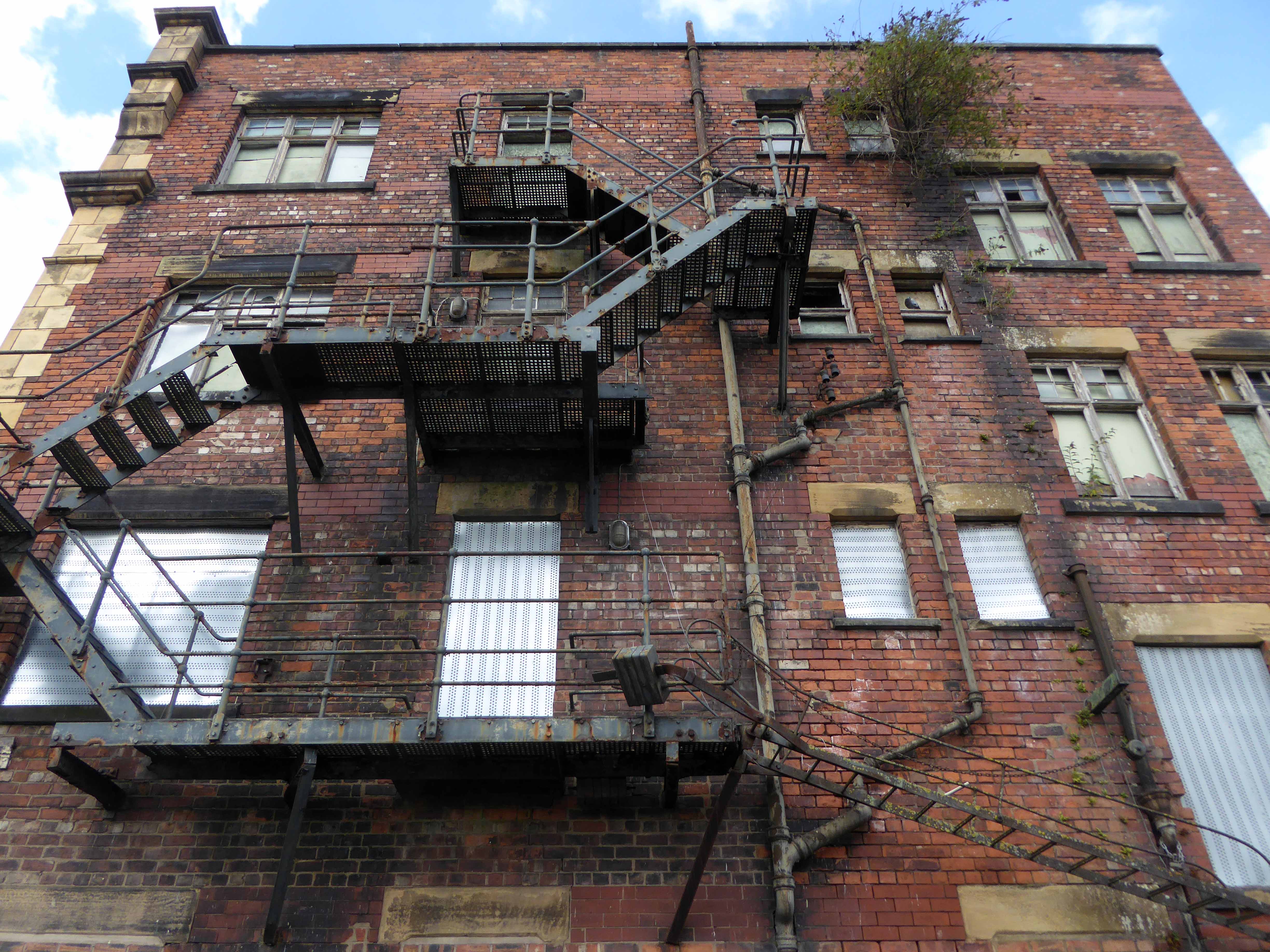
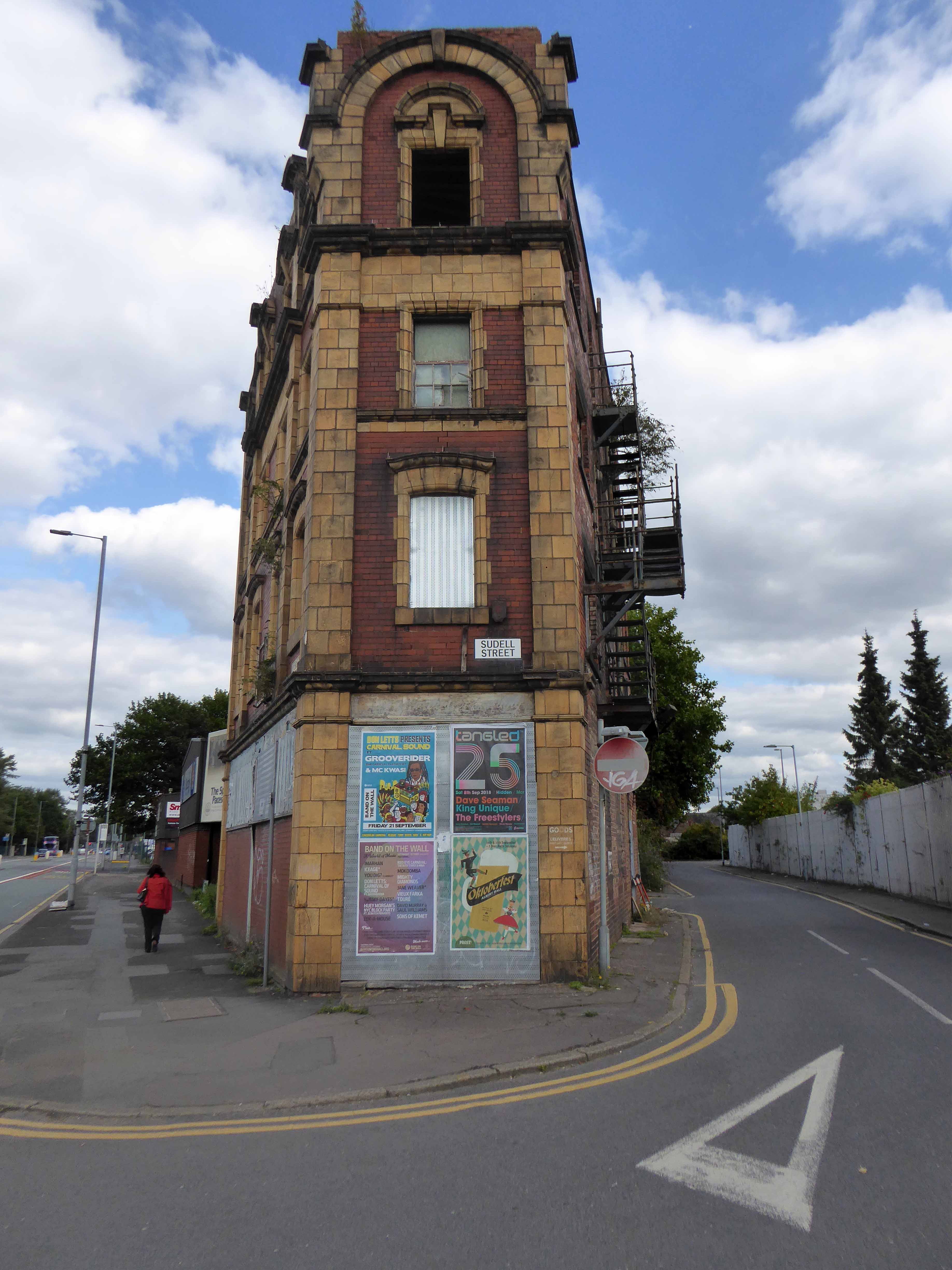
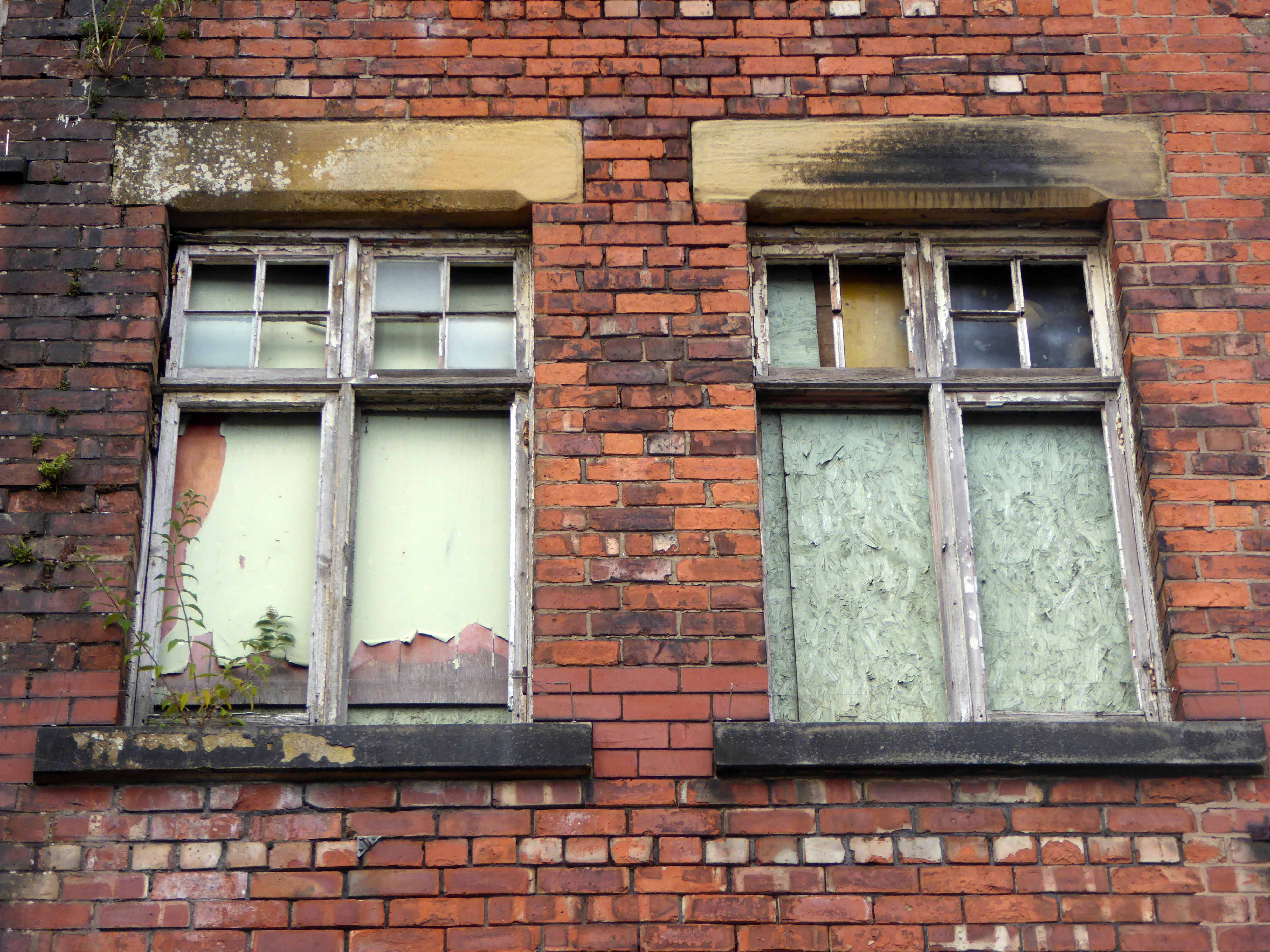
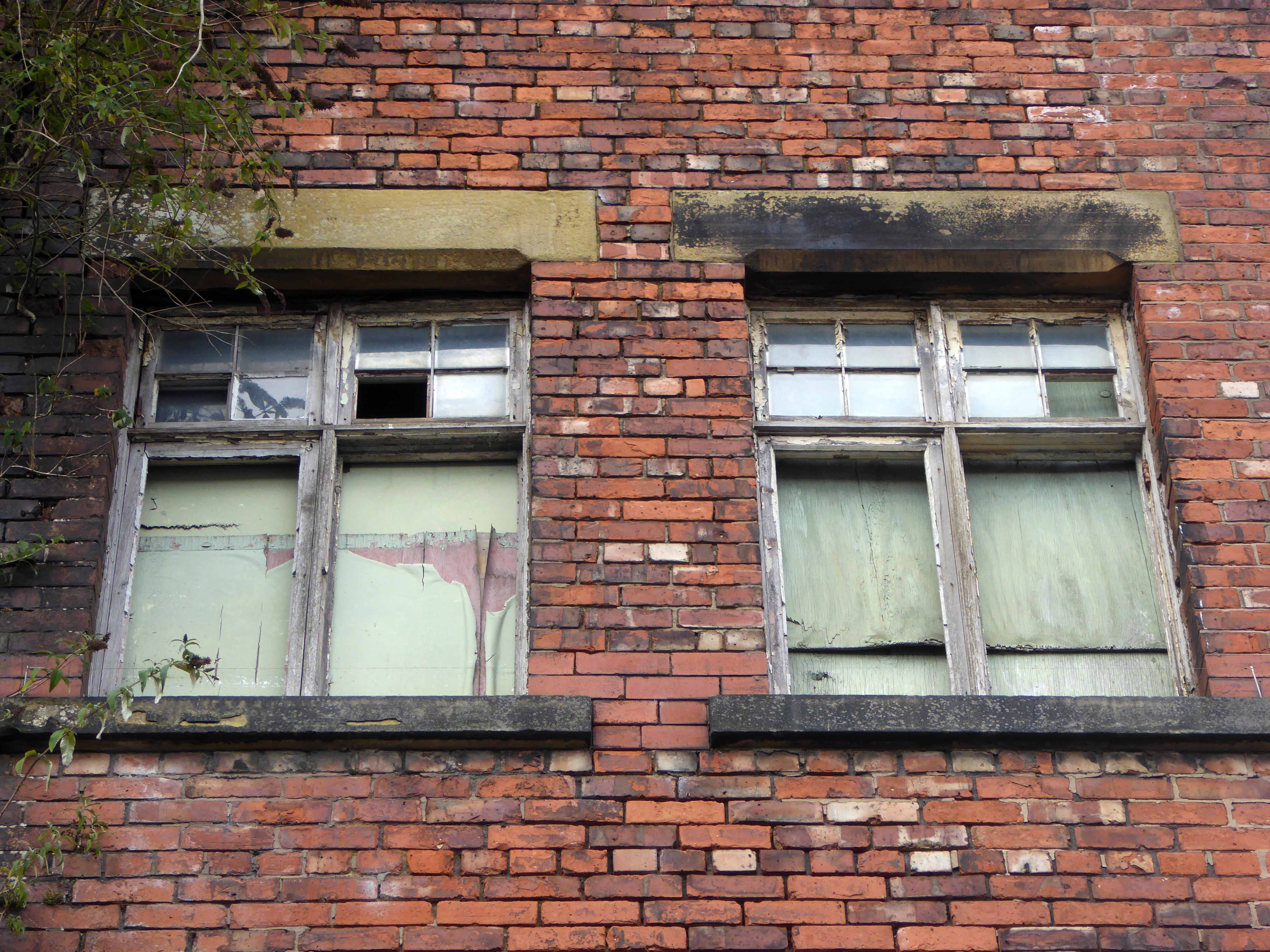
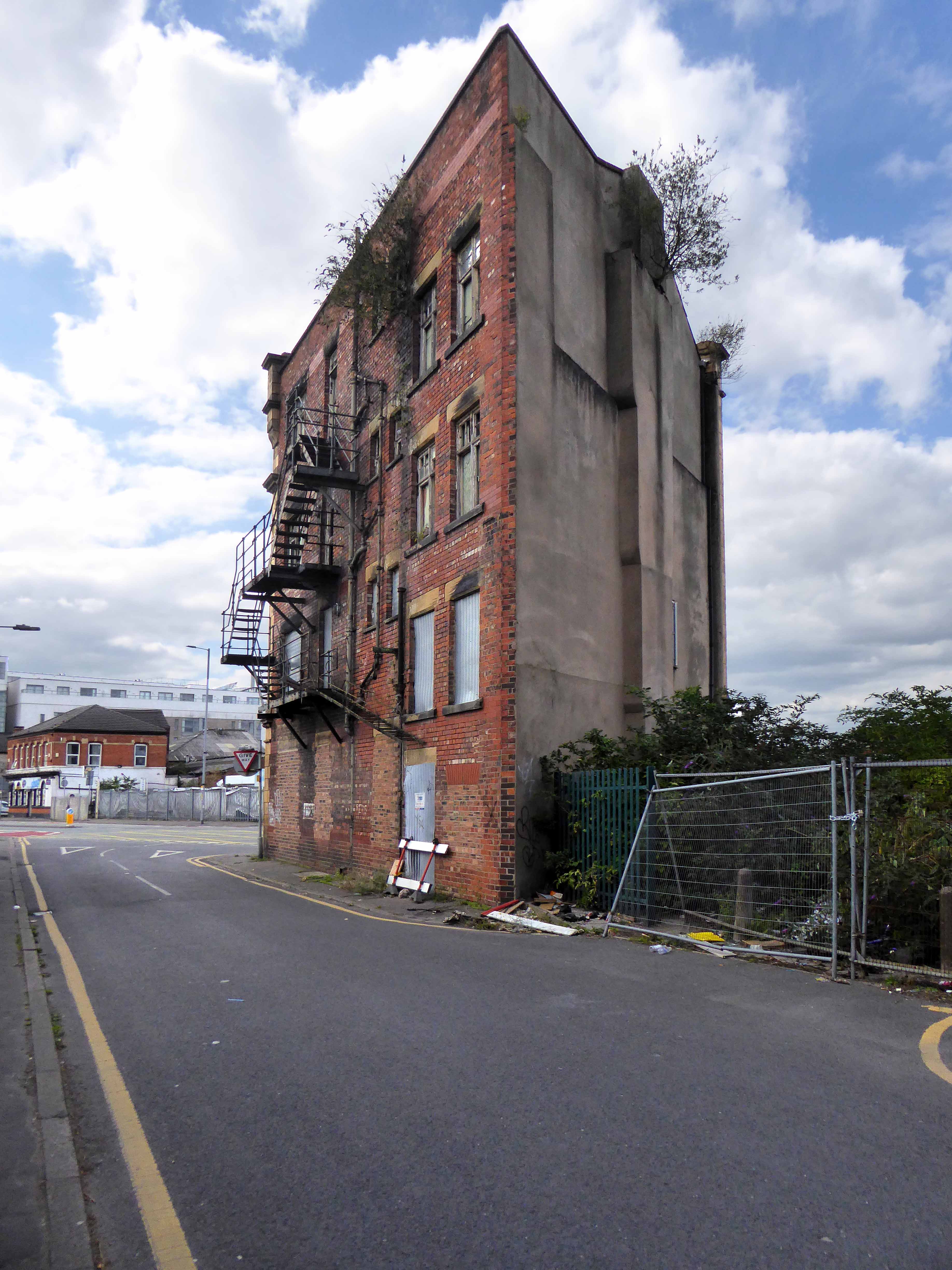
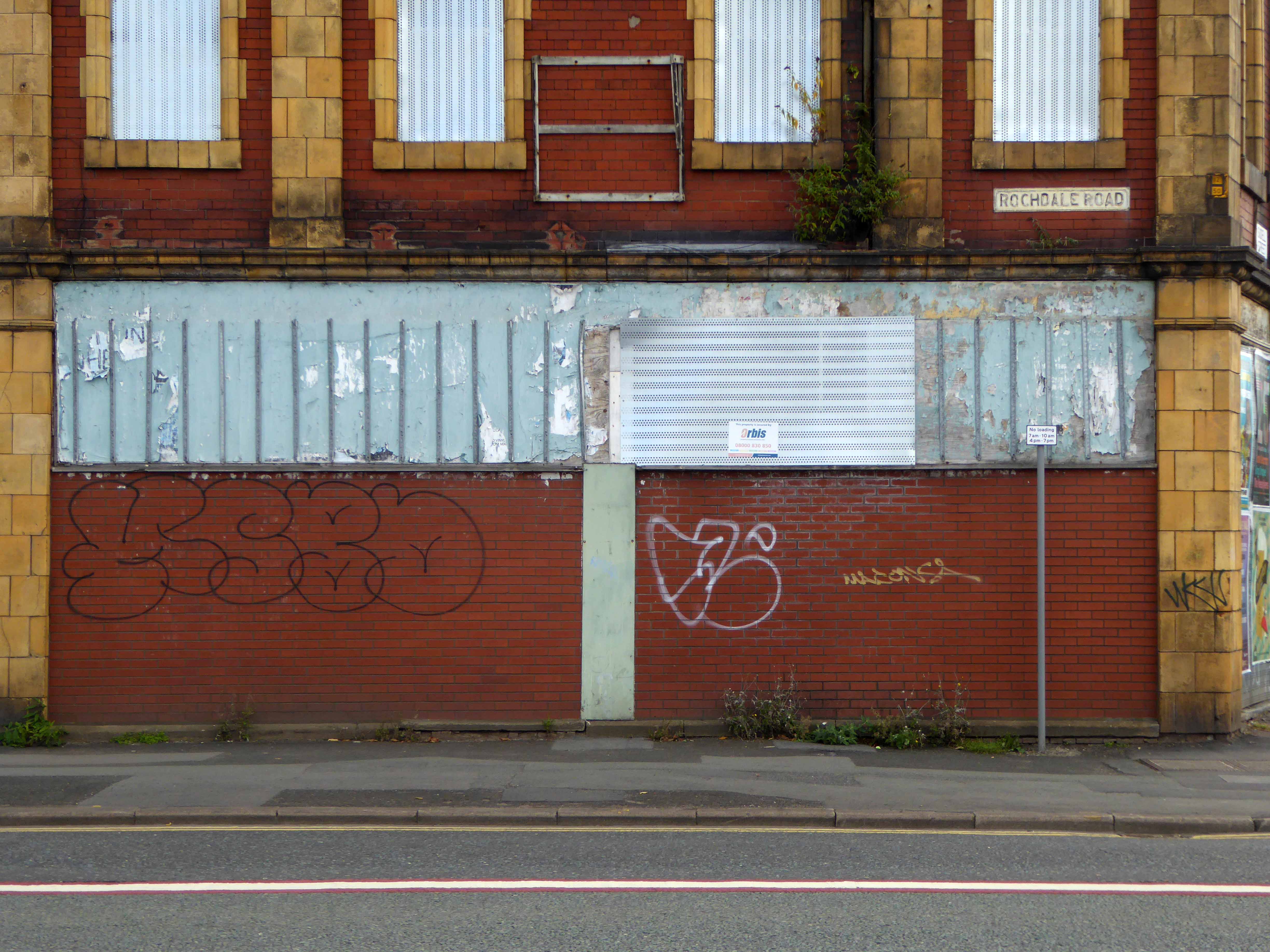
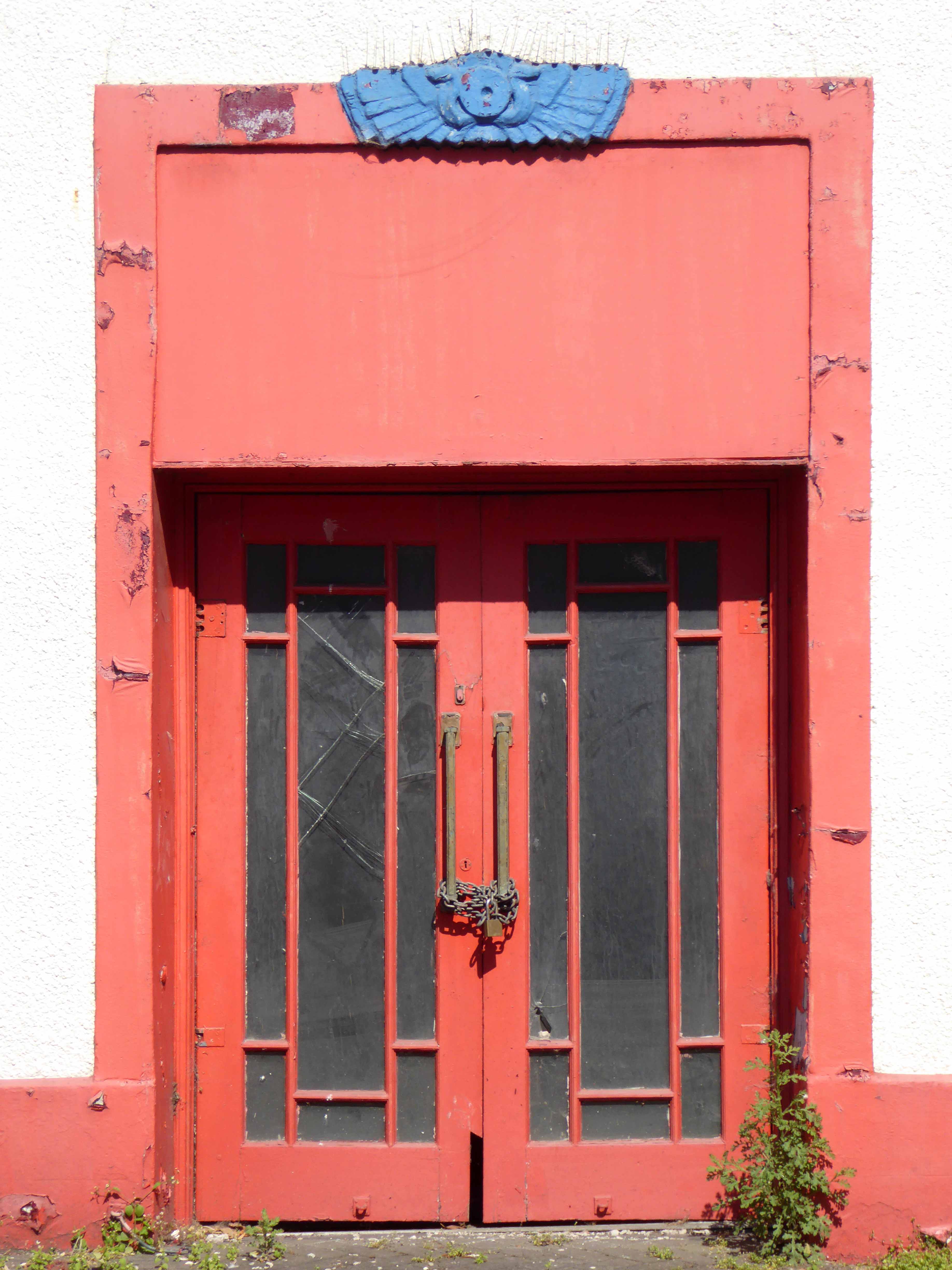
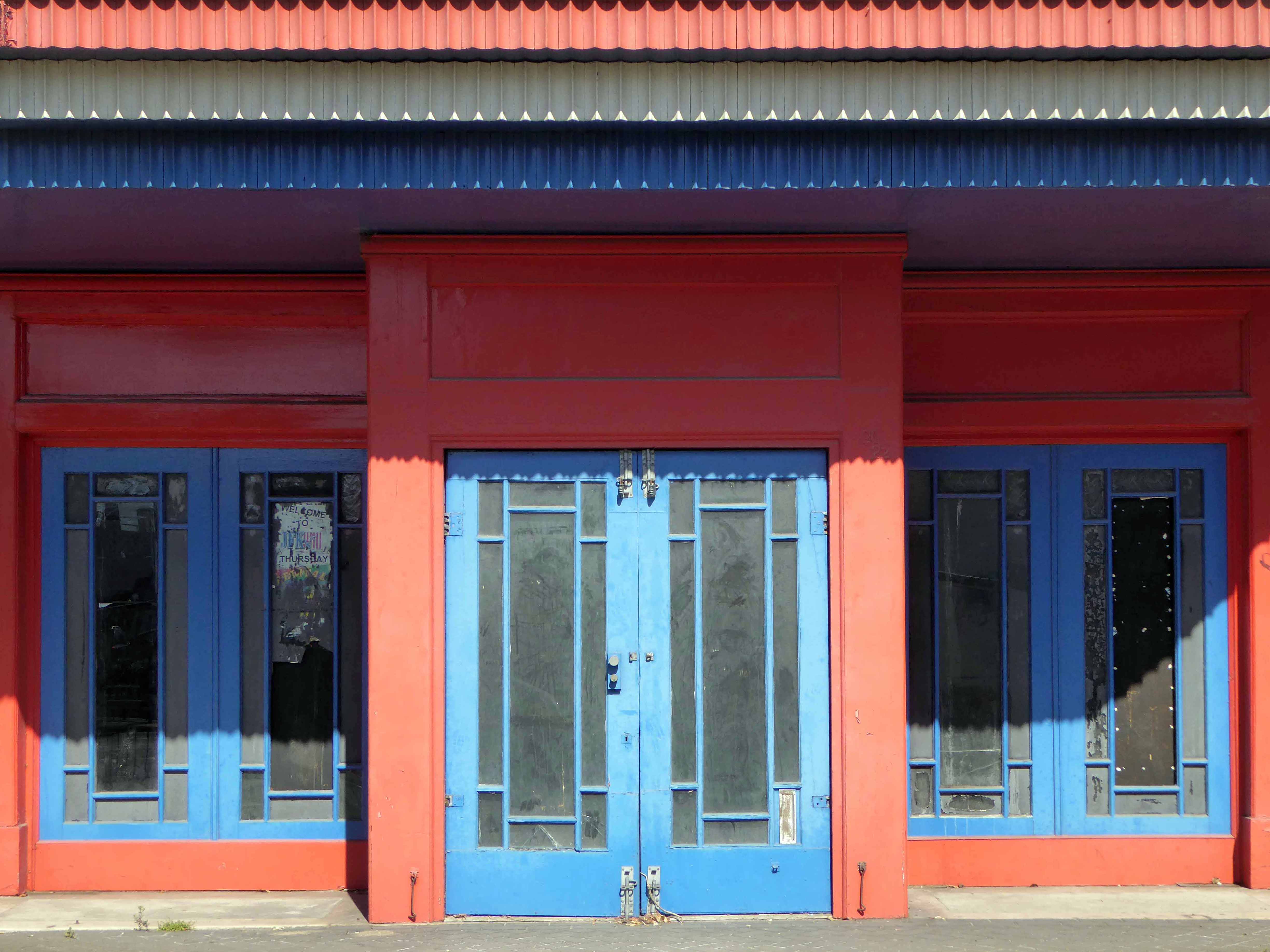
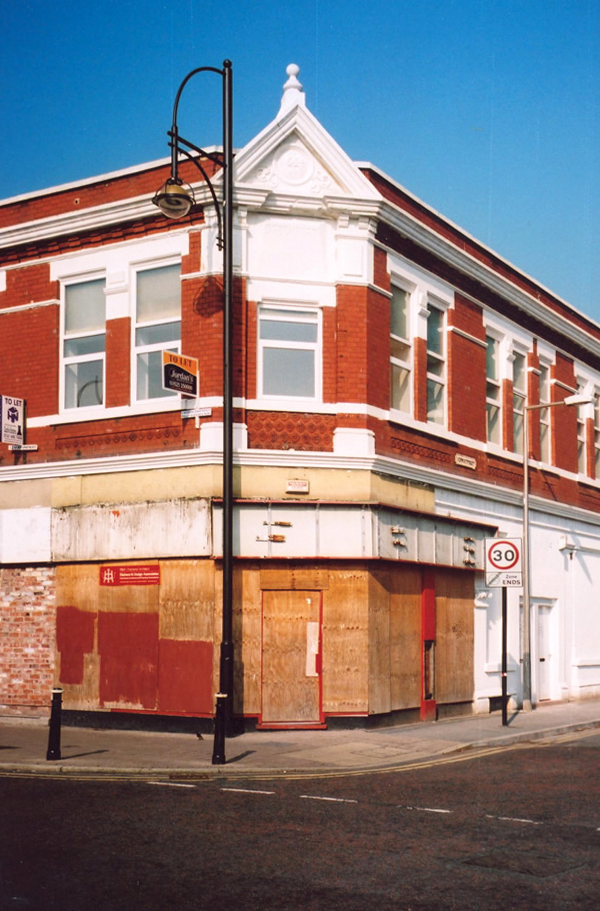
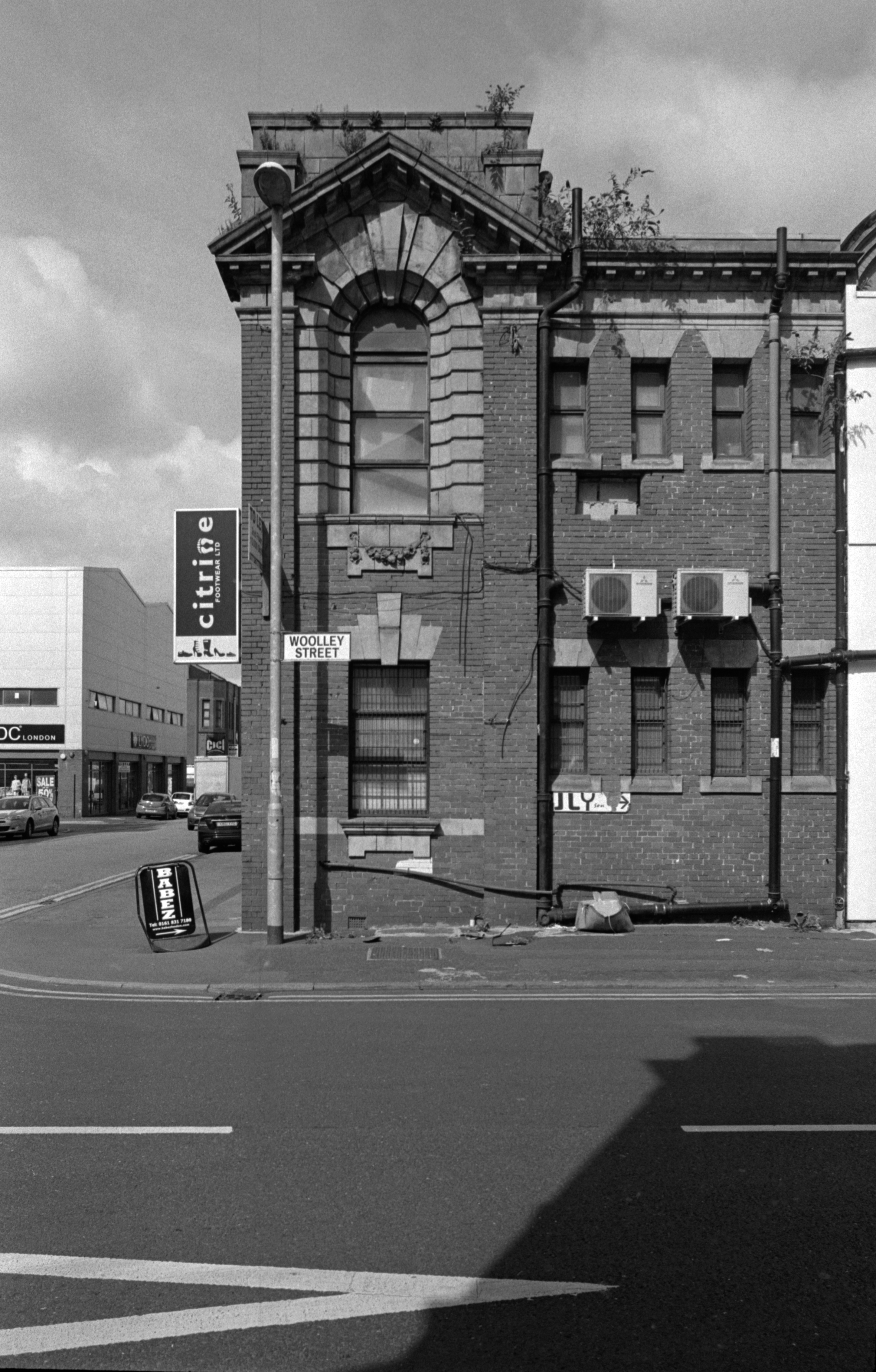
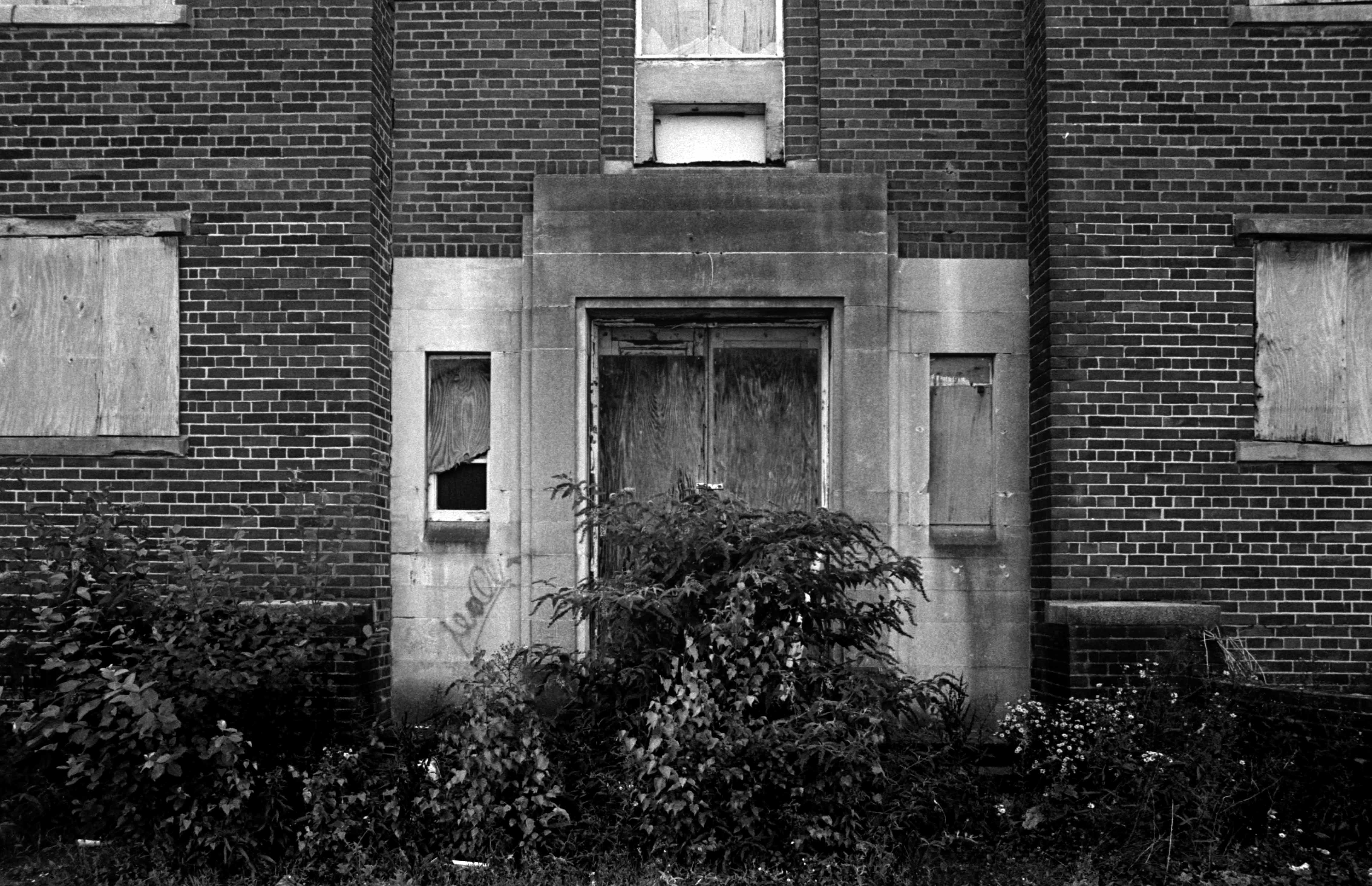
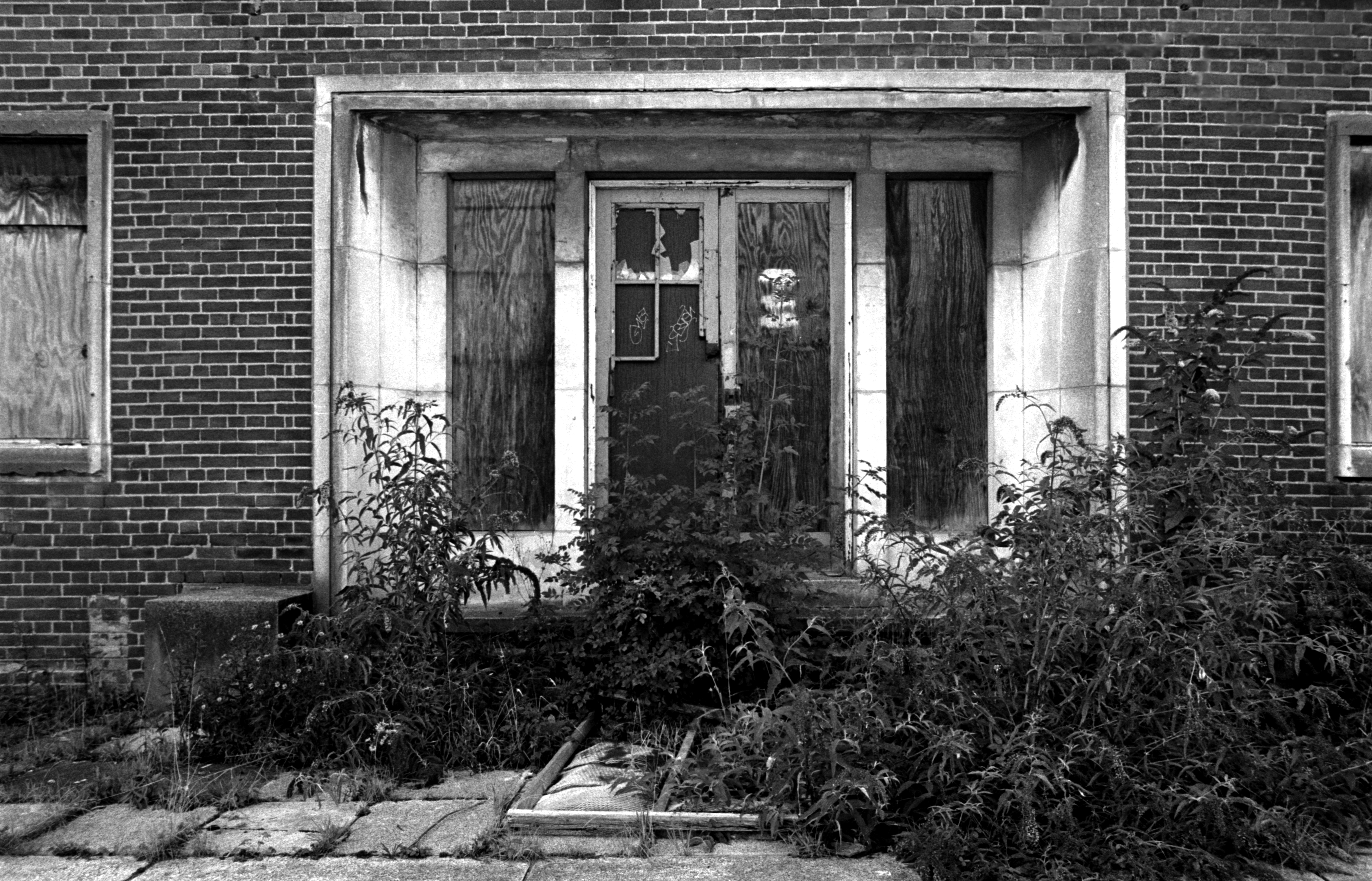
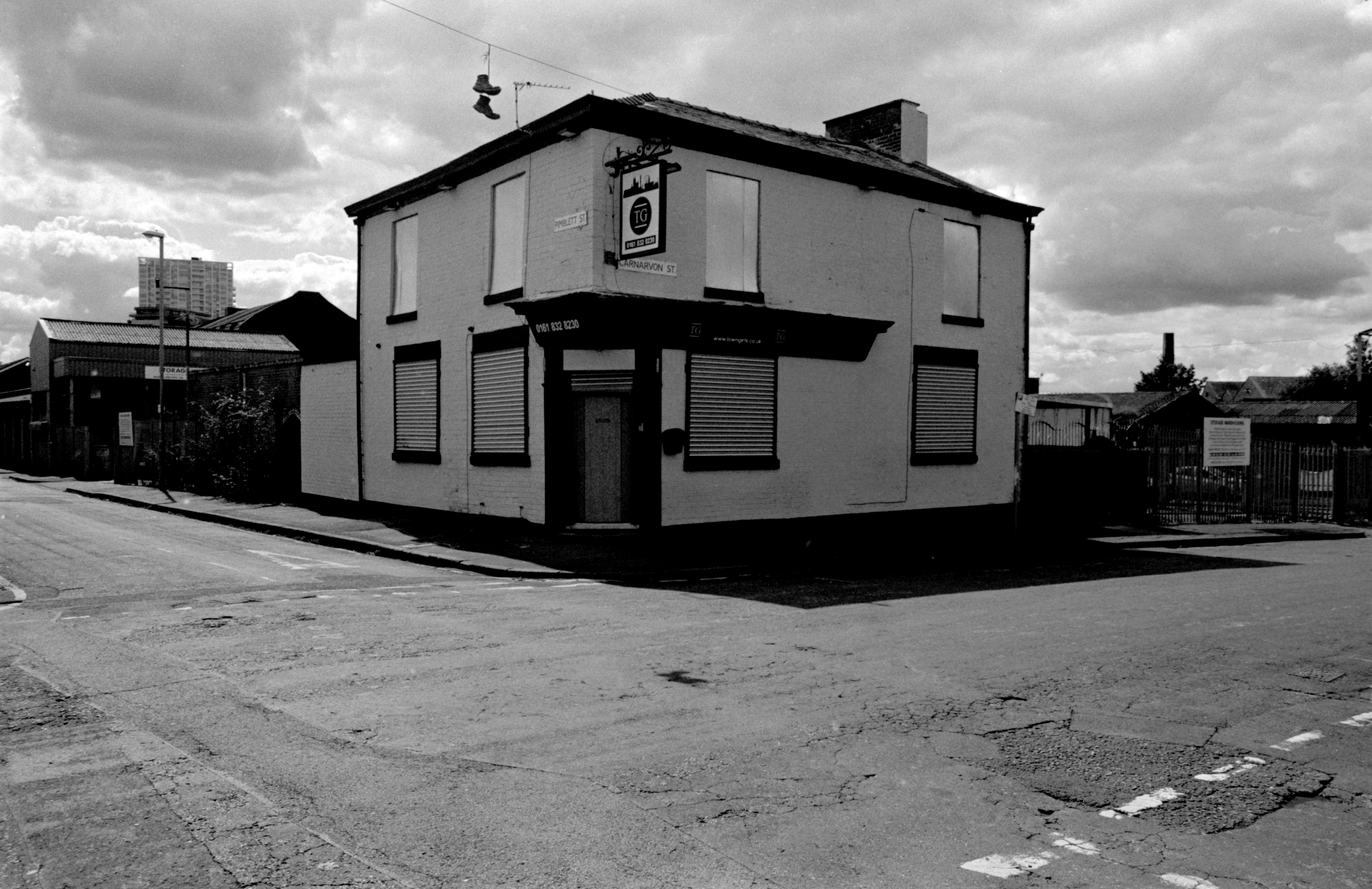
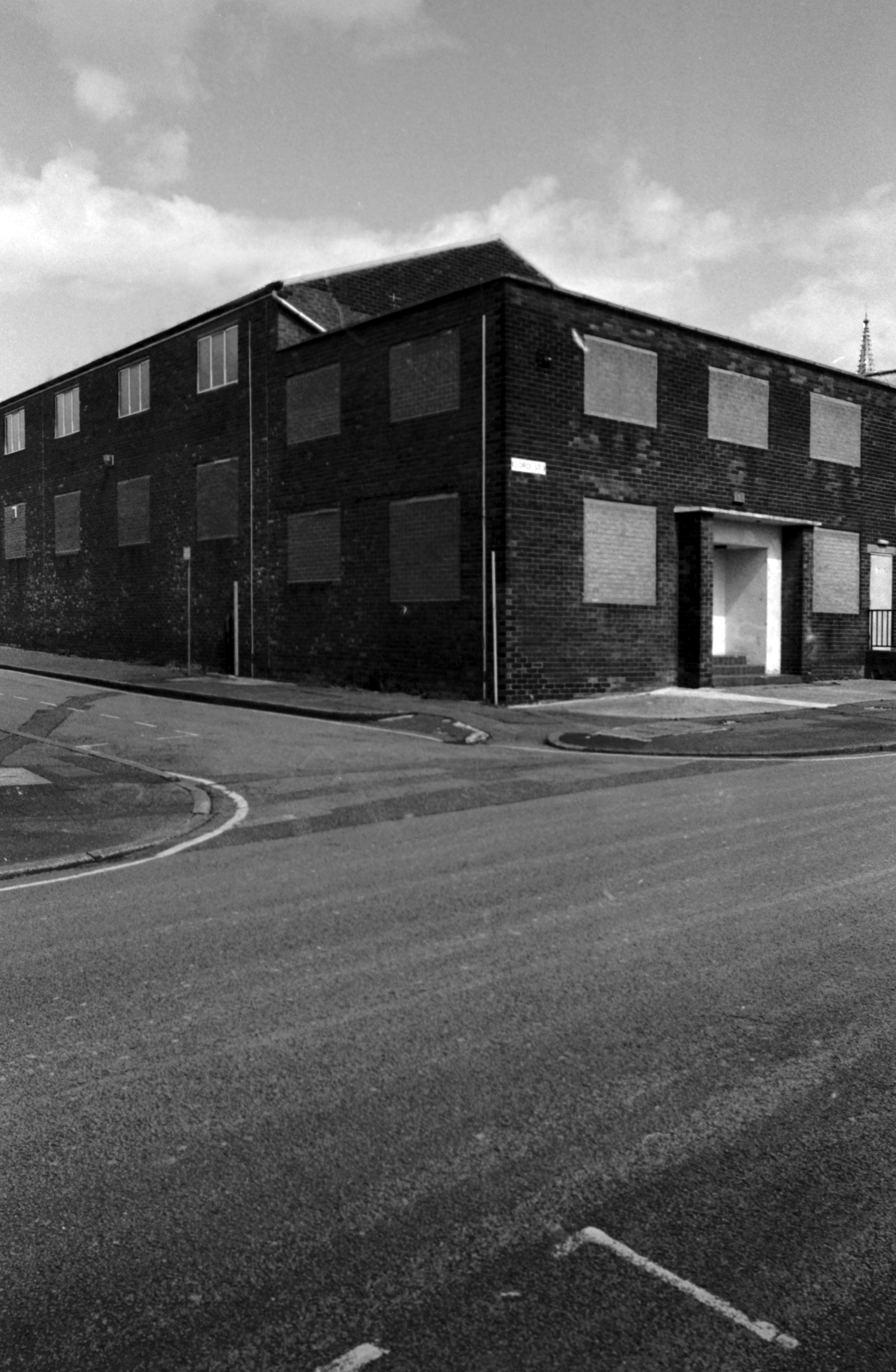
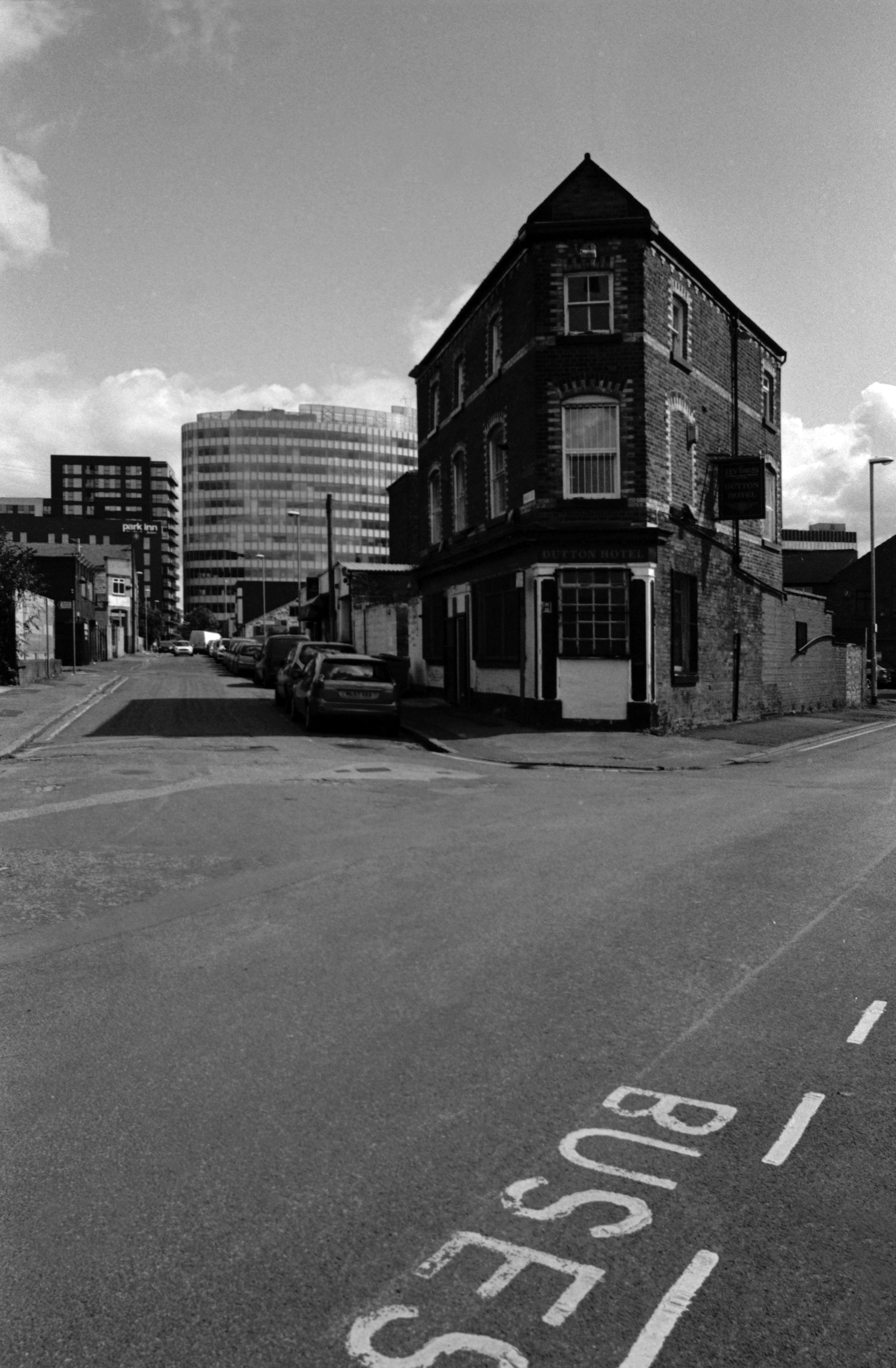
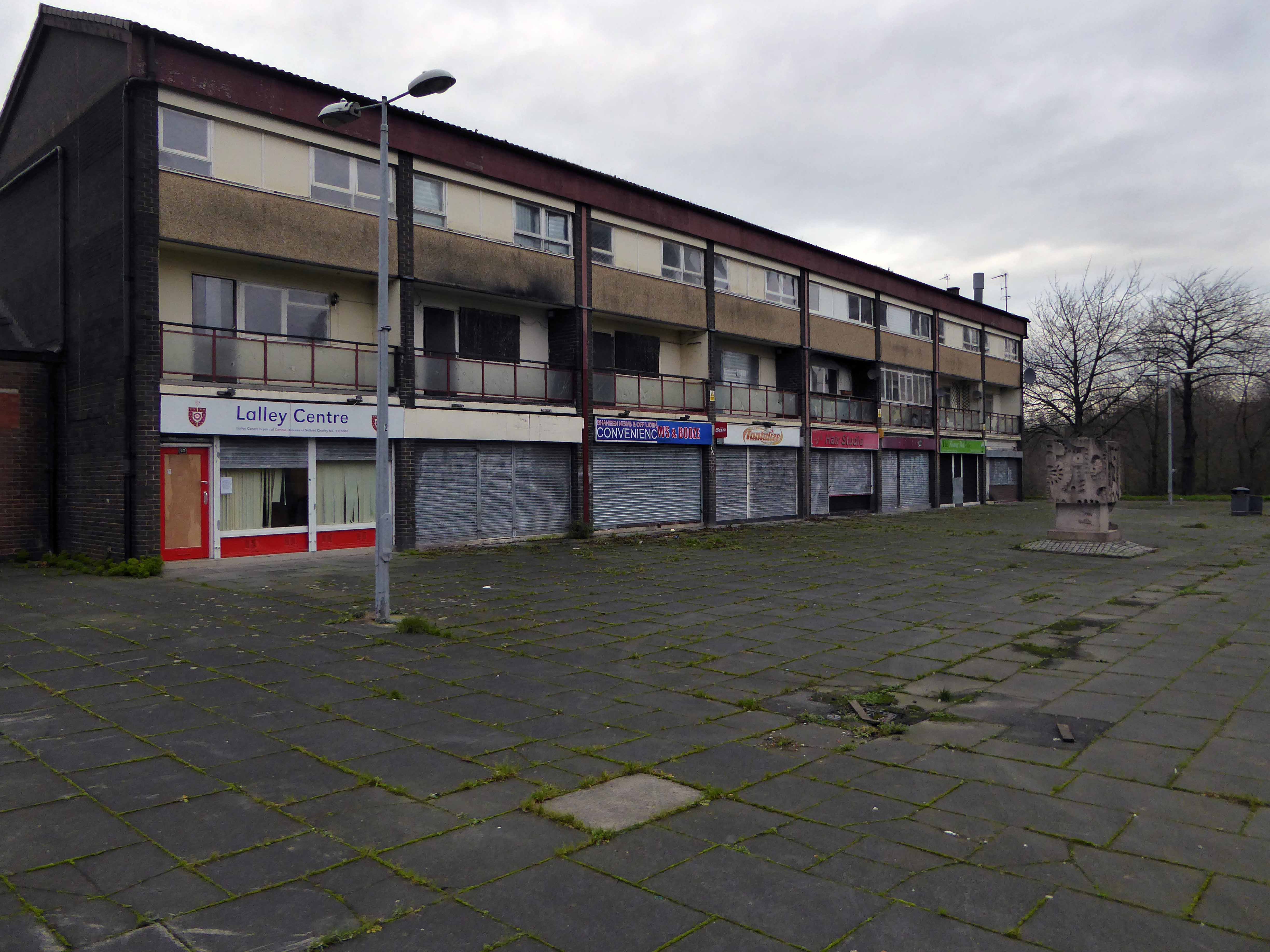
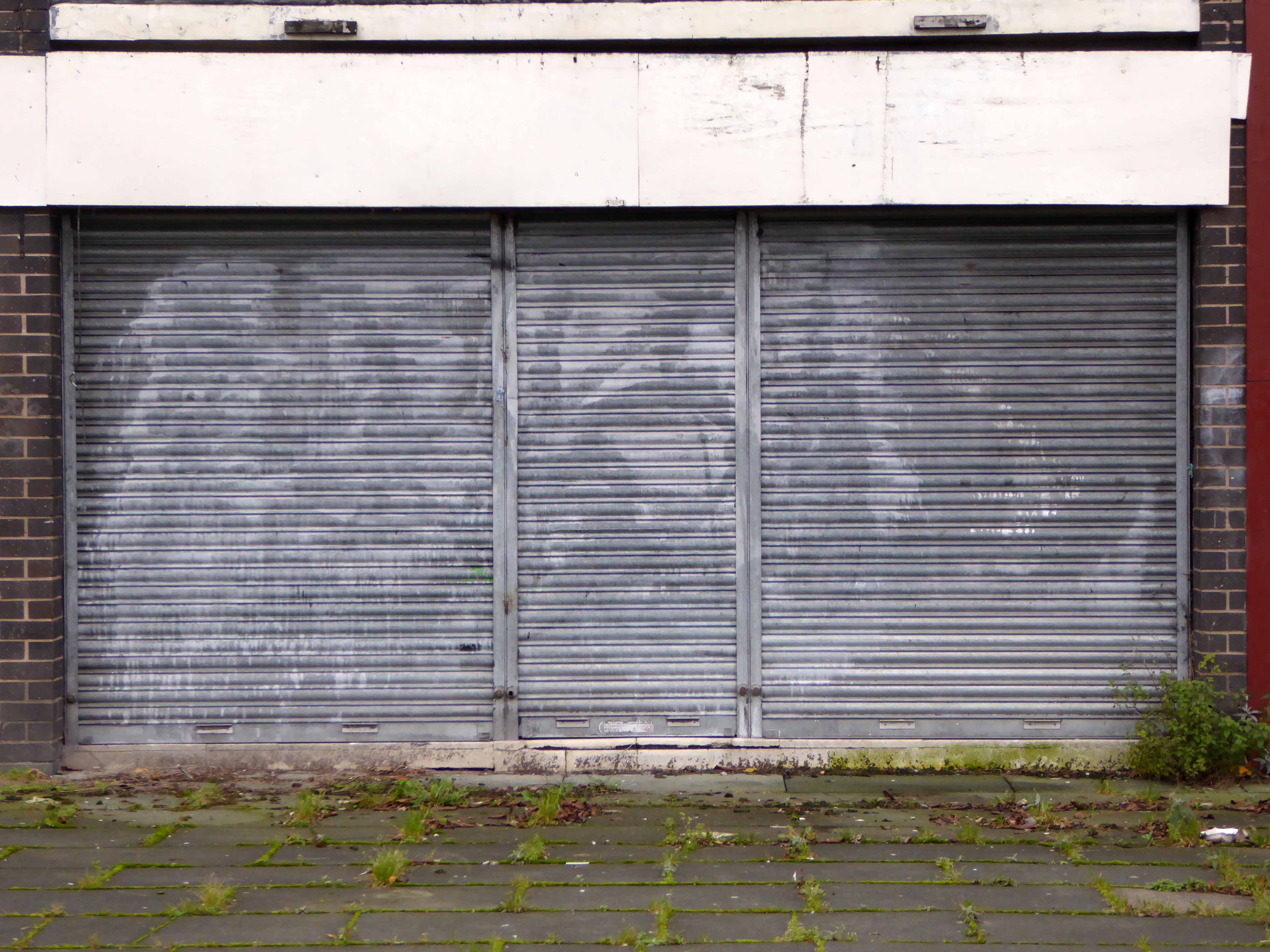
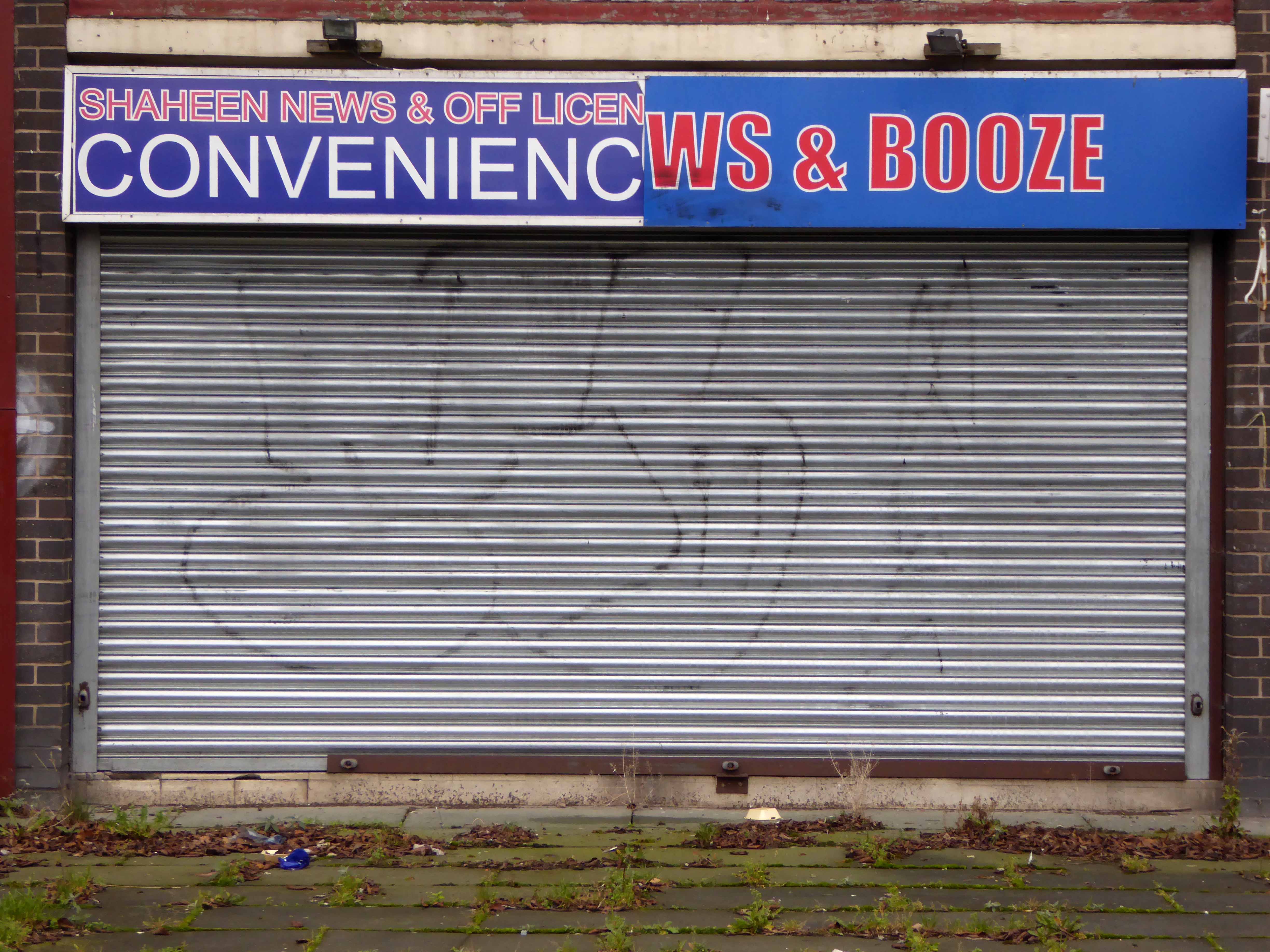
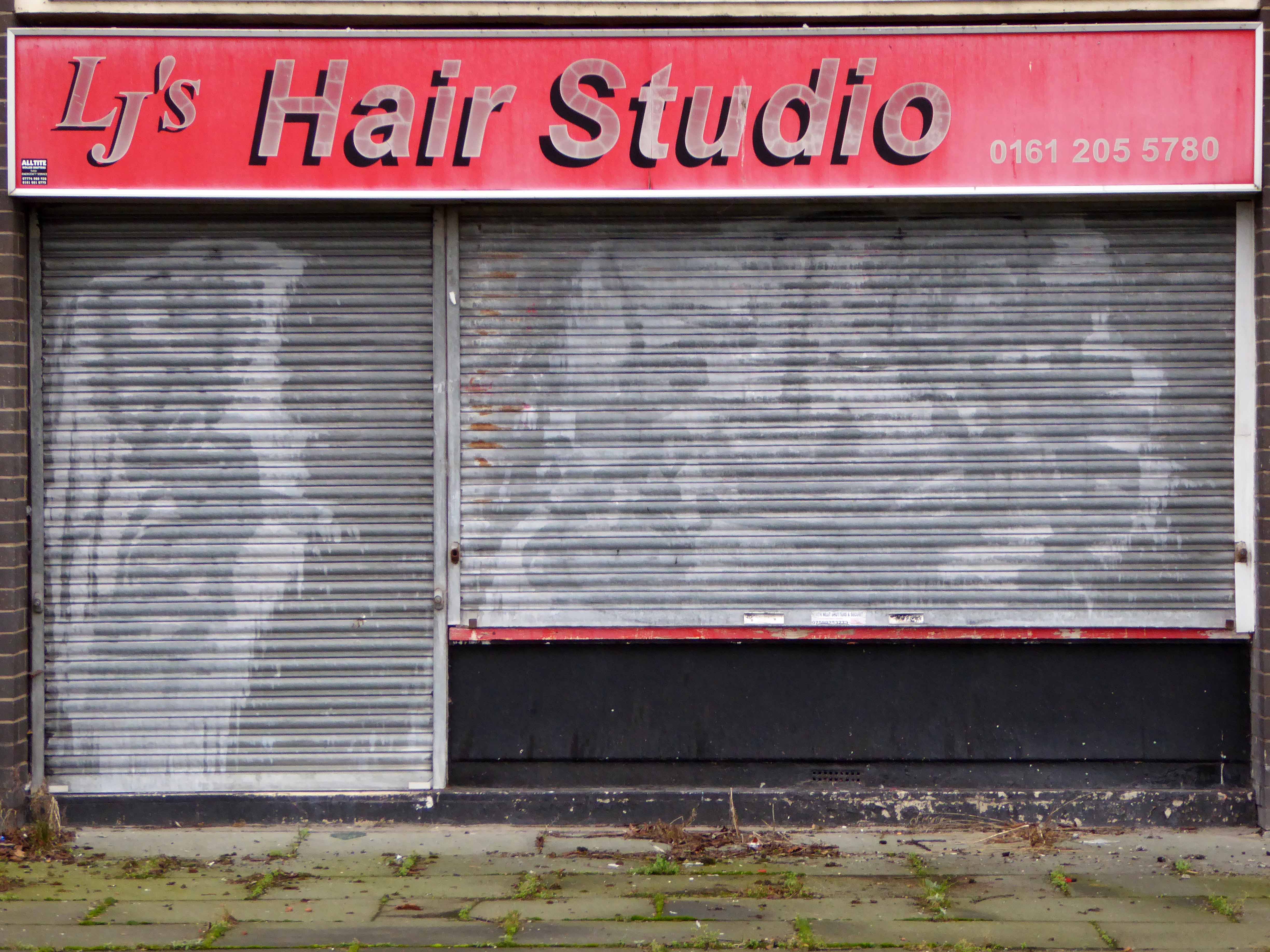
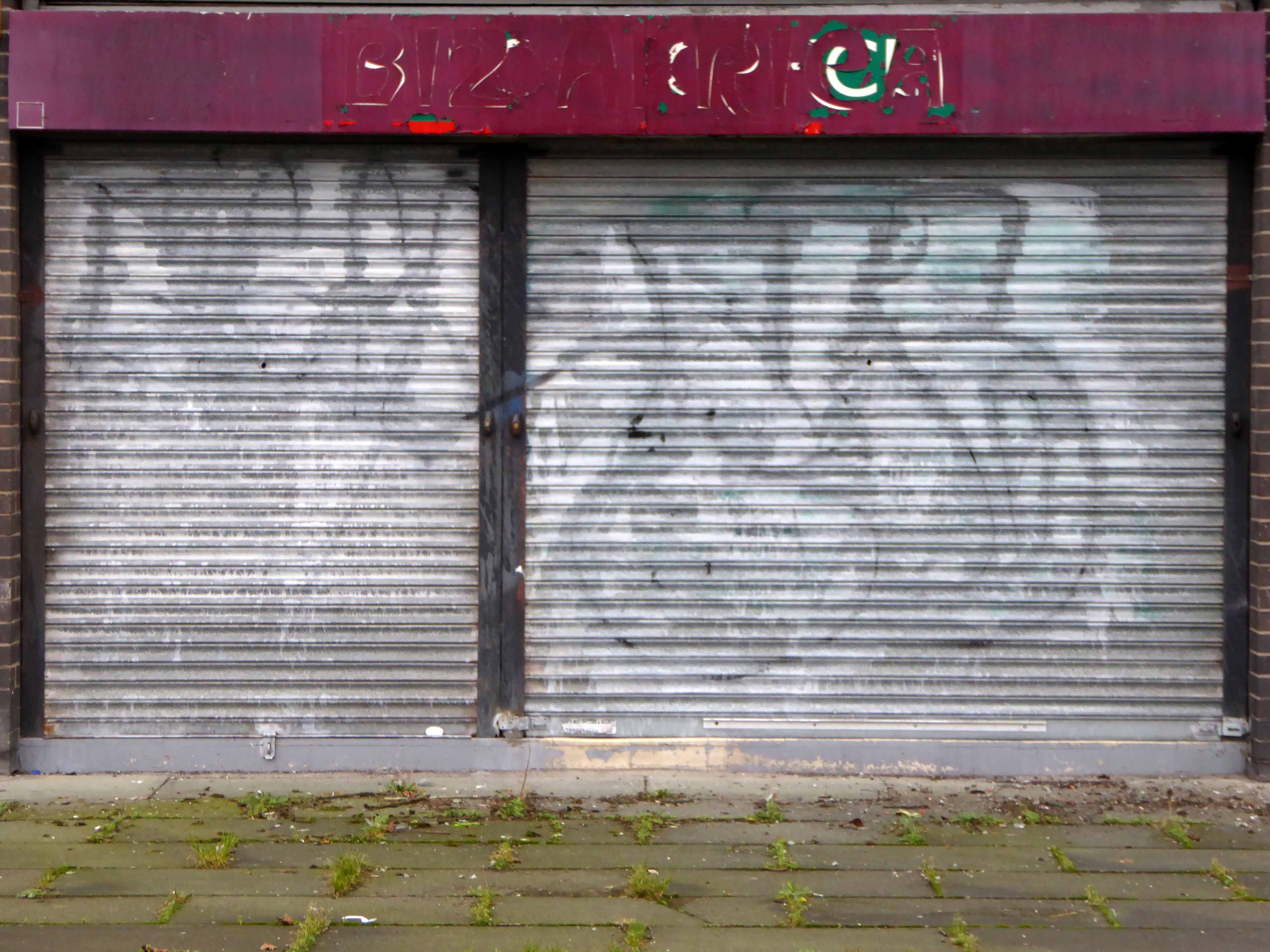
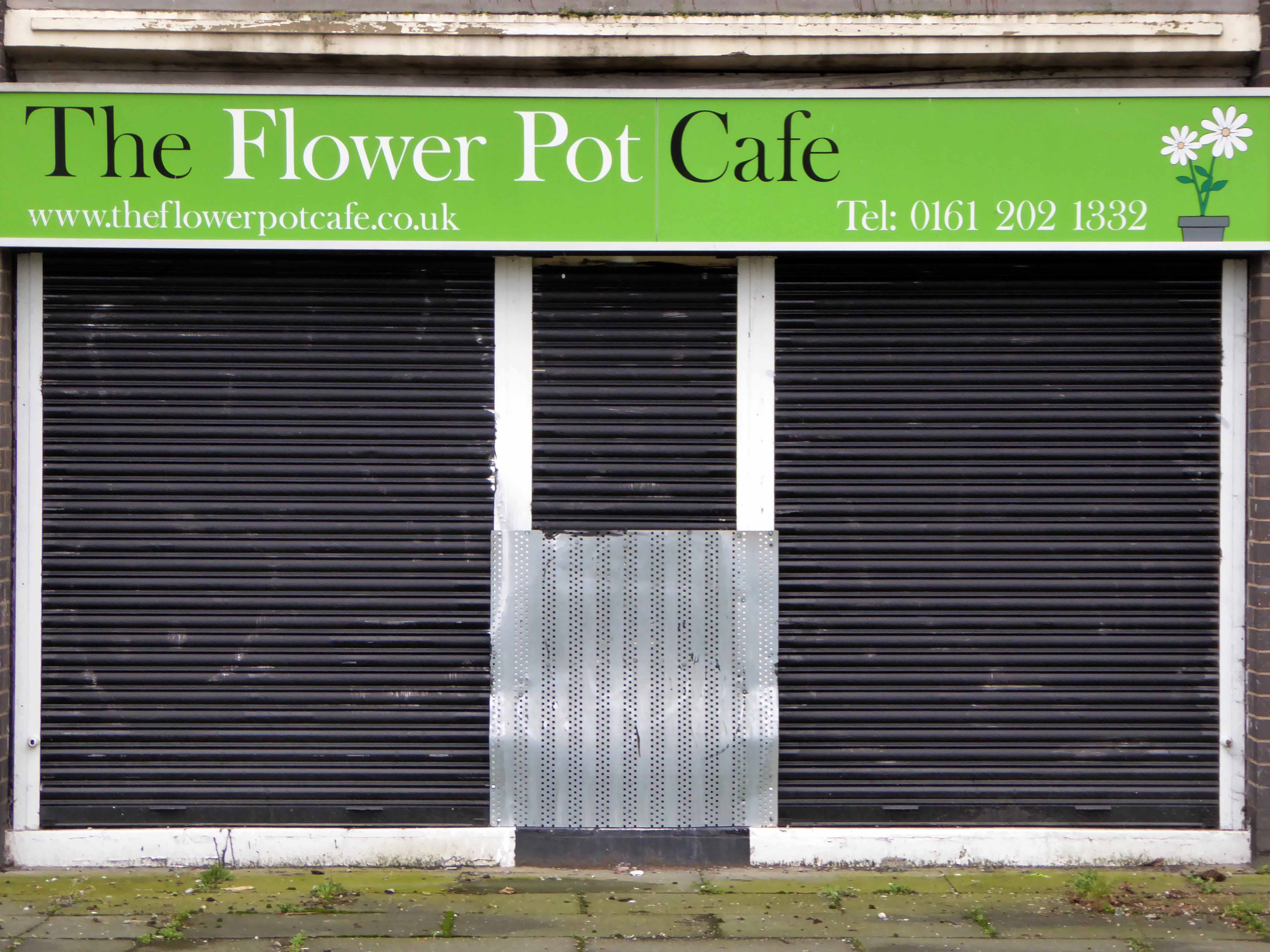
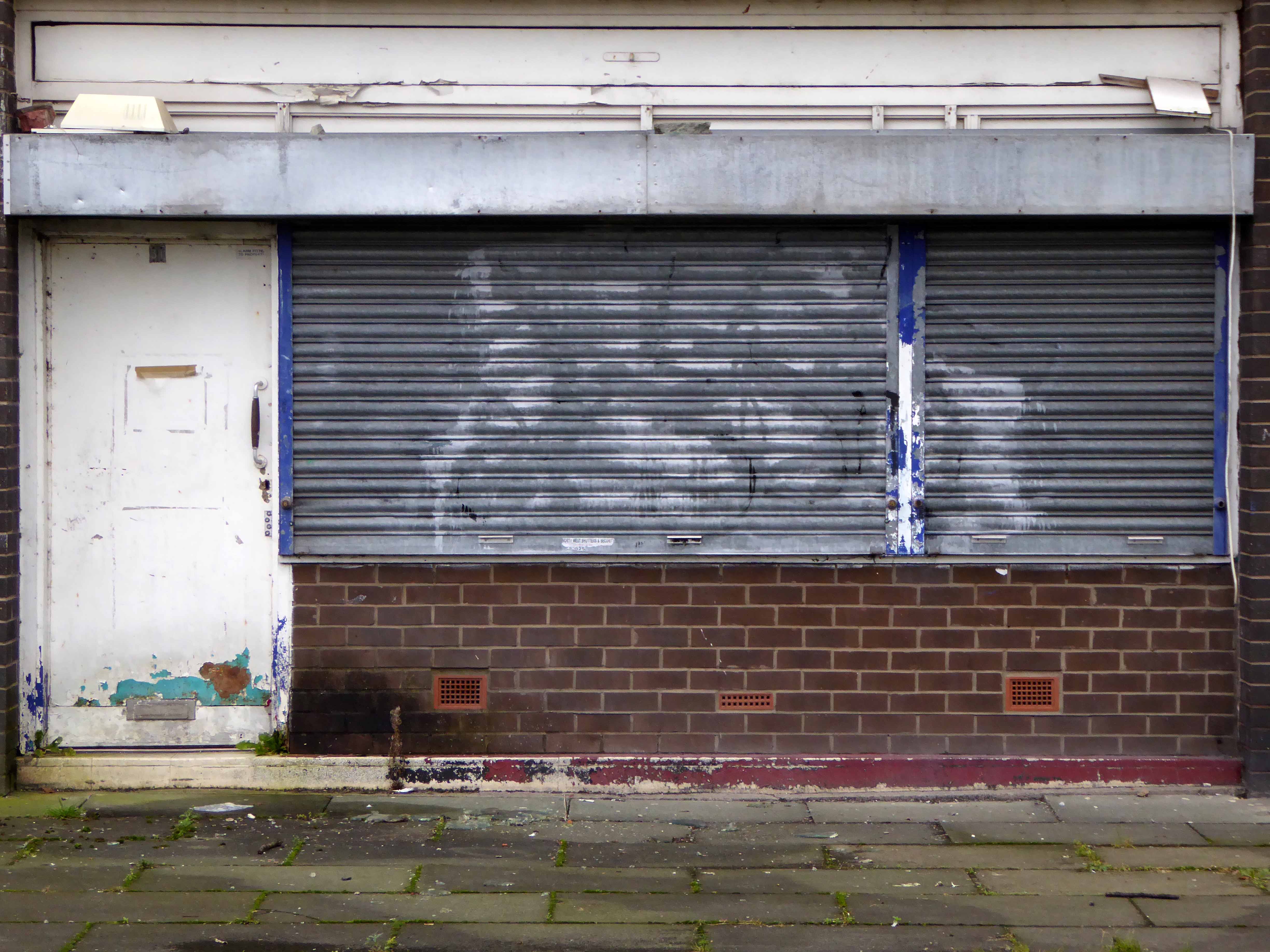
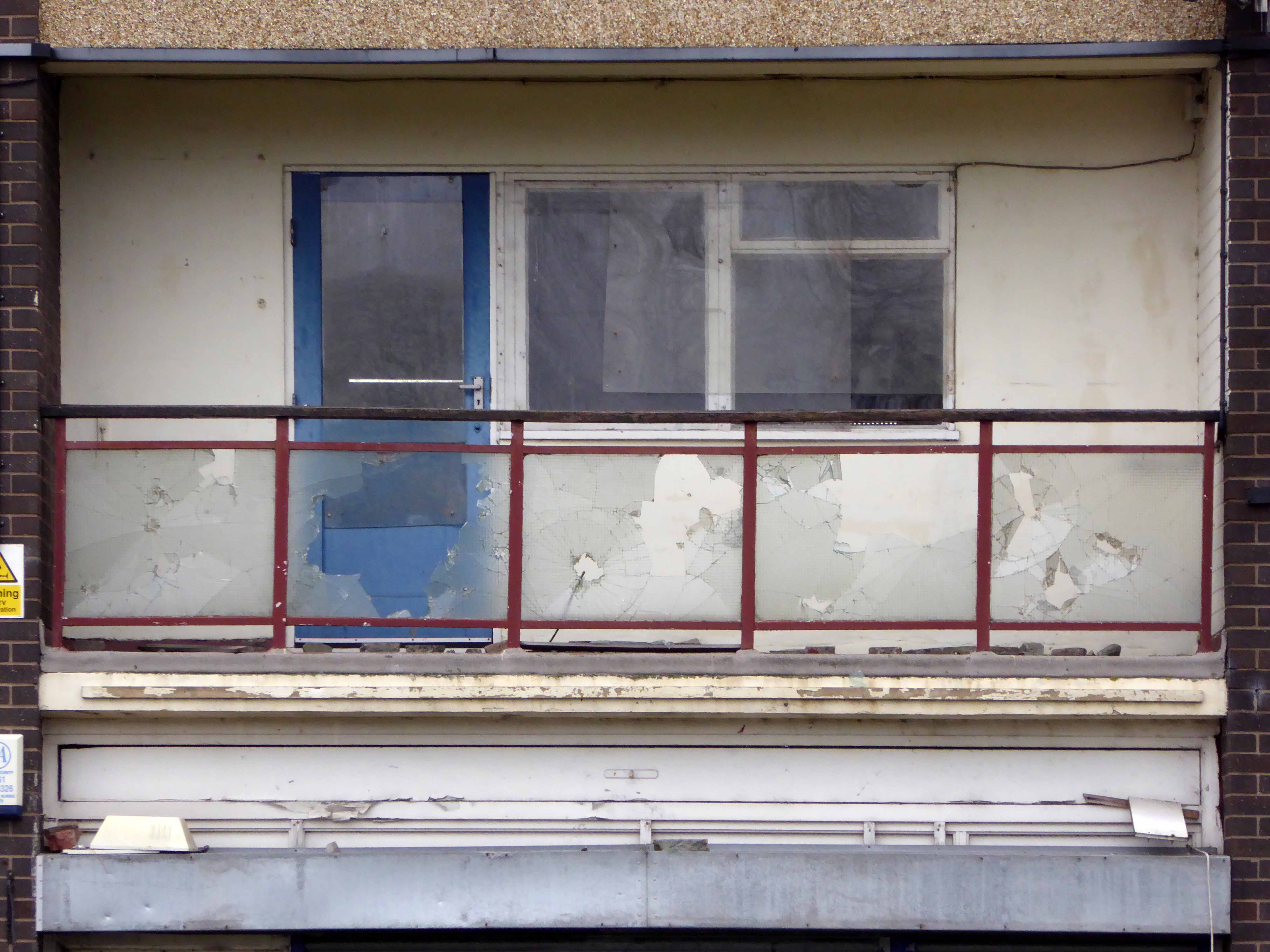
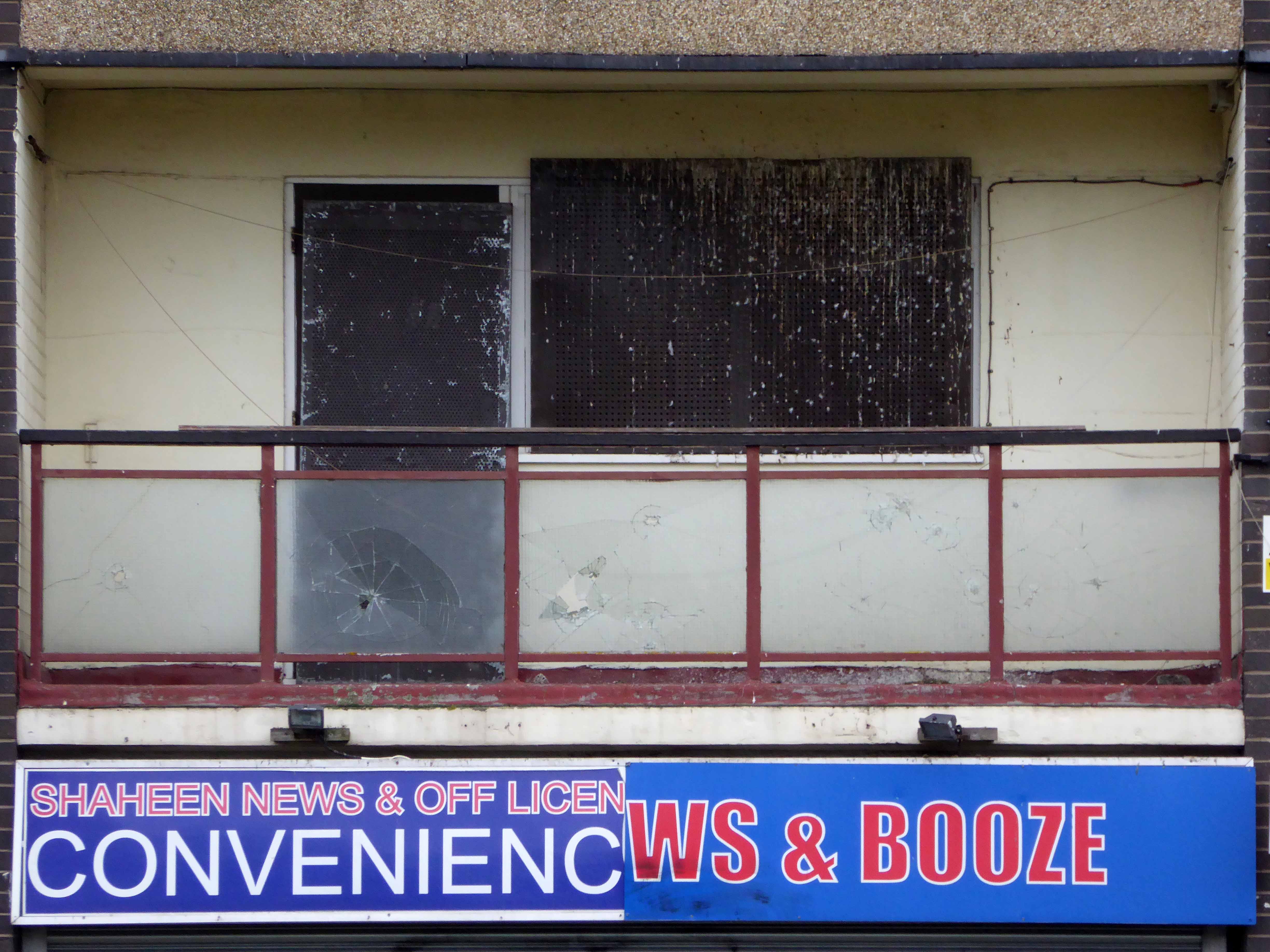
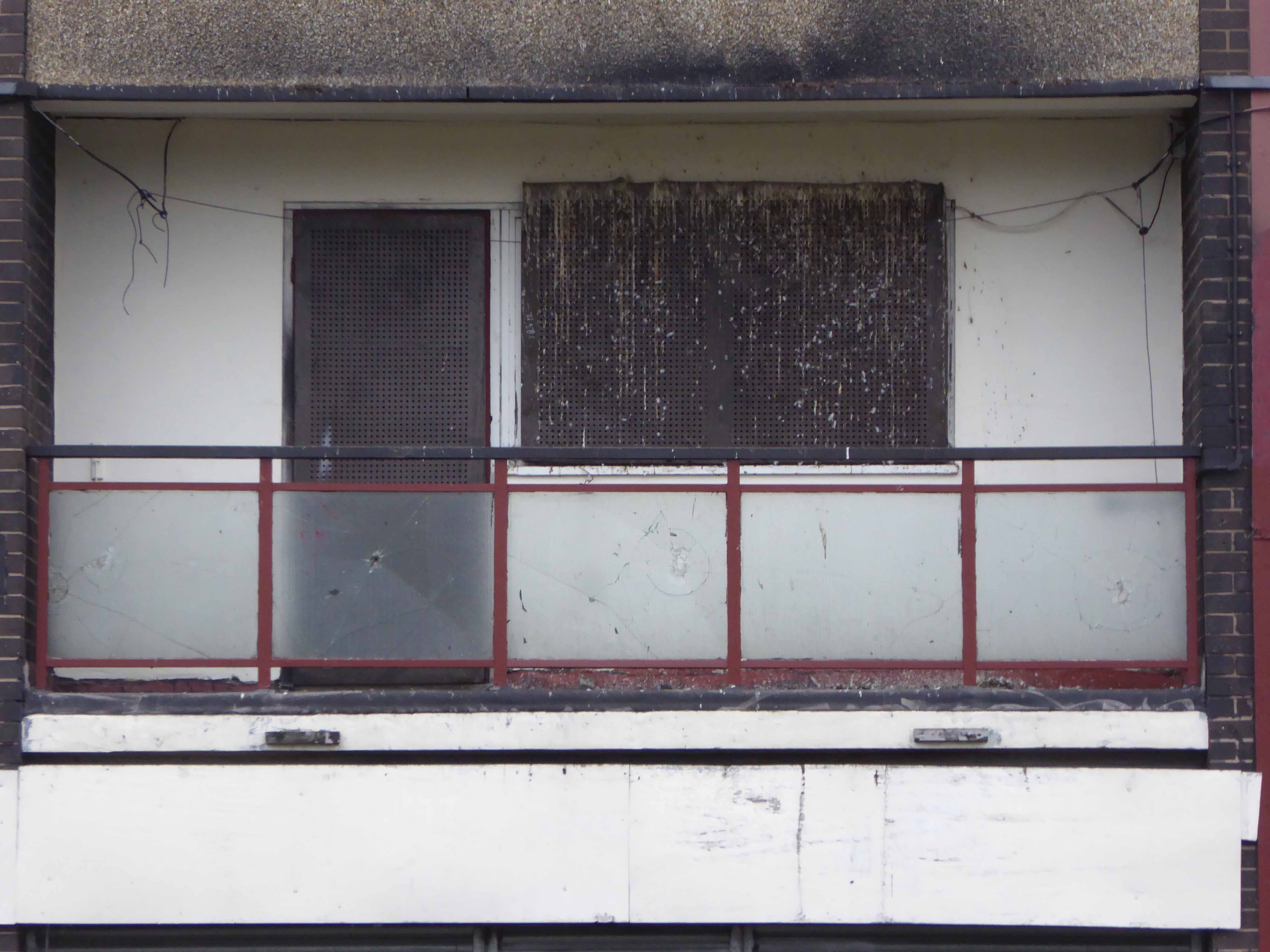
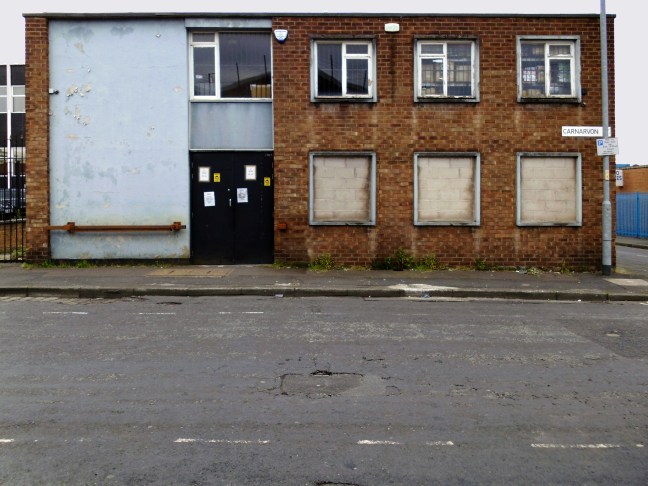
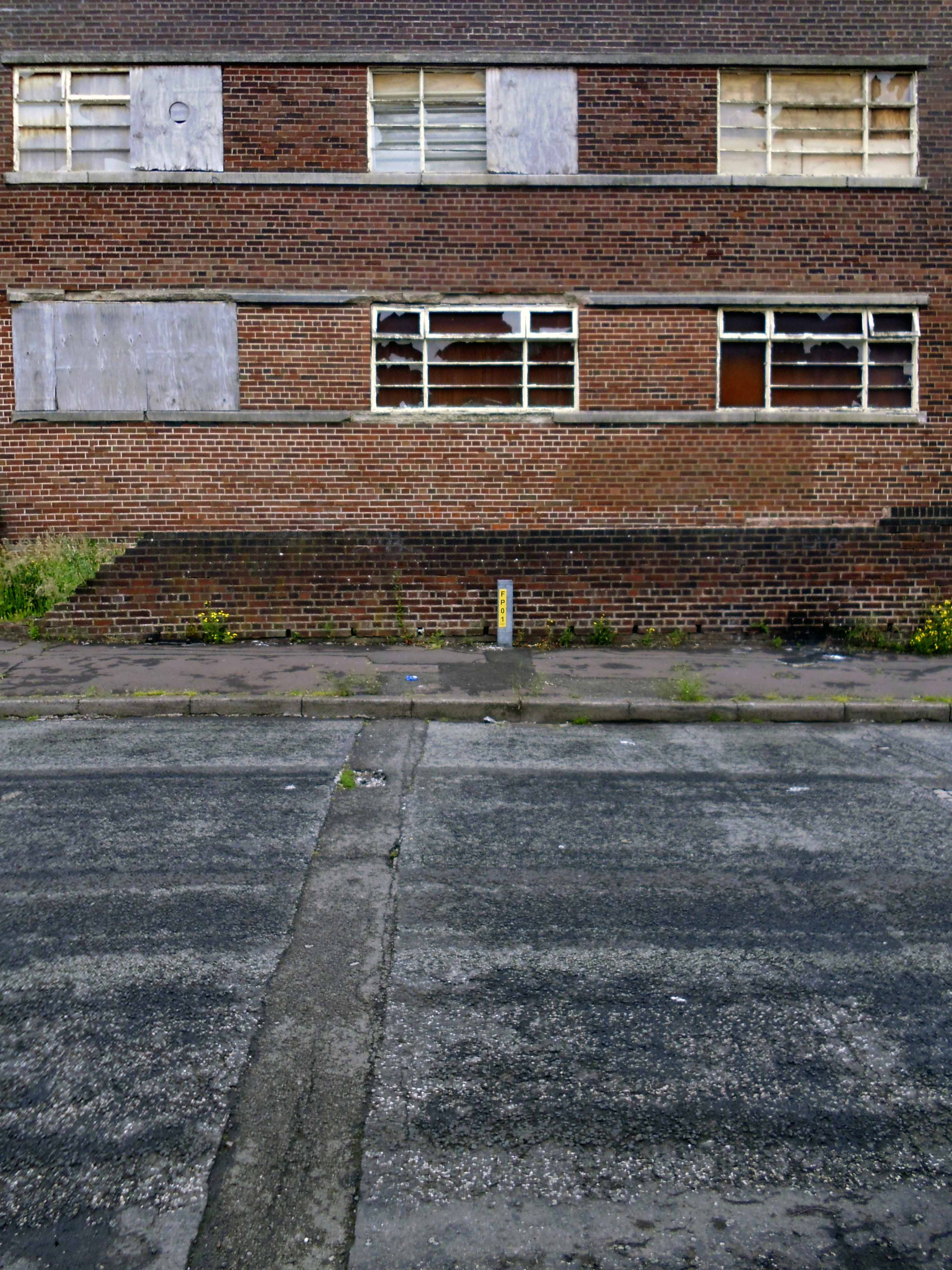
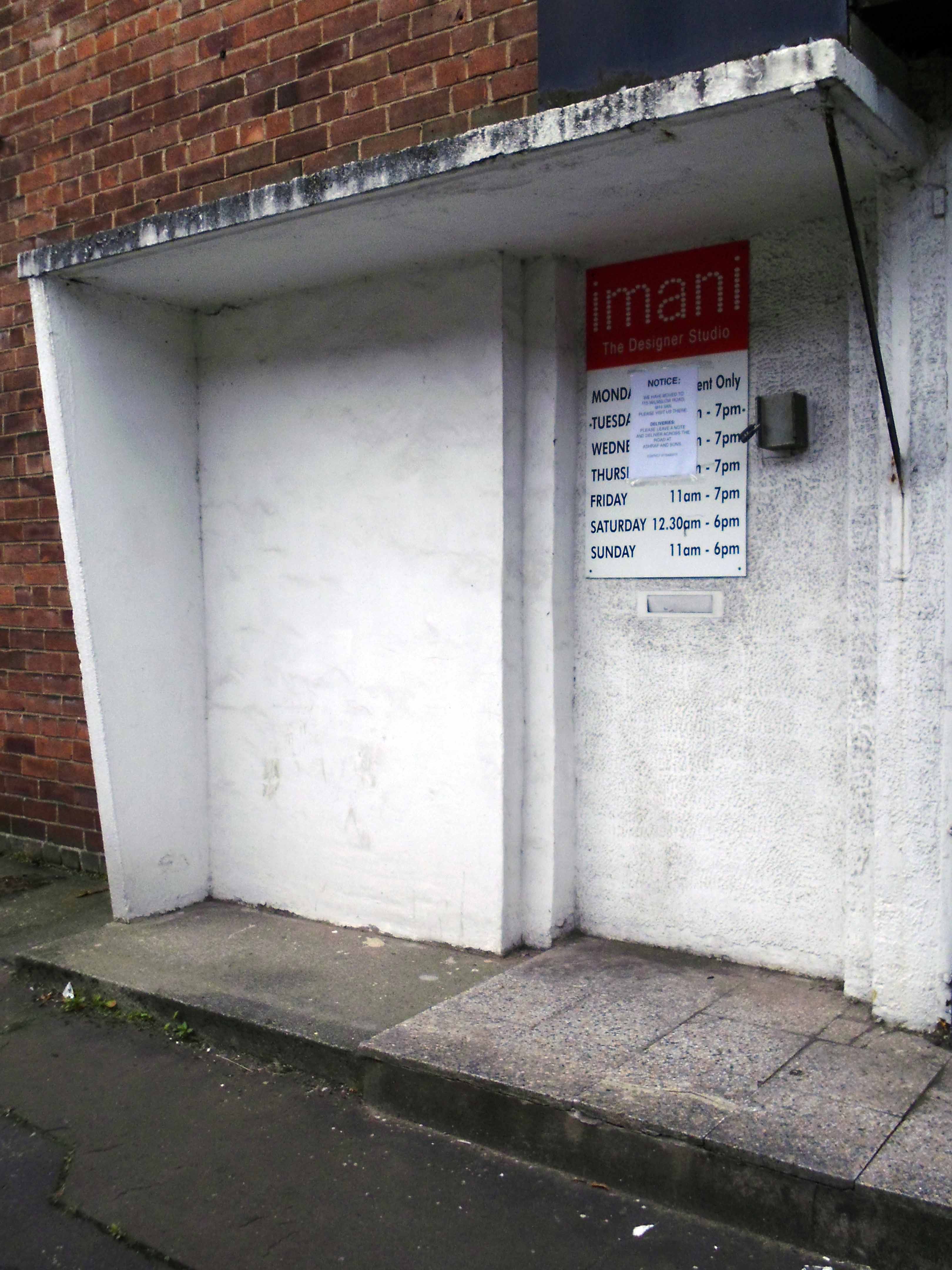
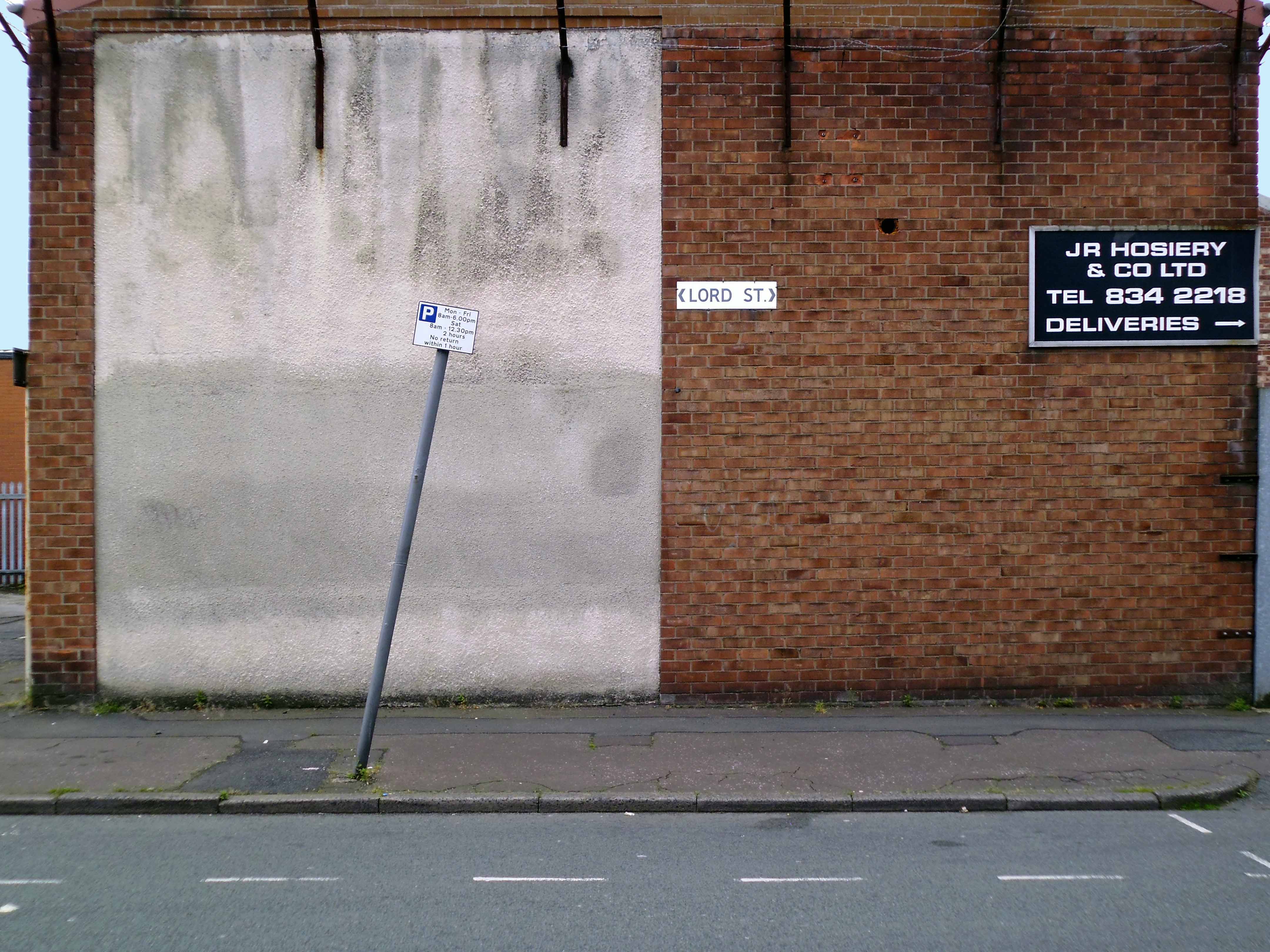
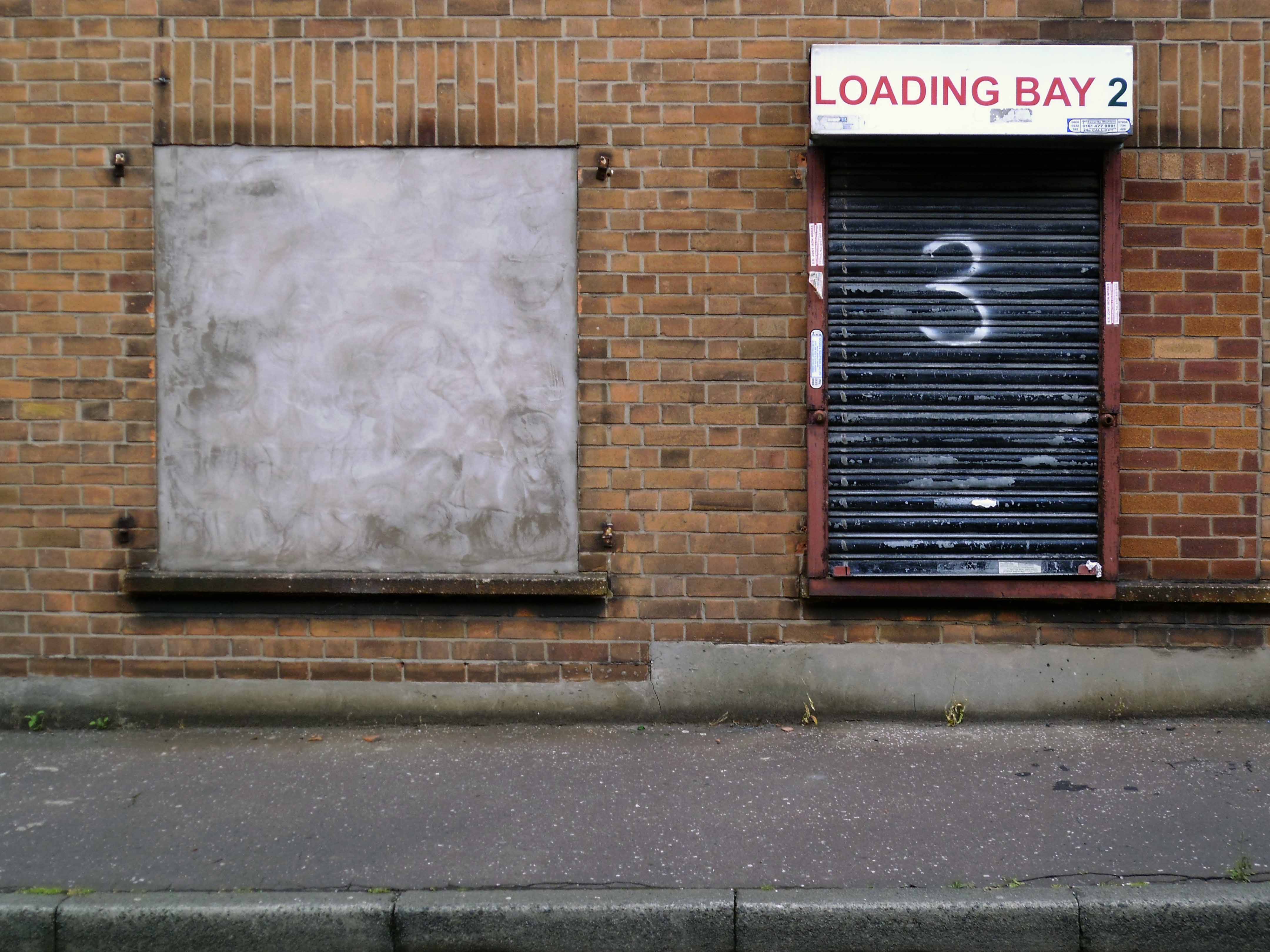
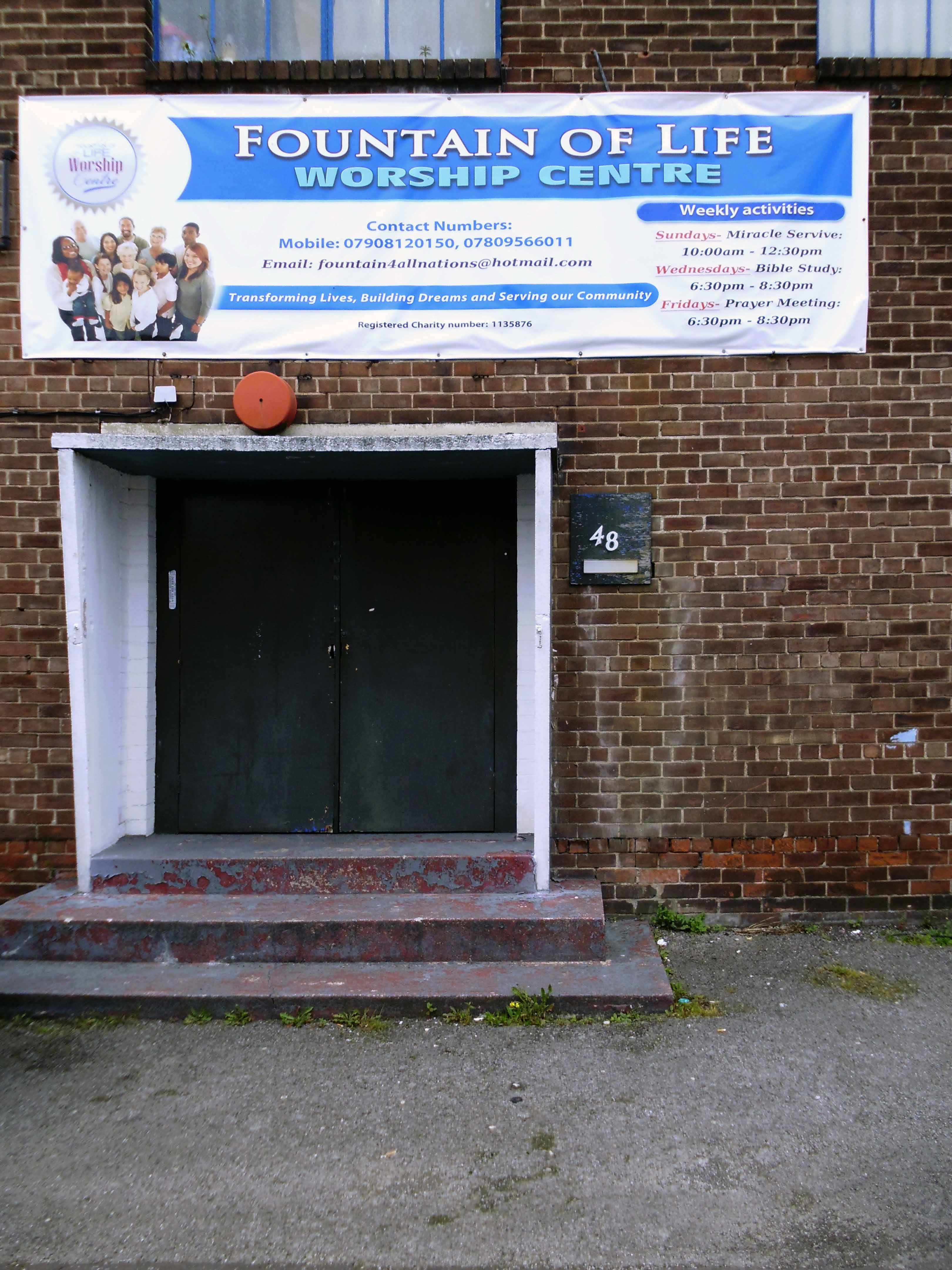
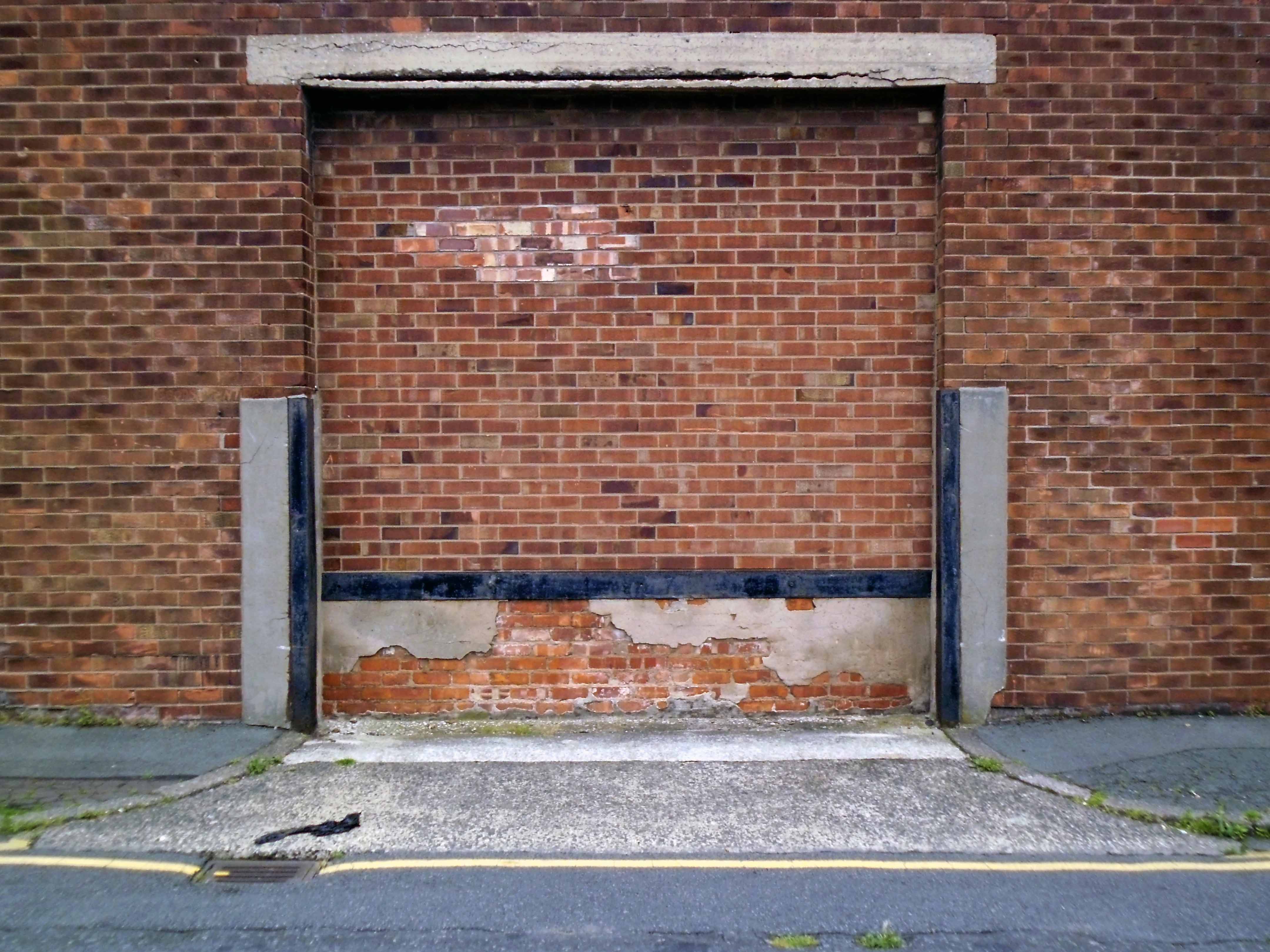
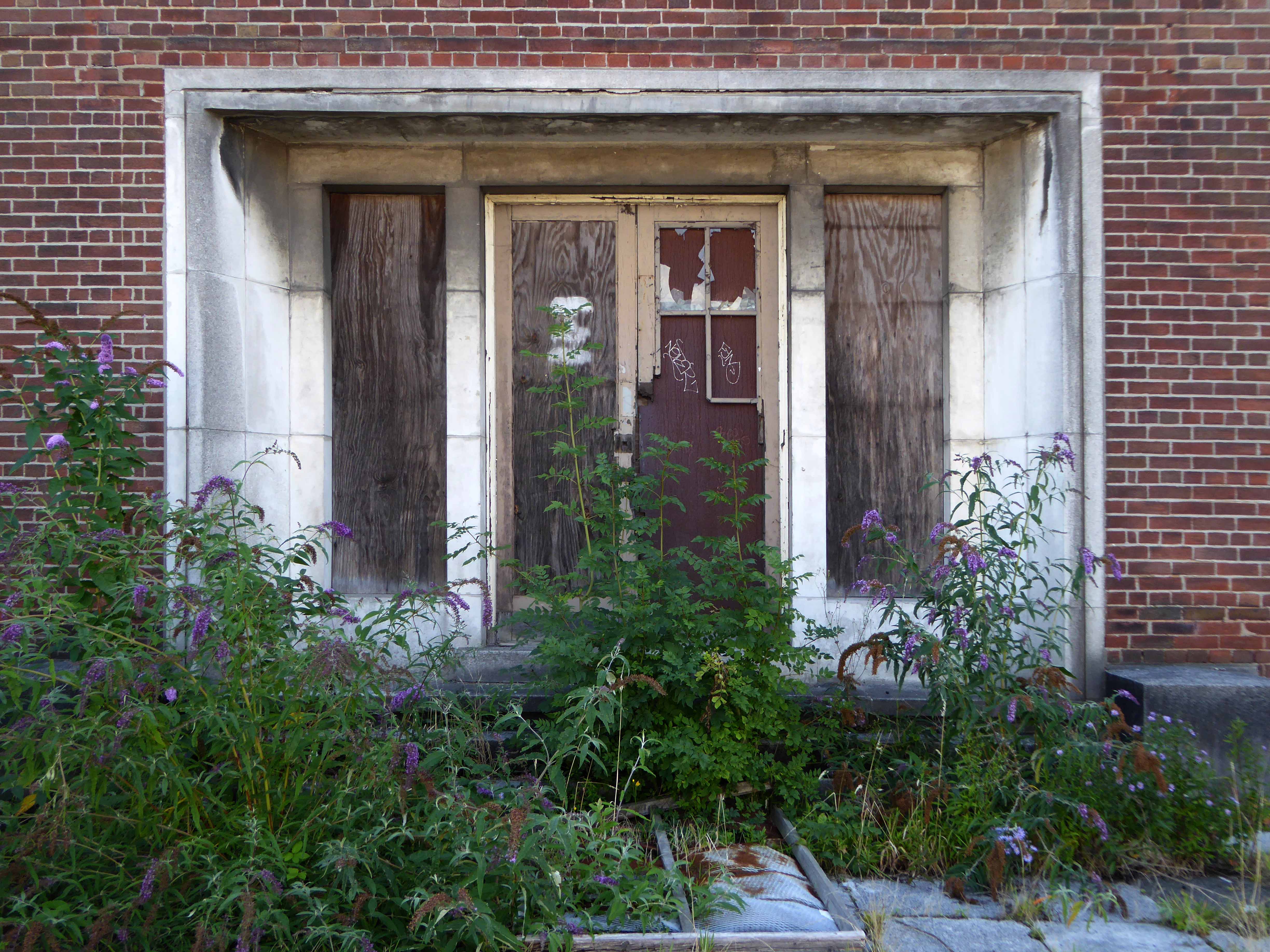
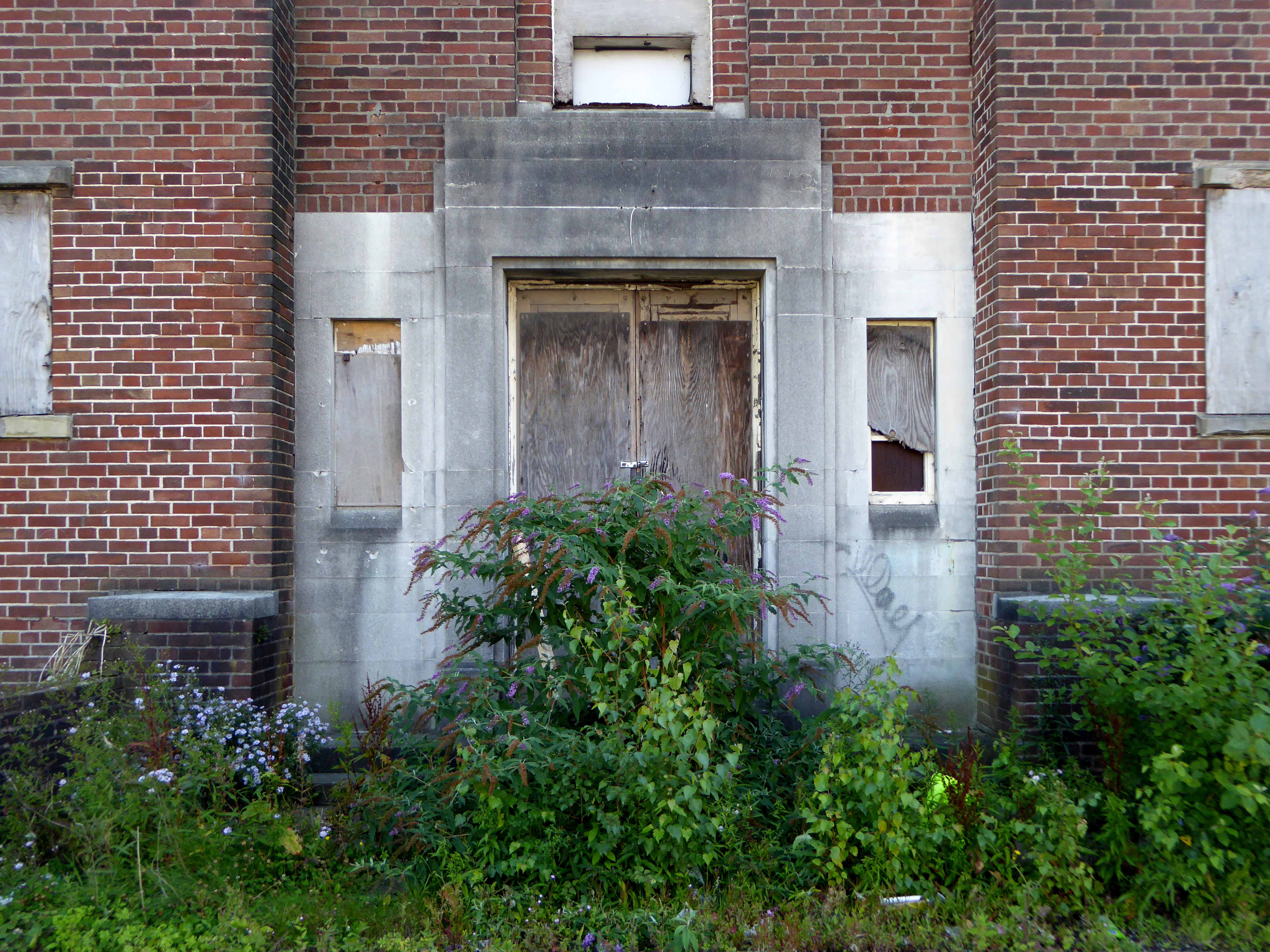
Fast forward to the future – the roofs have been pitched up, the windows bricked up or shuttered or both, walls encased in sad cladding.

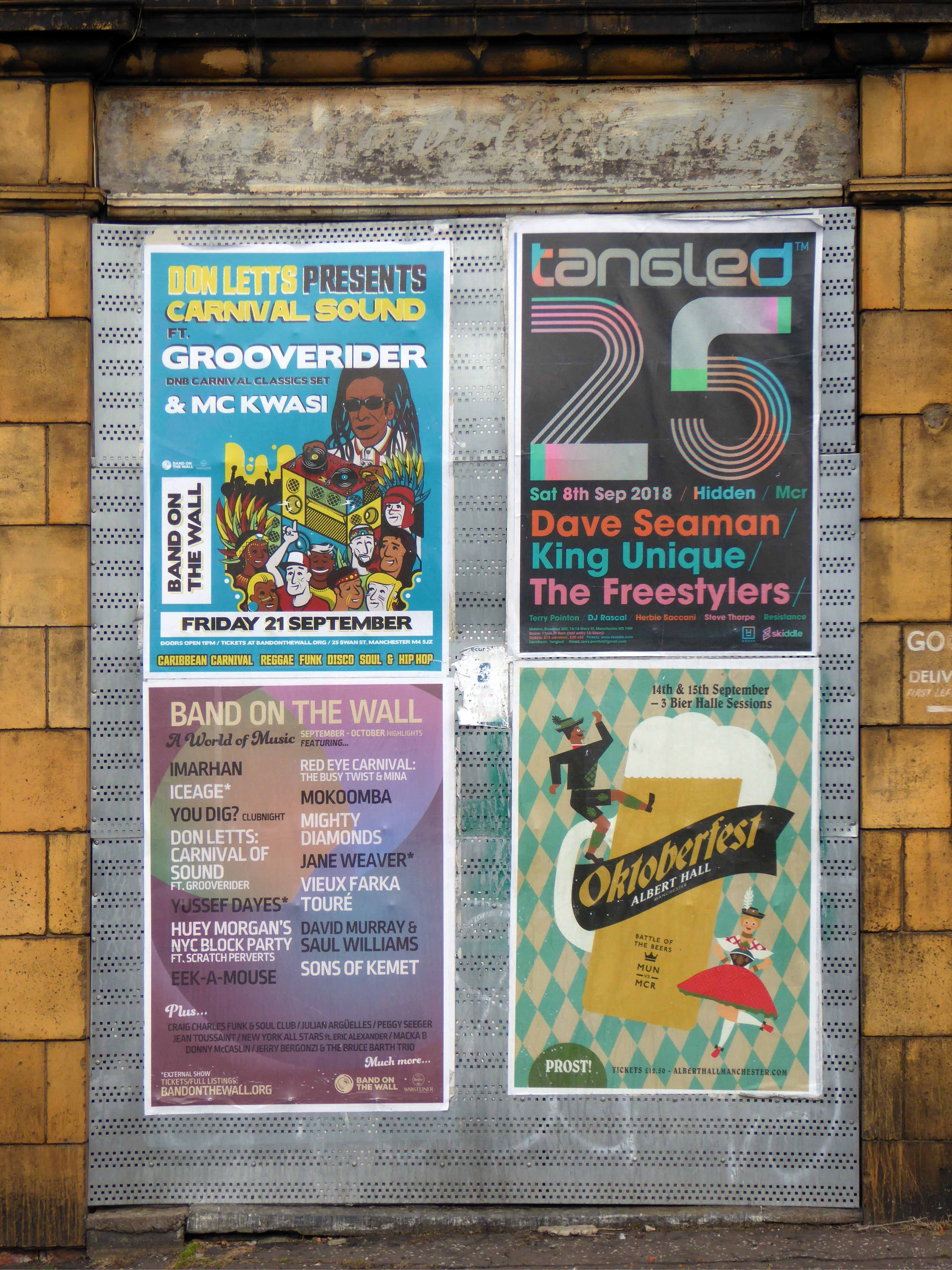
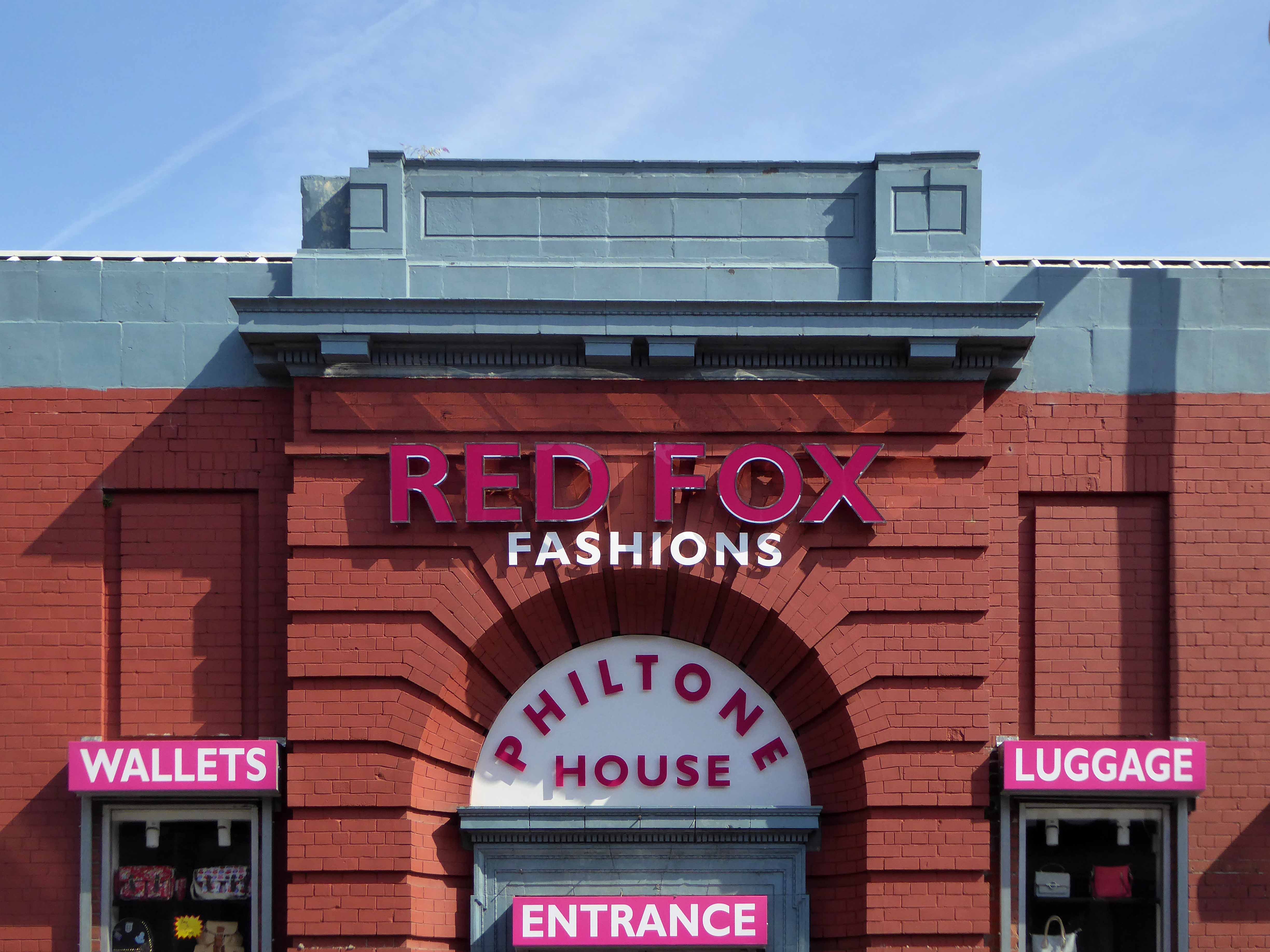
The semi-permanent signage replaced with terminally temporary vinyl.

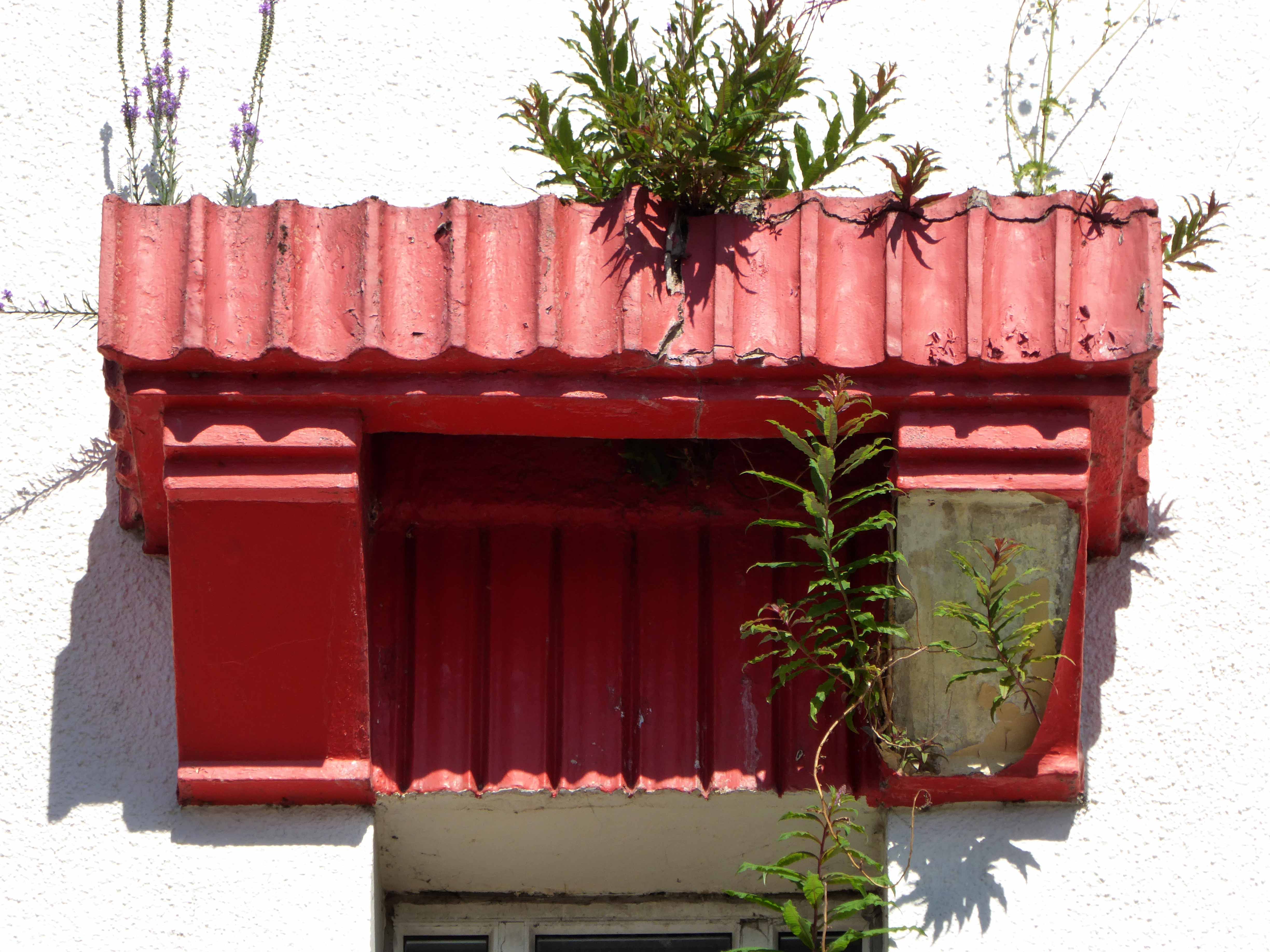
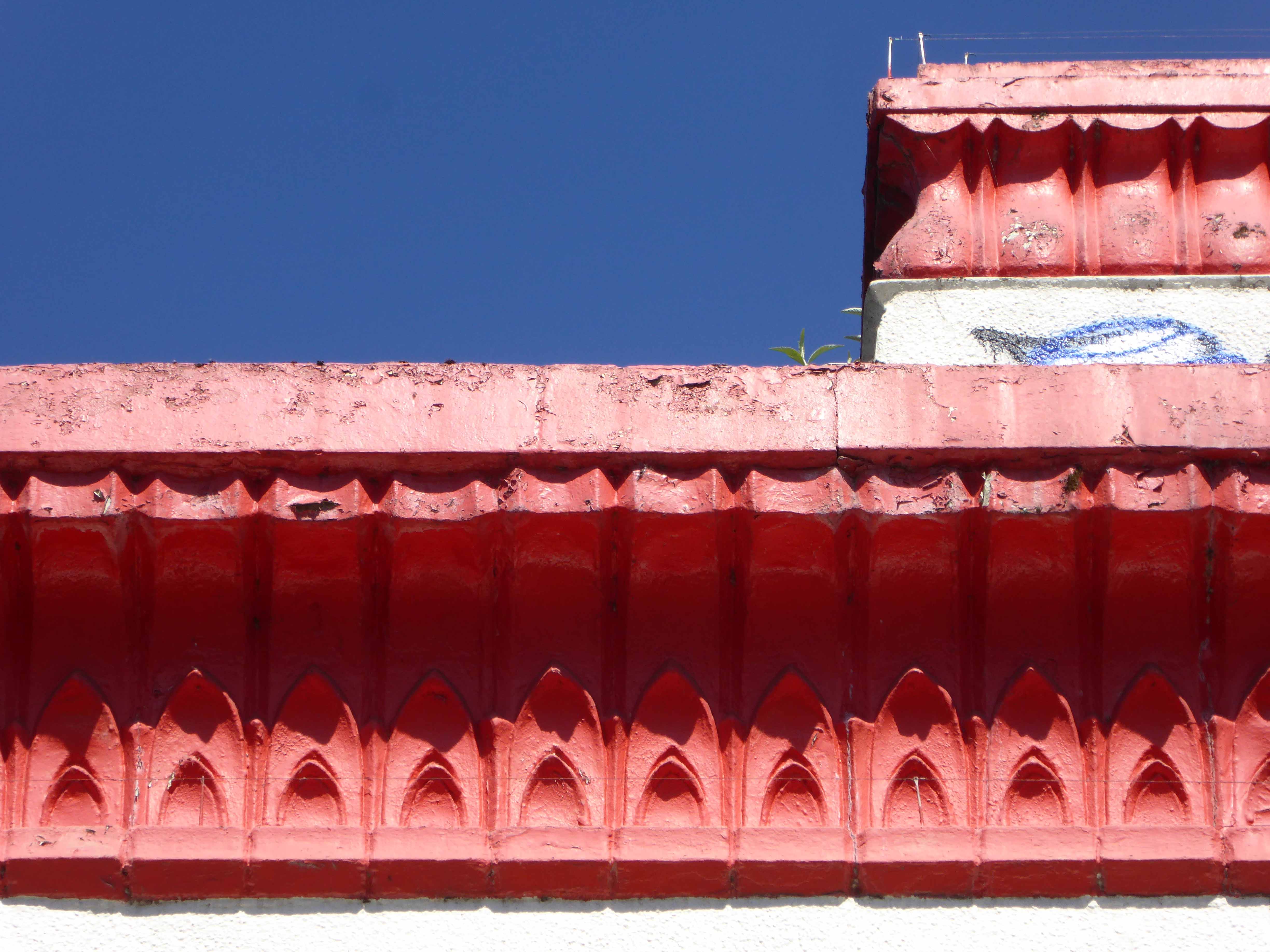
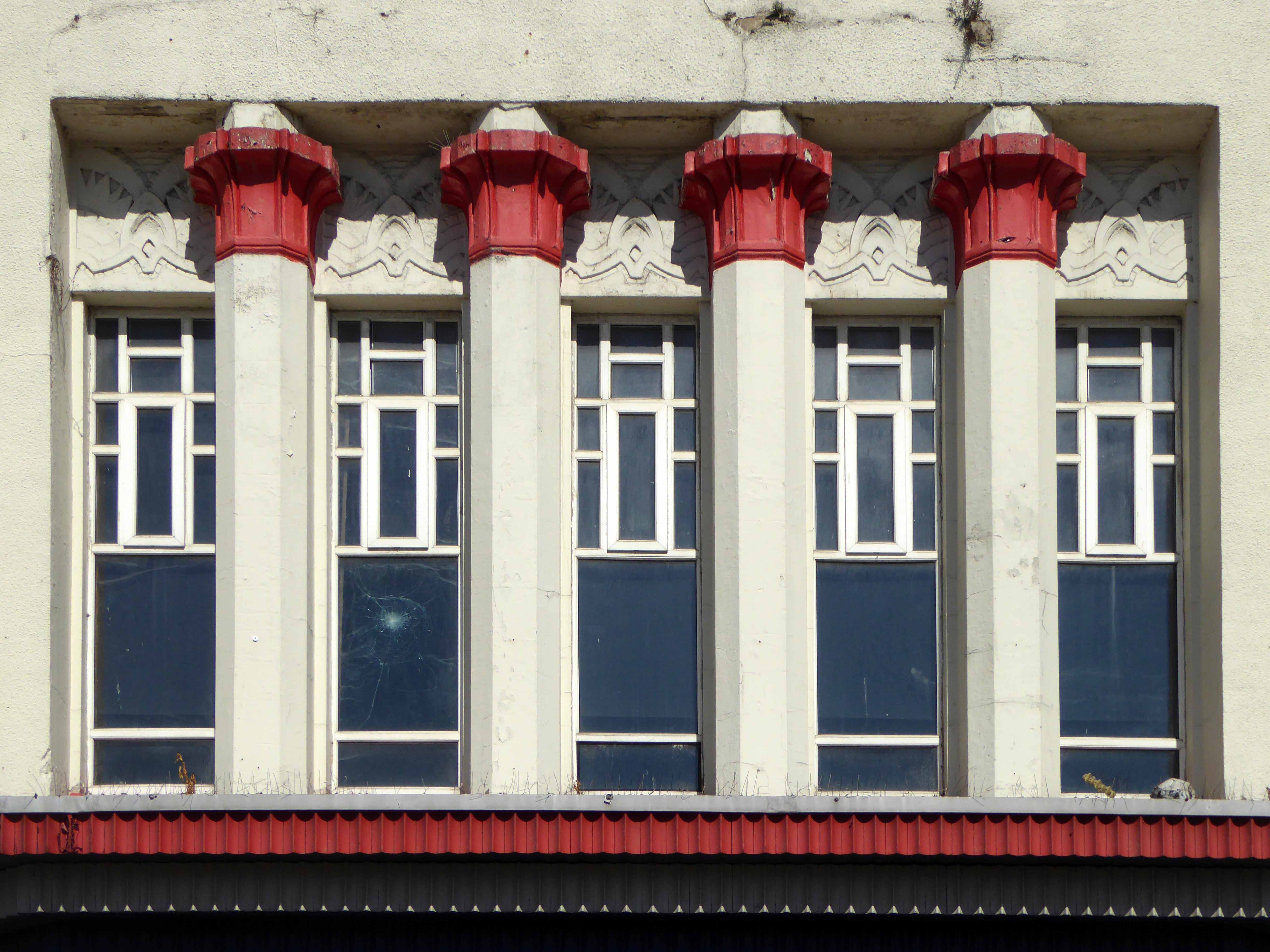
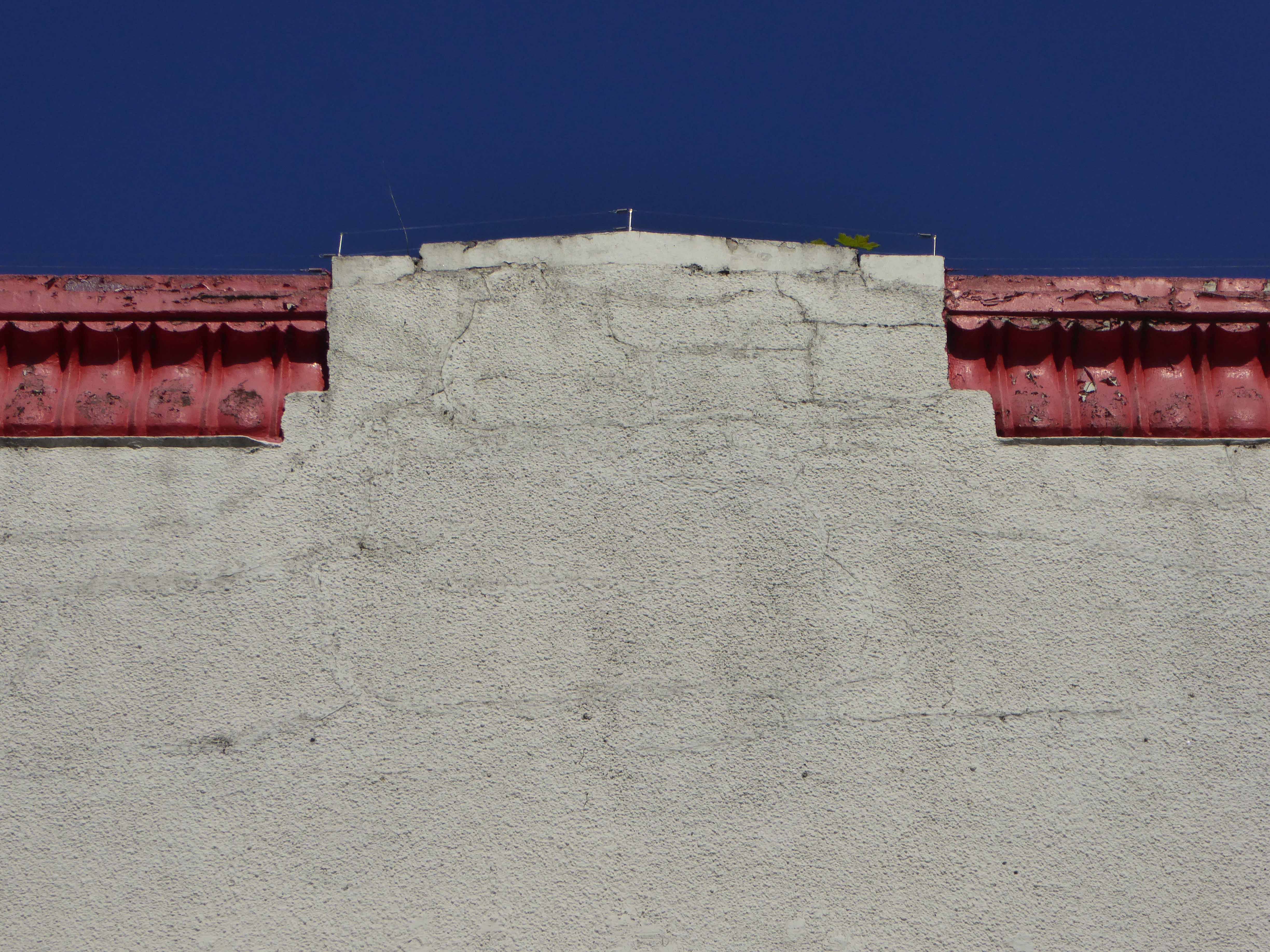
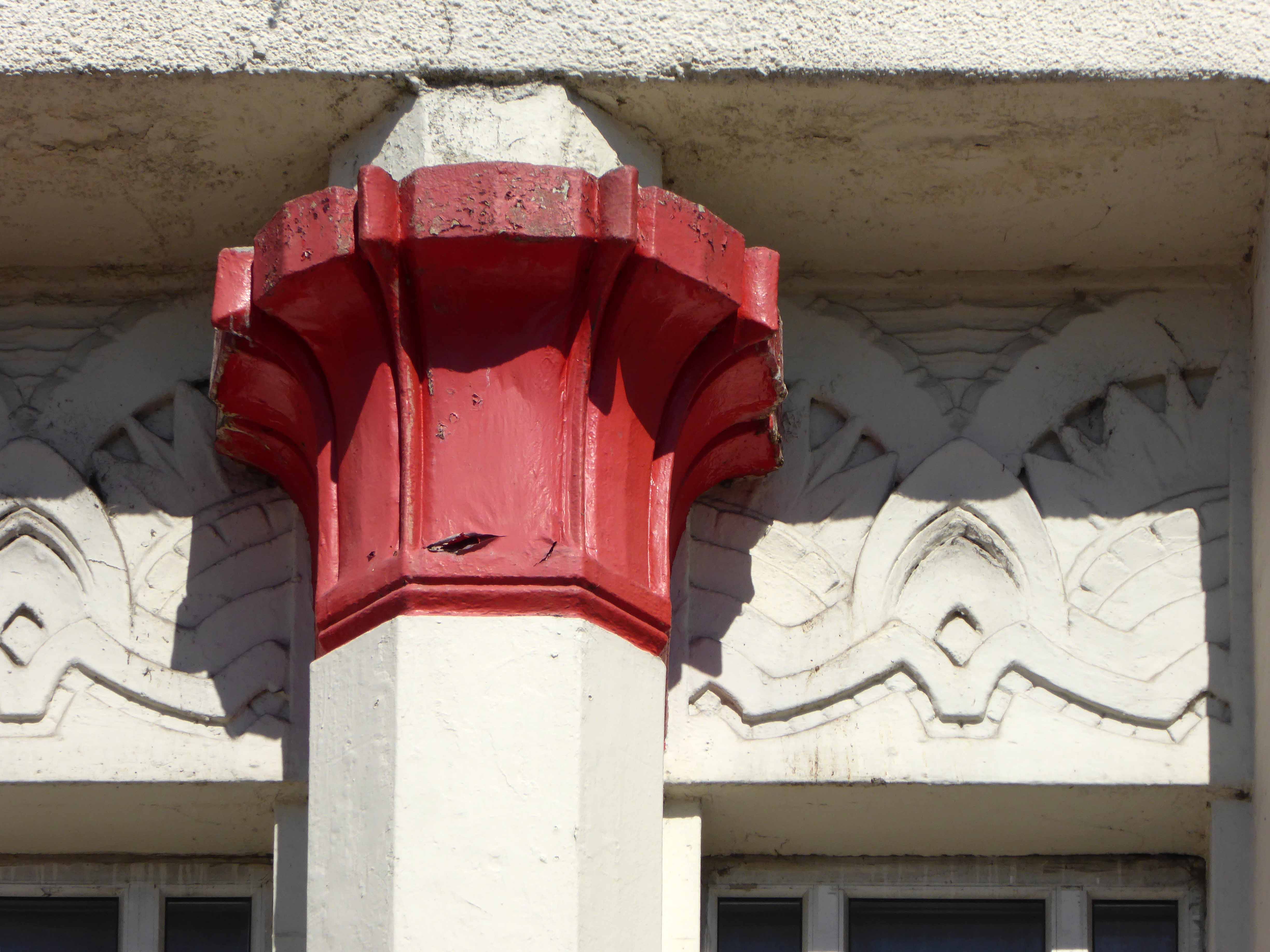
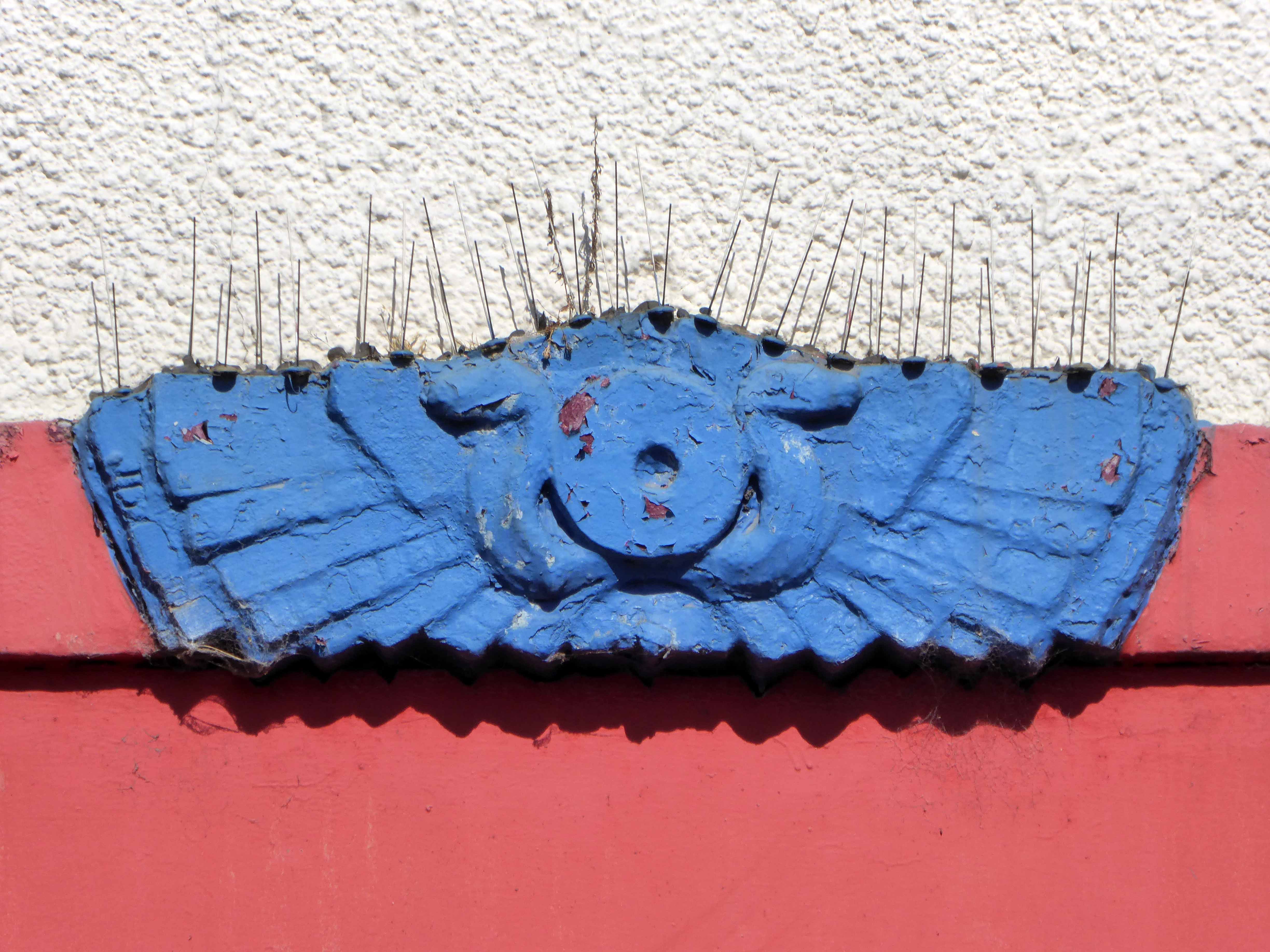
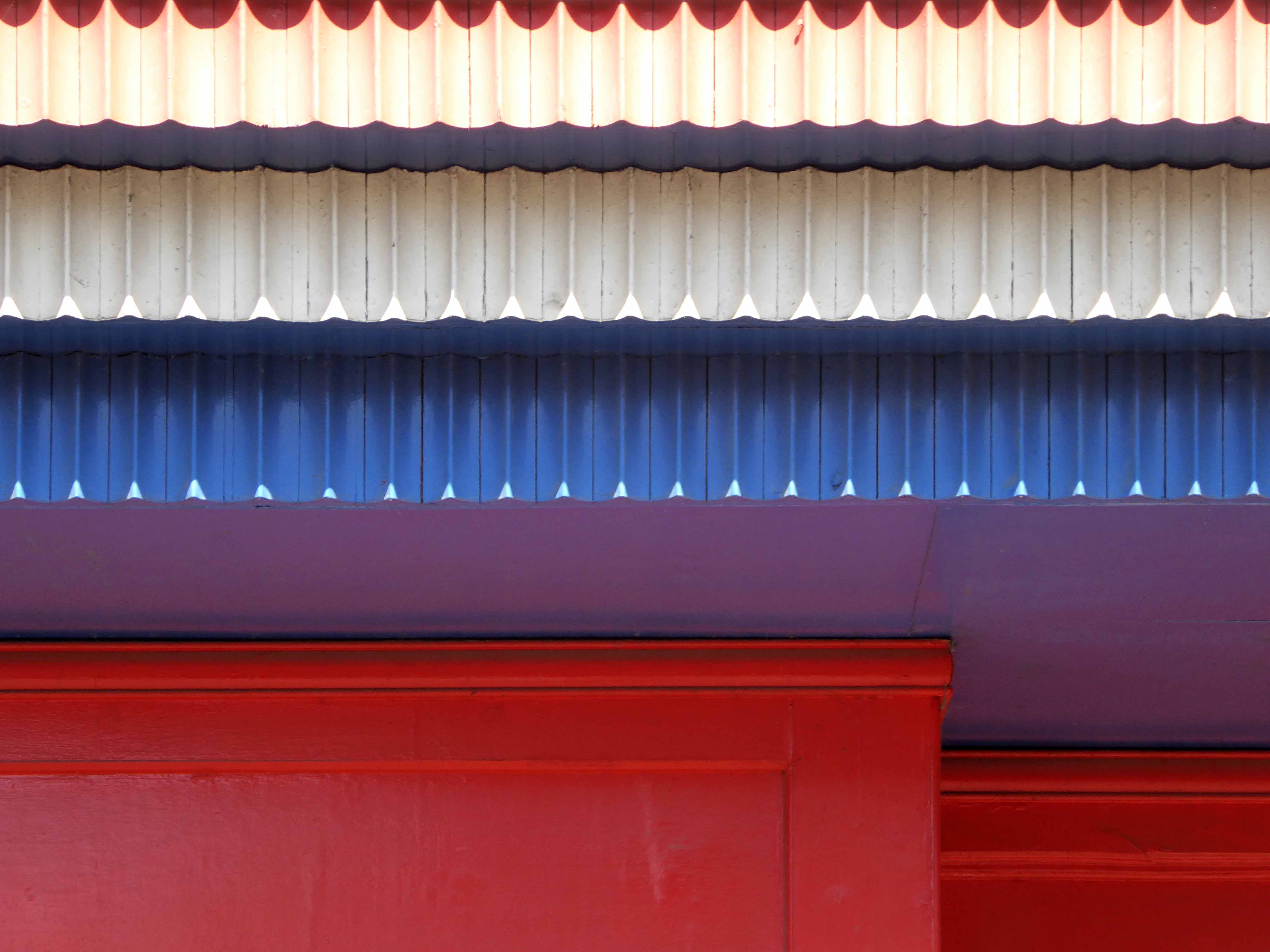
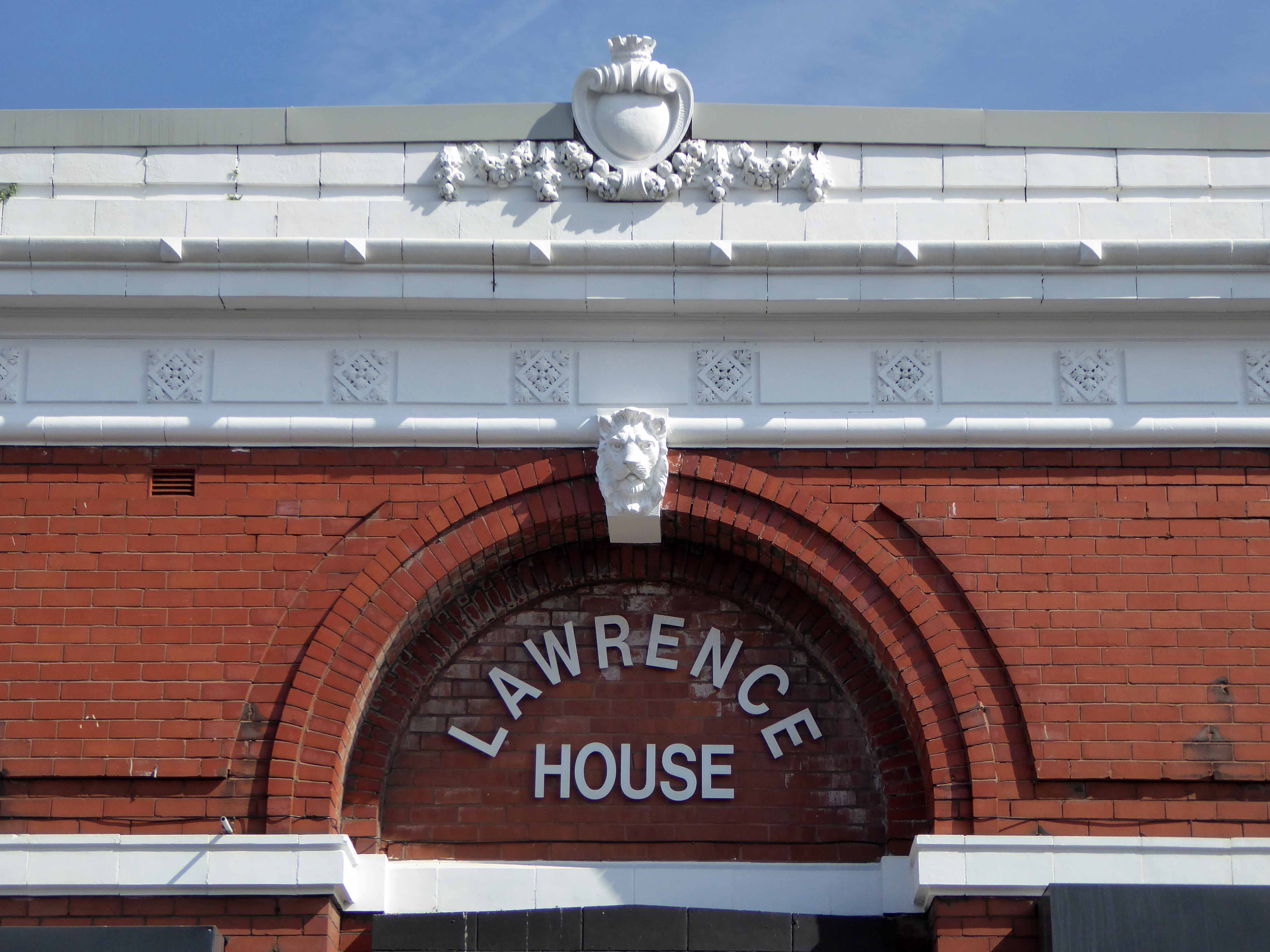
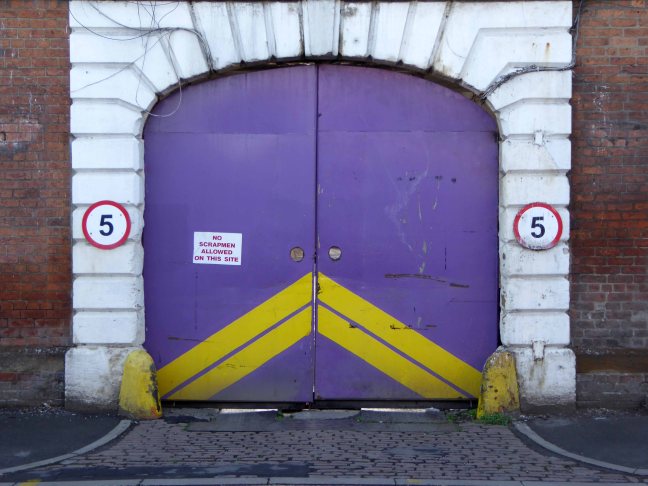
Joe Sunlight’s neo-classical pediments have been painted a funny colour.

P1000135 copy

P1000157 copy

P1000217 copy

P1000218 copy

P1000223 copy

P1000229 copy

P1000231 copy

P1000234 copy

P1000235 copy

P1000252 copy

P1000255 copy

P1190103 copy

P1190104 copy

P1190106 copy

P1190111 copy

P1190112 copy

P1190114 copy

P1190117 copy

P1190385 copy

P1190387 copy

P1190388 copy

P1190391 copy

P1190398 copy


Strangeways Manchester #1

Strangeways?
– How strange.

The Strangeways family themselves are certainly recorded in antiquity at the site, although the name appears differently over time; Strongways in 1306, Strangewayes in 1349 and Strangwishe in 1473. In the late 1500s in records at Manchester Cathedral the surname is spelt Strangwaies.

My thanks to Thomas McGrath for his – Long Lost Histories: Strangeways Hall, Manchester

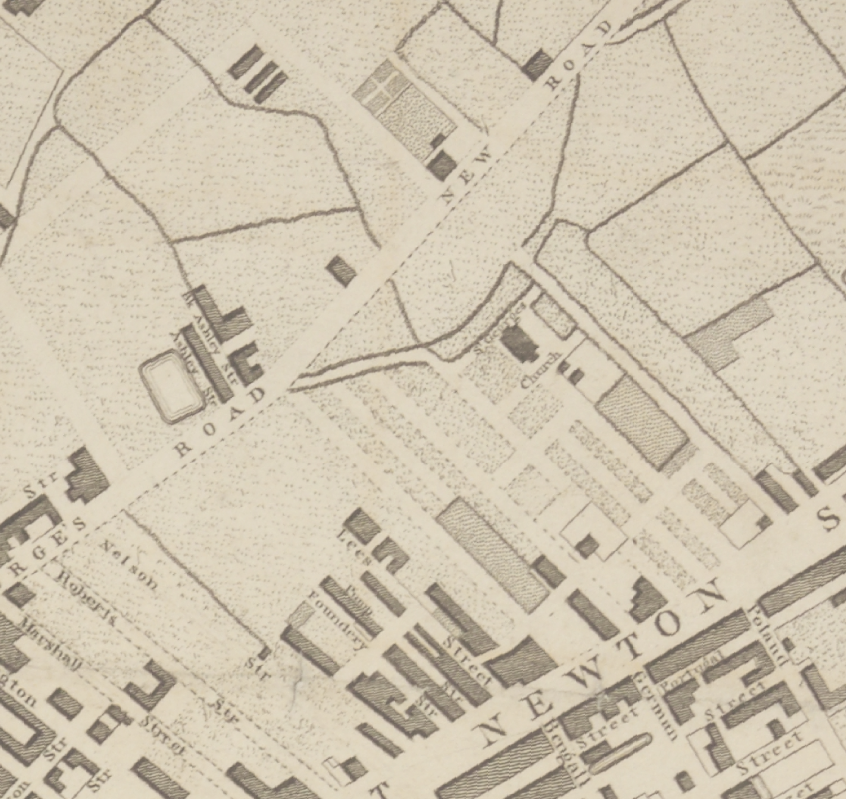
Before panopticon prisons entered the public imagination, and incarceration was the order of the day for the disorderly, it was all fields around here – with the odd house or baronial hall.

Screen Shot 2018-02-04 at 15.08.30

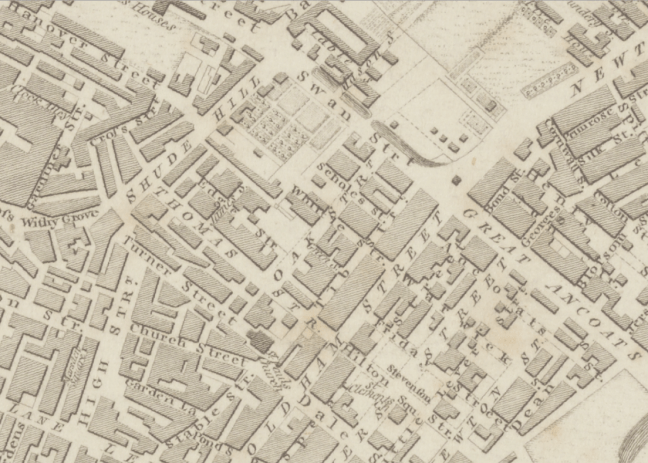
Swire’s map of 1824

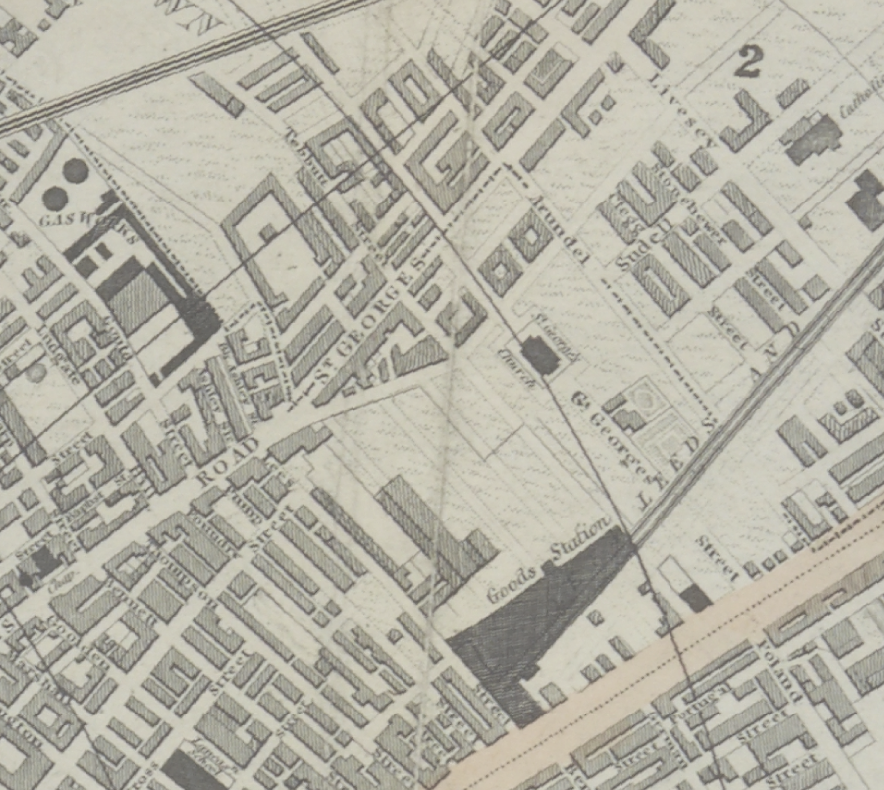
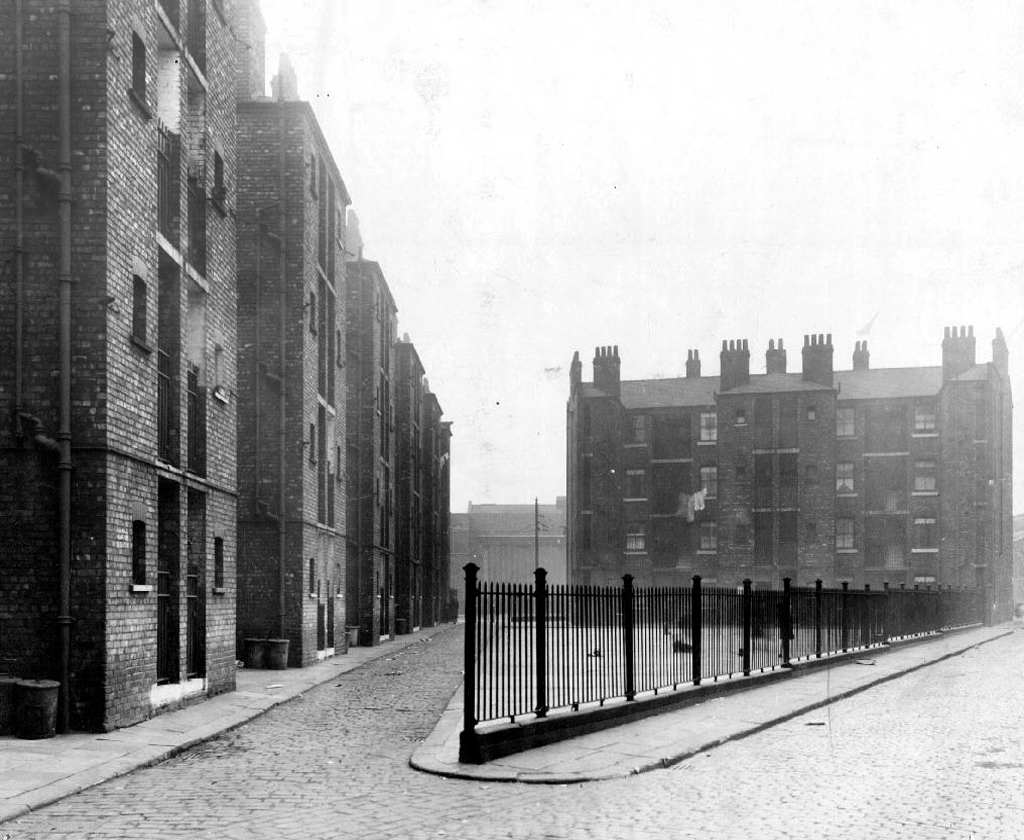
Strange days, over time the prison is built, the assizes appears and disappears and tight groups of tired houses cluster around the incipient industry. The fiefdom’s of old become tie and tithe to successions of industrial plutocrats.

webmedia.php copy

webmedia.php

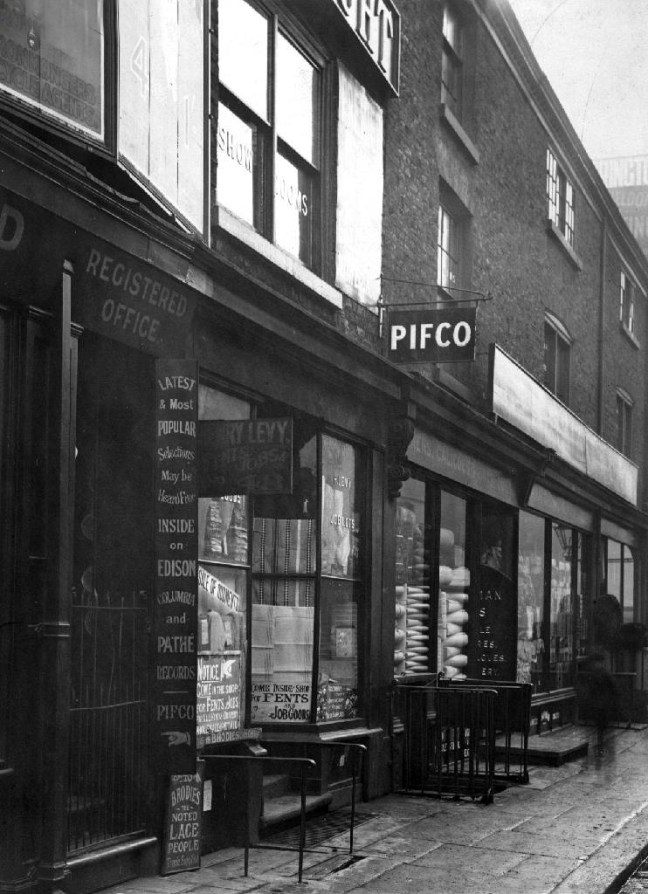
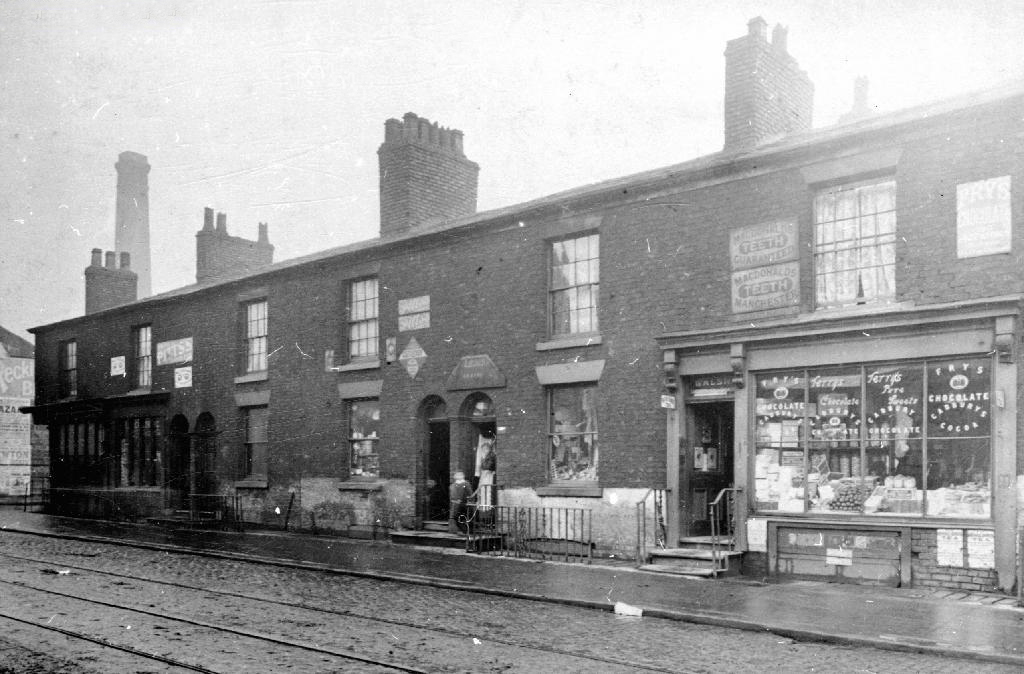
Broughton Street 1910Photograph J Jackson

Screen Shot 2018-02-04 at 15.10.54

Kelly’s map of 1920

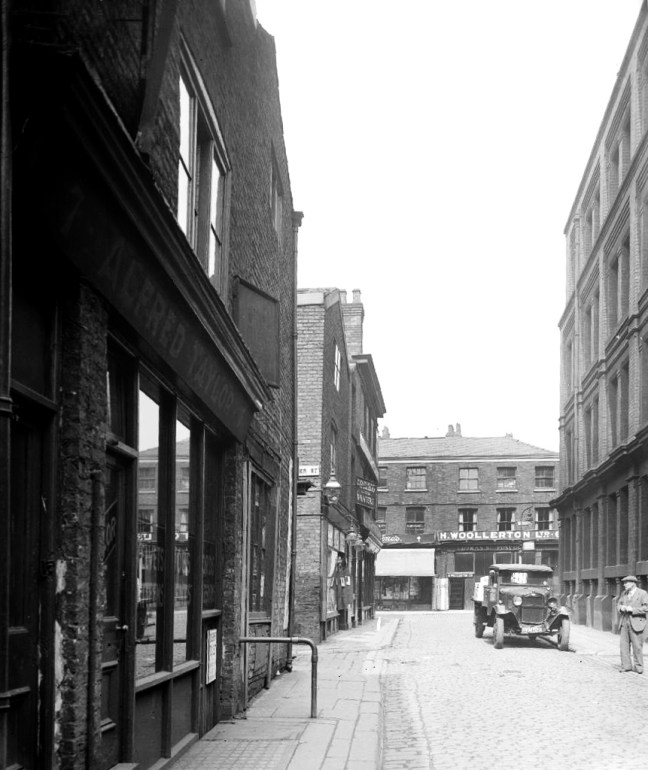
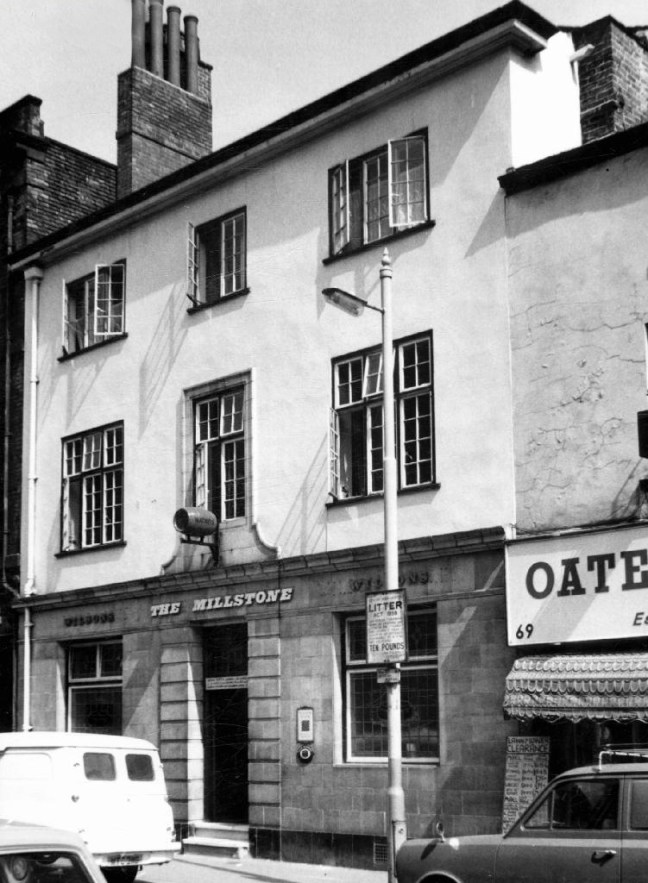
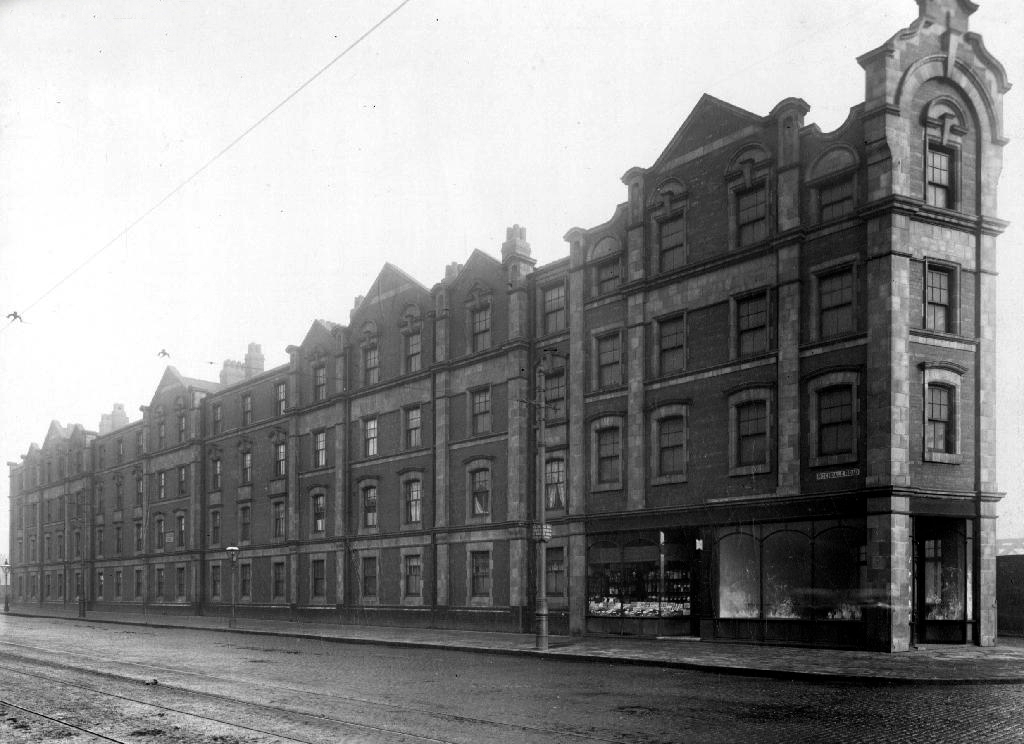
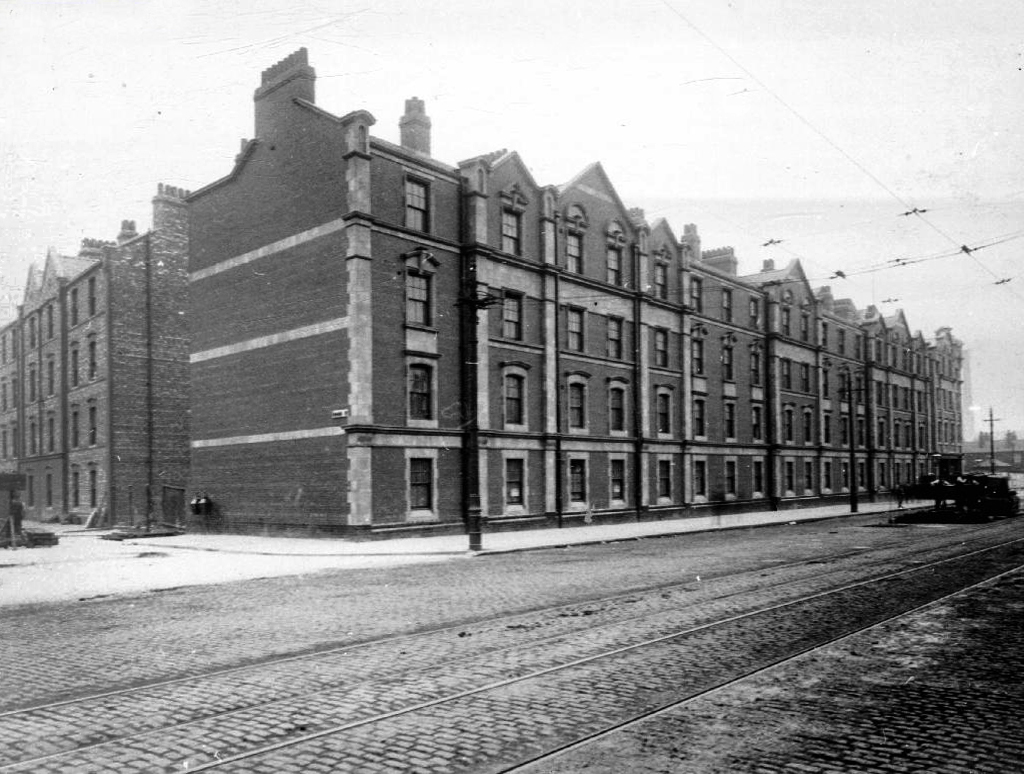
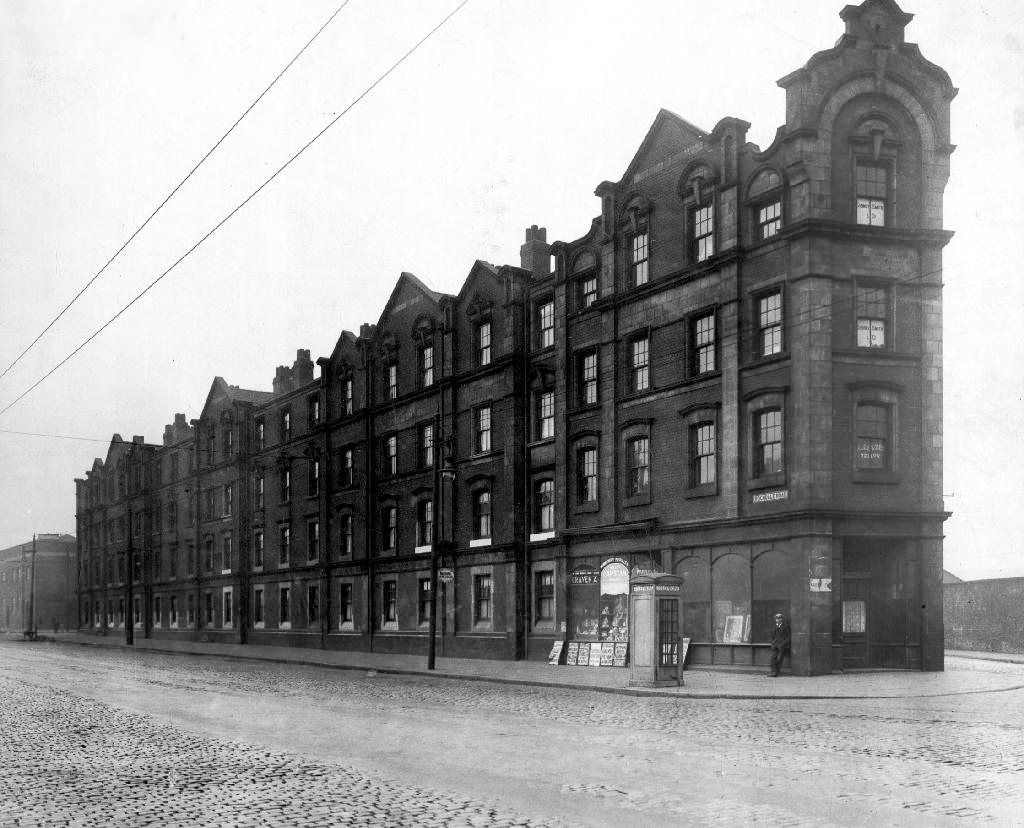
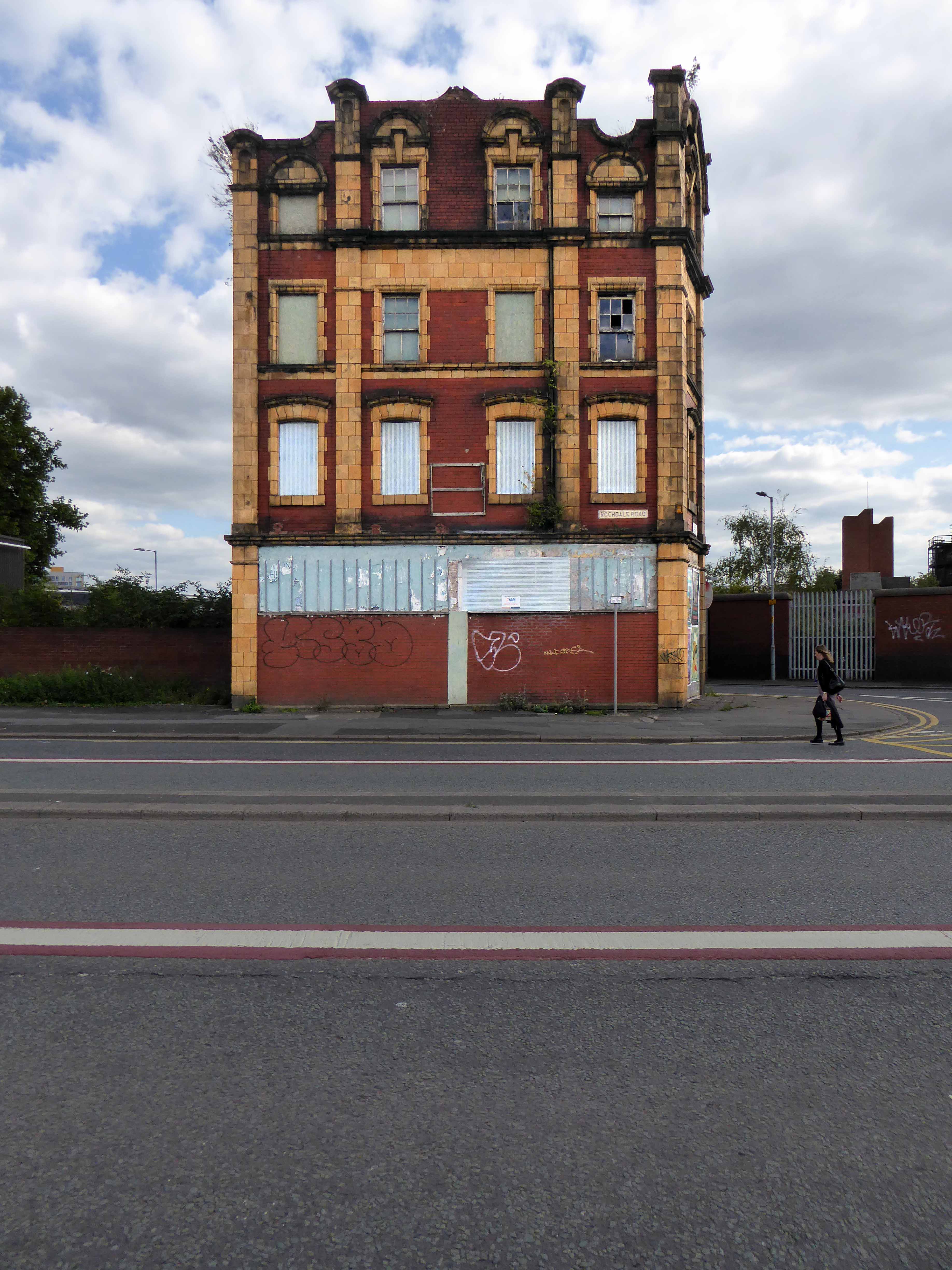
The area becomes the centre of the city’s rag trade, a large Jewish Community, the largest outside of London, grows up around Strangeways, Cheetwood and Cheetham Hill – houses, mills, wholesale, retail, warehouse, ice palace, beer-house, brewery. The area is home to several of Joe Sunlight’s inter-war industrial developments – his Jewish family were named Schimschlavitch, his father a cotton merchant. The family emigrated to England in 1890 and settled in Manchester.

So much for Joe Soap – the area was also the location for local lads, Karl Marx, and Marks & Spencer.

v0_medium

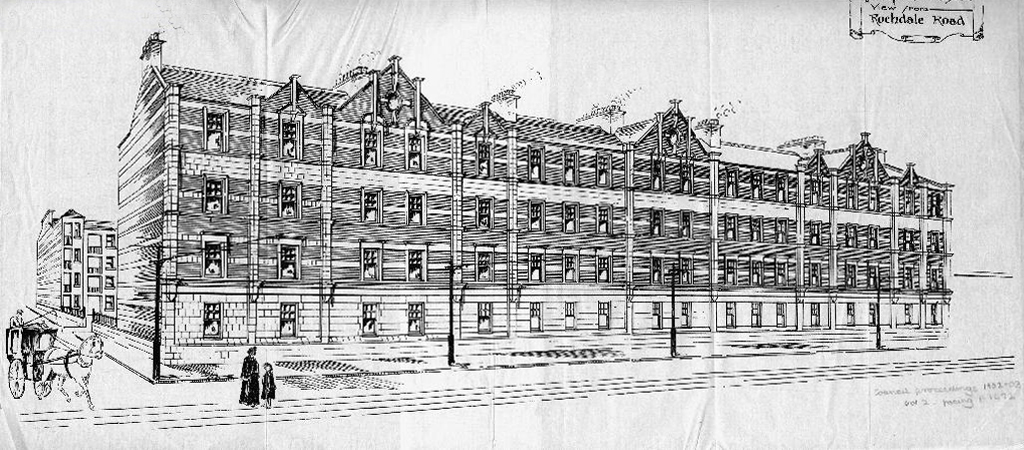
Derby Street 1901 – 1924

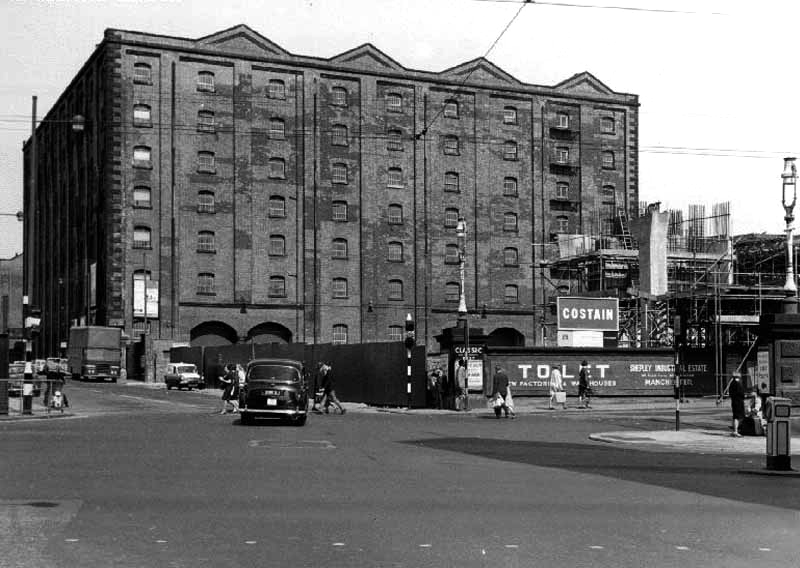
Further developments took place with the building of the Cheetwood Industrial Estate – a postwar group of flat-rooved, blocky brick and concrete utilitarian units.

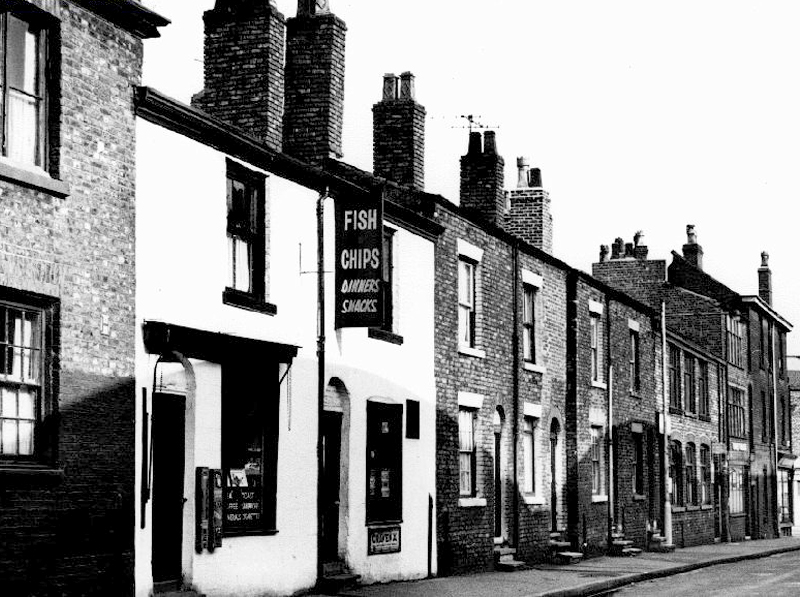
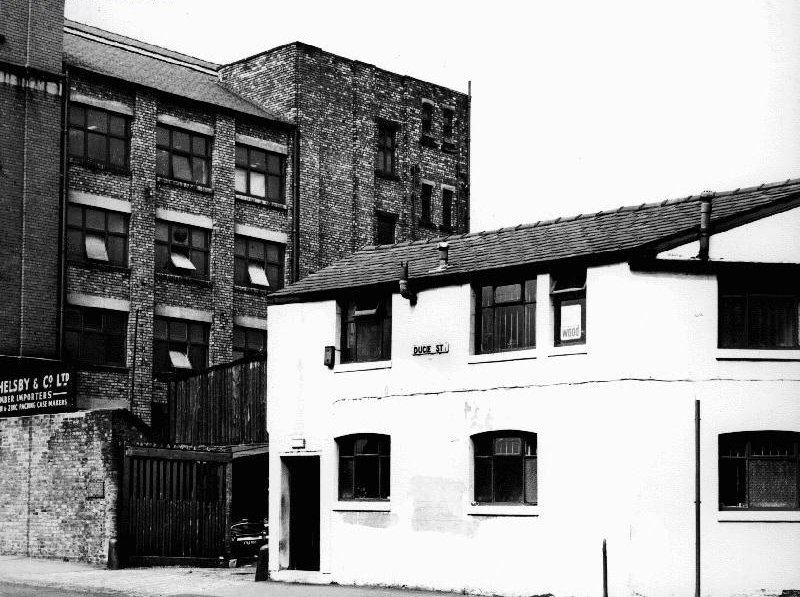
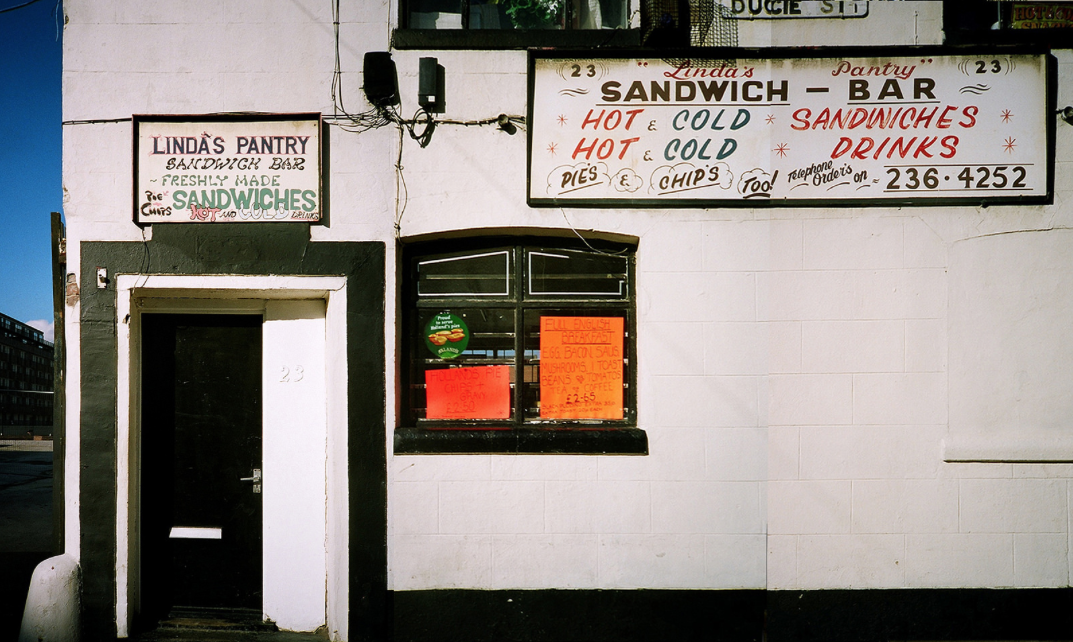
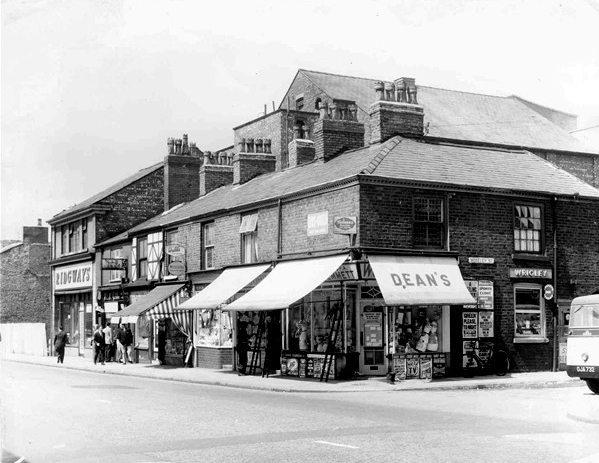
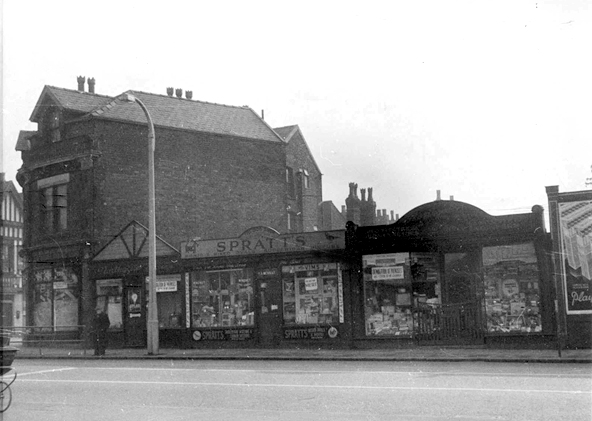
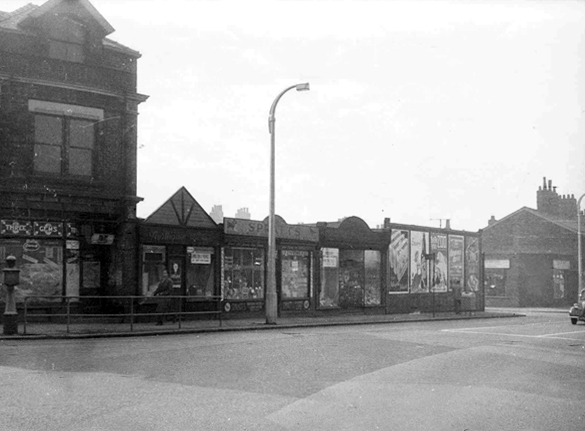
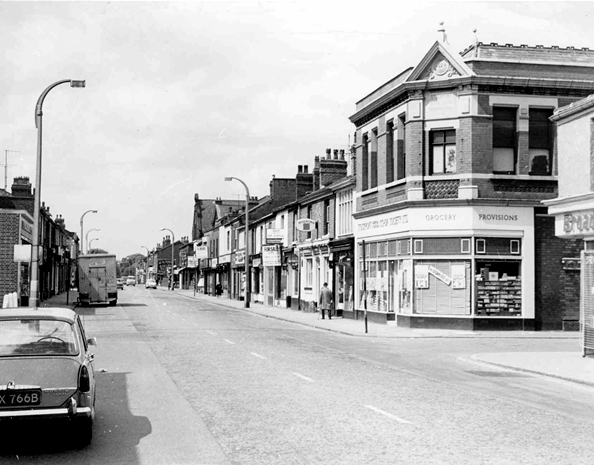
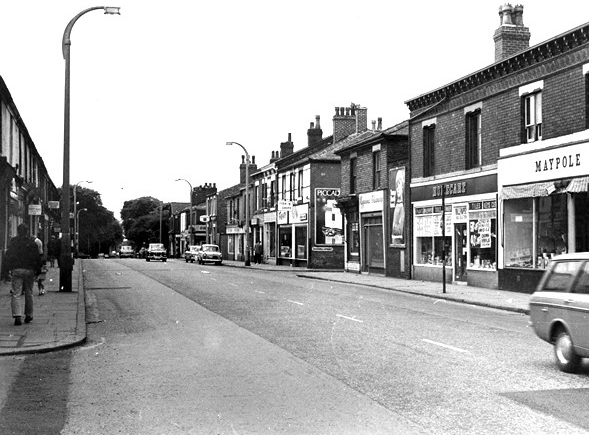
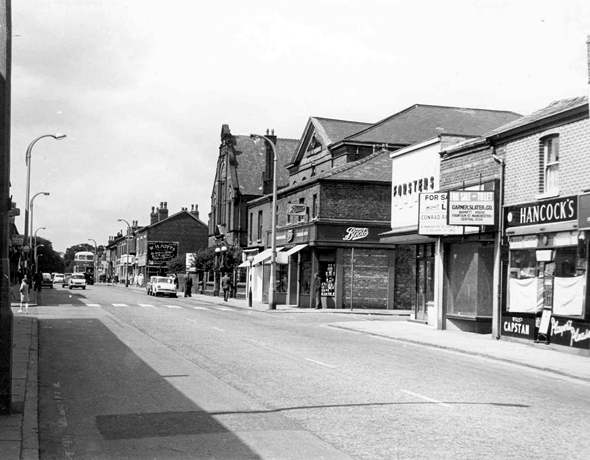
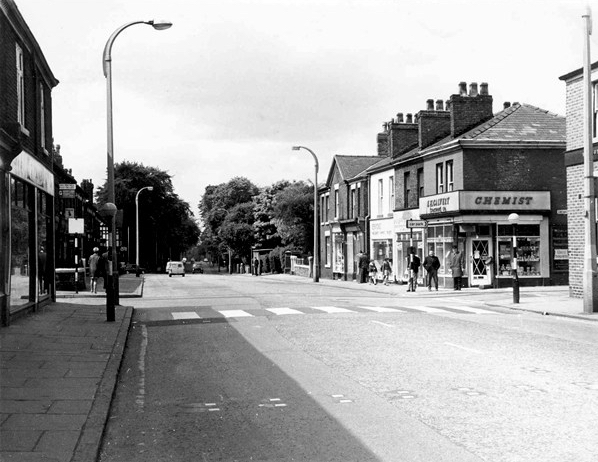
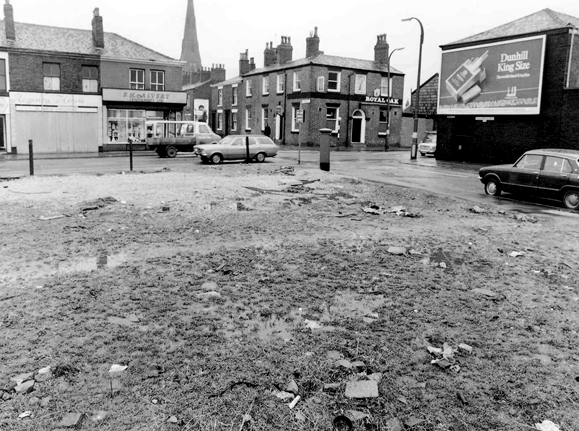
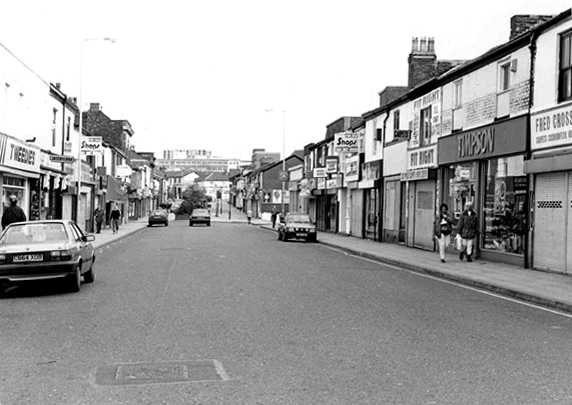
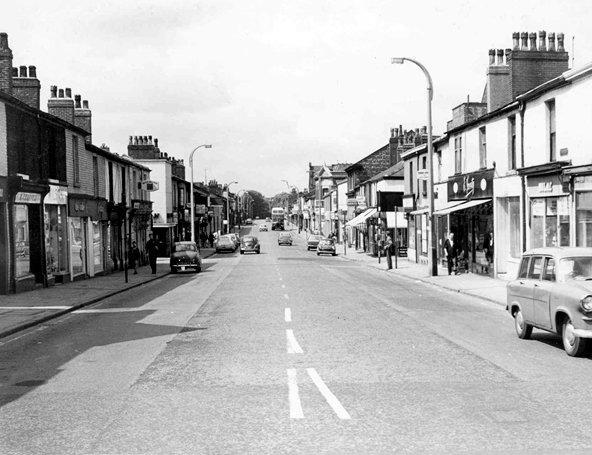
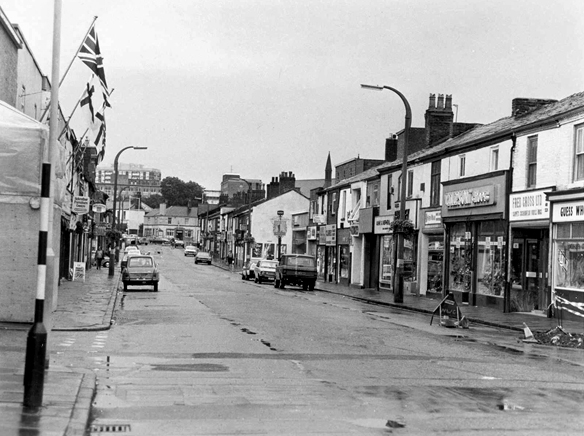
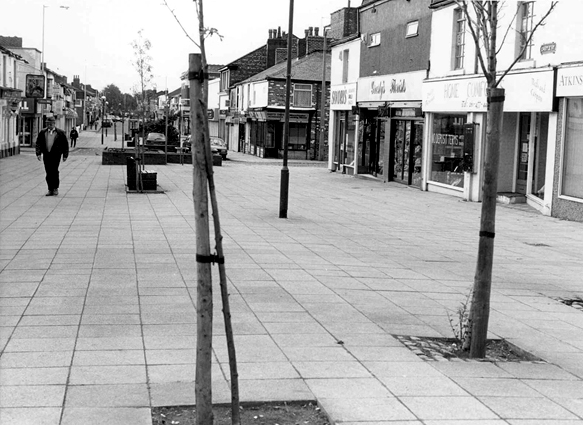
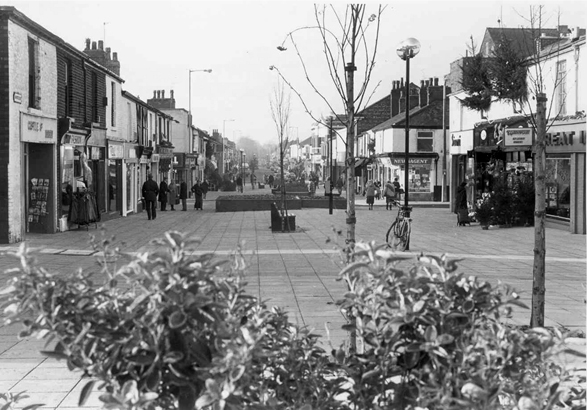
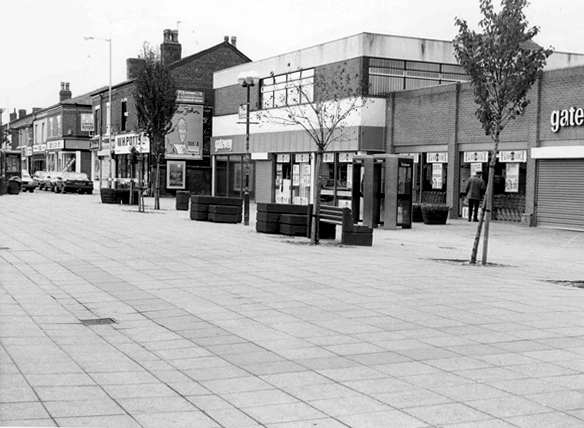
So let’s take a look at the ever so strange streets of Strangeways, in that period of change during the latter part of the Twentieth Century, when manufacturing, retail, repair and distribution were almost, just about to disappear in a puff of globalisation, economic depression and Thatcherism. Where Jack and Jill the lads and lasses, traded, ducked, dived, wheeler dealed from Cortinas, Transits and low milage, one owner, luxuriously leather-seated and walnut-dashed Jags. A vanishing or vanished world, where however briefly – Manchester went architecturally mod.

webmedia-1.php

webmedia-7.php

webmedia.php

Bent Street

webmedia-4.php

webmedia-6.php

webmedia-7.php

webmedia-9.php

webmedia-13.php

Broughton Street

webmedia-1.php

webmedia.php

Carnarvon Street

webmedia-1.php

webmedia-2.php

webmedia.php

Chatley Street

webmedia-5.php

webmedia-9.php

webmedia-10.php

webmedia-4.php

Cheetwood Street

webmedia-3.php

webmedia-5.php

webmedia-8.php

webmedia-9.php copy

webmedia-11.php

webmedia-12.php

webmedia-18.php

Derby Street

webmedia-1.php

webmedia-2.php

webmedia.php

Julia Street

webmedia-1.php

webmedia-2.php

webmedia-3.php

webmedia-5.php

webmedia-6.php

webmedia-8.php

webmedia.php

Knowsely Street

webmedia.php

webmedia-8.php

webmedia-5.php

webmedia-3.php

Sherbourne Street

webmedia.php

Stocks Street

All archival photographs from the Manchester Local Images Collection


Hyde Road – Manchester

From Ardwick Green in the west to Abbey Hey in the east – runs Hyde Road Manchester.

Screen Shot 2018-01-23 at 14.35.48

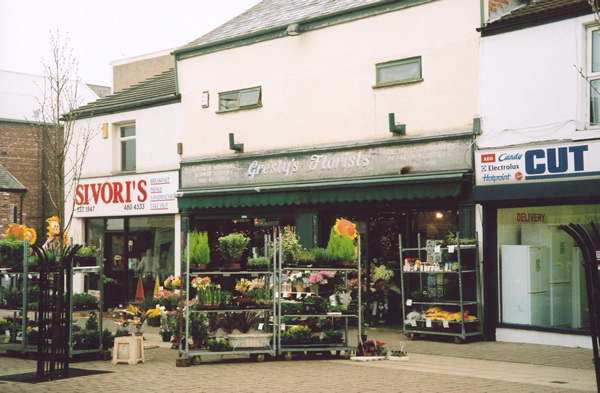
It’s a a road I have travelled from my early teens onwards, visiting friends, family, speedway, school sports days, fun and frolics at Belle Vue, tea and toast in Sivori’s, bike parts from Cowans. Working at the former Bishop Greer School, drinking in it’s many pubs, going to the flicks at the Apollo.

It was an area thick with the hustle and bustle of folks going about their business – working, shopping, boozing, waltzing in the Elizabethan, or the waltzers, bobbing up and down on the Bobs. A self contained community, just about prosperous enough in times of full employment –  take just one more walk with me.

webmedia-1.php

ss55

80

82

85

107

110

404 410

471 477

479 483

baths

swim

bobby

bobs

cowans

harry hall

meth

ns 26

NS5

NS6

NS10ns29

olympia

post

seymour

ss10

ss45

ss47

ss51


ss56

ss58

ss59

station

webmedia.php

woolworths

All photographs from the Manchester Local Image Collection

R.E & J. Parker Bakers – Leigh

I do have a particular penchant for pâtisserie – though close in spirit to their Euro equivalents, the vernacular bakers of the North are by comparison, sadly now a seldom seen, rare and precious breed.

My dad’s three sisters Alice, Jenny and Lydia all trained as confectioners, and he himself was a van man for Mother’s Pride. In my turn I worked as a van lad at their Old Trafford base.

Screen Shot 2018-01-16 at 11.21.08


Flour, eggs, sugar and fat are in my blood.

In their way the growth of the mass-market bakers, along with the motor car and supermarket hegemony sealed the fate of the local bread, cake and pie shop, along with the demise of the associated skills and attendant early morning work patterns. When I visited Cochrane’s in Audenshaw, it was clear that their youngsters no longer wished to take on the family baking business. So the once unremarkable sight of remarkable rows of fancies, growlers and tarts, is now a thing of familiar folk memory, rather than a sweet and savoury reality.

On both of my visits to Leigh I have passed Parker’s – the windows warm from the freshly baked confectionery – including the almost unique Singing Lily – sweet double crust pies, a large circle of shortcrust pastry folded over dried fruit and rolled until the fruit is visible, sugared and baked.

Next time I’ll go in and try one or two treats – get it while you can.

P1120865 copy

P1120868 copy

P1120869 copy

P1120870 copy

P1120871 copy

P1220700

P1220701

P1220702

P1220703

P1220704

P1220705

P1220706


Unity Hall – Wakefield

Wool, wool, wool I do declare – Westgate Wakefield the worse for wear, warehousing, banks and halls in a state of transition. The enormous wealth created by the local textile trade and associated industries, has left an architectural legacy that permeates the wide street, with a more than somewhat faded grandeur.

laying-of-foundation-stone

Laying the Foundation Stone

The Co-operative Unity Hall has seen better days – opened in 1902 and offering extensive retail space, along with a concert and dance hall, echoing to the sound of silent films, all-in wrestling and a fine array of music.

$_57Screen Shot 2017-08-02 at 15.30.55s-l1600

Sadly, as the post-war boom becomes an ever distant, sonic shadow of its former self, the hall closes. Listed yet unused, it stood aloof and alone, unloved. The Beat were on, sadly the beat no longer went on.

9276764393_e5b1688d09_c

9276733799_772ac84eb7_c

9276755169_9fd0bacd58_c

Derelict Places 

Happily a corner has been turned and under new management:

Unity Works is a stunning grade II listed multi-use space, where modern meets state-of-the-art. Unity Works is a great space for work and play, from 1:1 meeting areas, to large conferences, office & work space, to live events, comedy, music, theatre and film screenings.

There’s something for everyone!

More than 400 people invested in a community share scheme to help fund the refurbishment, which began in January. Continuing the tradition of a movement in this architectural gem, which was established as the Wakefield Co-operative headquarters in 1867, a building alive with rich detailing, signage, architectural type and mosaic.

Get gone take a look, listen and dance.

P1070024 copy

P1070025 copy

P1070026 copy

P1070027 copy

P1070029 copy

P1180727

P1180728

P1180729

P1180730

P1180731

P1180732

P1180733

P1180734

P1180735

P1180736

P1180737

P1180738

P1180739


P1180746

P1180747

P1180748

P1180749

WISLa copy


Northmoor Road Co-op – Manchester

Cooperative Society shops and meeting hall. Dated 1912; altered. Red brick with liberal dressings of green and buff glazed terracotta, red tiled roof with geometrical patterned band and cockscomb ridge tiles. Rectangular plan. Edwardian Baroque style. Two storeys and attic, 11 bays; projected ground floor with dark green Ionic pilasters between the shops and a central recessed porch with dark green surround, light green Ionic columns and segmental open pediment ; inverted voluted brackets linking ground floor pilasters to alternate pedestals of 1st-floor colonnade, which has Ionic semi-columns with festoons and a thin cornice, all in matching light green terracotta; swagged frieze of buff terracotta with buff modillions to a green cornice; brick parapet with buff terracotta balustrades and triangular dormers in alternate bays, interrupted in the centre by a green segmental pediment with raised lettering “Beswick Cooperative Society LTD”. Tall segmental-headed windows at 1st floor including a canted bay in the centre with parapet lettered “Built AD 1912”, and coupled windows in the 2nd, 3rd, 10th and 11th bays, all with elaborate surrounds of buff terracotta including quoined jambs, moulded transoms and enriched keystones; and stained glass in the upper lights. Square Baroque-style turret at left gable.

Grade II Listed

The building itself was originally designed for commercial use with a department store on the ground floor boasting five departments including a butchers, shoes and boots, a drapery and a grocery. On the first floor there was a meeting room that was large enough to host dances with live music. Its inaugural event was an exhibition by the Co-operative Workers Society that also included a recital by the C.W.S. orchestra of Balloon Street; it was reported to have been a great success. It was also used for community events such as the Crowcroft Bowls Club prize-giving ceremony in 1914.

Northmoor Road was called North Road at the time the building was in use as a co-operative and was developed between 1899 and 1930’s. Its most famous resident was J.R.Tolkien who lived here between 1926 and 1947.

North moor Community Association

1965

1965 Manchester Local Image Collection

Northmoor Rd copy

Now home to Great Places Housing

This is such a substantial building exuding an opulent retail grandeur that easily leaves your local Tesco Local in the deep dark ignominious shade. From a time when the expanding Cooperative movement provide for most of the areas material needs – though the Beswick Society was disliked for its aggressive territorial ingress, outside of any recognised geographic constriction.

Externally it is still substantially as was – clearly visible from the nearby Stockport Road and continuing to command the street with degree of grace.

Go take a walk, take a look!

DSC_0019 copy

northmoor d copy

P1200038

P1200039

P1200040

P1200041

P1200042

P1200044

P1200045

P1200046

P1200047

P1200048

P1200049

P1200050

P1200052

P1200053

P1200054

P1200055

P1200056

Post Box – Chesterfield

Time’s definitely running out:

But the post office has been stolen and the mailbox is locked.

The age of elegant modernist street furniture, has been and almost gone, the previous centuries are under threat.

But does anyone want this neglected postal self-service technology?

Stamp dispensing is being dispensed with, insert 5p and wait forever.

P1190516

P1190517

We have our own disabused facility in Stockport, I pass it almost every day.

P1190657 copy

And have posted two previous postal posts – here and there.

This new discovery, with thanks to Sean Madner, is situated on the wall of the sorting office in Chesterfield. A faded Festival of Britain charm along with a delightful terrazzo surround, has done little to arrest its slow decline into redundancy and subsequent neglect.

Still in situ, take a walk, take a look – wait for the coin to drop.

P1190514

P1190518

P1190519

P1190520

P1190521

P1190522

P1190523

P1190524

Ghost Signs – Scarborough

All towns have ghosts, none more so than Scarborough.

High atop a castle topped, wind whipped promontory, lies Anne Bronte, overlooking the harbour below, wayward Whitby whalers wail, lost fisher folk seek solace.

Its walls ache with traders past, scissors that no longer snip, click-less shutters, unlettered rock and loaves that no longer rise.

Layers of sun baked, peeling paint on brick, rendered almost illegible.

As Alan Resnais would say Scarborough, mon amour!

P1150490

P1150639

P1150671

P1150677

P1150696

P1150742

P1150743

P1150744

P1150745

P1150757

P1150761

P1150764

P1150765

P1150766

P1150767

P1150768

P1150769

P1150771

P1150772

P1150774

P1150778

P1150787


Hyde Road Pubs – Gorton Manchester

For almost fifty years I’ve cycled, walked and taken the bus up and down Hyde Road.

To work or to take snaps.

Or take a drink.

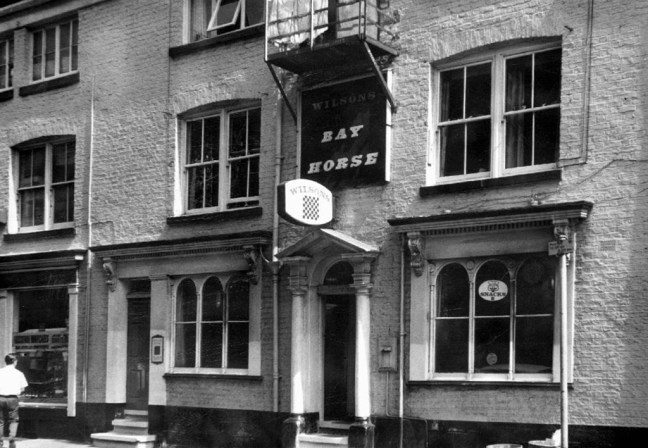
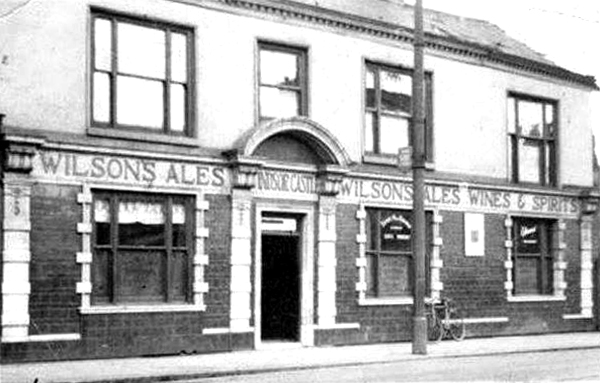
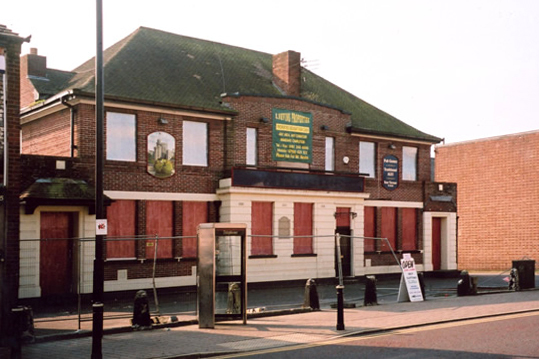
The first proper pub crawl I ever went on was up and down here, and these photographs which were taken from the Local Image Archive, represent a world now largely long gone. Of those places pictured only the Travellers, Wagon and Horses, Plough, Nelson and Friendship survive. What was a busy thoroughfare alive with masses of working people and lively boozers is now a shadow of its former self. Many of the breweries are also no more – Wilsons and Boddington’s, once employing hundreds of people and supplying hundreds of pubs, have all but vanished, you may catch a glimpse of a stray sign or two dotted around town.

If there are any pubs missing apologies, but following the expert advice of Kenneth Allen I think I have all of the Gorton boozers.

Take one last walk, raise a glass – cheers!

webmedia.php

junction

webmedia-9.php

wheat

white bear

travellers72

birch

webmedia-6.php

swan

nags

nags bod.jpeg

rocka

rock copy

vic

unicorn

horse

horse shoe

shoe

webmedia.php

hunt

cheshire hunt

Palm Court Belle Vue

lake

webmedia-5.php

webmedia-1.php

plough

nelson copy

nelsona

hotel.jpeg

friend

San Remo Coffee Bar – Rochdale

Sanremo or San Remo is a city on the Mediterranean coast of western Liguria in north-western Italy. Founded in Roman times, it has a population of 57,000, and is known as a tourist destination on the Italian Riviera. It hosts numerous cultural events, such as the Sanremo Music Festival and the Milan–San Remo cycling classic.

Rochdale is a market town in Greater Manchester, England, positioned at the foothills of the South Pennines on the River Roch, 5.3 miles north-northwest of Oldham, and 9.8 miles  north-northeast of the city of Manchester. Rochdale is surrounded by several smaller settlements which together form the Metropolitan Borough of Rochdale, population 211,699. Rochdale is the largest settlement and administrative centre, with a total population of 107,926. Home to the Cooperative Movement, Rochdale AFC and a redundant cotton industry.

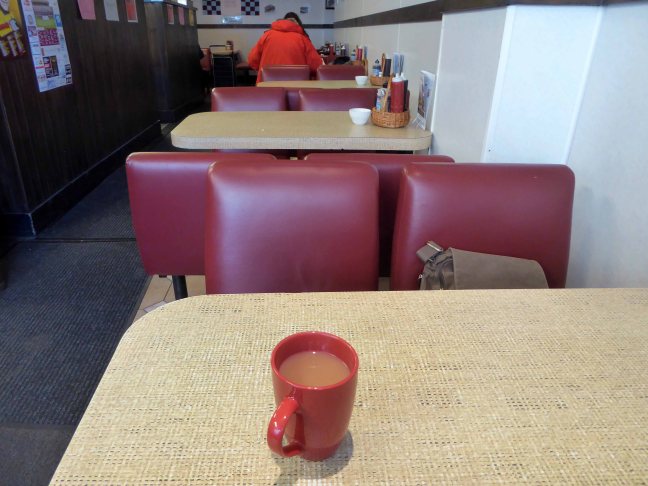
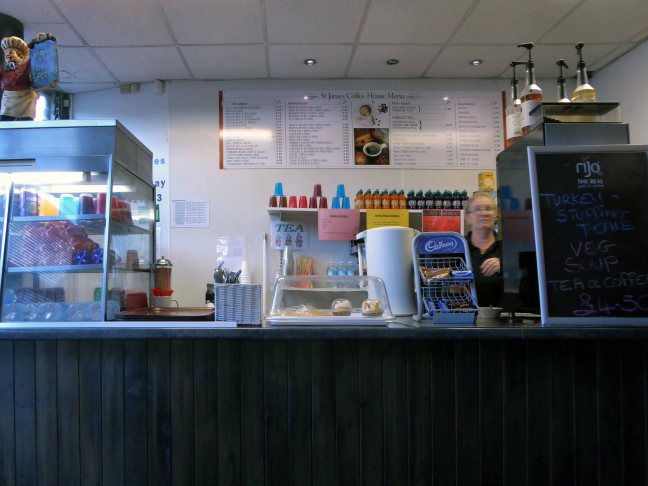
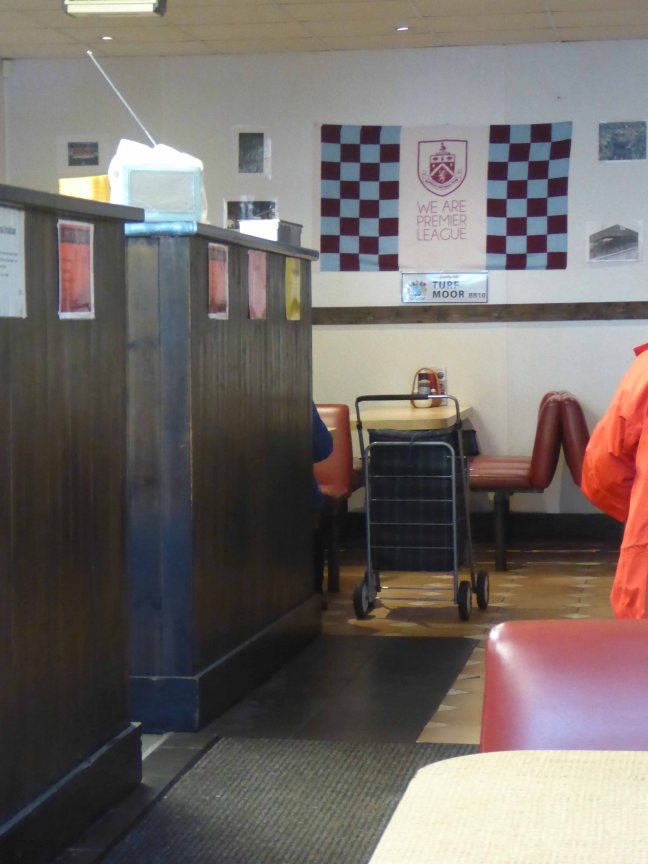
The two towns come together at 27 Drake Street, Rochdale, Lancashire OL161RX, home to a fine café and Italian born Tony and family. It has a well preserved menu that reflects industrial Lancastrian tastes rather than flavours of Liguria. It has an internal decorative order that is pure mid century a la mode – Pennine Style. Several more than several signs leave you in no doubt as to the availability of pies, pies with chips/potatoes, peas, gravy, veg – pies of all varieties, pies.

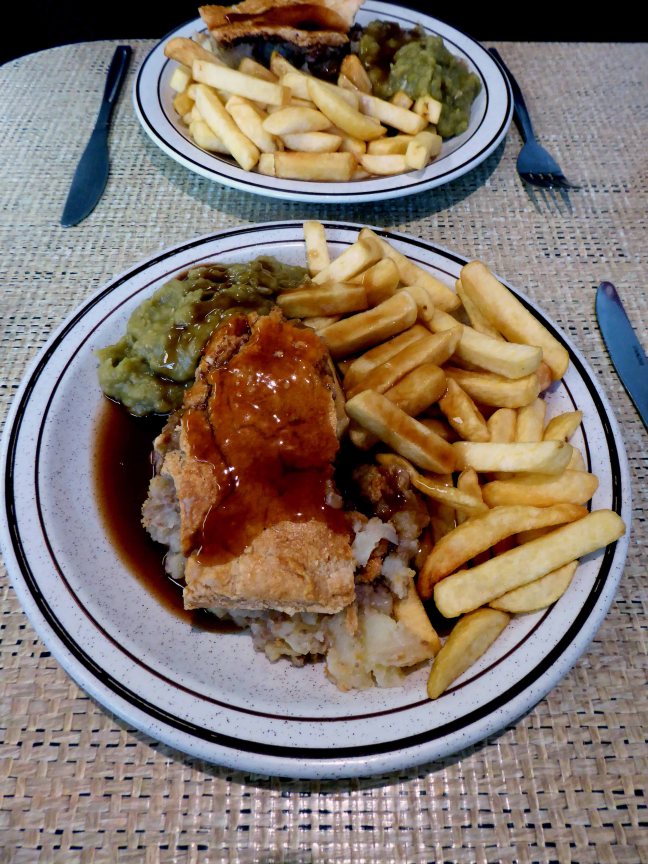
So pie, chips, peas and gravy it was, with a mug of tea – it always is.

Pop in say Buongiorno!

DSC_0069

DSC_0071

P1140277

DSC_0039 copy

DSC_0041

DSC_0043

DSC_0044

DSC_0050

DSC_0051

DSC_0053

DSC_0056

DSC_0059

DSC_0064

P1140278

P1140280

P1140282

P1140283

P1140287

P1140288

P1140289

P1140290

P1140294

P1140295

P1140296

P1140297

P1140298

P1140300

P1140302

P1140308

Salford Shopping City

The construction of the shopping centre and surrounding areas continued and on 21 May 1970 the new Salford Market officially opened. From 1971 onwards new shops inside the precinct itself began to open.

However, due to a lack of funds and a political scandal which saw chairman Albert Jones jailed for eight months construction of Salford Precinct was halted. The site had only 95 shop units compared to the proposed 260, the hotel and two storey car park were never built.

In 1991 the building was refurbished at a cost of £4 million, this included the installation of roofs across various walkways, making large swathes of the centre undercover. The shopping centre which at the time was known as Salford Precinct was renamed Salford Shopping City.

On 9 August 1994 the Manchester Evening News reported that Salford City Council was planning on selling off Salford Shopping City to raise money for local housing repairs, these plans split the ruling Labour Party council, one councillor telling the press that it would be like selling off the family silver.

In 2000 Salford Shopping City was eventually sold to a private company for £10 million in an effort to cut the council’s deficit. It was then later sold in March 2010 to Praxis Holdings for £40 million, the company stated that it wanted to invest in the precinct and link it to the new food superstore.

This is a tale of our times – 60s and 70s redevelopment designed and built in the rampant spirit of free enterprise and uber-buoyant consumerism, falling foul of an economic downturn, subsequent unemployment and shrinking retail spending. Property is ping-ponged between local authority and speculative developers.

Following the riots of 2011 pledges were made regarding the future of the site, plans are still afoot, as yet to be rendered corporeal. Although the area has benefitted from an influx of students and a refurbishment of housing stock, there is pressure on the prosperity of the precinct from thriving retail developments in nearby Manchester and the Trafford Centre.

The architectural core of the site has been retained, including the 23 storey Briar Court residential tower, though diluted by more recent additions, misguided post modern detailing that threatens the integrity of full many a post war development.

P1140819

P1140823

P1140827

P1140828

P1140832

P1140834

P1140835

P1140836

P1140837

P1140839

P1140840

P1140843

P1140855

P1140856

P1140857

P1140858

P1140861

P1140864

P1140865

P1140868

P1140869

P1140870

P1140871

P1140872

P1140873

P1140874

P1140875

P1140876

P1140878

P1140879

P1140881

Coventry – Upper Precinct

Here we are again wandering the pedestrianised precincts of Coventry  – having previously travelled by picture postcard and archival image.

Back to the future.

Today much of the original footprint and well-built brick, stone, glass and concrete structure prevails, with more recent retro fitted additions.

The Gordon Cullen mural has been renovated and re-sited.

Commissioned in 1957 on the recommendation of Arthur Ling – it was made by Carter’s Tiles of Poole.

Coventry Society

p1100005
p1100006
p1100009
p1100008
p1100013
p1100054
p1100055

Sadly only one of the neon sculptures, remains illuminated – they may have been listed by Historic England, they have certainly given them a coat of looking at. I myself was approached whilst working away by a crack squad of precinct management, questioning my methods and motives. I reassured them I was a serious student of post-war architecture and they allowed happily to go about my business – assuring me that I was following in the footsteps of HE.

p1100015

The elevated café, pierced screenwork, mosaics on the former Locarno, now Library and town clock are still every much in situ, Lady Godiva dutifully appearing on the hour, every hour with an ever attendant Peeping Tom for company.

p1100052
p1100039
p1100032
p1100016
p1090806
p1090807

The area is well-used bustling busy, with a smattering of empty units which are sadly typical of most provincial town competing for custom and prosperity on the high street.

p1090808
p1090809
p1090810
p1090811
p1090812
p1090813
p1090814
p1090815
p1090817
p1100033
p1100034
p1100035
p1100036
p1100037
p1100038

Coventry – Precinct

Coventry city centre is a city centre, comprised of several interlocking post- war facets, realised over a thirty year period. This later addition The Bull Yard, the work of Arthur Ling and Terence Gregory, city architects and planning officers 1963-69.

It incorporates pedestrian walkways, retail, civic and car parking facilities with a crowded unease and grace. Much of the original detail survives, though not unusually, some more recent additions detract from the integrity of the scheme.

The site is graced by two major works by William Mitchell – the concrete facade and interior of the former Three Tuns public house.

fudge9

And the sculpted panels on Hertford Street.

p1090773

So we are left with a series of spaces that now seem slightly adrift, particularly the City Arcade, as both the earlier and more recent developments in the city compete for clients and customers.

p1090707

To explore is to discover a work continually in progress, or regression, as the forces of heritage, commercial development, and civic planning pull each other this way and that.

There is an initiative for redevelopment for the area yet to find a satisfactory resolution.

Take a look.

p1090676
p1090681
p1090687

Up on high we find Sir Guy and the Dun Cow by Alma Ramsey 1952.

p1090699
p1090770
p1090700
p1090703
p1090705
p1090701

Coventry Point architects: John Madin Design Group 1969/75

p1090706
p1090707

The Peeping Tom head and shoulders sculpture is currently located in Hertford Street, mounted high up over the entrance to the covered walkway. It was originally a public house sign. It is not known who made it. It was displayed sitting in the top corner window of the Peeping Tom Public house which was on the corner of Hertford Street and Bull Yard, not far from where it is now. It was moved when the road was being redeveloped in the late 1960’s and early 70’s.

Coventry Society

p1090793
p1090771
p1090776
p1090775
p1090789
p1090779
p1090790
p1090791

Coventry – Indoor Market

A market hall built in 1957 to designs by Douglas Beaton, Ralph Iredale and Ian Crawford of Coventry City Architect’s Department.

 Various designs were considered, but eventually a circular design was chosen to encourage circulation and to offer a number of entrances. It was given a flat roof in order to create a car park (with a heated ramp to prevent icing, now no longer there), and was to become the central focus for a complex scheme of linked roof car parks in Coventry.

coventry-market-1

 The market consists of a series of concrete arches joined by a ring beam, all left exposed, with brick infilling and a concrete roof, laid out as a car park, with a central circular roof light. It has a circular plan, just over 84m in diameter and 4 ½ m high, is laid out with 160 island stalls, arranged in groups of two or four units in concentric rings, with 40 `shop stalls’ set into the perimeter wall.

covmarket2

Inside, the circular space is characterised by the tall V-shaped concrete `columns’ that hold the roof. Some of the original shop and stall signs have survived. Natural light enters via the clerestory windows along the top perimeter of the building and through the clerestory lighting and oculi in the central dome. The space under this dome, designed as an area for shoppers to rest, is lined with seats and has a terrazzo mosaic floor designed by David Embling, with a central sun motif, a gift from the Coventry Branch of the Association of Building Technicians.

p1090738-copy

p1090736-copy

p1090737-copy

p1090742-copy

p1090744-copy

Above the current market office is an impressive painted mural by art students from Dresden commissioned especially for the market in the 1950s in a Socialist Realist manner, depicting farming and industrial scenes. 

Thanks to Historic England

I visited the market on a busy bustling day and was made to feel more than welcome, a wide range of heavily laden stalls was trading briskly. The Market Office kindly gave me a copy of the book Coventry Market in a Roundabout Way.

It’s a splendid structure, now listed, that functions six days a week.

Get down take a look around.

p1090713-copy

p1090723-copy

p1090714-copy

p1090716-copy

p1090719-copy

p1090726-copy

p1090733-copy

p1090721-copy

p1090758-copy

p1090751-copy

p1090764-copy

Bus Station – Huddersfield

Huddersfield bus station serves the town of Huddersfield, West Yorkshire, England.

Which seems both serendipitous and heartwarmingly convenient.

The bus station was opened on Sunday 1 December 1974 and is owned and managed by Metro. It is now the busiest bus station in West Yorkshire. The bus station is situated in Huddersfield town centre, underneath the Multi-storey car park. It is bordered by the Ring Road – Castlegate A62 and can be accessed from High Street, Upperhead Row and Henry Street.

There are 25 pick-up and three alighting only stands at the bus station.

Forever in the shadow of its Red Rose almost neighbour in Preston.

Some forty five miles and a fifteen and a half hour walk to the west.

screen-shot-2016-09-12-at-07-00-56

Yet still a thing of beauty and a joy forever  – given the recent repairs to the membrane covering of its multi-storey car park.

On the day of my visit it was clean, compact, cheerfully bustling and well used, passengers busy going about their business, of busily going about their business of going.

Light classics played soothingly upon the Tannoy, punters popped in and out of Ladbrokes, the kiosk plied its trade, the café was full and an air of calm, clear functionality reigned.

I walked quietly away.

p1080644-copy

p1080645-copy

p1080646-copy

p1080647-copy

p1080648-copy

p1080678-copy

p1080677-copy

p1080675-copy

p1080673-copy

p1080651-copy

p1080671-copy

p1080667-copy

p1080662-copy

p1080663-copy

p1080661-copy

p1080664-copy

p1080666-copy

p1080665-copy

p1080660-copy

p1080659-copy

p1080658-copy

p1080655-copy

p1080654-copy

p1080653-copy

p1080652-copy

p1080657-copy


Caledonian Café – Huddersfield

screen-shot-2016-09-11-at-14-47-39

I often visit Huddersfield, and I often discover something new, exciting and different.

The Caledonian Café is everything that it isn’t, it’s the slow accretion of time, personal taste and accoutrements. Not frozen but slowly evolving, warm and welcoming. Owners Tony and Claire were more than happy to offer their company, tea and sympathy.

“The students come in to do their projects, sometimes they just ask to photograph the salt pots.”

I was more than happy to oblige and comply.

p1080592-copy

The prices are more than reasonable, and Tony goes out of his way to accommodate his customers.

” The families don’t always have a lot, so I give them two plates and split the burger and chips for the two kiddies.”

p1080584-copy

It was still early for me so I settled on a large tea, but I’ll be back before long for a bite to eat.

p1080623-copy

So best foot forward, get yourself down to the Caledonian, you won’t be disappointed.

screen-shot-2016-09-11-at-14-46-57

p1080640-copy

p1080583-copy

p1080643-copy

p1080585-copy

p1080586-copy

p1080591-copy

p1080594-copy

p1080595-copy

p1080596-copy

p1080597-copy

p1080599-copy

p1080600-copy

p1080601-copy

p1080603-copy

p1080605-copy

p1080608-copy

p1080613-copy

p1080614-copy

p1080615-copy

p1080617-copy

p1080618-copy

p1080621-copy

p1080622-copy

p1080624-copy

p1080625-copy

p1080627-copy

p1080630-copy

p1080631-copy

p1080634-copy

p1080635-copy

p1080637-copy

p1080638-copy

Ashton Moss – Leisure and Light Industry

Absolute disgrace the food was disgusting and we’re we was sat it stunk of urine.

Never again will I go.

Welcome to the modern world, once home to the world’s finest celery, now home to the world’s worst online reviews.

The area, under cultivation for over a hundred years was bulldozed to one side, and left in a heap. The M60 arrived wiped its feet on the greensward  and awaited the expected redevelopment.

Welcome to the brand new shiny nowhere, the dual carriageway expanse of Robert Sheldon Way carries you away to a strikingly inevitable array of chains, human bondage has never appeared so  clean and bright.

Muse developments:

Good design is required as a key aspect of pursuing sustainable development indivisible from good planning. Good design involves seeking positive improvements in the quality of our built, natural and historic environment, addressing the connections between people and places.


P1080156

P1080157

P1080164

P1080167

P1080173

P1080256

P1080257

P1080259

P1080260

P1080261

P1080262

P1080271

P1080274

P1080275

P1080300

P1080301

P1080304

P1080320

P1080321

P1080328

Laundrette – Welshpool

When walking the streets of Welshpool, one often finds oneself outside.

Outside a launderette.

I paused.

The porch was decorated by the most enchanting mosaic, Vickery and Co.

Hosiers, Hatters and Outfitters.

Politely, ever so politely, I asked the two local lads if they would step aside from their porch perch one moment, I snapped.

And walked on.

Upon my return, nobody was here, I hurriedly occupied the vacant space, with the expansive volume of my incurable curiosity.

Here is what I found.

P1050847 copy

P1050848 copy

P1050849 copy

P1050850 copy

P1050851 copy

P1050852 copy

P1050853 copy

P1050854 copy

P1050855 copy

P1050856 copy

P1050858 copy

P1050859 copy

P1050860 copy

P1050861 copy

P1050862 copy

P1050863 copy

P1050864 copy

P1050865 copy

P1050866 copy

P1050867 copy


WH Smiths – Newtown Powys

Life is full of tiny delights.

Newtown, a town of tiny delights, my journey through Wales by bike took me there.

None more delightful and surprising than the branch of WH Smiths, its exterior adorned with the most beautiful of signs, tiles and lamps.

P1050808 copy

P1050802 copy

P1050804 copy

P1050807 copy

P1050811 copy

P1050805 copy

P1050834 copy

P1050803 copy

Curious, curiously I  explored further, the porch housed a newspaper and magazine stall with further tiled images.

These tiles were made by Carter & Co. at their pottery works in Poole, Dorset in the 1920s. Commissioned by the retailer, they were installed in the entrance ways of a number of its branches. They were intended to advertise the wide selection of books and other items on sale, however their distinctive Art Deco style and the scenes depicted also expose a great deal about society at that time.

In subsequent decades, particularly during periods of refurbishment from the 1960s, many shops lost their decorative panels, either being removed or covered over. Only seven branches of WHSmith are known to have their tile panels intact, with a few surviving in private collections. Many tiles were rescued by WHSmith and these can now be seen in a museum housed in the Newtown branch in Powys. 

Further information

P1050813 copy

P1050814 copy

P1050832 copy

The staff were typically helpful and accommodating – directing me to the Museum upstairs – just pull the rope to one side.

Go take a look 

P1050820 copy

P1050822 copy

P1050823 copy

P1050824 copy

P1050825 copy

P1050826 copy

P1050827 copy

P1050828 copy

P1050829 copy

P1050830 copy

Laundrette – Emlyn West Wales

You could be in the middle of nowhere.

You are in the middle of nowhere.

Though never six feet from a rat, or a mile from a main road.

Moments away from a laundrette.

Imagine my amazement, on arrival in a town straddling the border of the counties of Ceredigion and Carmarthenshire in west Wales and lying on the River Teffi.

A launderette.

The heady of mix of interior austerity.

Functionally muted green, grey sky blue, nothing added.

An all too distinctive aroma of who knows what – warm water, soap and humanity?

Wash your dirty linen in public.

P1050712 copy

P1050688 copy

P1050689 copy

P1050690 copy

P1050691 copy

P1050692 copy

P1050693 copy

P1050694 copy

P1050696 copy

P1050697 copy

P1050698 copy

P1050699 copy

P1050700 copy

P1050701 copy

P1050702 copy

P1050703 copy

P1050704 copy

P1050705 copy

P1050706 copy

P1050707 copy

P1050708 copy

P1050709 copy

P1050710 copy

P1050711 copy