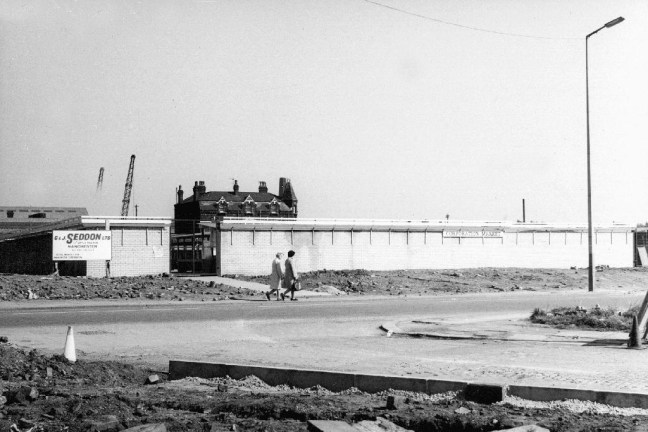
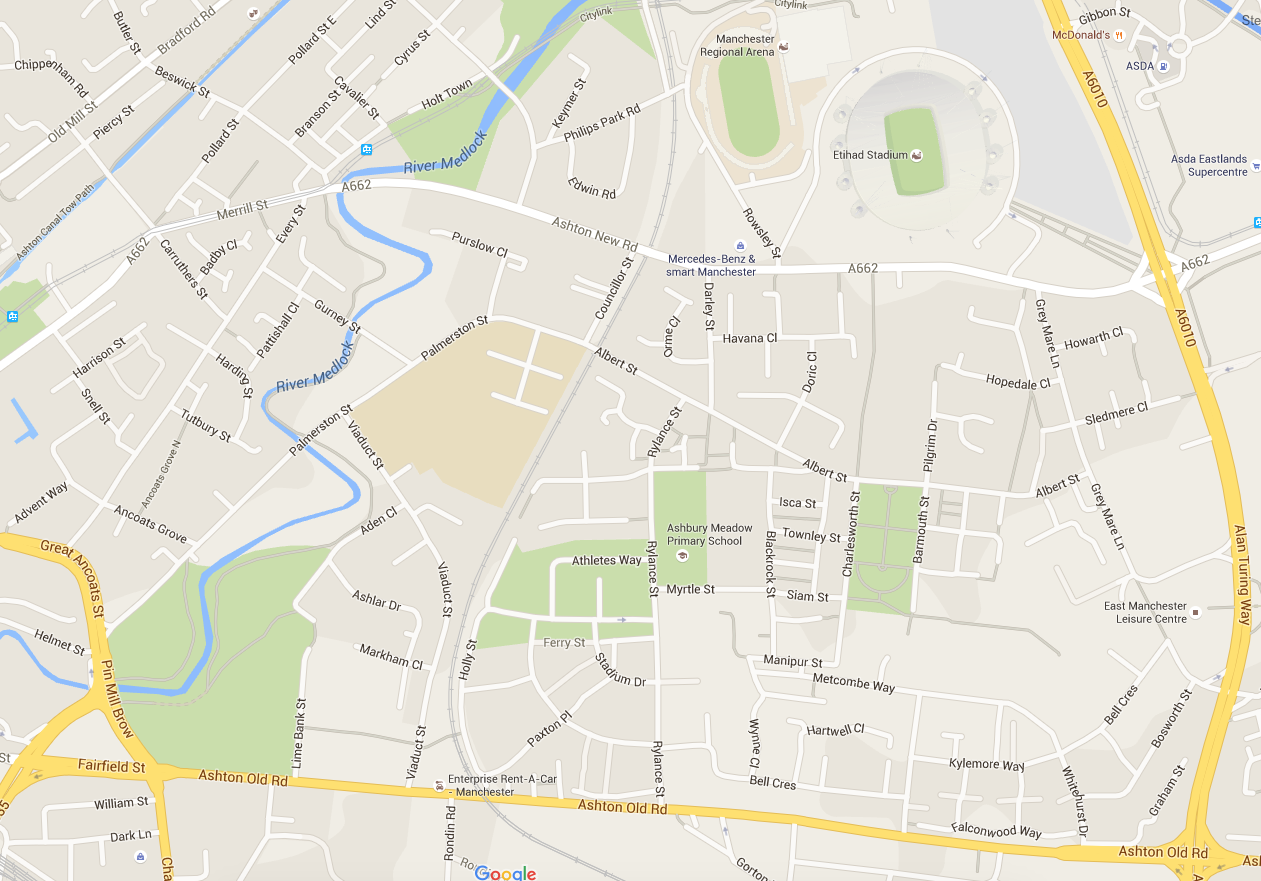
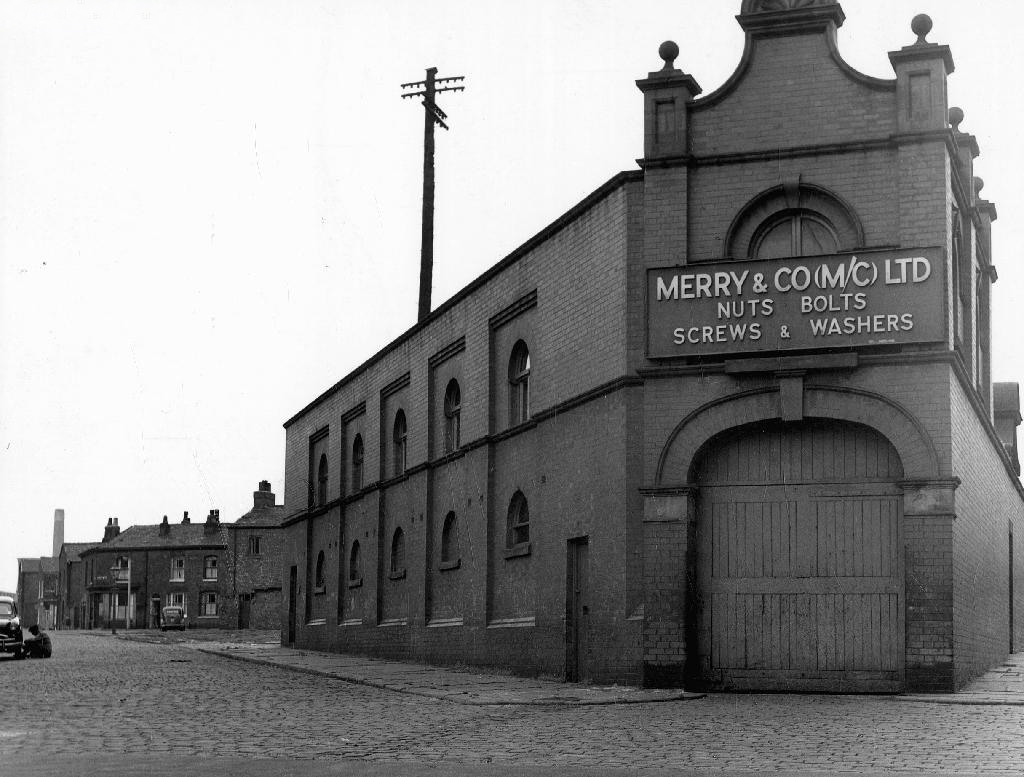
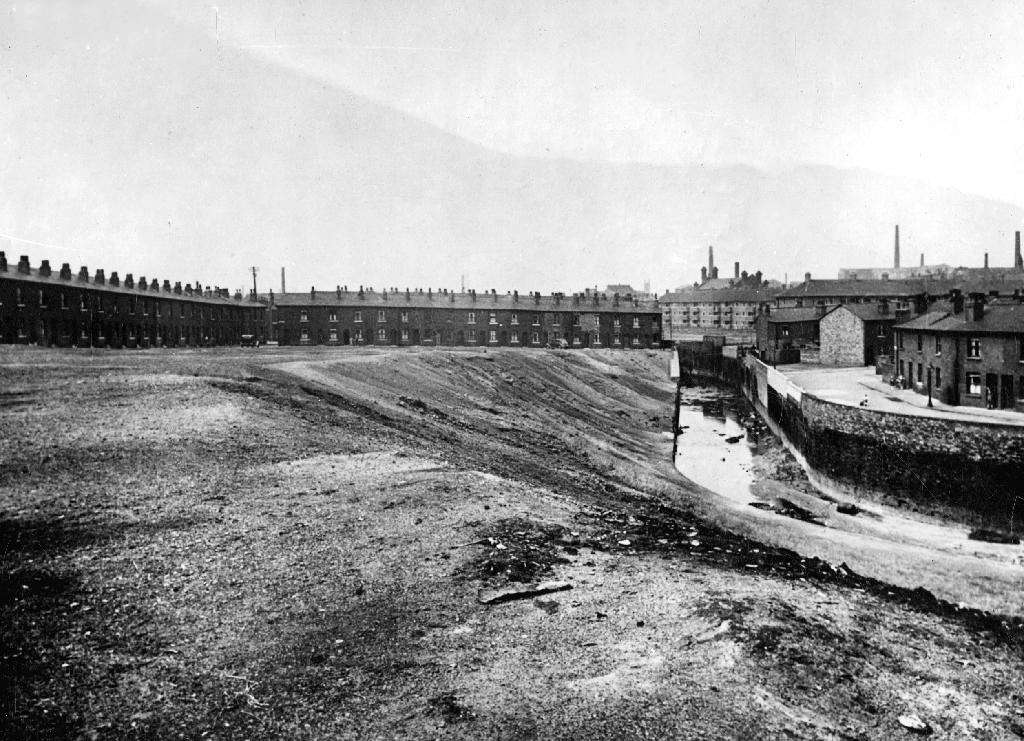
Lost and Found – Portwood

Ὁ βίος βραχύς,ἡ δὲ τέχνη μακρή,ὁ δὲ καιρὸς ὀξύς,ἡ δὲ πεῖρα σφαλερή,ἡ δὲ κρίσις χαλεπή.

30cc0c813d69ba409723f2b3d9bc5dd0

I have no wish to take issue, with the finer thoughts and feelings of Deborah A. Ten Brink.

However.

There is a sense that our earthly endeavours, may serve to assist us in avoiding the void, the cold dark inevitability of eternity, that everyday here today, gone tomorrow feeling.

However.

Nothing lasts forever, except forever and nothing.

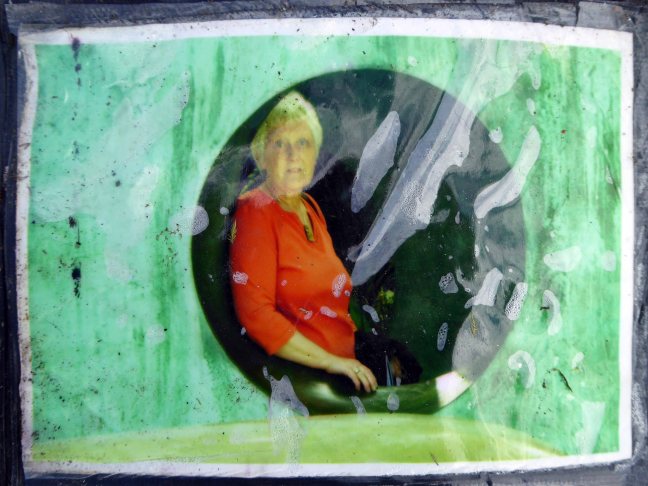
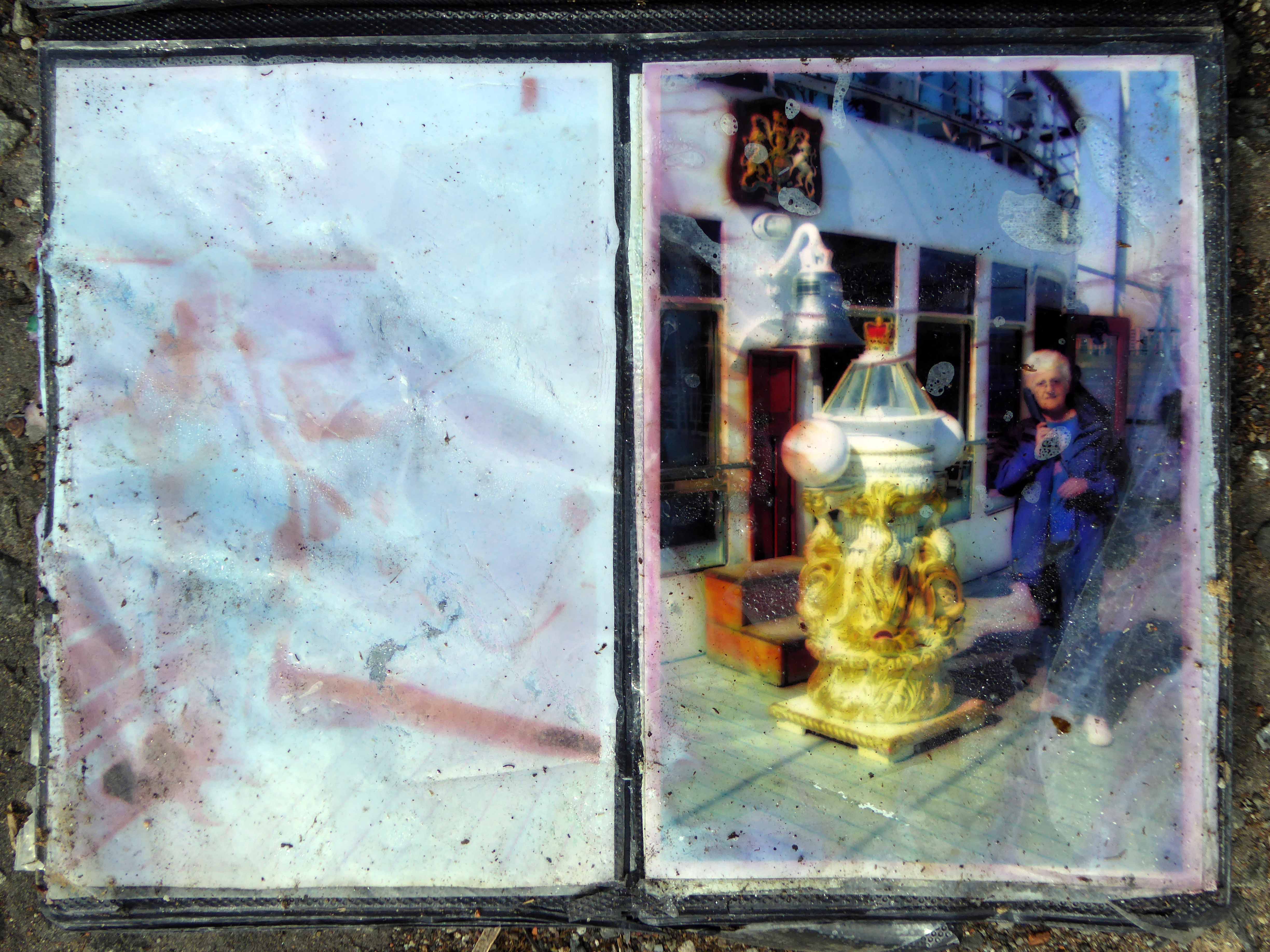
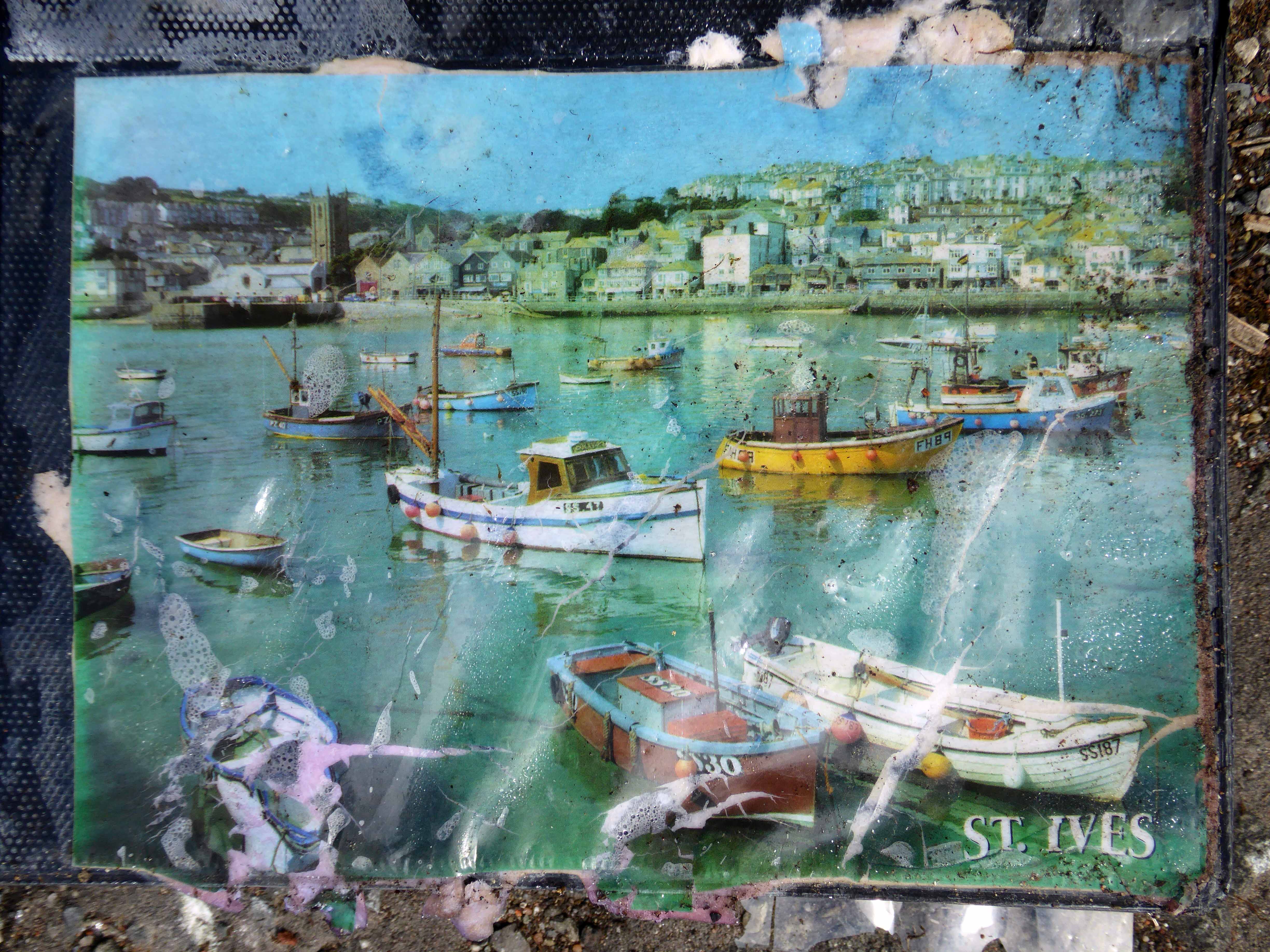
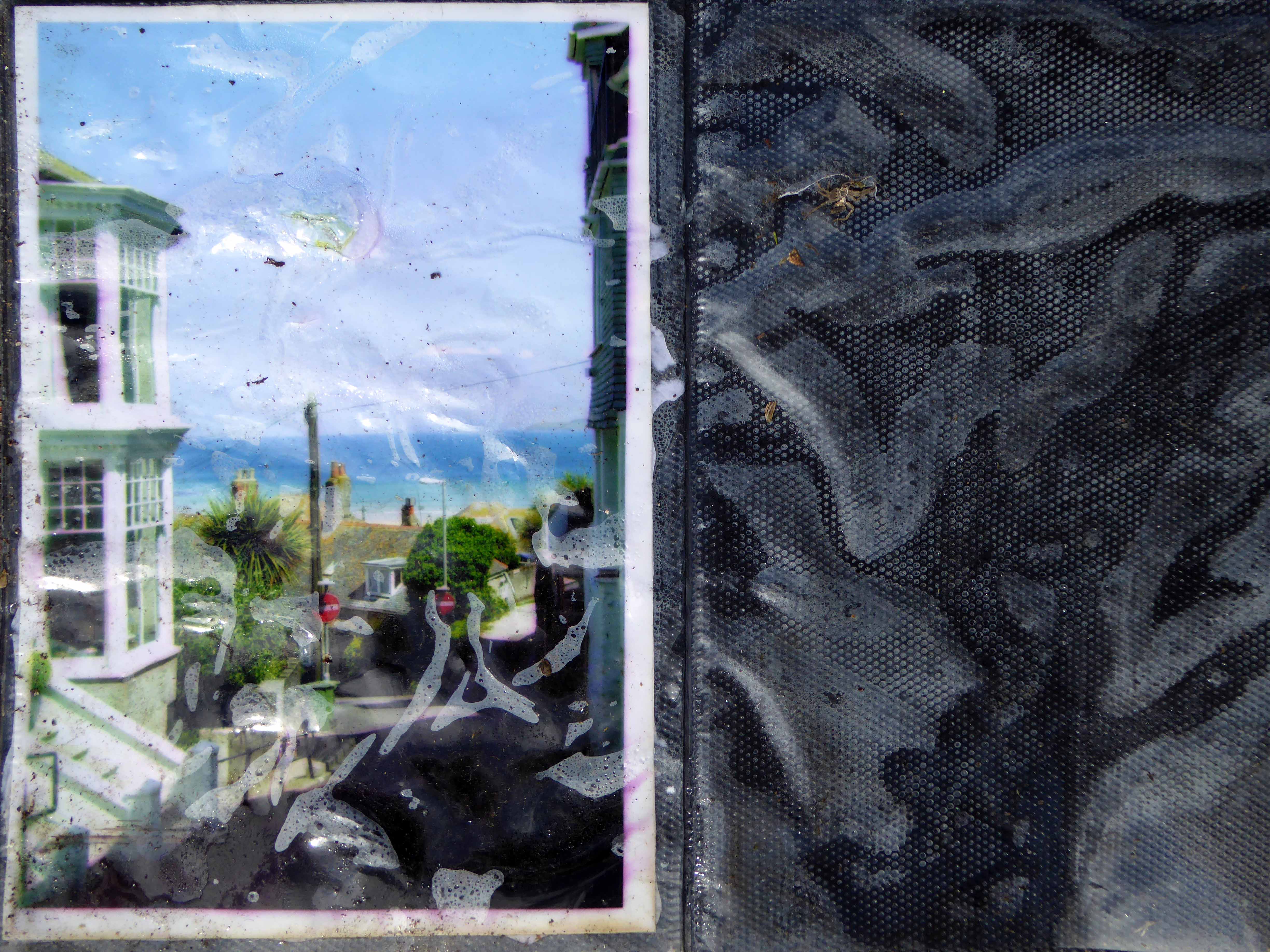
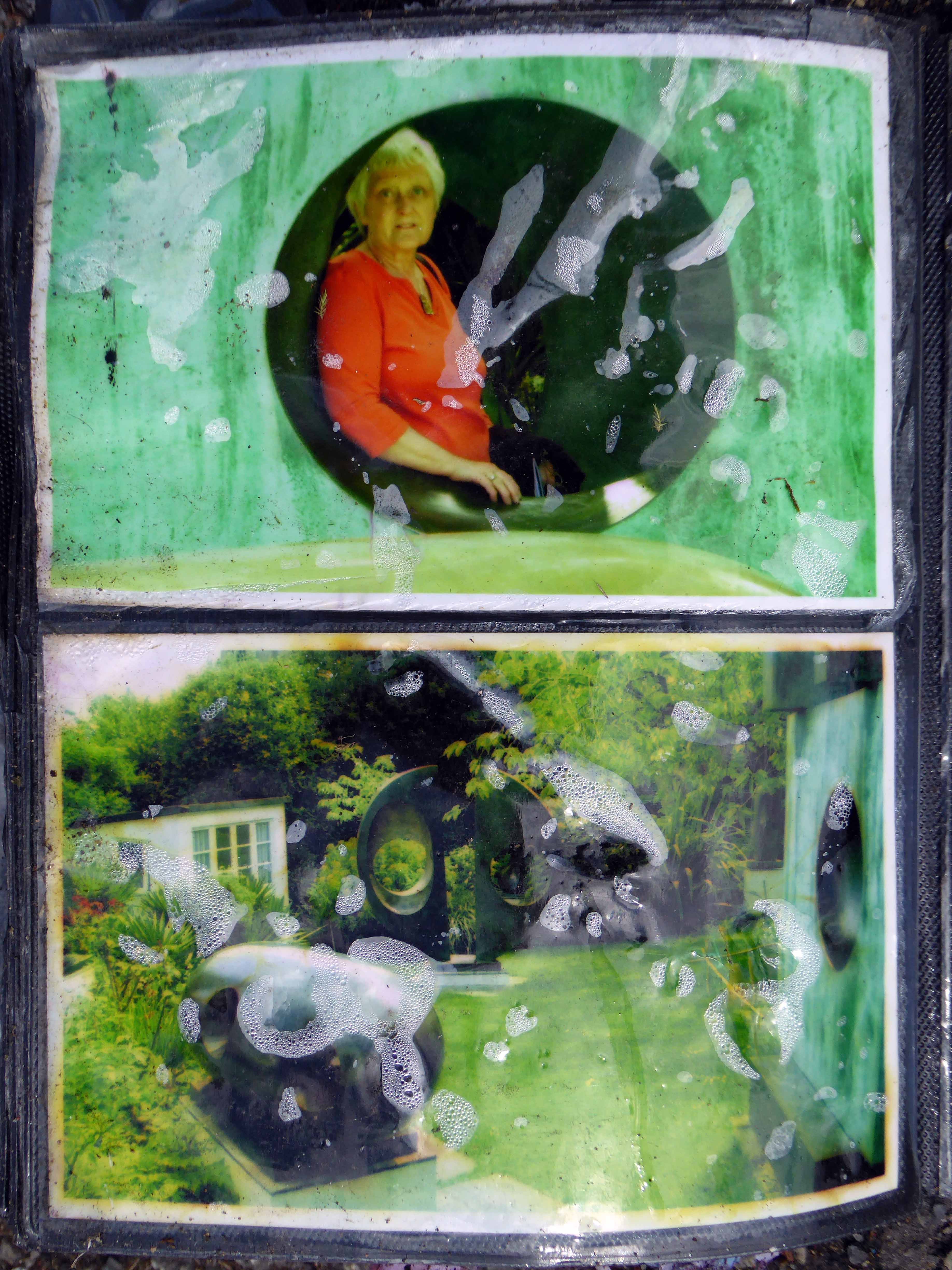
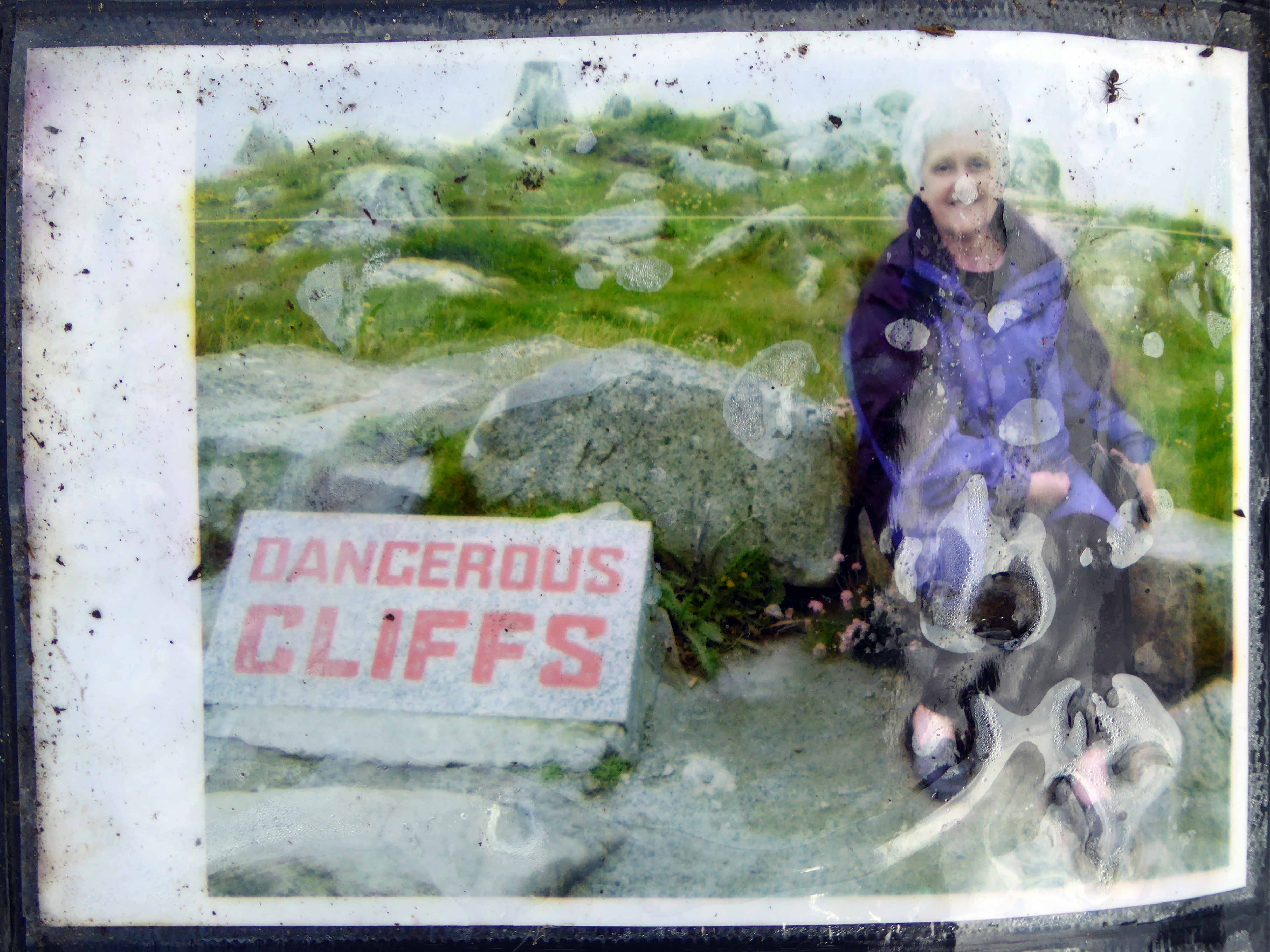
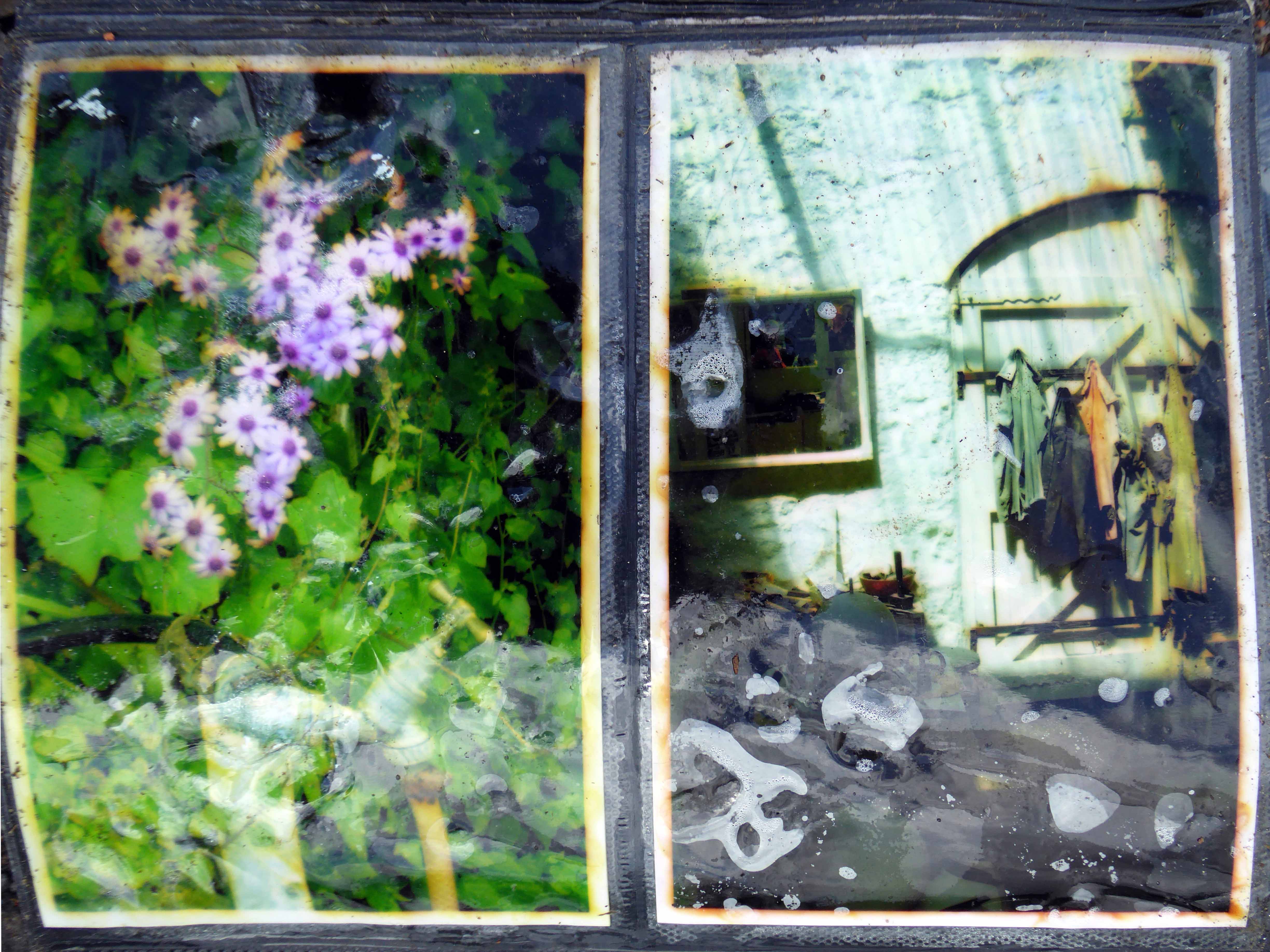
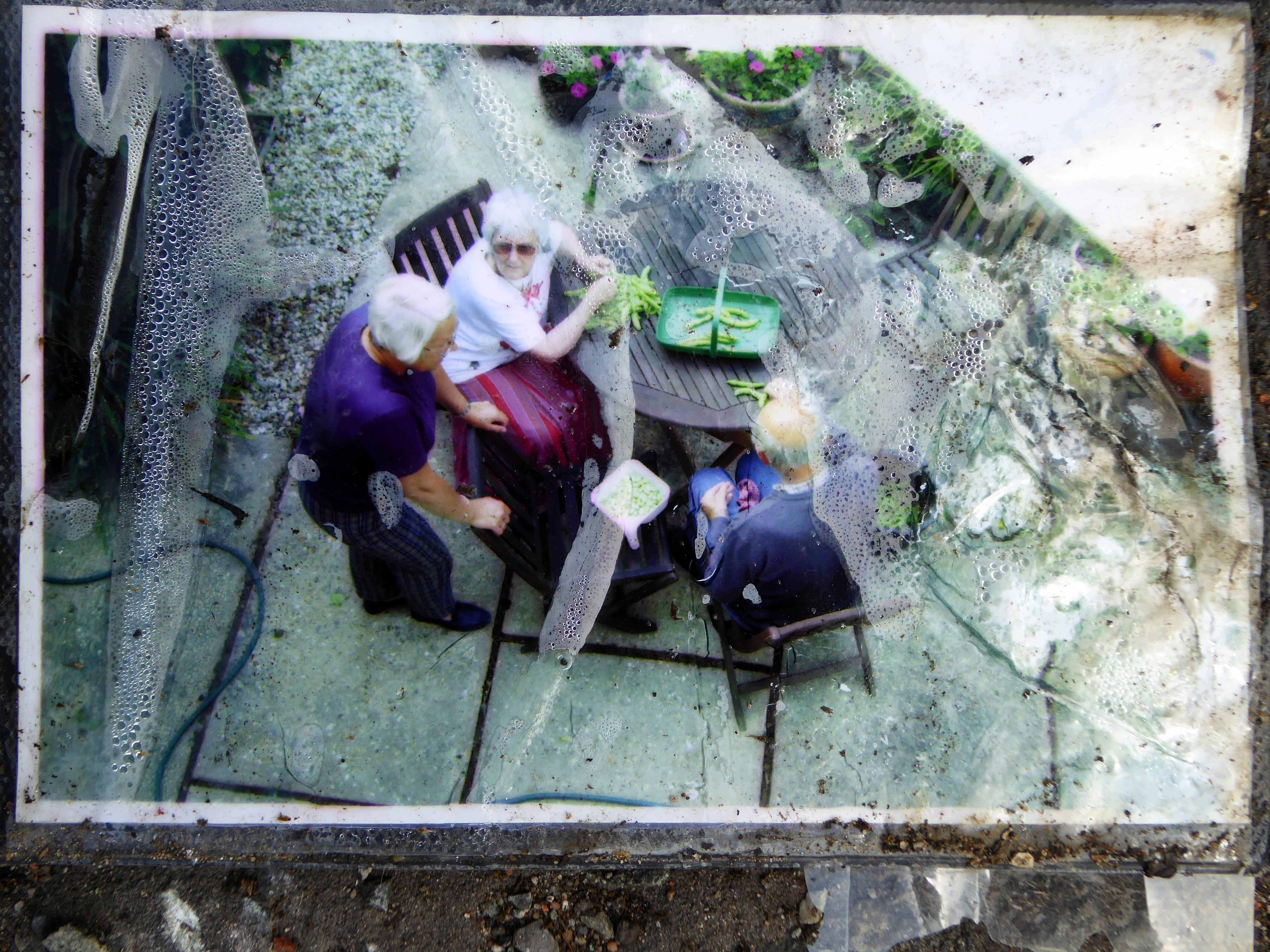
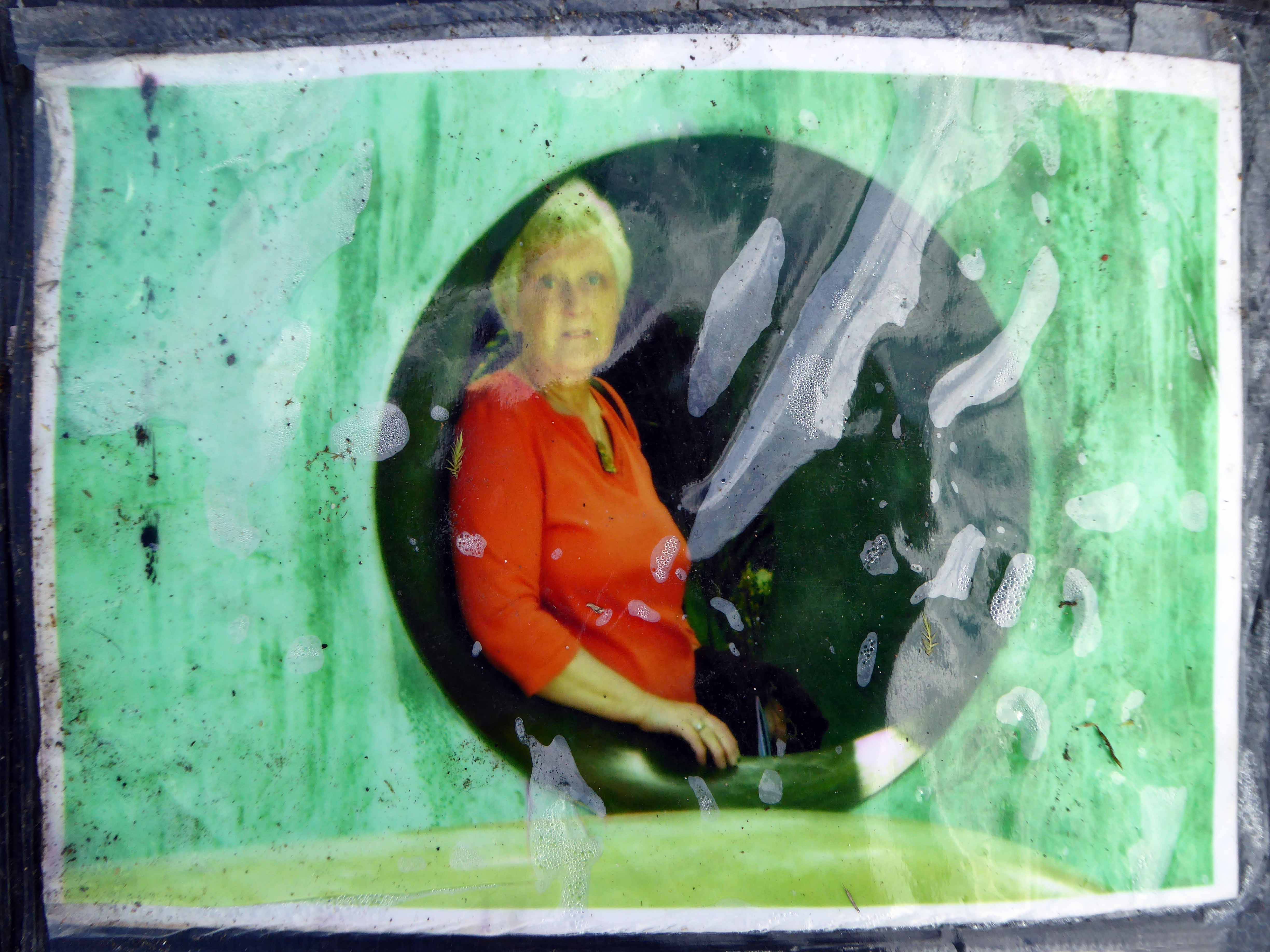
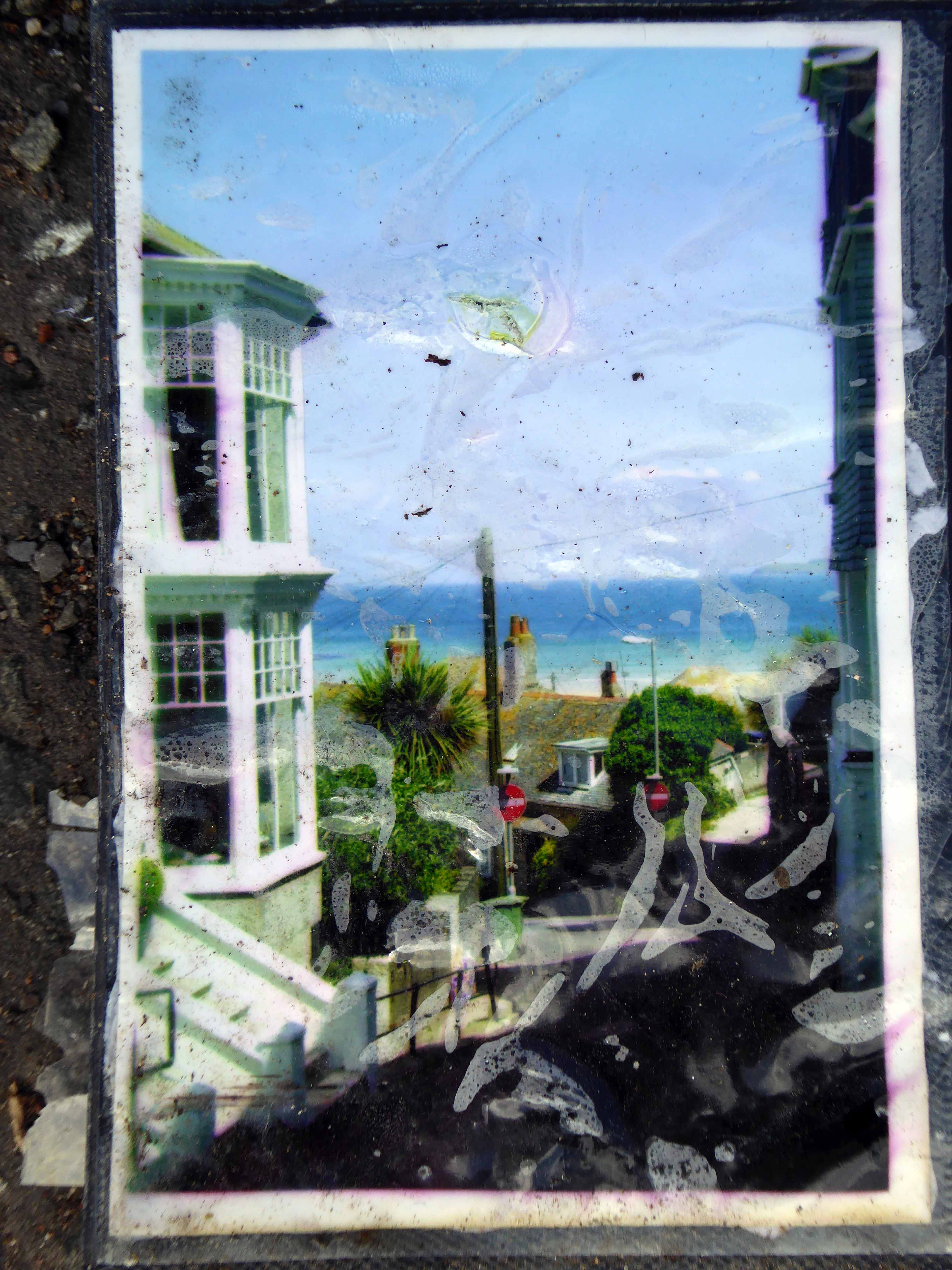
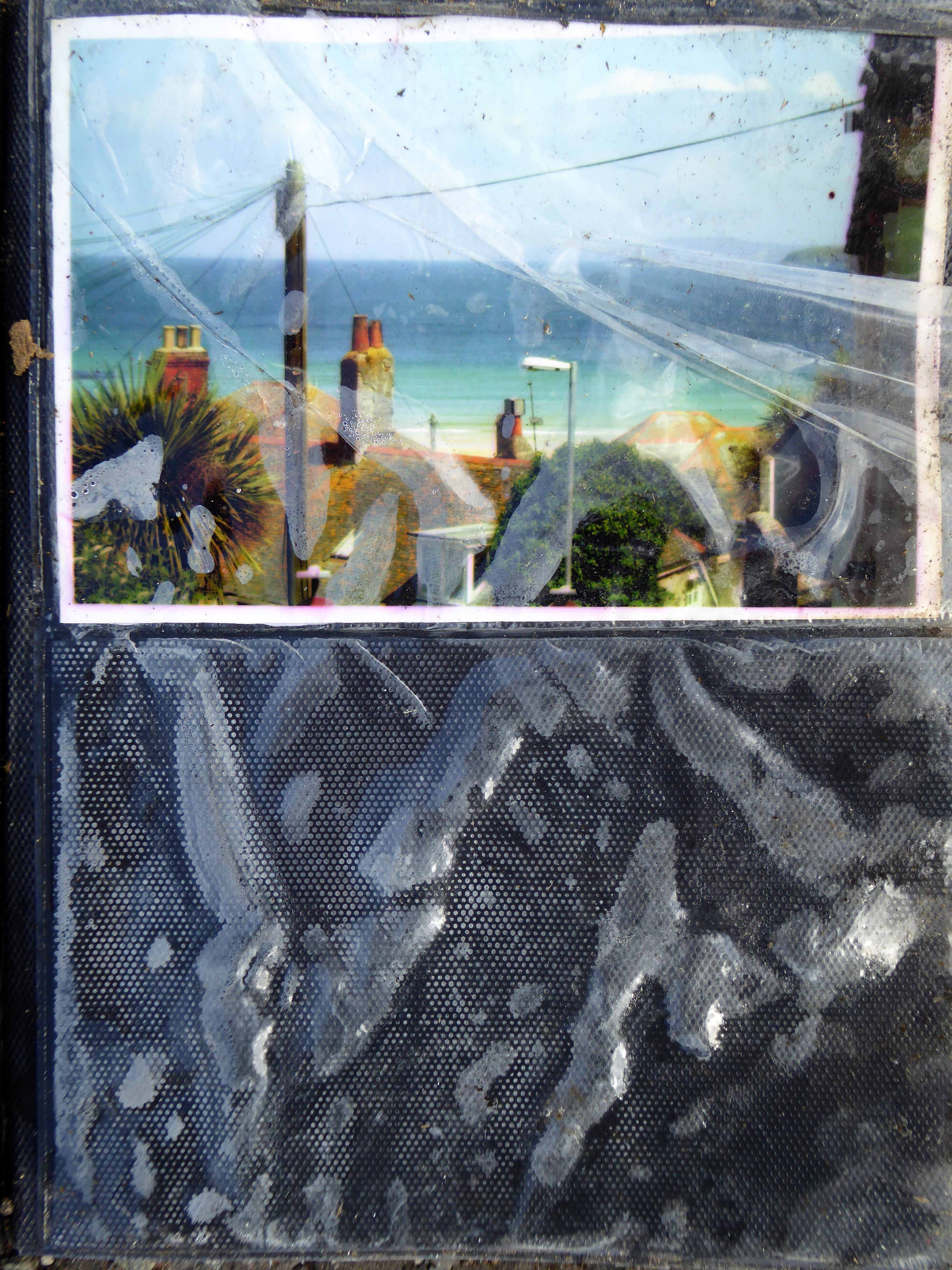
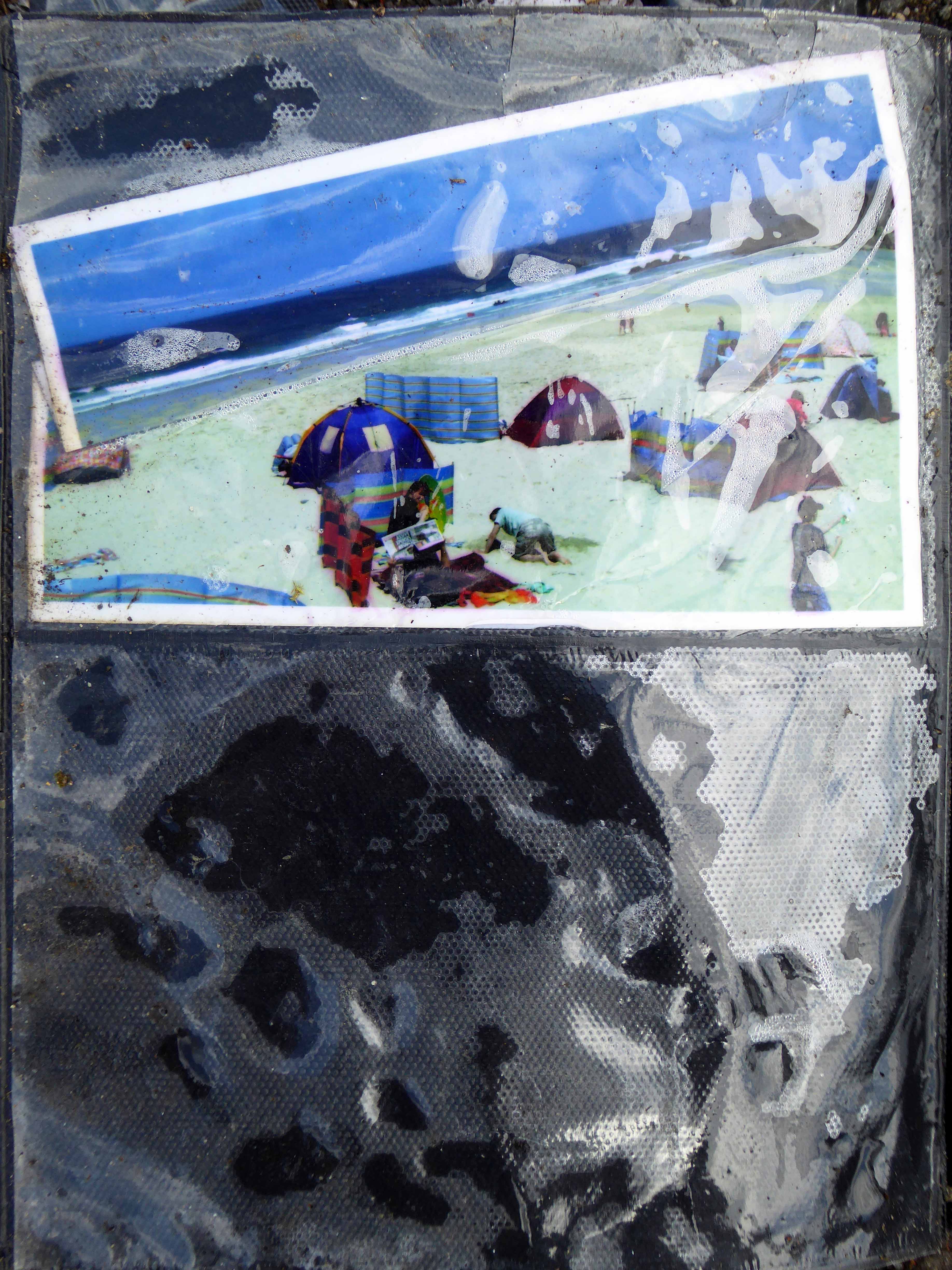
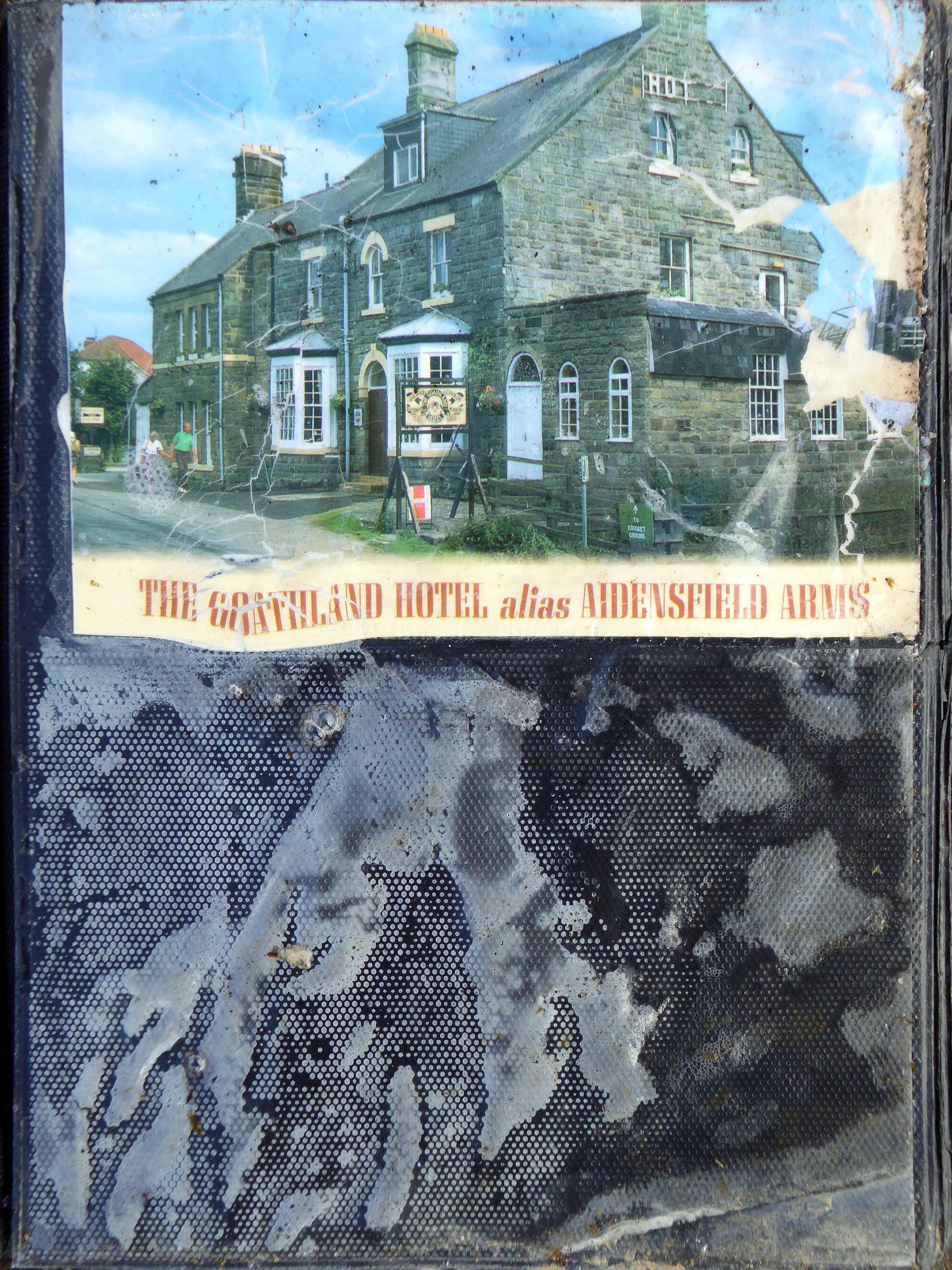
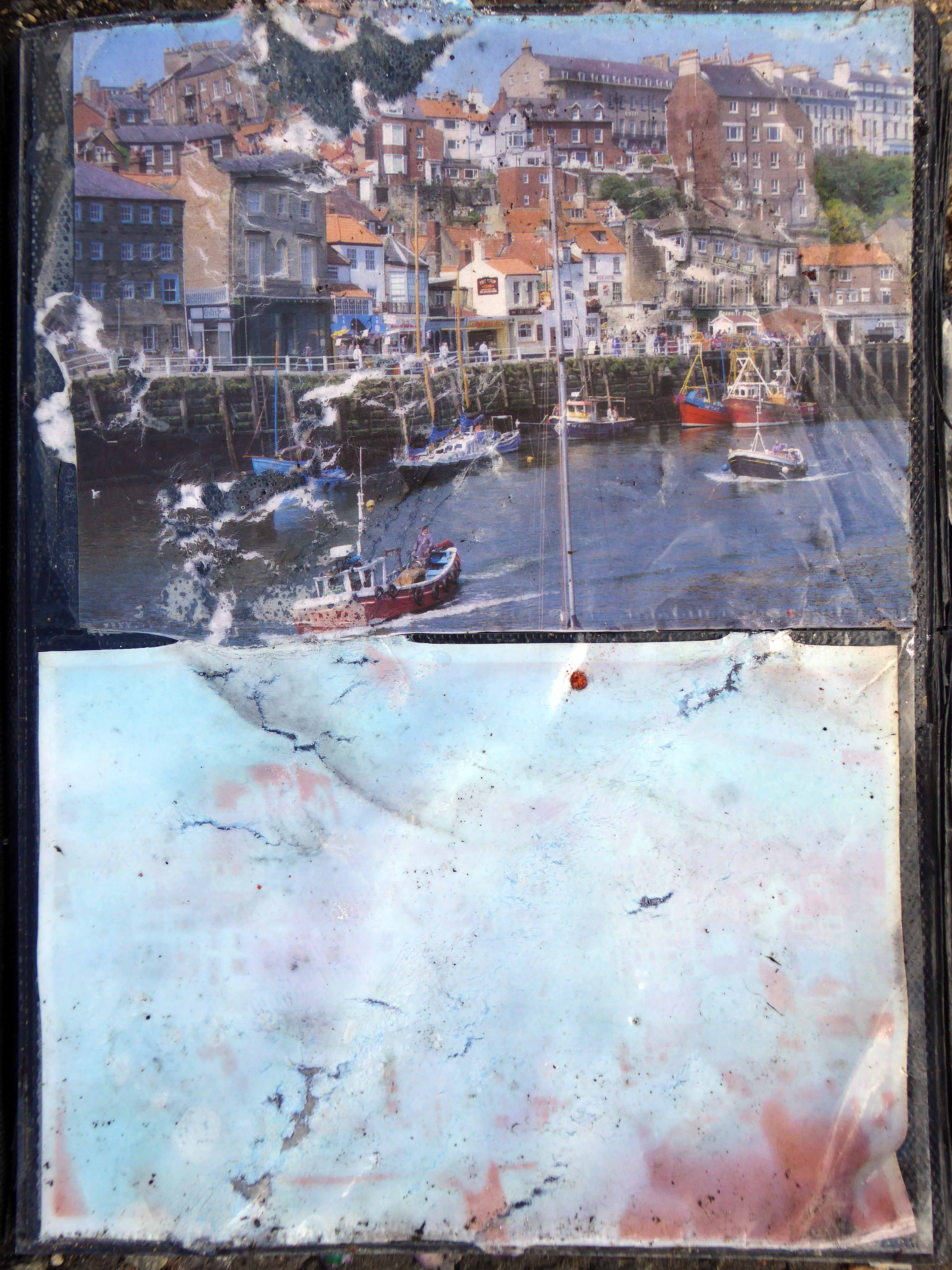
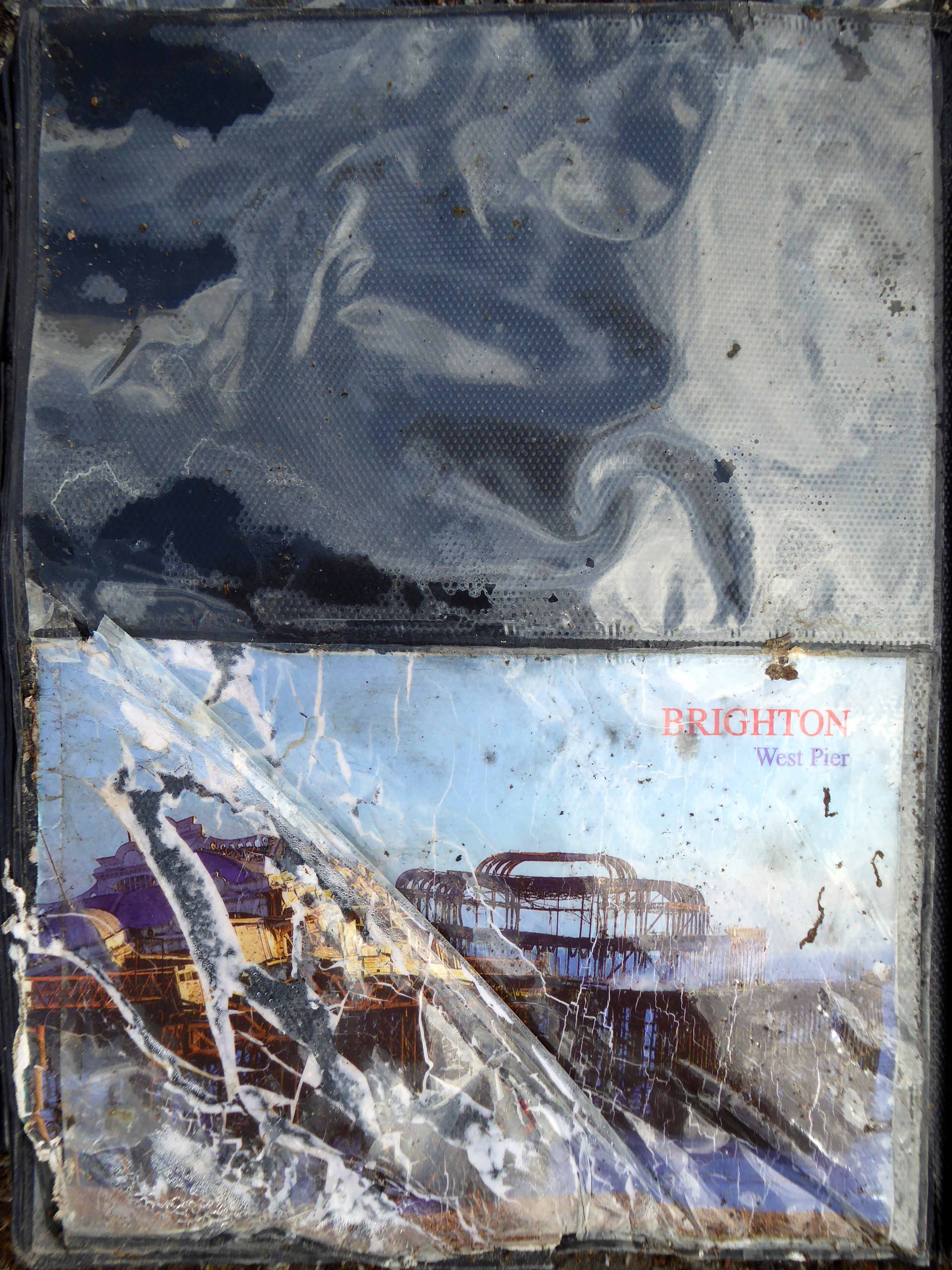
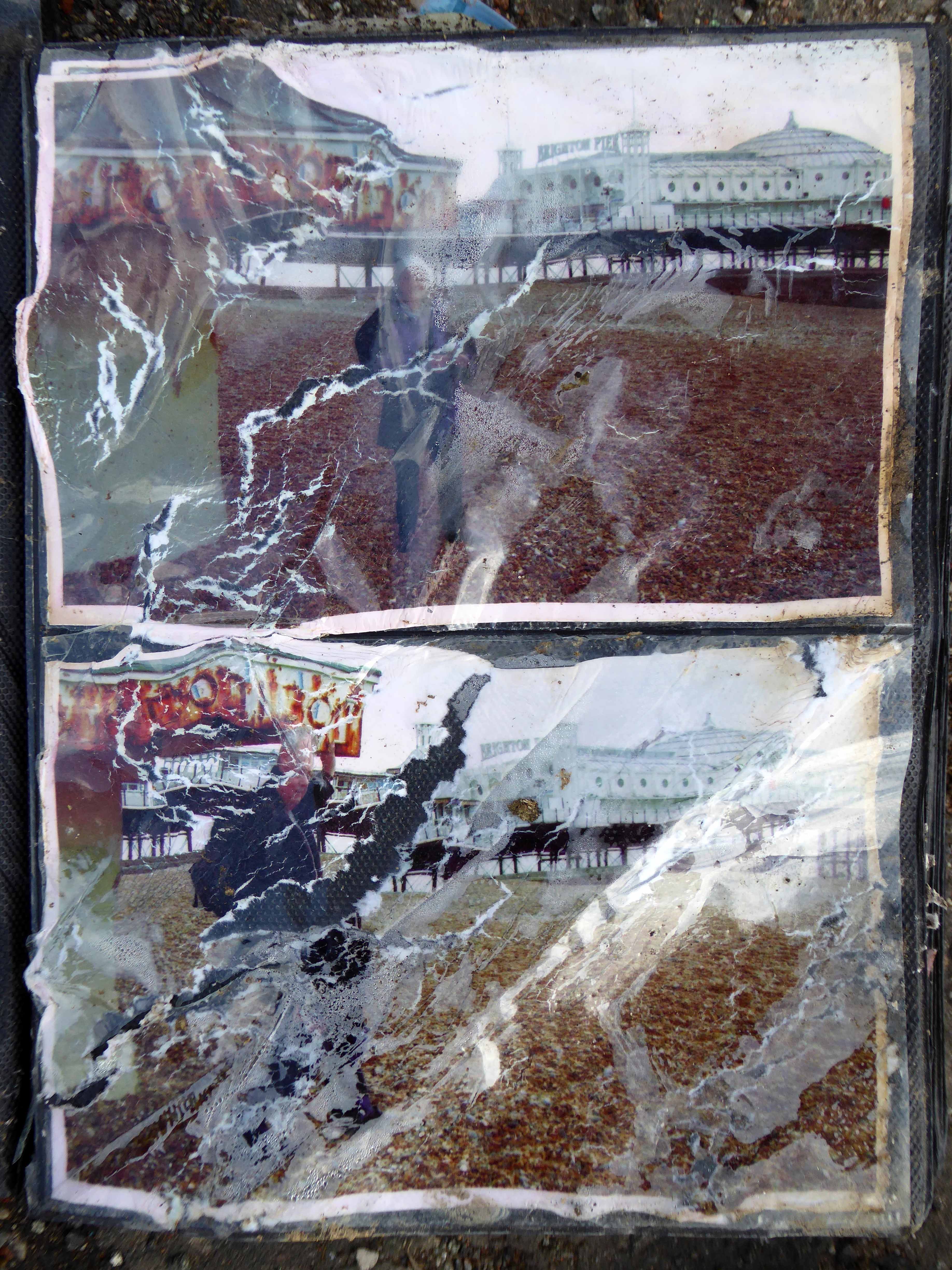
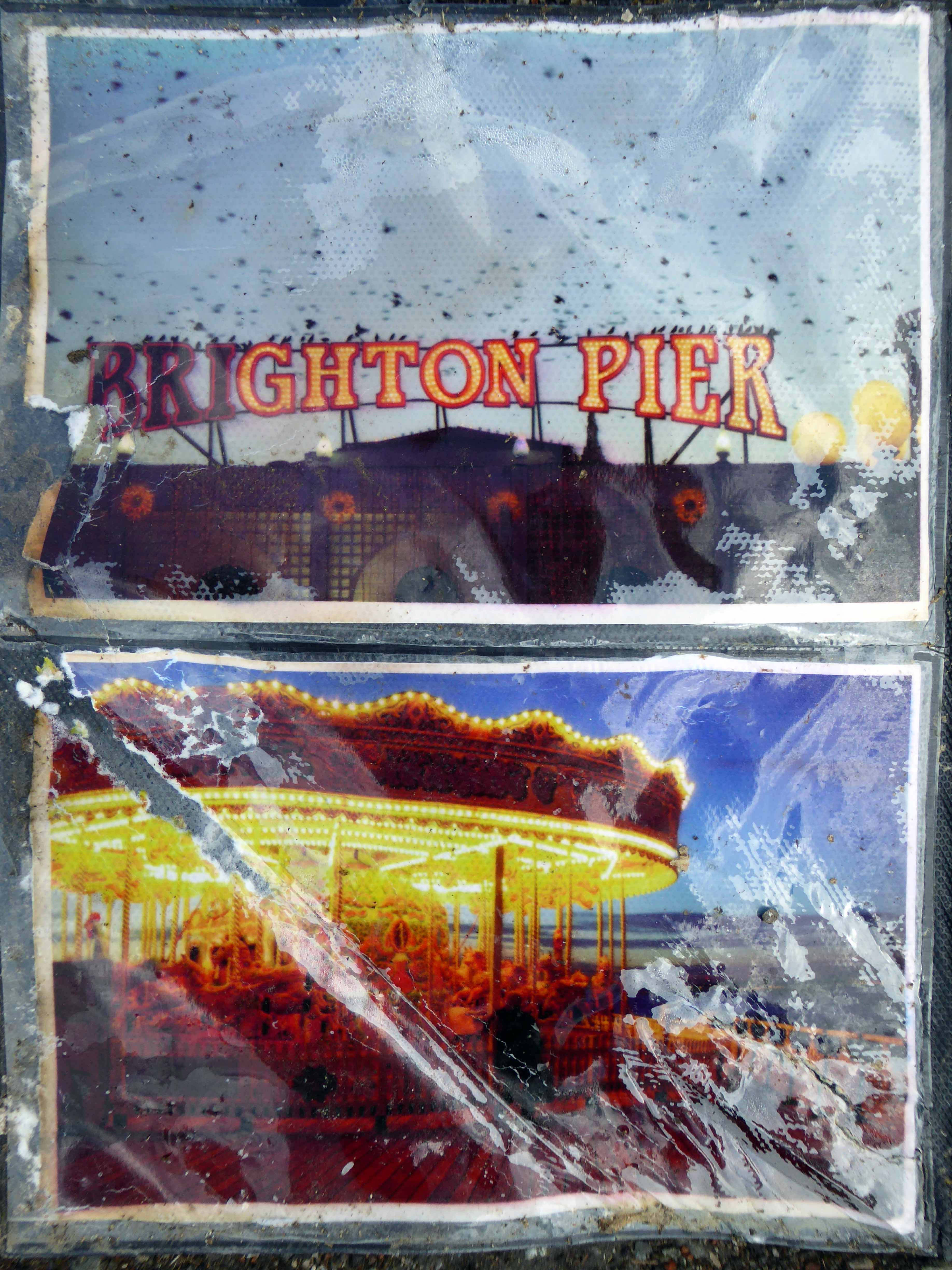
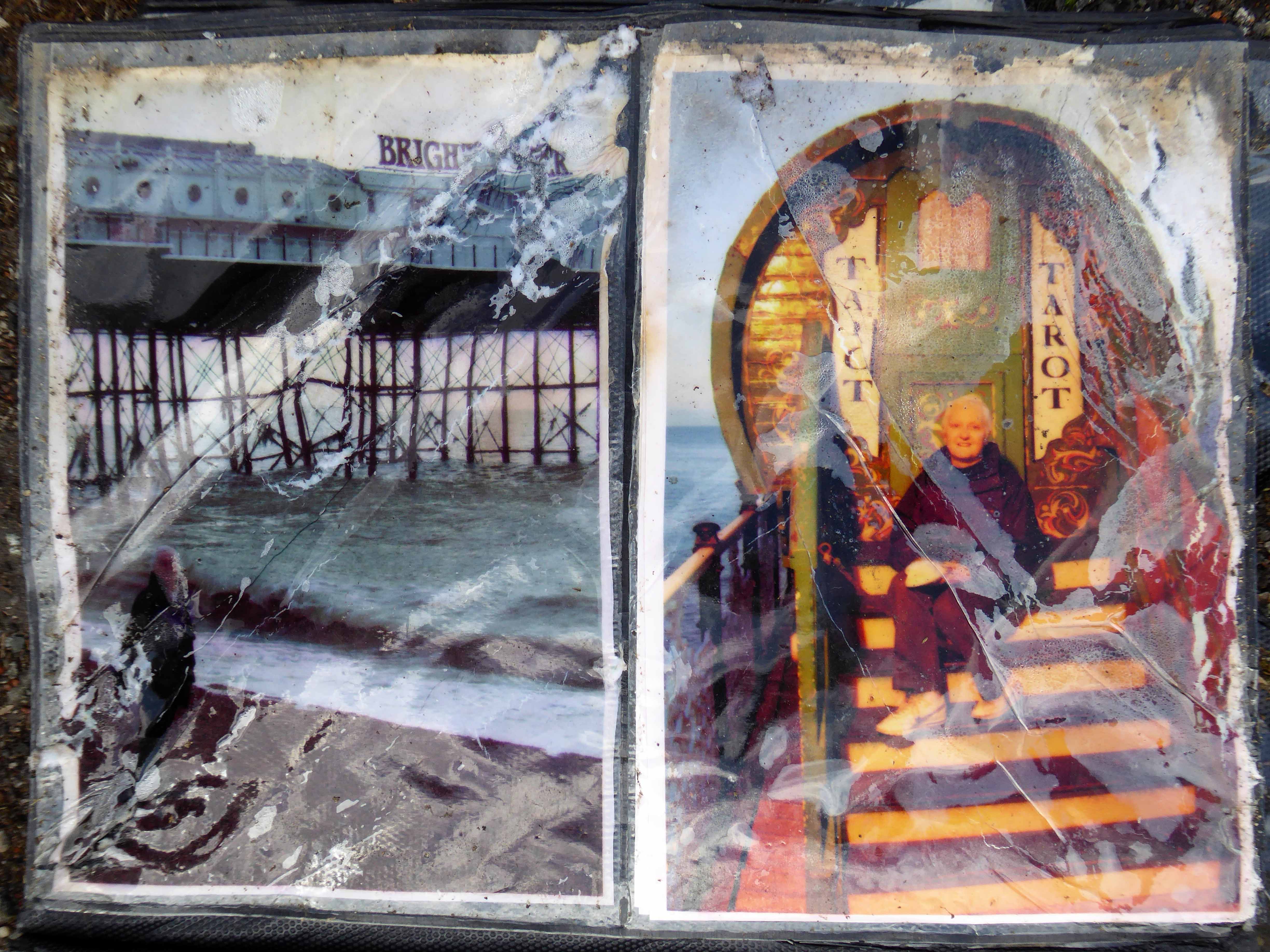
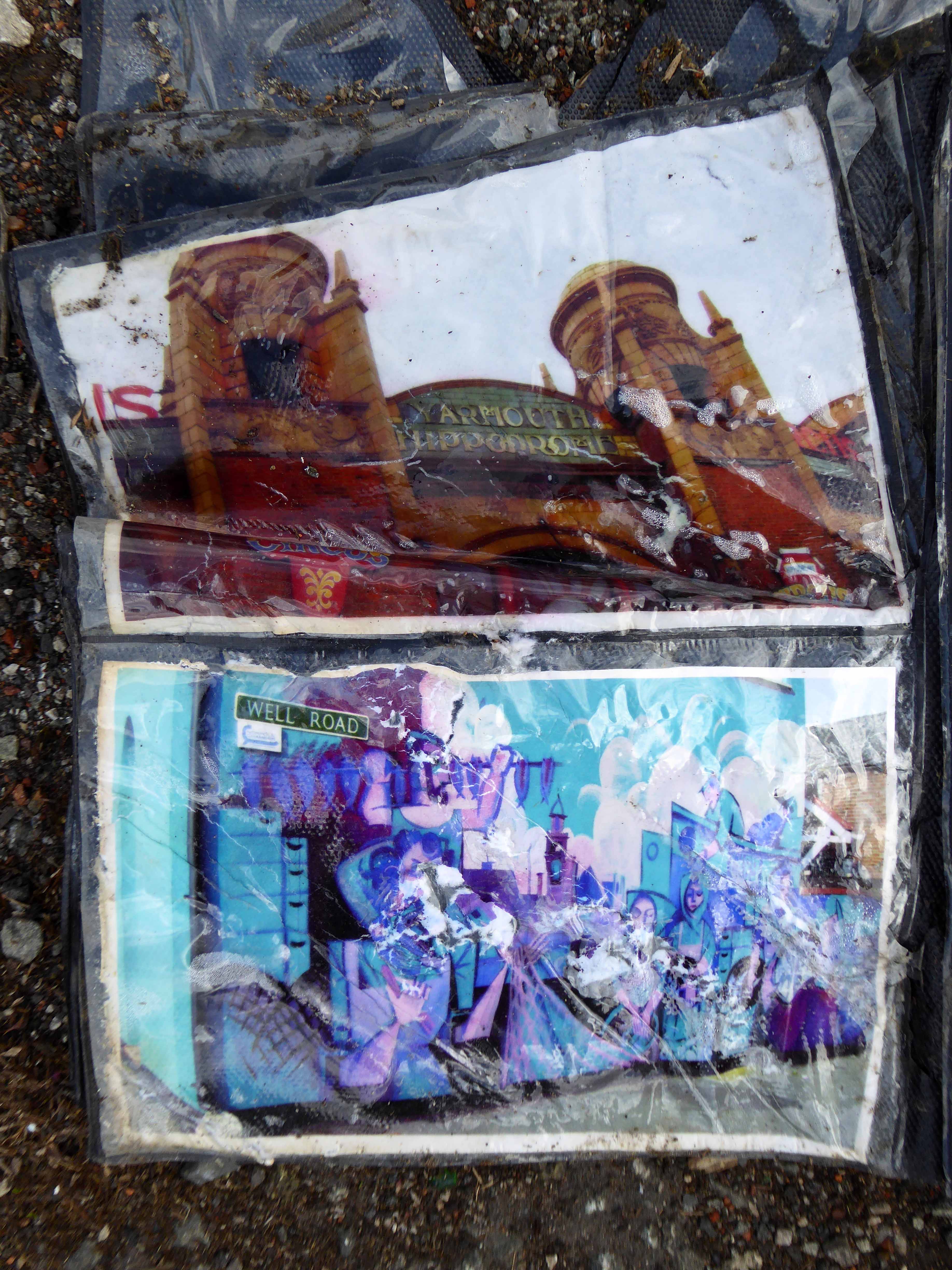
The cherished memories, condensed in a fraction of a second, rendered corporeal in photographic emulsion, carefully stored in family albums.

Are but a trick of light, a slight of hand, heart and mind.

Blink and they’re gone.

Blink again and you’re gone.

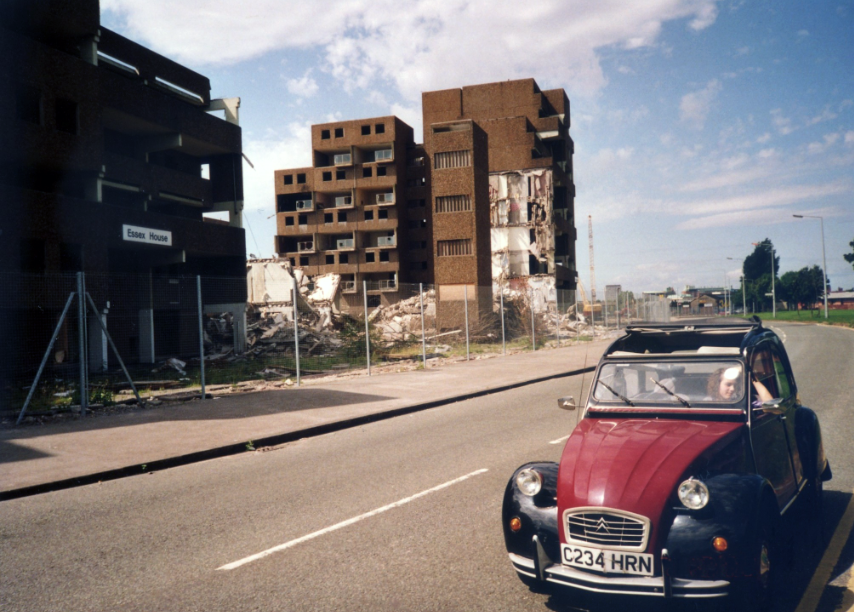
P1050559 copy

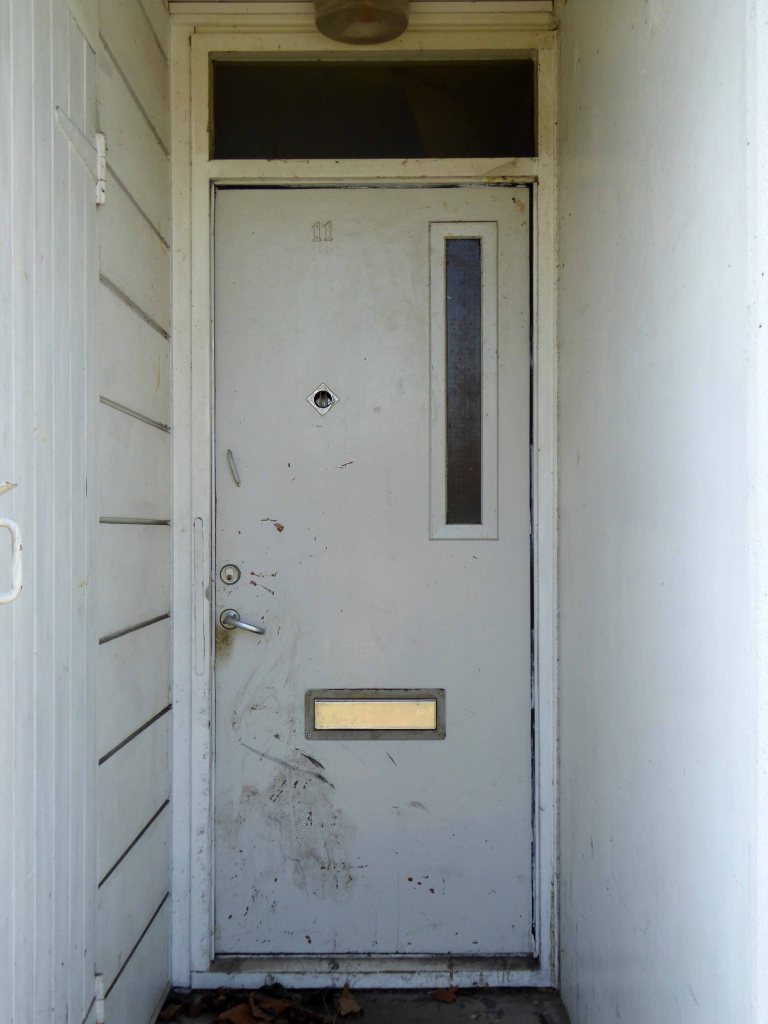
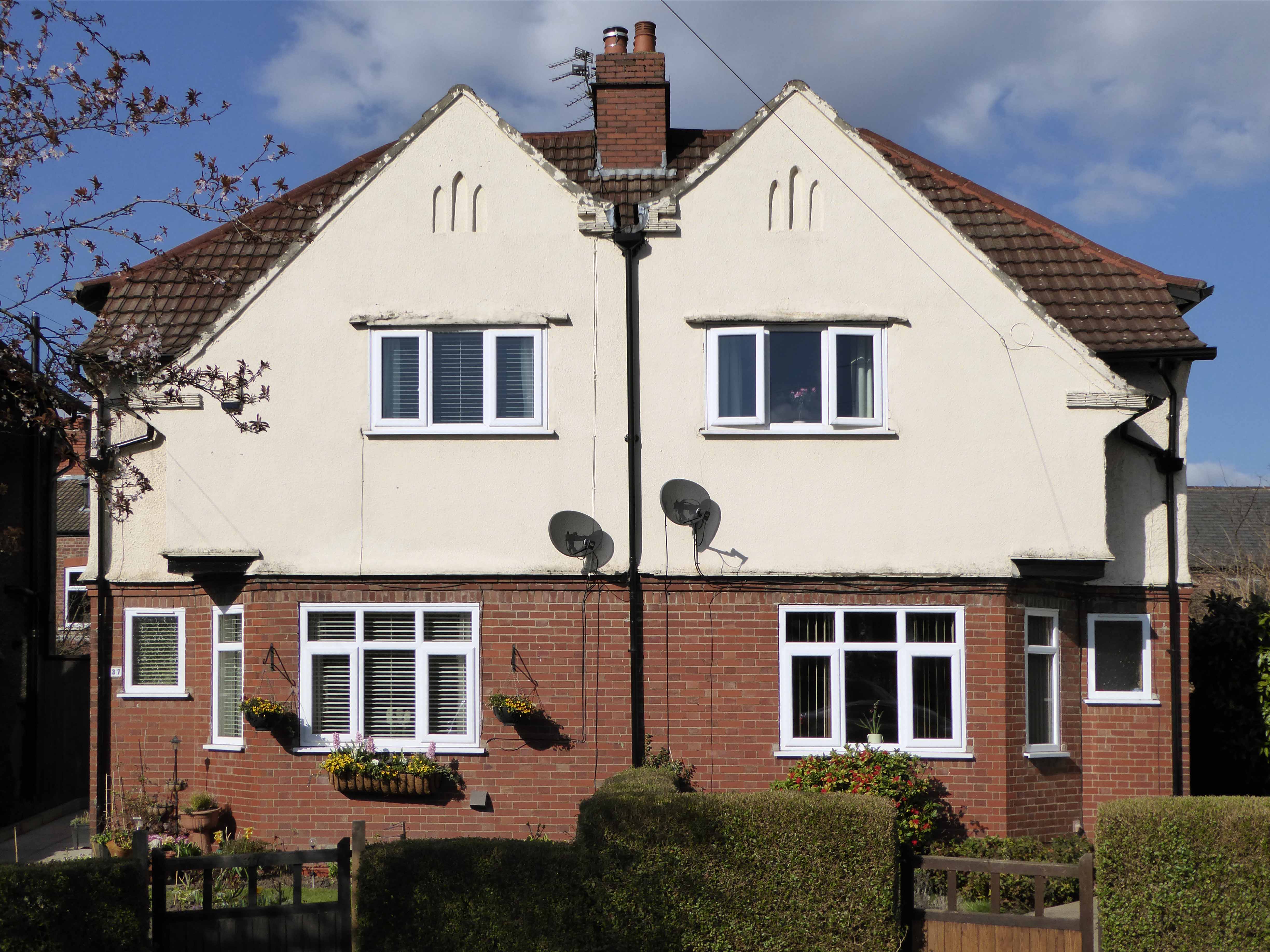
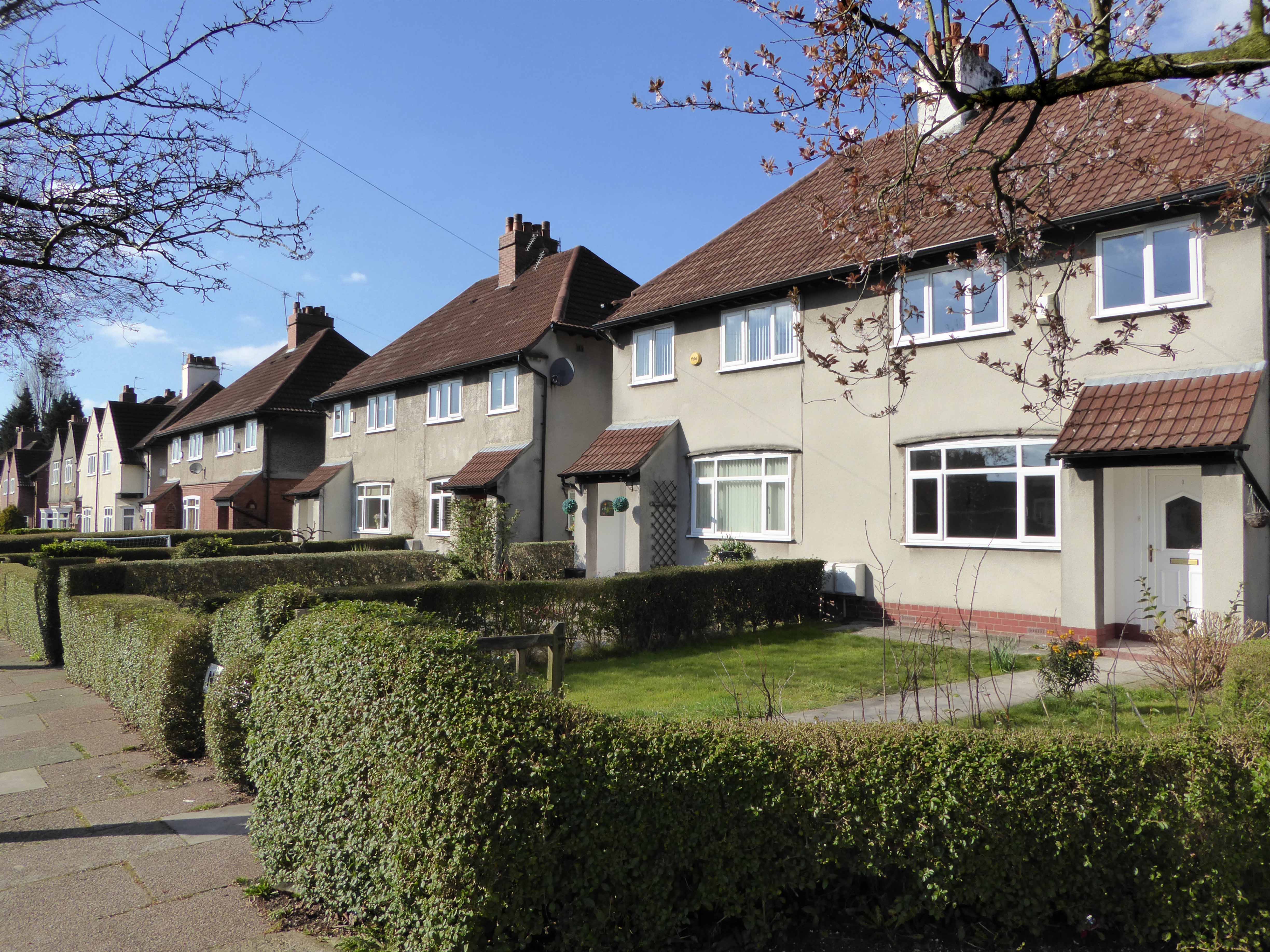
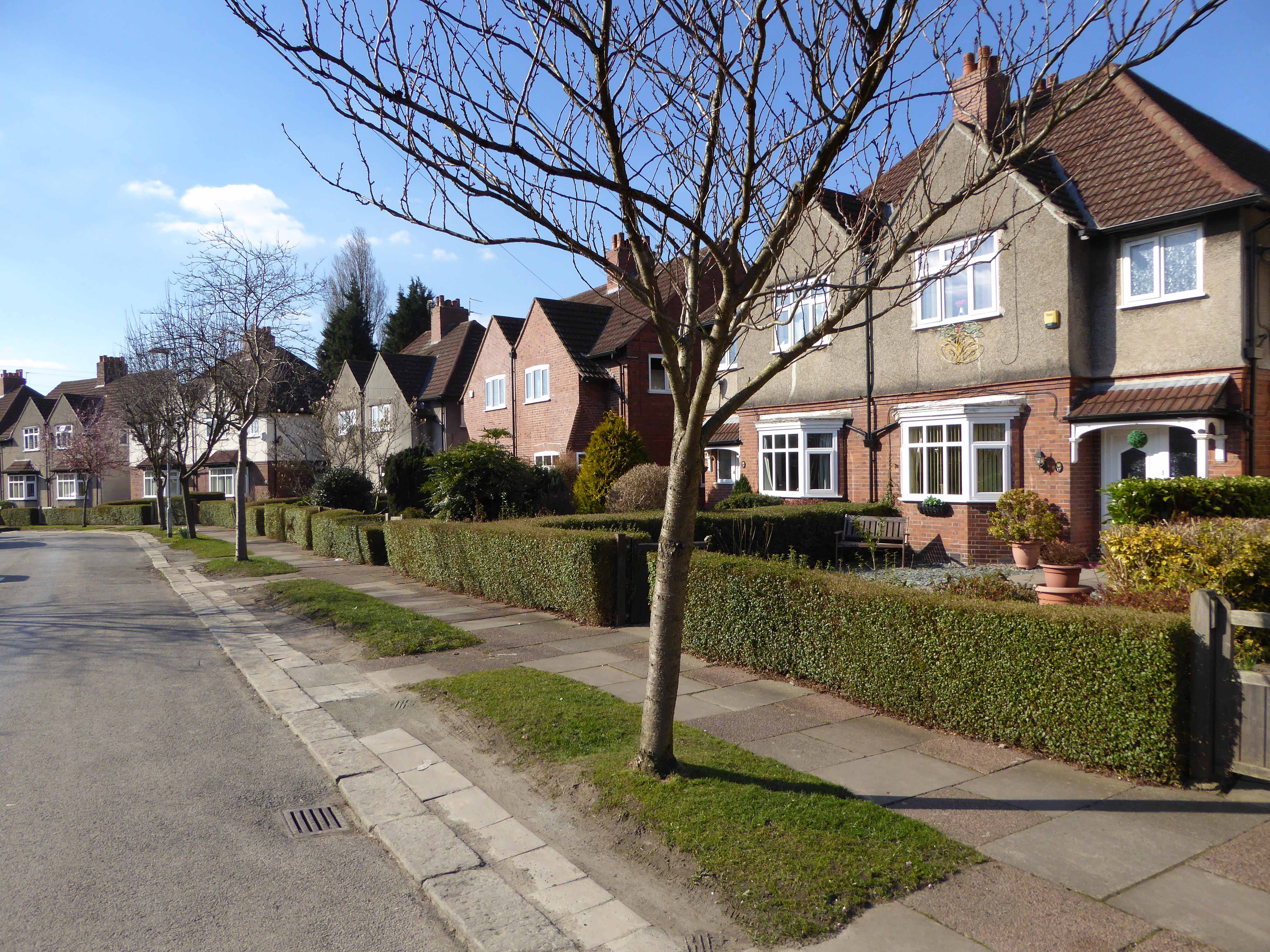
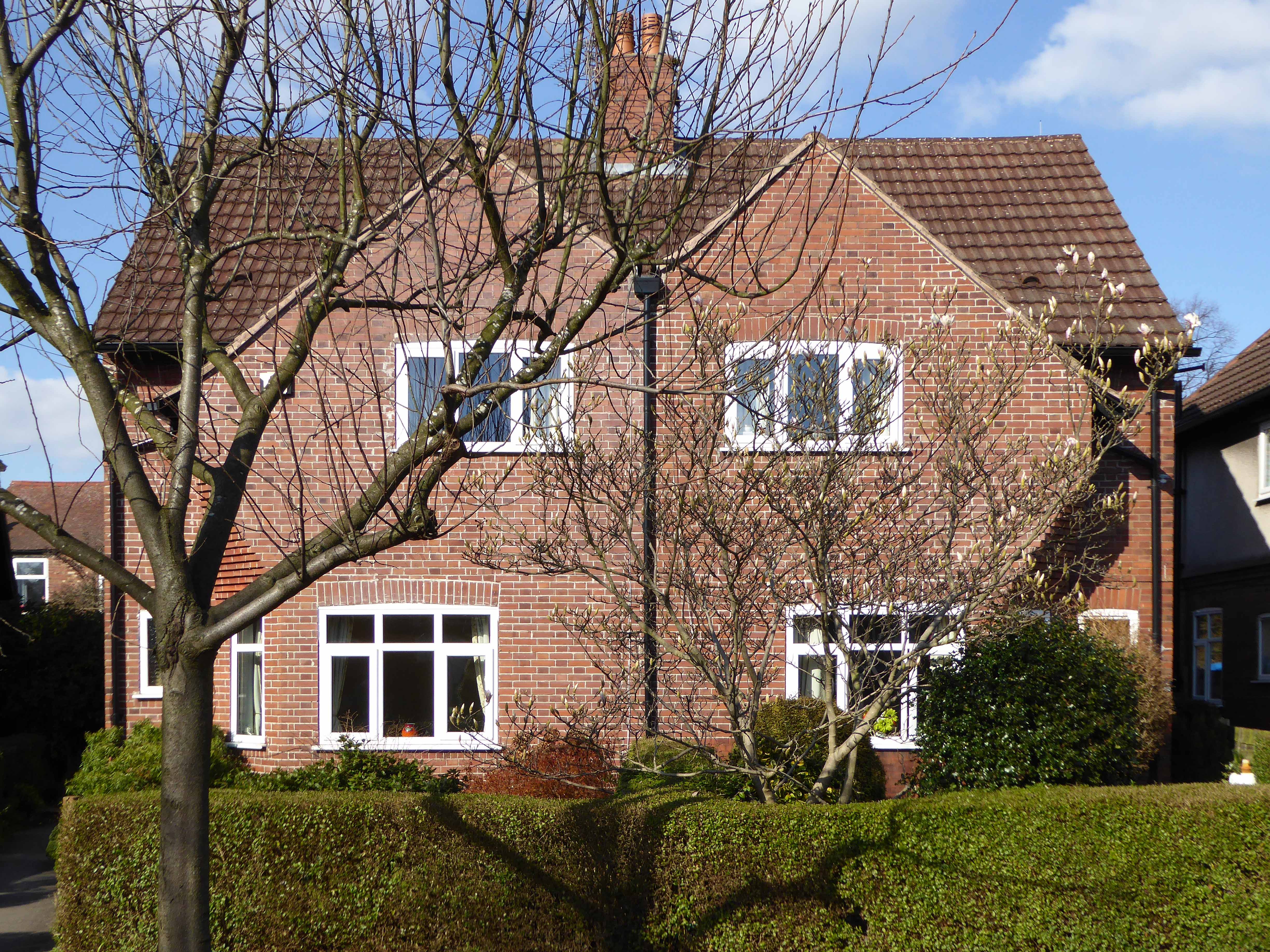
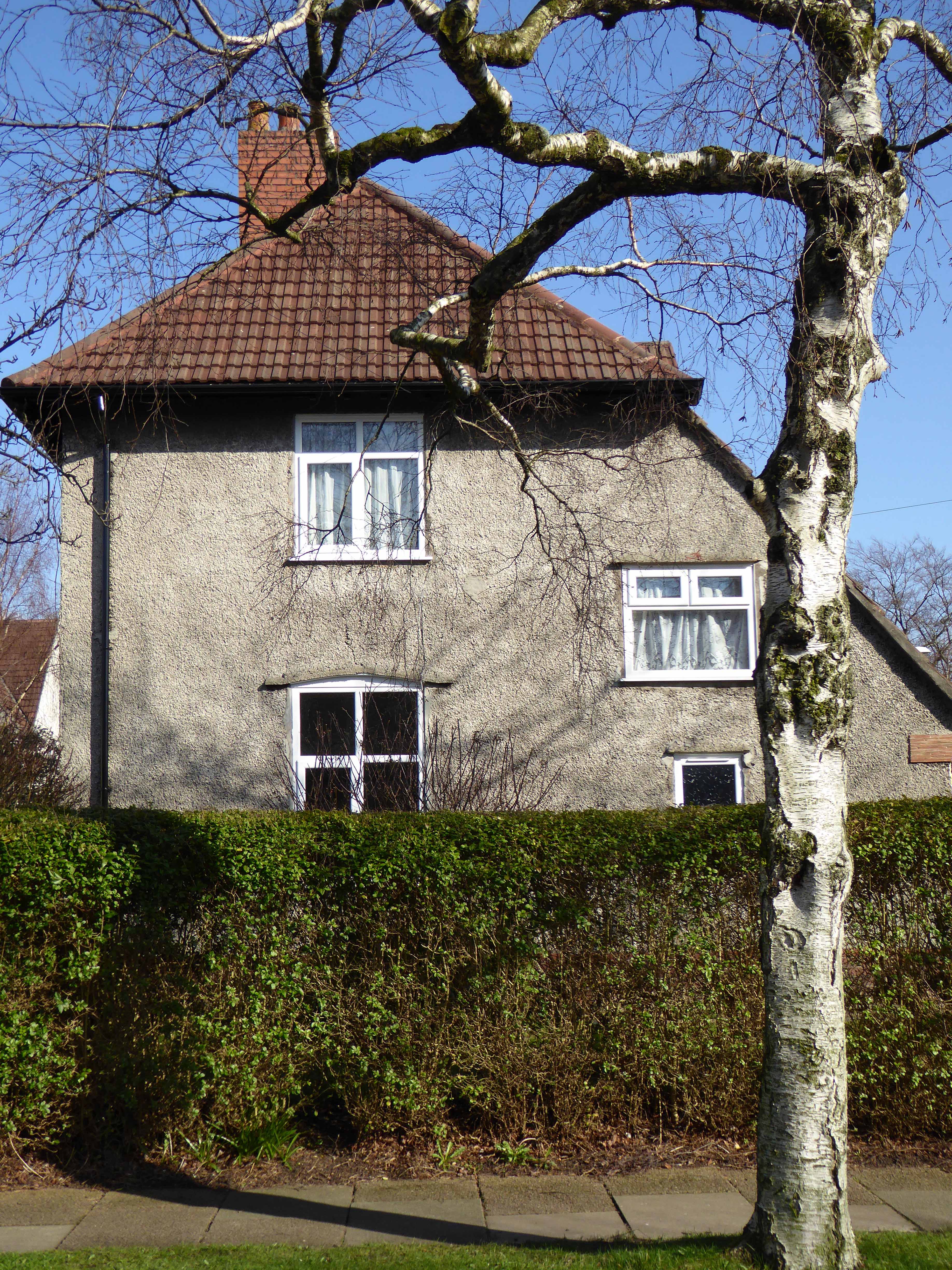
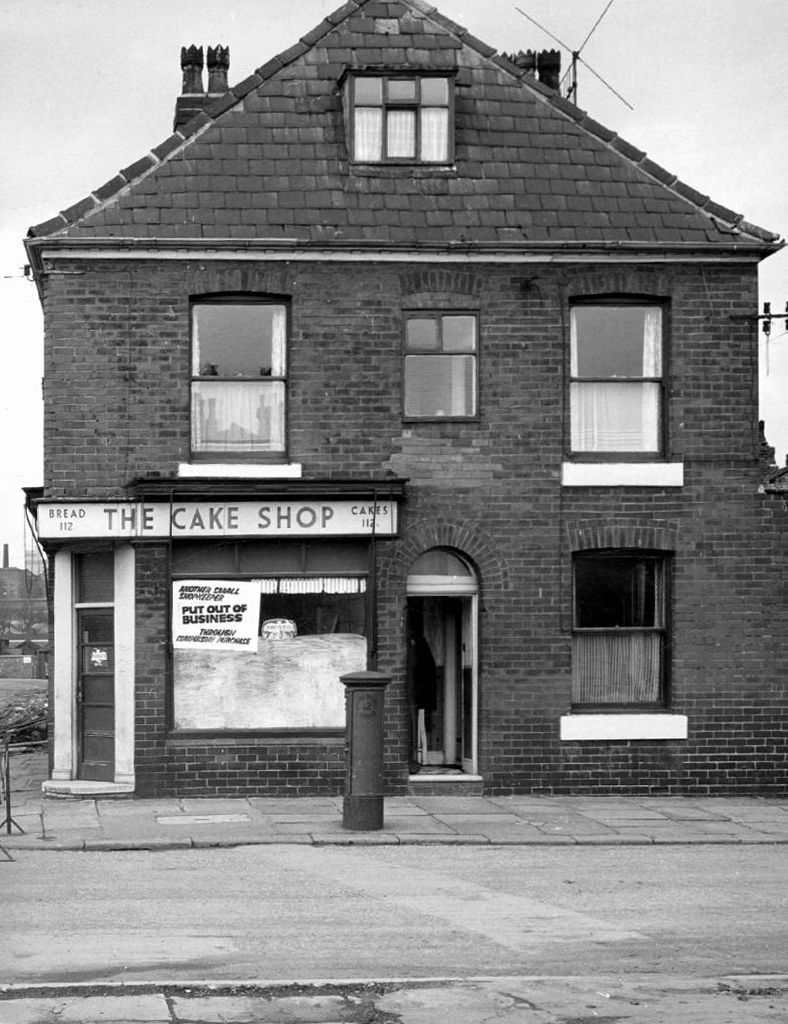
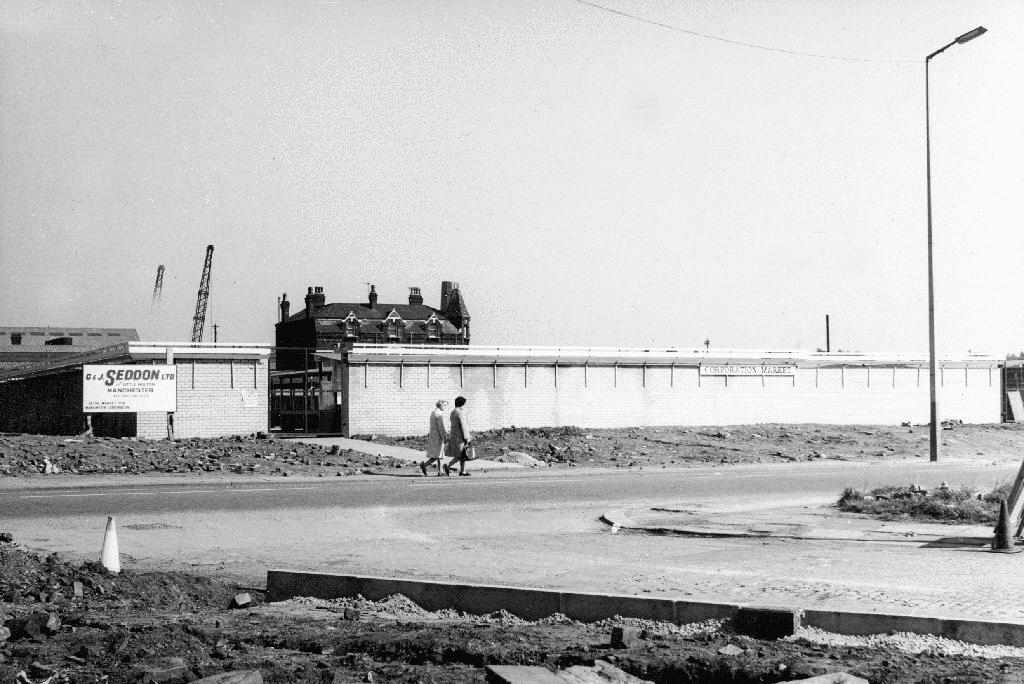
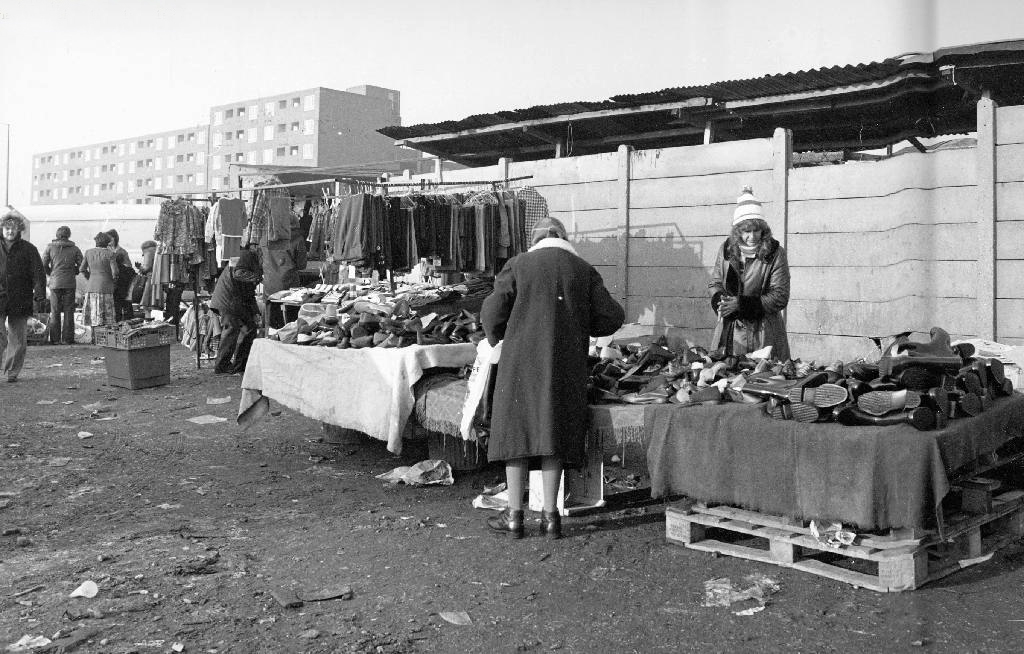
Here they were.

P1050558 copy

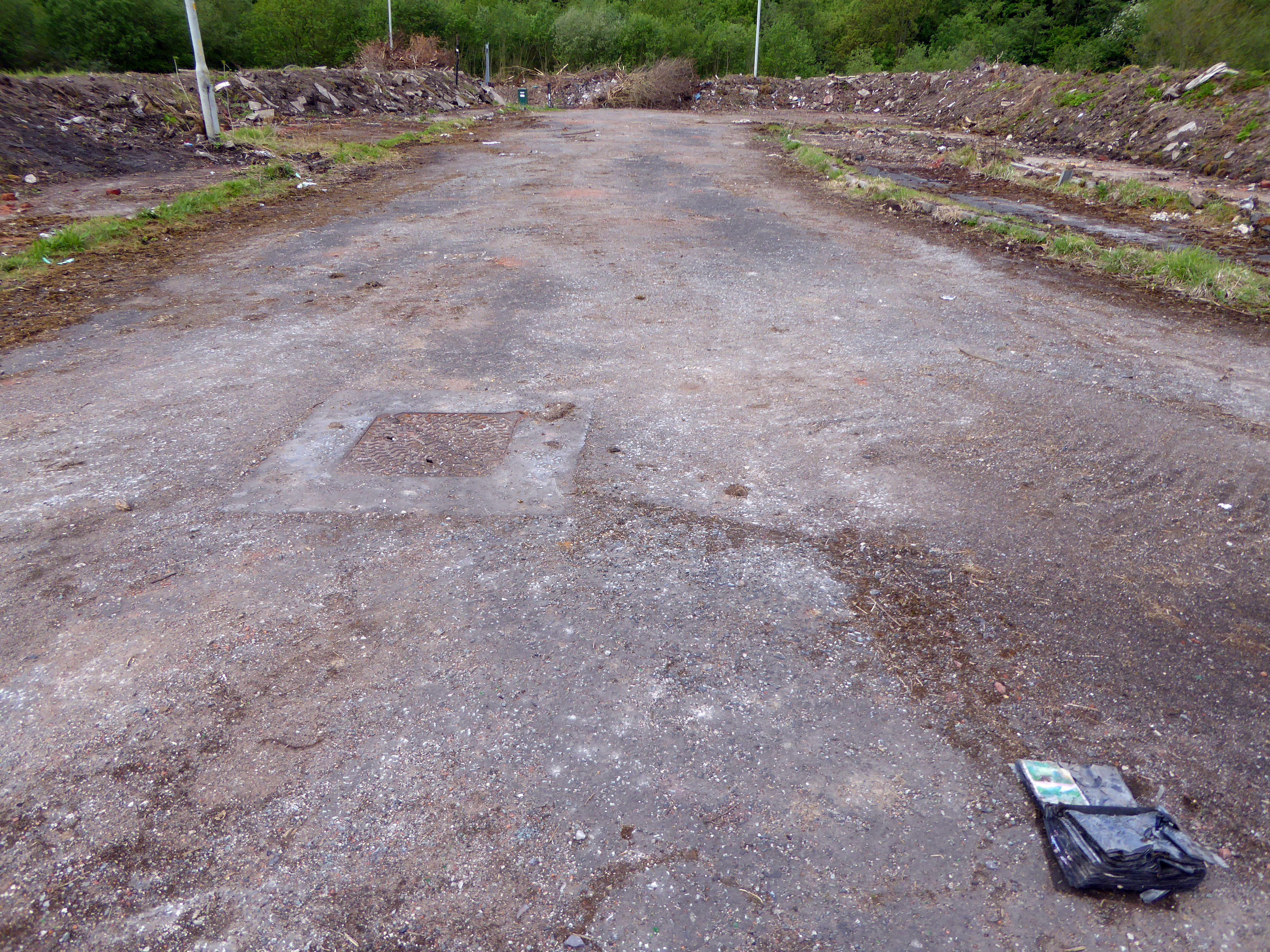
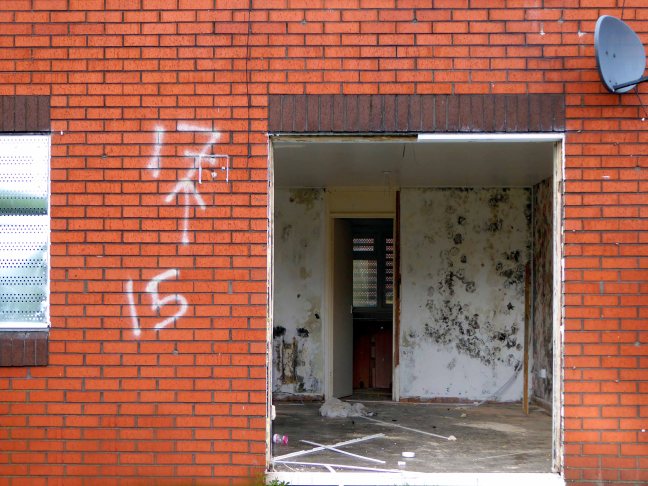
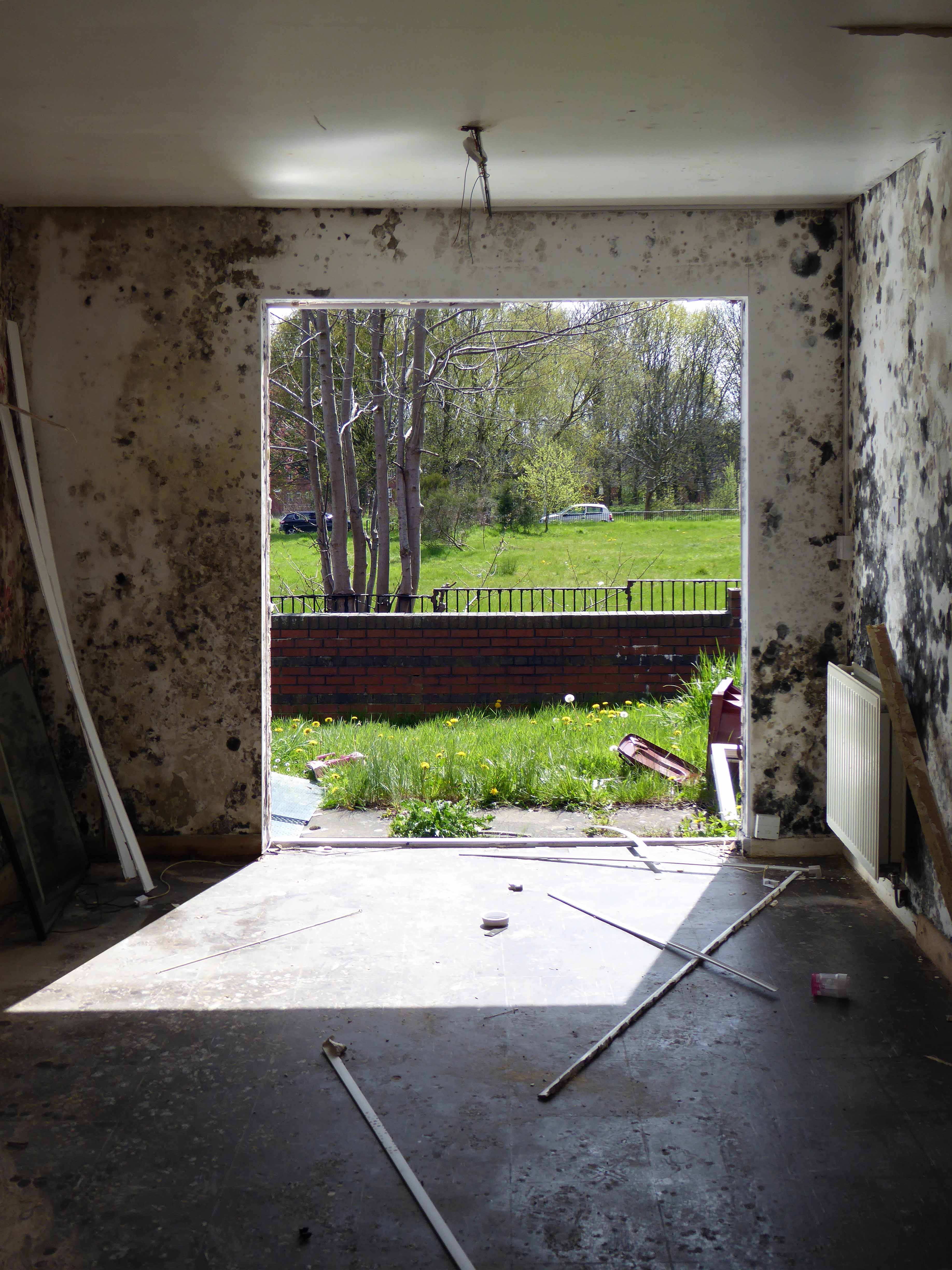
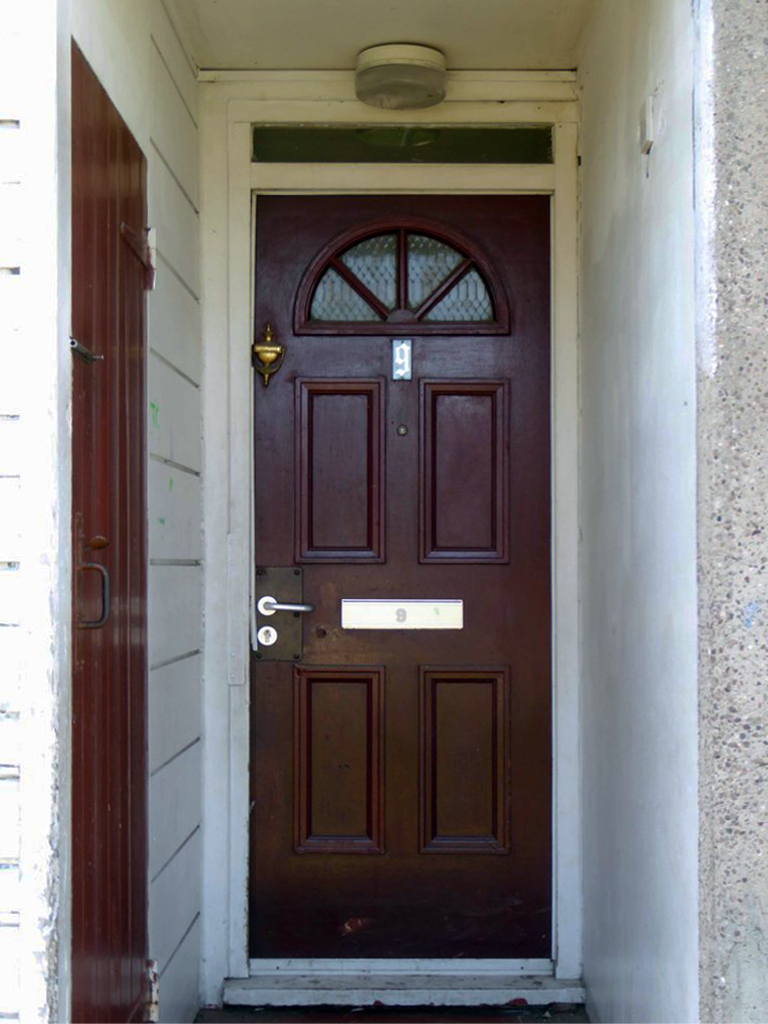
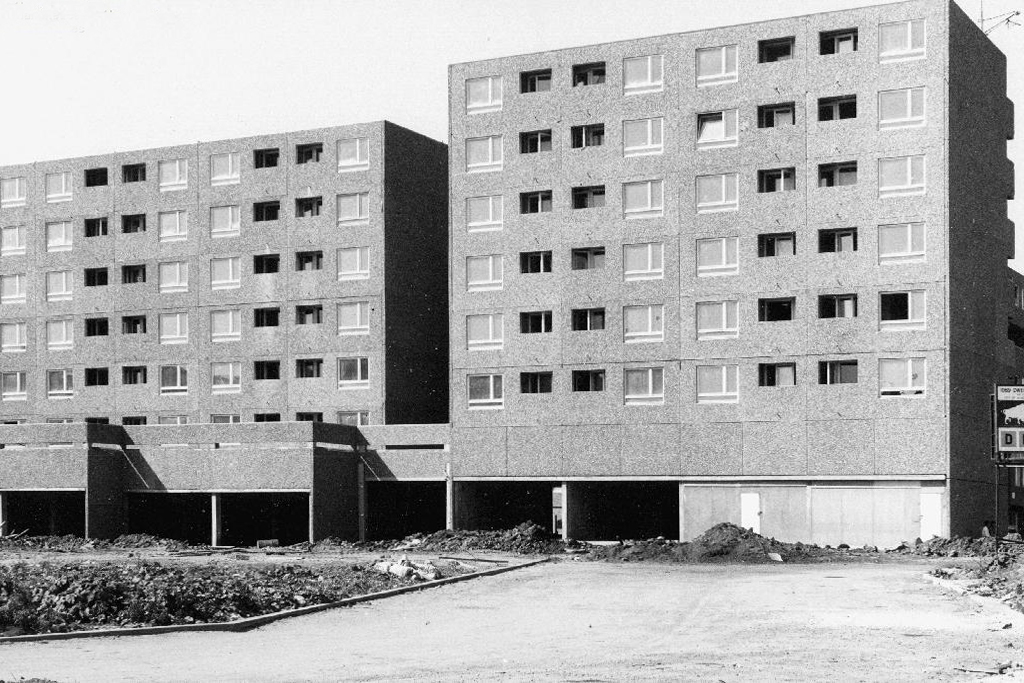
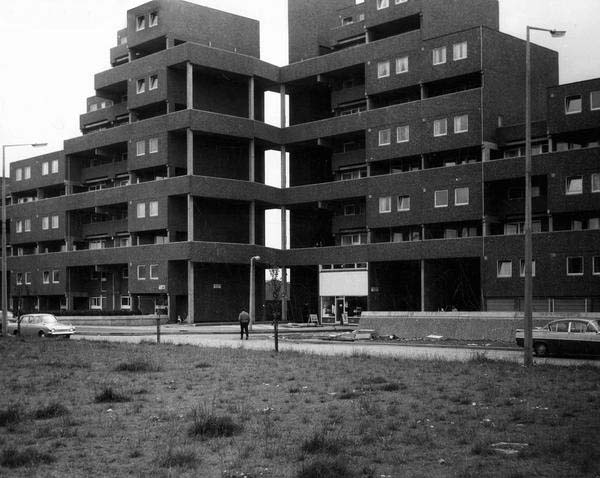
Here they are.

P1050525 copy

P1050526 copy

P1050527 copy

P1050528 copy

P1050530 copy

P1050531 copy

P1050532 copy

P1050533 copy

P1050534 copy

P1050535 copy

P1050536 copy

P1050537 copy

P1050538 copy

P1050539 copy

P1050541 copy

P1050542 copy

P1050543 copy

P1050544 copy

P1050545 copy

P1050546 copy

P1050547 copy

P1050548 copy

P1050549 copy

P1050550 copy

P1050551 copy

P1050552 copy

P1050553 copy

P1050554 copy

P1050555 copy

P1050556 copy

P1050557 copy


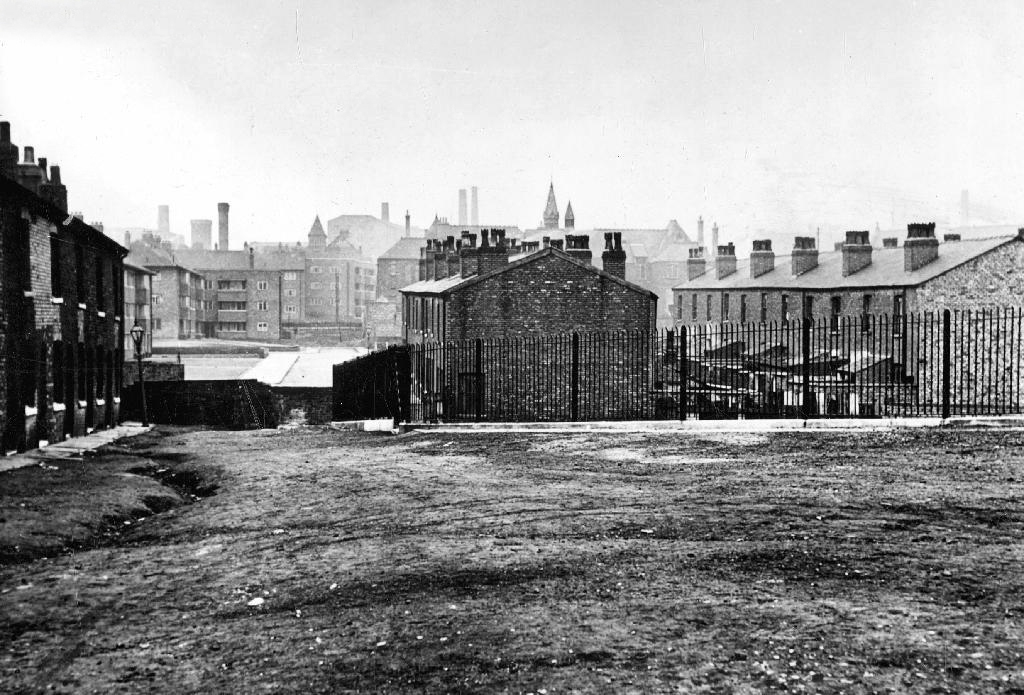
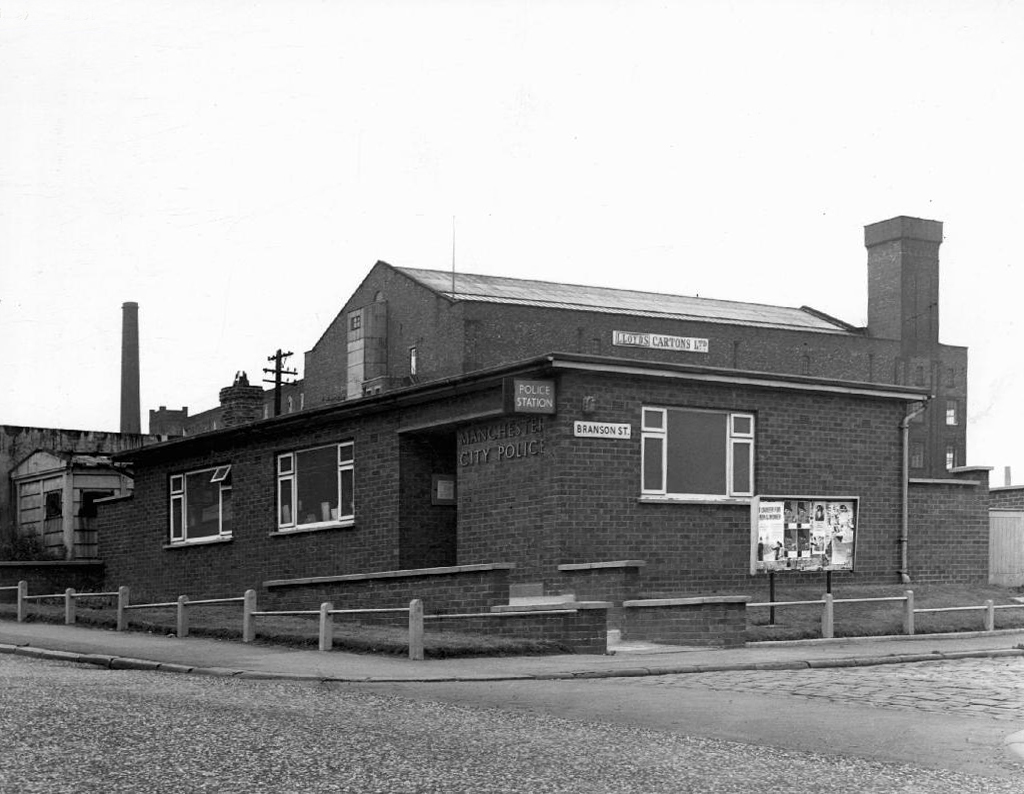
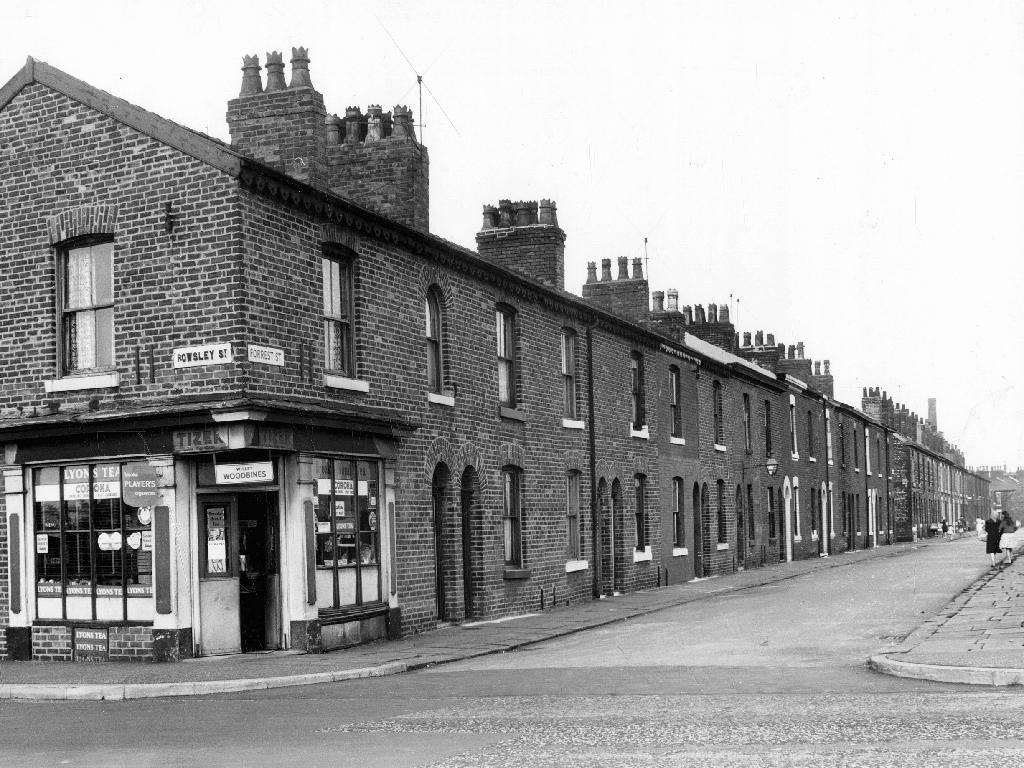
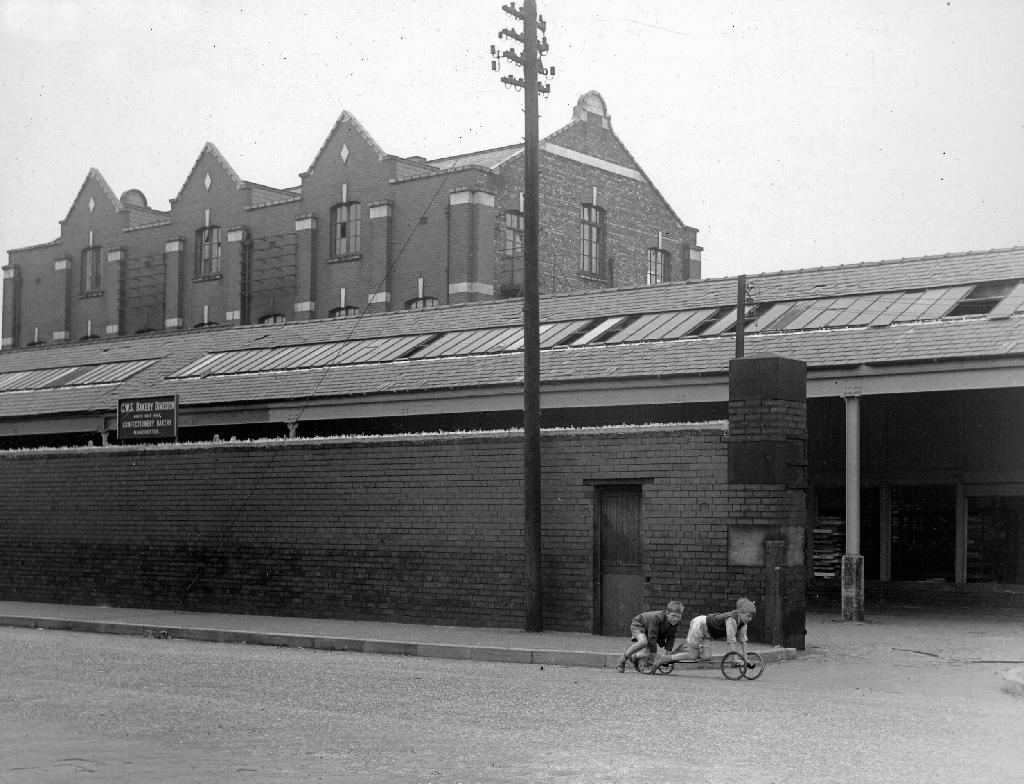
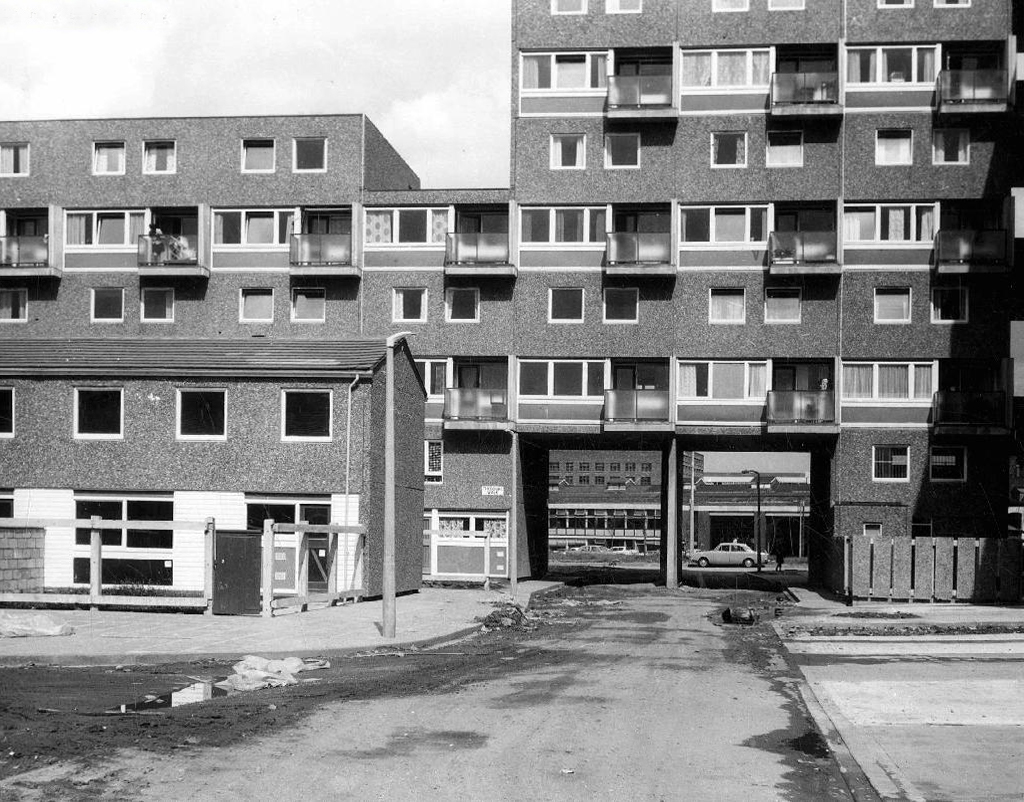
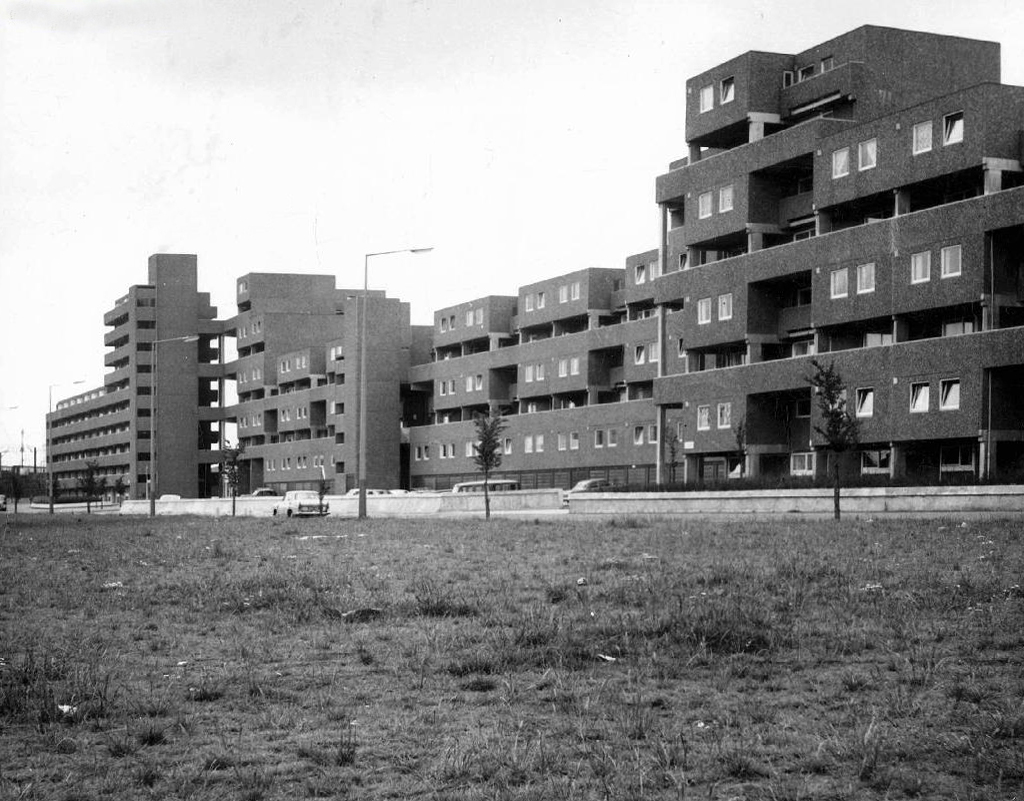
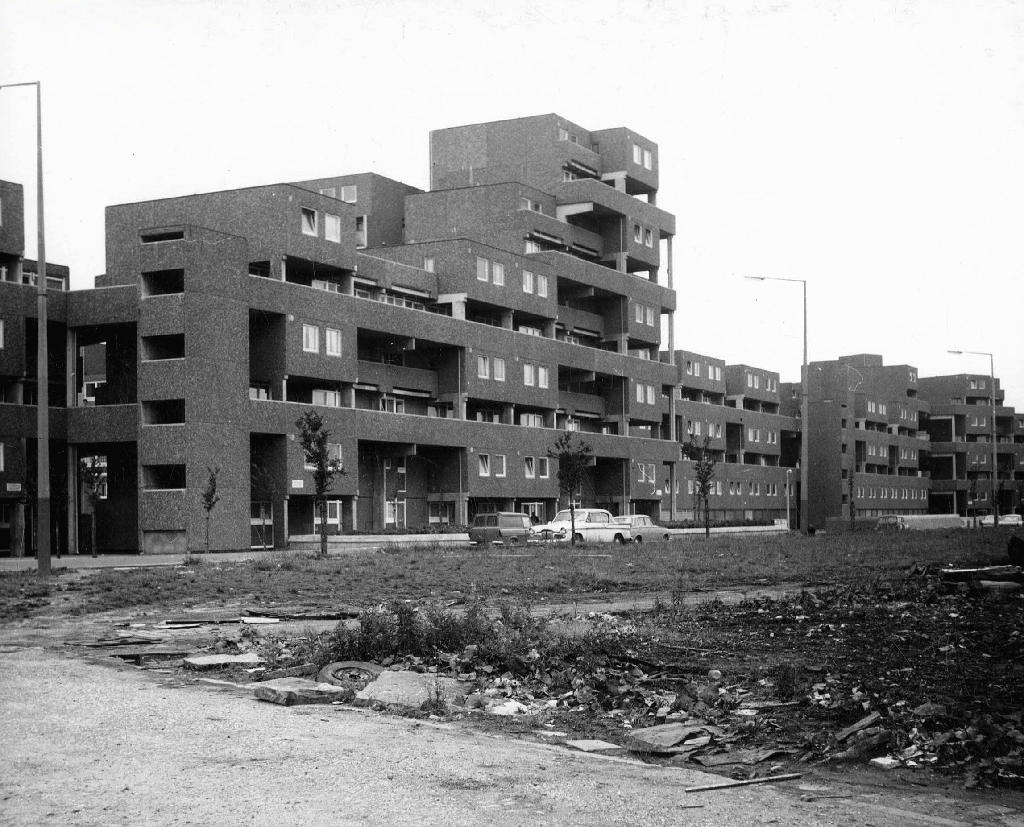
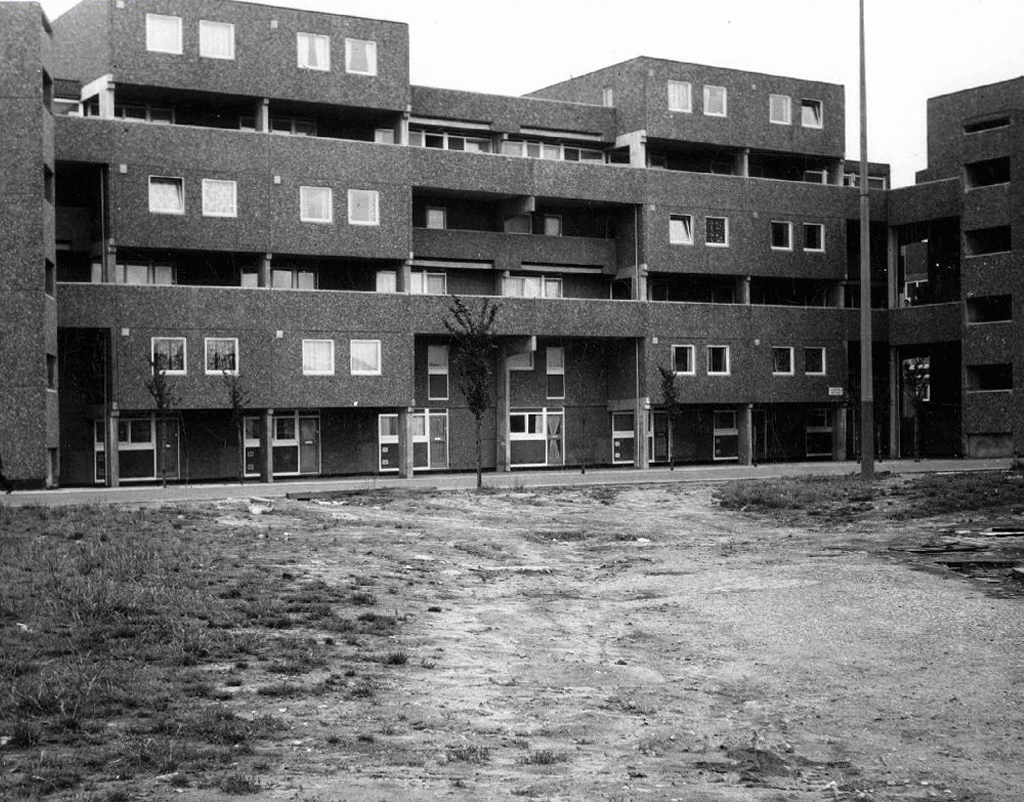
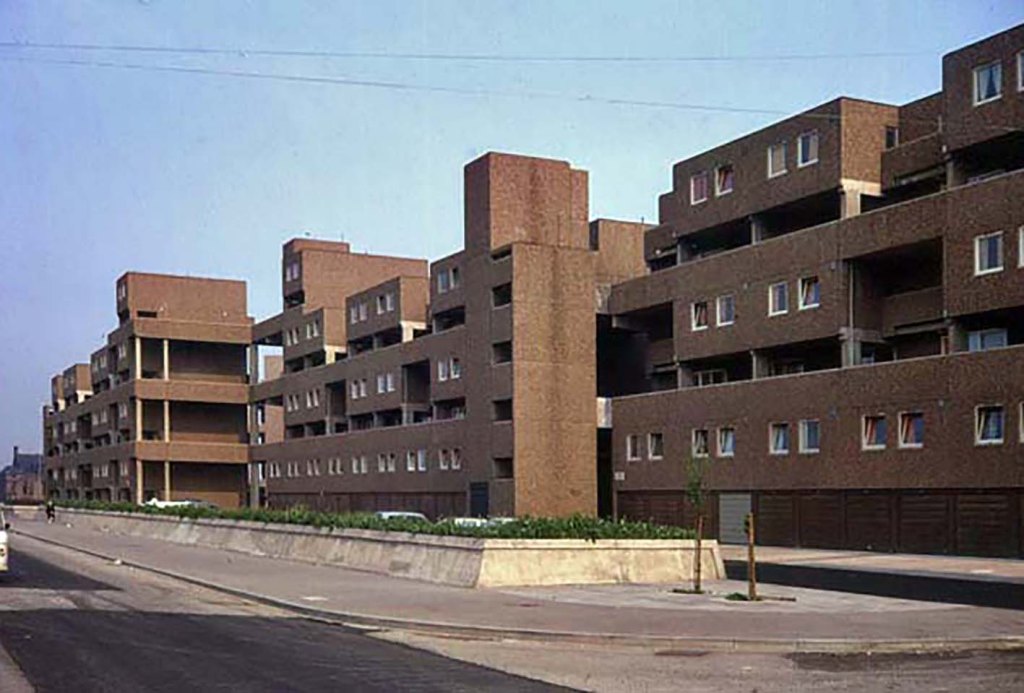
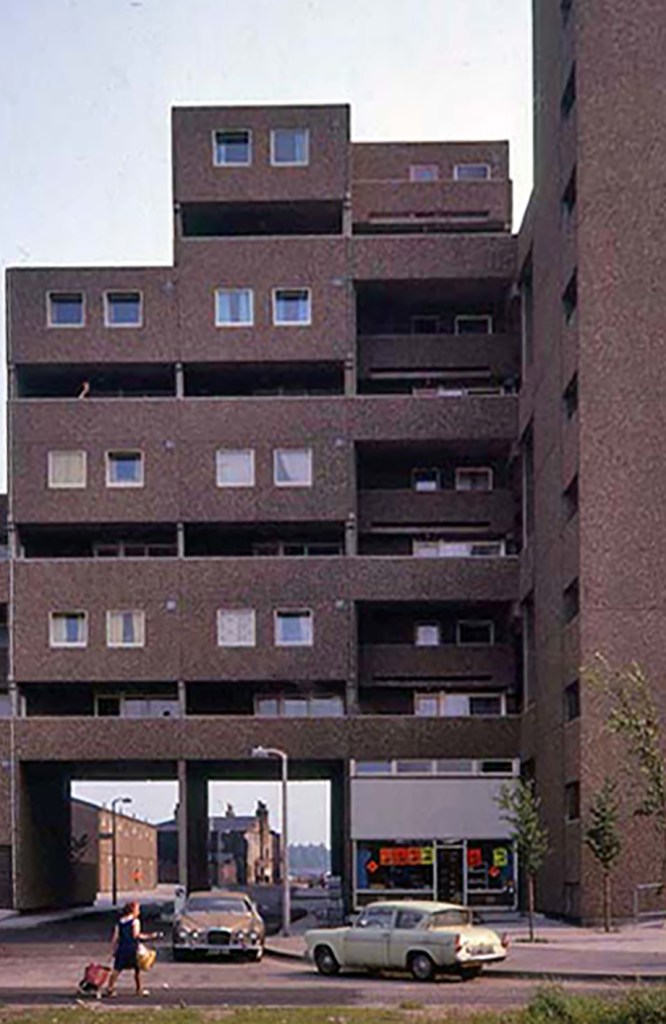
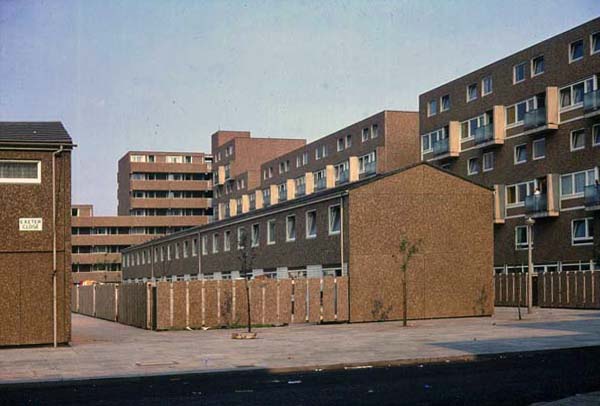
Collyhurst

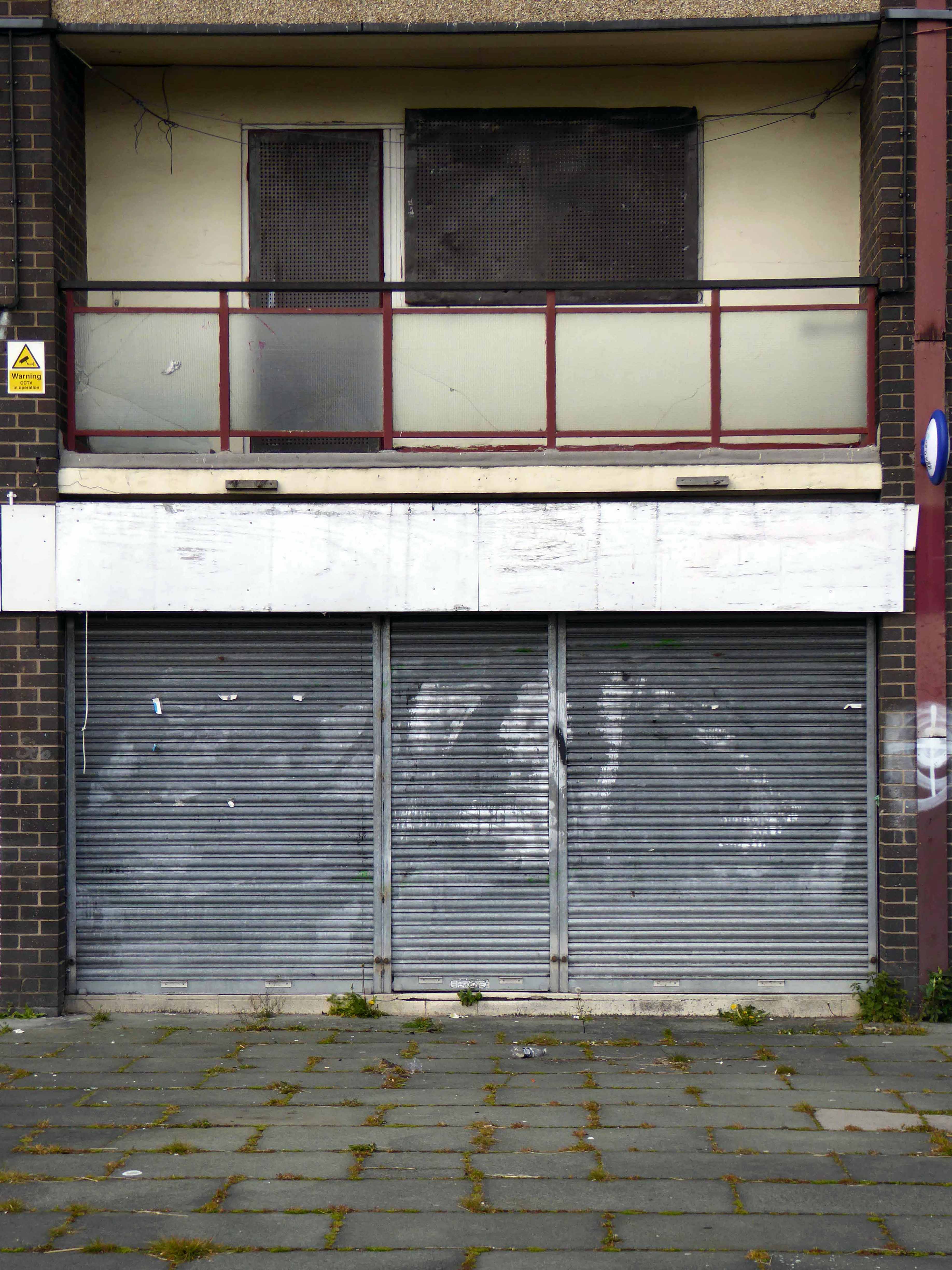
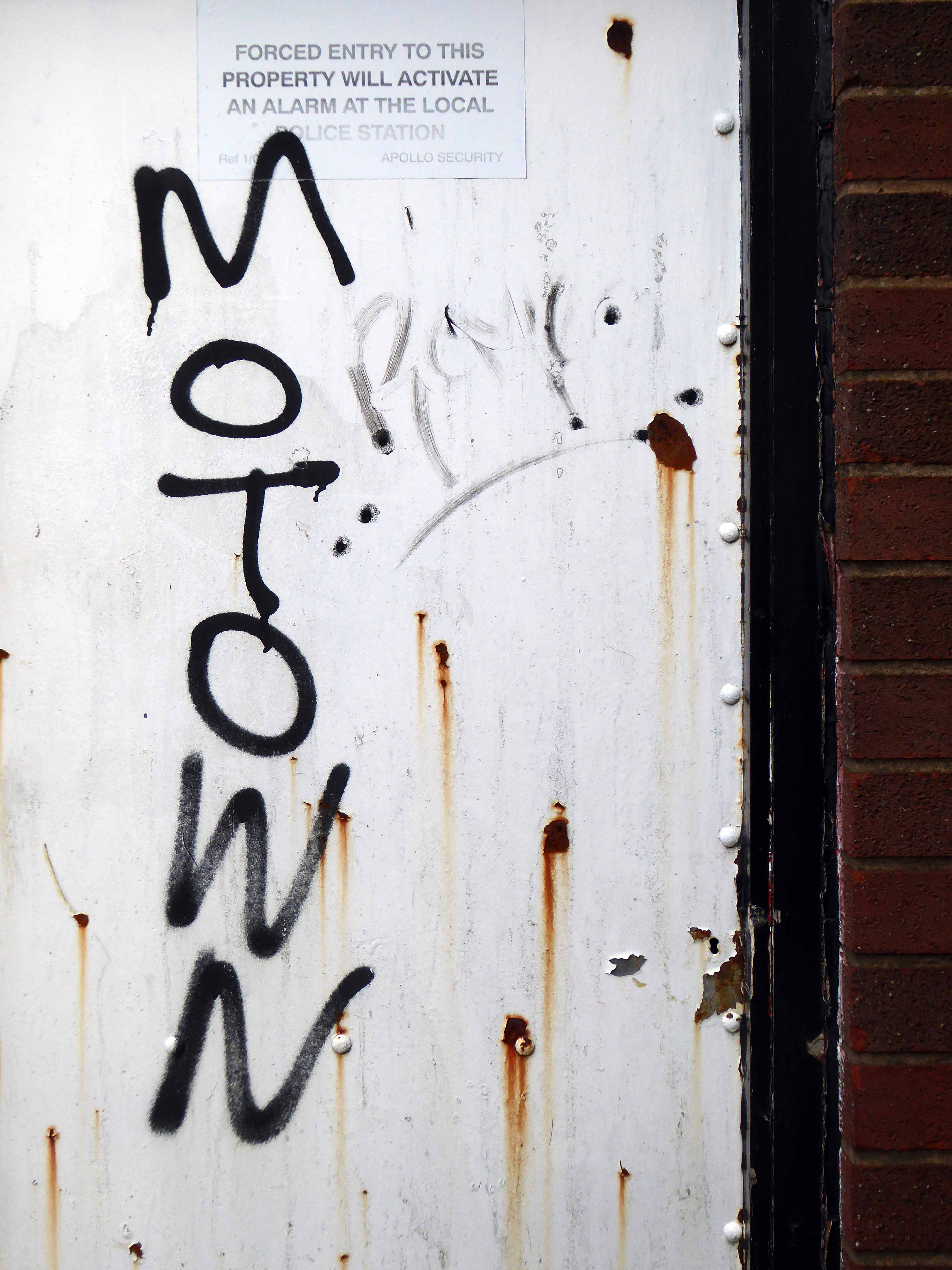
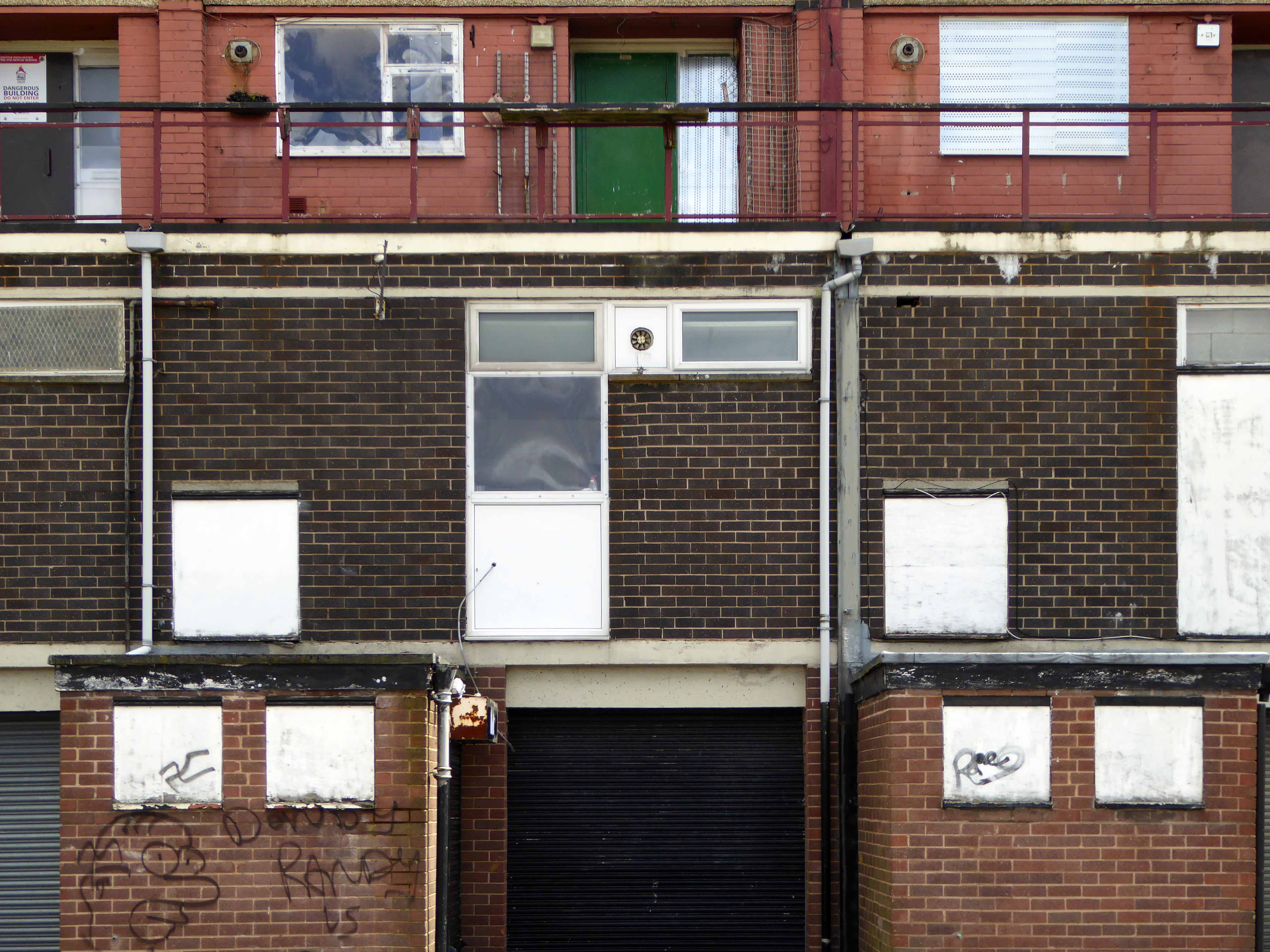
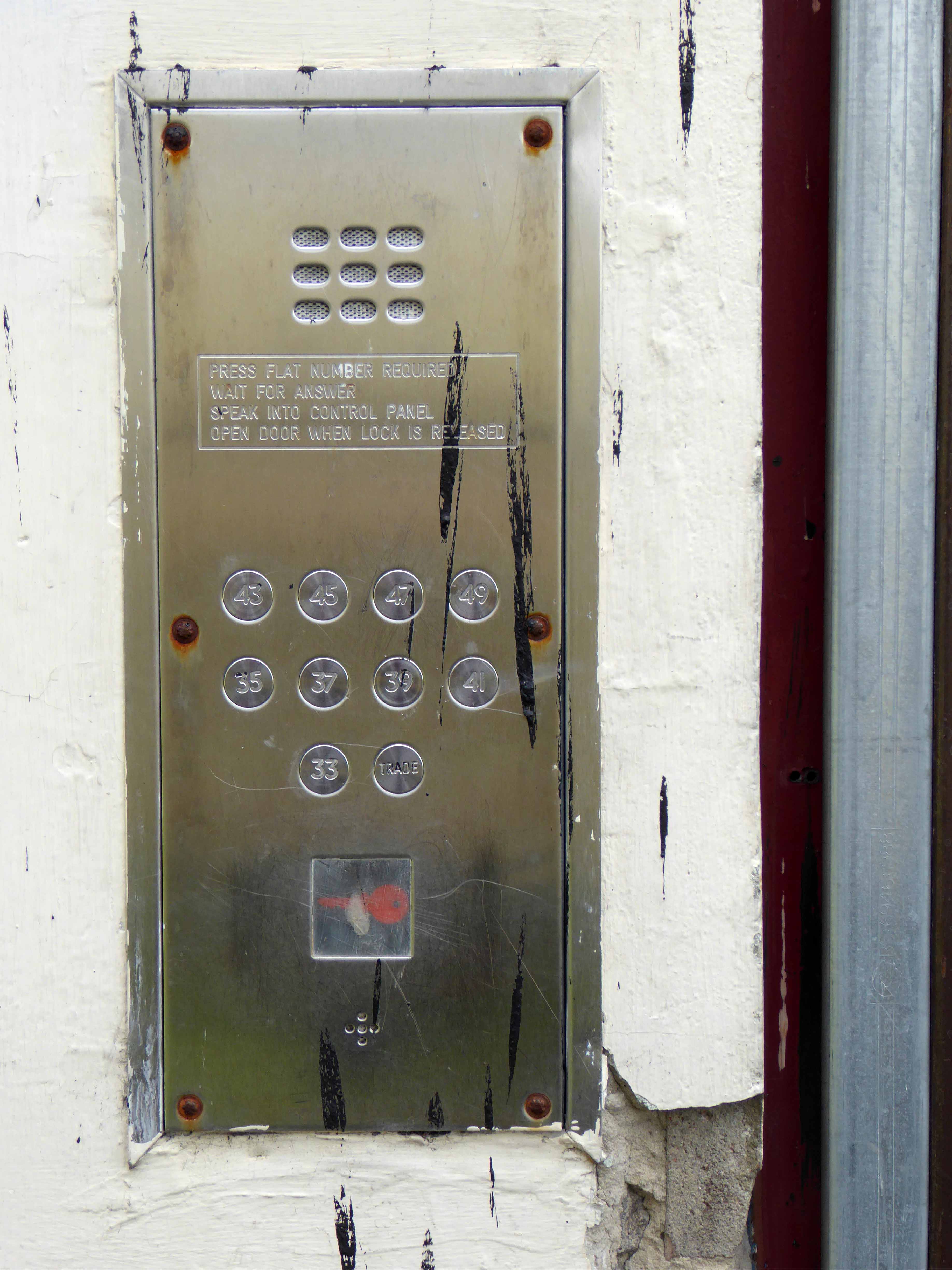
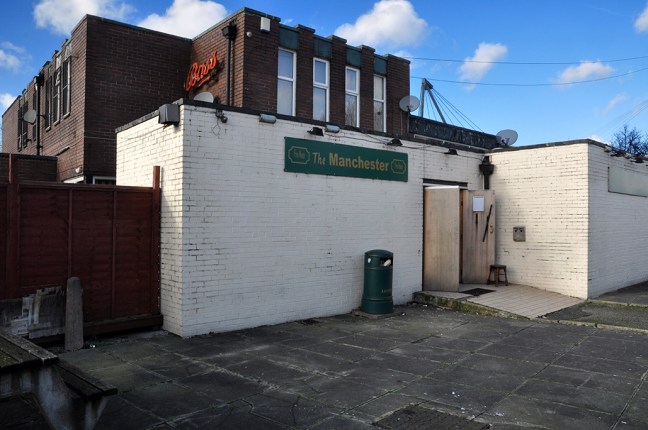
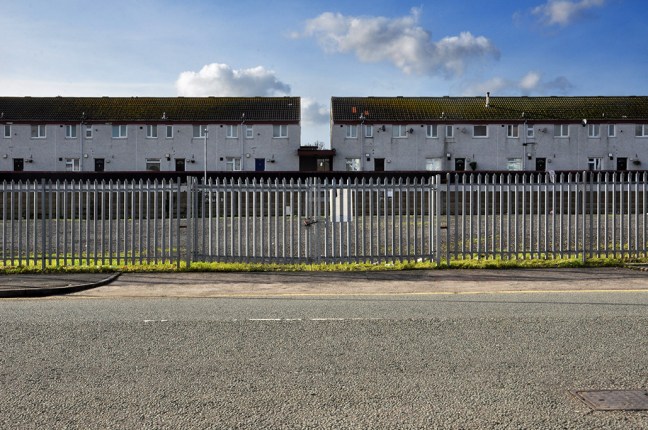
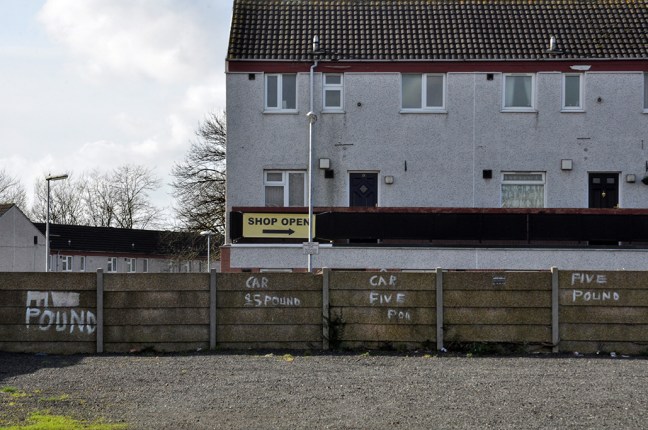
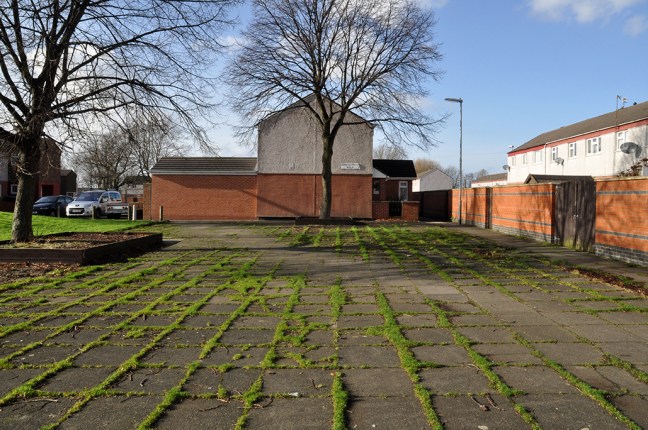
It’s the end of the road, for the middle of the street.

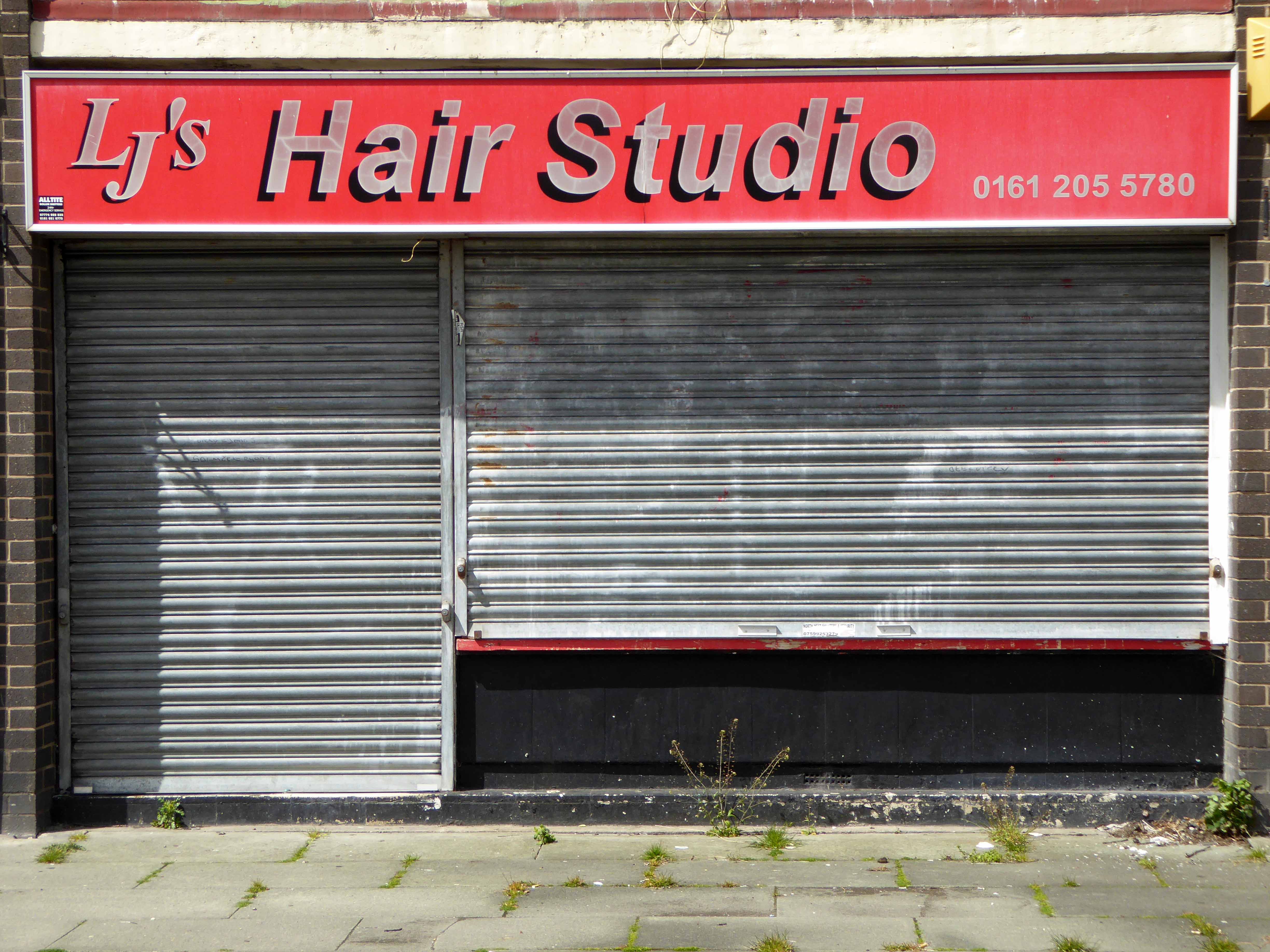
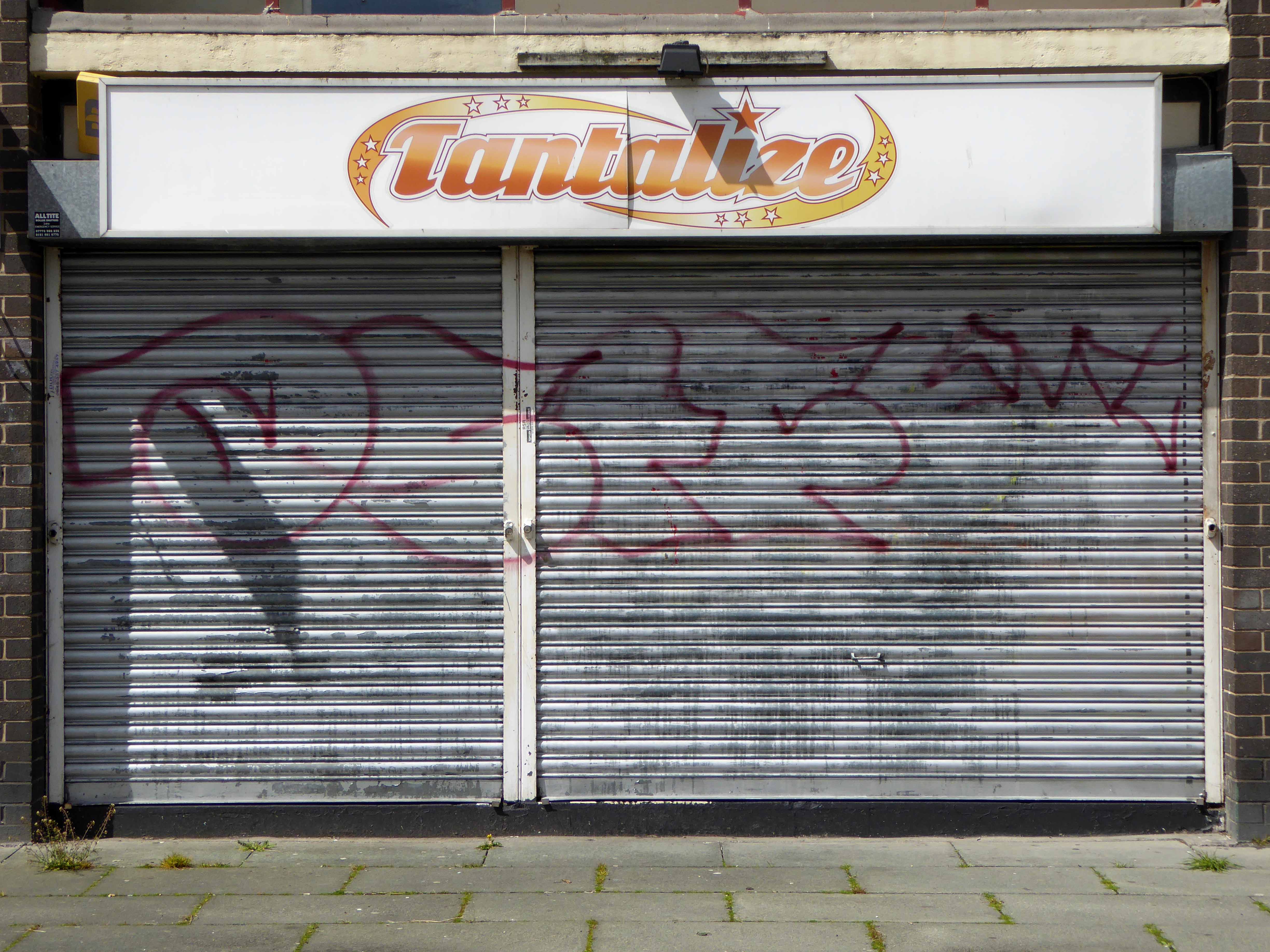
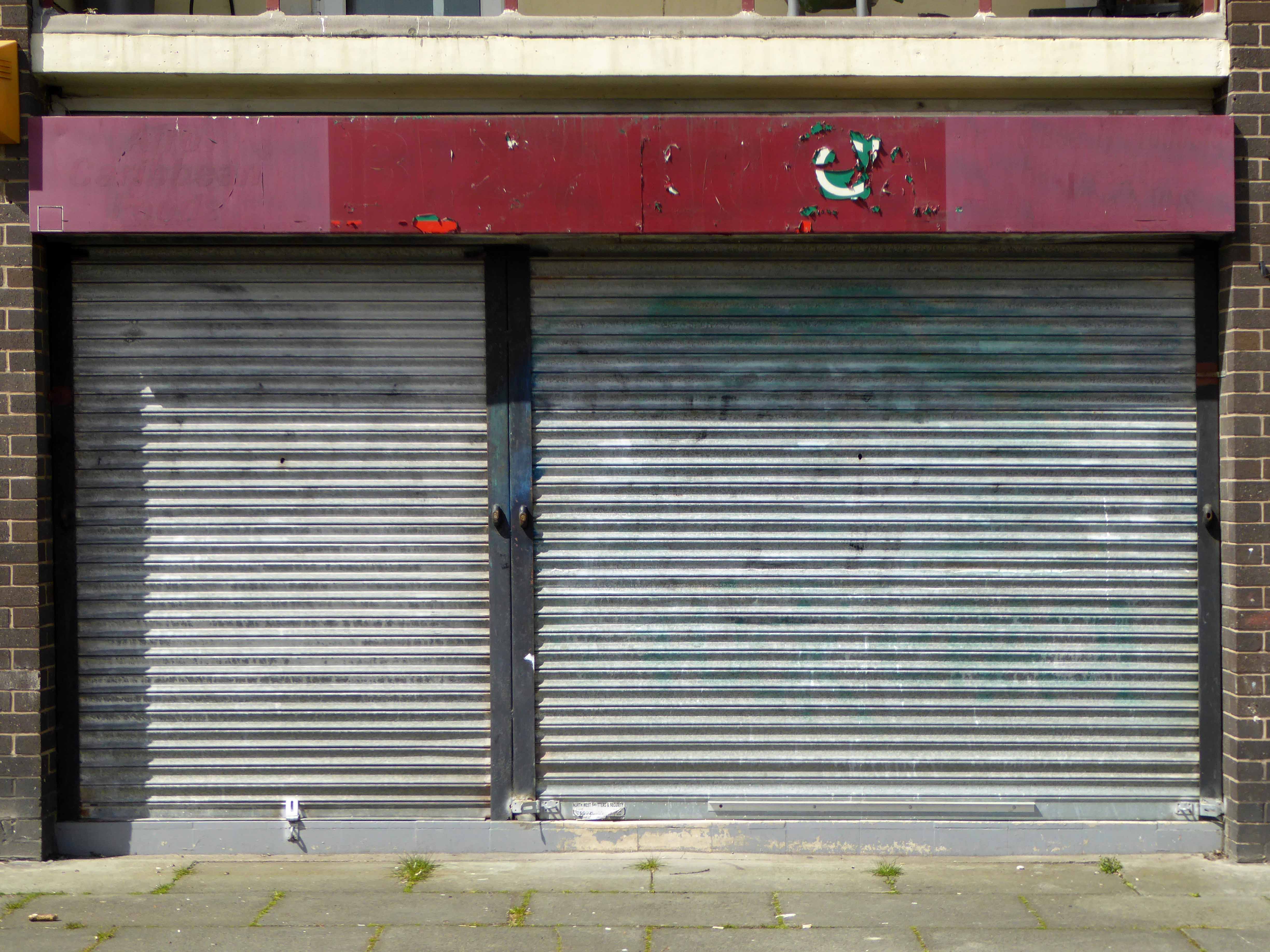
Needwood Close Collyhurst is closed.

An area that has suffered the slings, swings and arrows of failed PFI bids, absent partners and putative city fathers.

2012

After missing out on £252m of state investment when the Government cut the Homes and Communities Agency budget, Manchester is now trying another approach to deliver the much needed regeneration of Collyhurst.

As reported by Manchester Confidential

2014

The masterplan is part of Manchester Place, a joint initiative between Manchester City Council and the Homes & Communities Agency that looks to create a pipeline of development-ready sites to help the city meet its ambitious target of creating 55,000 new homes by 2027 as set out in the Manchester Residential Growth Prospectus.

Manchester Place will work with investors, such as Manchester Life, a £1bn, partnership between Manchester City Football Club and Abu Dhabi United Group, the privately owned investment company which also owns Manchester City Football Club, to bring 6,000 new homes to east Manchester over the next 10 years.

As outlined in Place North West

2016

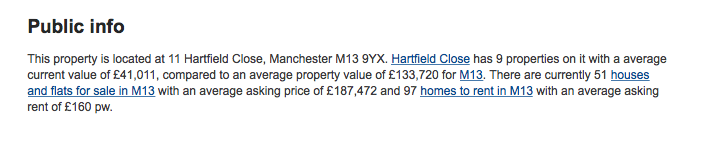
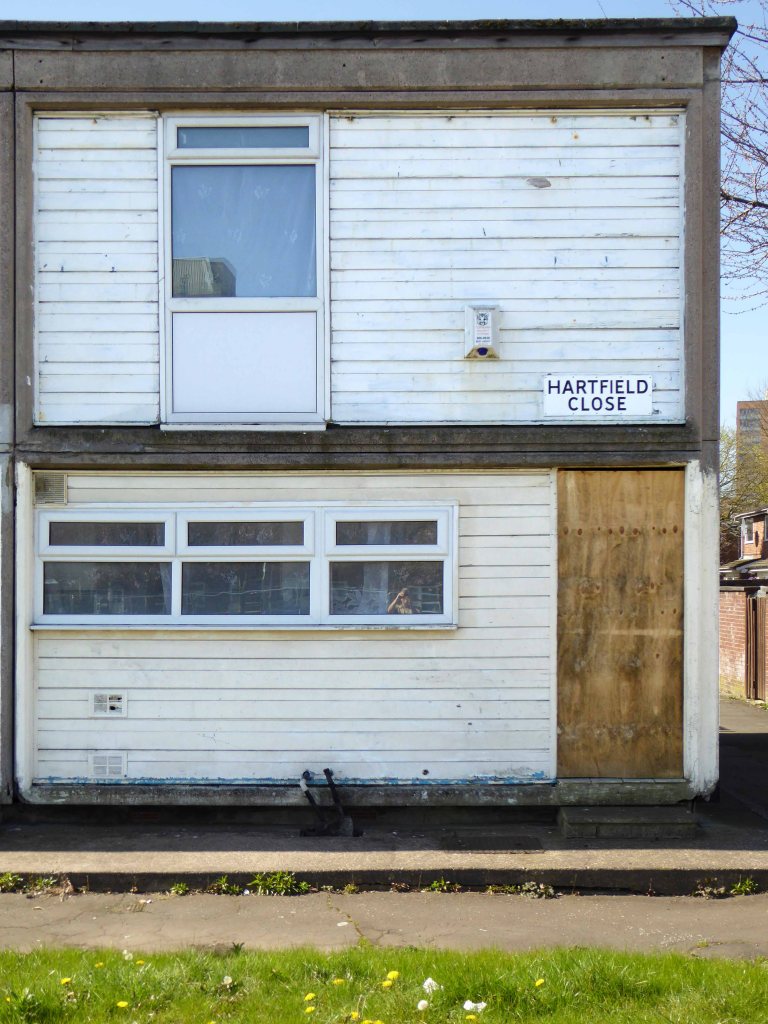
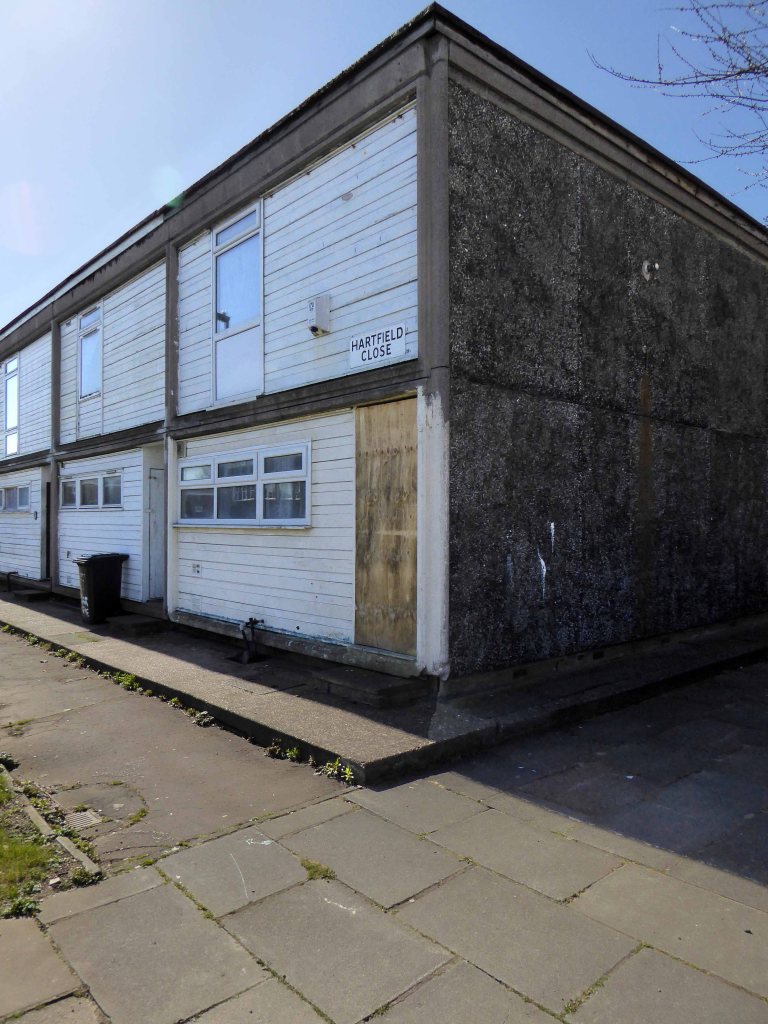
Hartfield Close – Manchester

Screen Shot 2016-05-19 at 10.23.35

It’s not unusual.

To discover something, whilst looking for something else.

For me, it’s almost a way of life.

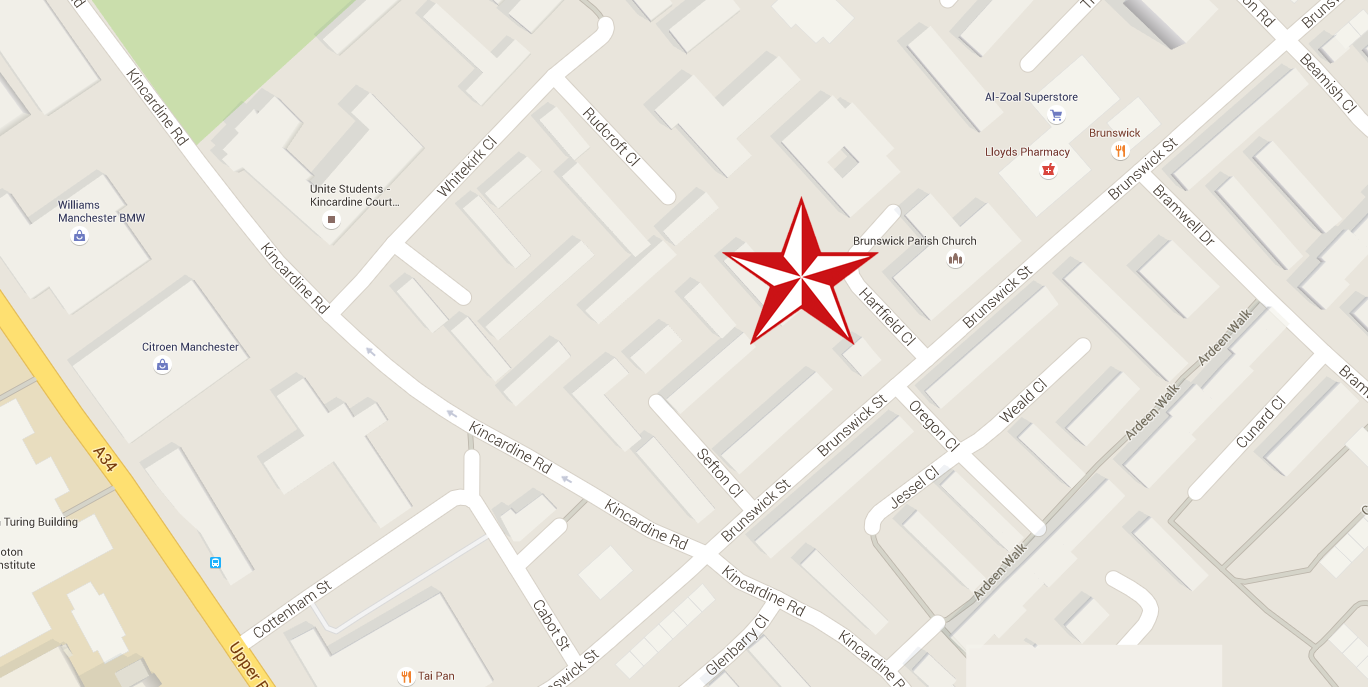
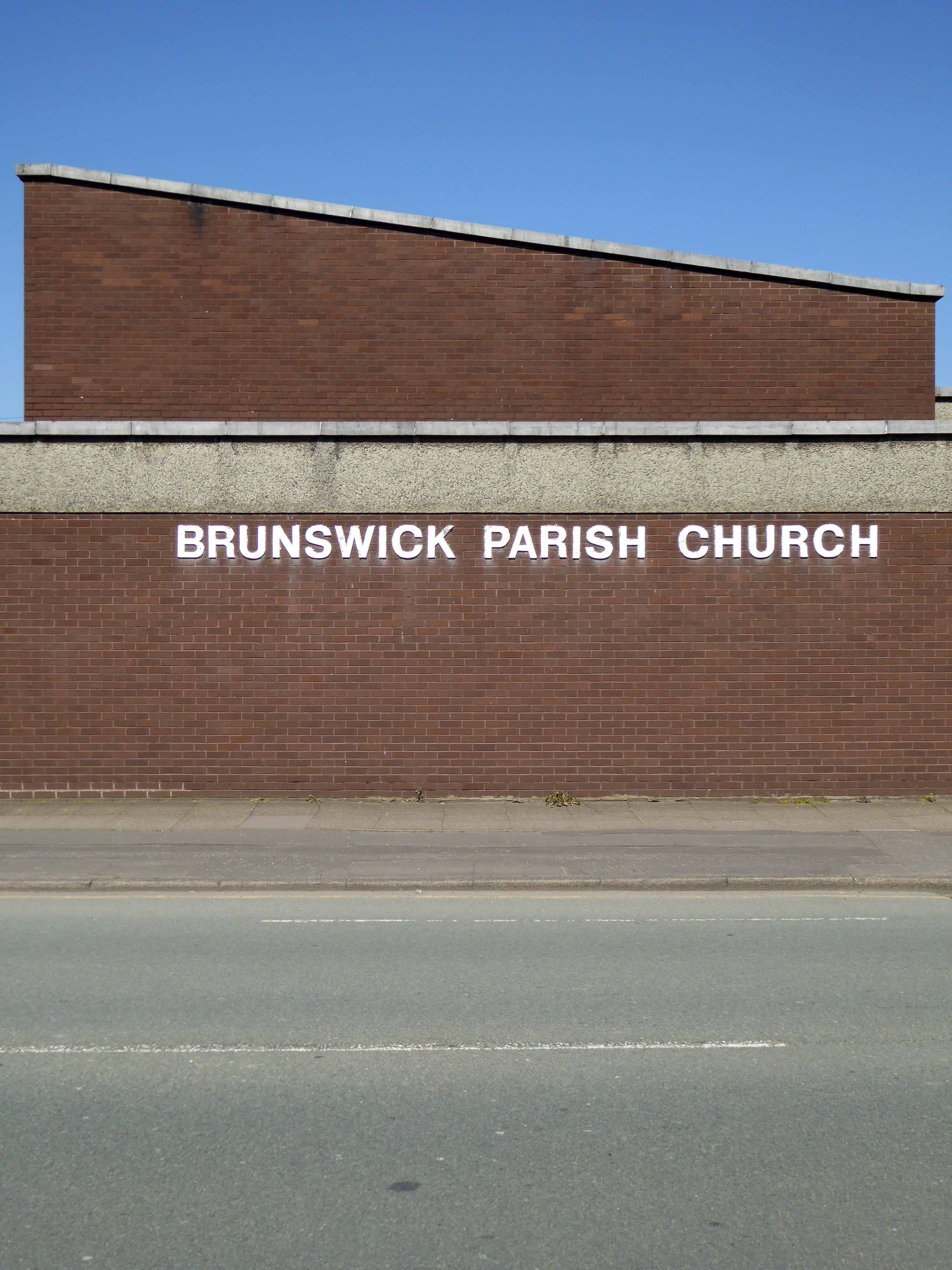
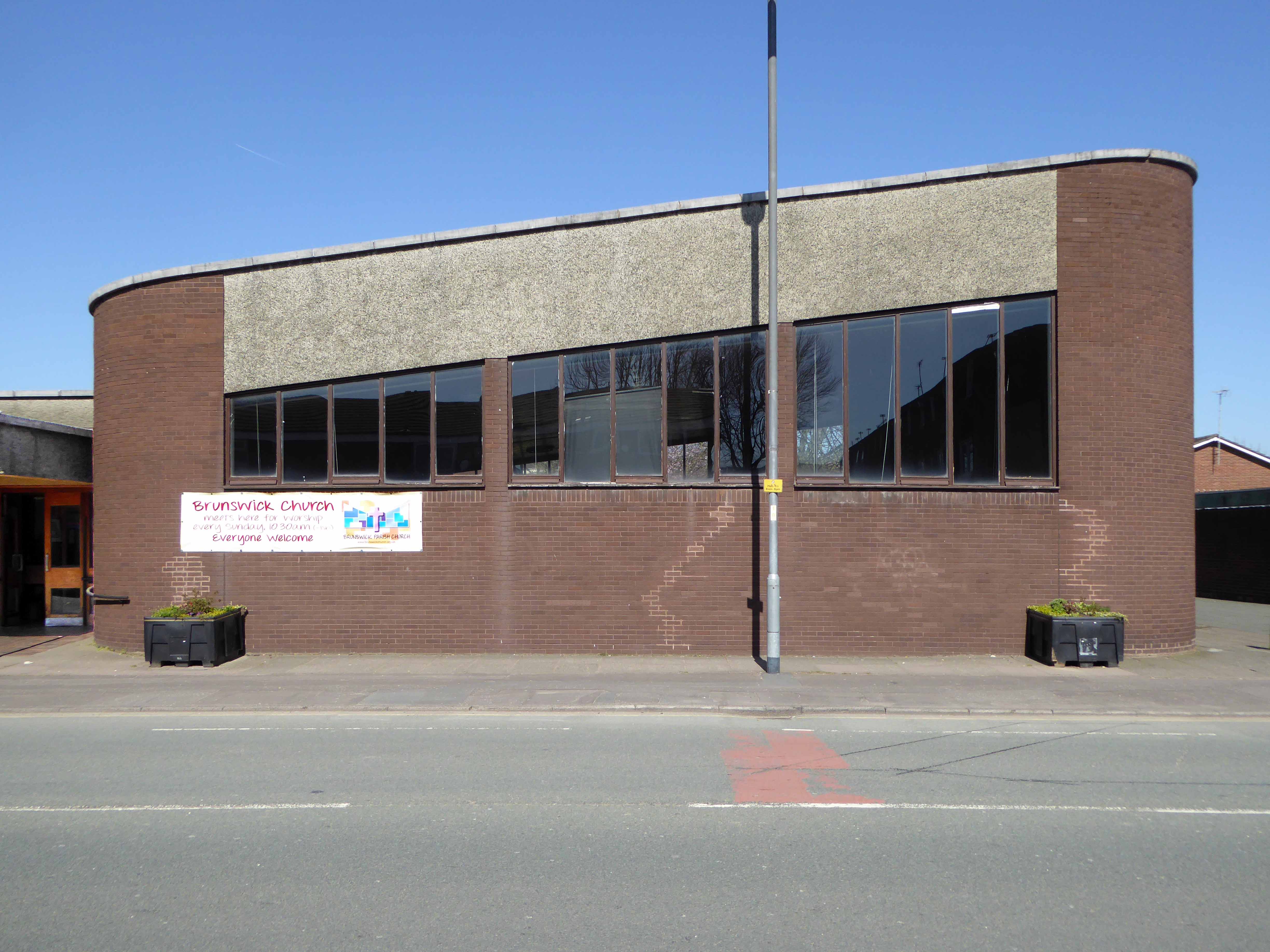
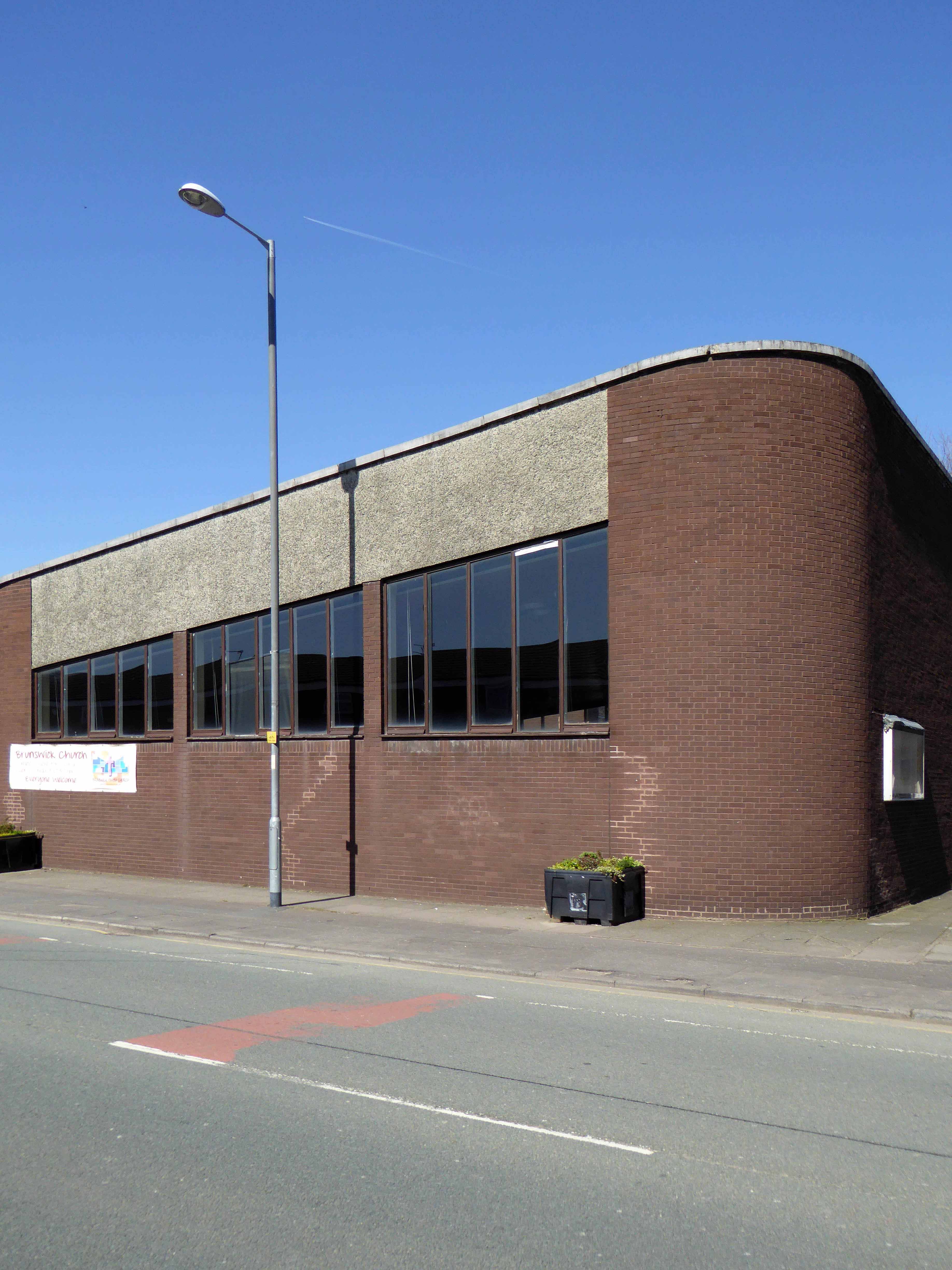
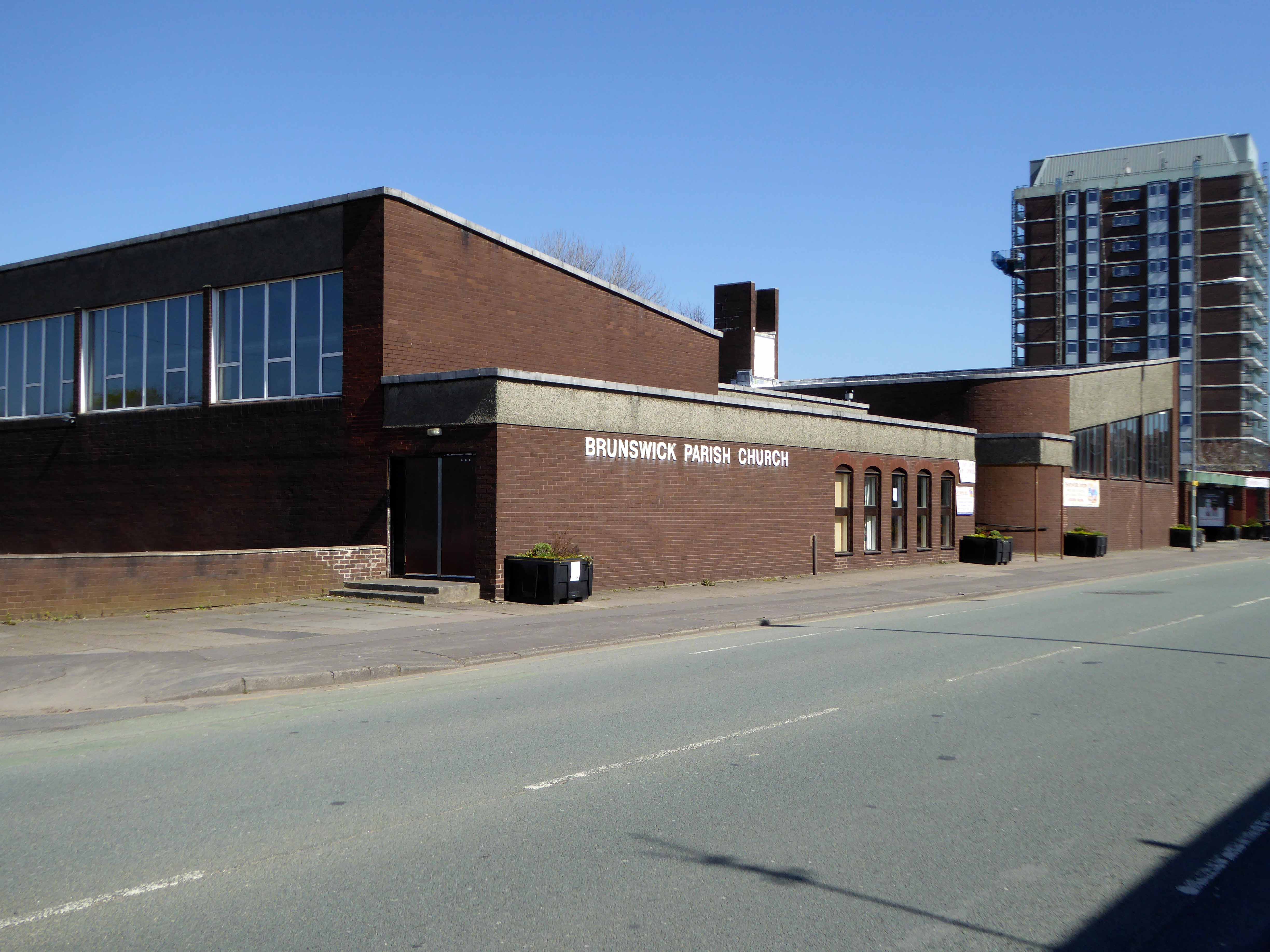
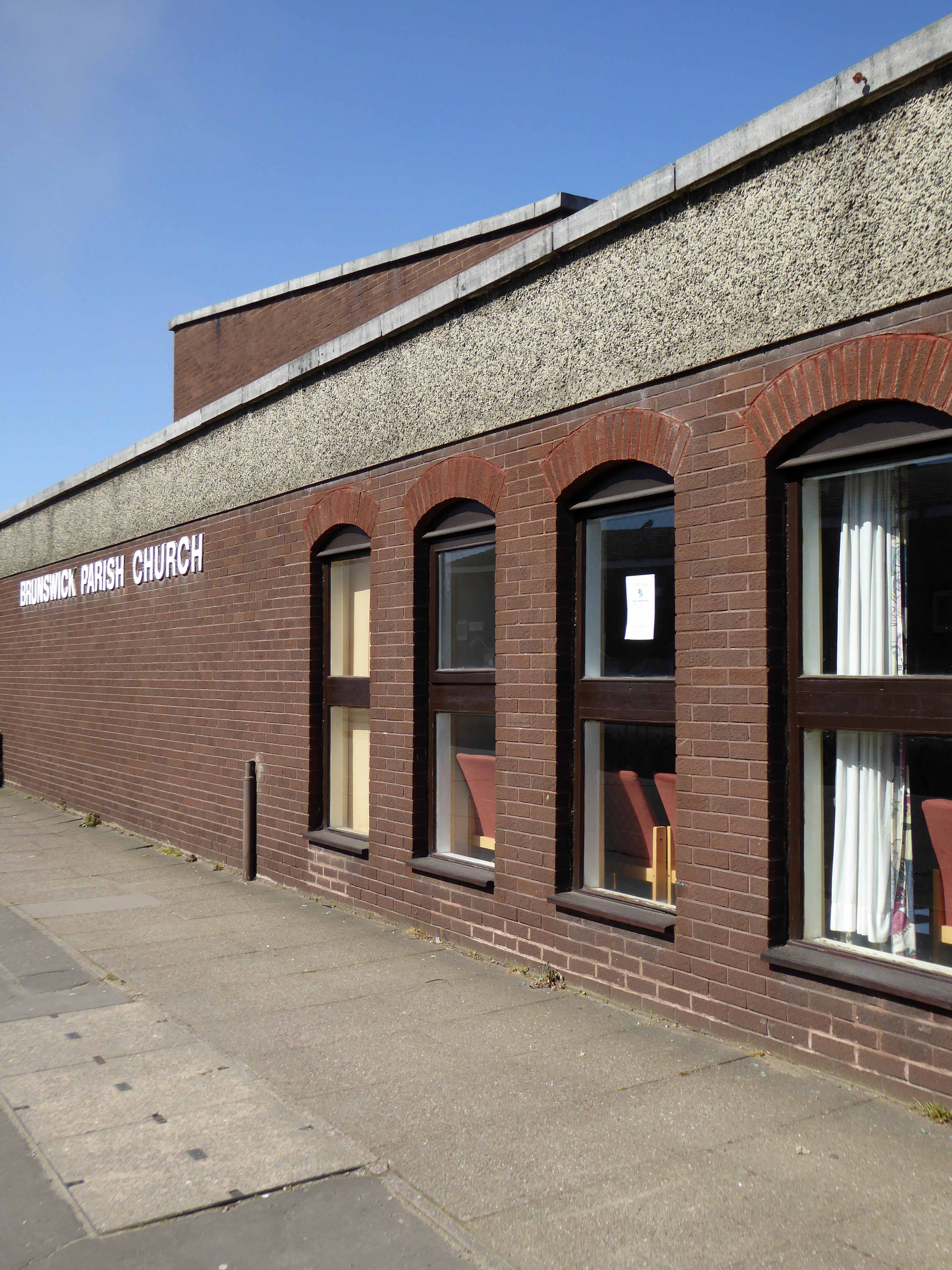
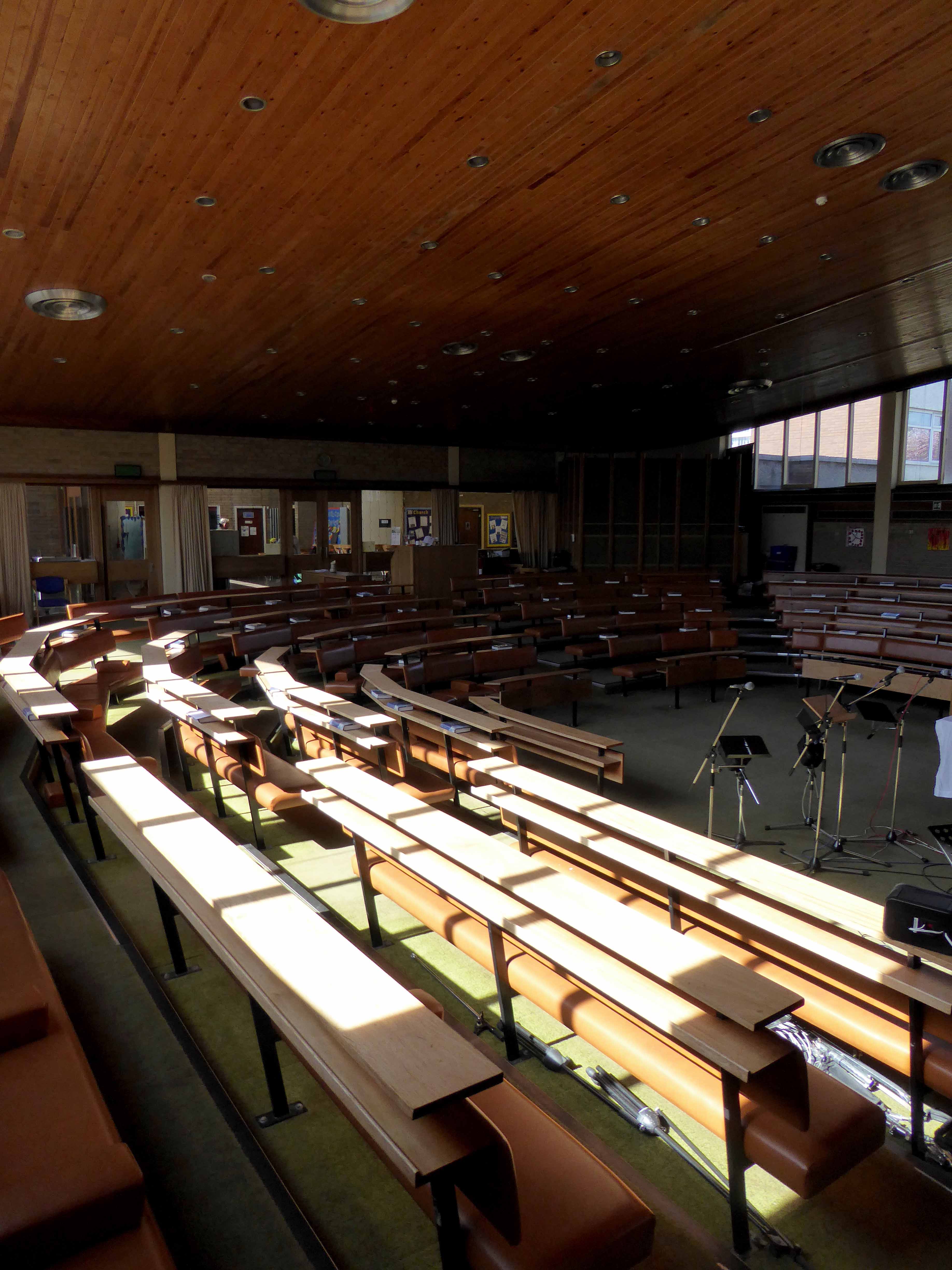
I was in the area to look around the nearby Brunswick Parish Church.

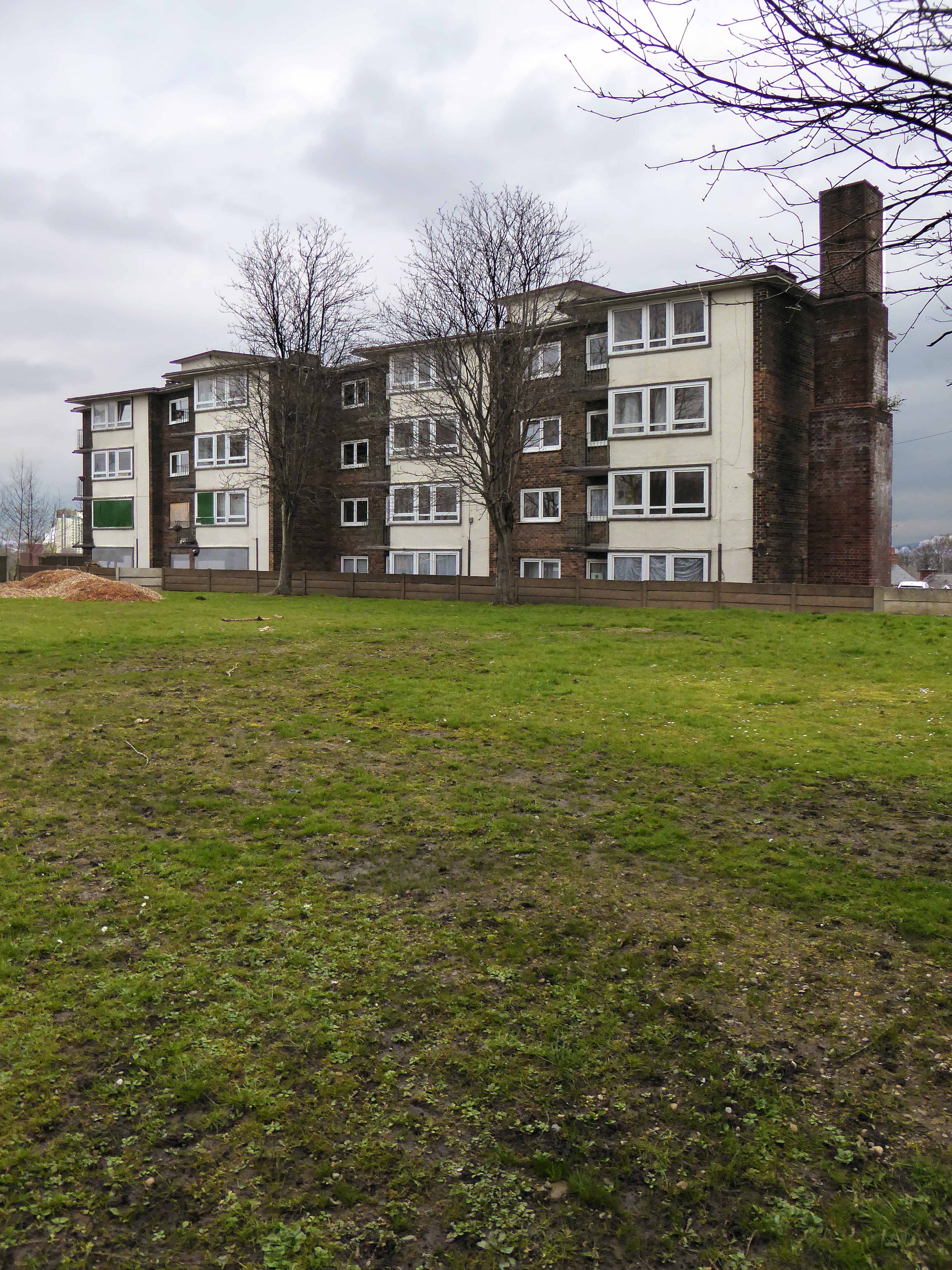
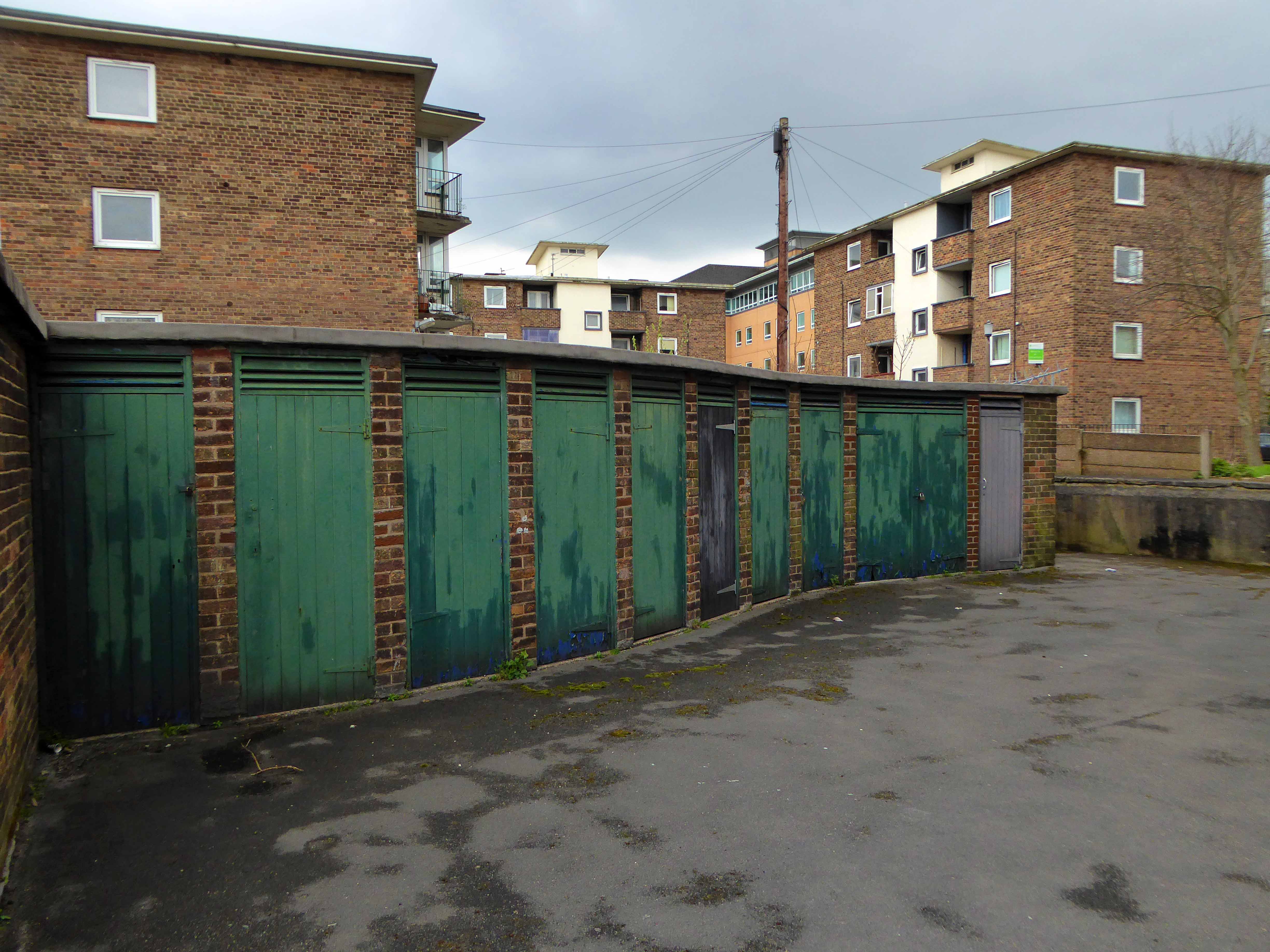
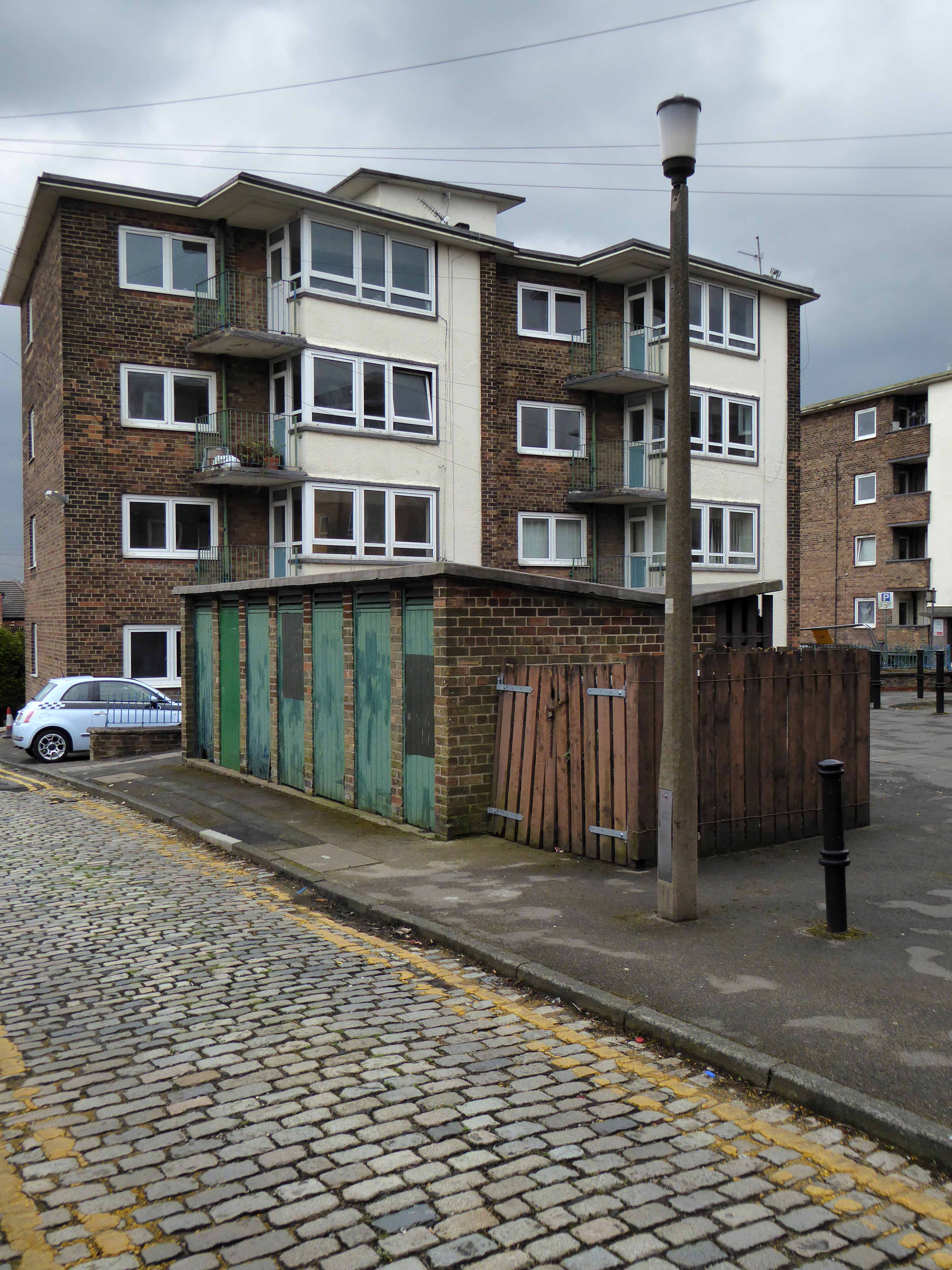
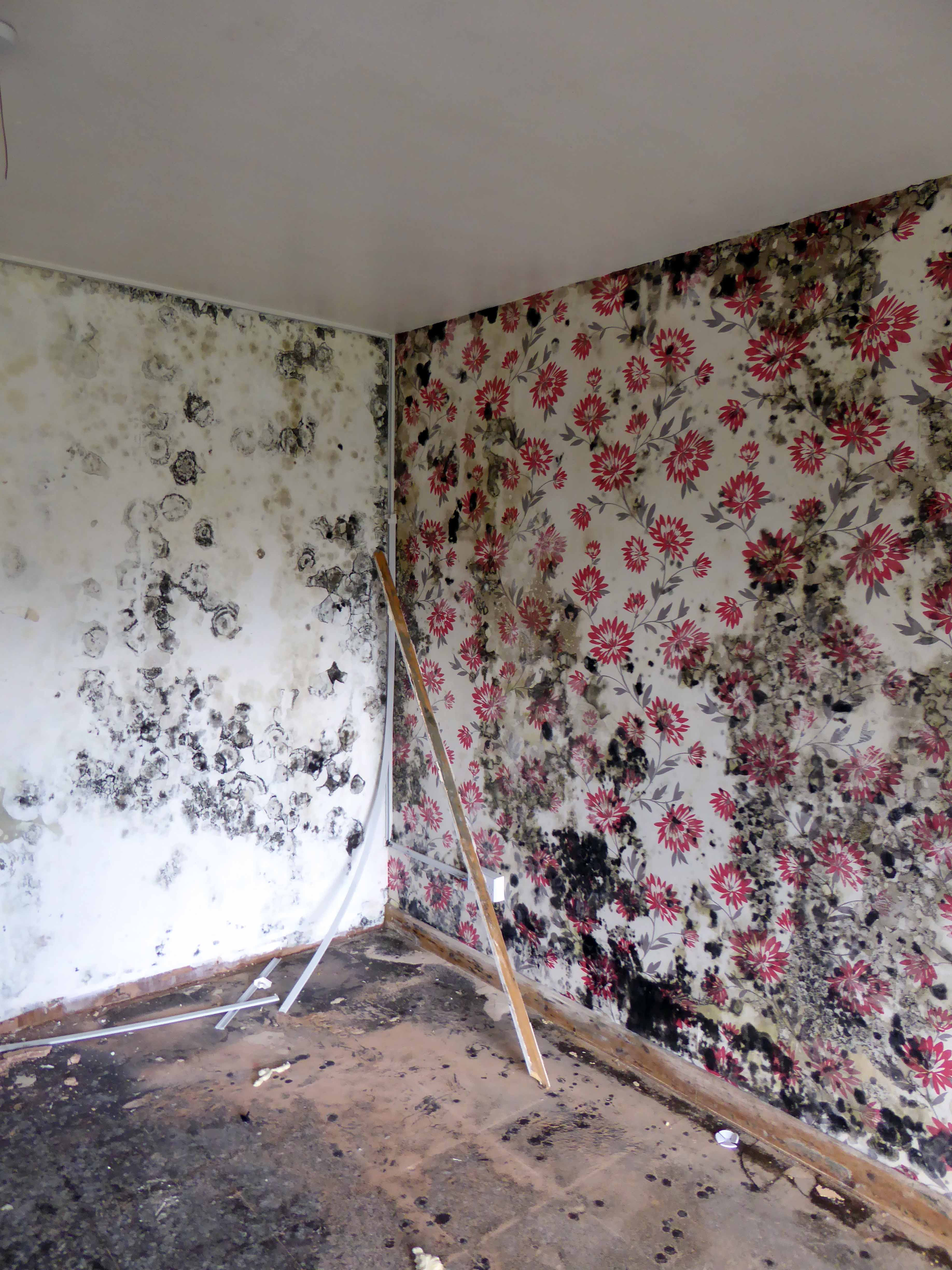
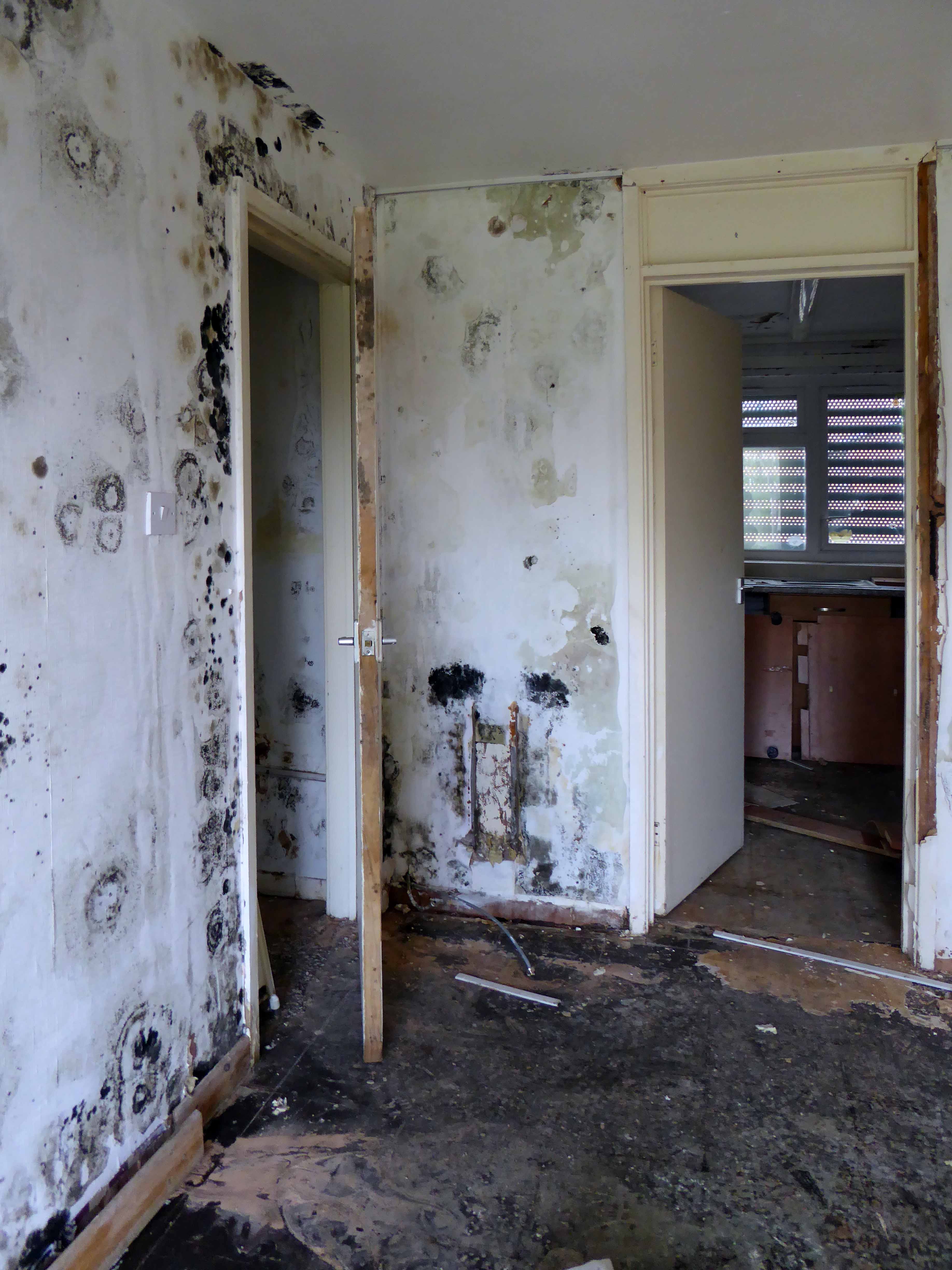
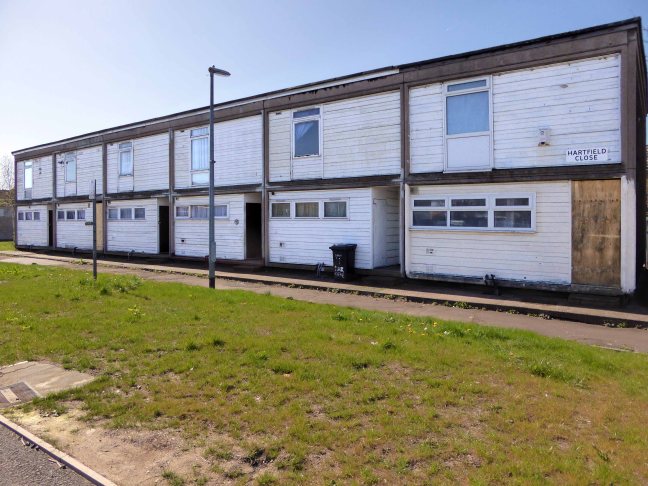
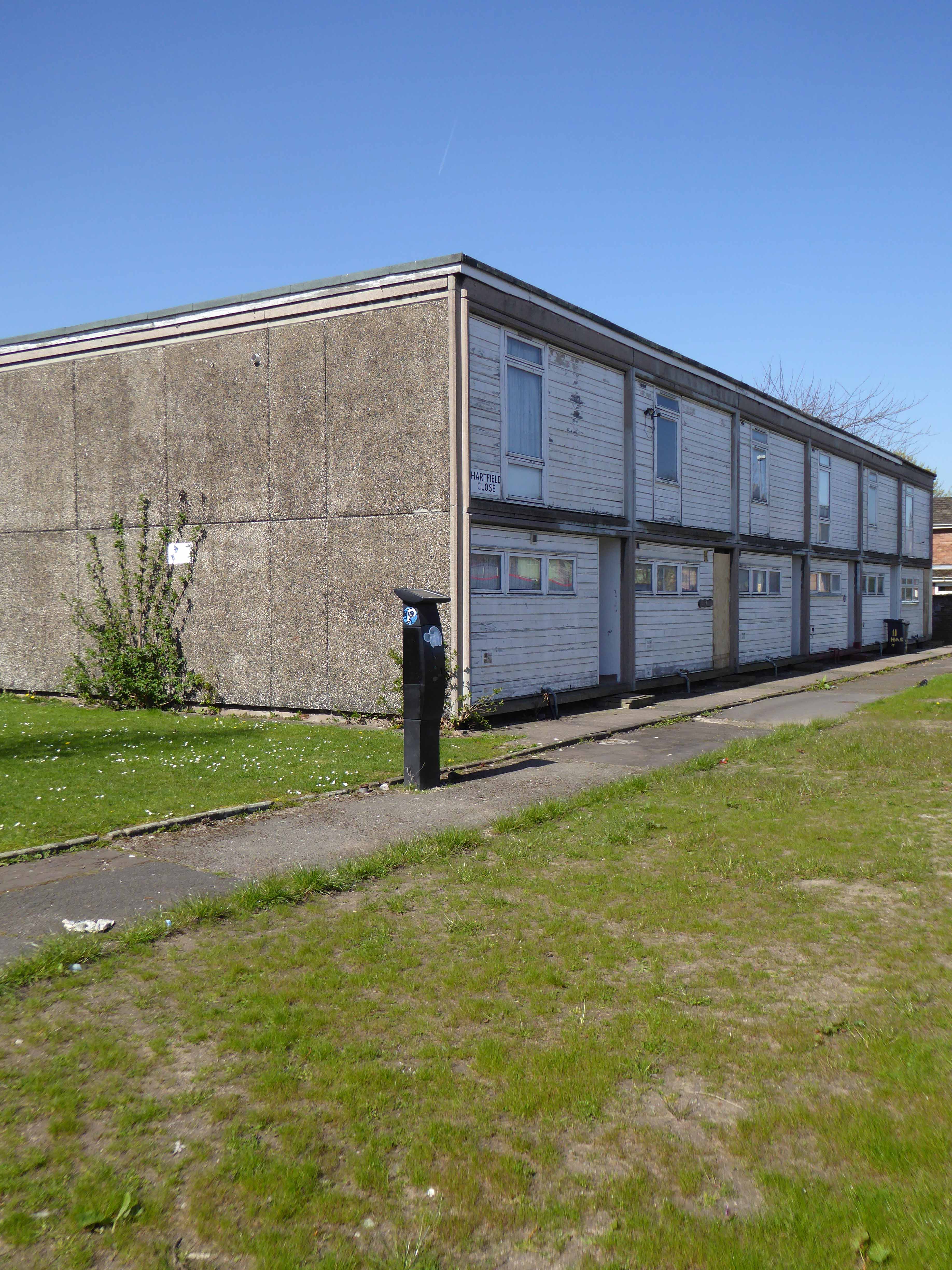
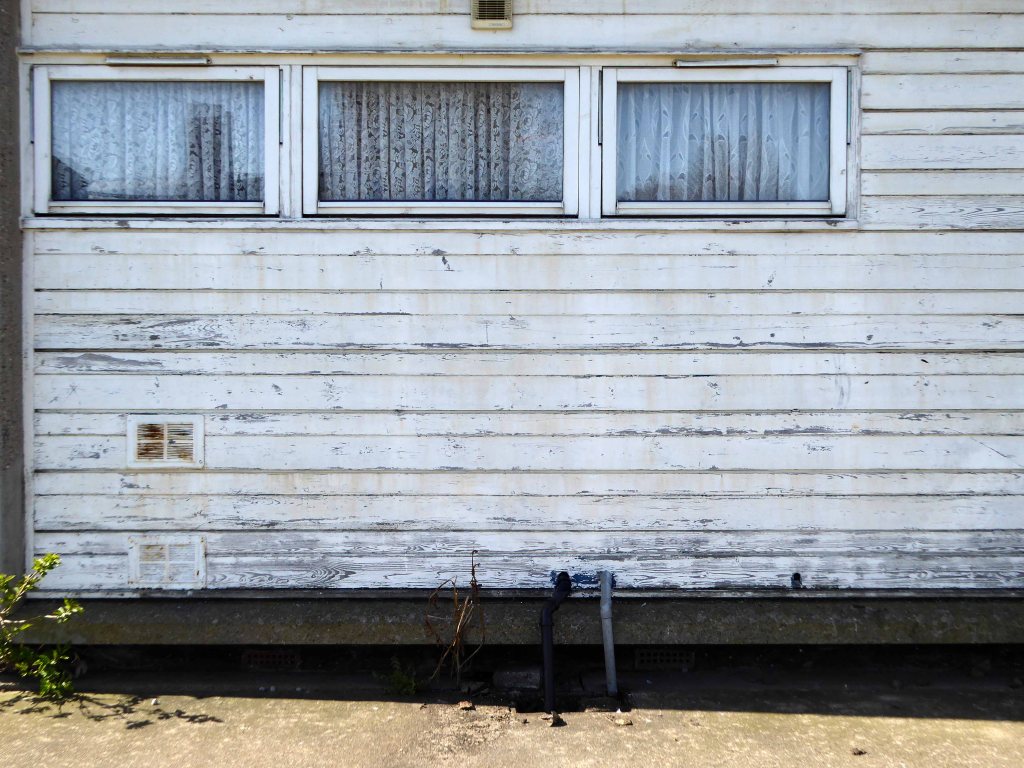
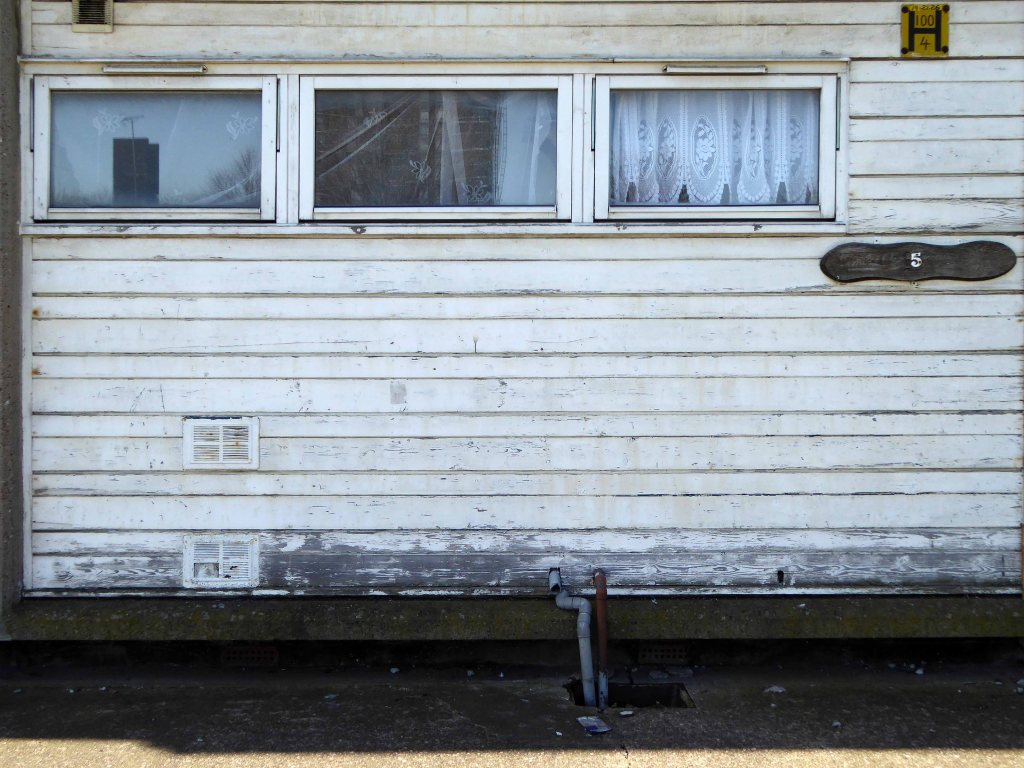
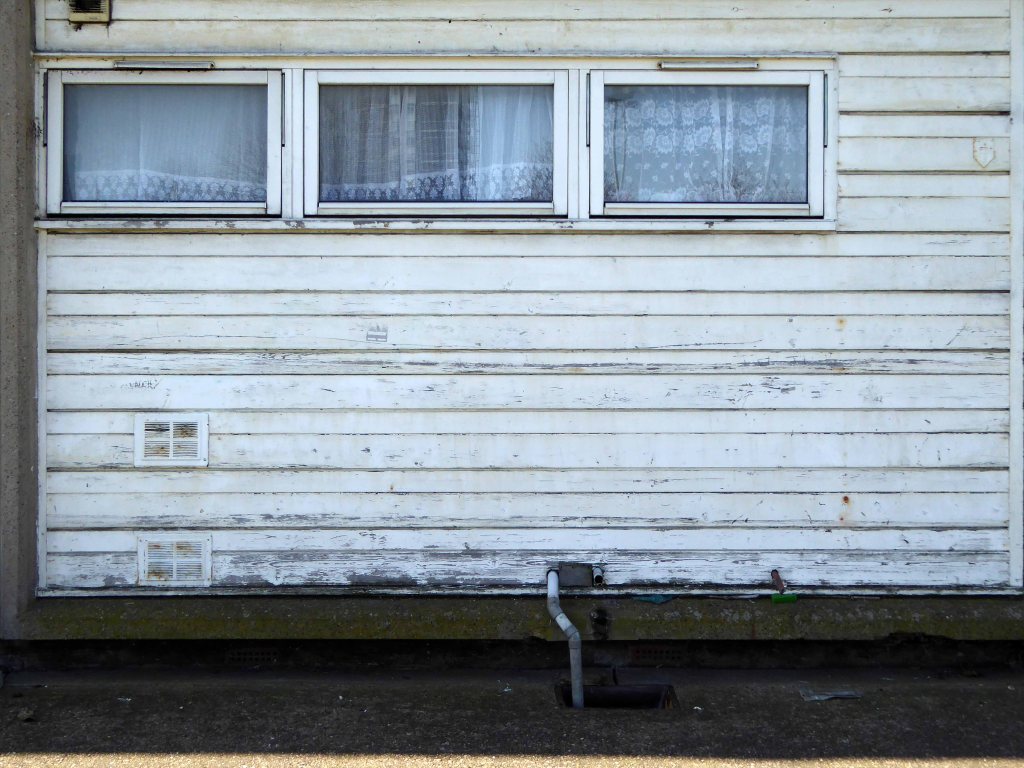
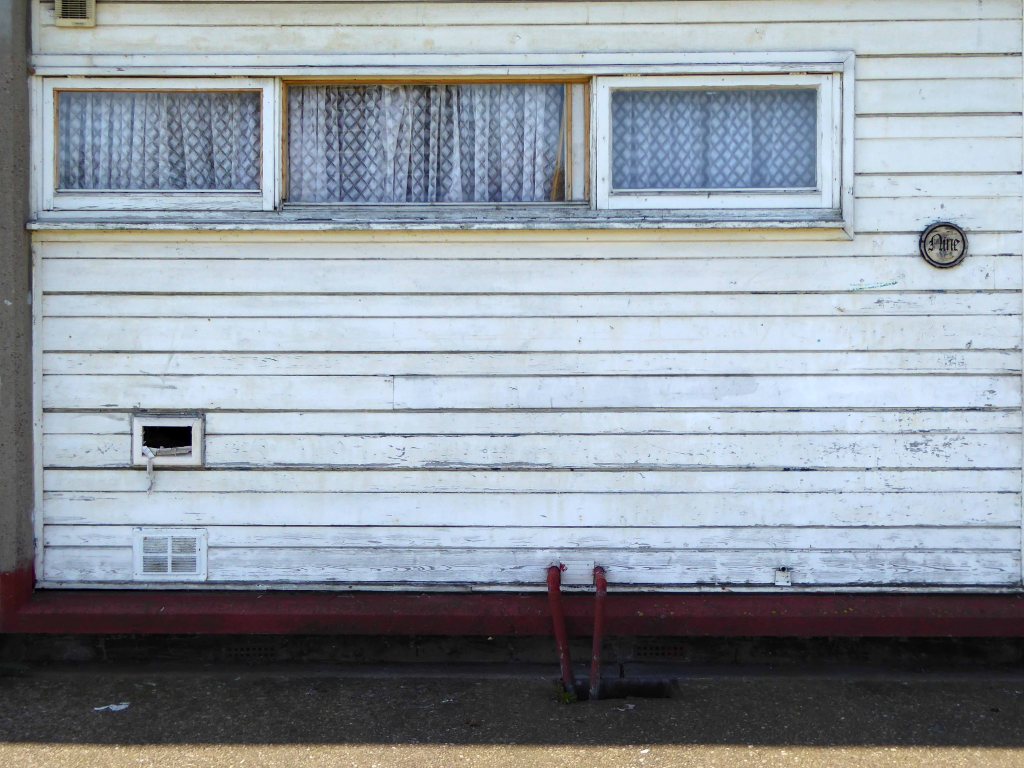
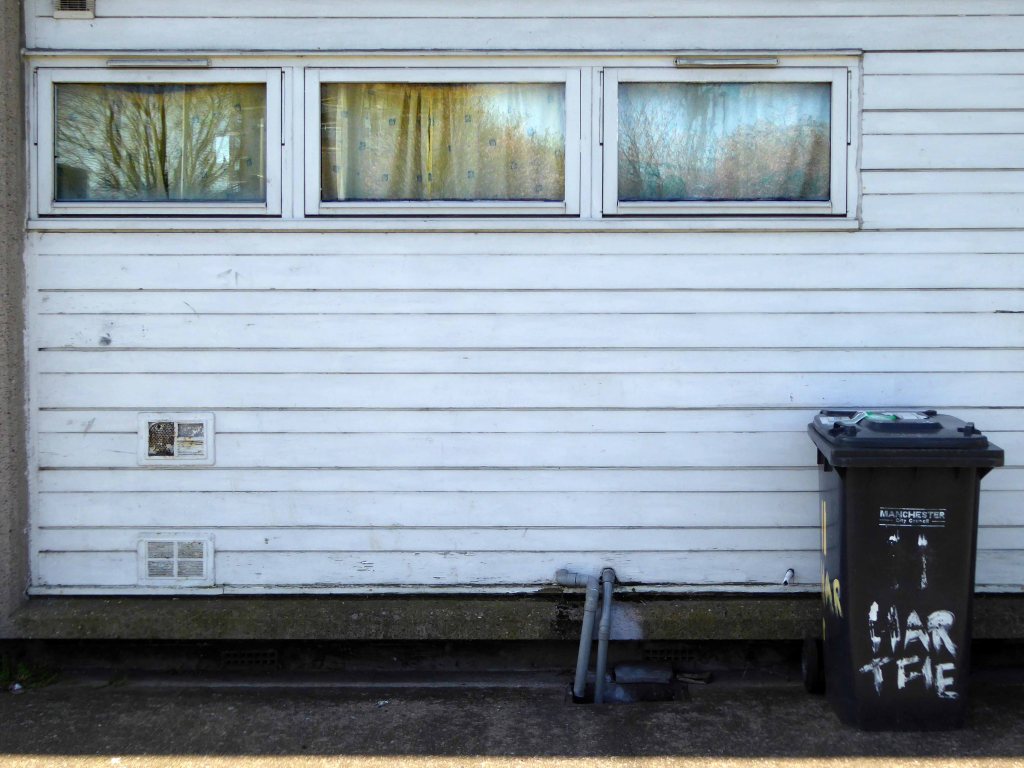
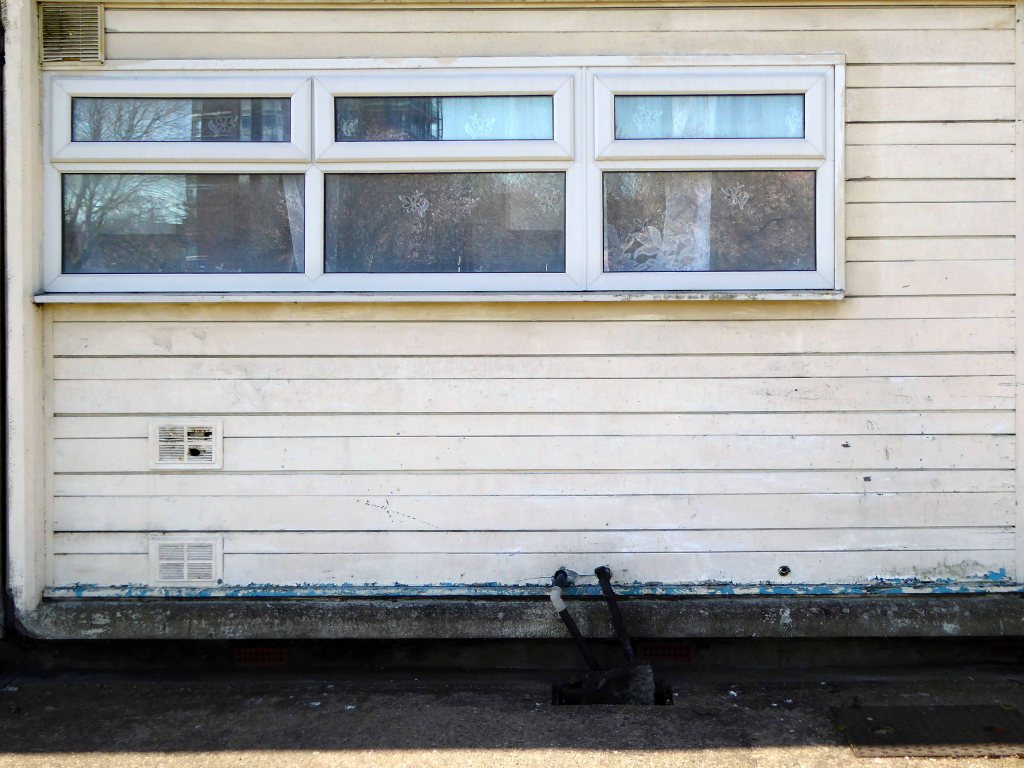
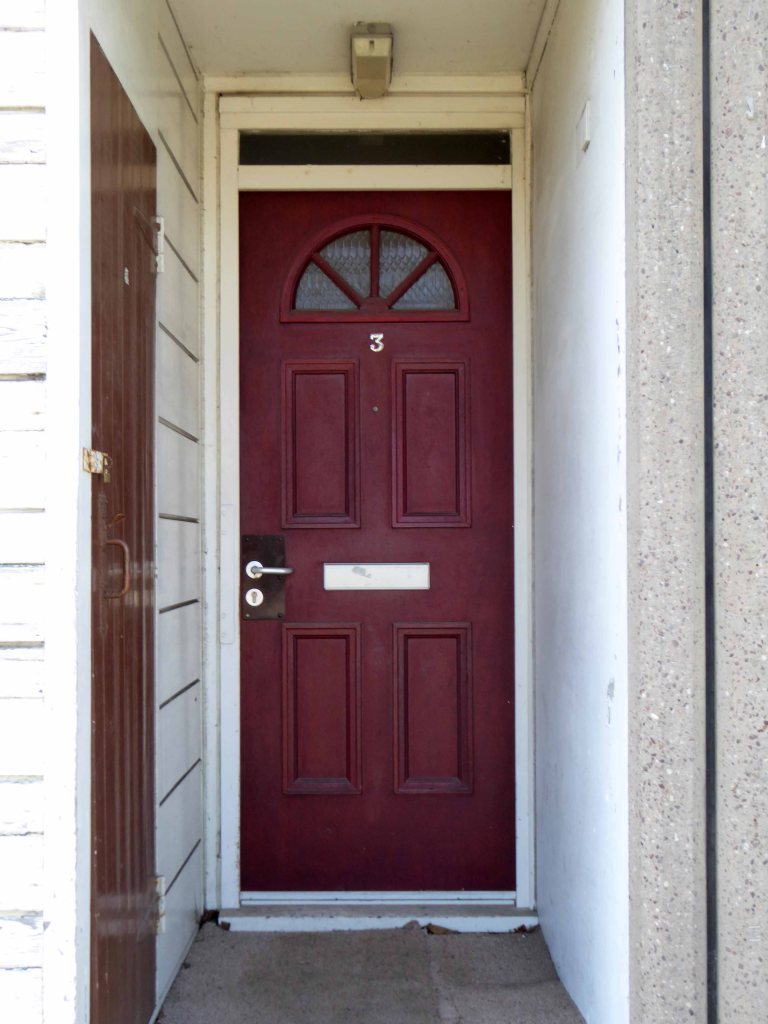
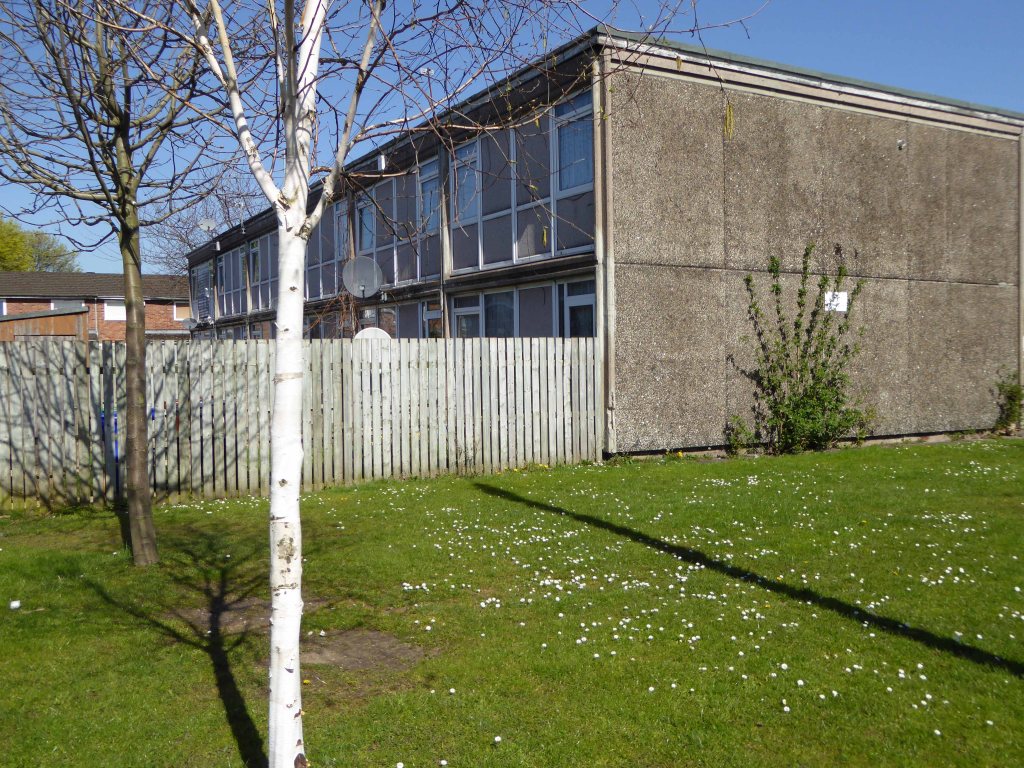
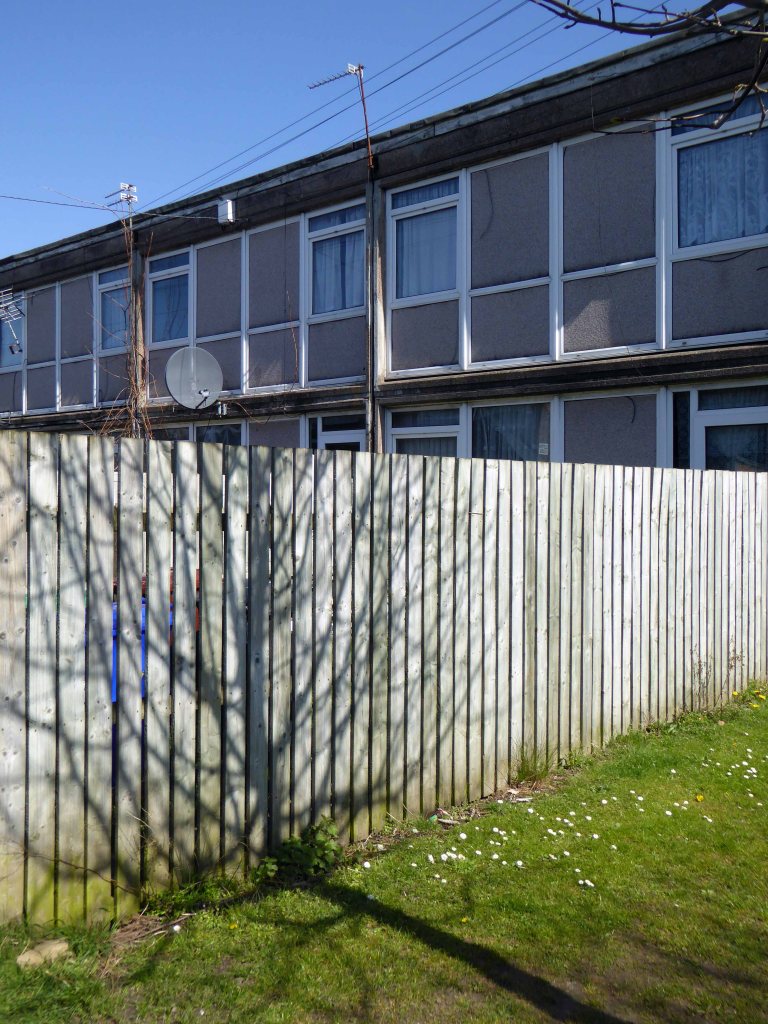
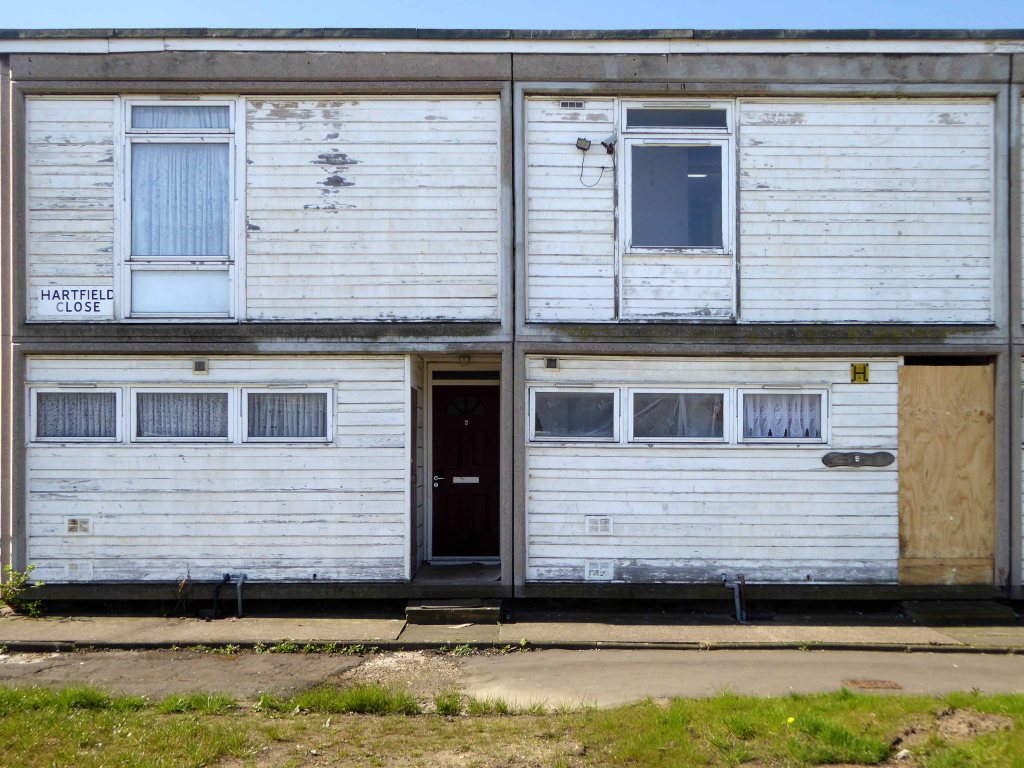
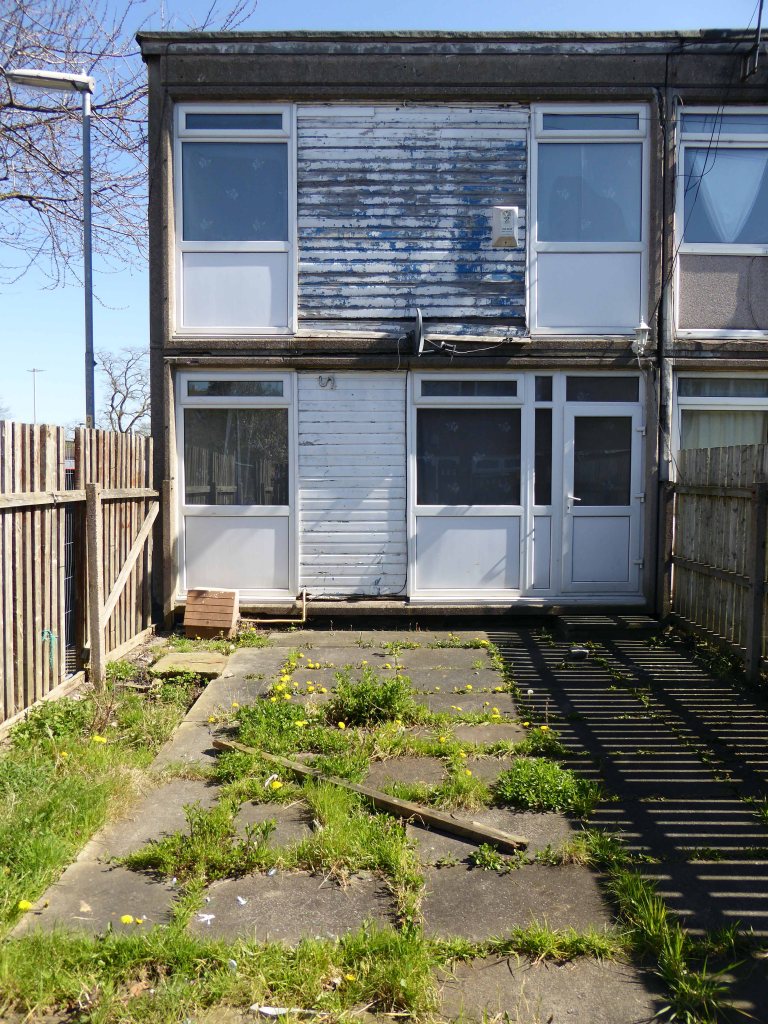
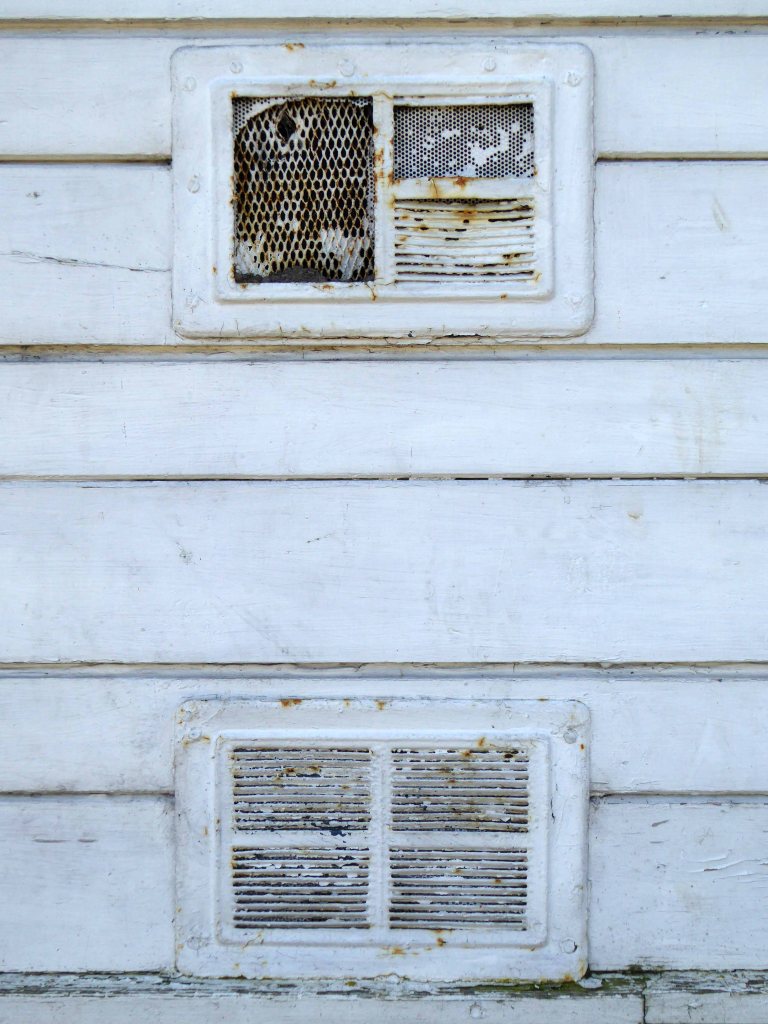
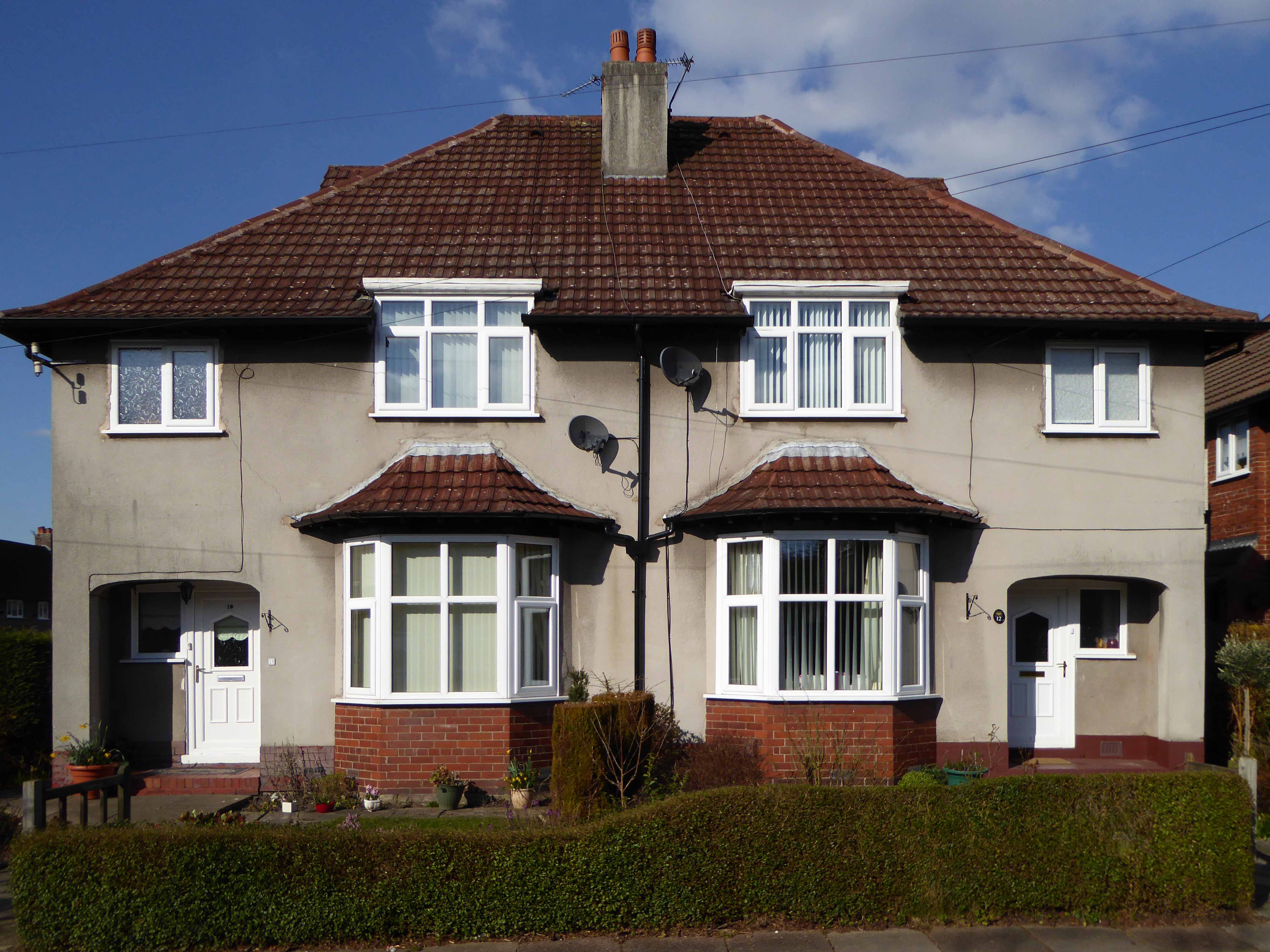
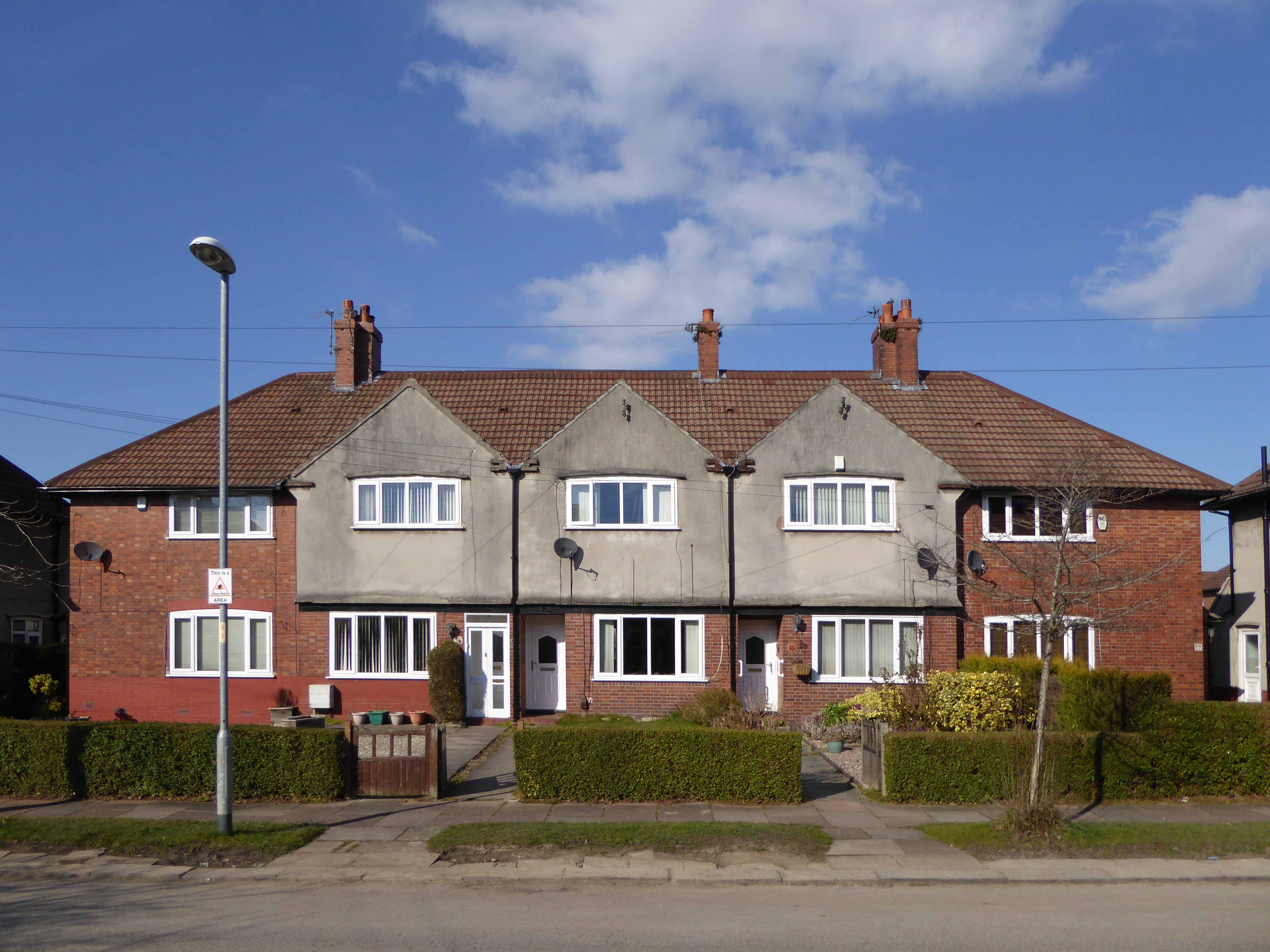
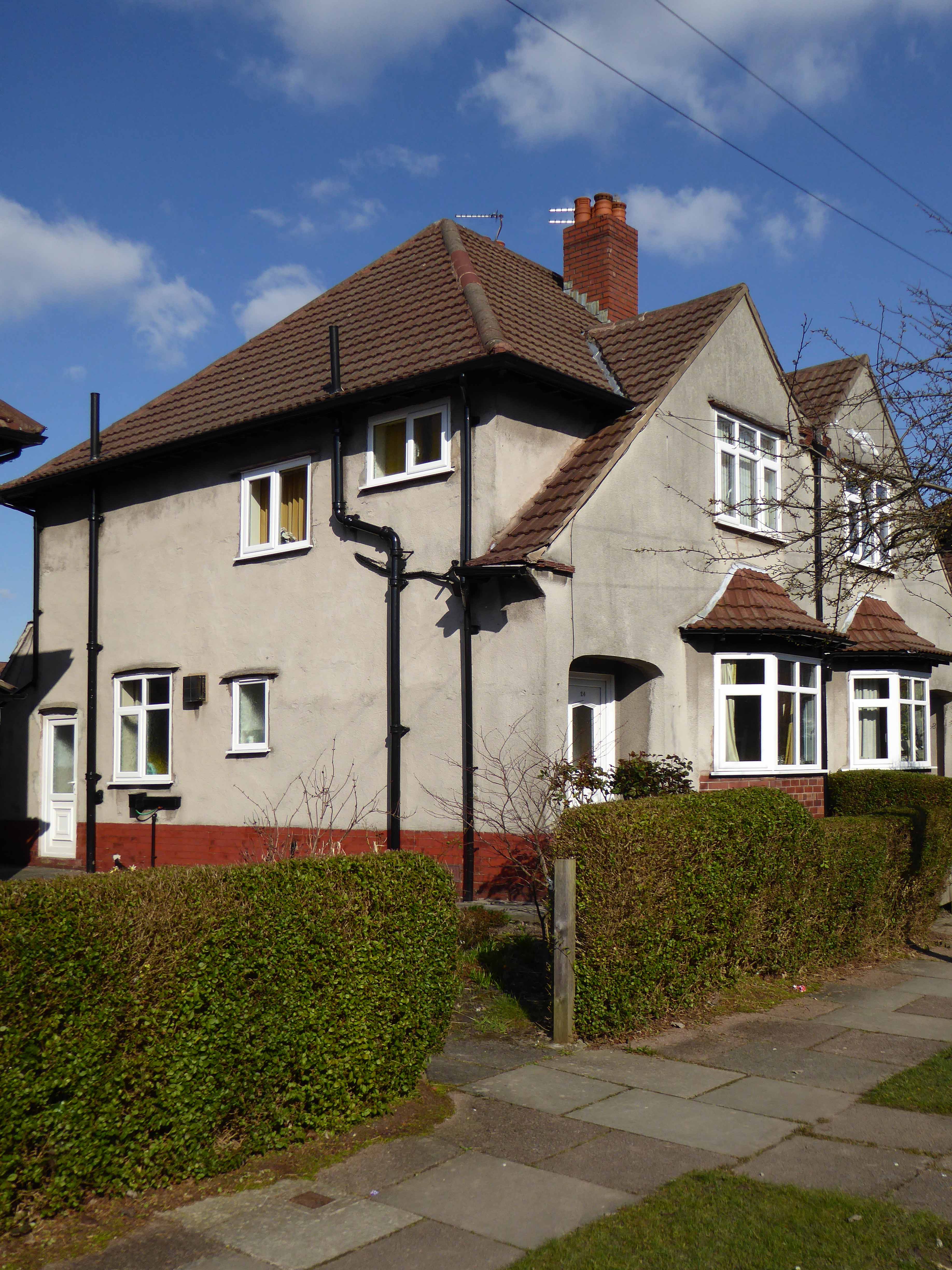
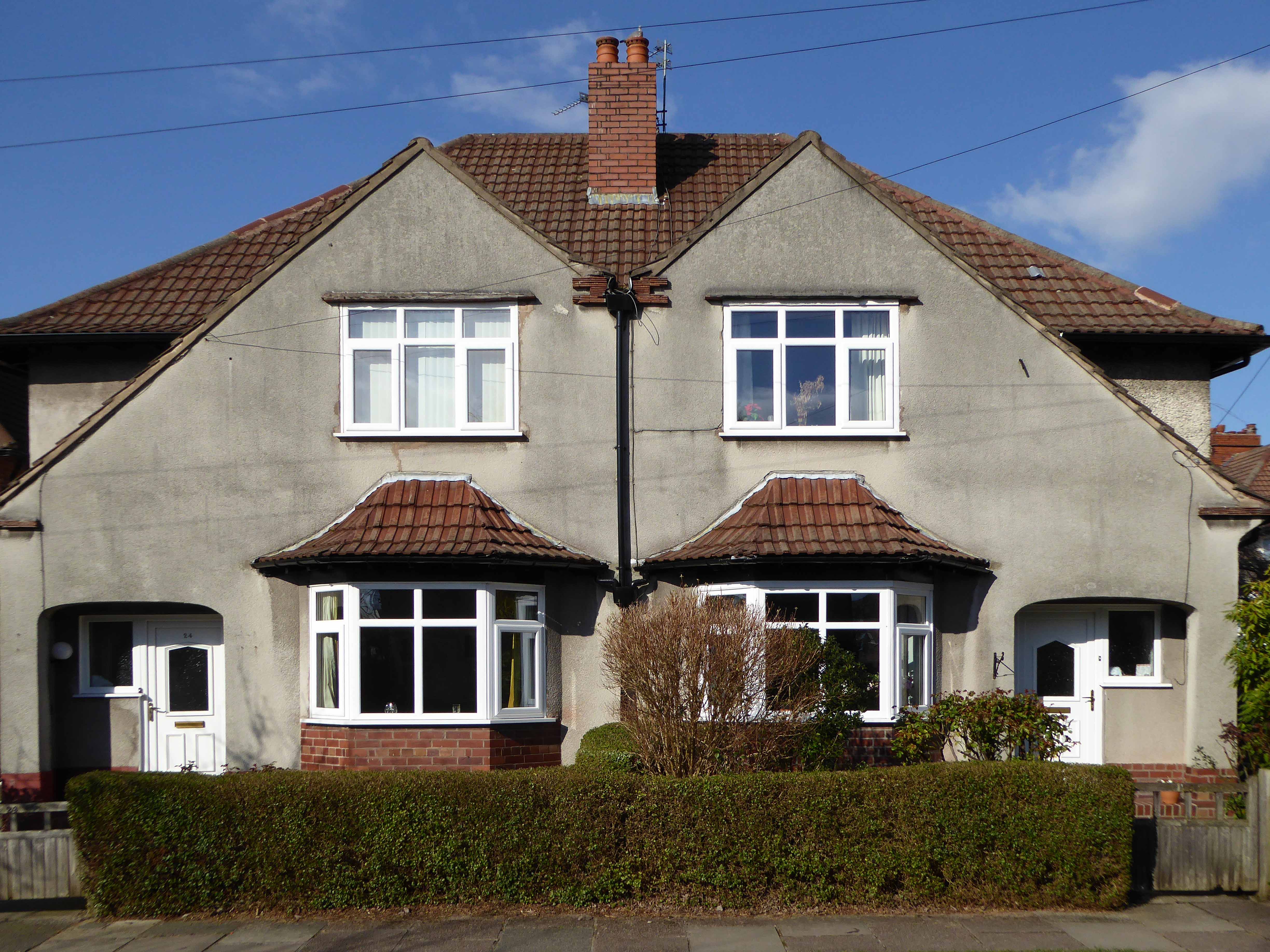
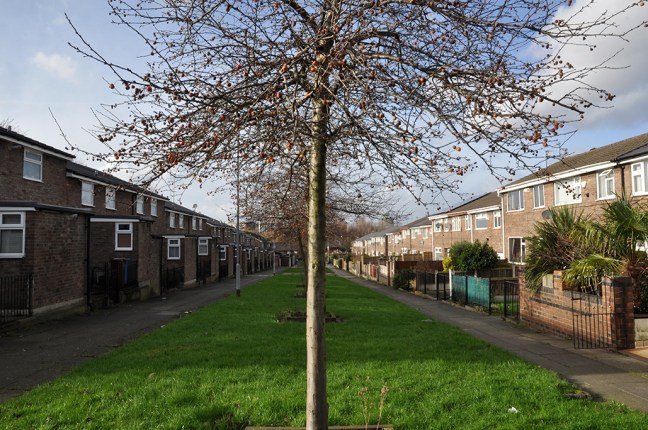
Just around the corner was Hartfield Close a low, white two-storey terrace of six homes, each with a small fenced garden to the rear, facing onto a large open grassed area,  backed by further housing.

It was difficult to discern whether they were empty or inhabited – two seemed to have residents. Curious in a city with a growing population and a demand for vacant property. Are they in limbo, between redevelopment, refurbishment or CPO?

They have ben offered to the market within the last year.

Screen Shot 2016-04-22 at 12.10.46

At a value way below comparable properties, currently they seem to be adrift in an uncaring world, a tiny lost island of Municipal Modernism.

P1030819 copy

They deserve a little care an attention.

We all do.

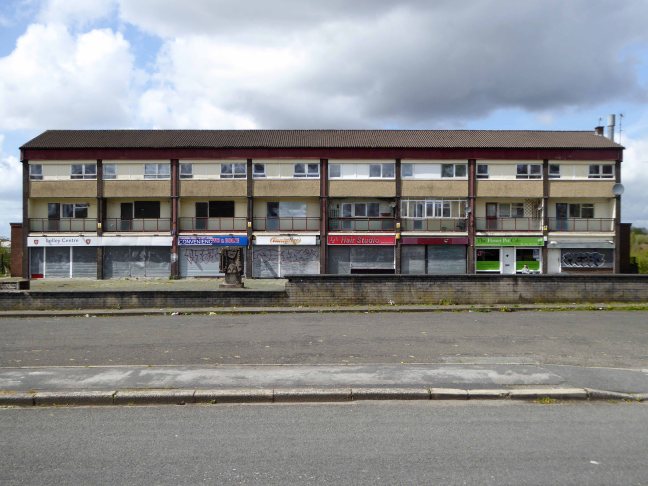
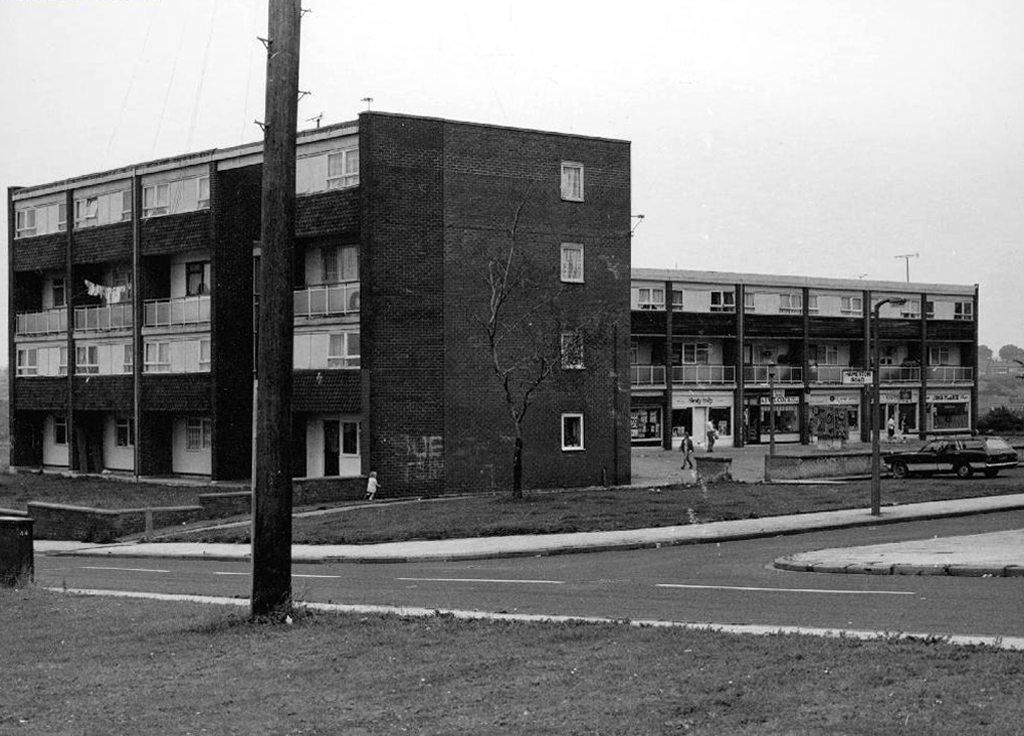
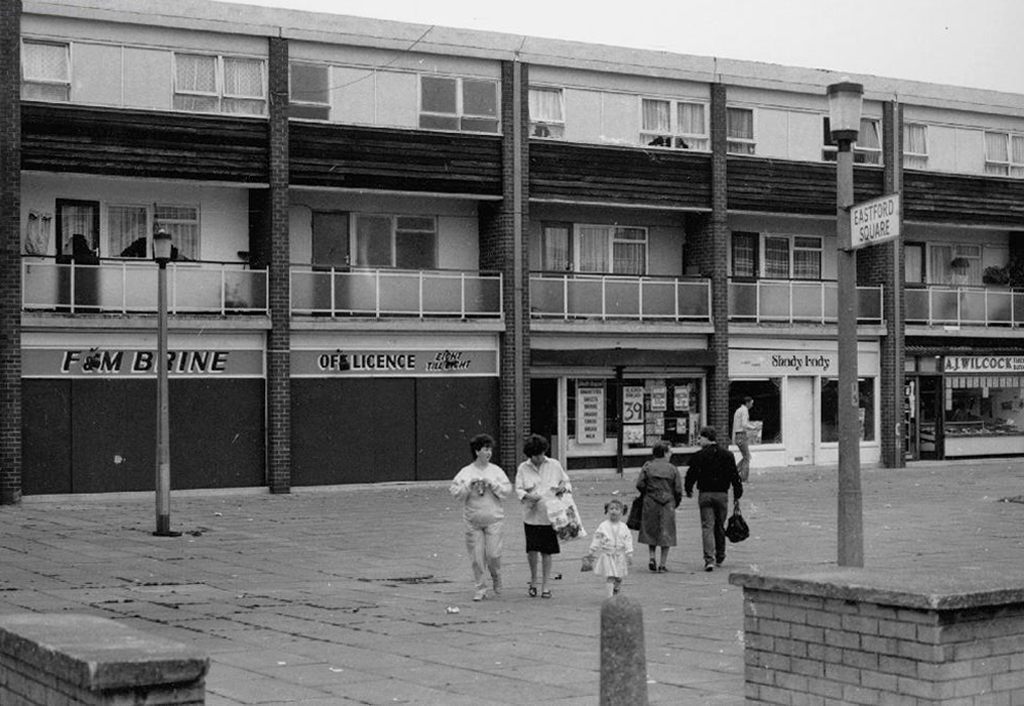
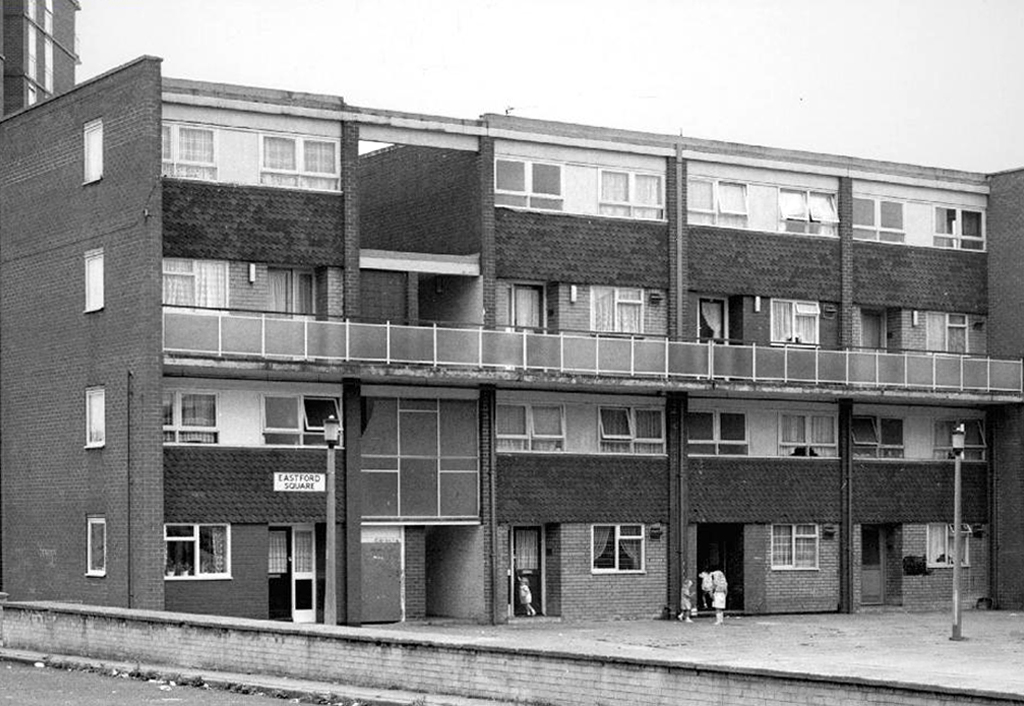
Eastford Square – Collyhurst

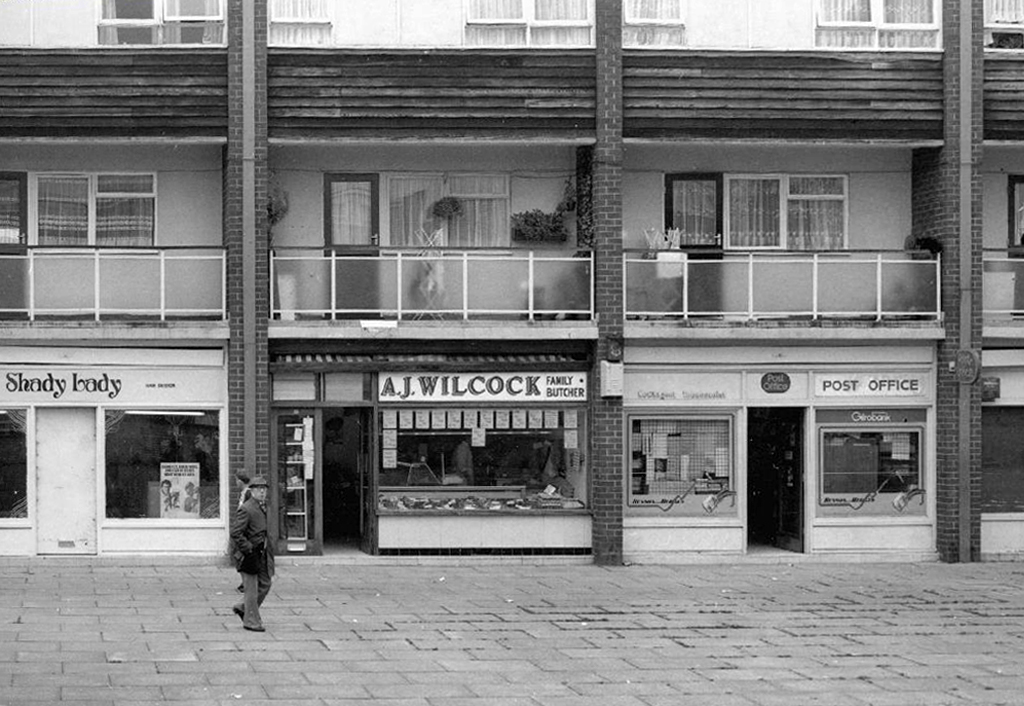
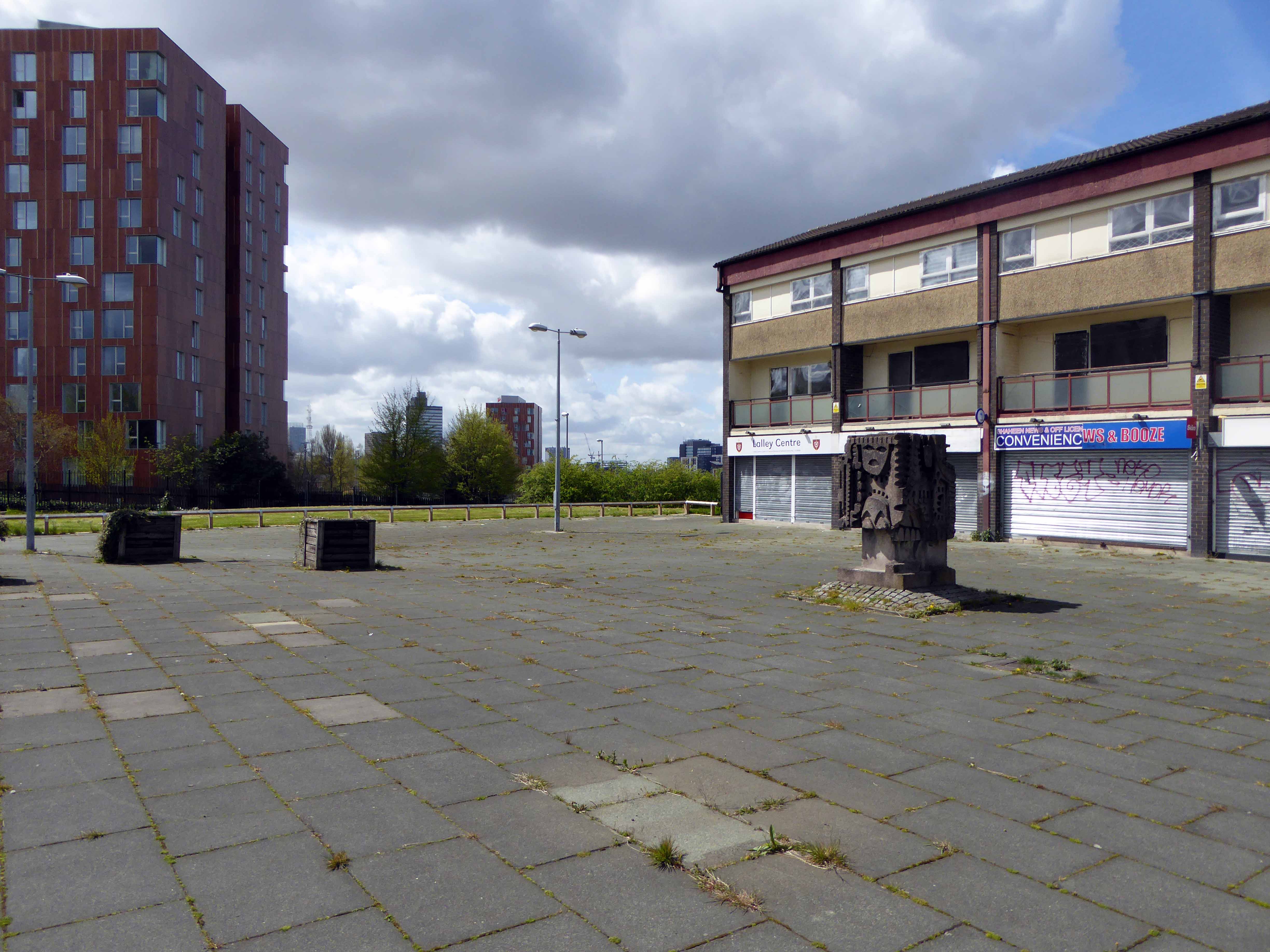
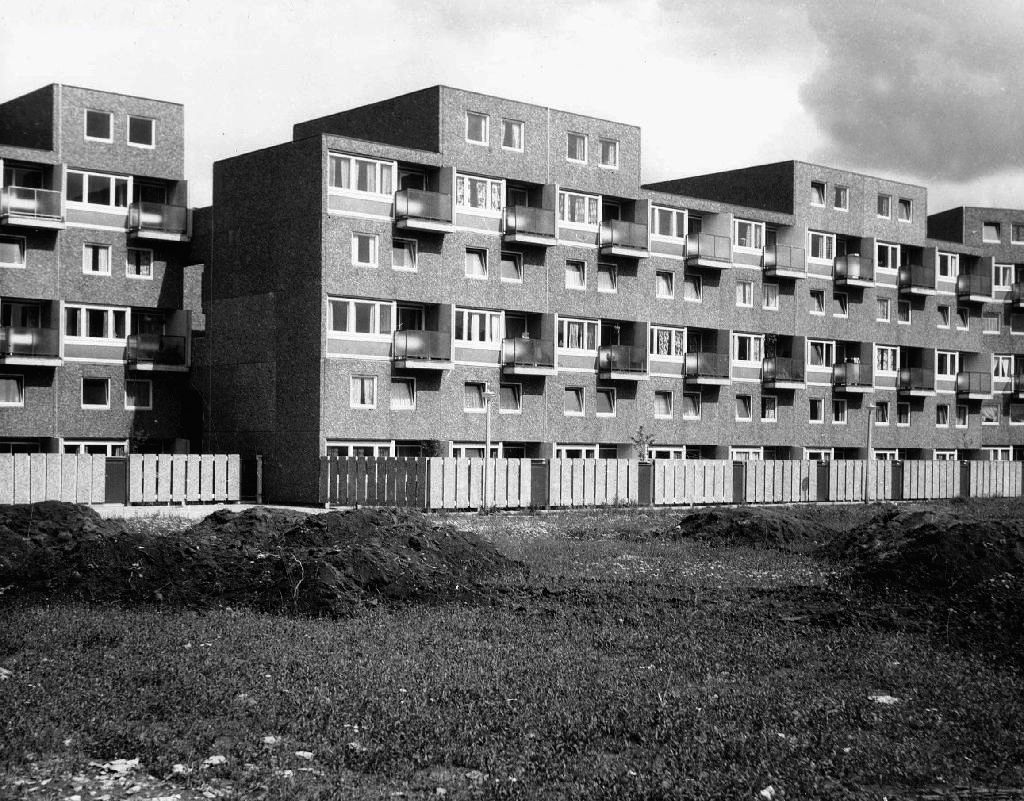
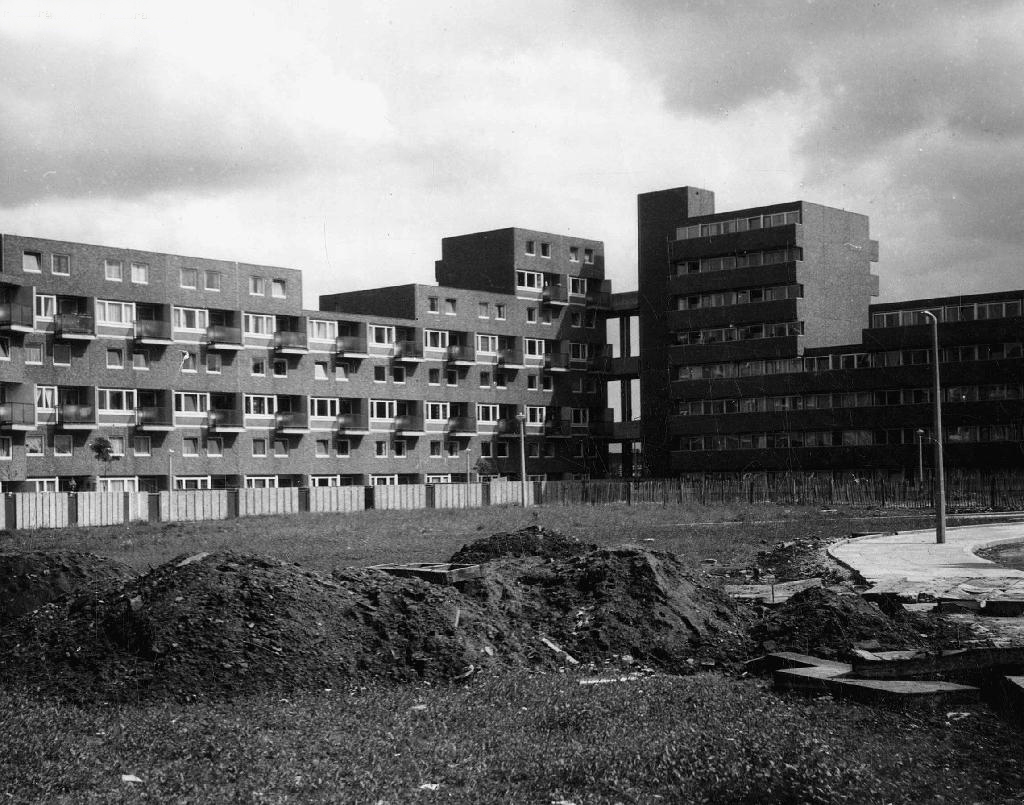
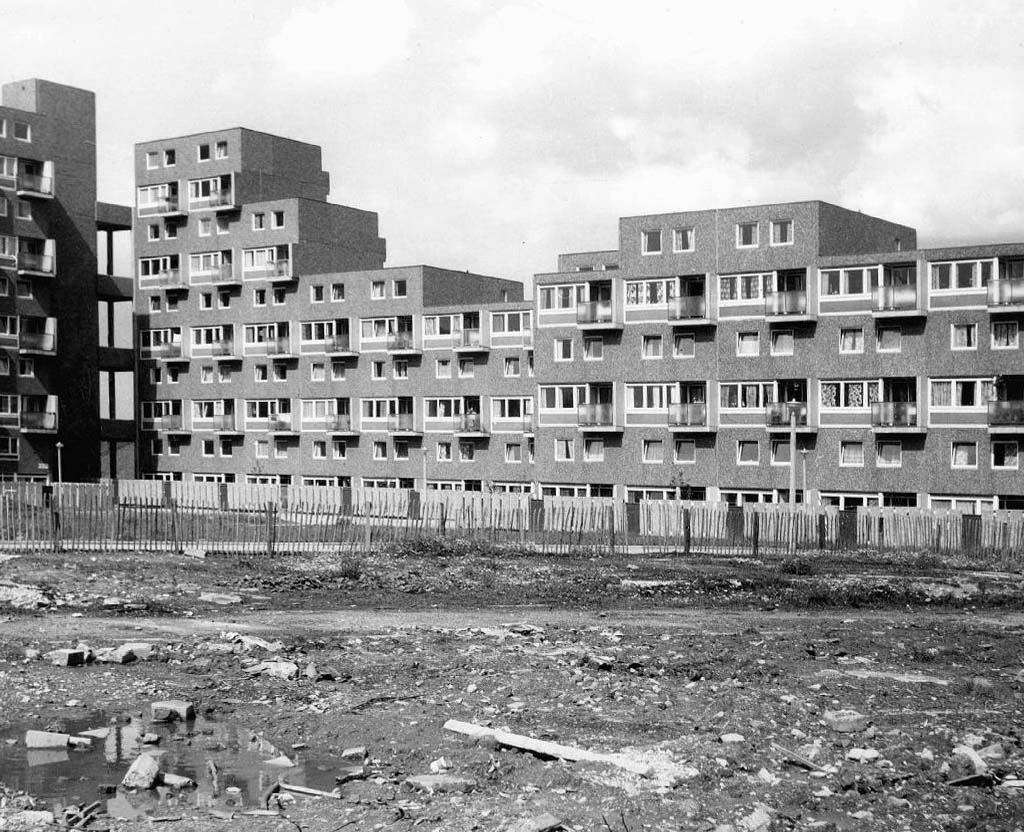
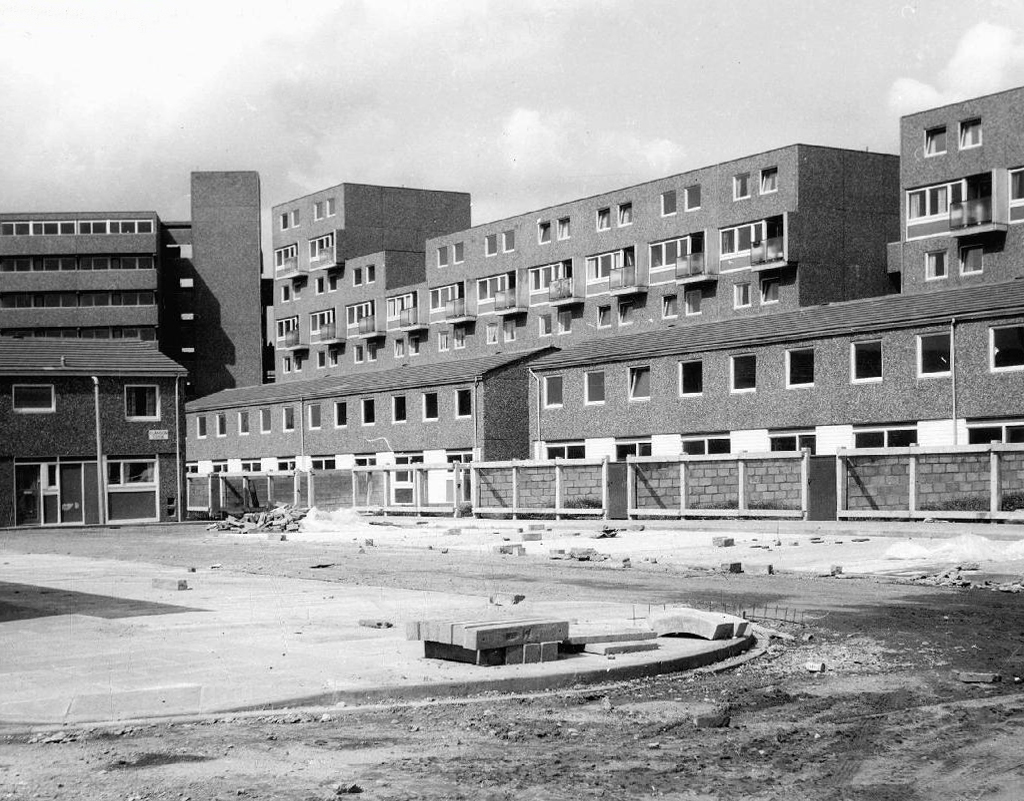
Once there were homes, postwar social housing.

Once there were jobs, a measure of prosperity.

A settled community.

webmedia-1.php
webmedia-4.php
webmedia-2.php
webmedia-3.php

Time has not been kind to North Manchester, successive slumps, double-dip depressions, economic downturns, and centrally imposed recession hurts.

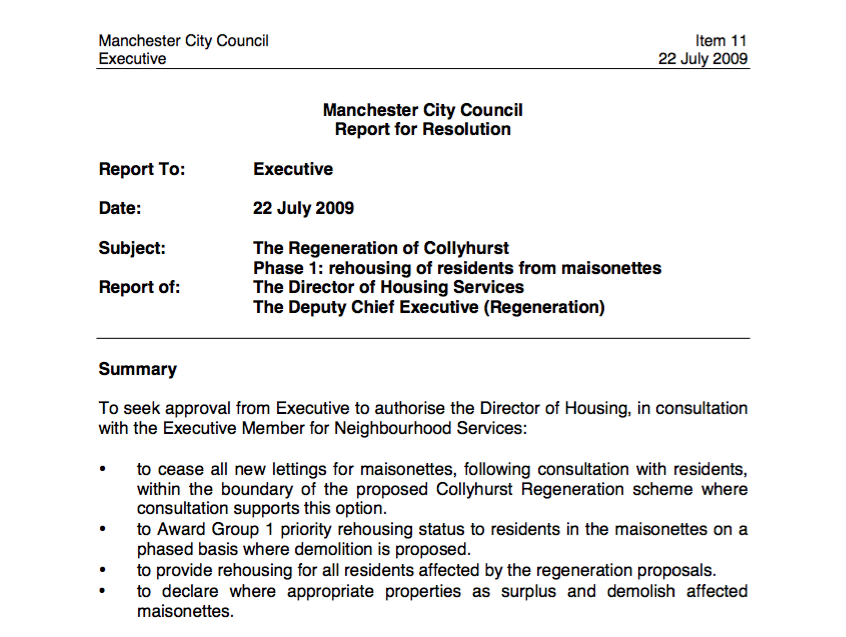
The local authority steps in, from 2009 the fate of Eastford Square is sealed.

Regeneration.Screen Shot 2016-05-06 at 16.39.43

Spells demolition.

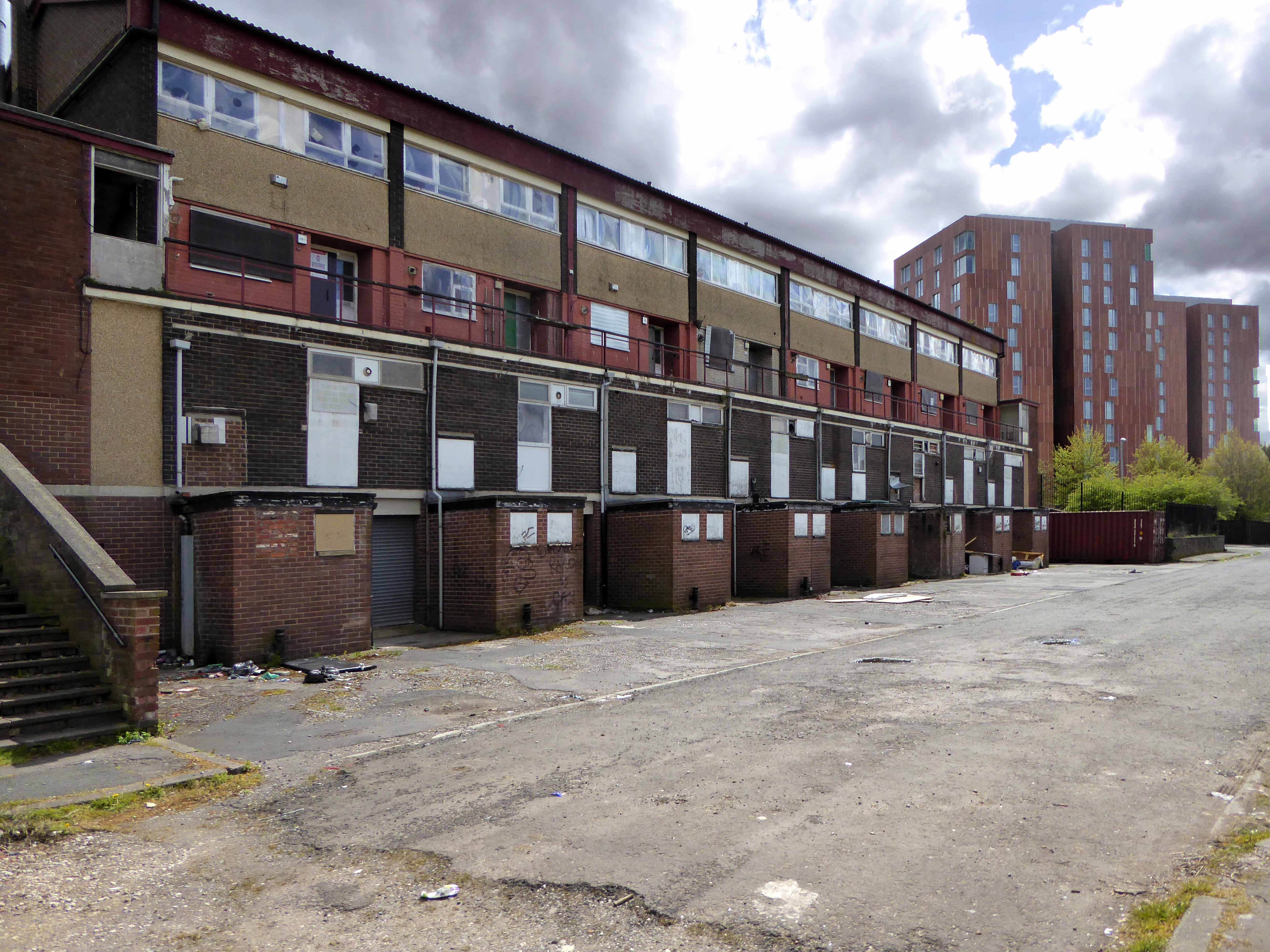
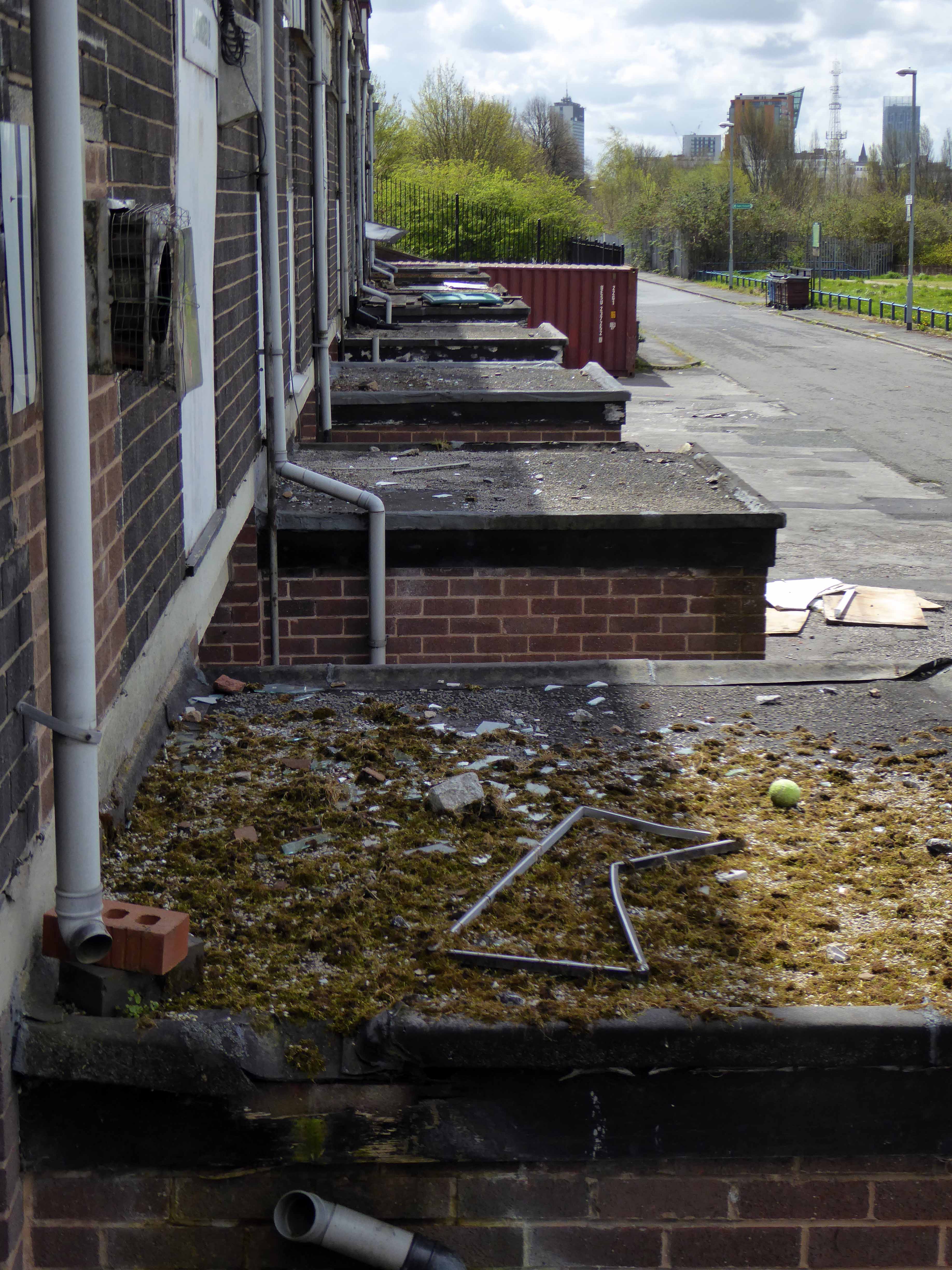
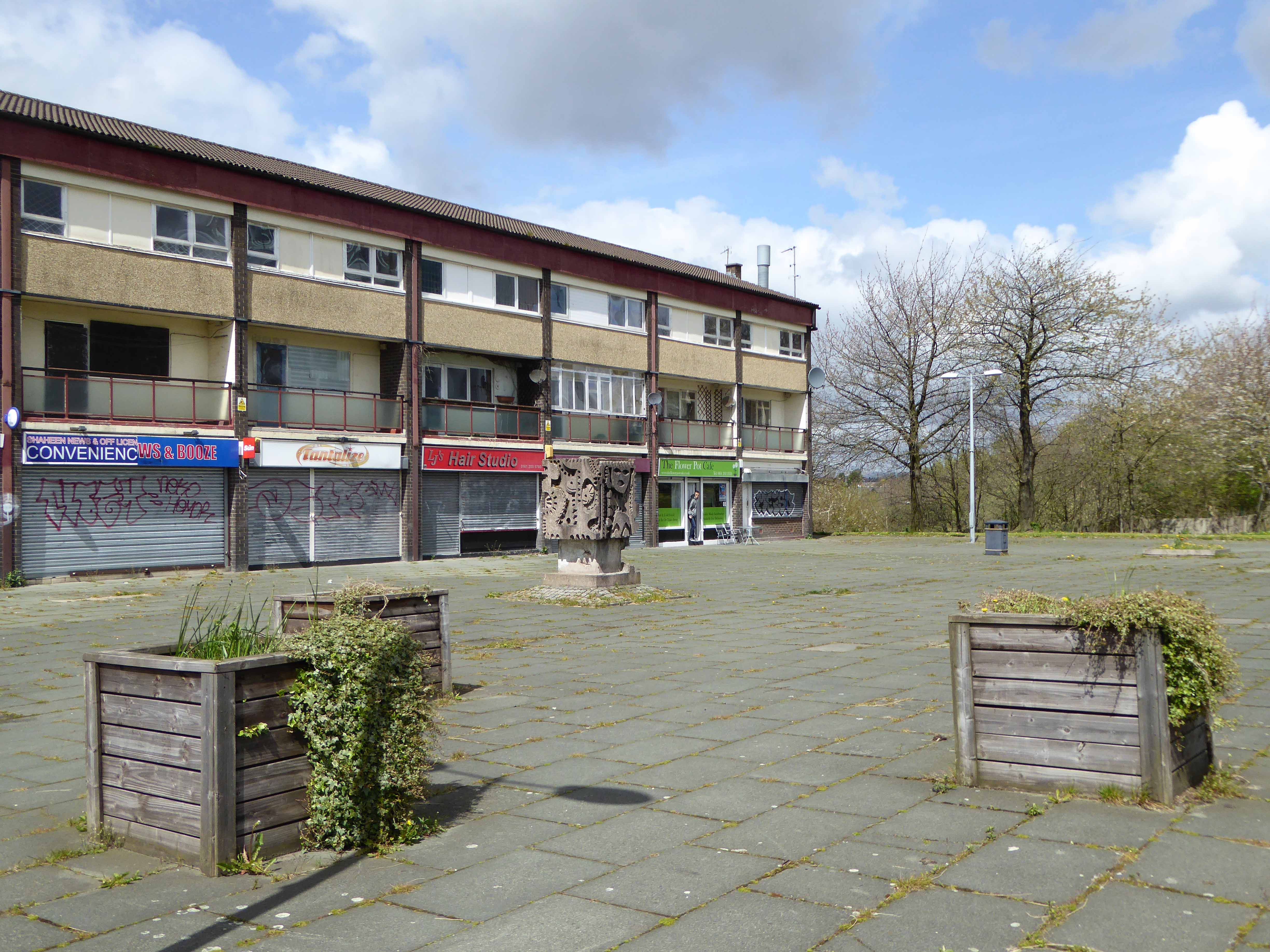
One wing is already gone, the maisonettes are tinned up.

P1040328 copy
P1040330 copy
P1040310 copy
P1040340 copy
P1040333 copy
P1040327 copy
P1040329 copy

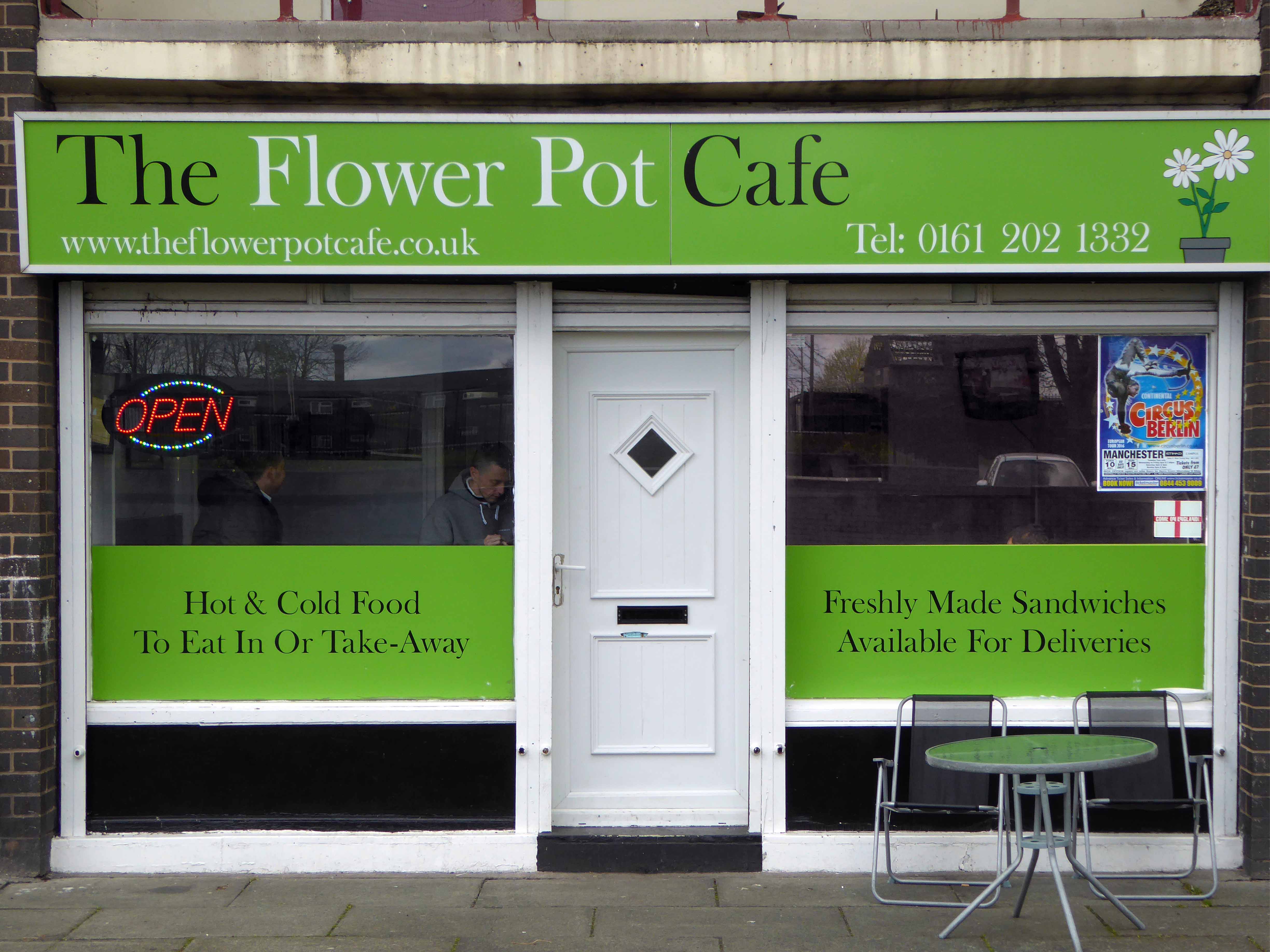
The Flower Pot Café, still fully functional, fed me well for £2, Lee the proprietor is living on borrowed time though, hoping for relocation within the new development.

P1040316 copy

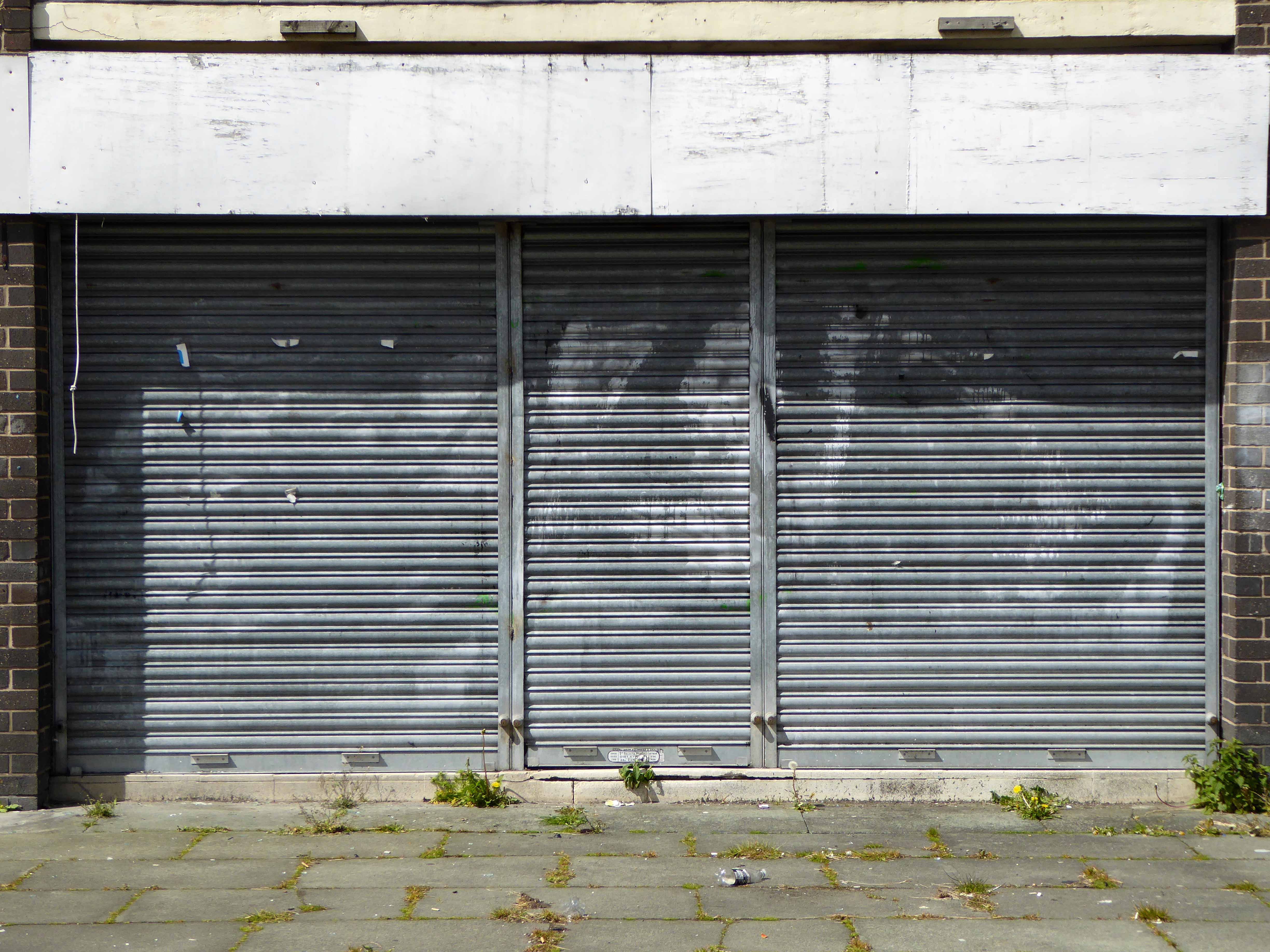
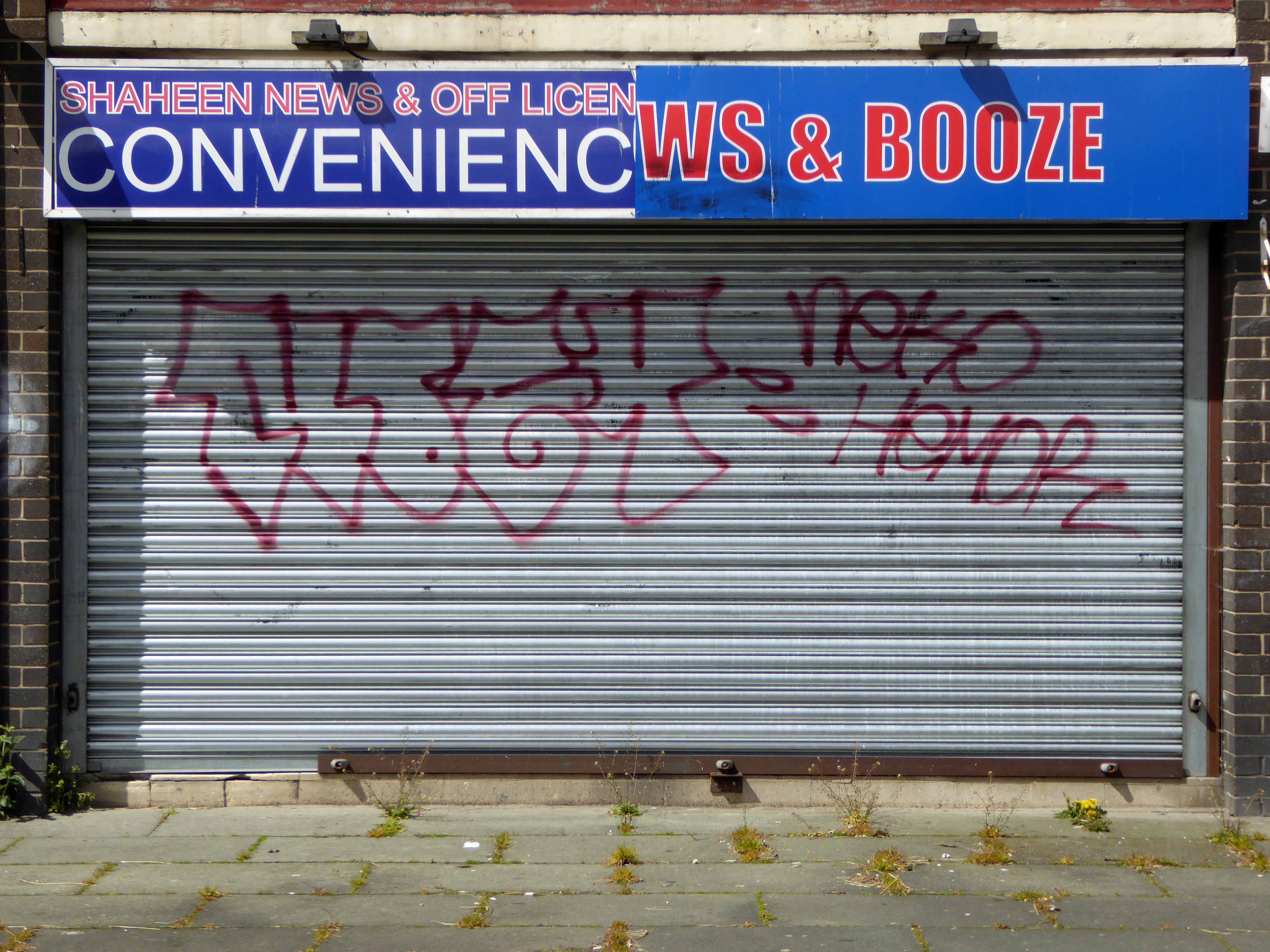
Other businesses have not survived the transition, awaiting CPO and who knows what.

P1040308 copy
P1040307 copy
P1040306 copy
P1040305 copy
P1040314 copy

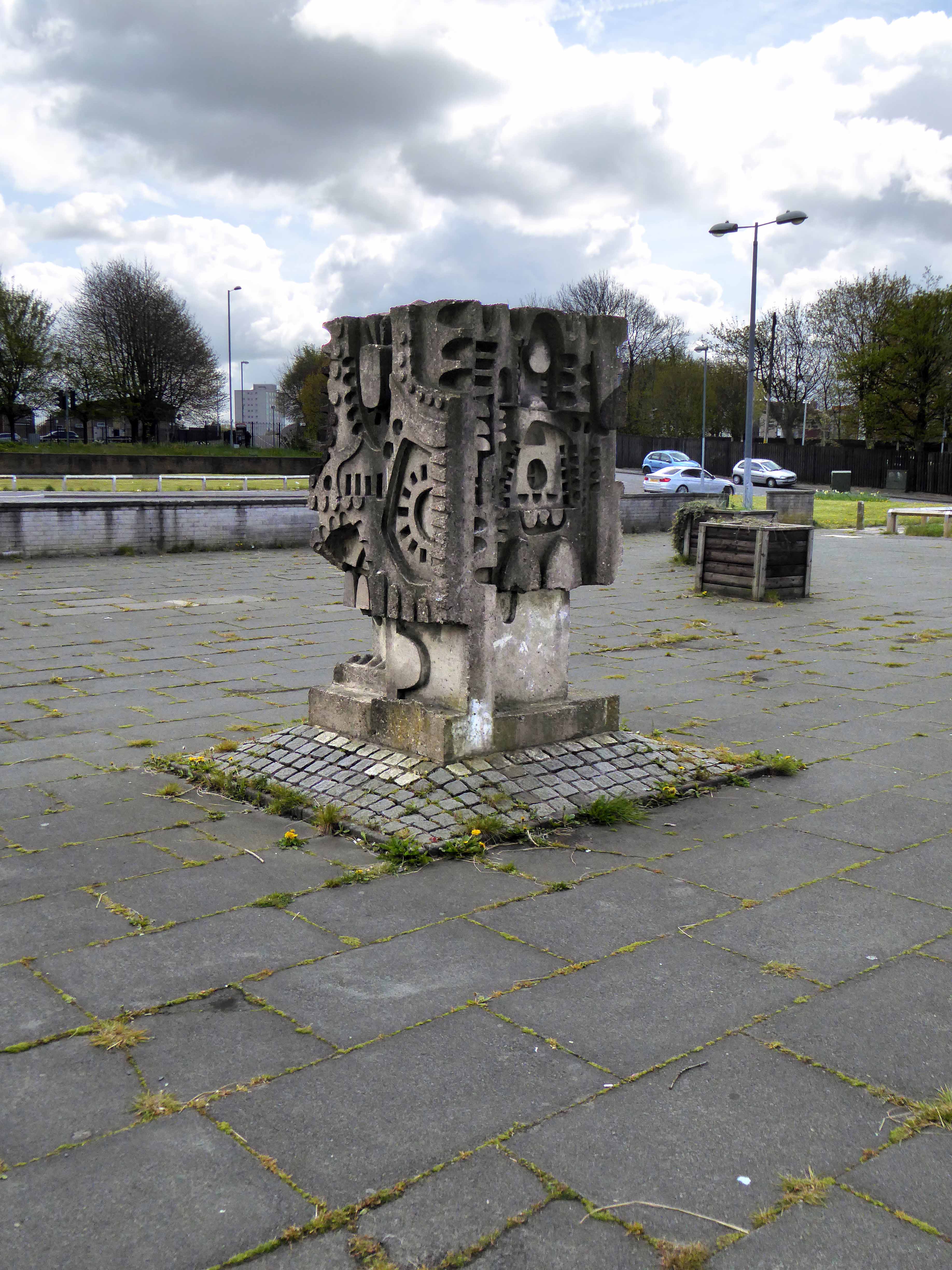
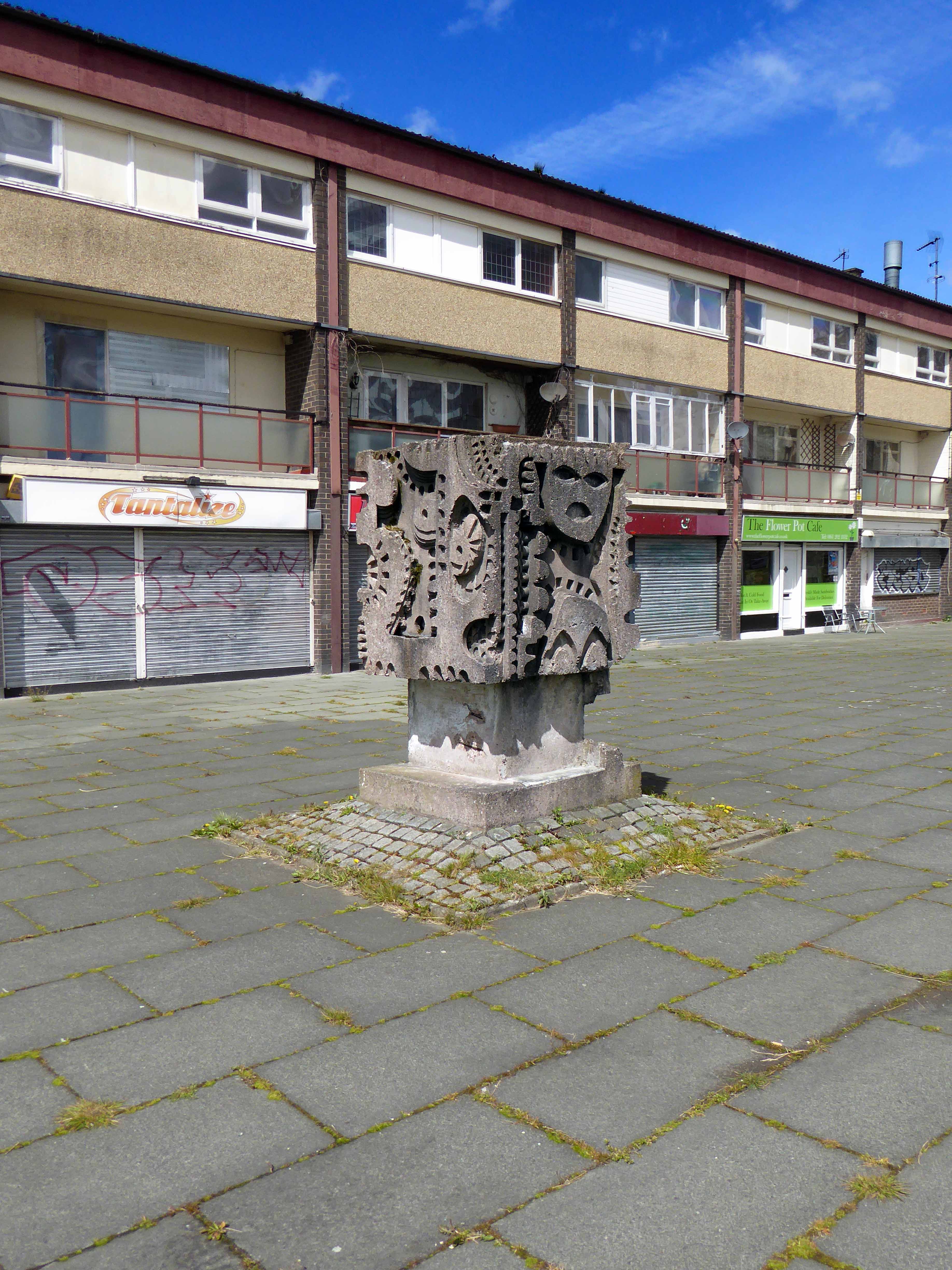
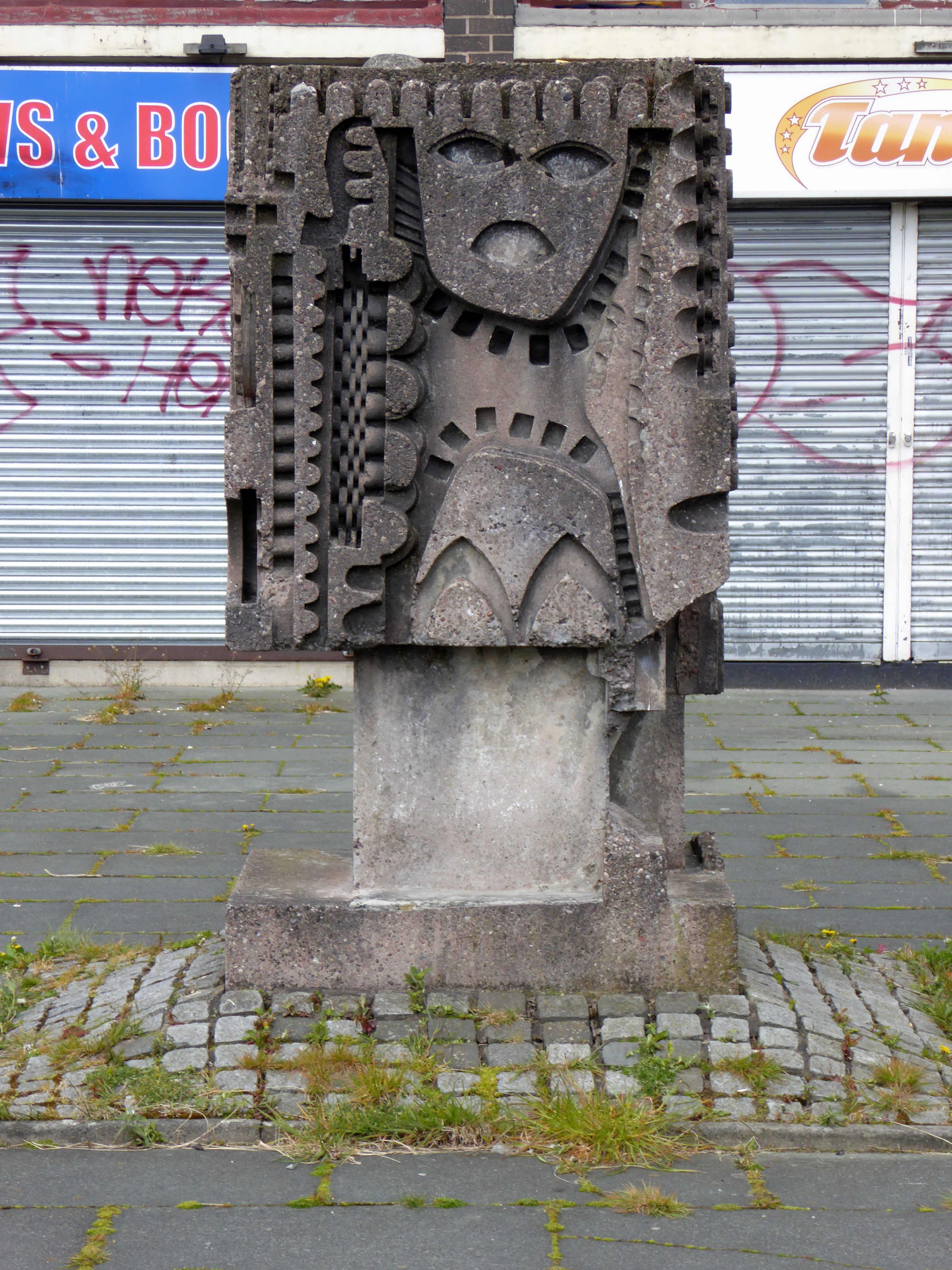
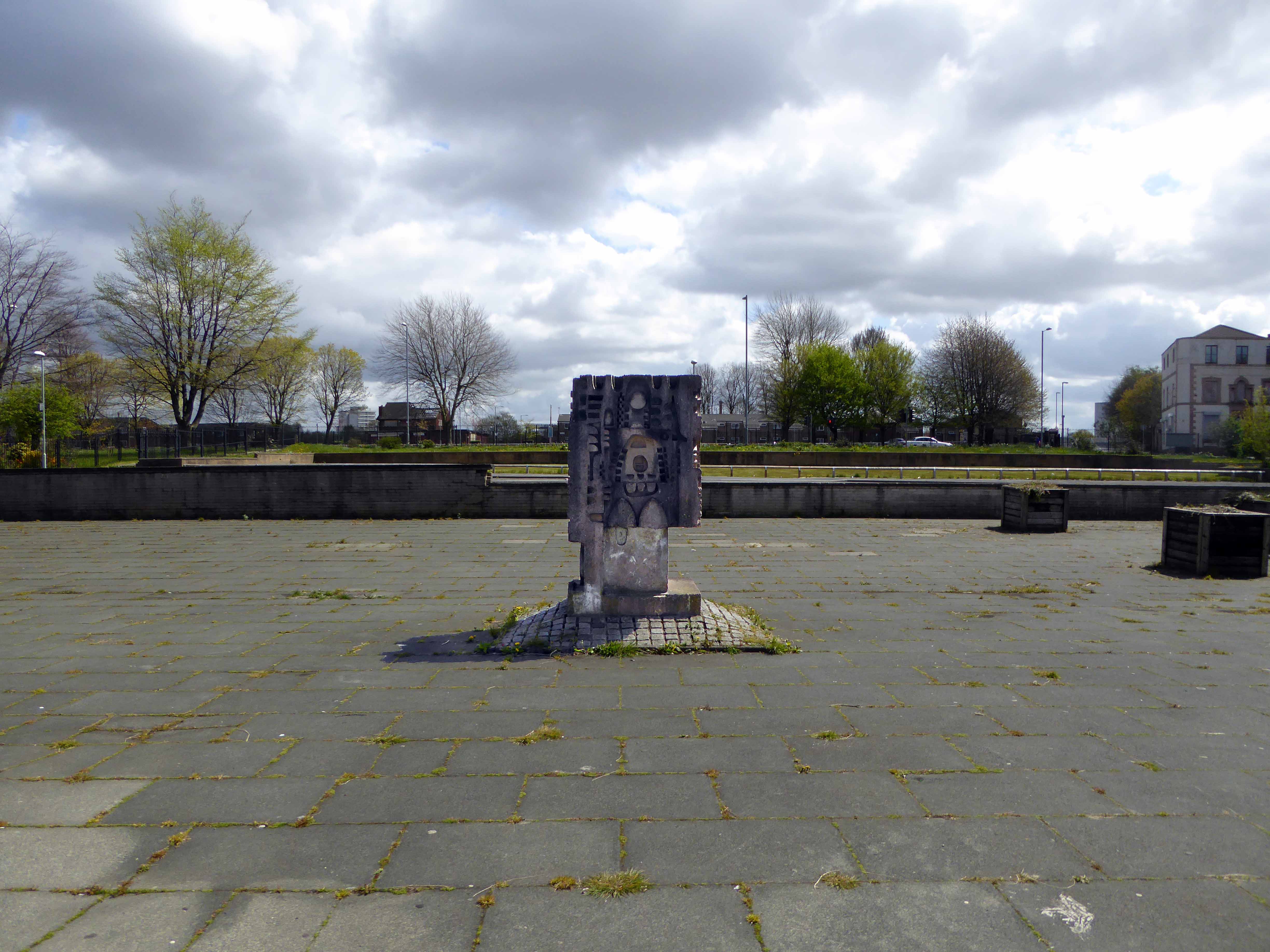
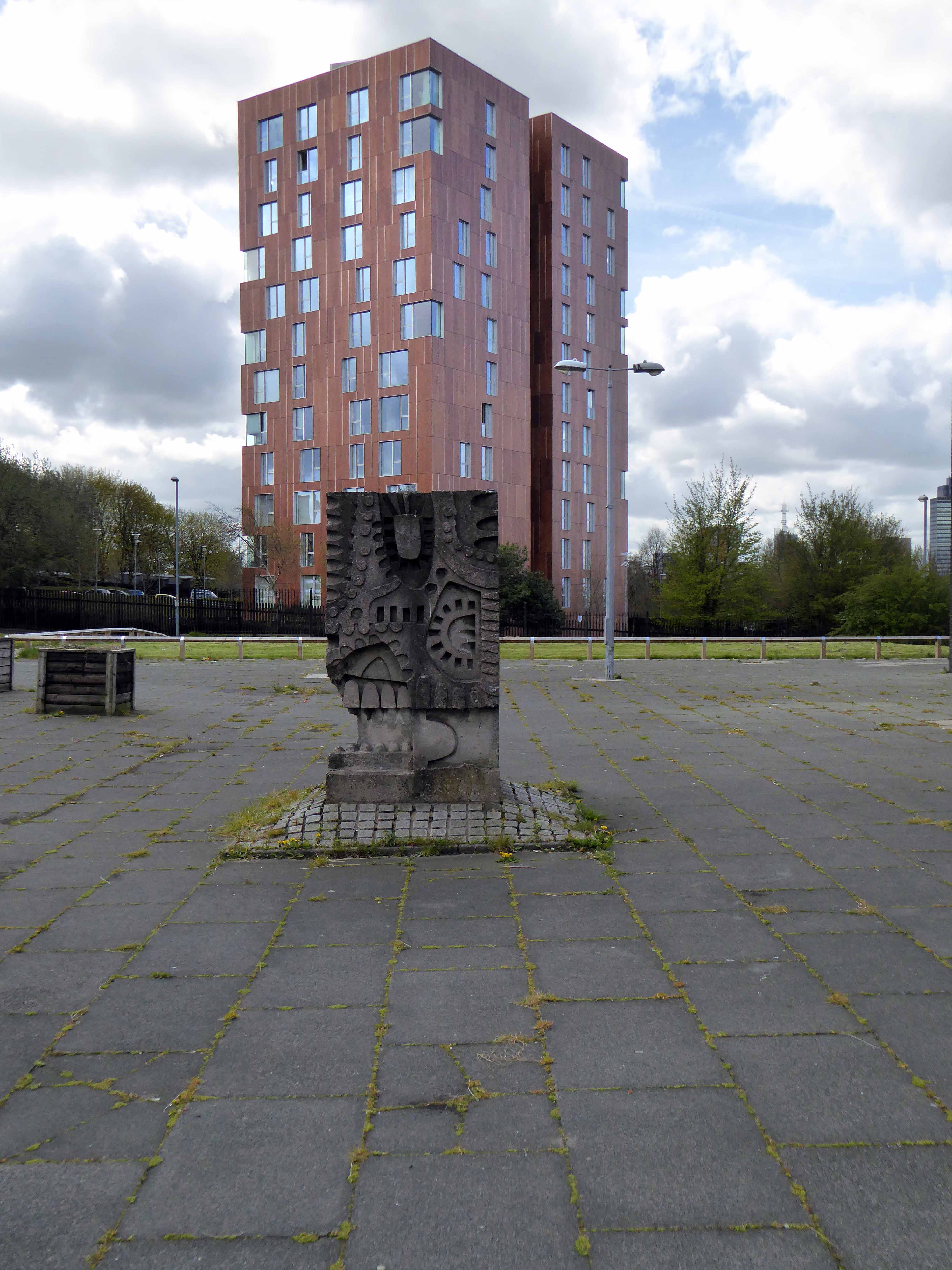
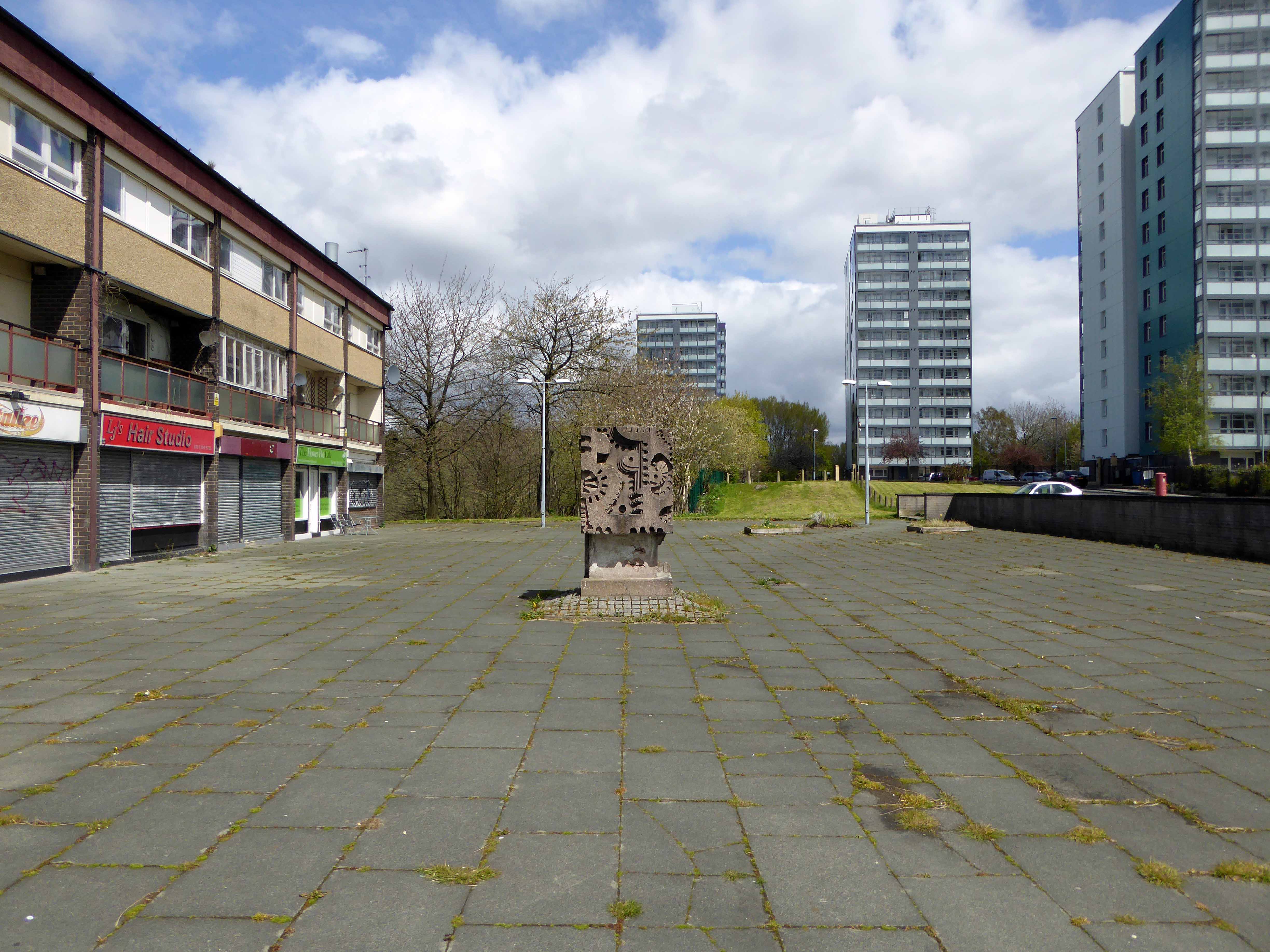
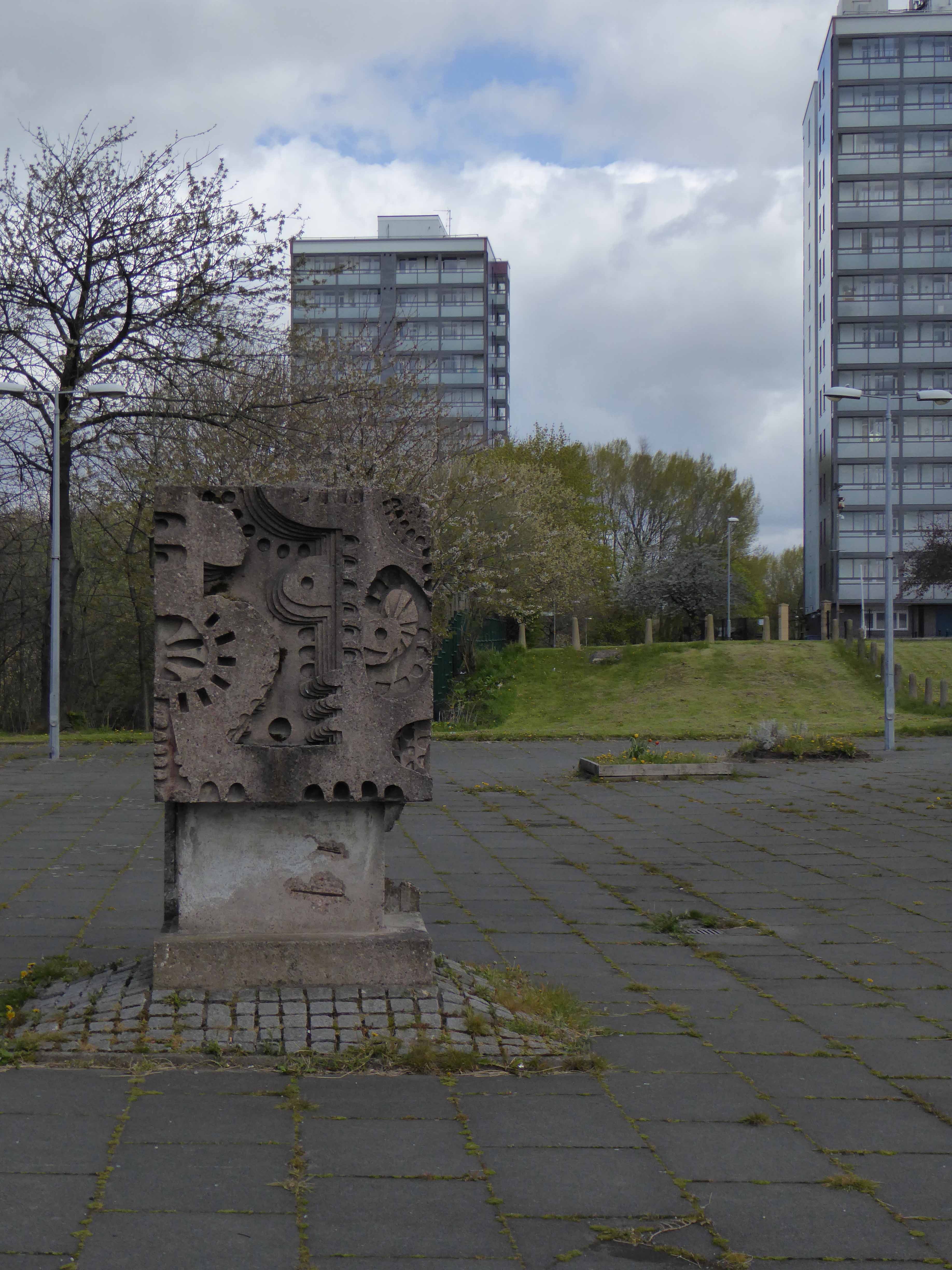
The square is blessed with a concrete sculpture, whose fate I hope is secured, somehow.

P1040294 copy
P1040293 copy
P1040296 copy
P1040295 copy

Possibly by William Mitchell – possibly not.

P1040297 copy
P1040304 copy
P1040303 copy
P1040321 copy
P1040292 copy
P1040313 copy
P1040298 copy
P1040301 copy
P1040300 copy

This as ever, is a time of change, I hope that the area and its current inhabitants live to tell the tale, rather than fall victim to the tide of gentrification, forcing them further afield.

O Romeo Romeo, wherefore art thou Romeo?

P1040335 copy

Manchester – Brunswick Parish Church

You don’t have to go far out off town to discover the unfamiliar familiar.

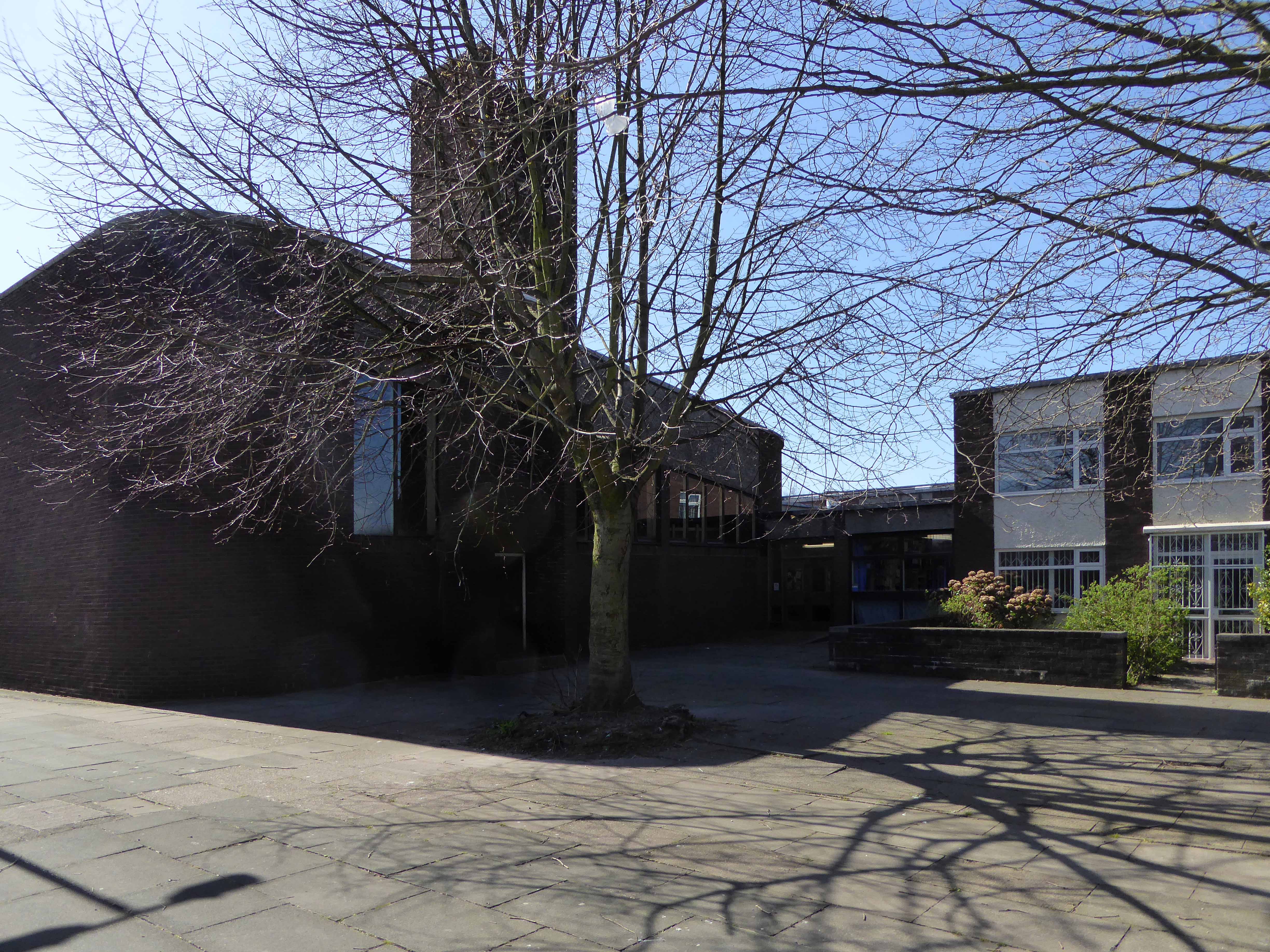
Tucked betwixt and between Chorlton on Medlock and Ardwick, is Brunswick, so near and yet so far, from the booming cosmopolis.

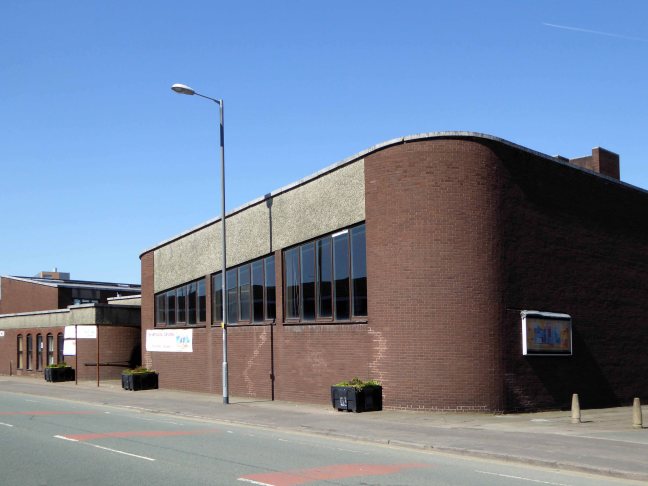
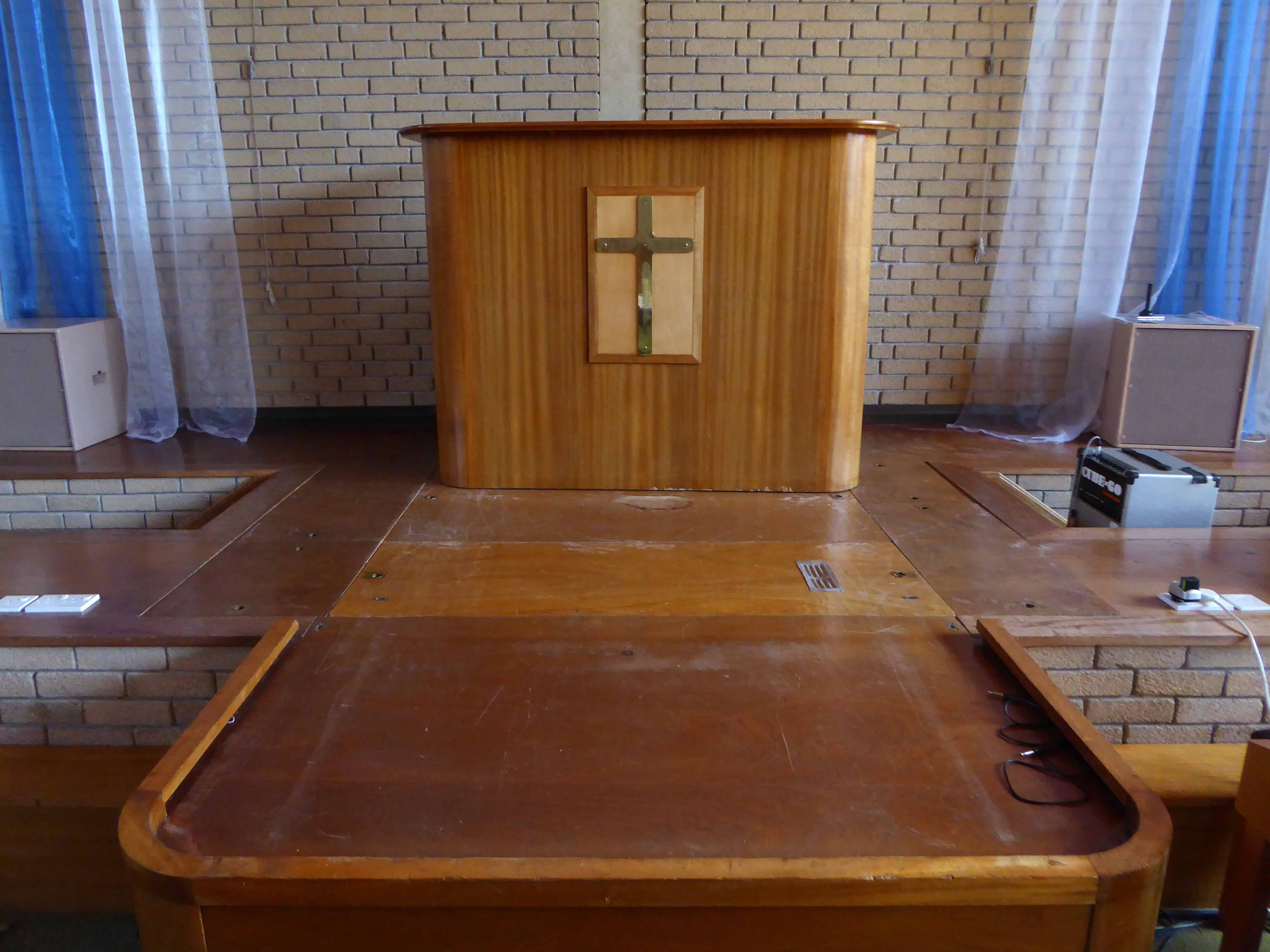
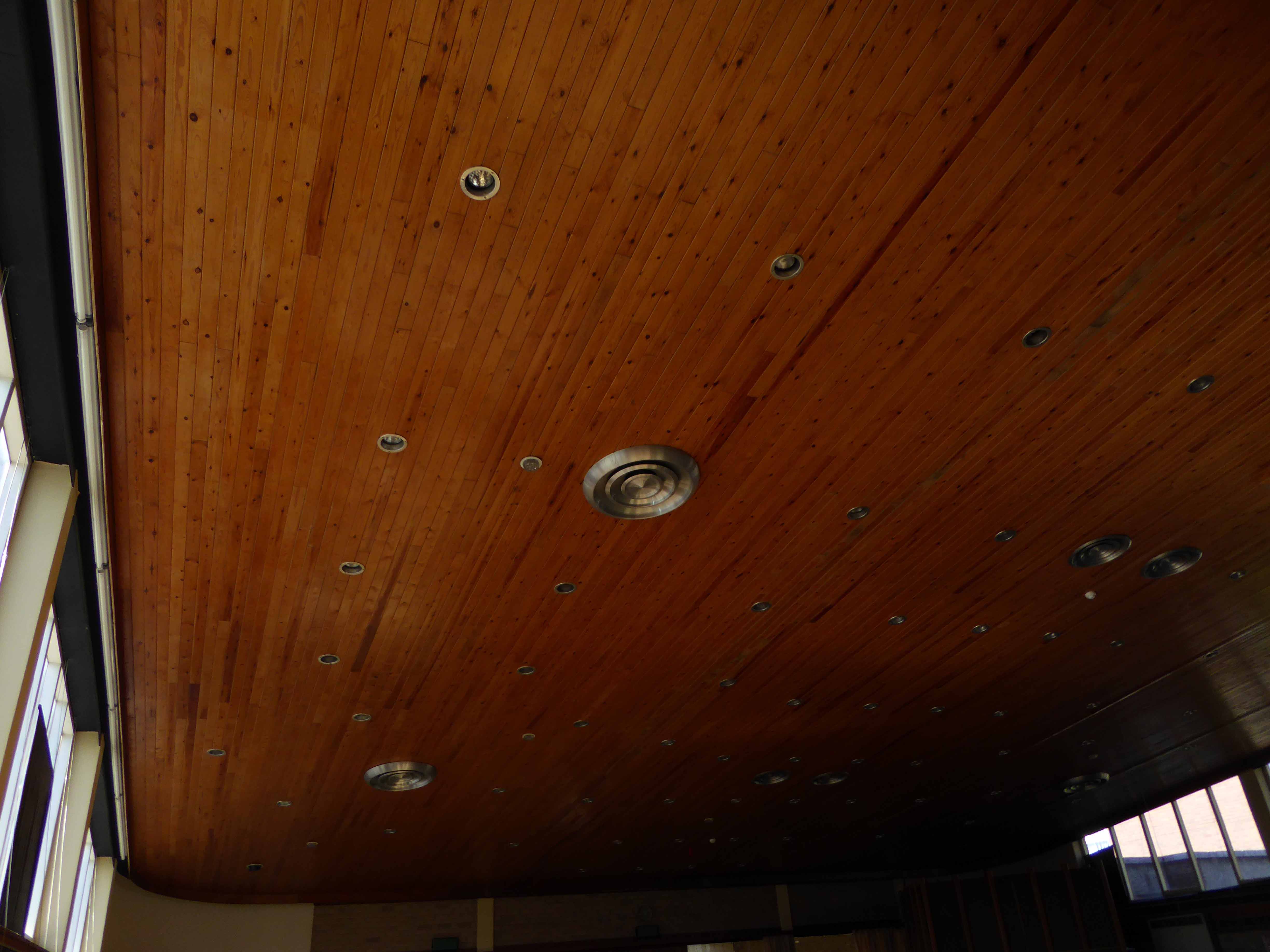
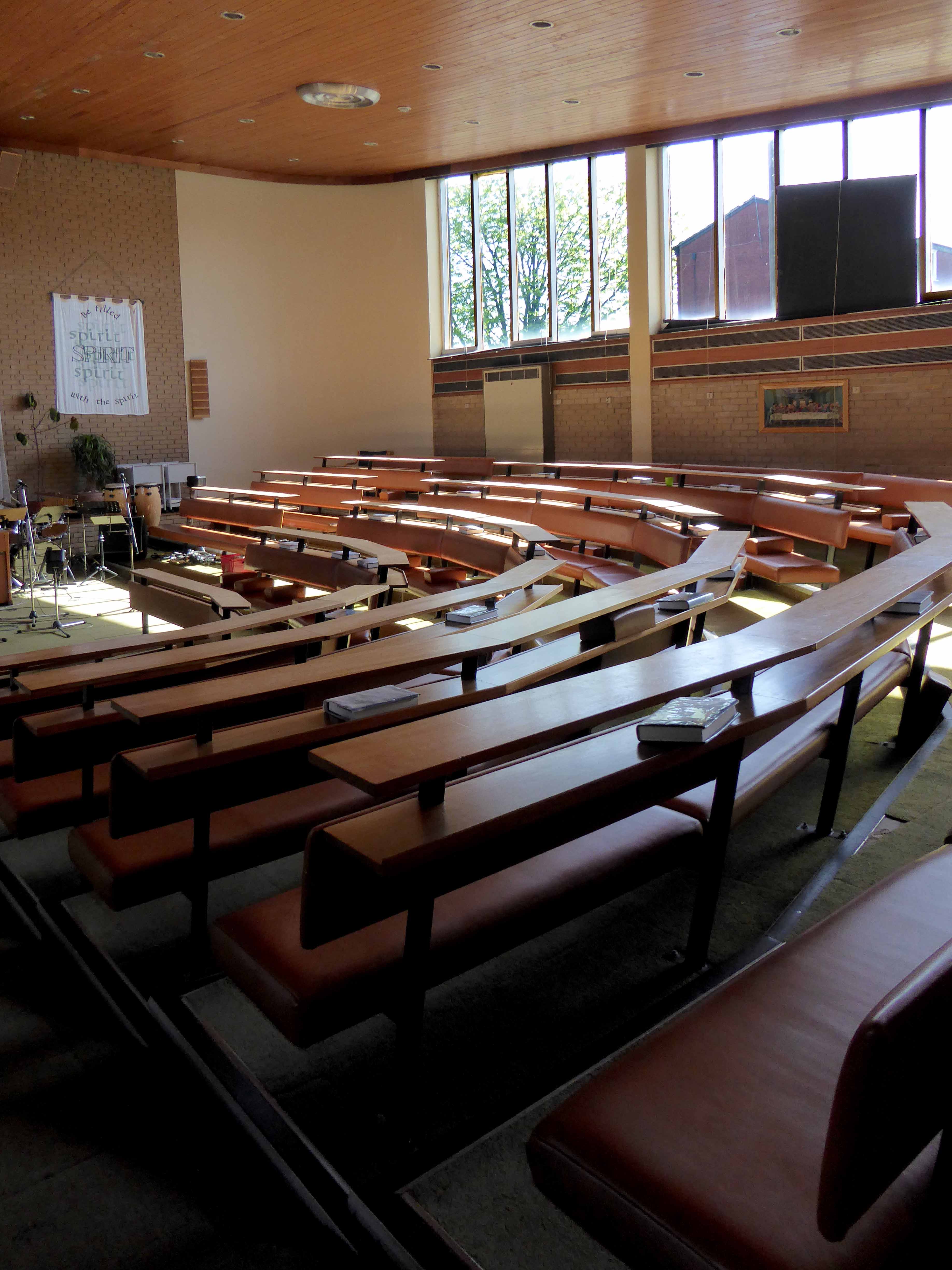
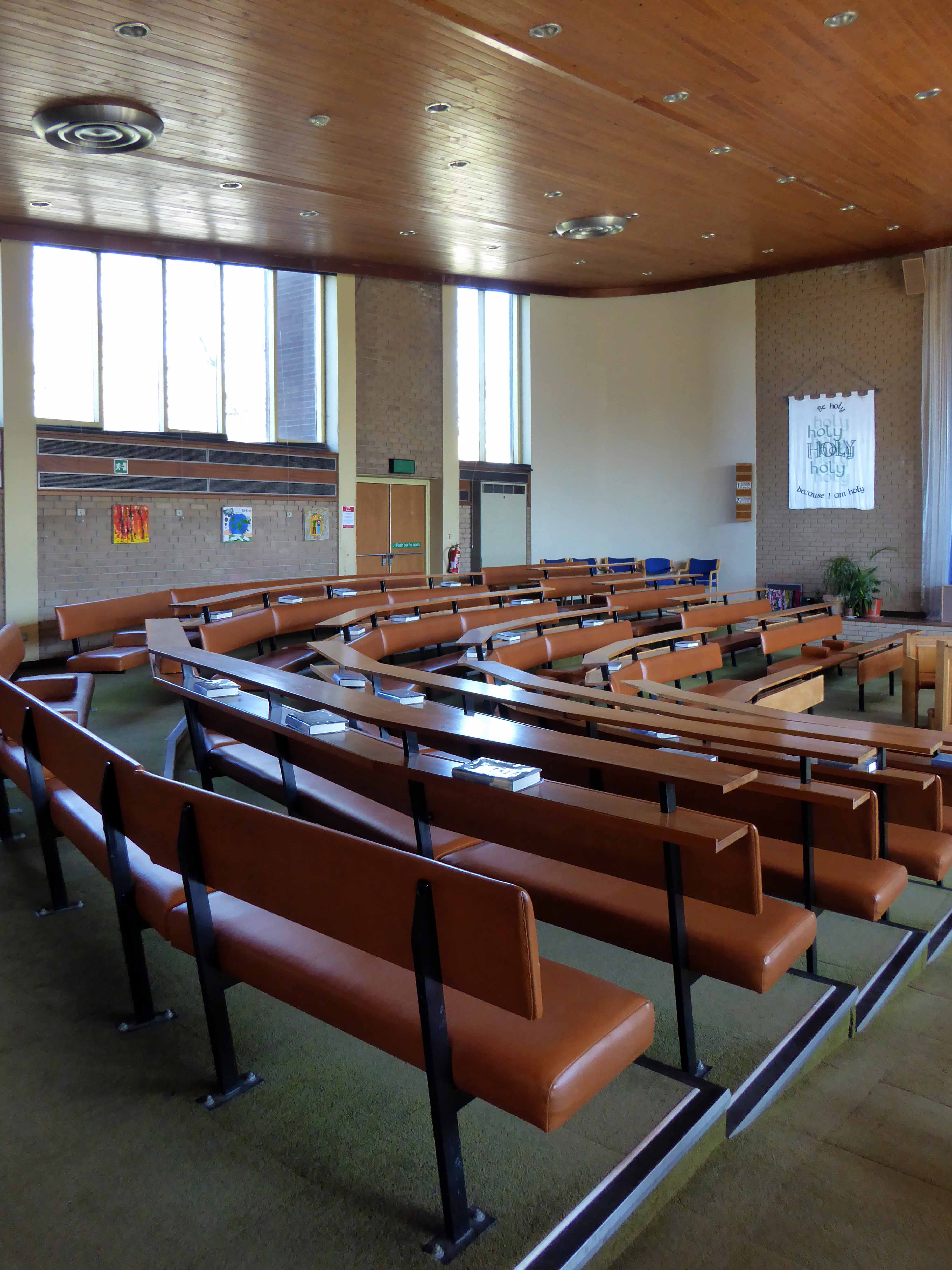
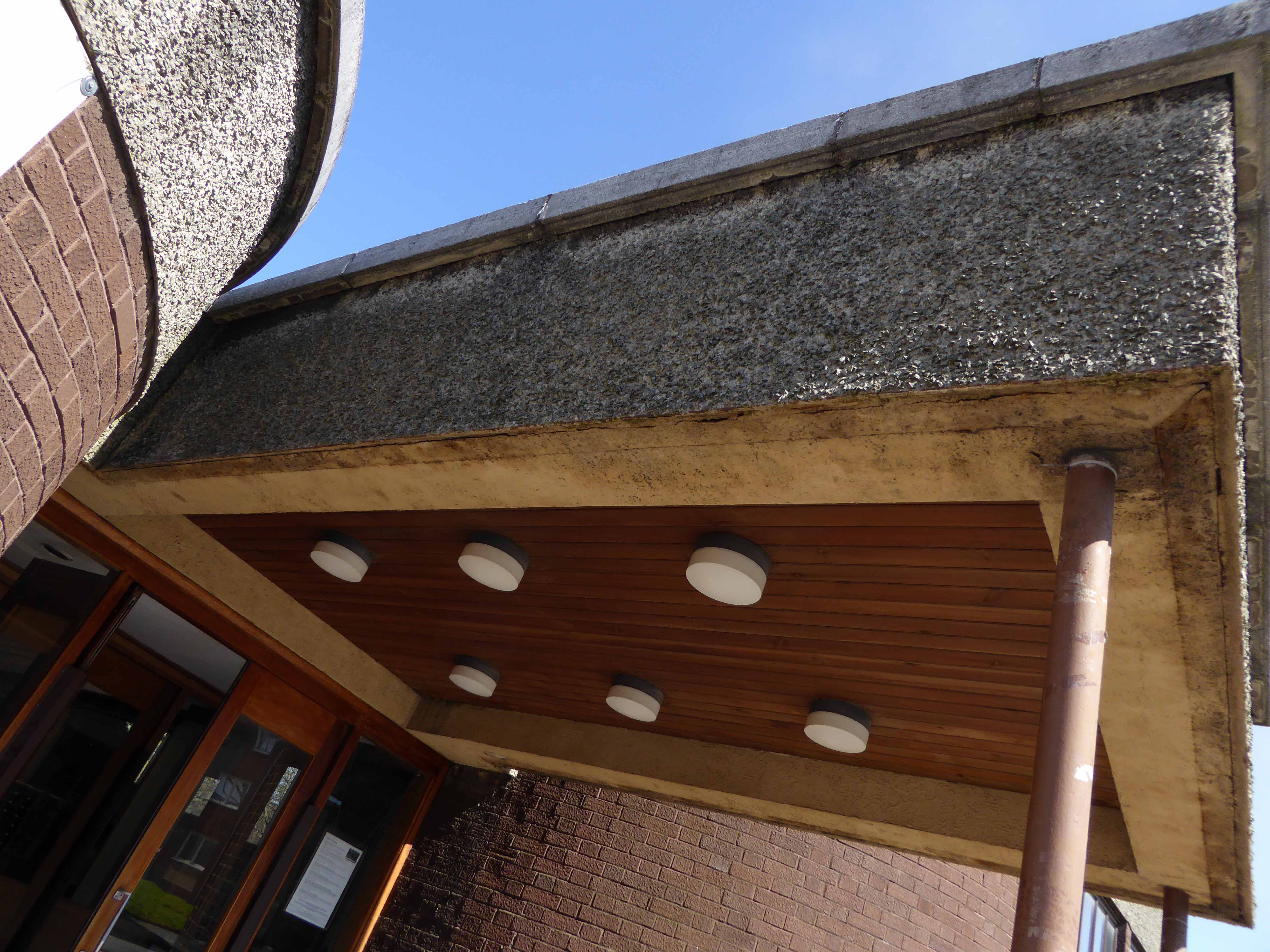
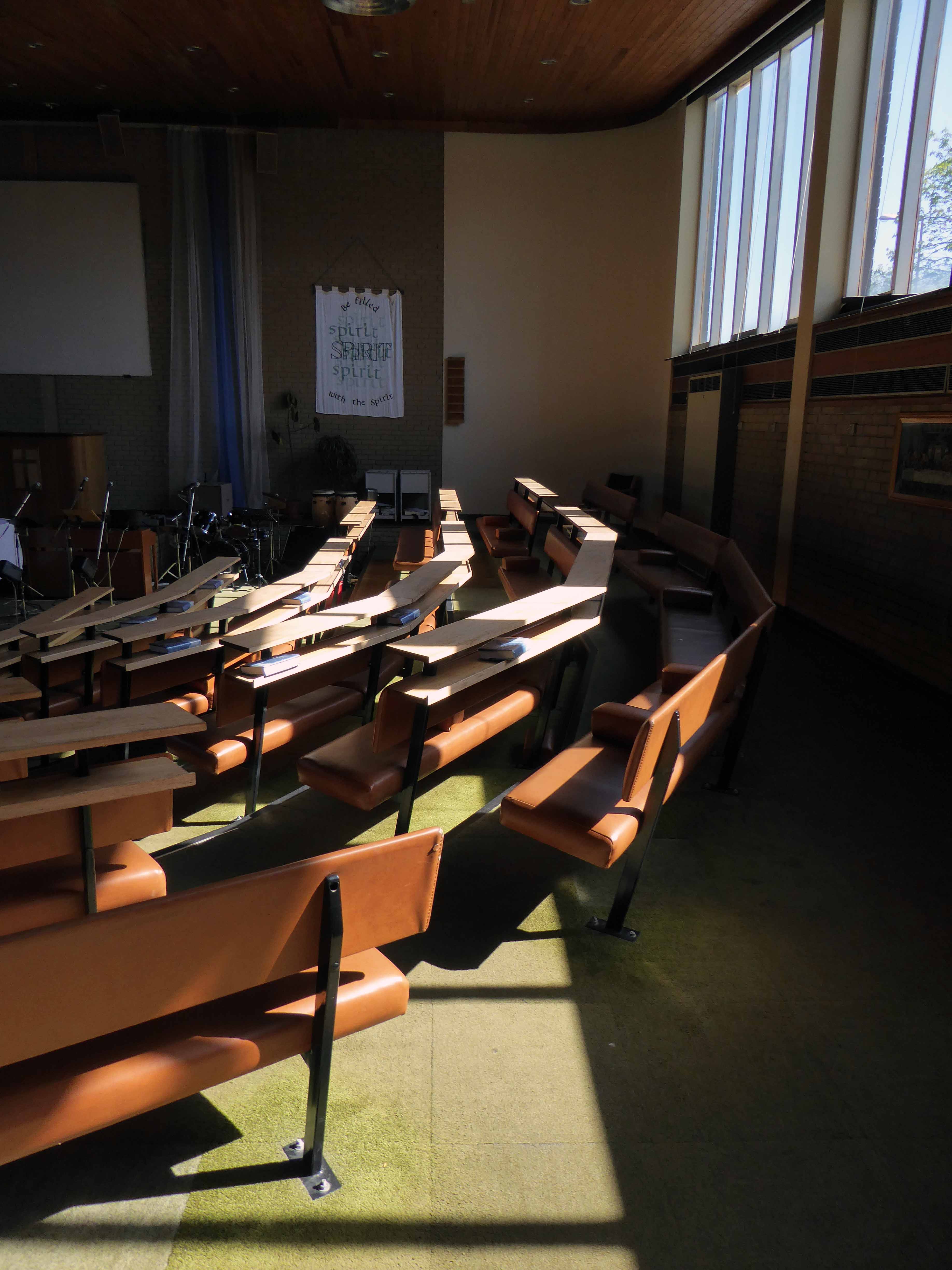
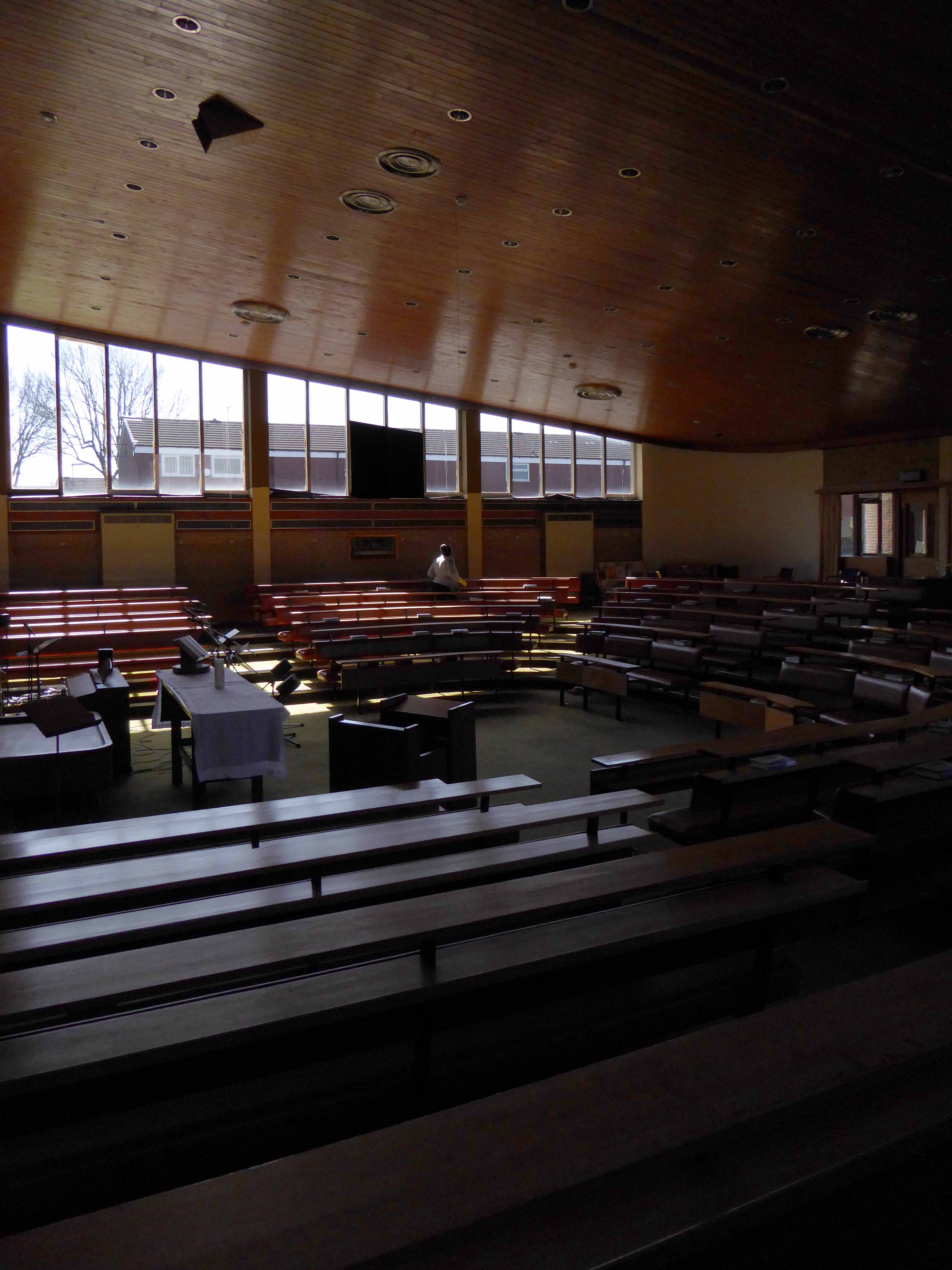
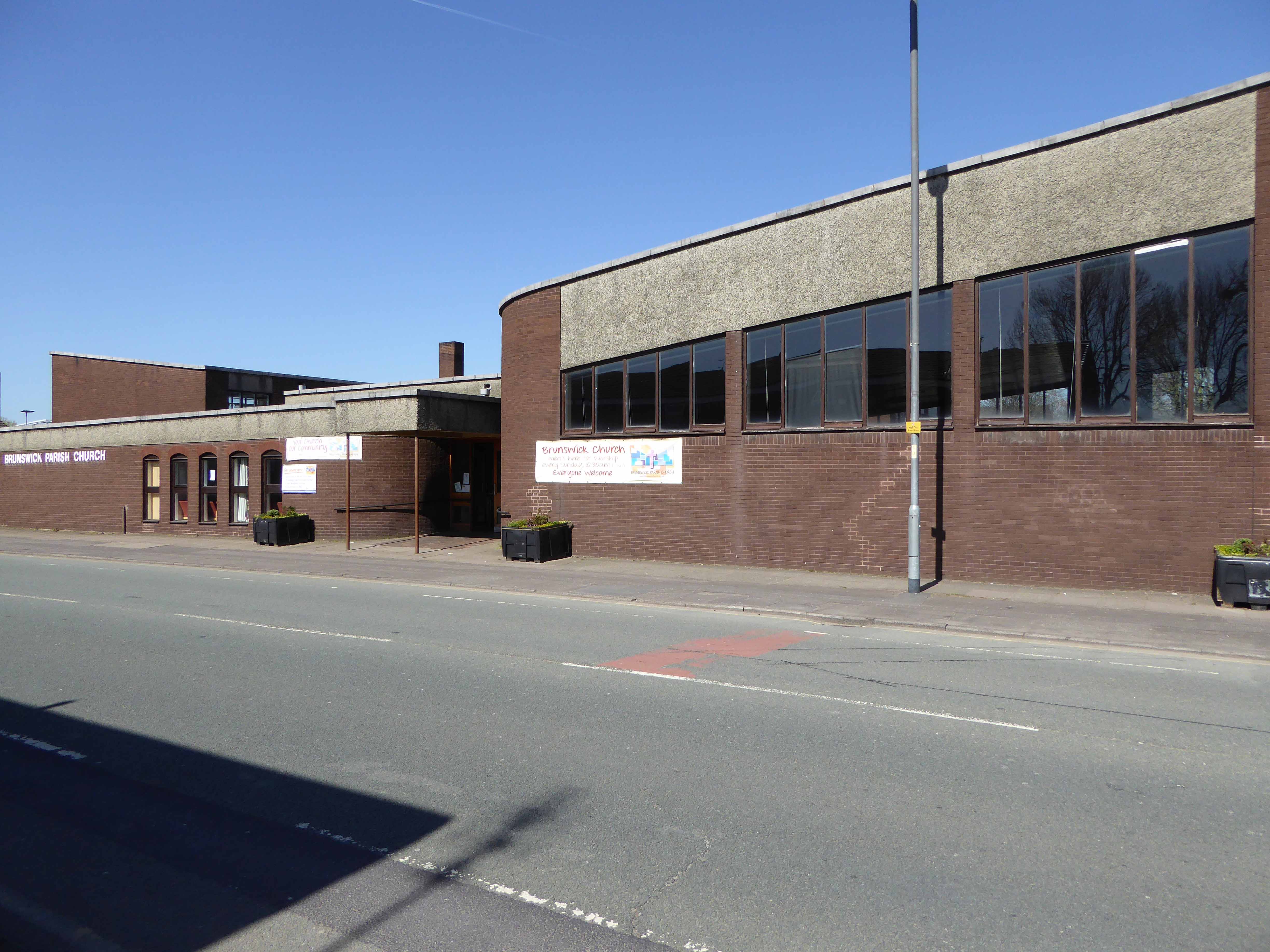
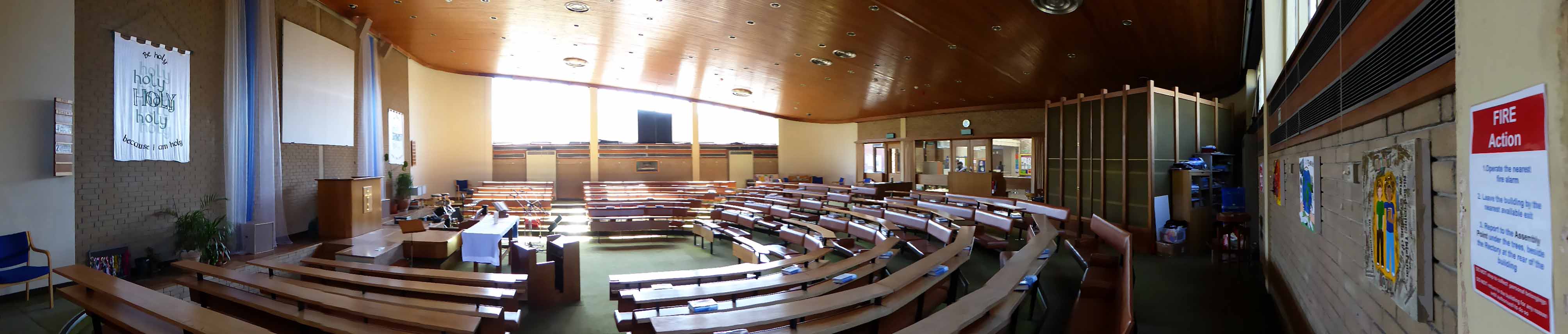
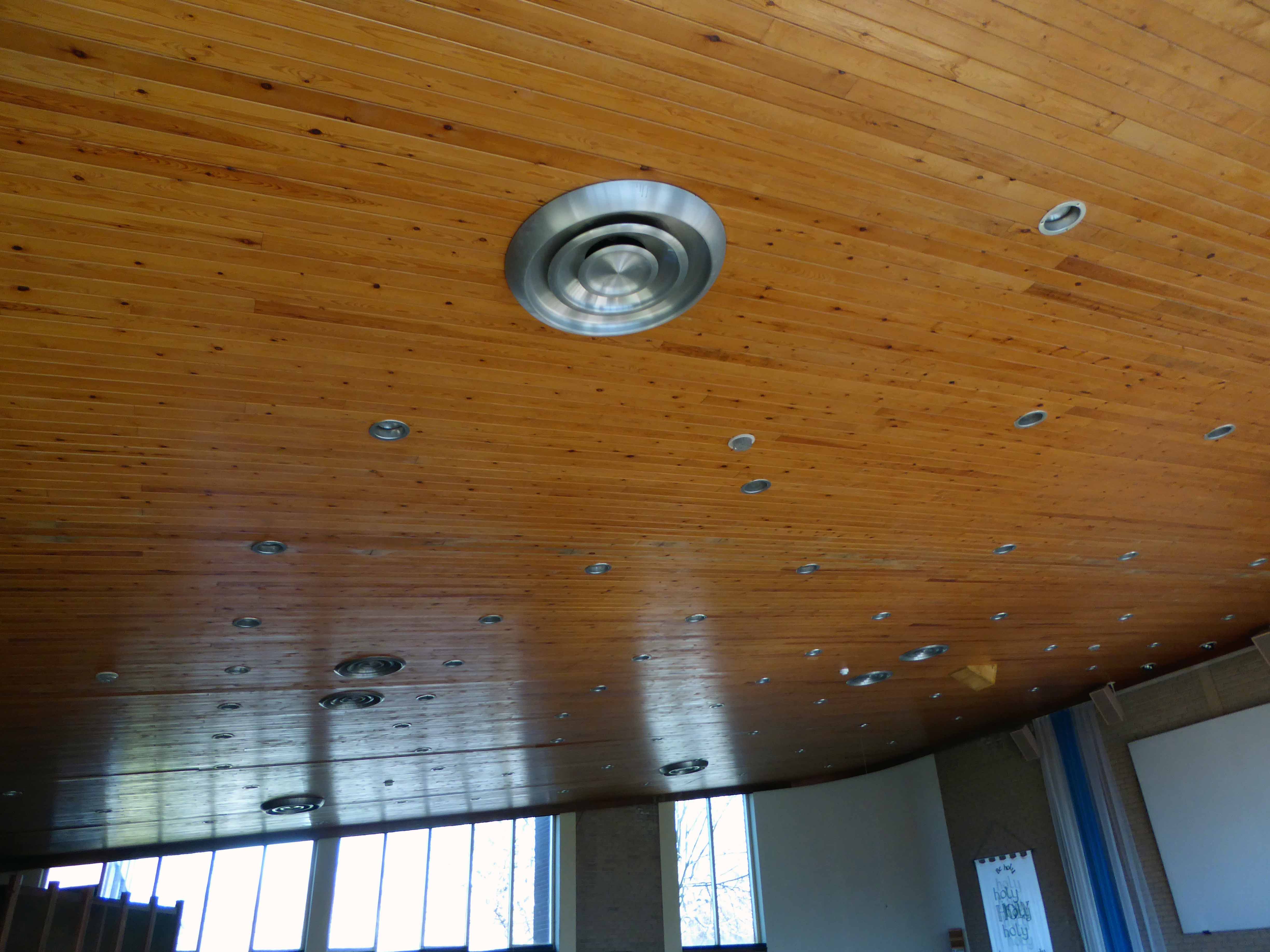
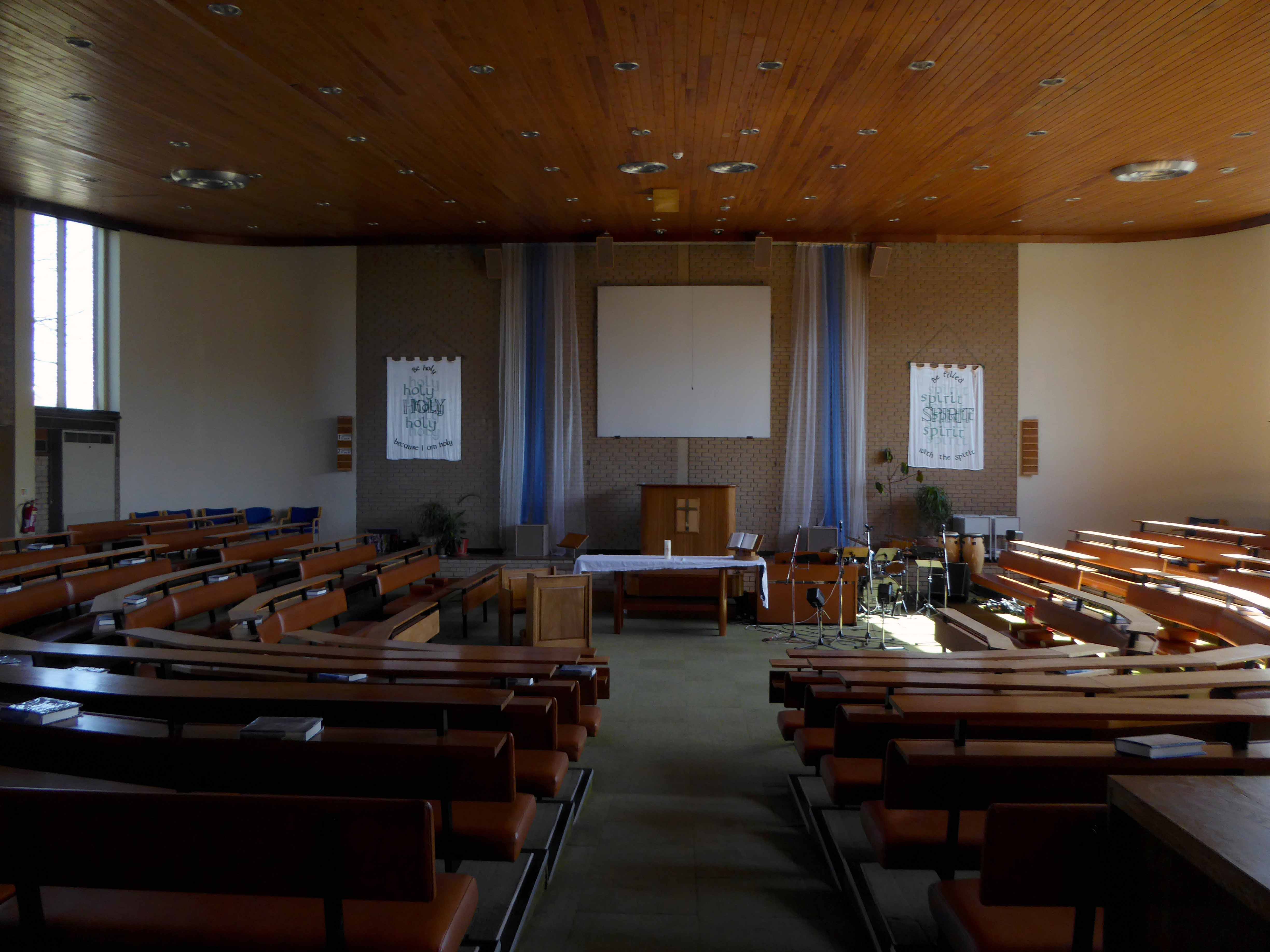
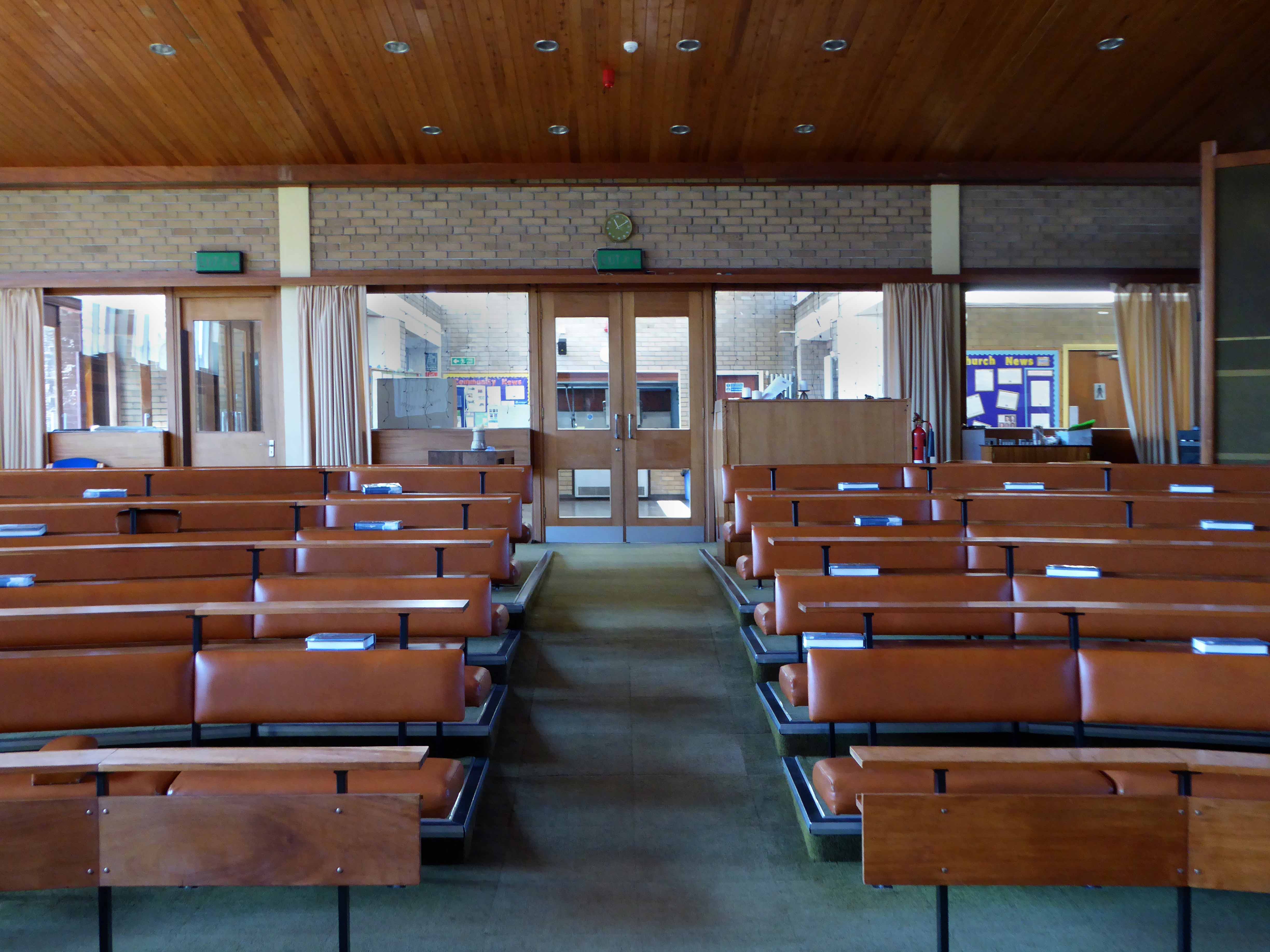
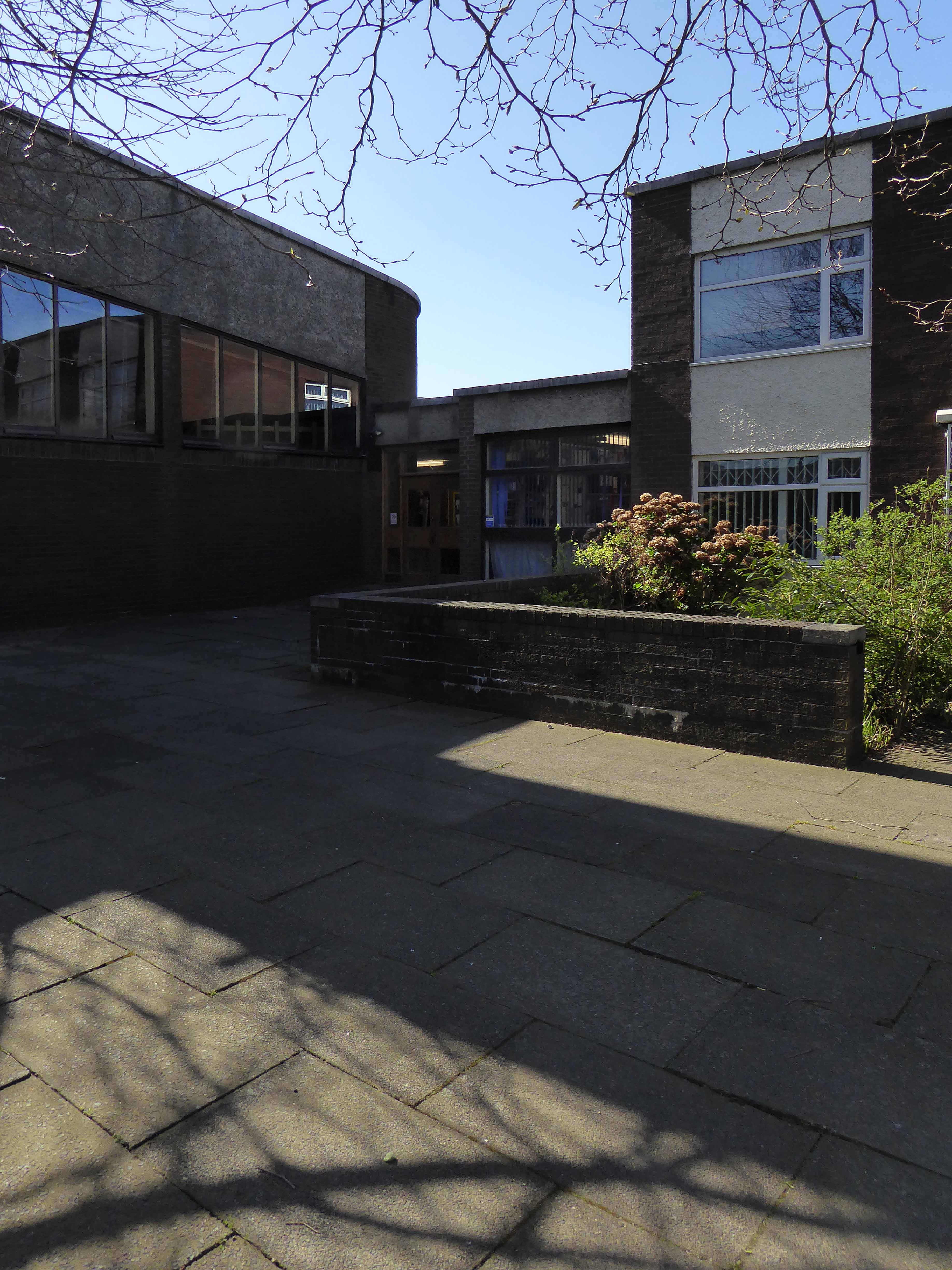
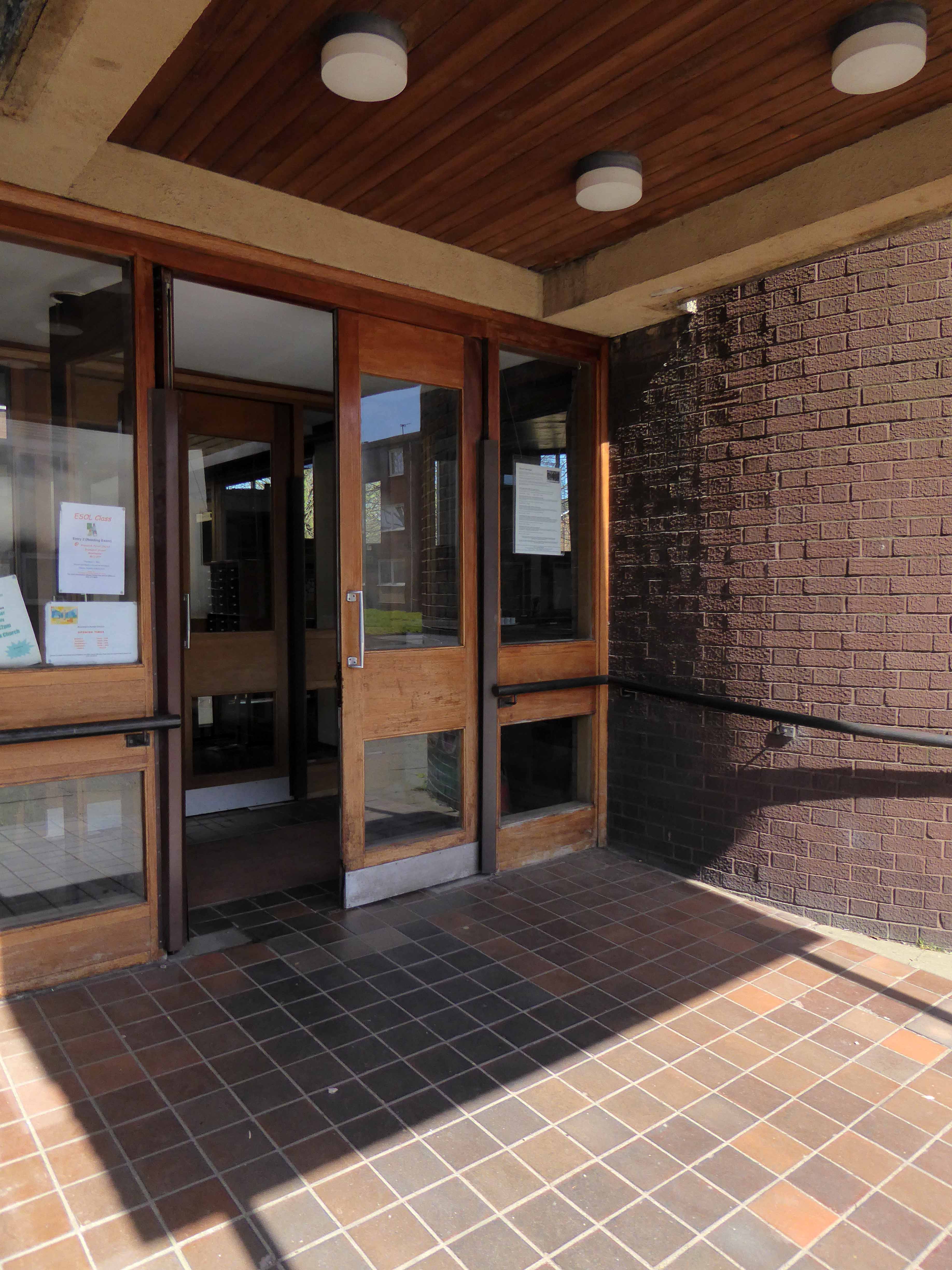
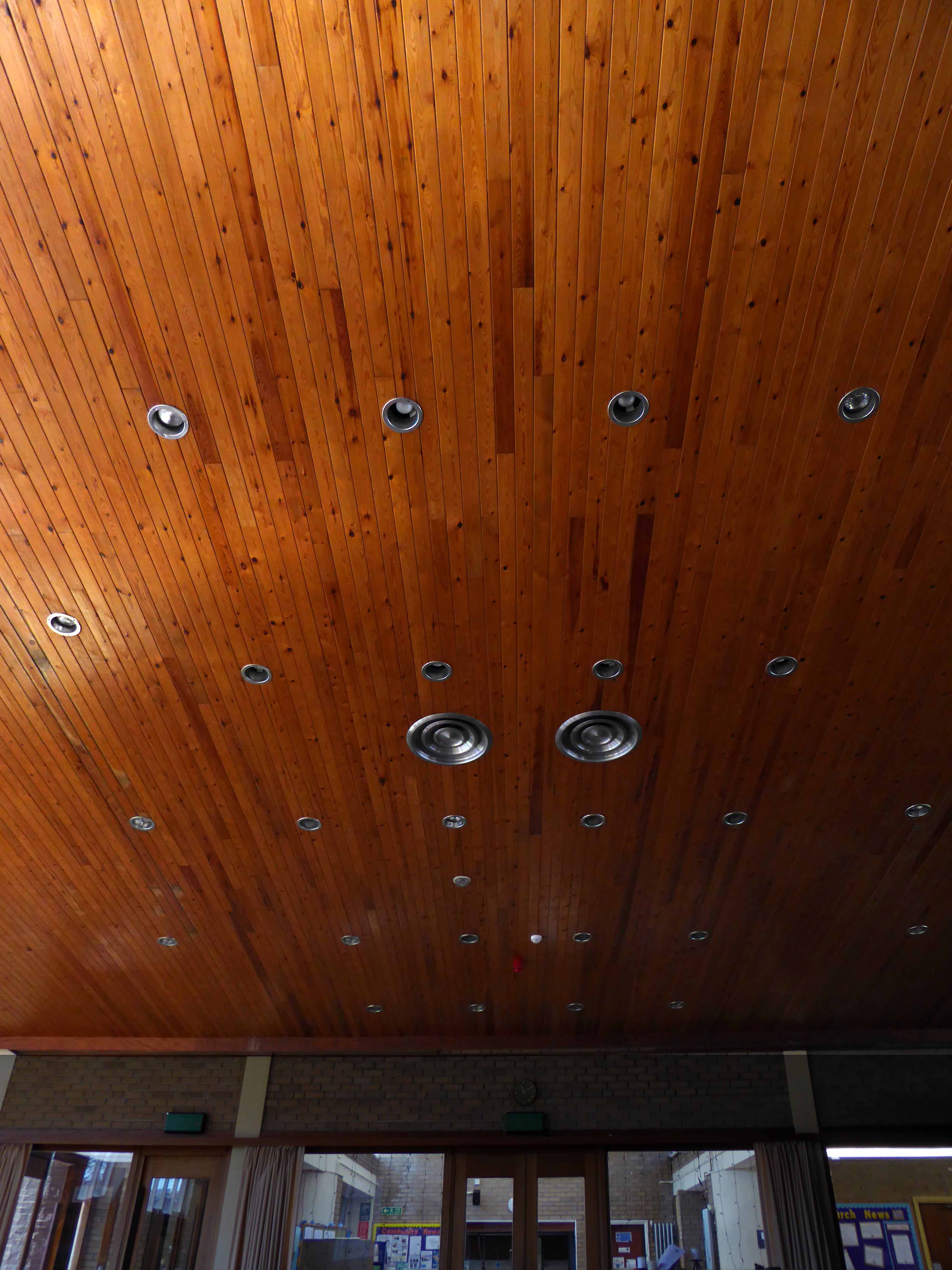
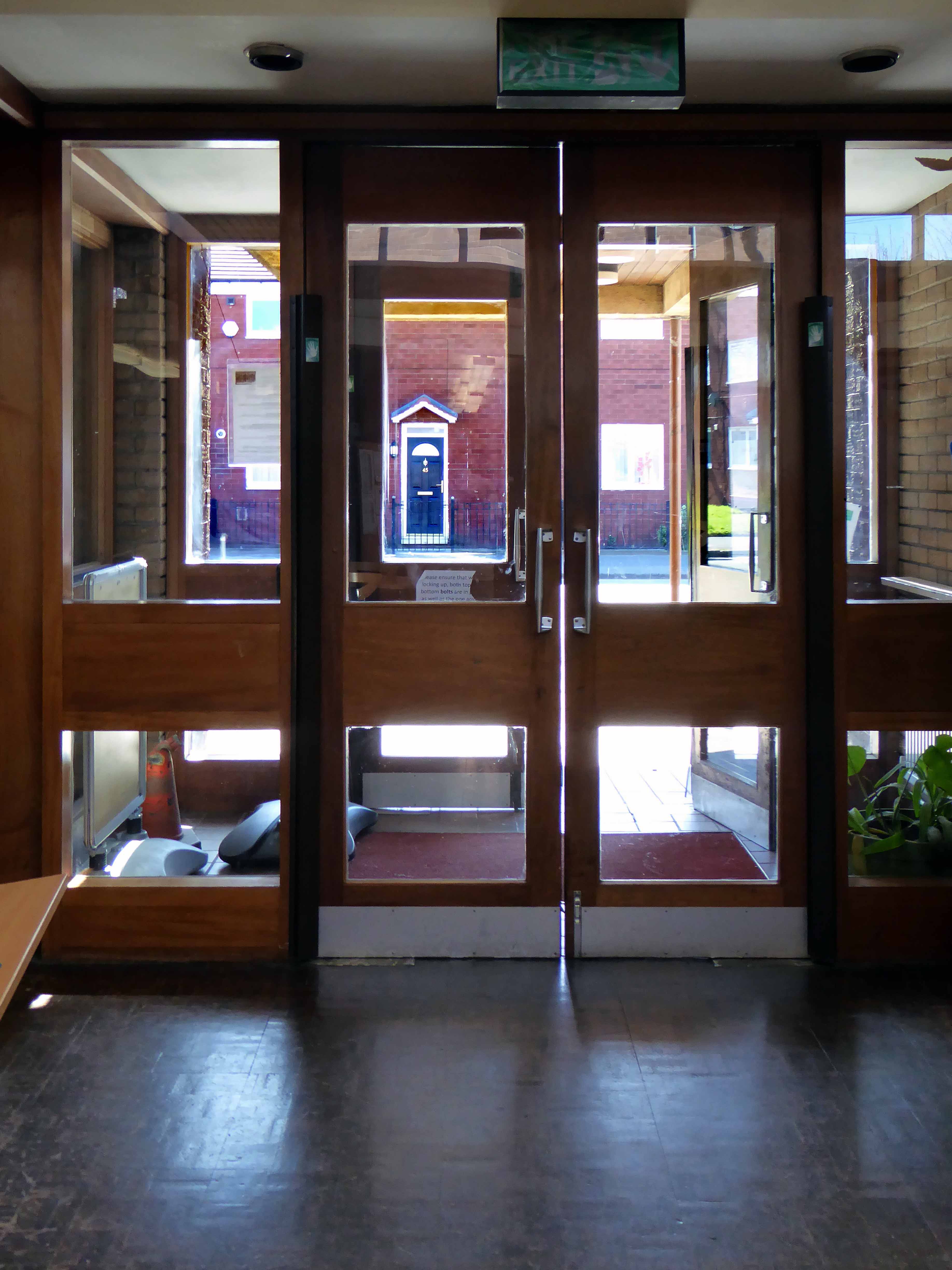
At its heart, a solid brick modernist church, built to serve the new social housing estates that surround it. Bold curves, angled interlocking volumes, an warmly lit interior space with a dynamic timber roof, and a dramatic arc of tiered seating.

Perhaps you’ve never passed by, perhaps you’ve never noticed.

Operating as a community centre and place of worship, it continues to serve the area well.

I was given the warmest of welcomes by the staff and clerics, thanks.

Simon the vicar says: Please don’t get us grade two listed.

Pop in set a spell.

http://www.brunswickchurch.org.uk

P1030800 copy

P1030798 copy

P1030794 copy

P1030793 copy

P1030812 copy

P1030795 copy

P1030799 copy

P1030815 copy

P1030805 copy

P1030787 copy

P1030808 copy

P1030796 copy

P1030788 copy

P1030792 copy

P1030802 copy

P1030786 copy

P1030817 copy

P1030790 copy

P1030813 copy

P1030814 copy

P1030803 copy

P1030791 copy

P1030789 copy

P1030797 copy


Stockport – Stopford House

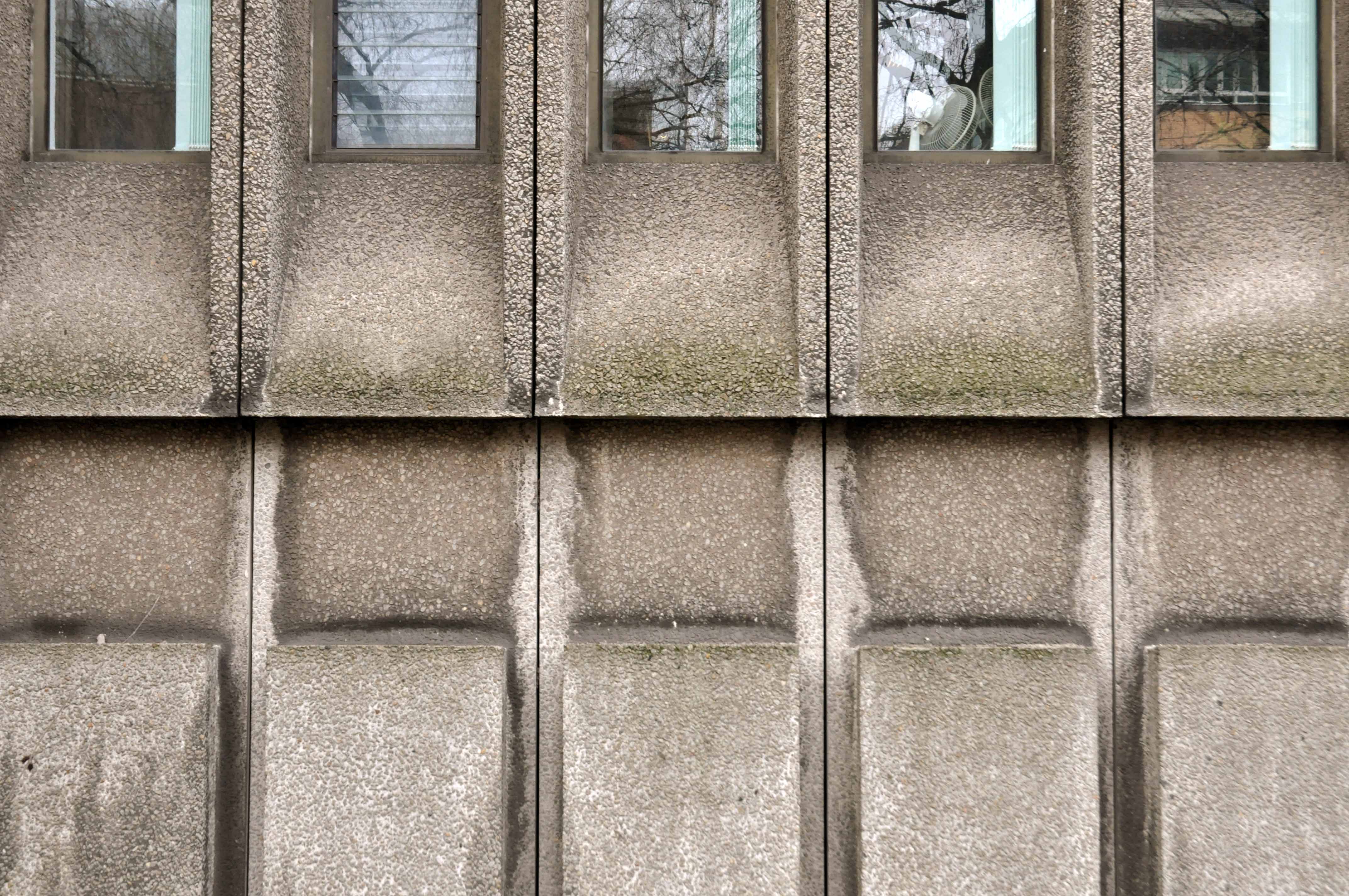
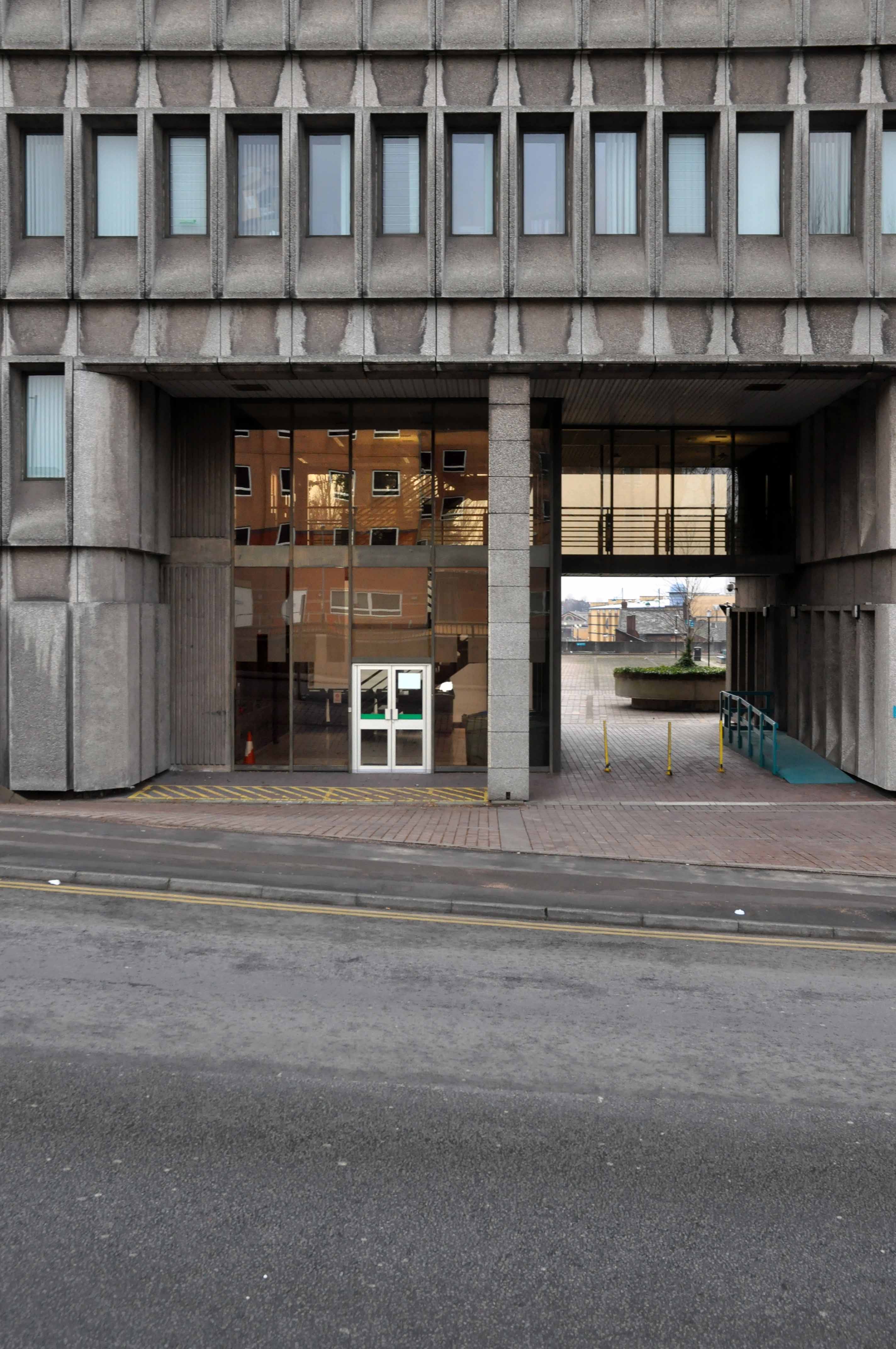
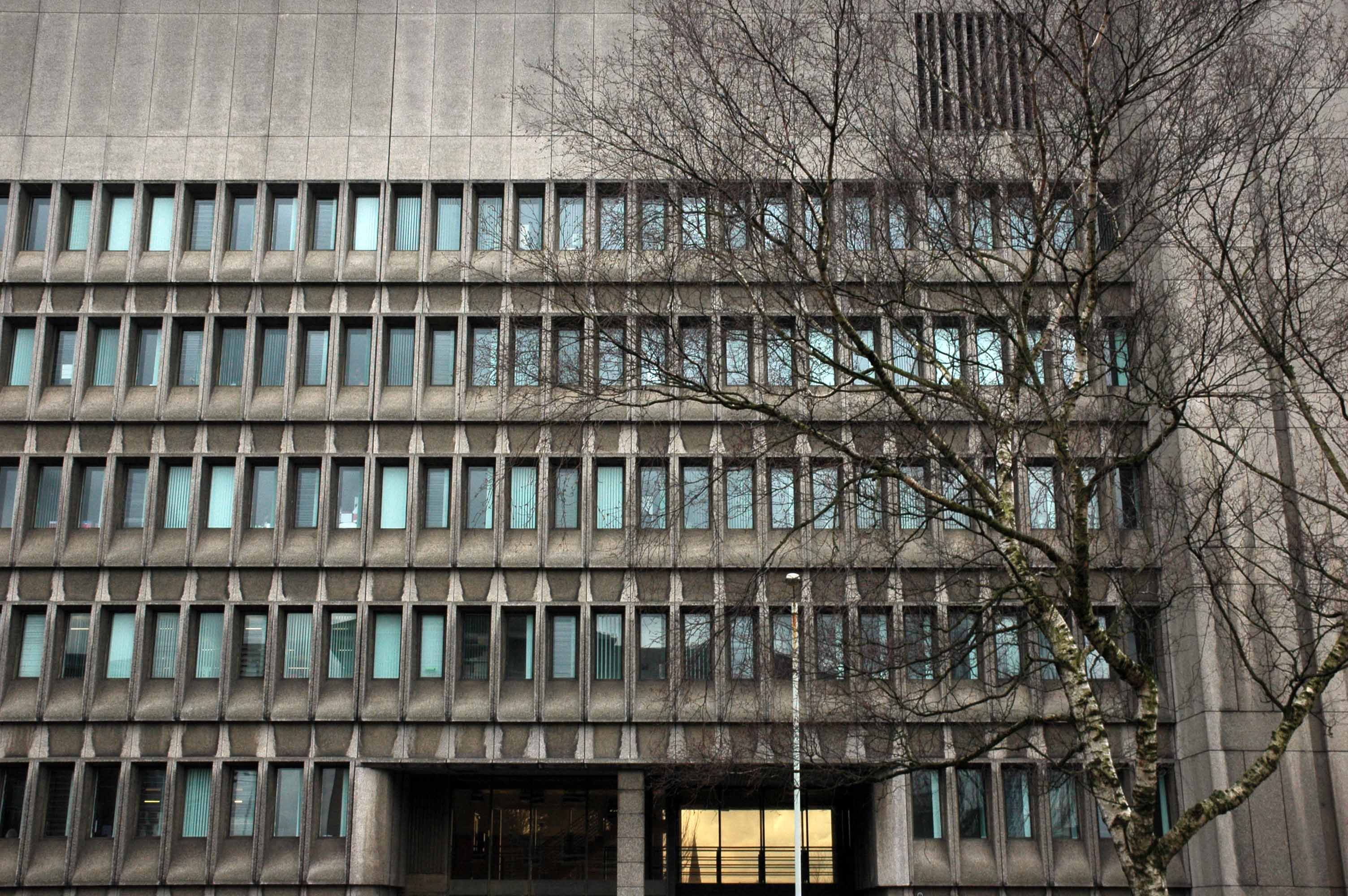
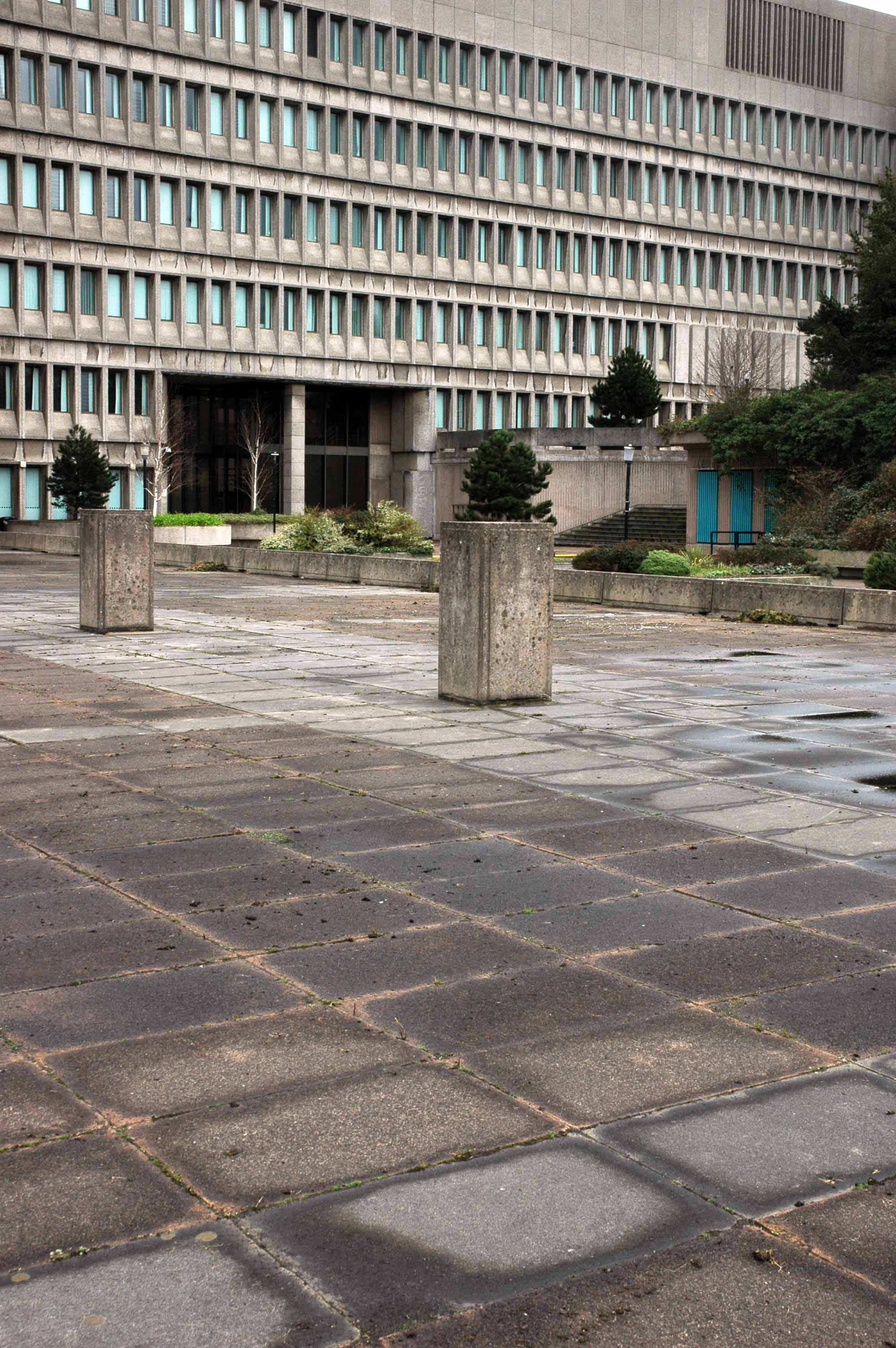
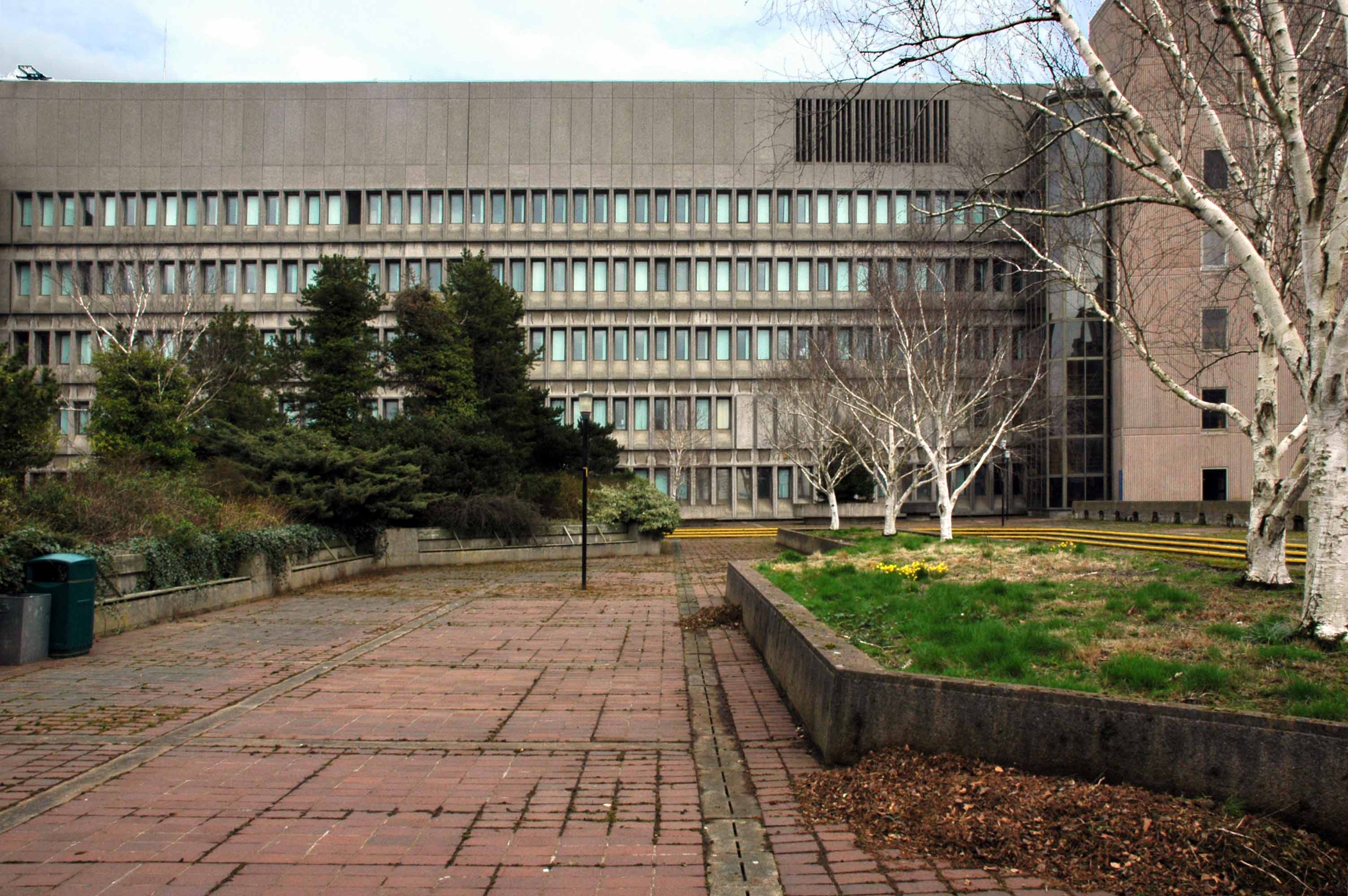
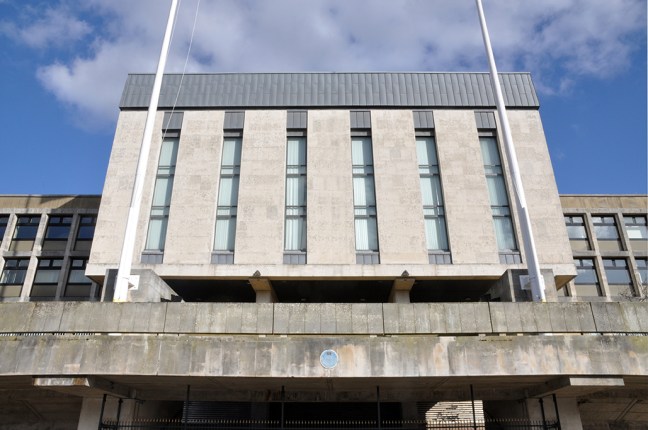
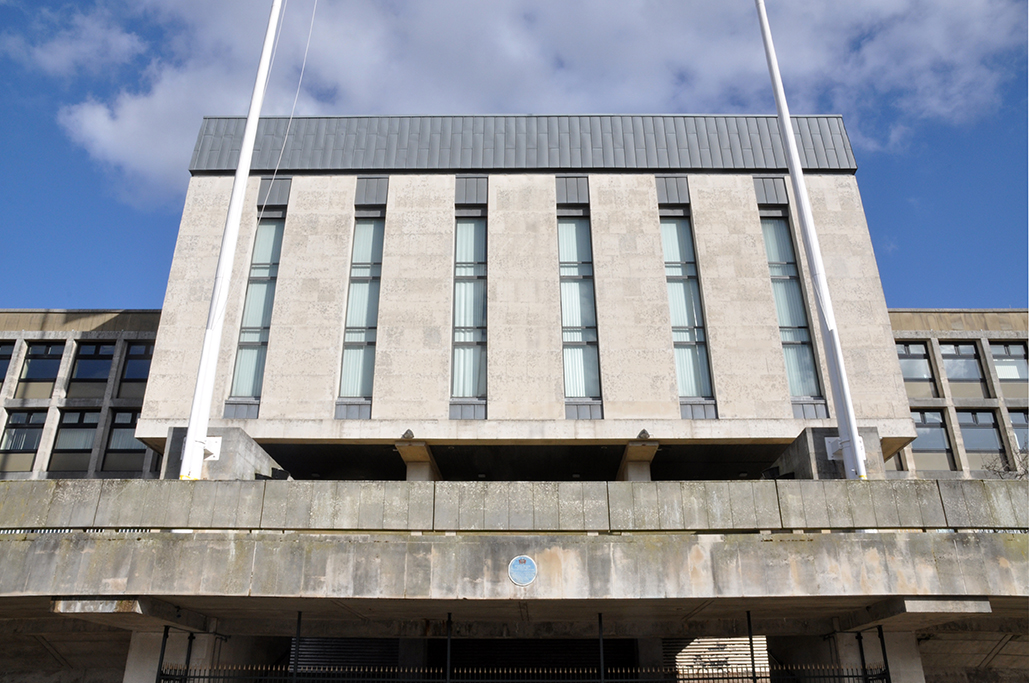
Famed as an imaginary TV police station, this civic building is a civic building I simply can’t resist. I return on a regular basis to wander and snap. This is an open public space that seems little loved and has few visitors.

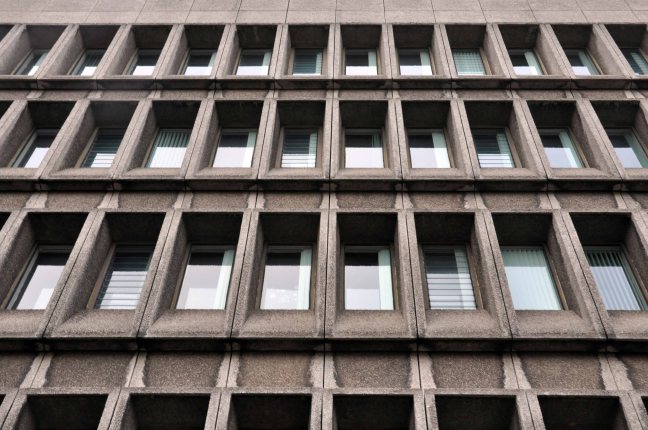
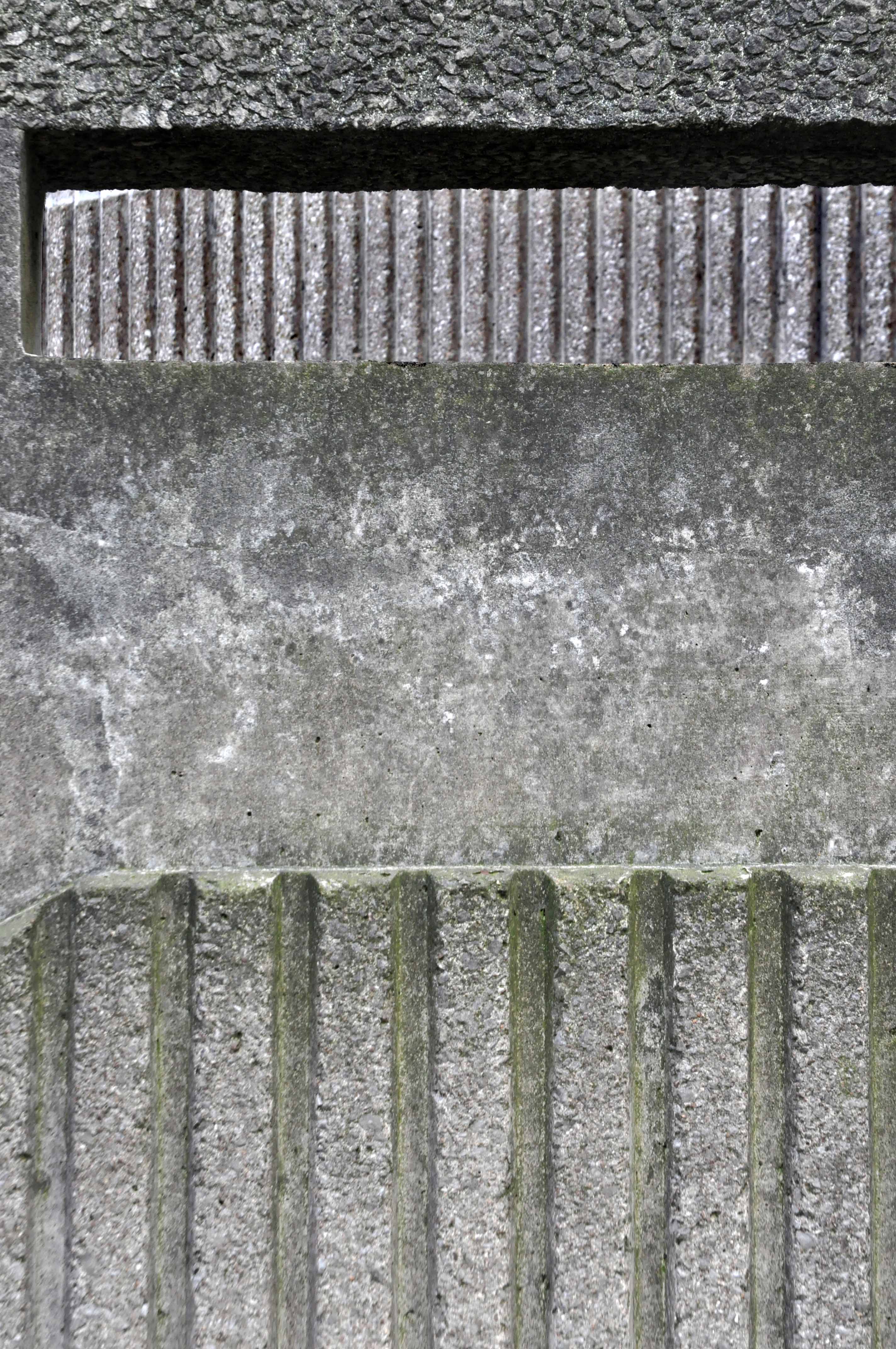
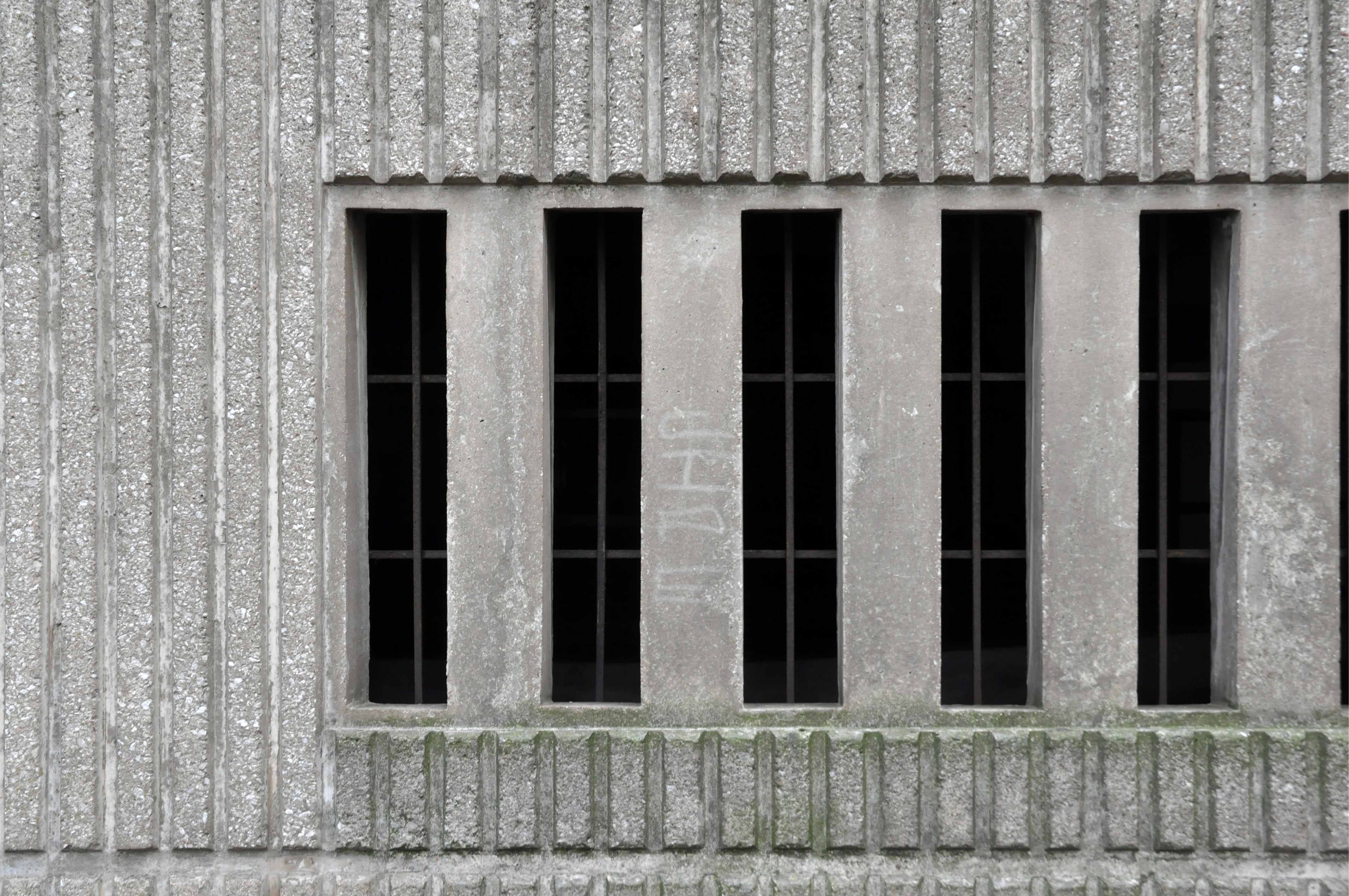
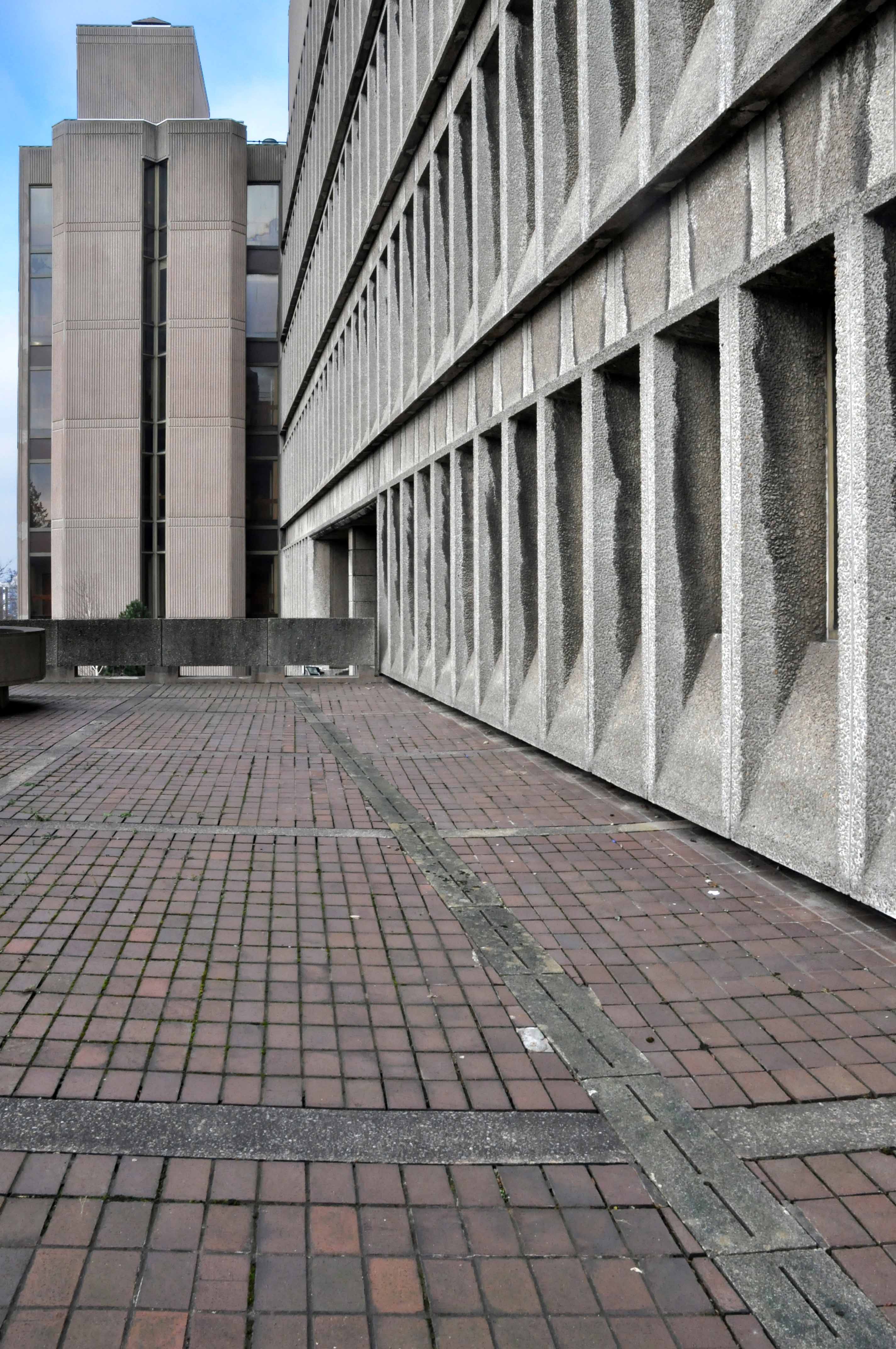
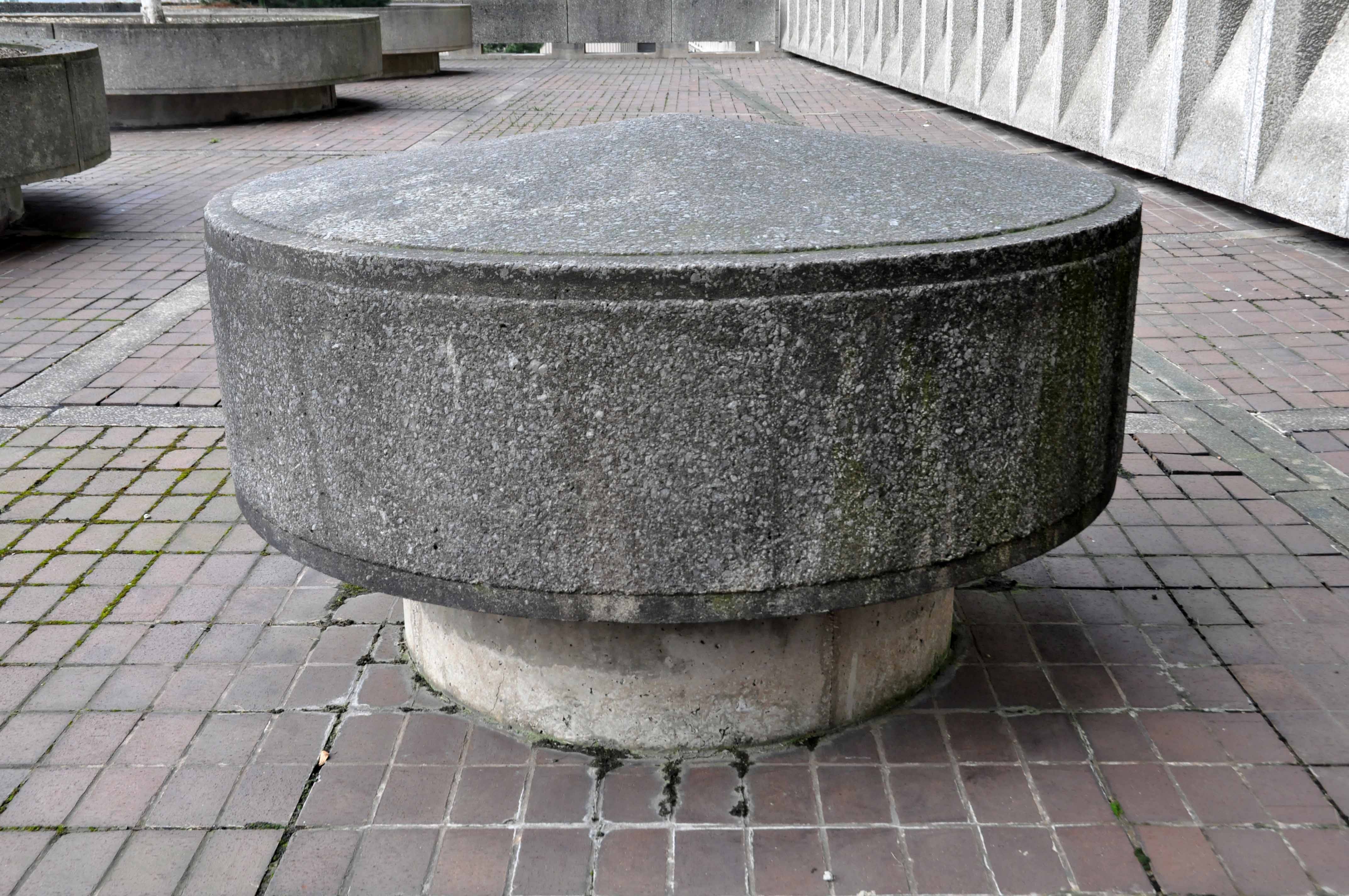
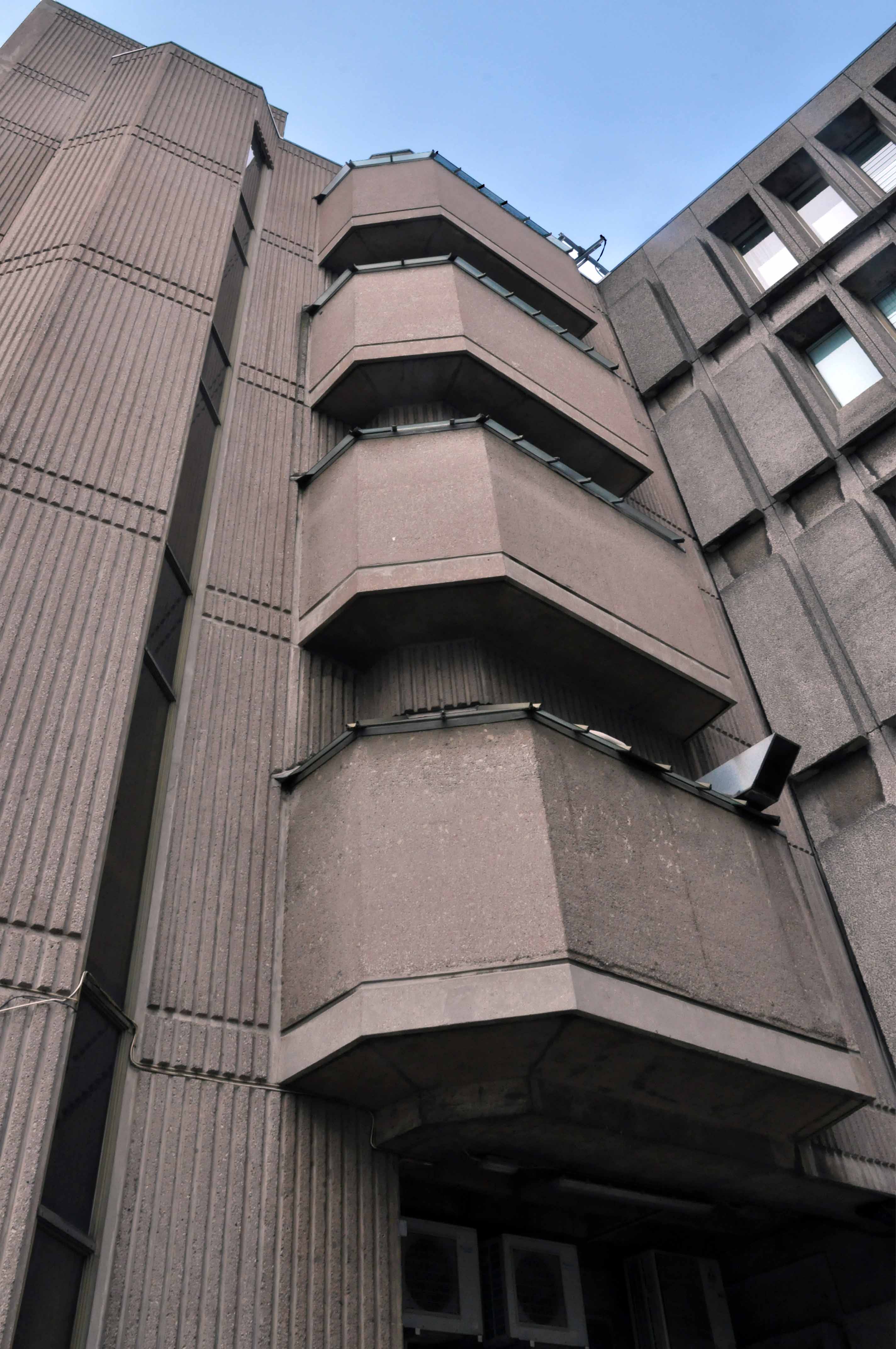
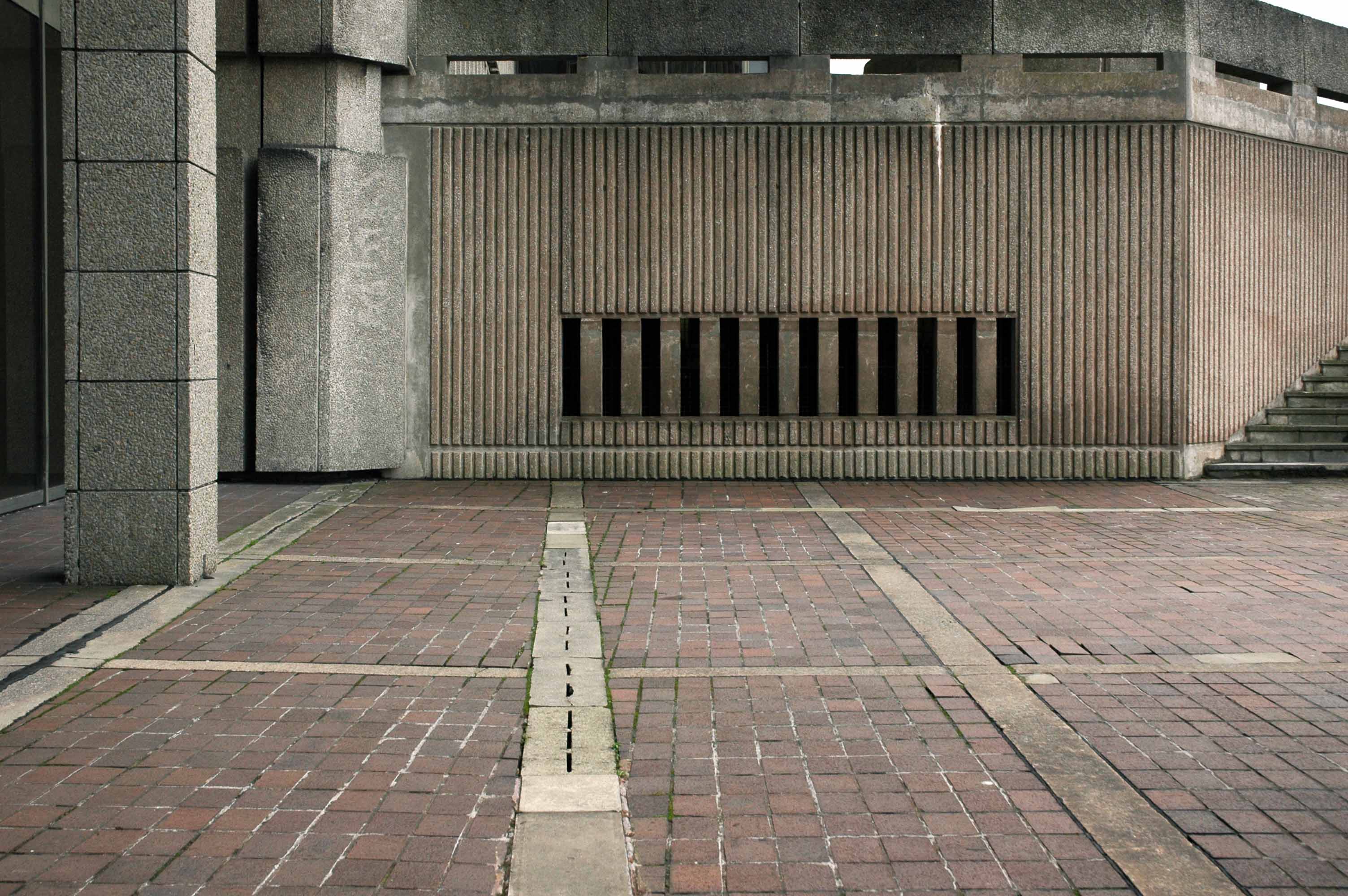
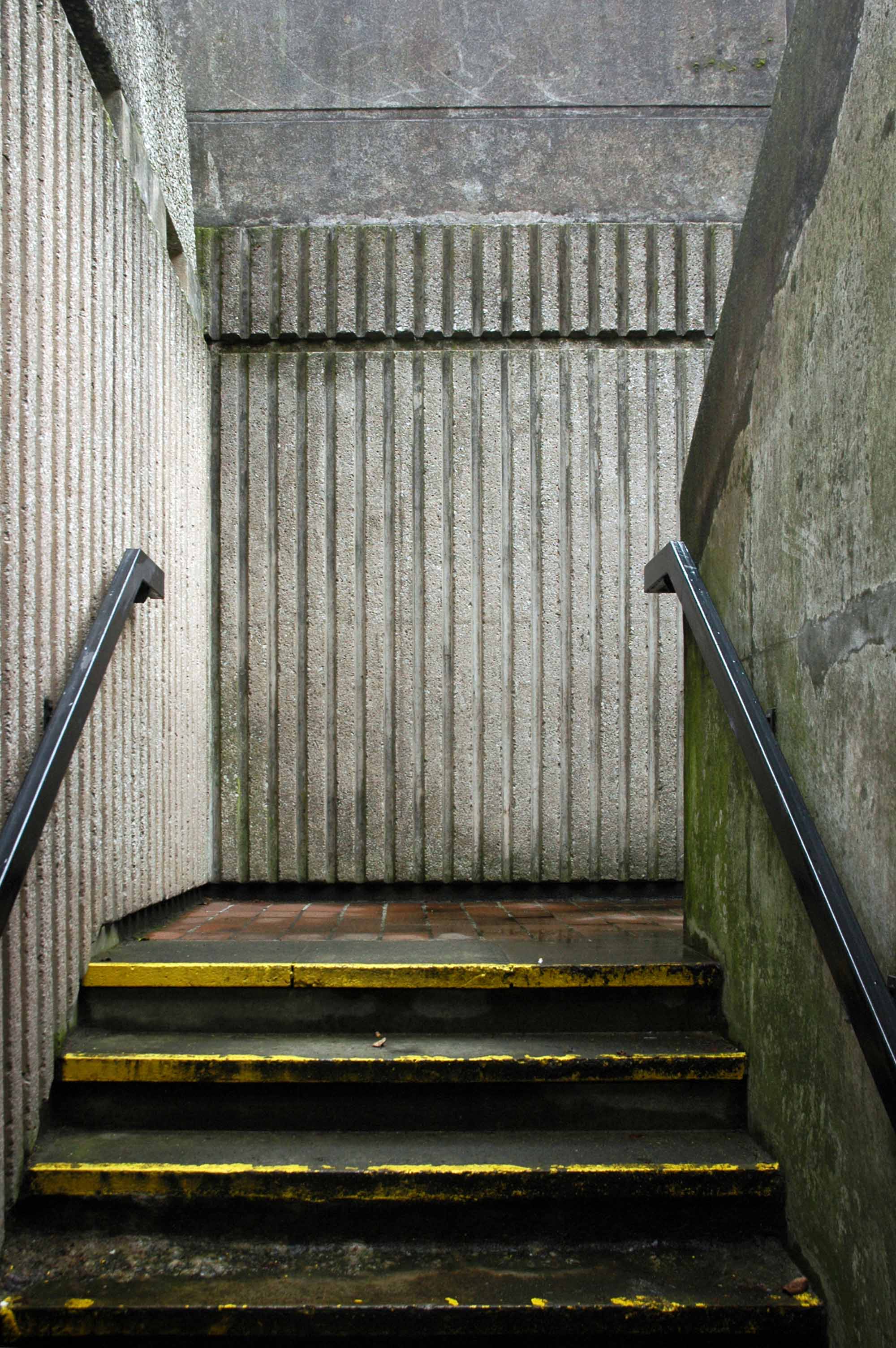
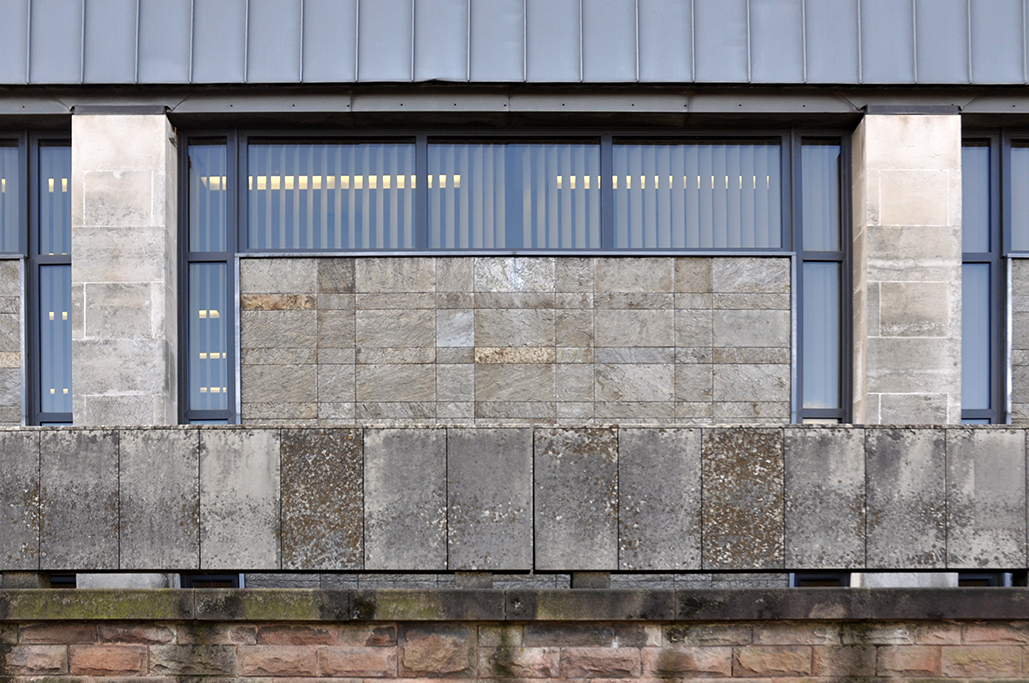
It is quite literally concrete poetry incarnate, a careful collision of form, tone, texture and line, softened with sympathetic planting.

There had been proposals to extend the Town Hall provison since 1945, which were finally realised in 1975. Built at a cost of £1,500,000 – to provide additional office provision for the Local Authority. A further two blocks were planned but never built.

Stopford House was built 1975 and designed by JS Rank OBE, Director of Development & Town Planning, Stockport Council.

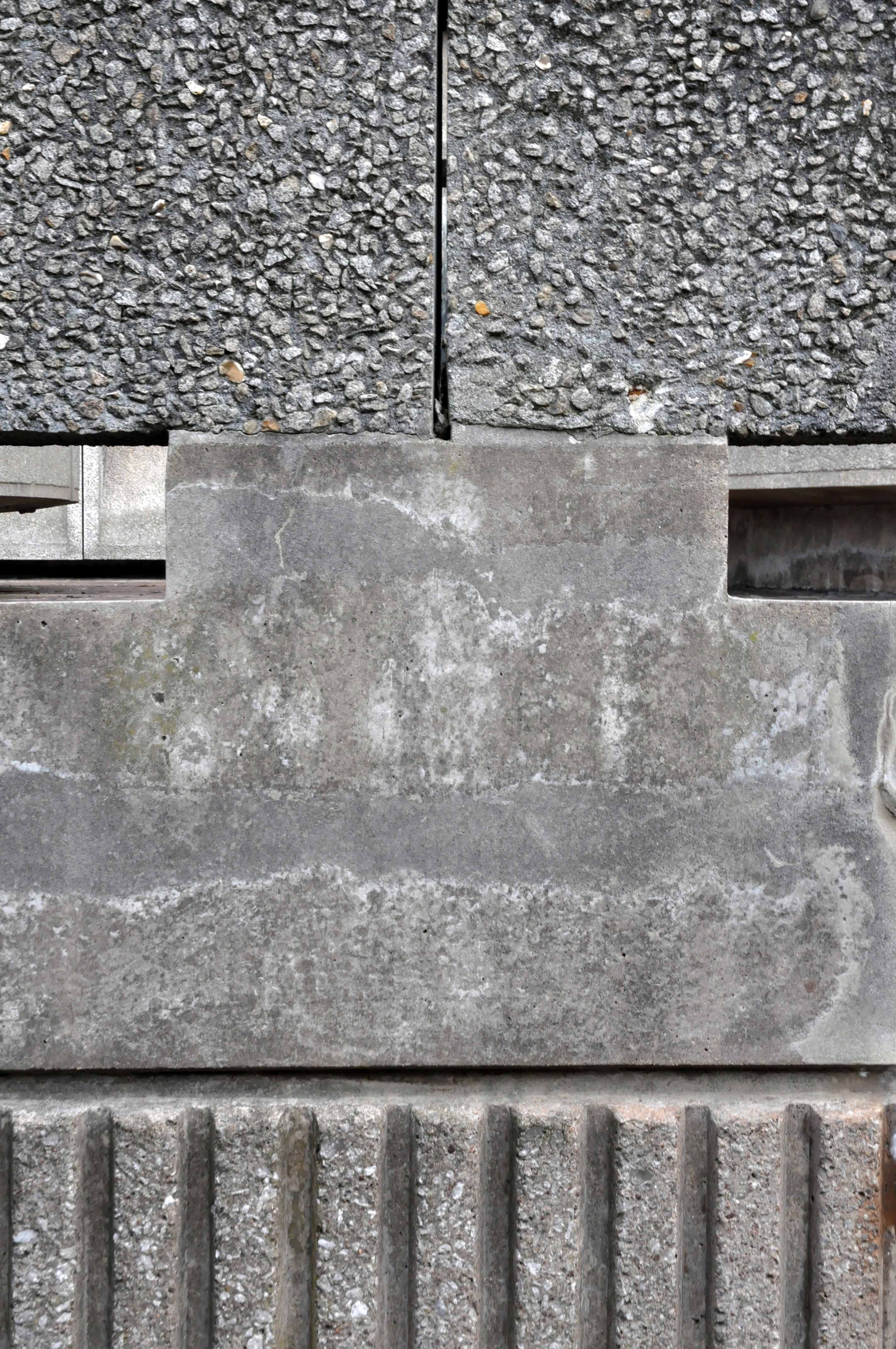
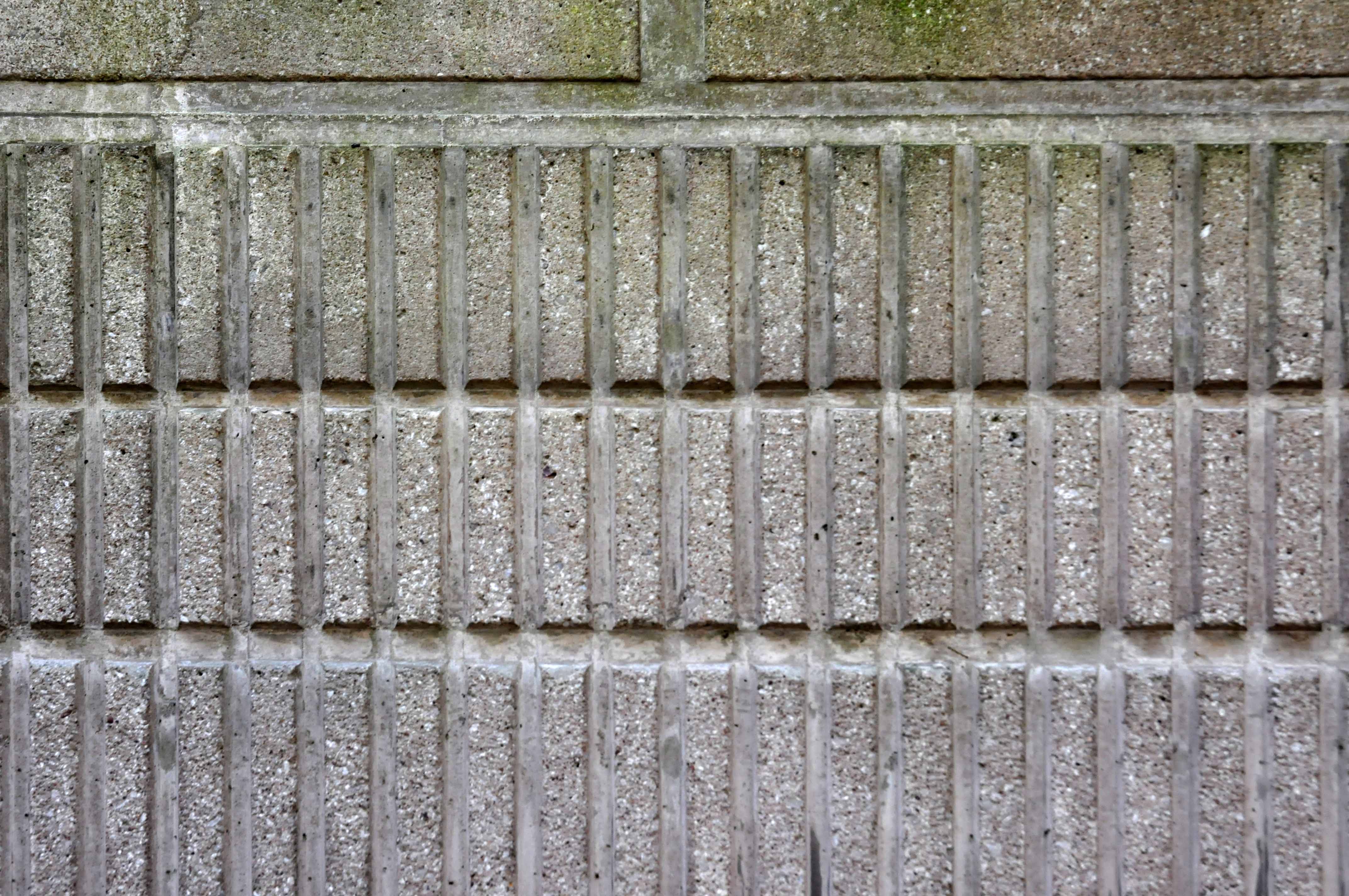
The main block is clad in 1400 exposed aggregate precast panels and the link blocks have ribbed walls constructed with in situ concrete, bush hammered to expose the limestone aggregate. The precast panels were carefully matched in order to harmonize with the existing Town Hall, the mix contained coarse aggregate from the Scottish Granite Company of Creetown, a fine Leemoor sand from the Fordamin Company, together with white cement.

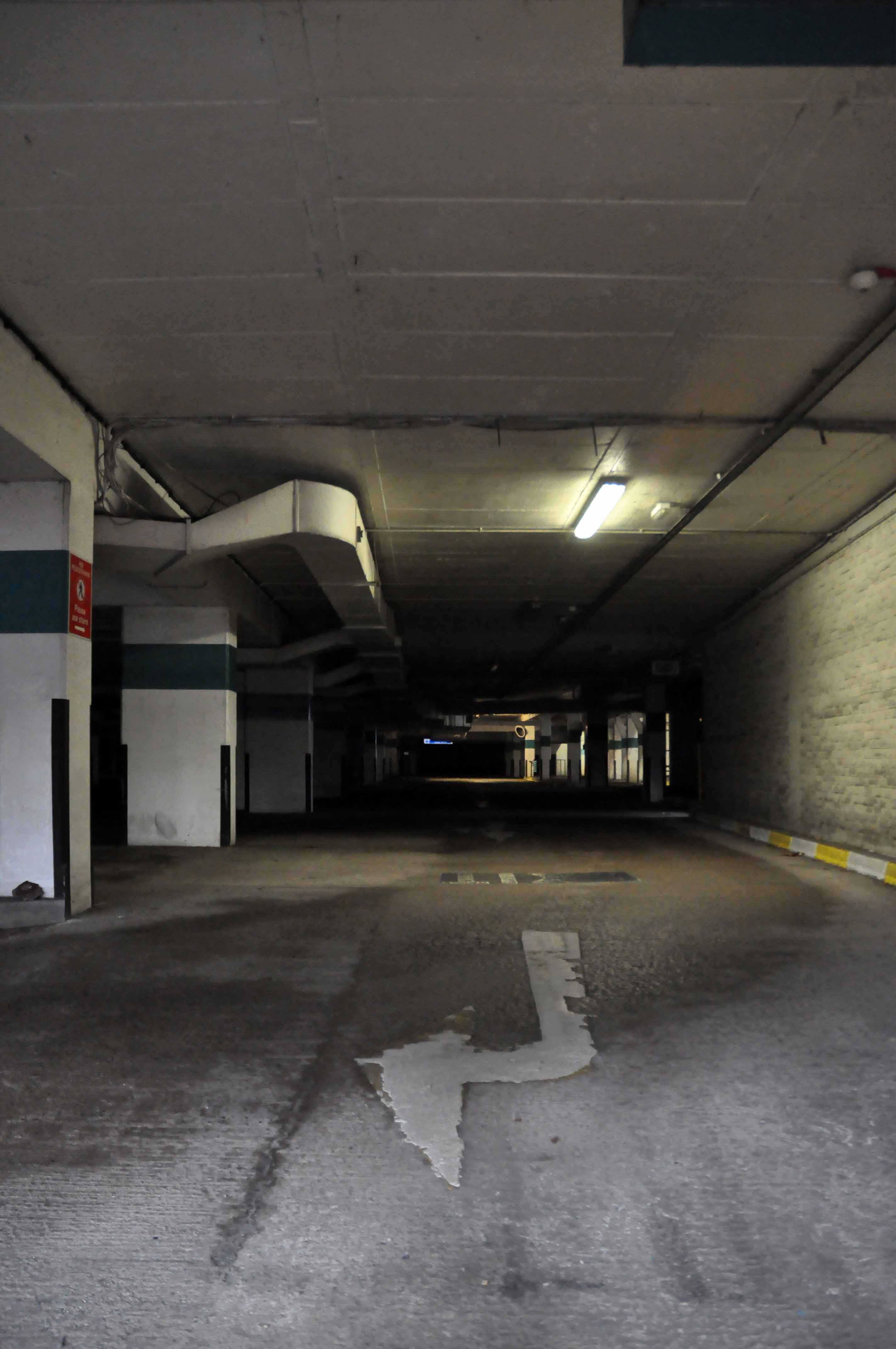
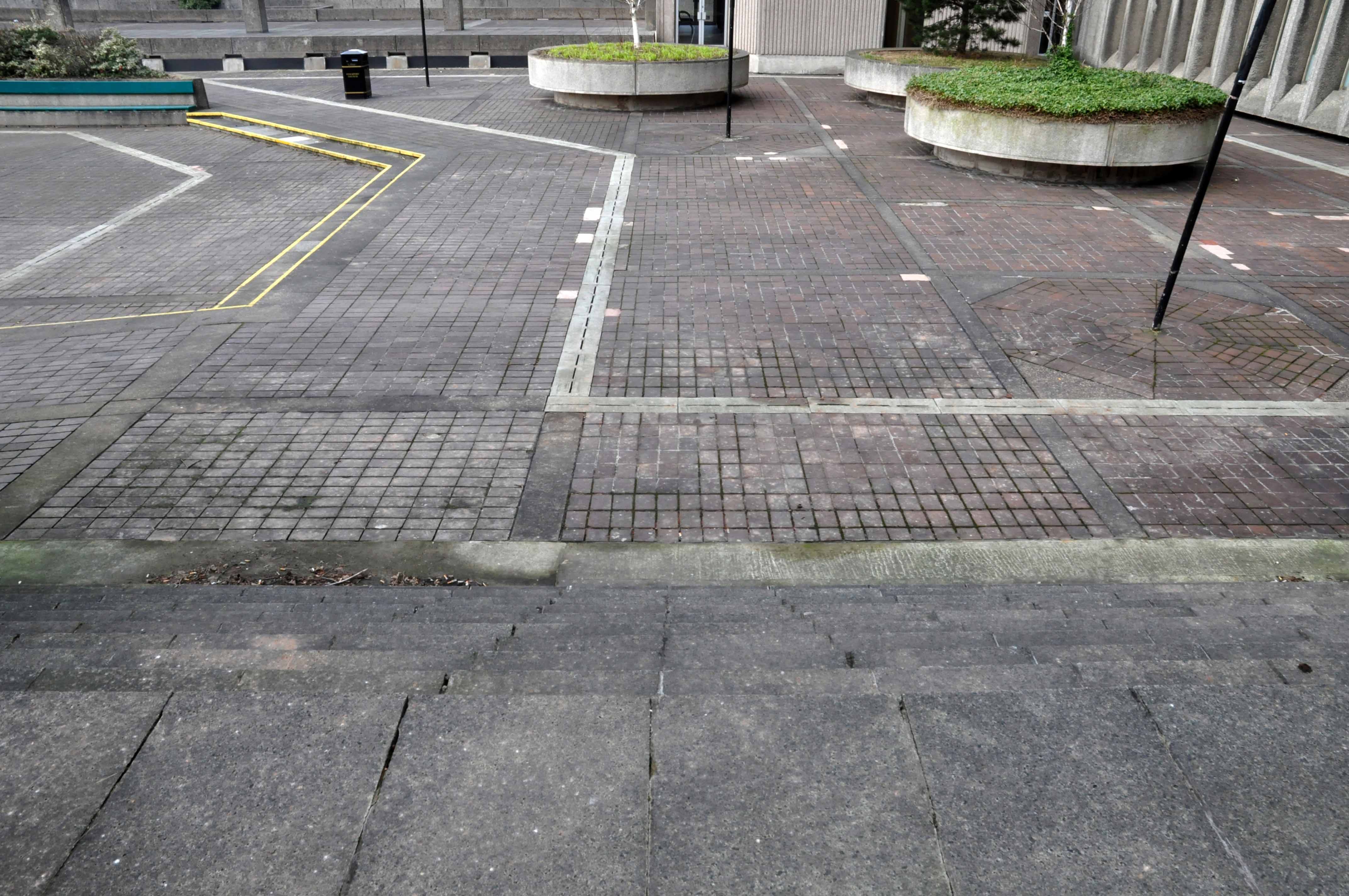
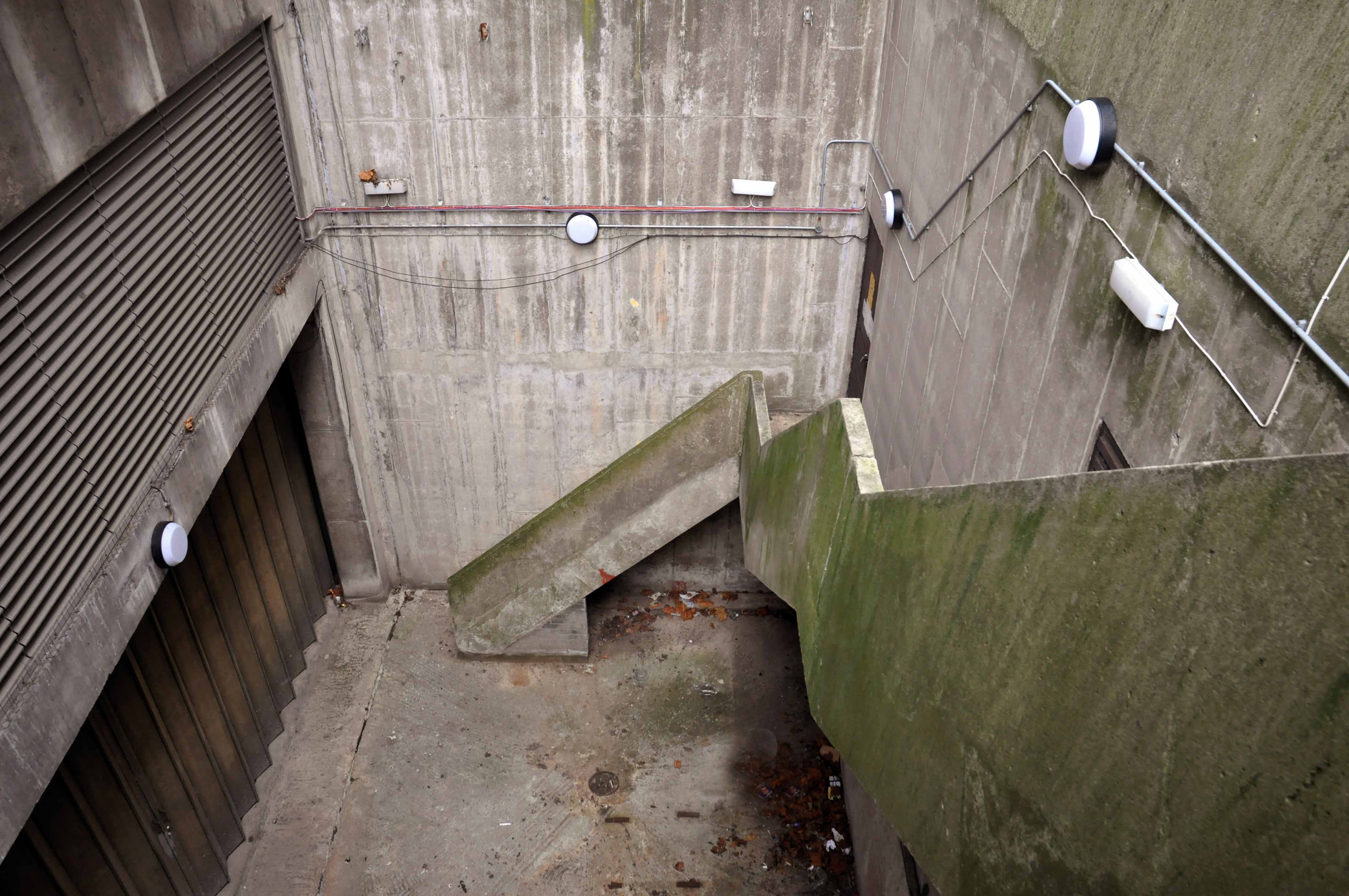
There are two levels of underground parking beneath the whole of the development. The piazza betwen the blocks was to have had a water cascde falling into a pond running the whole length of the area. Though exciting and expansive in the modern manner the piazza area, sadly, seems little used.

It needs a little love pop by and say hello sometime.

Covent Garden – Stockport

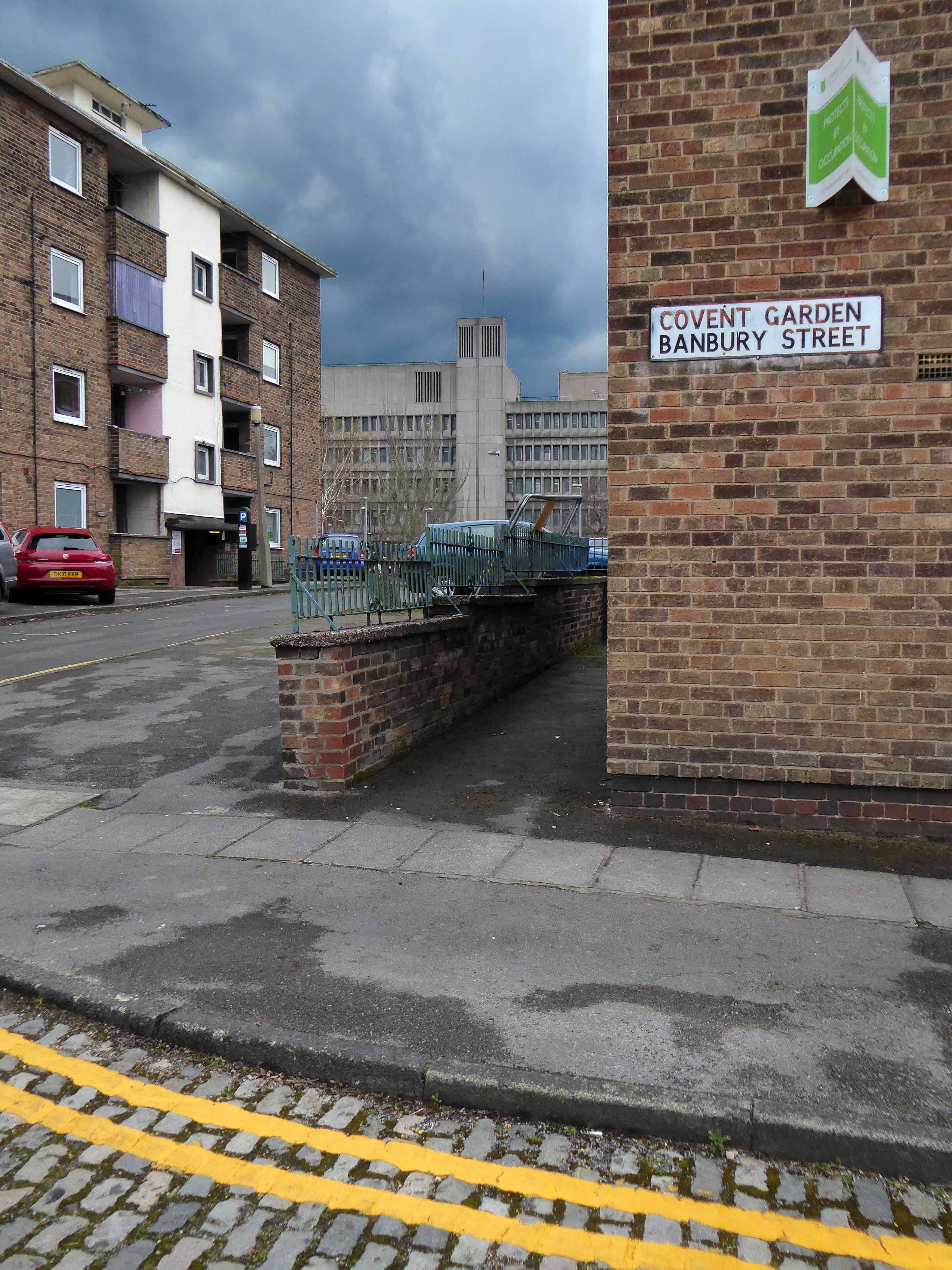
Walk up Hillgate from the centre of Stockport, pass the former Cobden’s, Gladstone, Peter Carlson Furniture, following a former coaching road of former lives, shops, pubs, clubs and factories. This was historically a vibrant area, a crazy mixed up mixed economy, getting by by any means.

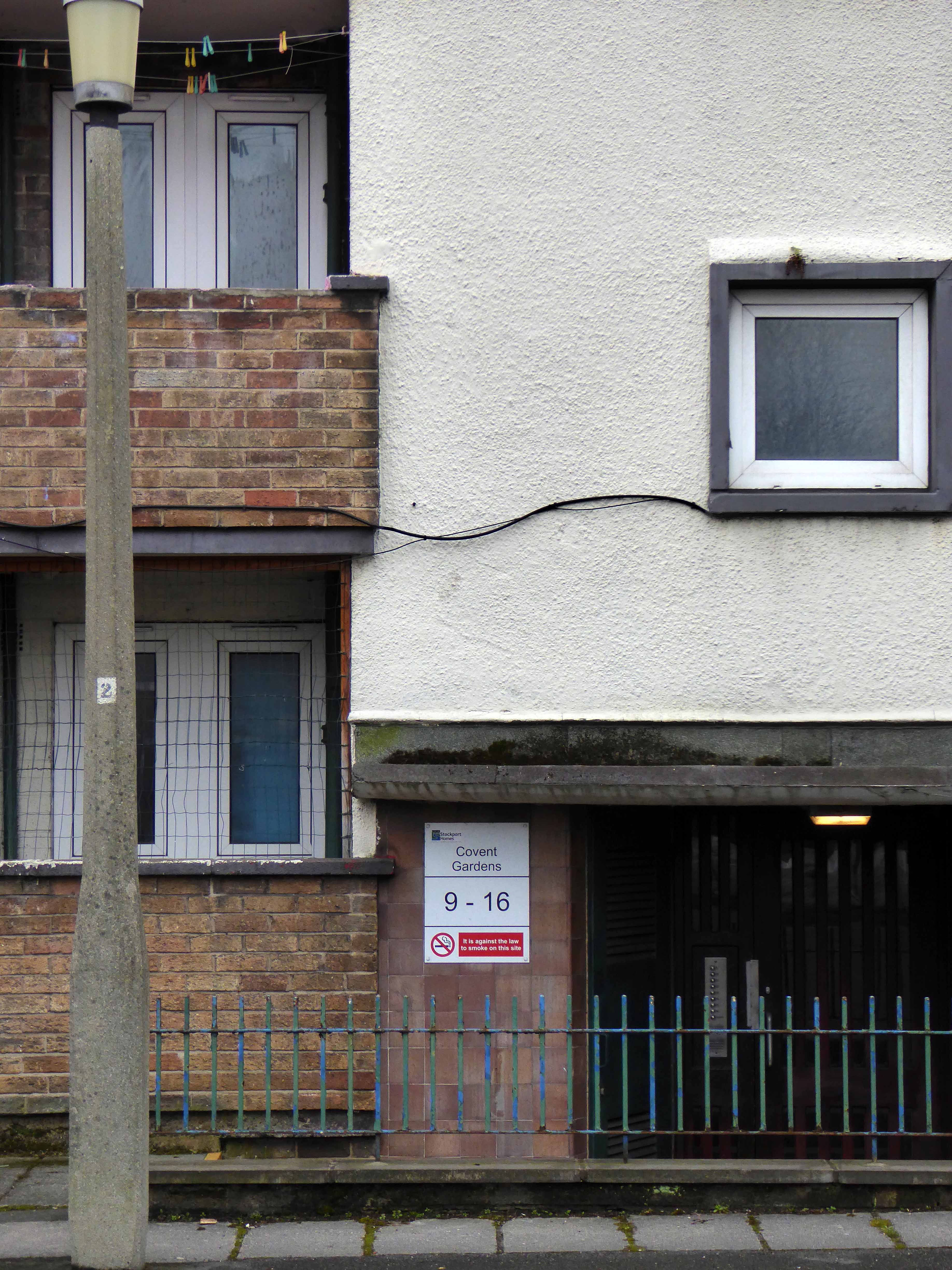
Walk a little further, to your right is a small plateau, it leads across to the civic area,  behind the Town Hall, it is known as Covent Garden.

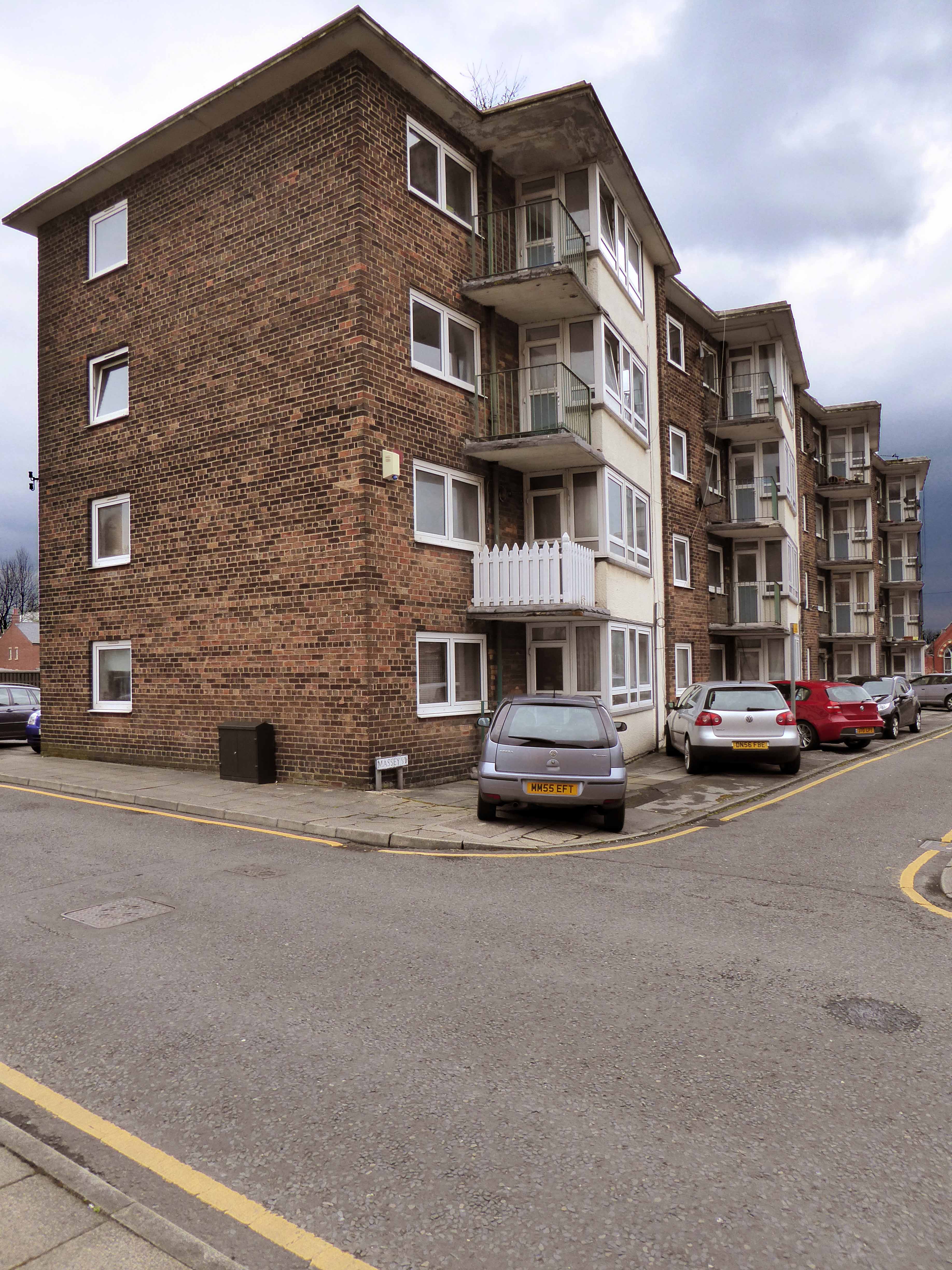
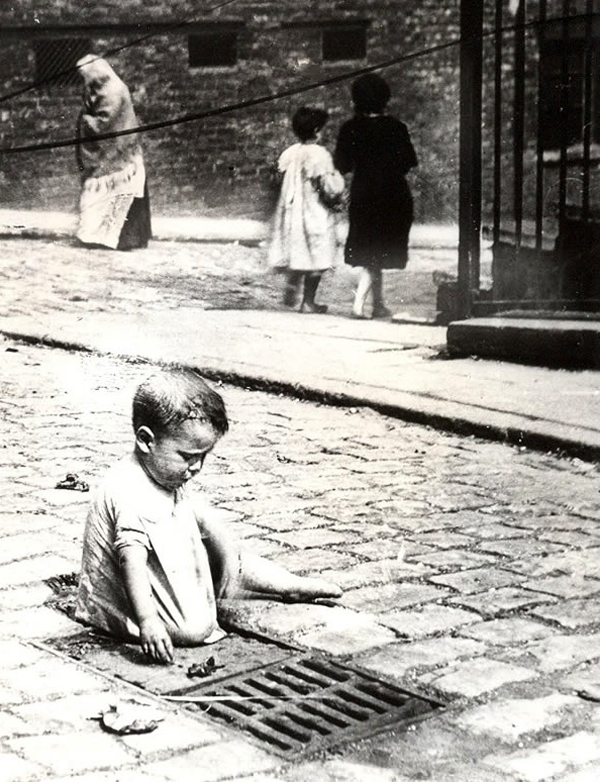
London Square, Massey Street and Banbury Street, once a cluster of terraced houses, never the wealthiest of areas, but typical of the town’s industrial past. The homes growing up around small pockets of industry – foundries, hat making and glove manufacture.
21430

There was a graveyard there, belonging to the Mount Tabor Chapel, which was situated nearby on Wellington Road, a soot blackened, imperious classical facade.
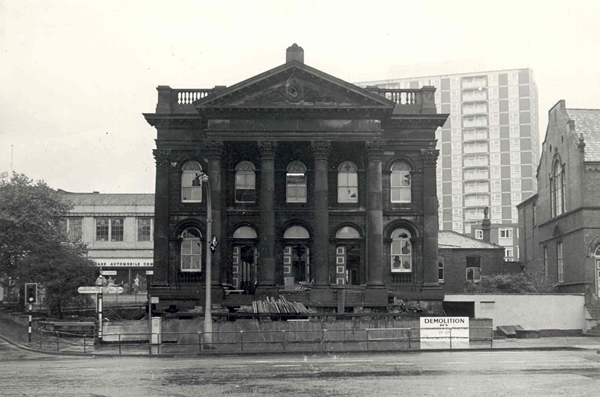
1655

The chapel is no longer standing, and little remains of the graveyard, the foreground shows the site, soon to become a children’s playground for the new flats.
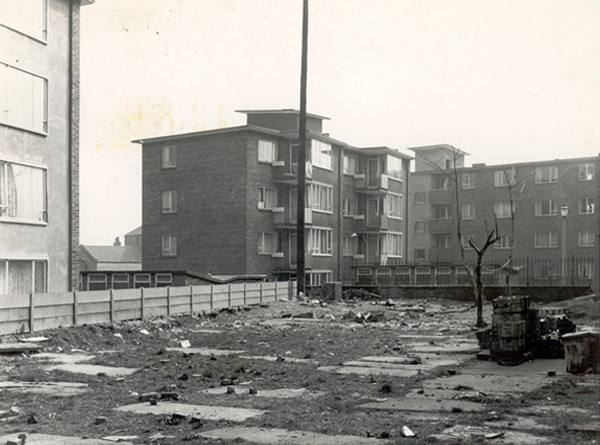
1644

The Imperial Club survived into the 60s playing host to local beat groups, and a significant venue on the local soul scene.
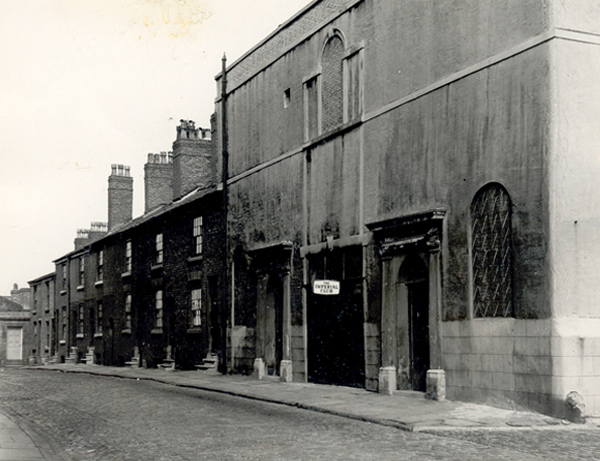
1643

The streets no longer ring with the the ringing guitars of Johnny Darano and the Strollers

ad2

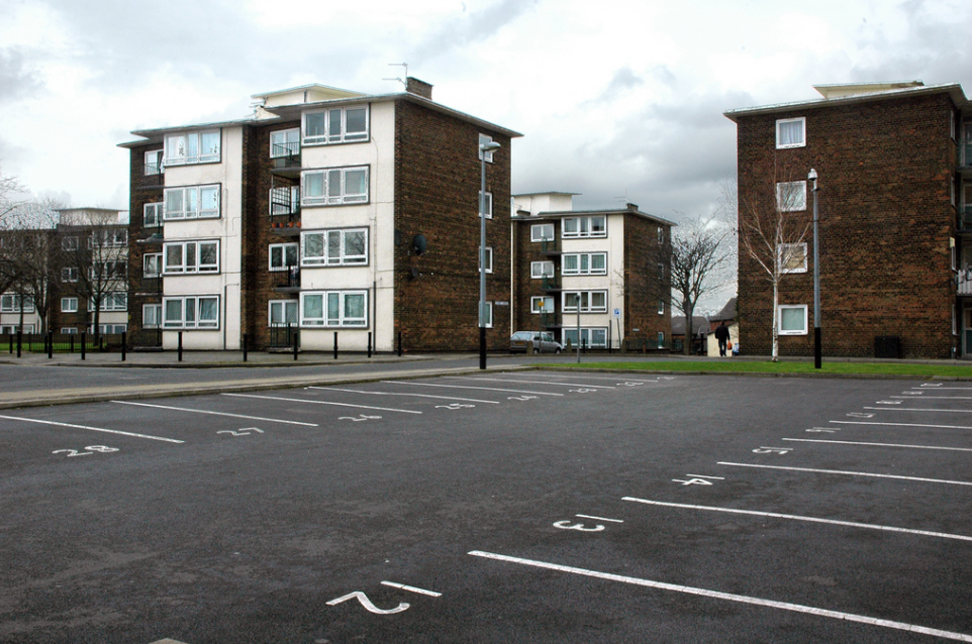
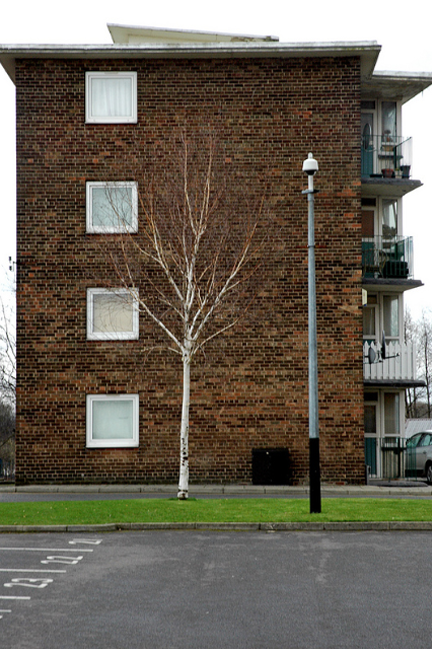
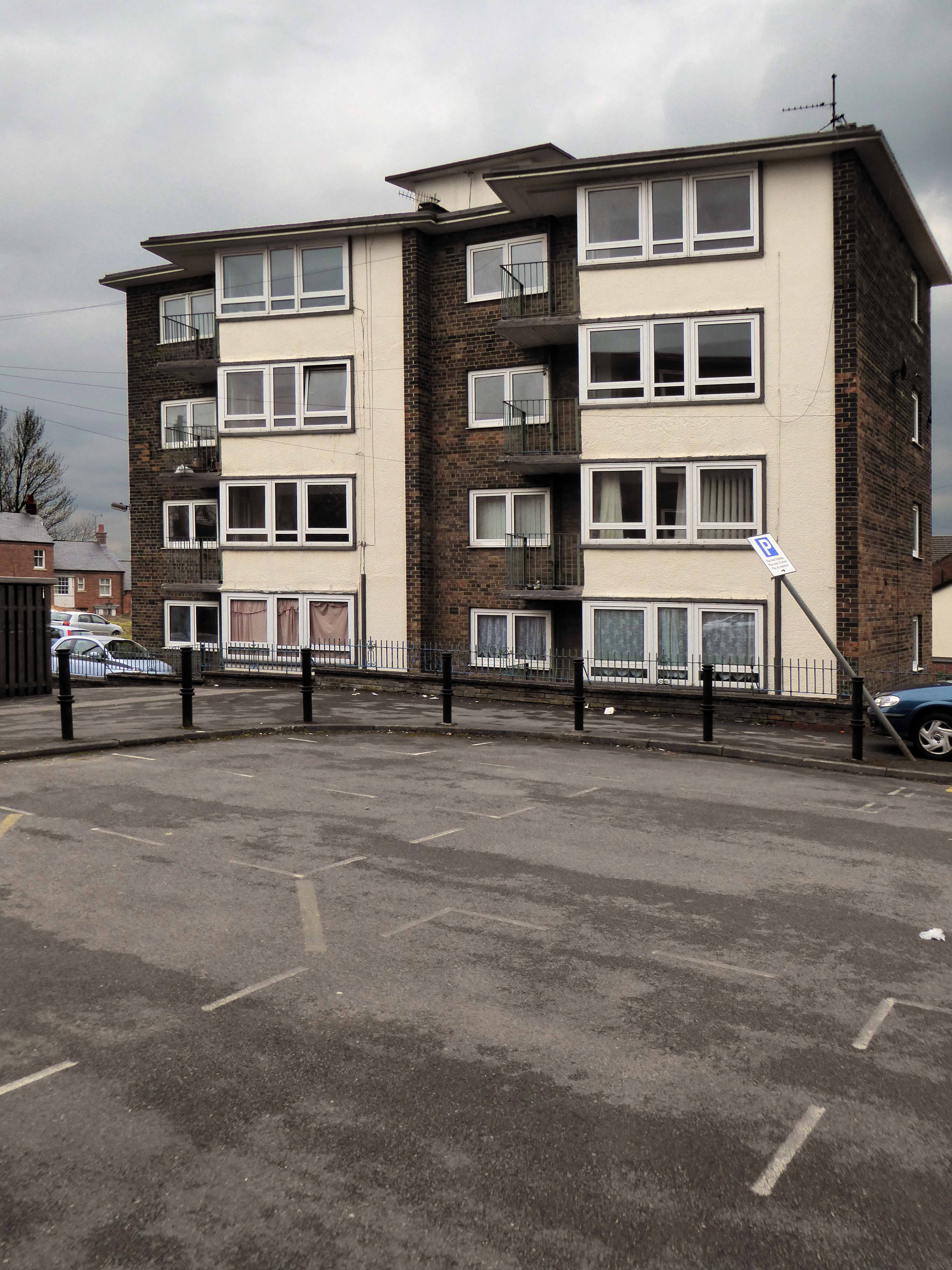
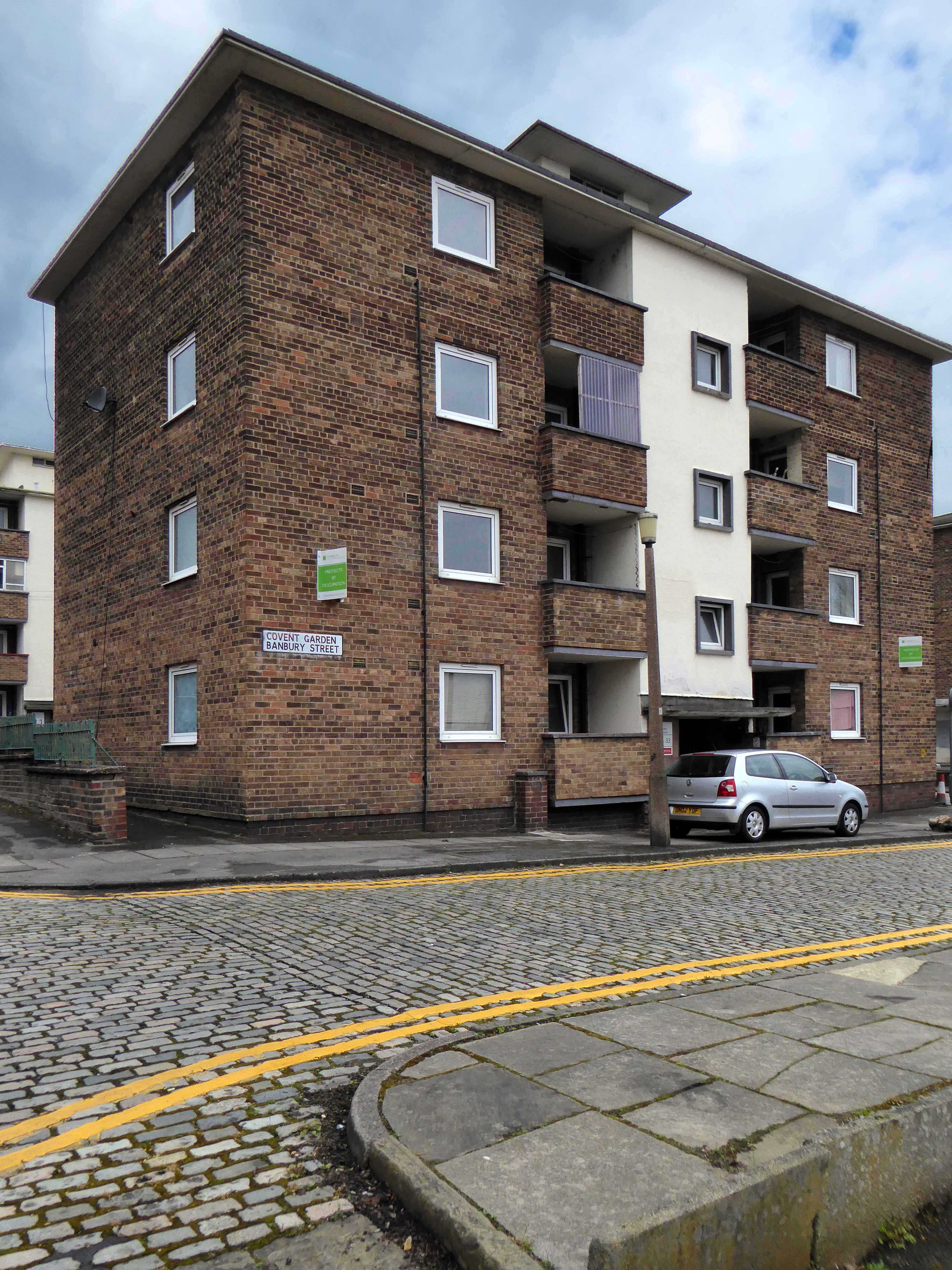
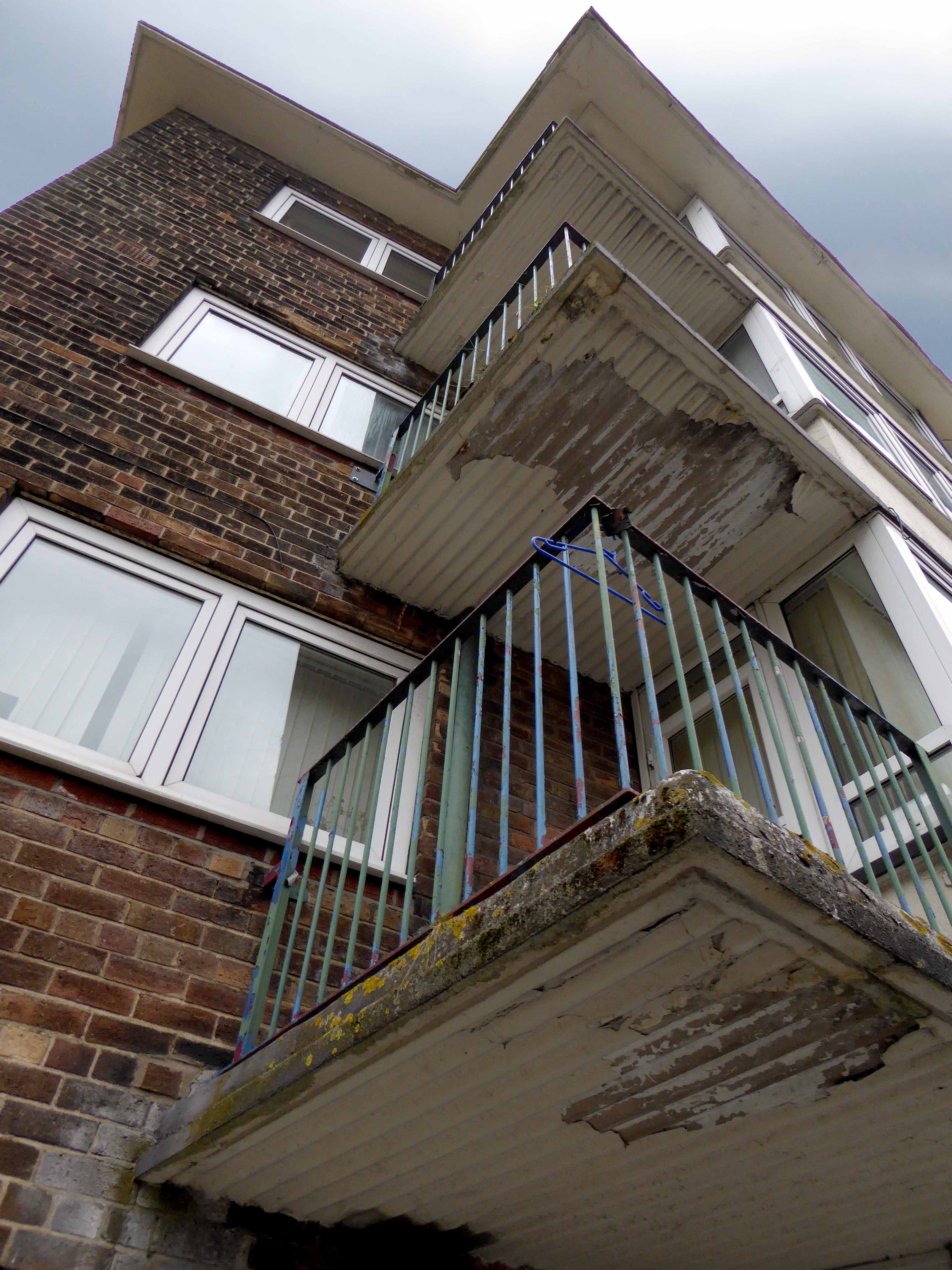
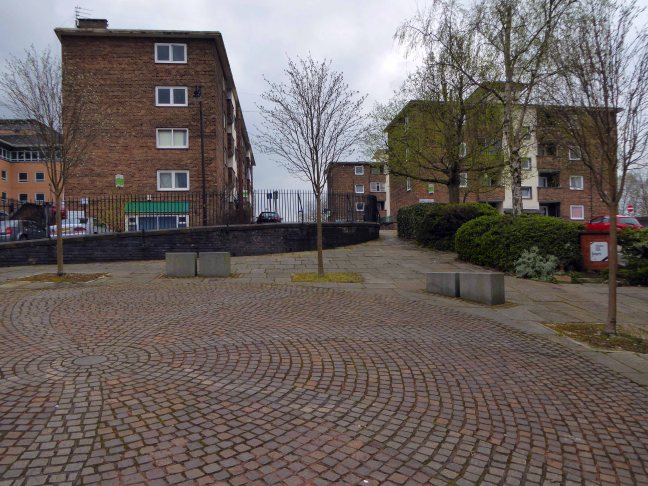
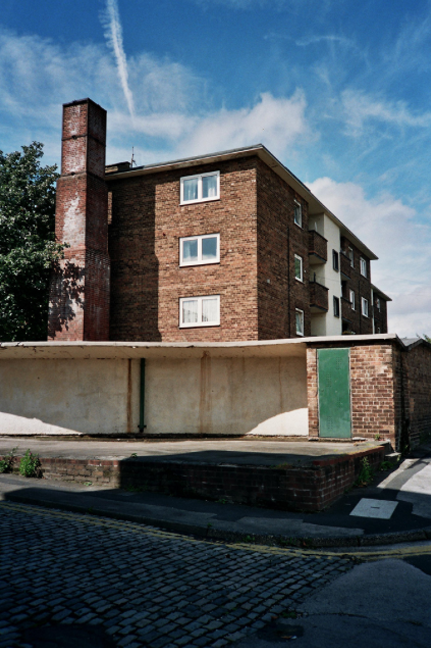
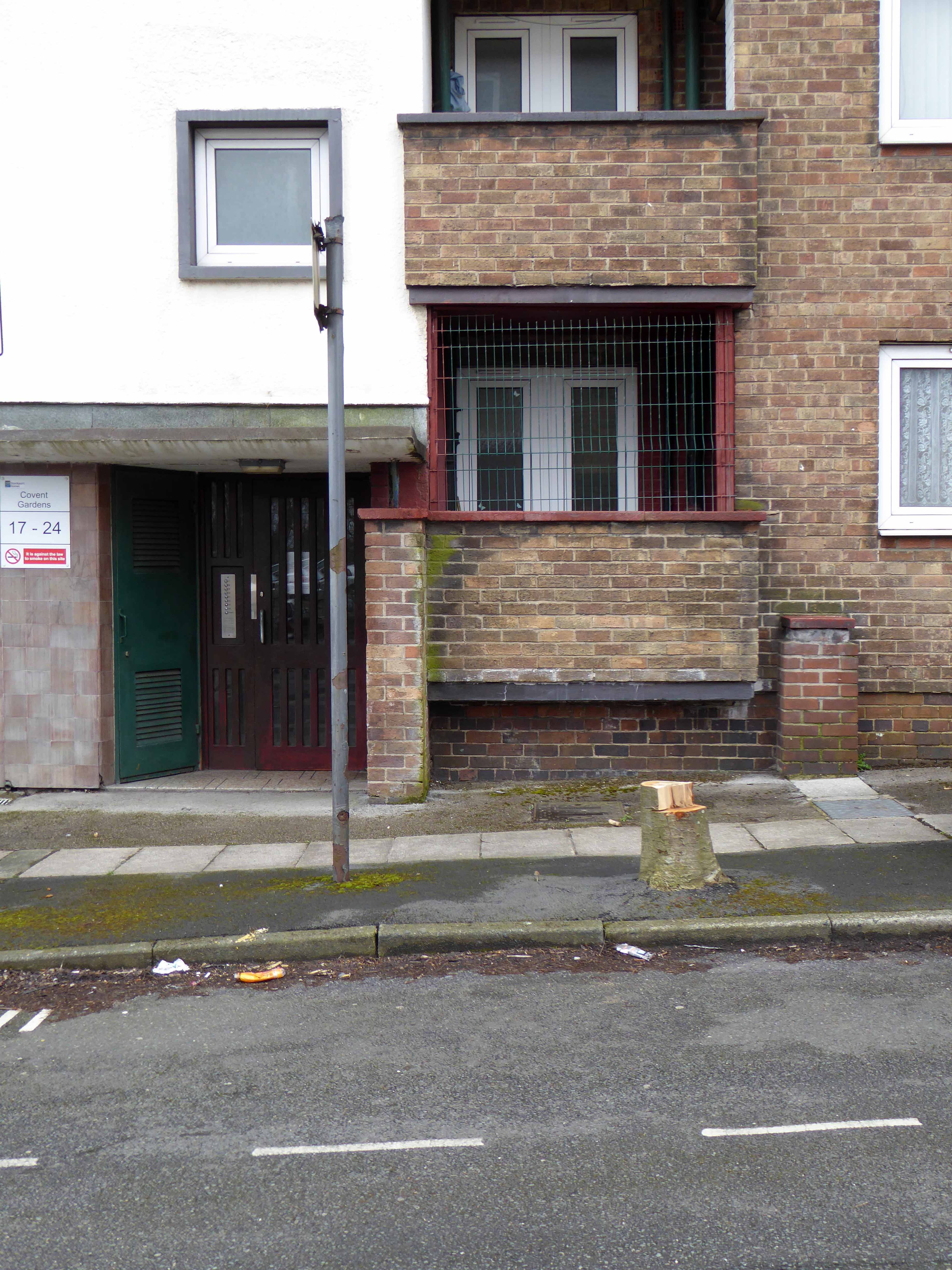
The Fairhurst designed flats were a breath of fresh air for the area, slim Crittall metal windows, concrete and brick structure, light and clean living for a new era. Social housing for a new era of social justice, postwar optimism written all over the facades.

Contrasting with the poorly built, stock brick, stolid terraces that they replaced, here was a little of the Modernist Movement for the masses.
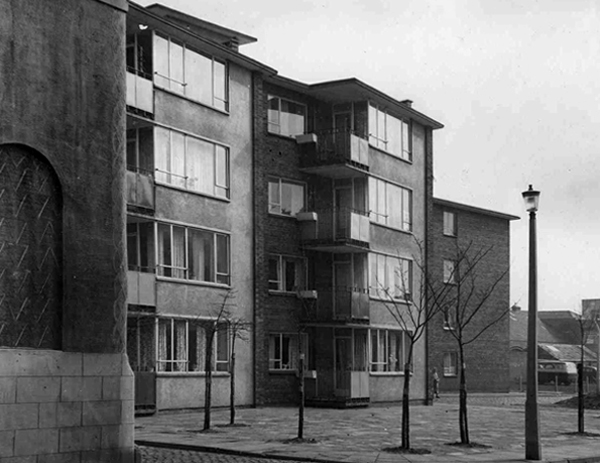
1347

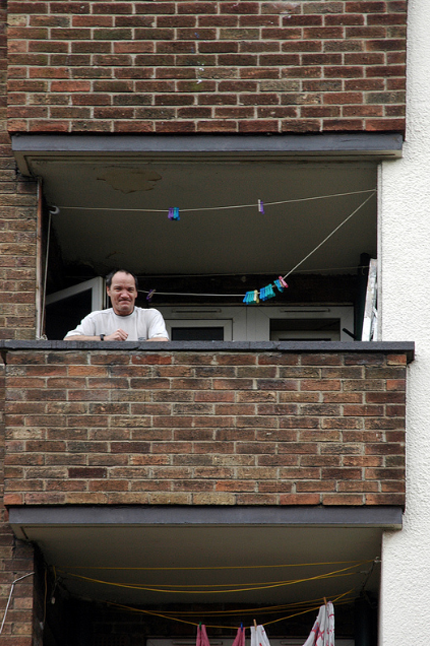
Some years ago when I first photographed the area, here were residents, happy to share their thoughts and feelings, at home in their homes. A settled community, whose homes were soon to be central to a masterplan, the very word sends shivers down you spine.
Screen Shot 2016-04-14 at 17.20.21

Screen Shot 2016-04-14 at 17.20.53

Screen Shot 2016-04-14 at 17.19.29

Screen Shot 2016-04-14 at 17.19.45


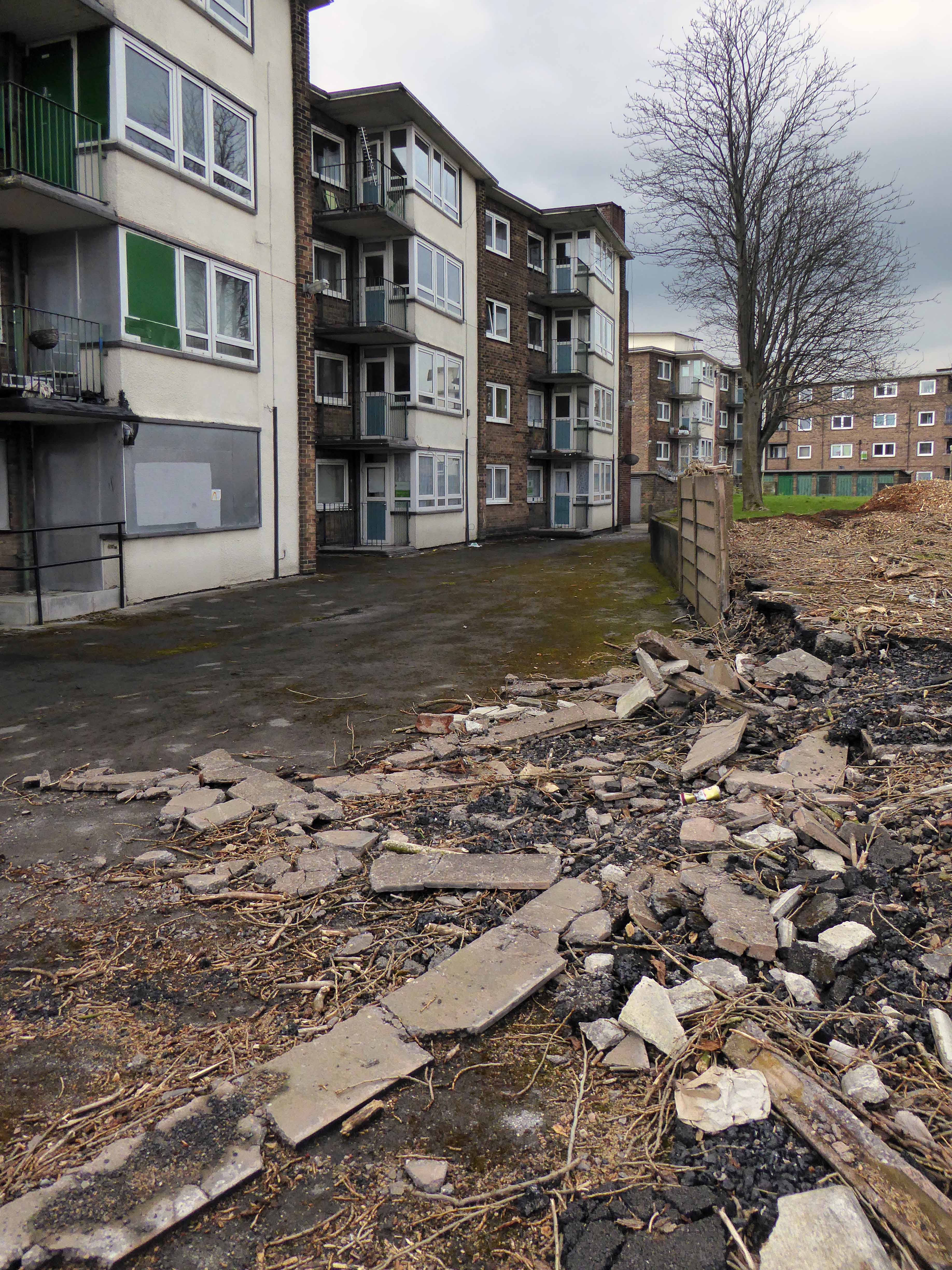
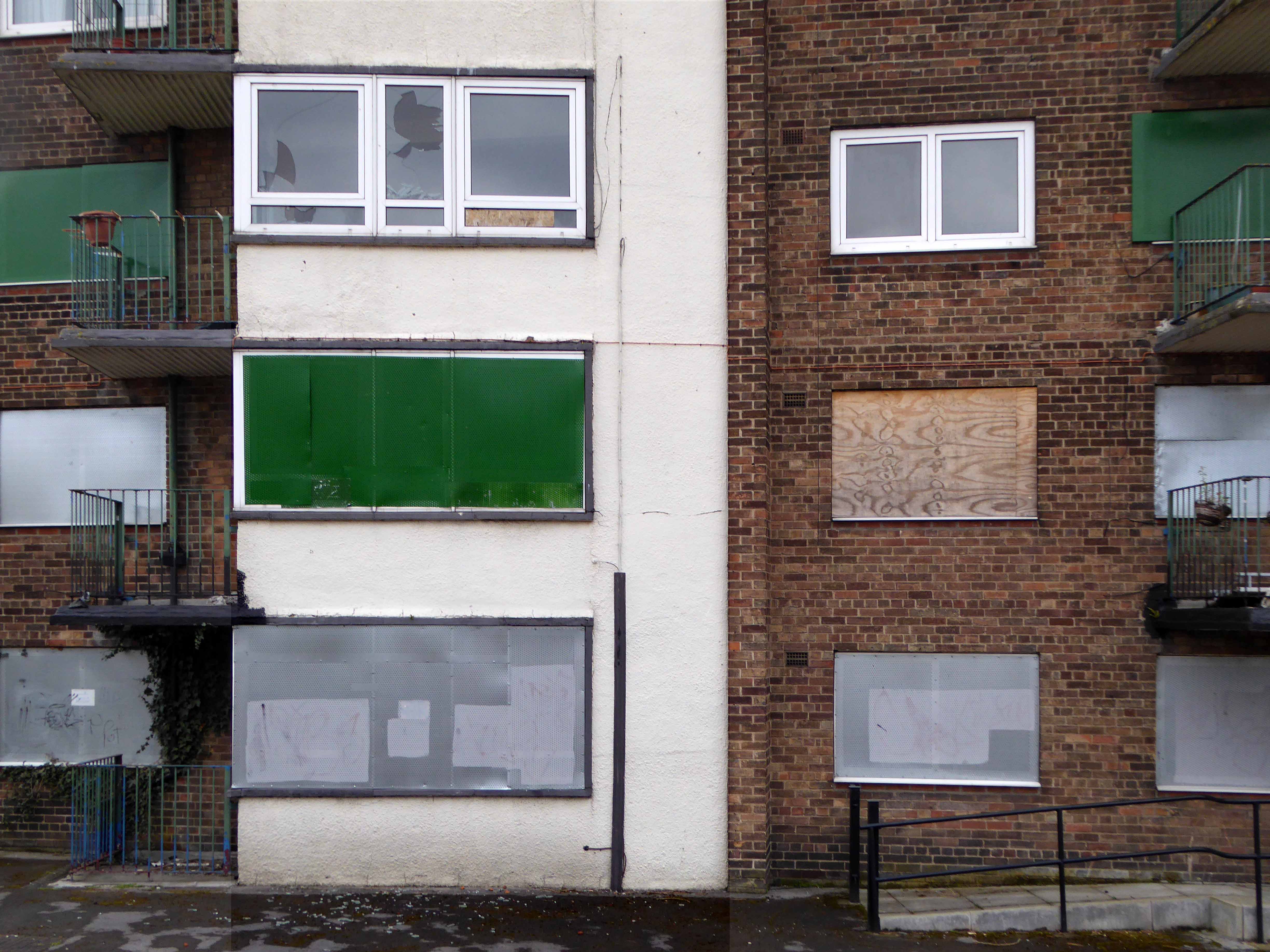
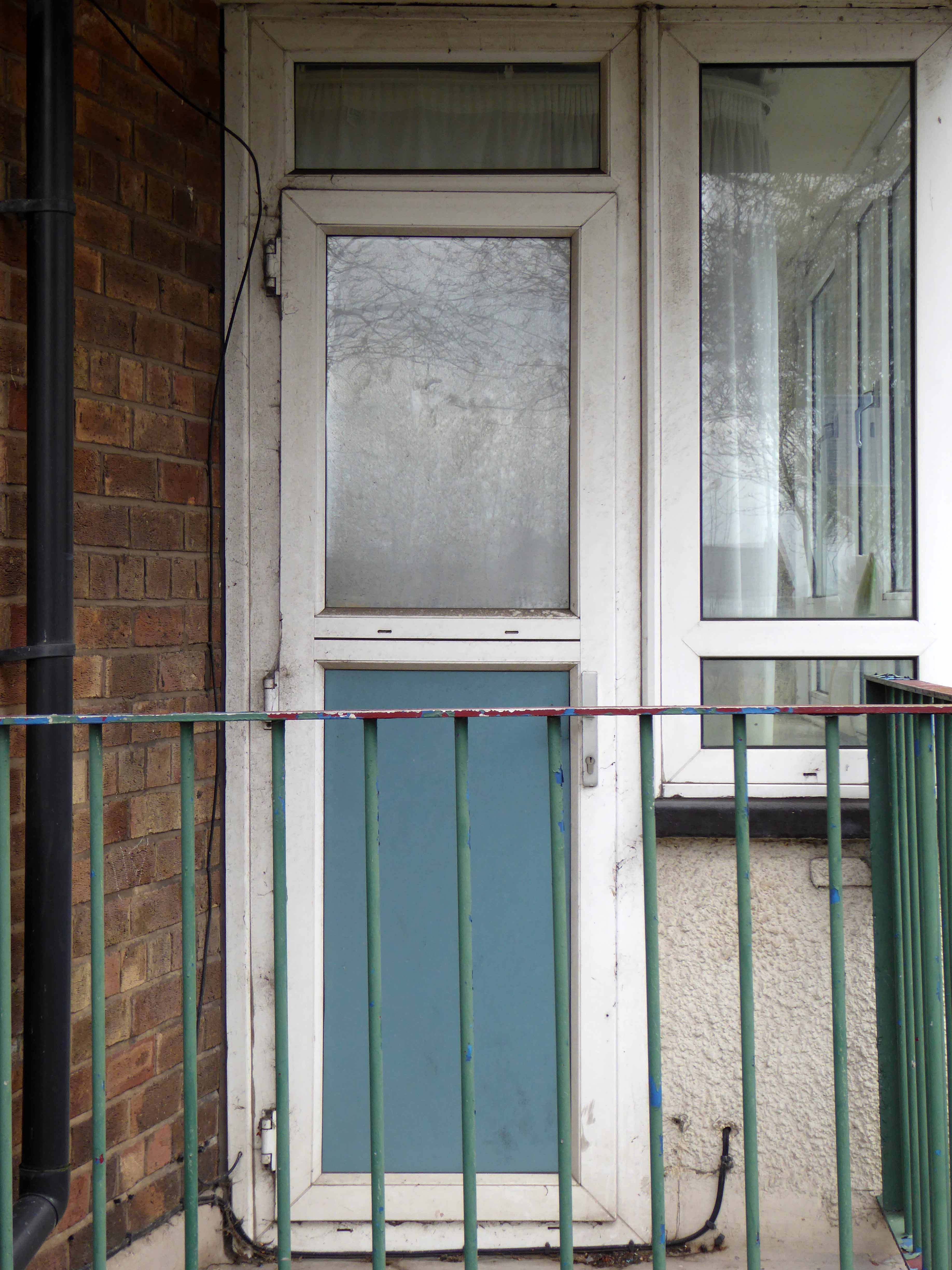
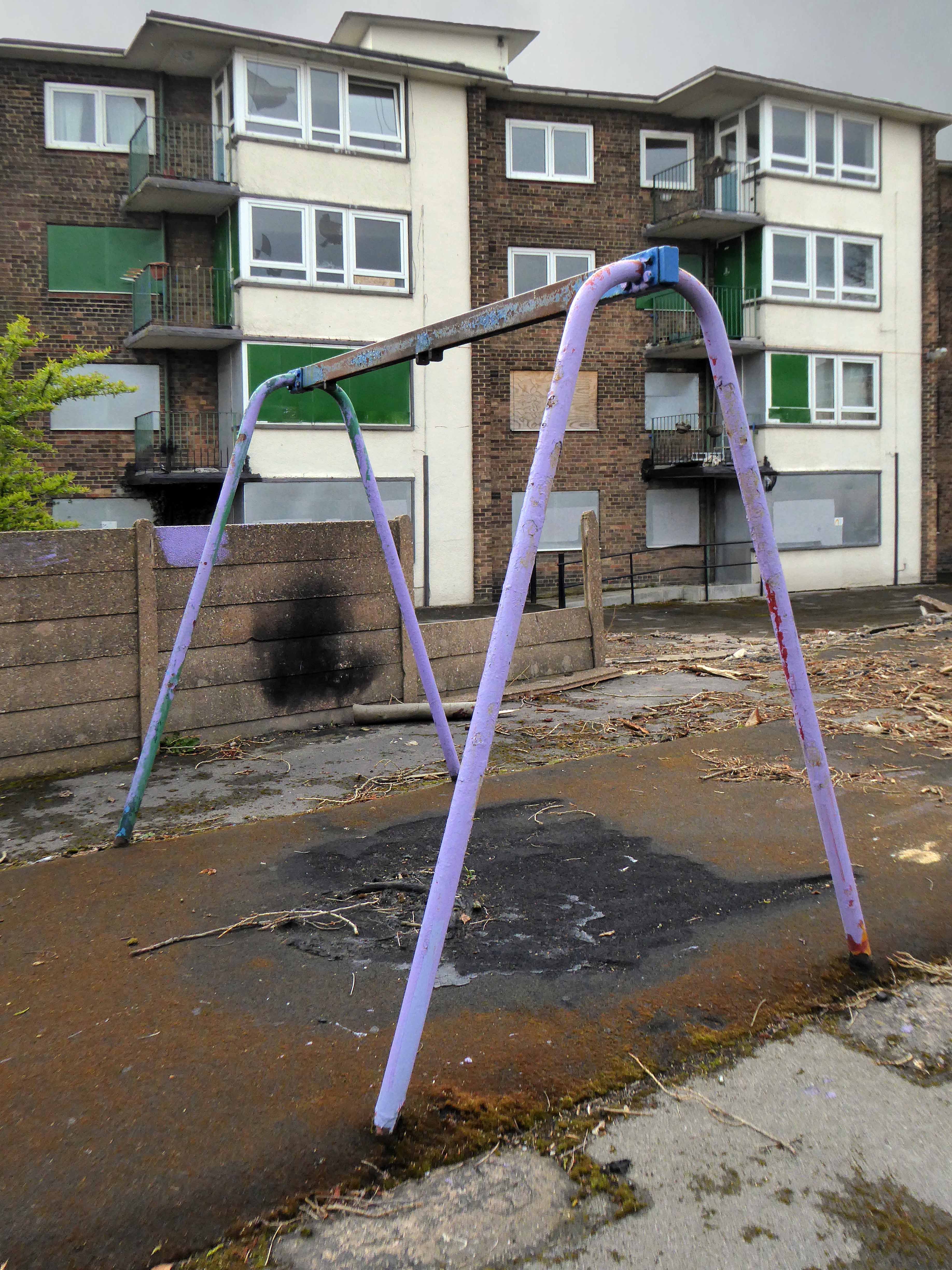
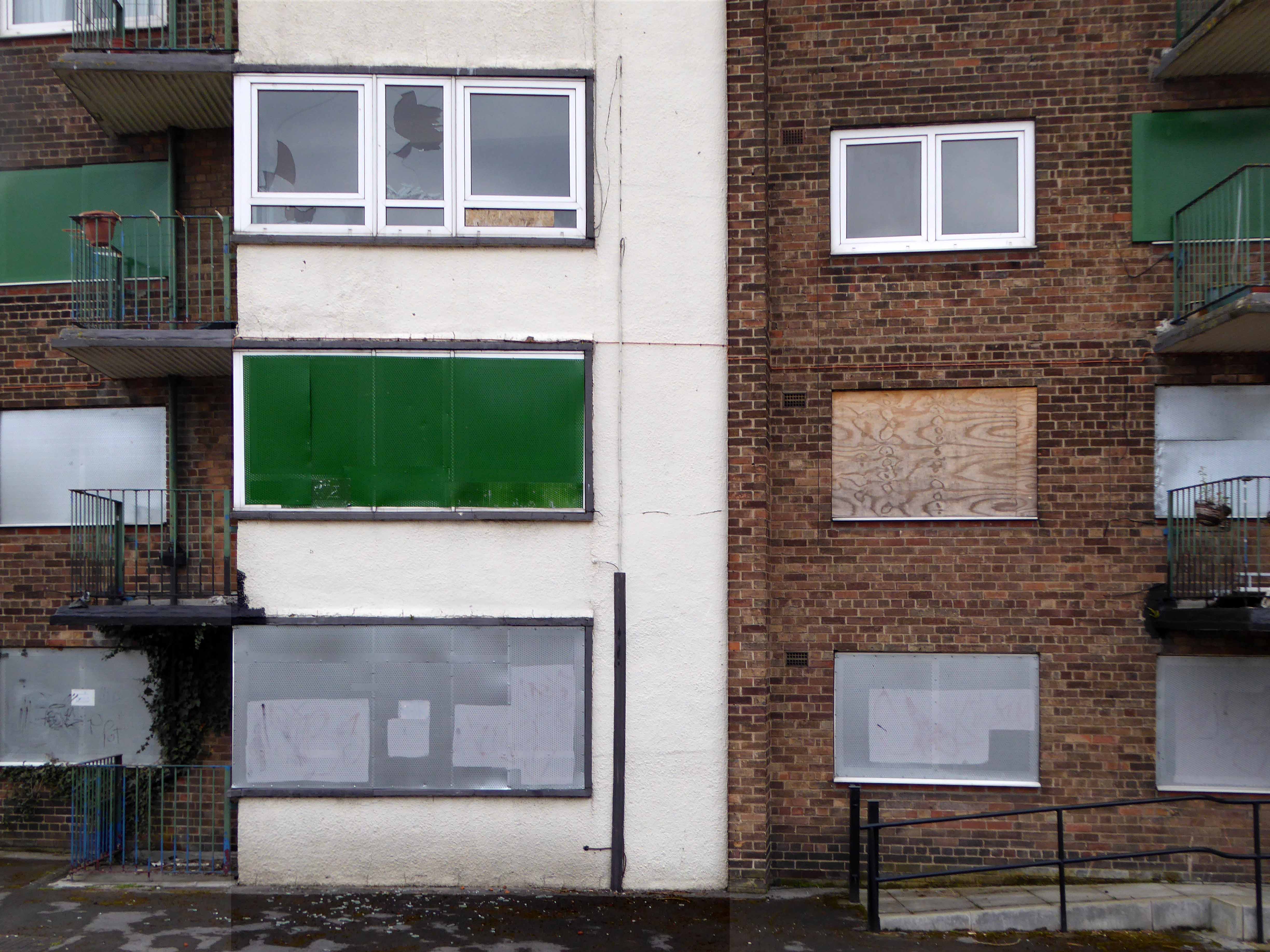
A redevelopment zone, around Hopes Carr and Covent Garden, saw the flats tinned up, prior to demolition. Homes, though clearly fit for purpose standing empty.
P1030585 copy

Several years on, and they are still standing empty.

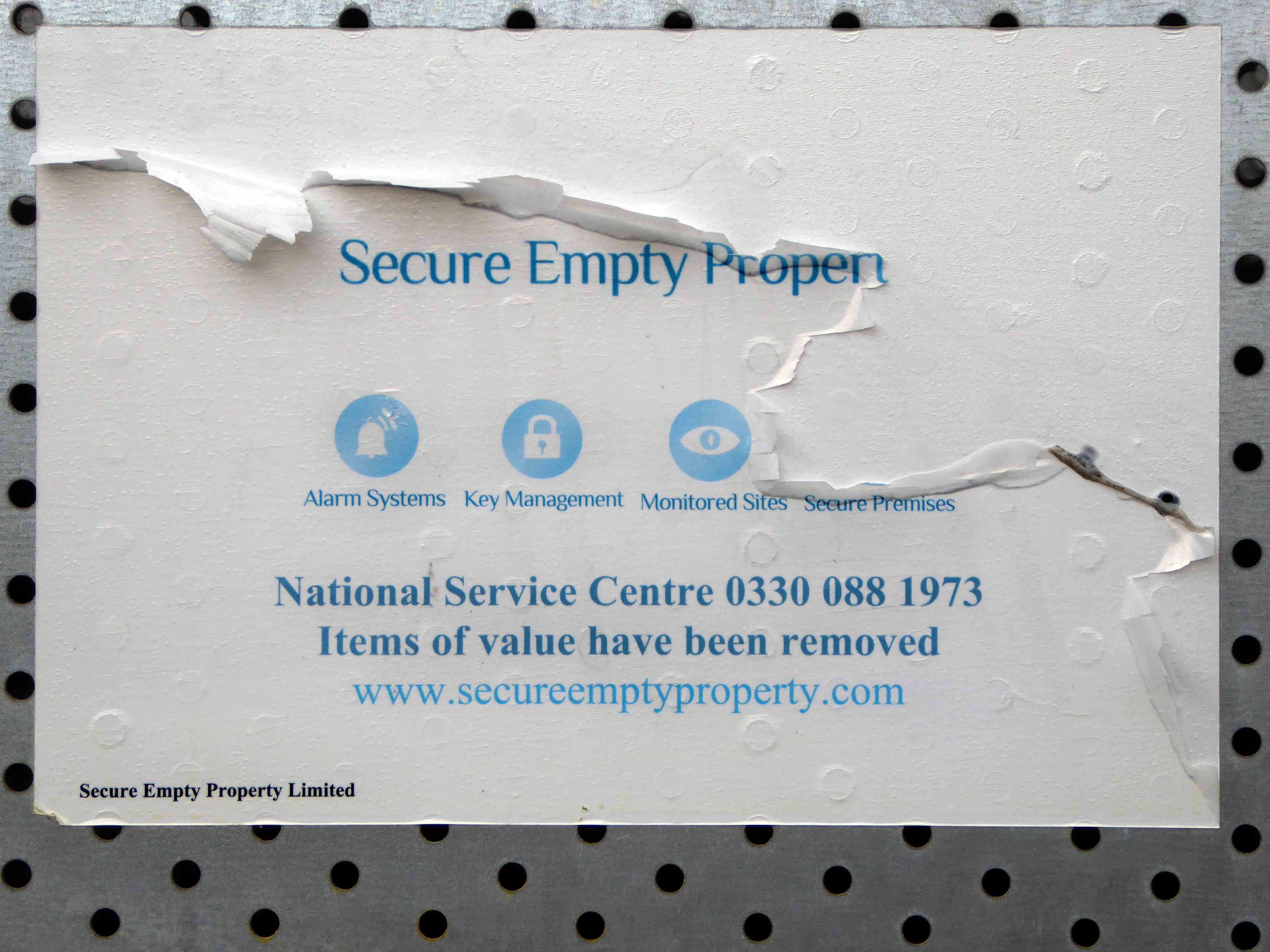
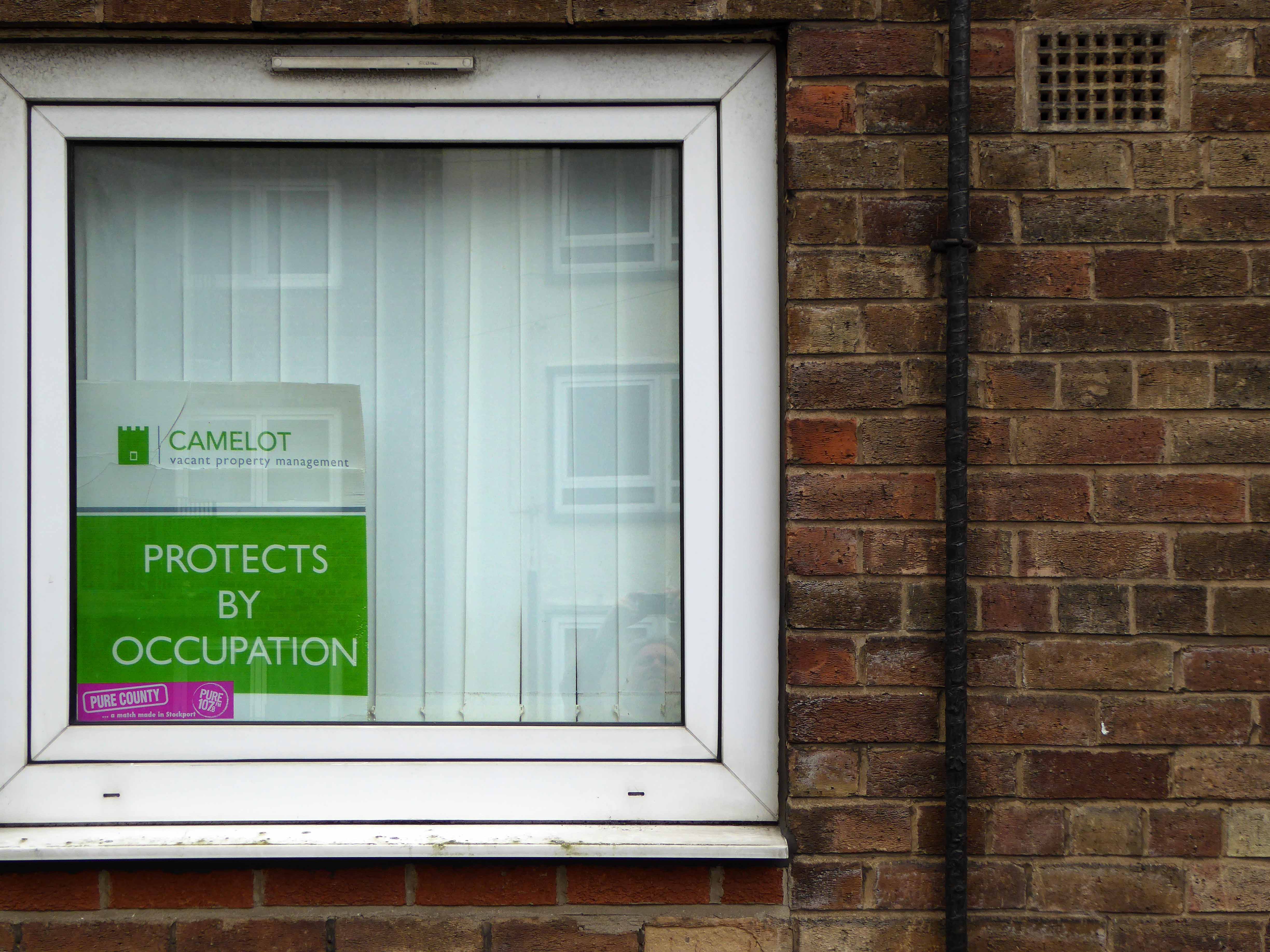
Save for a handful of protection by occupation tenants, living in a Camelot empty property.

“Our people combine entrepreneurial spirit and a deep understanding of specialist vacant property management with the highest standards of client care. Innovative internationally and well-known locally, Camelot design made-to-measure advice for you.”

“Camelot, located no where in particular, can be anywhere”

A pay to enter theme park with a limited future.
P1030563 copy

P1030587 copy

And so heartbreak at Impasse Pass, another stalled urban redevelopment, awaiting capital in a public private partnership.

Until the next time.

Walk a little further, take a peek, blink and it all may have disappeared.
P1030554 copy

P1030558 copy

P1030553 copy

P1030552 copy

P1030565 copy

P1030567 copy

P1030586 copy

P1030569 copy

P1030556 copy

P1030562 copy

P1030573 copy

P1030571 copy

P1030590 copy

P1030564 copy

P1030585 copy

P1030566 copy

P1030557 copy

P1030570 copy

P1030584 copy

P1030596 copy

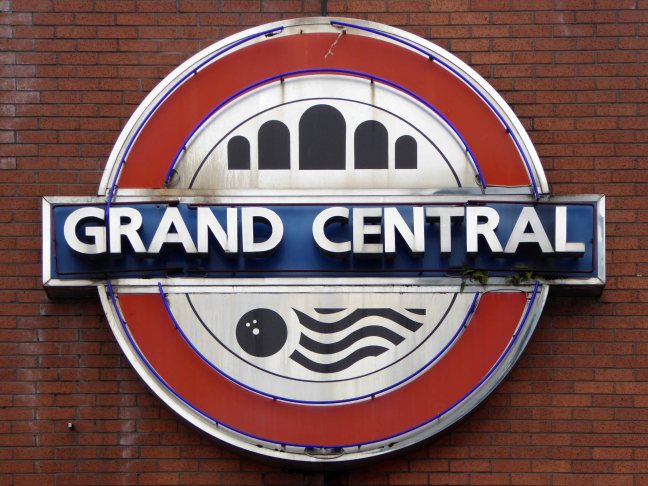
Stockport – Grand Central

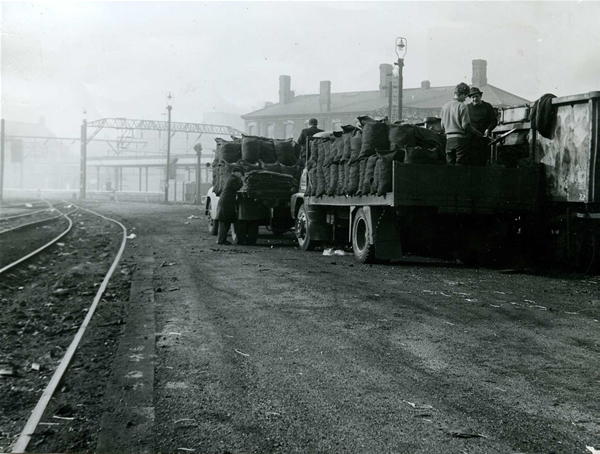
From coal drops to tear drops.

By Grand Central/Station I sat down and wept.

There’ll be no tear drops tonight.

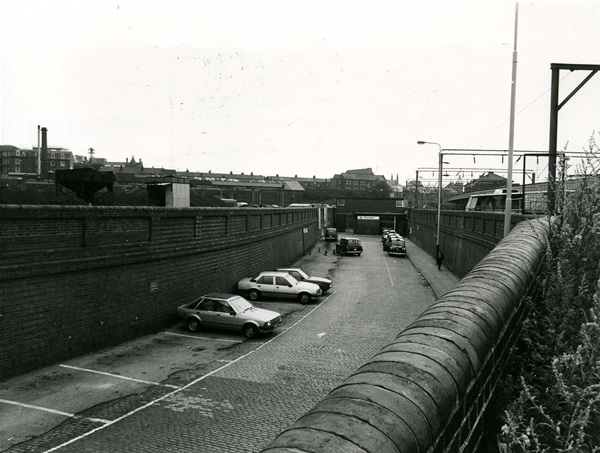
The site was at the heart of industrial Stockport for a hundred and fifty years.

Goods in goods out, day in day out.

1921

A town and time driven by coal and steam, as a first date with Stockport it was never a love at first sight site, two narrow cobbled access roads, lined with tall blue engineers’ brick walls, arching towards two narrow entrances.

18315

This along with the rest of the area, was a working area, hanging on to the edge of the Mersey Valley, housing and industry cheek by jowl, in one grimy fug.

Time changes everything, by 1990 the site had been cleared and work commenced on a brand new shiny retail, leisure and entertainment complex. The nation had shifted wholesale from manufacturing to carousing.

The clatter of clogs replaced by the squeak of Adidas.

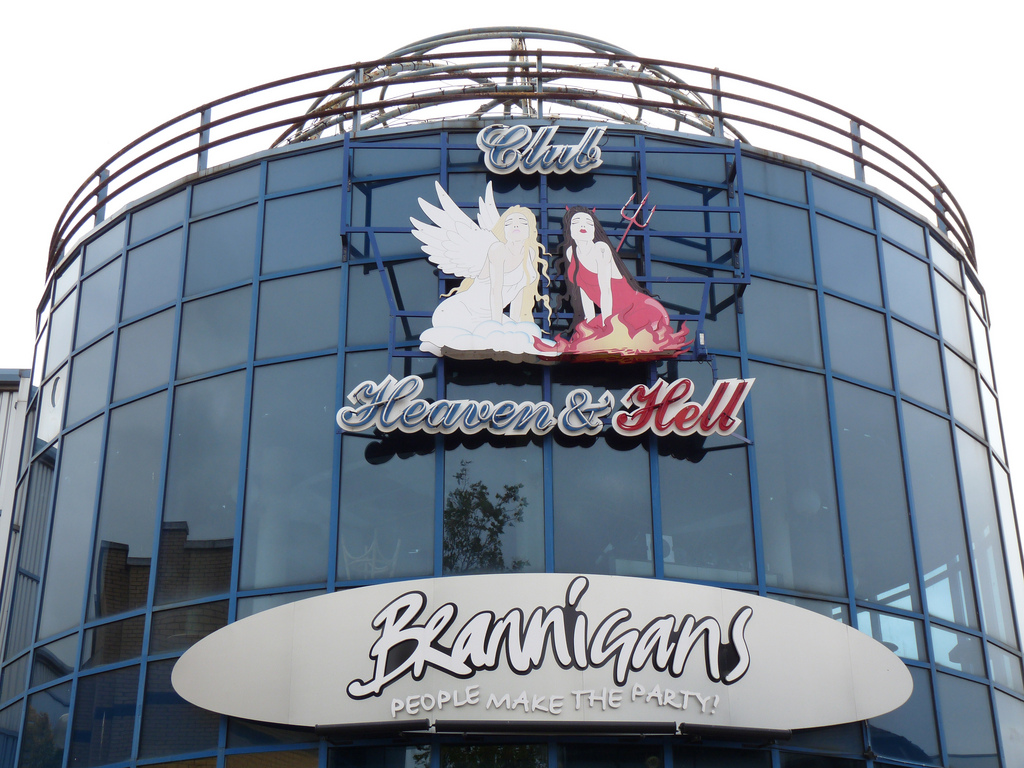
The white hot heat of technology fires Heaven and Hell.

4013161839_b31b29242e_b

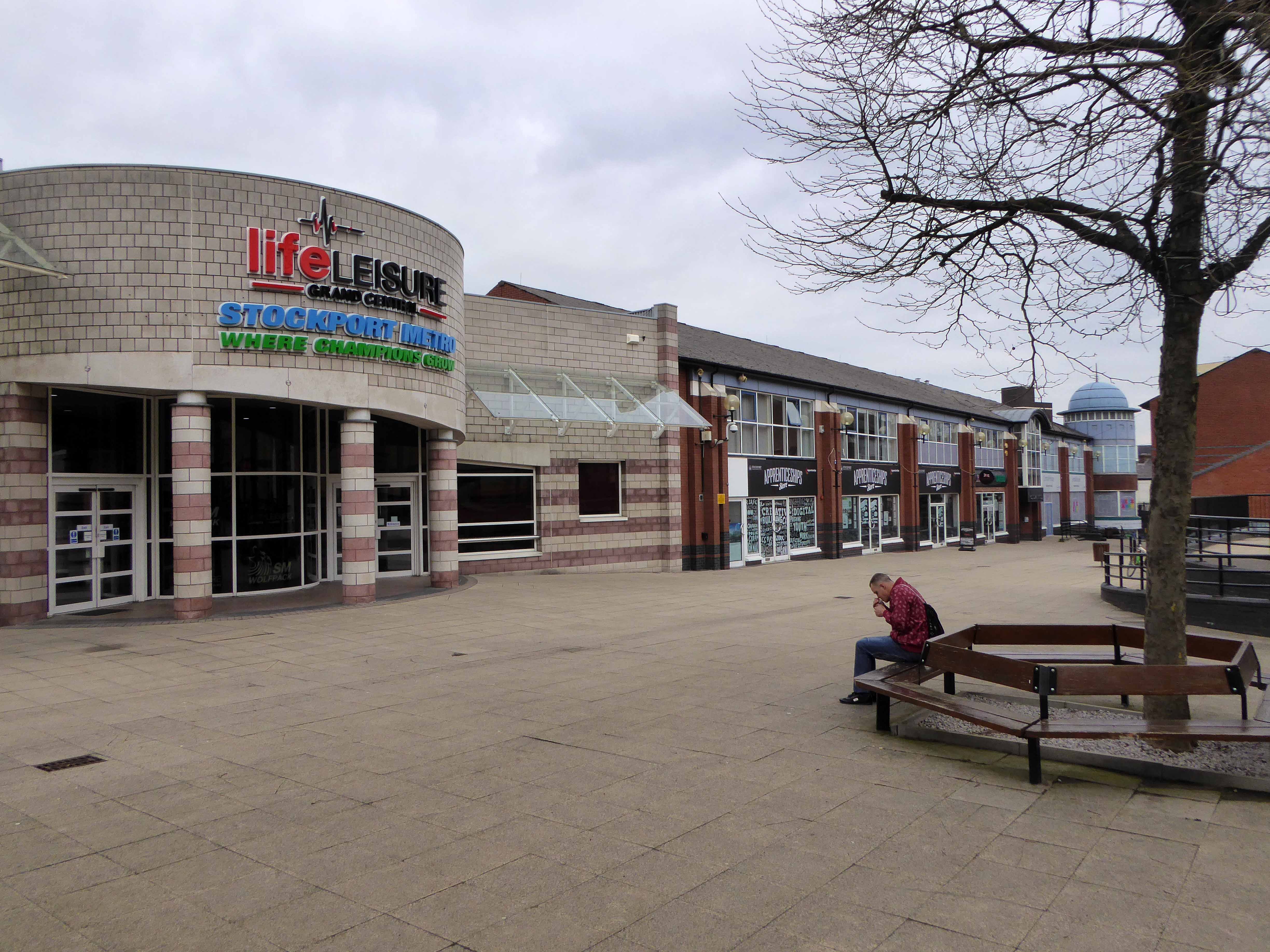
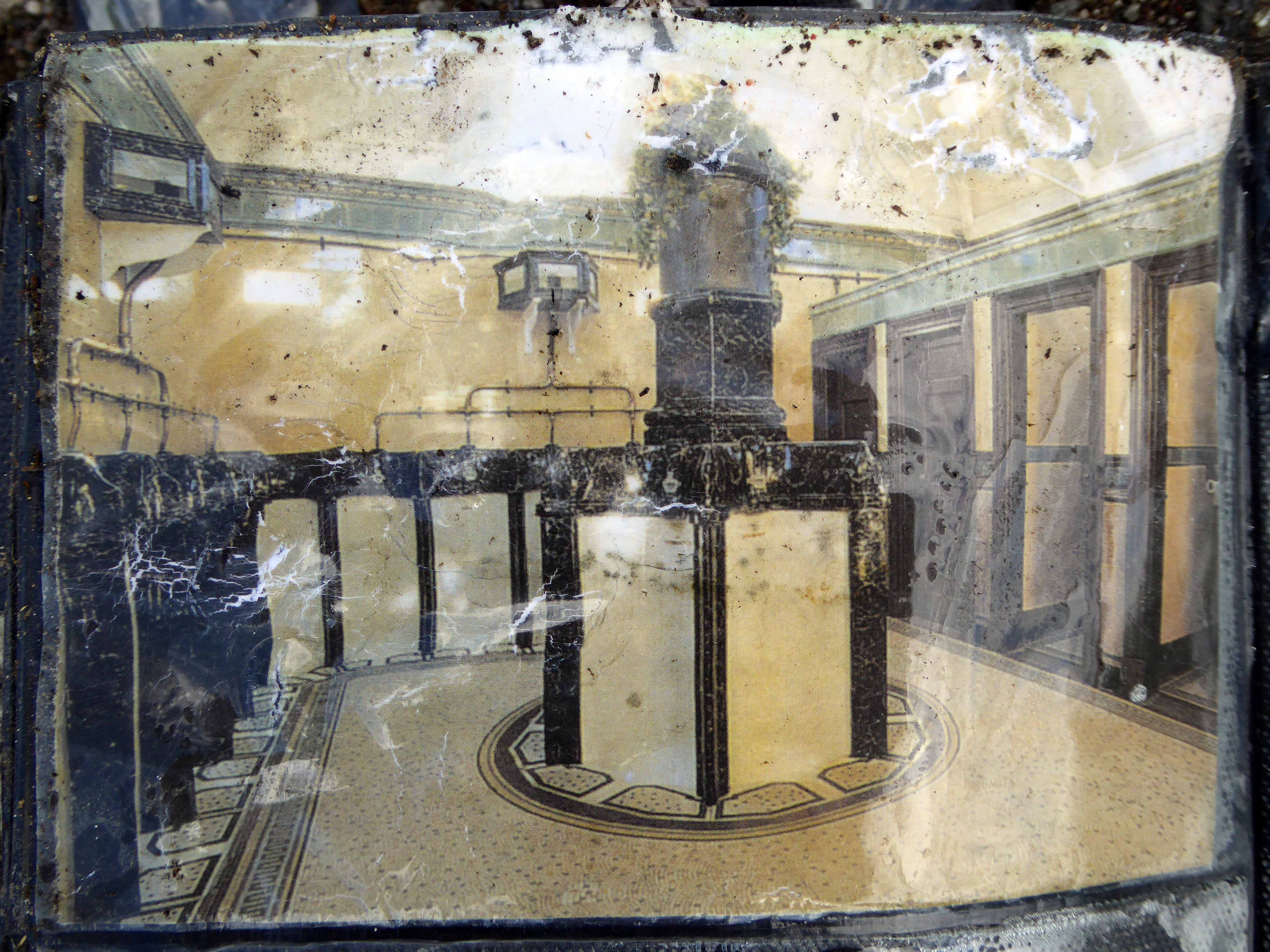
A club, swimming pool, bars, quasar quest, bowling alley, shops and cinema. Open public, private spaces leading from the A6 to the station approach. Concrete paving, brick, steel and glass construction, in a dulling whirlwind of sub-postmodern, cost benefit analysis, mirthless architectural, fun and frolics.


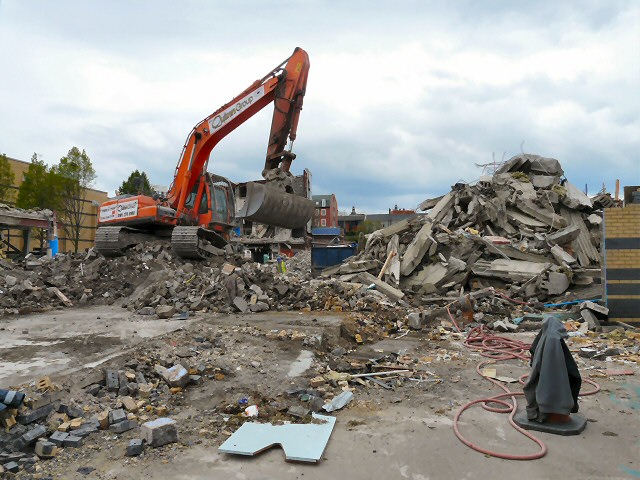
Nothing lasts forever, gradually the fun grinds to a halt, the alluring shimmer of boob tubes and hot pants, quickly fades into a dimly remembered, future passed.
2949627_85e2d540

There are more things in Heaven and Hell, Horatio,
Than are dreamt of in your philosophy.

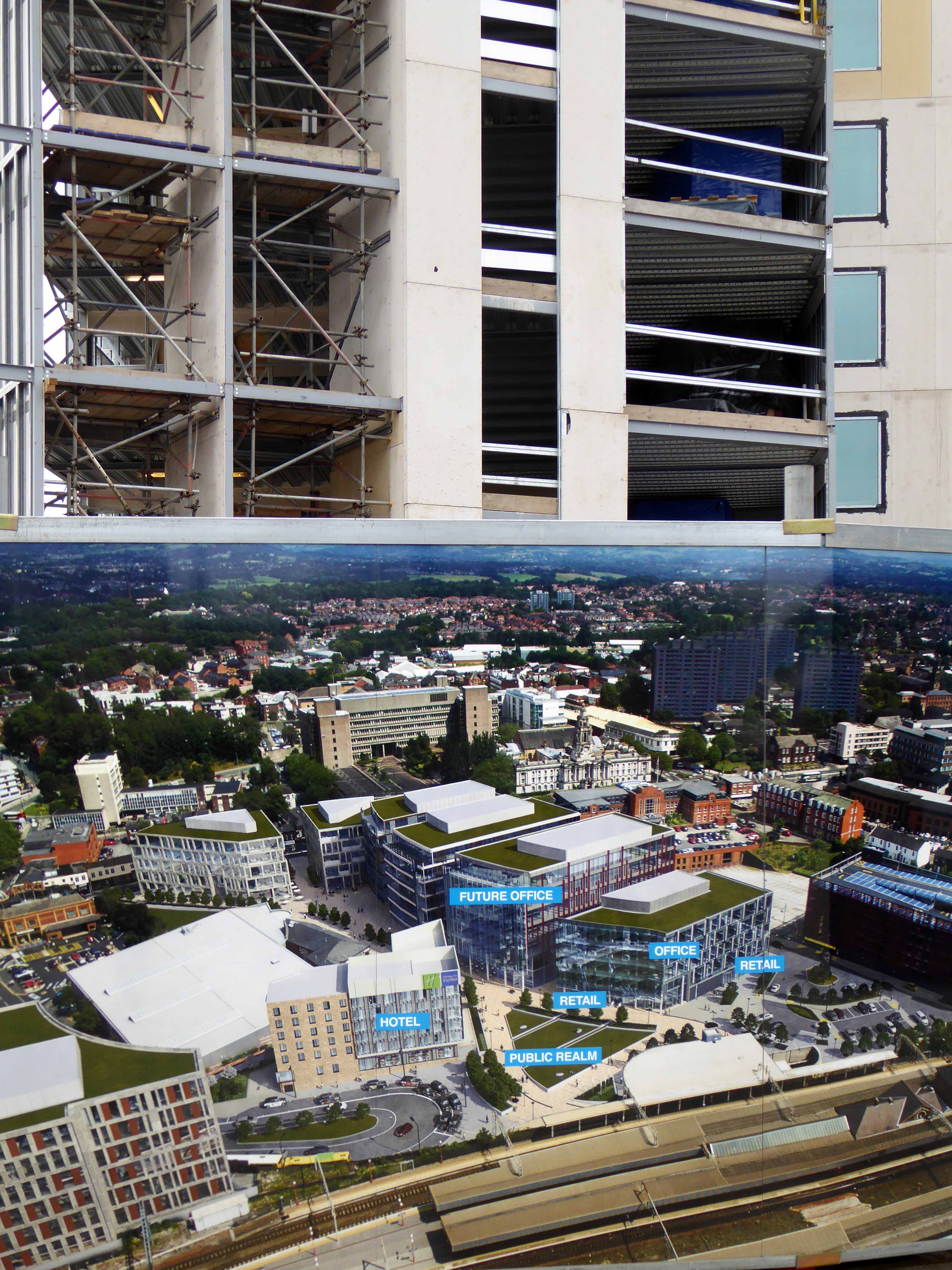
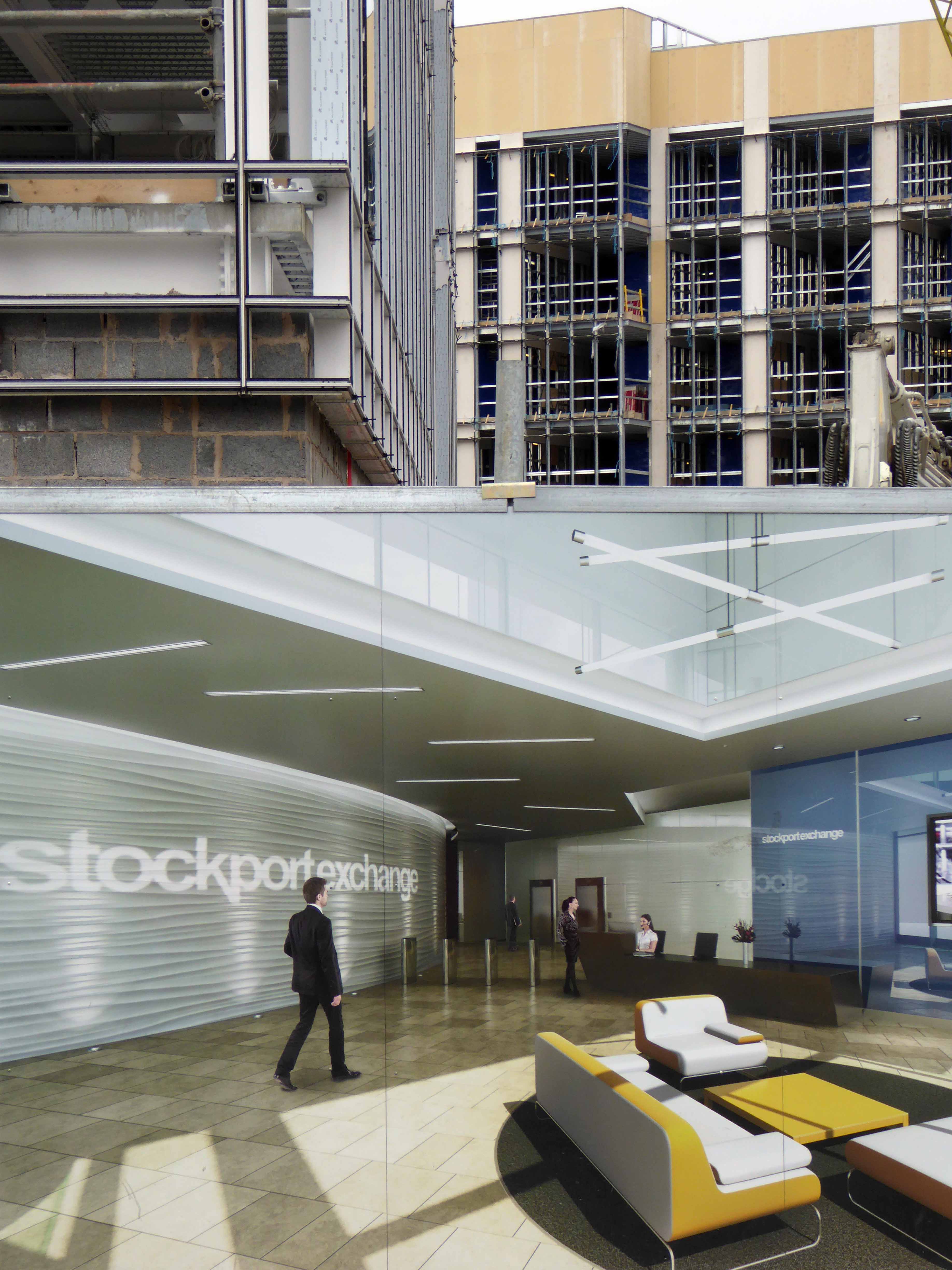
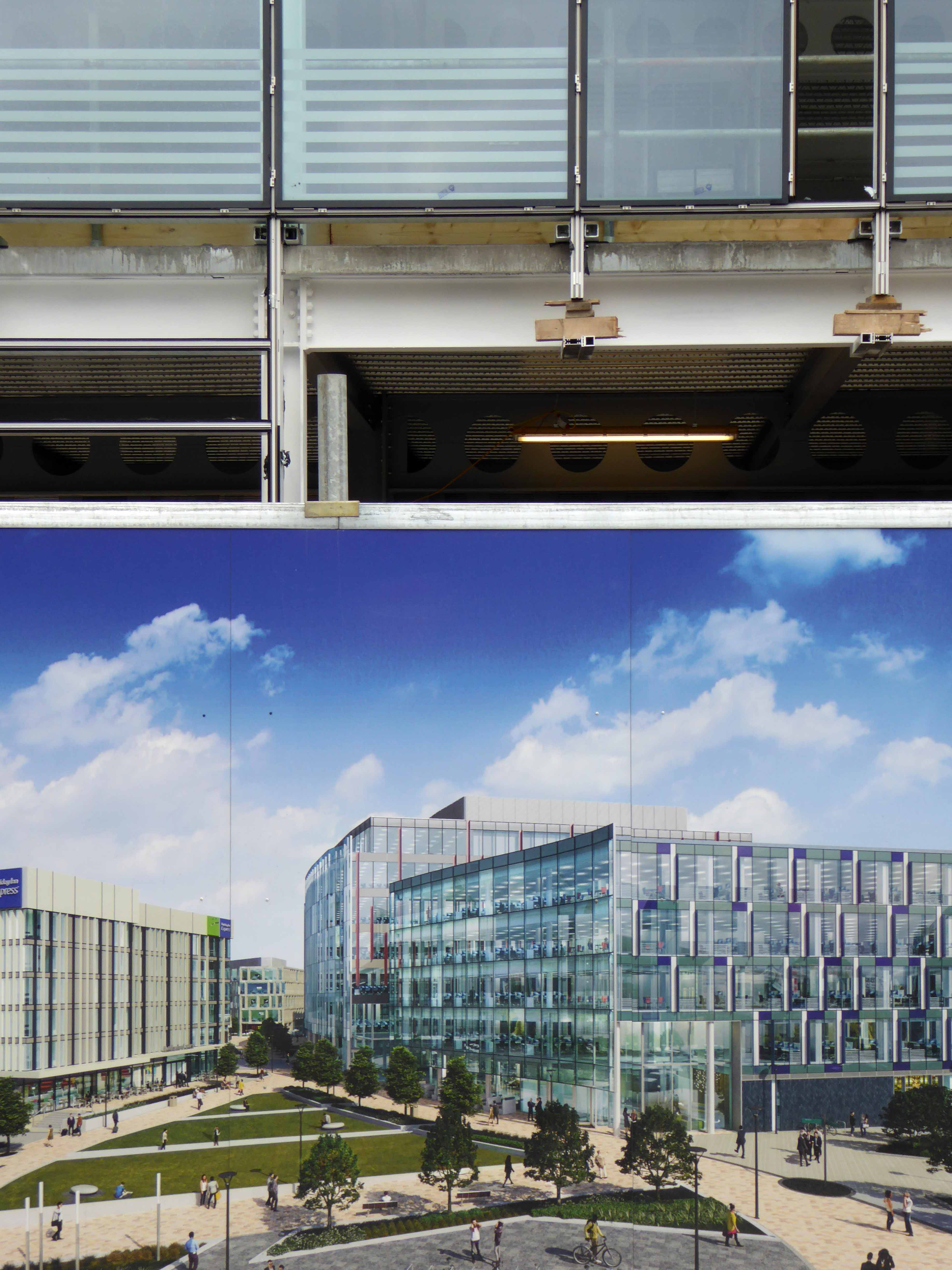
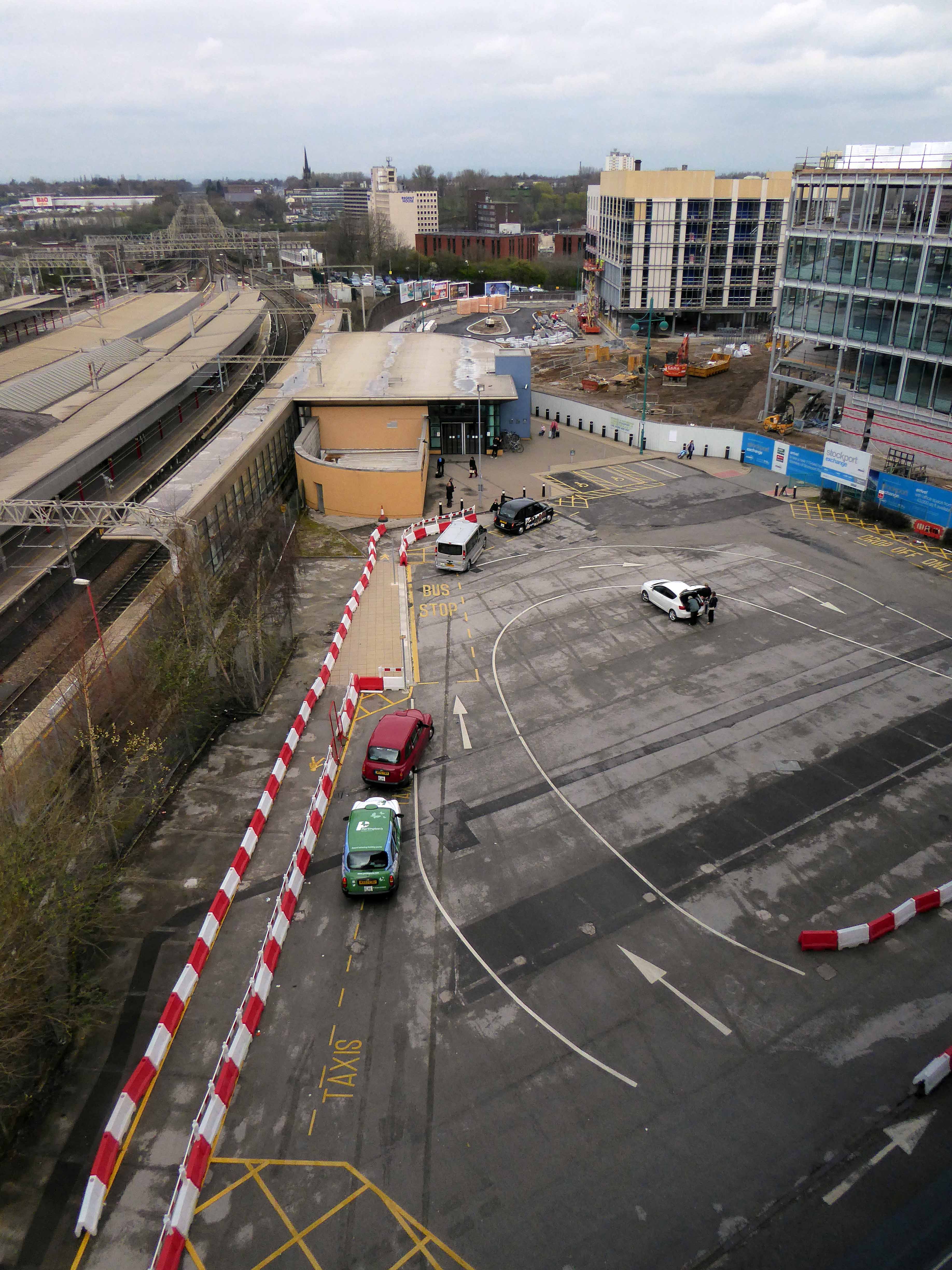
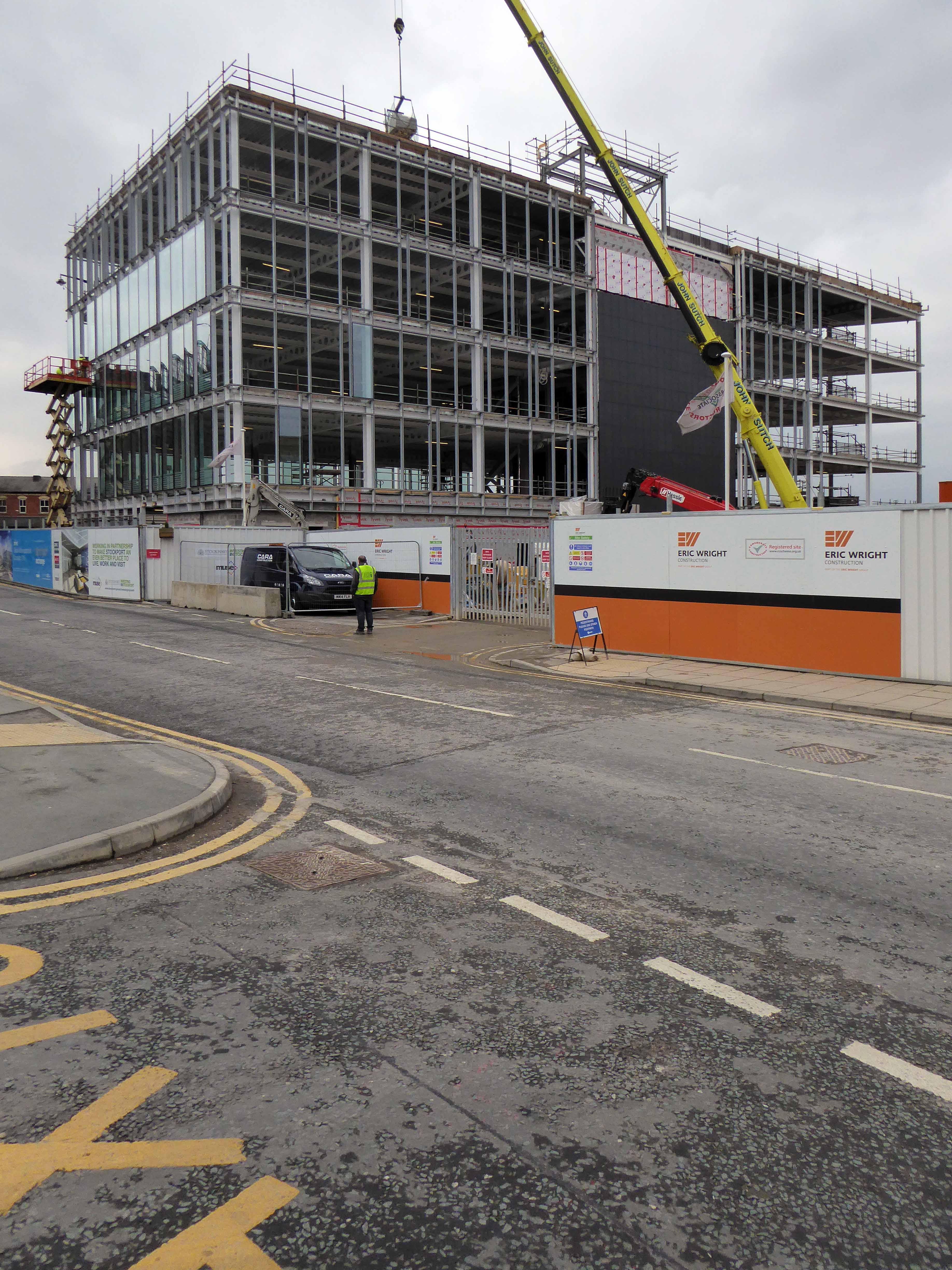
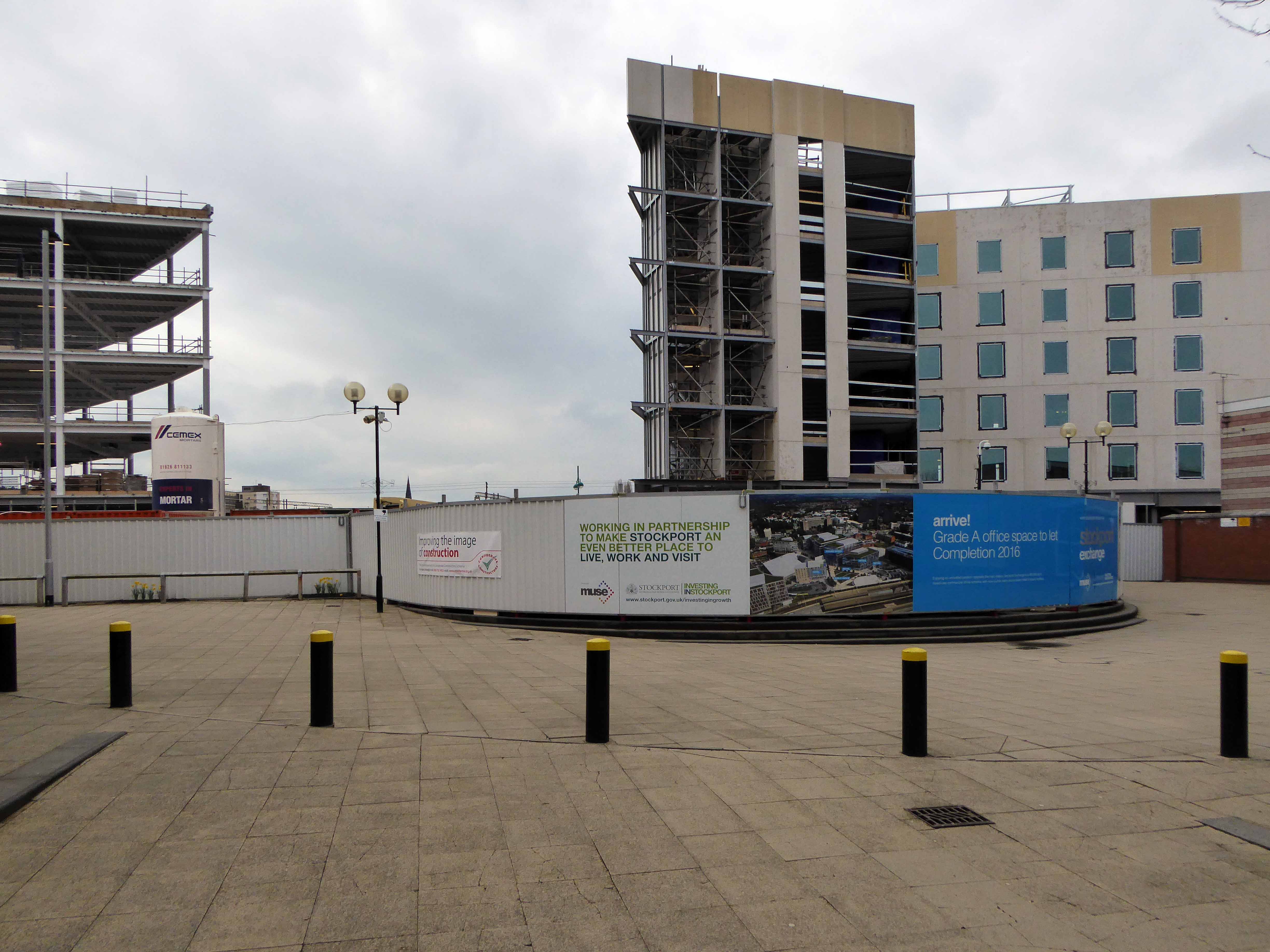
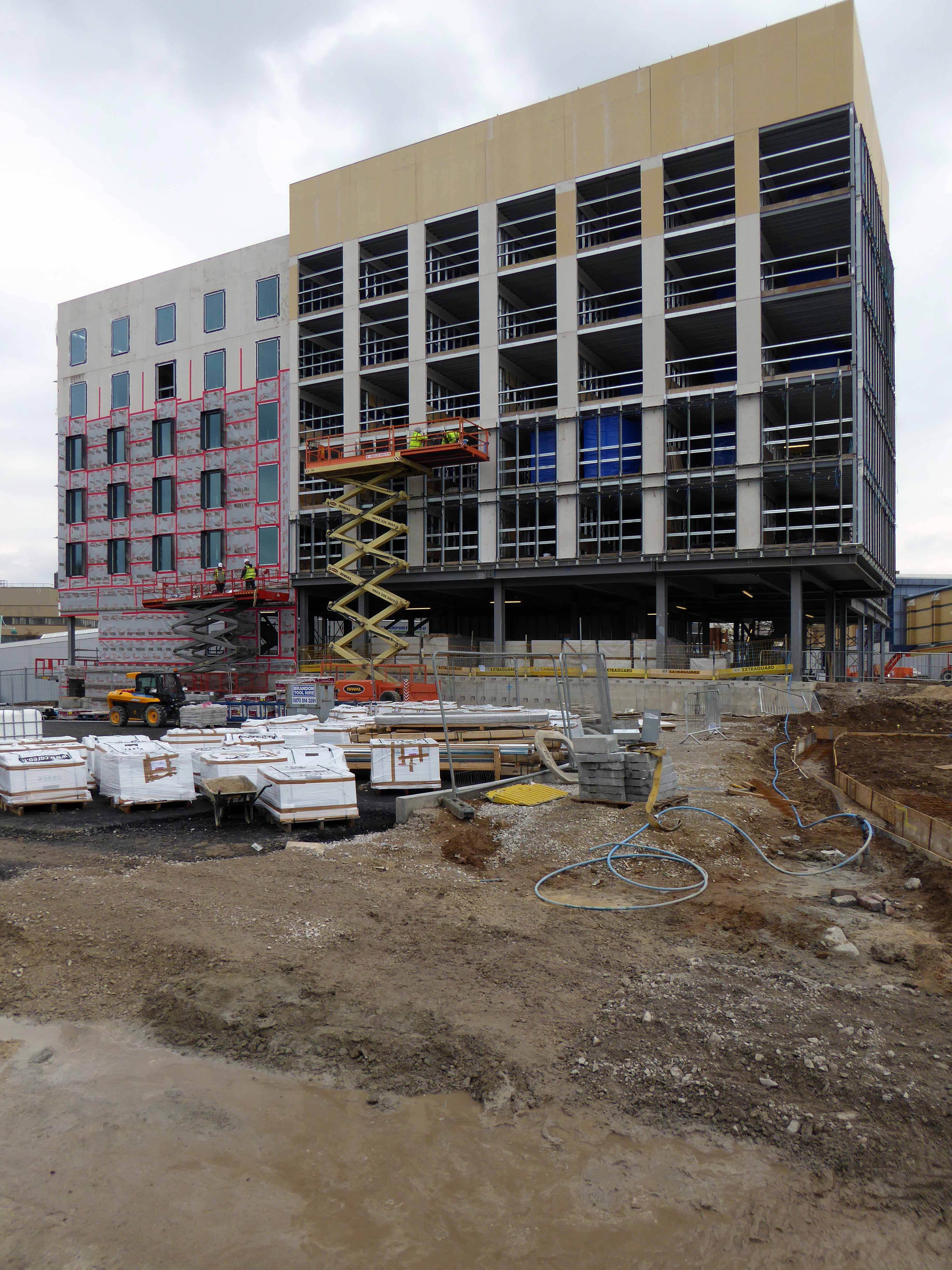
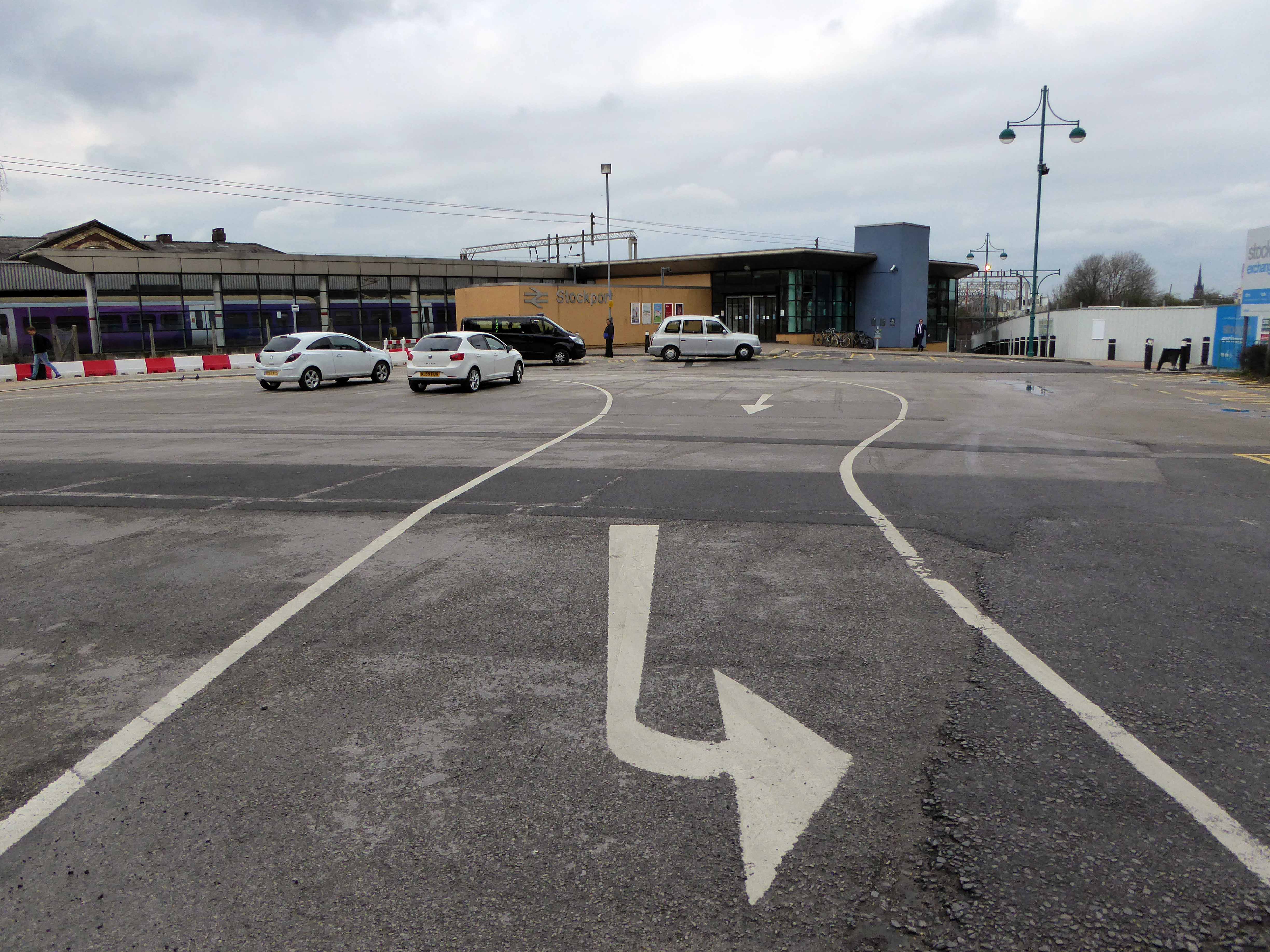
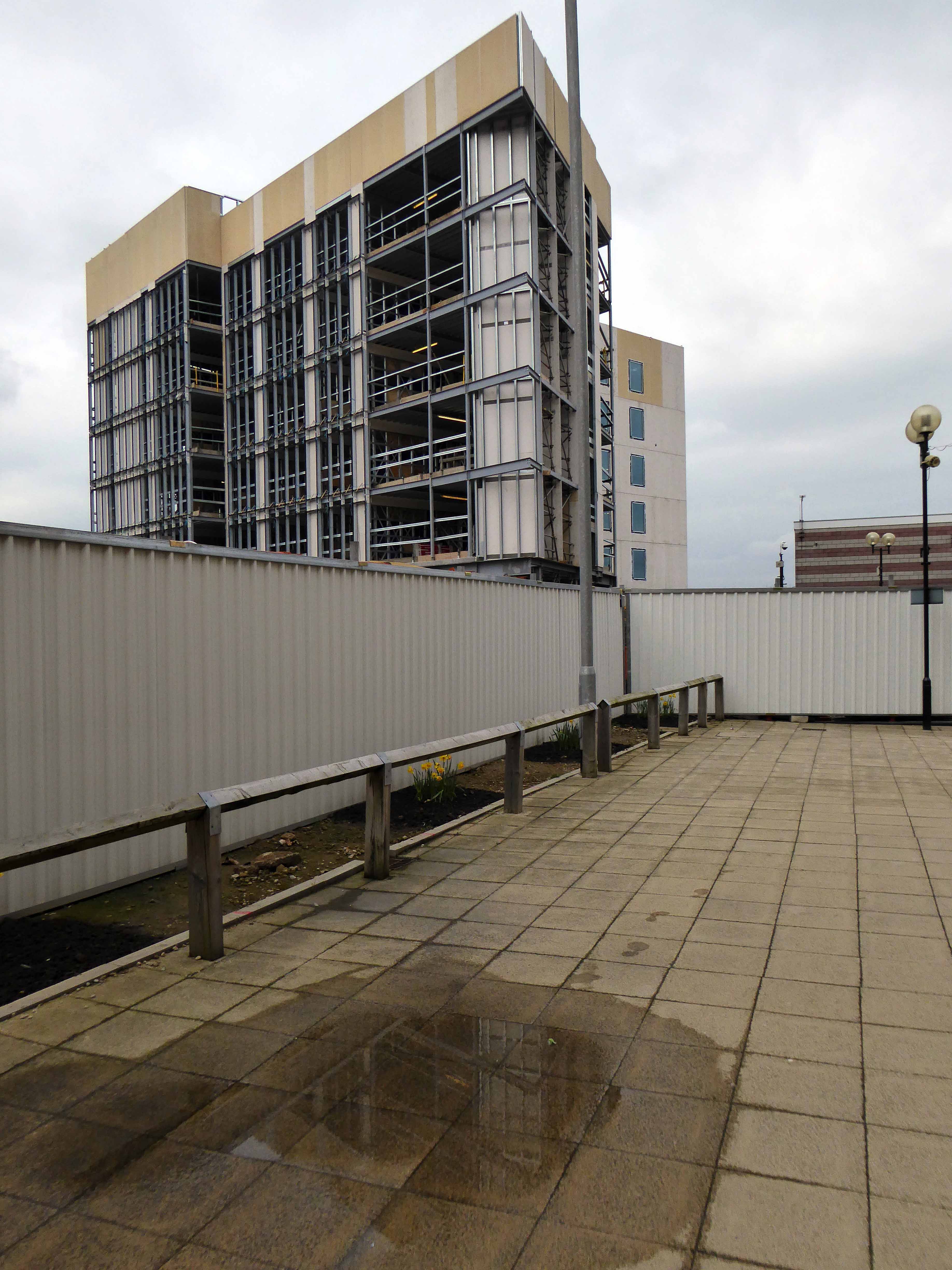
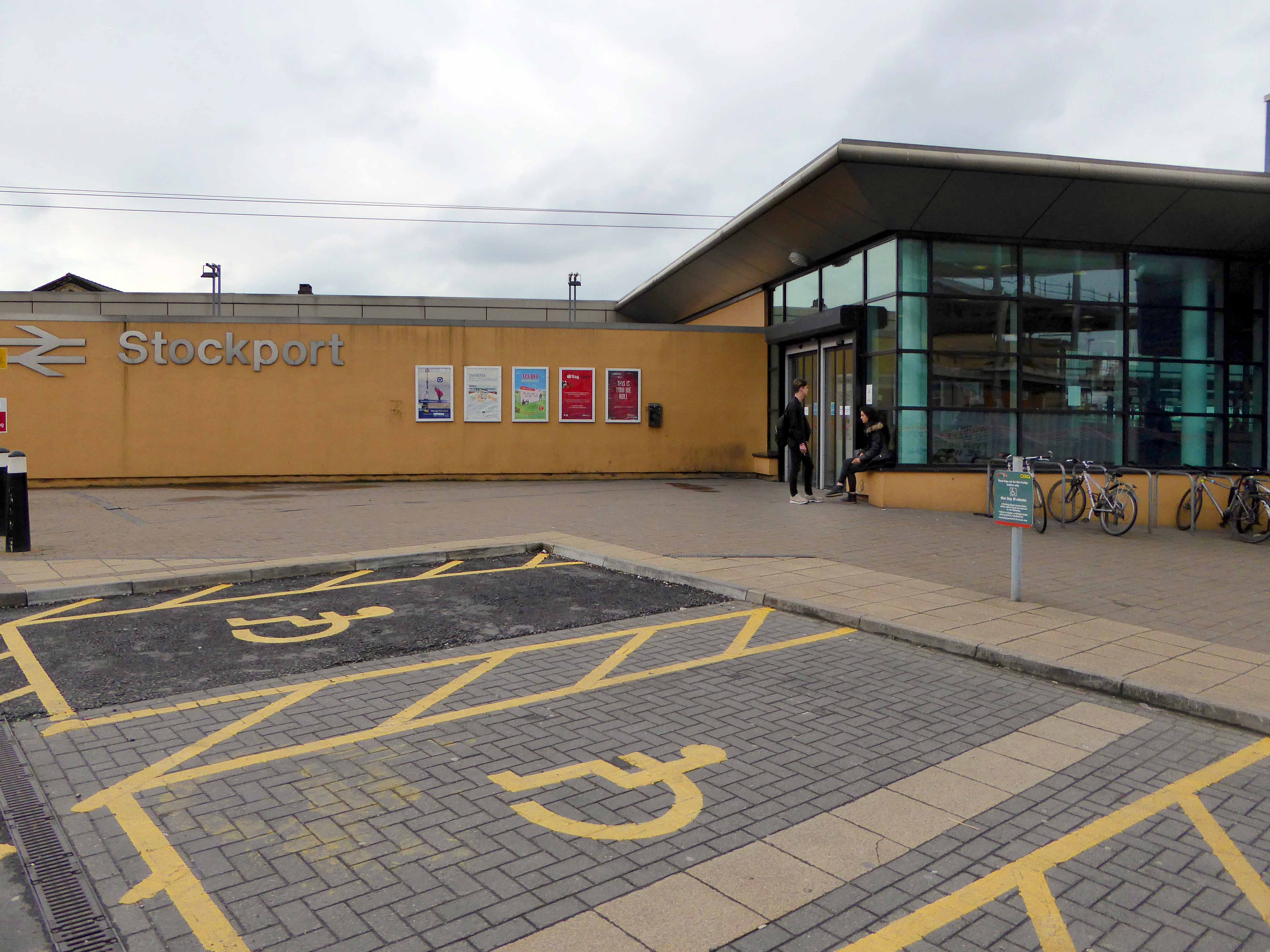
Grand Central Stockport was owned by Norwich-based private property company Targetfollow, who acquired the complex for £10.8m in 2004. In January 2011, after lack of progress on the development scheme, Stockport Council purchased the complex. In December 2011, Stockport Council announced that Muse Developments, the urban regeneration division of construction group Morgan Sindall had been selected as the preferred developer with a report to be presented to the council the following week. The revamped regeneration plans include an office quarter for the town centre, a hotel, public space outside the railway station. In addition, the redevelopment would also include a multi-storey car park and to make the site into a more attractive gateway into the town centre. The new redevelopment plans are valued at approximately £145m.

So the merry dance continues, a brave new world for the bemused citizen to consume and be consumed by, a gateway to speculative development.


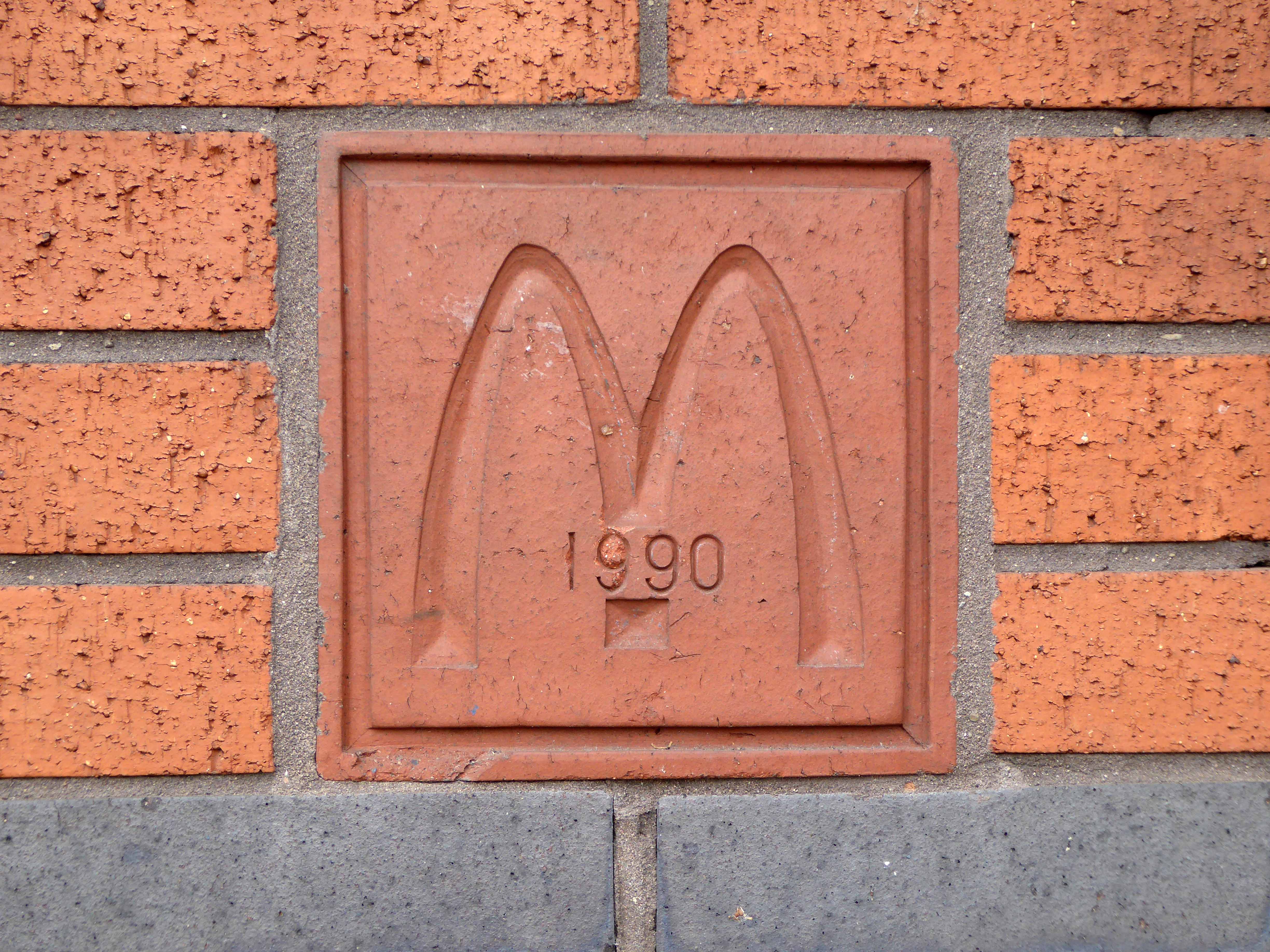
The reassuring golden arches await the intrepid voyager, the foundation stone of any civilised civil society, set in terracotta for ever and a day.

P1030519 copy

The high vis, high rise, low expectation roller coaster, rolls on relentlessly.

P1030487 copy

P1030463 copy

P1030476 copy

P1030466 copy

P1030498 copy

P1030483 copy

P1030473 copy

P1030492 copy

Burnage – Garden Village

Spring’s in the air, let’s take a walk down leafy lanes, far from the traffic’s roaring boom and the silence of my lonely room – well not that far.

Burnage.


Screen Shot 2016-03-23 at 10.33.12

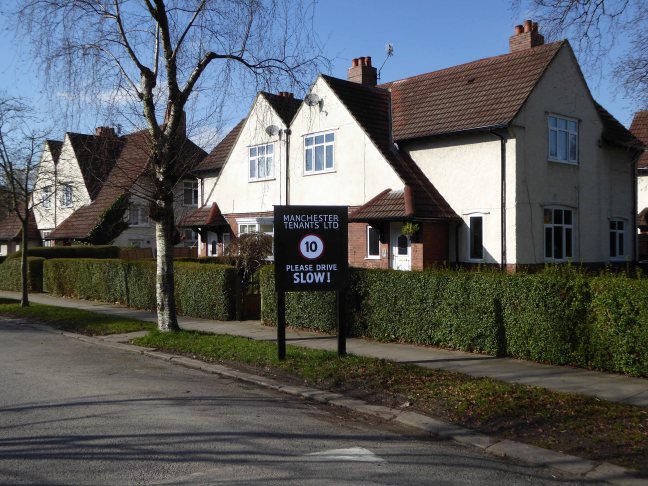
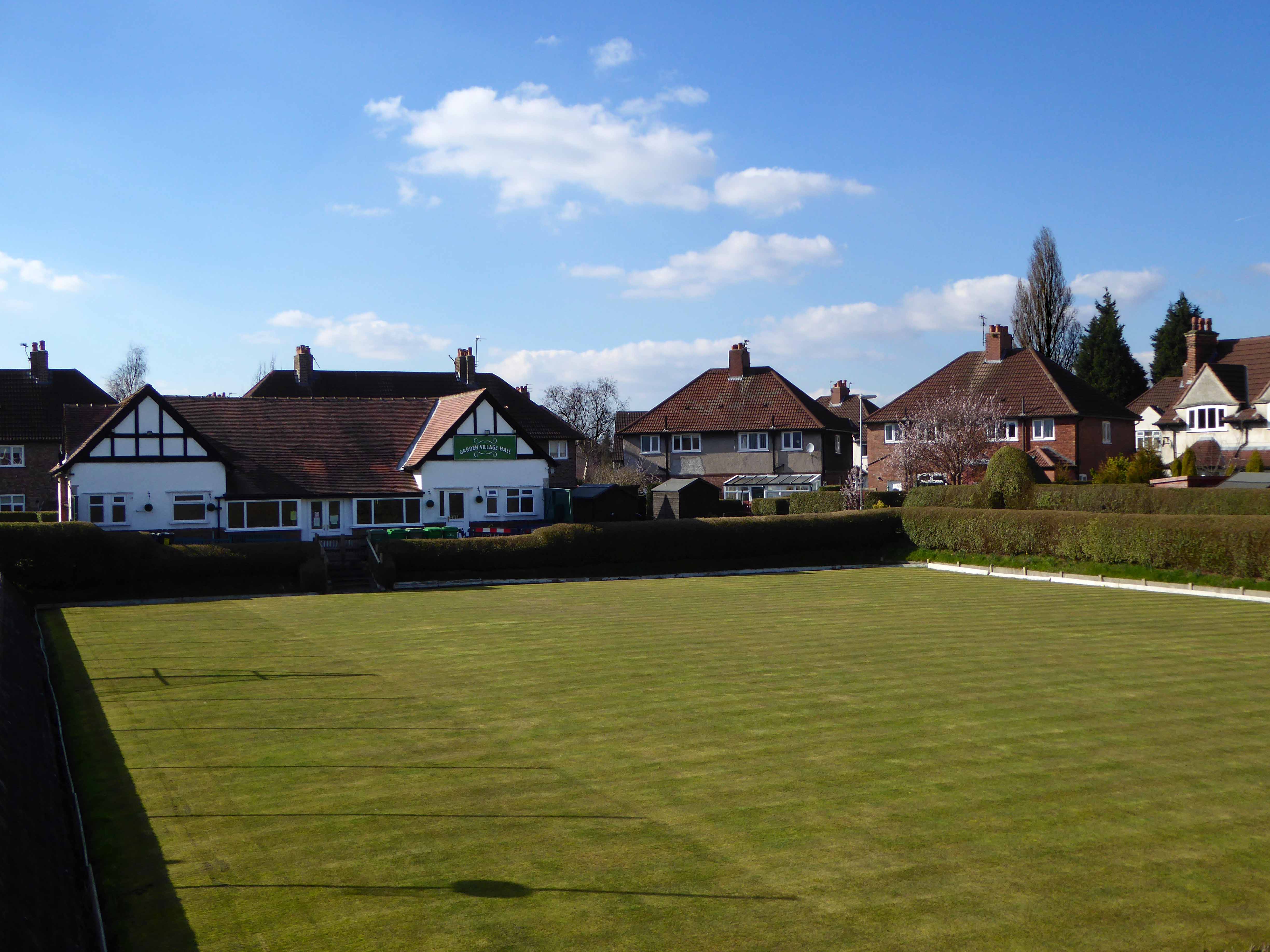
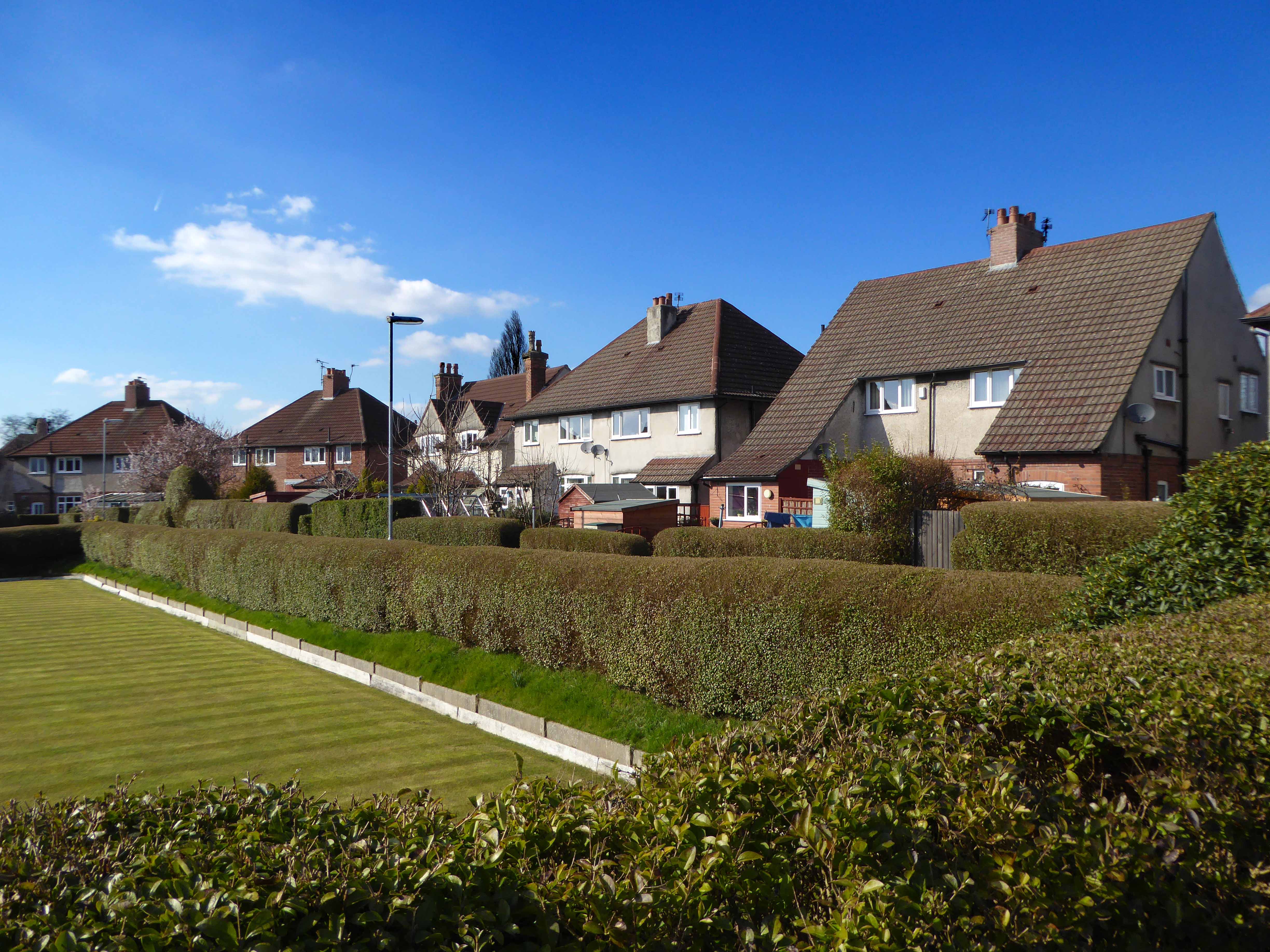
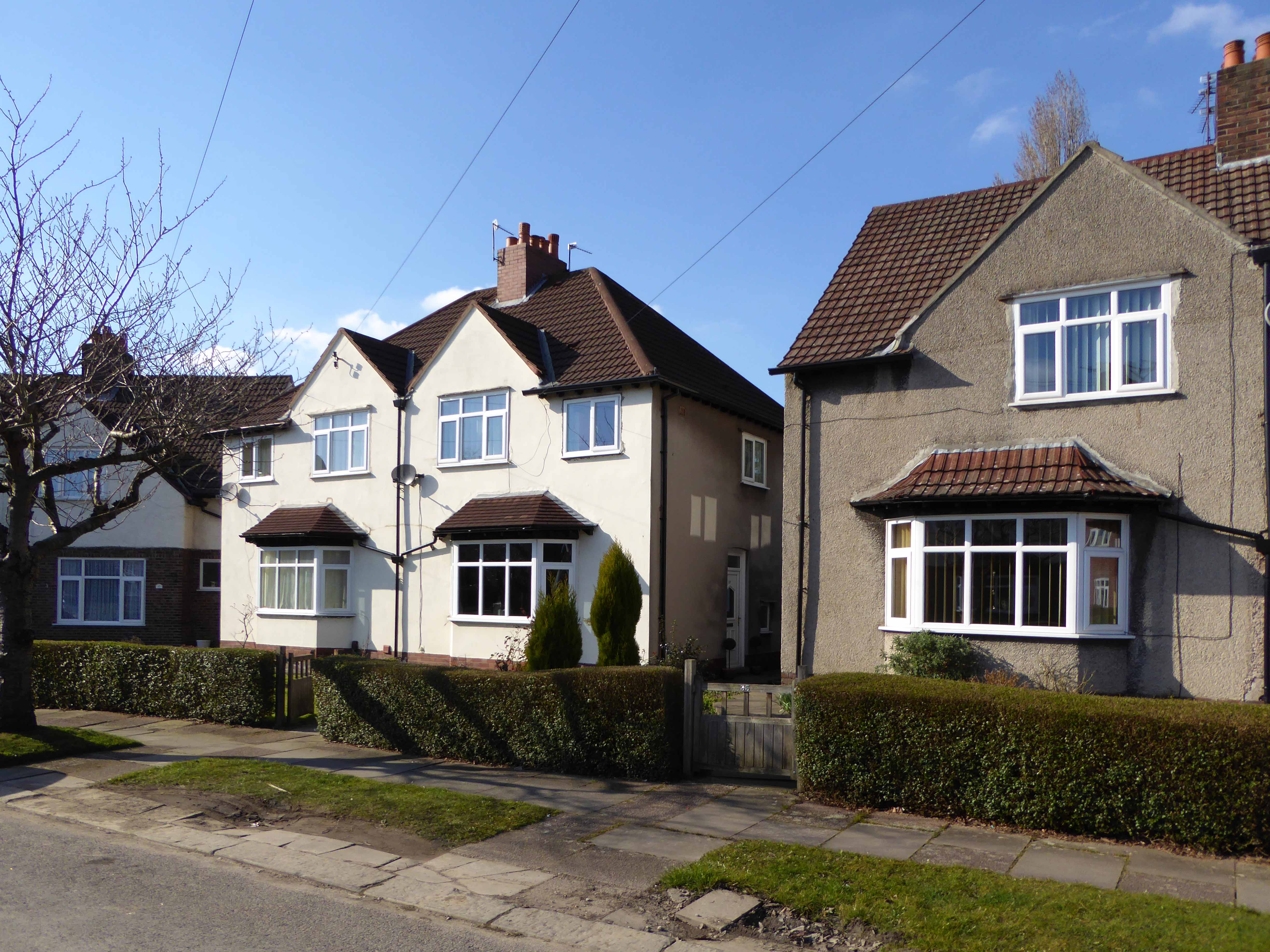
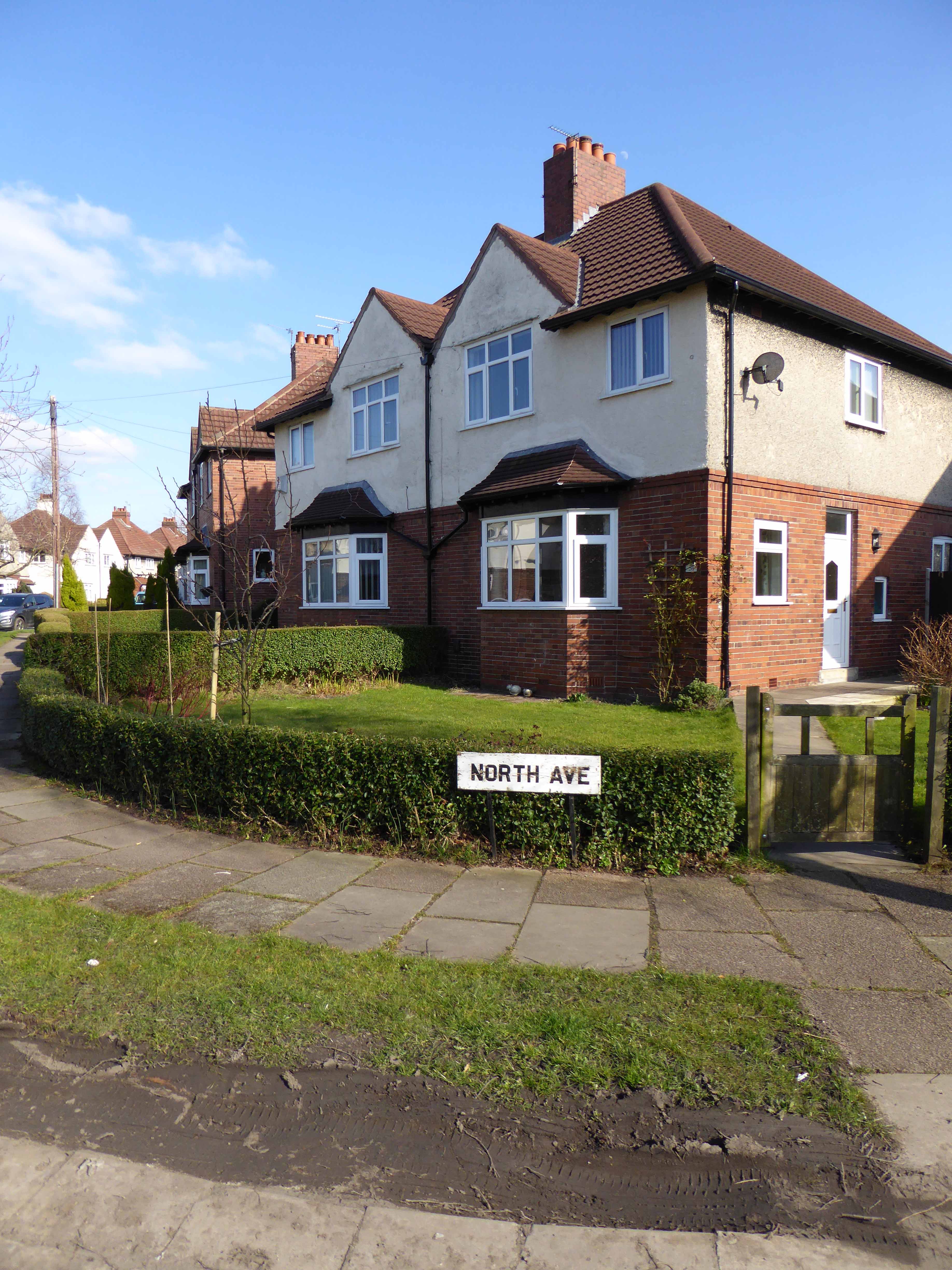
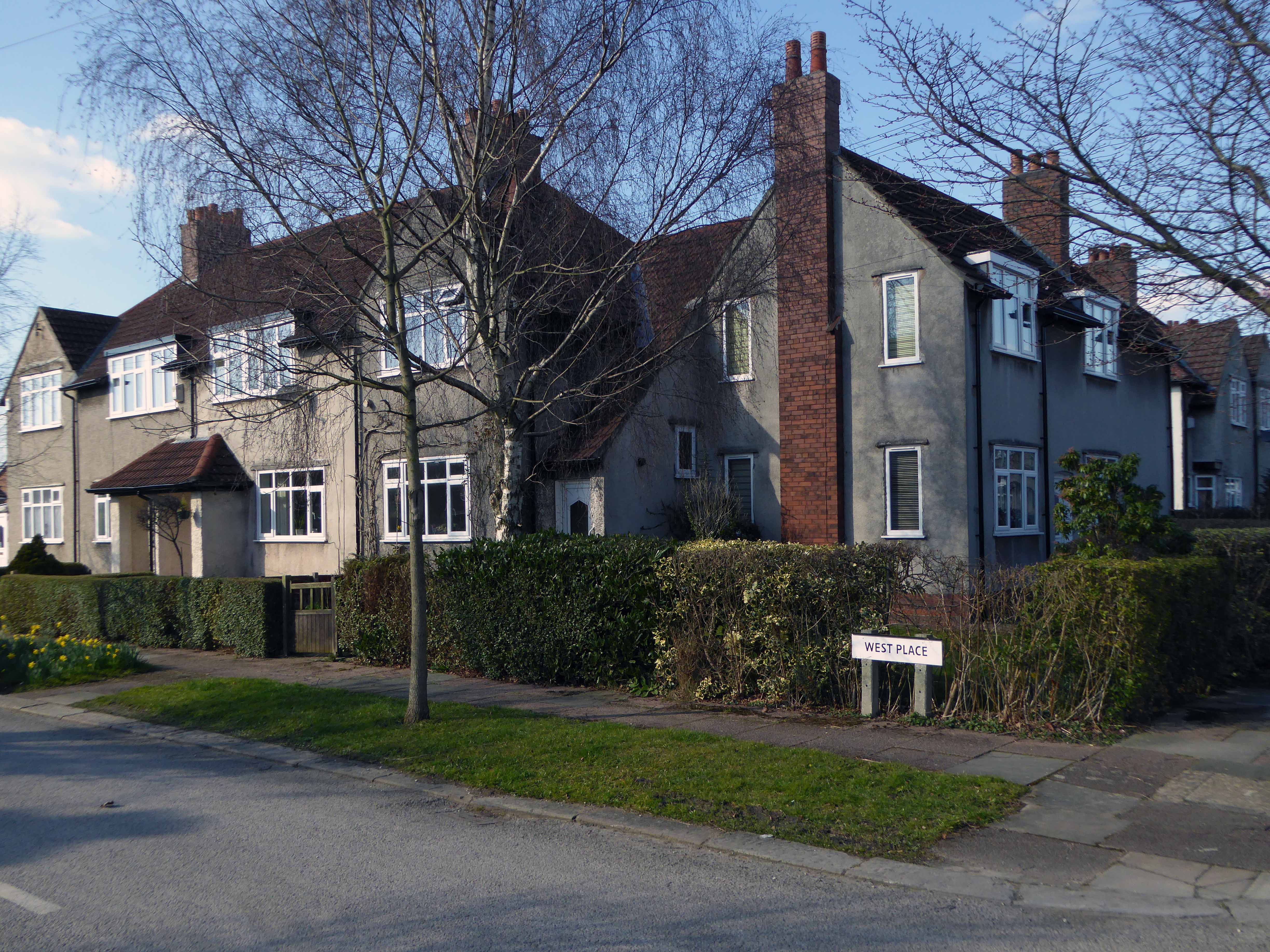
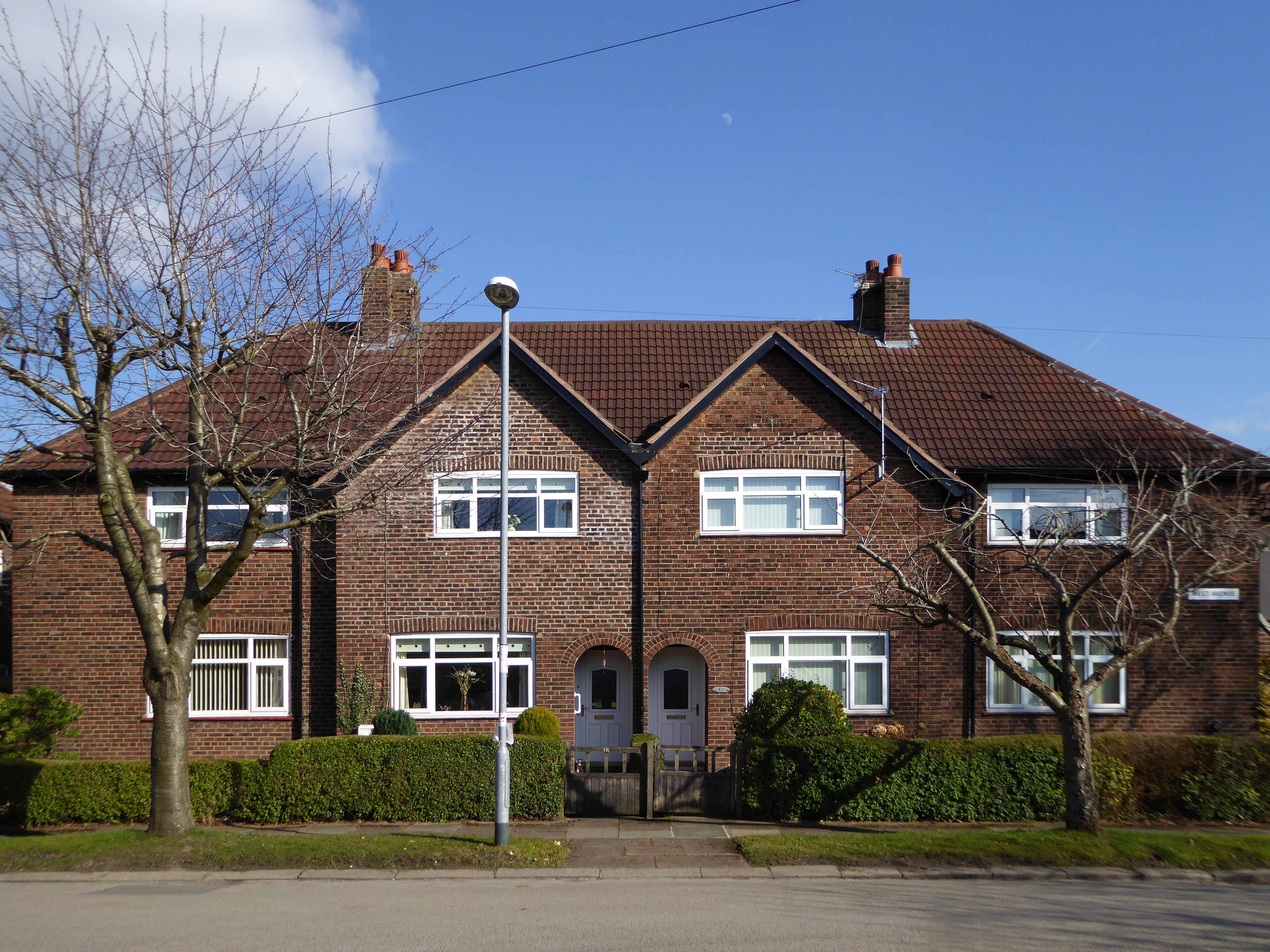
The housing estate of 136 houses known as Burnage Garden Village, a residential development covering an area of 19,113sqm off the western side of Burnage Lane in the Burnage ward. The site is situated approximately six kilometres south of the city centre and is arranged on a broadly hexagonal layout with two storey semi-detached and quasi detached dwelling houses situated on either side of a continuous-loop highway. The highway is named after each corresponding compass point with two spurs off at the east and west named Main Avenue and West Place respectively. Main Avenue represents the only access and egress point into the estate whilst West Place leads into a resident’s parking area.

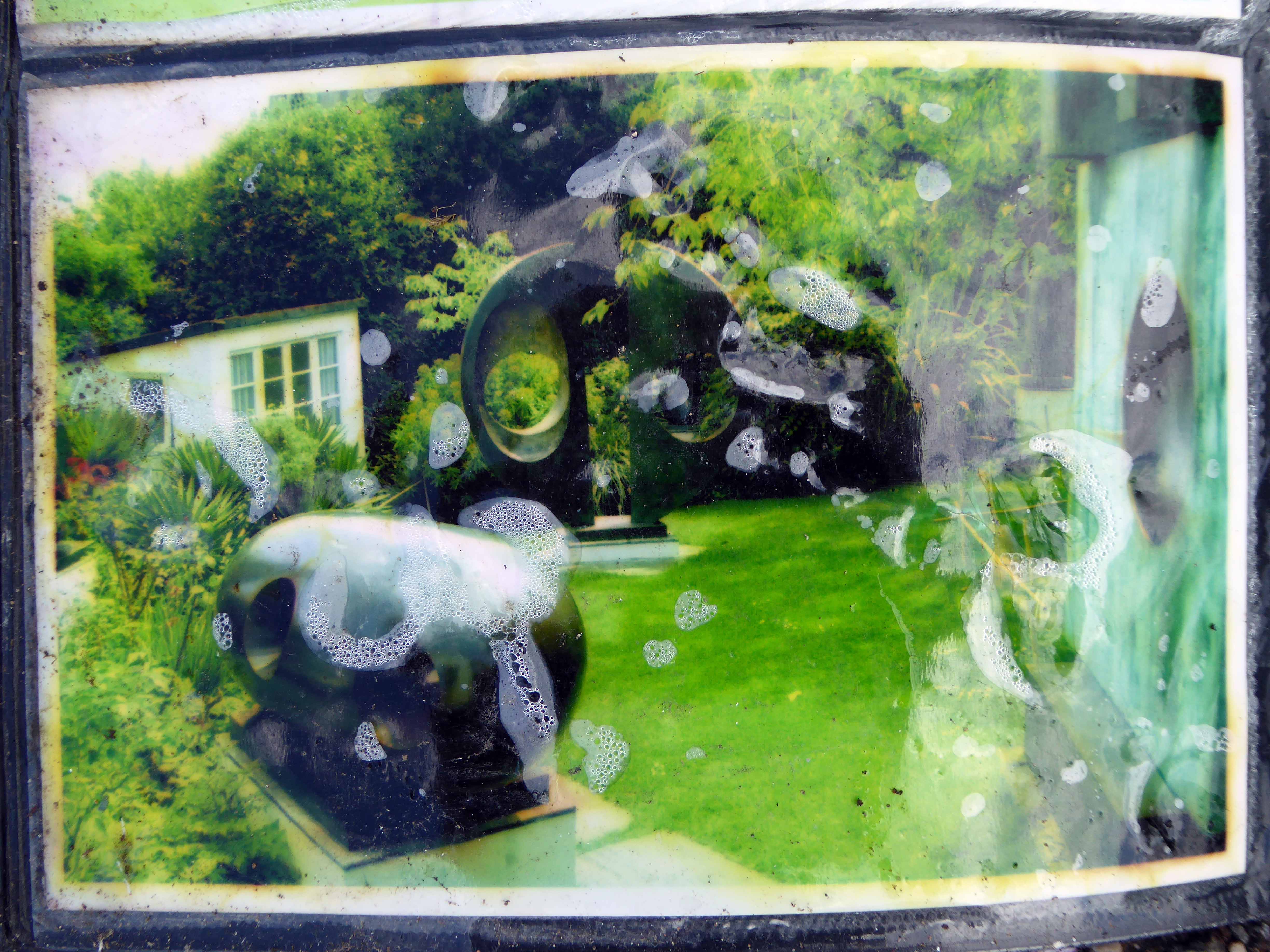
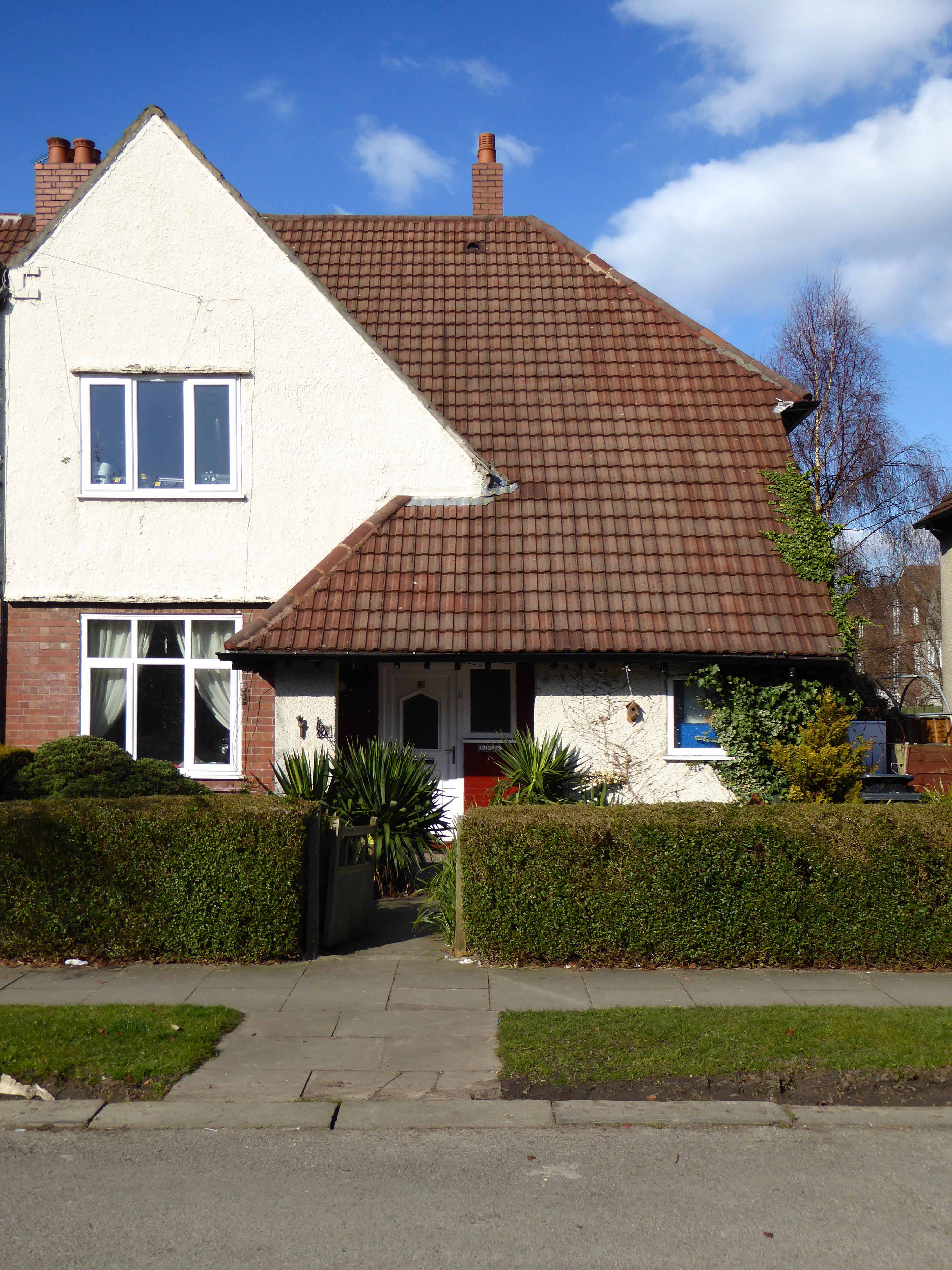
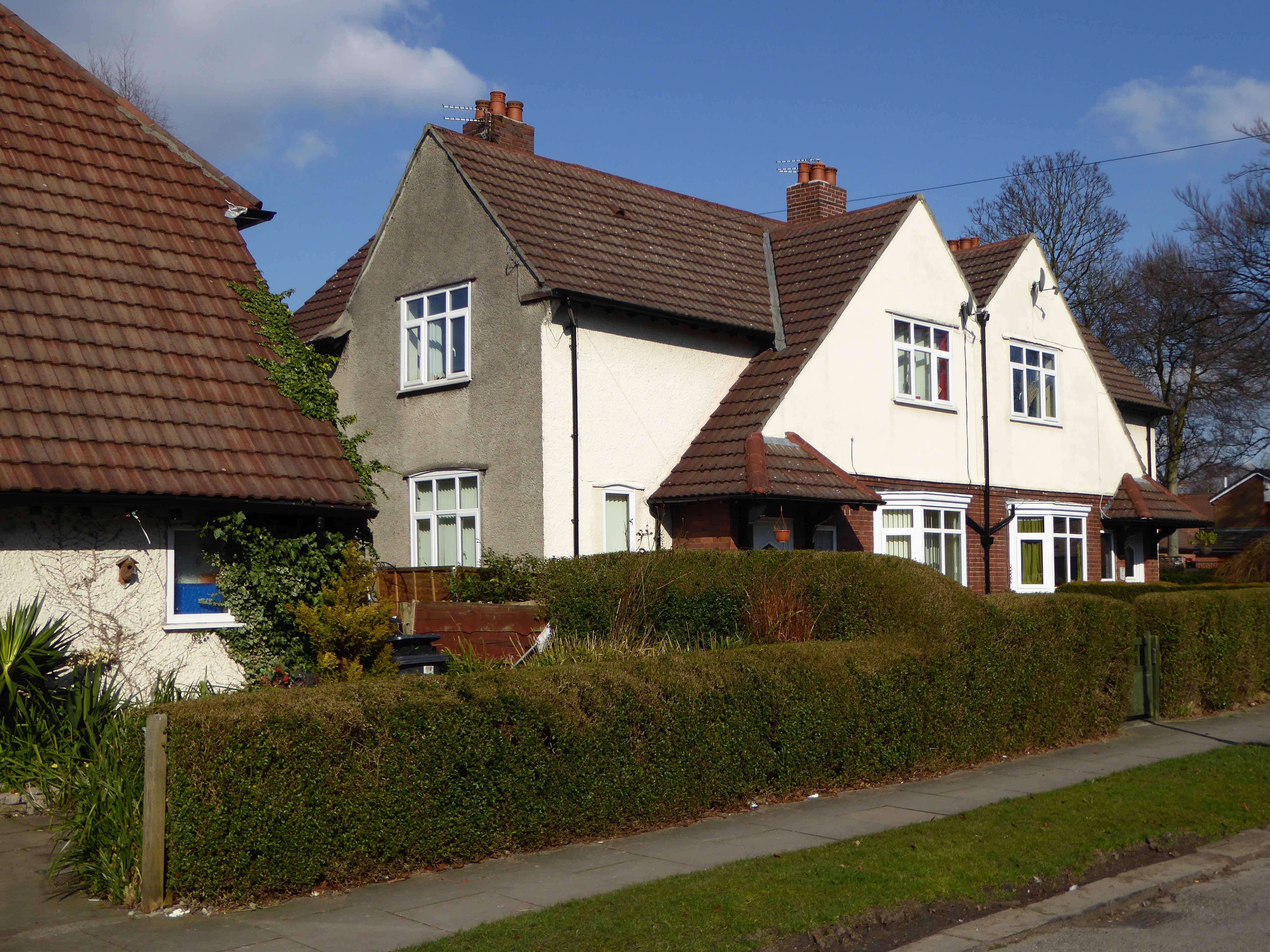
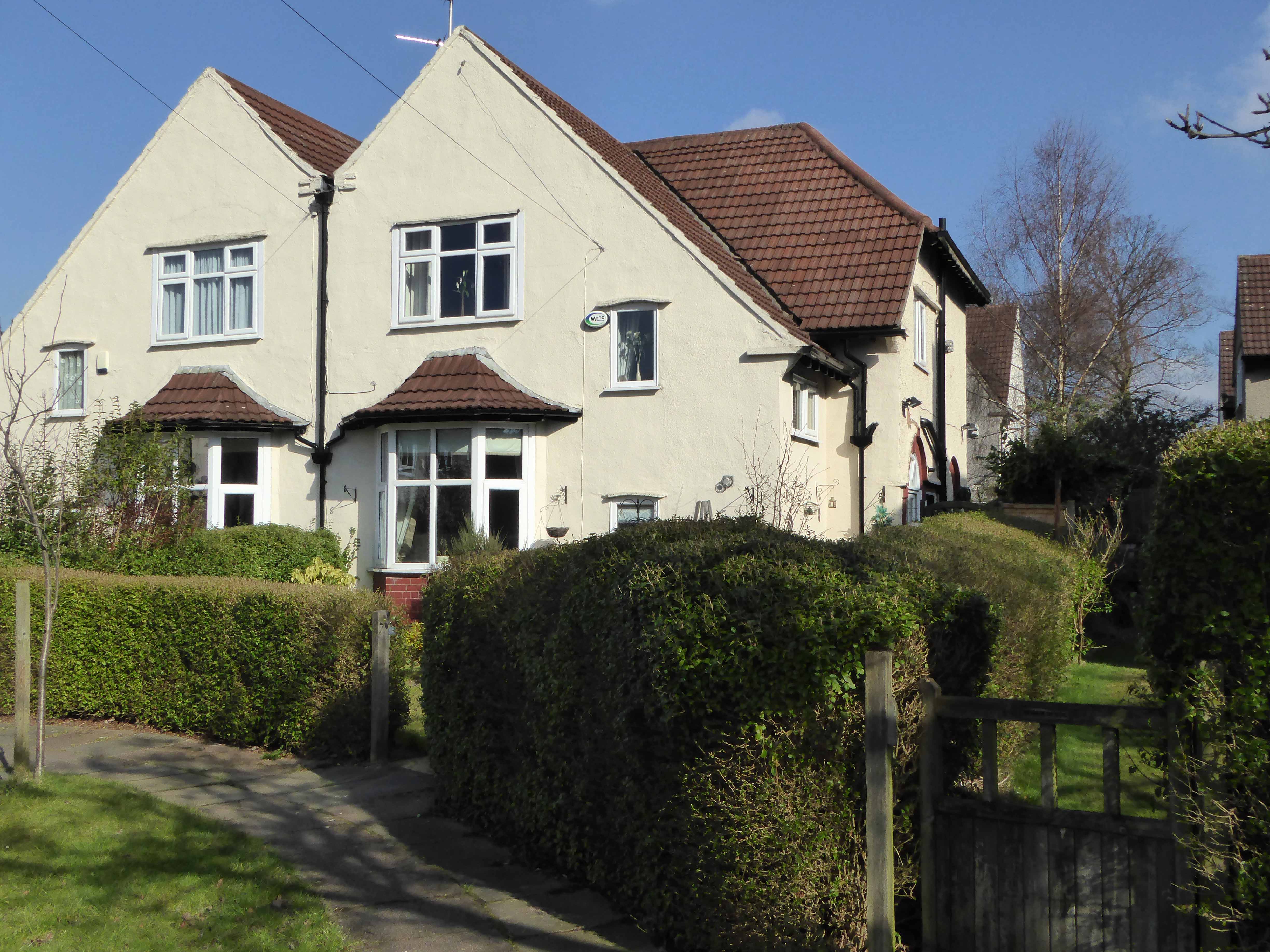
The layout was designed by J Horner Hargreaves. Houses are loosely designed to Arts and Crafts principles, chiefly on account of being low set and having catslide roofs.

At the centre of the garden village and accessed by a network of pedestrian footpaths, is a resident’s recreational area comprising a bowling green, club house and tennis courts. The estate dates from approximately 1906 and was laid out in the manner of a garden suburb with characteristic hedging, front gardens, grass verges and trees on every street. 


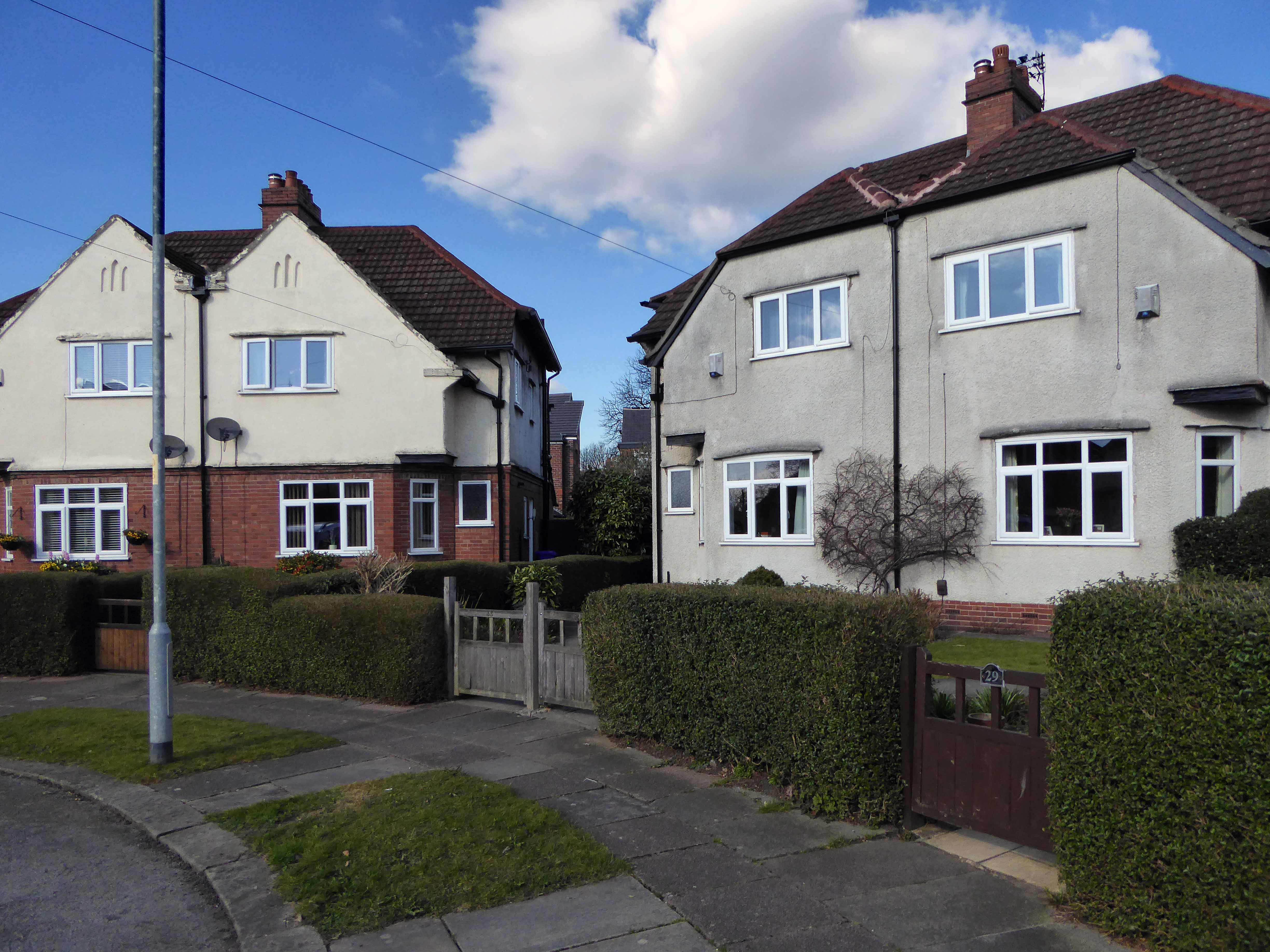
A rare and almost perfectly preserved example of Edwardian Mancunian suburban architecture, save a uPVC epidemic of identical doors and window frames. On a sunny day the variegated brick and render simply sings, like so many chirpy sparrows.

These homes are a variation on a theme, a fugue of tile, brick, pointy counterpointed gable, light and shadow – linked by scale, style and well laid wide concrete roads, filled with good intentions and cars.

Take a hike or bike south of the city, now that Spring is here.

Queen Elizabeth Hall – Oldham

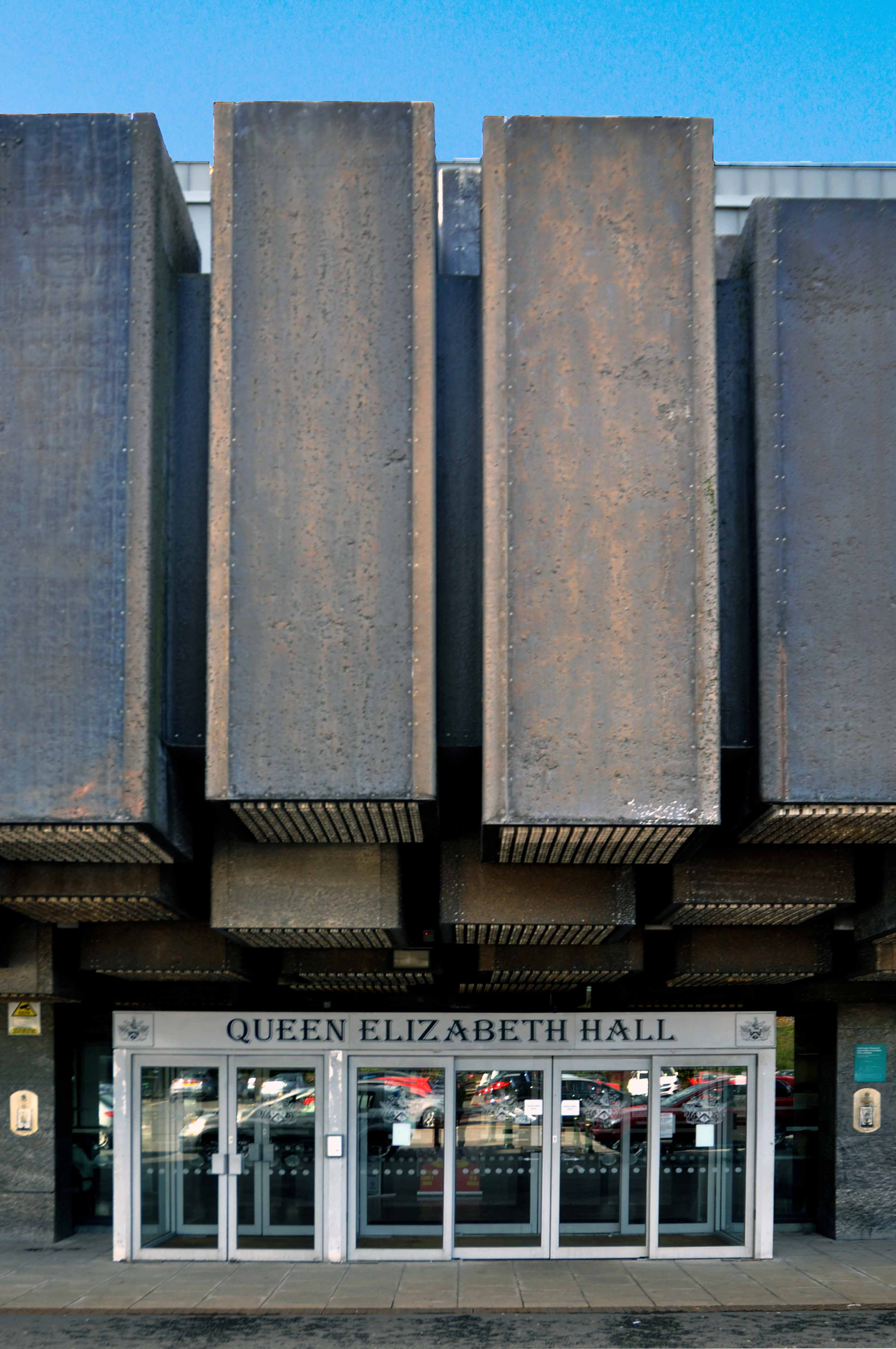
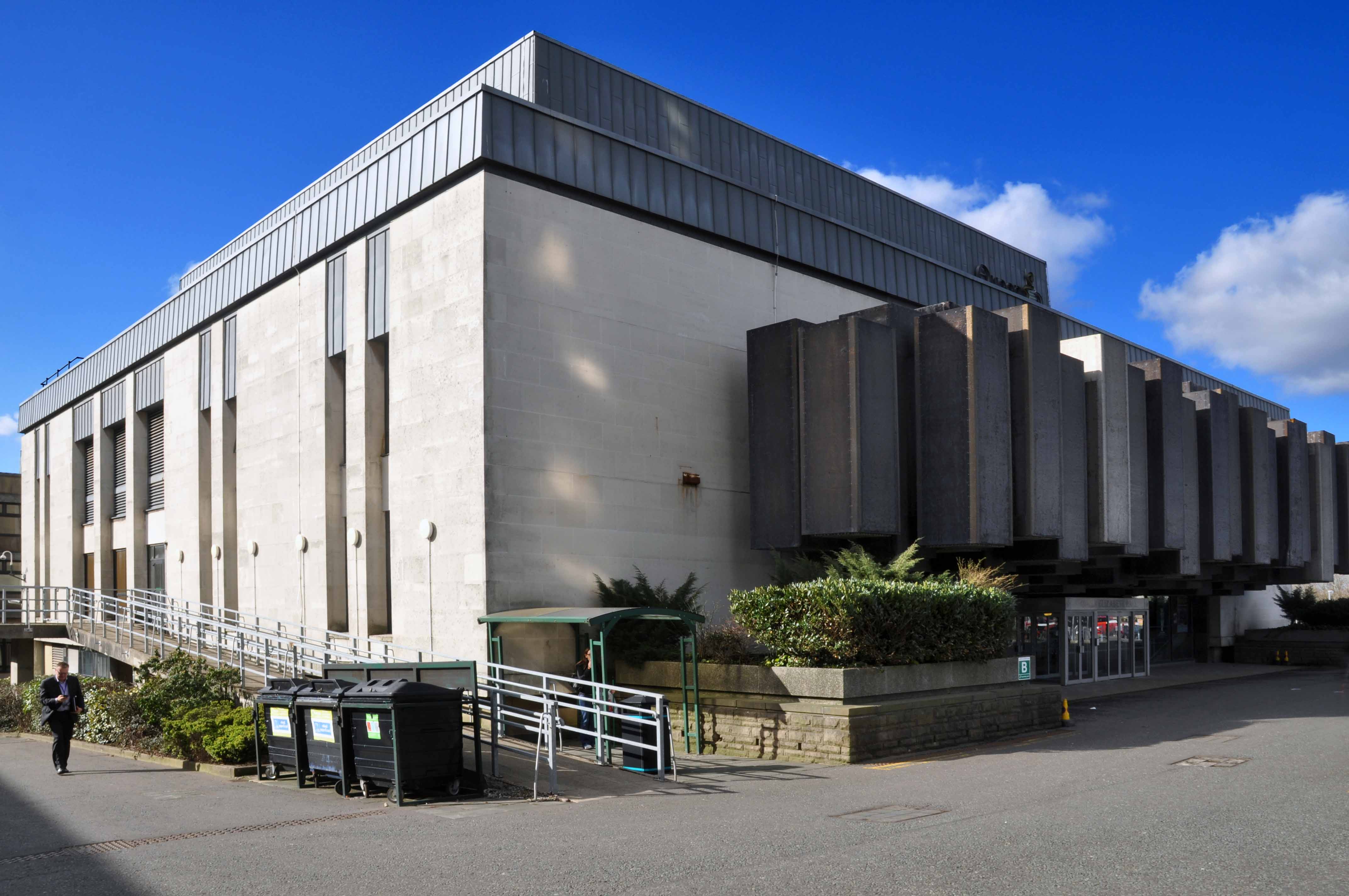
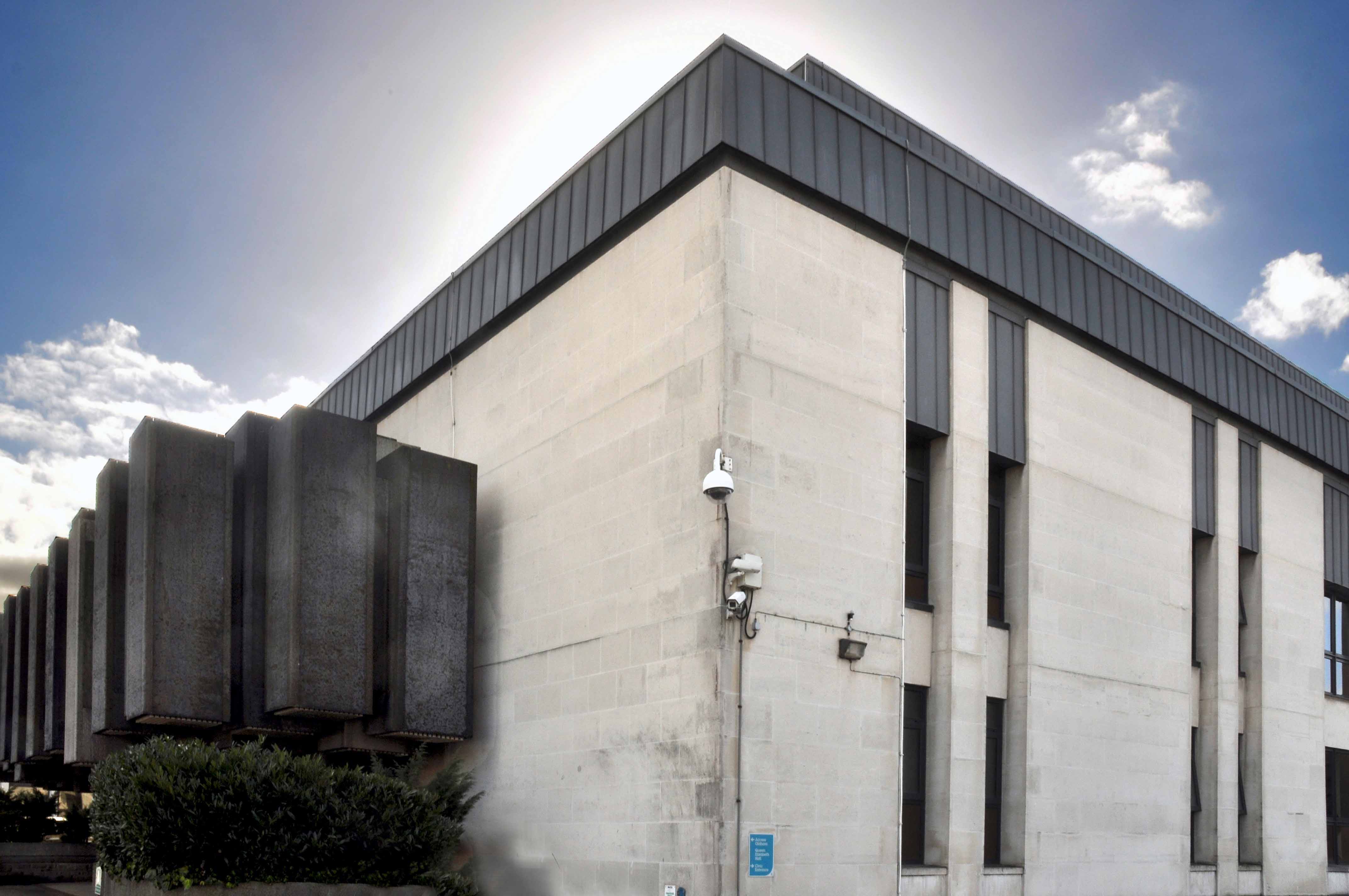
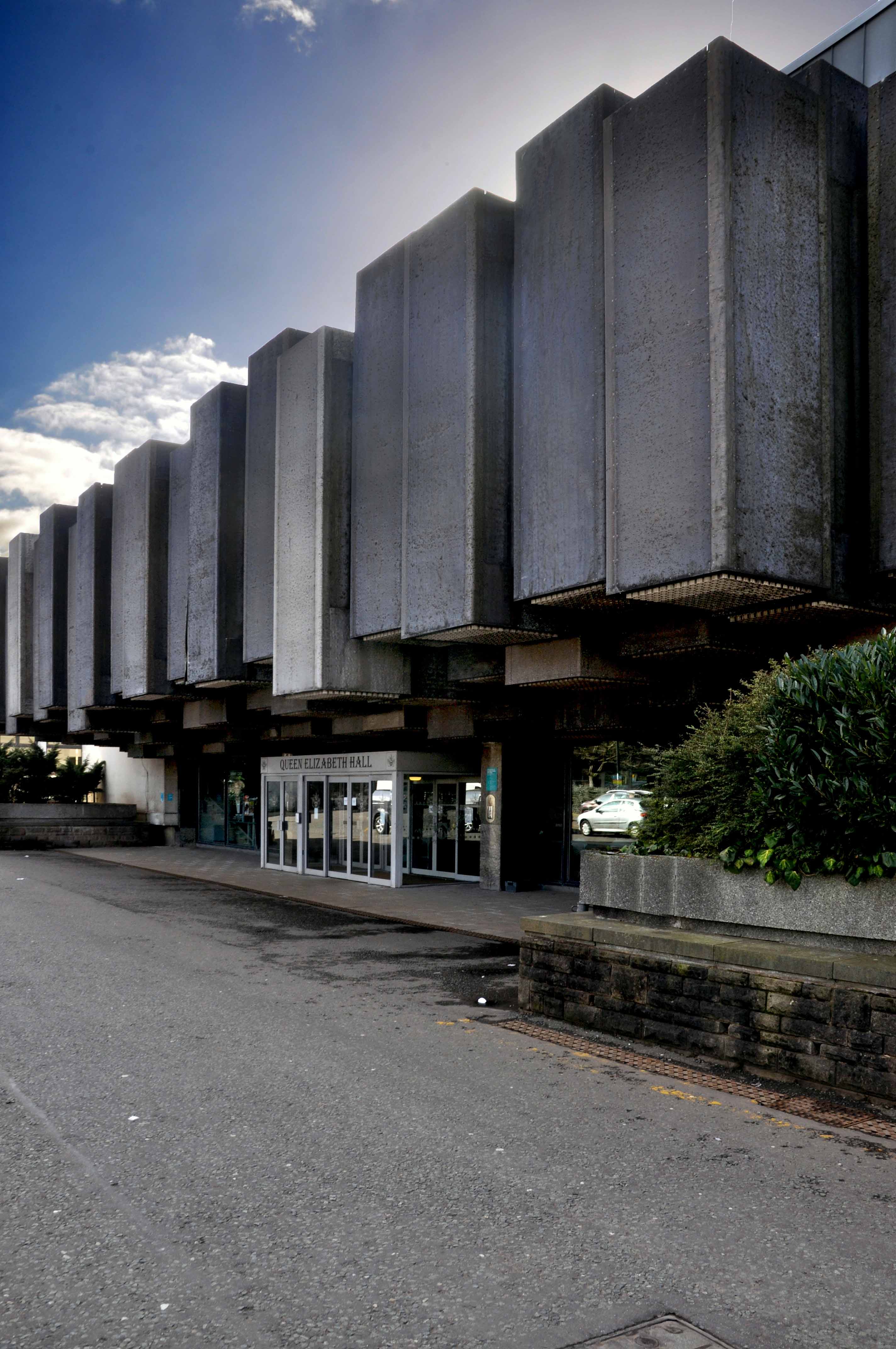
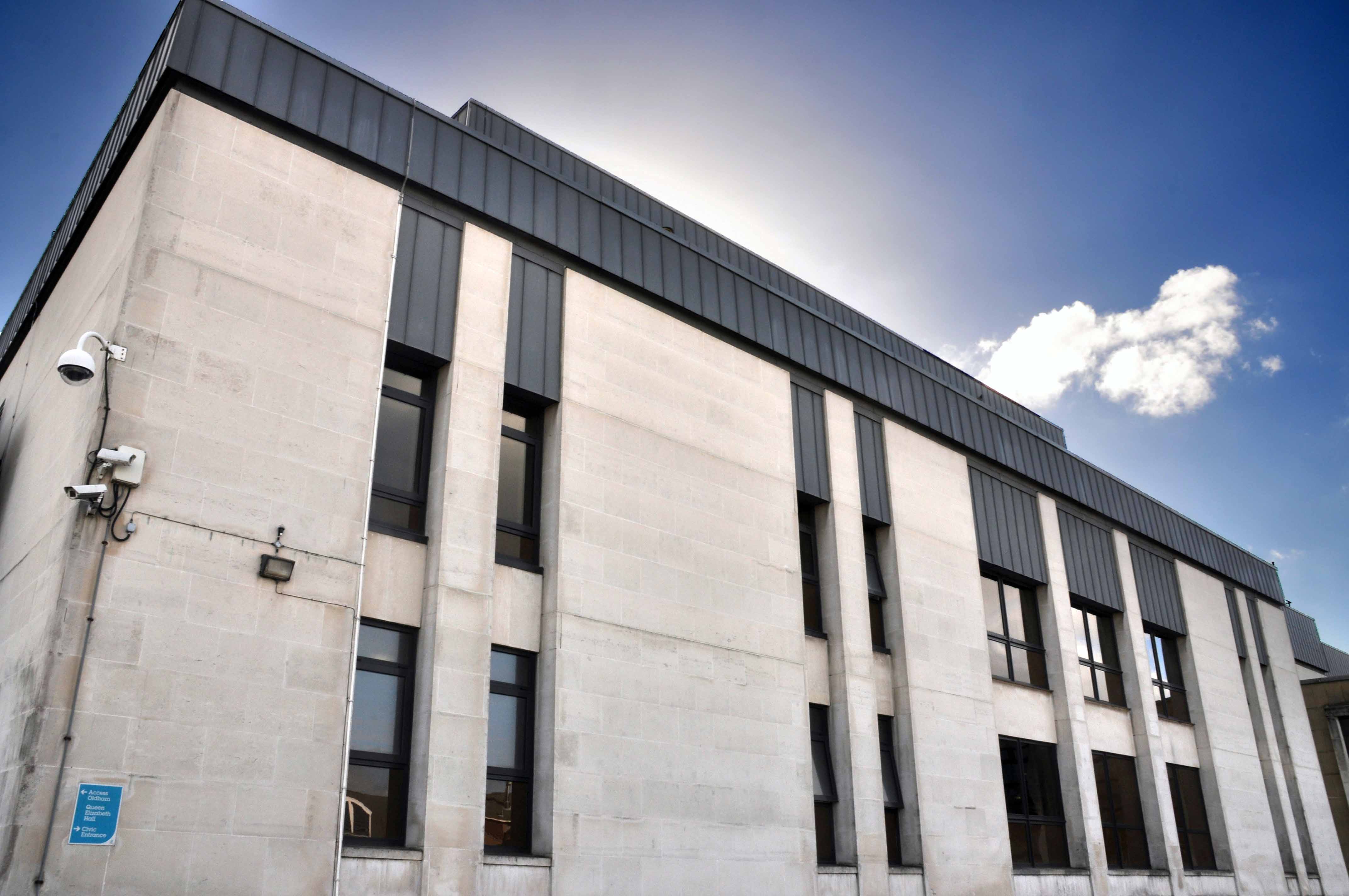
Attached to the Civic Centre, developed and opened in 1977, to commemorate the Queen’s Silver Jubilee, she ain’t no human being, she’s a building.

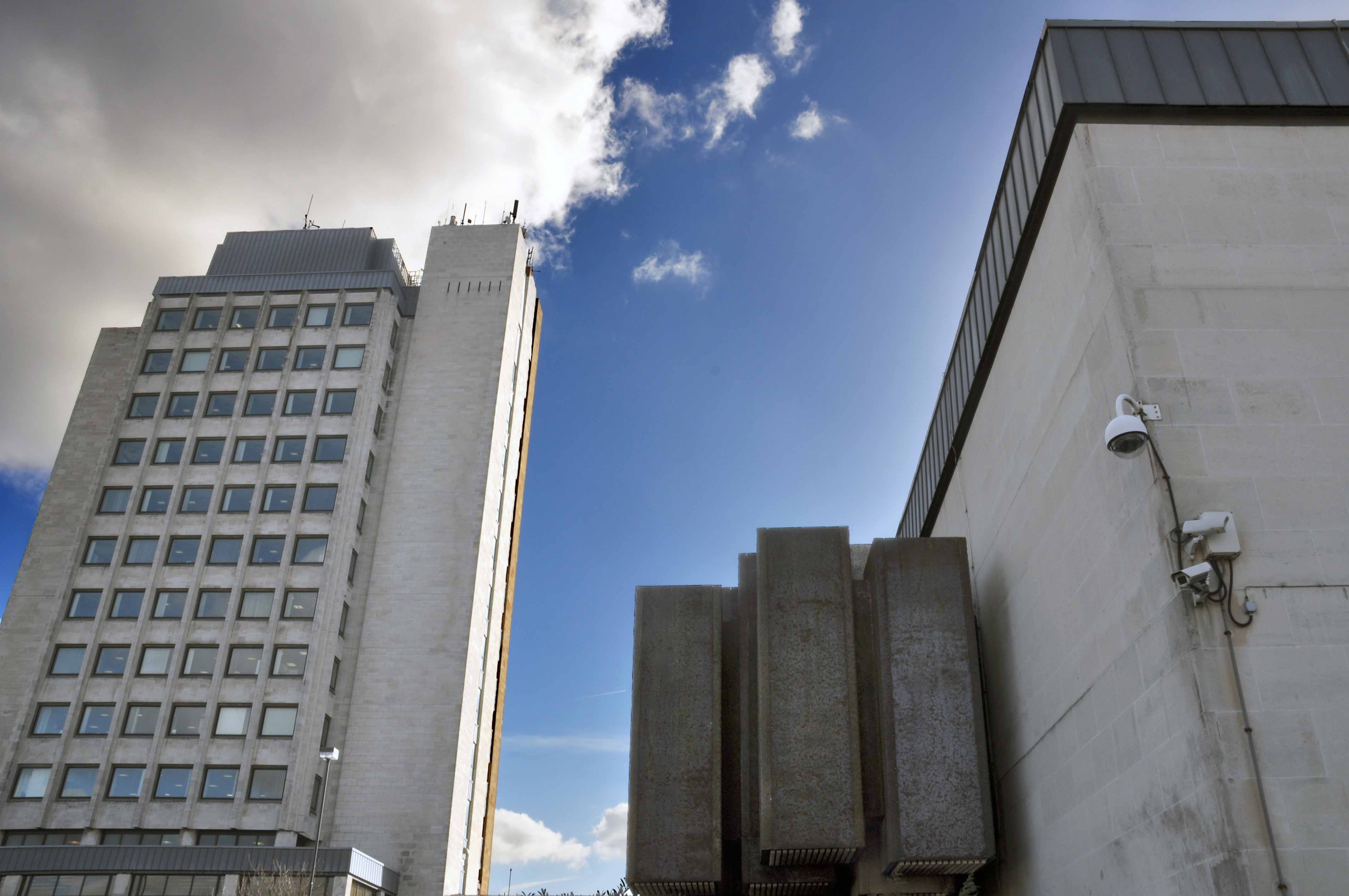
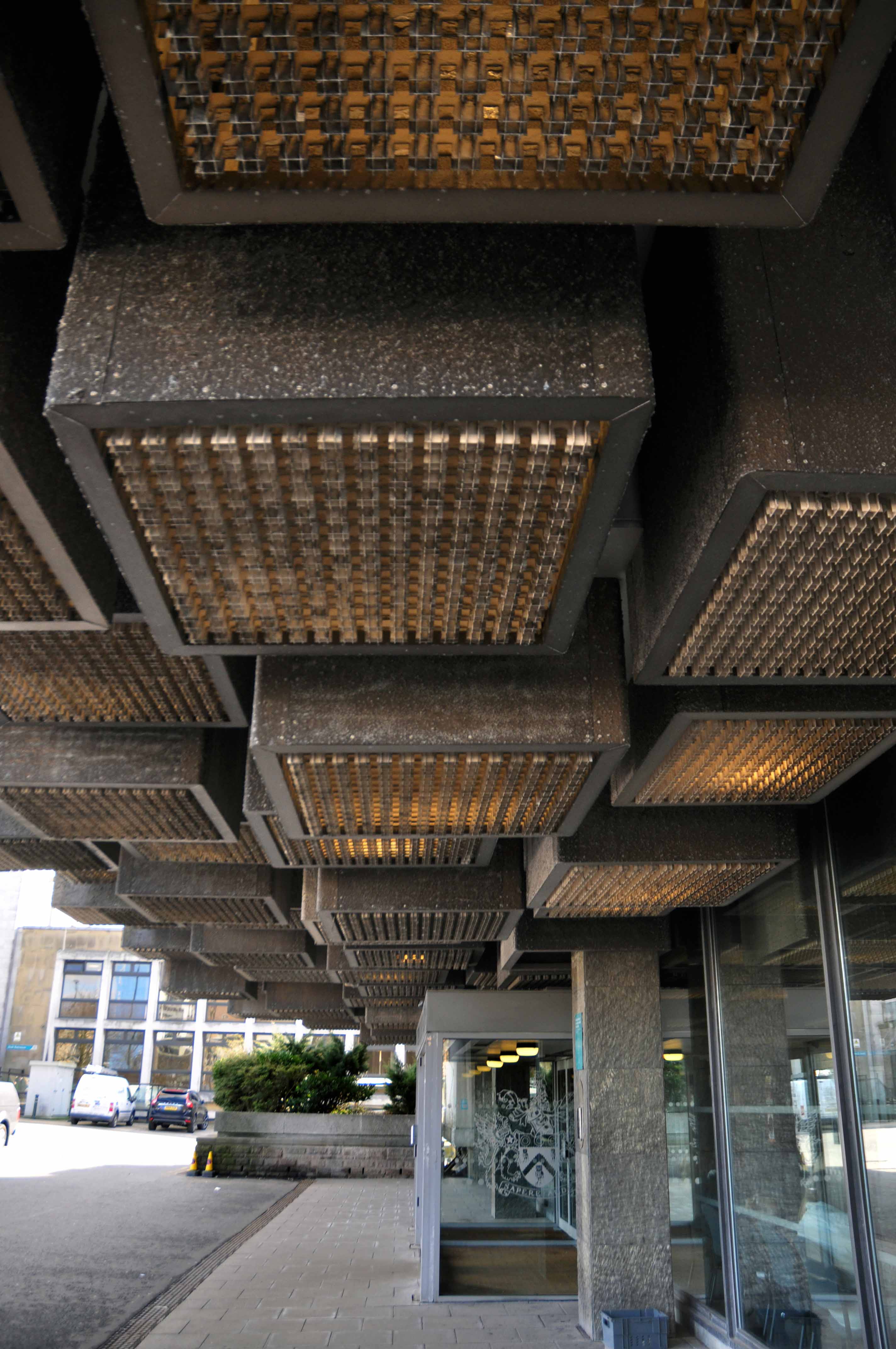
An low exterior slab of classical municipal modernism, with a series of wonderful and surprising new attachments, ideal for all occasions!

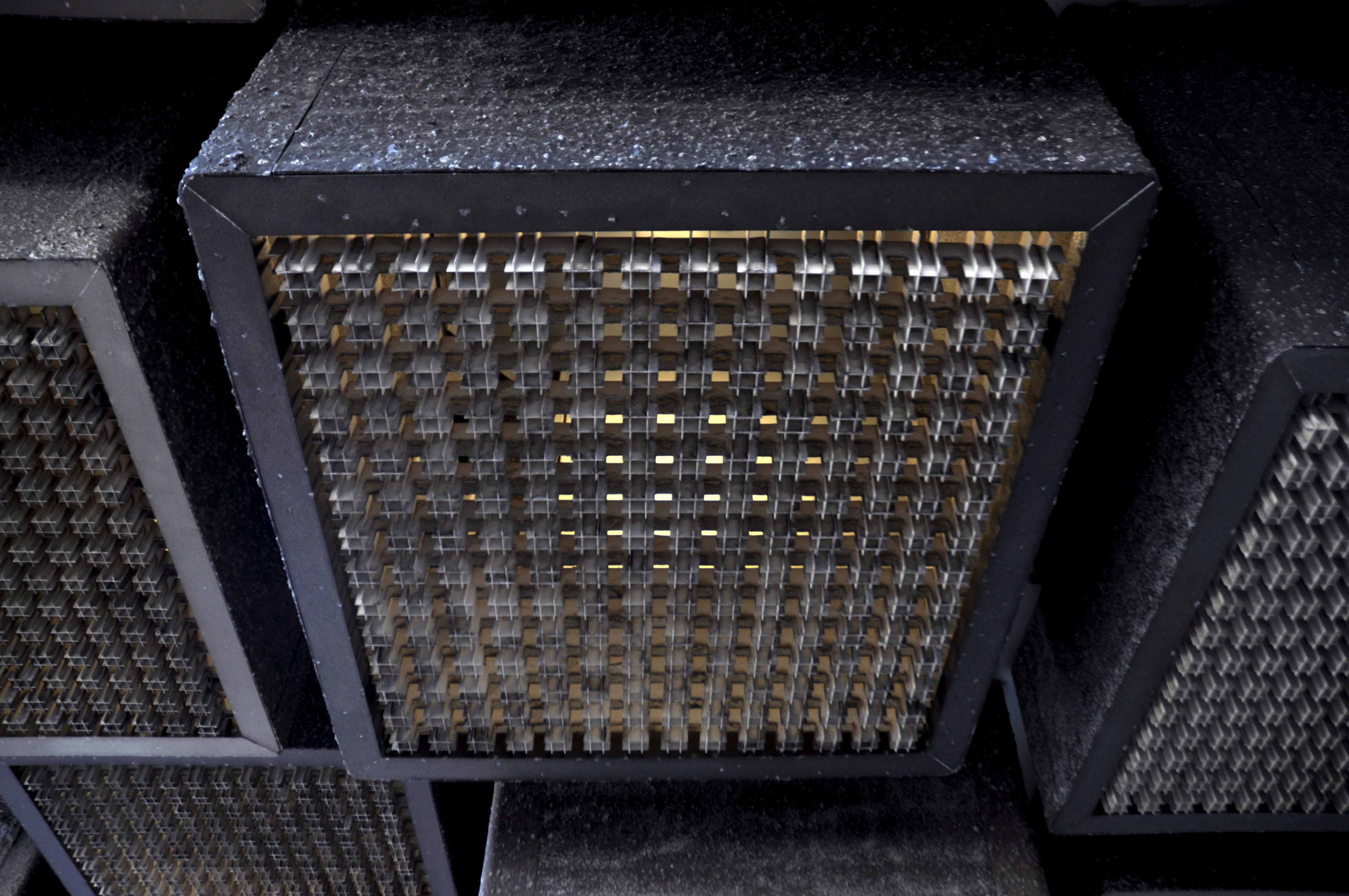
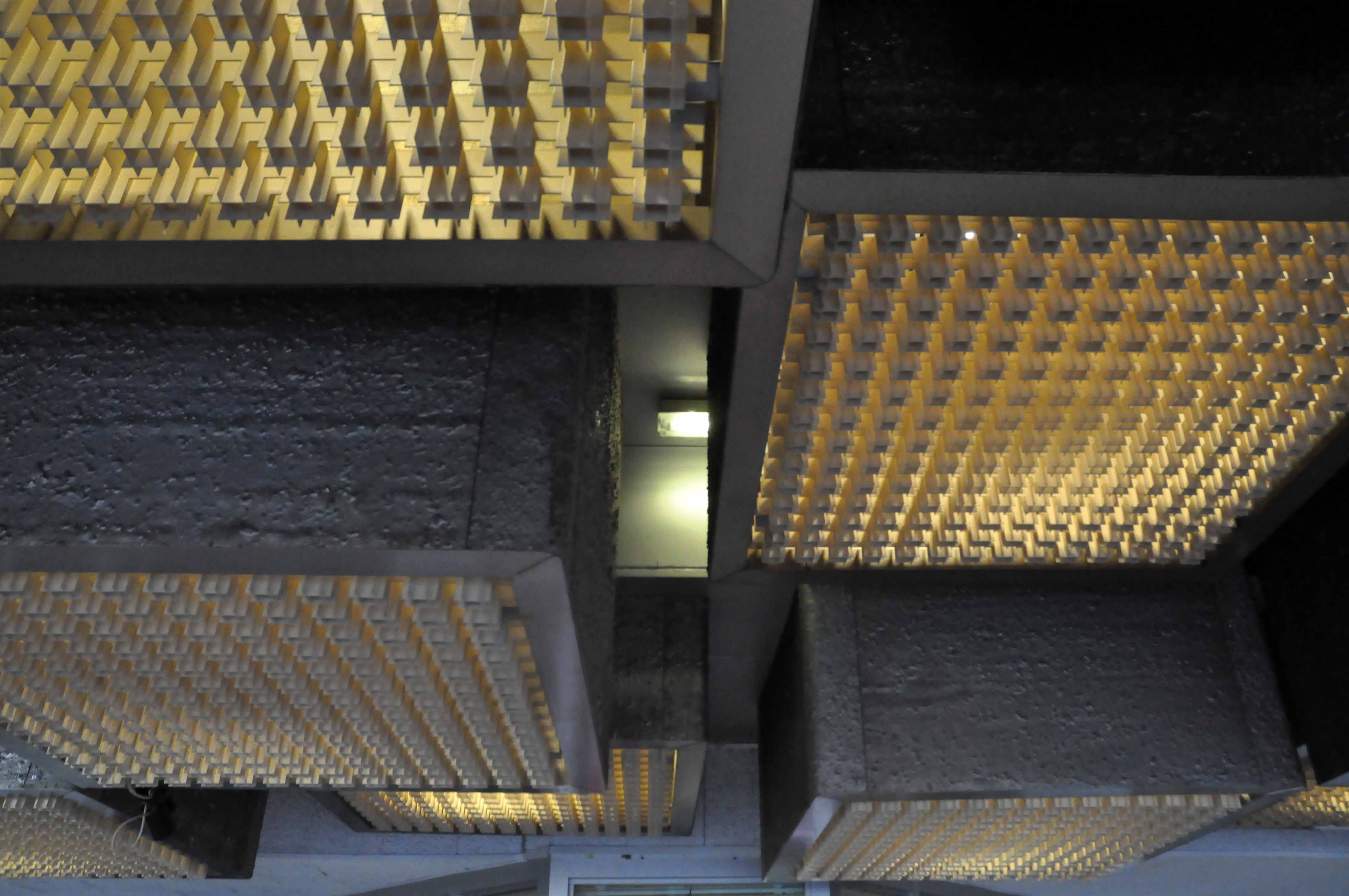
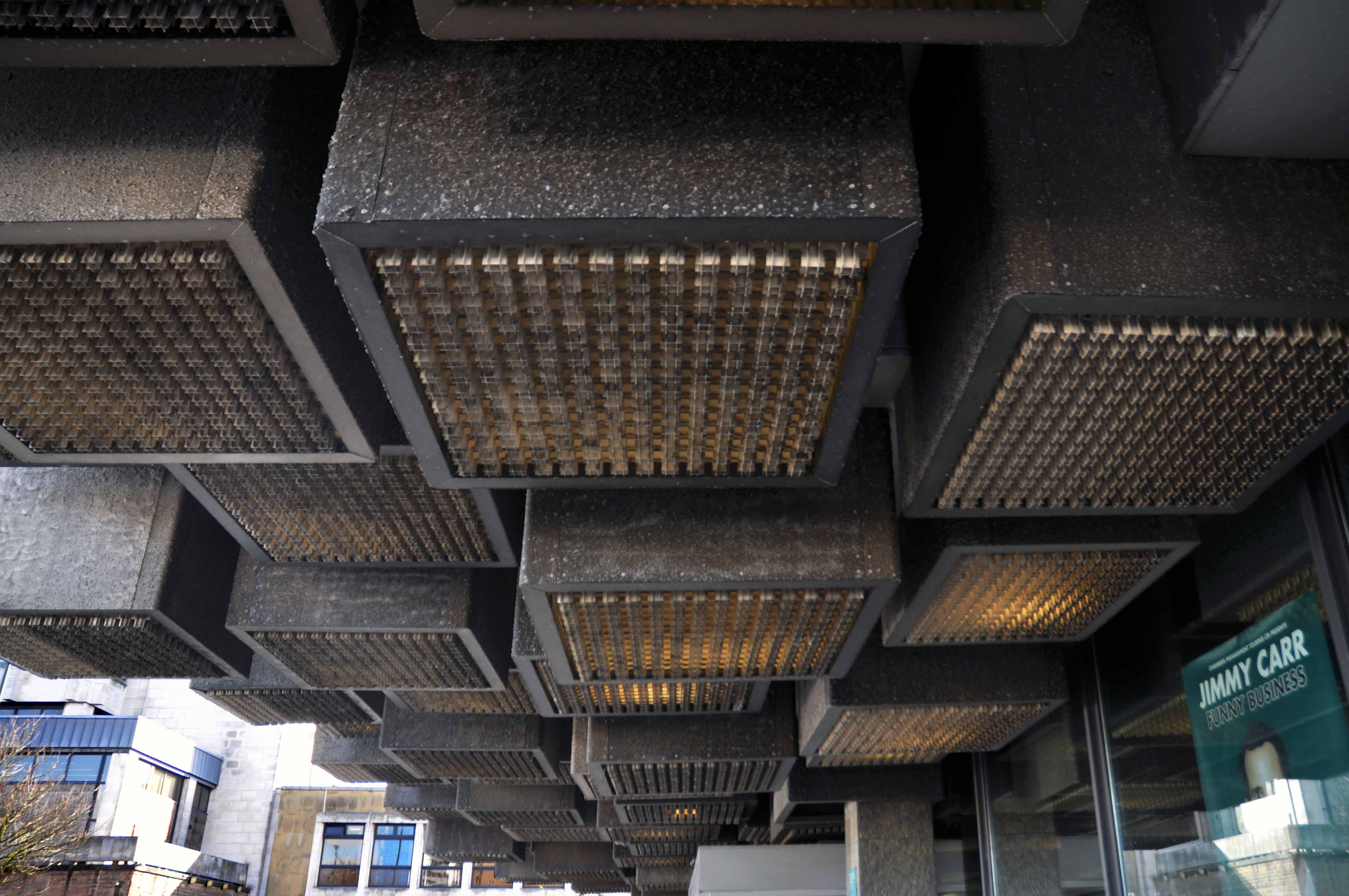
The most amazing set of heavily patinated, square sectioned, inorganic pipes which are precipitously cantilevered  onto the front elevation.

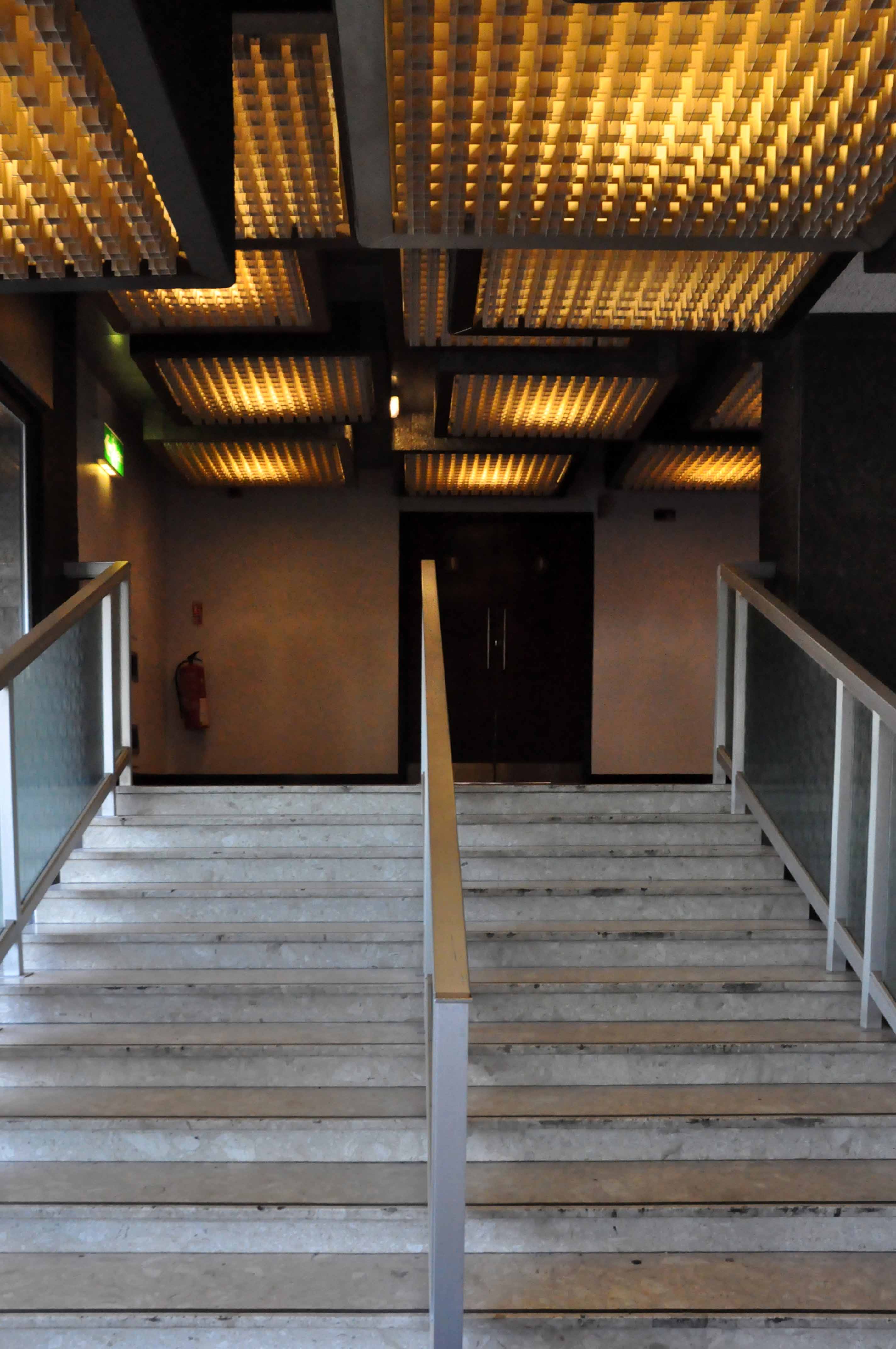
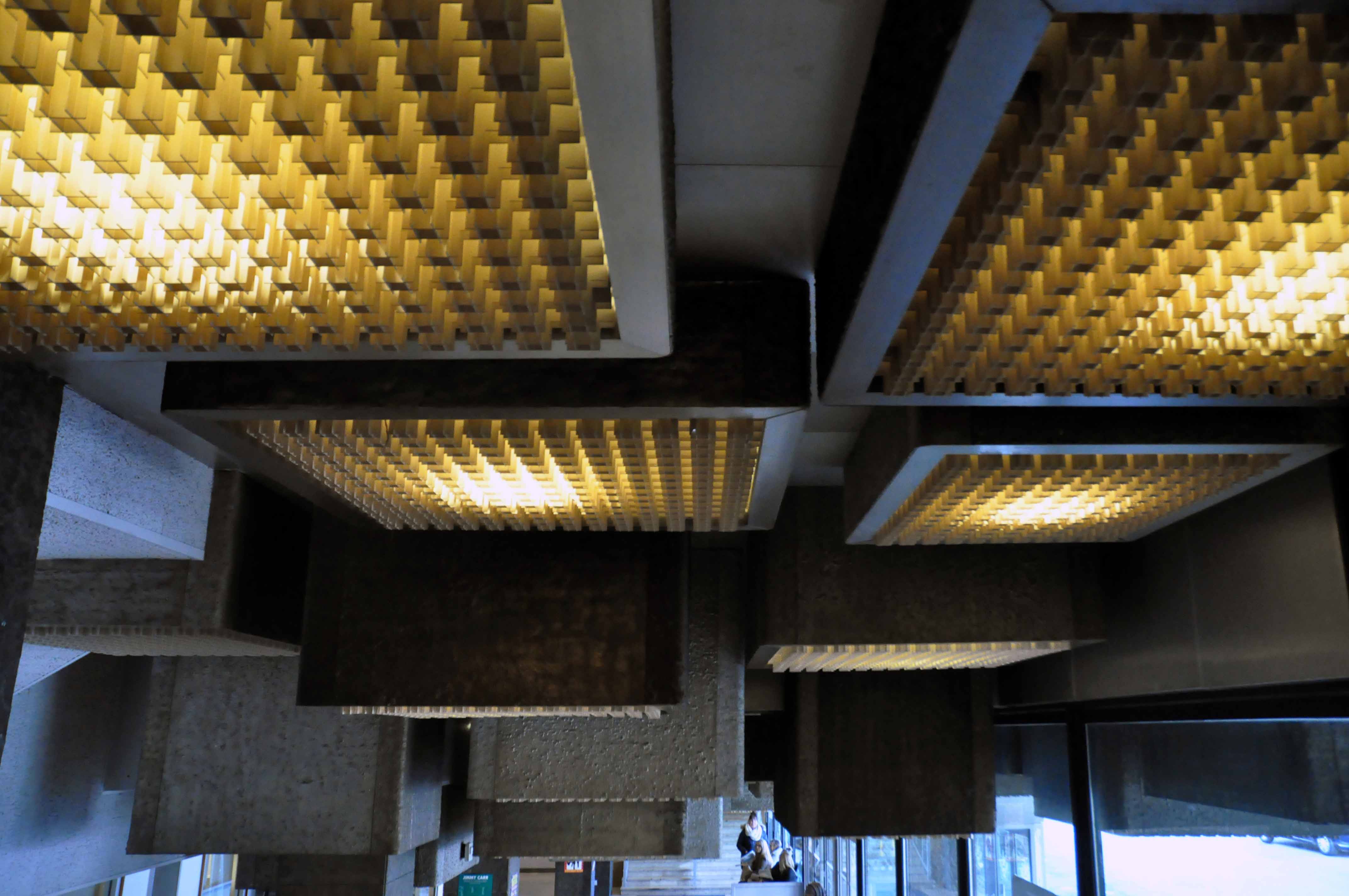
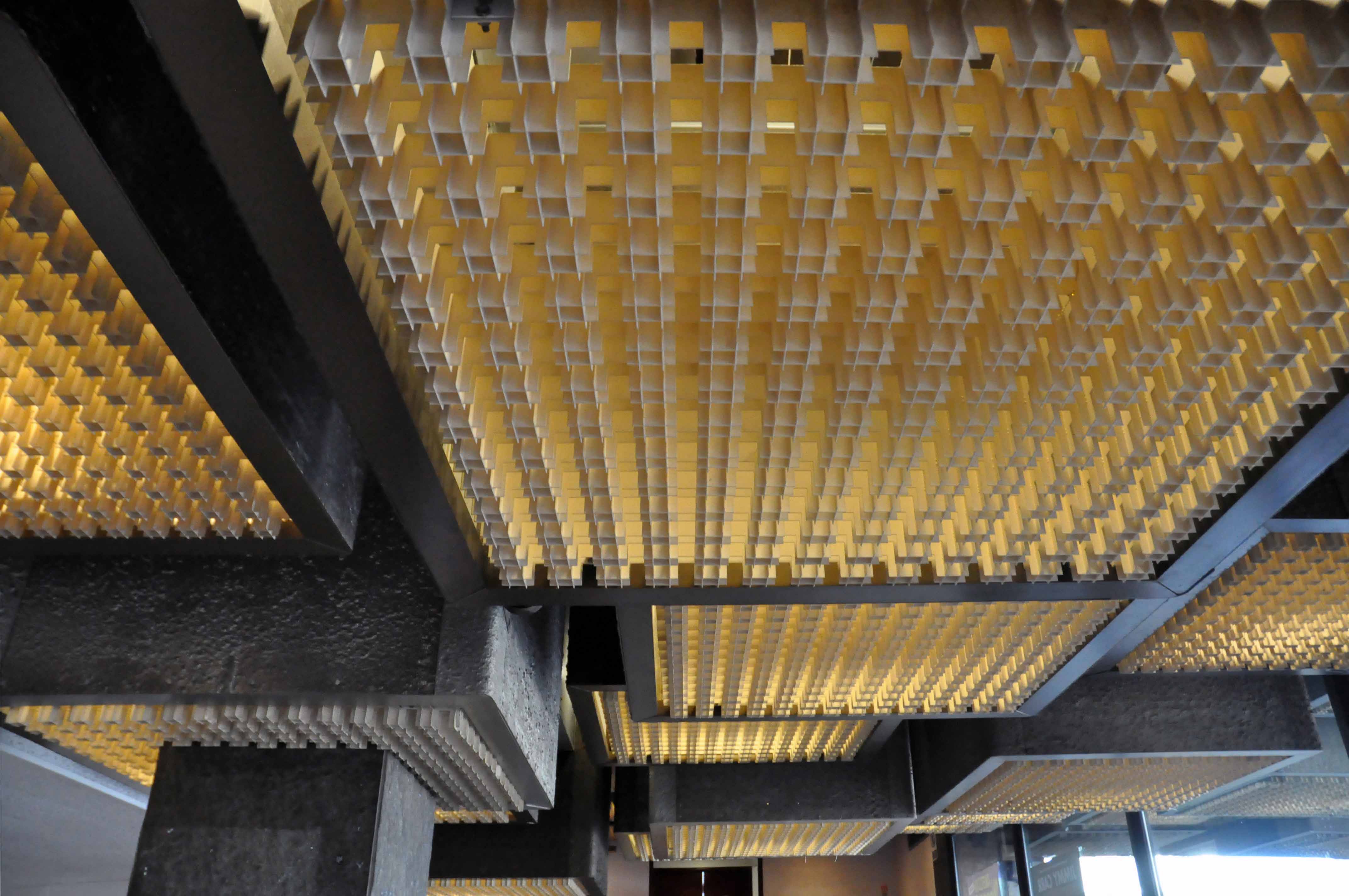
Illuminating!

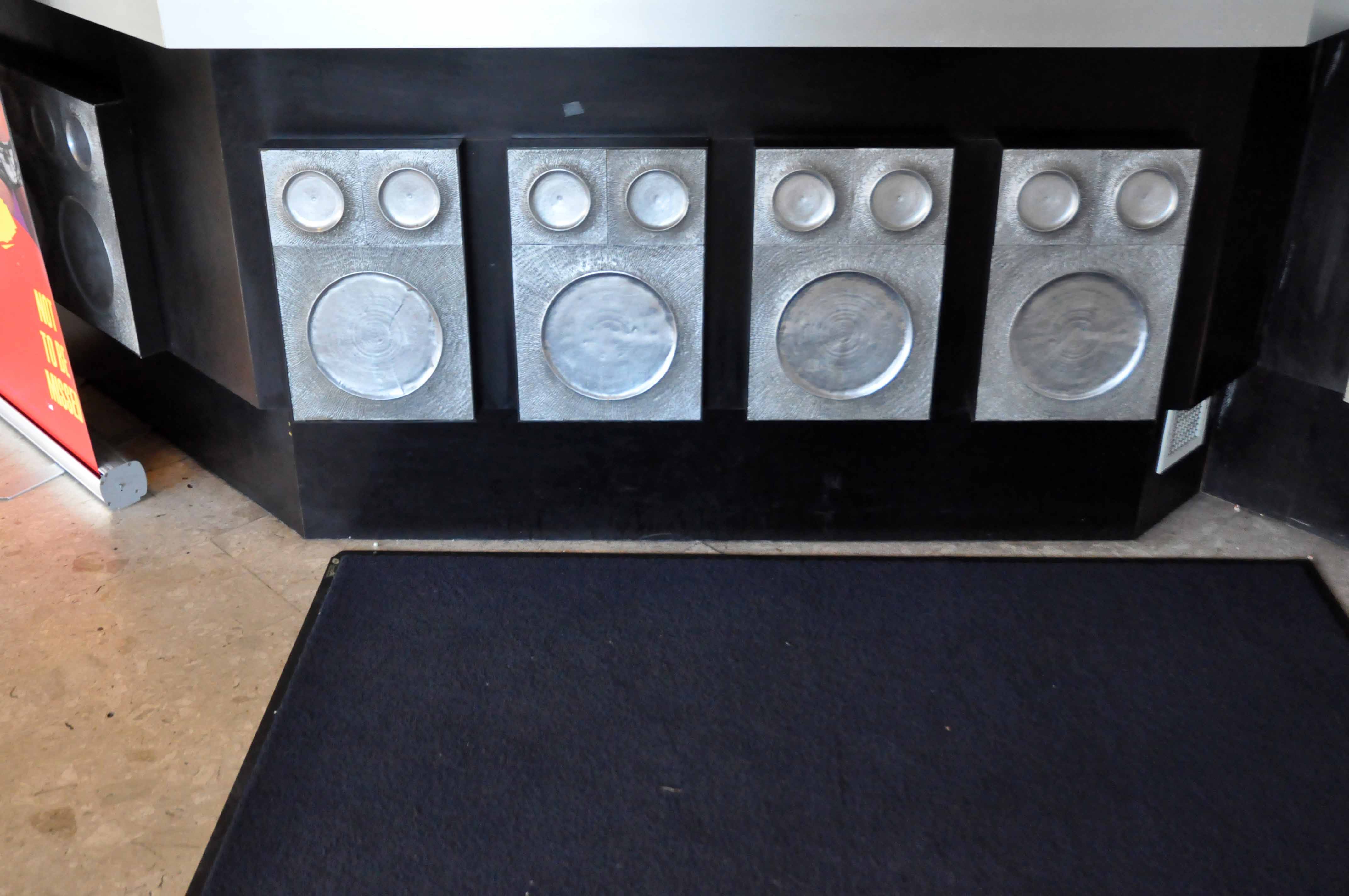
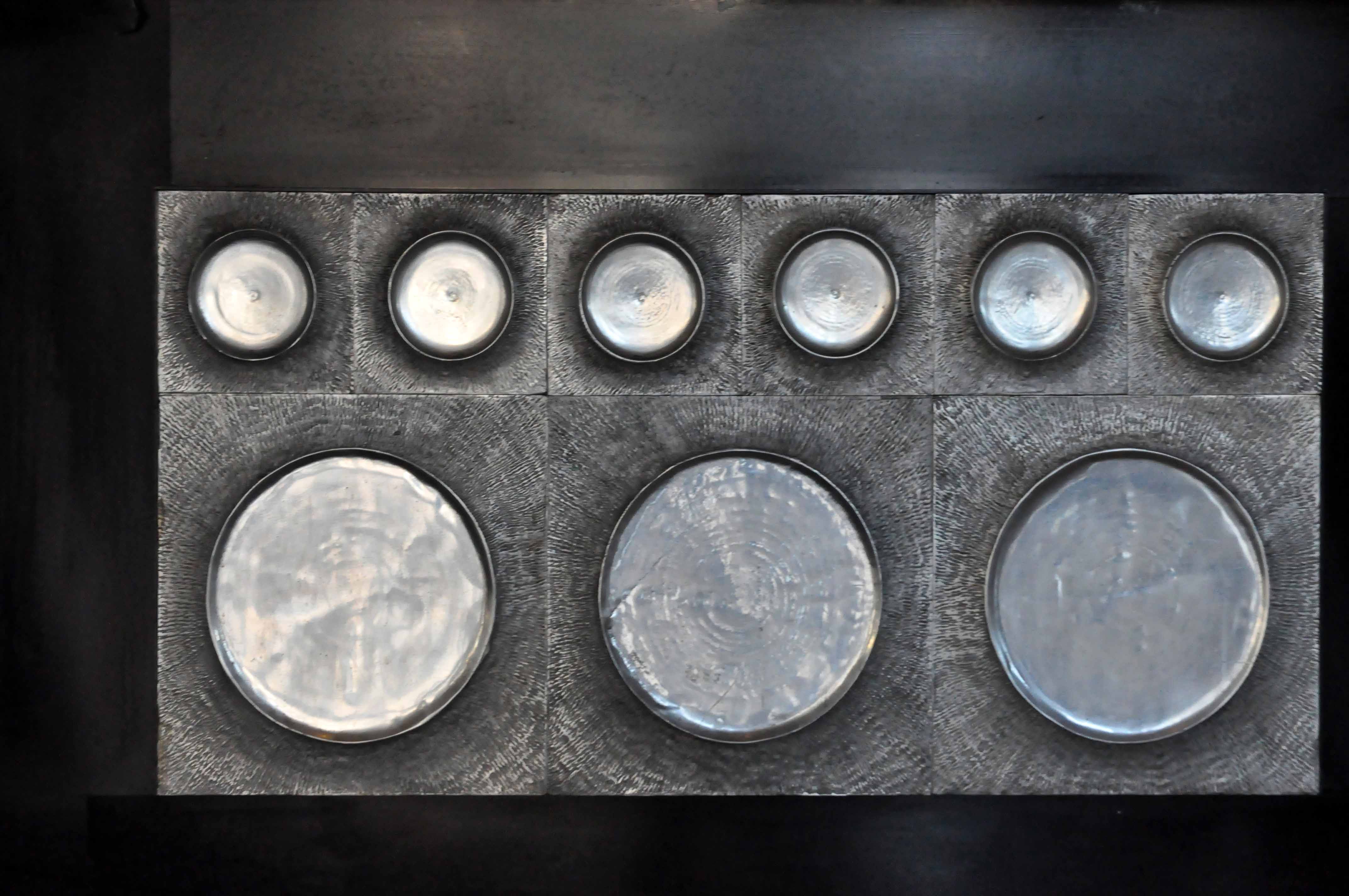
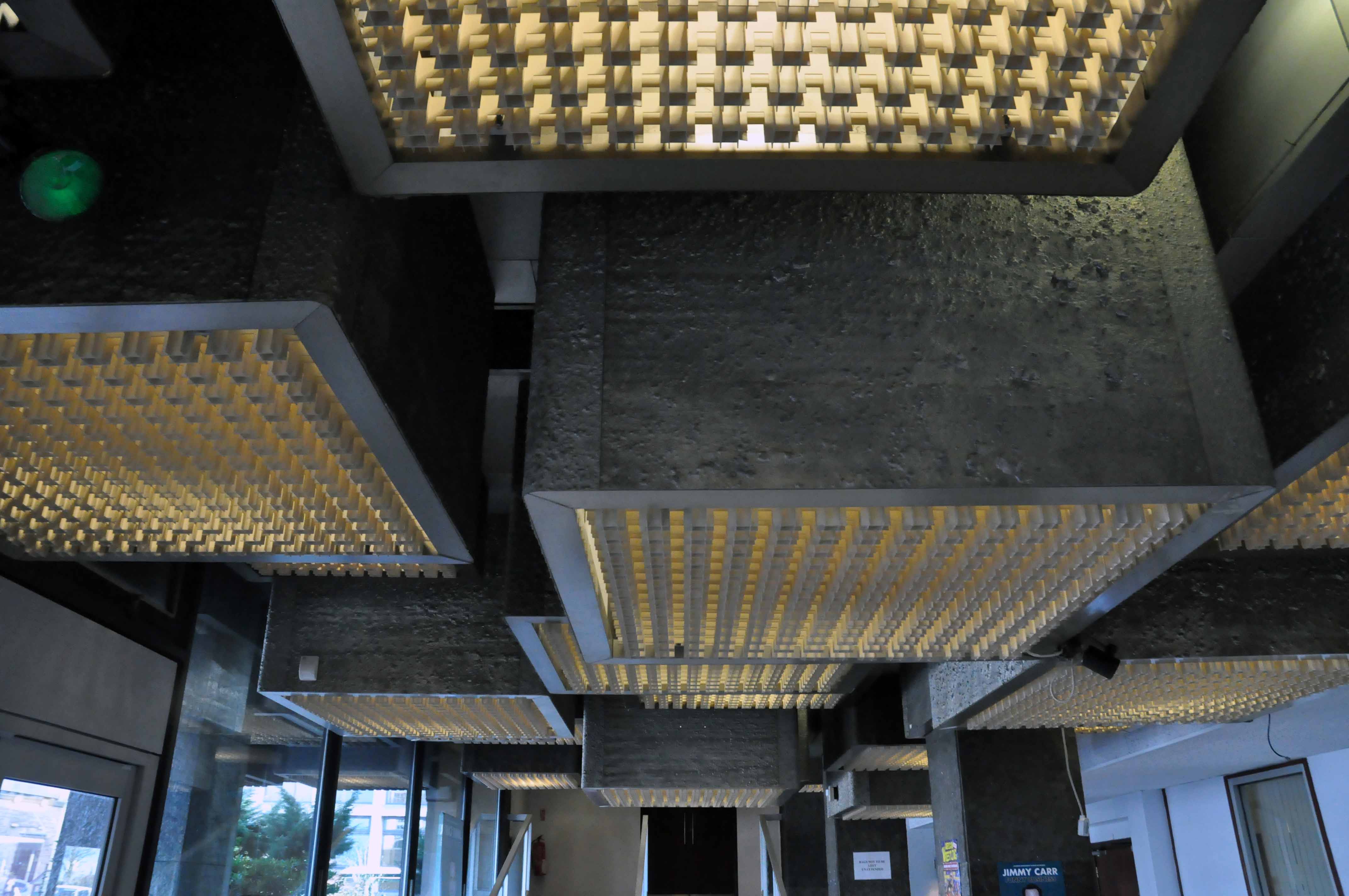
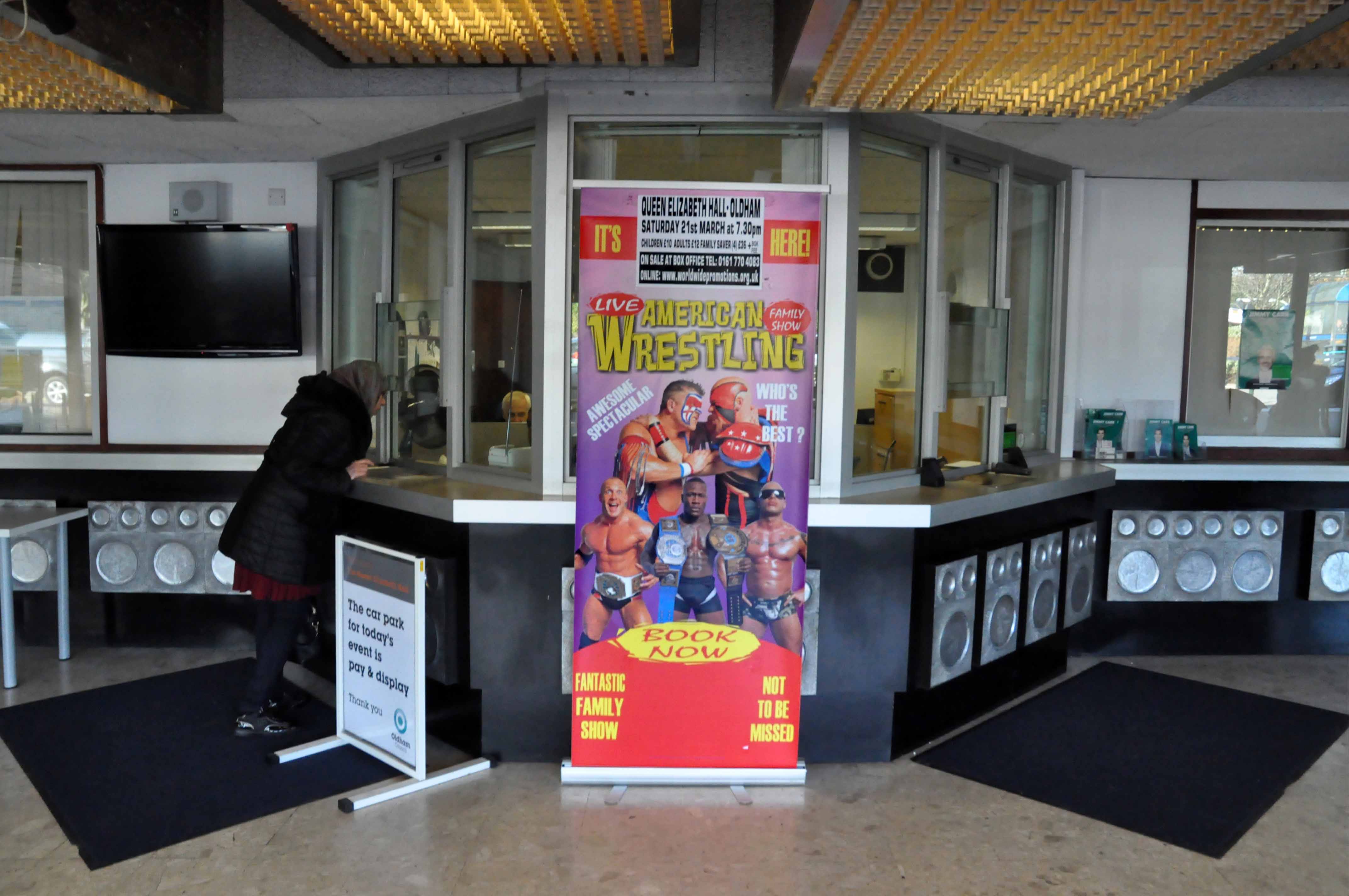
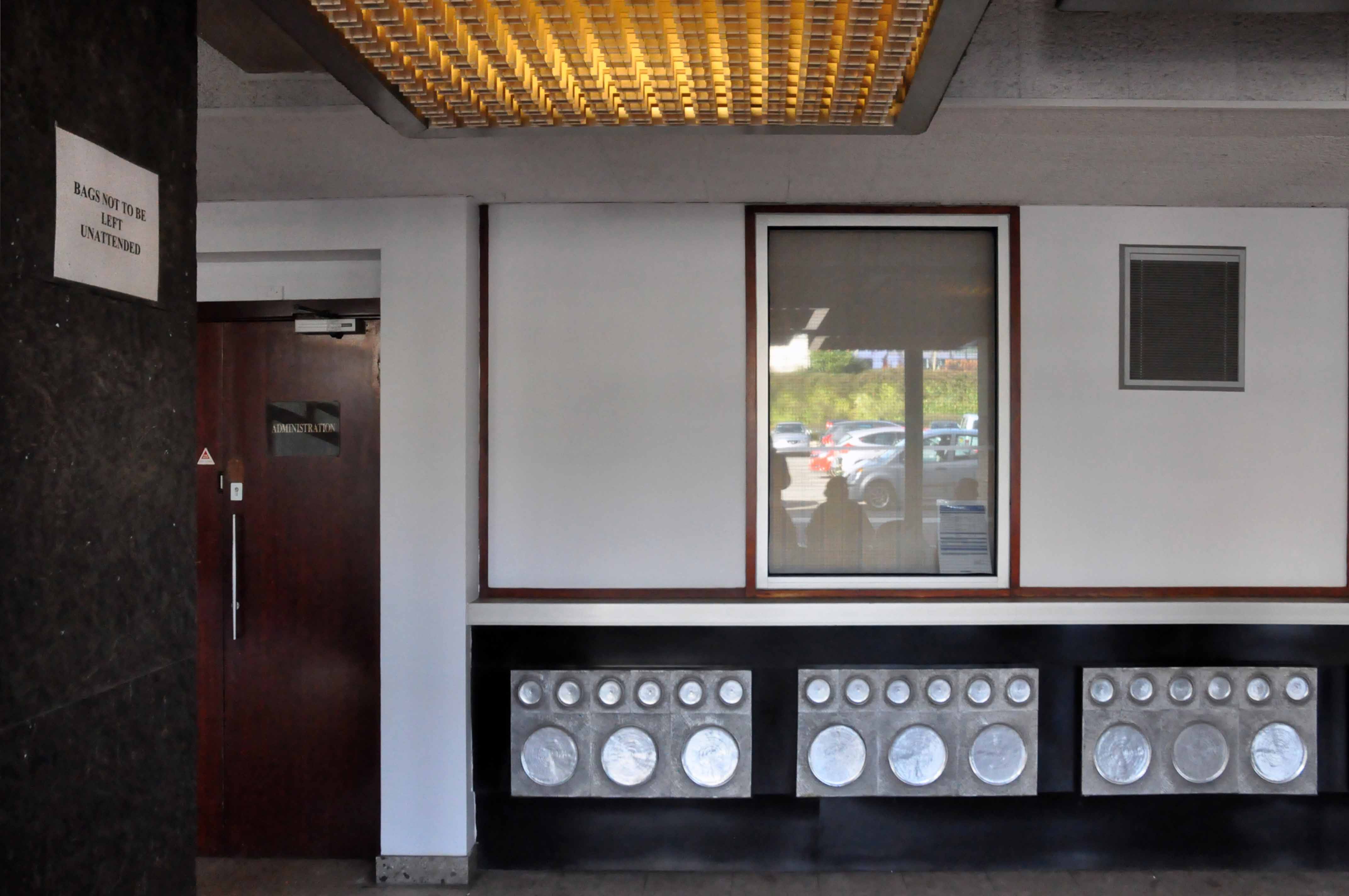
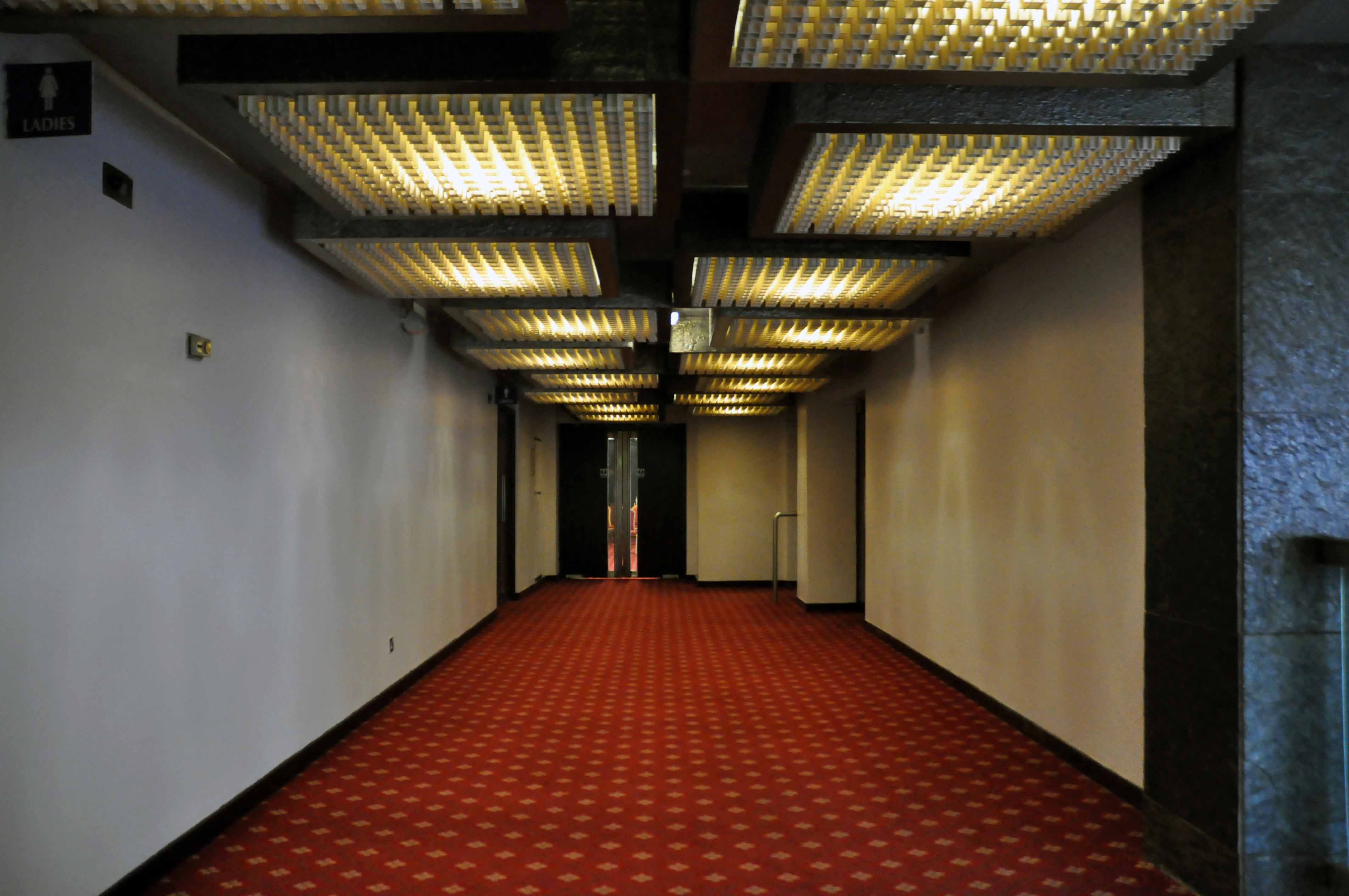
The lobby boasts further exotic lighting, this time on the ceiling, and applied metal reliefs attached to the back wall and booking office.

I’ve never been in the main auditorium, yet – but life is full of little surprises.

Others have – boxers, boozers, bands, concerts, carousers, dancers, thespians – the lot.

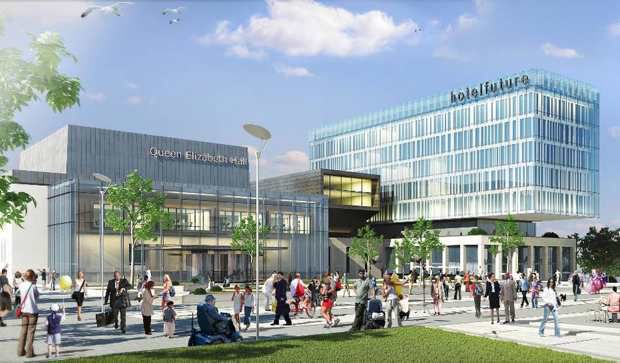
The council have a mind to put a stop to all this wayward architecture and replace it something new, shiny and anonymous.

C_71_article_1488157_image_list_image_list_item_0_image

But they’re having to wait for the Men from the Ministry to cough up the cash – which may or may not be tied up in a nearby Northern Powerhouse, Mr Osborne may just have to be lead up the A62 by the nose, with a promise of the most popular Tea Dance in the area.

Screen Shot 2016-03-11 at 15.59.07

I do advise you to go and have a look before you can’t.

DSC_0680

DSC_0667

DSC_0670

DSC_0662

DSC_0660

DSC_0671

DSC_0674

DSC_0664

DSC_0677

DSC_0669

DSC_0673

DSC_0672

DSC_0679

DSC_0666

DSC_0678

DSC_0675

DSC_0663

DSC_0665

DSC_0668

DSC_0676

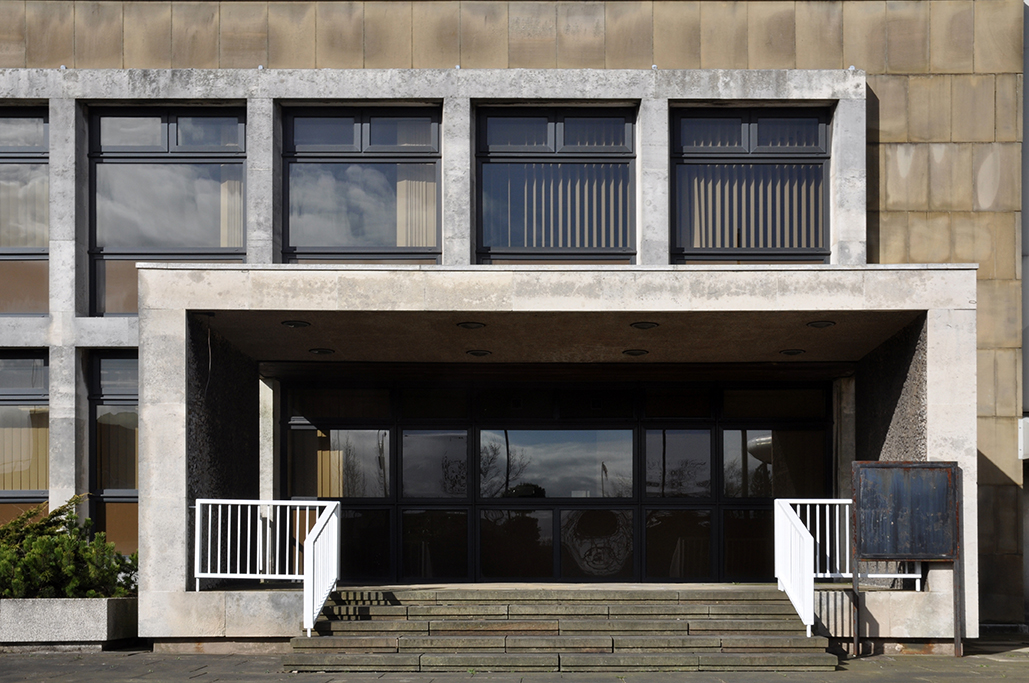
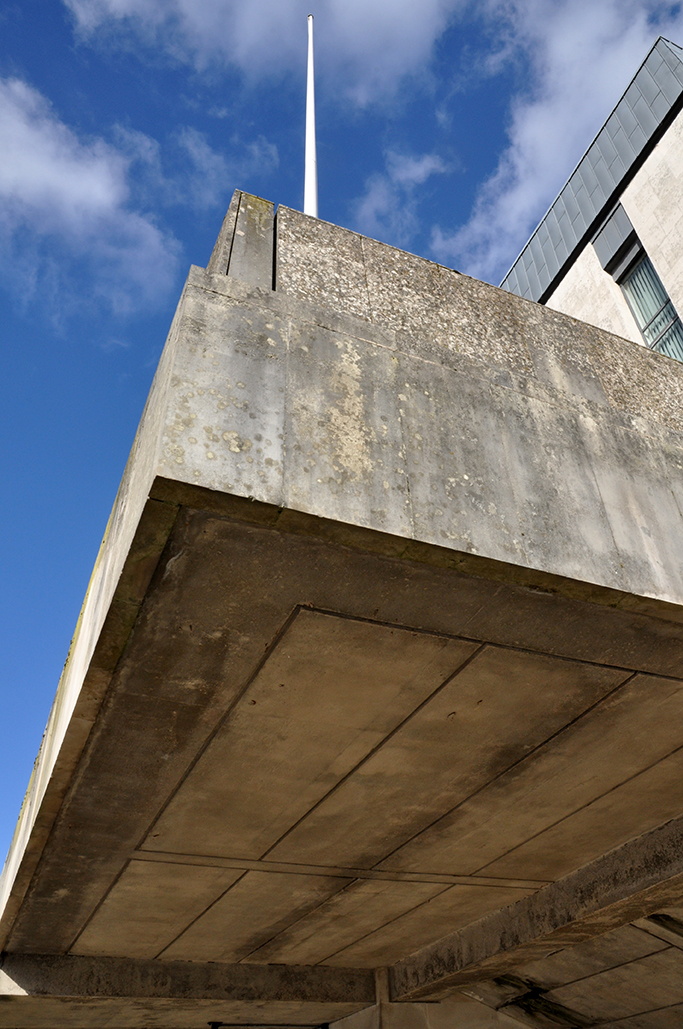
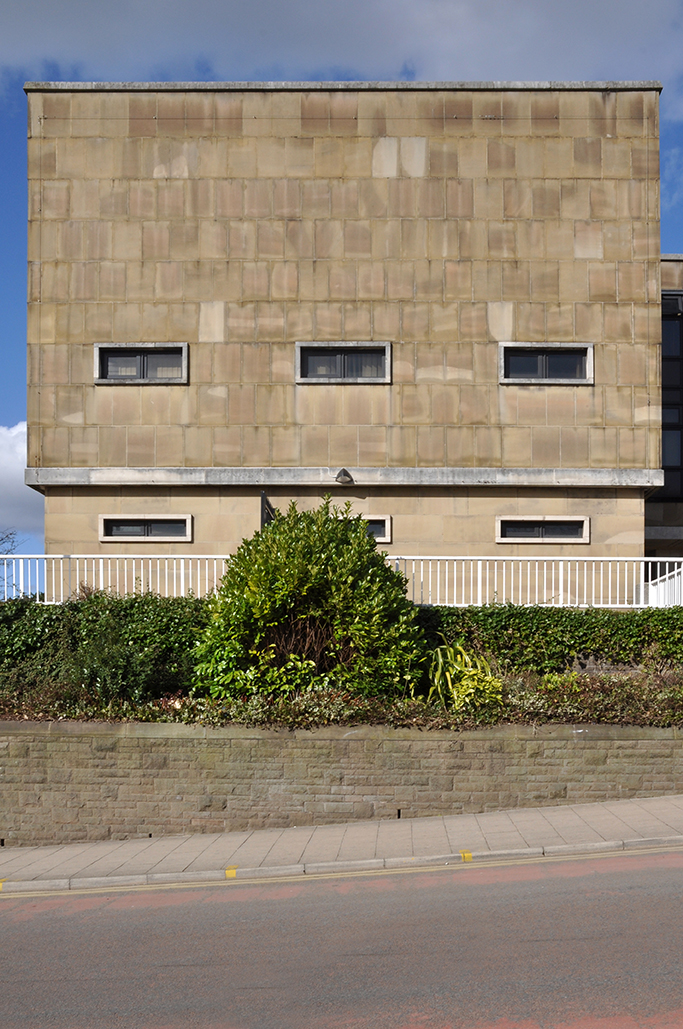
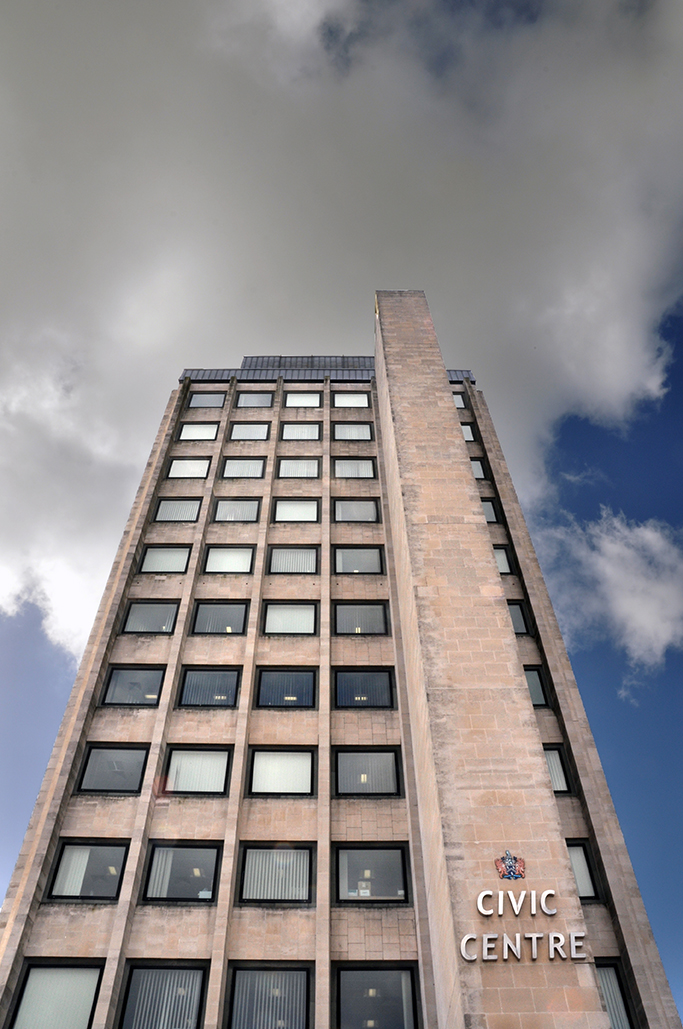
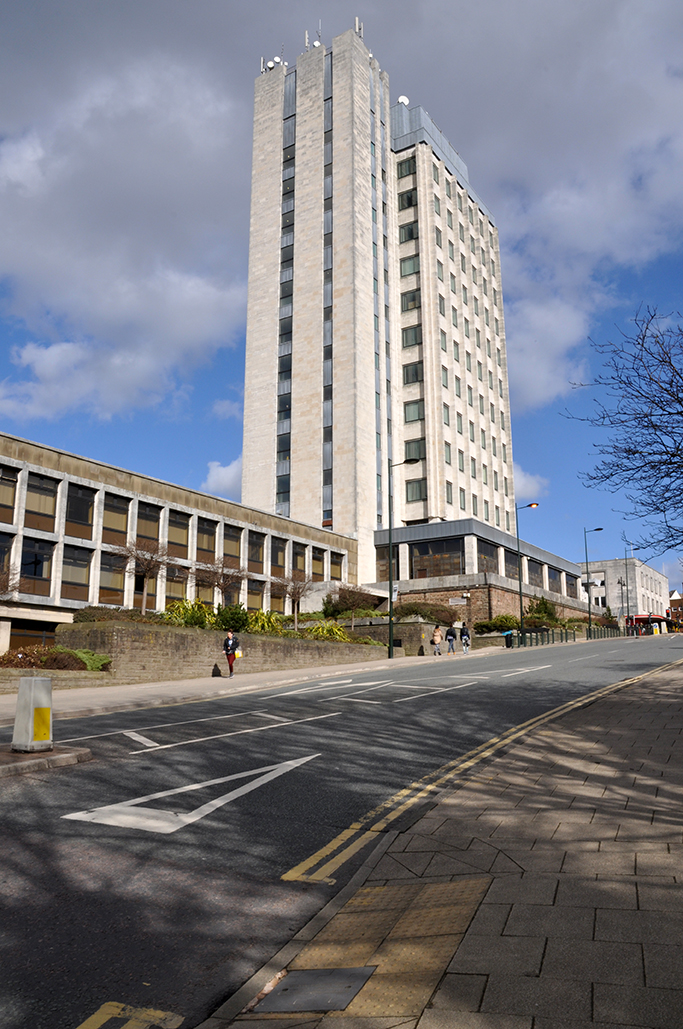
Civic Centre – Oldham

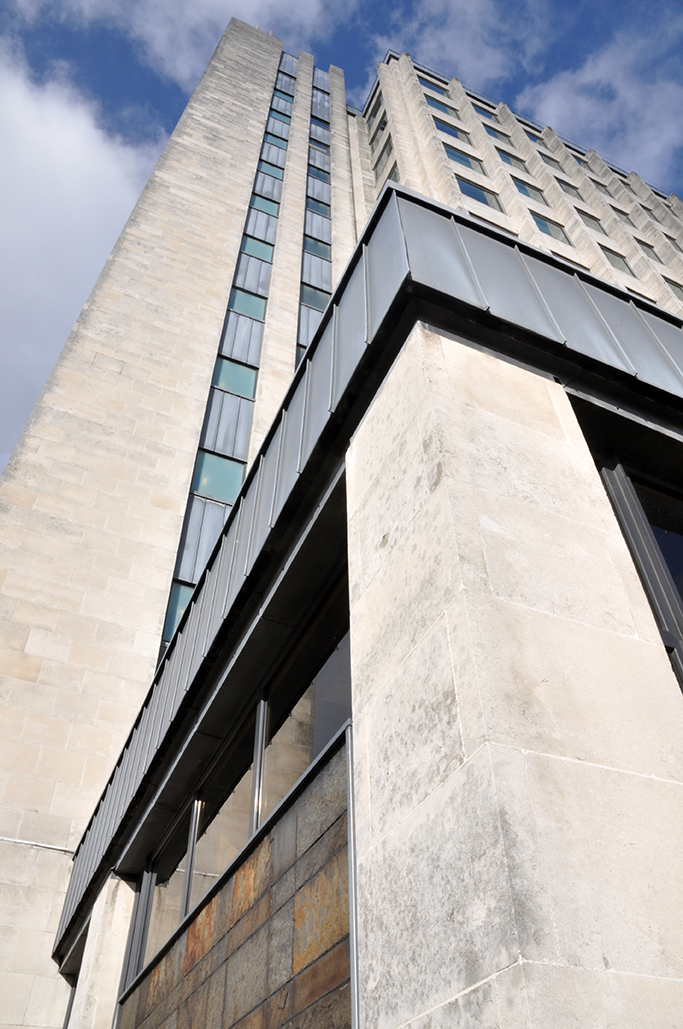
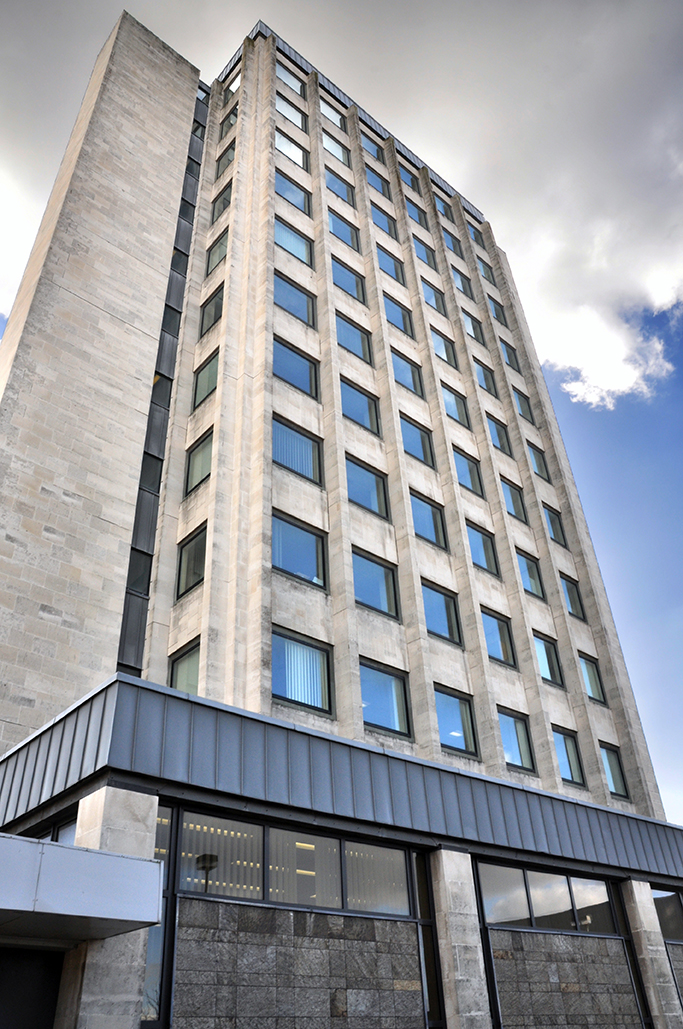
“The Civic Centre tower is the Oldham’s centre of local governance. The fifteen storey building has housed the vast majority of the council’s offices since its completion in 1977. Standing at the summit of the town, the tower stands over 200 feet 61 m high. It was designed by Cecil Howitt & Partners, and the topping out ceremony was held on 18 June 1976.The Civic Centre can be seen from as far away as Salford, Trafford, Wythenshawe and Winter Hill in Lancashire, and offers panoramic views across the city of Manchester and the Cheshire Plain.”

Part of the building joins onto an older office block which dates from the mid-1960s. That was originally headquarters for Oldham’s Regional Health Authority before their move to St. Peter’s Precinct.

I just stand back and gaze in wide wonder at this white giant resplendent against deep blue late Winter skies. High above the surrounding areas of Greater Manchester, it is more than a sum of its parts. The finest materials and finish, bold, optimistic and modern, singing of a civic pride that refuses to be diminished.
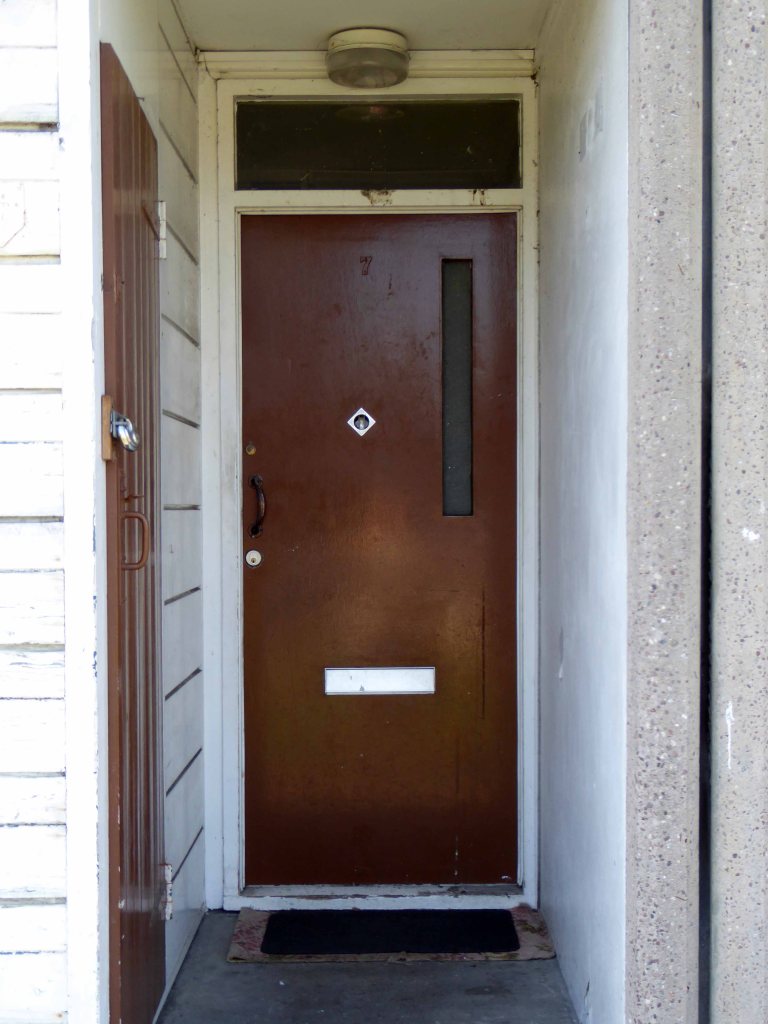
Having survived the slow and painful exodus of the cotton industry, and the consequent years of municipal under funding, Oldham is rebuilding itself, with this gem at its centre.

Further info and thanks to: East of the M60


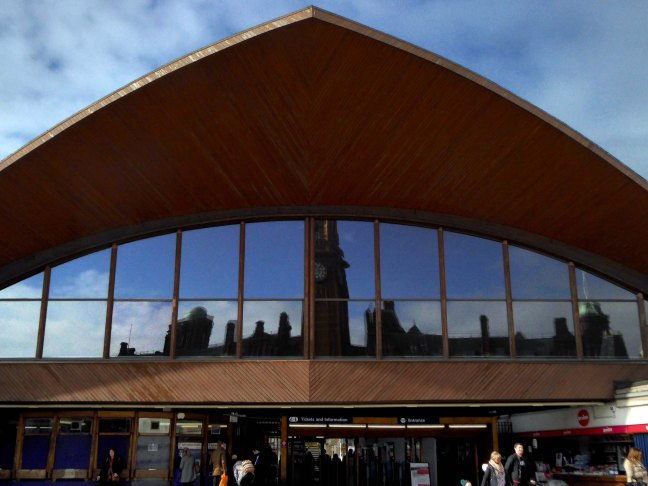
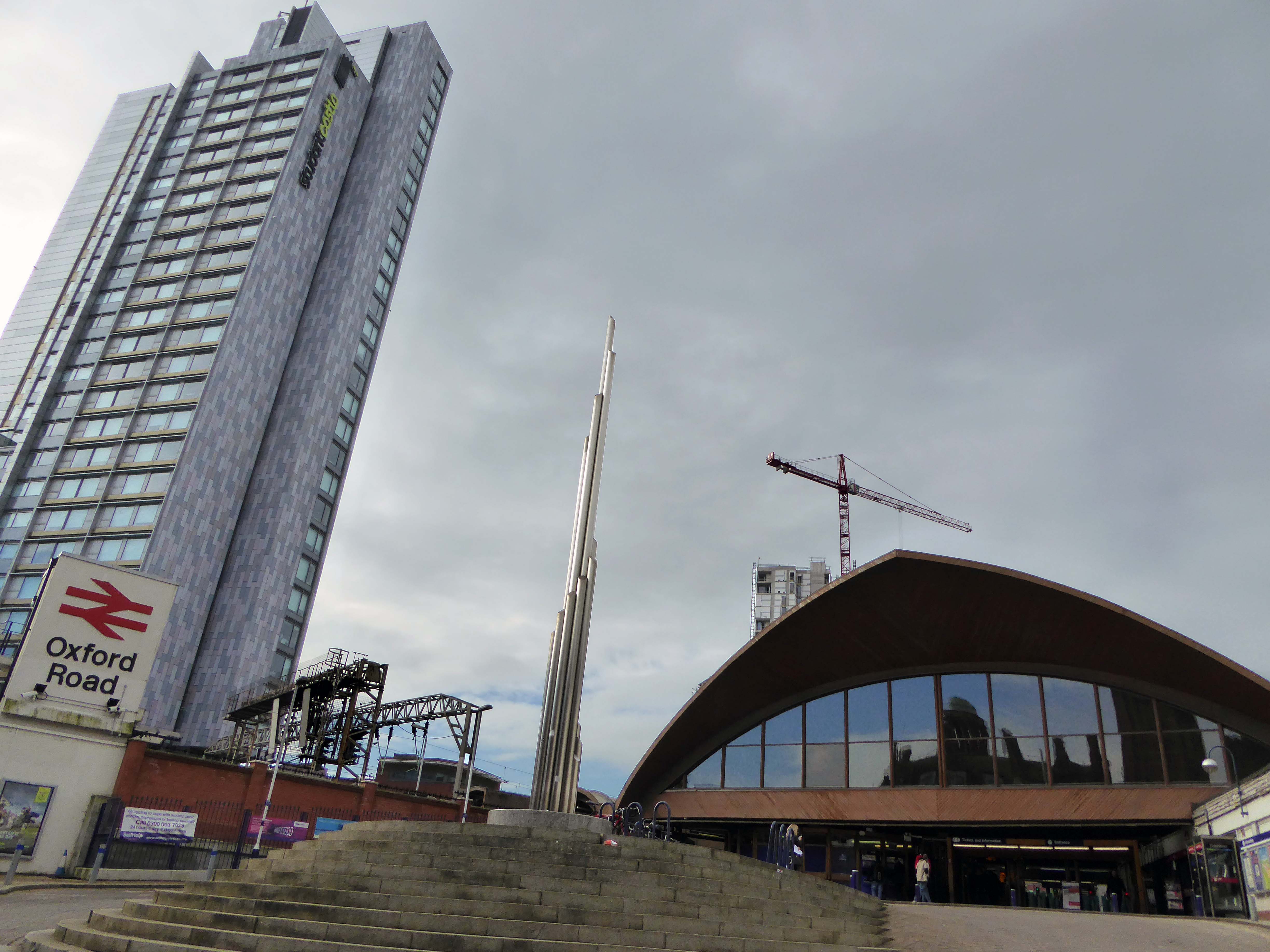
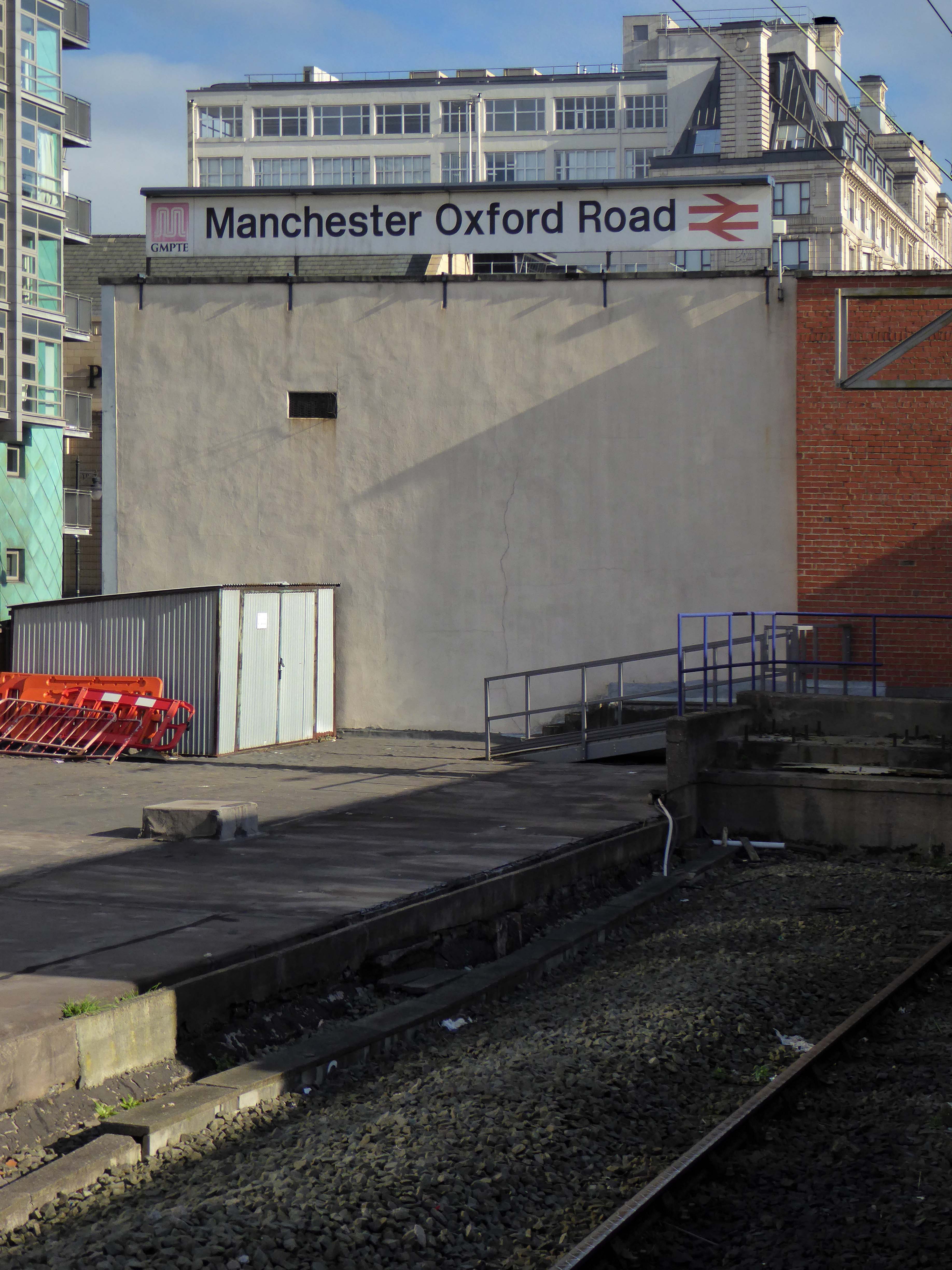
Oxford Road Station – Manchester

Where are you?

Neither here nor there.

Up in the air.

Betwixt and between.

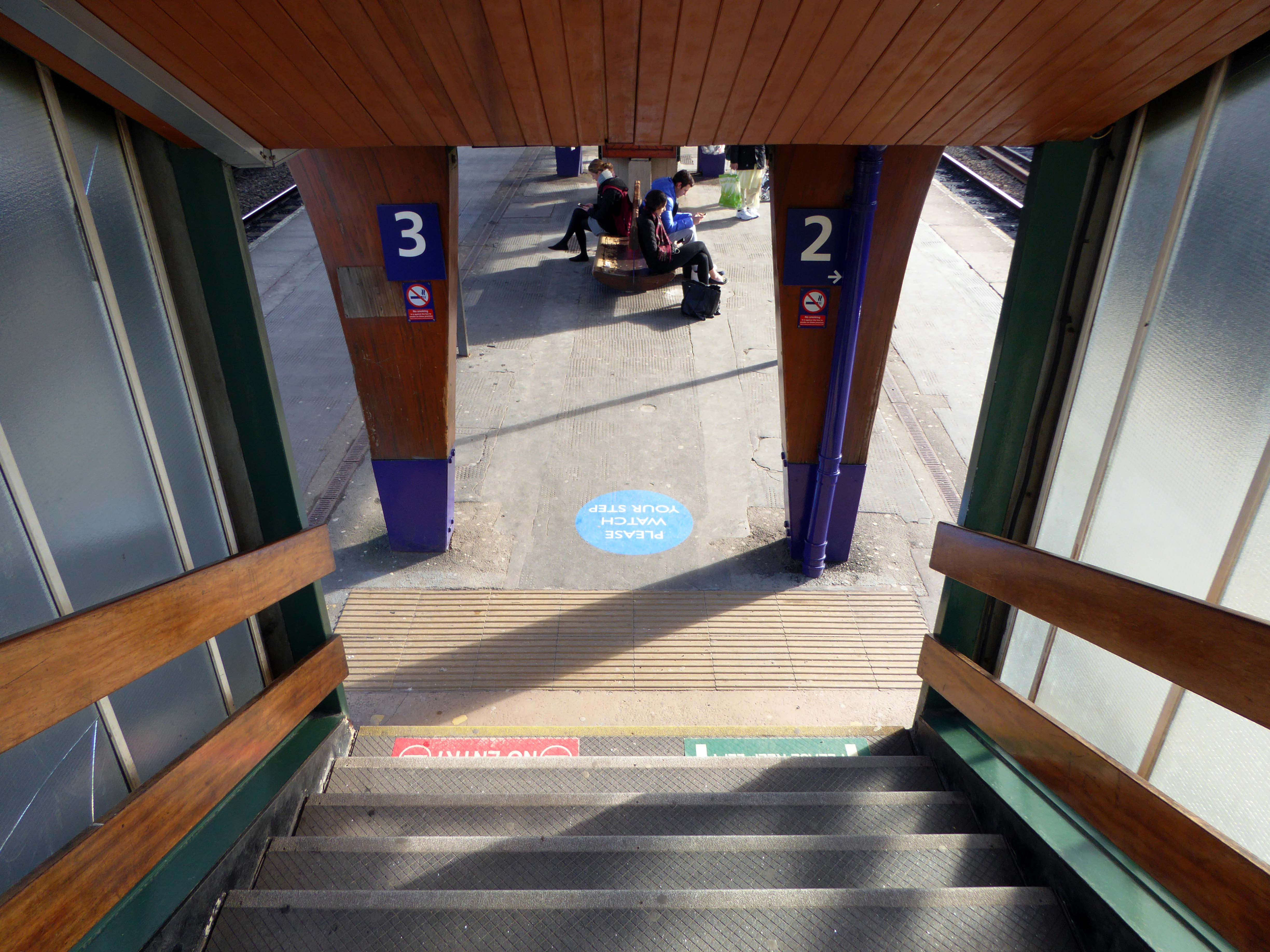
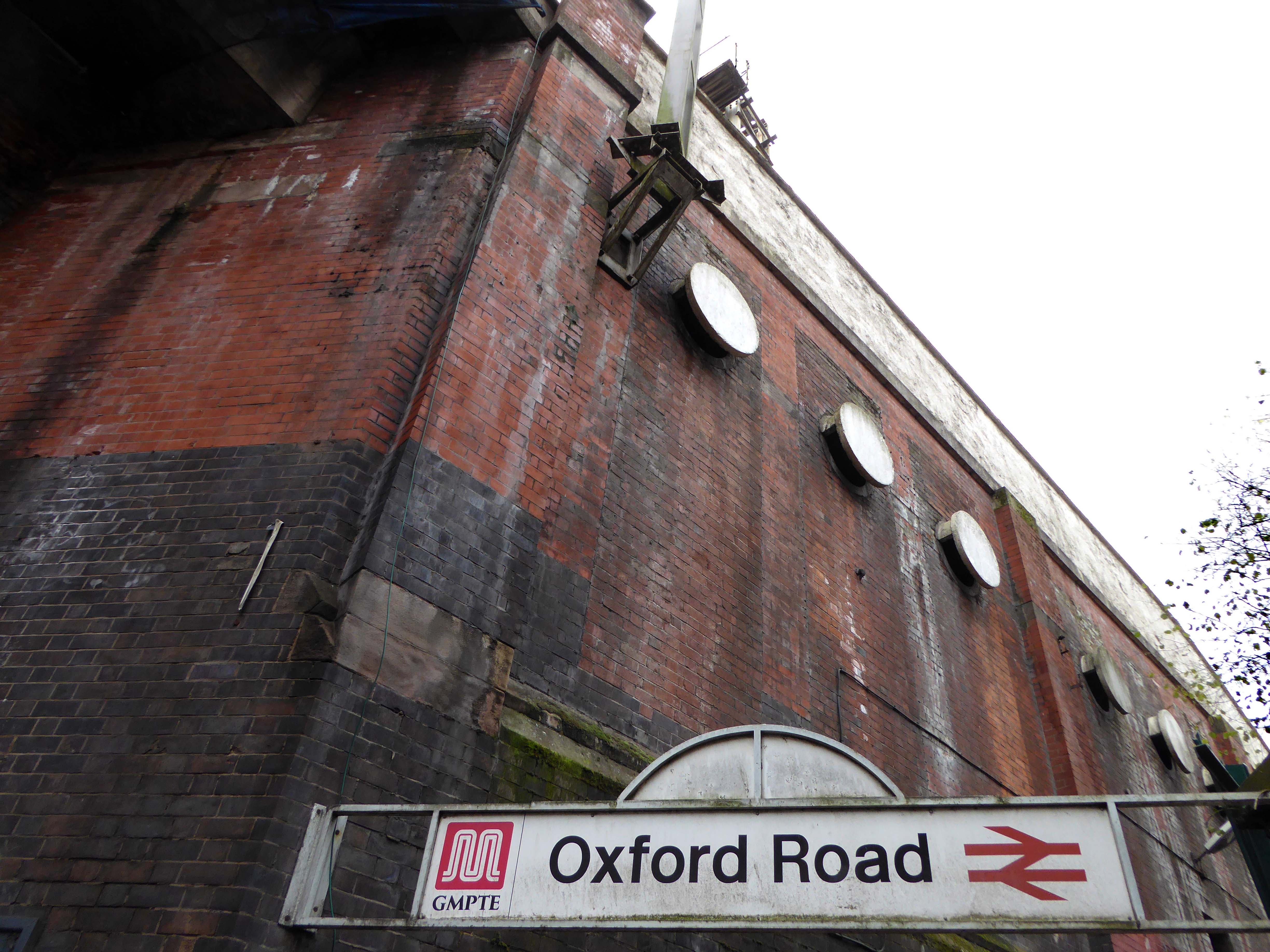
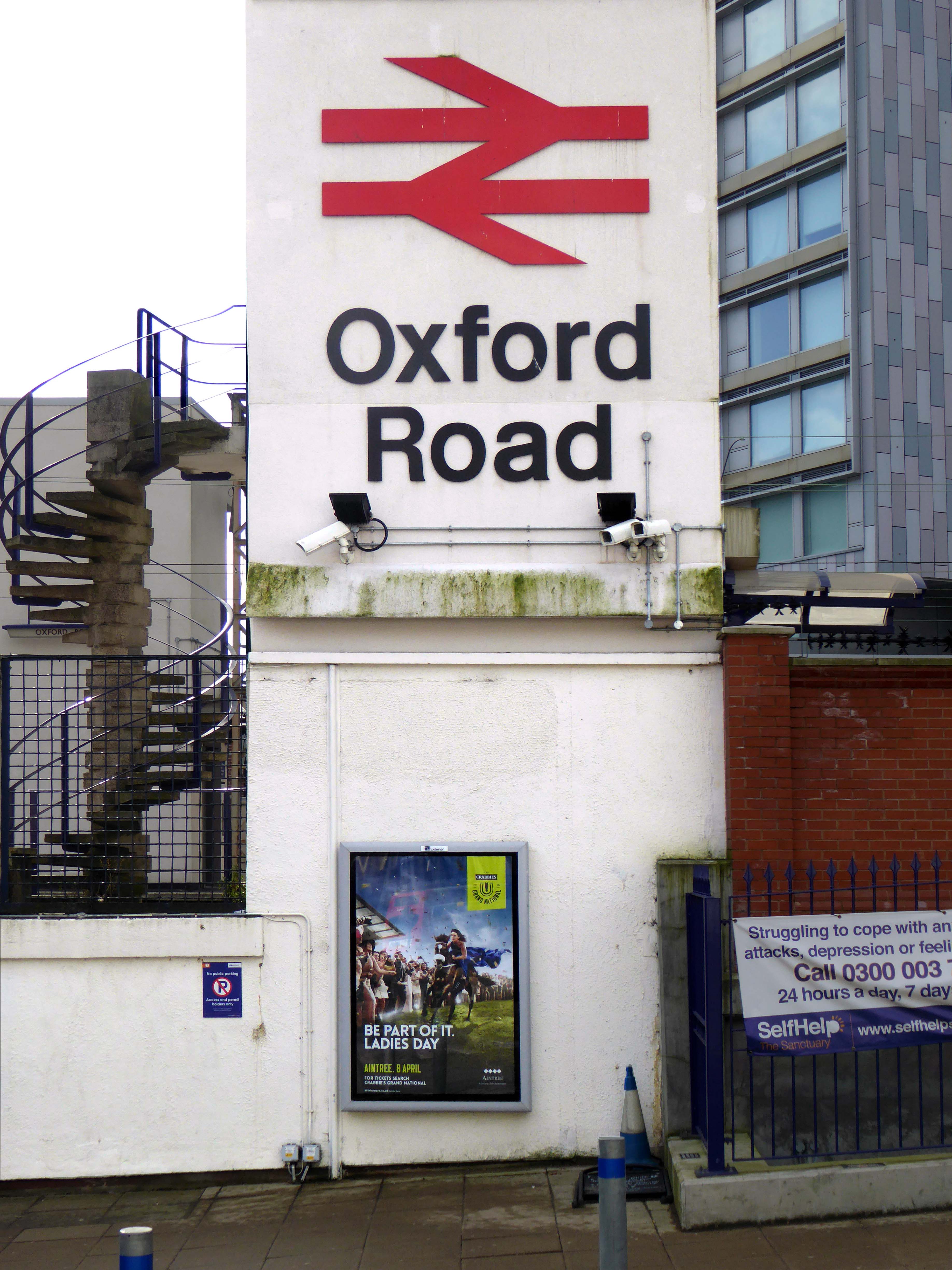
Possibly on the way to somewhere else, stranded at Oxford Road Station.

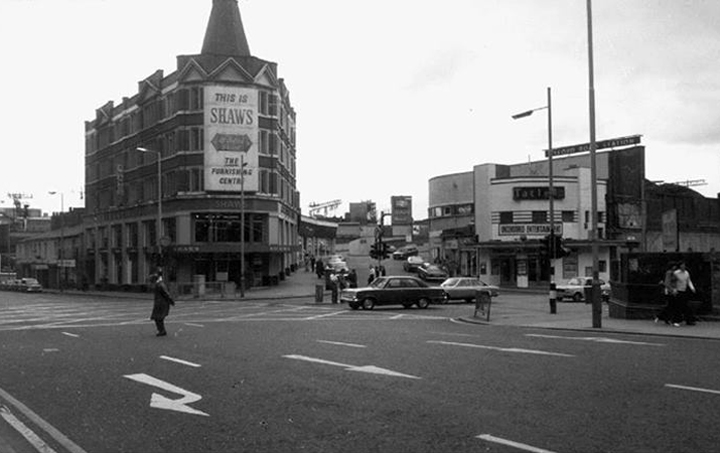
Tucked in behind Shaw’s Furniture and The Tatler Cinema.

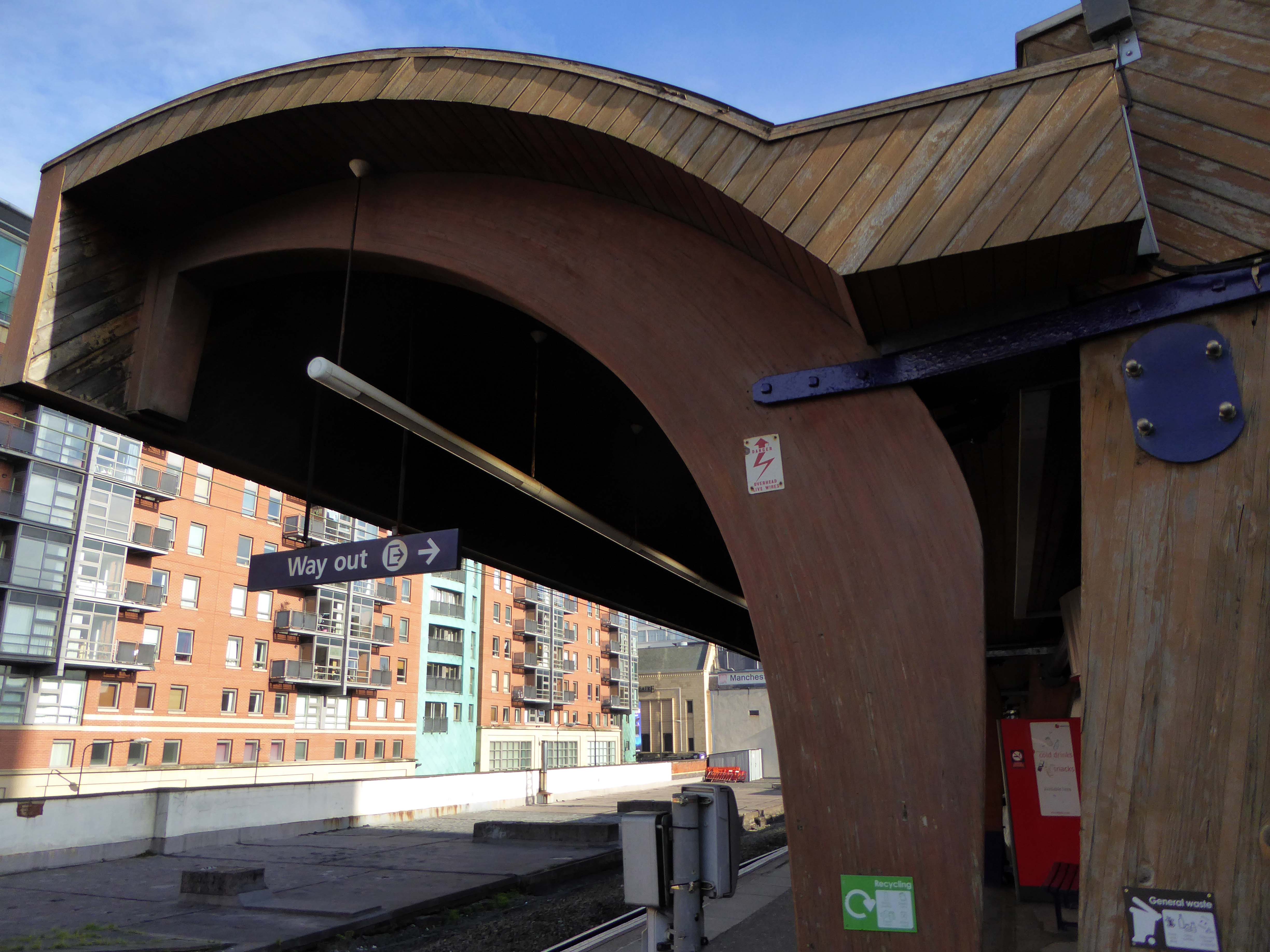
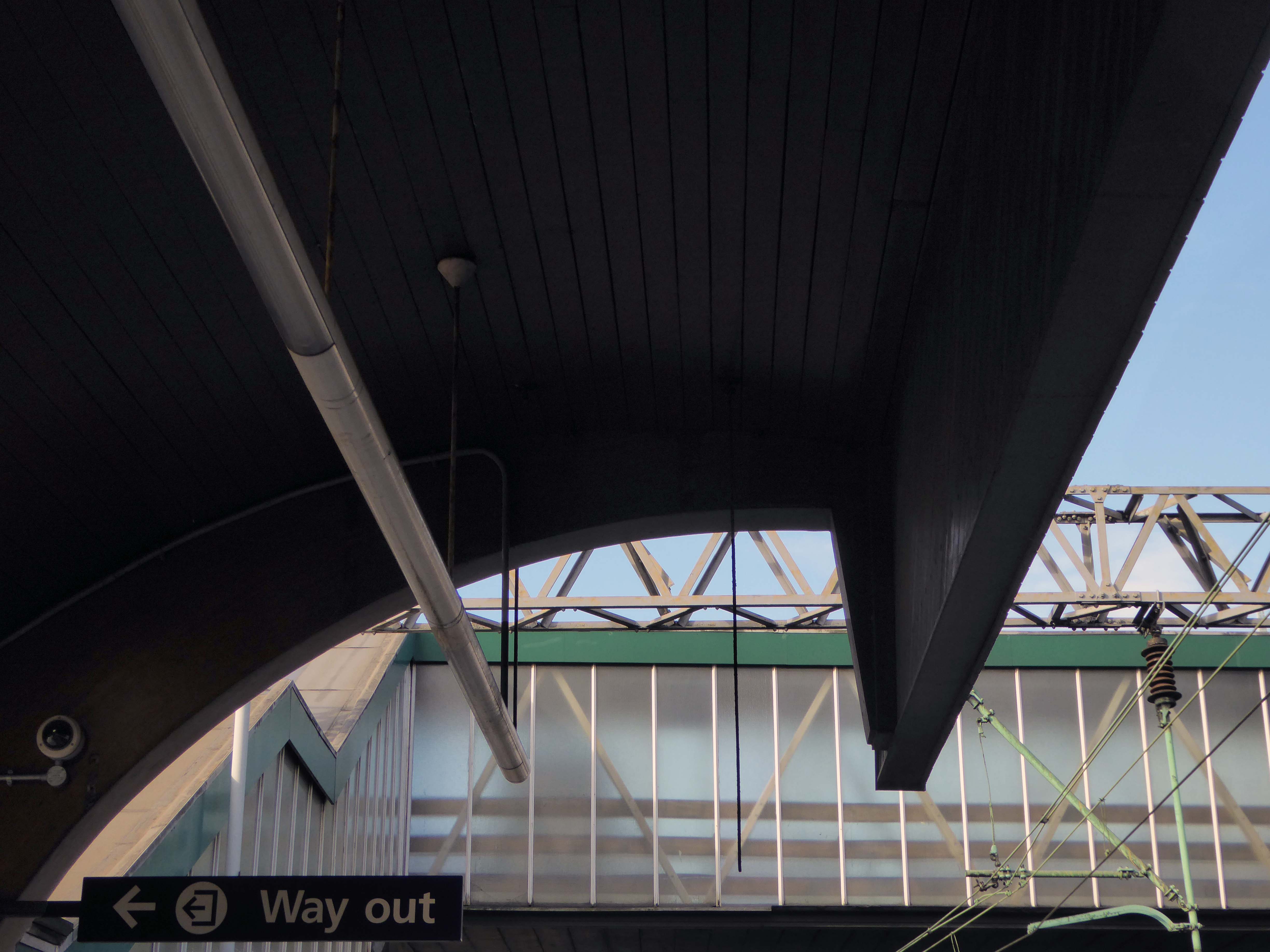
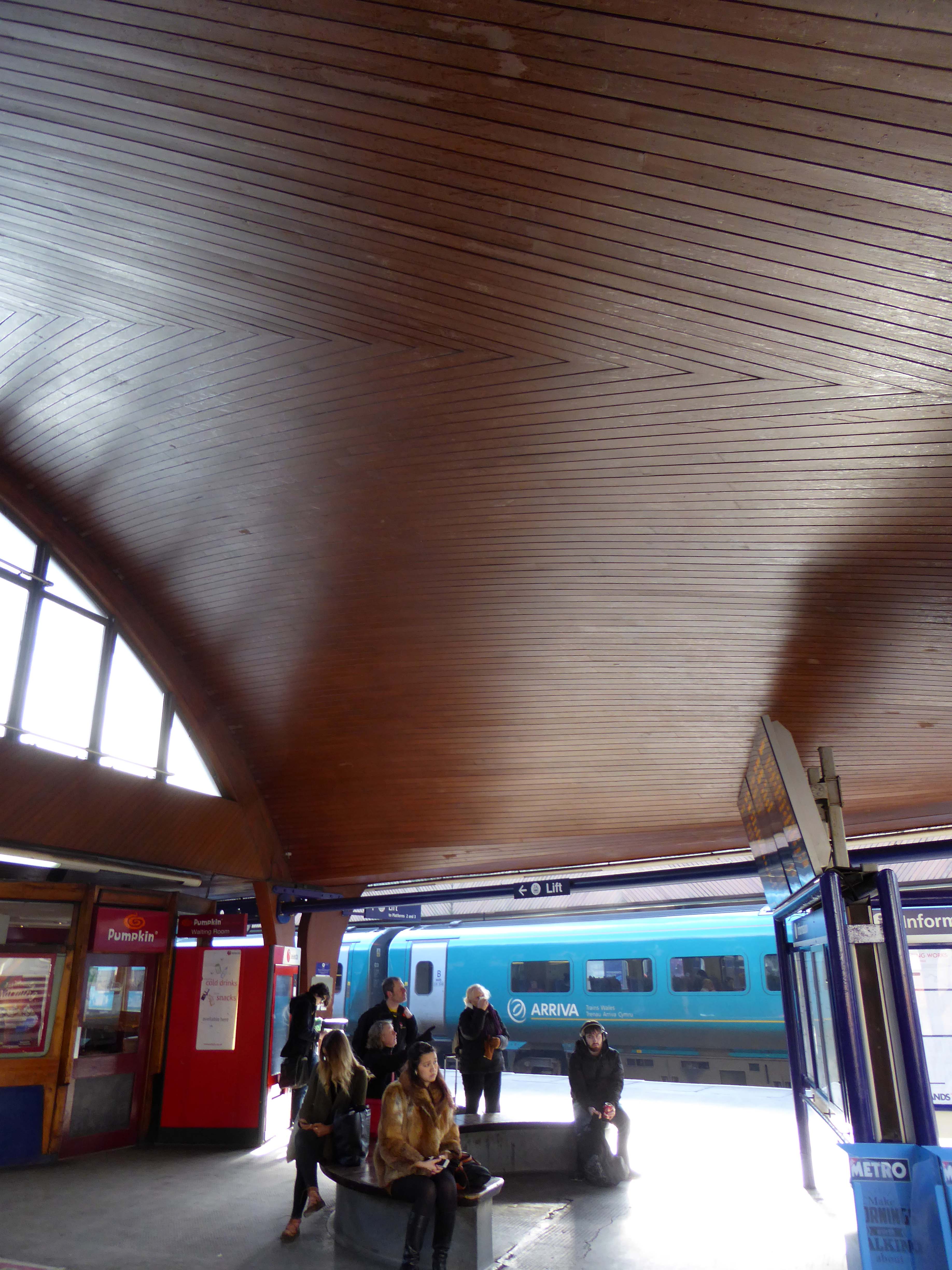
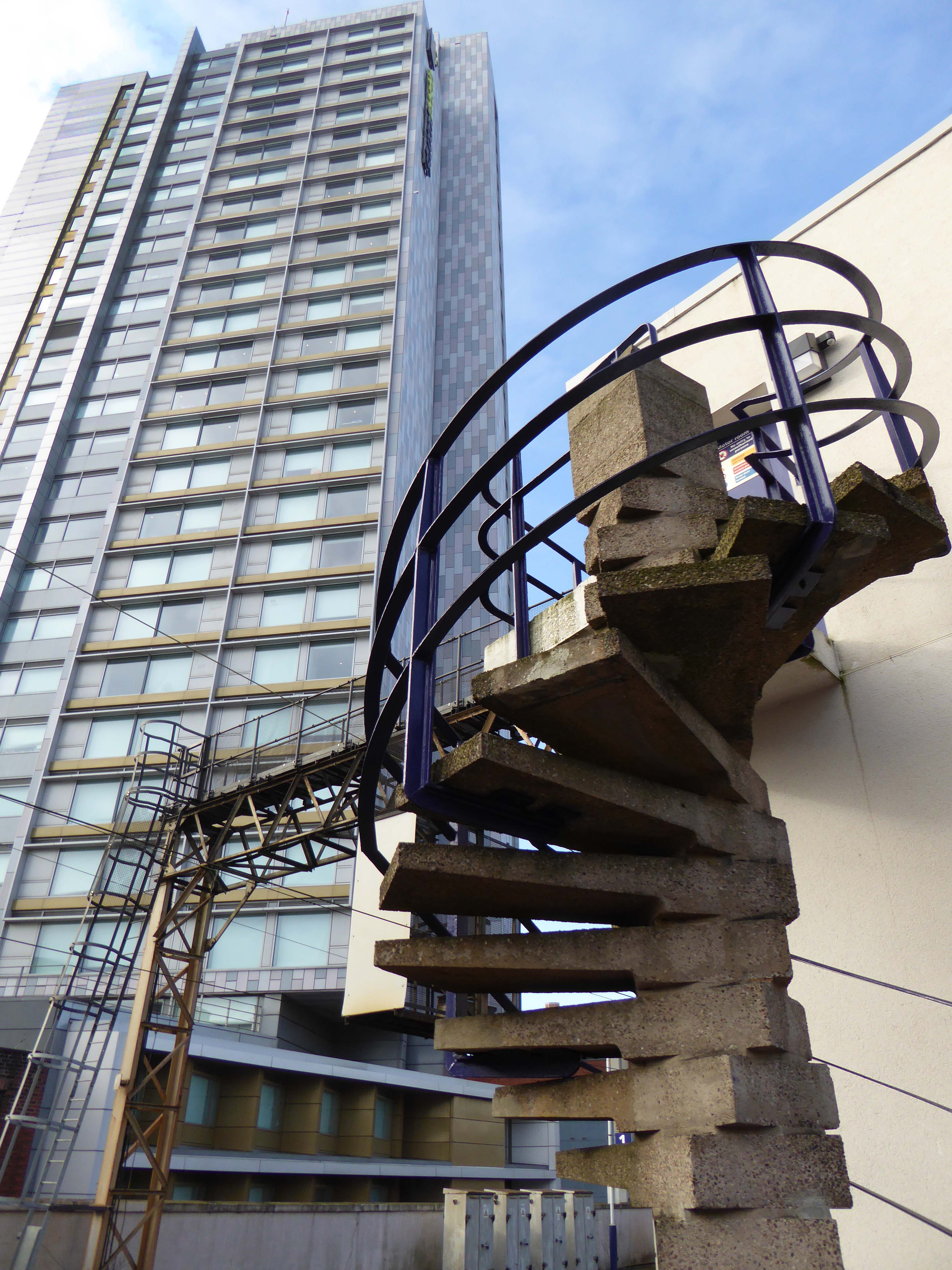
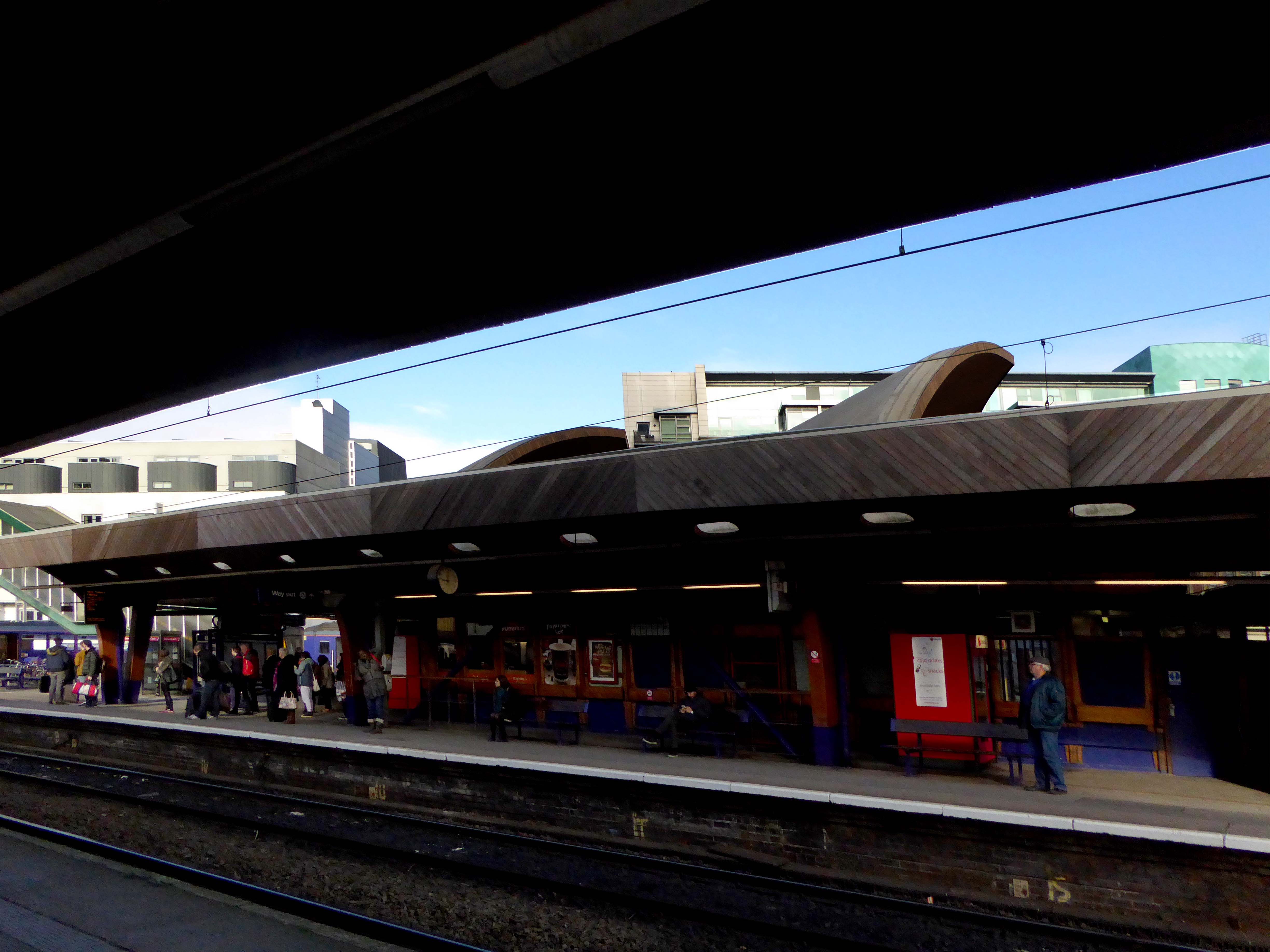
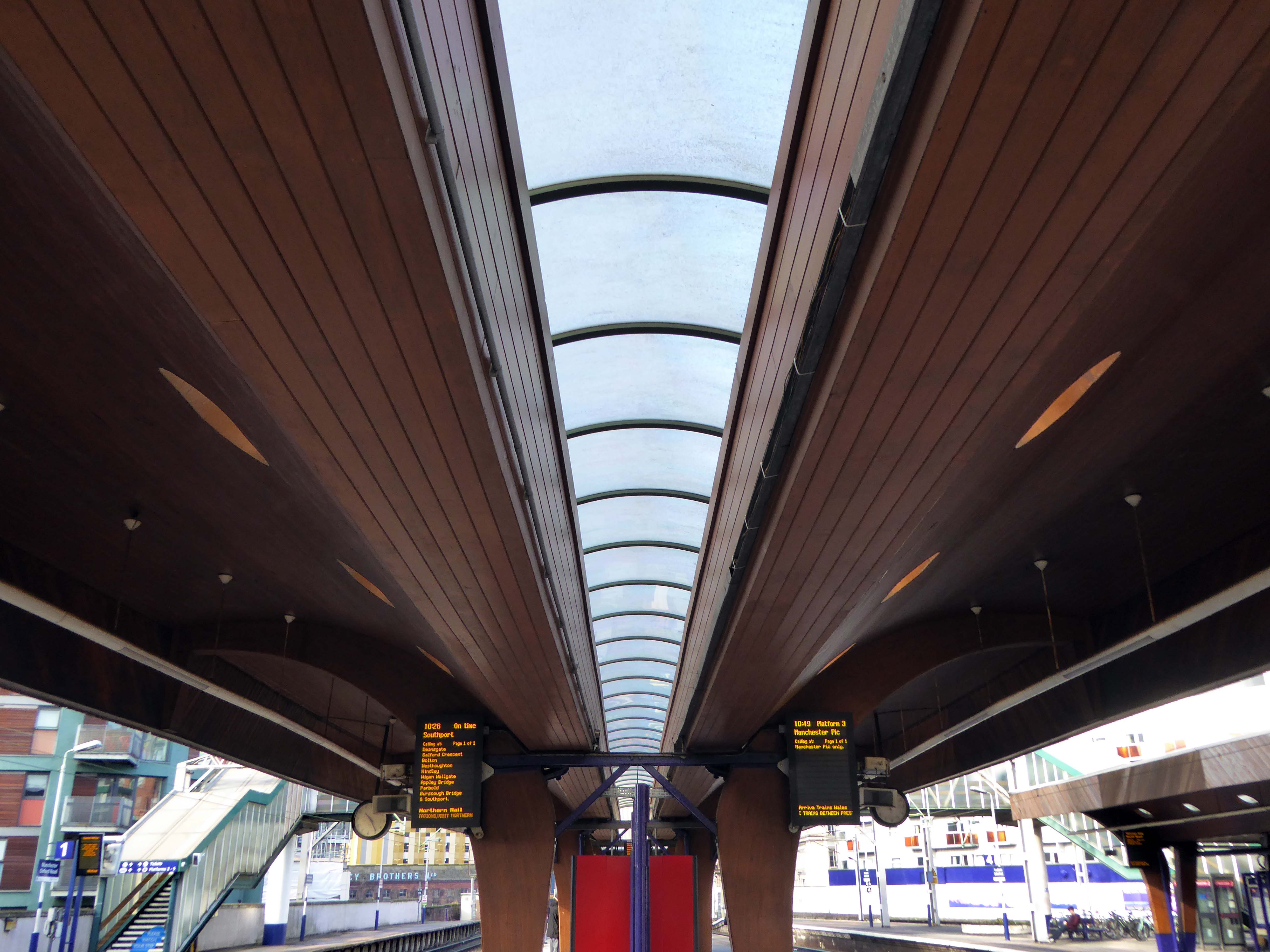
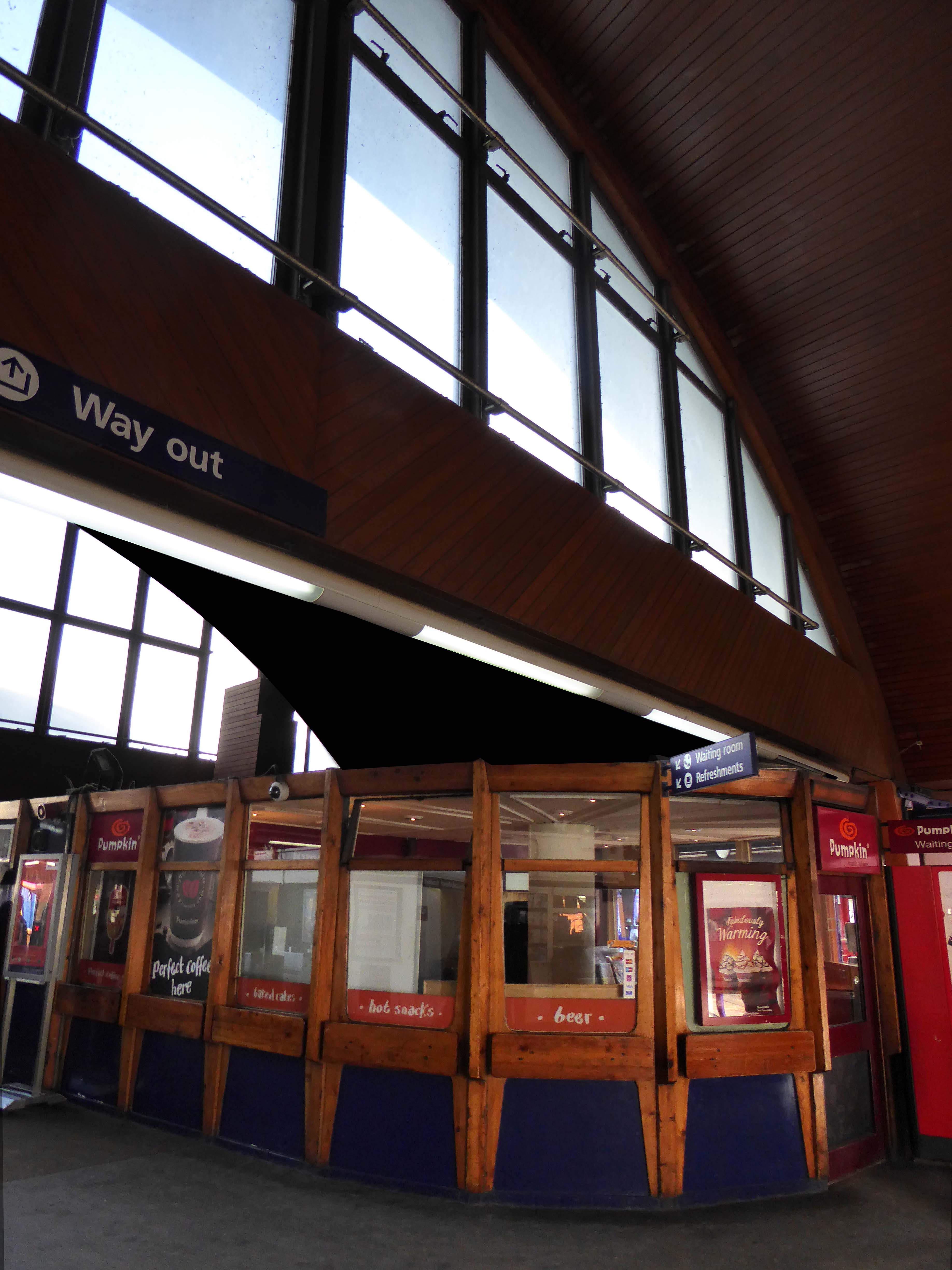
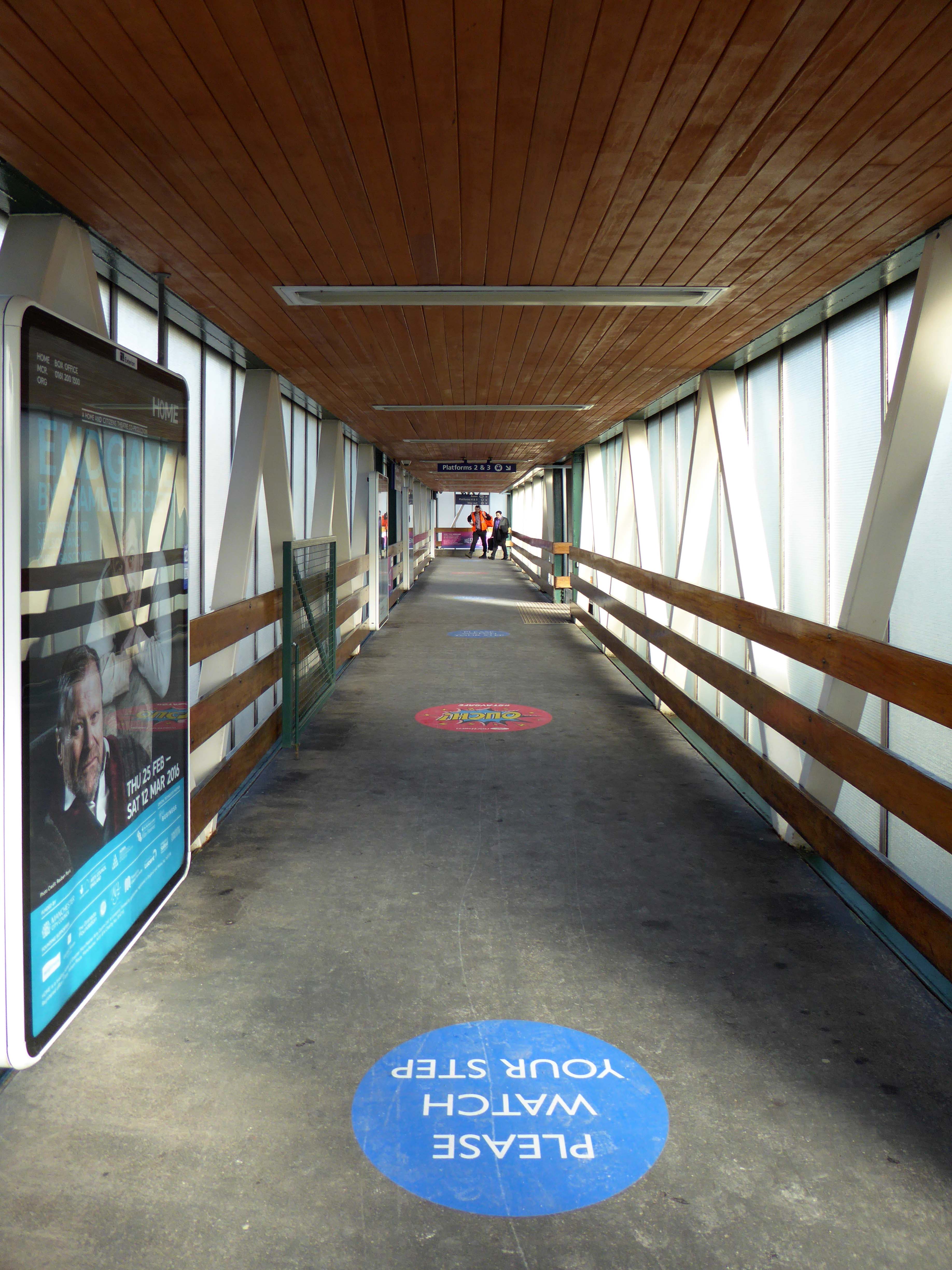
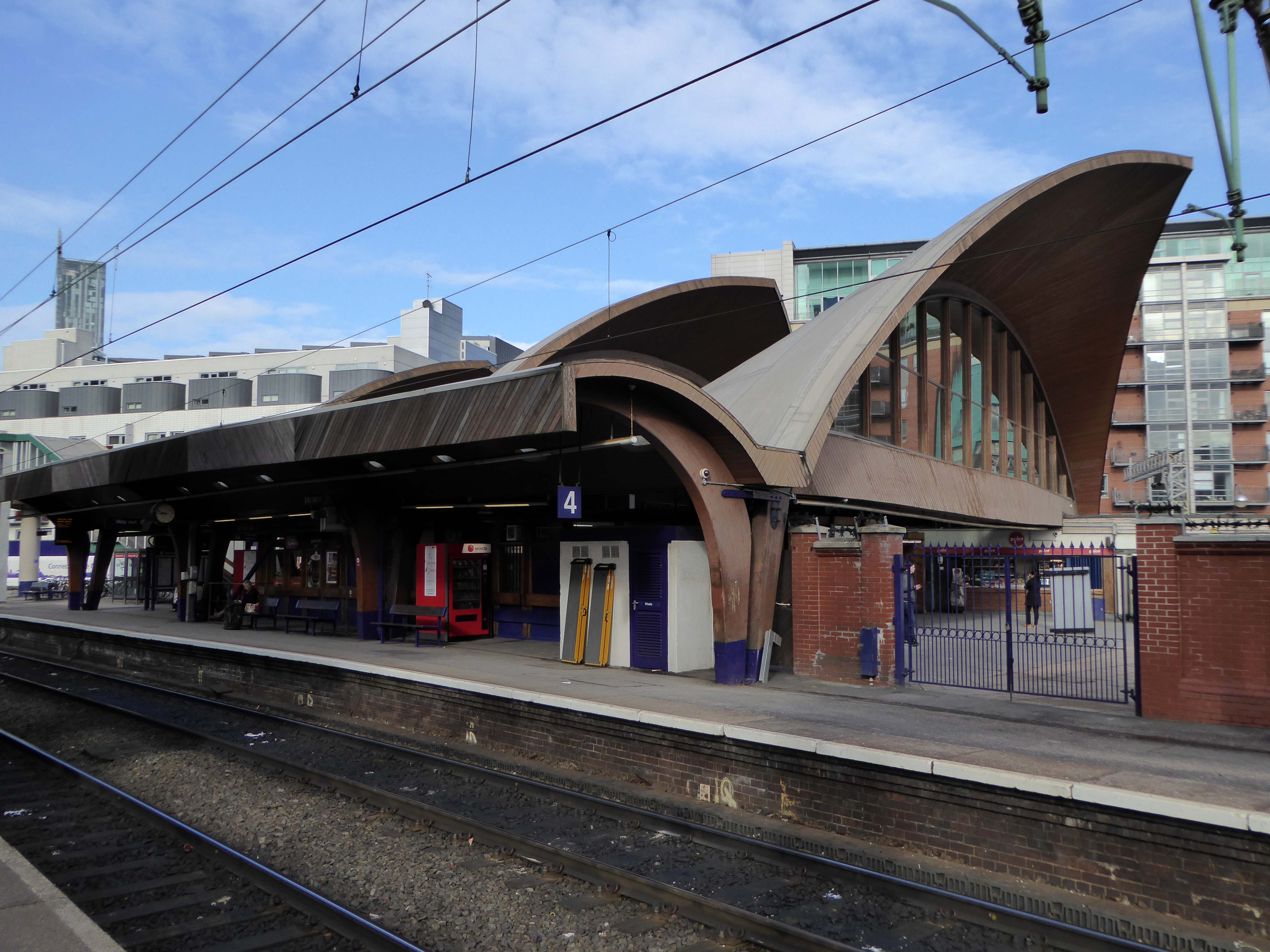
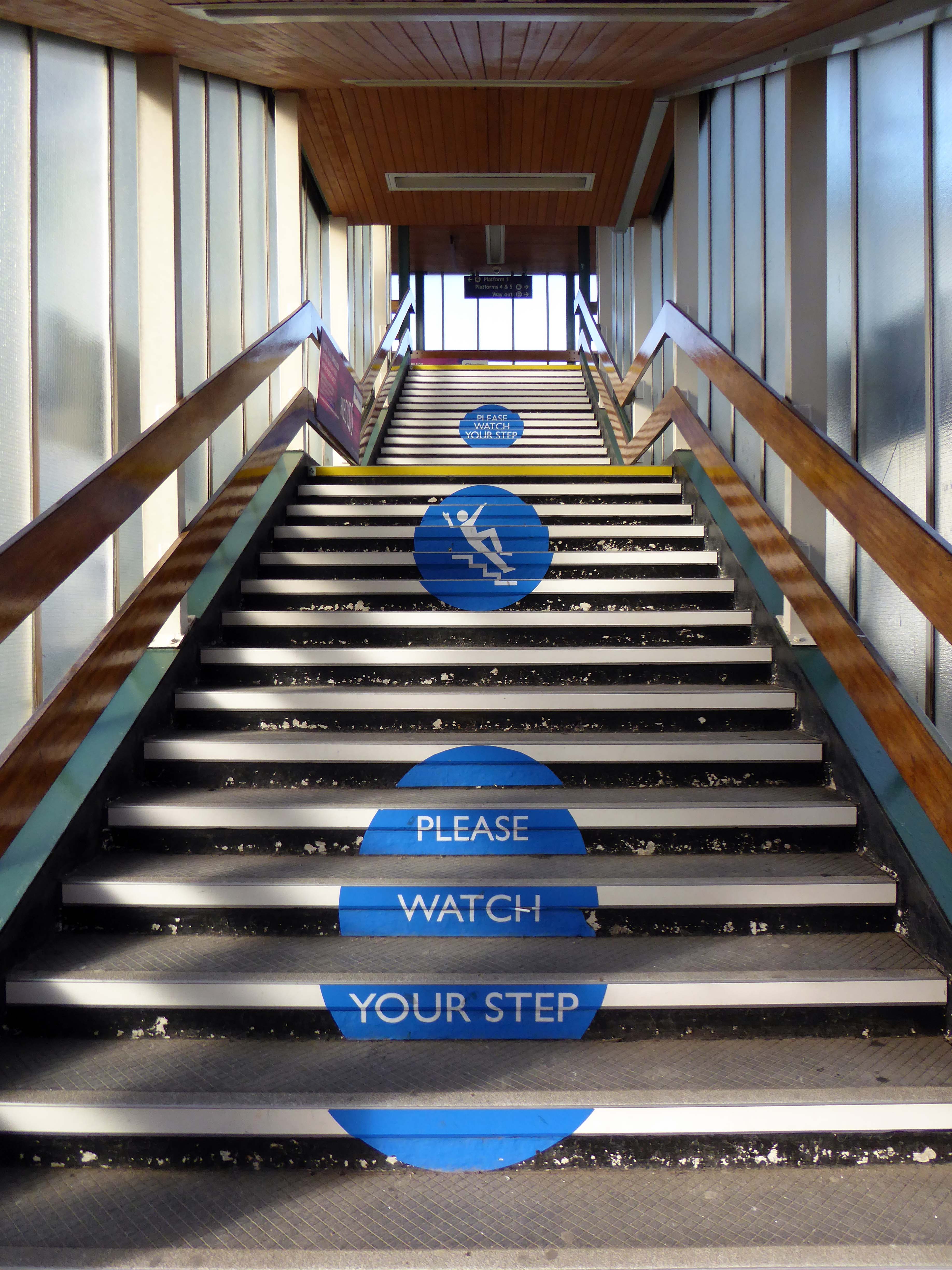
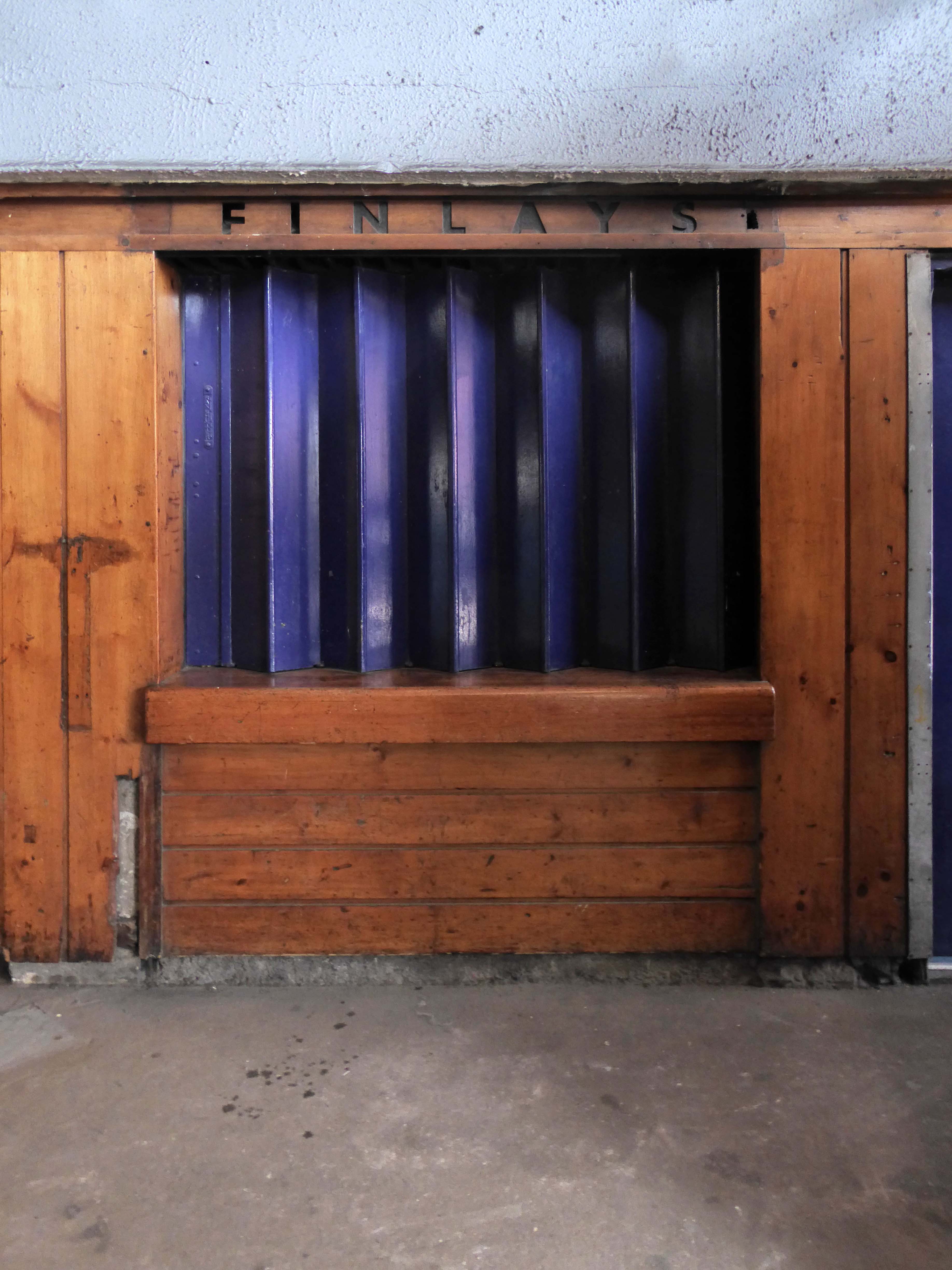
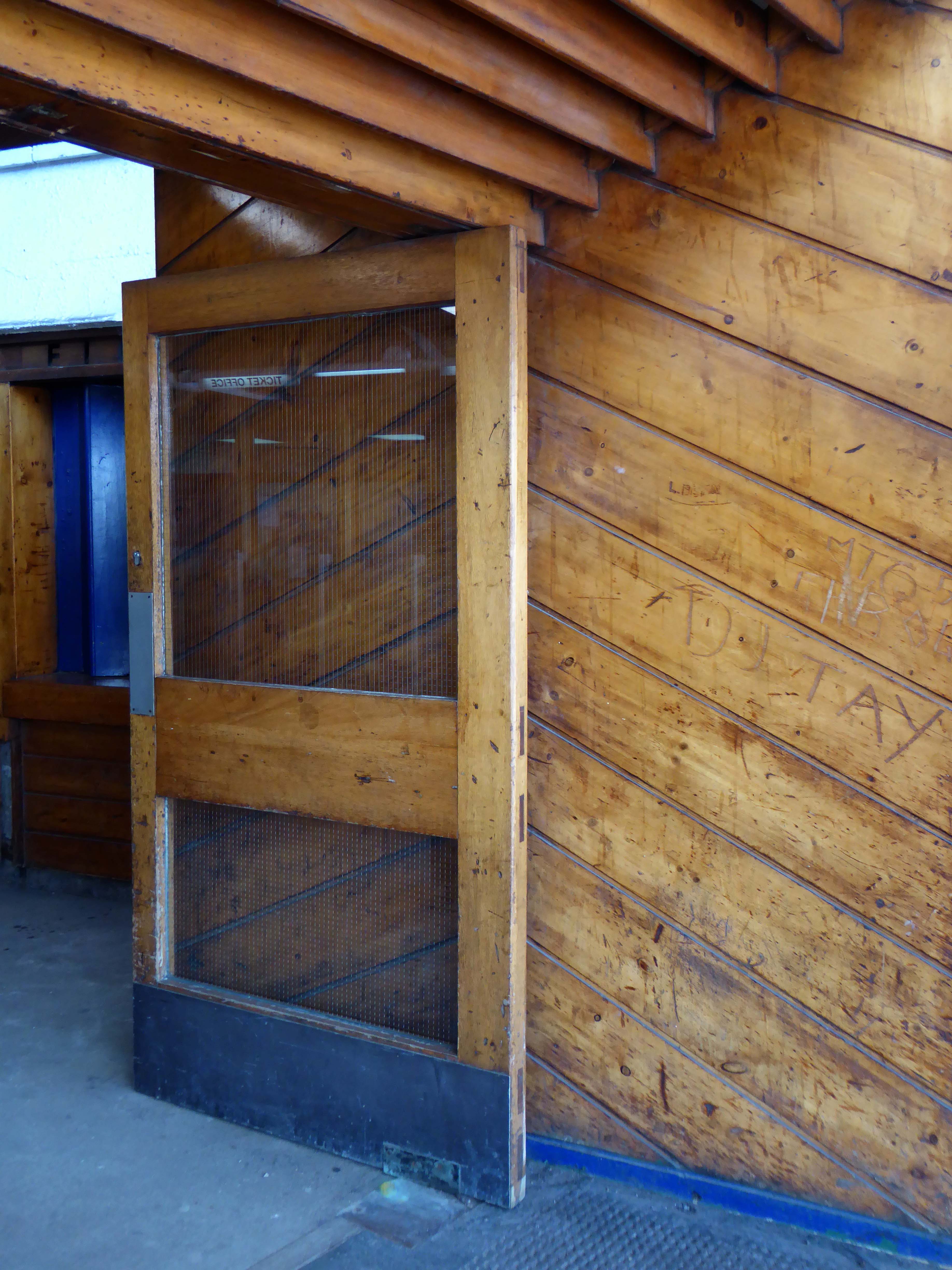
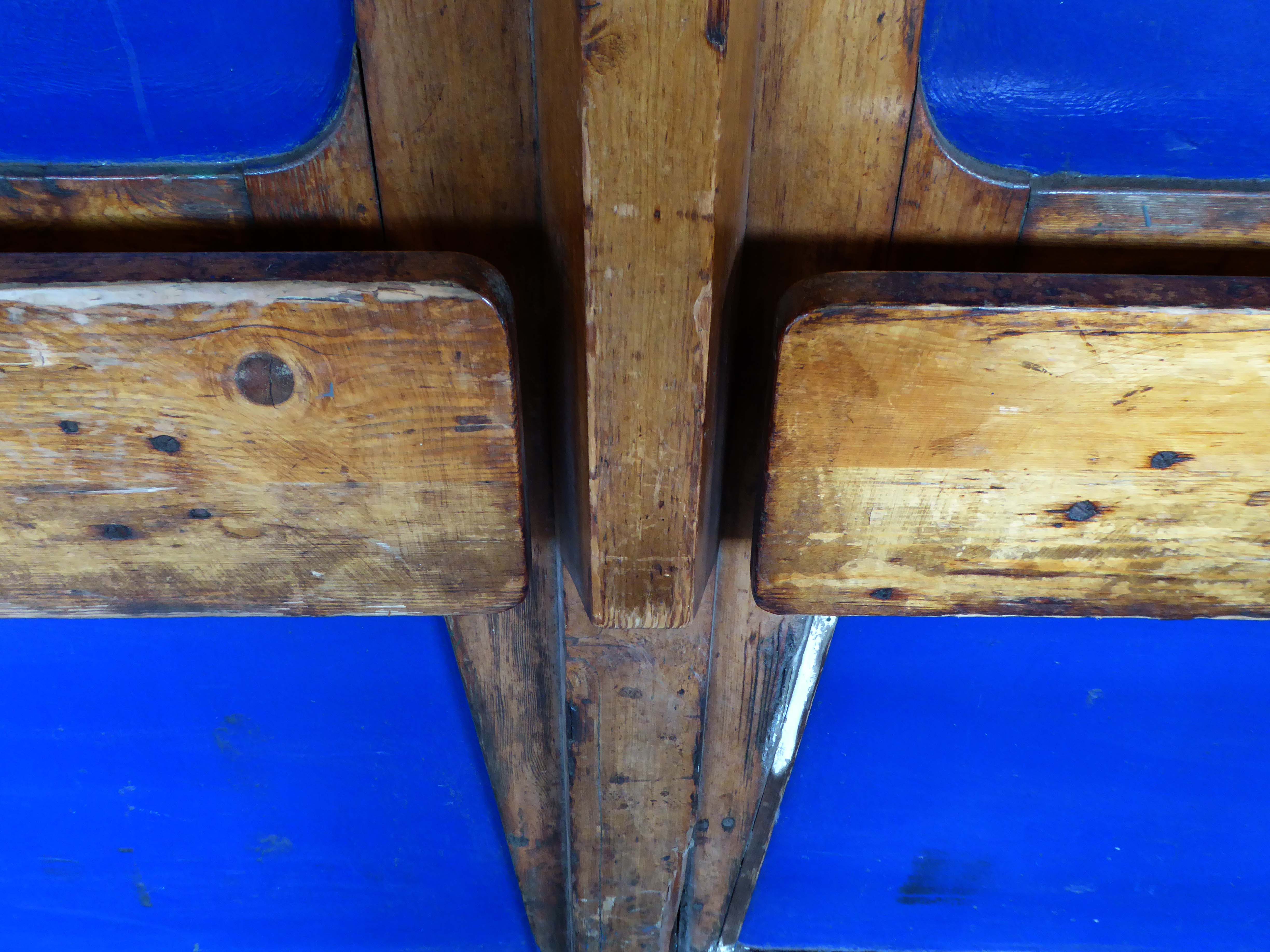
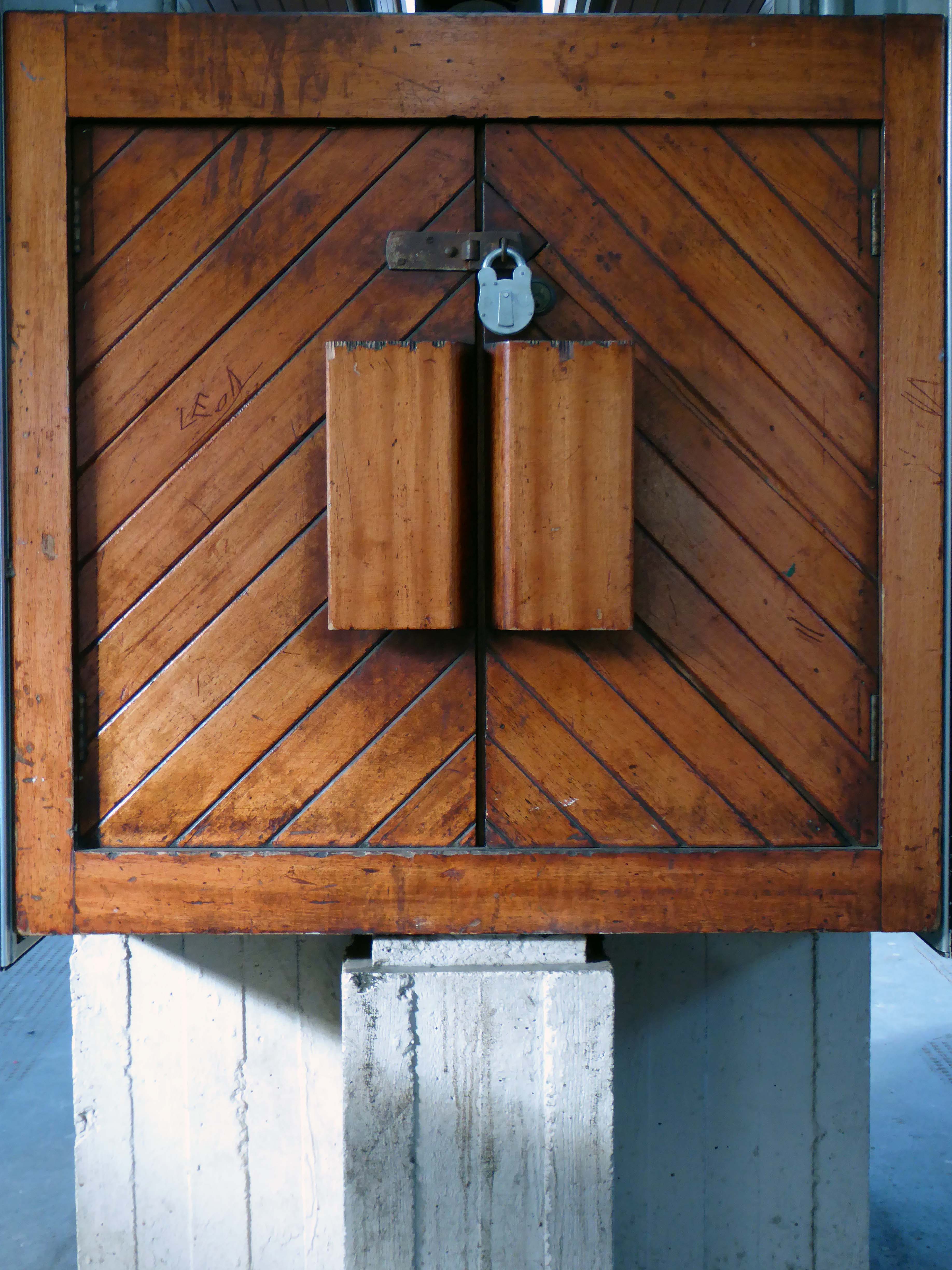
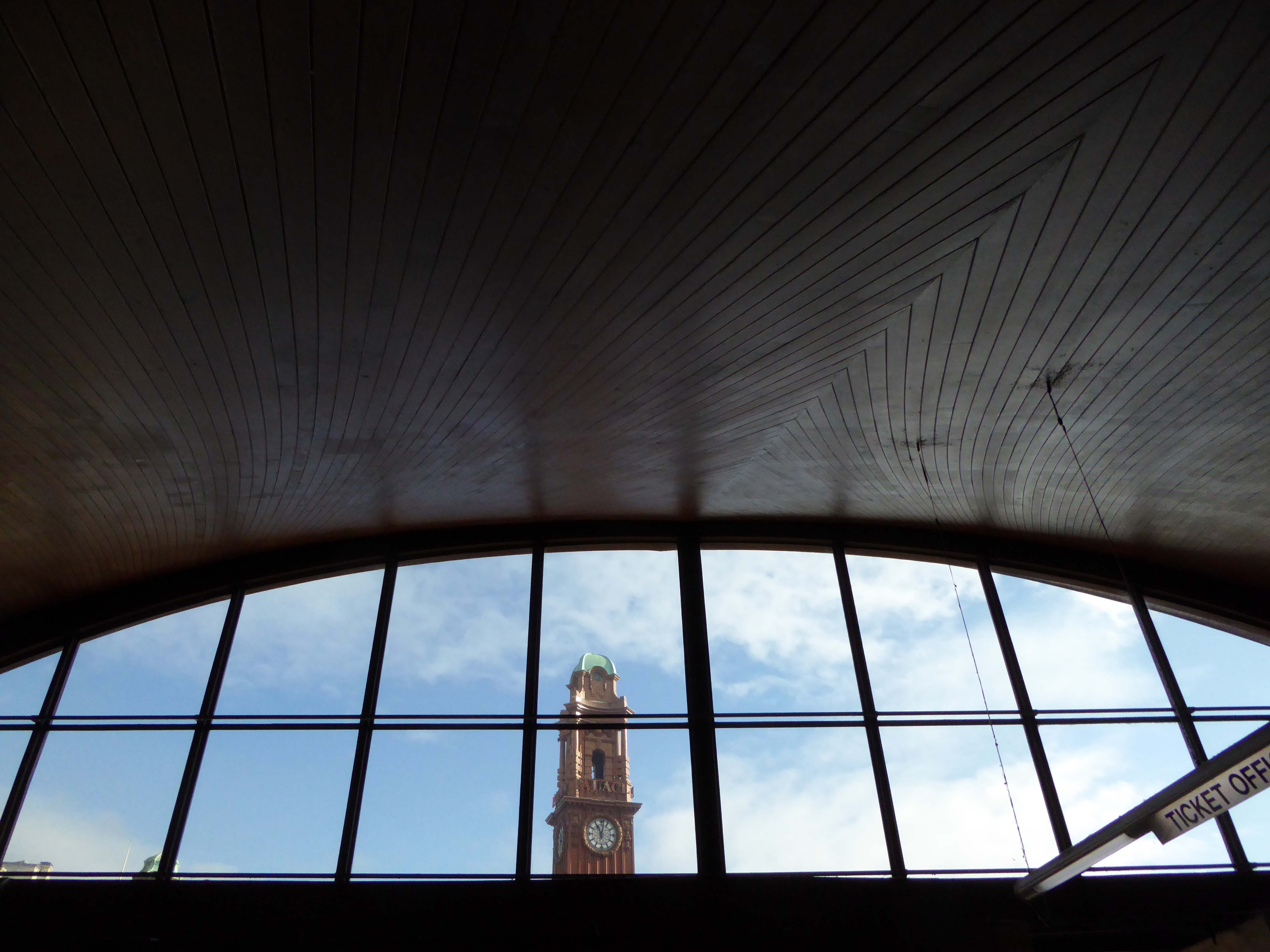
I love every curvy corner, timber frame and canopy, concrete spiral, empty kiosk and precipitous steps – I’m happy to be stranded.

tumblr_mtlstgyiE41rr41pto1_1280

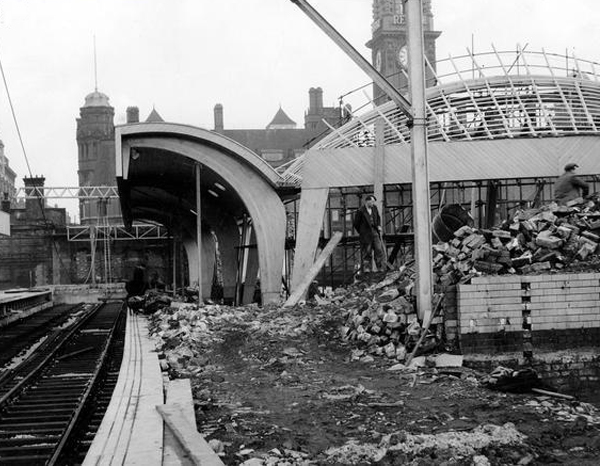
It opened in 1849 and was rebuilt in 1960.
webmedia-2.php

webmedia-1.php

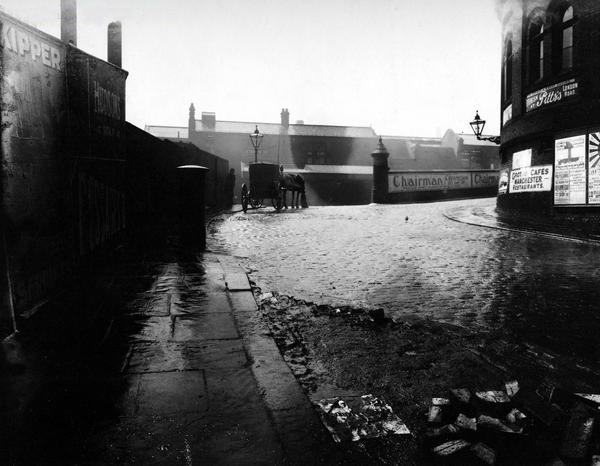
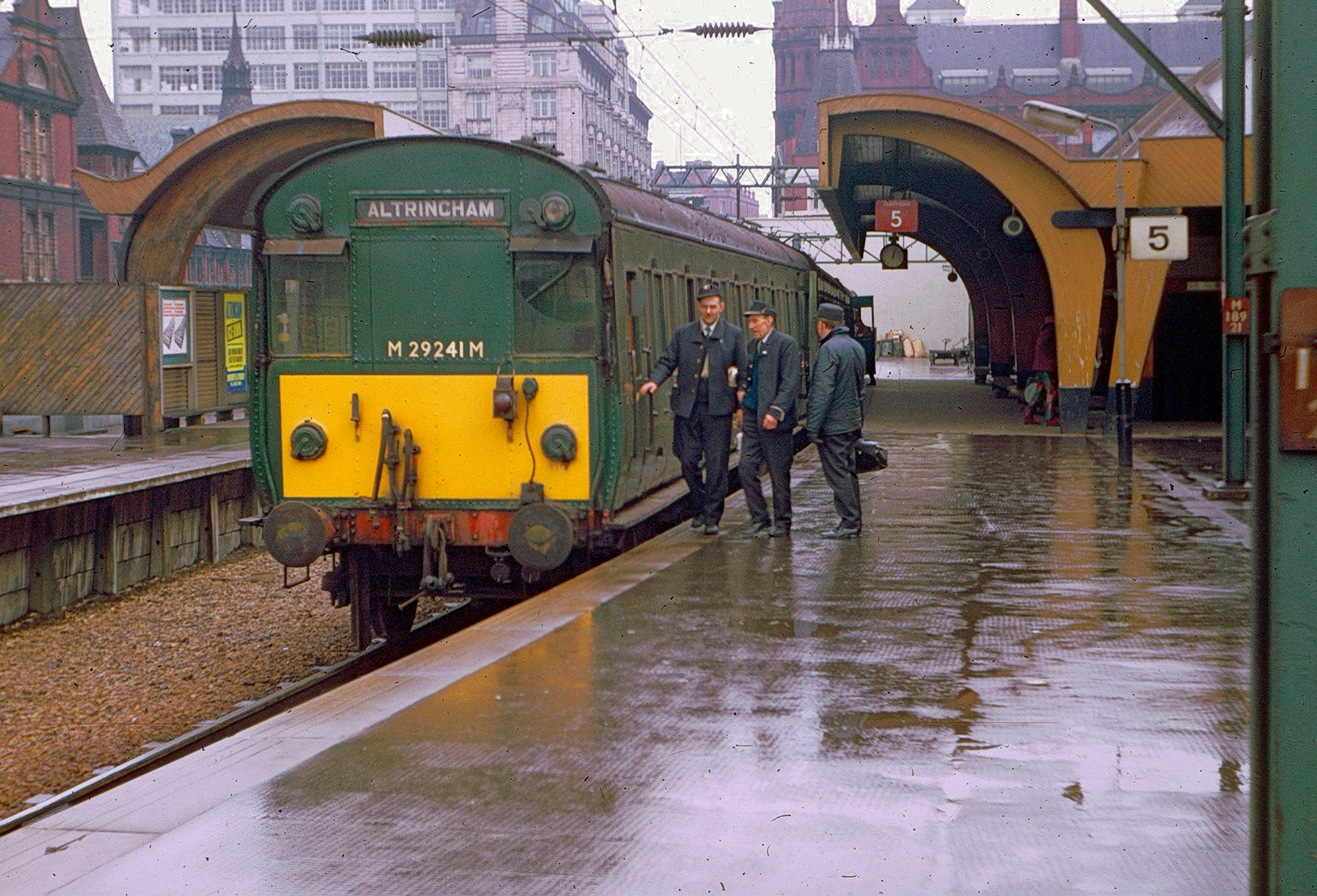
The station was opened as Oxford Road on 20 July 1849 by the Manchester, South Junction and Altrincham Railway . The station was the headquarters of the MSJAR from its opening until 1904. It had two platforms and two sidings, with temporary wooden buildings. To allow for extra trains in connection with the Manchester Art Treasures Exhibition in 1857, extra platforms and sidings were built. In 1874 the station was completely rebuilt providing two bay platforms and three through platforms. Further reconstruction took place during 1903-04. From 1931 it was served by the MSJAR’s 1500V DC electric trains between Altrincham and Manchester Piccadilly.

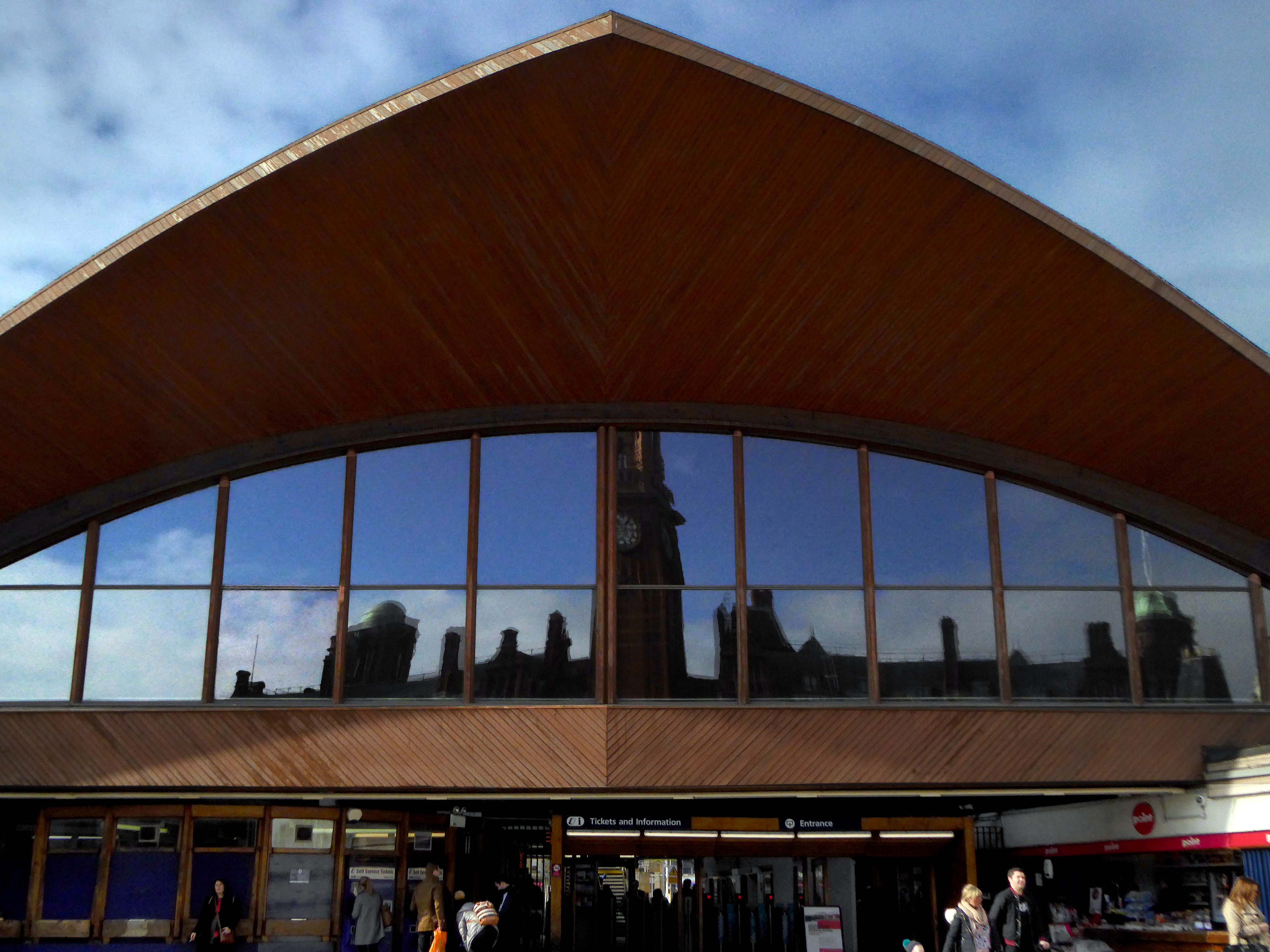
The station had become dilapidated by the 1950s, and in connection with the electrification and modernisation programme of the Manchester to London line in 1960, the old buildings were replaced by the current structure by architects W.R. Headley and Max Glendinning and structural engineer Hugh Tottenham. It was designed in a distinctive style in concrete and wood with curves bringing to mind the Sydney Opera House.

Use of the station increased from May 1988 when the Windsor Link was inaugurated between Deansgate and Salford Crescent, connecting lines to the north and south of Manchester.

The station is a grade II listed building.

One of the most interesting and innovative buildings of the period, the most ambitious example in this country of timber conoid shell roofing.

  • Clare HartwellPevsner’s Architectural Guide Manchester.

Further development awaits, widening the viaduct and lengthening platforms as part of the Northern Hub Project.

oxford road

The defunct Platform 6 and lost awning to the left – Photo: 20 3 1971 Tom Burnham

Altrincham bound 931 Metro-Cammell MSJAR 1500 volt DC EMU – all withdrawn by 1971, when the line was converted to AC.

P1010524 copy

P1010499 copy

P1010445 copy

P1010495 copy

P1010431 copy

P1010465 copy

P1010425 copy

P1010467 copy

P1010436 copy

P1010490 copy

P1010471 copy

P1010542 copy

P1010434 copy

P1010446 copy

P1010518 copy

P1010522 copy

P1010540 copy

P1010528 copy

P1010511 copy

P1010504 copy

P1010441 copy

P1010516 copy

Screen Wall Water Feature – Manchester

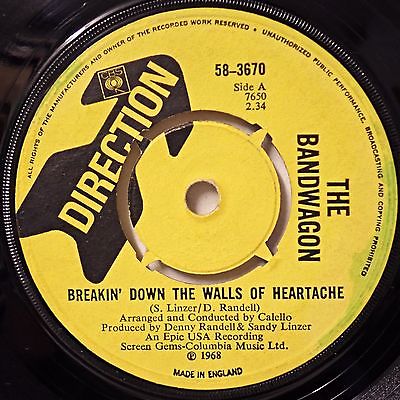
the-bandwagon-breakin-down-the-walls-of-heartache-dancin-master--2_6729456

Breakin’ down the walls of heartache, 

I’m a carpenter of love and affection.

So sang Johnny Johnson of the Bandwagon.

They were a permanent fixture at the New Century Hall in the late sixties.

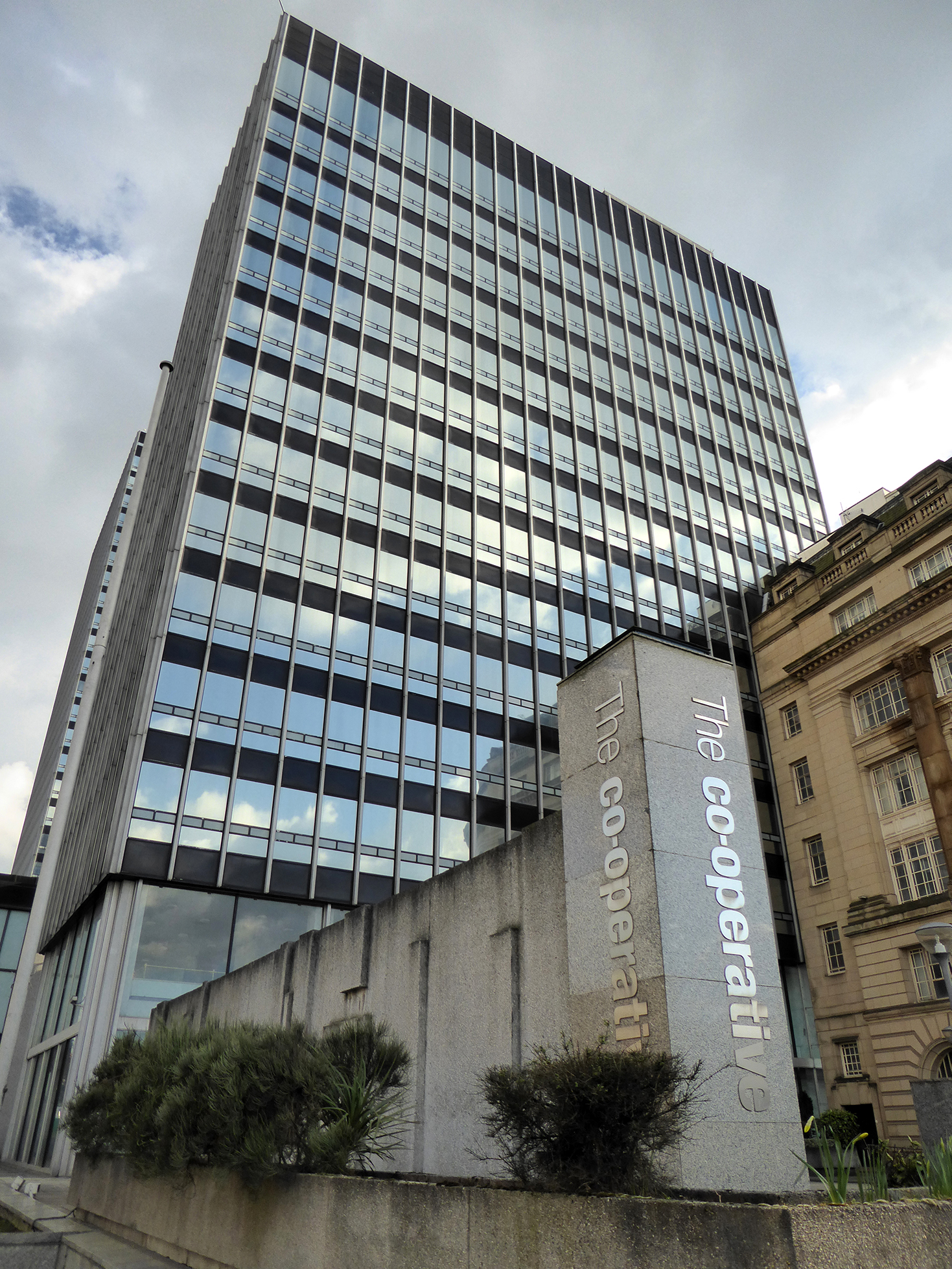
Attached to New Century House, the Hall was an integral part of the extensive Cooperative Society property development in Manchester.

Much of that development now faces an ever uncertain future.

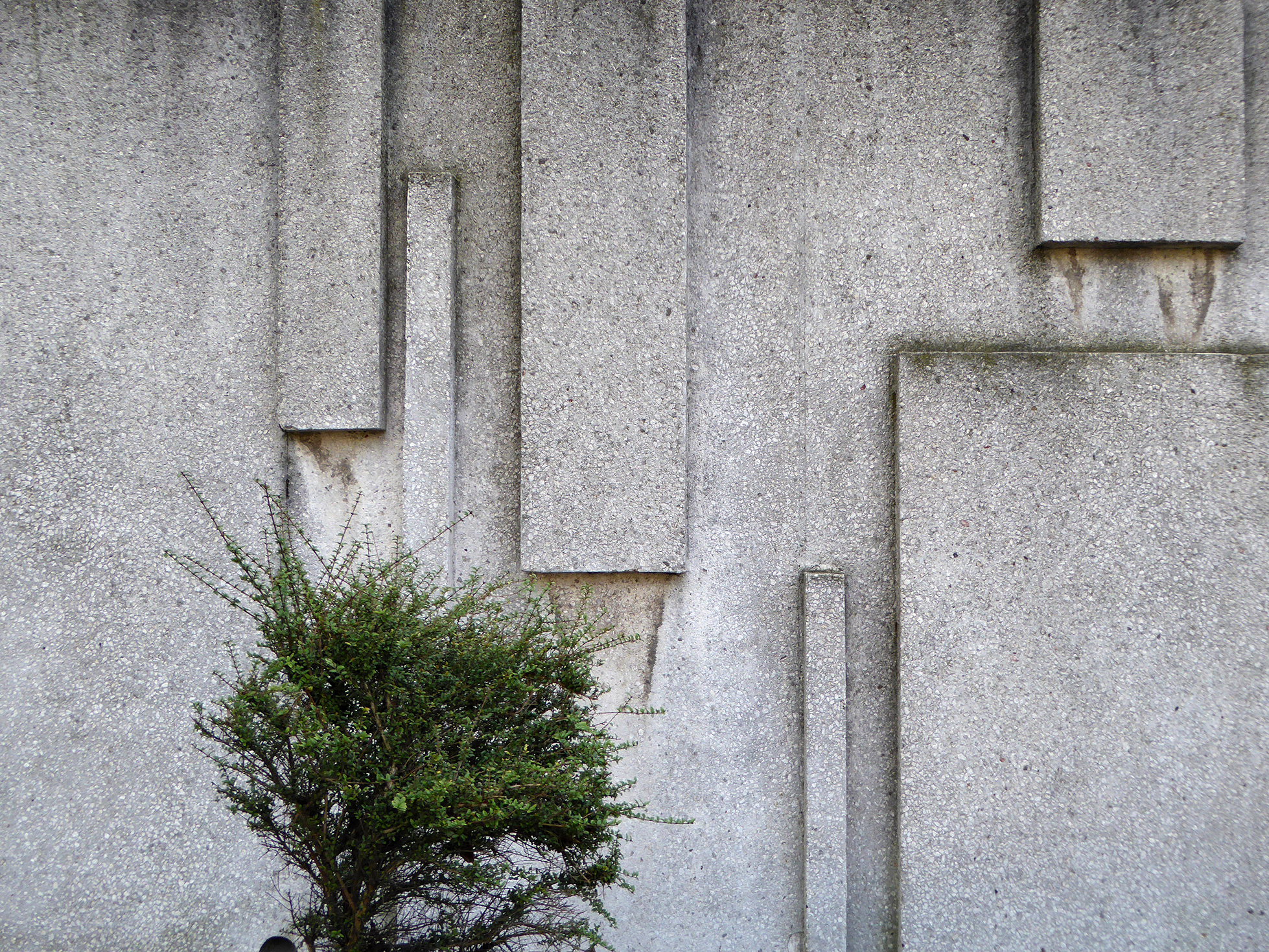
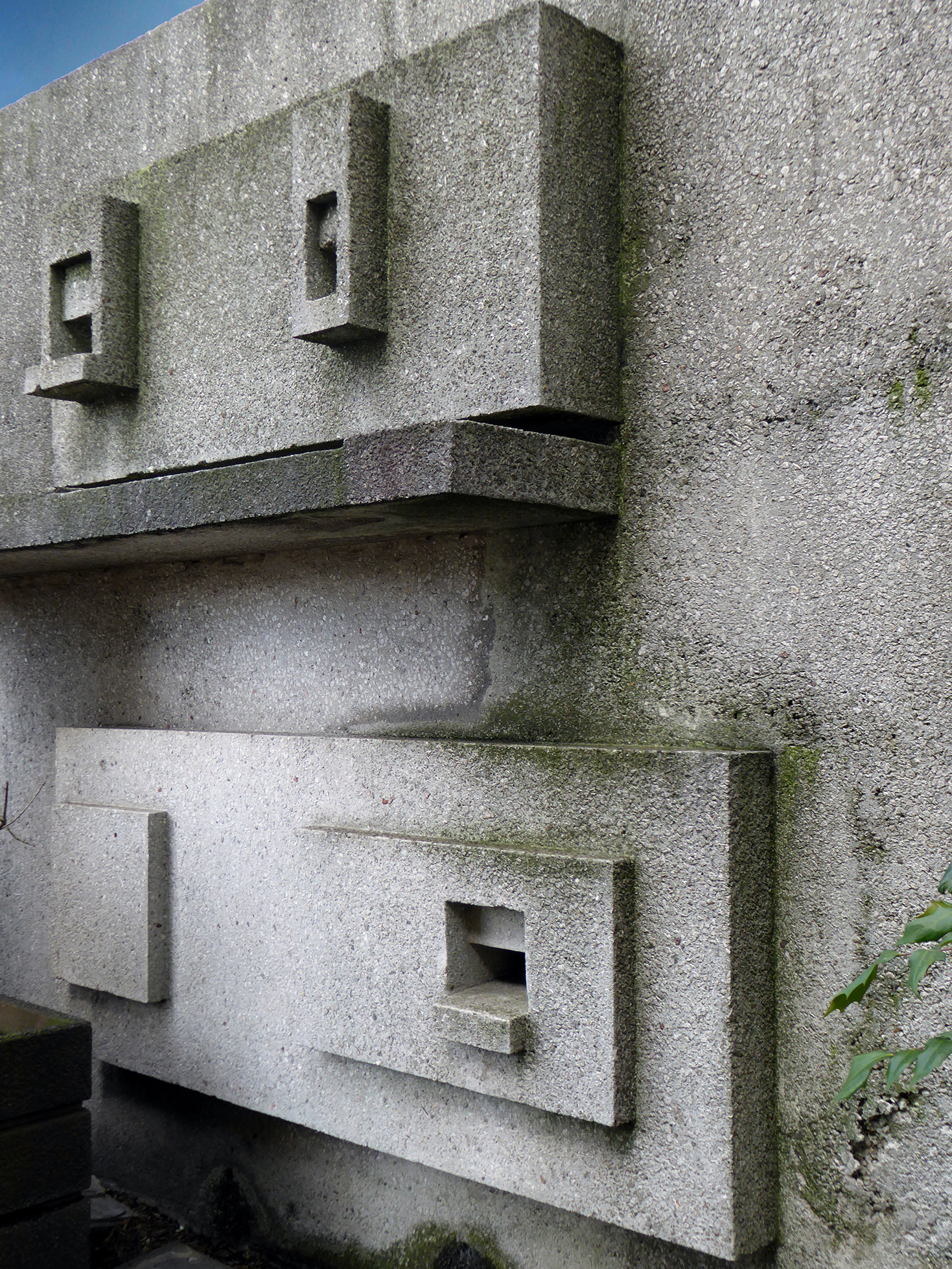
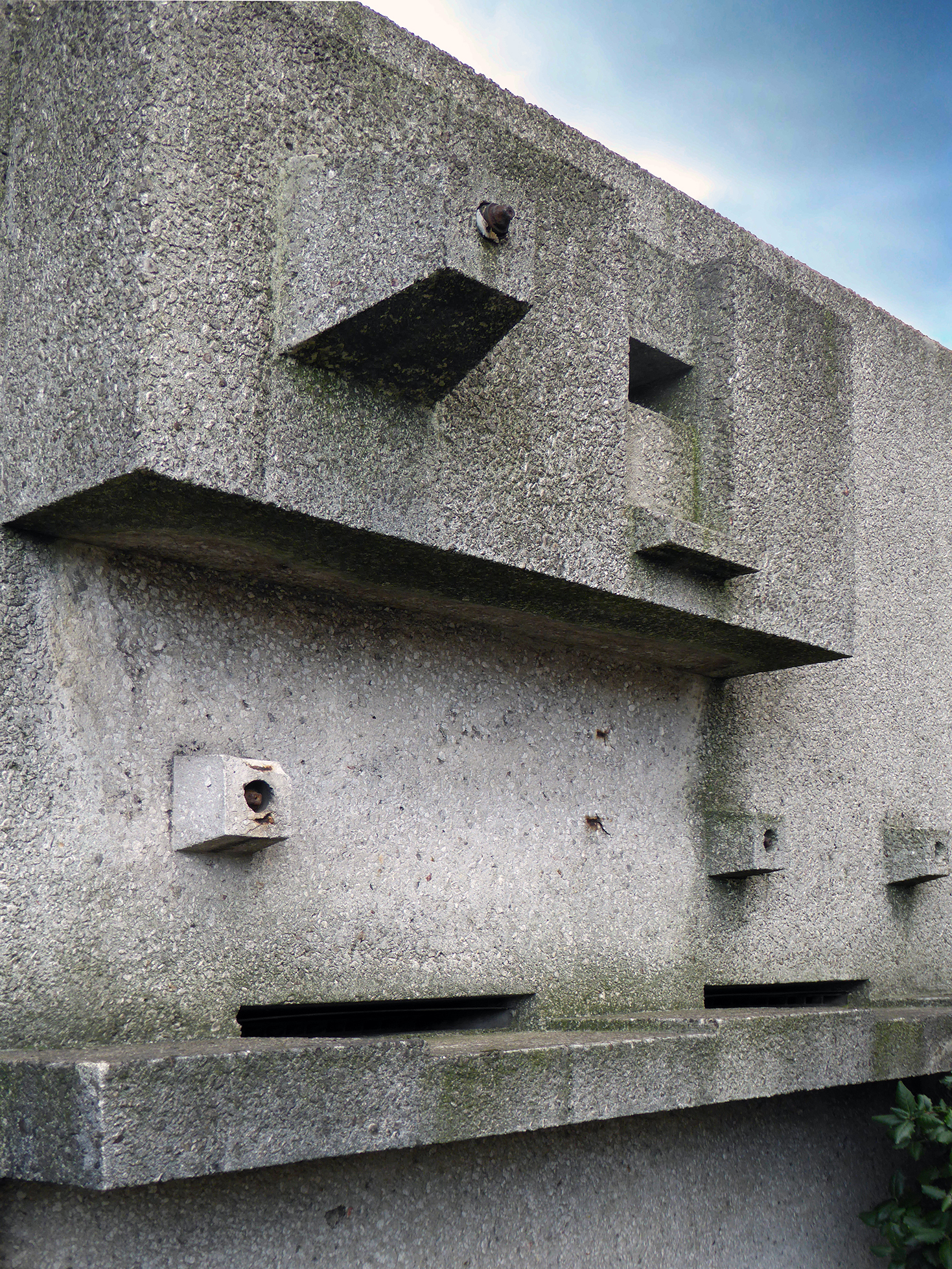
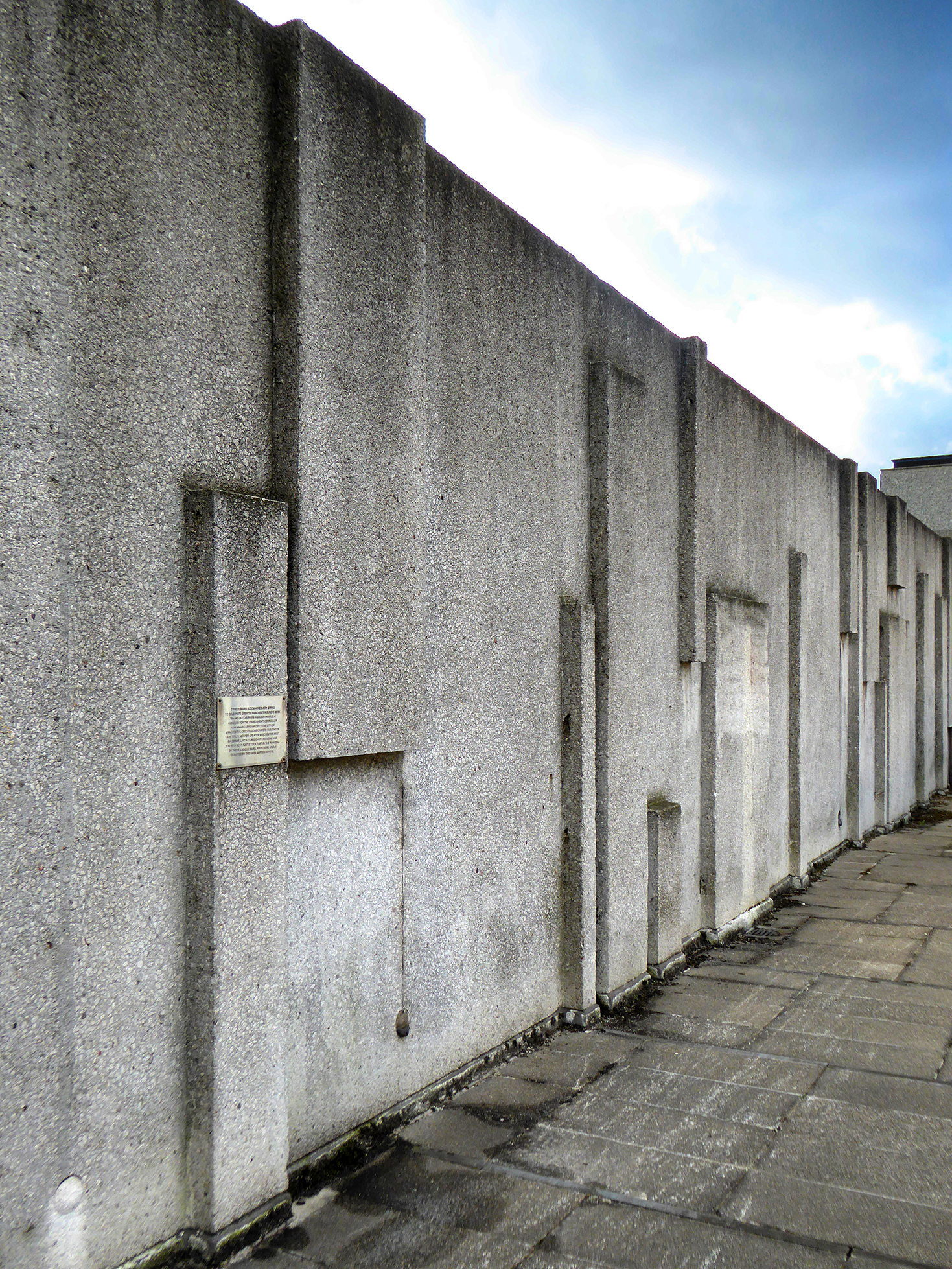
None more so than the adjoining screen wall.

P1010590 copy

Set to the north-east side of the building’s entrance forecourt is a concrete sculptural screen wall by John McCarthy with an abstract relief to the south-west side facing into the forecourt. The wall is aligned at a right angle to the building’s main entrance and has a shallow rectangular pool (now drained) set in front. The wall includes numerous openings from which water originally flowed into the pool, but the system is no longer in working order. The pool also originally incorporated small fountains.

Information from Historic England

At a time when the whole of the centre of the city seems alive with construction, refurbishment, gentrification and more quarters than you could shake a stick at, this forlorn and seemingly unloved gem stands, shrouded in shrubs.

I’m a carpenter of love and affection, who would not care to see, this particular wall:

Broken down.

P1010593 copy

P1010595 copy

P1010596 copy

P1010579 copy

10942979_10153057260926600_244358983598520538_o

P1010592 copy

P1010588 copy

P1010589 copy

P1010584 copy

P1010587 copy

P1010586 copy

P1010591 copy

P1010594 copy

P1010585 copy

P1010582 copy

P1010580 copy

Back to Beswicks

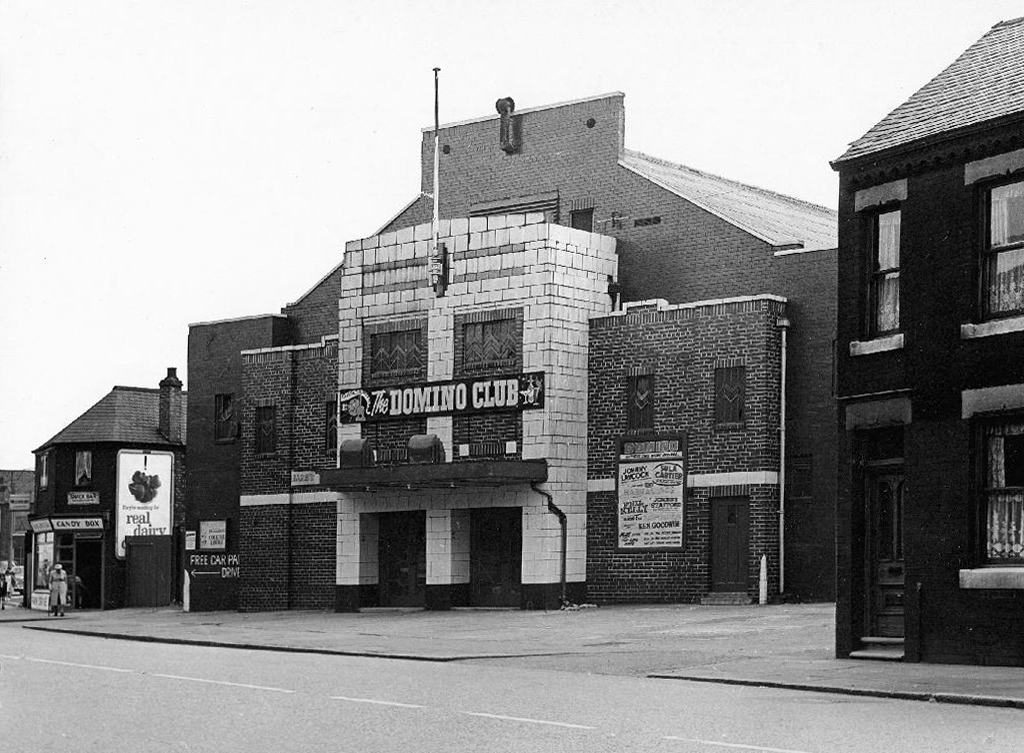
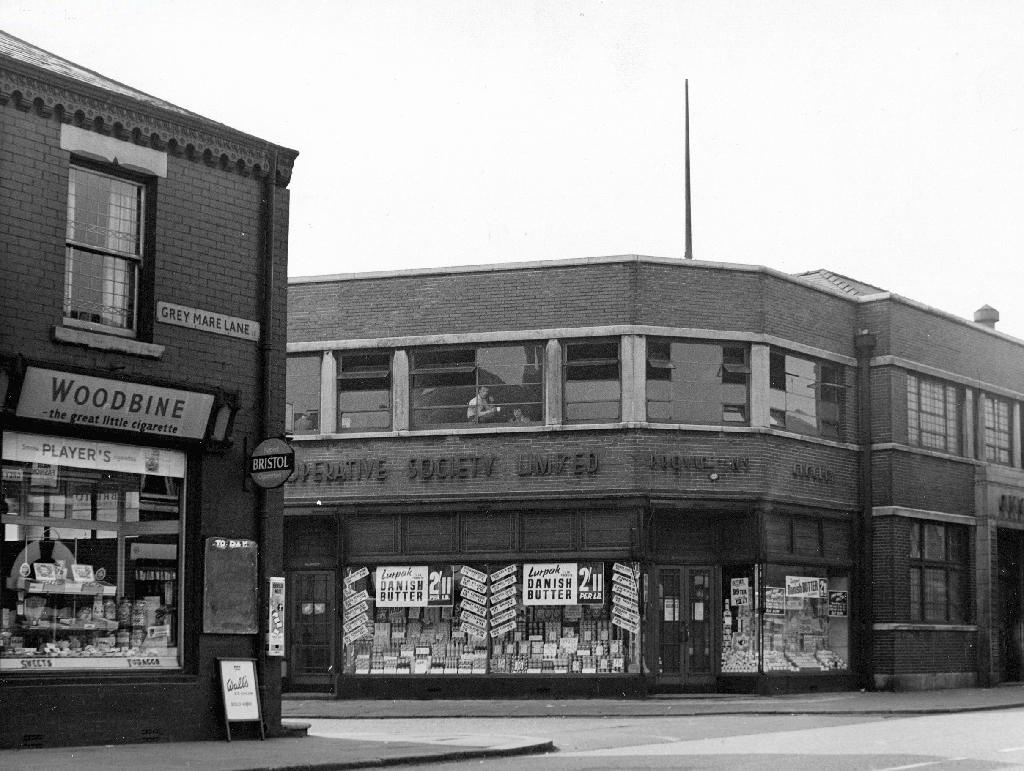
You’re never more than a thousand yards from a main road, six feet from a rat, or a quarter of a mile from Beswick, one of many Beswicks.

DSC_0175

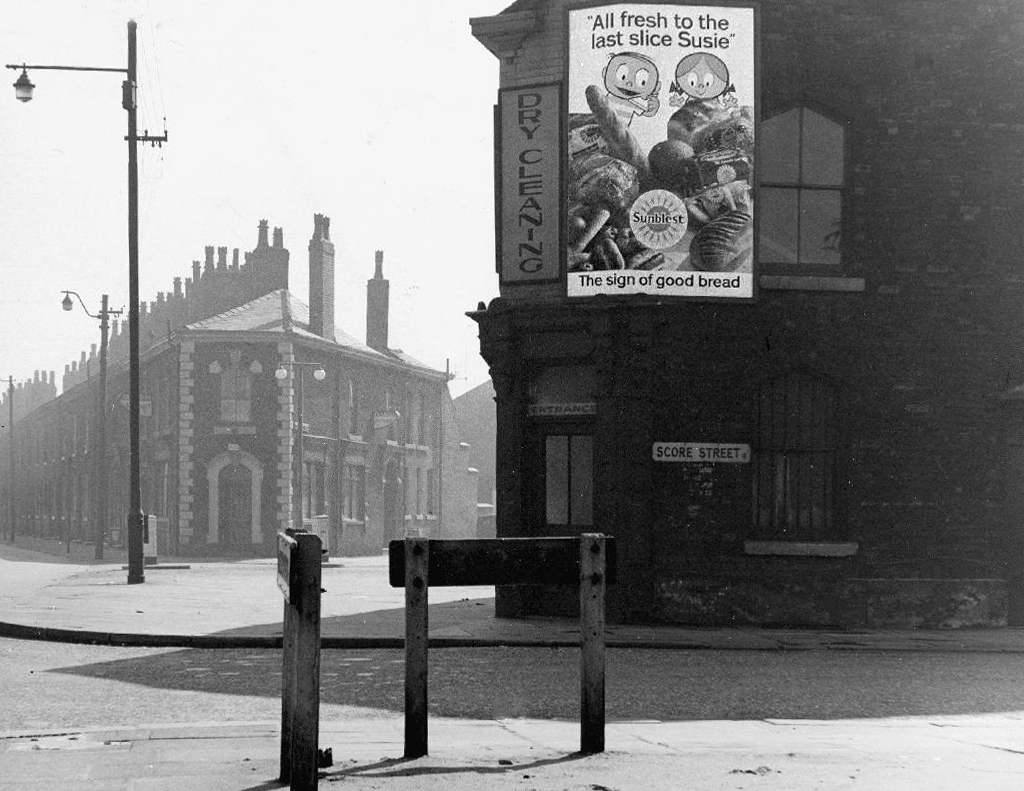
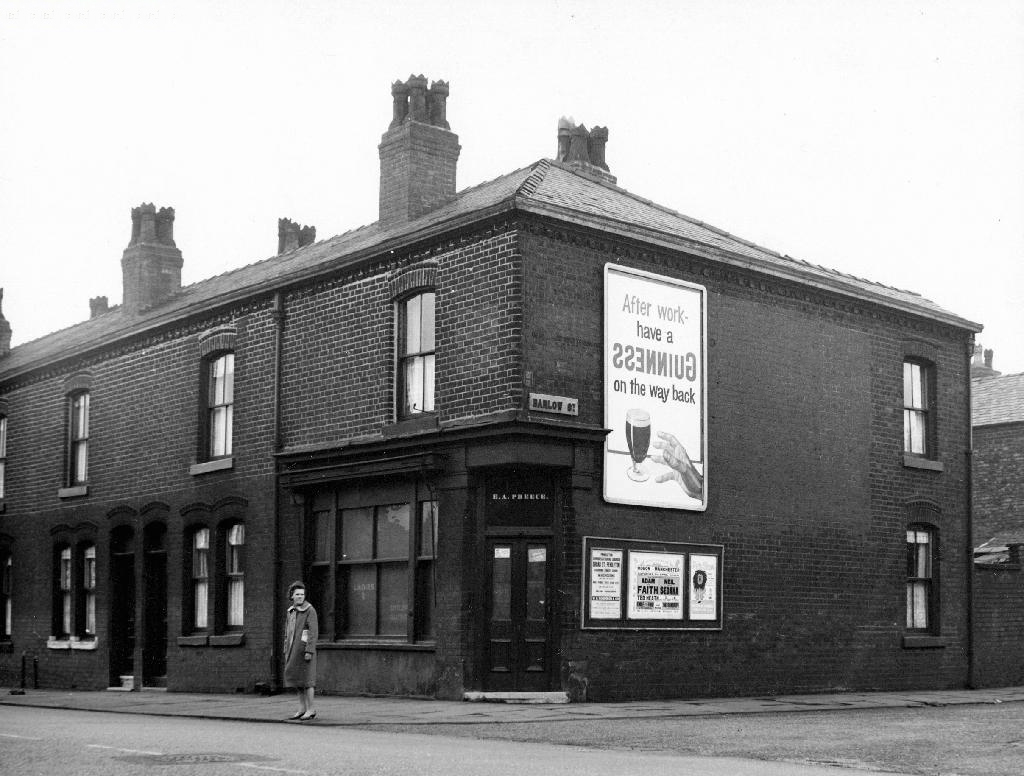
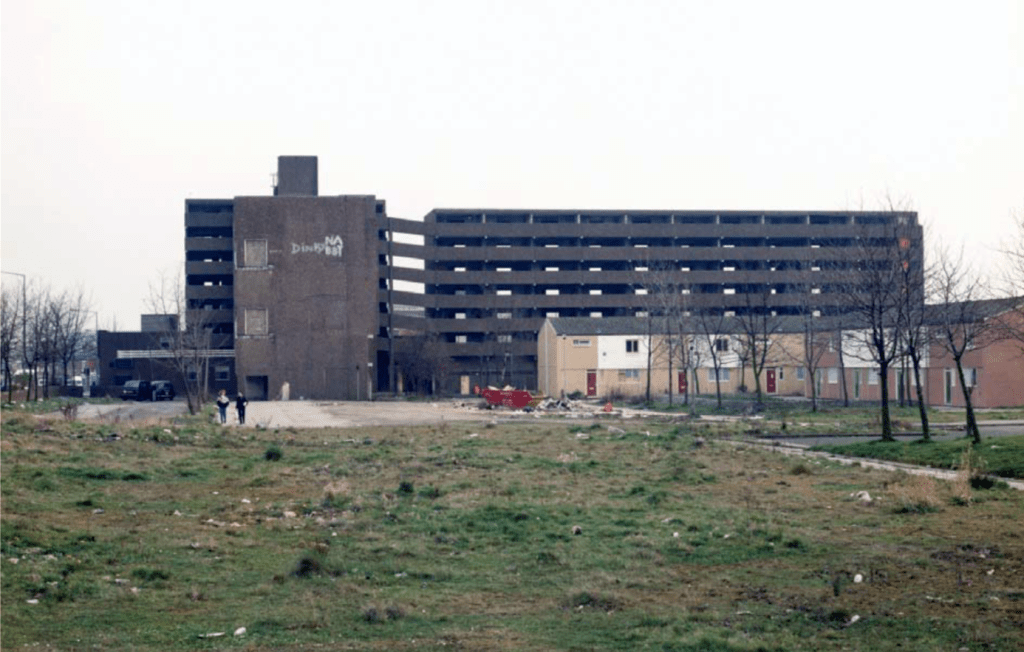
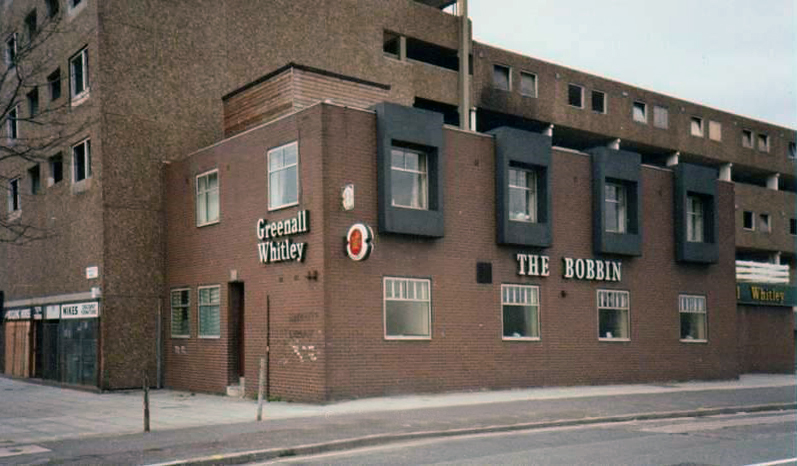
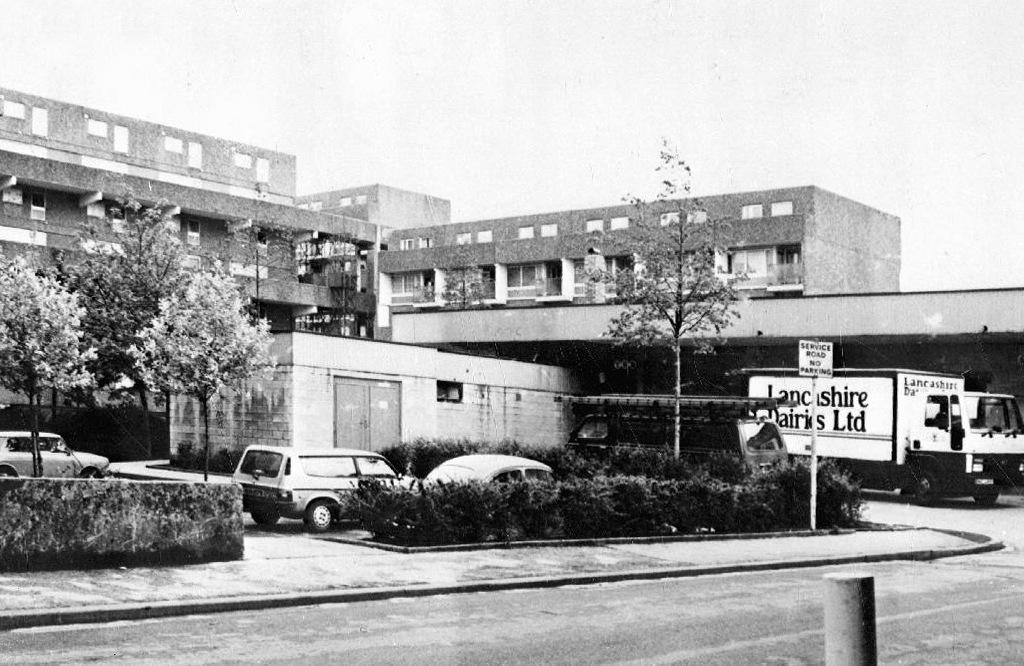
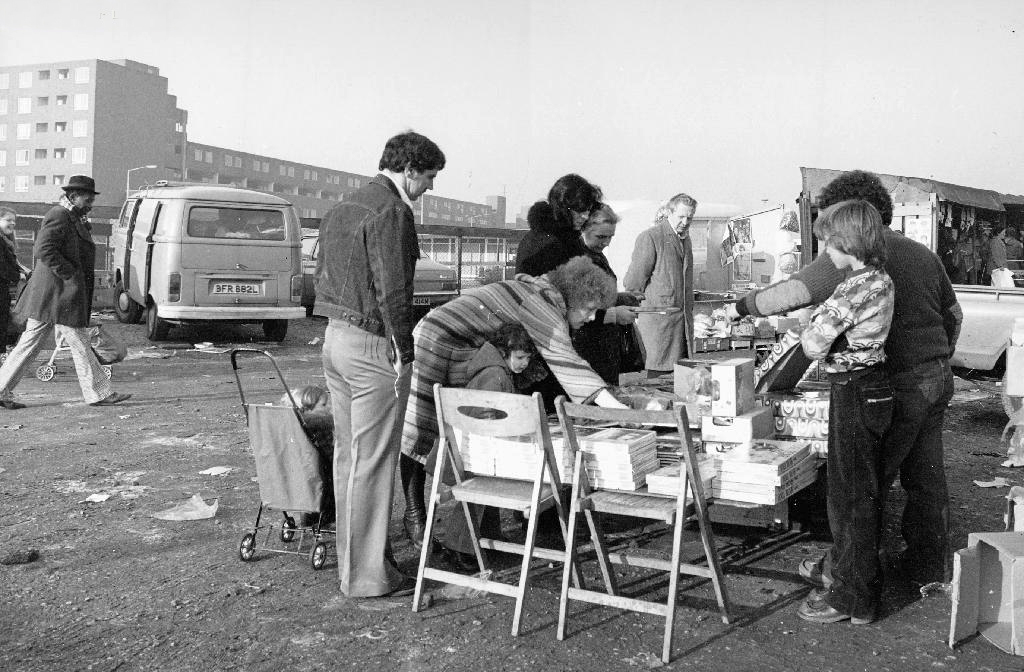
Beswick was once a bustling mixed industrial and residential area of east Manchester, alive with back to back terraced housing, pubs, clubs, shops and people.

Sixties slum clearance swept away most of its past when Fort Beswick was built.

webmedia-3.php

Remember the Alamo?

Forget Fort Beswick.

It’s gone – wind the Bobbin up.

The Bobbin copy

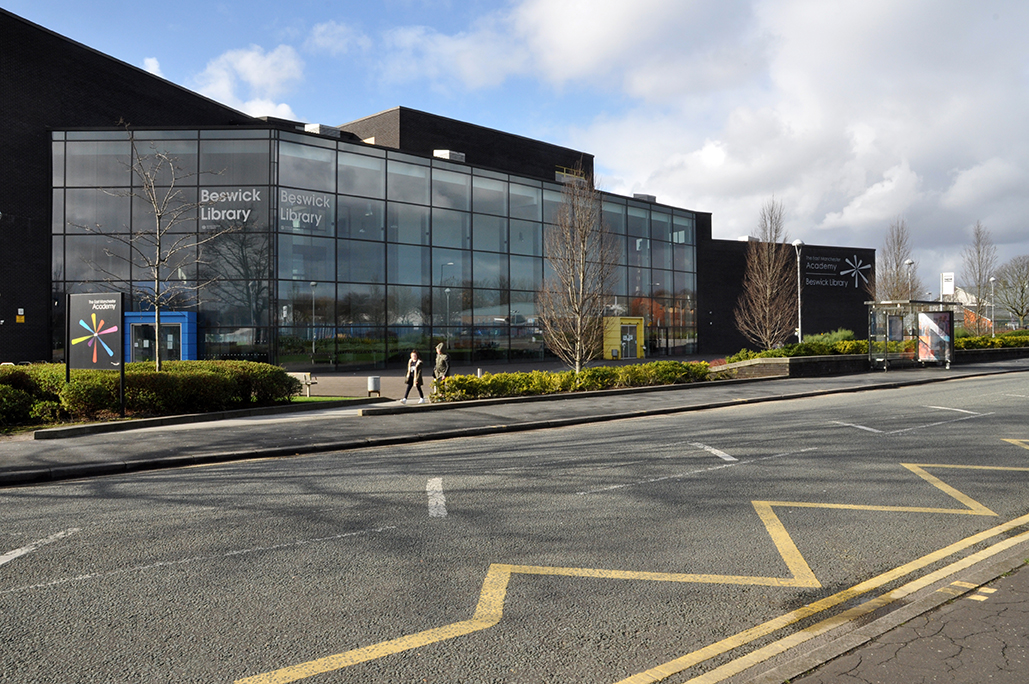
Turn it into a Library

Beswick Library

Wind the library up

DSC_0227

Build another

grey-mare-lane-police-station

Call the Police!

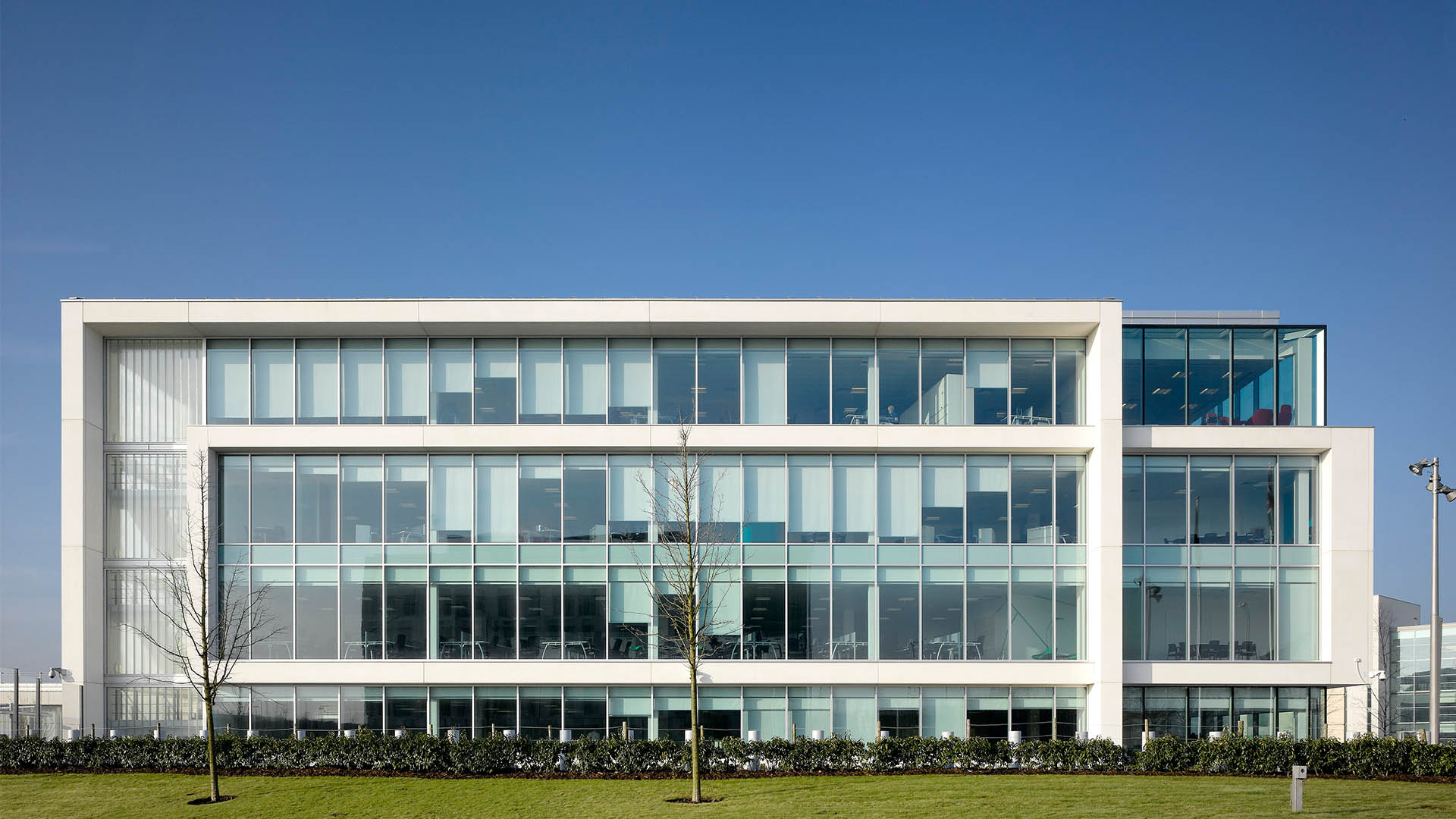
But the Police Station has closed now, and moved further on.

0_GMPDHQ_1920x1080

http://www.manchestereveningnews.co.uk/news/greater-manchester-news/greater-manchester-police-rake-17m-6273100

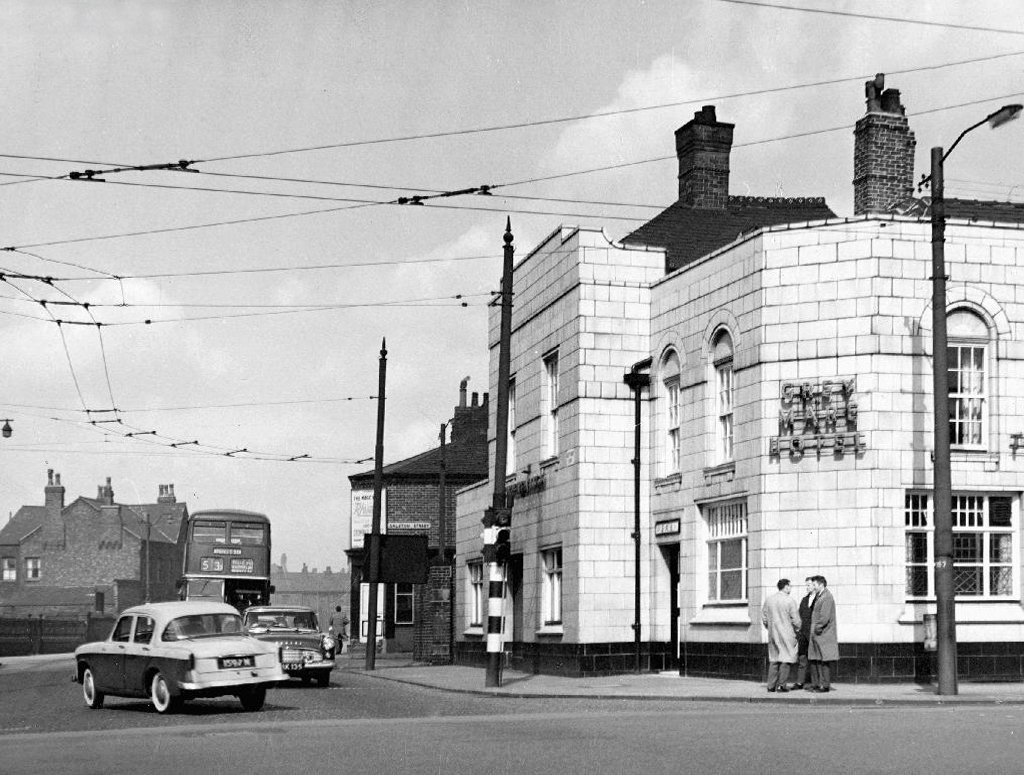
There are traces of the past that remain, homes and pubs that have survived the revival.

Where is Beswick now?

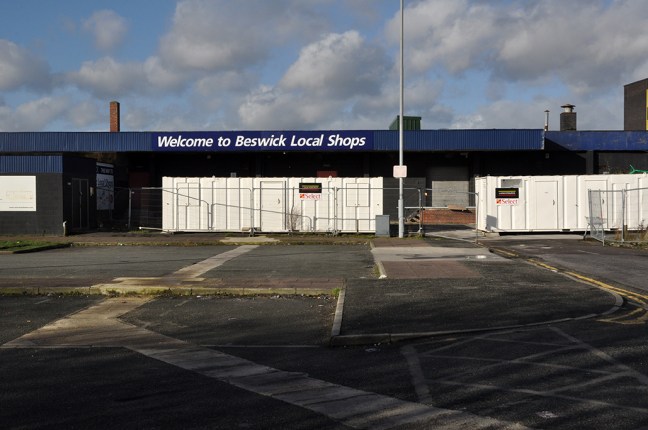
On the edges of the Eastland’s dream, on the outside of everything.

Sheik Mansour ensures the construction of a brand new shiny world.

The private provision of an almost public space.


Everyone knows this is nowhere.

But Beswick?

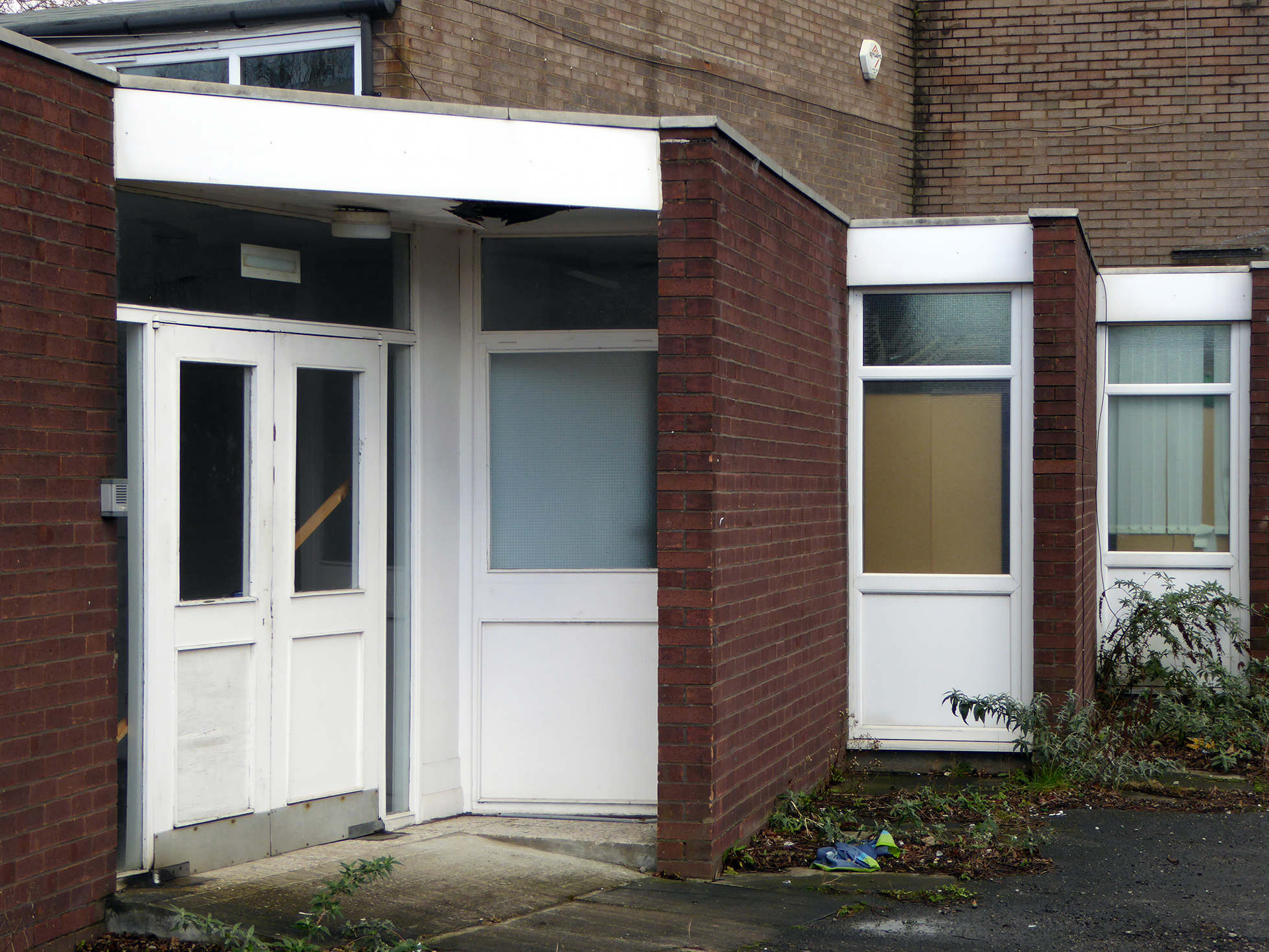
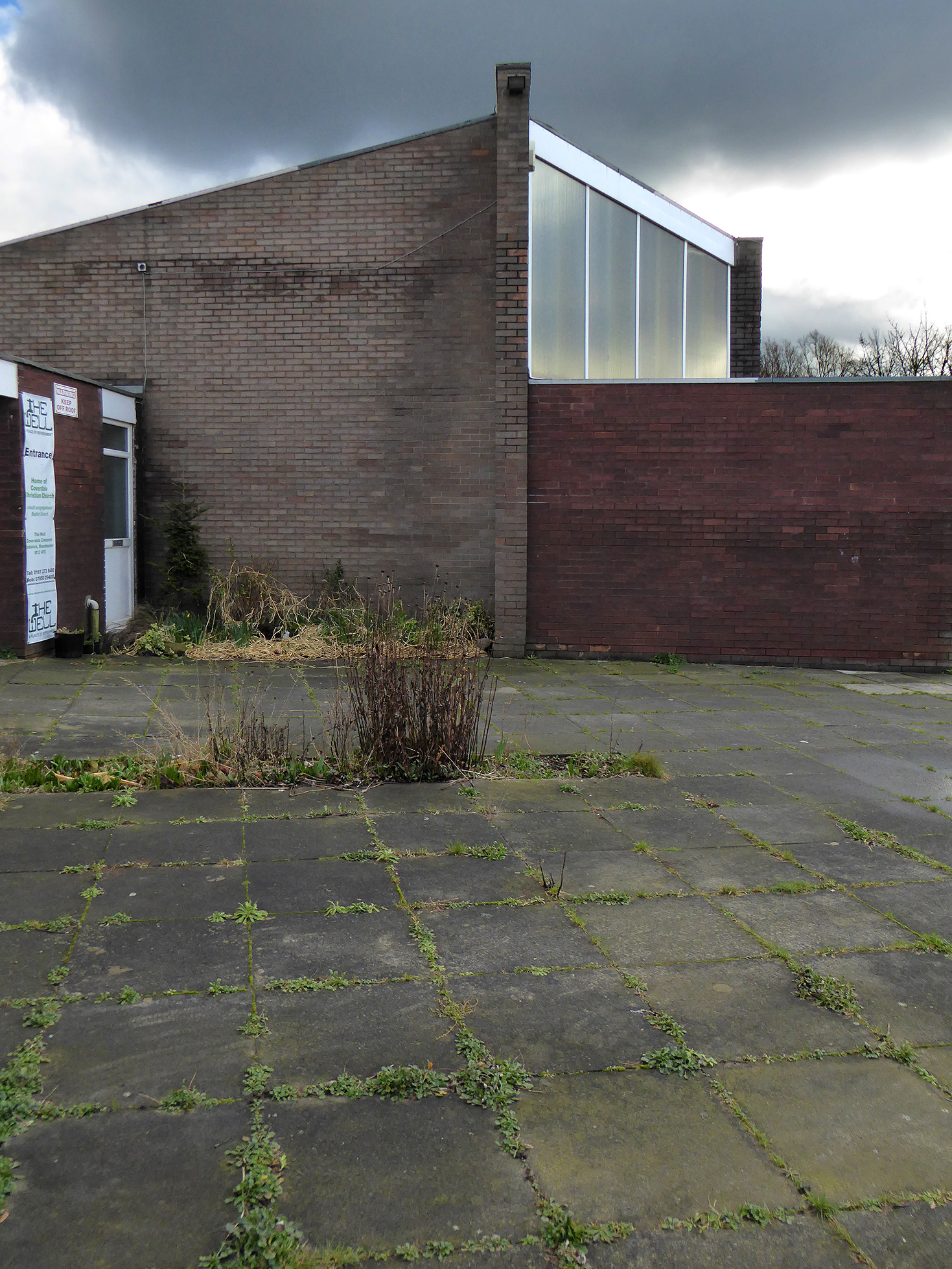
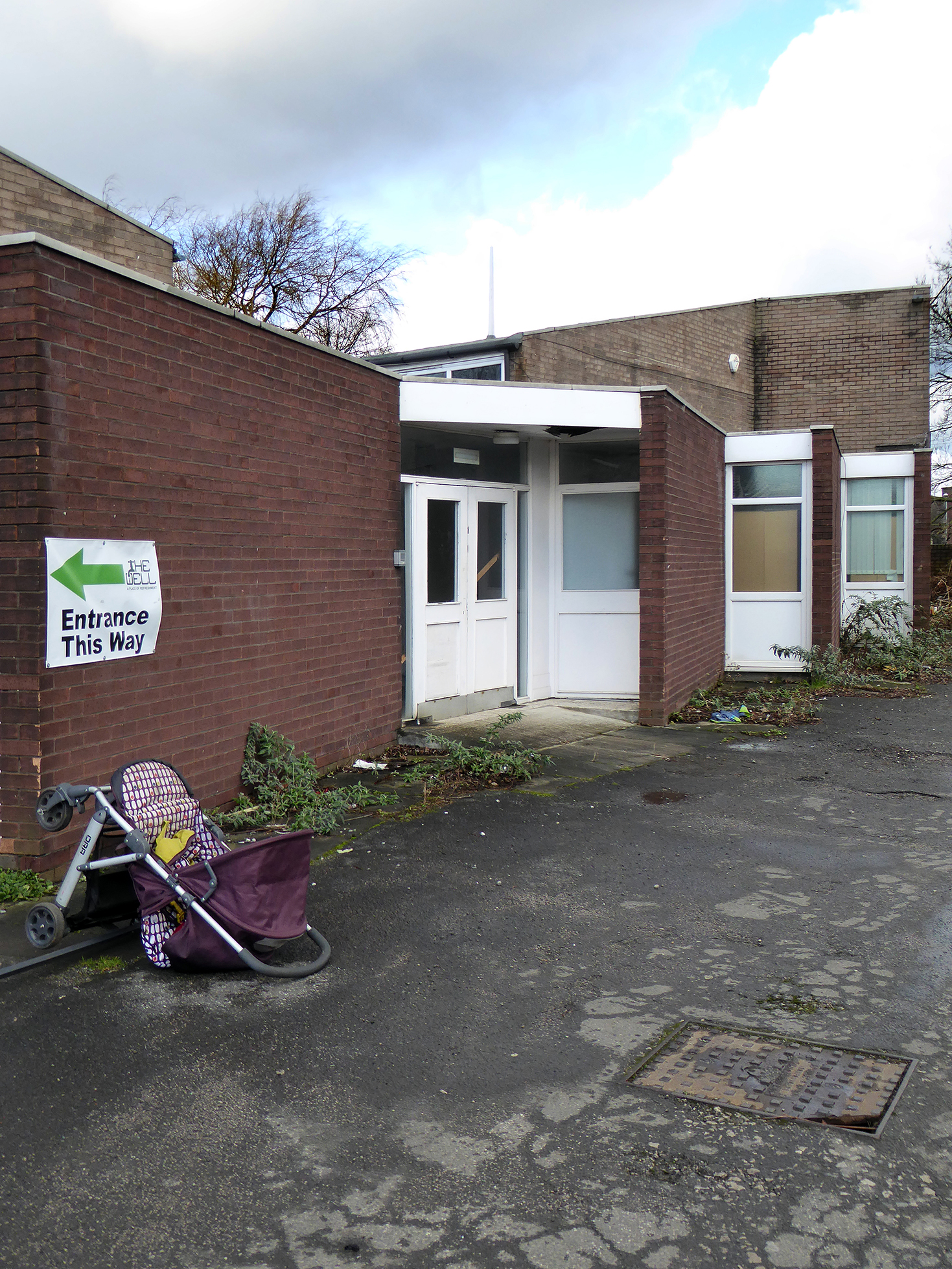
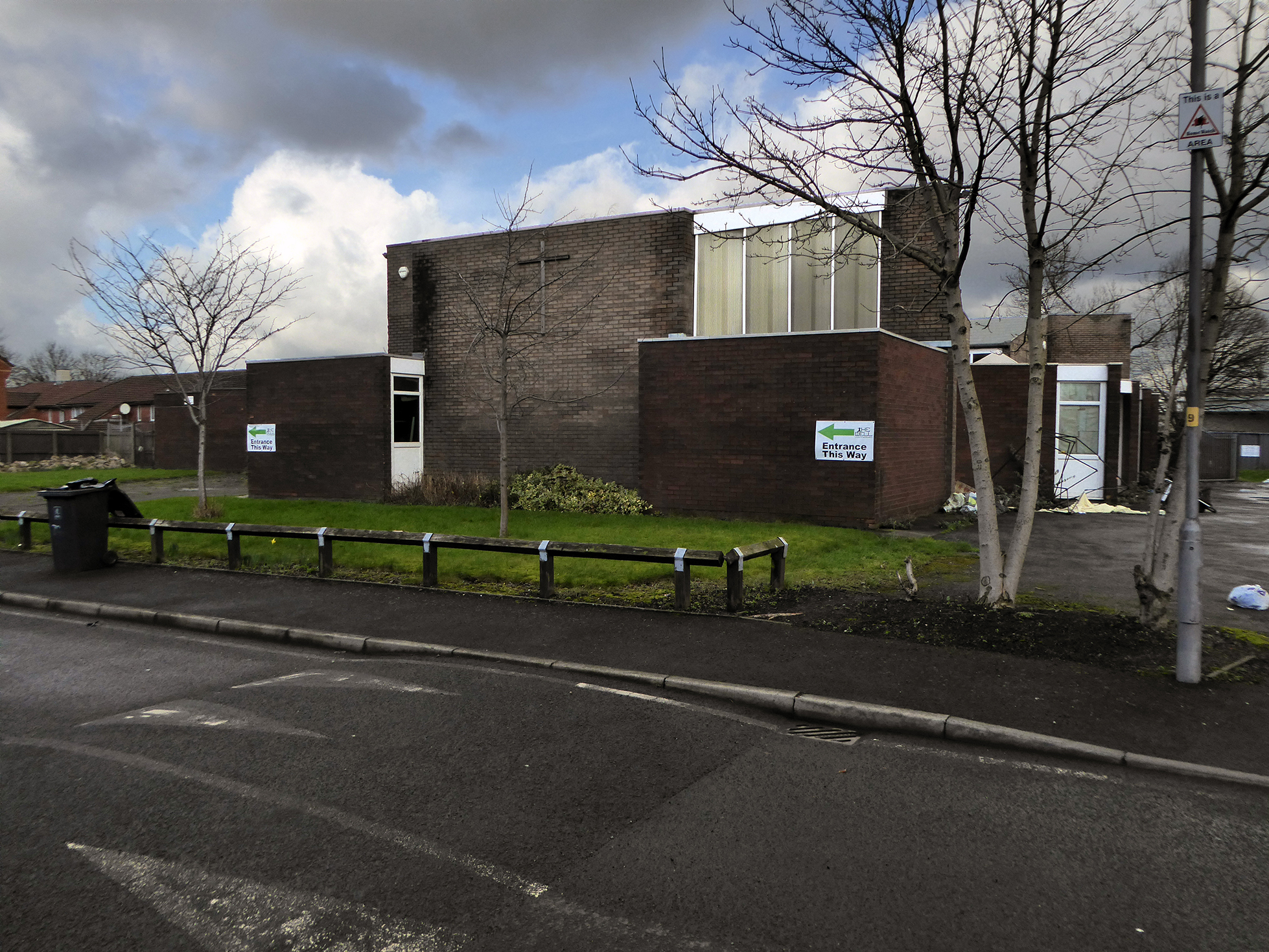
Coverdale Baptist Church – Ardwick

DSC_0096 copy

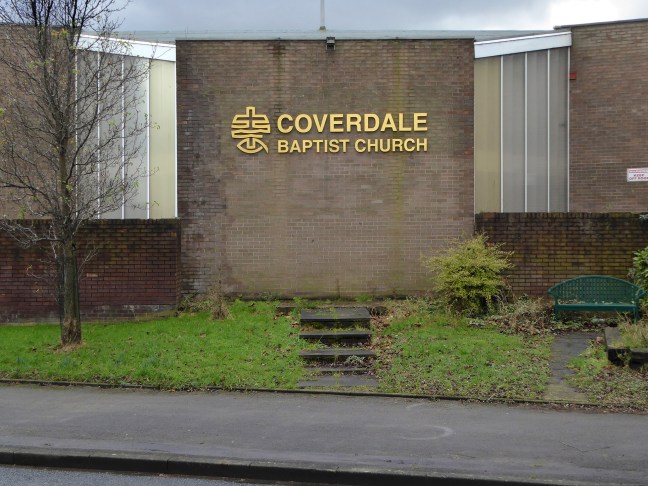
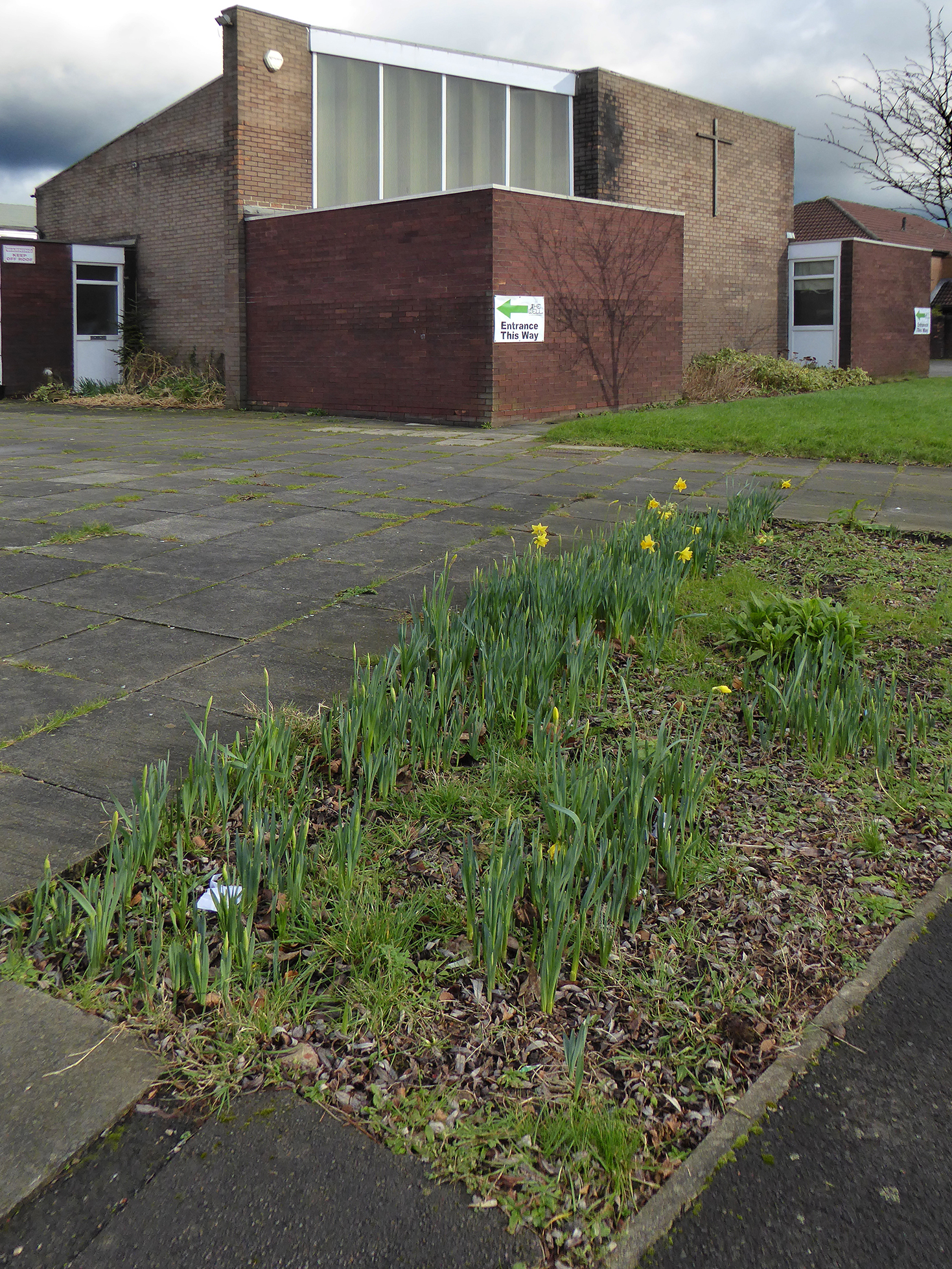
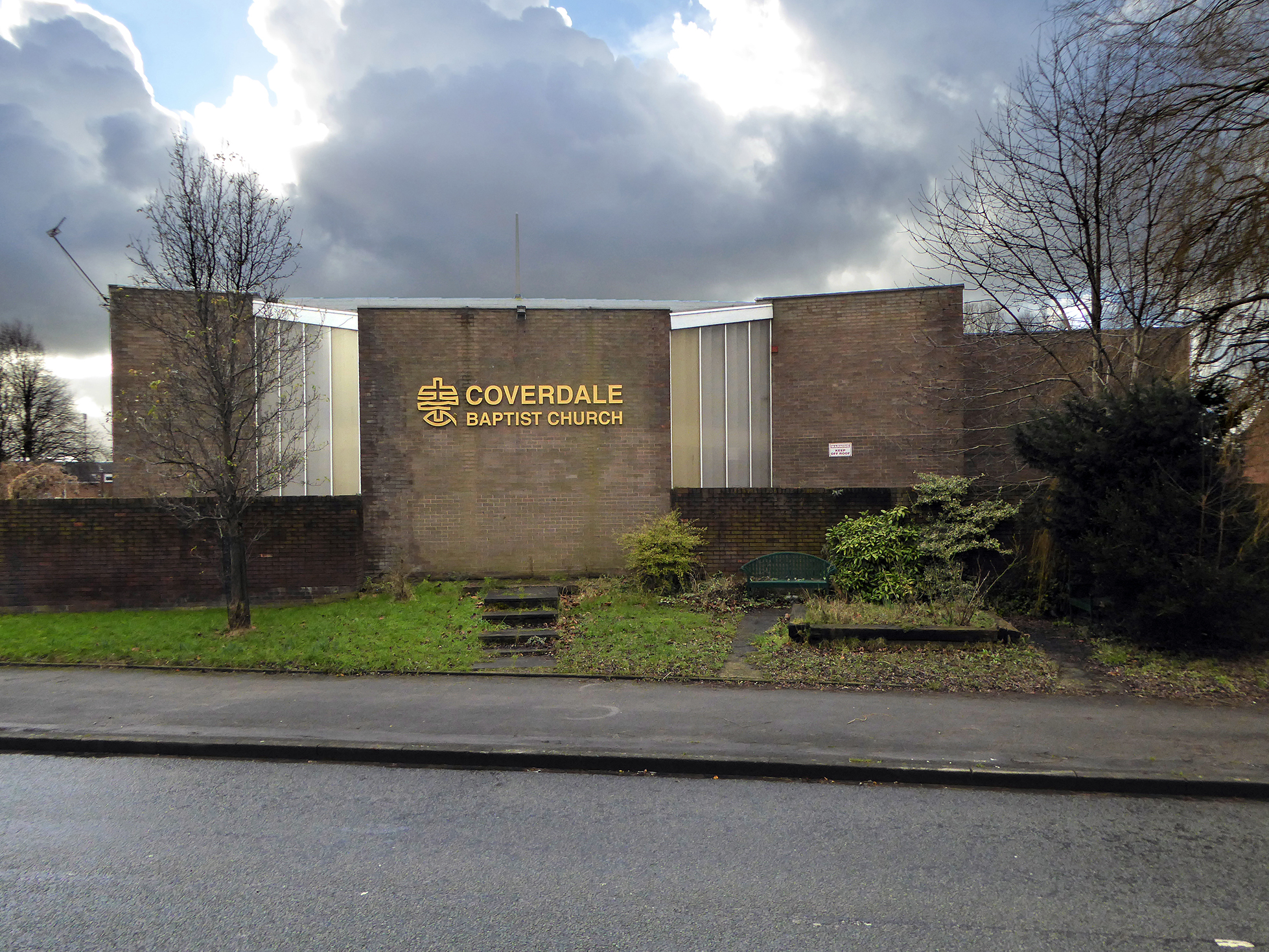
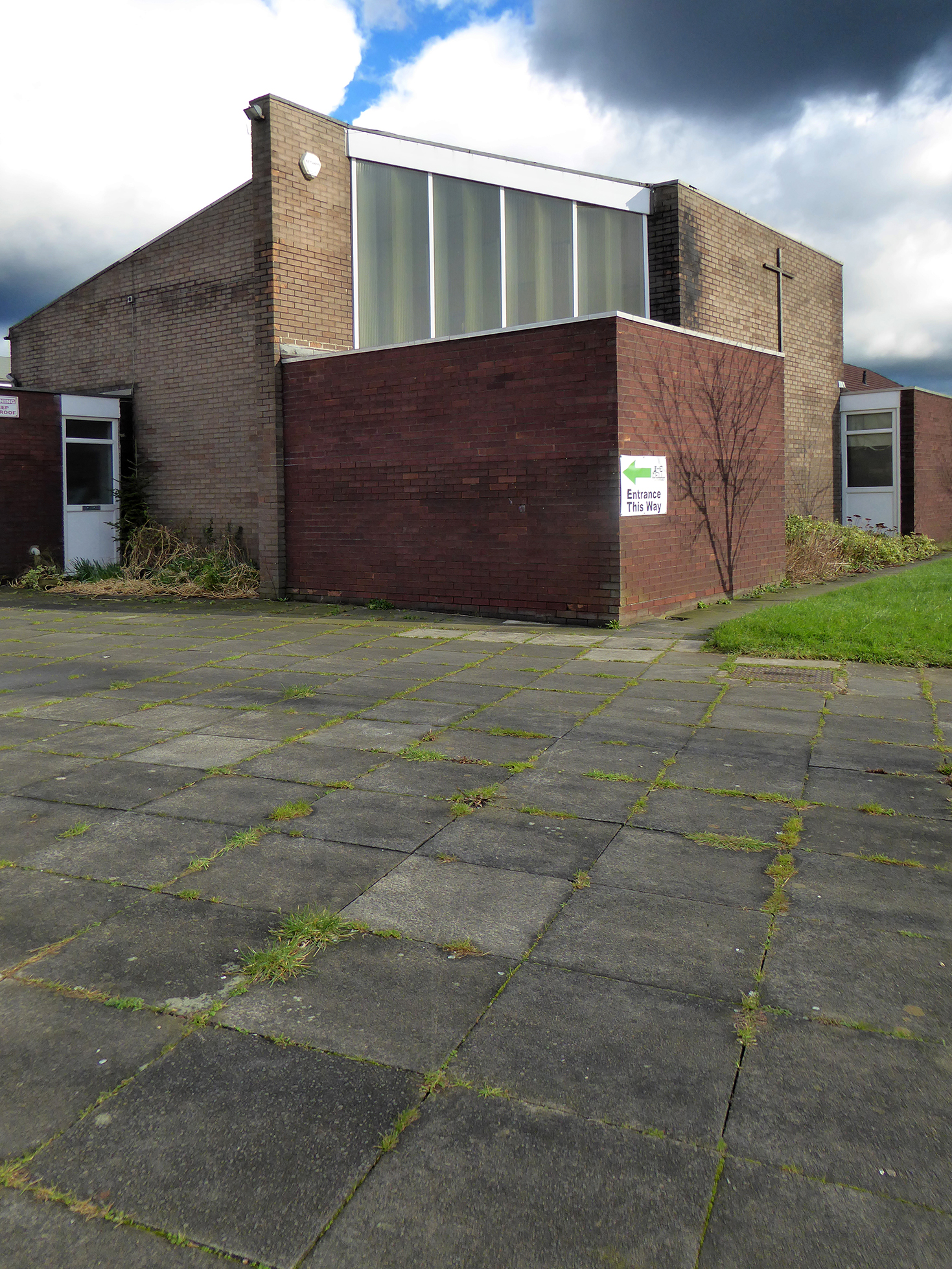
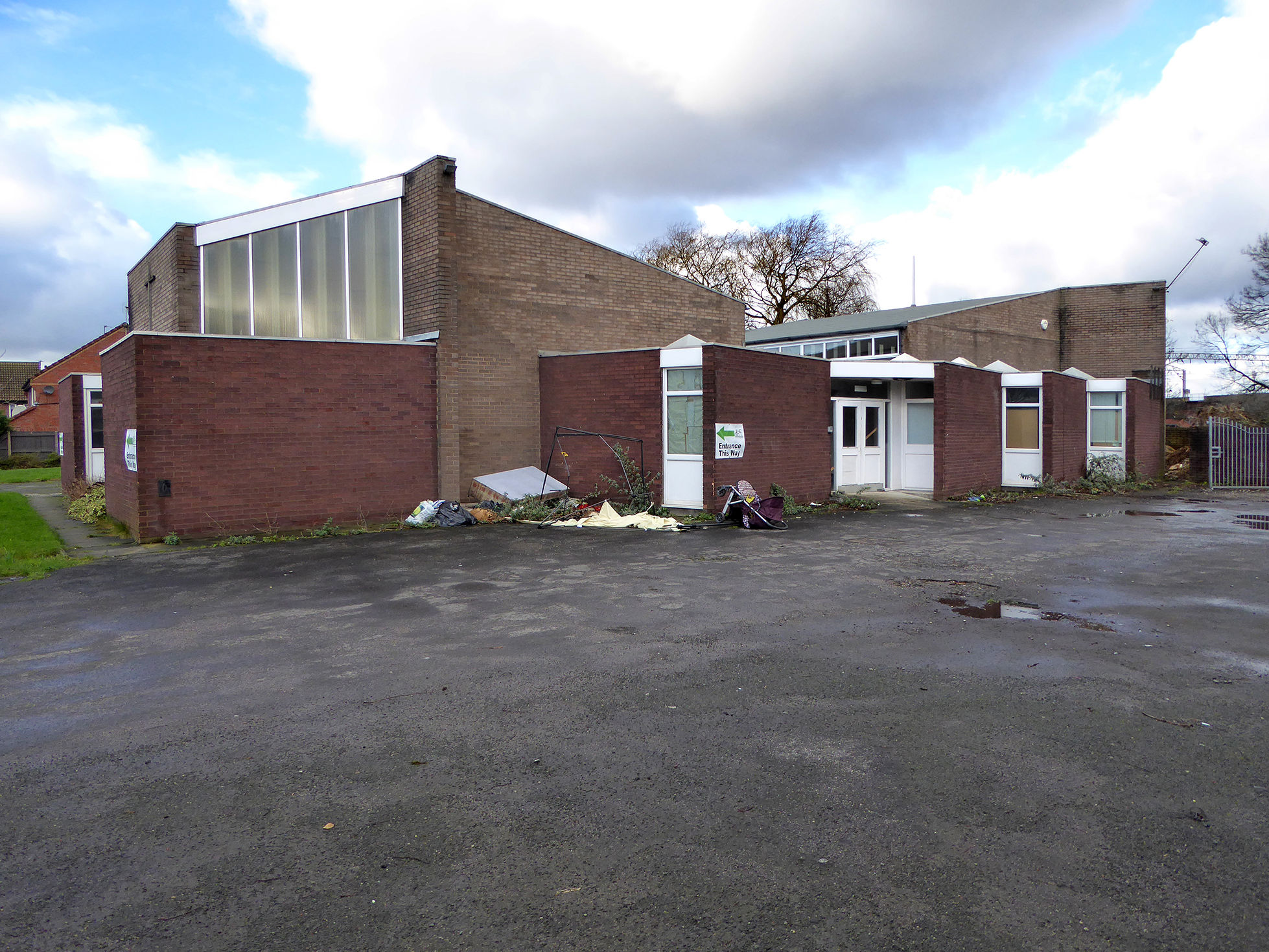
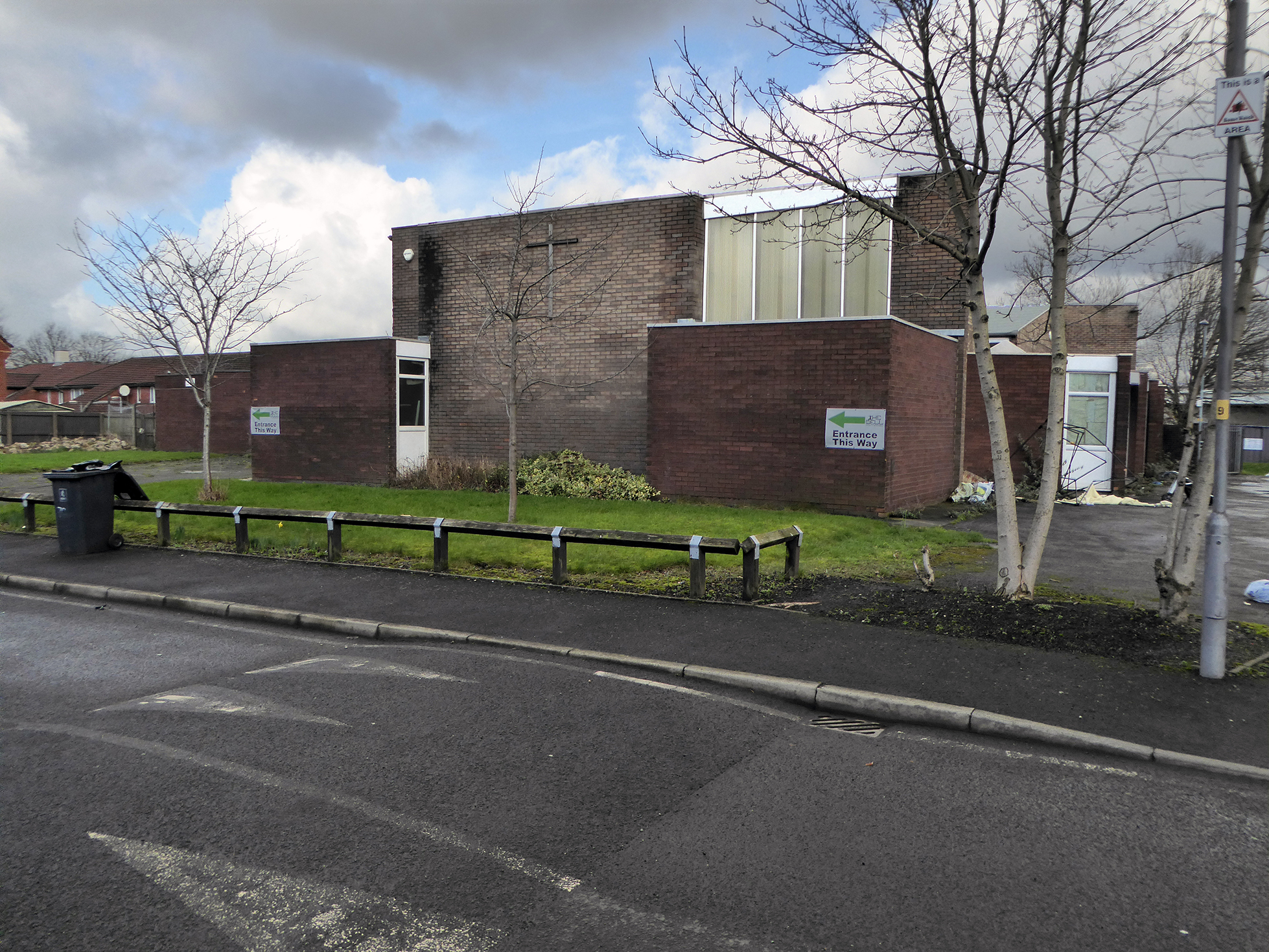
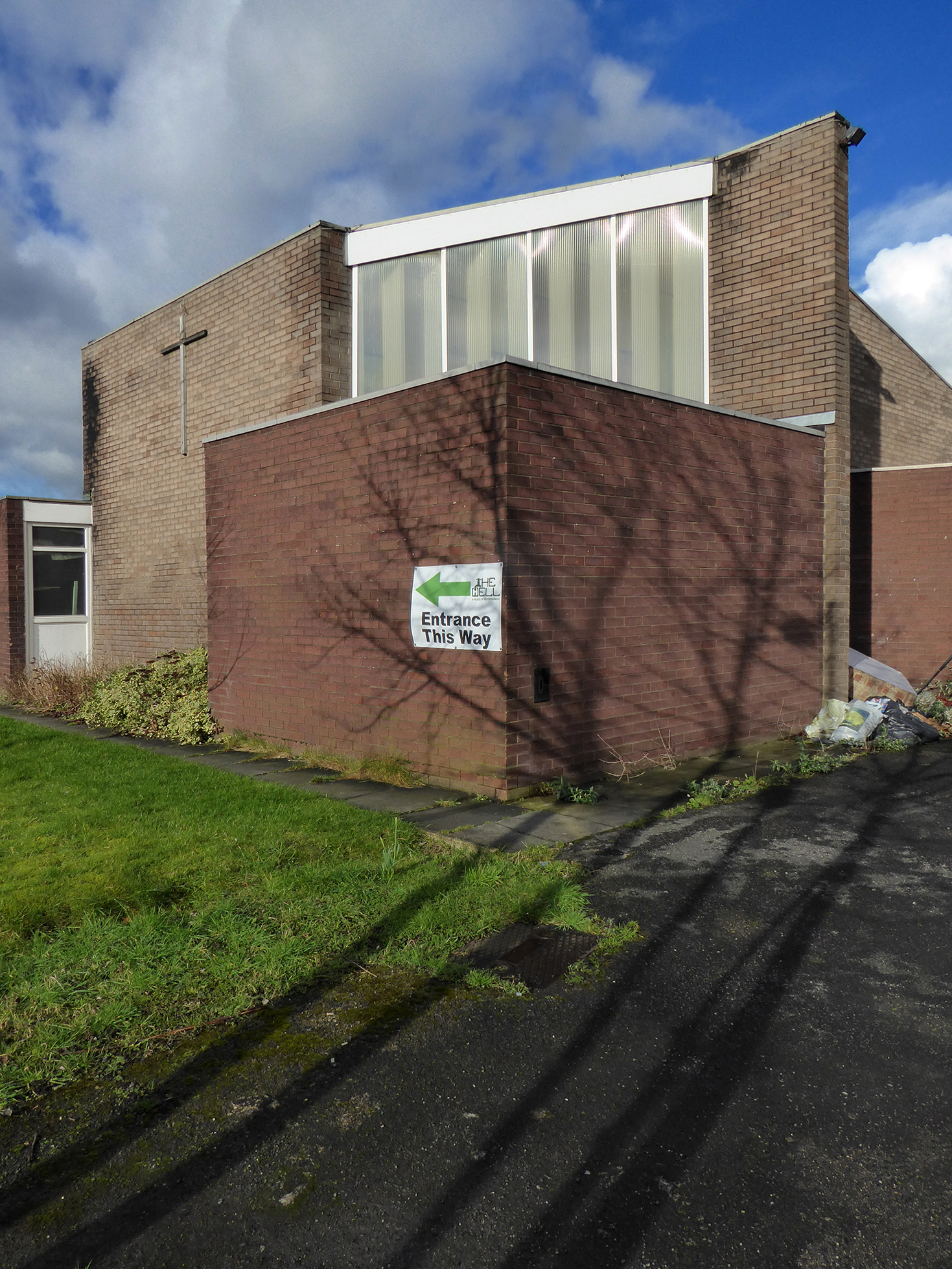
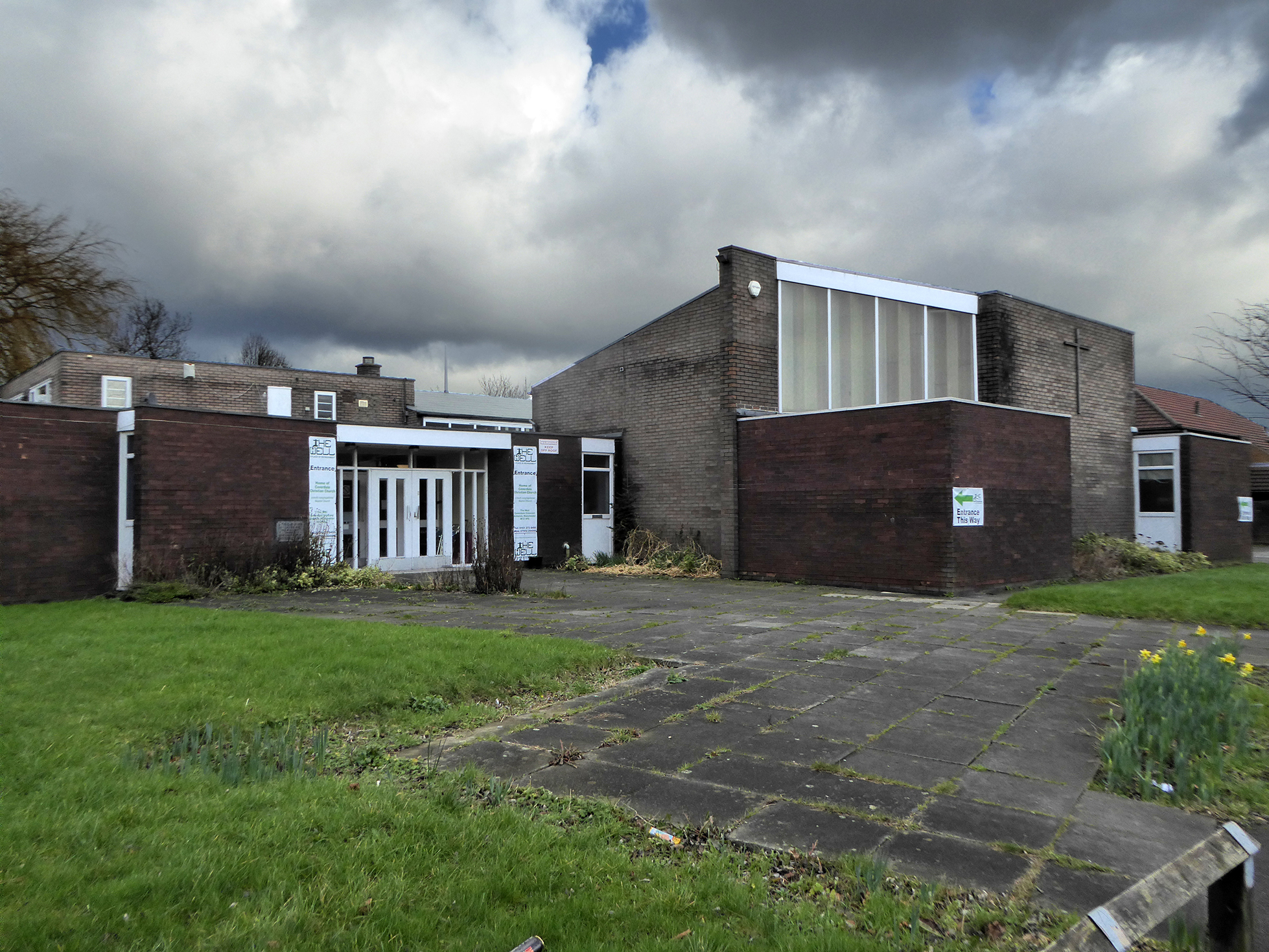
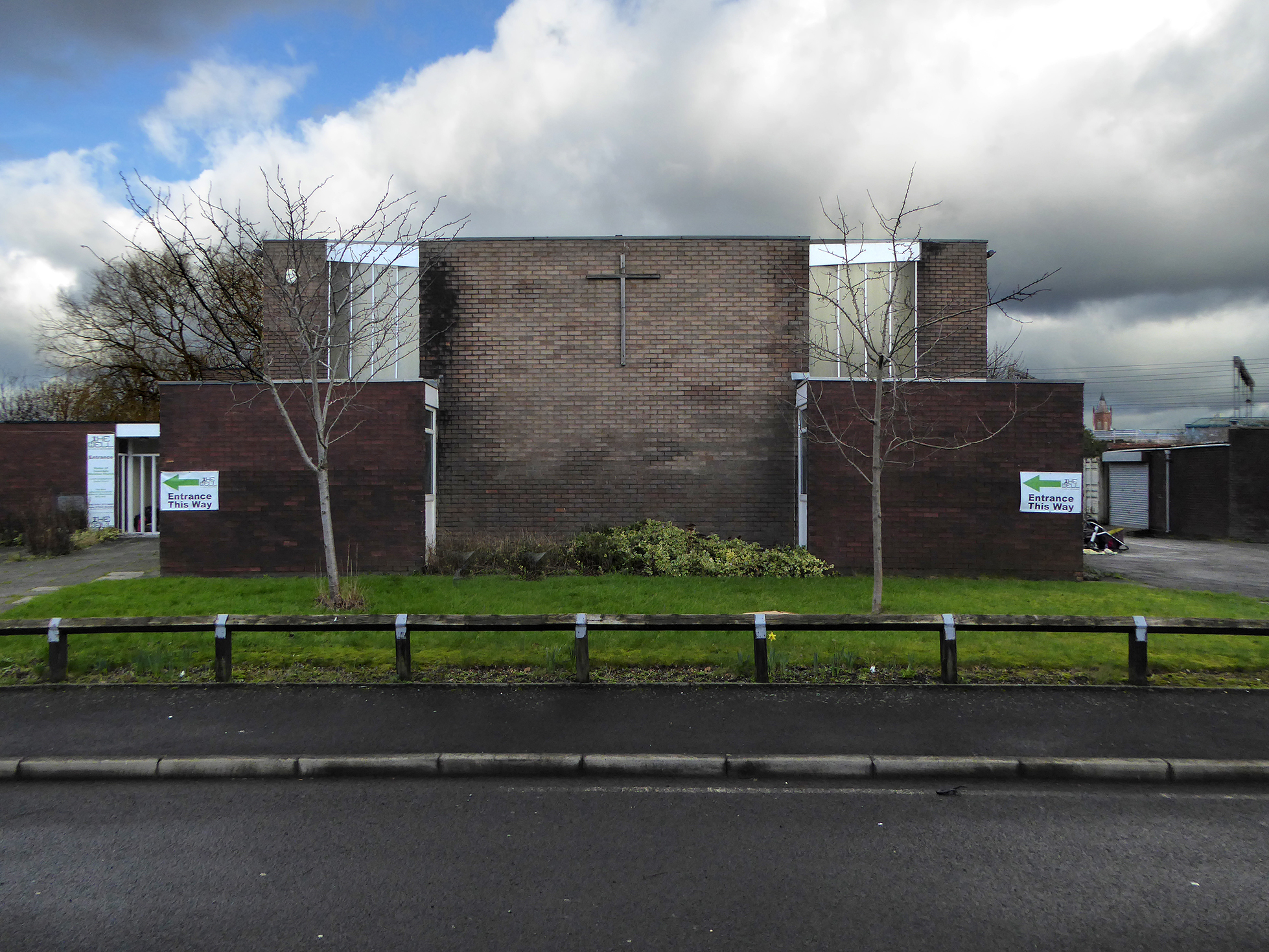
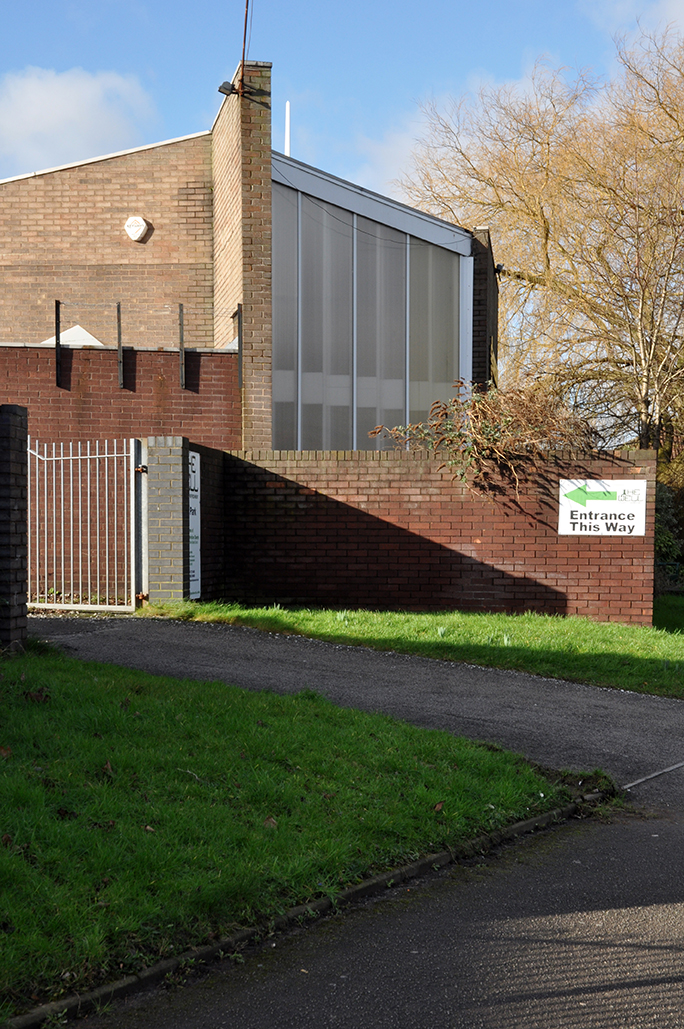
At the eastern end of the broad wide curve of Coverdale Crescent sits a church.

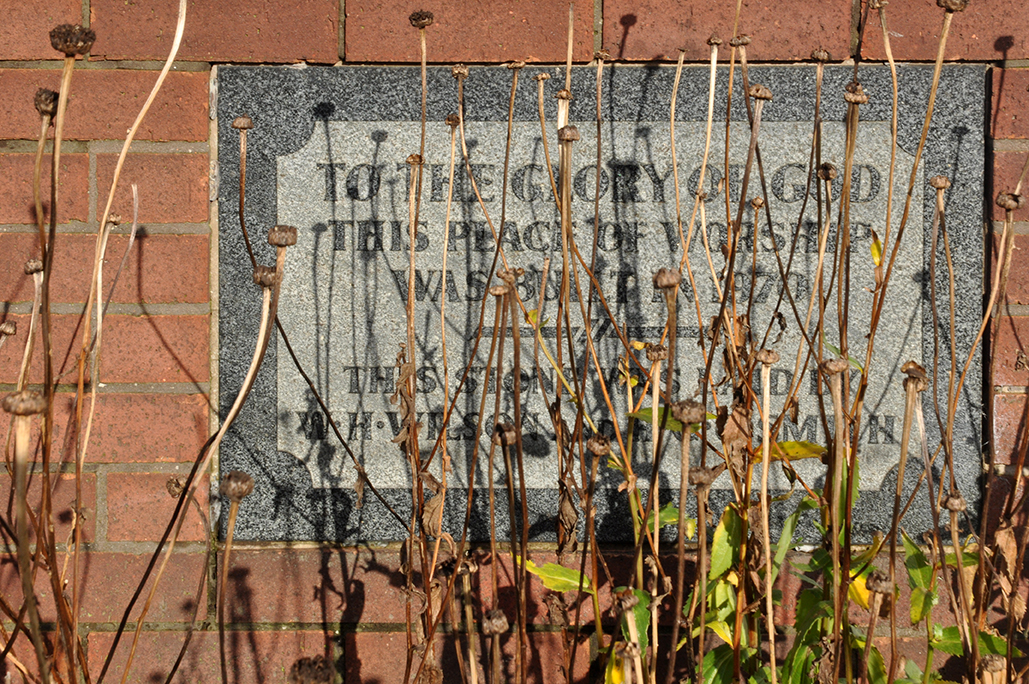
Built in 1970 to accommodate the pious observation of the area’s  residents.

The residents of the so-called Fort Ardwick.

coverdalebaptist2

The Fort is no more, demolished, the newer Coverdale Estate now covers the area.

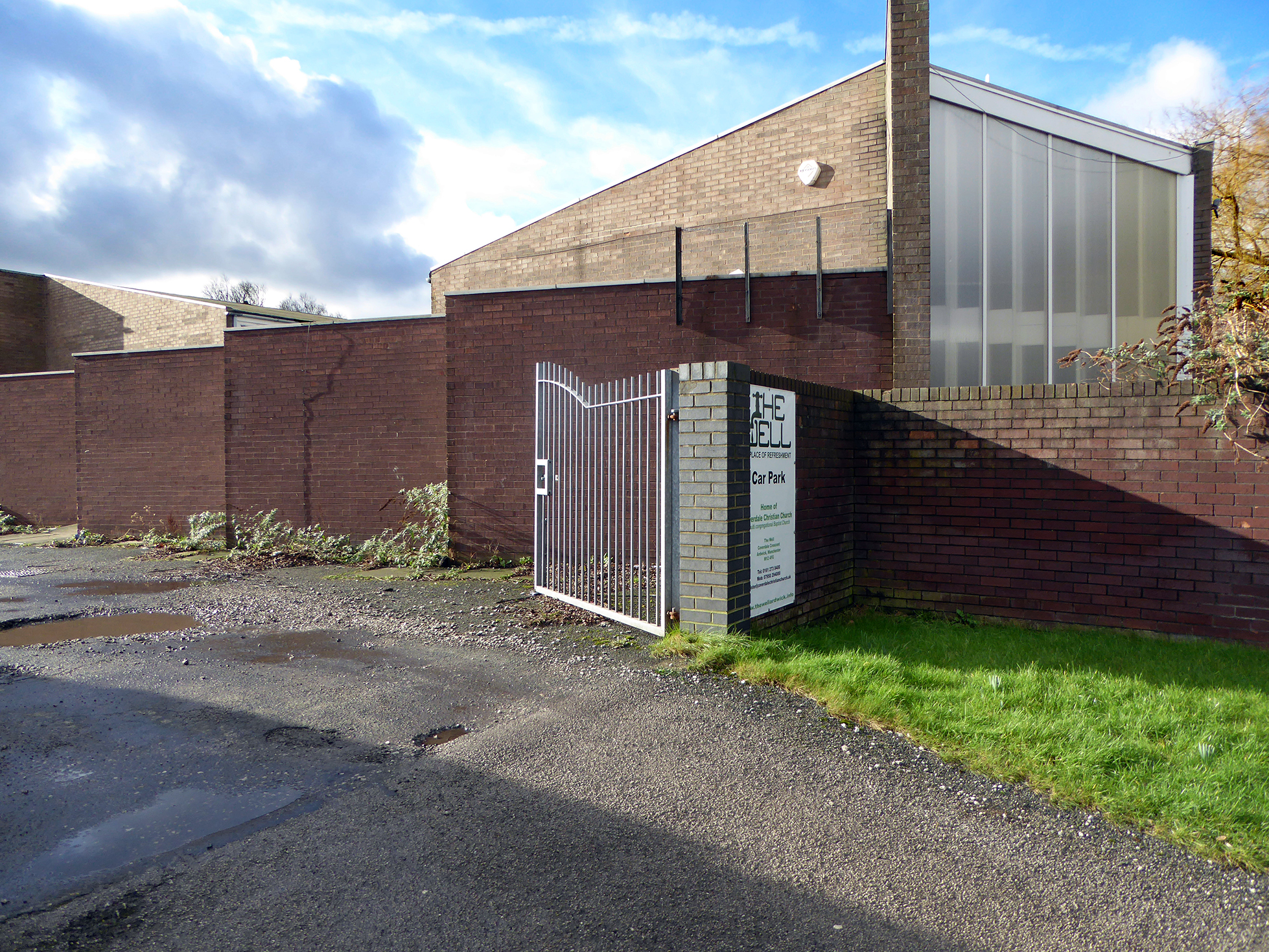
The church aka The Wellcontinues to function as a focus for community and religious activity.

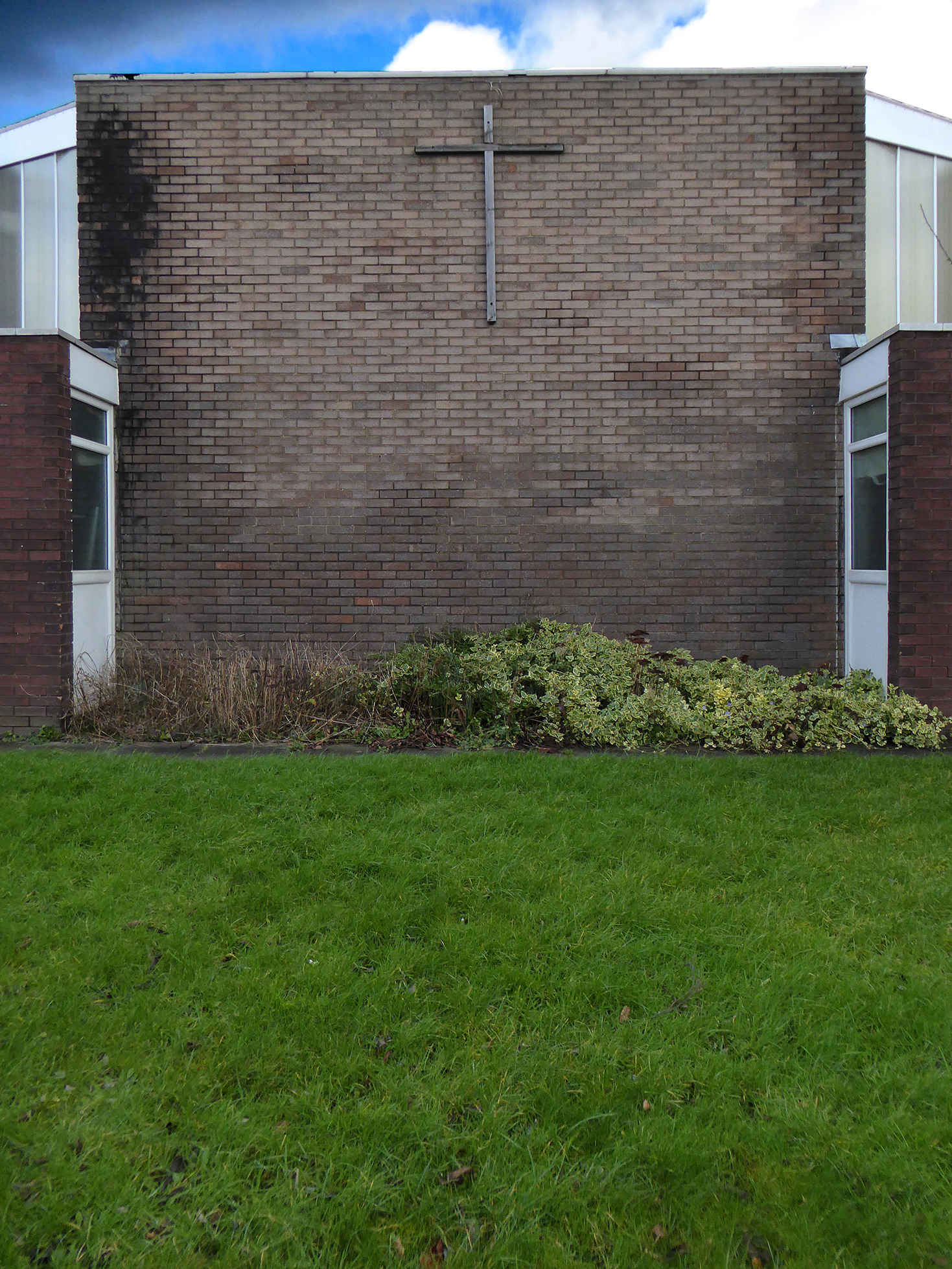
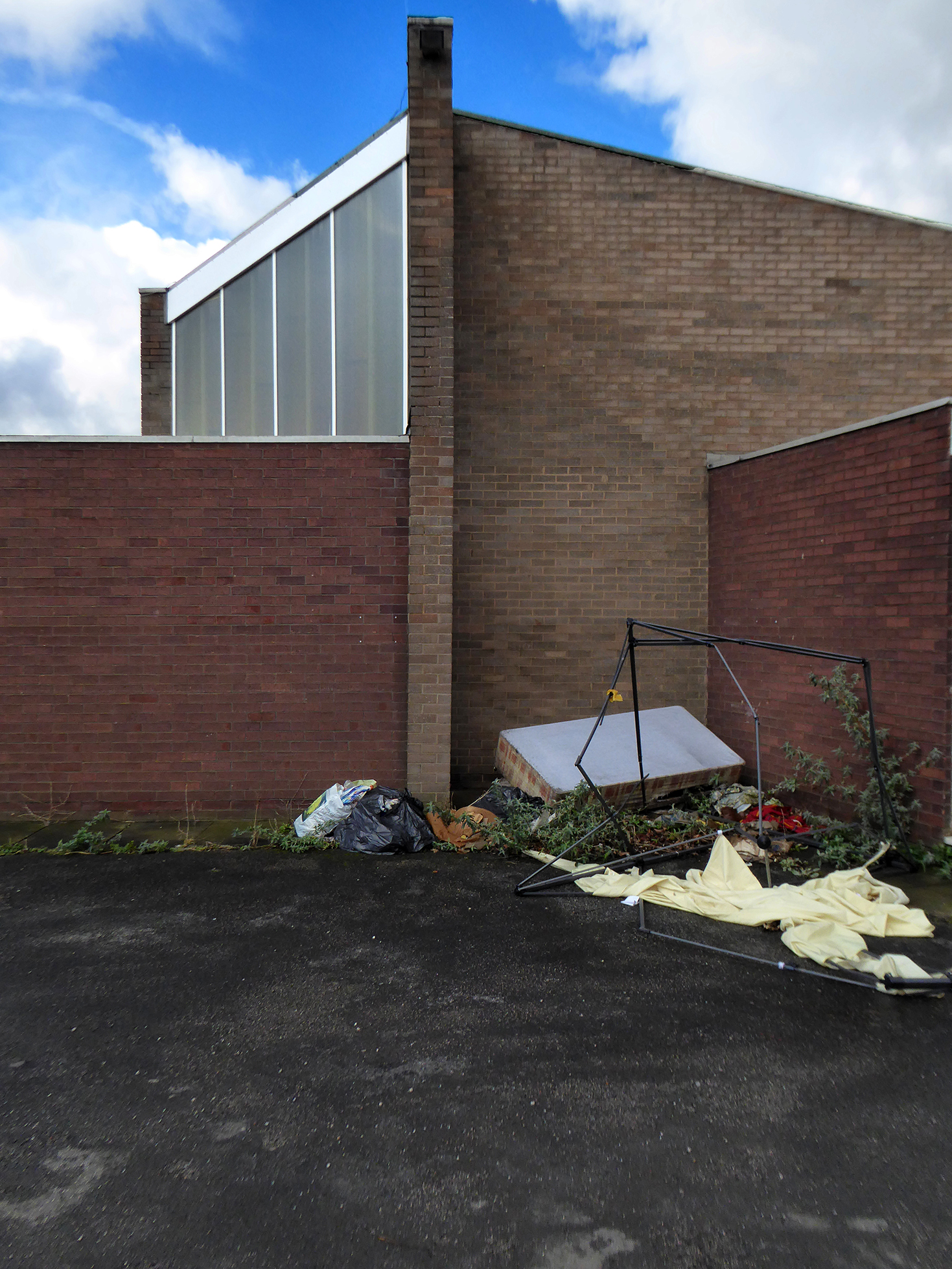
The exterior now seems just a little careworn, though planting and structural maintenance, manage to keep up a modicum of appearances.

Beswick – Manchester

Screen Shot 2016-02-06 at 15.17.13

Between Openshaw and Bradford sits Beswick.

Beswick is a small district located on the east side of Manchester bounded by Ashton Old Road, Ashton New Road and Grey Mare Lane and was incorporated into Manchester in 1838. Pronounced Bes-ick the “w” is silent. Before 1066, in Saxon times, the district was called Beaces Hlaw – Hlaw was an old word for a small hill, often used as a burial mound. By the 13th century it had changed to “Beaces Wic” indicating that the area was predominantly farm land. Who or what the Bes element of the placename signified is open to interpretation, though the simplest and most plausible is that it belonged to a person called Bes or Bess.

In the 60s it was, as I remember it, a typically vibrant mixed East Manchester community, industry, housing, retail, entertainment and goodness knows what bumping along together incautiously, down tight streets of Victorian terraced housing. I worked in the area as a Mother’s Pride van lad, hauling bread, cakes and galvanised trays in and out of a plethora of superabundant corner shops.

The year of 1970, approximately, dawns, ushering in a decade of great change, slum clearance and the building of brand new homes – the end, by and large, of the back to back corner shop world.

A process mirrored in my previous post

10 years later, and long gone the years of postwar full employment, and the made round to go round world of the weekly wage.

The early 1980s saw growing unemployment and world-wide recession. The large new estates suffered most. Inner city districts of Manchester saw street riots in 1981, as did many other major cities around Britain. Manchester had suffered badly as a result of the recession. In 1986, over 59% of adult males living in Hulme were unemployed; in Miles Platting the figure was 46%; Cheetham Hill and Moss Side both had an unemployment rate of 44%. The main group of unemployed were young people under the age of 21. Hulme’s youth employment was recorded at 68%, and Cheetham Hill suffered 59%. 

Manchester 2002

webmedia-7.php

It is true that the new developments have great advantages in many ways over the terraces they replaced. Tenants who live in houses without baths or indoor sanitation and with no hot water are delighted to move into bright new flats and maisonettes, with indoor plumbing, with baths, and accommodation which has more rooms and far better kitchen facilities and central heating, even though they sometimes grumble at the cost of that central heating.

Gerald Kaufman MP

But although we can build a new housing development, we cannot easily recreate the warm community spirit which has vanished with the terraces which have been demolished. There is the noise from neighbours on the deck above and the deck below. The wind-swept balconies along which tenants have to walk are not as cosy as the streets from which they have come. Those welcoming corner shops, with their bright lights on winter evenings, have gone, and sometimes a new development has no new shops for too long a period. Even when they come, there are not enough of them.

The scale of the buildings is often daunting. I have in mind Fort Beswick and Fort Ardwick in my own constituency. The design is frequently all too forbidding. That is why the two estates are called Forts

When the tenants of these development have lived in cosy old houses, however inadequate they were in terms of physical provision, they are bitterly disappointed by the shortcomings of new property which they have looked forward to occupying.

Handsard – Multi-Storey Developments 1974

The year of 1990, approximately, dawns, ushering in a decade of great change, multi-storey development clearance and the building of brand new homes – the end, by and large, of the one on top of another topsy-turvy world.

Fort Beswick was subsequently demolished.

The beat goes on as Len Grant records the most recent redevelopment of East Manchester.

And the M.E.N shouts loud and proud from the roof tops, heralding a brand new, privately funded public domain

Picture credits Manchester Image Archive

Coverdale Crescent Estate – Ardwick

The road to Hell is paved with good intentions and as it would subsequently transpire, loosely attached Bison concrete wall-frame system panels.

Wythenshawe apart, the City of Manchester admitted that it had 68,000 houses described as “grossly unfit” by 1959. 

webmedia.php

Its solution was to demolish 90,000 dwellings between 1954 and 1976 and to erect 71,000 dwellings by way of high rise flats and to move residents out to newly prescribed “overspill” estates – at Heywood and Langley in the north, Hyde in the east and Worsley in the west.

Most of these displaced people, however, found themselves resettled in tall tower blocks, which, no matter how architecturally innovative, or how improved their facilities, proved disastrous in social terms. 

Manchester 2002

In Coverdale Crescent Ardwick such an architecturally innovative development was built.

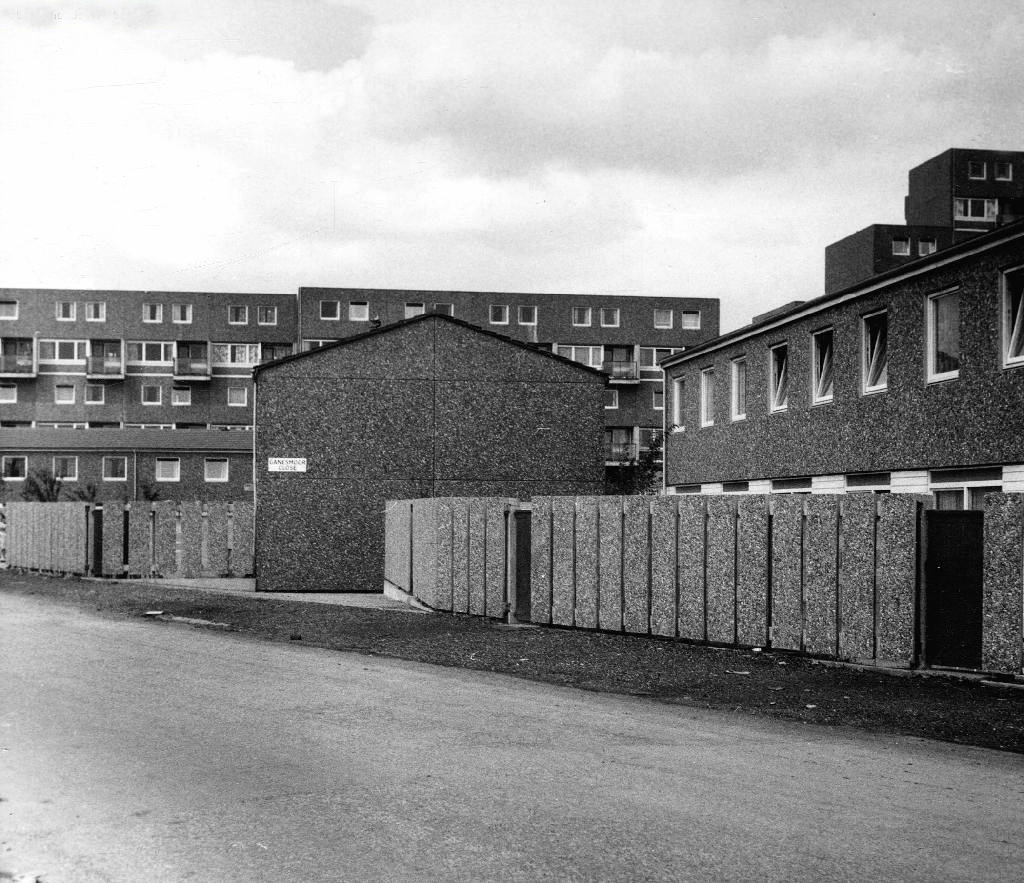
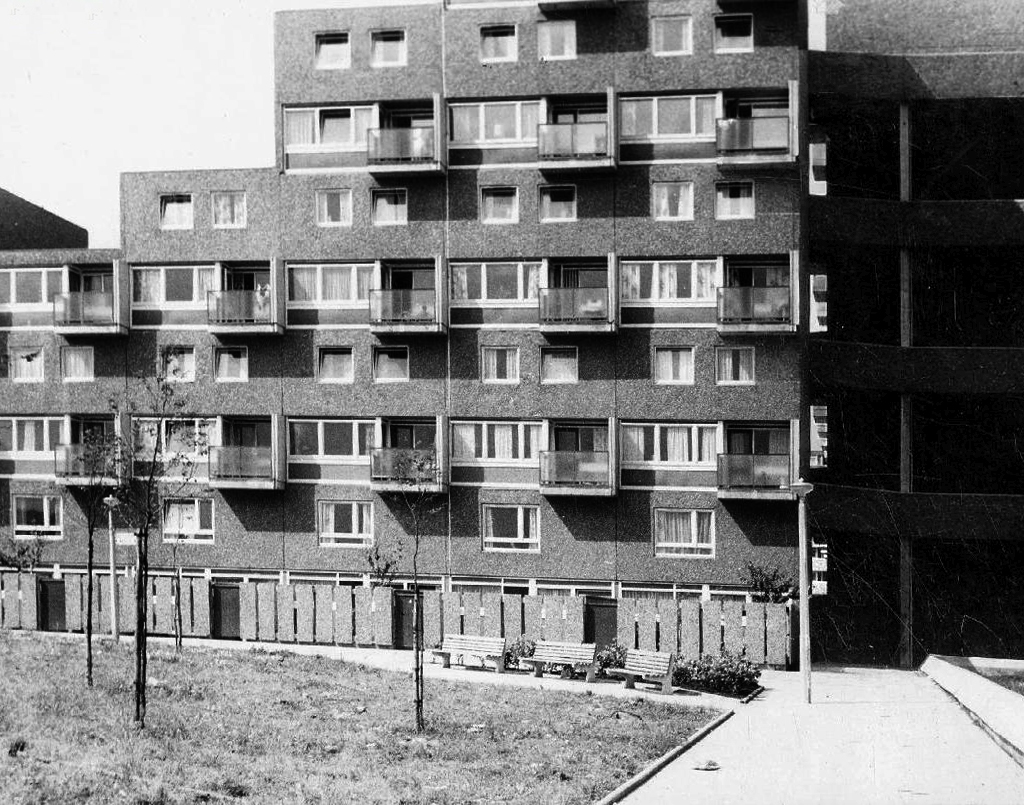
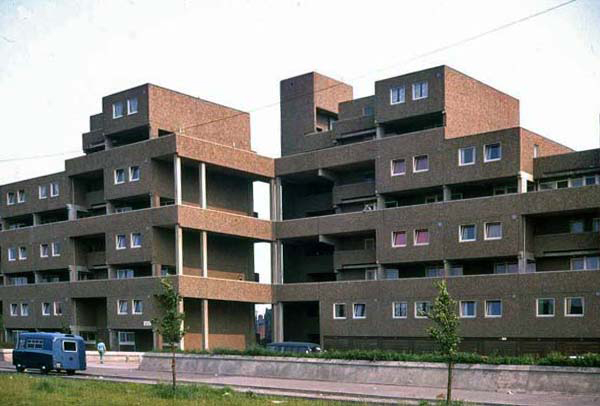
The estate, which became known as Fort Ardwick, was a deck access block of 500 homes. Completed in 1972, it was built with the same Bison concrete wall-frame system that had been used in neighbouring Fort Beswick.

By the mid-1980s it was clearly suffering from structural faults. The council employed a private firm of consultants to survey the estate, which found that water was leaking through roofs, steel fixings were corroded and concrete was breaking away. The council had to spend £60,000 immediately to bolt 1,100 panels back on to the building’s internal skin. The city architect, David Johnson, claimed that the report highlighted the rapid deterioration of Fort Ardwick’s fabric.

They said it was shoddy, thrown up, not enough care taken. The concrete panels weren’t made properly – the holes didn’t quite line up. You know what it’s like – you’re putting a flatpack cupboard together and something’s not in the right place but you just bodge it instead of sending it back, starting again, because you want the cupboard up and you’ve got other shit to do.

They had to get these consultants in, after they’d finished, to rebolt all the panels or something , so the whole thing didn’t fall down. Cost a bloody fortune my nan said, and that’s our taxes. And even then the rain got in. They’d put straw between the concrete, which sounds a bit medieval to me, and no-one wants wet straw walls, right? Cockroaches and rats and mould and that.

My nan remembers when they knocked down the terraces. I remember when they knocked down the fort. And maybe they had a point about it being shoddy, because soon as the diggers got their claws in, the whole thing fell to pieces, like it was made out of cardboard and bits of sellotape, not concrete and glass. A fort one week, a pile of rubble the next. No-one wept for it, they say.

I didn’t cry, but I stood at the end of the street and watched the diggers pawing at the walls, ripping the place to bits, our old kitchen wall gone and the cooker and the cupboards and the crap plastic clock just there for everyone to see. Except there was no-one else looking.

Sarah Butler

Local MP Gerald Kaufman reported to Parliament in 1974 that, during a conversation with residents, one of them had proclaimed that

“If Labour wins the election, it ought to do two things: abolish the House of Lords, and demolish Fort Ardwick.”

The estate was demolished in the 1980s and the new Coverdale Estate was constructed on the site in 1994.

The House of Lords still stands unabashed by the Thames.

Photo credits H Milligan 1971 LIC and MMU Visual Resource

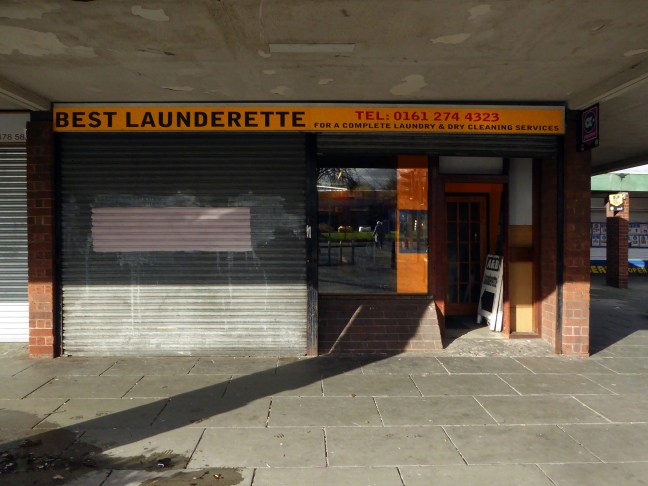
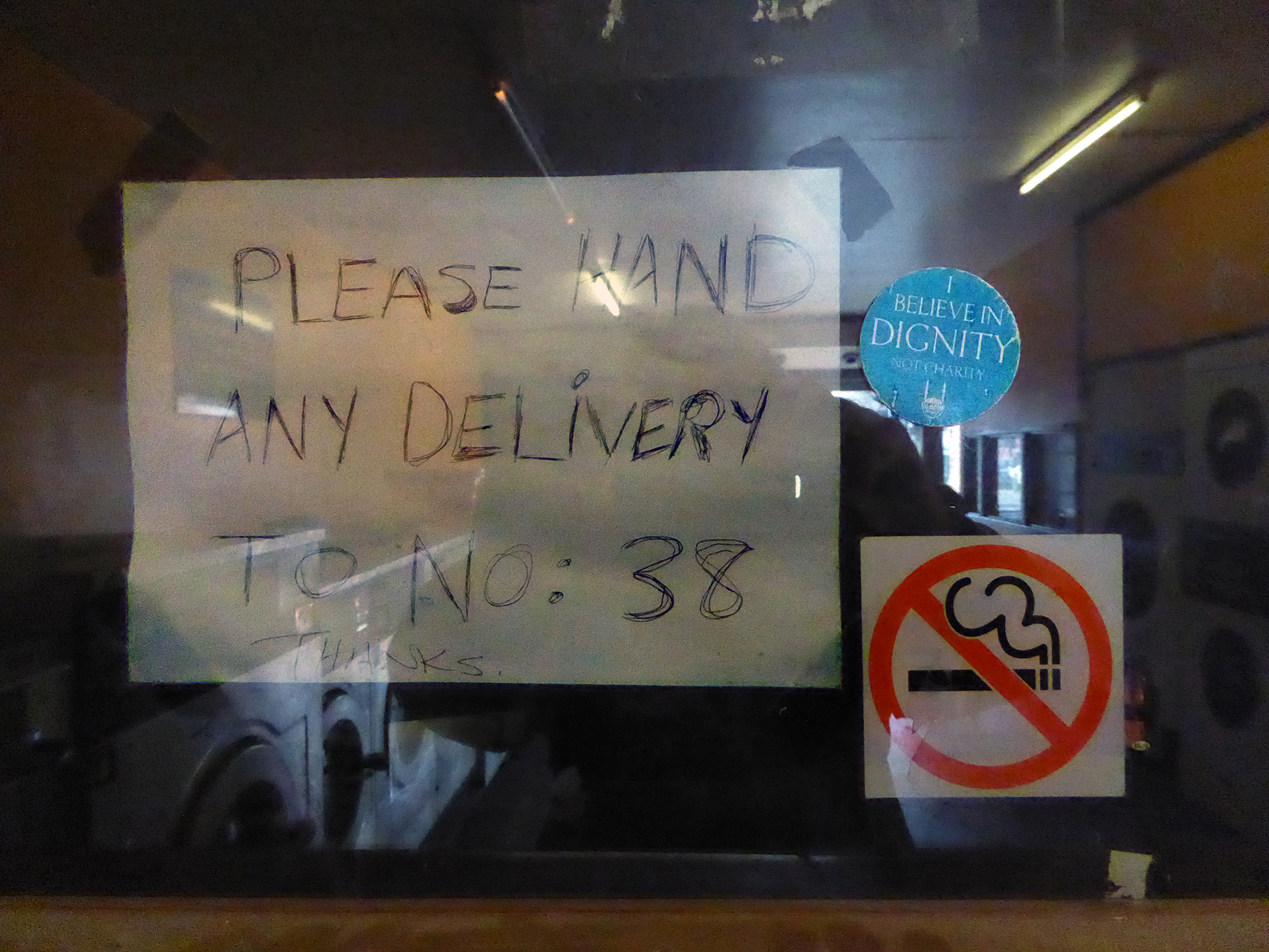
Best Launderette – Brunswick Street Manchester

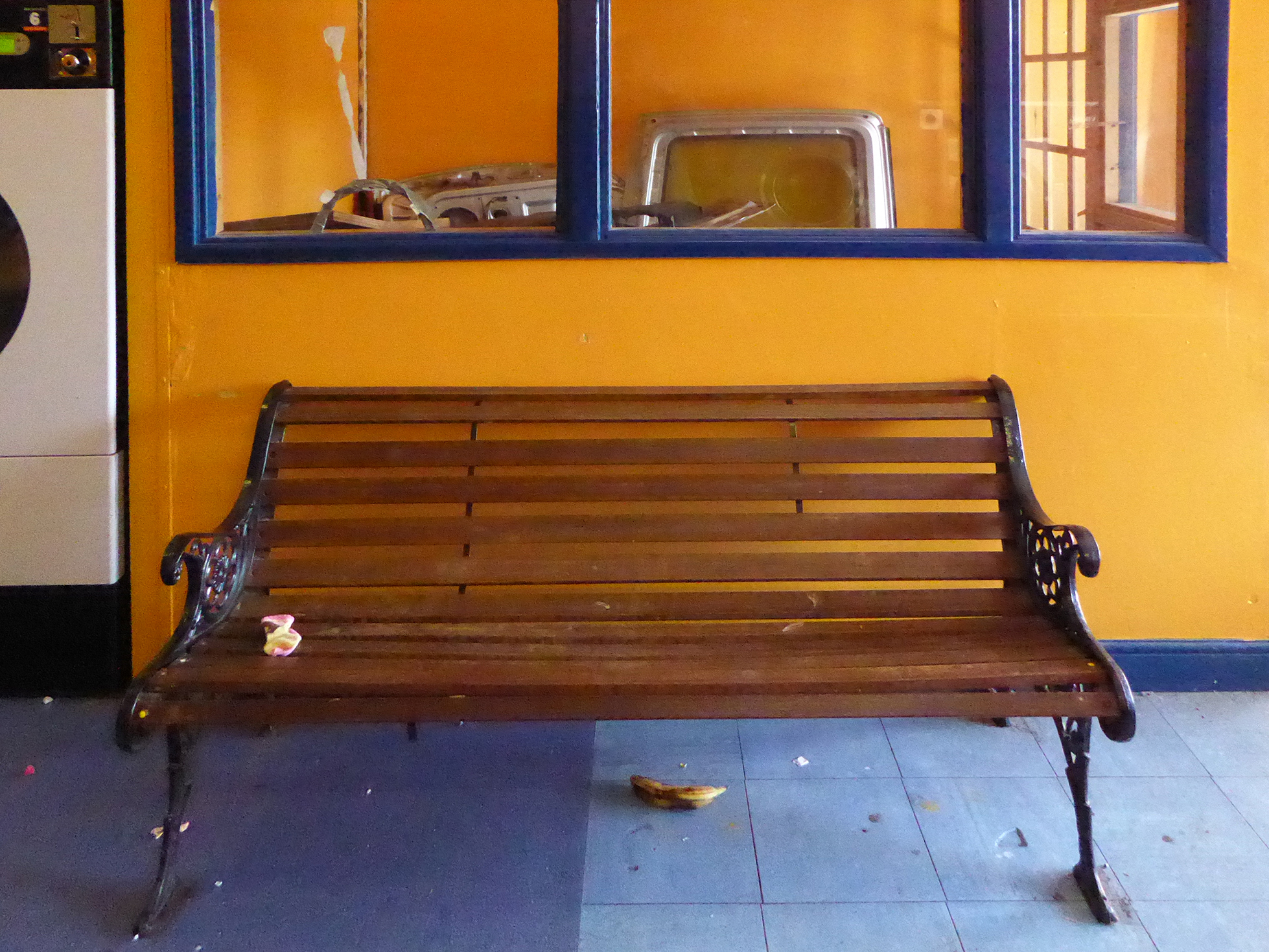
I was out walking on the corner one day.

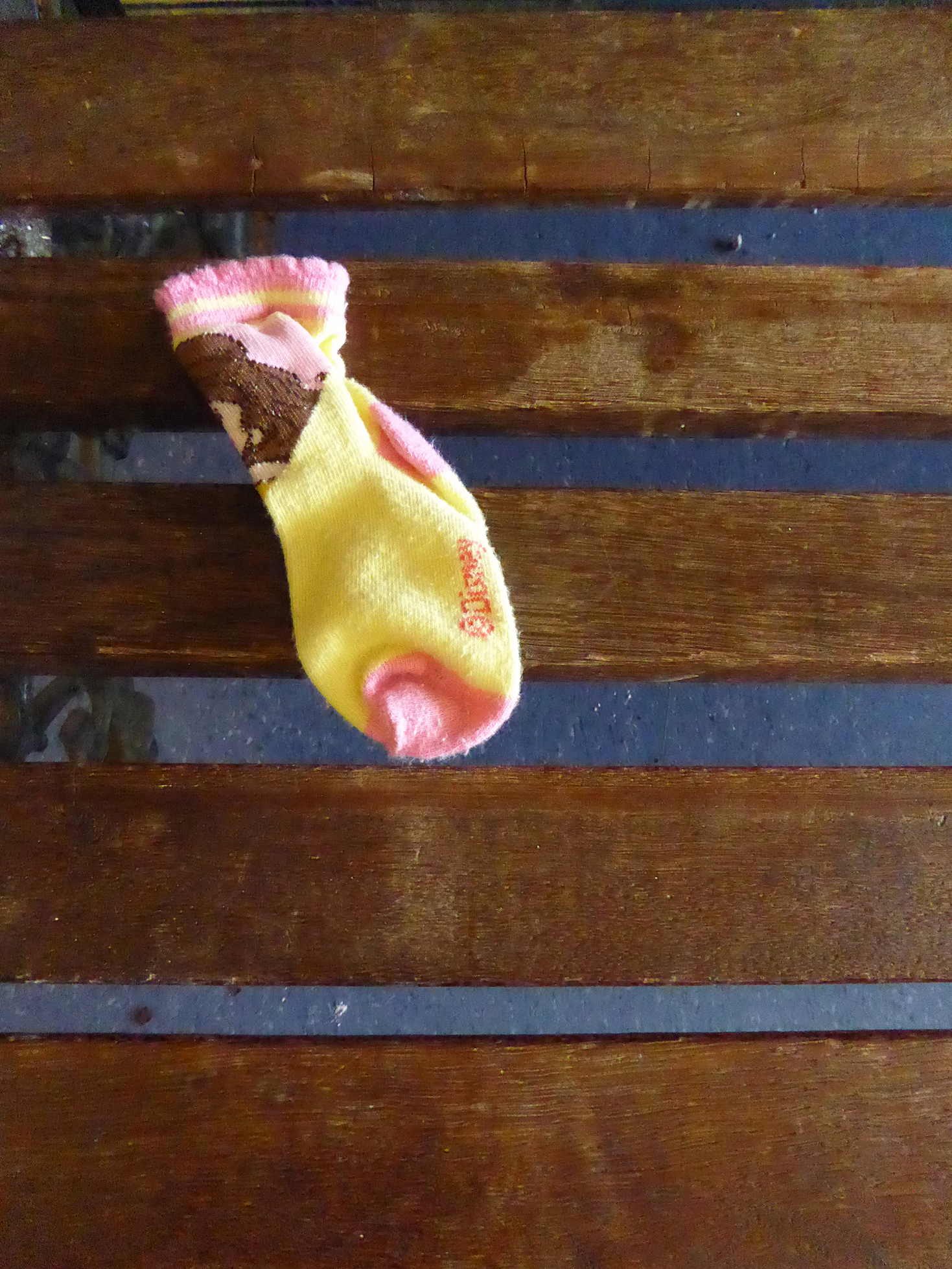
I spied some old washing.

In the doorway it lay.

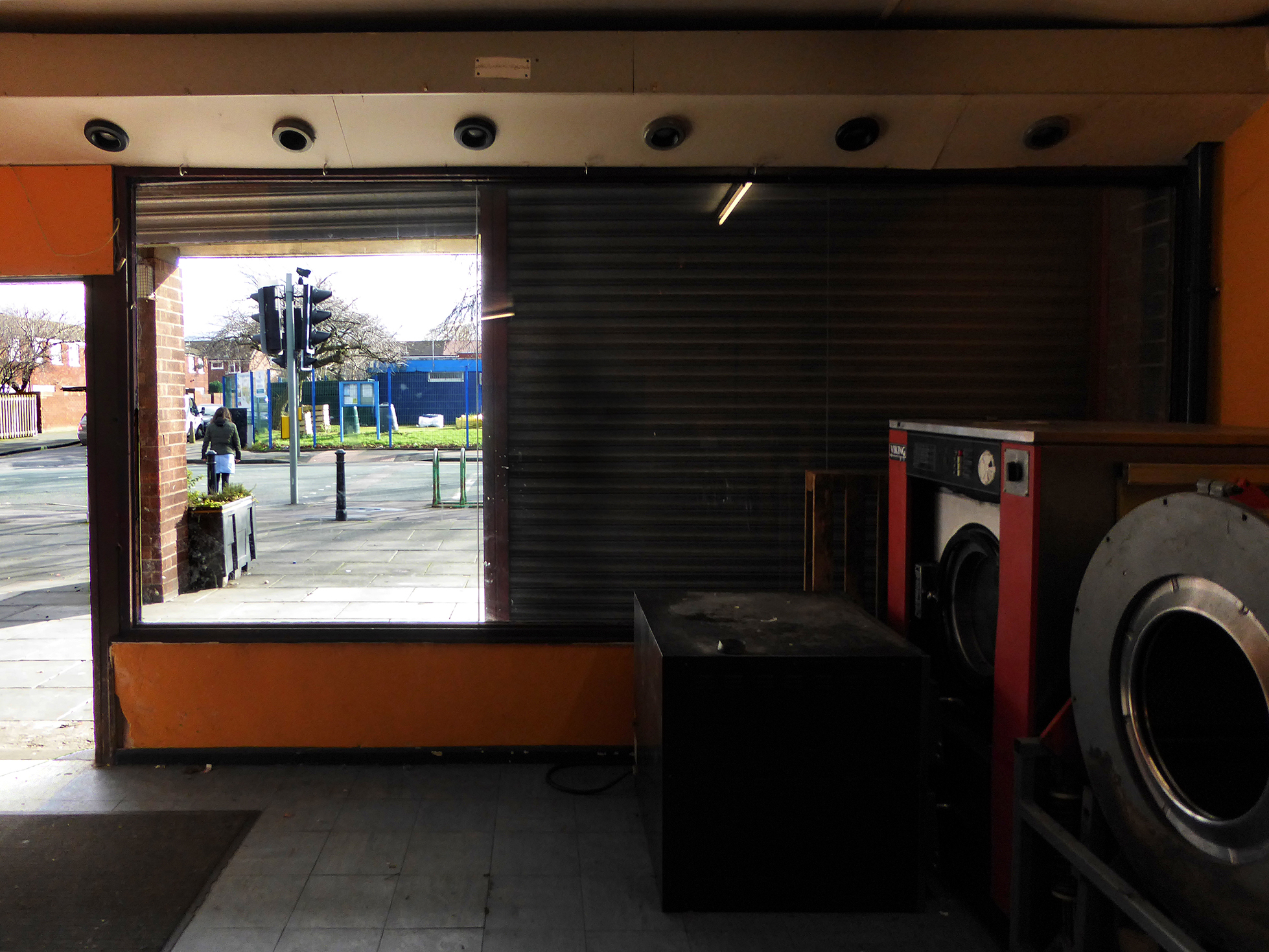
Well there was a doorway, but no door.

There was a door, but not attached to the doorway.

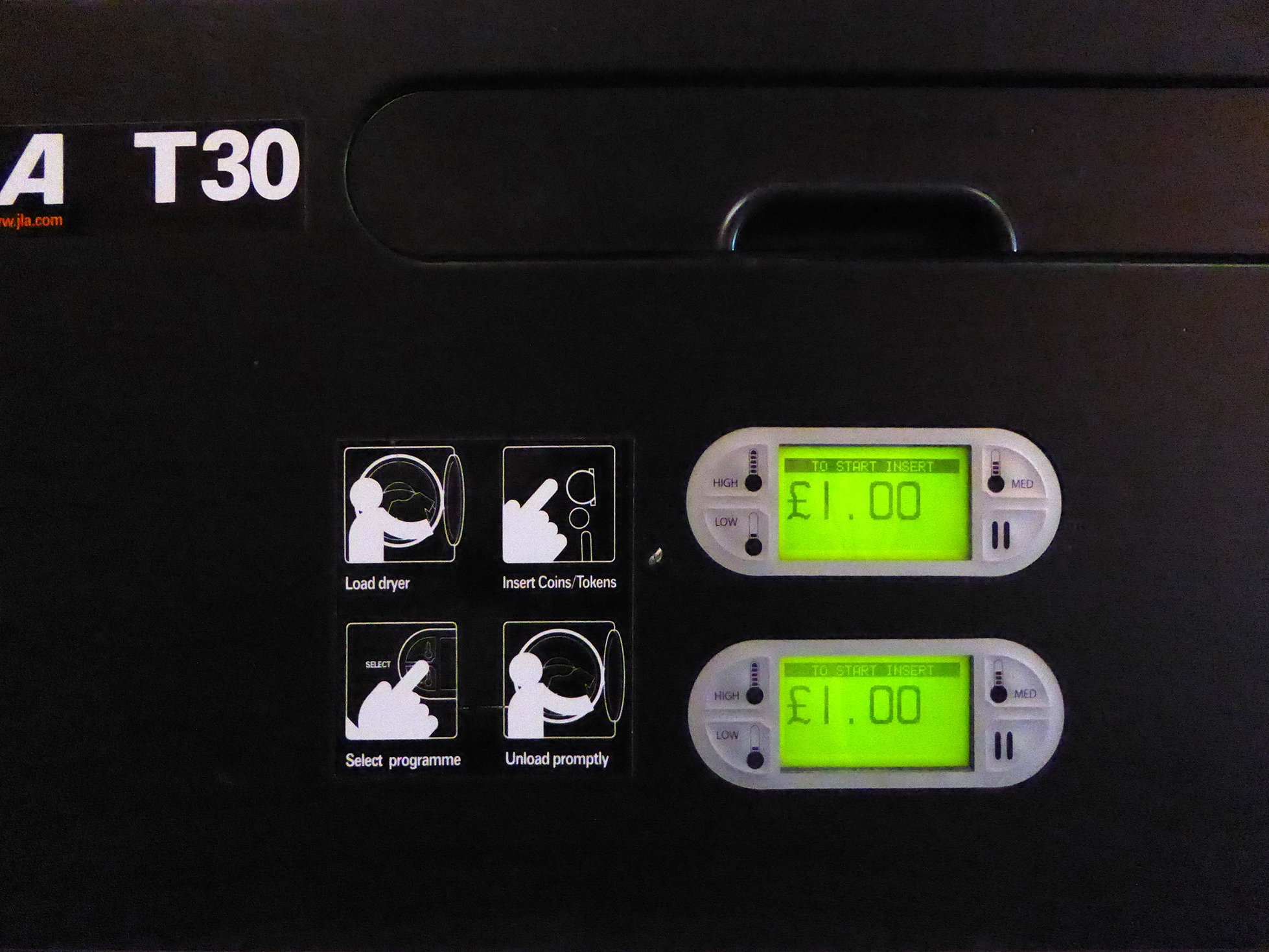
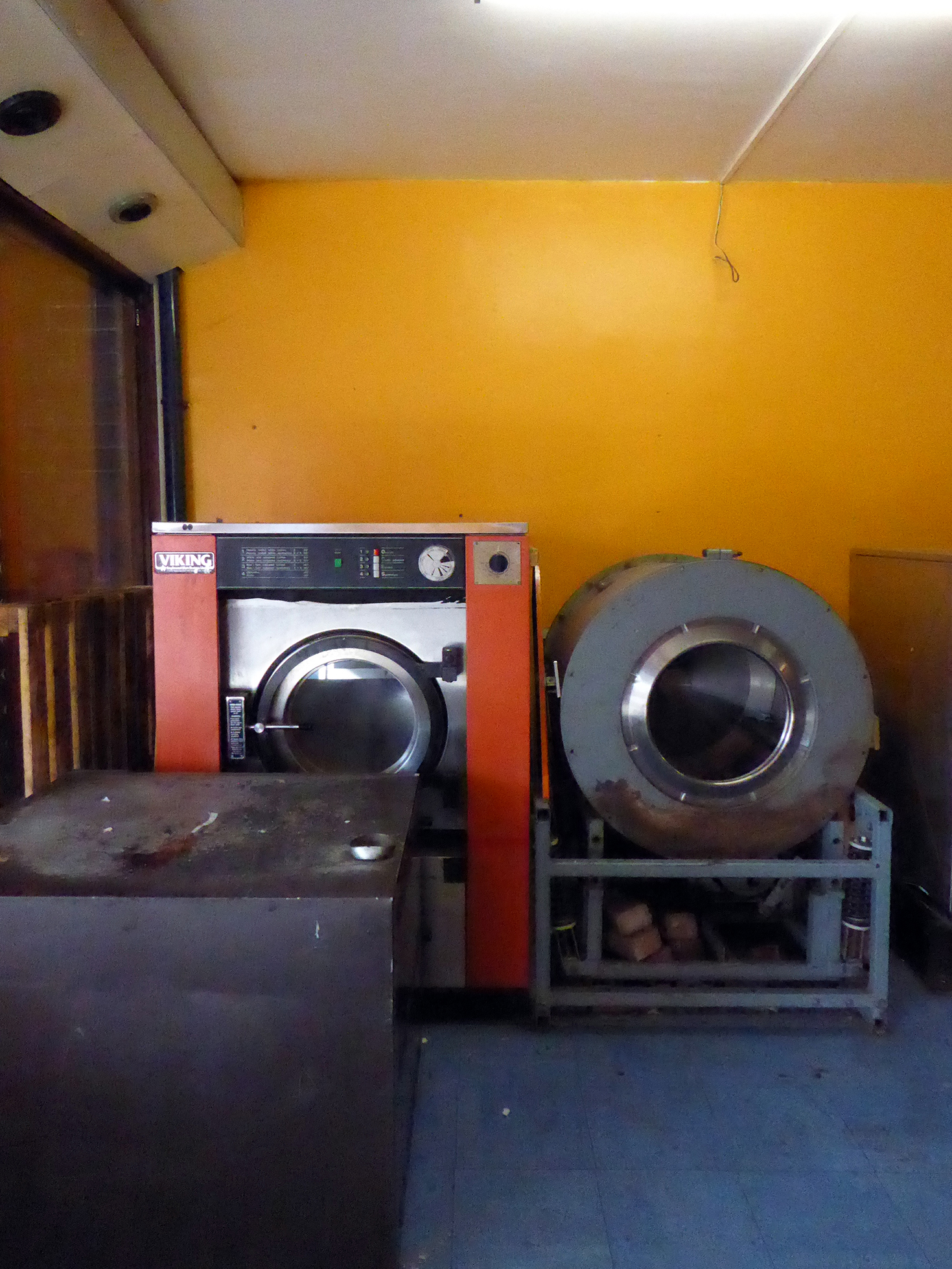
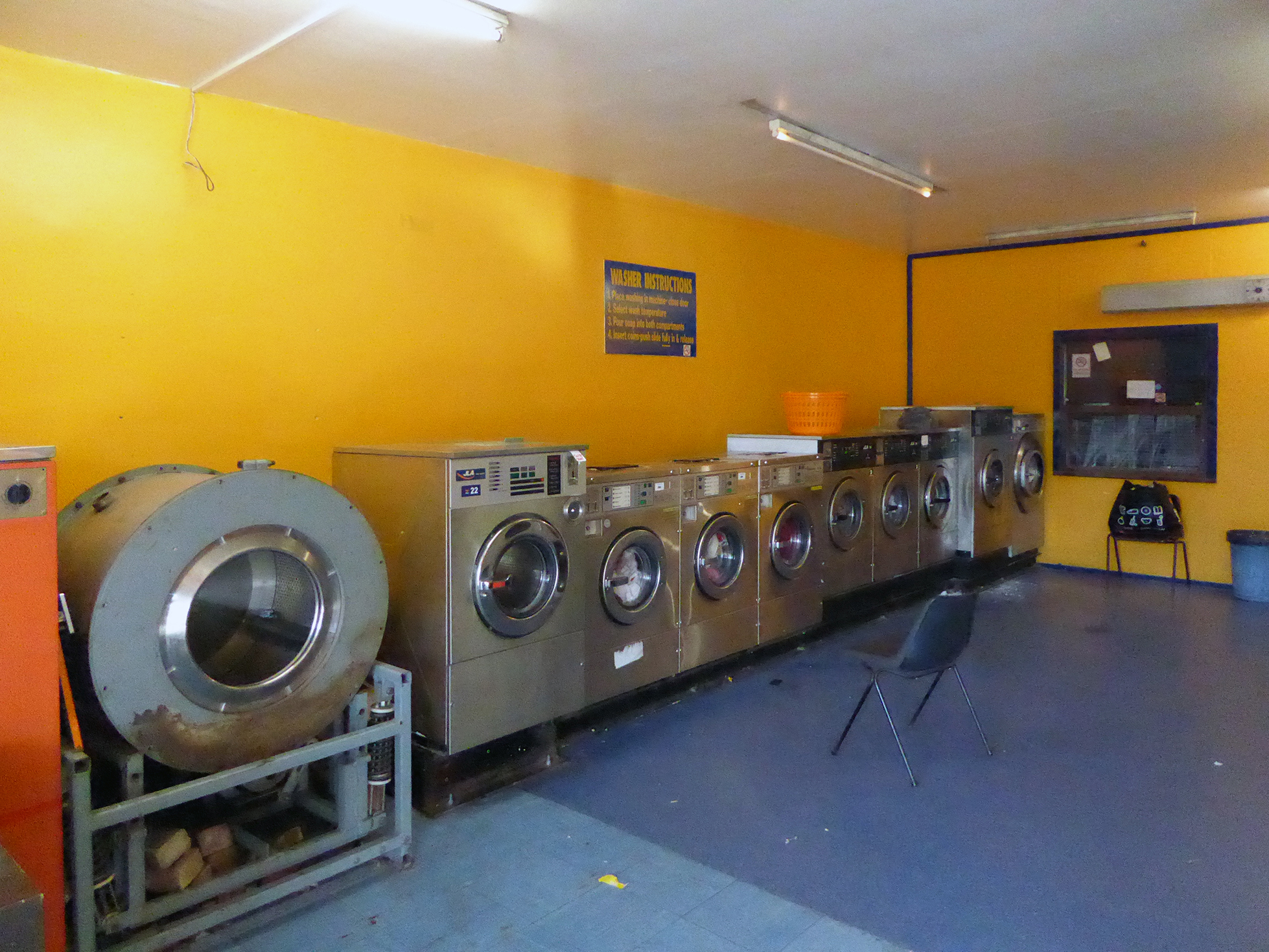
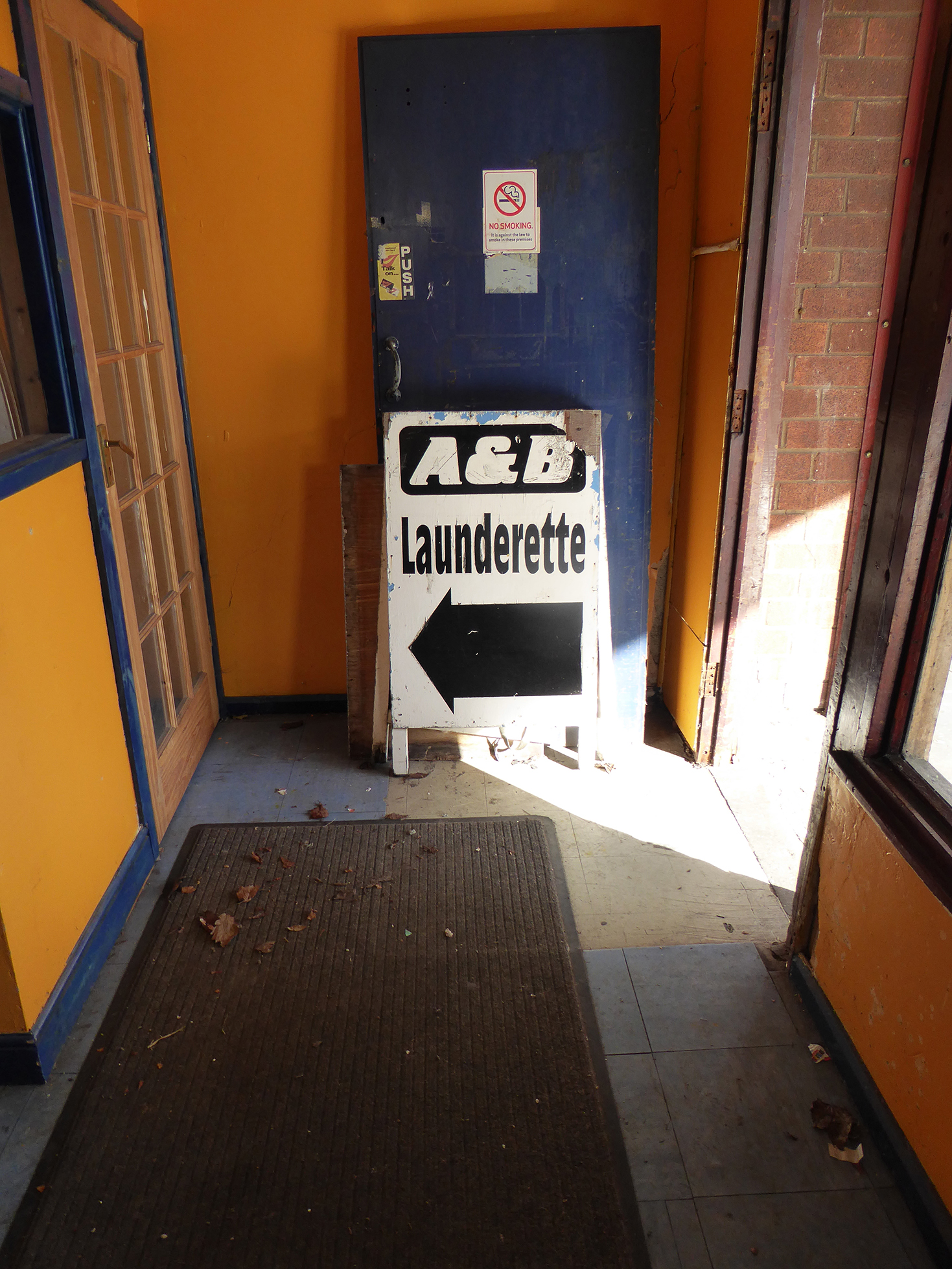
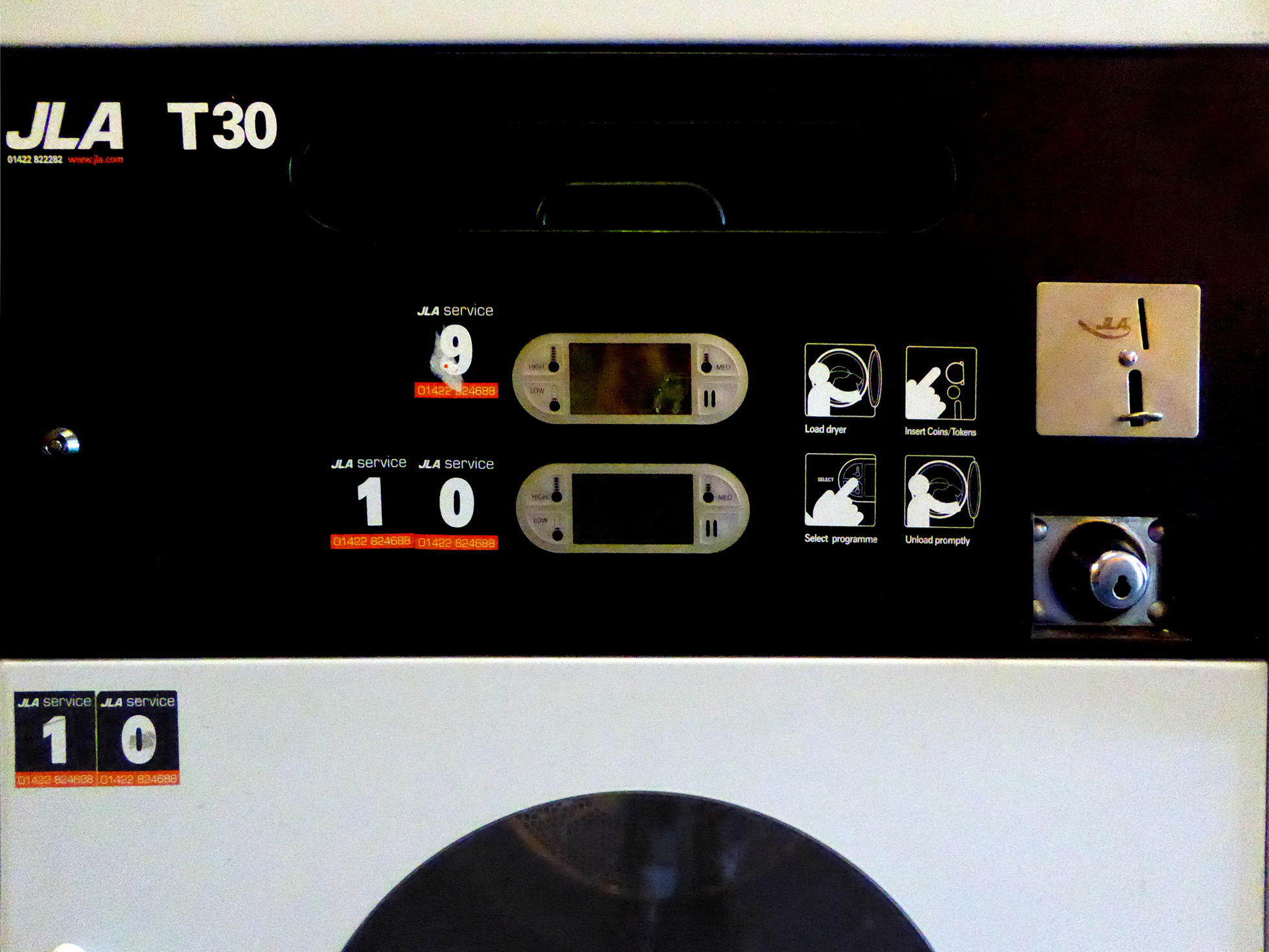
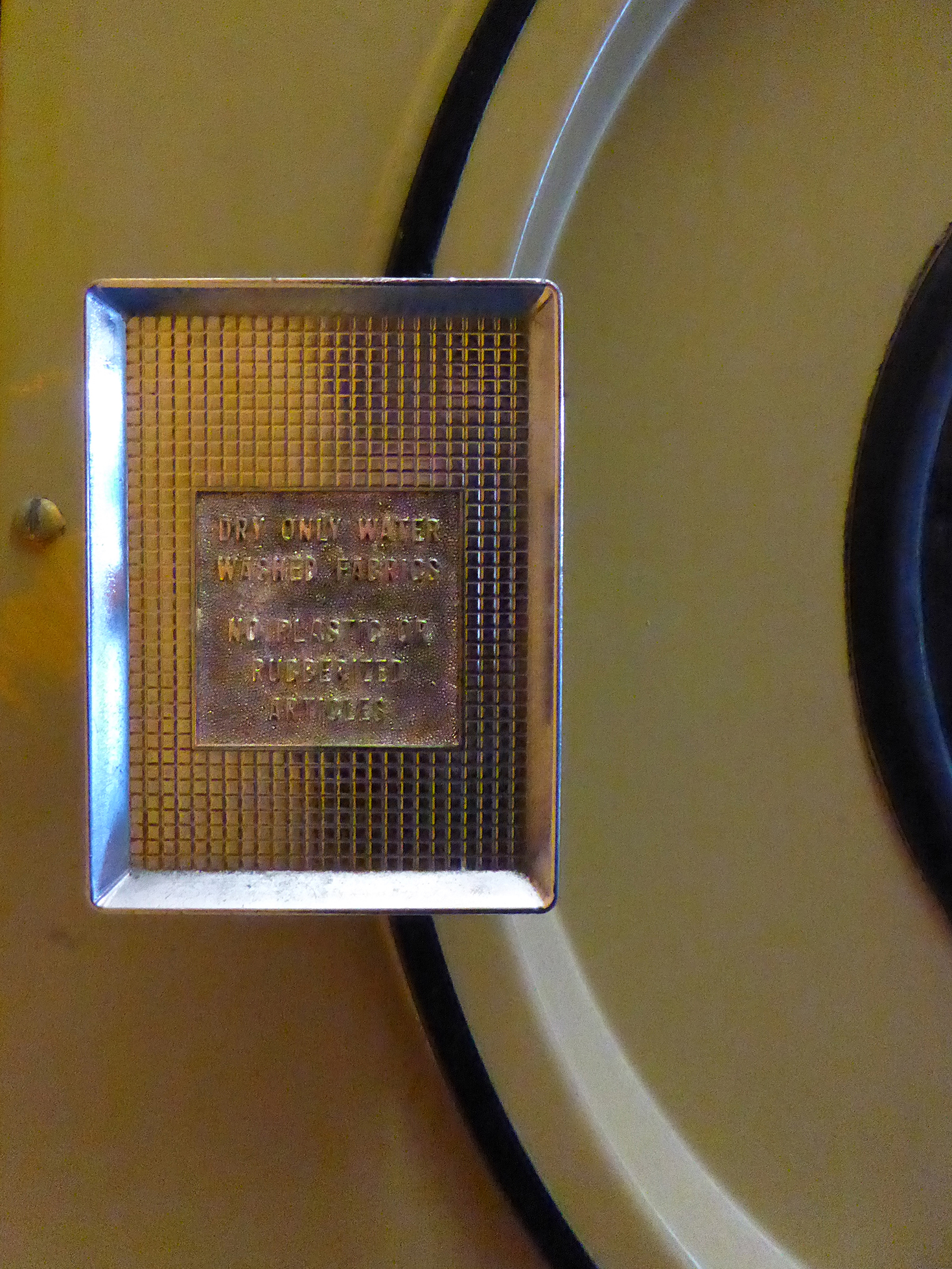
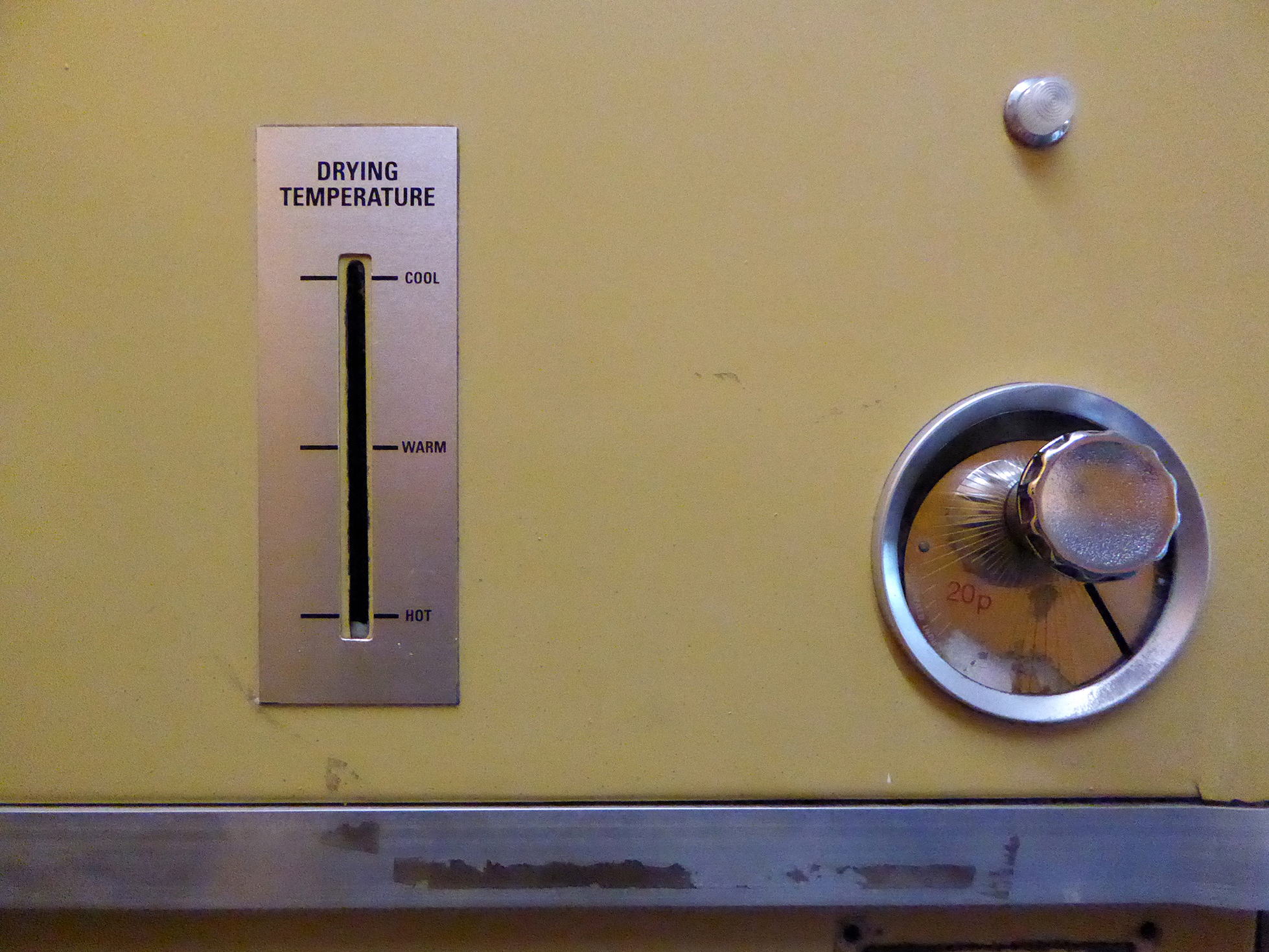
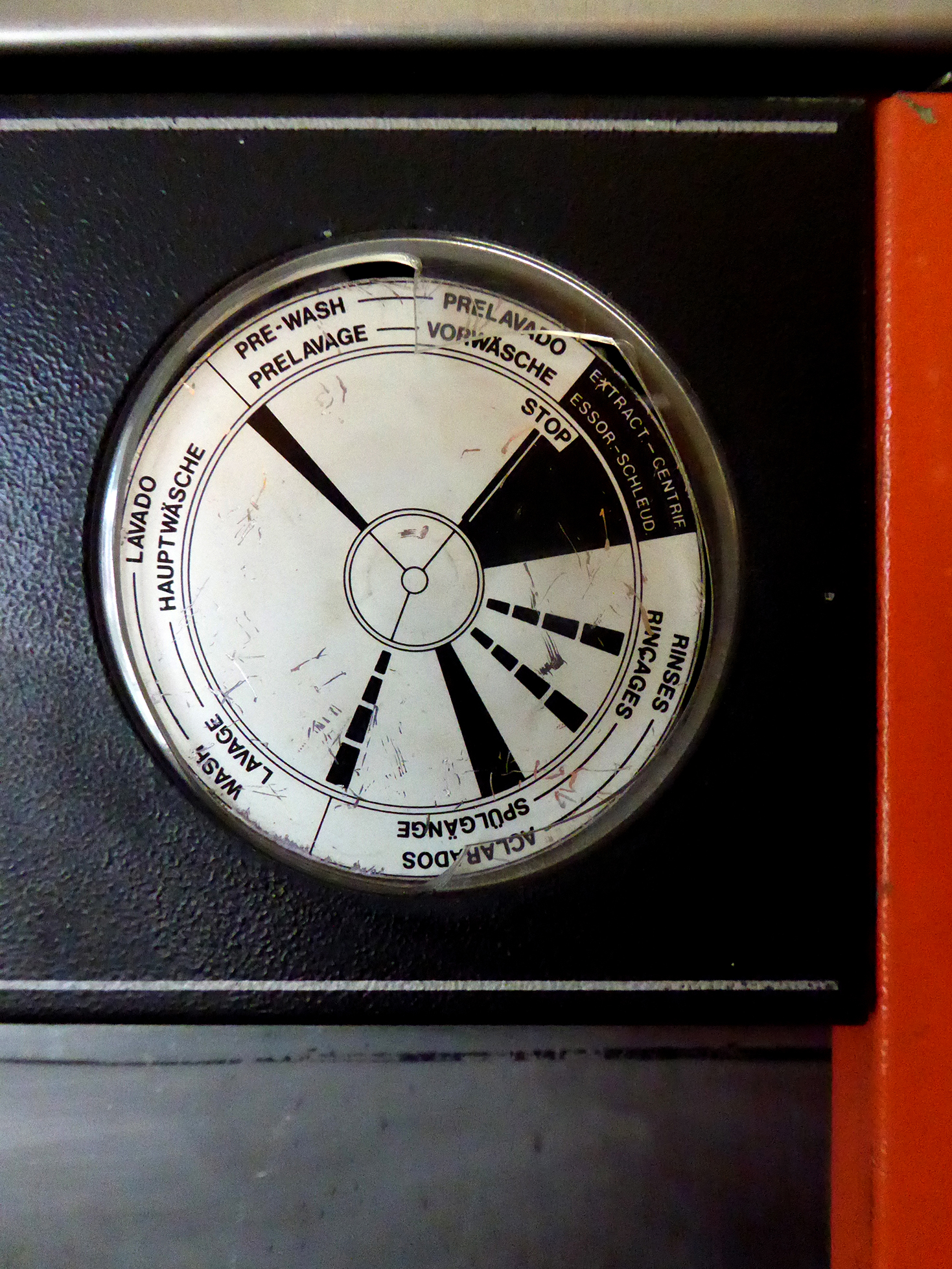
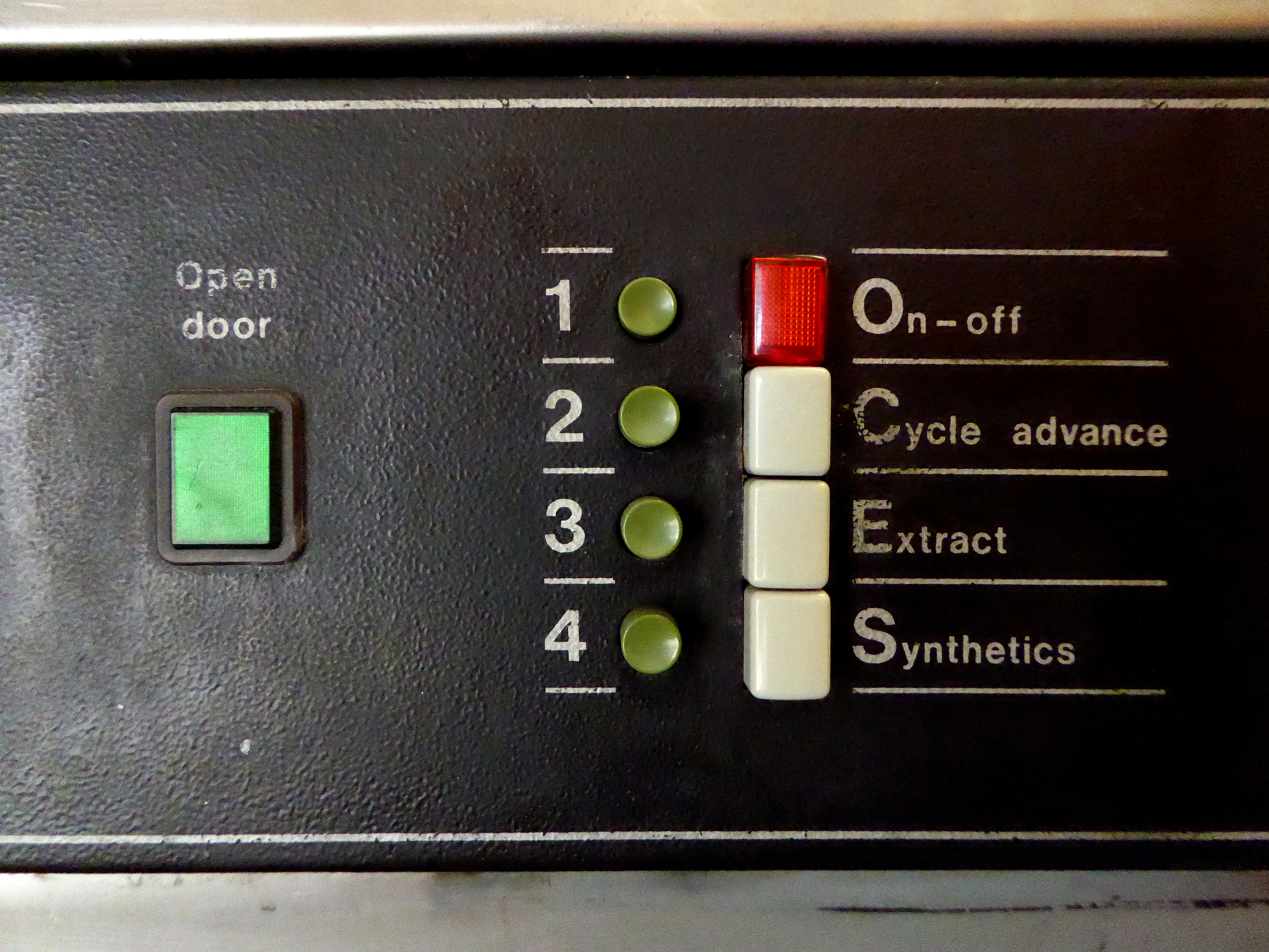
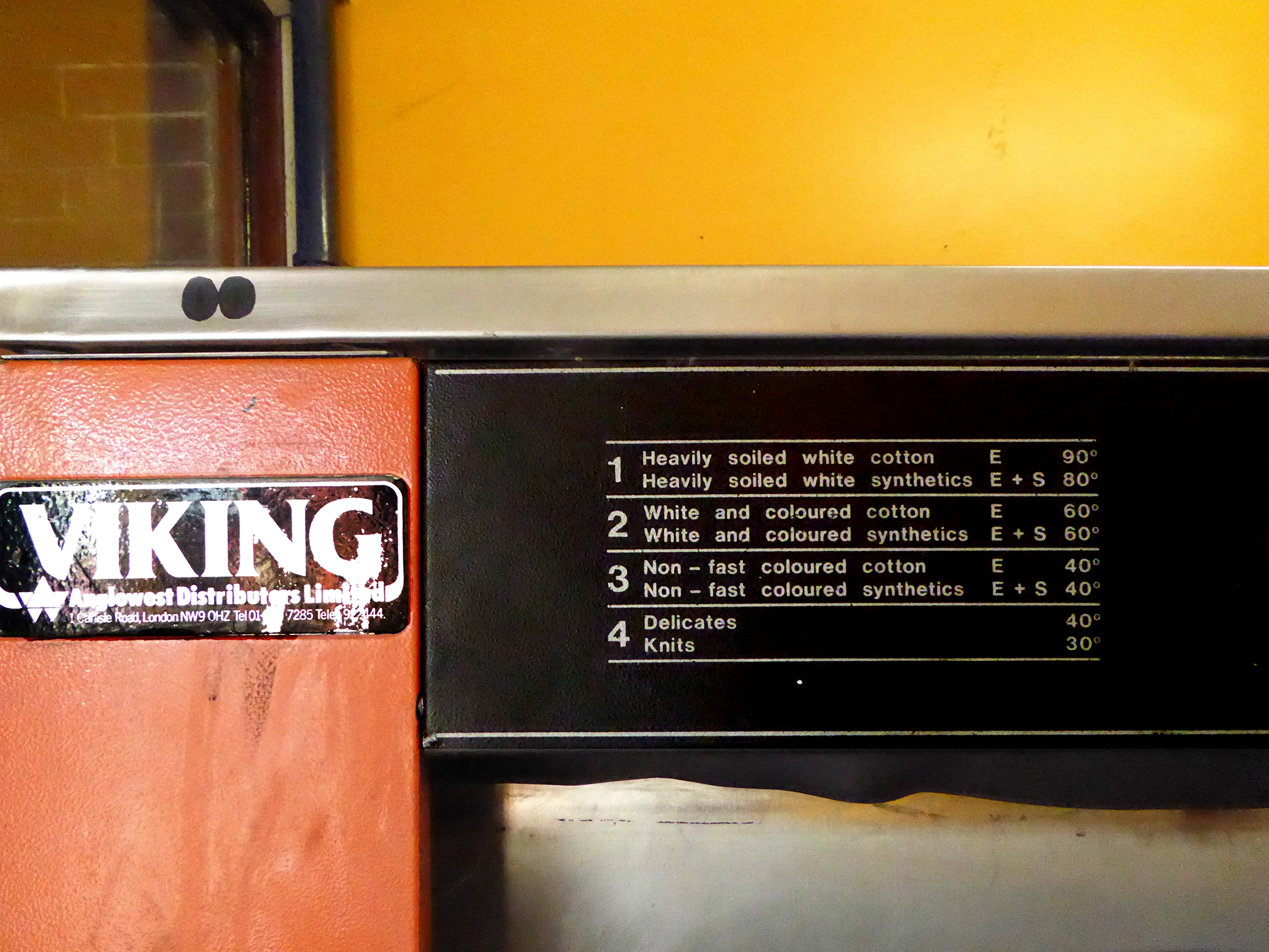
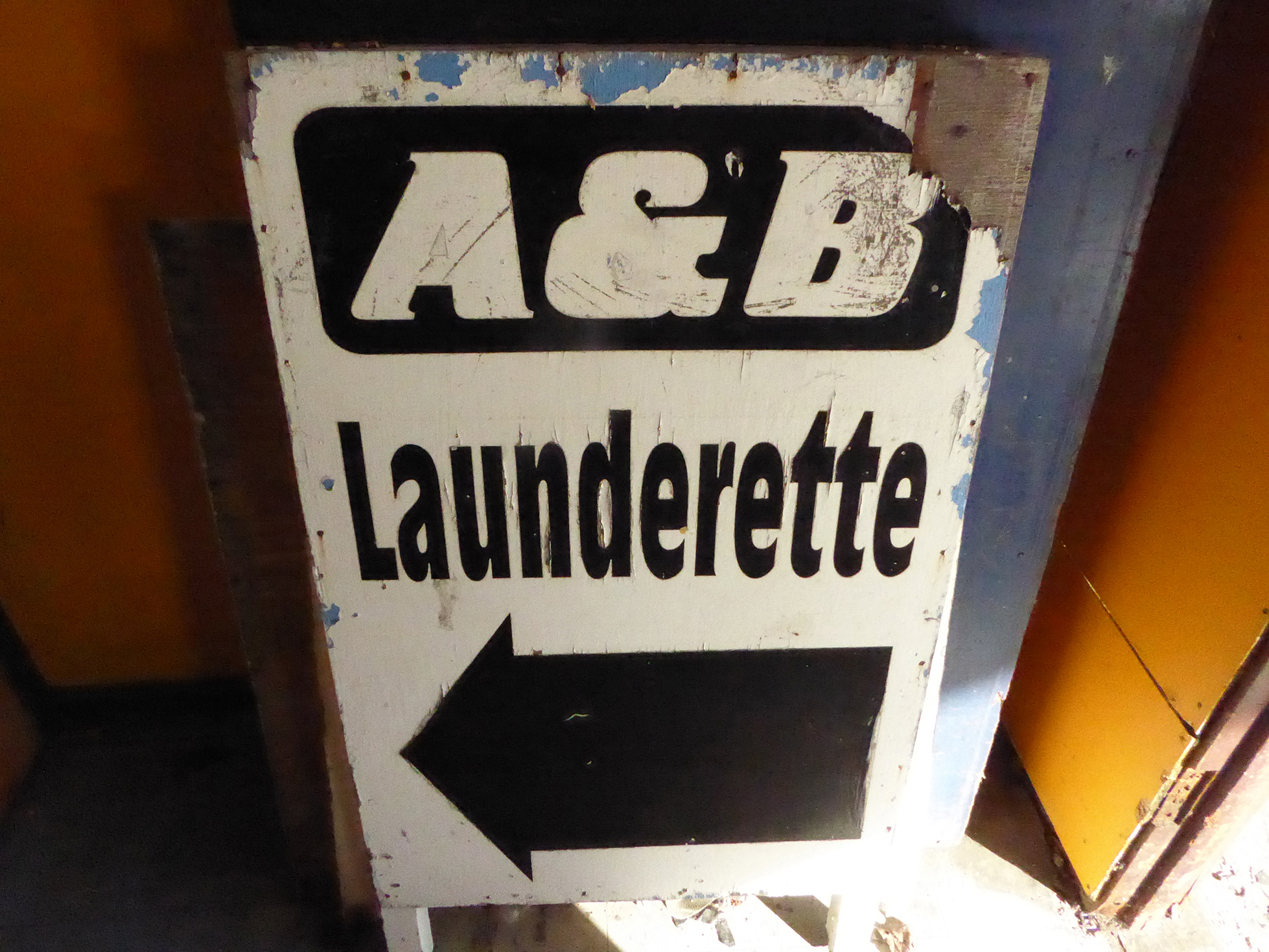
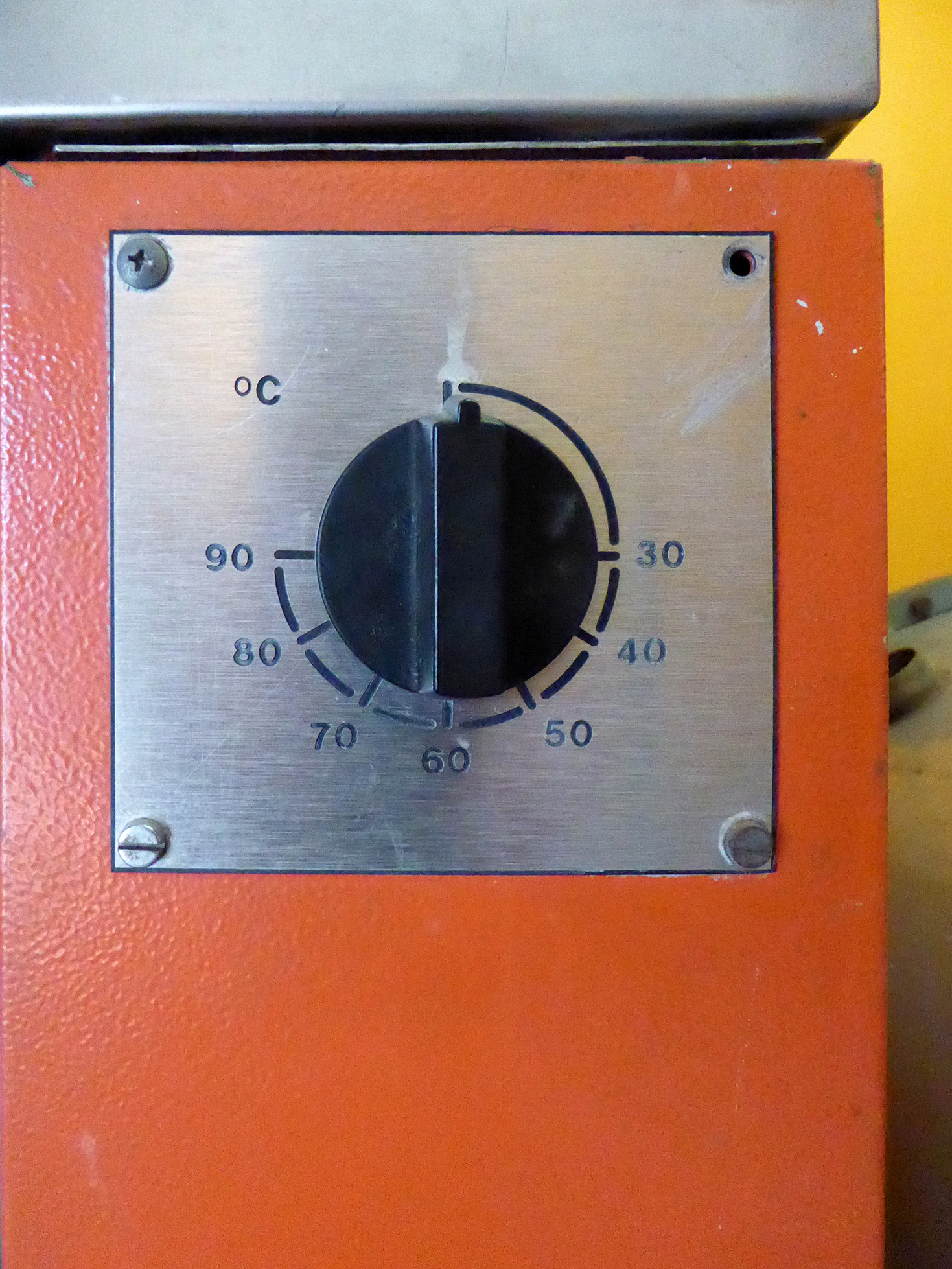
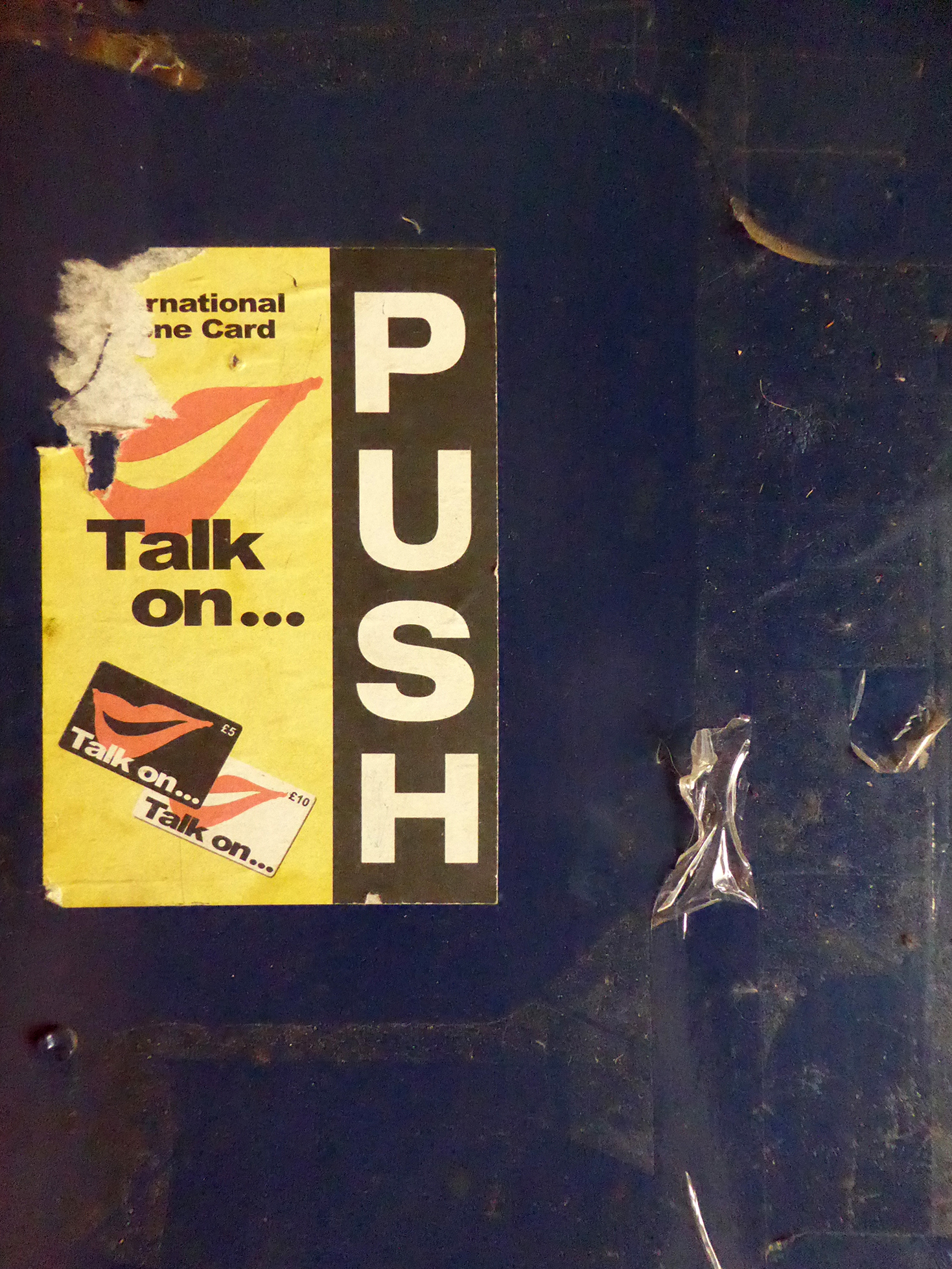
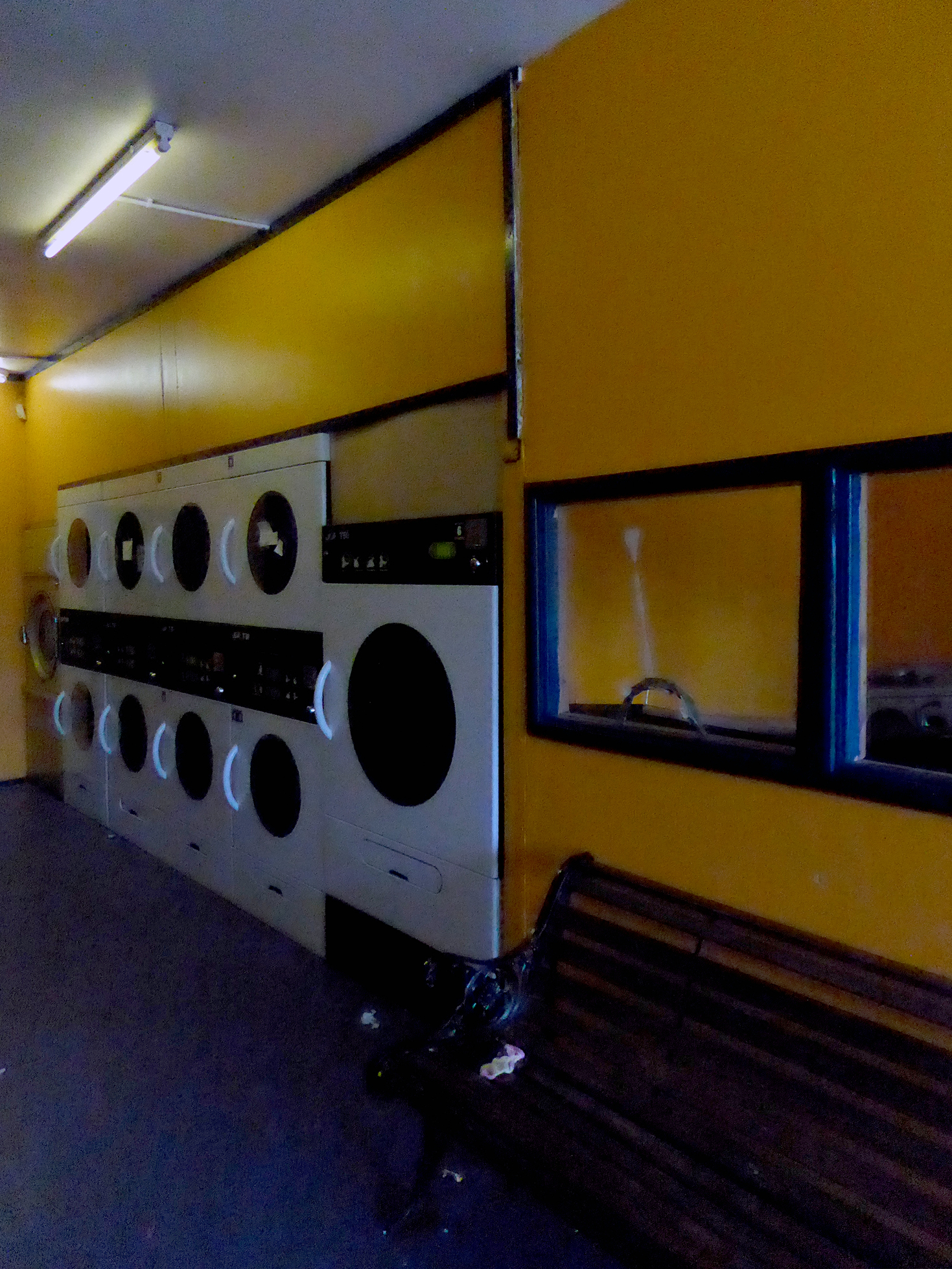
Well there was washing, I had inadvertently found the Best Laundrette.

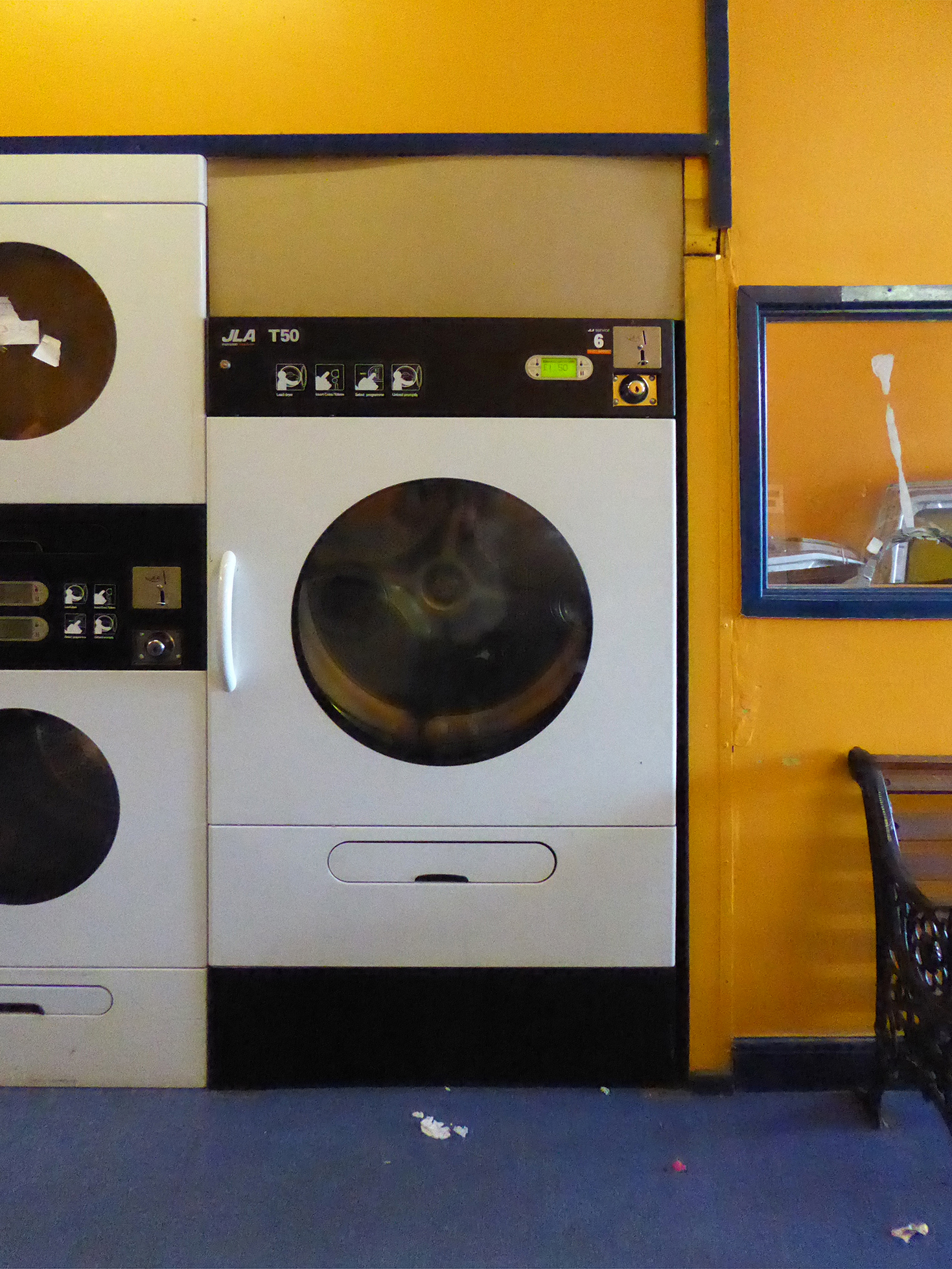
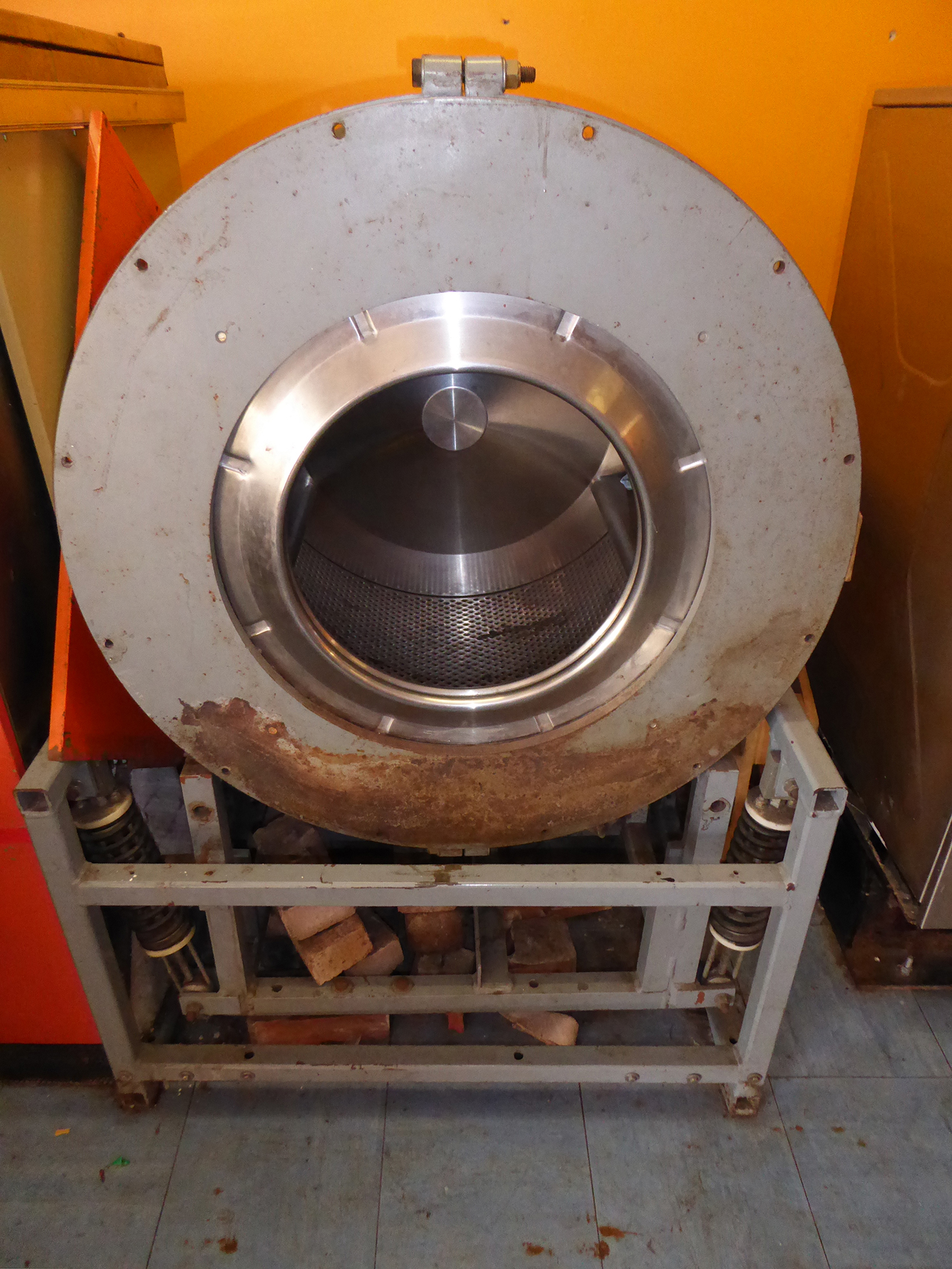
Unattended, seemingly unloved, washing spinning happily, unobserved.

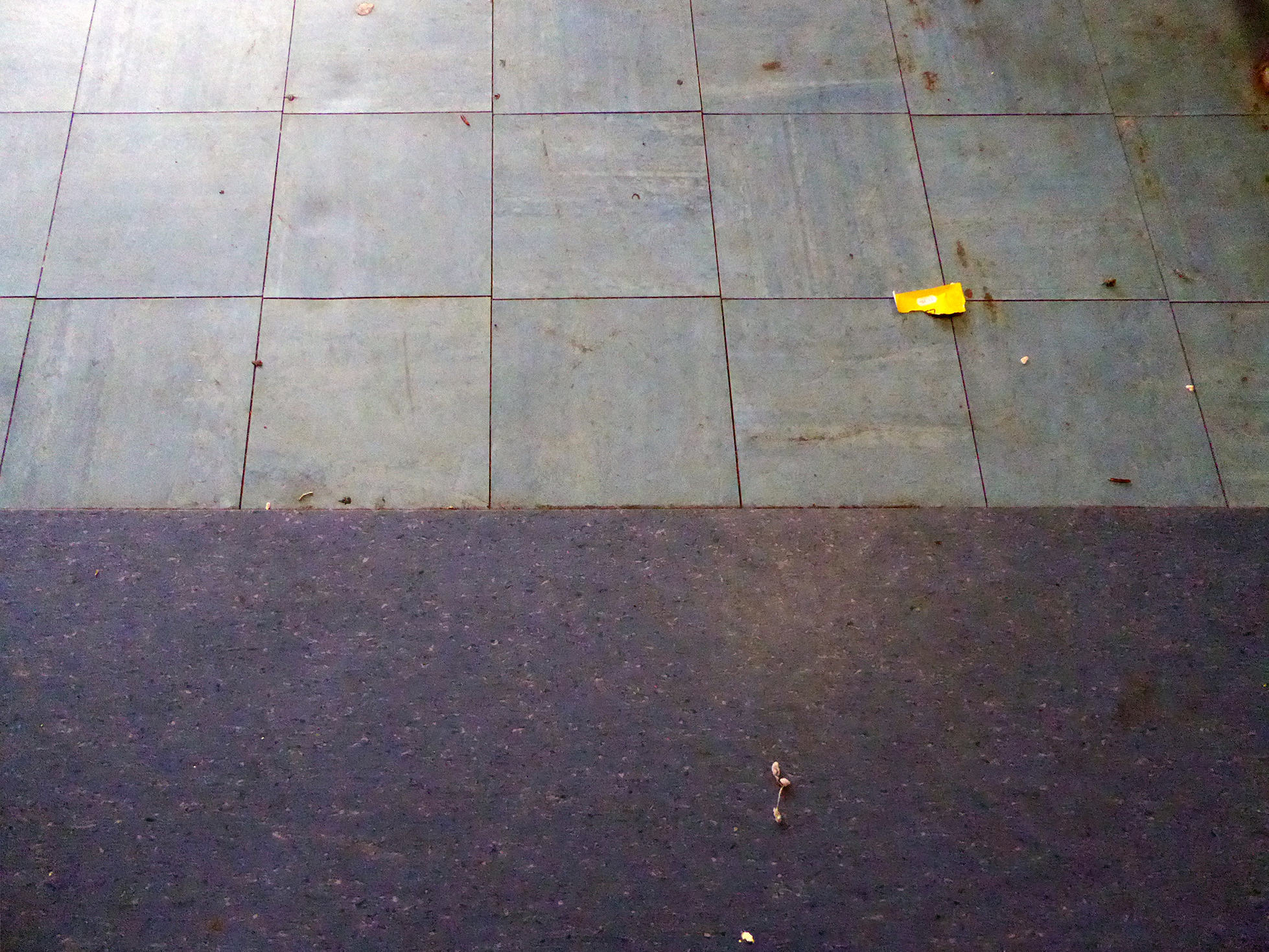
Guantanamo orange walls, stormy petrol blue sky linoleum floor.

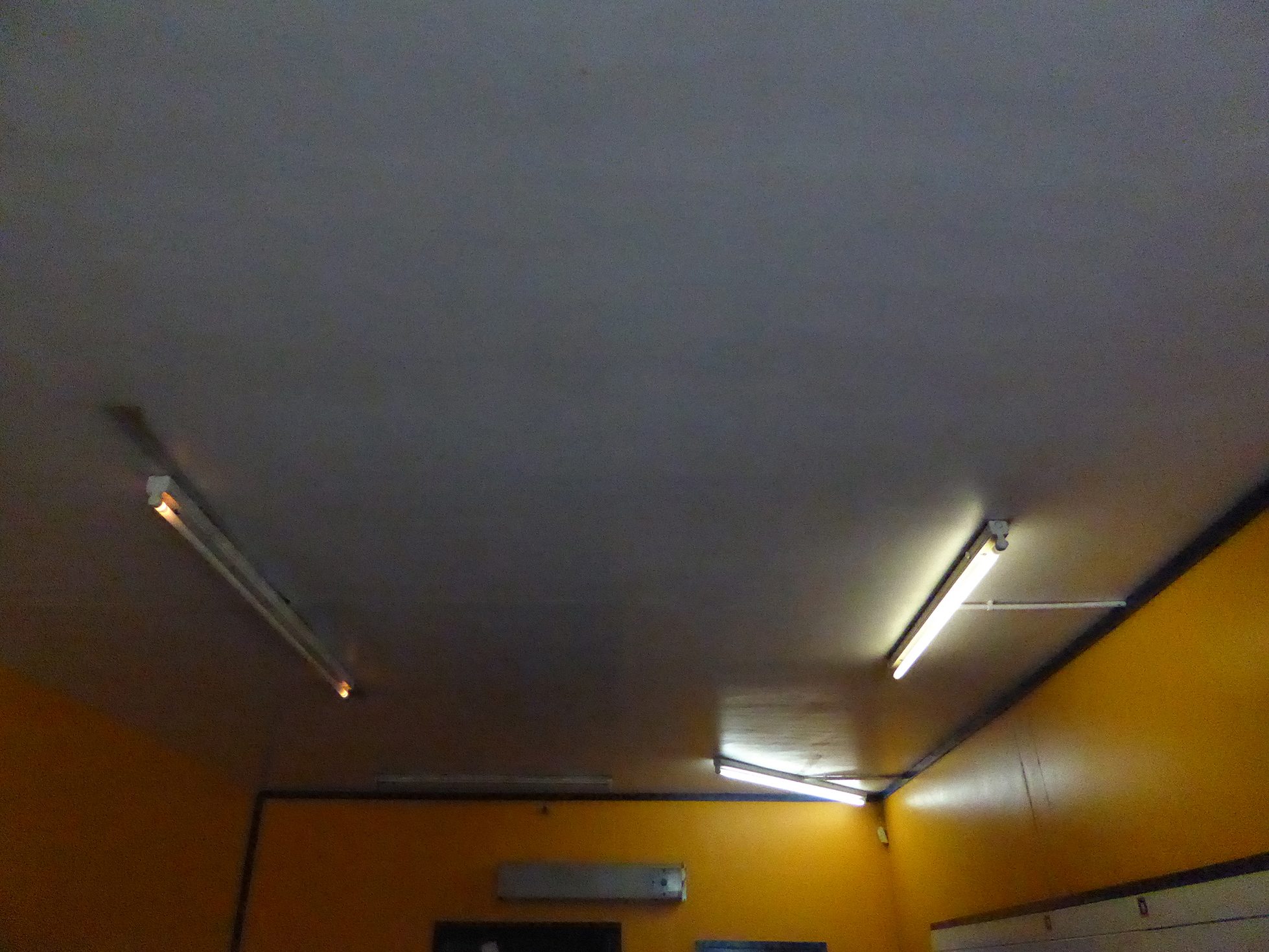
Lit by several stark, bare fluorescent tubes.

I quickly went about my business, made my excuses to myself and left.


P1000922 copy

P1000928 copy

P1000920 copy

P1000924 copy

P1000937 copy

P1000935 copy

P1000931 copy

P1000932 copy

P1000927 copy

P1000918 copy

P1000930 copy

P1000919 copy

P1000917 copy

P1000943 copy

P1000921 copy

P1000942 copy

P1000923 copy

P1000936 copy

P1000934 copy

P1000939 copy

P1000933 copy

P1000952 copy

P1000949 copy

P1000948 copy

P1000945 copy

P1000962 copy

P1000957 copy

P1000944 copy

P1000950 copy

P1000959 copy

P1000954 copy

P1000958 copy

P1000961 copy

P1000938 copy

P1000947 copy

P1000946 copy


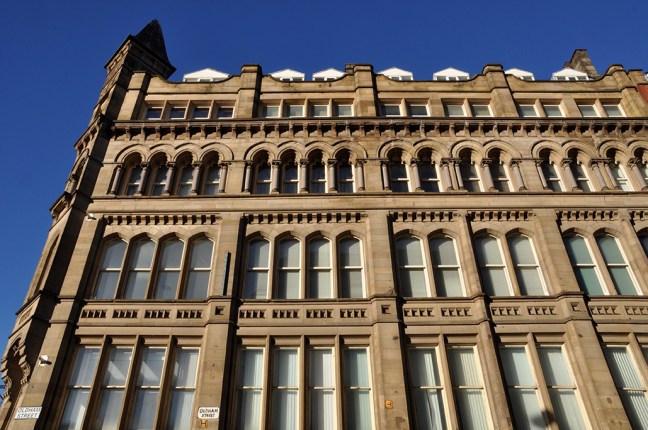
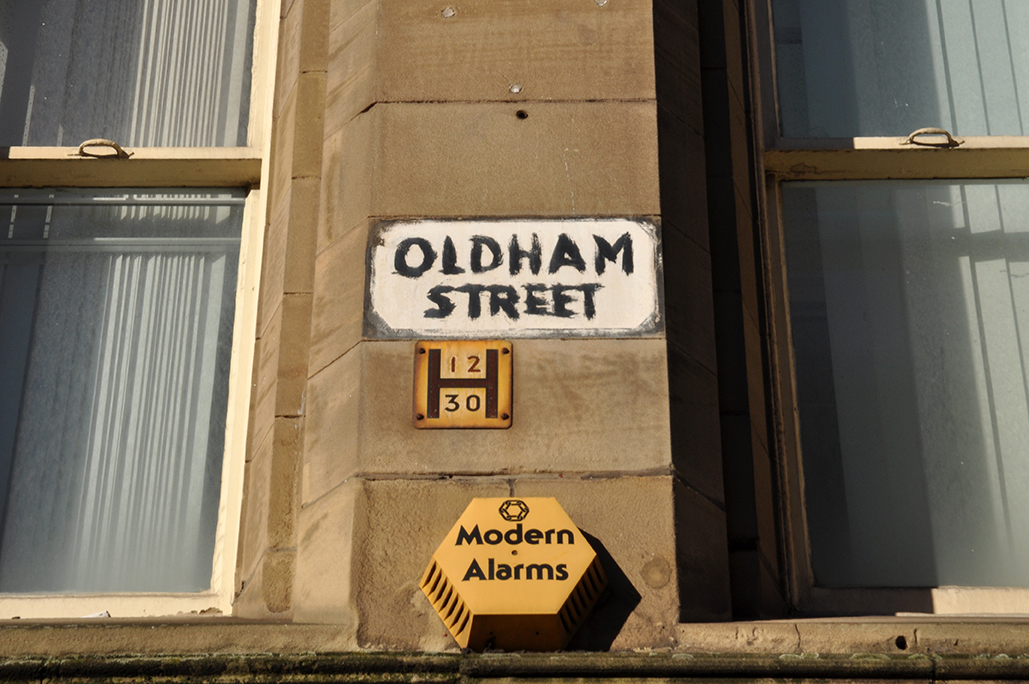
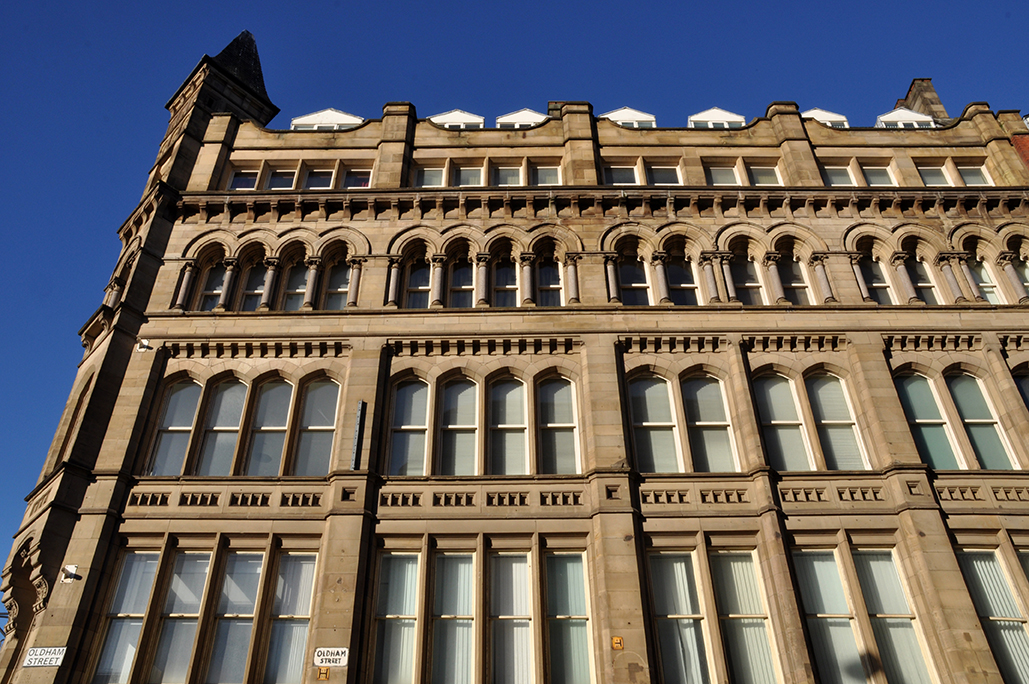
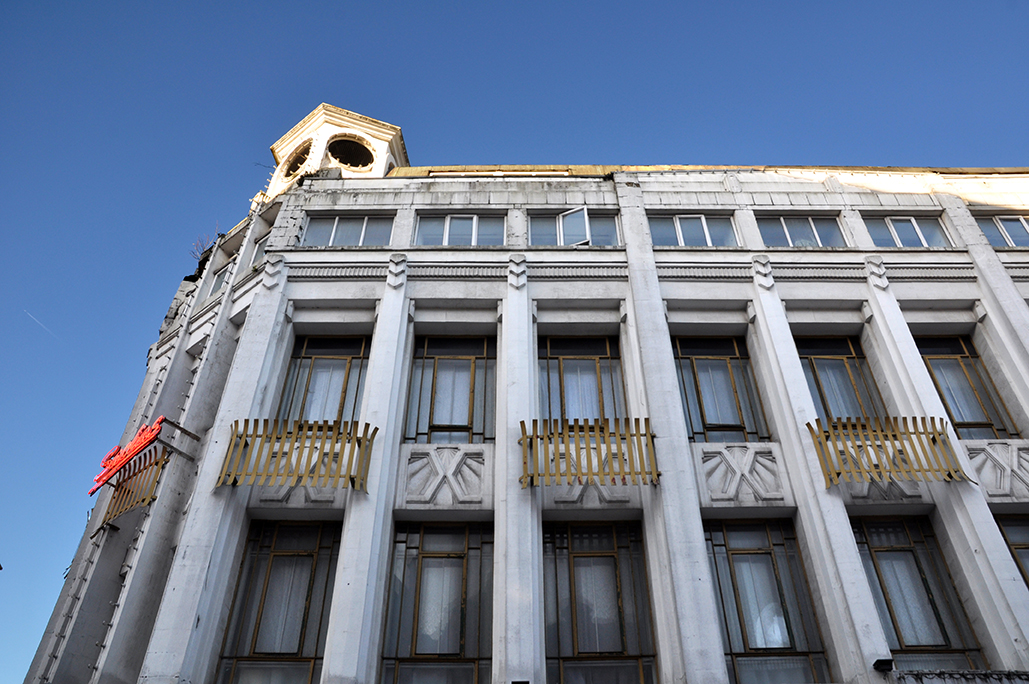
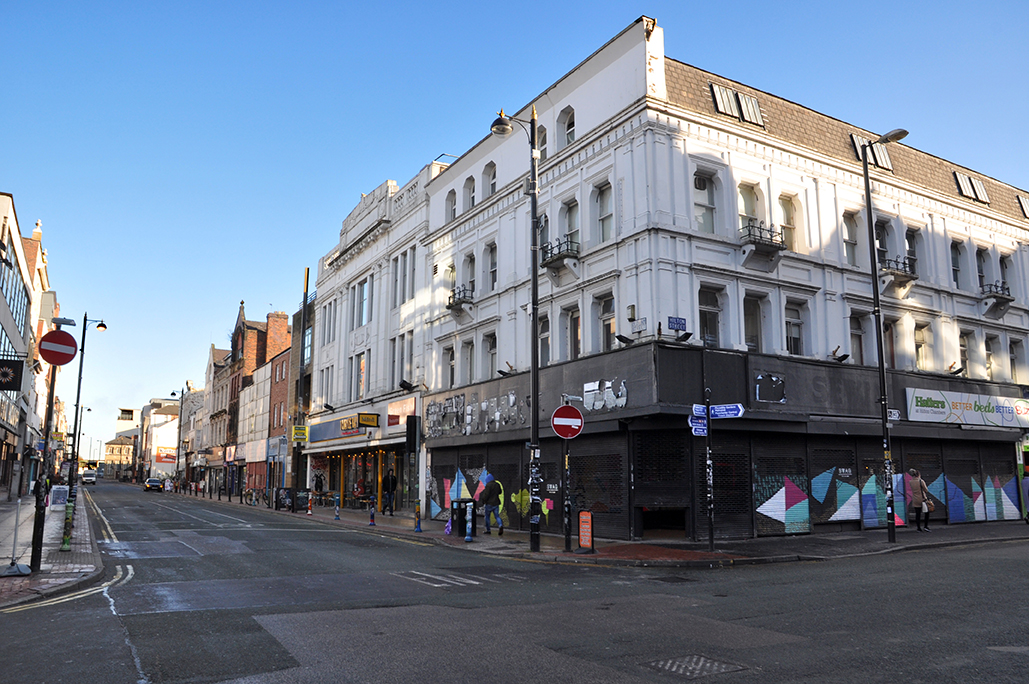
Oldham Street – Manchester 2016

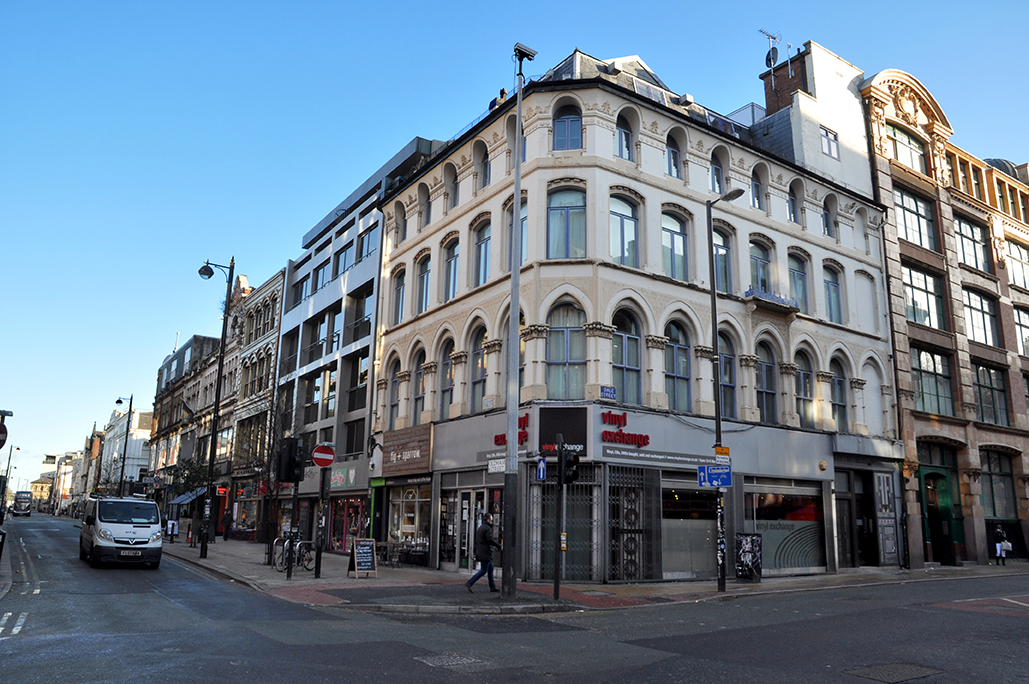
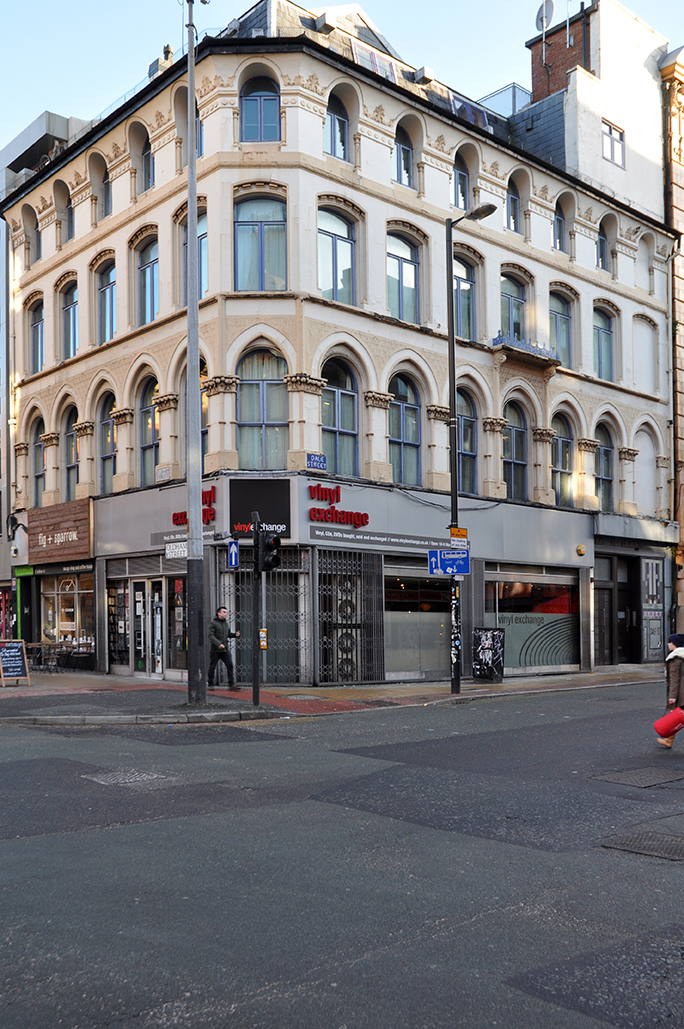
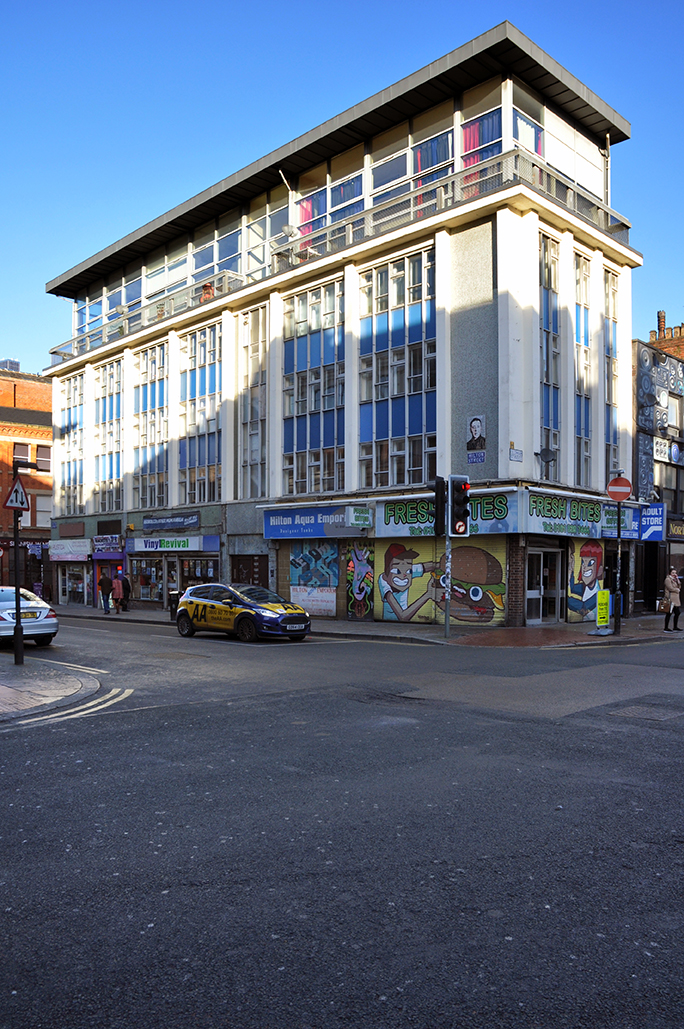
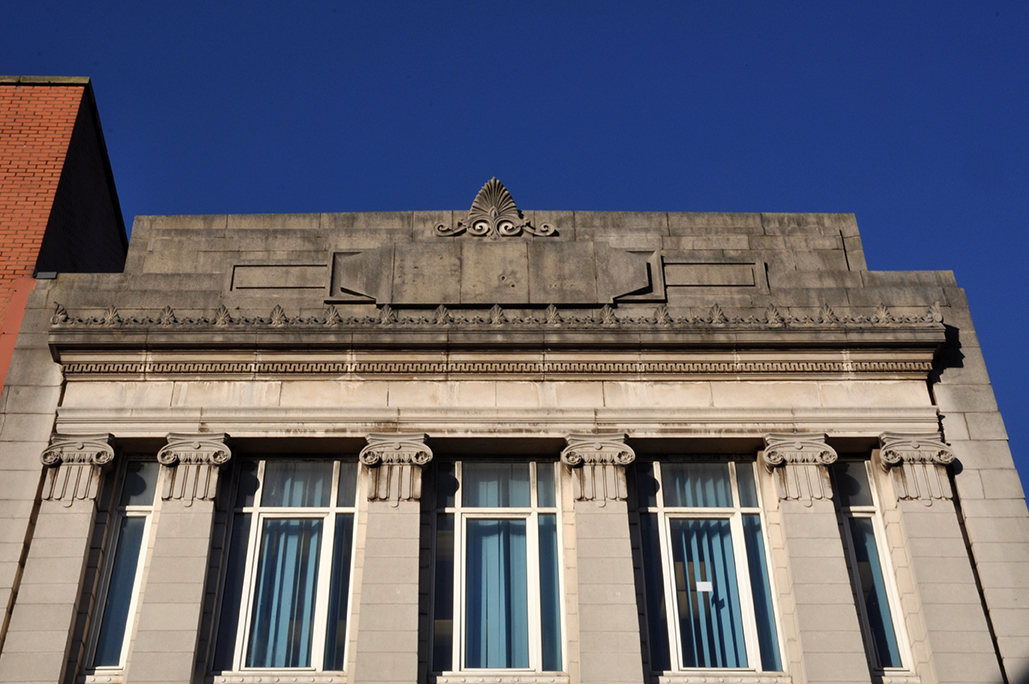
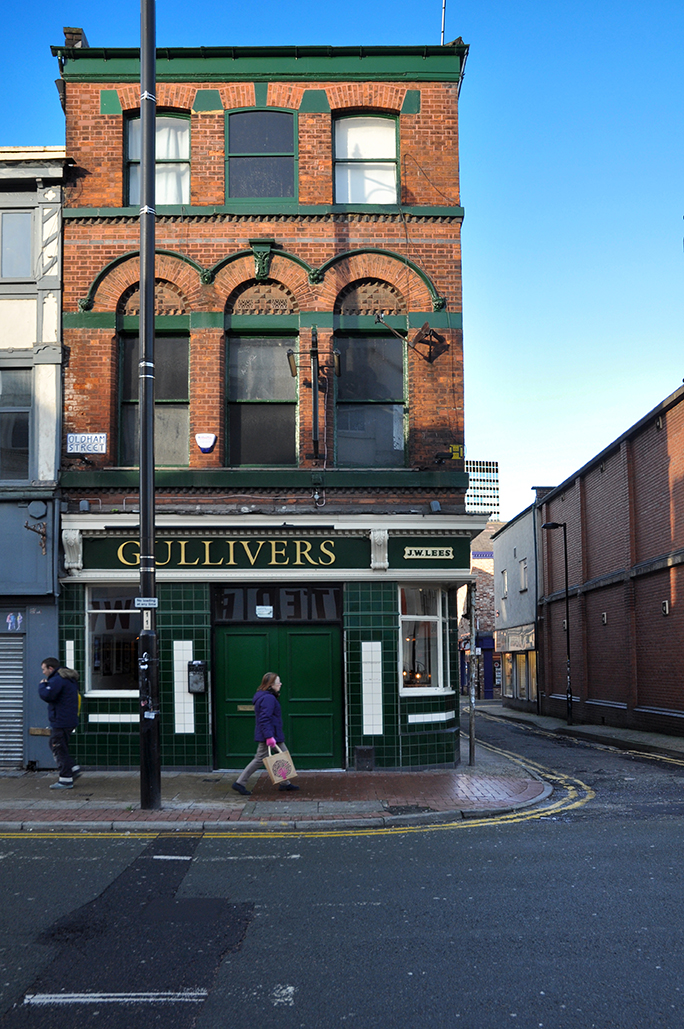
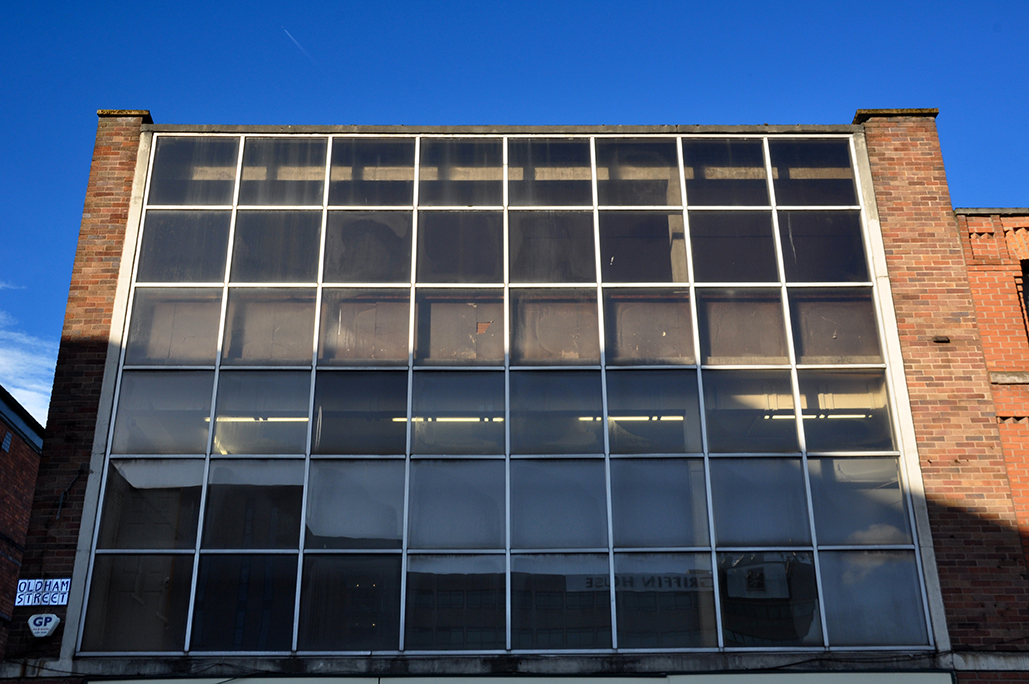
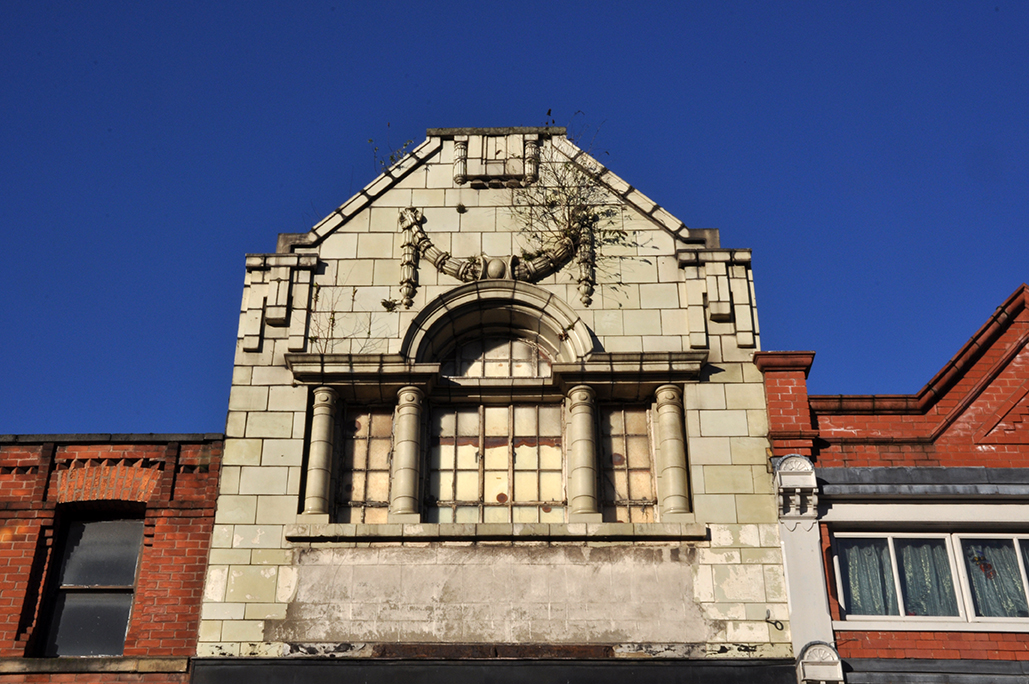
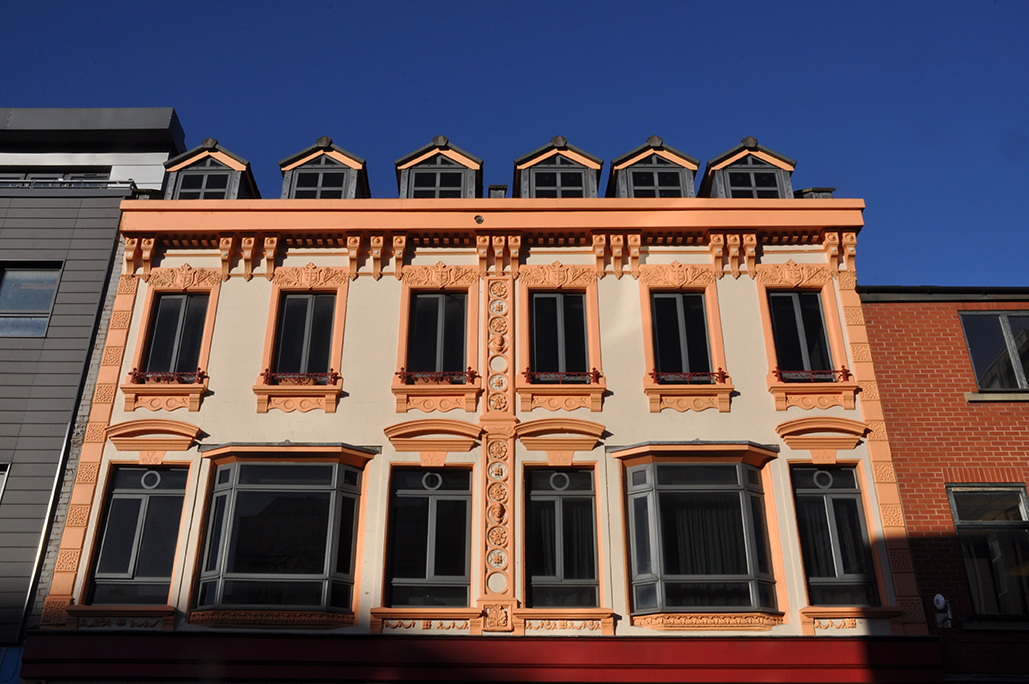
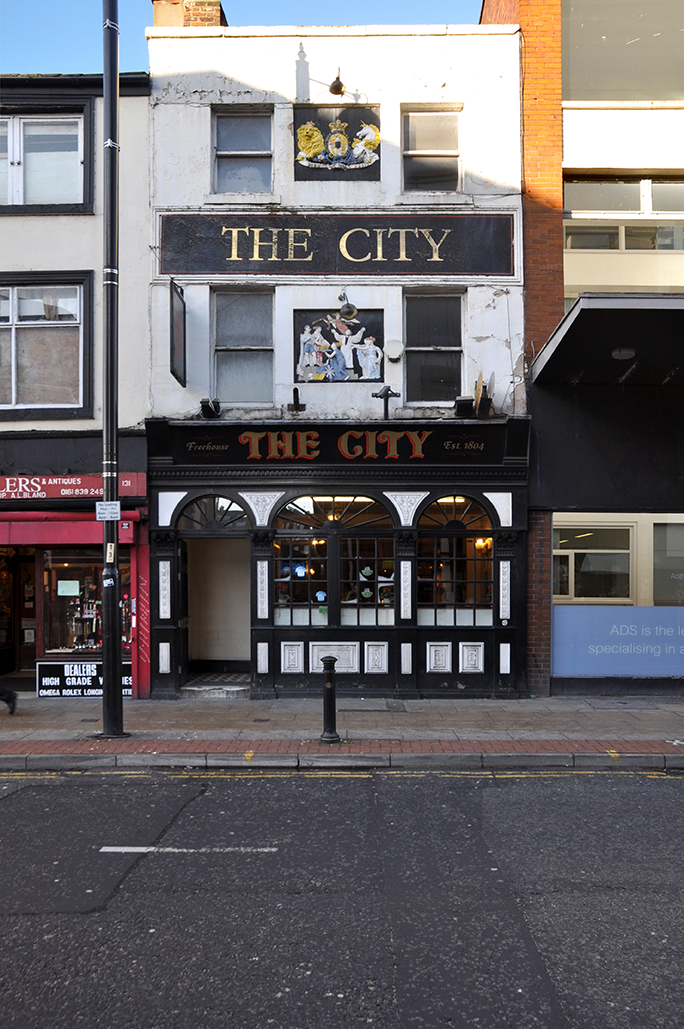
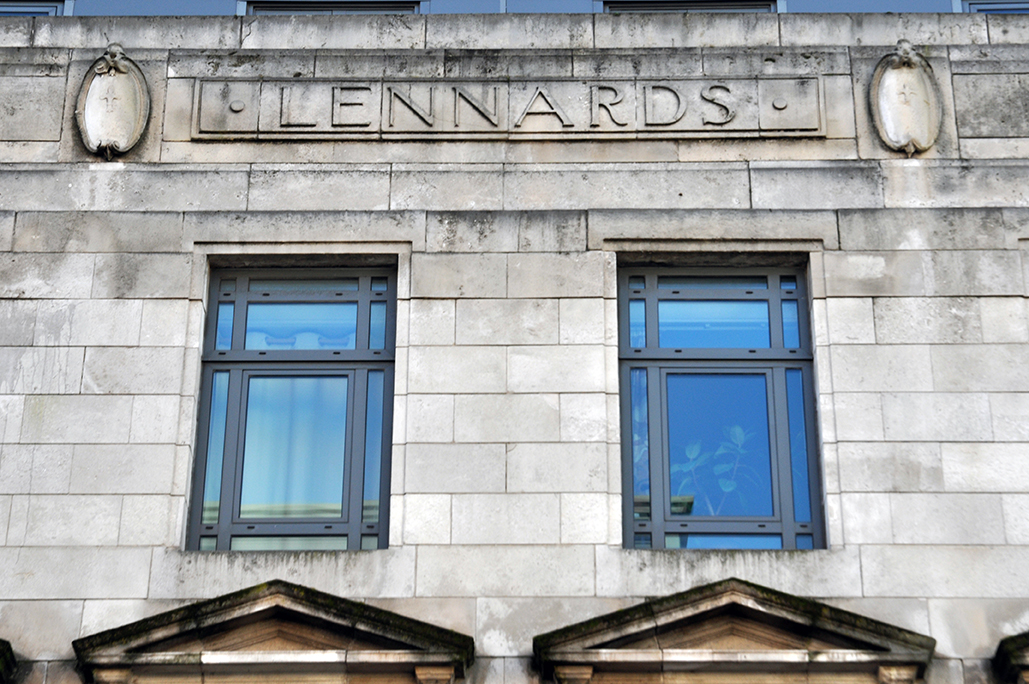
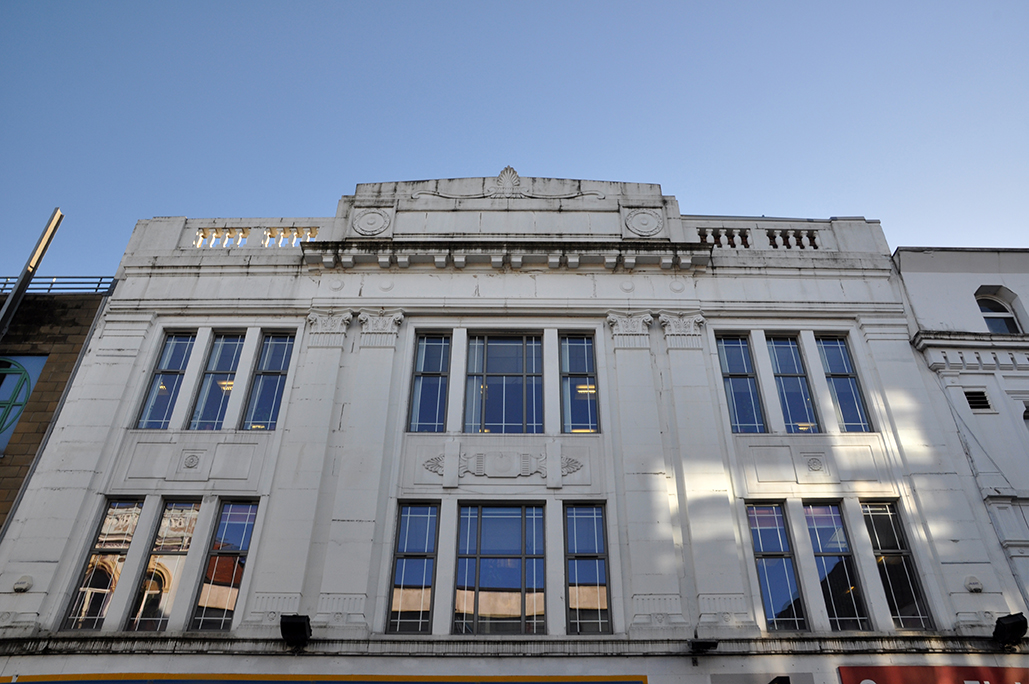
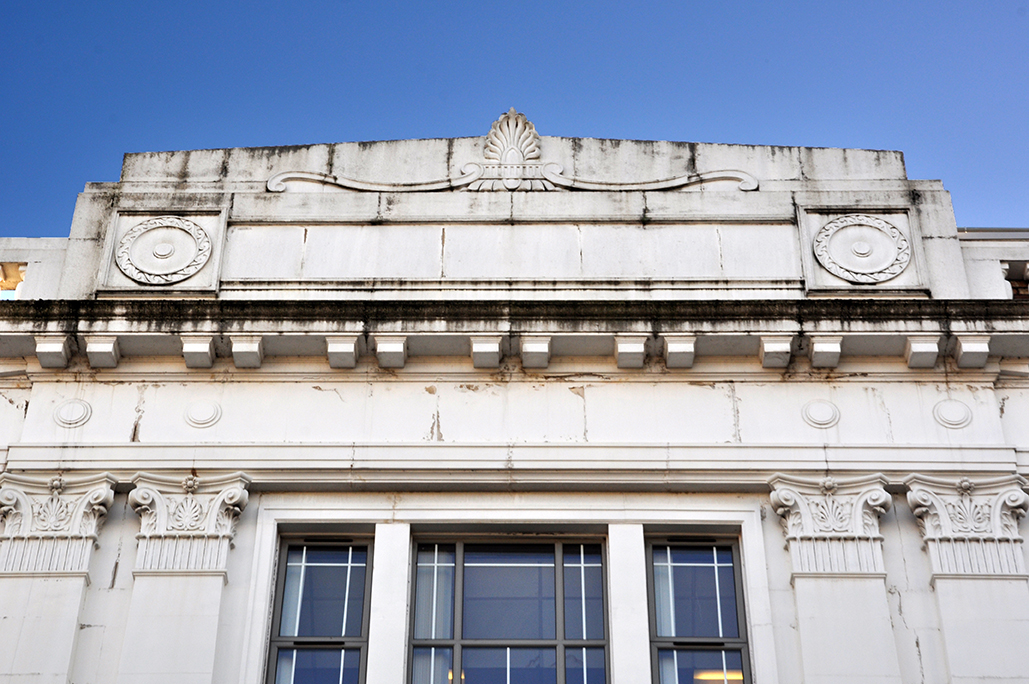
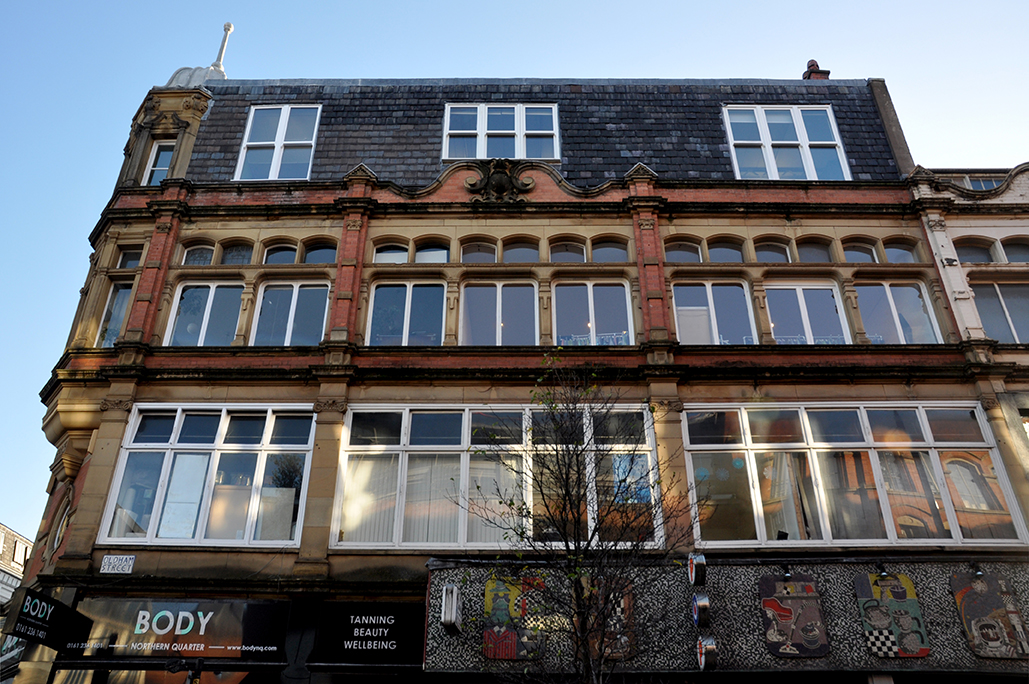
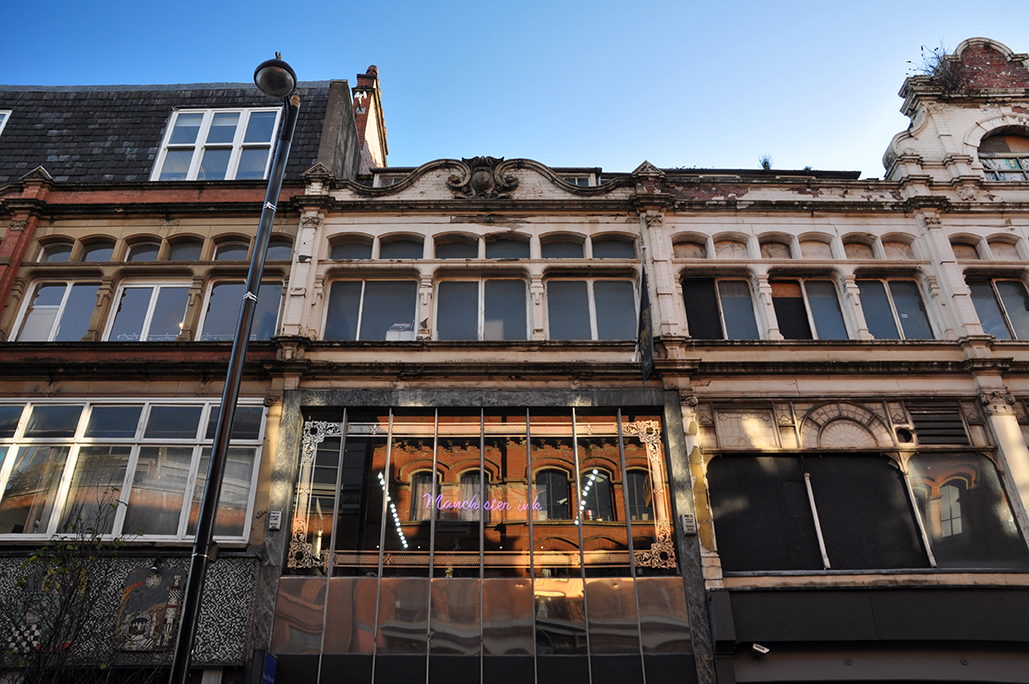
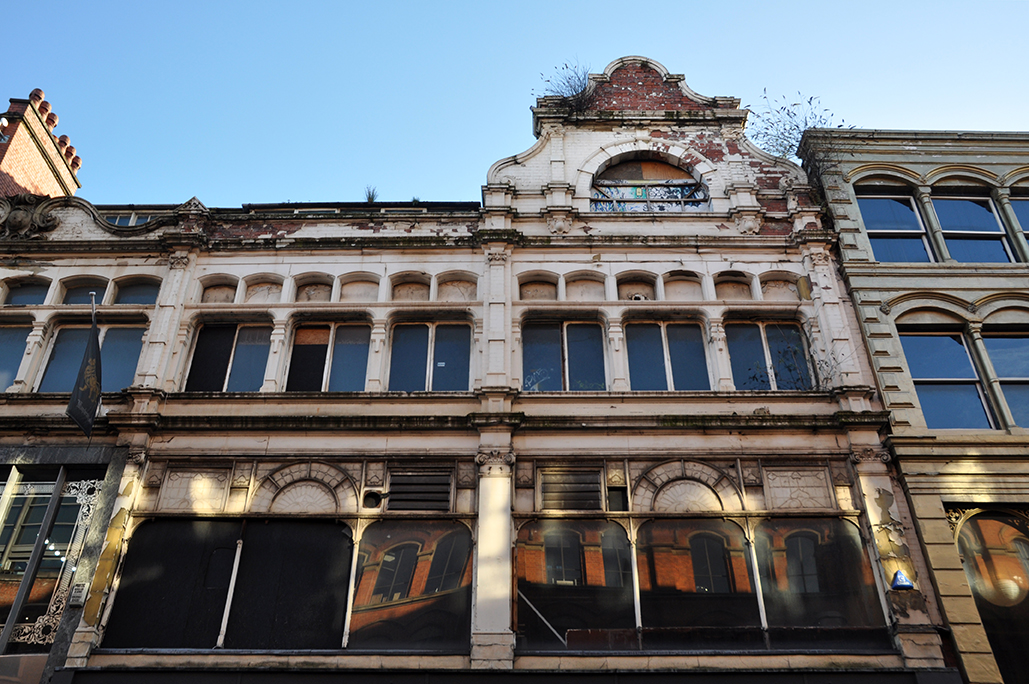
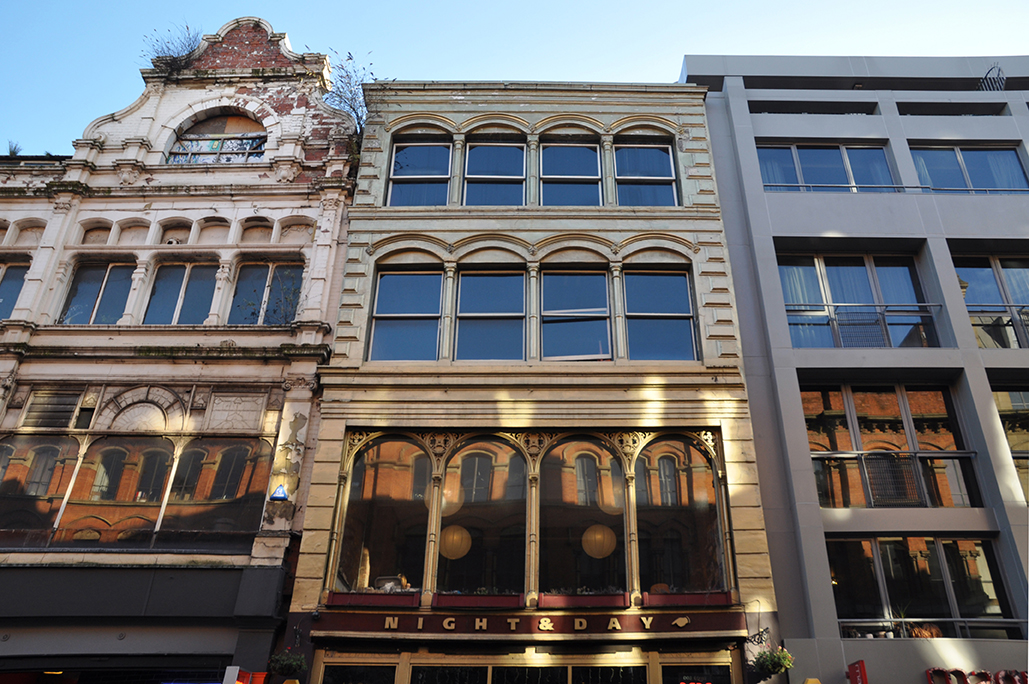
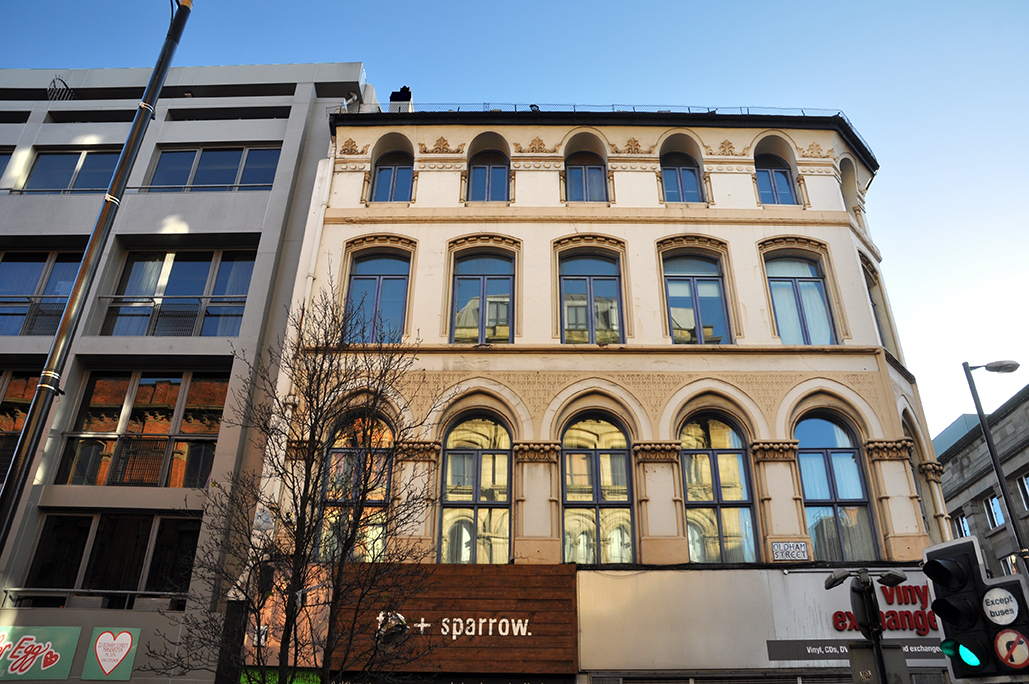
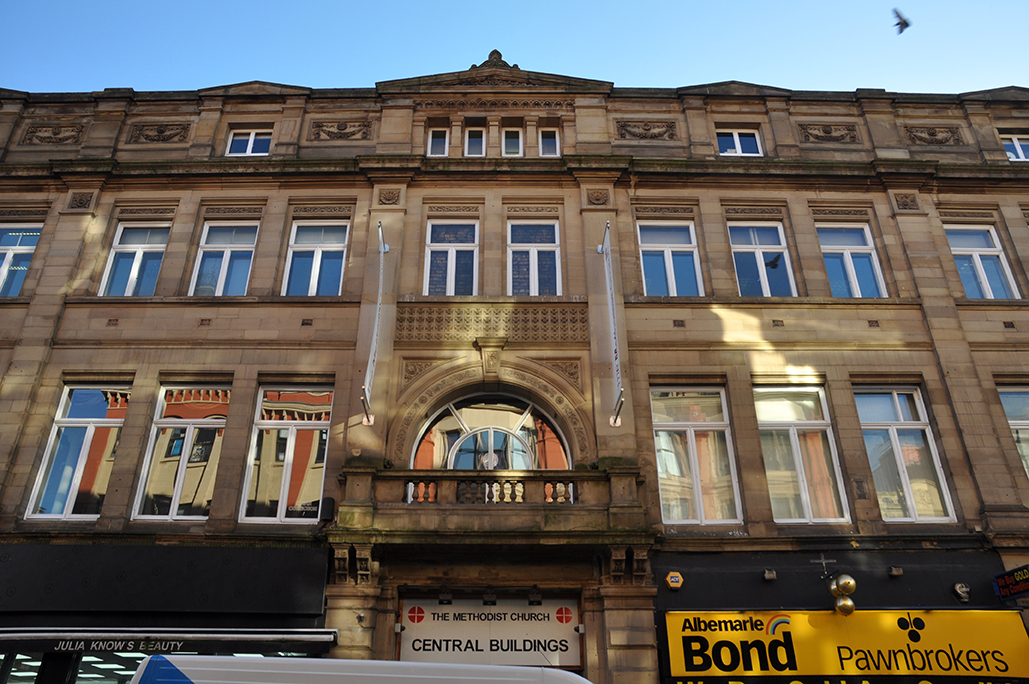
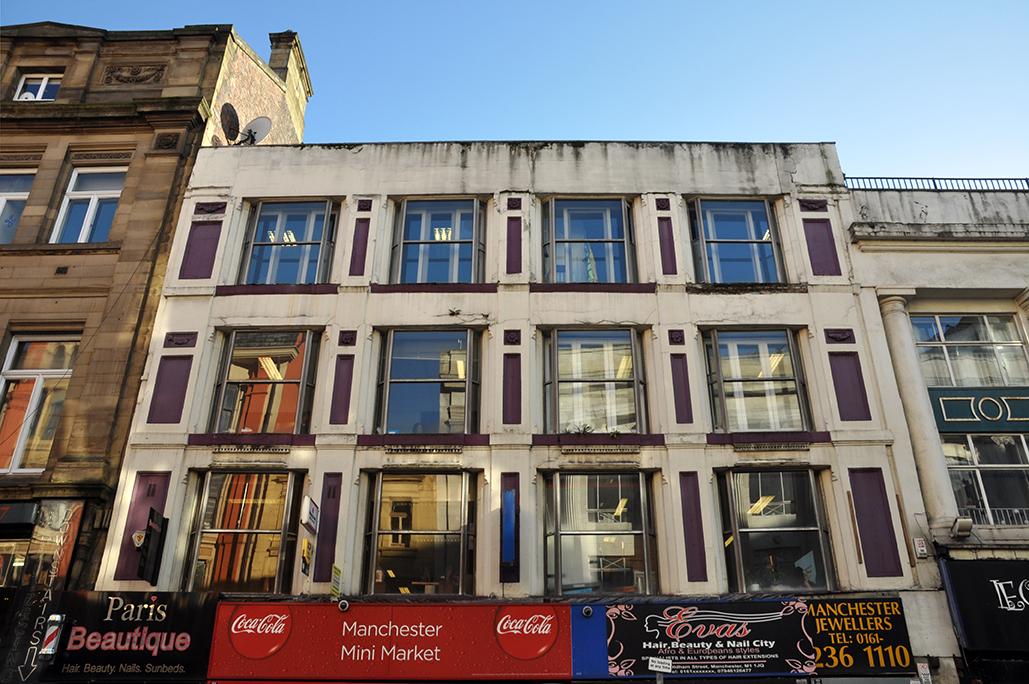
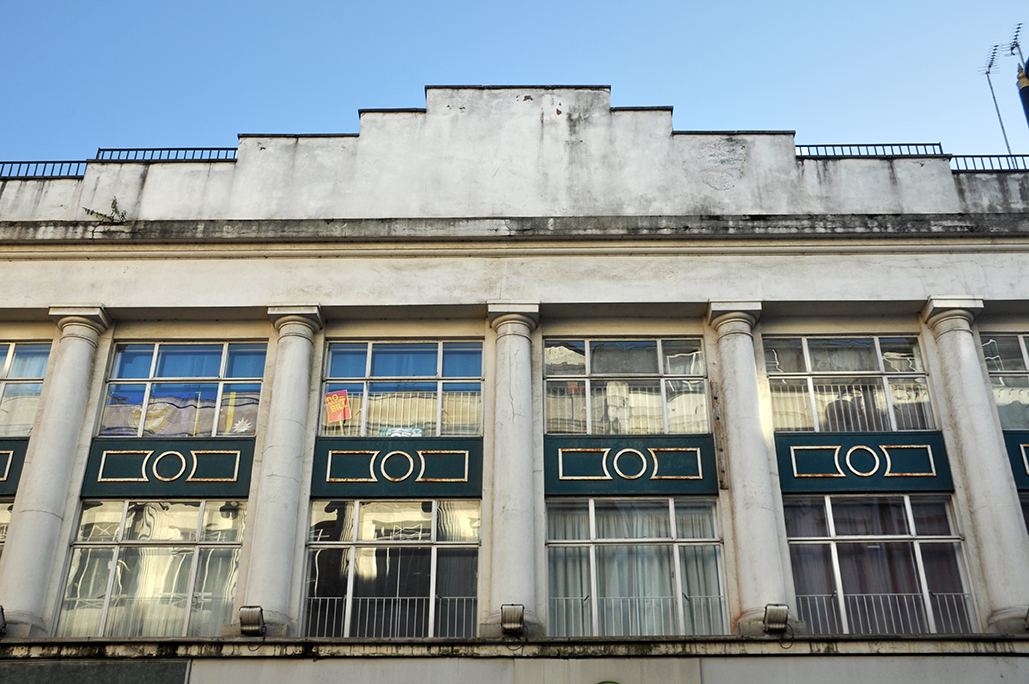
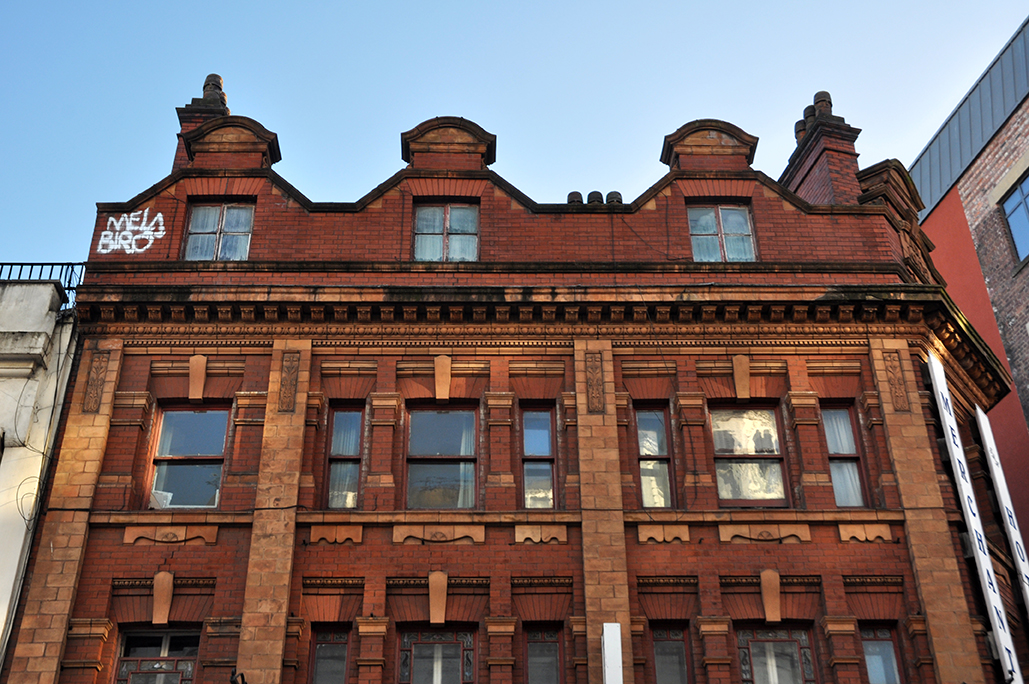
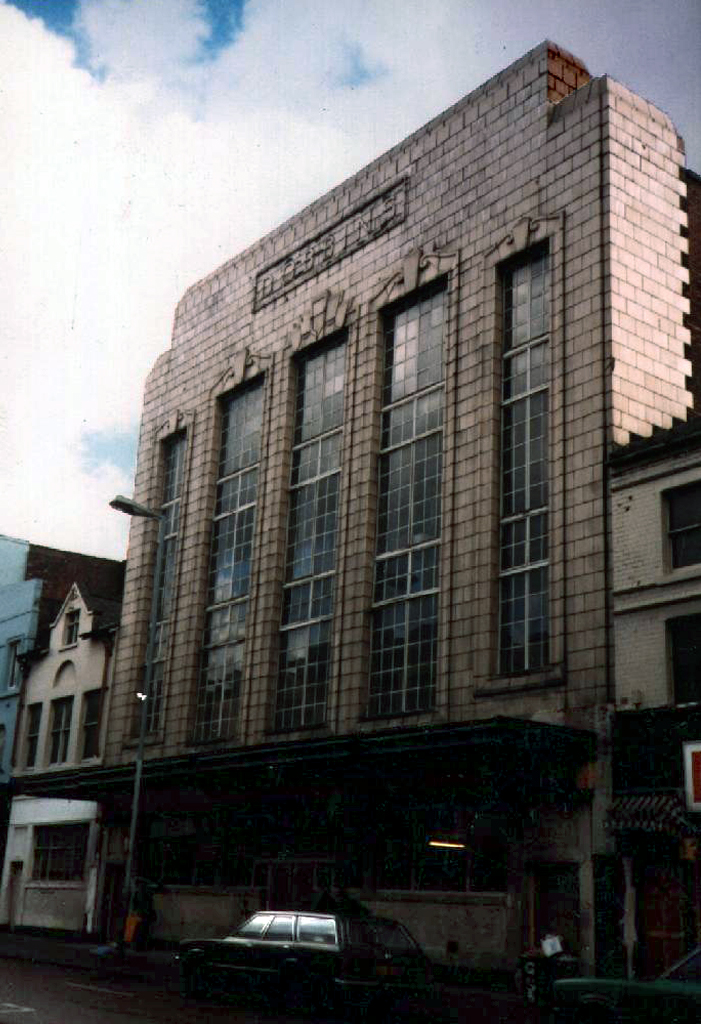
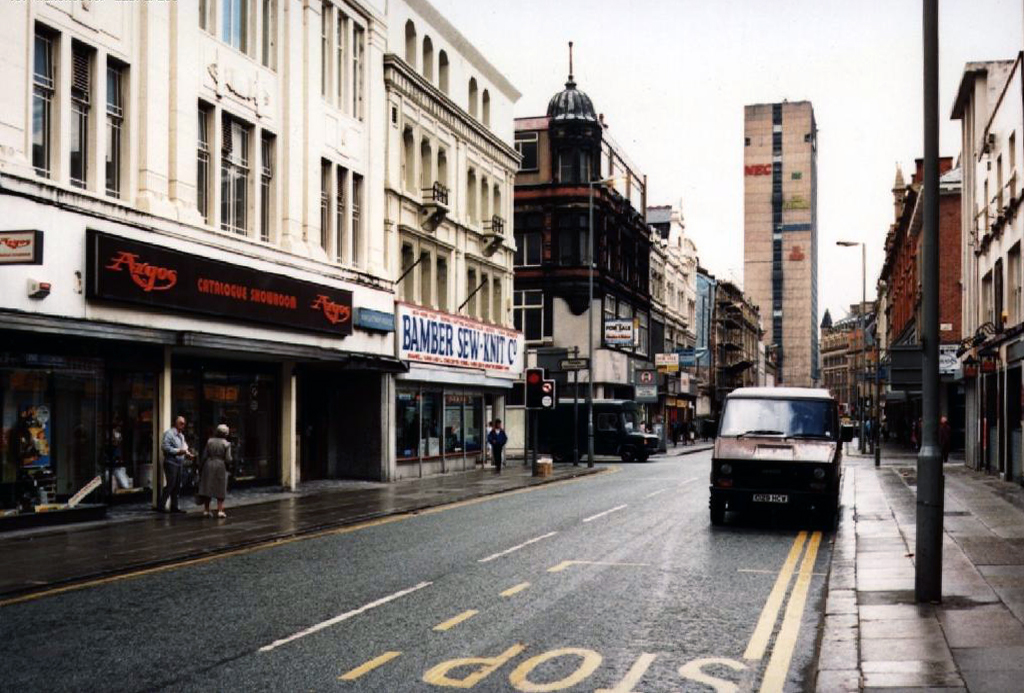
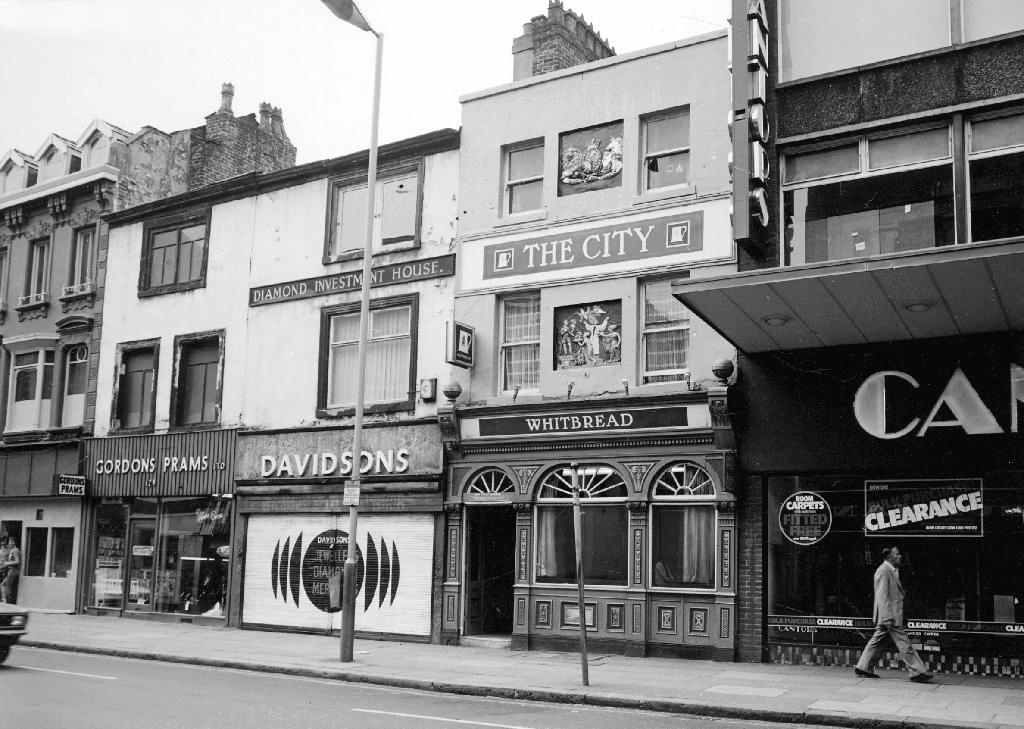
Following my previous post of archival images of Oldham Street, I took a walk along its length a week ago, to record what remained of the post war past.

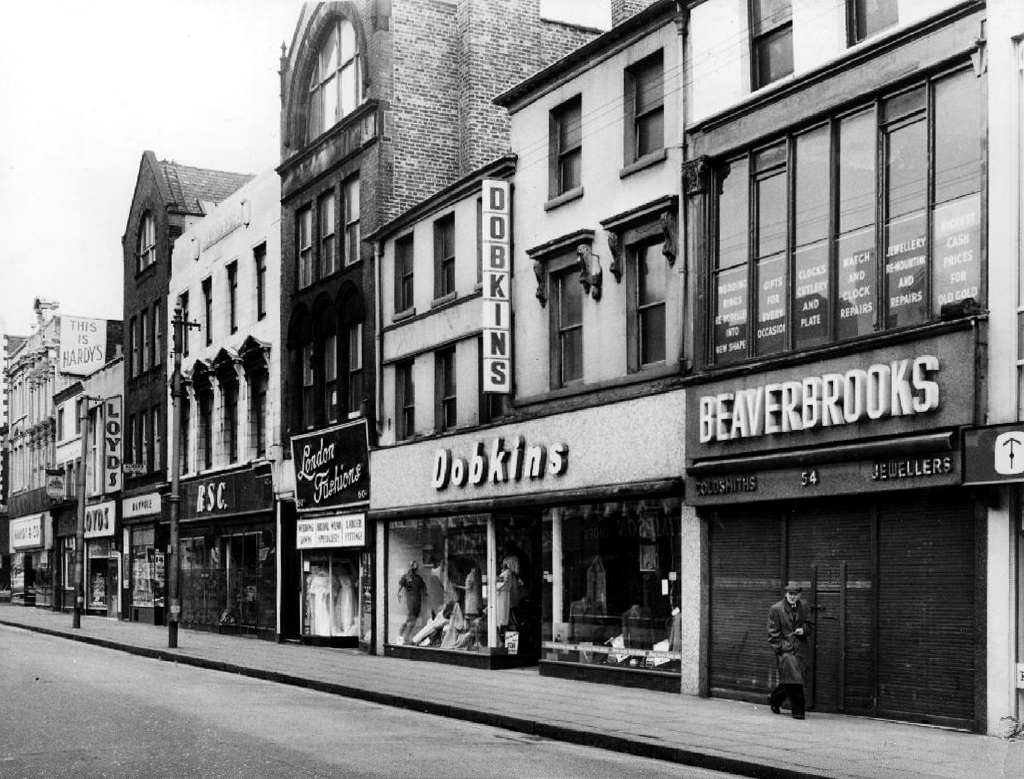
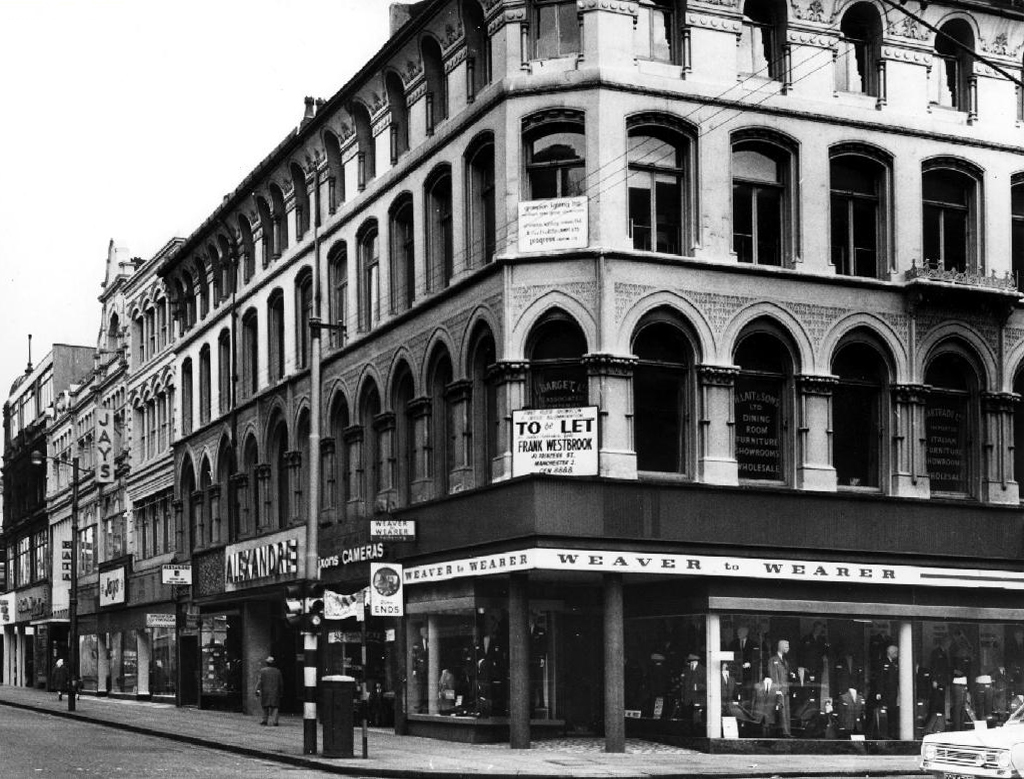
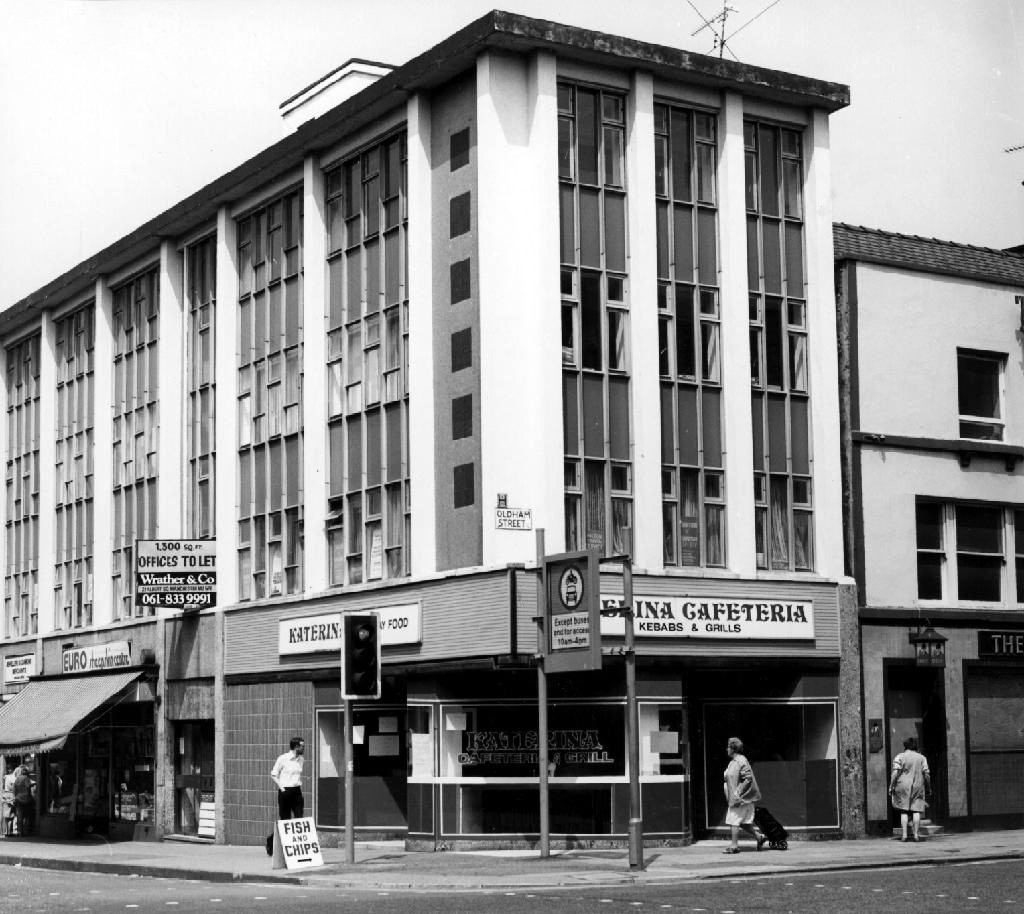
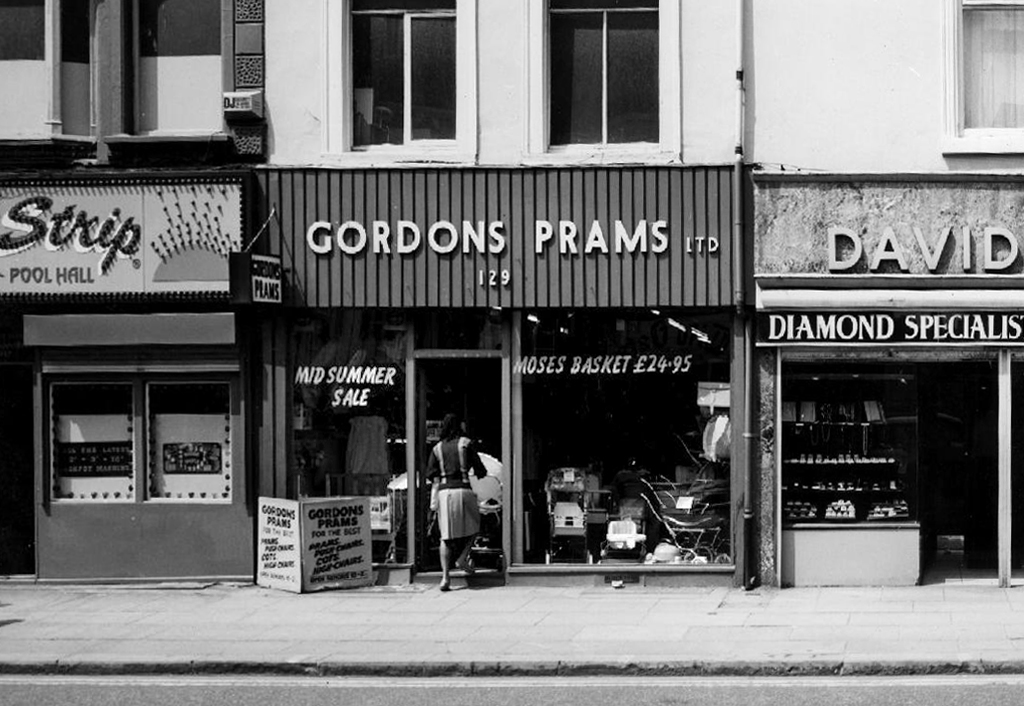
Gone again the blackened façades, exuberant and differentiated signage.

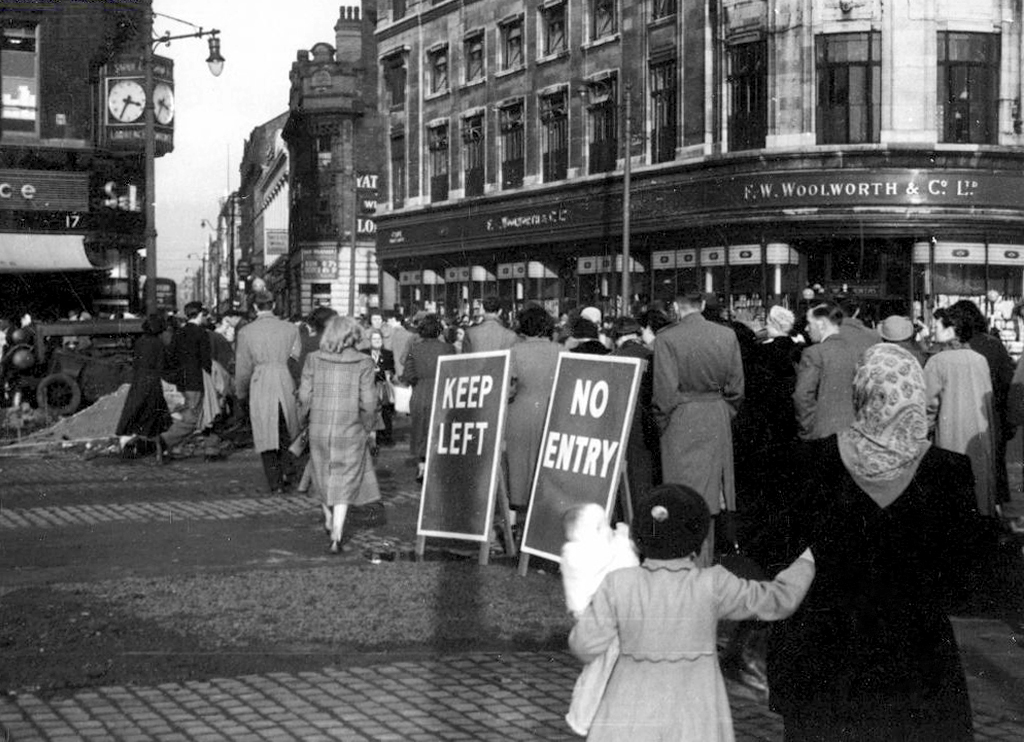
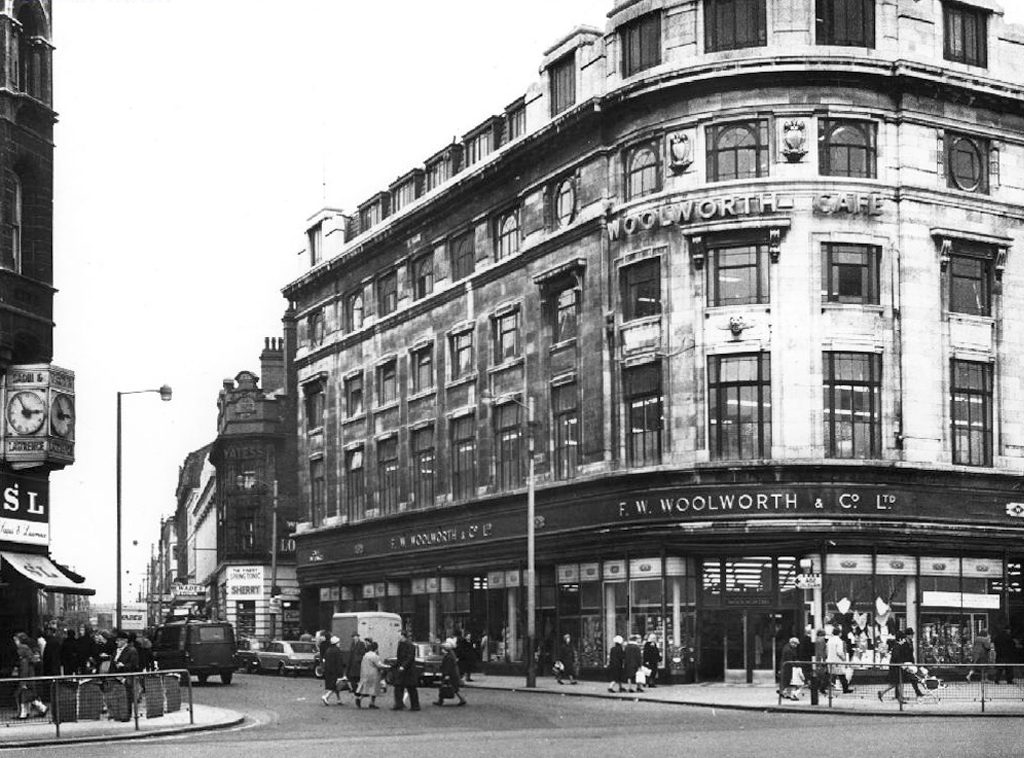
Woolworth’s burnt out long ago, never to return, exit also C&A, don’t forget your coat and hat.

Affleck’s – same name different place.

Yates’s three down none to go, the last all-in is all out.

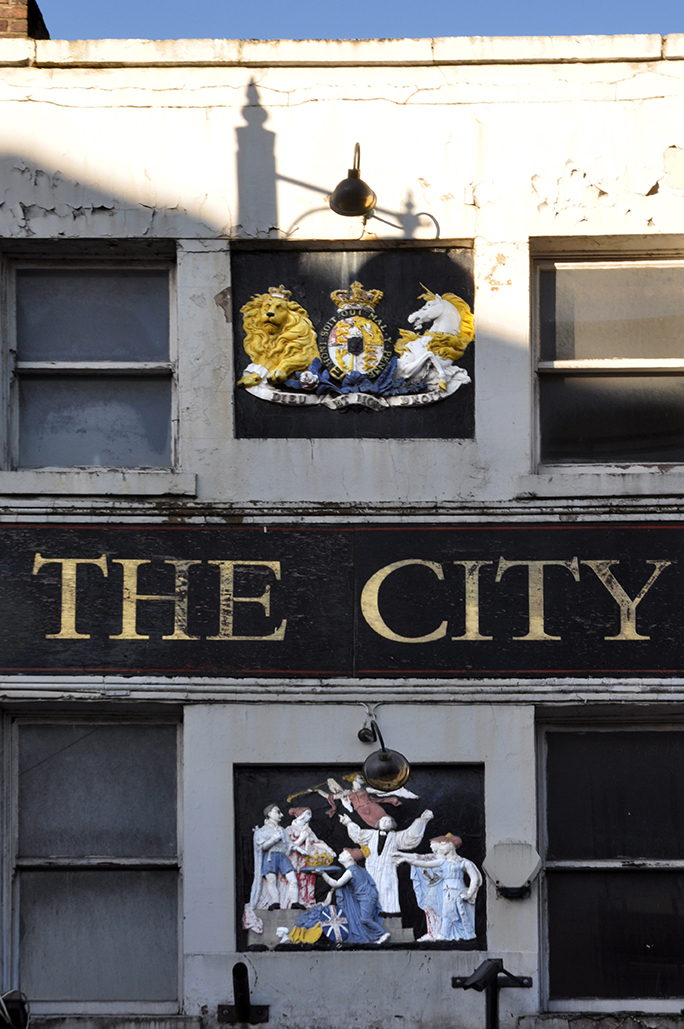
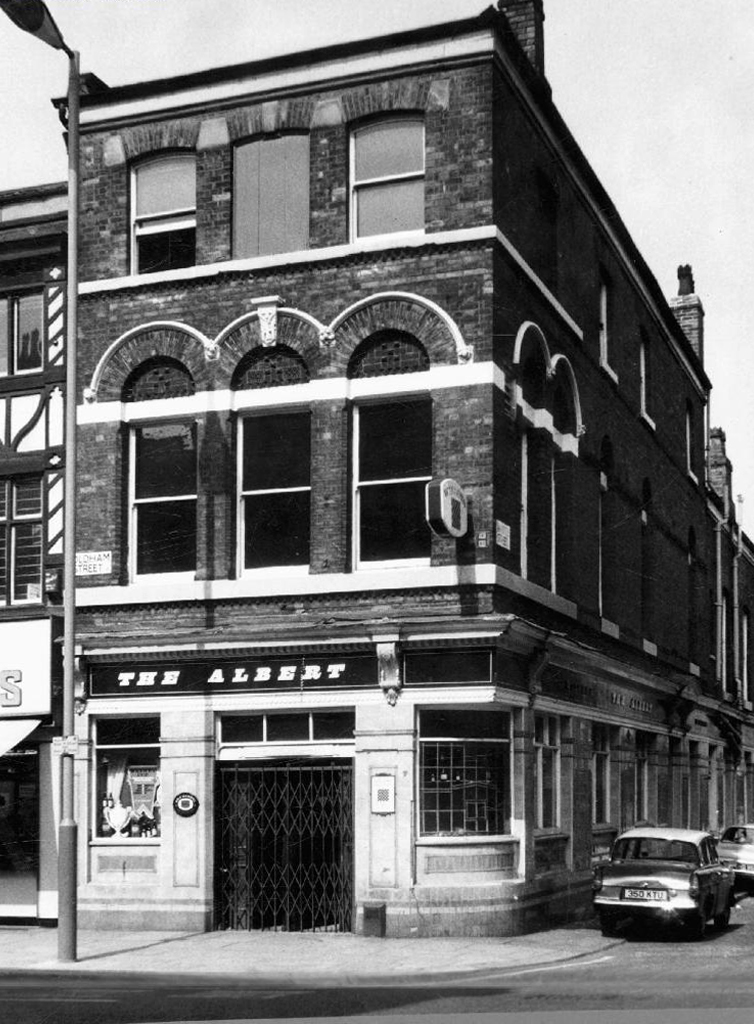
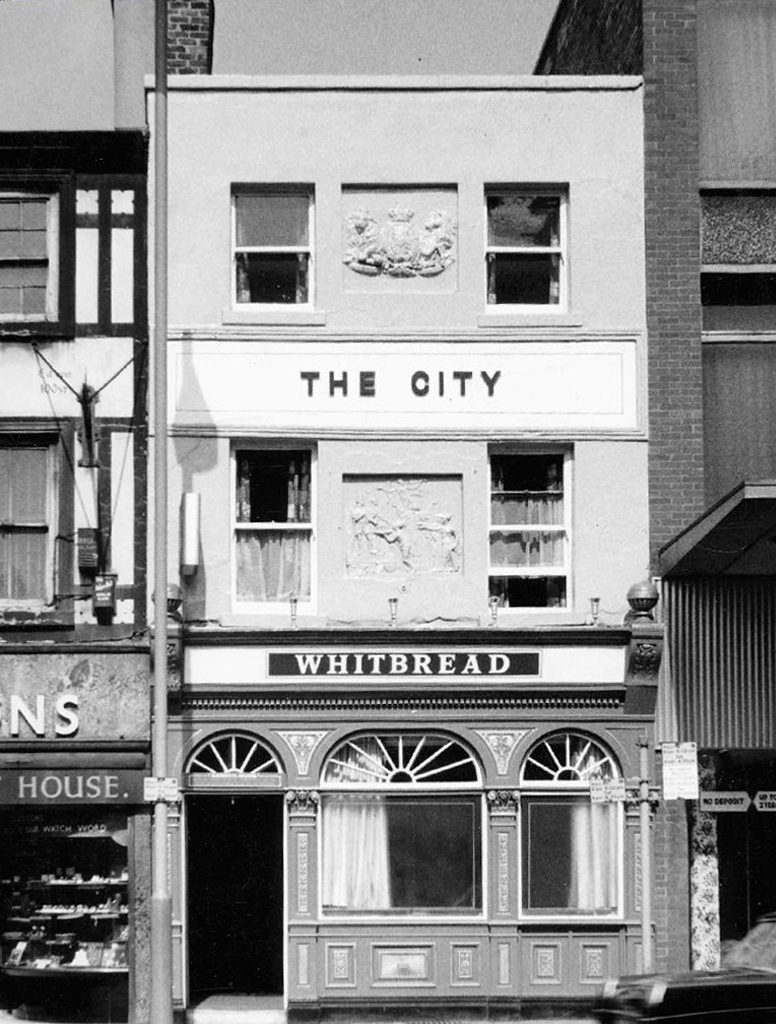
Three pubs prevail, some serving craft ale to the not so crafty.

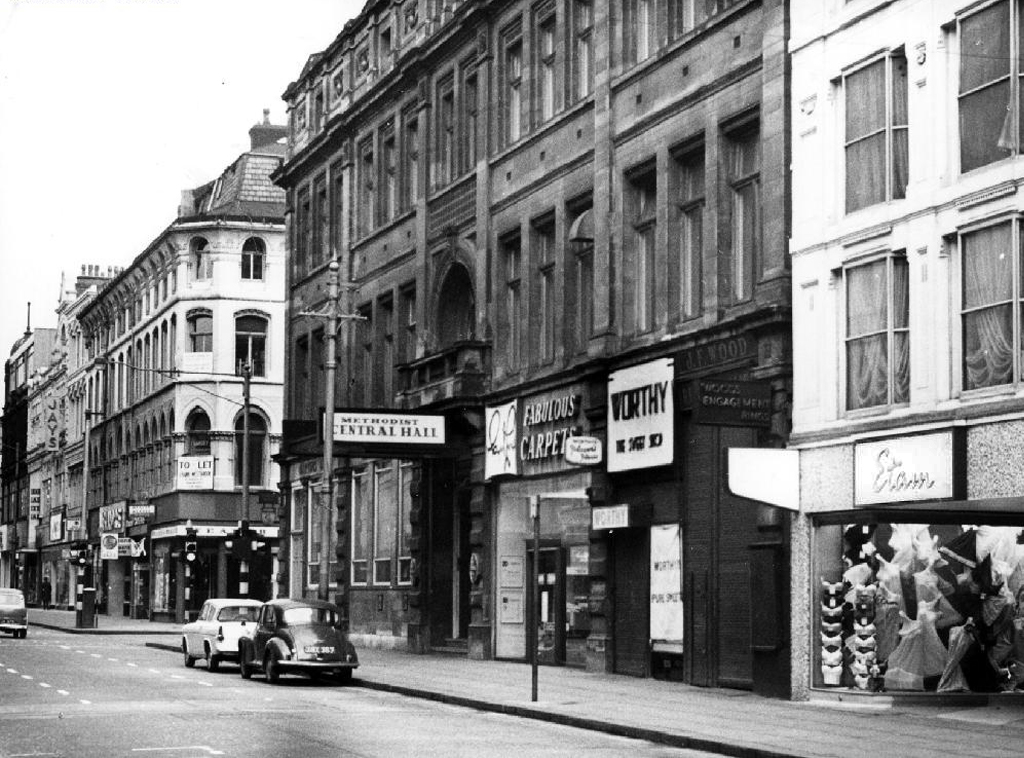
Methodist Main Hall is mainly well-used and well, loved.

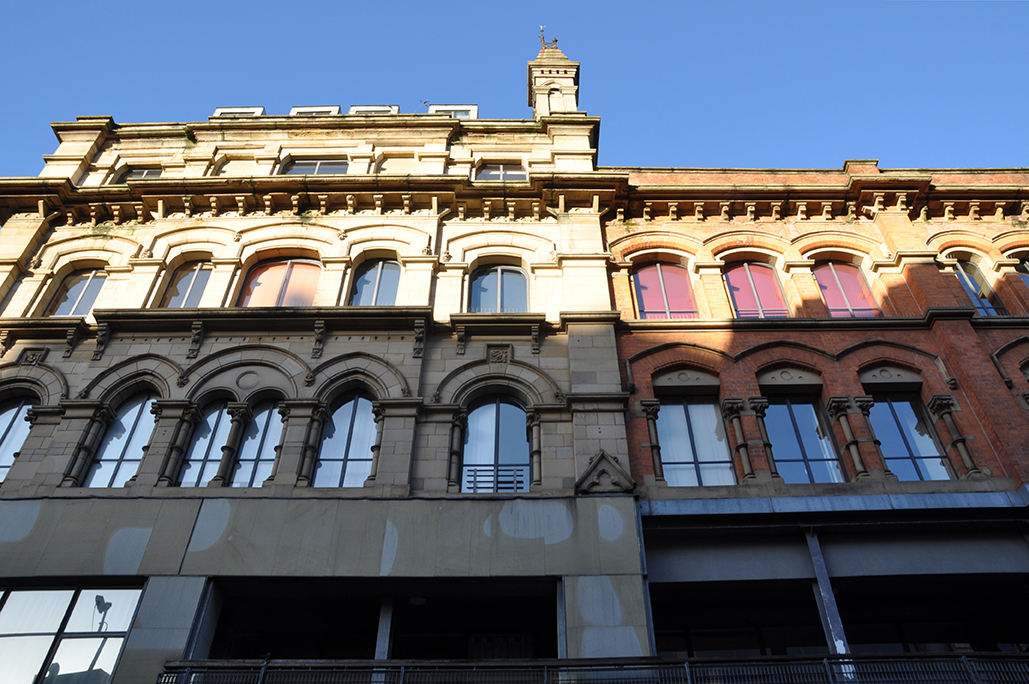
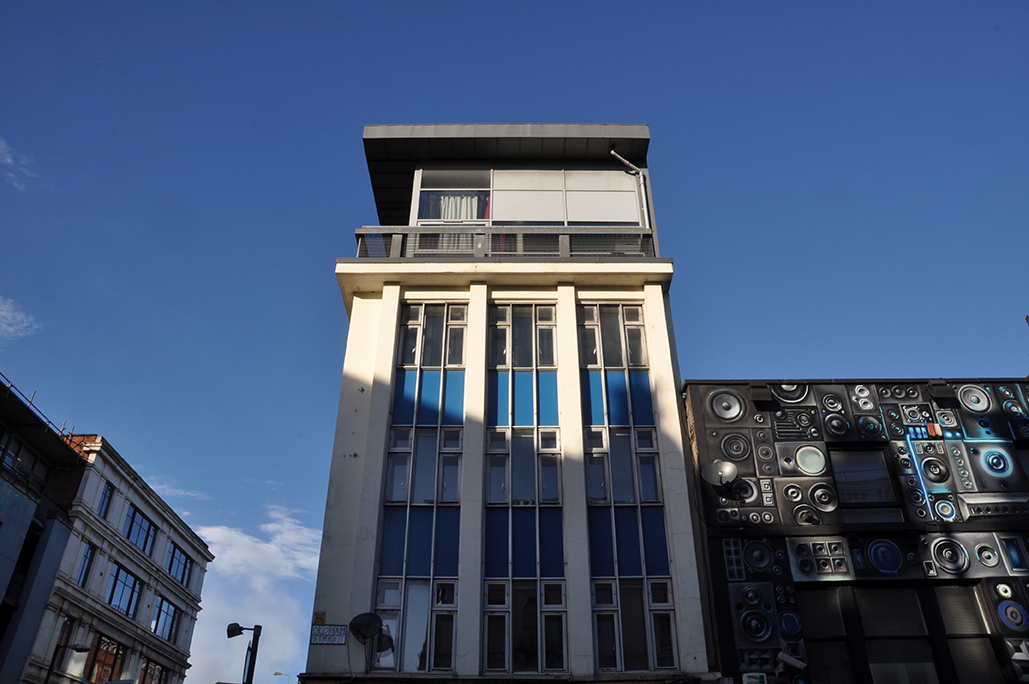
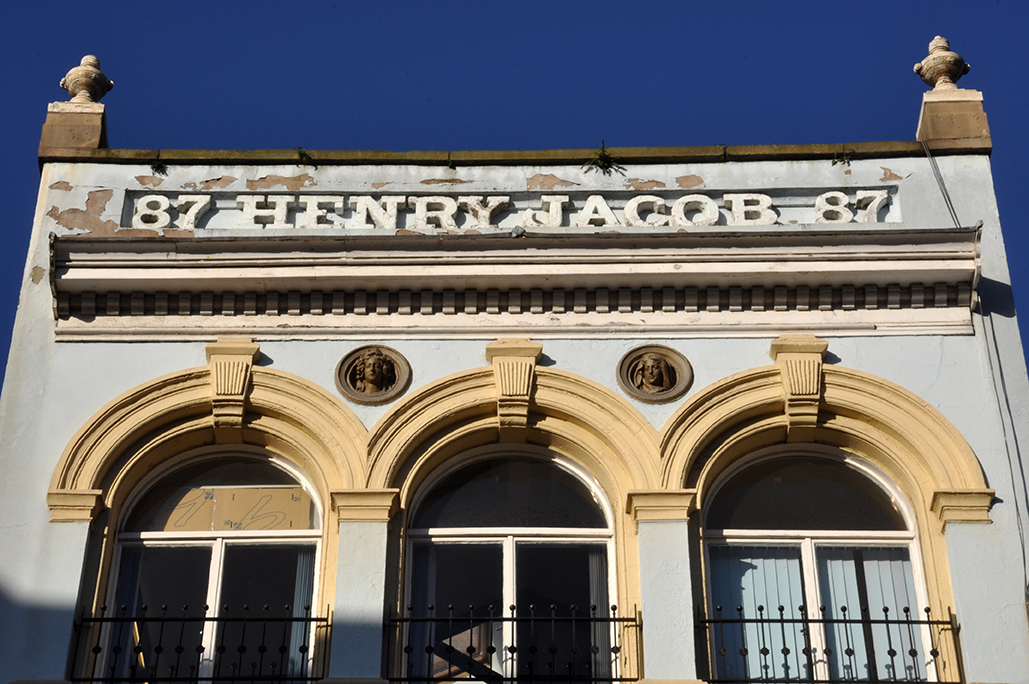
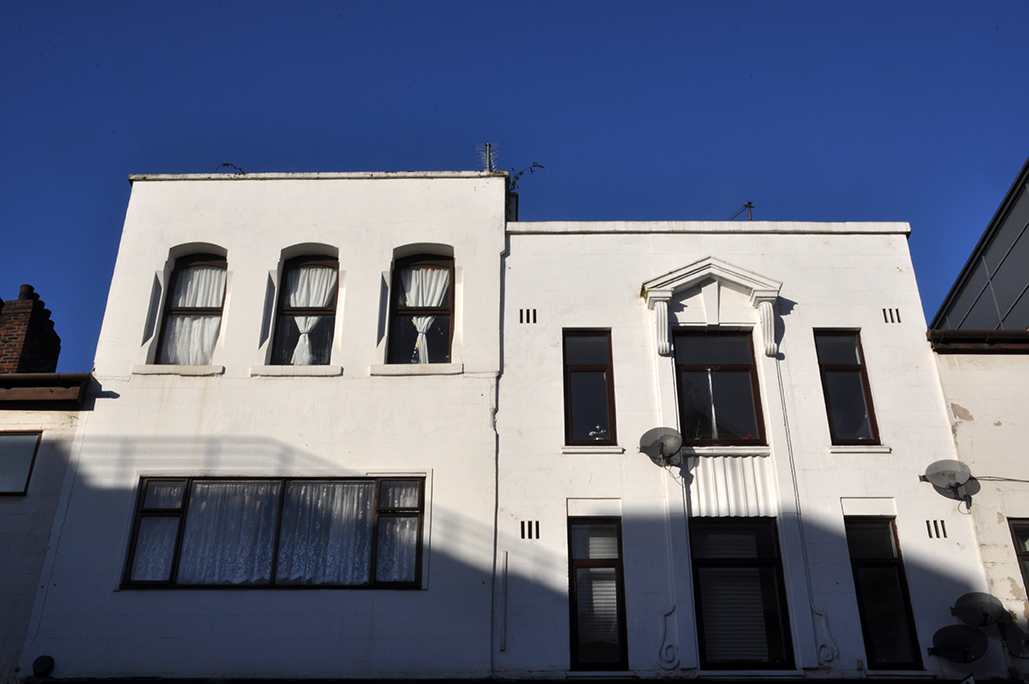
In low Winter light the upper floors dance in shadow and sun-glow, against a brighter than bright blue sky.

A crazy range of saw-toothed roof tops colliding.

Oldham Street survives.


Oldham Street – Manchester

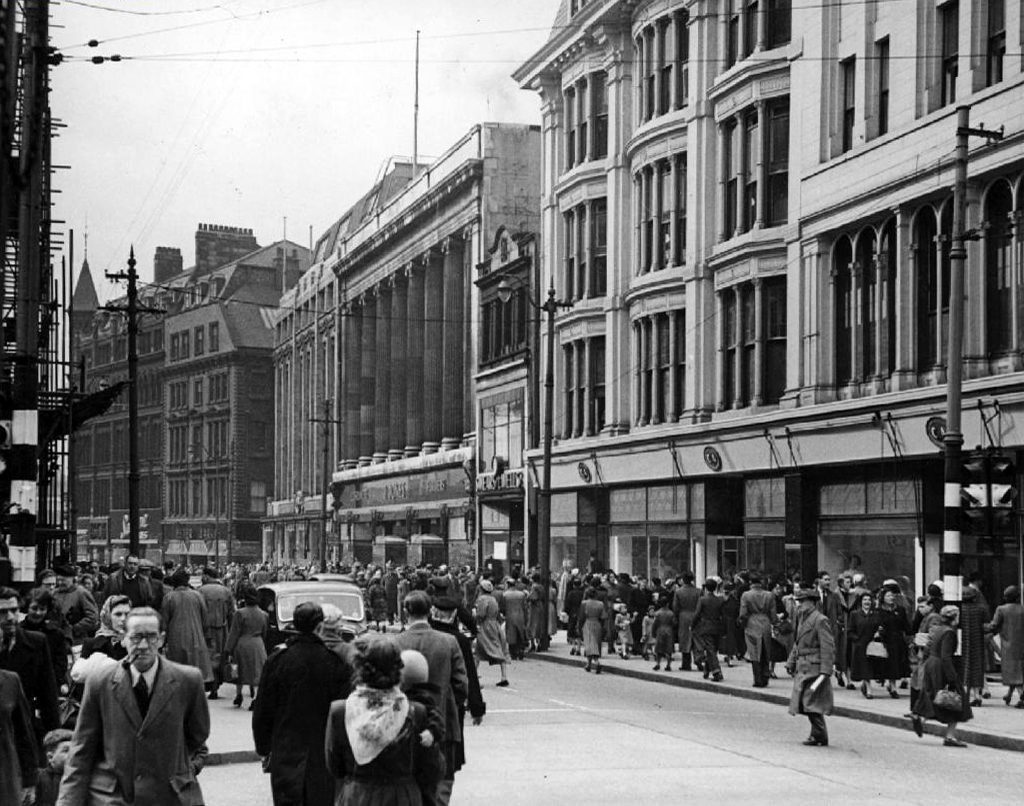
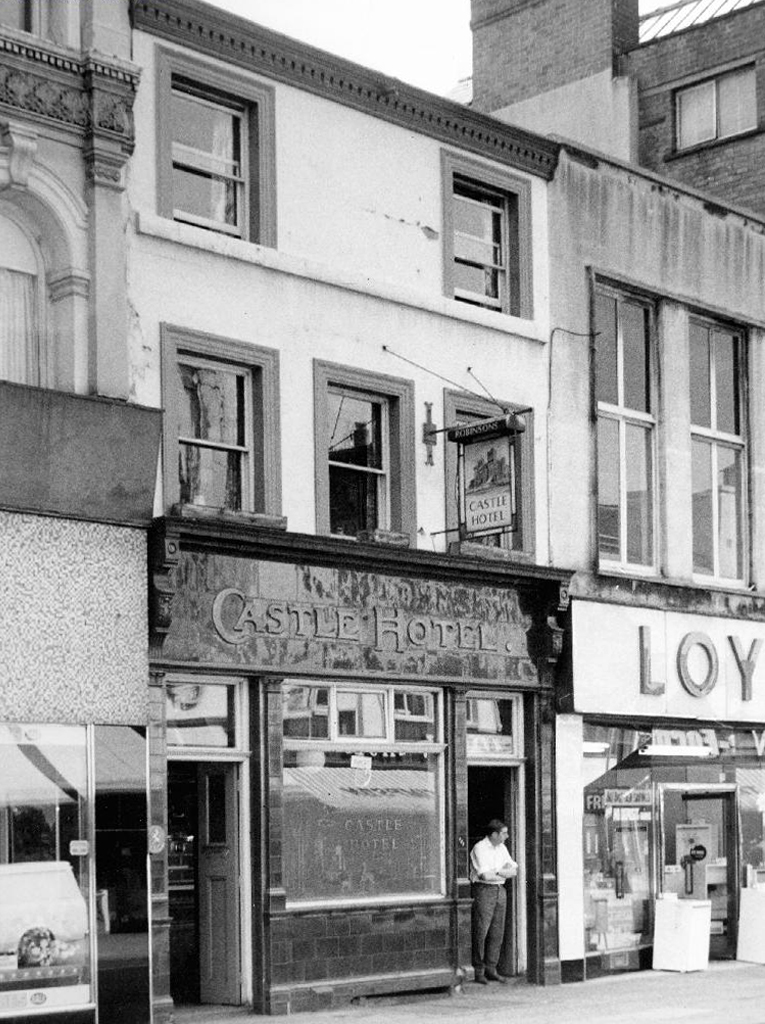
In the early 18th century, Oldham Street was apparently:

“An ill-kept muddy lane, held in place on one of its sides by wild hedgerows”.

In 1772, a privately owned track which is now known as Oldham Street was given to the public. The road took its name from Adam Oldham rather than from the place name. He was an acquaintance of John Wesley, the founder of Methodism, which could account for the Oldham street location of the Methodist Chapel, opened by Wesley in 1781. Central Hall replaced the Chapel in 1885.

The area around Oldham Street became more affluent, with warehouses and shops, many of whose merchants lived within their shop premises. This is described by Isabella Varley, Mrs. Linnaeus Banks, a resident of Oldham Street, in her book The Manchester Man.

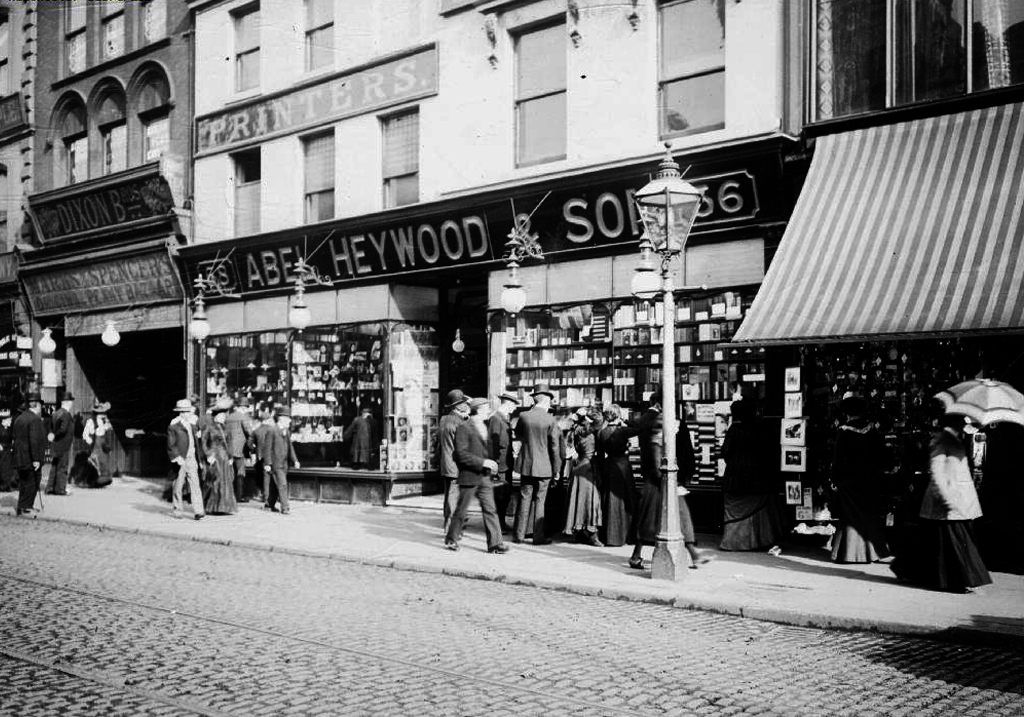
One Oldham Street shopowner mentioned by a number of writers is Abel Heywood, who spearheaded the mass distribution of books, supplying the whole country not only with penny novels, but also with educational books and political pamphlets. Heywood went on to become Mayor of Manchester.

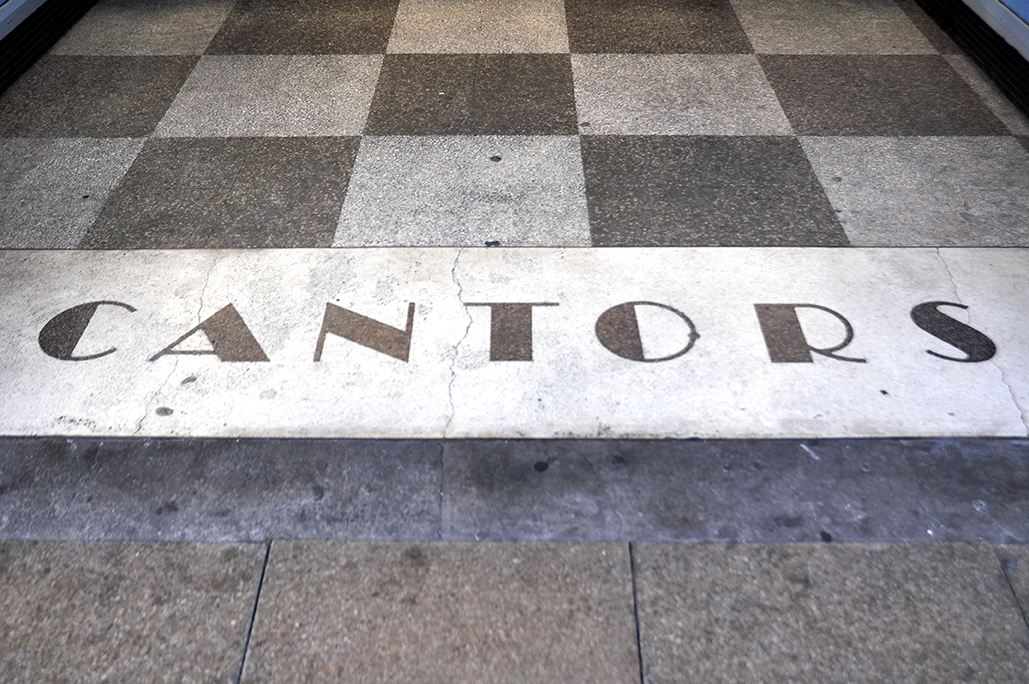
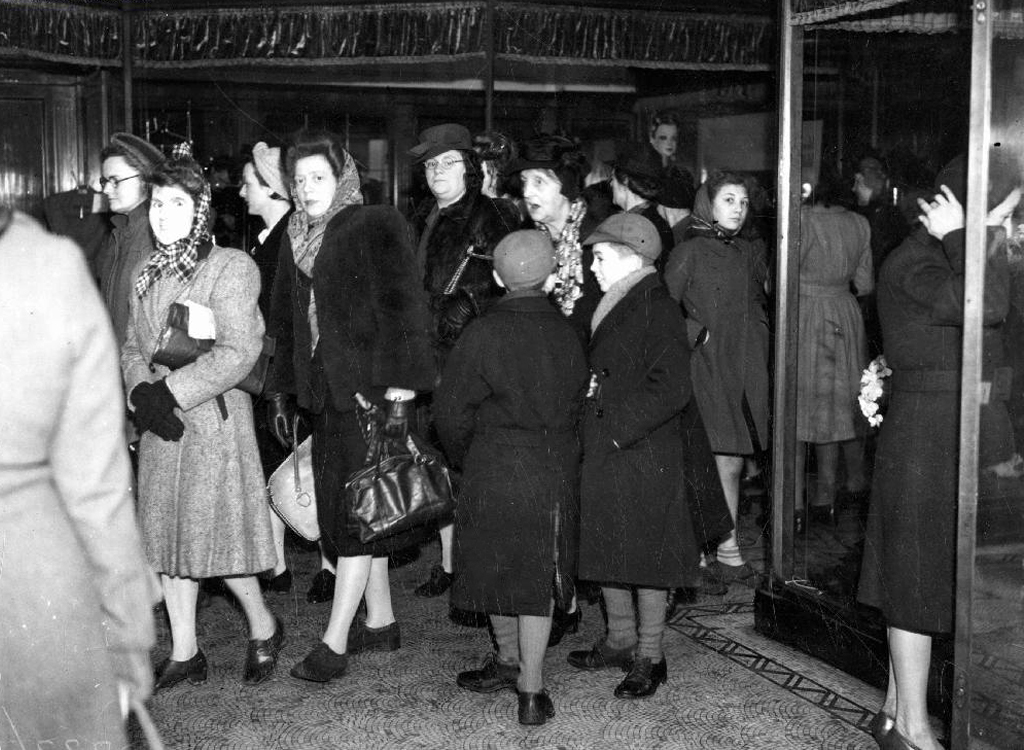
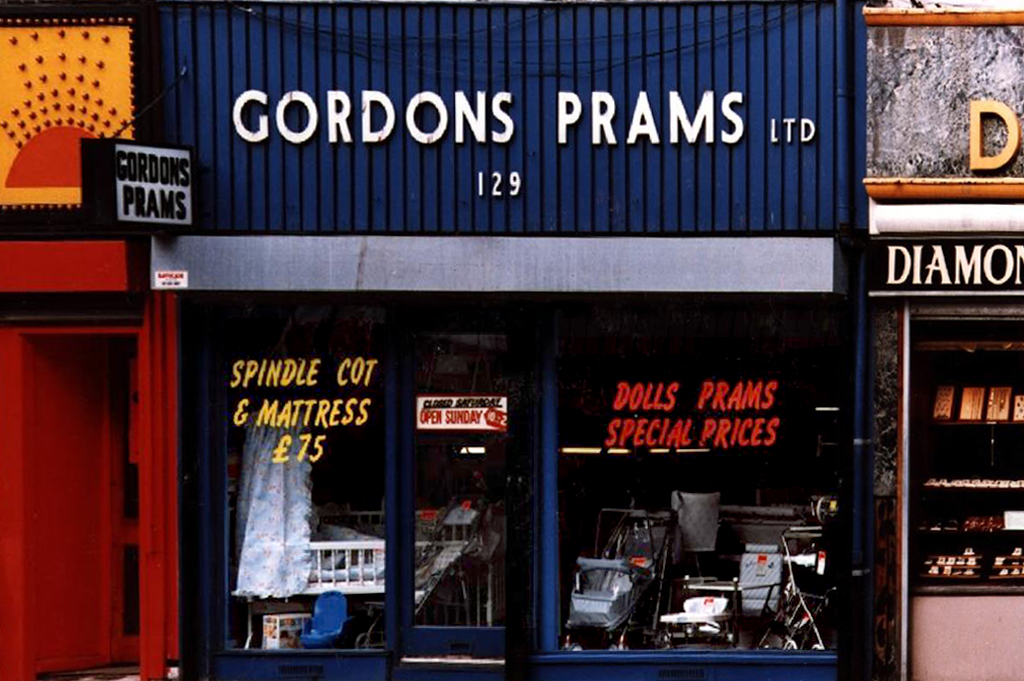
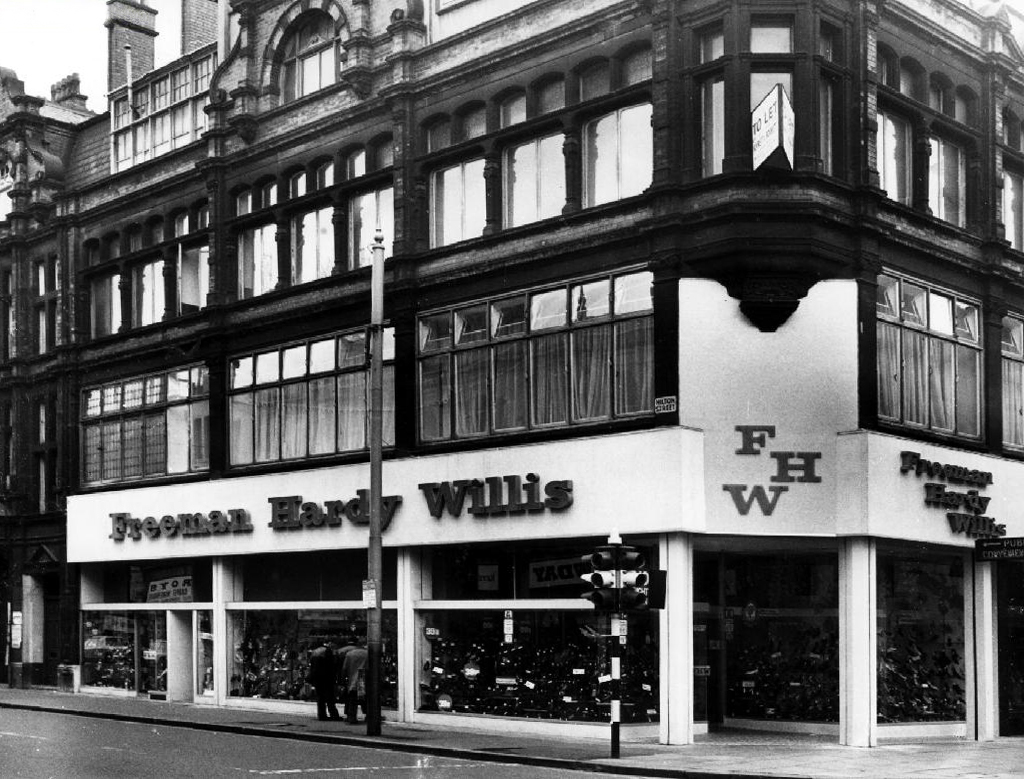
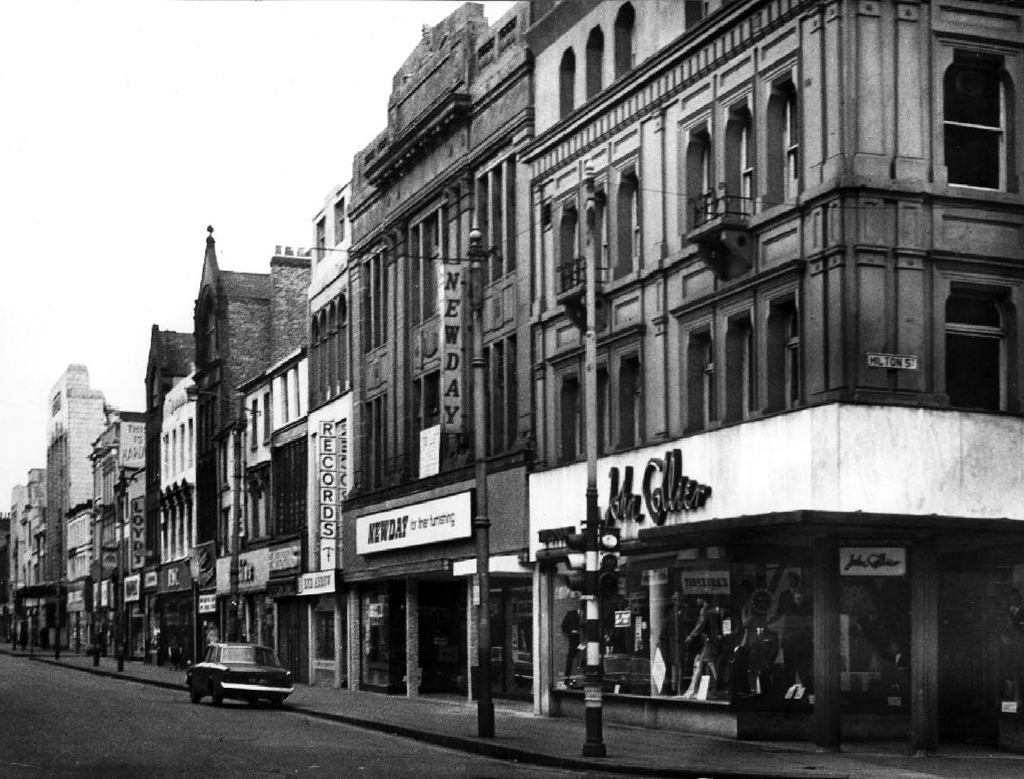
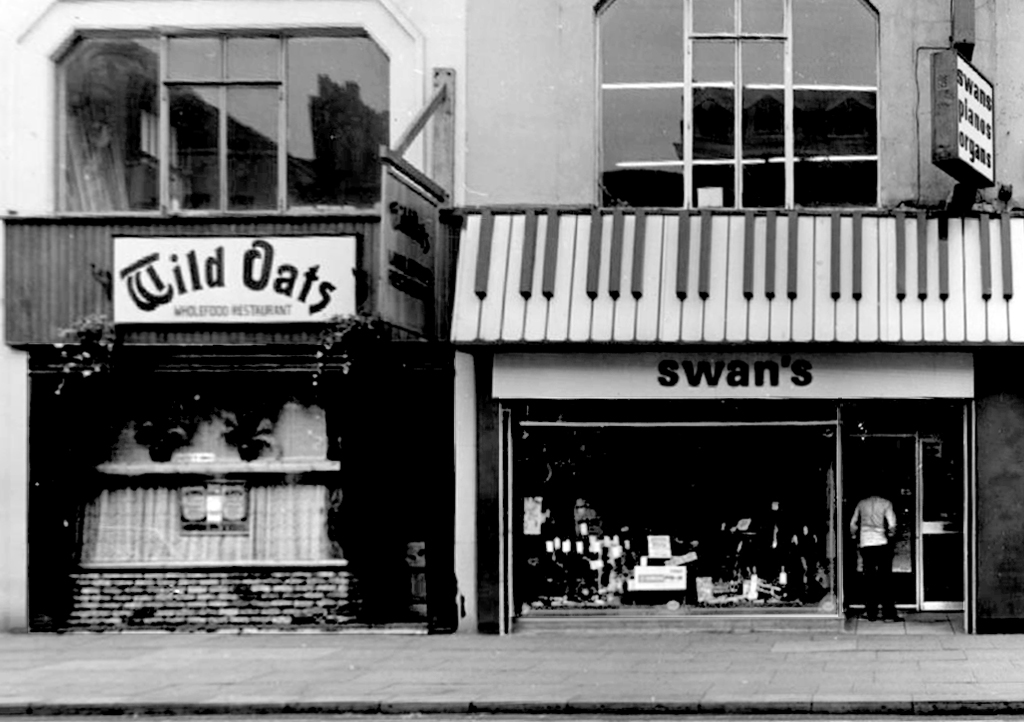
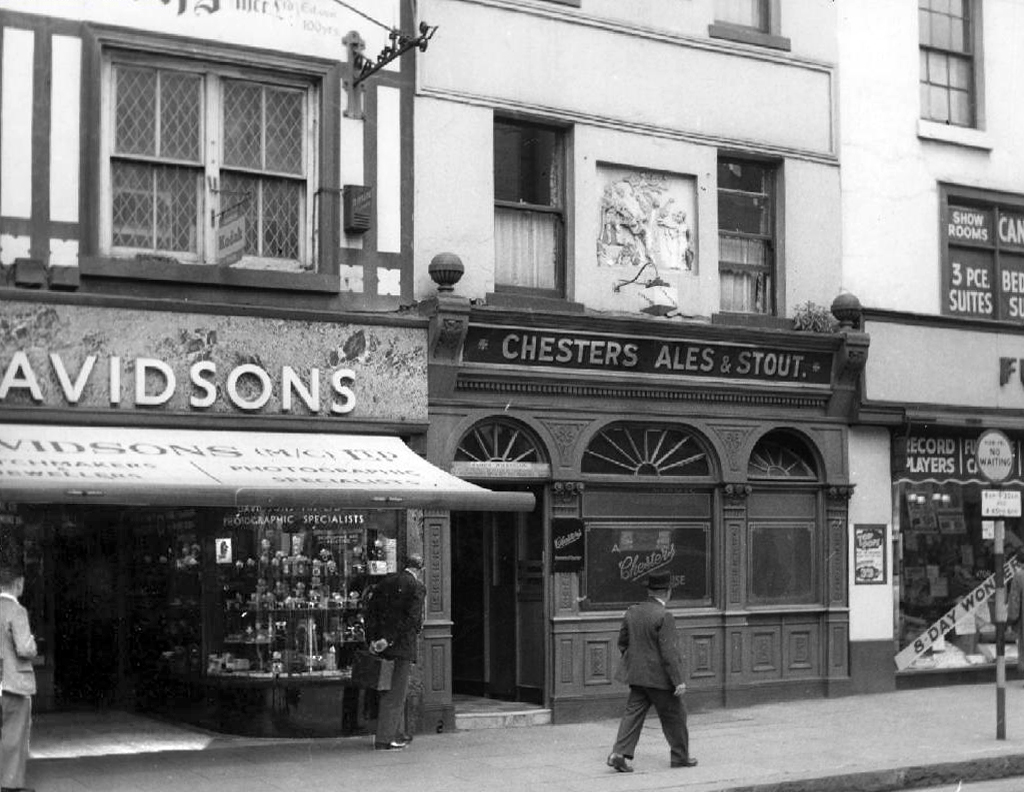
The general well to do, mix of hustle and bustle, pubs, warehousing, grand stores, smaller specialist shops and services continued into the 1970’s. Woolworths, C&A, Affleck and Browns, Cantors, Dobbins attracted a steady flow of happy shoppers, I loved the mongrel nature of the mixed use architecture.

The focus if the city centre then slipped away to the newly built Arndale and pedestrianised Market Street.

Oldham Street awaited a new sense of place and purpose.

With thanks to http://www.manchester.gov.uk/info/448/archives_and_local_history/326/historical_photographs_of_manchester


24

webmedia-8.php

22

18

image011

21

webmedia-5.php

webmedia.php

13

20

webmedia-12.php

16

17

webmedia-4.php

14

webmedia-2.php

webmedia-7.php

19

15

webmedia-9.php

webmedia-3.php

webmedia-6.php

webmedia-11.php

webmedia-10.php