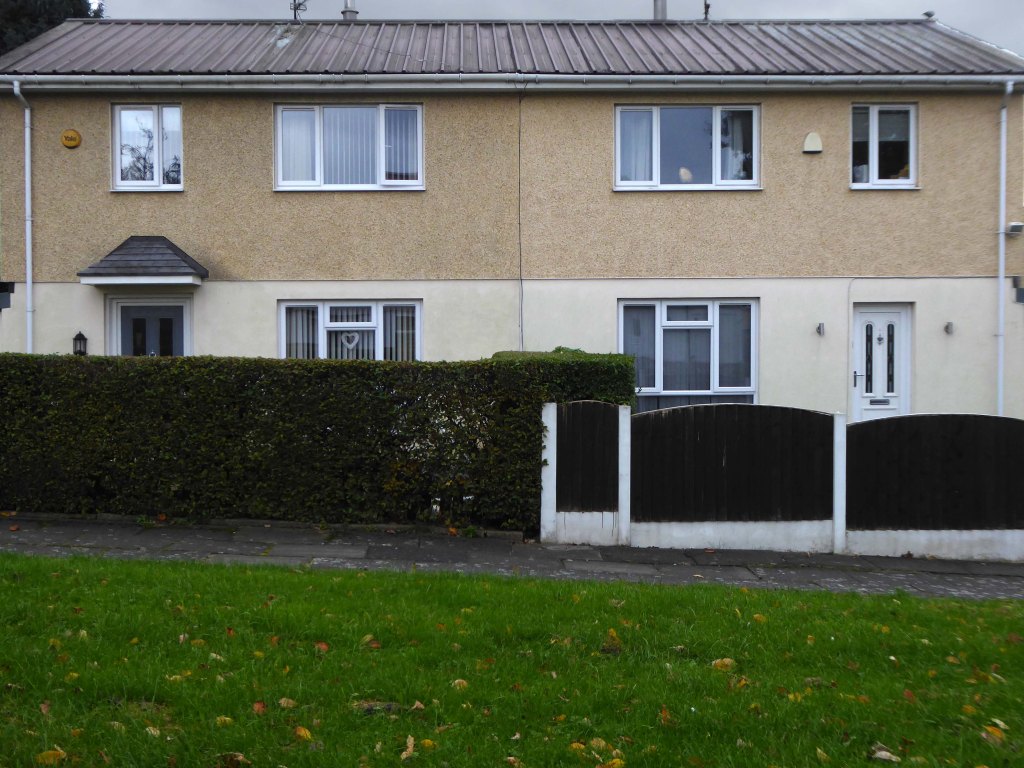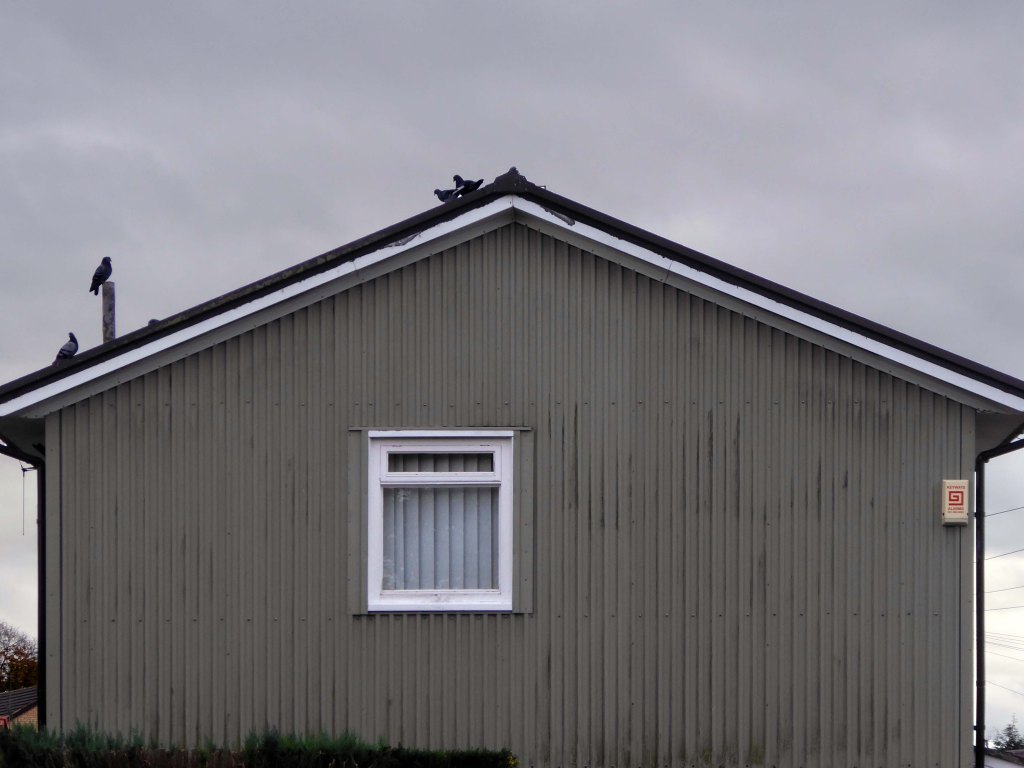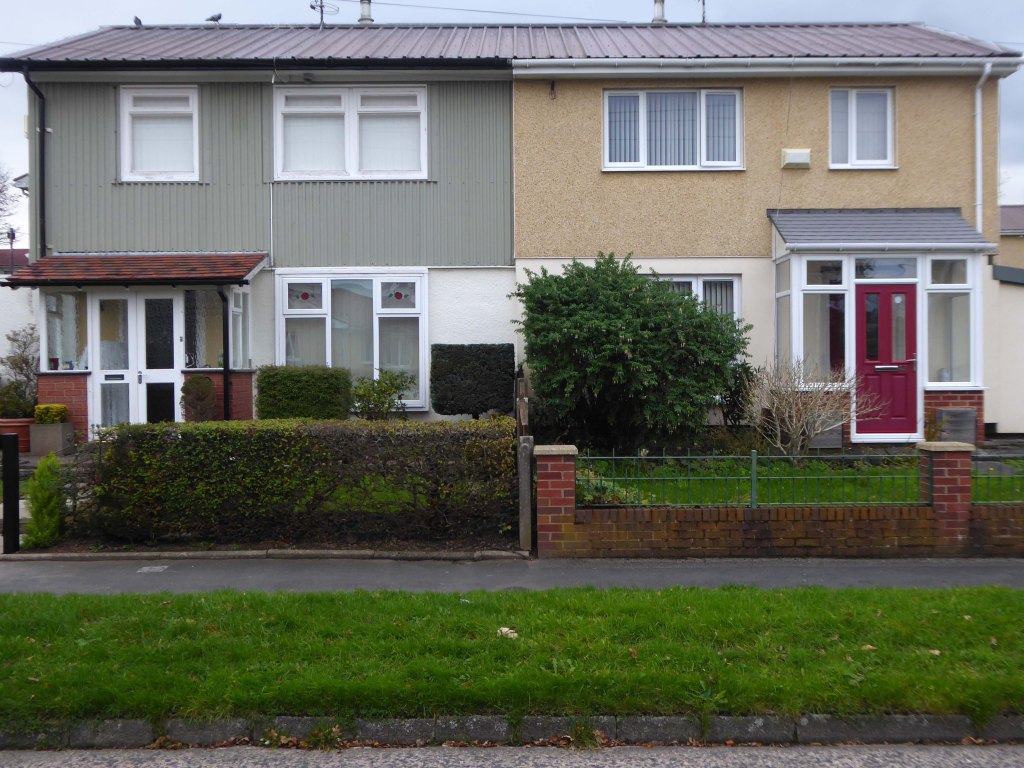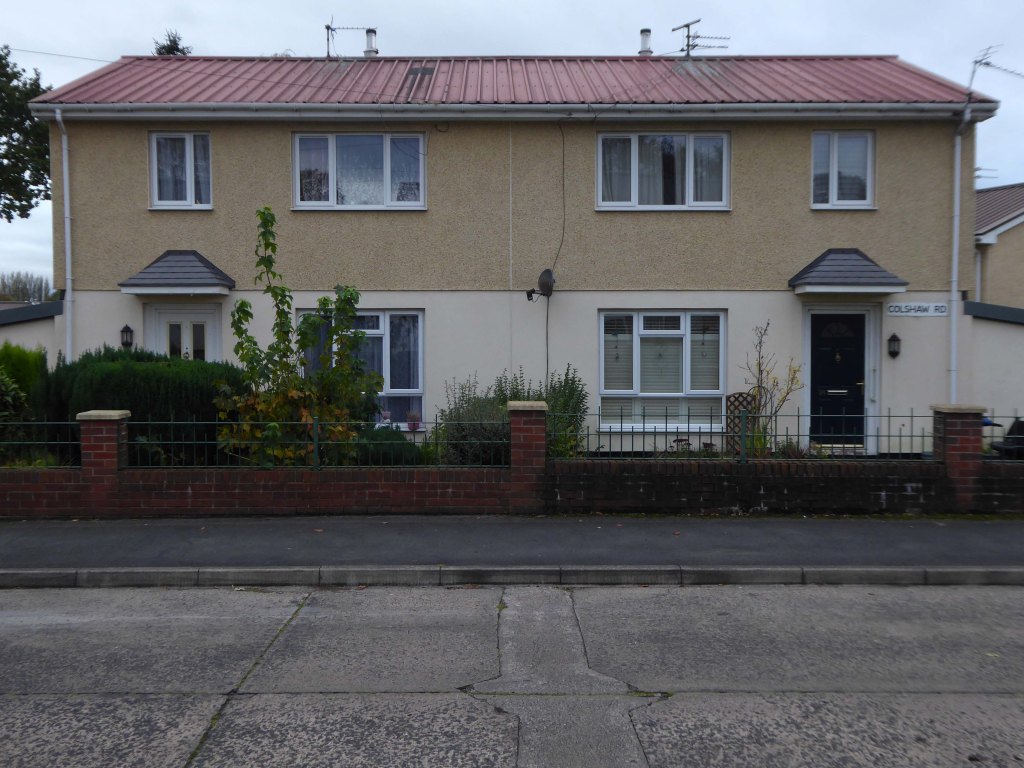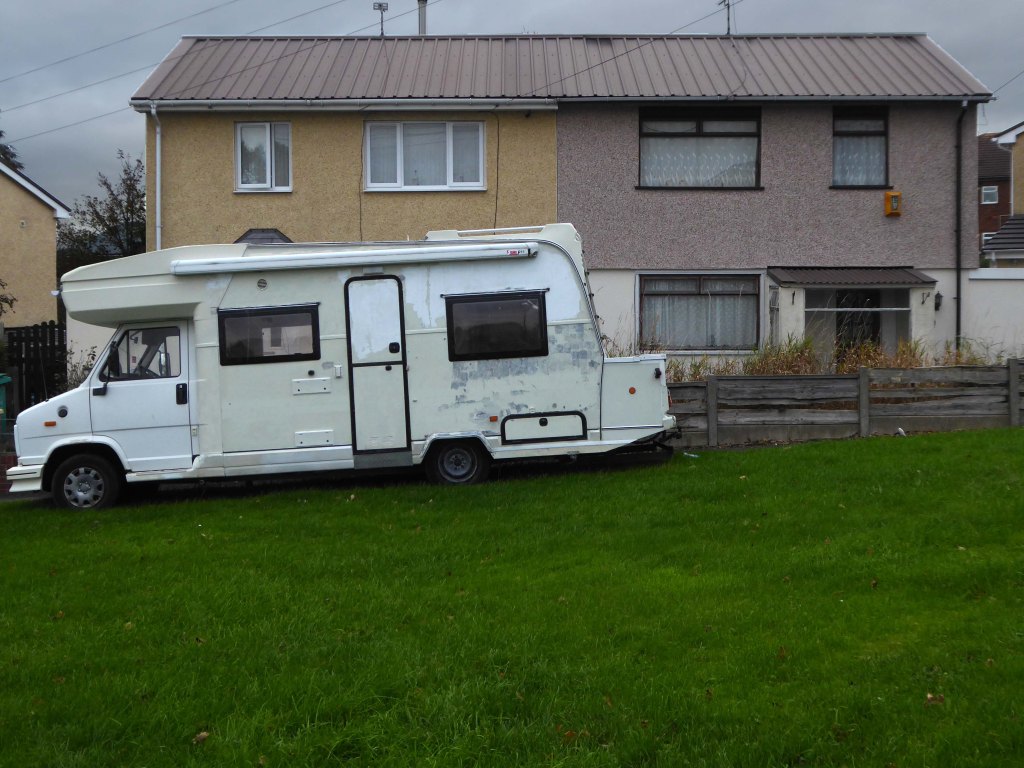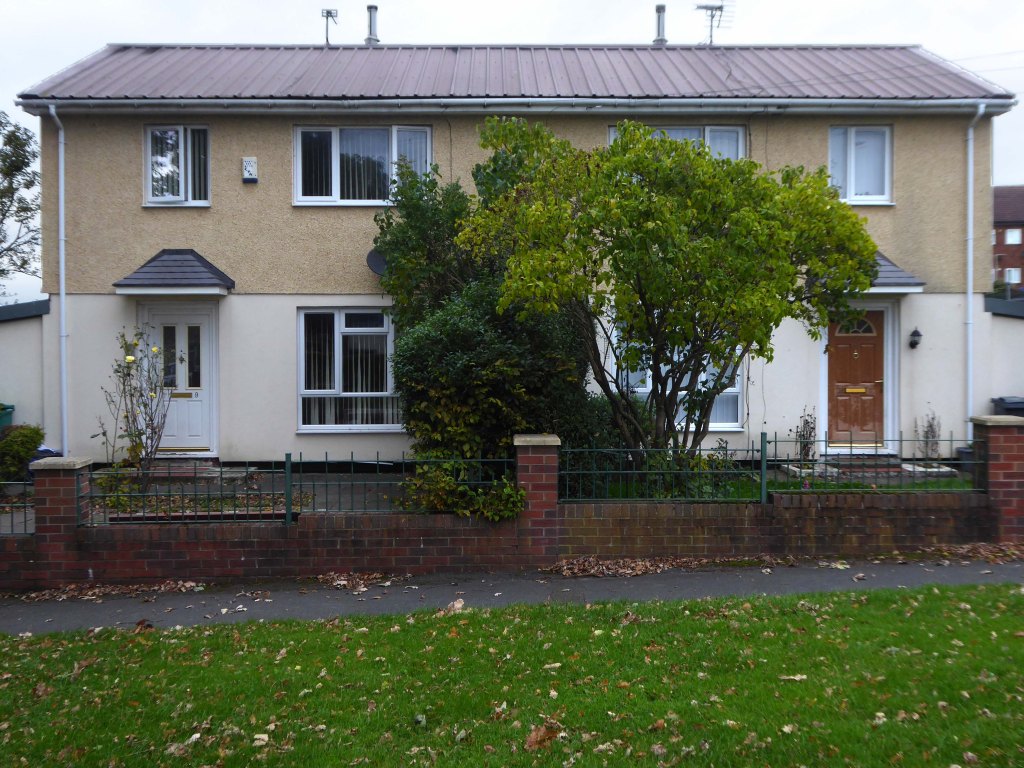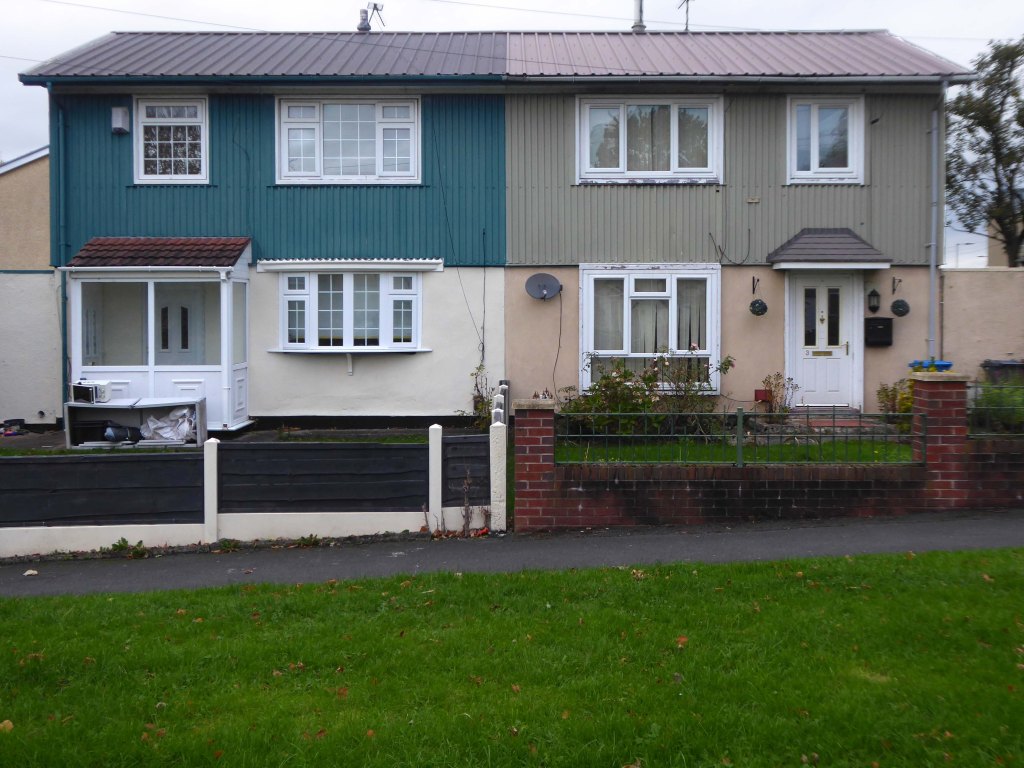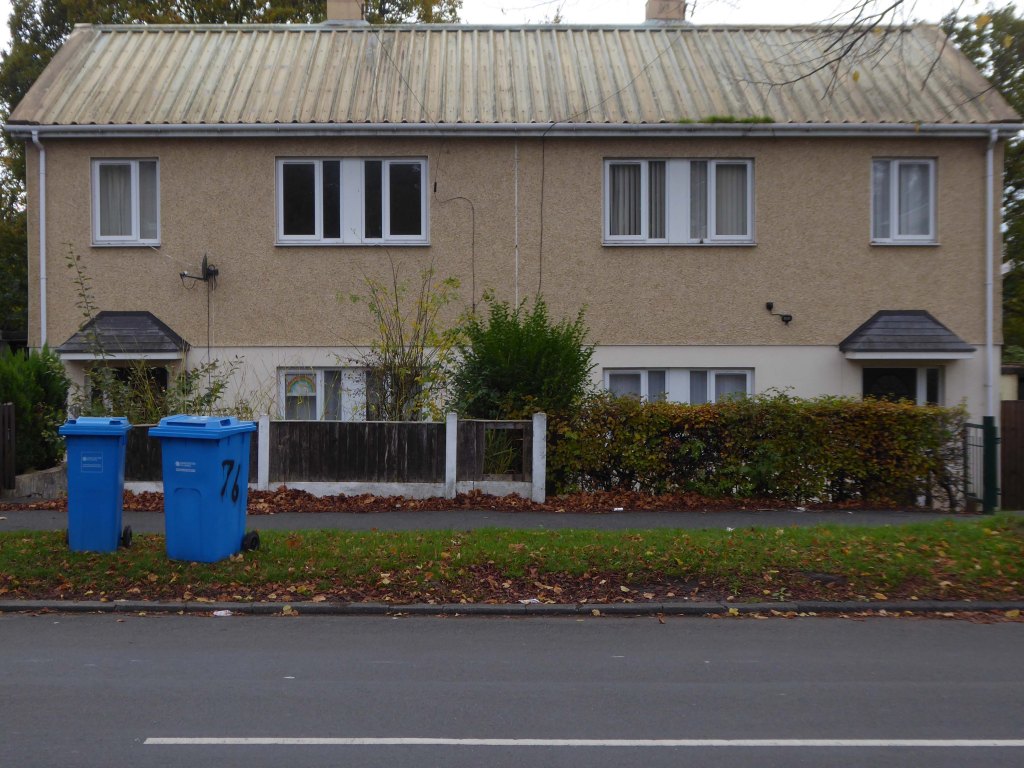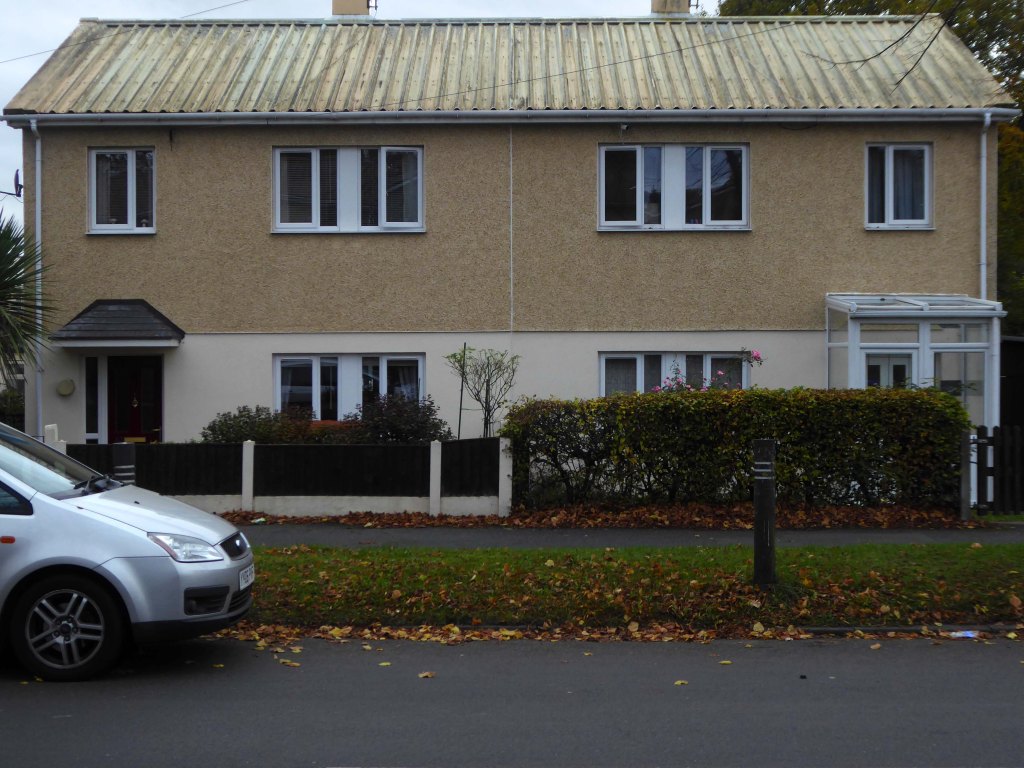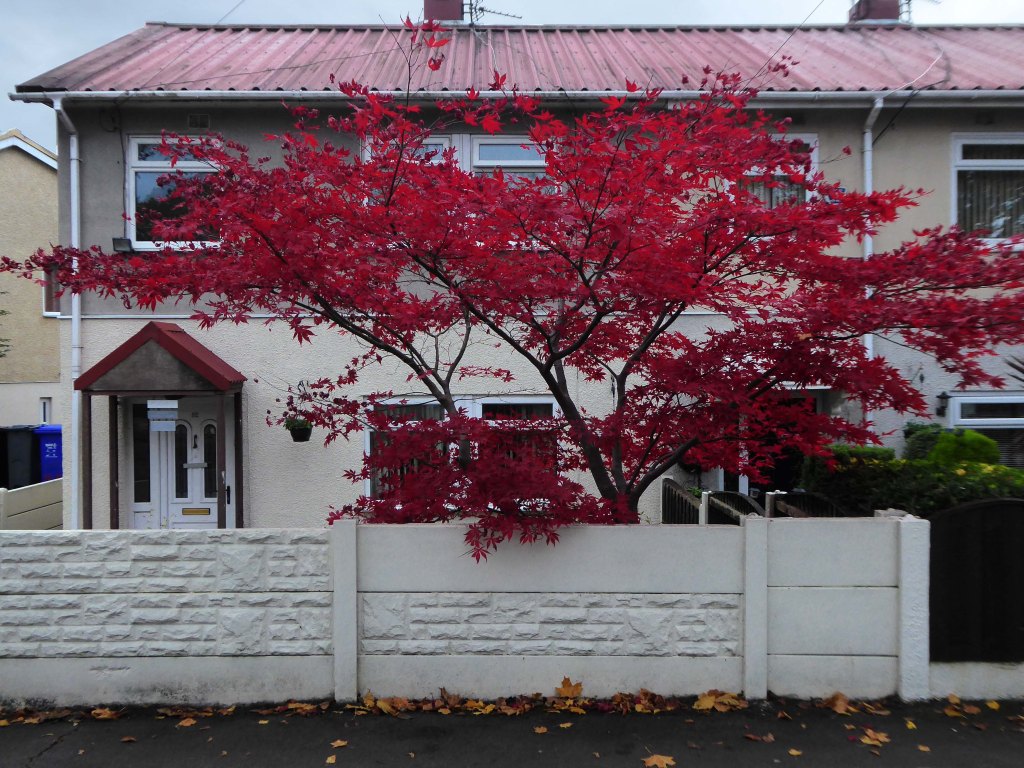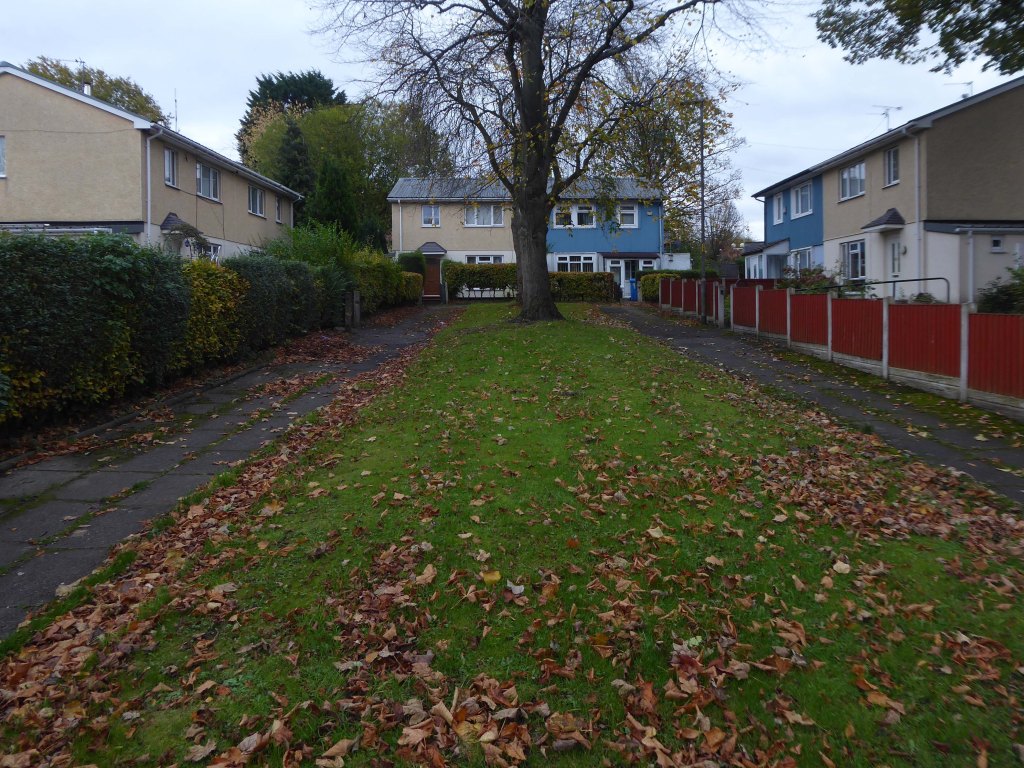
Suburbia

My baby takes the morning train
He works from nine till five and then
He takes another home again
To find me waitin’ for him

Sheena Easton

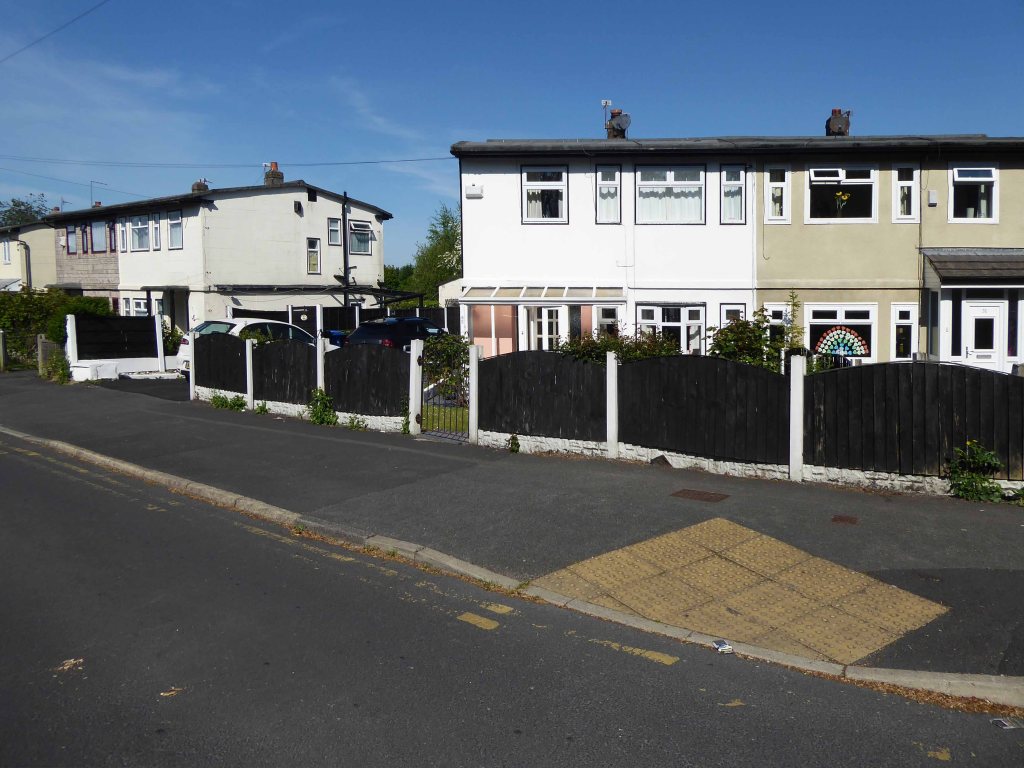
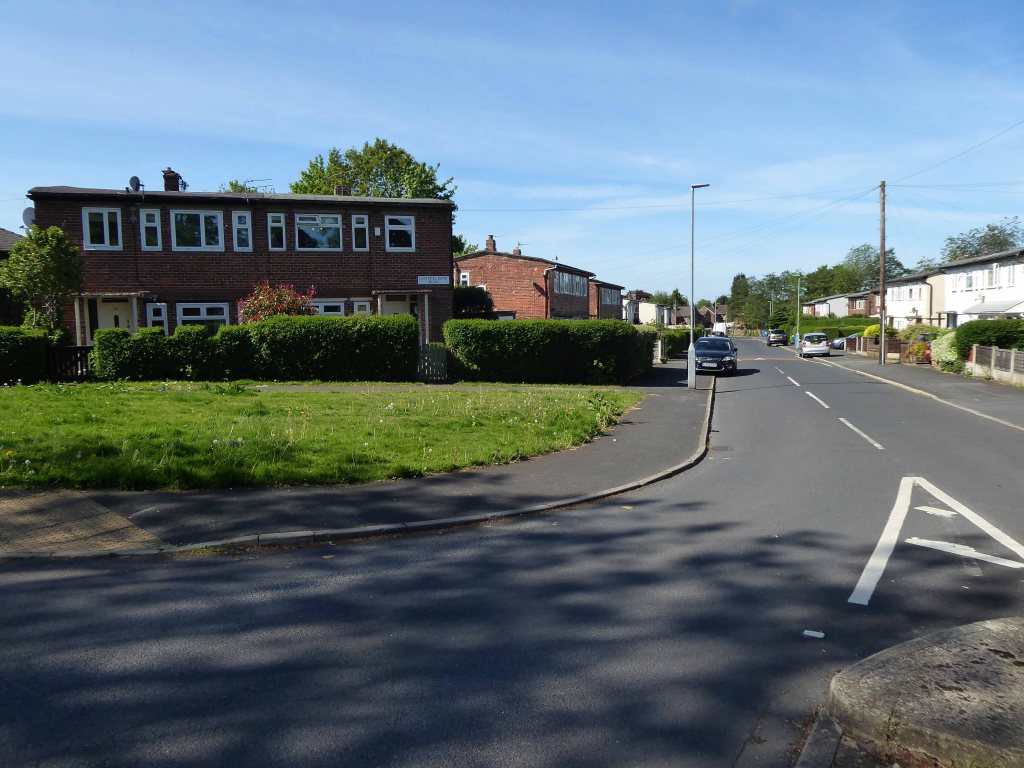
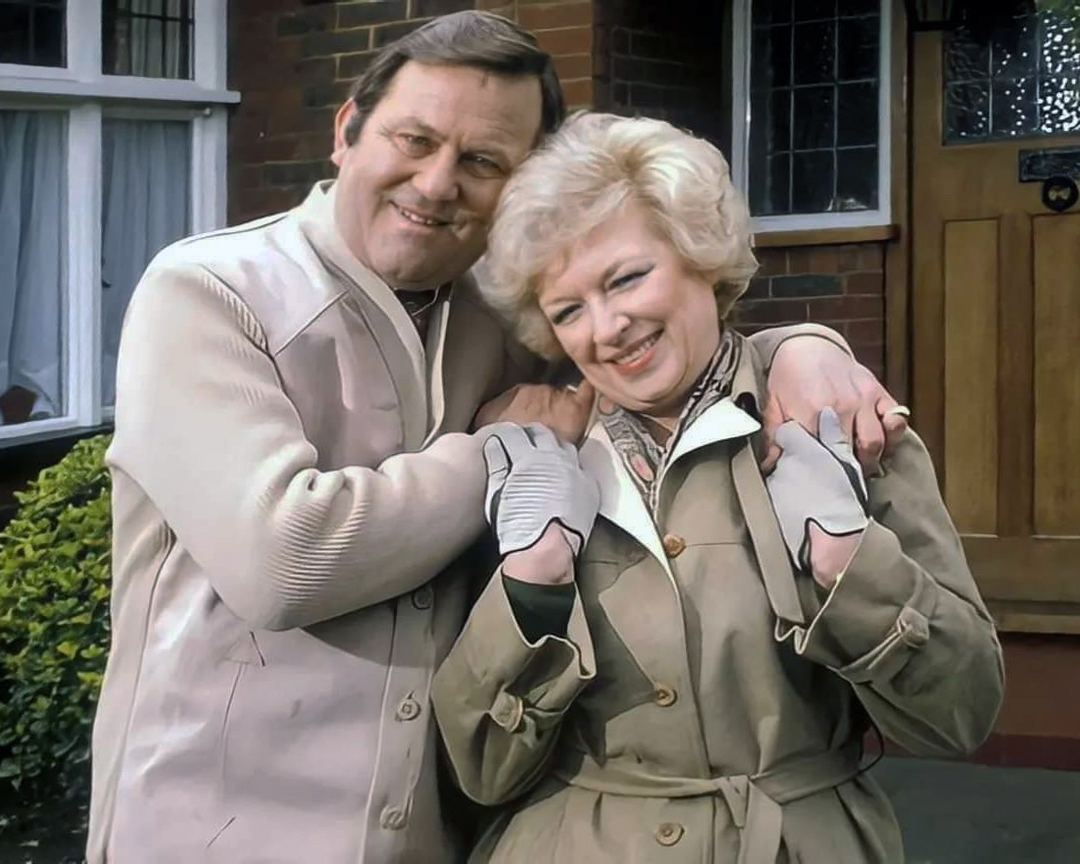
Welcome to the land of Terry and June – the seemingly complacent home to the newly aspirational classes, anathema to those thrill seeking Modernists, embracing the dynamism of the city, or those Ruralists protecting the integrity of the countryside.

Tradition has broken down. Taste is utterly debased, the town, long since degraded, is now being annihilated by a flabby, shoddy, romantic nature worship. That romantic nature worship is destroying also the object of its adoration, the countryside.

Thomas Sharp – Town Planner
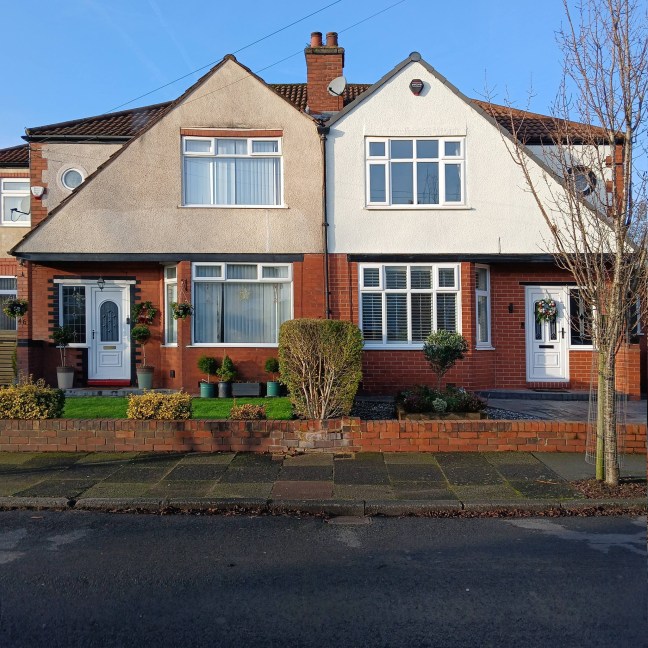
Welcome to the land of the Lucie Attwell Bicky House biscuit tin money box.
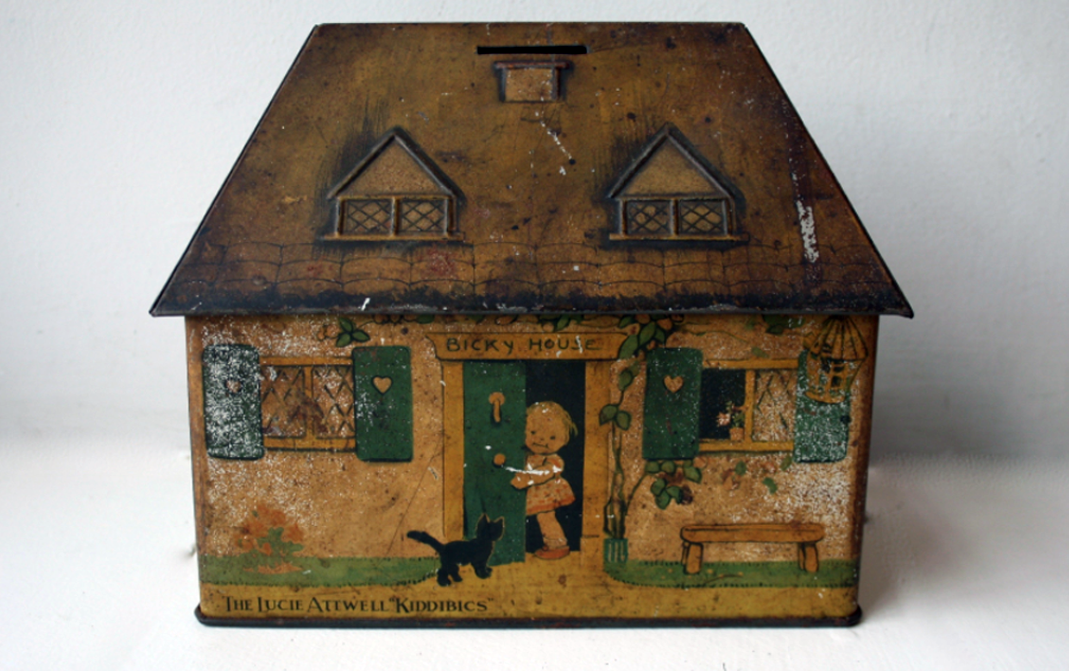
The perfect model home for the modern model family.
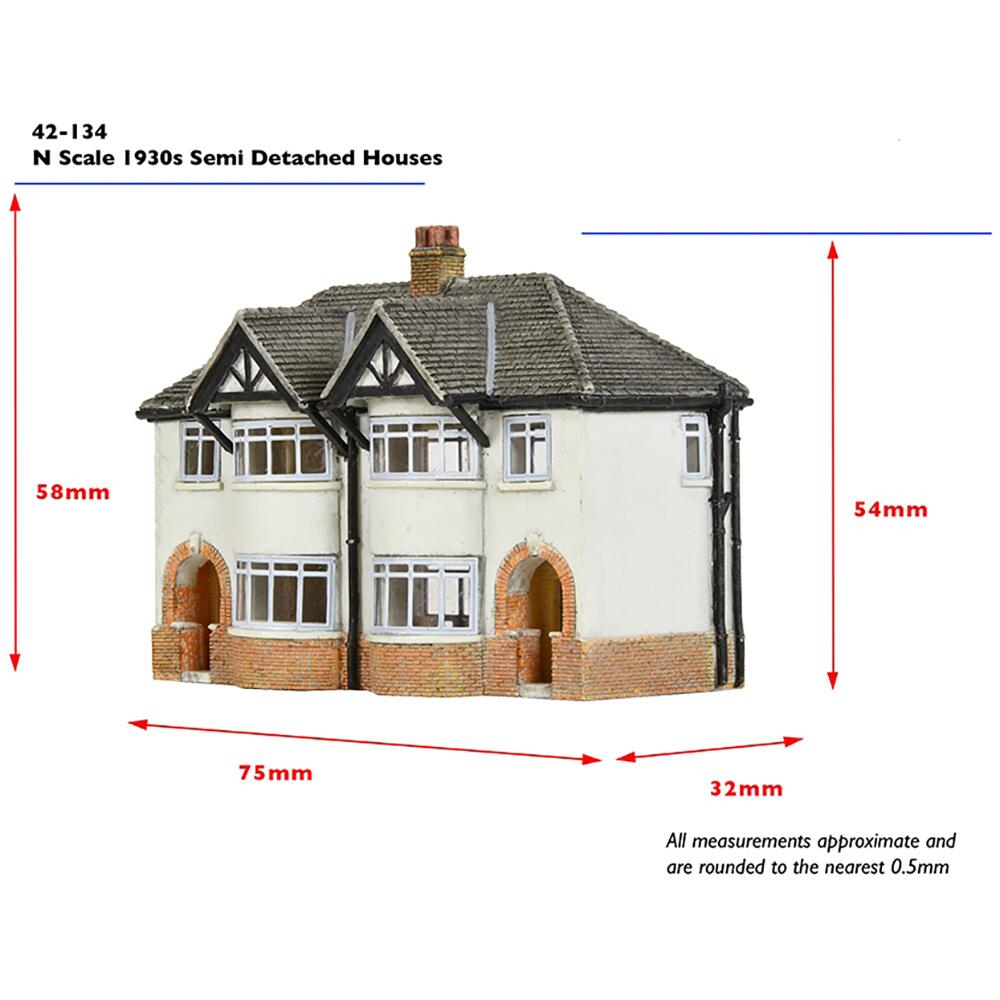
In Coming up for Air, George Orwell describes a suburban road as:

A prison with cells in a row. A line of semi-detached torture chambers.

Literary London

The growth of British towns and cities, from the onset of the Industrial Revolution, created a demand for new homes, the earliest developments were close to the centres of production and administration. Followed by the creation of outlying estates for the fleeing middle classes, as the smoke began to billow and the trains and buses began to run.

Originally the work of speculative private enterprise, followed by homes built by the local authority along with charitable institutions.

My own experience has taught me that Suburbia is architecturally diverse, socially less so, as various areas are segregated by class, and perhaps less so by ethnicity and/or culture.

The majority of the population live in Suburbia it seems, there now follows a selection of the suburban sites which I have visited in the last ten years or so.

In search of Suburbia.

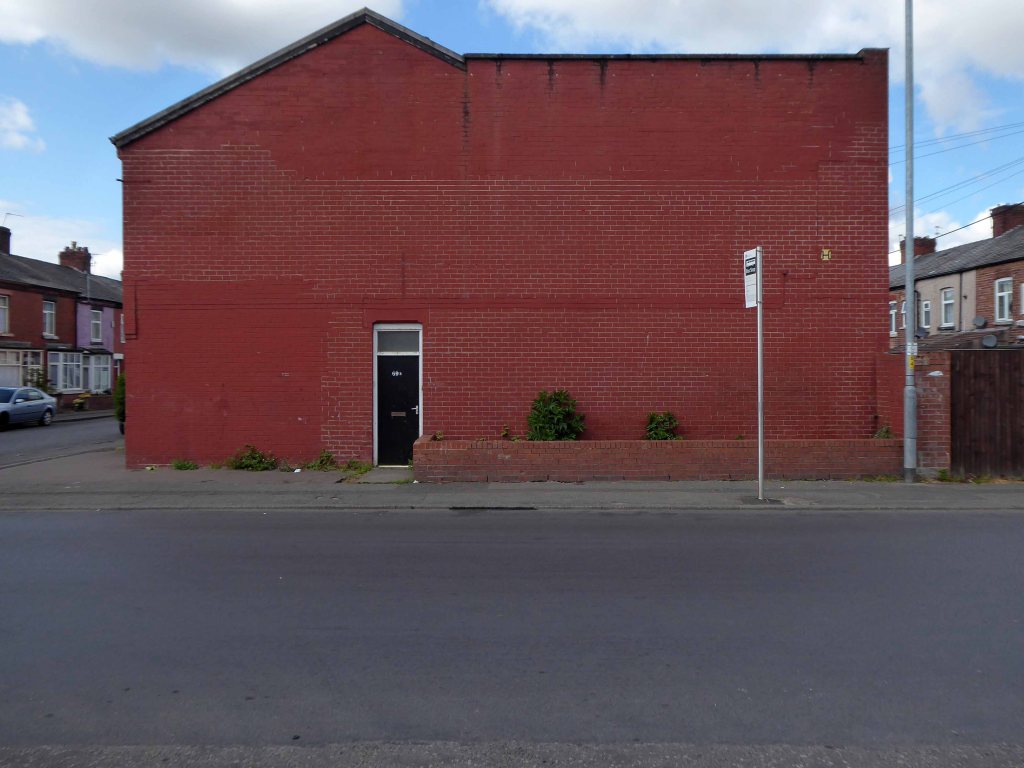
There are areas of Victorian terraced housing Manchester which survived clearance – such as Jetson Street in Abbey Hey.
Many early estates of the early Twentieth Century where heavily influenced by the Garden City Movement , exemplified by the Burnage Garden Village.
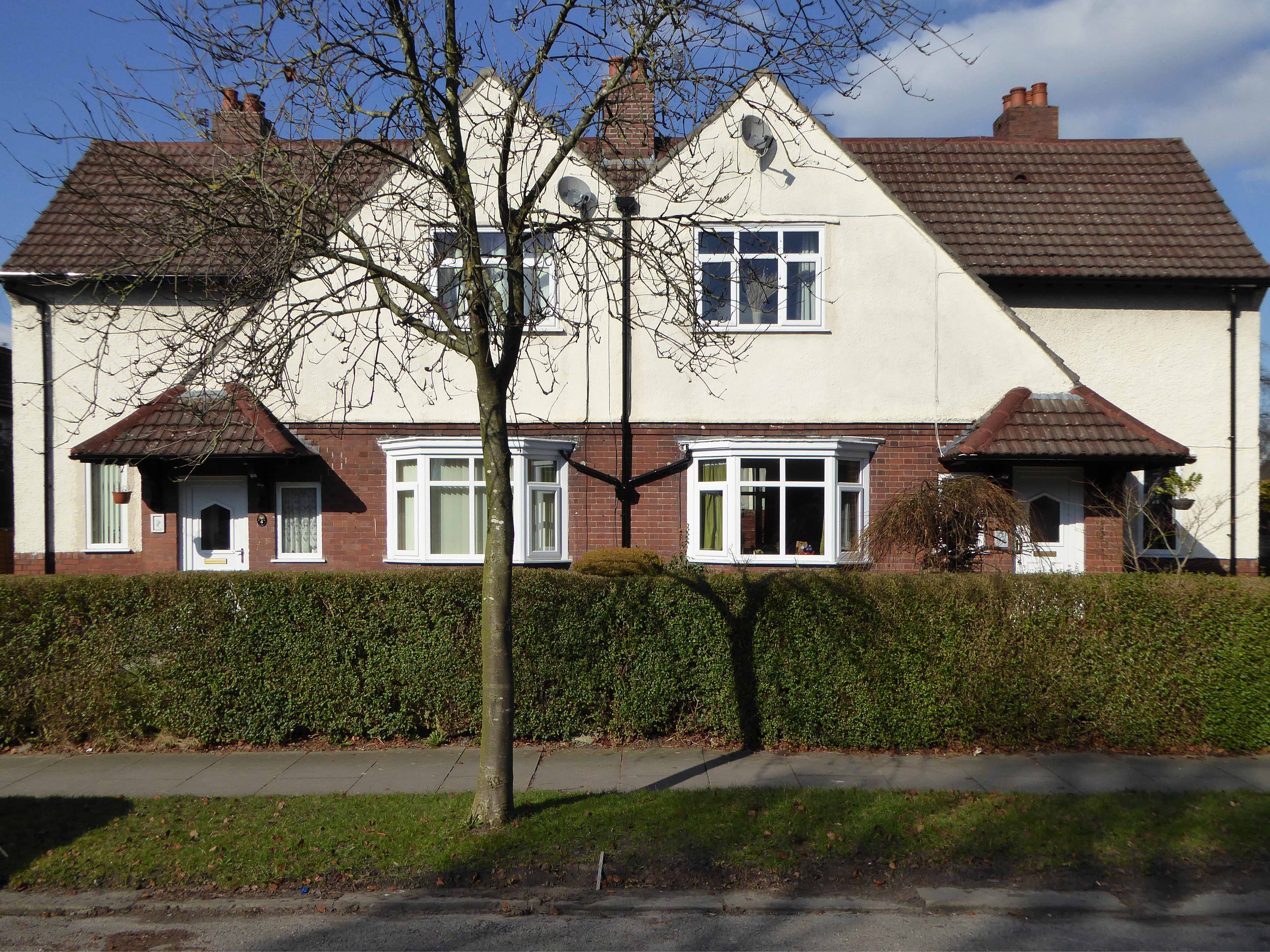
And similar in design Ford Lane Didsbury.
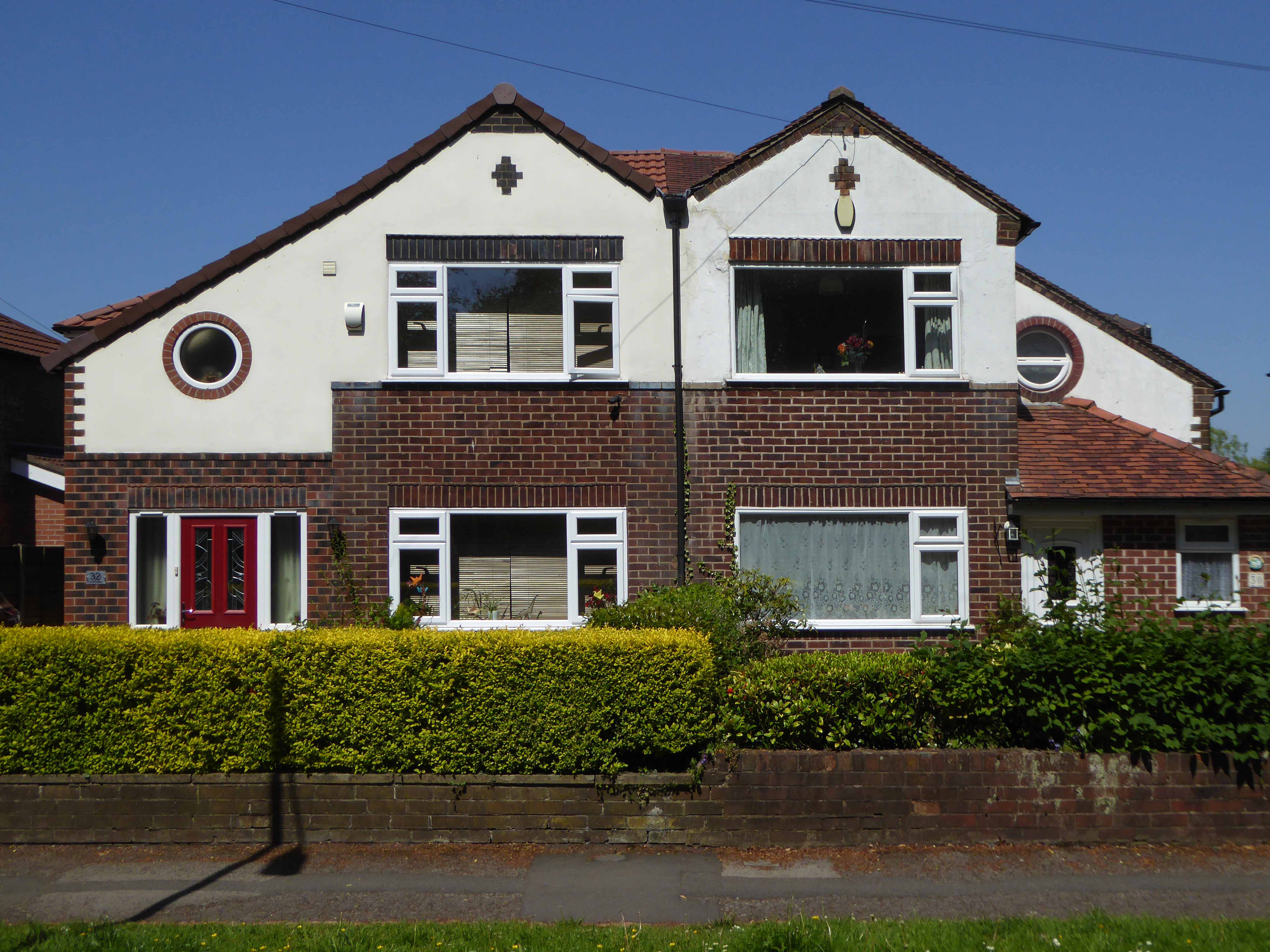
By 1931 1.1 million council houses were built and 2.8 million privately owned homes.

Post WW2 the emphasis was on an expansion of social housing, along with a growth in privately owned property – detailed information and analysis of social housing can be found here at Municipal Dreams.

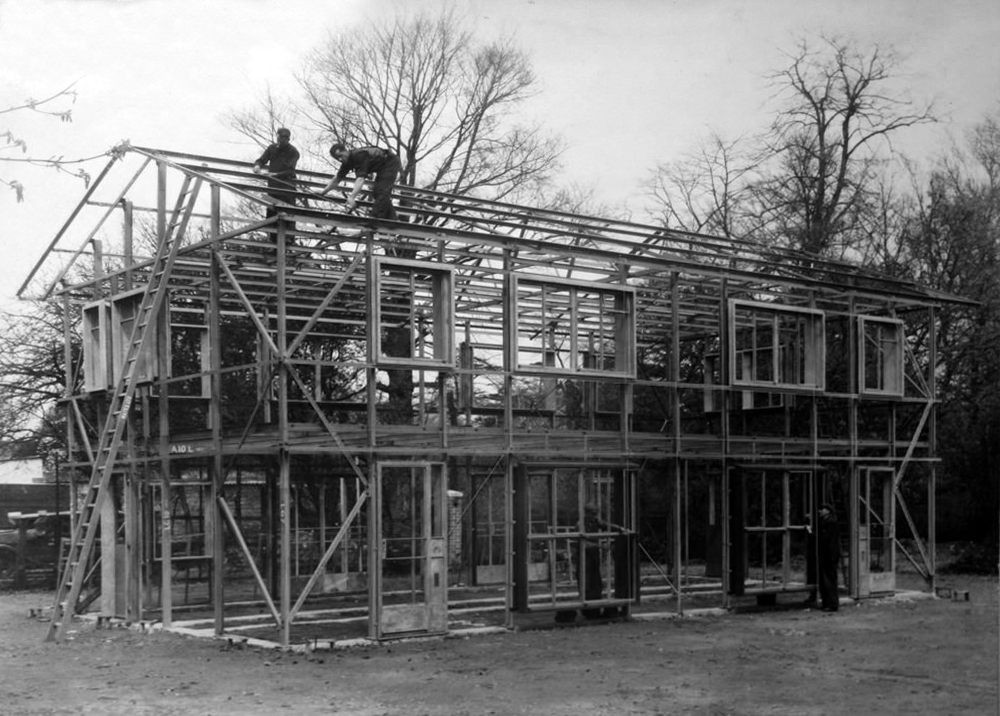
These homes were at times both temporary and of non-standard construction.

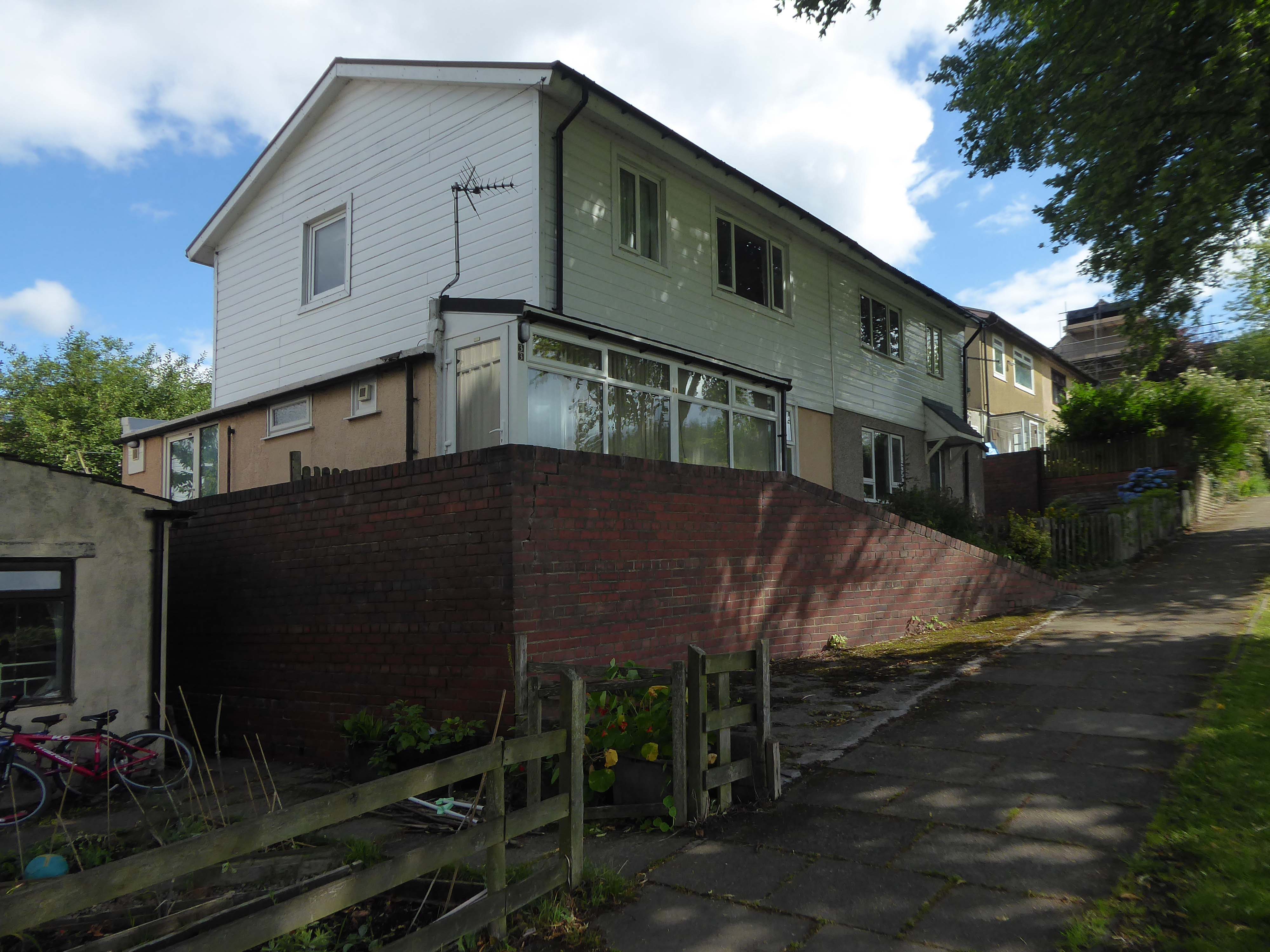
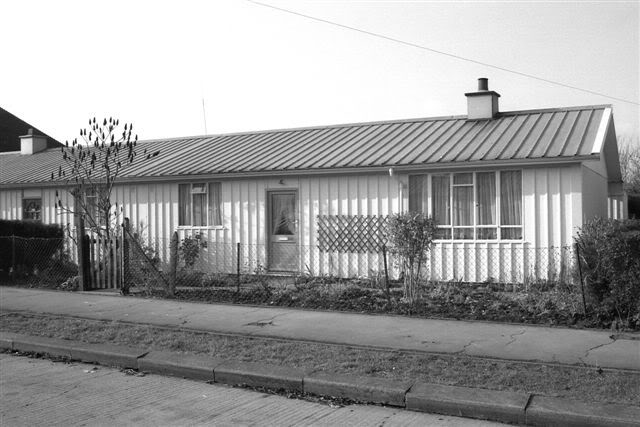
This prefabricated house was originally built for the good folk of Doncaster, later finding itself in Humberston Fitties
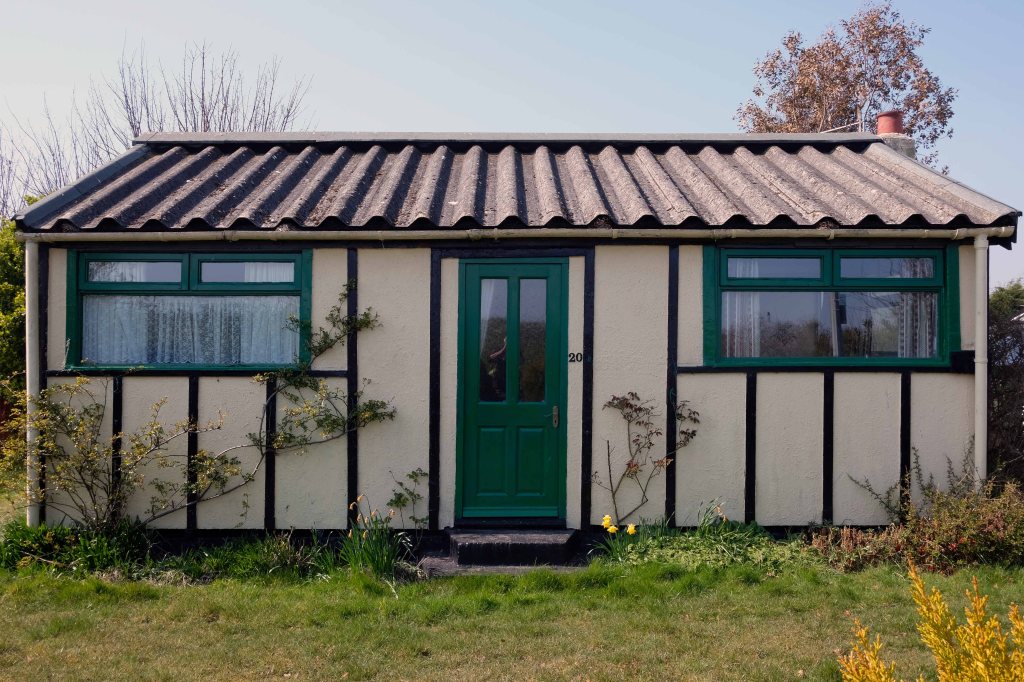
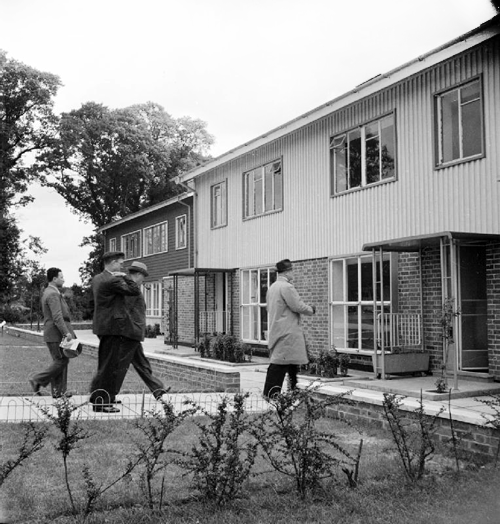
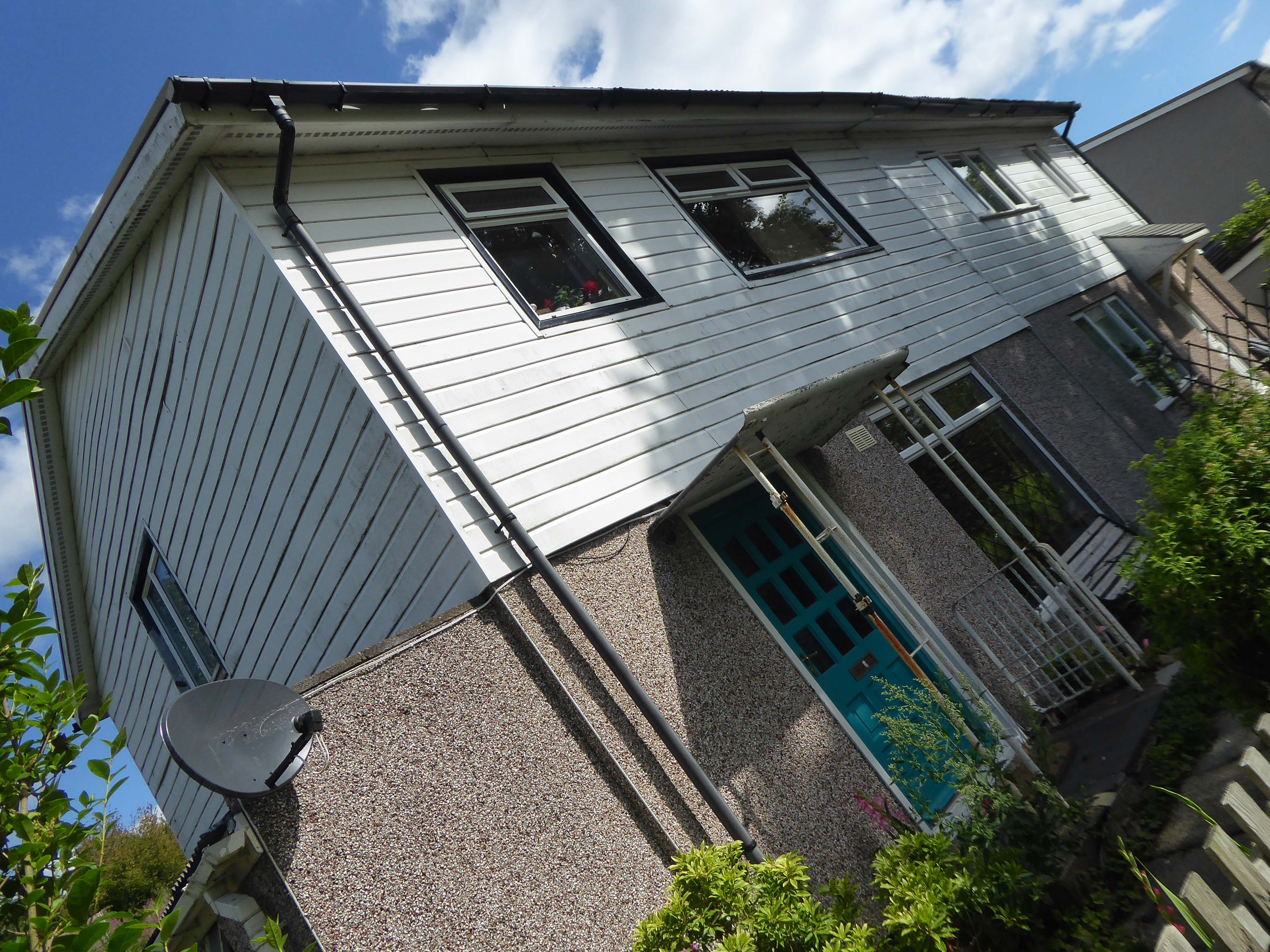
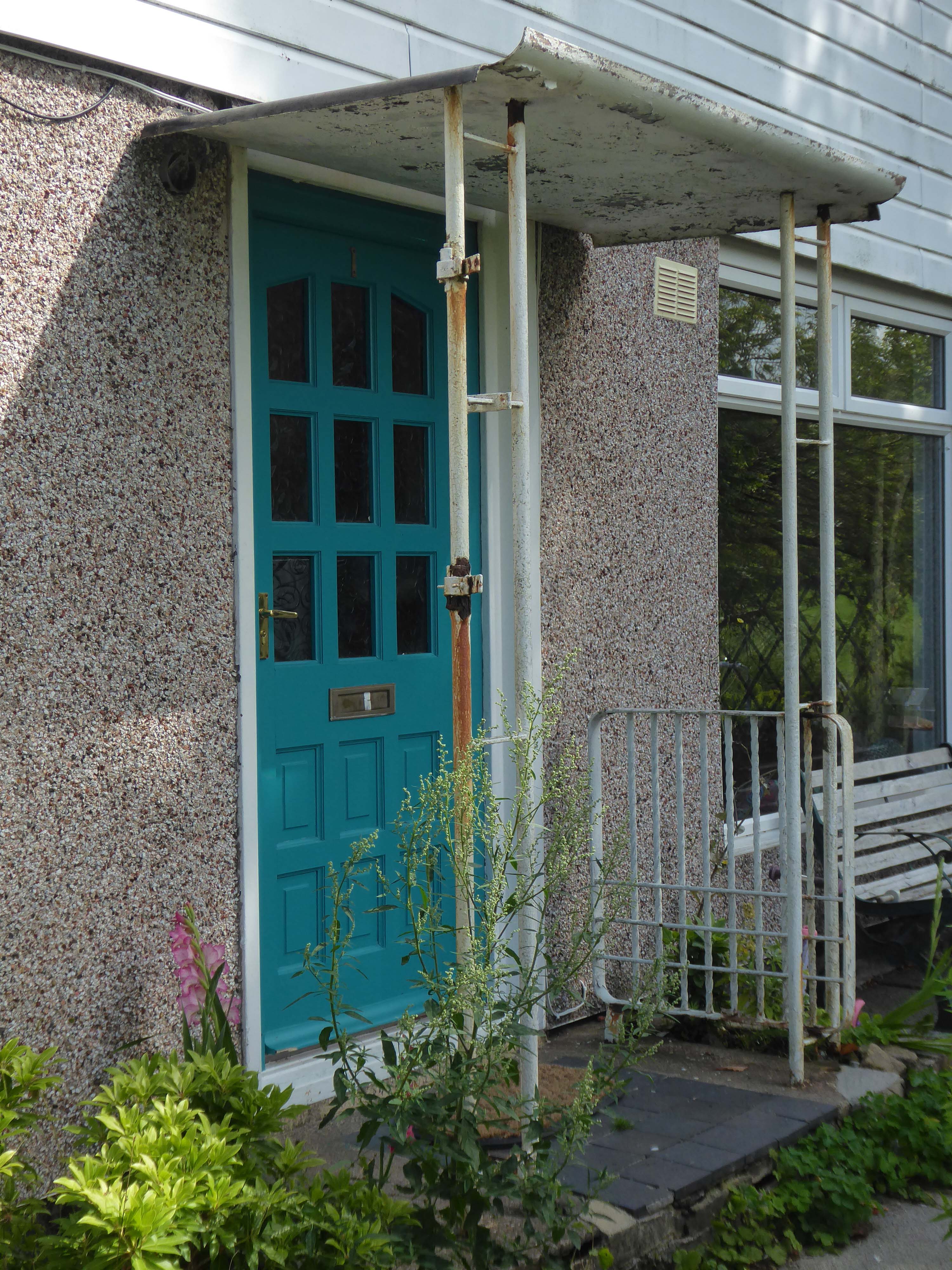
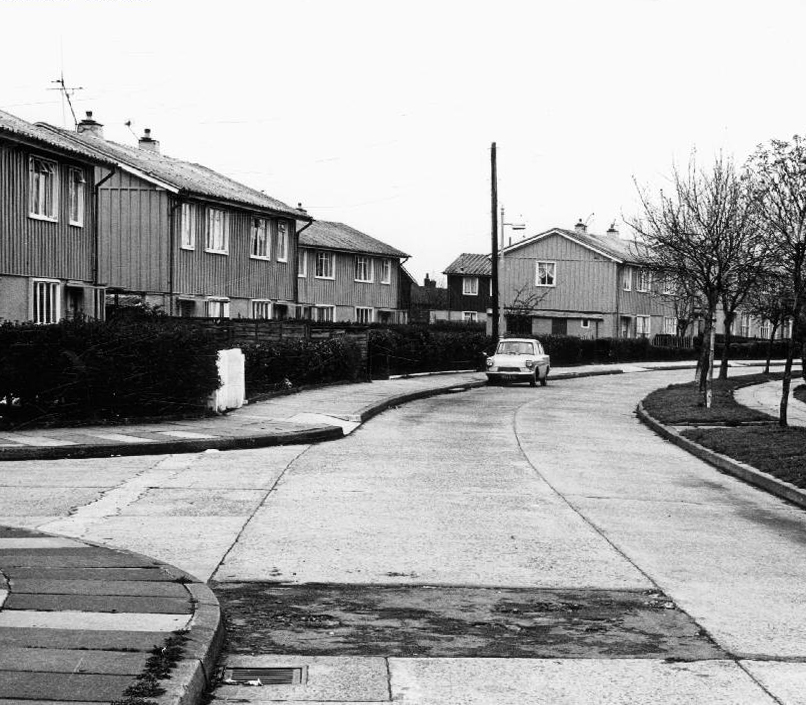
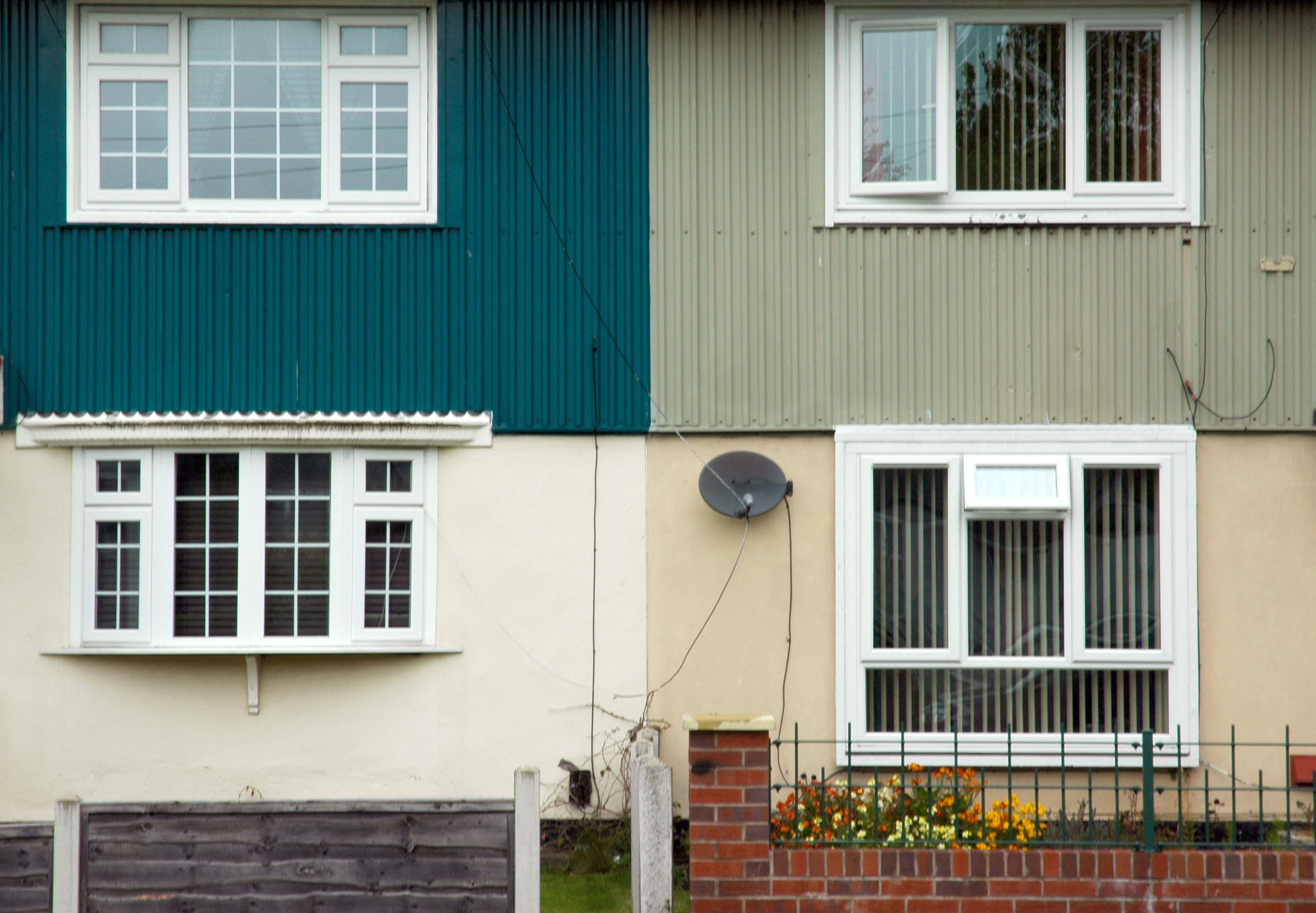
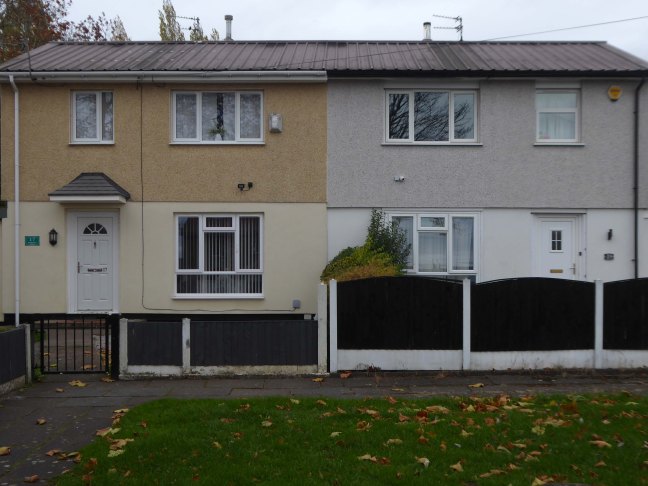
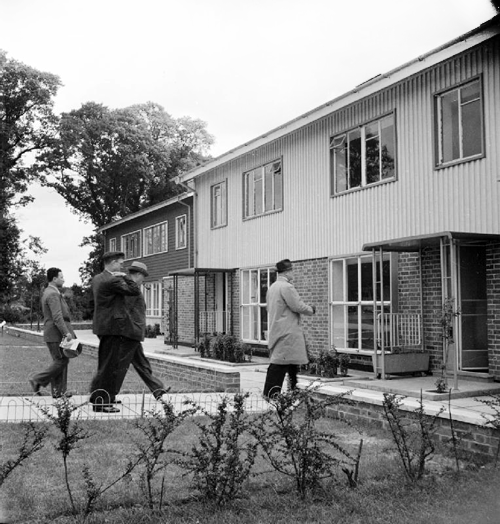
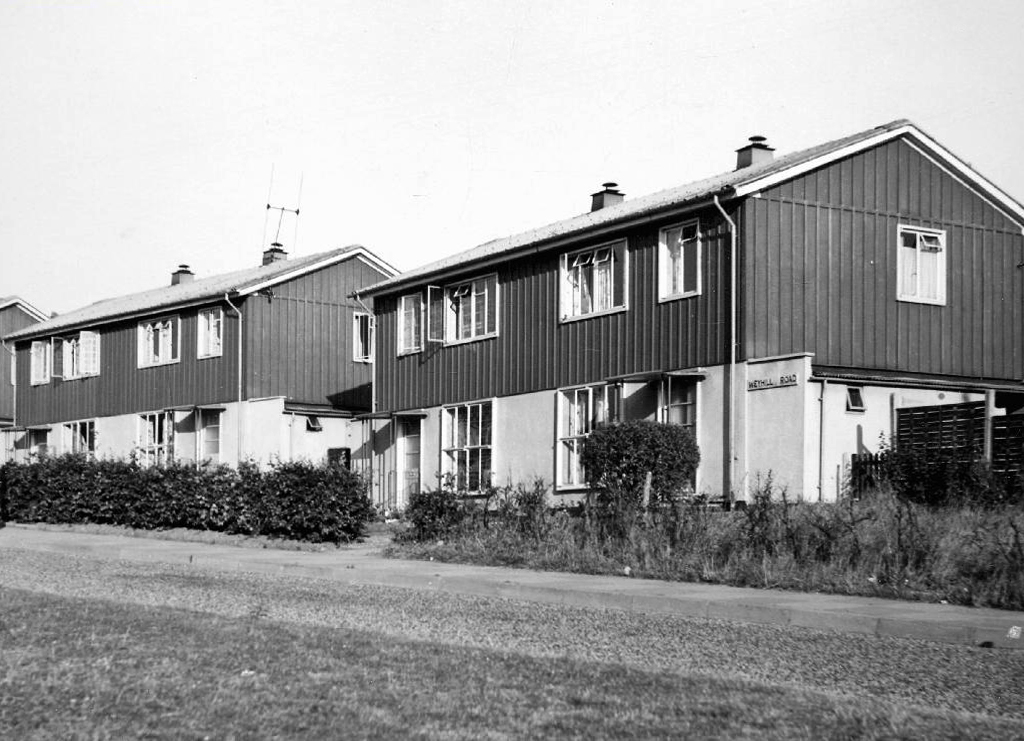
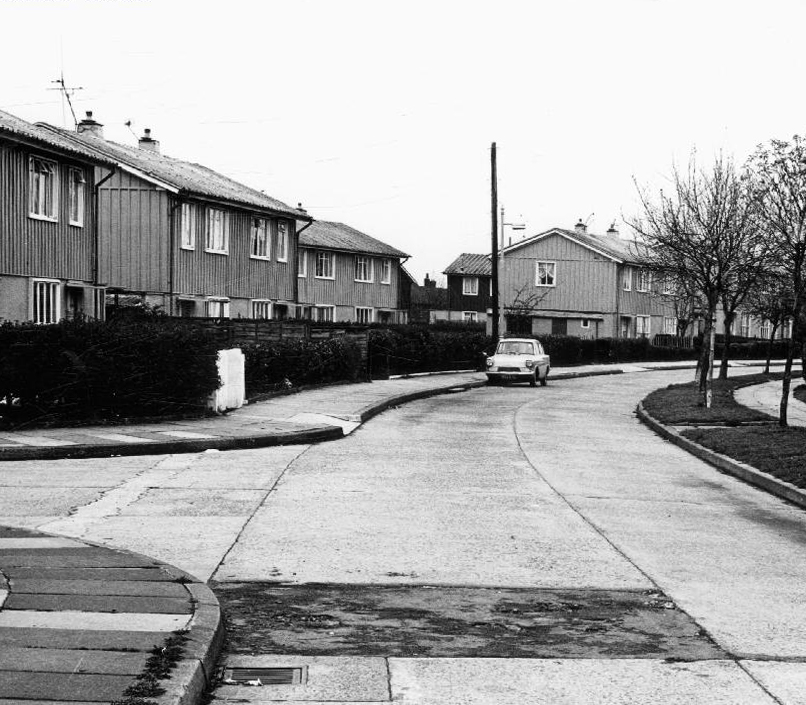
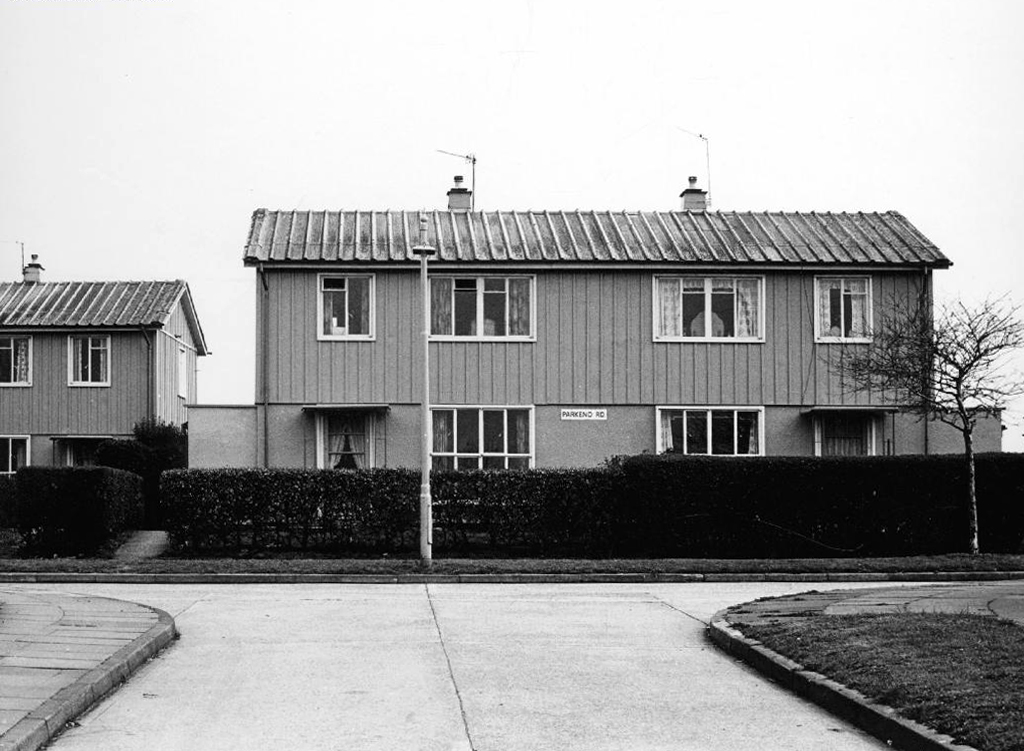
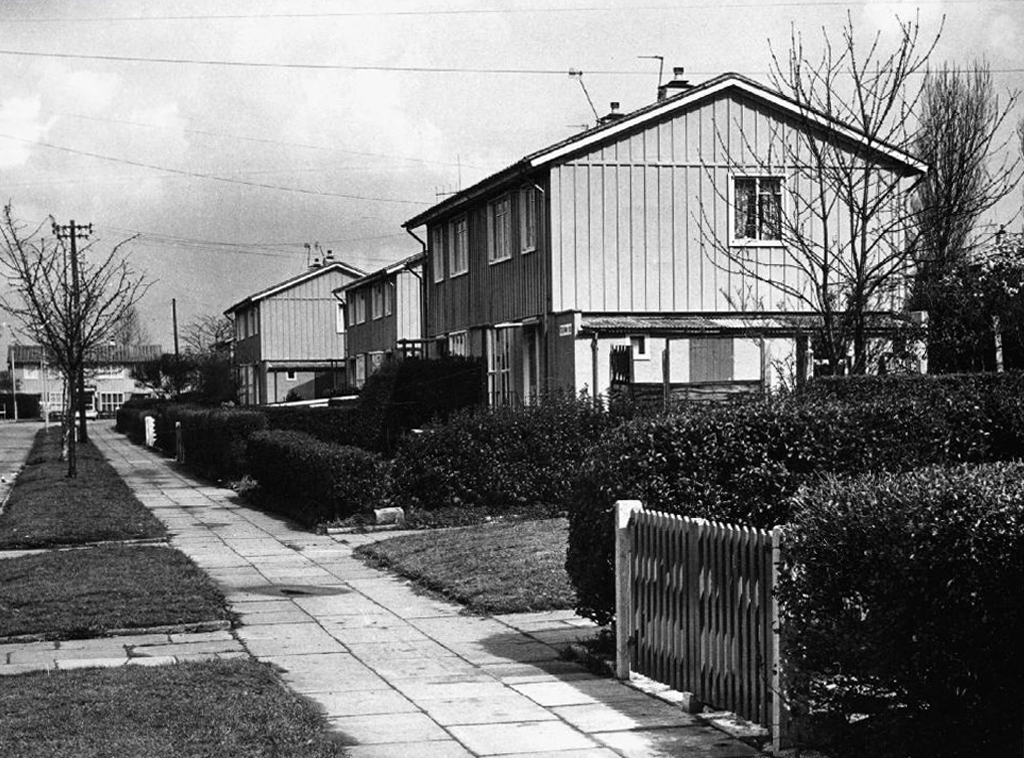
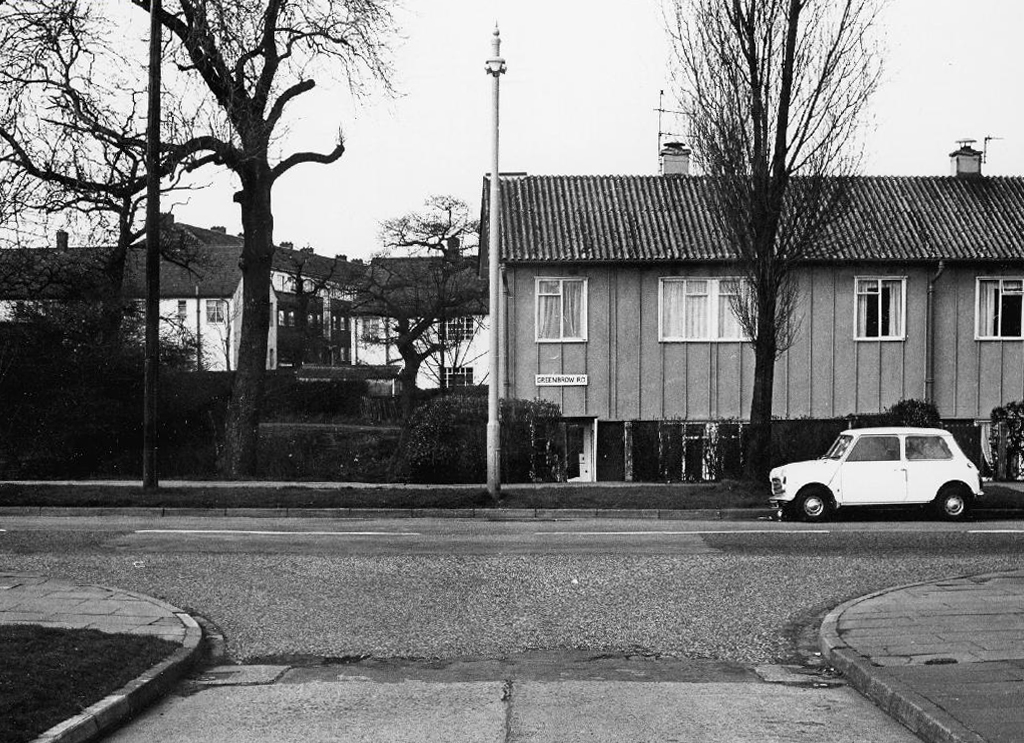
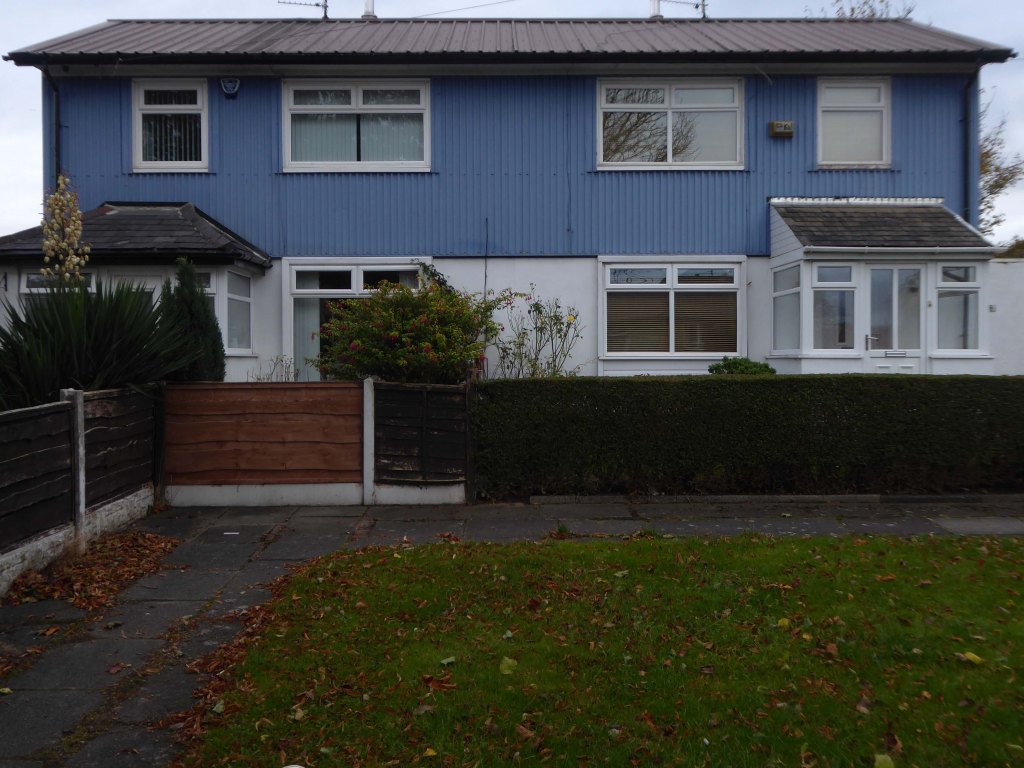
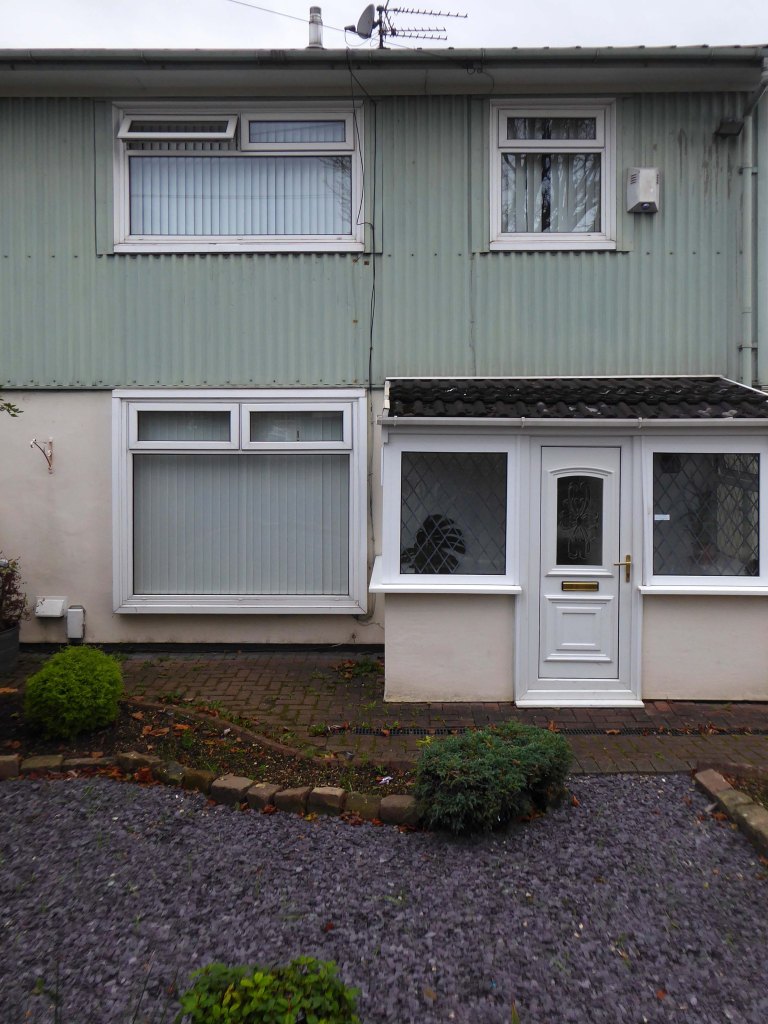
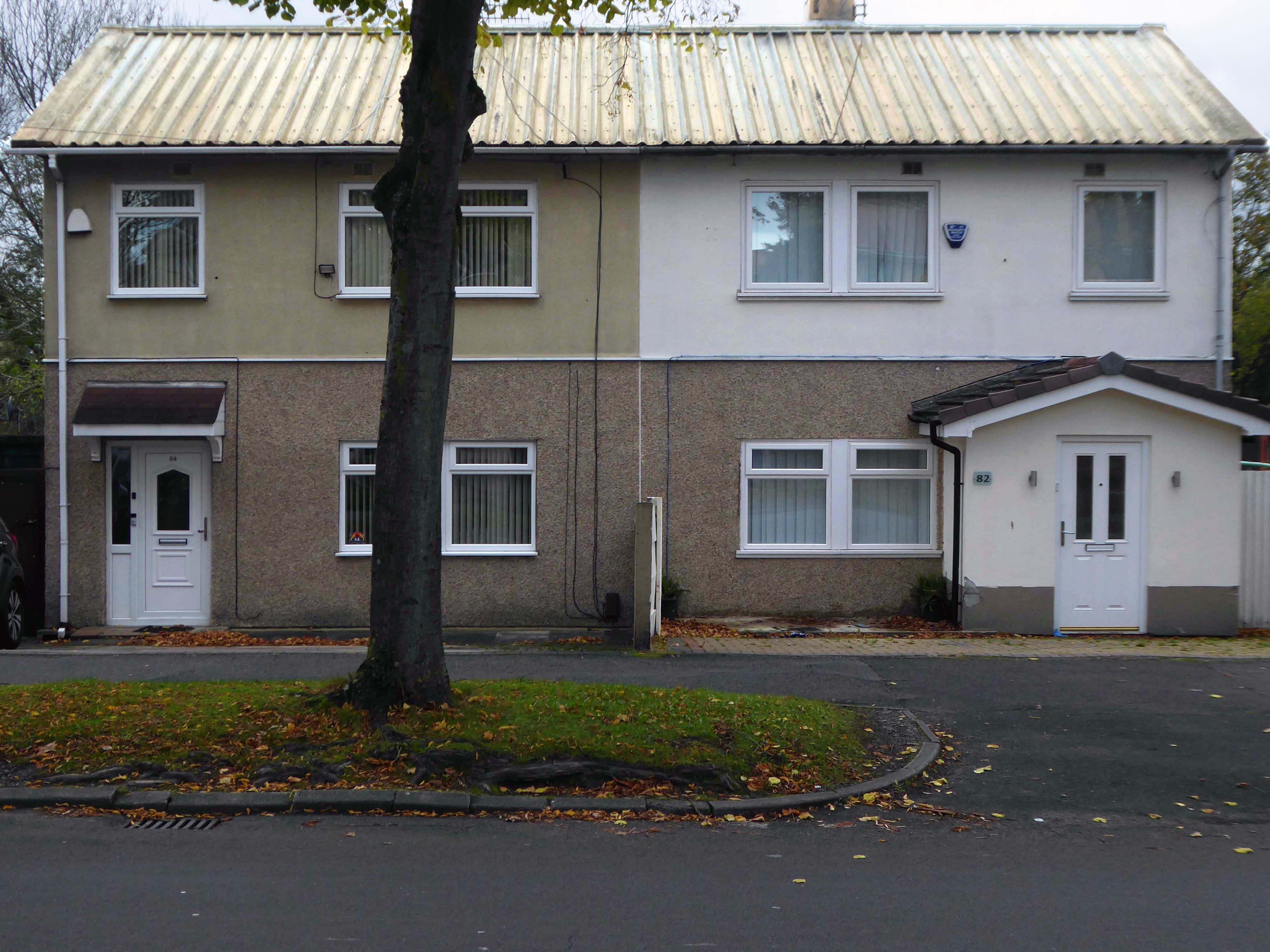
These Wythenshawe BISF Homes designed by Frederick Gibberd, the so-called Tin Town are still very much habitable homes.
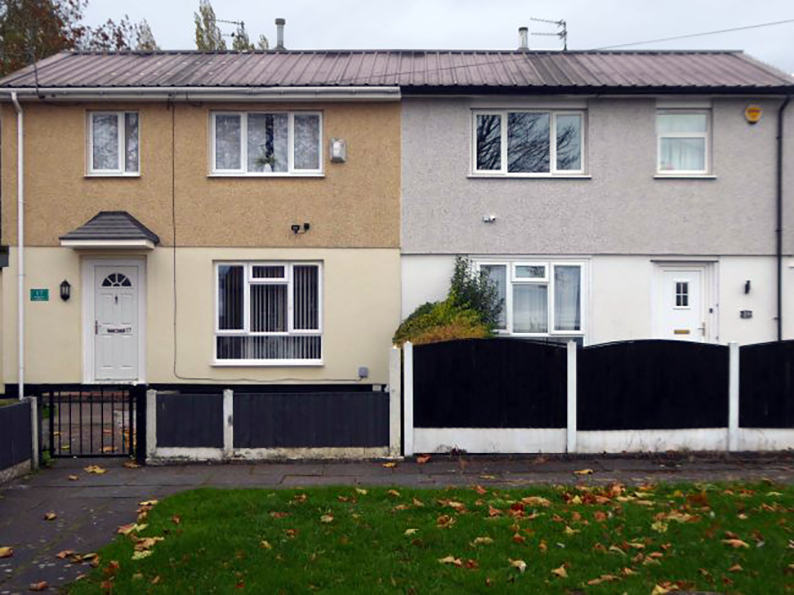
Likewise these examples in Hebden Bridge.
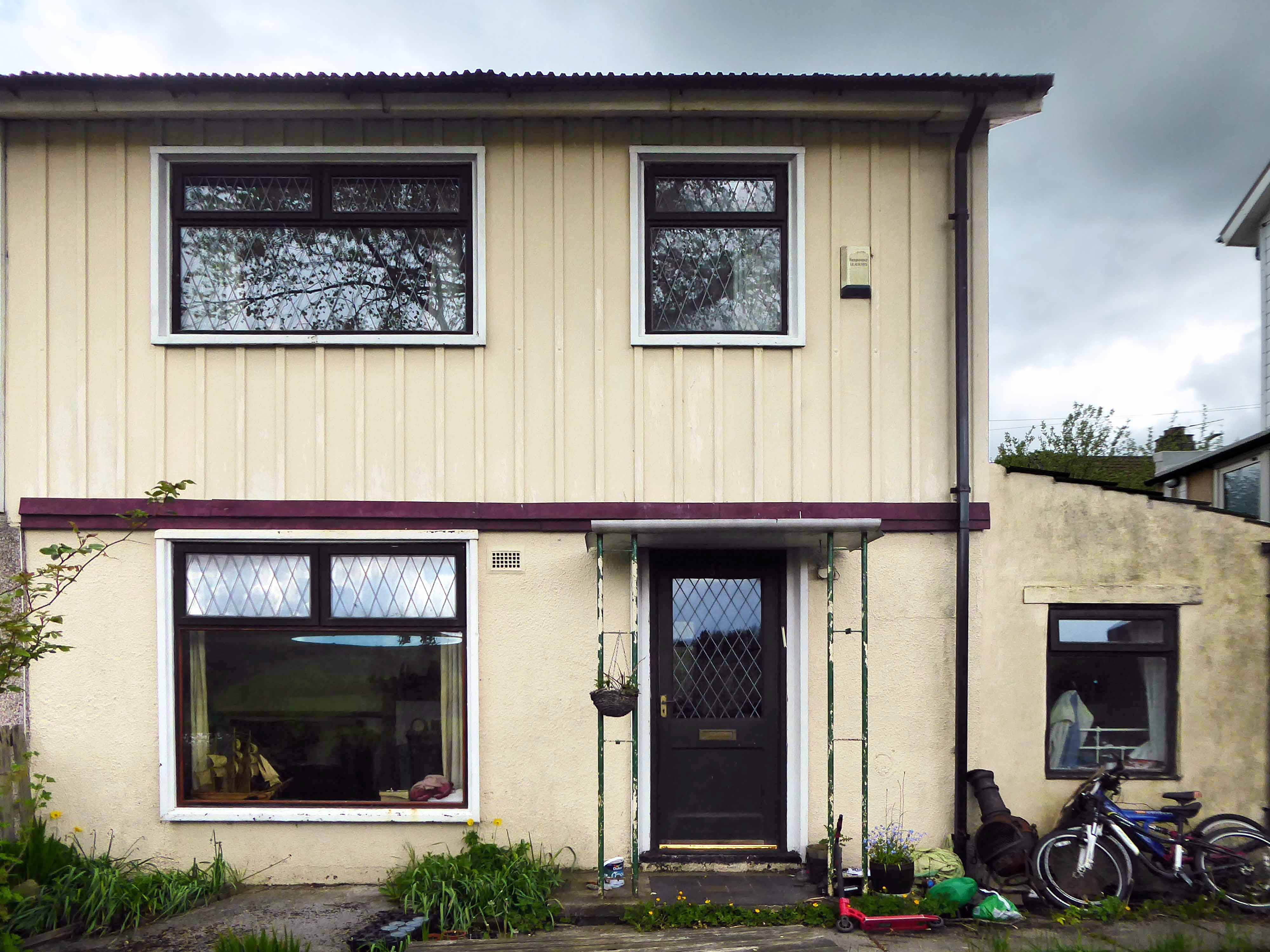
The Pre-Fab Museum is a treasure trove of information, along with Non Standard House Construction.

Post war development was inextricably linked to the New Towns.

The new towns in the United Kingdom were planned under the powers of the New Towns Act 1946 and later acts to relocate people from poor or bombed-out housing following World War II. Designated new towns were placed under the supervision of a development corporation, and were developed in three waves. Later developments included the “expanded towns”: existing towns which were substantially expanded to accommodate what was called the “overspill” population from densely populated areas of deprivation.

Wikipedia

One such New Town was Peterlee, in the north east of England, where I visited in 2021 and 2025.
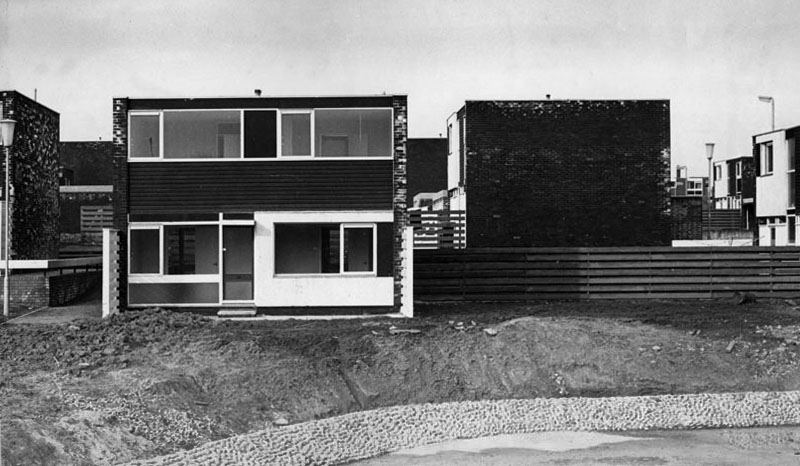
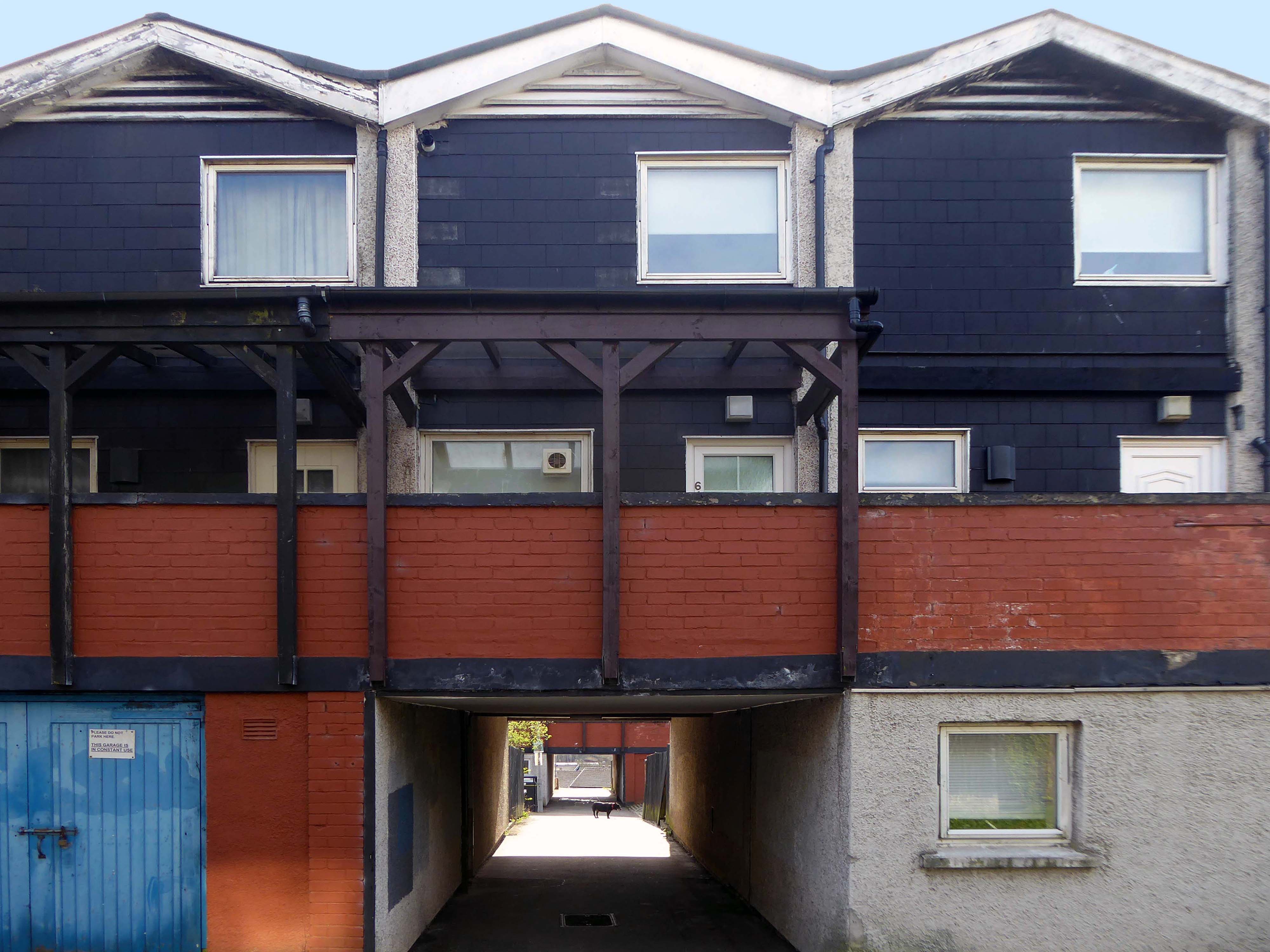
Along with Cumbernauld in Scotland.
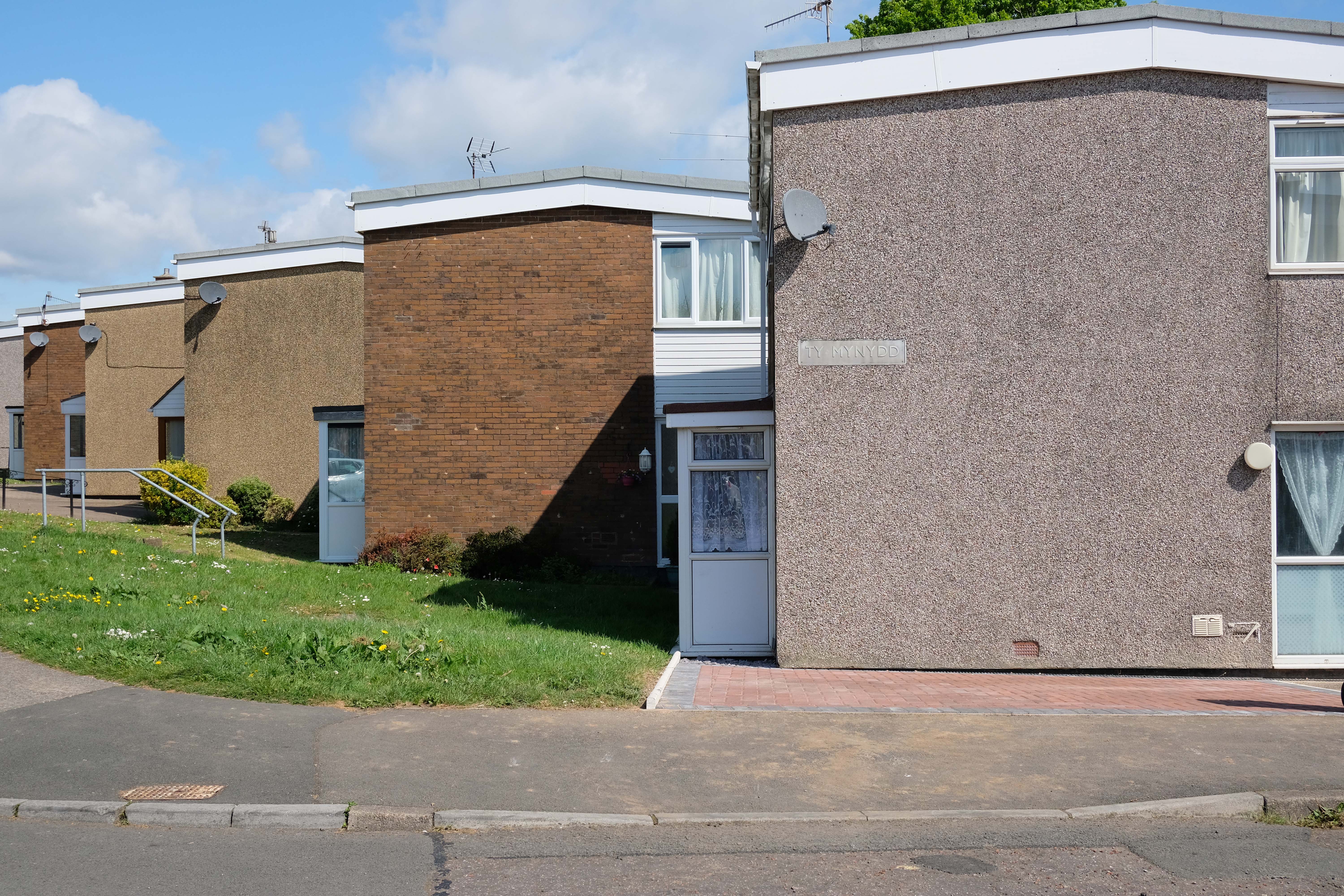
Cwmbran in south Wales.
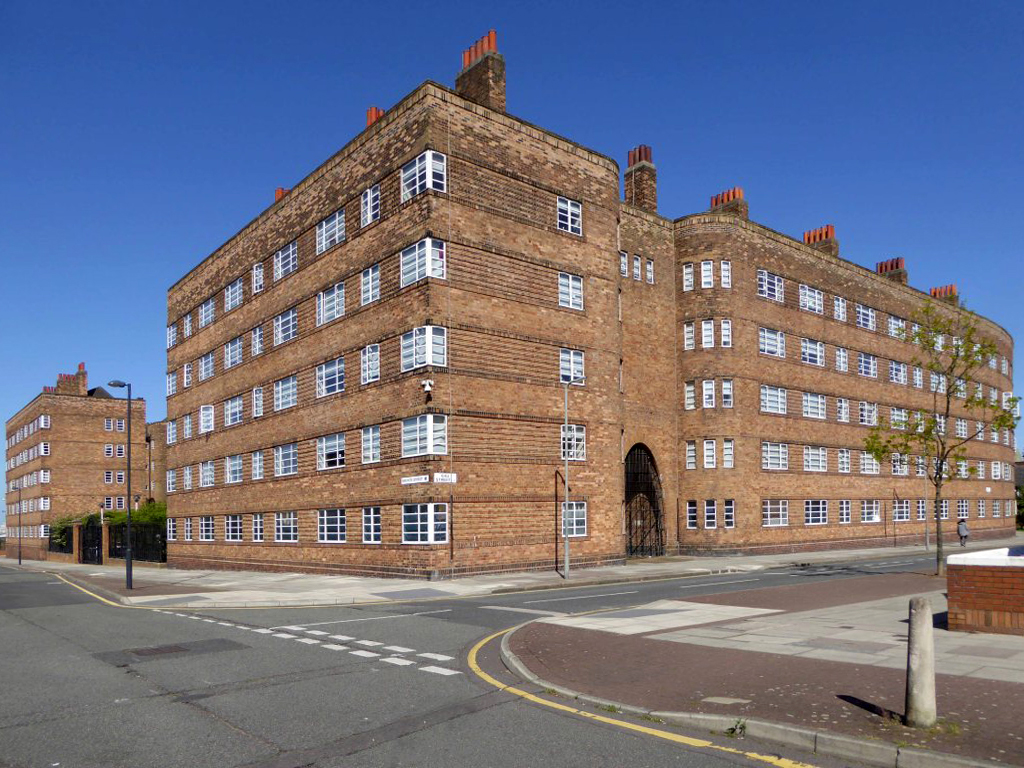
In addition there are examples of European influence in the design of inter and post WW2 housing.

The Bull Ring Liverpool 1935.
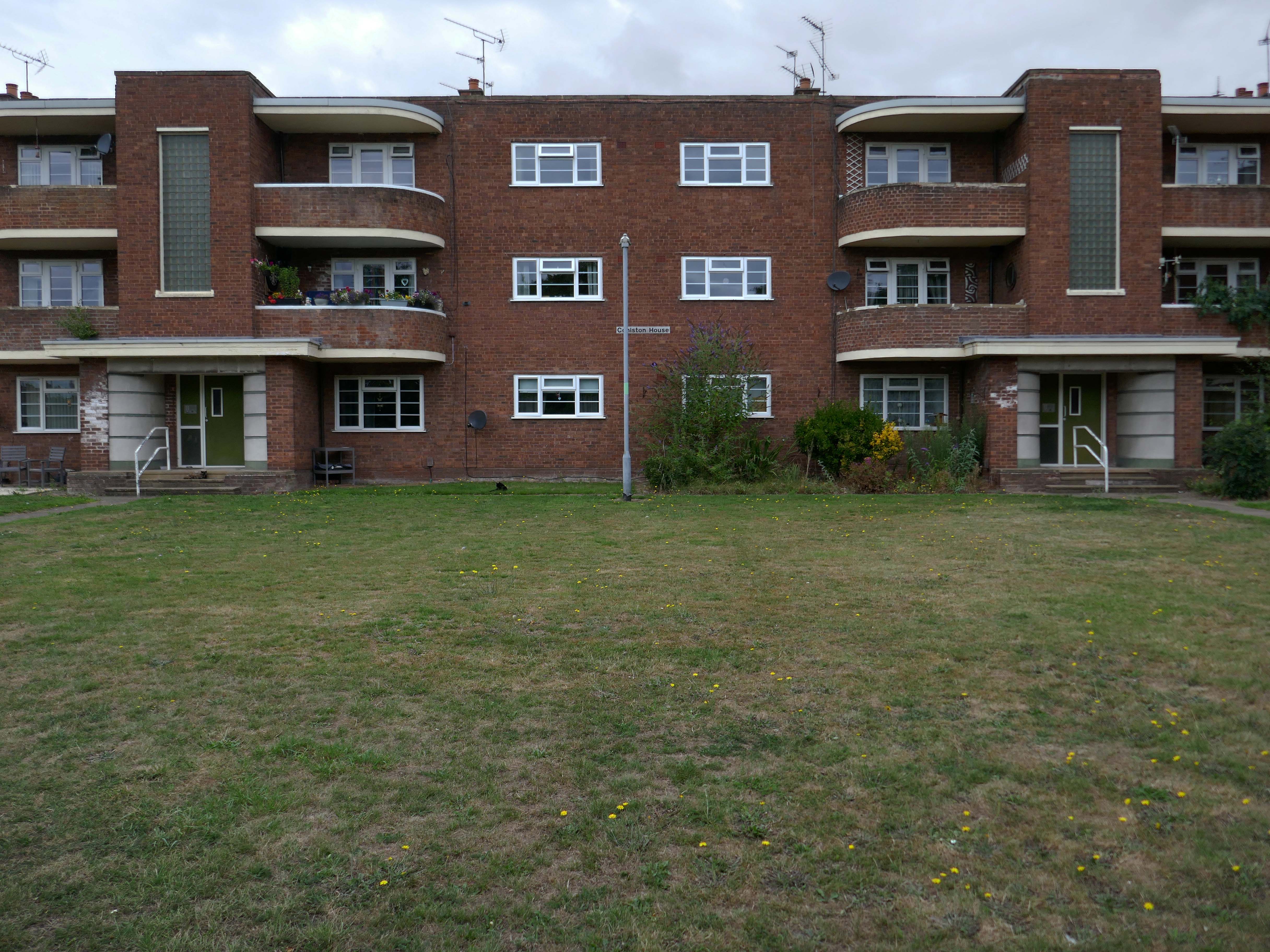
Leo Fitzgerald House of 1940 in Dublin displays a similar European influence.
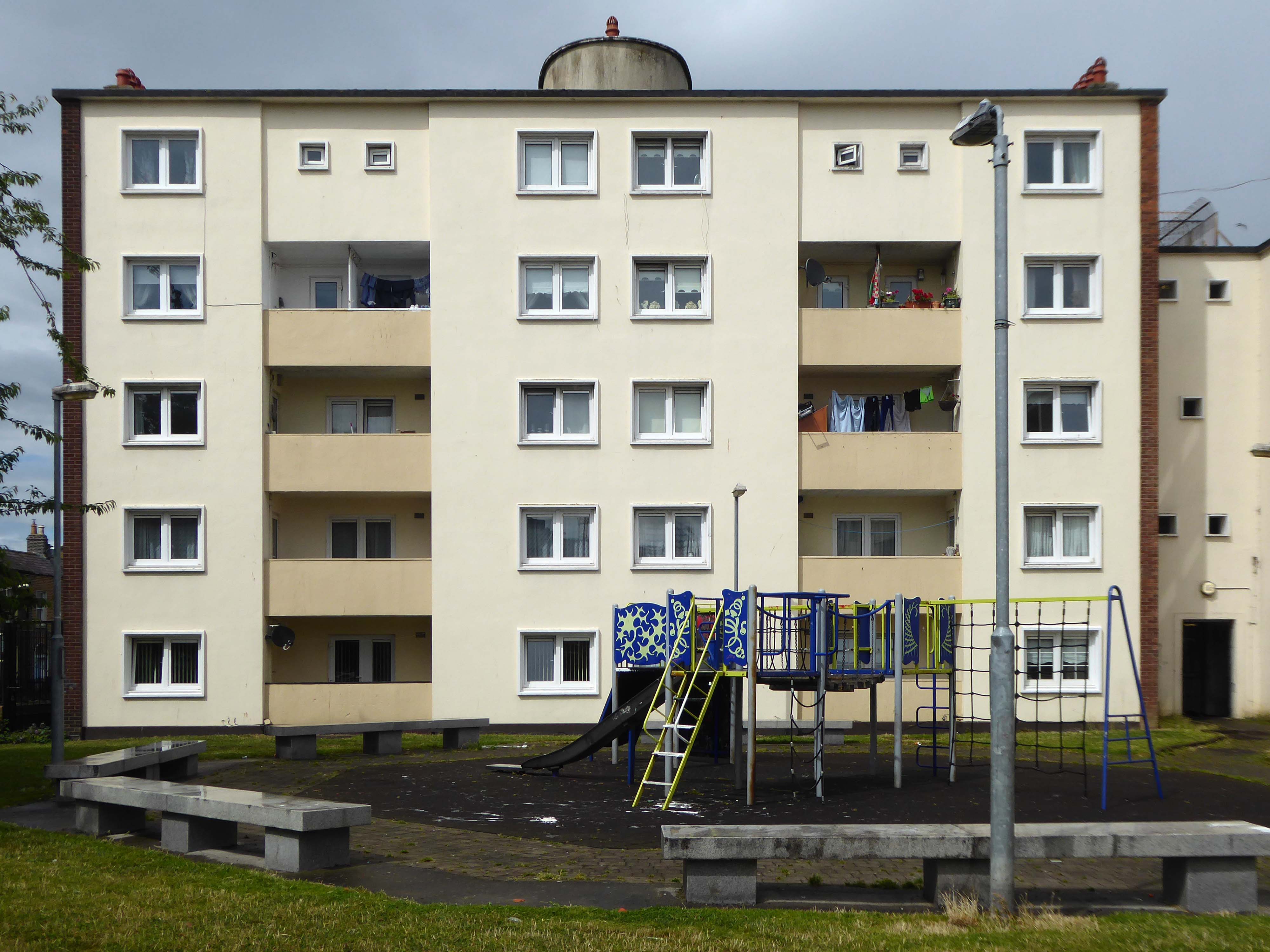
Corporation Street Flats Stafford 1951-52
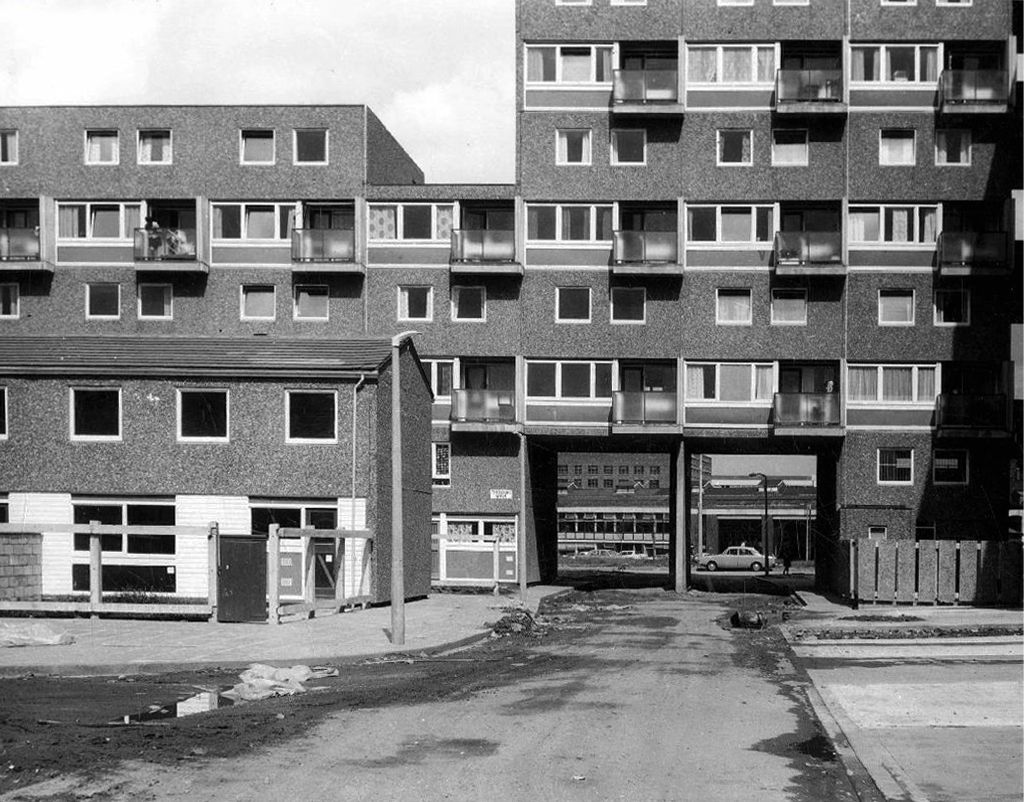
Later examples such as Fort Ardwick in Manchester proved to be badly built and ill advised choices for social housing.
The Byker Estate has proved to be much more durable.
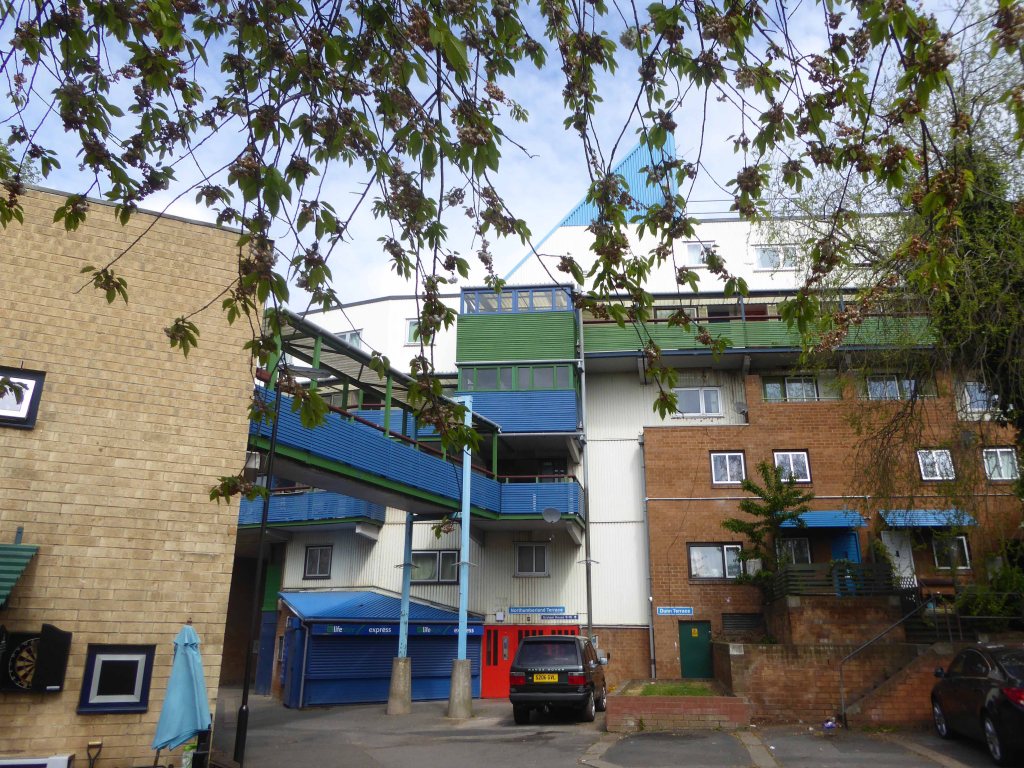
Whilst Park Hill has undergone a change from social housing to largely private ownership and rental.
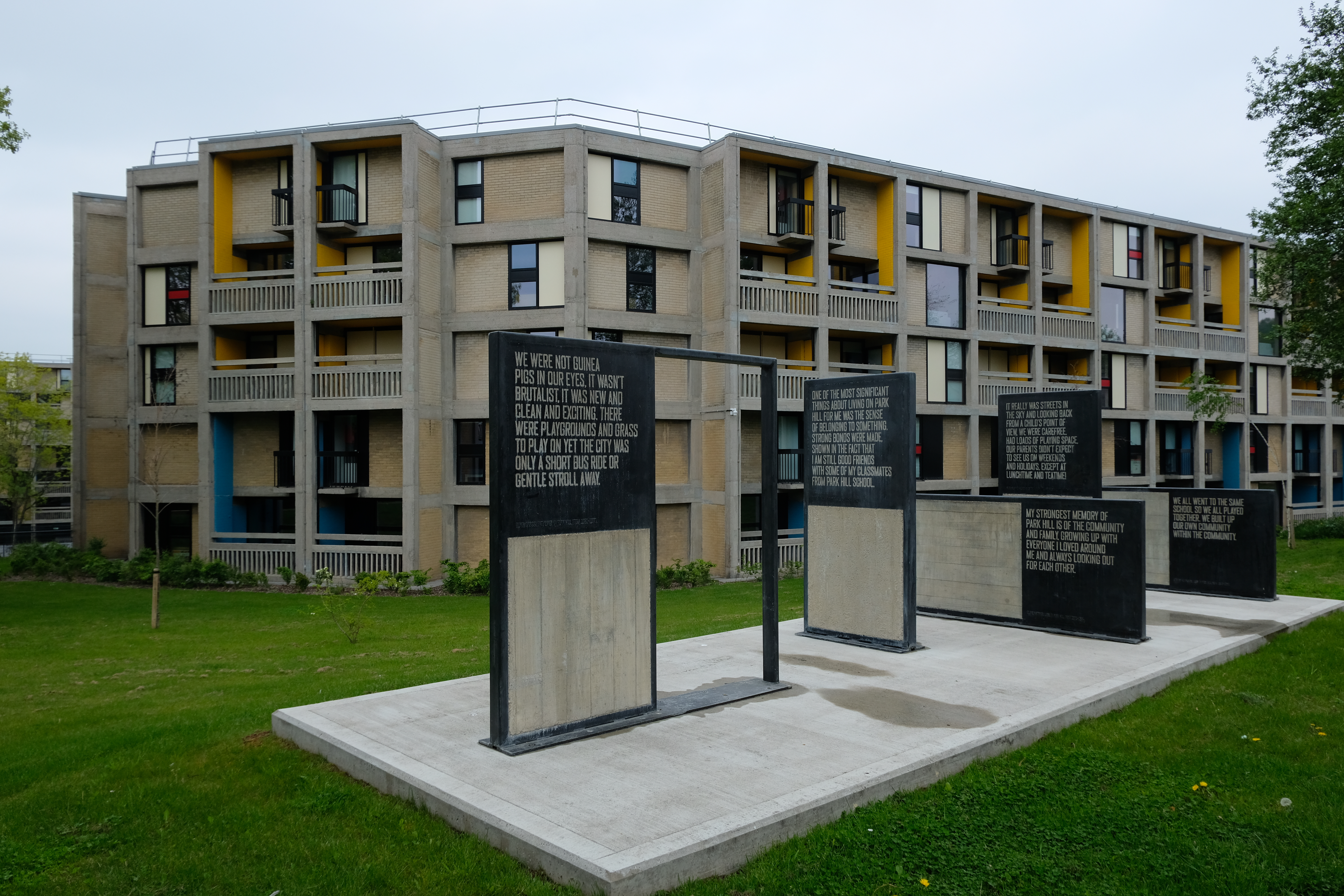
The St Thomas Estate in Radcliffe, mixes the traditional terrace with a modern twist on social housing.
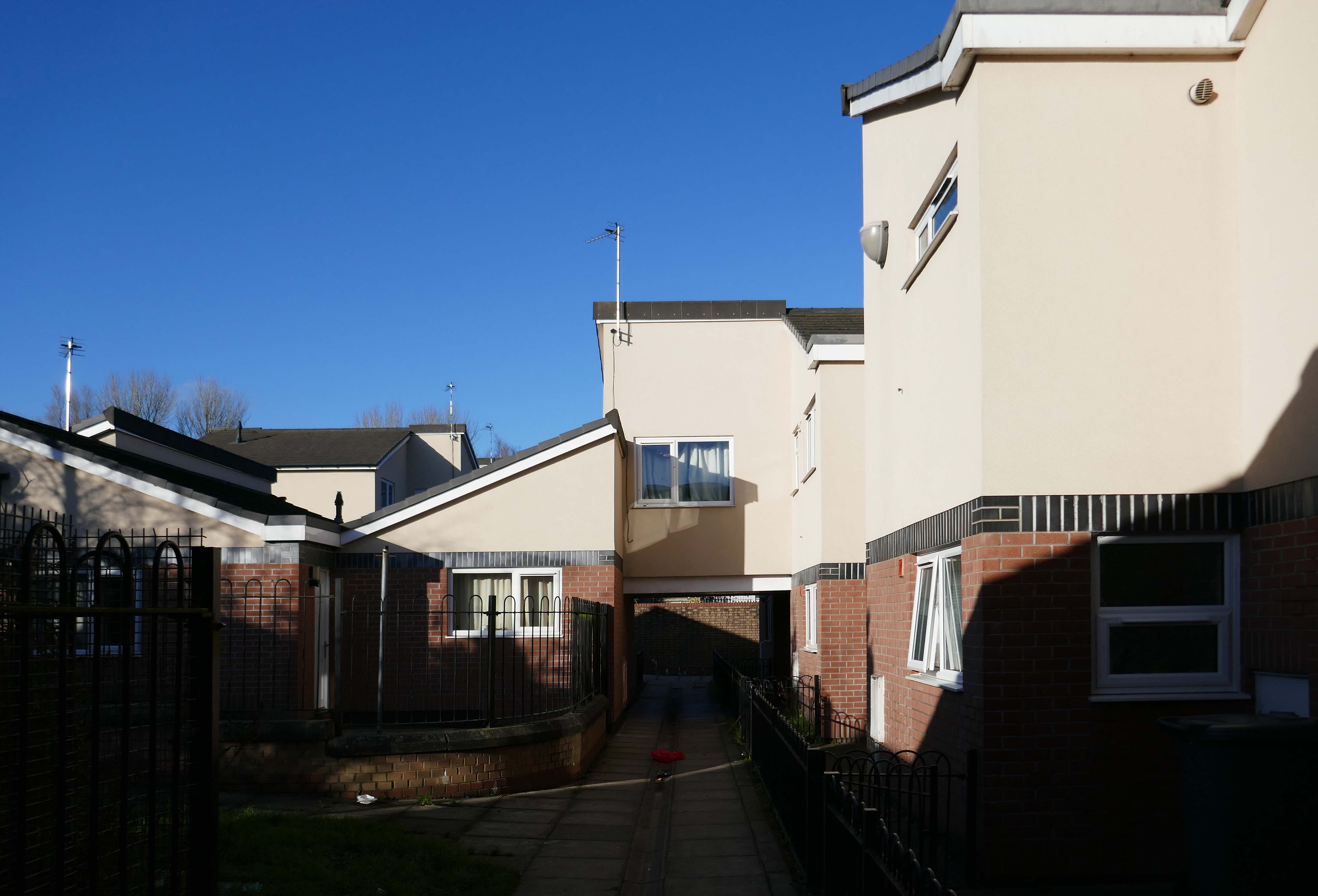
Private developers opted for Span style homes, such as these at Deneway Stockport 1964
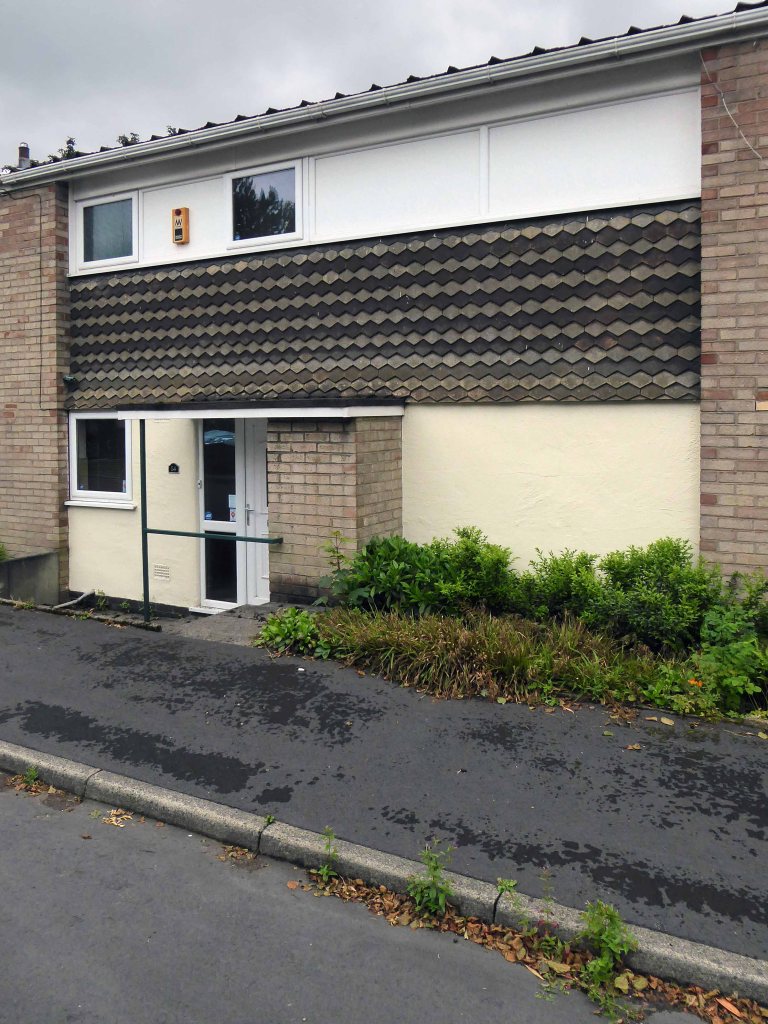
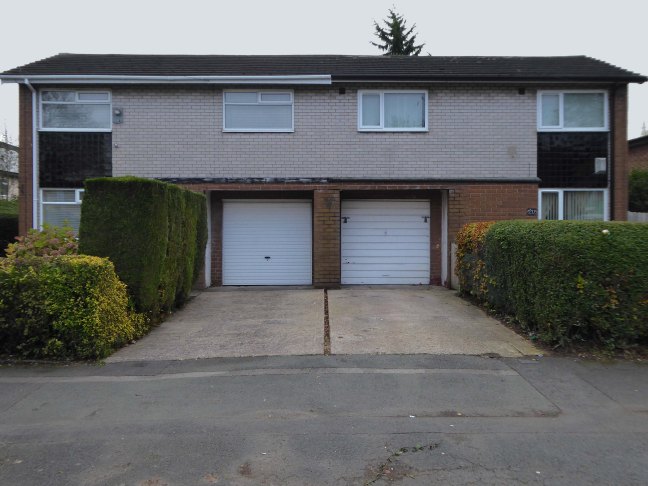
Further afield in the former fields of Cheshire are the out of the way, not way out, Woodford executive homes.
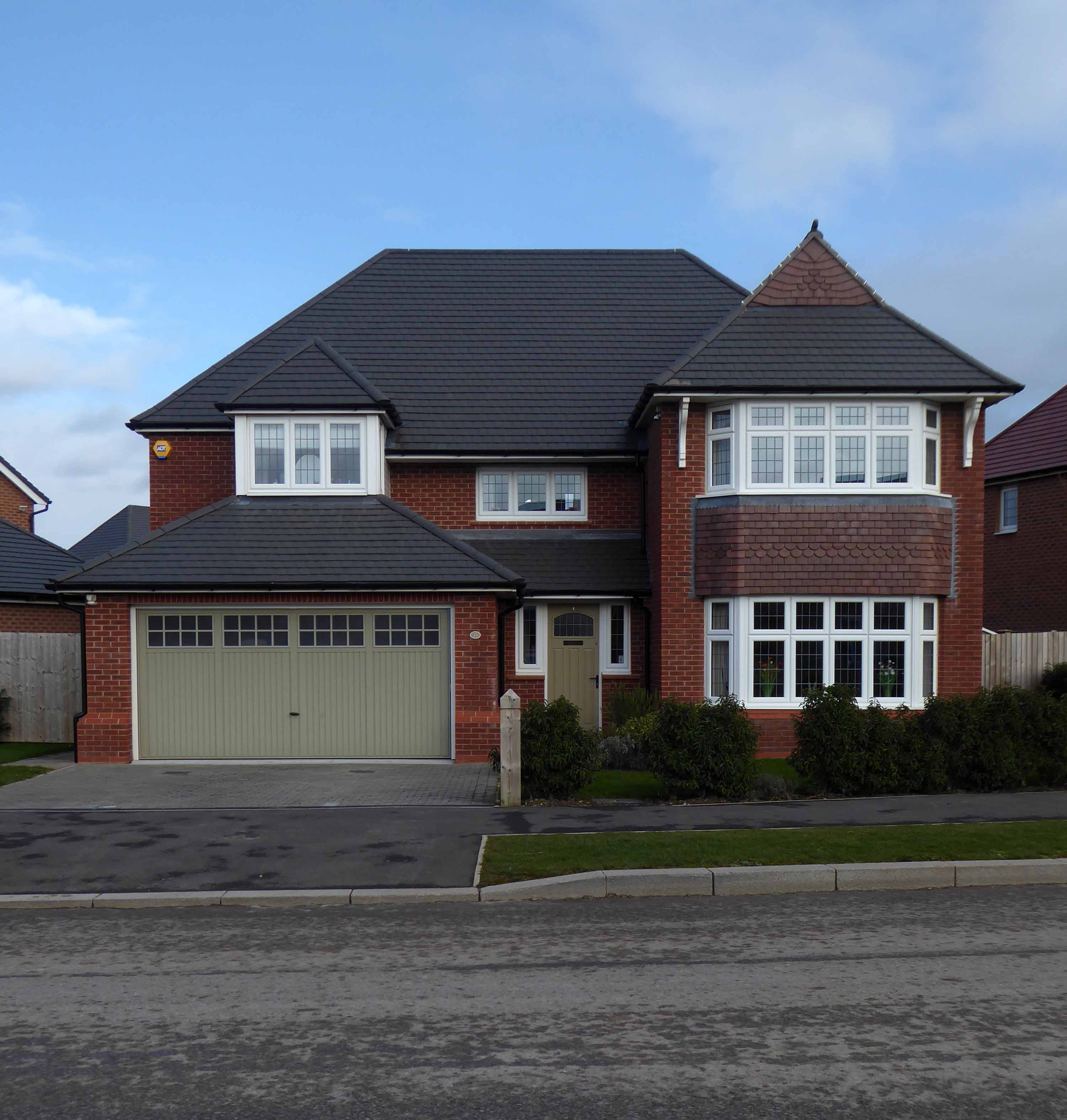
In Heald Green we find the slightly less executive homes.
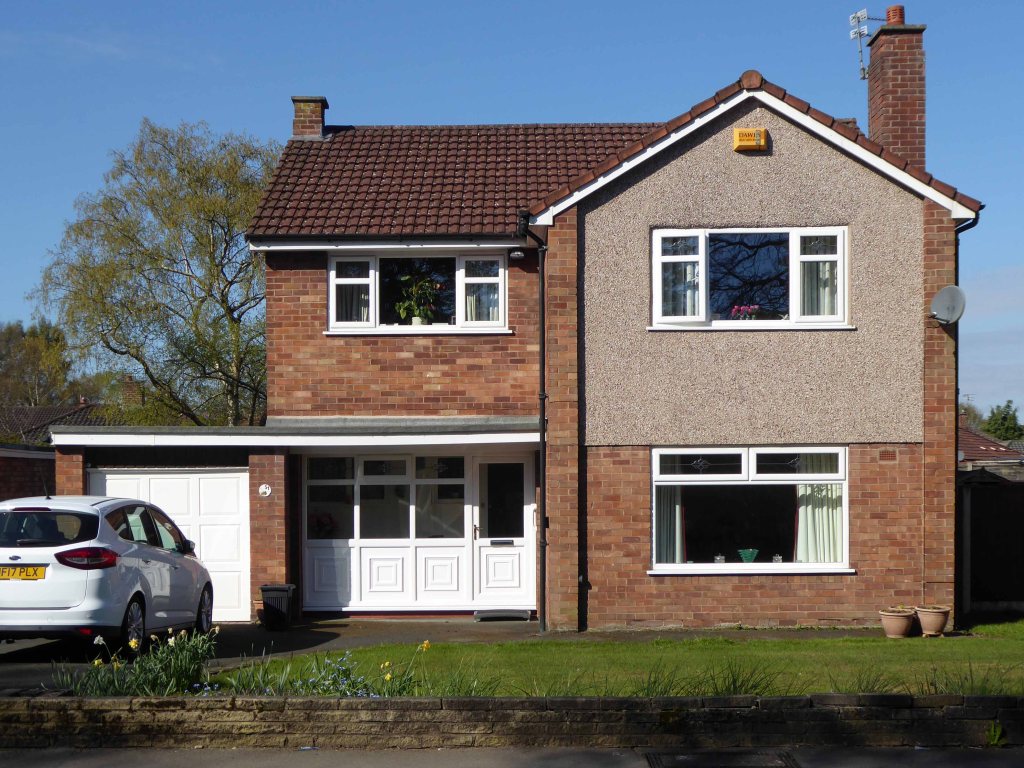
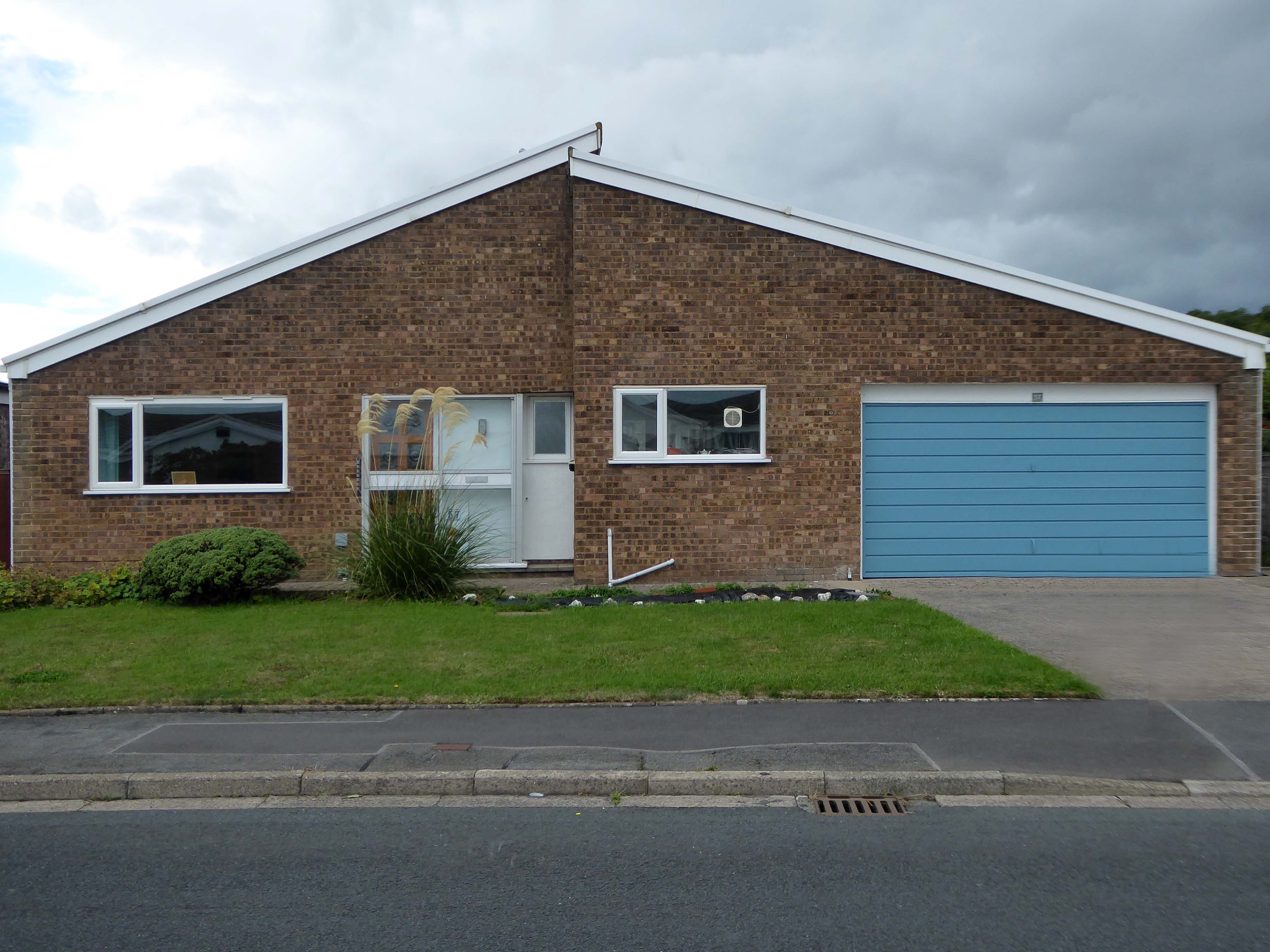
Even further afield the seaside enclave of Penrhyn Bay.
Prompted by a recent viewing of Graham Williamson’s Suburban film, I decided to undertake further in depth research around my own suburban locale.

Here is my first day’s findings in the West Heatons – followed by the next day in the West Heatons.
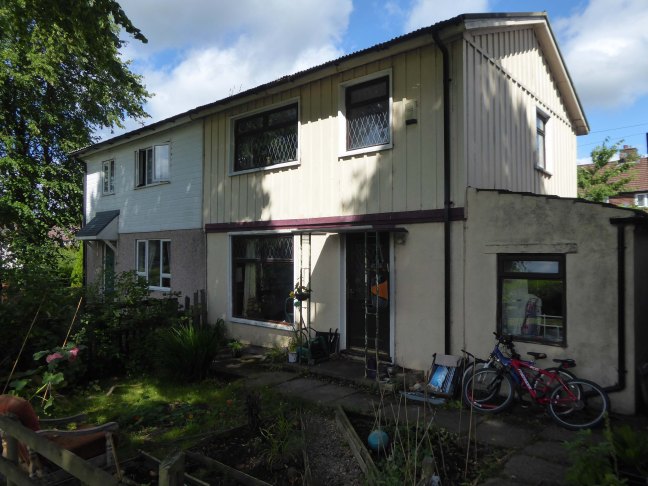
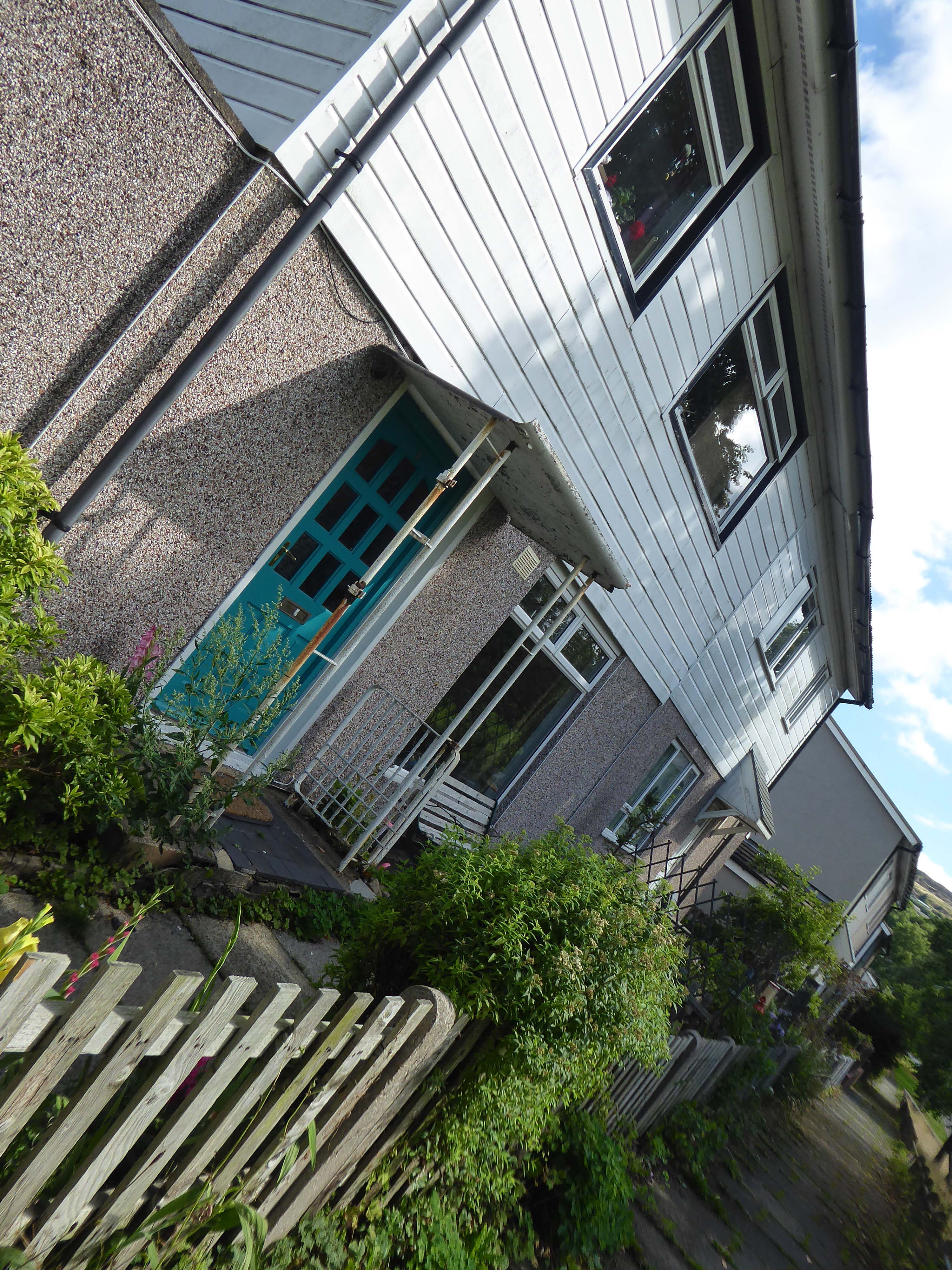
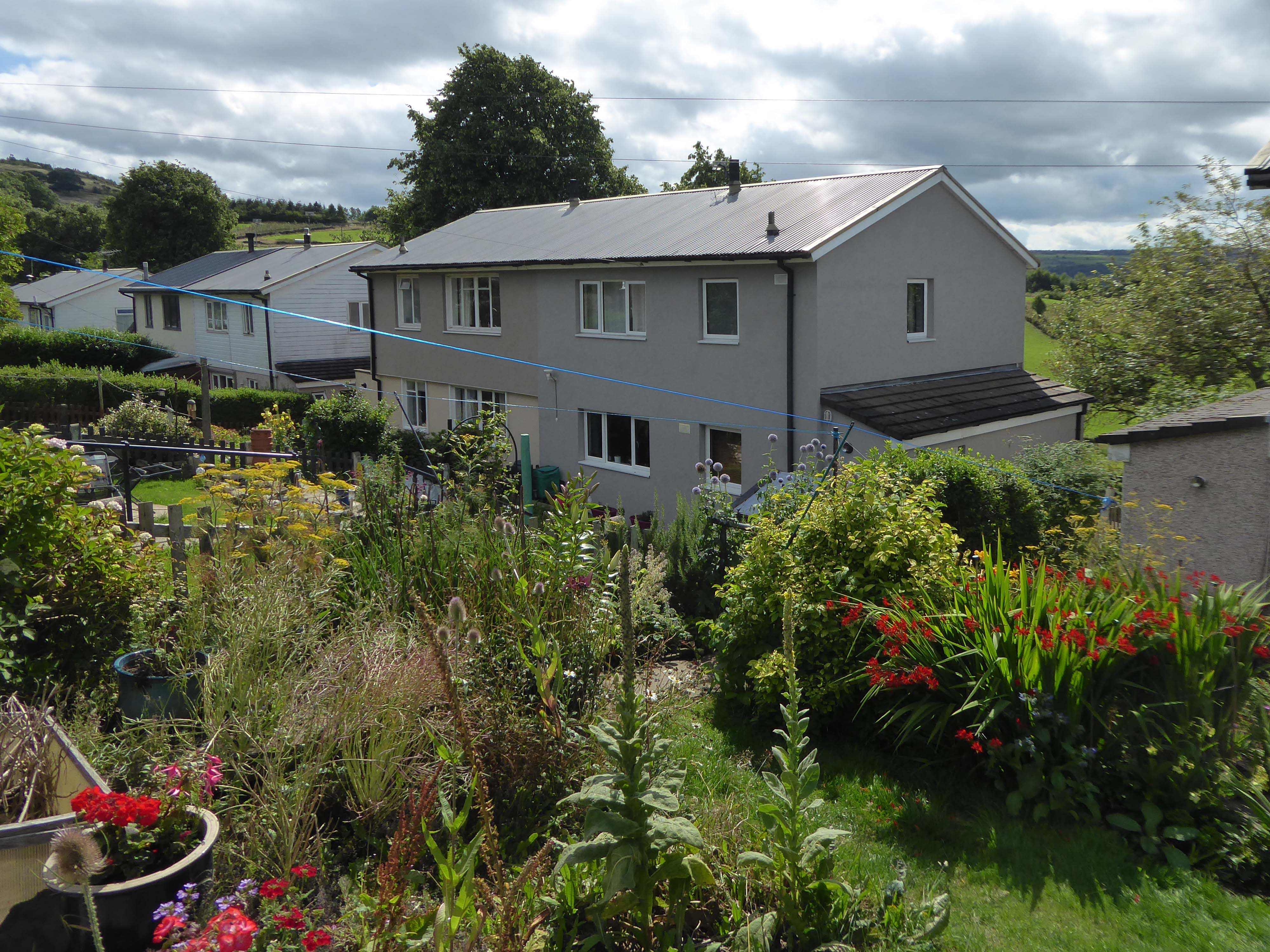
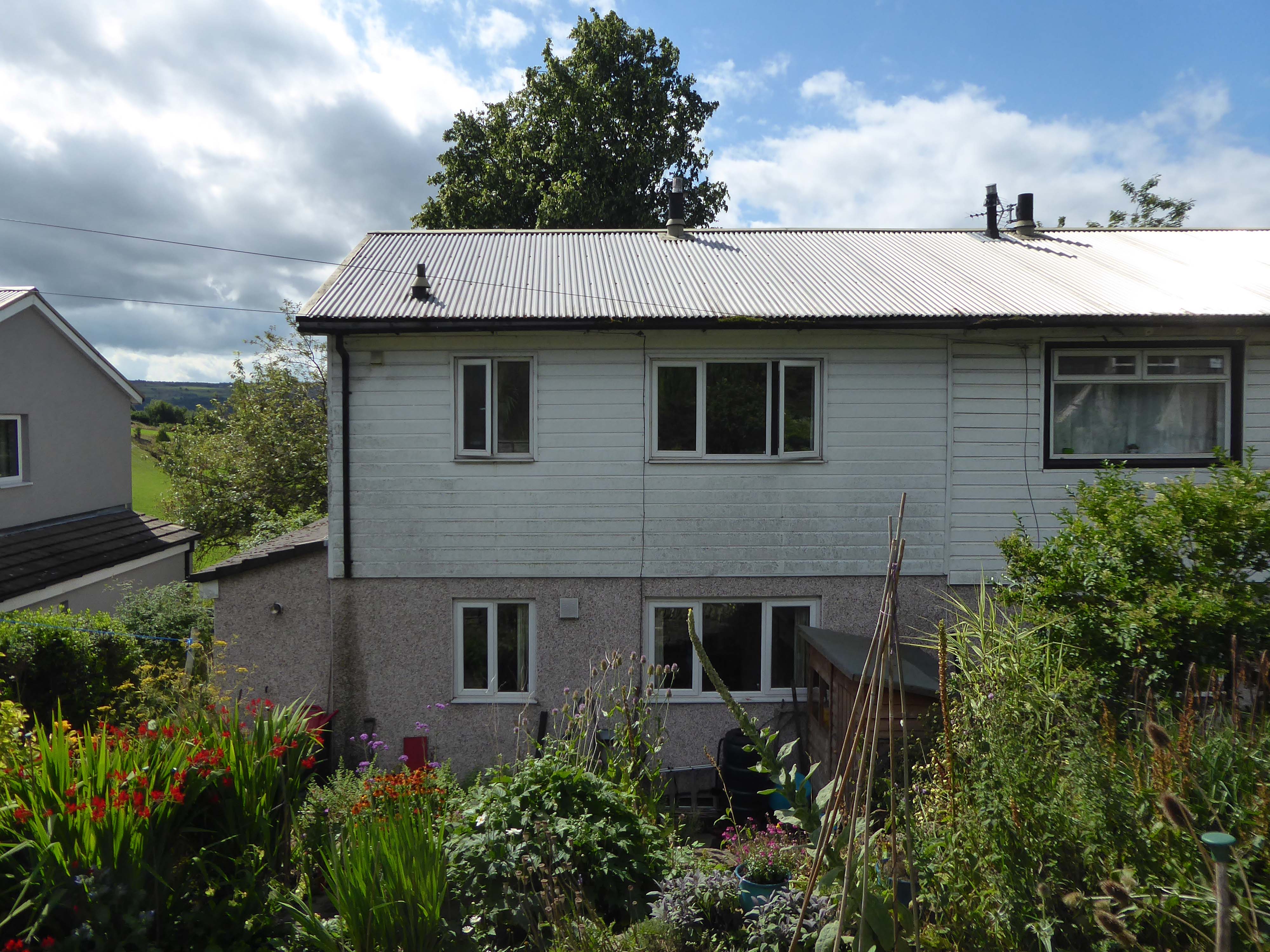
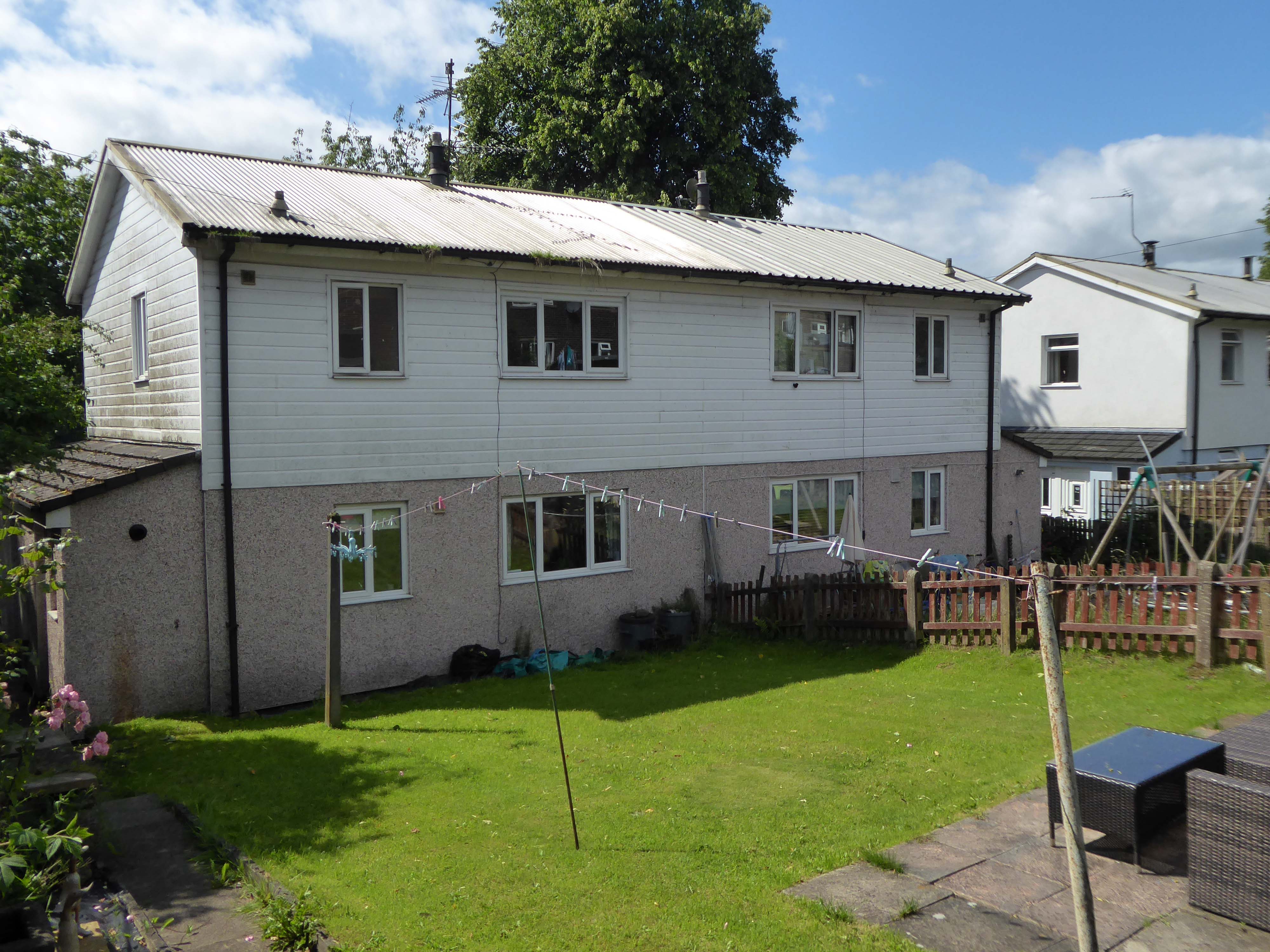
BISF Prefabs Wadsworth Lane – Hebden Bridge

Wadsworth Lane Hebden Bridge HX7 8DL

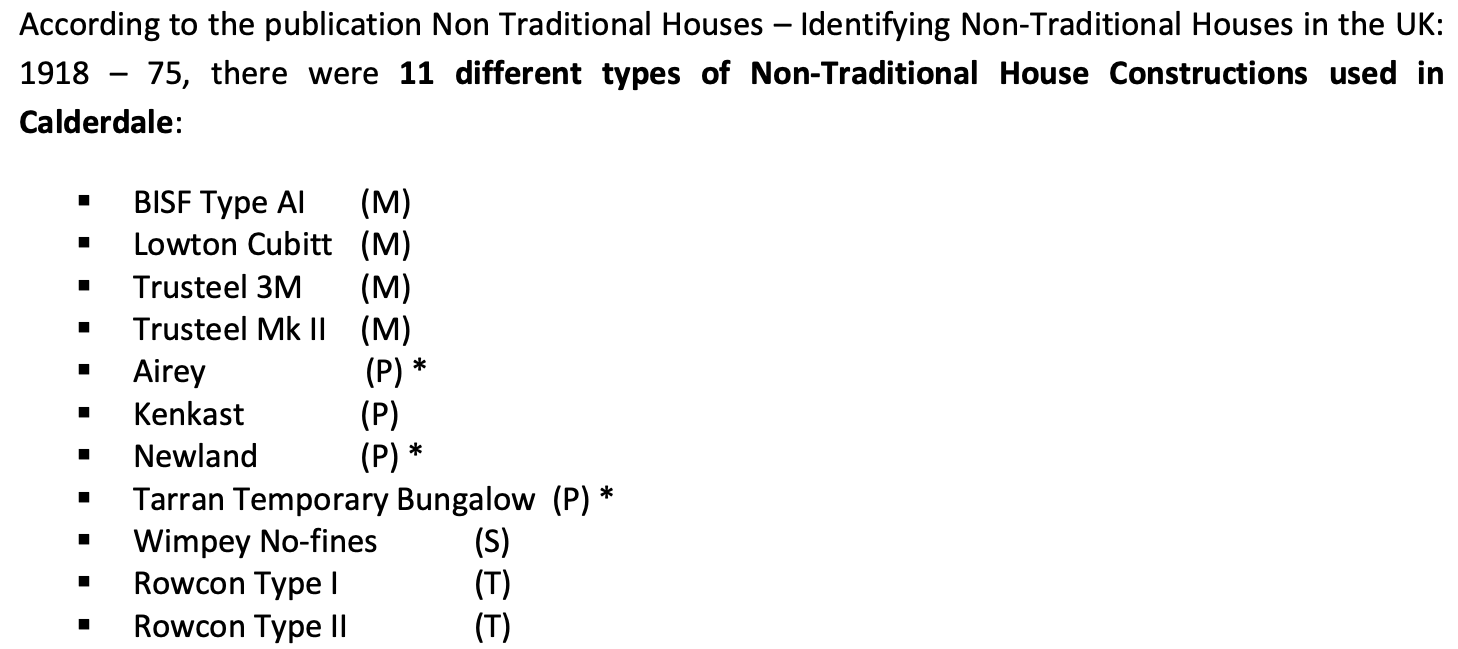
Calderdale is awash with non-traditional housing as can be seen on this site:

Non-traditional housing in Calderdale

The Second World War brought an even greater demand for the rapid construction of new dwellings. In addition to the need to rebuild homes damaged as a result of the war, the Government had other objectives that were set out in a white paper in 1945, to provide a separate dwelling for any family who wanted one and to complete the slum clearance programme started before the war. After the Second World War there was a surplus of steel and aluminium production, and an industry in need of diversification. These factors drove the move towards the use of prefabrication, as a result many new varieties of concrete, timber framed and steel framed systems emerged. Whilst most systems were intended to provide permanent or long-term housing a few were intended only as emergency or temporary solutions.
The homes on Wadsworth Lane are BISF Type A1 – designed by architect Frederick Gibberd and engineer Donovan Lee.

Manufactured by British Iron & Steel Federation and British Steel Homes Ltd.

Over 34,000 three-bedroom semi-detached houses and 1048 terraced houses were erected across England, Scotland and Wales.

Northolt

Non Standard House

We have encountered the very same houses in Tin Town Wythenshawe

I walked up Wadsworth Lane in 2021.

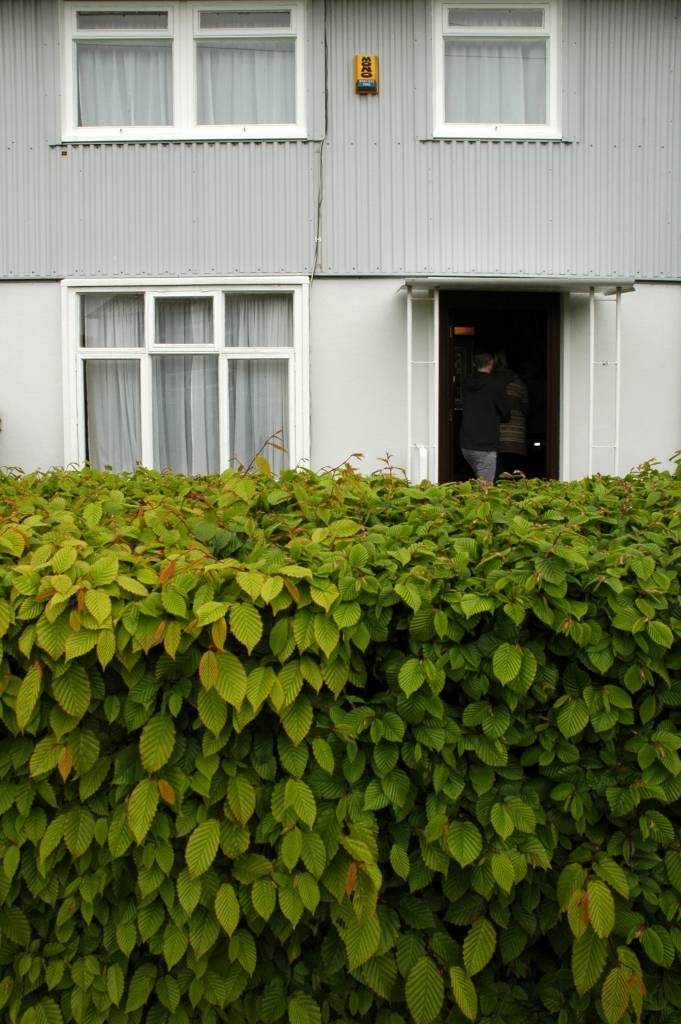
I walked past again in 2022 – the home appear to be in good health, many improved or extended, yet retaining at least a little of their heritage.

They are lived in and loved.

Wythenshawe Walk

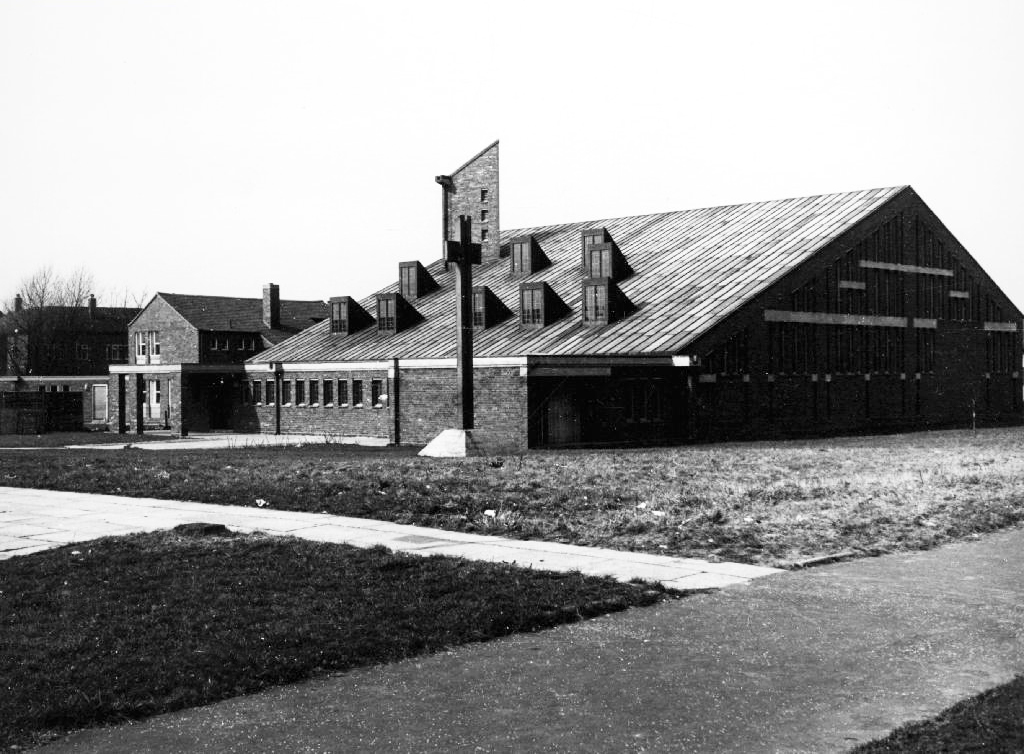
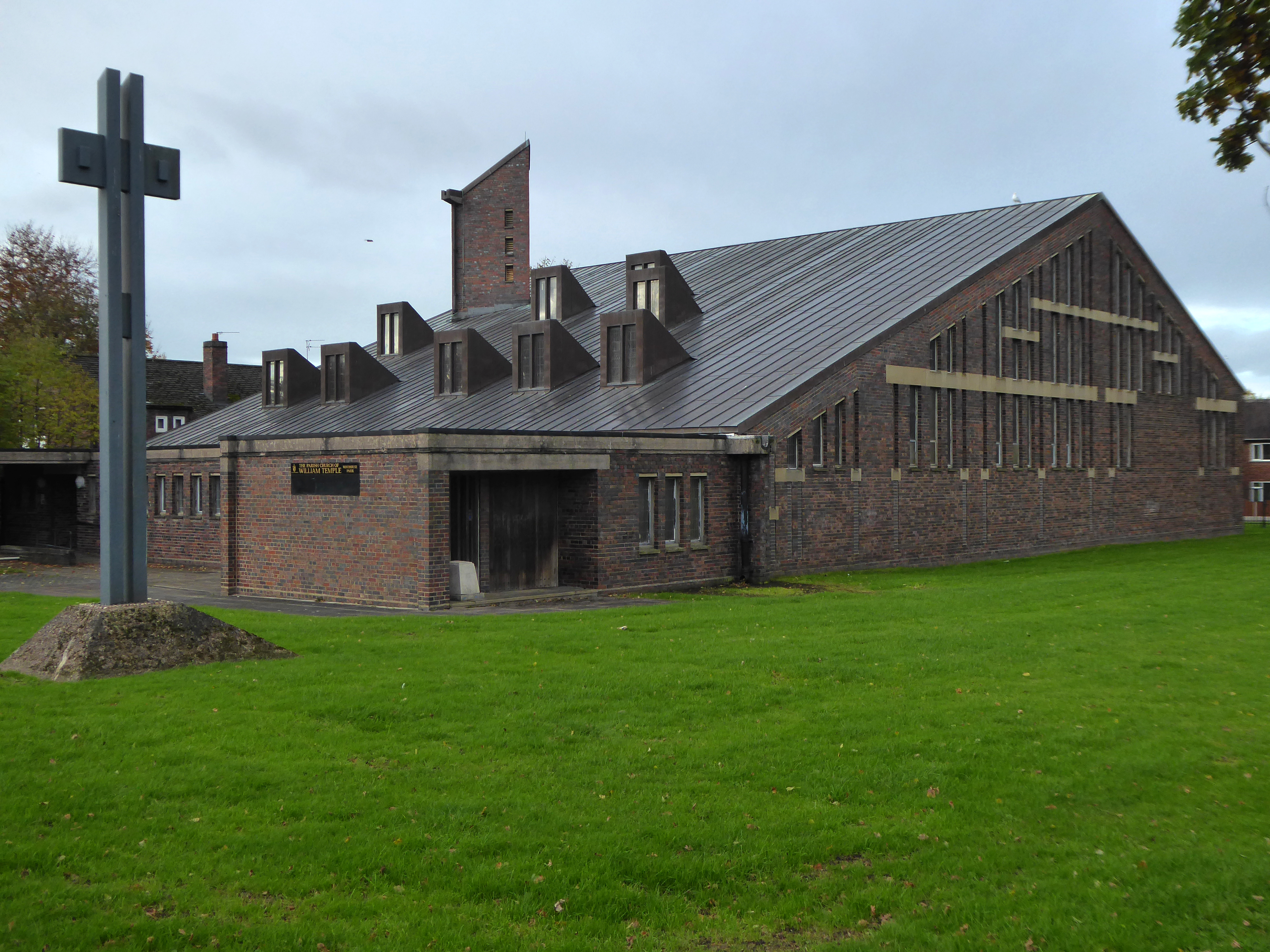
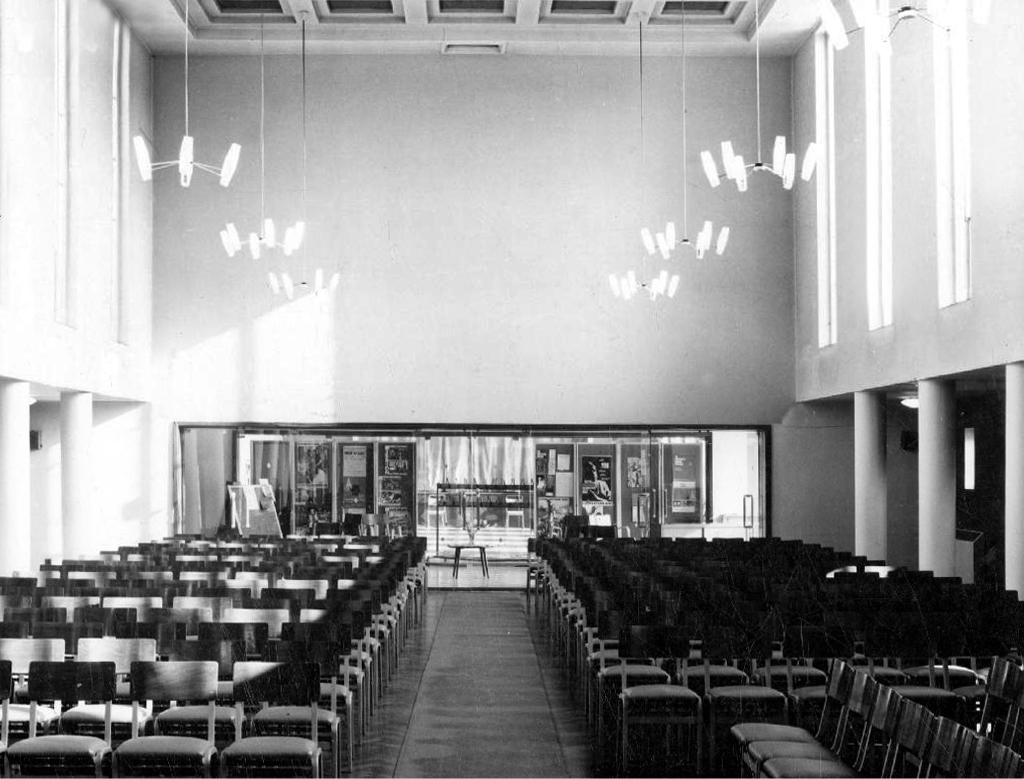
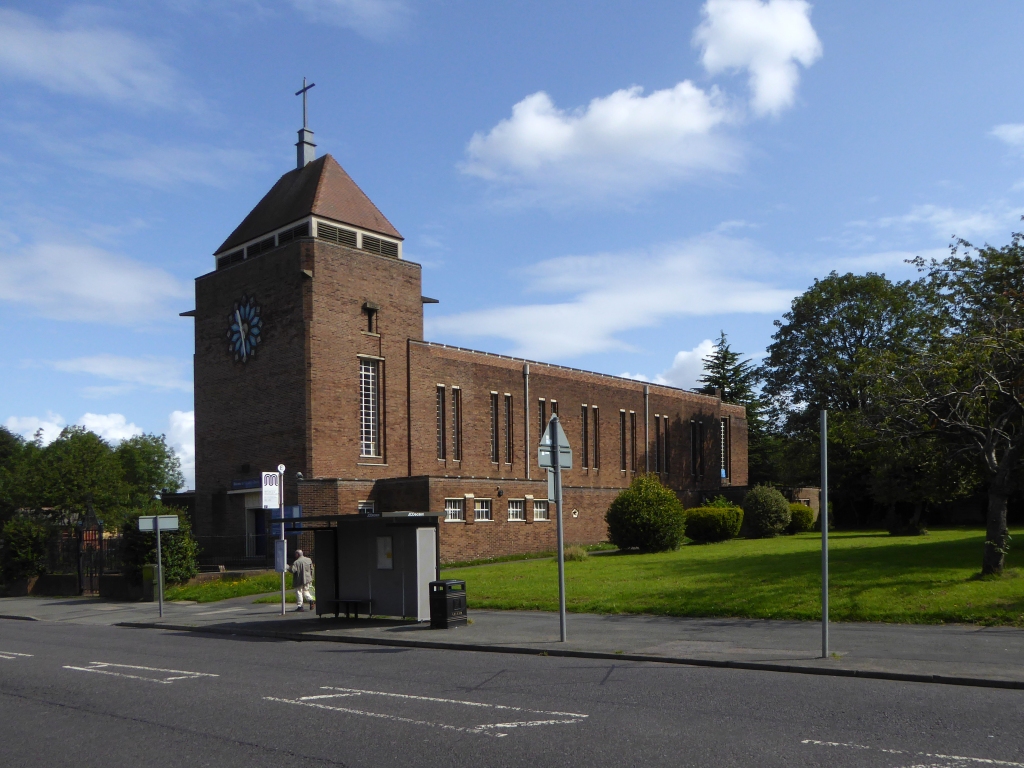
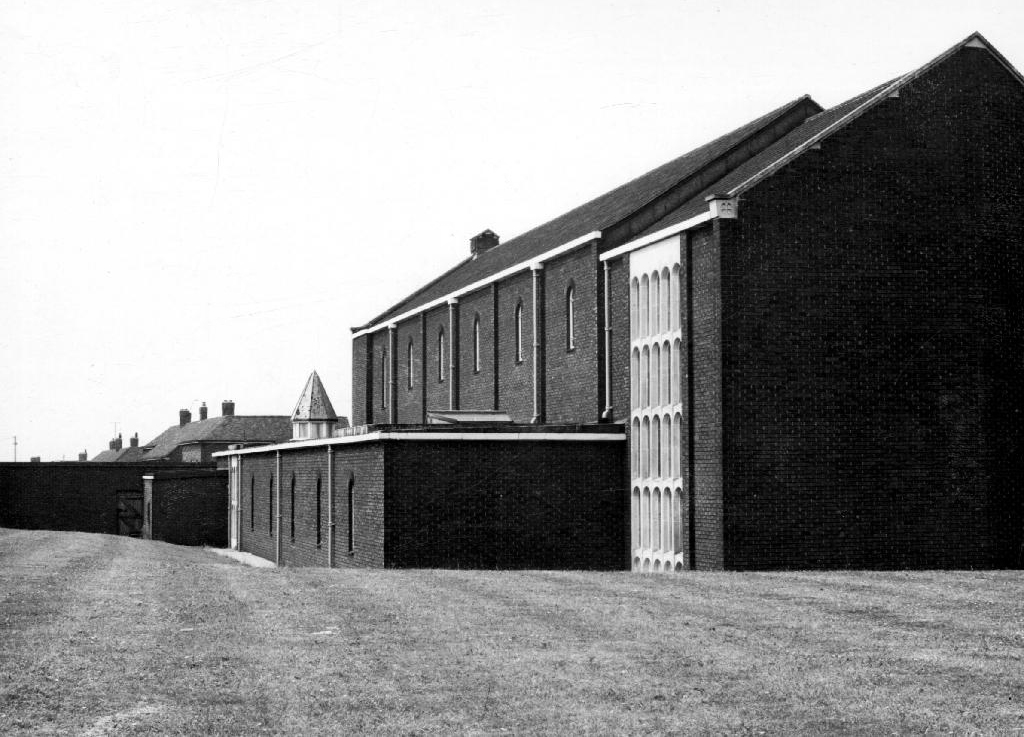
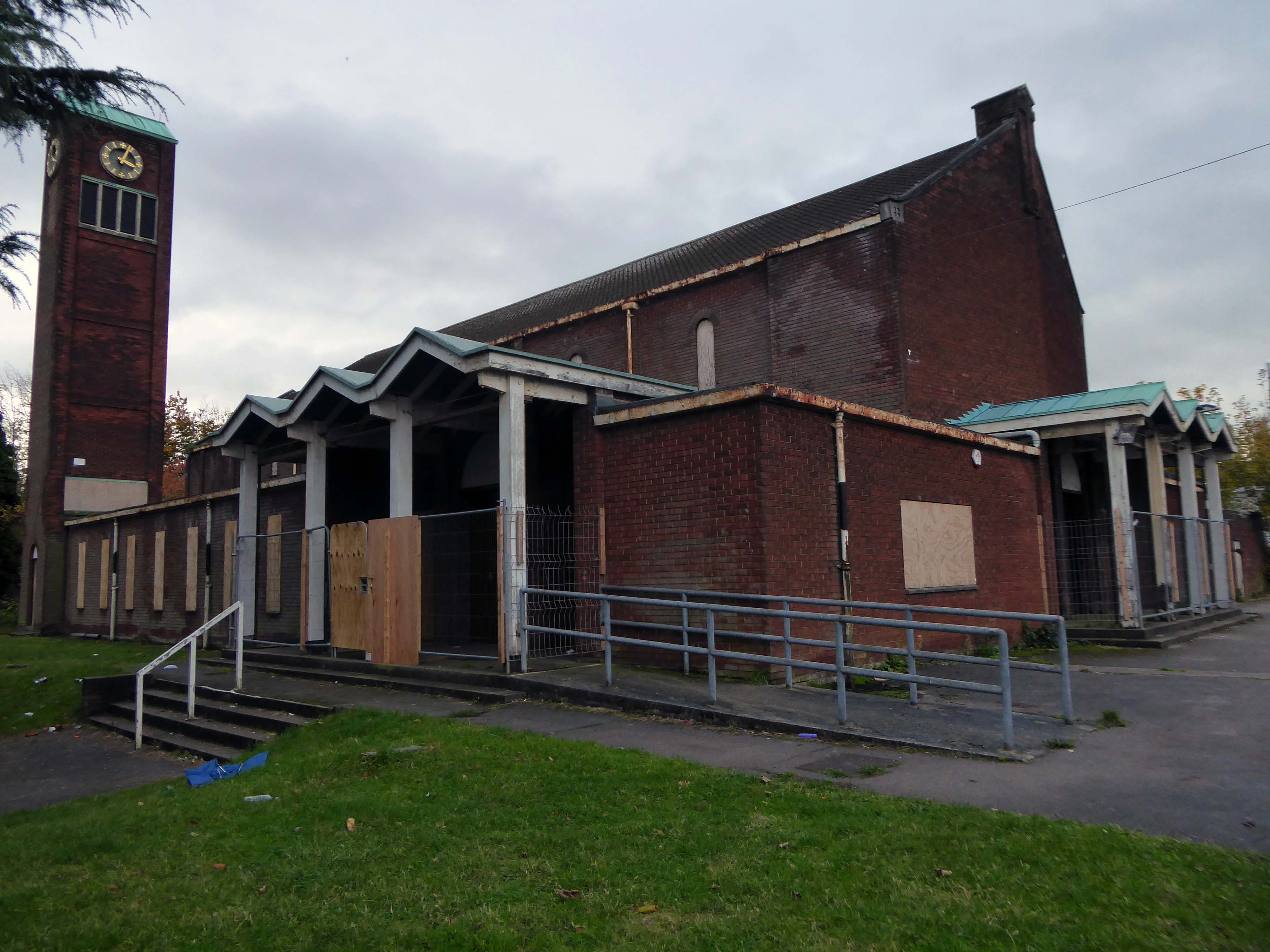
We begin at the William Temple Church

1970

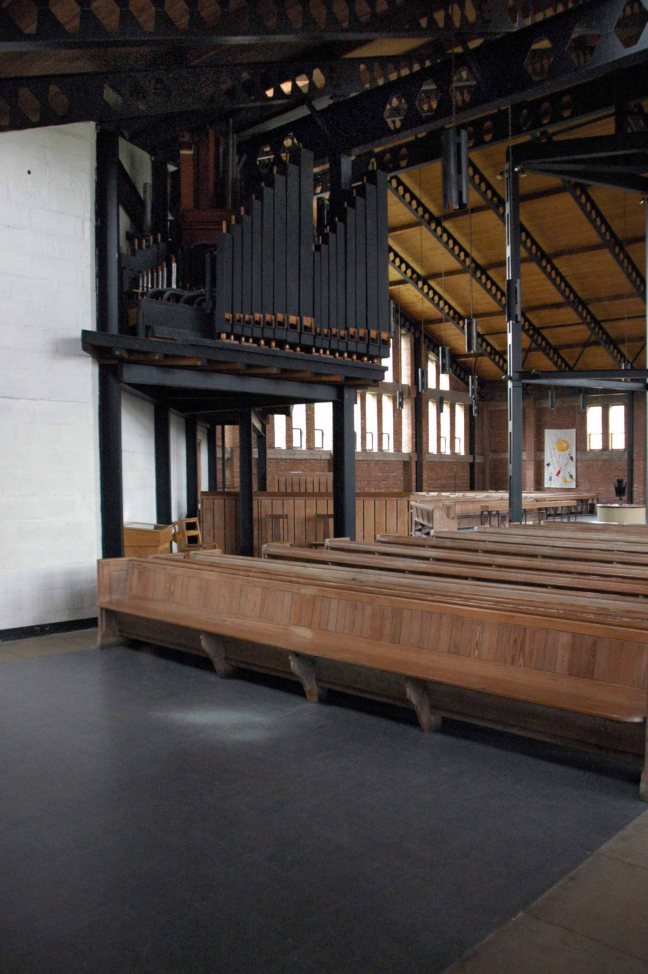
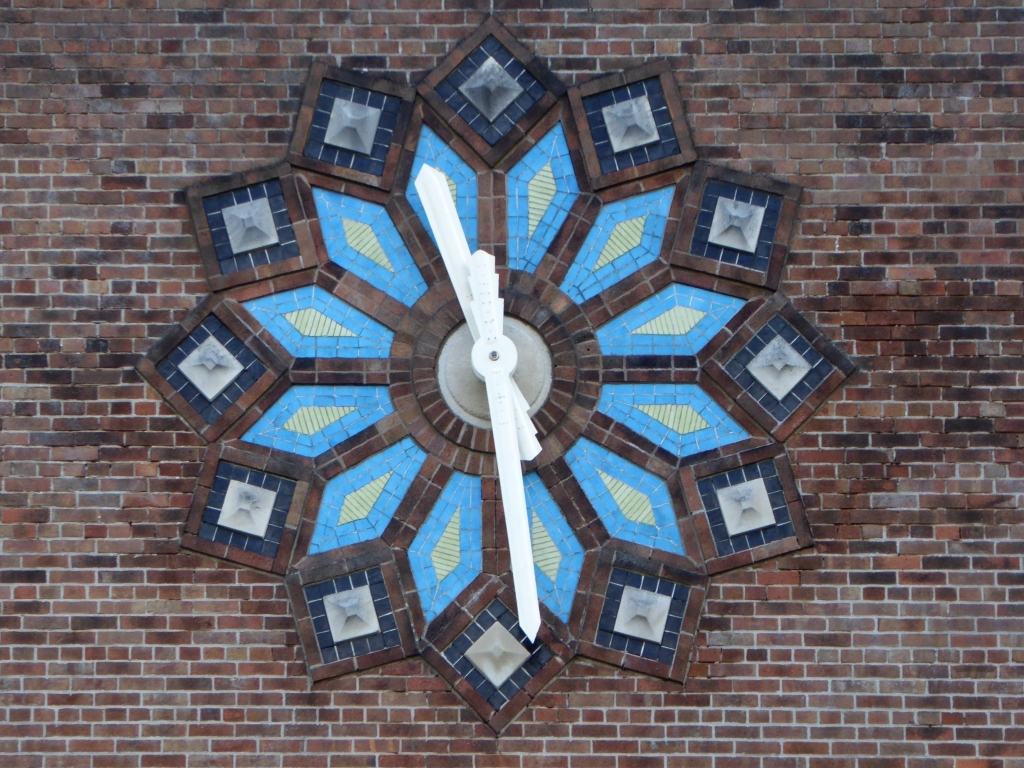
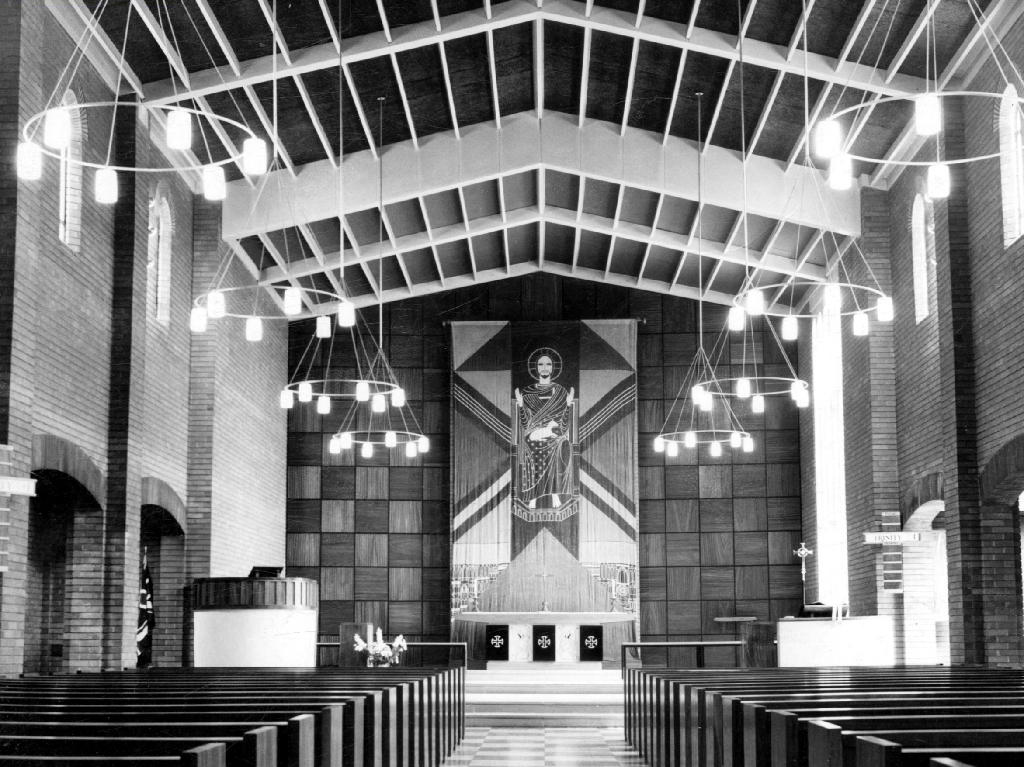
The Anglican Church of William Temple was opened in 1965 on the corner of Robinswood Road and Simonsway as the church of the Civic Centre. The mission was already well-established, having begun many years previously in Shadow Moss School Room, latterly operating in a dual-purpose building on Simonsway. The architect, George Pace, agreed with the proviso that he should not design a ‘pseudo’ building, but that it should be modern in concept. This he did and particular attention was paid to the acoustics with a view to music and drama being performed there. One of Pace’s stipulations was that, as with all the churches he designed, there must be no plaques attached to the walls commemorating the dedication of the church or in memory of anyone, for he said he built his churches to the Glory of God. The only lettered stone is on the back wall of the church and it has on it the date of the consecration and a symbol, which is Pace’s original sign for William Temple Church.

The internal supports of the church are black-painted steel girders, not romantically symbolising the industry of the area, as it is sometimes said, but because when it was discovered that the church had been built on swampy ground an extra £2,000 was needed for foundations; the wooden beams of the original design had to be changed for cheaper steel ones. There is symbolism, however, in the placing of the font between and beneath the three main weight-bearing supports of the church.

The pews have an interesting history, having been brought from derelict churches in and around Manchester. 

The present lady churchwarden said:

“whenever we heard of a church being demolished we borrowed Mr. Owen’s coal cart and went off to see if we could buy any of the pews. Many times I’ve sat on the back of the wagon, in the pouring rain, with the pews, bringing them back to Wythenshawe to be stored until our church building was completed!”

Some time after the building was opened, a fire damaged some of the pews. With the insurance money all the pews were stripped and bleached, giving an element of uniformity and a bright welcoming atmosphere in the church generally. An interesting thought was voiced that as many people living in Wythenshawe now had their origins near to the centre of Manchester they may be sitting in the same pews in which their ancestors once sat.

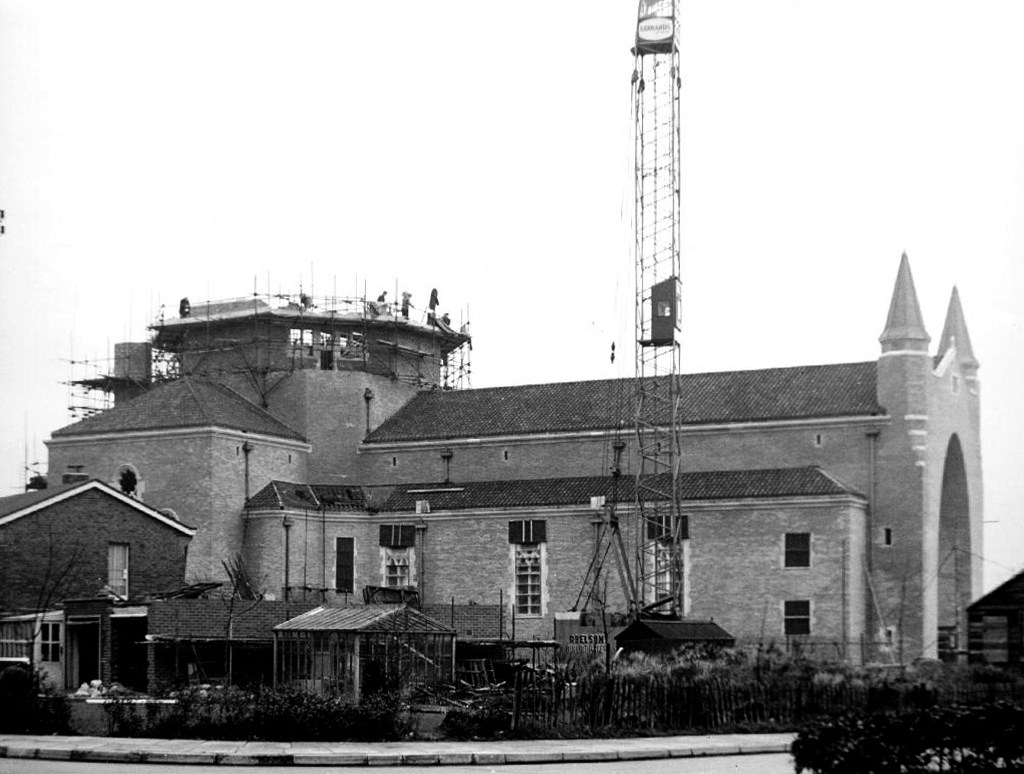
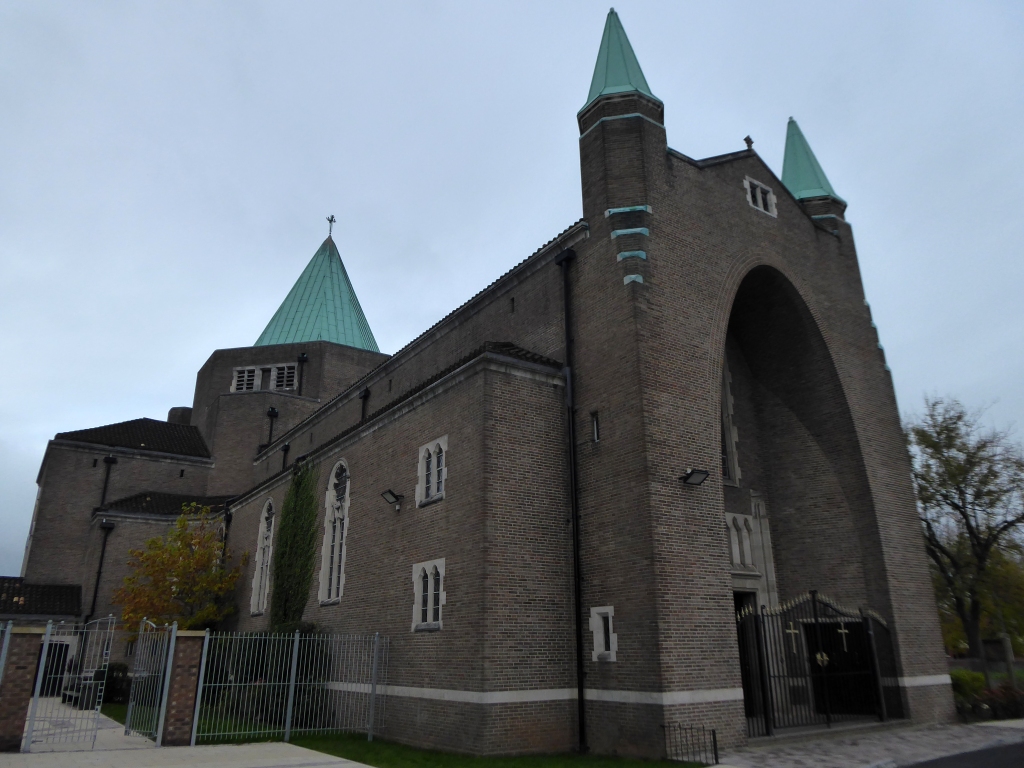
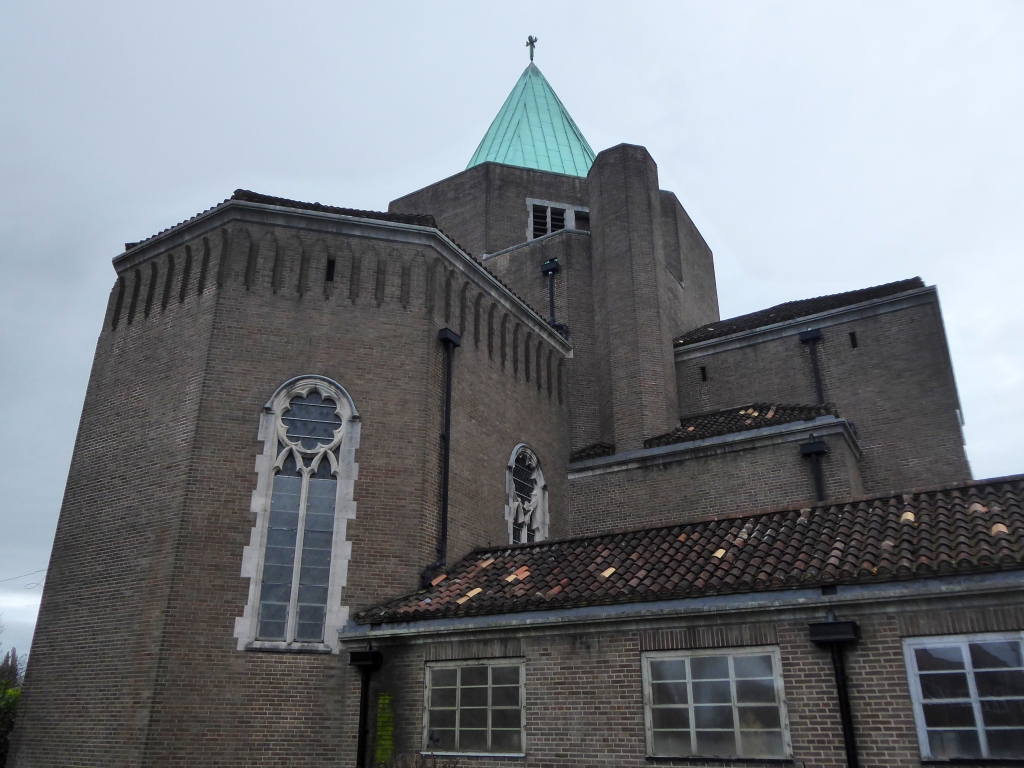
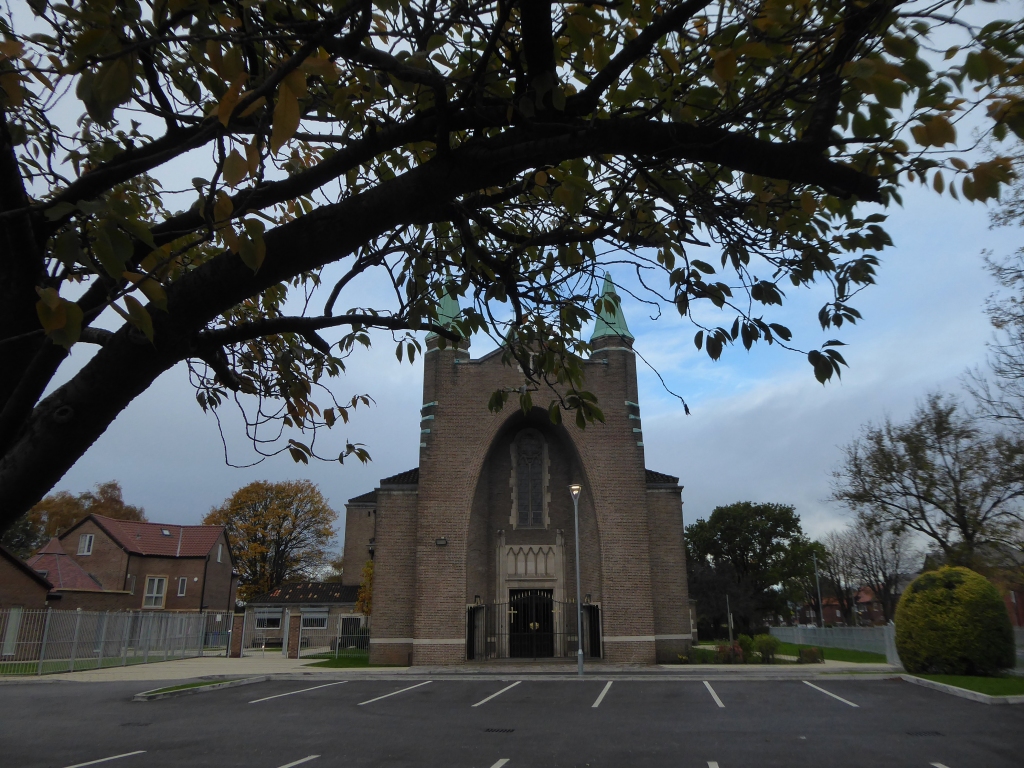
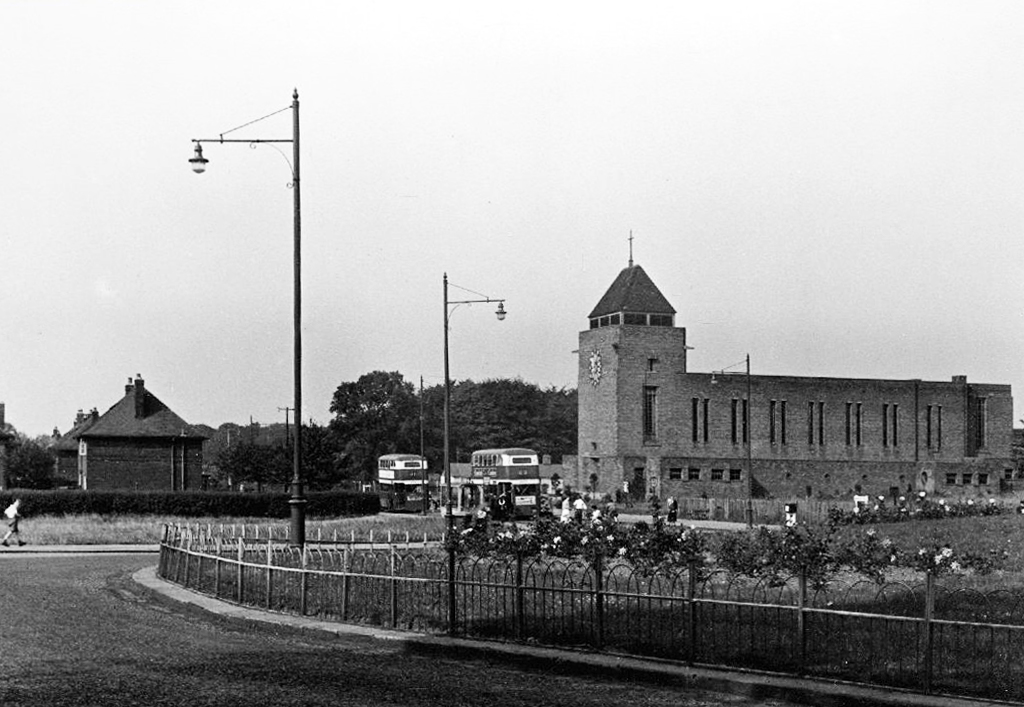
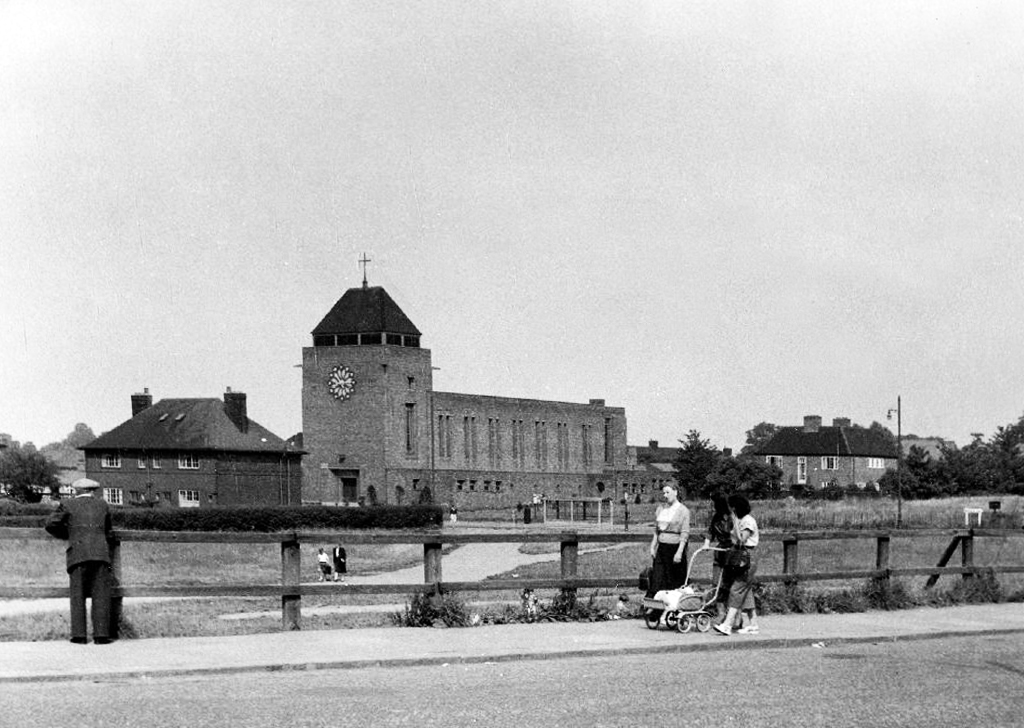
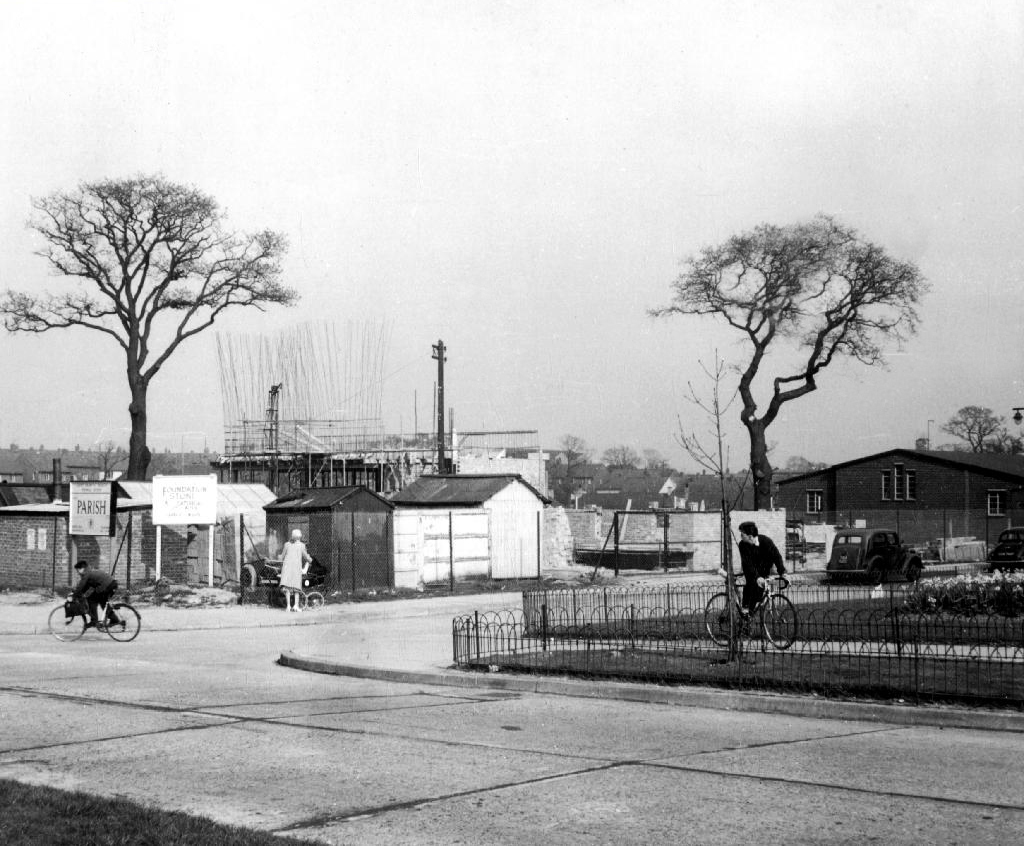
Onwards to St Anthony’s RC – seen here under construction.

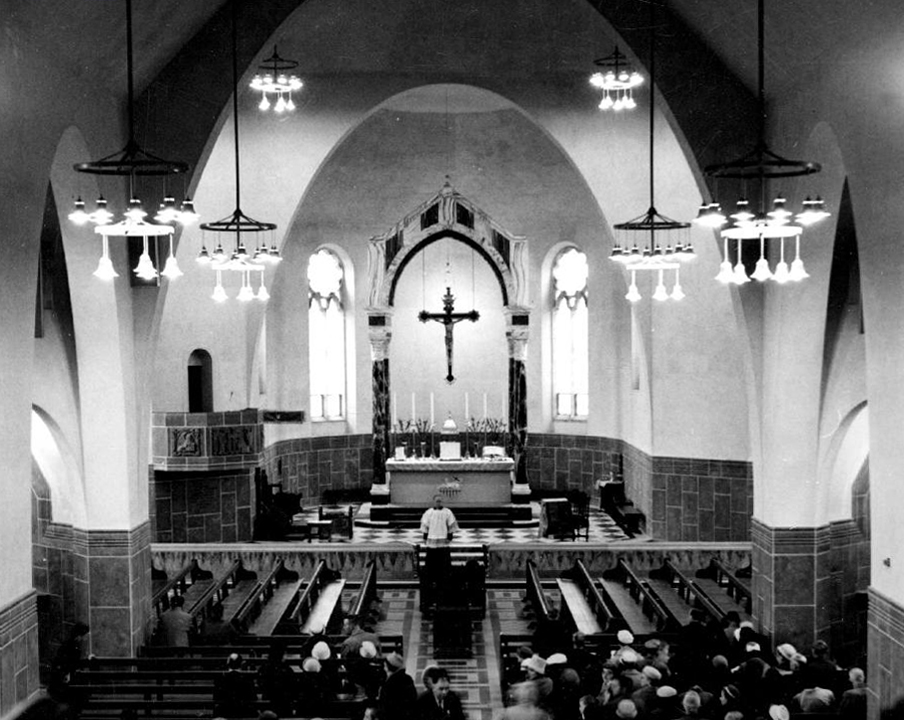
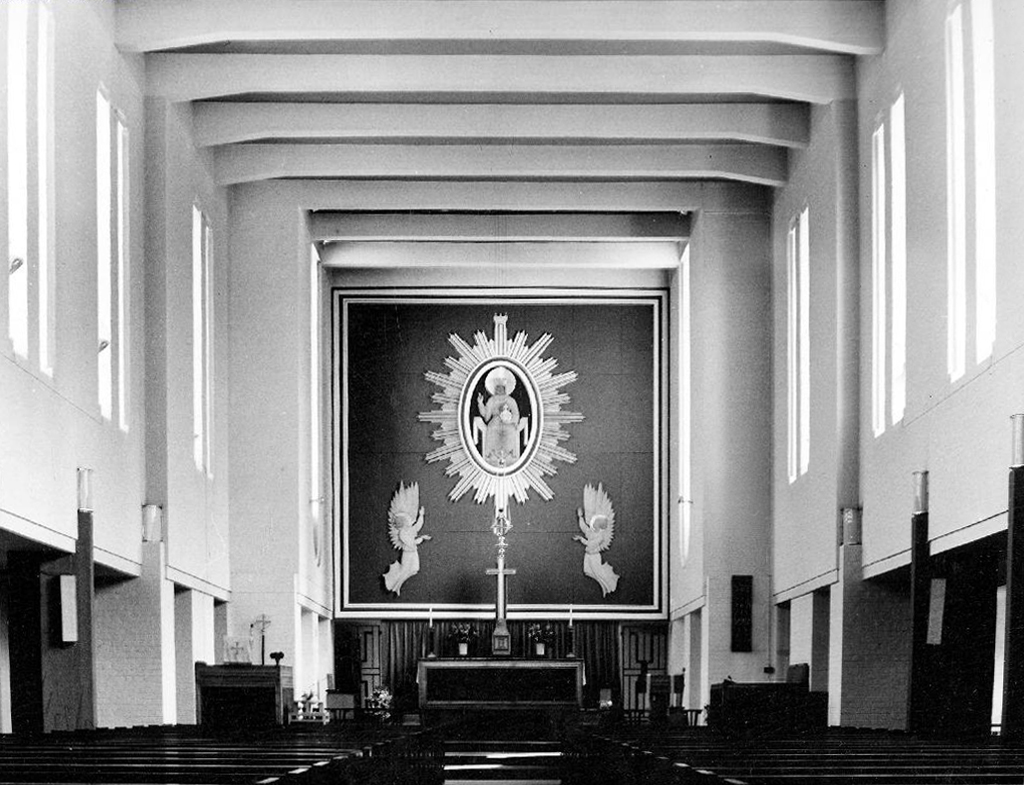
An imposing and monumental building by Adrian Gilbert Scott.

The church has a rich, little-altered interior with strong architectural qualities and notable furnishings. The church is described as ‘one of the few real landmarks of Wythenshawe’ and ‘beautifully built’, by Hartwell, Hyde and Pevsner 2004

The church was listed Grade II in 2014.

Taking Stock

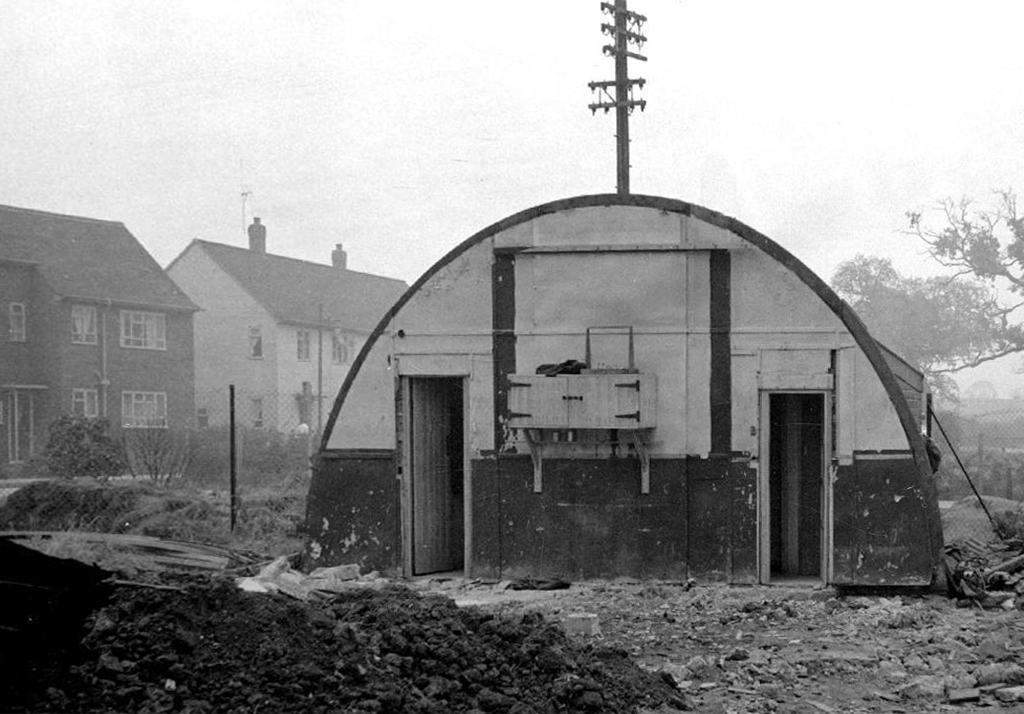
It replaced the Green Hut.

Backtrack to St Andrews Architects JCG Prestwich and Son 1960 – as seen by Comrade Yuri Gagarin 12th July 1961 – detailed here.

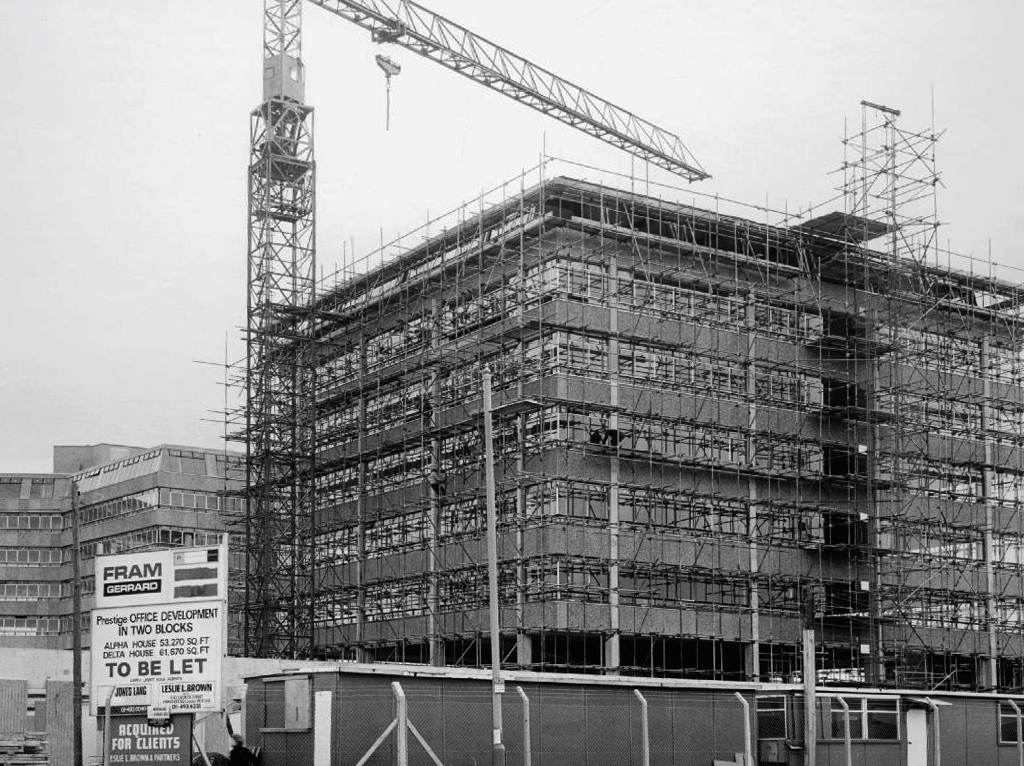
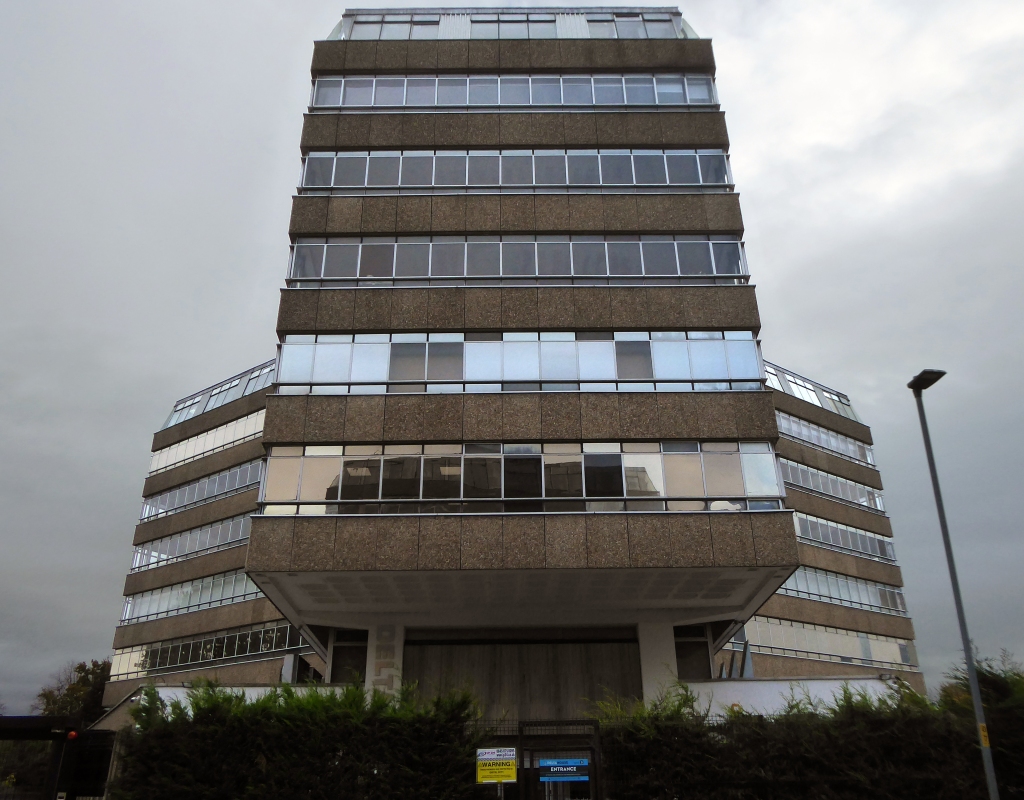
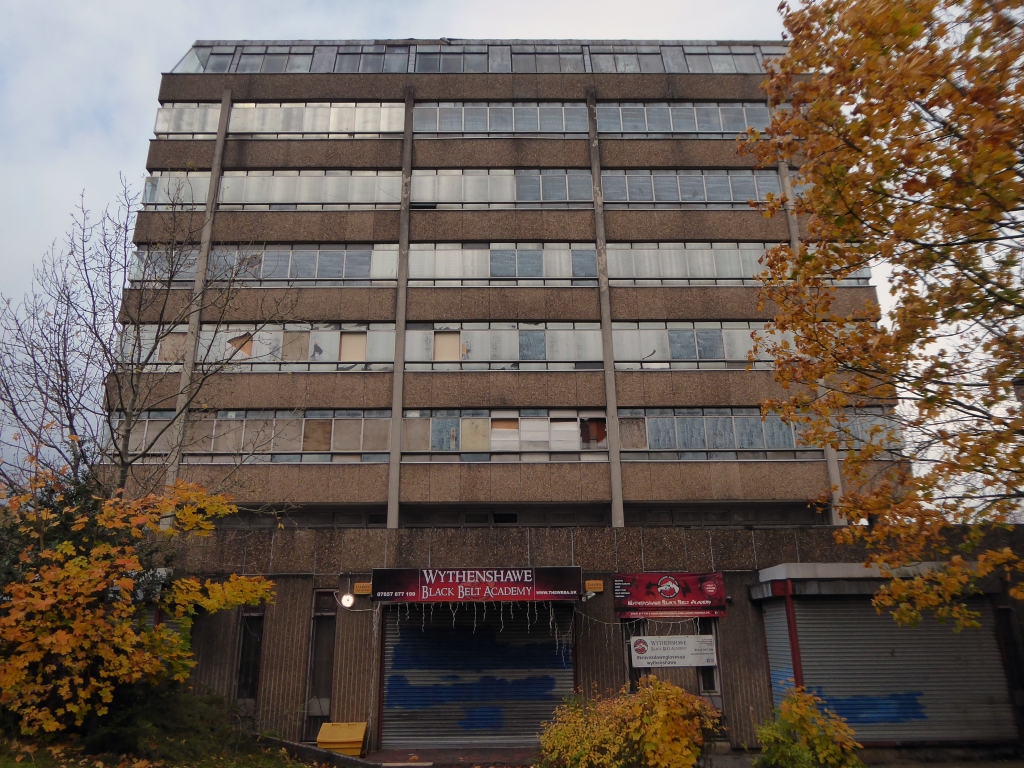
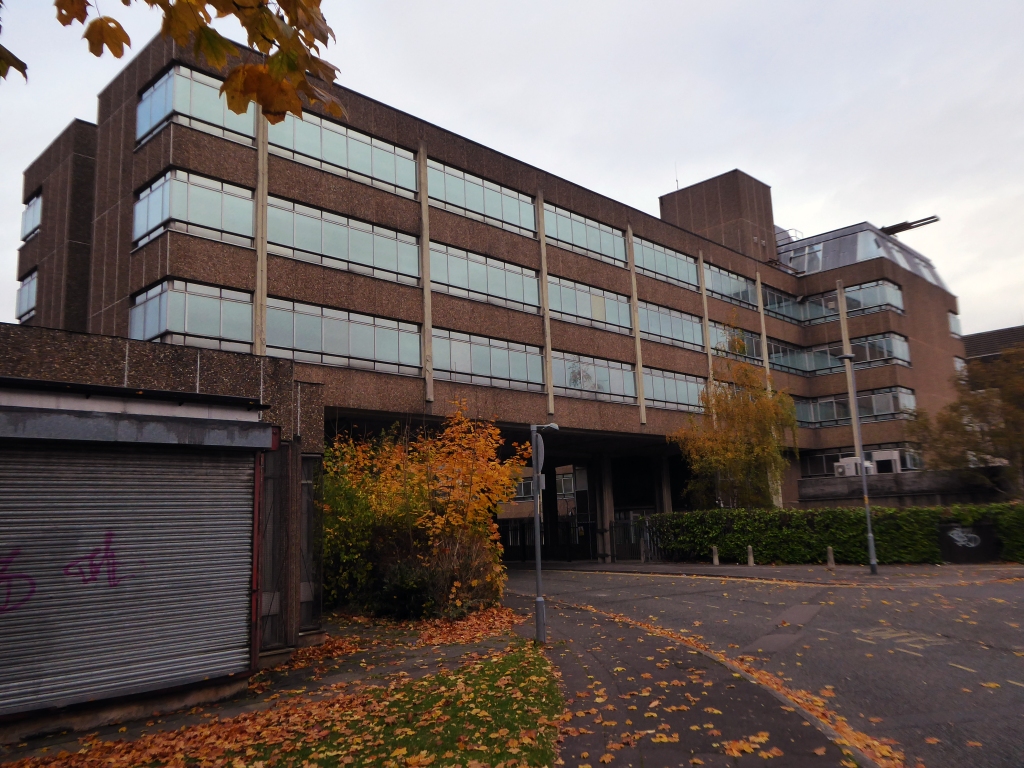
We now take a secular route around the back of the Civic Centre to look at Centron and Delta House.

Built in 1972 to encourage white collar jobs into the area, formerly occupied by Shell and the TSB, currently partially unoccupied.

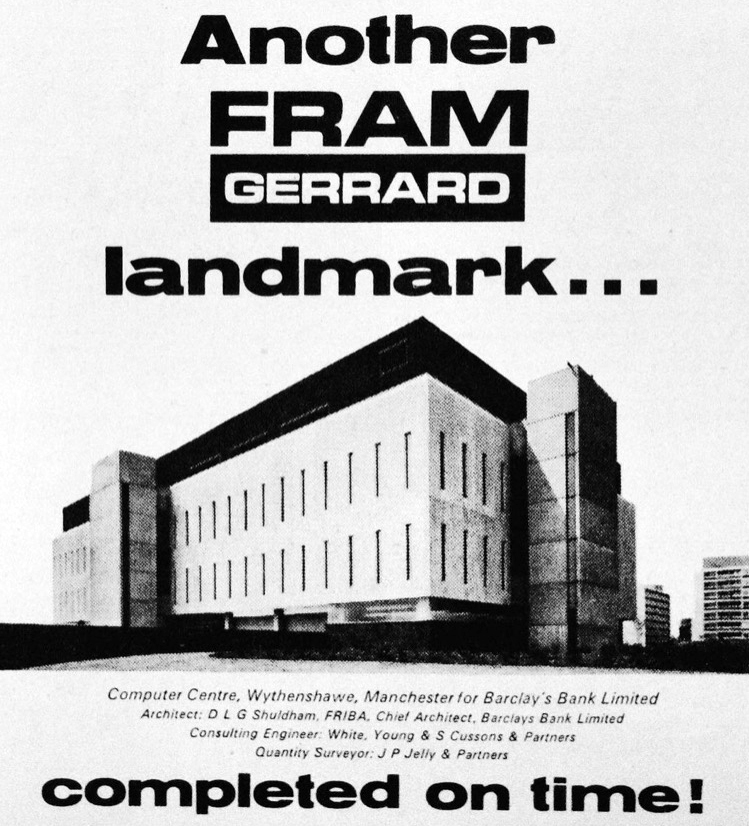
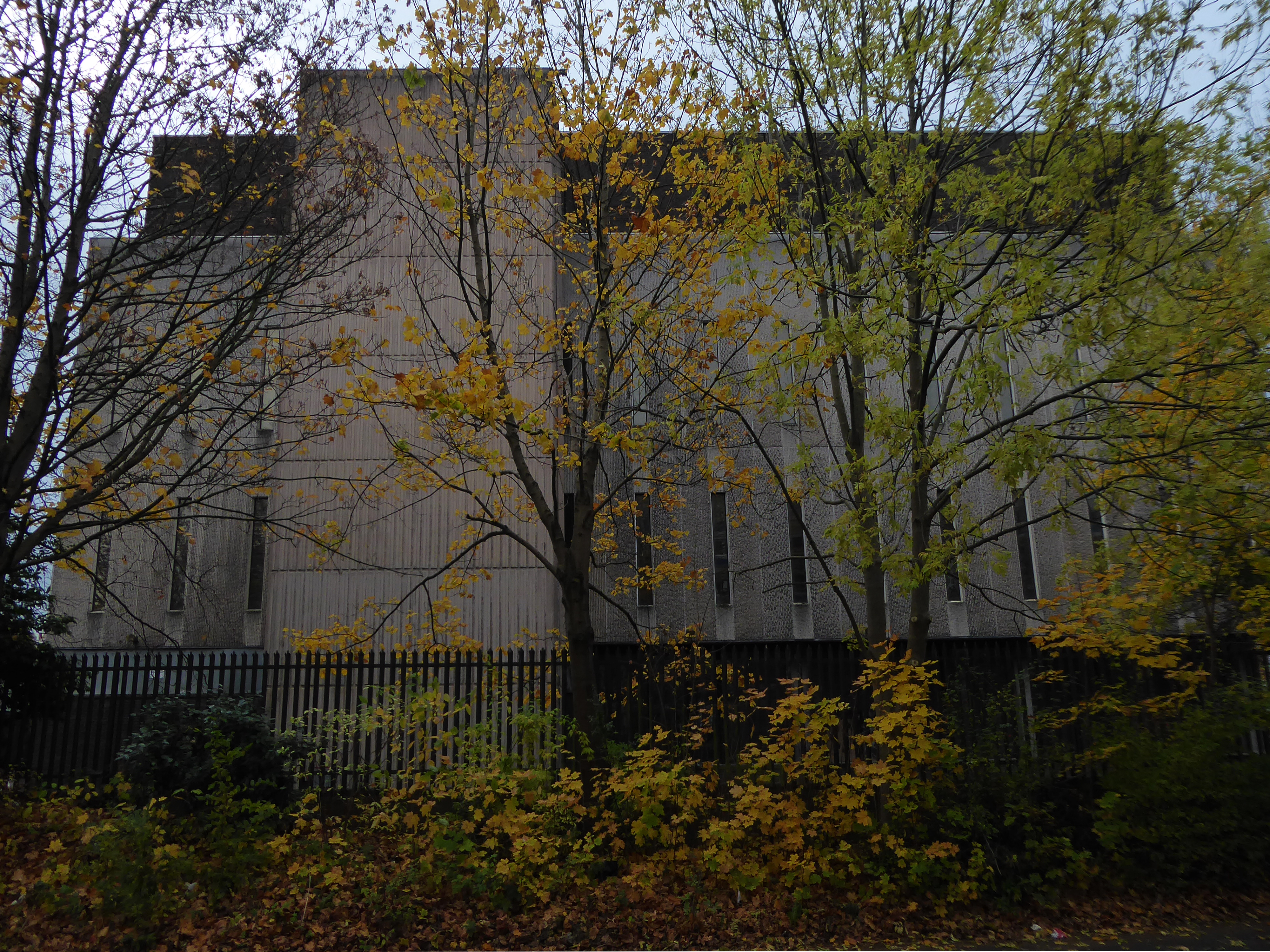
Across the way the former Barclay’s Bank IT HQ by DLG Shuldham the bank’s chief architect.

Just around the corner.

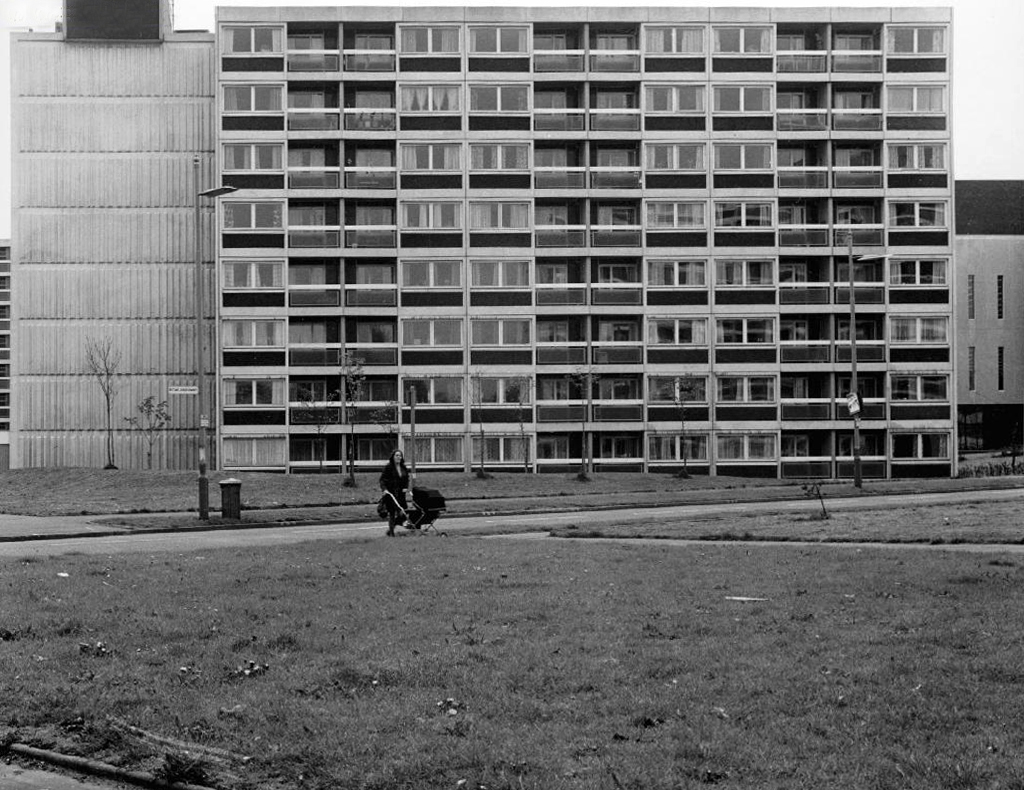
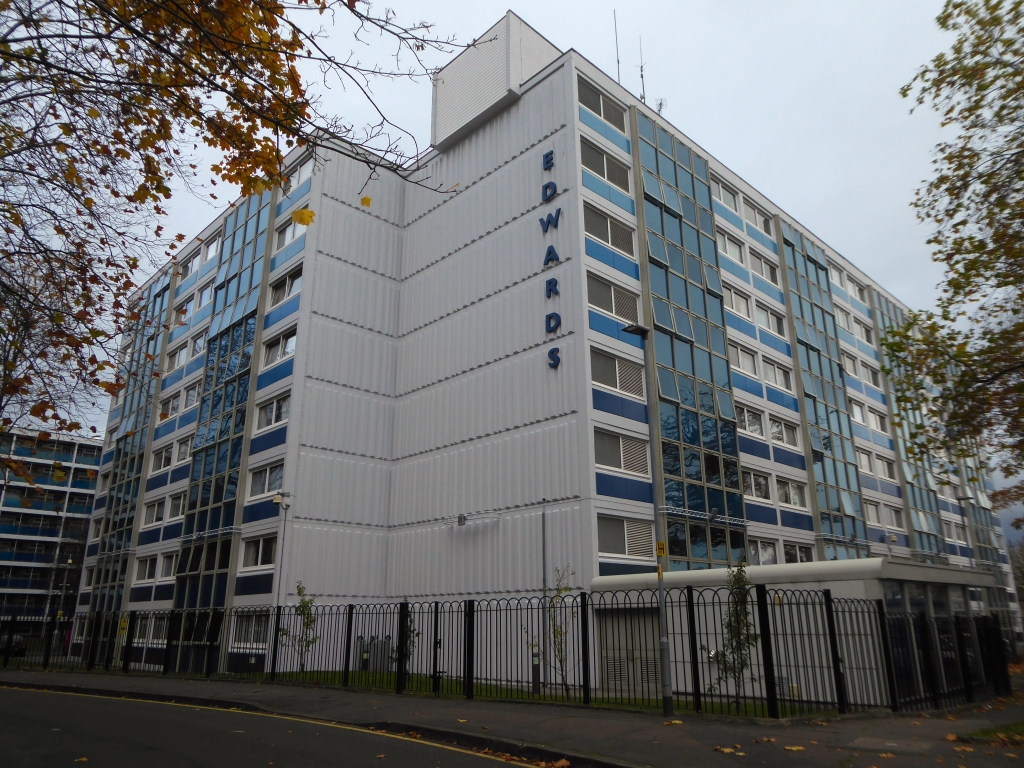
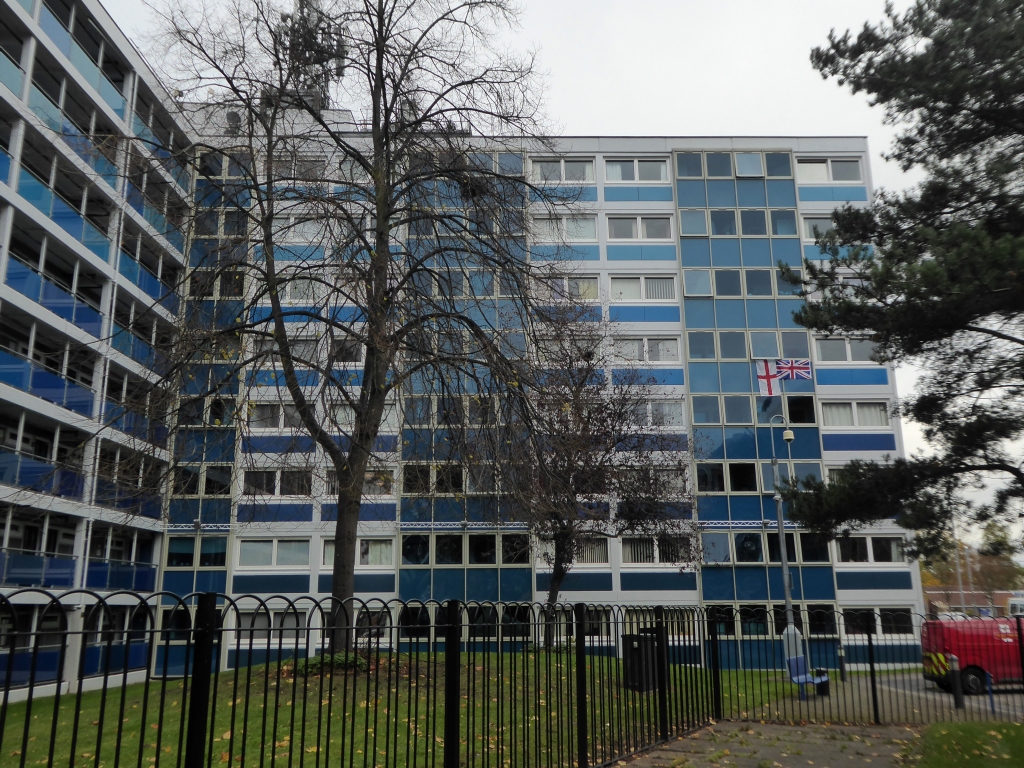
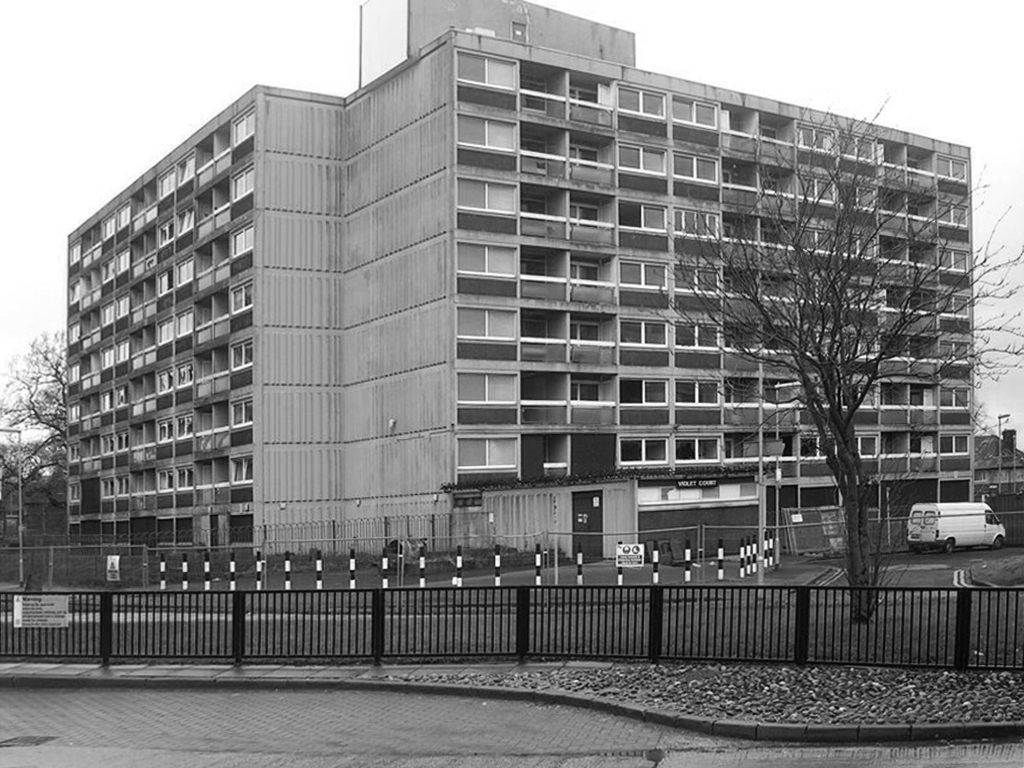
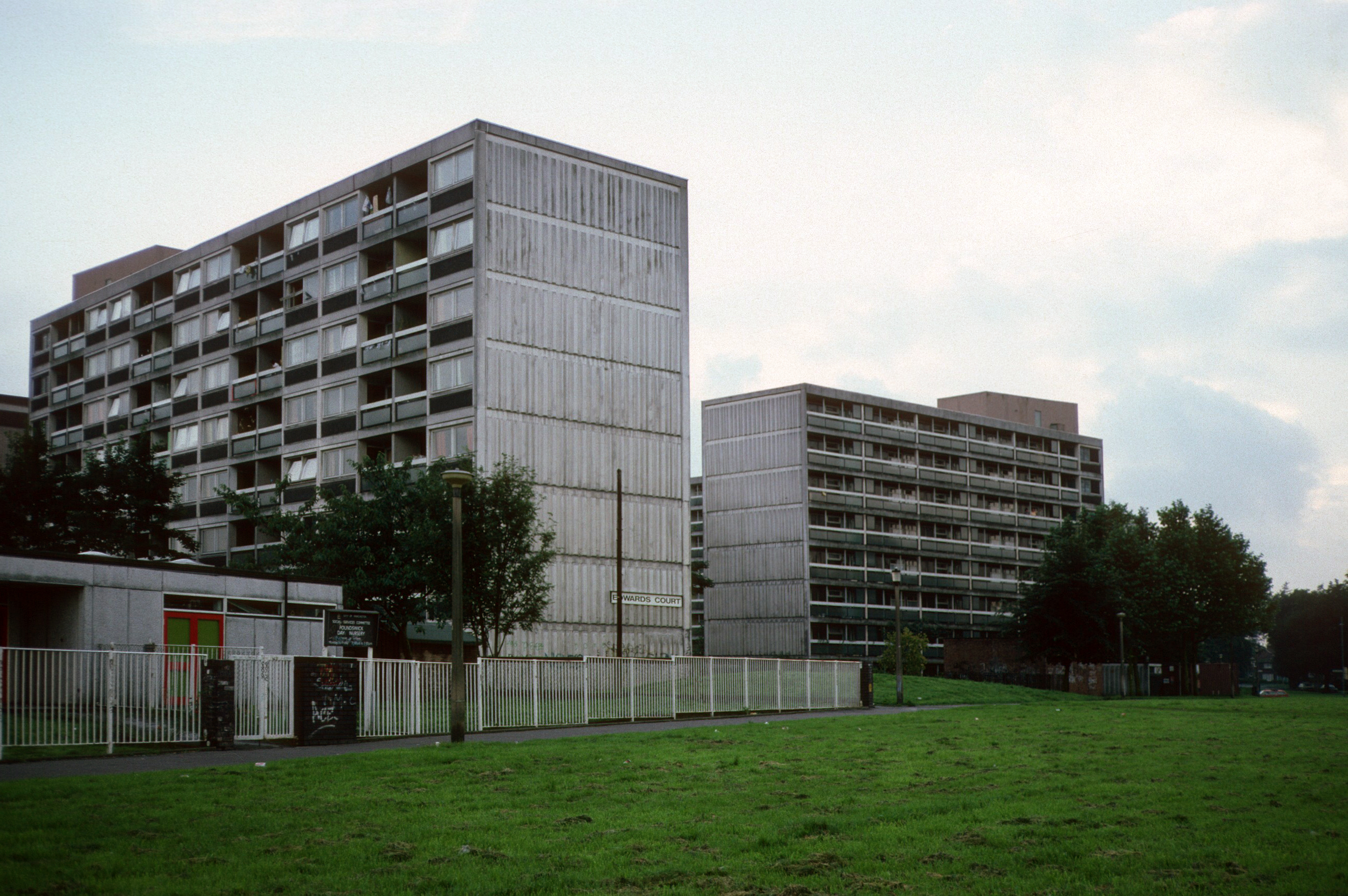
There were four eight-storey blocks of ‘Sectra’ flats that Laing built in Wythenshawe for Manchester County Borough Council, completed in 1967. The blocks were described by Laing in their monthly newsletter ‘Team Spirit’ in January 1968 as four blocks of specially designed eight-storey flats for elderly people.

Showing skeleton cladding, patterned end wall units and access balcony.

They were named Park Court, Violet Court, Birch Tree Court and Edwards Court.

Park Court and Violet Court have since been demolished to make way for retail space.

Violet Court

Tower Block 1987

Architect J Austen Bent

Local Image Collection 1972

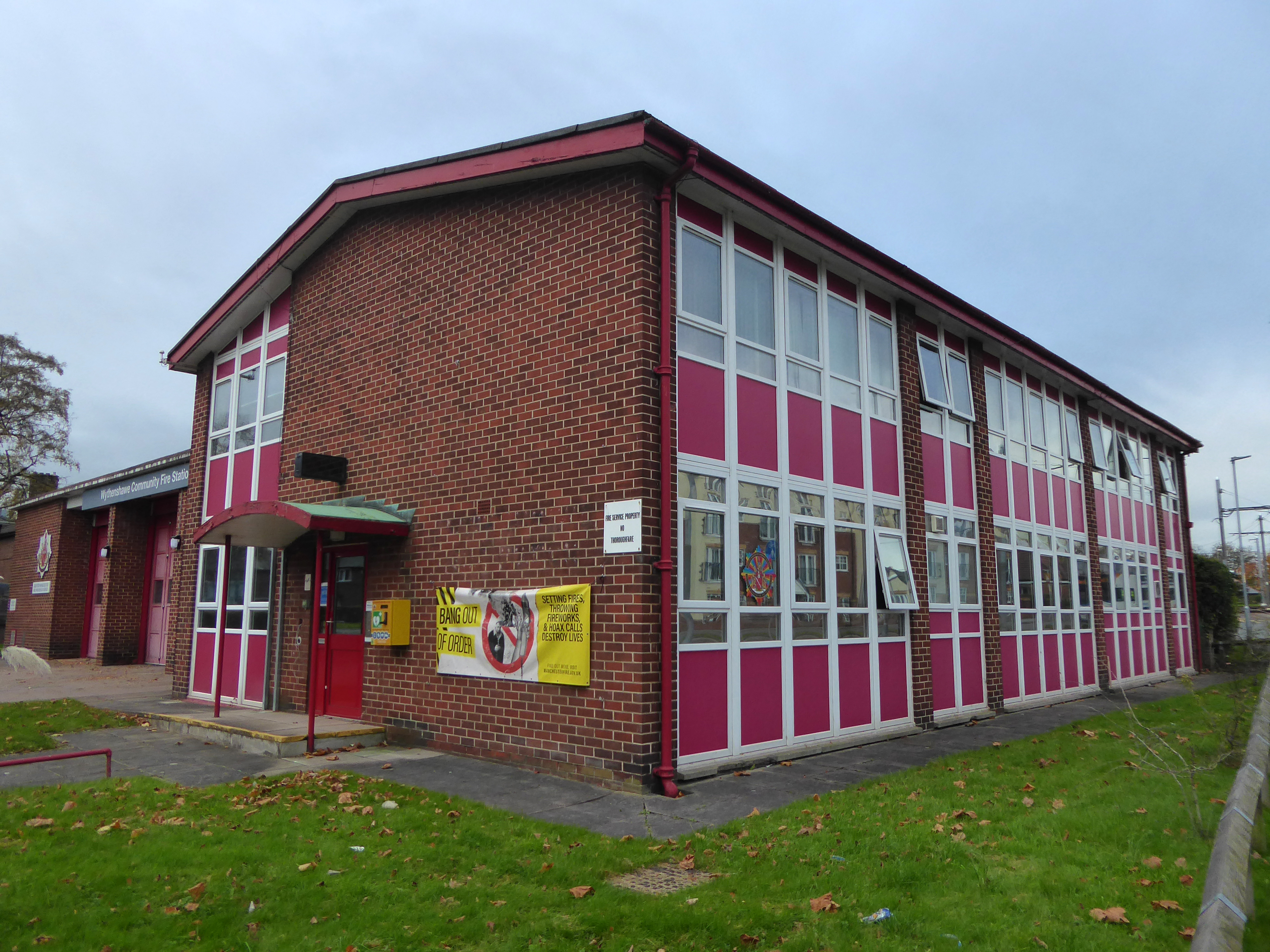
Onwards to the most exotic magenta fire station.

Then down the road to St Luke’s 1939 by W Cecil Young of Taylor and Young.

No striving after sensational effect is strived at – Pevsner.

Down the road we go to St Martin’s.

The church is the the work of Harry Fairhurst Architects 1958.

Opened 21st March 1959.

Across the road to Tin Town.

A mini-estate of impeccably kept, neat steel-framed prefabs, designed in 1946 by Frederick Gibberd. We got a tour around one, home to former Durutti Column drummer Bruce Mitchell. The space standards and architectural quality are, as Phil Griffin points out, way above those of contemporary central Manchester luxury loft living. 

Owen Hatherley – The Guardian

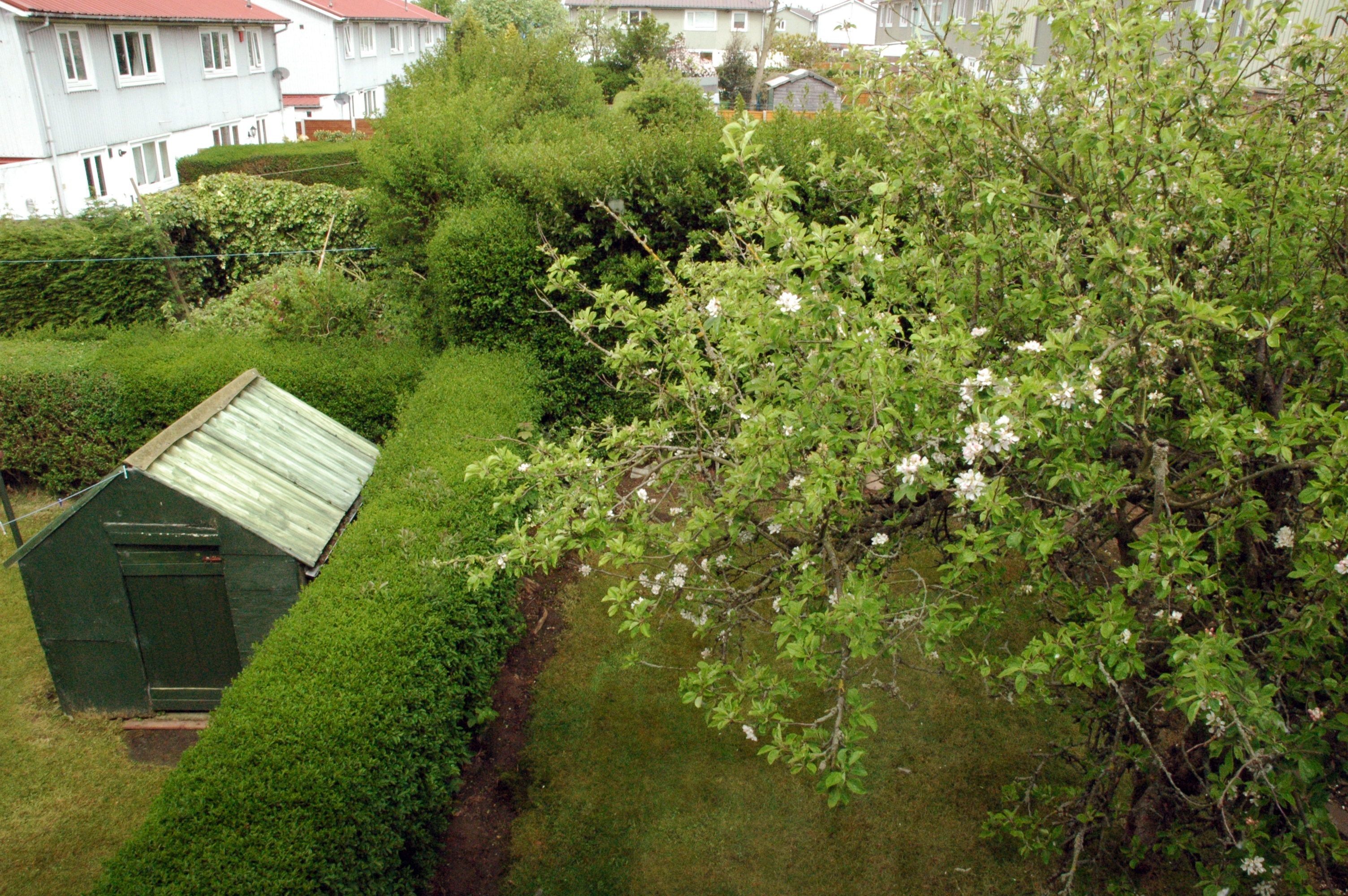
New residents were given the choice of an apple or pear tree.

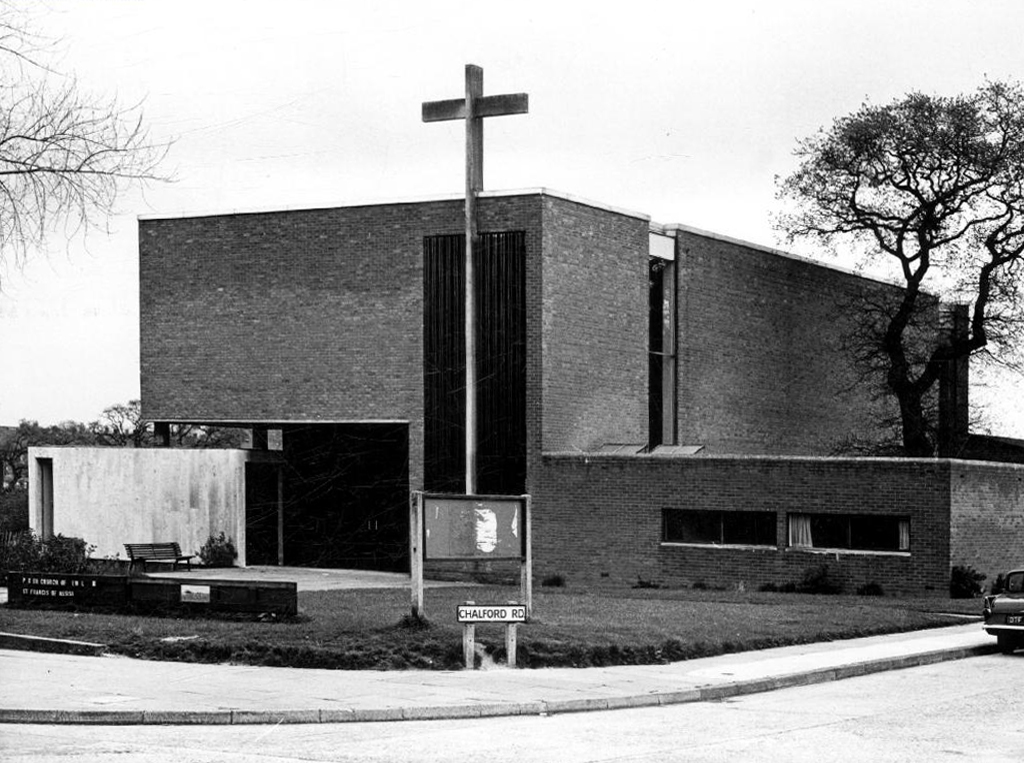
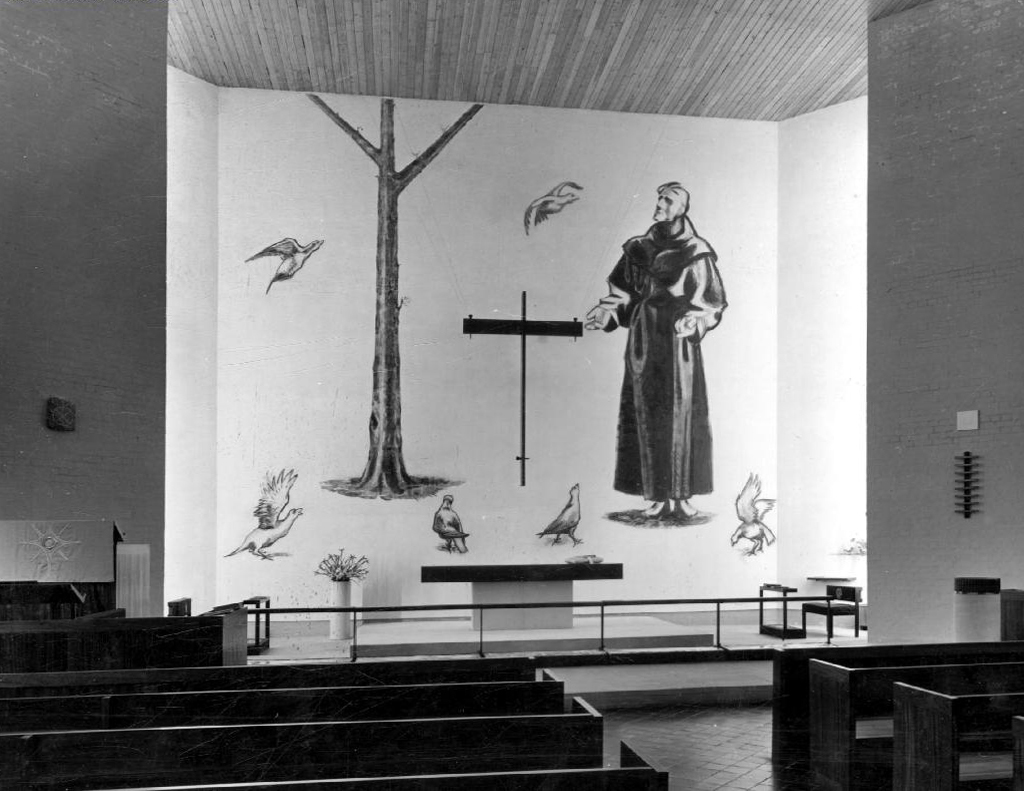
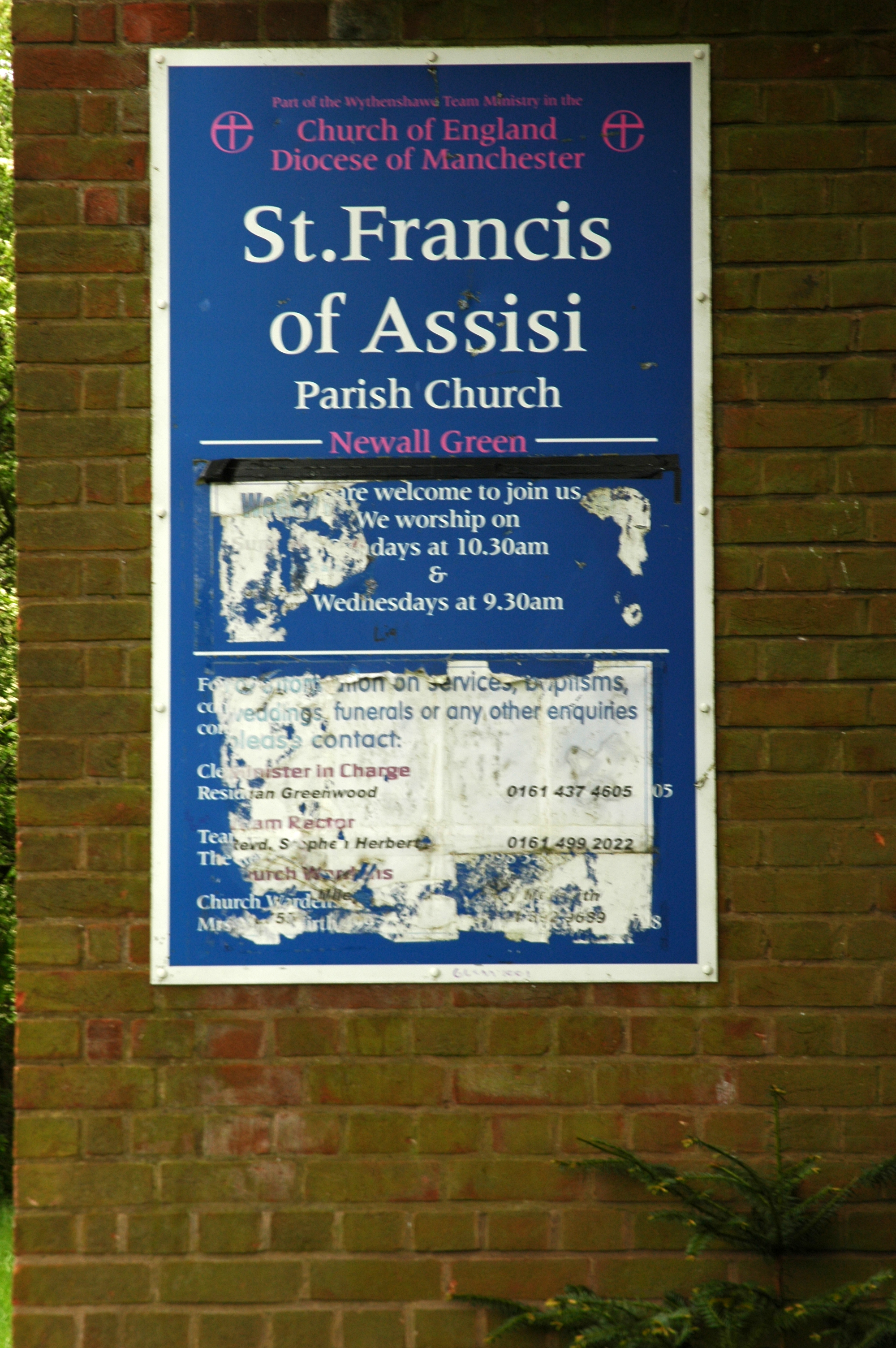
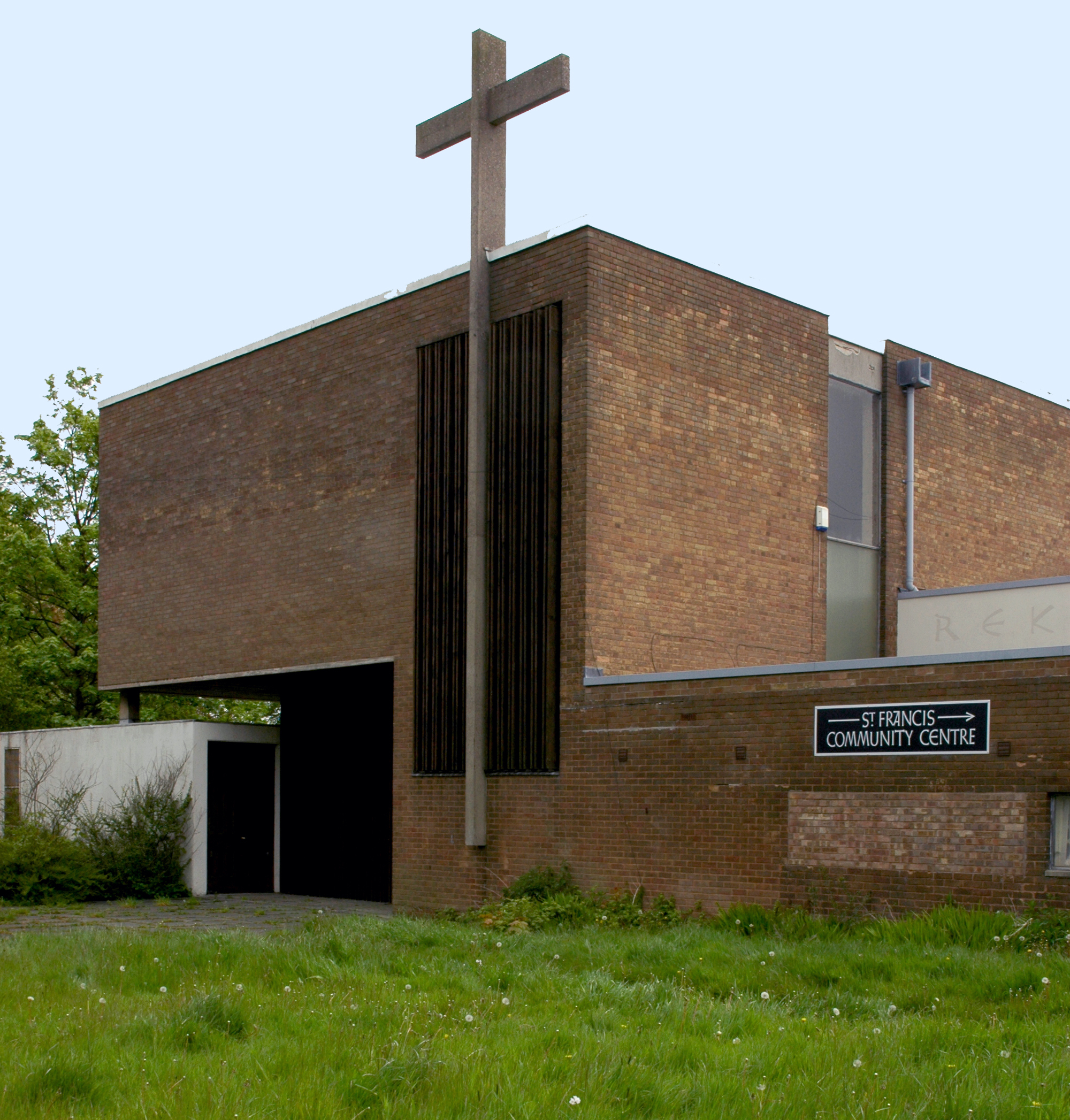
Finally arriving at Sir Basil Spence’s St Francis of Assisi.

2012

In December 1956 Basil Spence and Partners were commissioned to design St Francis Church in Wythenshawe, Greater Manchester. The project was part of a large building programme by the Manchester Diocese and was to service the new post-war housing estate at Newall Green. The site housed an existing hall that had been serving a dual-purpose as church and church hall but which reverted to use as a church hall once the new church was opened. The foundation stone was laid by Colin Skinner CBE on 23 April 1960 and the church was consecrated on 25 March 1961 by the Bishop of Manchester, W D L Greer.

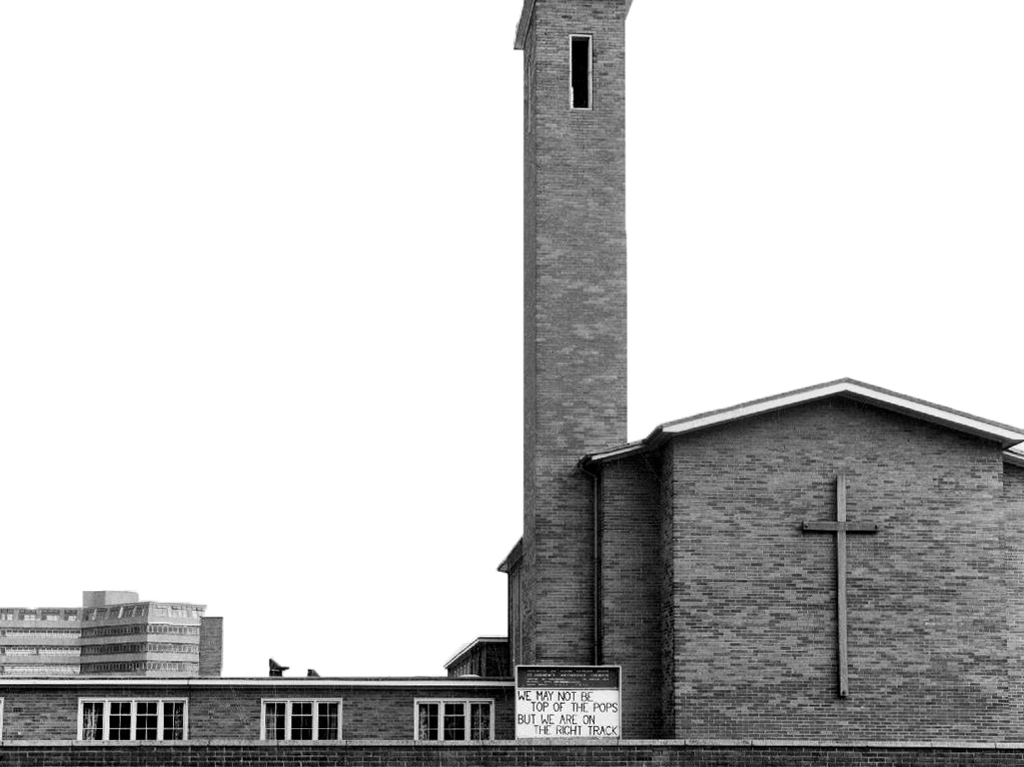
The main building is predominantly brick; it is set back from the road by a landscaped courtyard that includes a brick tower and 73ft concrete cross. Another large cross rises from the front wall of the church itself making it highly visible from the surrounding neighbourhood.

The church can hold a congregation of 250. A small chapel is separated from the main church by a sliding screen and can be used independently for private prayer and mid week-services. On busy days the screen can be retracted to provide additional seating to the main church. A gallery over the entrance porch houses two organs and the choir.

Tin Town – Wythenshawe

Prior to the end of WWII, the British Iron & Steel Federation worked closely with Architect Frederick Gibberd & Engineer Donovan Lee, to develop several steel framed prototype houses and flats, which could be erected quickly and efficiently with limited use of skilled labour.

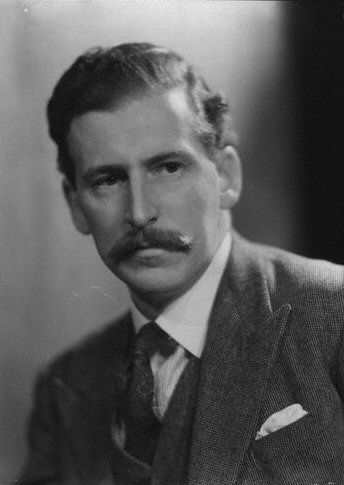
Frederick Gibberd

These prototype were duly named BISF which is a acronym of the originating  sponsor, The British Iron & Steel Federation.

However, it was in fact the newly formed company, British Steel Houses Ltd, that went on to develop and manufacturer the BISF houses we see today.

Over 34,000 three-bedroom semi-detached houses and 1048 Terraced Houses were erected across England, Scotland and Wales.

Non Standard House

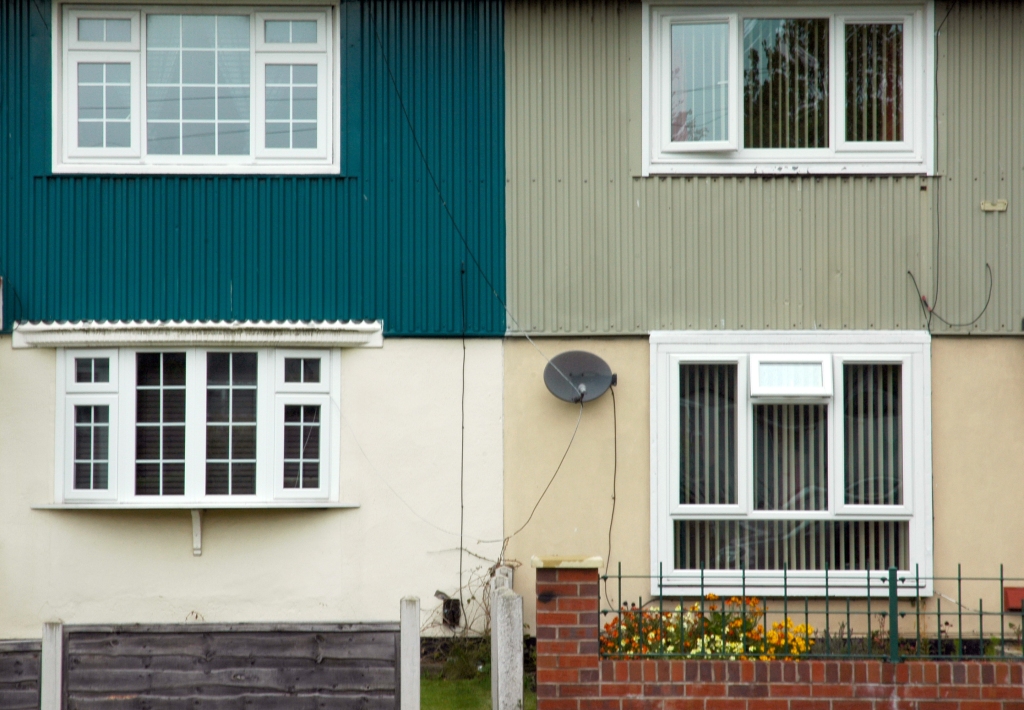
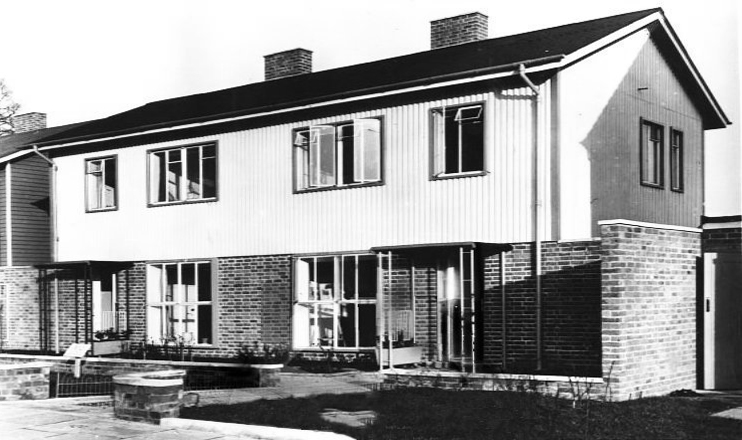
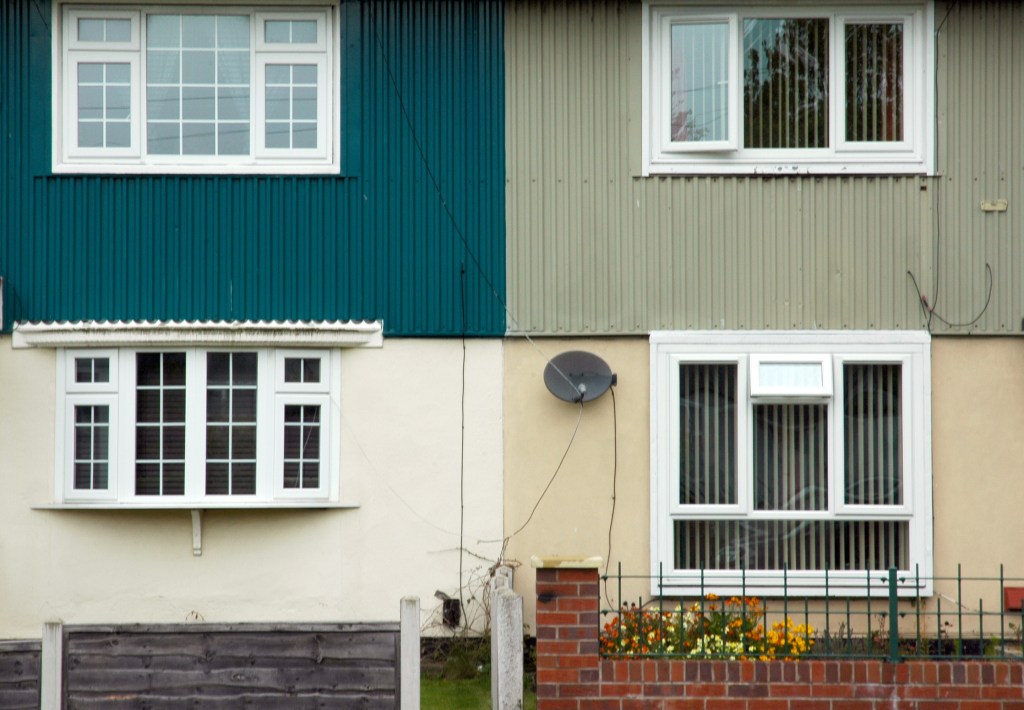
The final production design incorporated rendered mesh ground floor walls and the now familiar, profiled steel sheeting panels affixed to the upper storey. The preferred roofing material was generally corrugated asbestos cement, or corrugated metal sheeting.

The frame of the prototype ‘B’ house was of the same general design as the type ‘A’ frame, but fabricated from flat light steel sections.
Northolt

The roof trusses were also of light steel sections and the roof cladding was the same as that used in the type A house. 
Both prototypes had been designed to accept a variety of external wall materials, including traditional brick masonry if desired.

The external steel cladding that was affixed to the upper storey of the original BISF house appears visually similar to the external cladding that was used during the production of the unrelated Hawksley BL8 temporary bungalow.

This visual similarity caused many people to wrongly assume that the BISF House was a semi-detached version of the temporary bungalow, despite the fact that the BISF House was built as a permanent dwelling.

The vast majority of BISF houses were built as two-storey semi-detached pairs. A smaller number of terraced houses were also built by replicating the standard semi-detached frame.
A number of variations relating to the layout and materials used in the construction of this house have been noted, but in all cases, the original construction, design & construction of the steel framework, remains largely as described.

The area in Wythenshawe where the BISF houses were built, is known locally and colloquially as Tin Town.

Here are the homes in 1955.

Here are the homes in 1972.

JF Hughes Local Image Collection

In 2012 we visited the home of former Durutti Column drummer Bruce Mitchell.

Bruce in Greater Mancunians.
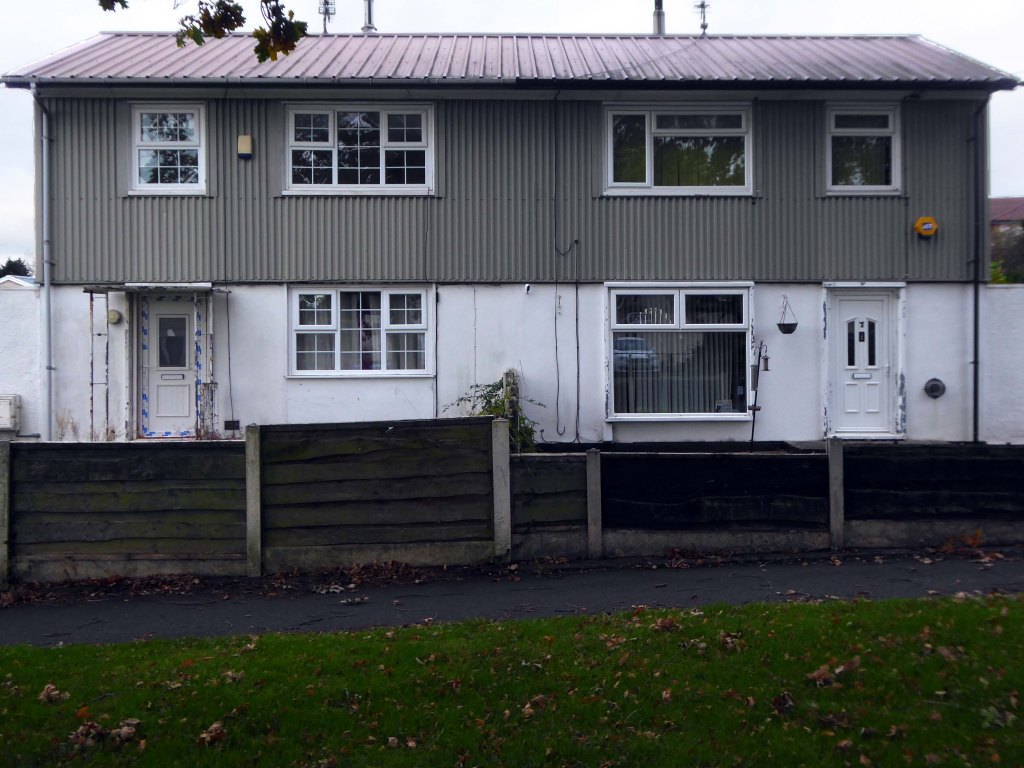
Owen Hatherley wrote about this White Bus Tour in The Guardian – at the behest of Richard Hector-Jones.
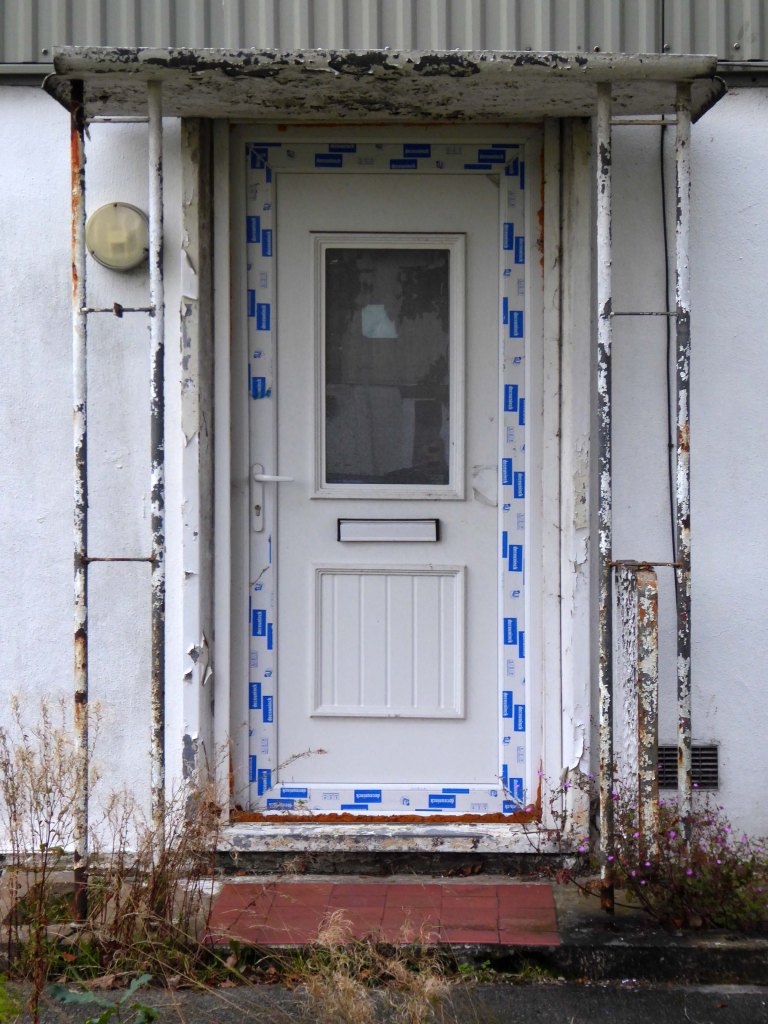
New residents were given the choice of an apple or cherry tree for their back gardens.
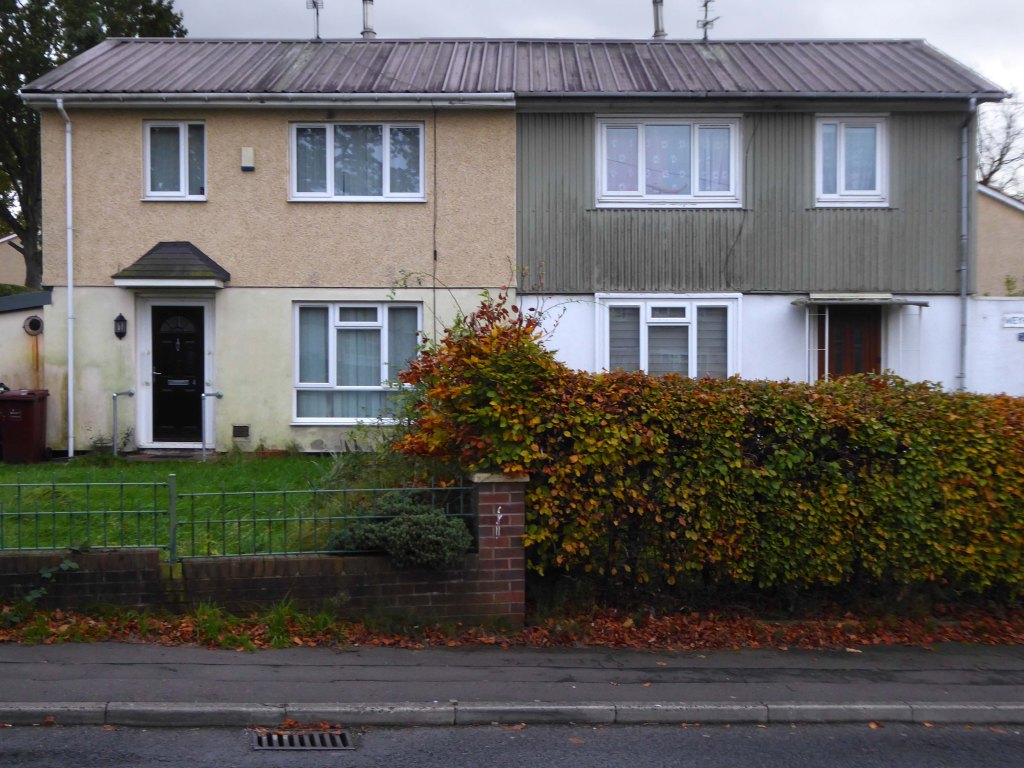
Here are the photographs I took in November 2021.

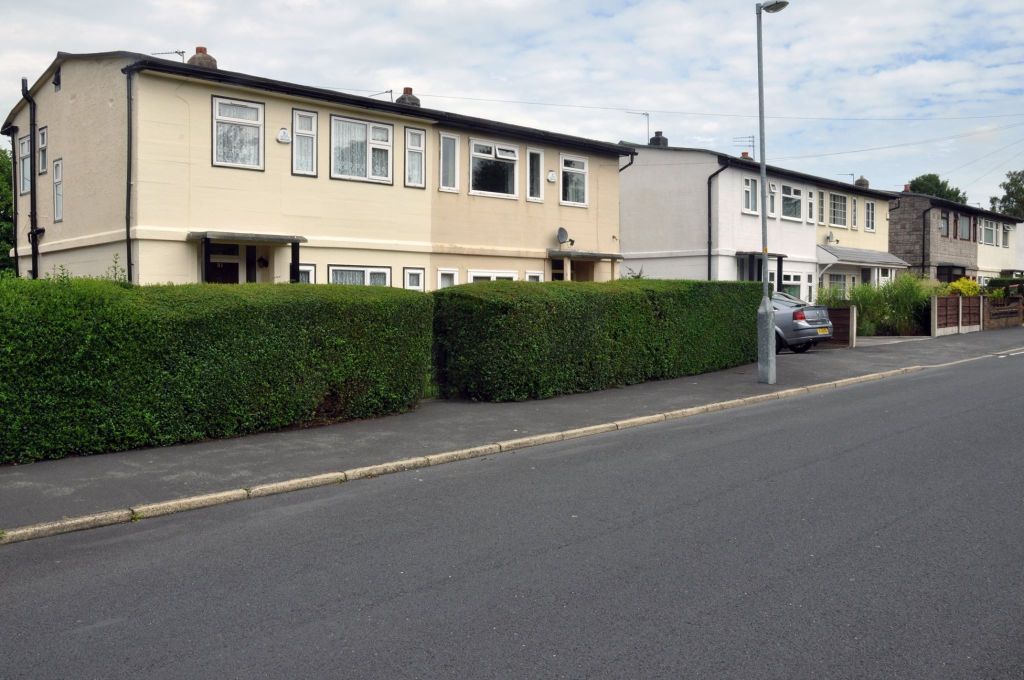
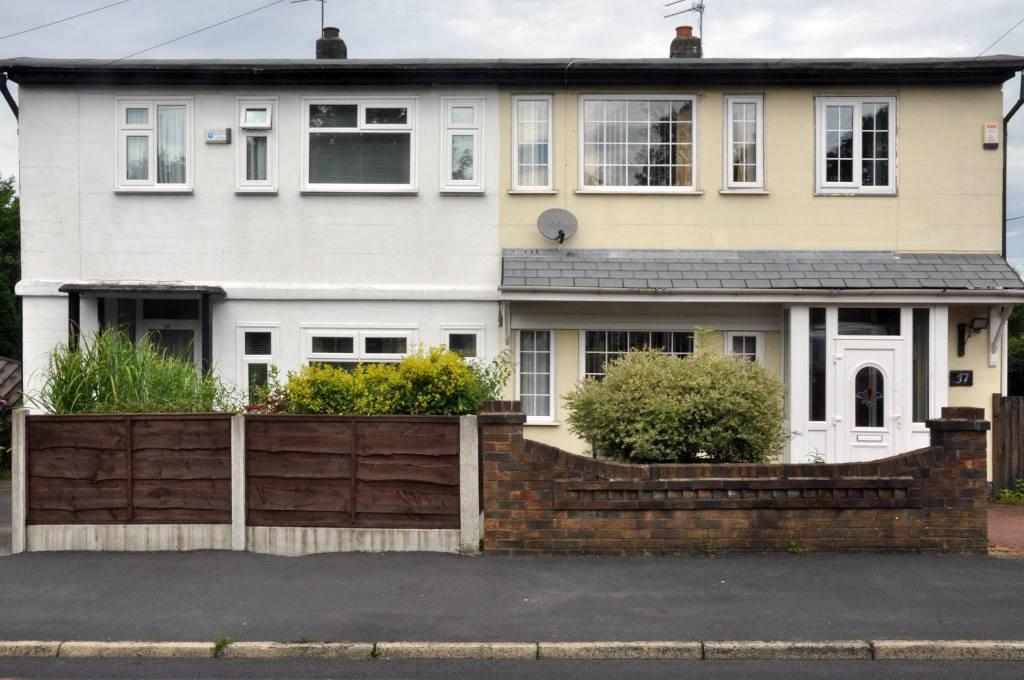
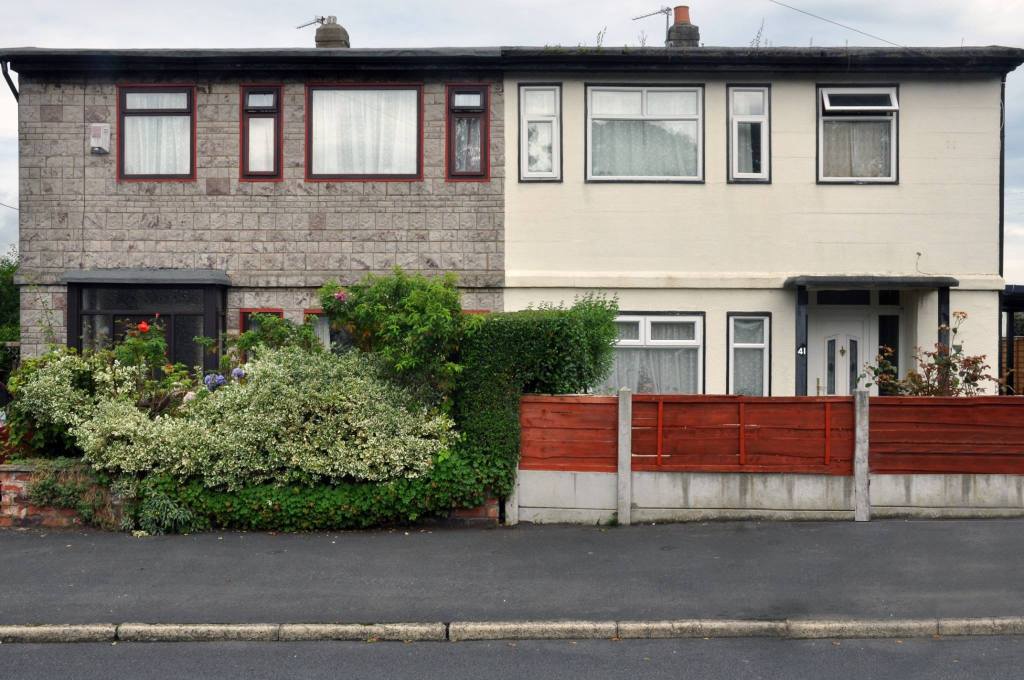
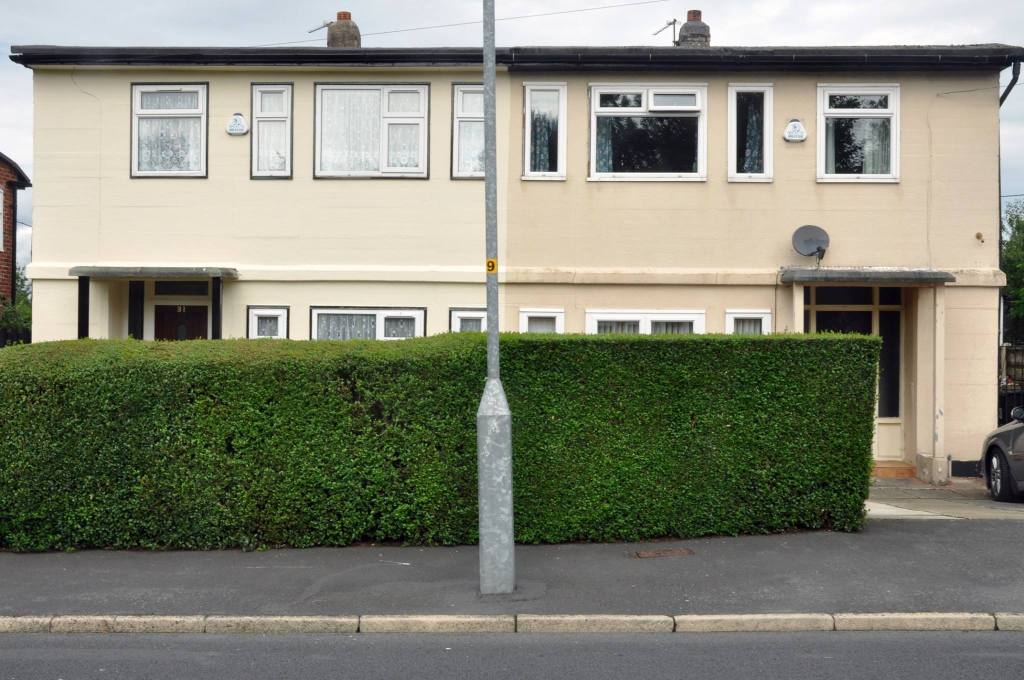
Beanland House No 2 – Ashton under Lyne

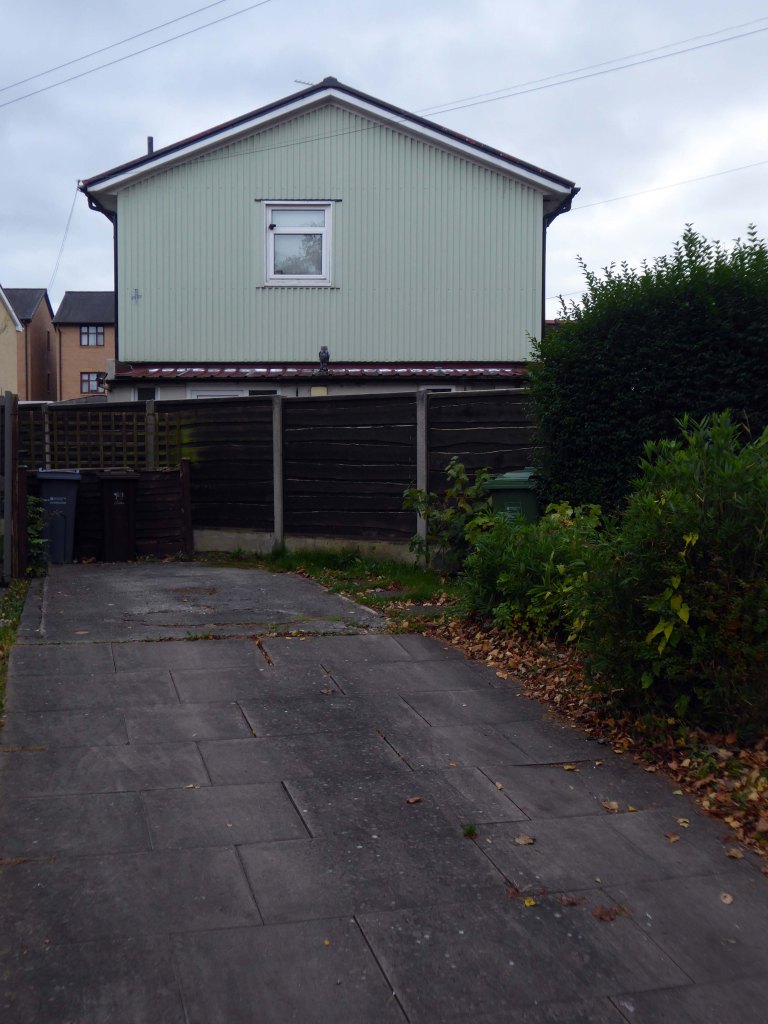
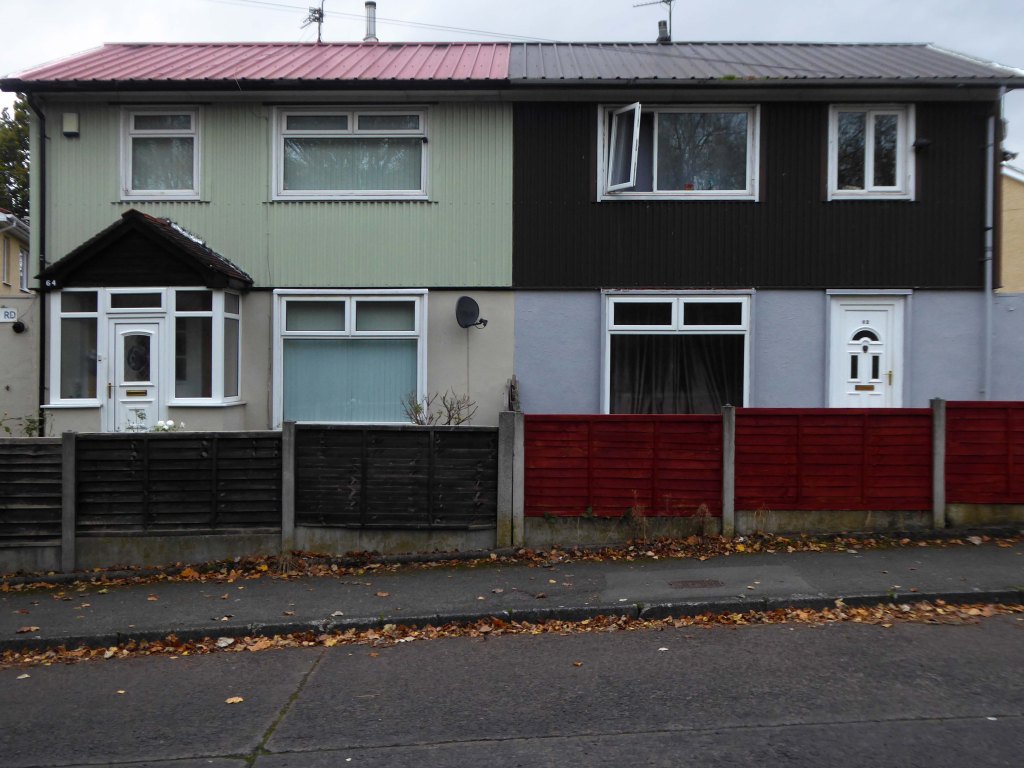
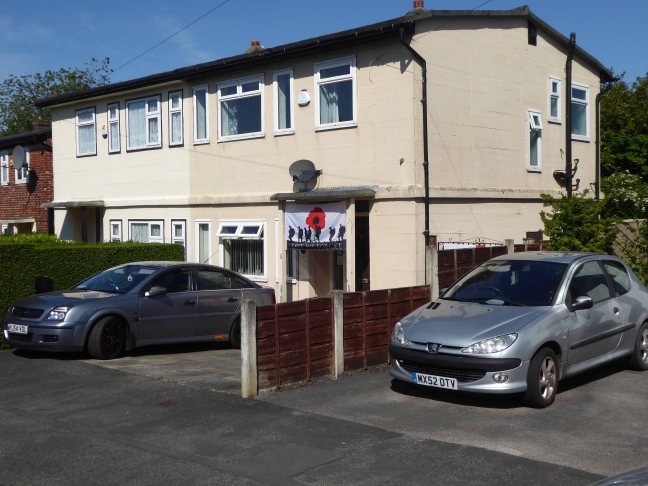
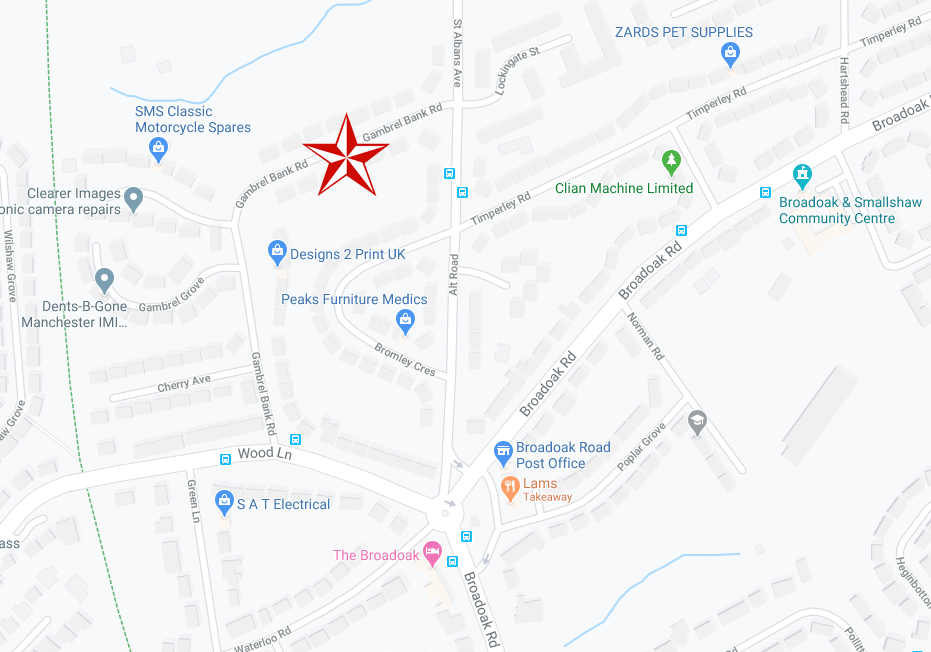
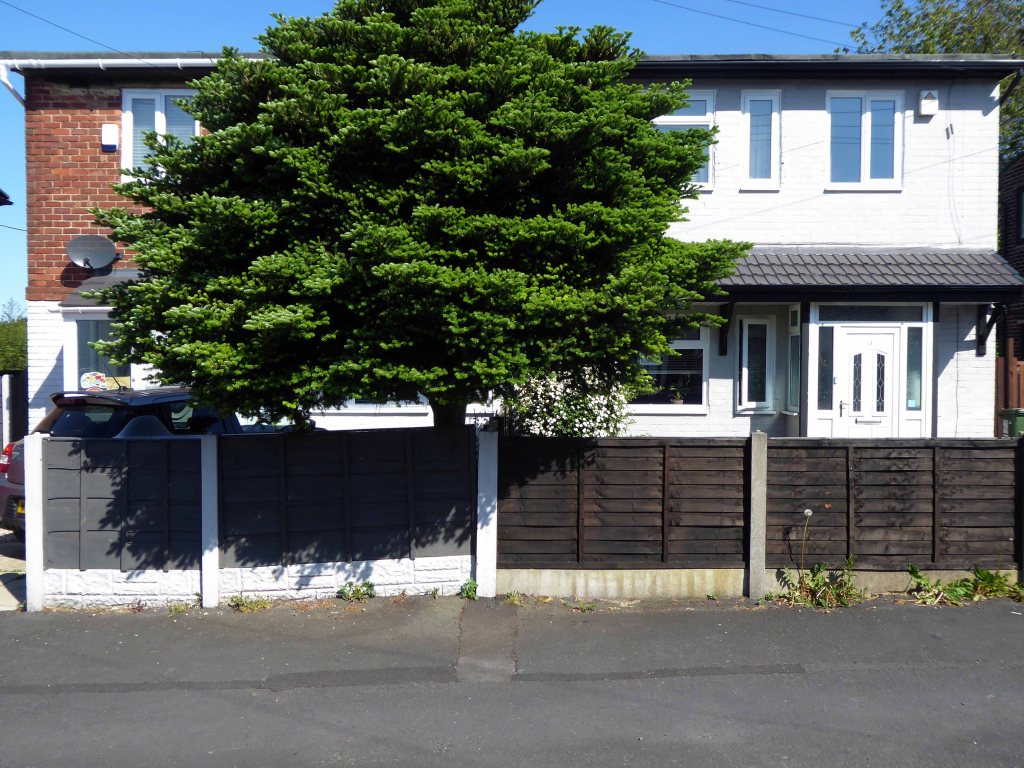
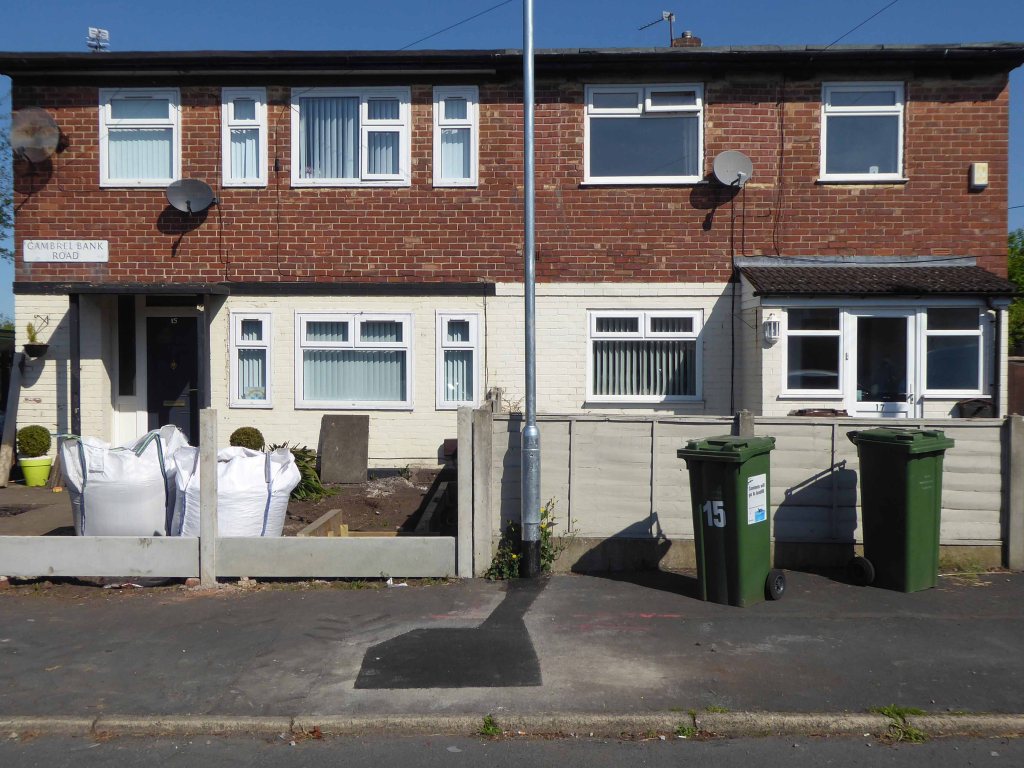
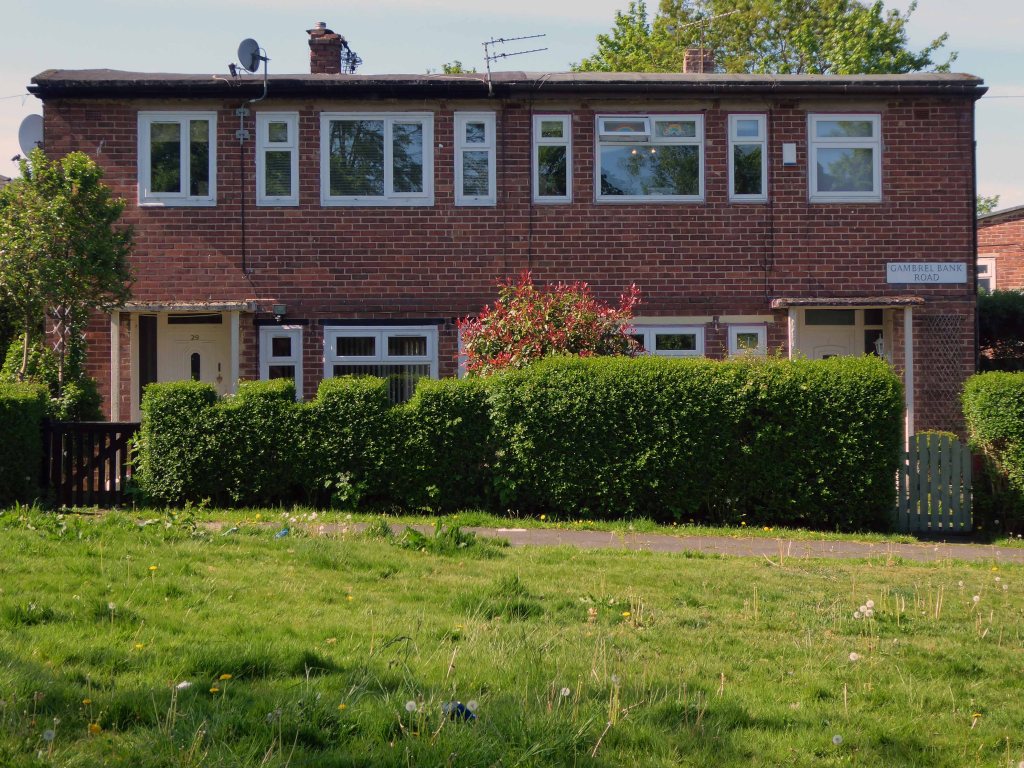
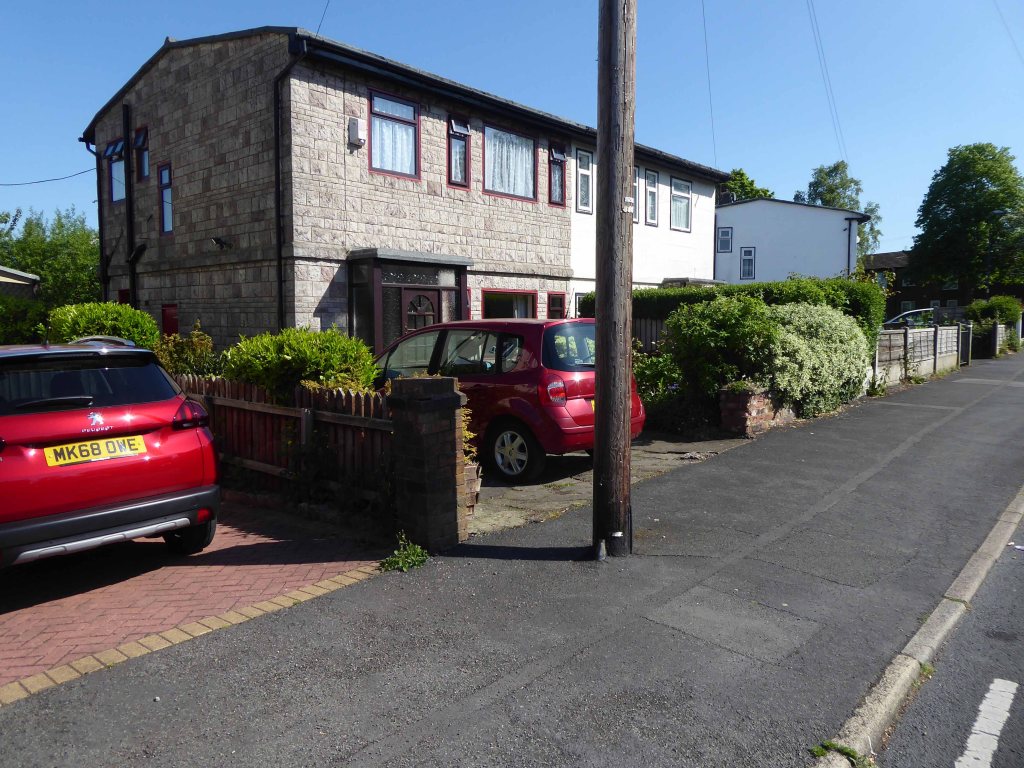
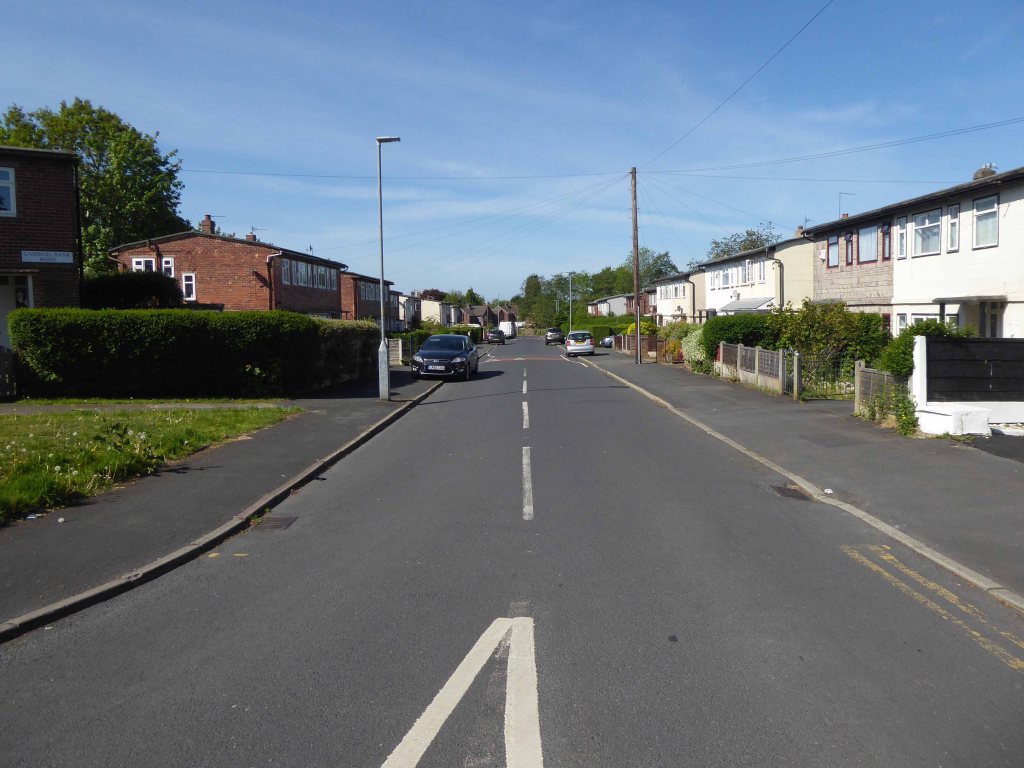
Gambrel Bank Road Ashton under Lyne

I have been here before in 2015 en passant, snapped the homes chatted to a resident and off, she had informed me that they had been post-war experimental concrete homes.

I thought no more about it – but subsequently I did, returning to the road to take another look.

Here’s one I didn’t make earlier.

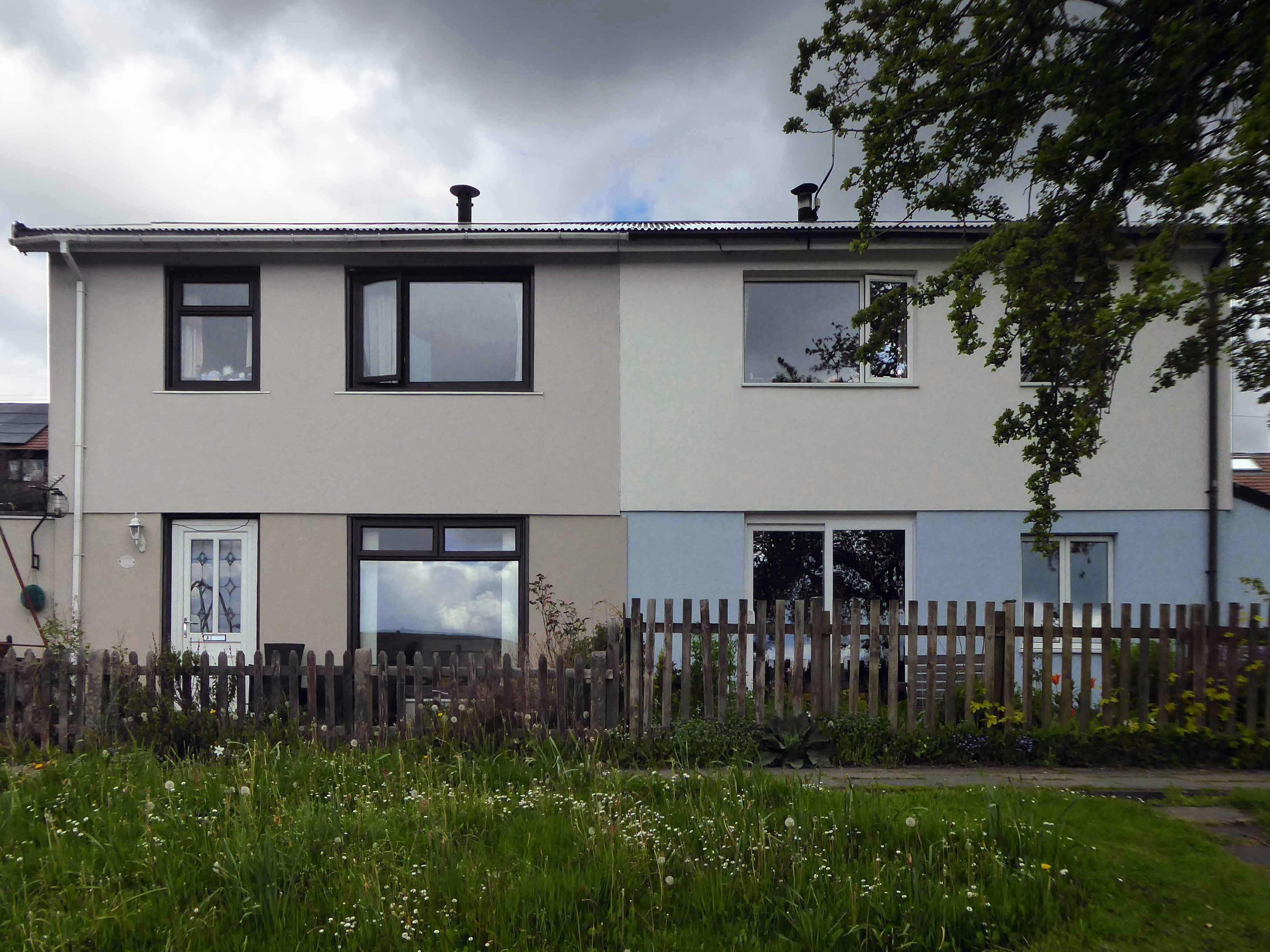
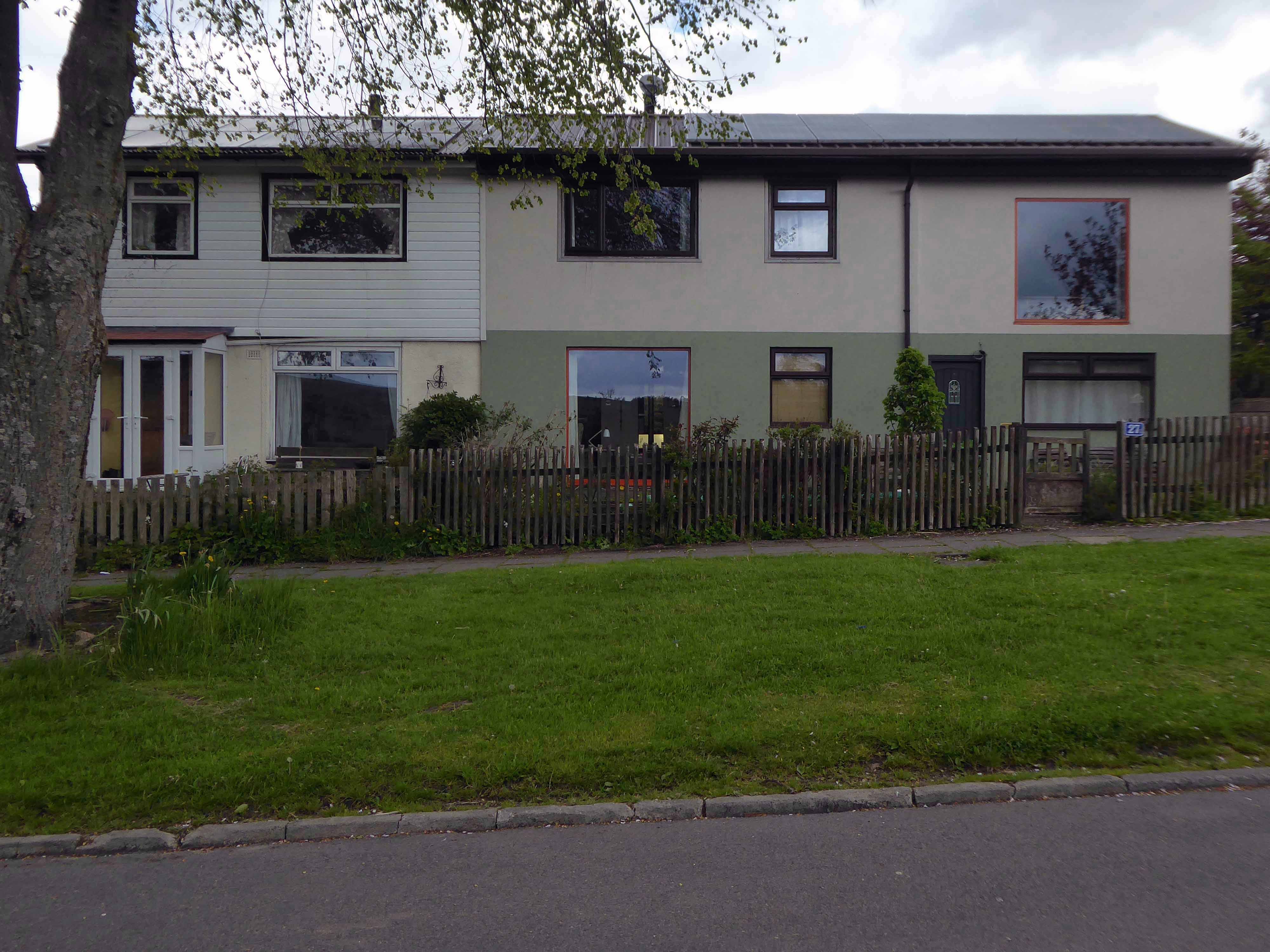
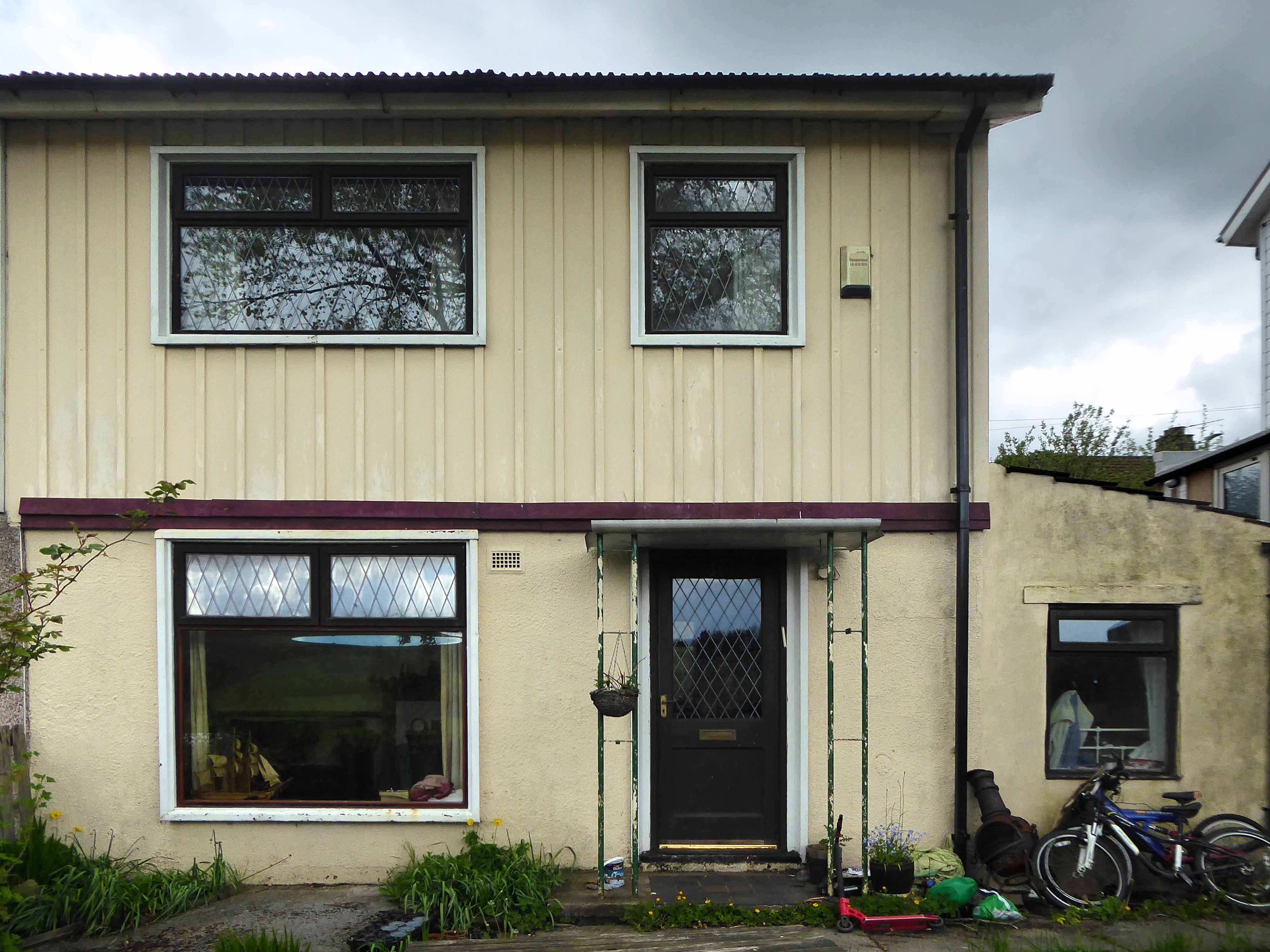
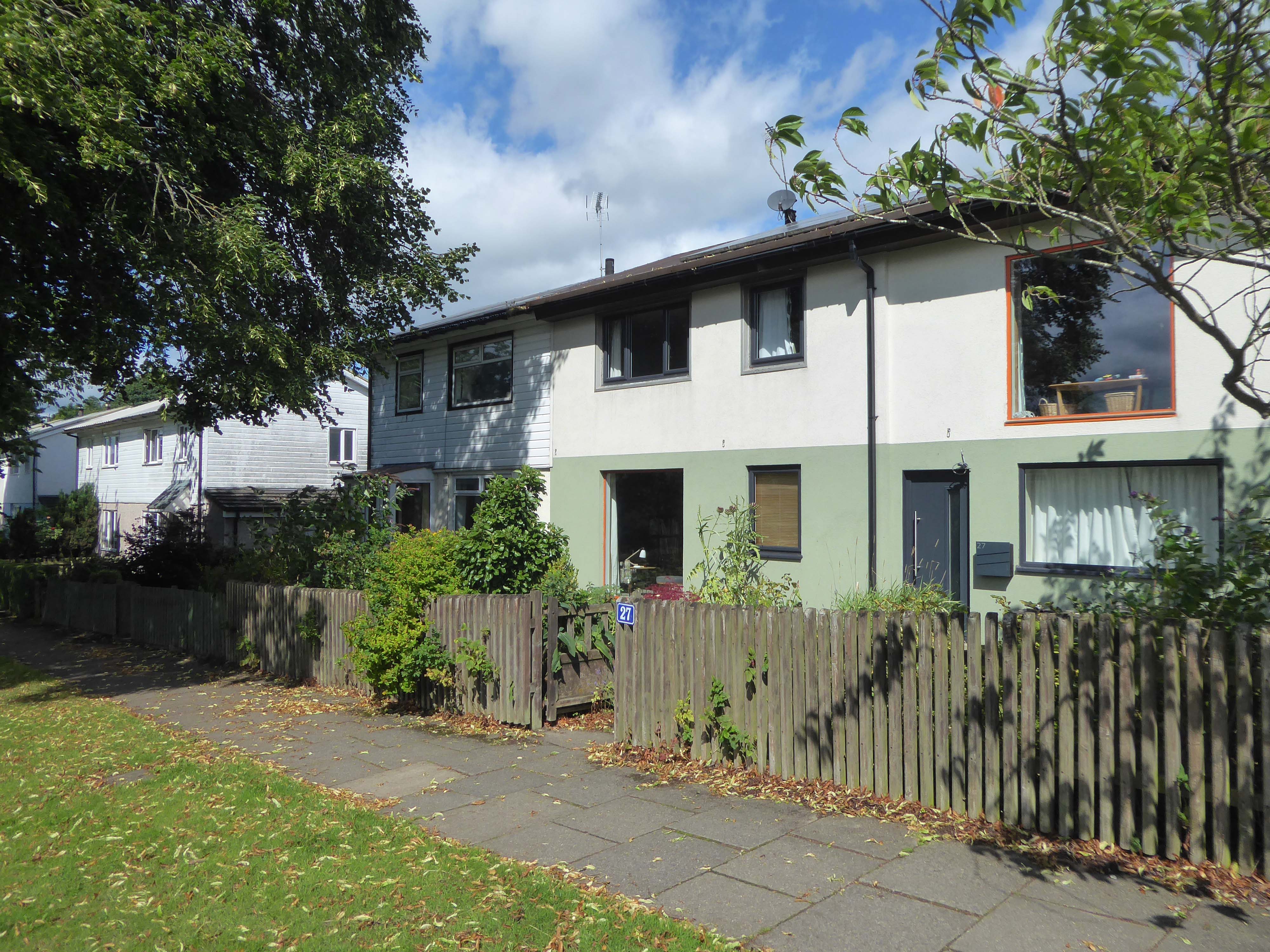
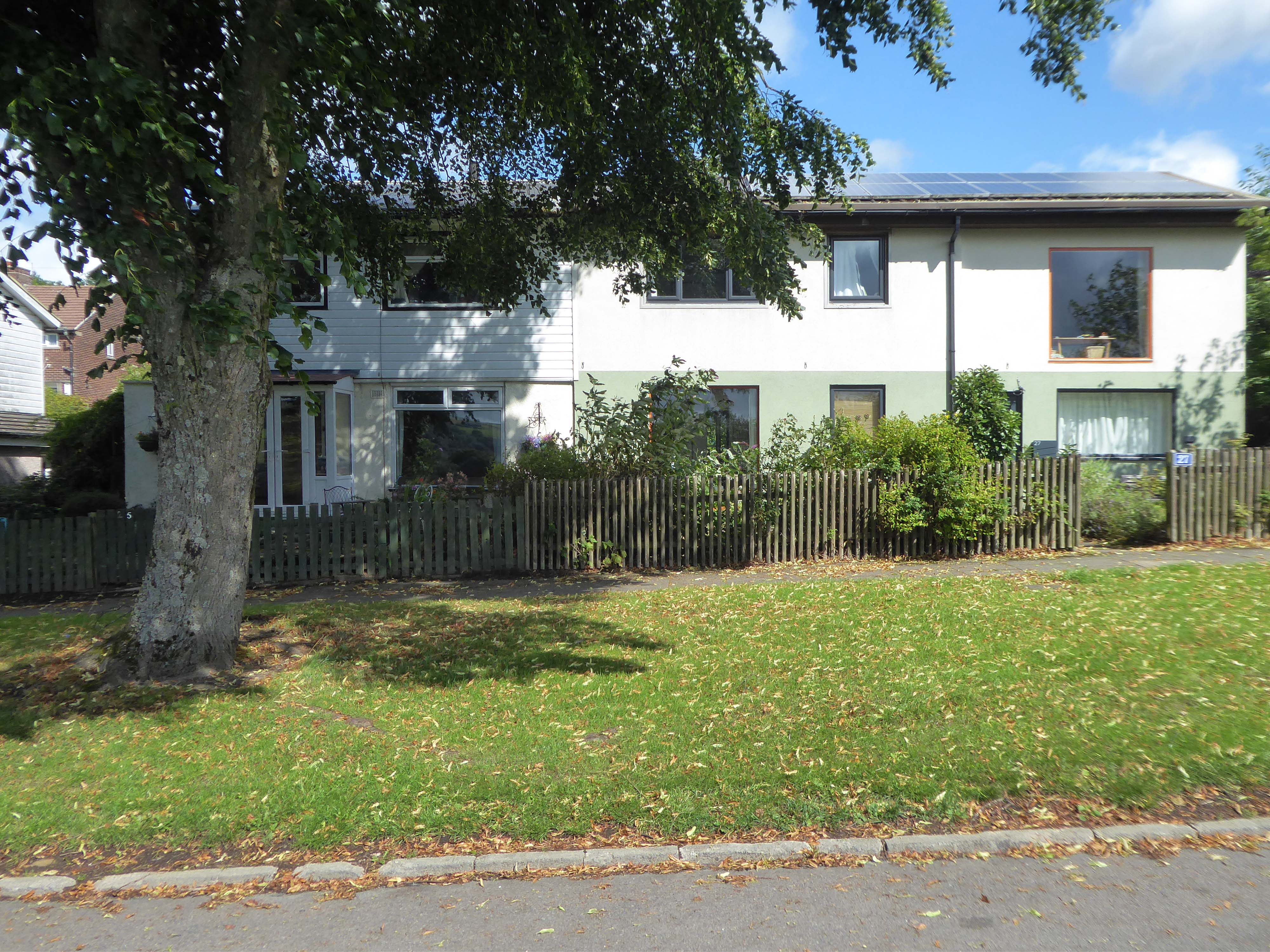
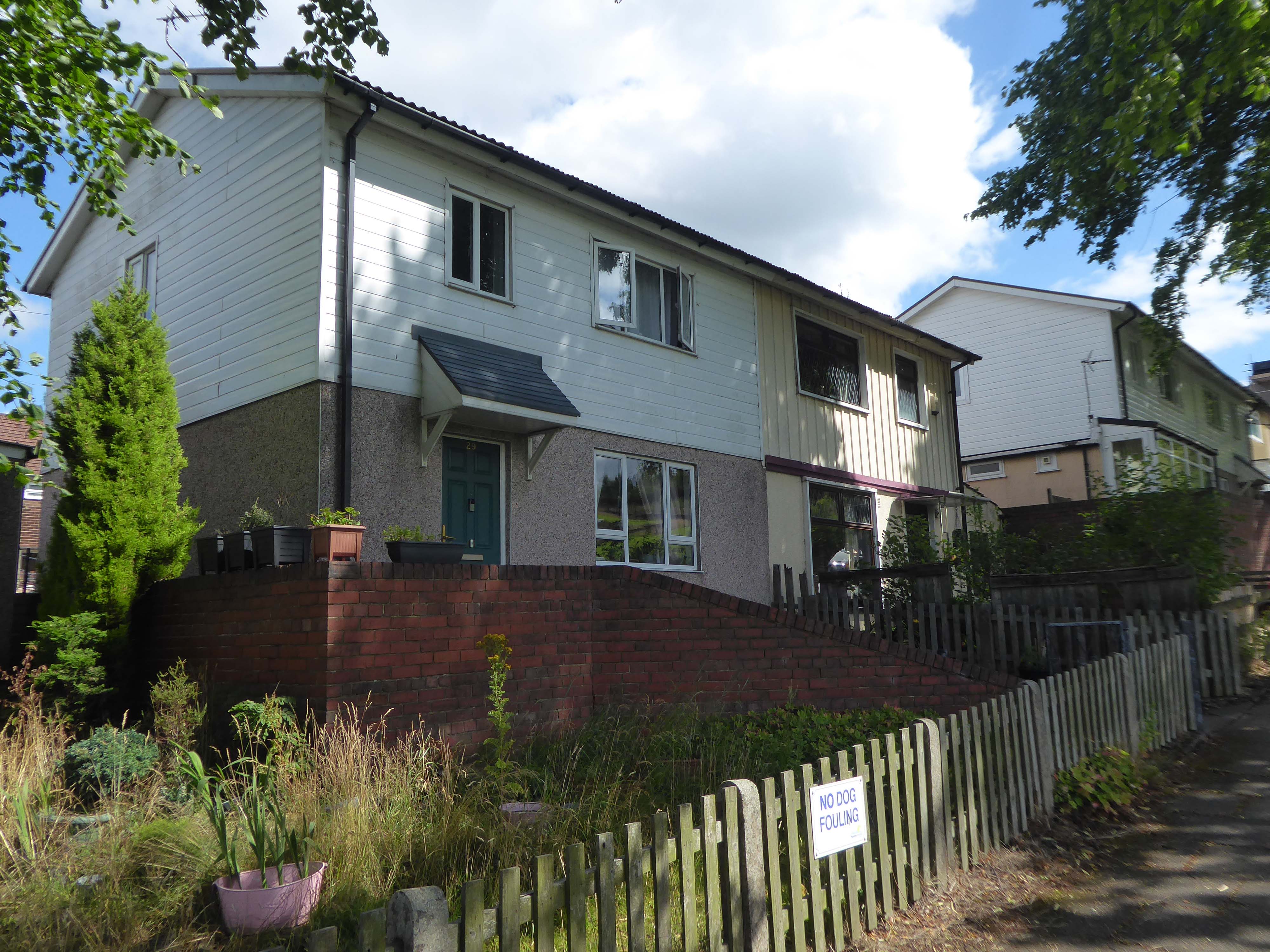
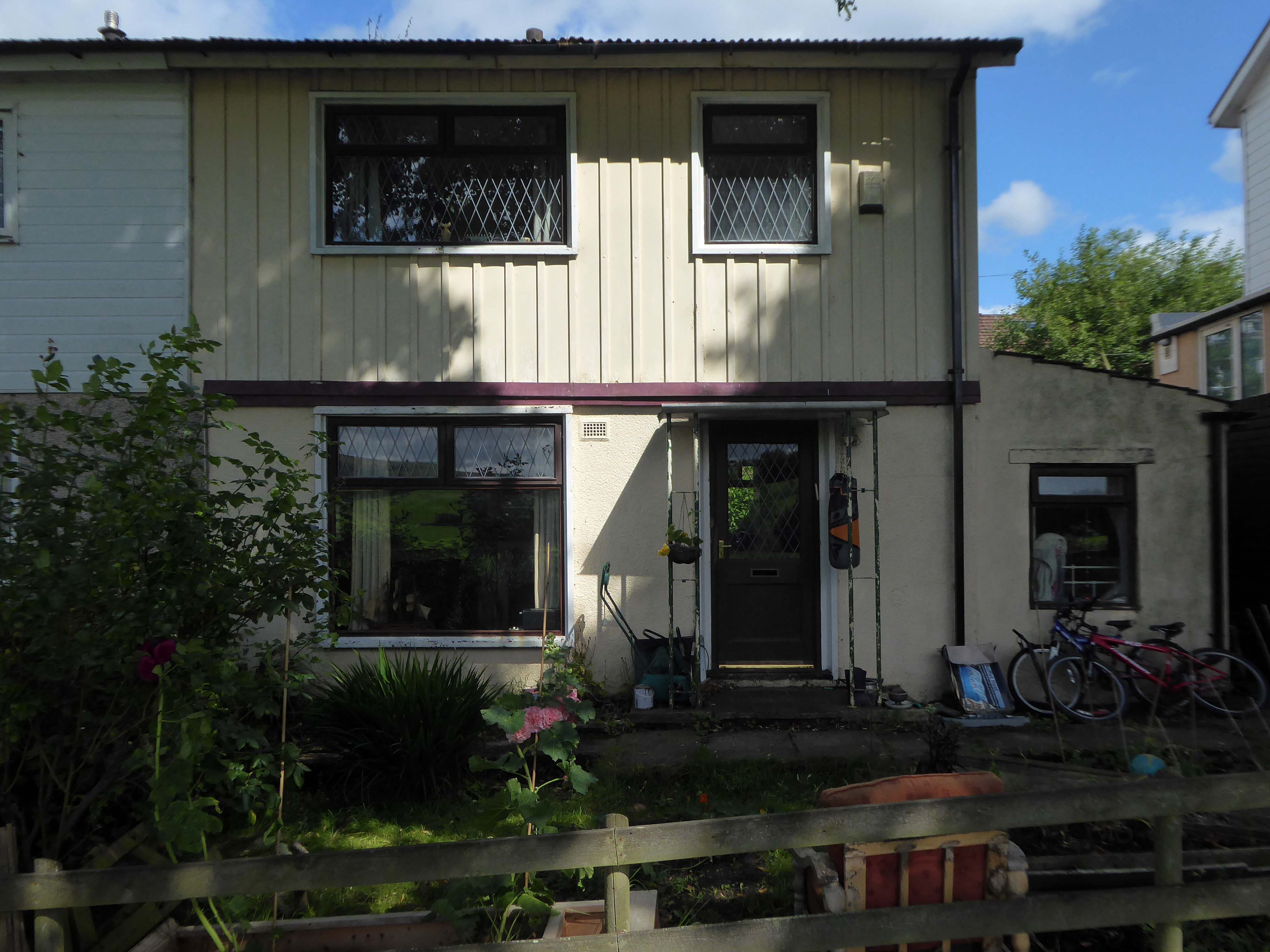
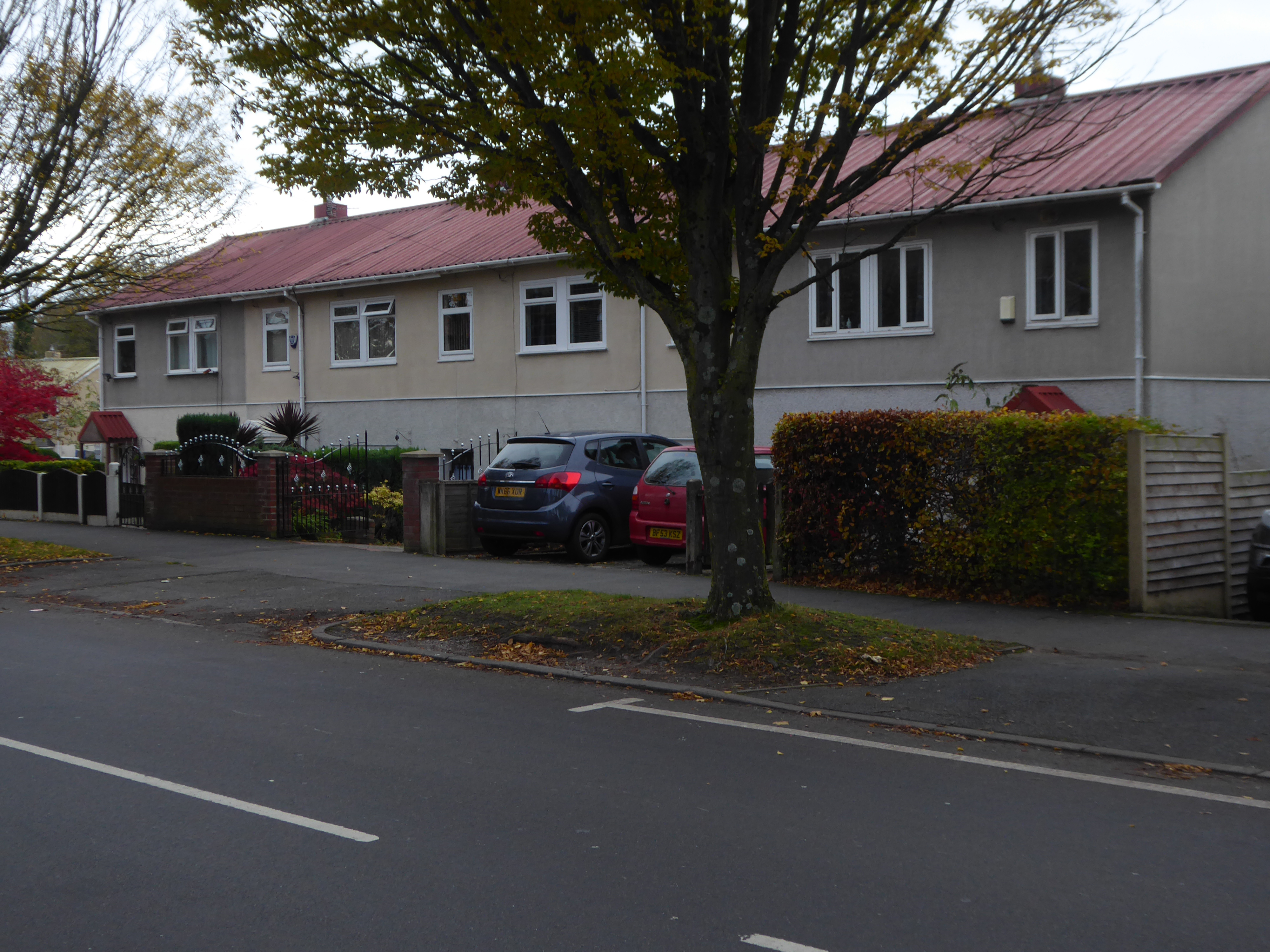
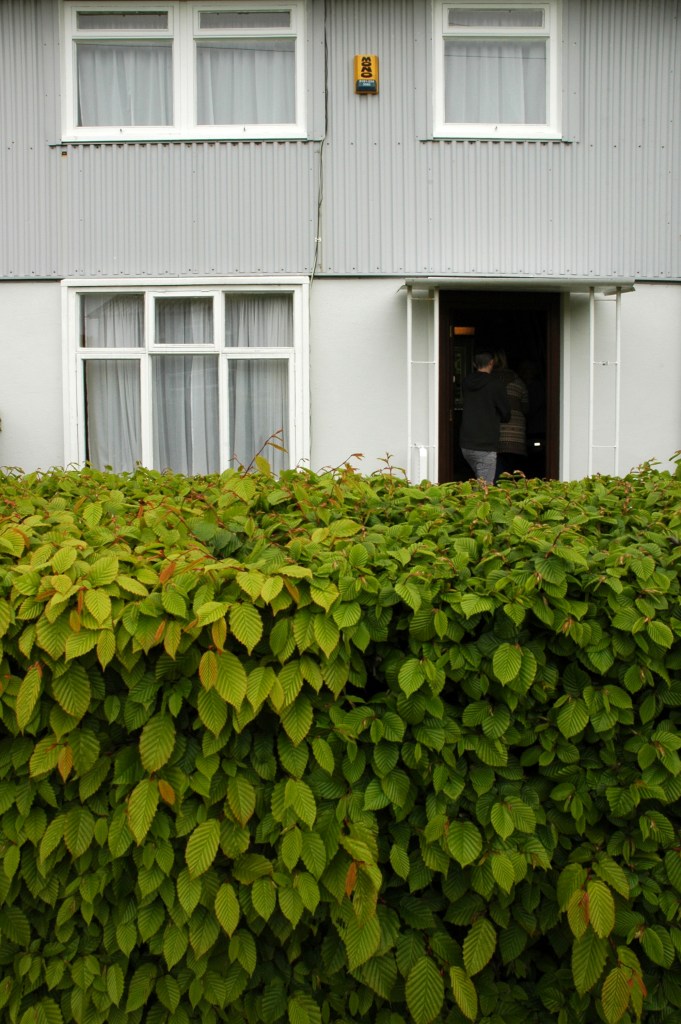
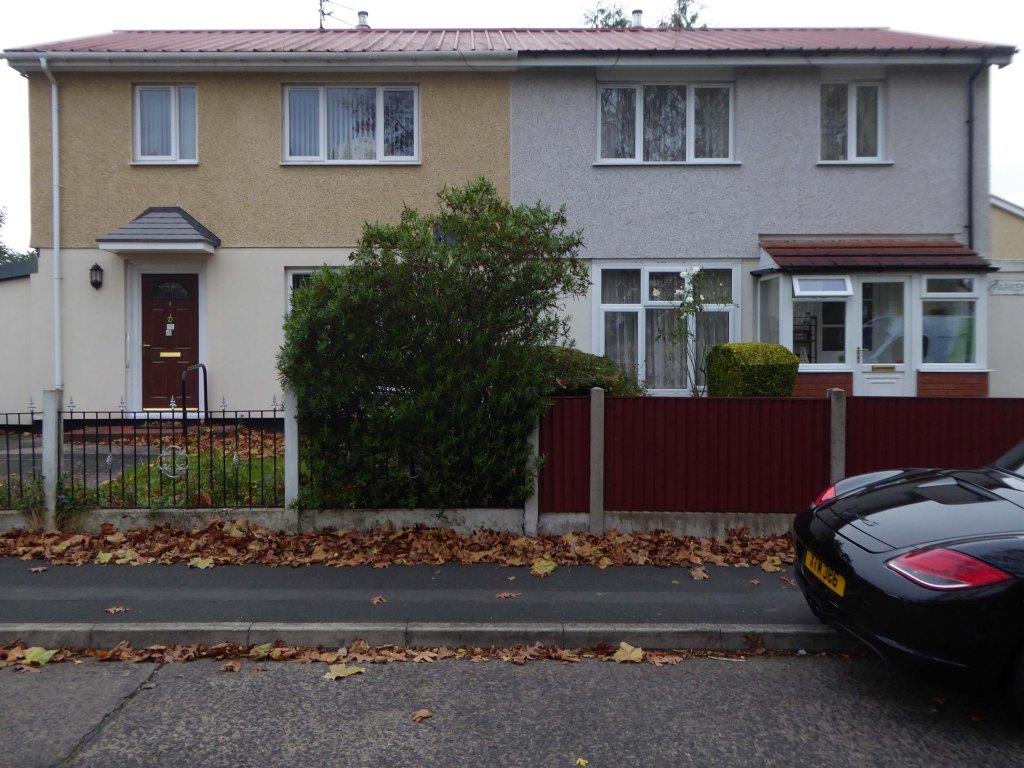
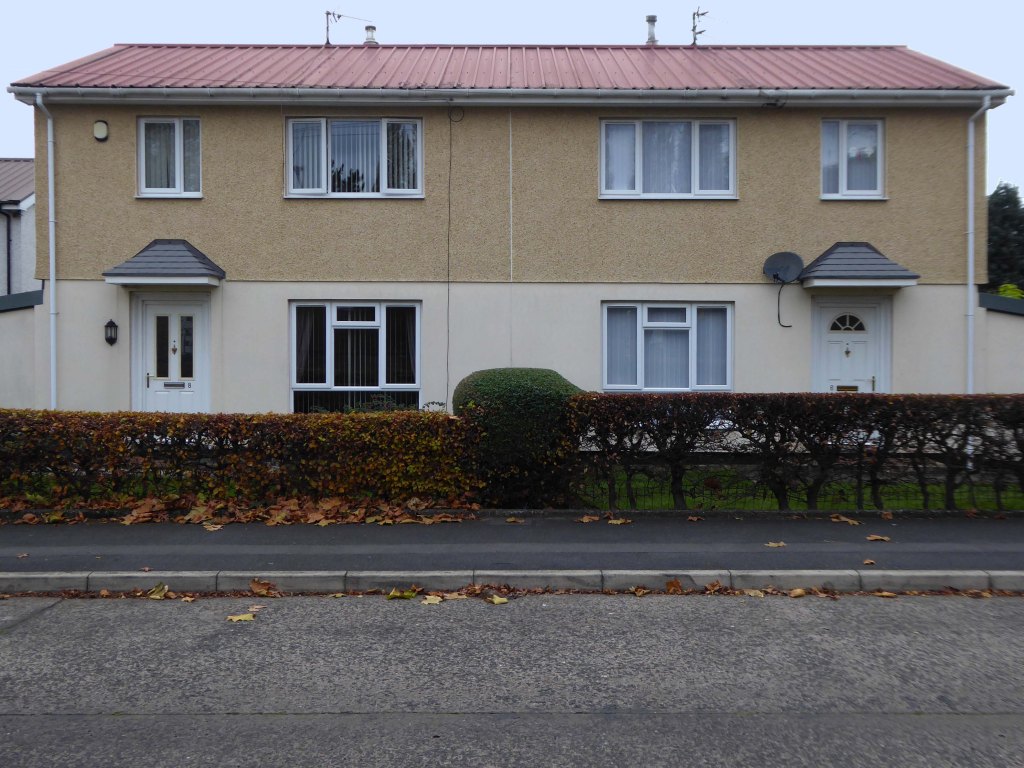
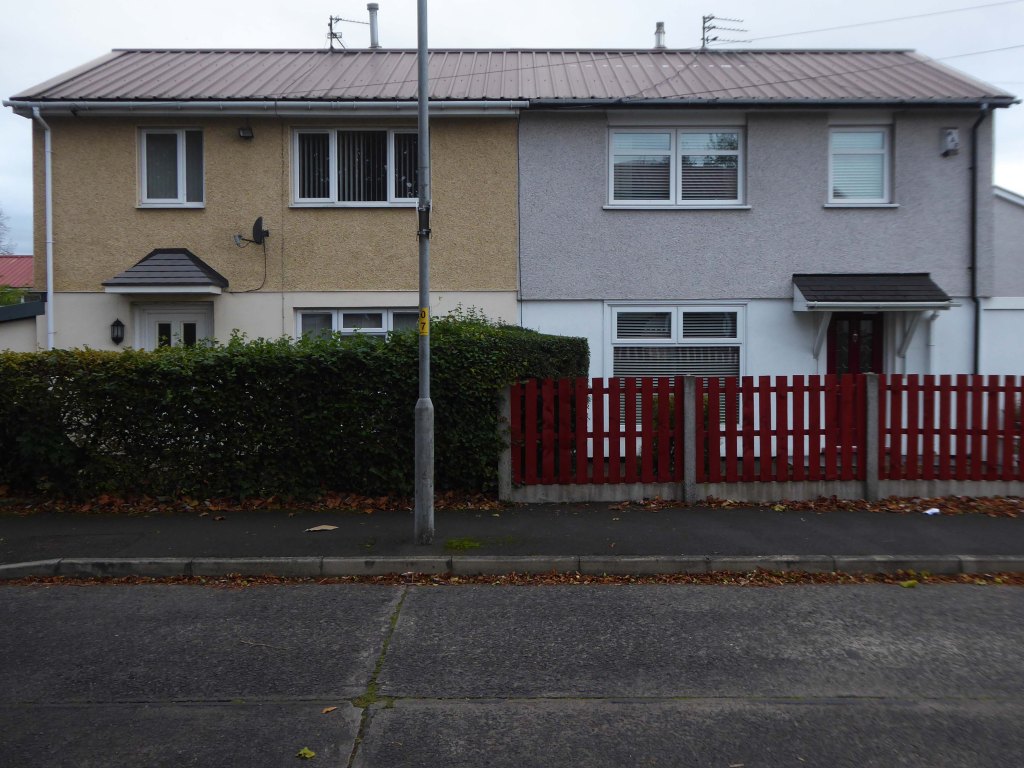
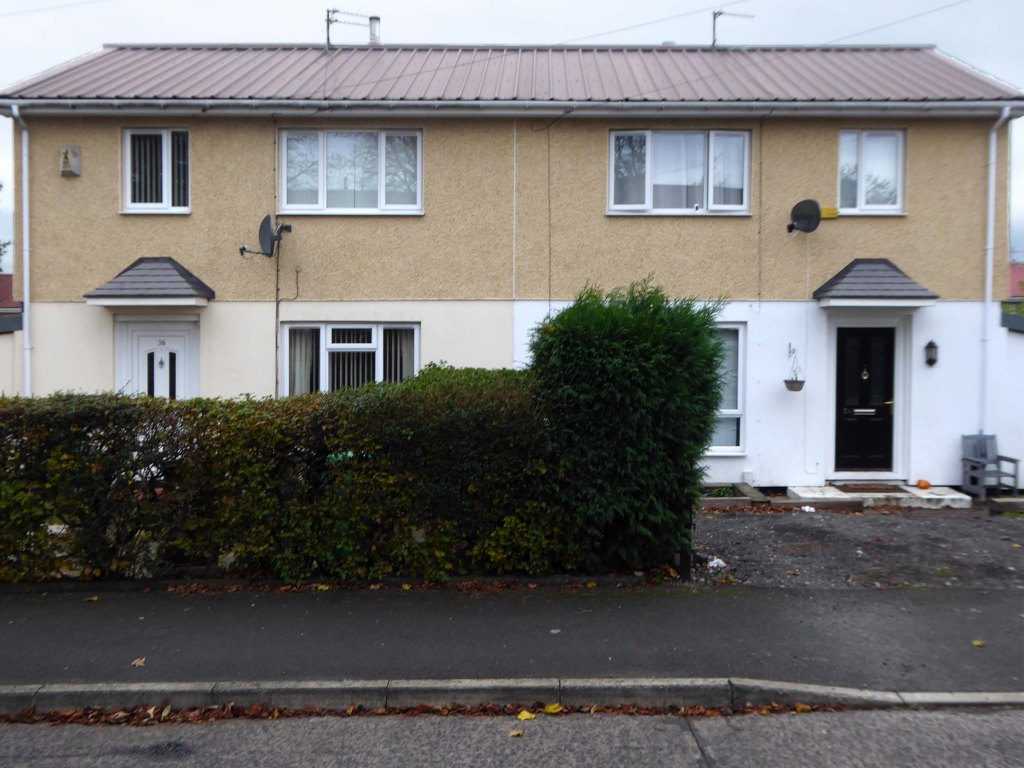
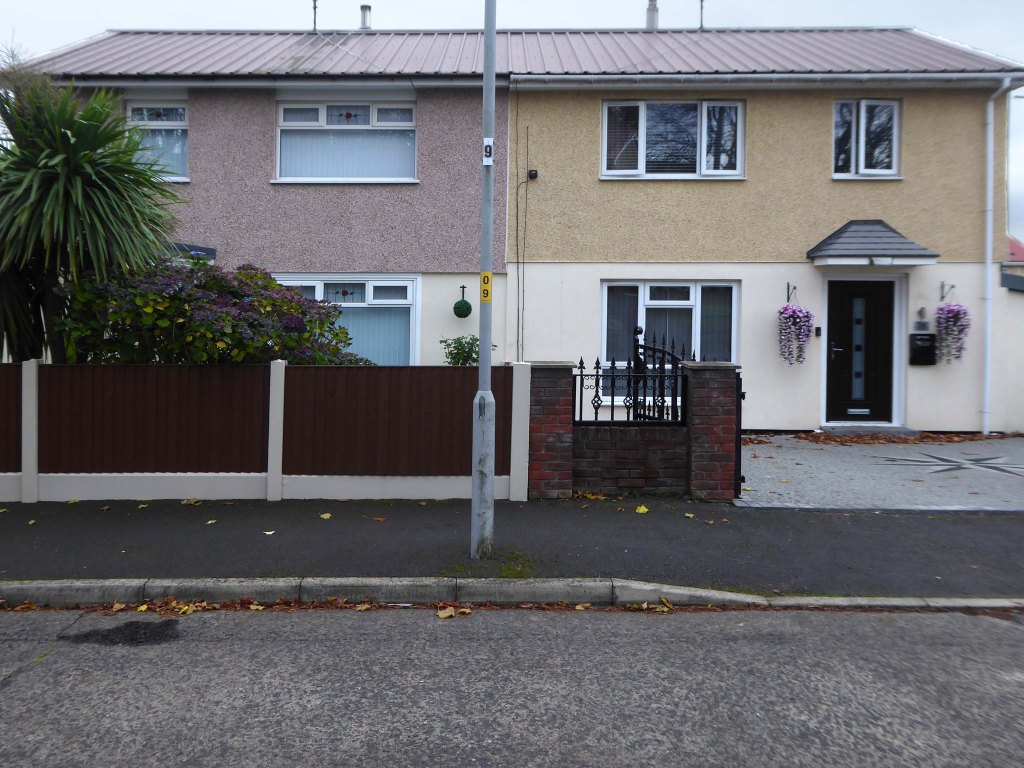
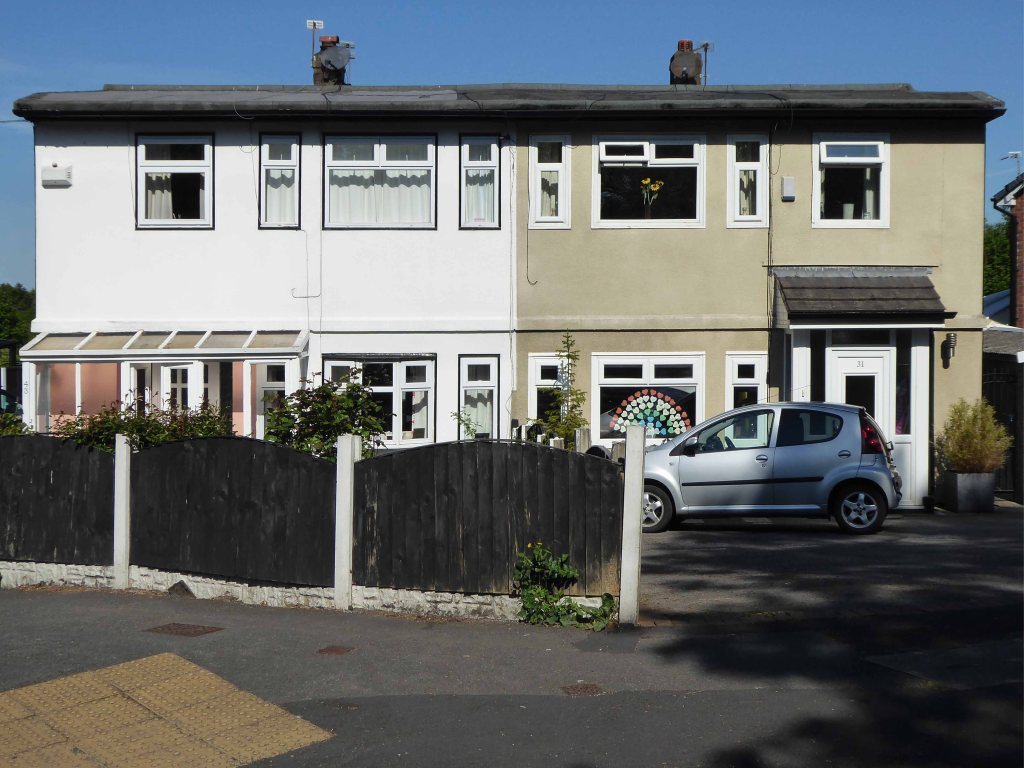
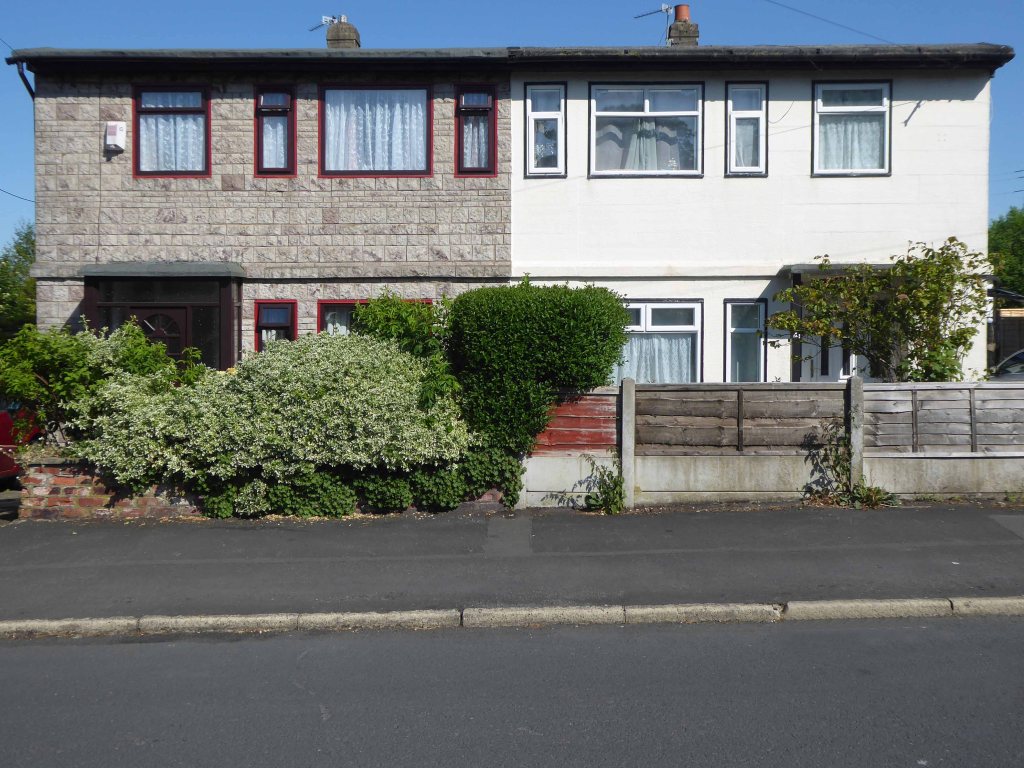
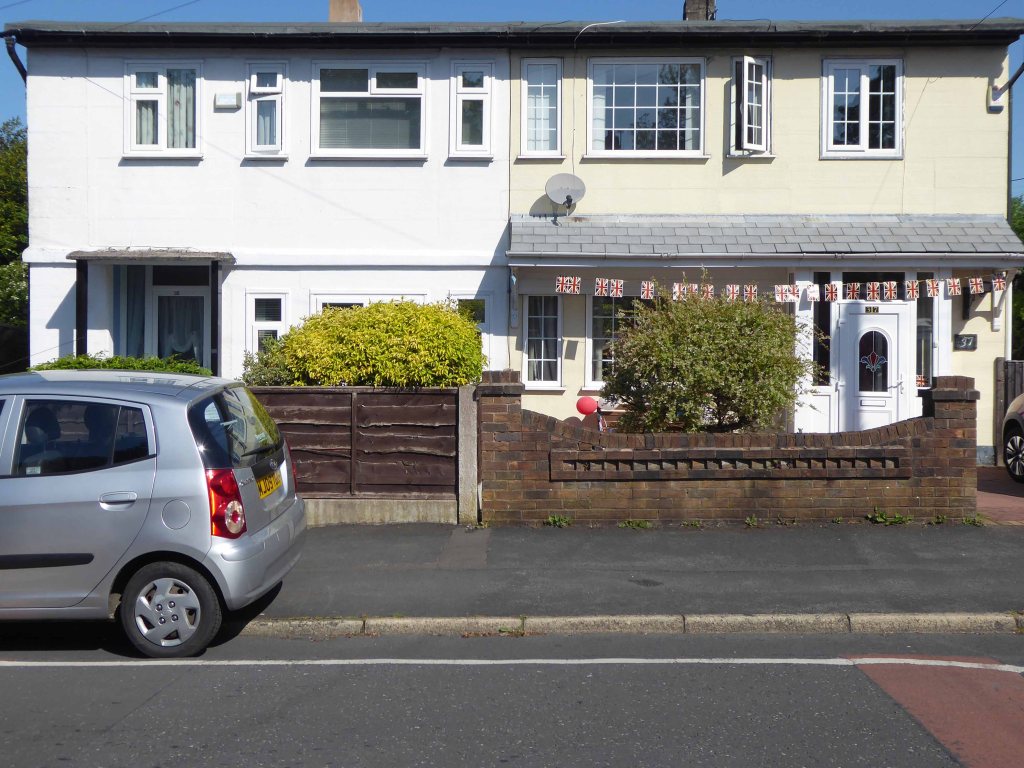
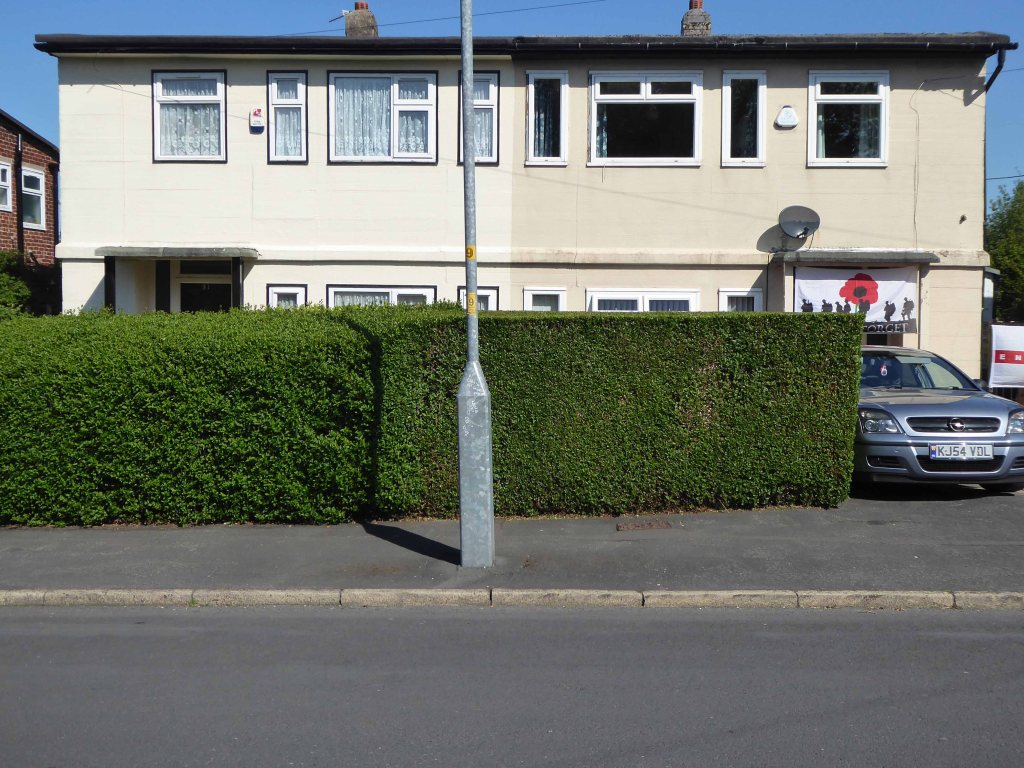
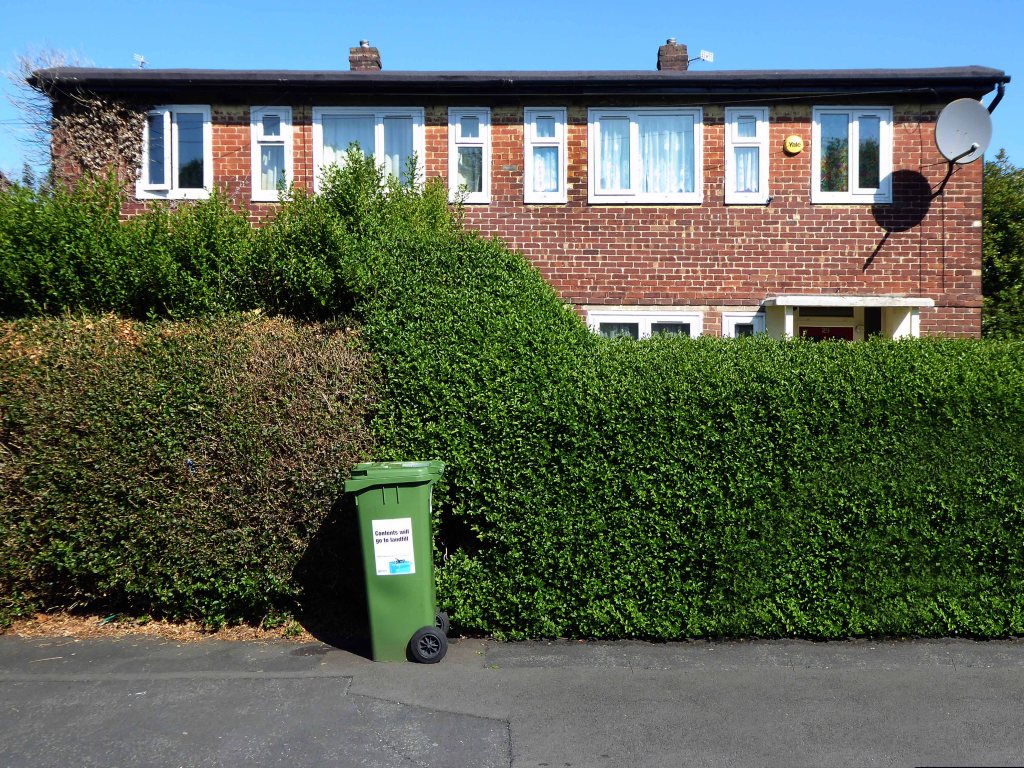
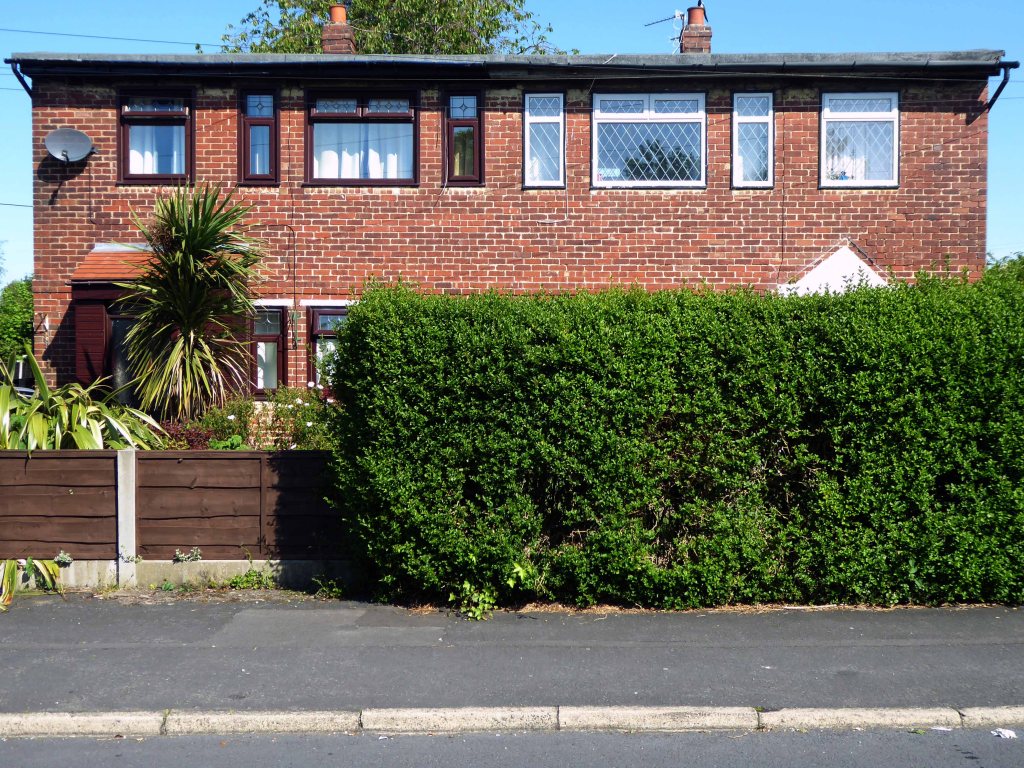
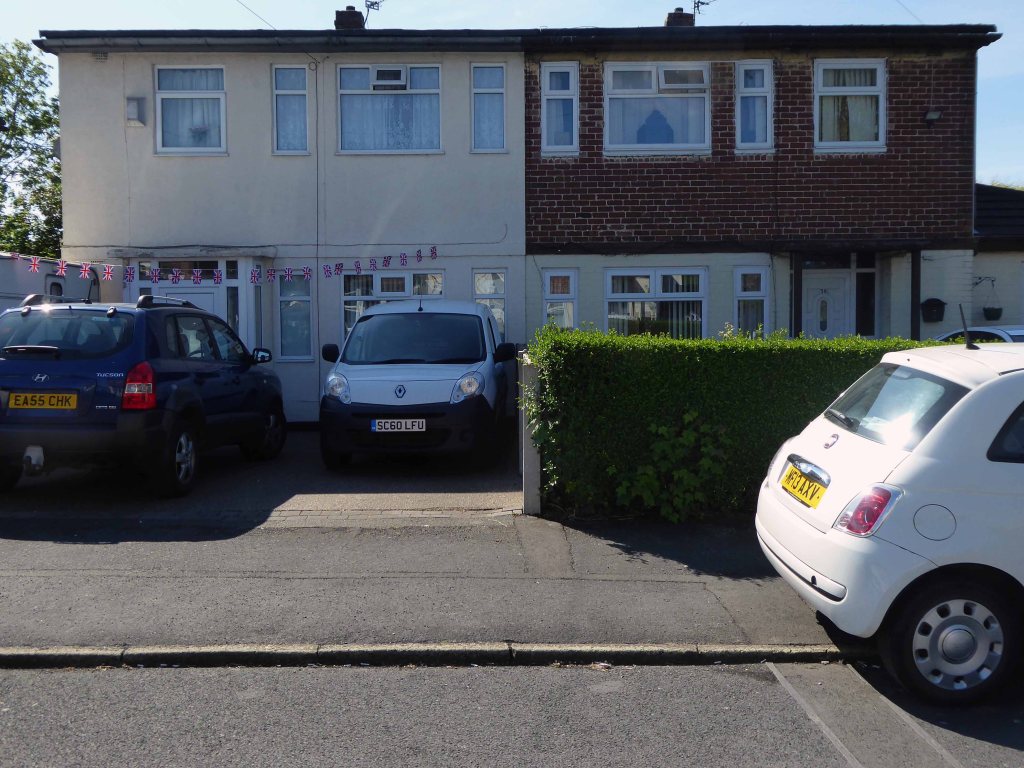
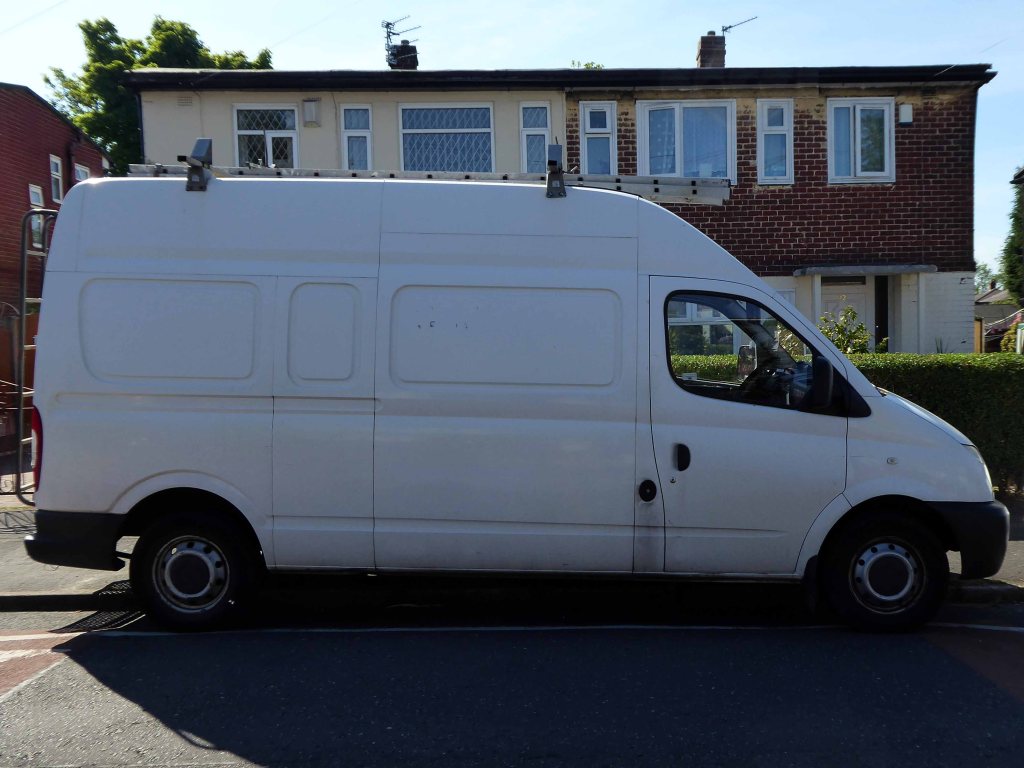
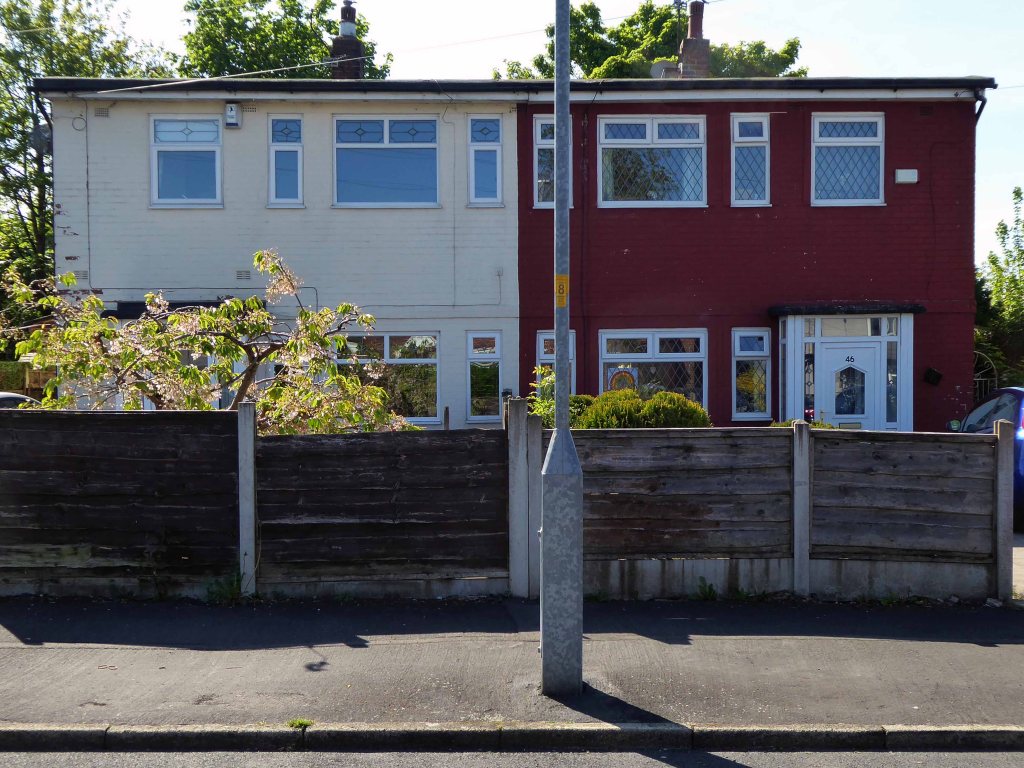
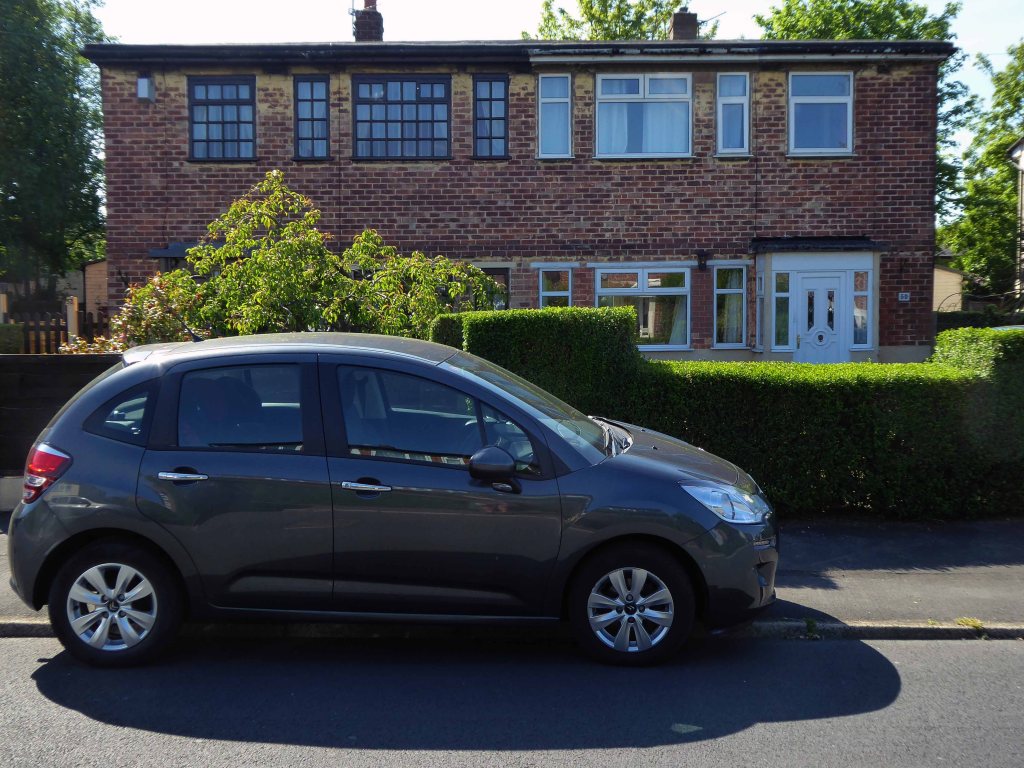
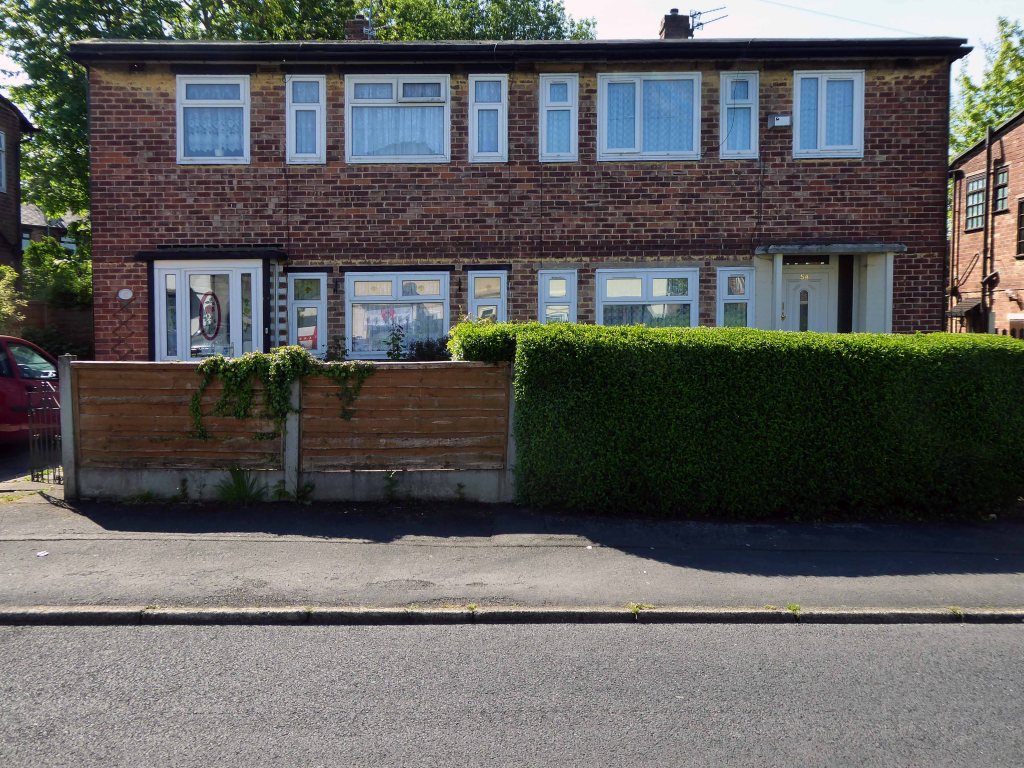
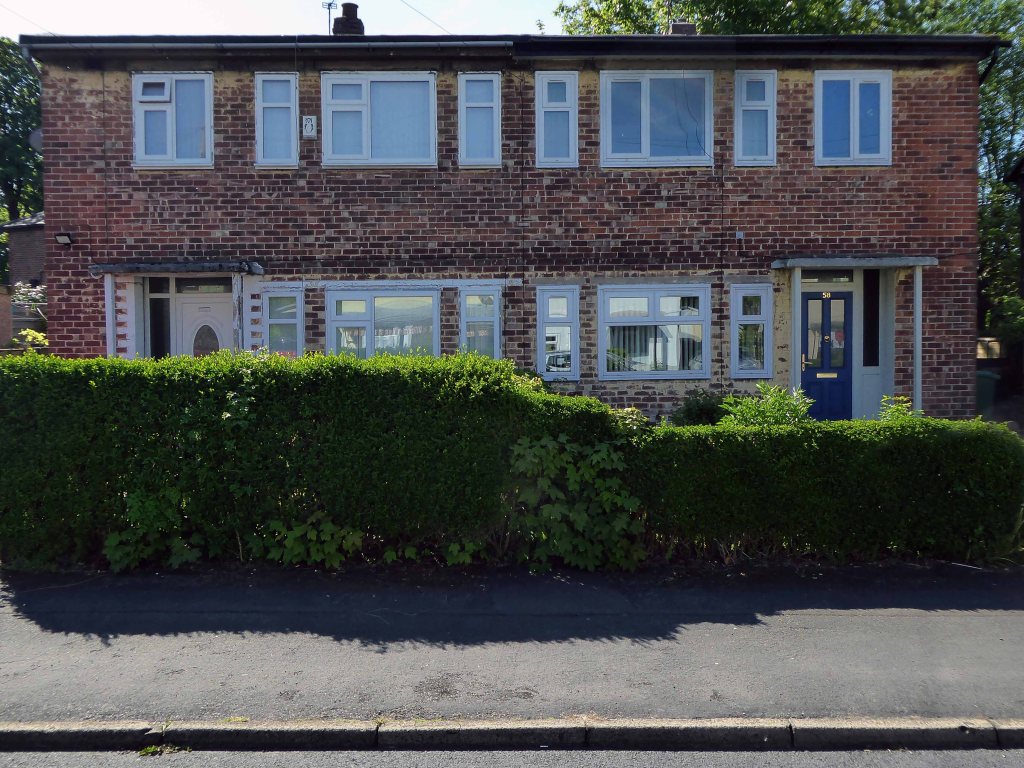
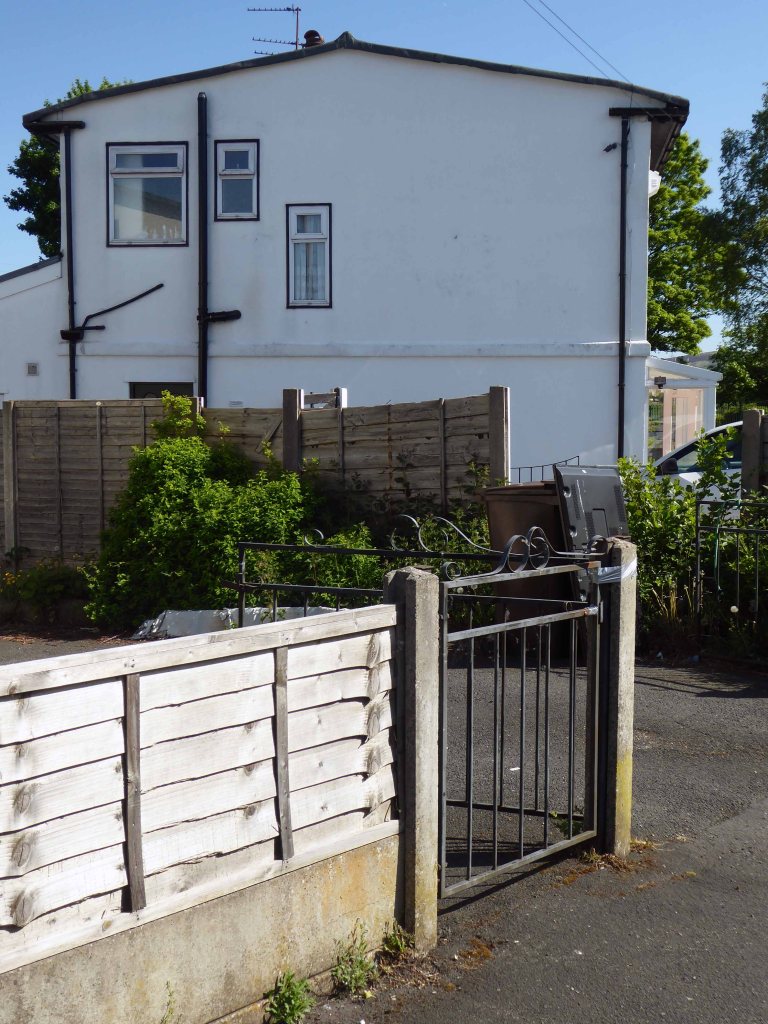
There are four semi detached homes constructed from concrete, rendered painted and clad over the years, windows replaced, additions and amendments made.

Though the basic design characteristics have been retained.

There are no local archival images or histories, I assume that they were post-war, an addition to the inter-war Smallshaw council estate.

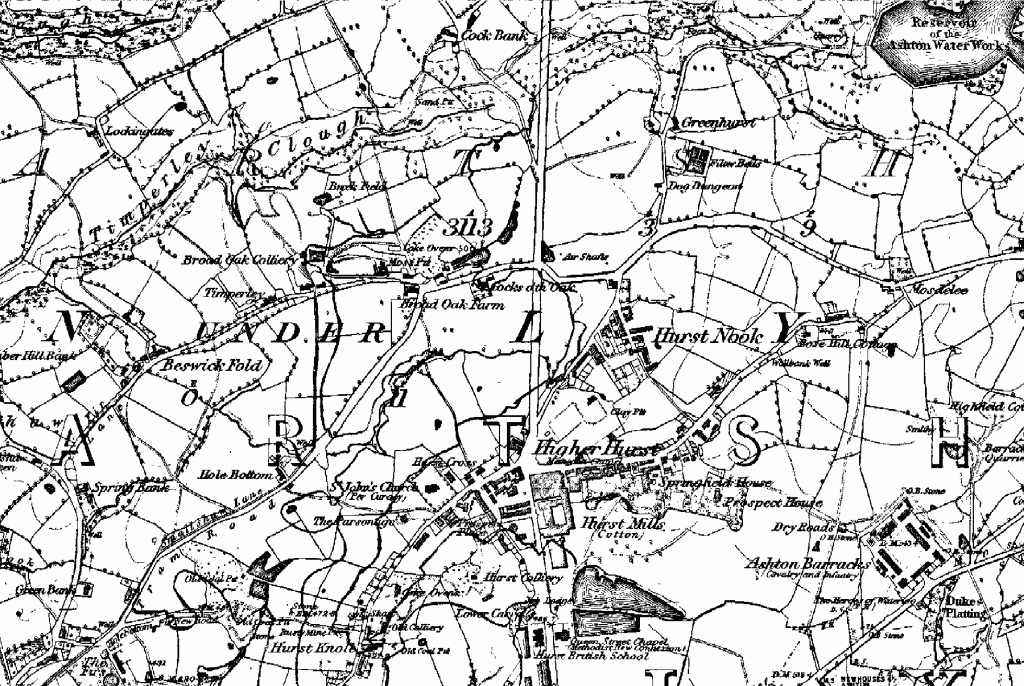
In an area which in 1848 was given over to mining and agriculture.

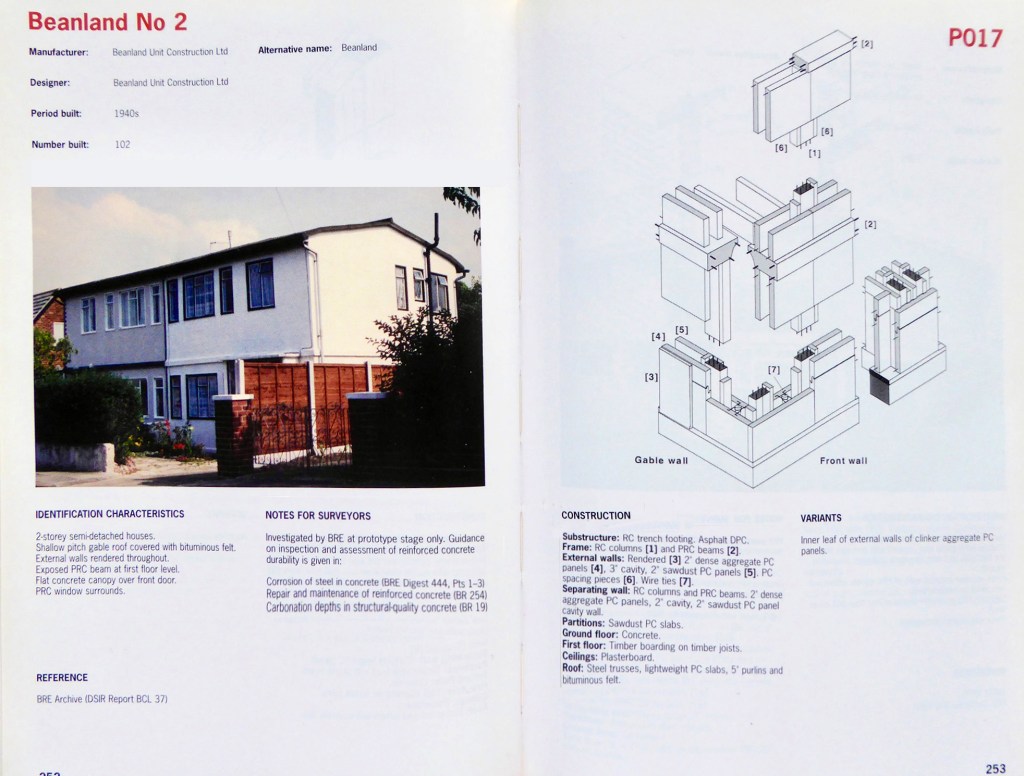
I have subsequently learnt from an online contact Mr Sid Cat, that the homes are Beanland No 2.

They are listed on the BISF site – 102 were built.

More than this I cannot say – further searches for Beanland proving largely fruitless.

In addition there are also several semi detached houses of identical shape and proportion faced in brick – why?

Suffice to say here we are now and here they all are.