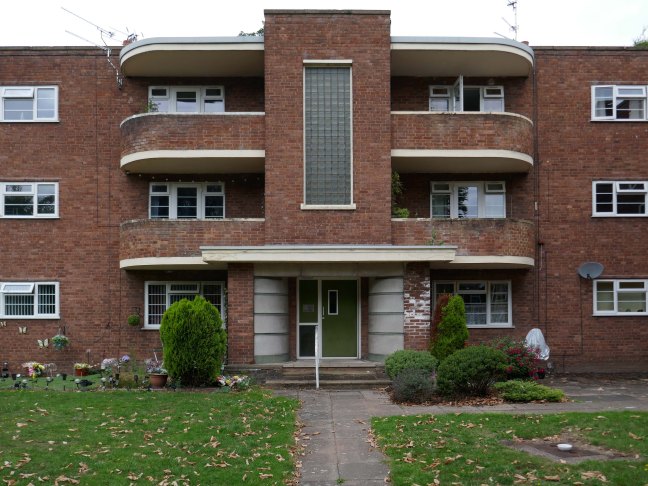
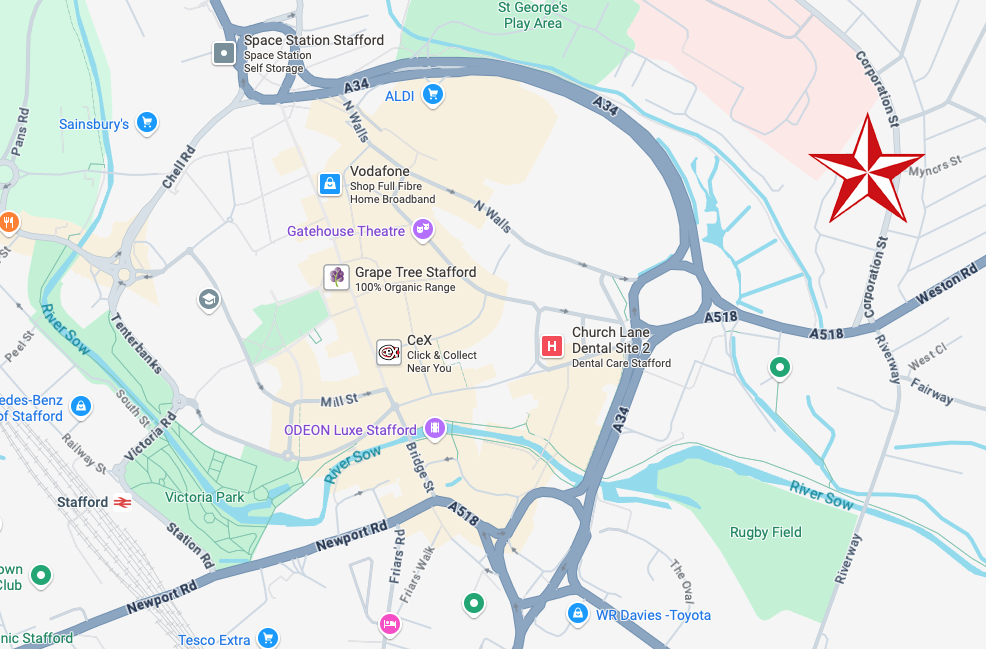
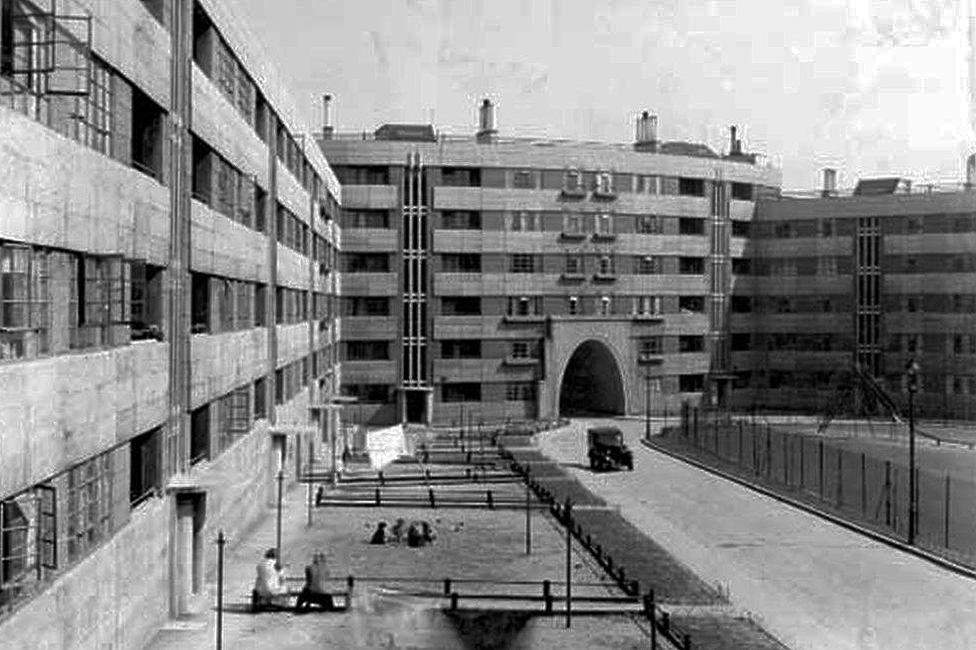
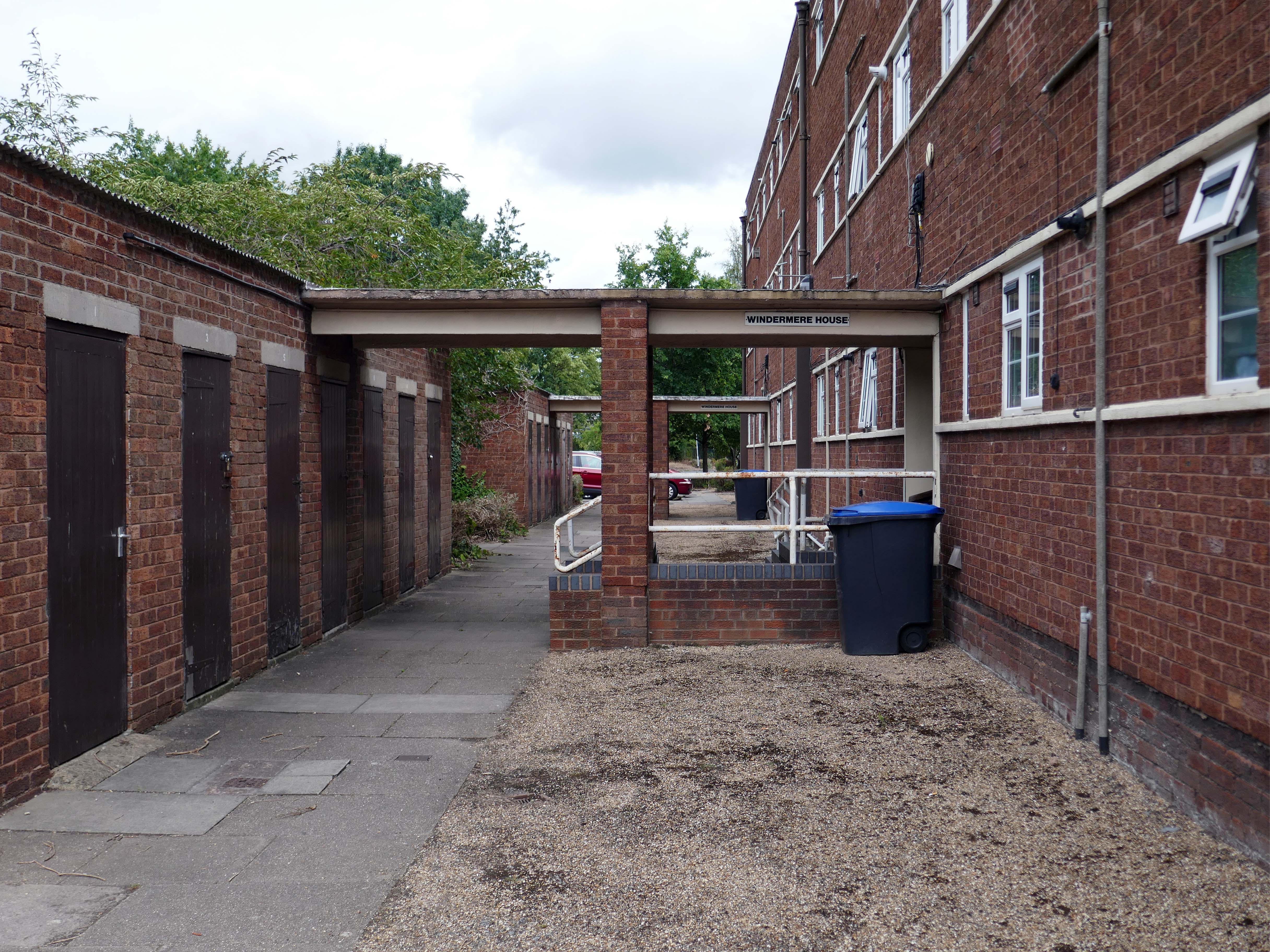
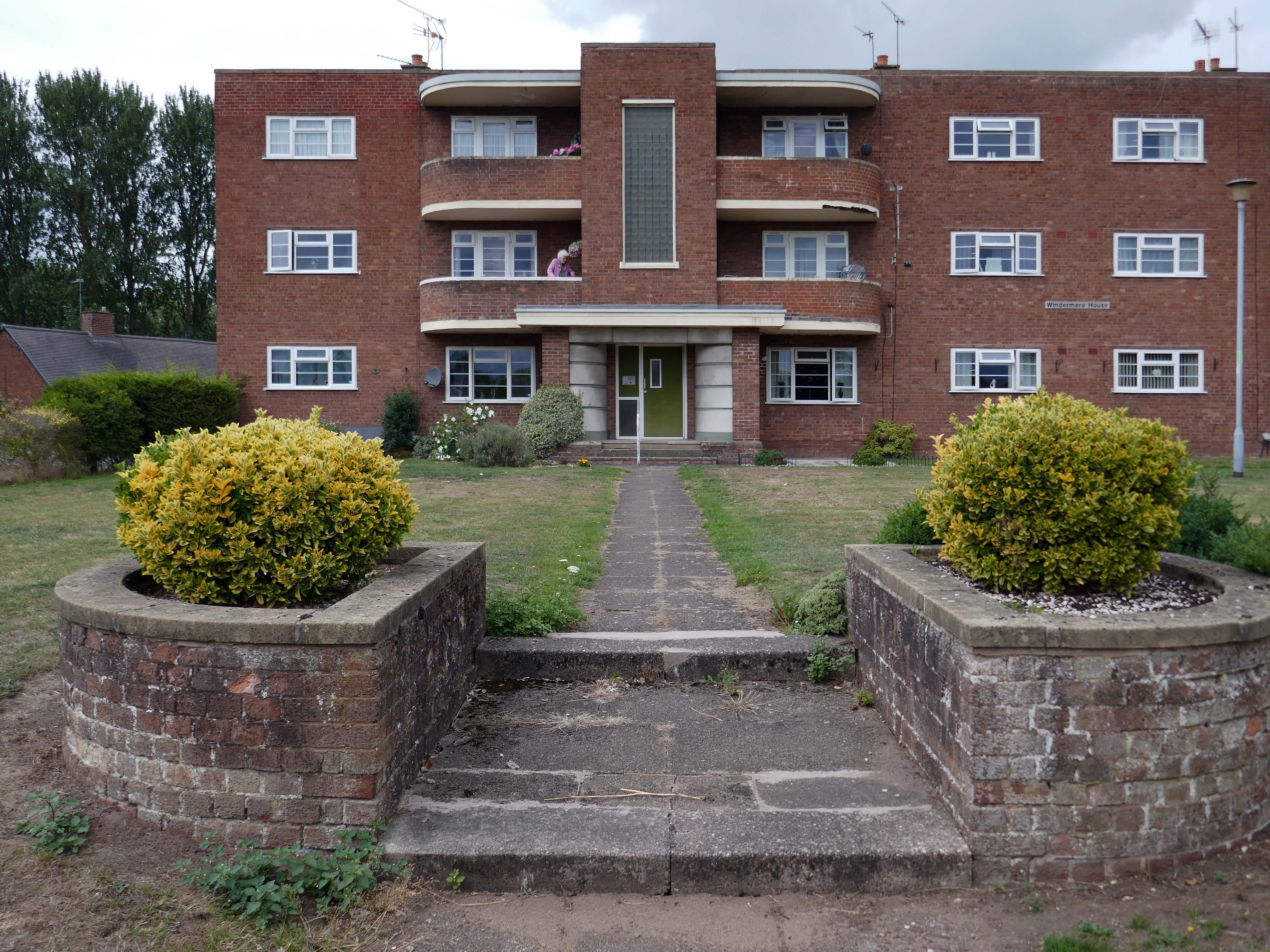
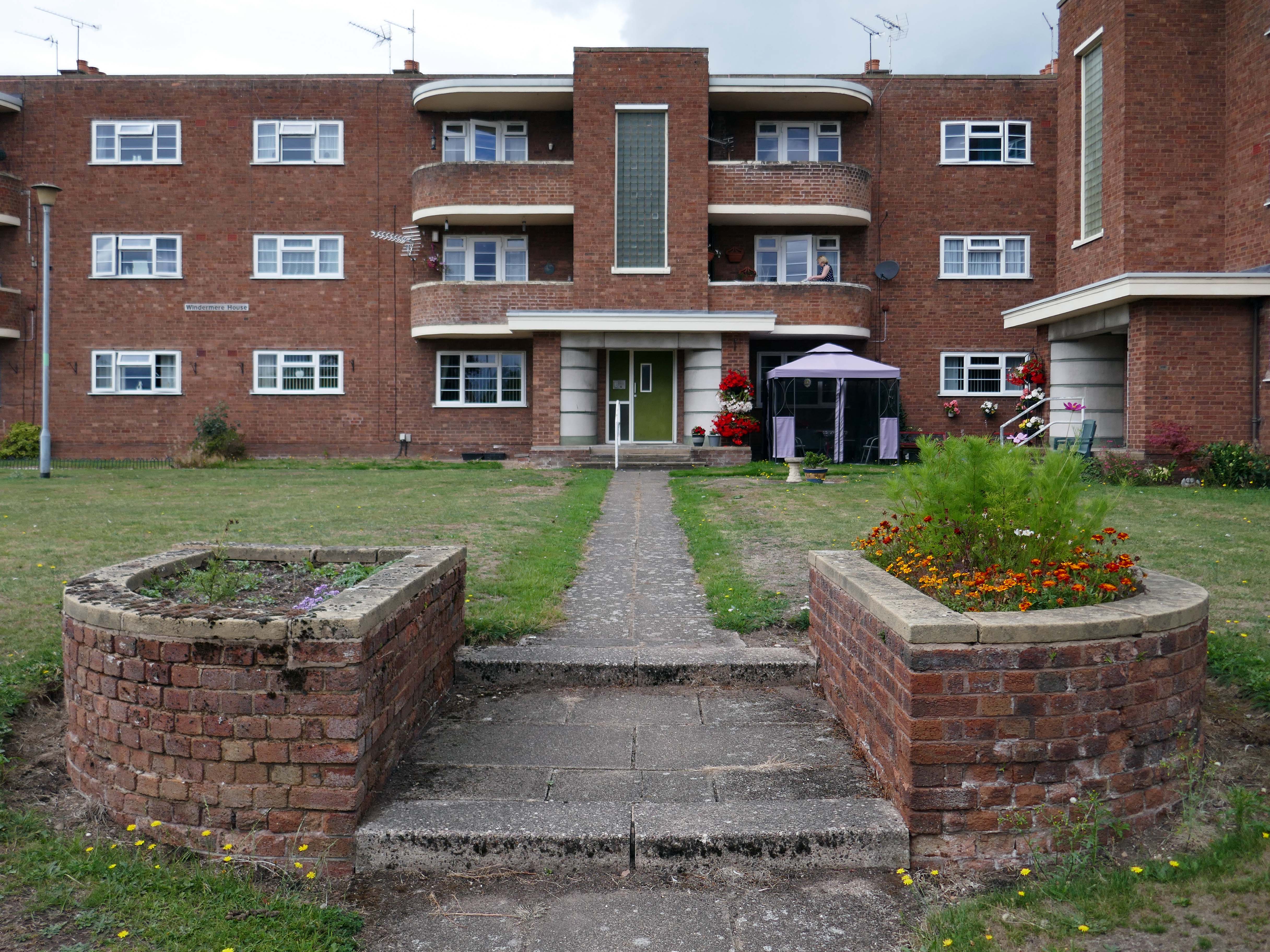
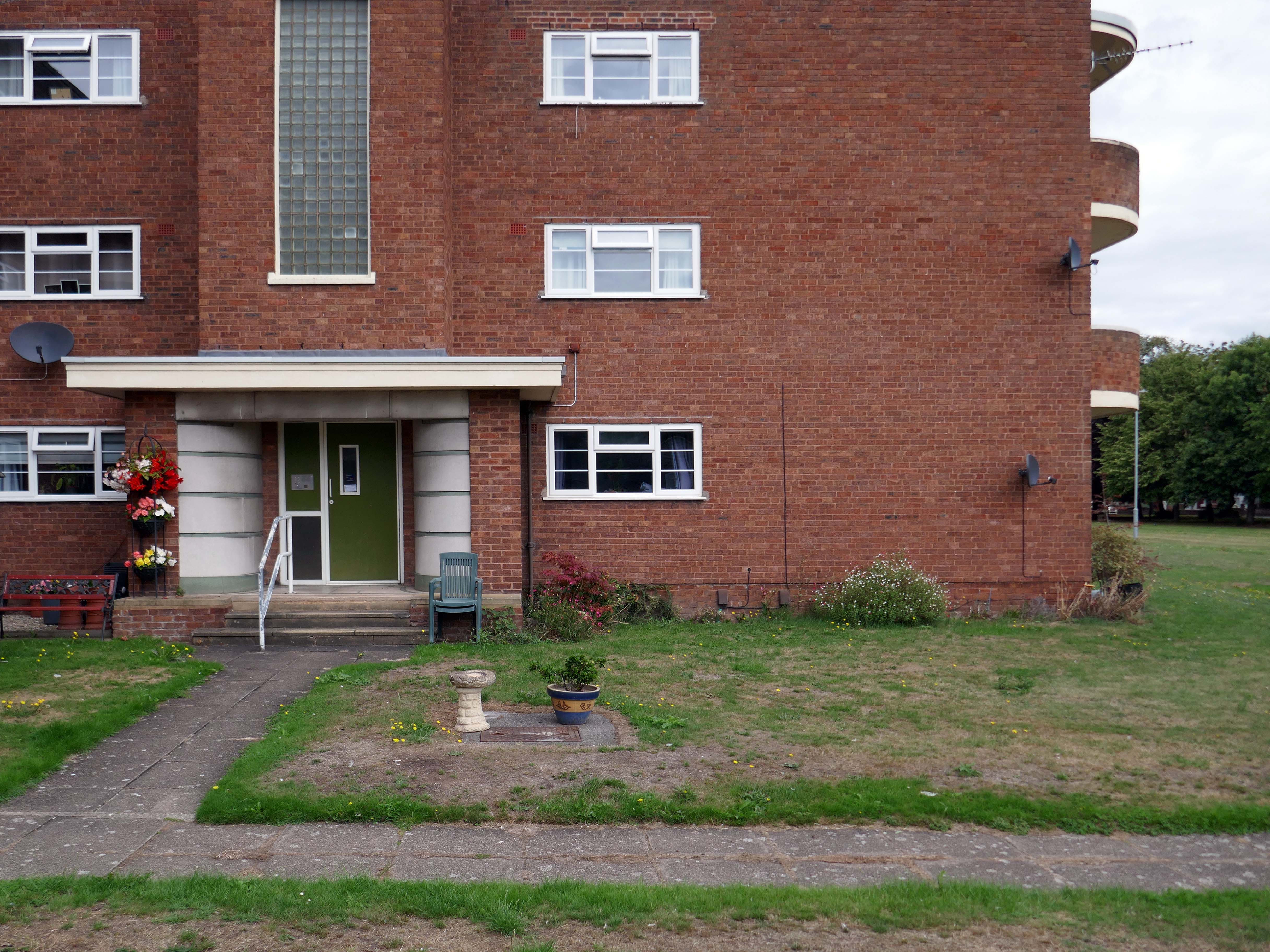
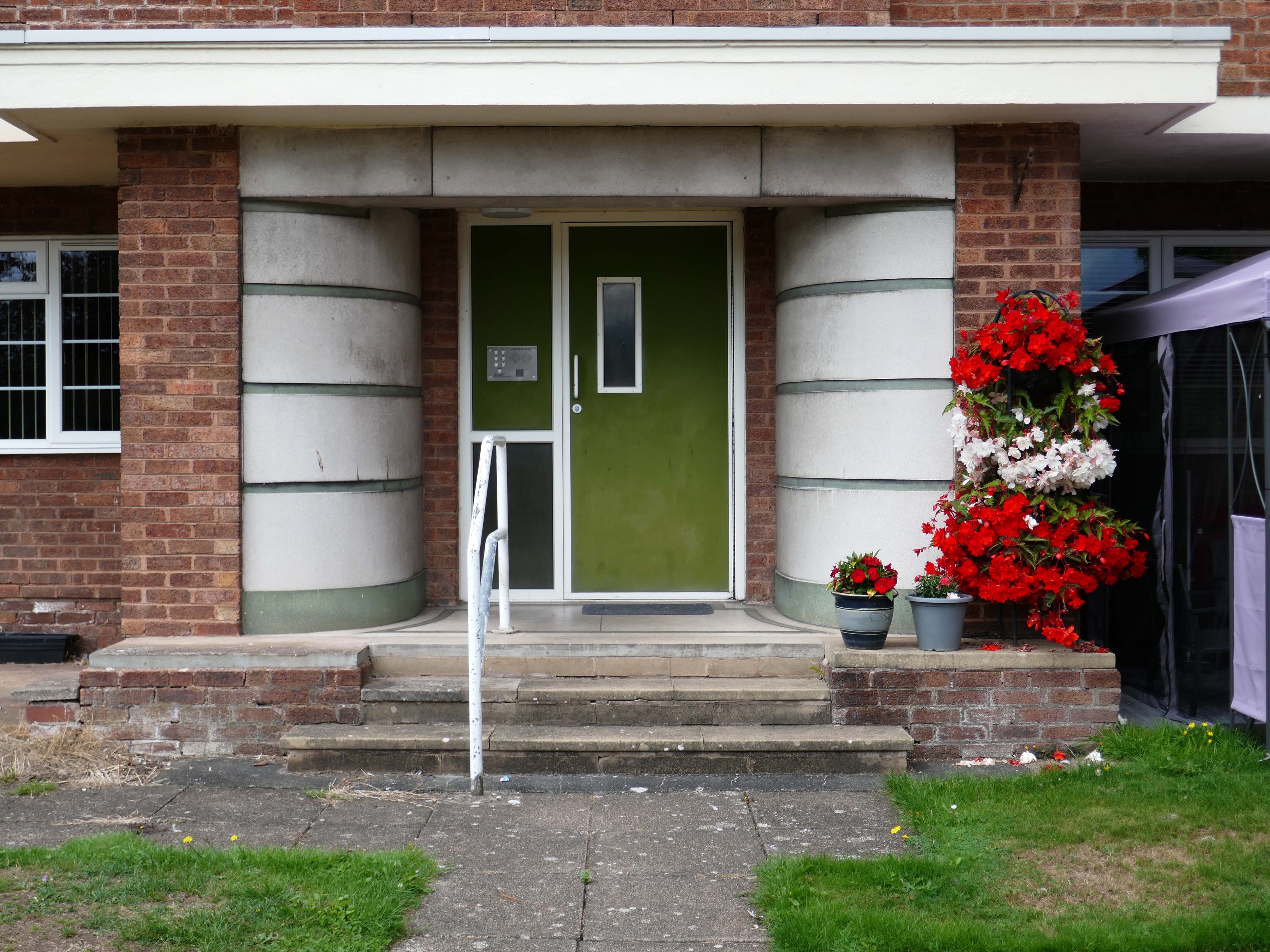
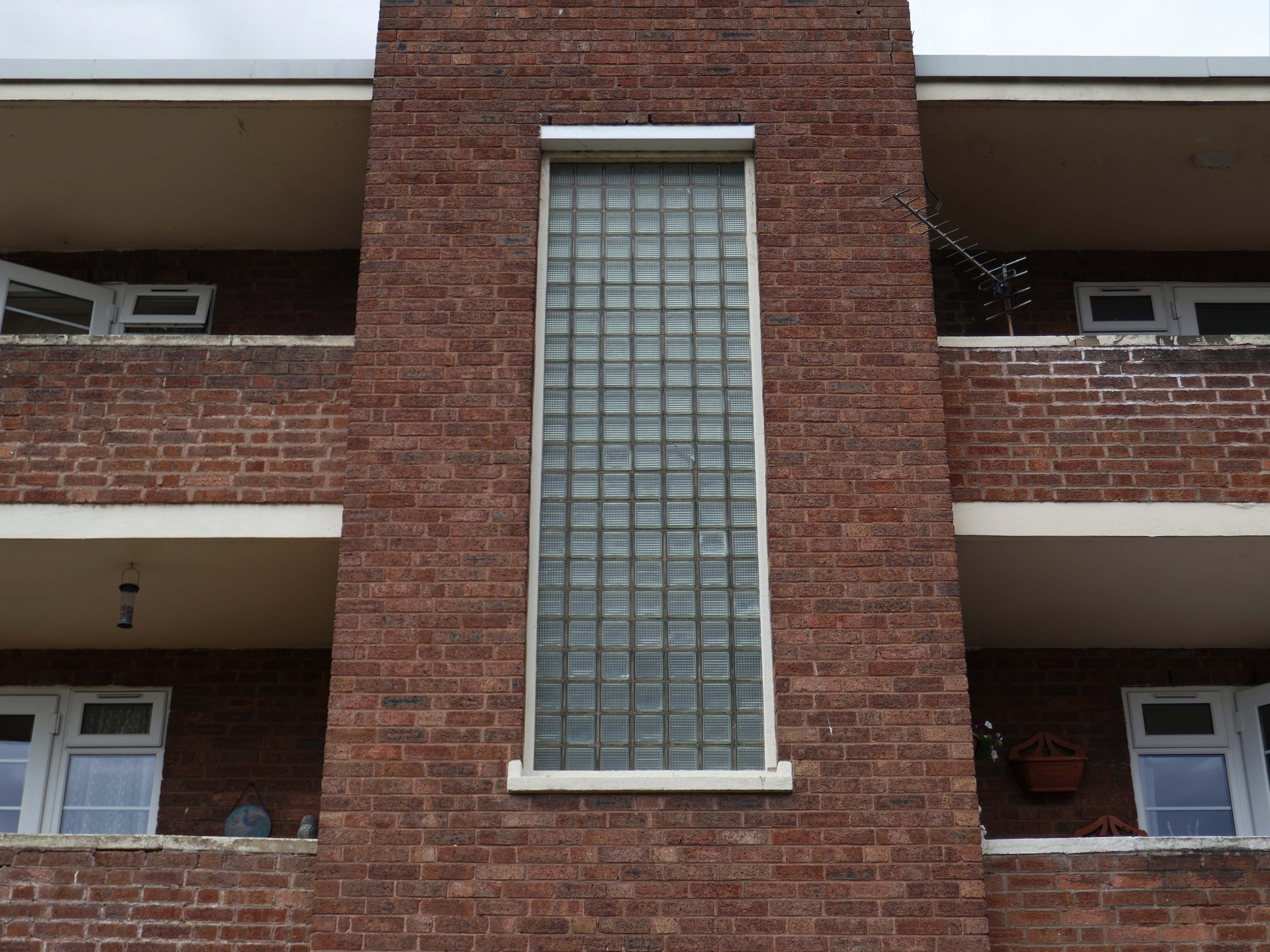
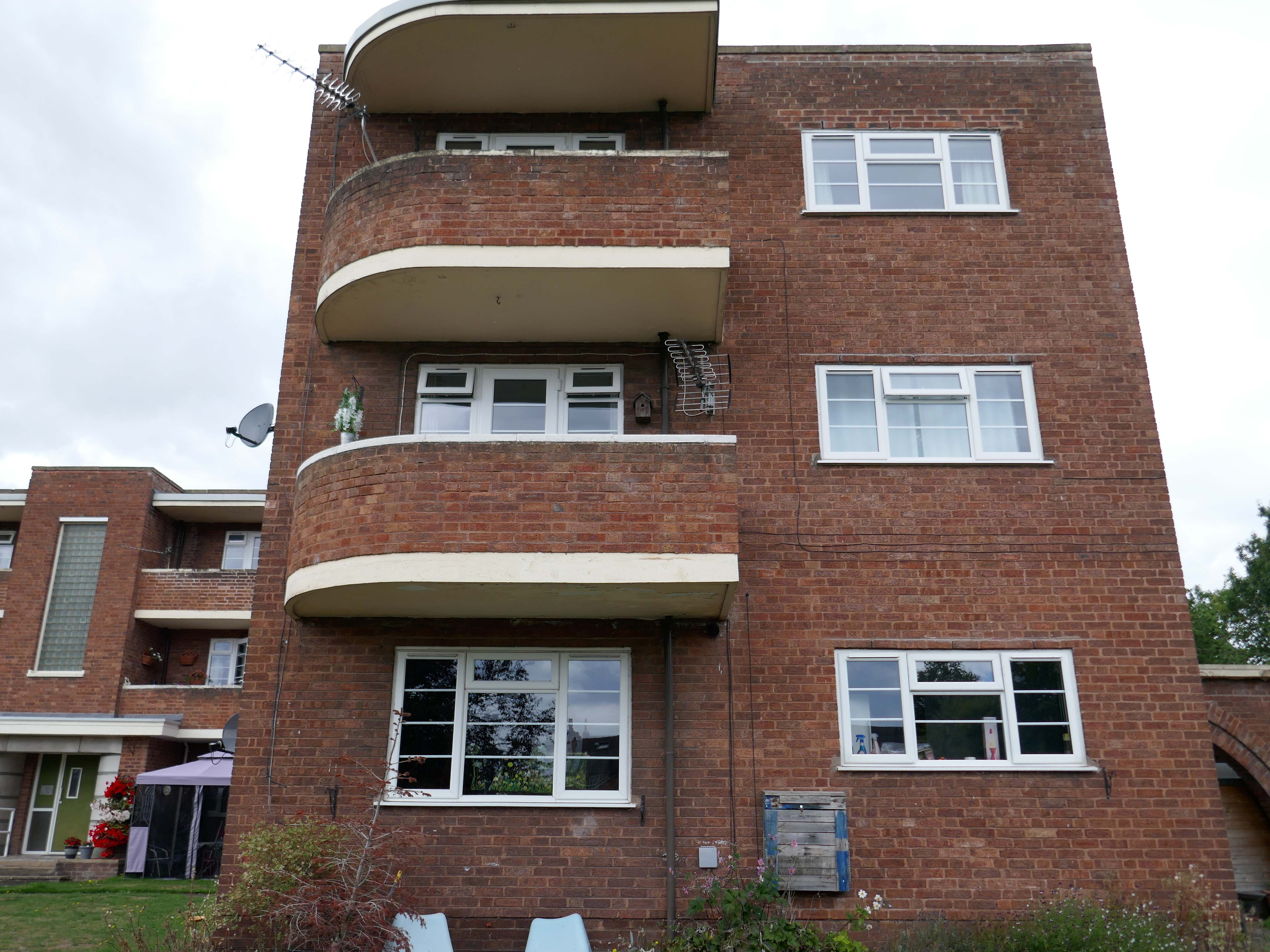
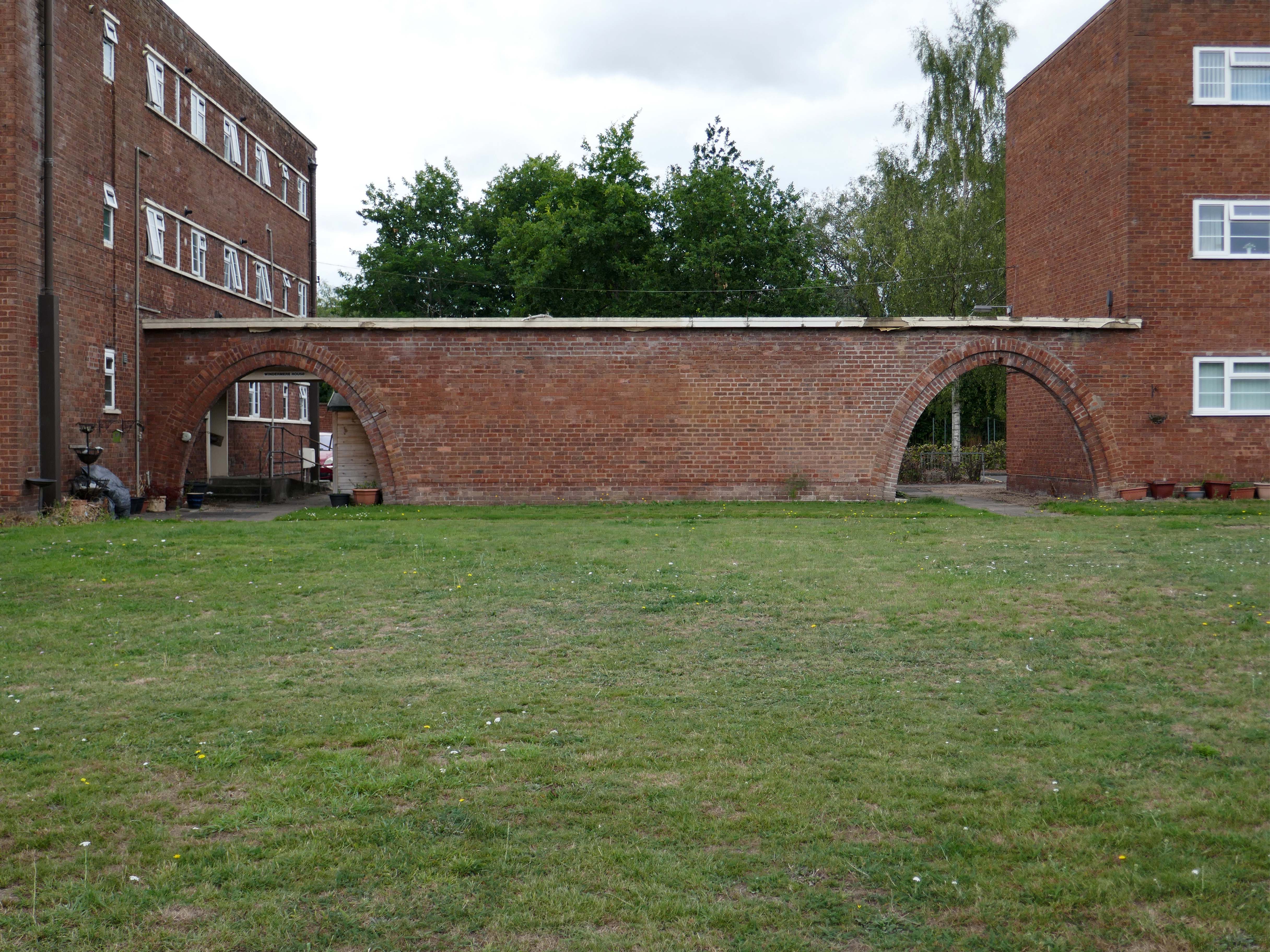
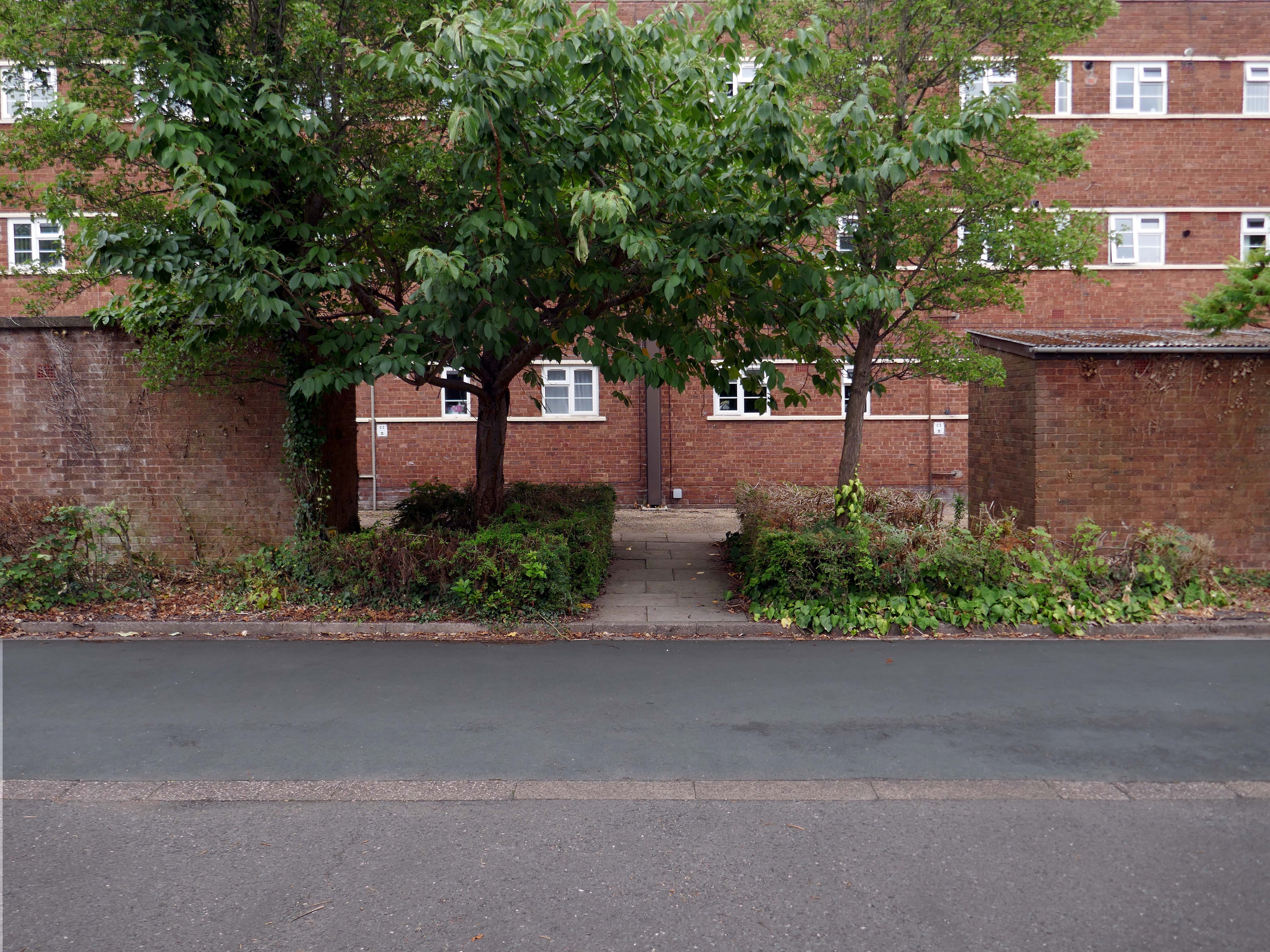
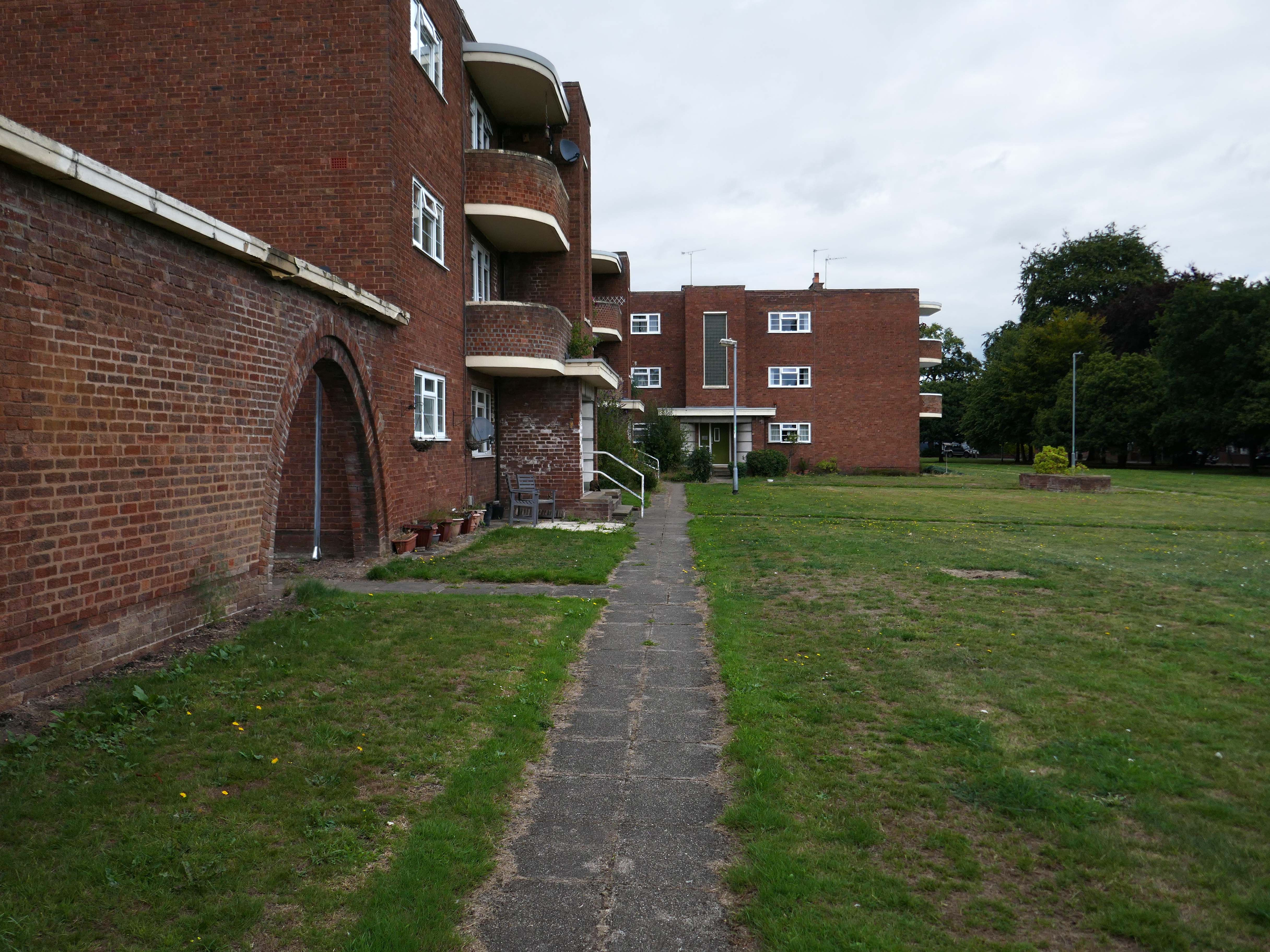
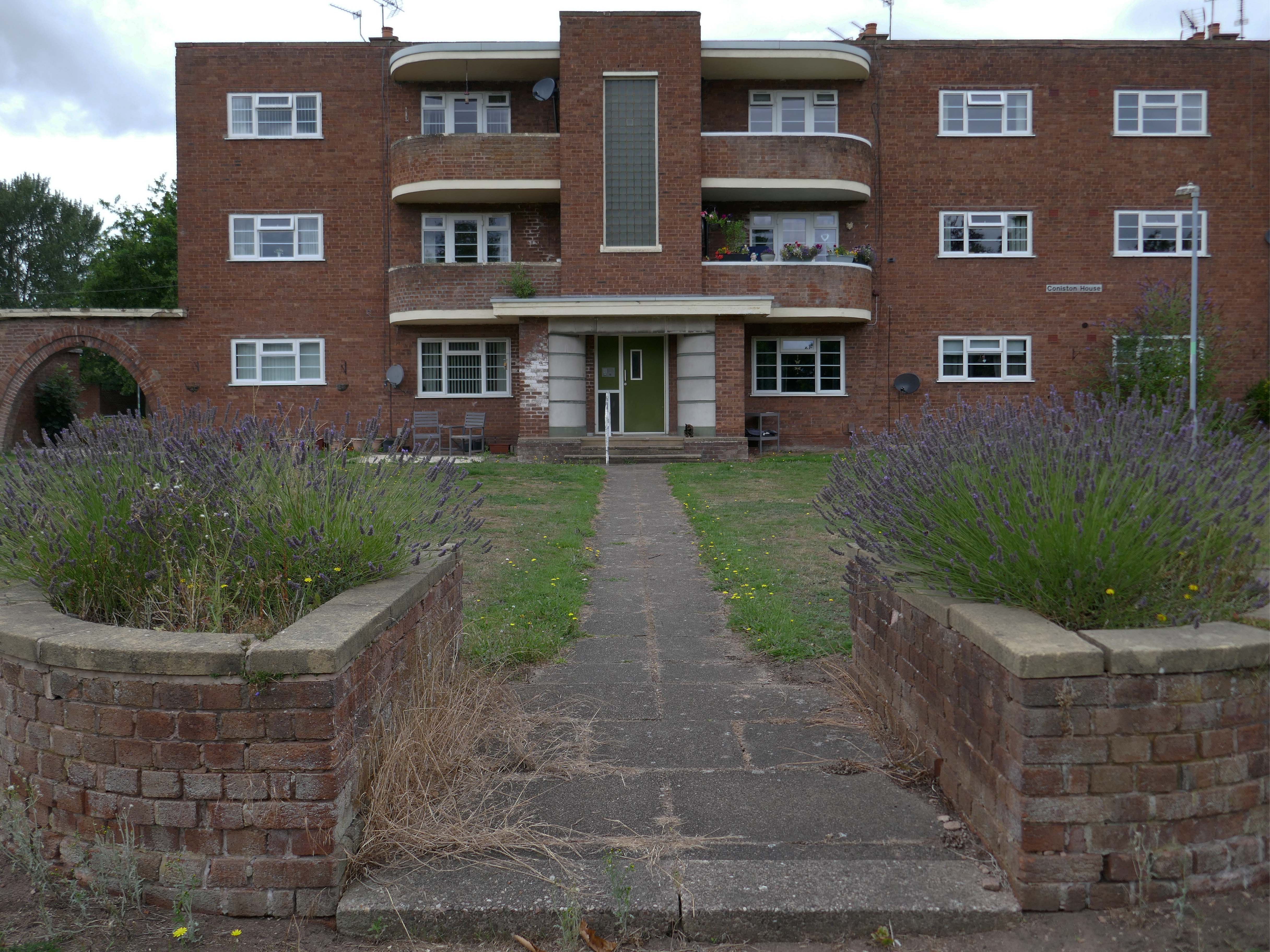
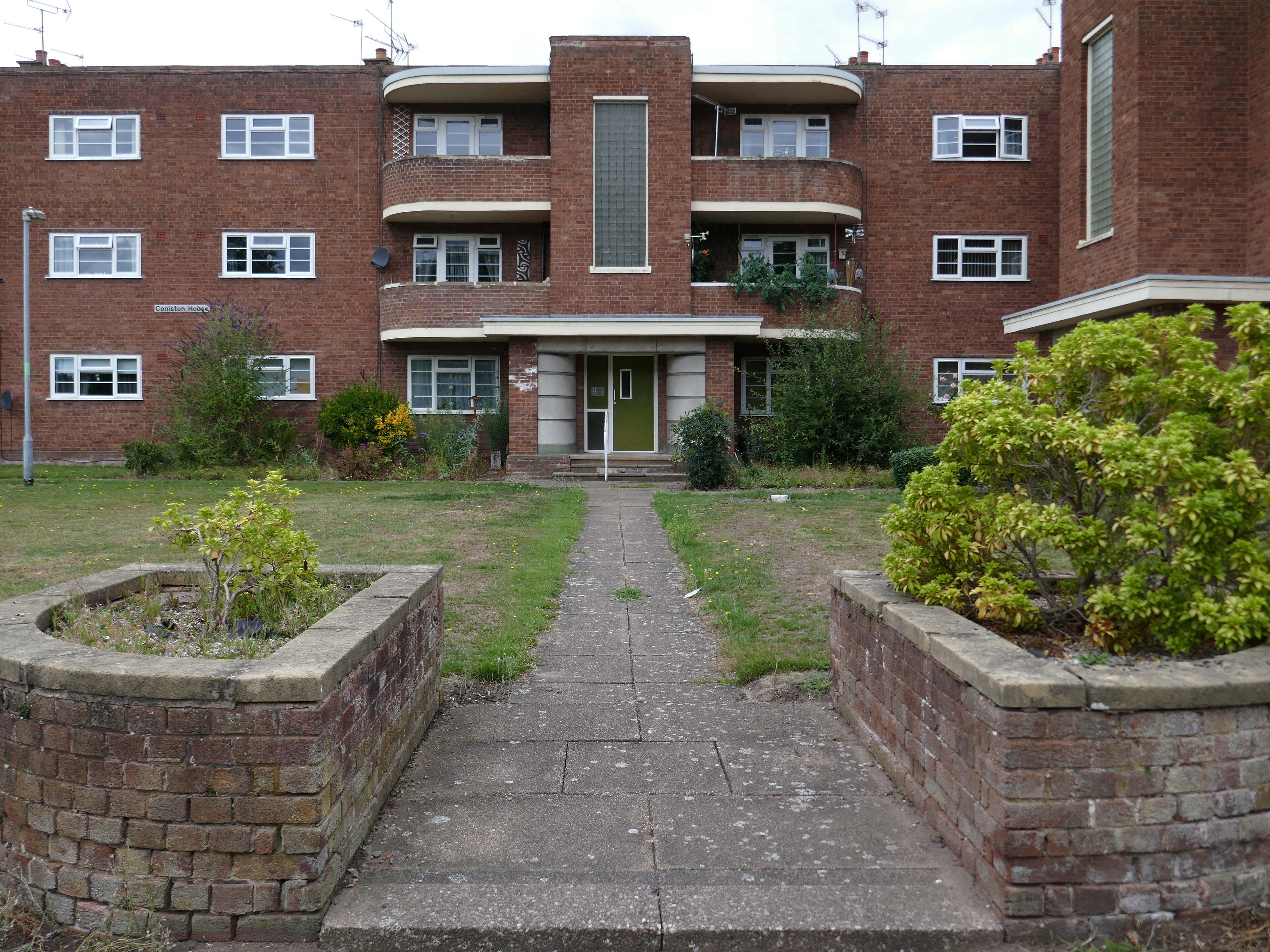
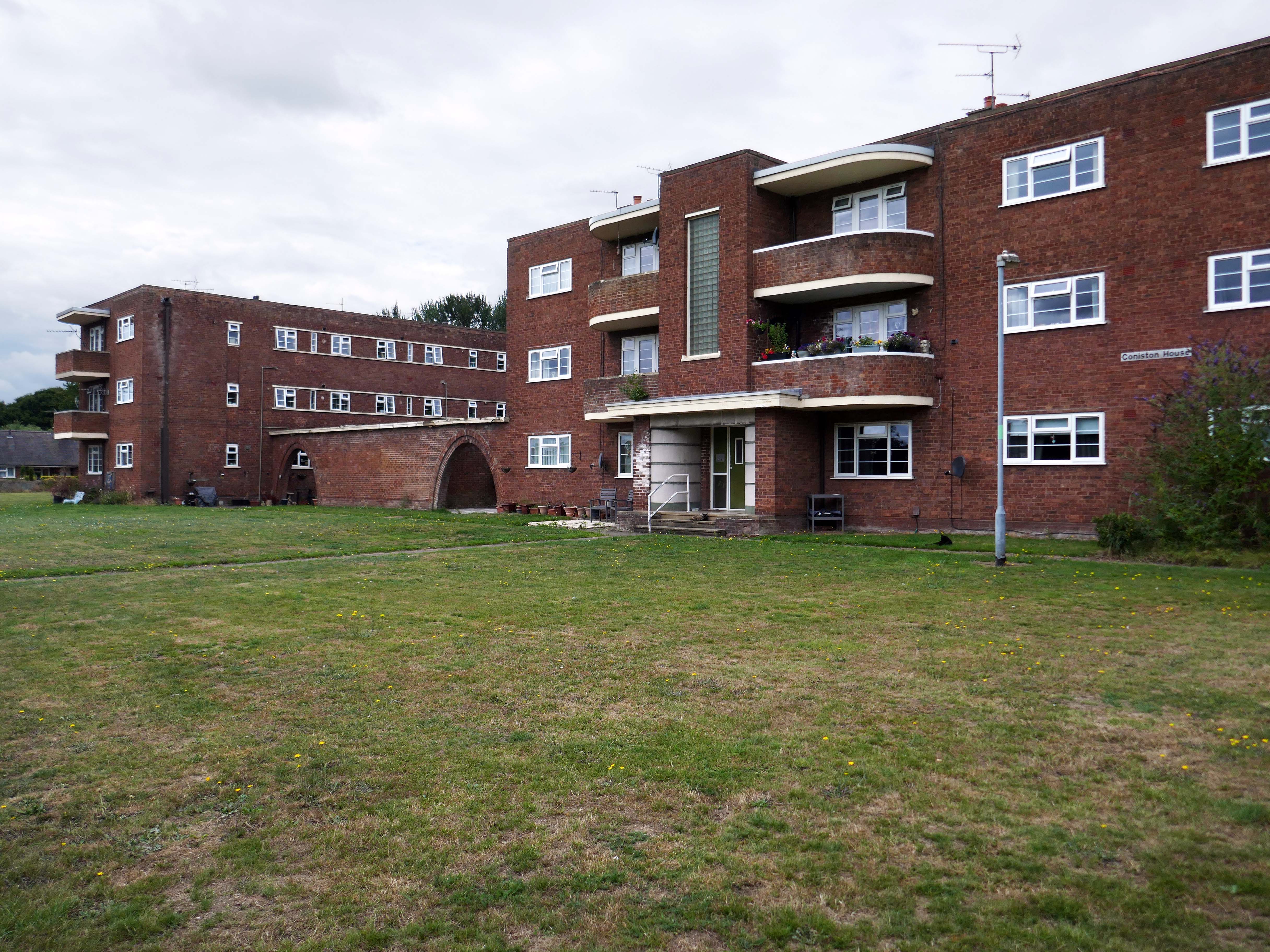
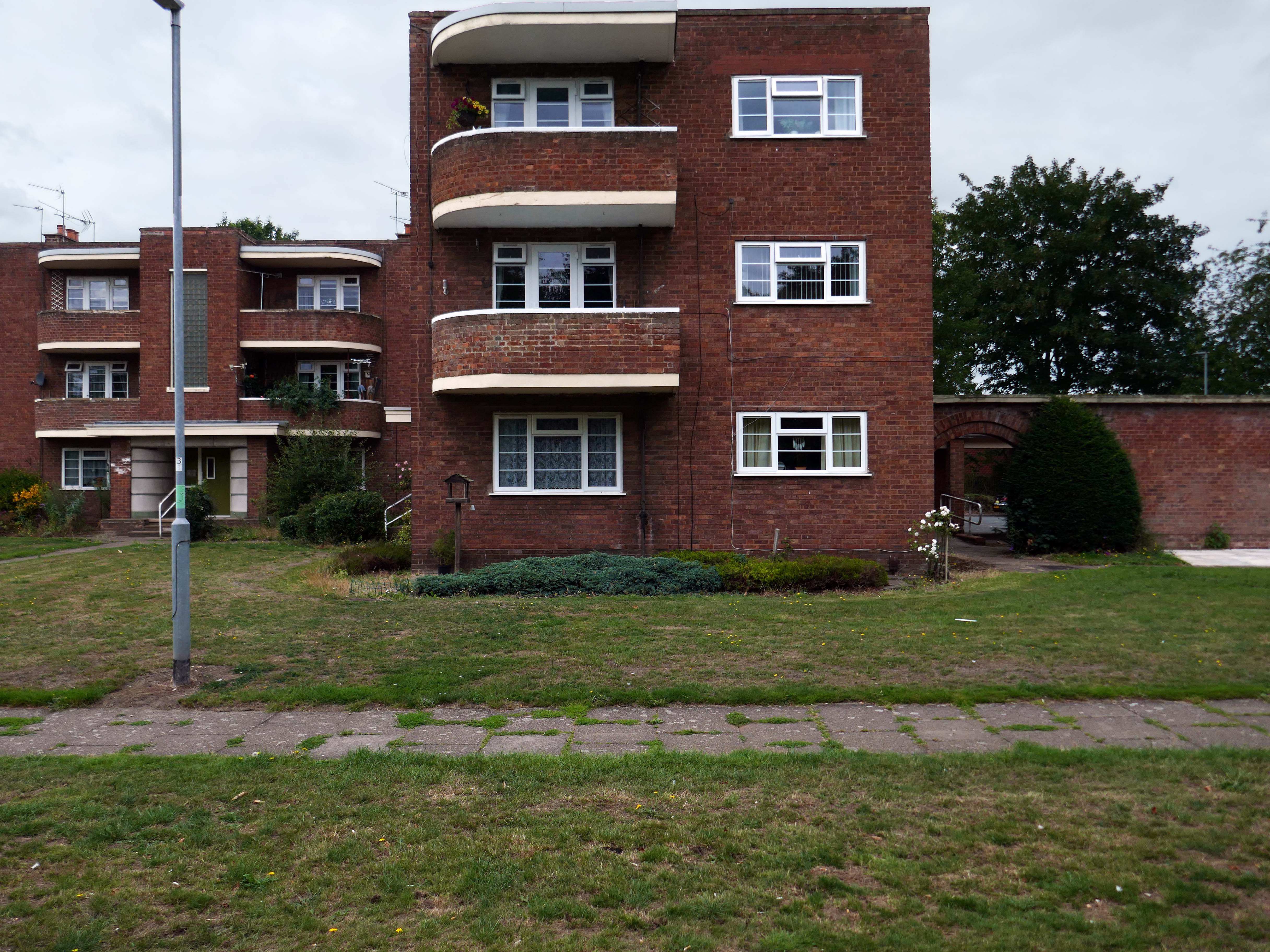
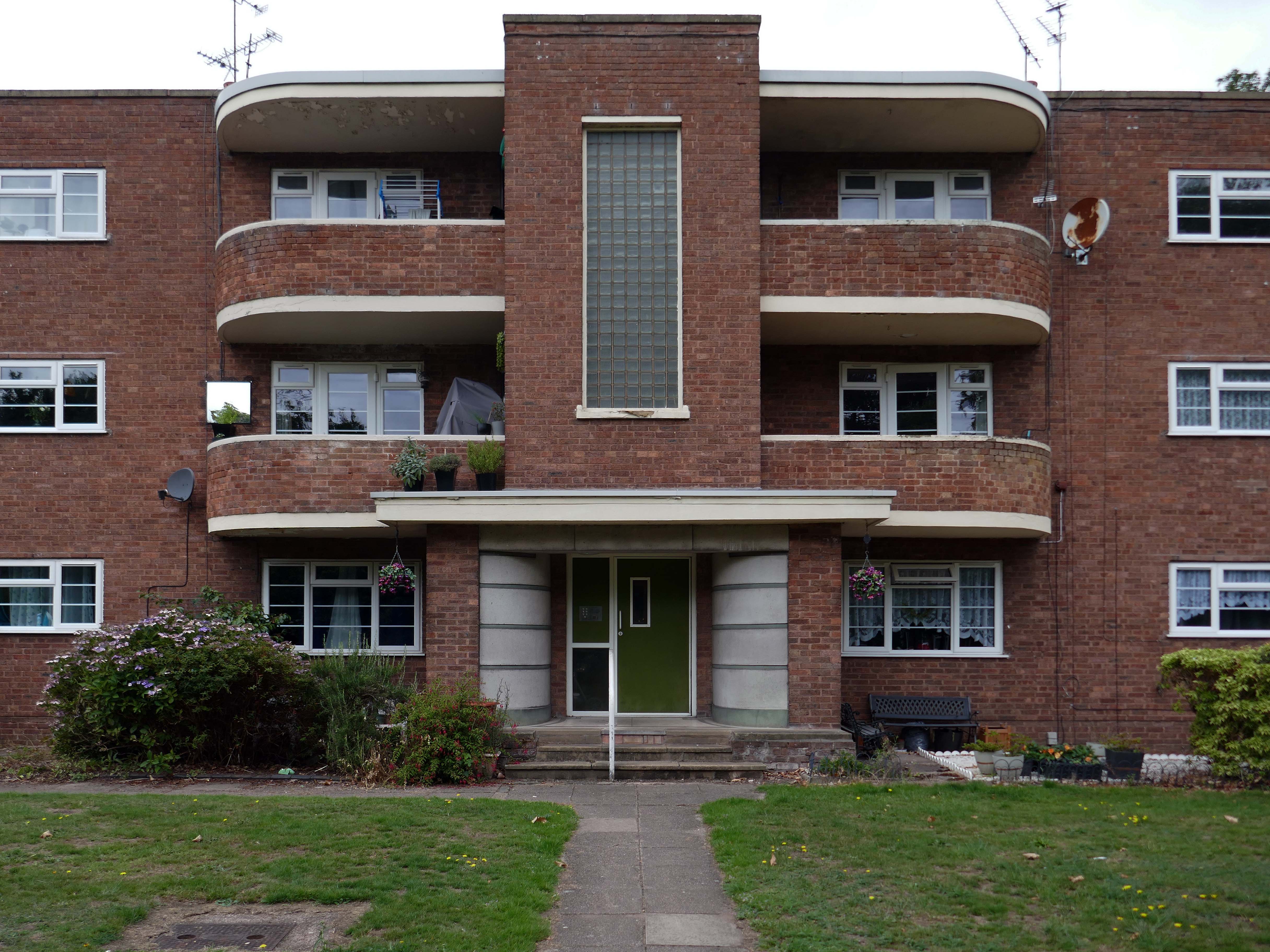
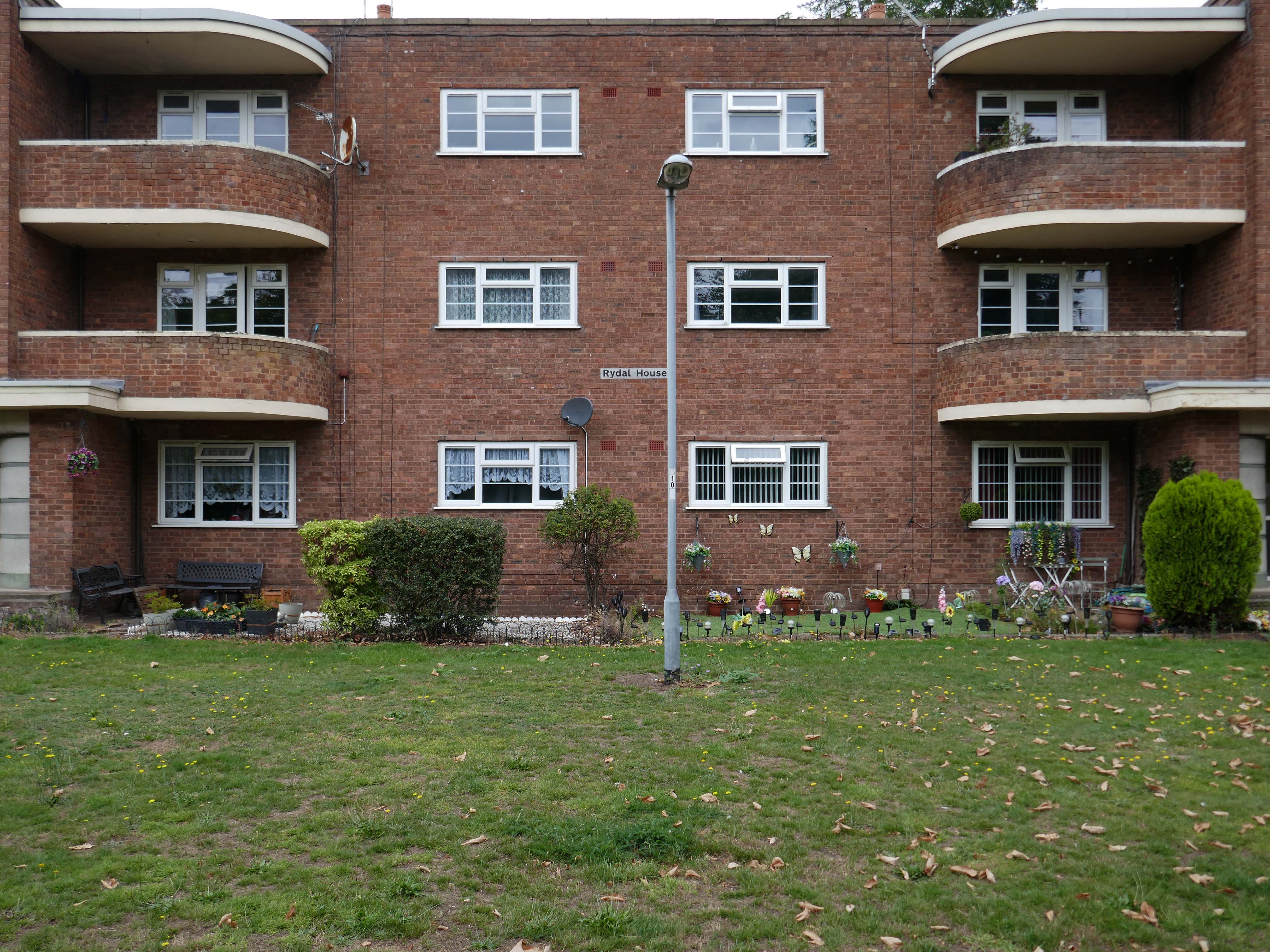
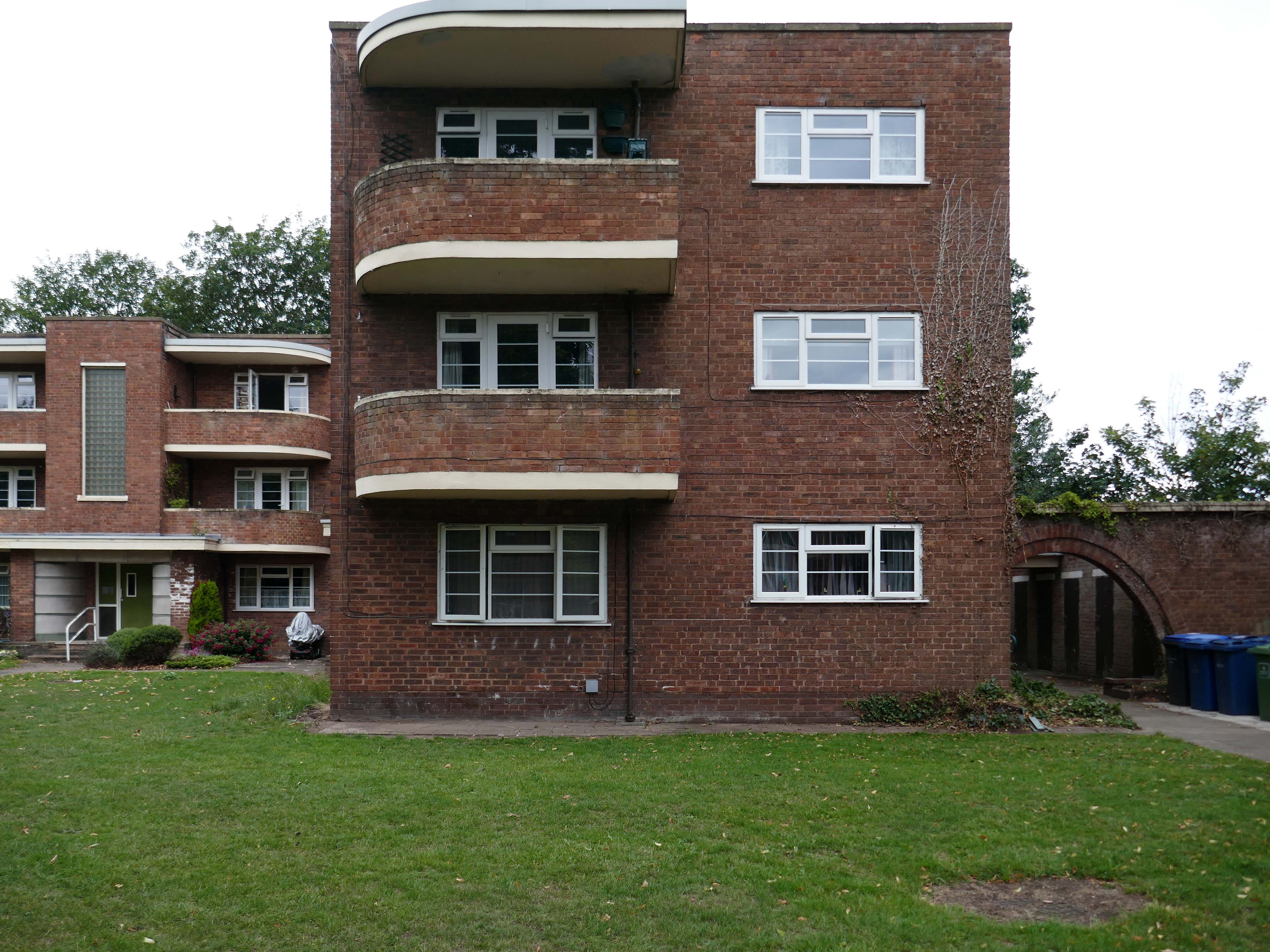
Coniston, Windemere and Rydal were among the first council homes to be built in Stafford, between 1951-52, under the direction of County Architect CM Coombes.
The flats were built as a result of The Housing – Financial and Miscellaneous Provisions Act 1946, which gave subsidies to local authorities to provide social housing. The expansion of the Borough Council’s civic duties included the employment of County Architects, in this case CM Coombes FRIBA, to whom these flats are attributed.
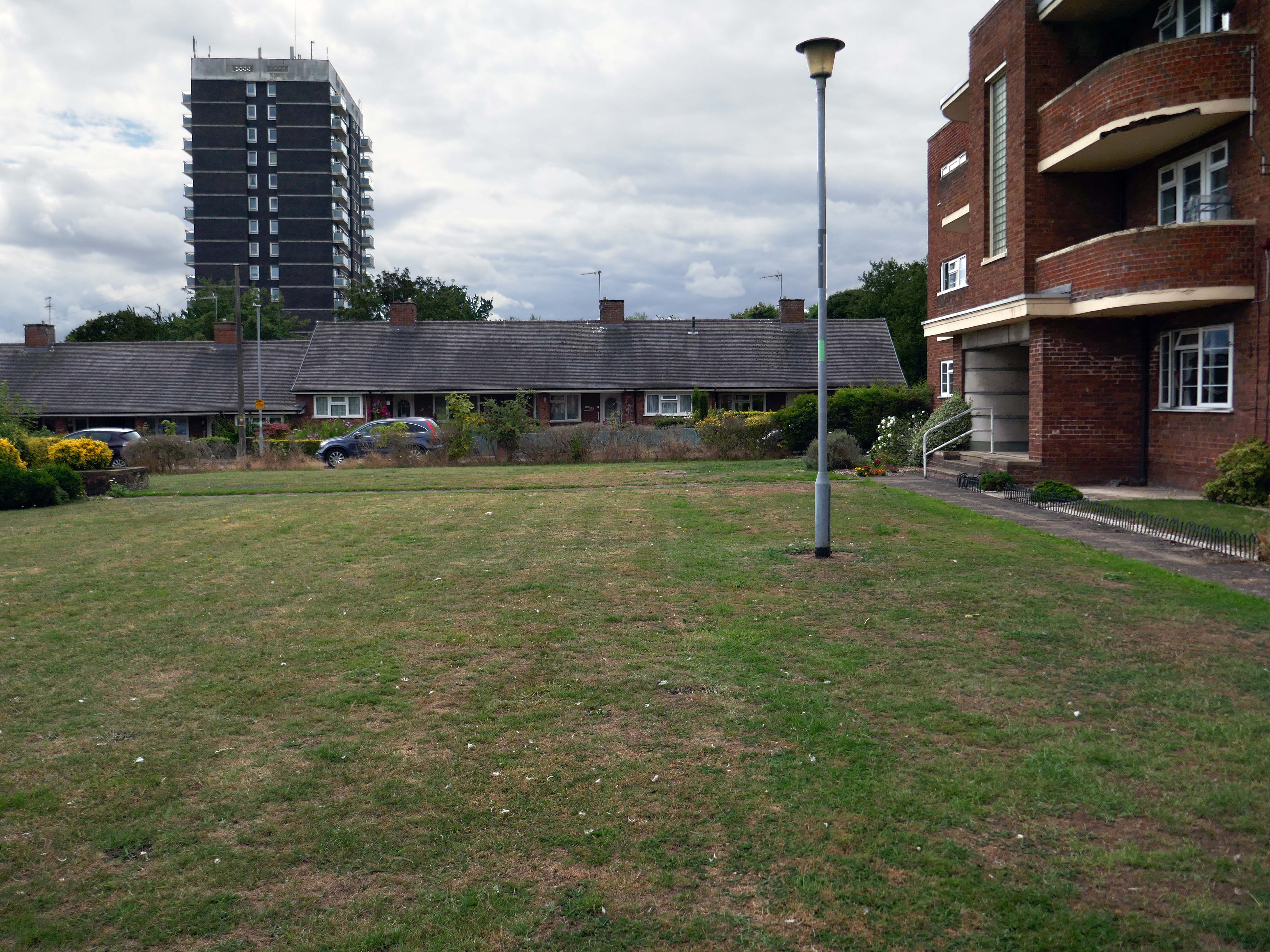
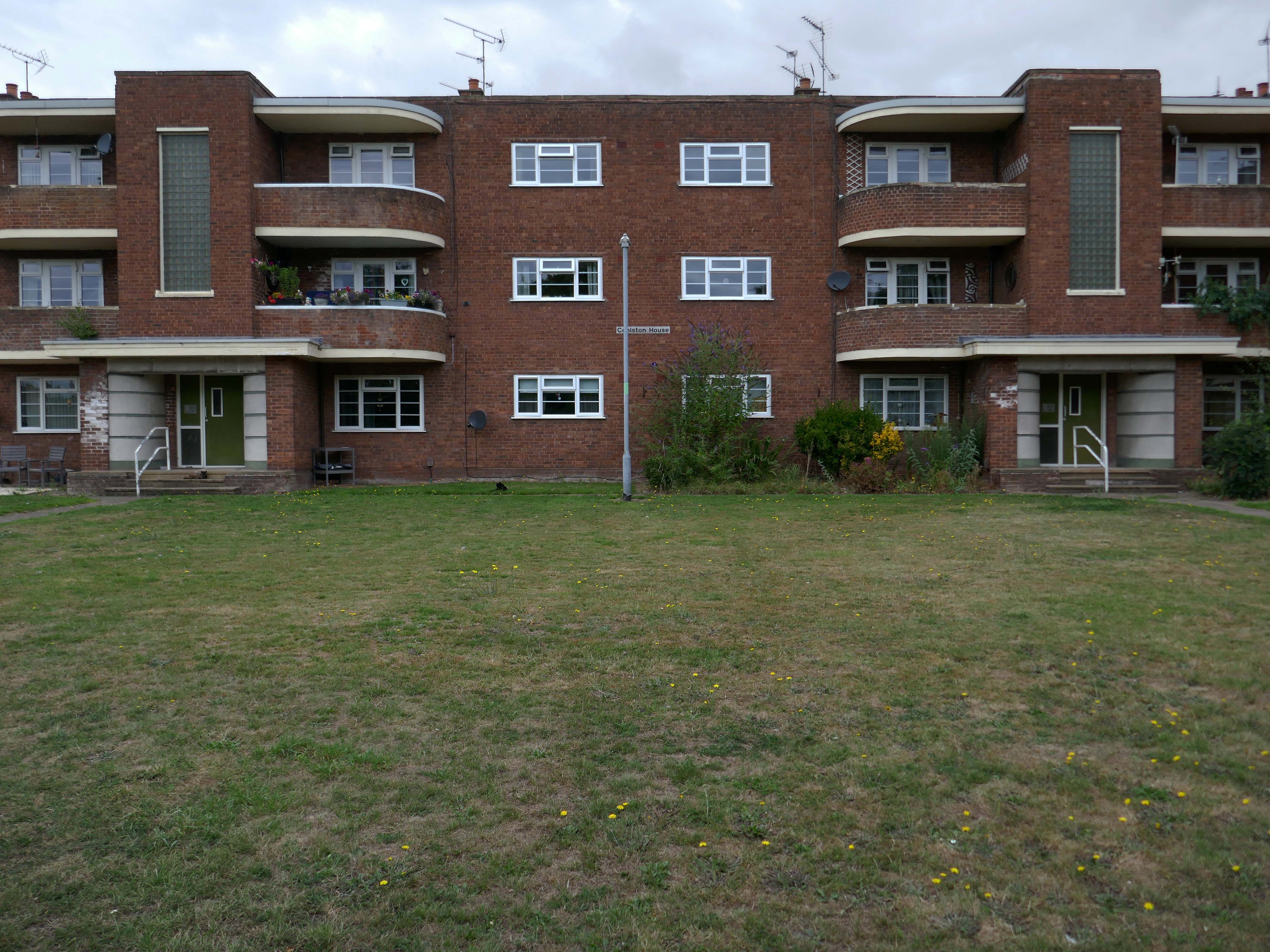
54 flats were built in total, to a distinctly Modernist design, and their appearance and setting are very well preserved.
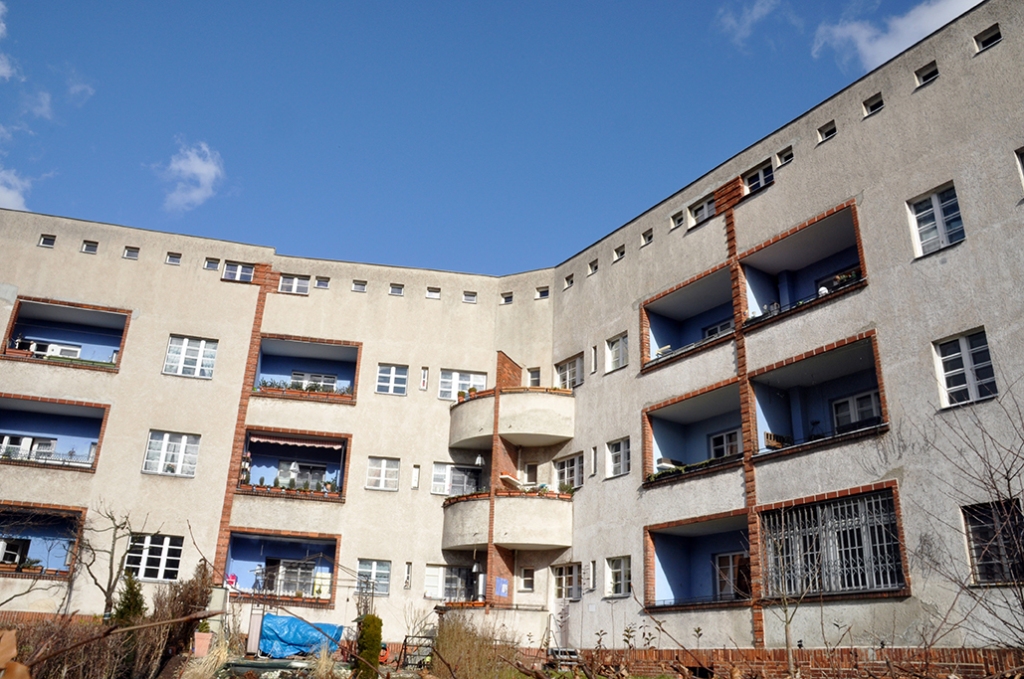
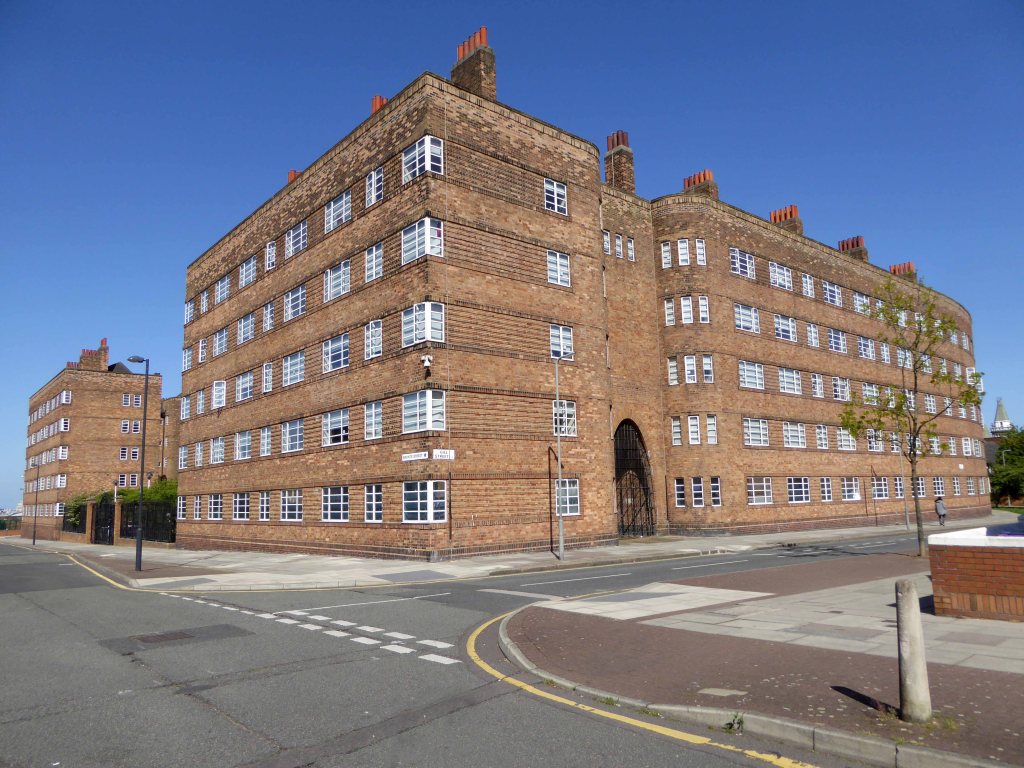
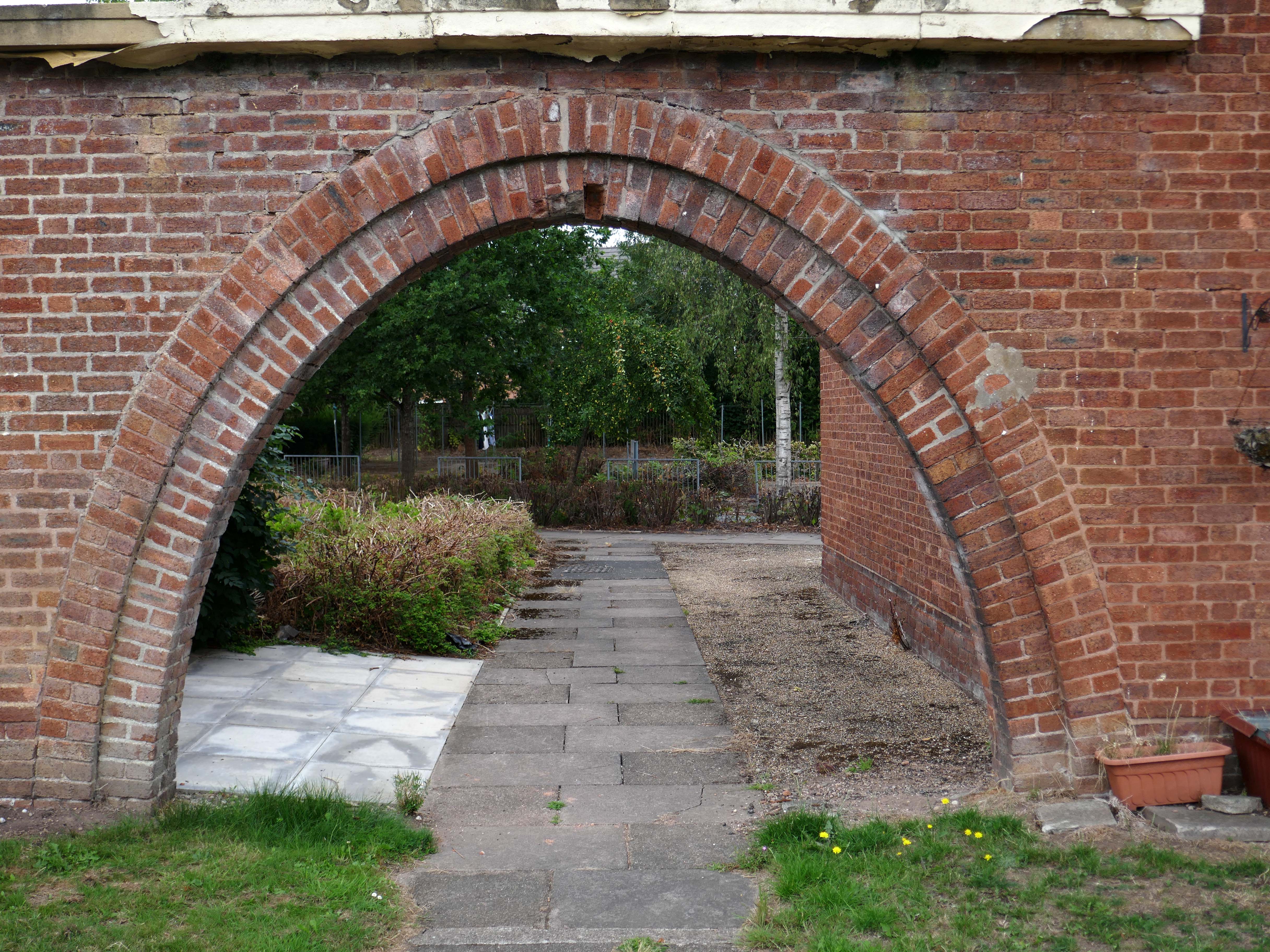
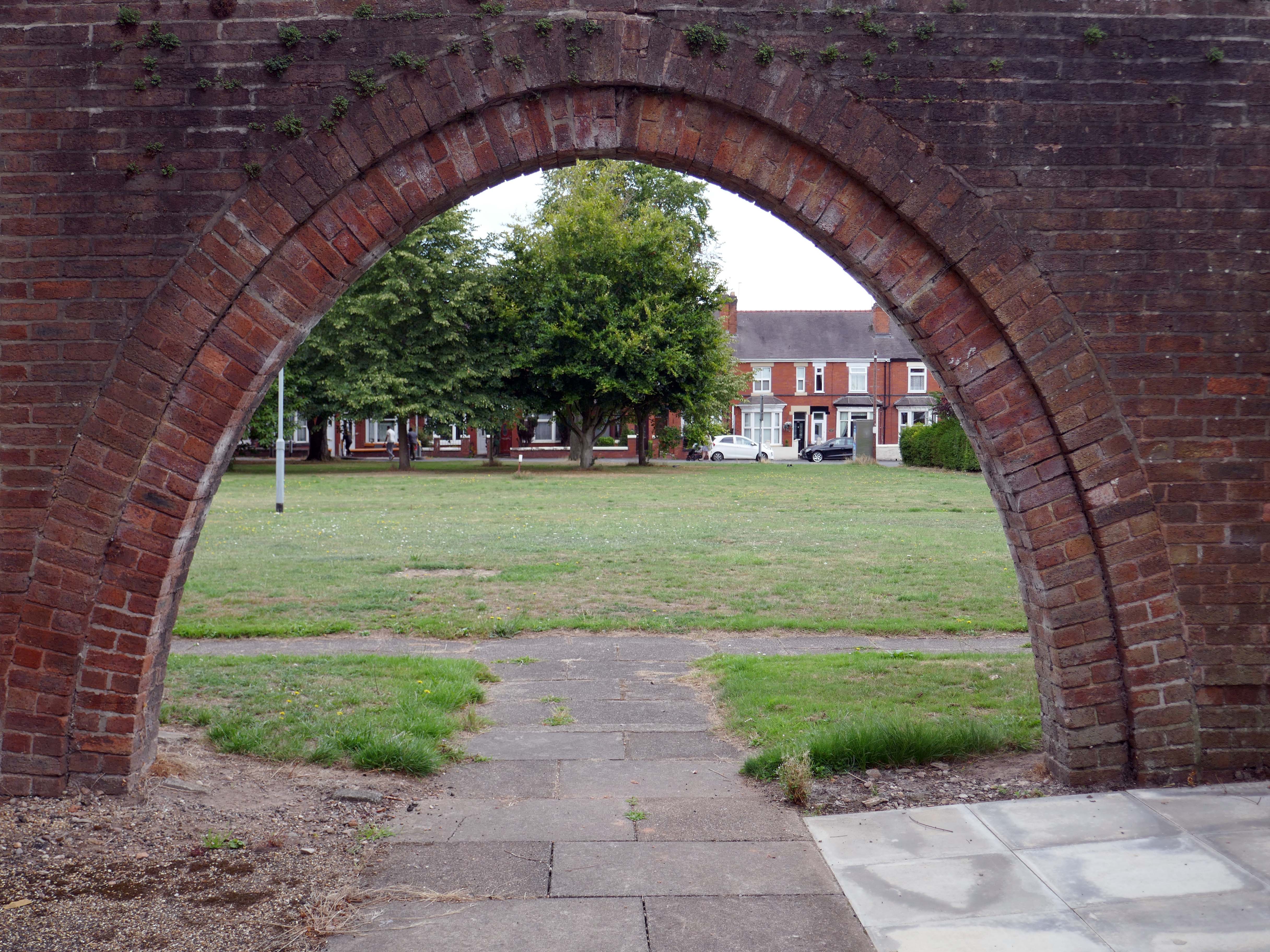
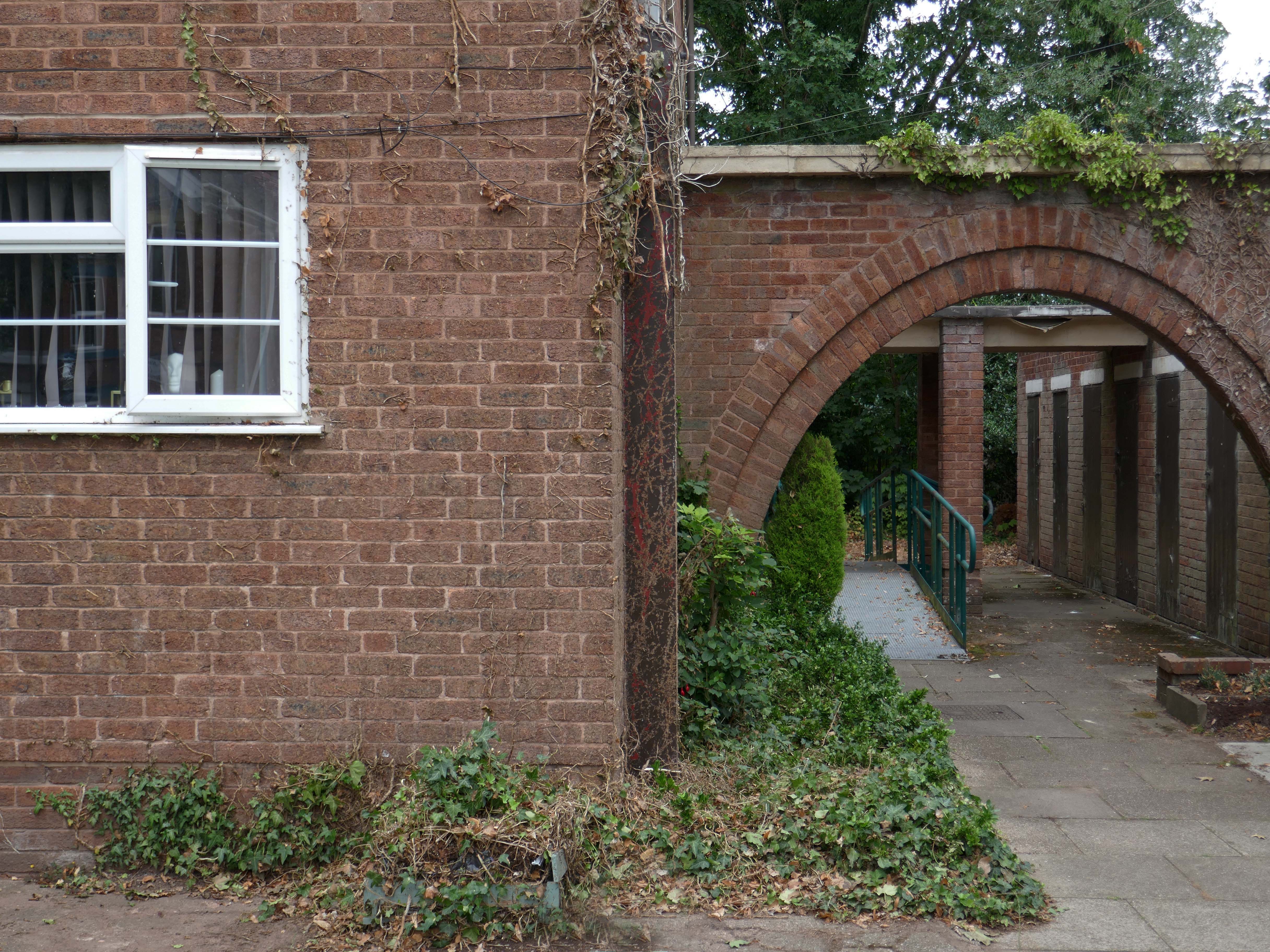
Whilst there are some common stylistic characteristics the Corporation Street Flats are of a more modest order. There are communal areas and a grassed apron, balconies and arched passages.
Over time the standard of maintenance seems to have declined, and the Crittall Windows have been replaced by white uPvc, where once there was a bowling green, this is now roughly mown and unused.
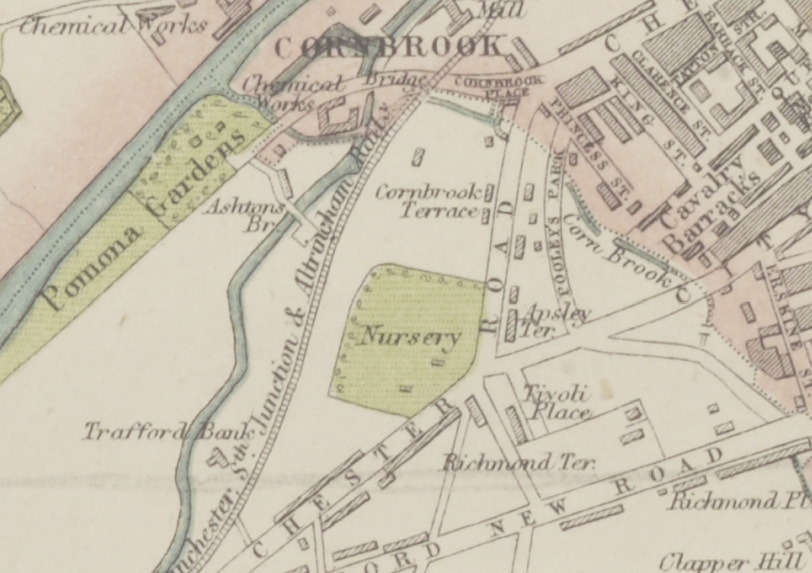
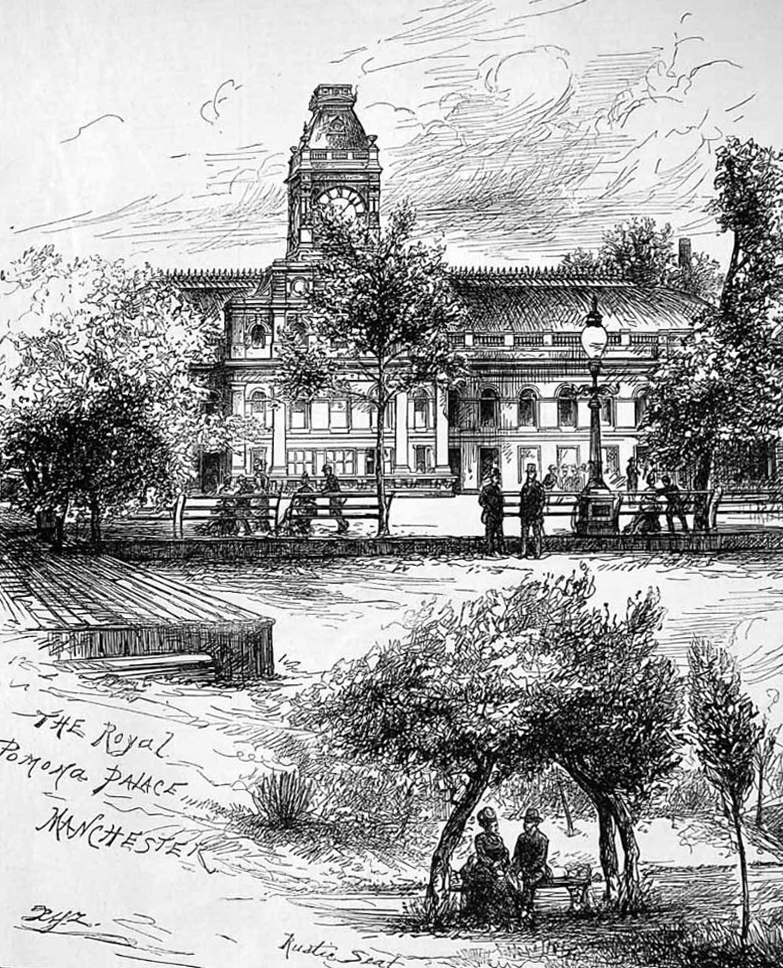
In 1870 the street pattern has yet to be established, between the South Junction railway and Chester Road. The area is occupied by a Nursery. Pomona Gardens sits beside the river, and the Corn Brook is clearly visible. To the right are the Hulme Barracks, closed and demolished in 1914.
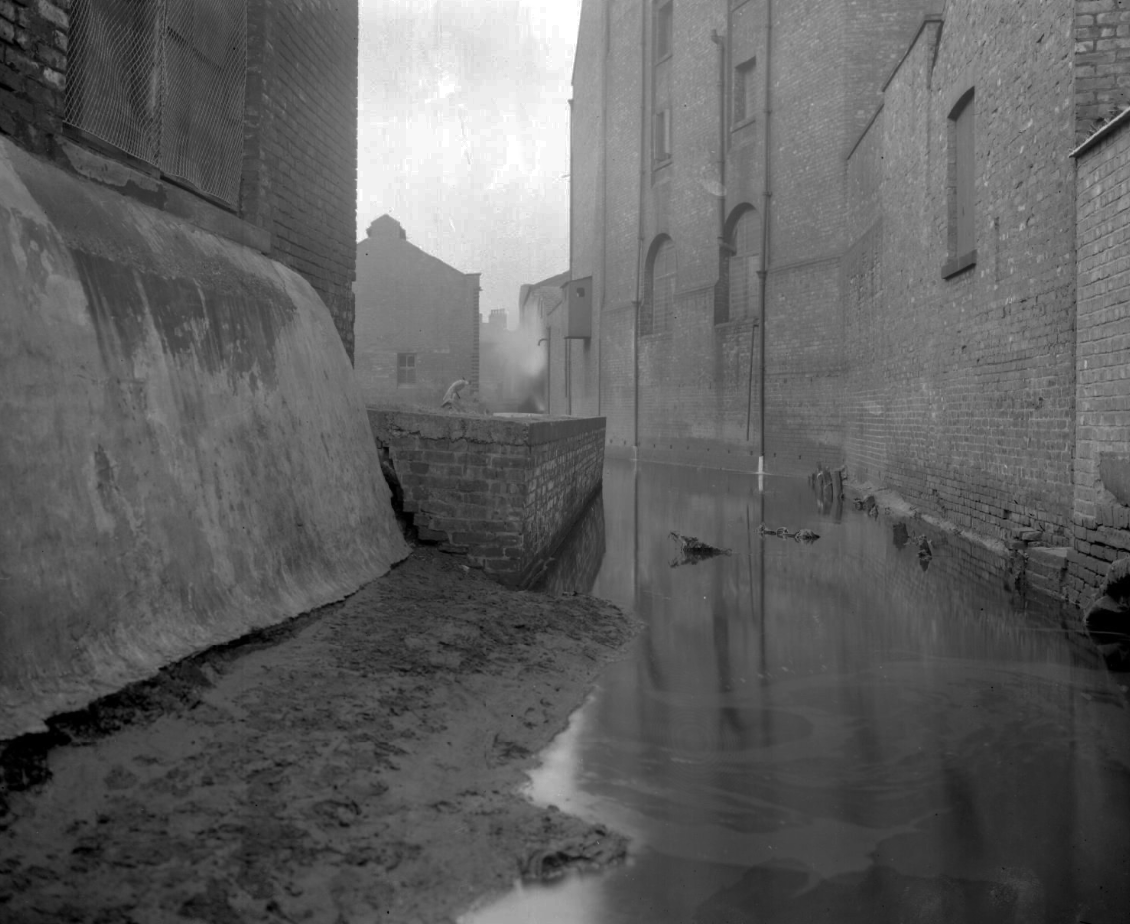
Corn Brook Textile Street 1947
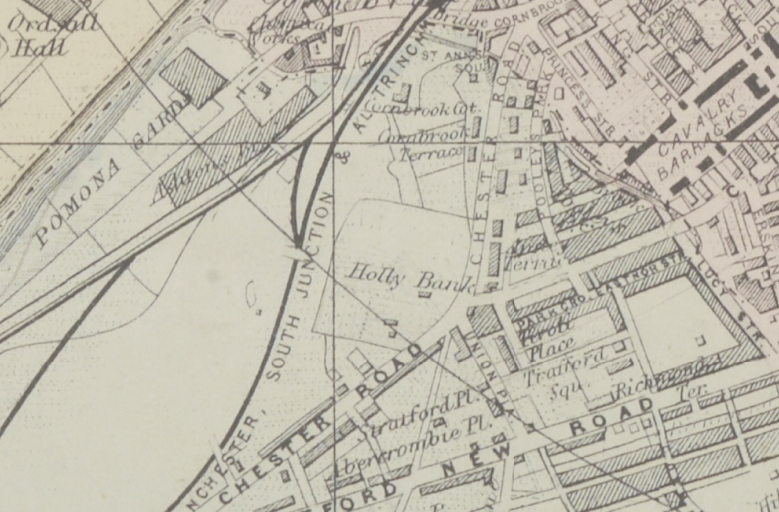
In 1884 there is new housing to the right of Chester Road.
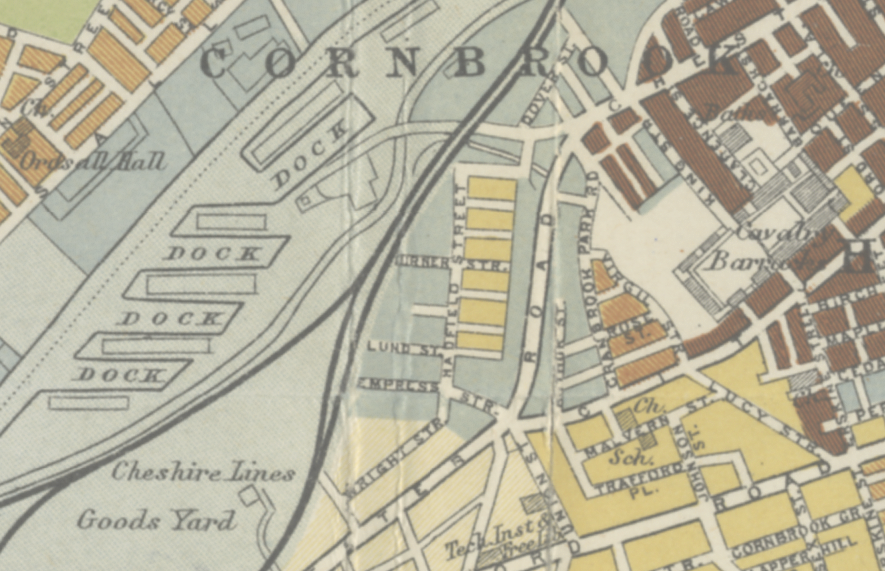
In 1904 the Pomona Docks have been established and the are around Hadfield Street fully developed.
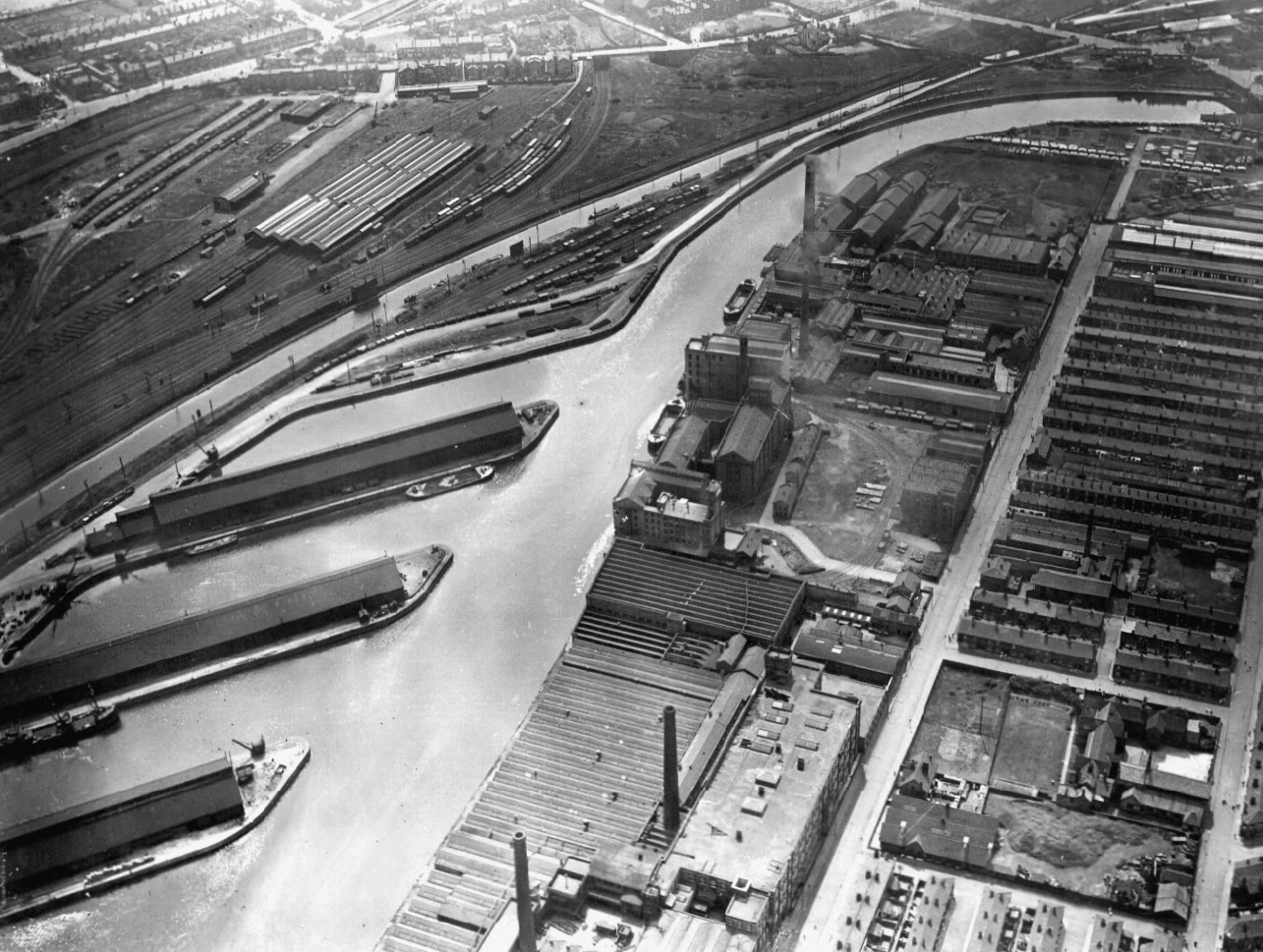
Pomona Docks 1923
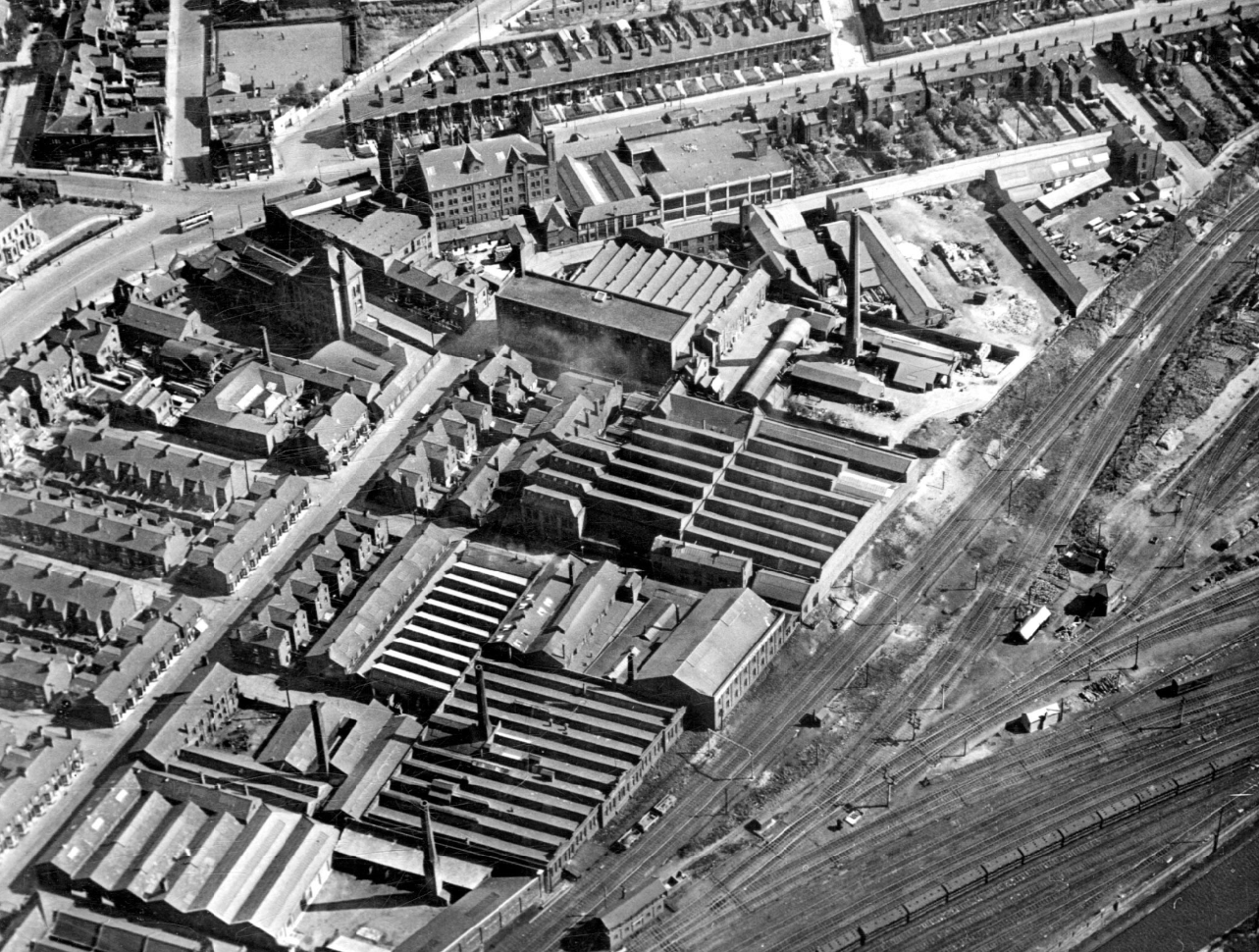
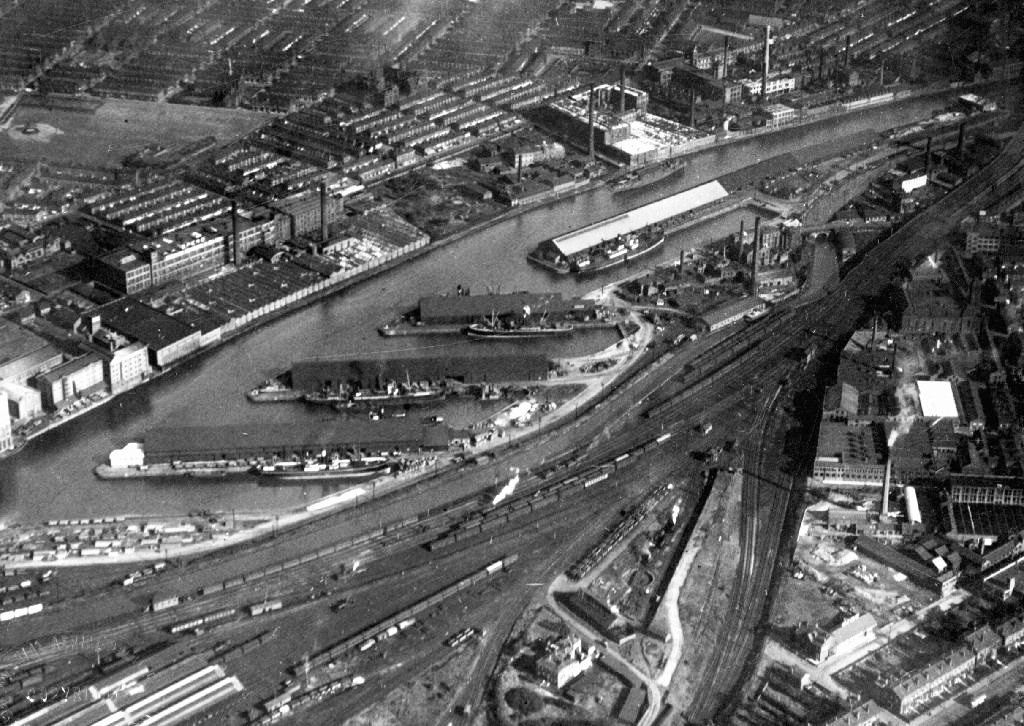
This is an aerial view from 1930, there area is now a dense network of streets to the north of Chester Road, transport infrastructure, housing and industry sit side by side.
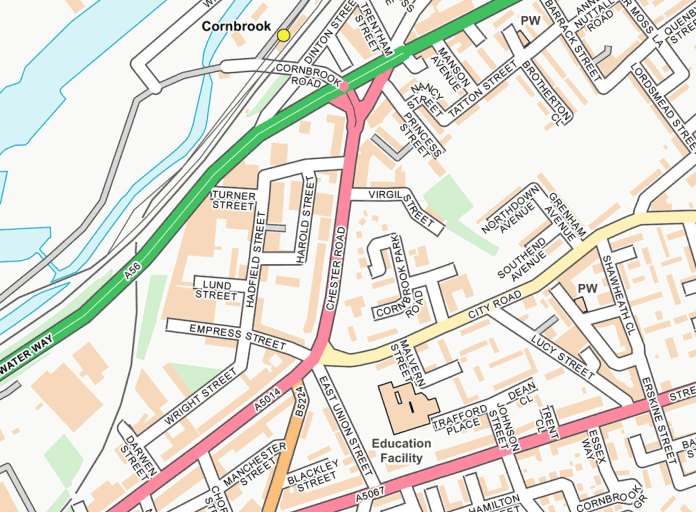
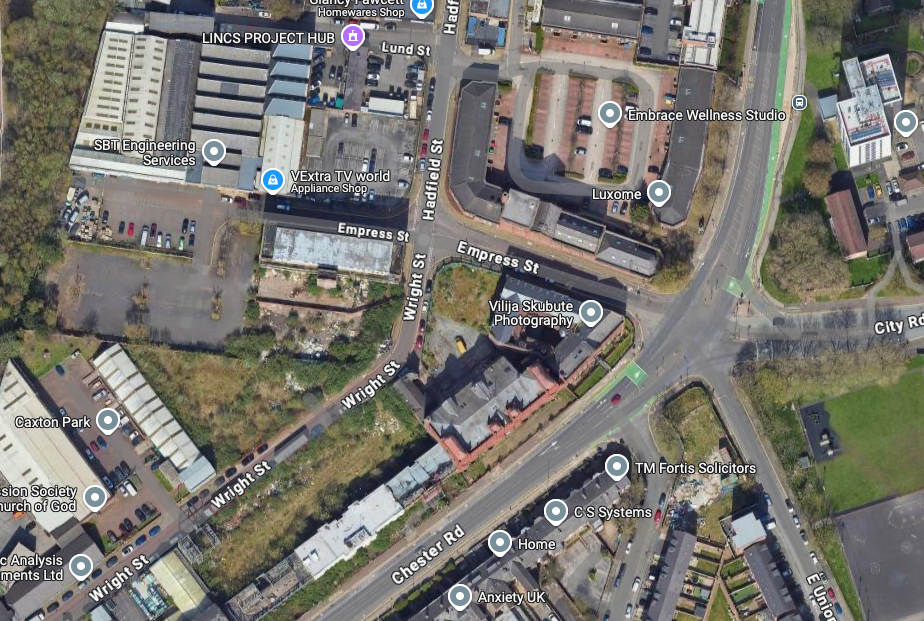
2025 the street pattern is still extant – but what has survived?
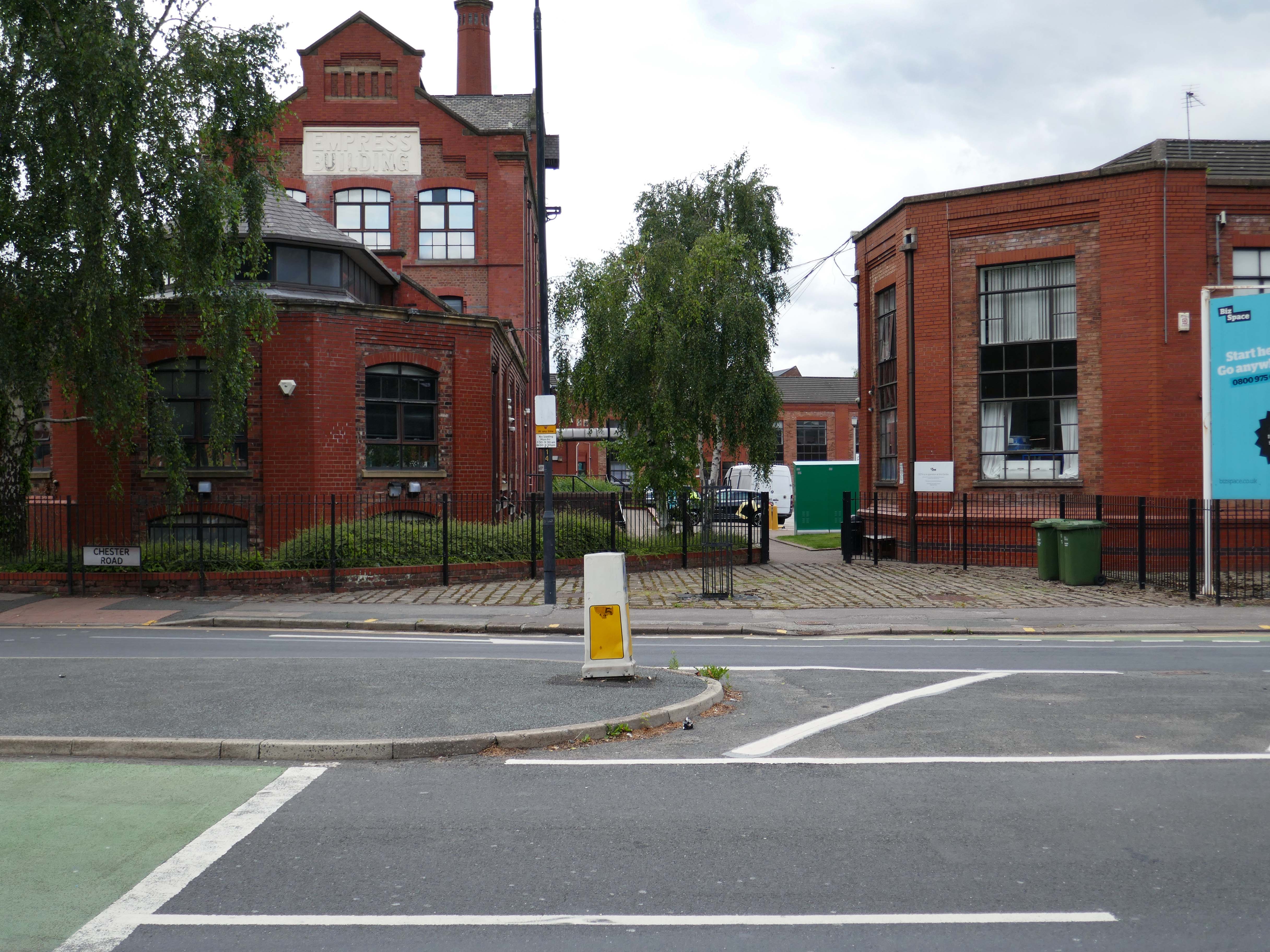
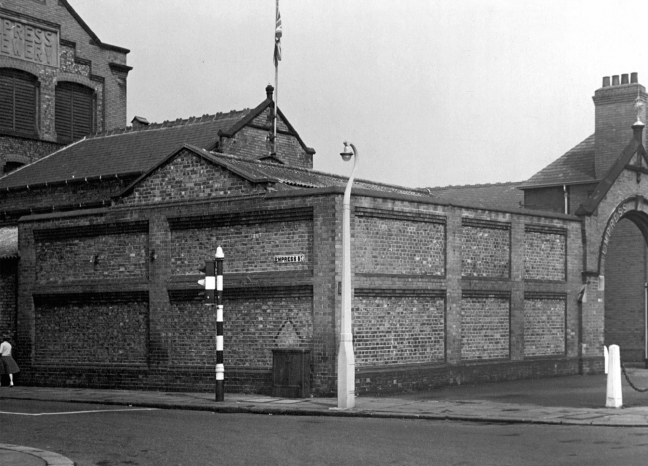
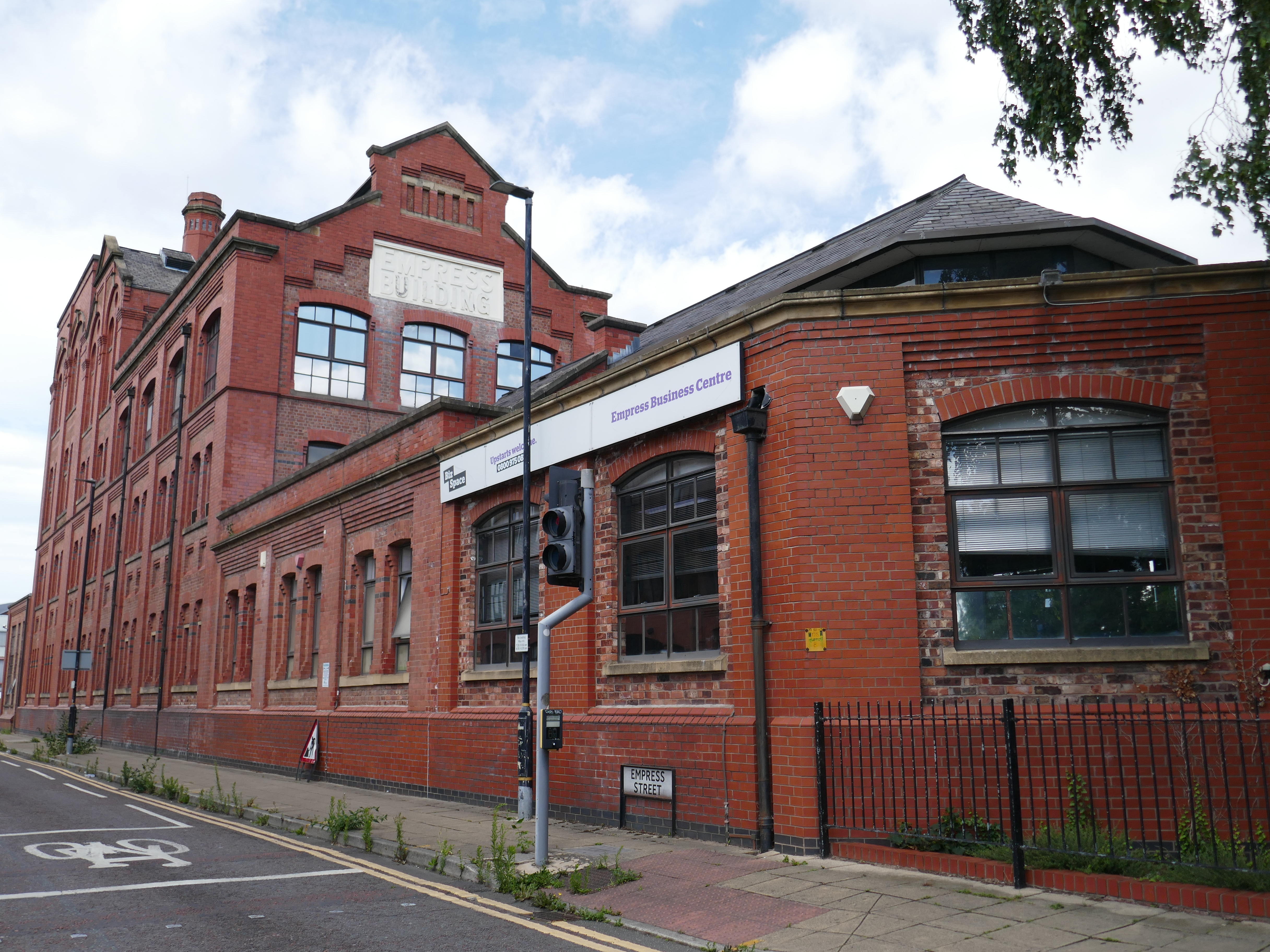
The Empress Brewery as seen on the previous Chester Road post.
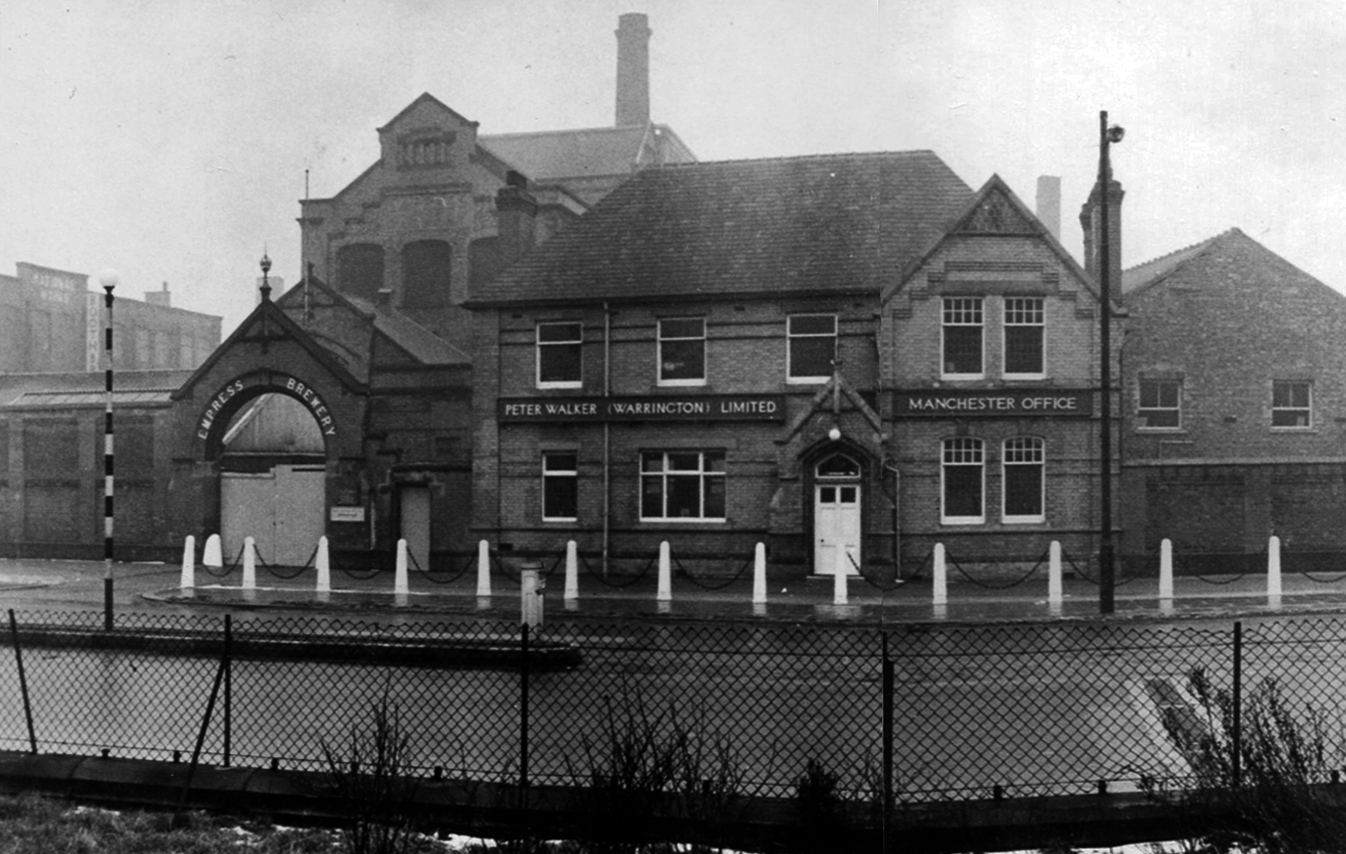
The Empress Brewing Company was established by Charles Dawes in c. 1880, the brewery closed in 1955.
The building was converted into offices in 1992 as part of the development of the Empress Business Centre, which saw new office and business units built to form a courtyard.
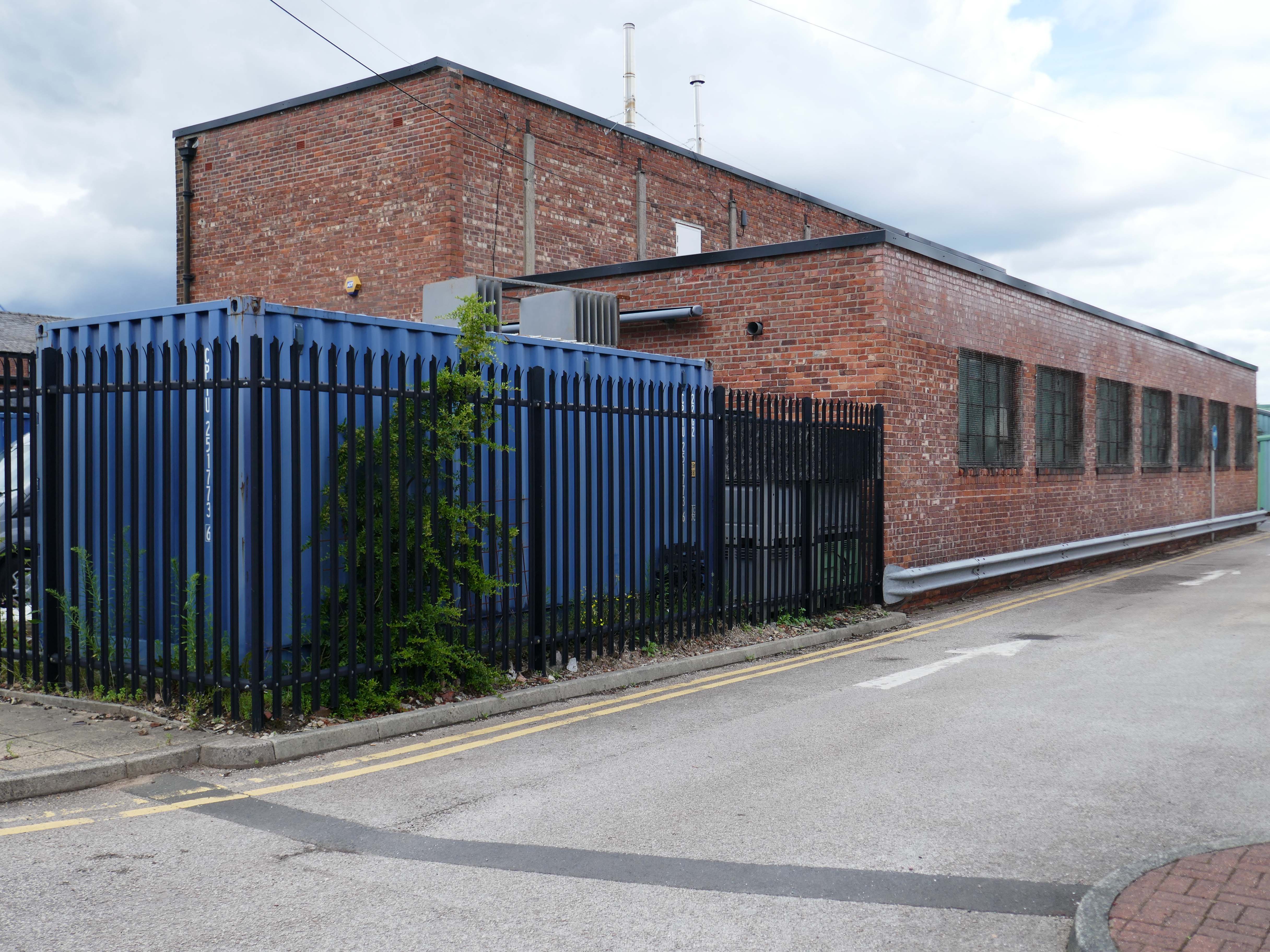
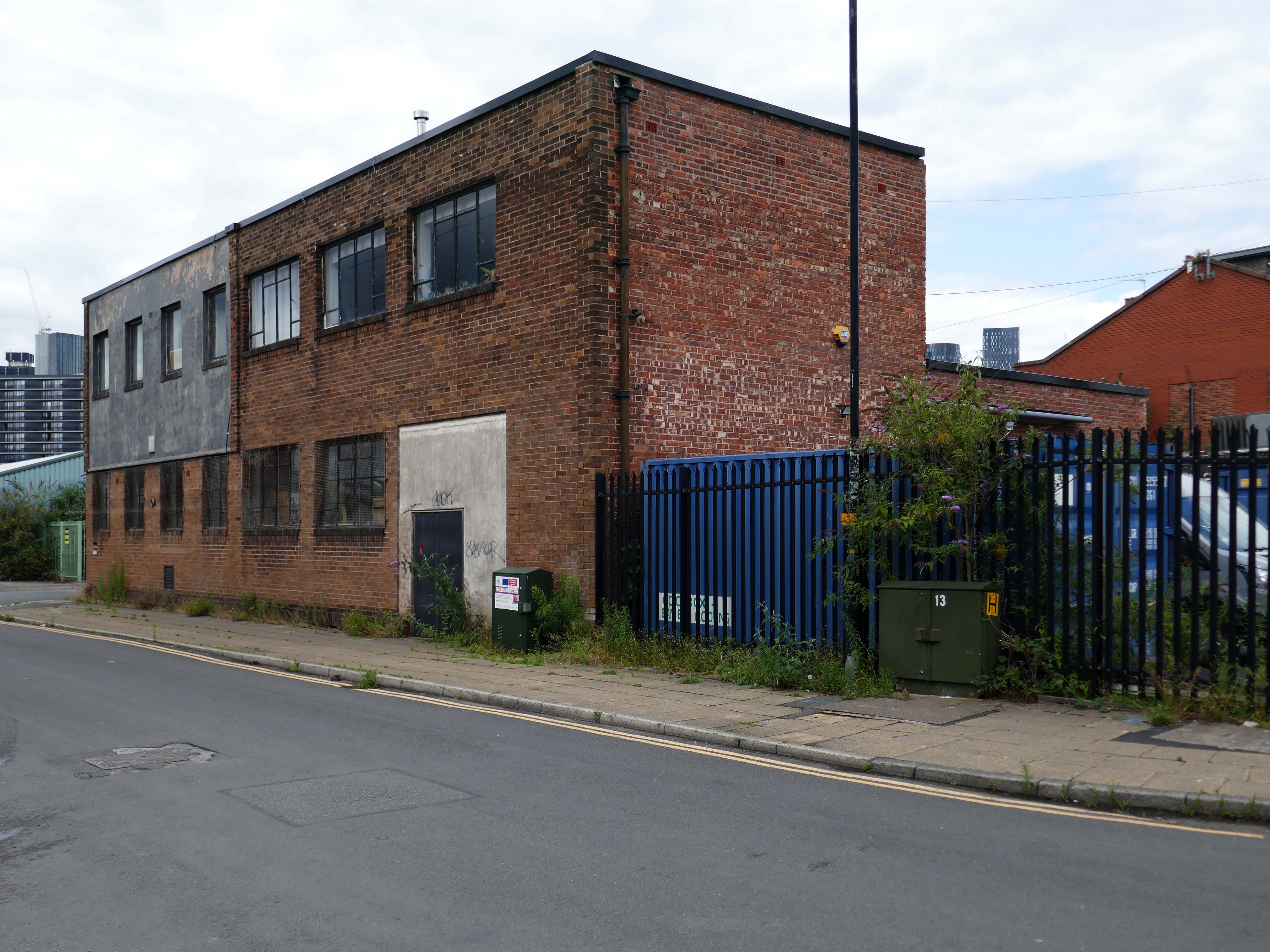
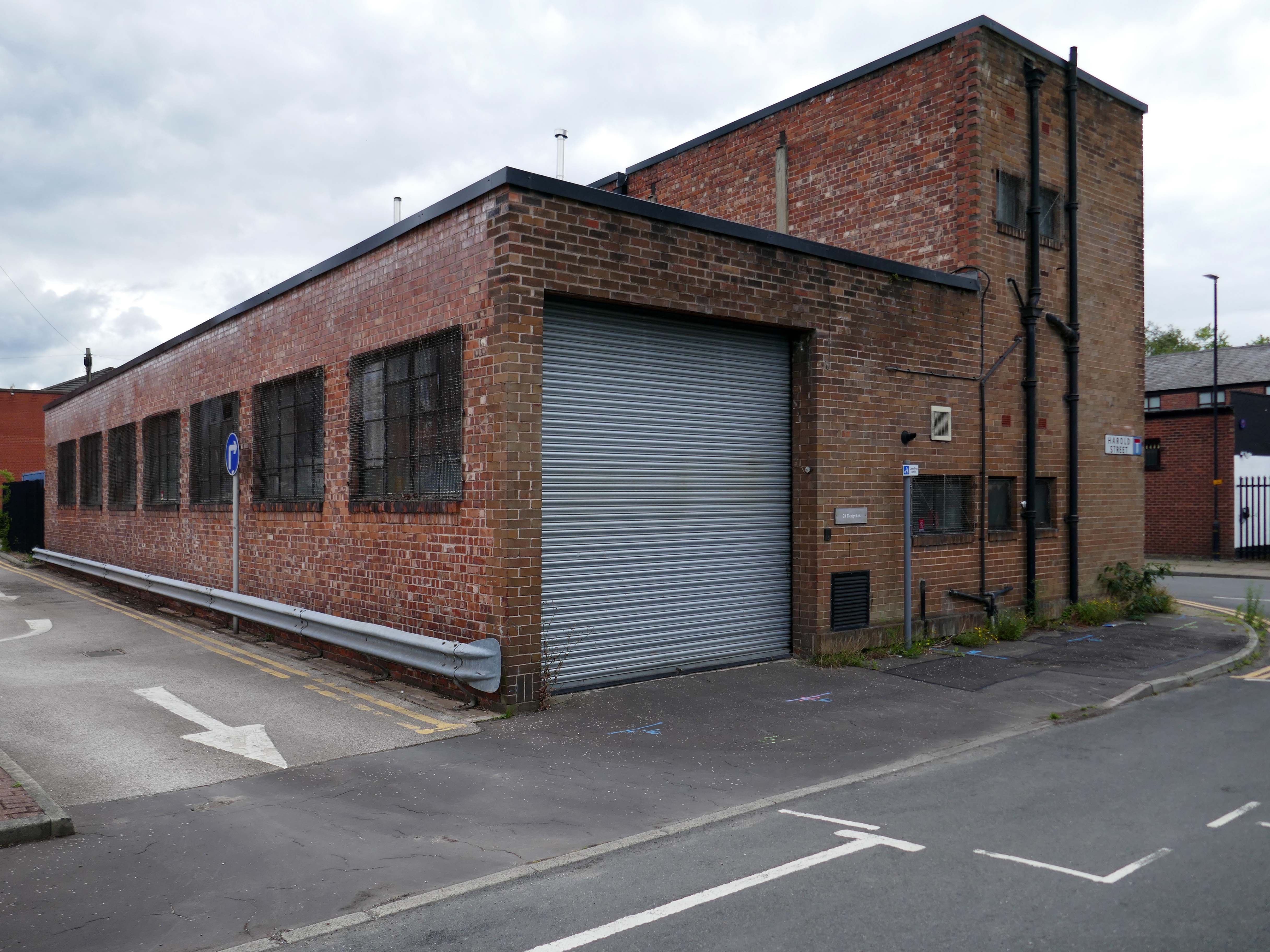
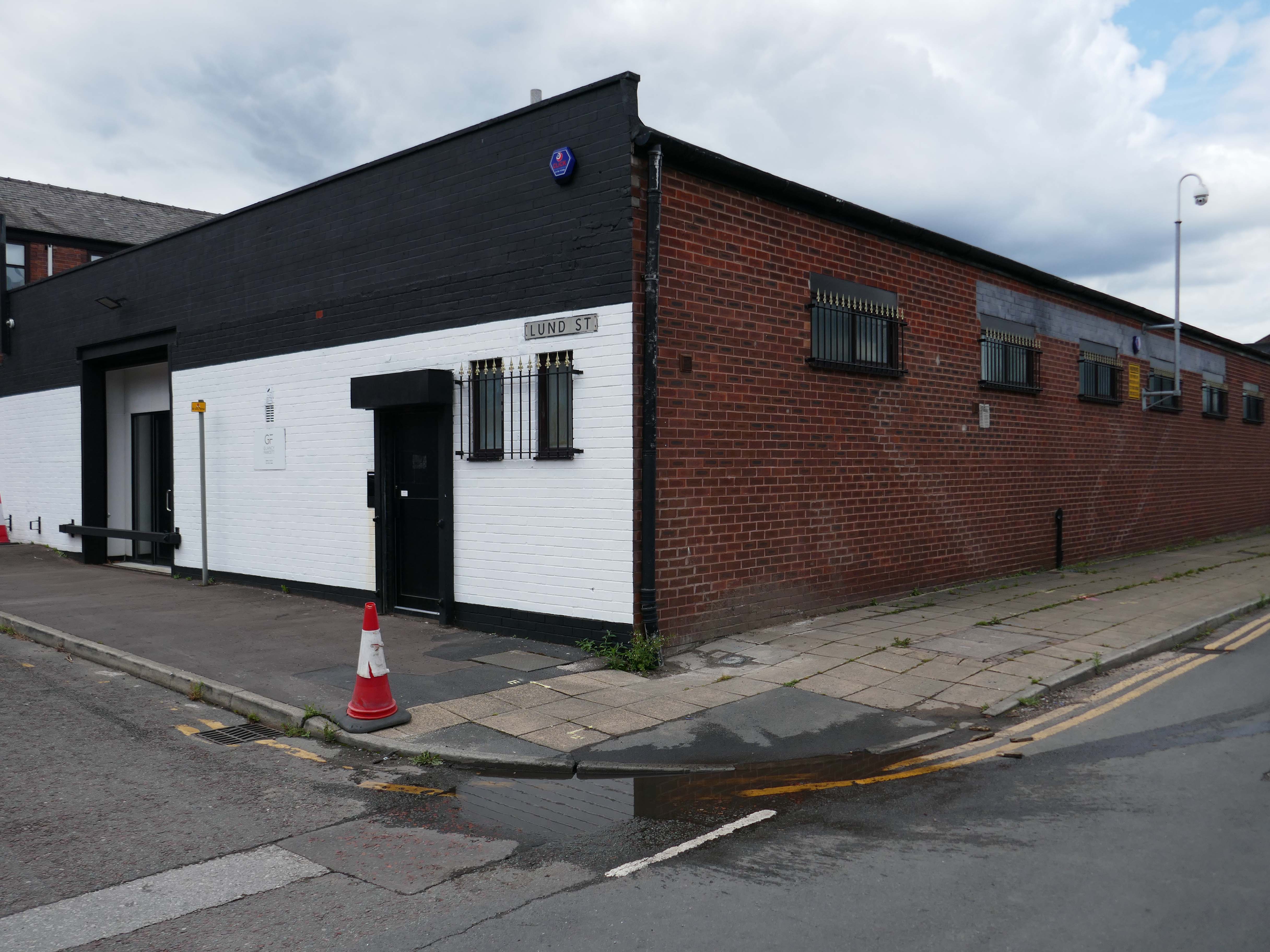
24 Design Ltd Hadfield Street – an exhibition design and build practice, working extensively within the museum and heritage sector.
Glancy Fawcett Lund Street, A project-based, luxury lifestyle supplier delivering exquisite homeware for superyachts, residences and private jets.
Concept Life Sciences Hadfield Street, your trusted partner from concept to clinic. We are your integrated drug discovery and development partner for complex challenges, renowned scientific knowledge, and strategic execution across all modalities from small molecule and biologics to cell and gene therapies.
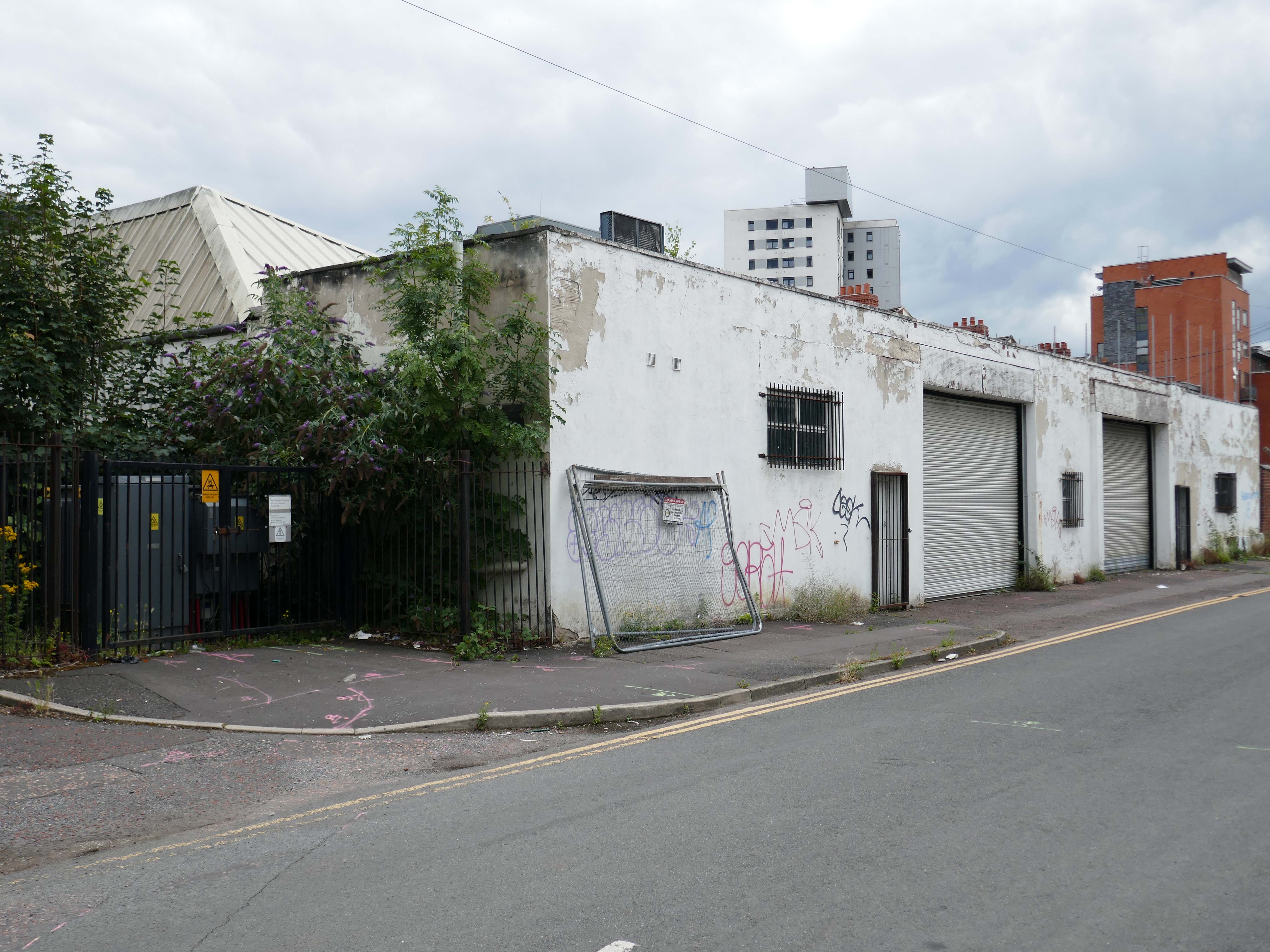
They seem to have left the building.
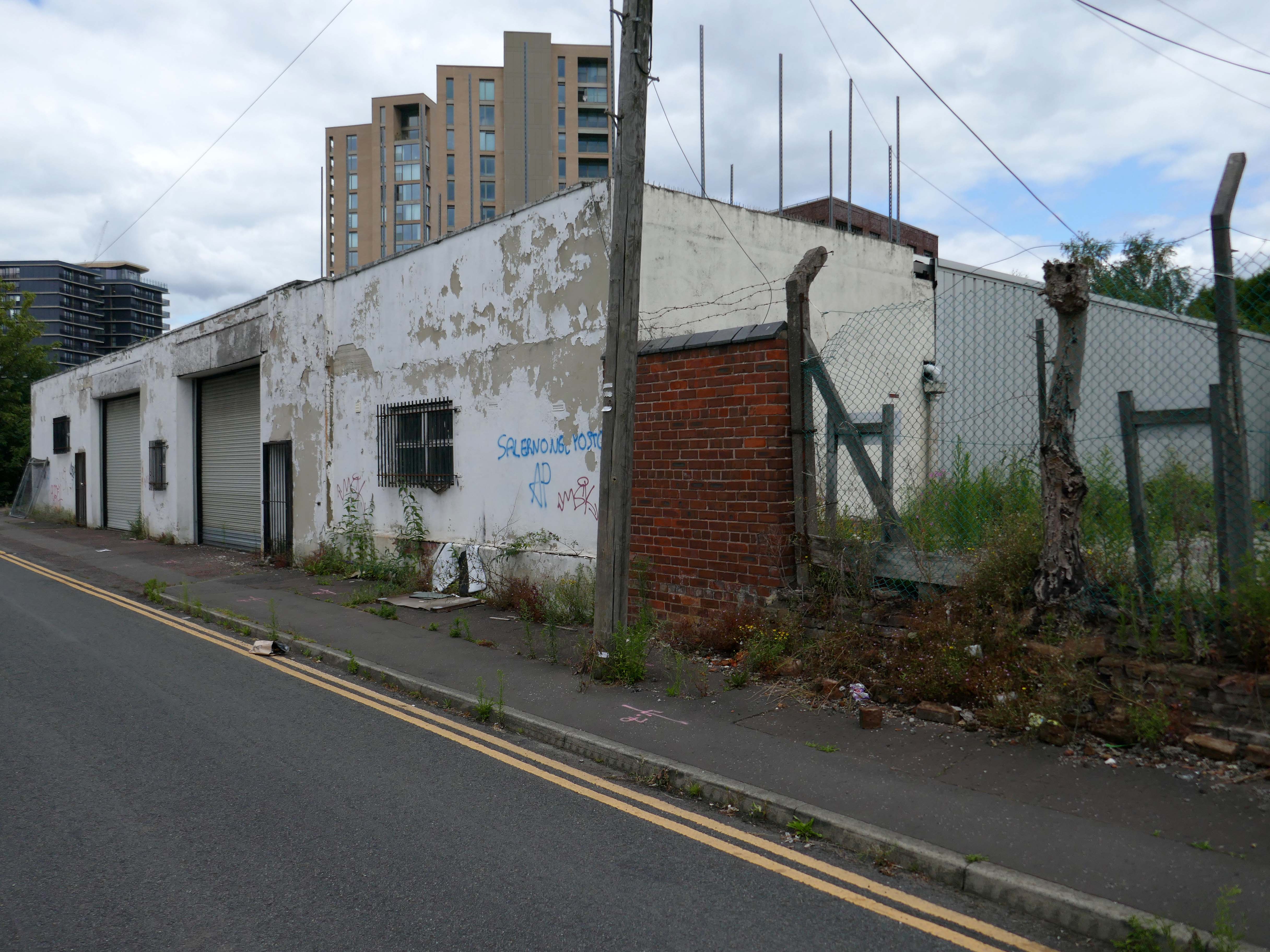
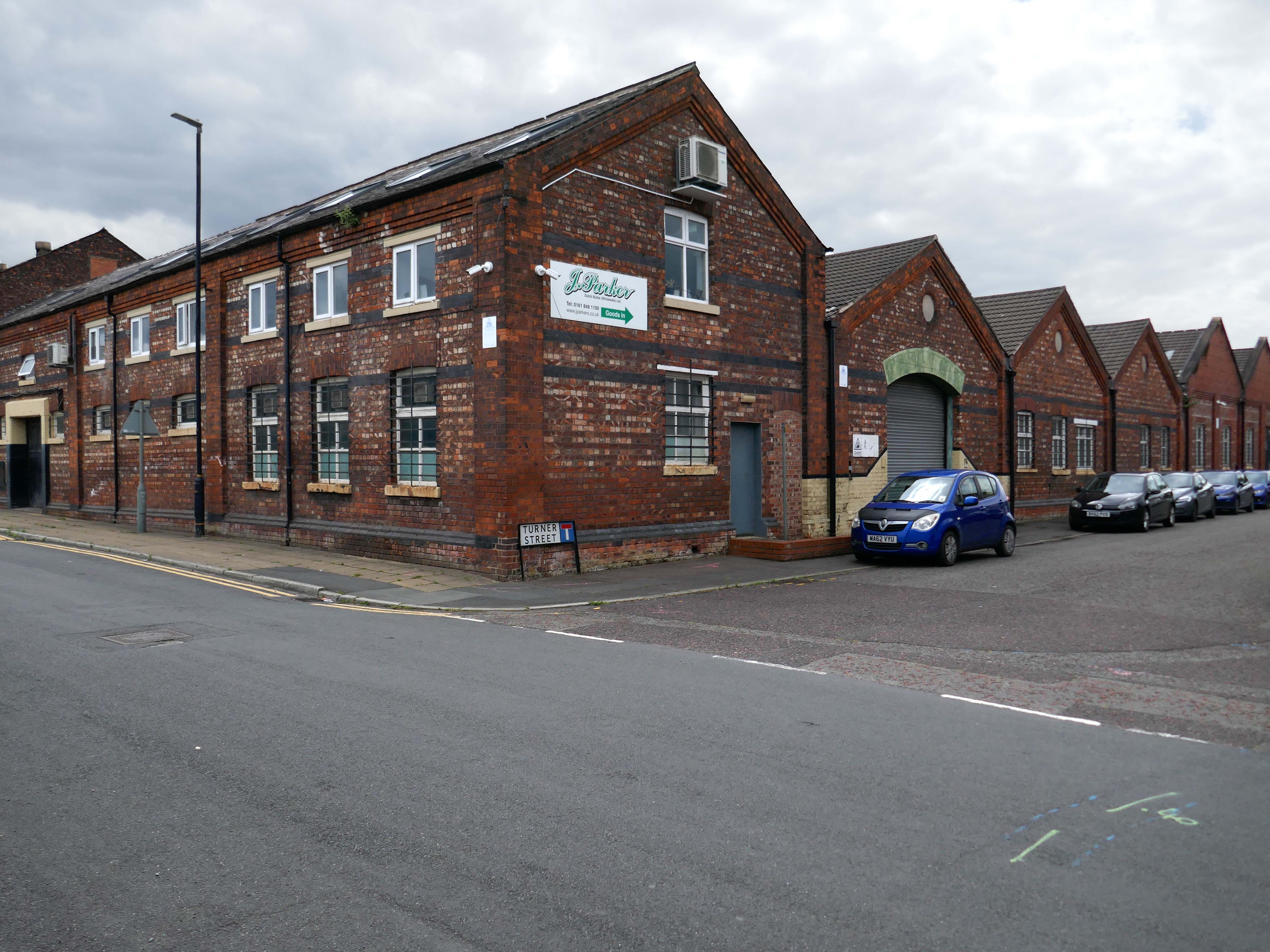
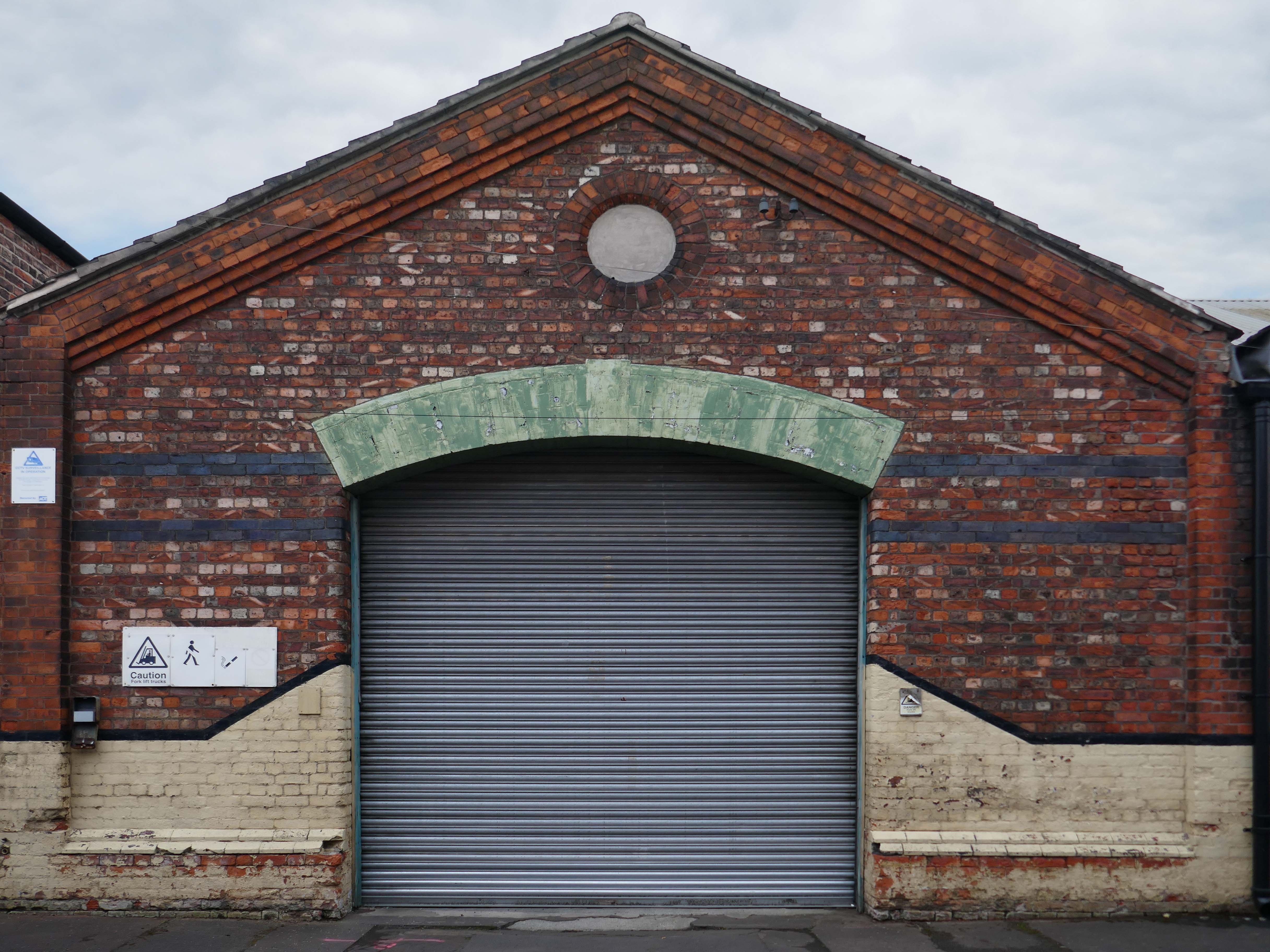
J Parker‘sLtd Hadfield Street, Dutch bulb importers – competitive prices across all our garden plant and bulb ranges, huge range, unbeatable prices, established 1933.
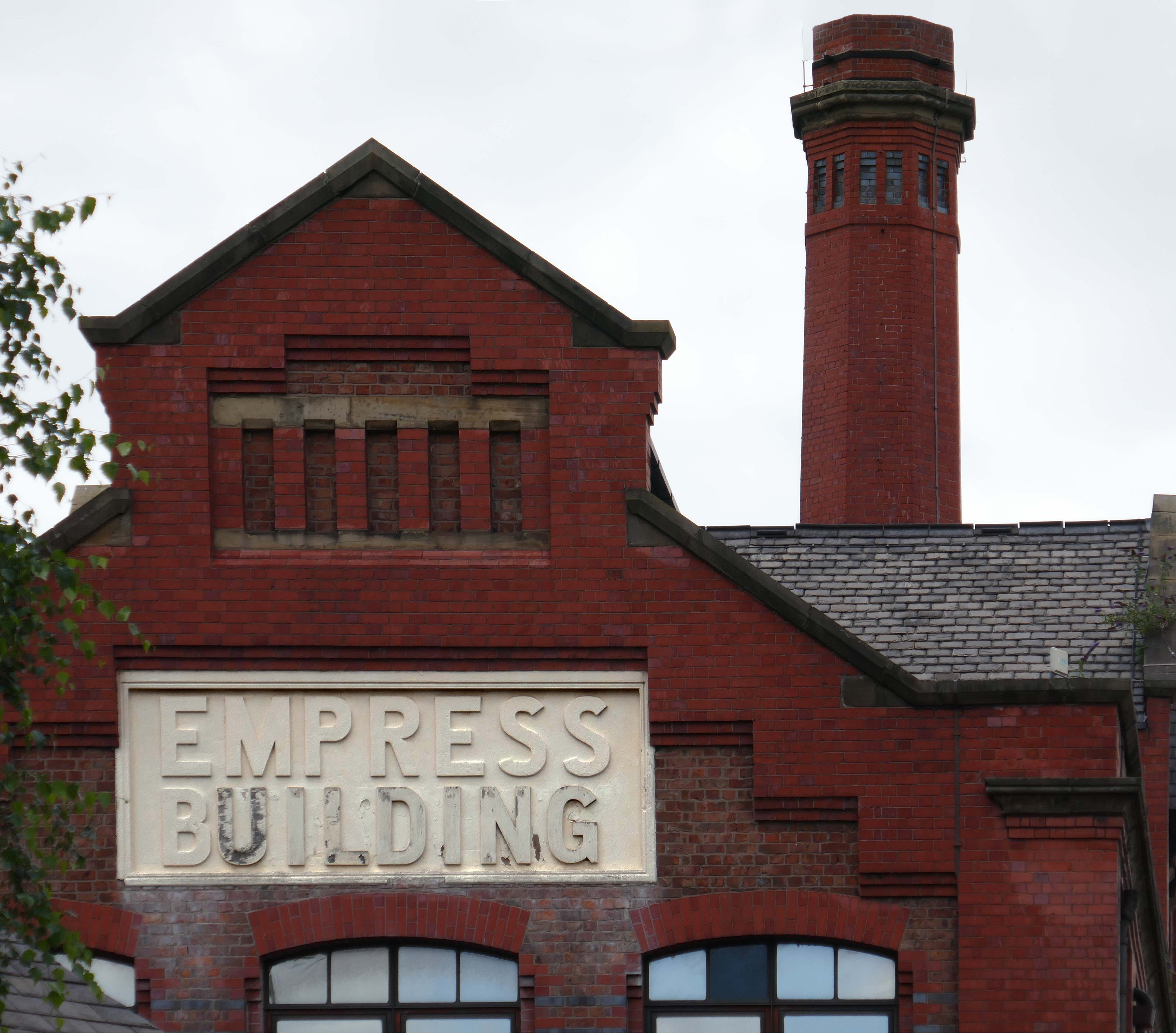
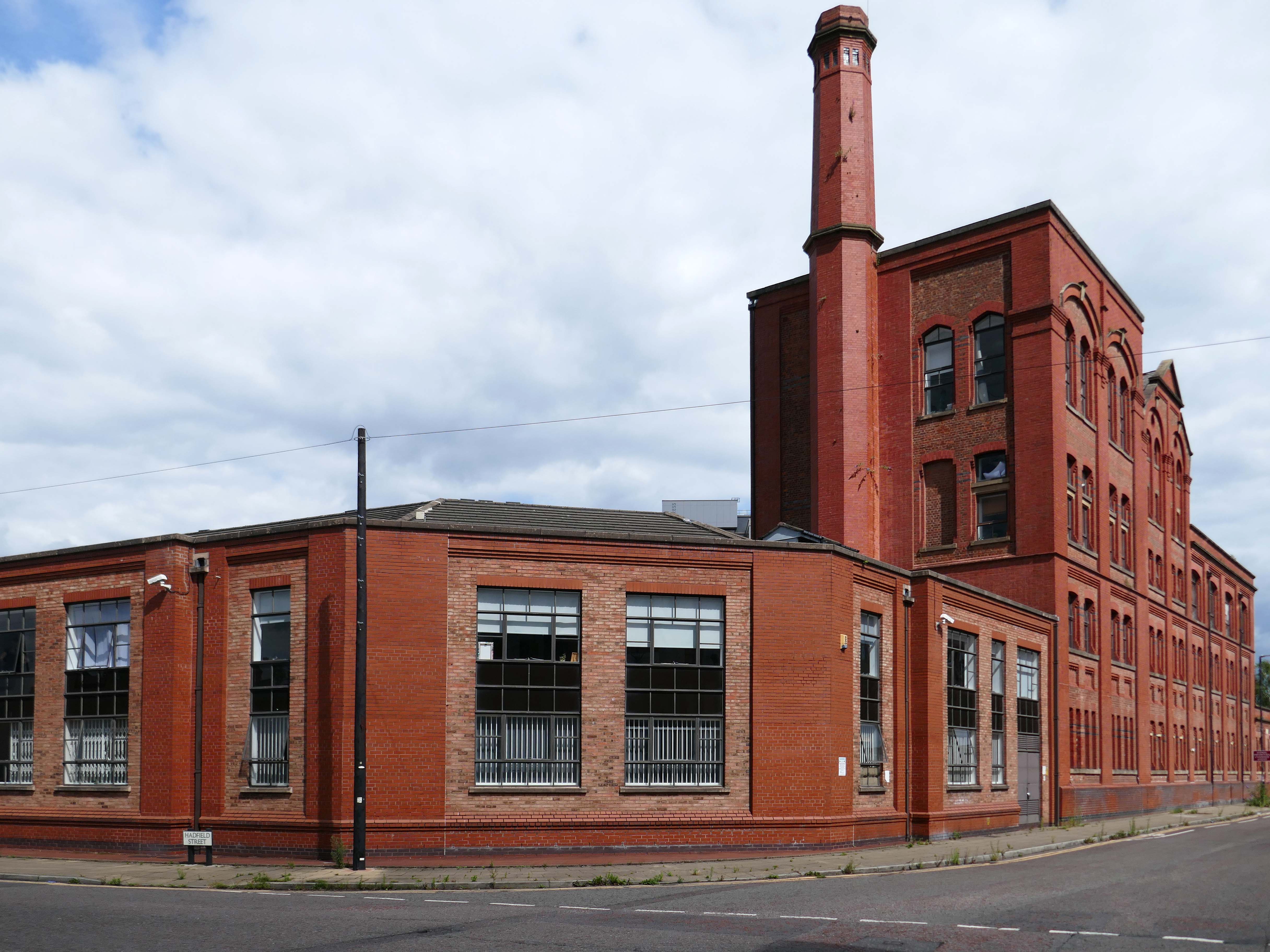
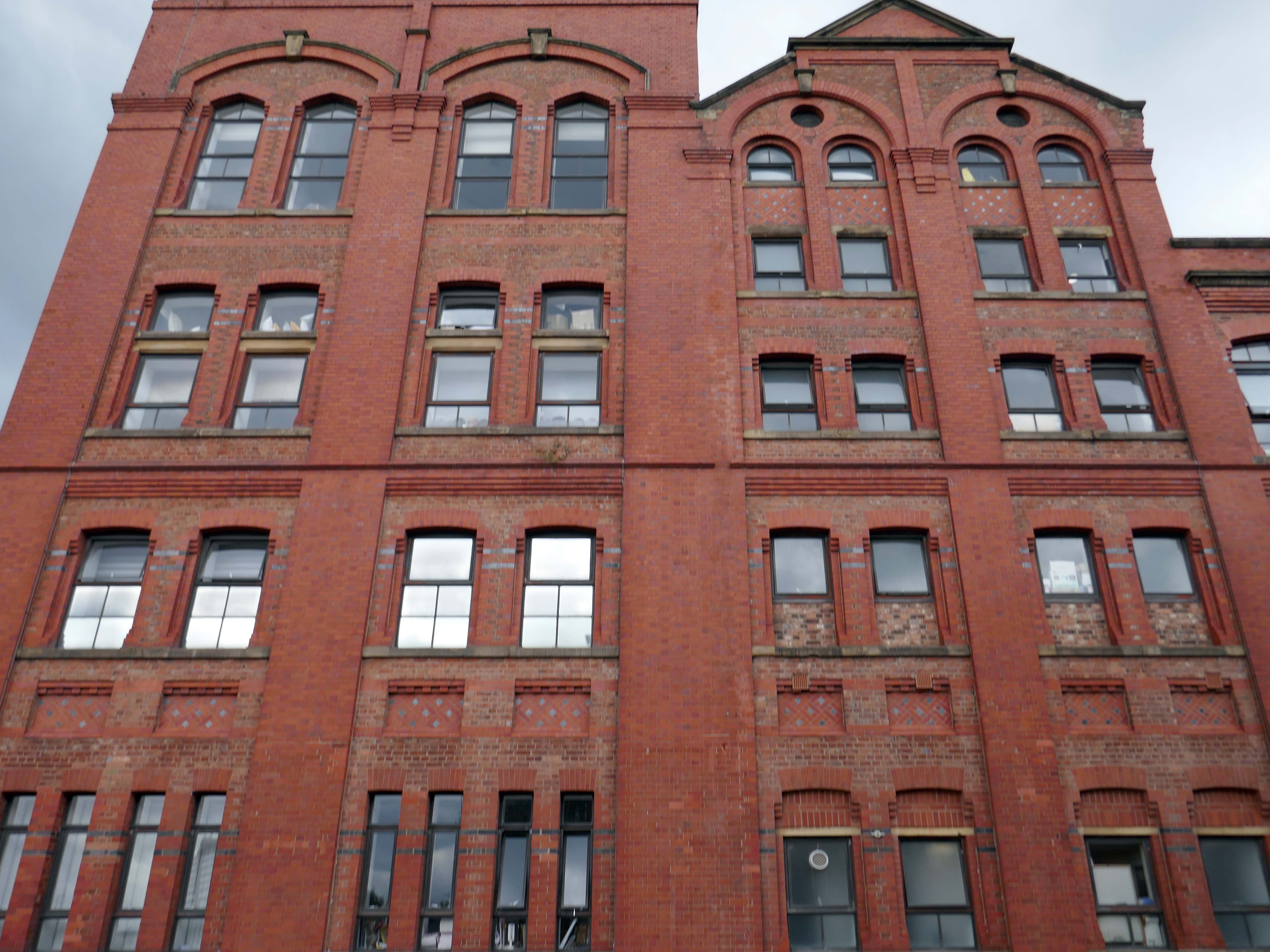
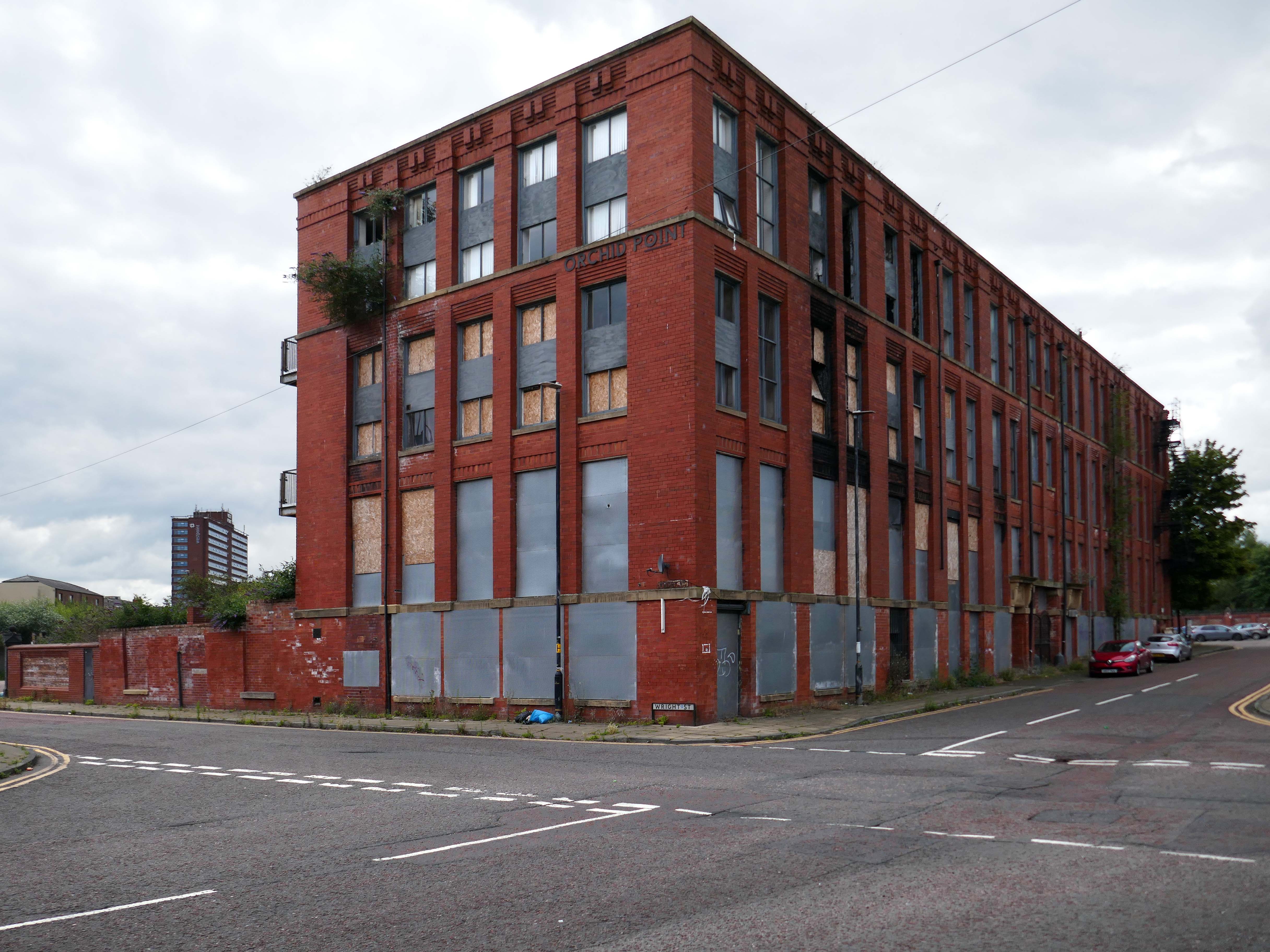
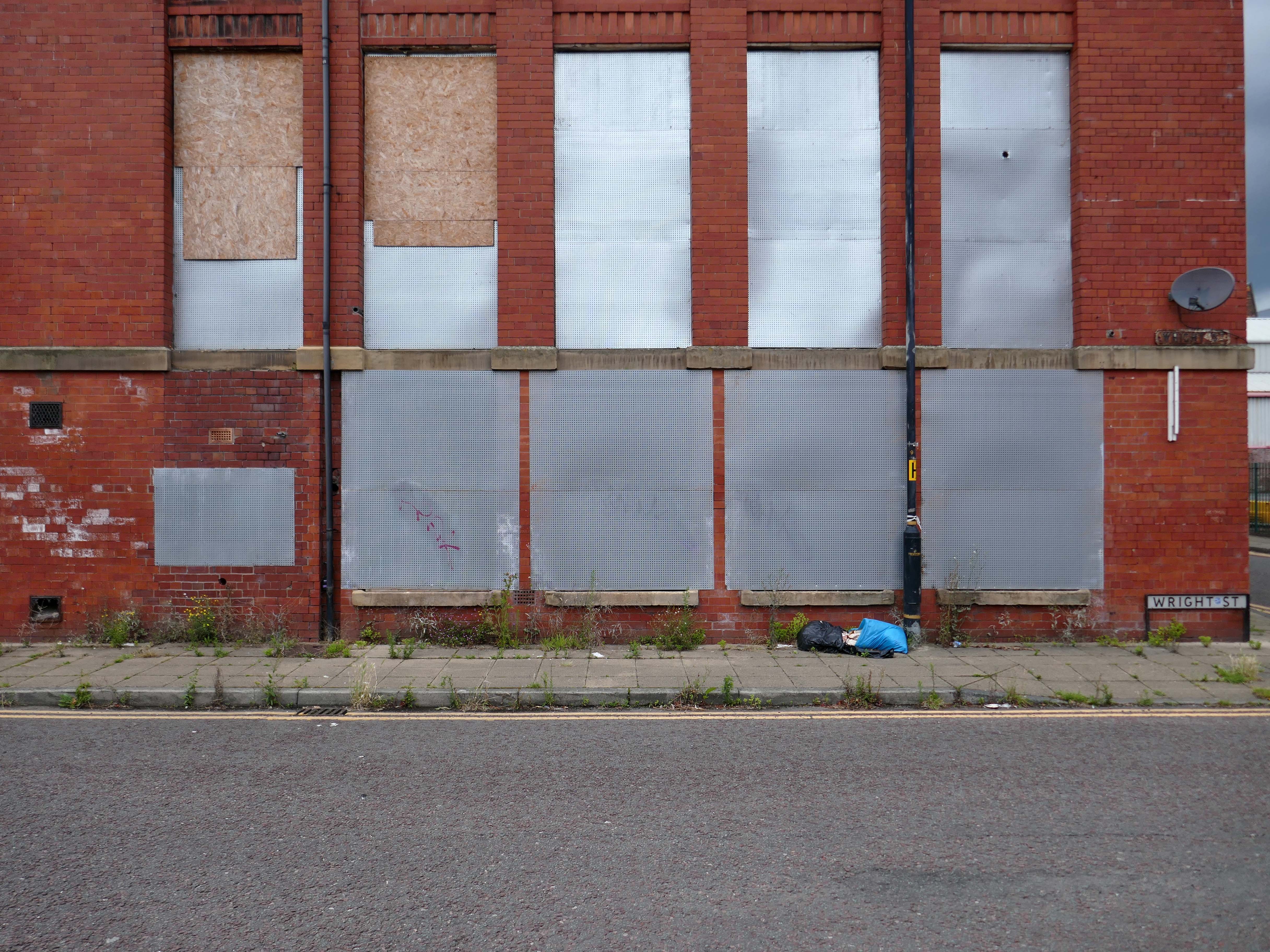
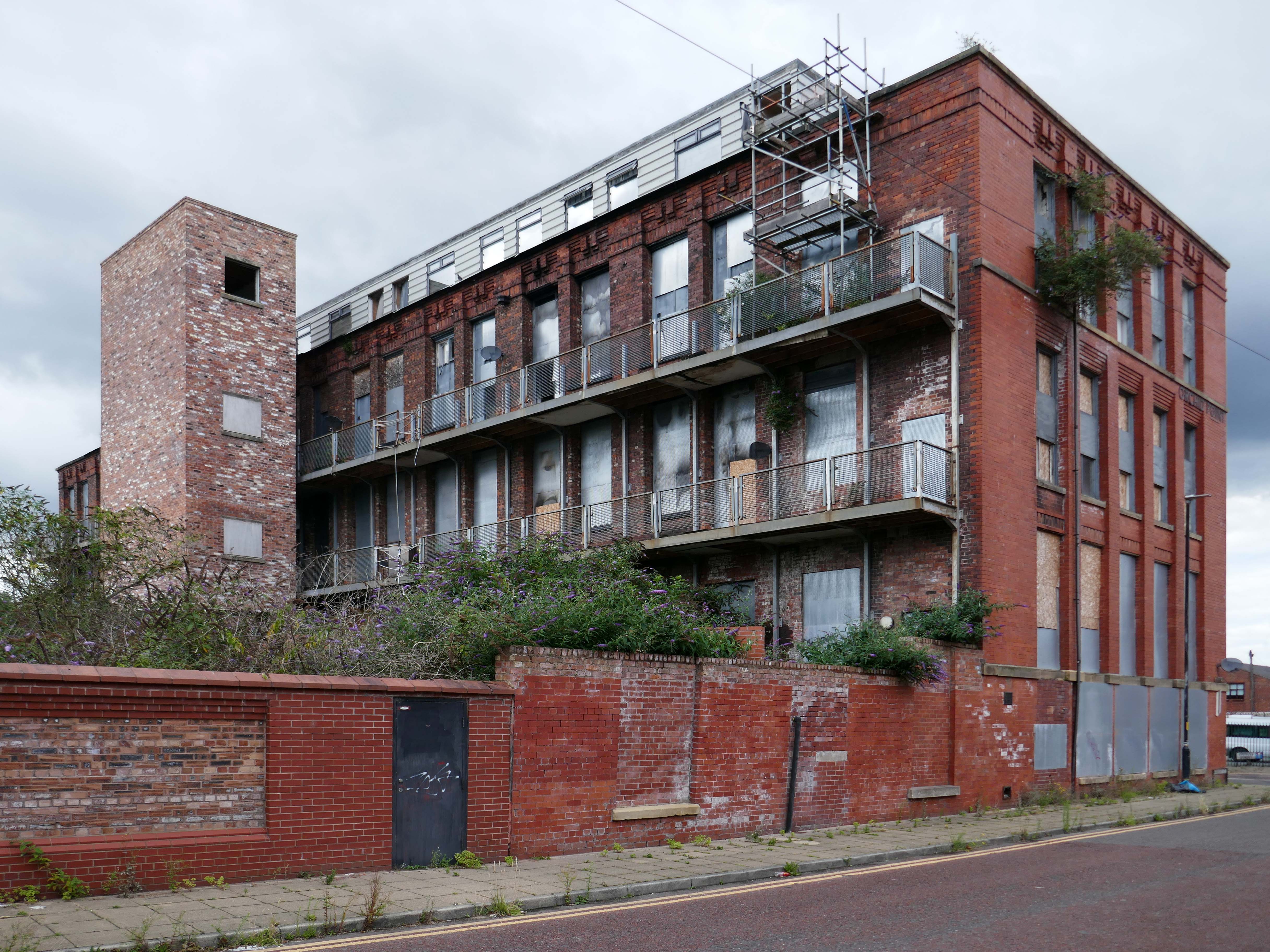
Empress Mill latterly Orchid Point Empress Street.
Built between 1903 and 1909, it echoes the industrial character of the larger industrial buildings on Chester Road and Empress Street. The property is listed as a smallware factory in the occupation of Woolf & Higham manufacturers of small wares, upholsterers’ trimmings, worsted bindings, woven venetian ladder tapes, cotton and linen venetian blind webs, spindle bandings, window blind cords, carpet bindings, bed laces. The works is shown on the Ordnance Survey of 1955 as an Engineering Works – Printing Machinery.
Local Heritage List
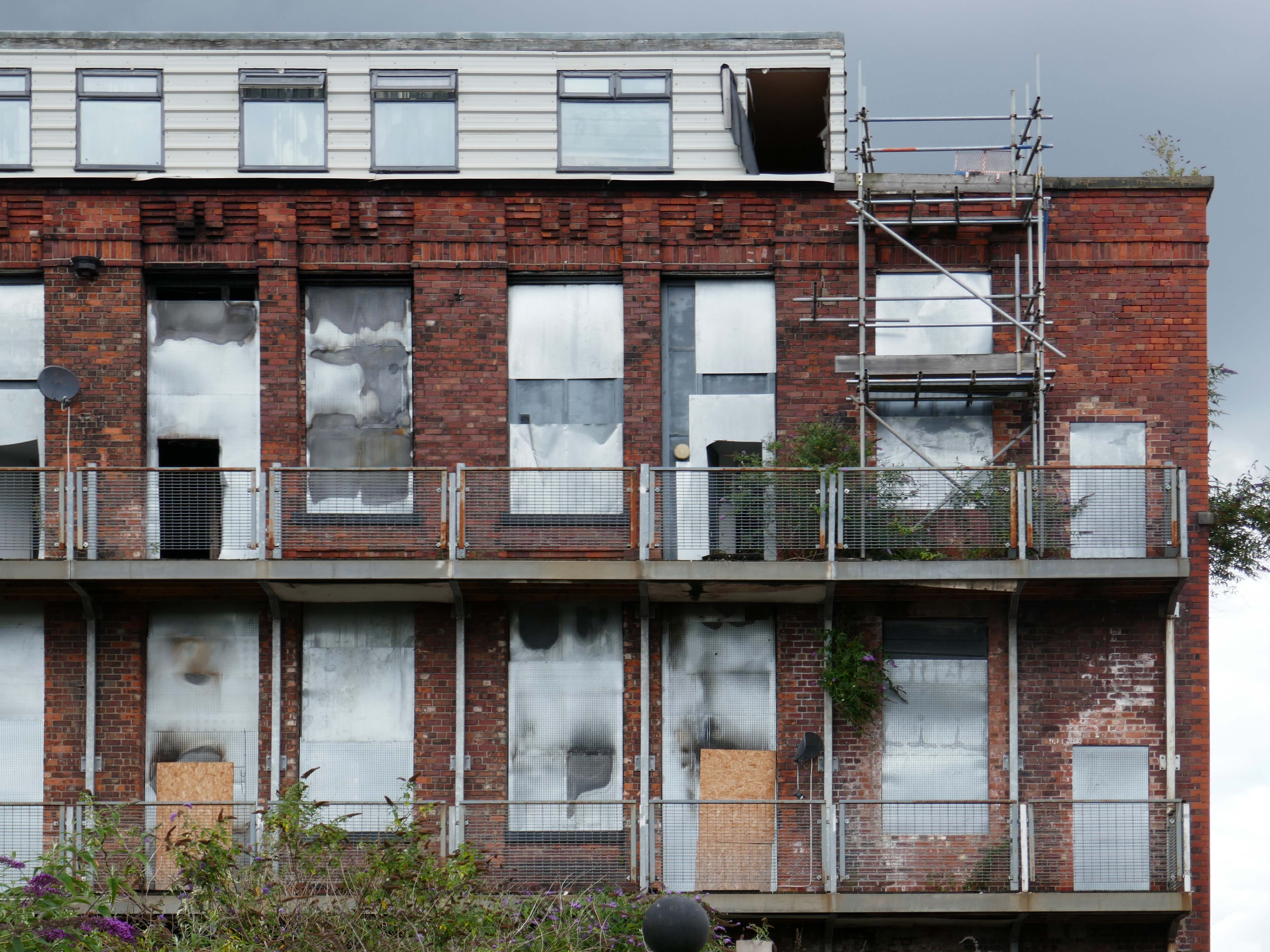
In 2011, FreshStart Living purchased the building, alongside others nearby, as part of a £9 million development ‘breathing new life’ into this corner of Old Trafford with 116 one and two-bedroom apartments. But, on the inside, leaking roofs, mould, exposed electrical wires and a dodgy gas connection paint a completely different picture.
Not long after purchasing it, we discovered the entire building was being powered by a generator.
Empress Mill was turned into an apartment block as part of a development called Orchid Point. It is understood some residents were allowed to move in twelve years ago, but these residents were asked to move out after a number of years due to safety issues.
On February 20th 2023, the Empress Mill was one of a number of buildings described as unsafe and unsecure by Trafford Council.
The emergency services were called to Empress Mill at 5.15am on Friday. Ten appliances from across the region, including specialist appliances called a stinger and a scorpion, attended the abandoned mill turned apartment block off Chester Road and firefighters battled the blaze into the afternoon.
Officers from Trafford Council have taken firm action to put a stop to anti-social behaviour at a vacant block of flats in the Old Trafford area.
Drug addicts and thieves have descended on Aura Court since much of it was closed in August 2020 by Greater Manchester Fire Service due to a decaying non-compliant fire escape.
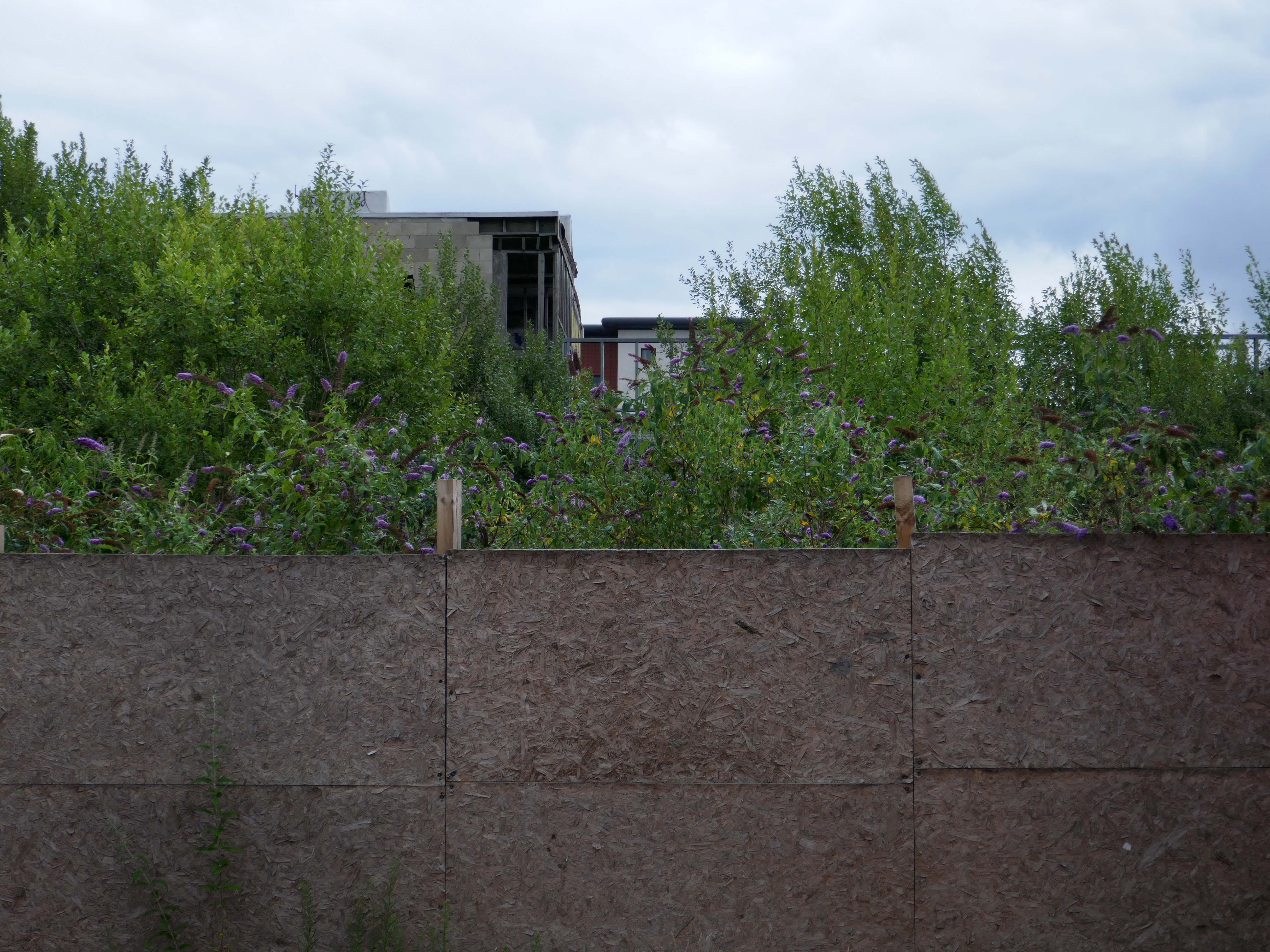
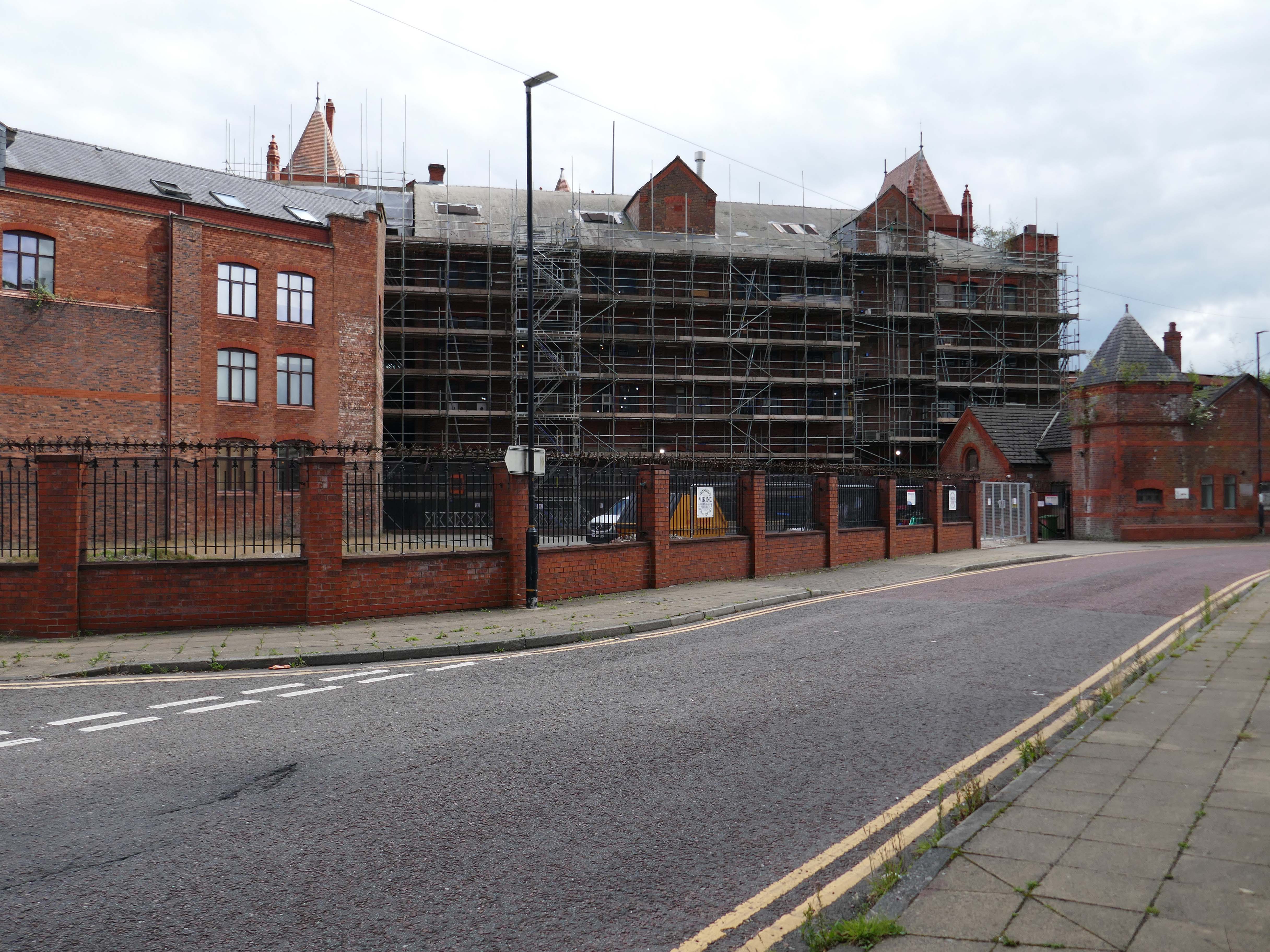
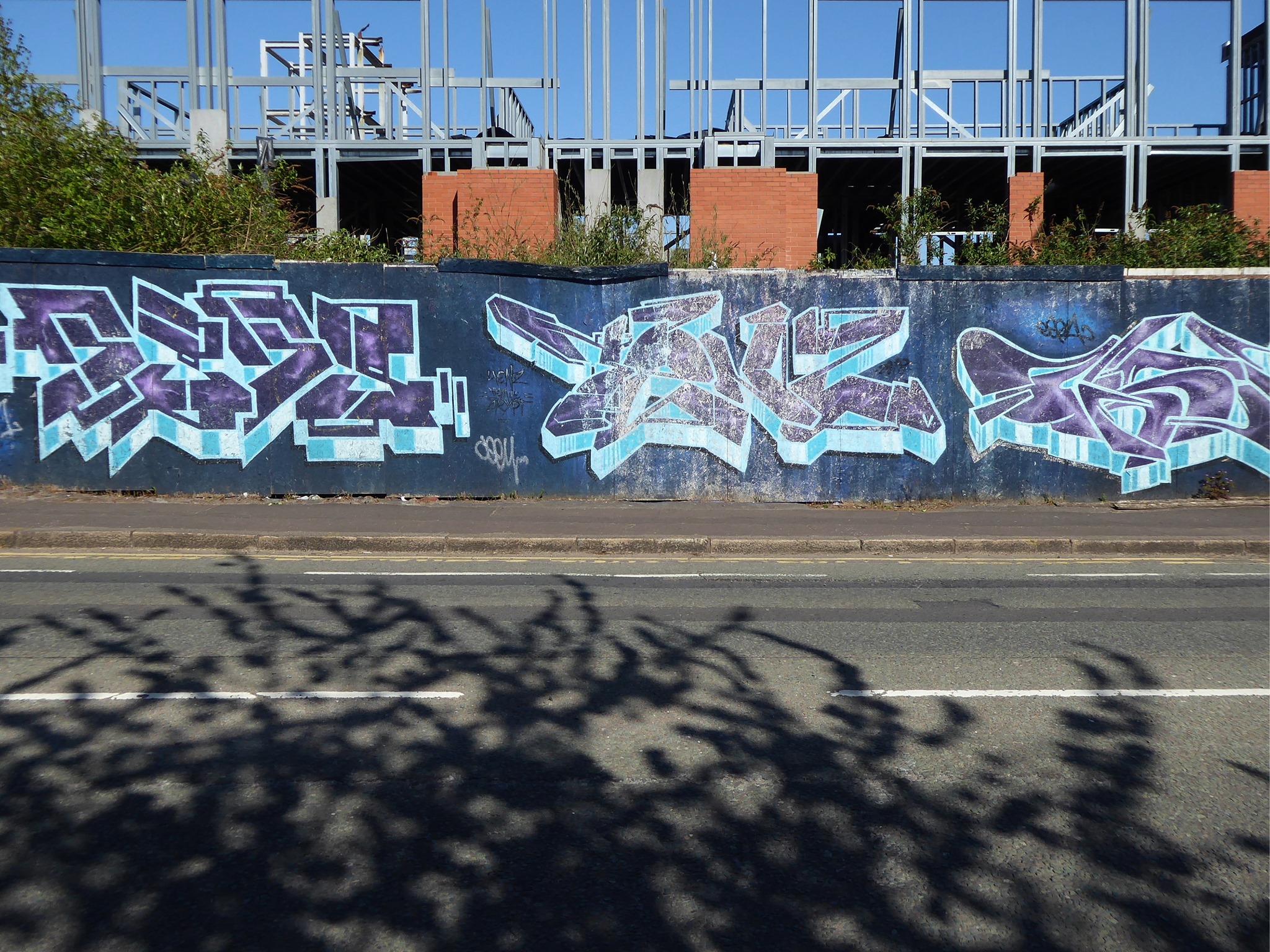
The site along with Venos and Progress House is up for sale.
A rare development opportunity in Central Manchester with excellent access to Manchester City Centre Close to Salford Quays, Old Trafford Football and Cricket Grounds along with White City Retail Park The total site covers an area of approximately 2.10 Acres, historic planning consents granted on the site for in excess of 200 flats plus additional commercial accommodation.
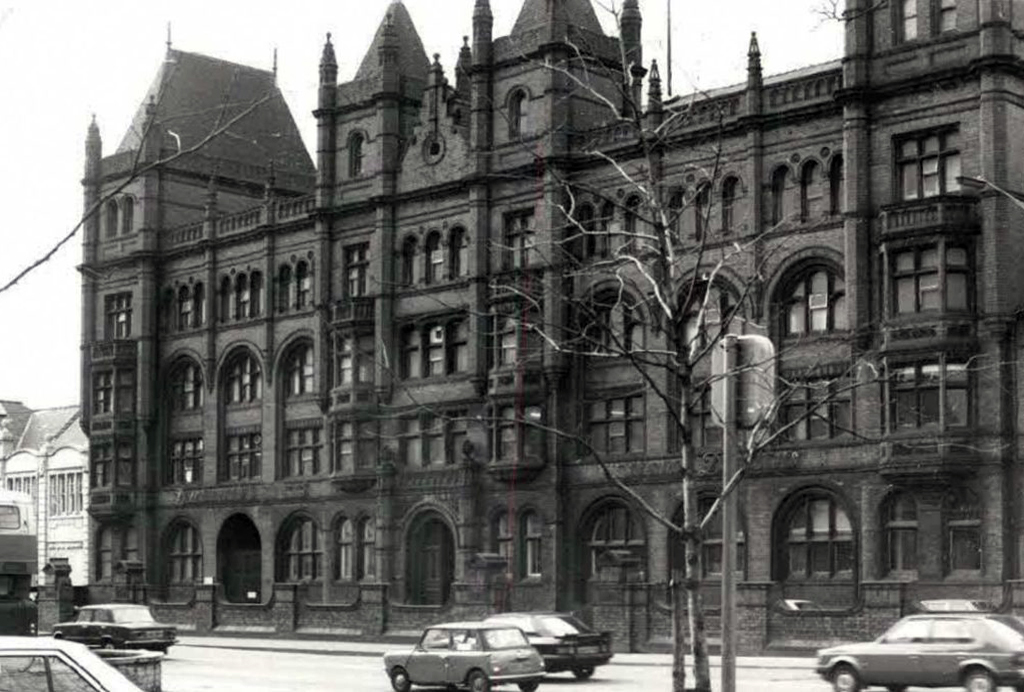
Duckworth’s specialised in the manufacture of concentrated soluble essences, essential oils and colours supplied to the aerated water trade – local ‘pop’ men. They were leaders in the field, supplying flavours and essences around the world and developing products tailored to specific markets.
Duckworth & Co was acquired by Cargill Flavor Systems Ltd in 2003, the company vacated the Chester Road premises in 2006.
After buying the building in 2007 for a reported £3.6m, the Church of Scientology planned to re-open the building by either 2010 or 2011.
Leaders of the religious group have submitted a new application to carry out external and internal works. A design and access statement written on behalf of the church by NJSR Chartered Architects proposes a comprehensive revamp of the building.
The overall aim of the project is the refurbishment and conversion of the Duckworth Essences Building into a place of religious study and worship.
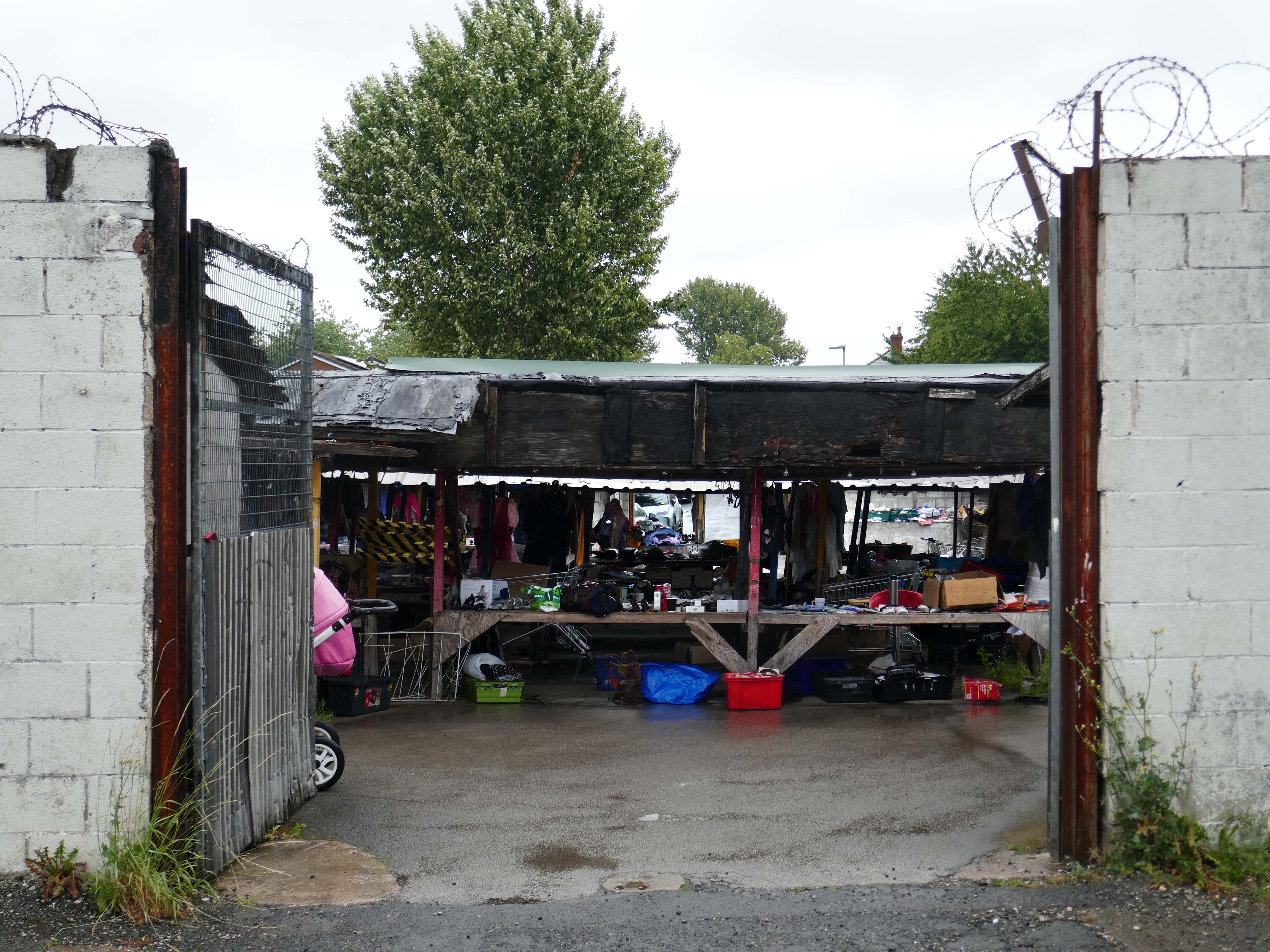
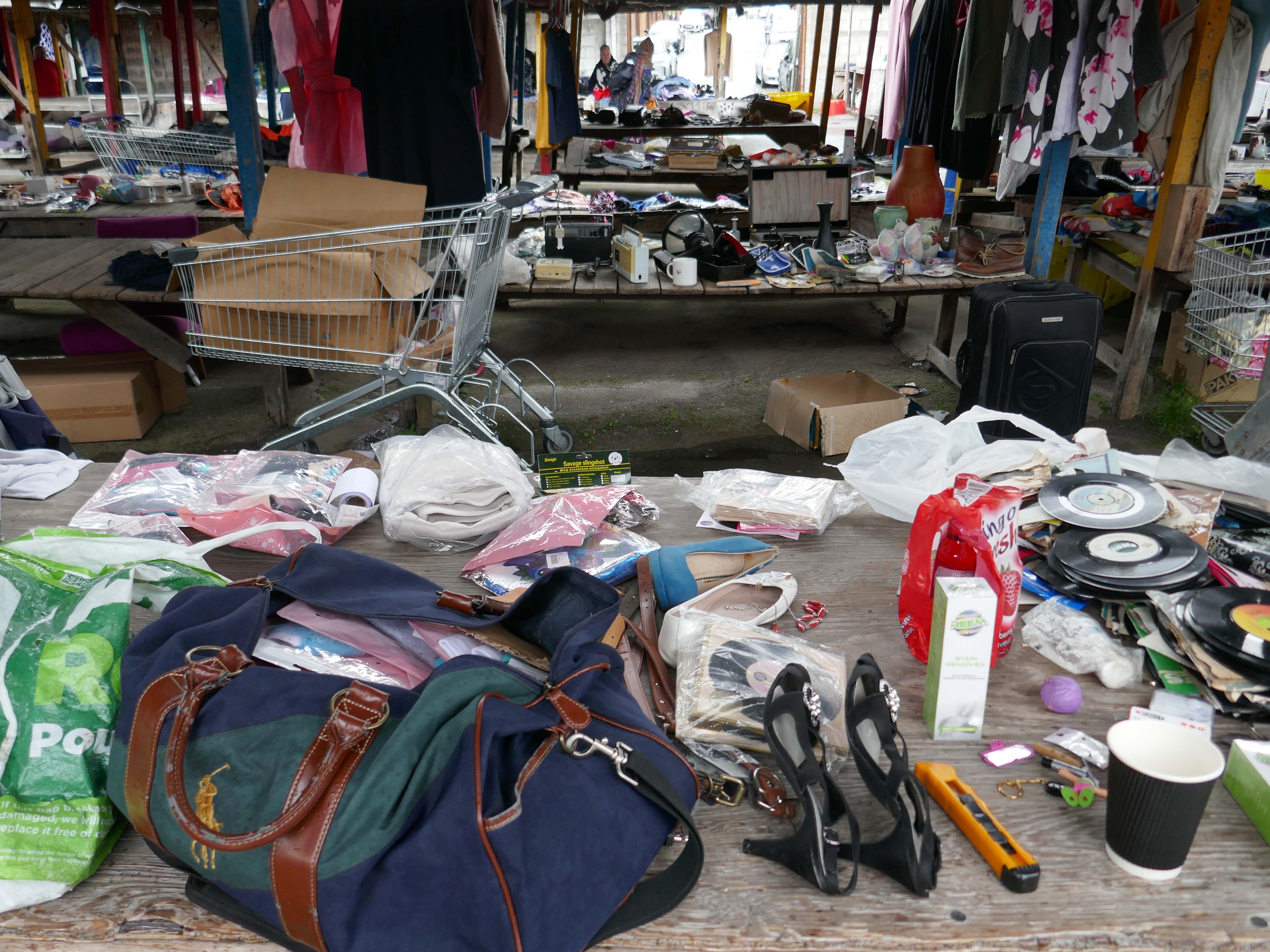
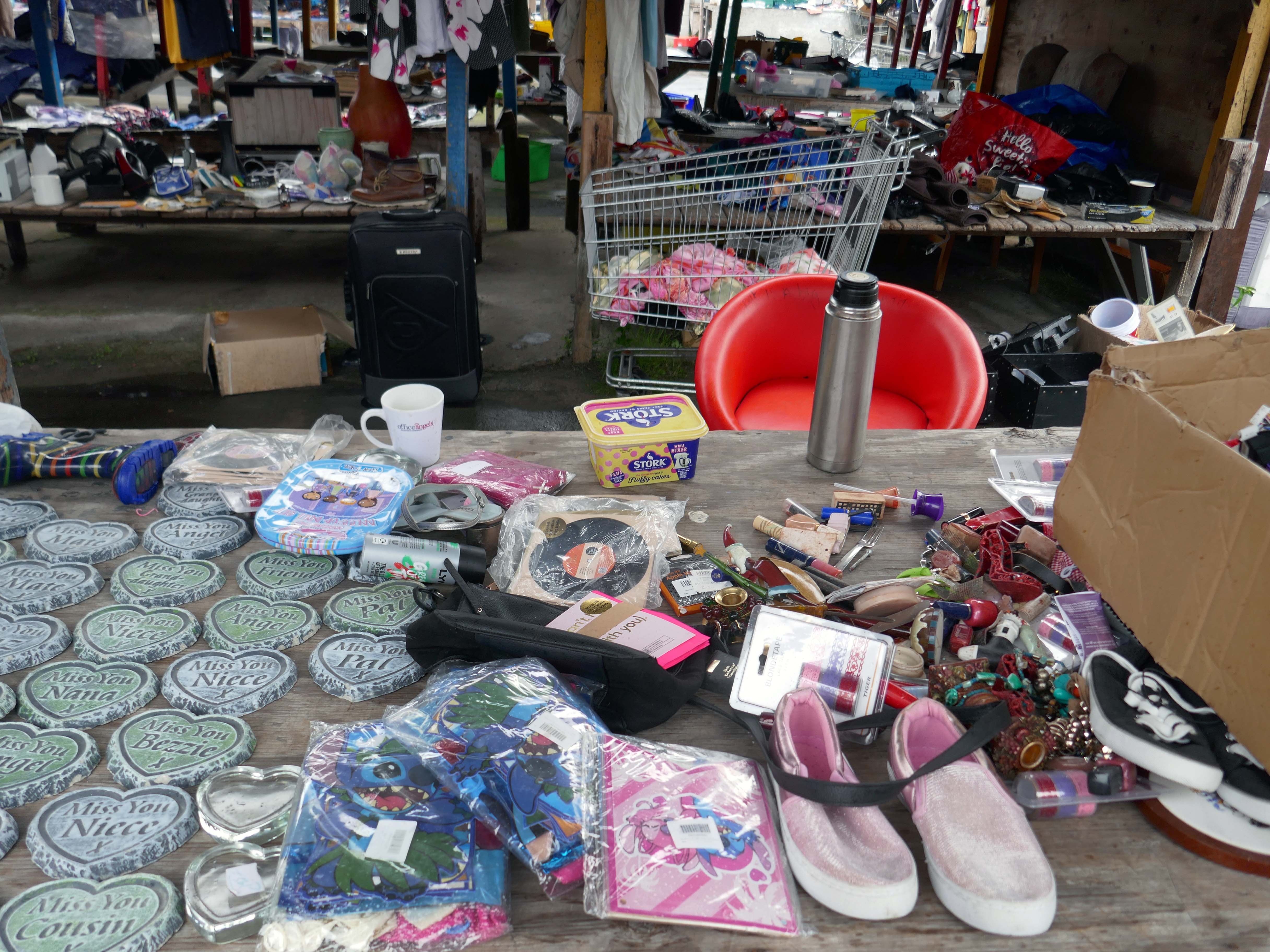
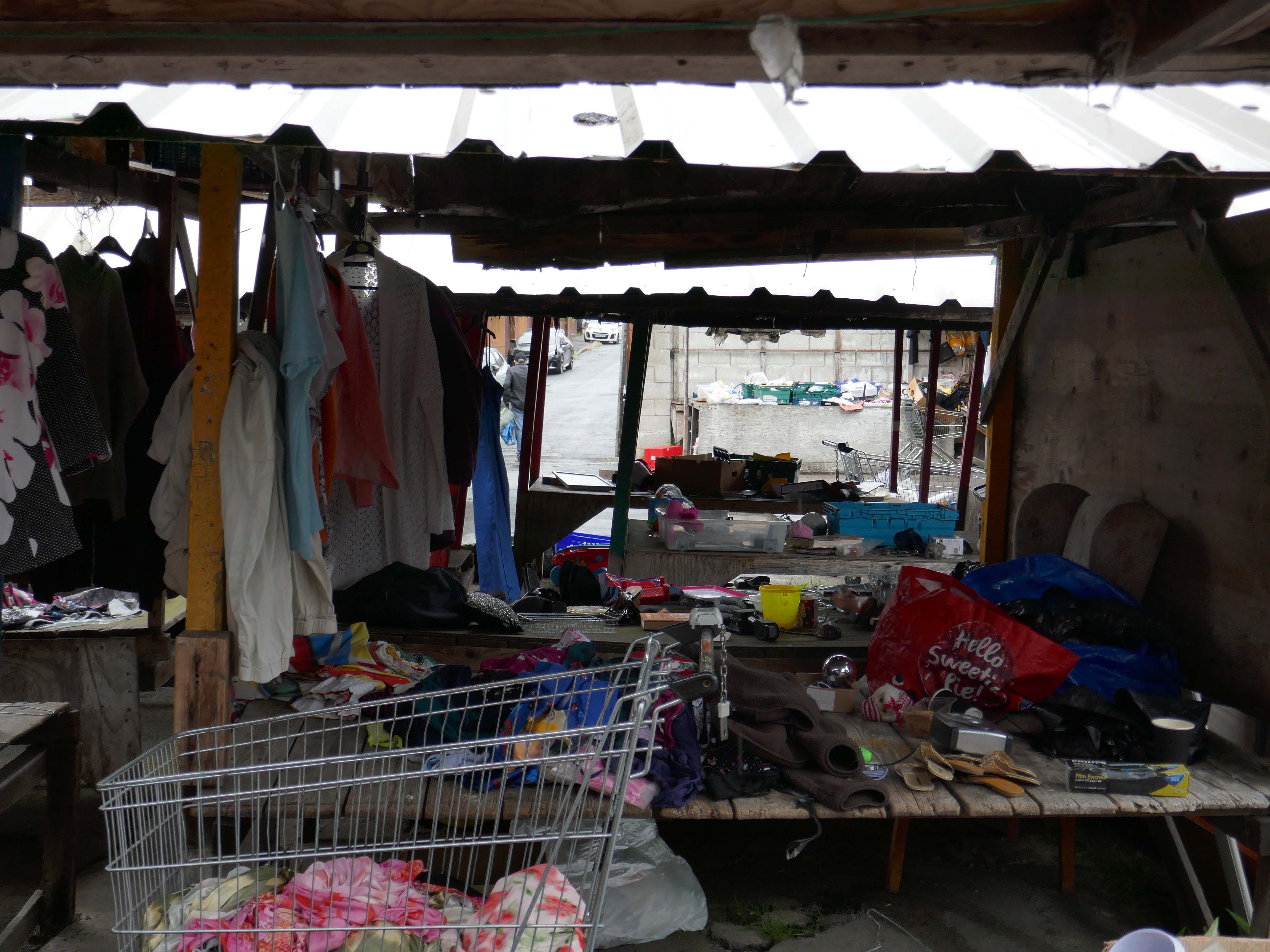
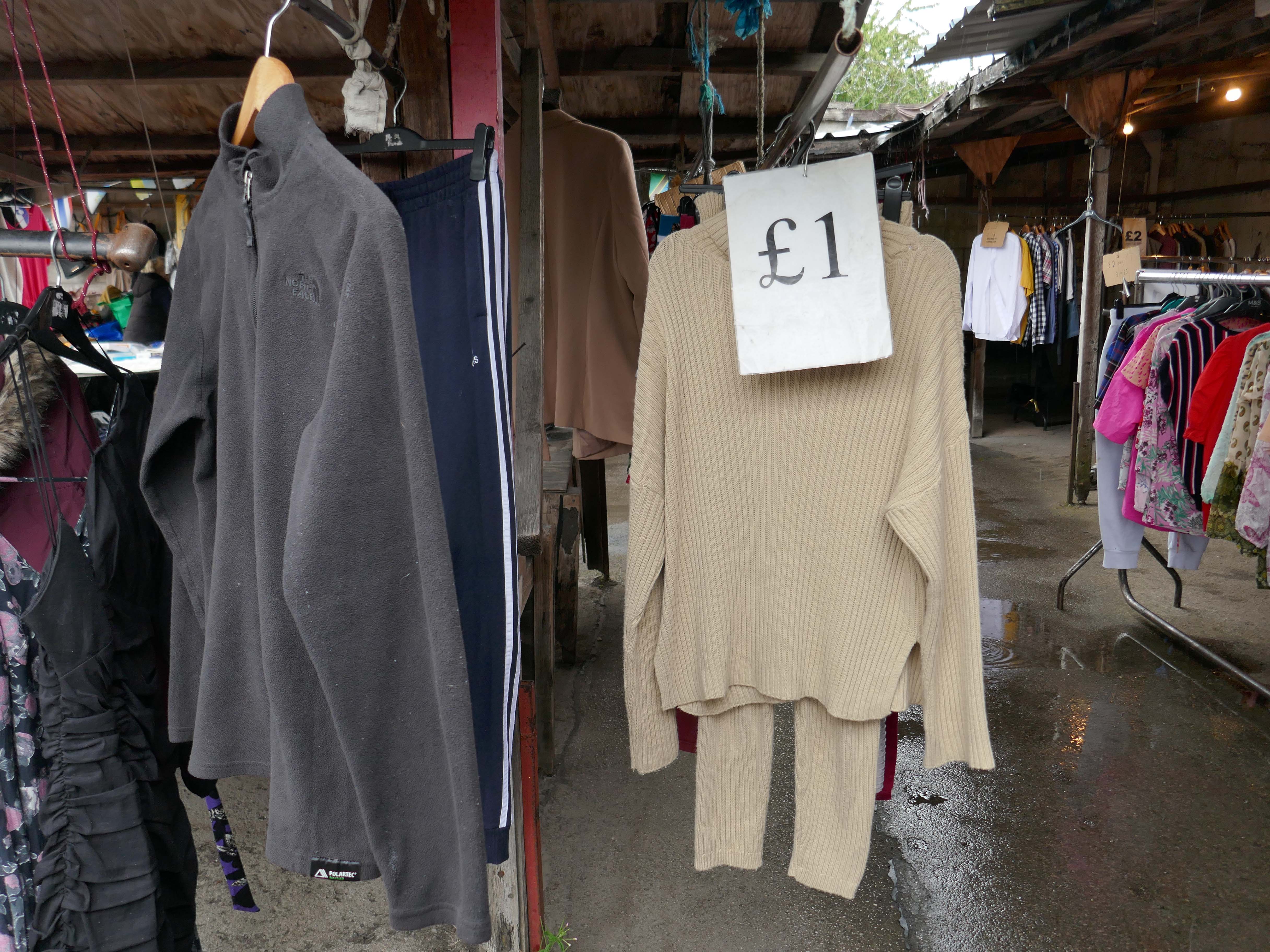
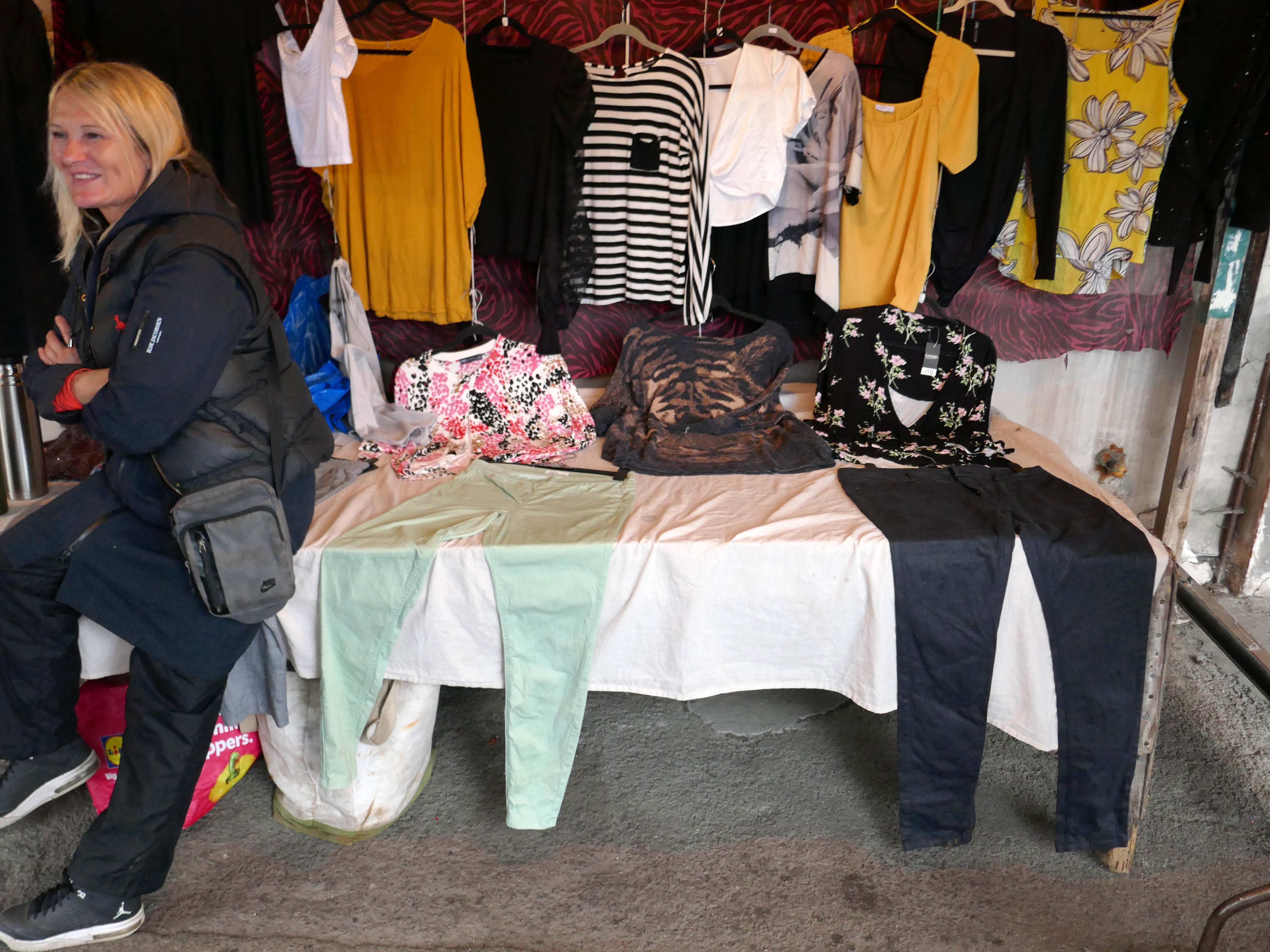
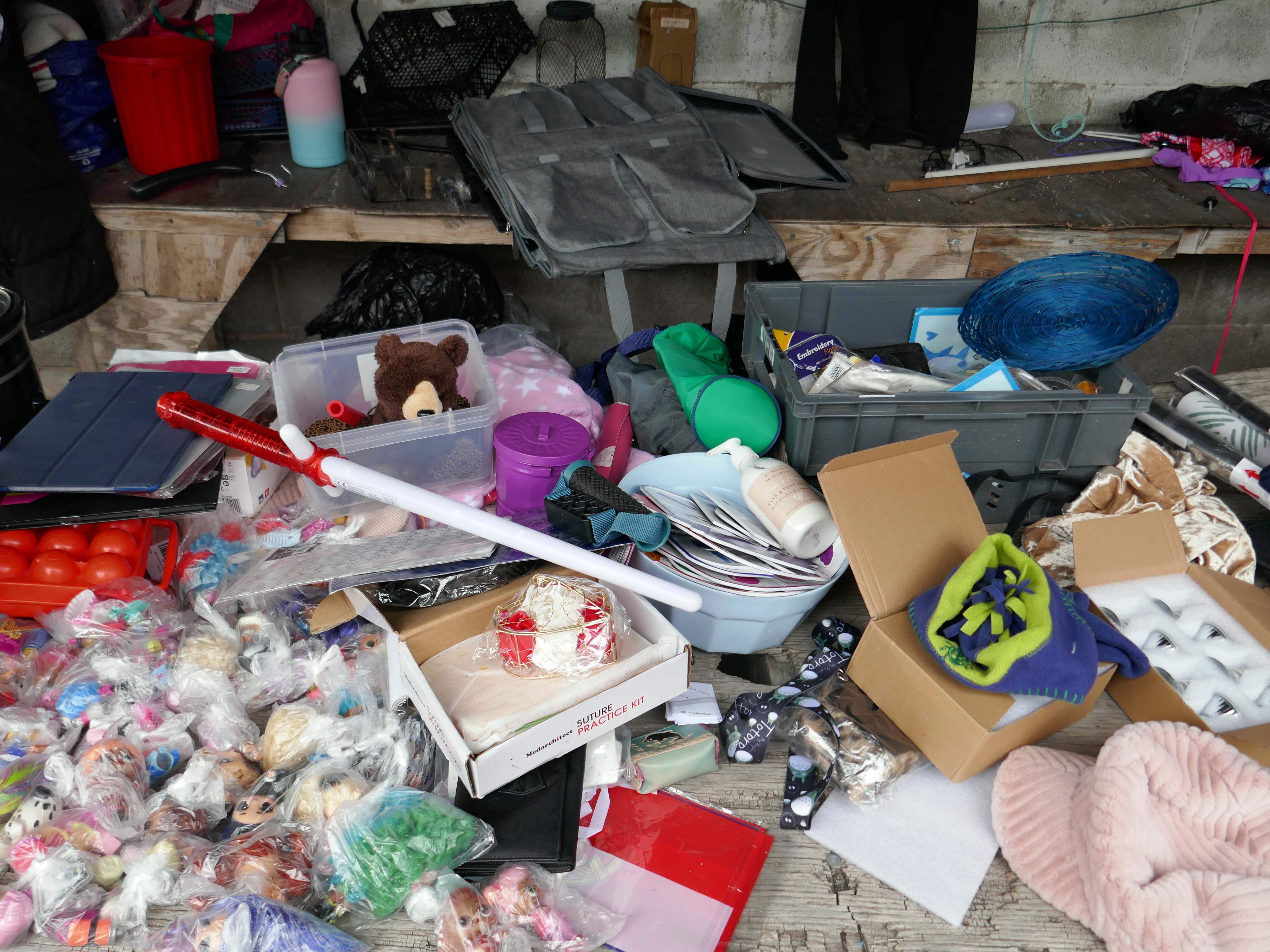
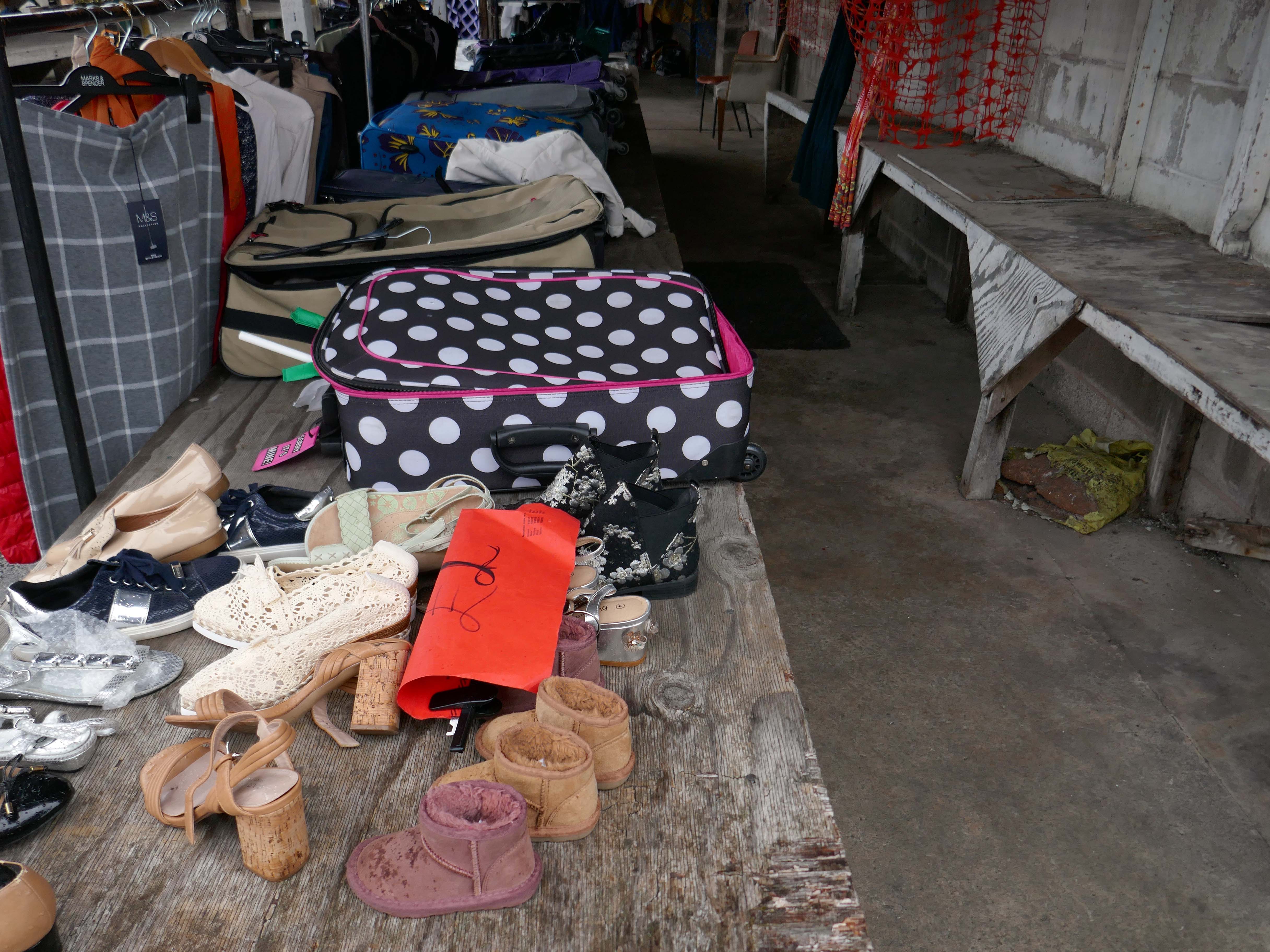
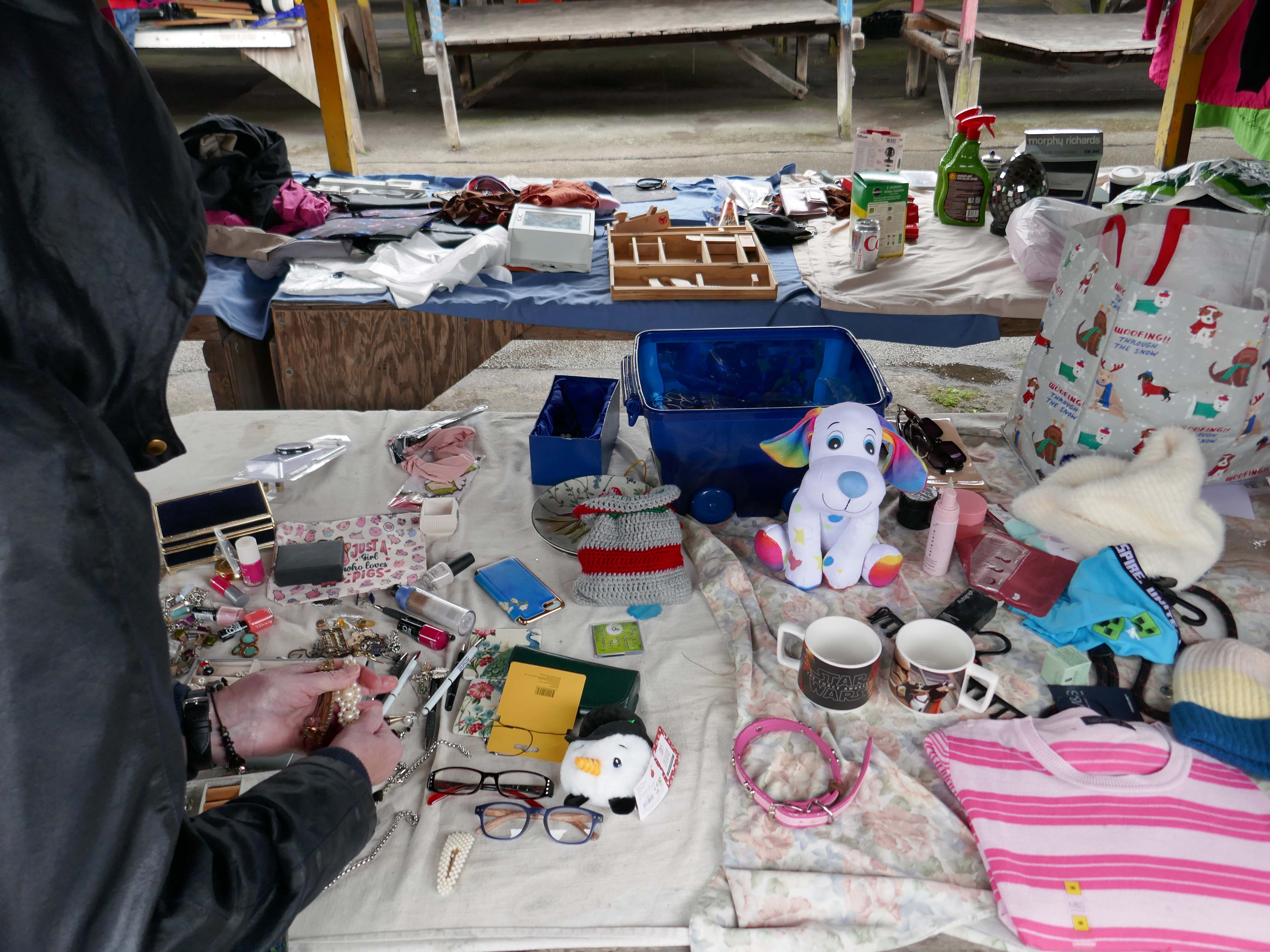
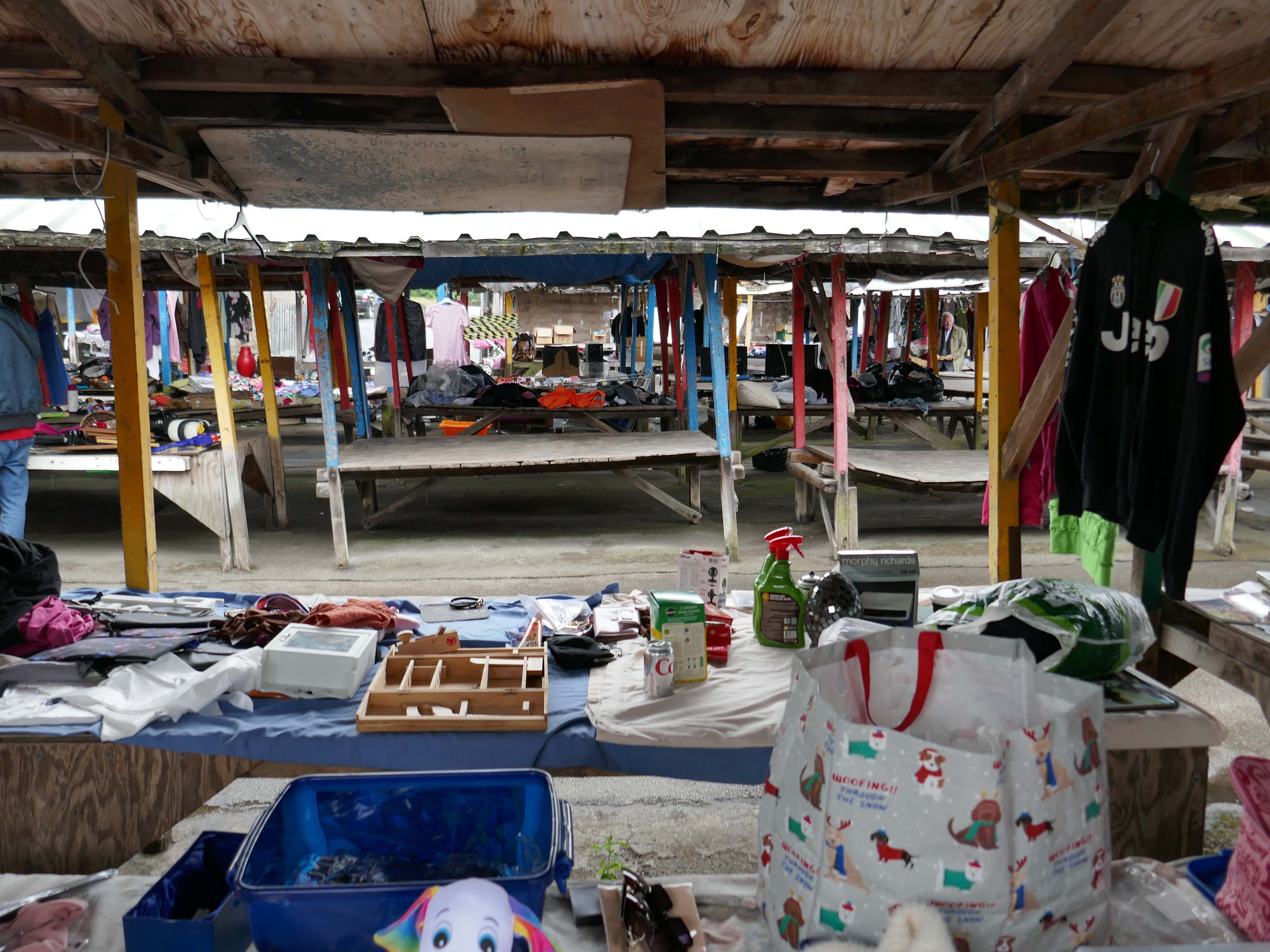
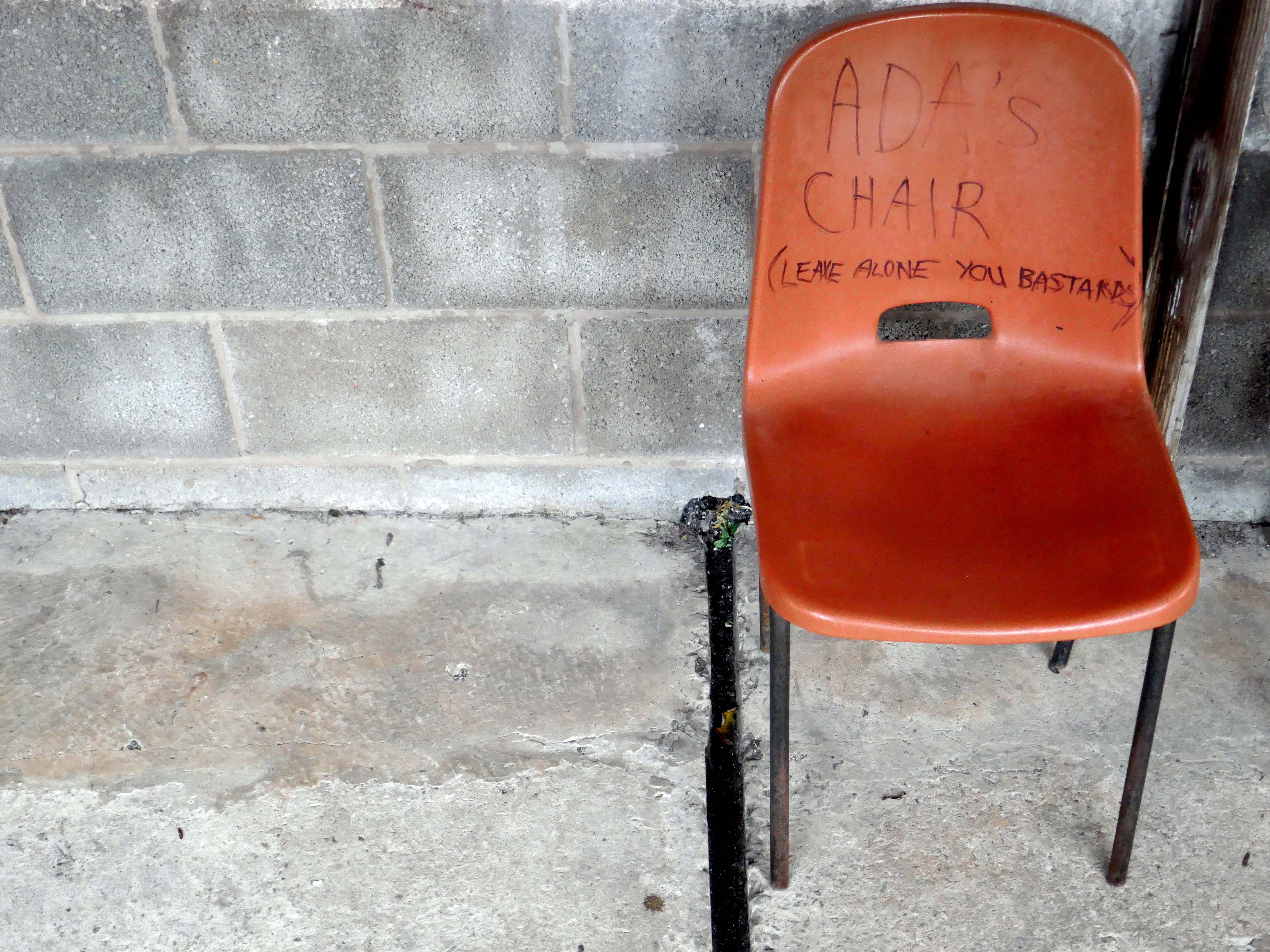
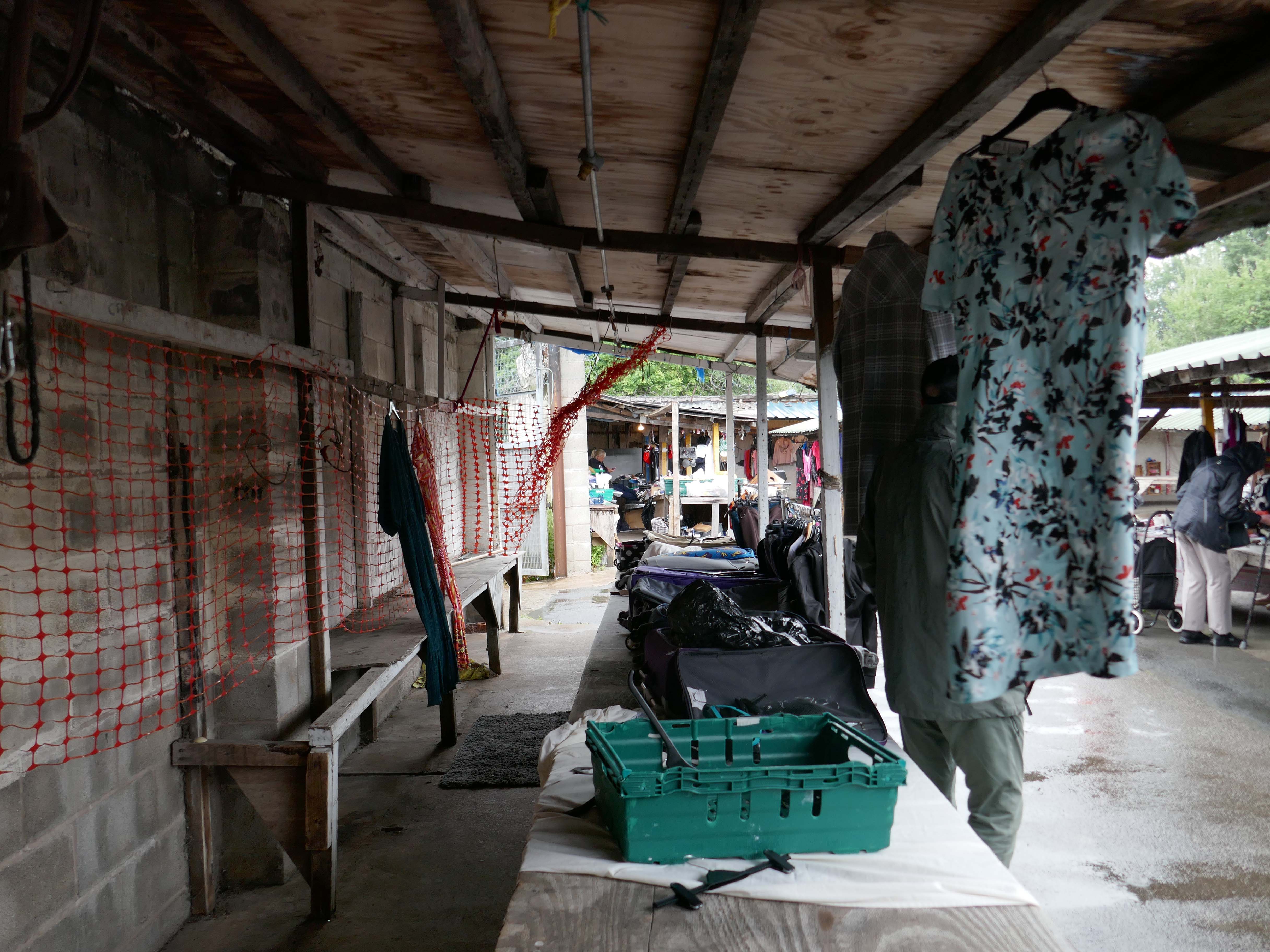
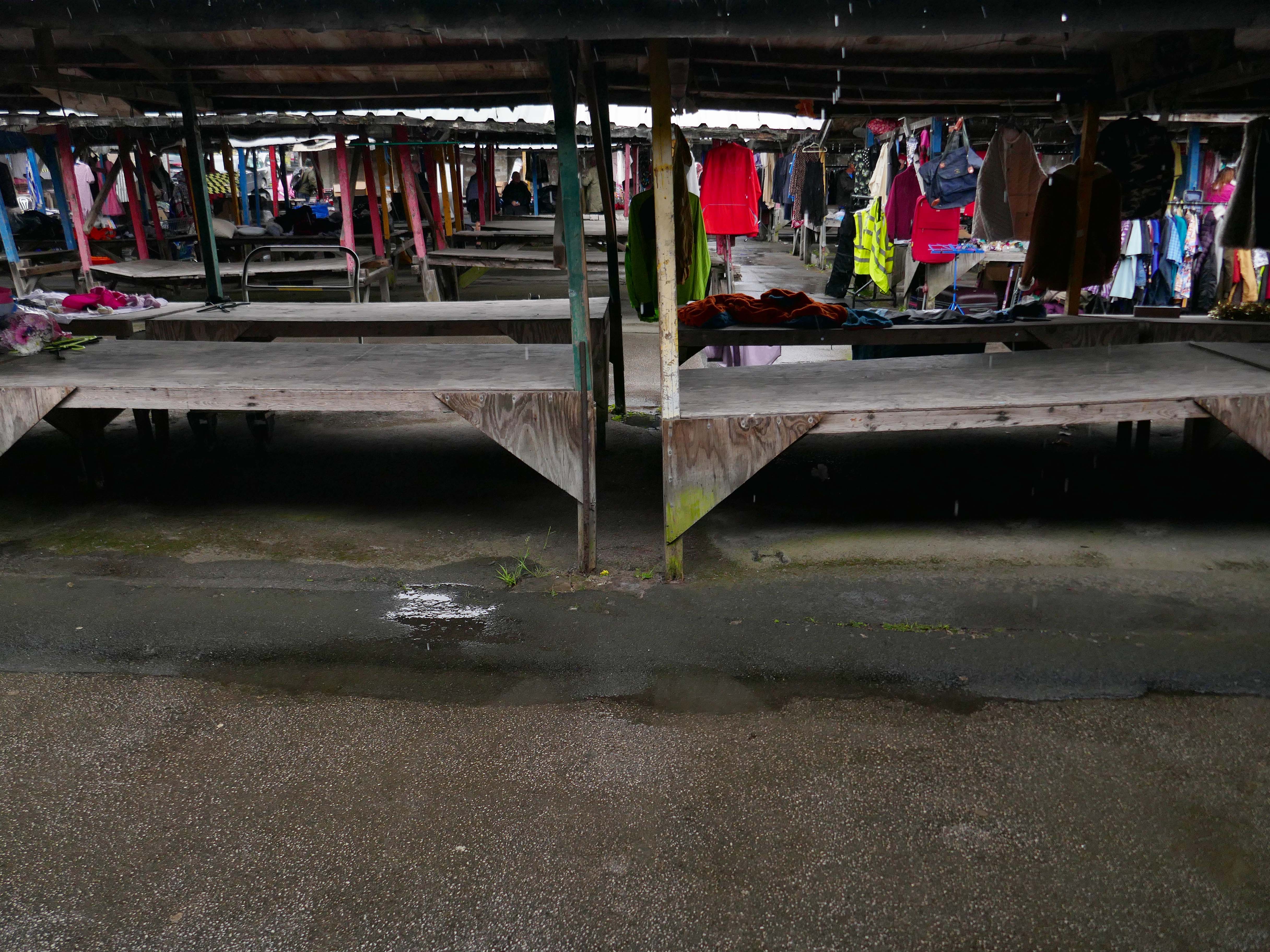
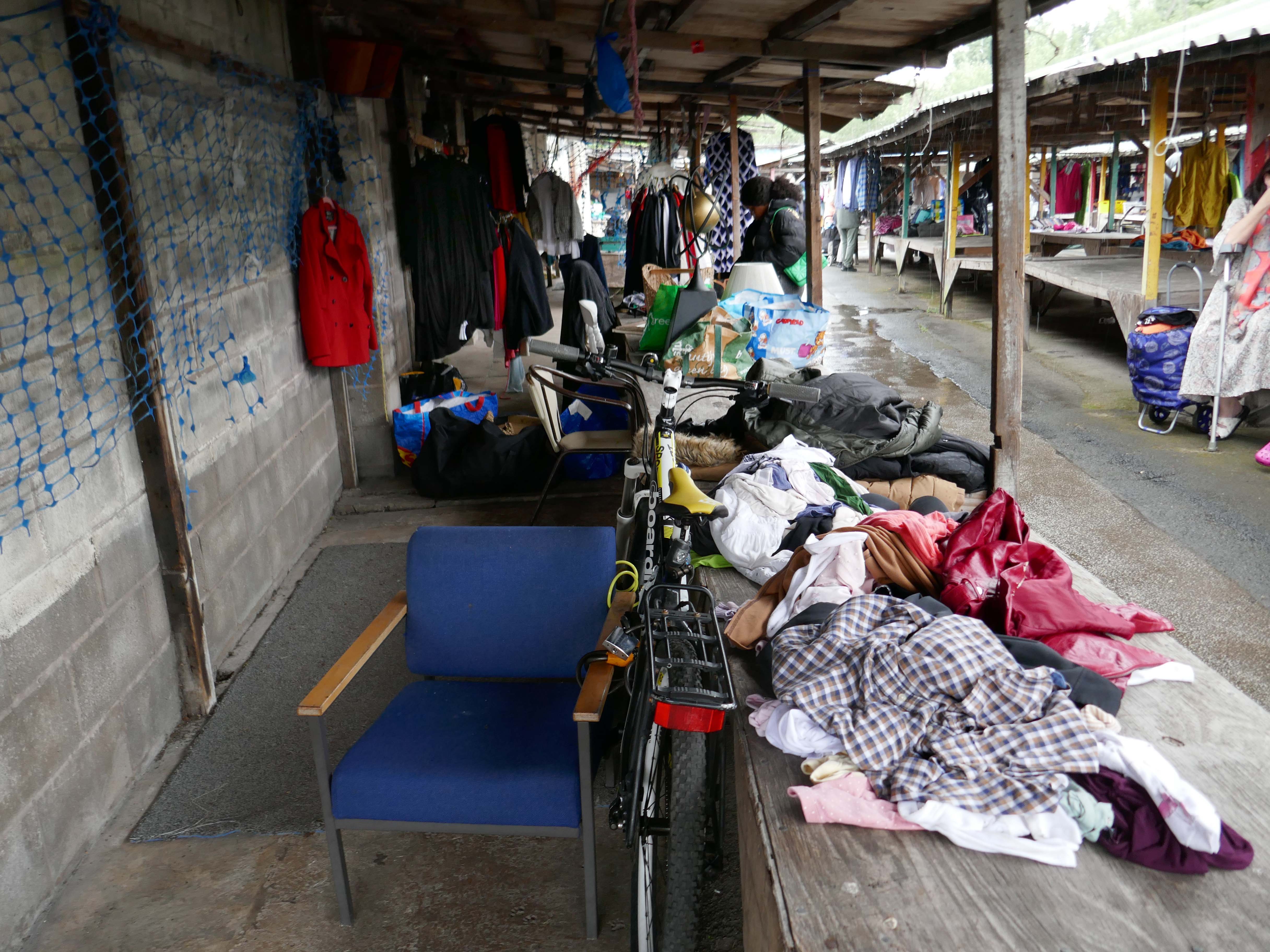
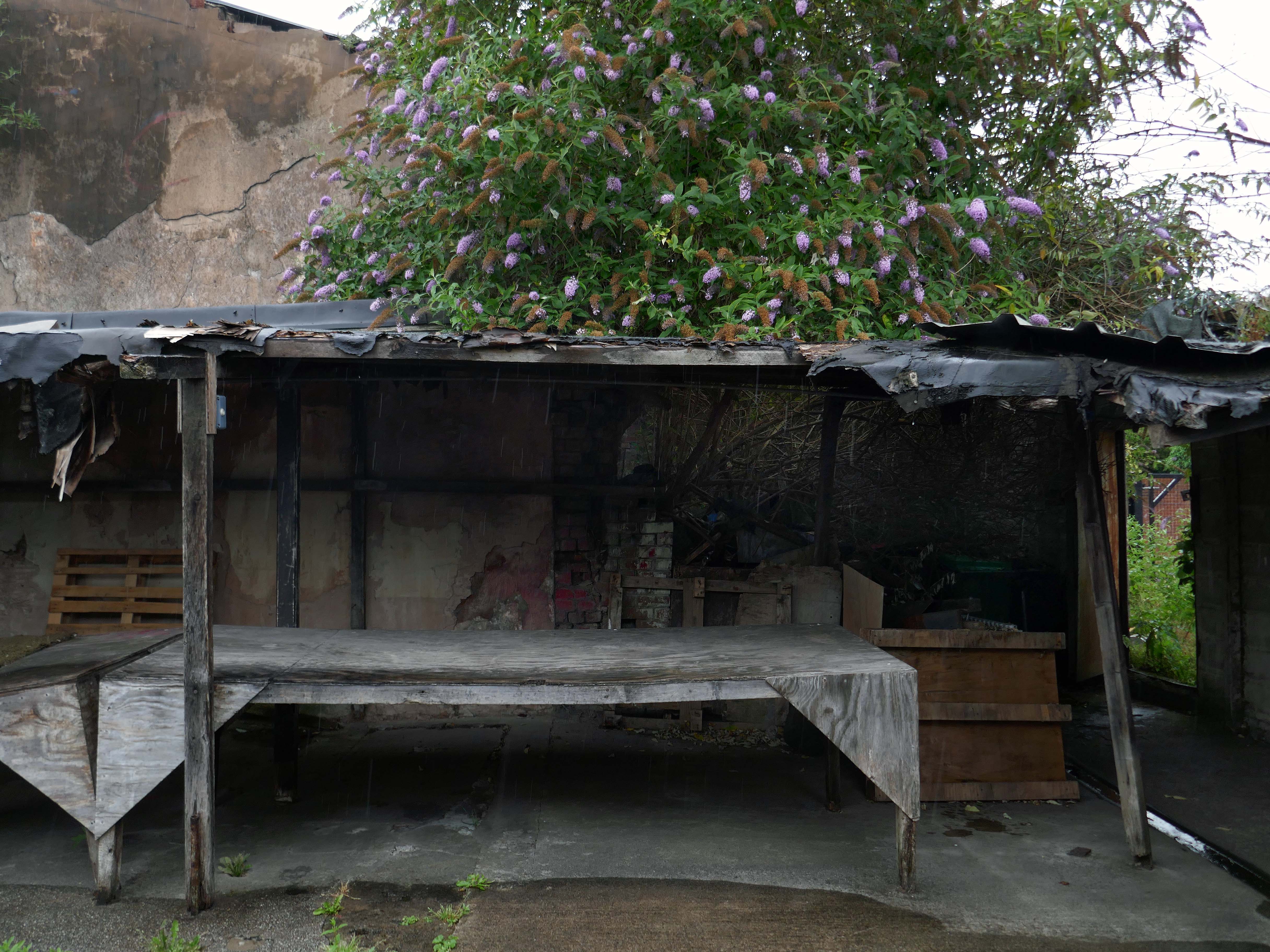
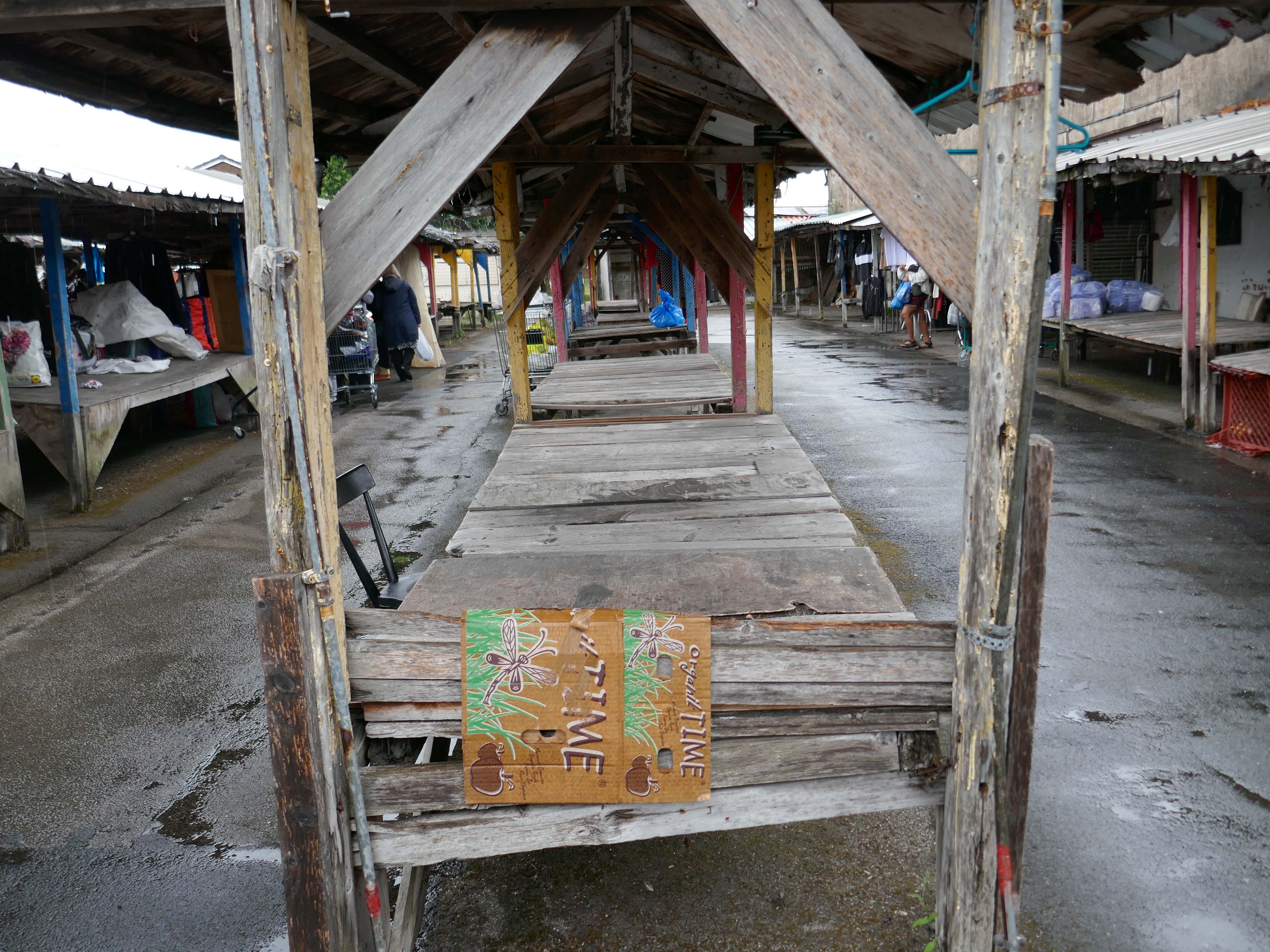
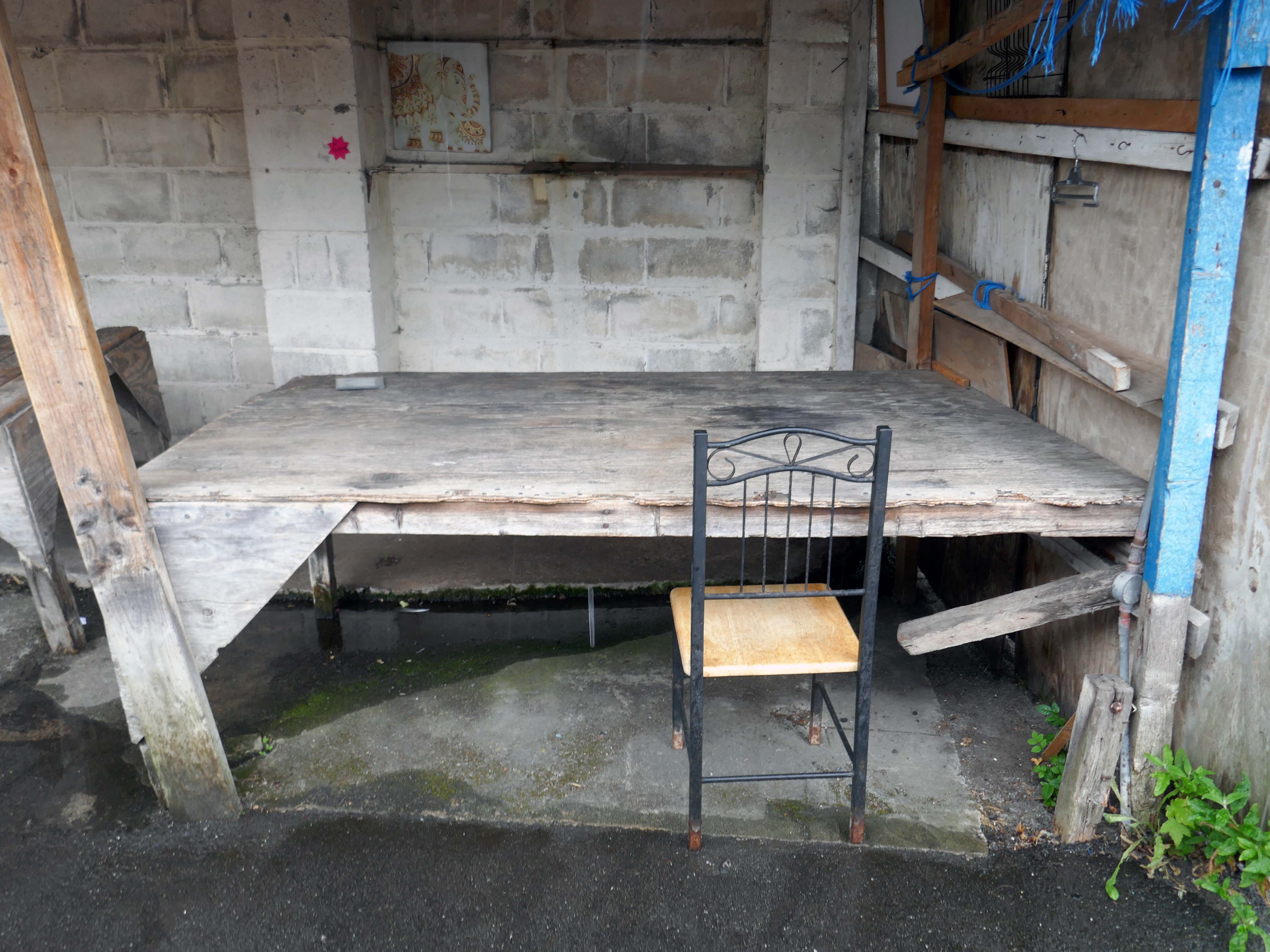
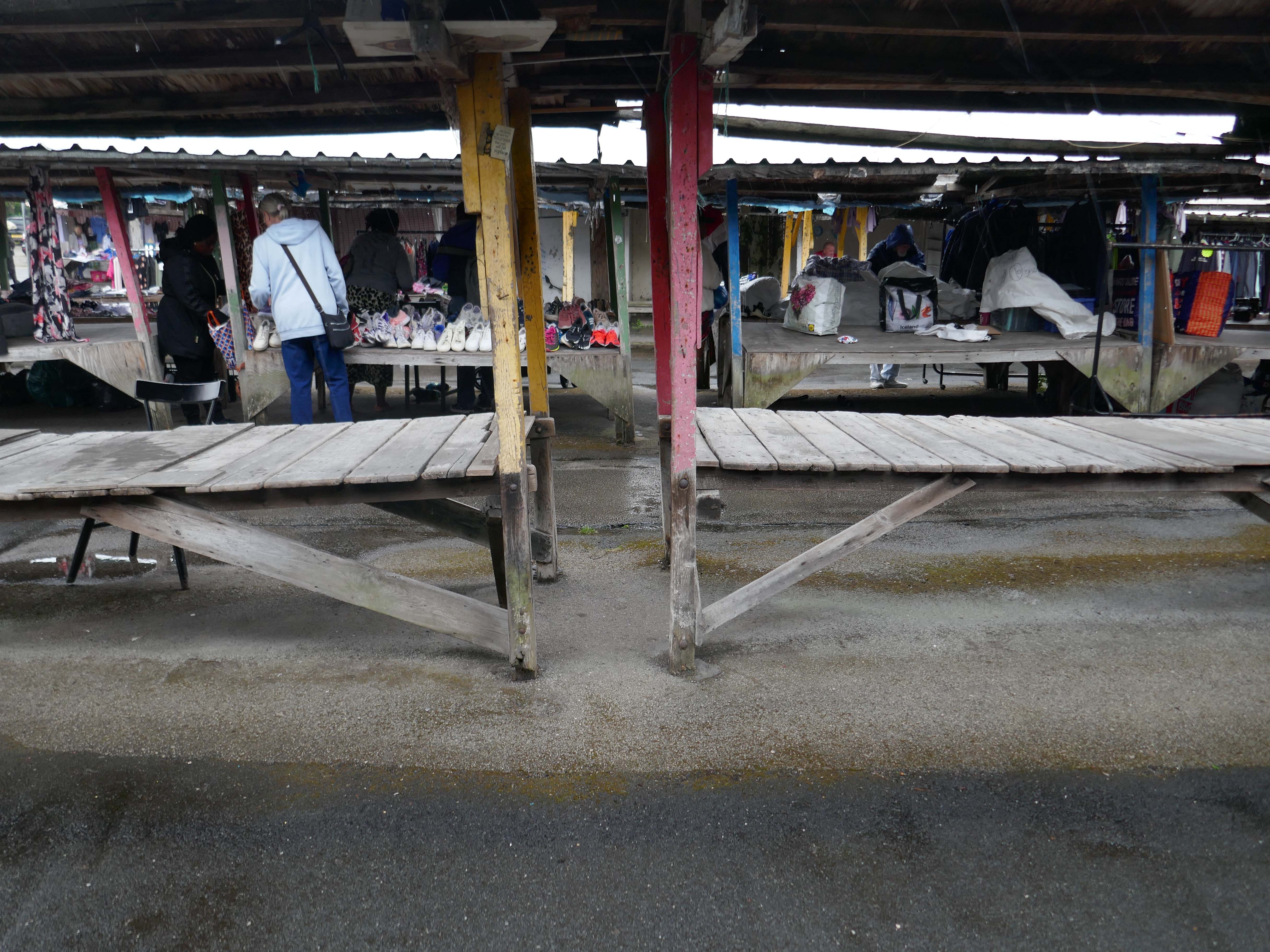
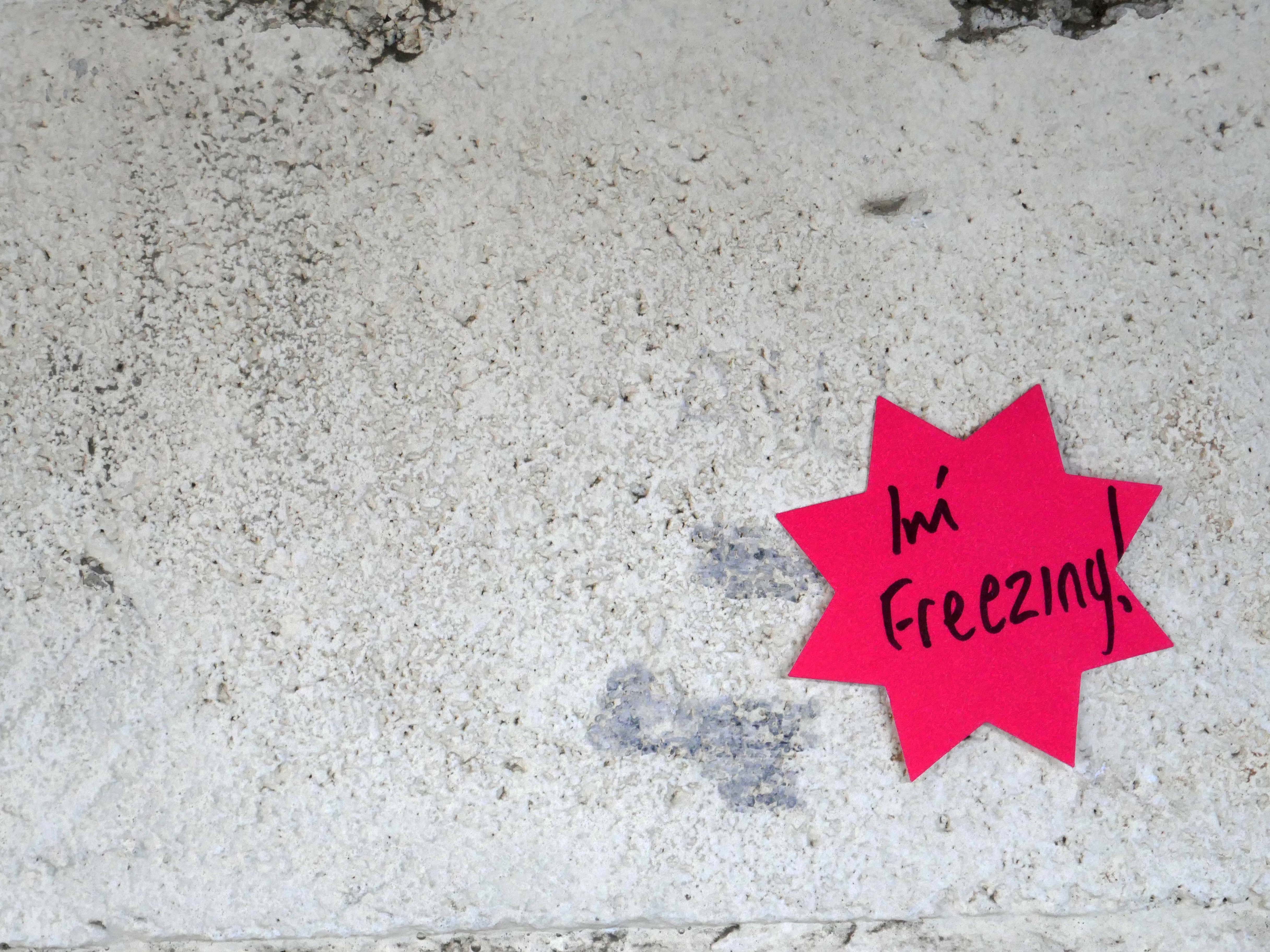
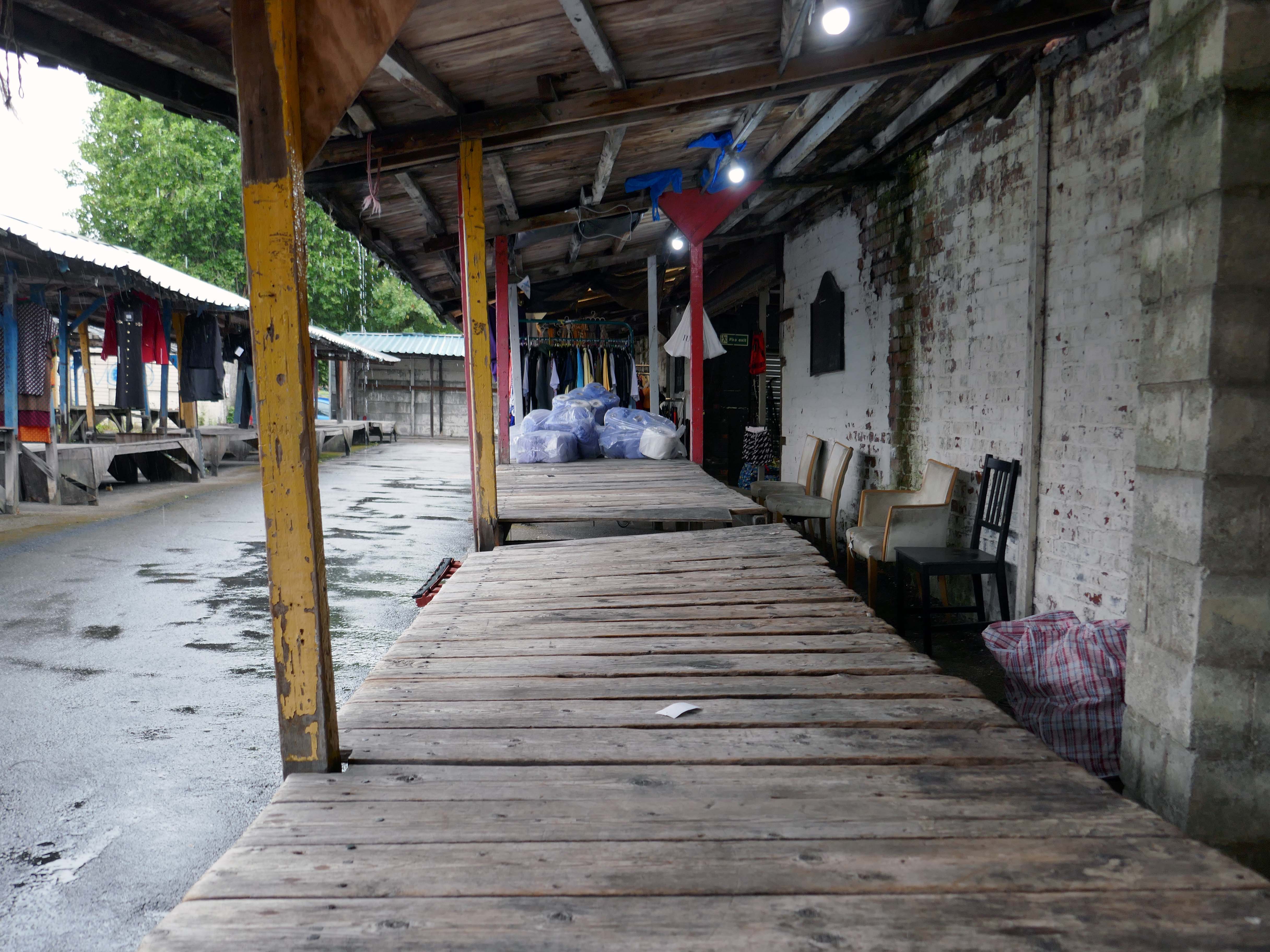
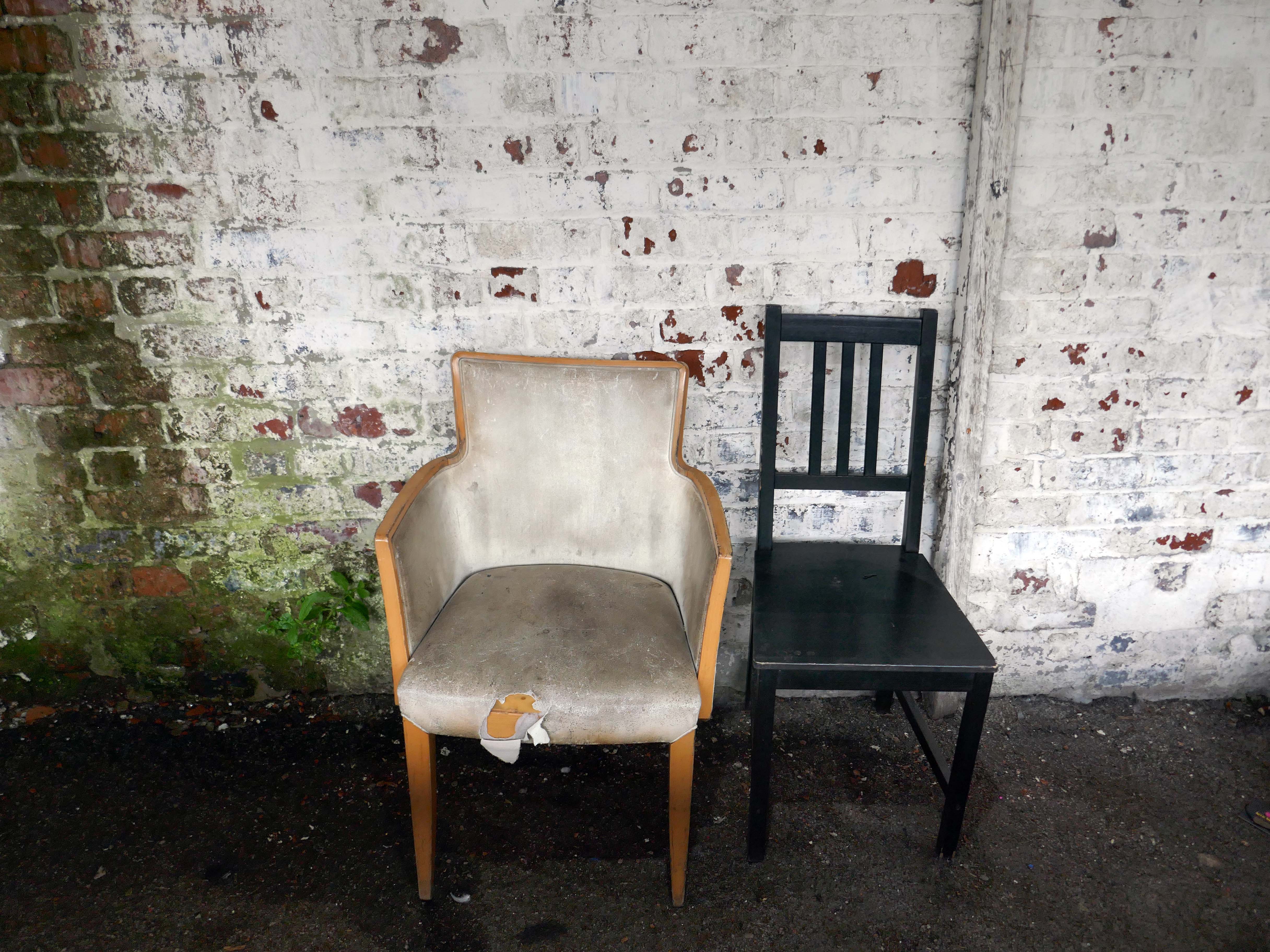
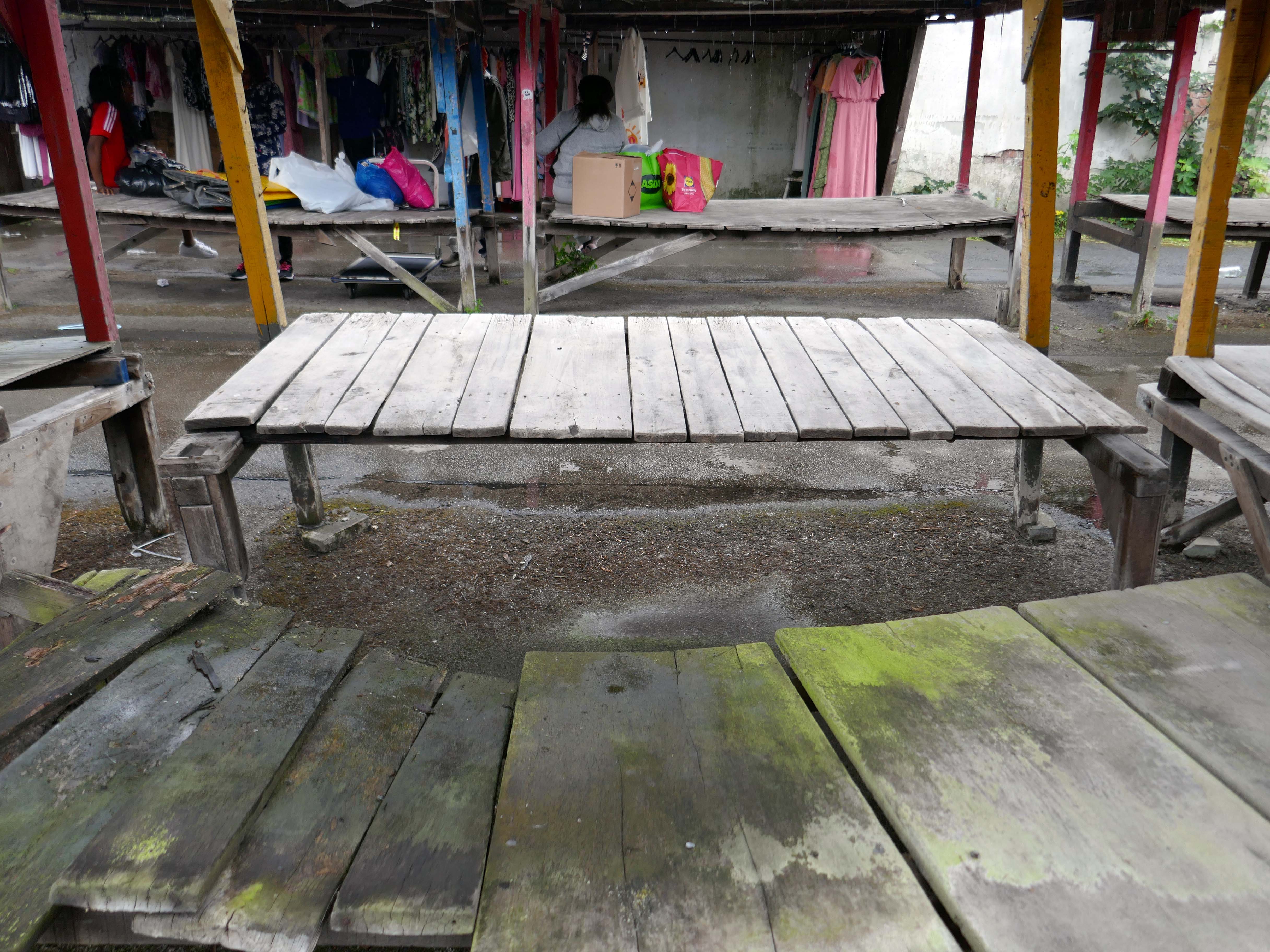
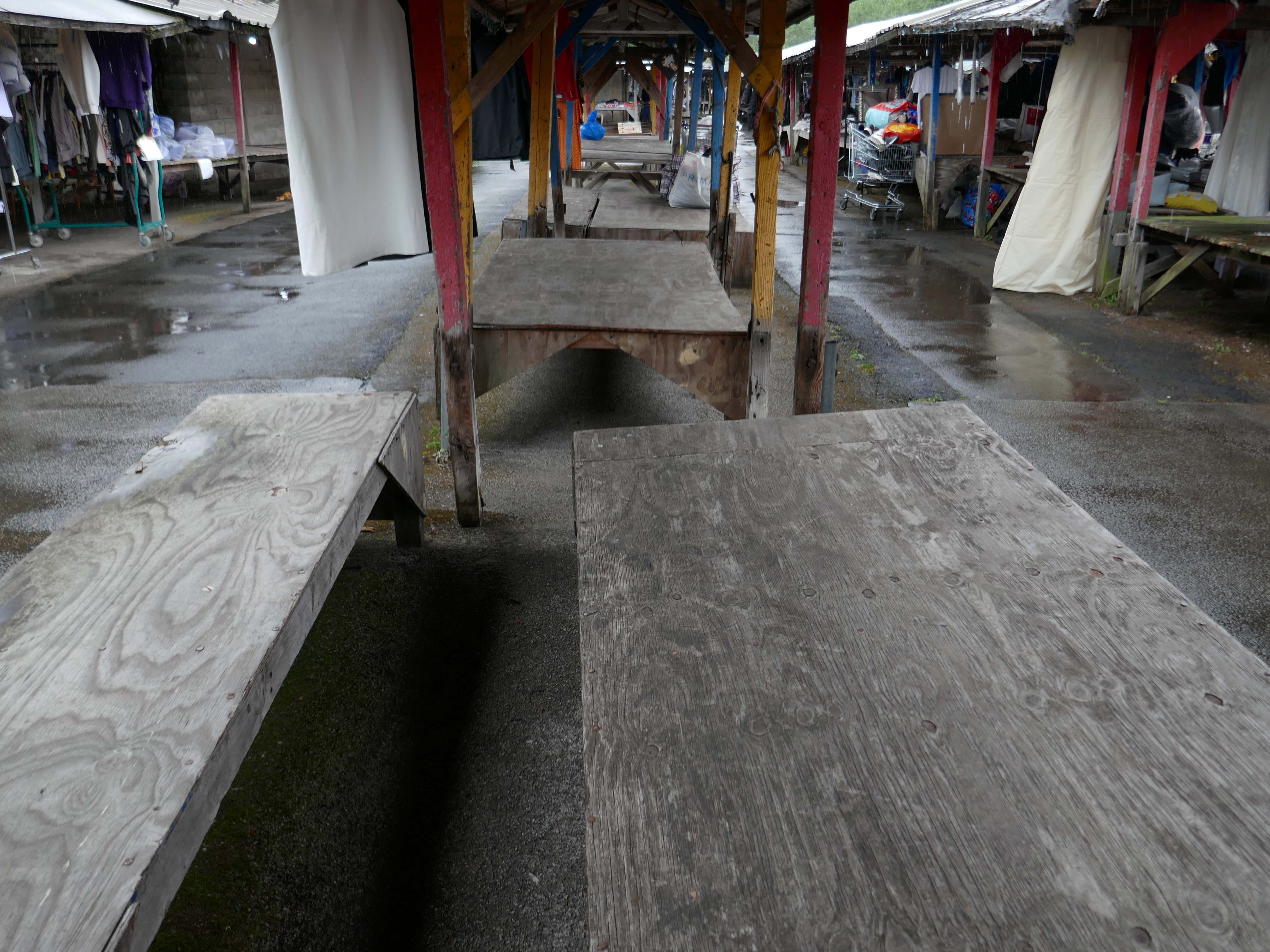
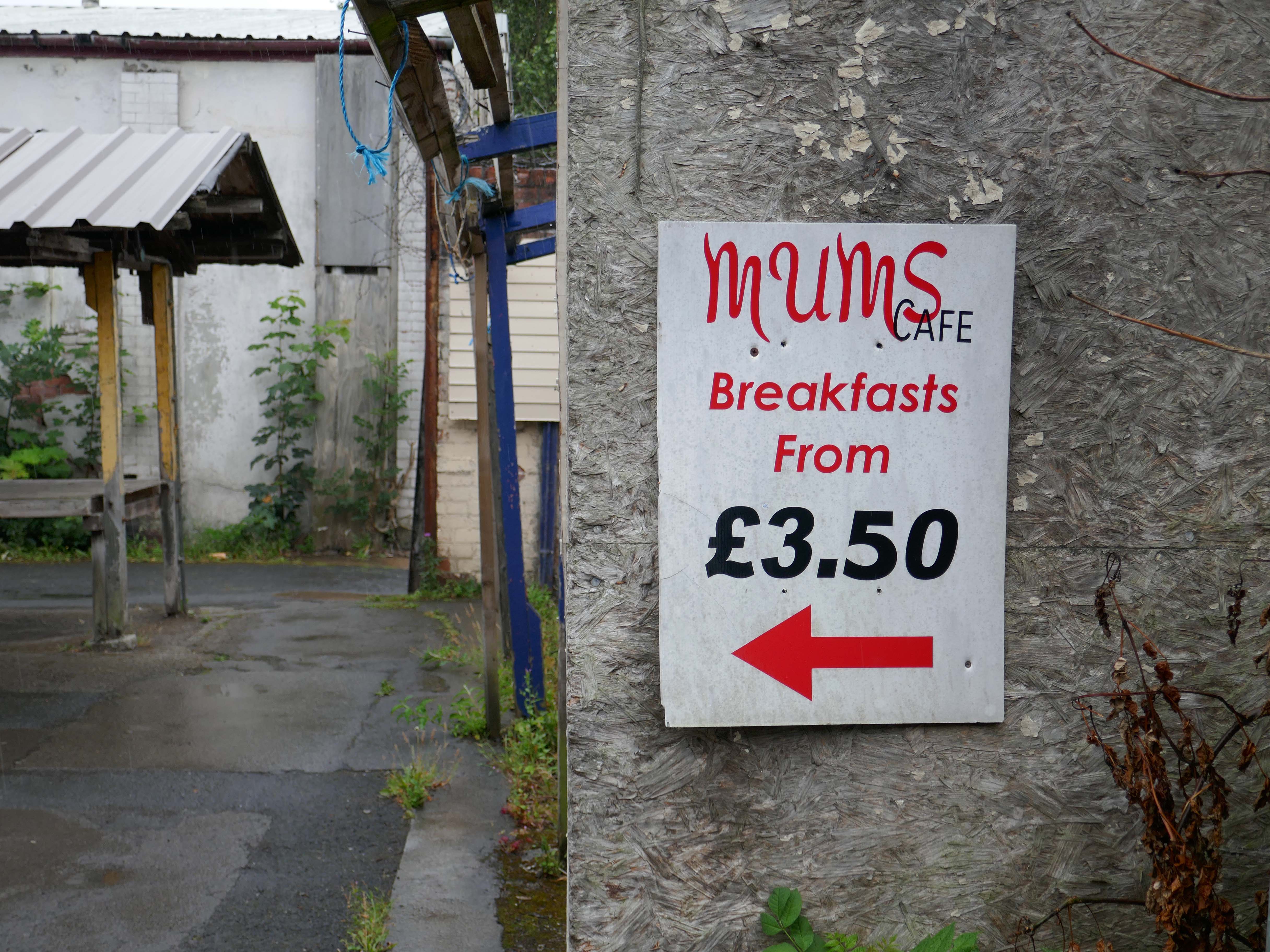
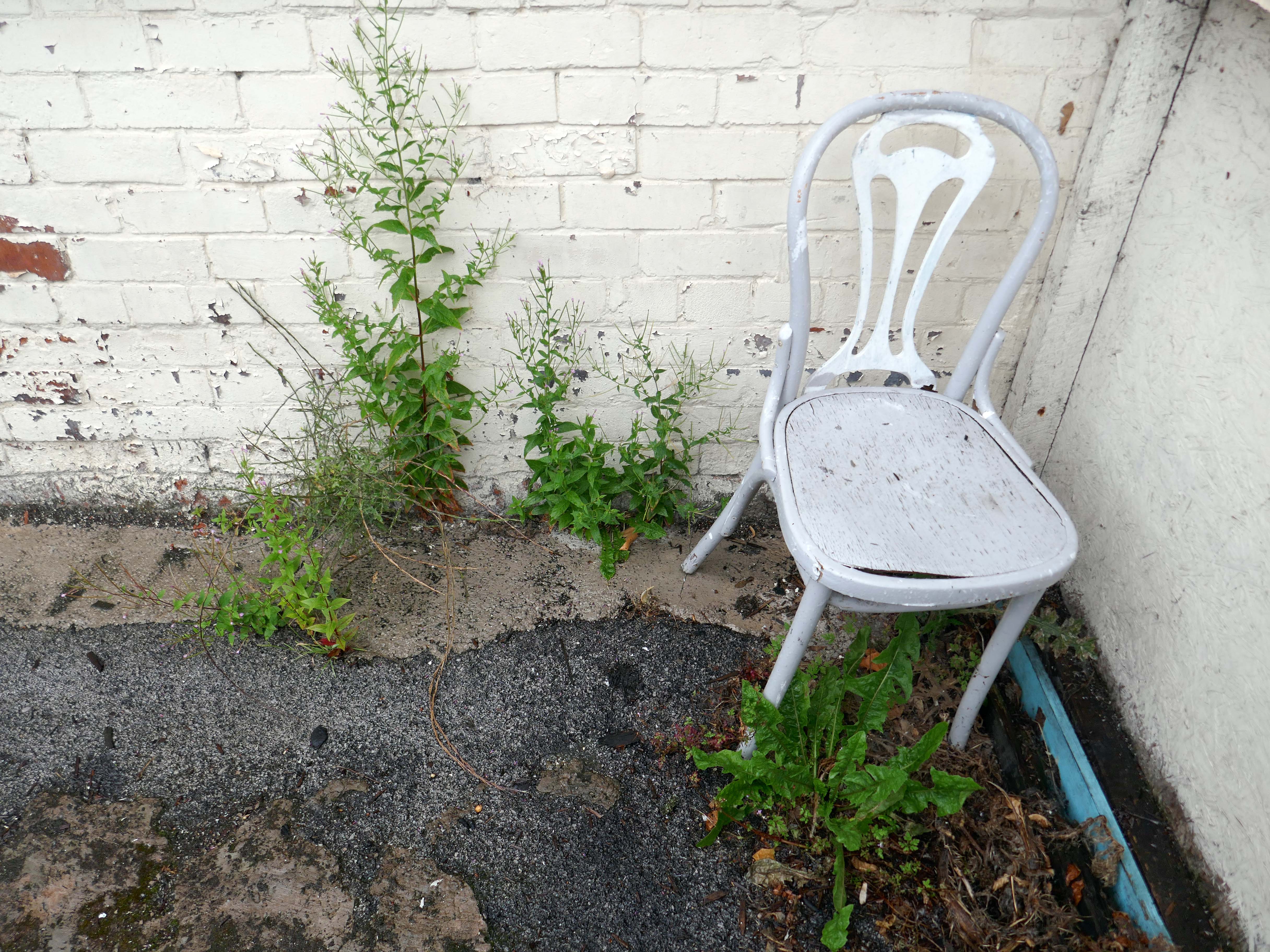
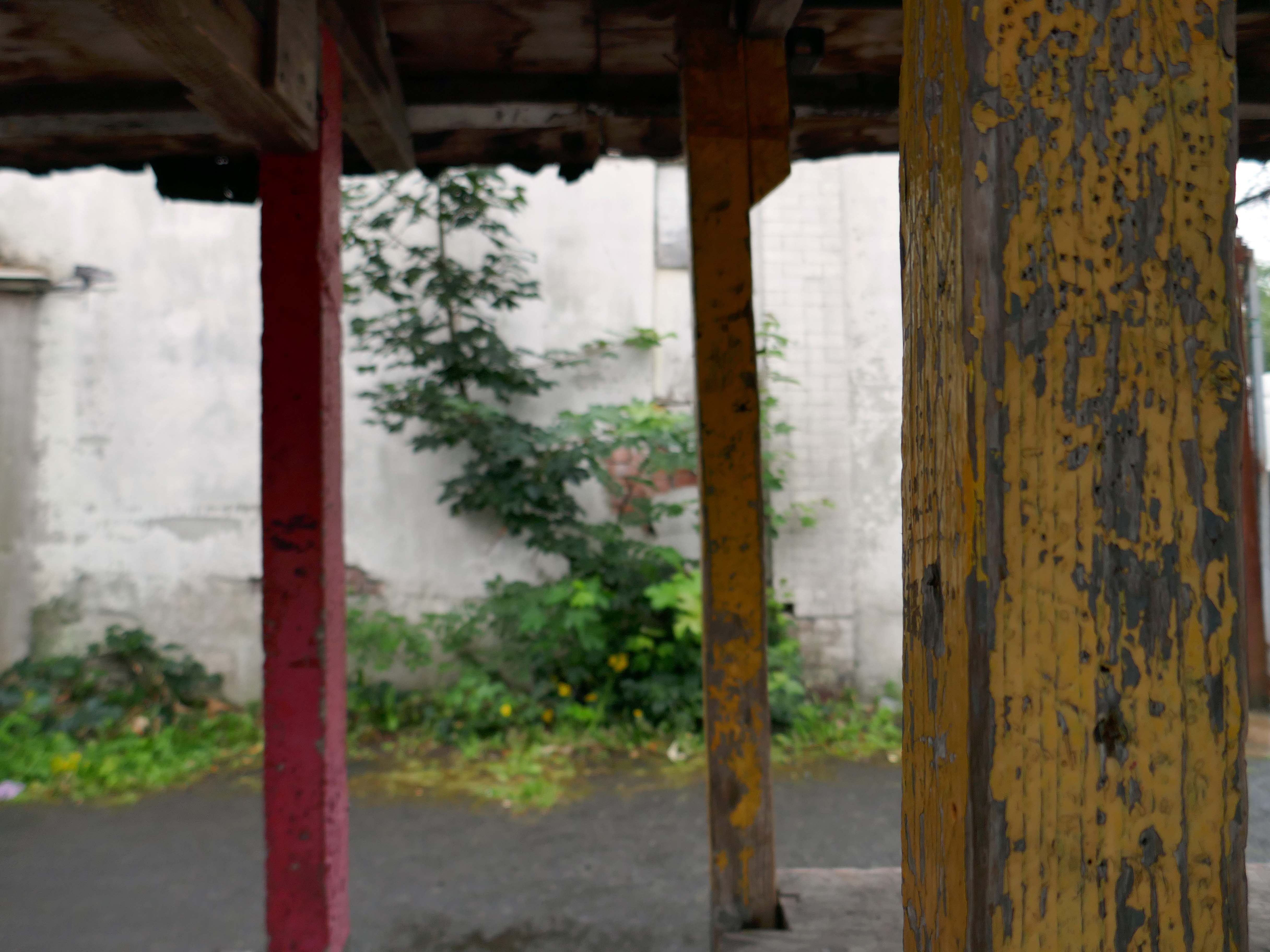
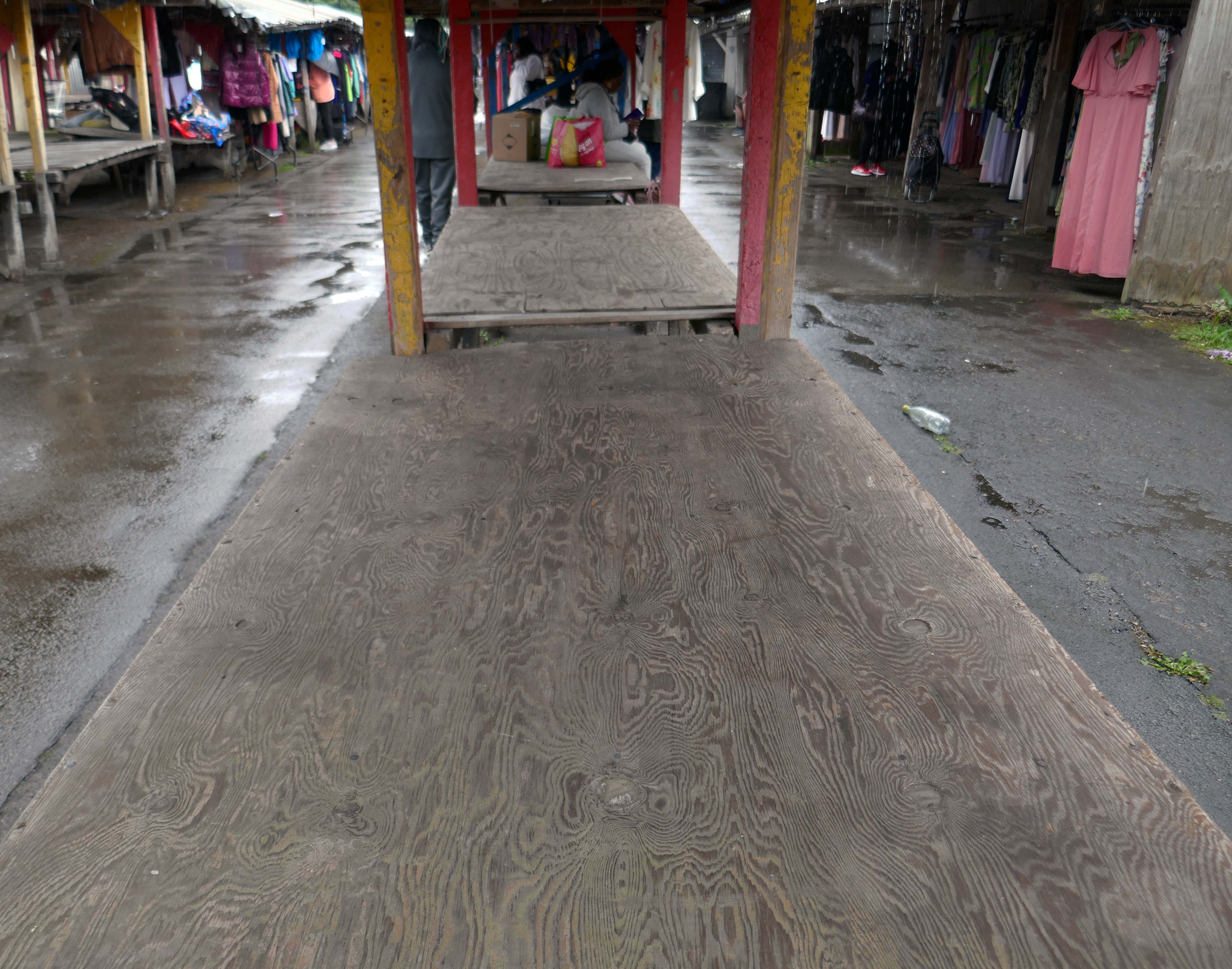
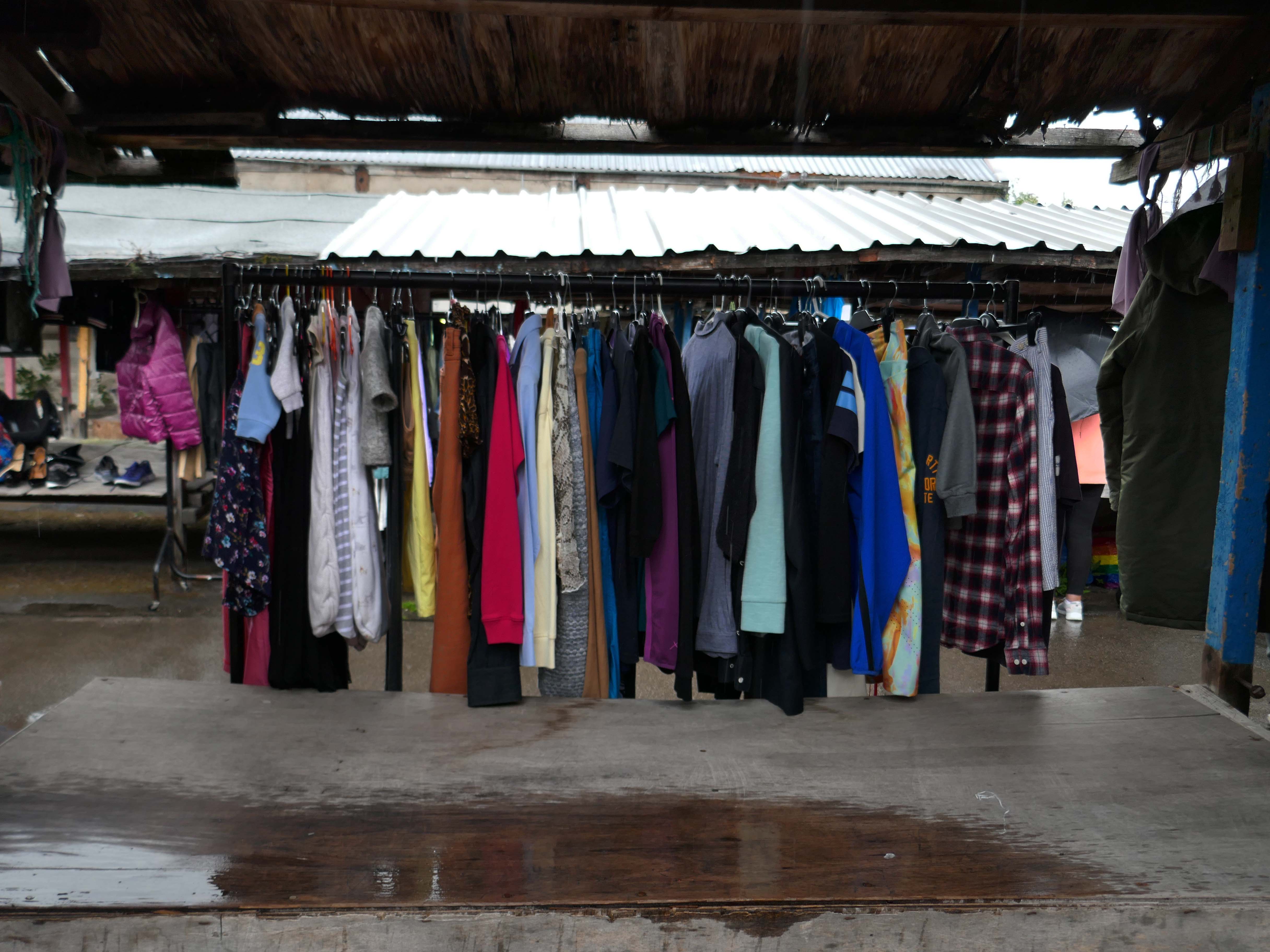
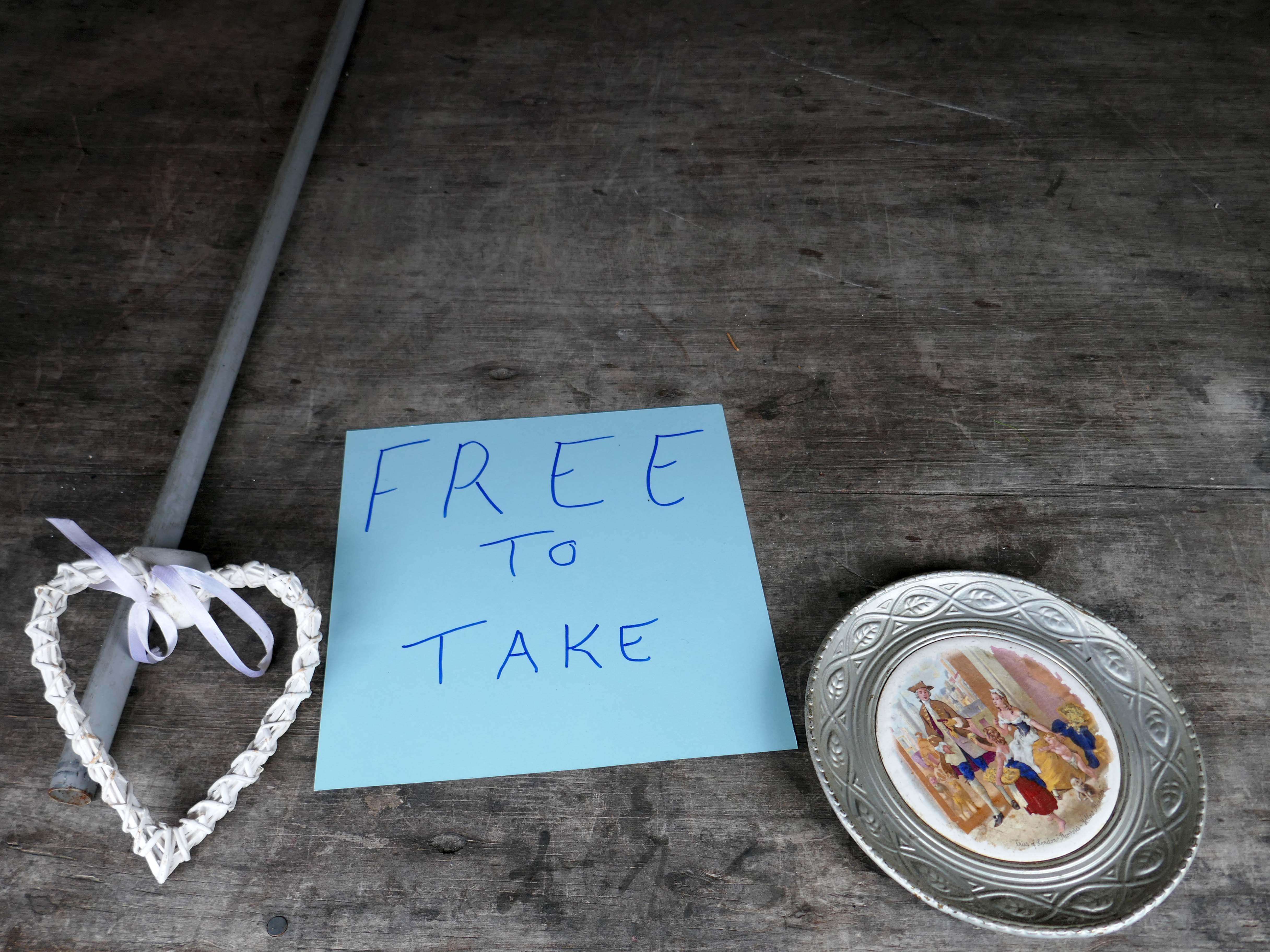
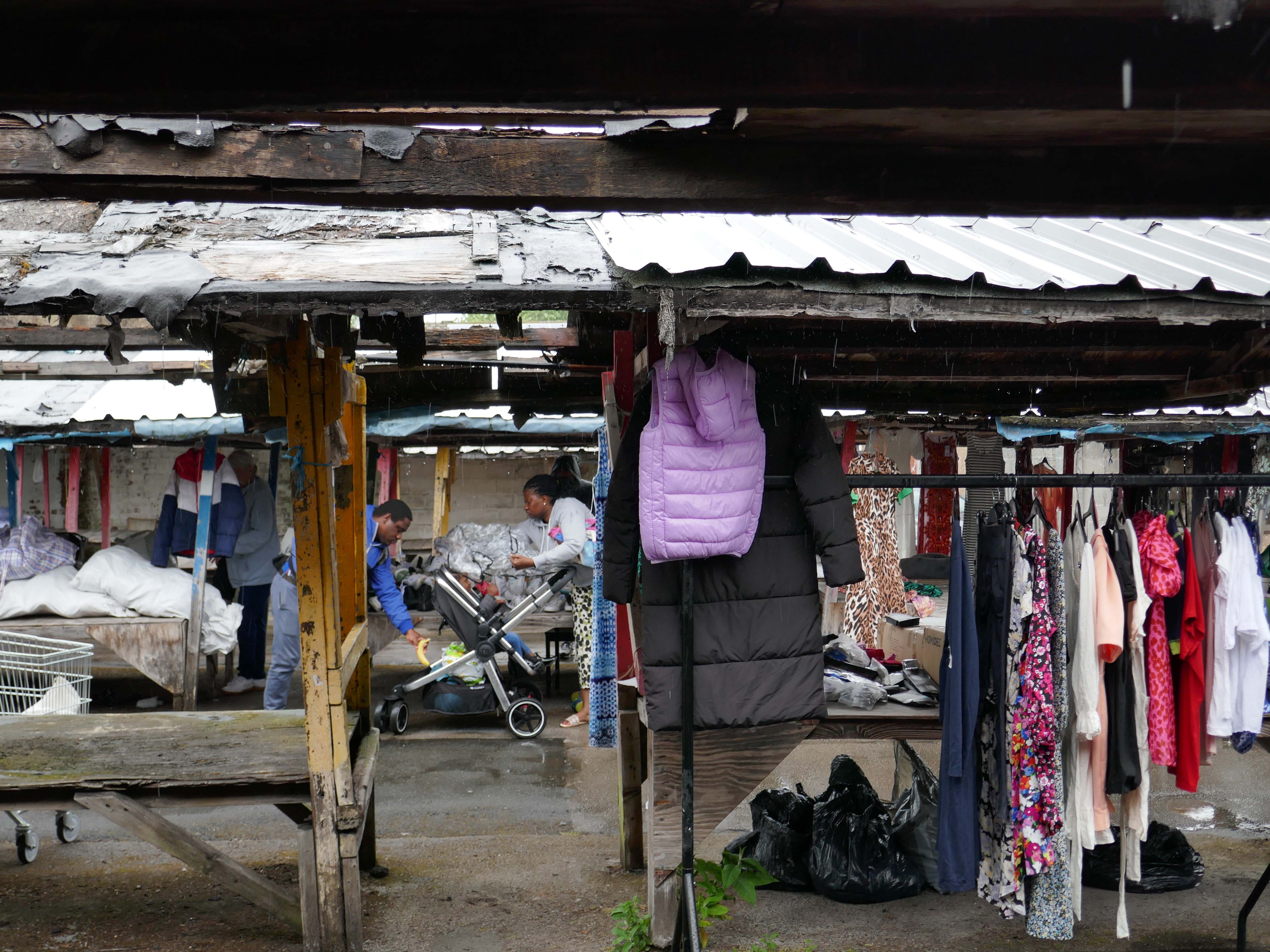
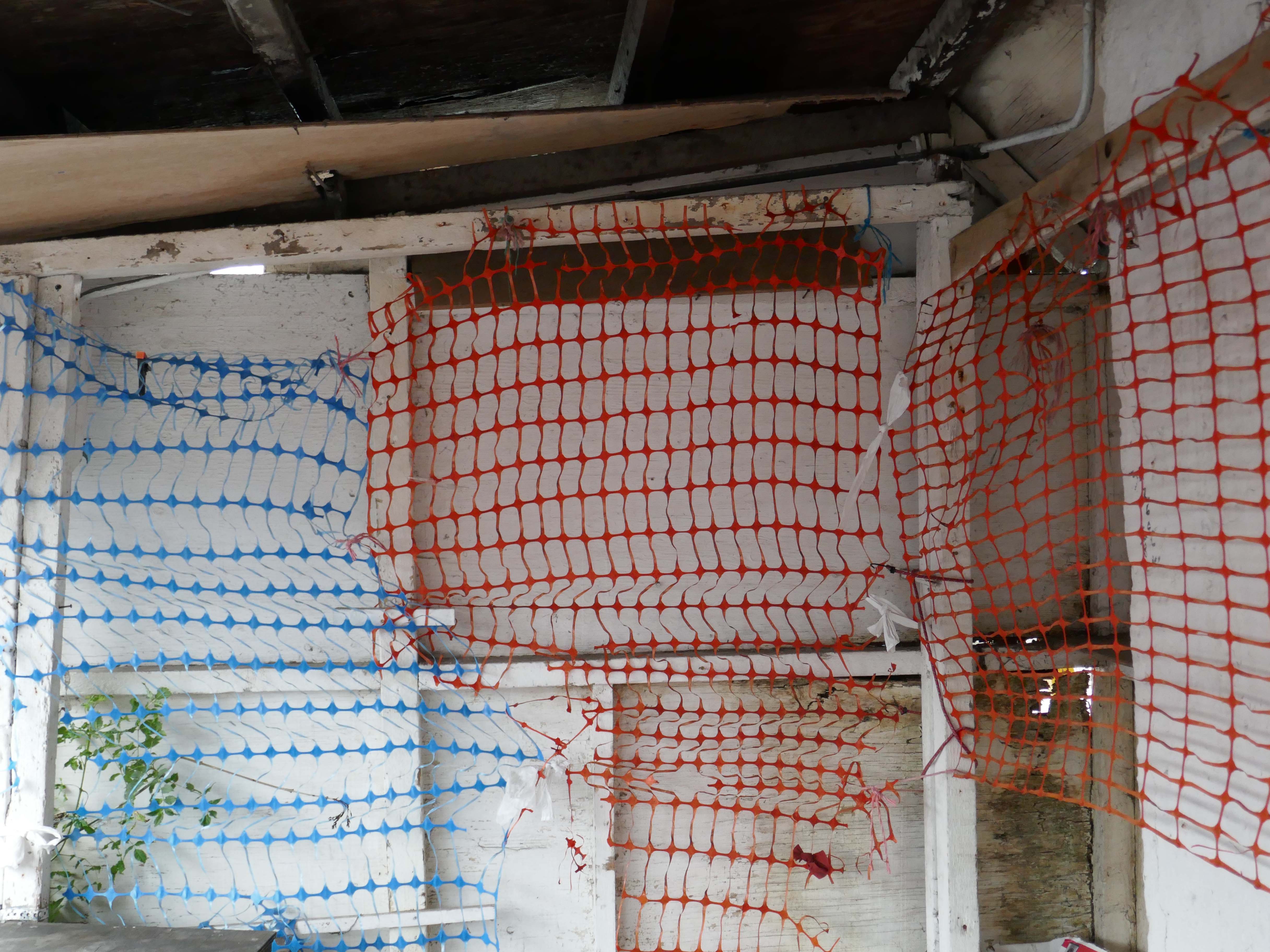
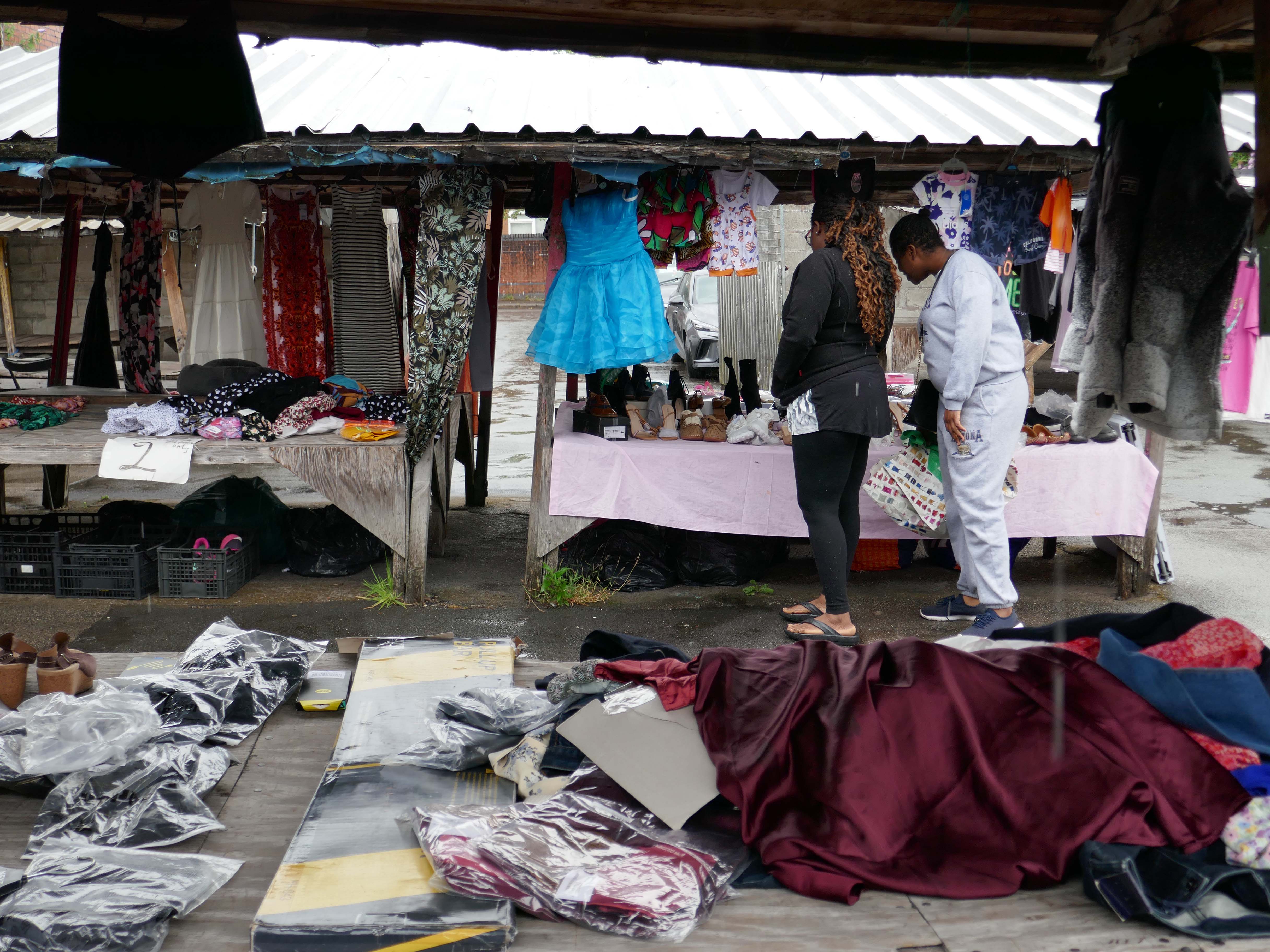
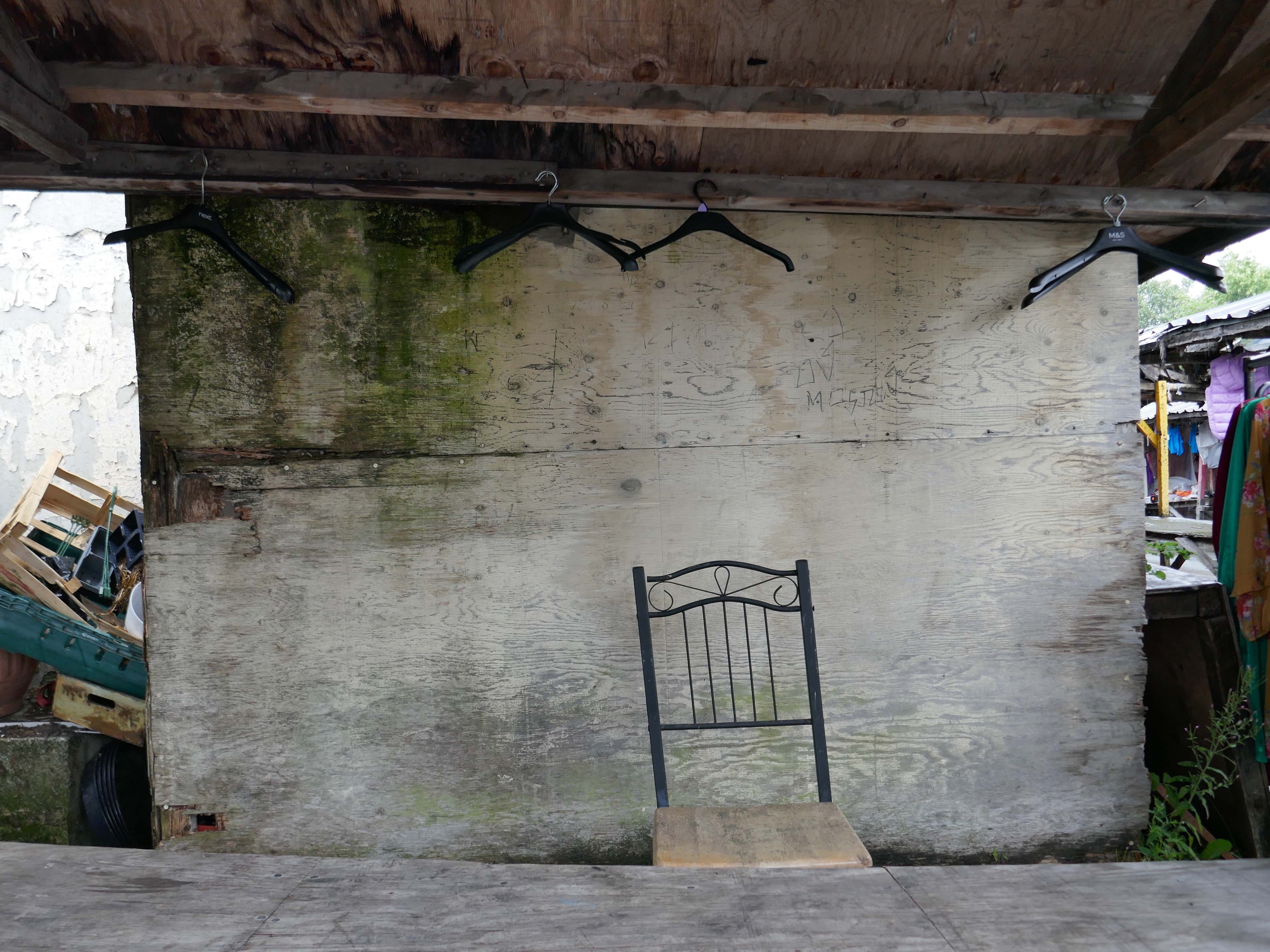
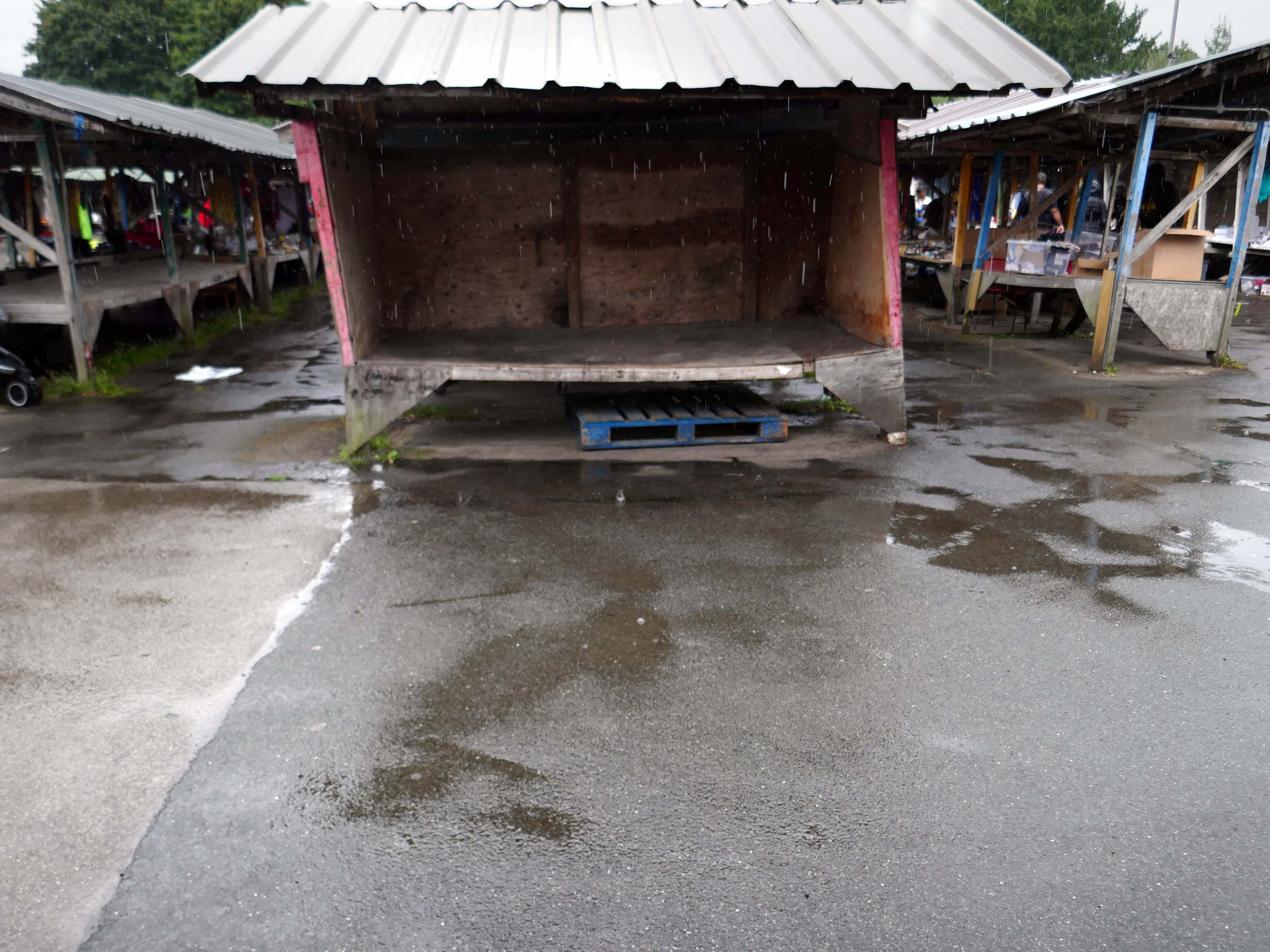
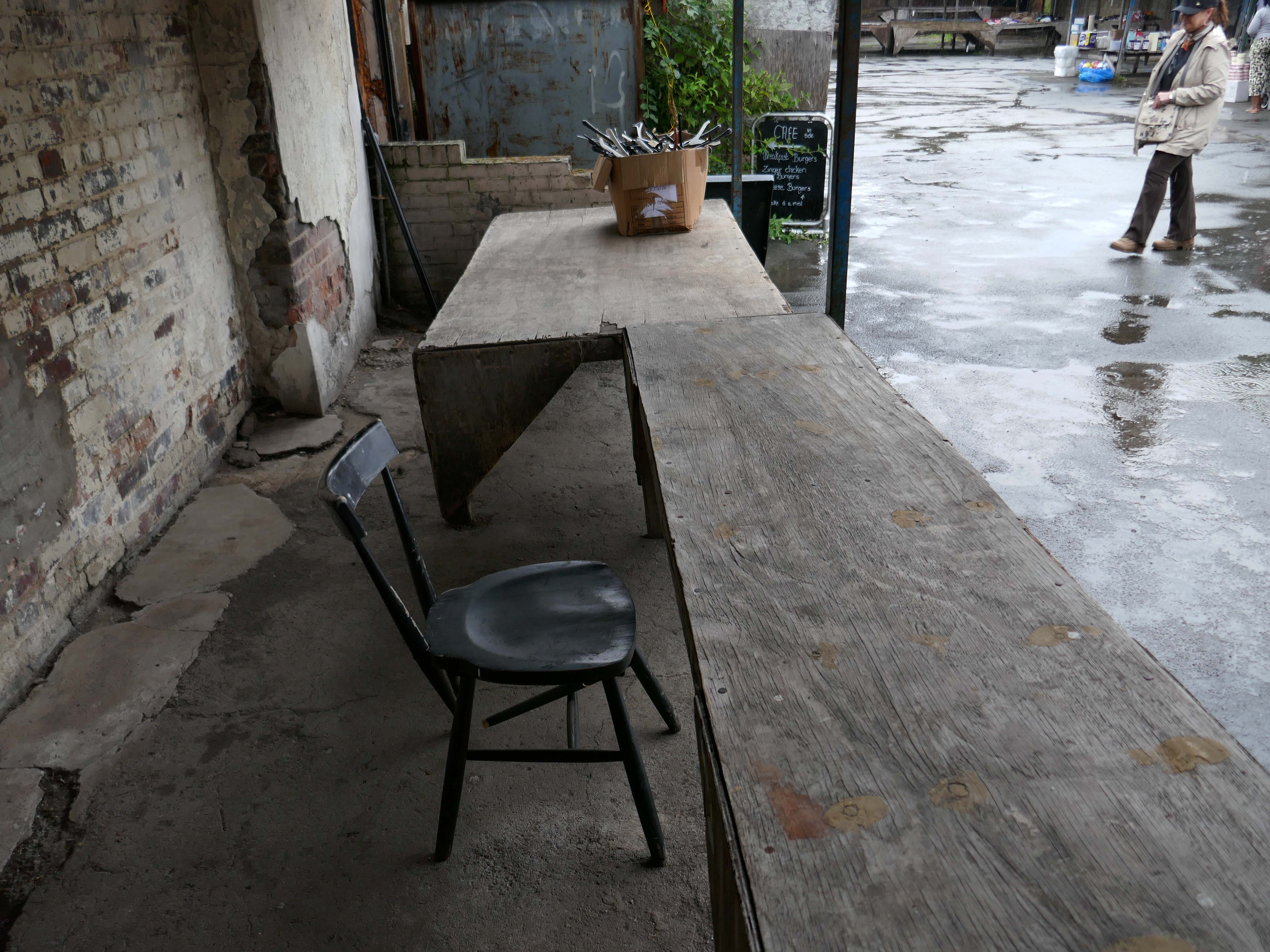
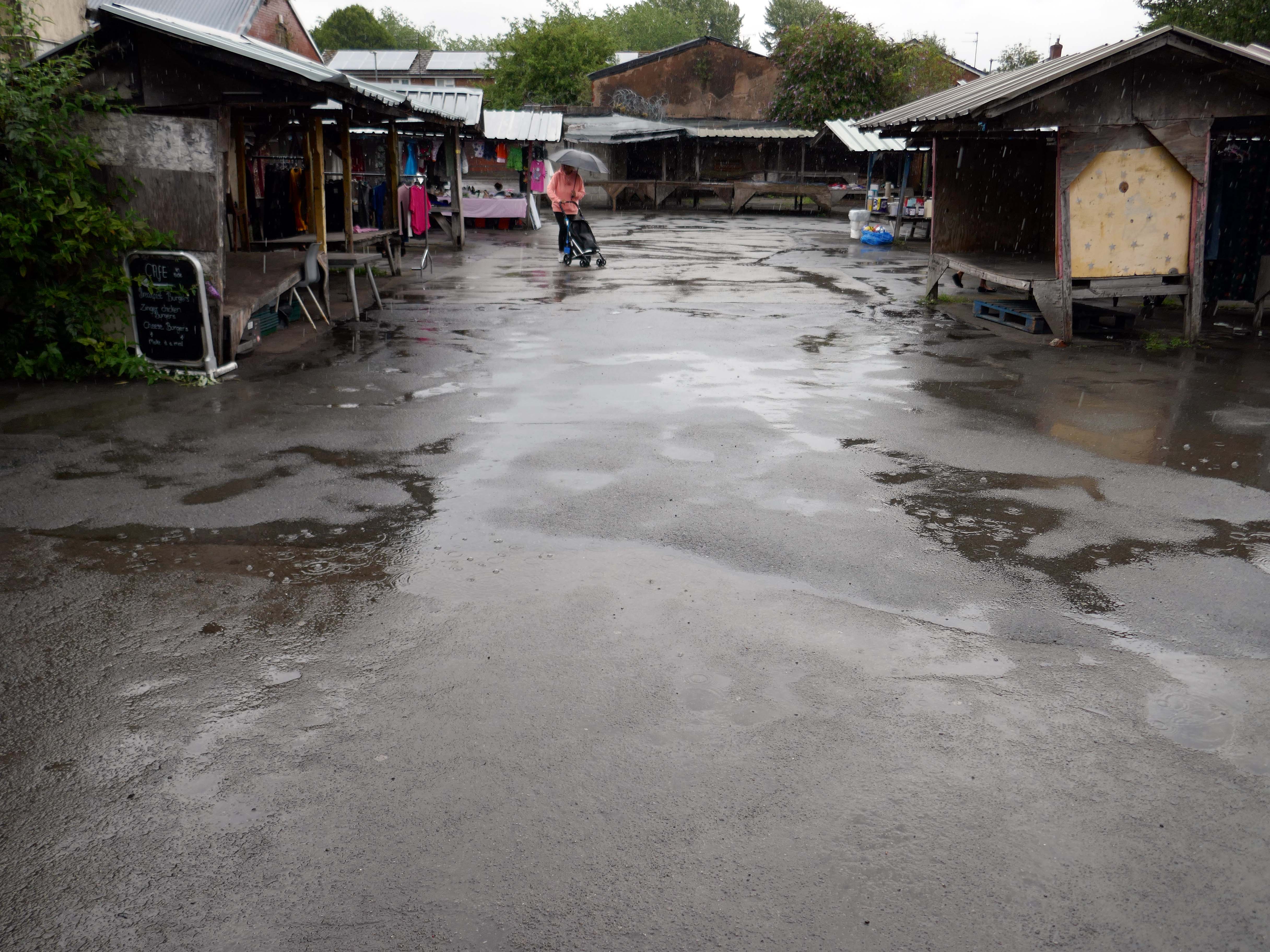
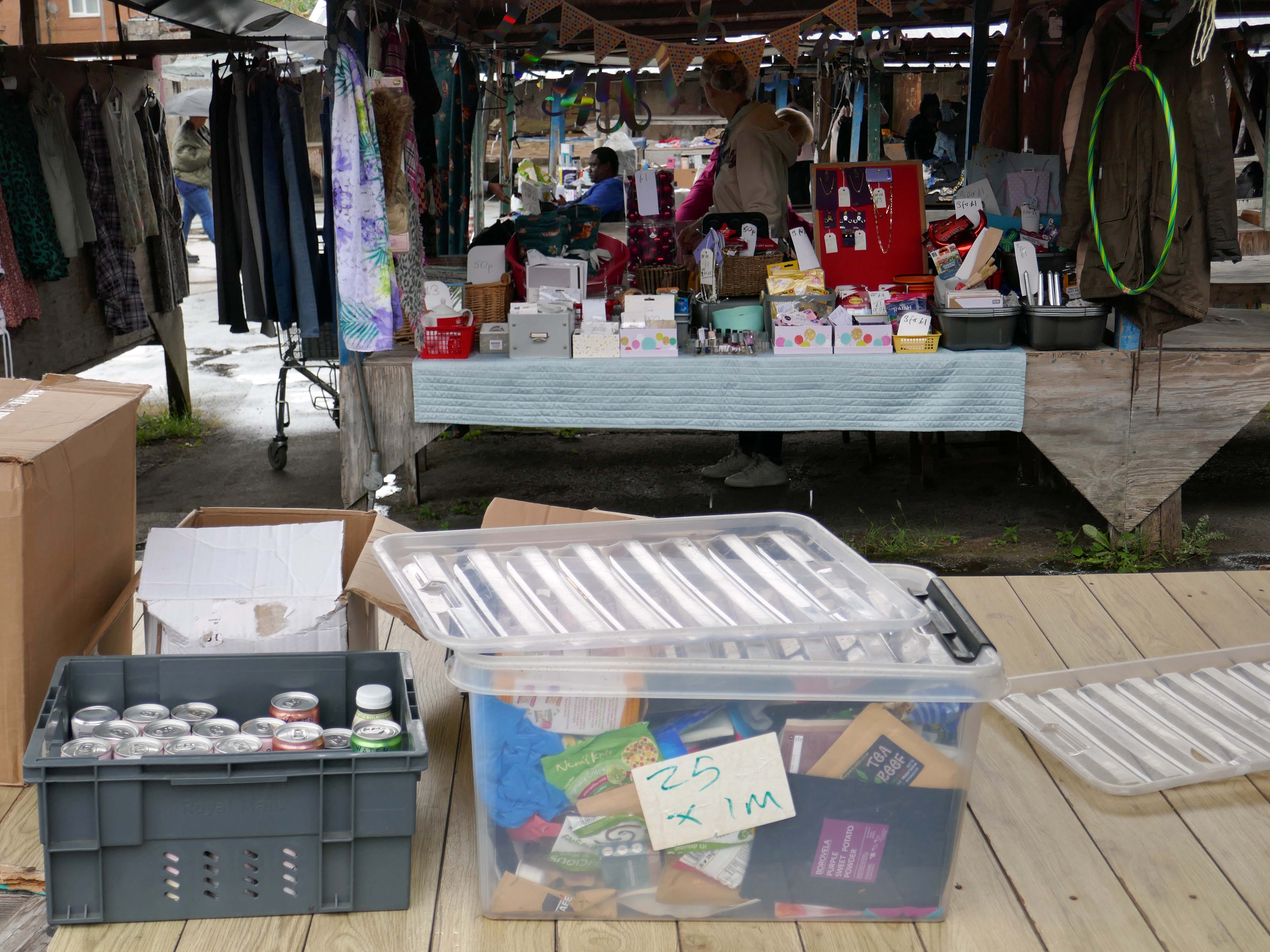
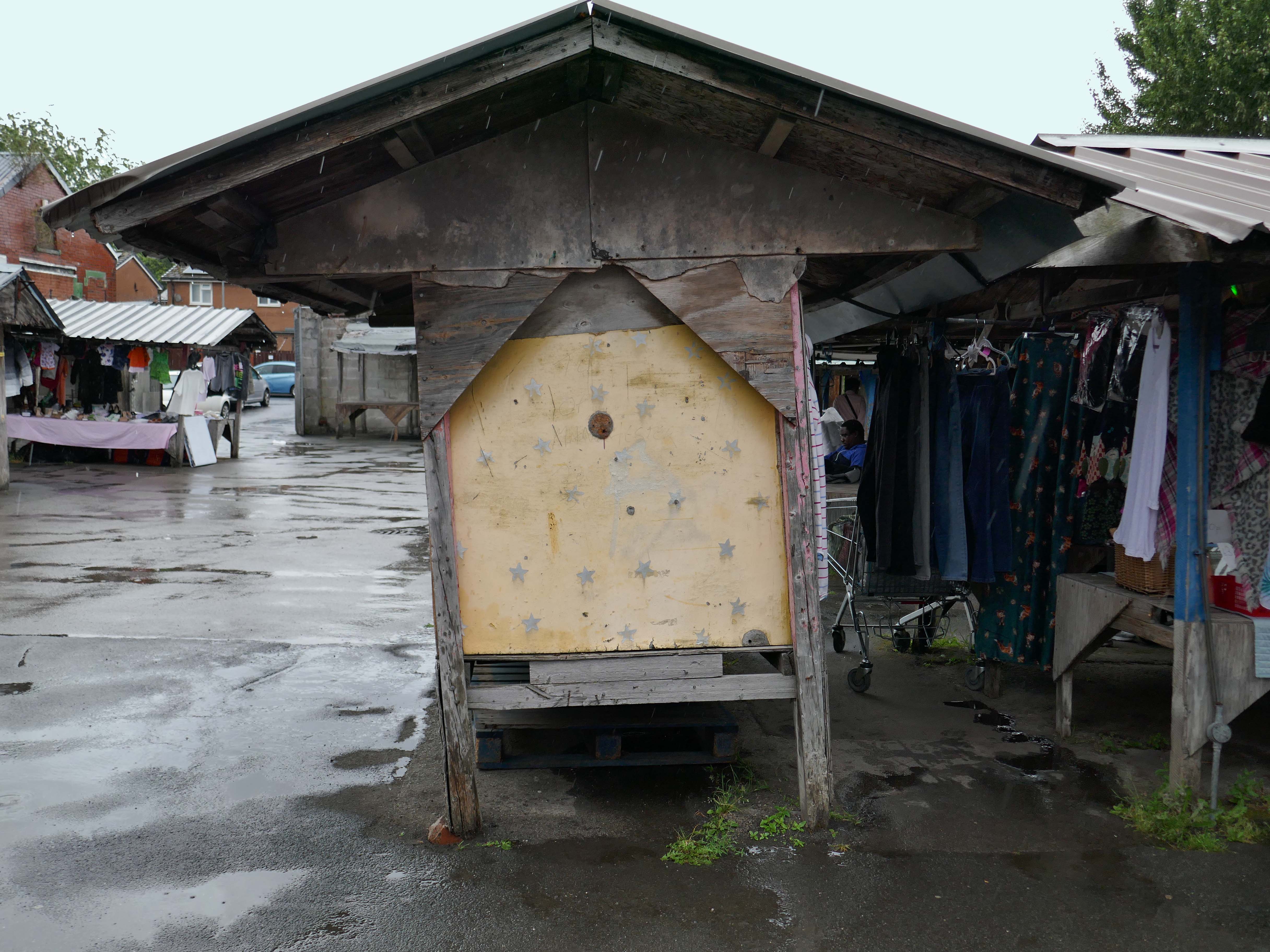
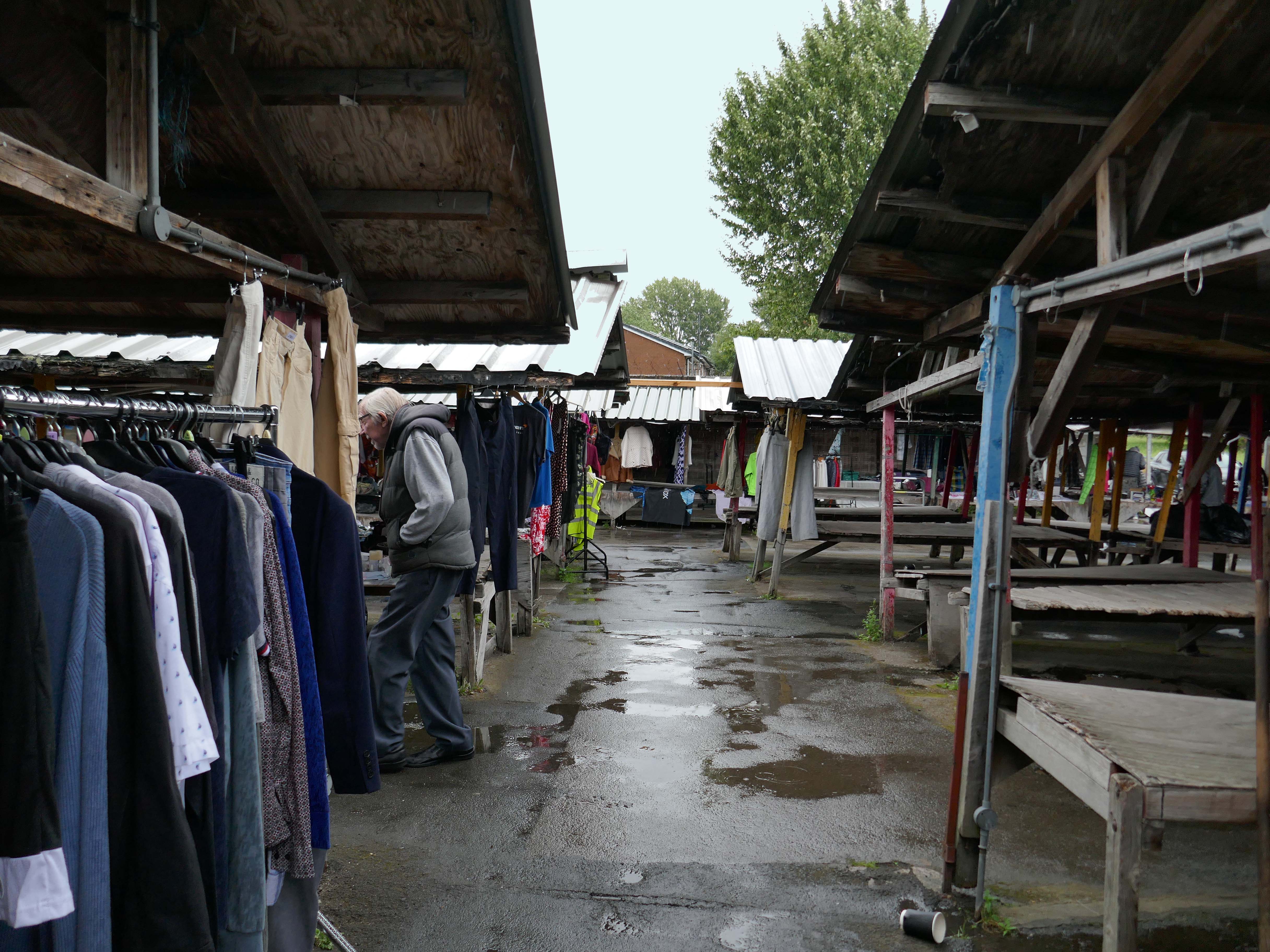
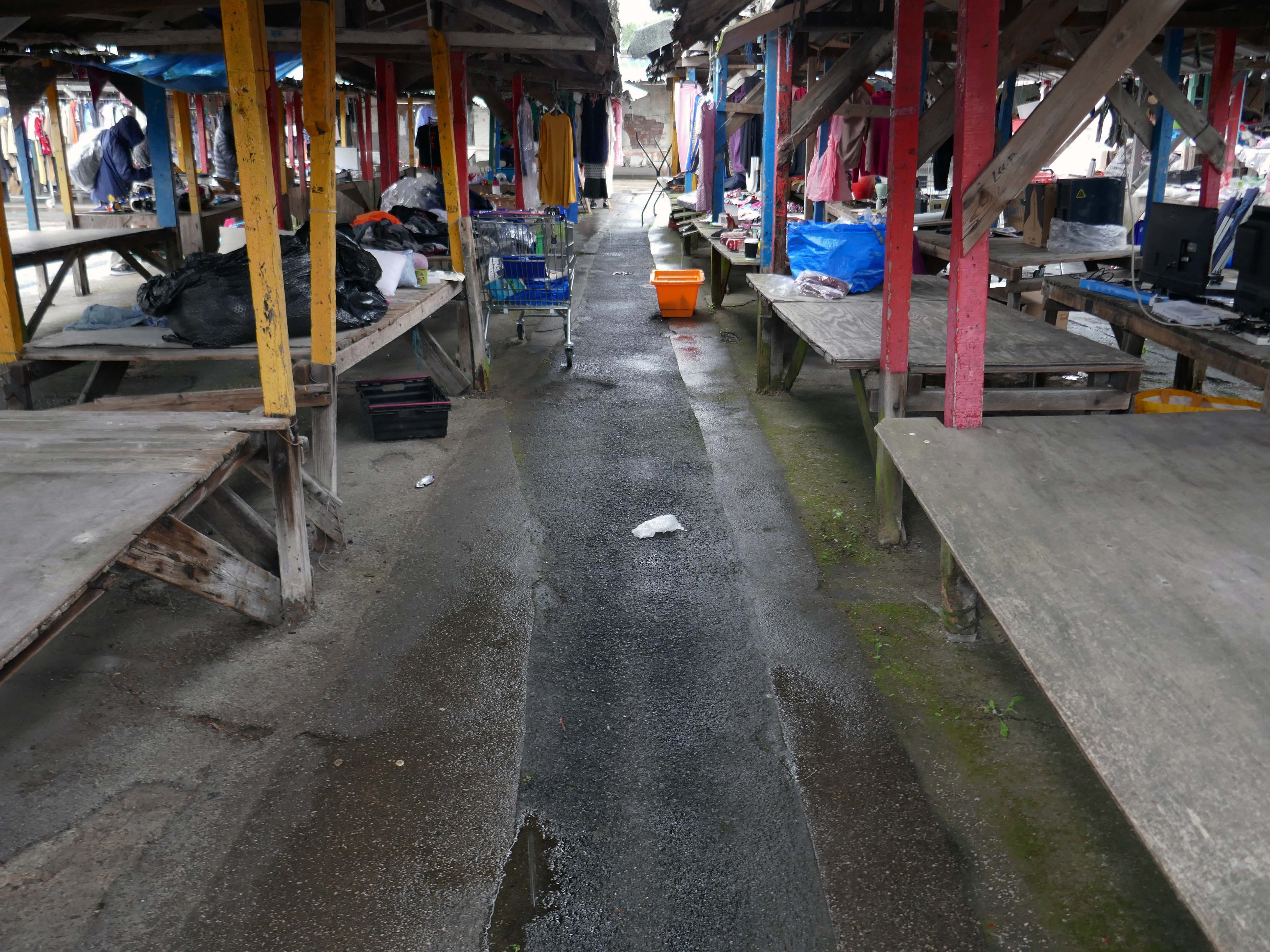
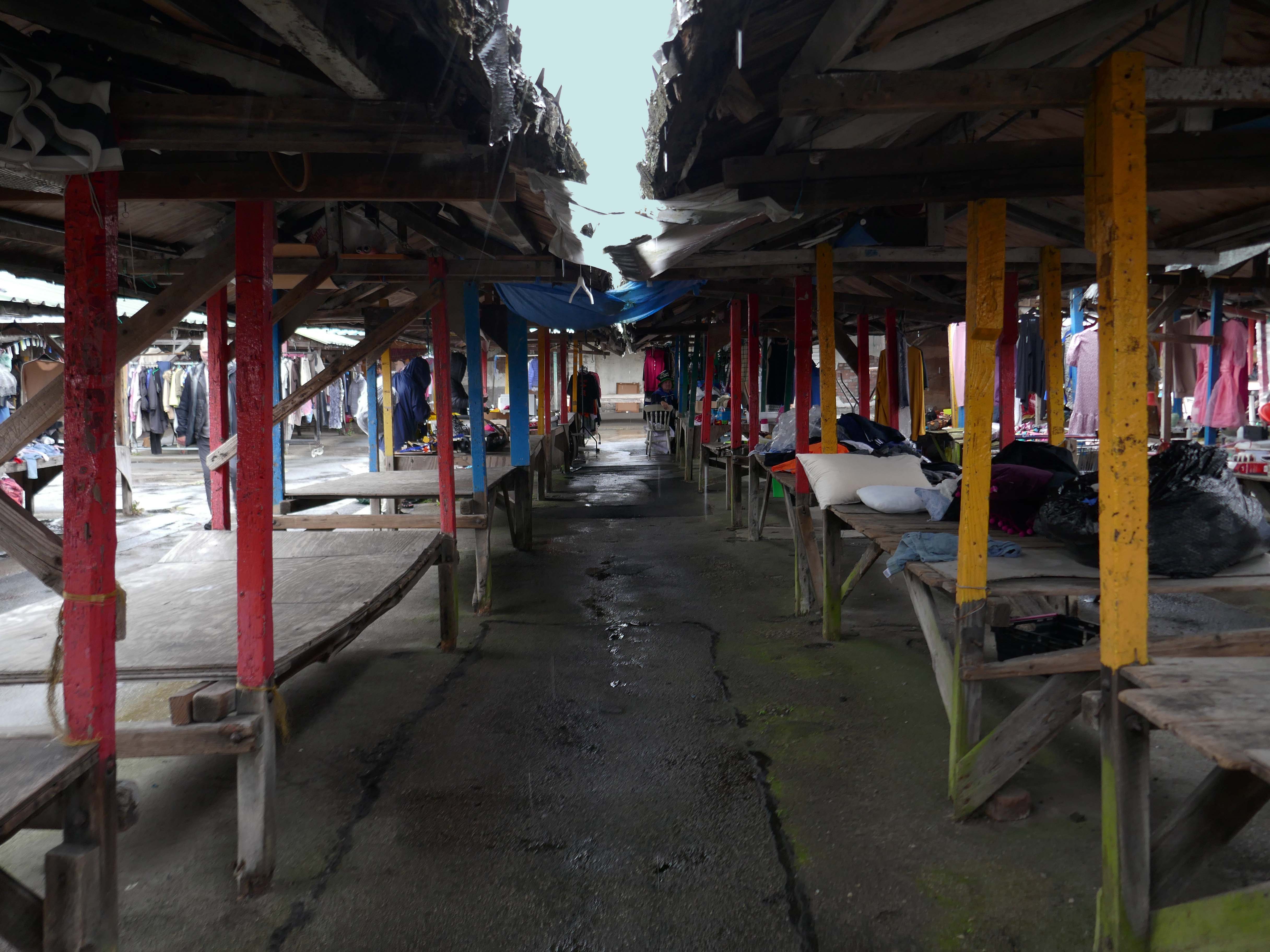
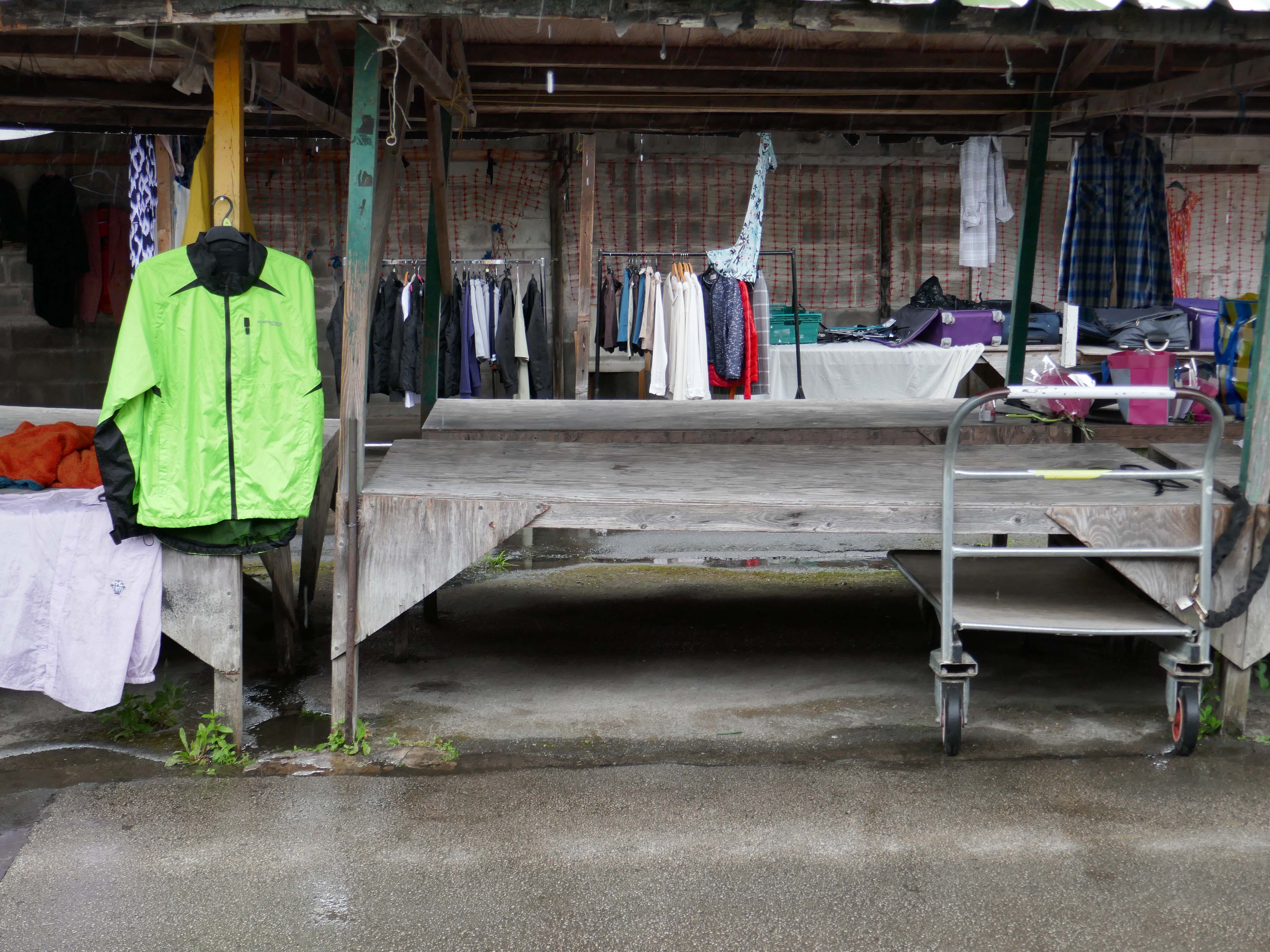
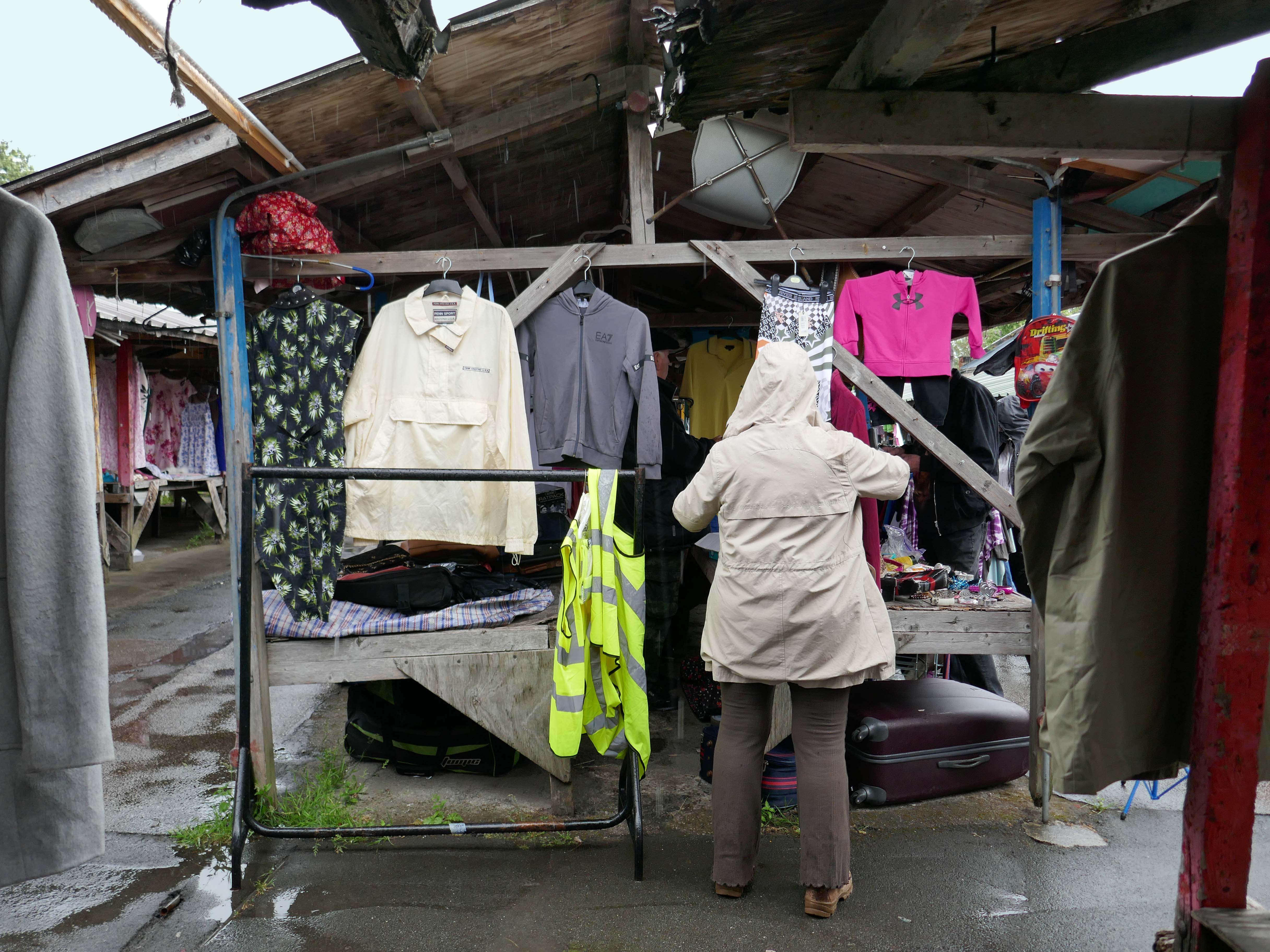
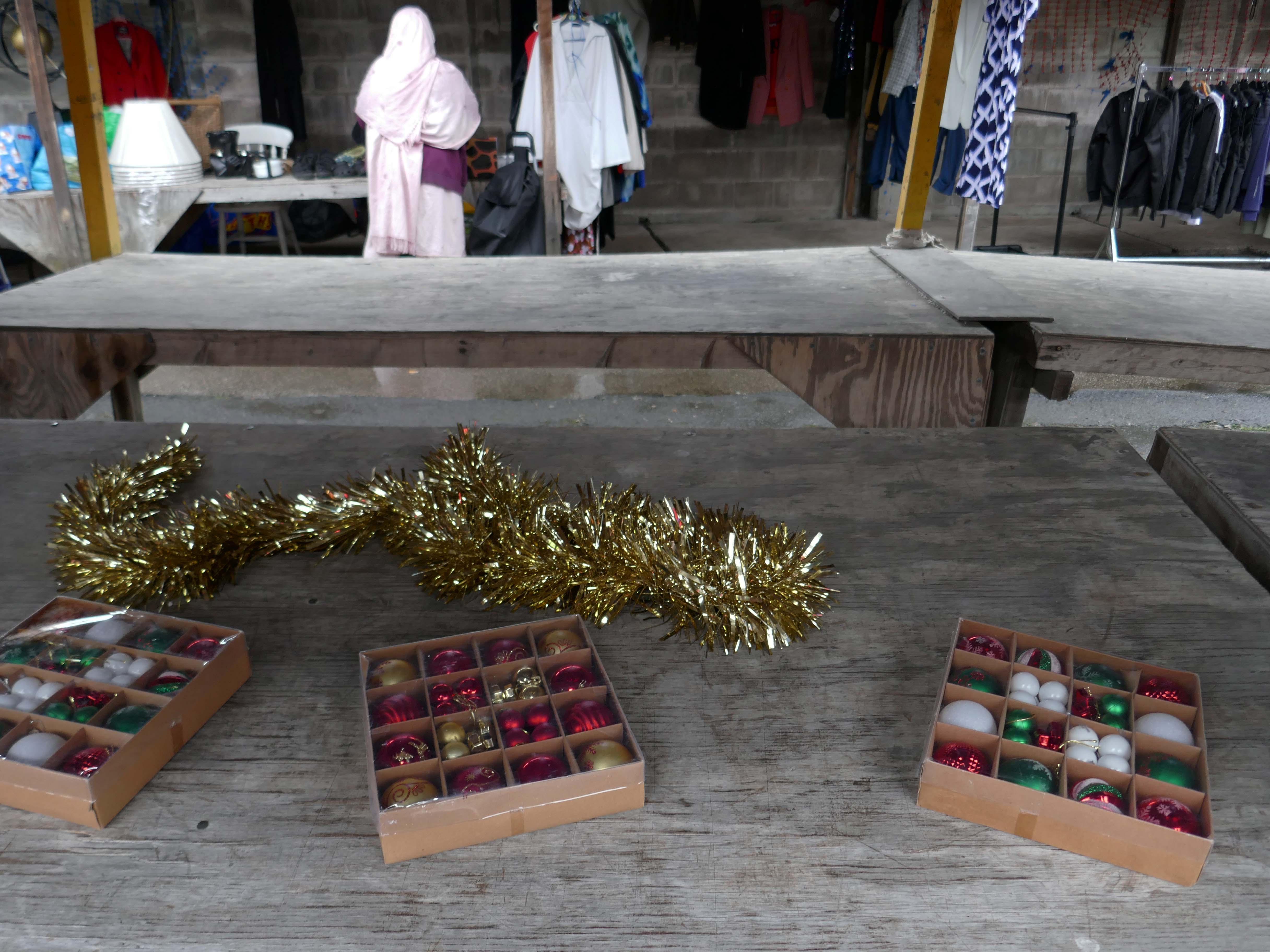
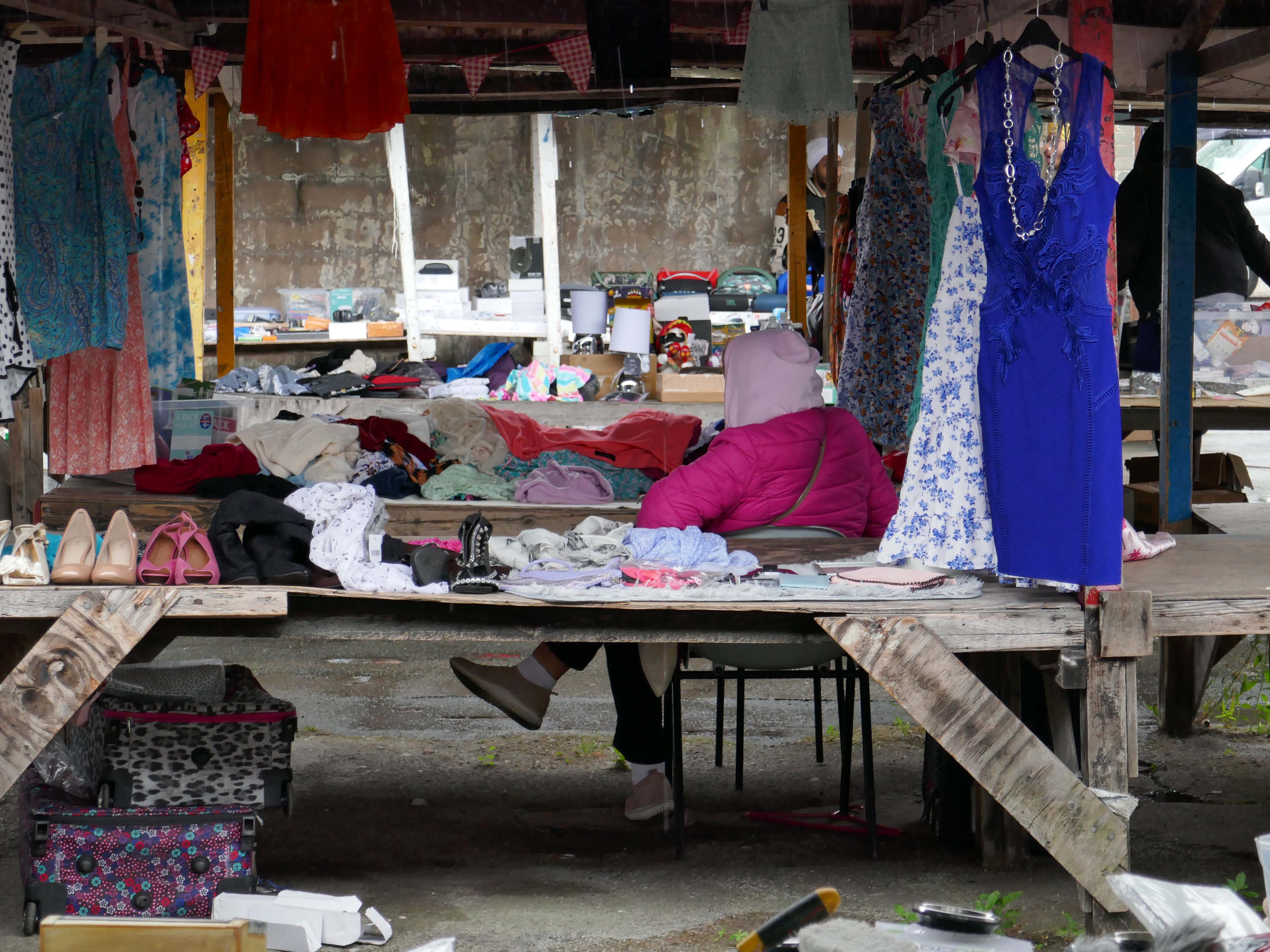
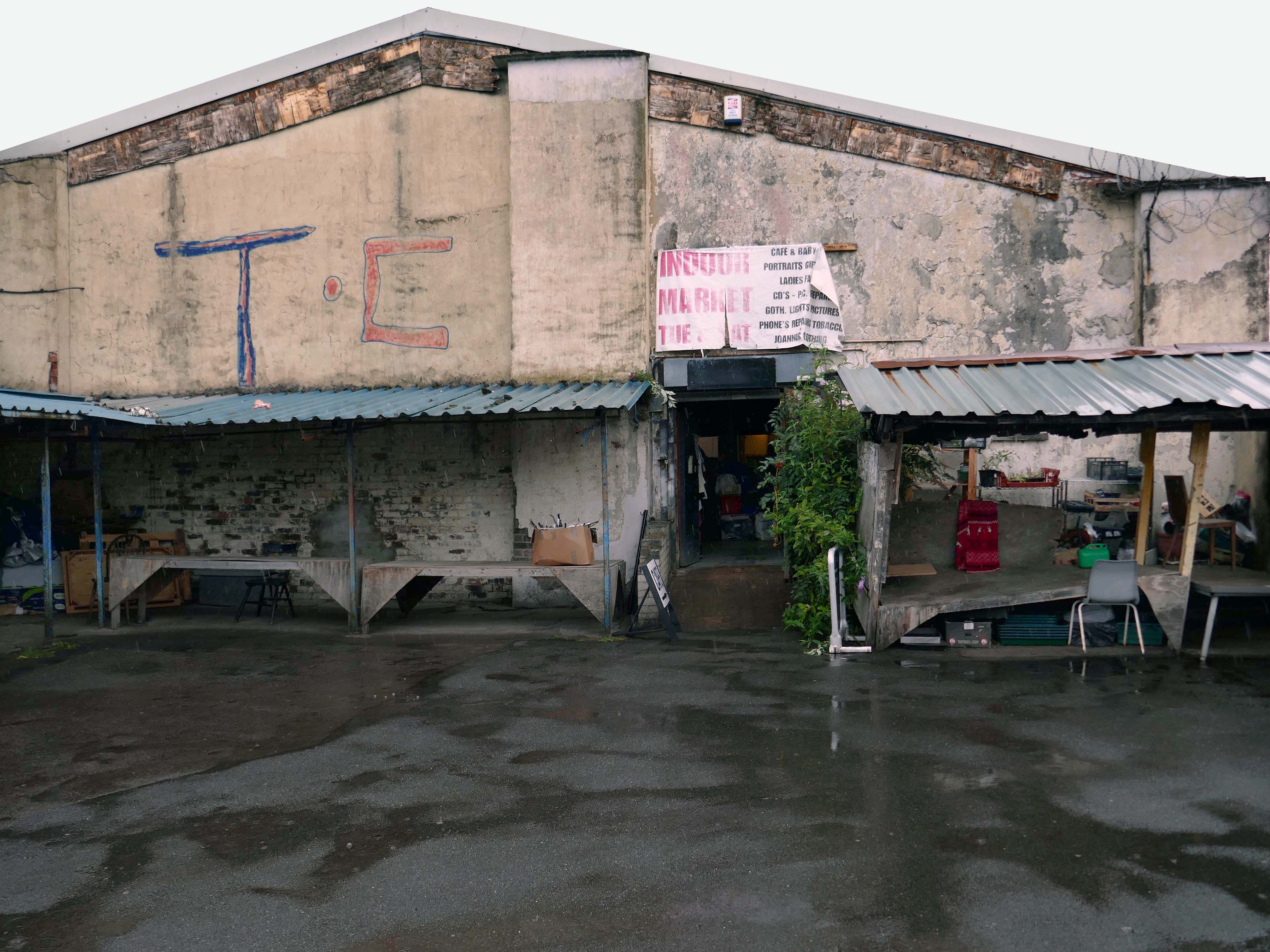
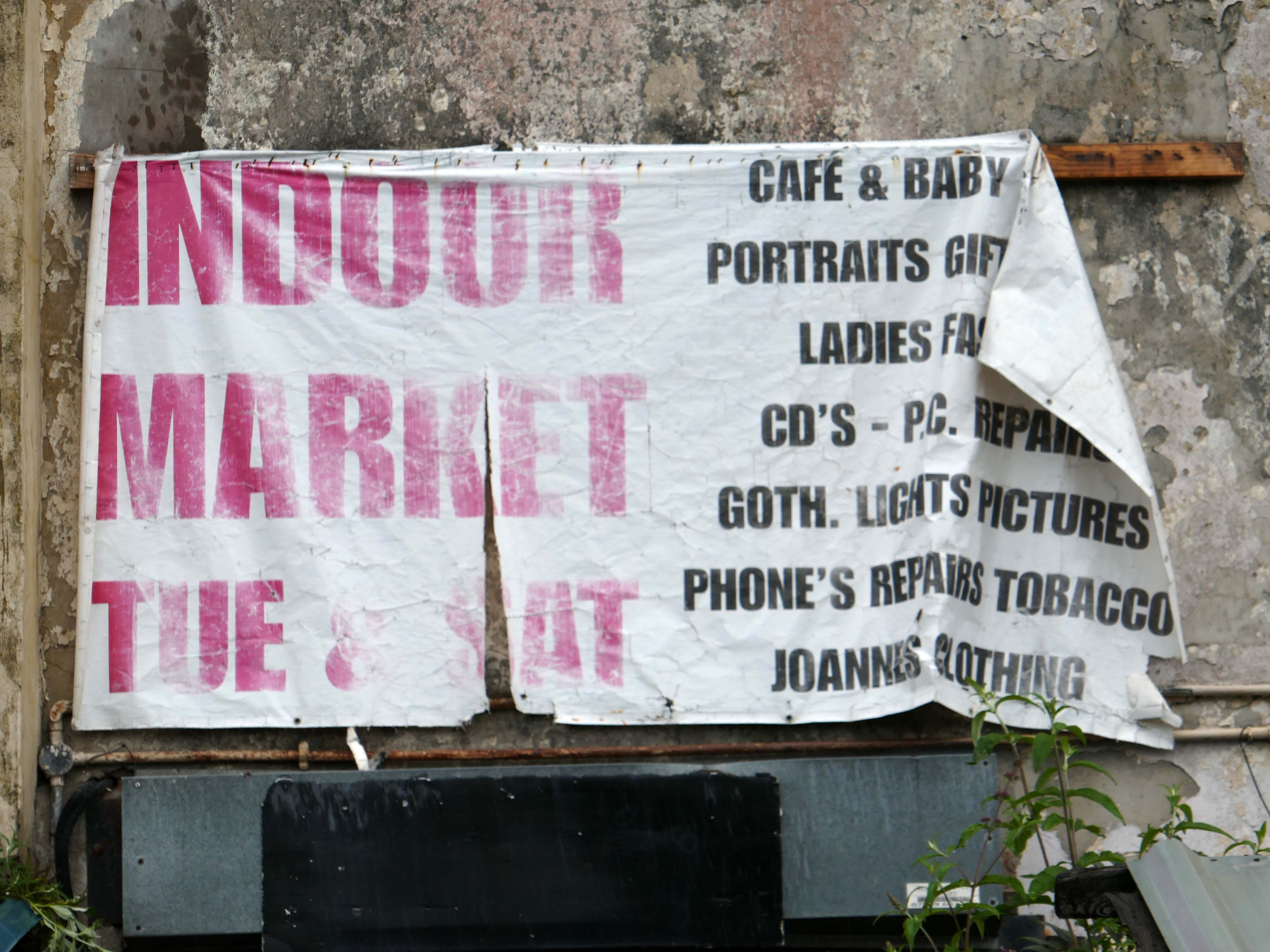
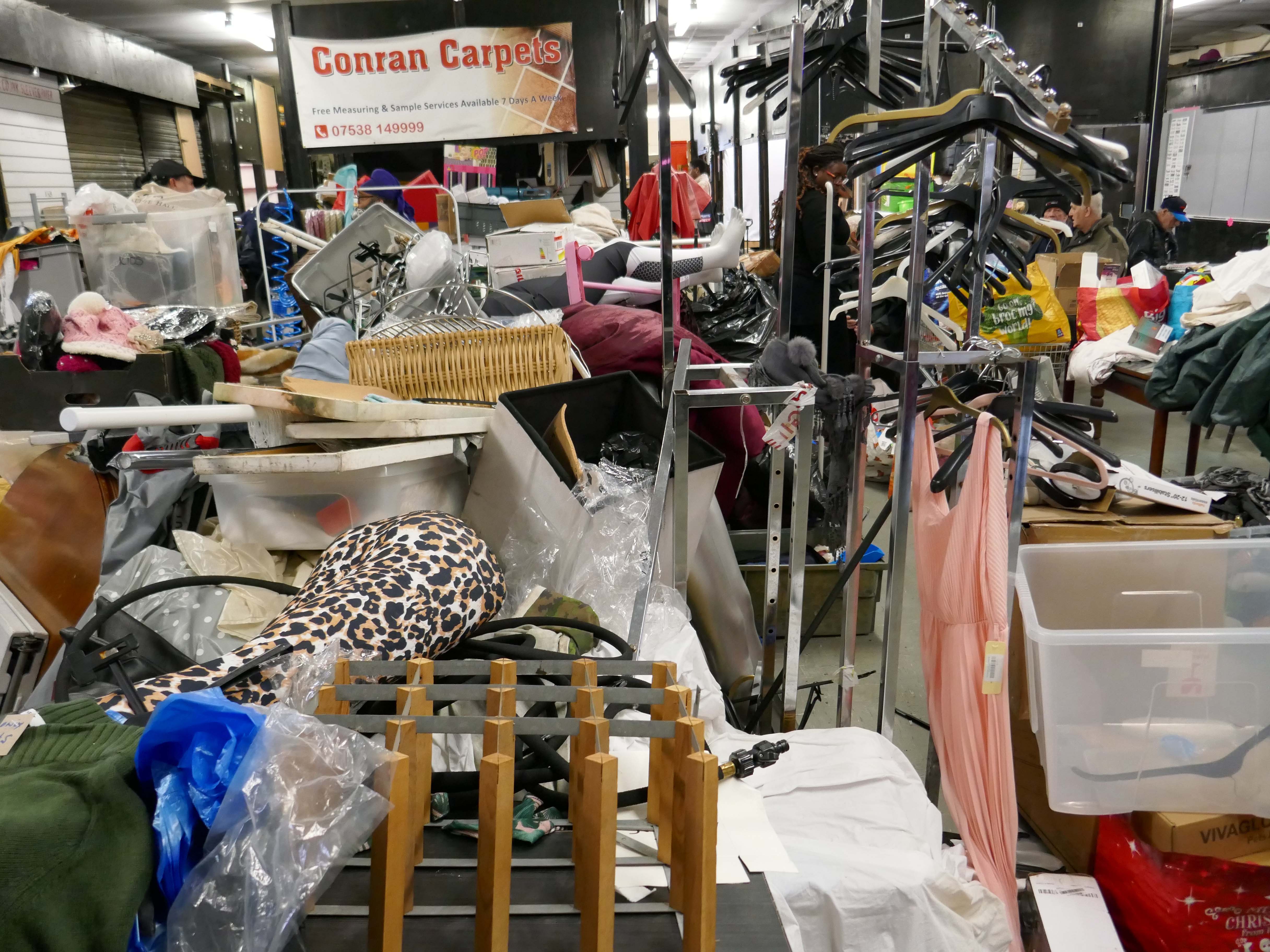
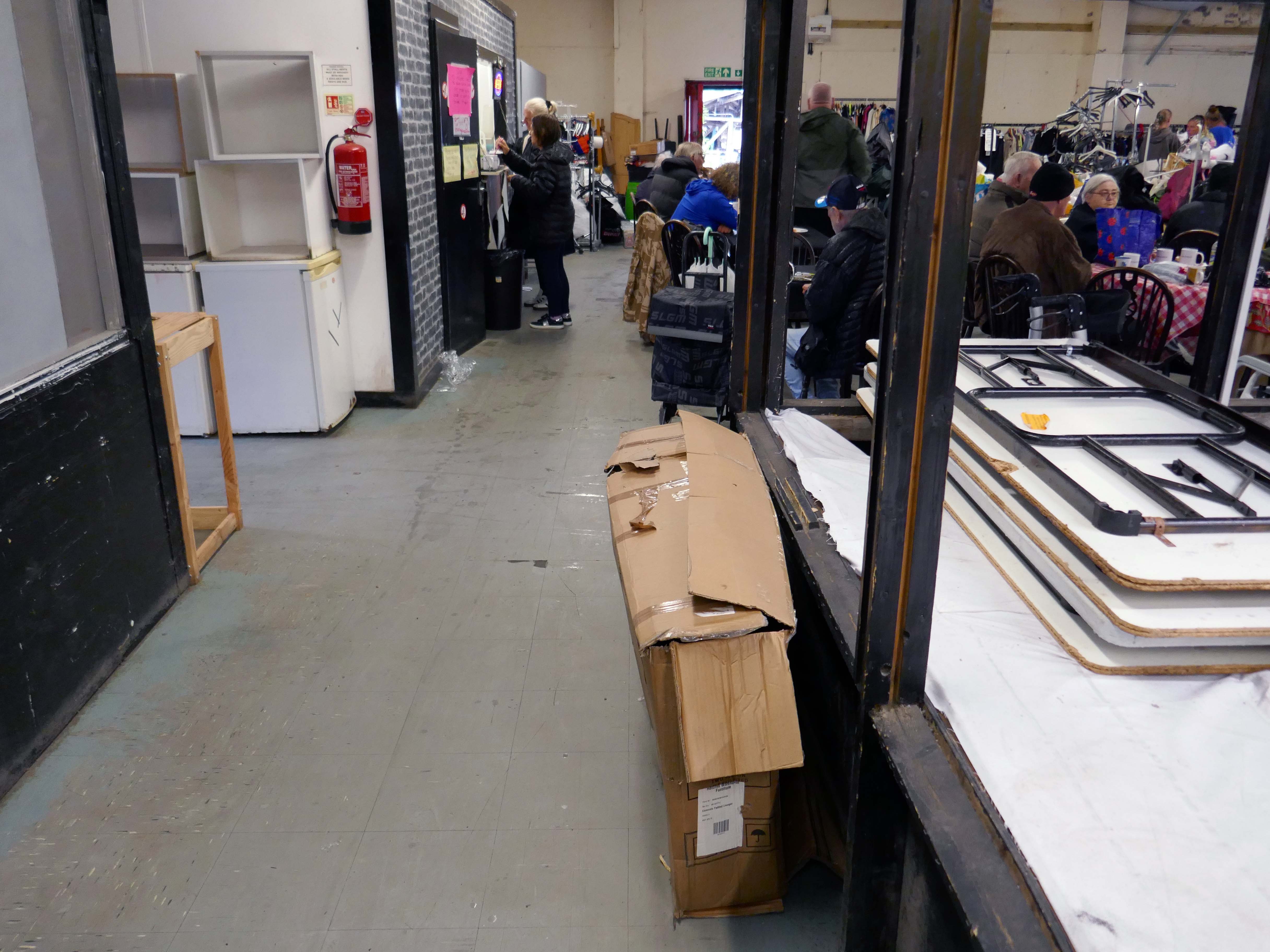
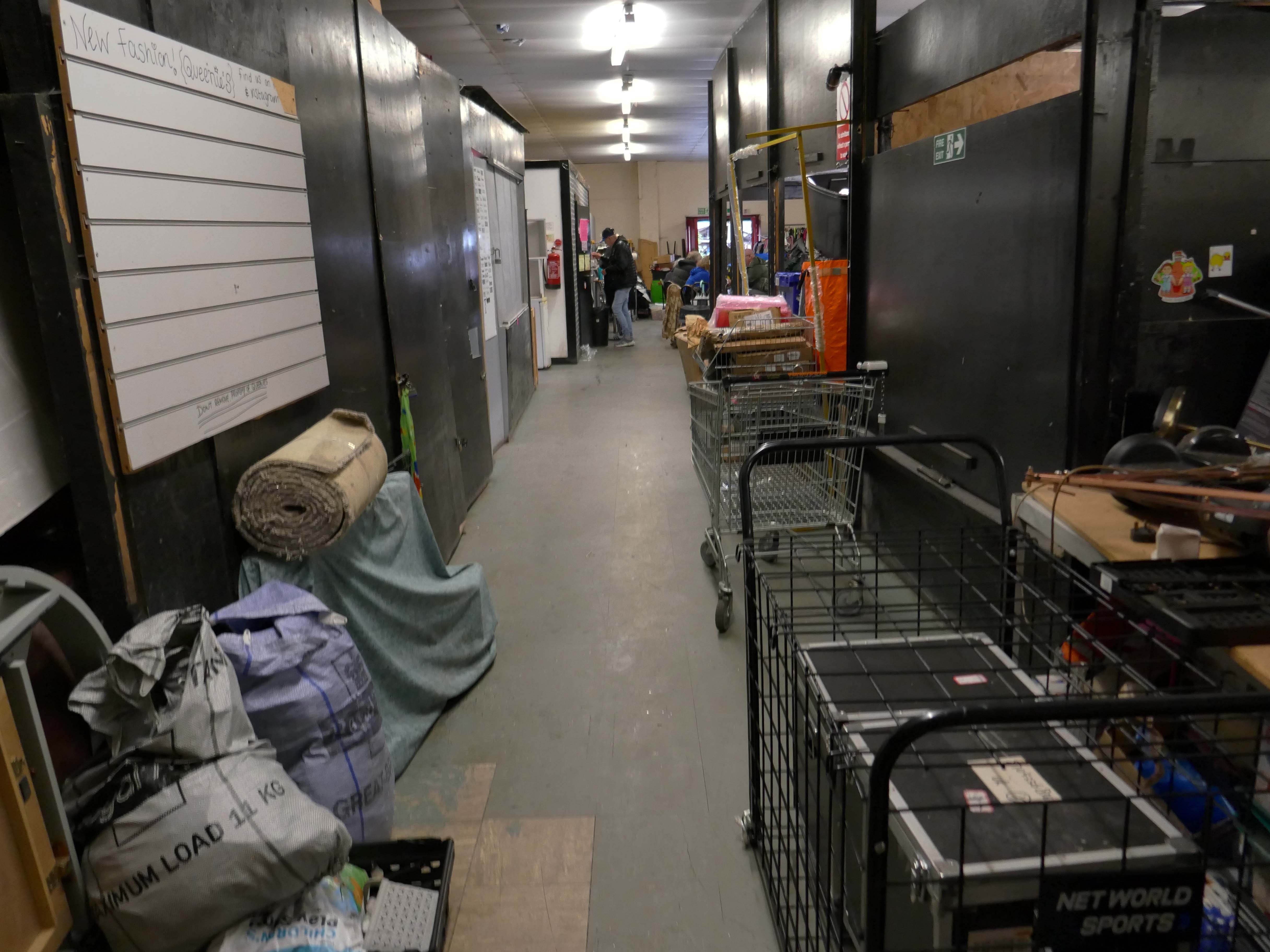
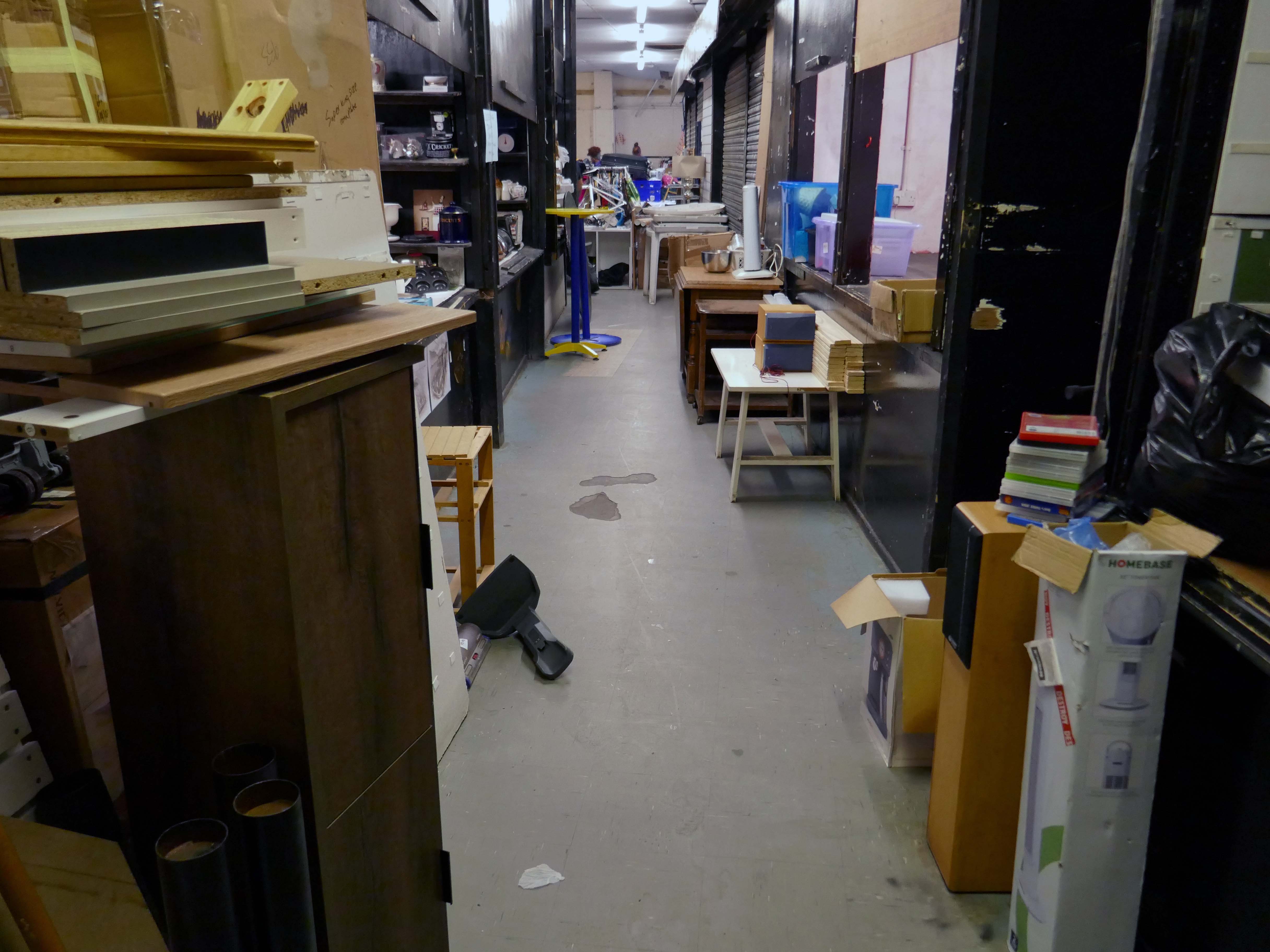
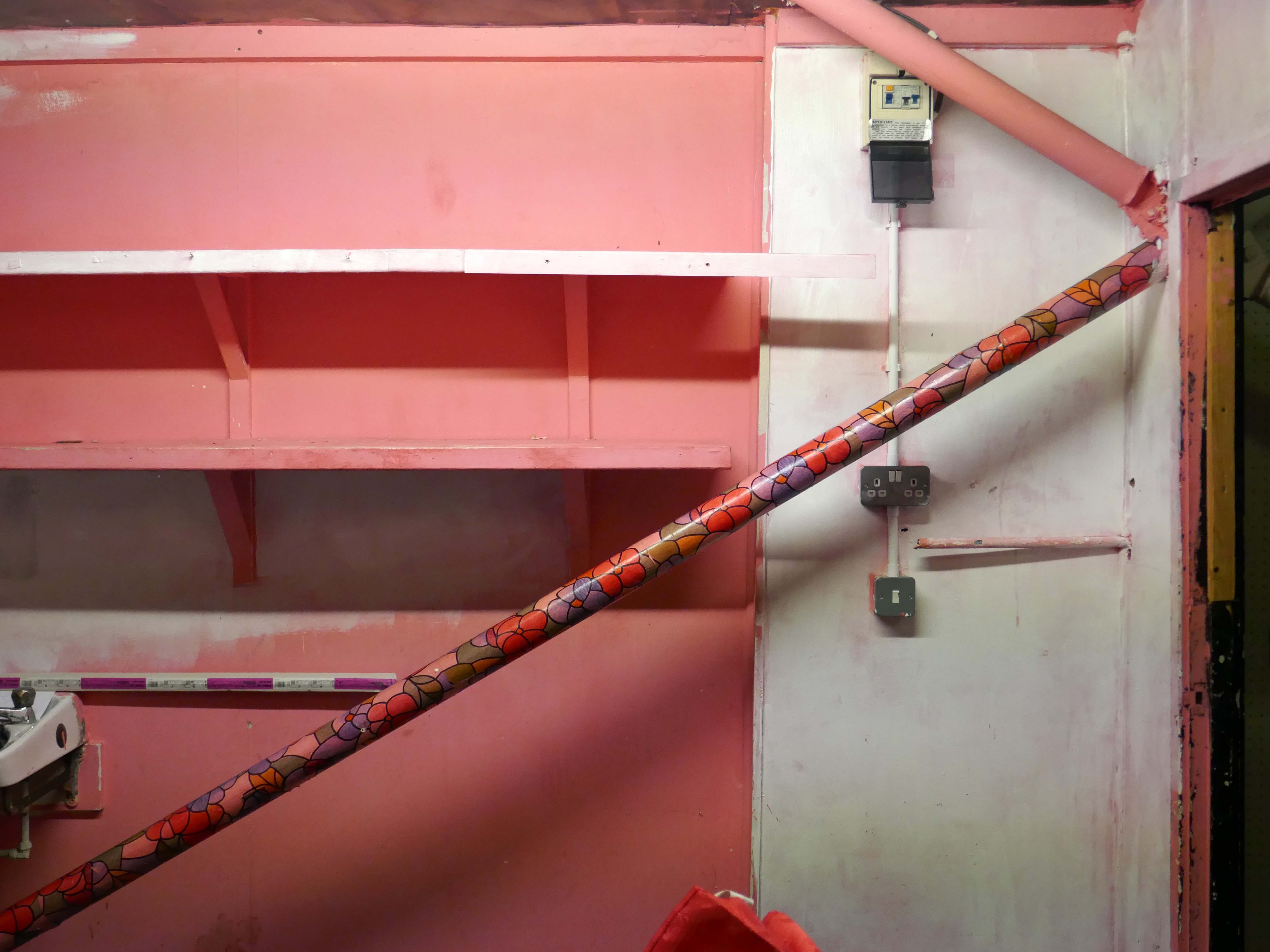
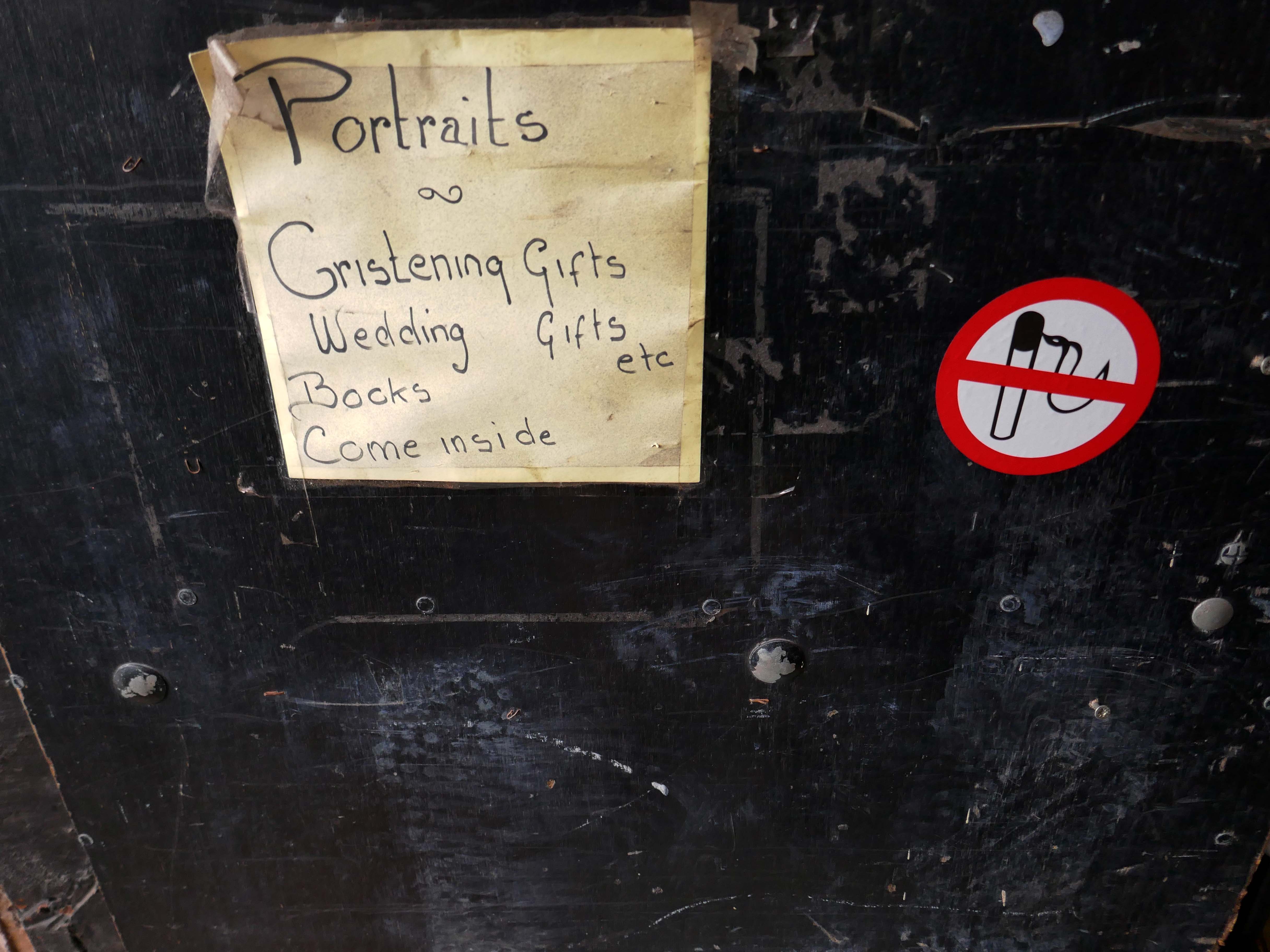
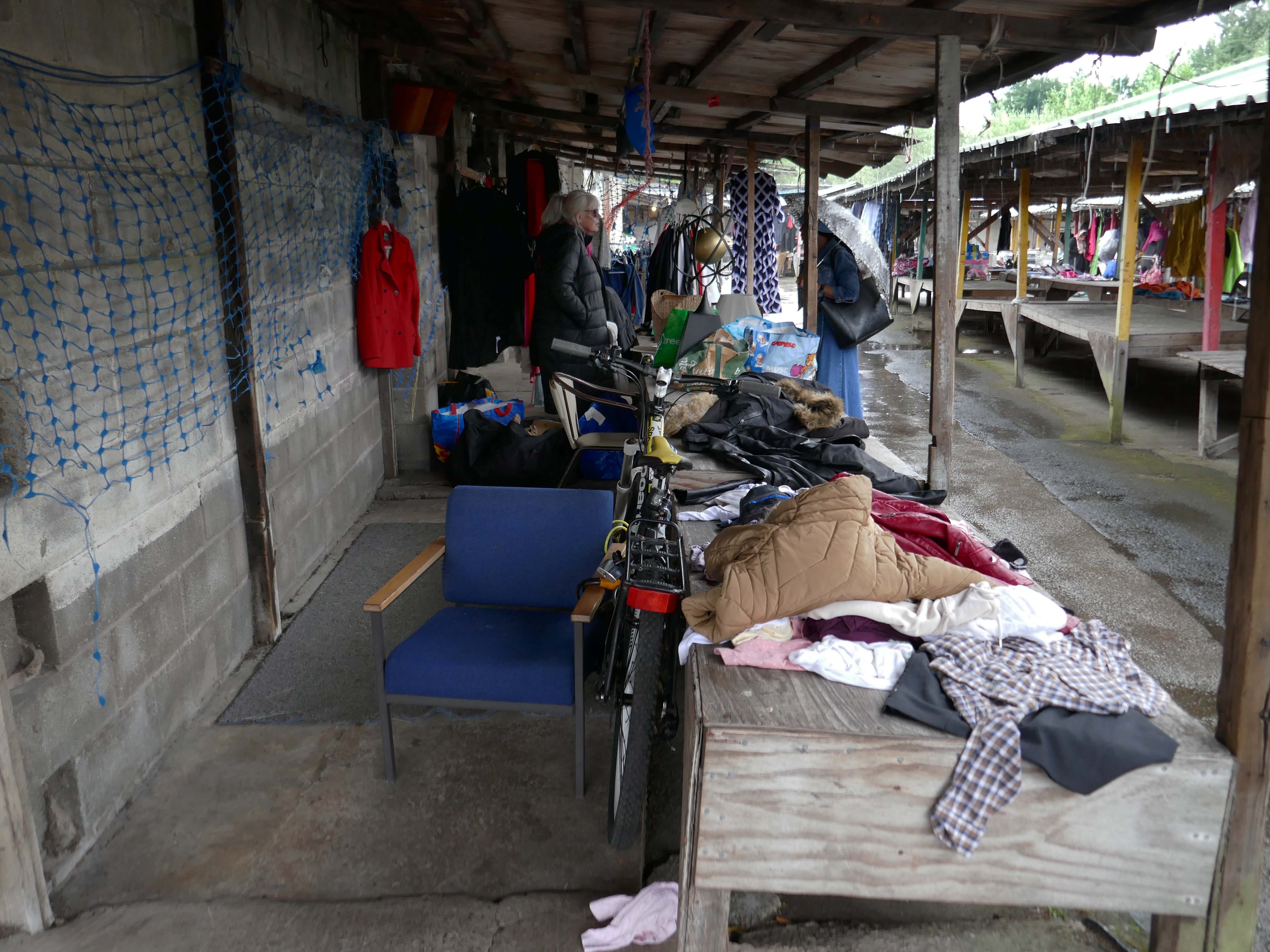
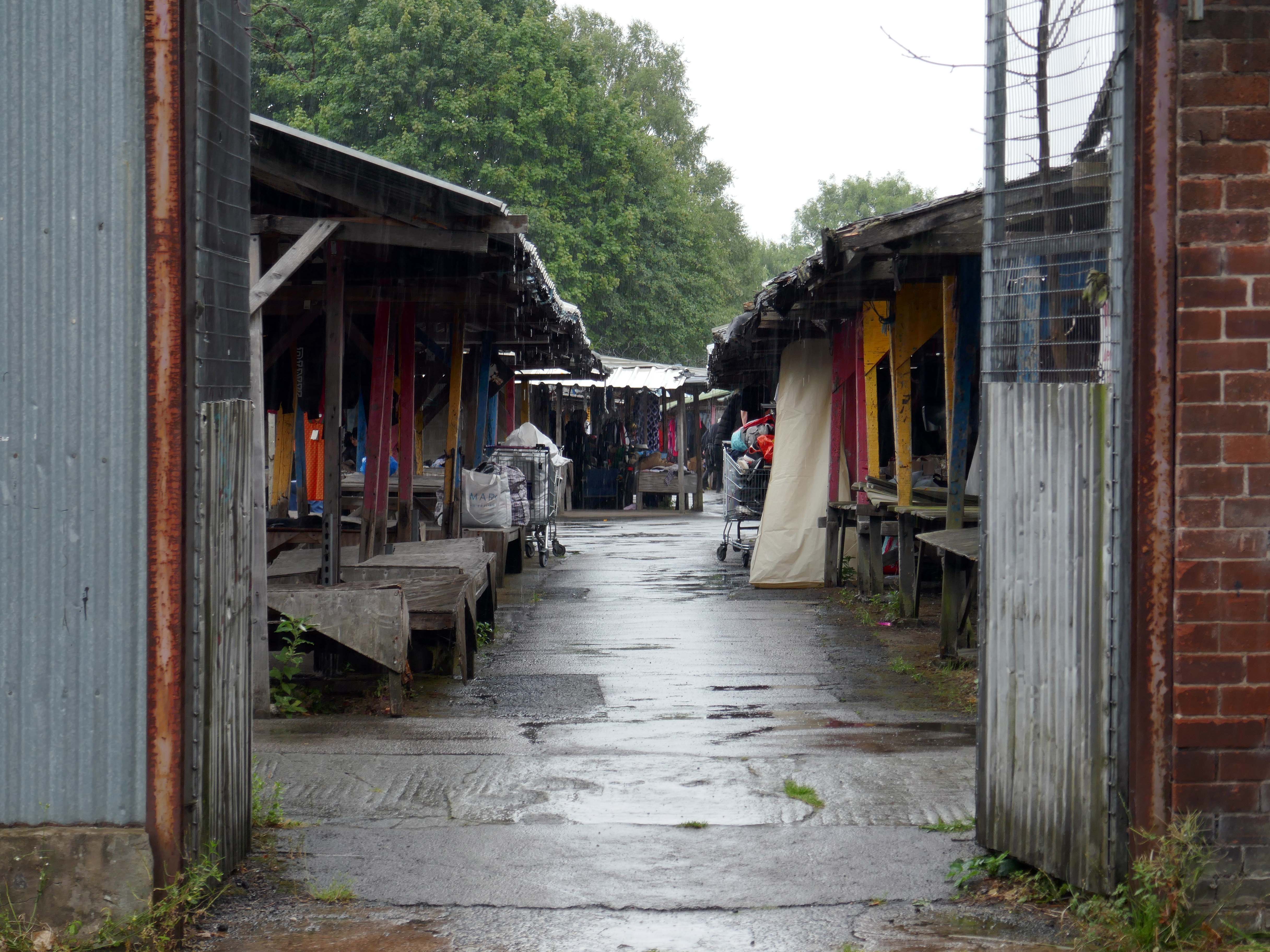
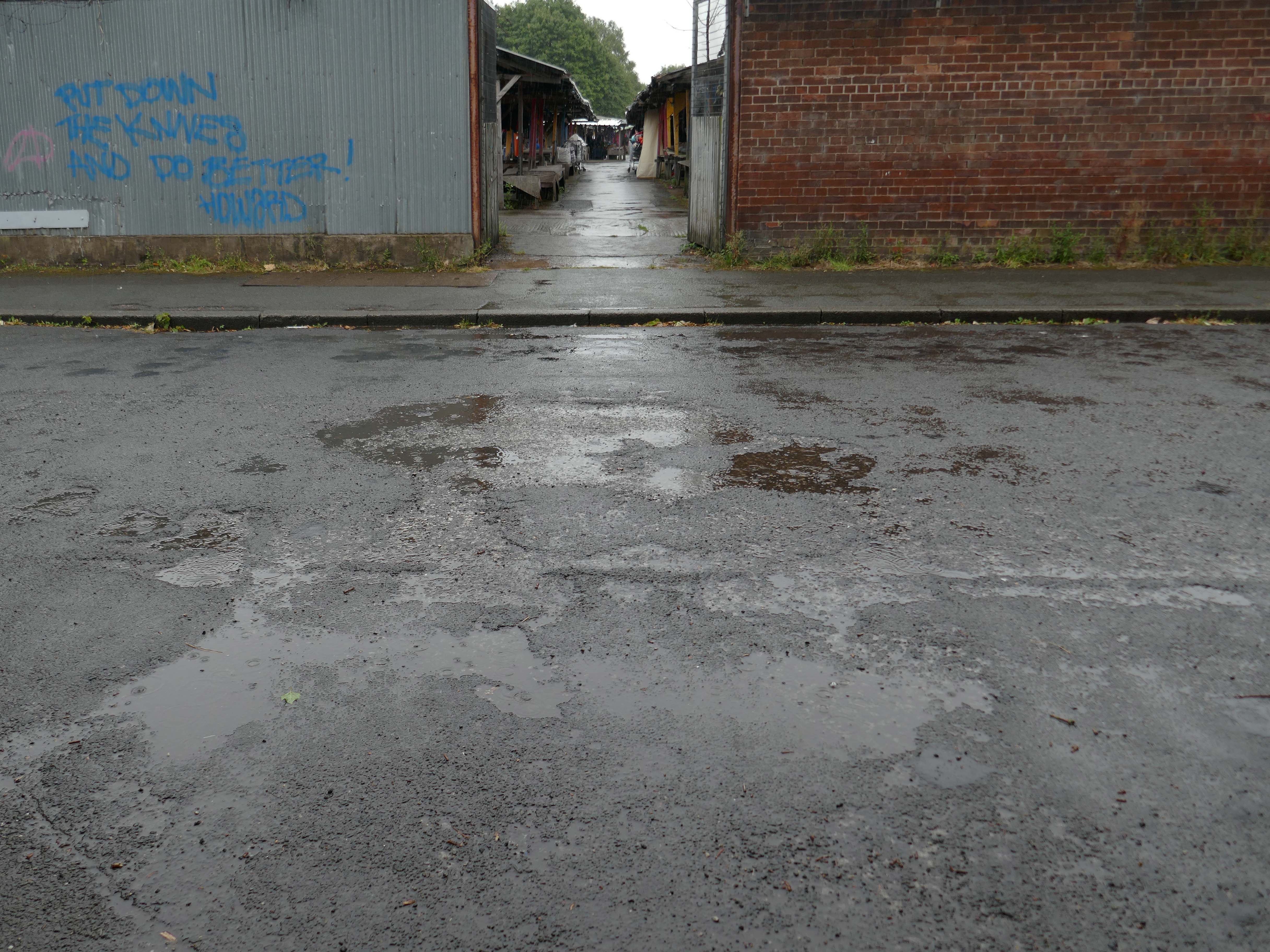
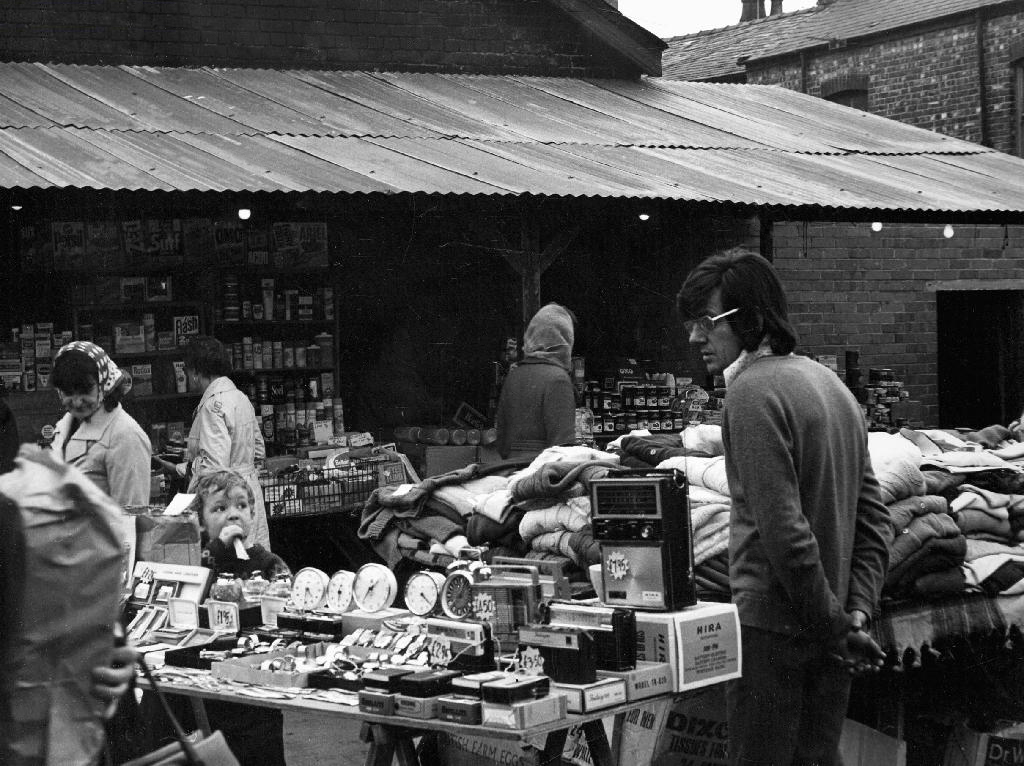
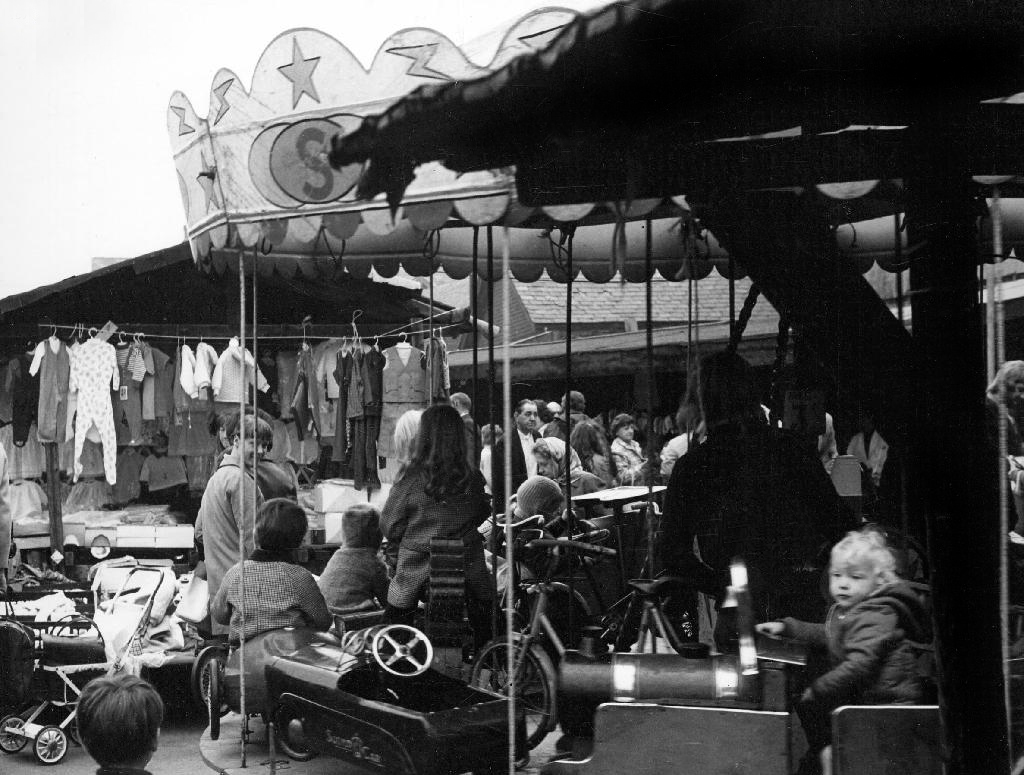
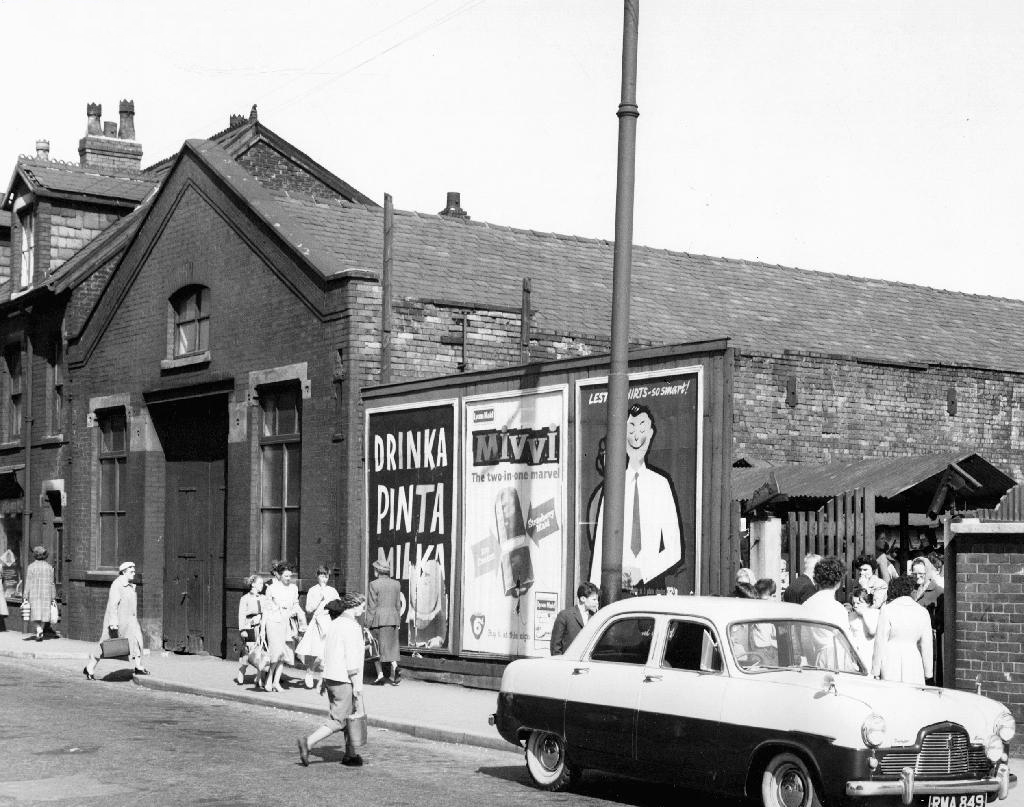
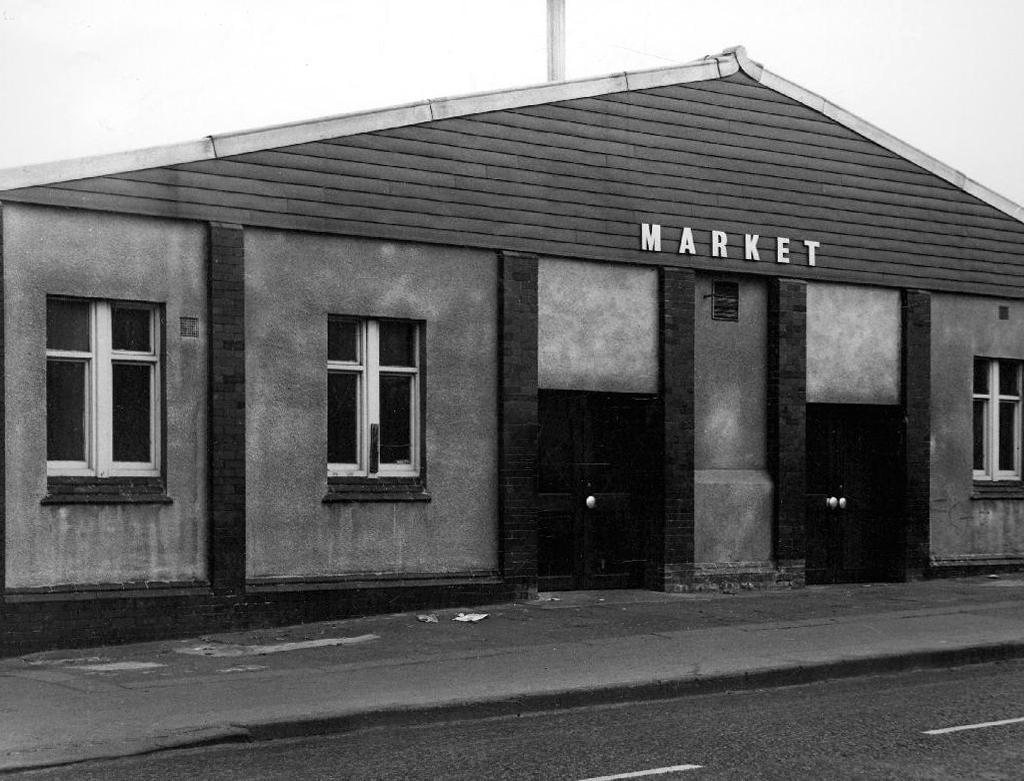
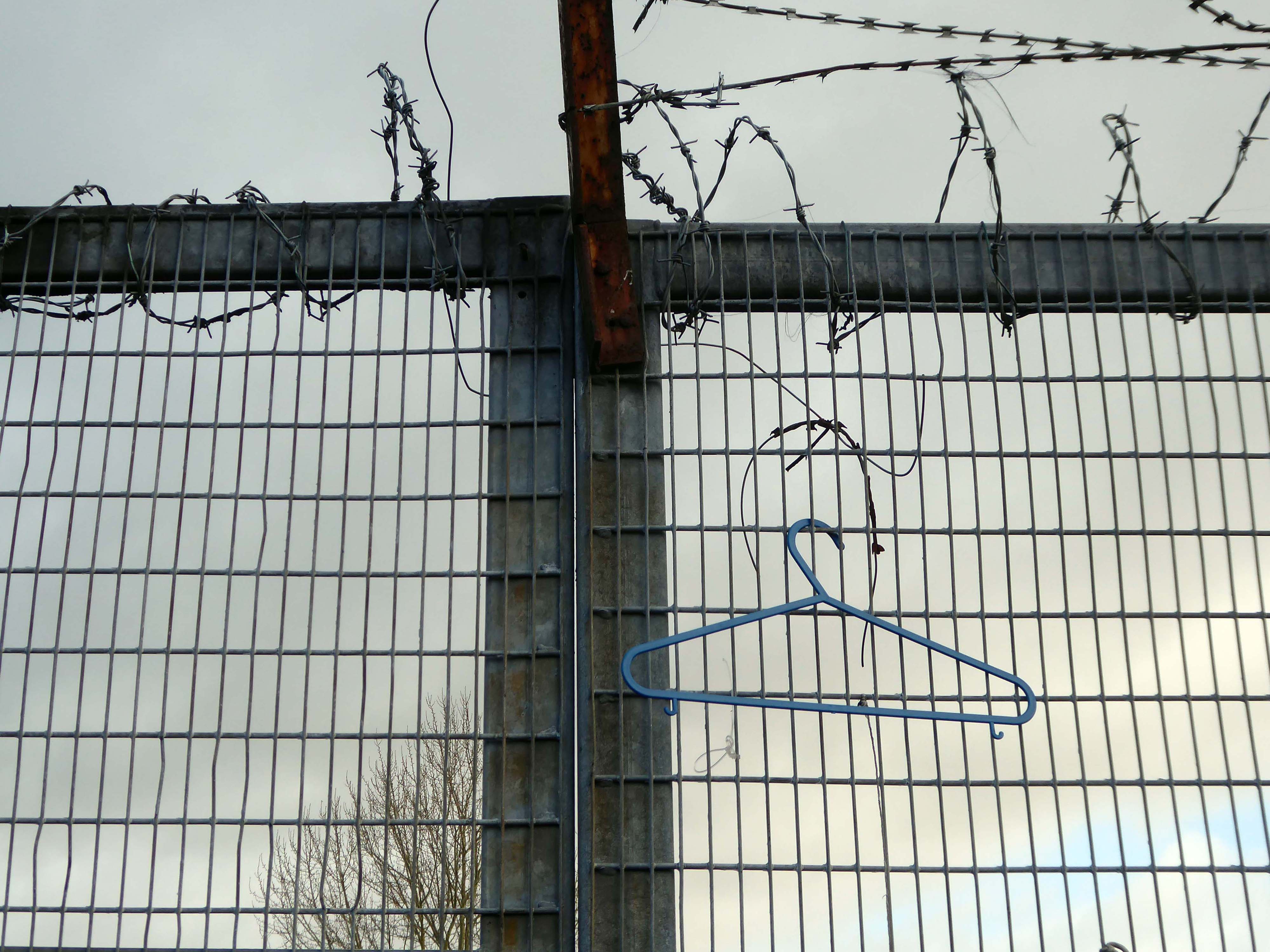
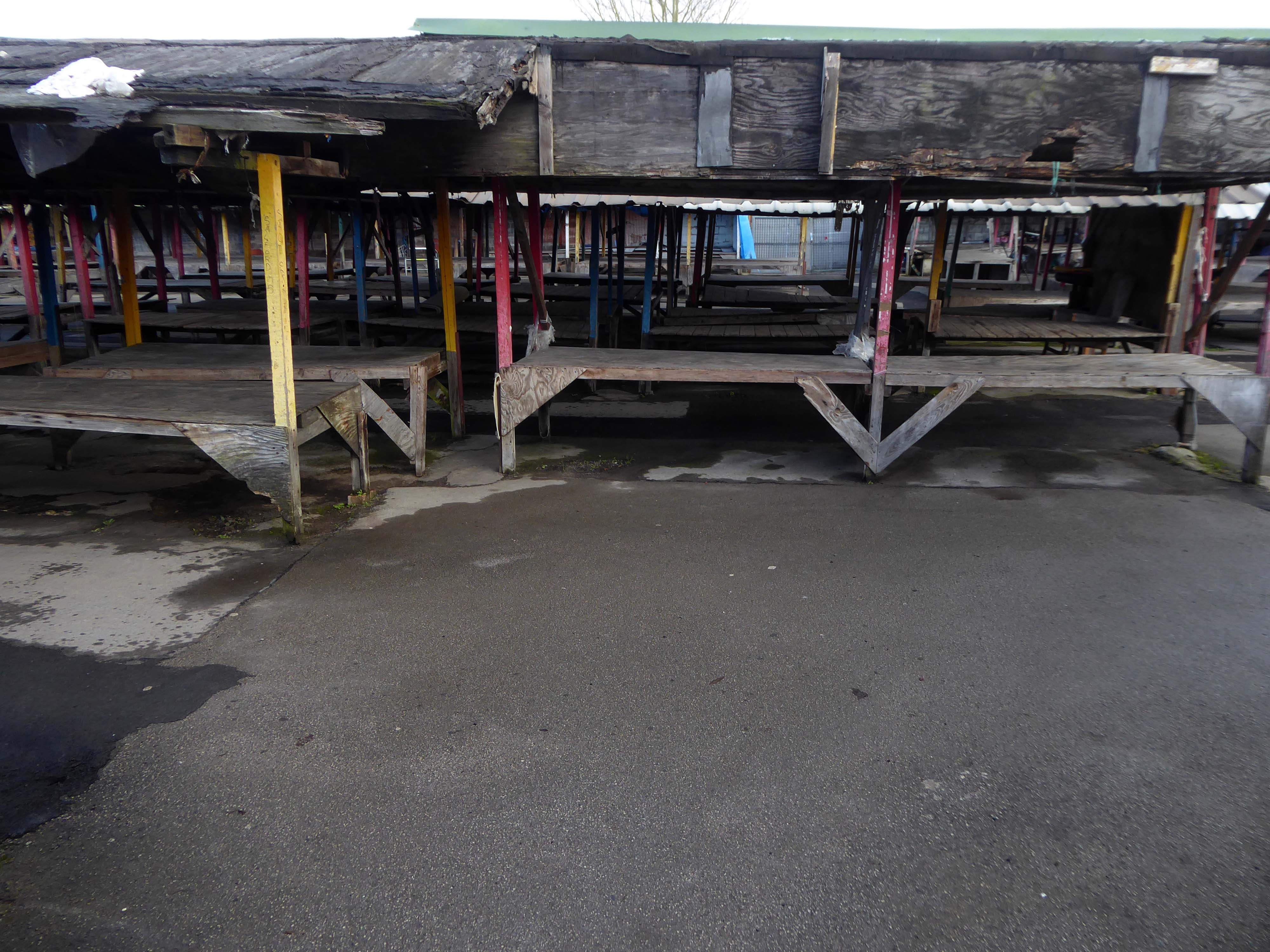
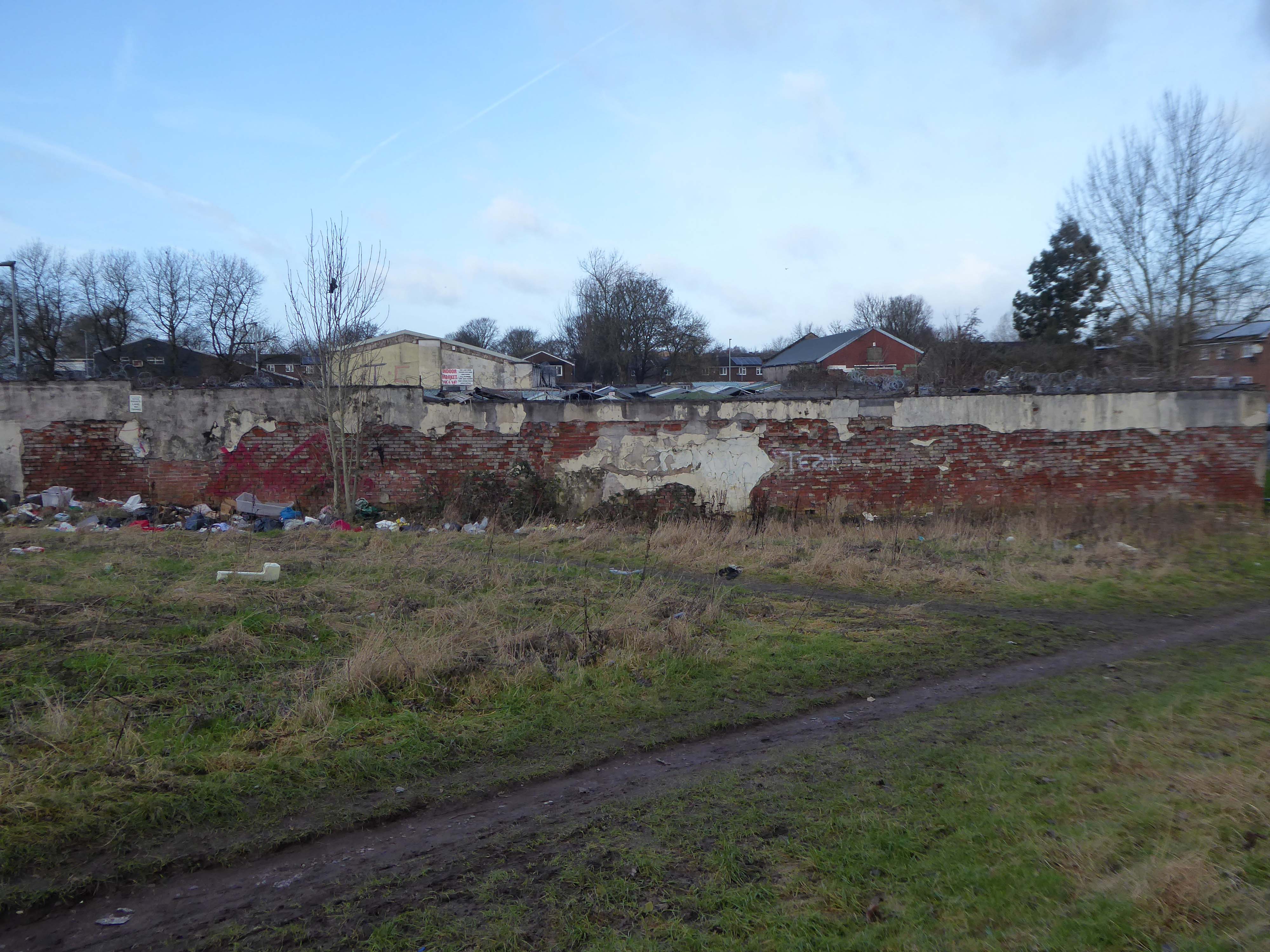
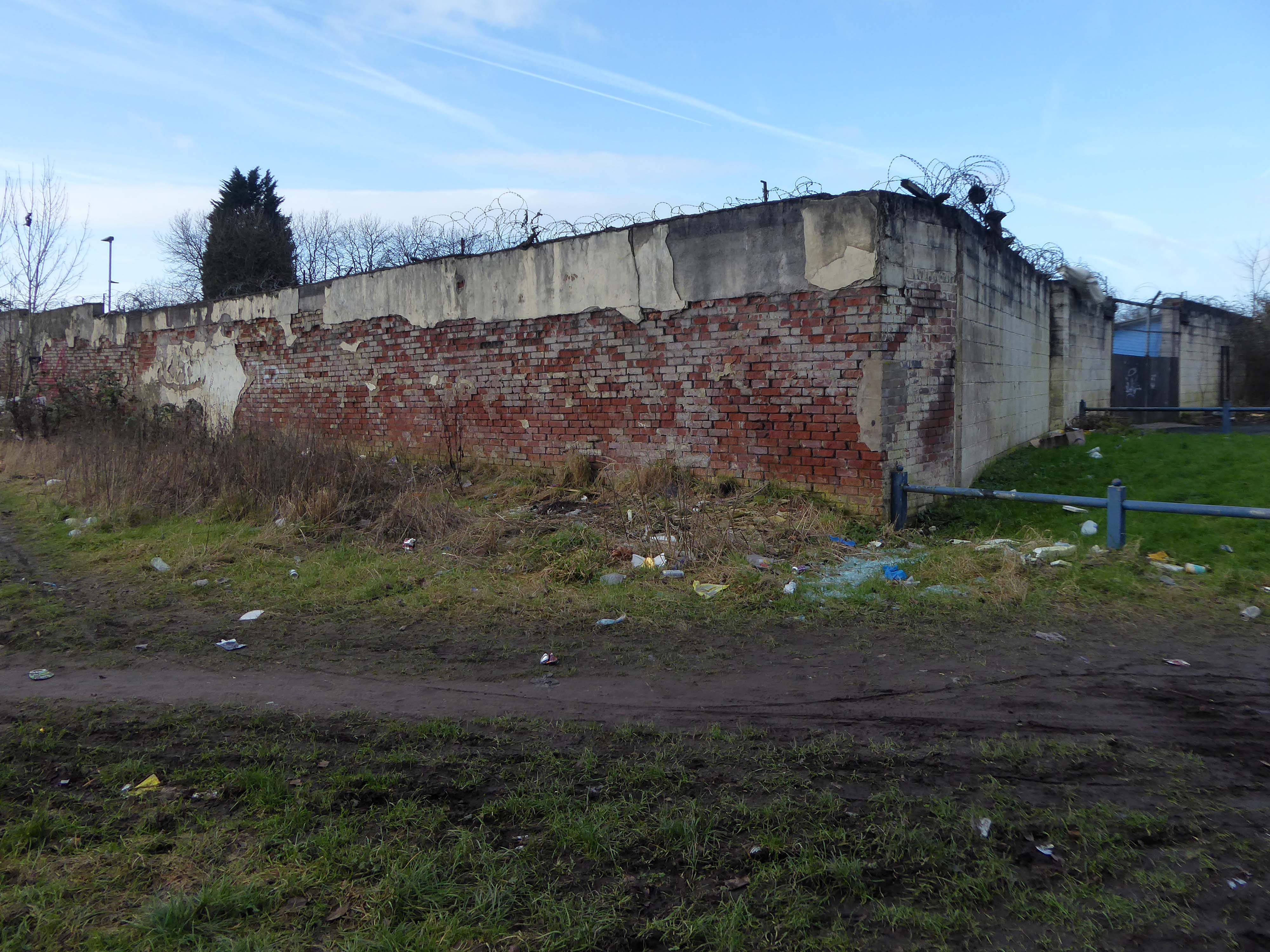
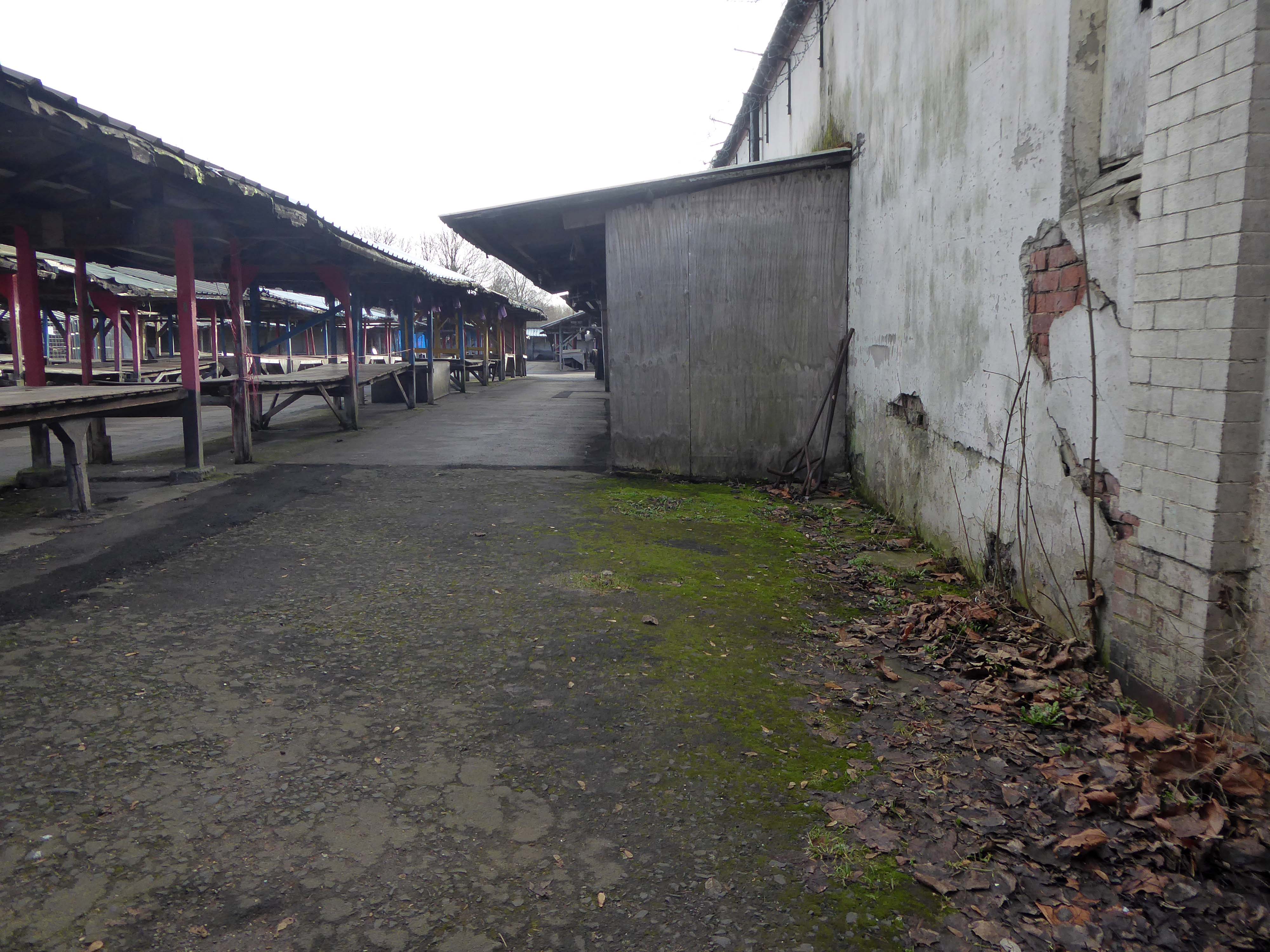
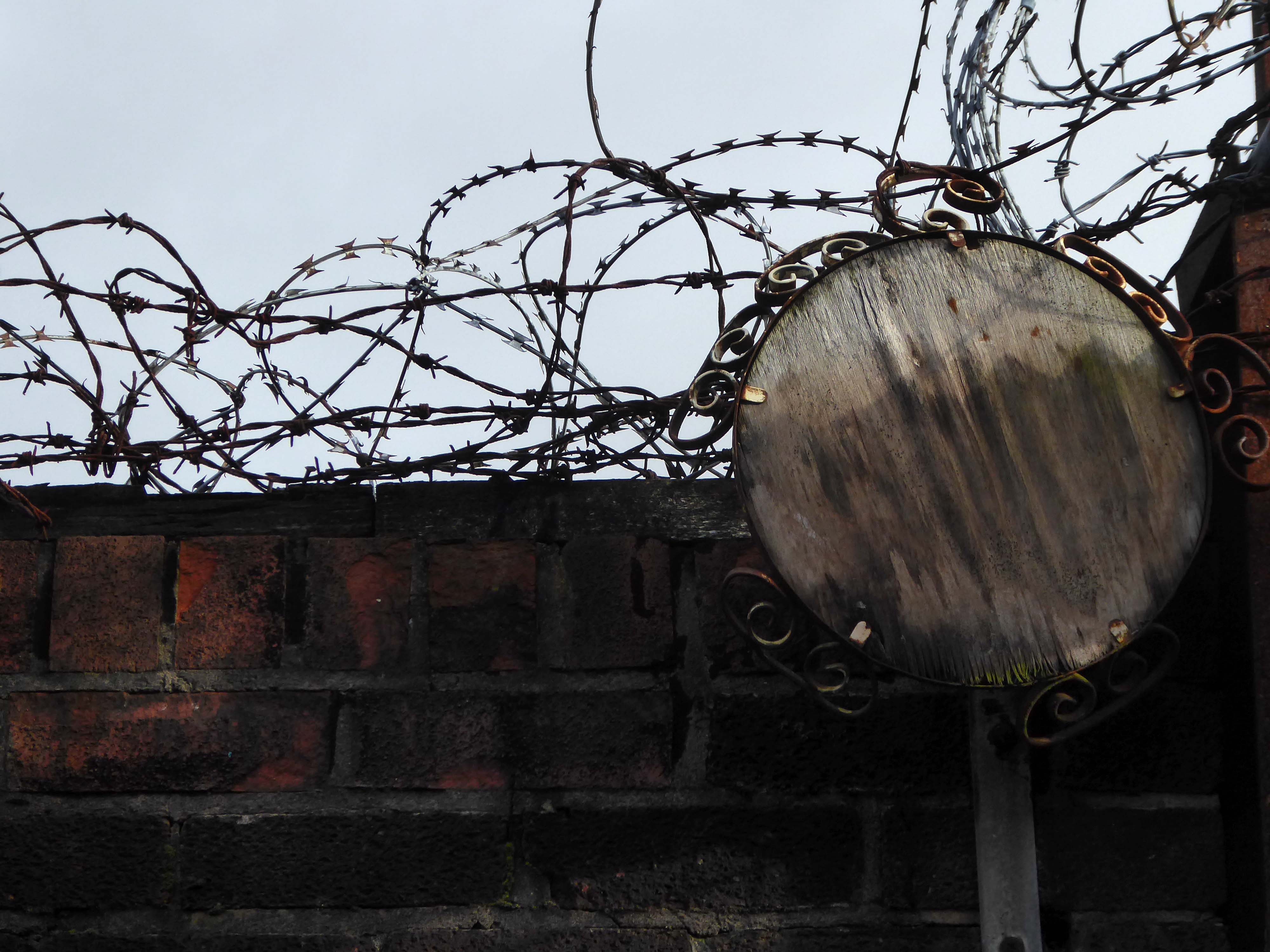
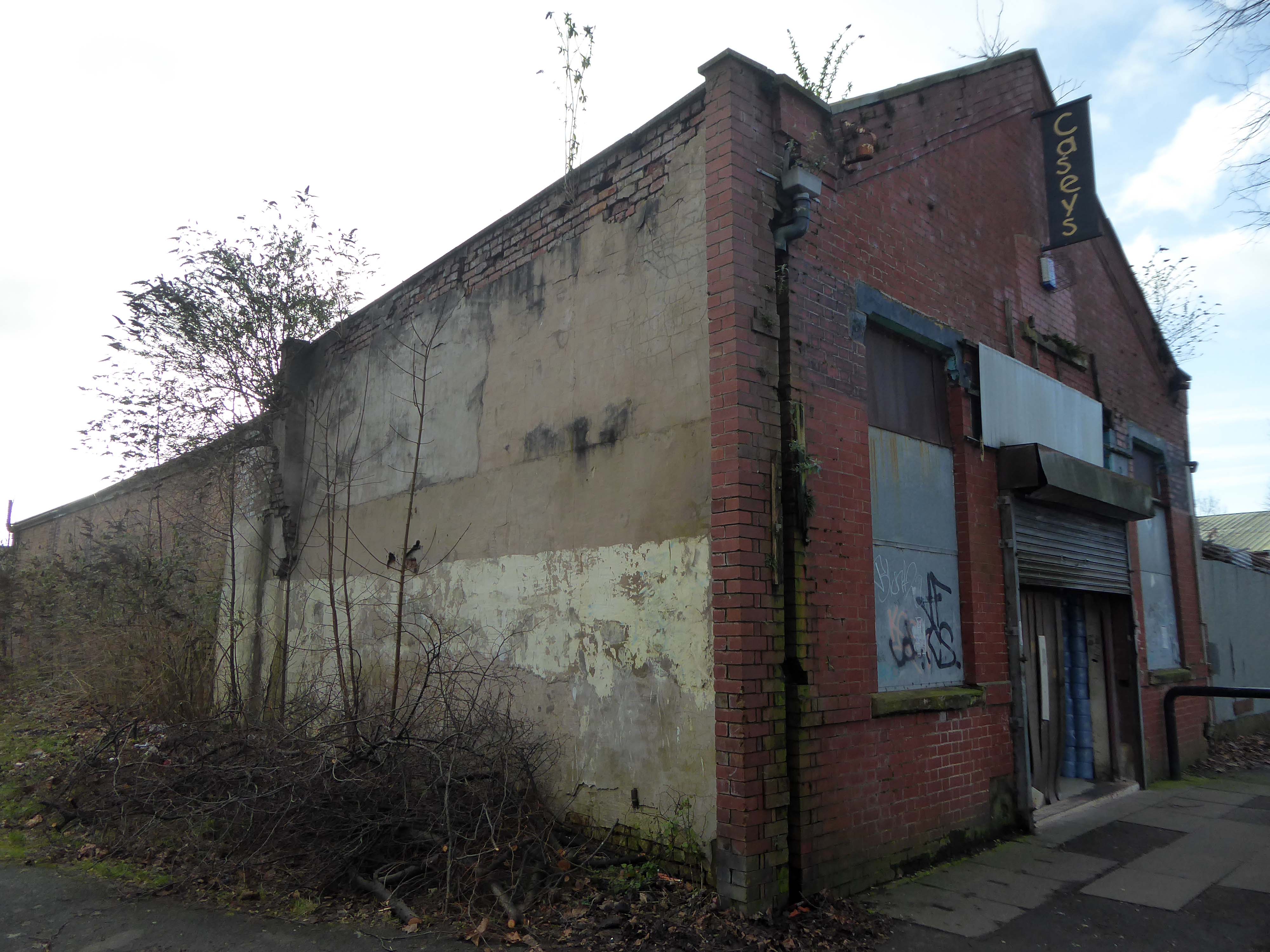
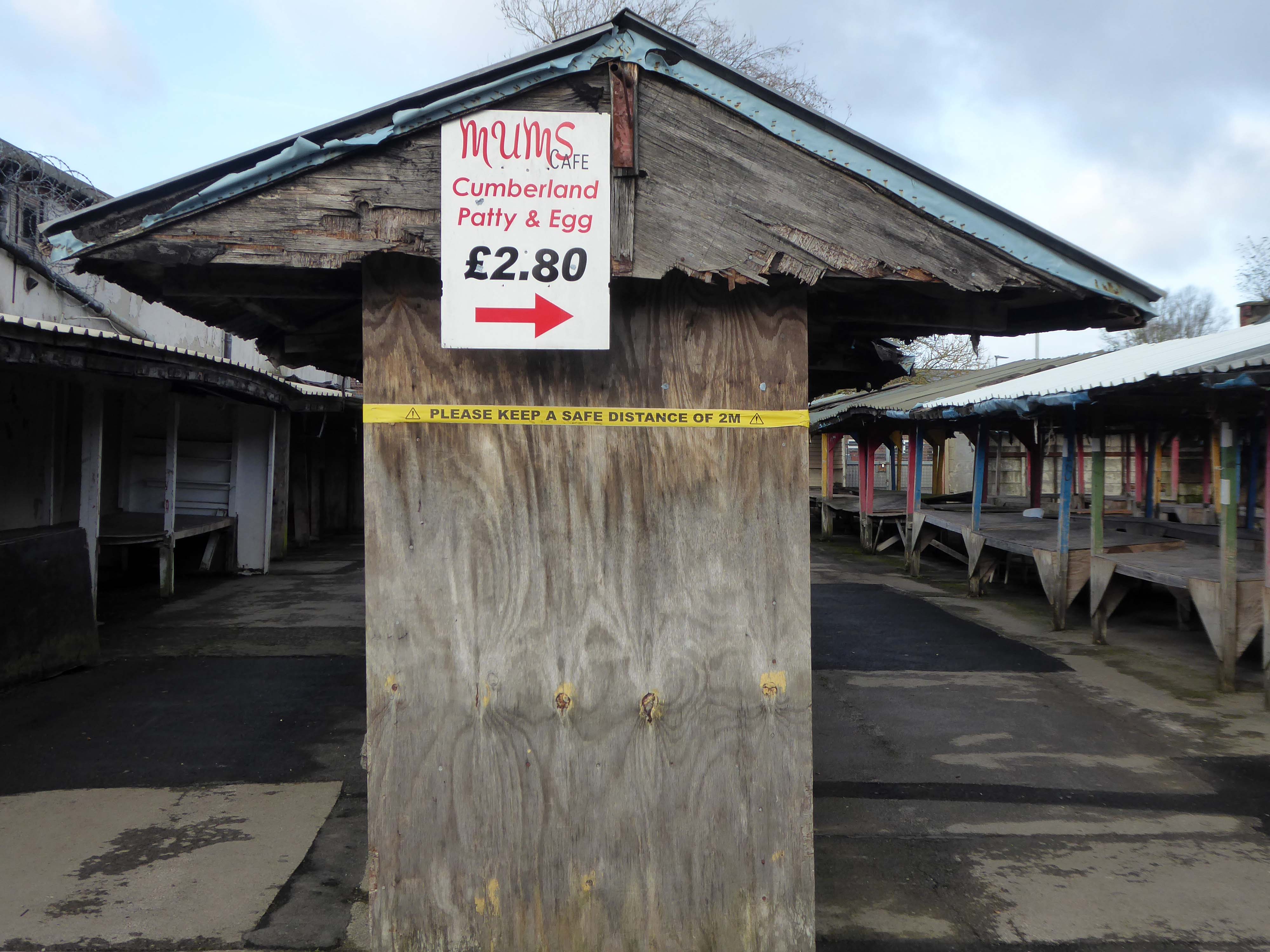
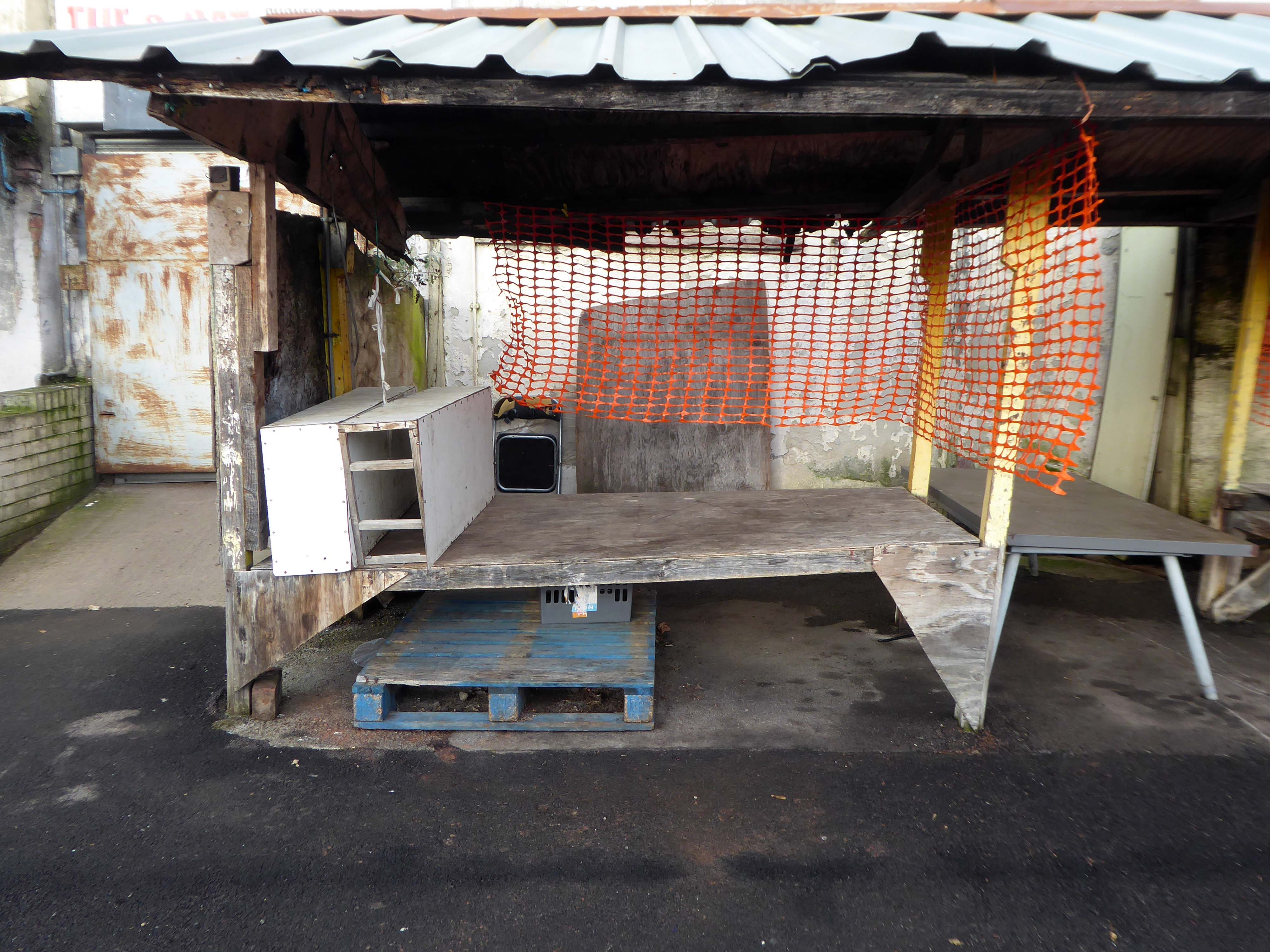
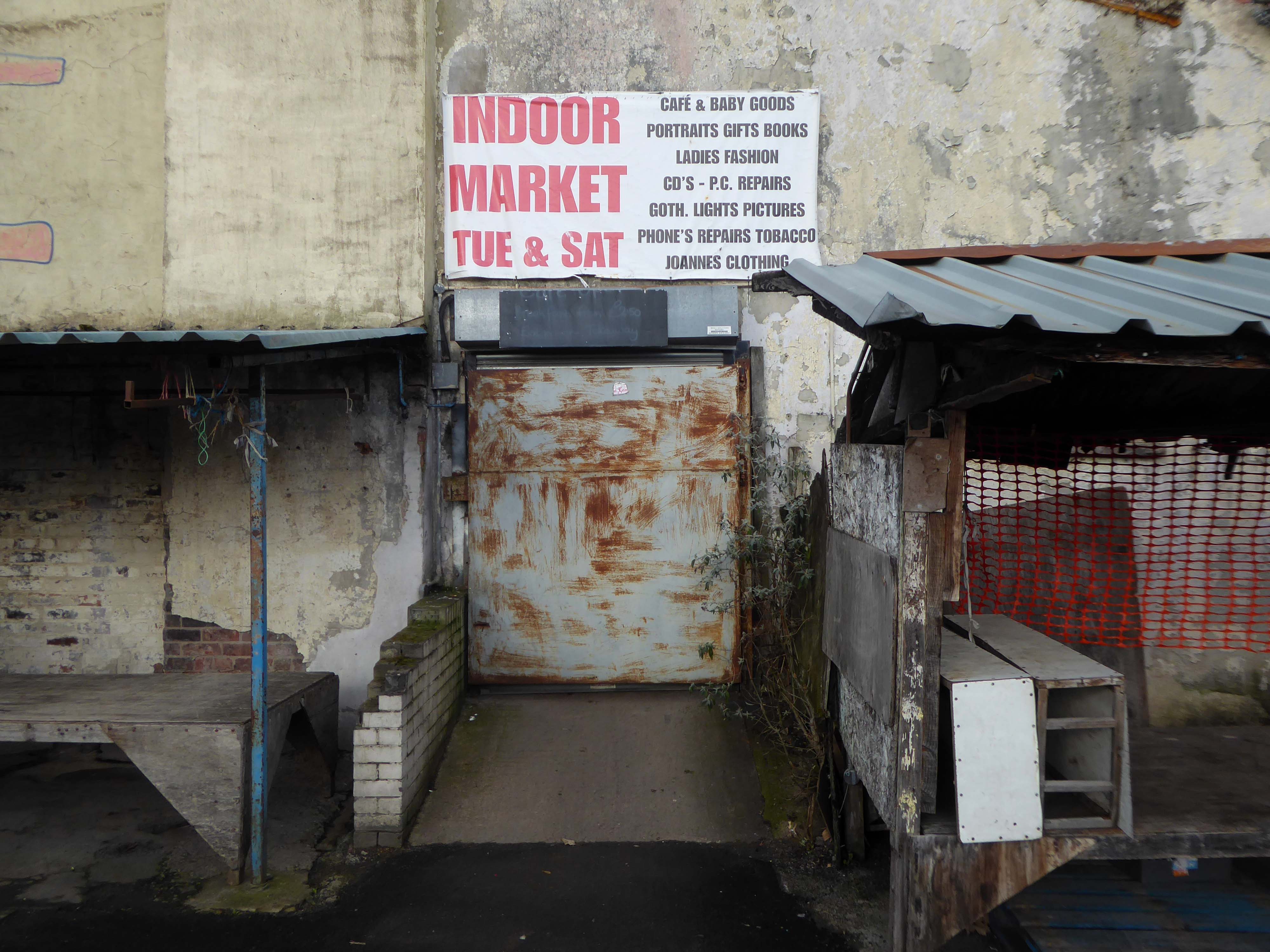
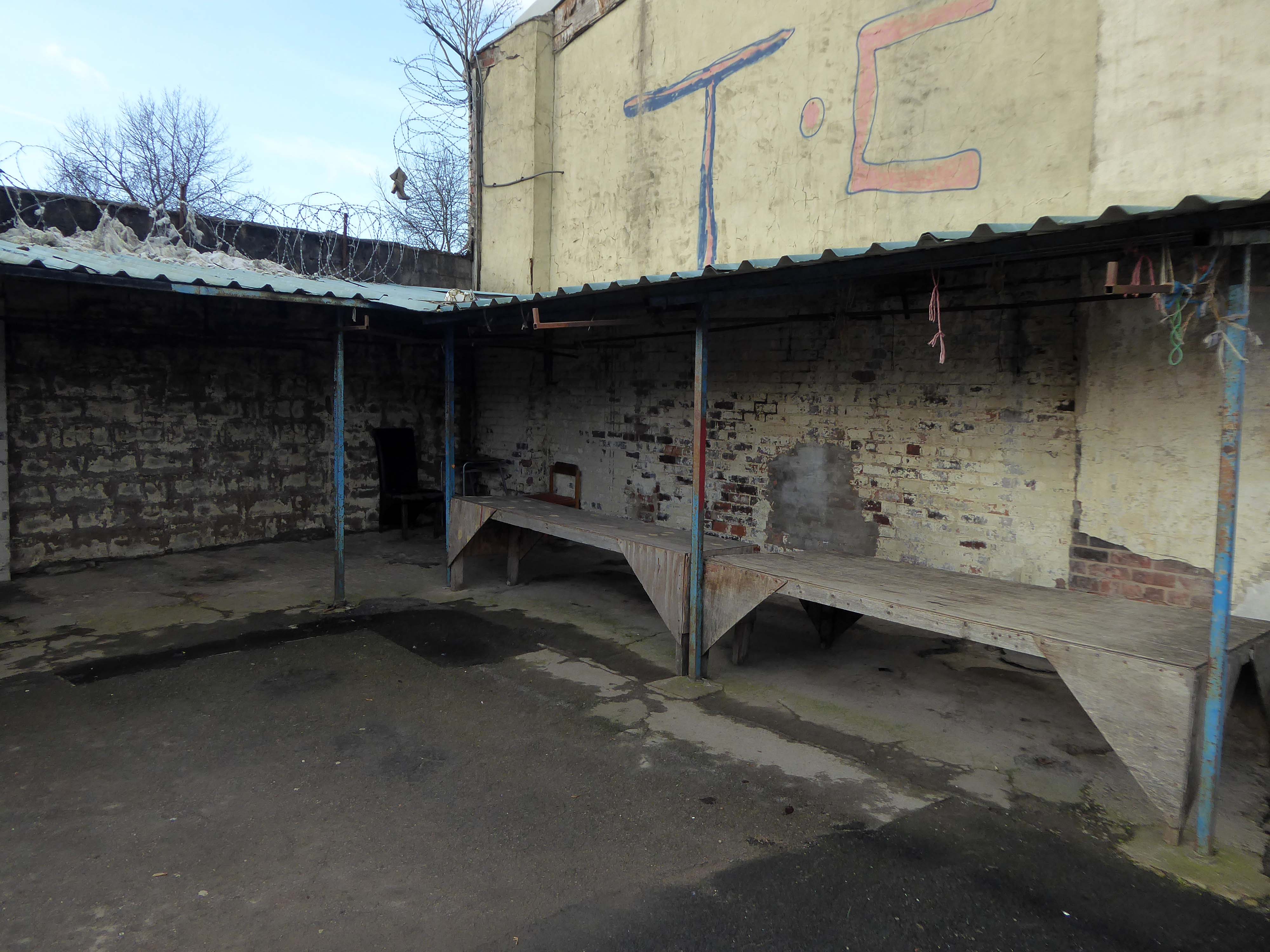
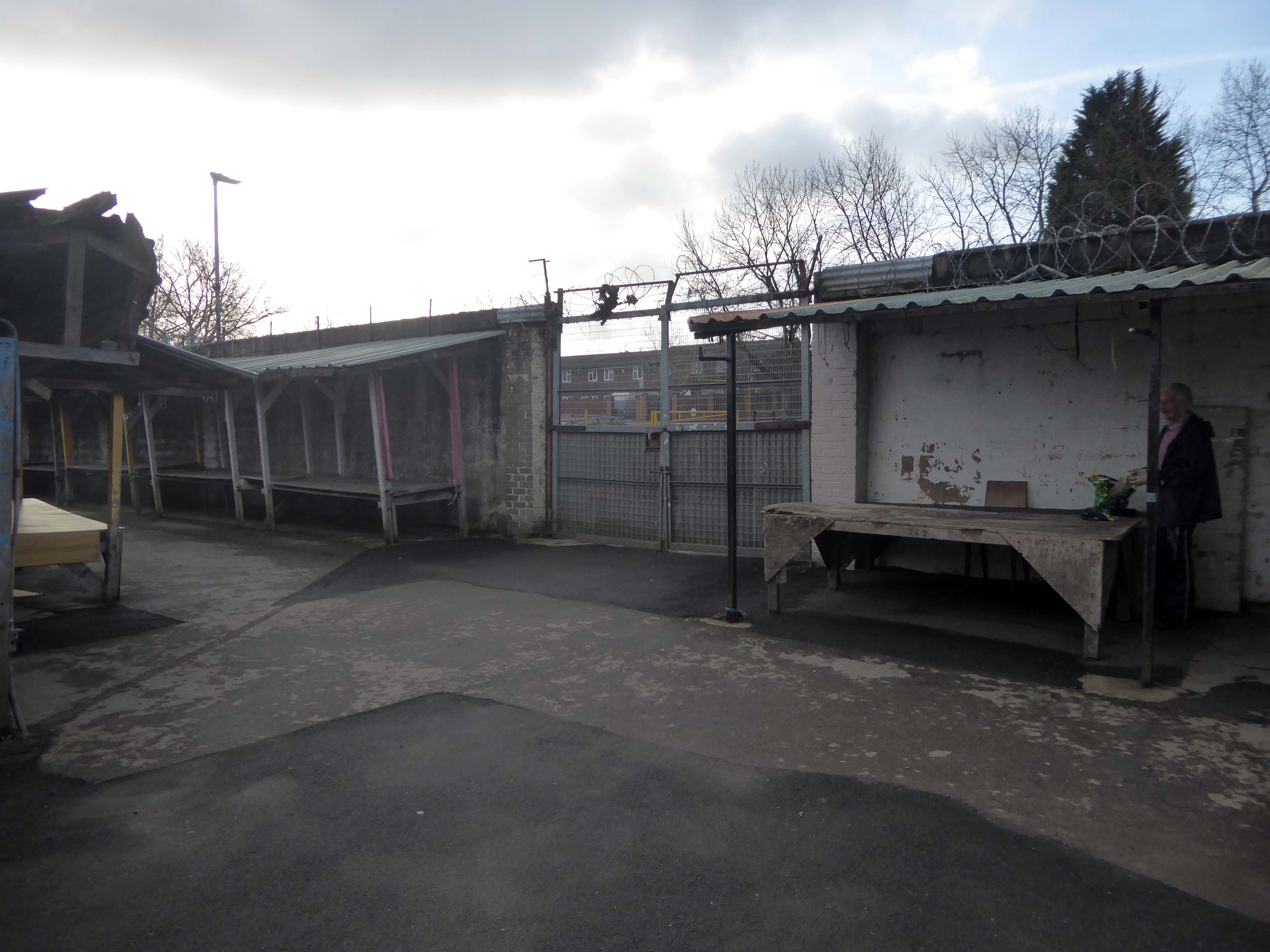
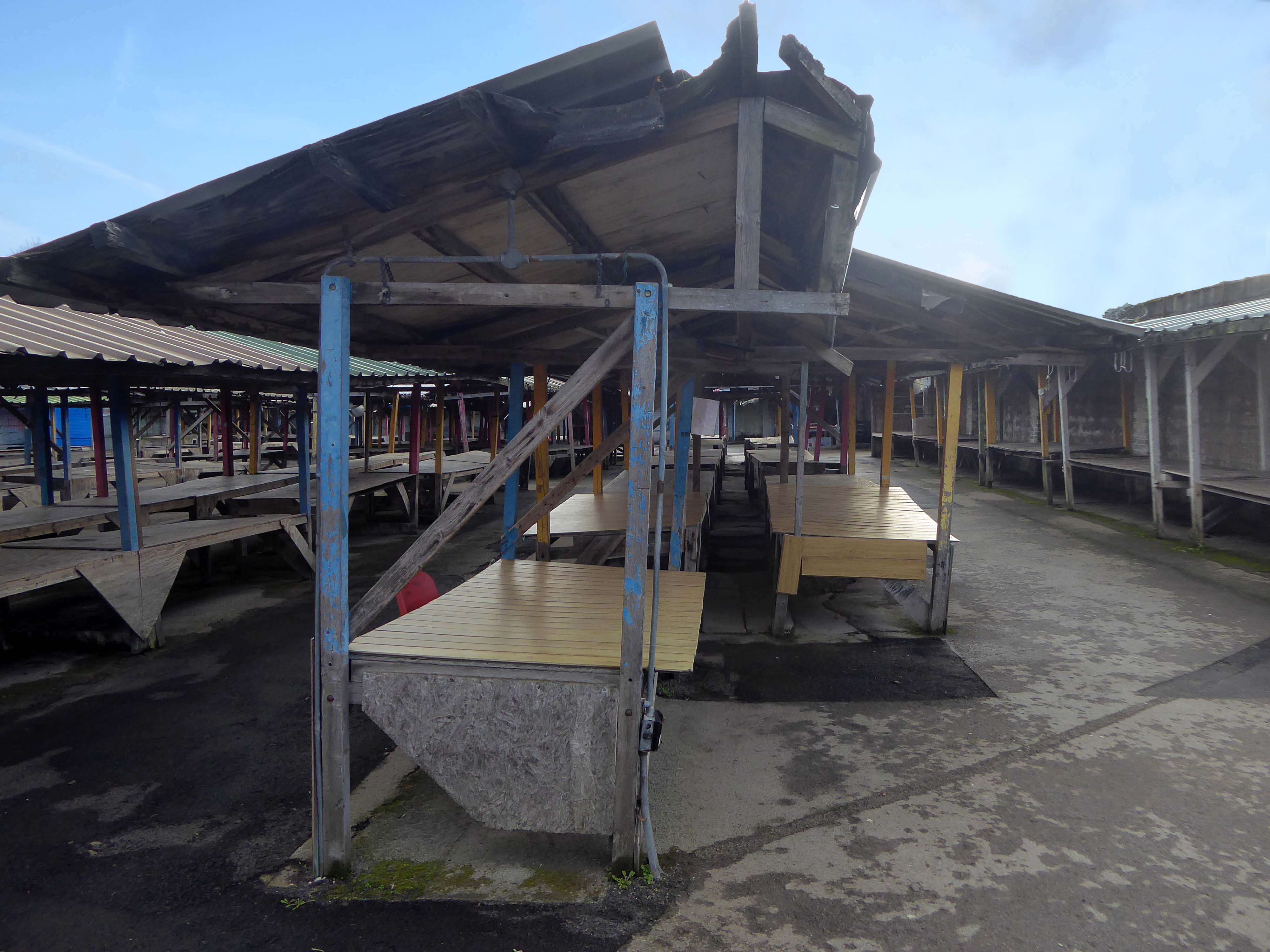
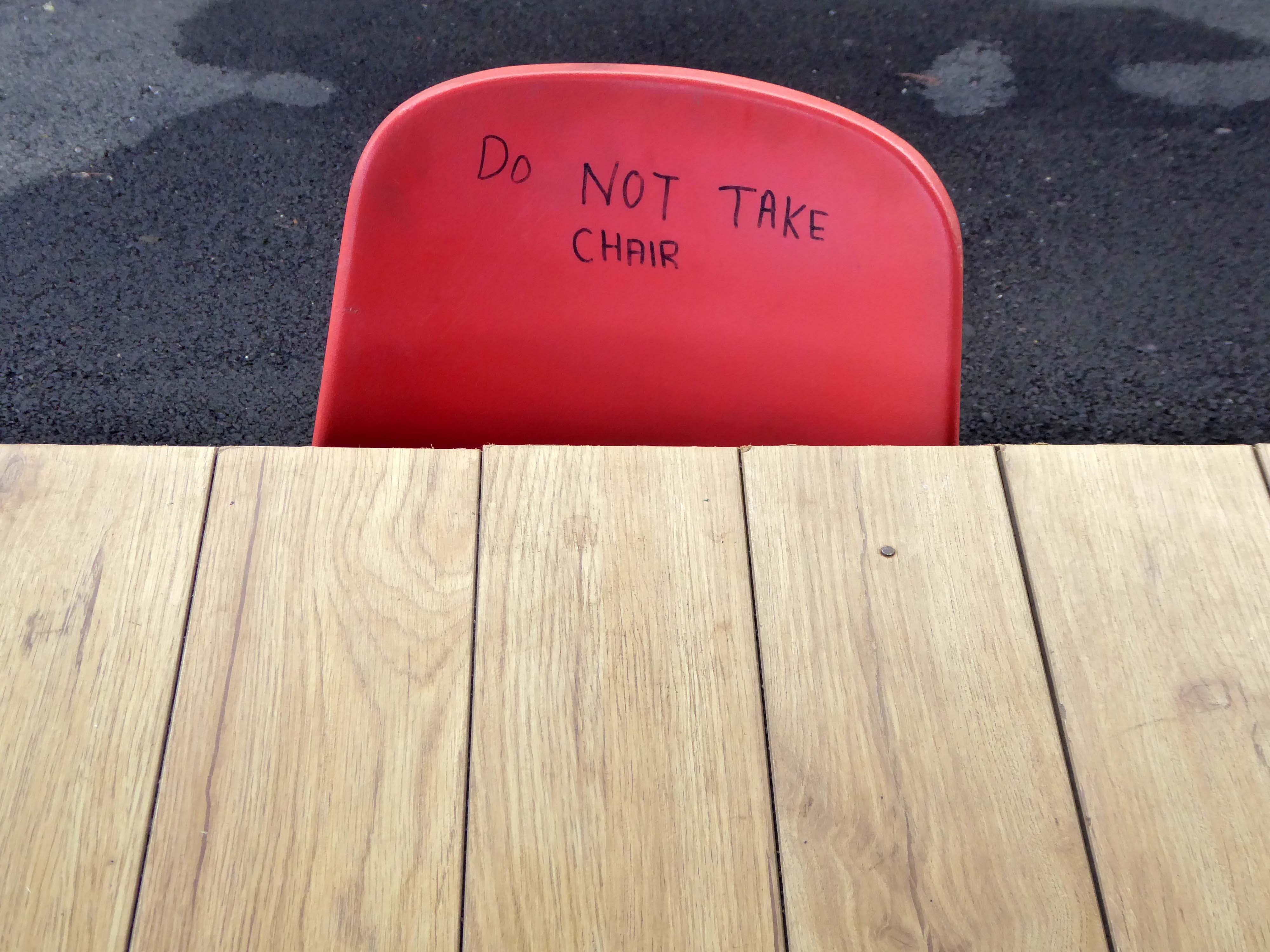
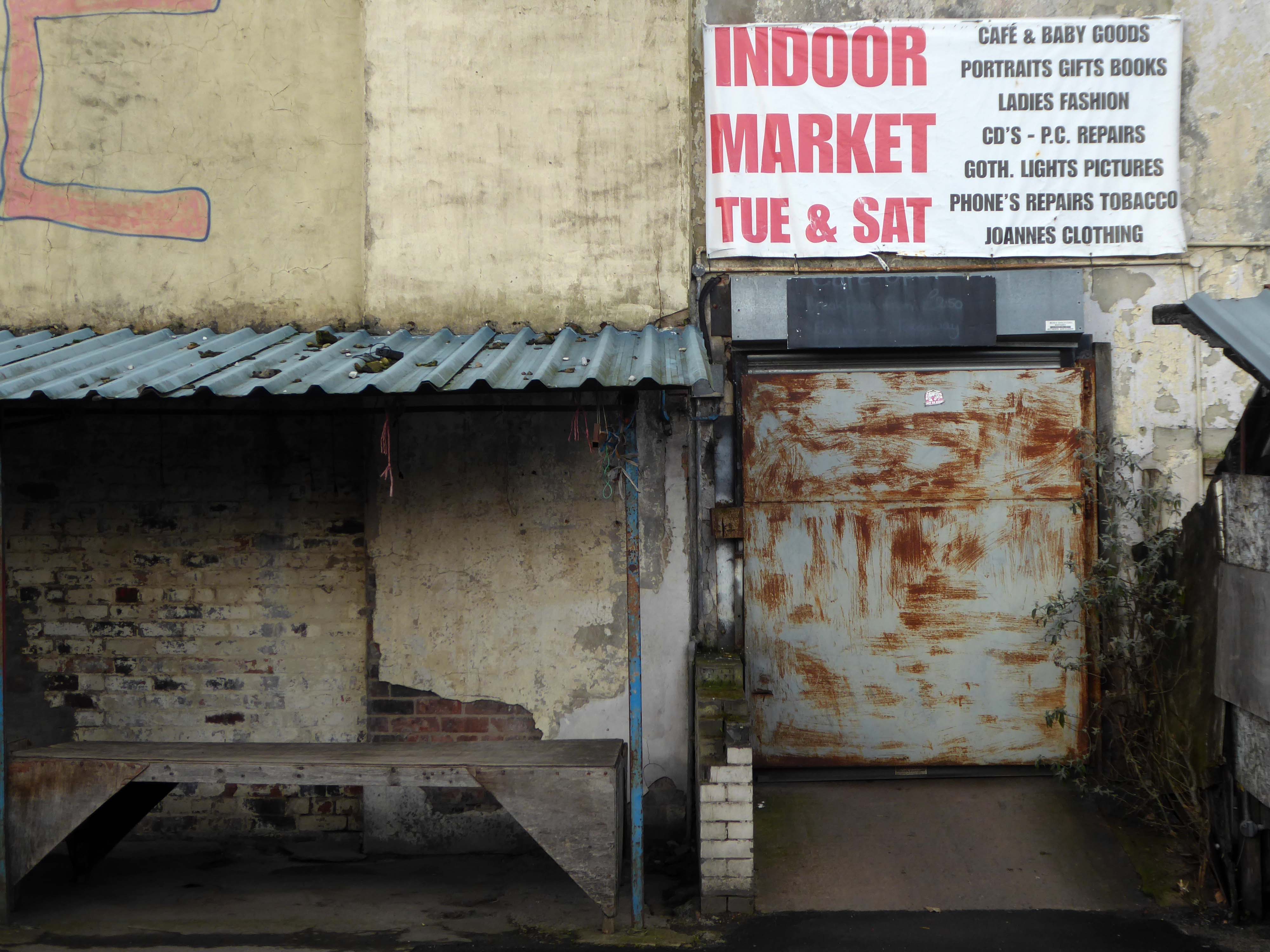
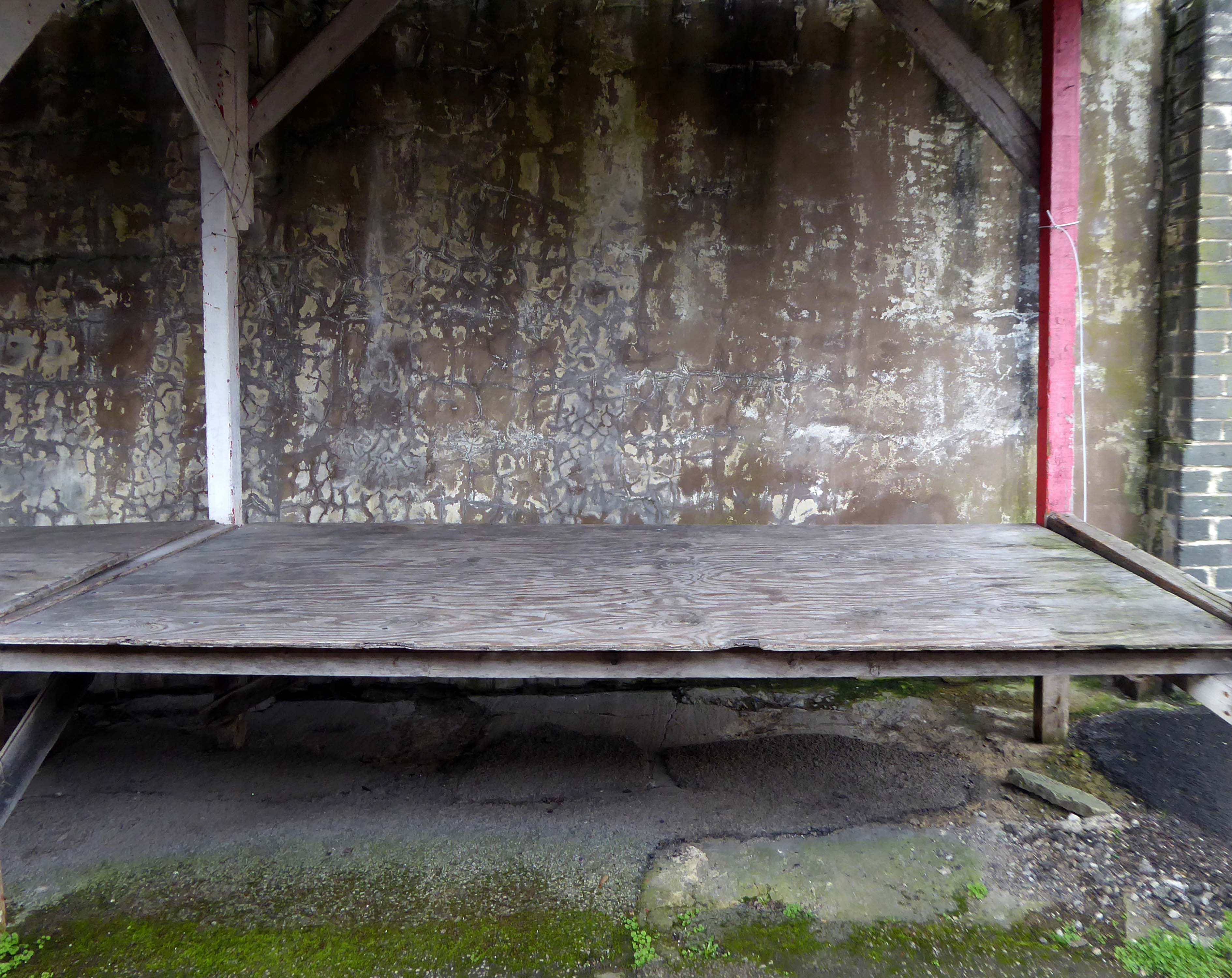
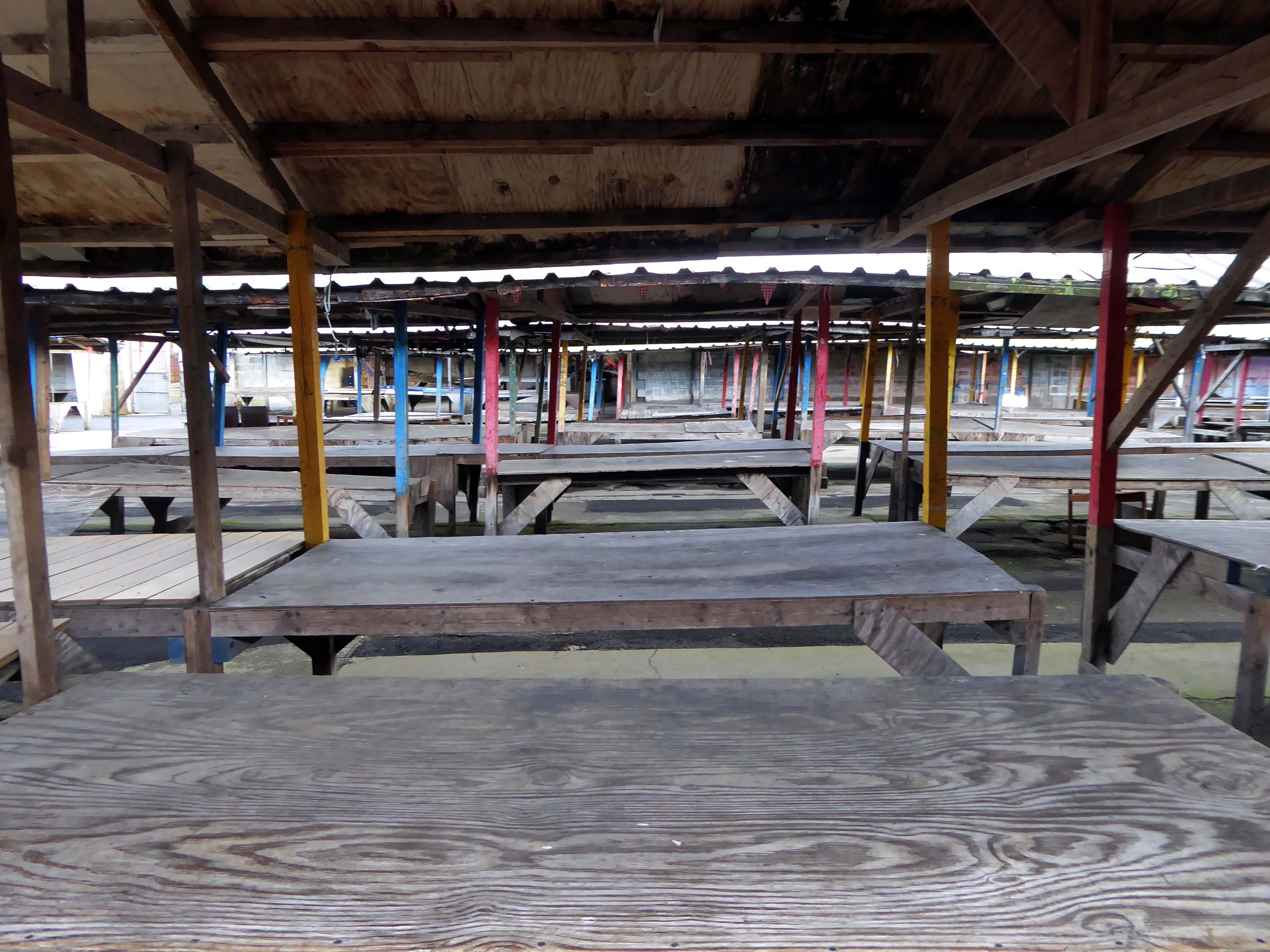
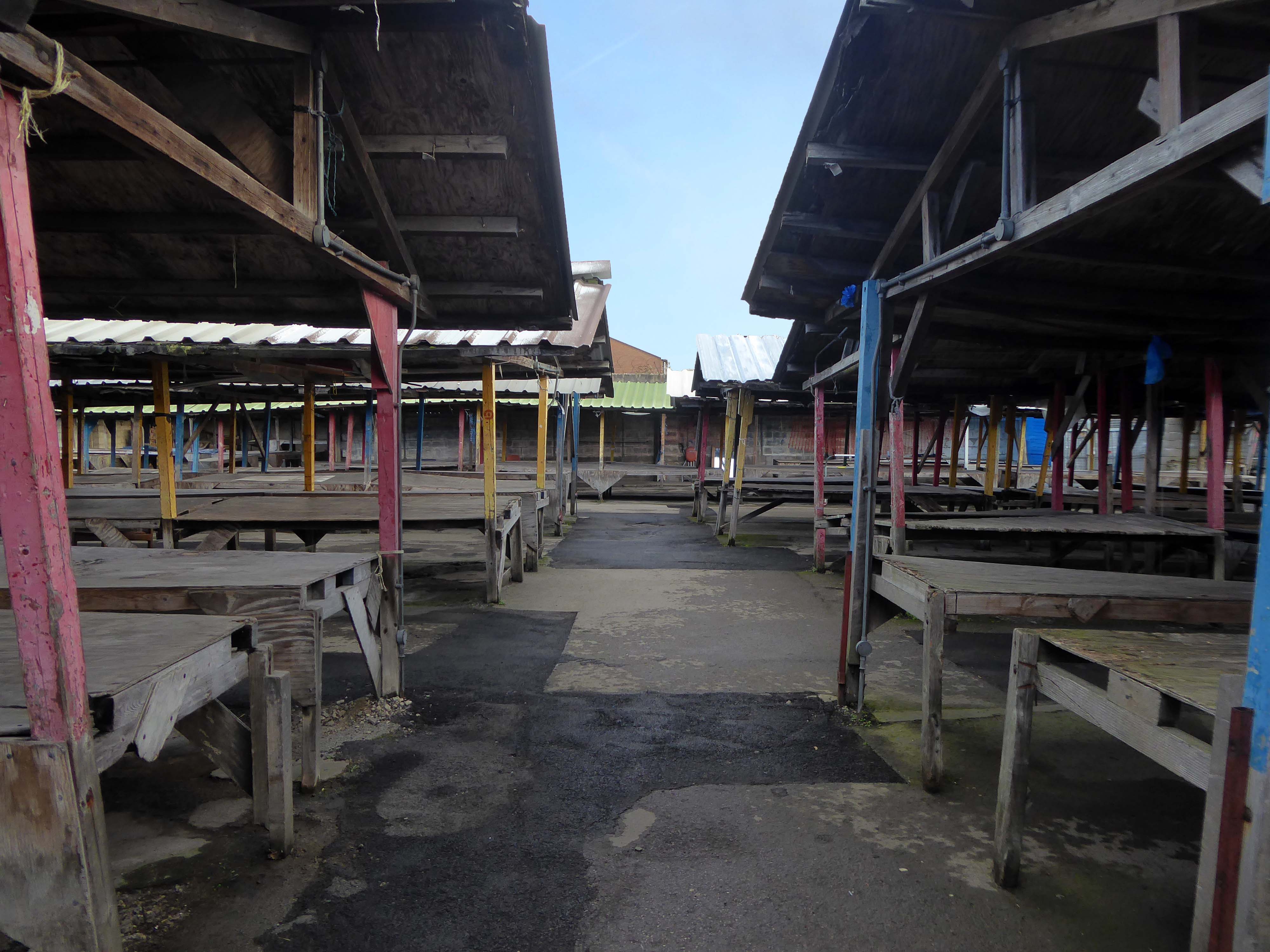
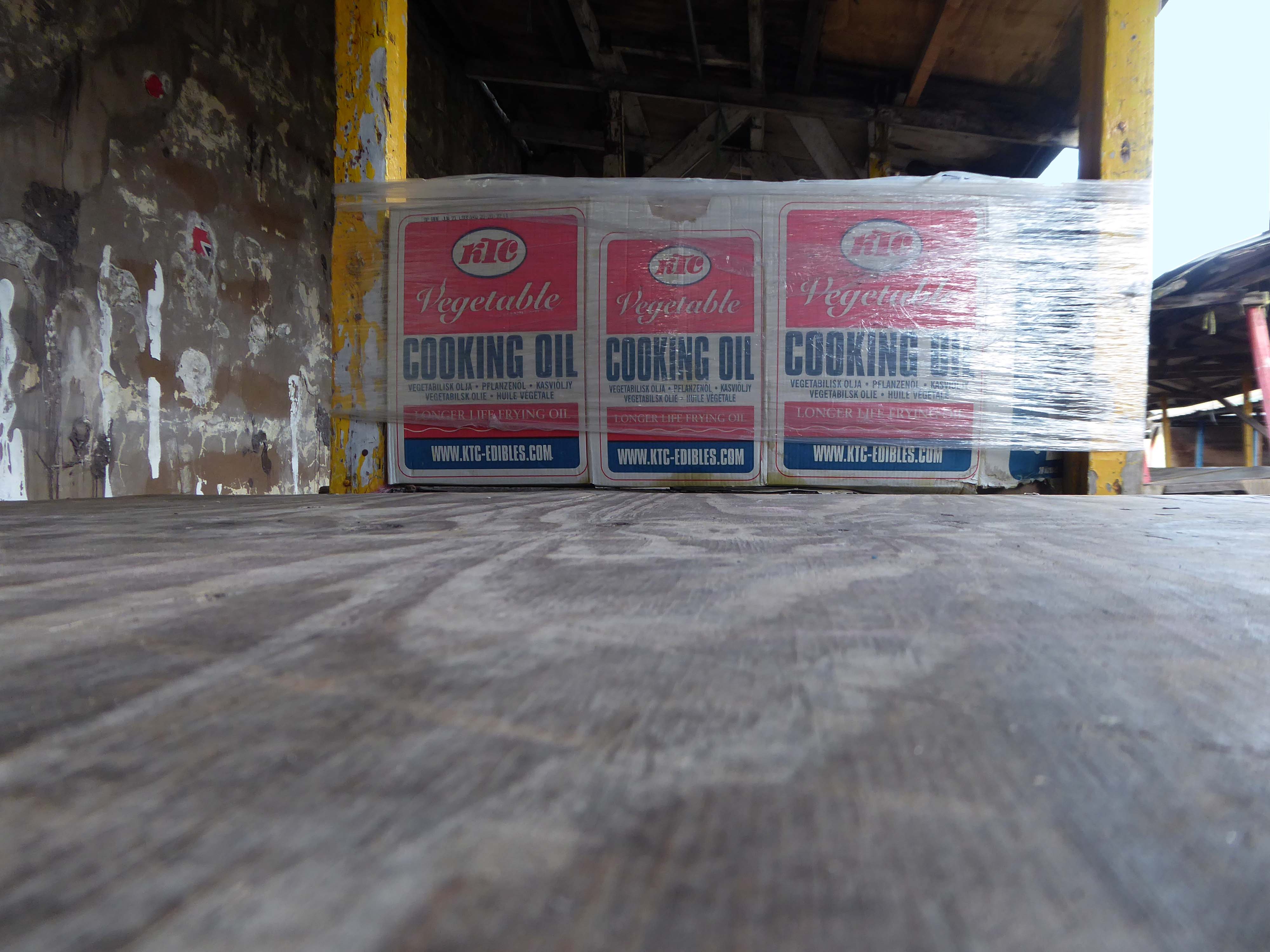
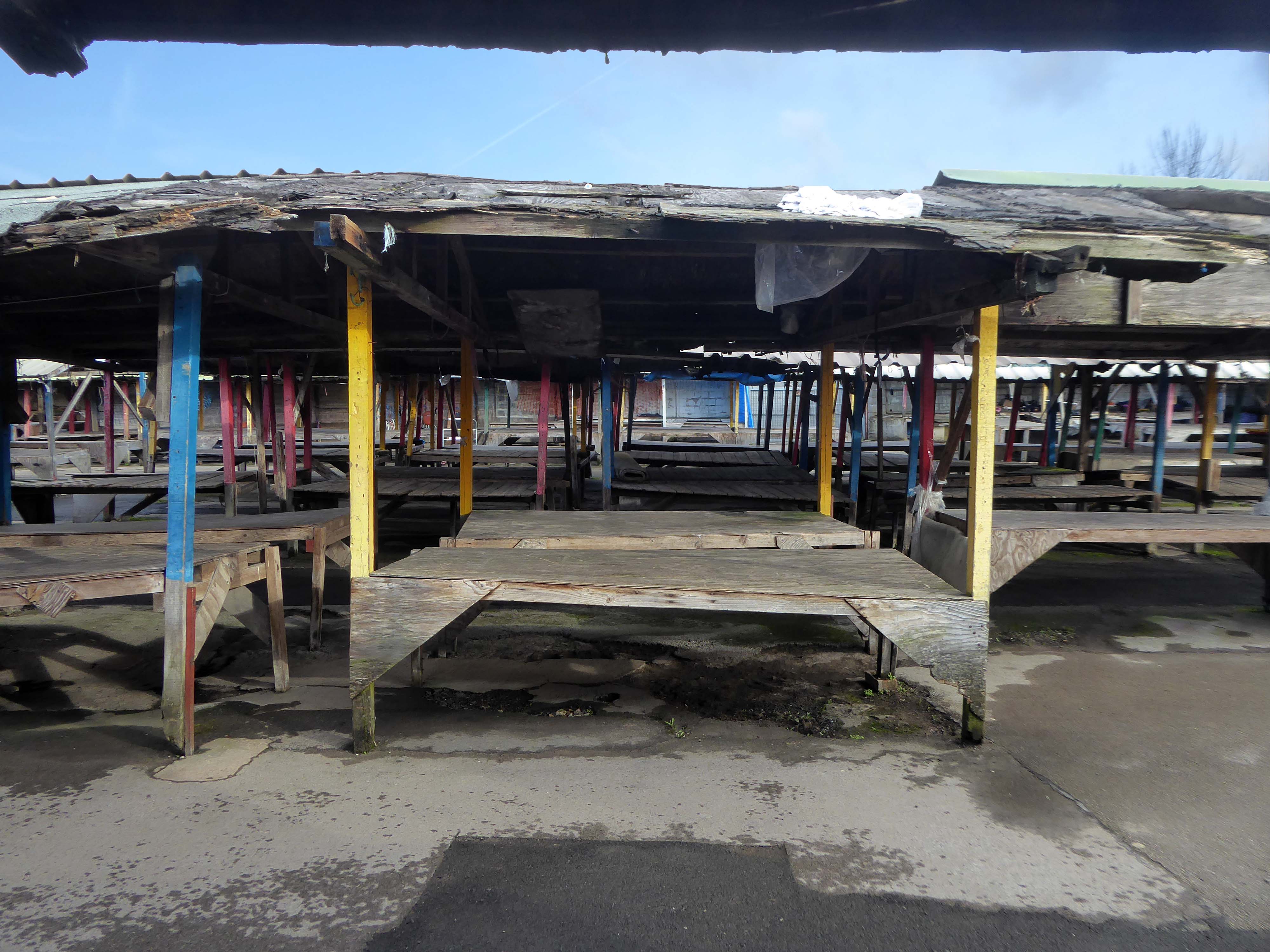
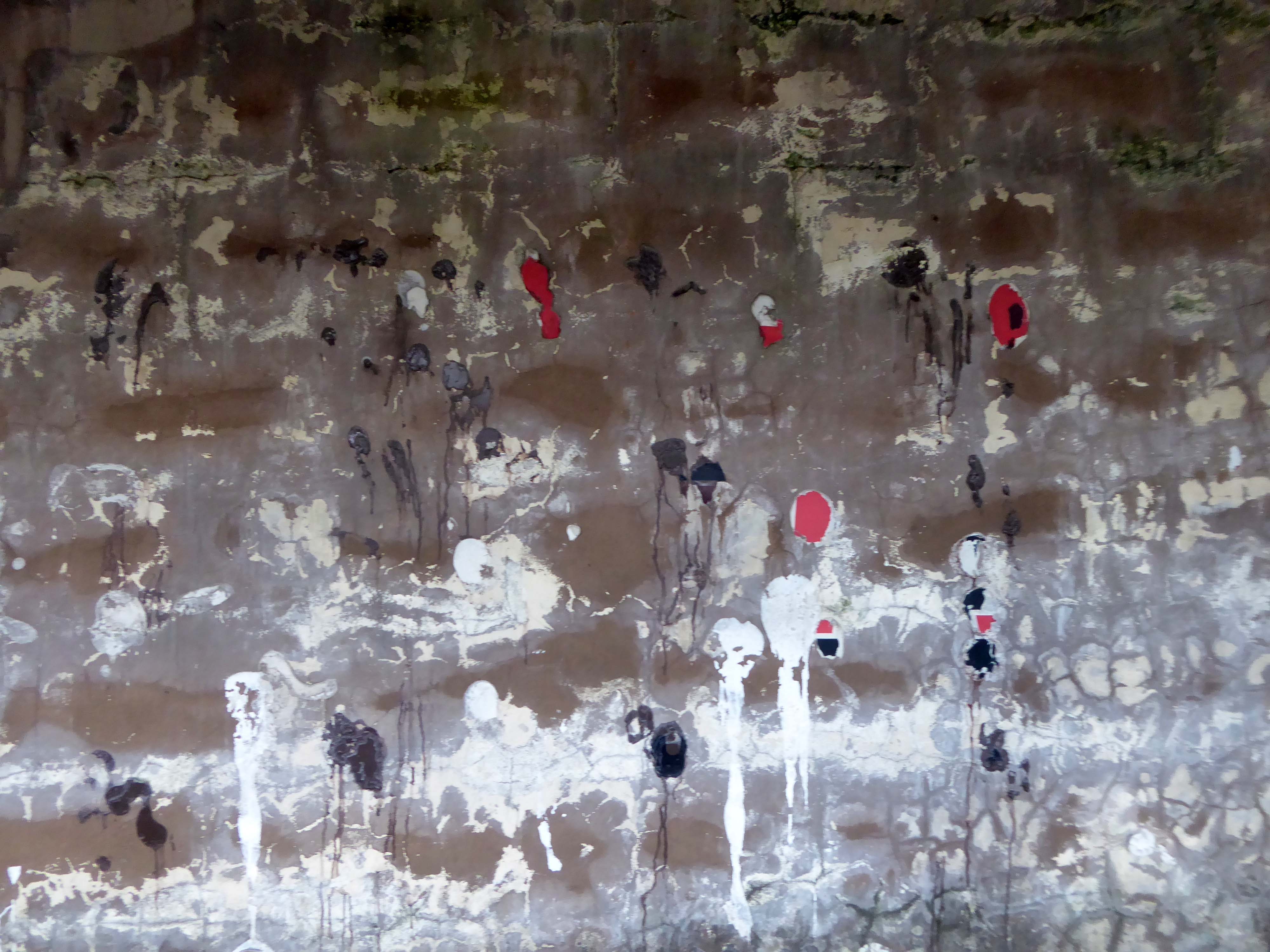
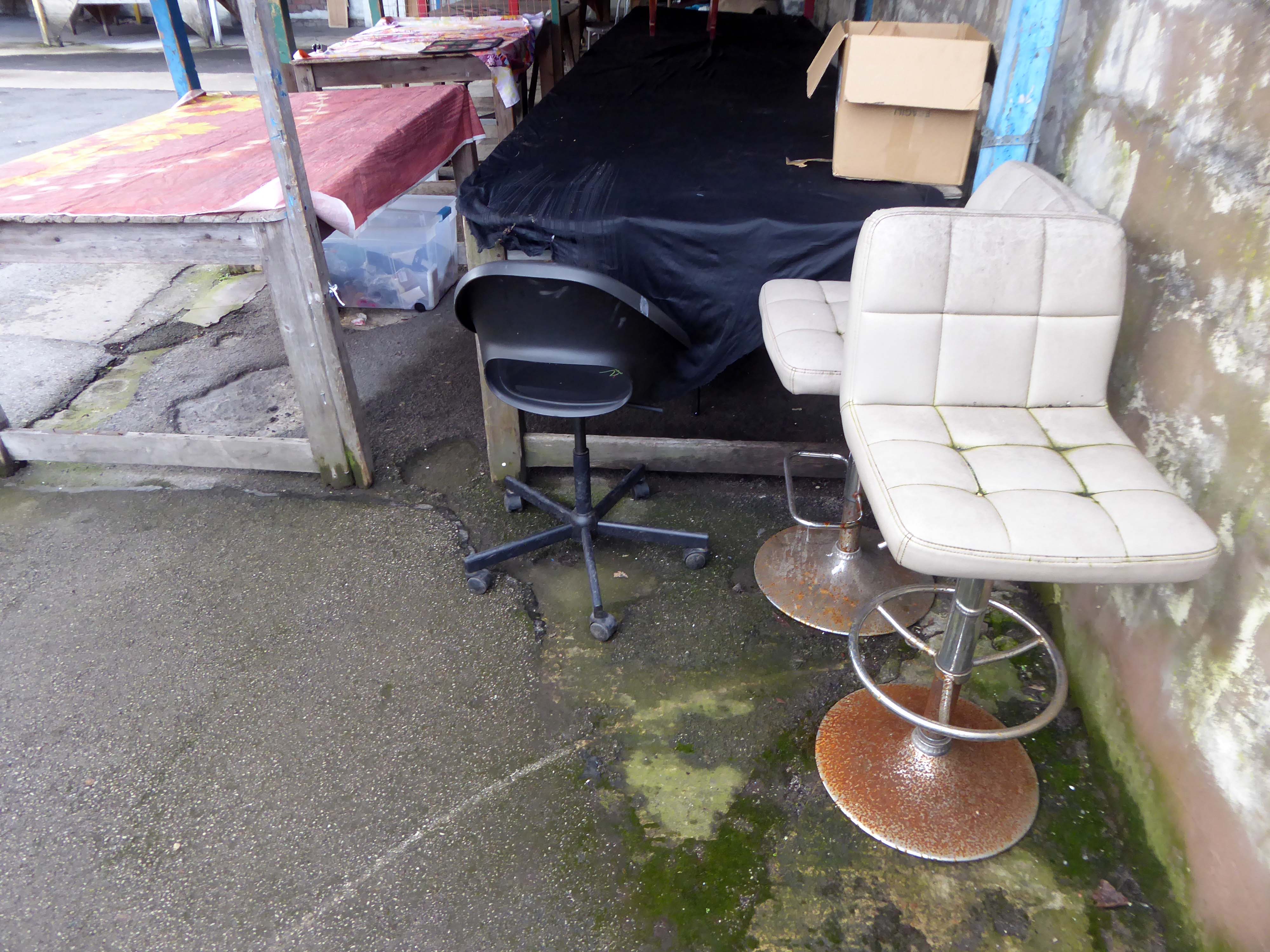
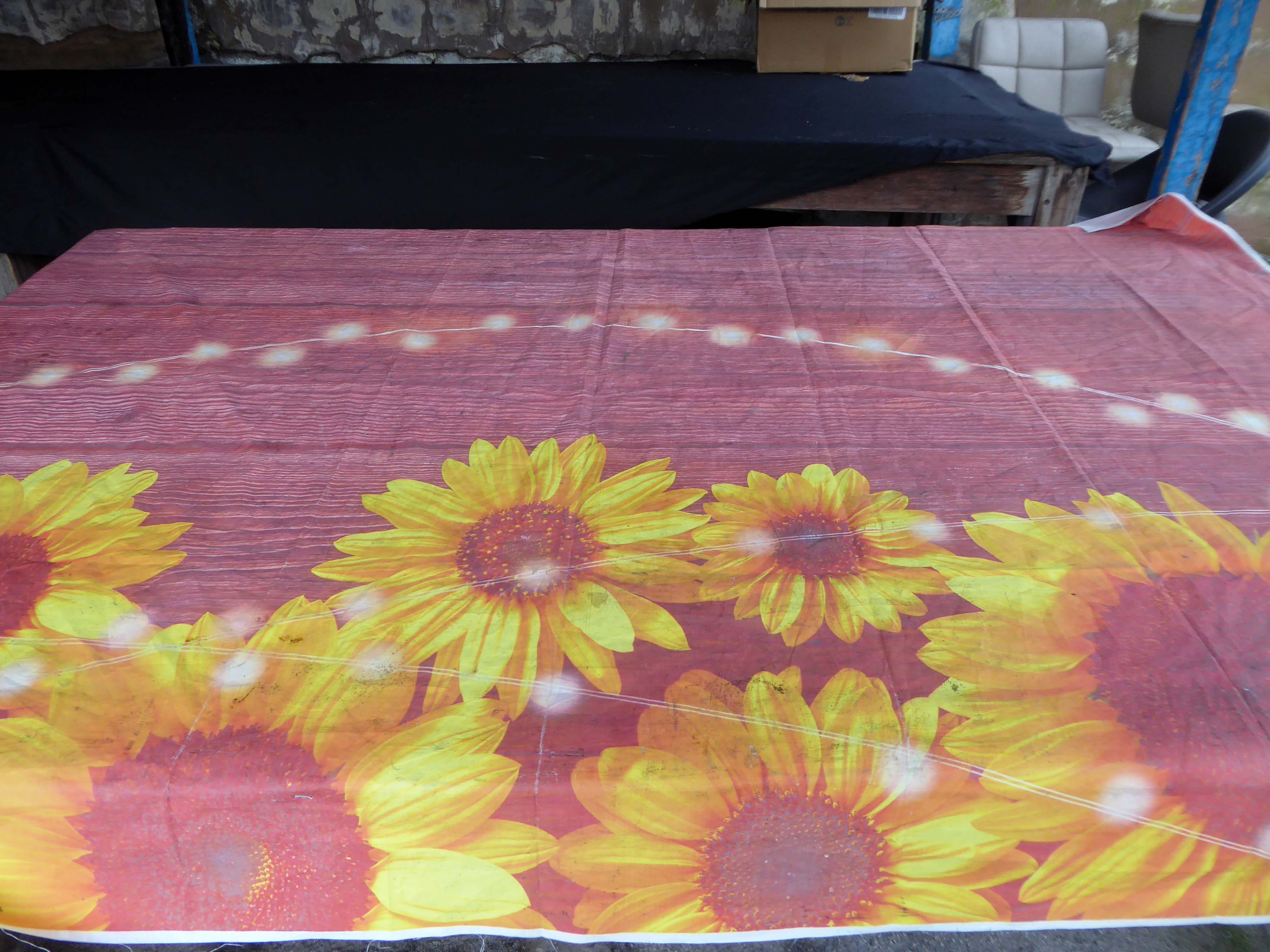
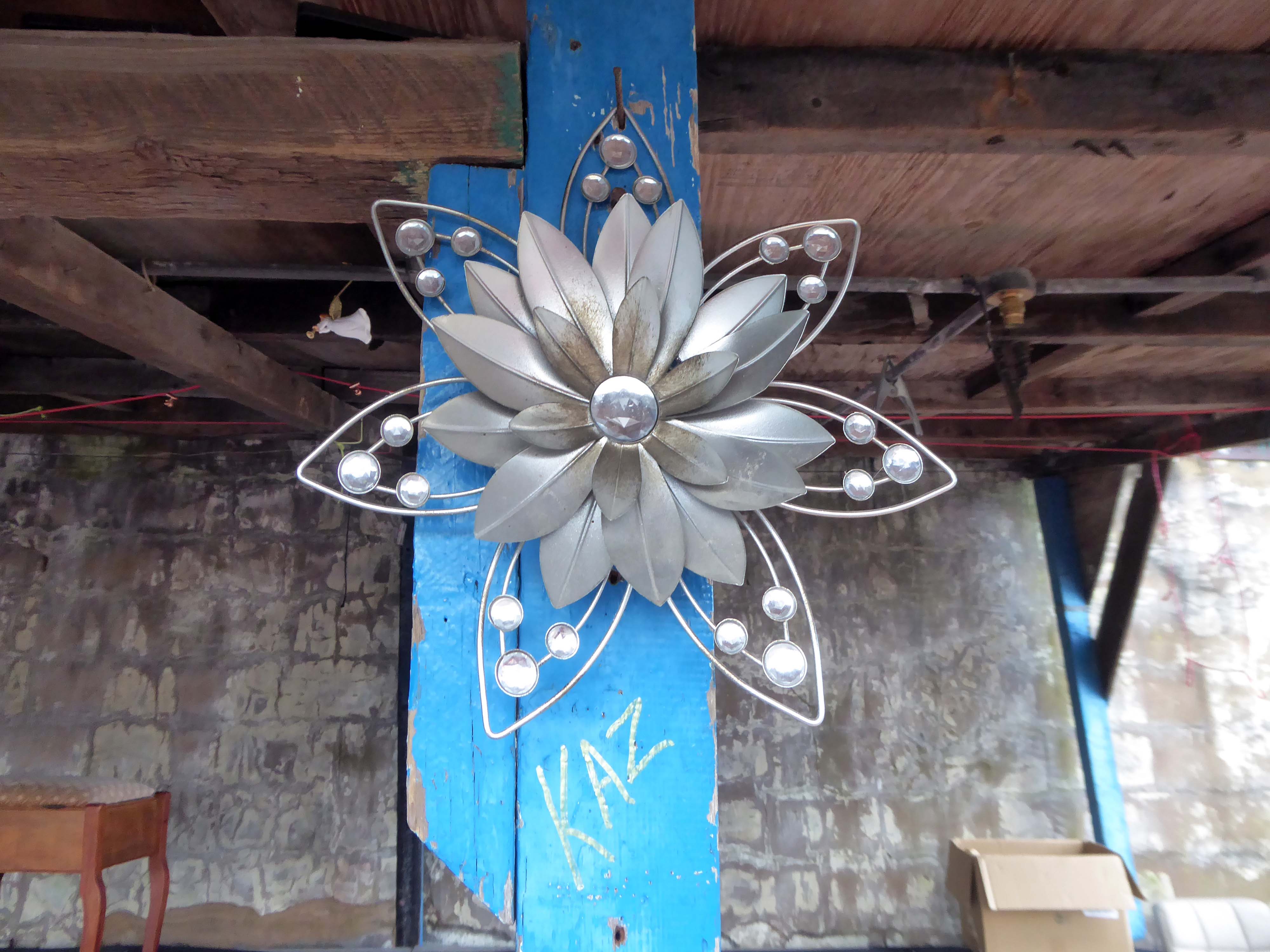
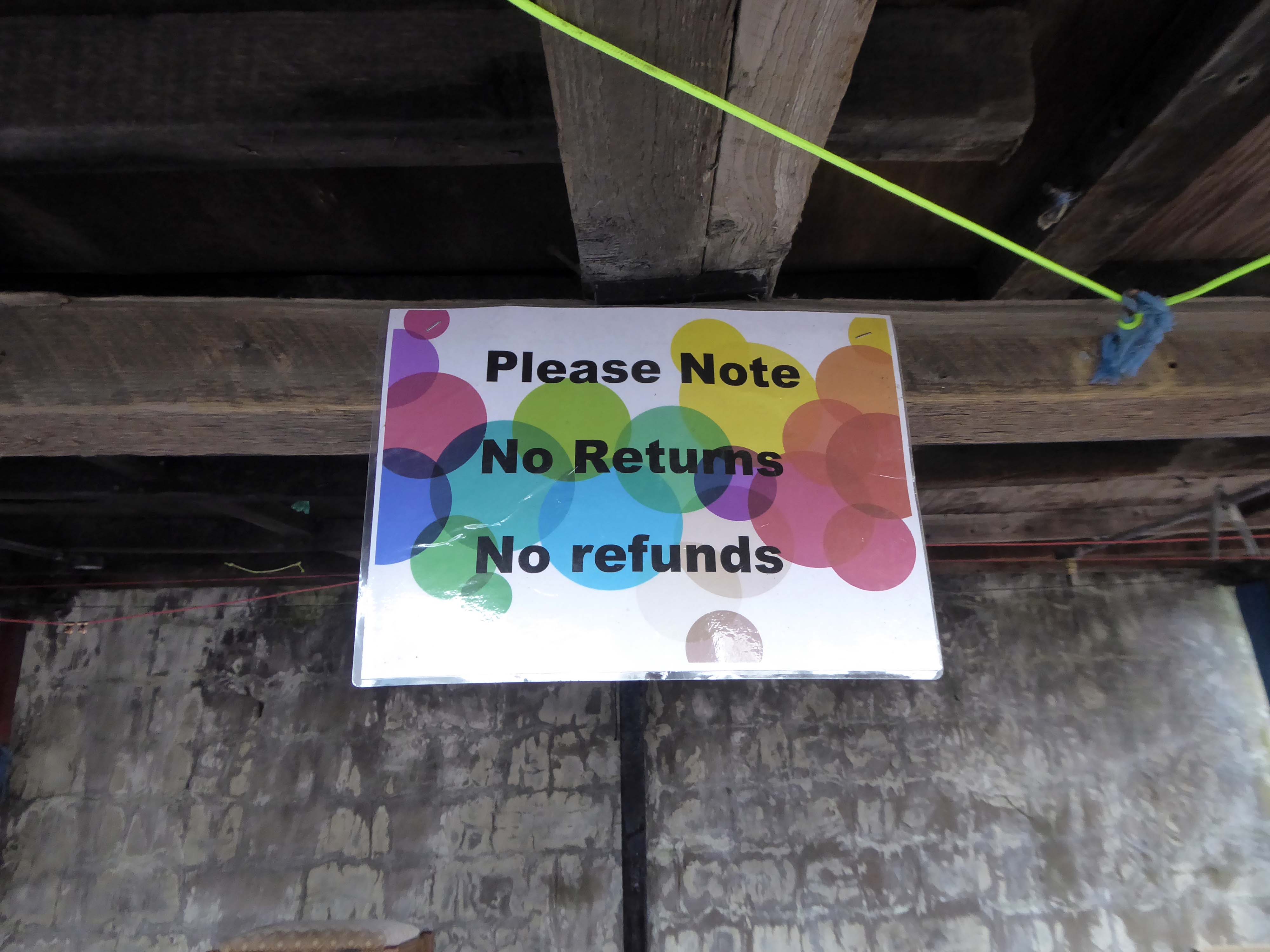
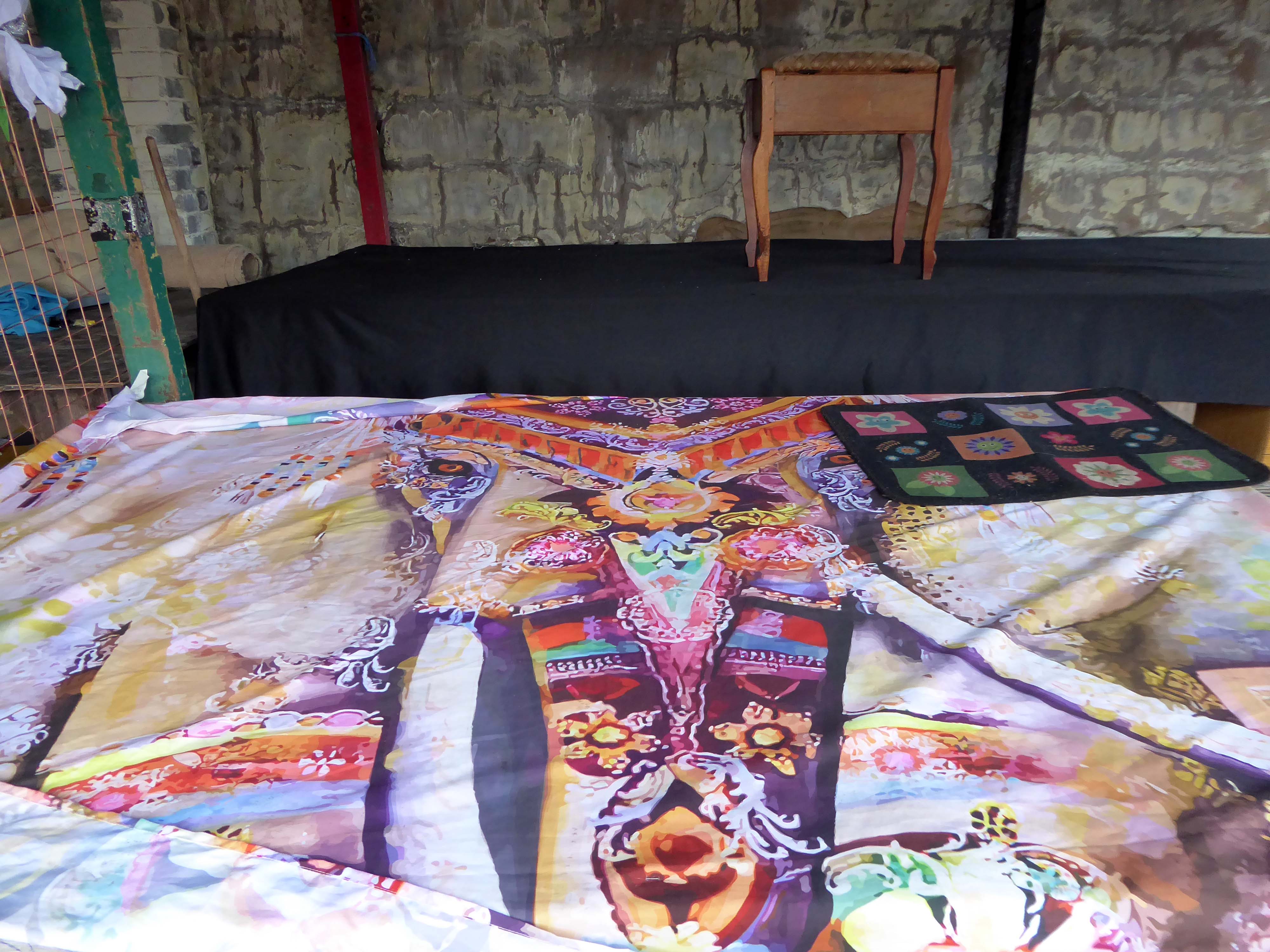
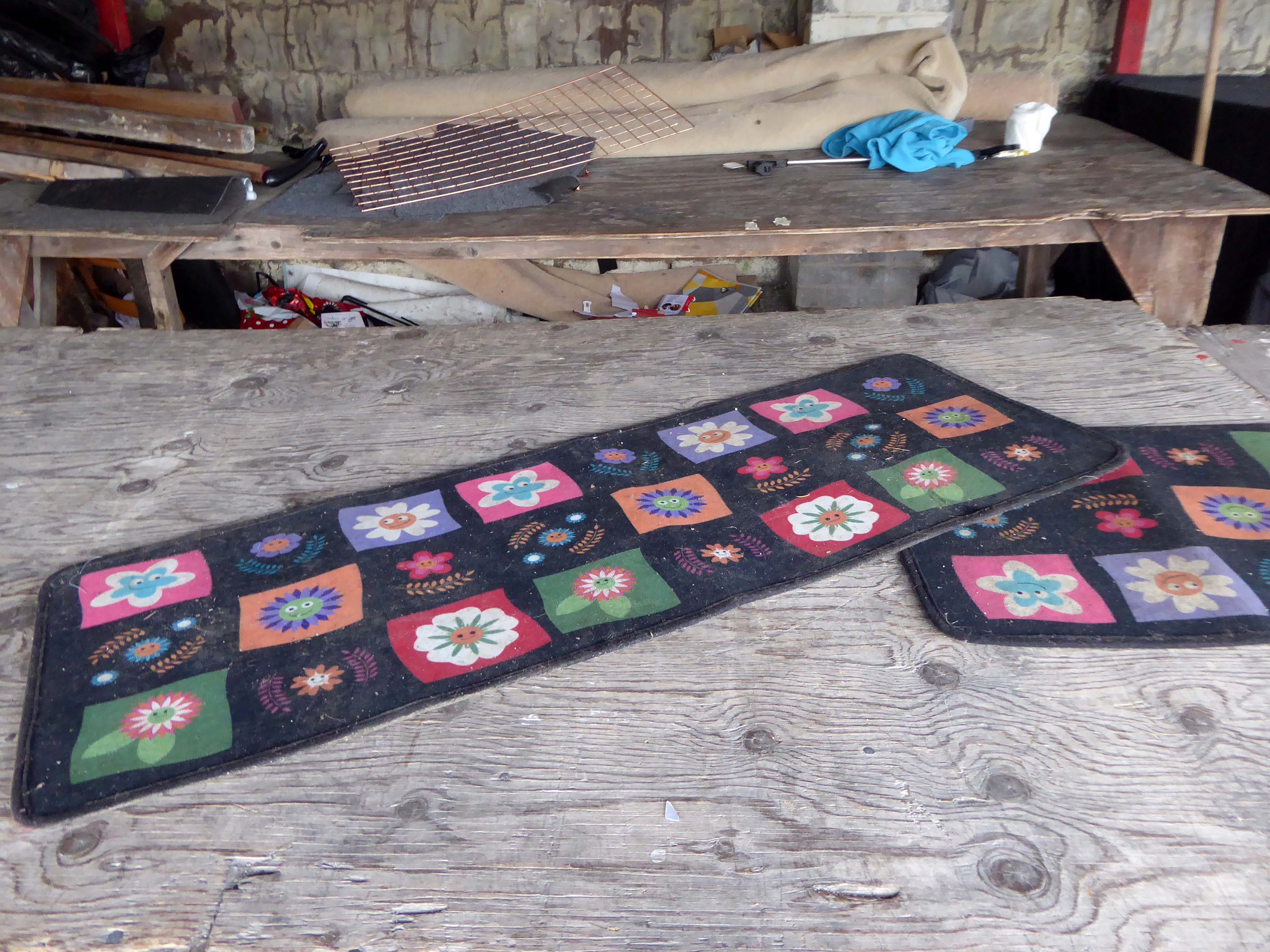
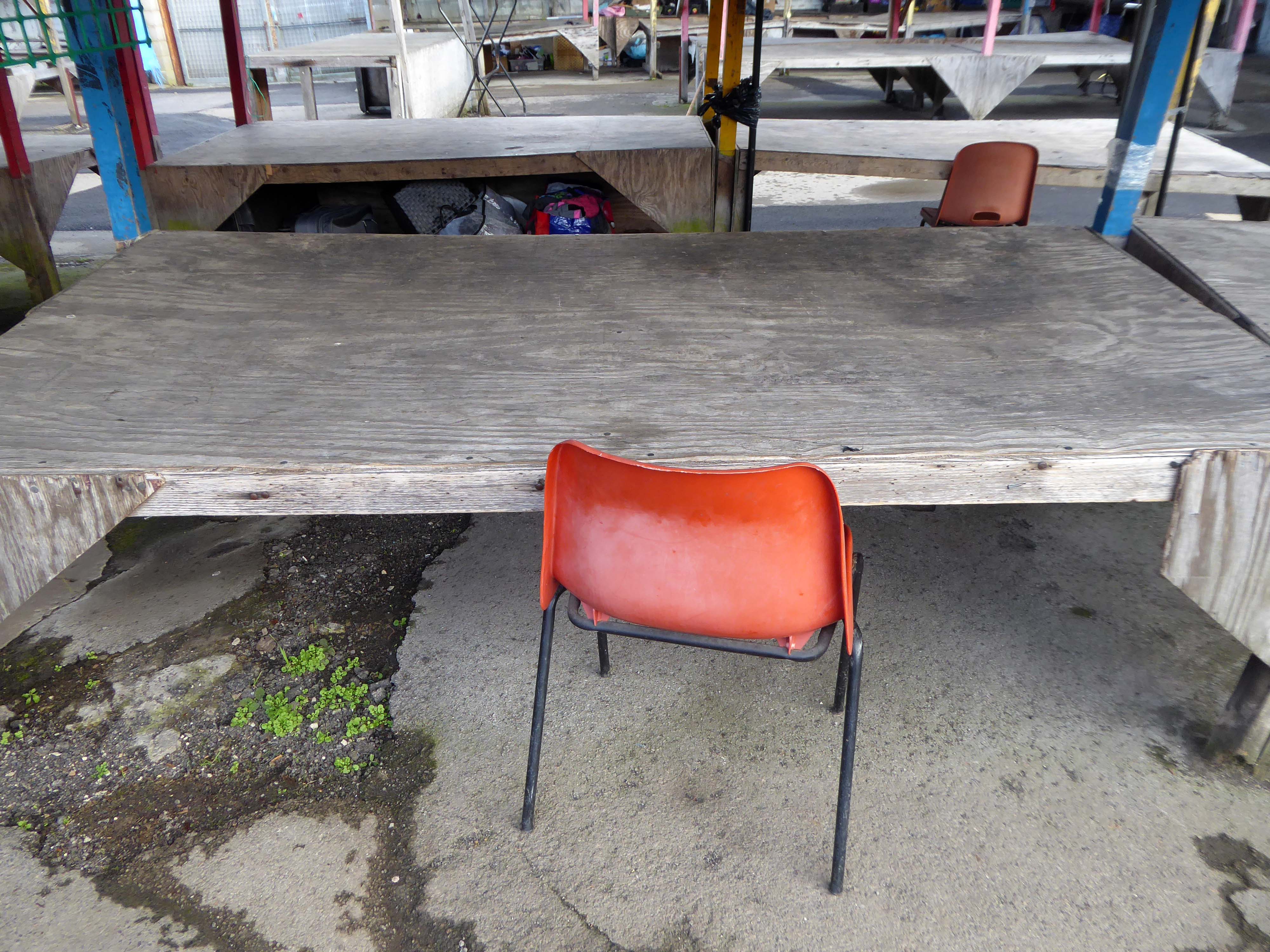
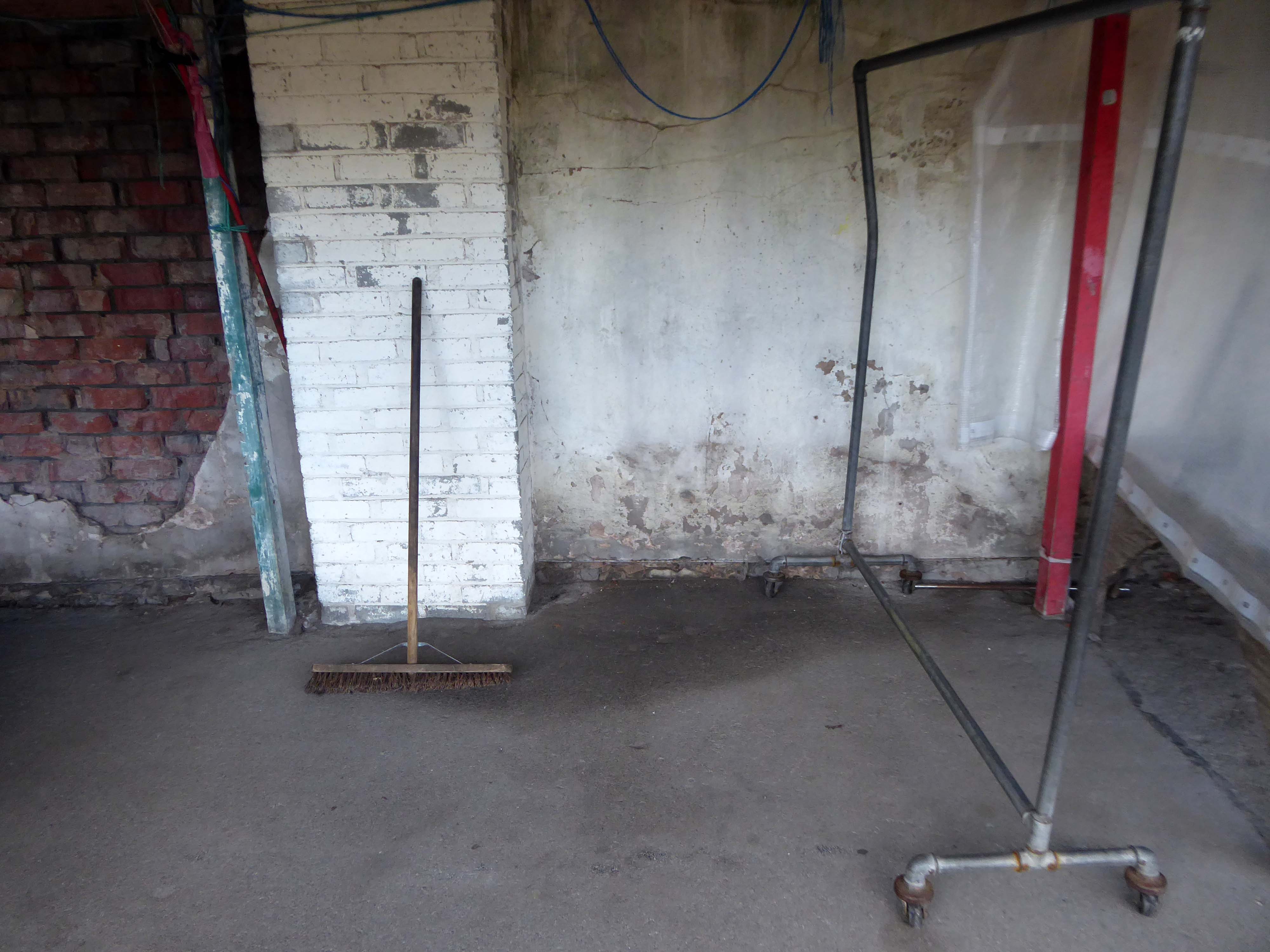
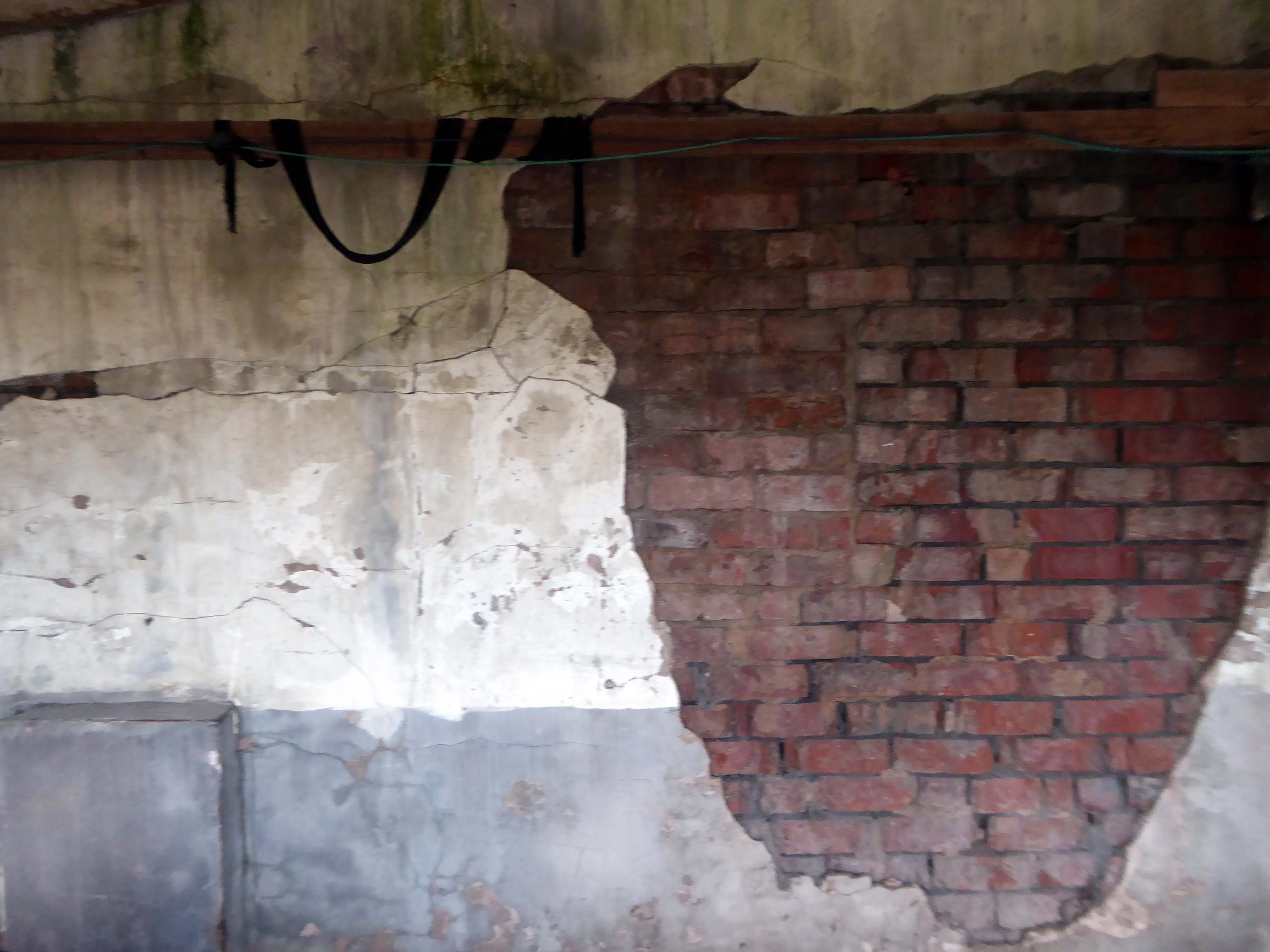
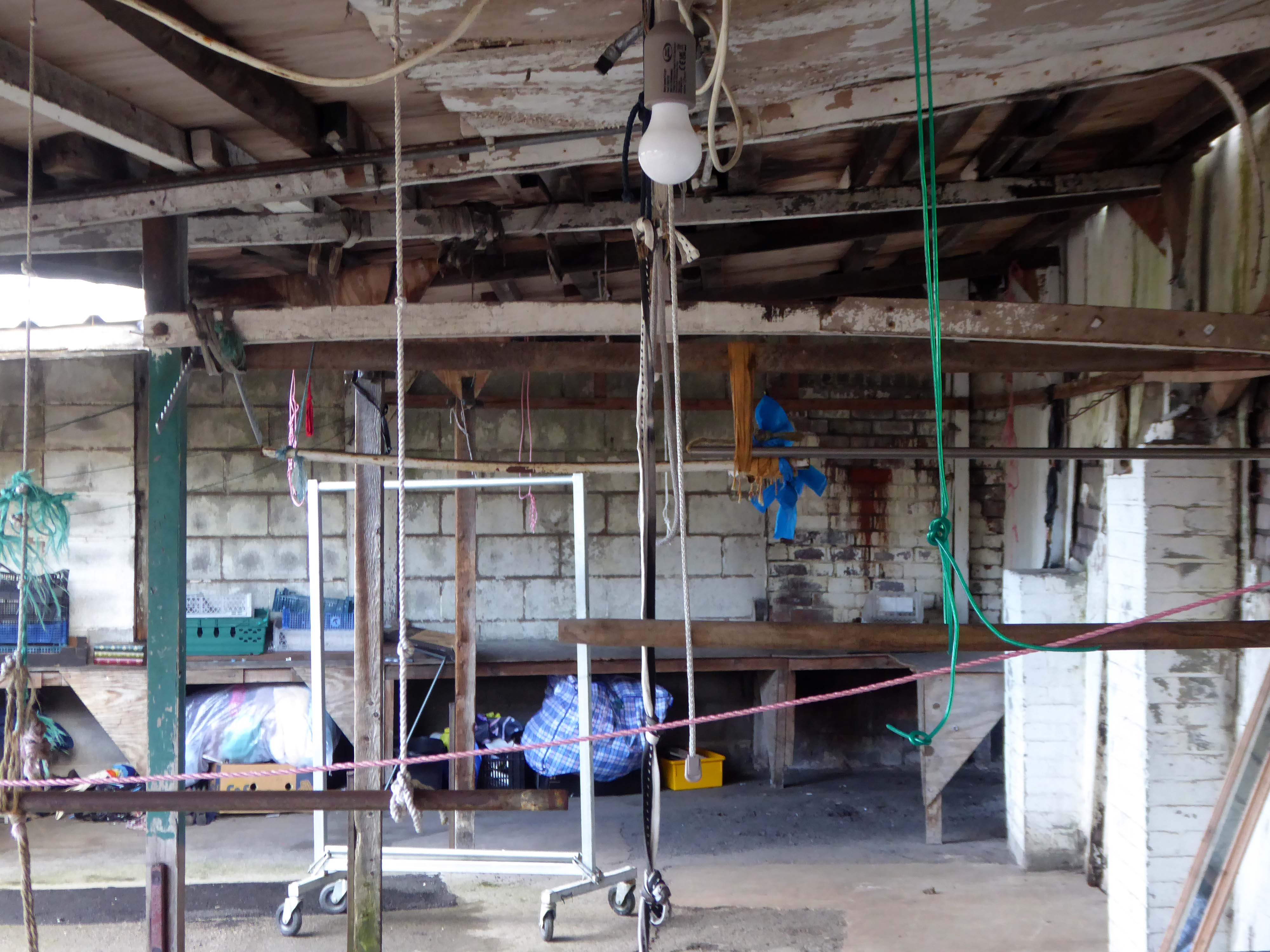
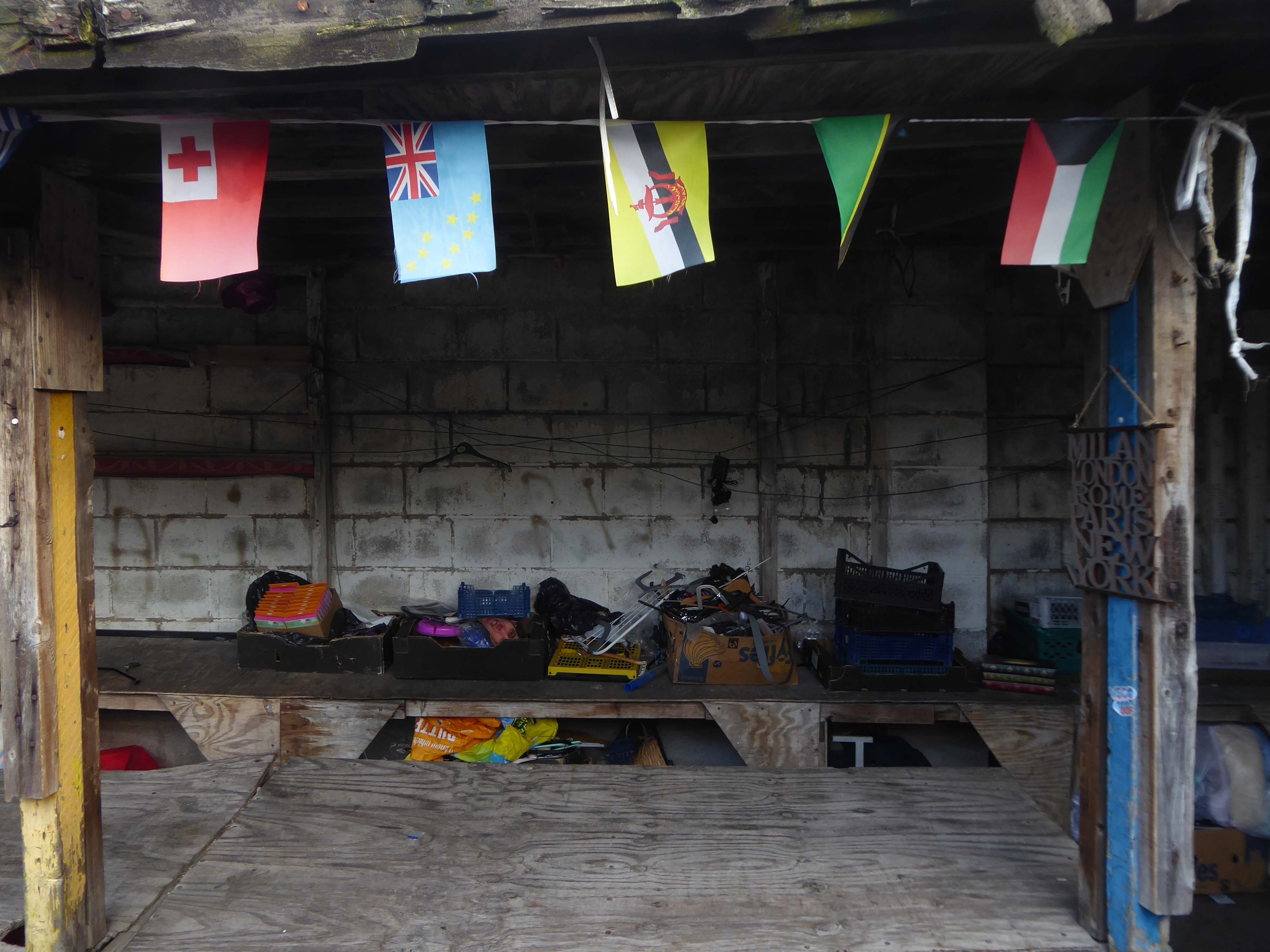
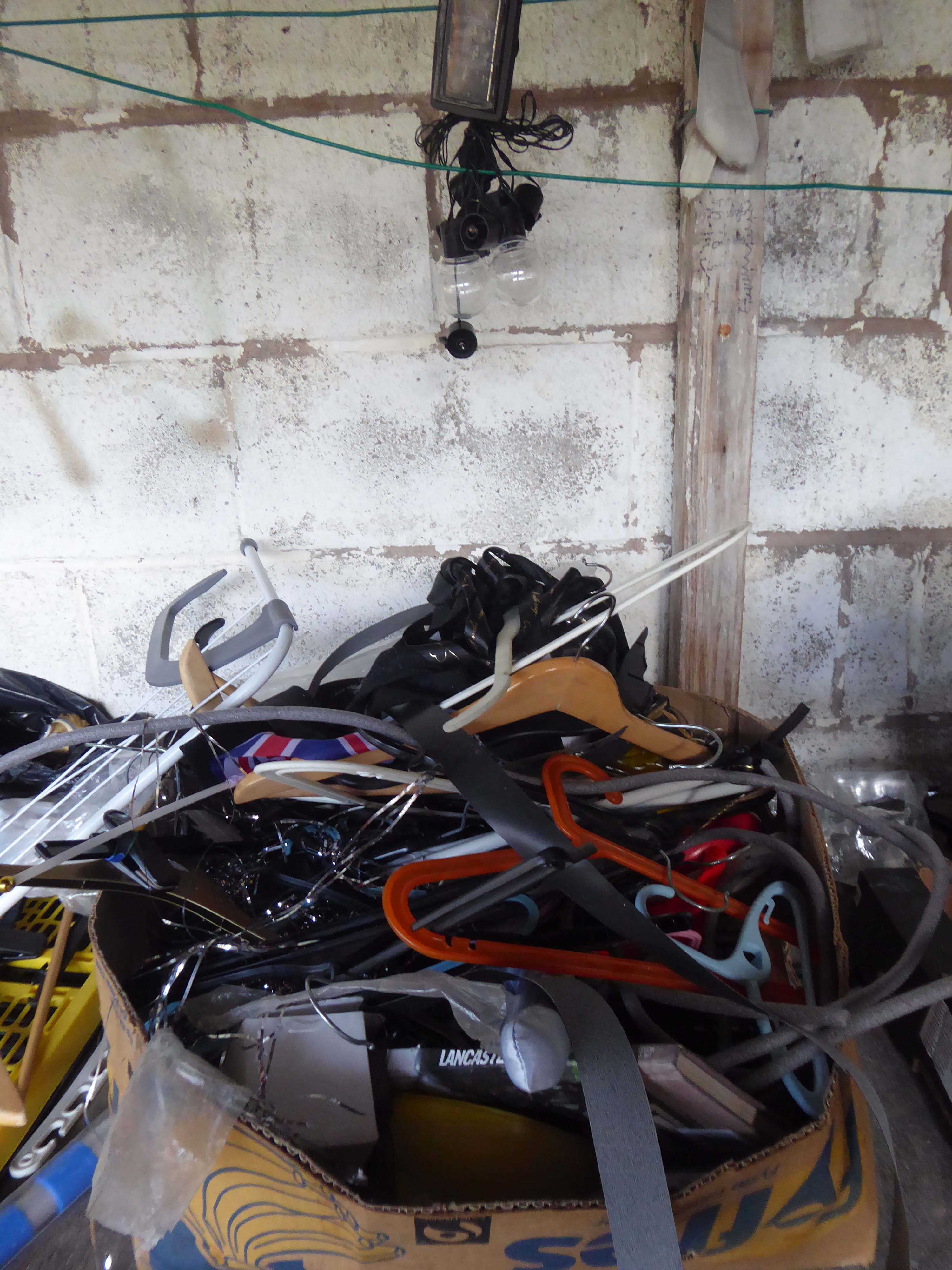
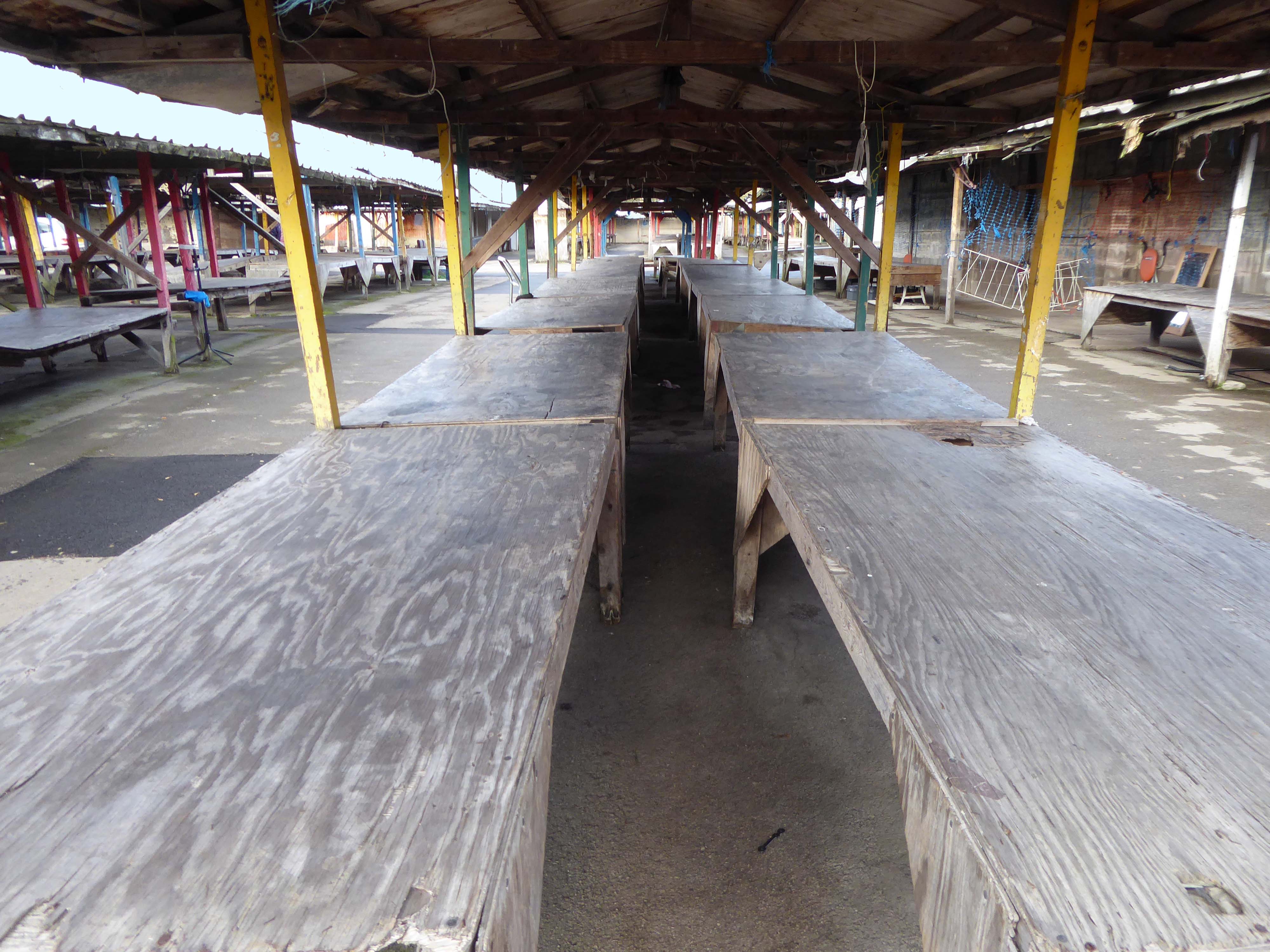
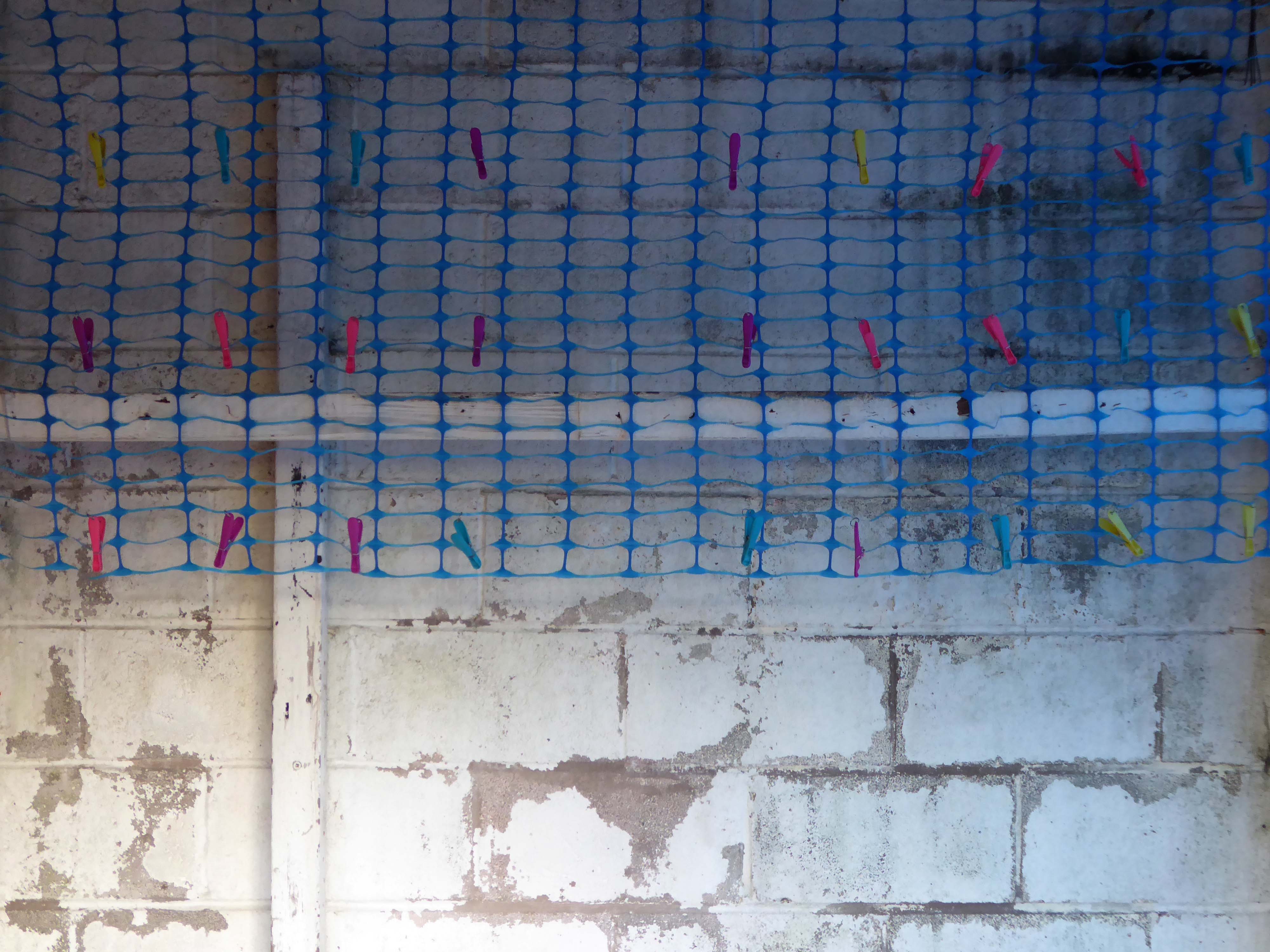
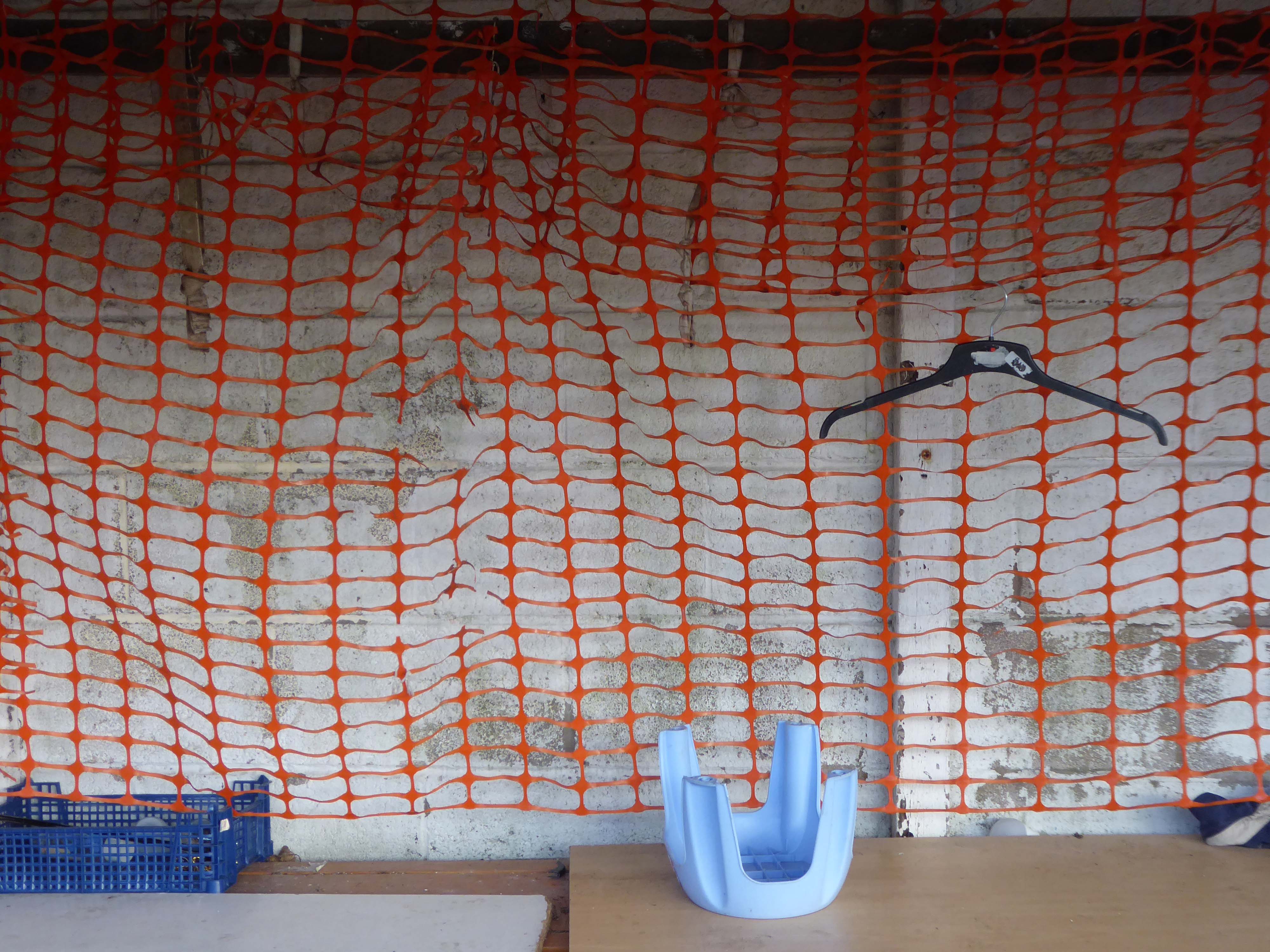
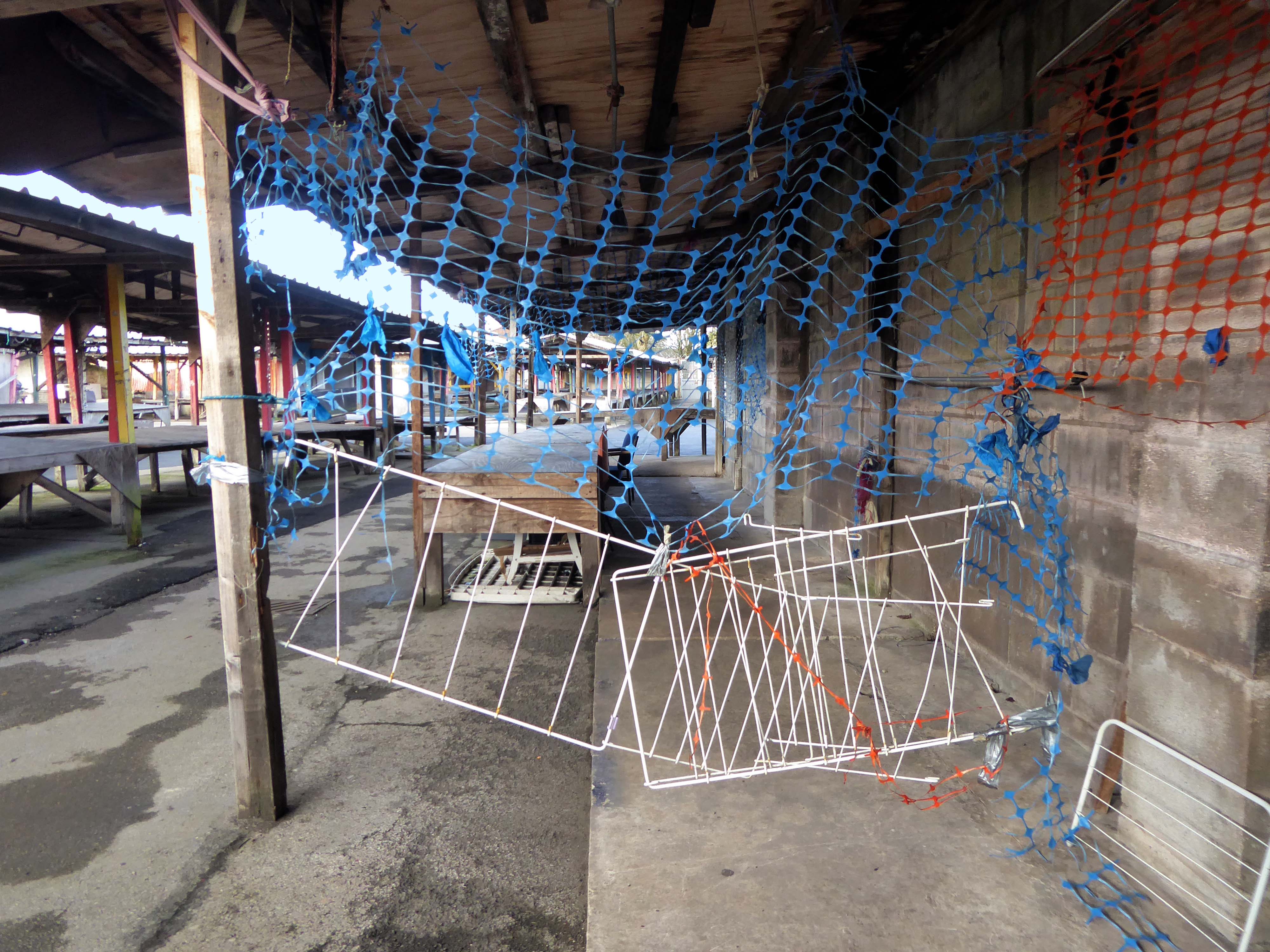
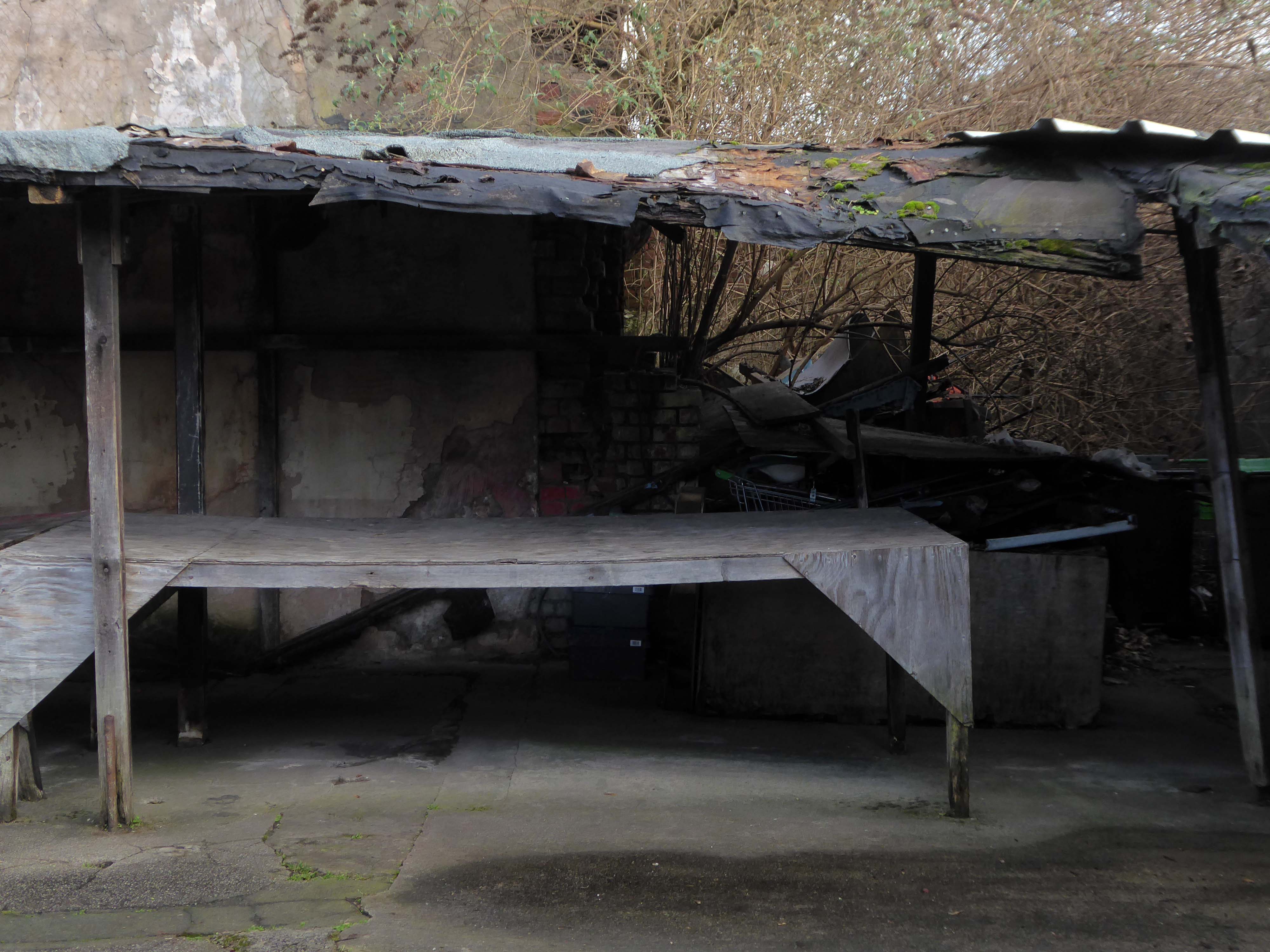
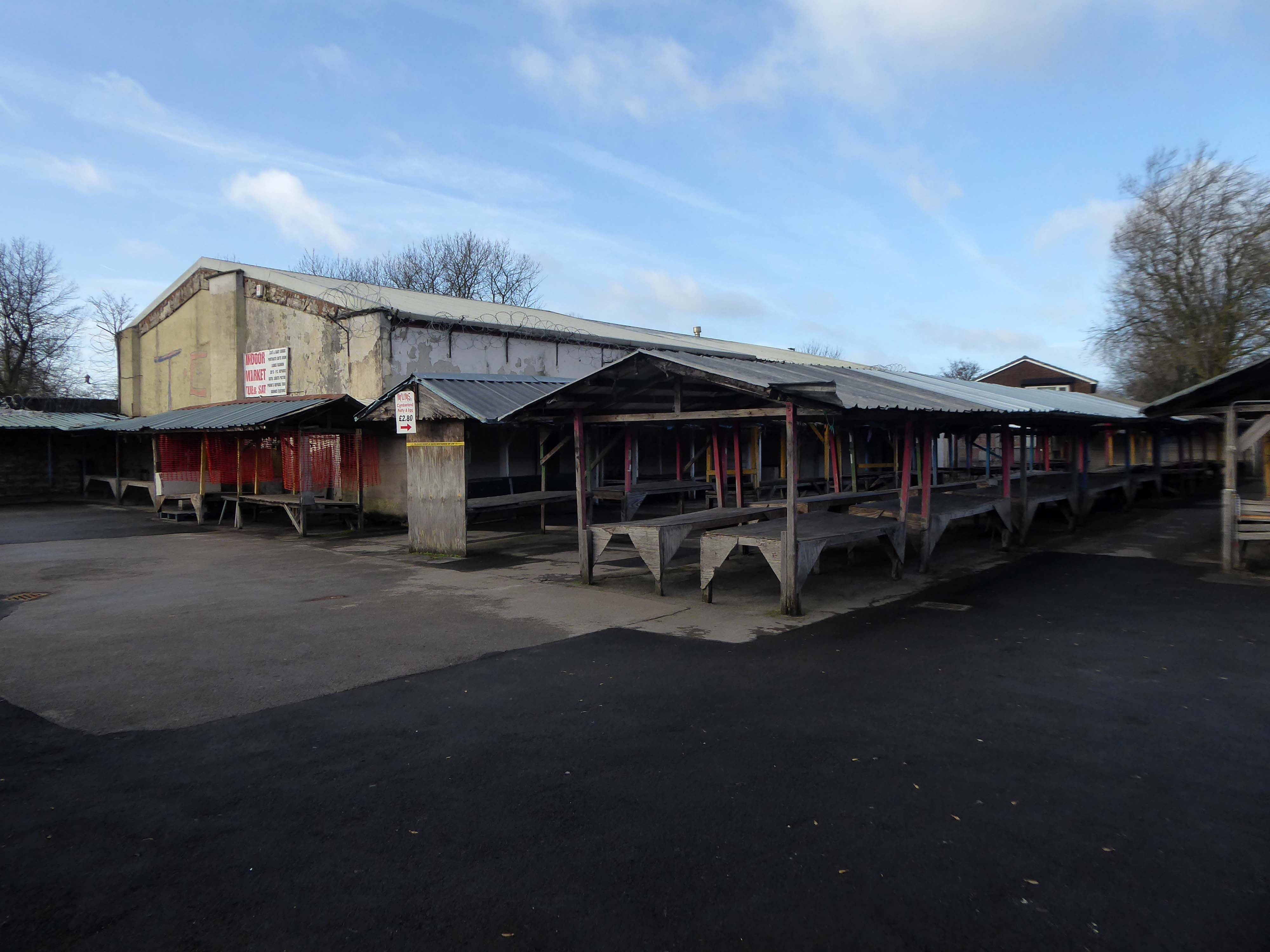
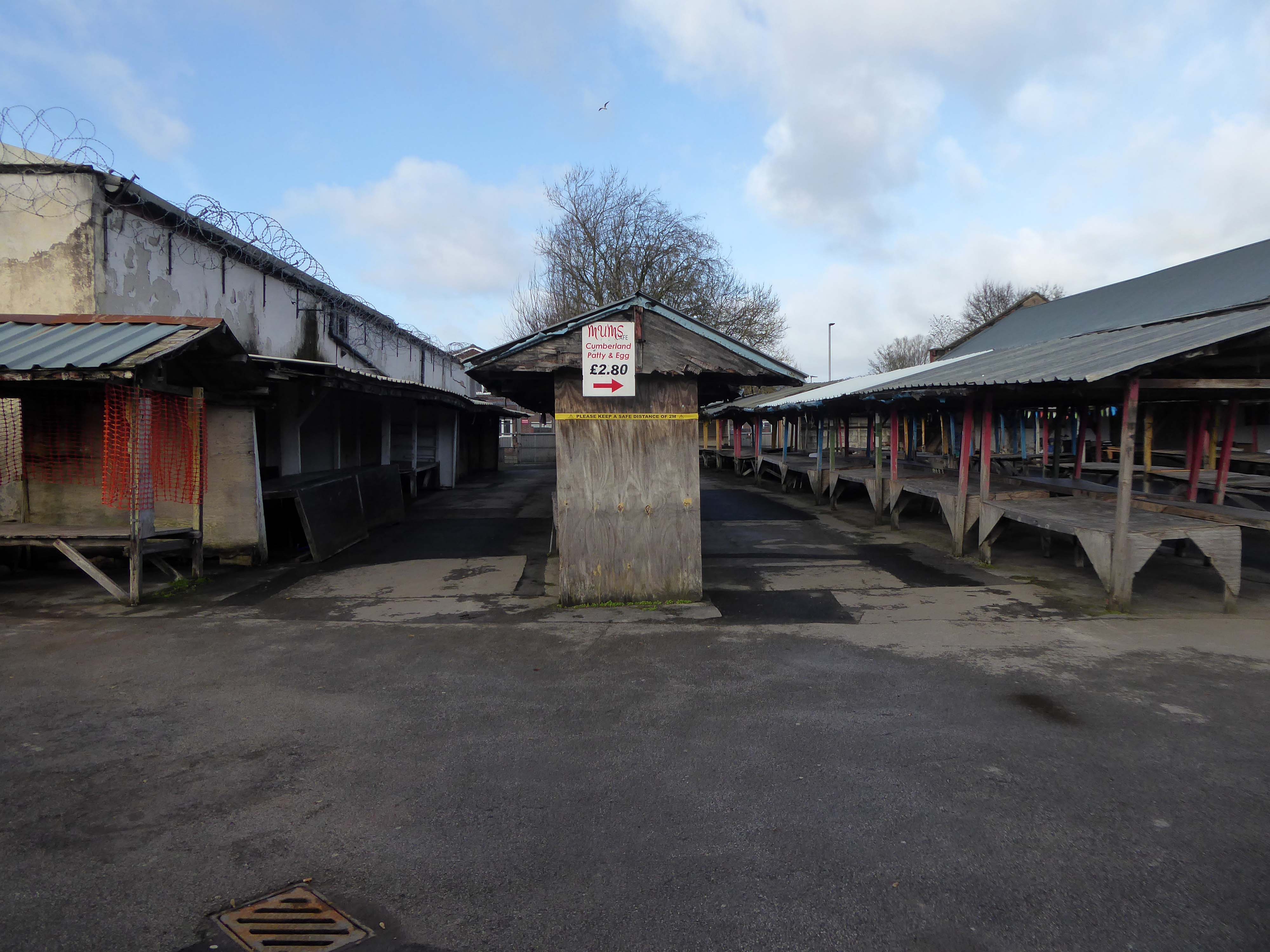
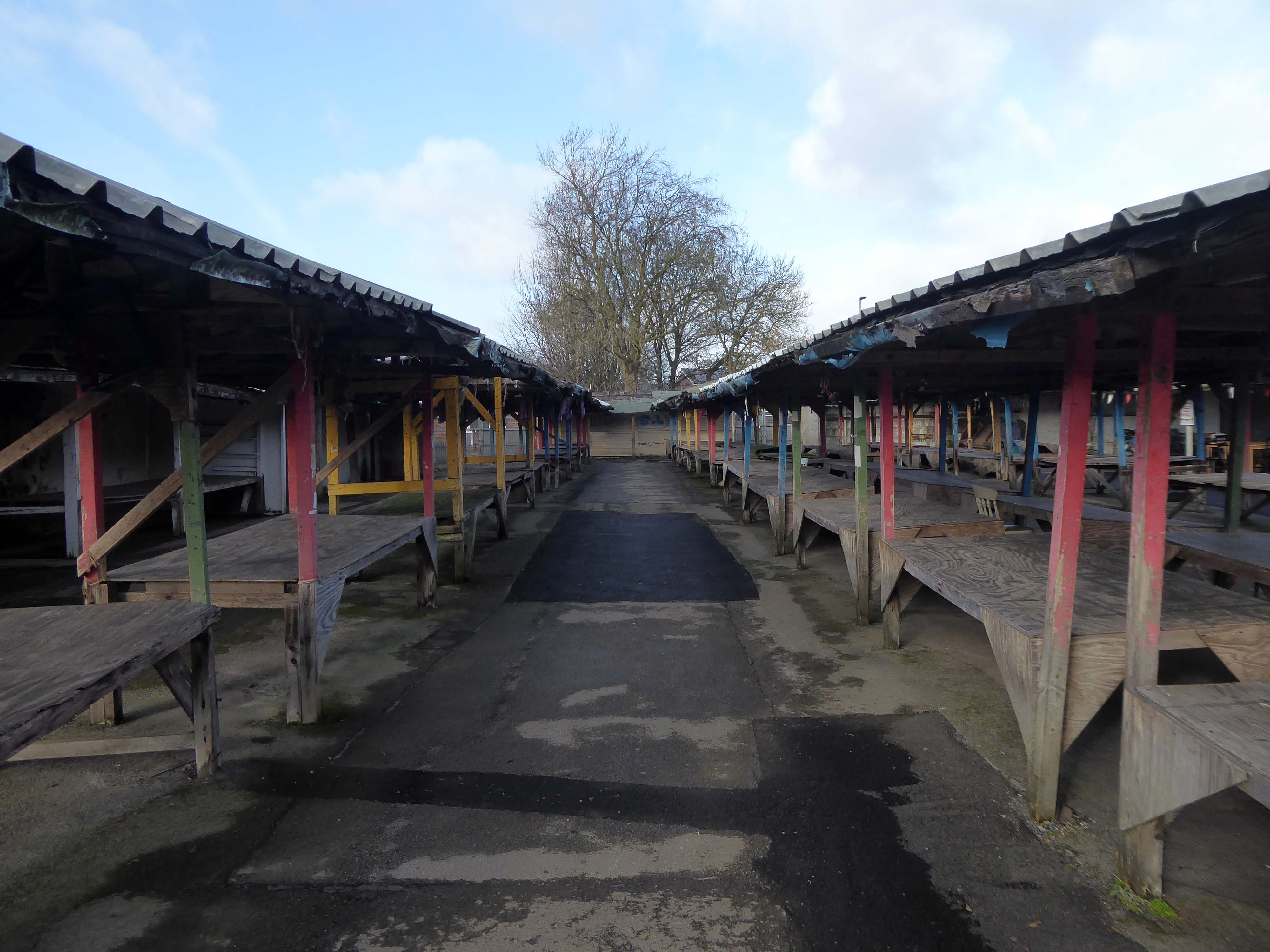
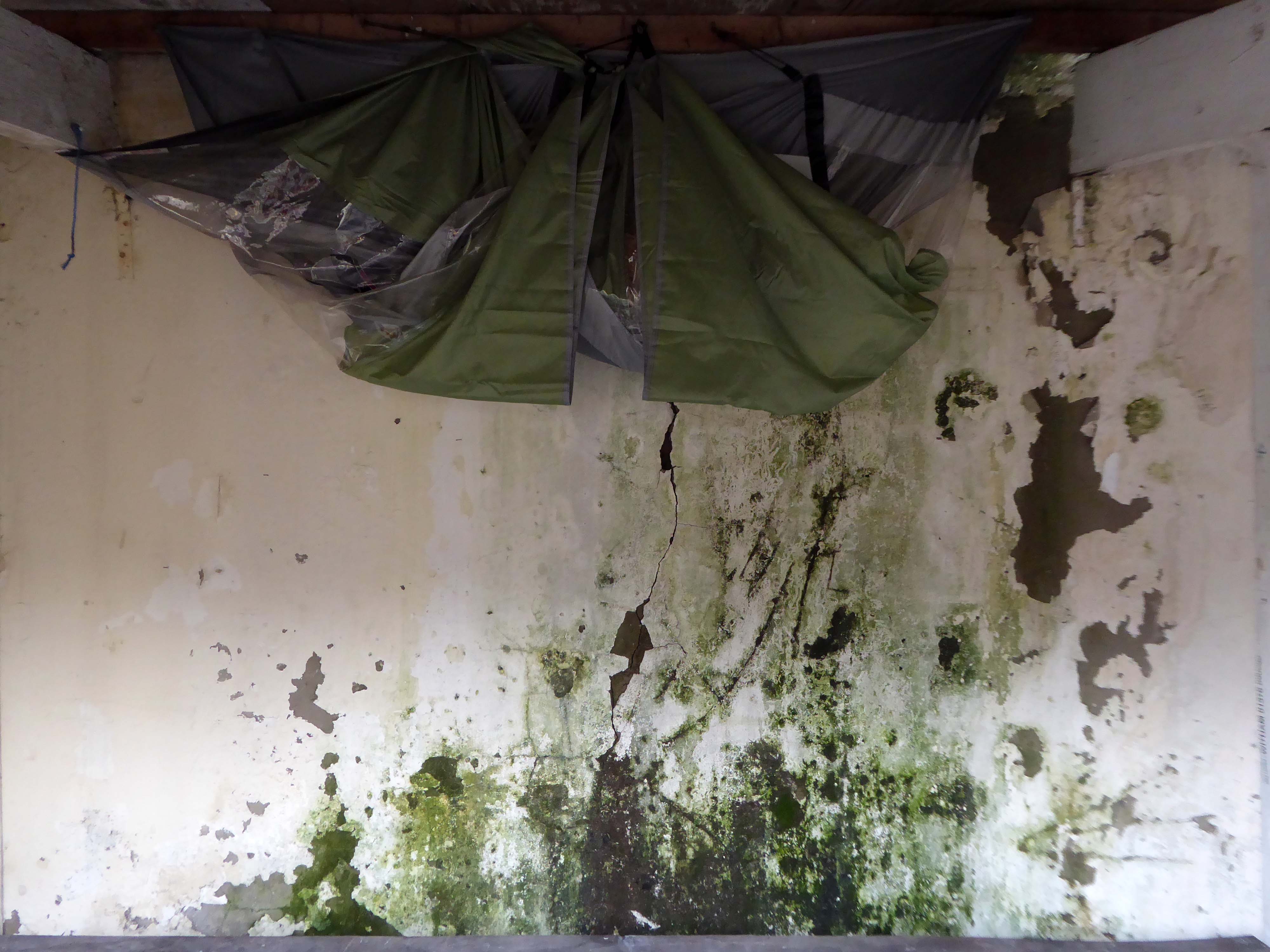
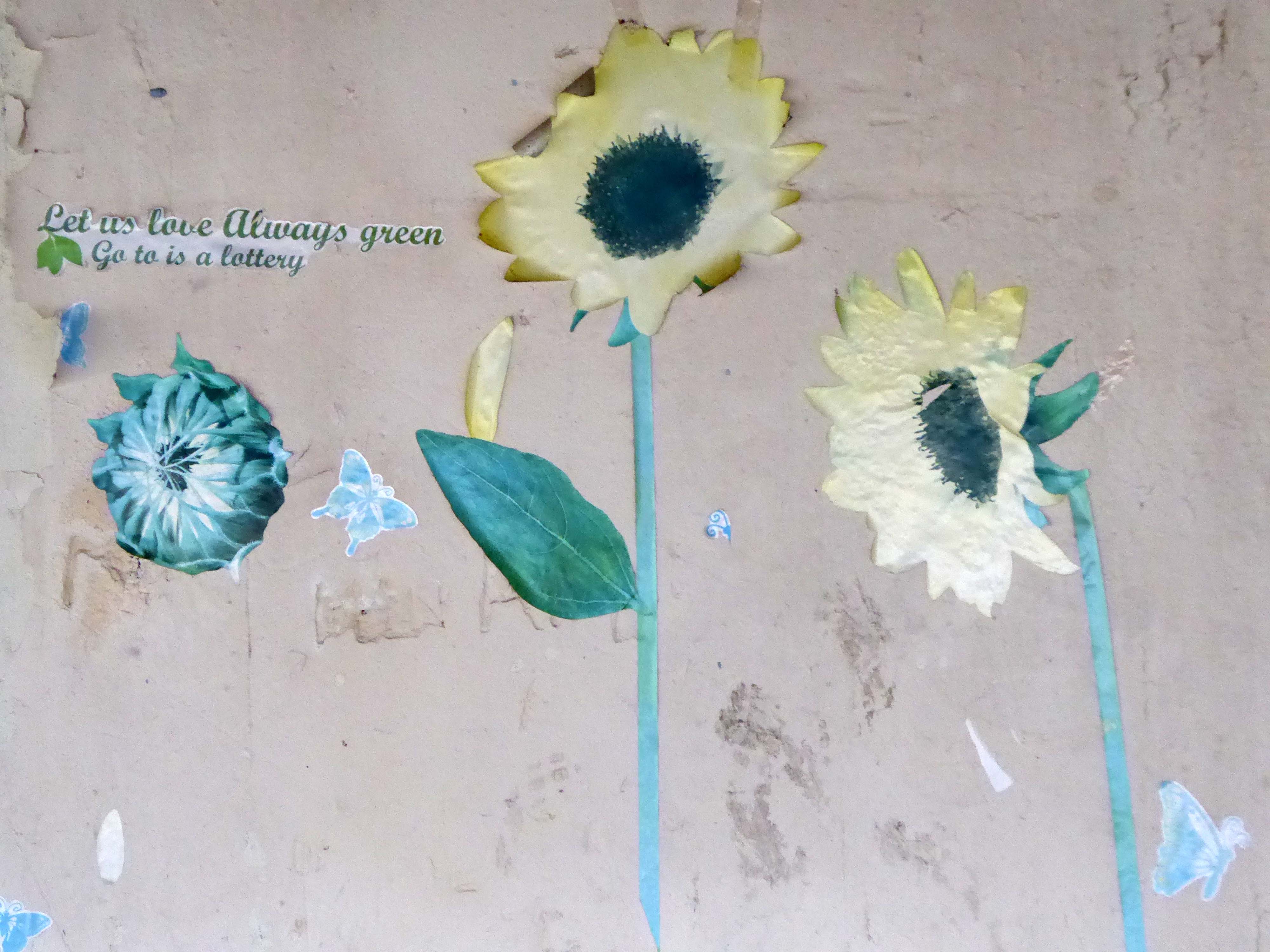
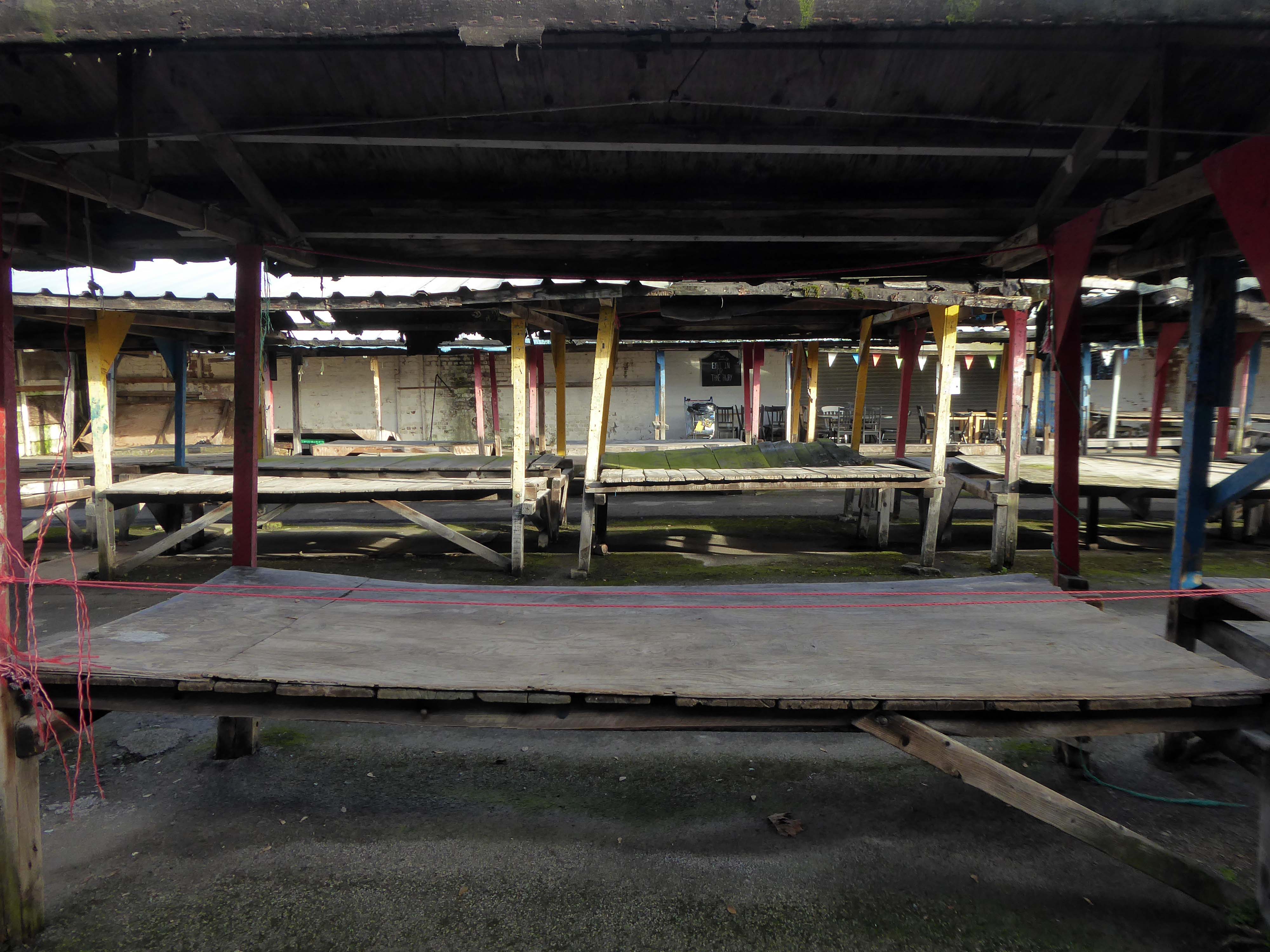
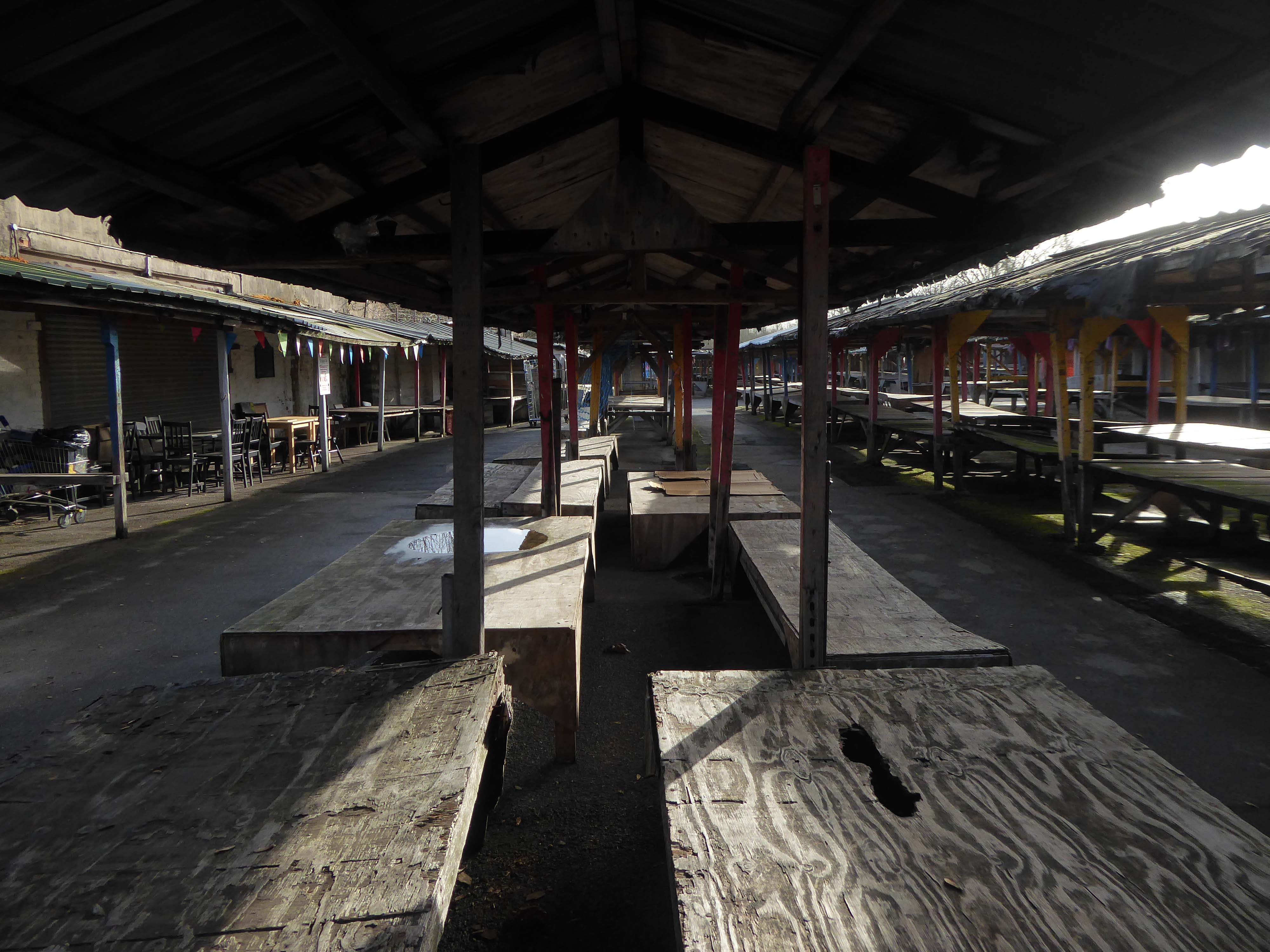
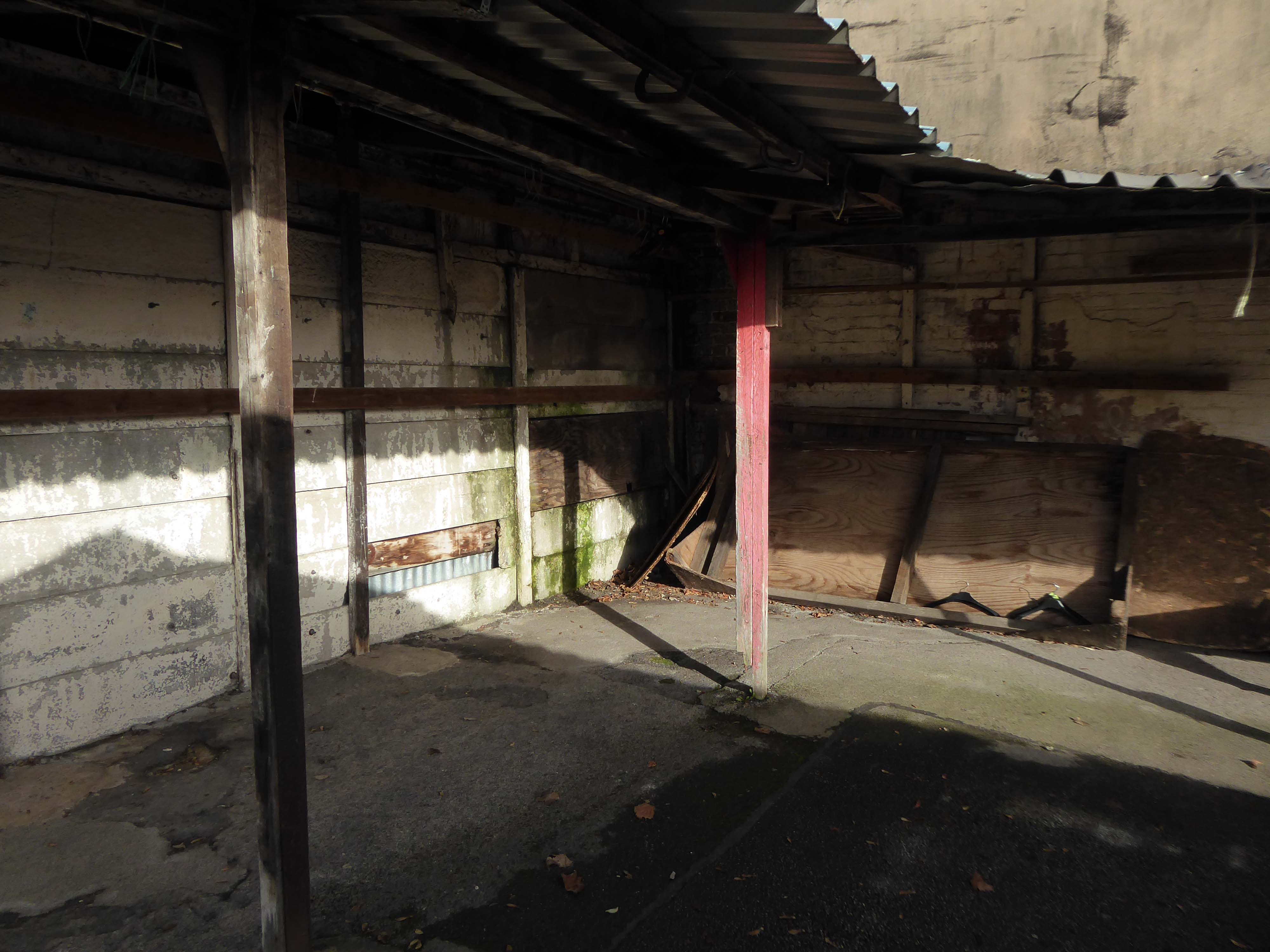
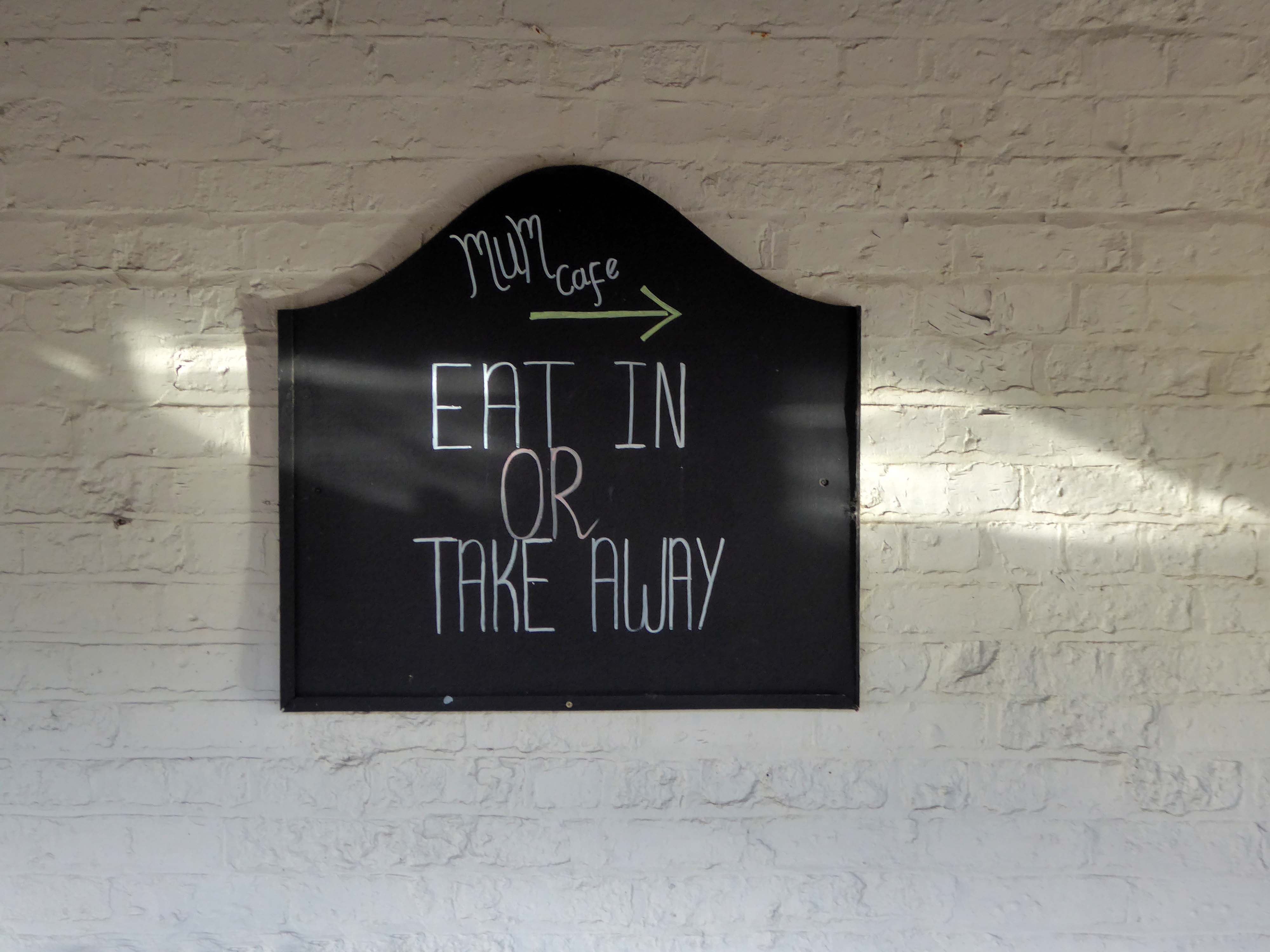
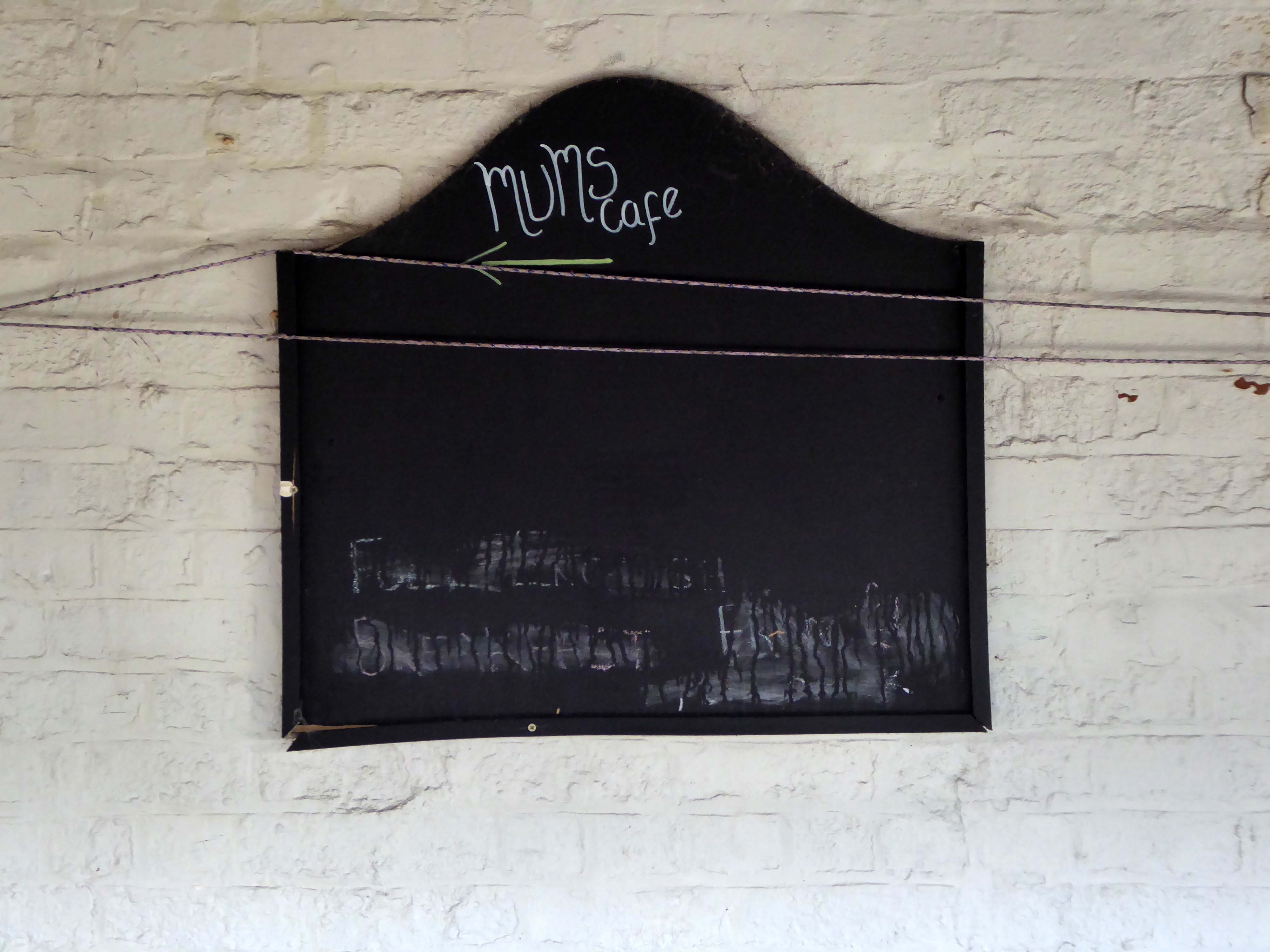
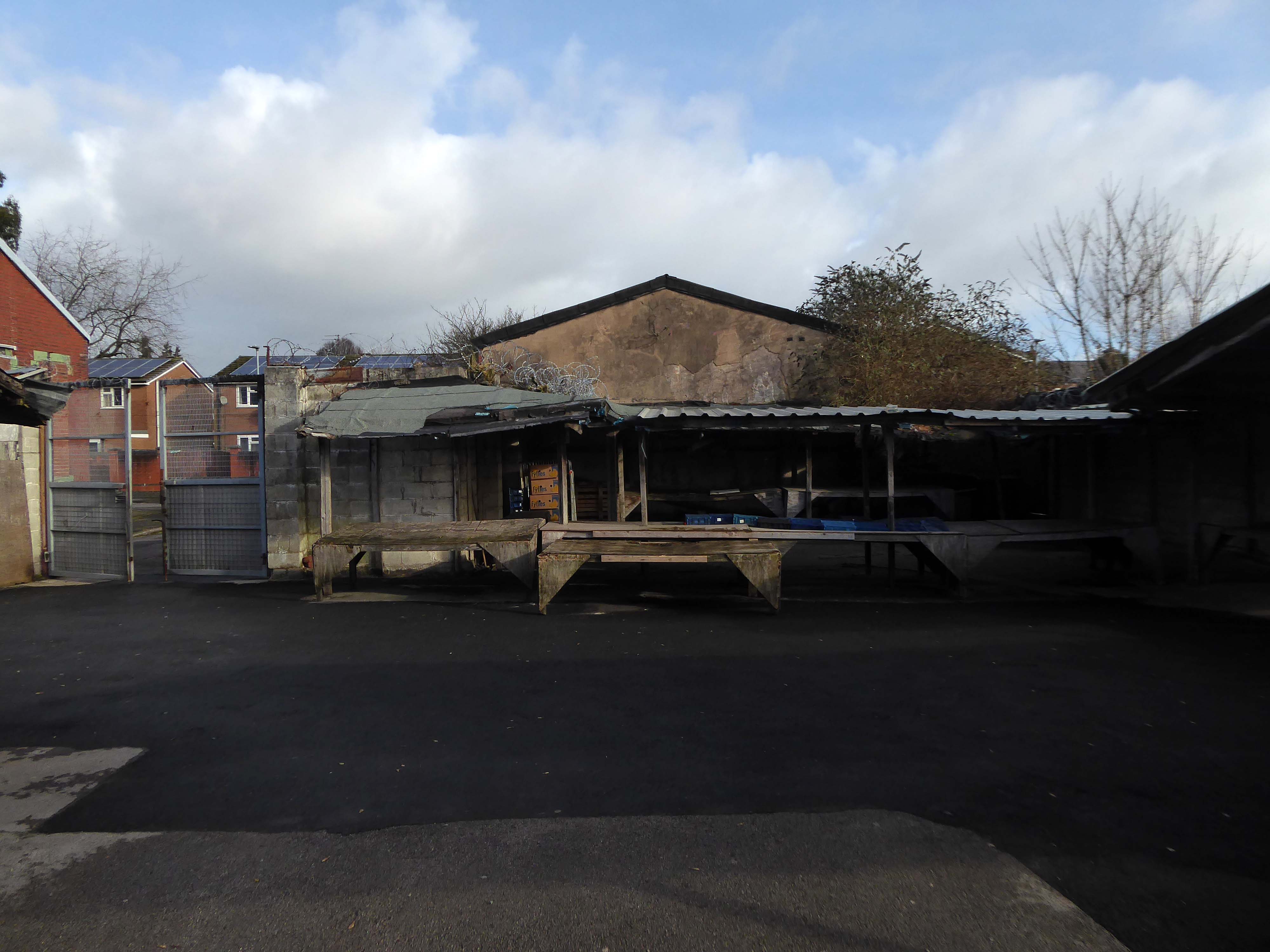
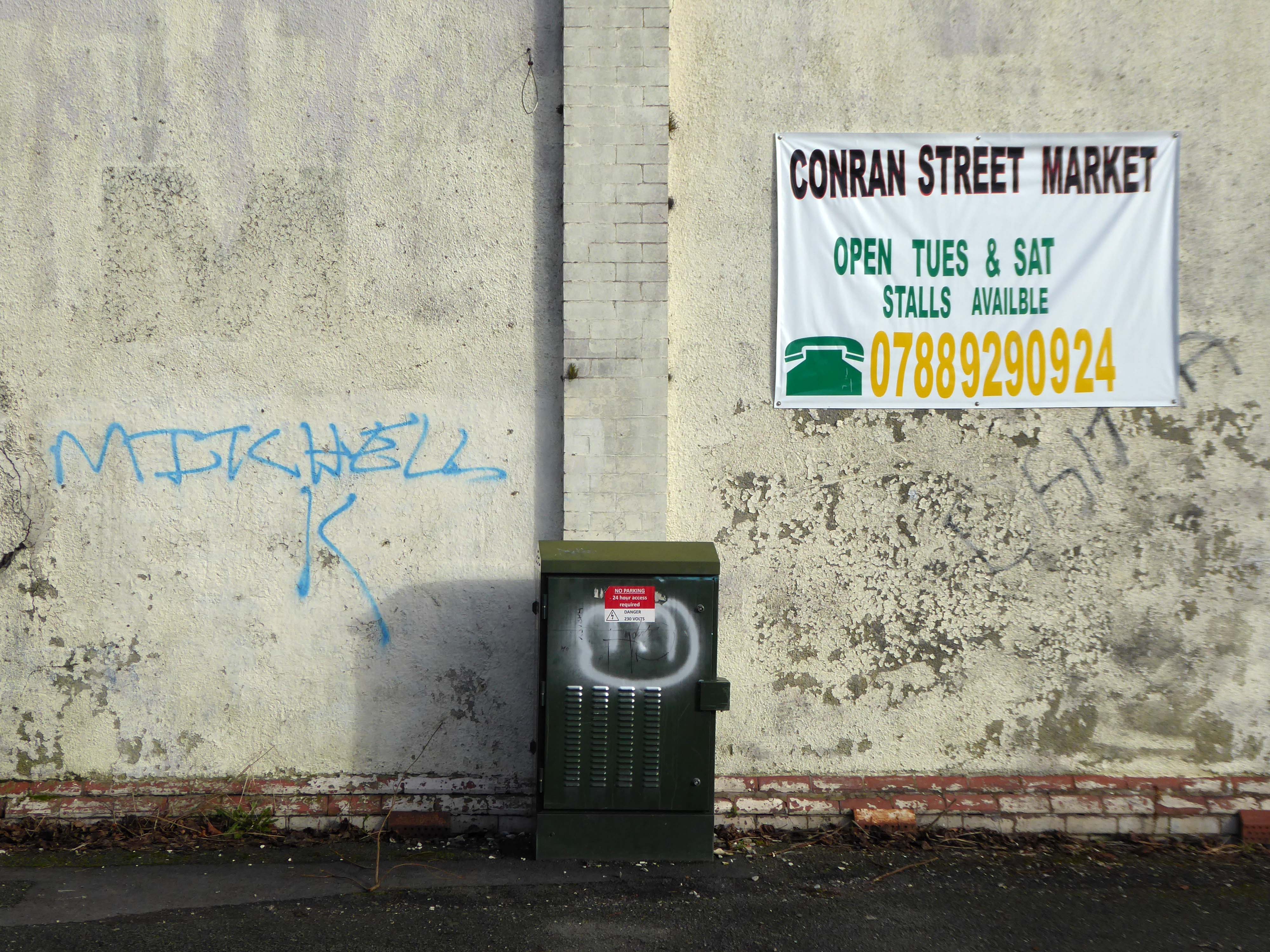
On my previous photographic visit to Conran Street Market the place was deserted, the cleaner had kindly let me in to take some snaps.
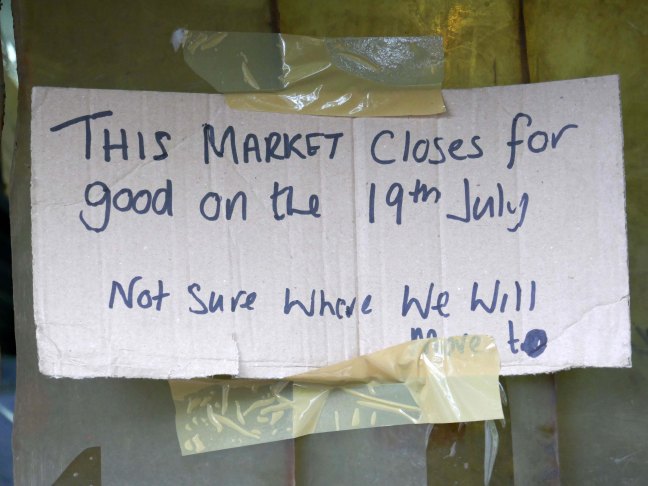
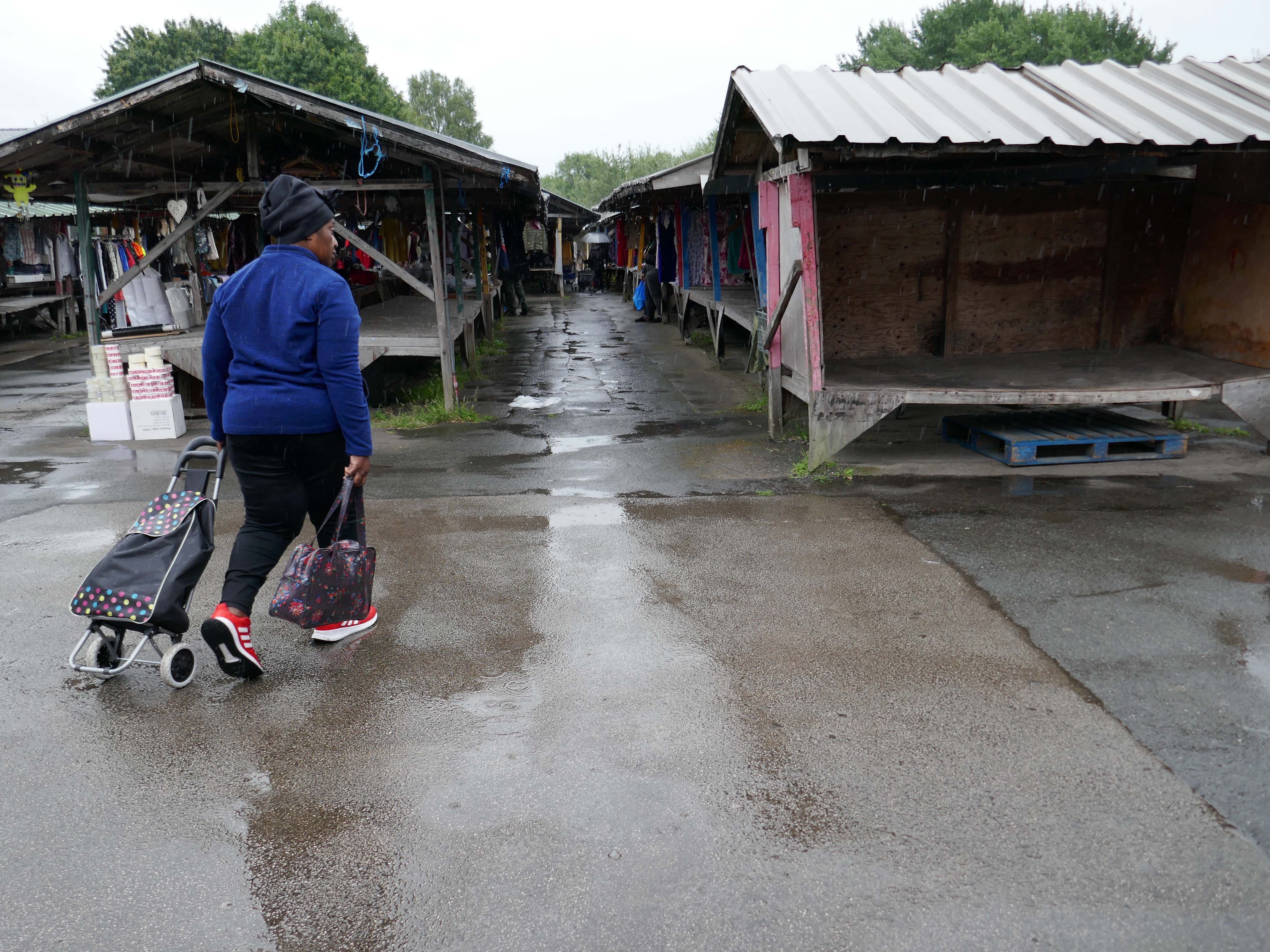
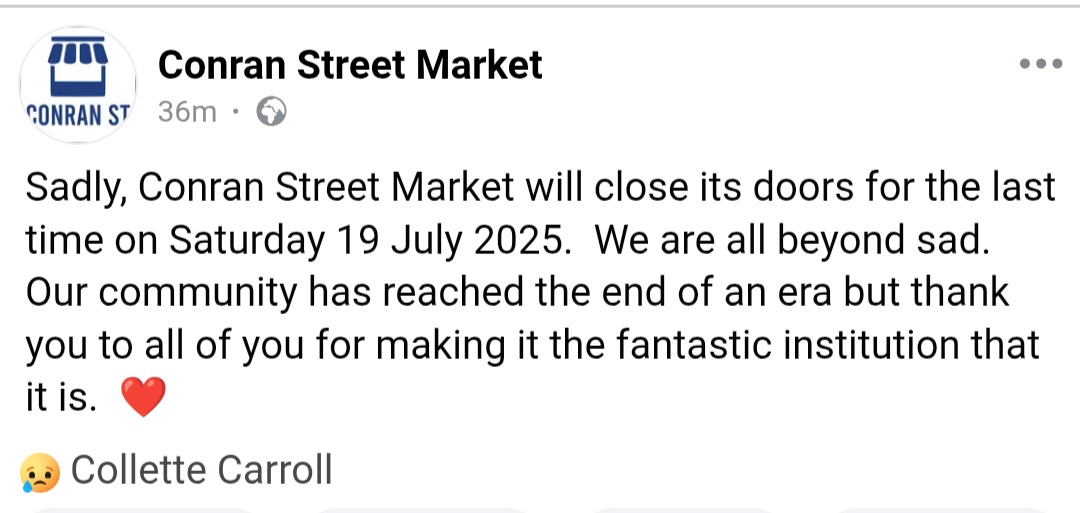
It is due to close this coming Saturday 19th July, after more than a century of trading.
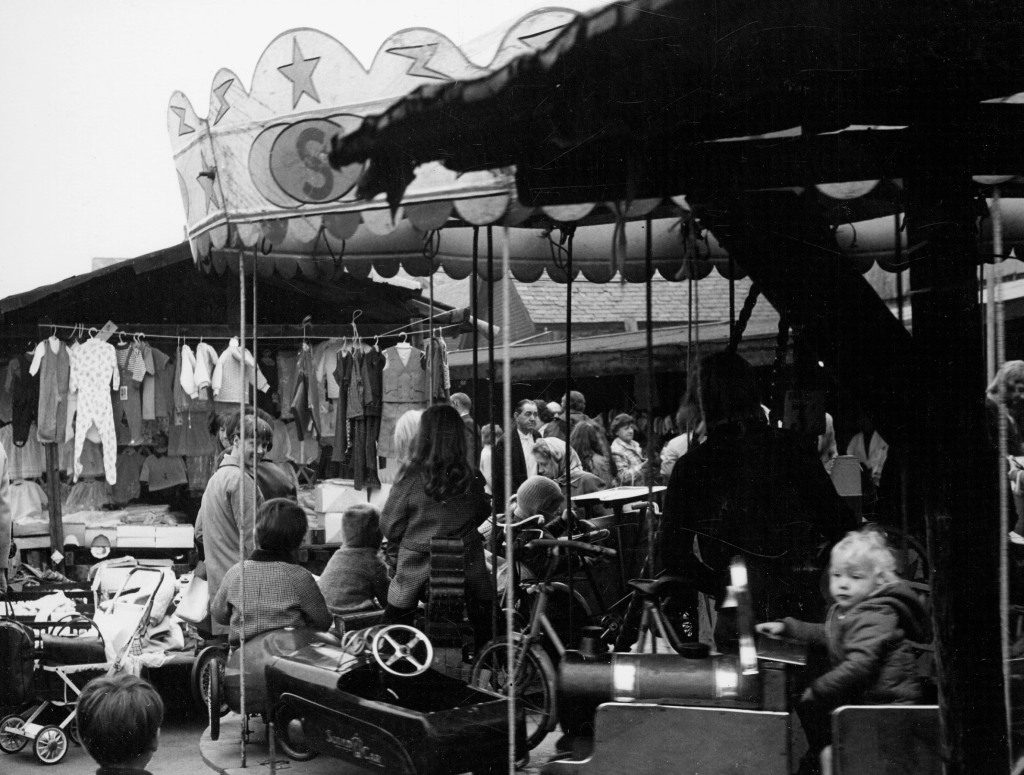
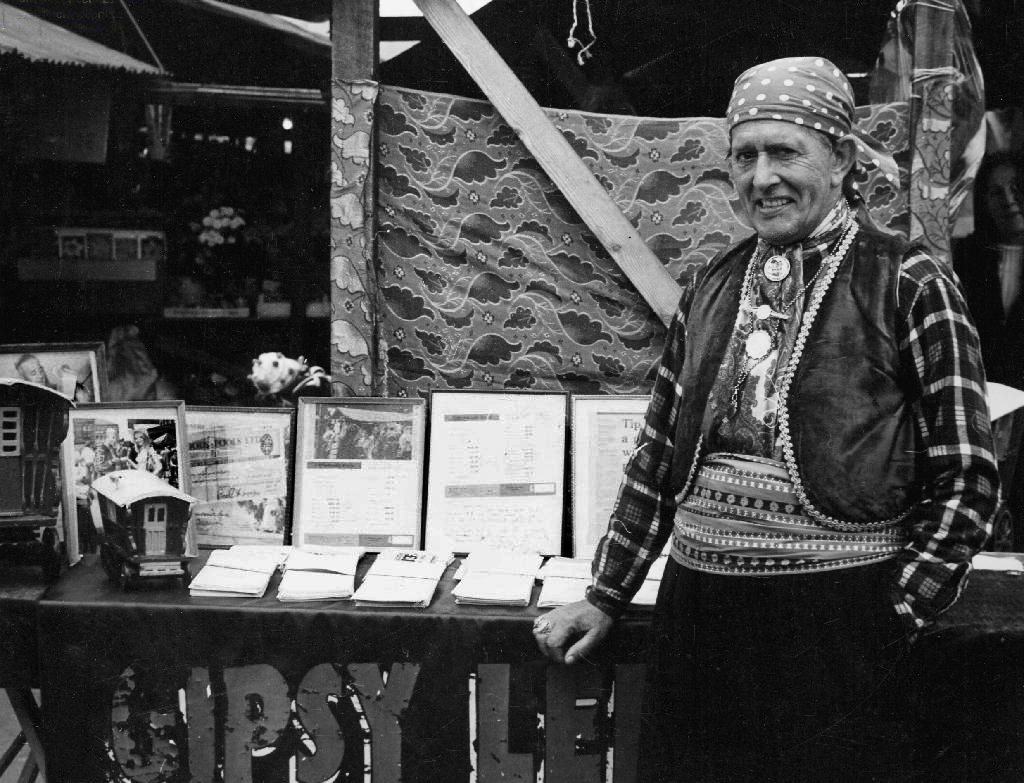
Archives+ 1972
I absolutely love Conran Street Market. I have been going for years, I honestly wished I would have taken a photograph on every visit. It’s my feel good place that brings back so many memories, friendly, funny, a look at life in every visit. What an absolute pleasure to have experienced it as long as I can remember.
Mo A
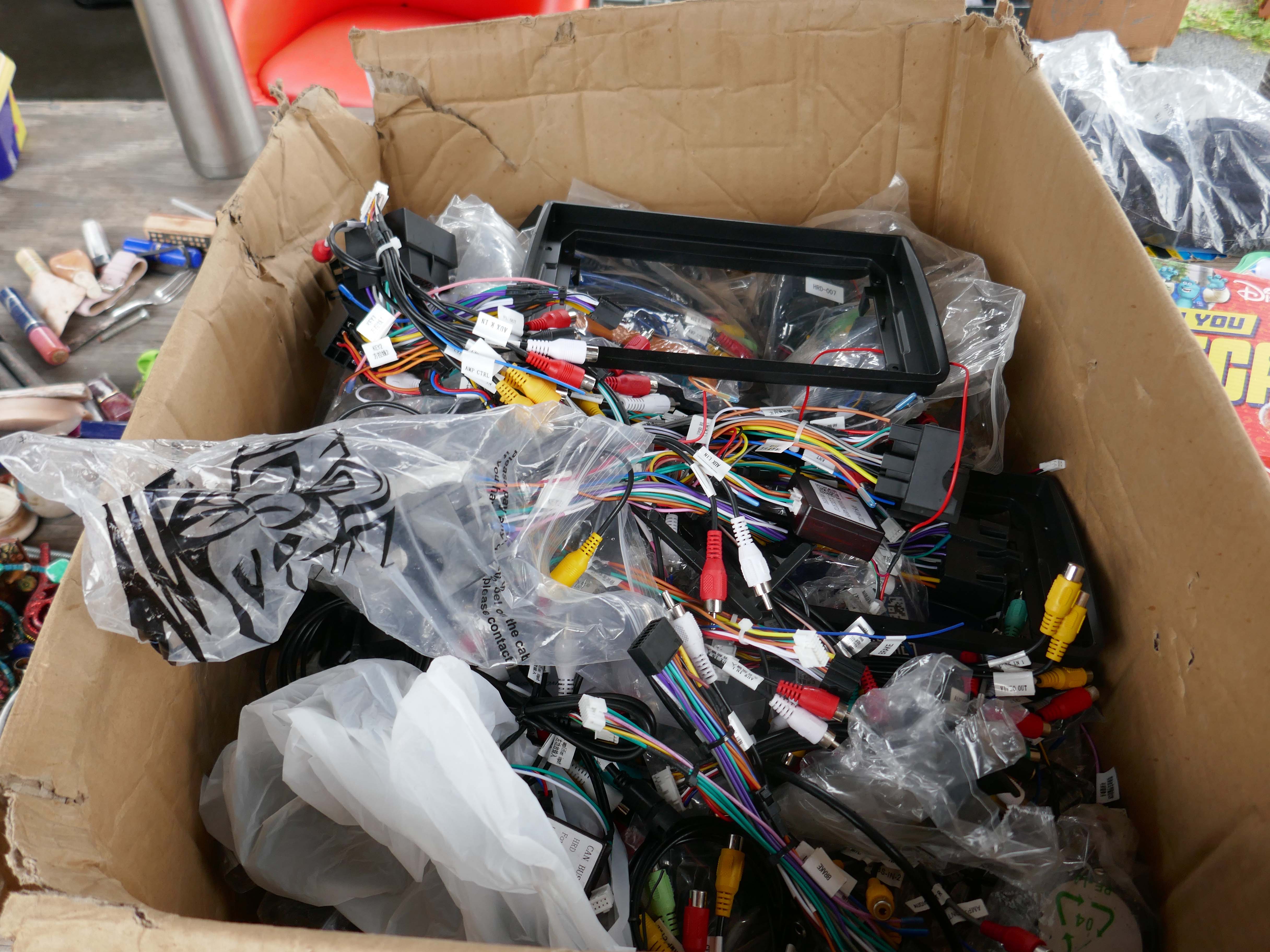
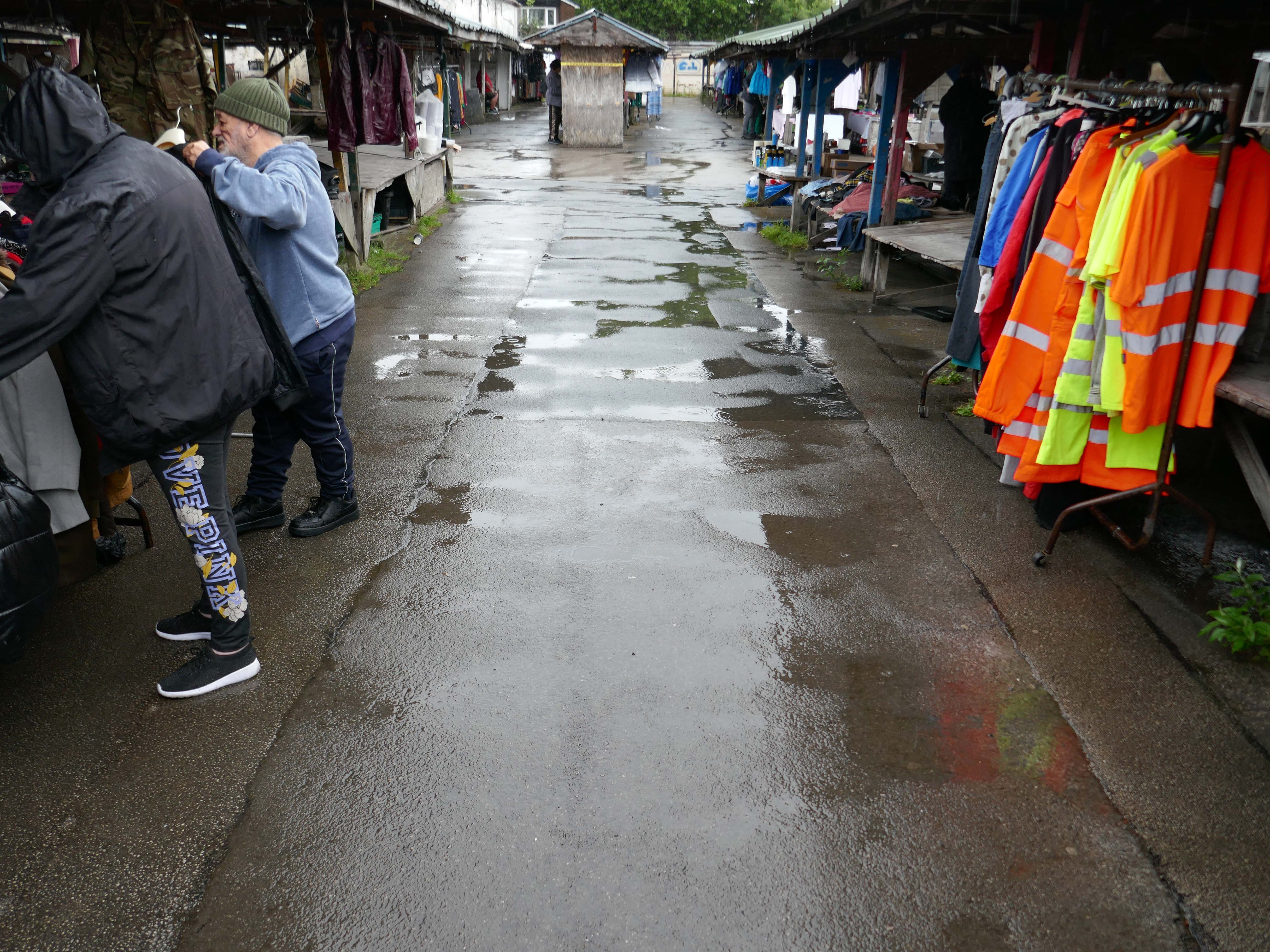
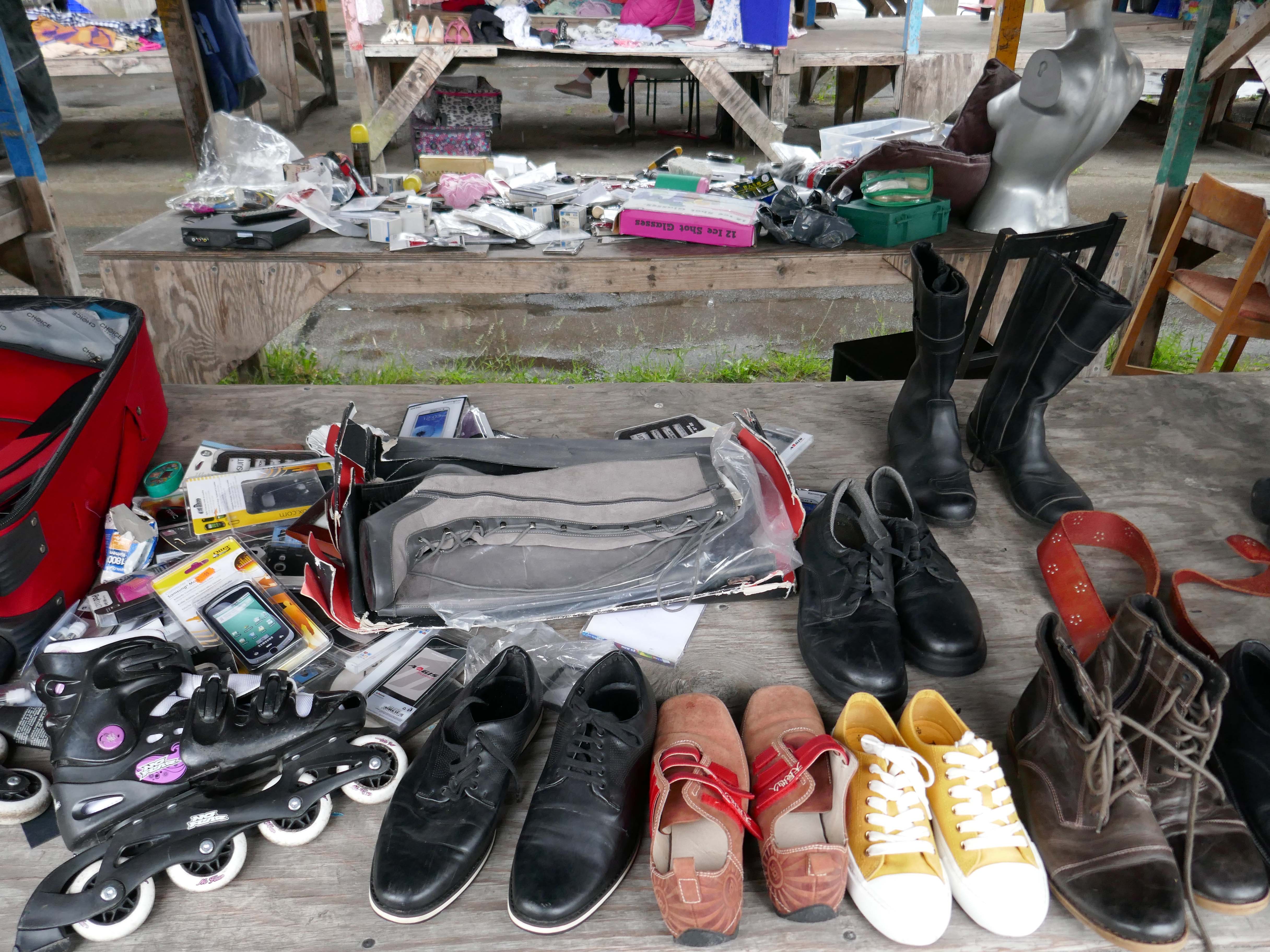
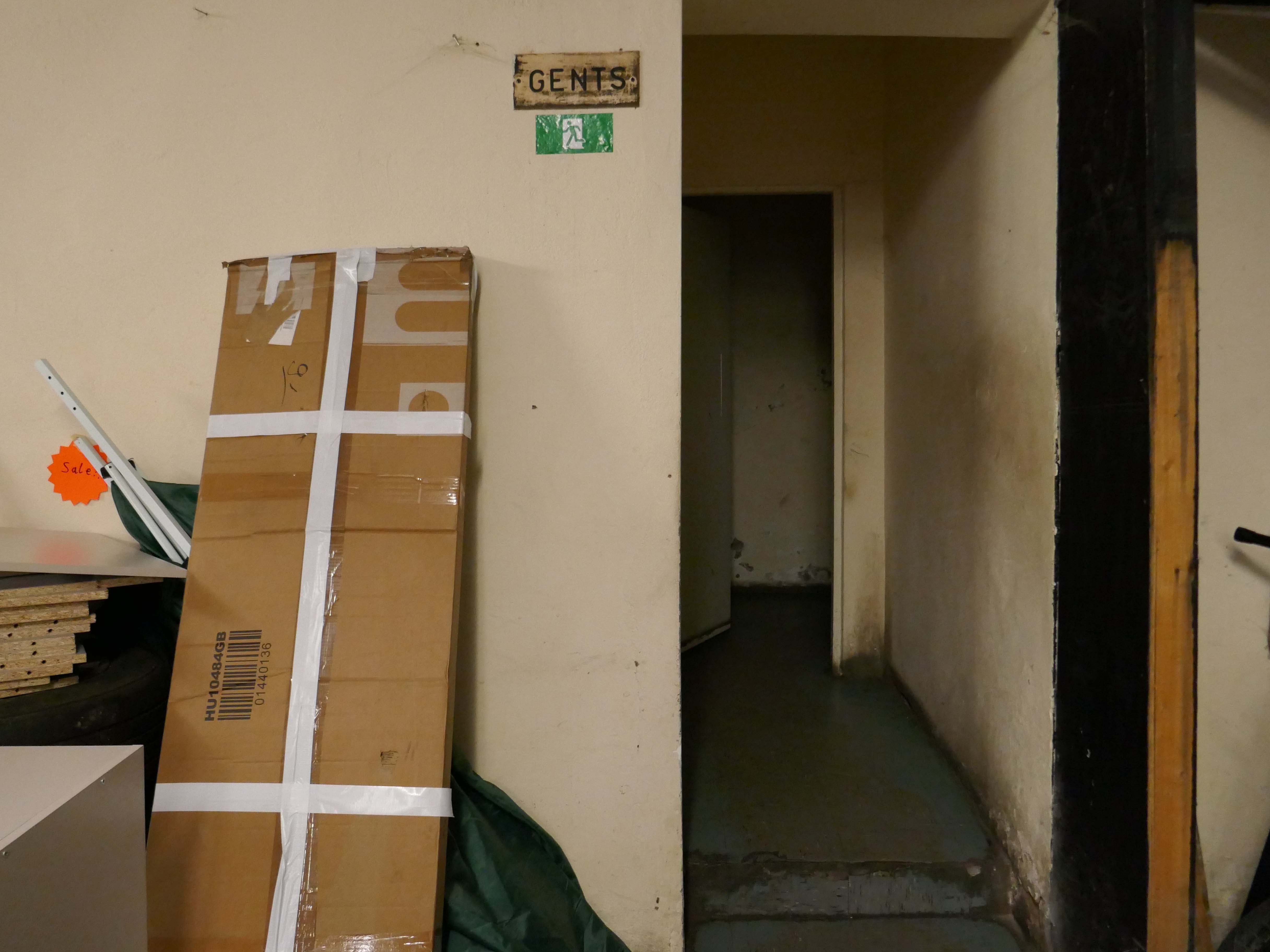
This is a local basic market with few modern amenities and no access considerations. You may find some bargains on a good day but many of the stalls stand empty, and the general disrepair all around is grim. One word about the toilets: don’t.
Judy S
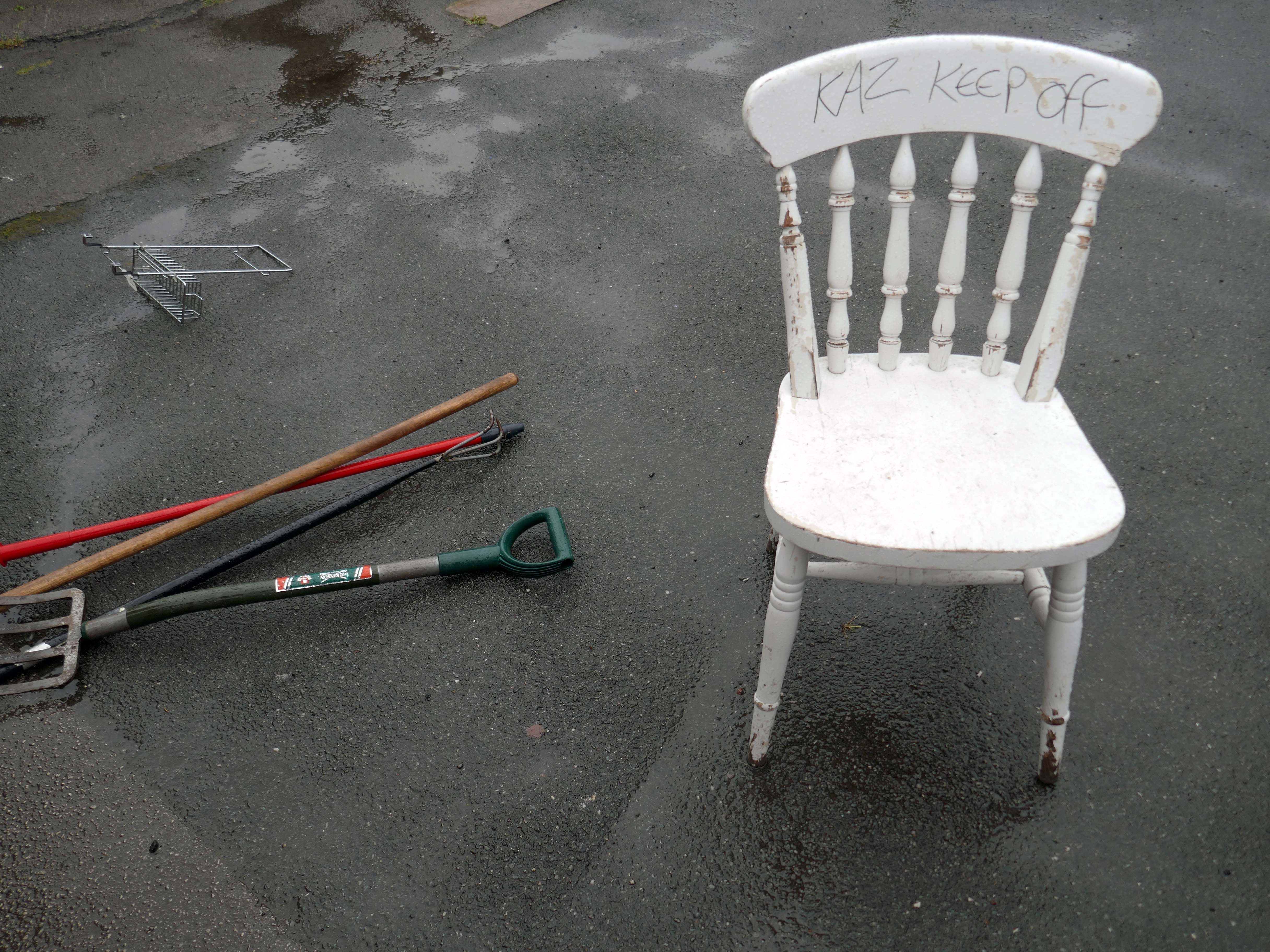
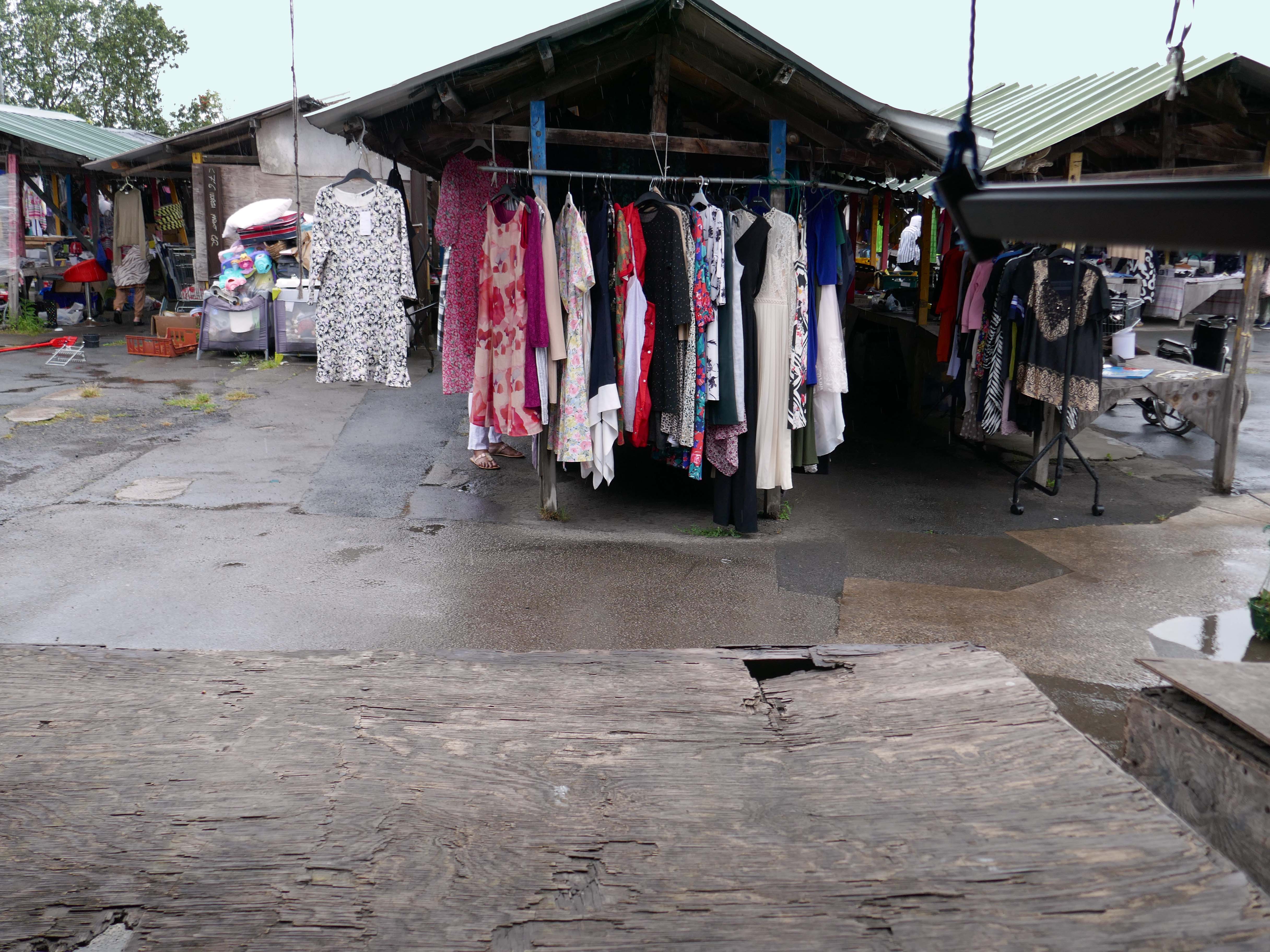
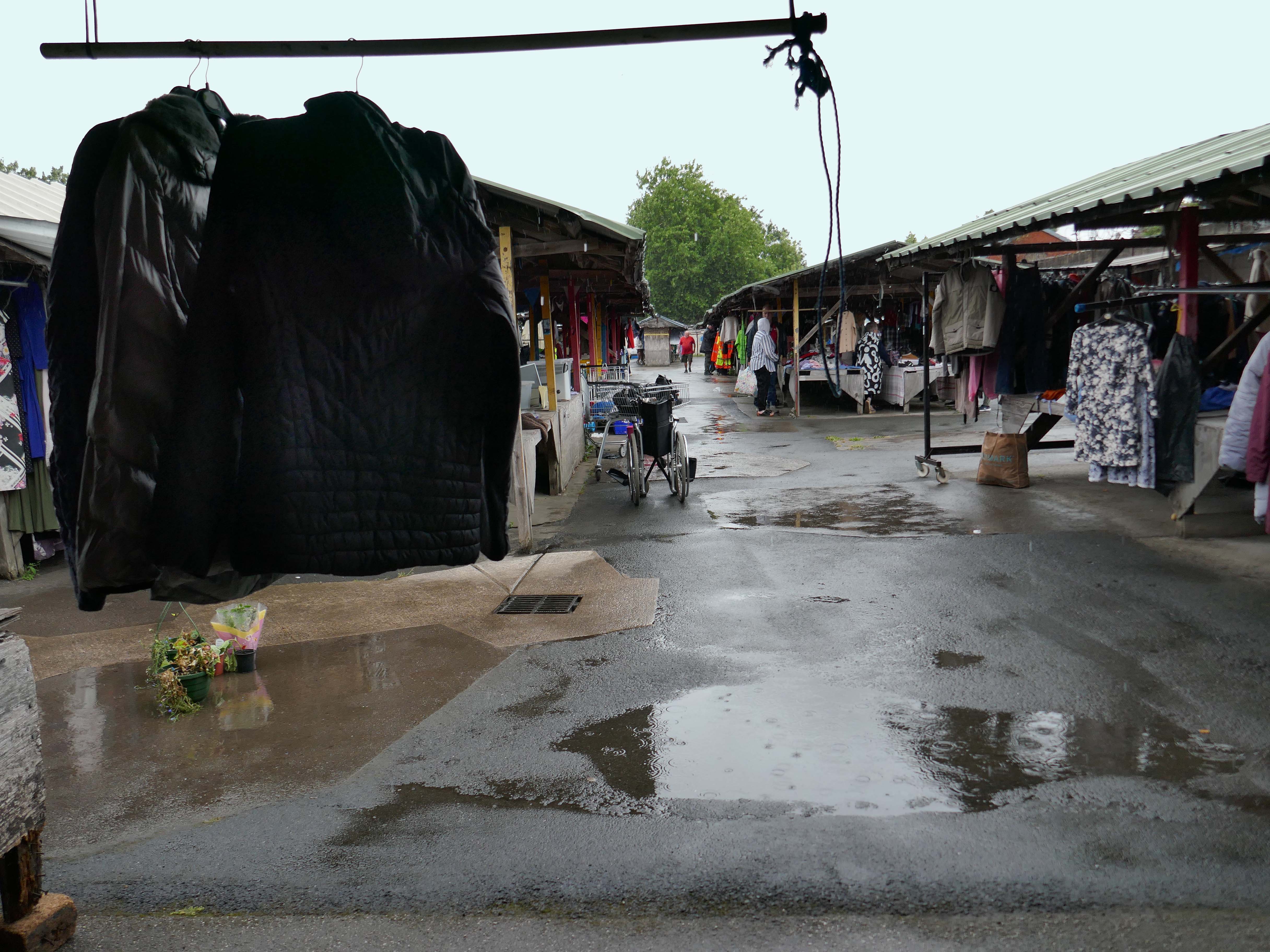
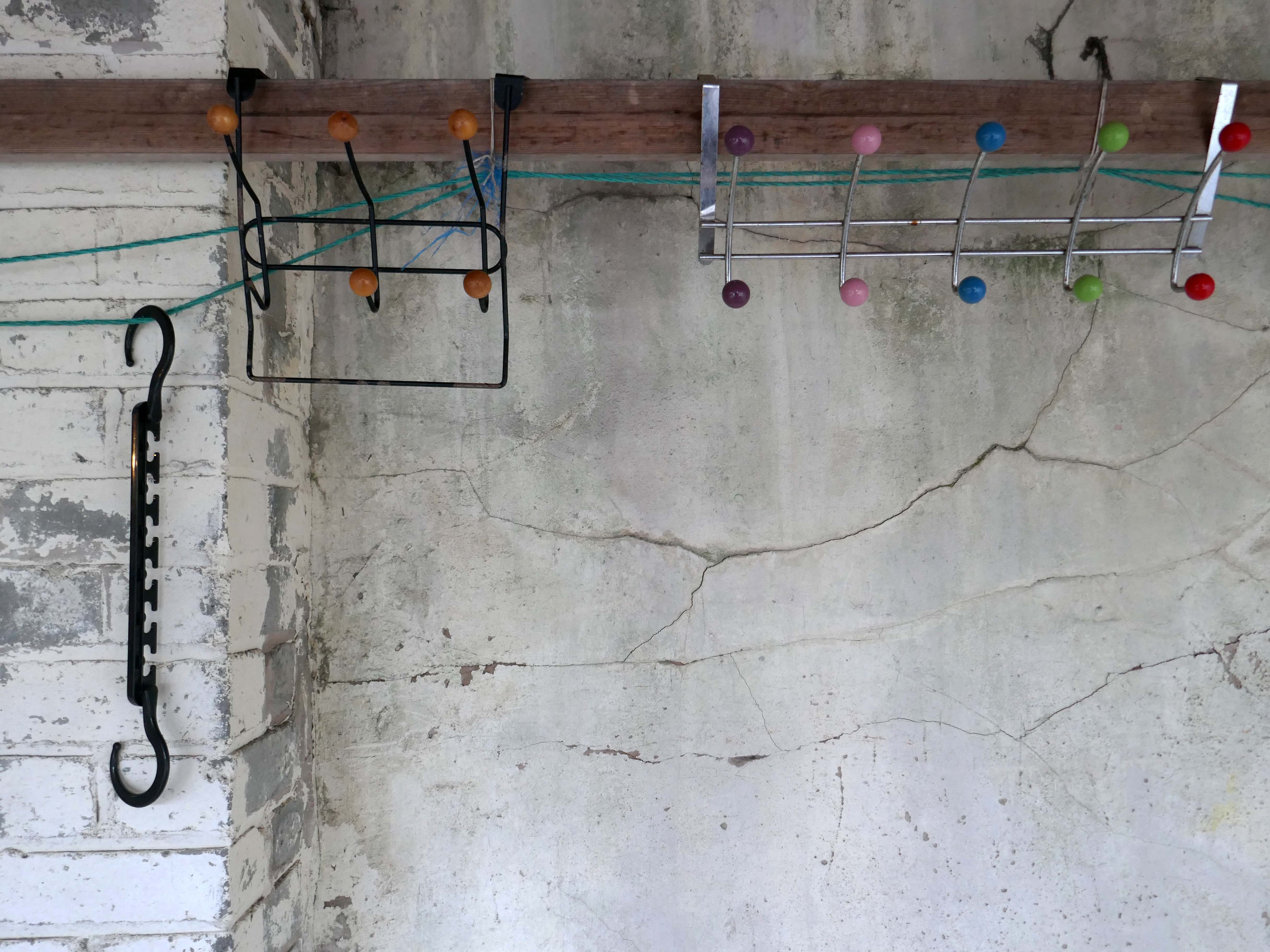
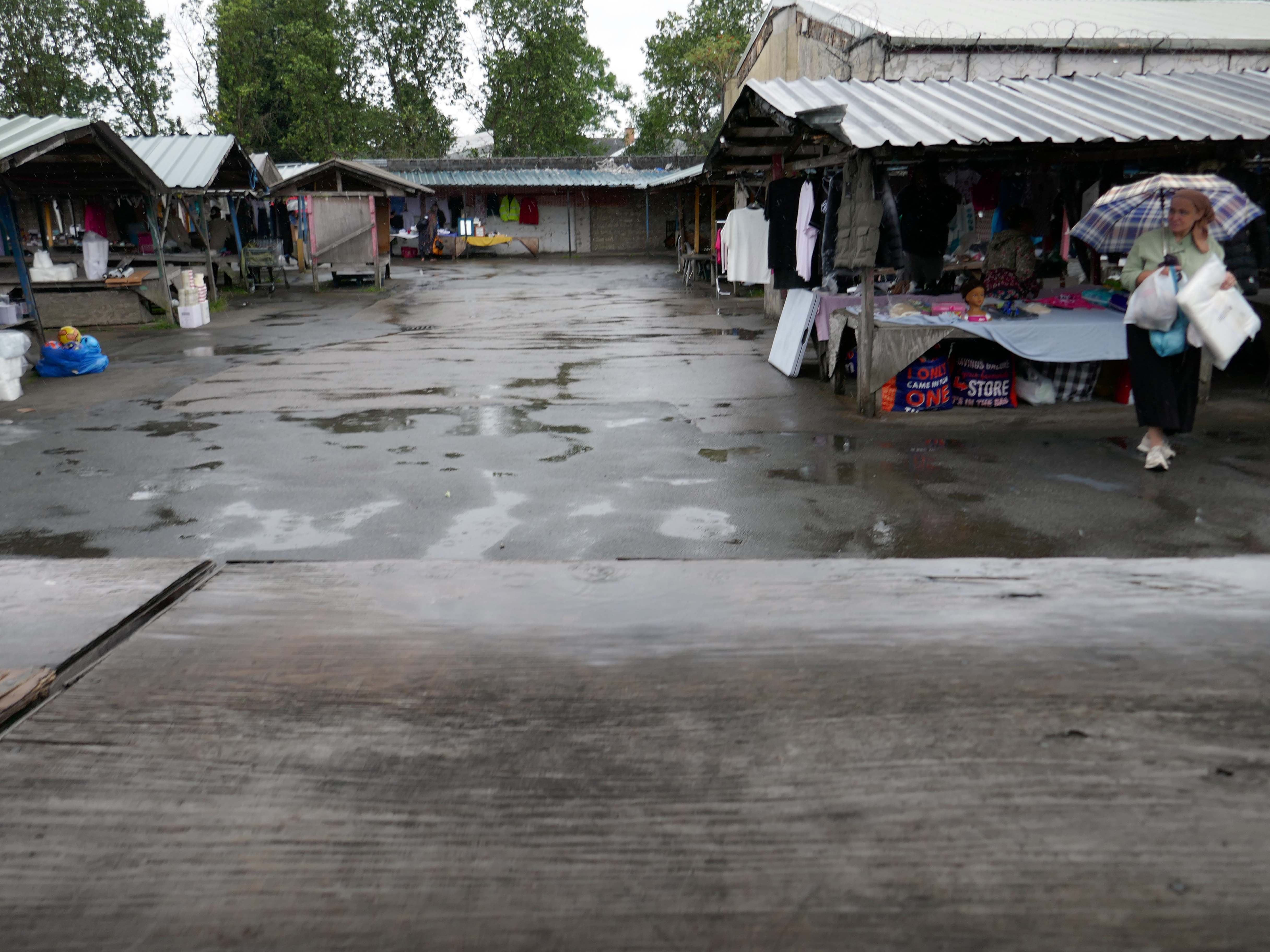
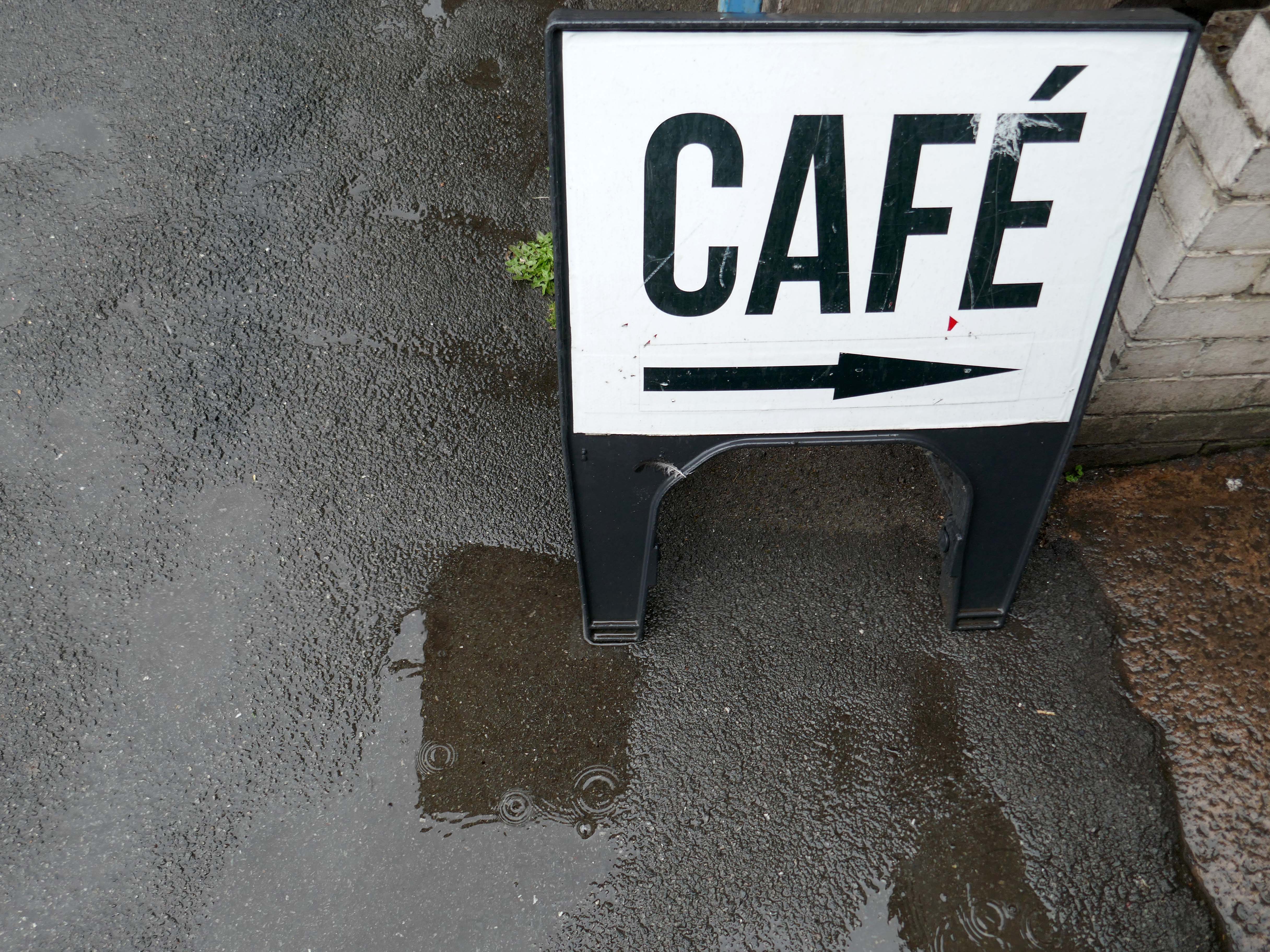
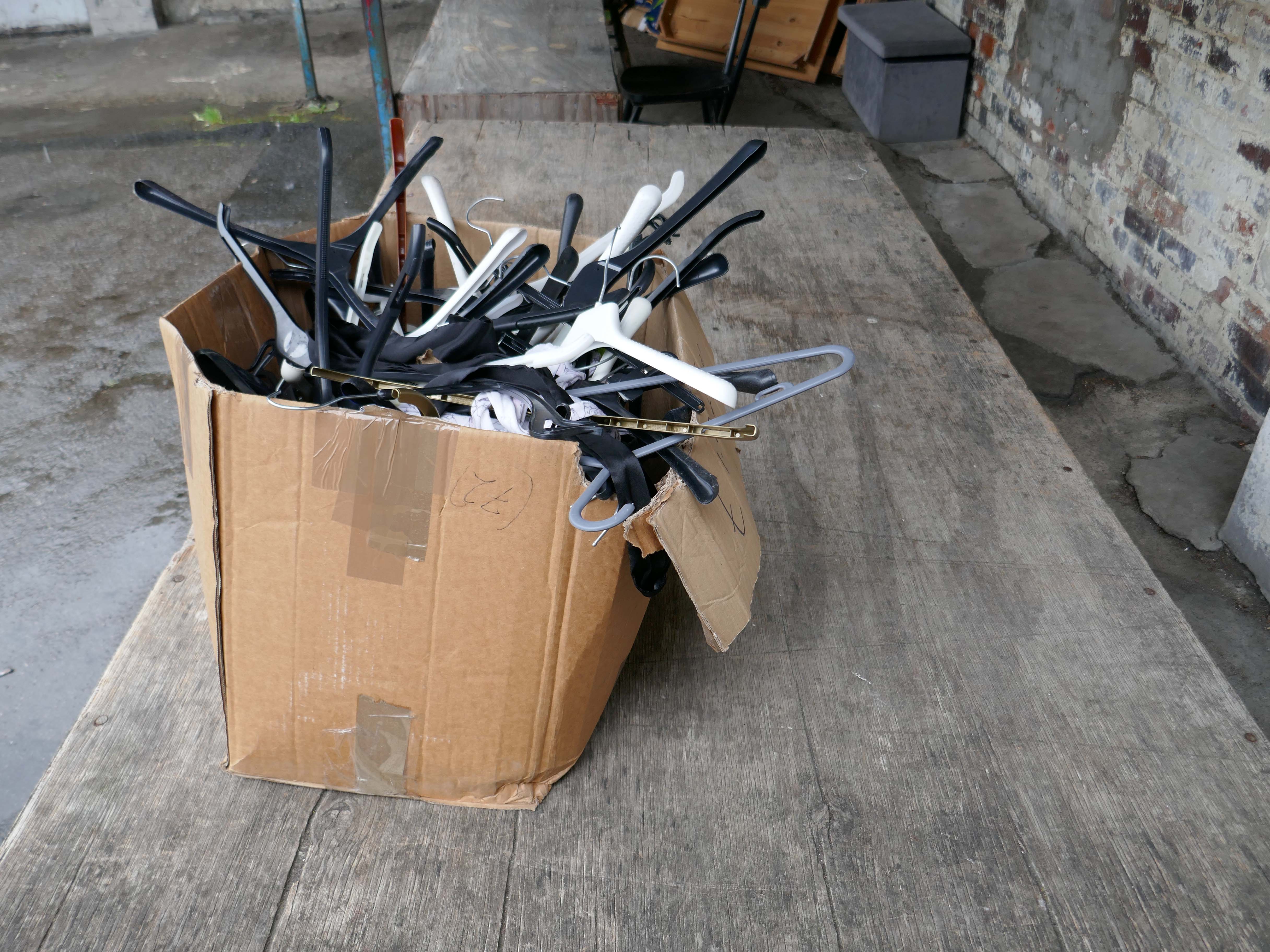
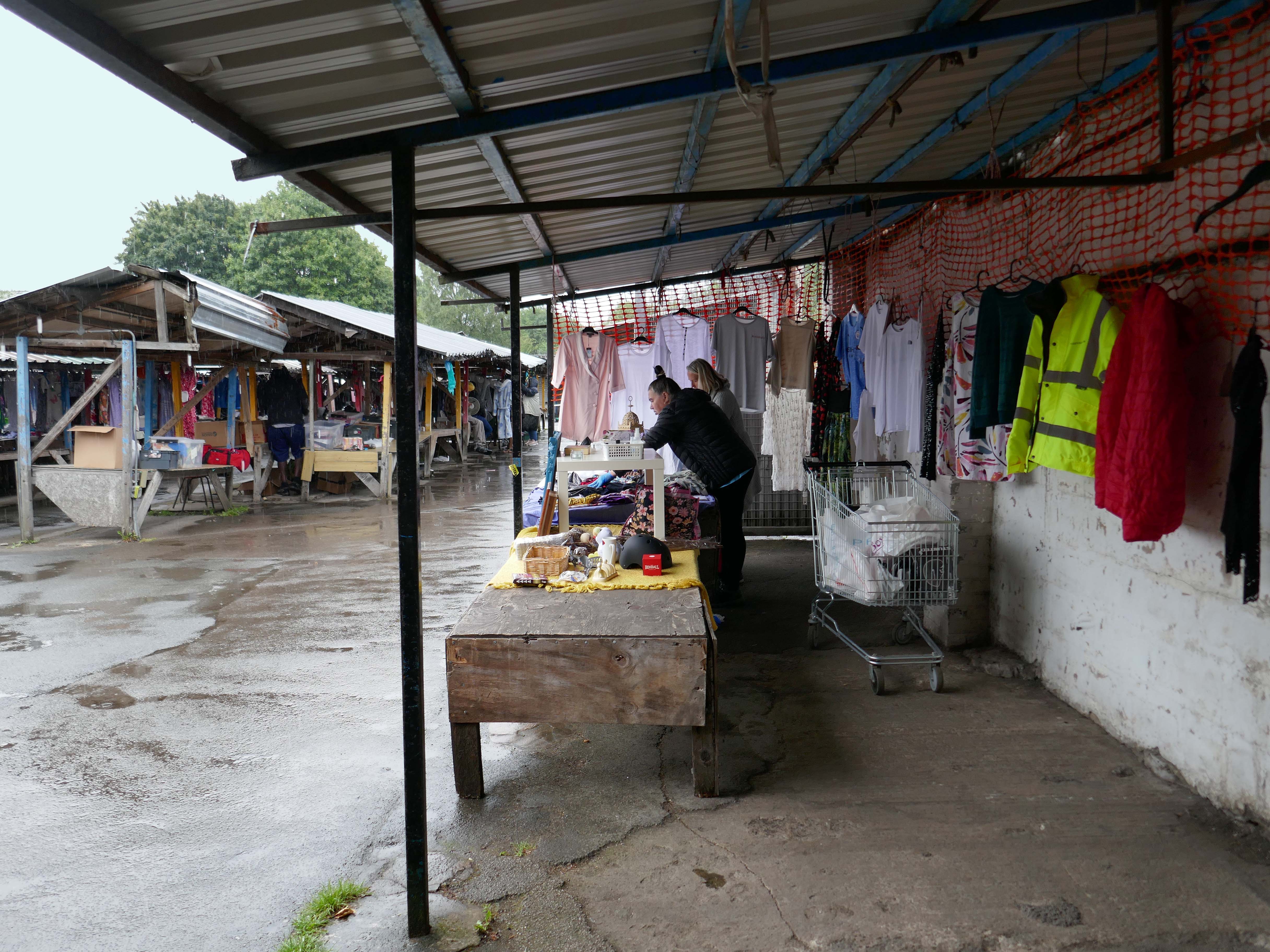
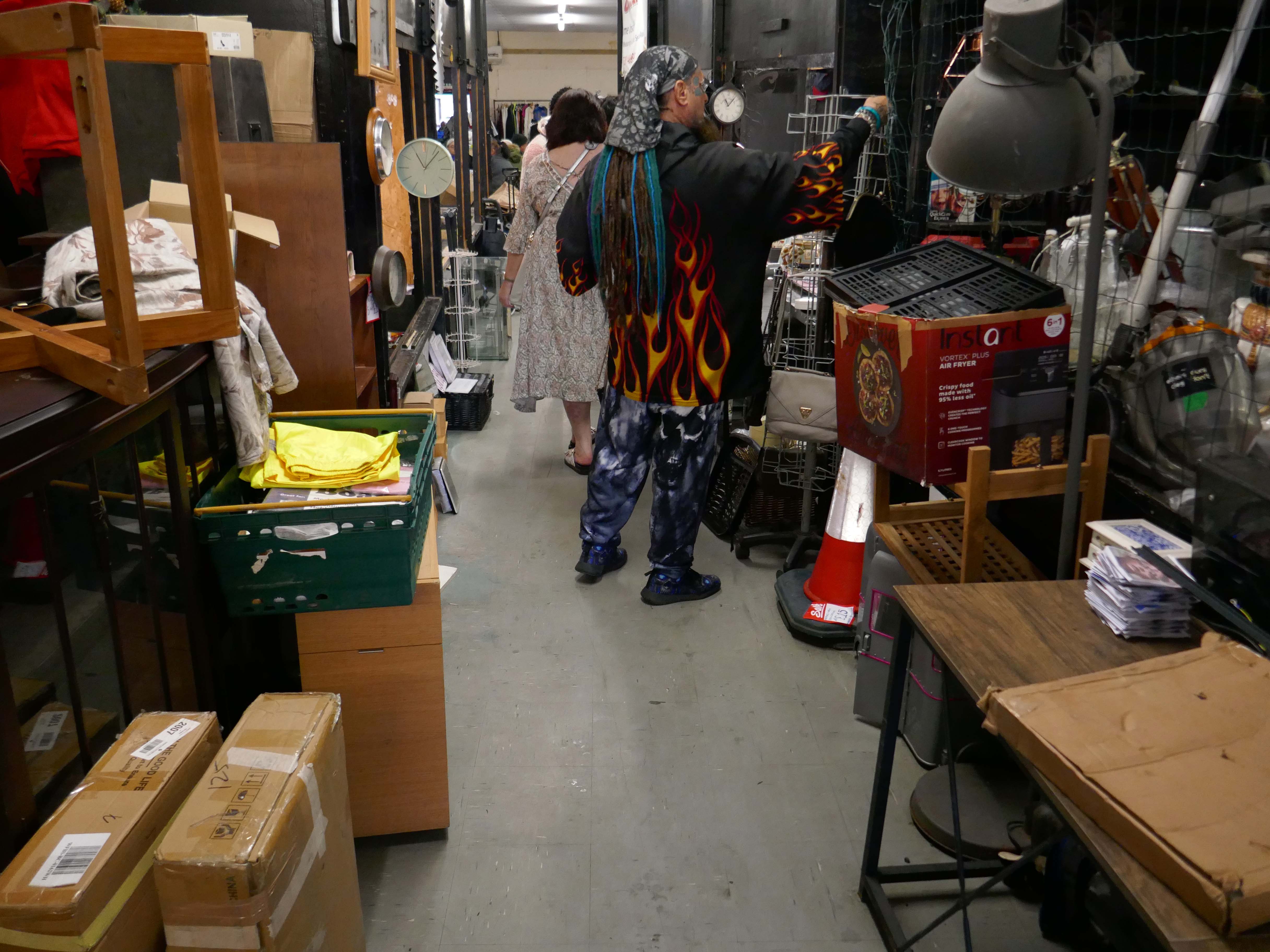
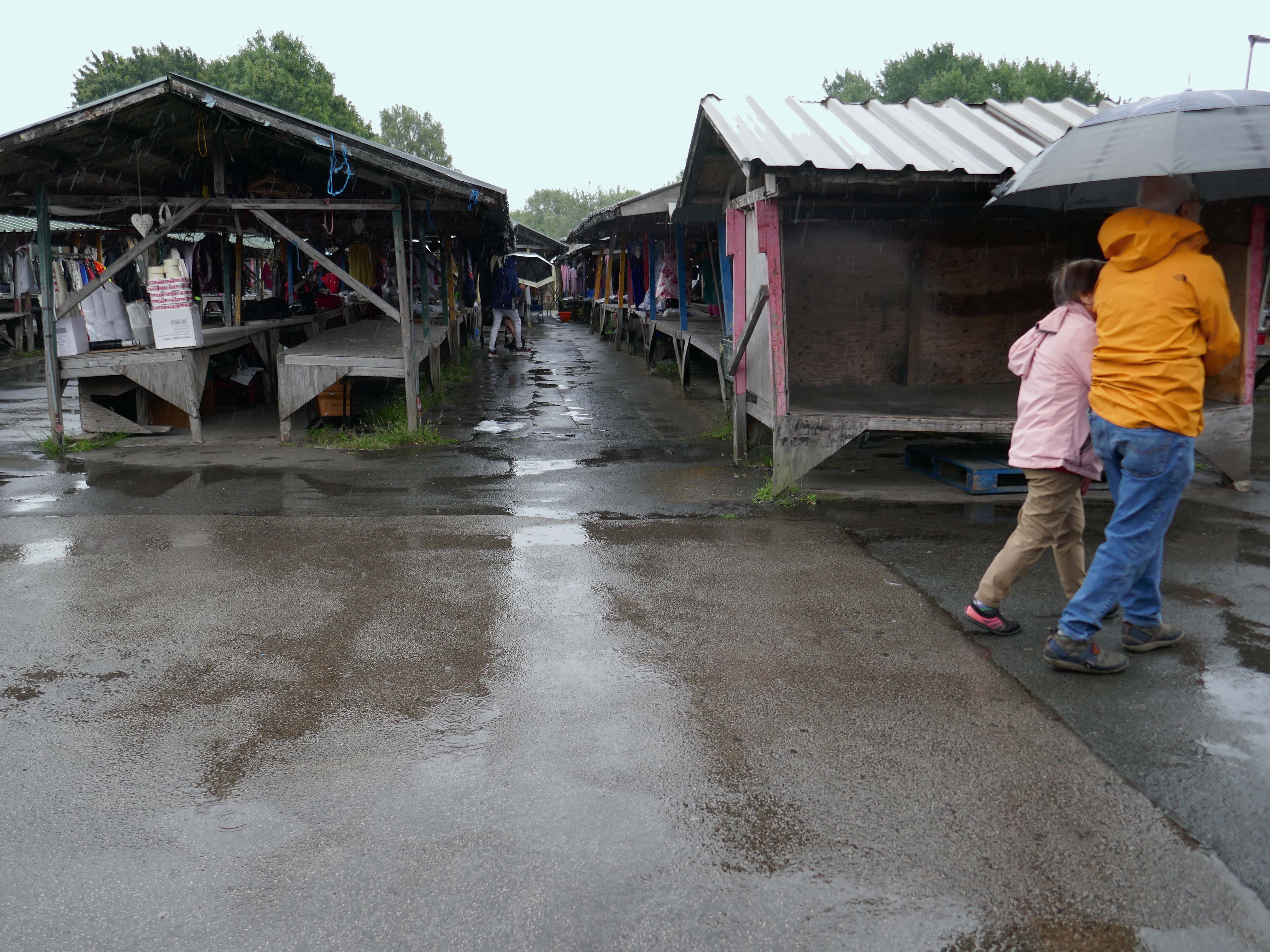
So it goes – a rainy Tuesday, following days of summer sunshine, paddling in puddles, as the drips dripped off the stalls’ sagging roofs, some empty some laden, with this that and the other.
Upright citizens at large in a skewed world, hi vis, low cost goods with nowhere else to go.
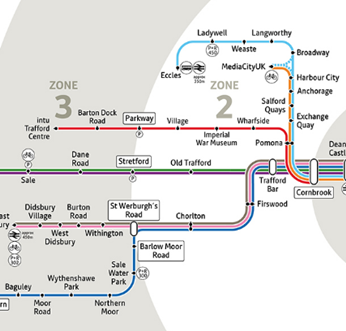
Walking from Cornbrook toward Stretford along Chester Road – which is one half of my Tram Trip to Altrincham
There is a cluster of former industrial buildings around Empress Street.
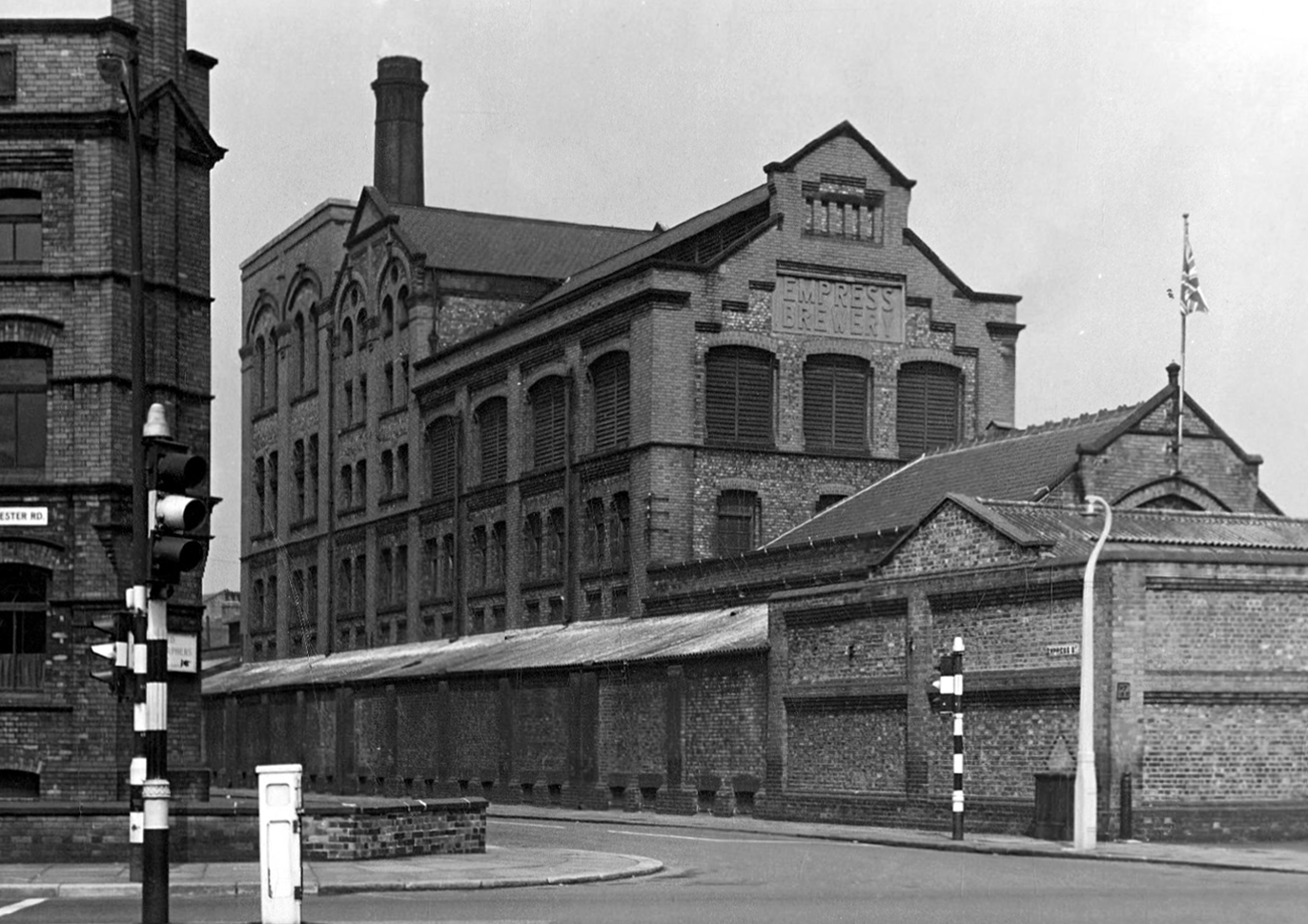
First up is the Empress Brewery.
The Empress Brewing Company was established by Charles Dawes in c. 1880, although the company was sold to William Henry Fulford in 1884, who had recently sold the Monarch Brewery in Salford. Fulford was based at the Empress Brewery on Clarence Street in Manchester, but had relocated to new premises on 383 Chester Road. These had been built in 1889 and operated initially as the Old Trafford Brewing Company, but the name had changed to the Empress Brewery Company by 1895. The company acquired a number of breweries and associated licenced house during the early 20th century, however, in 1929 it was taken over by Peter Walker and Son. The brewery closed in 1955.
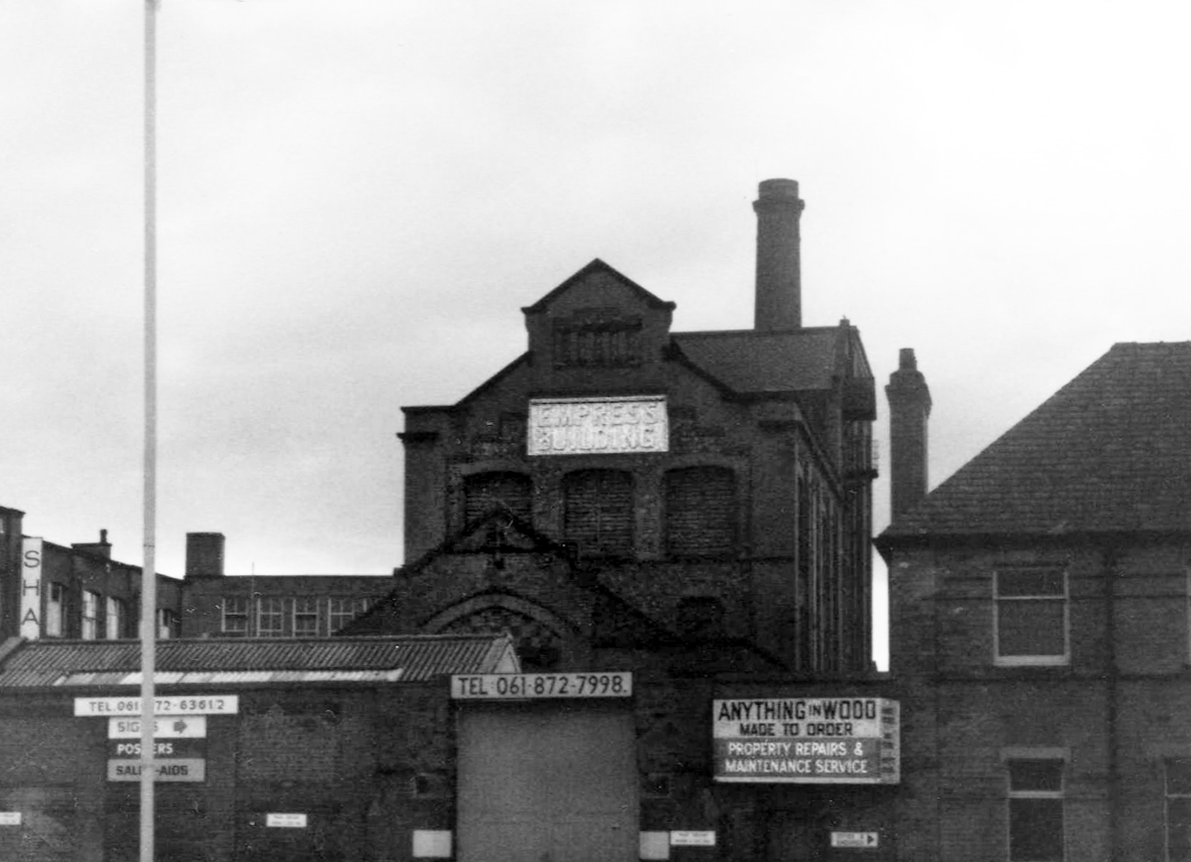
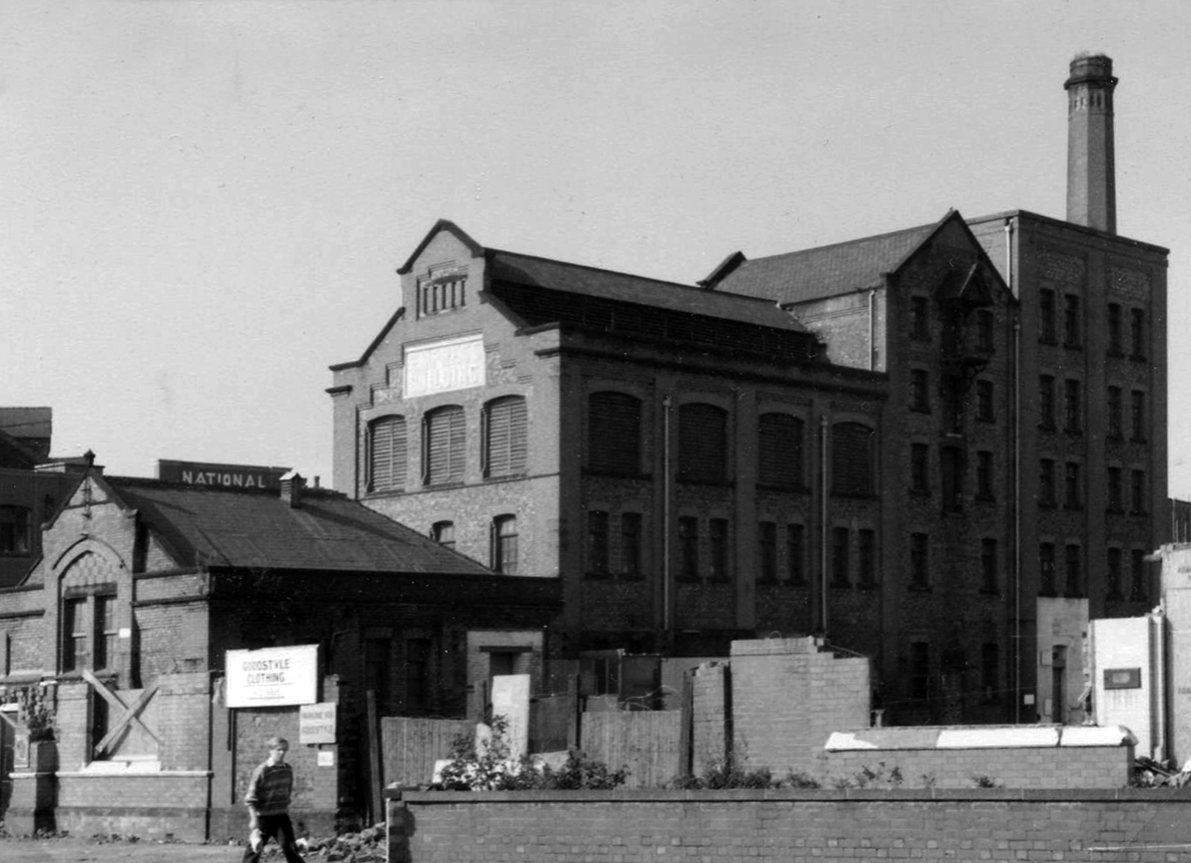
The building was converted into offices in 1992 as part of the development of the Empress Business Centre, which saw new office and business units built to form a courtyard.
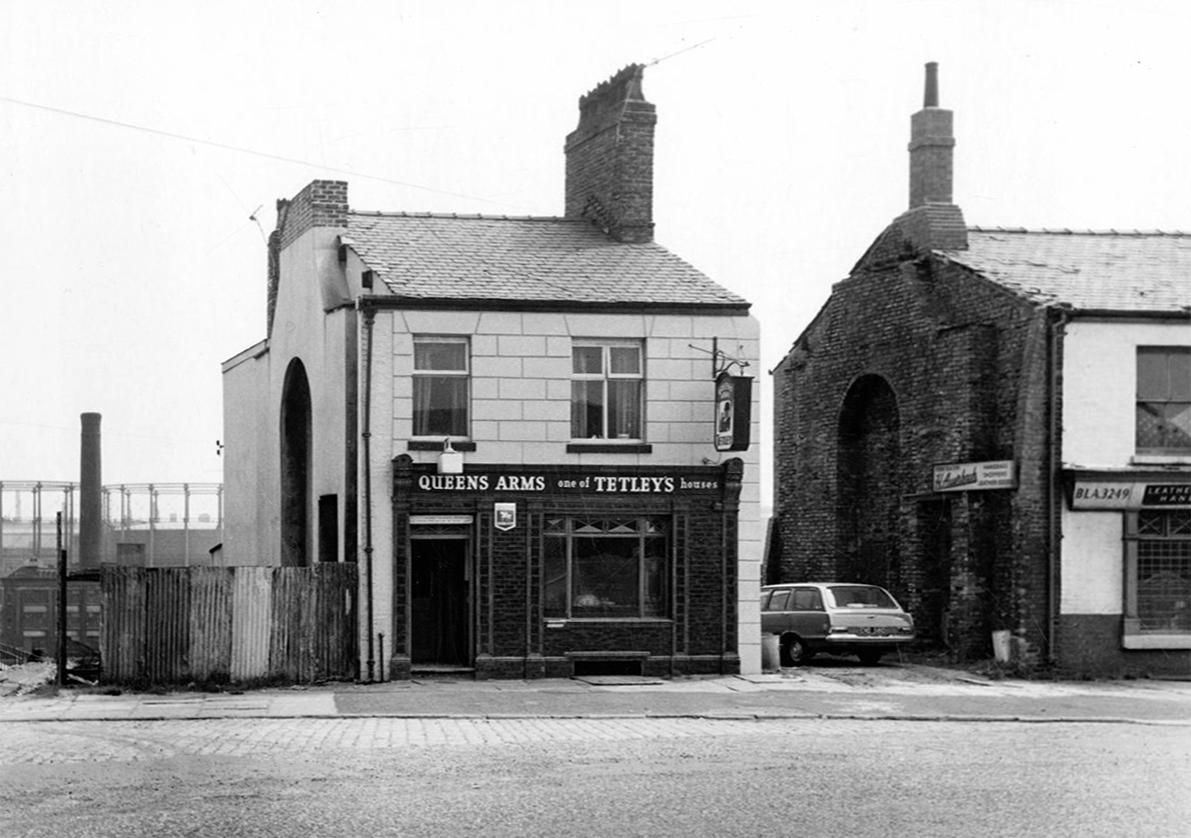
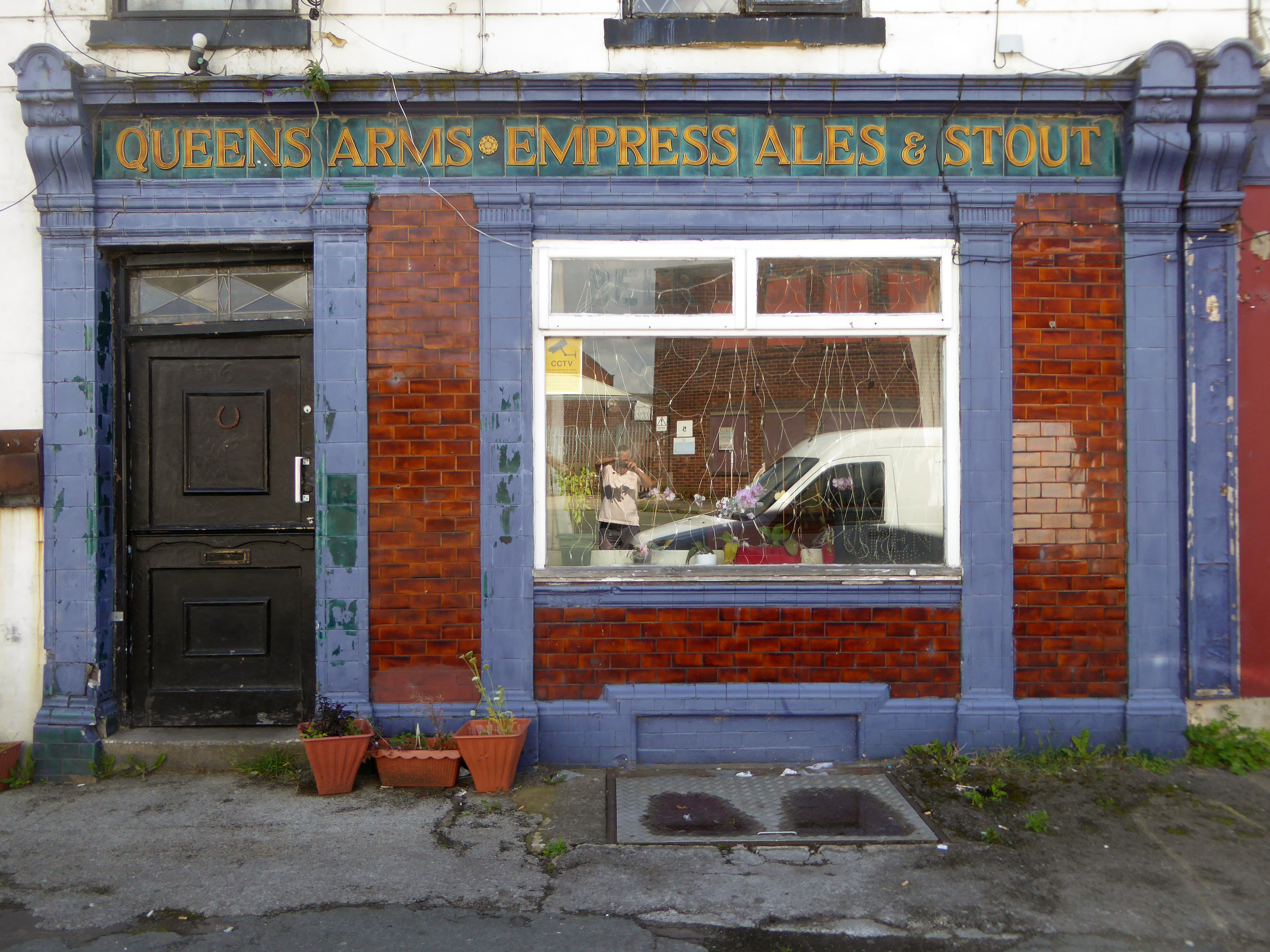
Including the Queens Arms on Honey Street Red Bank, one of the first independent real boozers back in the 1980’s, subsequently it has seen various uses last seen on my Collyhurst Circular walk.
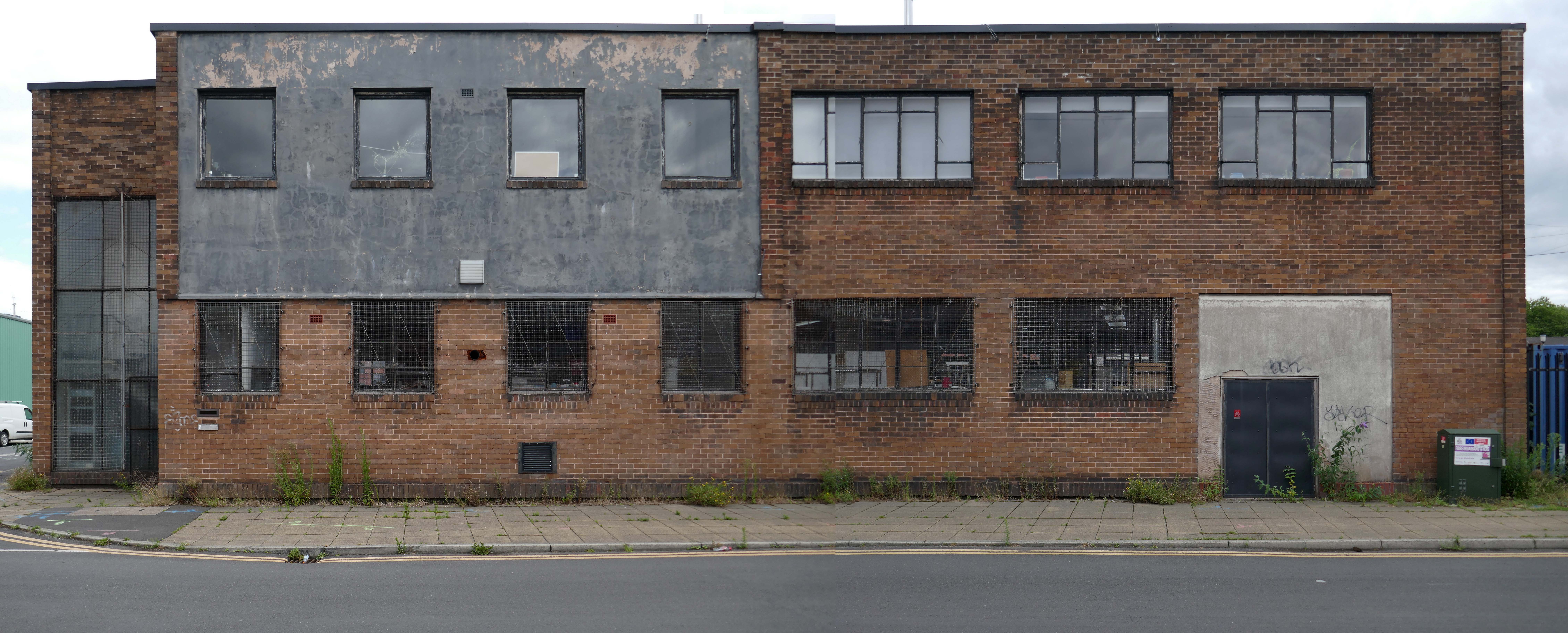
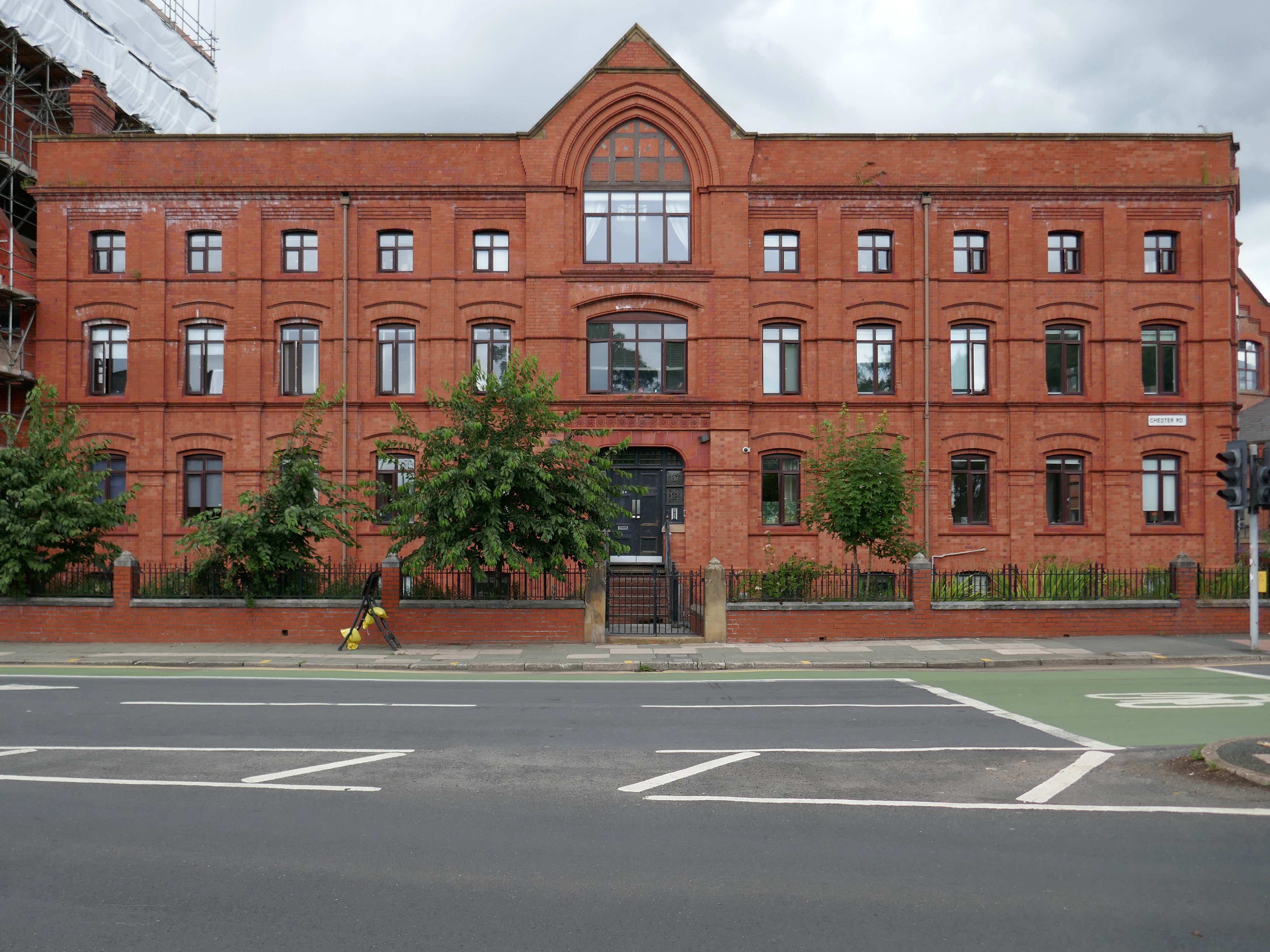
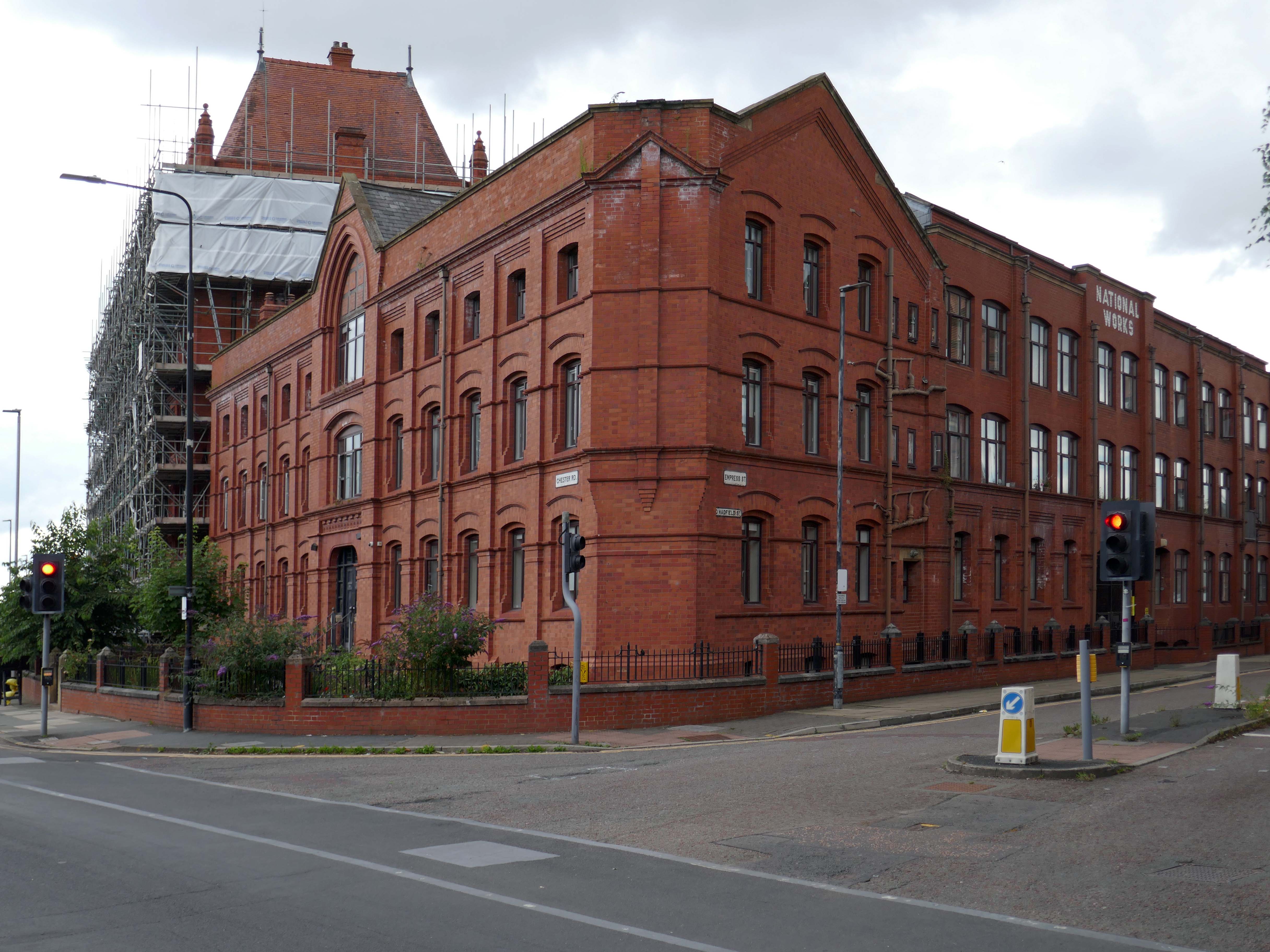
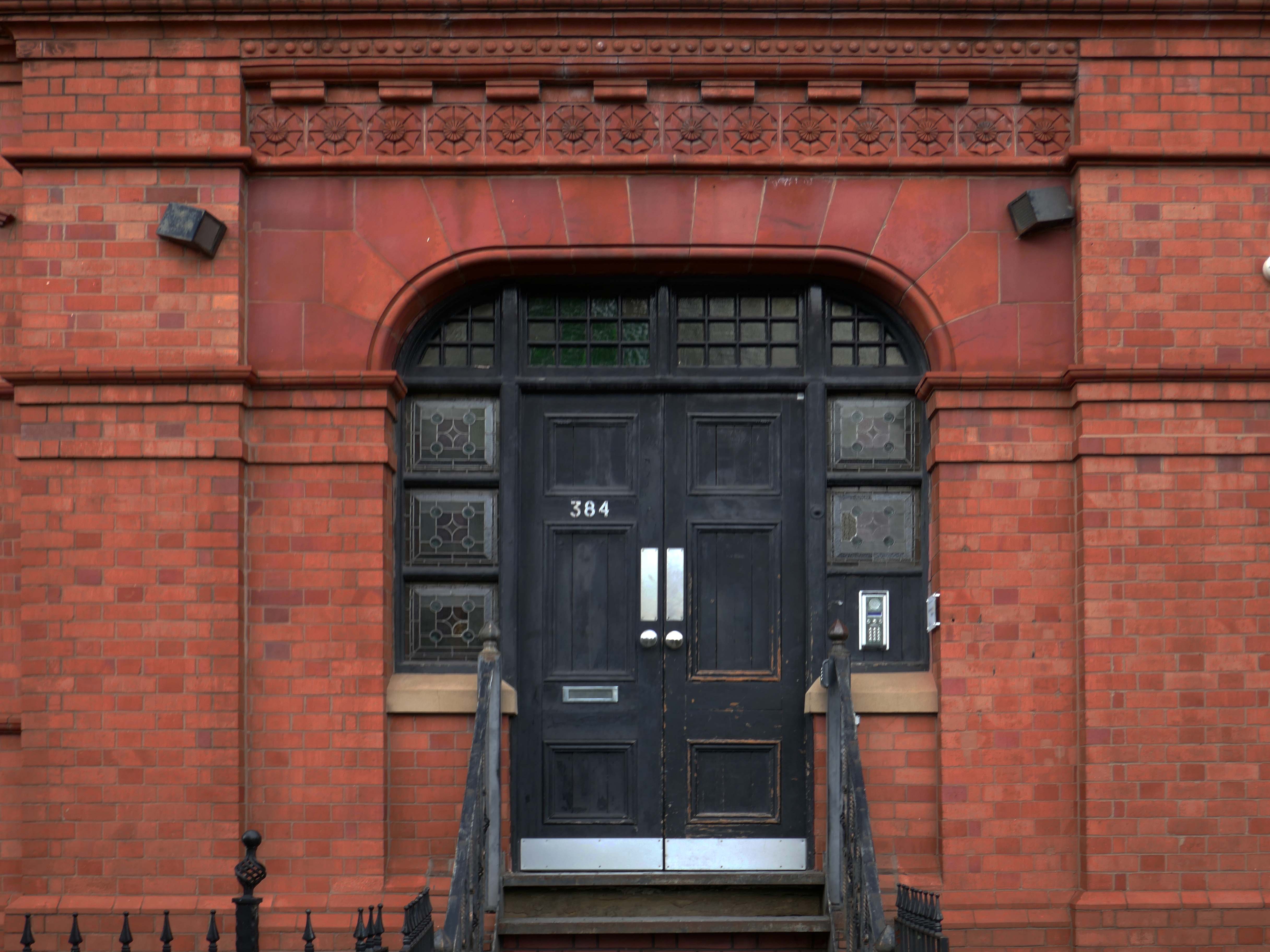
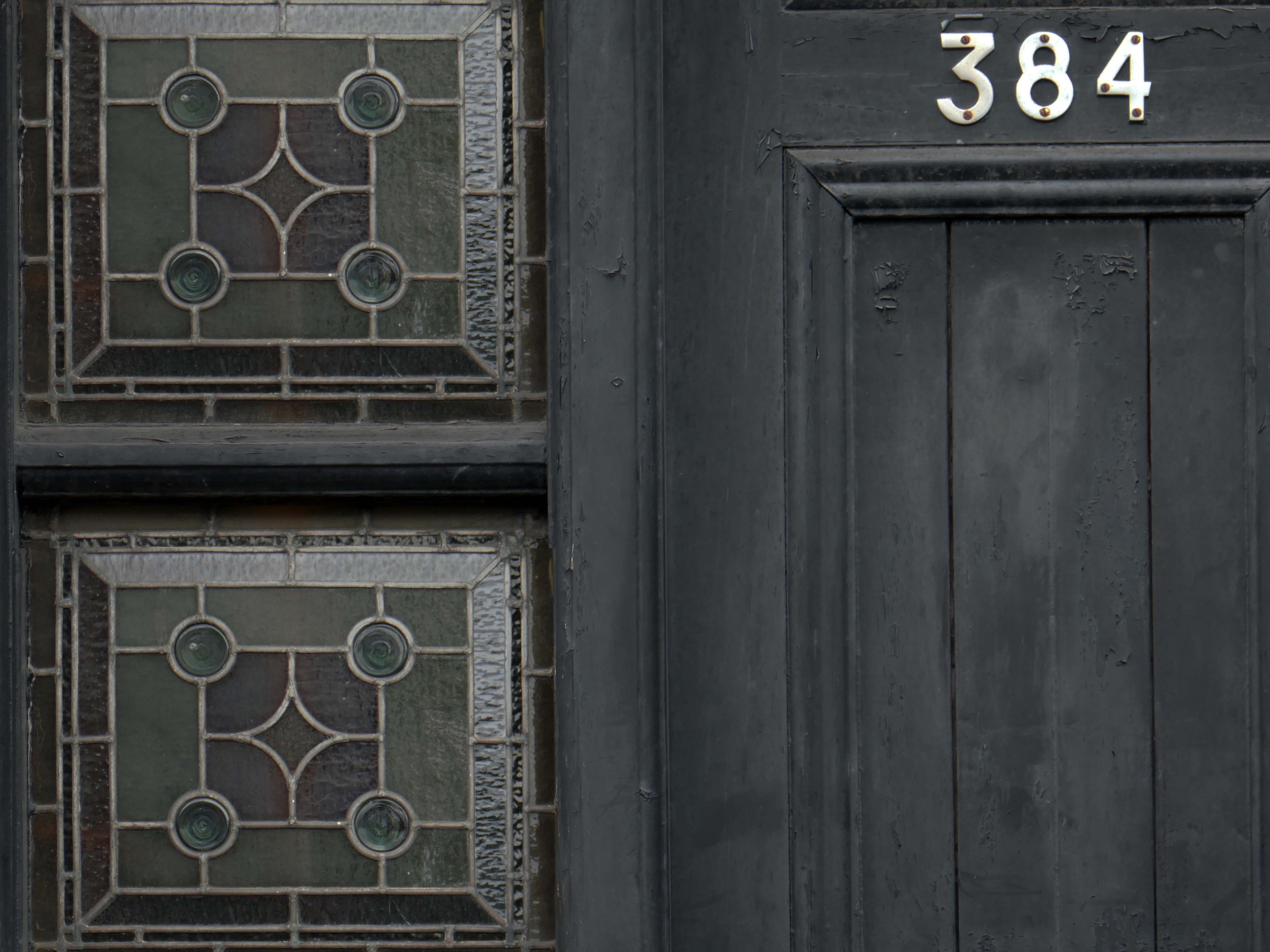
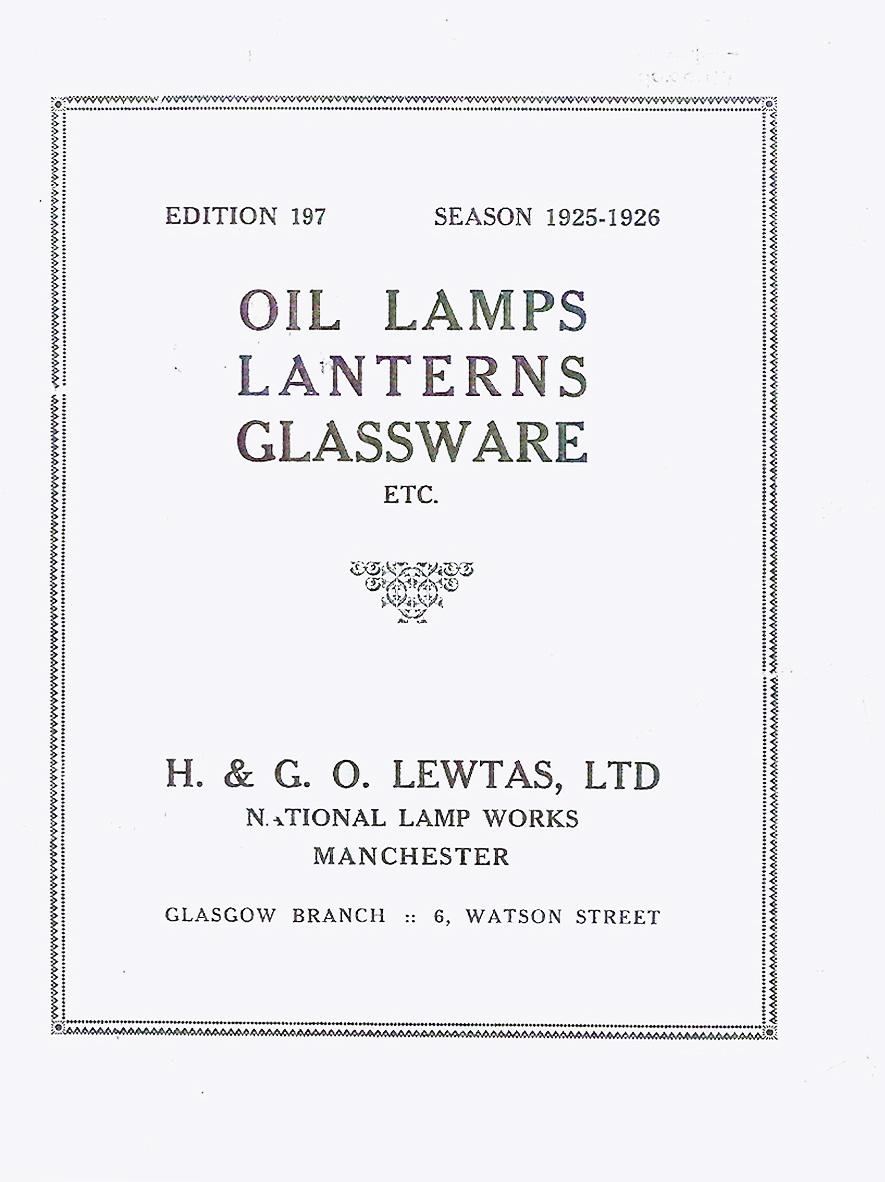
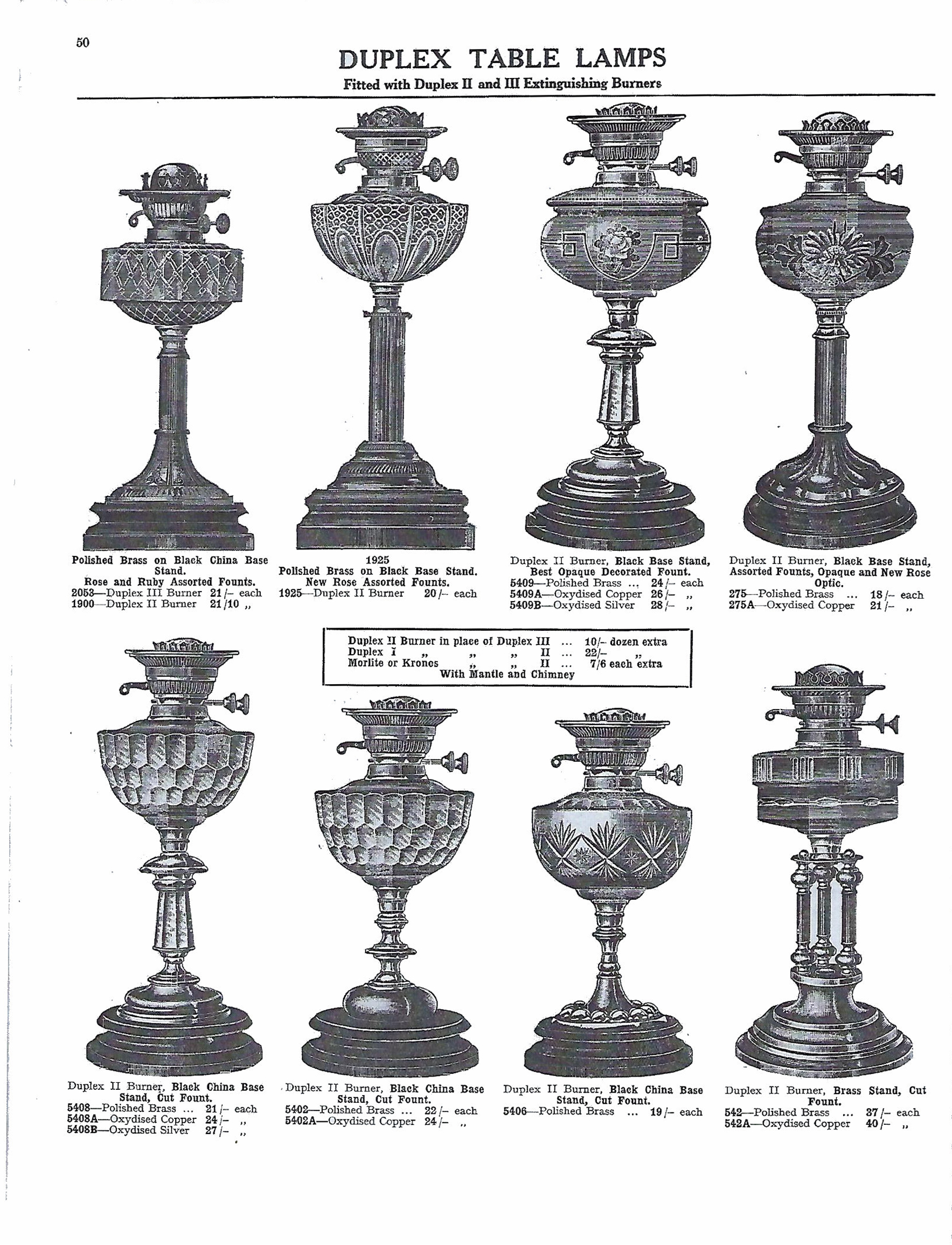
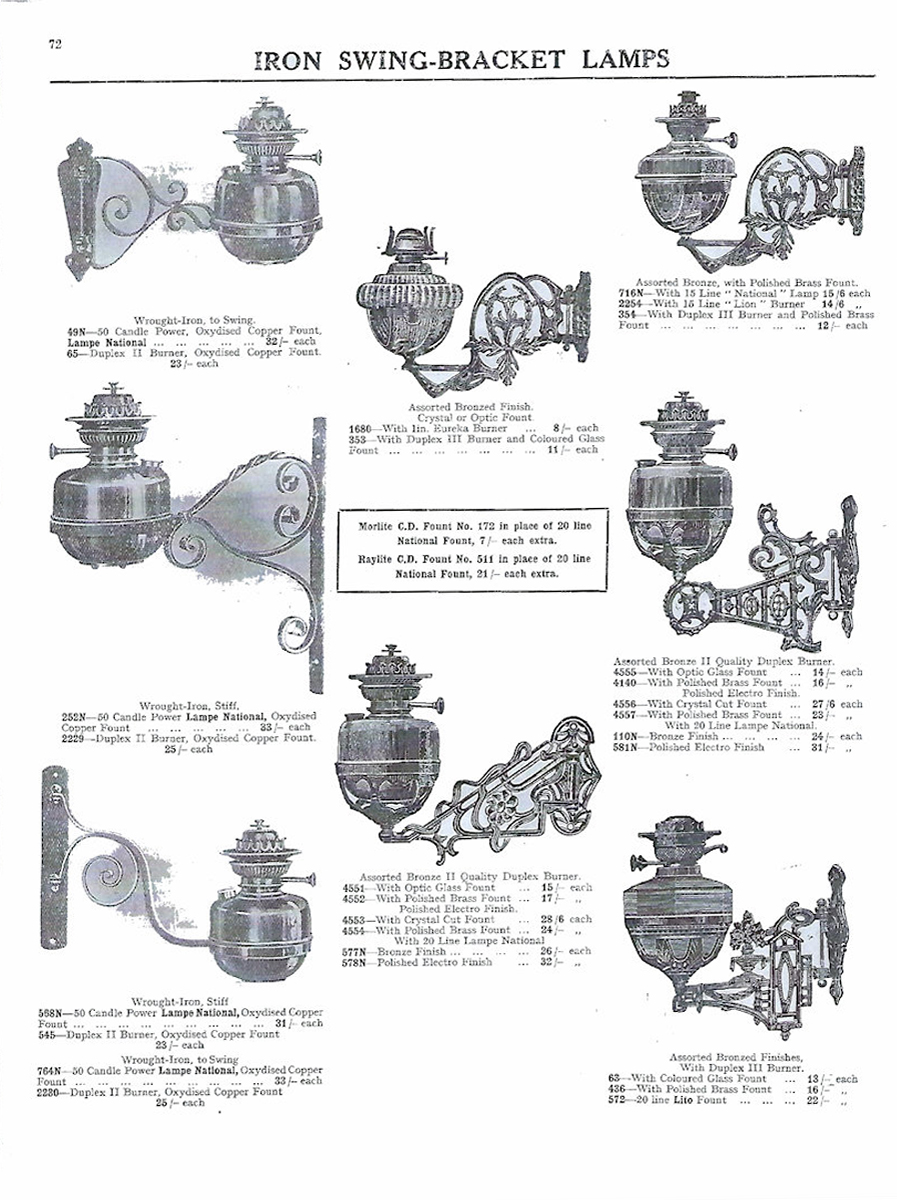
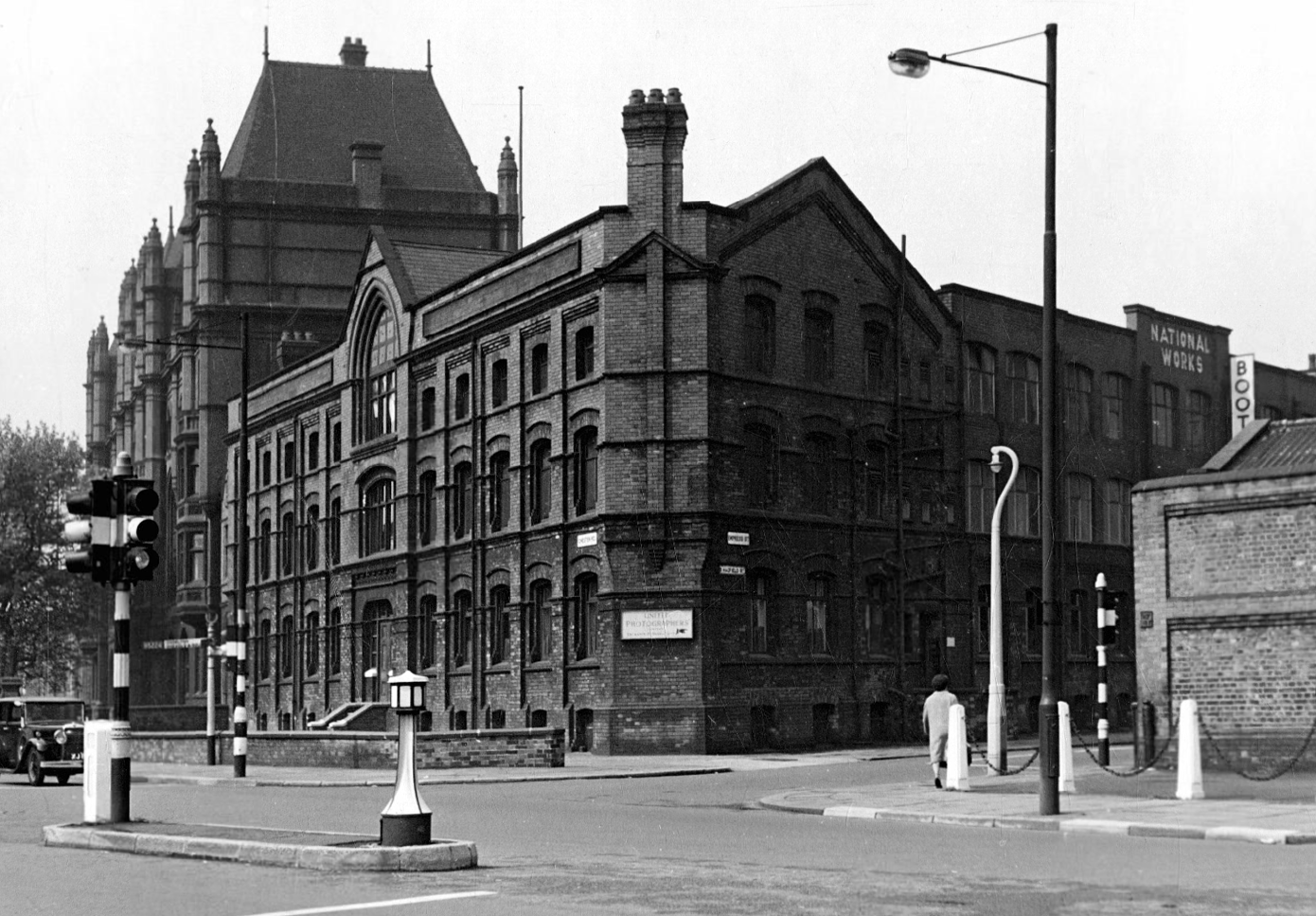
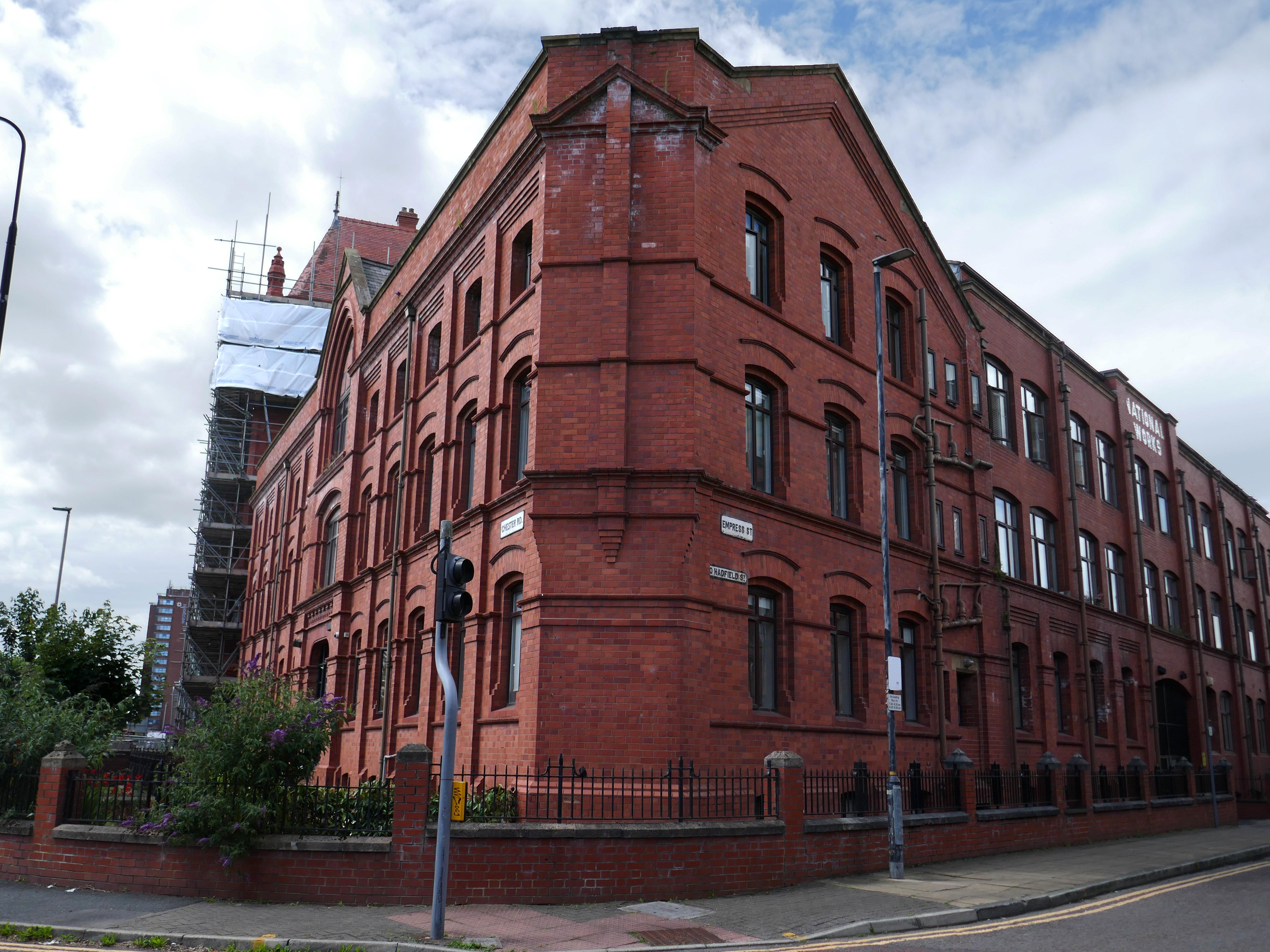
The development of the site can be traced from the sequence of Ordnance Survey 1:2500 maps. The First Edition of 1893 shows the site as undeveloped. The First Revision map of 1908 shows 384 Chester Road to have been developed, and the site of the National Works to have been occupied by an open-fronted L-shaped range along the western and southern sides, with a detached rectangular building in a central courtyard. It is possible that these buildings all formed part of 384 Chester Road, listed as being occupied by H, G & O Lewtas, lamp manufacturers, in Slater’s trade directory for 1911. The Second Revision map of 1922 shows the early building to have been subsumed by the current building.
1961 Local Image Collection
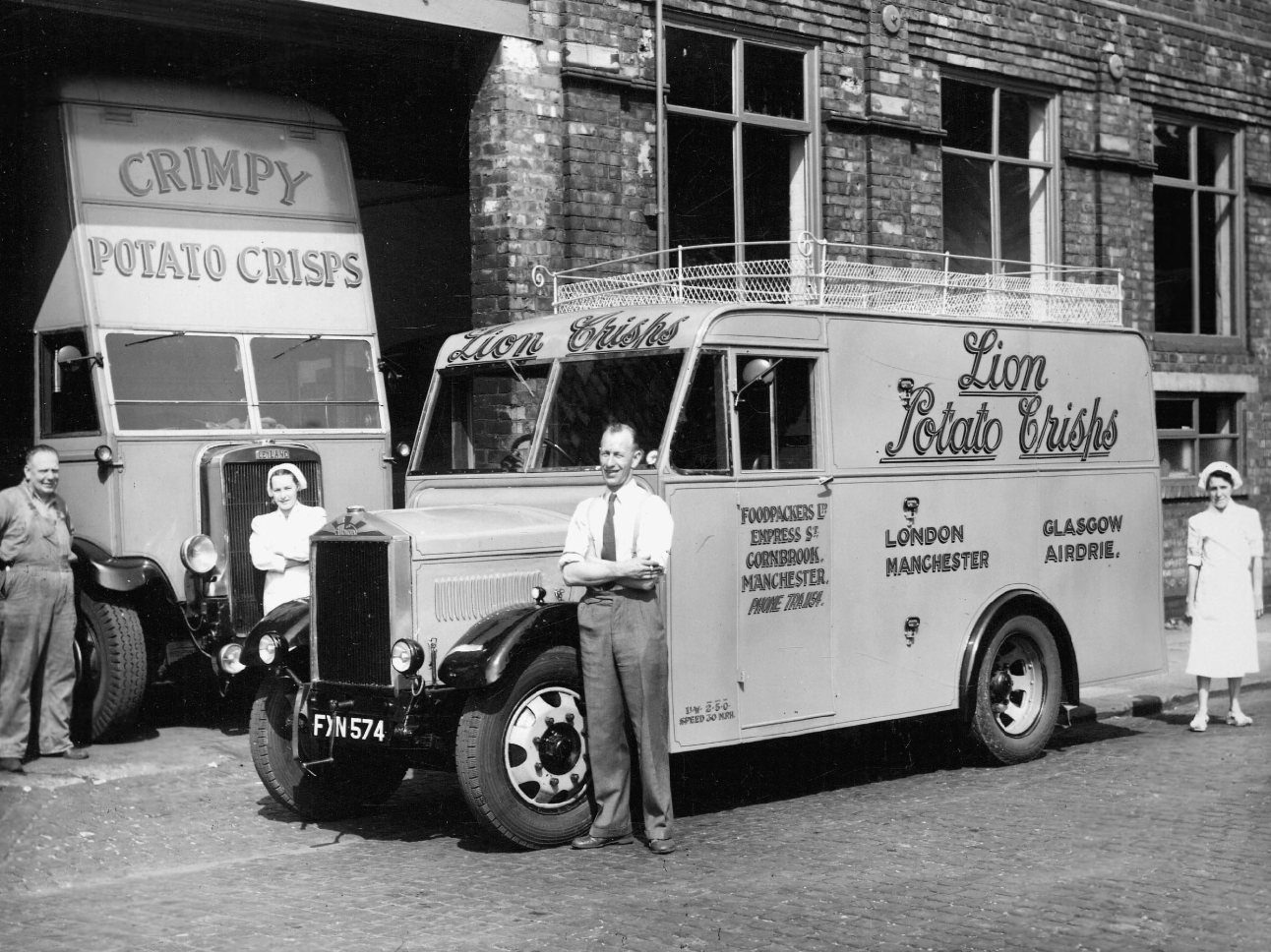
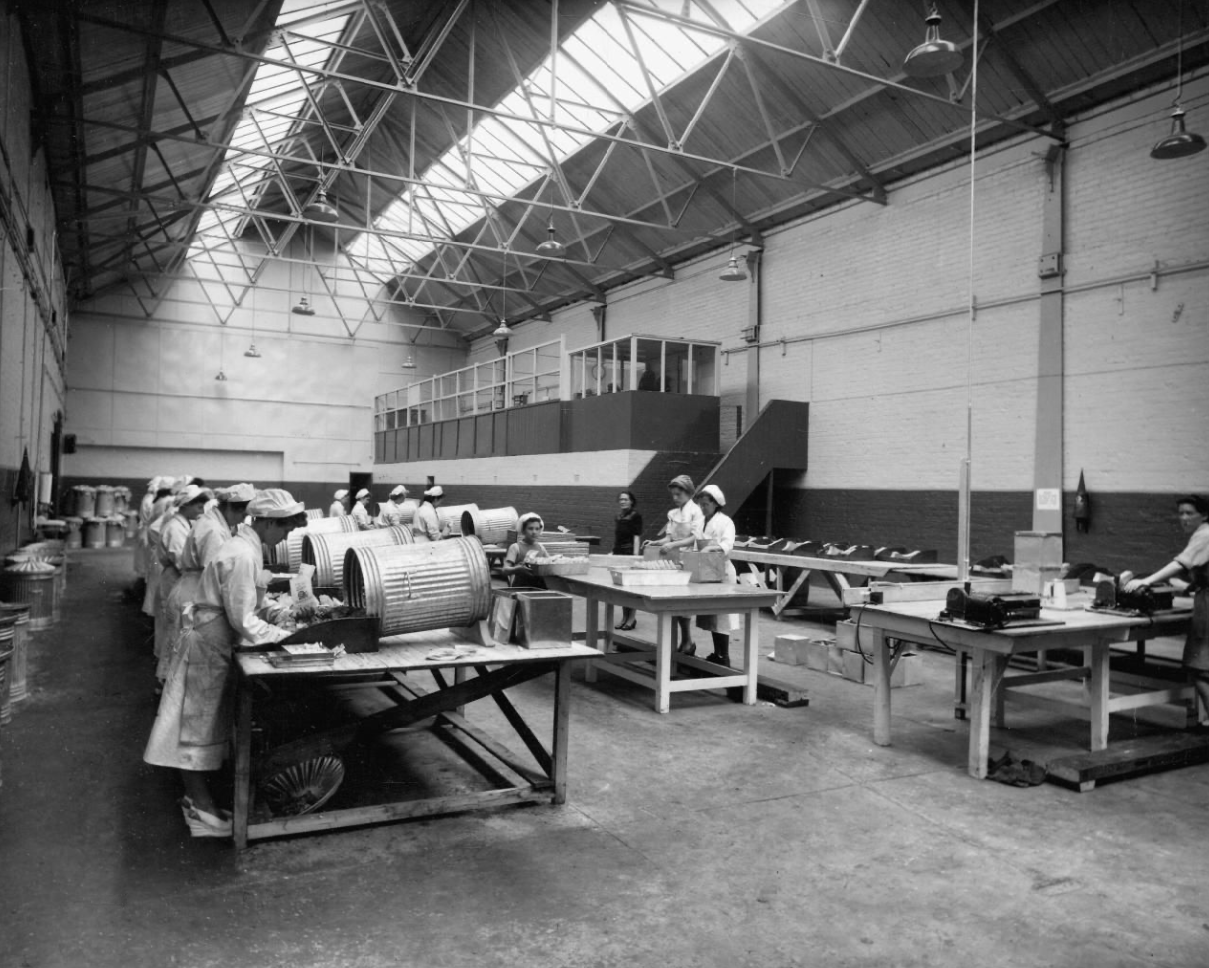
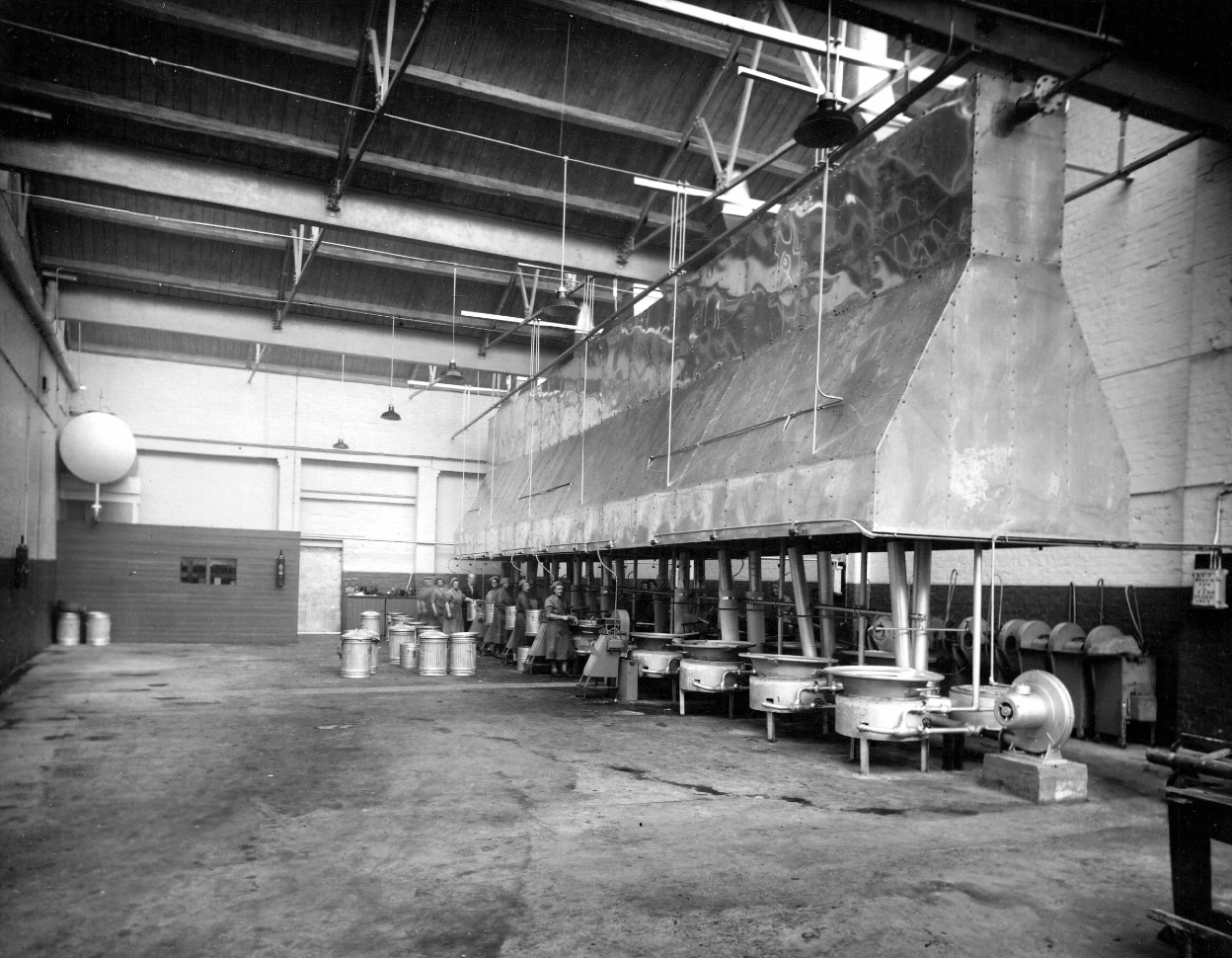
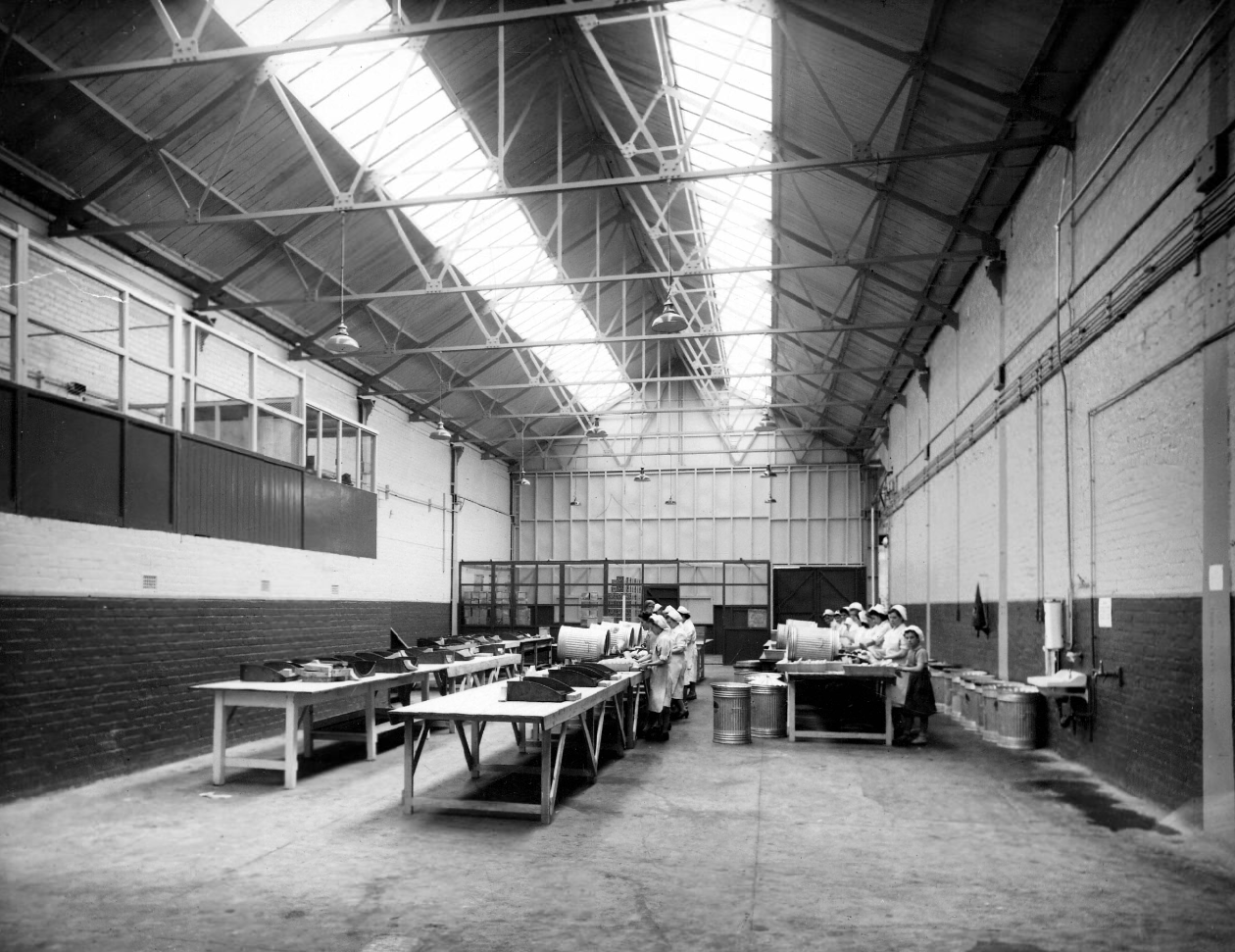
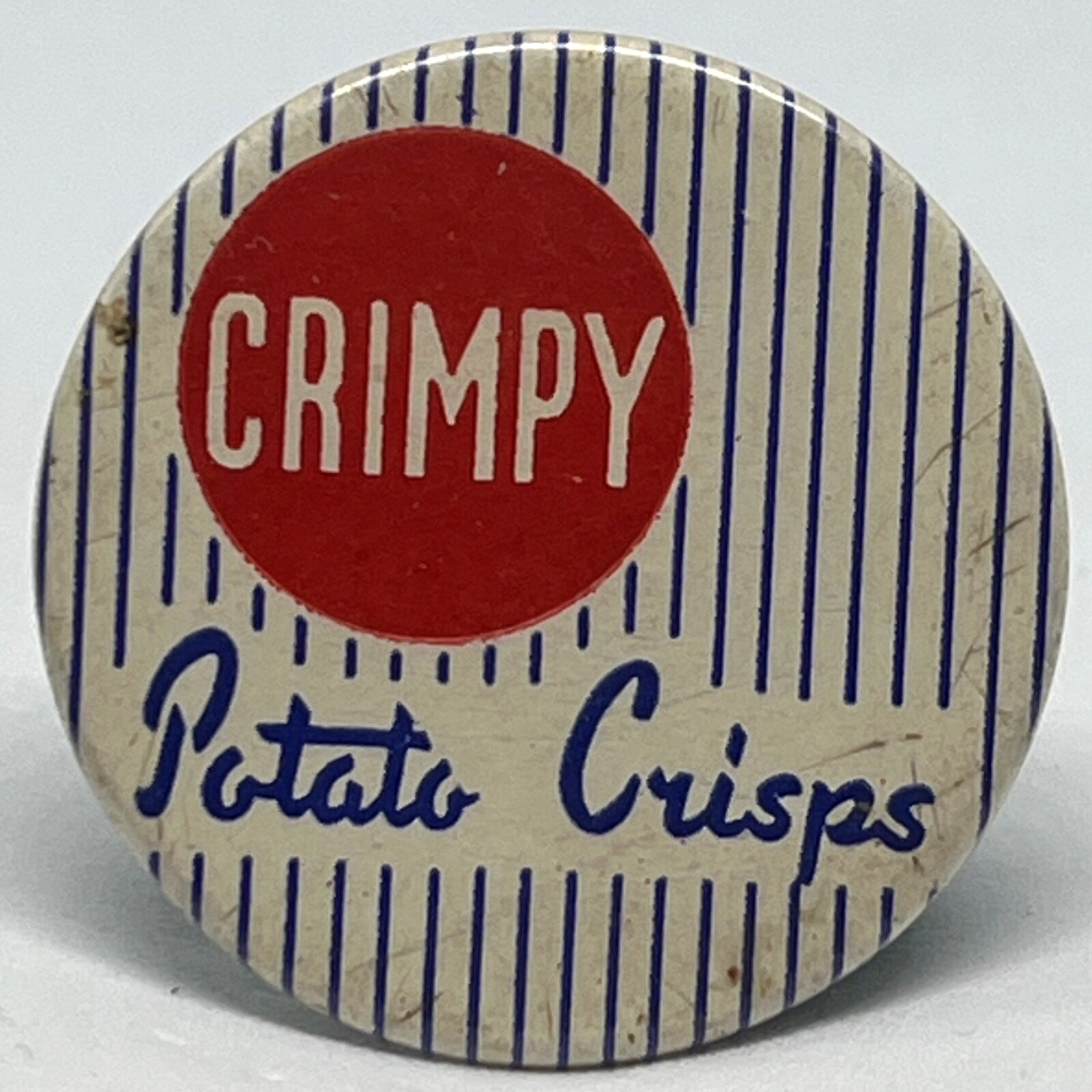
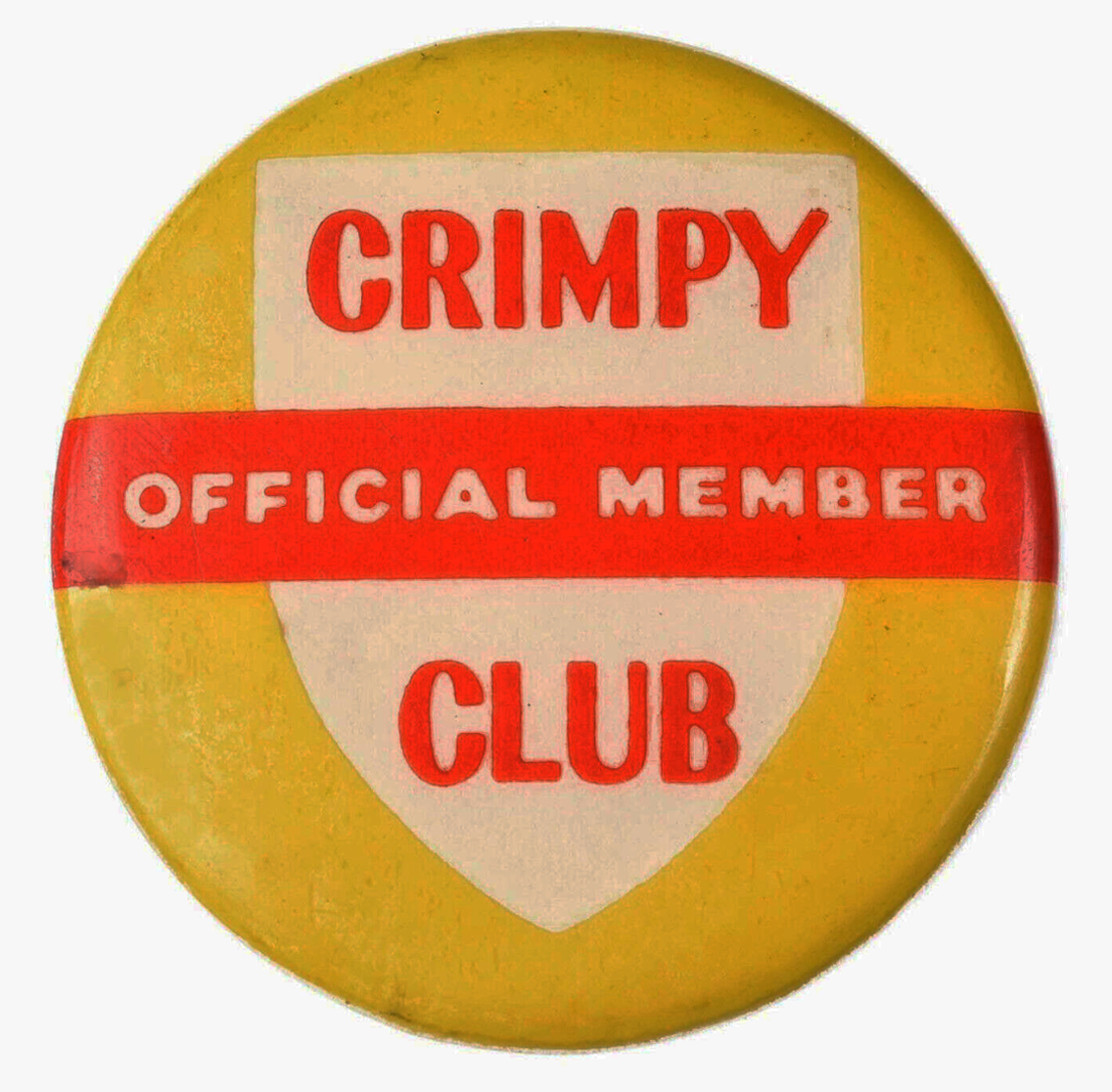
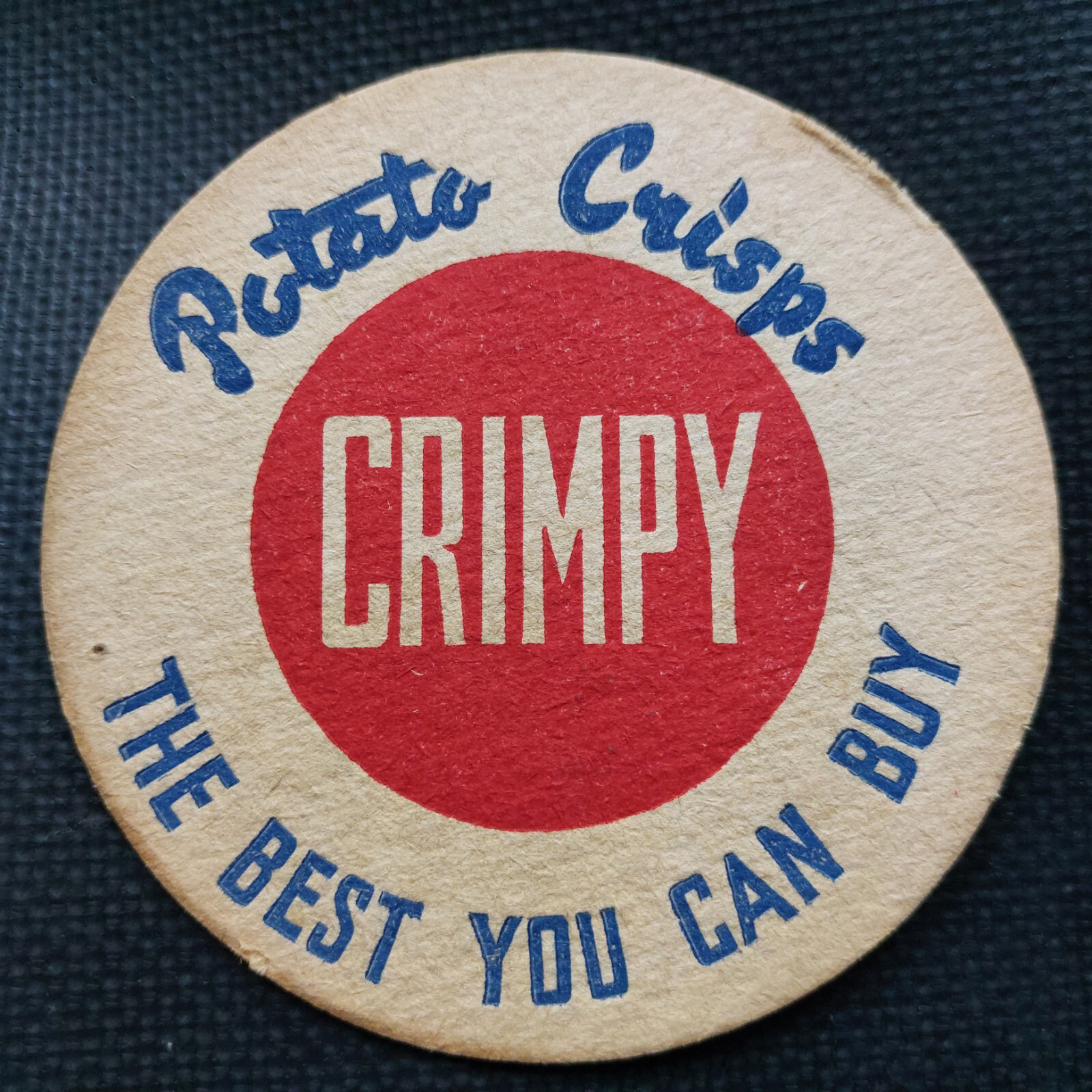
Later the home of Lion Foodpackers Ltd and Crimpy Crisps.
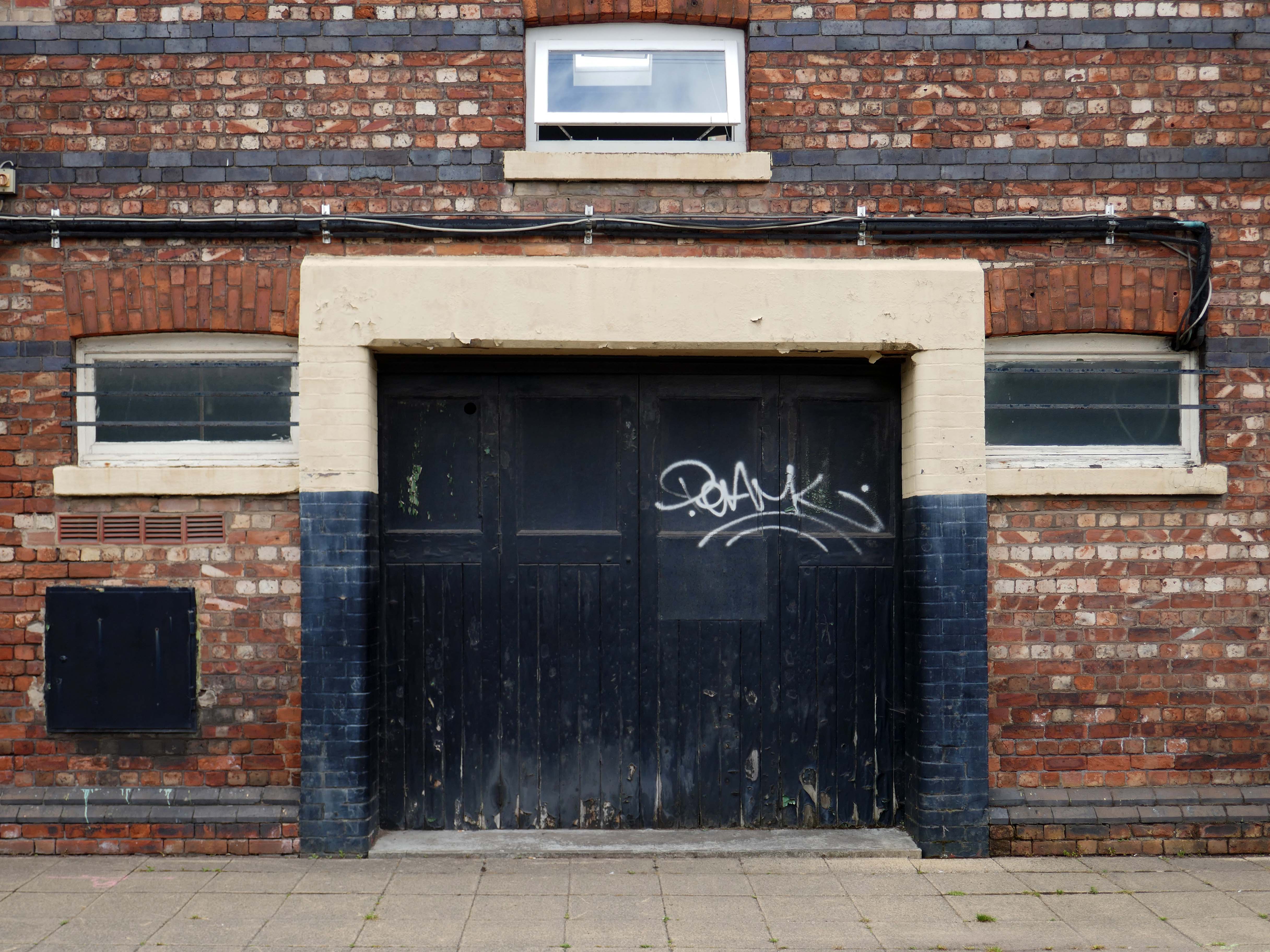
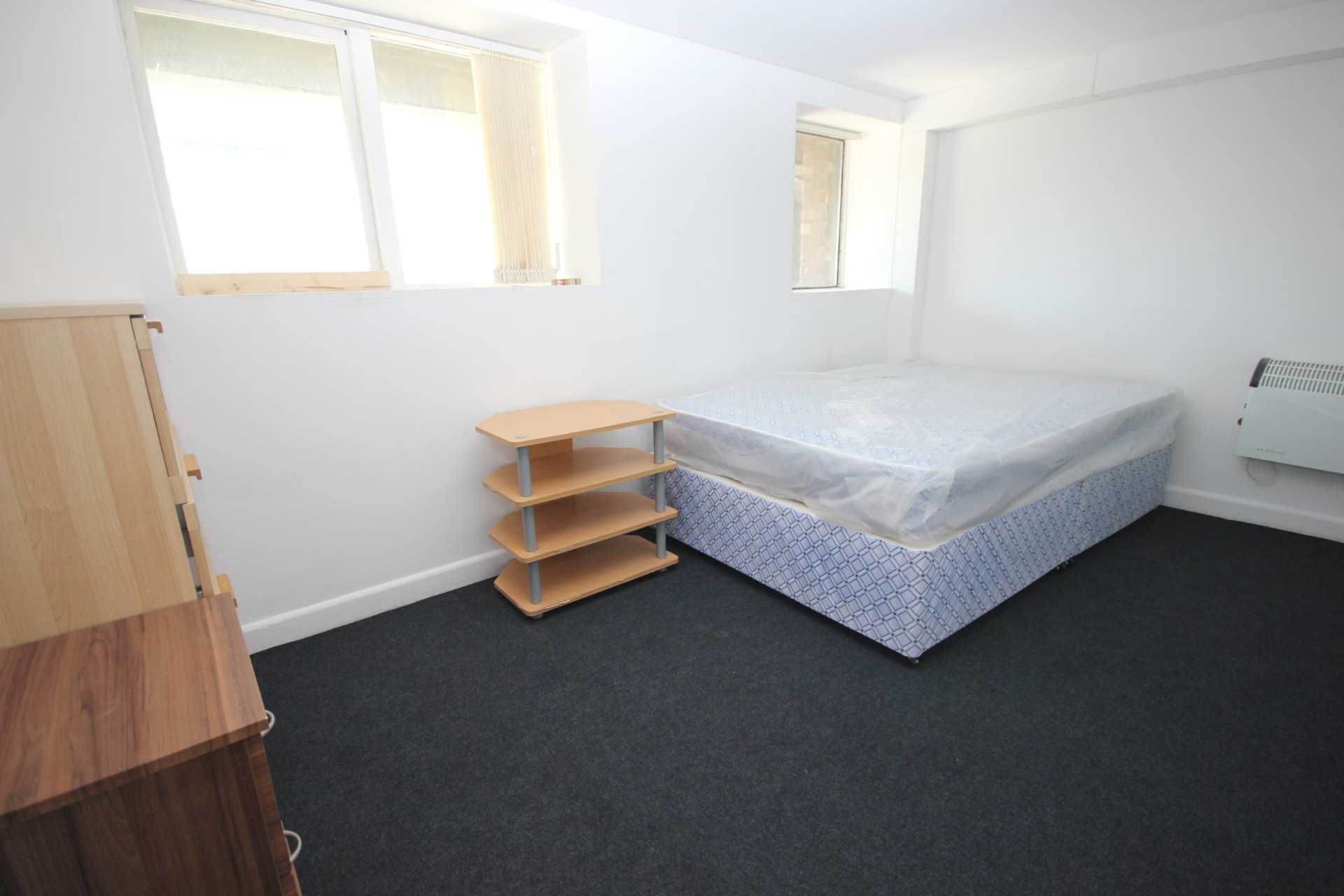
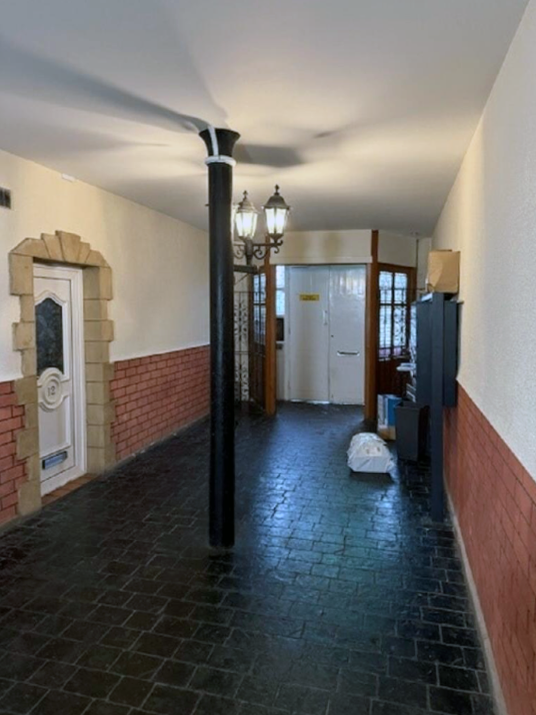
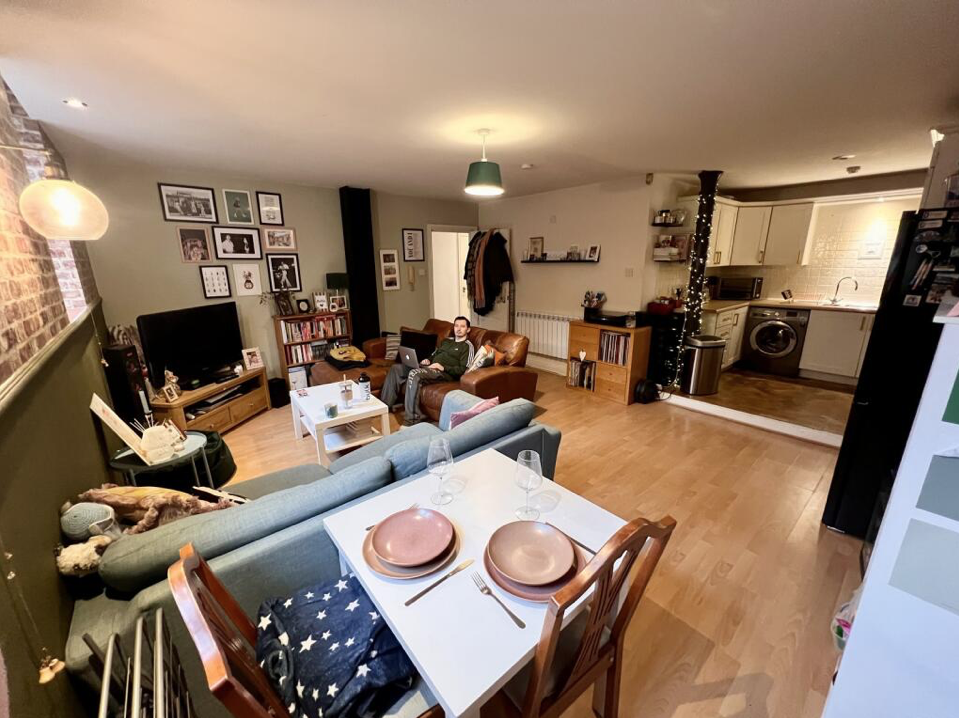
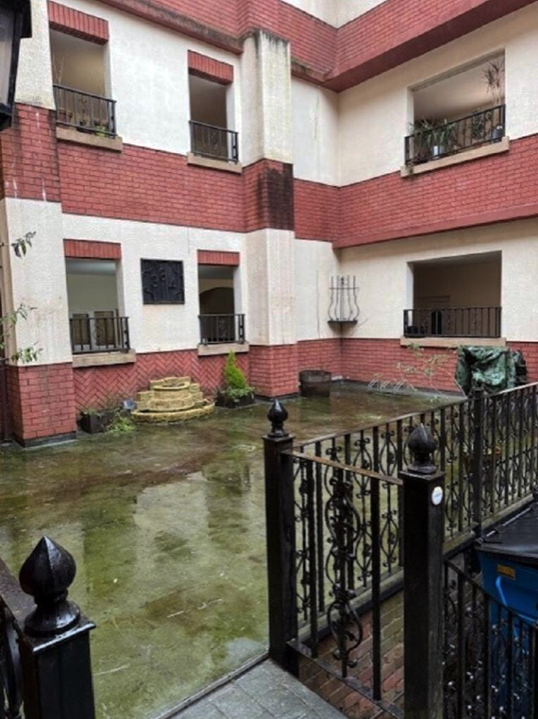
Situated on the lower ground floor of a gorgeous, red brick, landmark building, this 2 double bedroom apartment merits further inspection. A good size living room opens on to a good fitted kitchen. It also has a great, spacious shower room. It also benefits from a parking space, although a great attraction is the location, being just 1 mile from Deansgate and the City along with being 10 minutes walk to a Metro station.
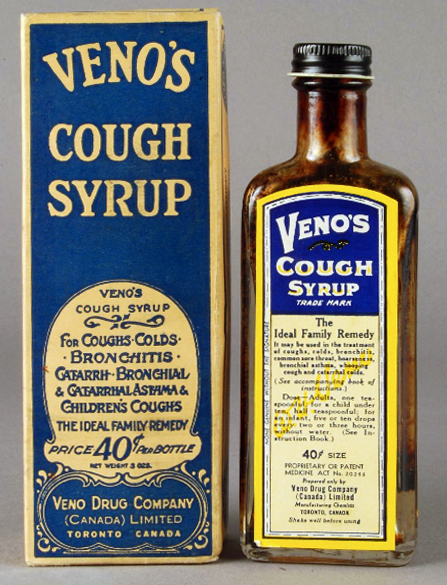
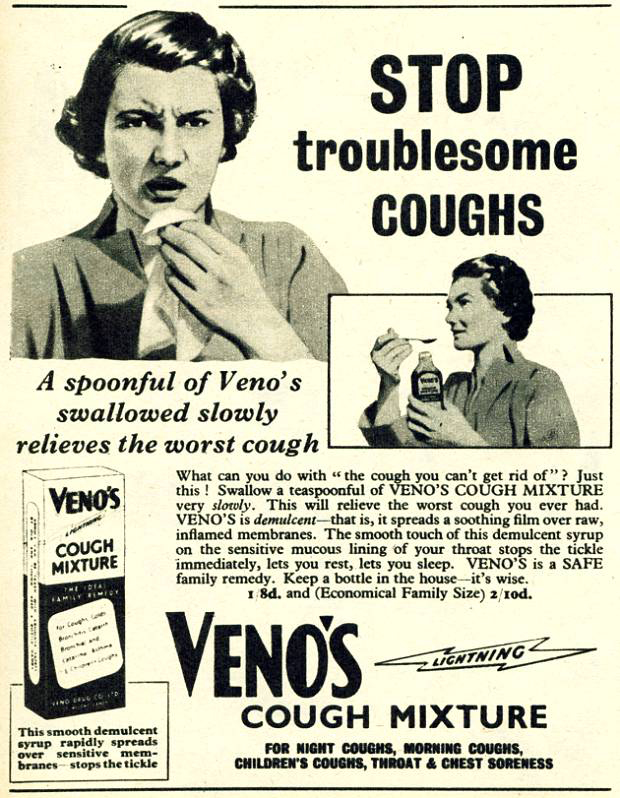
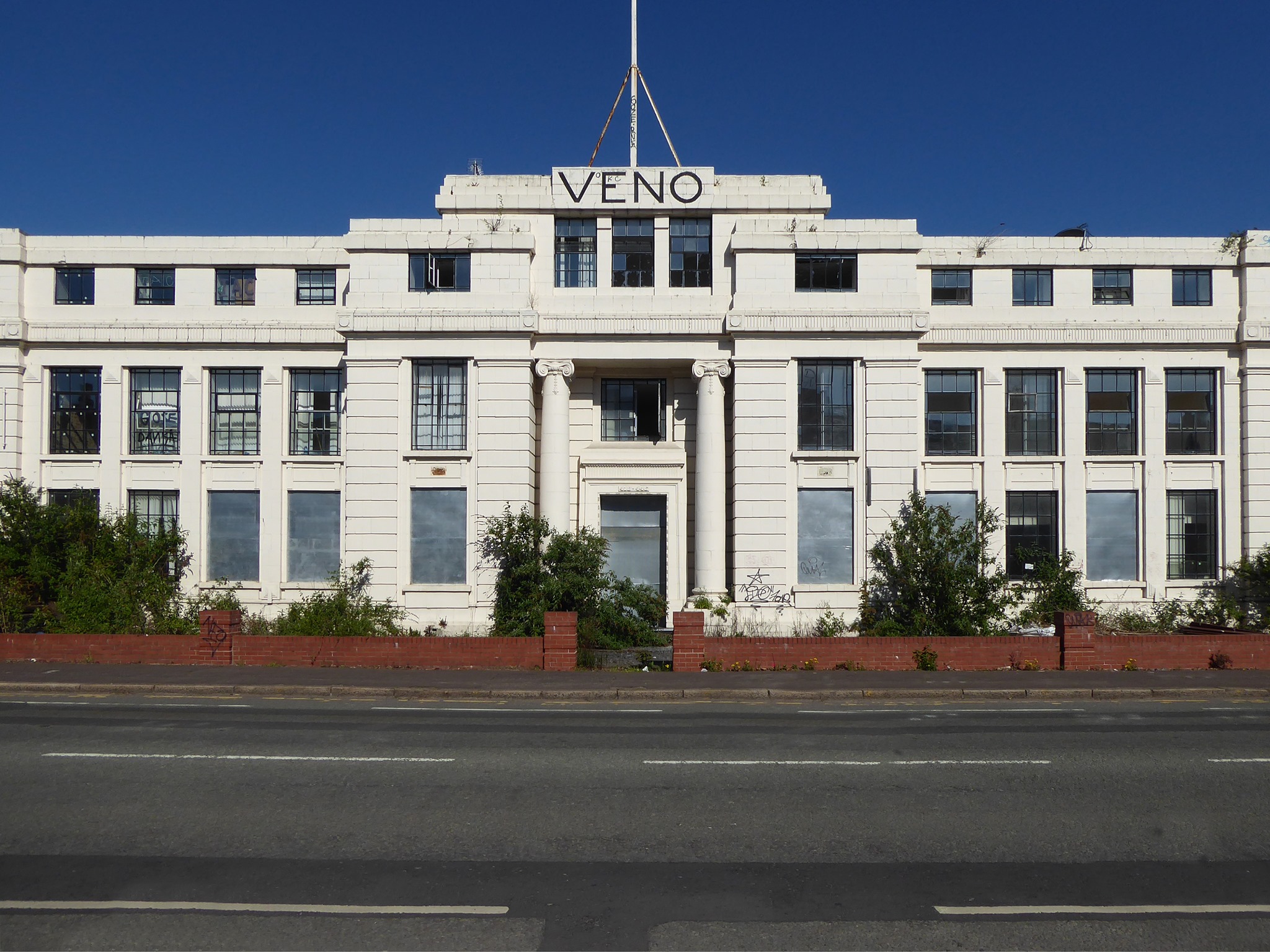
Then we have the Veno’s Building, which was once a pharmaceutical company founded by William Henry Veno. He established a company in the US before returning to Britain and founded the Veno drug Company in Manchester in 1898.
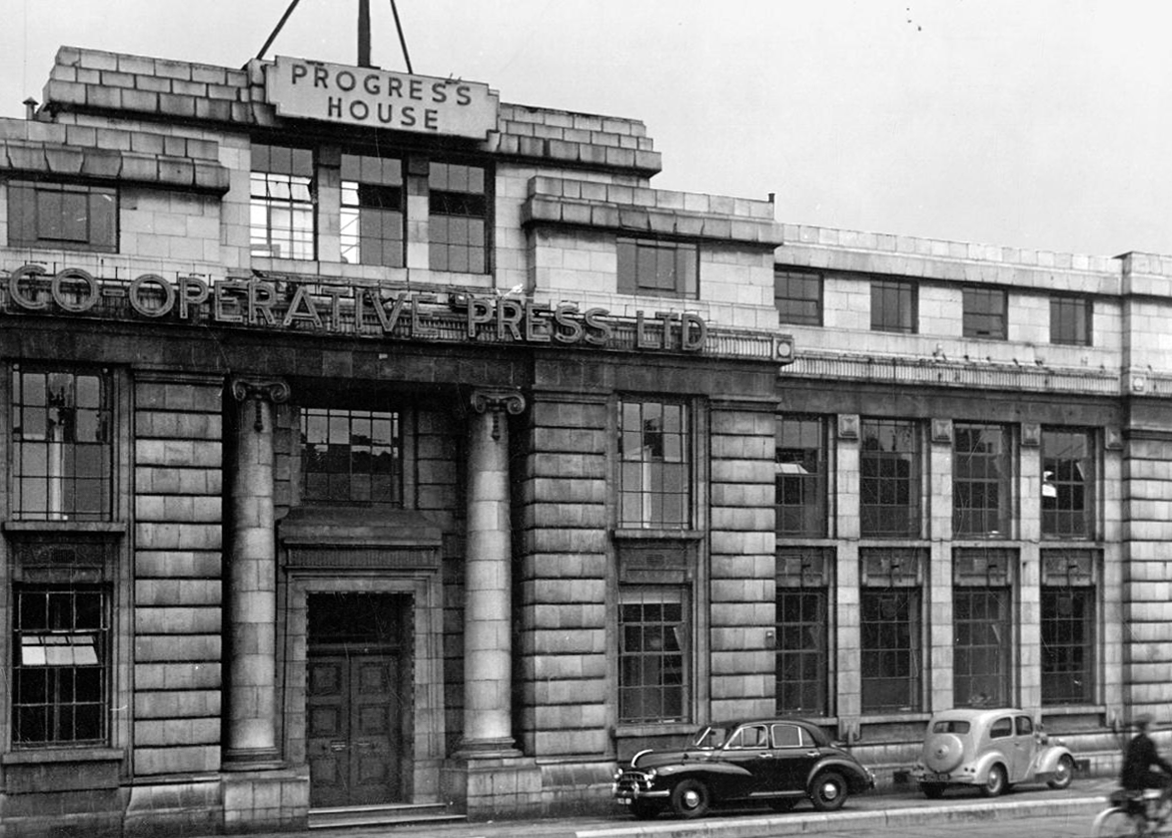
In 1925 the company was sold to Beecham Estate and Pills Ltd. In the 60s the building was under the name Progress House and was home to the Co-Operative Press Limited, later to become Trafford Press.
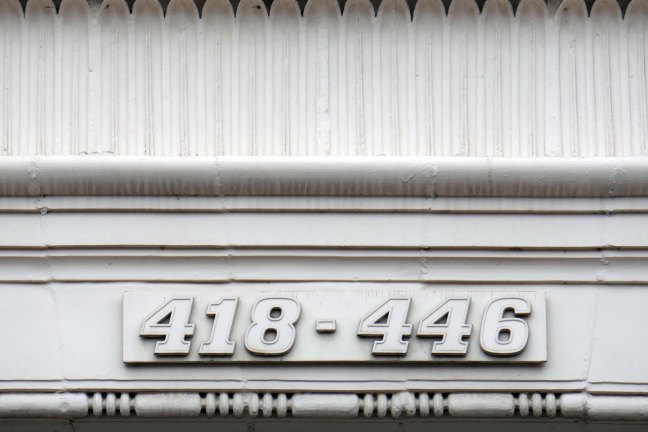
Rare sighting of a Profil aka Stymie Bold Italic hyphen.
Designed by brothers Max and Eugen Lenz and first cast by Haas in 1947.
The front elevation was originally in red brick, with a later faience facade applied.
Veno’s a stalled and cursed development. In 1925 William Henry Veno sold his company for £500,000, a decision he later rued. He sought to enhance his million pound fortune but lost everything through speculative investments and the 1929 Depression. He shot himself at his home during a fit of impulsive insanity.
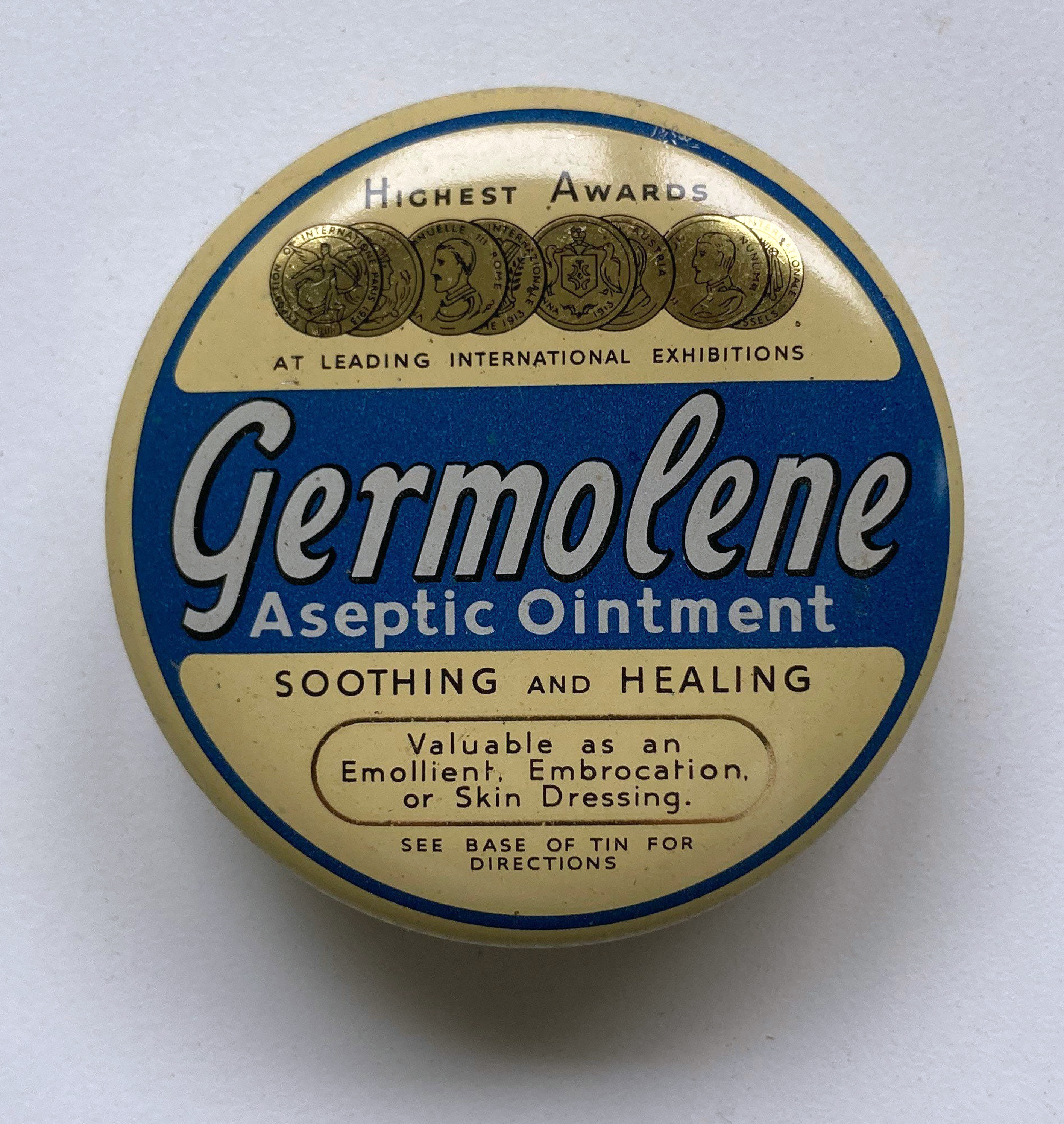
It was also the home of Germolene, a thick antiseptic ointment with a distinctive pink colour and scented with oil of wintergreen
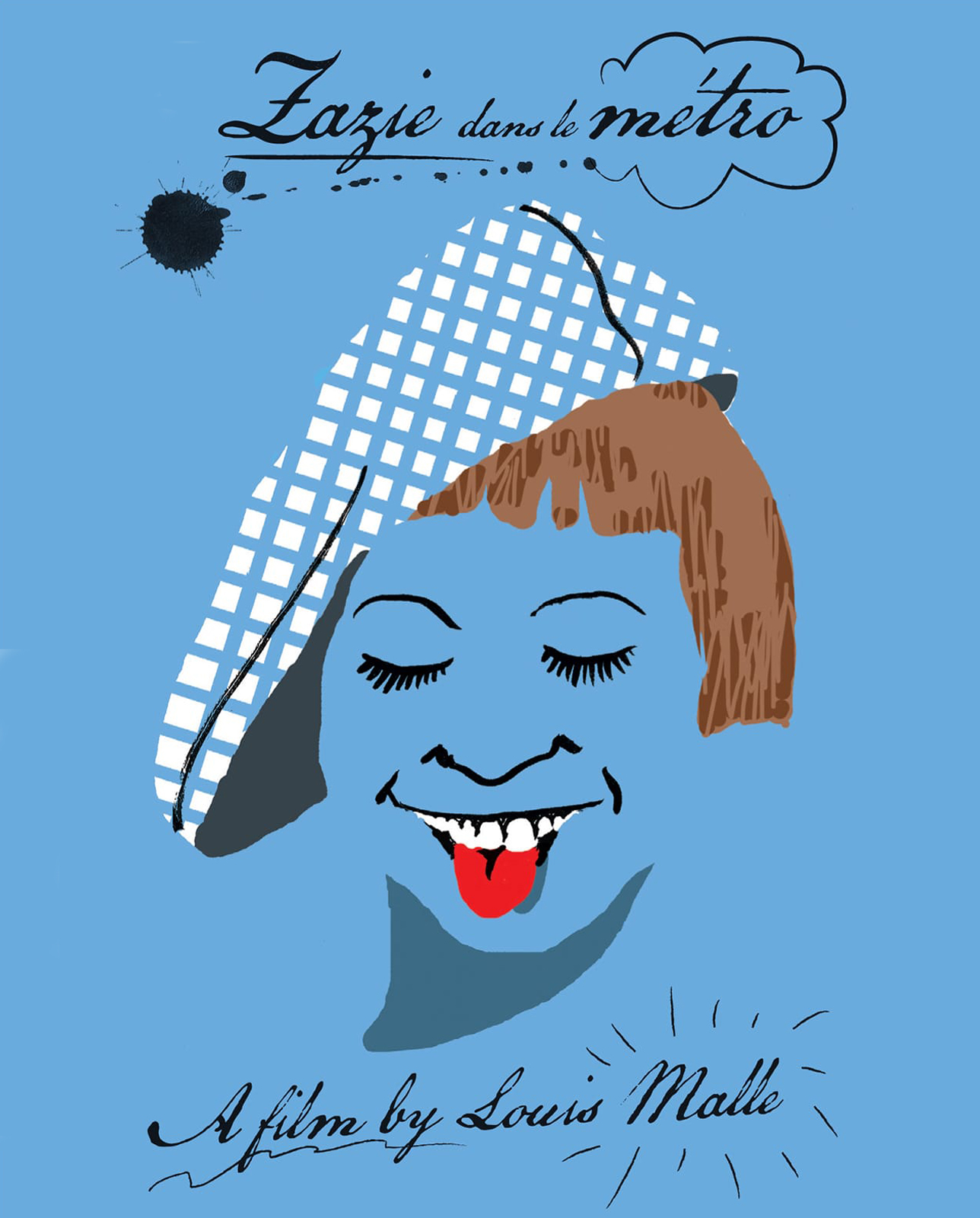
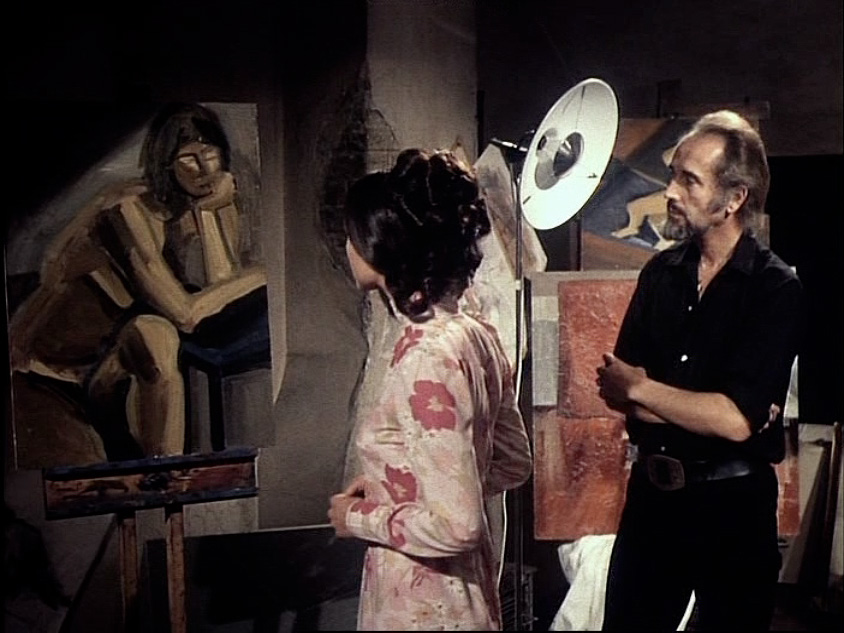
A bit of stream-of-consciousness slapstick, wall-to-wall with visual gags, editing tricks, and effects.
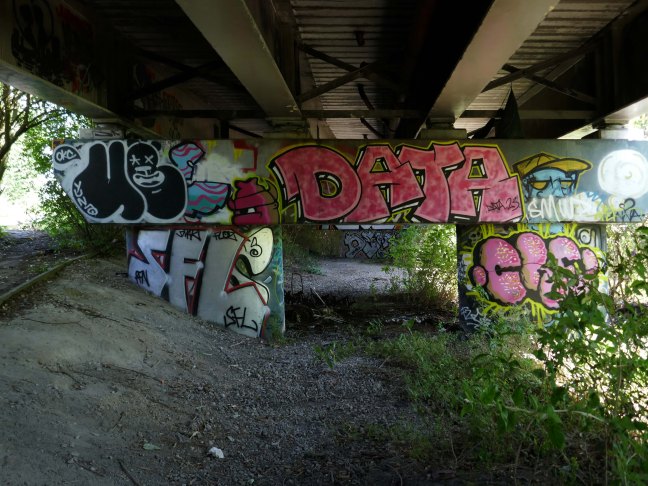
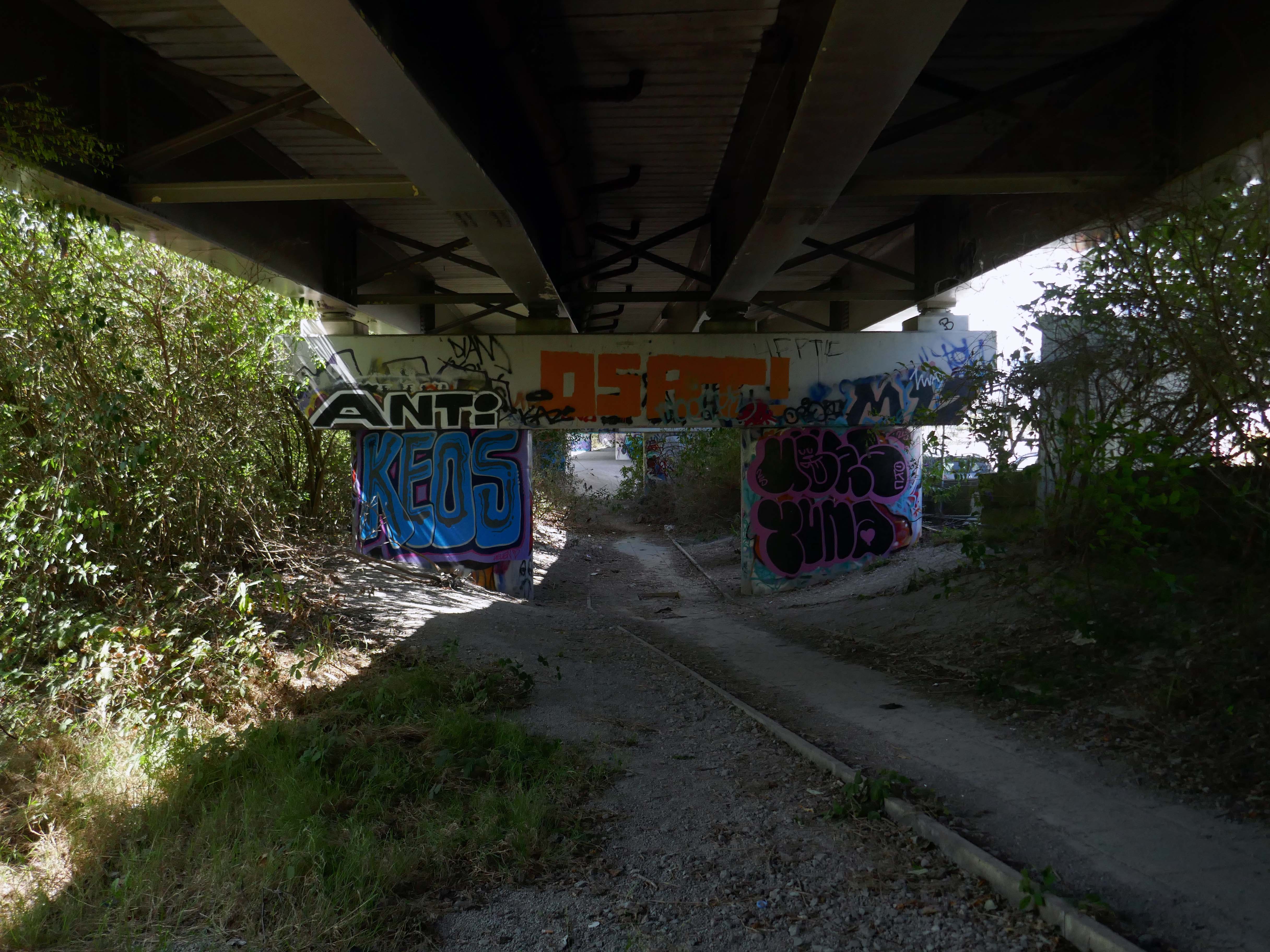
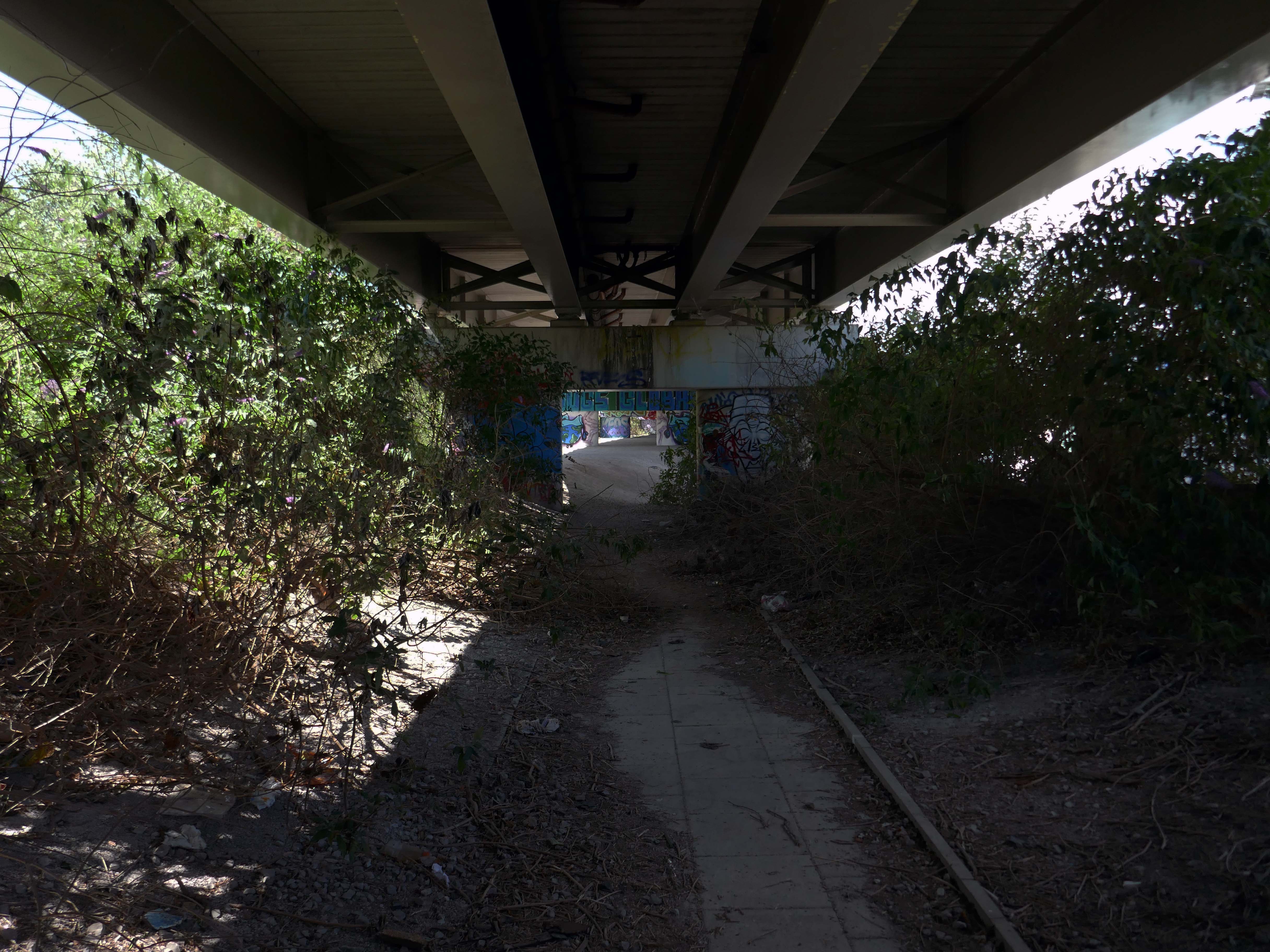
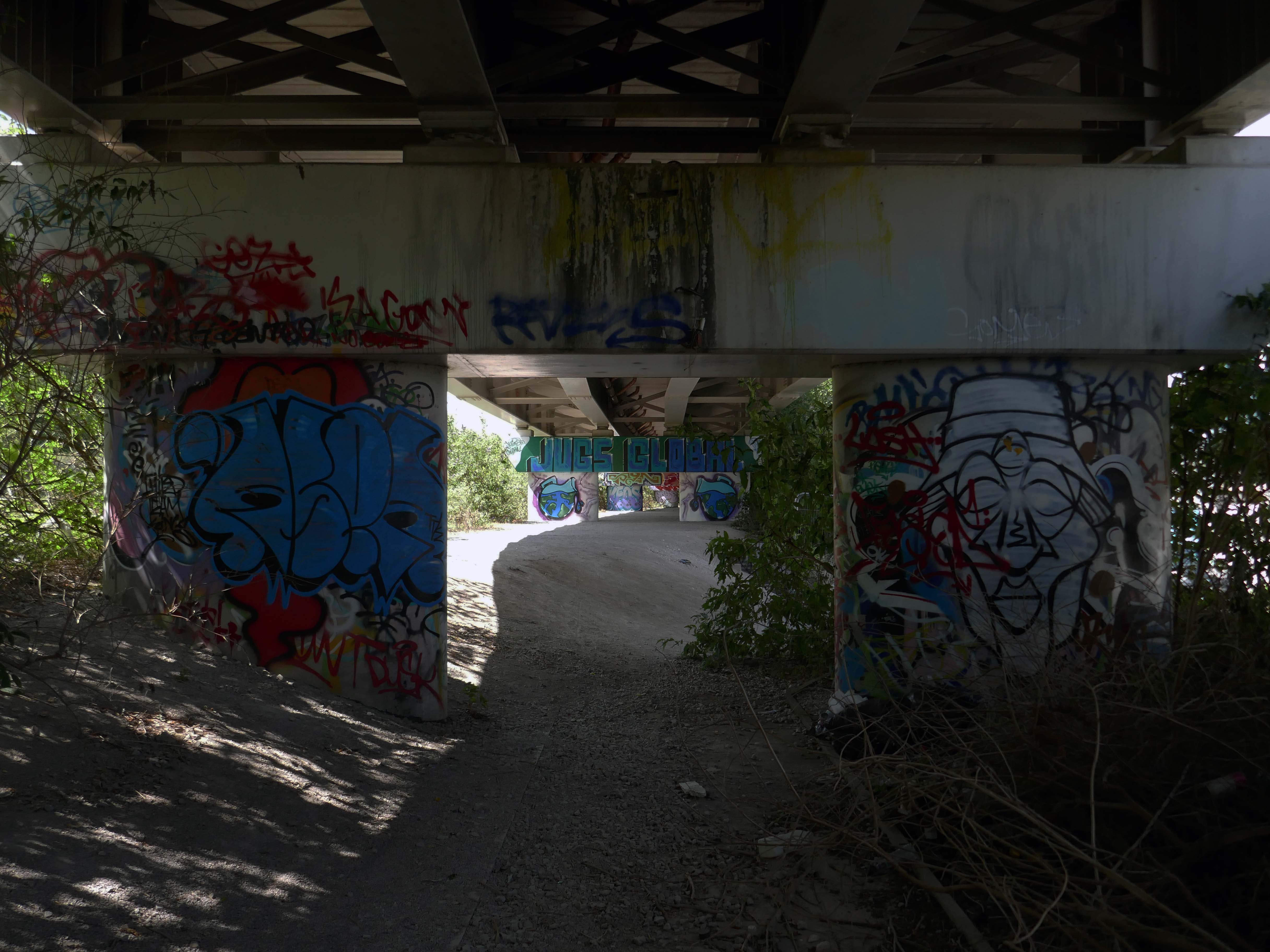
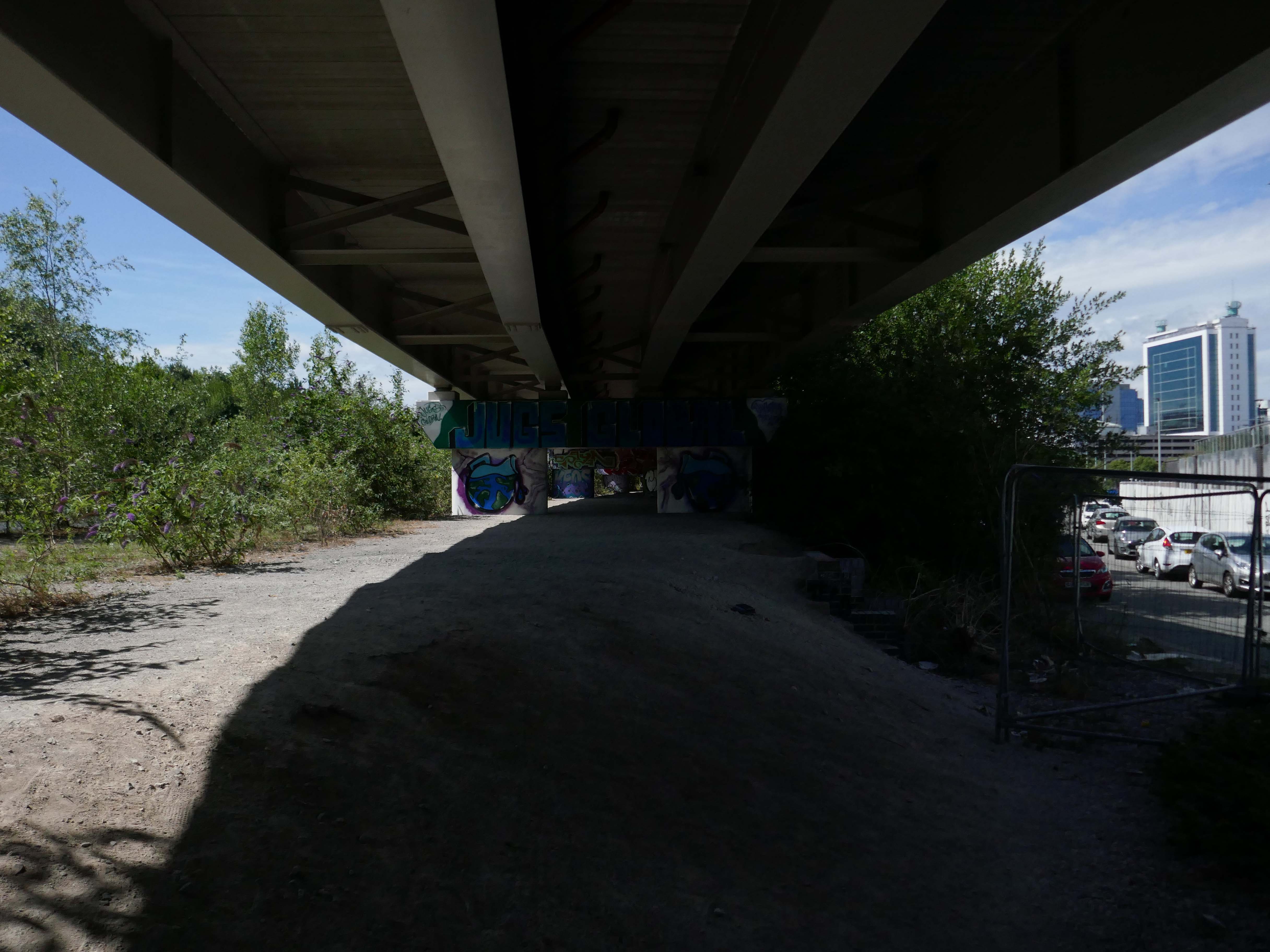
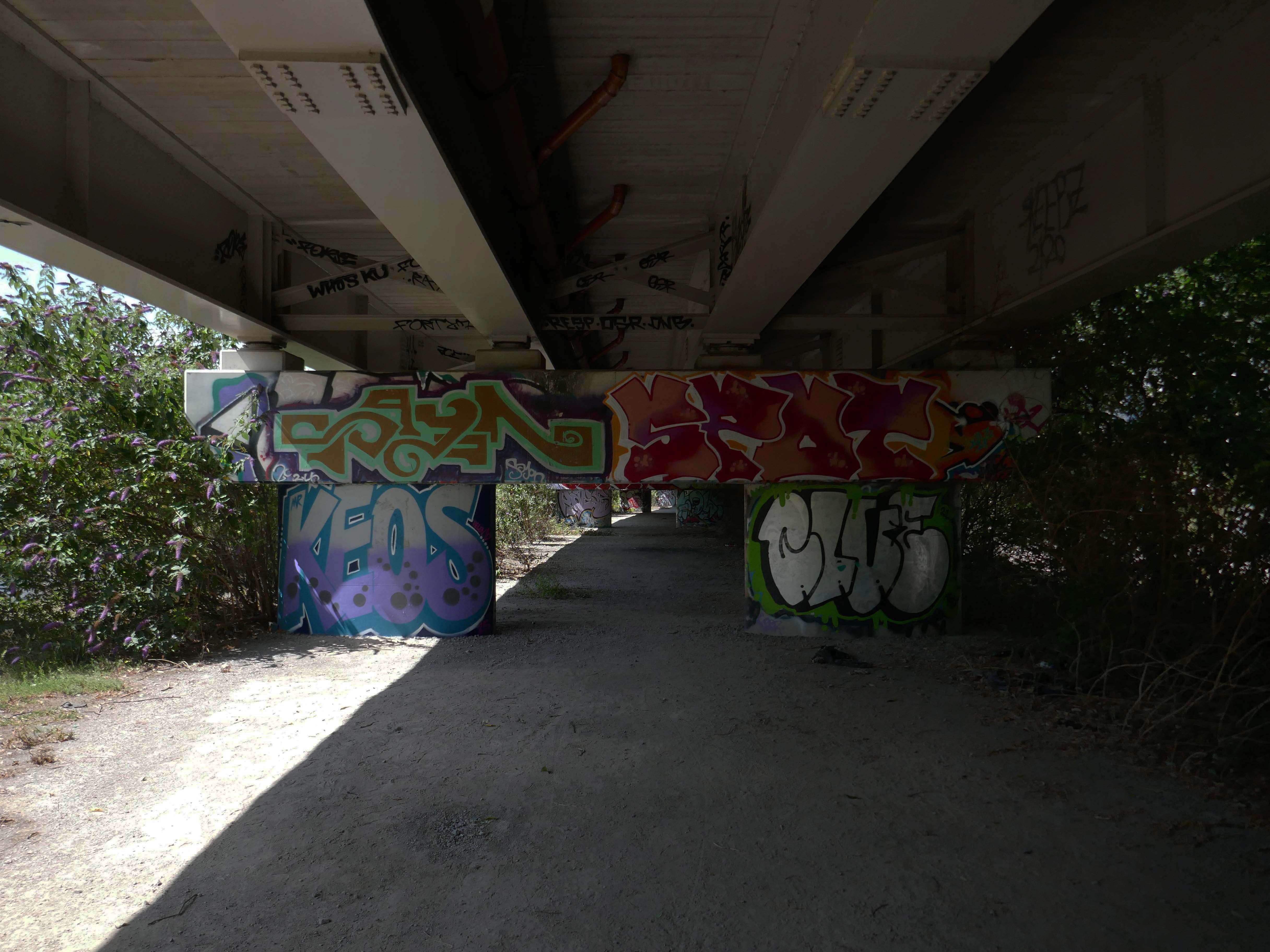
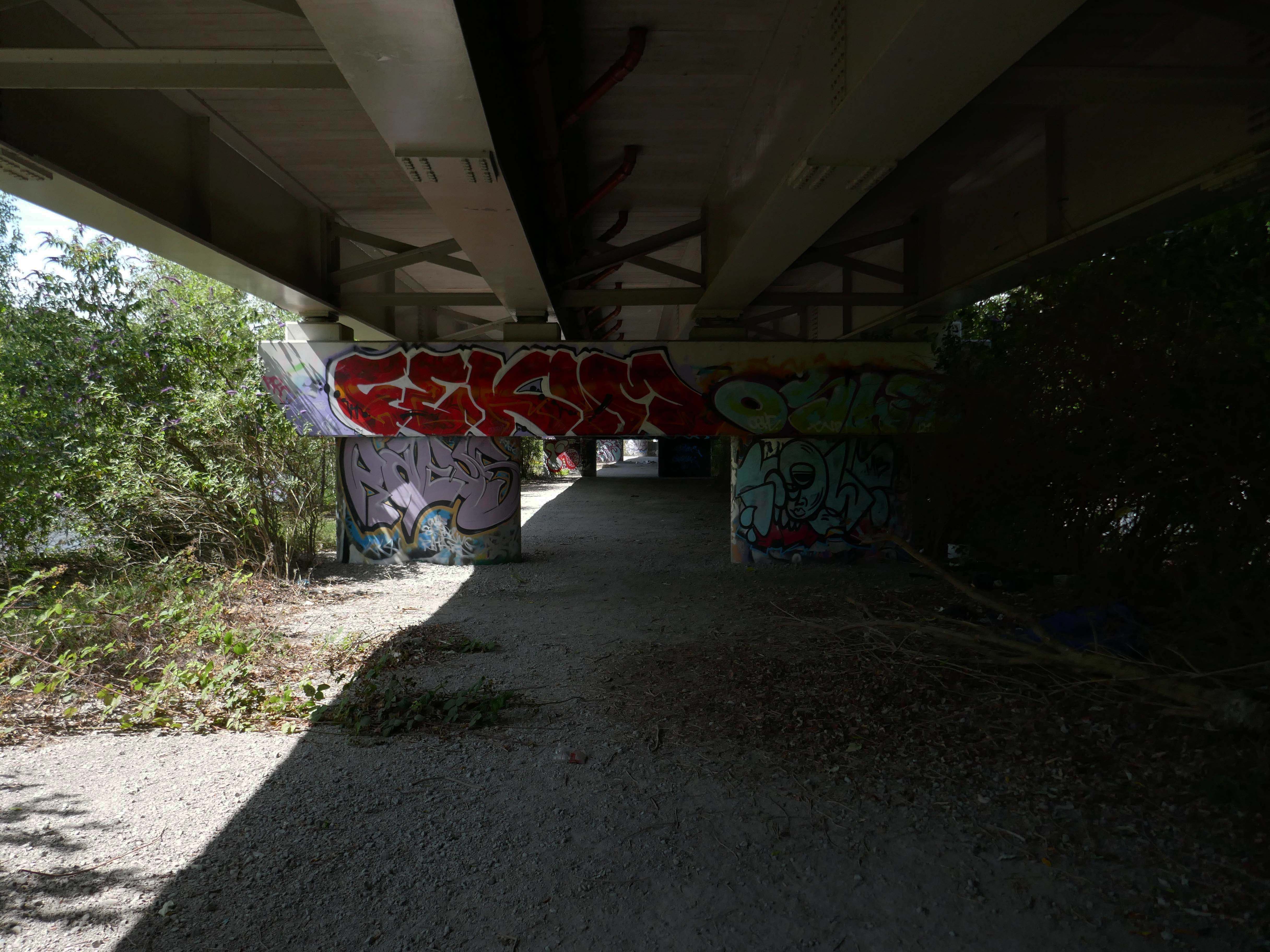
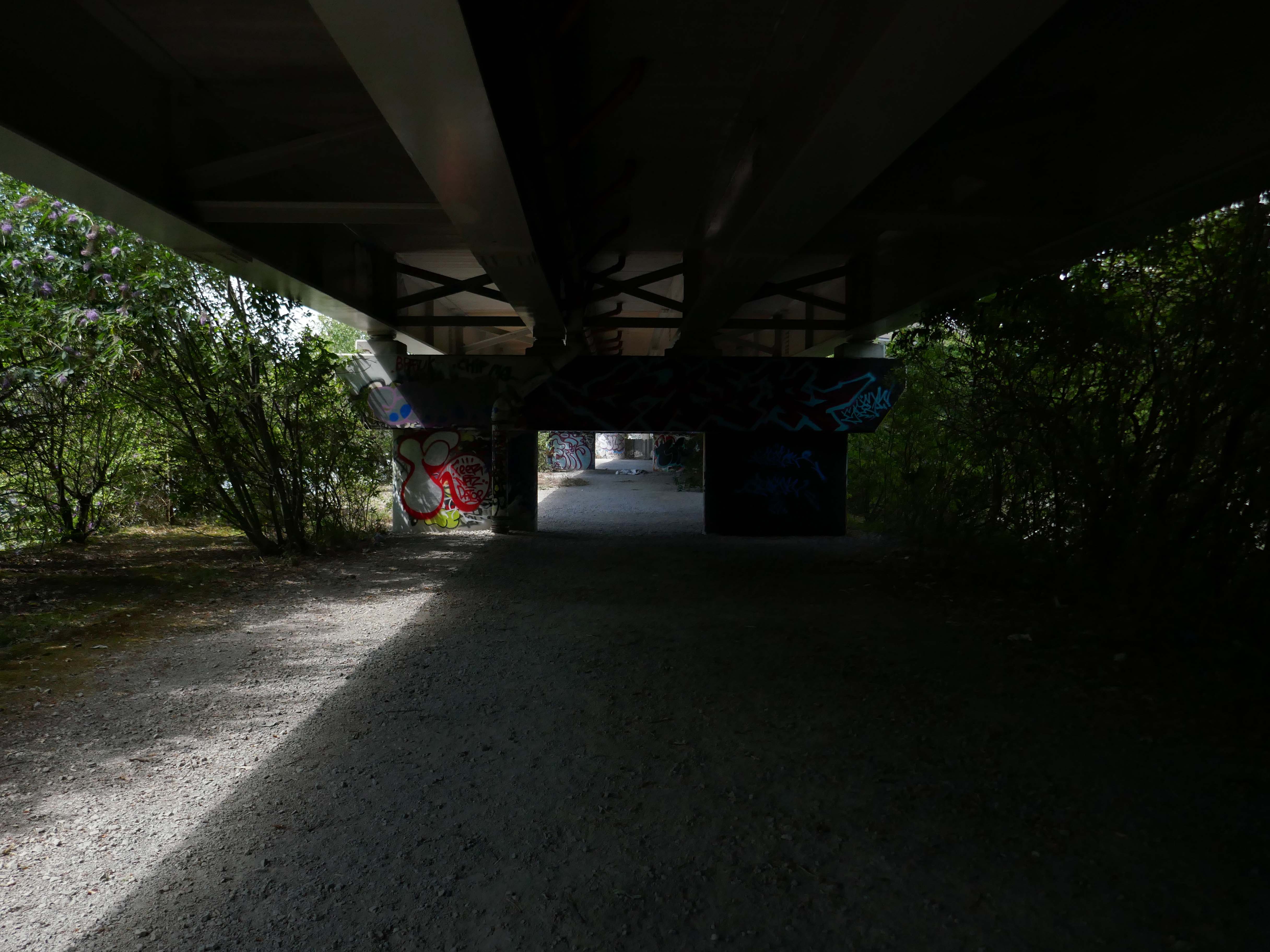
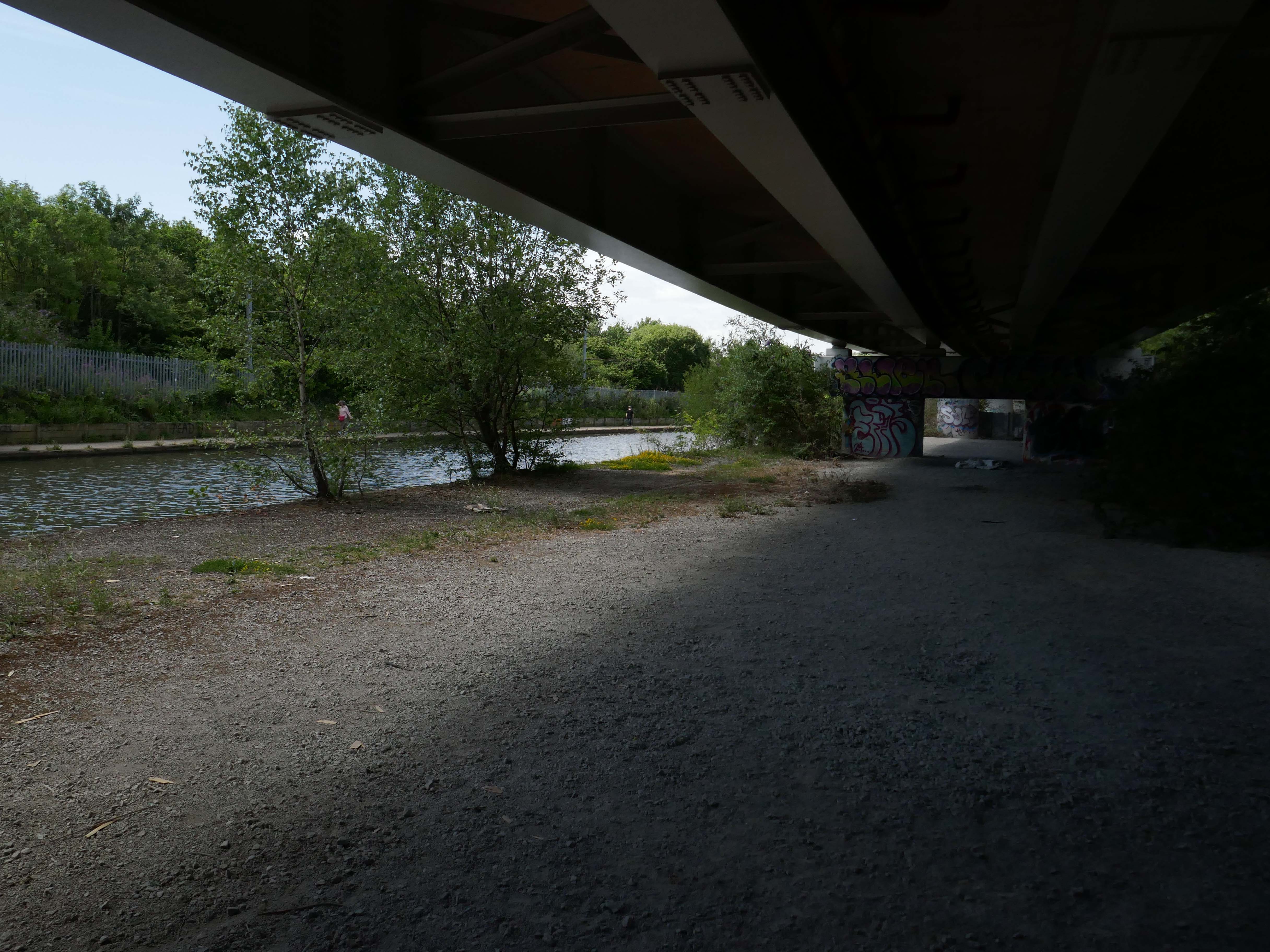
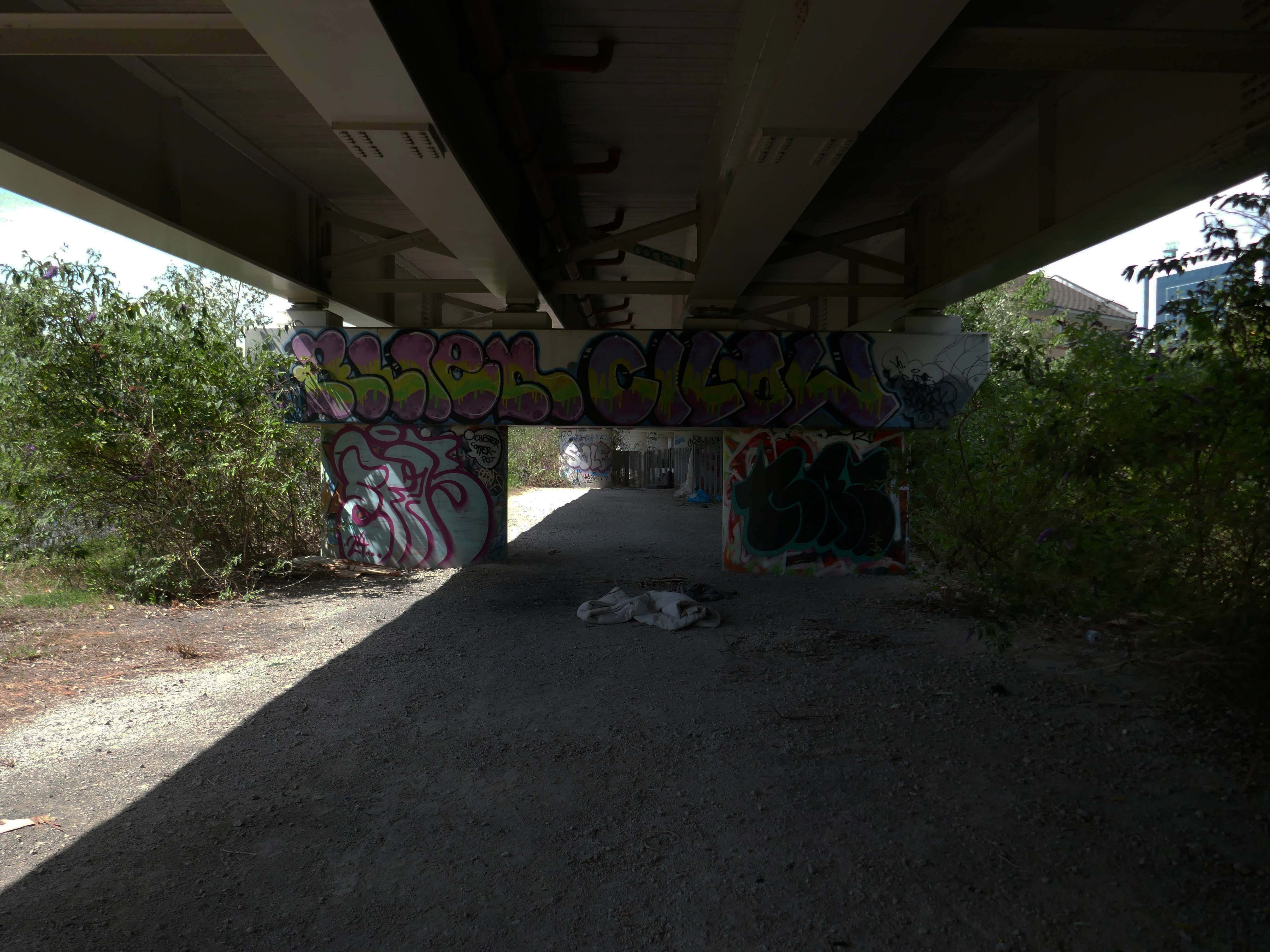
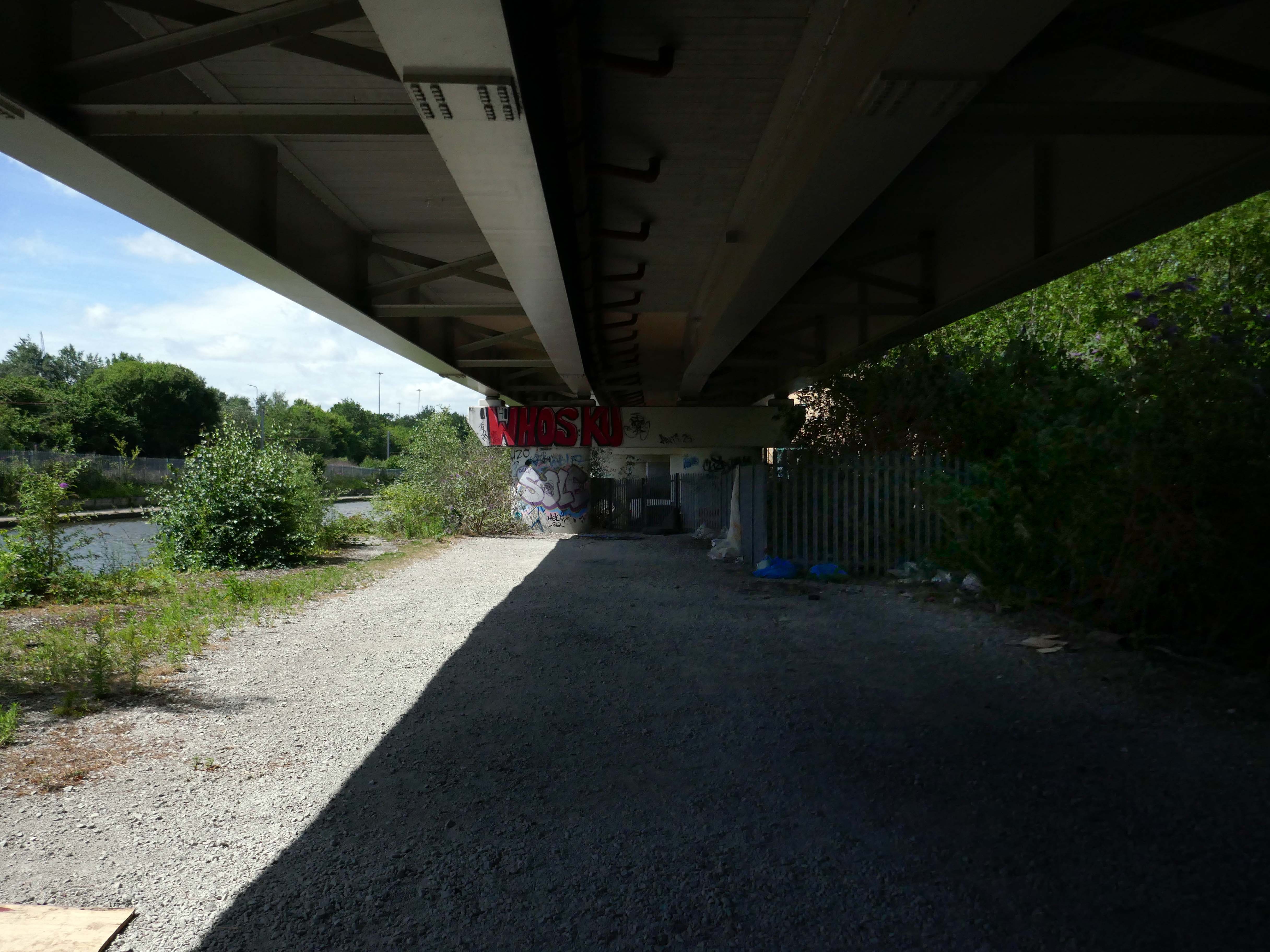
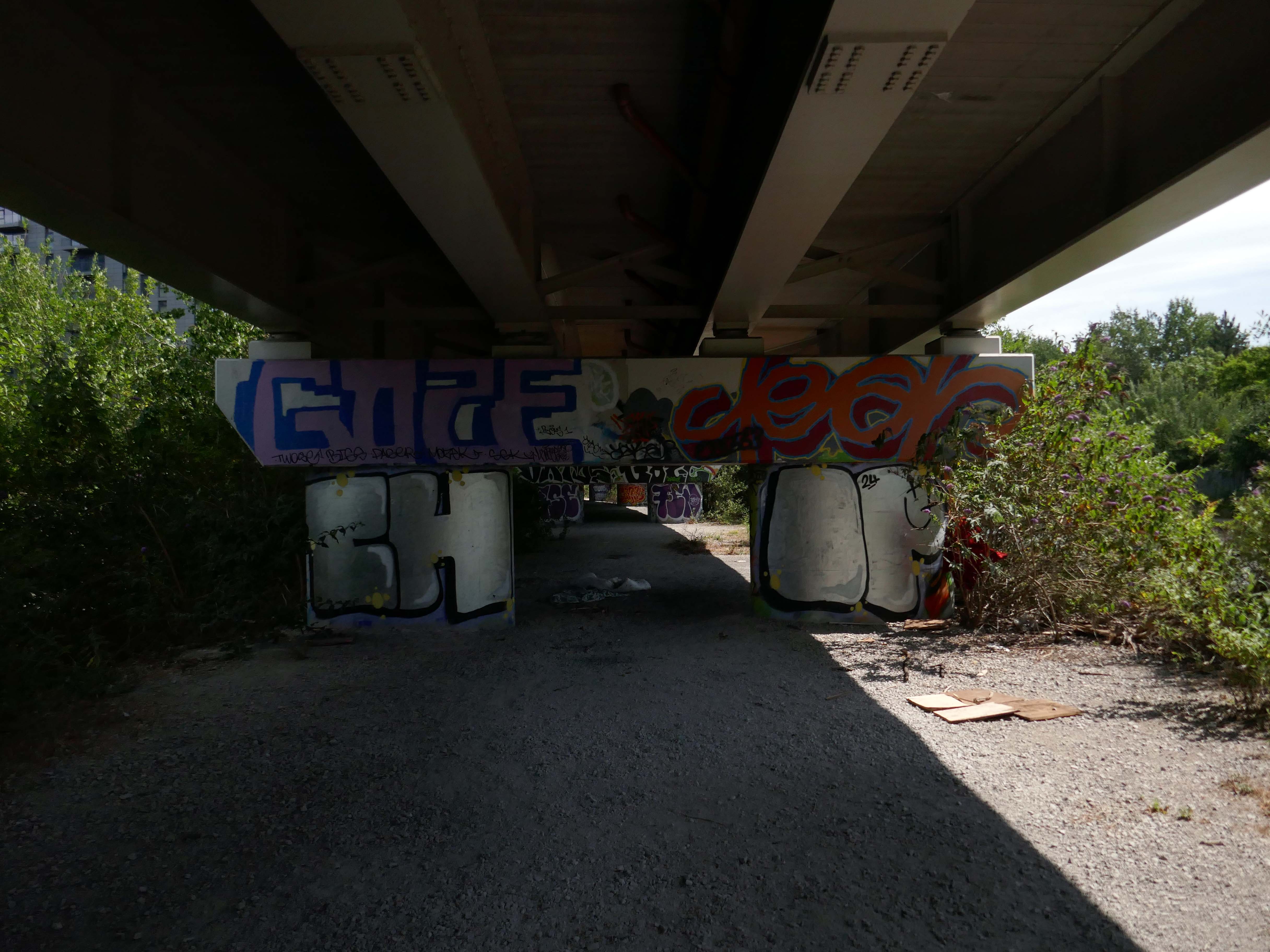
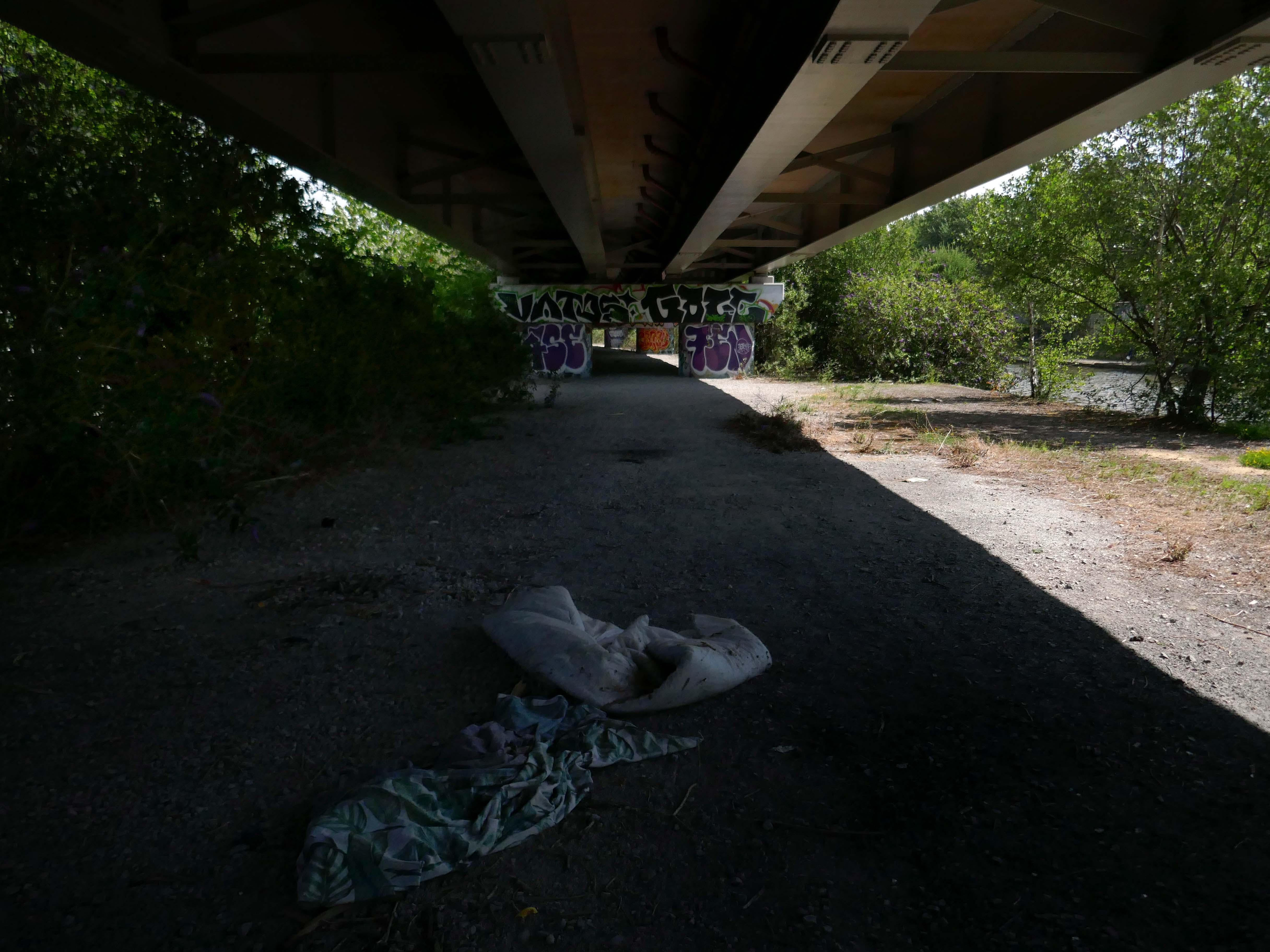
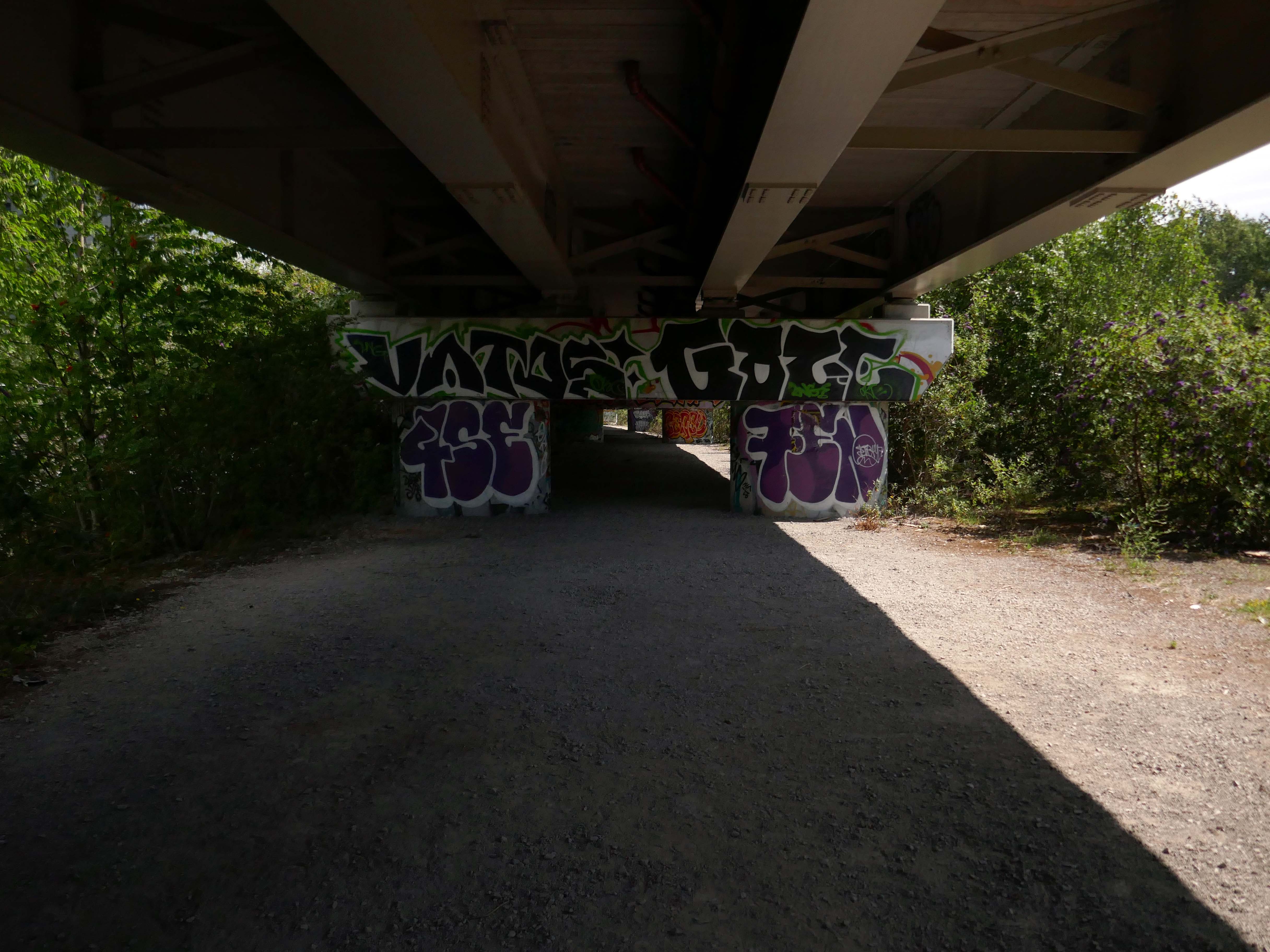
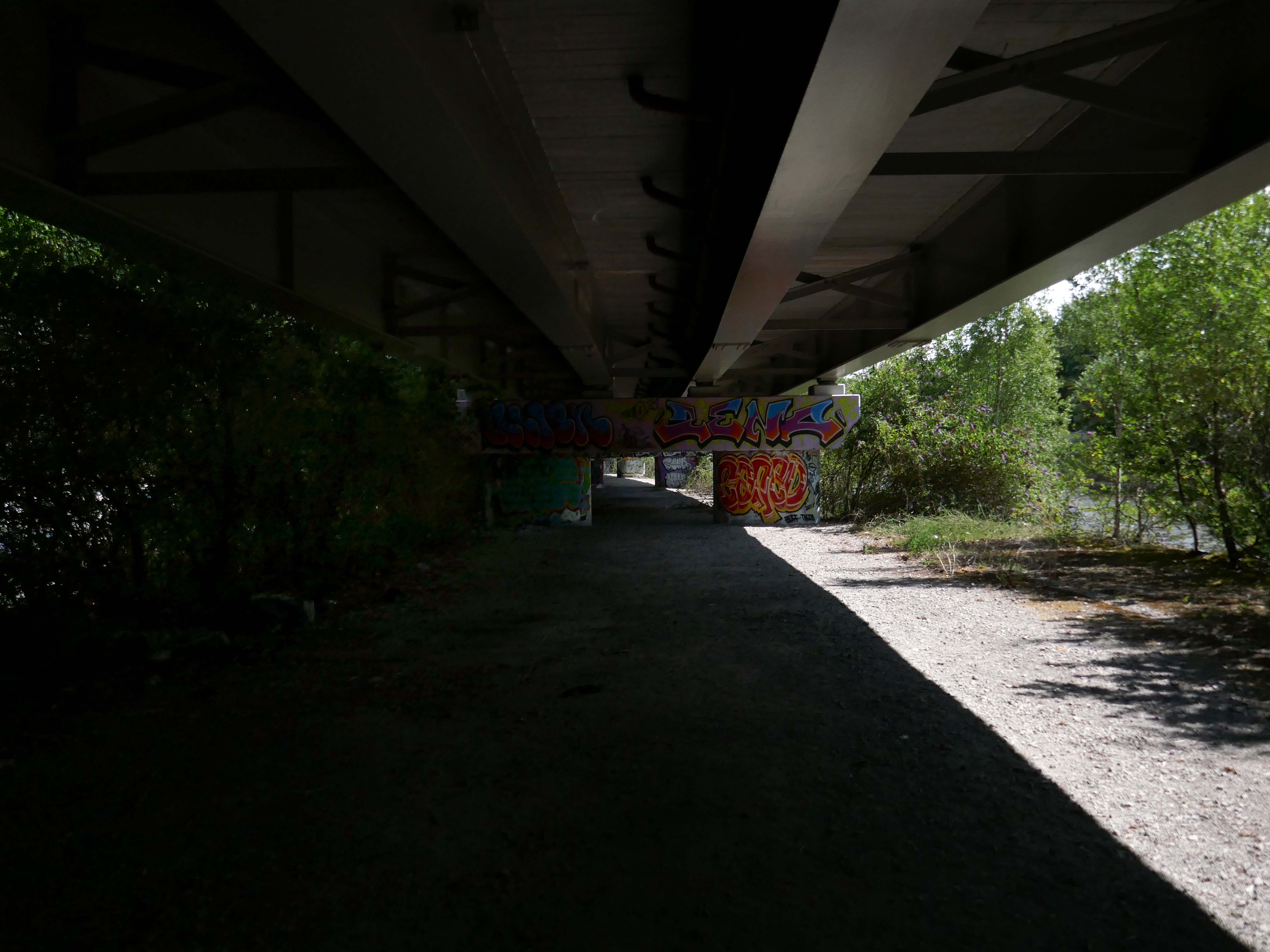
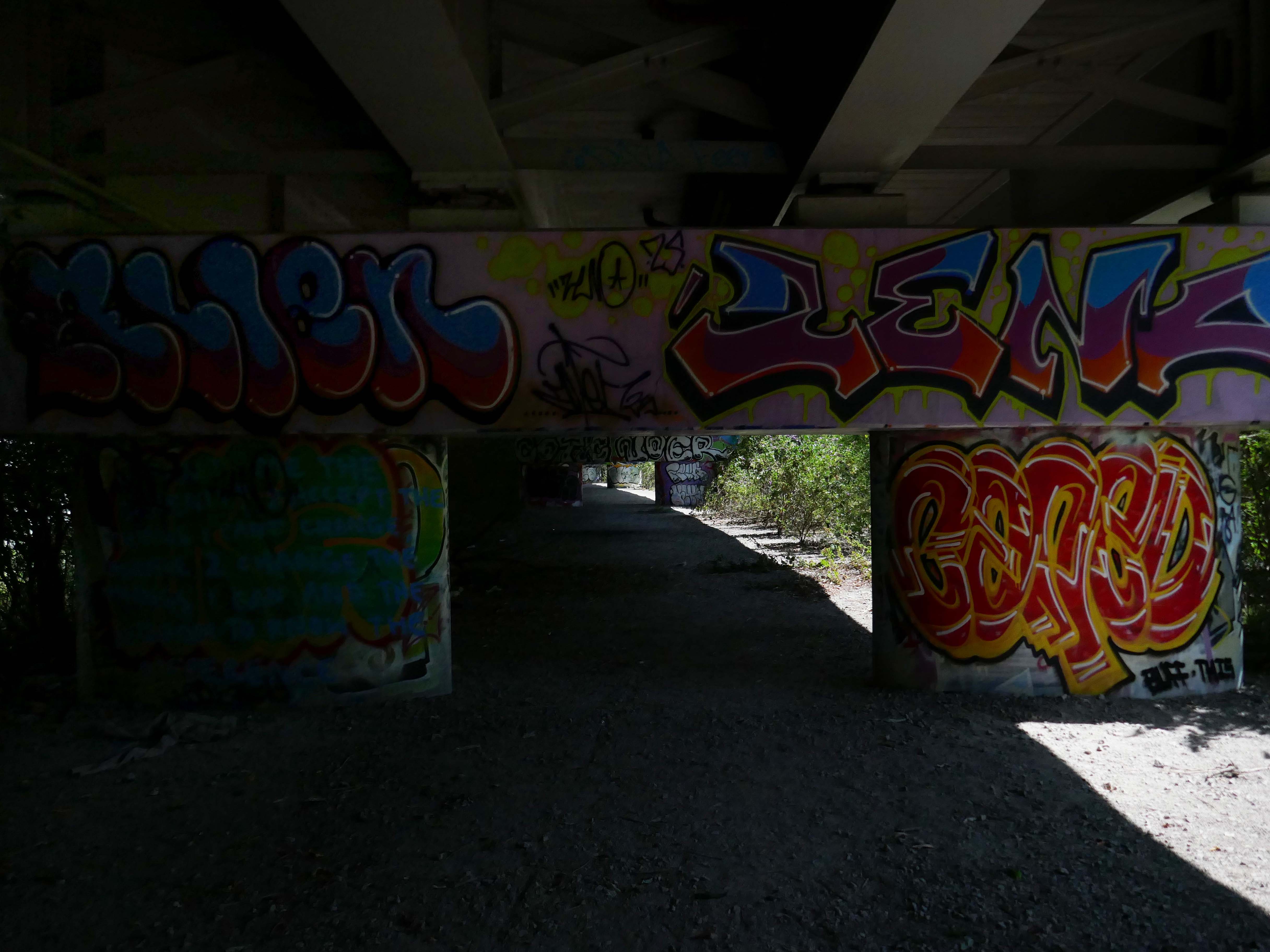
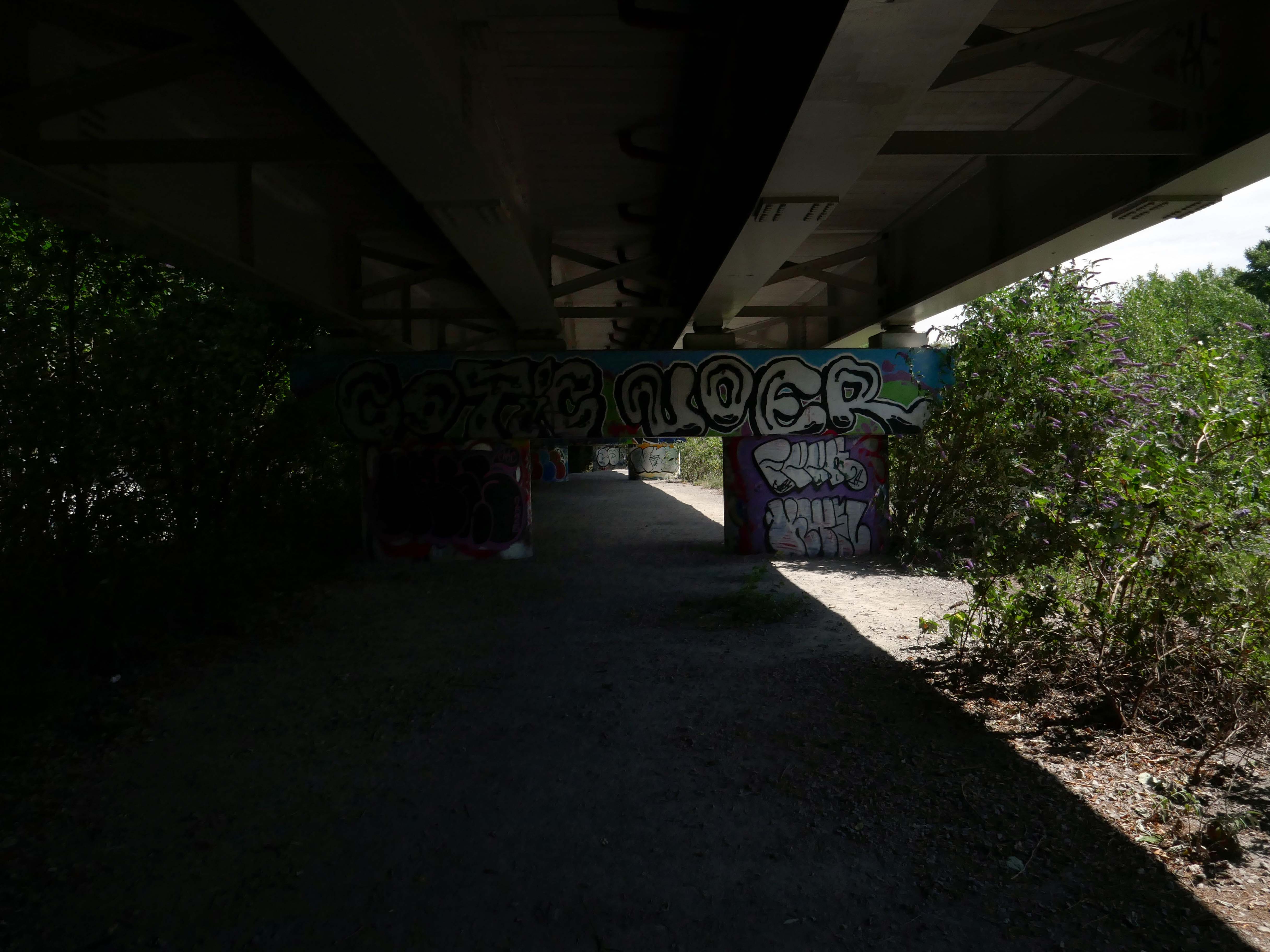
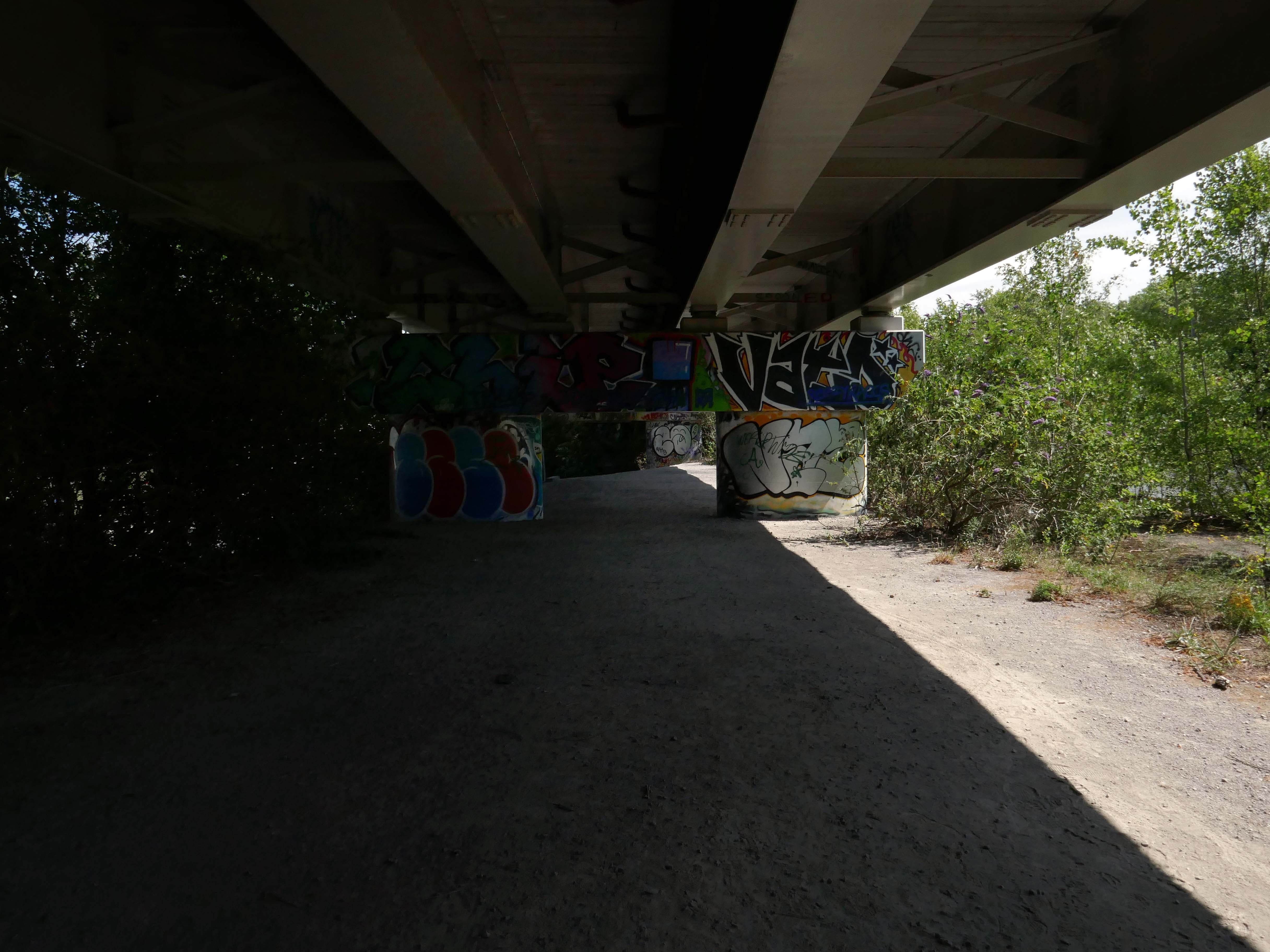
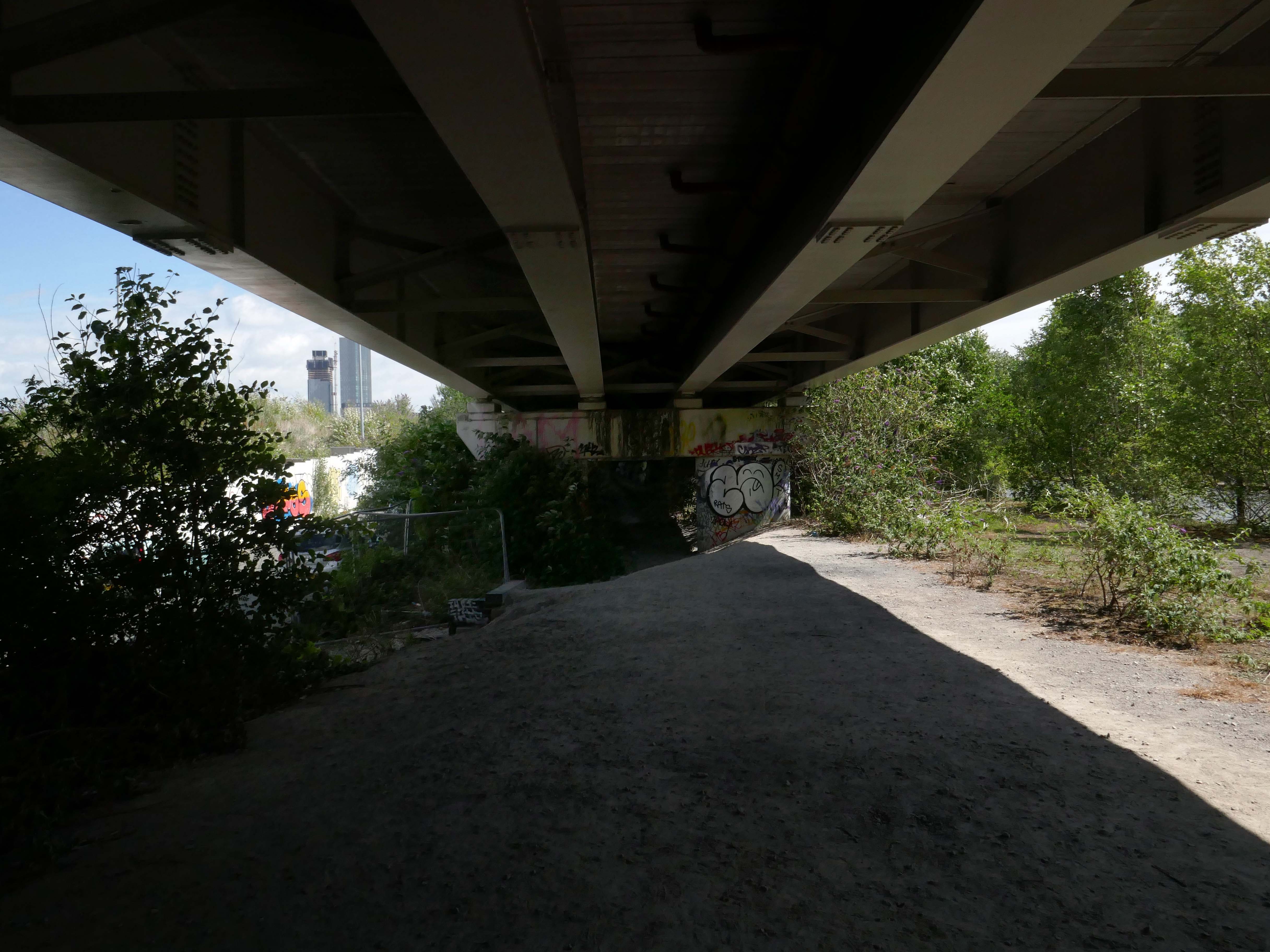
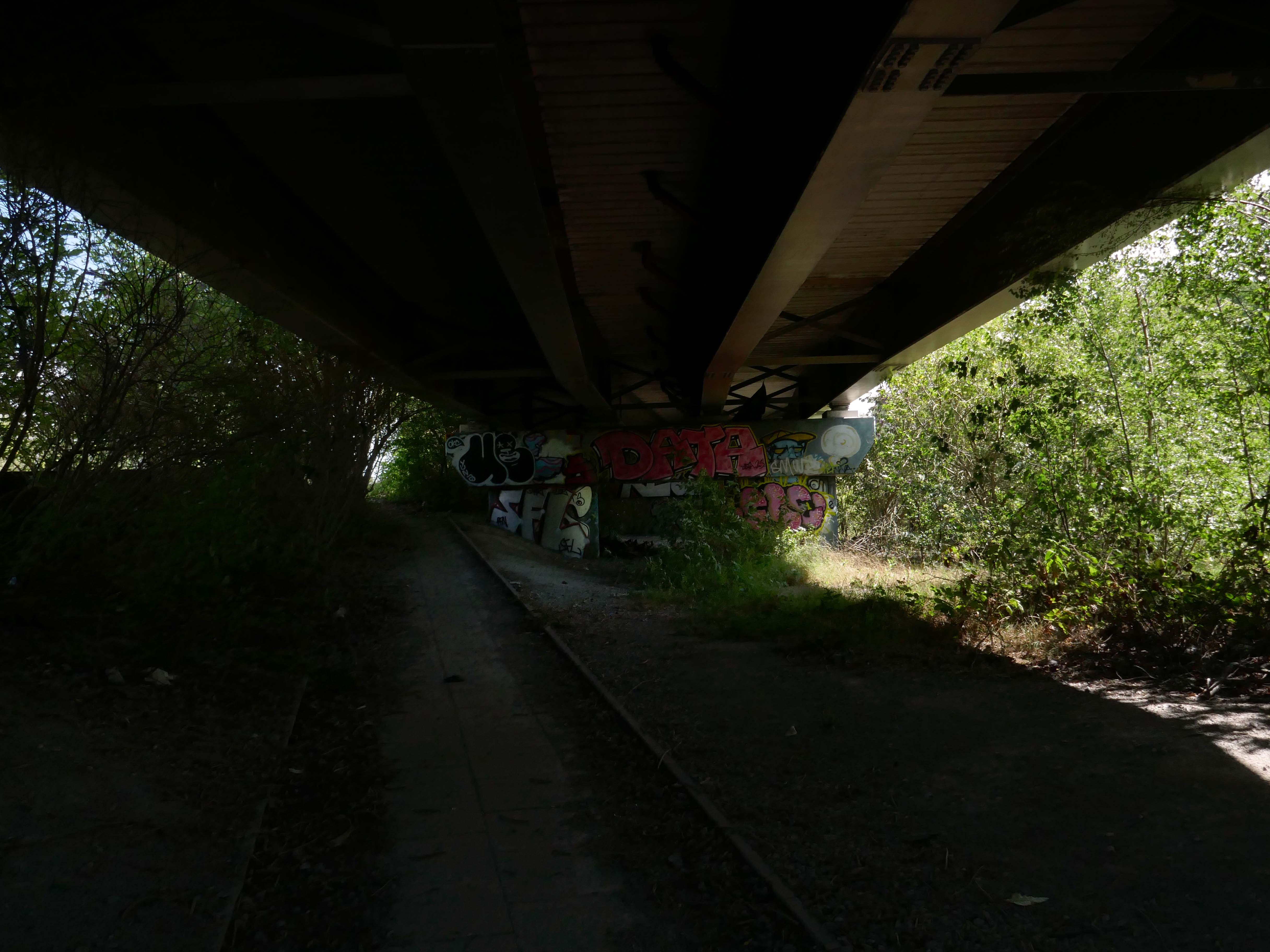
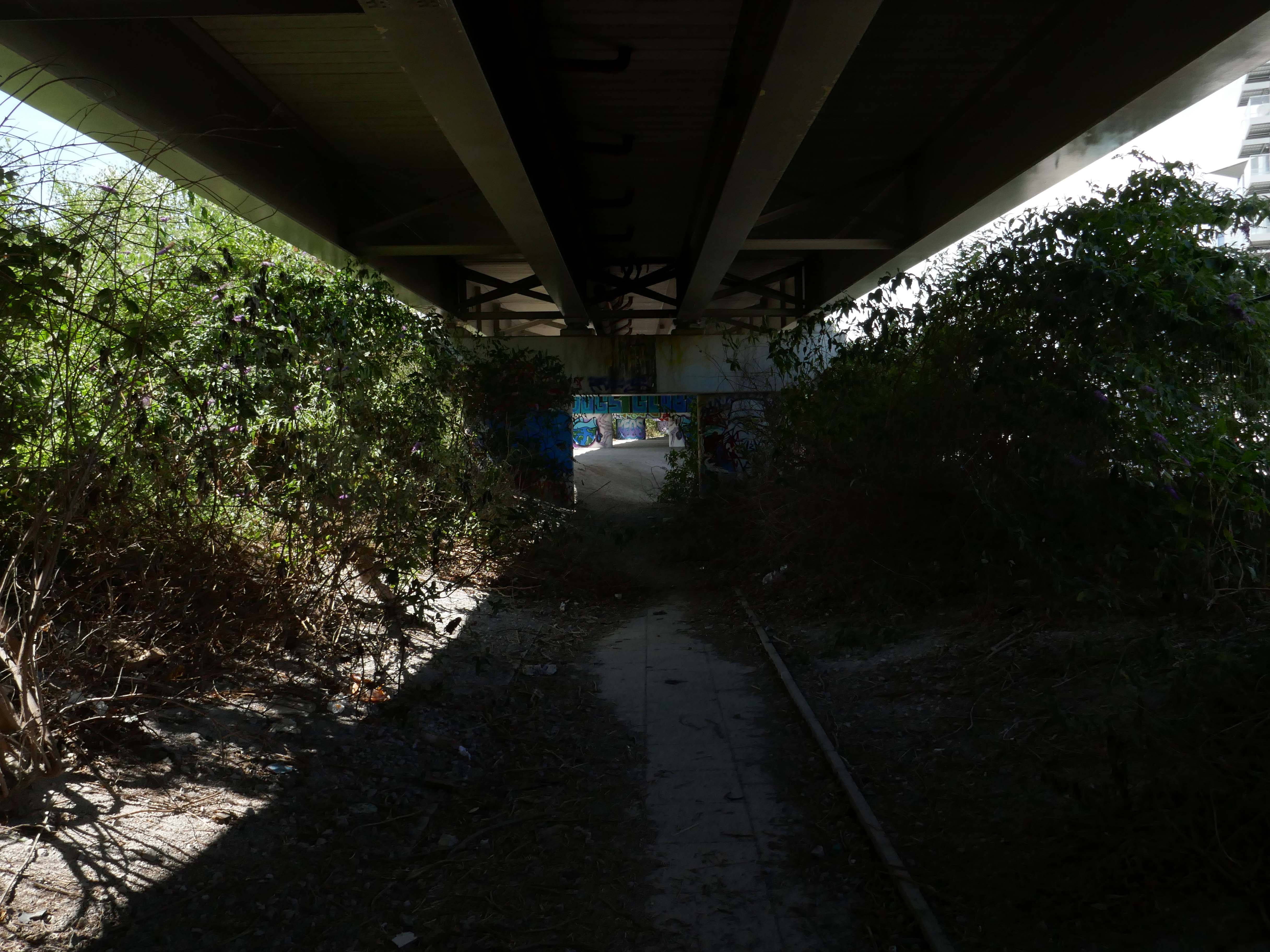
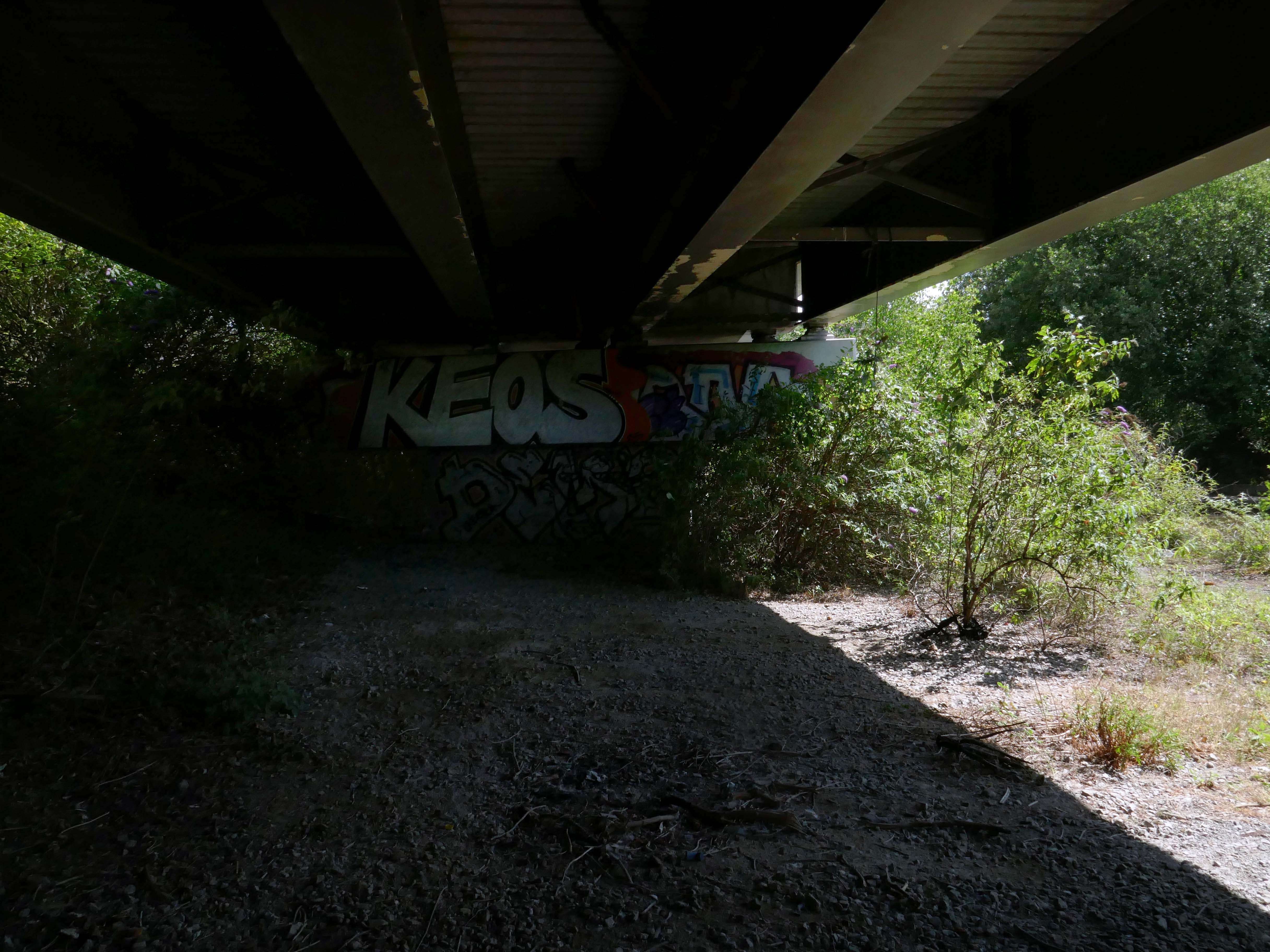
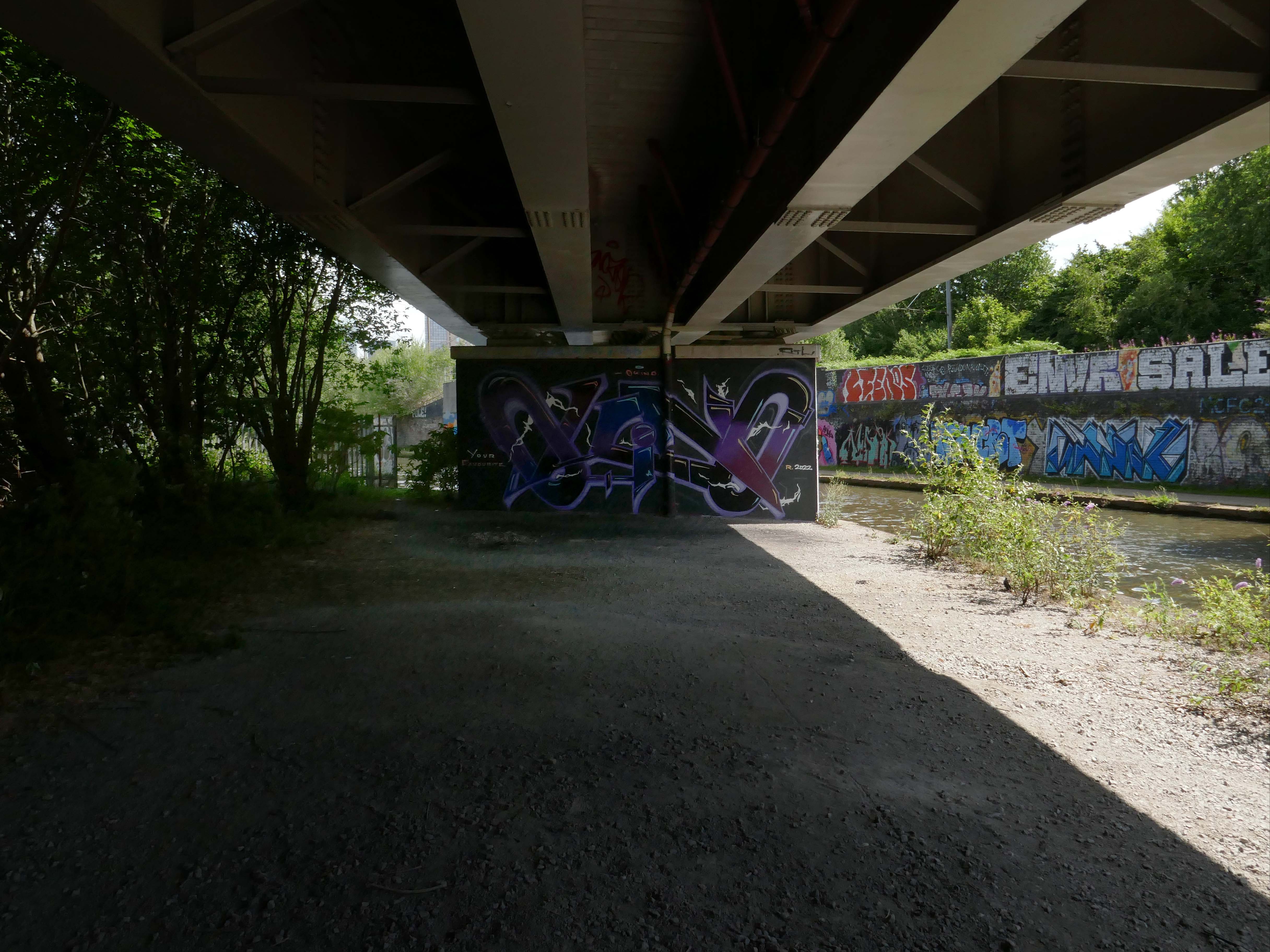
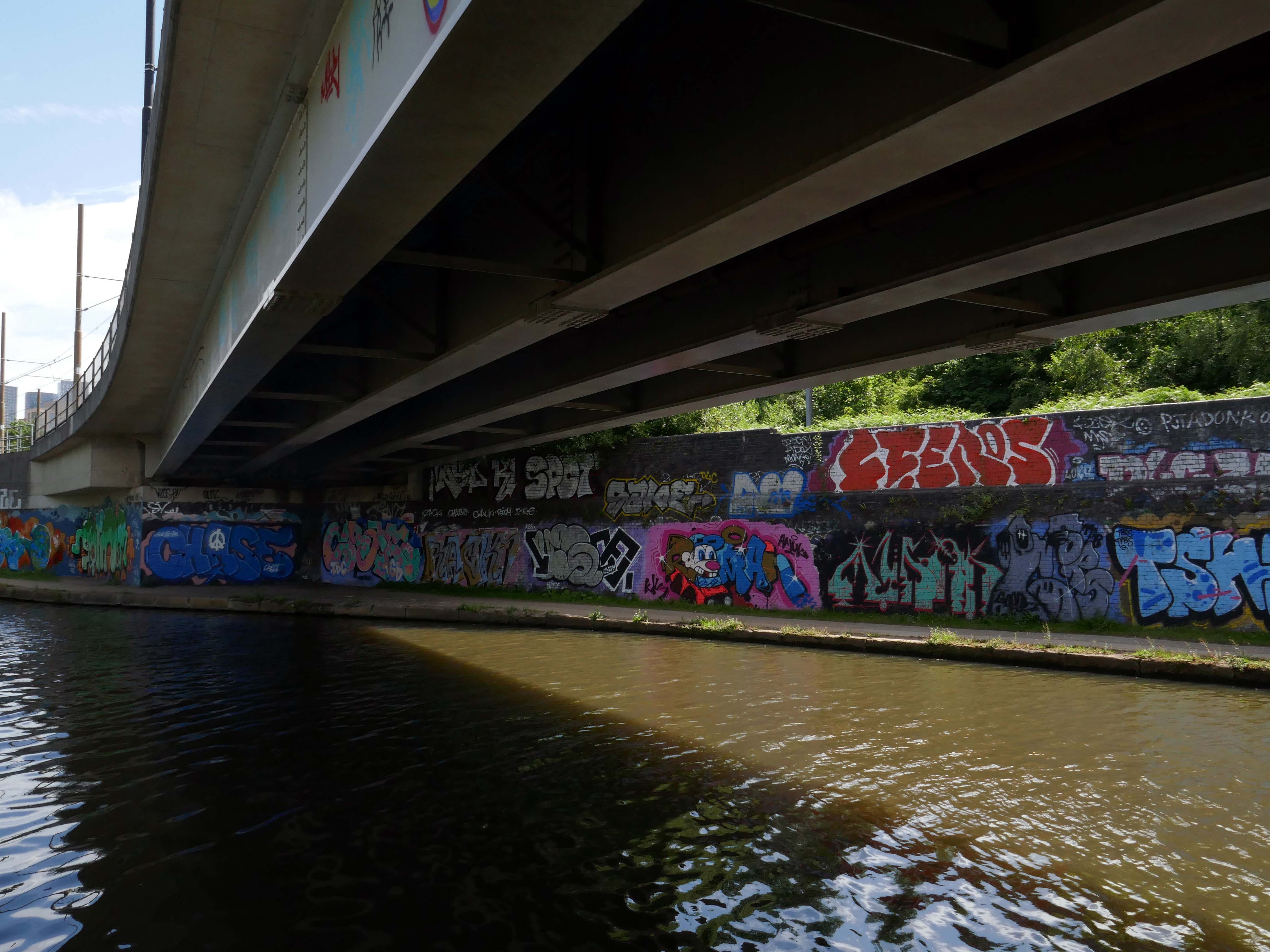
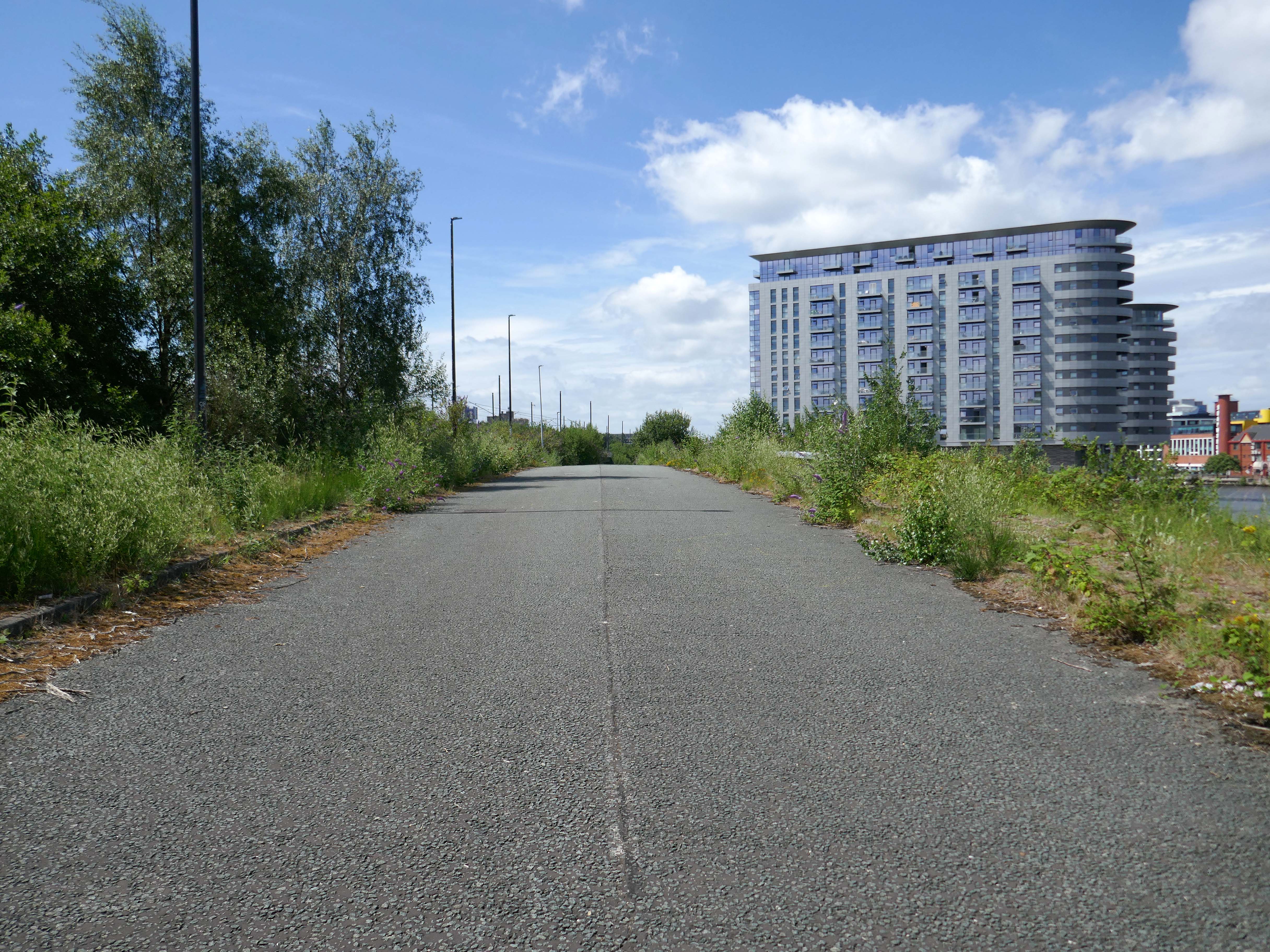
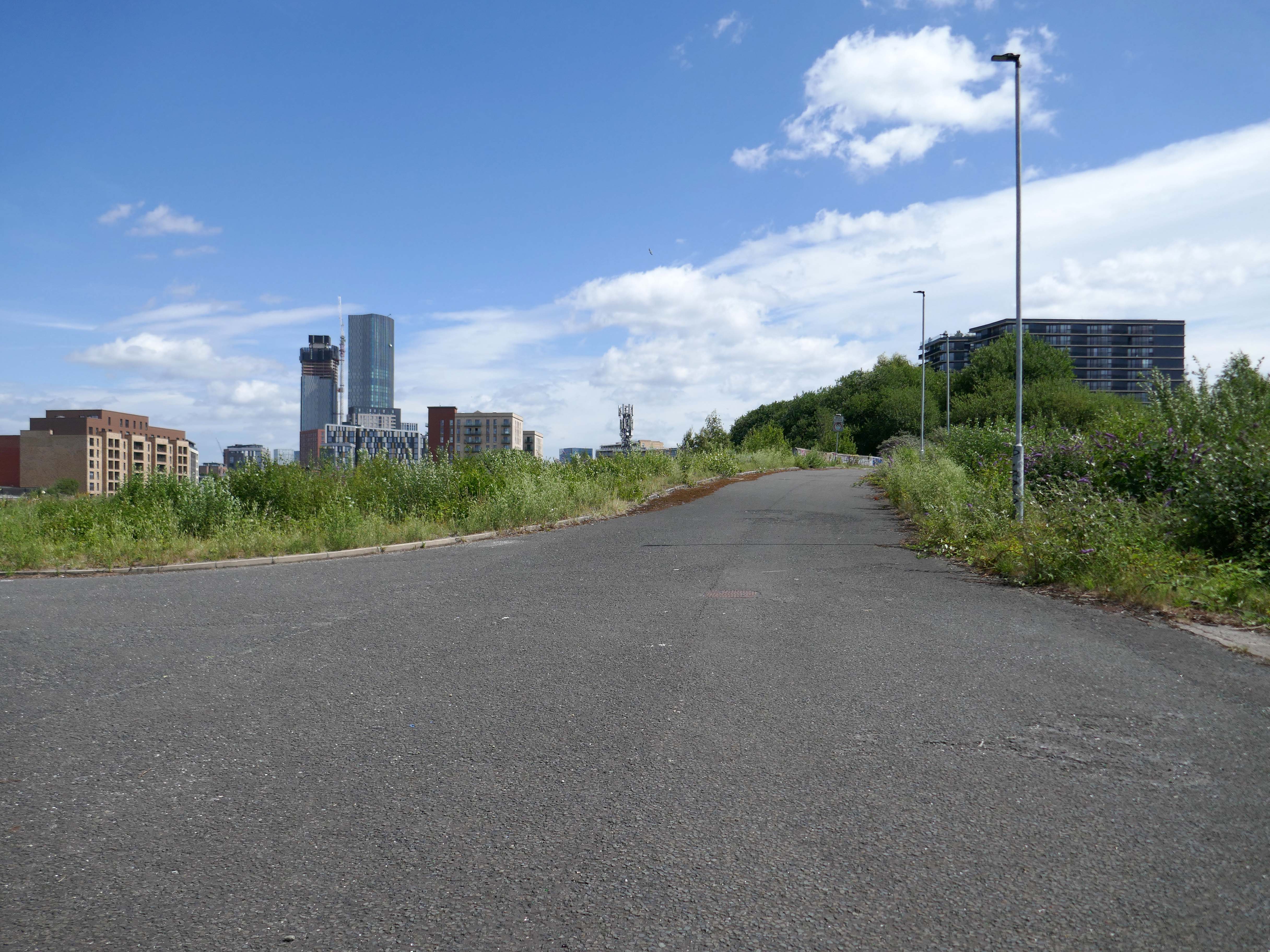
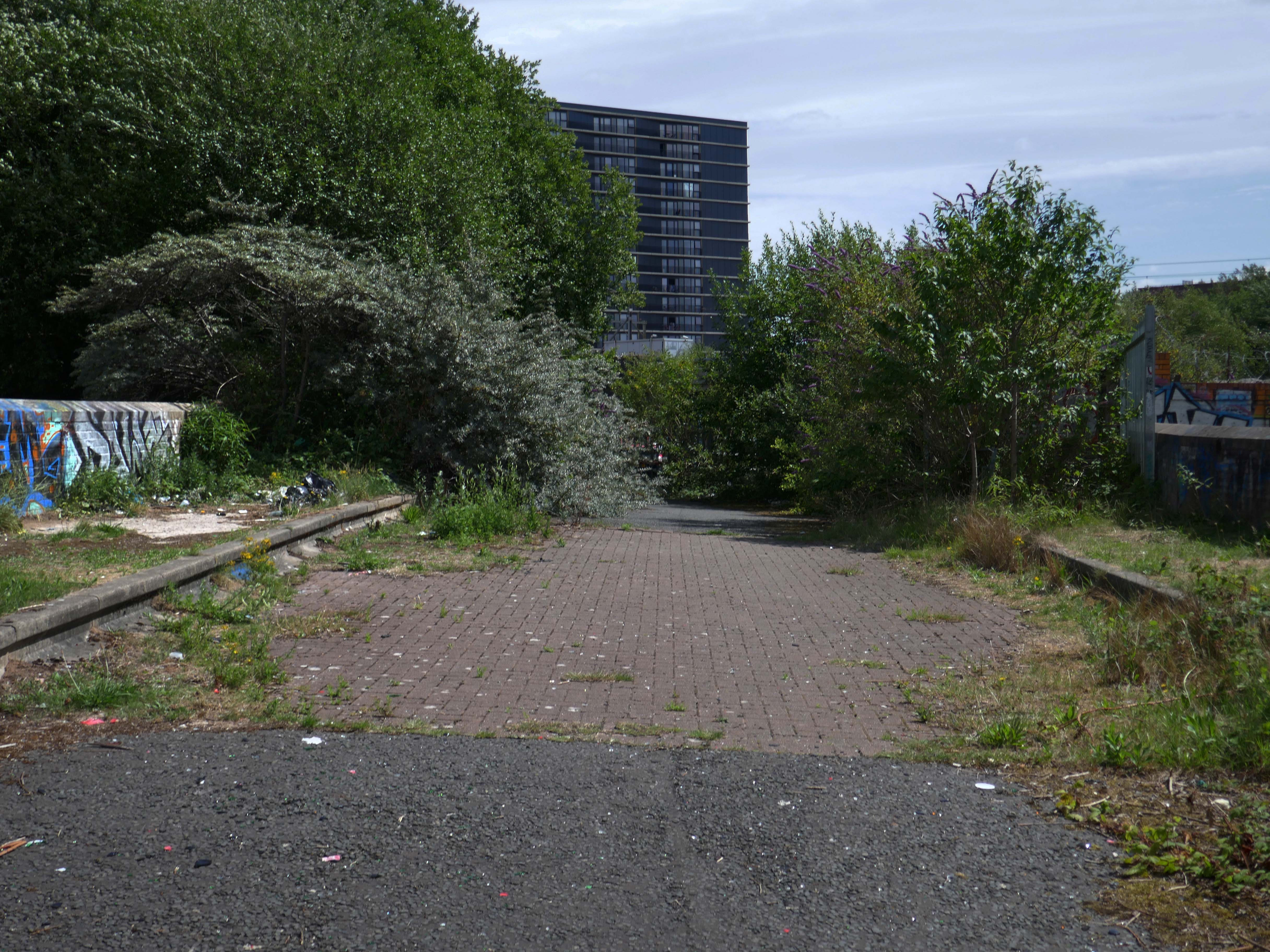
I was out and about exploring Pomona Island when I chanced upon the path which led to the ramp that carries the Metro from Trafford Bar and Pomona to Cornbrook.
It proved to be what is currently known as an immersive experience, not unlike a Gong Bath.
Firstly, some participants become so relaxed that they fall asleep, and the body uses this time to re-balance, restore and nurture itself. Most people however, flit in and out of consciousness and notice their physical, mental, emotional, and spiritual responses during the Gong Bath. This opens the possibility of becoming aware of the ‘chattering mind’, your mood or emotional state, visual experiences, physical sensations, intuitive insights, inner wisdom, or spiritual encounters. By keeping your eyes closed and not falling asleep, people can often have a far richer experience.
Except in this instance, one is surrounded by the tumultuous roar of tram upon concrete and steel, with the extra added bonus of pungent canal and associated detritus aromas.
By keeping your eyes open and not falling asleep, people will have a far richer experience.
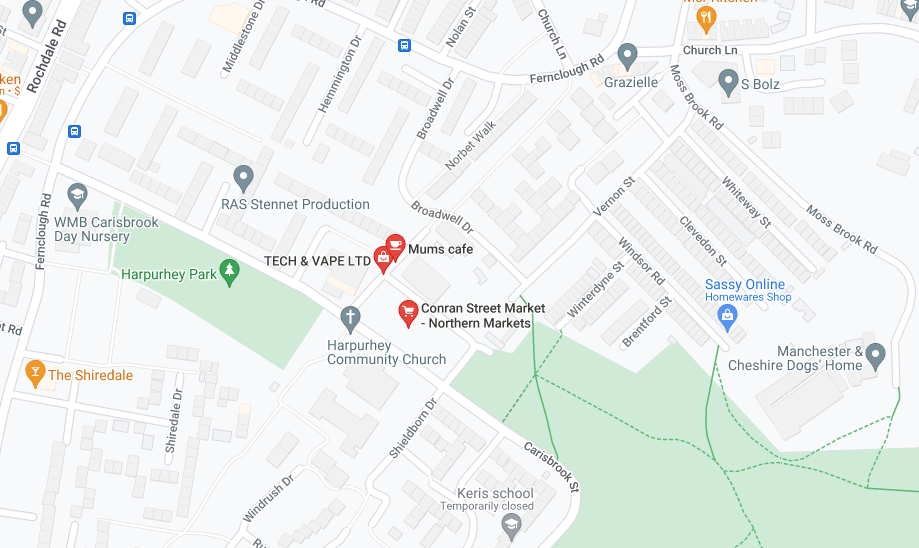
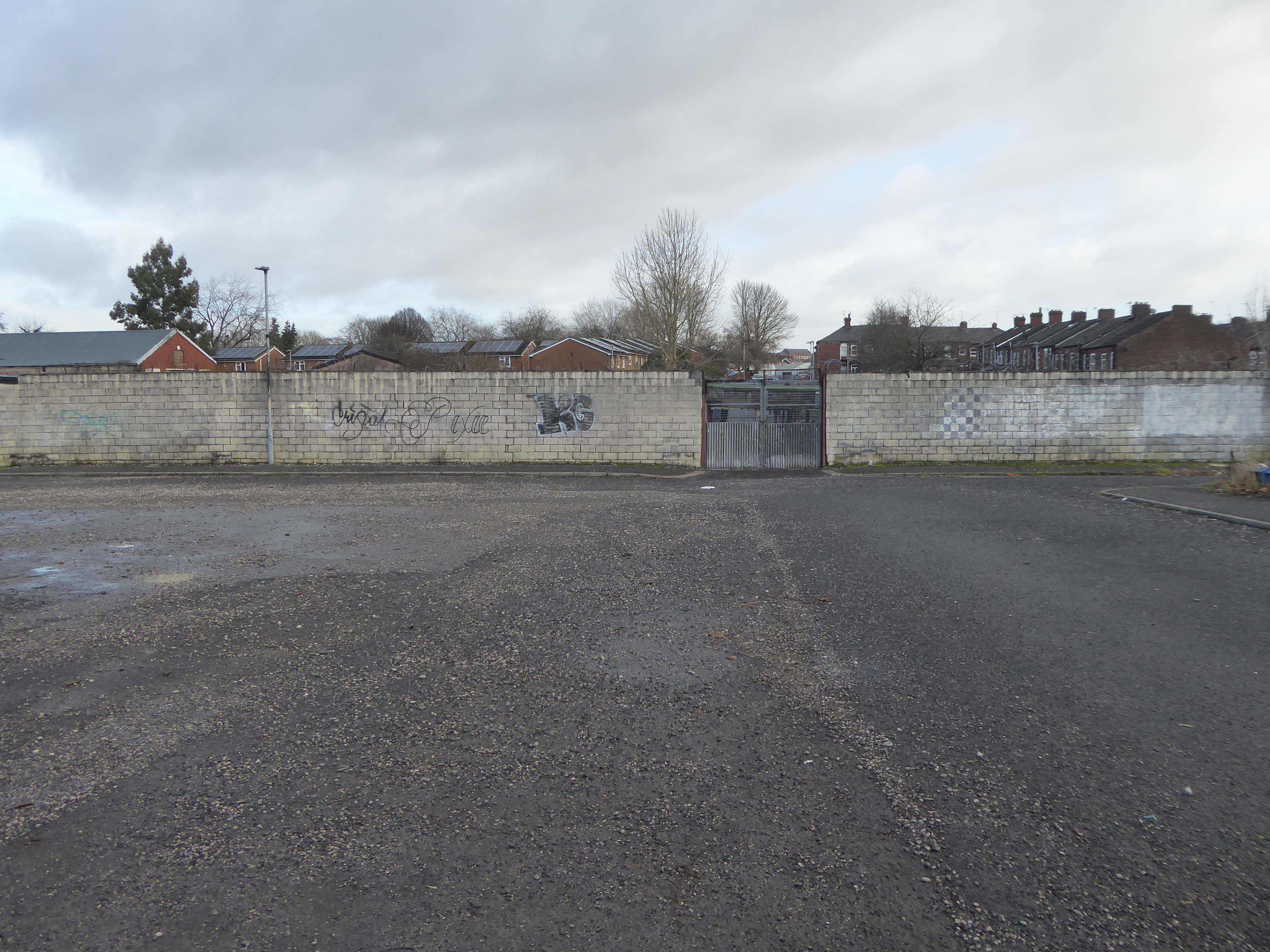
One of the last privately owned markets in the city, is to close on July 19th 2025, after serving the area for over a century.
The family which owns the Harpurhey site has decided to put the acre of land and its existing redbrick buildings up for sale. It will be auctioned off with a guide price of £450,000.
It’s so sad the stall holders, and the community that surrounds the market, have lost their place to go on weekly basis, meeting friends for brew and bacon butty, chats and last minute buys, rummaging around in boxes finding treasures. The previous owner Mike, would have fought tooth and nail to keep this beloved market open, he would be turning in his grave.
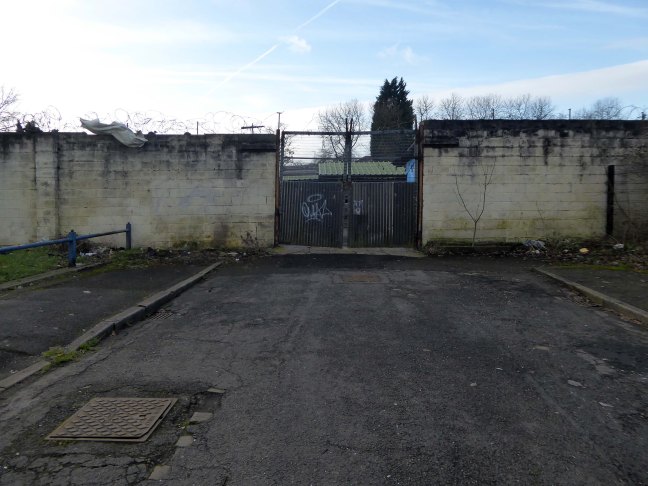
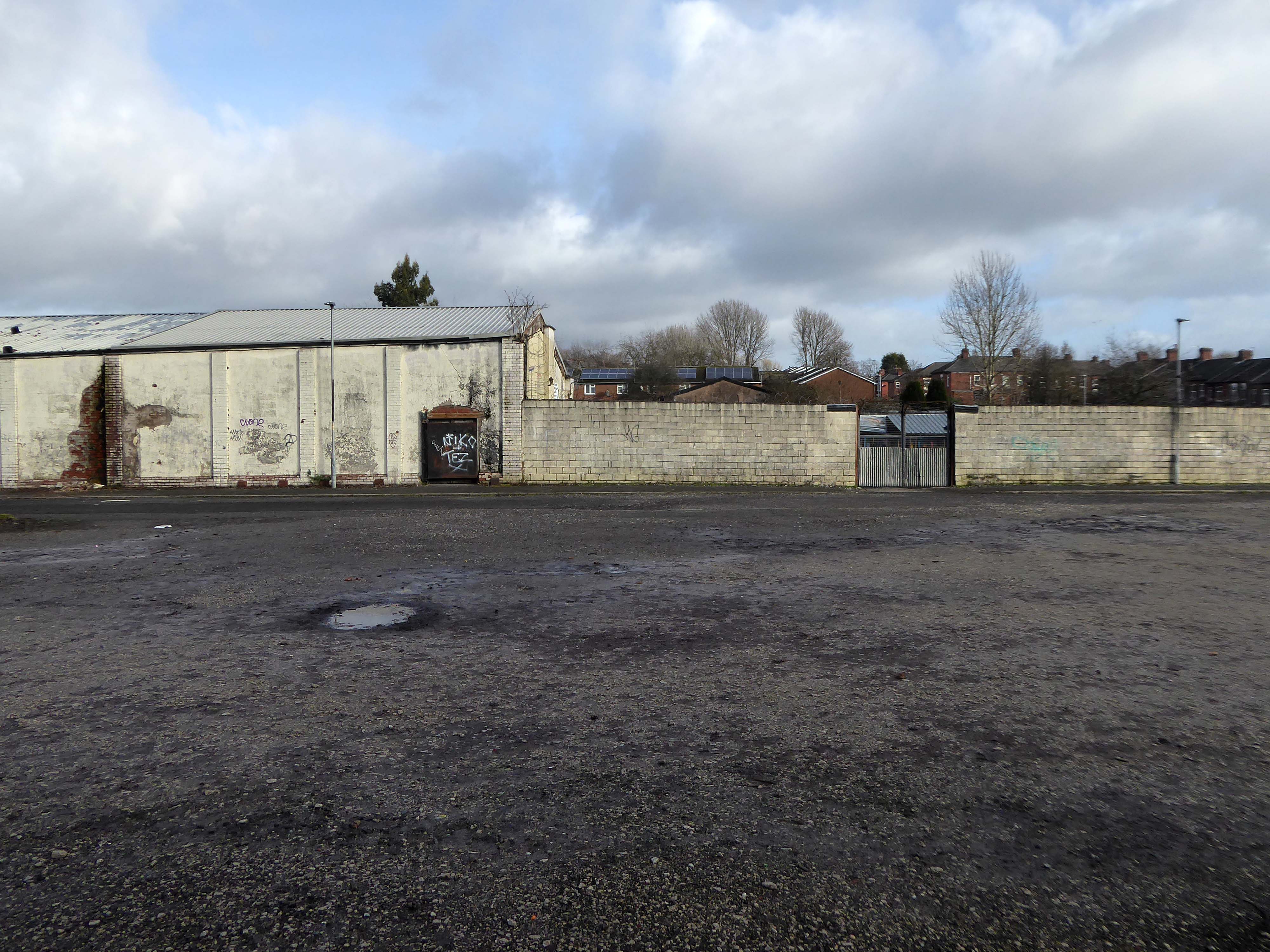
I visited on 30th January 2023 – the gate was open there was nobody home, except the cleaner and me.
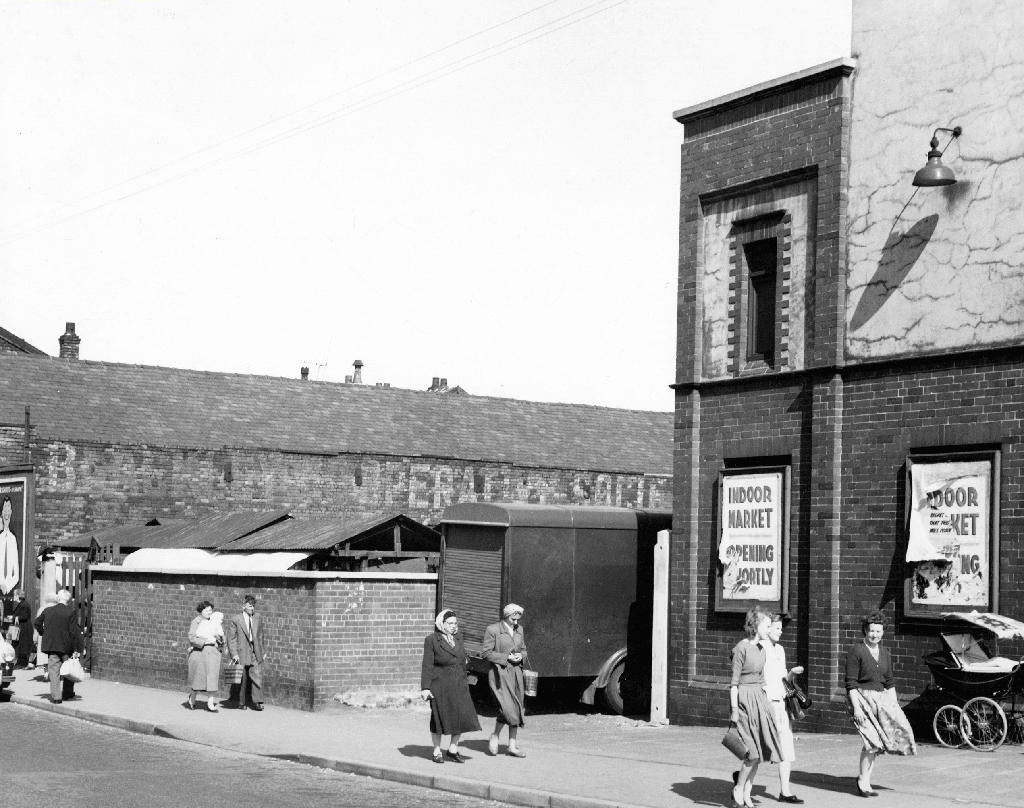
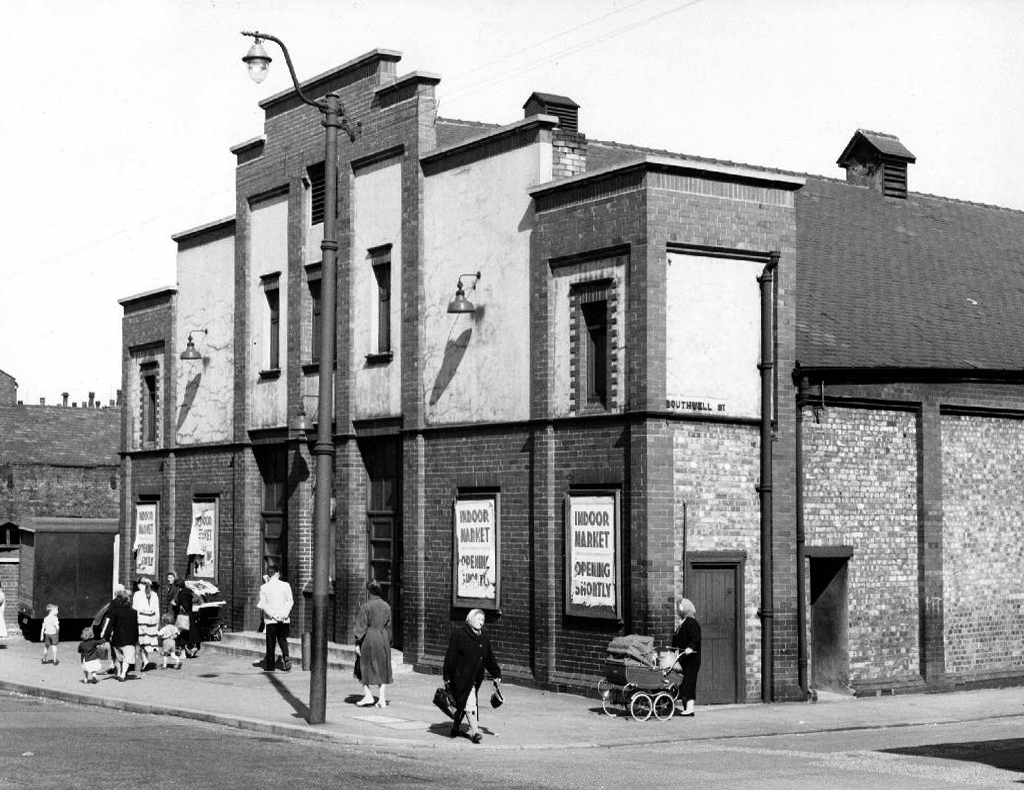
Princess Cinema It is listed in Kinematograph Year Books from 1927 to 1954, but had gone from listings by 1962. It had a Western Electricsound system. The upper part was later removed after a serious fire and the remainder became an indoor market.
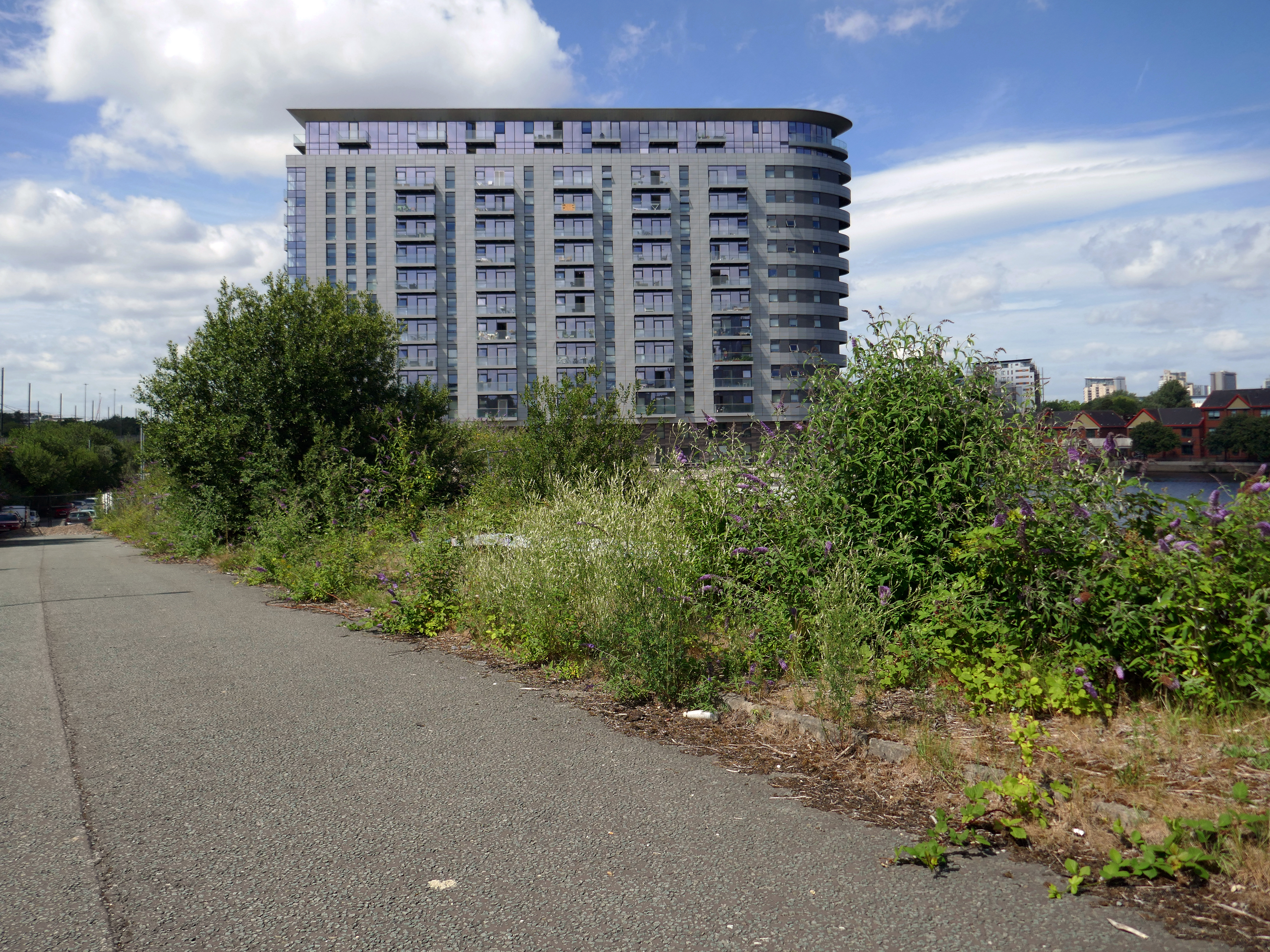
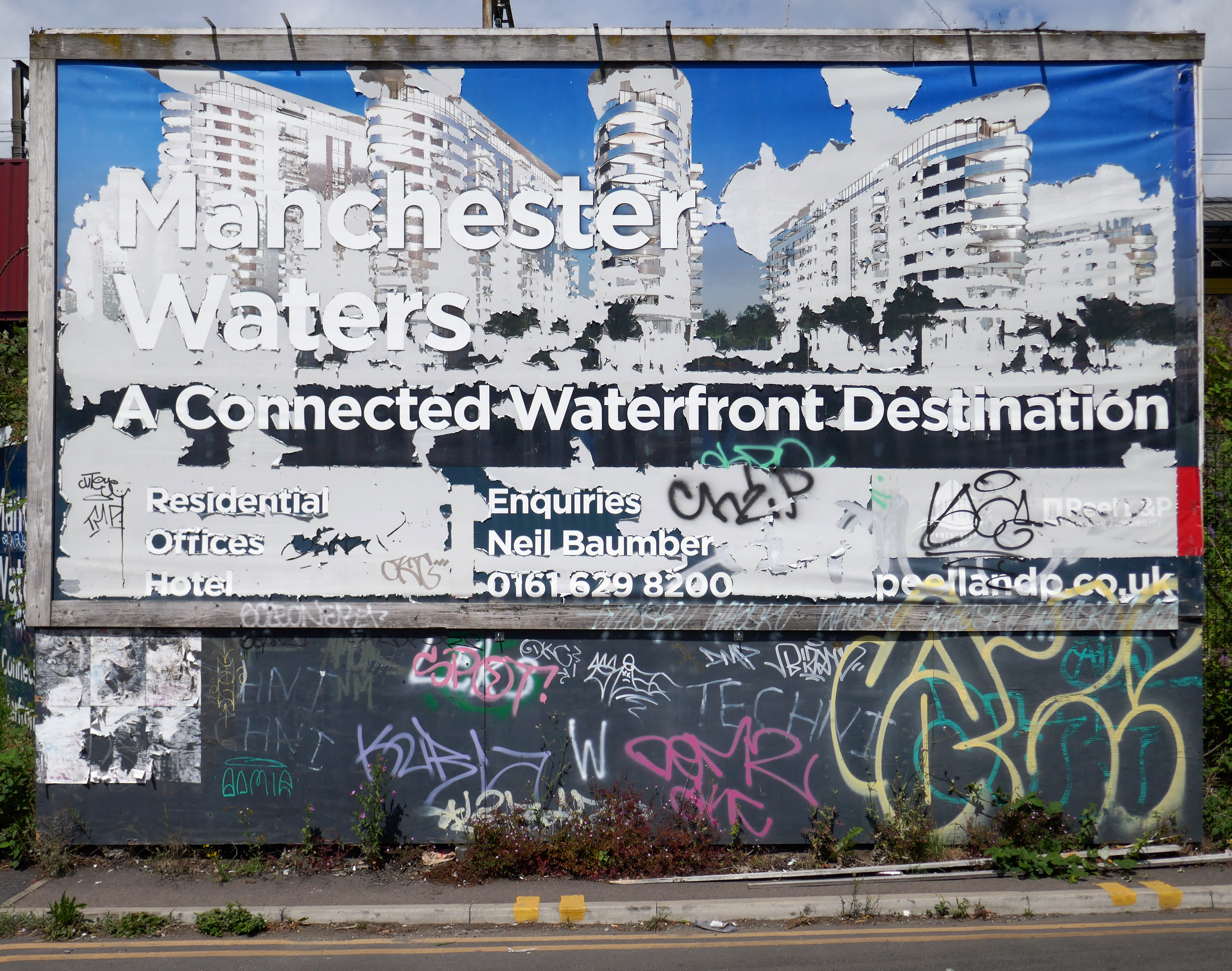
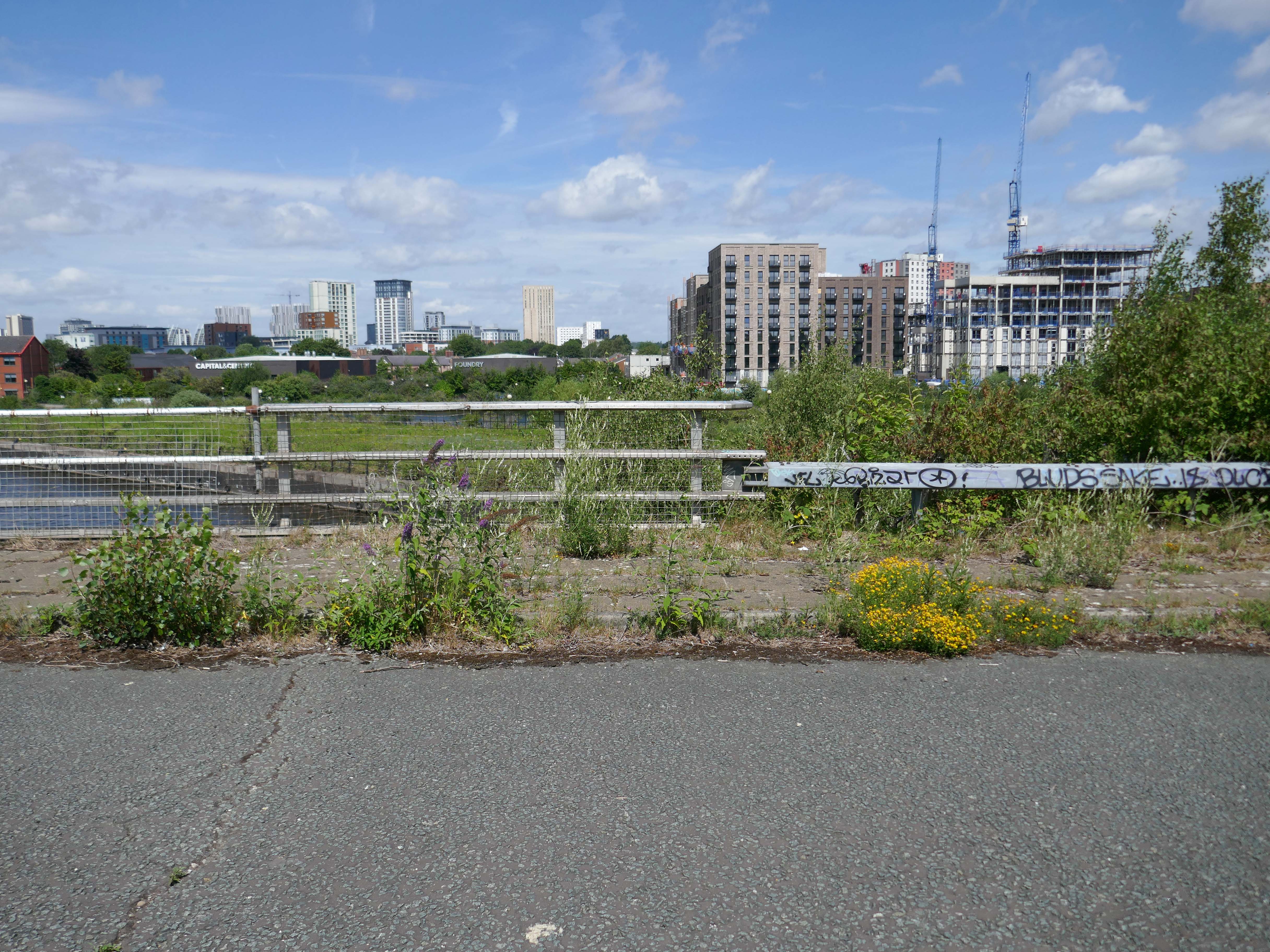
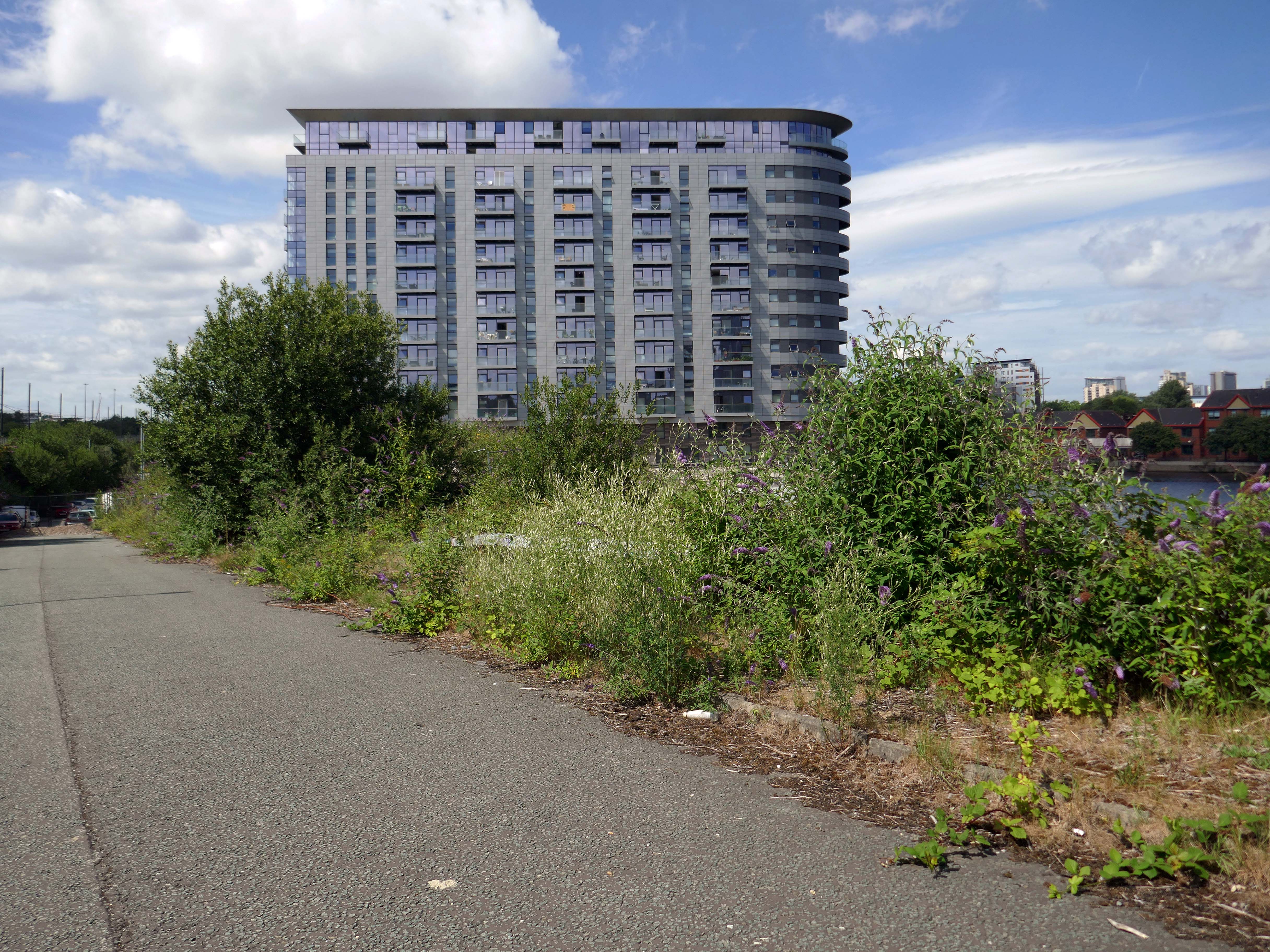
X1 has launched the first phase of its major Manchester Waters development on the outskirts of the city centre. The development will be delivered in partnership with property developer and landowner Peel and is located on Pomona Island. Phase one will include 755 flats, with the first completions scheduled for 2019.
Thus far phase one has arrived, other phases less so.
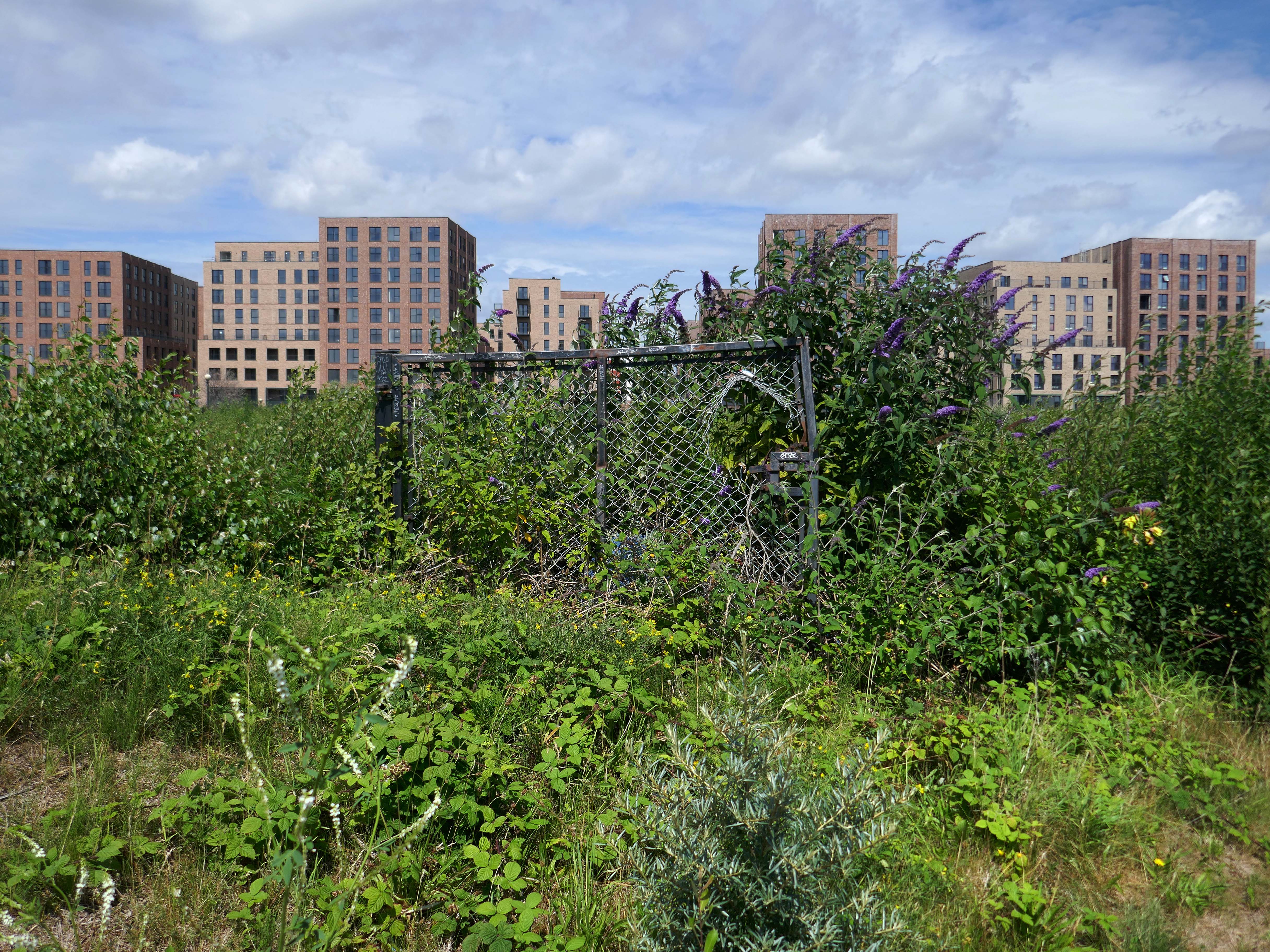
A Covid induced hiatus has meant that the masterplan has hit the buffers.
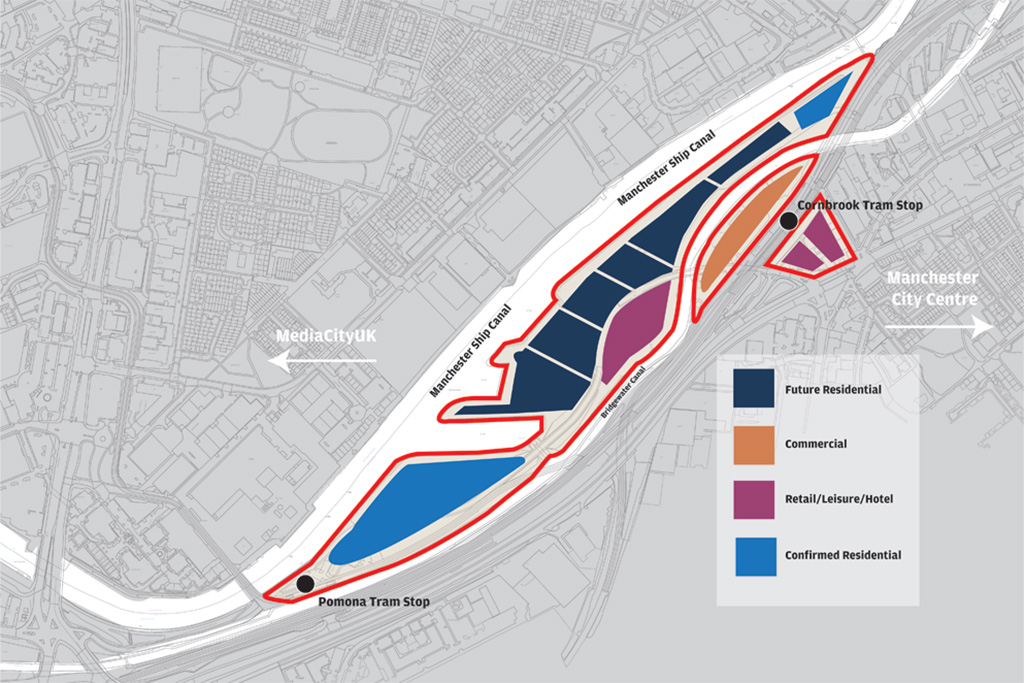
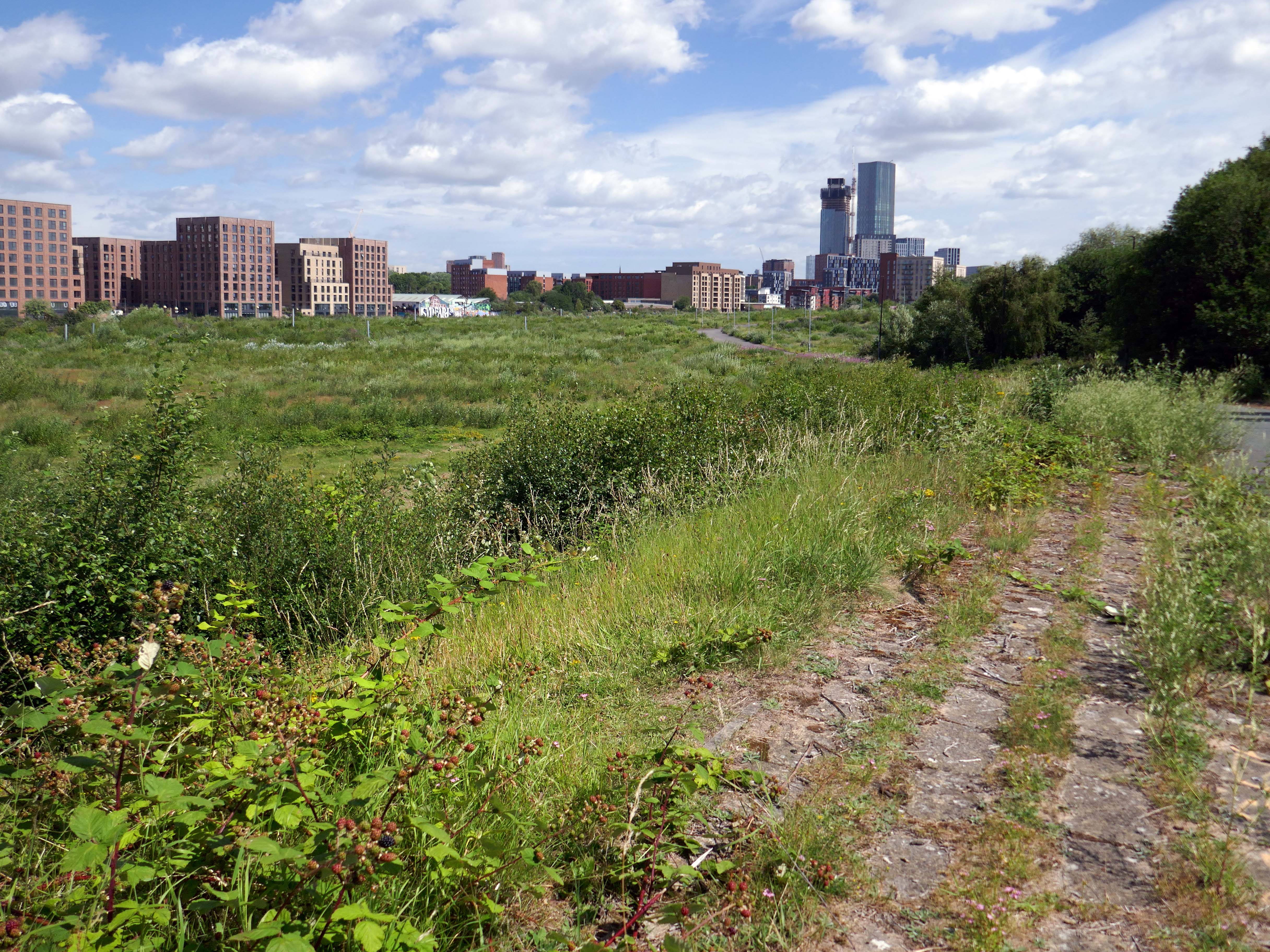
The revamped masterplan, covering almost 25 acres of currently underdeveloped brownfield land, would transform around 60% of the masterplan area into public realm and open space to help promote active lifestyles and the natural beauty of the waterfront site which is surrounded by the Manchester Ship Canal and the Bridgewater Canal.
Over time there has been resistance to the tidal wave of regeneration that is sweeping down the Ship canal engulfing Pomona Island.
Save Pomona are a group of Manchester/Salford and Trafford residents committed to seeing the future of Pomona be a community based and sustainable one rather than a purely commercial one that benefits only a few.
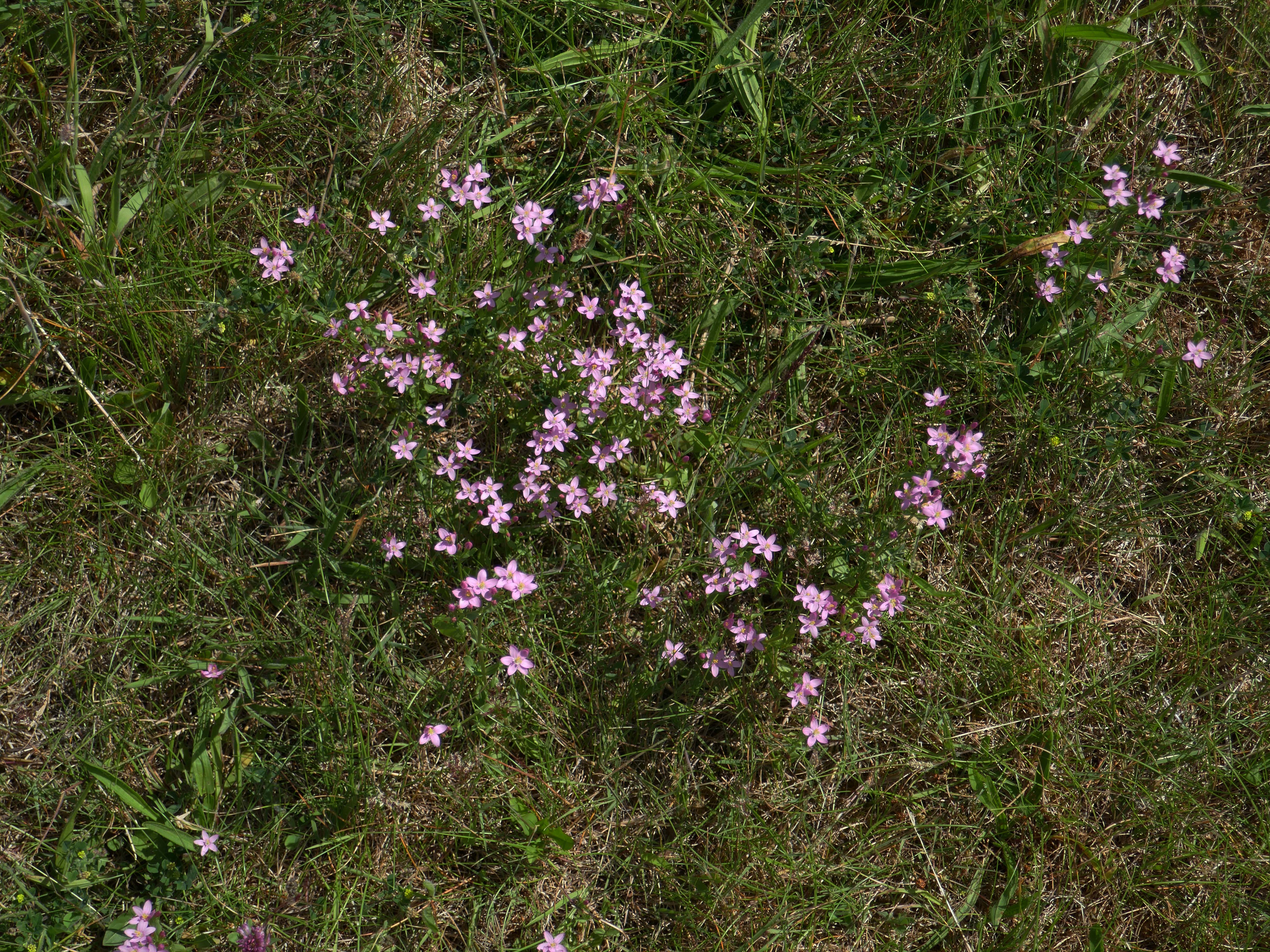
Last Thursday, campaigners aiming to save the old dockland site across the Manchester Ship Canal from Ordsallheld a Pomona Day, and yesterday it was the Pomona Festival as the community turned out to view the wildlife and flora that has sprung up on the abandoned dockland site.
Peel have already cleared most of the scrub, before they submitted the planning application, probably because they know they can get away with it and because they think there is less chance of objection from the public.
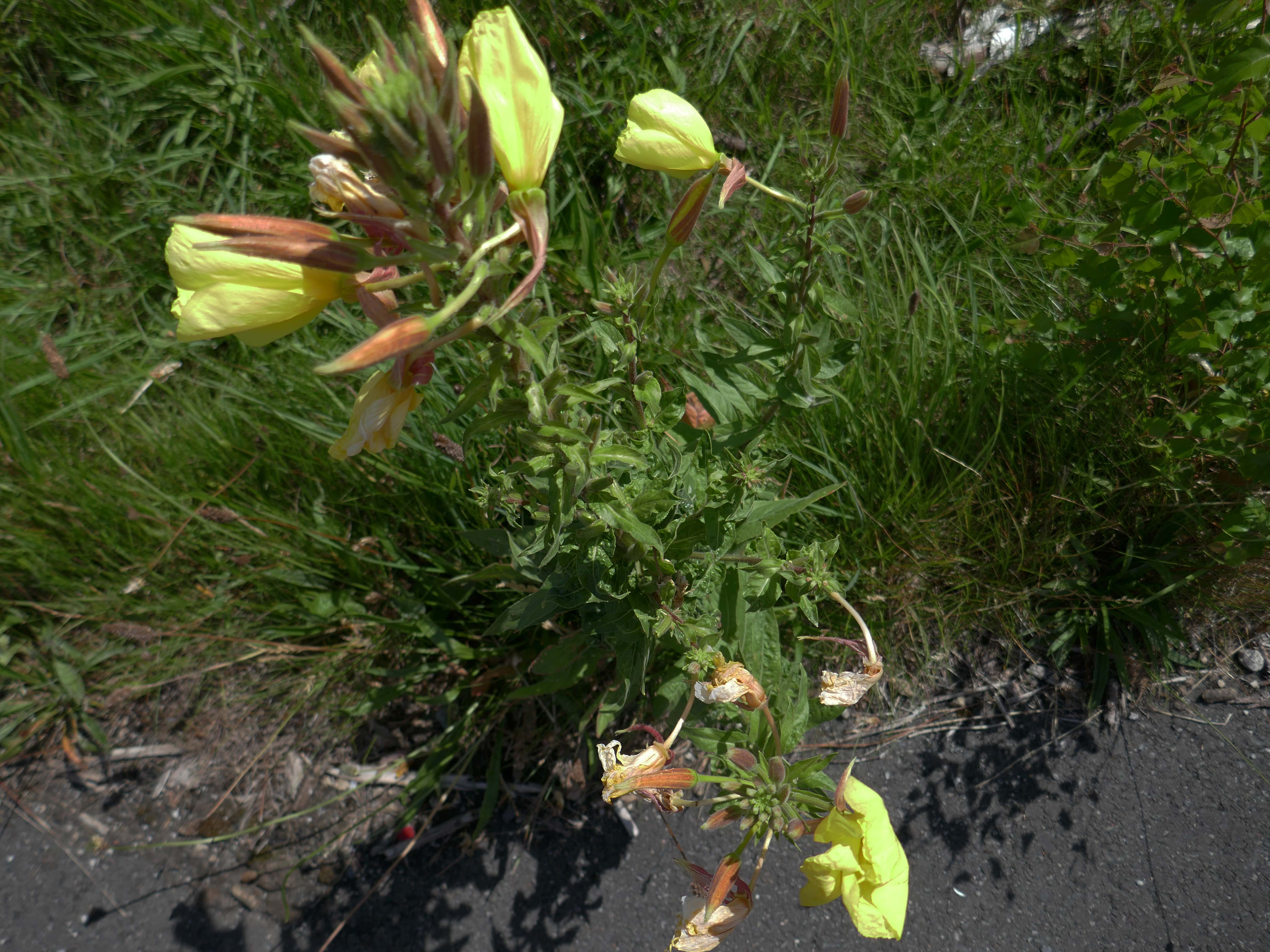
Several Years ago Martin Zero celebrated the flowers and fauna in video from.
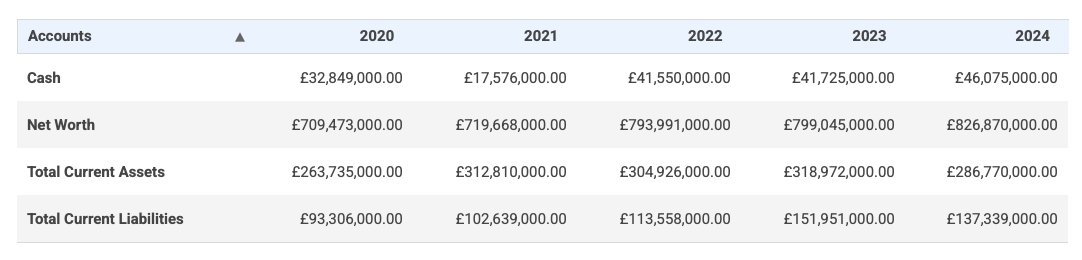
However the overwhelming might of Peel Holdings, along with the collective commercial imperatives of the local Local Authorities, has proved to be an unstoppable force, with few unmovable objections.
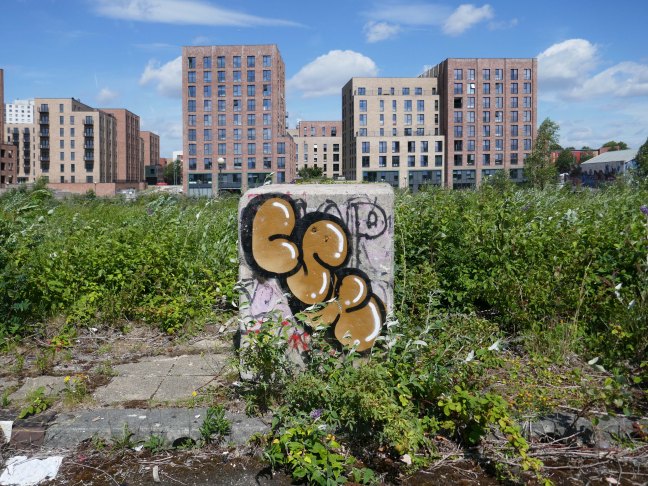
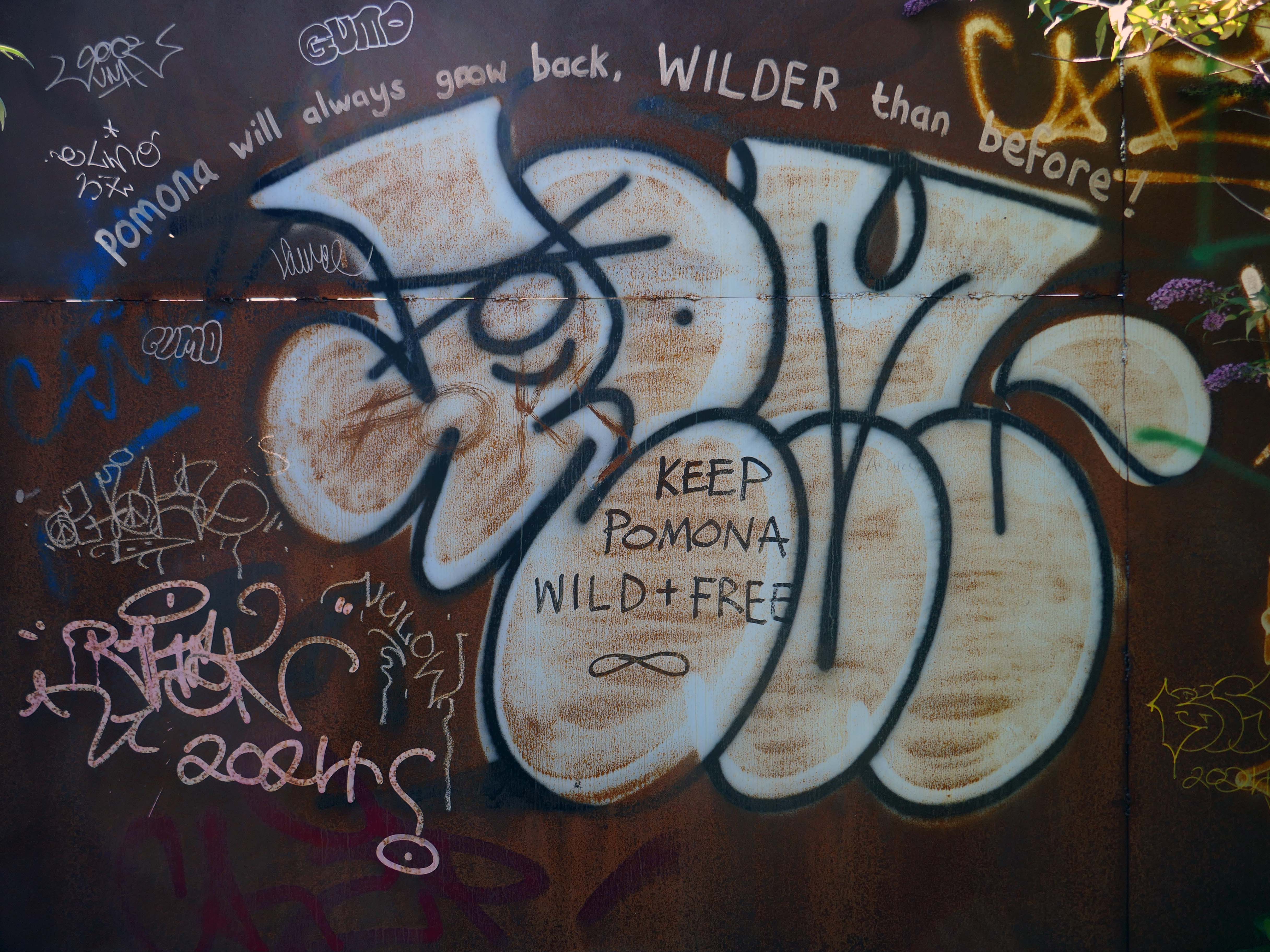
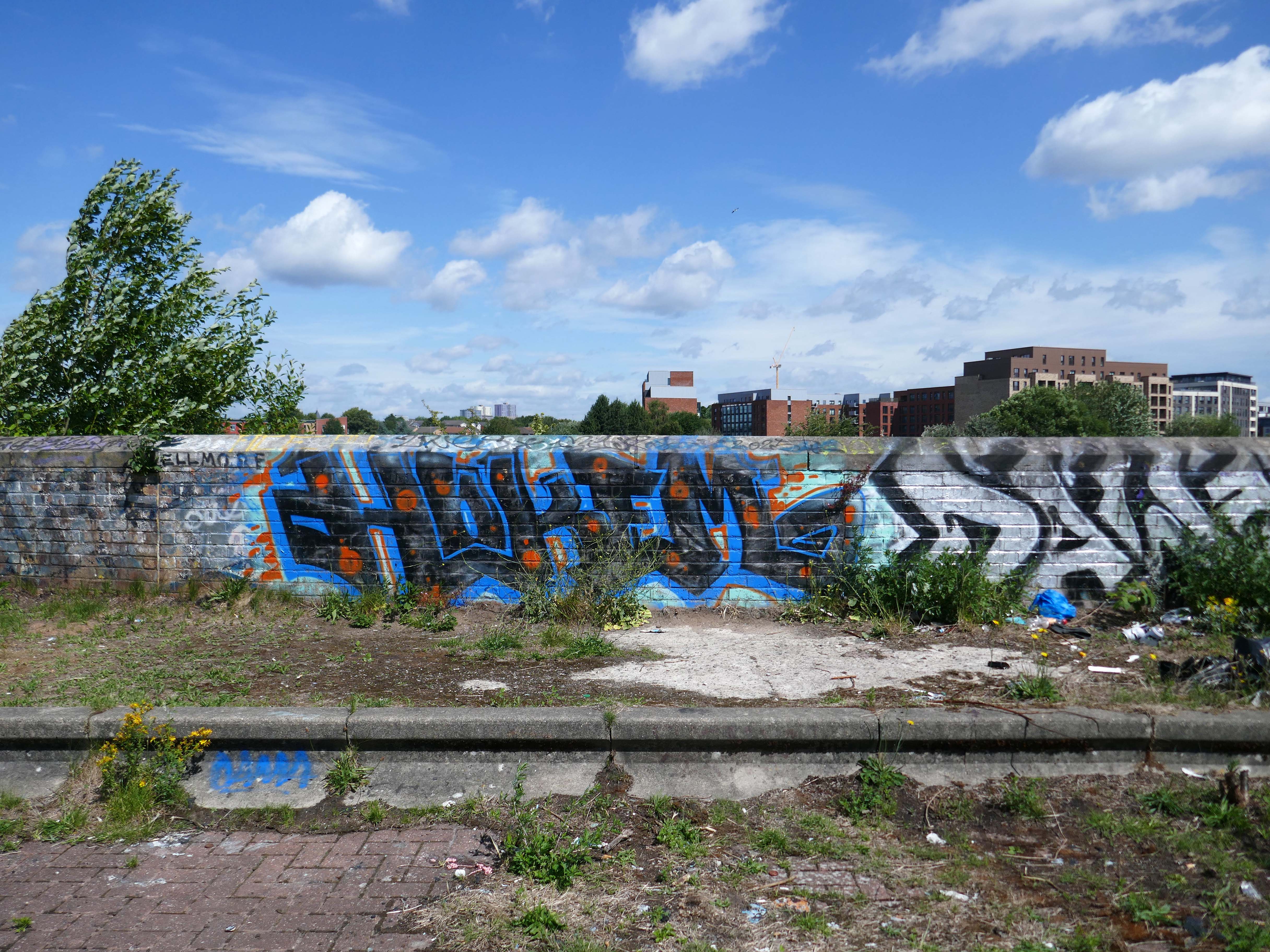
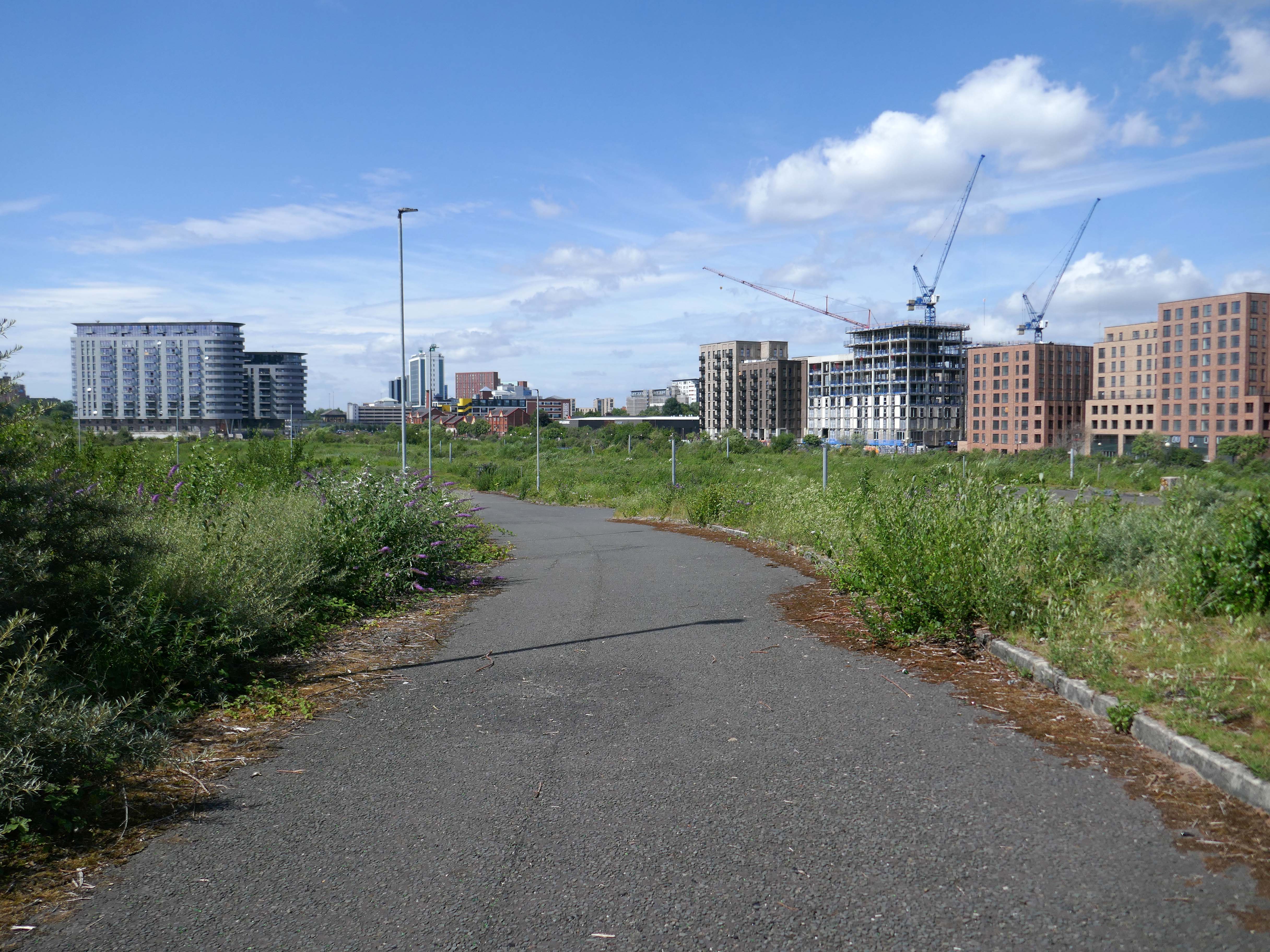
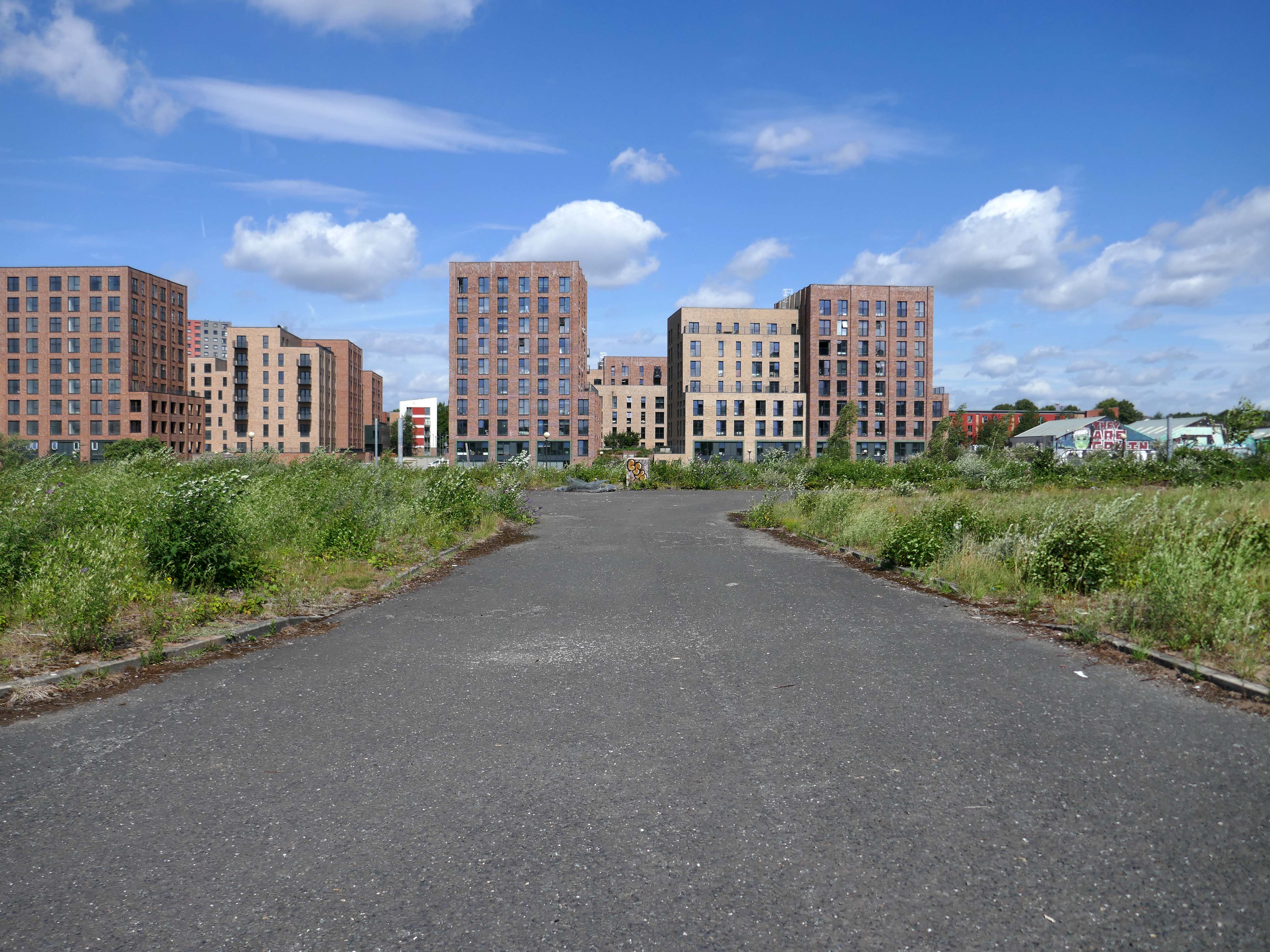
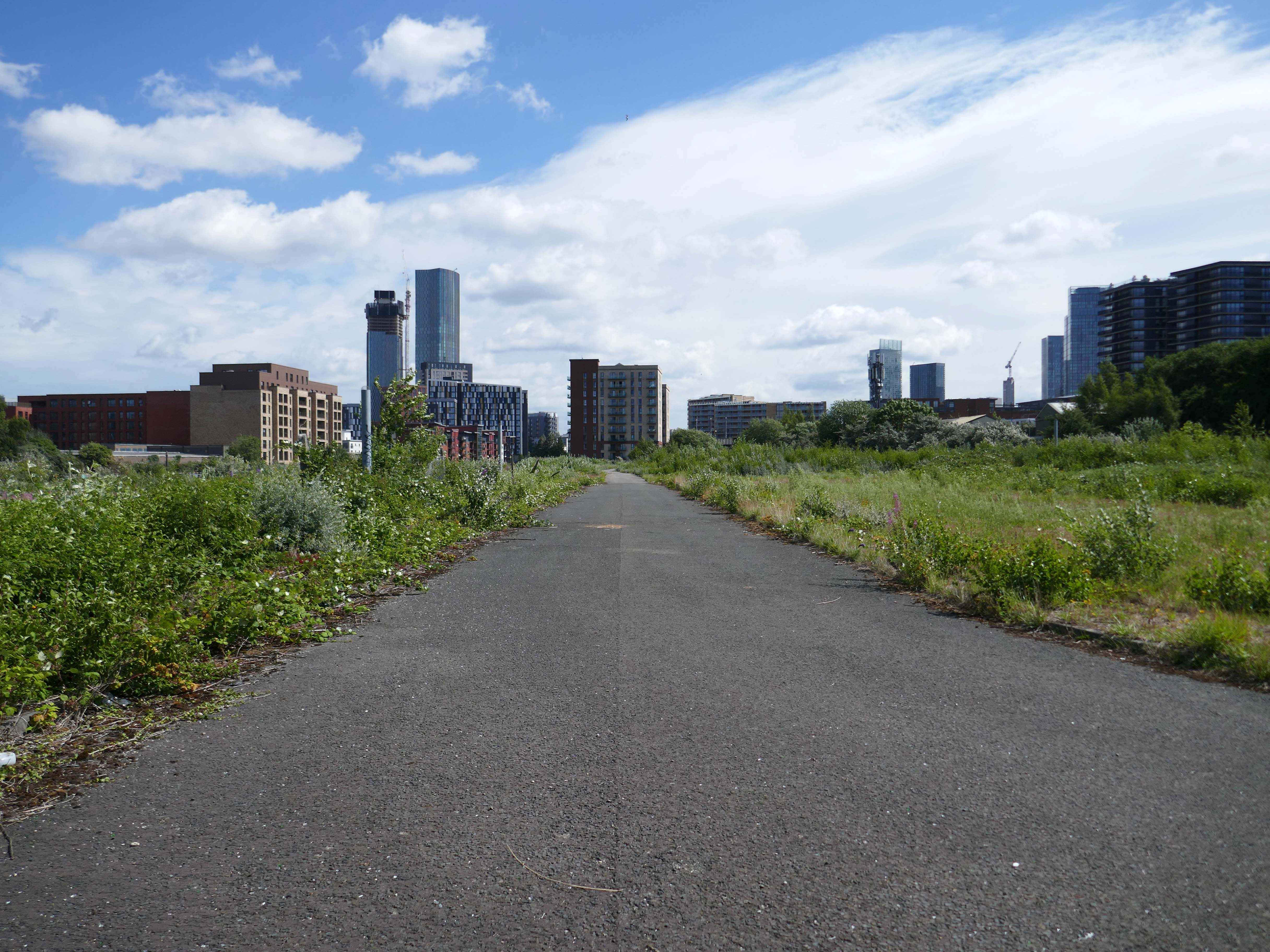
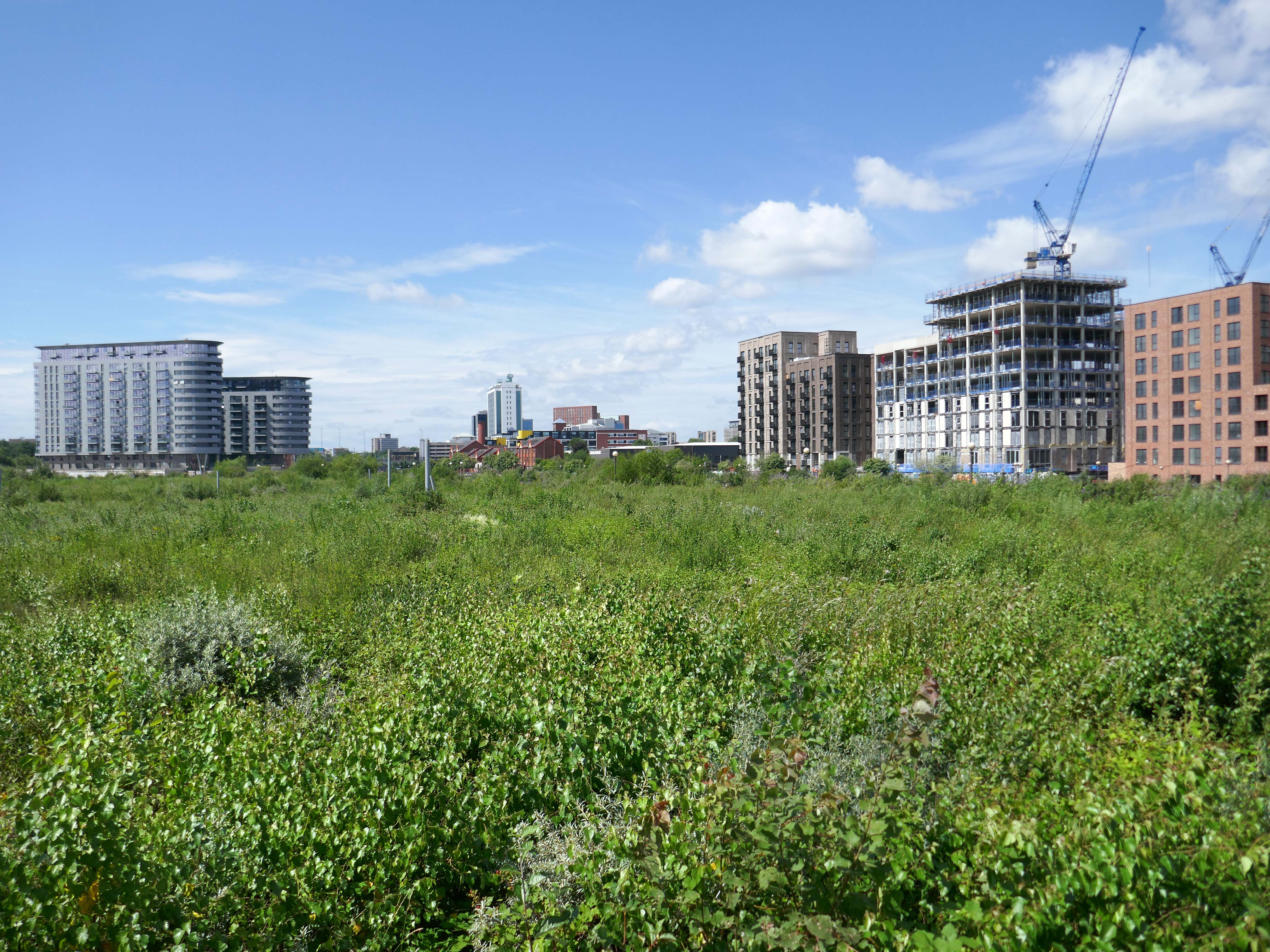
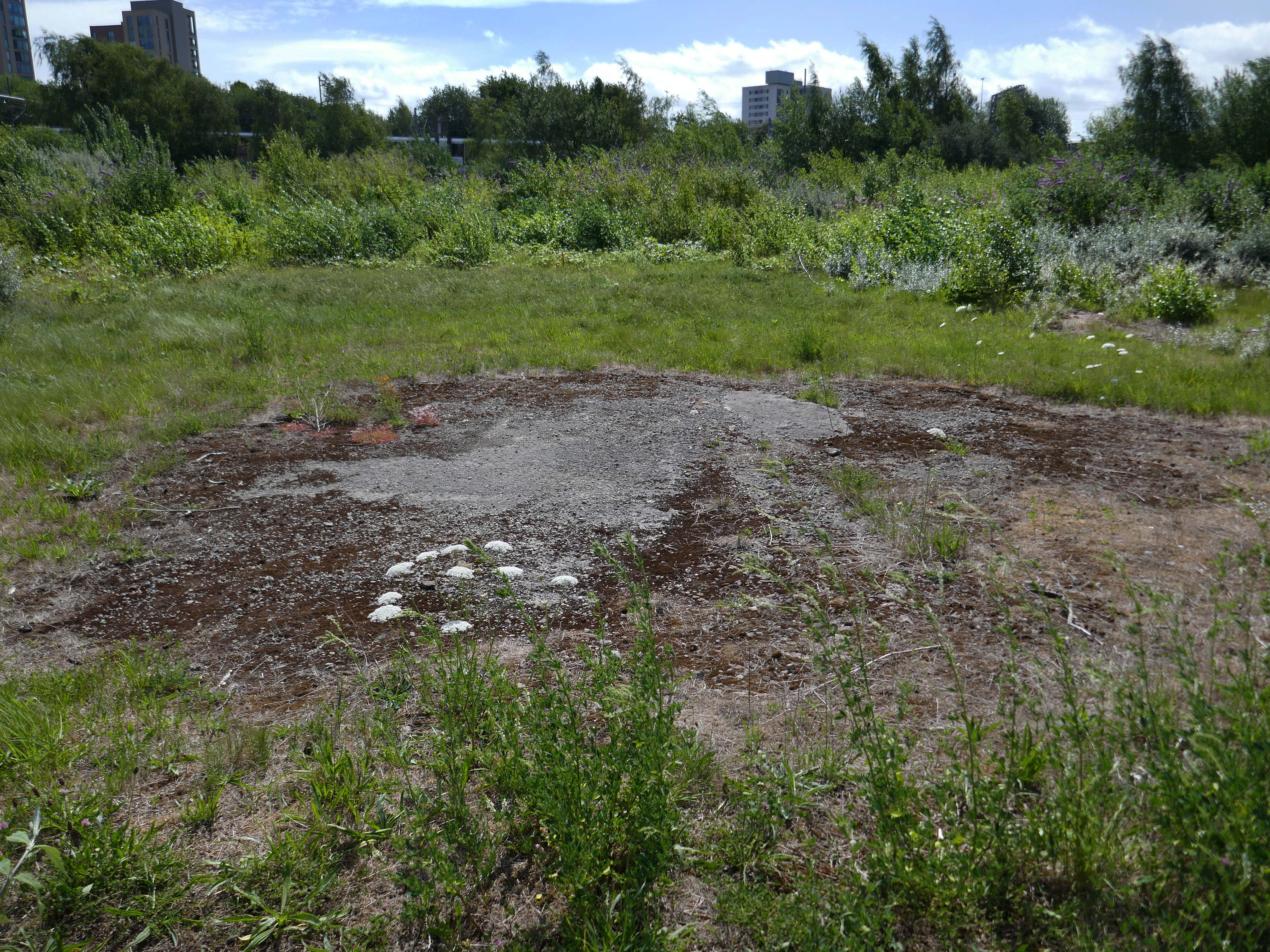
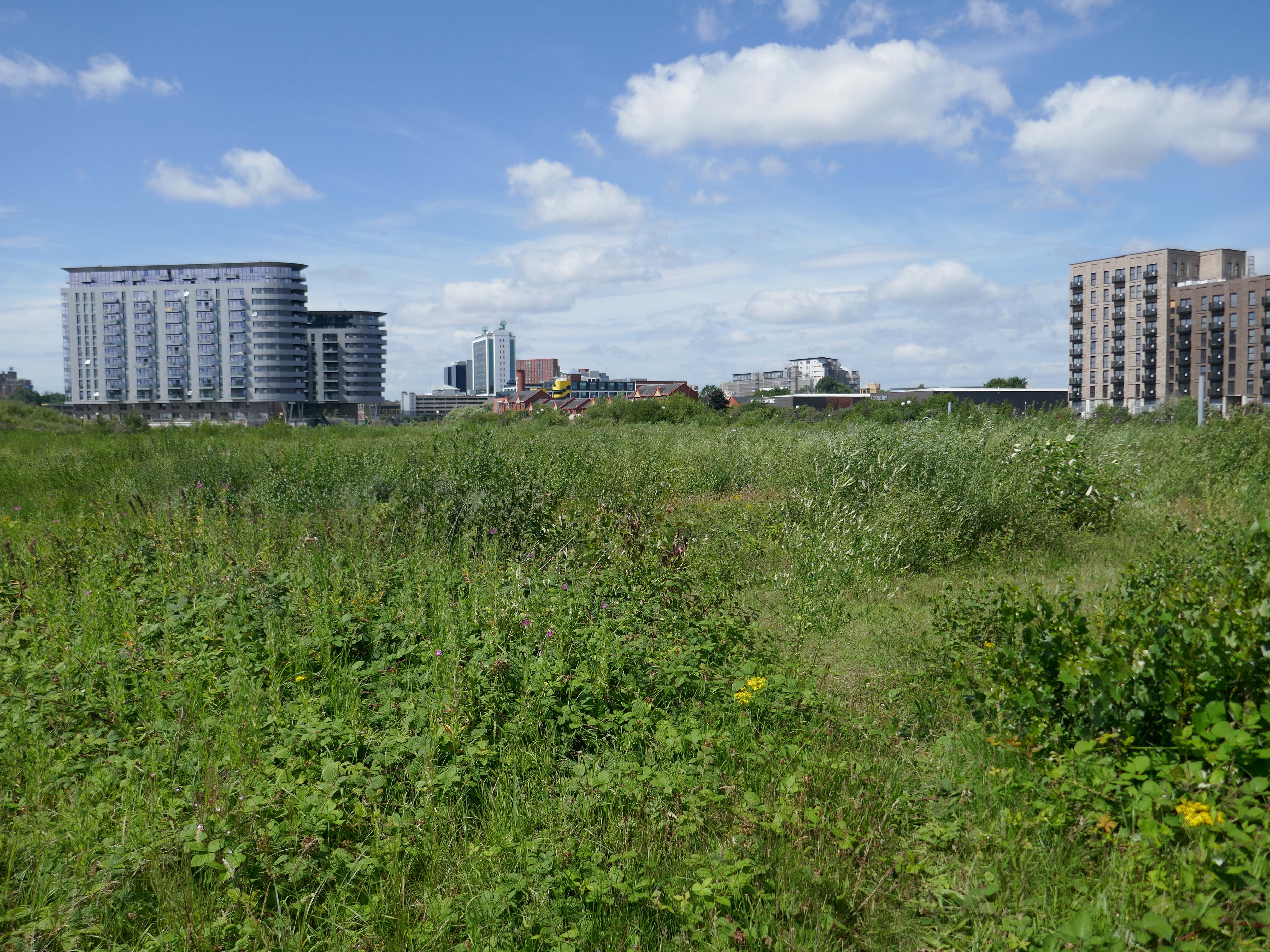
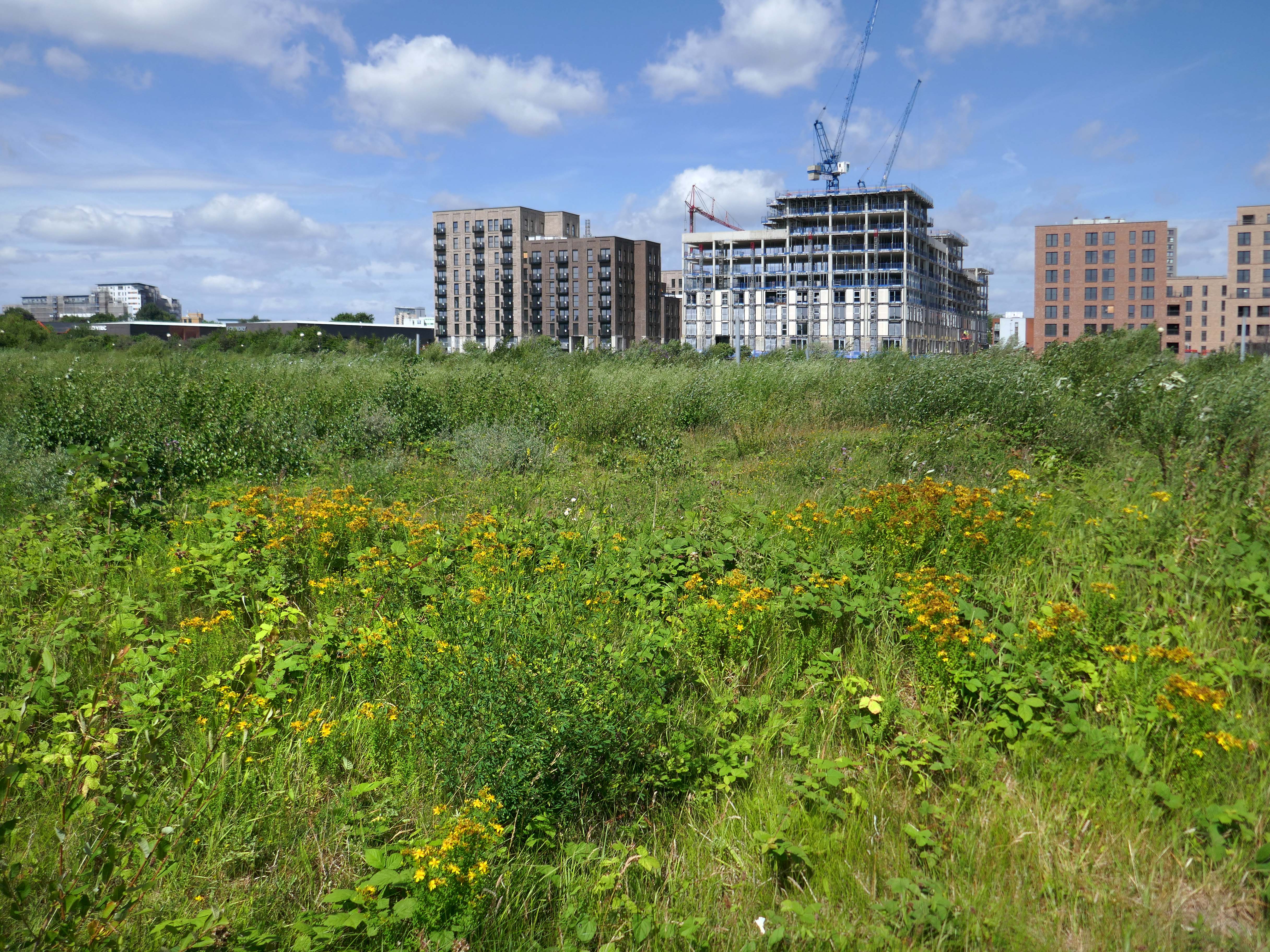
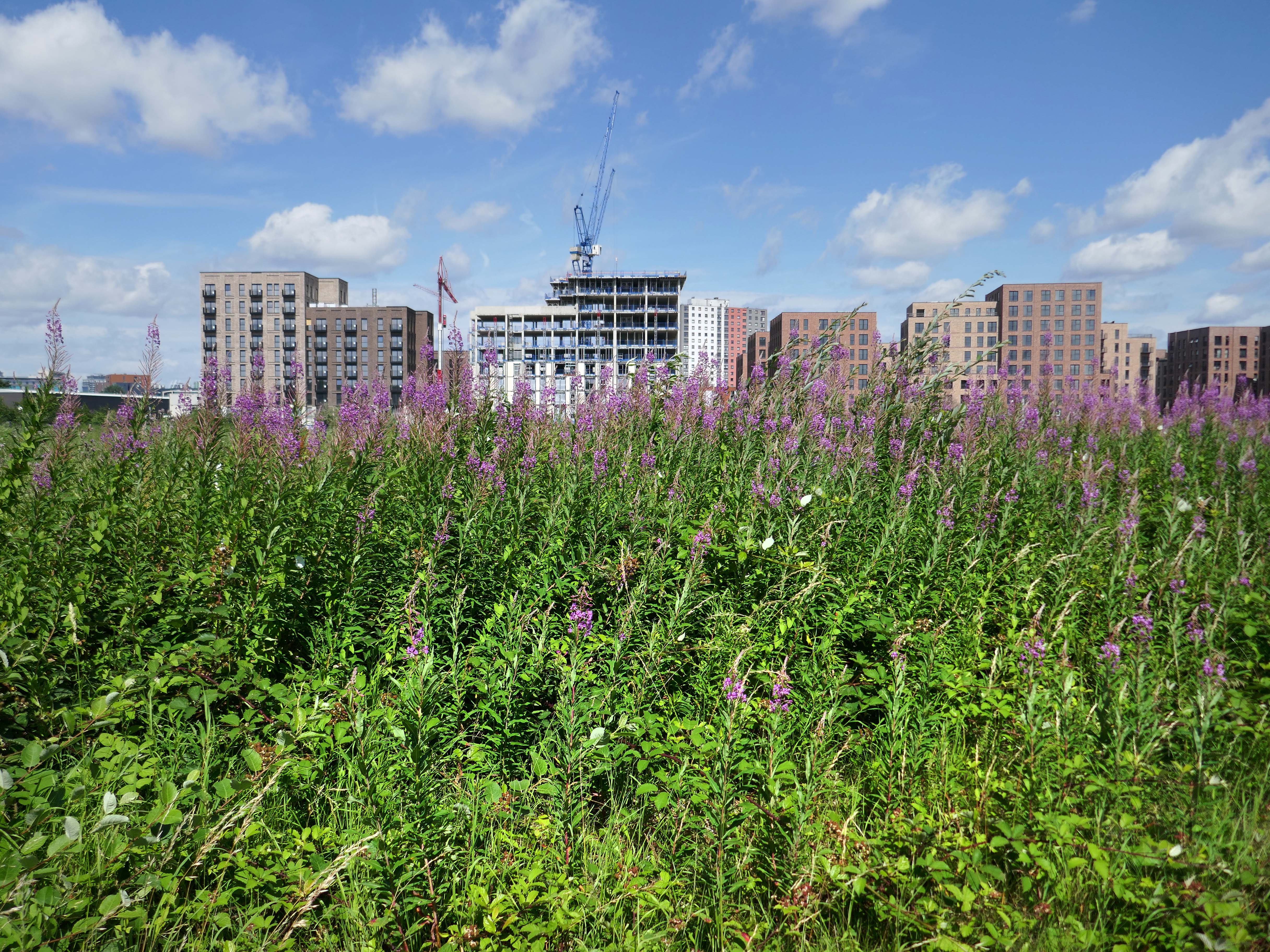
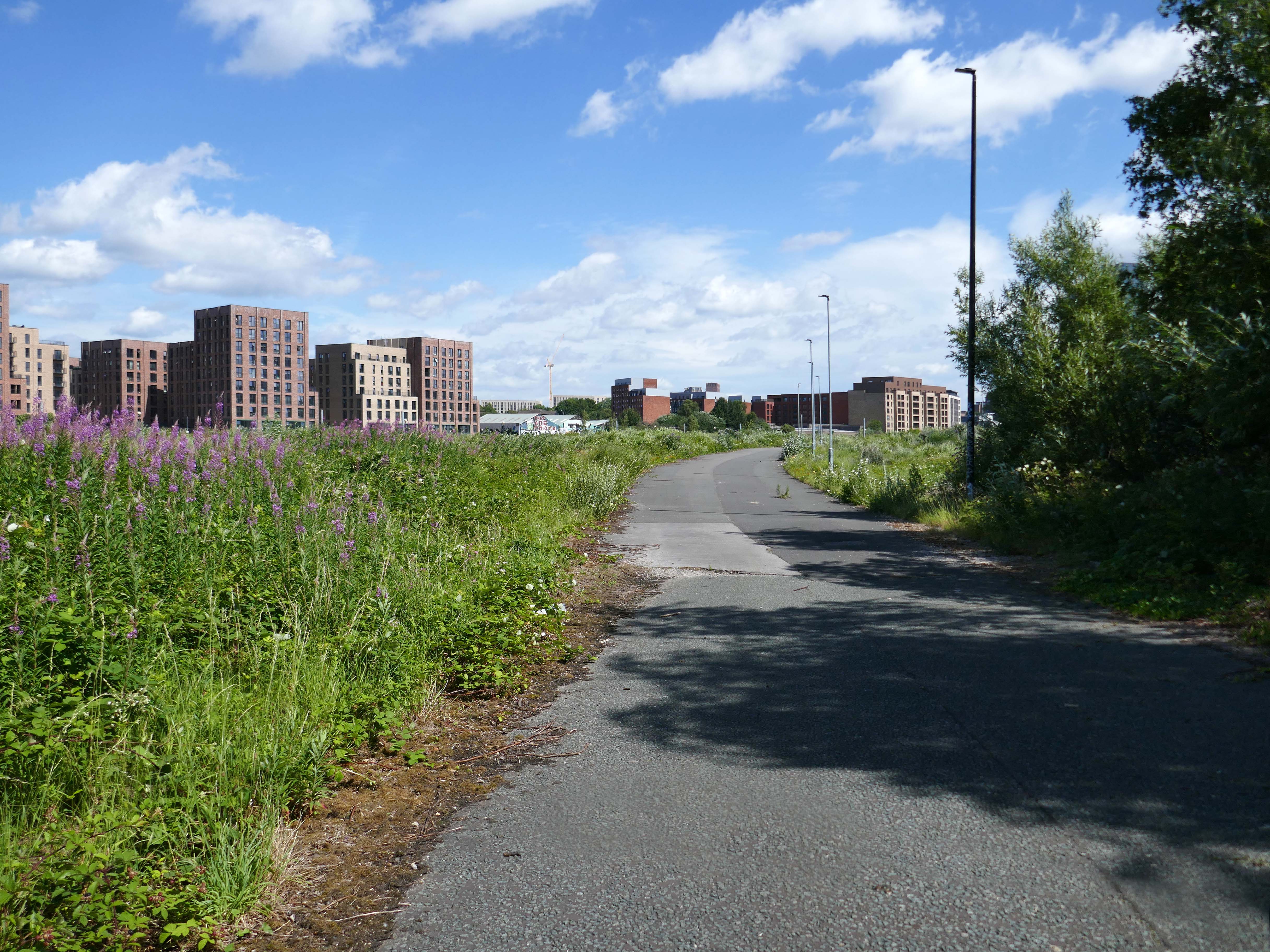
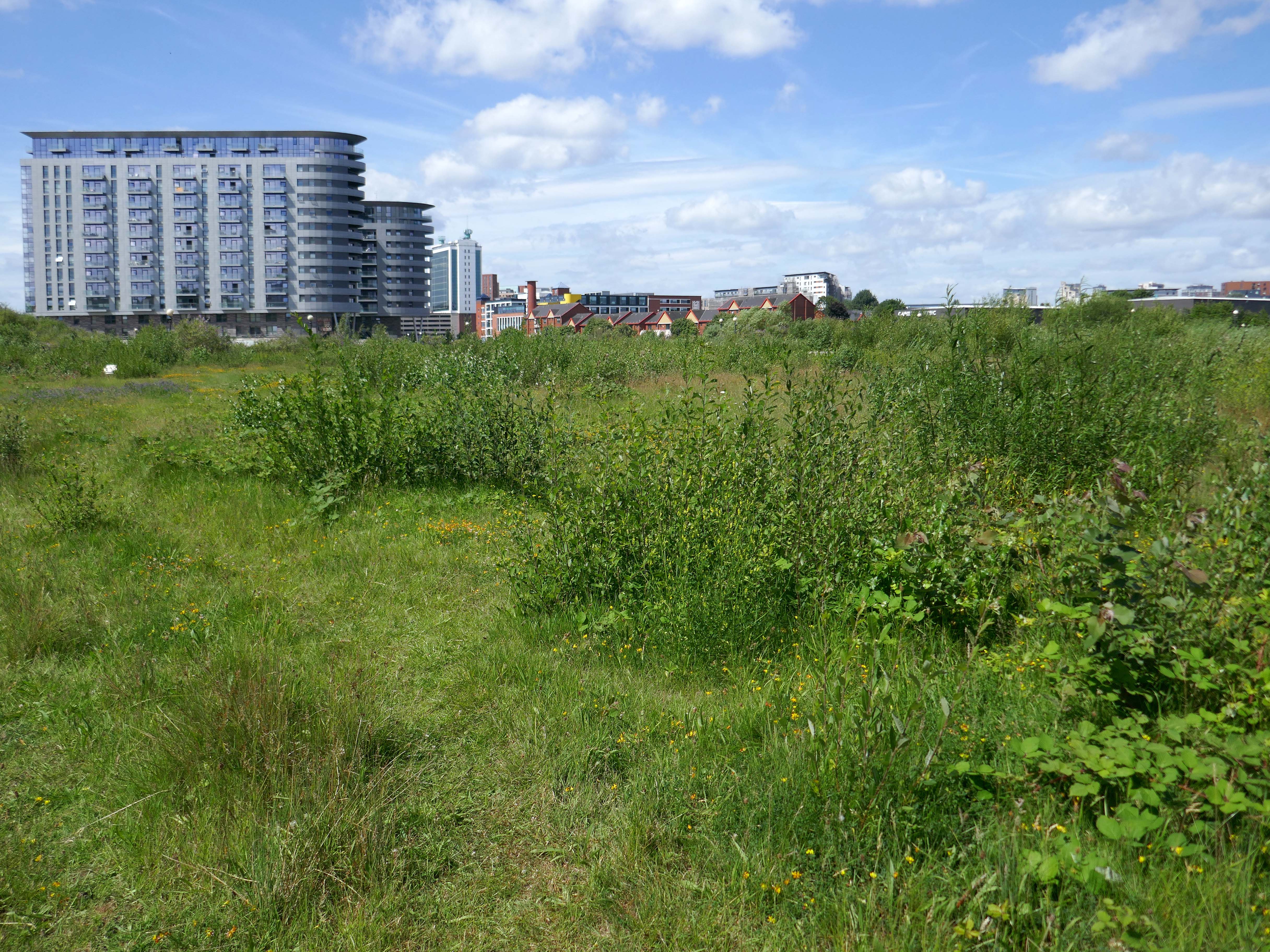
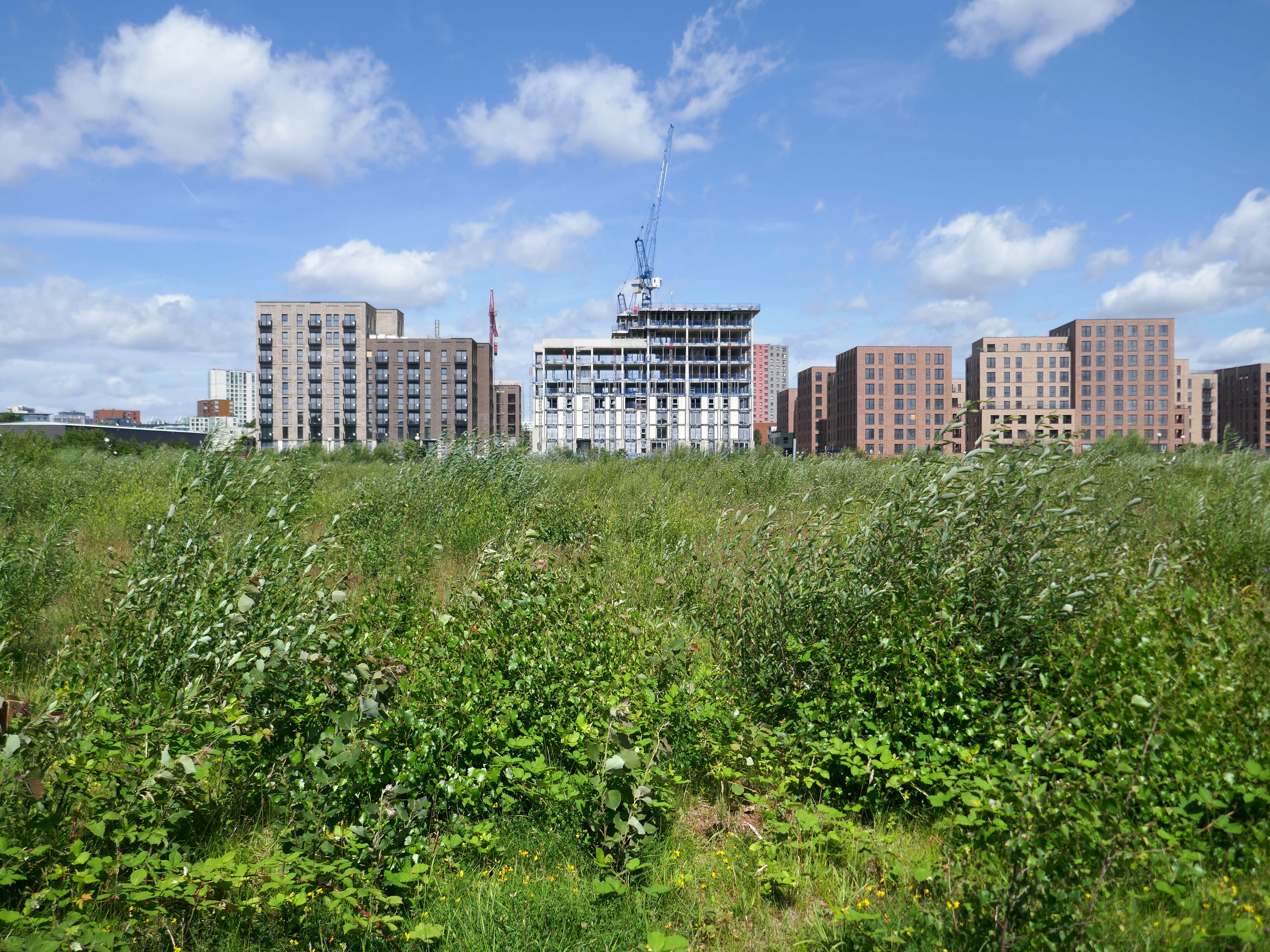
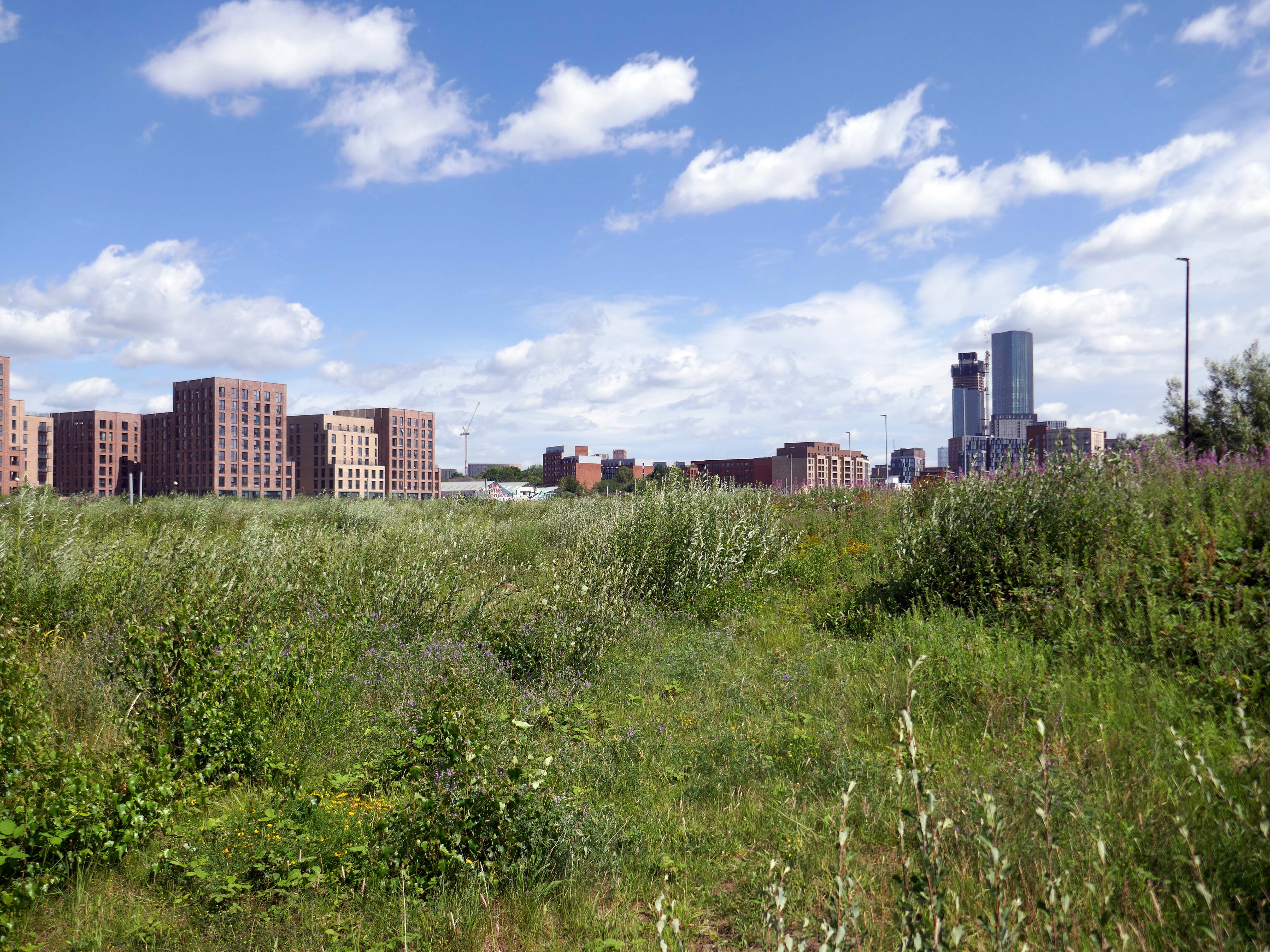
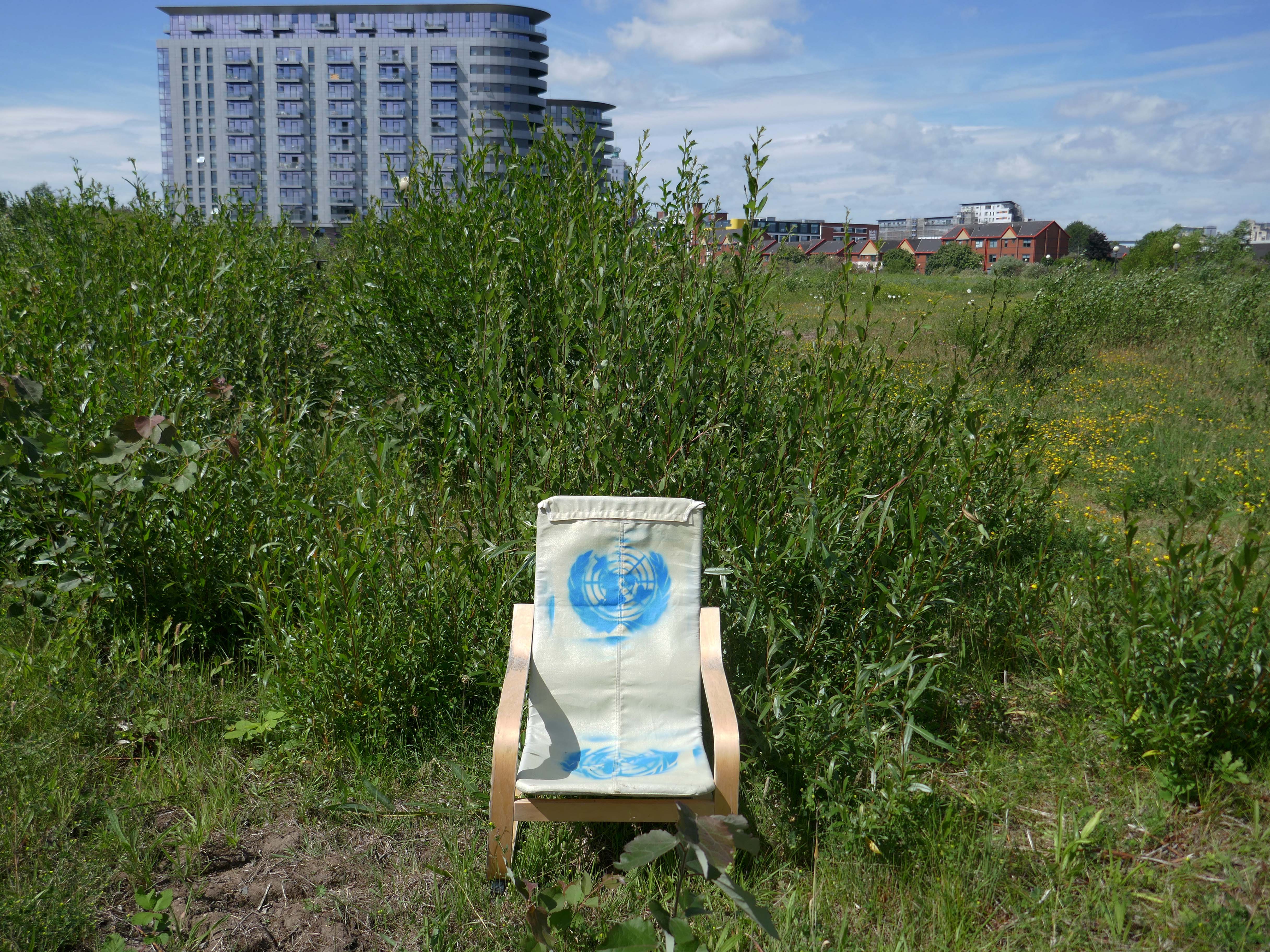
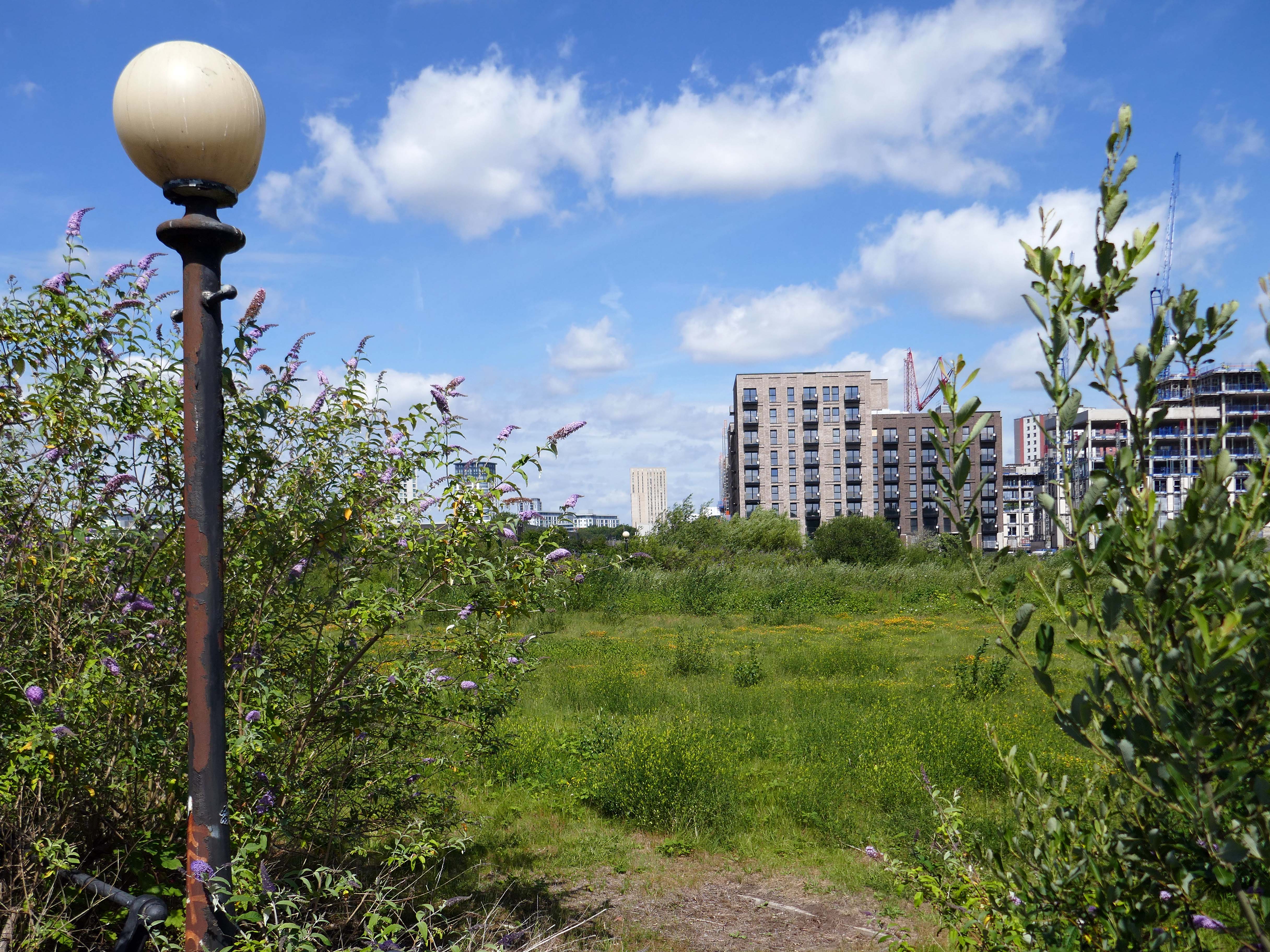
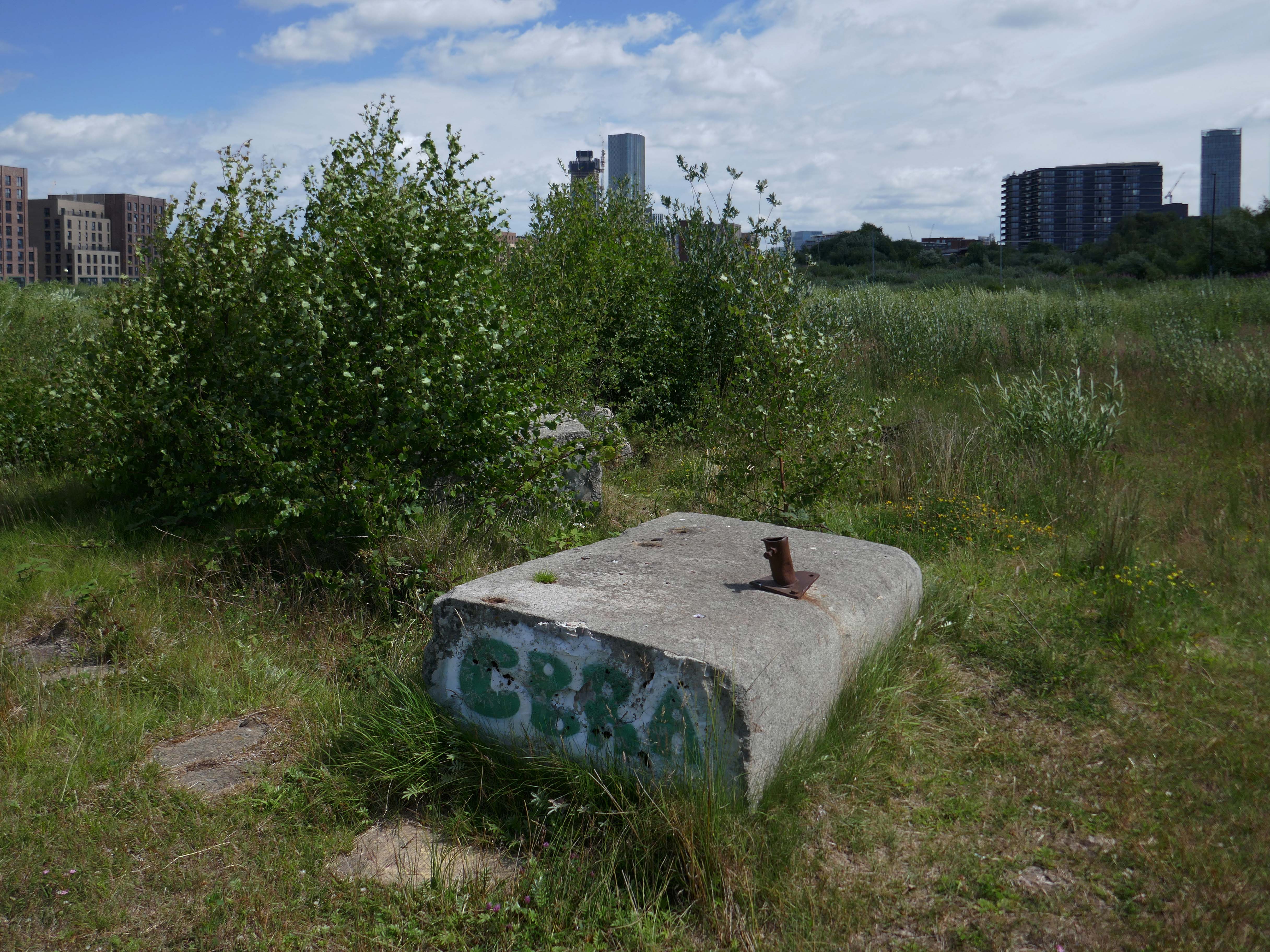
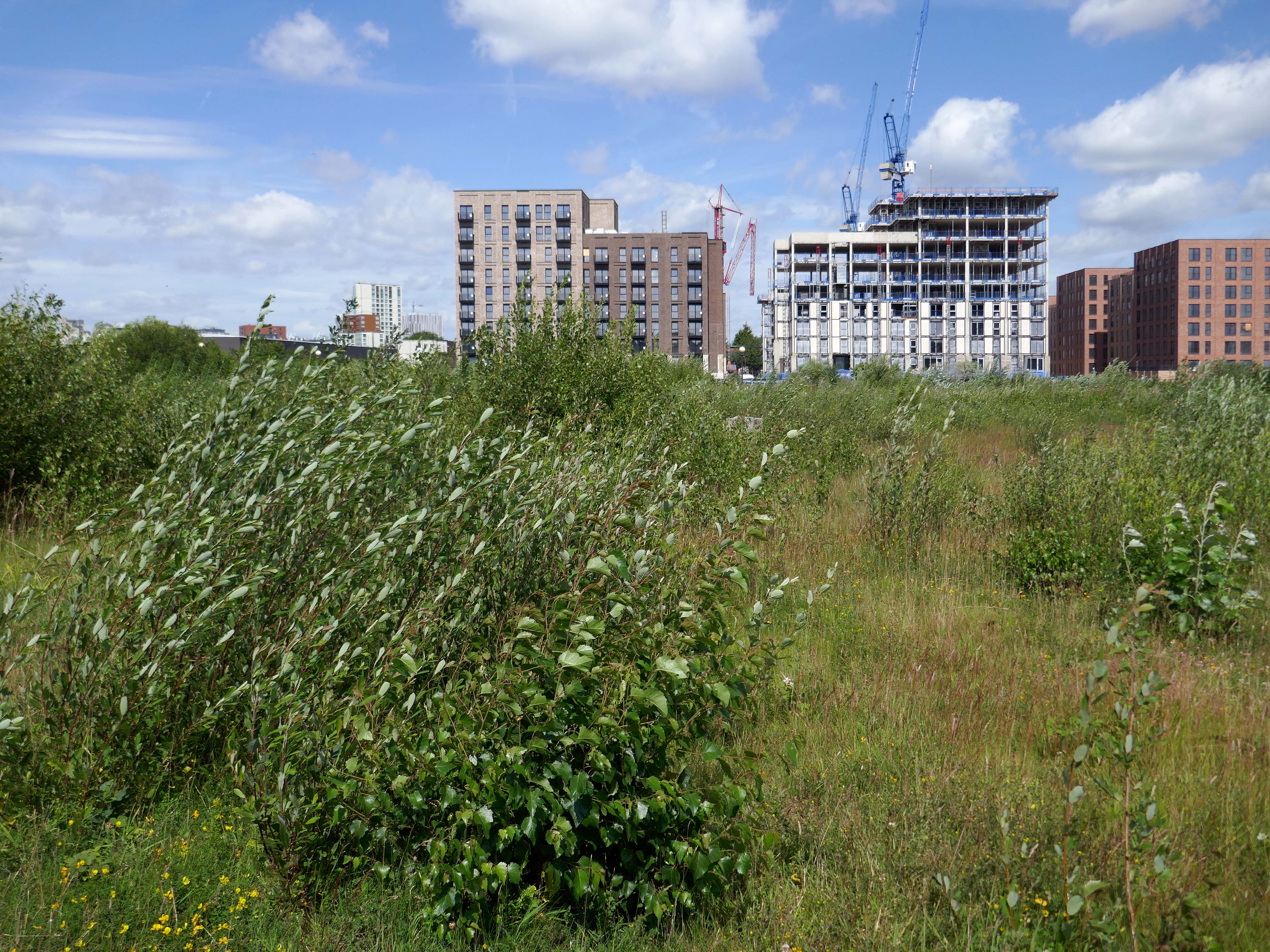
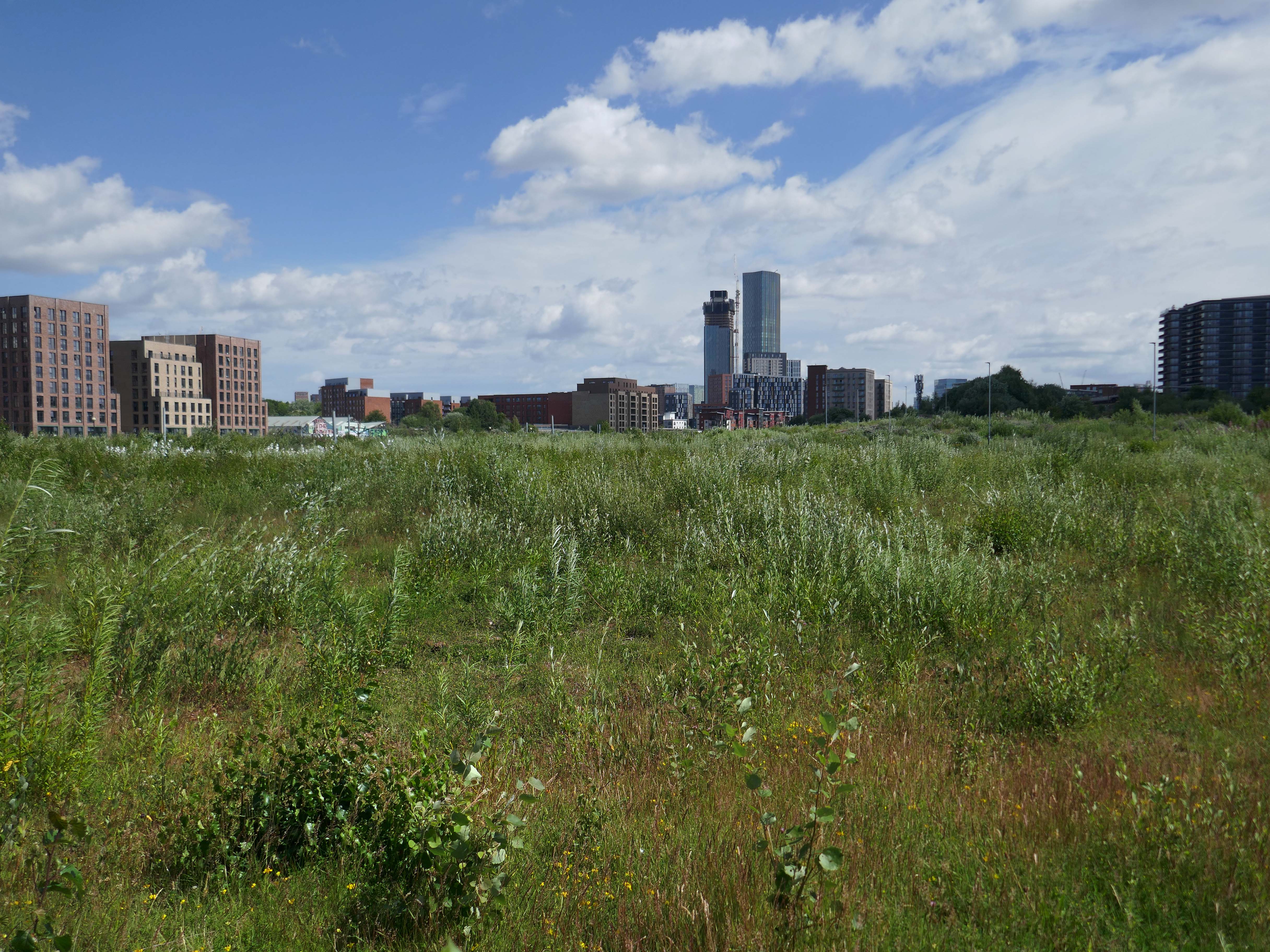
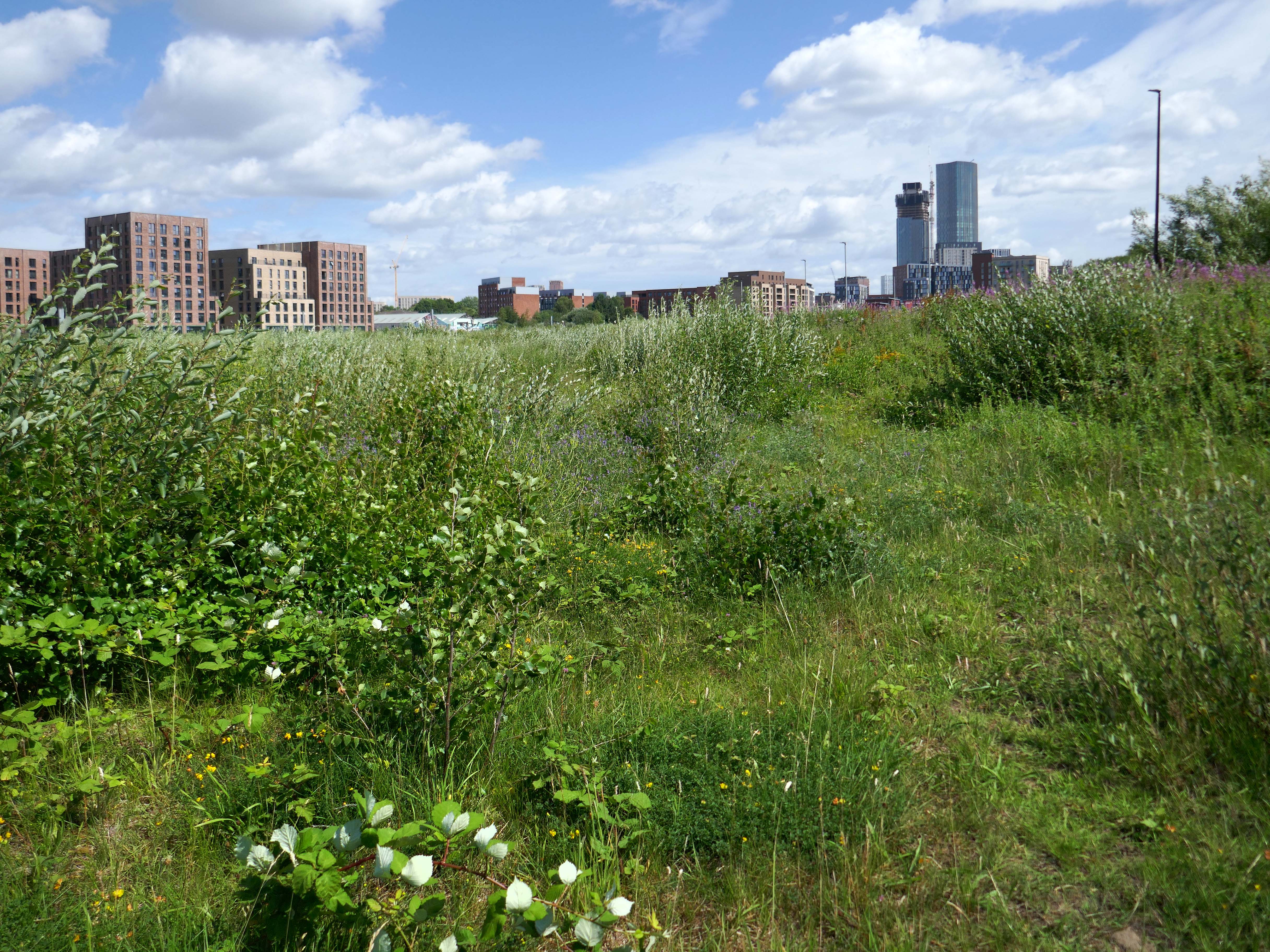
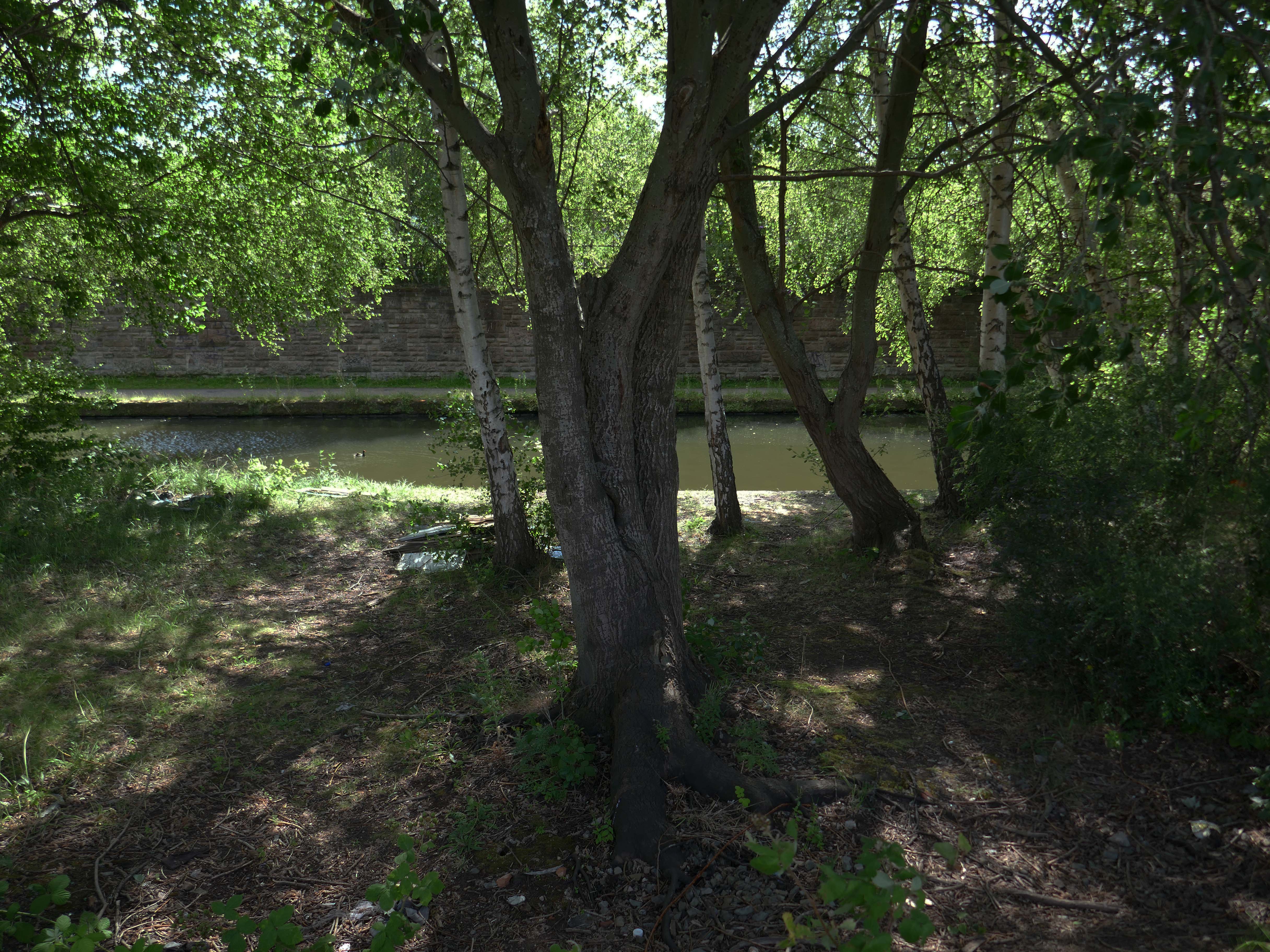
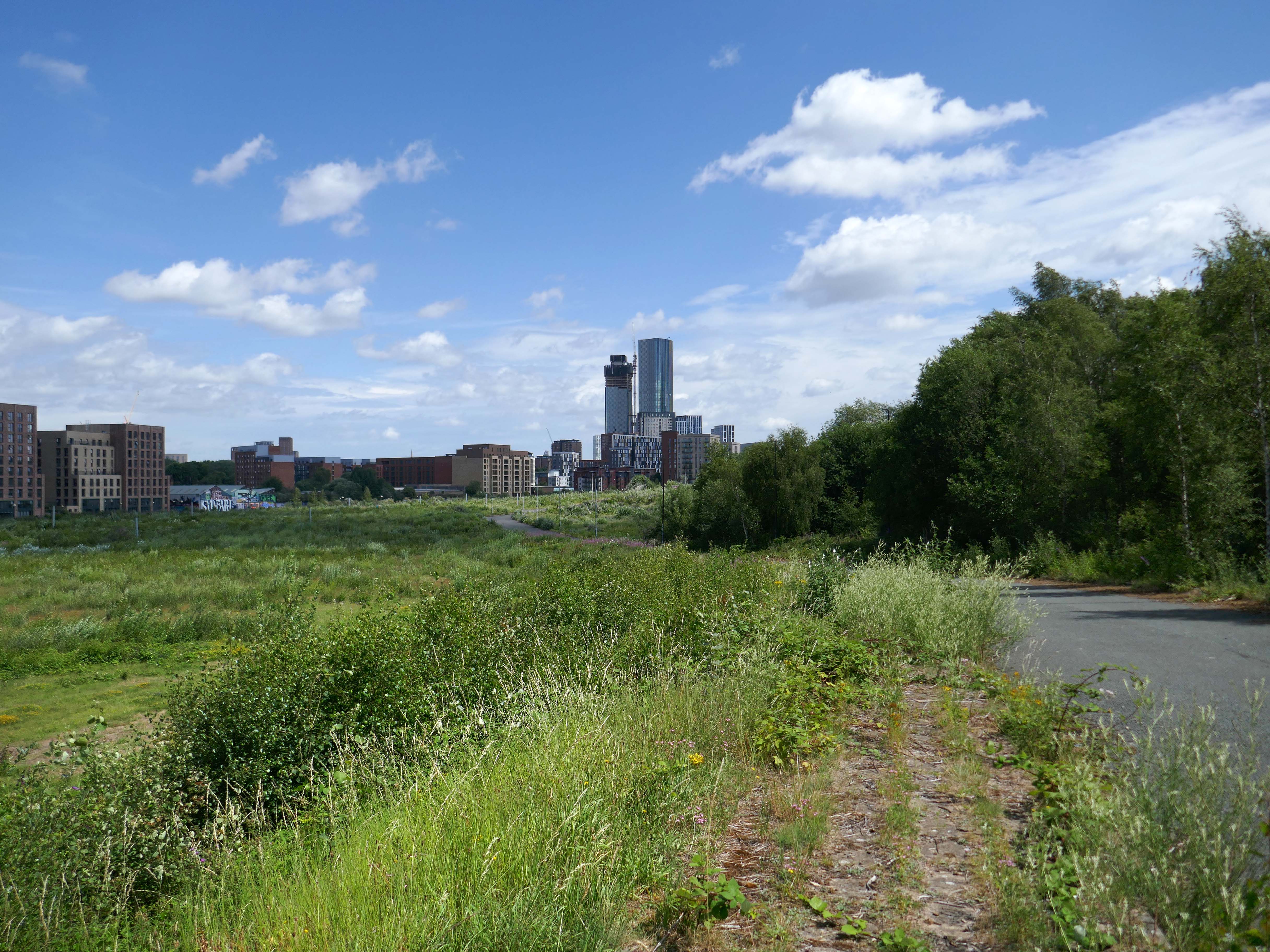
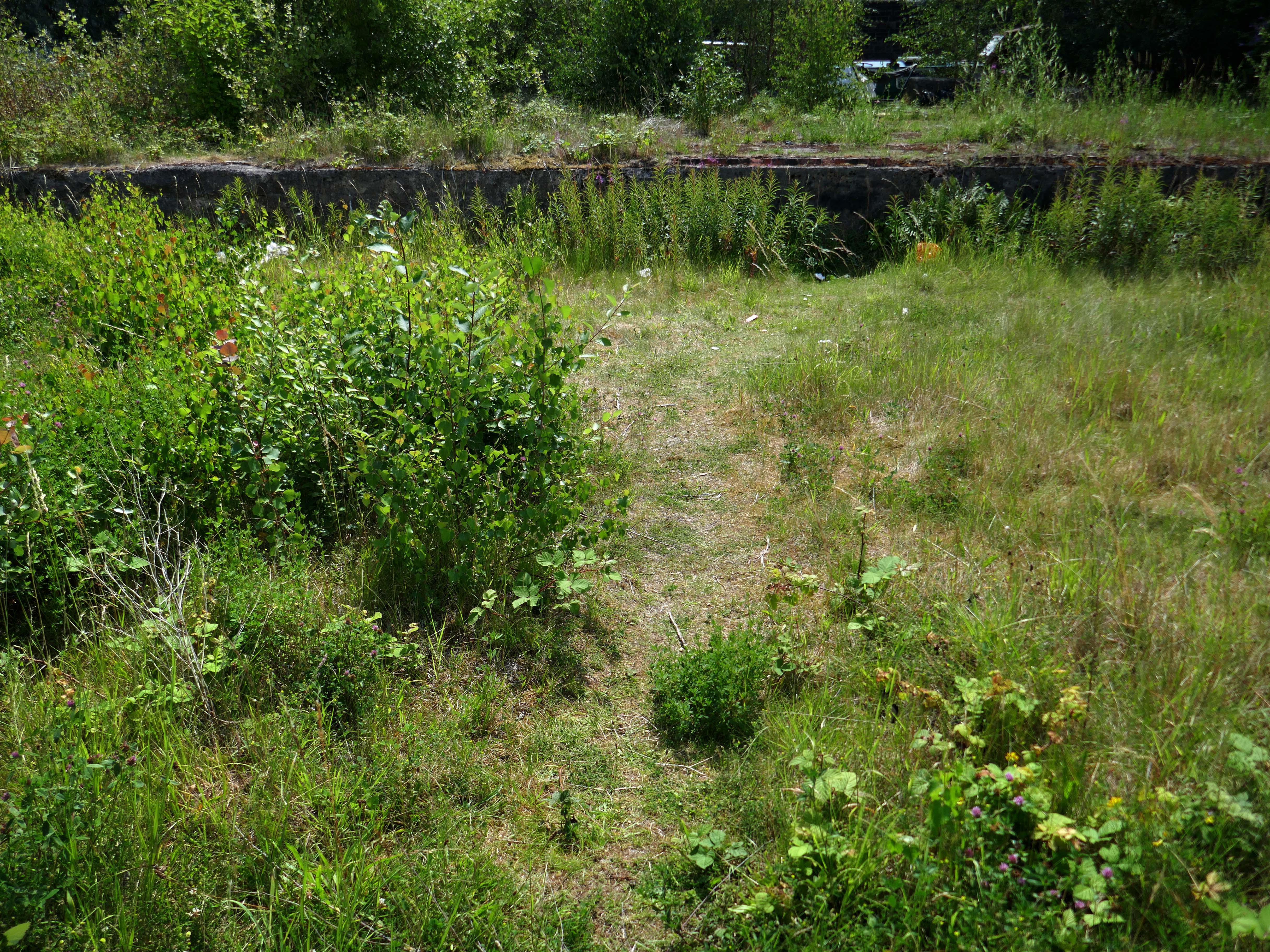
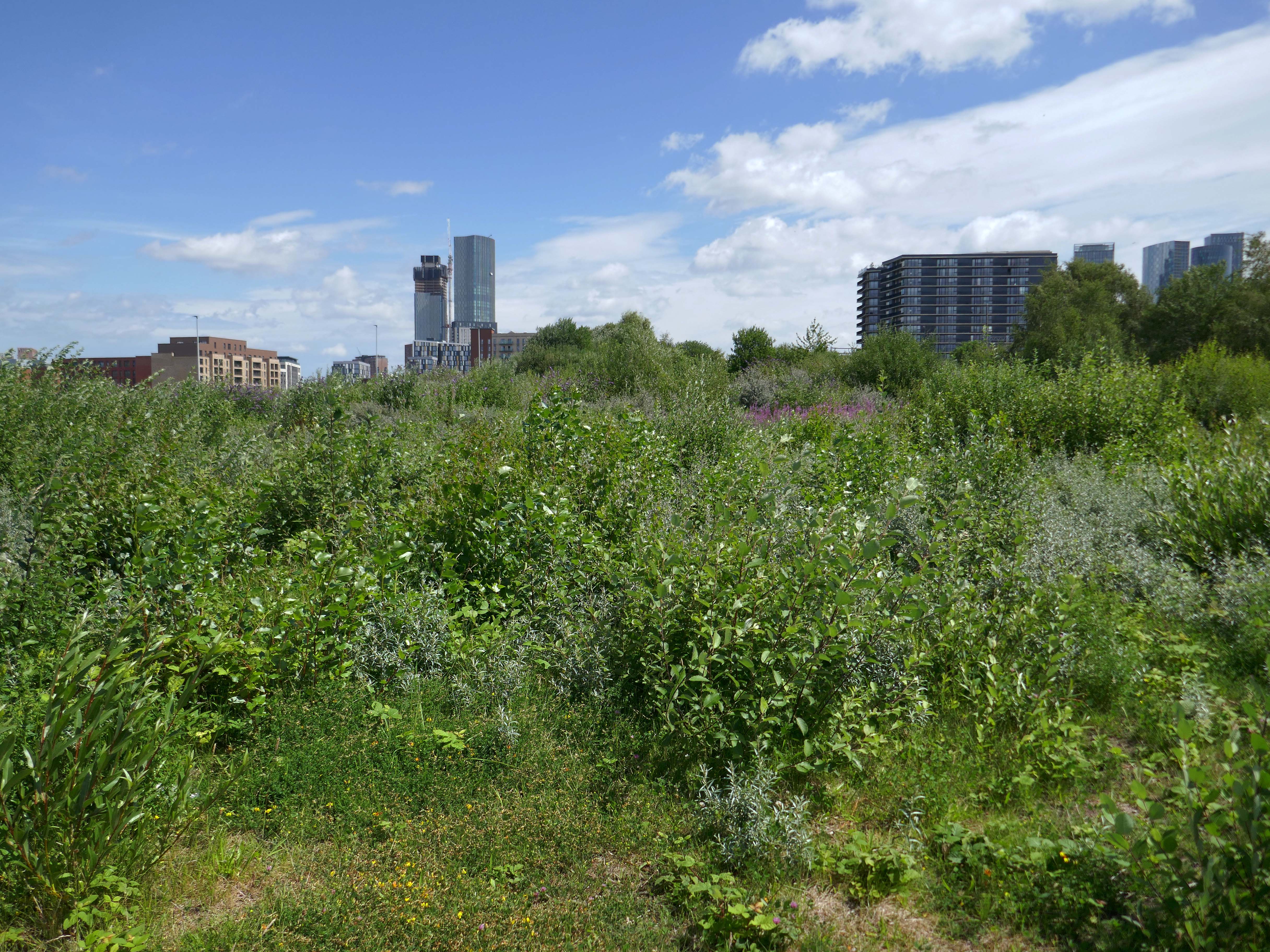
Friday July 4th 2025, I happened to slip through the often locked gates at Cornbrook, to take a look at the current state of play. Over time the site has been mechanically scraped and cleared, but the undergrowth simply grows back again.
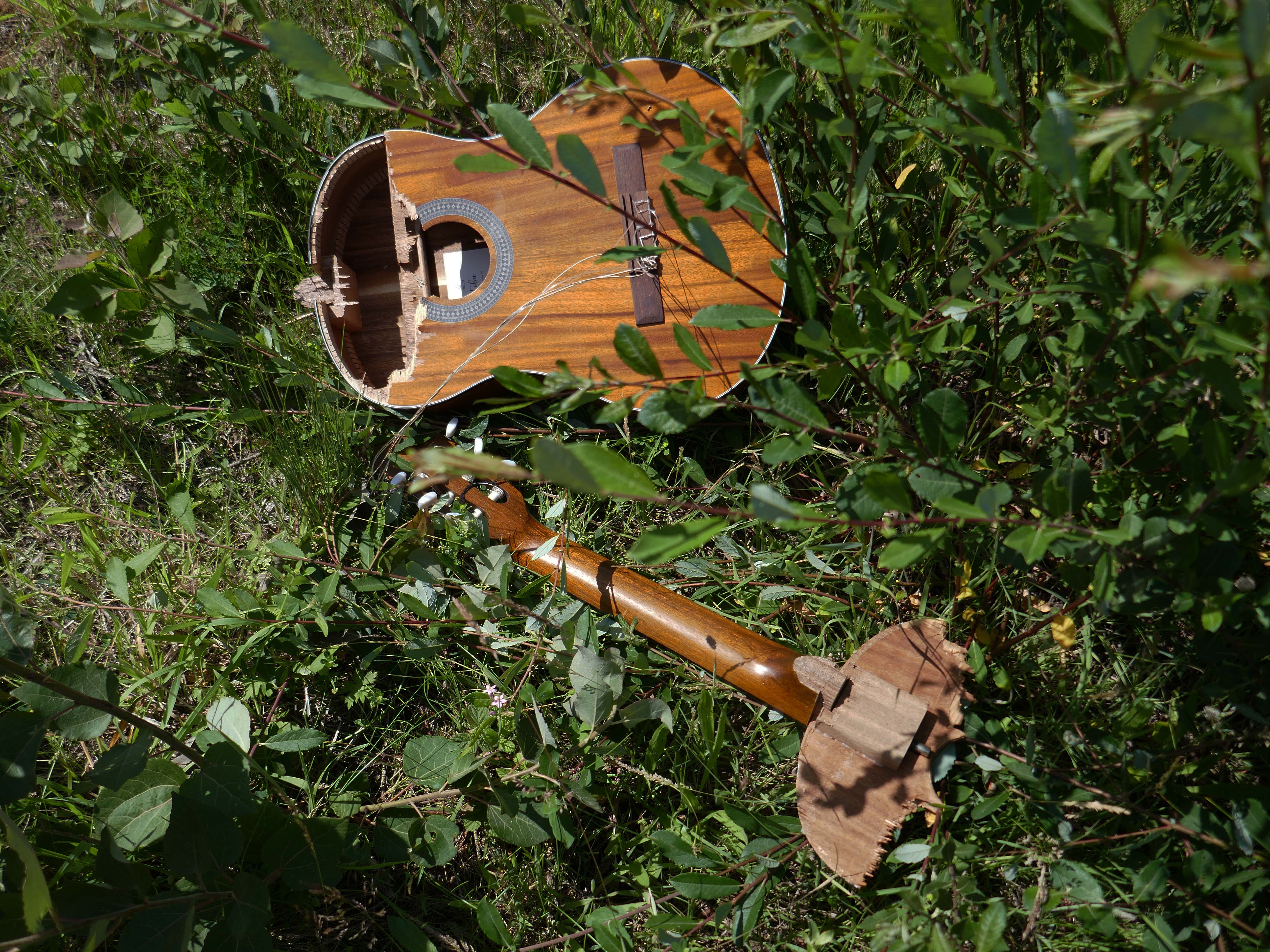
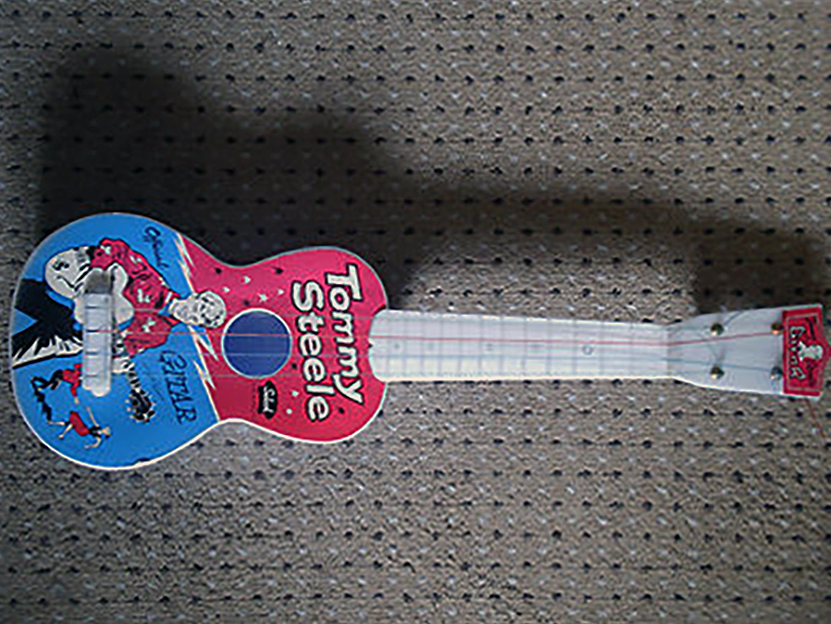
Aged five or six I was given a plastic Tommy Steele guitar for Christmas.
I was so excited, that I insisted on running down the road, to show it off to my pal Colin Fearns. Setting off apace, then within moments I fell head first onto the wintry flags, crushing the instrument beneath me.
Well, I never felt more like singin’ the blues ‘Cause I never thought that I’d ever lose Your love, dear, why’d you do me this way Well, I never felt more like cryin’ all night ‘Cause everythin’s wrong, and nothin’ ain’t right Without you, you got me singin’ the blues.
This tragic toddler Tommy Steele related incident apart, my 1950’s childhood was relatively happy, nothing really to bring on or sing the Blues.
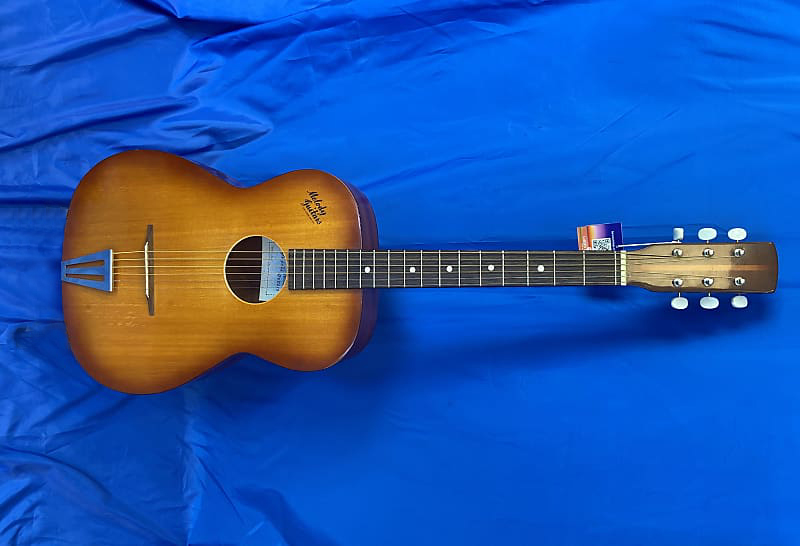
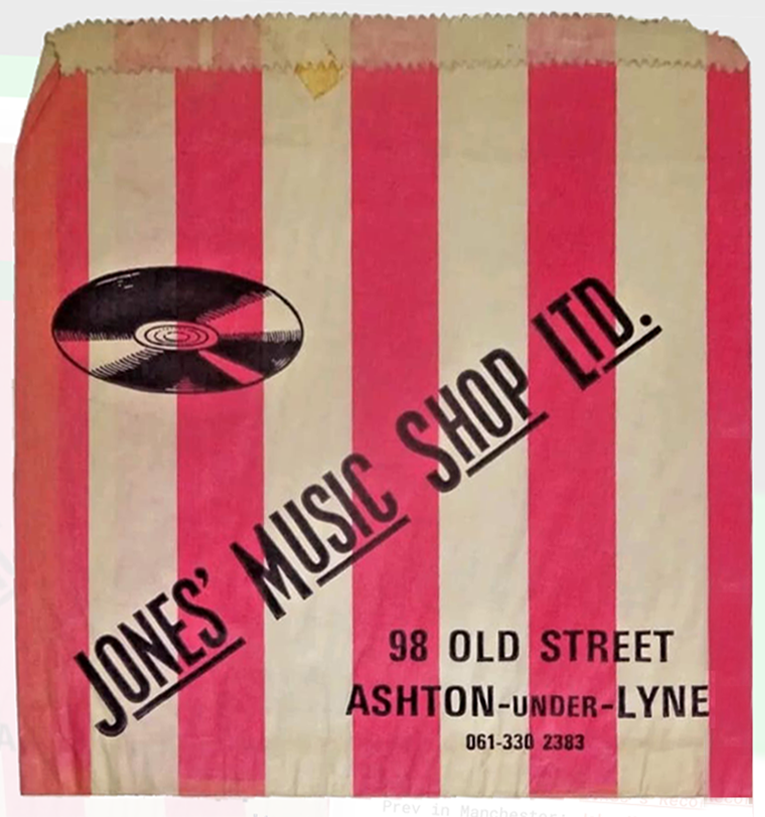
Some years later, I eventually got hold of a cheap boxwood acoustic guitar, bought from Jones’s Music Shop in Ashton.
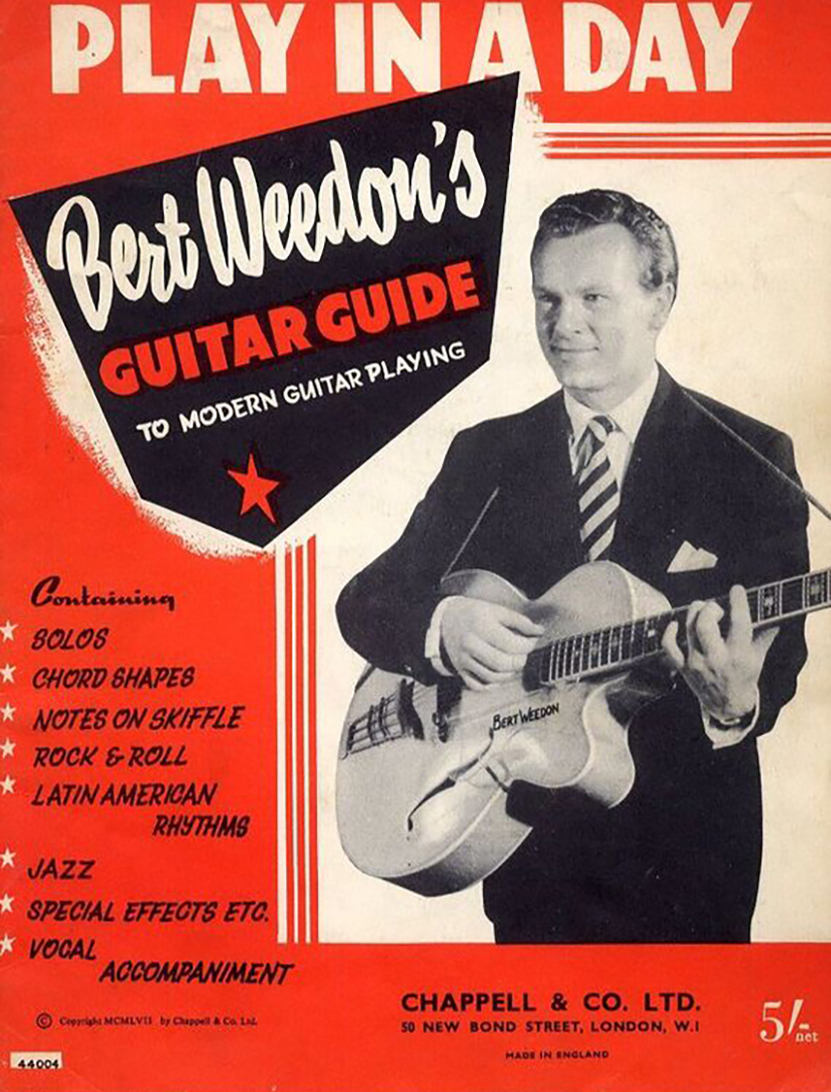
Add a copy of Bert Weedon’sPlay in a Day and we are away, though Bert chose to eschew the blues – is there still a tavern in the town?
The story begins here, possibly.
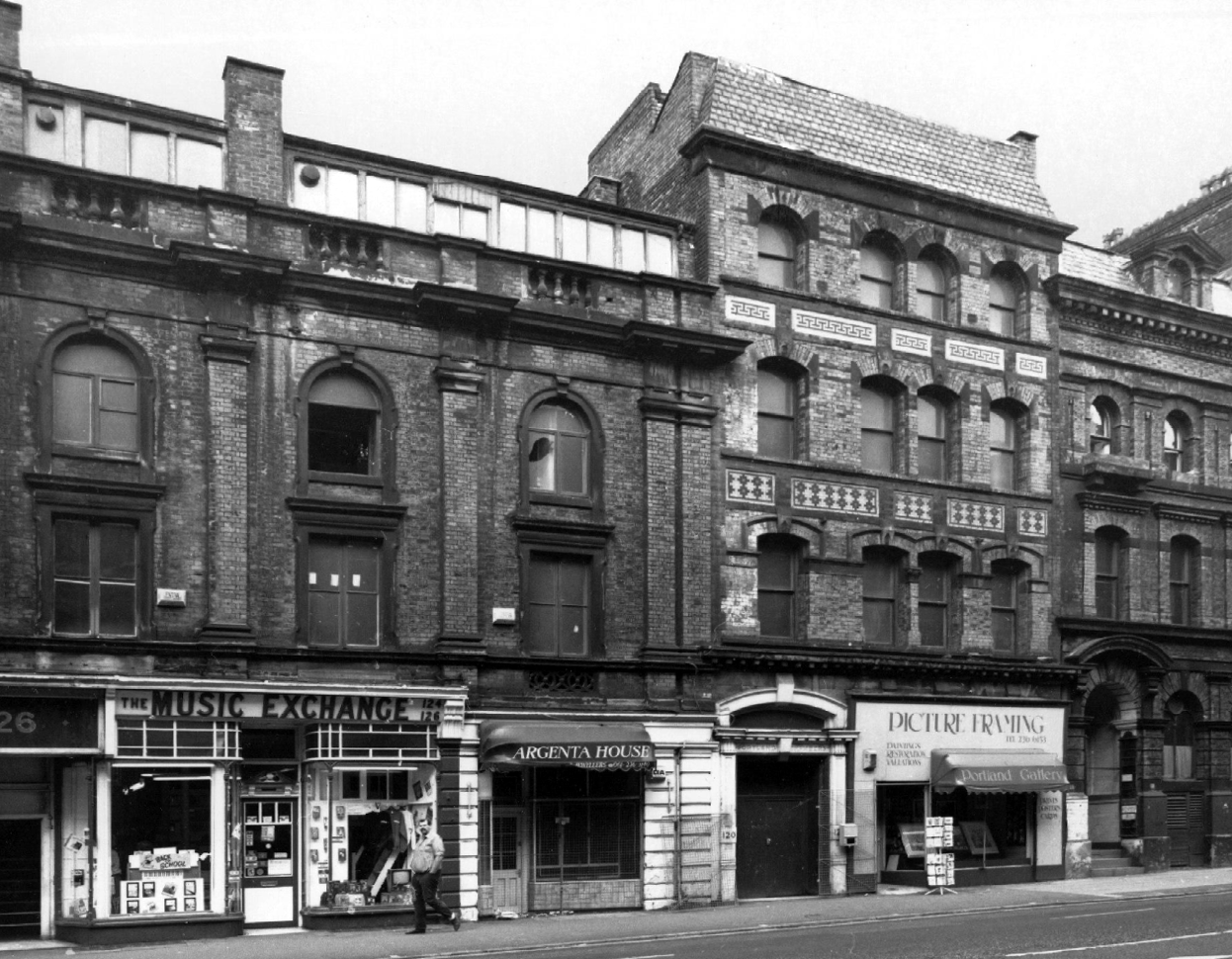
In our early teens, school pal Clive Gregson and I discovered a Chess songbook, probably in the Music Exchange on Portland Street Manchester.
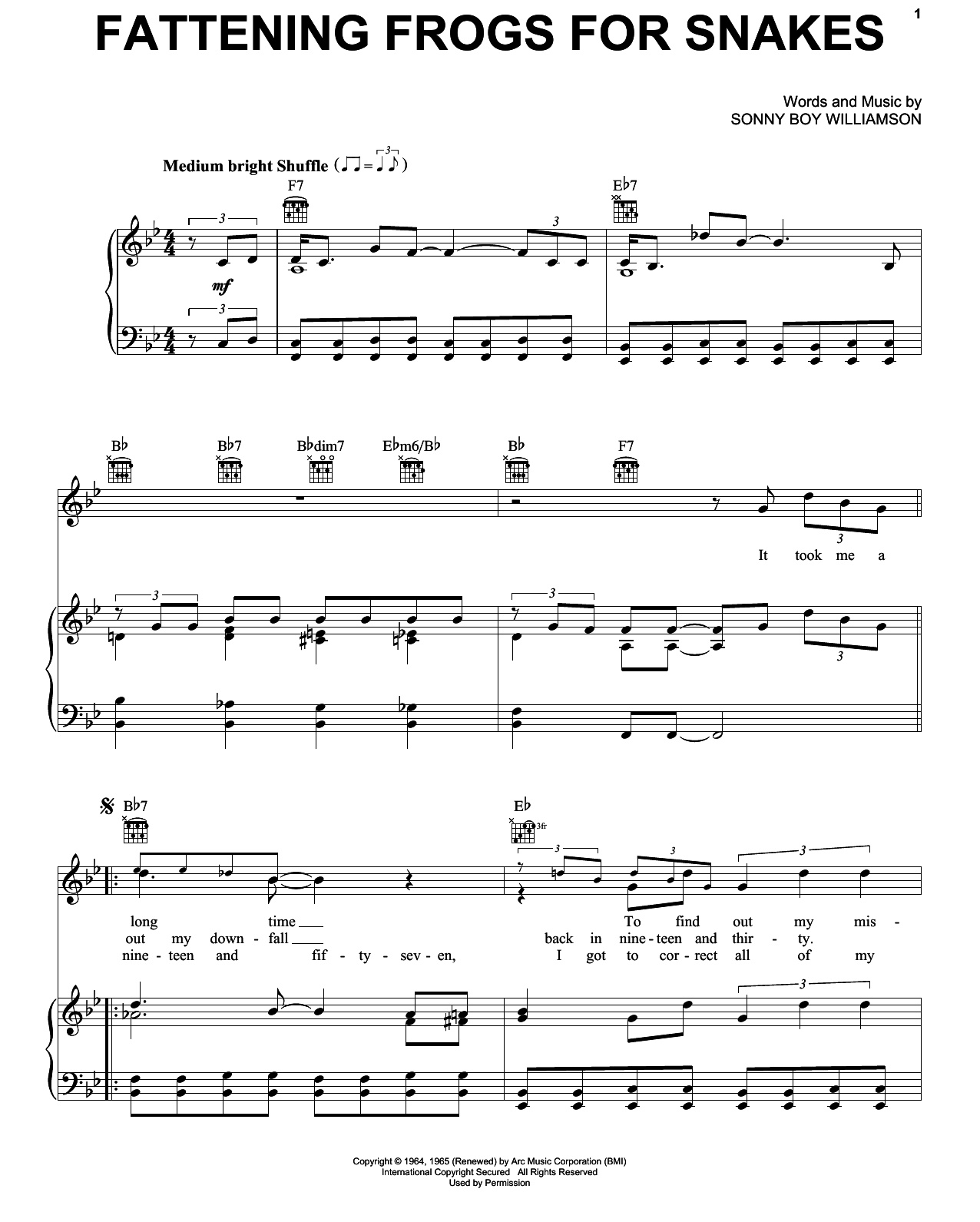
It included this Sonny Boy tune, its title at the time completely shrouded in mystery, what does it all mean?
It tends to mean you’re doing something that only ends up helping somebody else and doesn’t end up helping you.
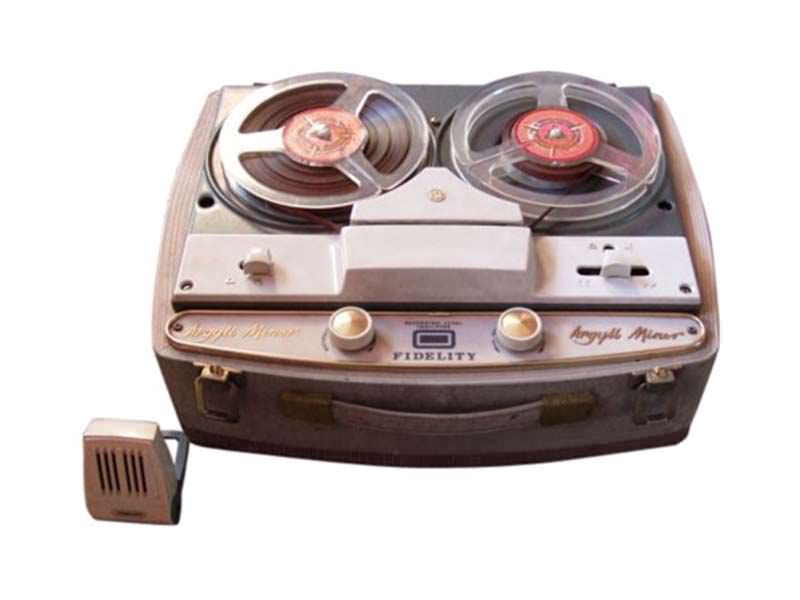
Having never ever heard the tunes, we attempted to play the blues in our own inimitable style. Rehearsing and performing at Albion Schools on Crickets Lane in Ashton. We had acoustic guitars, and a tape recorder microphone, which was sellotaped to a brush stale, and plugged into a small, yet unreliable amp.
The microphone belonged to a Fidelity Argyll Minor reel to reel, my dad had won it in a sales promotion at Mothers Pride, where he worked. Sadly, no recordings of our bluesy efforts were ever preserved on tape.
The story begins here, possibly.
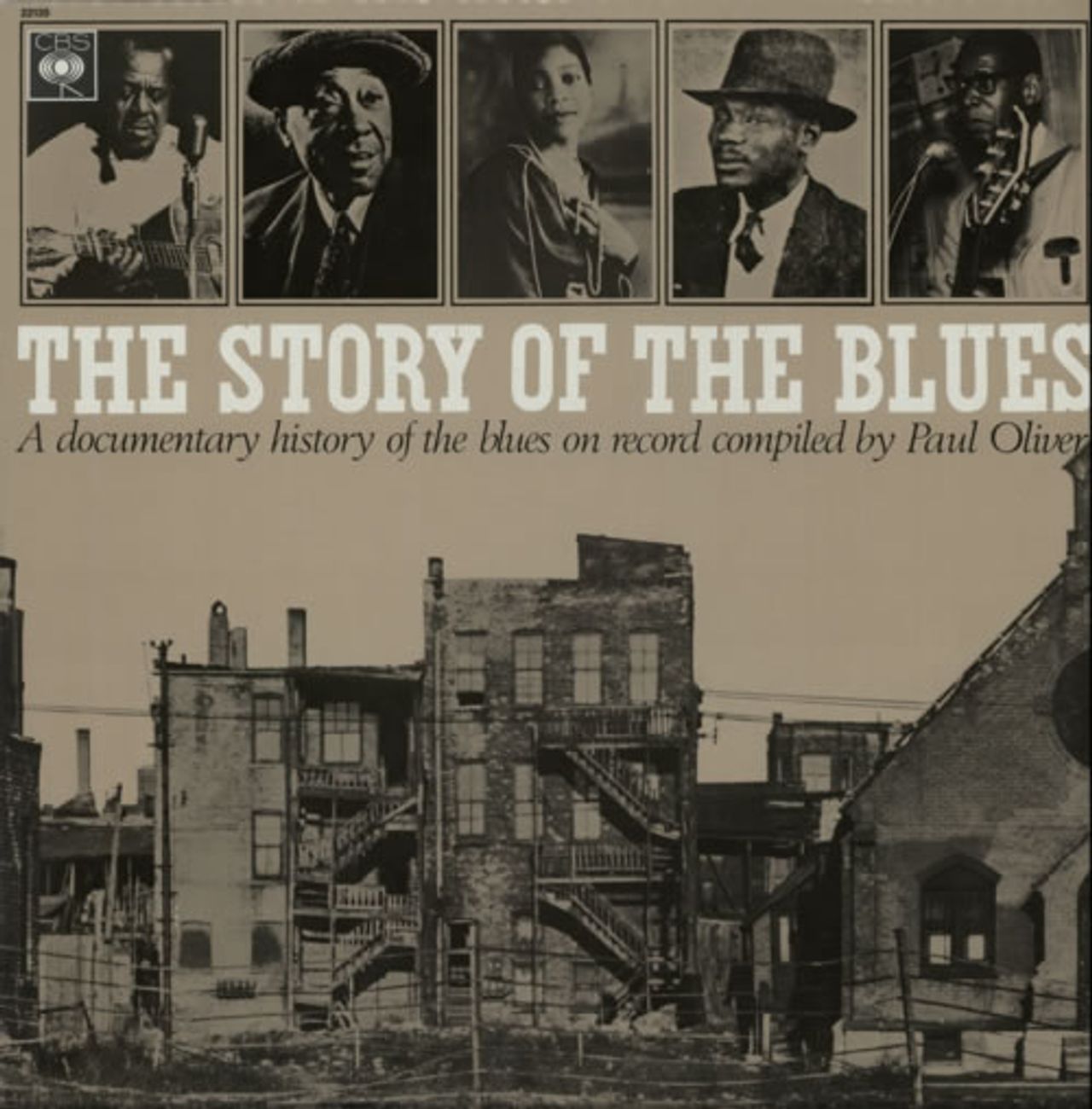
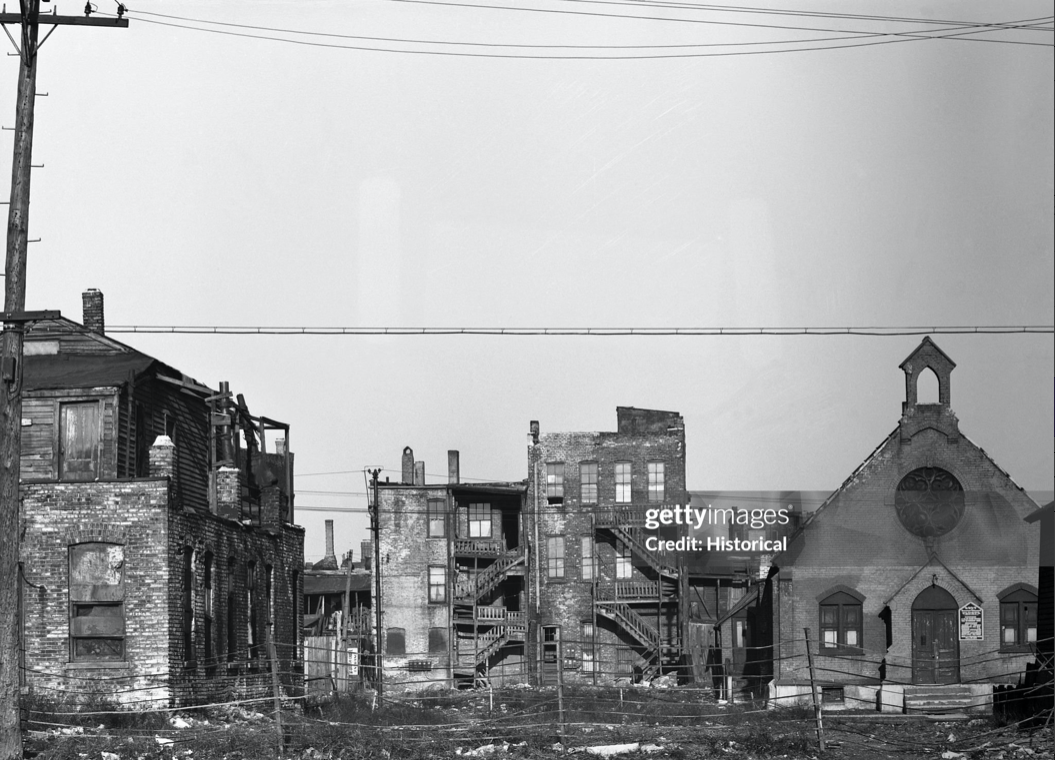
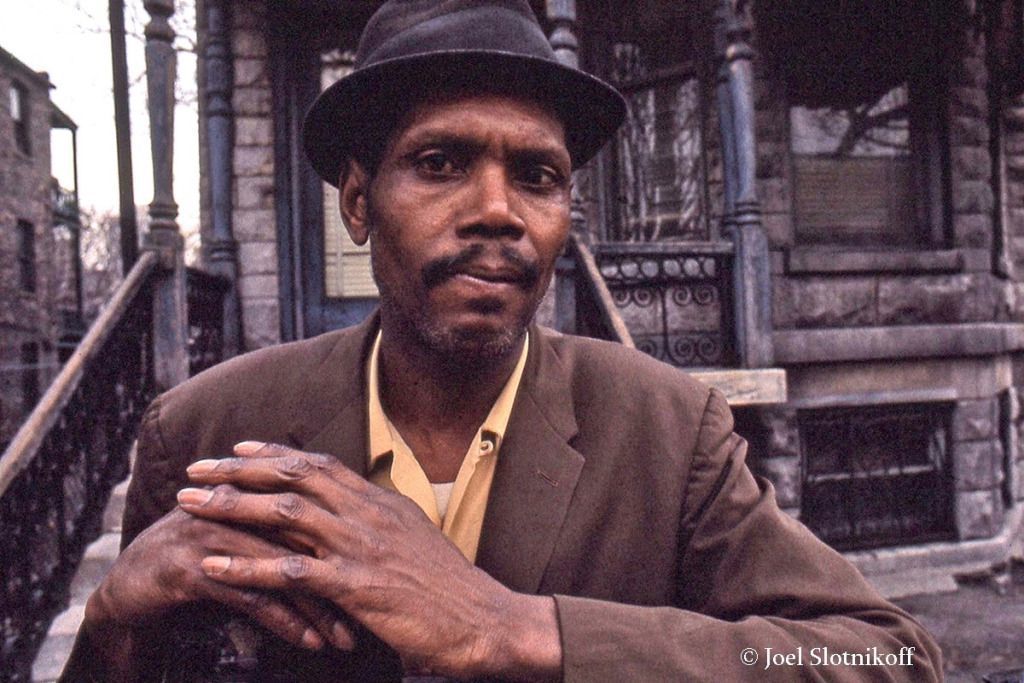
The cover image of Chicago tenements was taken in April 1941 by Russell Lee, for the Farm Security Administration.
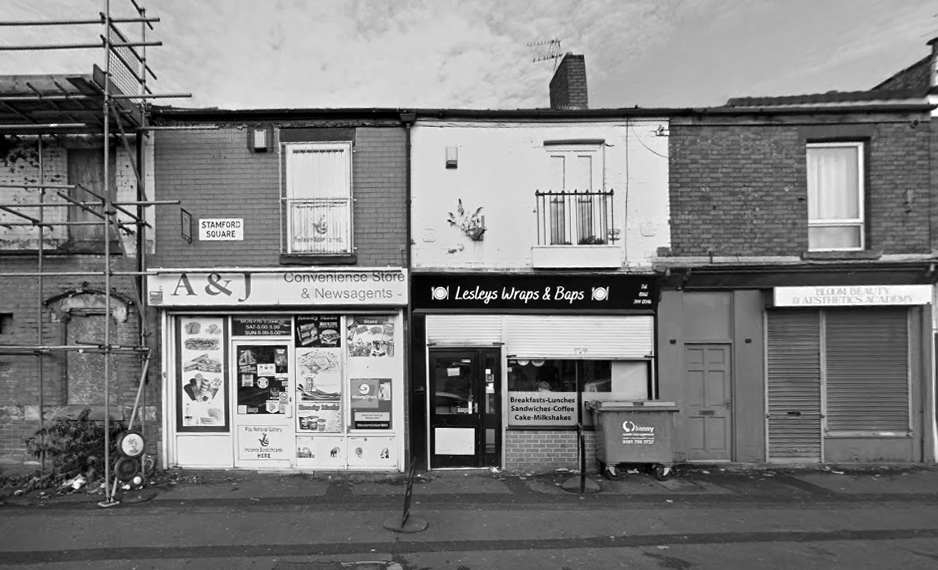
A CBS double LP which I purchased from the record racks of a newsagents in Stamford Square, Cockbrook, Ashton under Lyne – it’s no longer there, and the LP is long gone too.
Coincidentally, in 1972 I used Russell’s image, as the background to my A Level Art pictorial composition exam piece, painted within a stone’s throw of the Ashton College of Further Education.
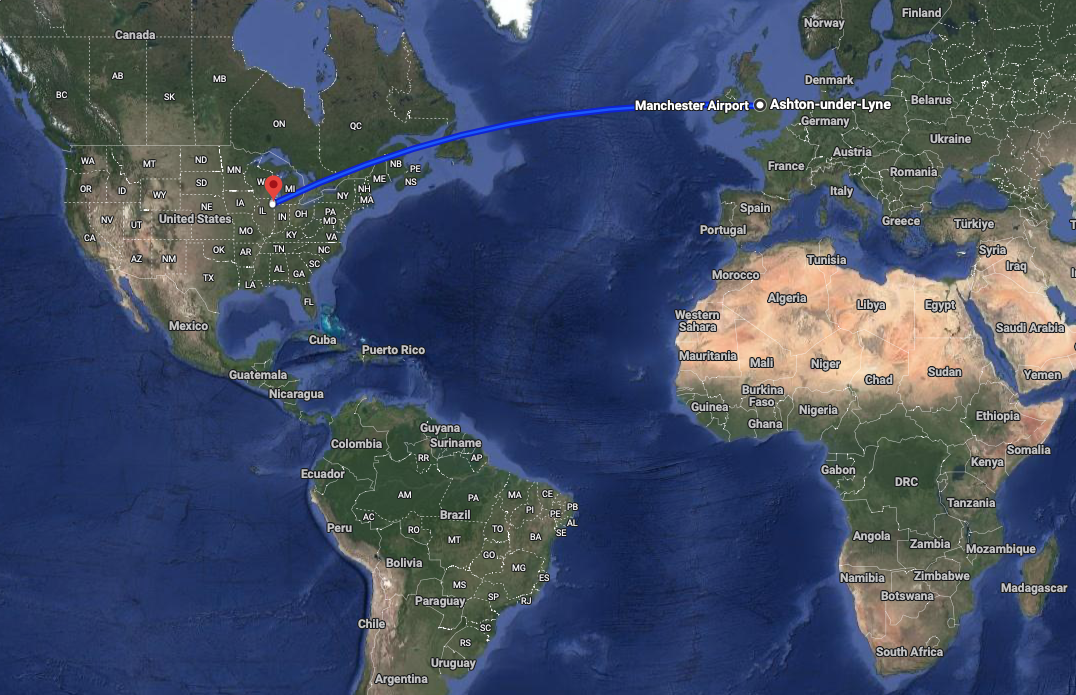
It’s three thousand, eight hundred and ten miles from Ashton to Chicago, but the music reached out to me across the wide Atlantic Ocean. I listened intently to the bluesy grooves, picking up some fingerpicking from Mississippi John Hurt along the way.
Police officer, how can it be? You can ‘rest everybody but cruel Stack O’ Lee That bad man, oh, cruel Stack O’ Lee.
It’s four thousand, three hundred and fifty one miles from Ashton under Lyne to Mississippi.
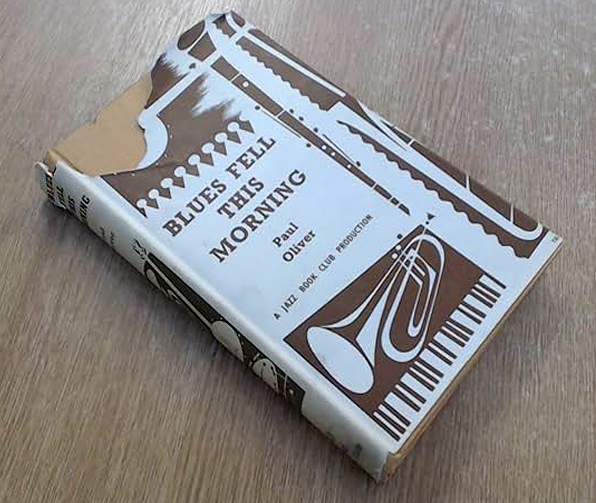
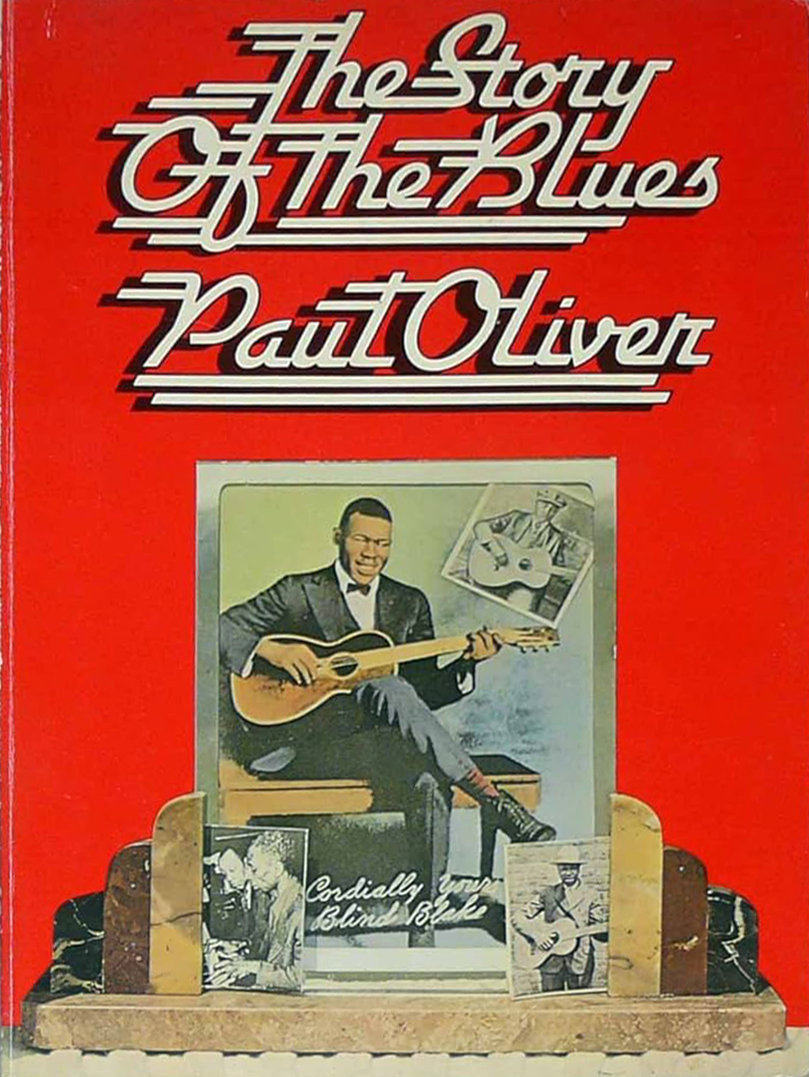
In addition to Paul Oliver’s record compilation, I read his Jazz Club books, borrowed from Ashton Library, later buying his book which went with the LP.
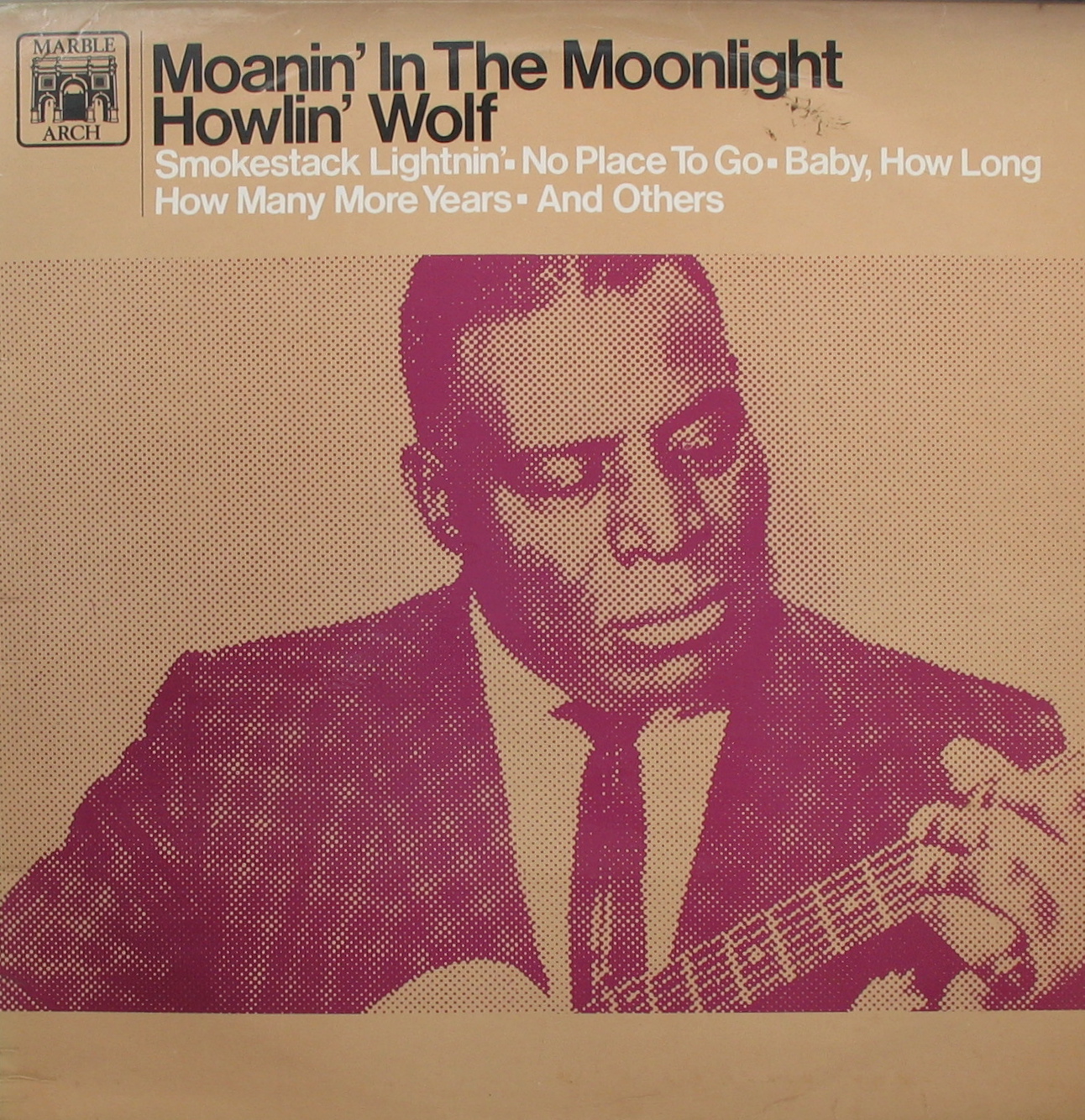
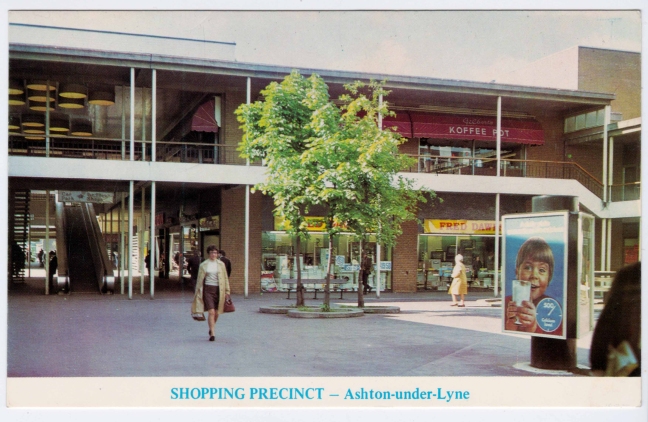
In the late 1960s, there was no easy access to blues music, the TV shop in the Precinct had carousel which contained a variety of Marble Arch Chicago compilations, licensed from ChessRecords.
On the radio there was Mike Raven and his R’n’B Show – mixing soul blues and such on Radio One from 1967 to 1971. Real name Austin Churton Fairman, disc jockey, actor, sculptor, sheep farmer, writer, TV presenter and producer, ballet dancer, flamenco guitarist and photographer.
Mike was then superseded by Alexis Korner who in 1978 started to present his Sunday evening blues and soul show on Radio One, which ran until 1982.
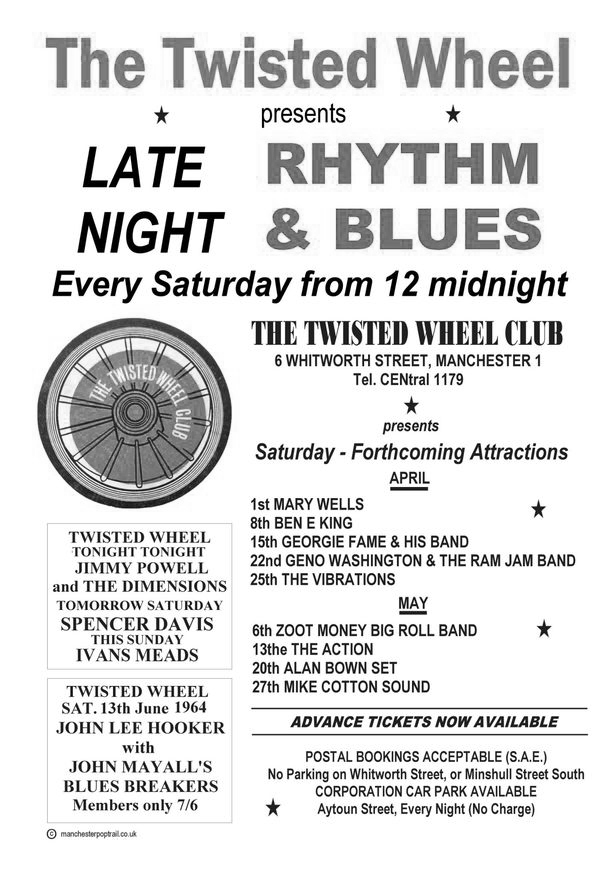
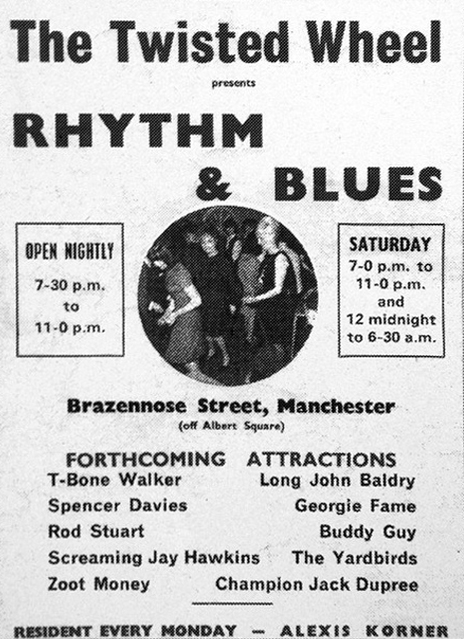
Manchester has always had an affinity with the blues – record collectors, promoters and buffs encouraging performers to fly over to perform at the Twisted Wheel and the MSG.
The story really begins here.
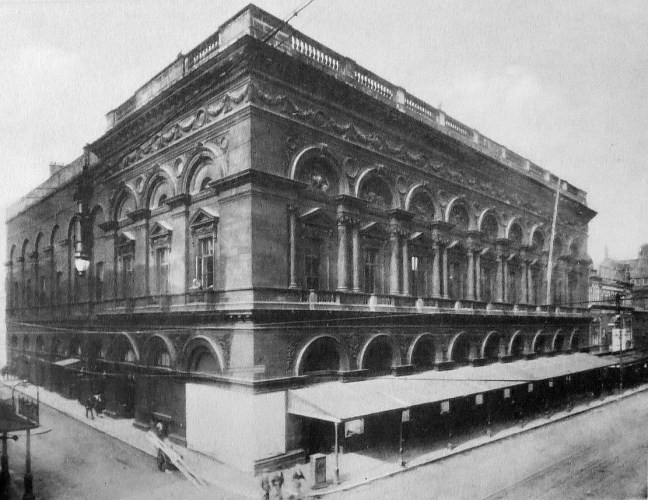
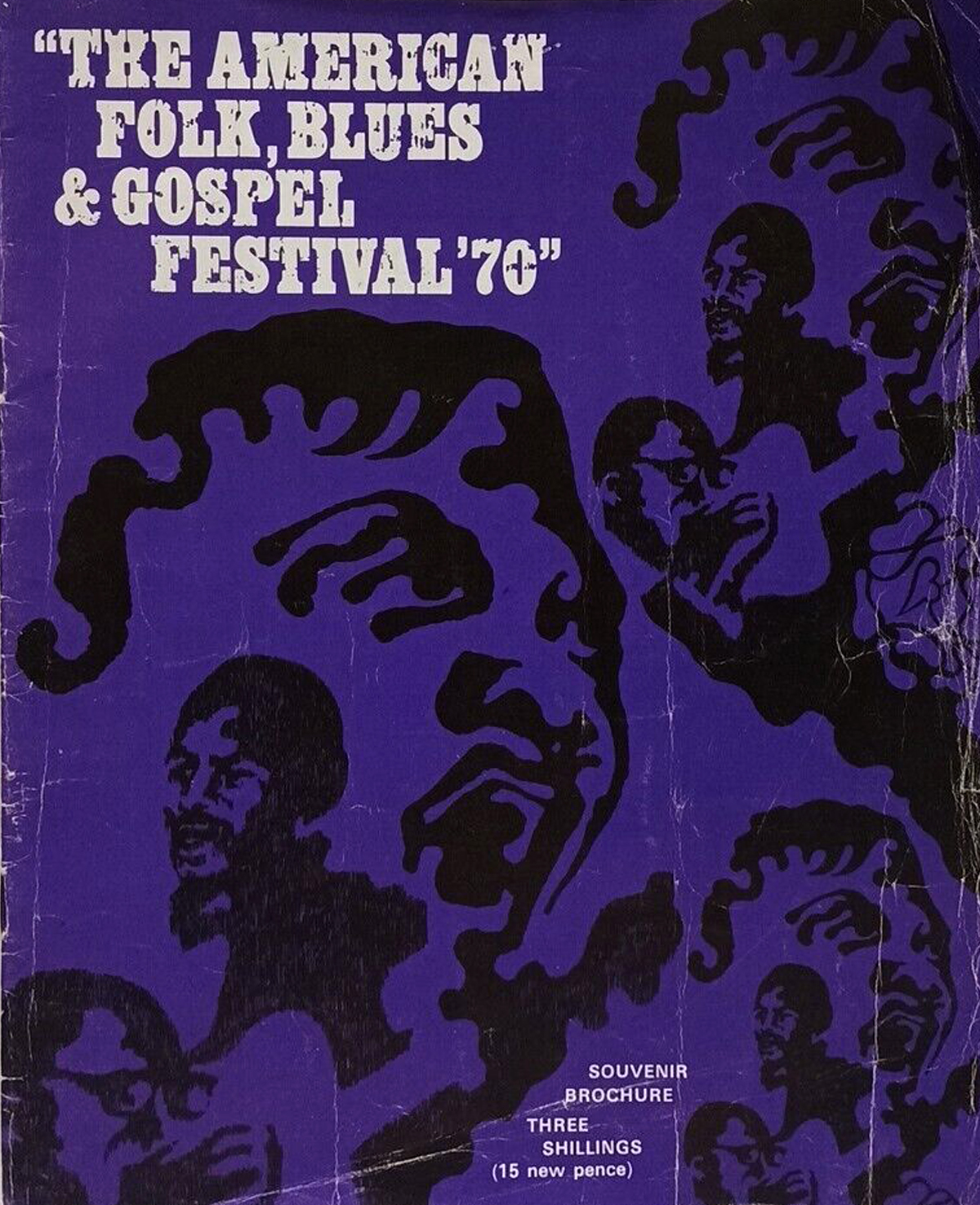
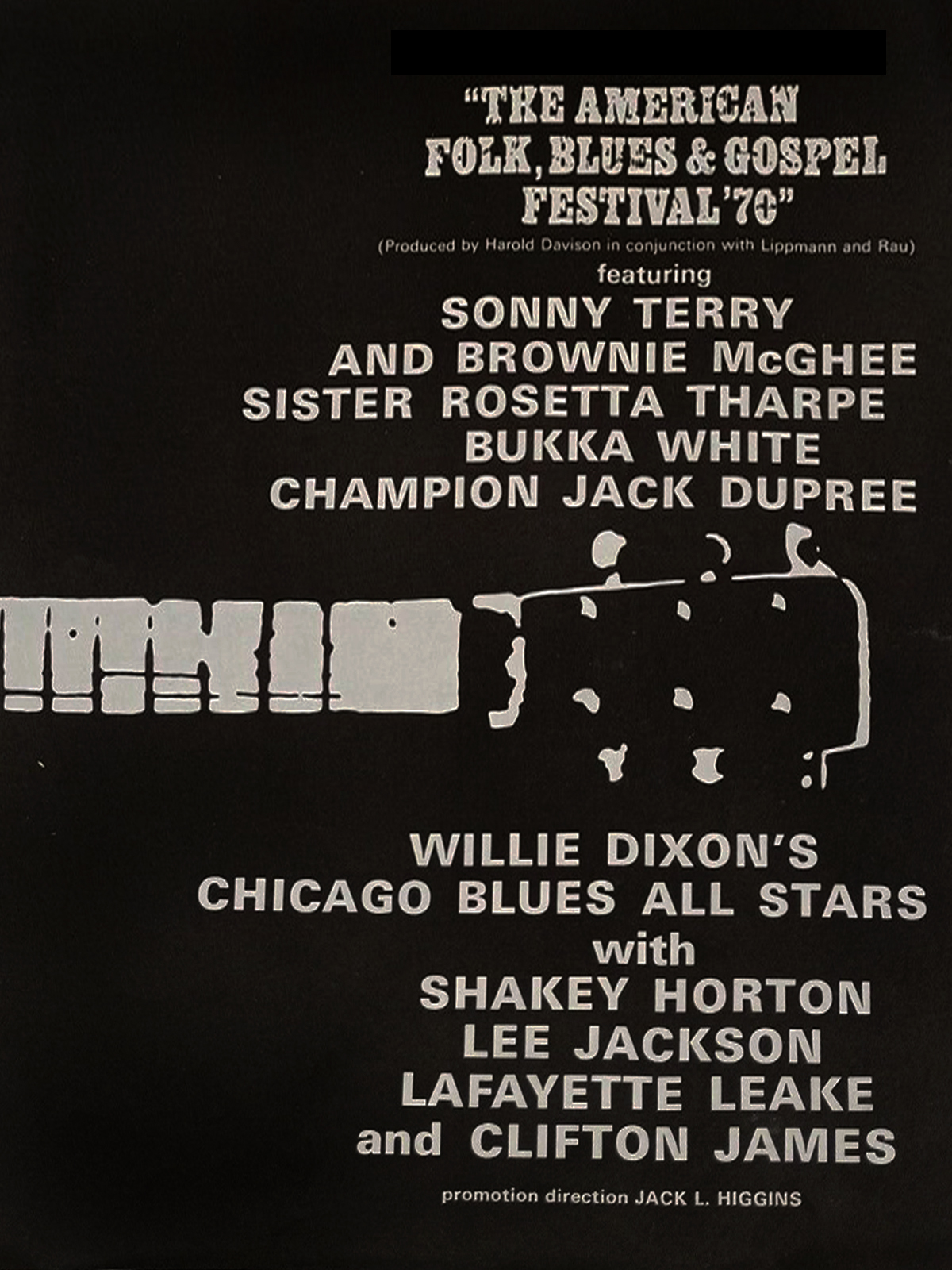
In 1970 aged fifteen I went along alone to the Free Trade Hall to see this show.
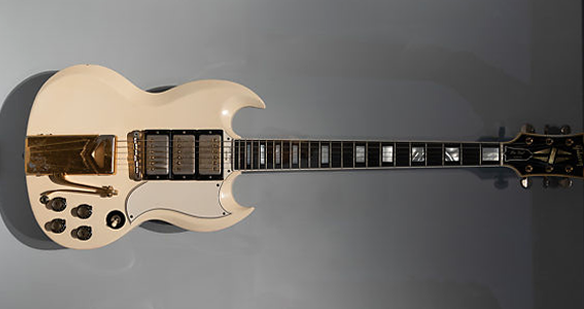
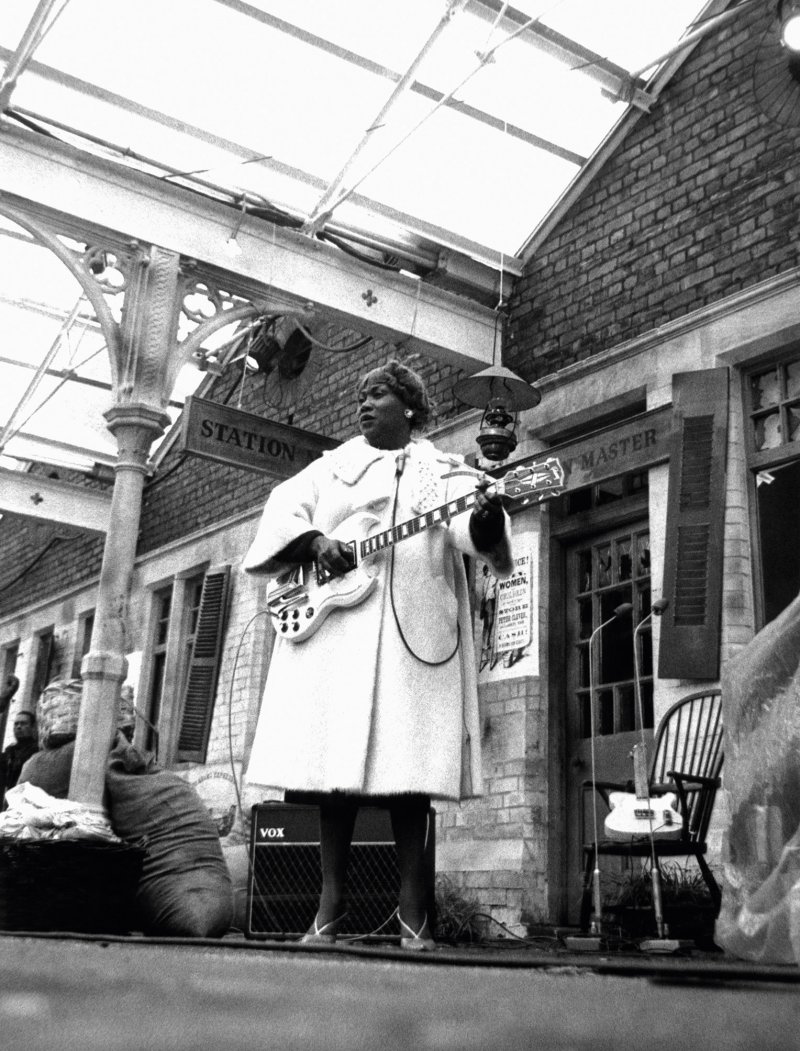
Sister Rosetta a force of nature slinging a Gibson around with righteous verve, a white Les Paul Custom, in 1961, Gibson redesigned the Les Paul model with a thinner, lighter body, a flat top, and beveled and pointed double cutaways. After Les Paul rejected the new design, Gibson rebranded it as the SG Solid Guitar Custom model, and it became the company’s high-end solid body of the early 1960s
Her guitar serial no. 3749, is held in the Metropolitan Museum of Modern Art.
Larger than life in every sense, her soaring voice and hot licks filling the hall with love. It seems extraordinary now to imagine that these giants of Black American music were right here in our town.
Coincidentally and curiously Sister Rosetta had recorded a Granada TV show in Manchester, at the now disused Wilbraham Road Station on 7th May 1964.
The musicians boarded the ‘Blues and Gospel Train’ at Central Station. When the train reached Chorlton everyone alighted and the gig took place. right on the platform. Whilst waiting for the train to turn up it poured with rain, giving Sister Rosetta a chance to play an impromptu ‘Didn’t it Rain?’
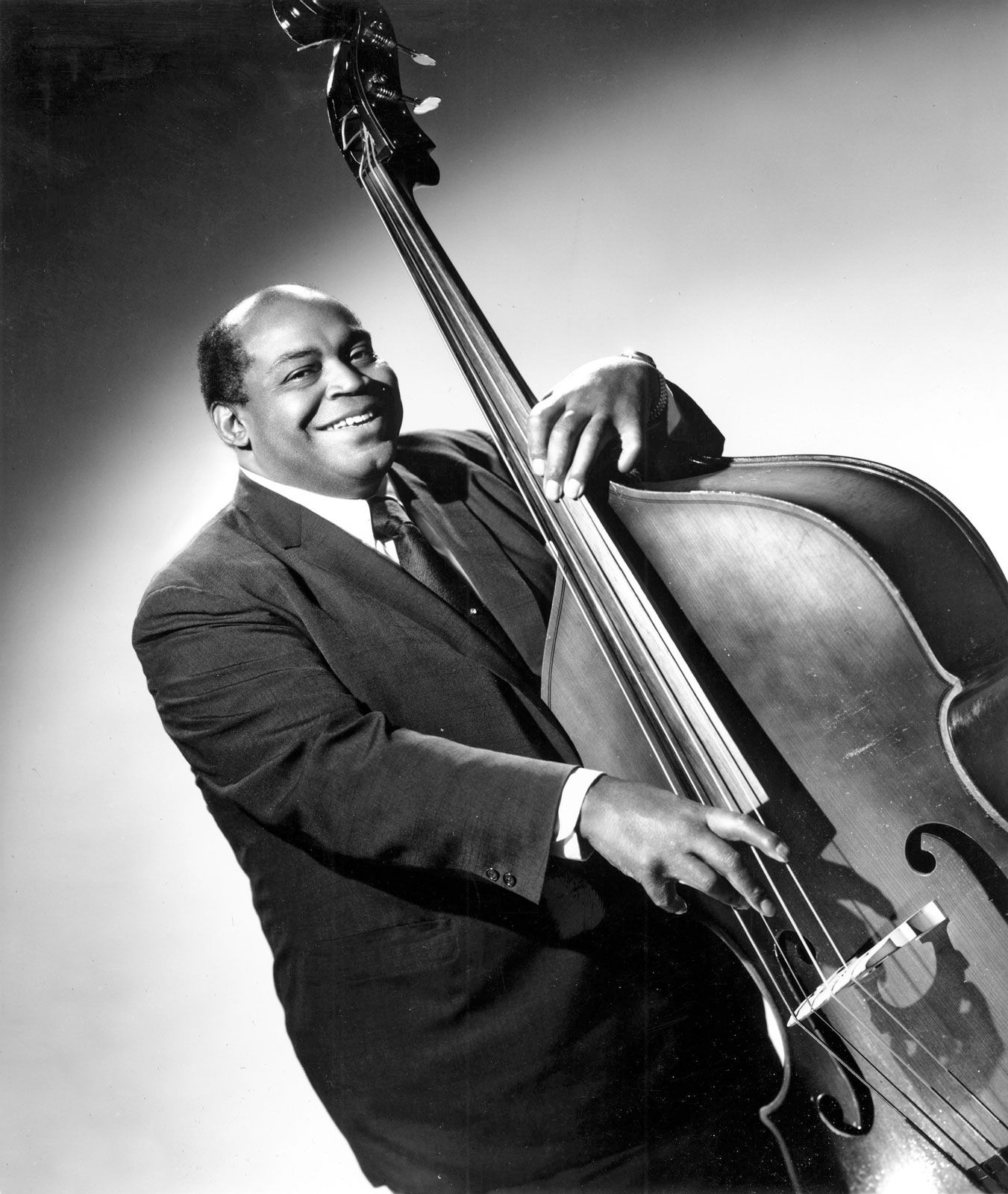
Willie Dixon was the walking bass behind so many Chess sides, along with production and songwriting credits.
Fronting upon the band was Walter Hortonknown as Big Walter or Shakey, long lean and besuited he blew and blew, that wail, chilling and spare, his huge hands enveloping and vamping, with just a touch of reverb.
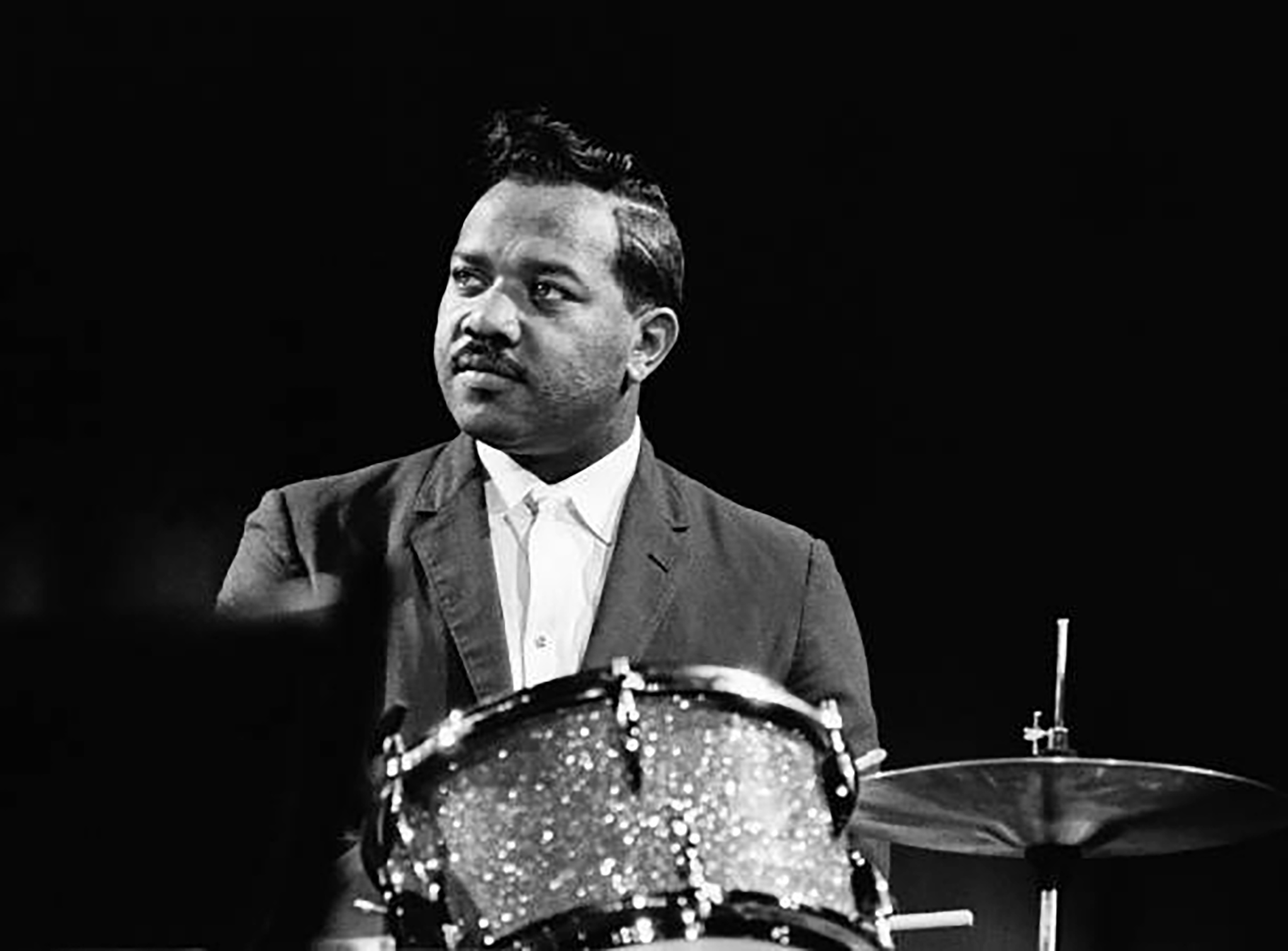
On drums Clifton James, that cool behind the beat rhythm section that typified the Chicago sound, laconic and lean sounding.
American Folk and Blues Festival Copenhagen 1964: Jan Persson/Getty Images
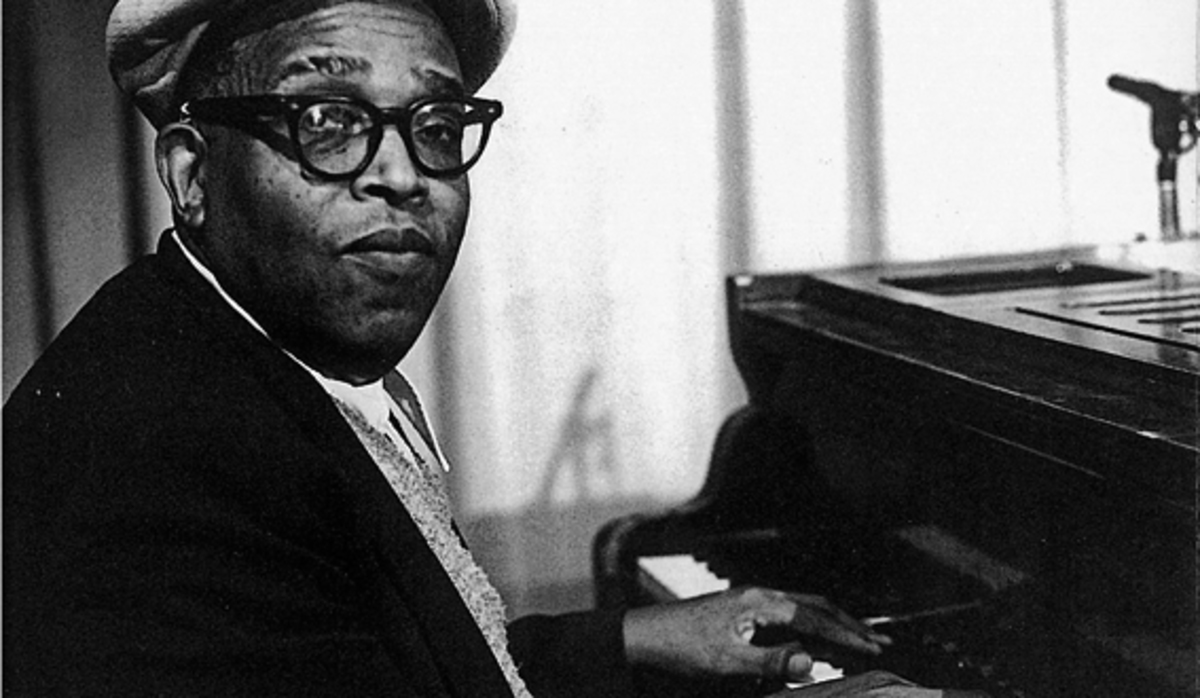
Lafayette Leake on piano, bending and twisting notes at will.
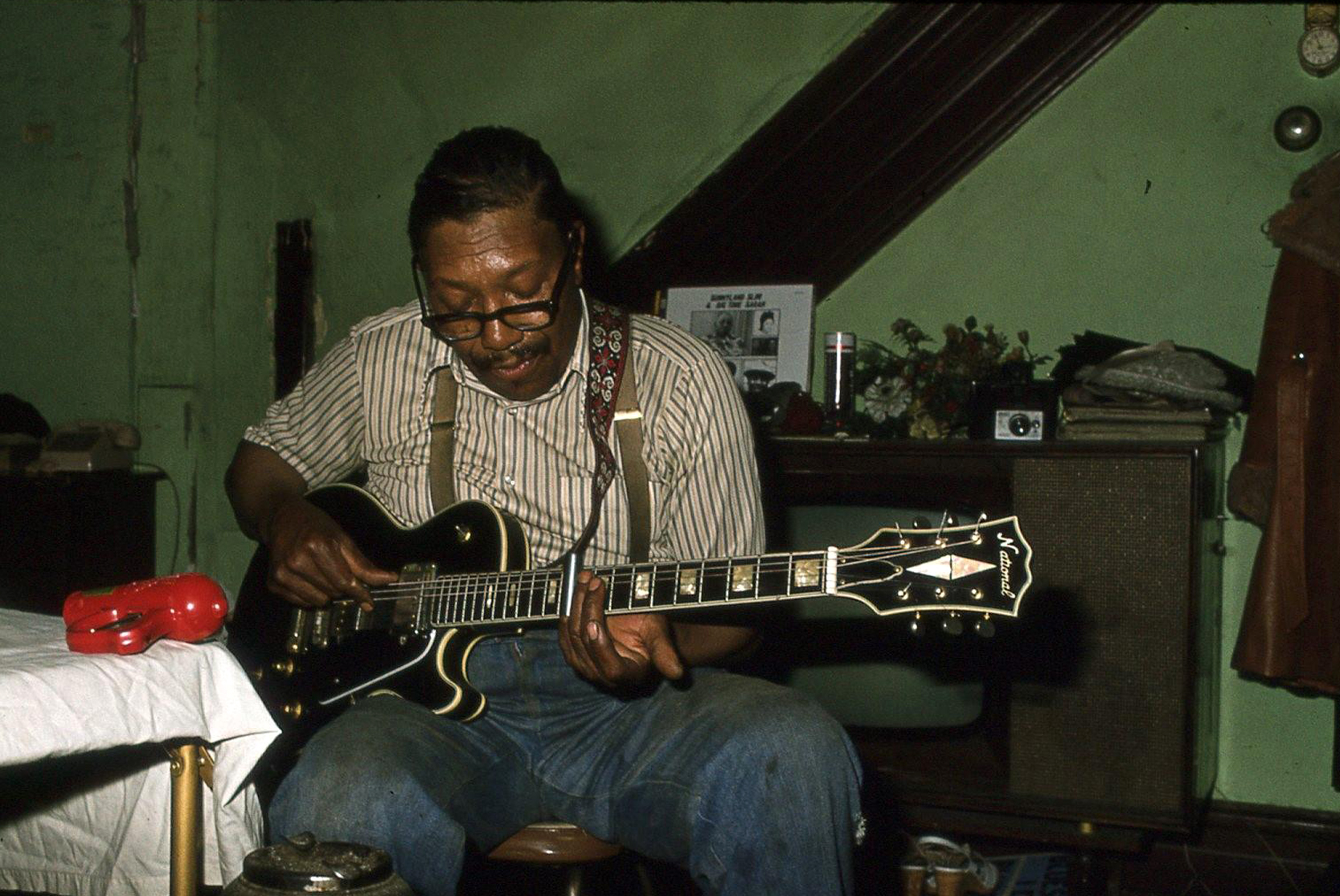
Lee Jackson on guitar, a player whose style pushed forward the role of the electric blues.
Photo: Alex Küstner
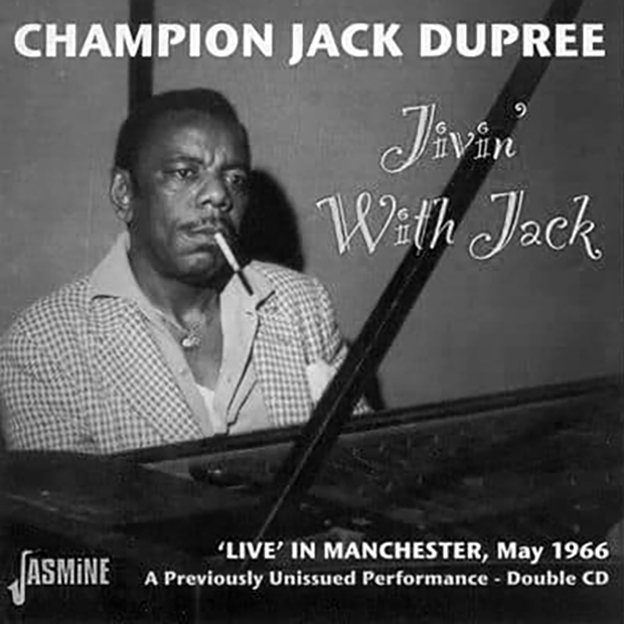
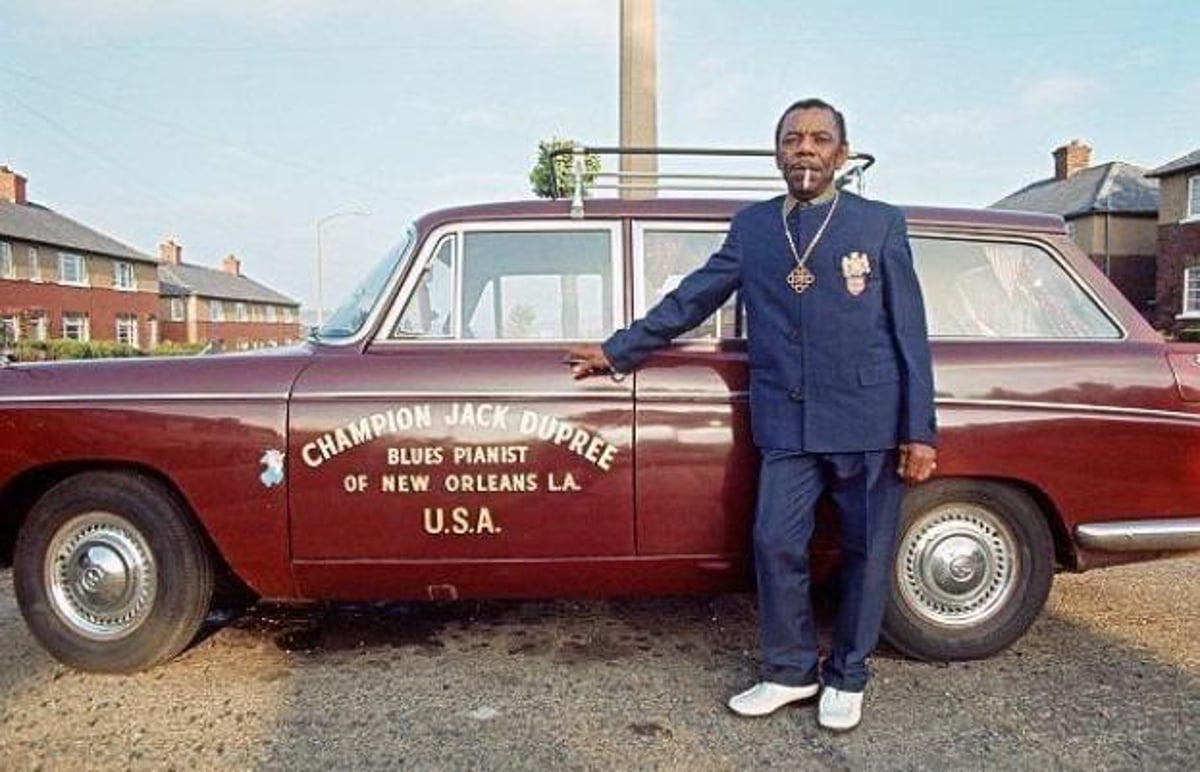
Champion Jack Dupree became a citizen of Halifax, during the 1960’s, Champion Jack and his American station wagon were a familiar, if unusual, sight around Ovenden. Jack had met and married a local girl, Shirley, and their Ovenden home became the base from which he continued touring.
Loved that Crescent City rolling piano style and his sonorous voice.
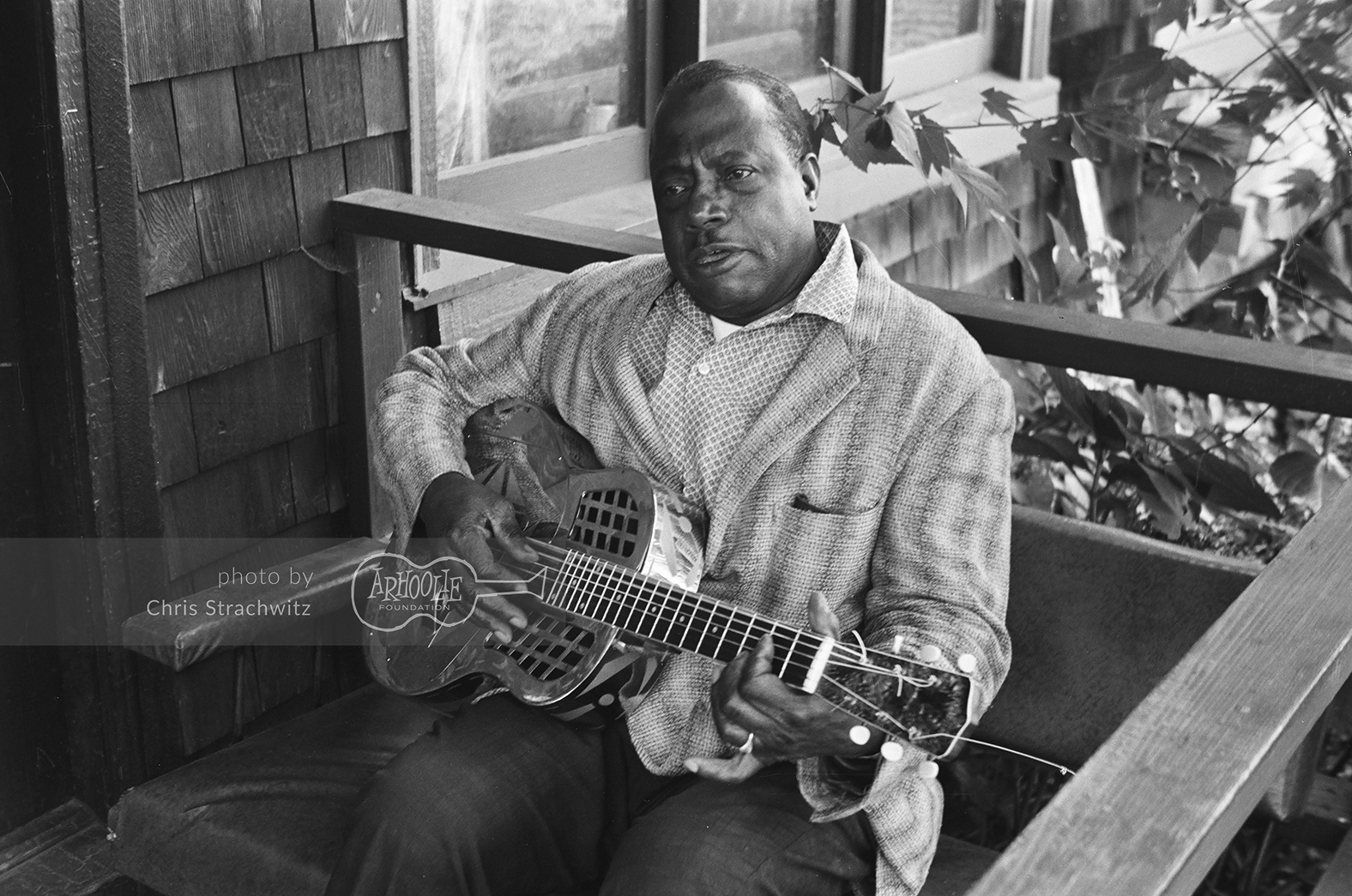
The stand out artiste for me was Bukka White, the sound of the Delta in downtown down-home Manchester. I was familiar with his recording of Parchman Farm Blues from the Story of the Blues. Along with Son House and Skip James, earlier still Charlie Patton, developing a high lonesome singing style, accompanied by a rhythmic resonator guitar, a chilling sound that cuts right to the heart of your heart.
Here was a sixty four year old man, miles from home, sitting alone on the stage.
His father John White was a railroad worker, and also a musician who performed locally, primarily playing the fiddle, but also mandolin, guitar and piano, gave Booker a guitar for his ninth birthday.
Back home in Aberdeen in October, he was arrested and charged with murder over shooting a man in the thigh. He was tried on 8th November, convicted of murder and sentenced to life imprisonment, to be served in Mississippi State Penitentiary, commonly known as Parchman Farm, he was released after serving two years.
In 1959, White’s recording of “Fixin’ to Die Blues” was included on the album The Country Blues, compiled by Samuel Charters for Folkways Records to accompany his book of the same name and a key element in the American folk music revival of the late 1950s and early 1960s. Bob Dylan included a cover version of the song on his first album, released in March of 1962. Dylan’s cover aided a rediscovery of White in 1963 by guitarist John Fahey and his friend Ed Denson which propelled him into the folk music revival. Fahey and Denson found White when Fahey wrote a letter to White and addressed it to “Bukka White (Old Blues Singer), c/o General Delivery, Aberdeen, Mississippi”, assuming from White’s song “Aberdeen, Mississippi”, that White still lived there. The postcard was forwarded to Memphis. Fahey and Denson traveled there to meet him, and White and Fahey remained friends for the rest of White’s life.
Wikipedia
Miles and years apart in terms of time and life stories, we remain immensely moved by the music of long gone blues musicians, all of whom laid down the foundations of most popular music.















 Modern Mooch