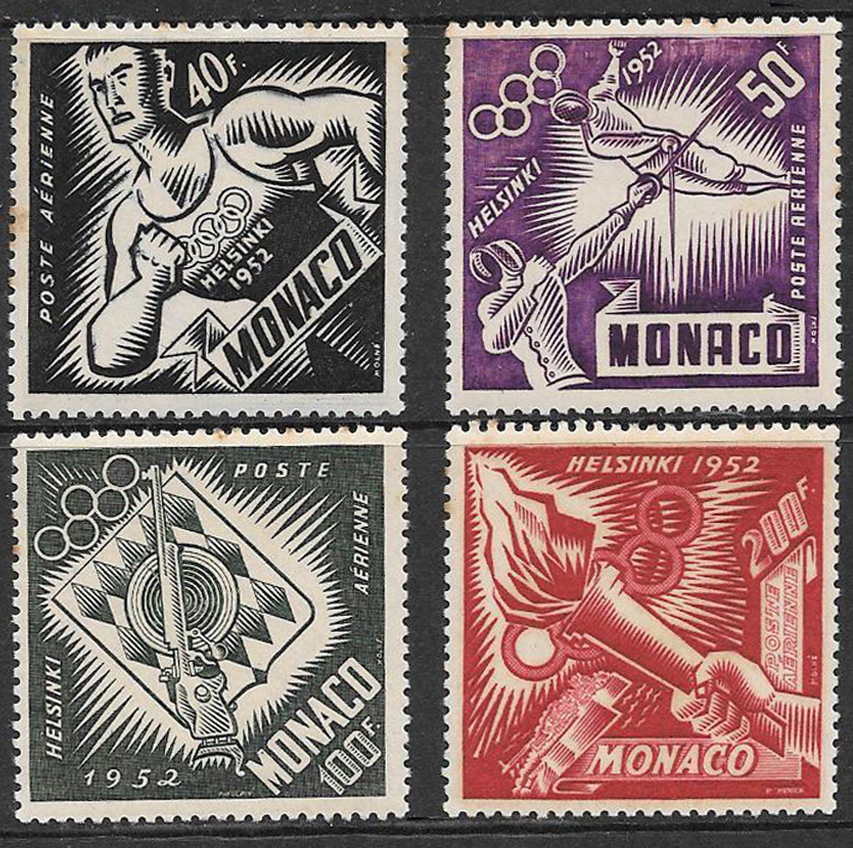
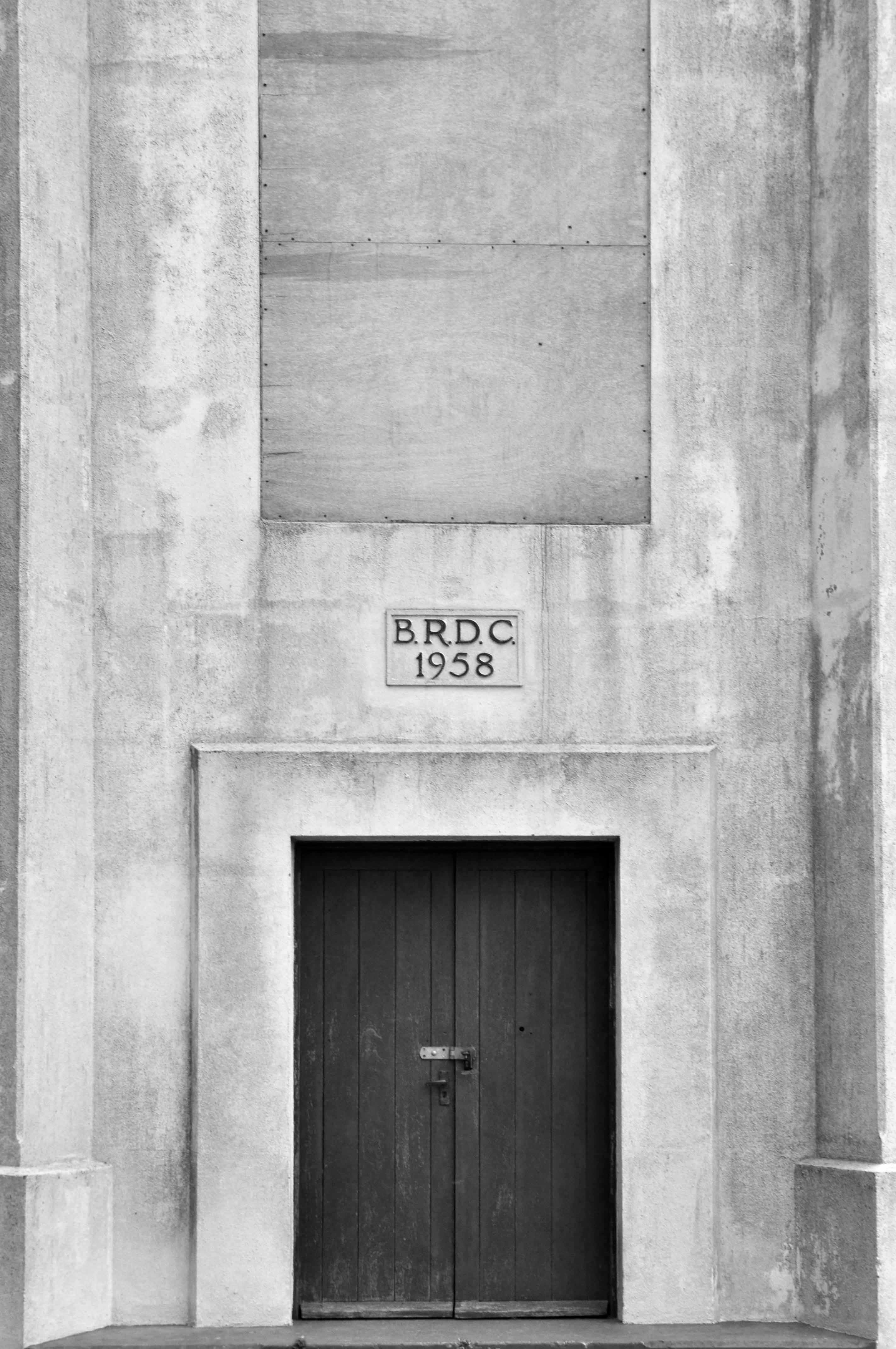
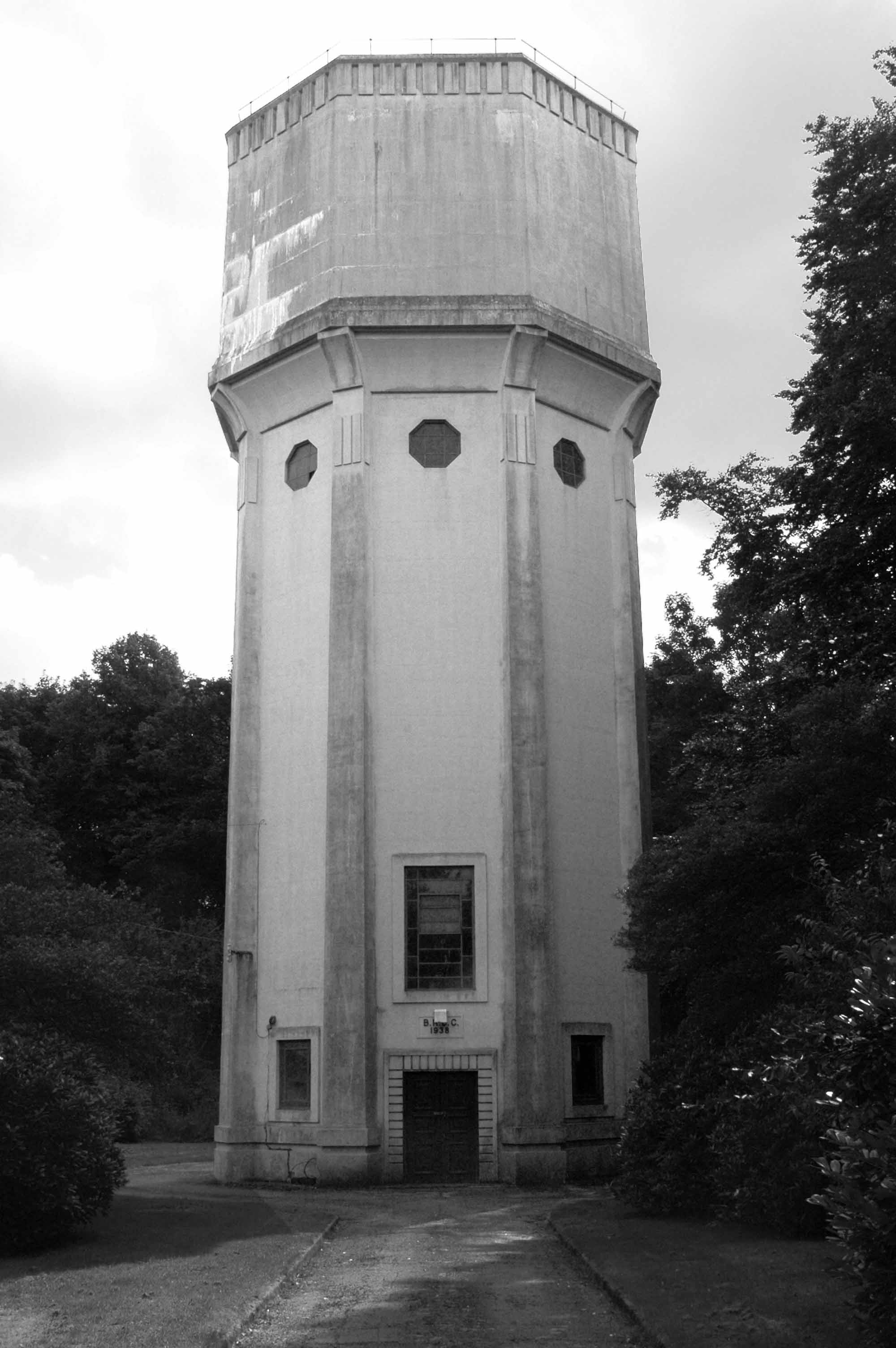
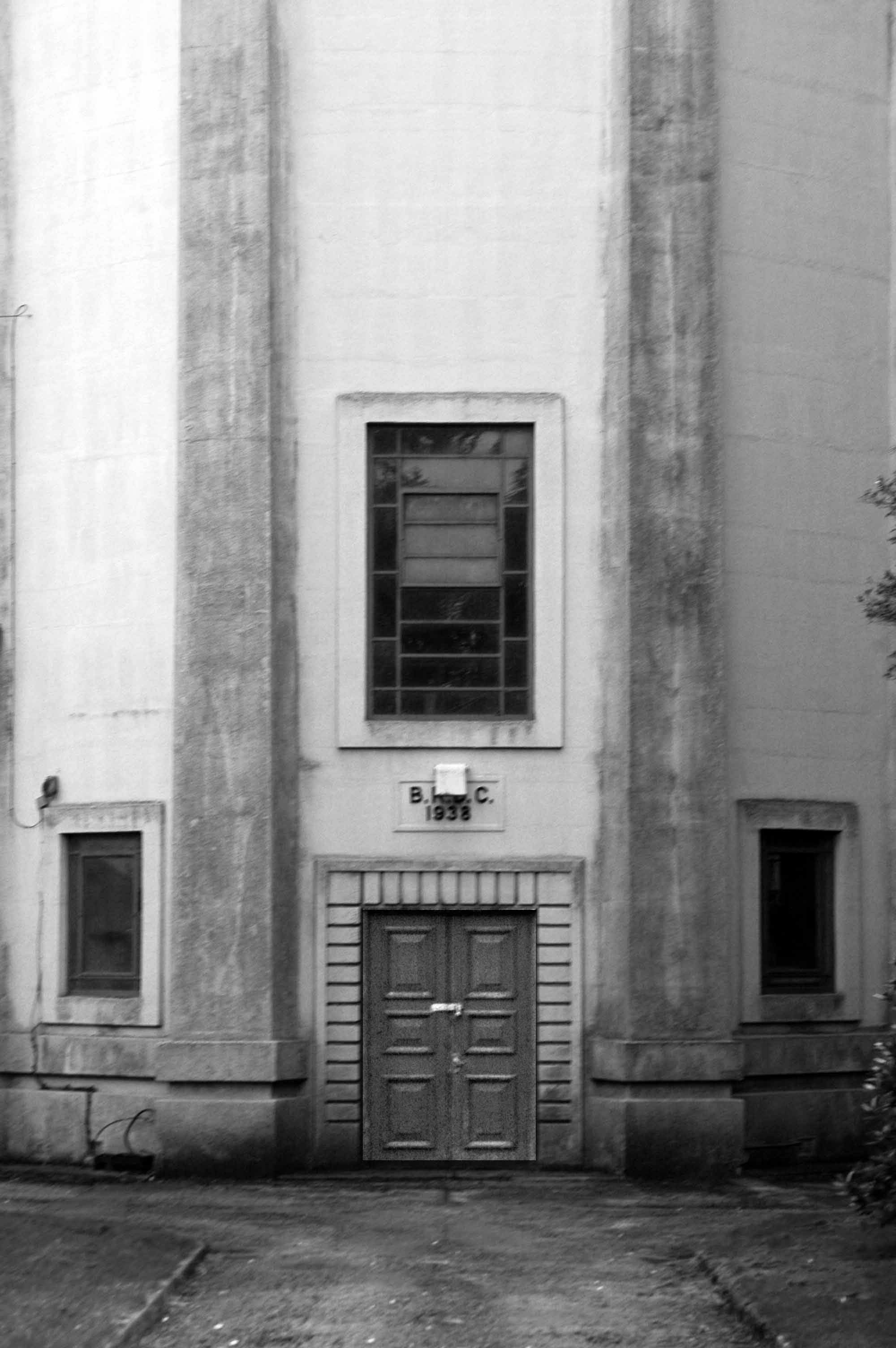
Helsinki – 1952 Olympics

For me the Helsinki 1952 Olympics, began in Morecambe 2016.

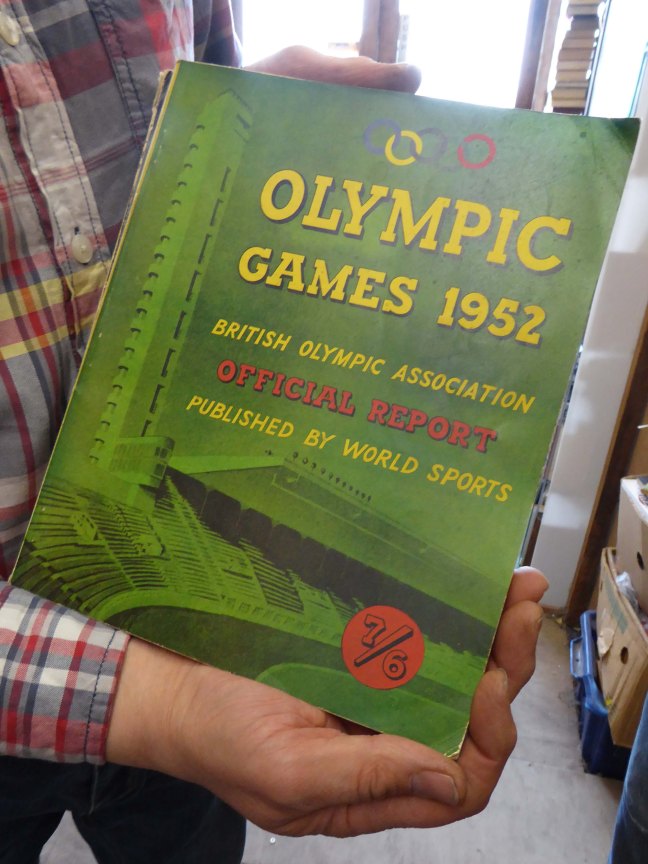
I was attracted by the stylish cover of this report, in the town’s second hand book shop, the vendor was expecting forty pounds, I exhaled, eyebrows raised and departed.

Reportless.
P1020325 copy

But my curiosity had been aroused.

Where is Helsinki, when was 1952 – what’s an Olympics?

I was up and running!
helsinki1952

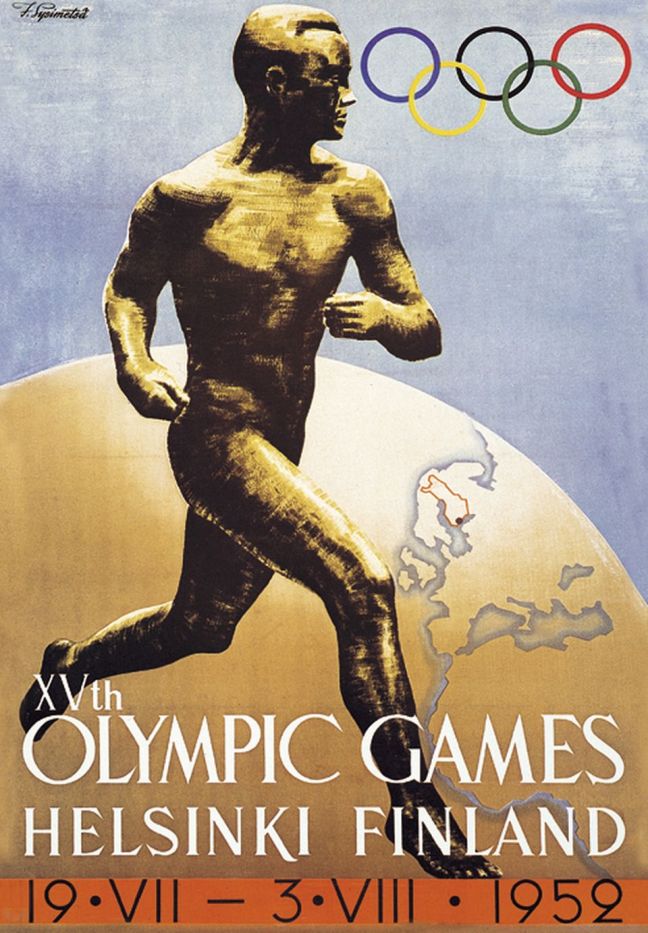
To begin, it was the Paavo Nurmi poster, created for the 1940 Games, which were never held because of the Second World War. It was just updated with the dates and the lines around the countries, drawn in red on a globe in the background. 82,000 large format copies were made in nine languages and 33,000 small format copies in 20 languages.

Look there’s Helsinki!

Where they built a stadium.
WAAIP020_HD

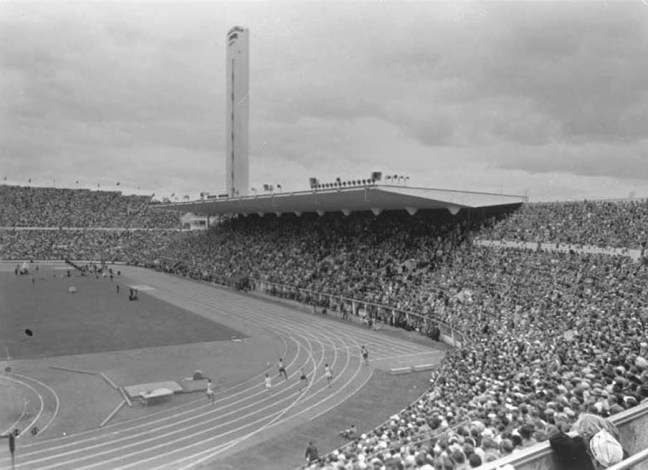
The Stadium Foundation, established 1927, started to implement that dream, and their first and foremost task was to get a stadium built, which would permit Helsinki to host the Summer Olympics. Building began on February 12, 1934, and the Stadium was inaugurated on June 12, 1938. Since its completion the Stadium has undergone eight important stages of development. The most important was the total modernization 1990-1994. At its maximum, in 1952, the Stadium accommodated 70 000 spectators. Today, the number of spectator places, all of them seats, is 39 000.

The Stadium arena, which has been described as the most beautiful in the world, is the product of an architectural competition. Arhcitects Mr. Yrjö Lindegren and Mr. Toivo Jäntti won the competition with their clearly lined functionalistic style design. The most important events in the life of the Helsinki Olympic Stadium were the XVth Olympic Games, 19. July-3. August, 1952. In the opening of the Olympic Games the spectator record of the stadium was reached 70 435 spectators and the olympic year is still an event which has collected most spectators. Whole year 1952 altogether 850 000 spectators.

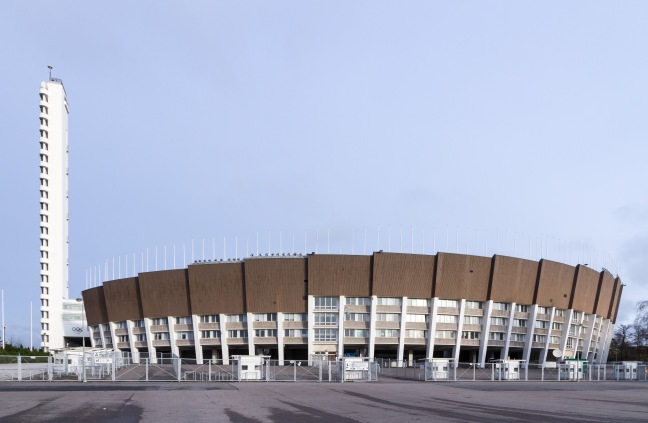
The Stadium Building is 243 m long and up to 159m wide. The tower is 72m high. The Stadium covers 4.9 hectares. The Olympic Stadium is administrated by the Stadium Foundation. The Municipality of Helsinki, the Ministry of Education and the central sports organisations are represented in the Board of the Foundation.

The Stadium has been characterized as the world’s most beautiful Olympic Stadium, and what is exceptional about it is the fact that the Olympic buildings are in active use.
Helsinki_Olympic_Stadium-7147

It defined the visual culture of the games.

Emblem-Helsinki-1952_2512890010299

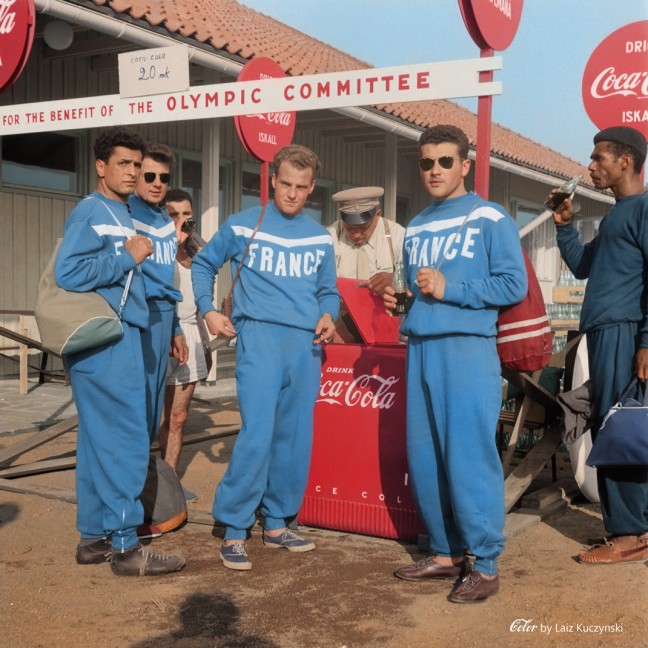
My curiosity was further aroused when I discovered graphic material and images linking Coca- Cola to the games, how long have they been pumping athletes full of pop?
s6SH5kQ

Quite some time it turned out:

The 1928 Olympic Games, which included 46 nations, marked the beginning of The Coca-Cola Company’s Olympic involvement – a presence that would continue to grow to this day, through sponsorships, donations and innovative support programs. That summer, a freighter delivered the U.S. Olympic Team and 1,000 cases of Coca-Cola to the Amsterdam event. 

The morbidly obese’s drink of choice was forever aligned with the fleet of foot.

Despite the fact that Finland did not have a local bottler, Coca-Cola still was served to athletes and spectators at the Helsinki Olympic Games. More than 30,000 cases of Coca-Cola were brought to the event from the Netherlands aboard the M.S. Marvic, a rebuilt World War II landing craft, in what became known as “Operation Muscle.” Ice coolers and trucks from the corners of northern Europe also were brought in, turning the ship into a floating stockroom.

Gee thanks Yanks.

Untitled-2

Whenever you had done well in an Olympics you would expect some reasonable reward, commensurate with your achievements, wouldn’t you?

What do you want, a medal?

Well yes.
Screen Shot 2016-04-01 at 14.13.13

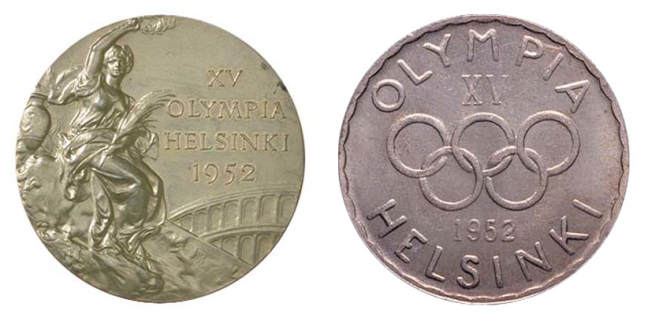
On the obverse, the traditional goddess of victory, holding a palm in her left hand and a winner’s crown in her right. A design used since the 1928 Games in Amsterdam, created by Florentine artist Giuseppe Cassioli ITA -1865-1942 and chosen after a competition organised by the International Olympic Committee. For these Games, the picture of victory is accompanied by the specific inscription: “XV OLYMPIA HELSINKI 1952”. On the reverse, an Olympic champion carried in triumph by the crowd, with the Olympic stadium in the background. N.B: From 1928 to 1968, the medals for the Summer Games were identical. The Organising Committee for the Games in Munich in 1972 broke new ground by having a different reverse which was designed by a Bauhaus representative, Gerhard Marcks.

Olympics are obviously something of a global money spinner for many greedy nations, they will stop at nothing to cash in, producing millions of tiny stamps, at premium prices, to rinse the undeserving and guileless citizen.
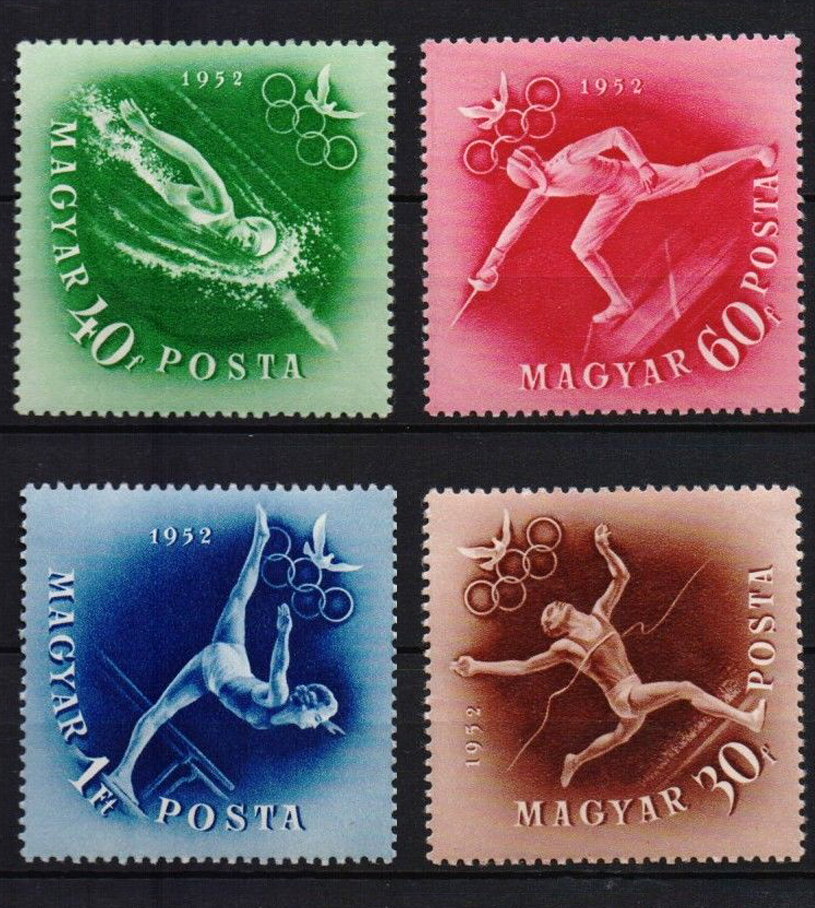
 

Here are a few more examples of the graphic identity with a distinctive modern style:


There we have it, now we’re all ever so slightly older and wiser.

For further information have a look here

Or do like I do and buy y’self a copy of that Olympic report from eBay.

For considerably less than forty pounds.
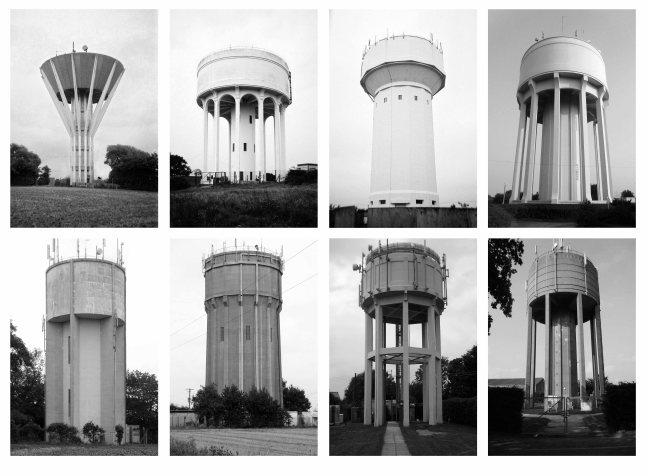


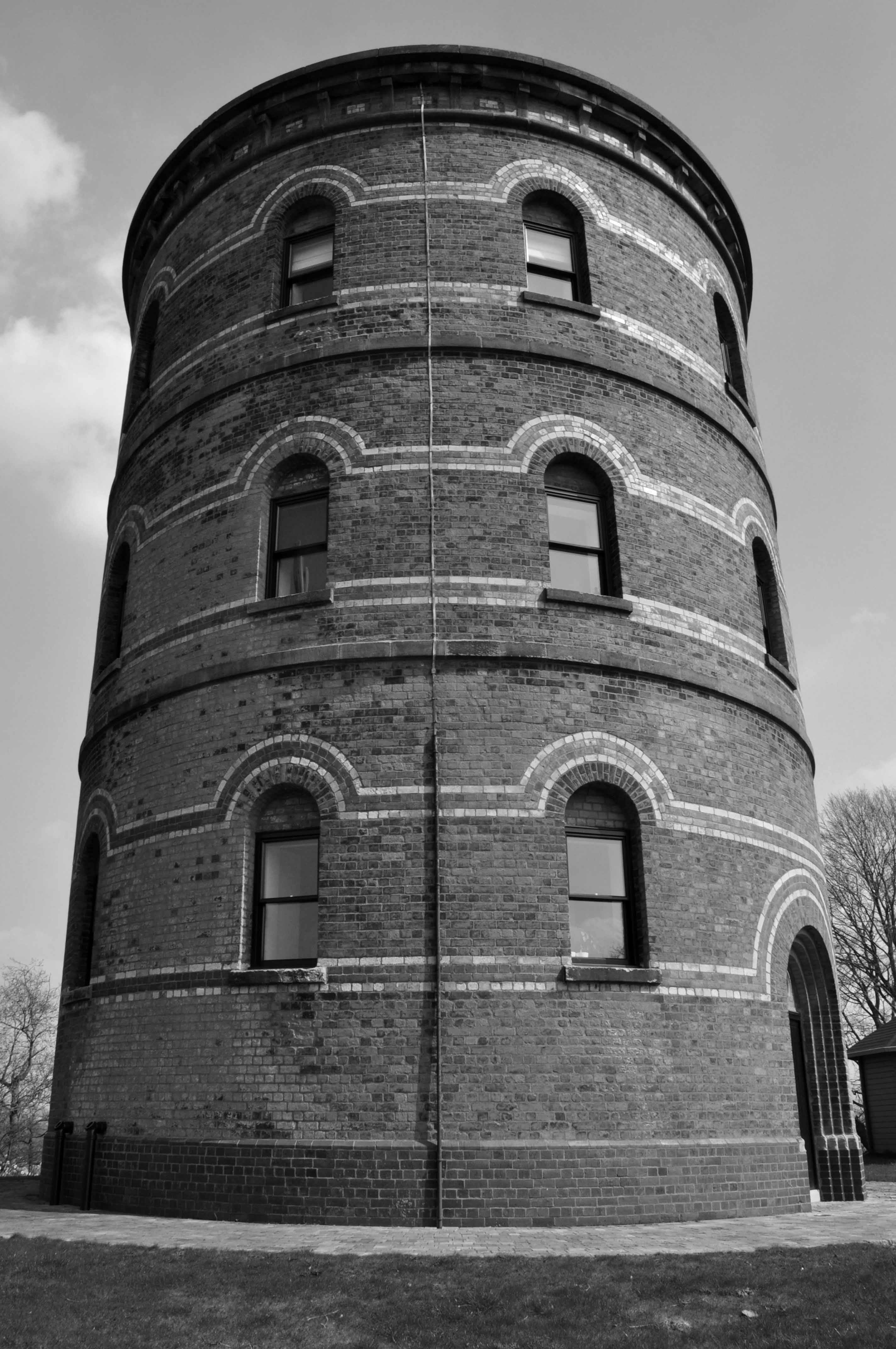
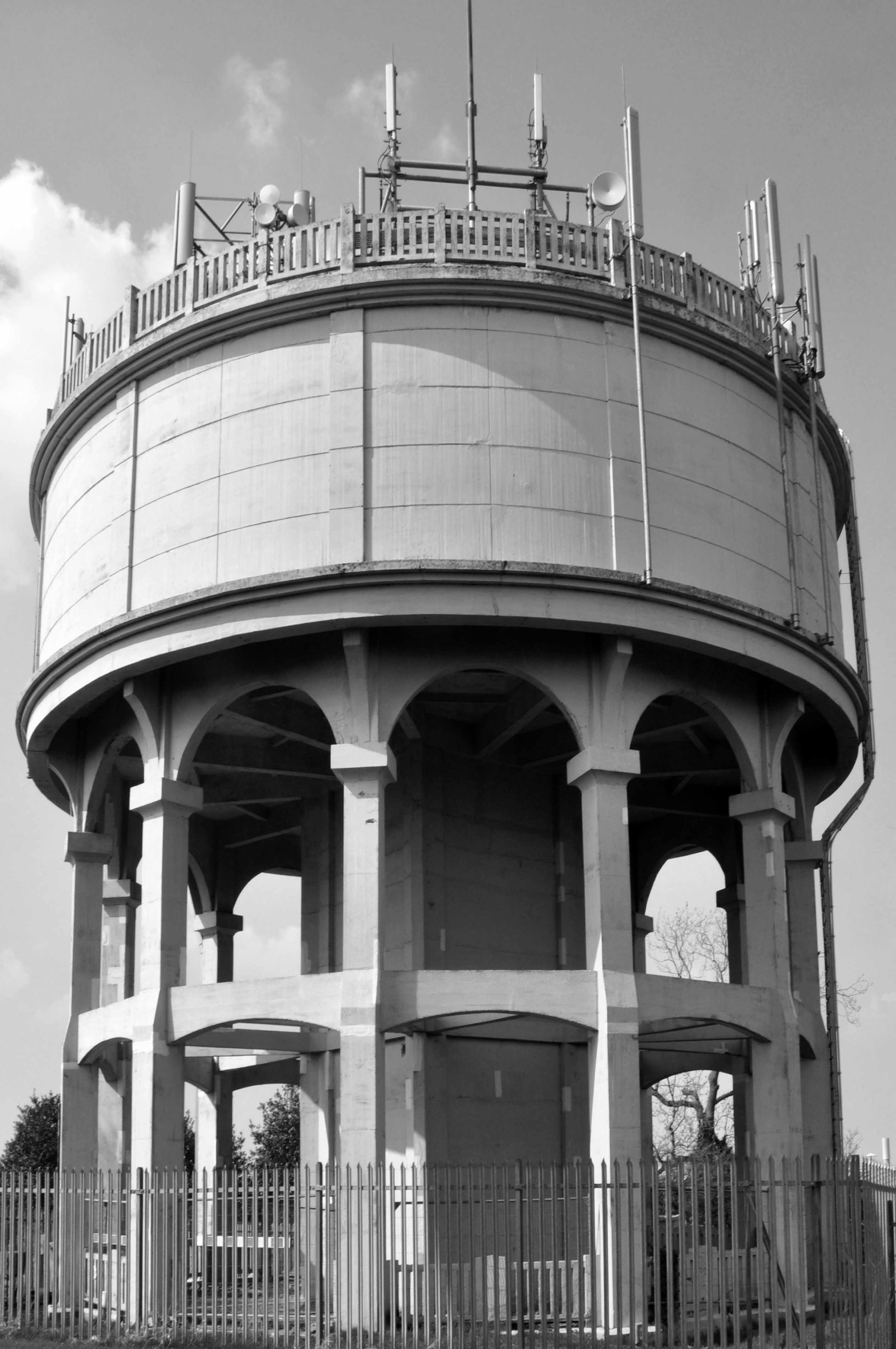
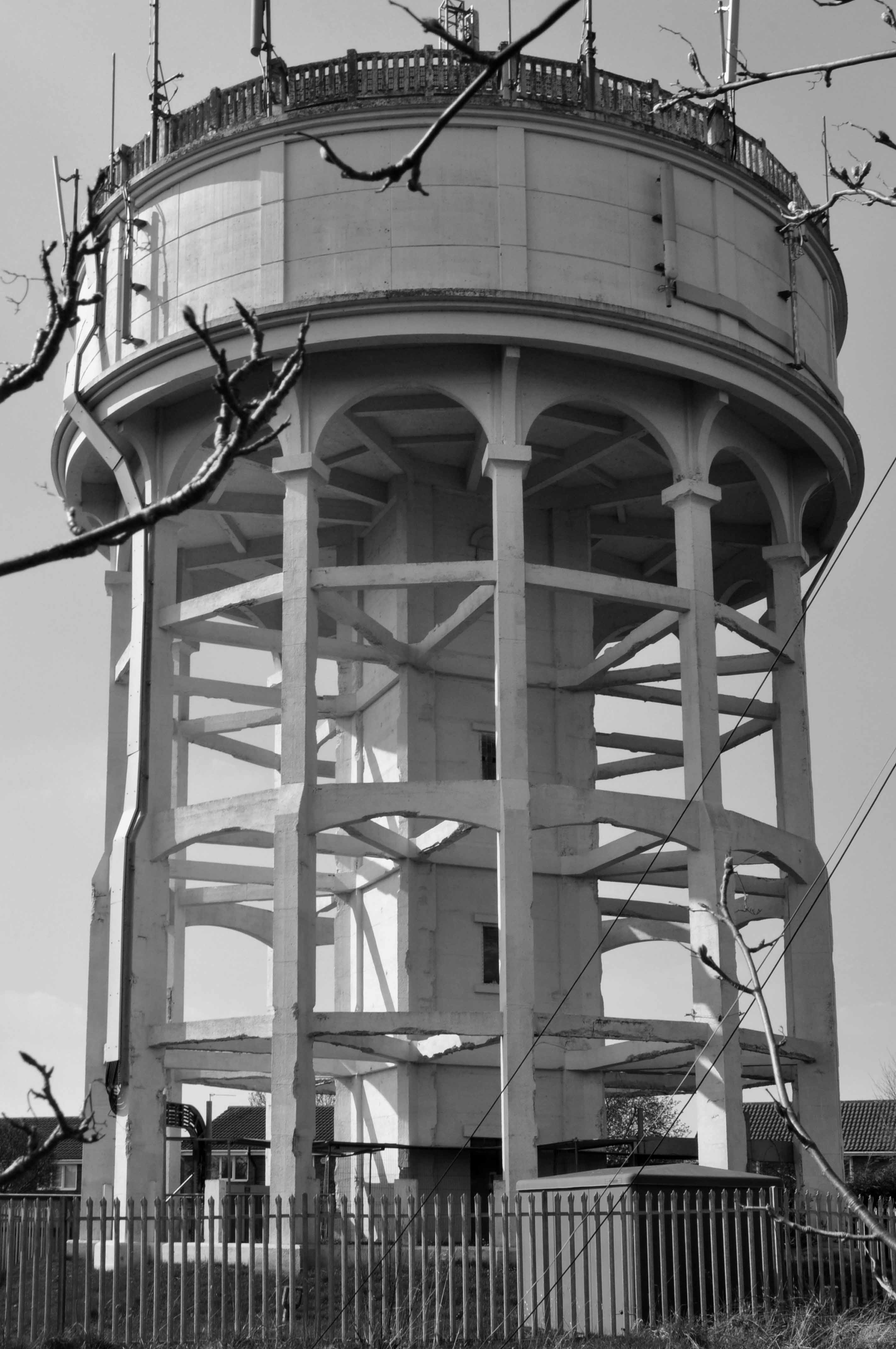
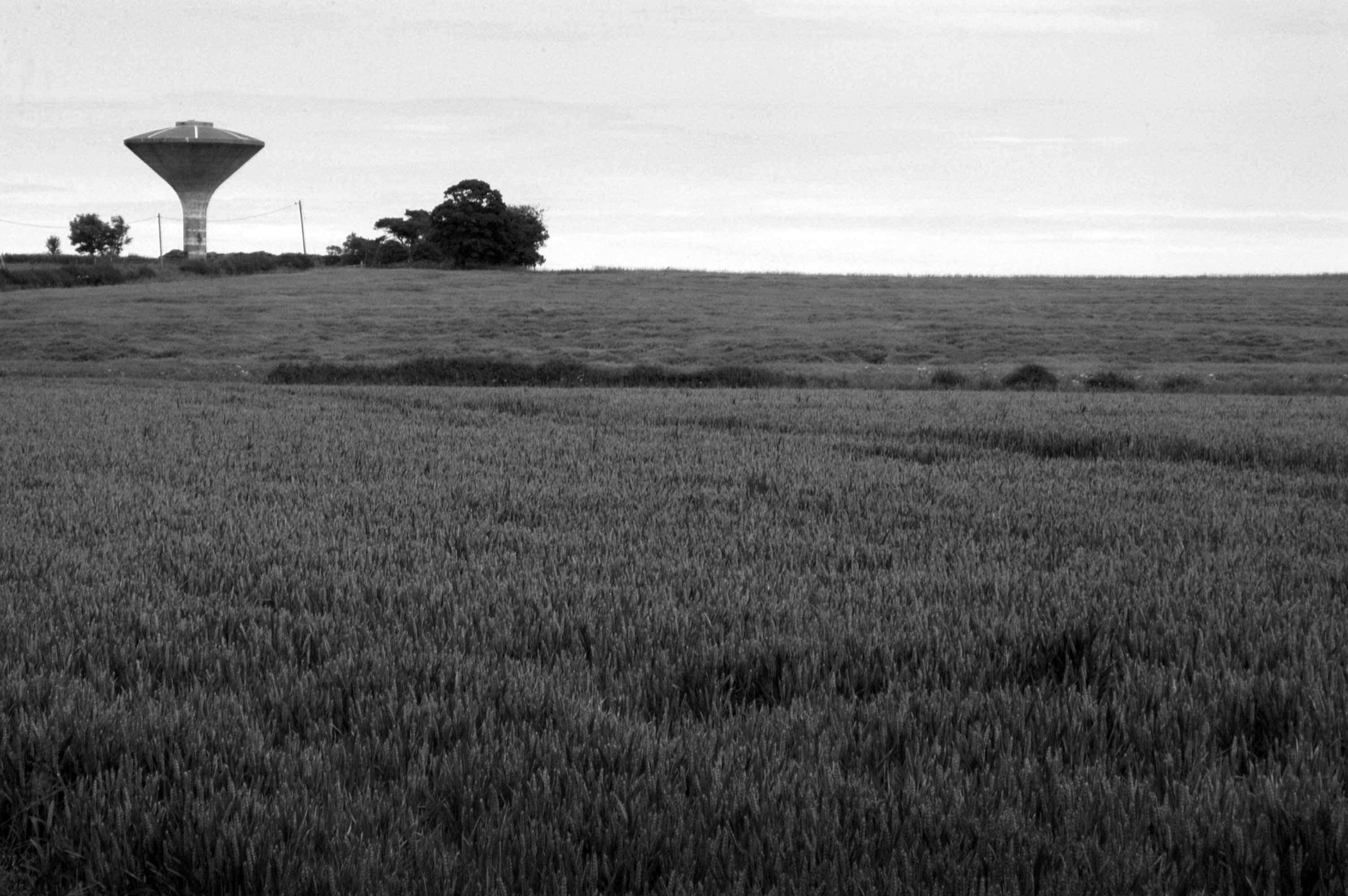
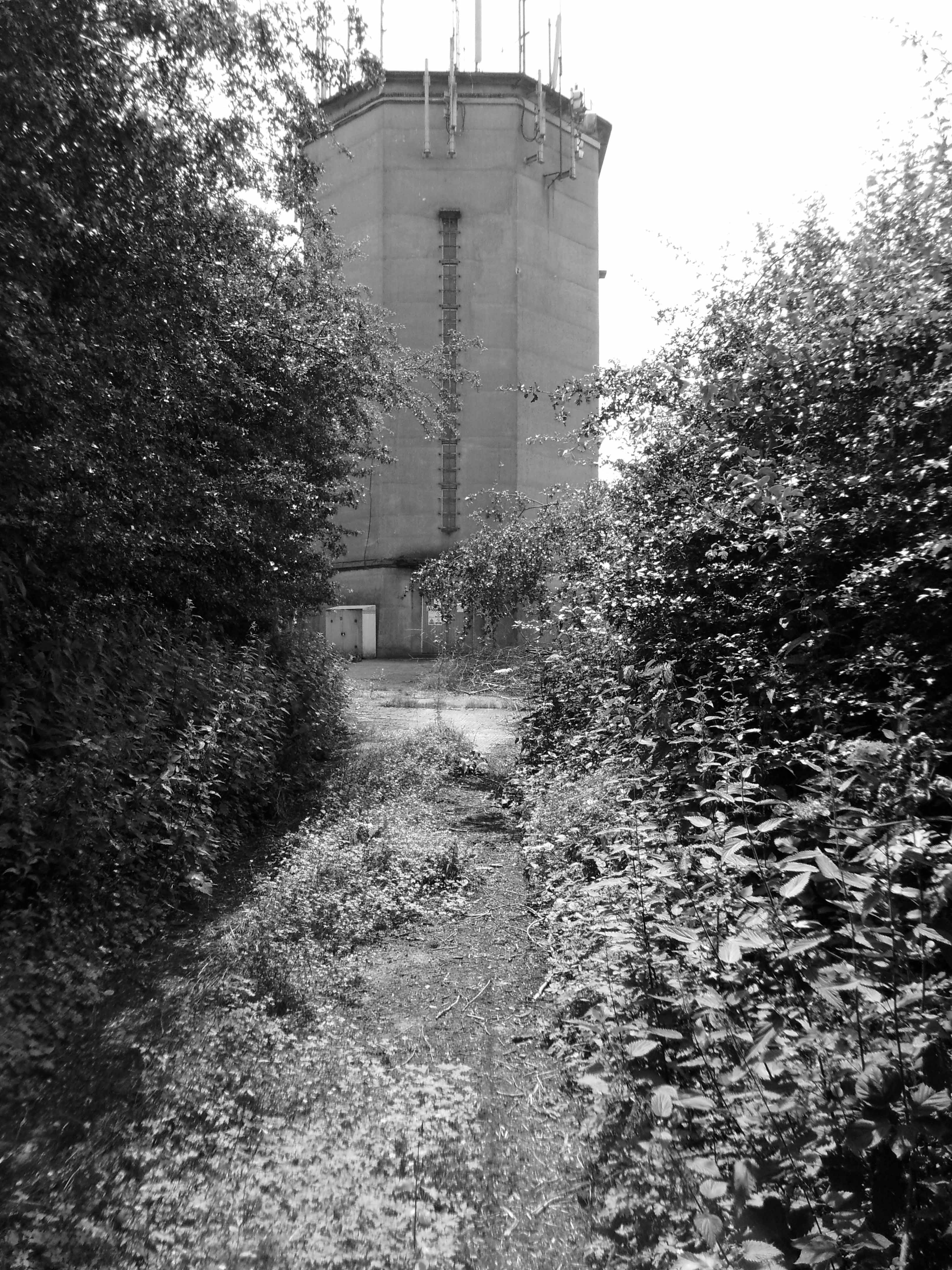
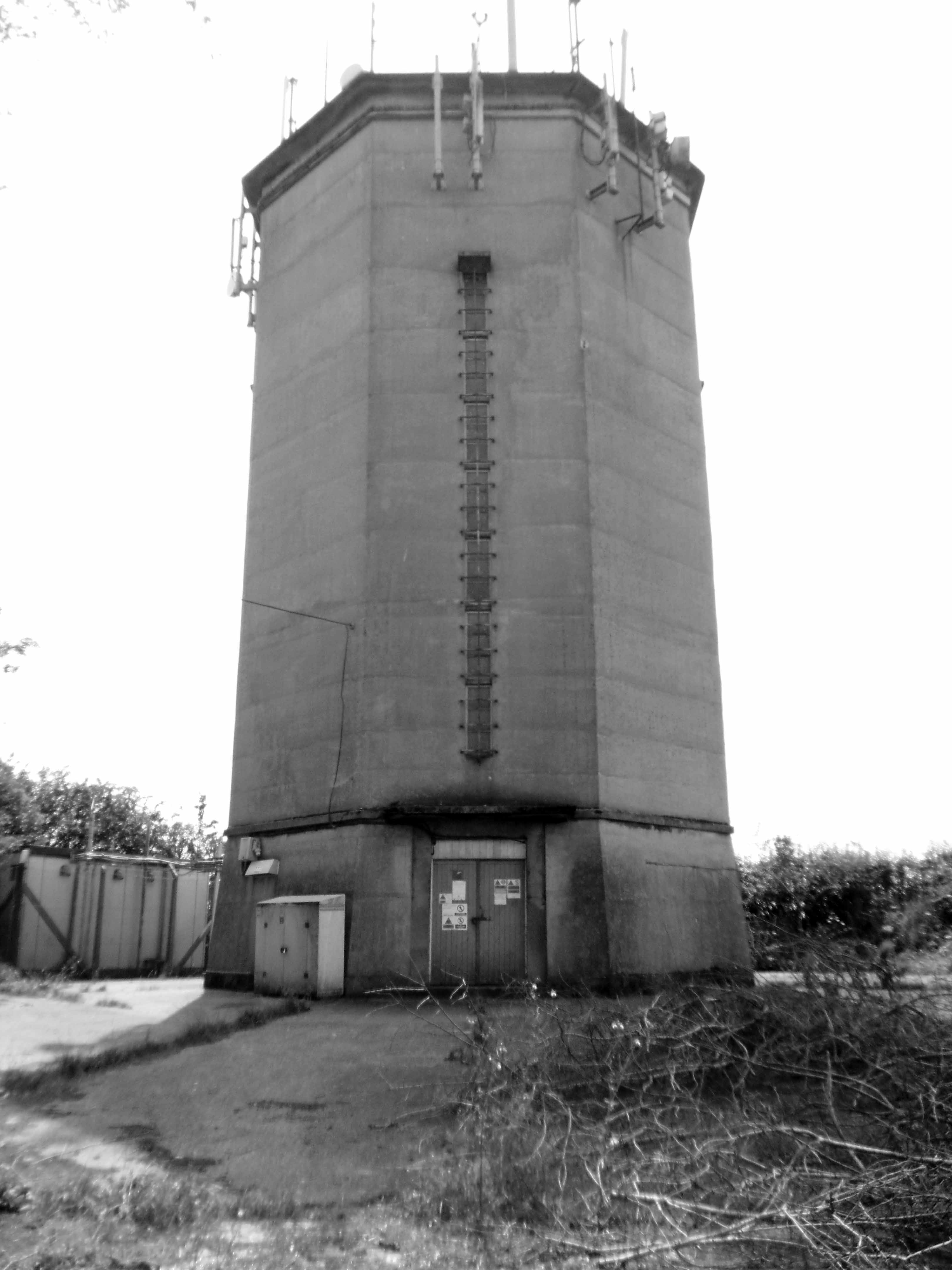
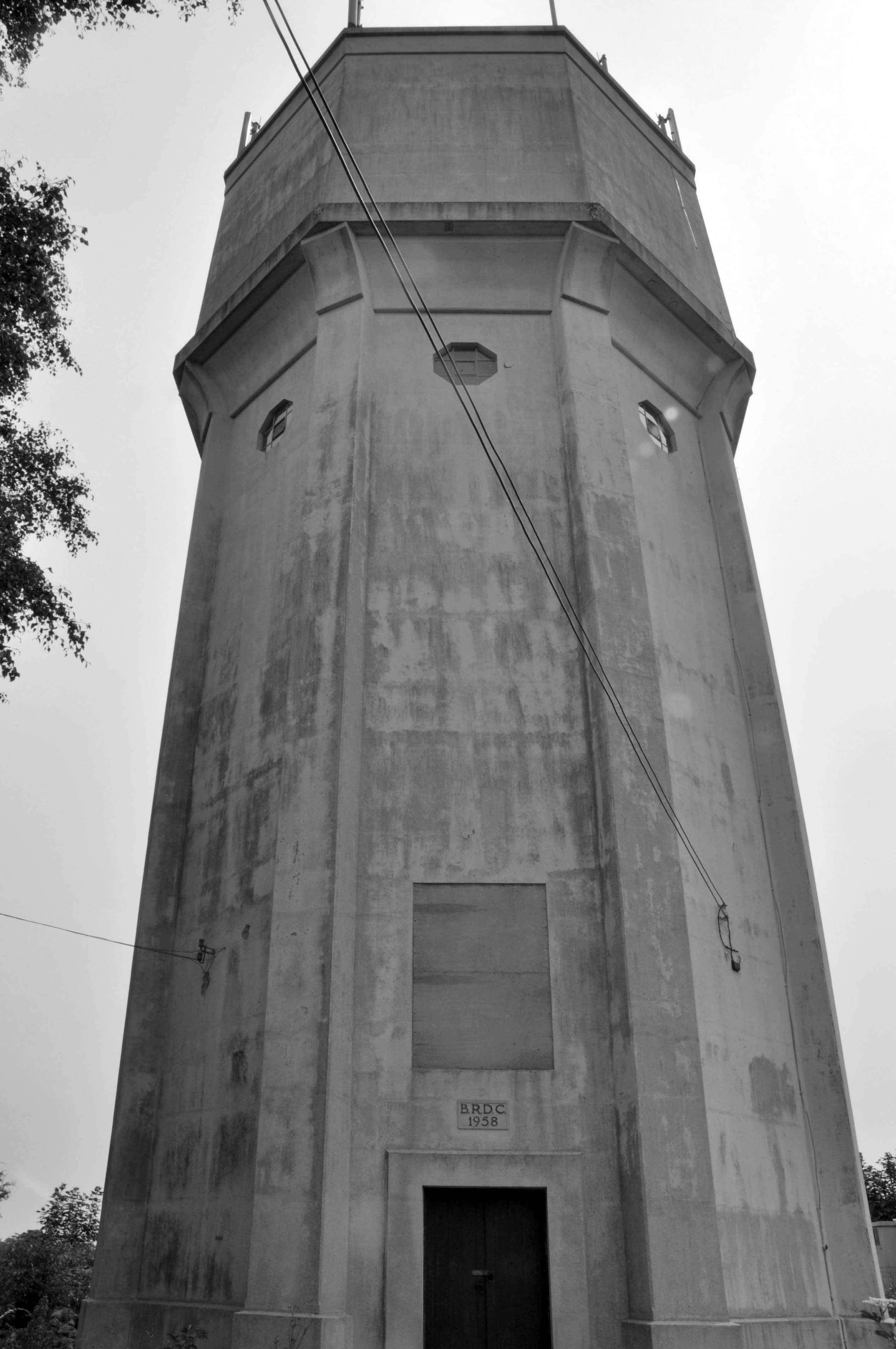
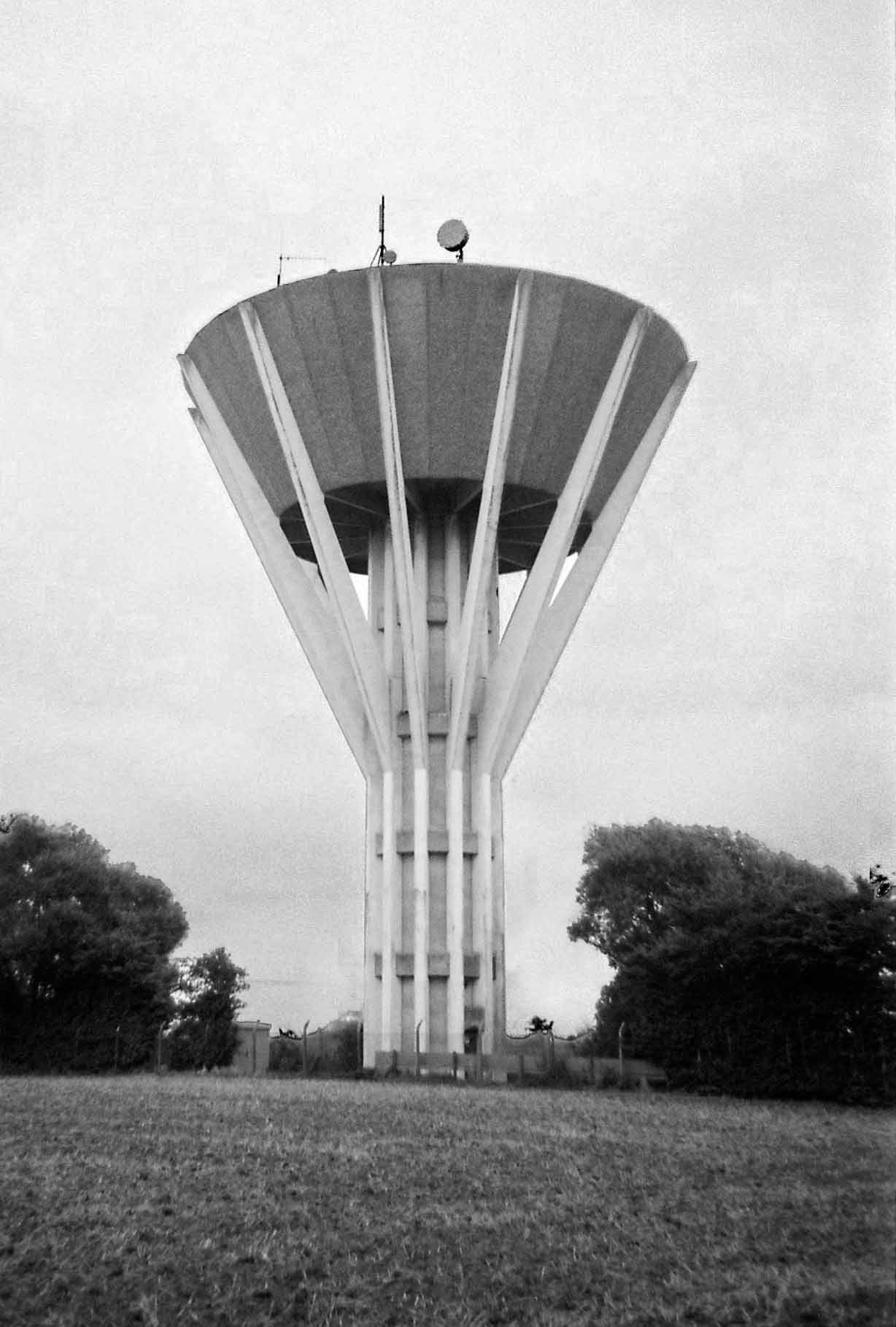
Water Towers

There are vertical features in our landscapes.

Prominent architecture, largely functionalist.

We can travel from pylon to pylon, spire to spire.

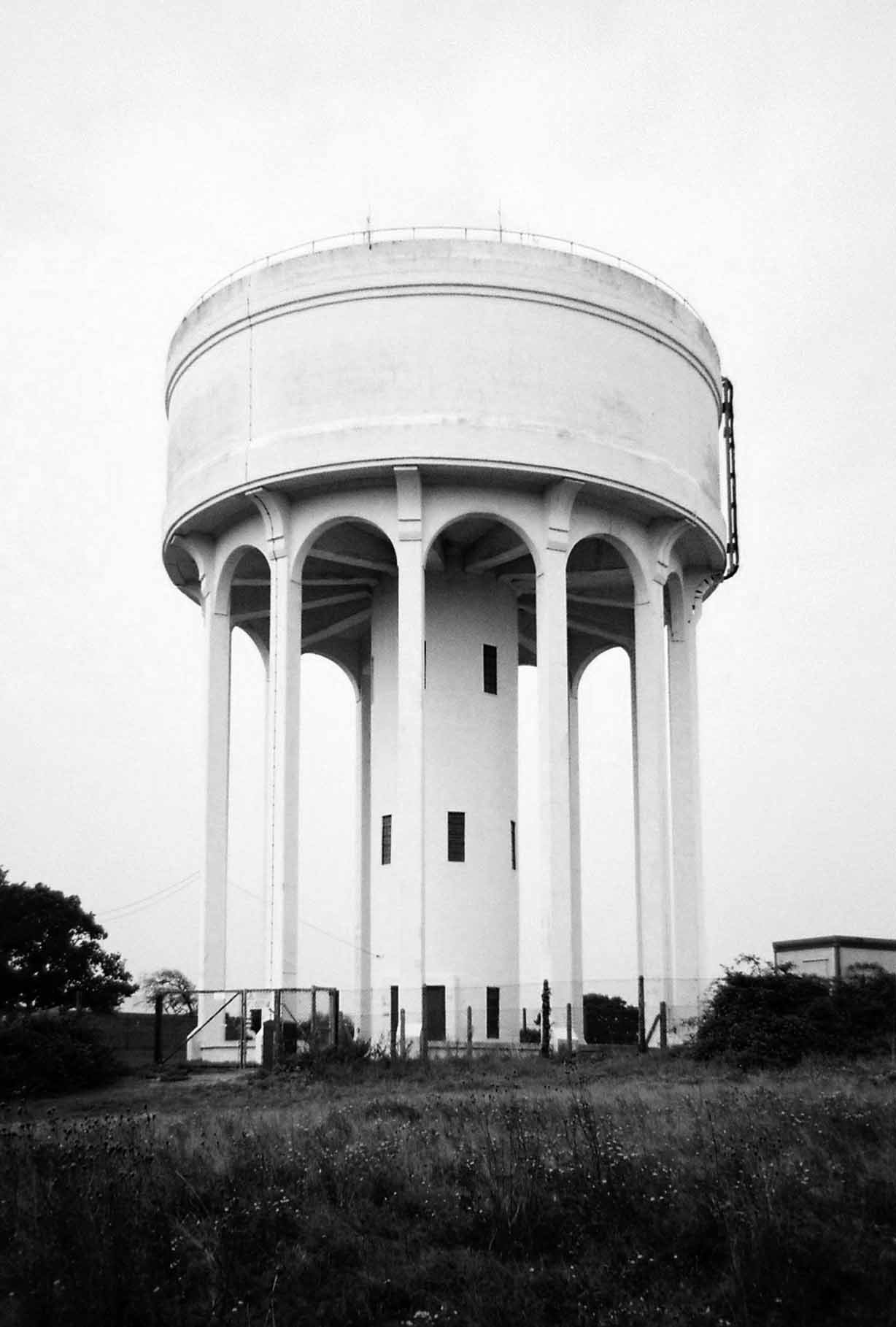
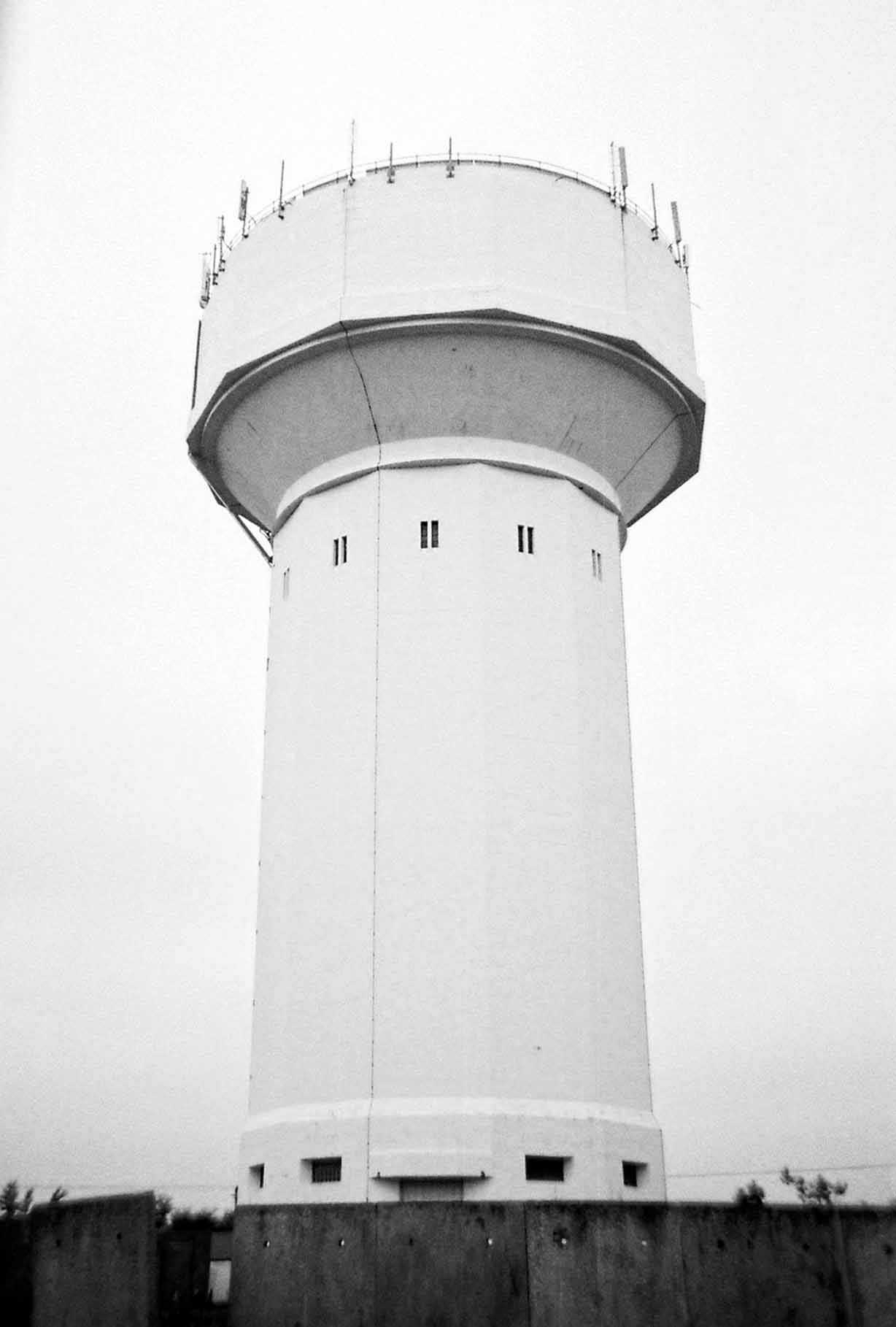
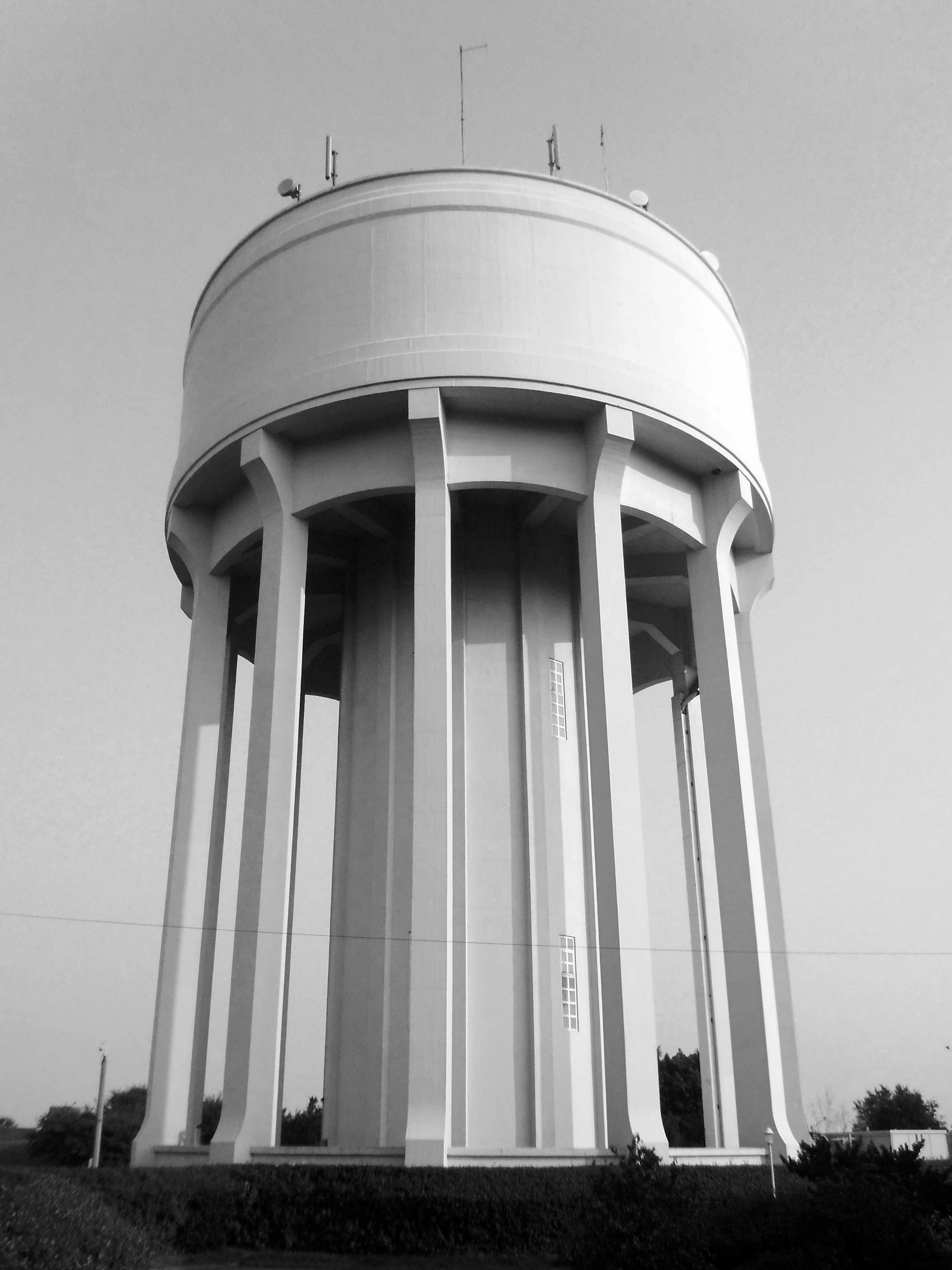
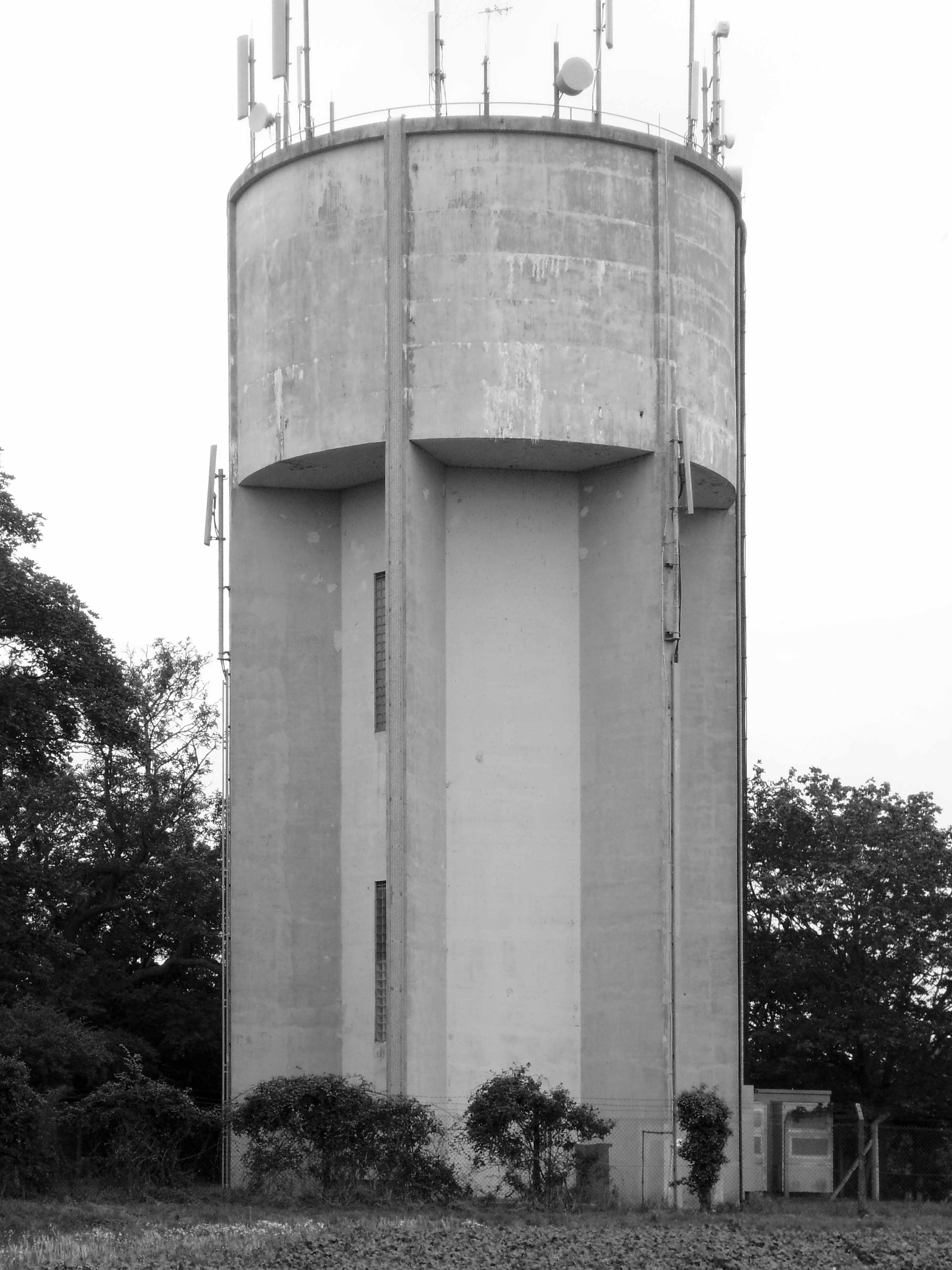
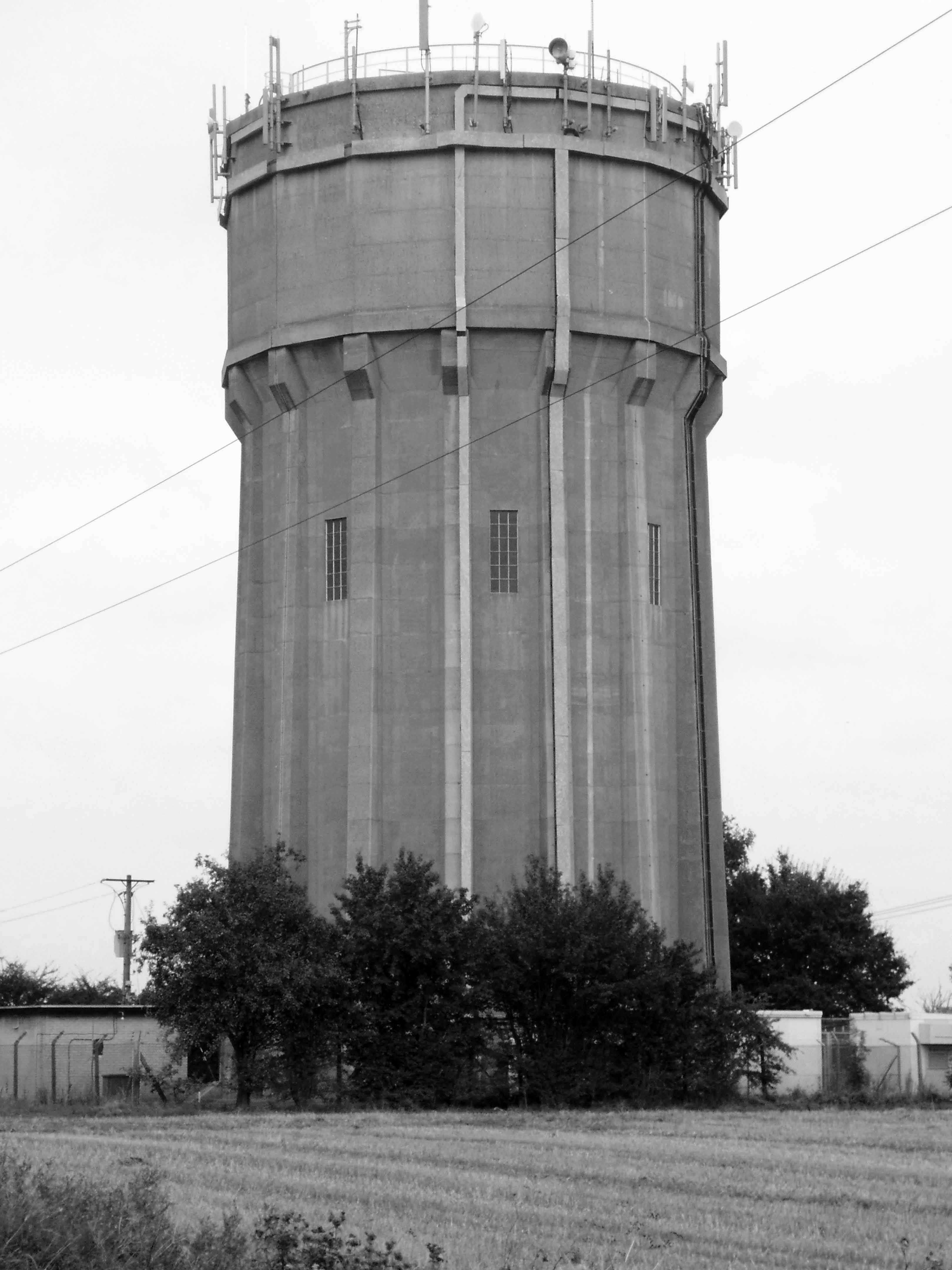
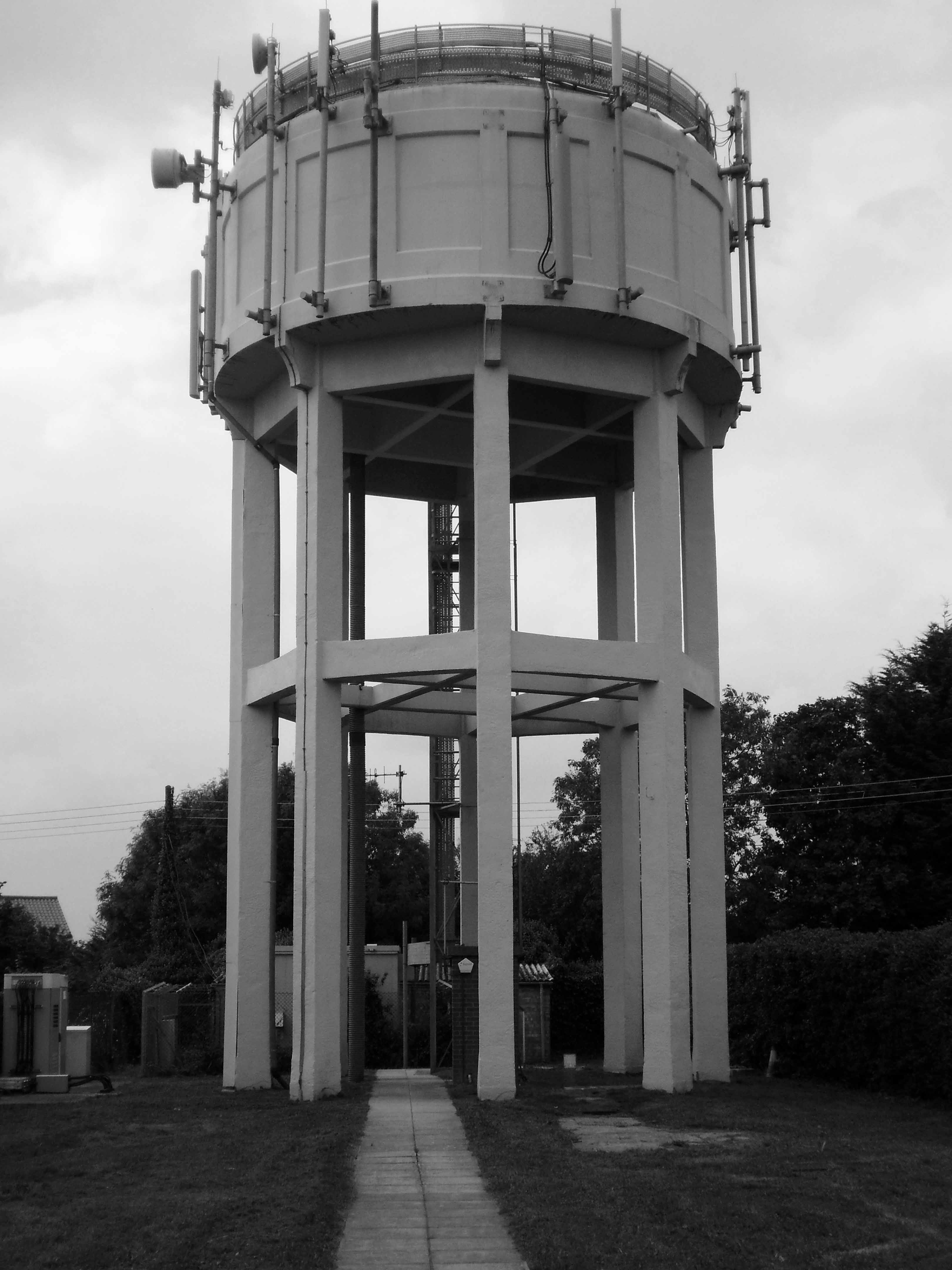
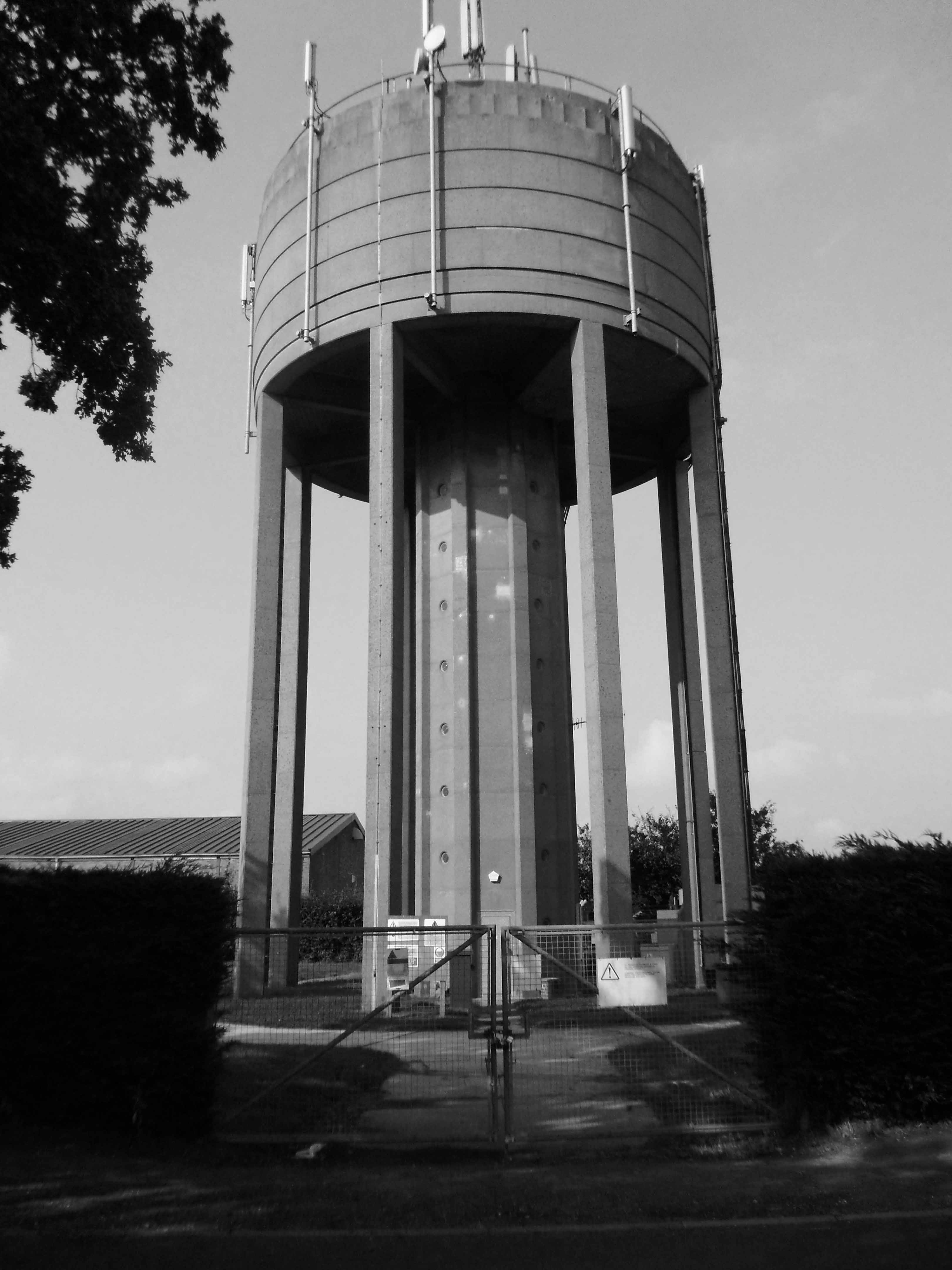
I espy water towers, and espouse the recording thereof.

I was first aware of the work of Bernd and Hilla Becher  many years ago, as a young art student I developed an empathy for their matter of fact photography, and a warm sense of the familiar with the largely industrial, everyday subject matter.

I have often made light hearted reference, to their austere conceptual grids.

The bungalows of Humbertson Fittes Lincolnshire

becher's bungalows copy

The British Rail freight van stables of Greater Manchester

Screen Shot 2016-03-28 at 16.54.23

And of course water towers, some are familiar to me in the areas around south Manchester, easily accessibly by bicycle across the Cheshire Plain. So over time I have set out with a clear intent or serendipitous disposition, a modern day Don Quixote, sans Sancho Panza, tilting and snapping at towers.

Access is not always easy, or permitted for that matter – there are gates and fences to overcome, brambles and barbed wire to catch yourself on, but it’s always worth it. As a typology they are various, in design, structure and materials.

Summer 2014 I cycled from Hastings to Cleethorpes, following where possible a coastal route, in search of nothing in particular. Needless to say I found several water towers, eight of note – amongst other things.

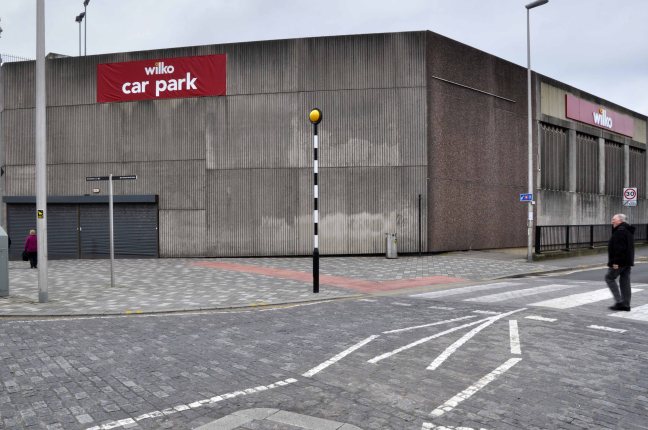
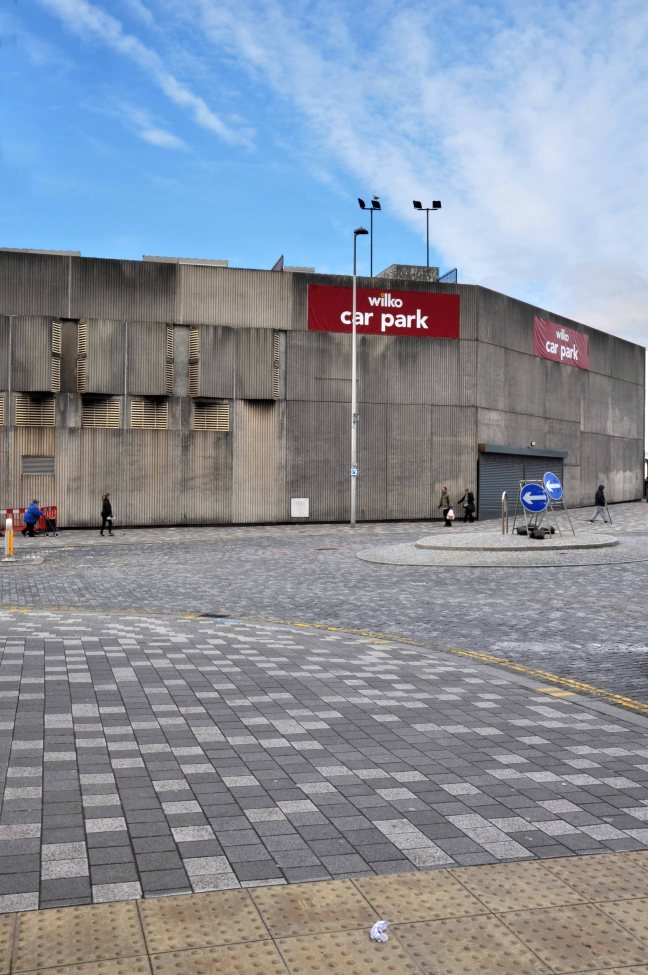
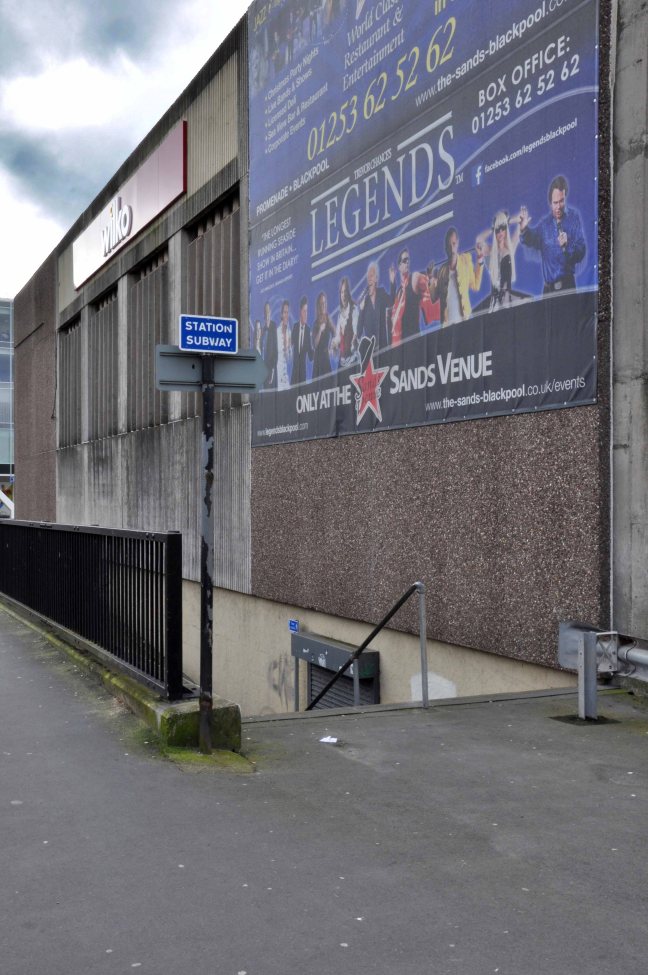
Wilko’s – Blackpool

Formerly the site of a much larger, much busier Blackpool North Station – a time when trains arrived sixteen coaches long.

As seen in this archive film of the 1940s.

Cars and closures caused the station to withdraw up the road, to its current much smaller site.

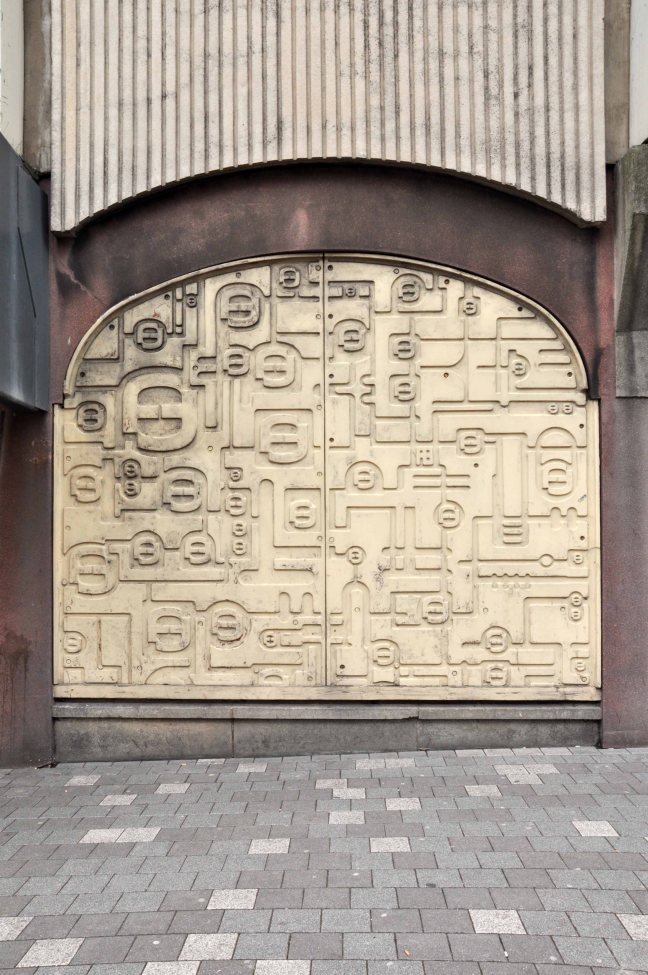
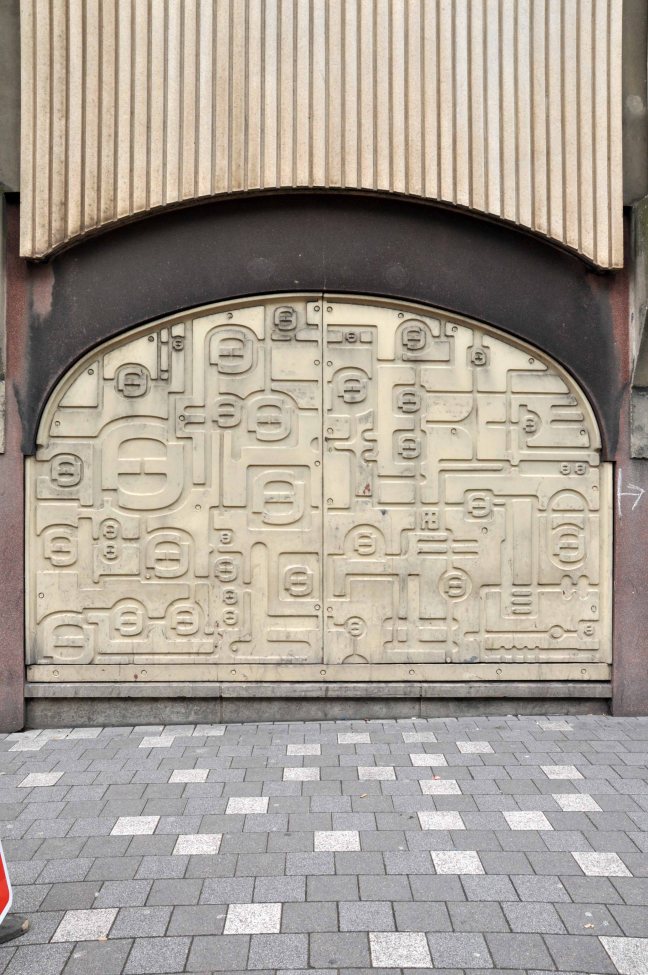
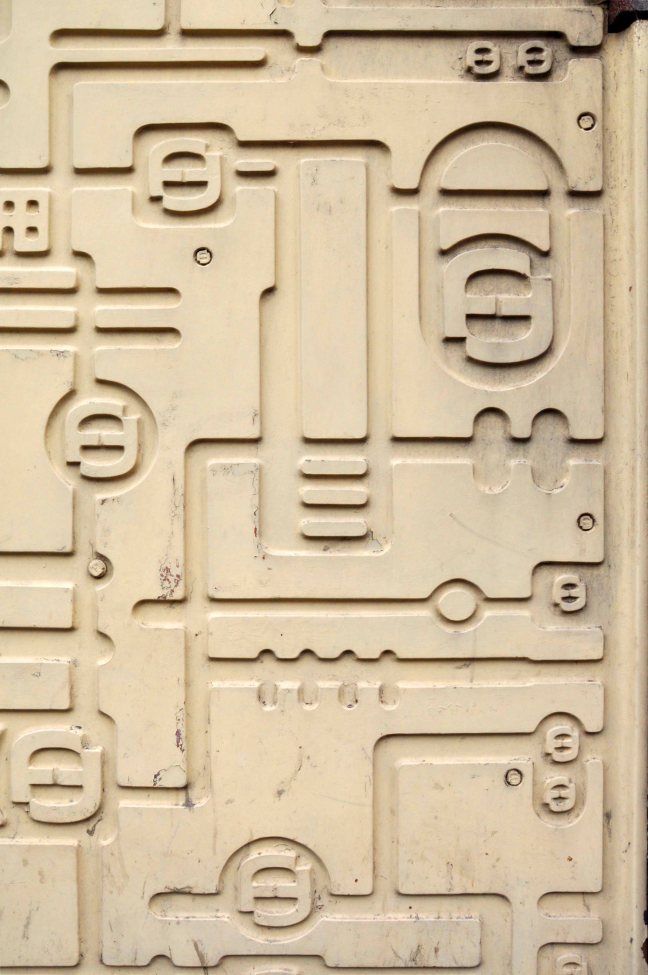
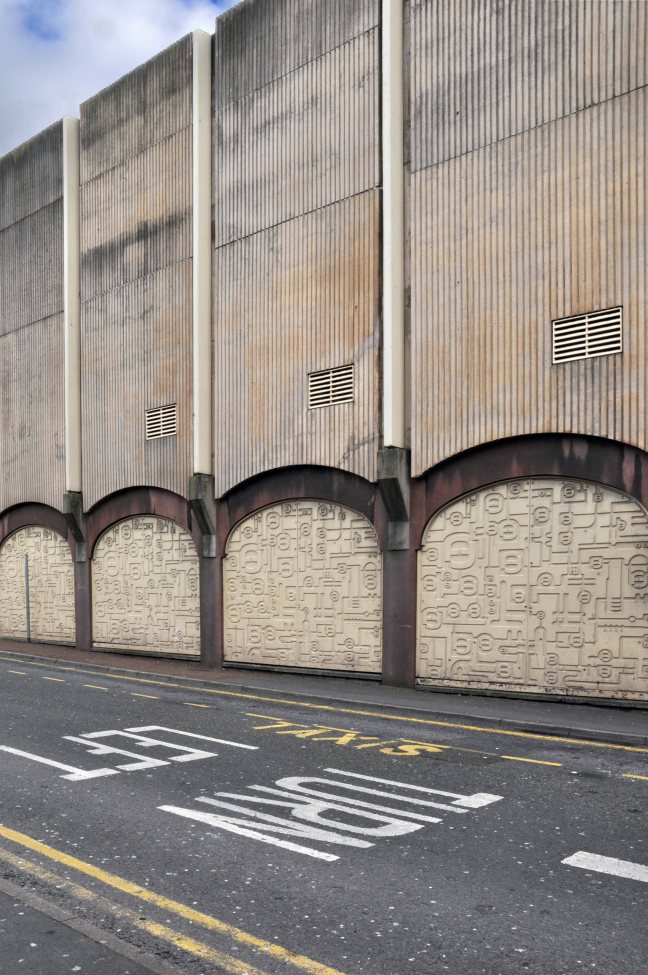
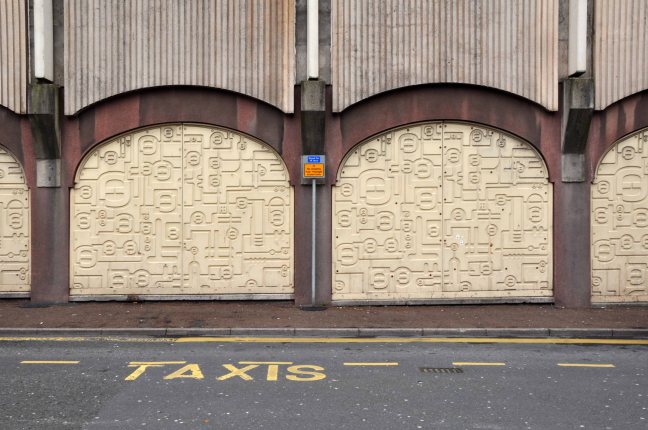
Subsequently Fine Fare arrives with a fanfare of moulded plastic panels, and cast concrete walls.

fine fare

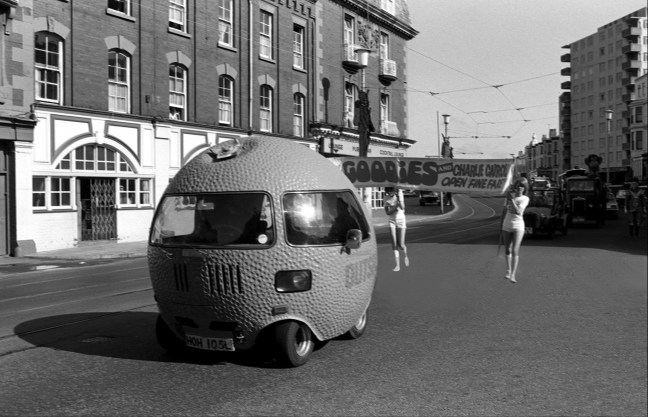
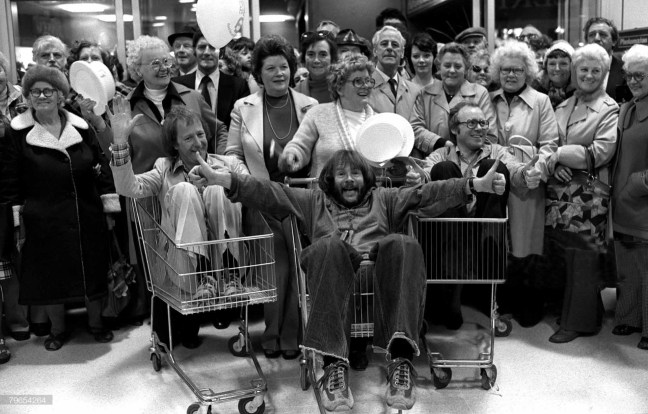
Opened on May 22nd 1979 by the Goodies.

gettyimages-79654262-2048x2048-1

22-7-79

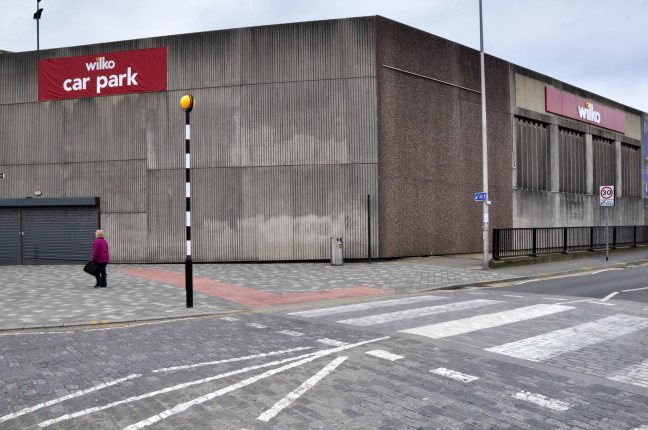
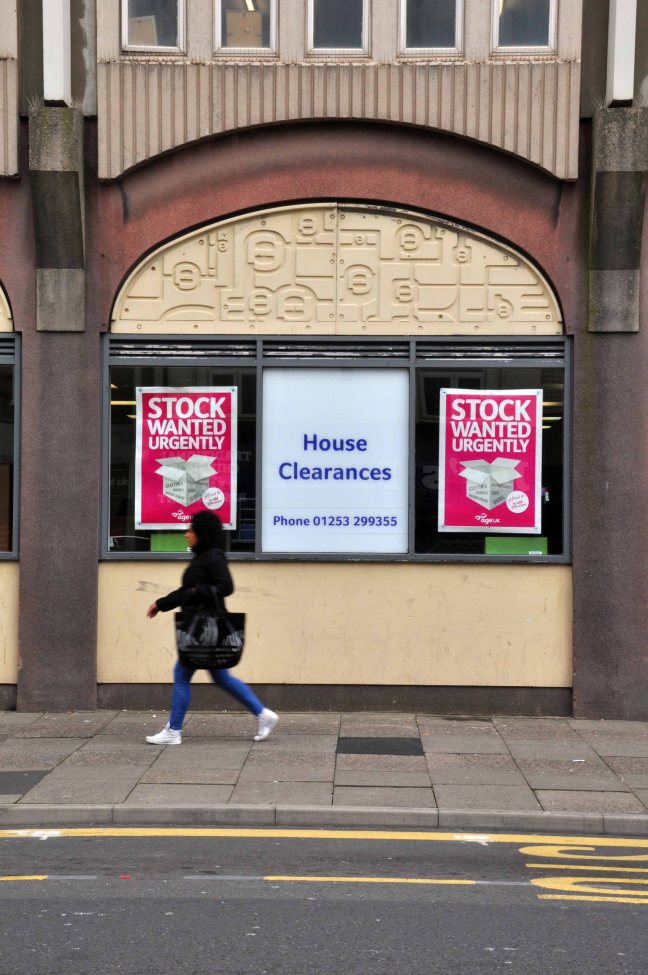
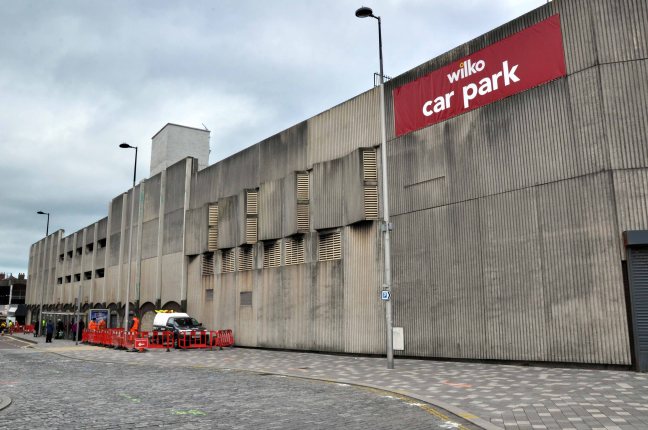
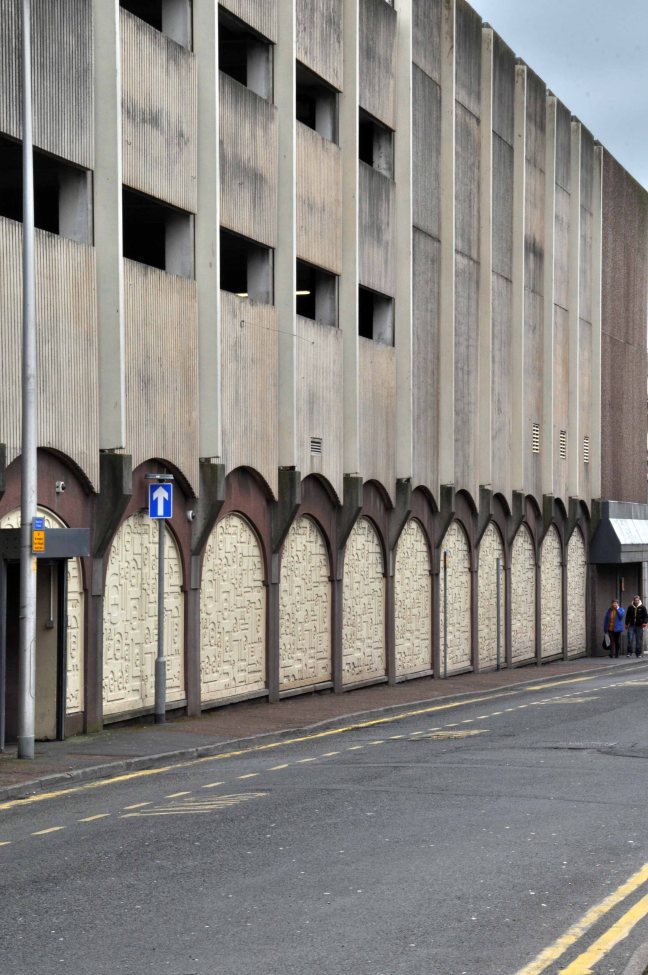
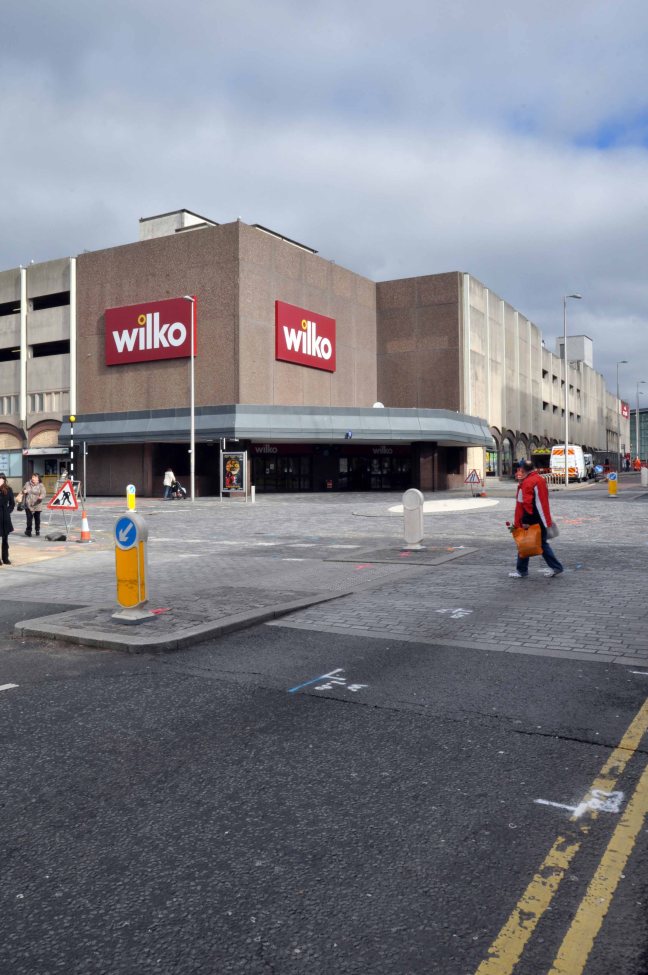
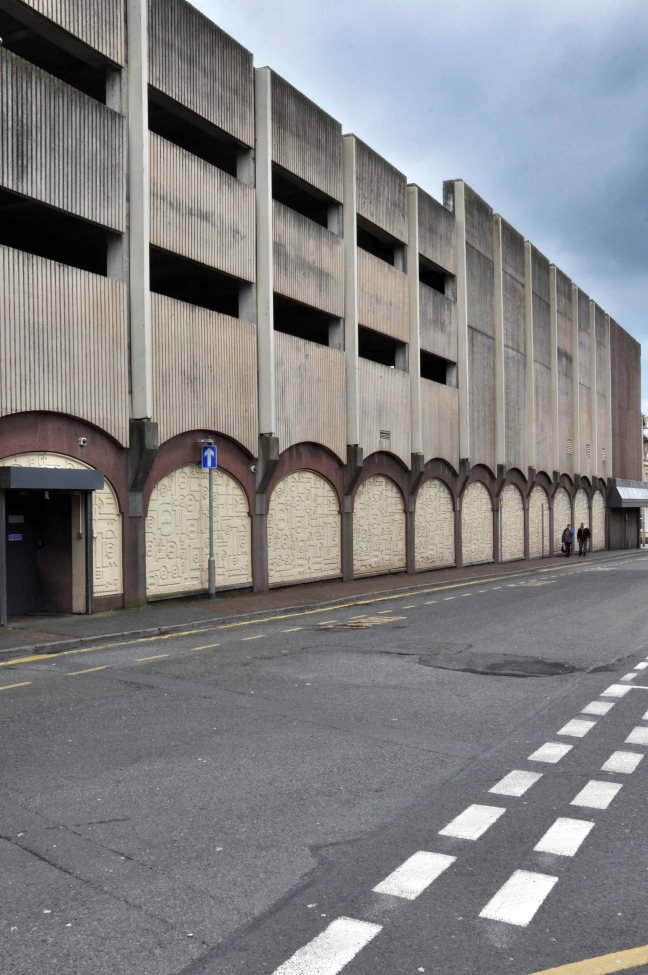
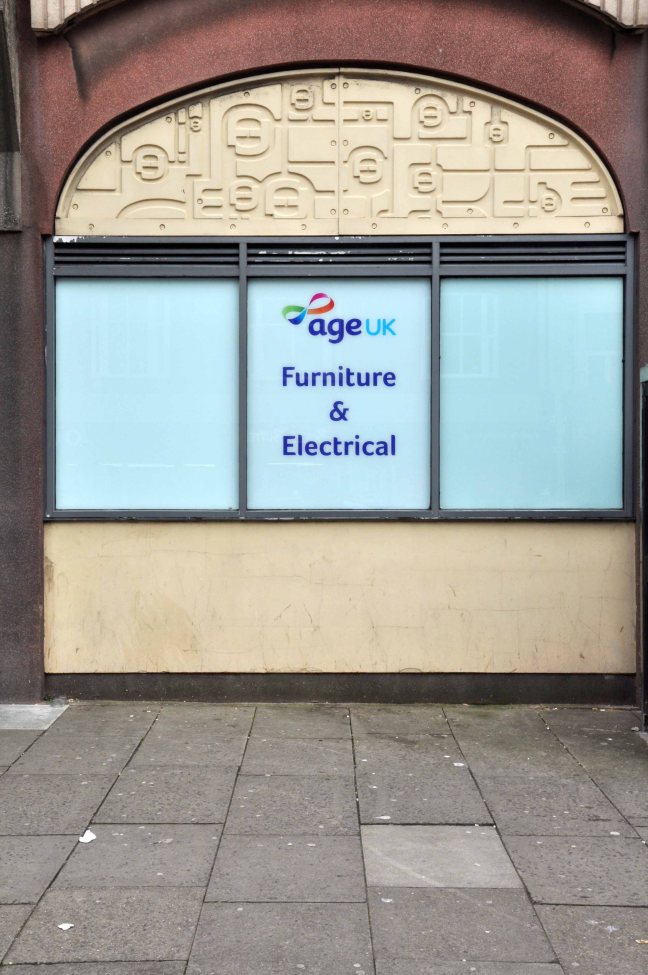
Superseded by Food Giant, Gateway, Dunnes Stores, Kwik Save and Somerfields – possibly others, currently Wilkinson’s Wilko Superstore and Age UK, retaining at all times the attractive integral car park.

Wilko is now to be relocated and the site redeveloped as part of the second phase of the £220m Talbot Gateway – whereby trams will link the promenade with the Station.

Possibly.

The tale is the typical mix of Council, Developer on/off, binary obfuscation, secrecy, smoke and mirrors.

Councillor Fred Jackson says:

“We are in talks with our development partner Muse but there is a confidentiality agreement so there is very little I can say.”

Whatever the outcome I do hope the panels are saved, having notified Historic England several weeks ago, I eagerly await their hurried and considered response…

In the meantime get y’self on the choo-choo to Blackpool North toot sweet, and have a gander at a fine Fine Fare plastic panel or two, before you can’t.

DSC_0003 copy

DSC_0005 copy

DSC_0009 copy

DSC_0015 copy

DSC_0007 copy

DSC_0008 copy

DSC_0014 copy

DSC_0006 copy

DSC_0026 copy

DSC_0023 copy

DSC_0027 copy

DSC_0020 copy

DSC_0022 copy

DSC_0028 copy

DSC_0324 copy

DSC_0035 copy

DSC_0032 copy

DSC_0019 copy

DSC_0021 copy

DSC_0039 copy

DSC_0033 copy

DSC_0017 copy

DSC_0018 copy

DSC_0024 copy

Burnage – Garden Village

Spring’s in the air, let’s take a walk down leafy lanes, far from the traffic’s roaring boom and the silence of my lonely room – well not that far.

Burnage.


Screen Shot 2016-03-23 at 10.33.12

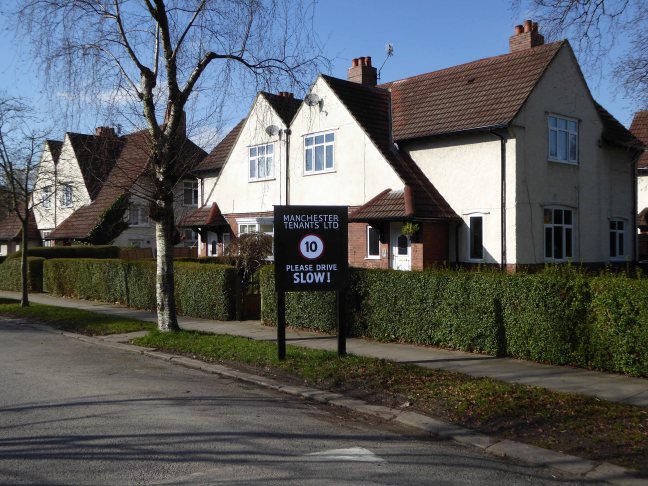
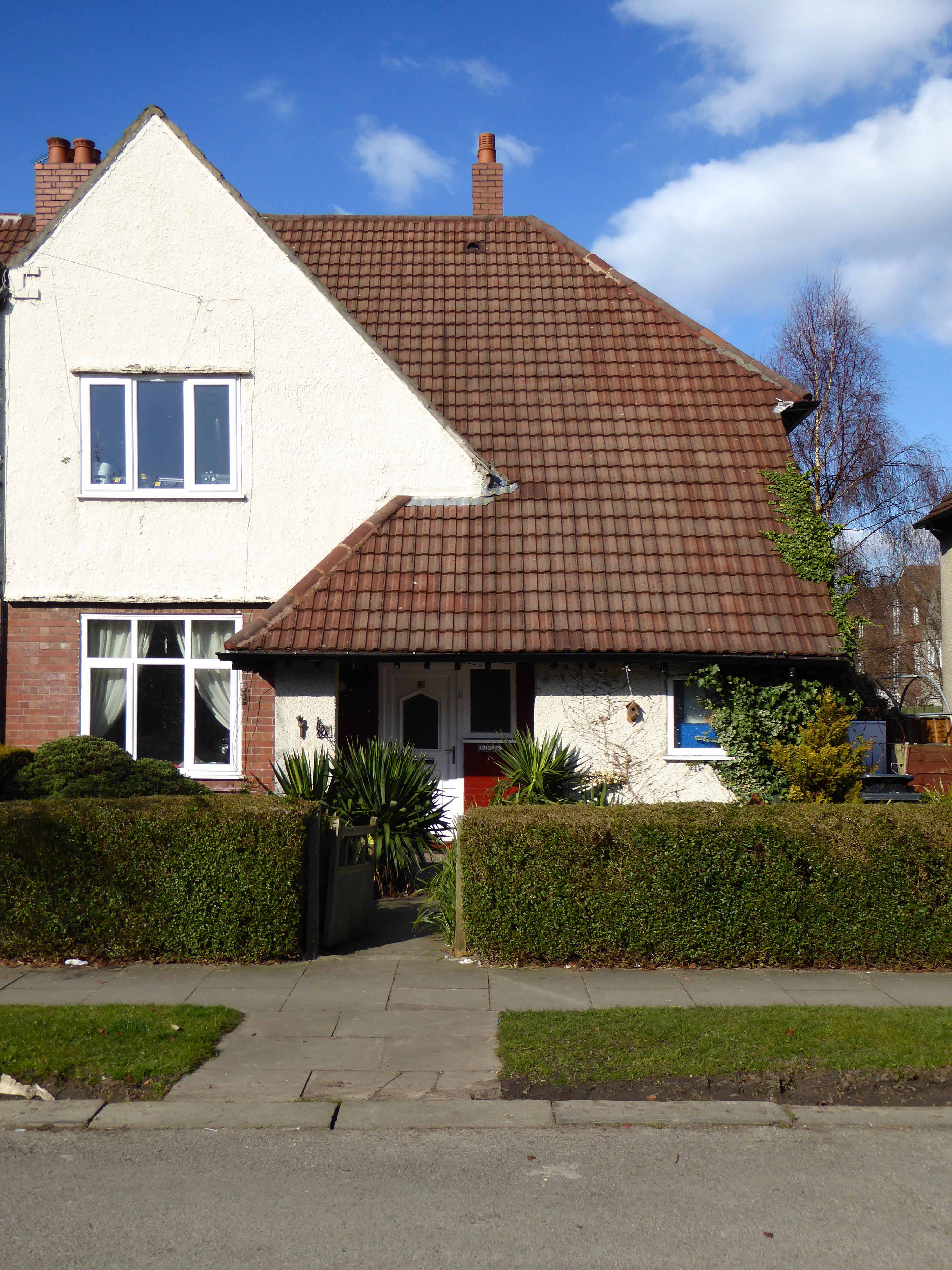
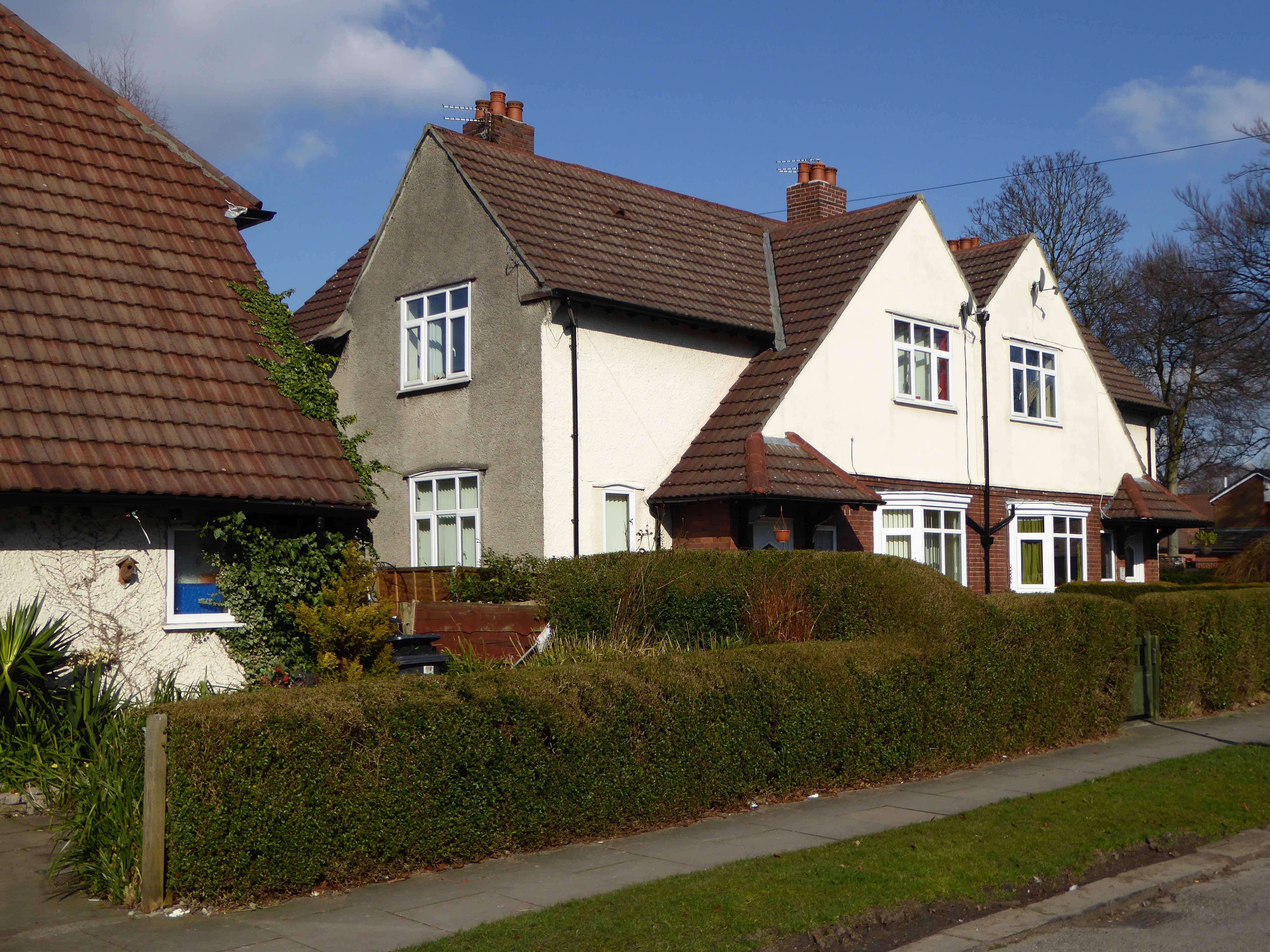
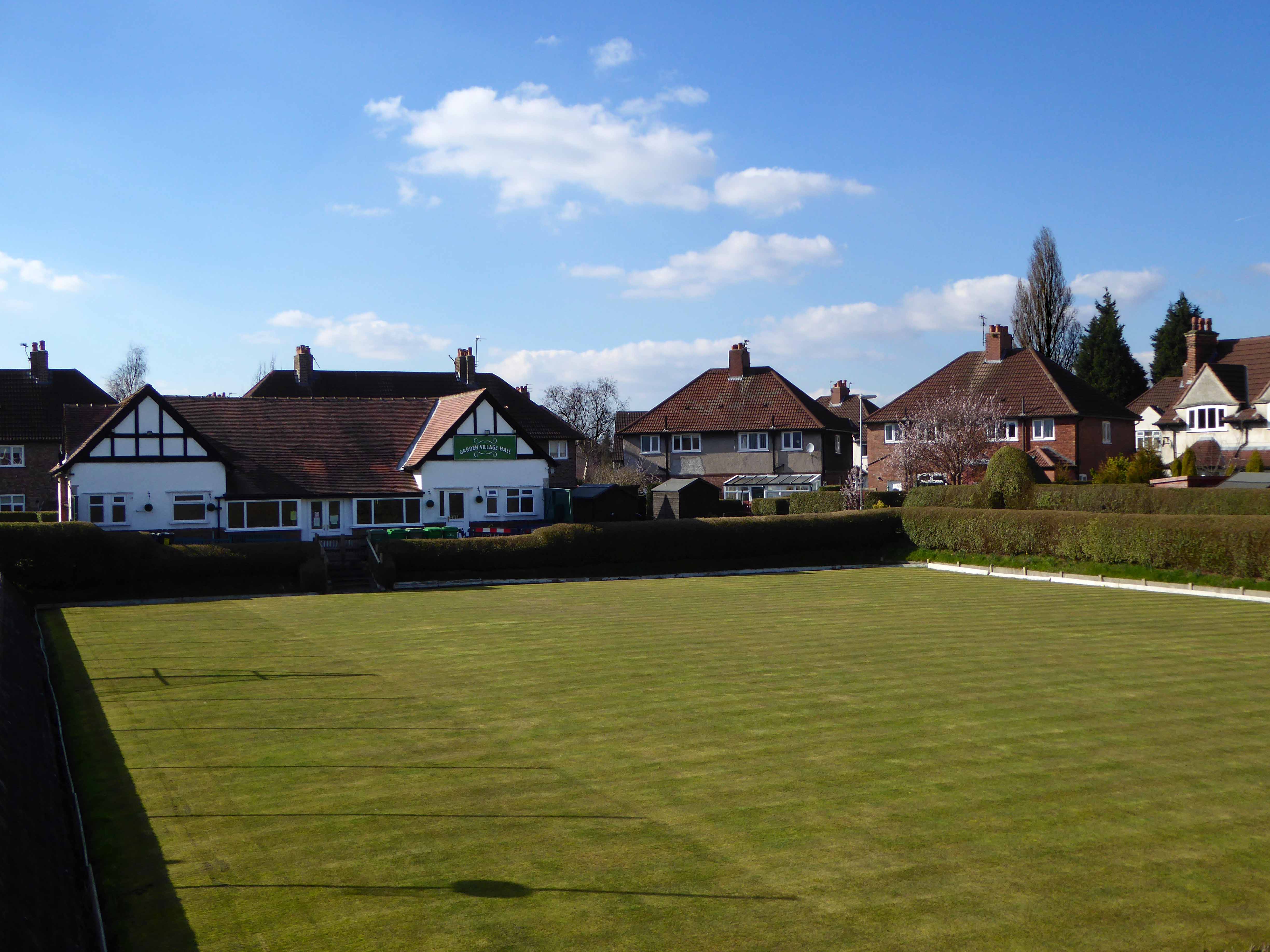
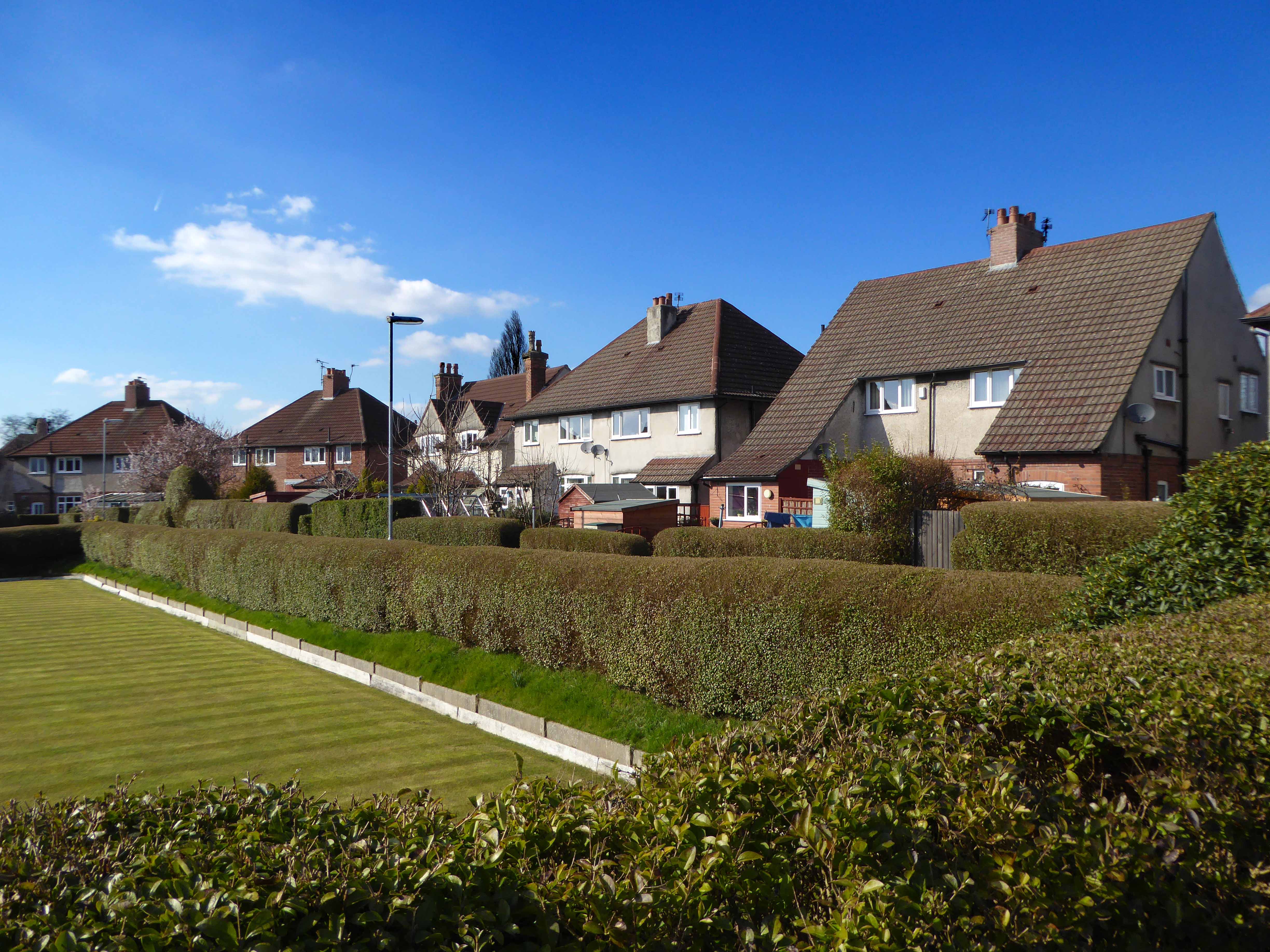
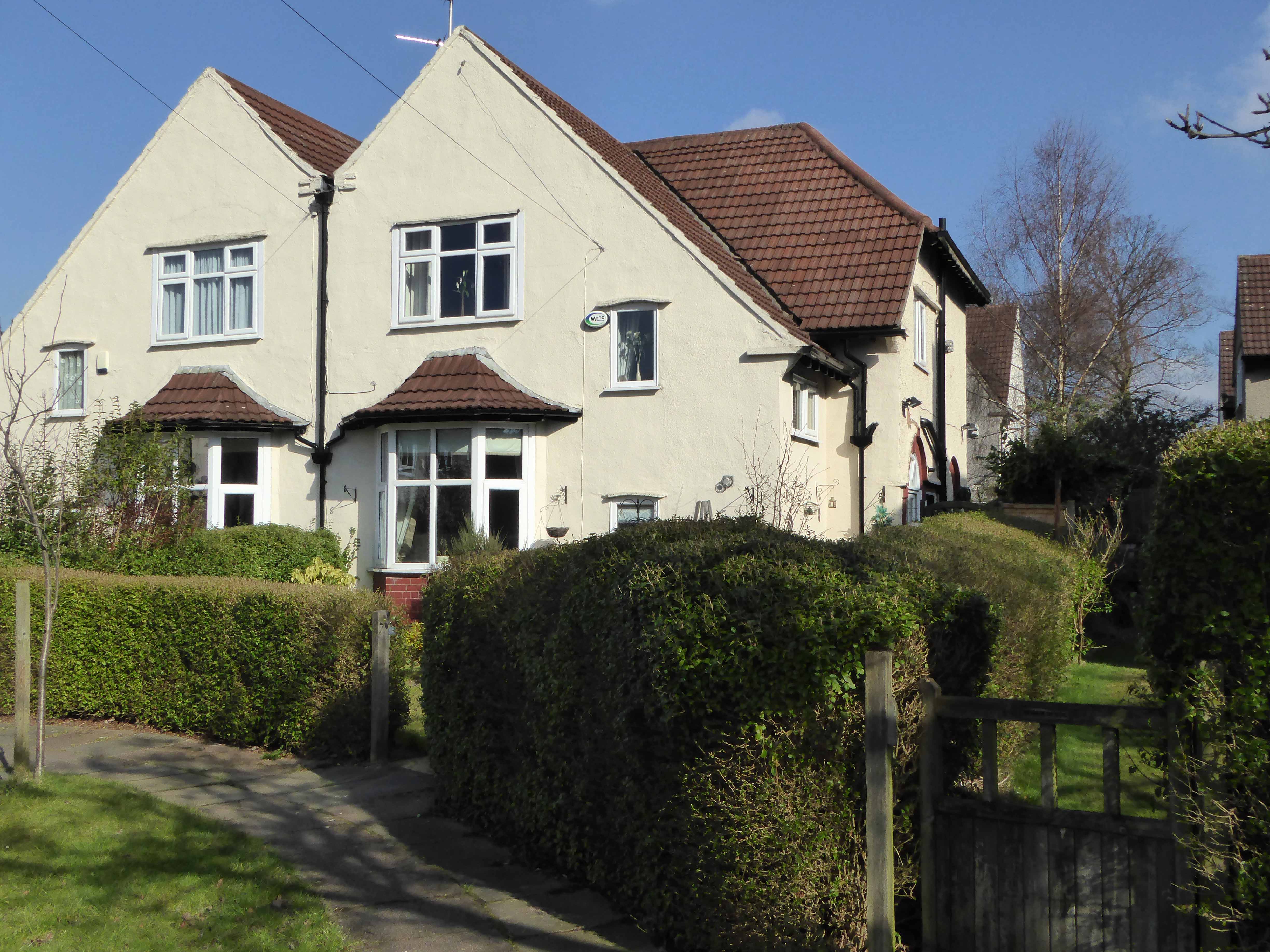
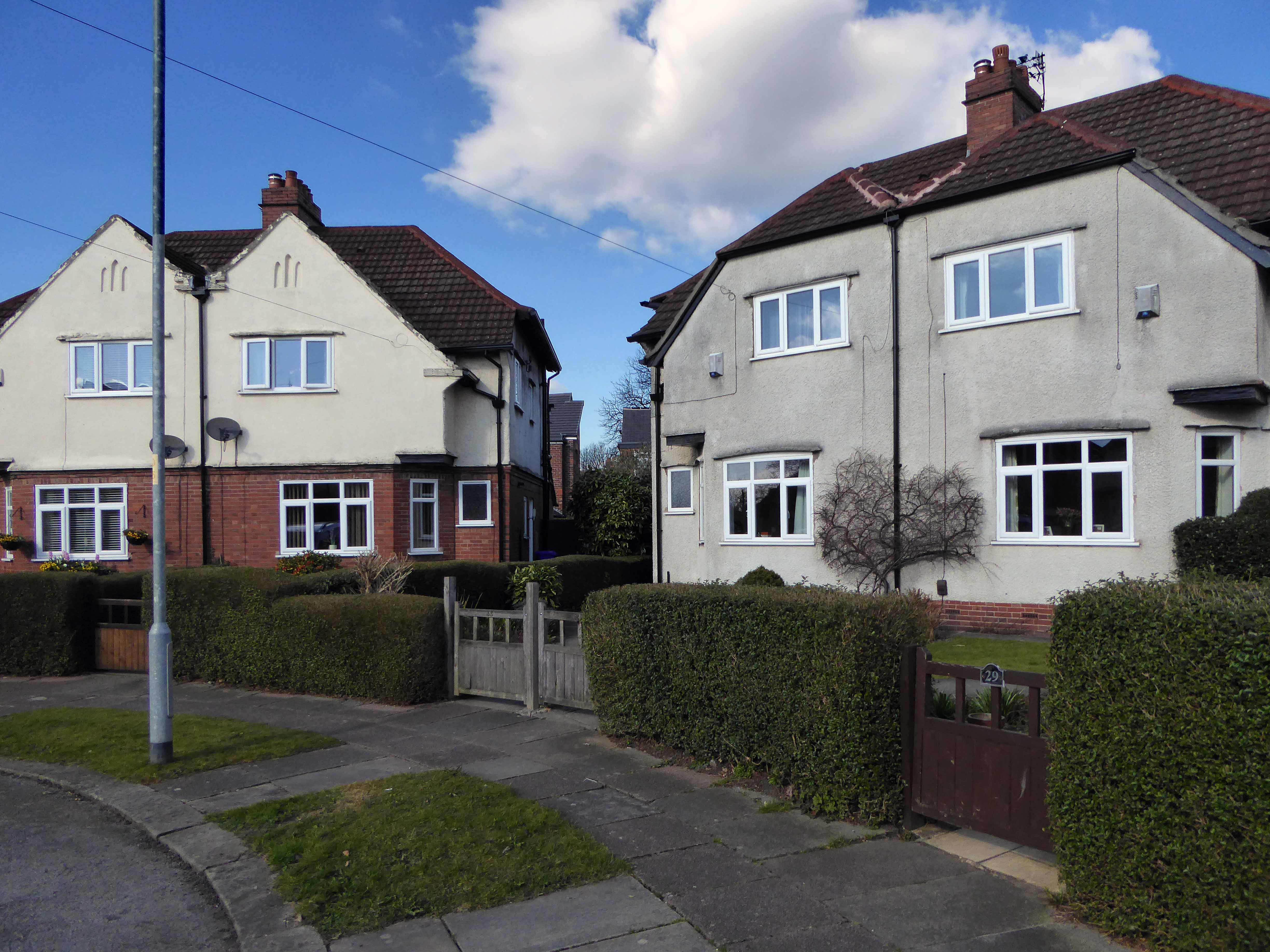
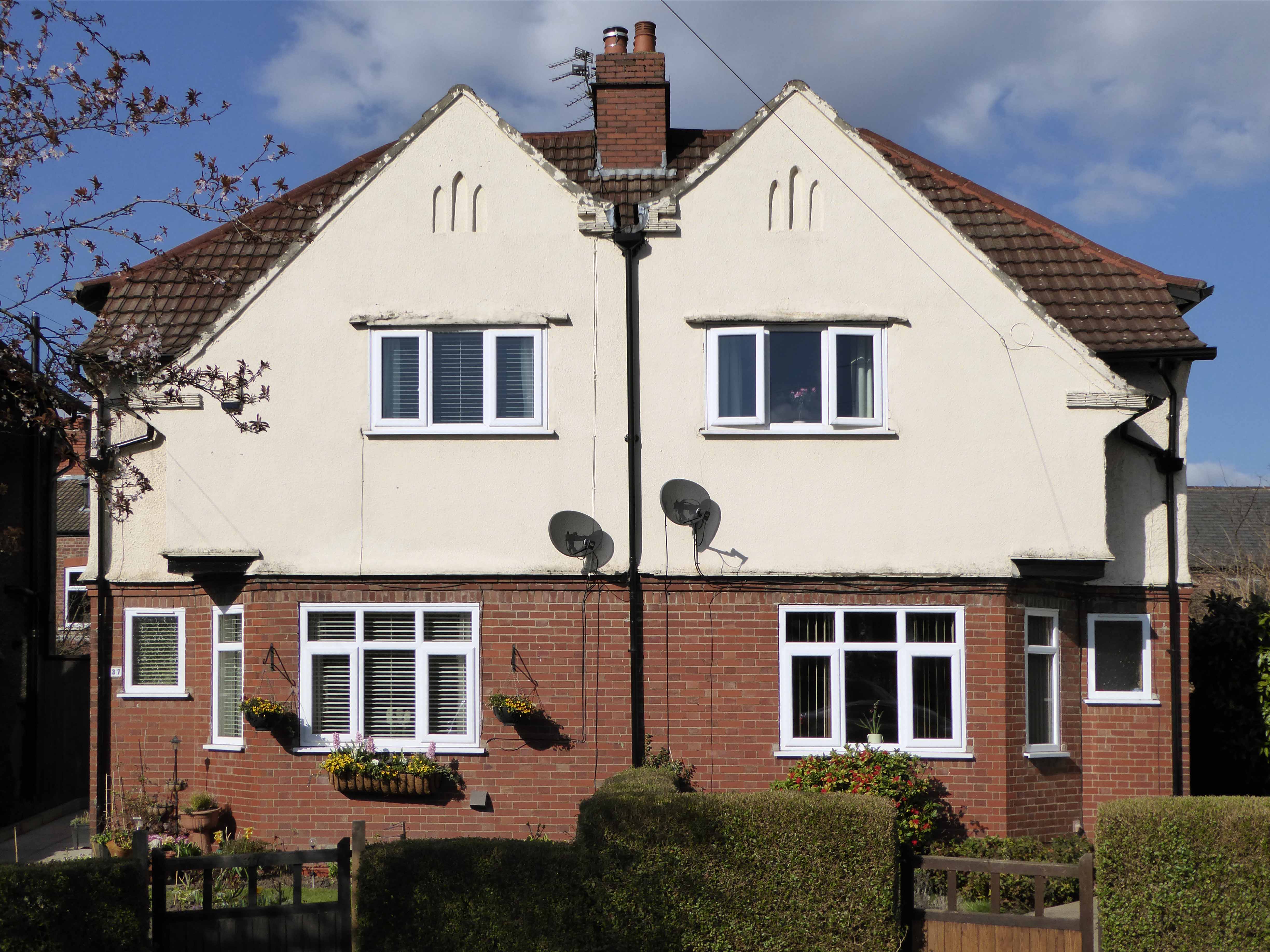
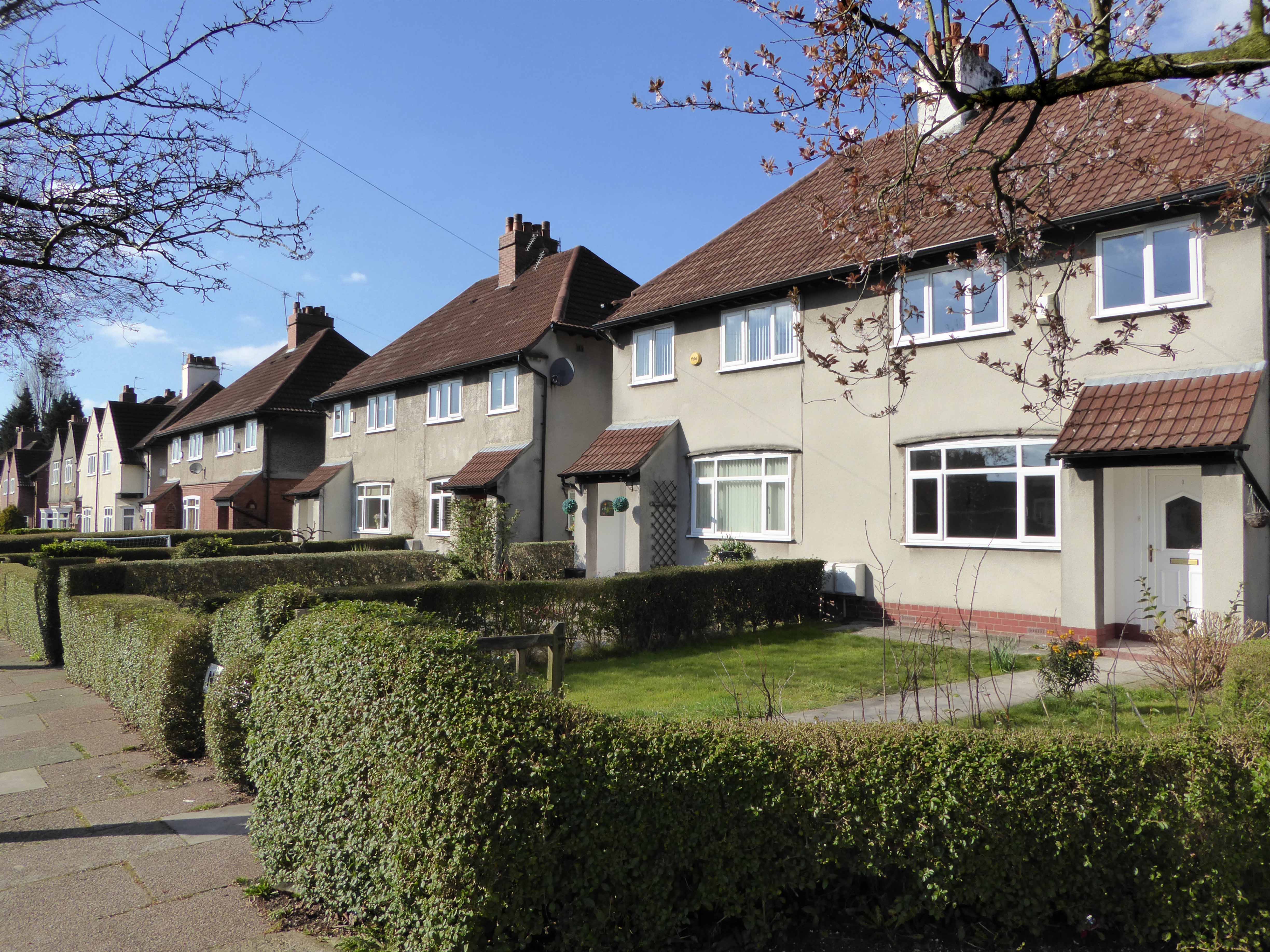
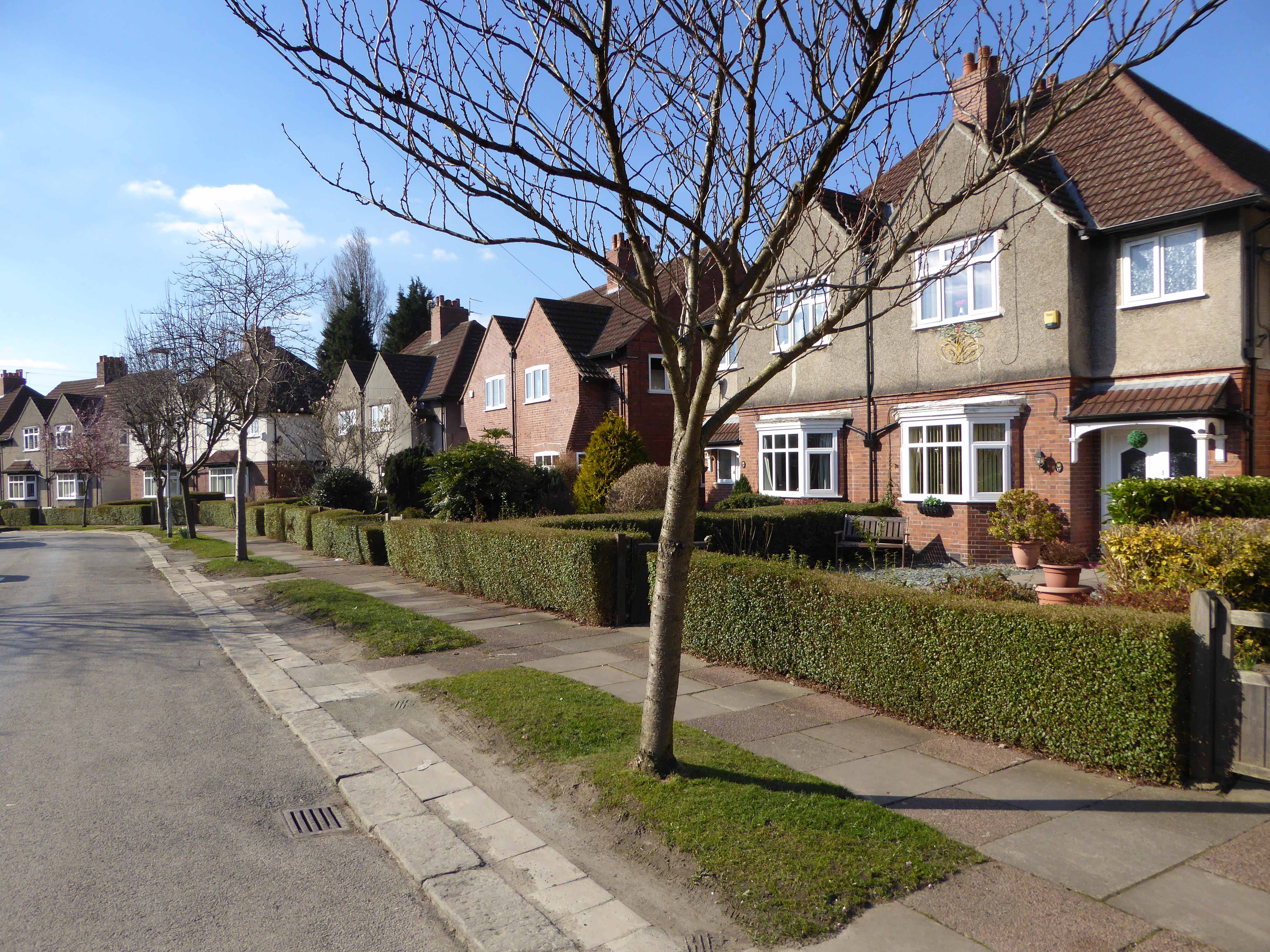
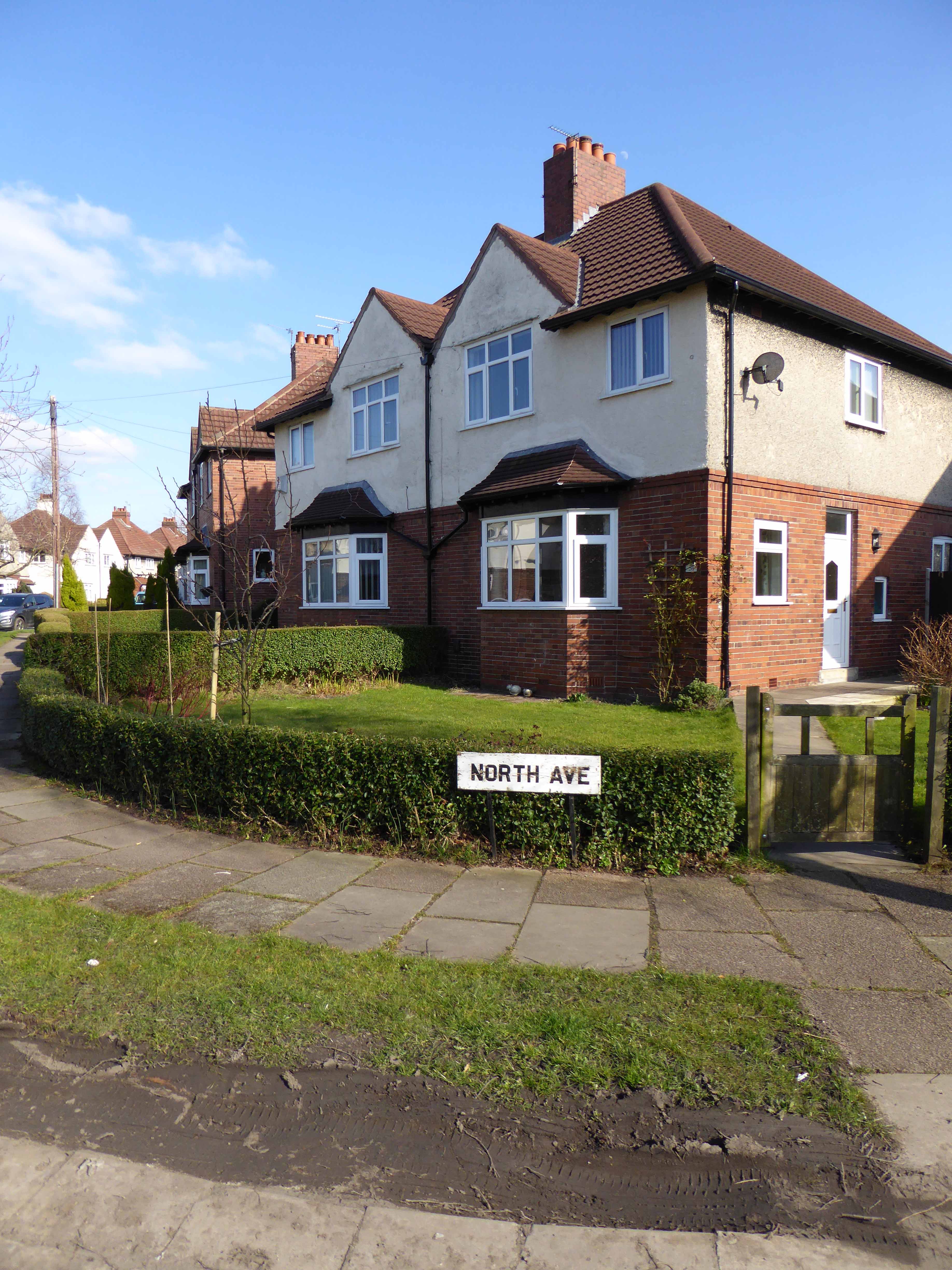
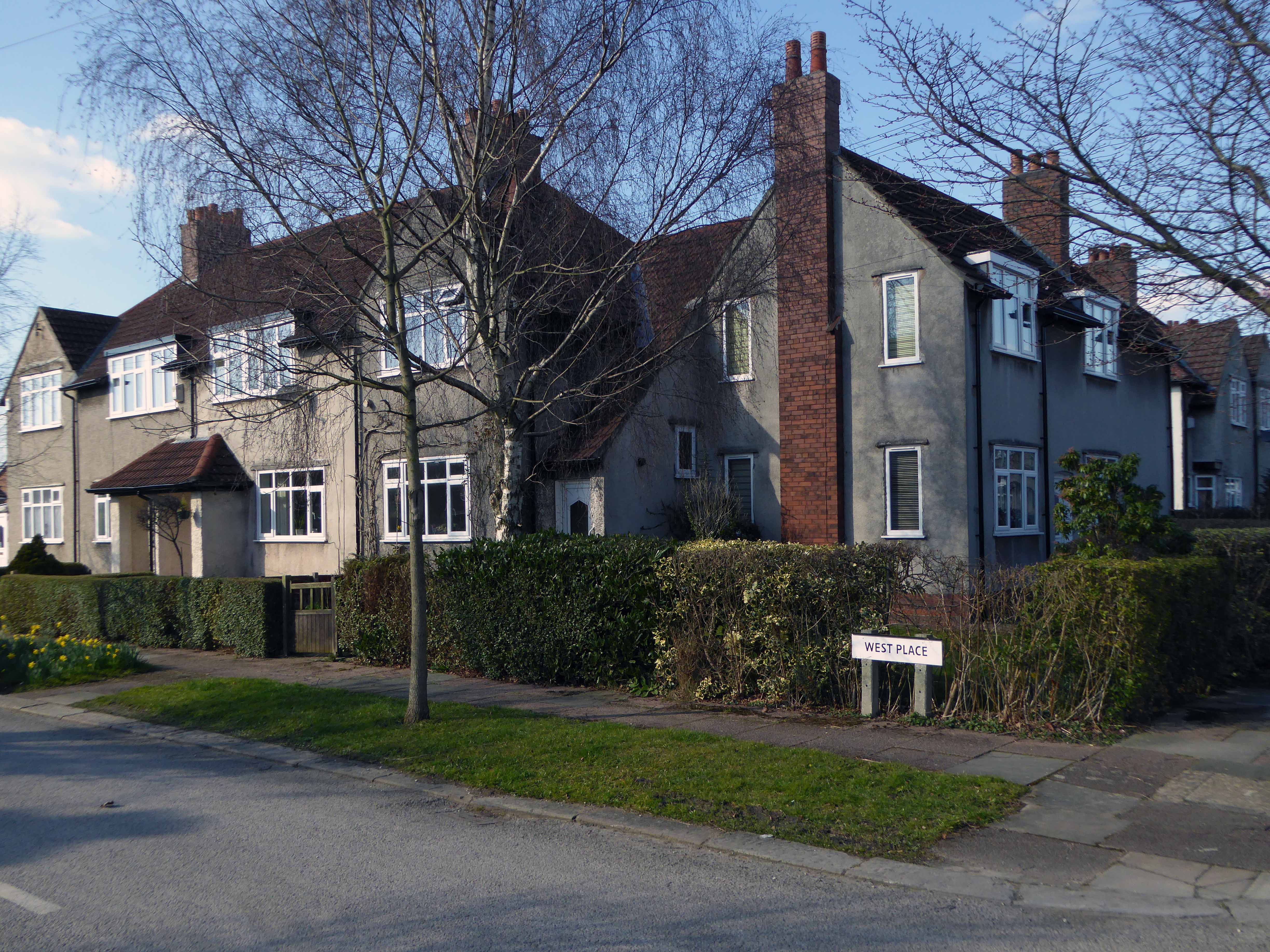
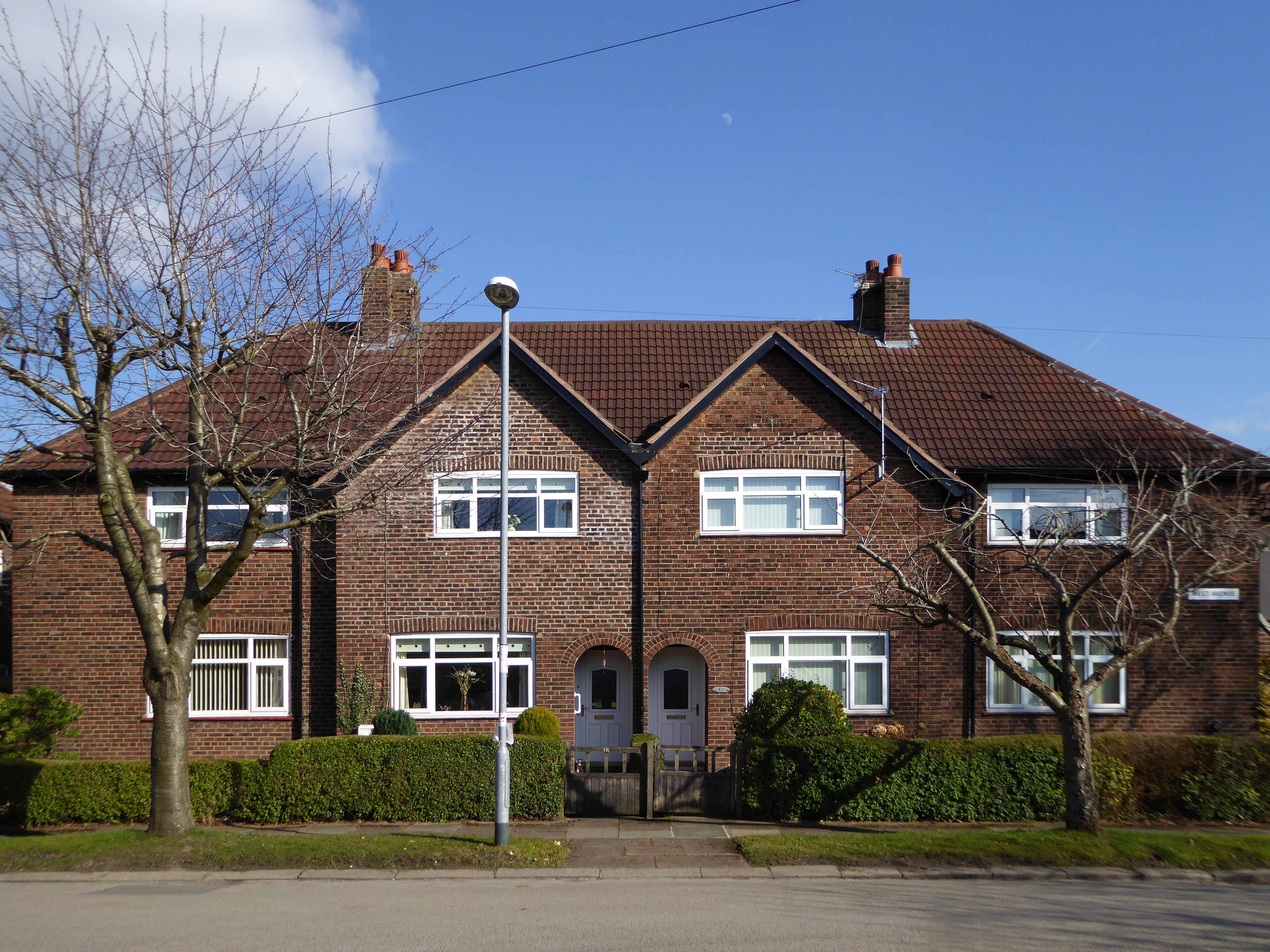
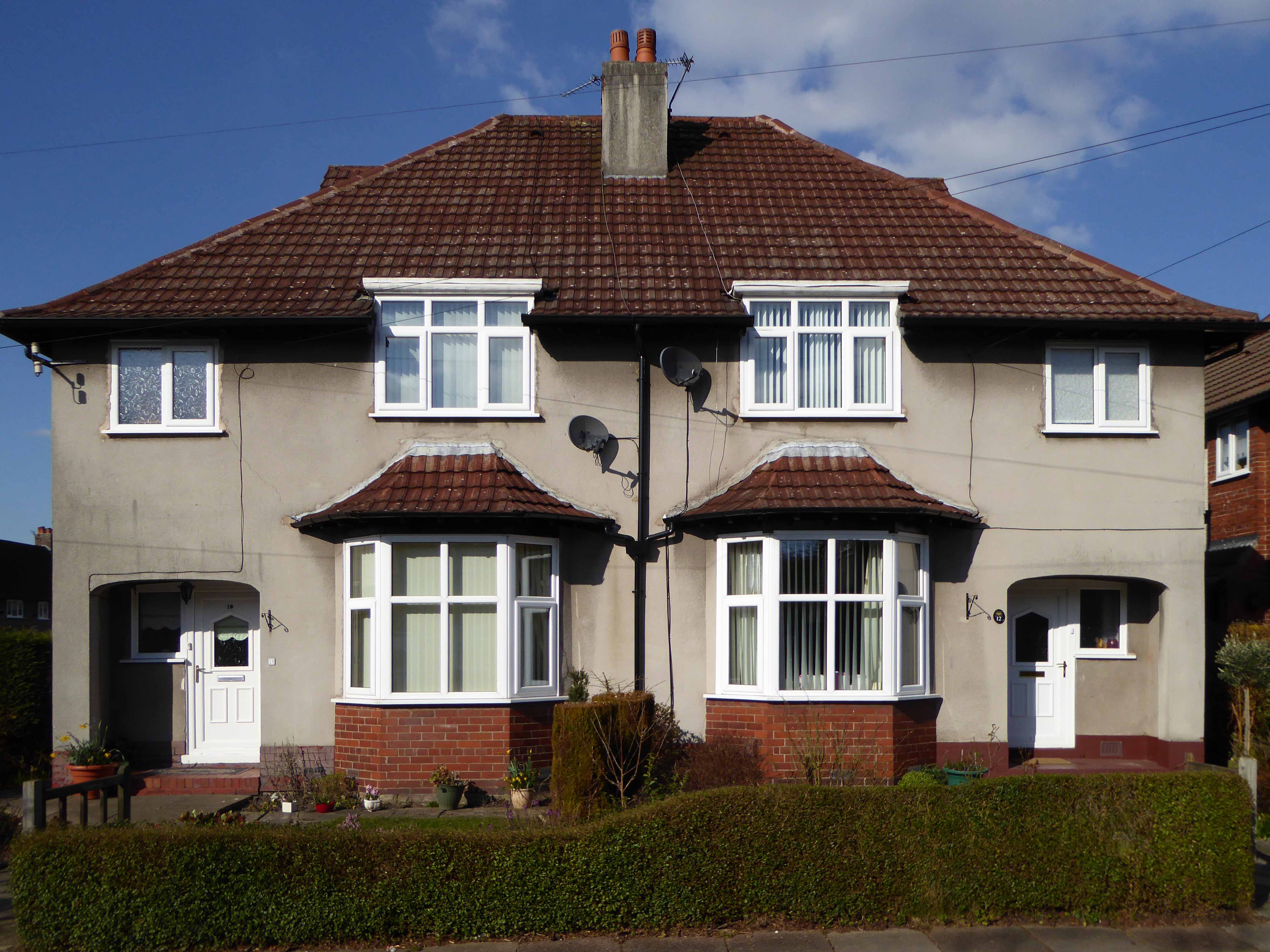
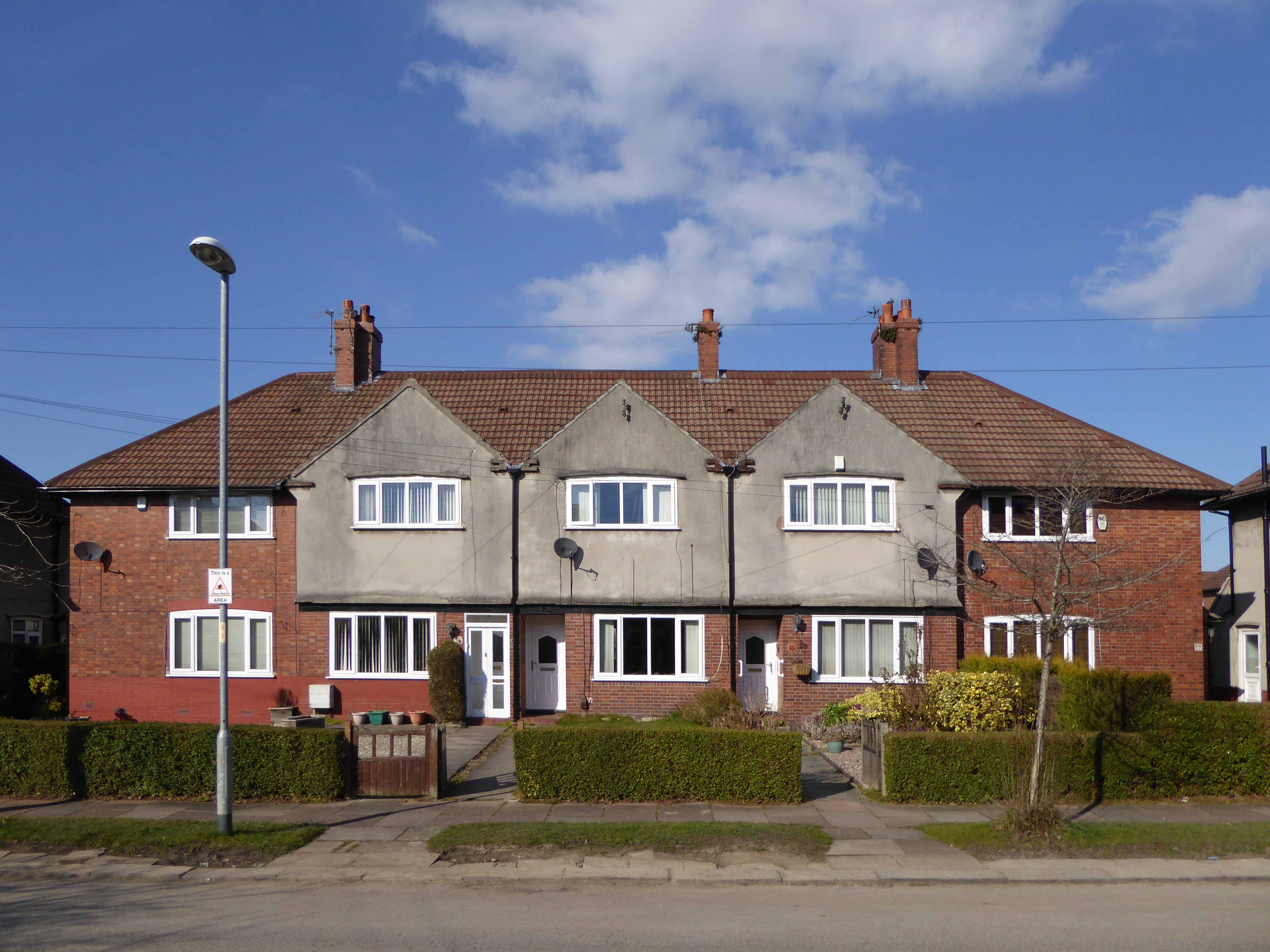
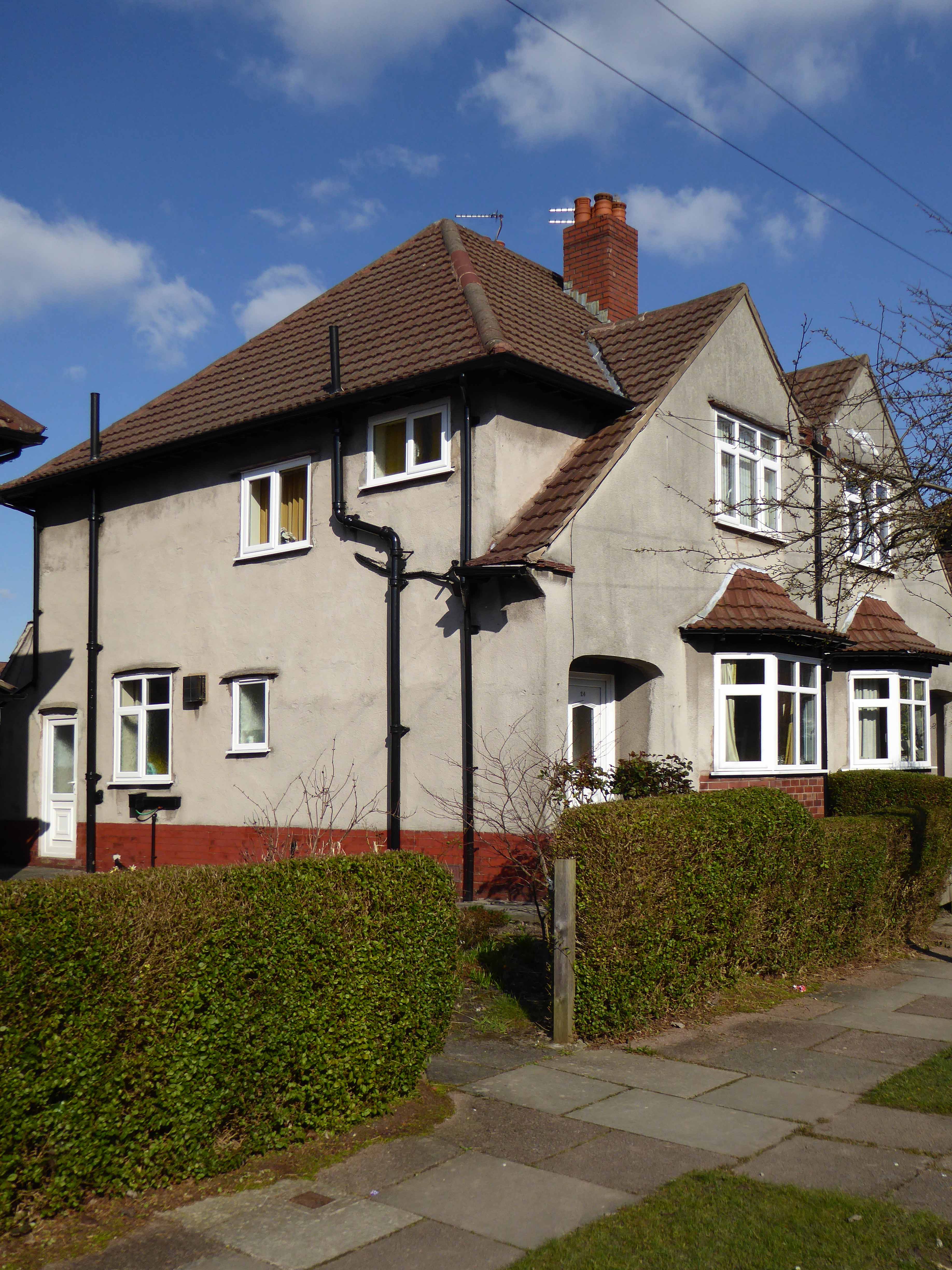
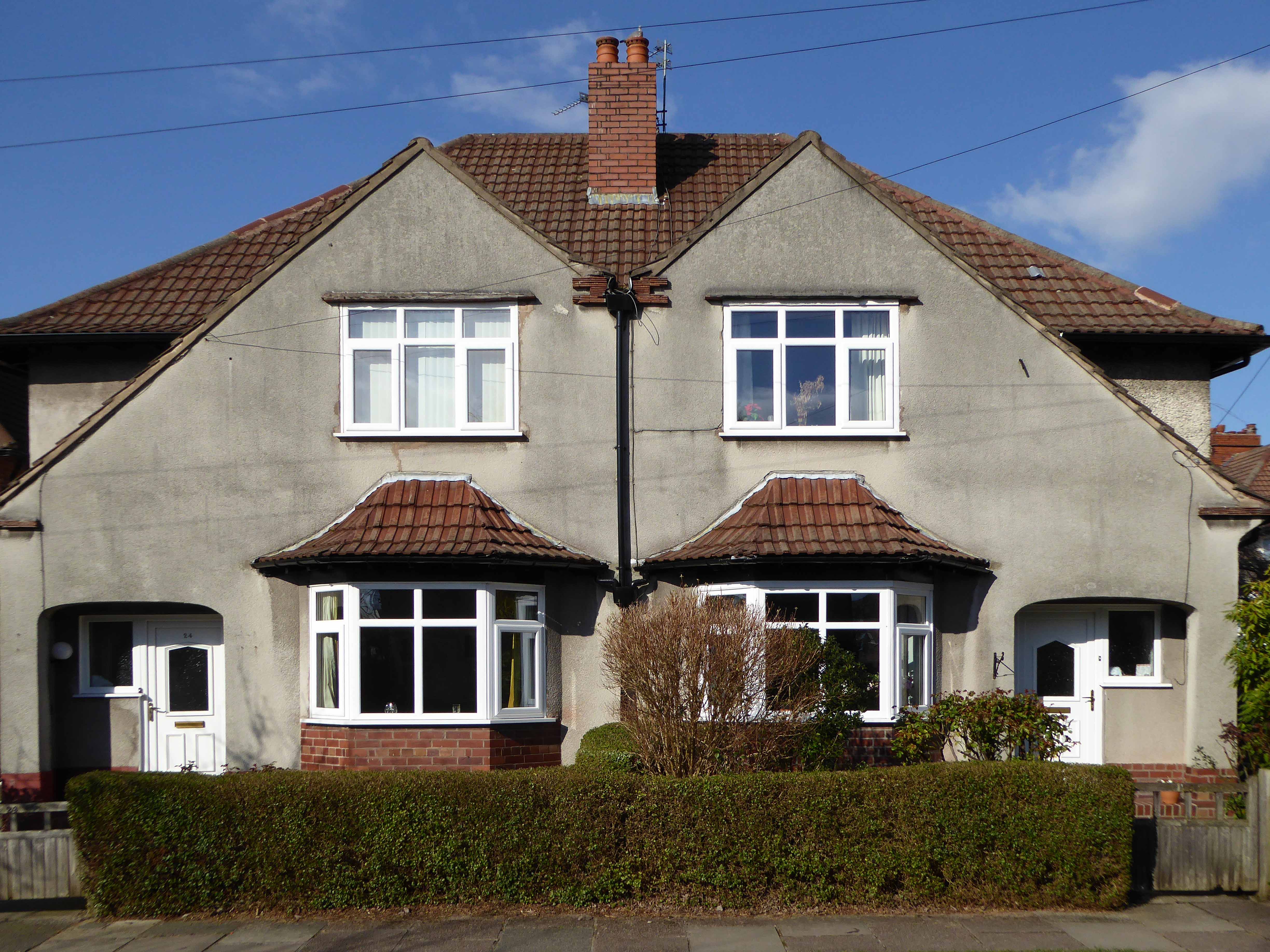
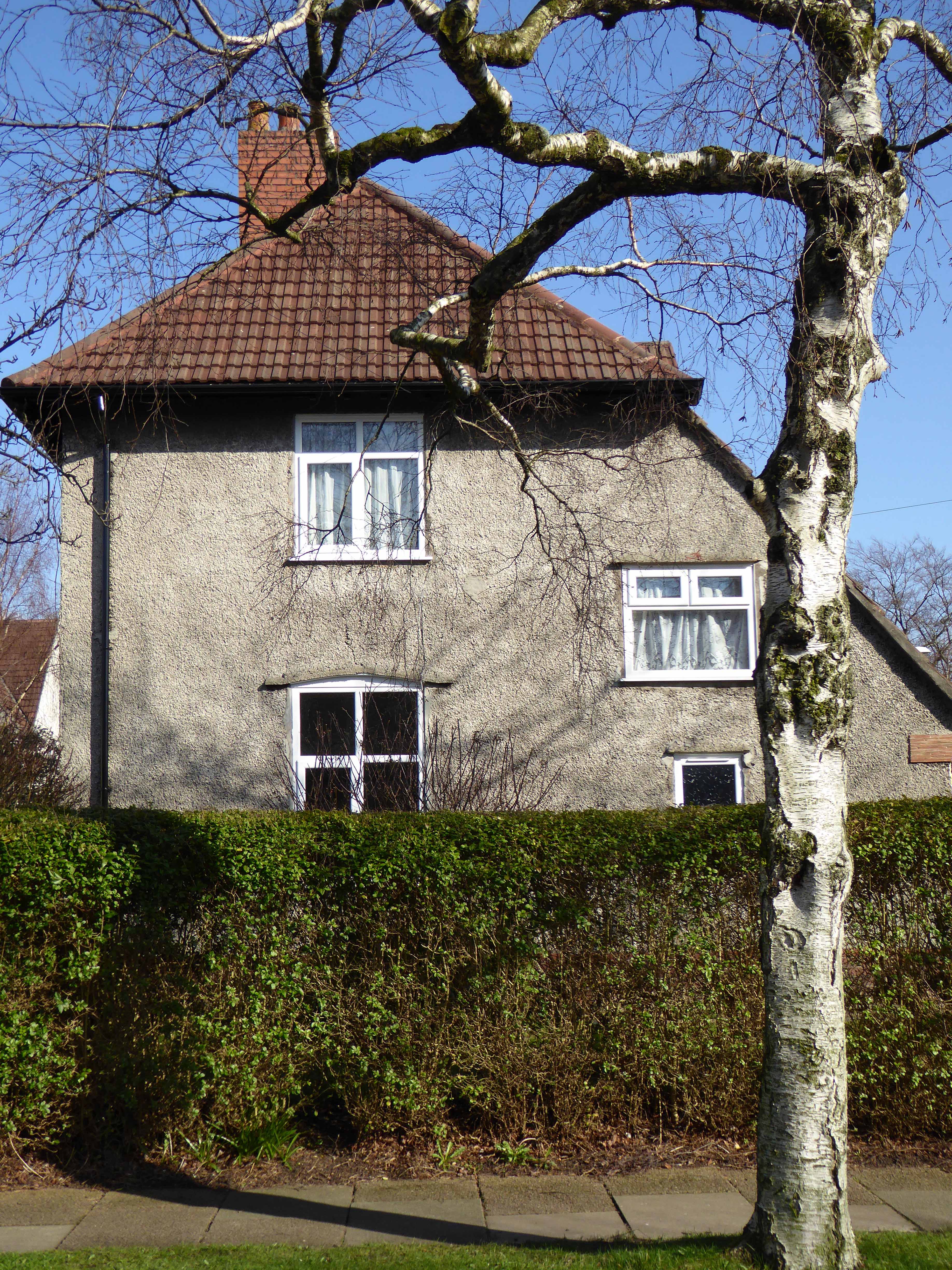
The housing estate of 136 houses known as Burnage Garden Village, a residential development covering an area of 19,113sqm off the western side of Burnage Lane in the Burnage ward. The site is situated approximately six kilometres south of the city centre and is arranged on a broadly hexagonal layout with two storey semi-detached and quasi detached dwelling houses situated on either side of a continuous-loop highway. The highway is named after each corresponding compass point with two spurs off at the east and west named Main Avenue and West Place respectively. Main Avenue represents the only access and egress point into the estate whilst West Place leads into a resident’s parking area.

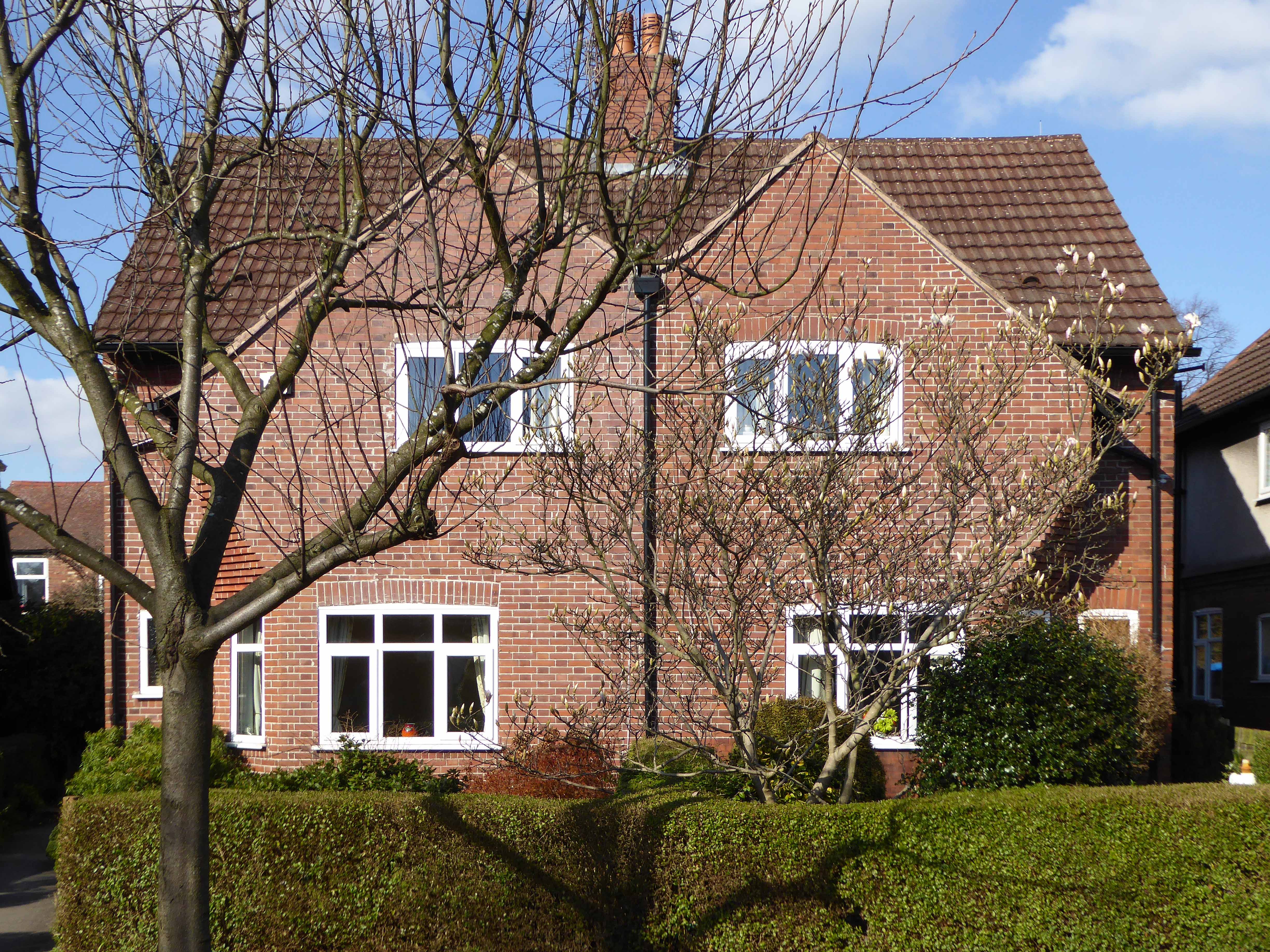
The layout was designed by J Horner Hargreaves. Houses are loosely designed to Arts and Crafts principles, chiefly on account of being low set and having catslide roofs.

At the centre of the garden village and accessed by a network of pedestrian footpaths, is a resident’s recreational area comprising a bowling green, club house and tennis courts. The estate dates from approximately 1906 and was laid out in the manner of a garden suburb with characteristic hedging, front gardens, grass verges and trees on every street. 


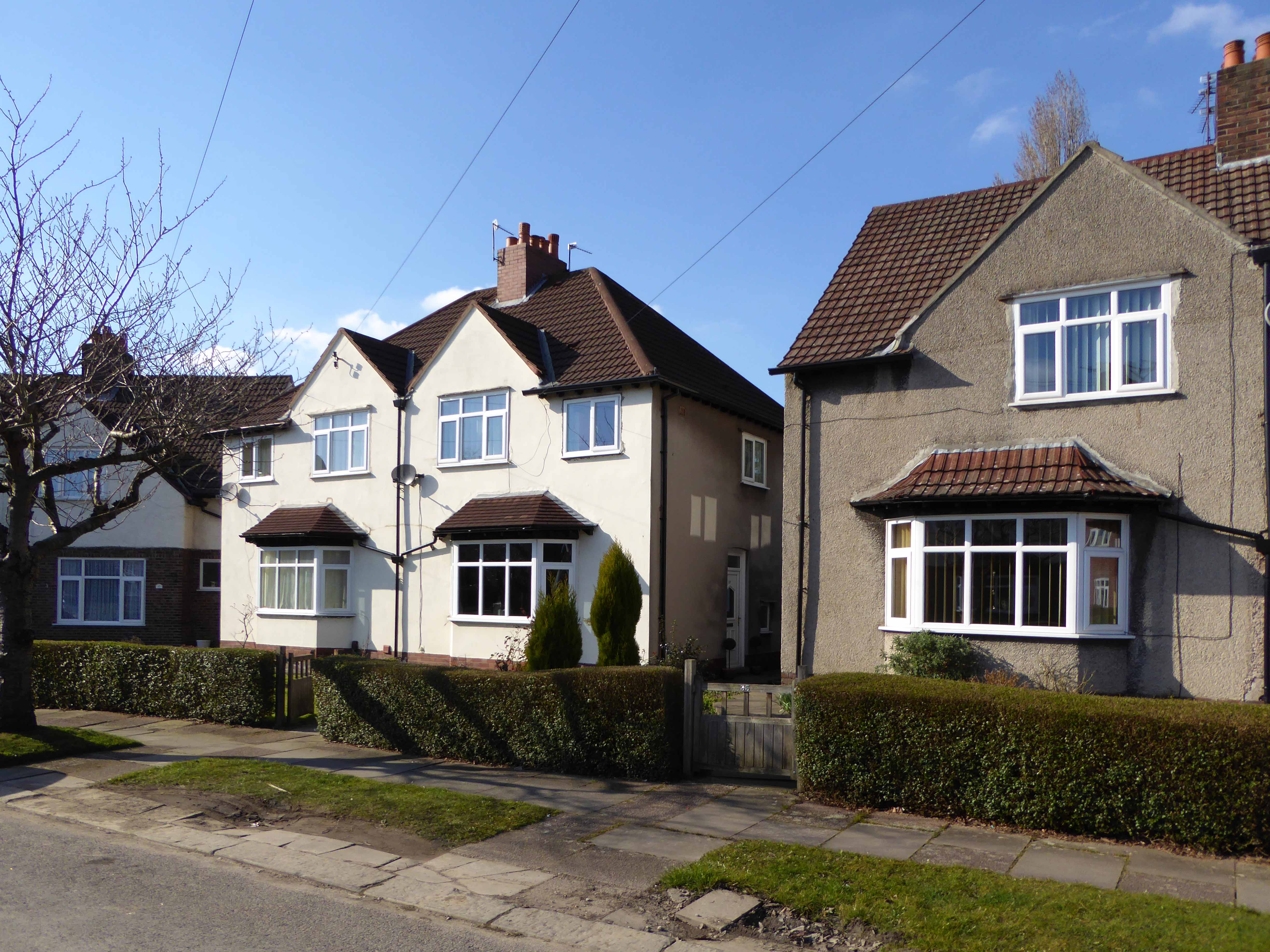
A rare and almost perfectly preserved example of Edwardian Mancunian suburban architecture, save a uPVC epidemic of identical doors and window frames. On a sunny day the variegated brick and render simply sings, like so many chirpy sparrows.

These homes are a variation on a theme, a fugue of tile, brick, pointy counterpointed gable, light and shadow – linked by scale, style and well laid wide concrete roads, filled with good intentions and cars.

Take a hike or bike south of the city, now that Spring is here.

Police Station – Blackpool

I’ve been here before, innocently snapping – without incident.

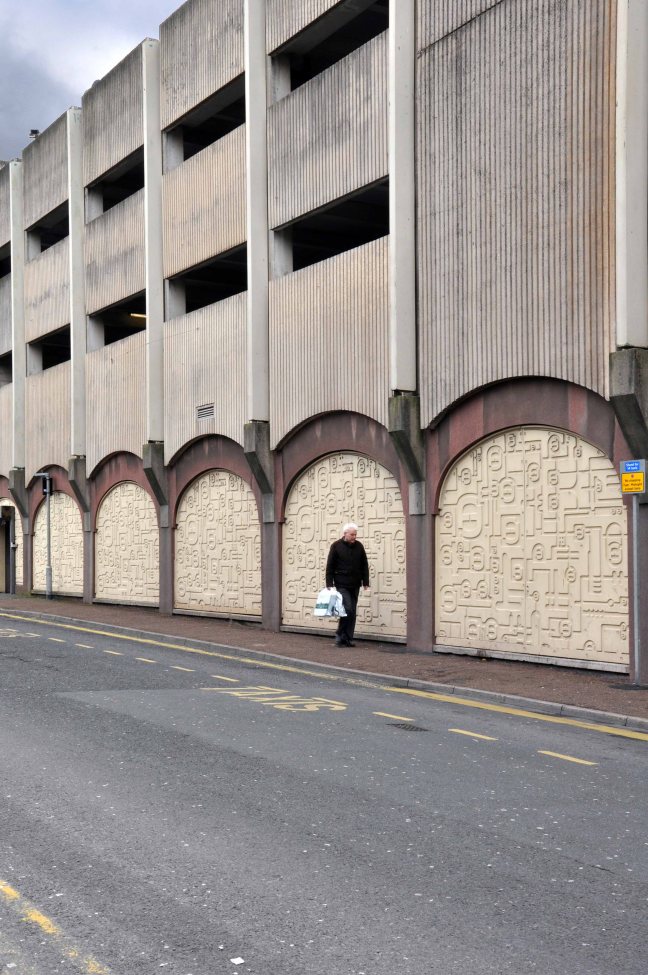
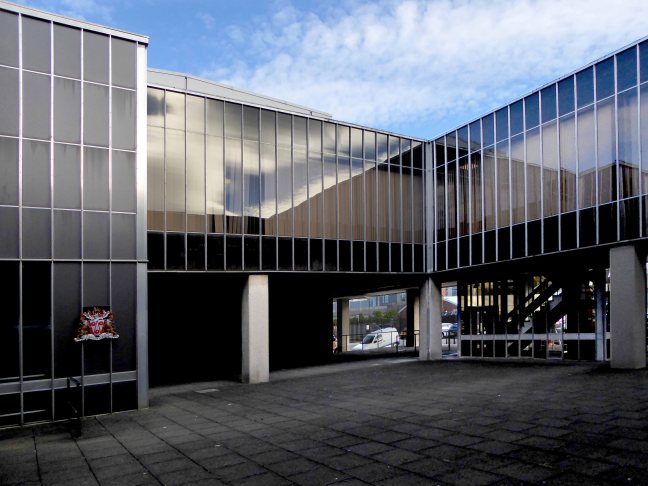
A super-large Roger Booth cop shop and courts, concrete combo.

So why not go back just one last time, prior to demolition and redevelopment.

So I did.

Following the acquisition and demolition of Progress House the Bonny Street Station is to be relocated, and the former site, under the ownership of Blackpool Council, set to become who knows what – who knows?

Progress House, Clifton Road, Marton.

940662392

The Council knows, it plans to develop a new site for the defunct Central Rail Station

A giant of the steam age that became a car park

8454435614_0fb026e809_b

It is 50 years since Central Railway Station closed with the land being used for a car park ever since. It was proposed as the site for the super-casino until that bid failed to win government backing. Since then plans for an indoor snow-based attraction have also failed to make any progress.

Today happily, snow-based attractions are still failing to make any progress.

Blue skies and chill early March air greeted me, across the wind swept, precast concourses and piazzas – warmish grey, against brightish blue.

I simply didn’t expect the boy in blue – ten minutes of light/half hearted interrogation.

“Who, what, why, where are you?”

Responding in a clear concise and non-confrontational manner, I was free to go about my legal business, taking these pictures for you.

P1020045

P1020047

P1020049

P1020051

P1020052

P1020053

P1020054

P1020055

P1020056

P1020057

P1020058

P1020061

P1020062

P1020063

P1020064


P1020065P1020066

P1020067

P1020068

P1020069

P1020070

P1020071

P1020072

P1020073

P1020074

P1020075

P1020076

P1020078

P1020081

P1020082

P1020083

P1020087

County Archives – Preston

The things that you see from a passing train, those things that arouse your curiosity.

Blackpool bound, to the left a horizontal slab on stilts.

Well, well.

Whatever could that be?

Well we shall see, shall we?

Some days later alighting at Preston Station, I hotfooted it hurriedly down the road to who knows where.

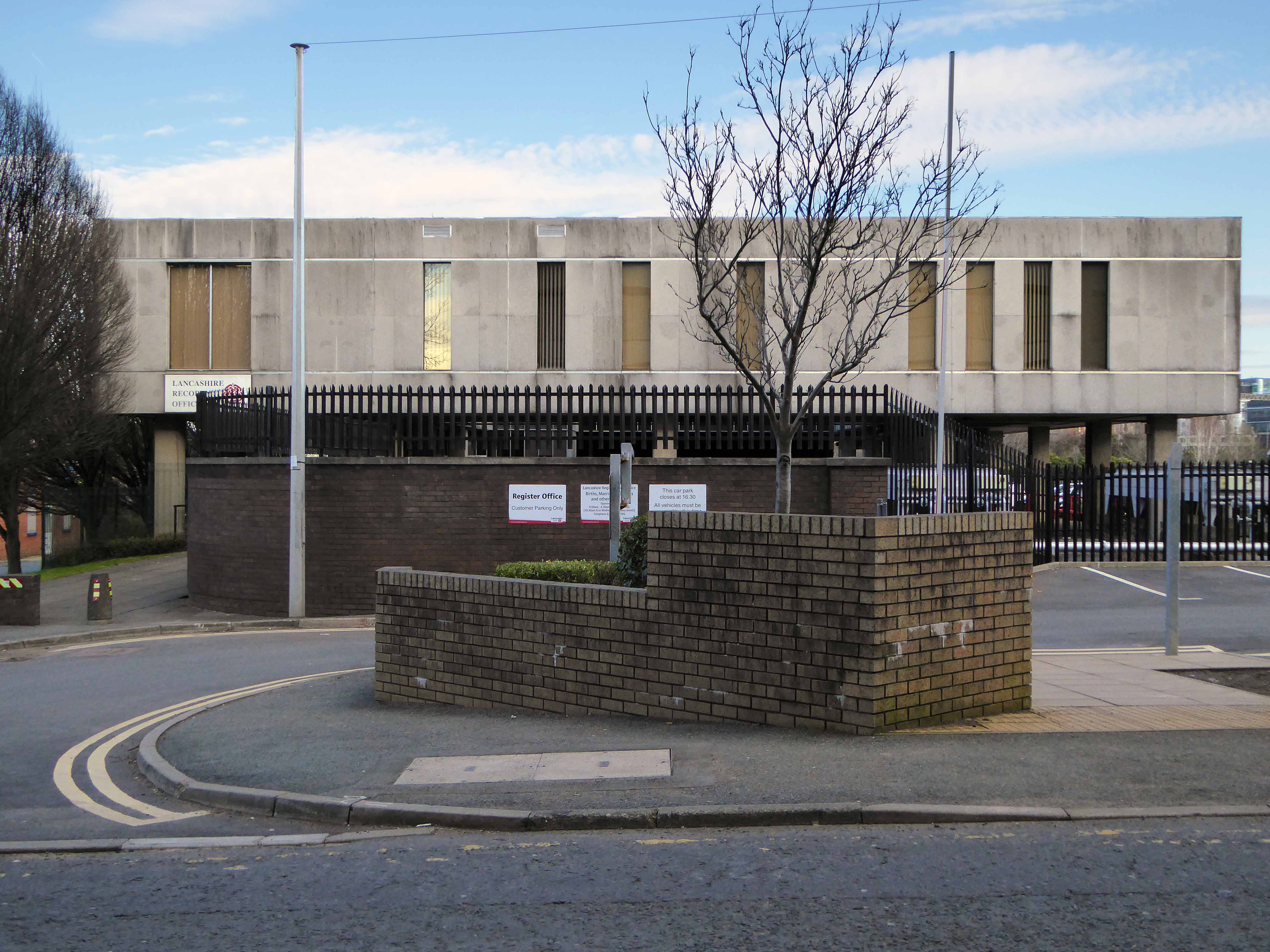
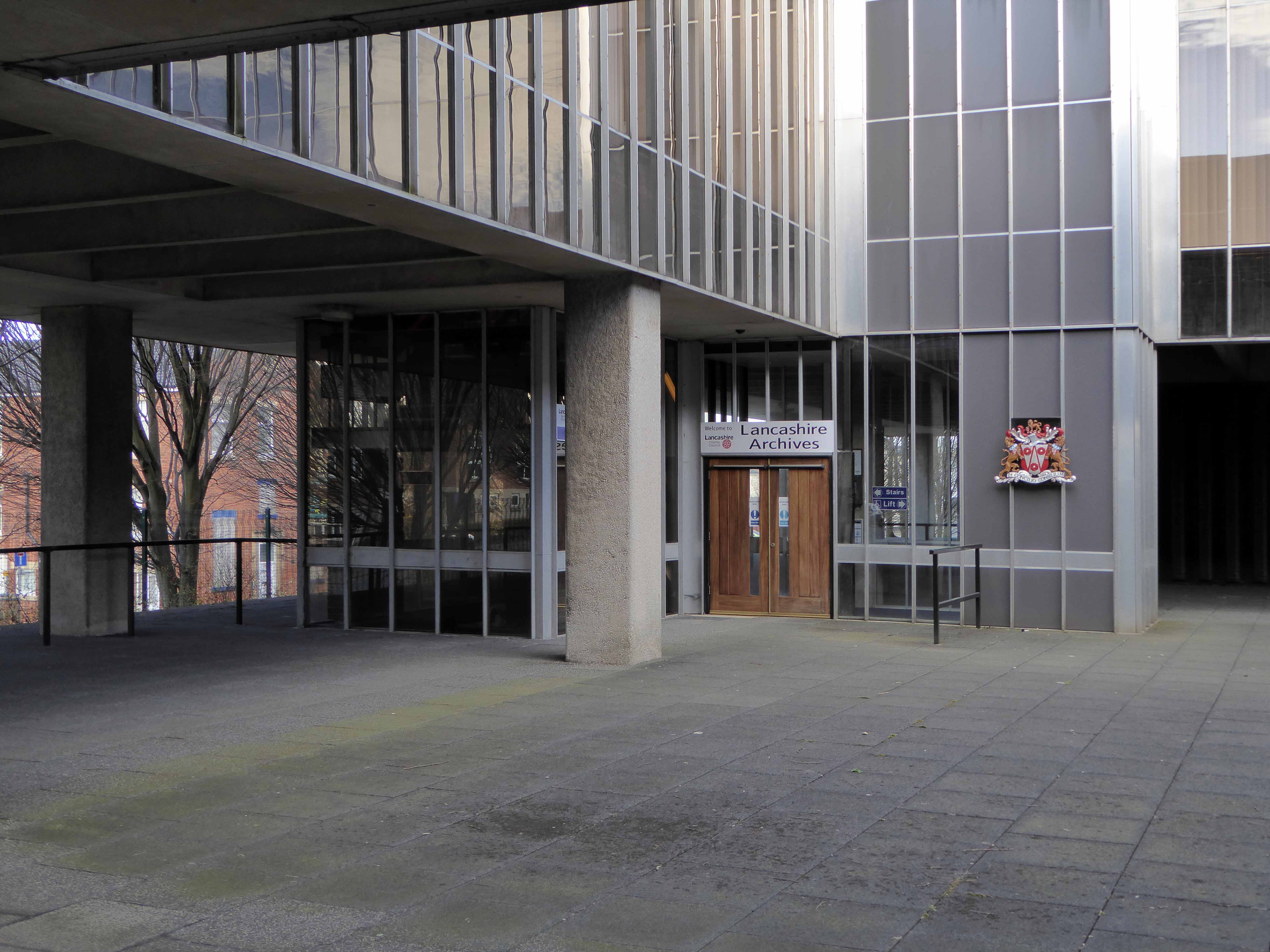
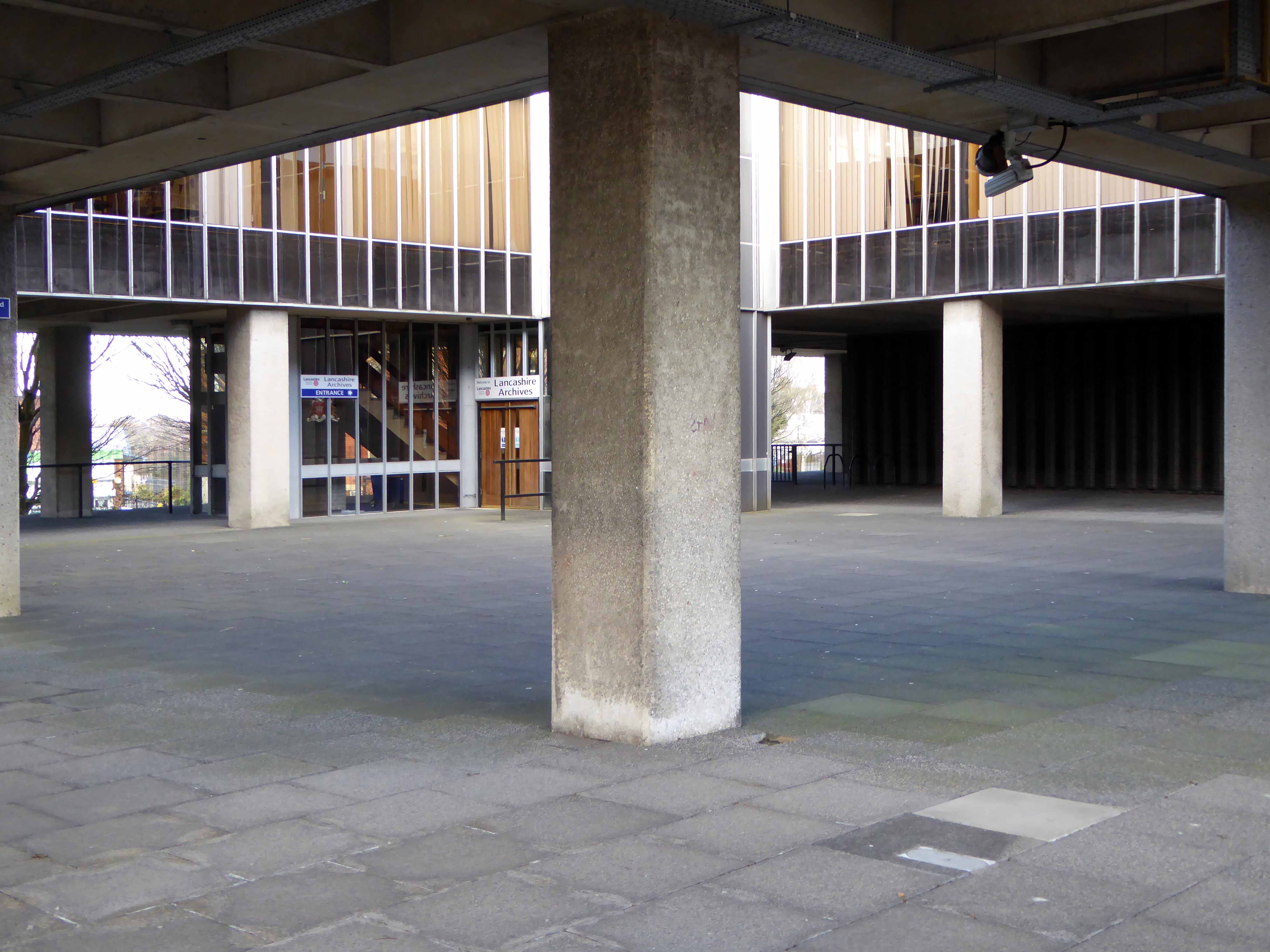
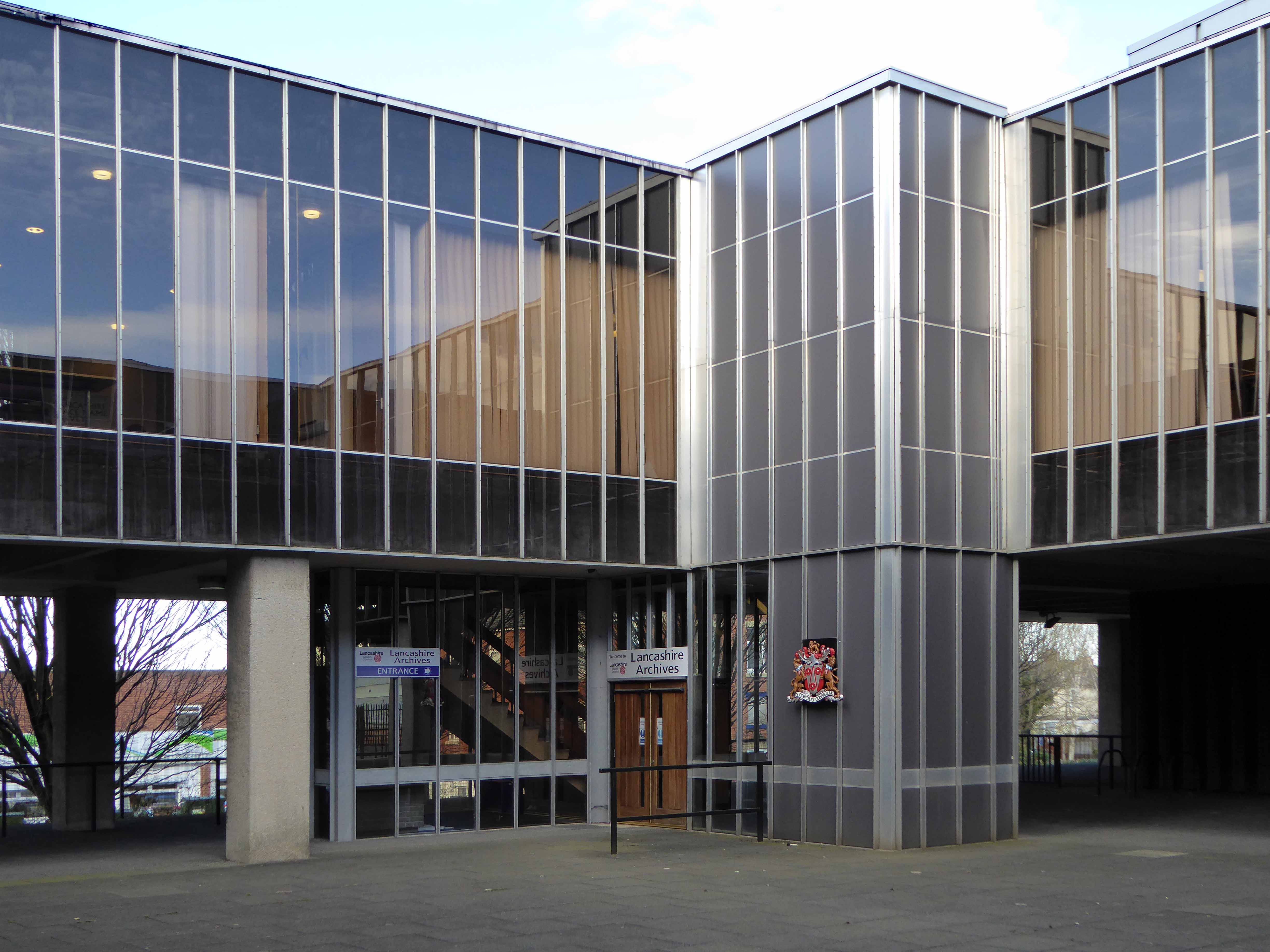
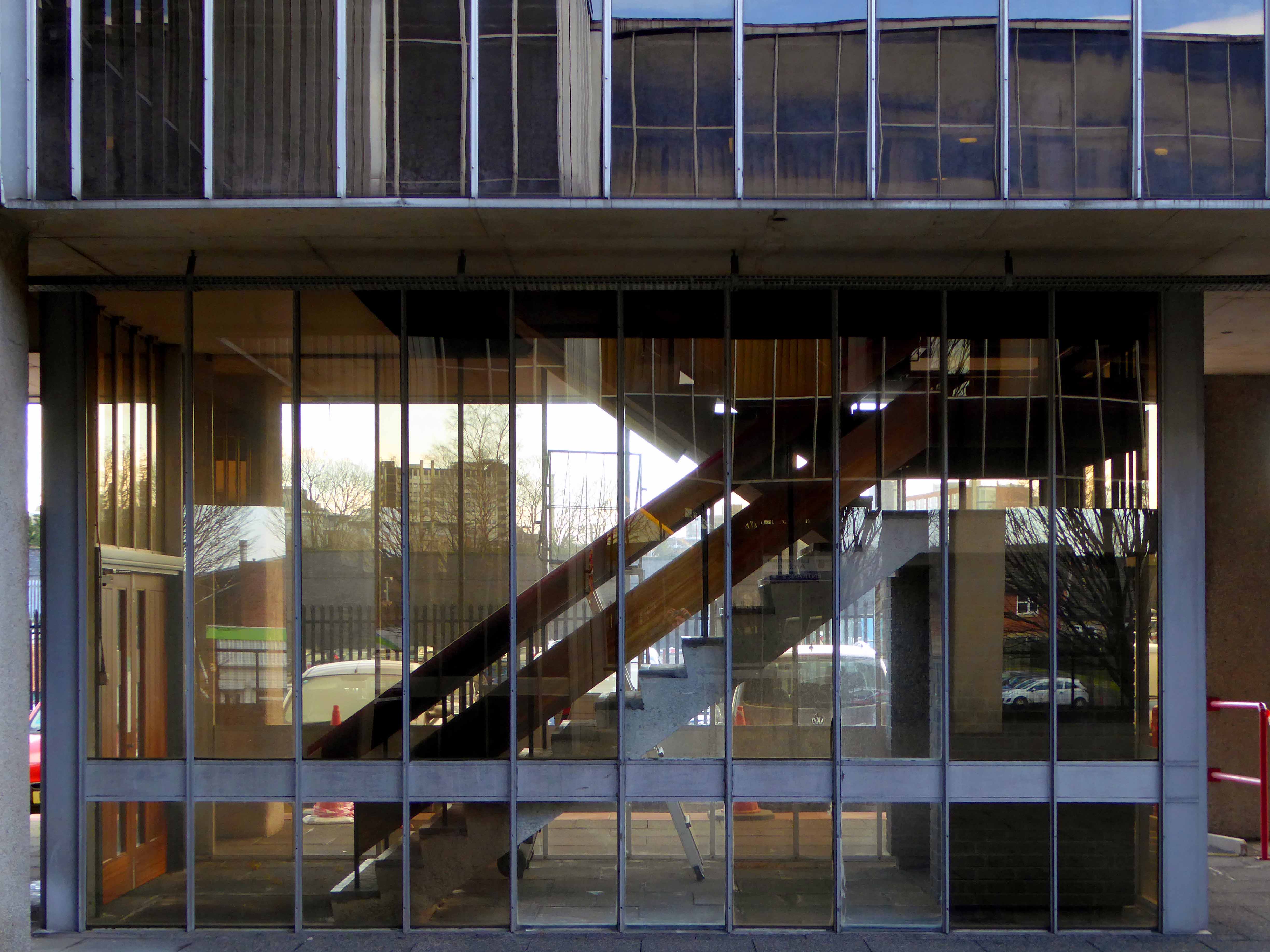
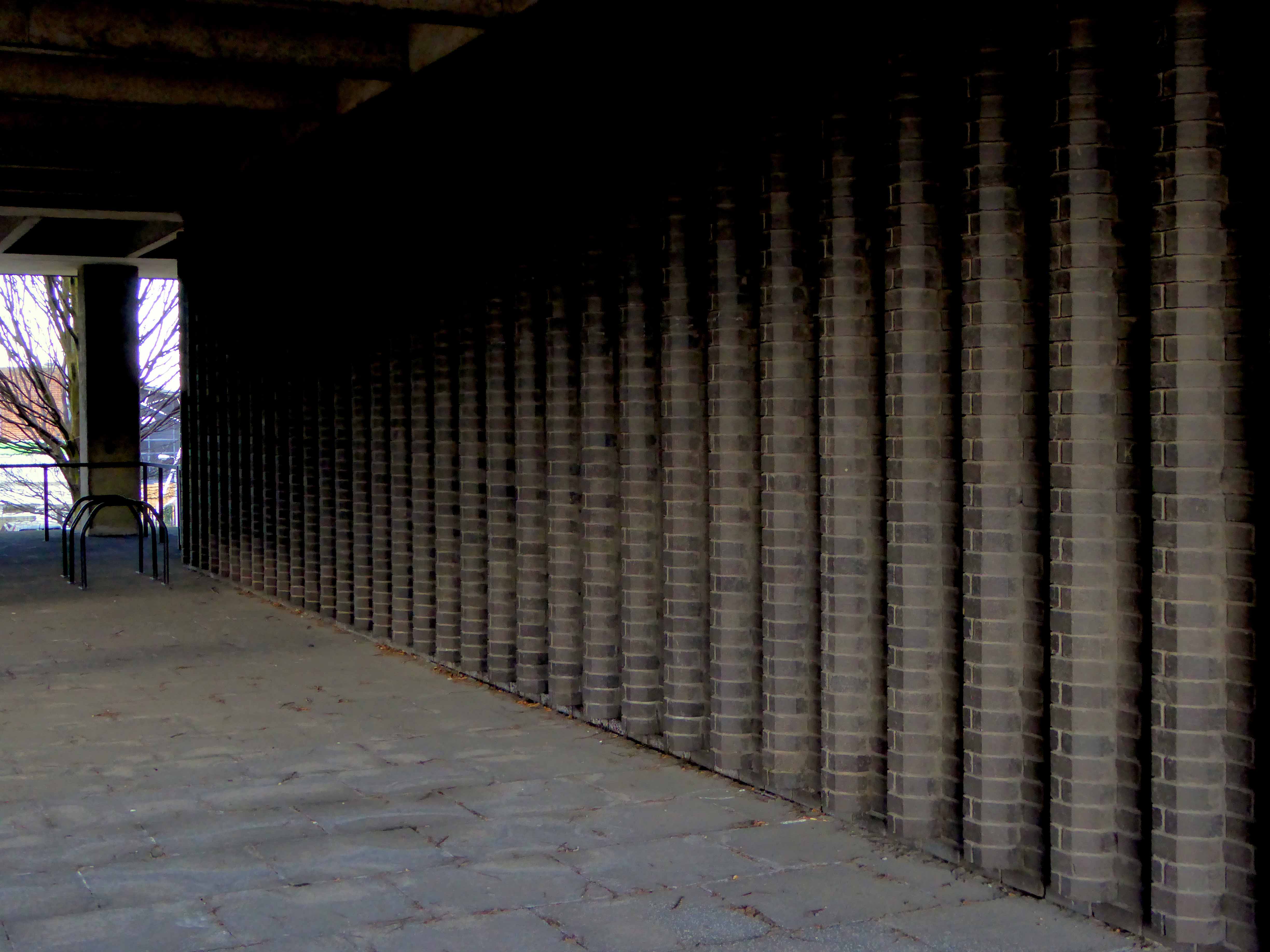
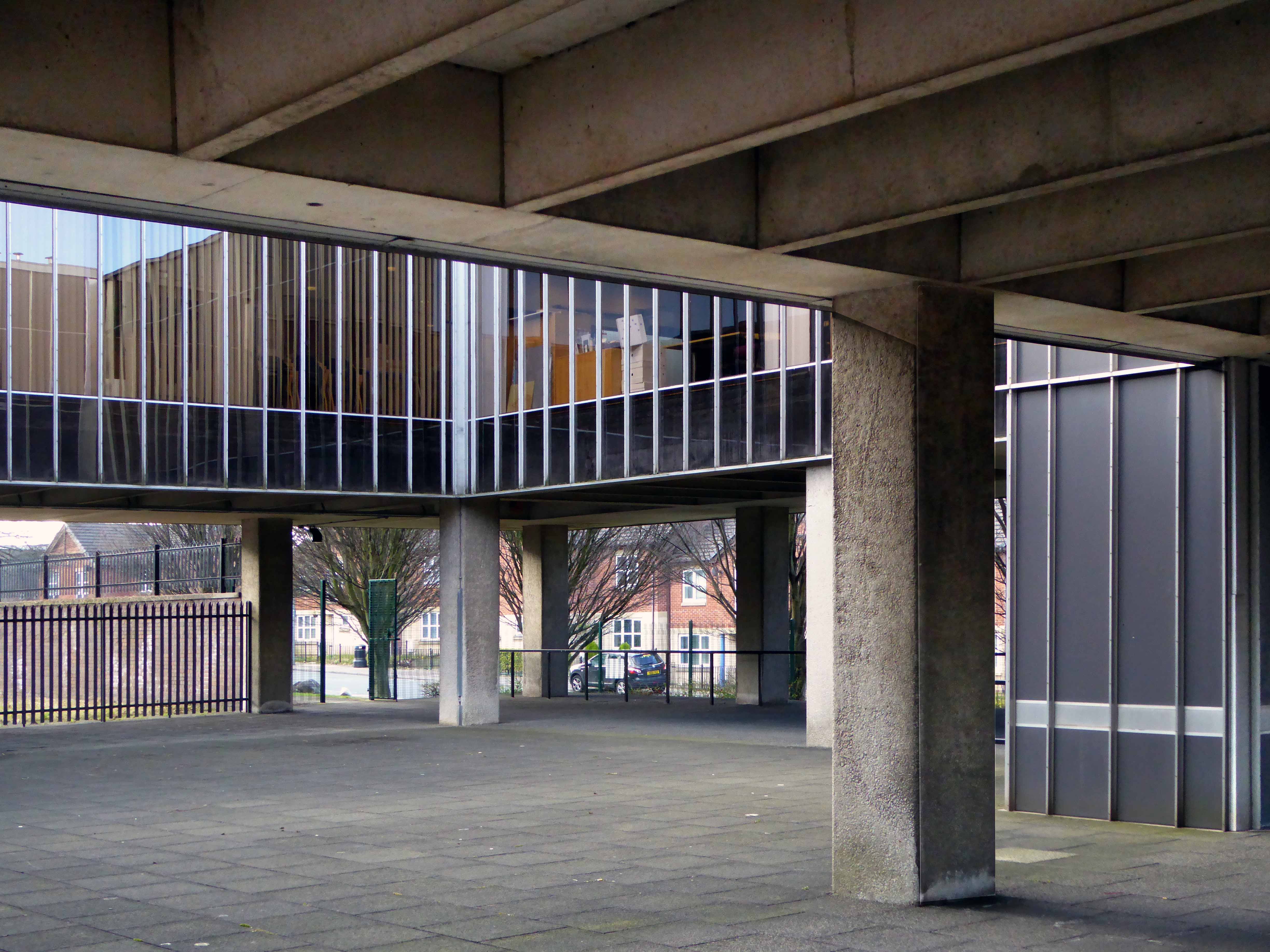
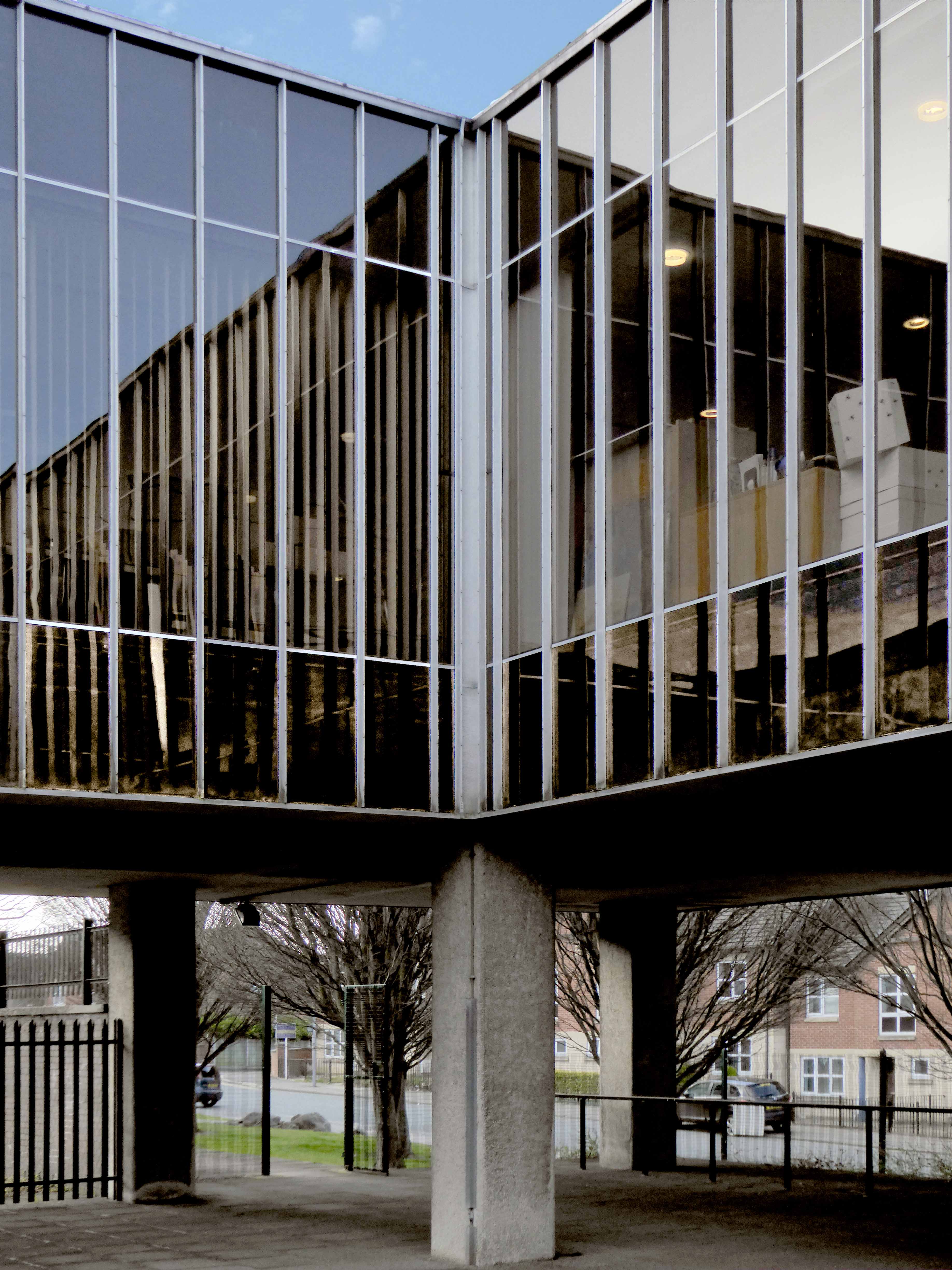
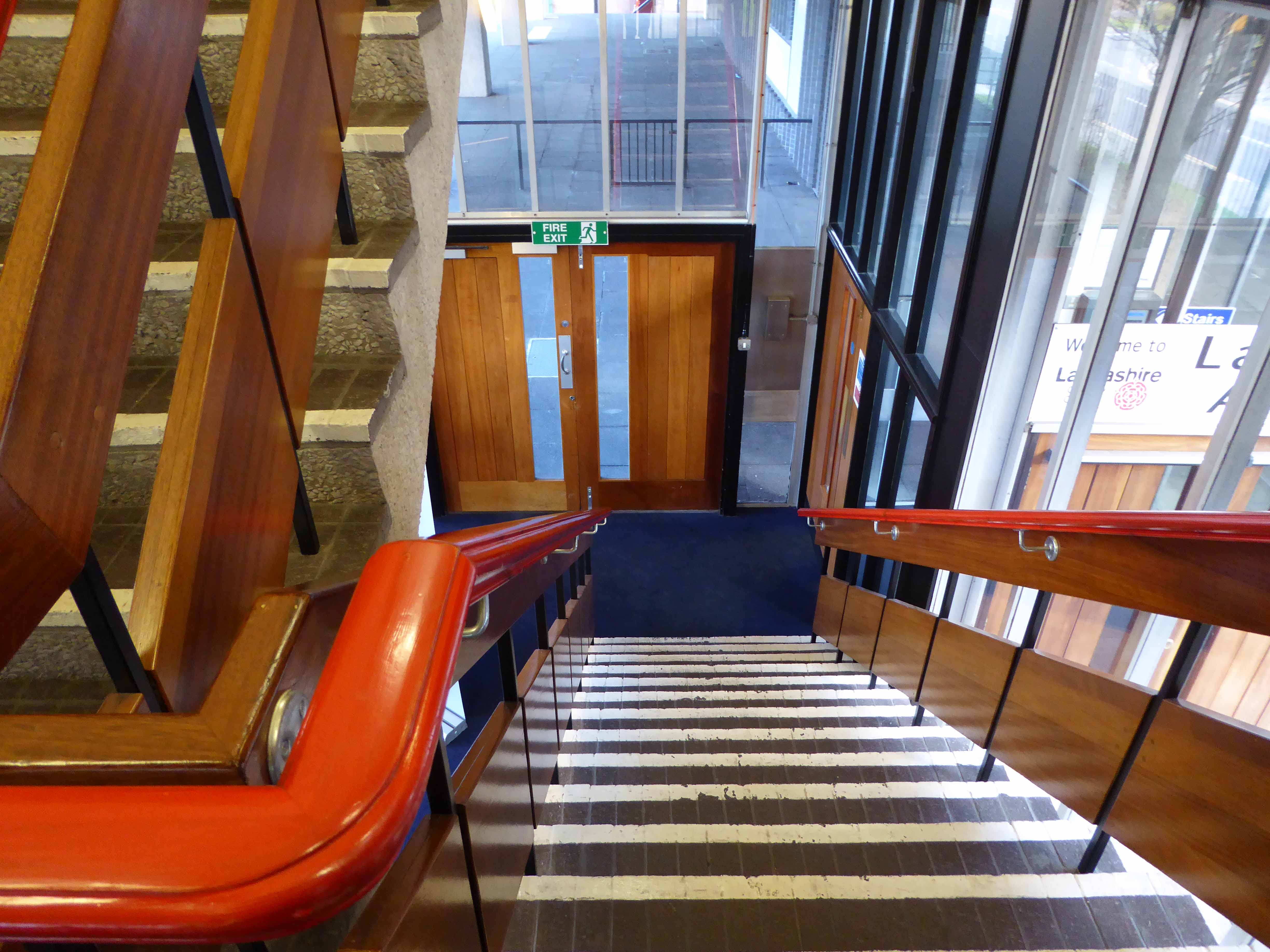
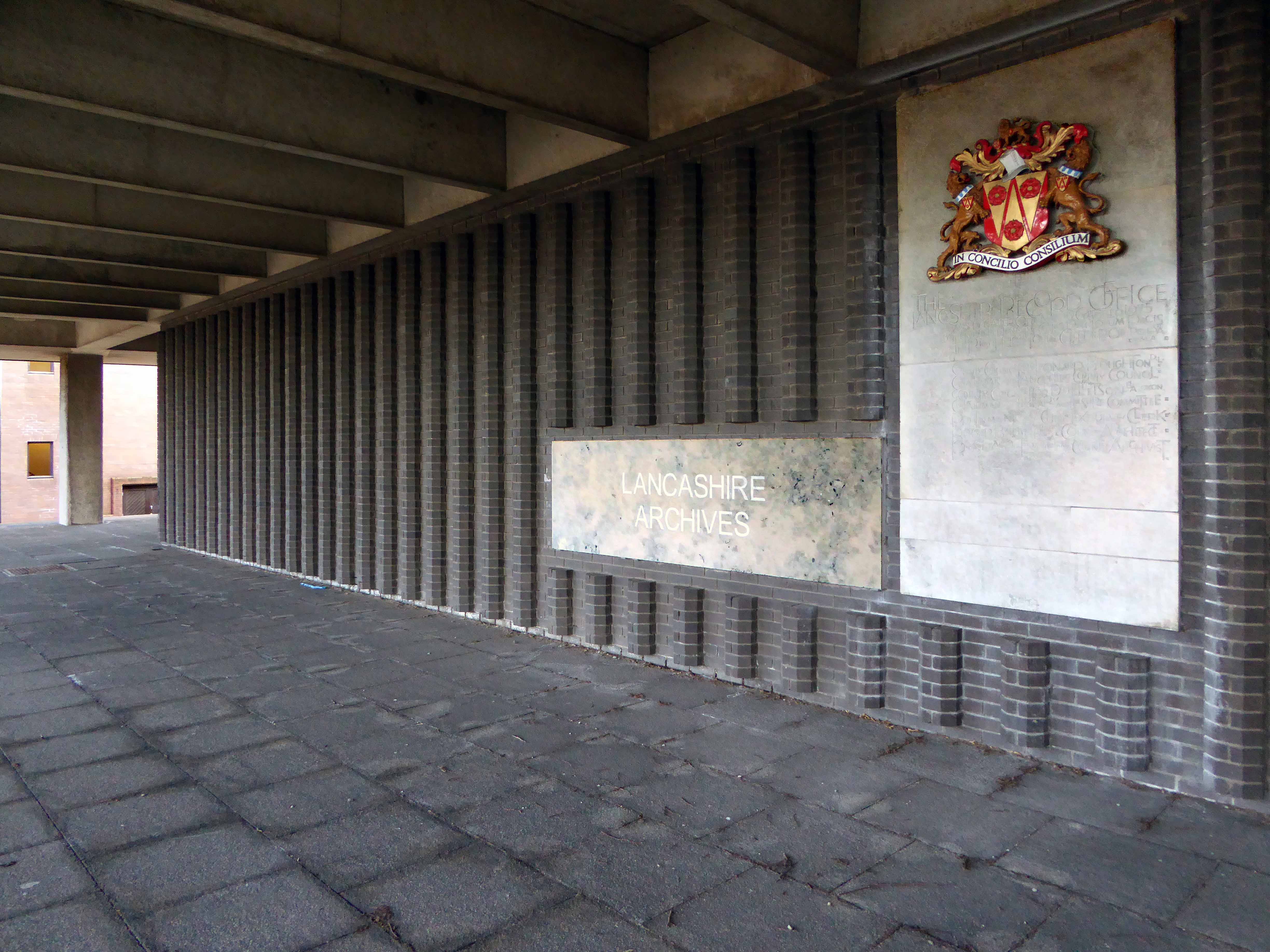
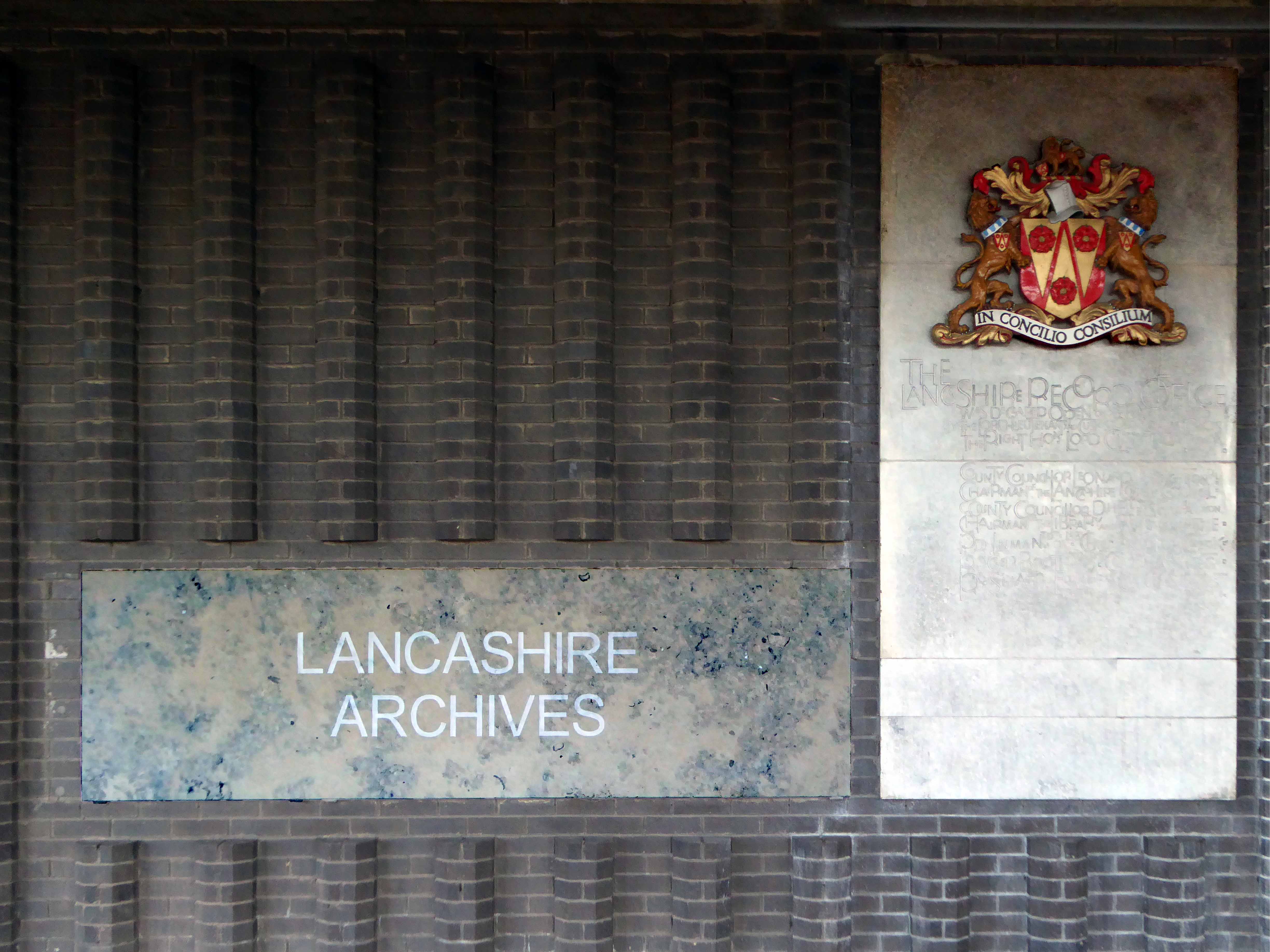
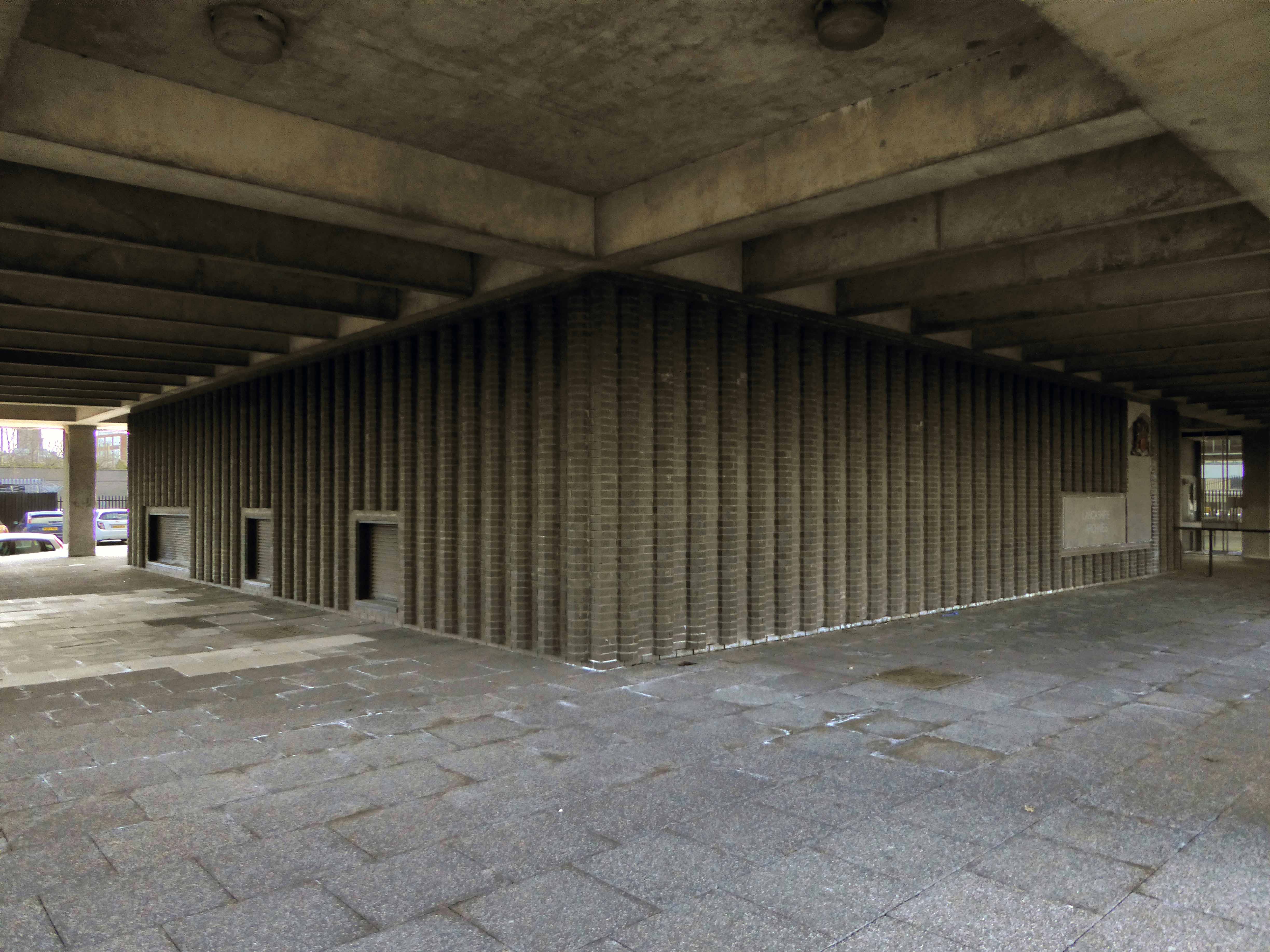
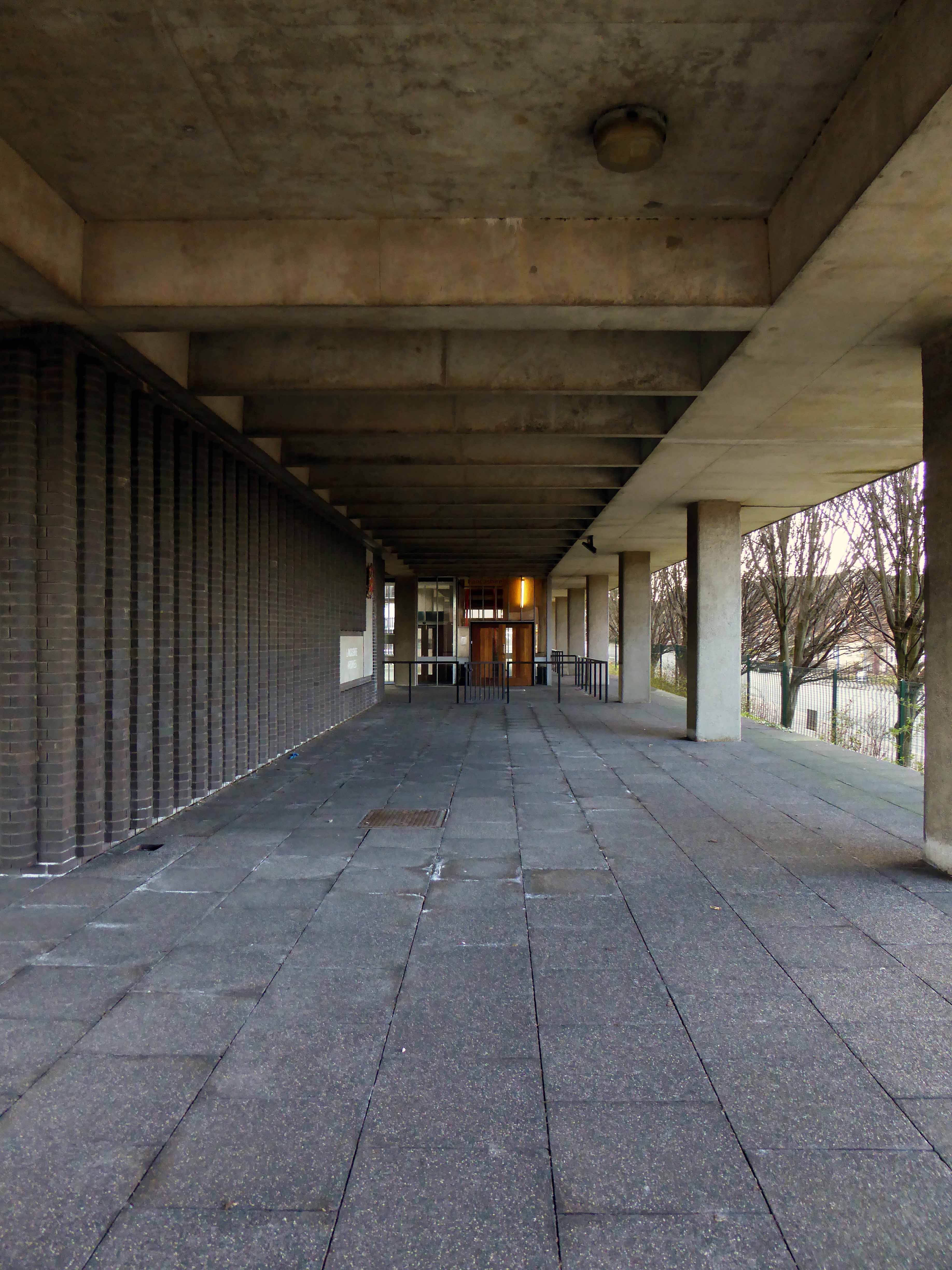
Peeping coyly from behind the surrounding trees, in the shadow of County Hall – the Lancashire Archives, yet more of Roger Booth’s handiwork.

A low stone clad block stood elegantly on slender supports, inside the courtyard, a grid of aluminium and glass, the people peeping out. The core of the building shrouded in a solid serrated brick screen.

It really is a treat.

Go see for yourself

The Lancashire Archives

Mayfield House – Bethnal Green

Building Conditions in Bethnal Green – Post 1945

“The immediate problem after the war was to house those whose homes had been bombed. Longer-term objectives were to complete and extend earlier clearance programmes in order to reduce the population density and separate industry from residential areas, as reaffirmed in the County of London Plan of 1943. Some 5,000 people lived in temporary housing, including requisitioned properties and hutments or mobile homes, prefabs, of which the L.C.C.’s first in East London were in Florida and Squirries streets. All but 15 of its 190 ‘prefabs’ were in use in 1955, together with 309 requisitioned properties; at least 48 mobile homes were still in use in 1966.  War damage had been repaired by 1953 and attention shifted to slum clearance; flats were to be allotted to those in cleared areas rather than by a waiting list. The L.C.C. and M.B. co-operated in drawing up five-year plans:  by 1954 there were 16,852 permanent homes of which 2,434 were unfit, 1,711 in the L.C.C.’s clearance areas and 675 in the M.B.’s, together with 48 individual houses. The L.C.C. demolished 510 and the M.B. 550 between 1956 and 1960 and the M.B. demolished another 151 unfit and 46 other houses in 1961-2. Most were replaced by municipal estates, although both councils also acquired sites scheduled for industry, business, or open space. It was estimated that to find a site and build an estate took six years.” 

Thanks to http://www.british-history.ac.uk/vch/middx/vol11/pp135-147

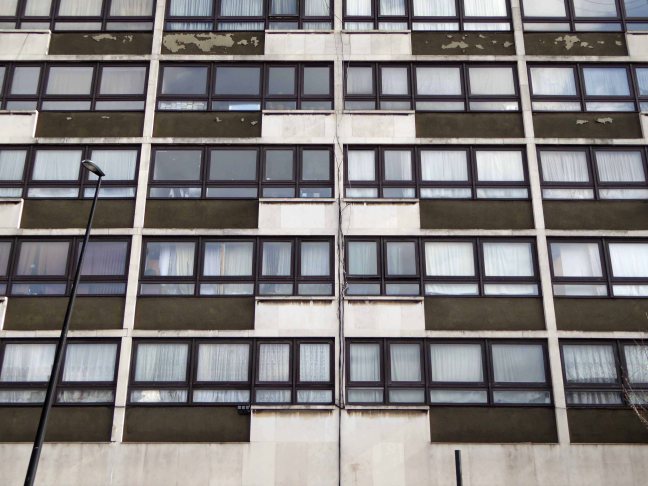
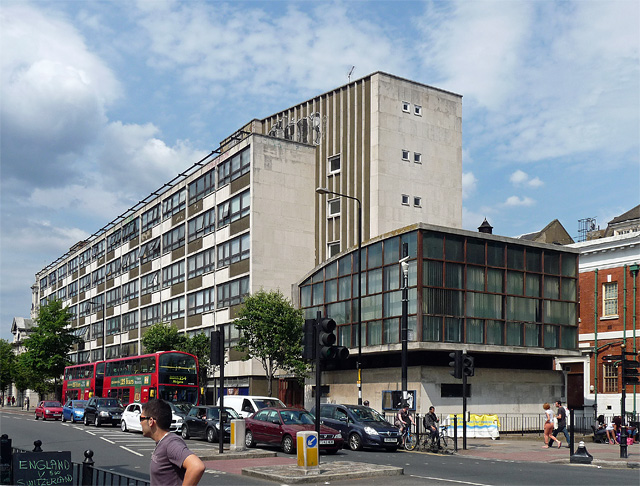
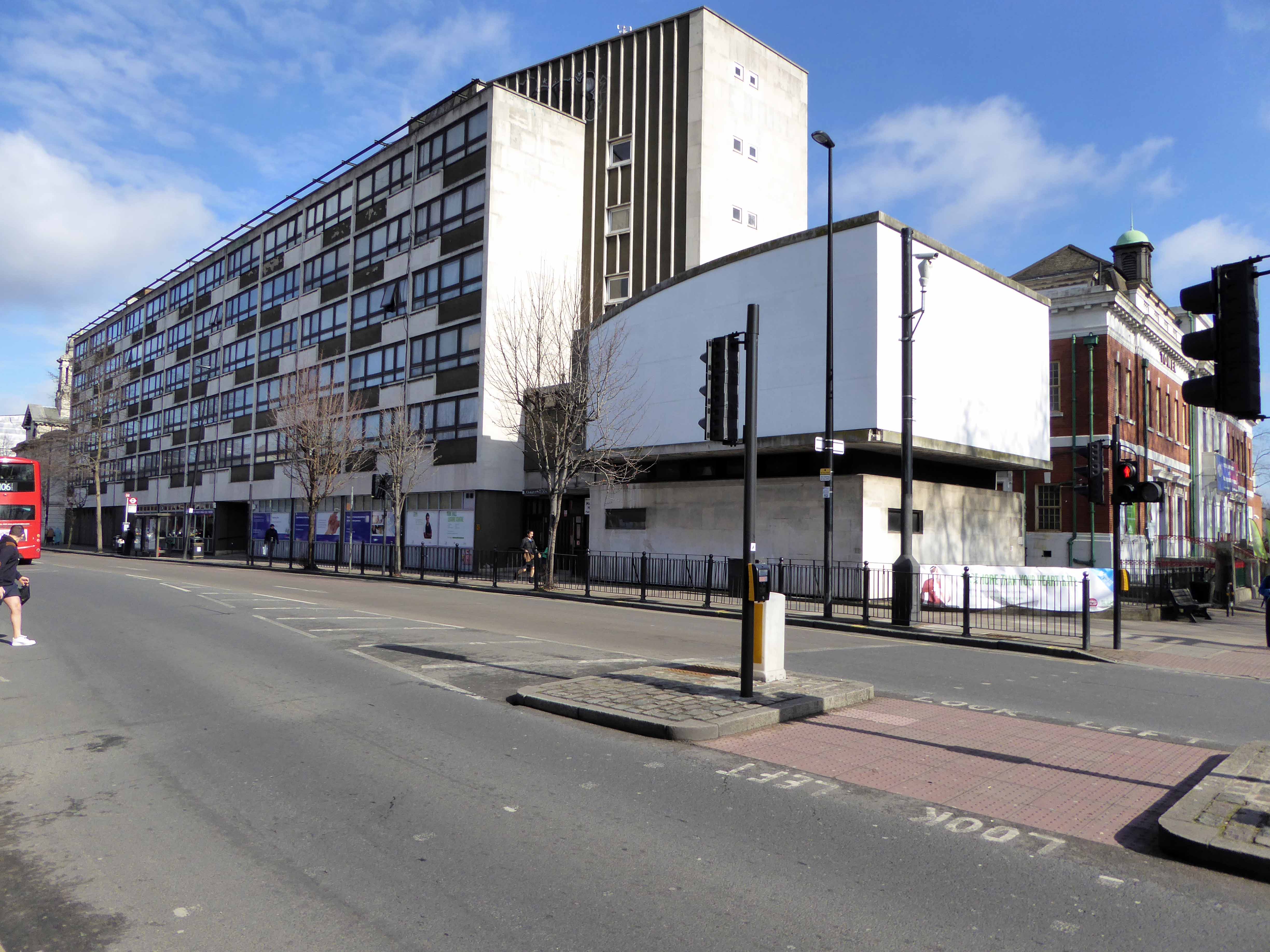
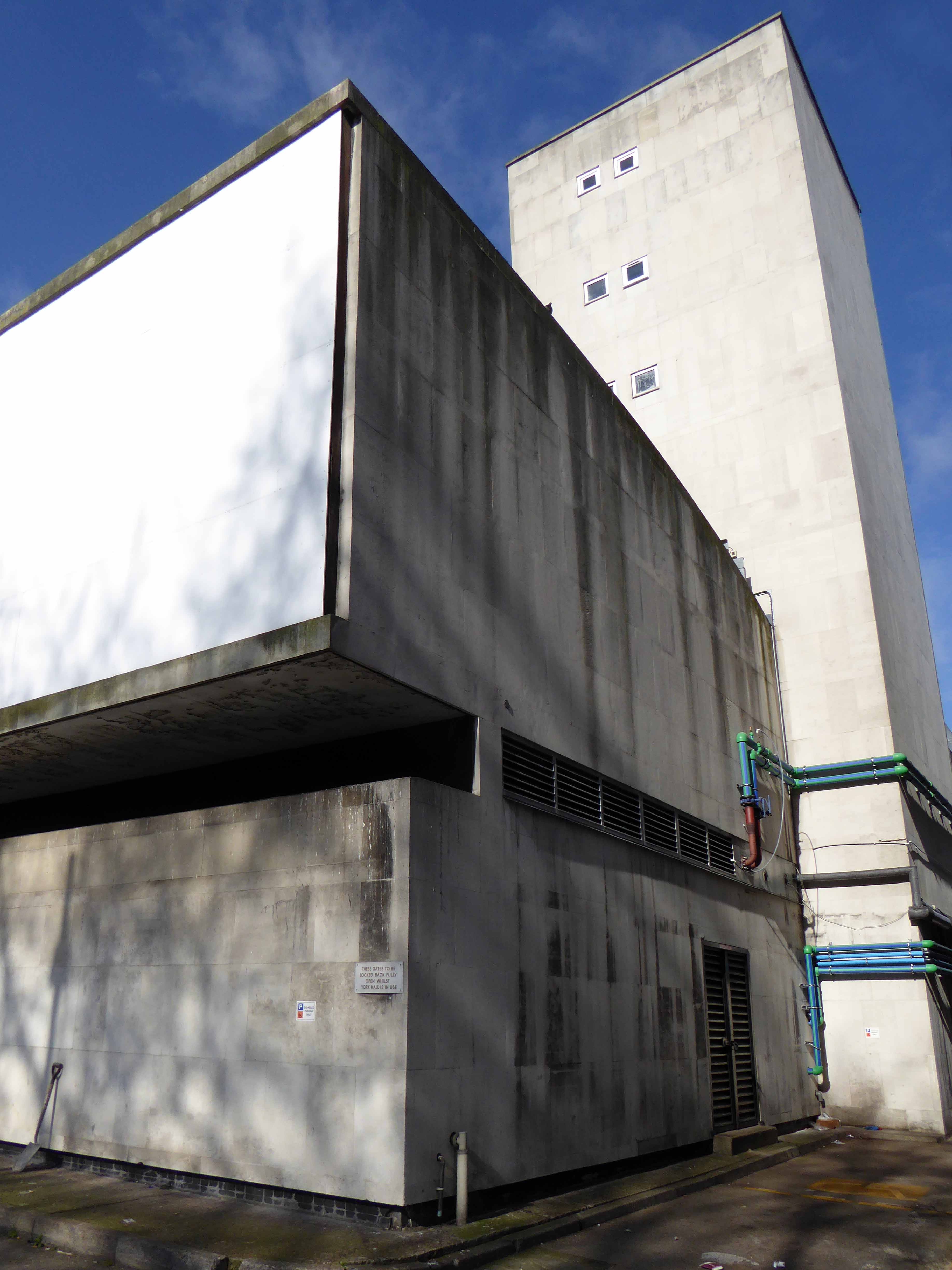
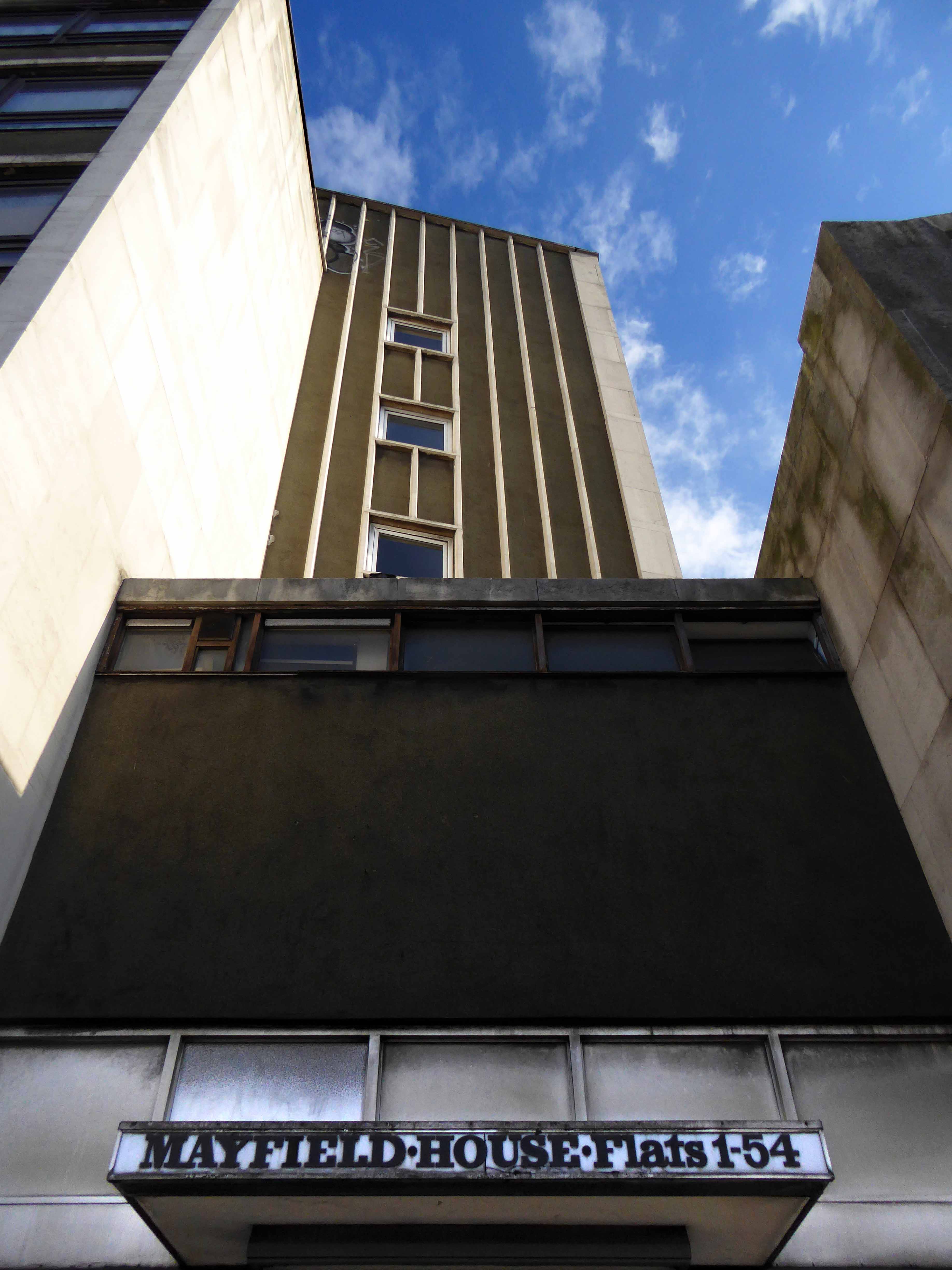
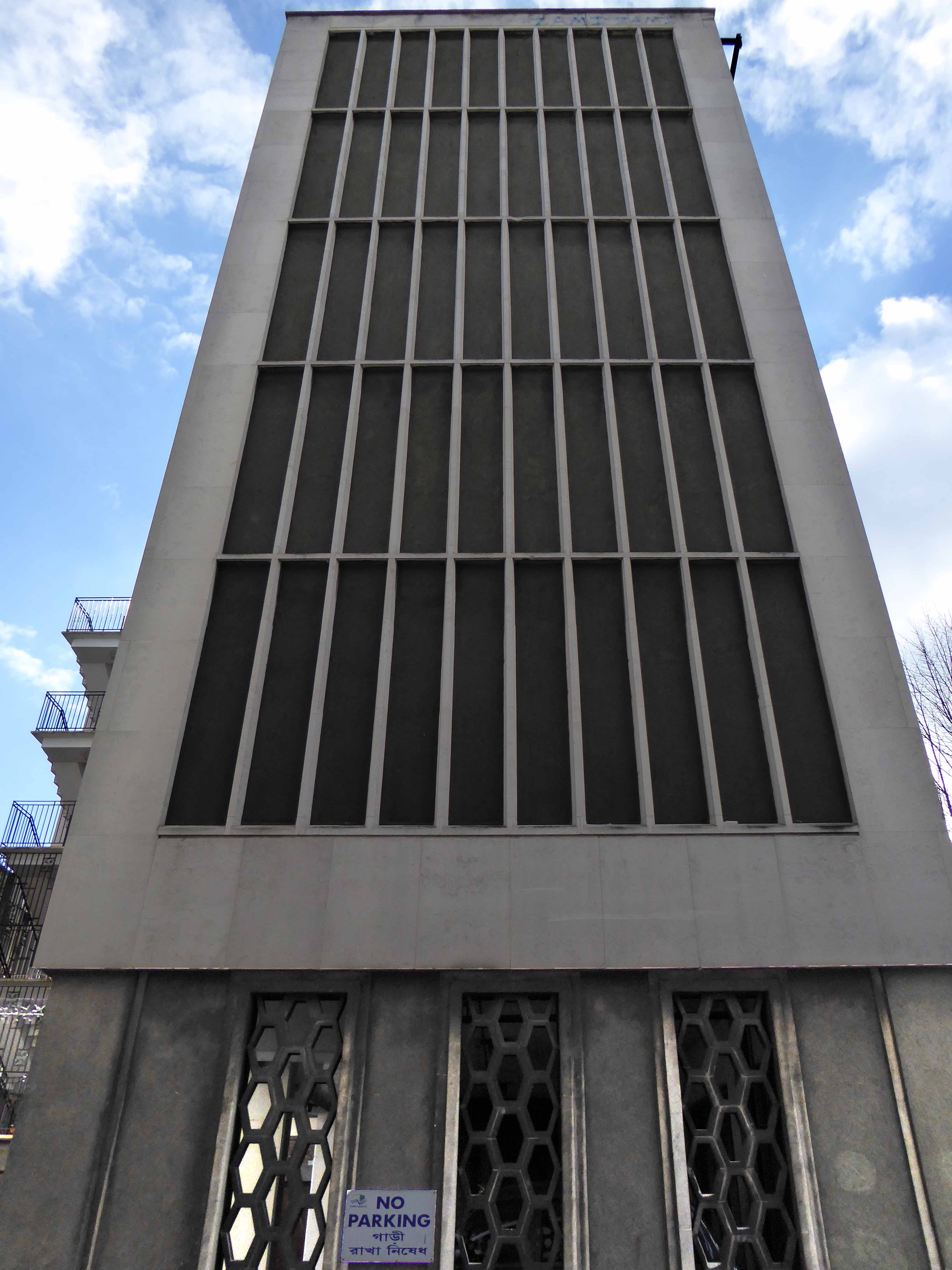
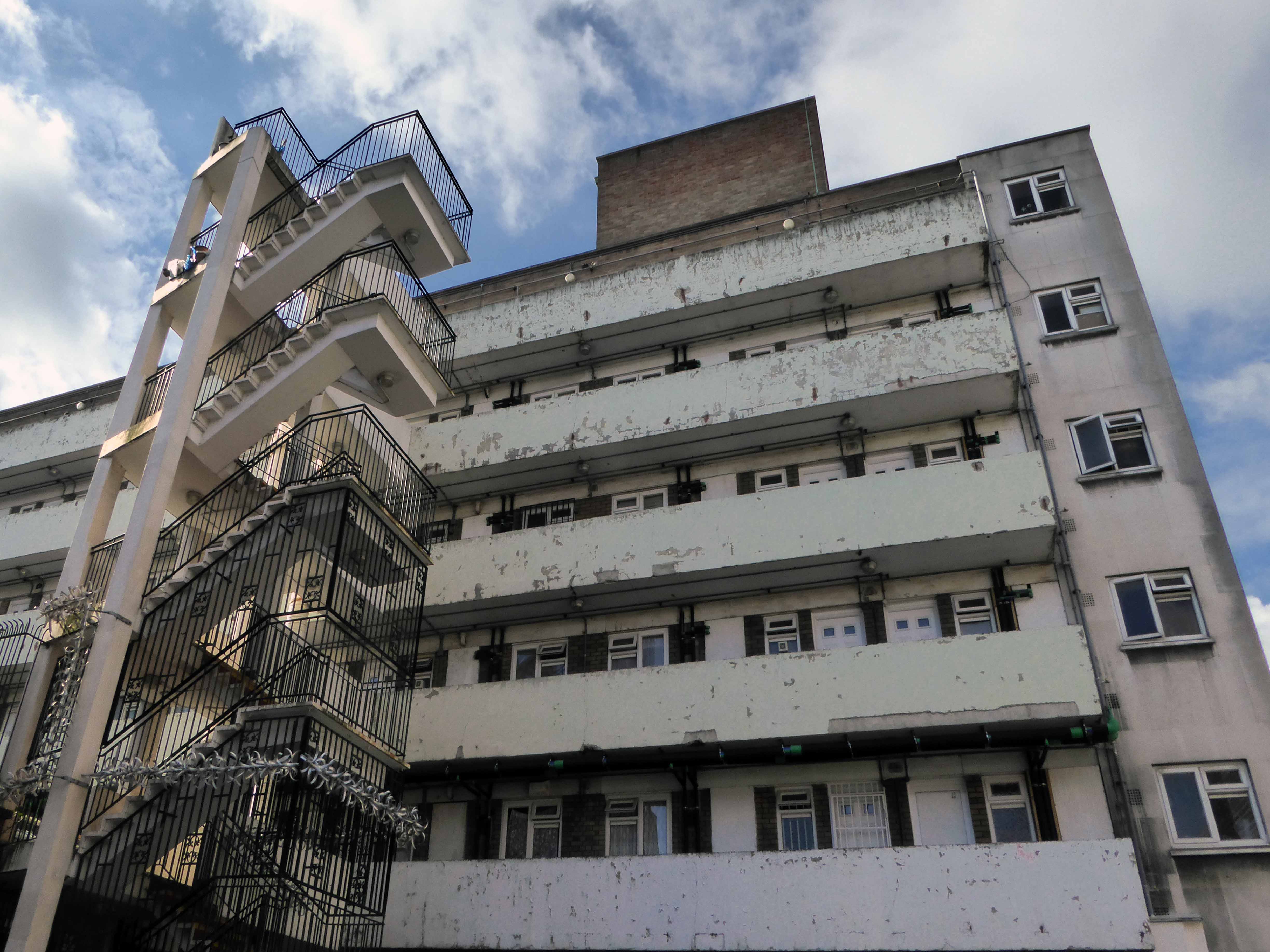
The six-storeyed Mayfield House opened with 54 flats in 1964 on the east side of Cambridge Heath Road, south of the town hall.

Exploring London in an accidental and often tangential manner, often offers many surprises. Ostensibly in search of the V&A Museum of Childhood I tumbled into Mayfield House. The whole area, as can be seen in the above link, is home to several estates and homes, designed by the eminent architects du jour, Mayfield receives no such attribution, possibly the work of the borough office.

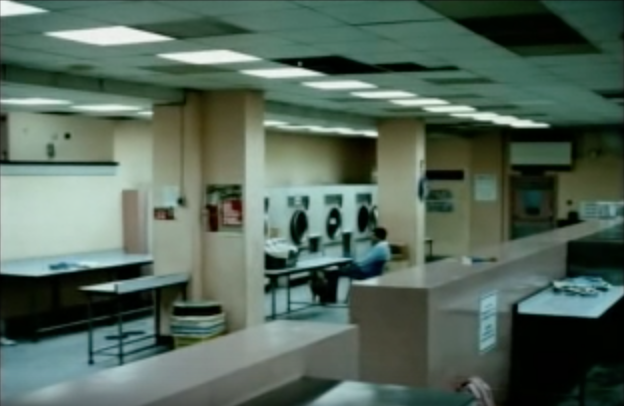
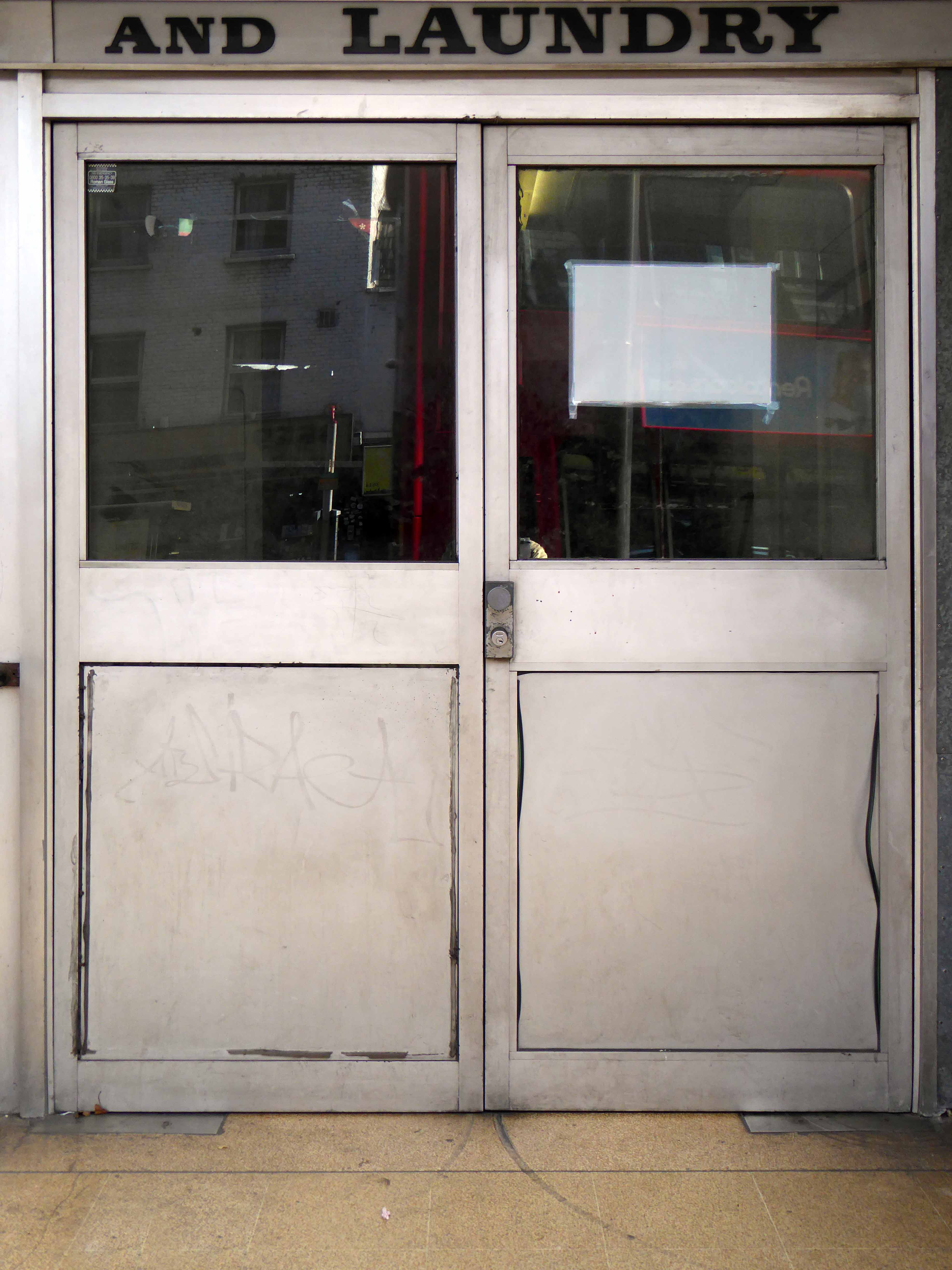
None the worse for that a building of some note, famously housing one of London’s first coin operated laundries, as seen in the promo video for The Streets – Dry your eyes.

Screen Shot 2016-03-17 at 16.35.58

The flats also contain a Somalian Centre, Bethnal Green having been home, for many years to Somali seamen – the subject of a recent photographic exhibition by Sarah Ainslie

DSC_0236

Photographs copyright © Sarah Ainslie

Ali Mohammed Adan – Seaman

“I first came to London by ship in March 1958. I stayed in Aldgate for a night and went to Newport where my cousin had a house. There are many Somalis there. From that day until I retired in 1990, I was in the Merchant Navy, and I brought my family over from Somaliland. In 1970, I moved back to London to Bethnal Green but my wife and daughters chose to stay in Newport.

In Somaliland, I owned over a hundred camels and sheep. Nobody keeps camels anymore, everyone sold them and moved to the city. They say, ‘It’s too much work.’ But keeping camels and sheep and living on a farm, it’s a good life because you eat every day. Everybody wants to do it again now.”


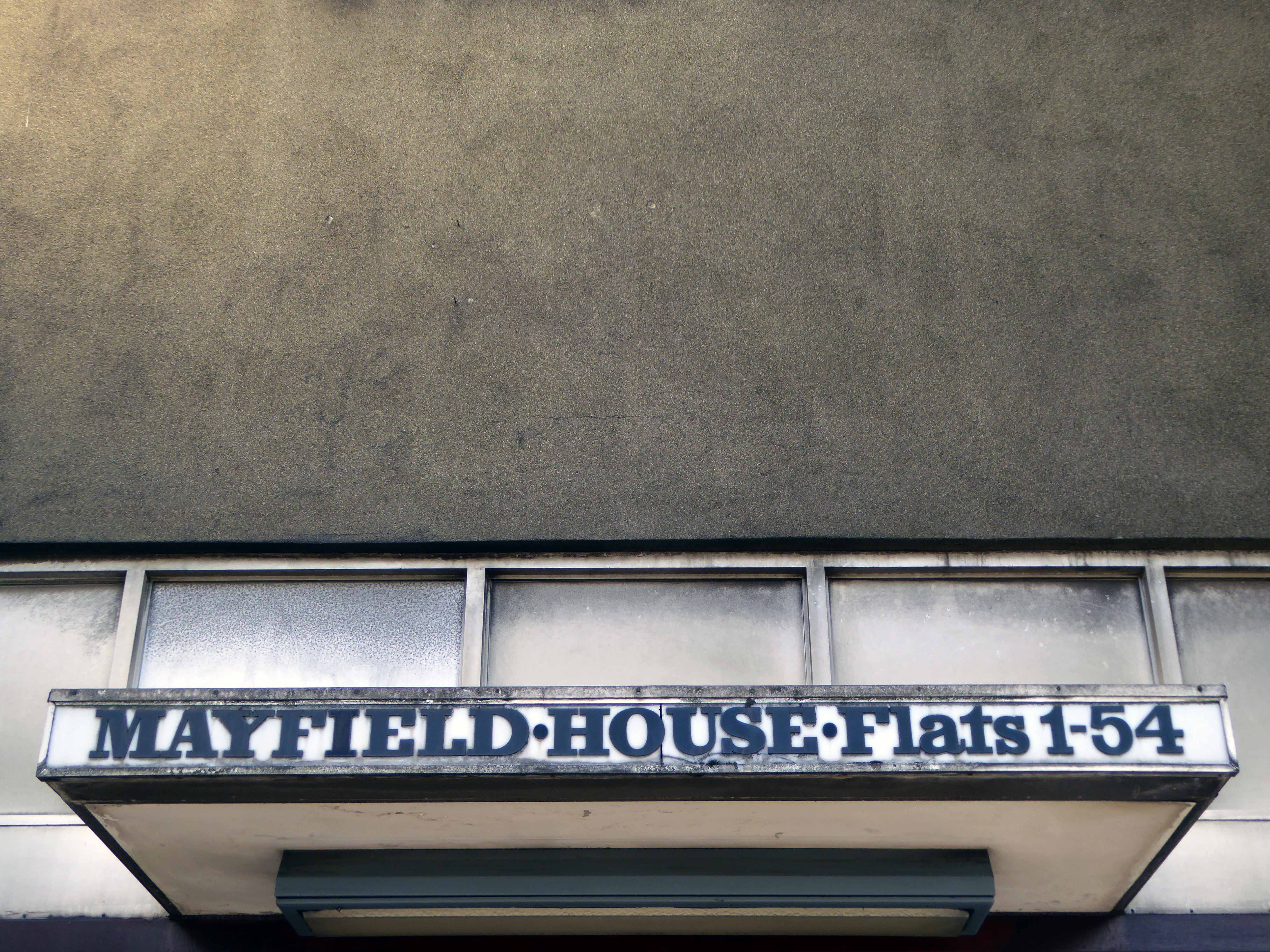
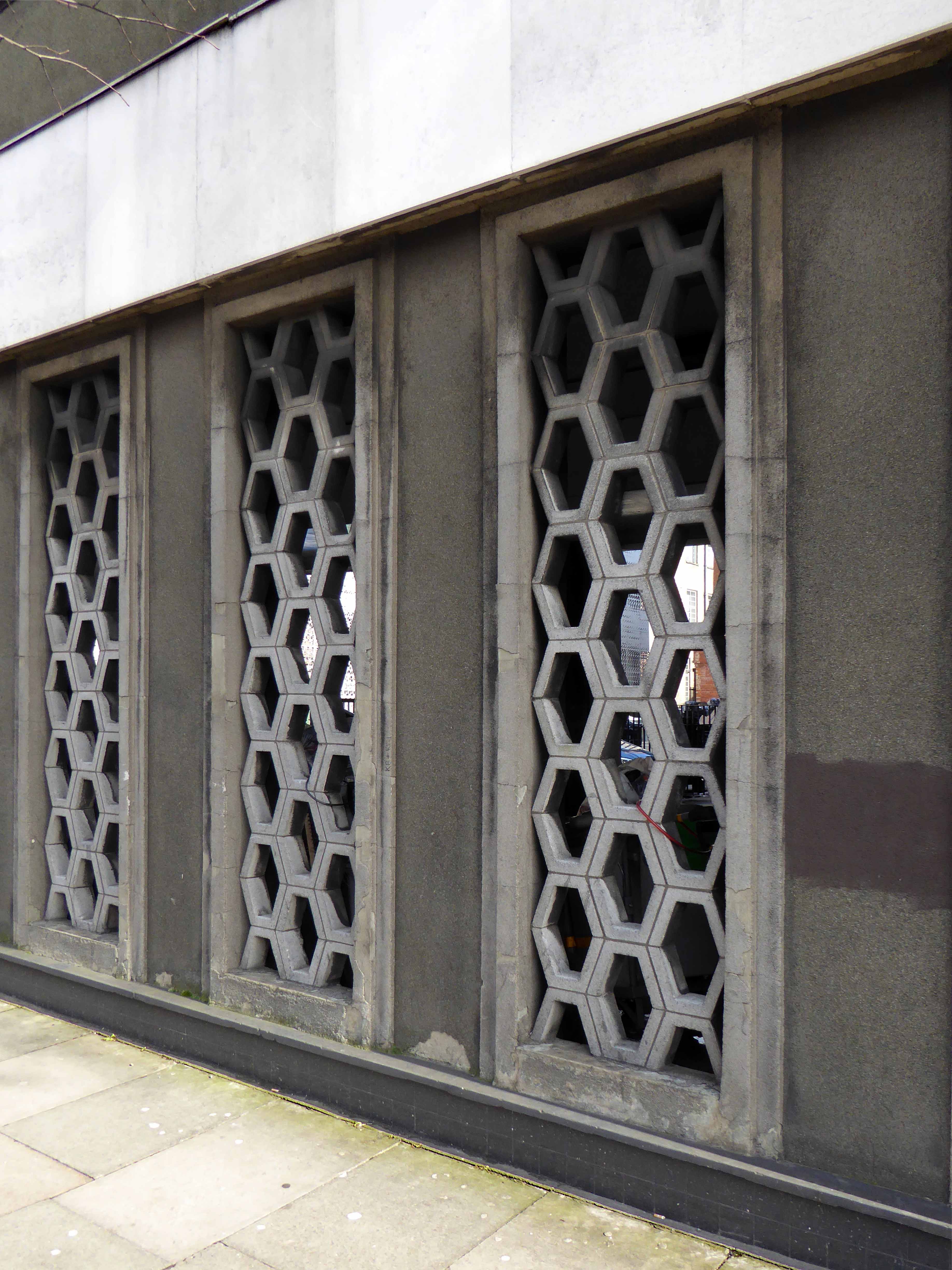
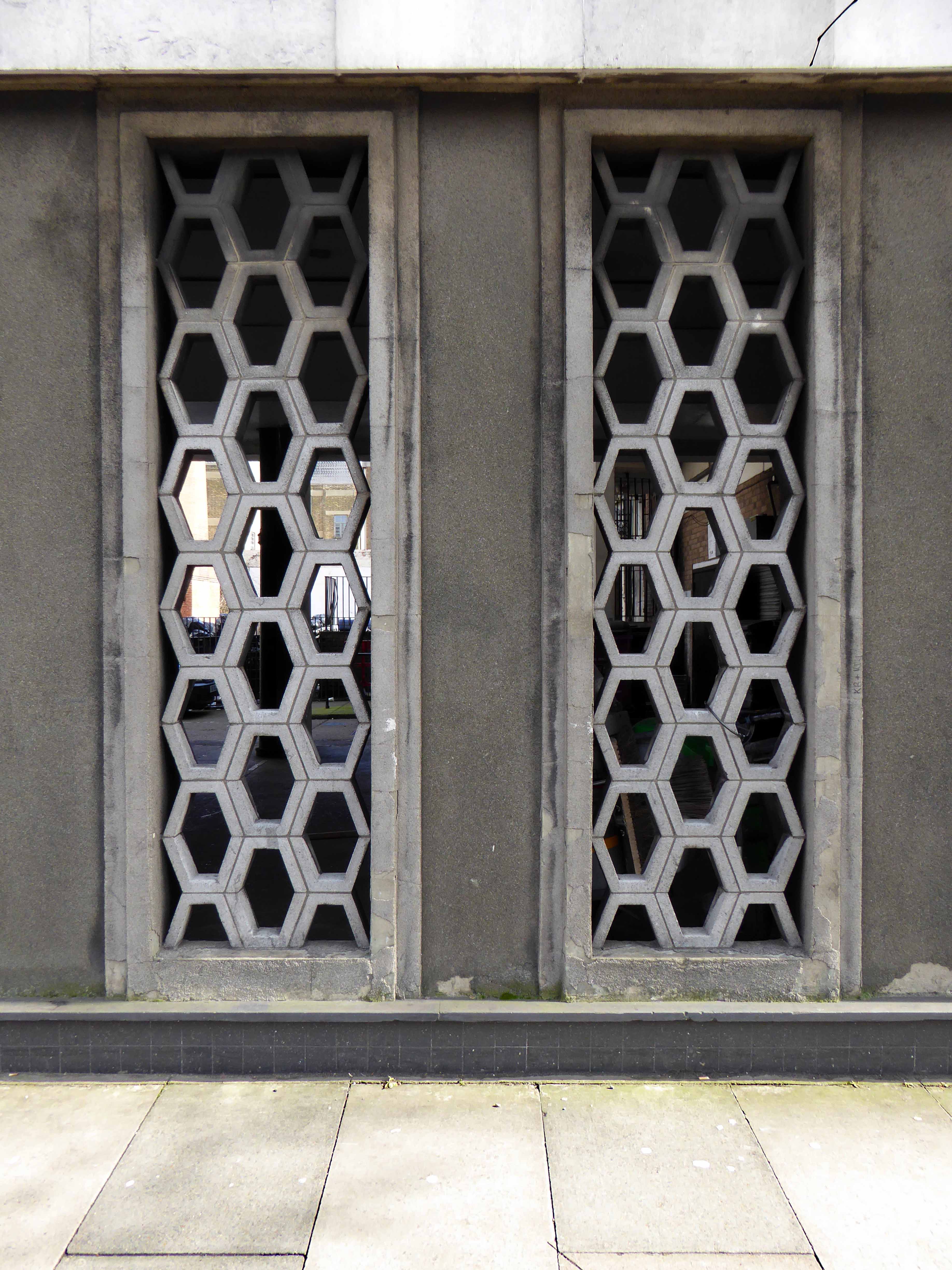
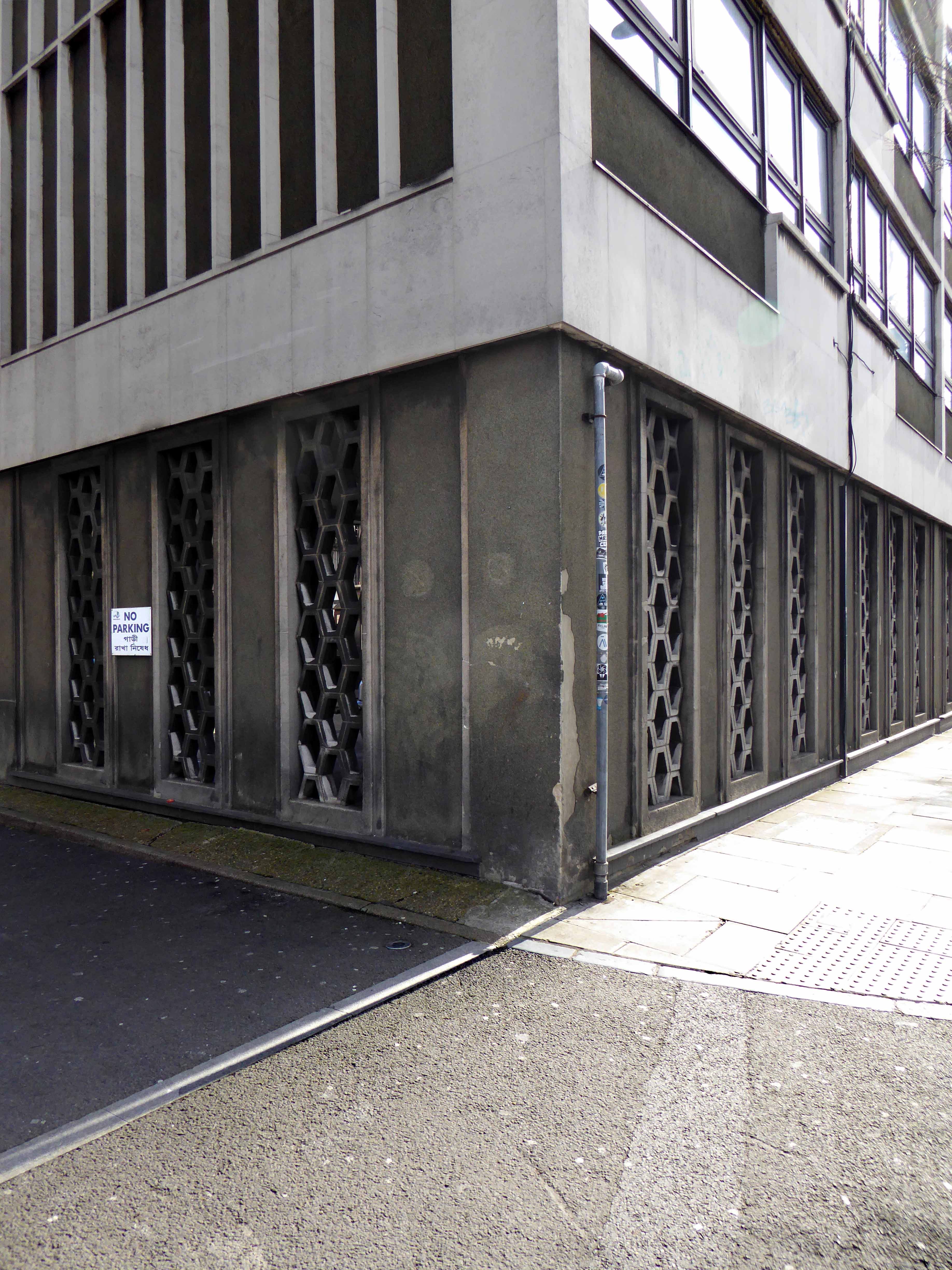
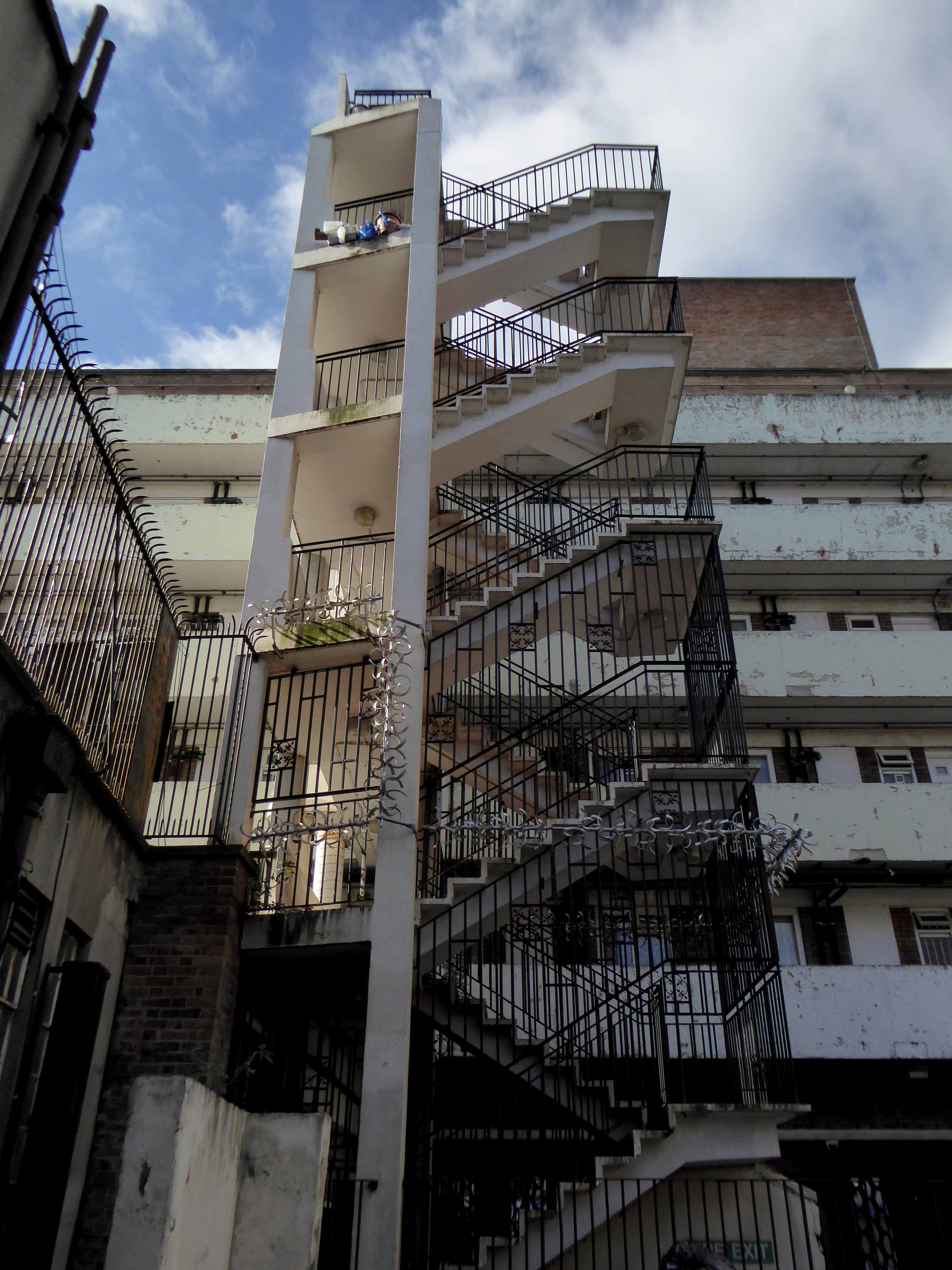
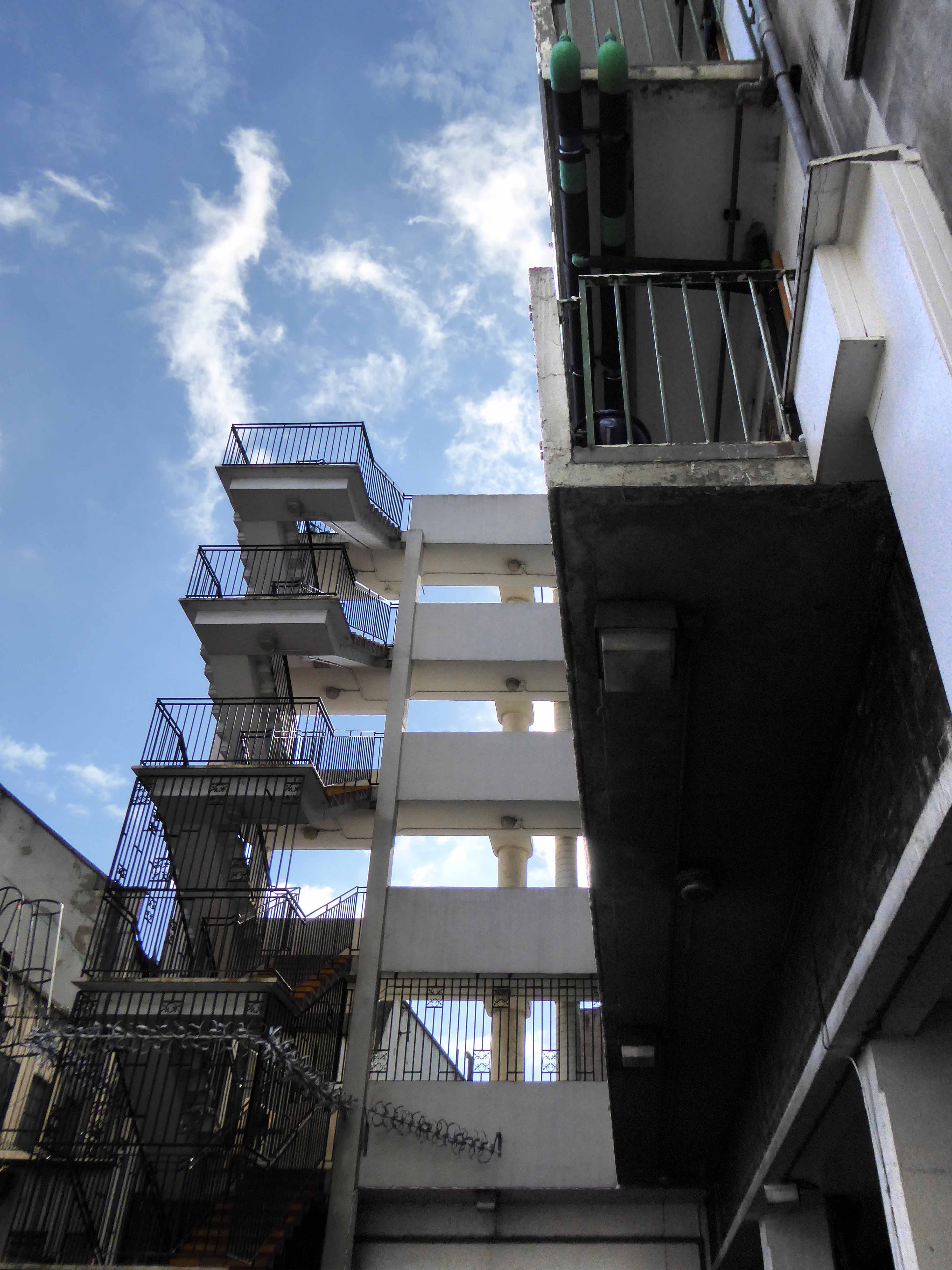
An intriguing structure with a dominant grid on the front elevation, sharp signage, extravagant exterior rear stairs, modular concrete screened, low-level car parking and a recently enclosed glassed gallery.

2686397_93fb4162


London – city of surprising surprises.


Library – Morecambe

I love libraries.

I love Morecambe.

Therefore I love Morecambe library.

Built and opened in 1967, designed by the County Architect  Roger Booth who was also responsible for a whole host of buildings in Lancashire between 1962 and 1983.

image-6.php

Almost fifty years on, the building still speaks of modernity, optimism, light and learning. It’s well used and loved by the public and the charming and helpful staff – many thanks, for your time and assistance.

P1020260 copy

Application was made for listing, this was not accepted – there have been significant changes to both the external and internal structure over time.

image-9.php

The vertical, impressed cast concrete panels, shown above, have been replaced by brick.

image-2.php

The original suspended *bean can* lighting system has also been replaced. At night, I was told it was hard to navigate the building using the limited spot illumination, so a box of bike lights were kept and handed out, to permit the safe, well-lit passage of library users.

P1020279 copy

Concentric hexagonal rings of suspended strip lighting are now in place.

image-10.php

Sadly the vivarium, contained  in a glassed link corridor, was short lived.

Archive photographs from Lancashire Lantern Images

The staff were more than happy to allow me take photographs, I was even afforded, at my own risk, to access the roof area through a very secret door!

I urge you to visit Morecambe and its charming library soon.

http://www.lancashire.gov.uk/libraries-and-archives/libraries/find-a-library/morecambe-library.aspx

Halifax Building Society HQ – Halifax

Why are we here?

The Halifax was formed in 1853 as the Halifax Permanent Benefit Building and Investment Society. The idea was thought up in a meeting room situated above the Old Cock Inn close to the original Building Society building. Like all early building societies, the purpose of the society was for the mutual benefit of local working people.

Why are we not here?

In 2006, the HBOS Group Reorganisation Act 2006 was passed. The aim of the Act was to simplify the corporate structure of HBOS. The Act was fully implemented on 17 September 2007 and the assets and liabilities of Halifax plc transferred to Bank of Scotland plc. The Halifax brand name was to be retained as a trading name, but it no longer exists as a legal entity.

What have we here?

The Halifax Building was designed by the architecture firm BDP and constructed in 1968-74, as the headquarters for the Halifax Building Society and built with an unusually high budget. The rapid growth of the society over the twentieth century prompted the requirement for a new headquarters building, and in 1968 the aim of the architects was to design not only a practical building but a bold building for a confident client.

The building was Grade II listed in February 2013

In their report, Historic England comment that:

“Though necessarily large in scale, and centrally located in the town, the design is one of humanity, respecting both the townscape in which it was placed, and the employees it was to house…The high budget was reflected in the building’s finishes inside and out. Externally a limited colour palette and use of York stone cladding gave a homogeneity and showed consideration to the local character of the stone buildings of Halifax. Internally, materials were high quality and colour co-ordinated, with landscaping to both the public ground-floor spaces and the executive fourth floor.”

Ian Nairn thought well of it –

I wandered around amazed by the sheer mass of the main volume of the building, and the thin slithers of sunlight and blue sky which abutted its glass and stone skin.

When approached by a curious security guard, I quickly allayed his initial fears, on production of my Manchester Modernist Society membership card and badge.

However fellow urbanists, take care, for the public is often mutually private and public at one and the same time, don’t step over the line.

P1010375 copy

Go take a look make of it what you will.

P1010359 copy

P1010361 copy

P1010367 copy

P1010365 copy

P1010357 copy

P1010358 copy

P1010362 copy

P1010355 copy

P1010377 copy

P1010366 copy

P1010371 copy

P1010354 copy

P1010363 copy

P1010374 copy

P1010372 copy

P1010368 copy

P1010373 copy

P1010364 copy

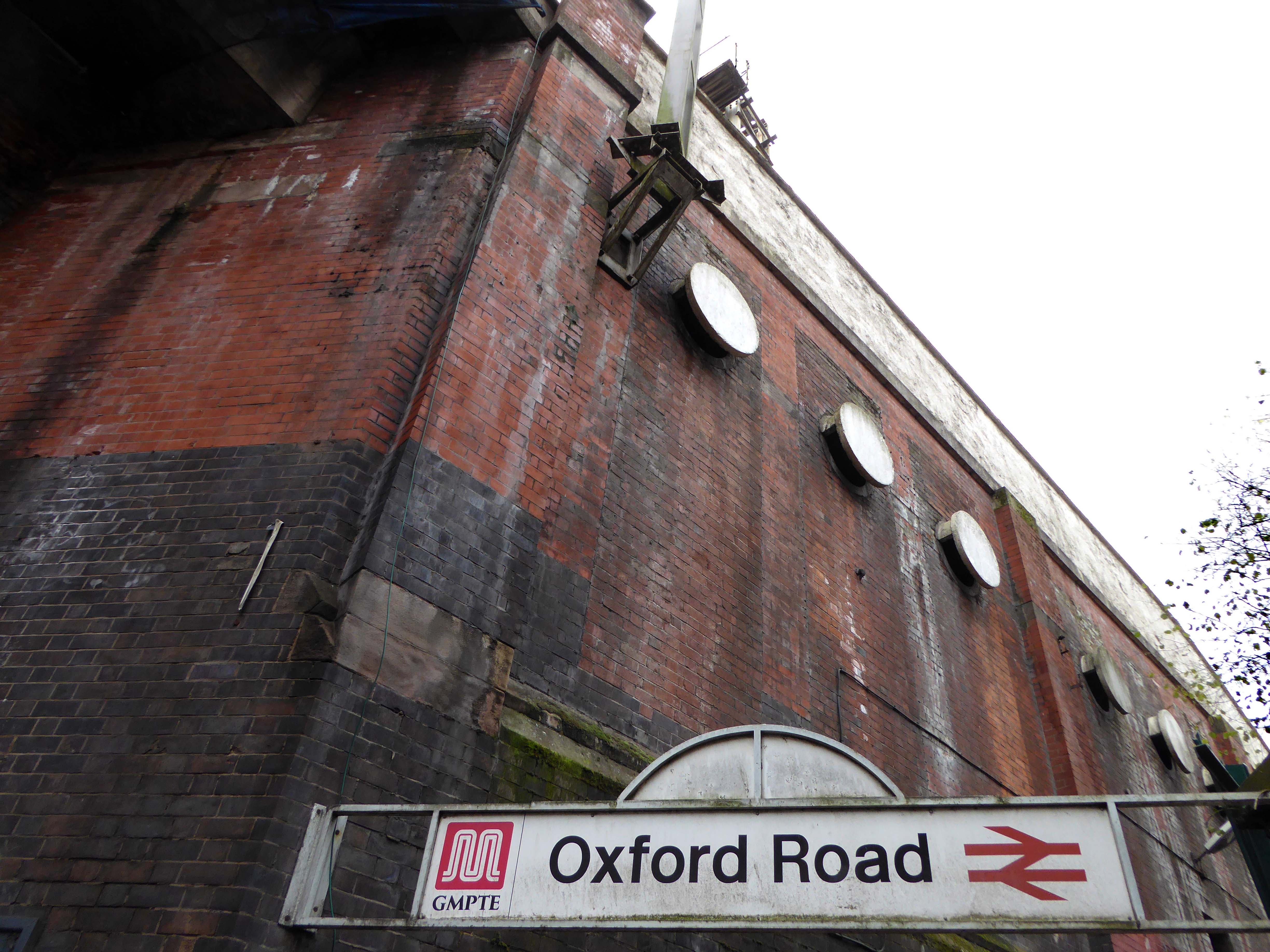
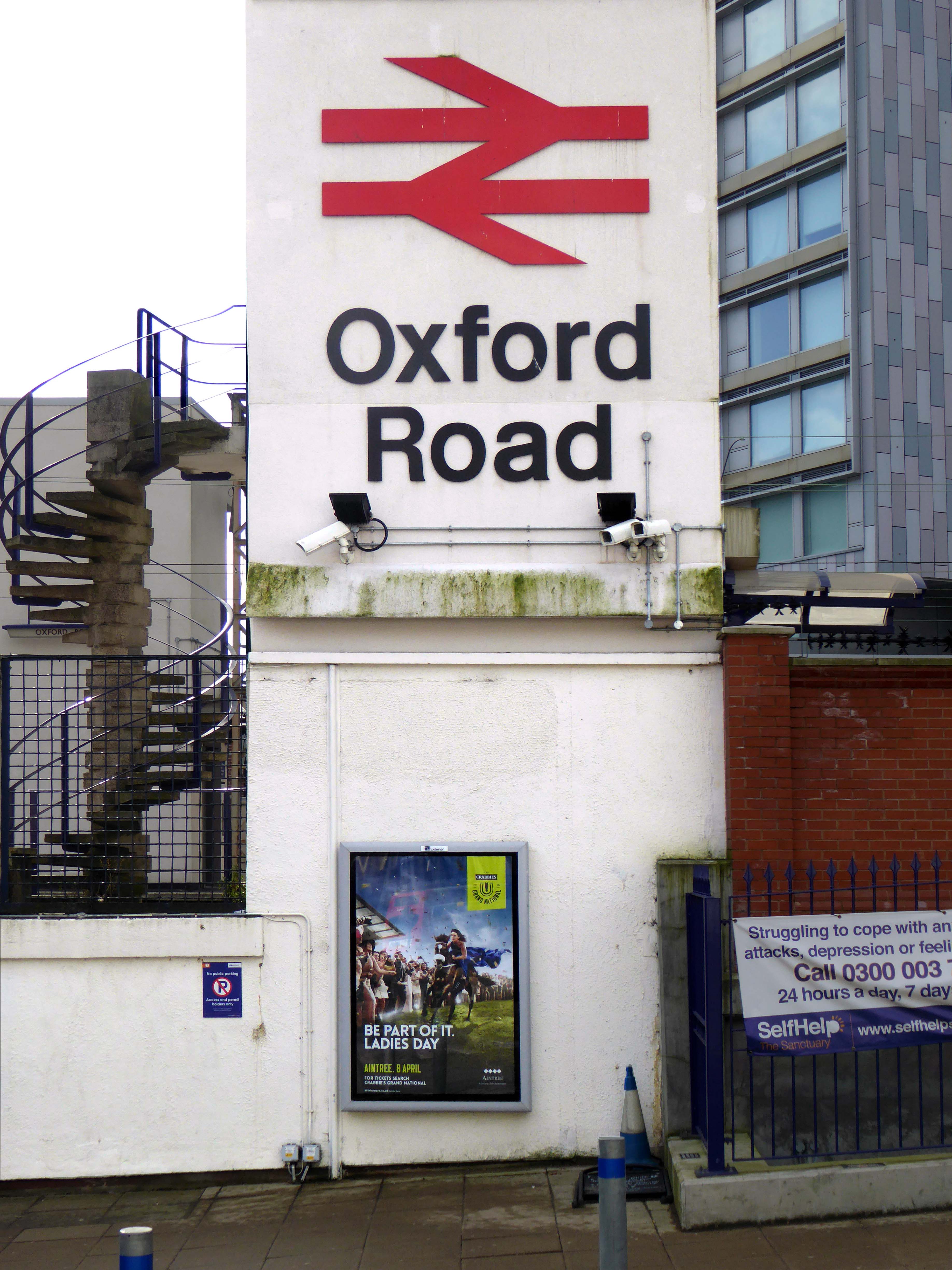
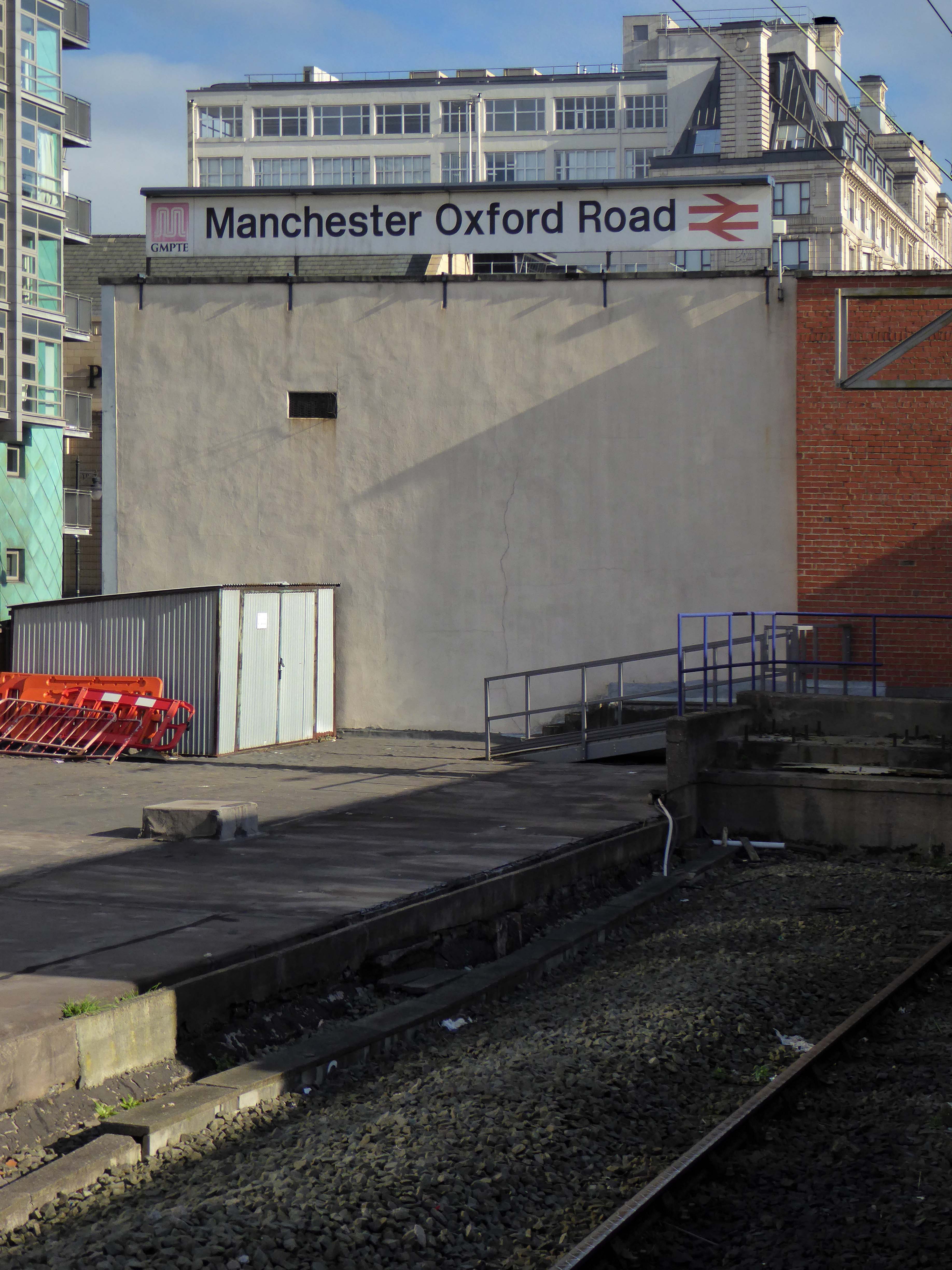
Oxford Road Station – Manchester

Where are you?

Neither here nor there.

Up in the air.

Betwixt and between.

Possibly on the way to somewhere else, stranded at Oxford Road Station.

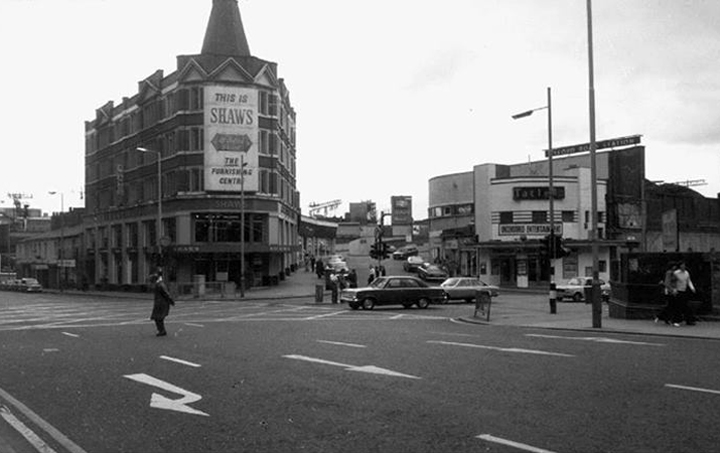
Tucked in behind Shaw’s Furniture and The Tatler Cinema.

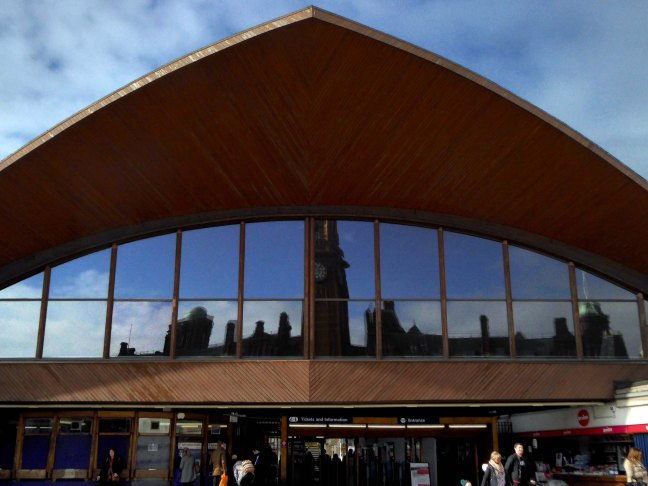
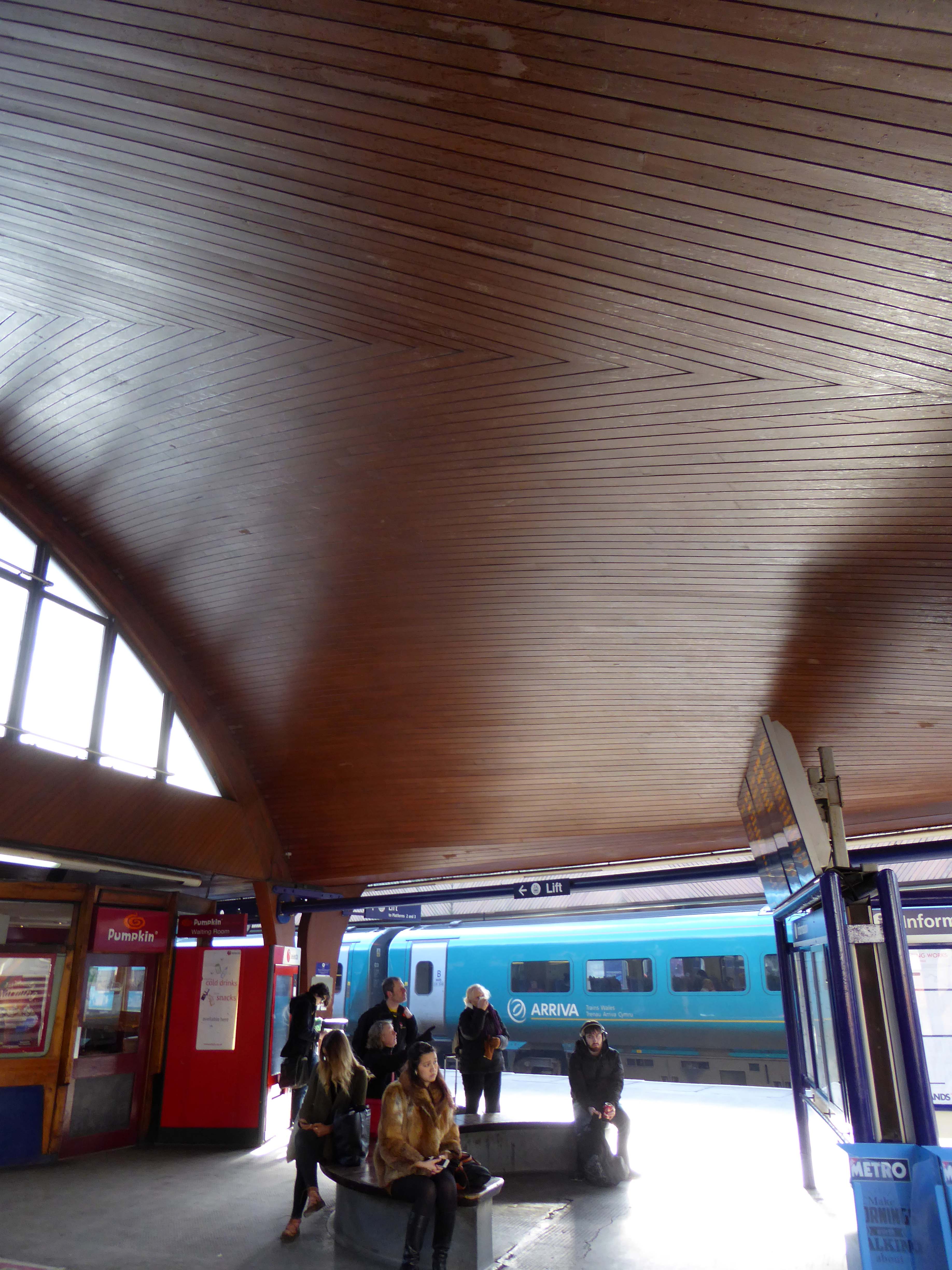
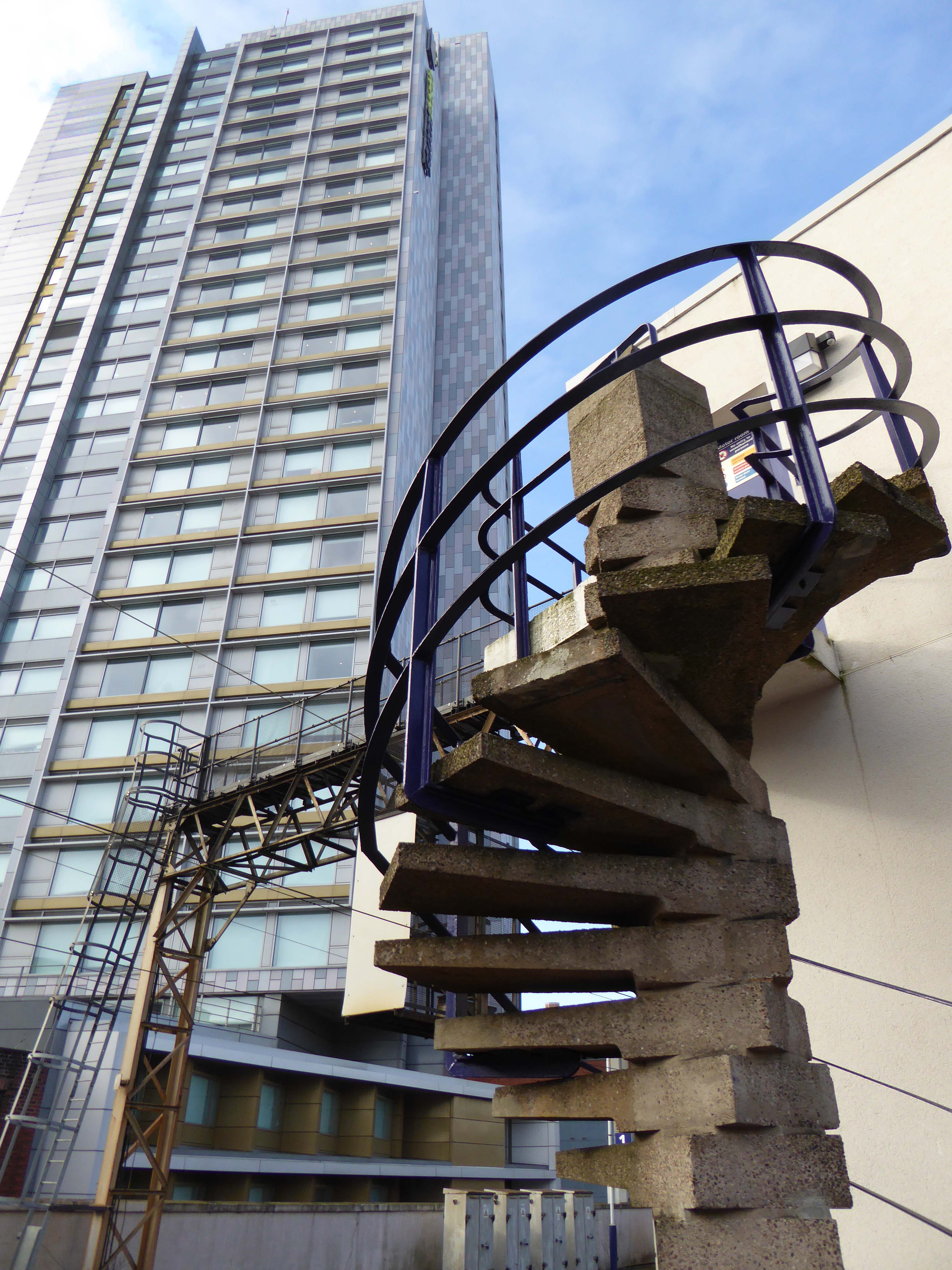
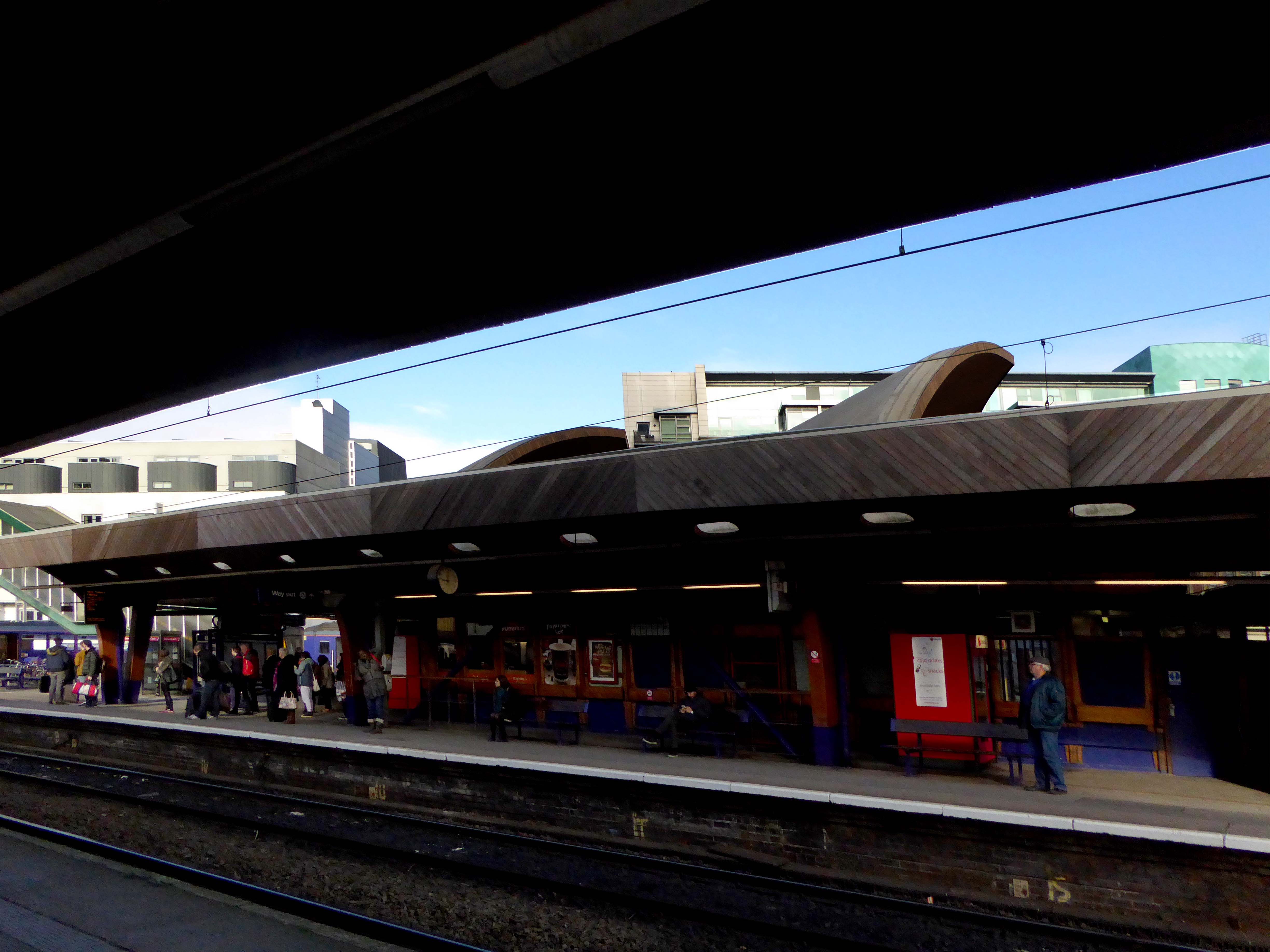
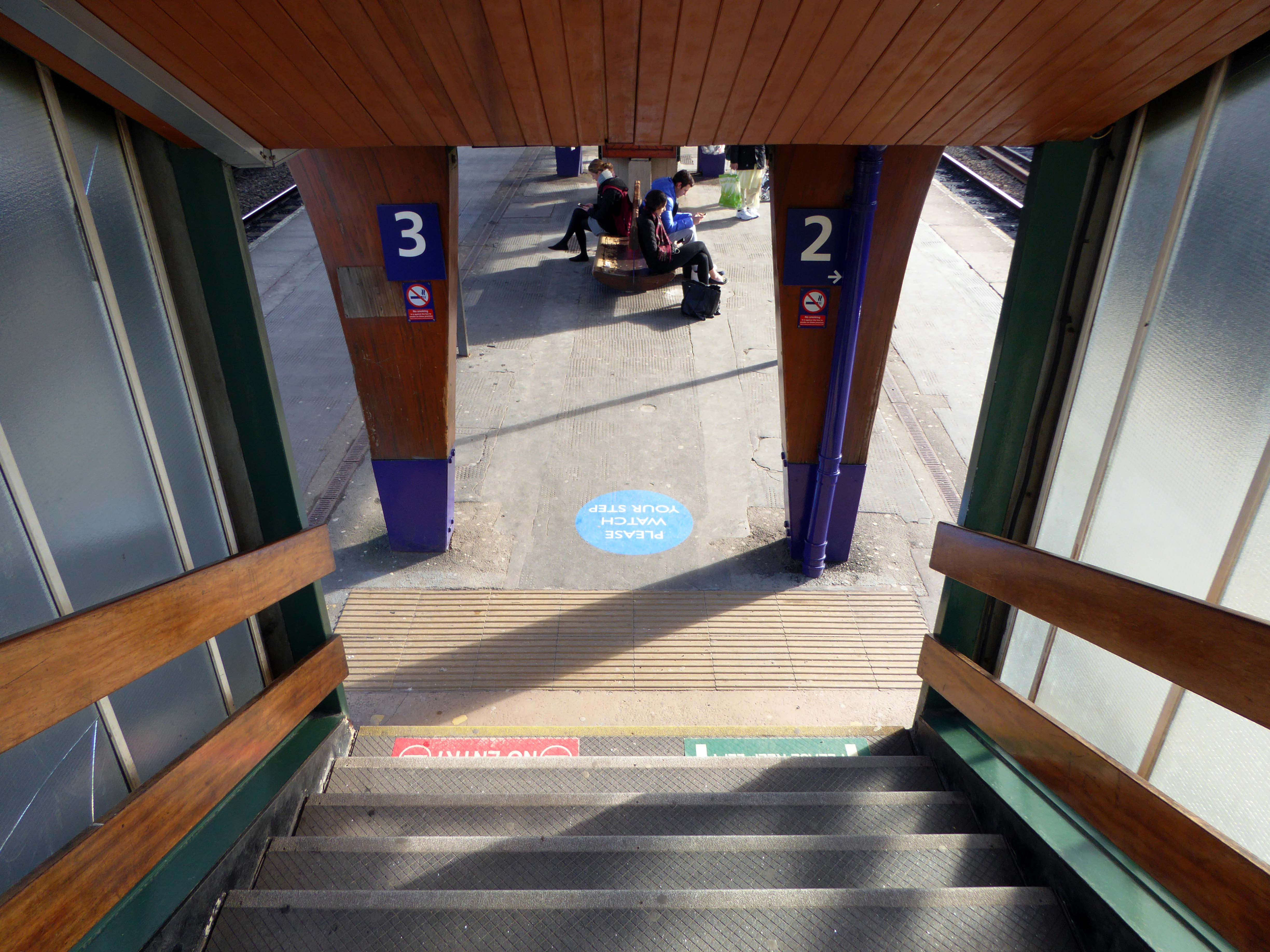
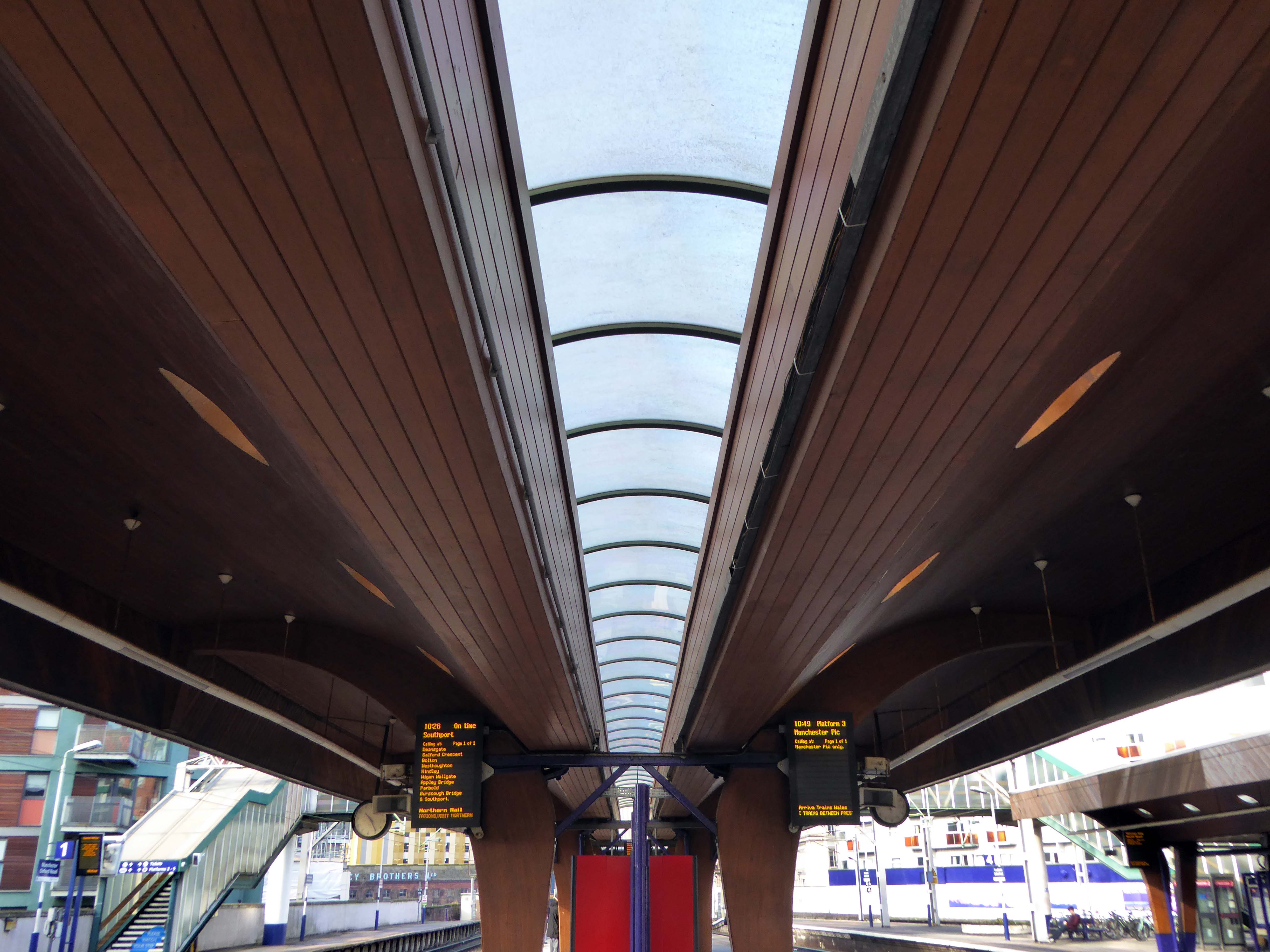
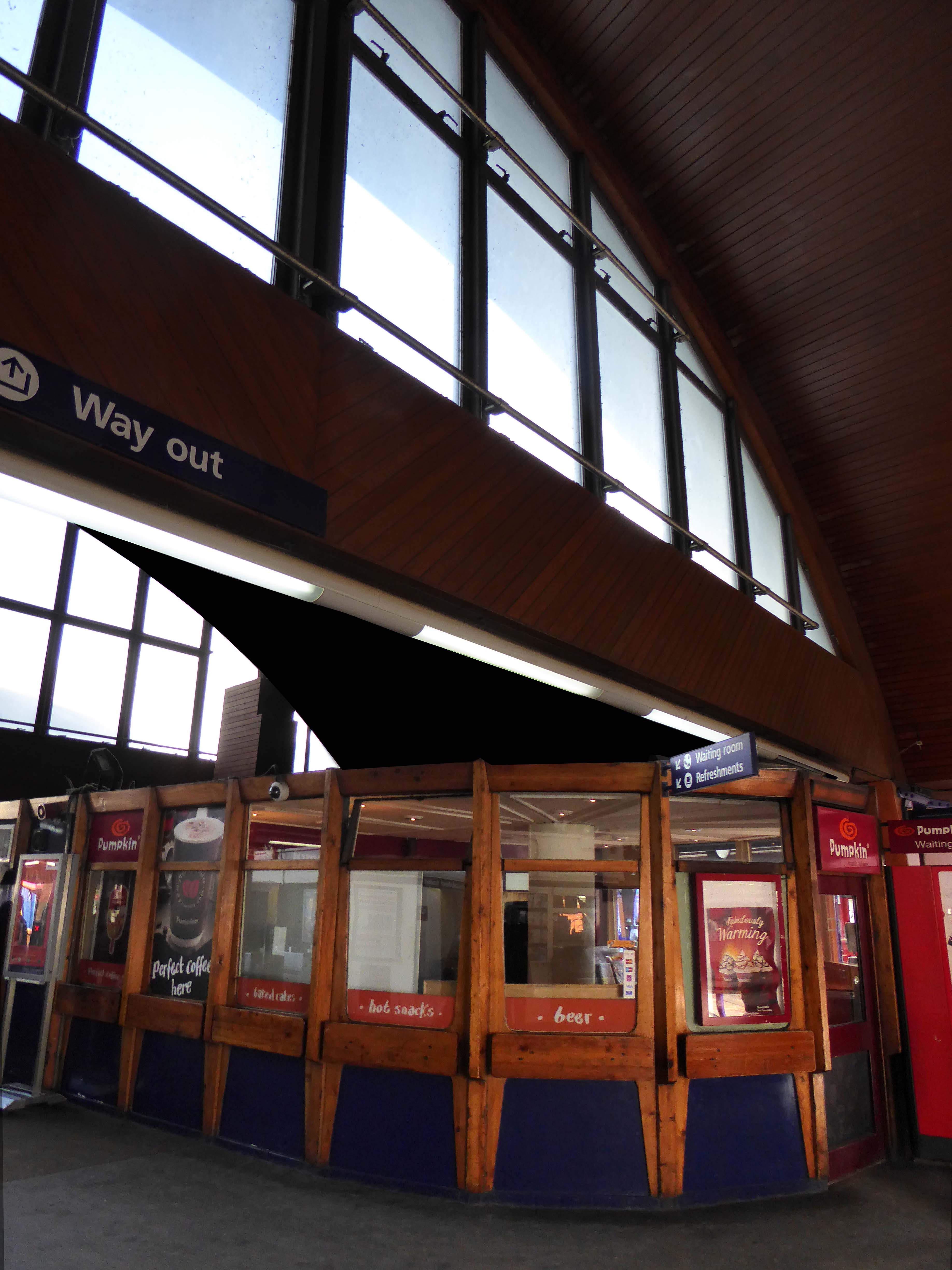
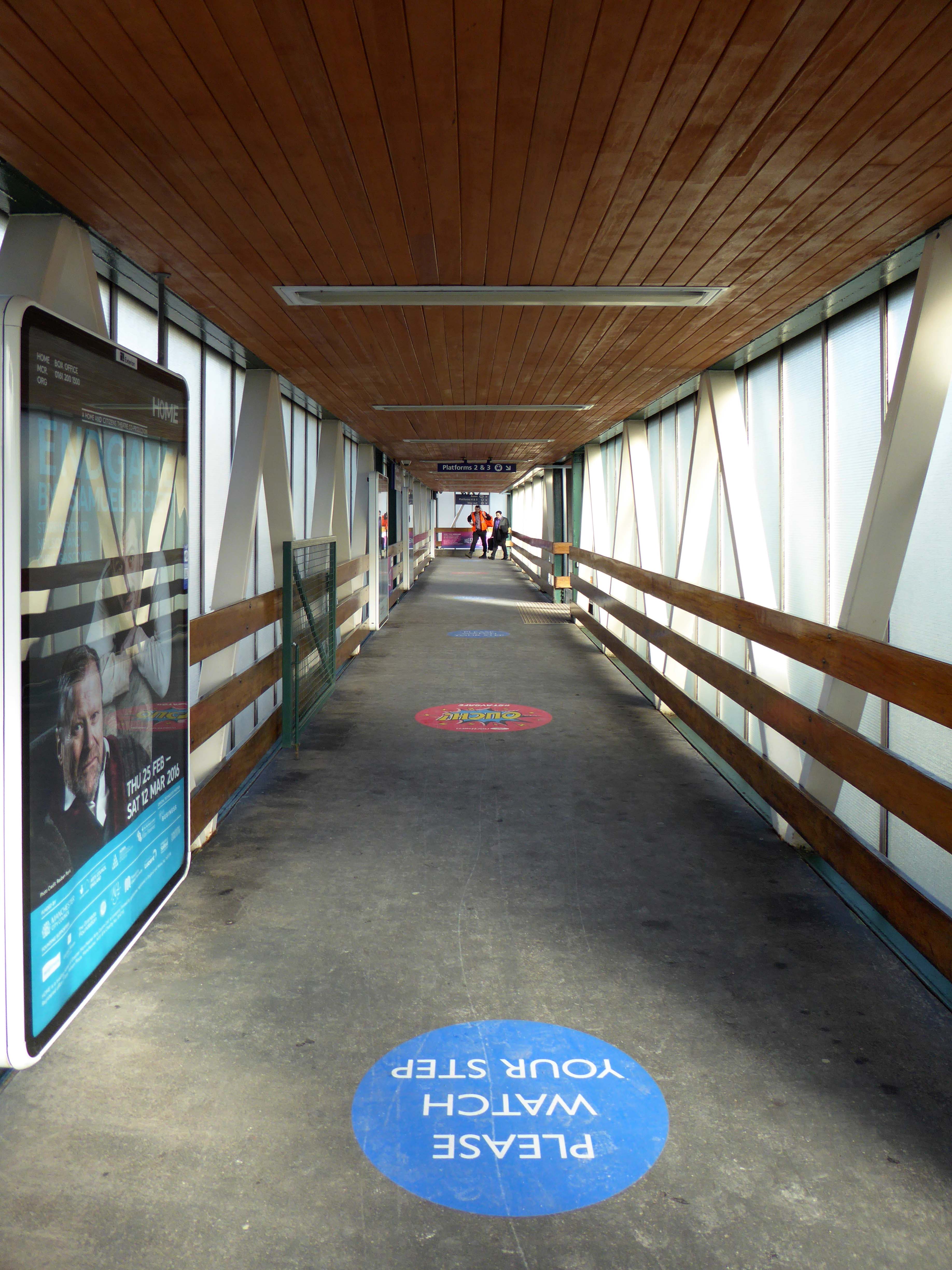
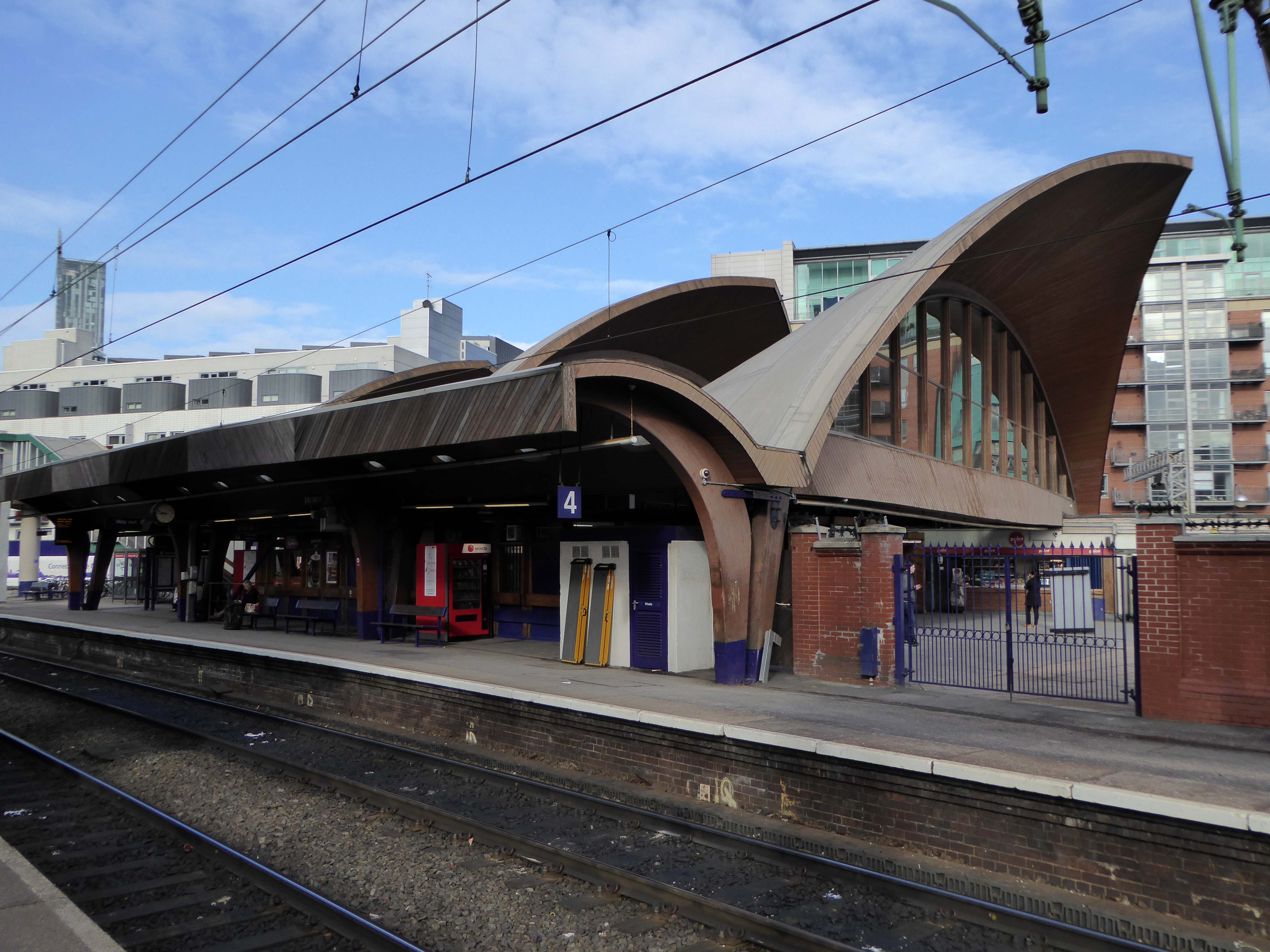
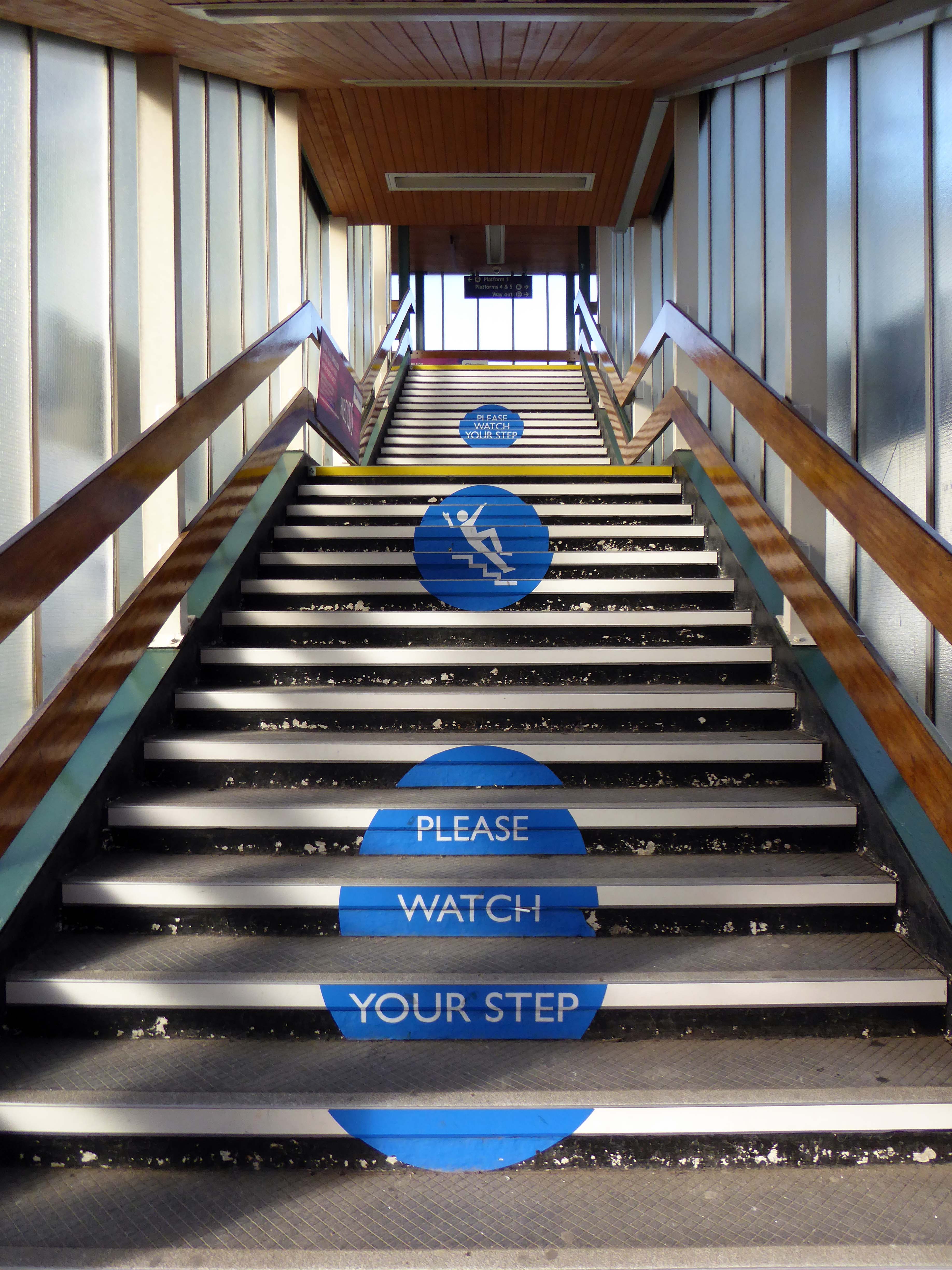
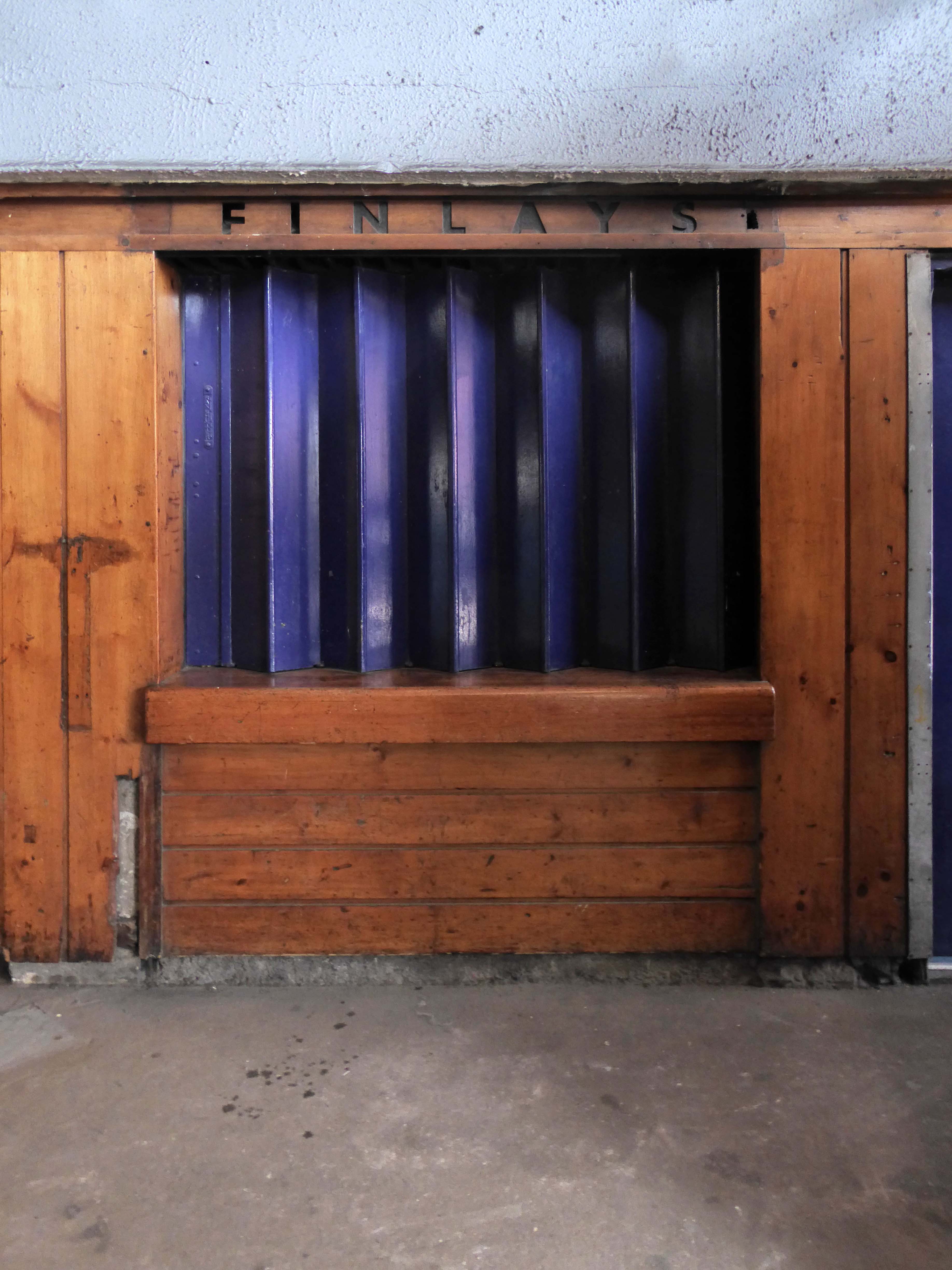
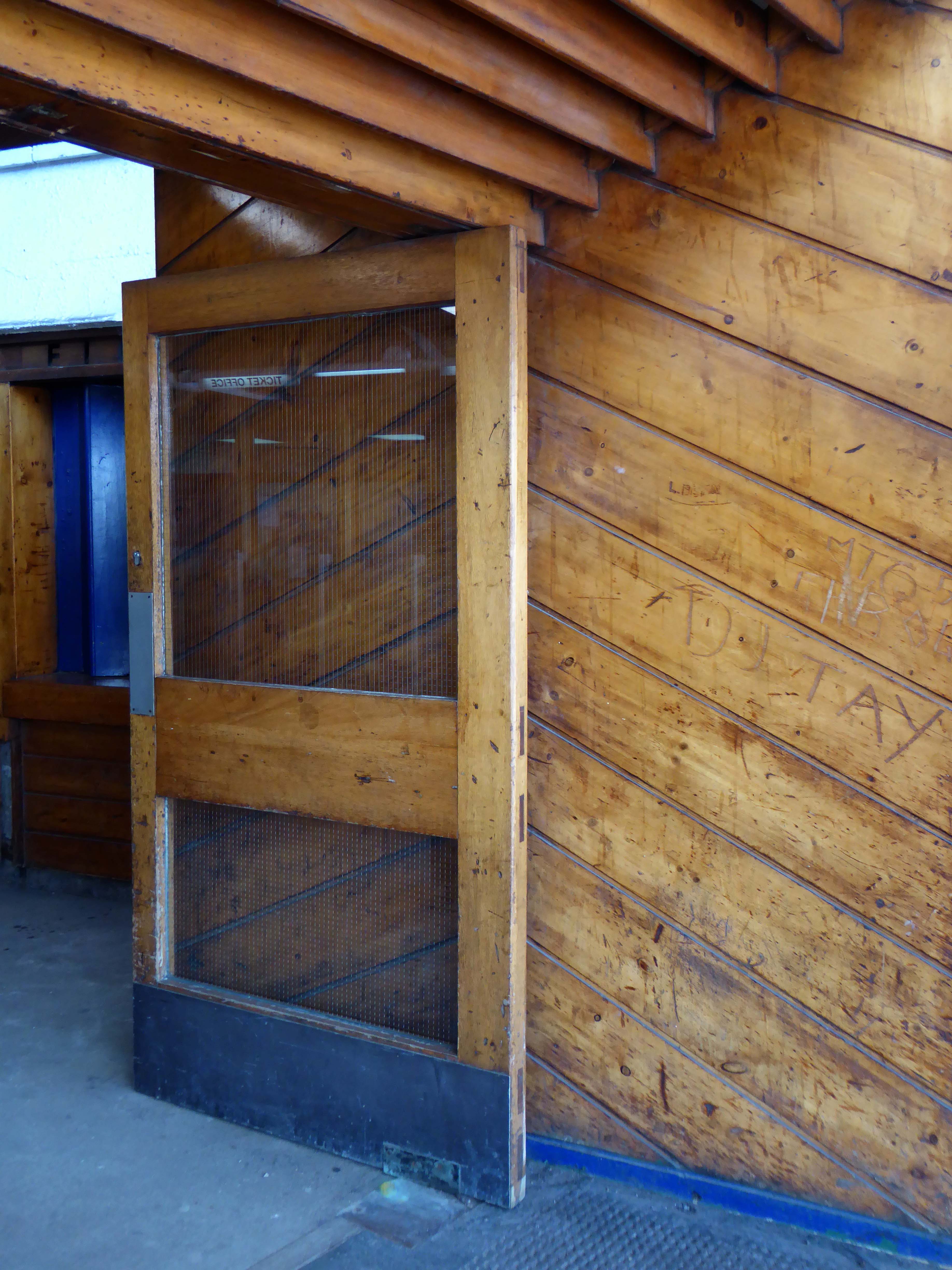
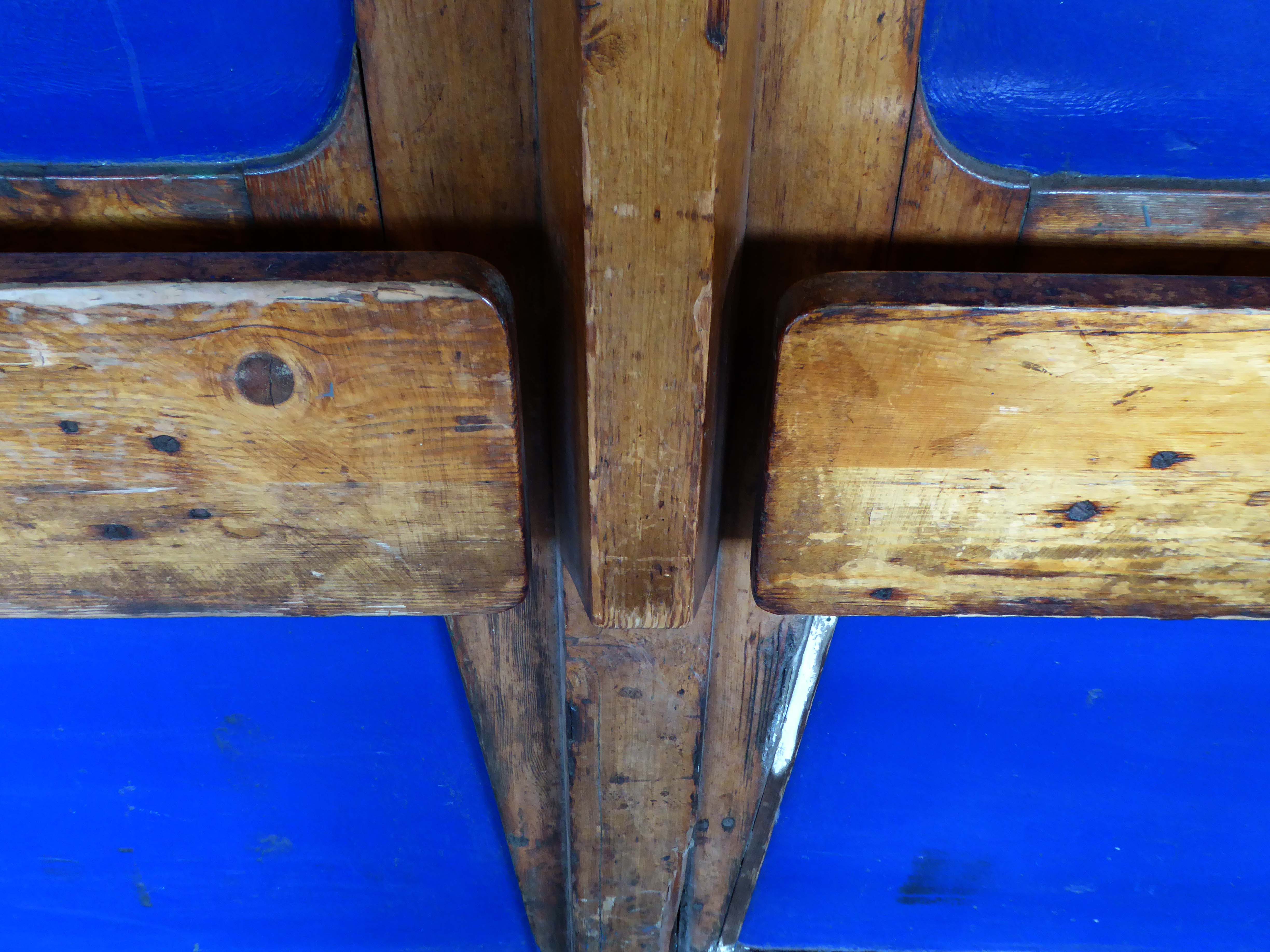
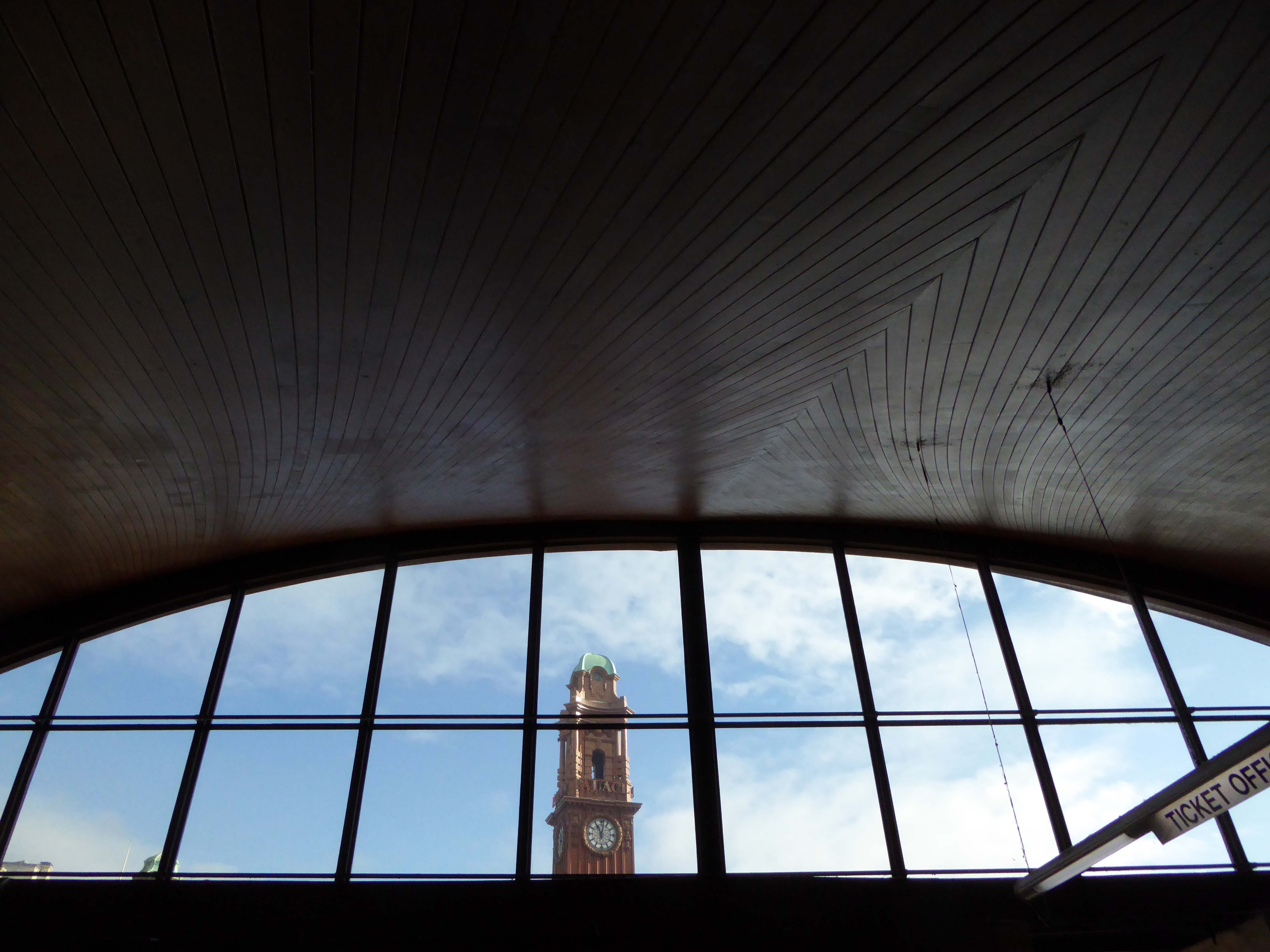
I love every curvy corner, timber frame and canopy, concrete spiral, empty kiosk and precipitous steps – I’m happy to be stranded.

tumblr_mtlstgyiE41rr41pto1_1280

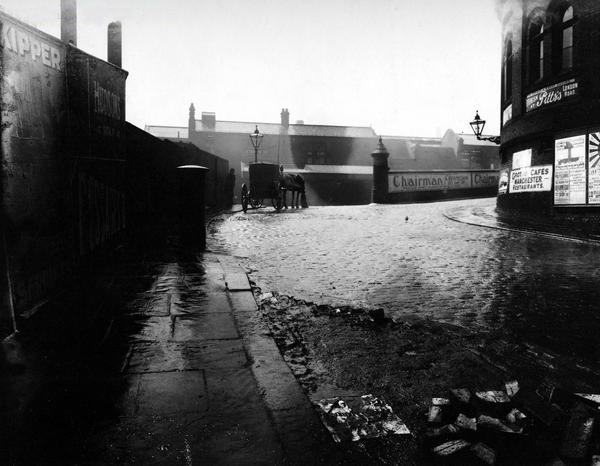
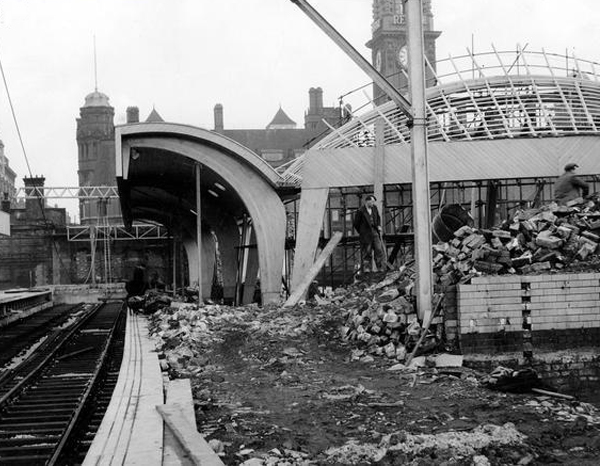
It opened in 1849 and was rebuilt in 1960.

webmedia-2.php

webmedia-1.php

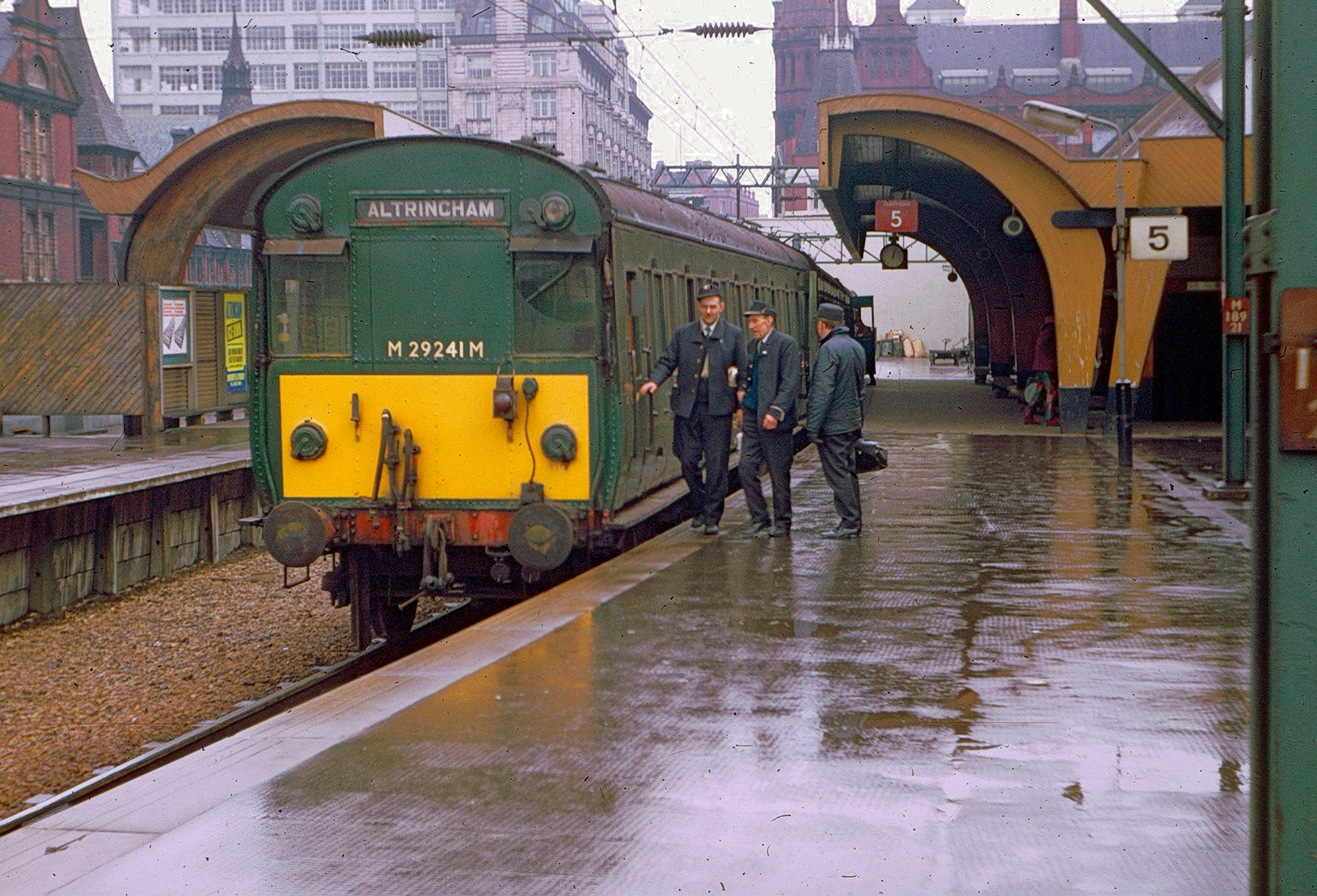
The station was opened as Oxford Road on 20 July 1849 by the Manchester, South Junction and Altrincham Railway . The station was the headquarters of the MSJAR from its opening until 1904. It had two platforms and two sidings, with temporary wooden buildings. To allow for extra trains in connection with the Manchester Art Treasures Exhibition in 1857, extra platforms and sidings were built. In 1874 the station was completely rebuilt providing two bay platforms and three through platforms. Further reconstruction took place during 1903-04. From 1931 it was served by the MSJAR’s 1500V DC electric trains between Altrincham and Manchester Piccadilly.

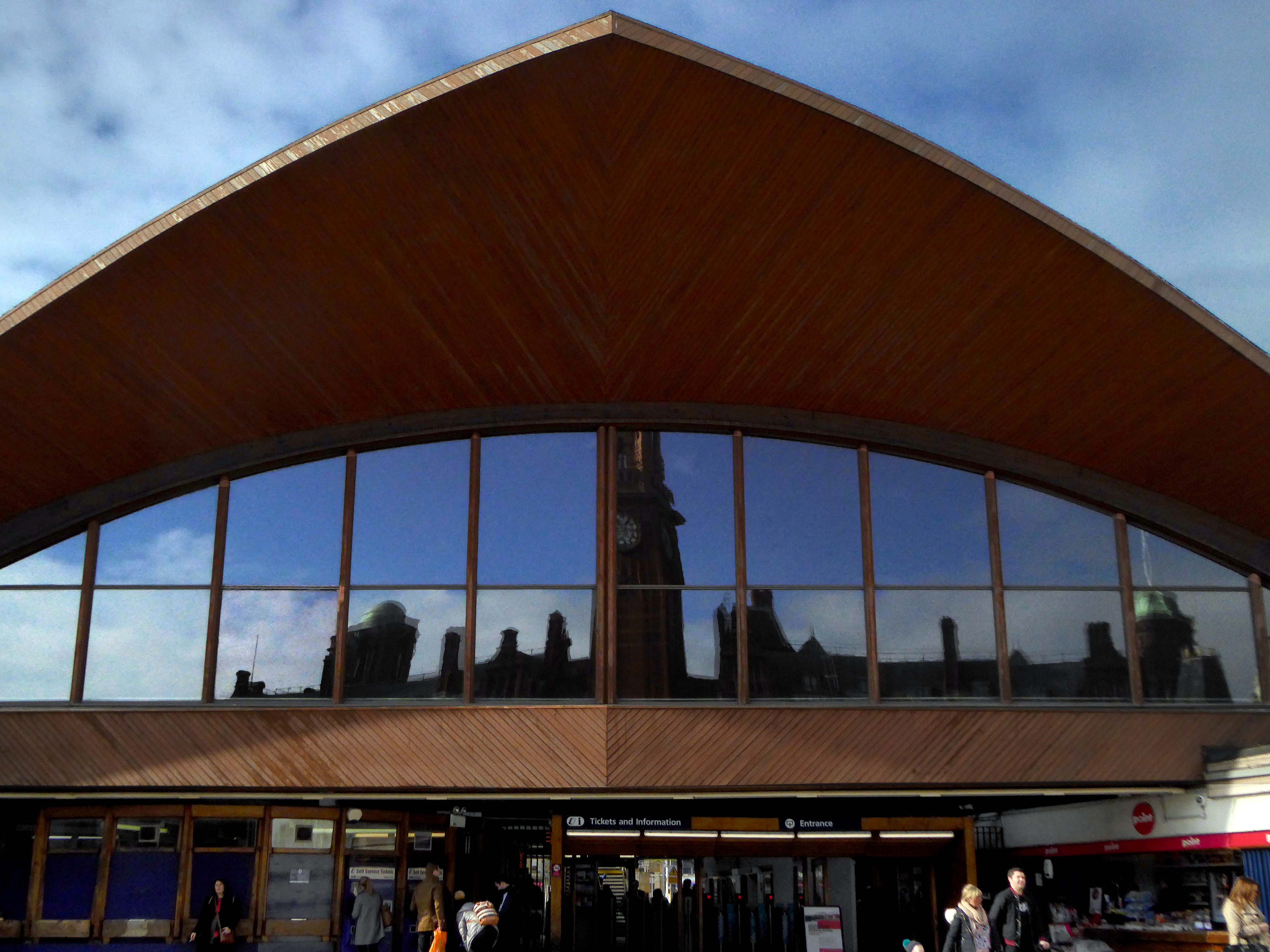
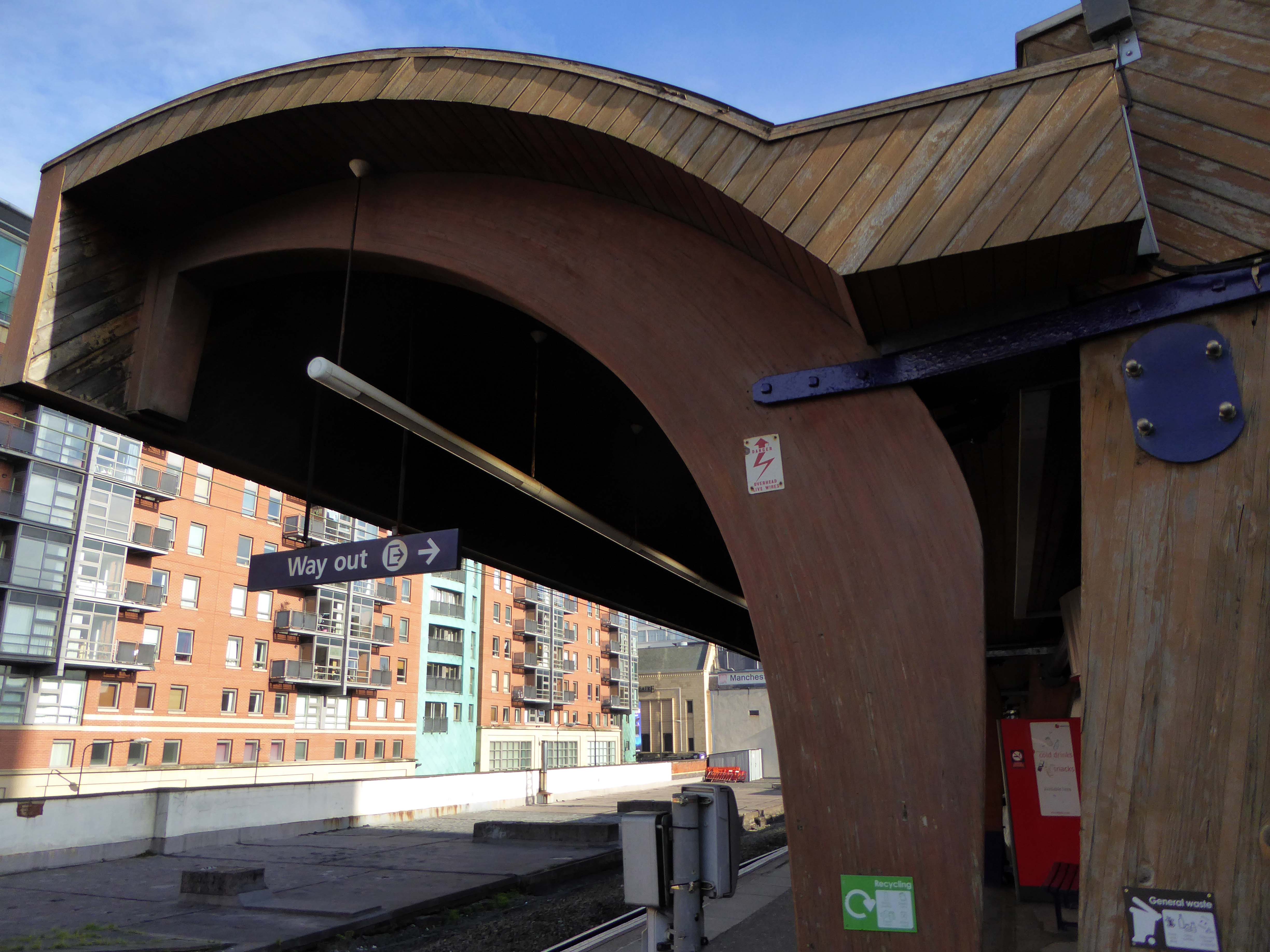
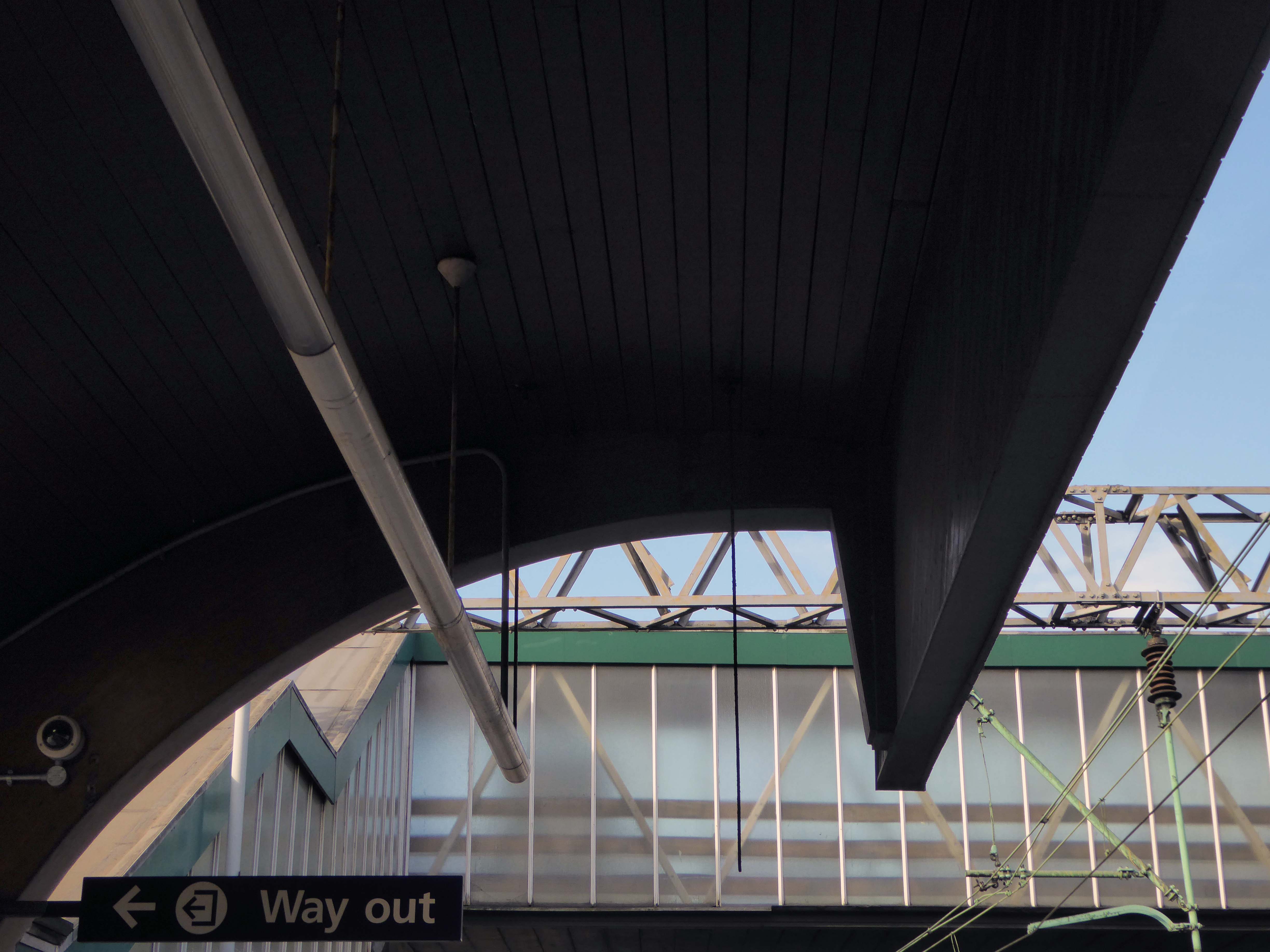
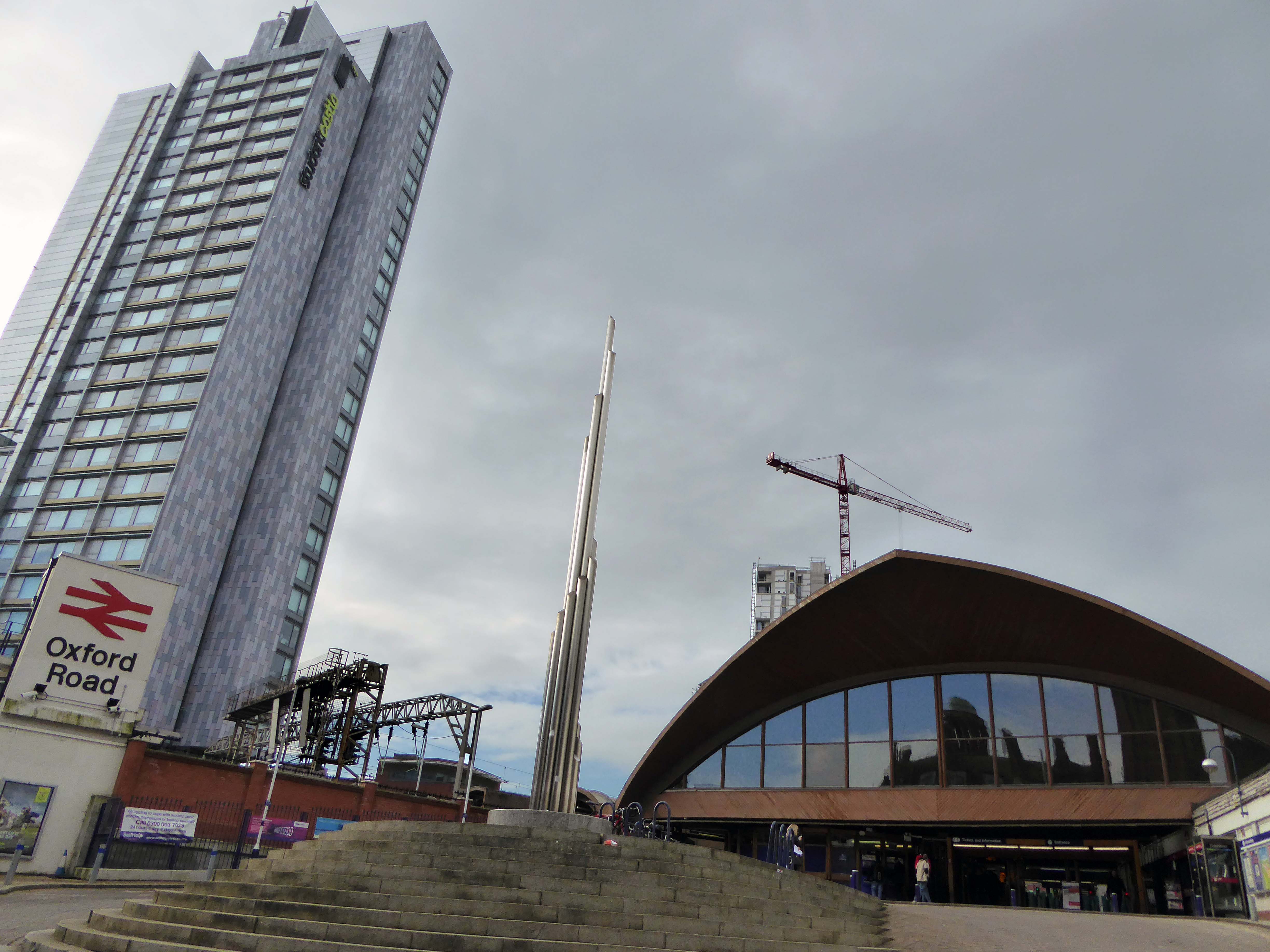
The station had become dilapidated by the 1950s, and in connection with the electrification and modernisation programme of the Manchester to London line in 1960, the old buildings were replaced by the current structure by architects W.R. Headley and Max Glendinning and structural engineer Hugh Tottenham. It was designed in a distinctive style in concrete and wood with curves bringing to mind the Sydney Opera House.

Use of the station increased from May 1988 when the Windsor Link was inaugurated between Deansgate and Salford Crescent, connecting lines to the north and south of Manchester.

The station is a grade II listed building.

One of the most interesting and innovative buildings of the period, the most ambitious example in this country of timber conoid shell roofing.

  • Clare HartwellPevsner’s Architectural Guide Manchester.

Further development awaits, widening the viaduct and lengthening platforms as part of the Northern Hub Project.

oxford road

The defunct Platform 6 and lost awning to the left – Photo: 20 3 1971 Tom Burnham

Altrincham bound 931 Metro-Cammell MSJAR 1500 volt DC EMU – all withdrawn by 1971, when the line was converted to AC.

P1010524 copy

P1010499 copy

P1010445 copy

P1010495 copy

P1010431 copy

P1010465 copy

P1010425 copy

P1010467 copy

P1010436 copy

P1010490 copy

P1010471 copy

P1010542 copy

P1010434 copy

P1010446 copy

P1010518 copy

P1010522 copy

P1010540 copy

P1010528 copy

P1010511 copy

P1010504 copy

P1010441 copy

P1010516 copy

Screen Wall Water Feature – Manchester

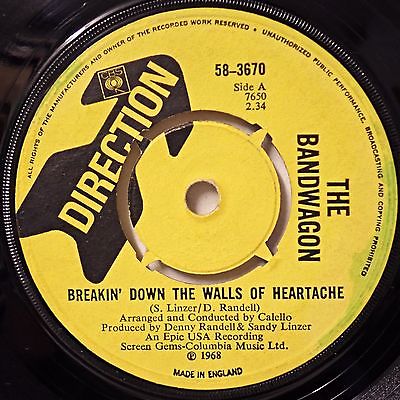
the-bandwagon-breakin-down-the-walls-of-heartache-dancin-master--2_6729456

Breakin’ down the walls of heartache, 

I’m a carpenter of love and affection.

So sang Johnny Johnson of the Bandwagon.

They were a permanent fixture at the New Century Hall in the late sixties.

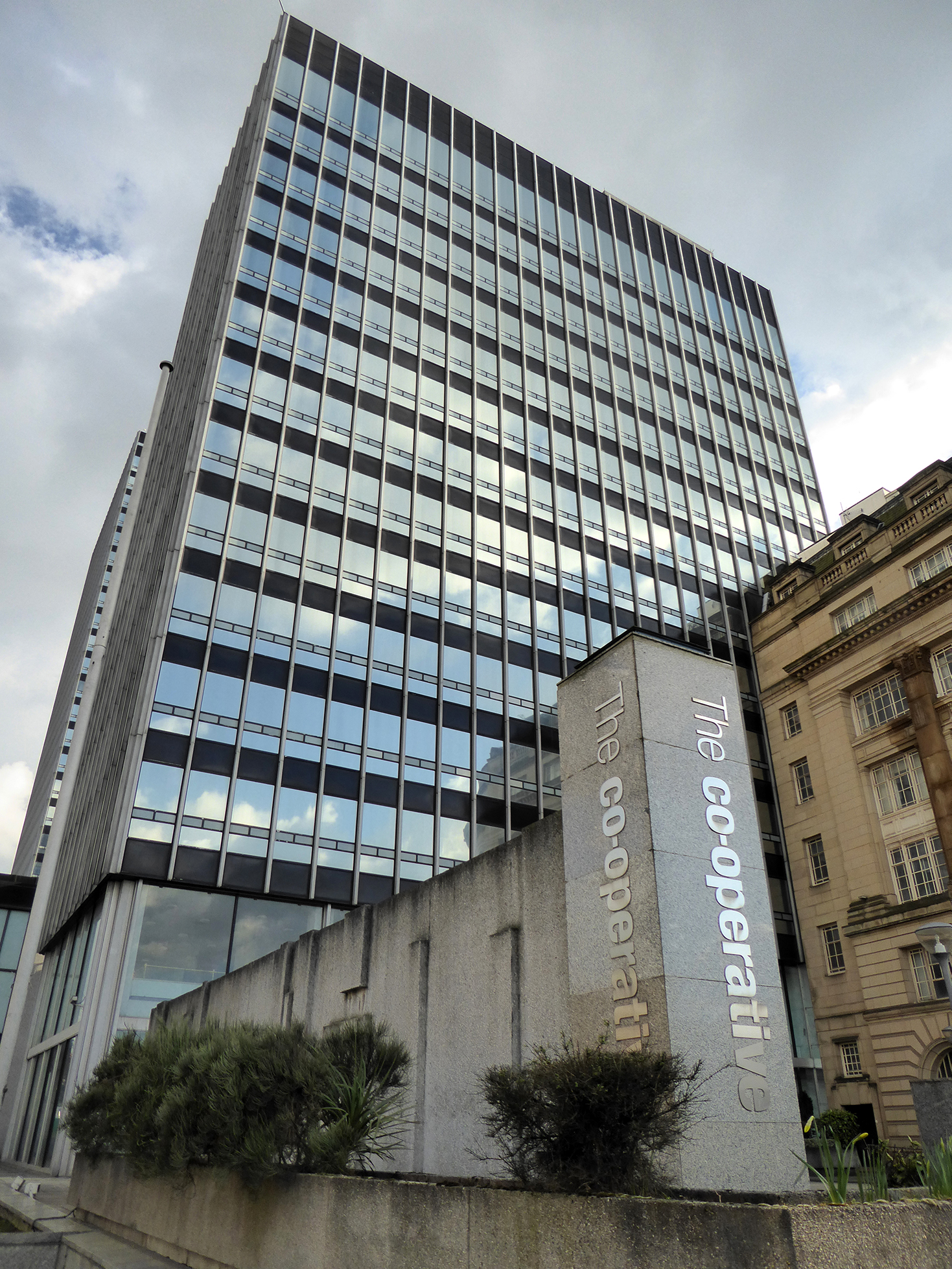
Attached to New Century House, the Hall was an integral part of the extensive Cooperative Society property development in Manchester.

Much of that development now faces an ever uncertain future.

None more so than the adjoining screen wall.

P1010590 copy

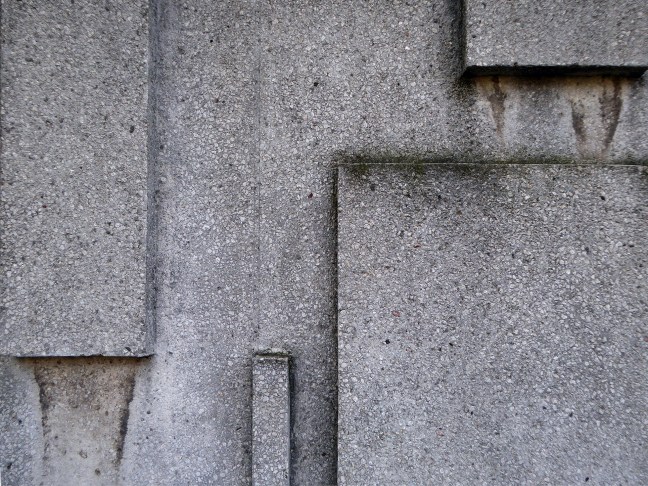
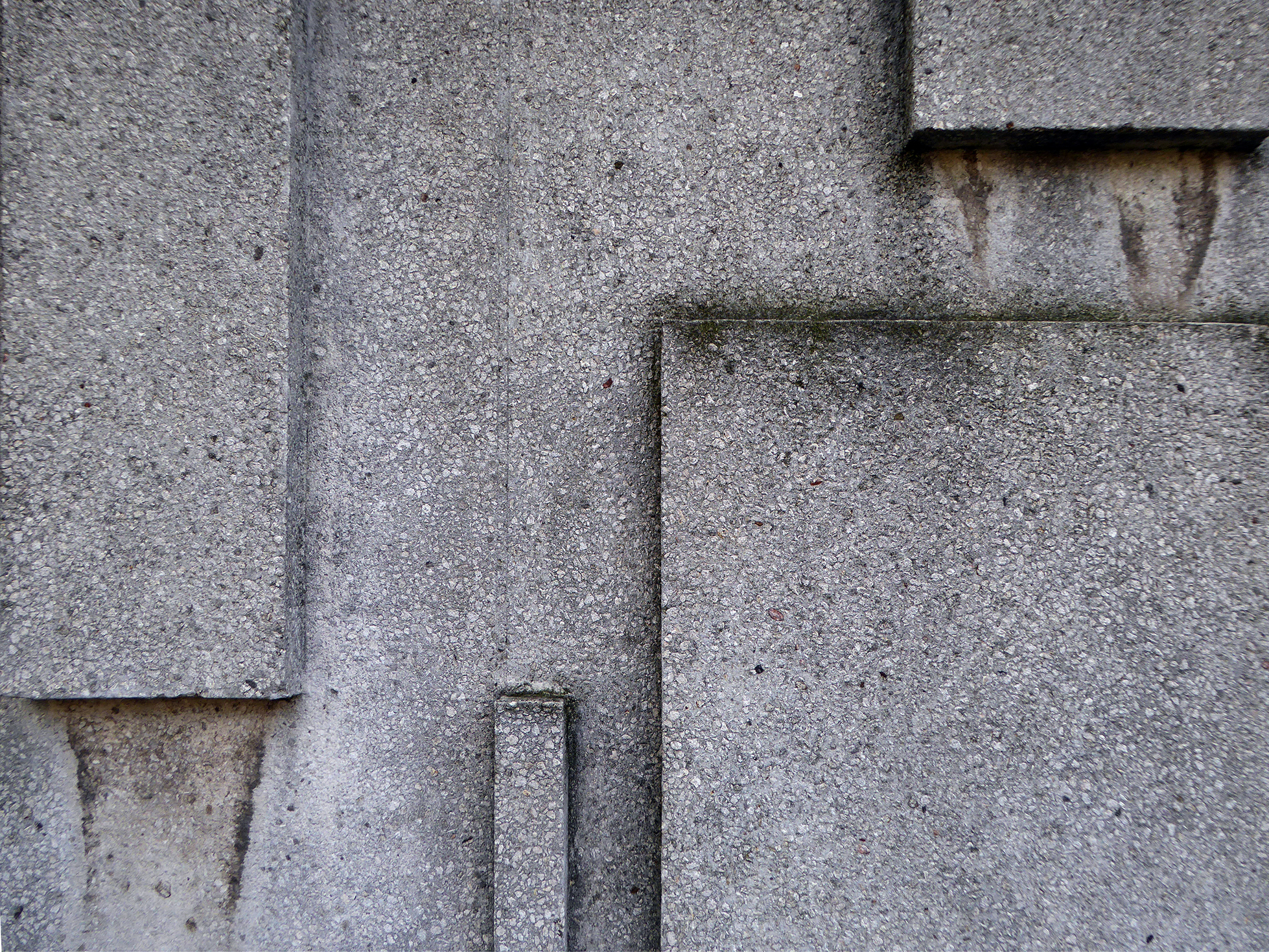
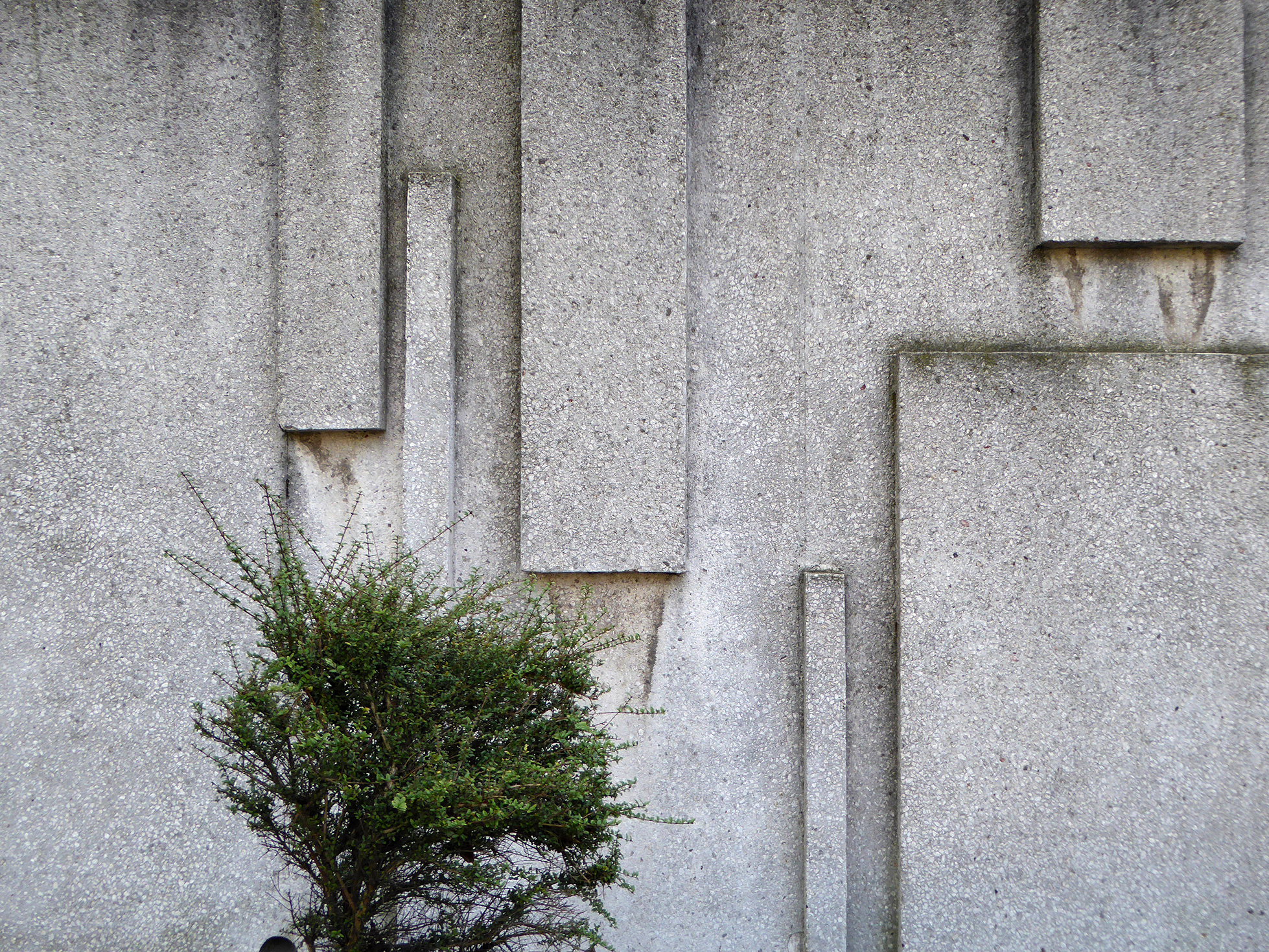
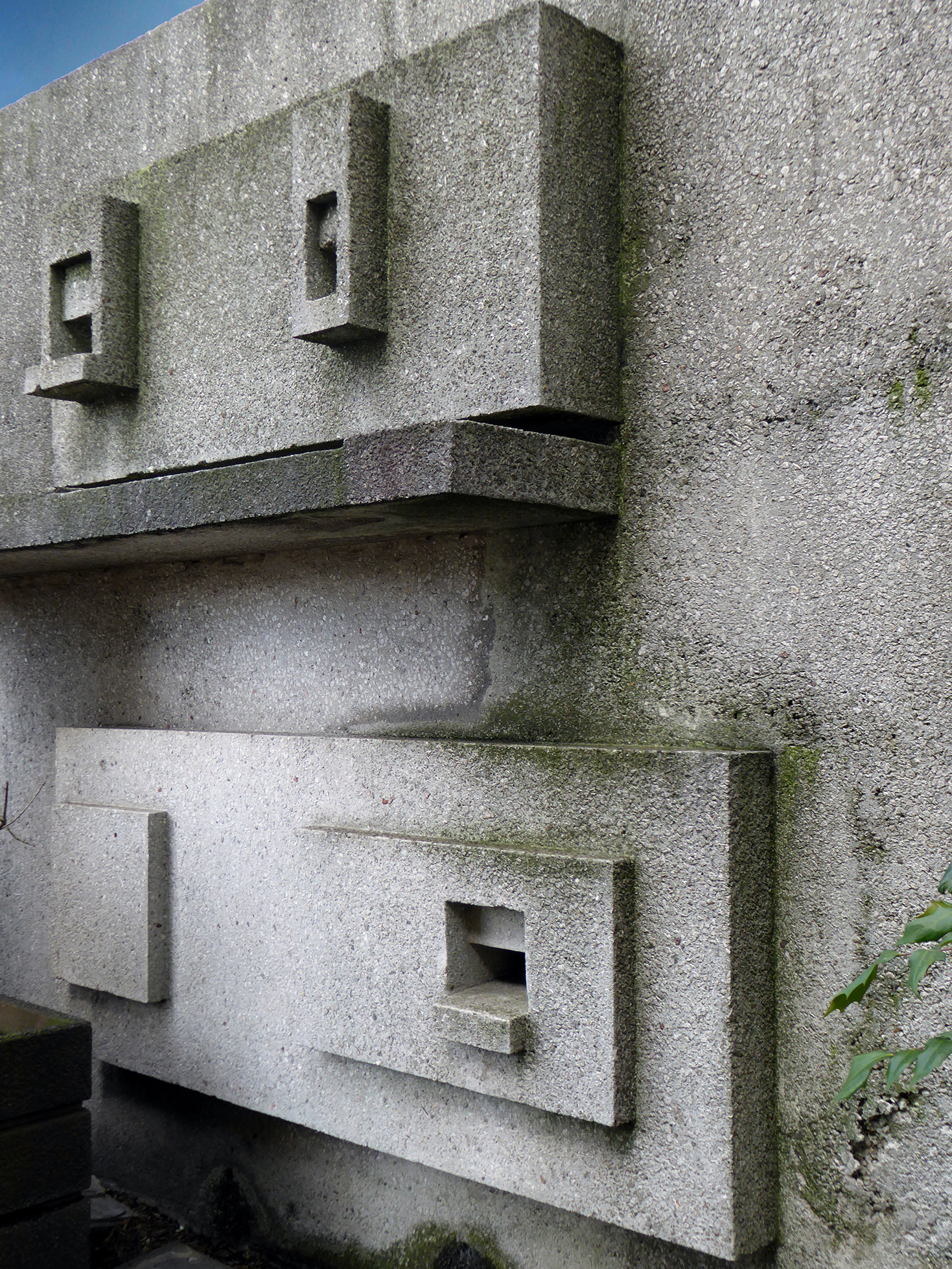
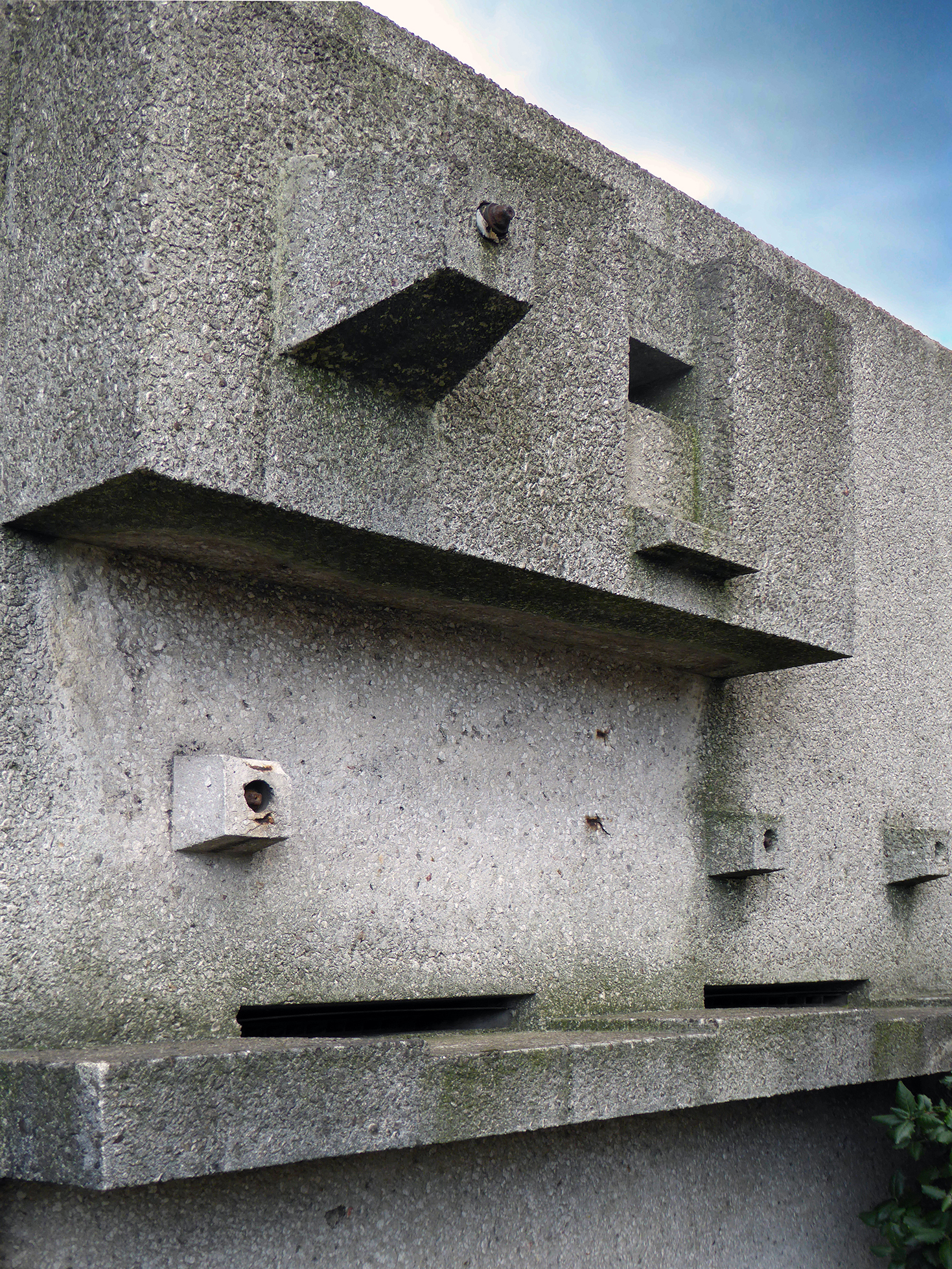
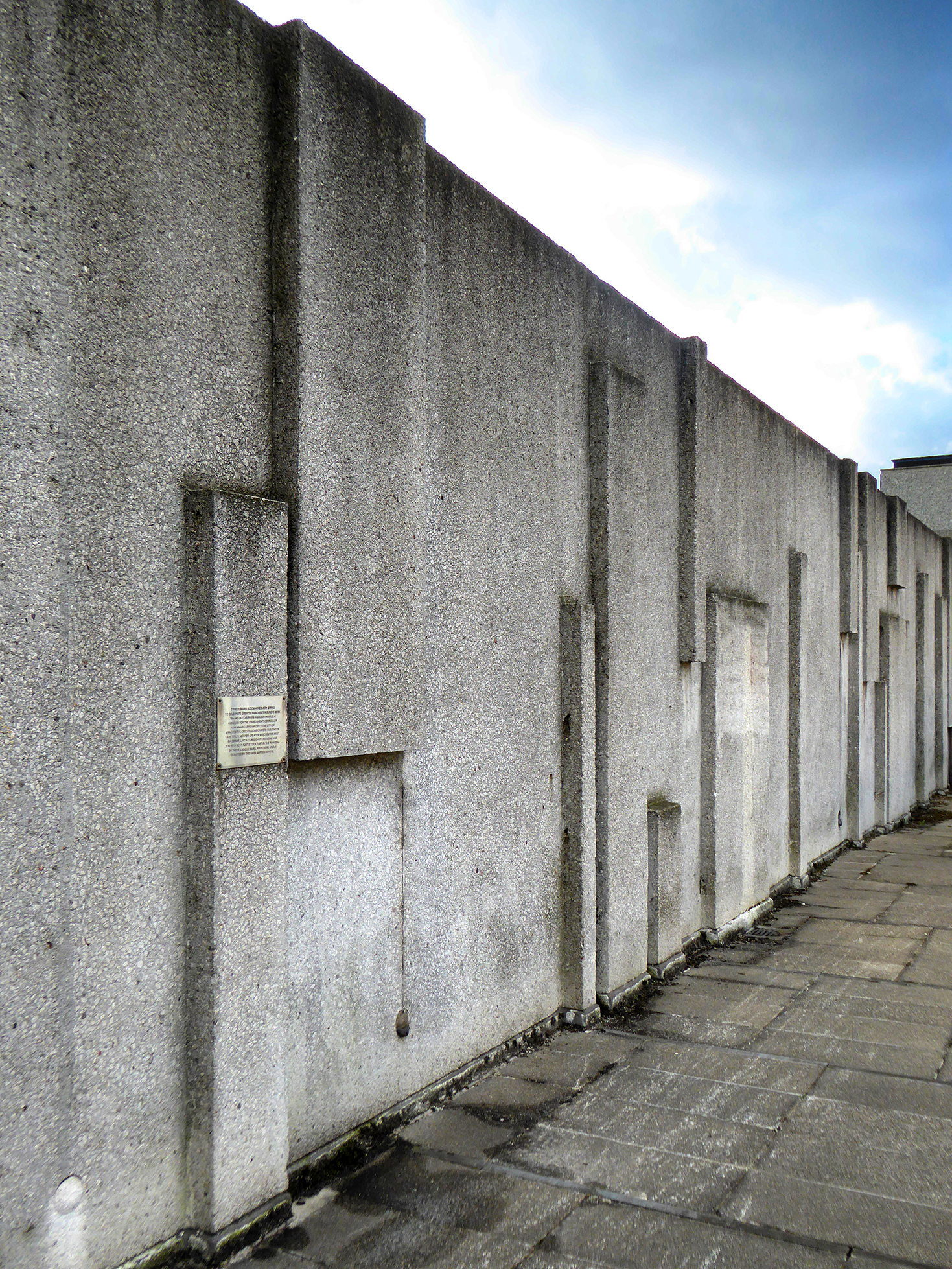
Set to the north-east side of the building’s entrance forecourt is a concrete sculptural screen wall by John McCarthy with an abstract relief to the south-west side facing into the forecourt. The wall is aligned at a right angle to the building’s main entrance and has a shallow rectangular pool (now drained) set in front. The wall includes numerous openings from which water originally flowed into the pool, but the system is no longer in working order. The pool also originally incorporated small fountains.

Information from Historic England

At a time when the whole of the centre of the city seems alive with construction, refurbishment, gentrification and more quarters than you could shake a stick at, this forlorn and seemingly unloved gem stands, shrouded in shrubs.

I’m a carpenter of love and affection, who would not care to see, this particular wall:

Broken down.

P1010593 copy

P1010595 copy

P1010596 copy

P1010579 copy

10942979_10153057260926600_244358983598520538_o

P1010592 copy

P1010588 copy

P1010589 copy

P1010584 copy

P1010587 copy

P1010586 copy

P1010591 copy

P1010594 copy

P1010585 copy

P1010582 copy

P1010580 copy

St Peter in Chains – Doncaster

A church shrouded in history and mystery – and on the day of my visit:

Torrential rain.

How appropriate as:

On the eve of the Reformation came a reputed miracle for Robert Leche and his family who were saved from drowning after invocation of Our Lady of Doncaster.

Its location on the Great North Road seems to have placed it through the years at the centre myth and magic.

On 30 November 1350, licence was granted for alienation in mortmain by, John son of Henry Nicbrothere de Eyoun and Richard le Ewere of Doncastre to the Carmelite Friars who are coming there to dwell in the town of Doncastre, of a messuage and six acres of land there, to build thereon a church in honour of St Mary and houses to dwell in.

A shrine was established to Our Lady of Doncaster.

Time and the Reformation were not kind to the shrine and Our Lady.

She and the church of St Peter came and went over the years until:

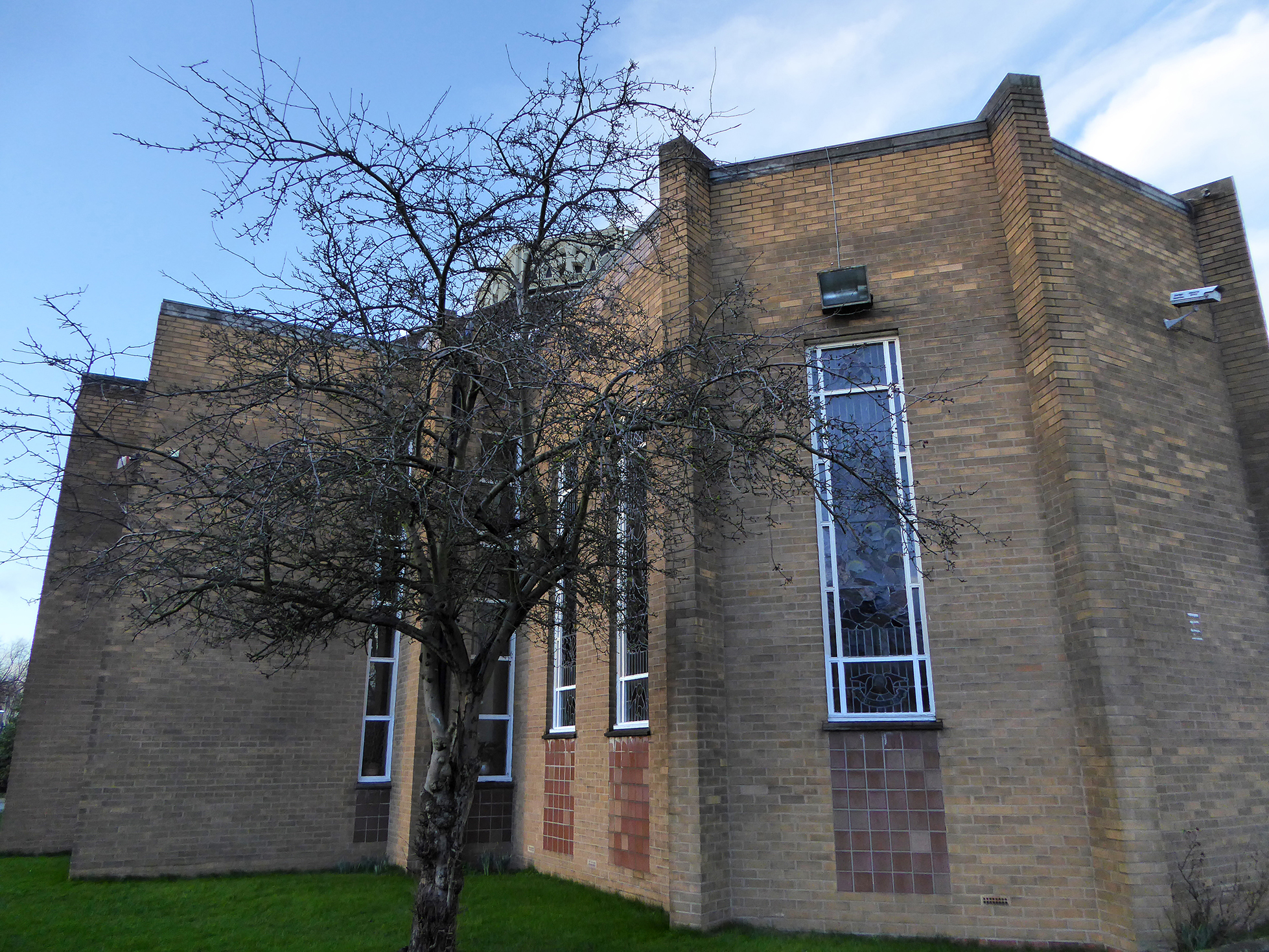
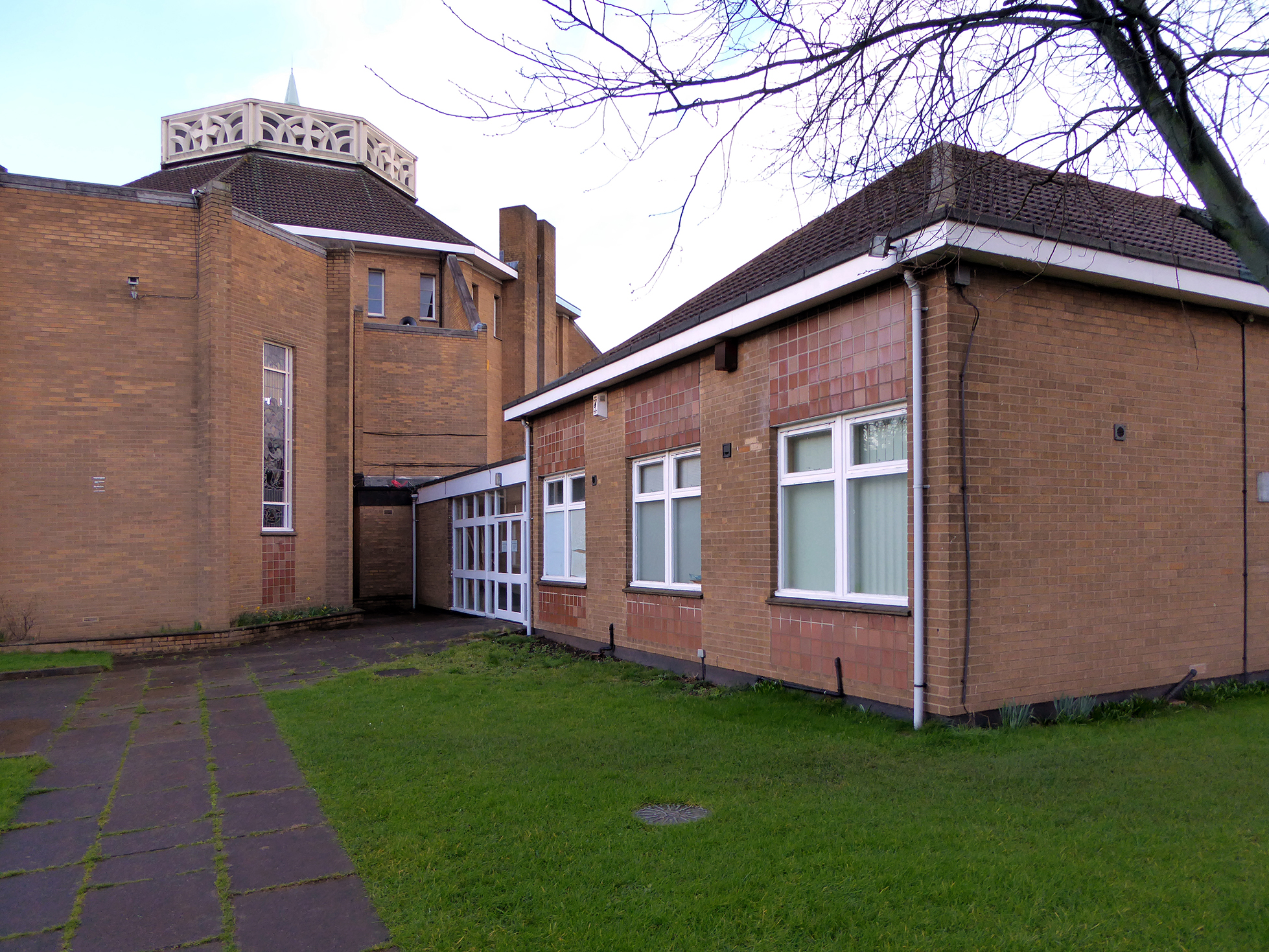
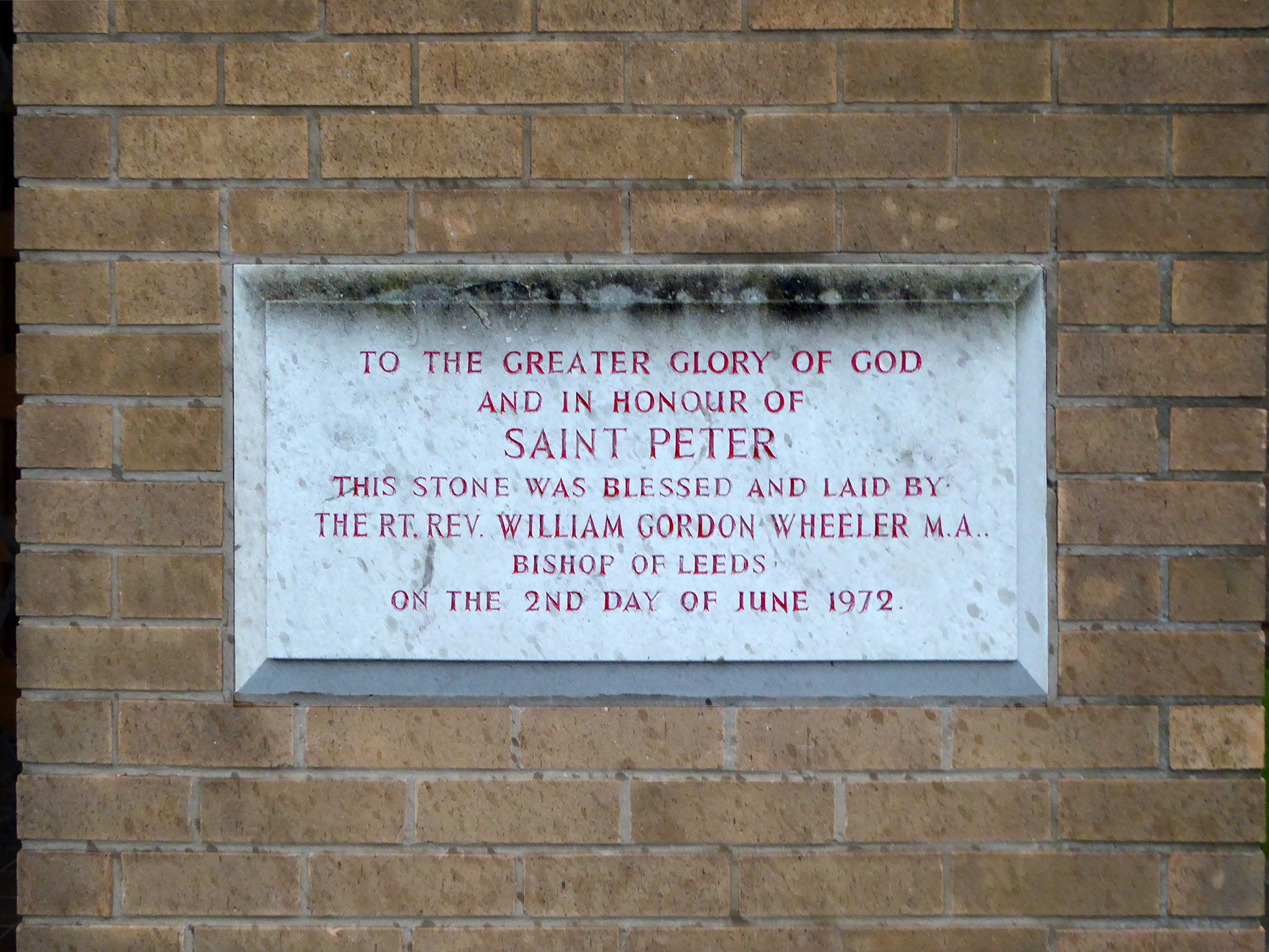
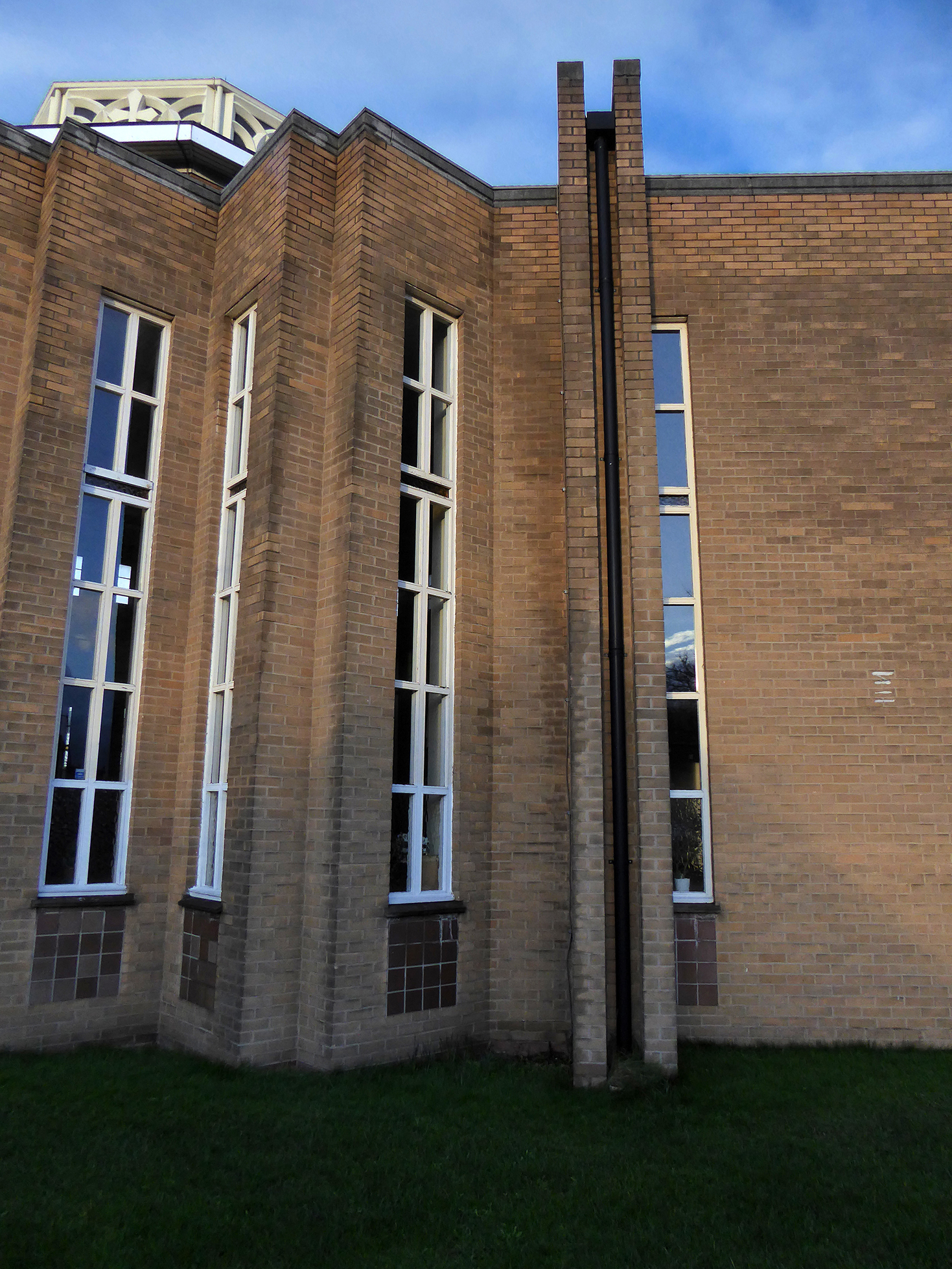
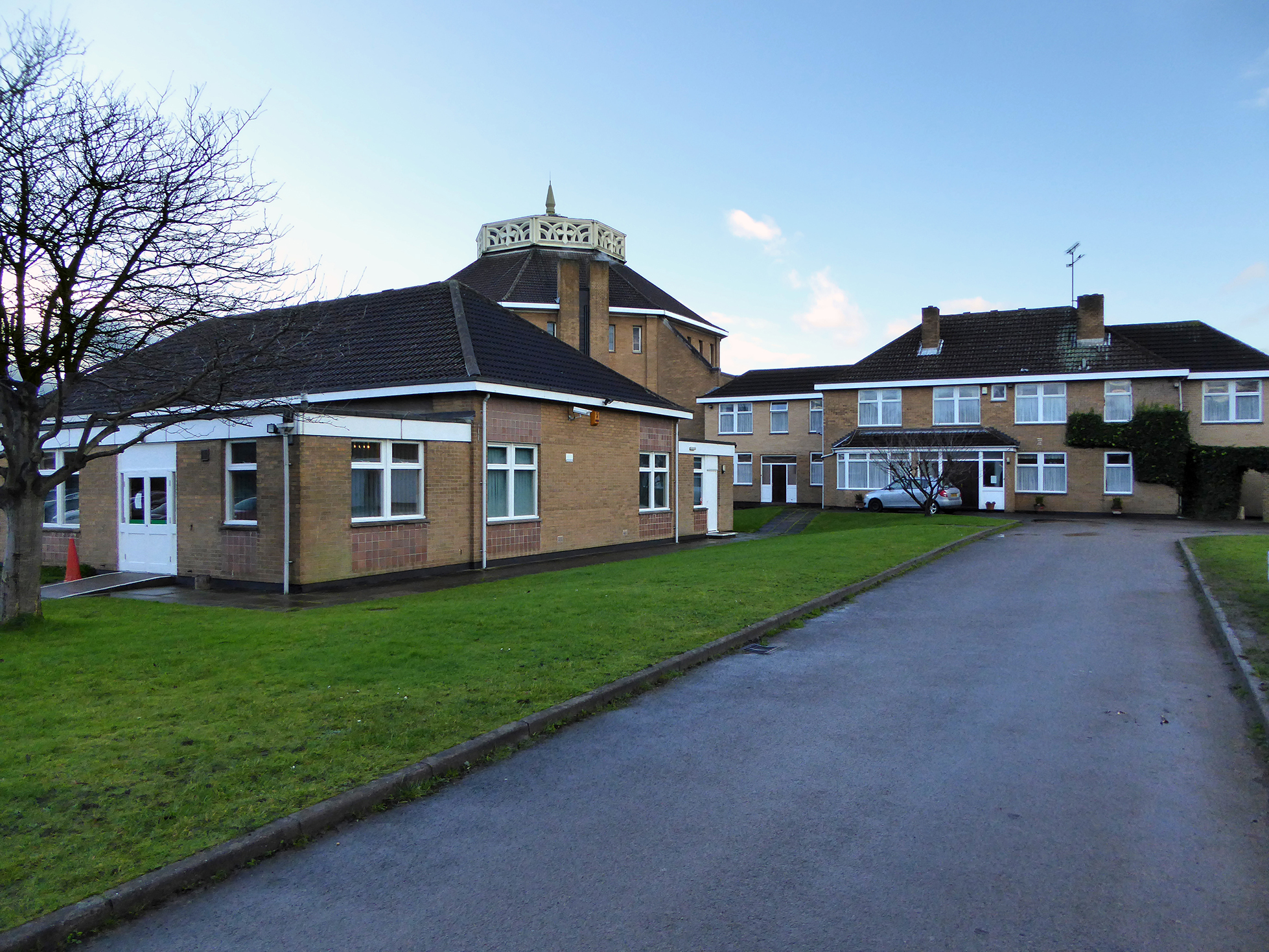
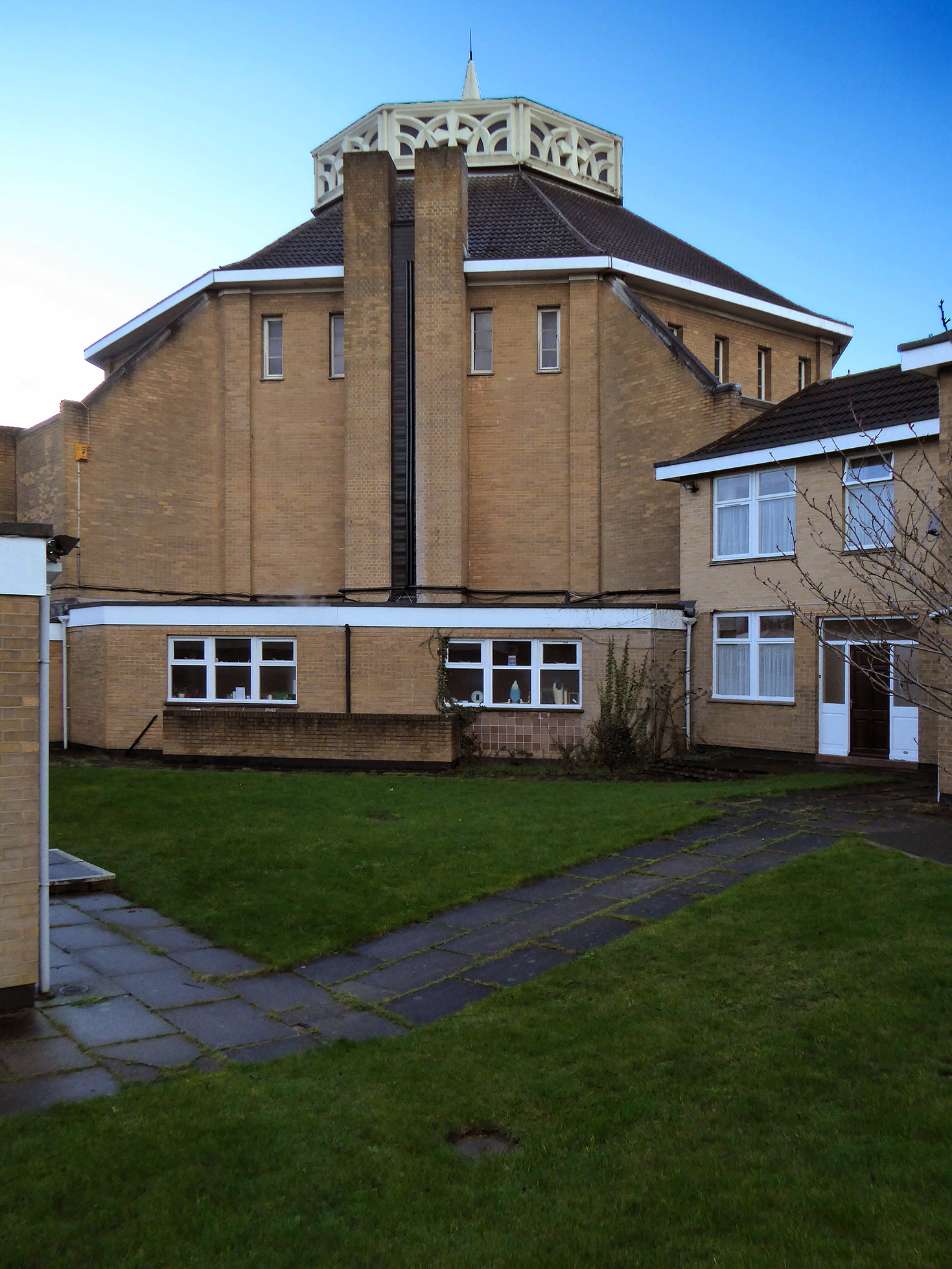
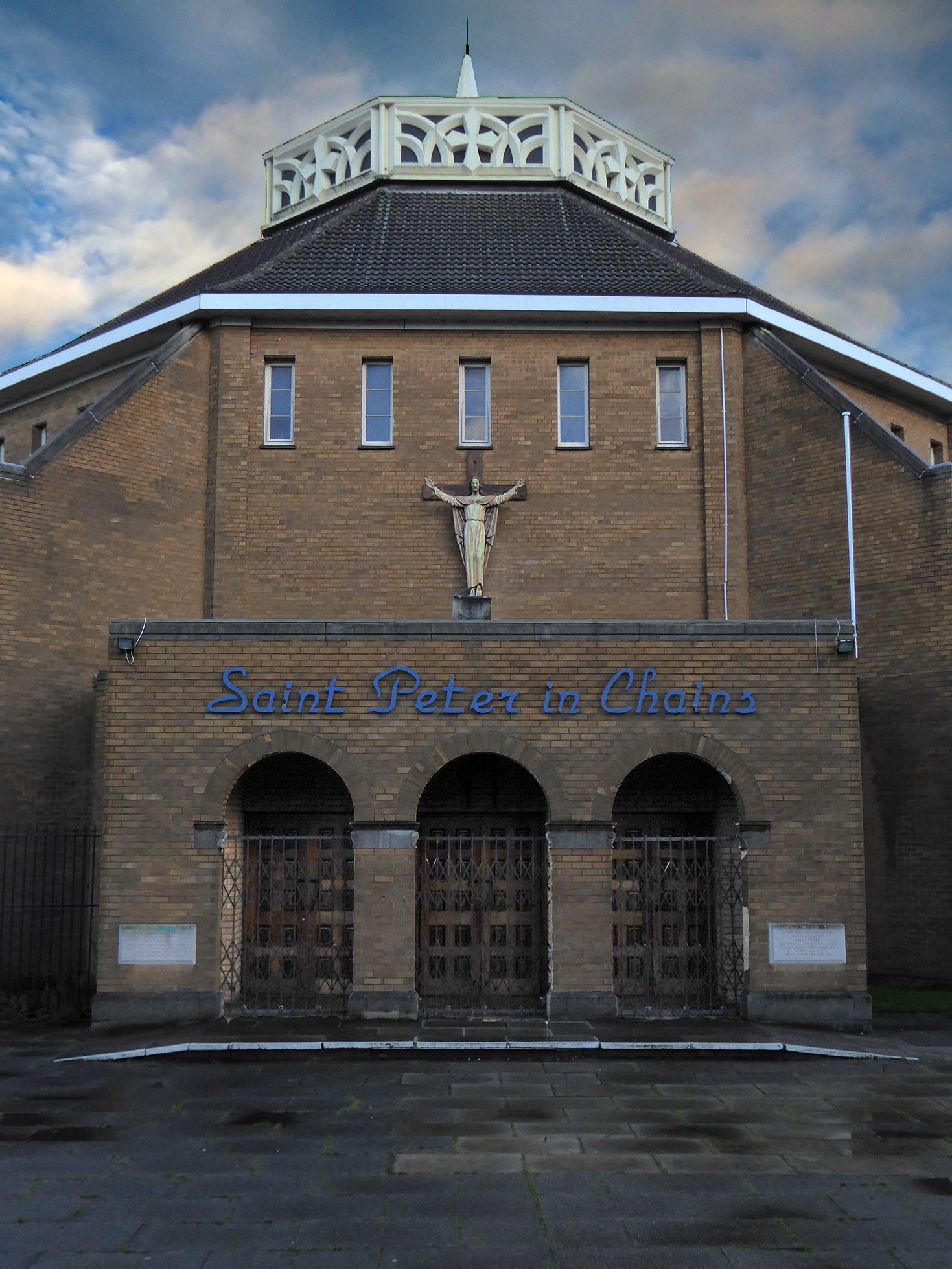
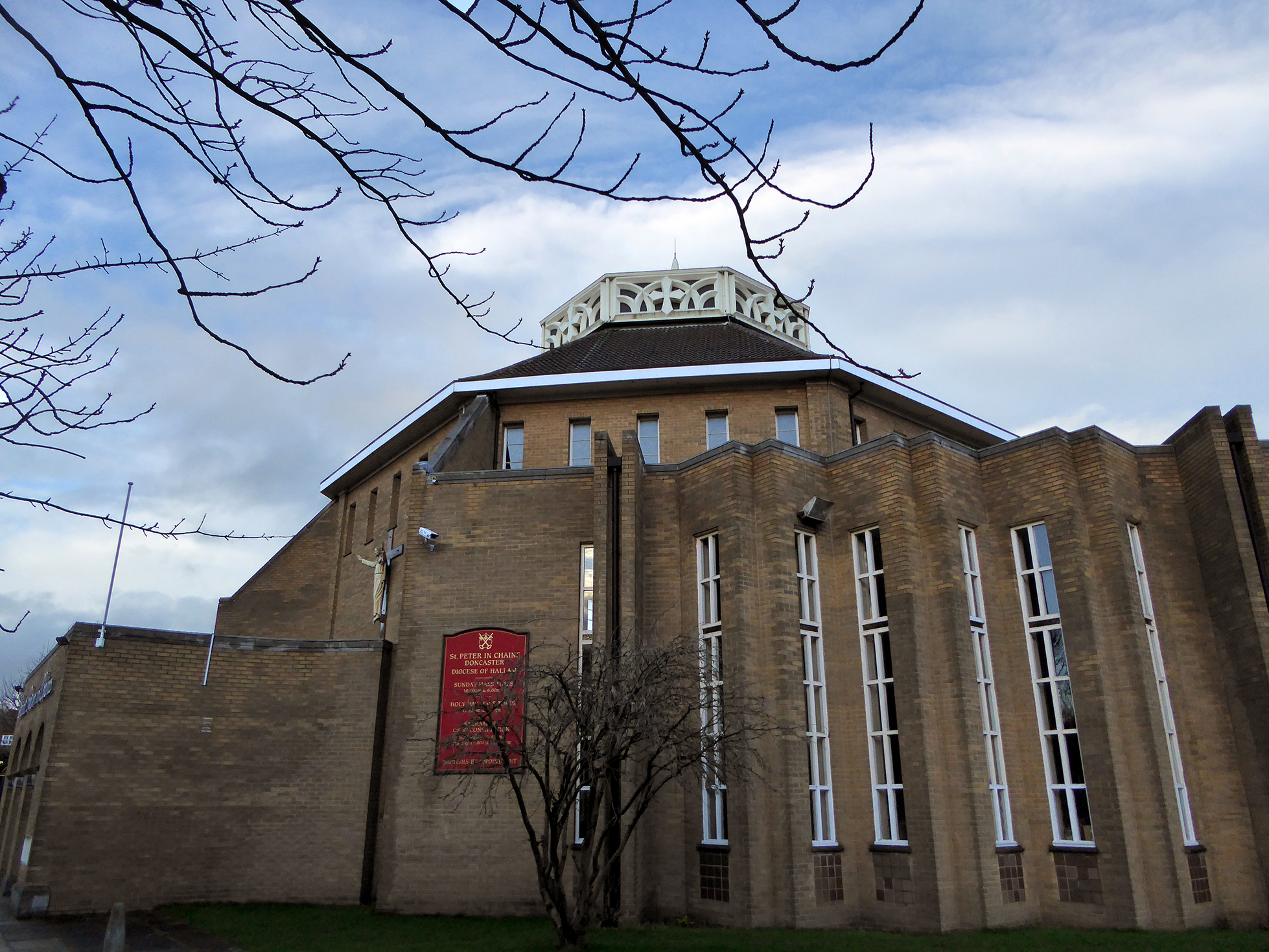
A new church was opened by Cardinal Heenan on Palm Sunday 1973, octagonal in shape. John Bentley’s Tabernacle Door, the four reredos panels and the altar designed for the old church are incorporated in the Blessed Sacrament Chapel of the new church.

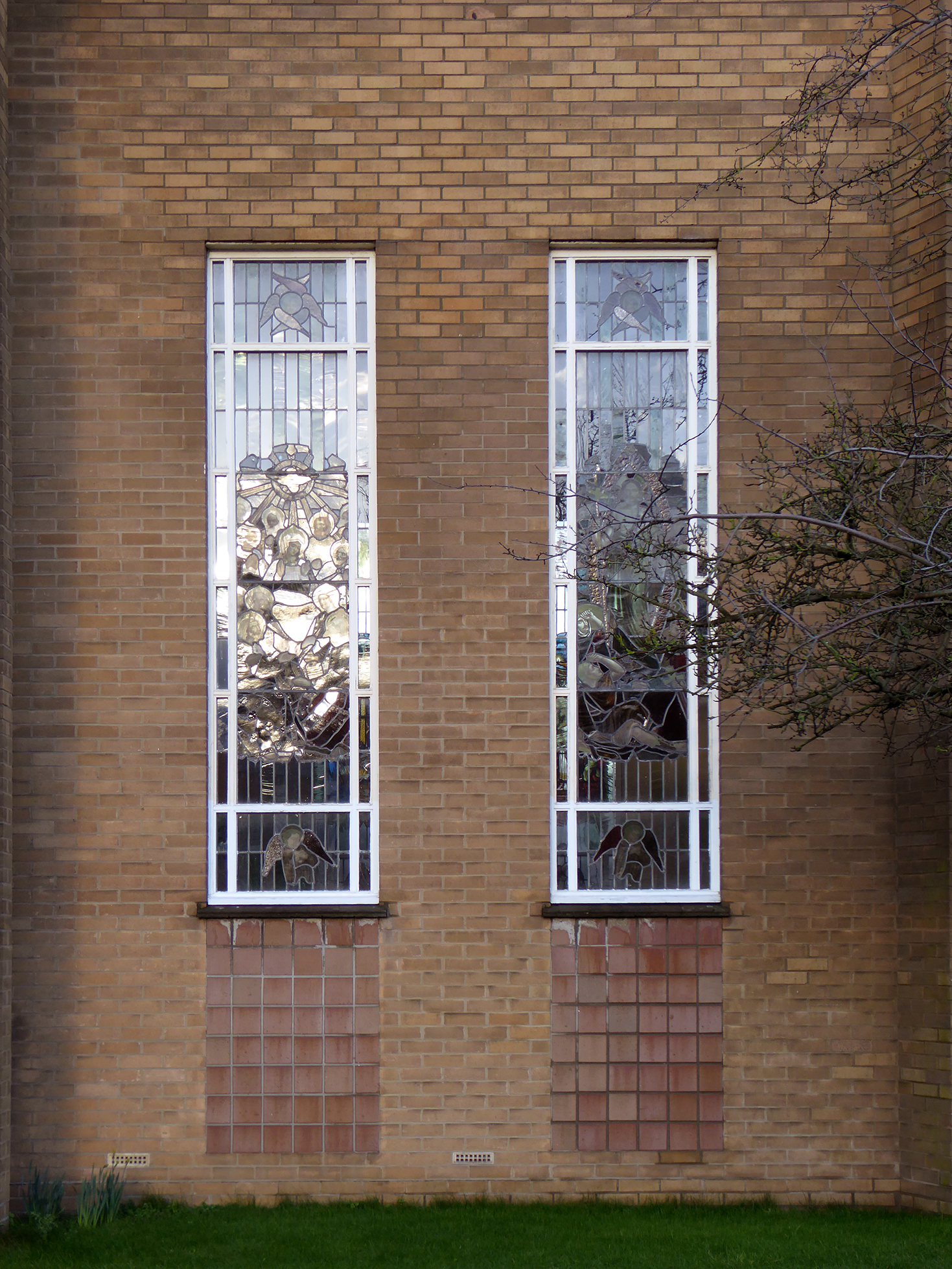
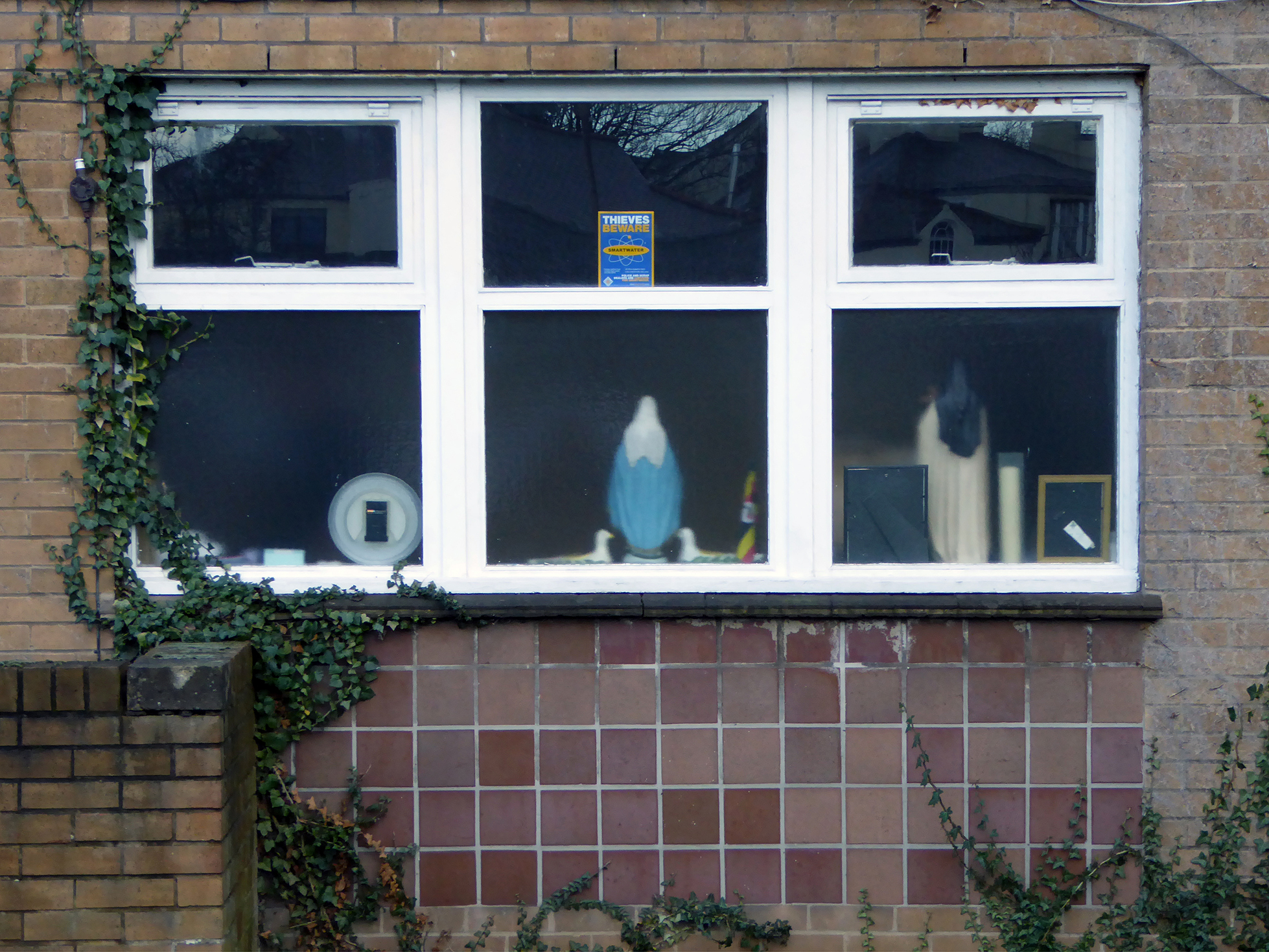
The statue of Our Lady of Doncaster now stands in a circular shrine chapel on the north side of the church. Phyffers’ statue stands in an oak reredos with modern stained glass windows depicting St Joseph, the Annunciation, the Nativity and the Assumption.

A large and striking design by J. H. Langtry-Langton, incorporating important furnishings by J. F. Bentley from the predecessor church, along with good furnishings of the 1970s. The churches houses the modern successor to the medieval shrine of Our Lady of Doncaster.

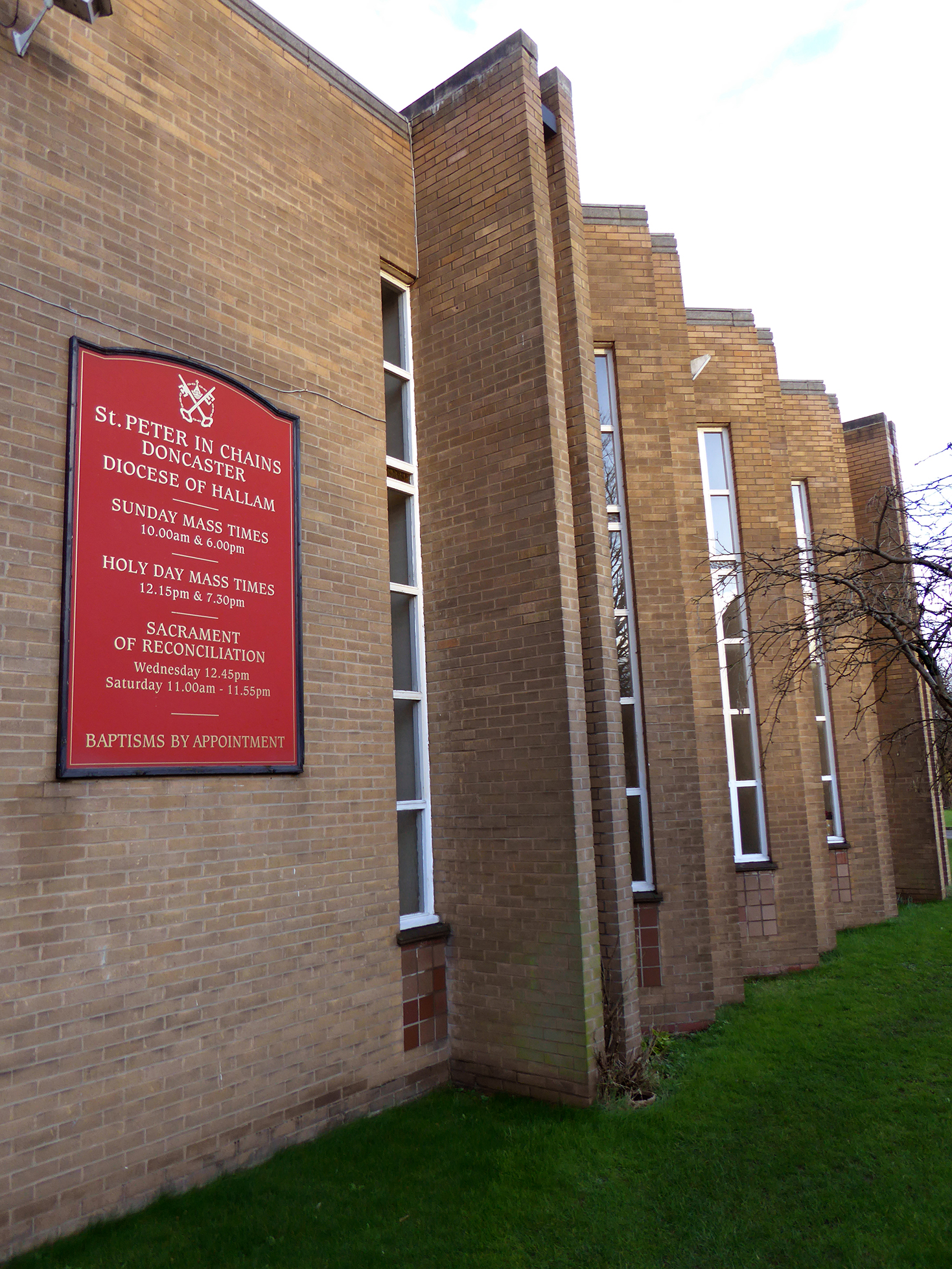
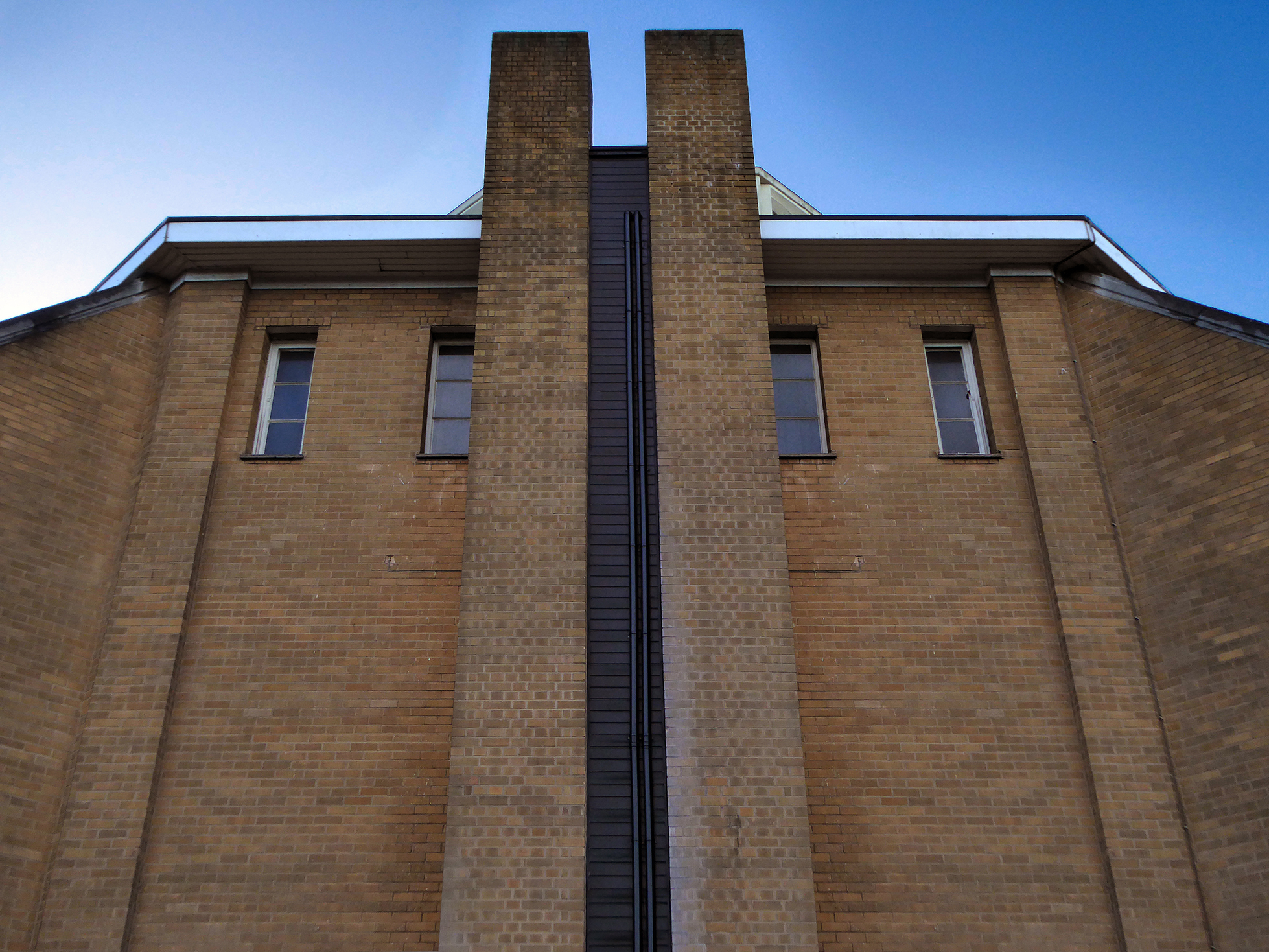
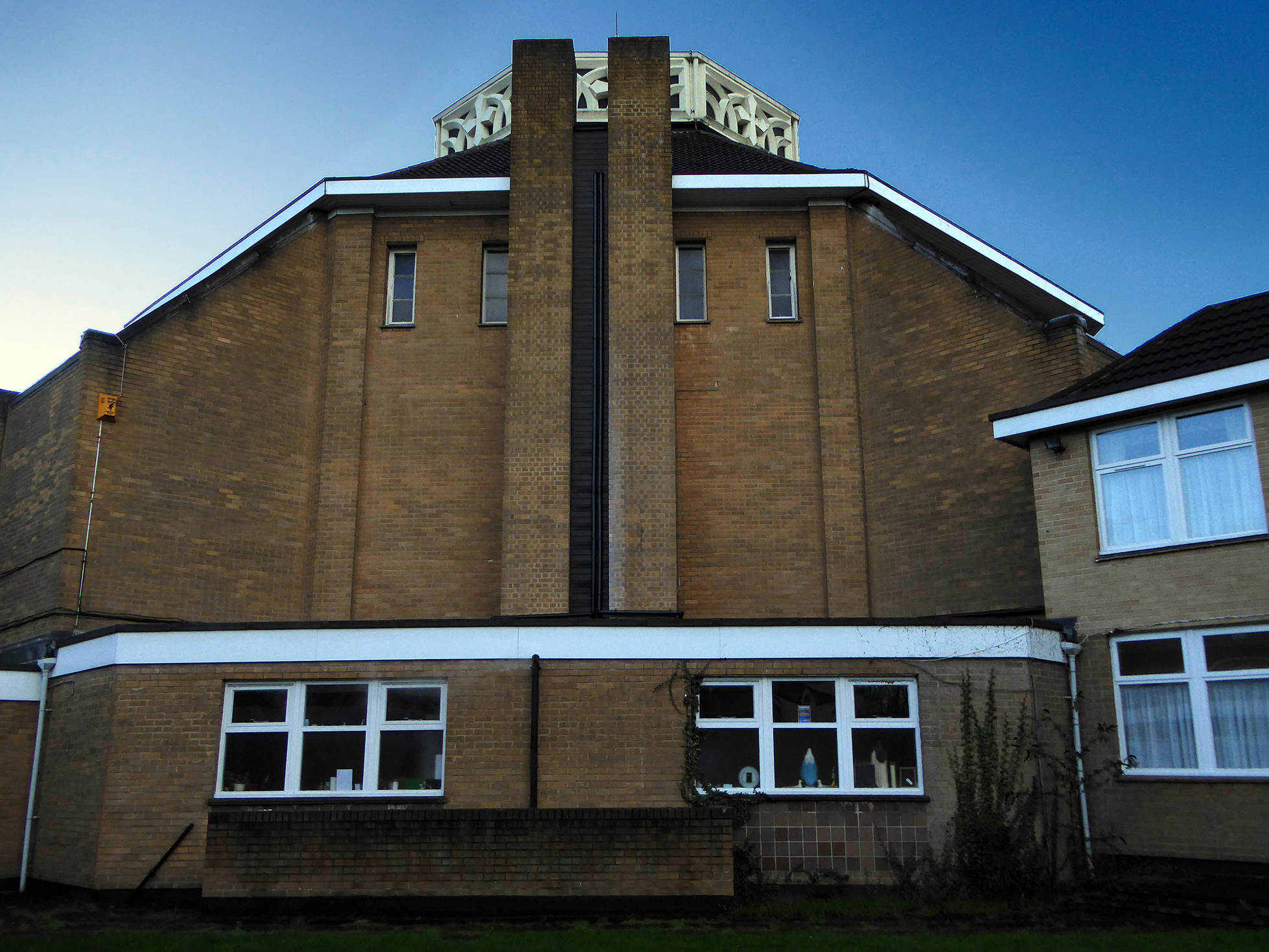
Ambitious in scale, dotted with vertical detail, the main body of the church has an integrated meeting hall and clerical house. I remain however, more than somewhat unconvinced by its brick monumentality.

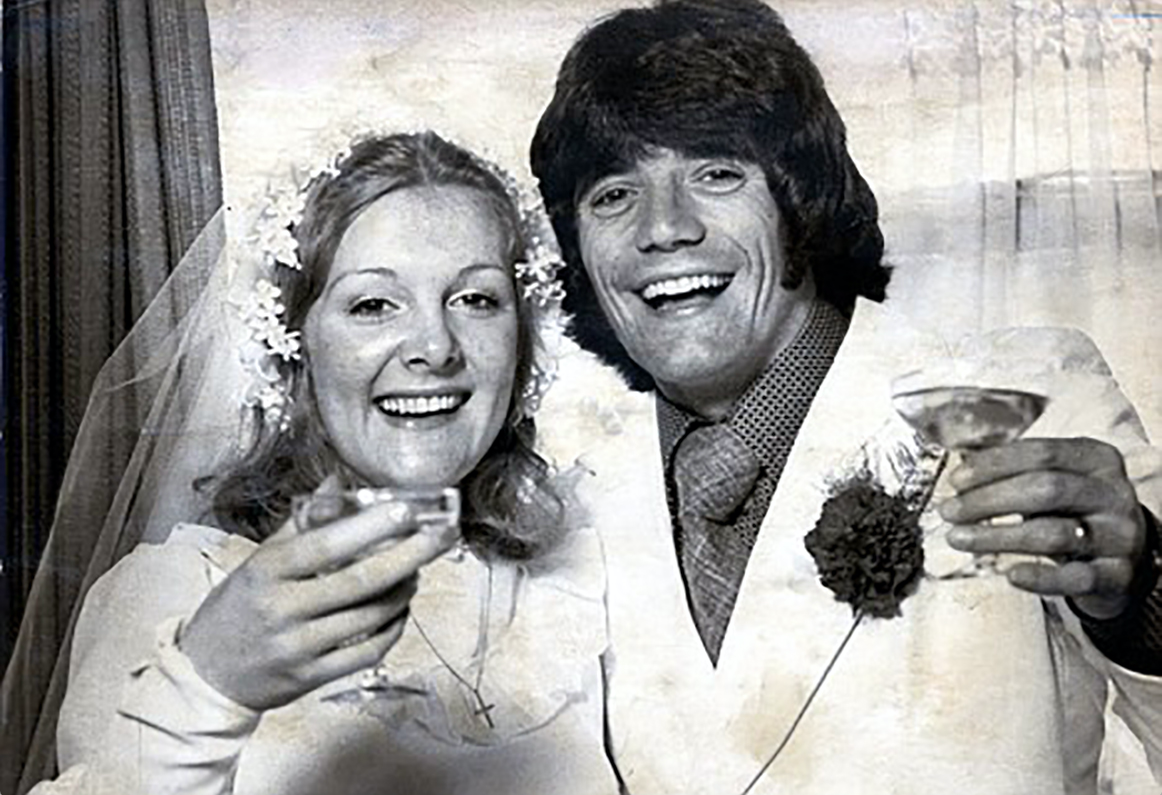
On September 23, 1974, the budding Liverpool star married his childhood sweetheart, Jean, at St Peters in Chains Roman Catholic Church in his hometown of Doncaster. 

There was no fanfare, no fans, no celebrity guests and certainly no Hello! style deal. Kevin was just 24, his bride a year younger. 

Watching them with a tear in their eyes were his proud parents, Joe, a miner, and Doris.

Screen Shot 2016-02-12 at 10.52.09

Kevin says: ‘Jean and I hadn’t planned to get married for months, but I had a five-week ban for fighting with Billy Bremner and, as they say, every cloud has a silver lining, so we decided to use the time to get married quietly.’ 

P1010134 copy

P1010127 copy

P1010126 copy

P1010123 copy

P1010108 copy

P1010125 copy

P1010128 copy

P1010133 copy

P1010129 copy

P1010132 copy

P1010120 copy

P1010136 copy

P1010130 copy

P1010124 copy

P1010135 copy

Coverdale Baptist Church – Ardwick

DSC_0096 copy

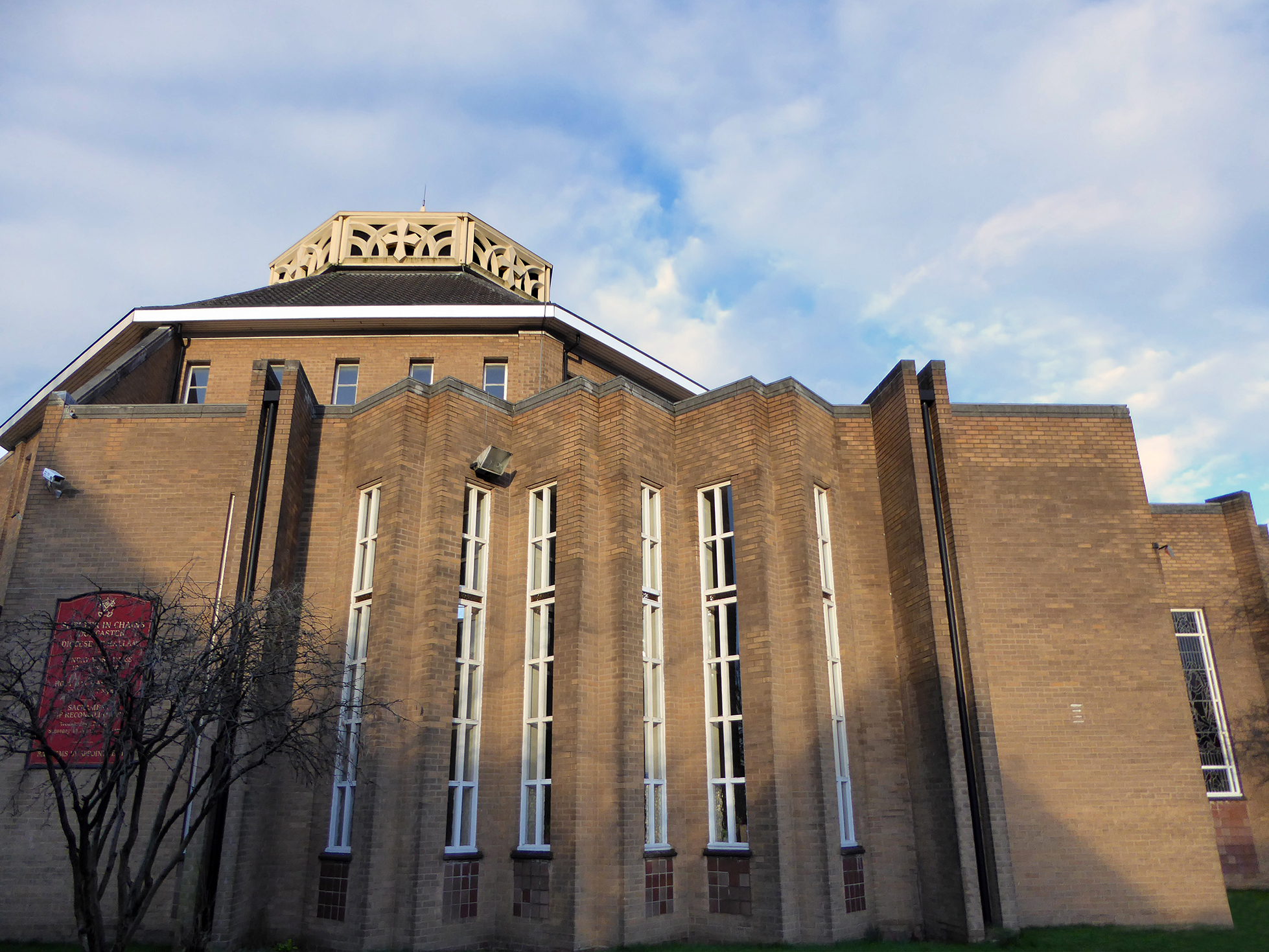
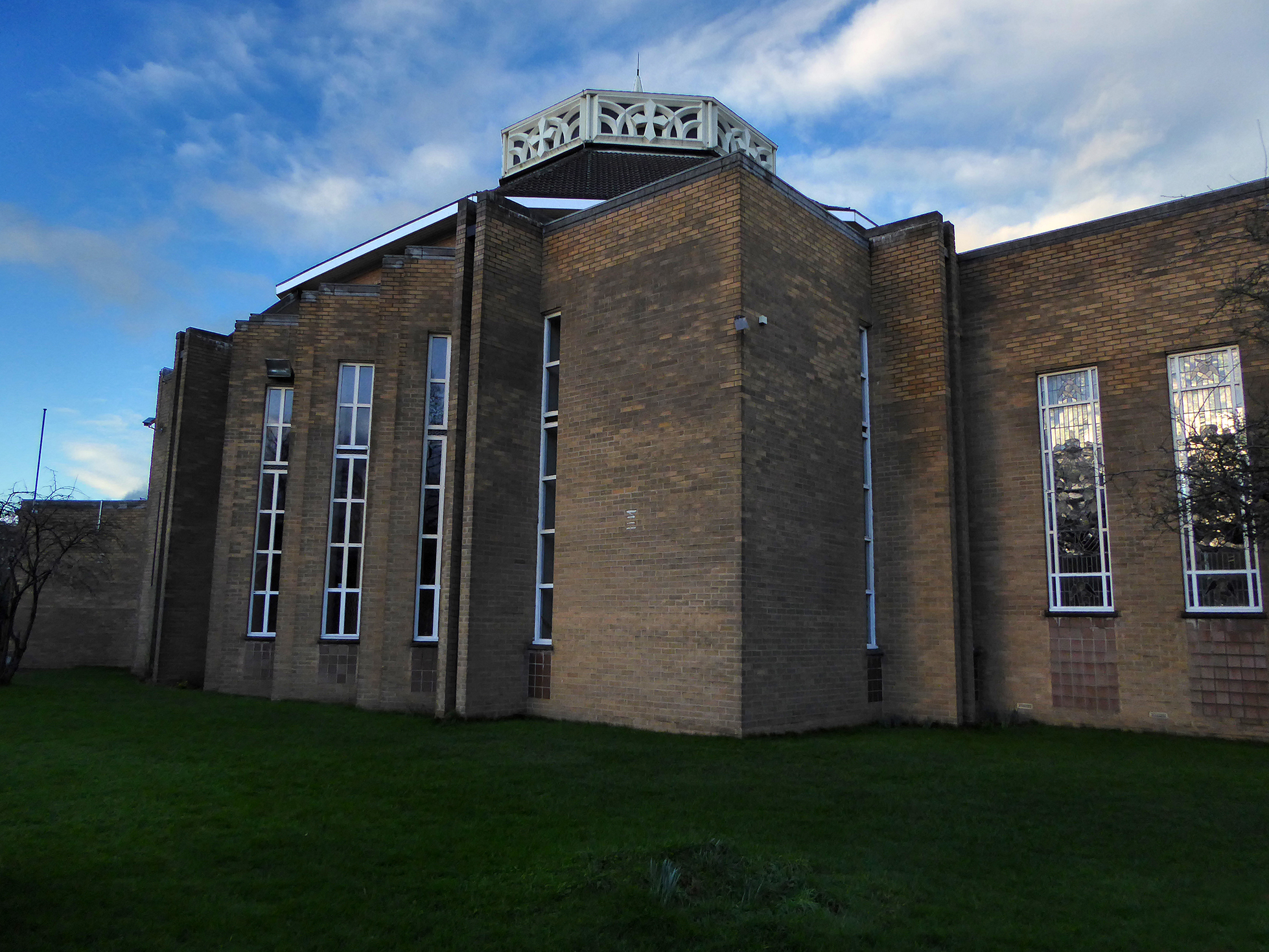
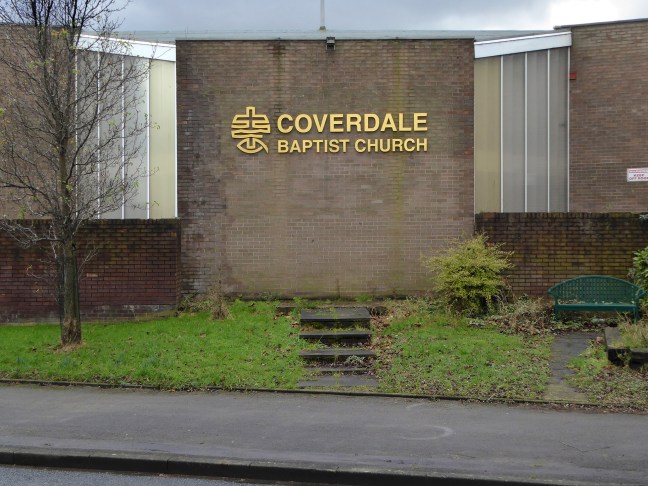
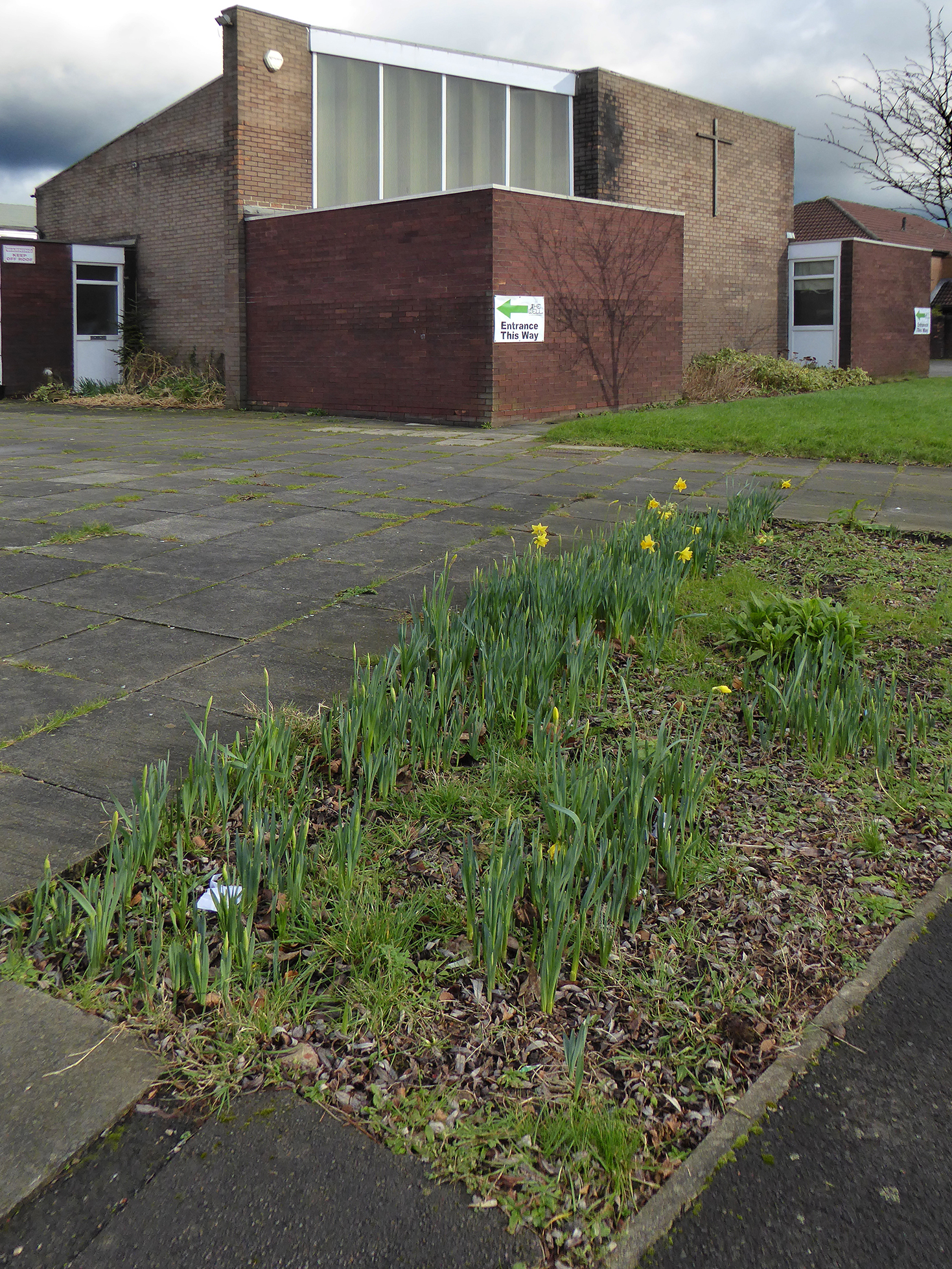
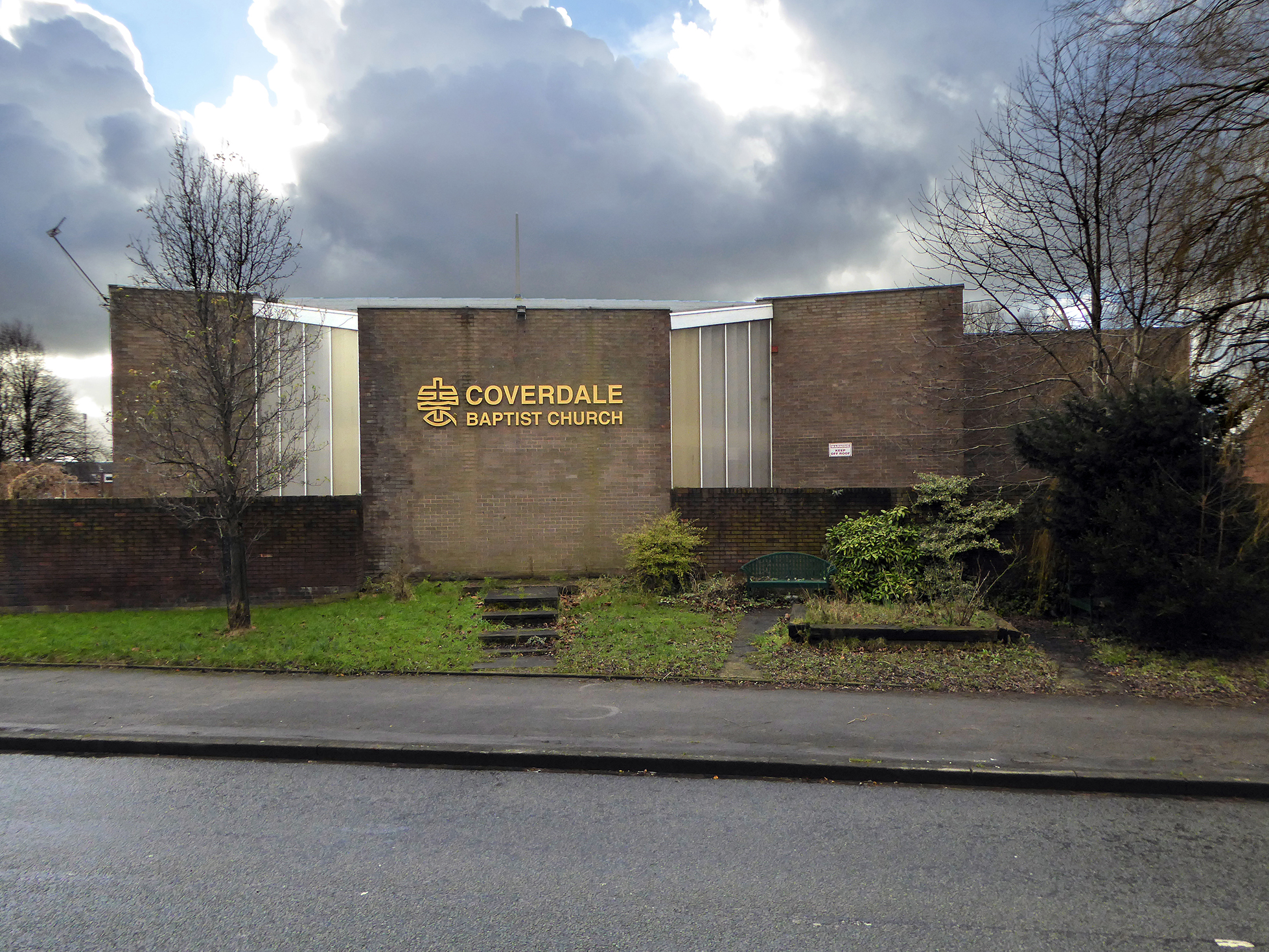
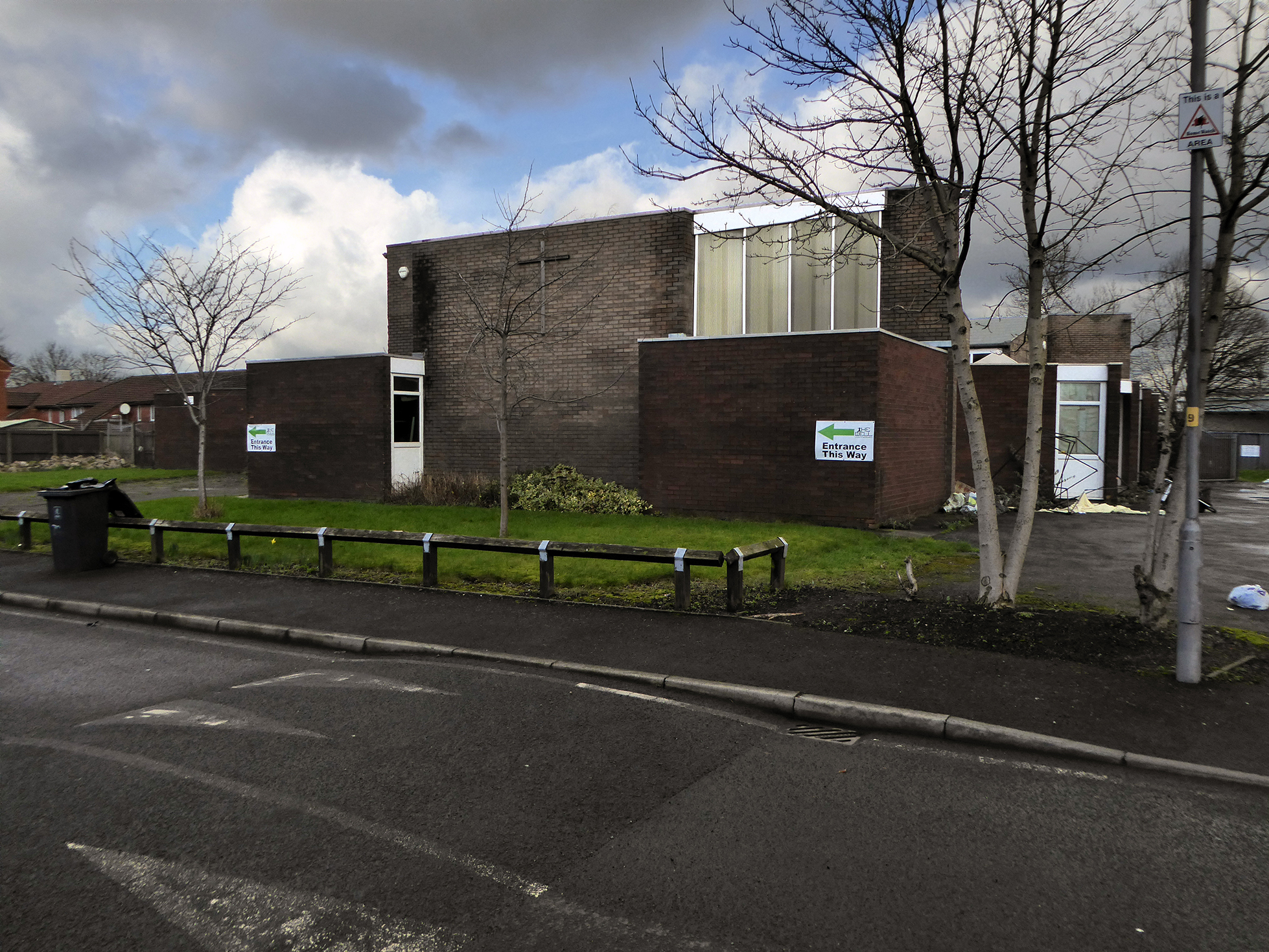
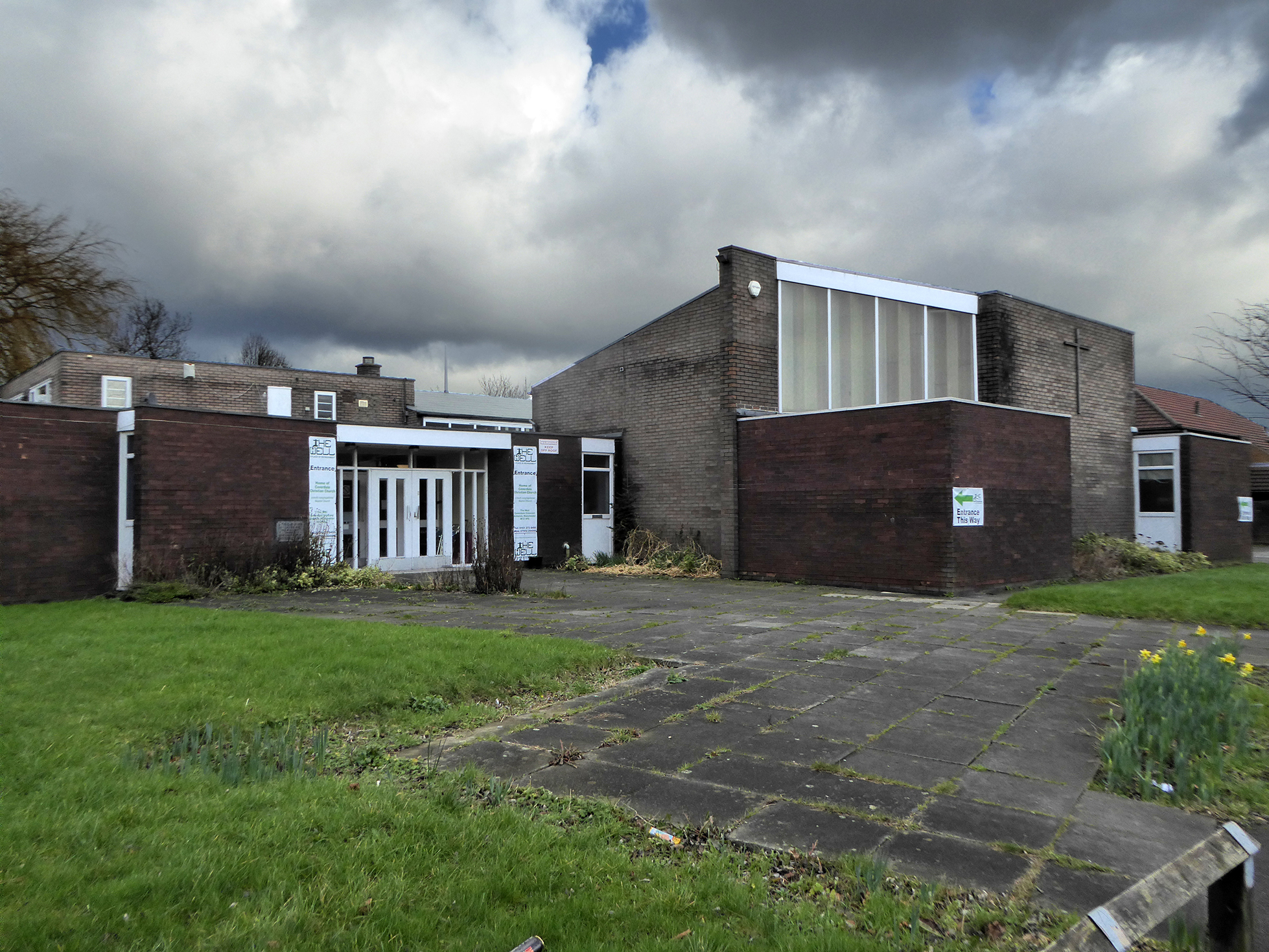
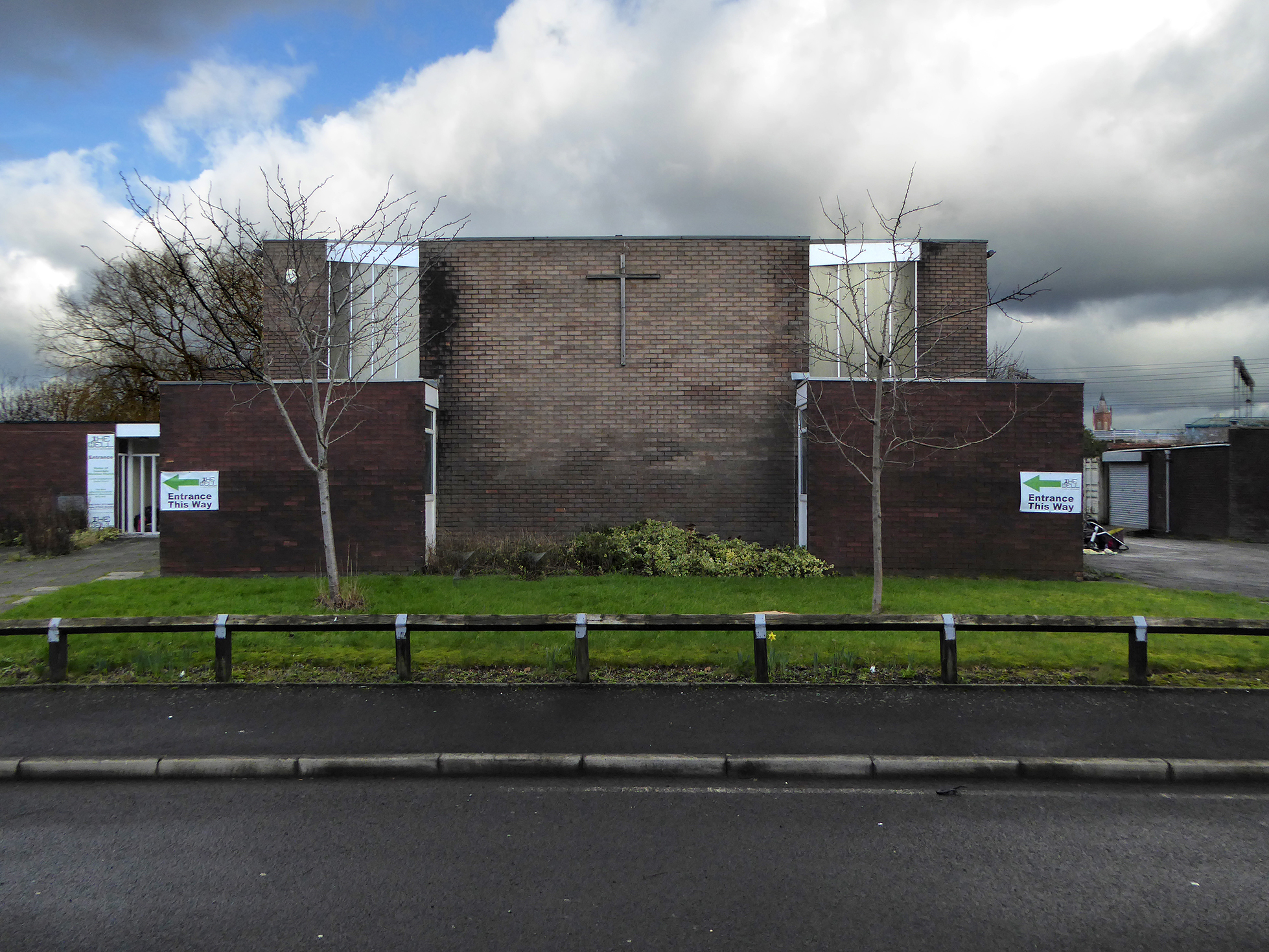
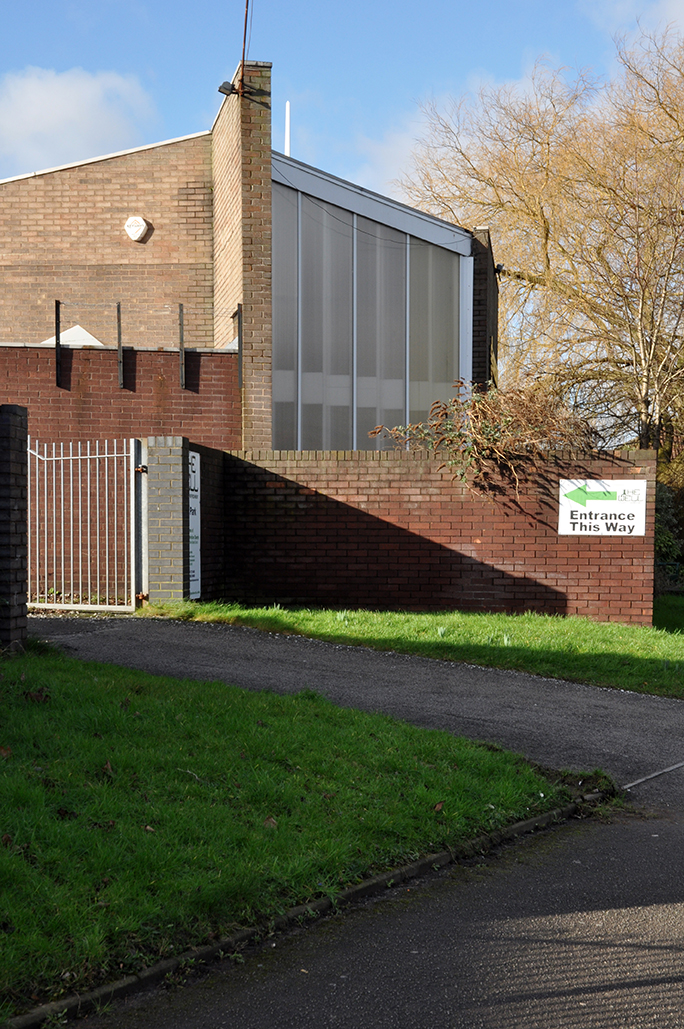
At the eastern end of the broad wide curve of Coverdale Crescent sits a church.

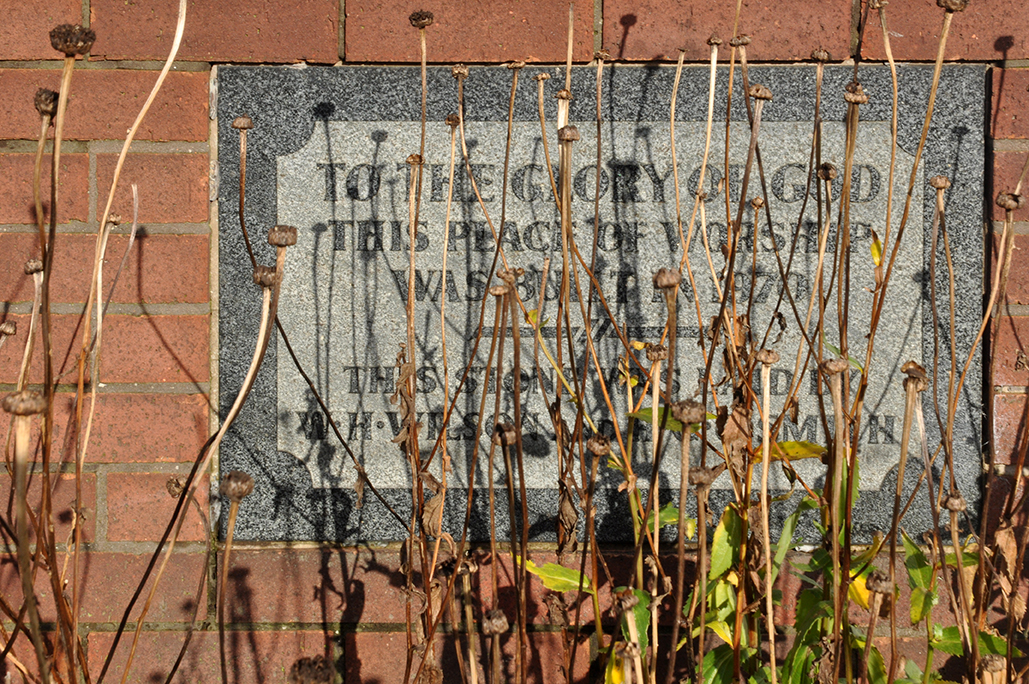
Built in 1970 to accommodate the pious observation of the area’s  residents.

The residents of the so-called Fort Ardwick.

coverdalebaptist2

The Fort is no more, demolished, the newer Coverdale Estate now covers the area.

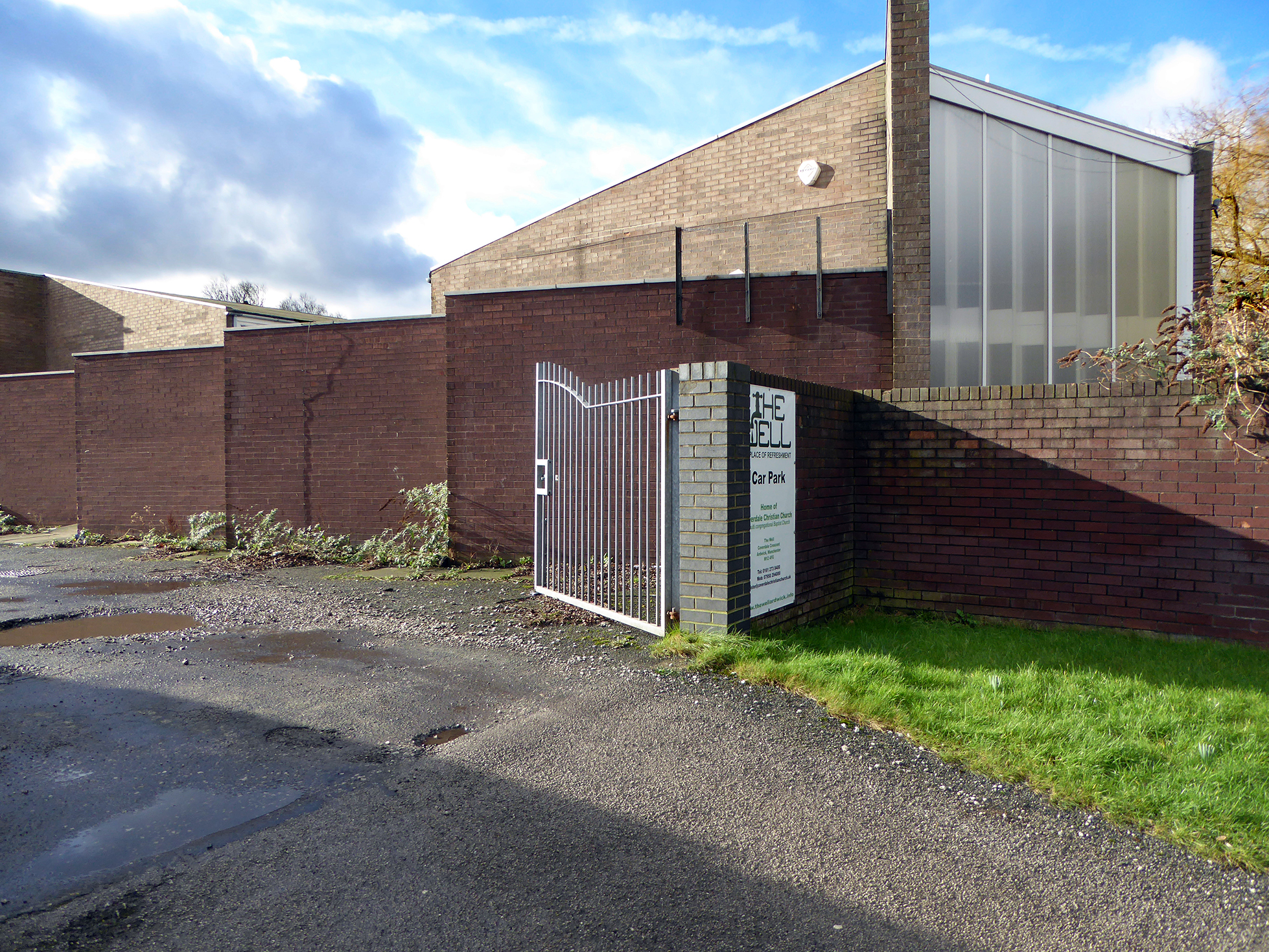
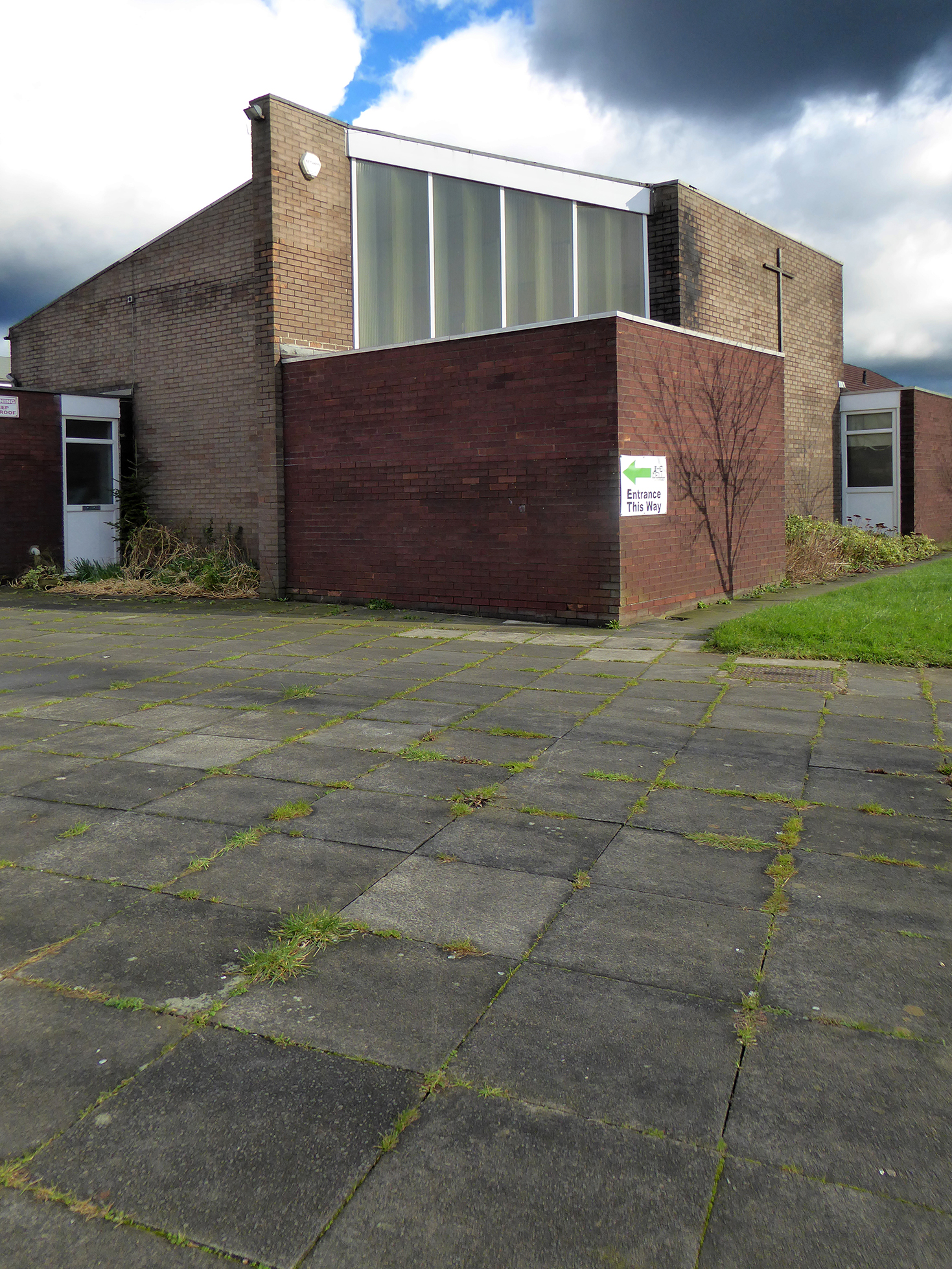
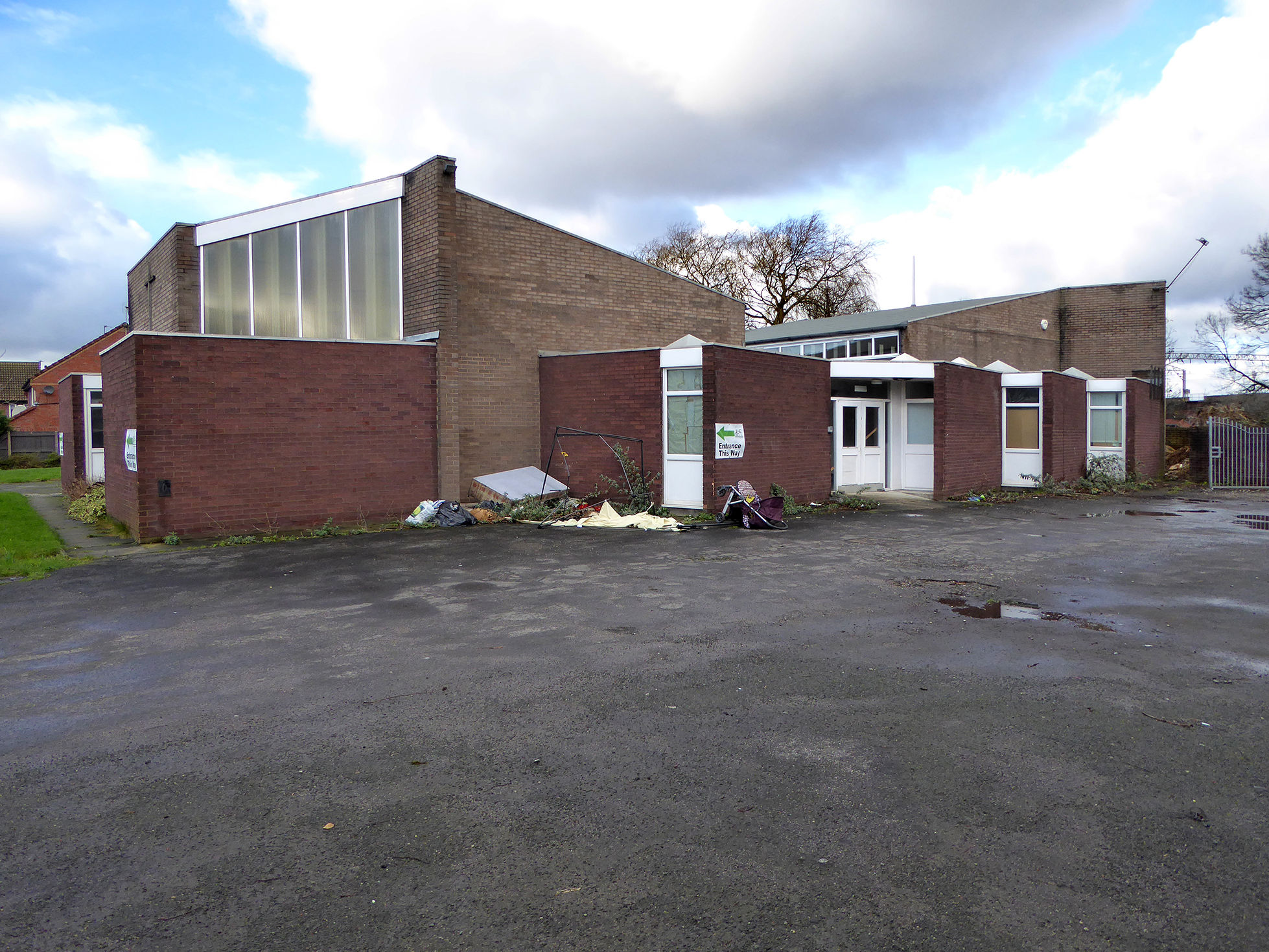
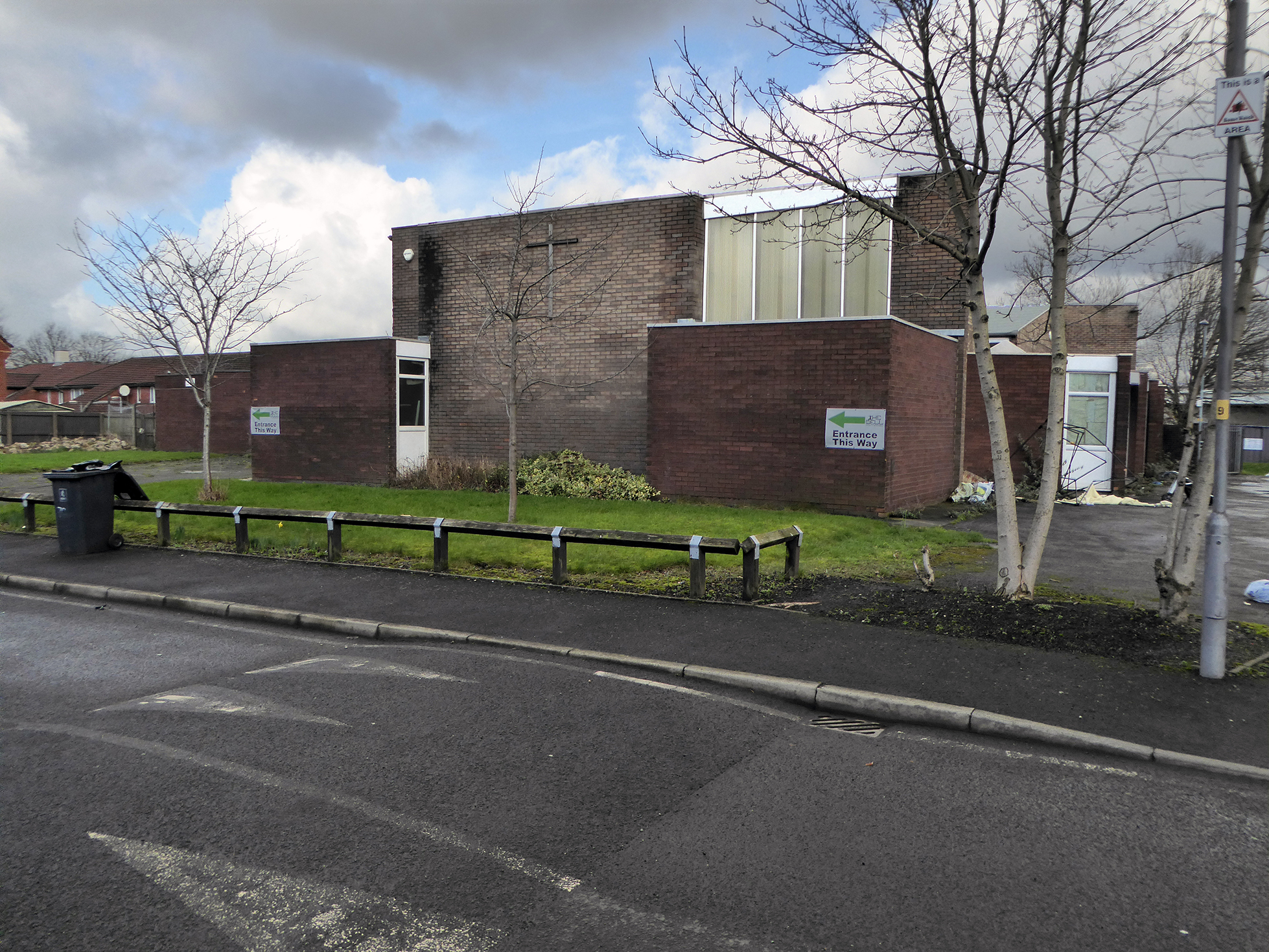
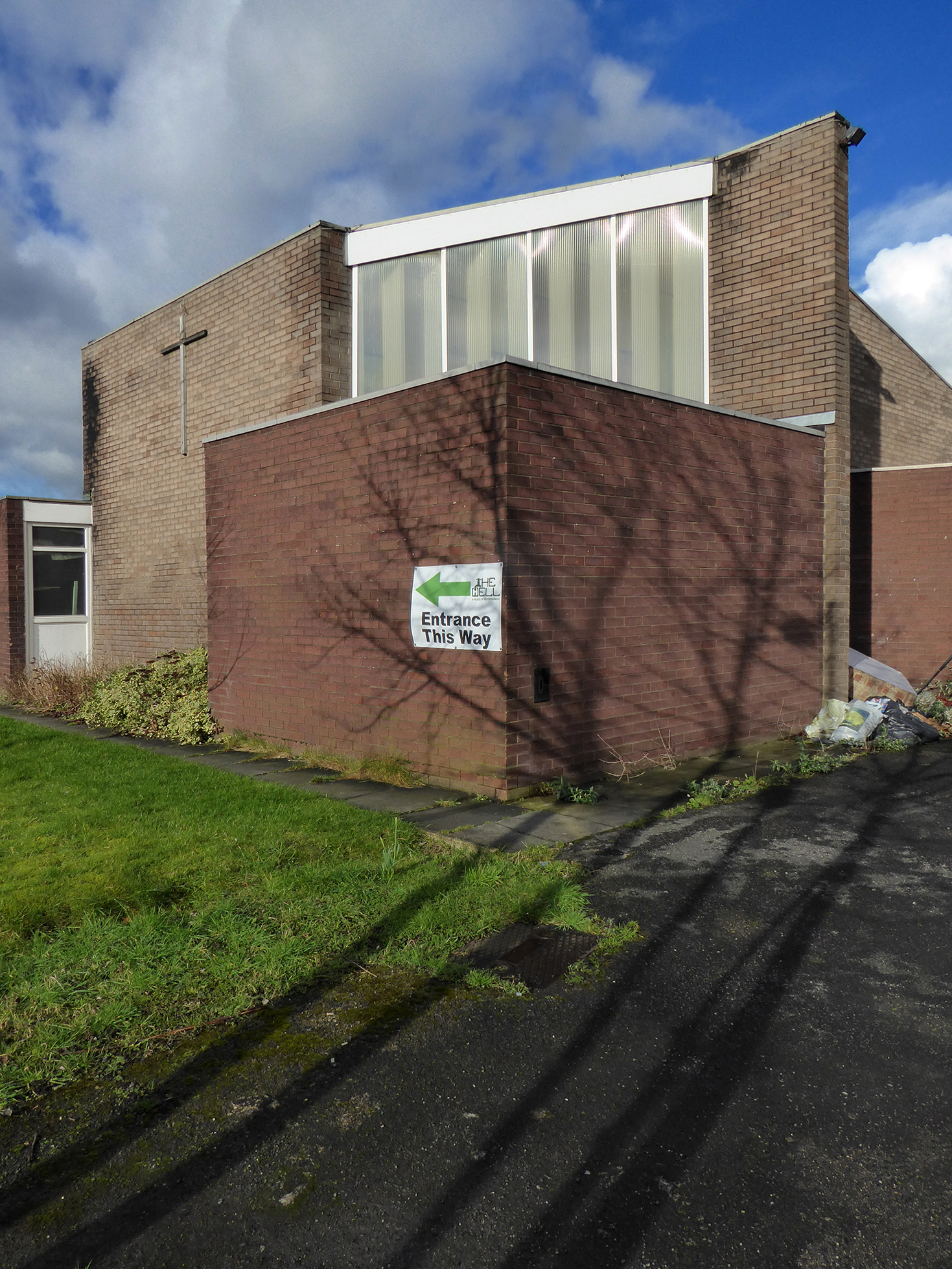
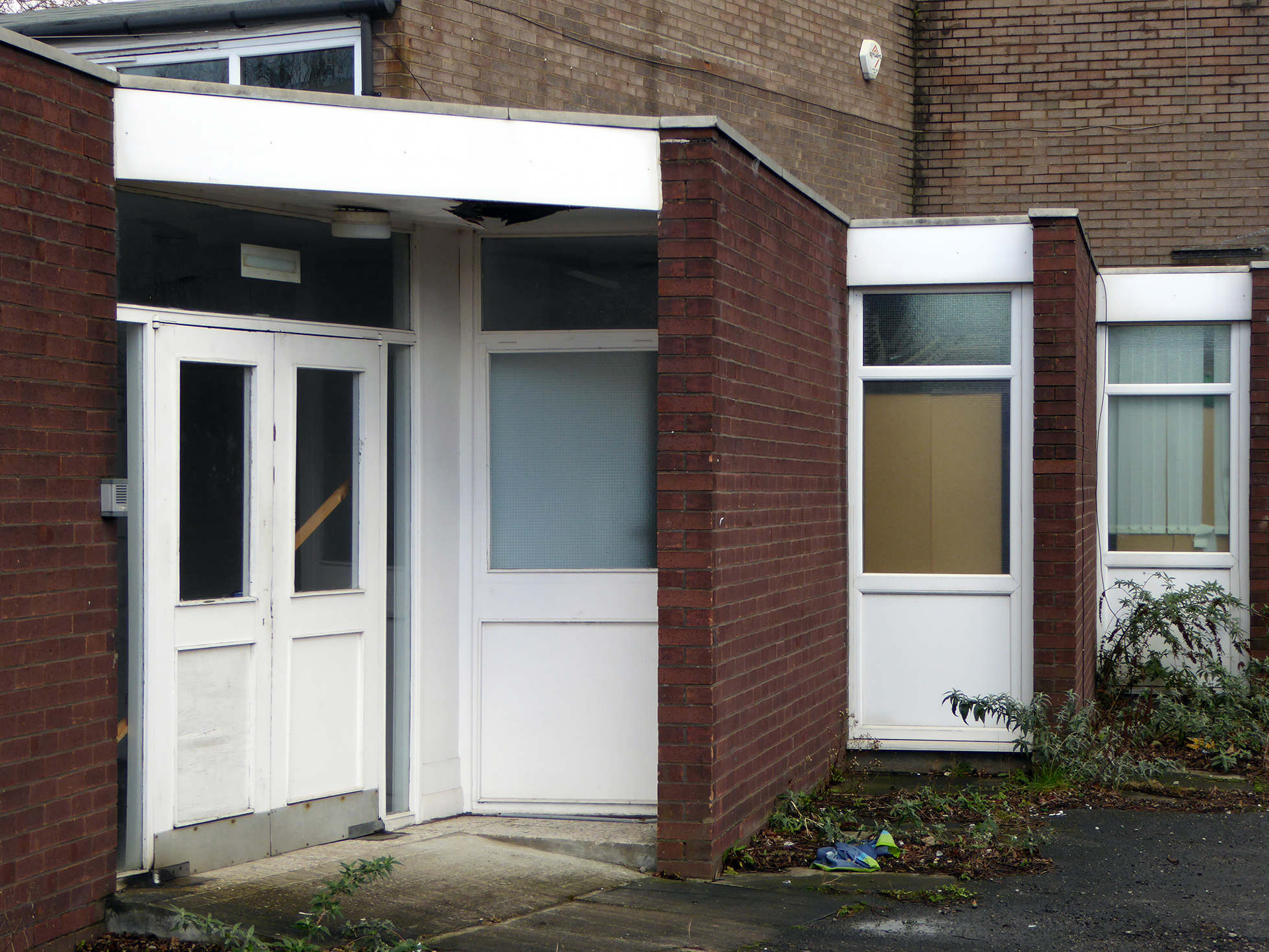
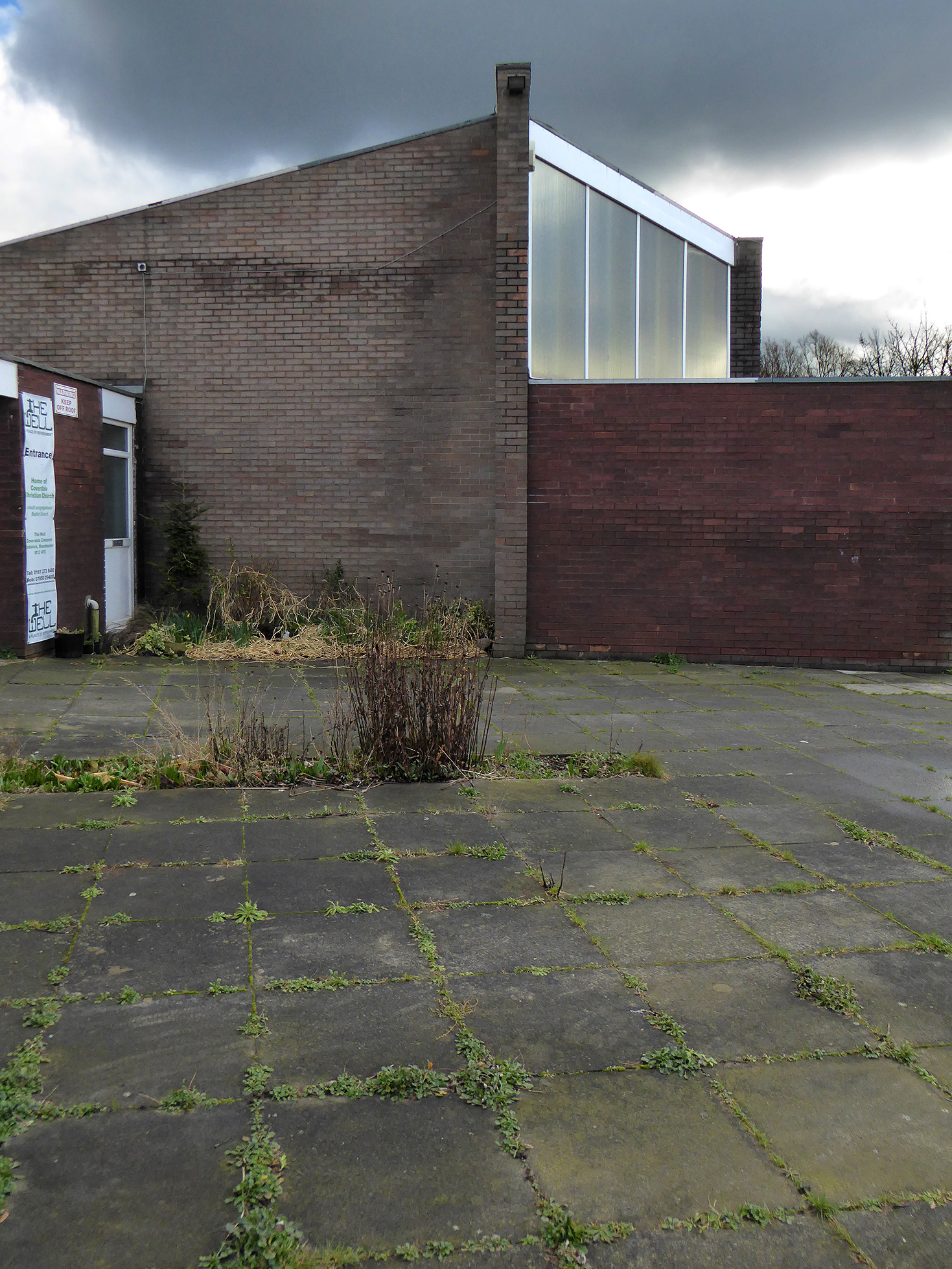
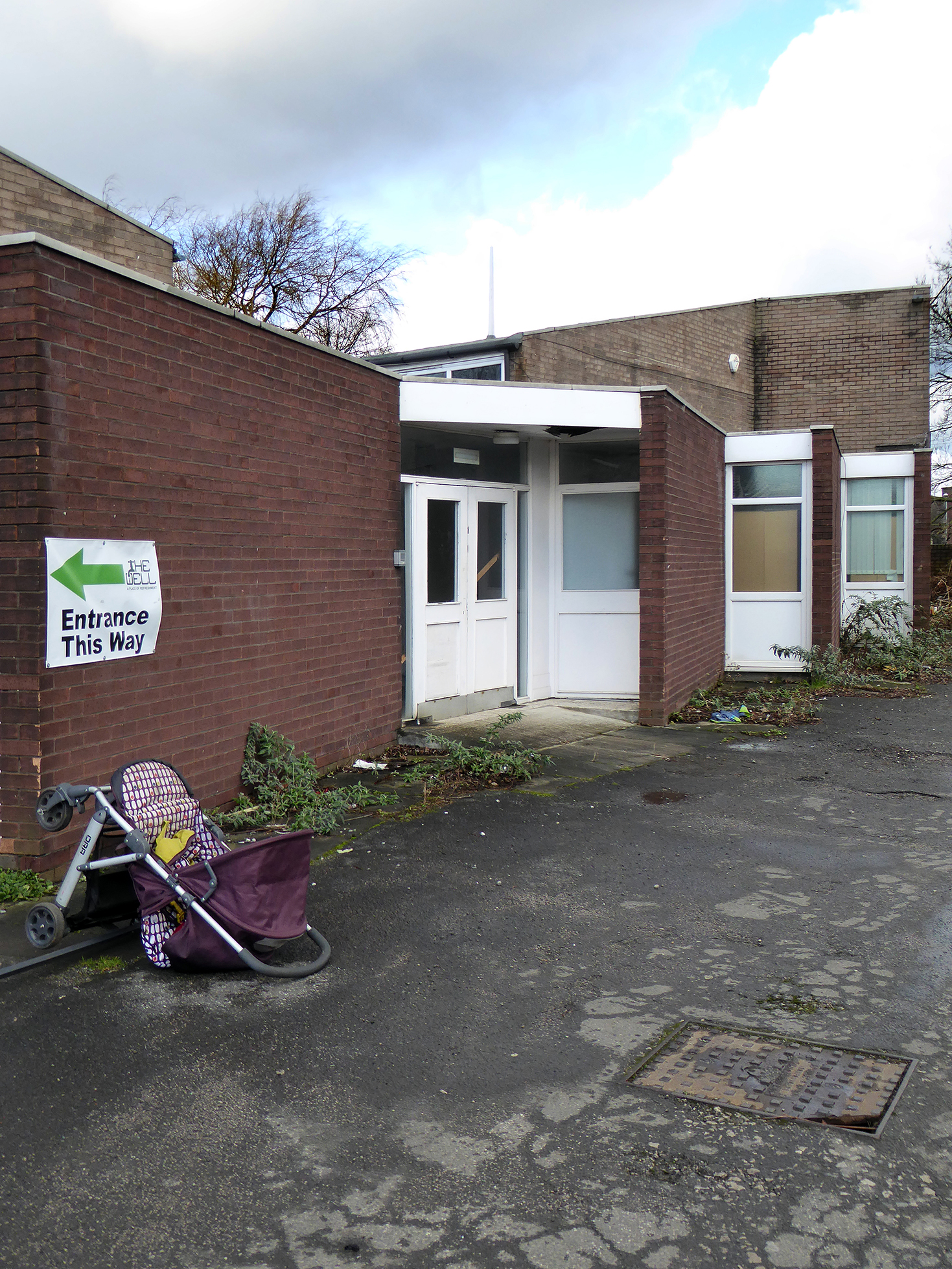
The church aka The Wellcontinues to function as a focus for community and religious activity.

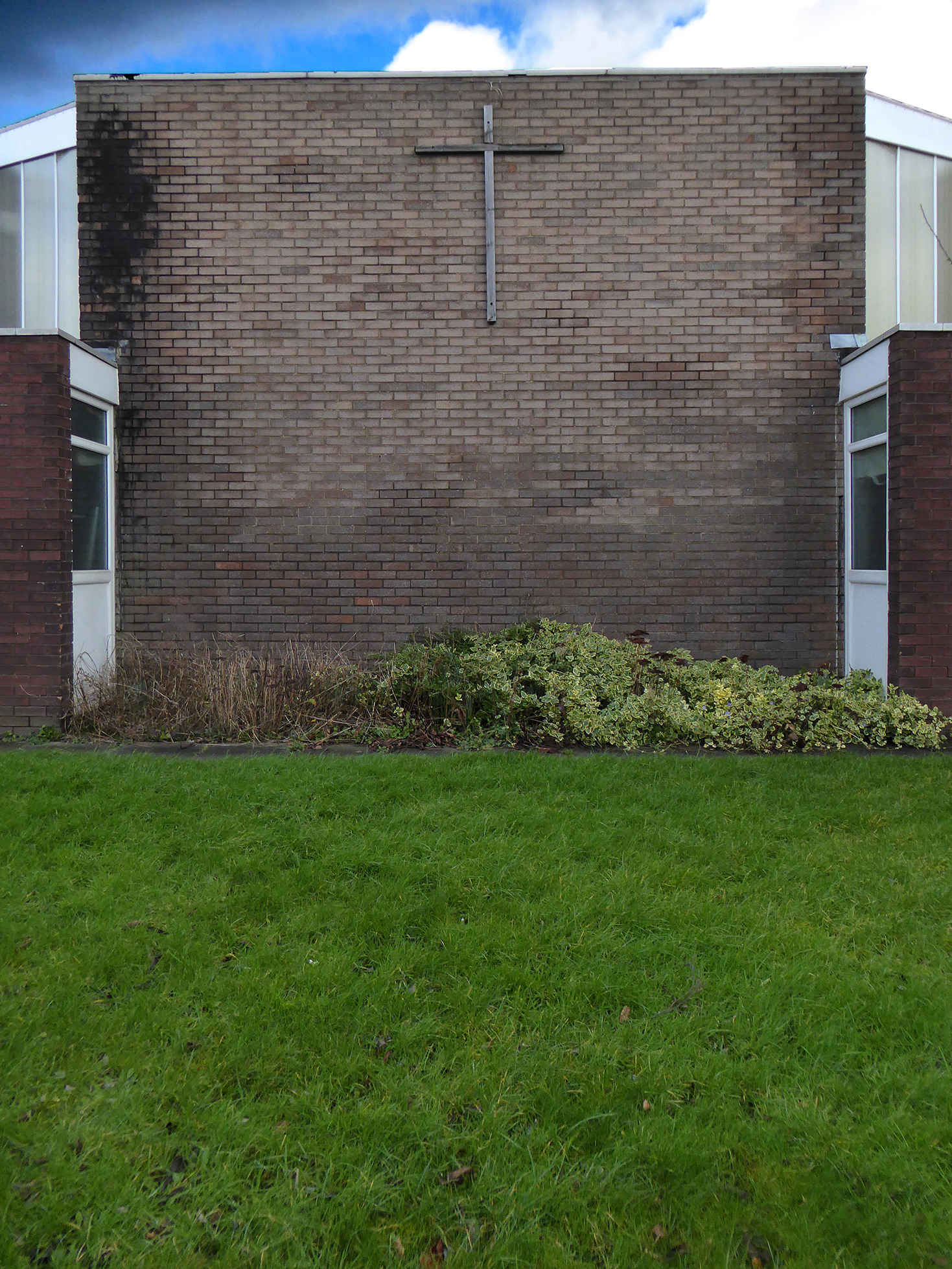
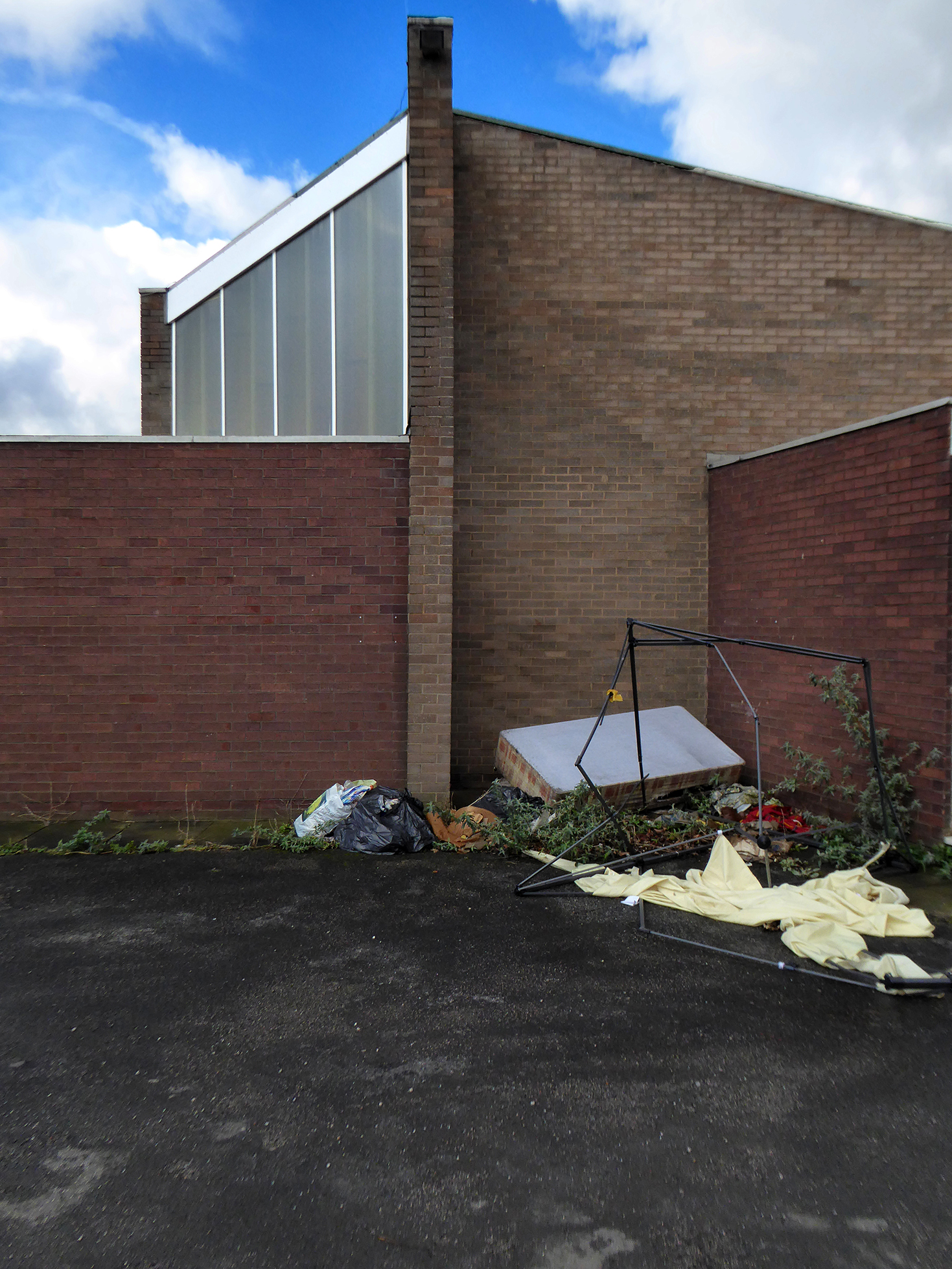
The exterior now seems just a little careworn, though planting and structural maintenance, manage to keep up a modicum of appearances.

Beswick – Manchester

Screen Shot 2016-02-06 at 15.17.13

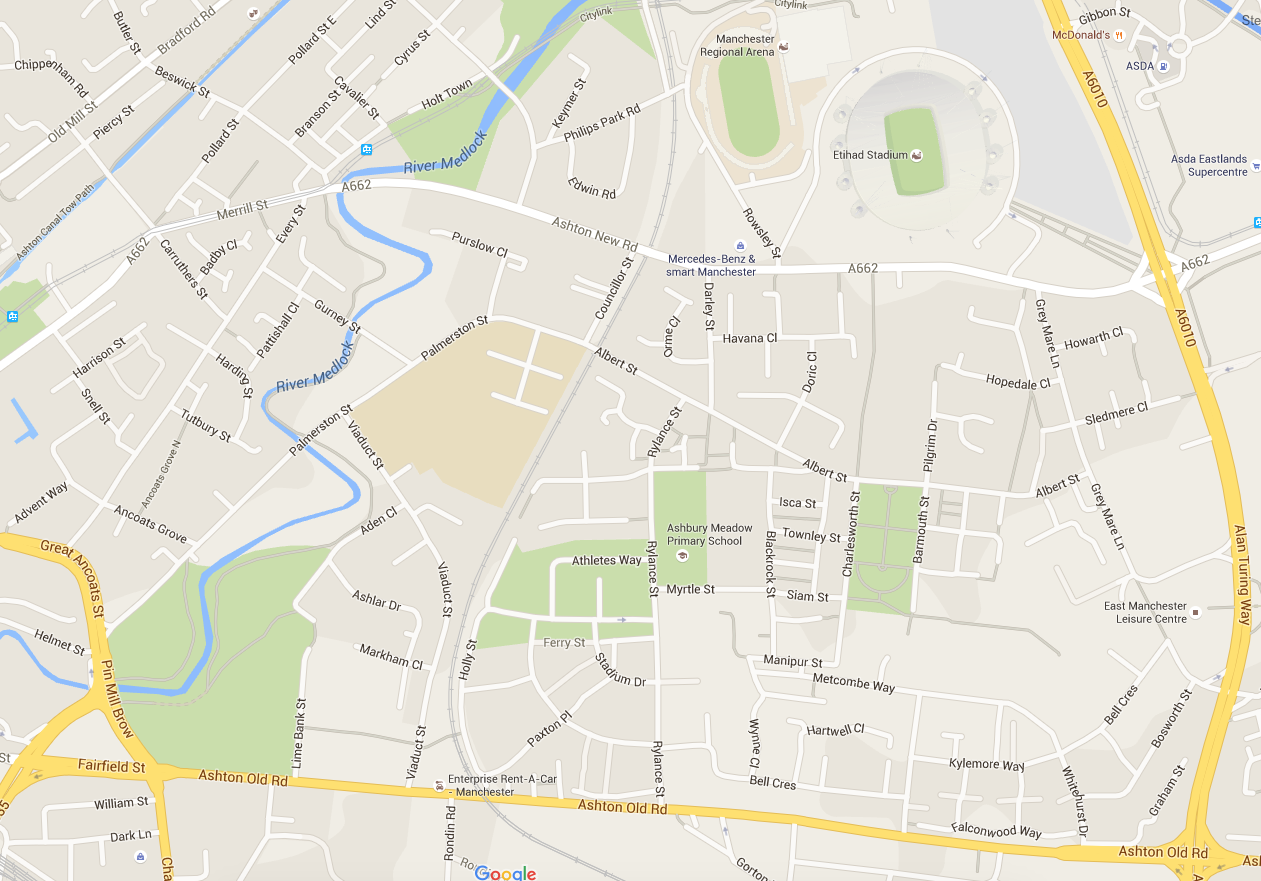
Between Openshaw and Bradford sits Beswick.

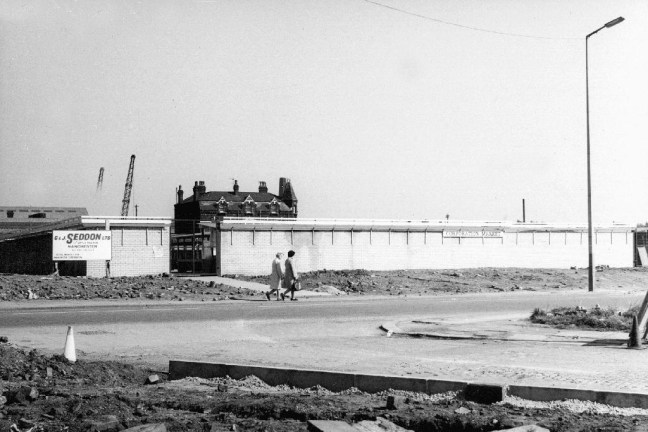
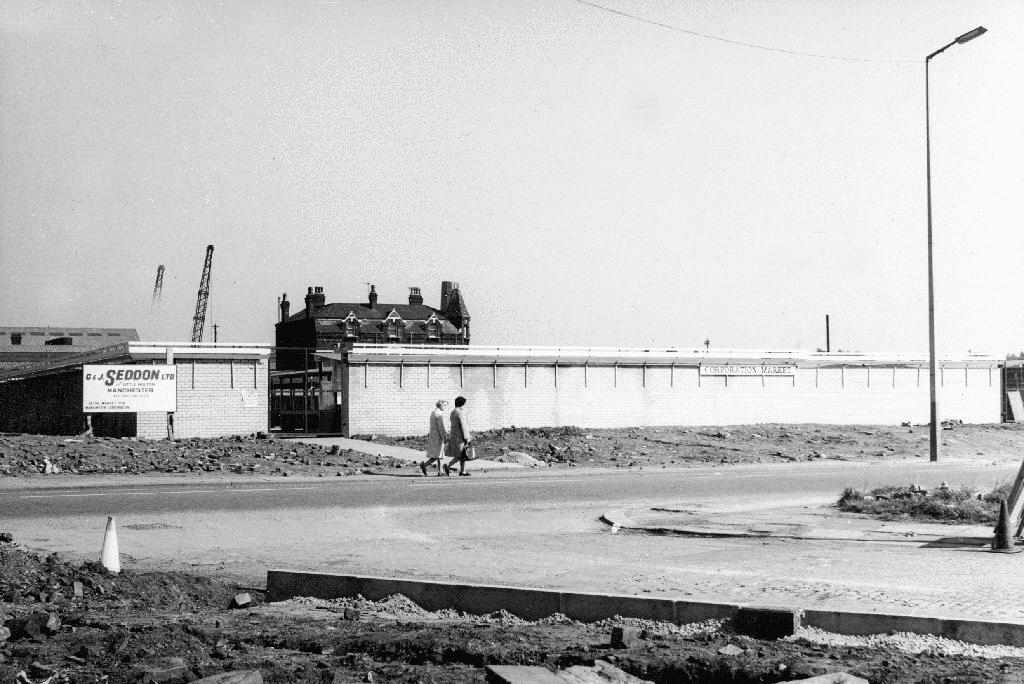
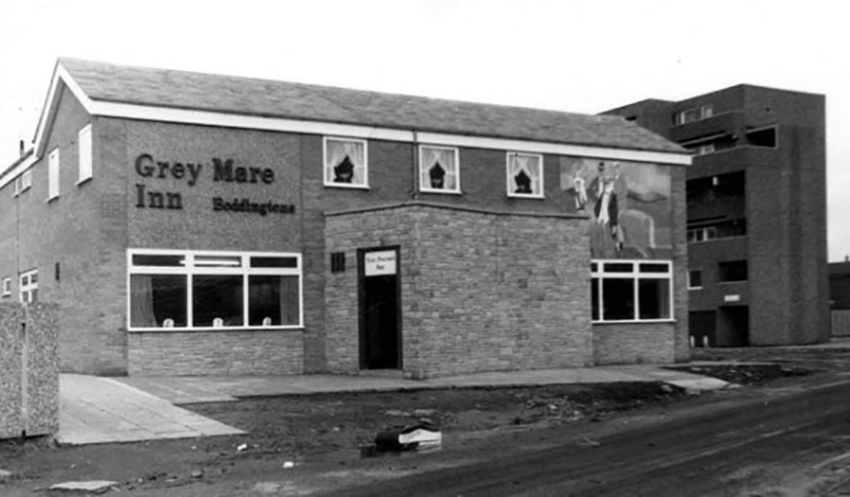
Beswick is a small district located on the east side of Manchester bounded by Ashton Old Road, Ashton New Road and Grey Mare Lane and was incorporated into Manchester in 1838. Pronounced Bes-ick the “w” is silent. Before 1066, in Saxon times, the district was called Beaces Hlaw – Hlaw was an old word for a small hill, often used as a burial mound. By the 13th century it had changed to “Beaces Wic” indicating that the area was predominantly farm land. Who or what the Bes element of the placename signified is open to interpretation, though the simplest and most plausible is that it belonged to a person called Bes or Bess.

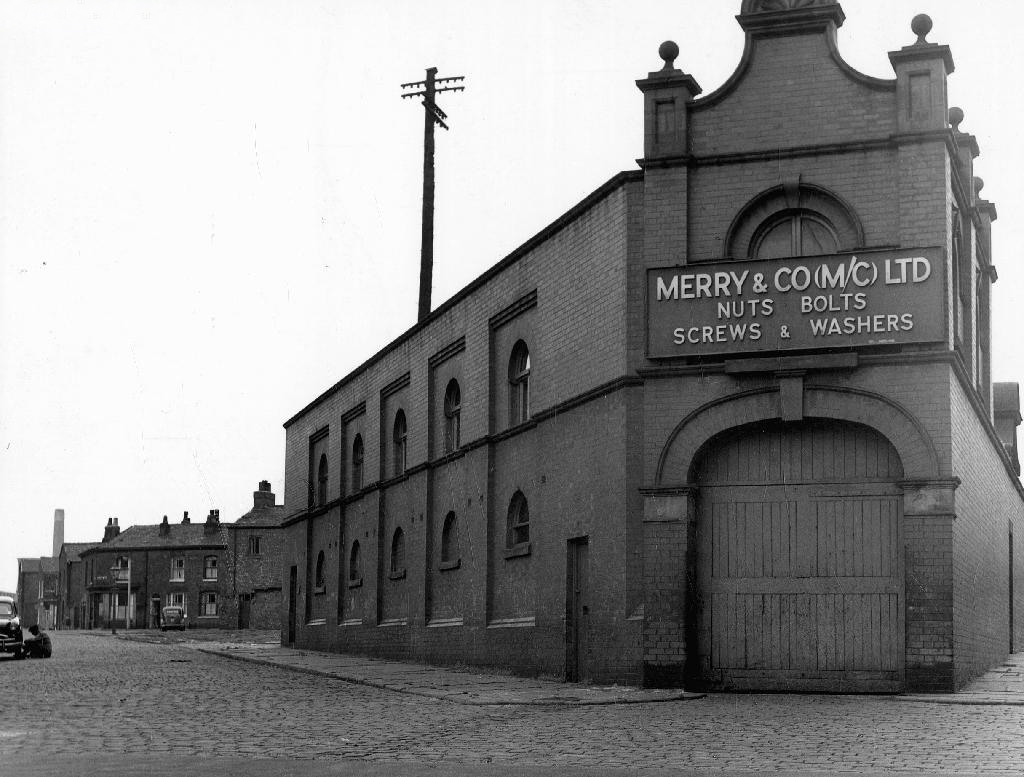
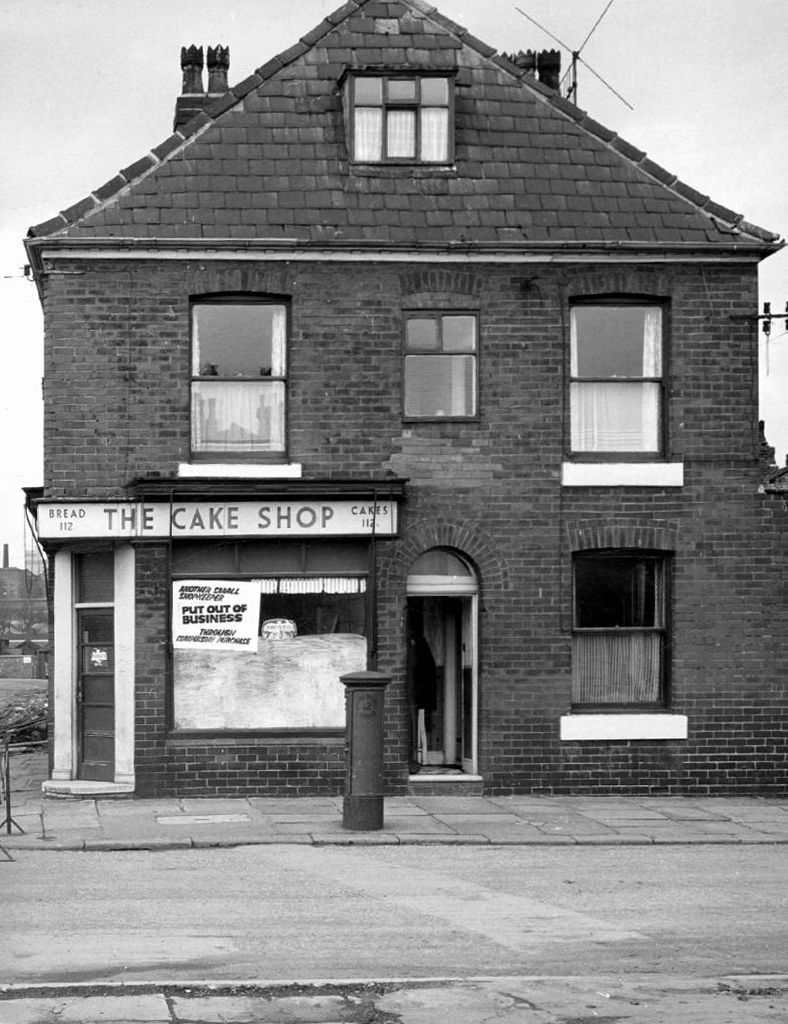
In the 60s it was, as I remember it, a typically vibrant mixed East Manchester community, industry, housing, retail, entertainment and goodness knows what bumping along together incautiously, down tight streets of Victorian terraced housing. I worked in the area as a Mother’s Pride van lad, hauling bread, cakes and galvanised trays in and out of a plethora of superabundant corner shops.

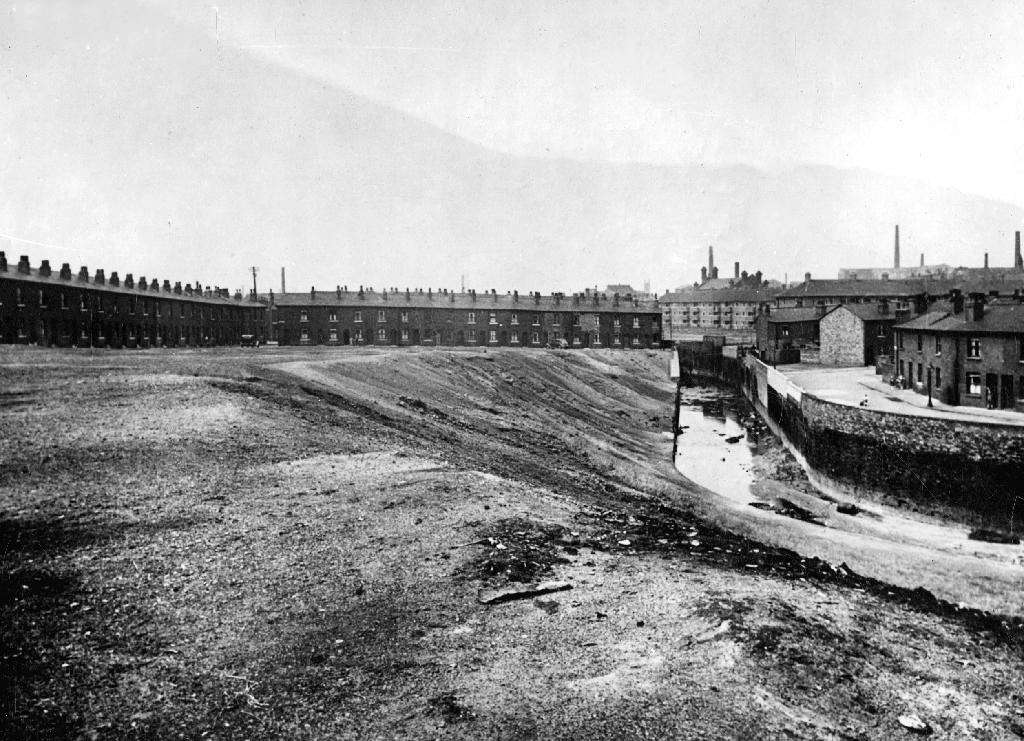
The year of 1970, approximately, dawns, ushering in a decade of great change, slum clearance and the building of brand new homes – the end, by and large, of the back to back corner shop world.

A process mirrored in my previous post

10 years later, and long gone the years of postwar full employment, and the made round to go round world of the weekly wage.

The early 1980s saw growing unemployment and world-wide recession. The large new estates suffered most. Inner city districts of Manchester saw street riots in 1981, as did many other major cities around Britain. Manchester had suffered badly as a result of the recession. In 1986, over 59% of adult males living in Hulme were unemployed; in Miles Platting the figure was 46%; Cheetham Hill and Moss Side both had an unemployment rate of 44%. The main group of unemployed were young people under the age of 21. Hulme’s youth employment was recorded at 68%, and Cheetham Hill suffered 59%. 

Manchester 2002

webmedia-7.php

It is true that the new developments have great advantages in many ways over the terraces they replaced. Tenants who live in houses without baths or indoor sanitation and with no hot water are delighted to move into bright new flats and maisonettes, with indoor plumbing, with baths, and accommodation which has more rooms and far better kitchen facilities and central heating, even though they sometimes grumble at the cost of that central heating.

Gerald Kaufman MP

But although we can build a new housing development, we cannot easily recreate the warm community spirit which has vanished with the terraces which have been demolished. There is the noise from neighbours on the deck above and the deck below. The wind-swept balconies along which tenants have to walk are not as cosy as the streets from which they have come. Those welcoming corner shops, with their bright lights on winter evenings, have gone, and sometimes a new development has no new shops for too long a period. Even when they come, there are not enough of them.

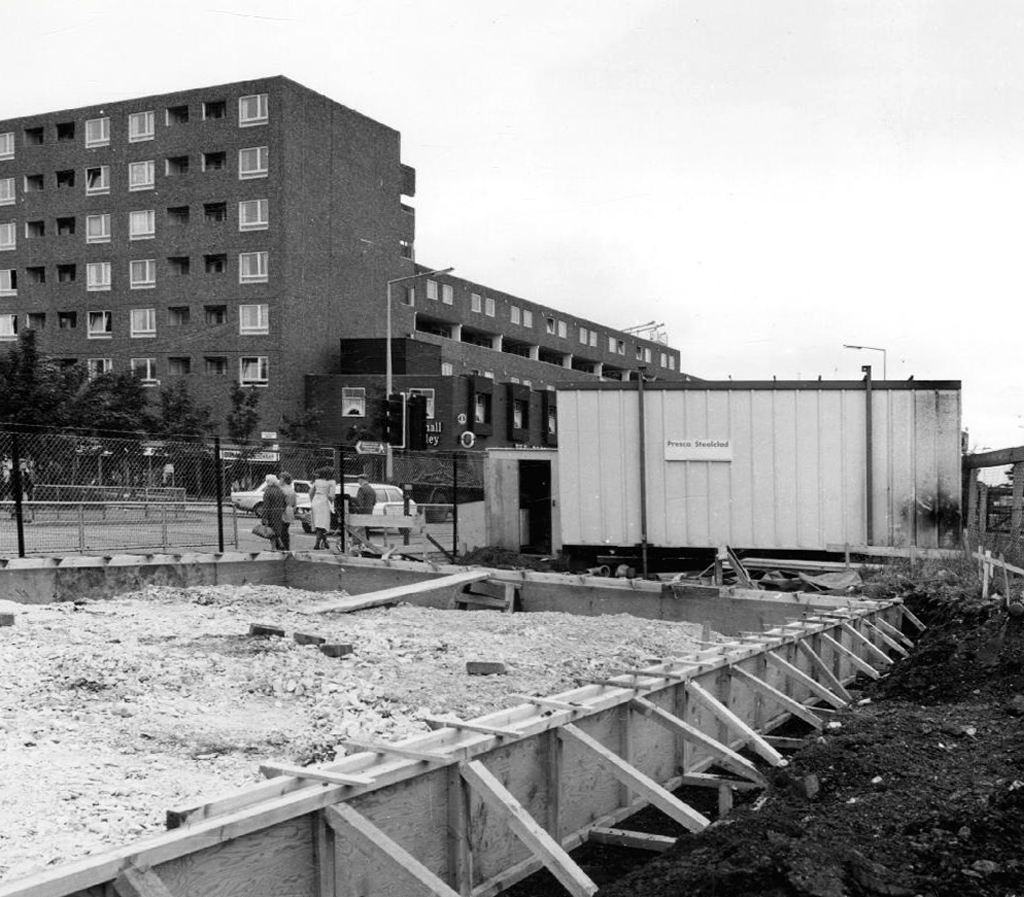
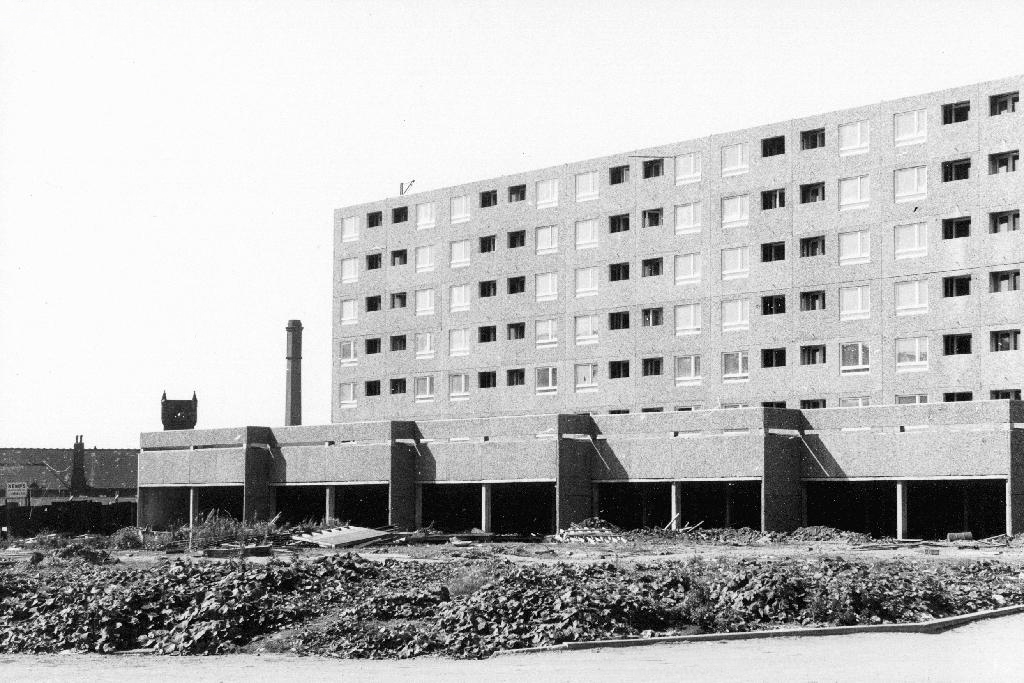
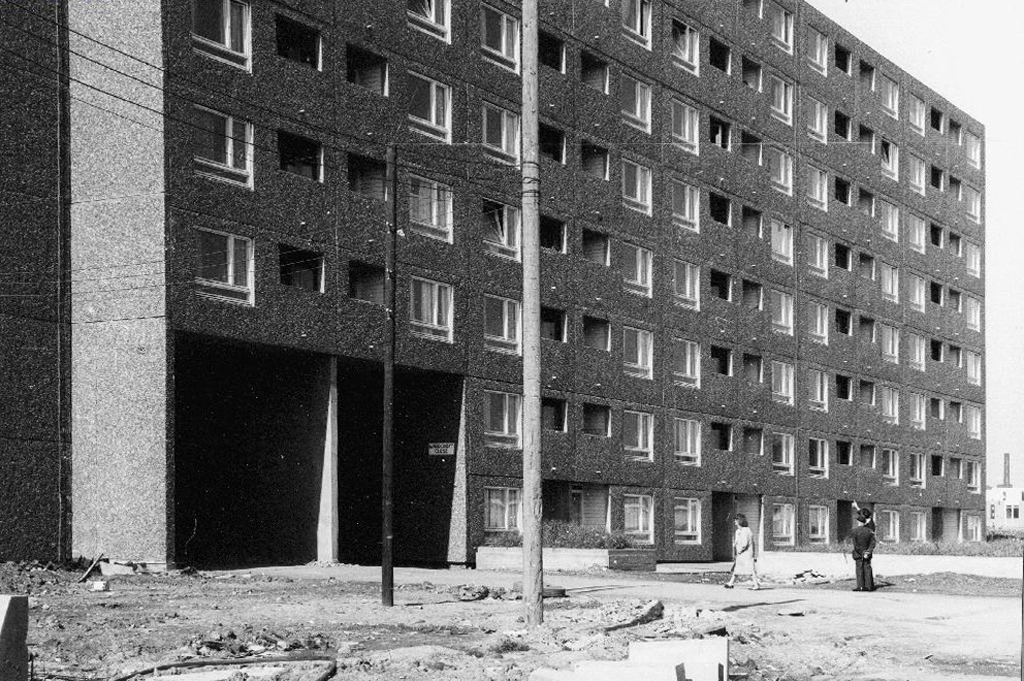
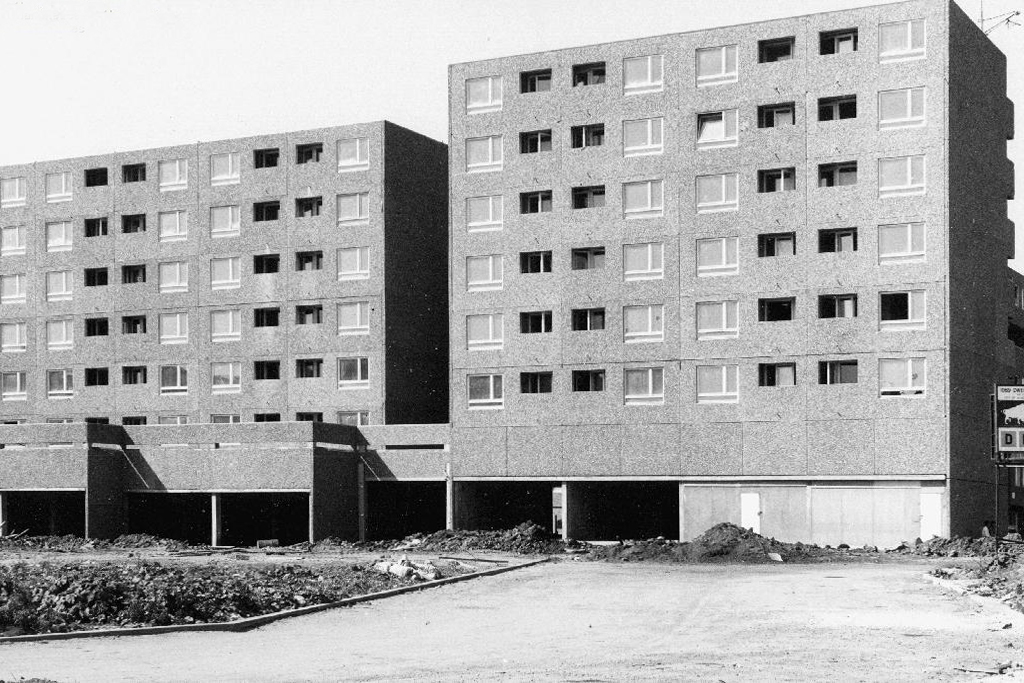
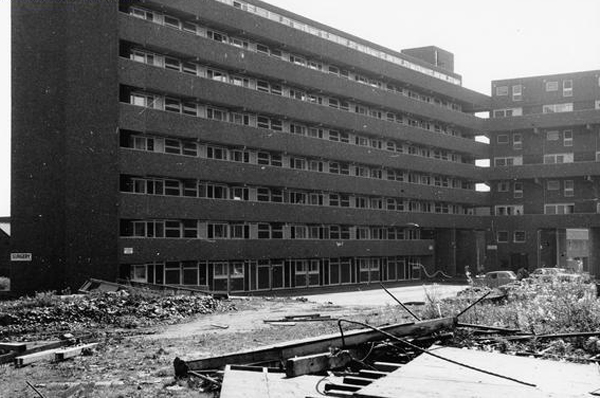
The scale of the buildings is often daunting. I have in mind Fort Beswick and Fort Ardwick in my own constituency. The design is frequently all too forbidding. That is why the two estates are called Forts

When the tenants of these development have lived in cosy old houses, however inadequate they were in terms of physical provision, they are bitterly disappointed by the shortcomings of new property which they have looked forward to occupying.

Handsard – Multi-Storey Developments 1974

The year of 1990, approximately, dawns, ushering in a decade of great change, multi-storey development clearance and the building of brand new homes – the end, by and large, of the one on top of another topsy-turvy world.

Fort Beswick was subsequently demolished.

The beat goes on as Len Grant records the most recent redevelopment of East Manchester.

And the M.E.N shouts loud and proud from the roof tops, heralding a brand new, privately funded public domain

Picture credits Manchester Image Archive

Pegwell Bay Hoverport

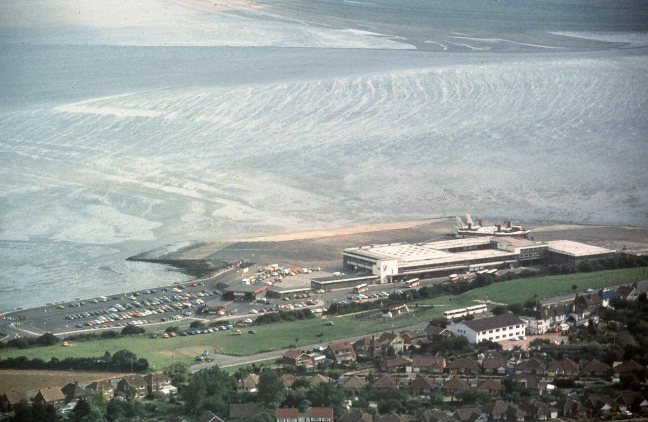
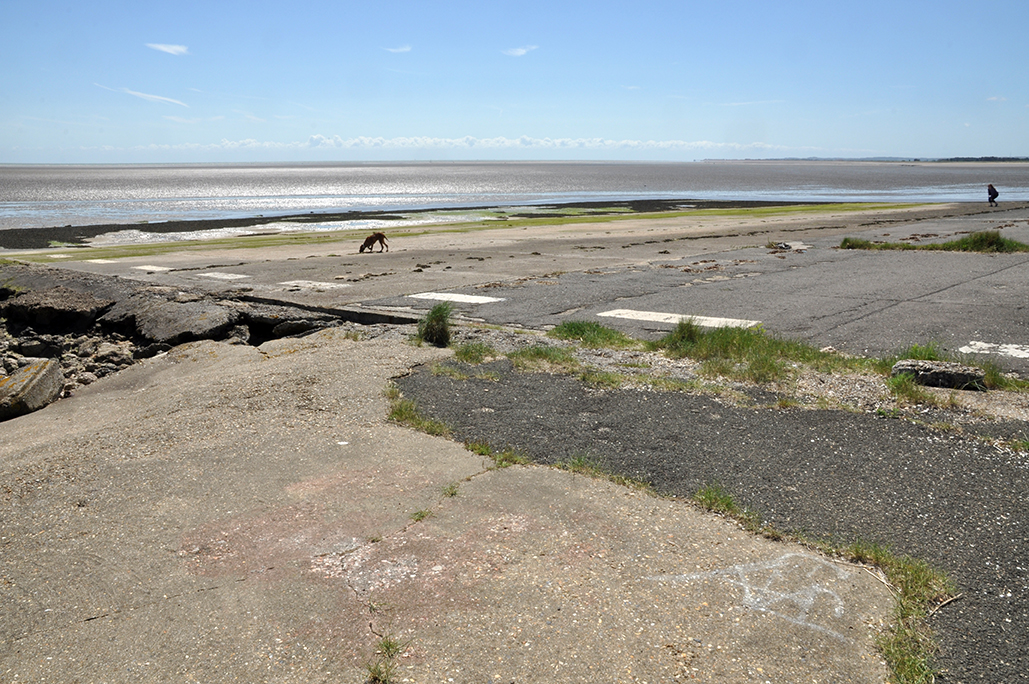
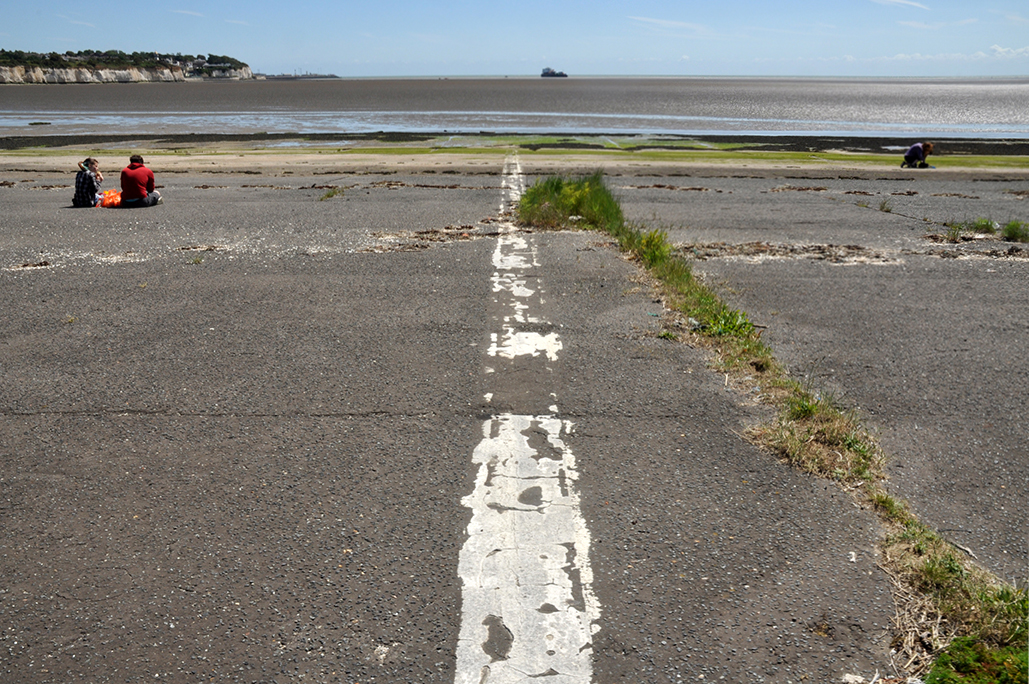
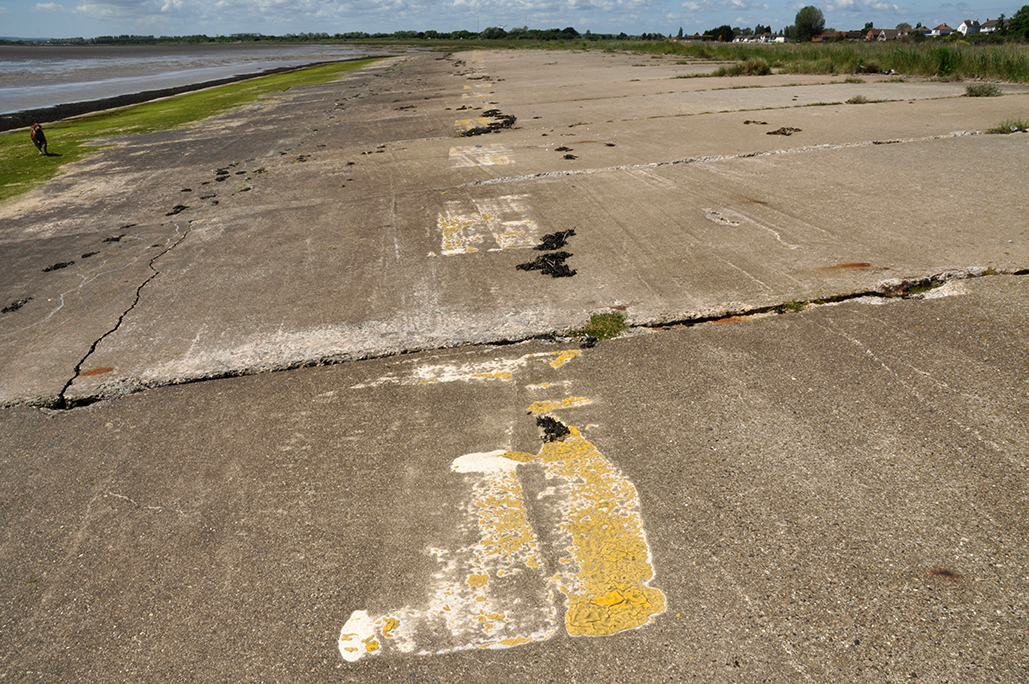
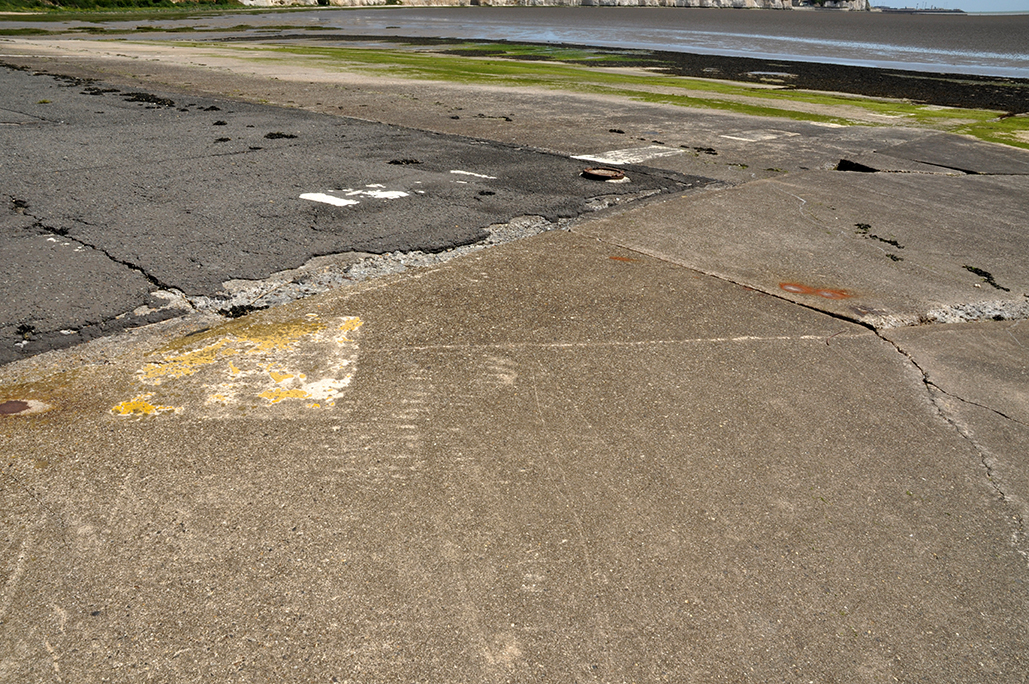
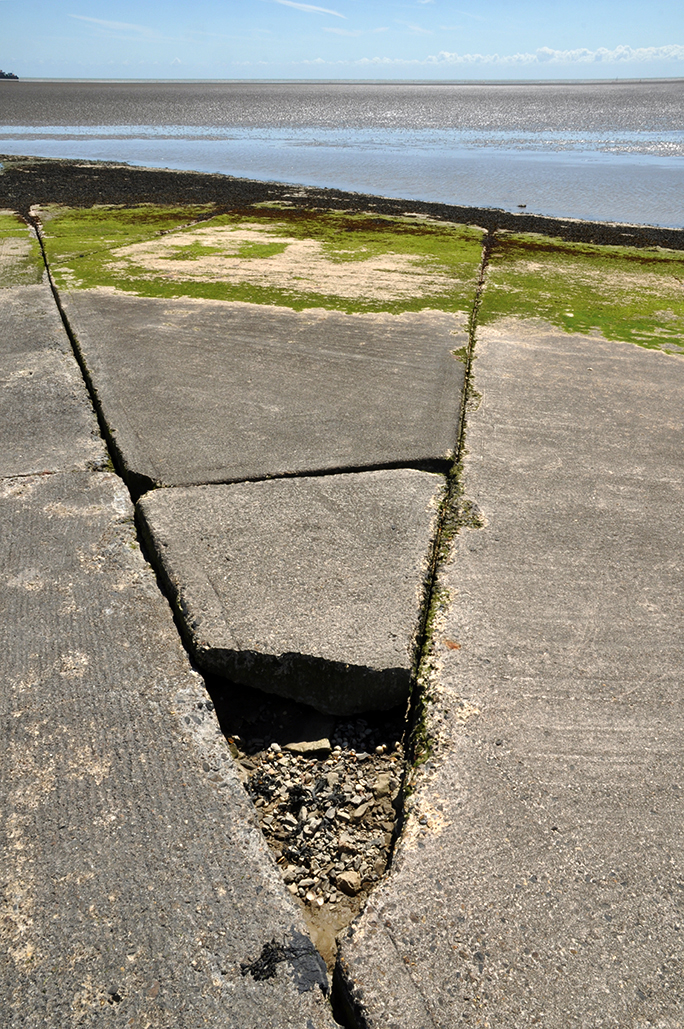
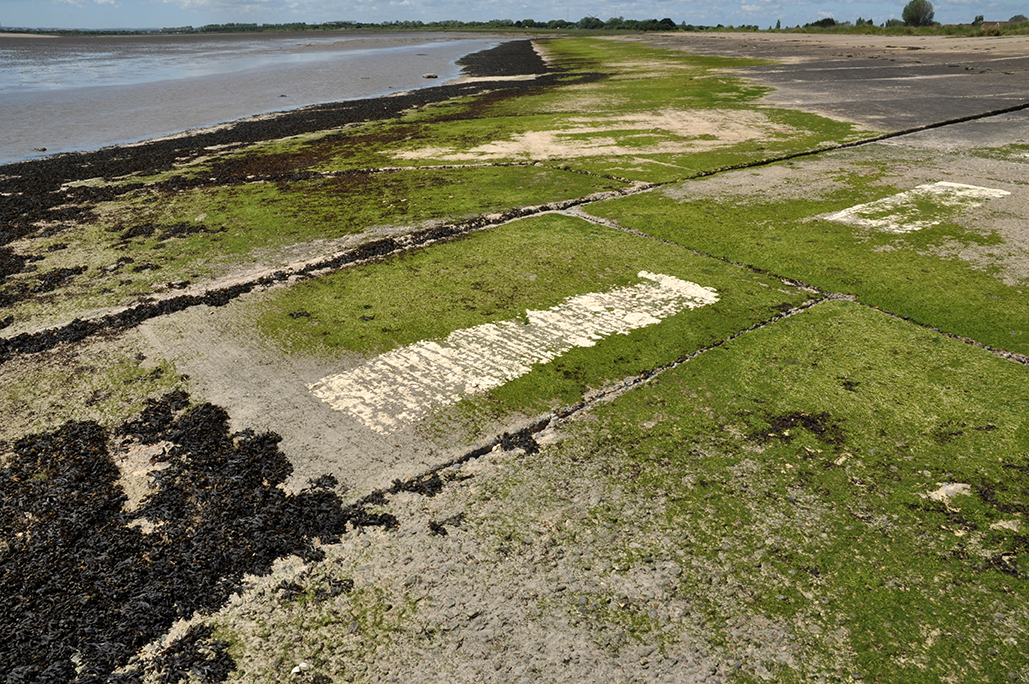
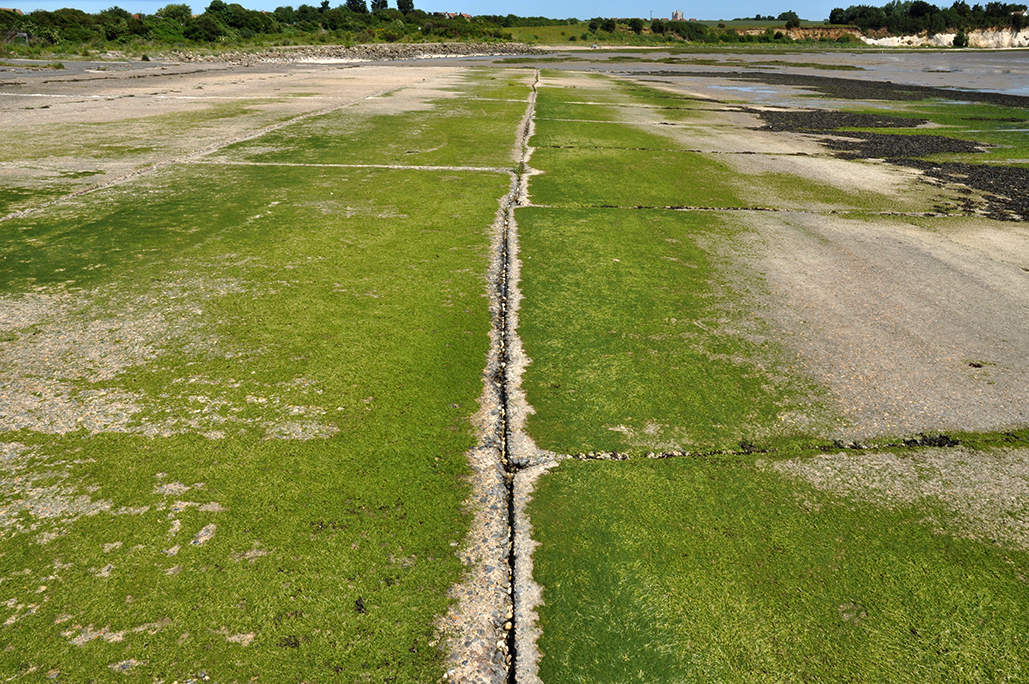
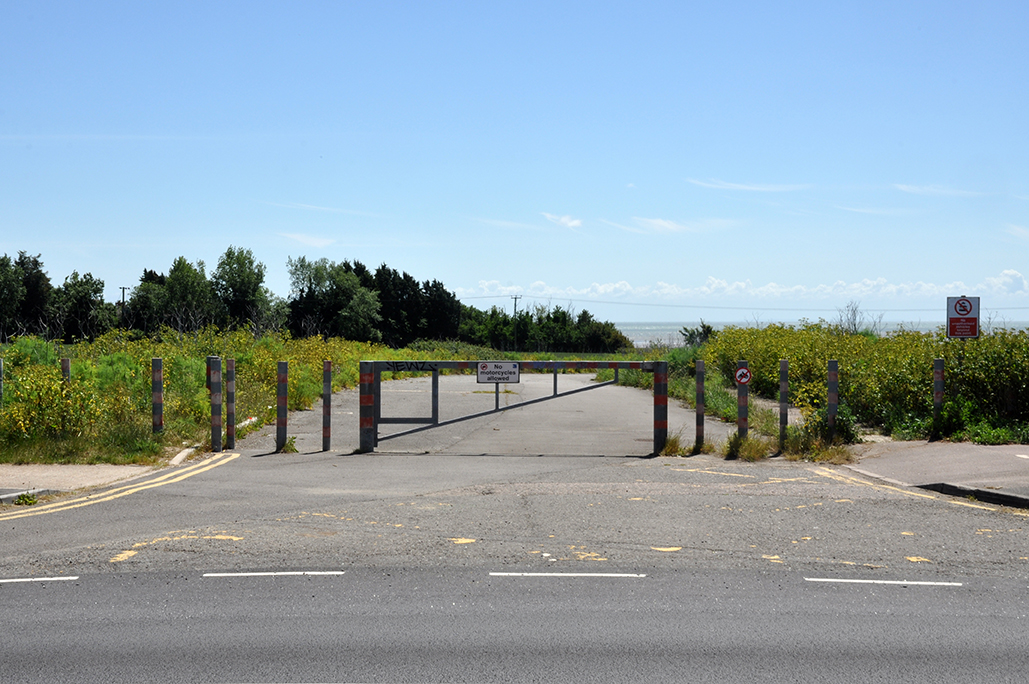
Once, for a very, very  long time indeed there was a shoreline, then sure enough, eventually there was a Hoverport – then there wasn’t.

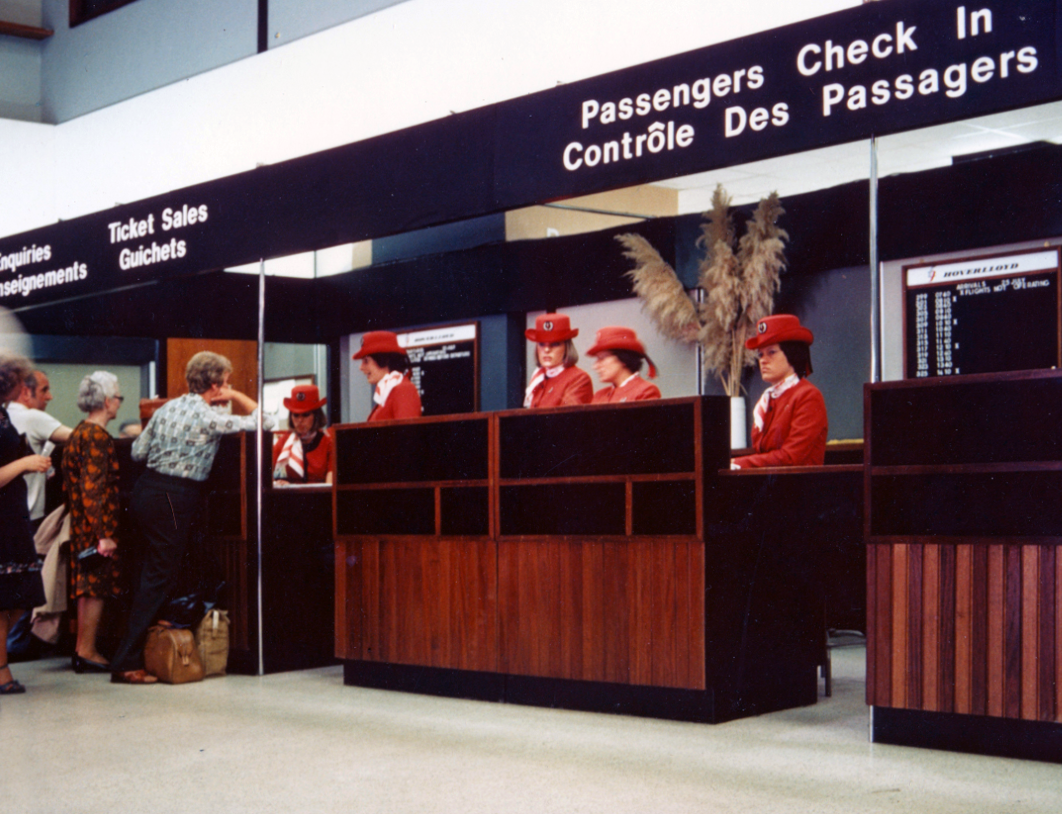
Opened in 1969 just outside Ramsgate along the Kent coast, Hoverlloyd a Swedish owned company began a cross-channel hovercraft service to Calais.

Along came Prince Philip:

http://www.britishpathe.com/video/prince-philip-opens-hovercraft-at-ramsgate

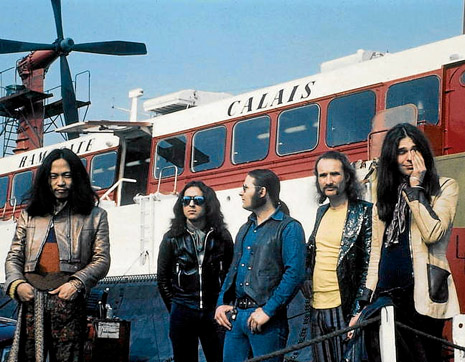
Can came:

germanrocknight0909141

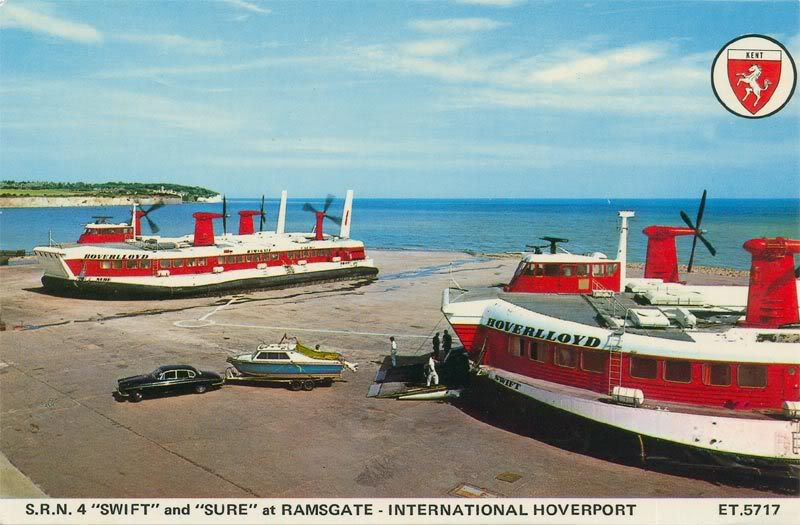
And went:

lsrn49

The passengers’ every need was attended to with alacrity and style.

“As a Stewardess your appearance was paramount, a beautician would come in during training to teach us how to apply make up.”


Screen Shot 2016-01-31 at 15.25.22


But it simply wasn’t enough.

The life of Christopher Cockerell’s bold British invention, was short and bumpy.

Genevieve Payne, a former stewardess:

“I remember the summer of 1979 as a year of really bad weather and rough seas.”

“I was working on a craft in a force 8, so on this day we were literally hitting the ceiling, passengers were throwing up everywhere.”

“One lady became hysterical I had to slap her to calm her down.”

By the 1980’s Pegwell and the hovercraft were in terminal terminus decline.

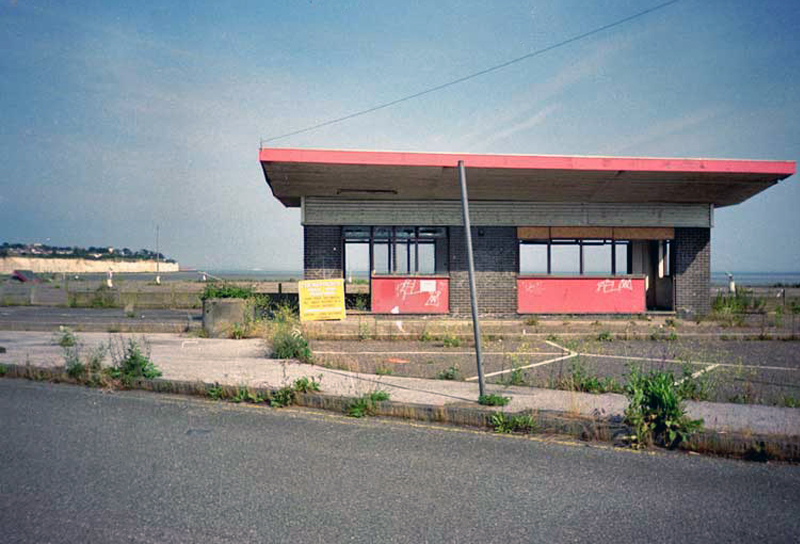
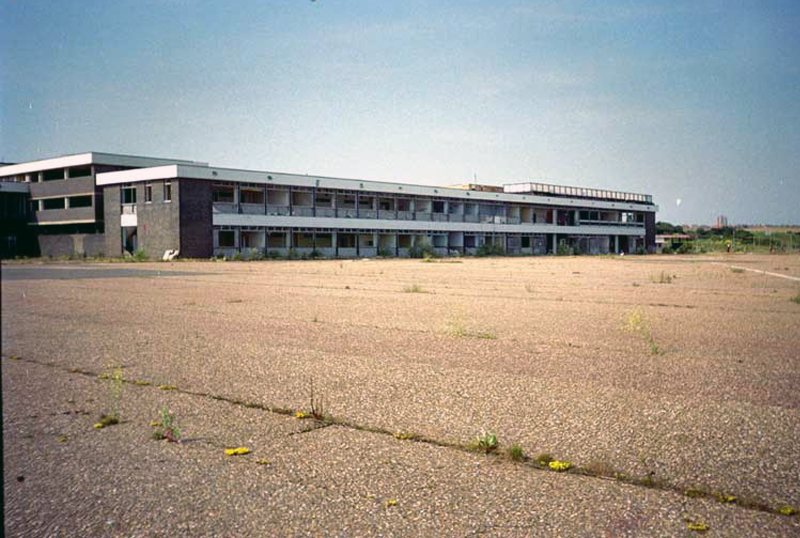
ramsgate_hoverport_car-entrance-03

It’s a lot less bother without a hover.

ramsgate_hoverport_terminal-05

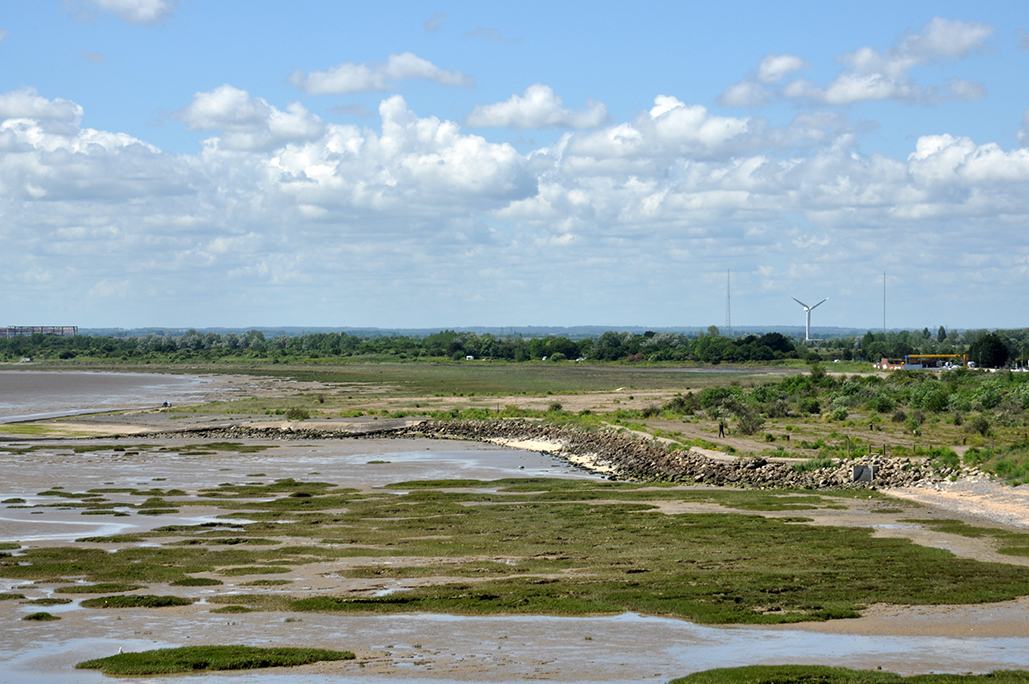
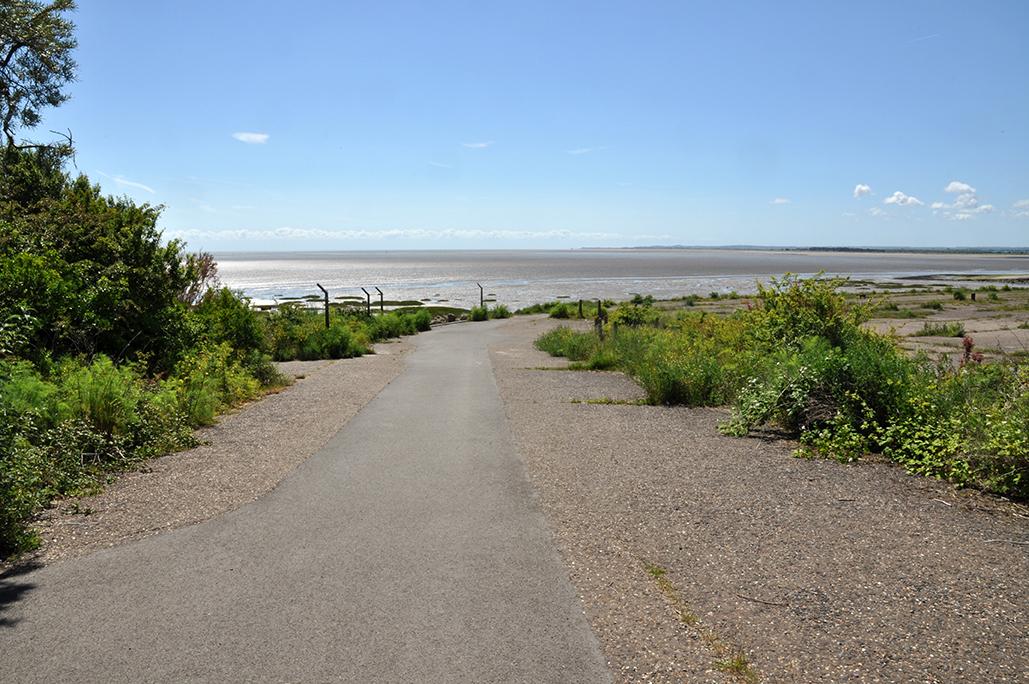
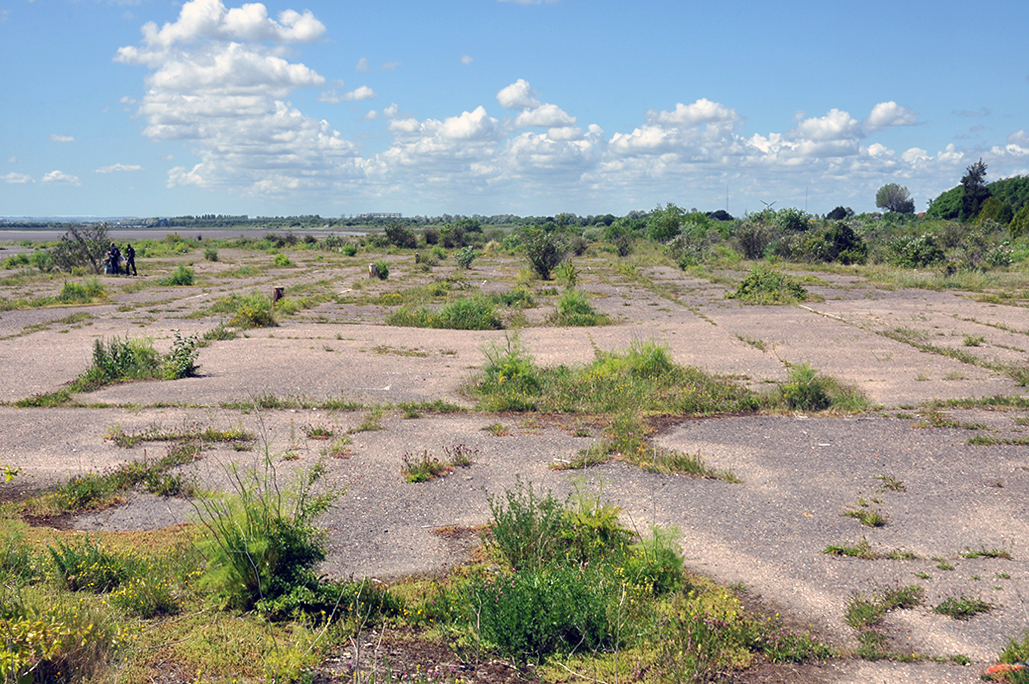
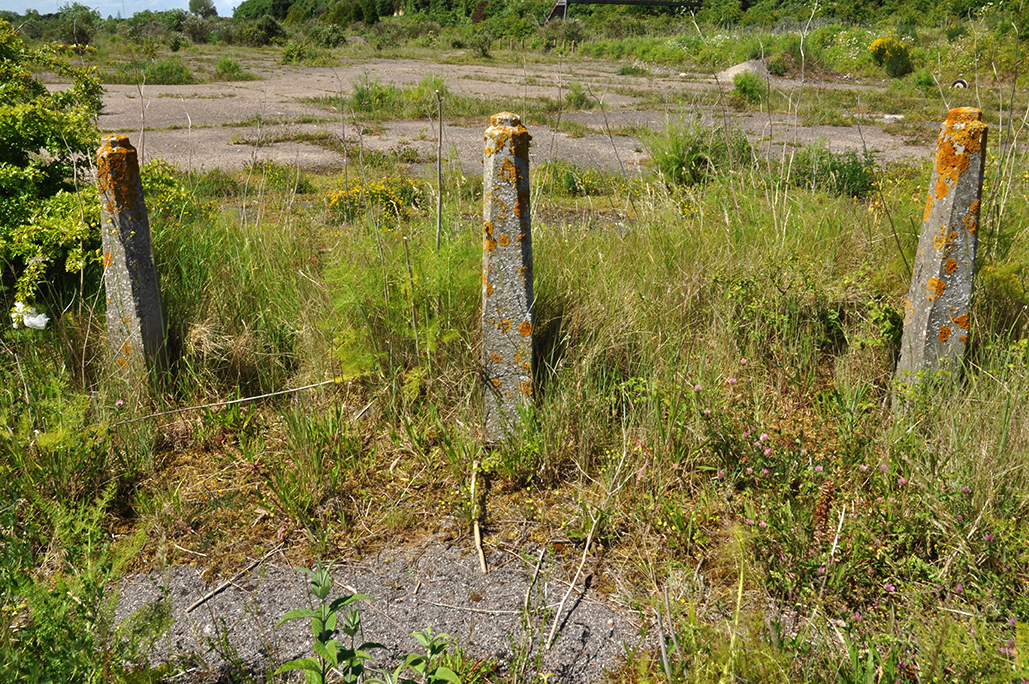
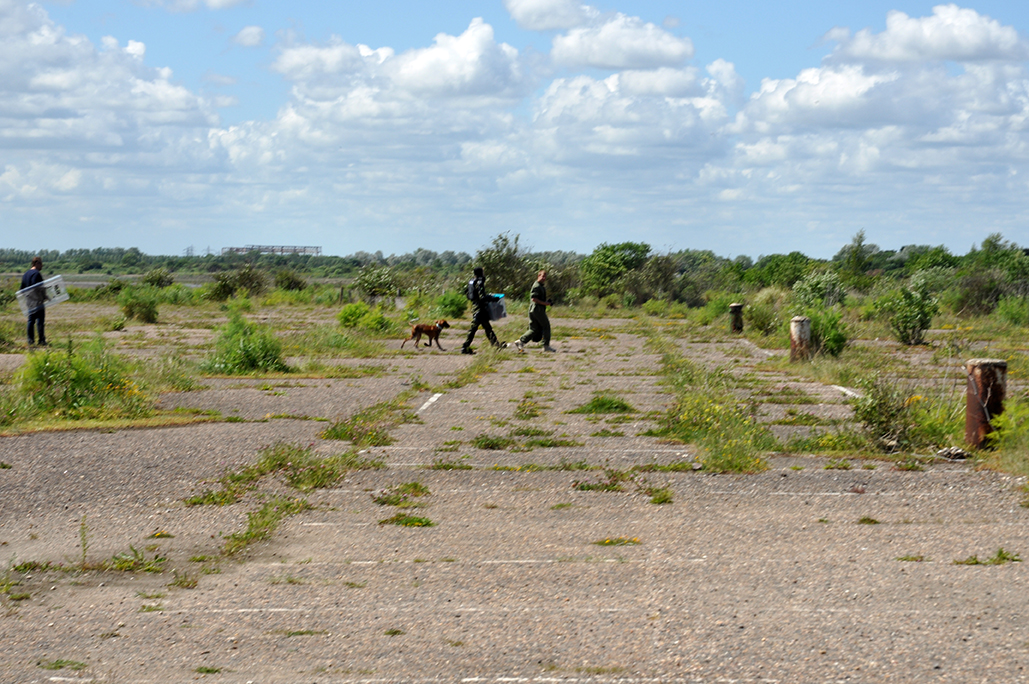
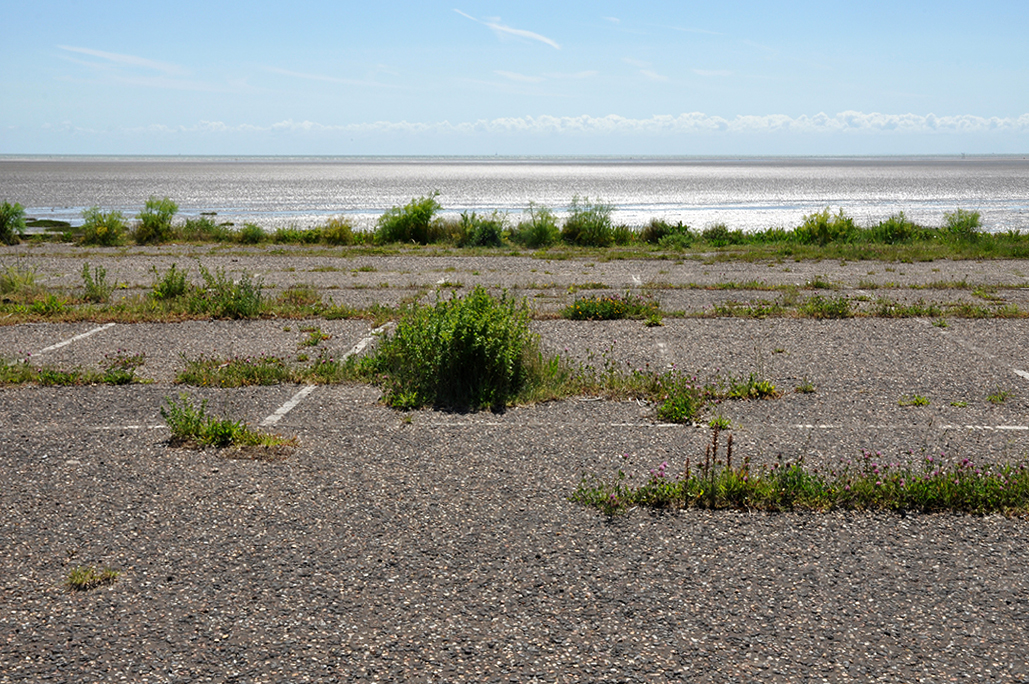
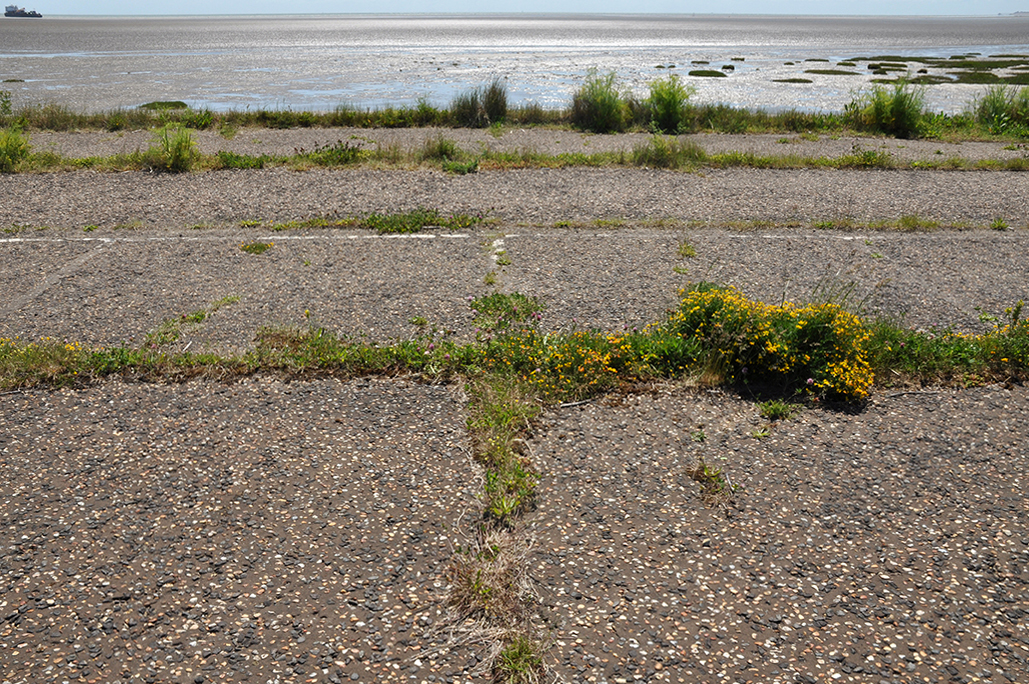
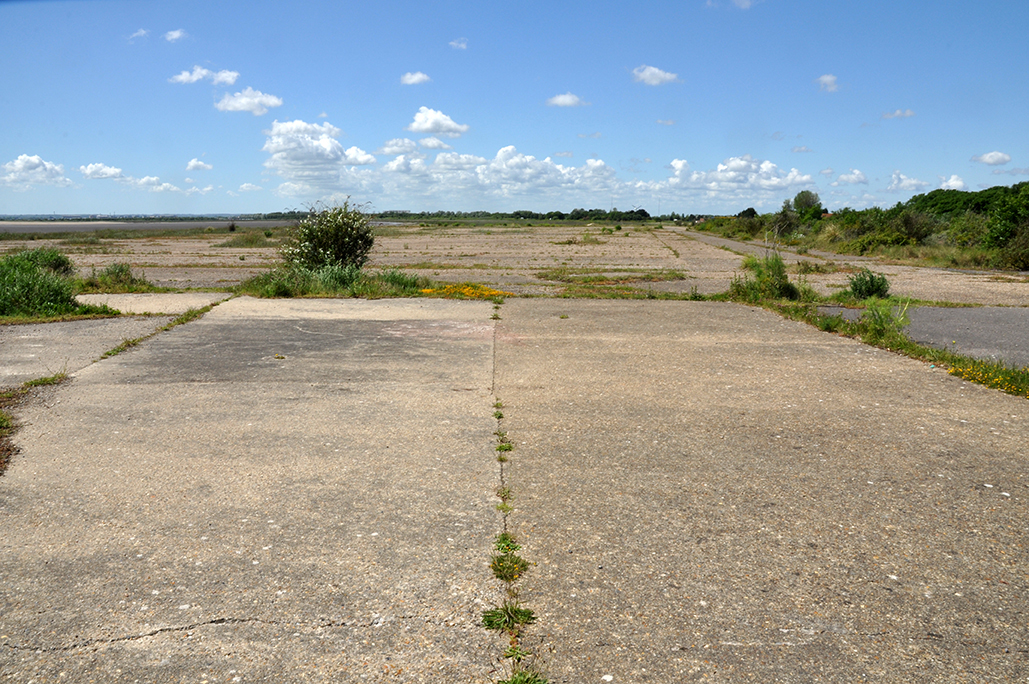
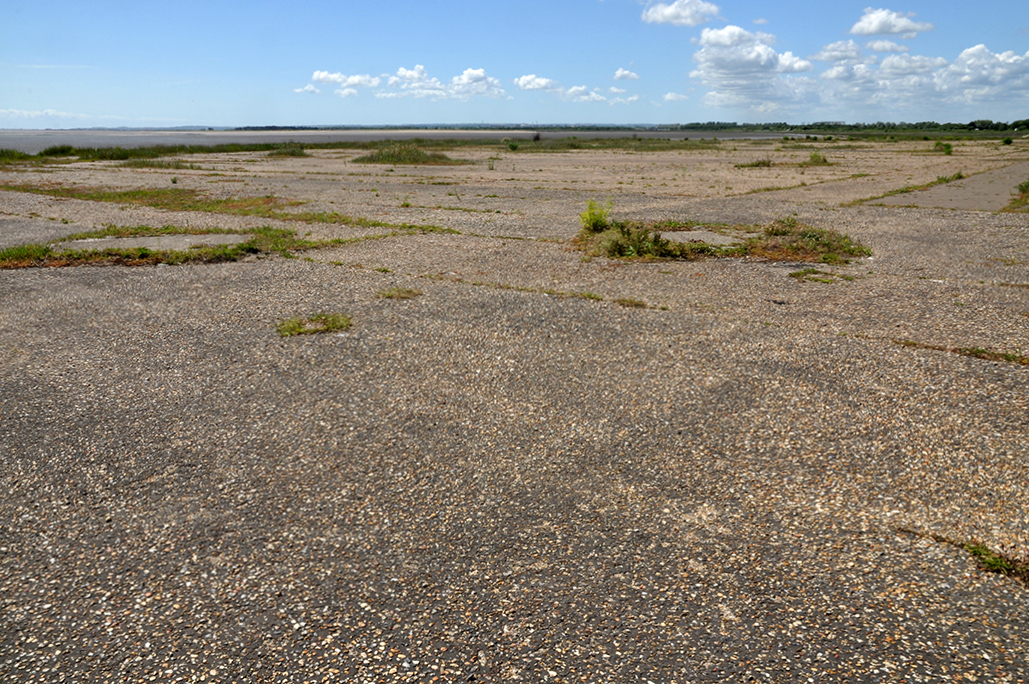
What prevails is the shoreline, a concrete landing skirt and the slow process of reclamation, as nature decides that the council is quite right to decide to create a nature reserve.

Thanks to and for further information http://www.hoverlloyd.org/index.html

Here it is today:

DSC_0698 copy

DSC_0701 copy

DSC_0703 copy

DSC_0704 copy

DSC_0705 copy

DSC_0707 copy

DSC_0708 copy

DSC_0709 copy

DSC_0713 copy

DSC_0714 copy

DSC_0715 copy

DSC_0718 copy

DSC_0721 copy

DSC_0723 copy

DSC_0724 copy

DSC_0726 copy

DSC_0728 copy

DSC_0732 copy

DSC_0742 copy

DSC_0744 copy


Oldham Street – Manchester 2016

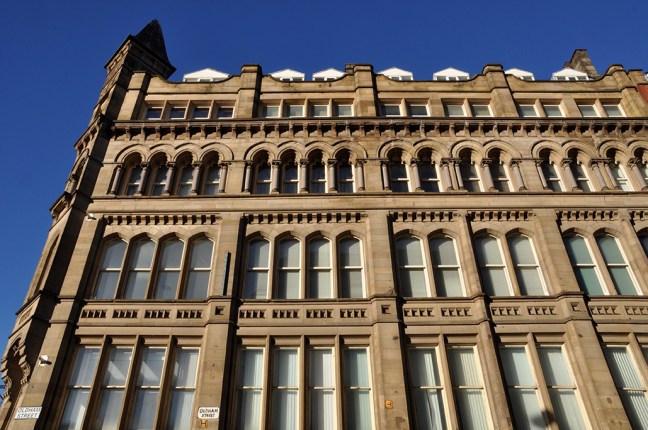
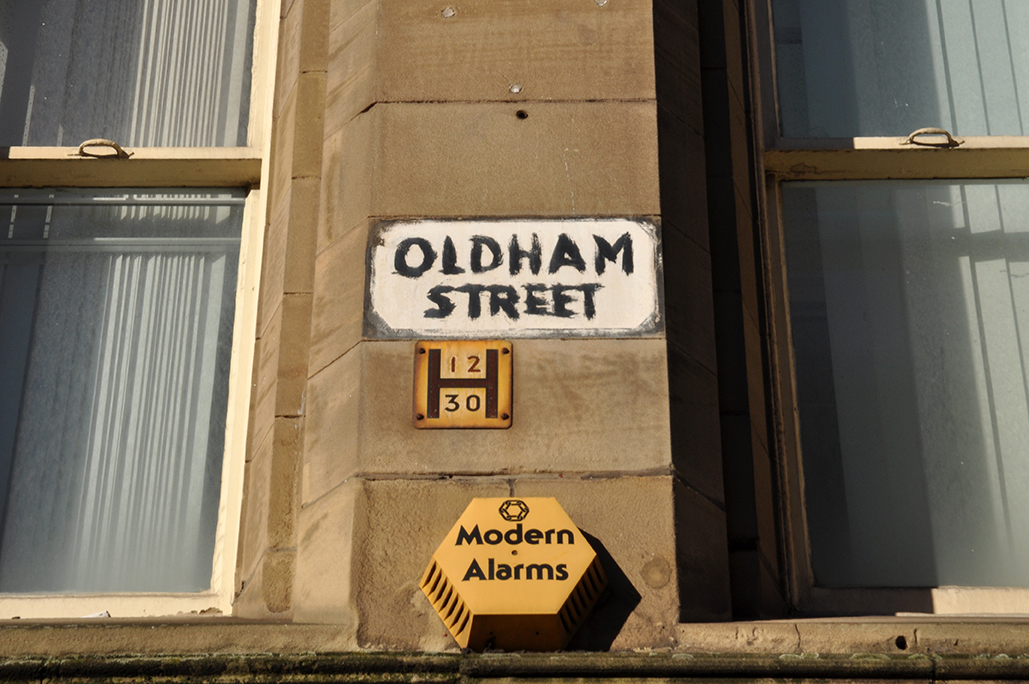
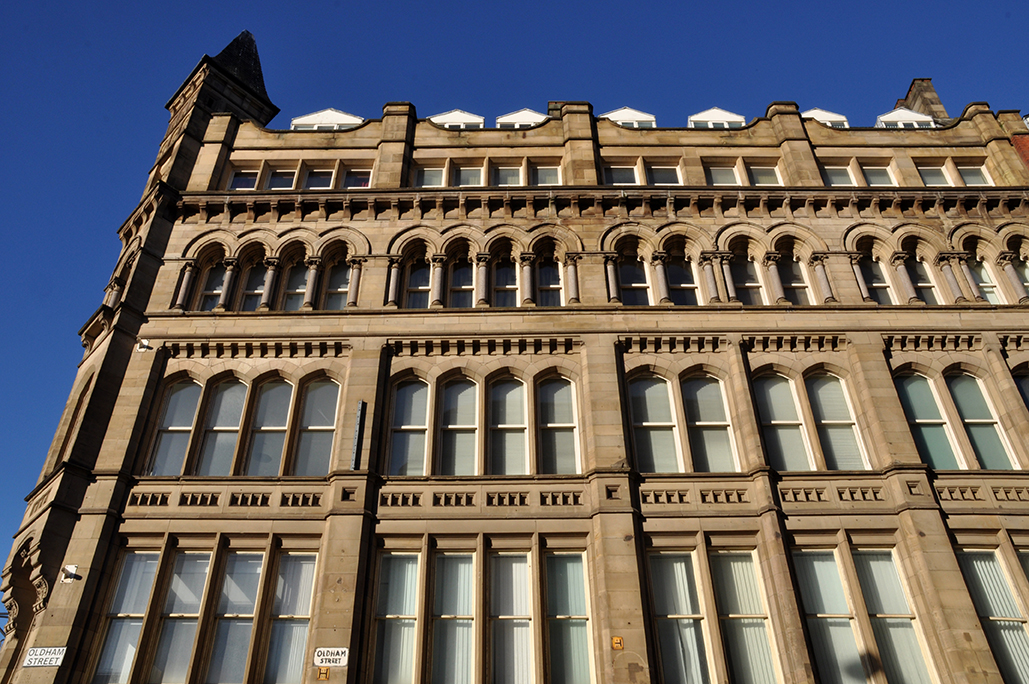
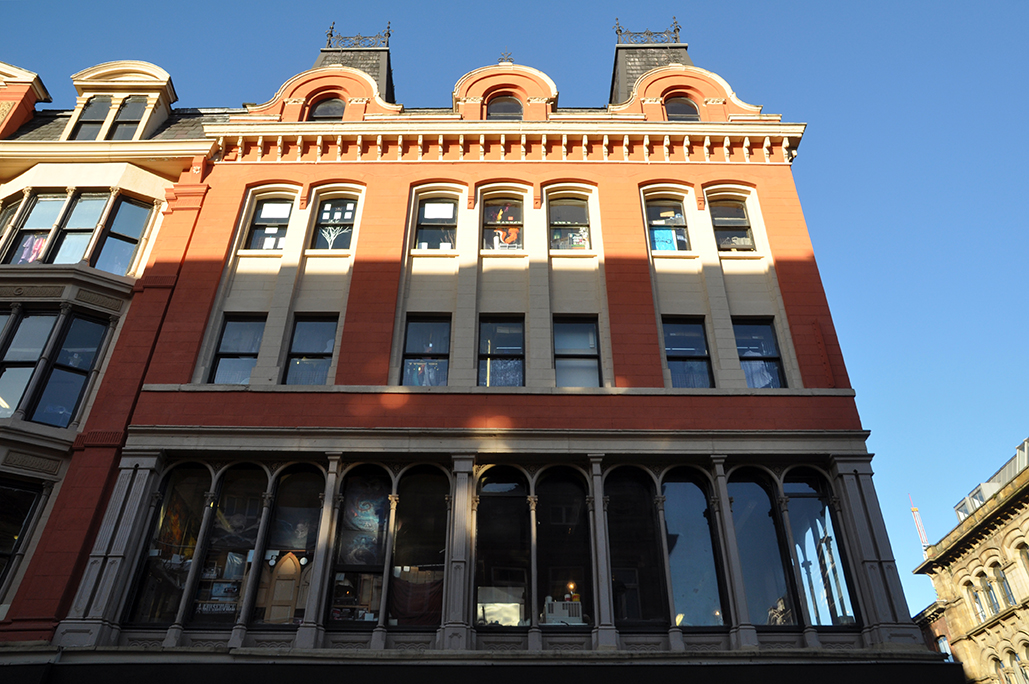
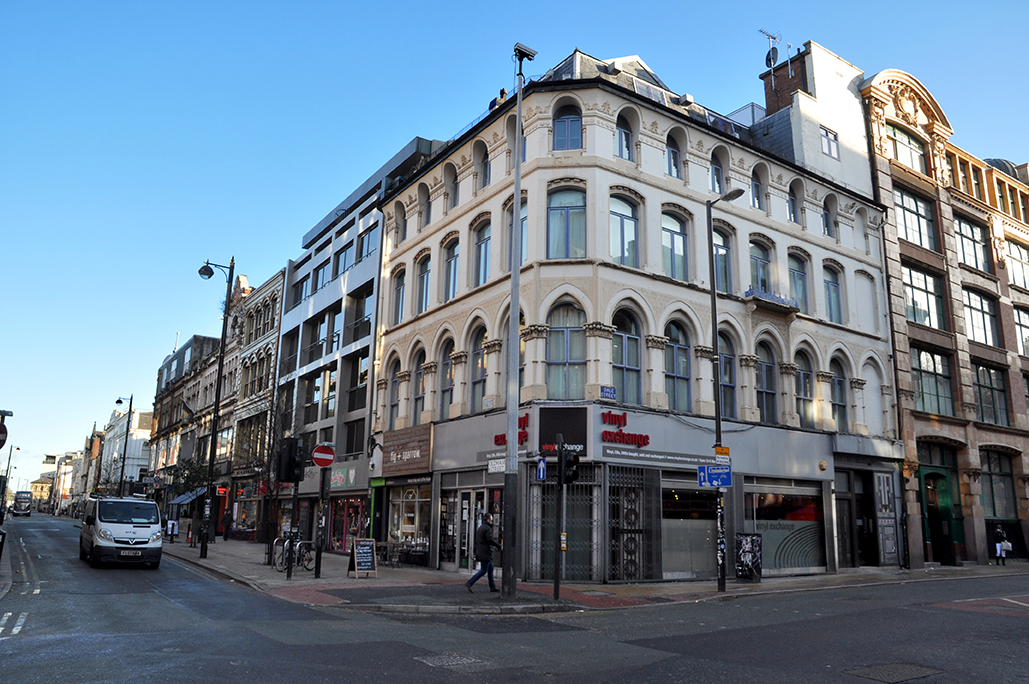
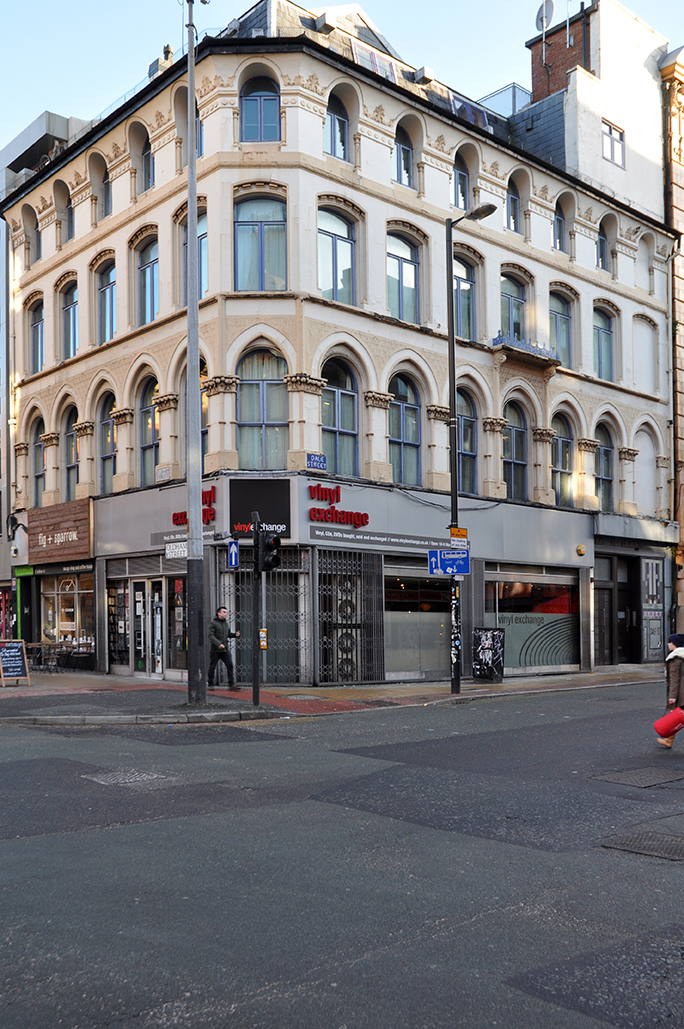
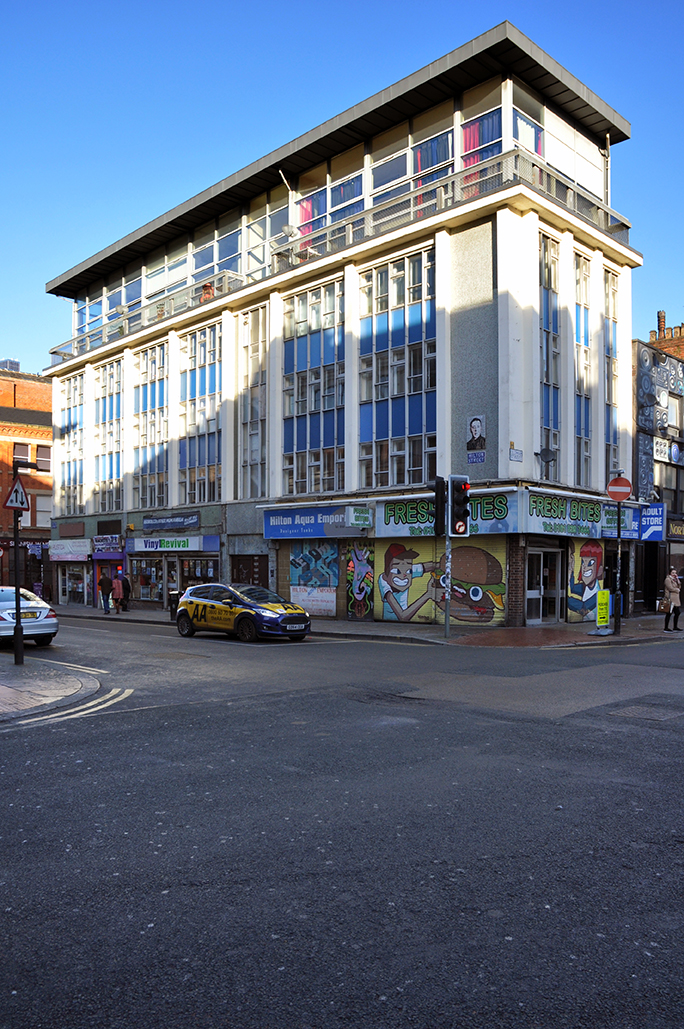
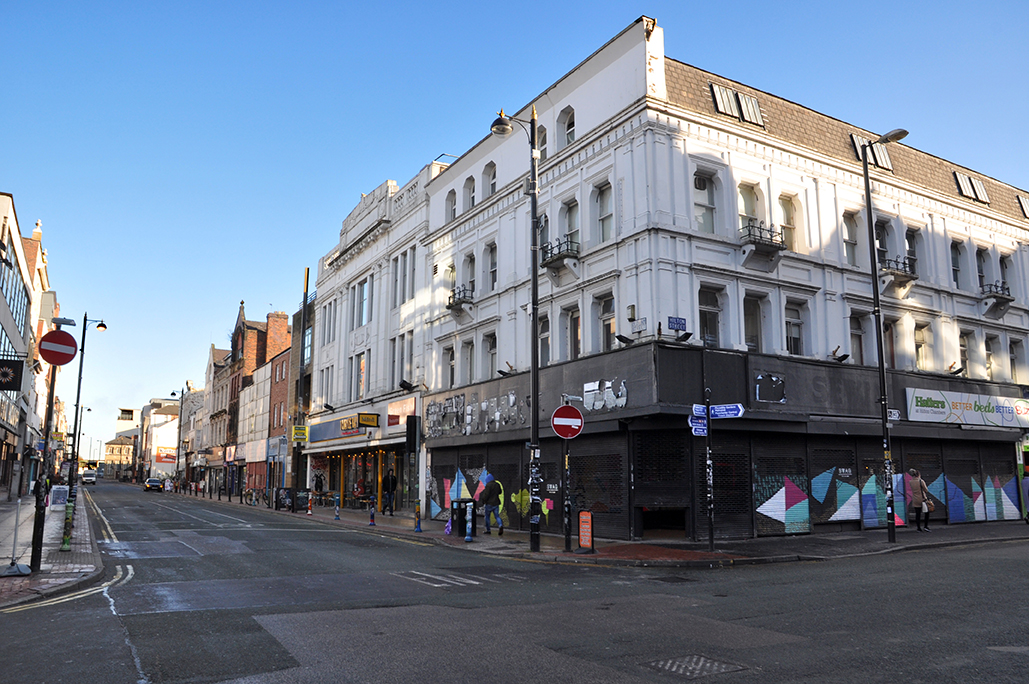
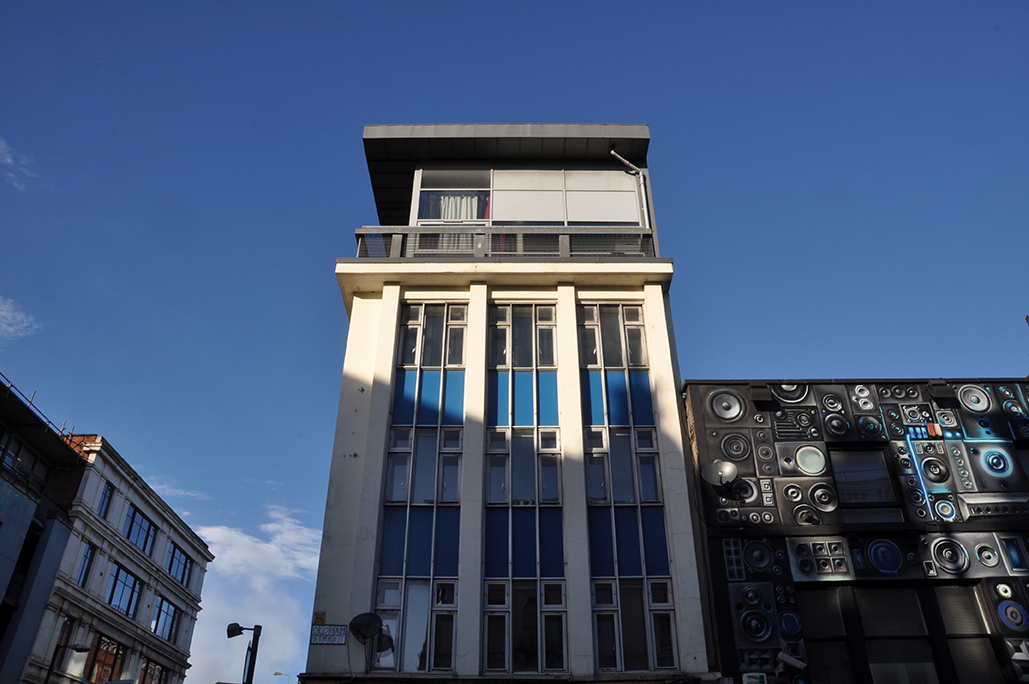
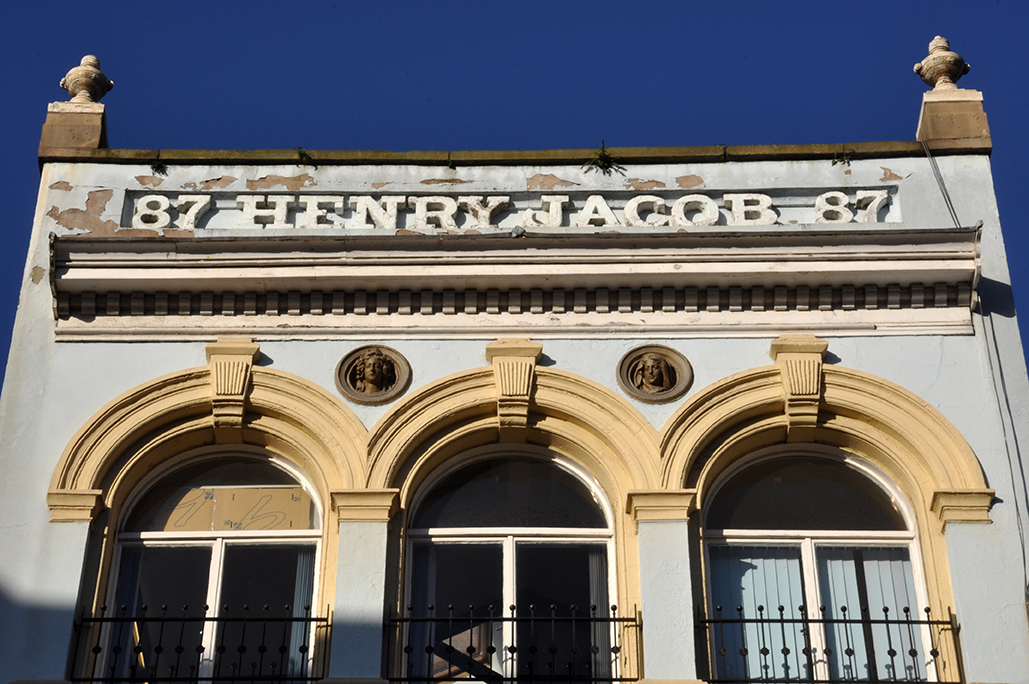
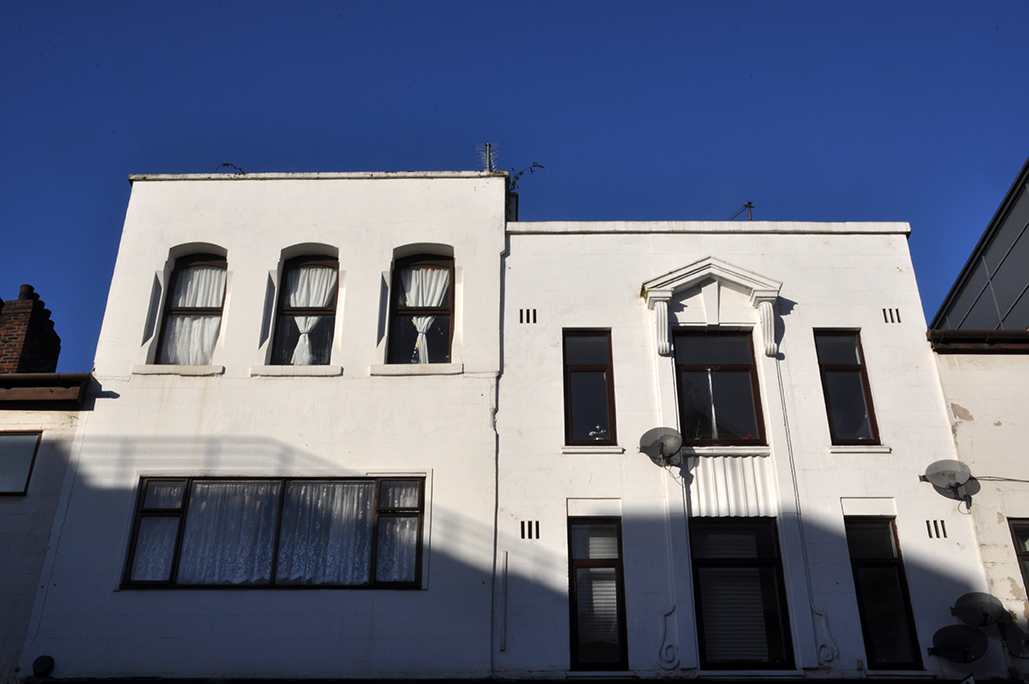
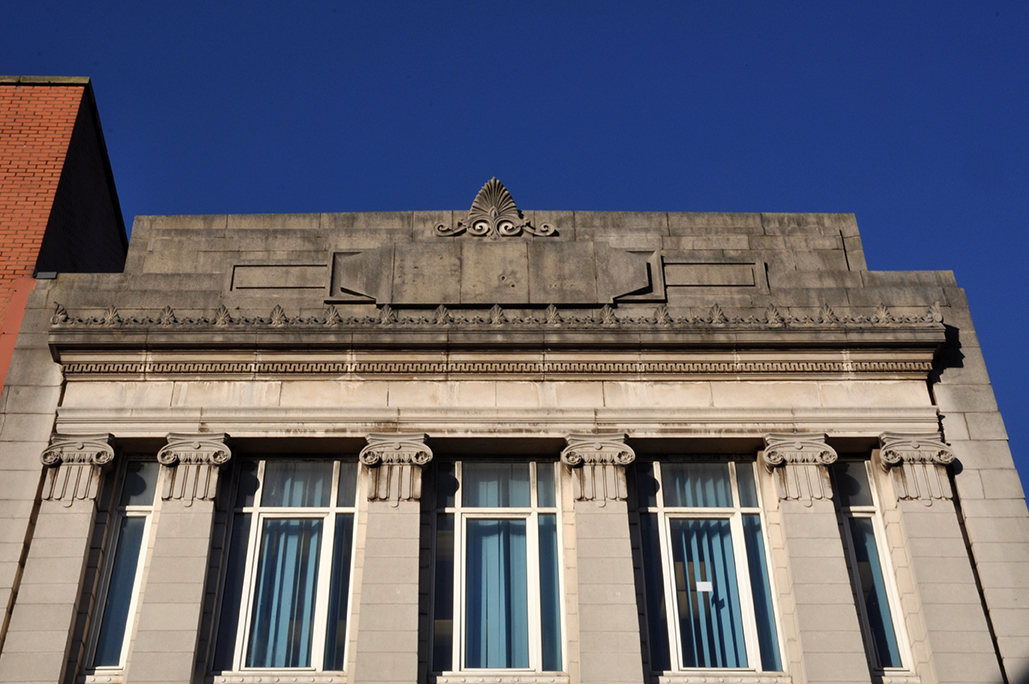
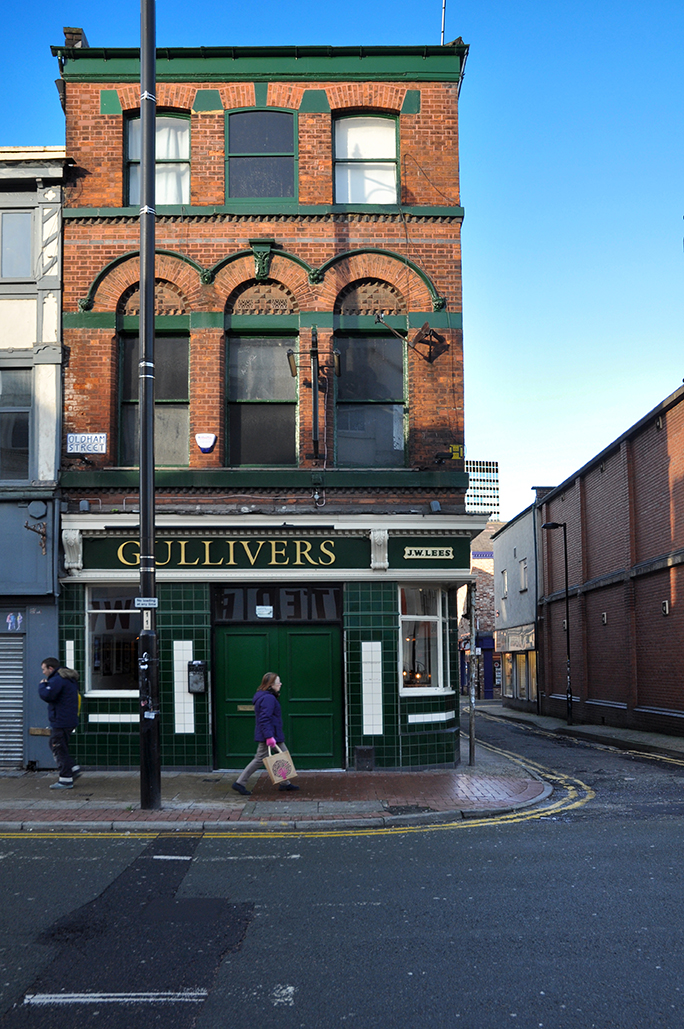
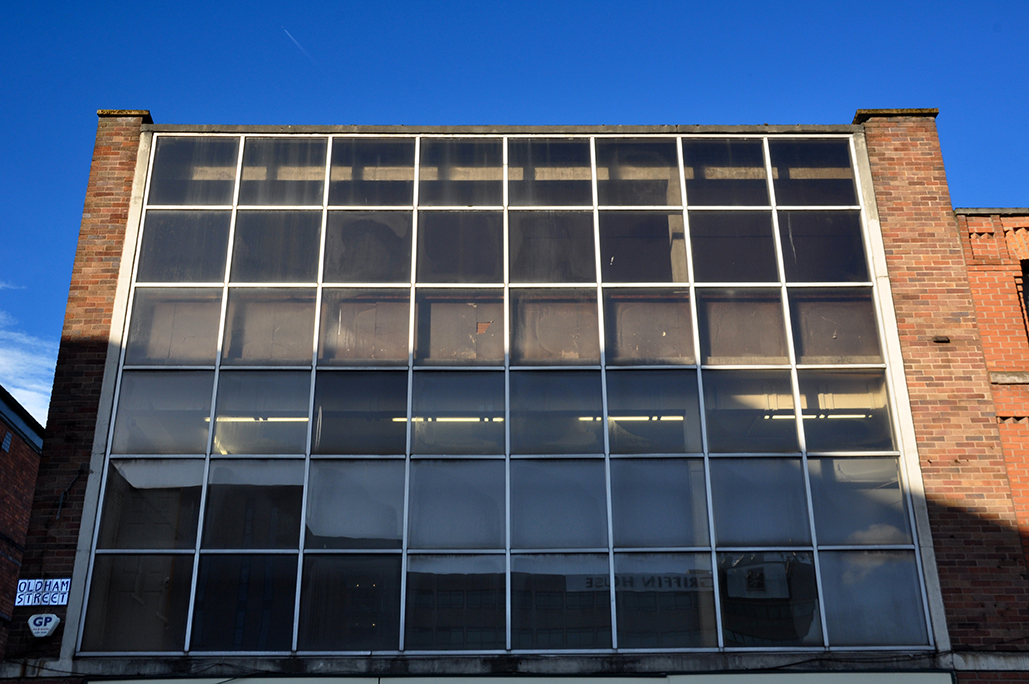
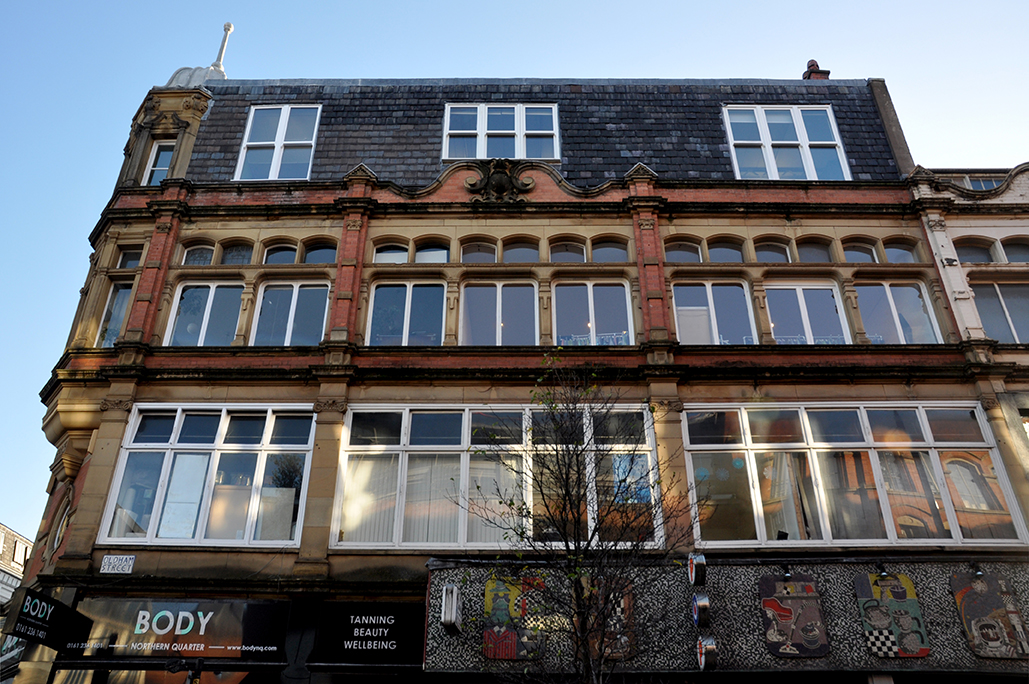
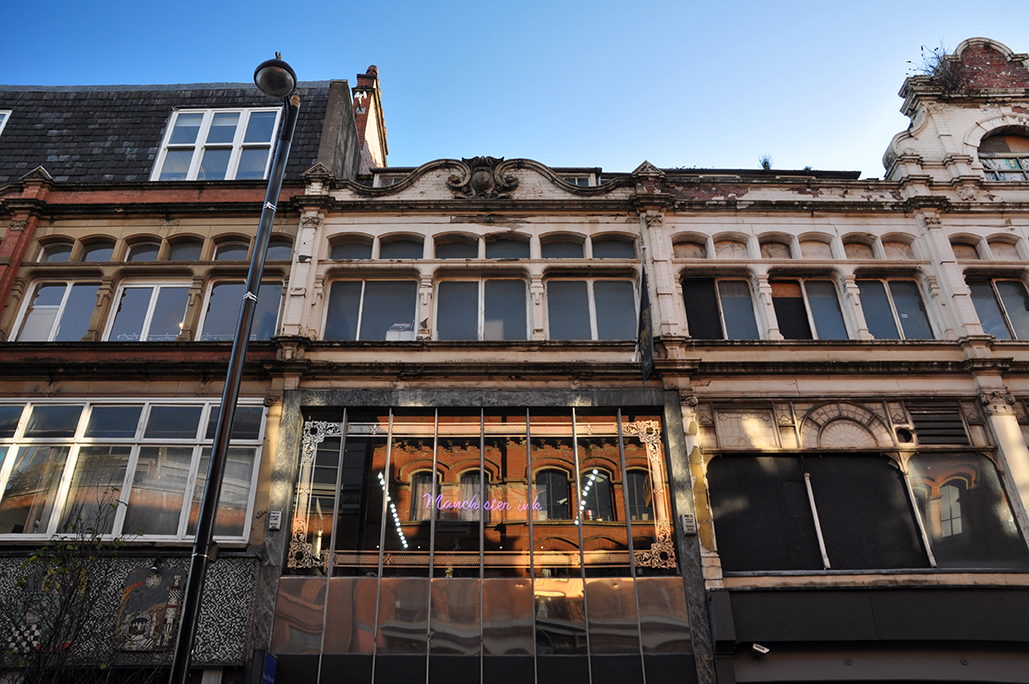
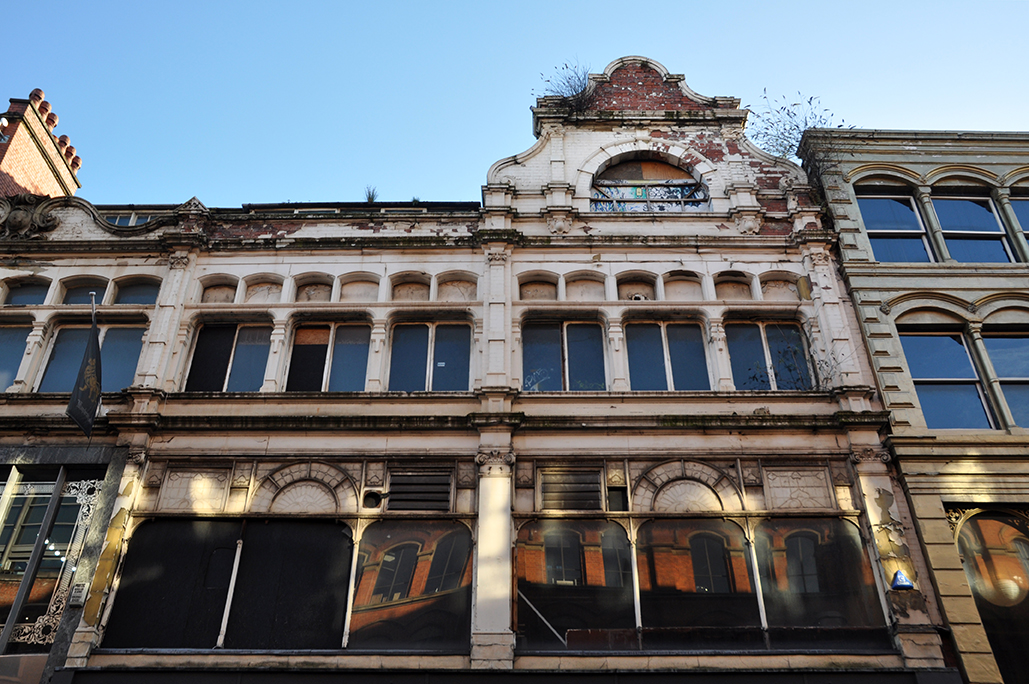
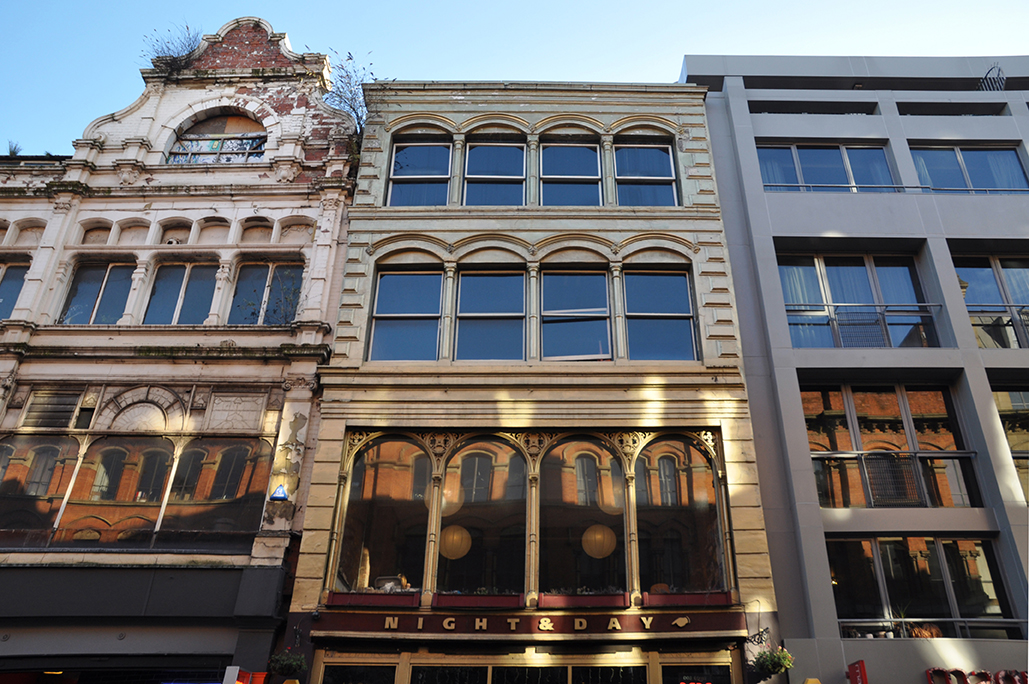
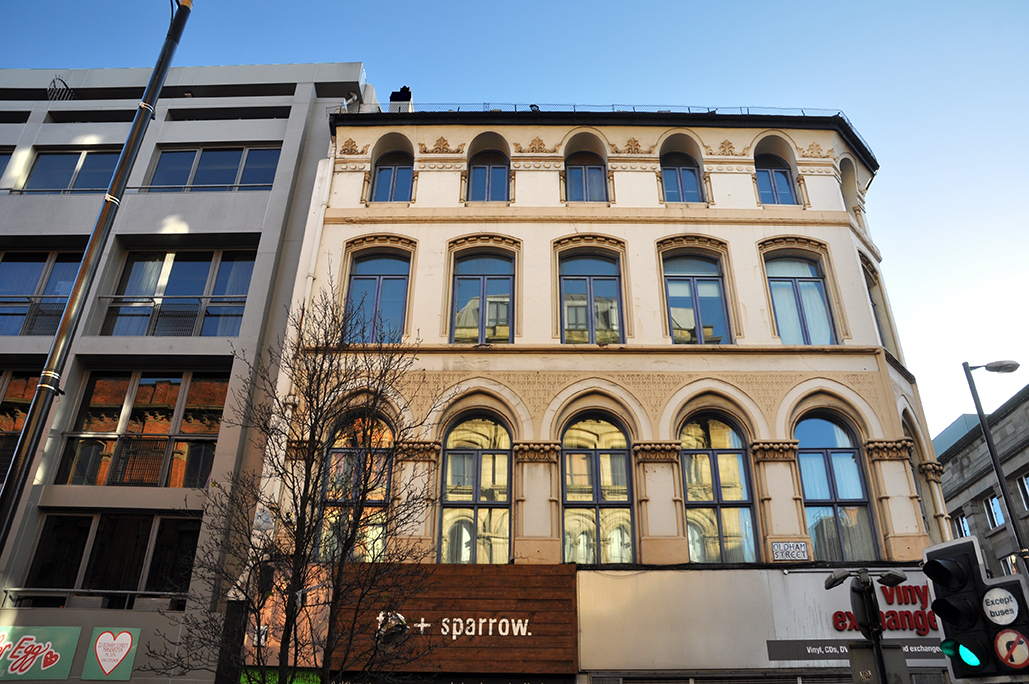
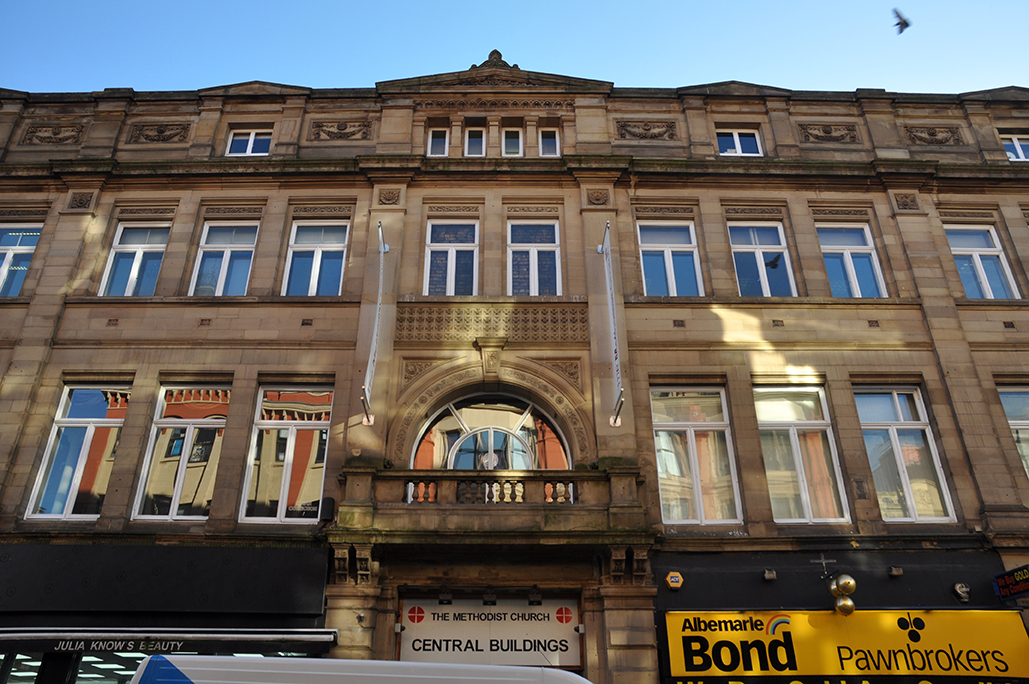
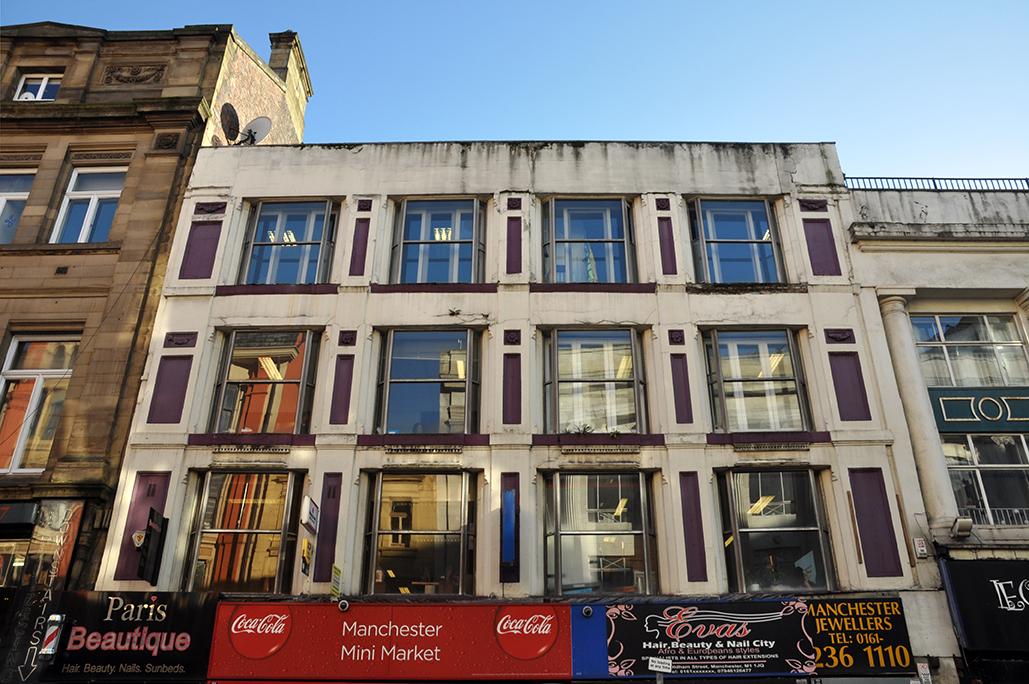
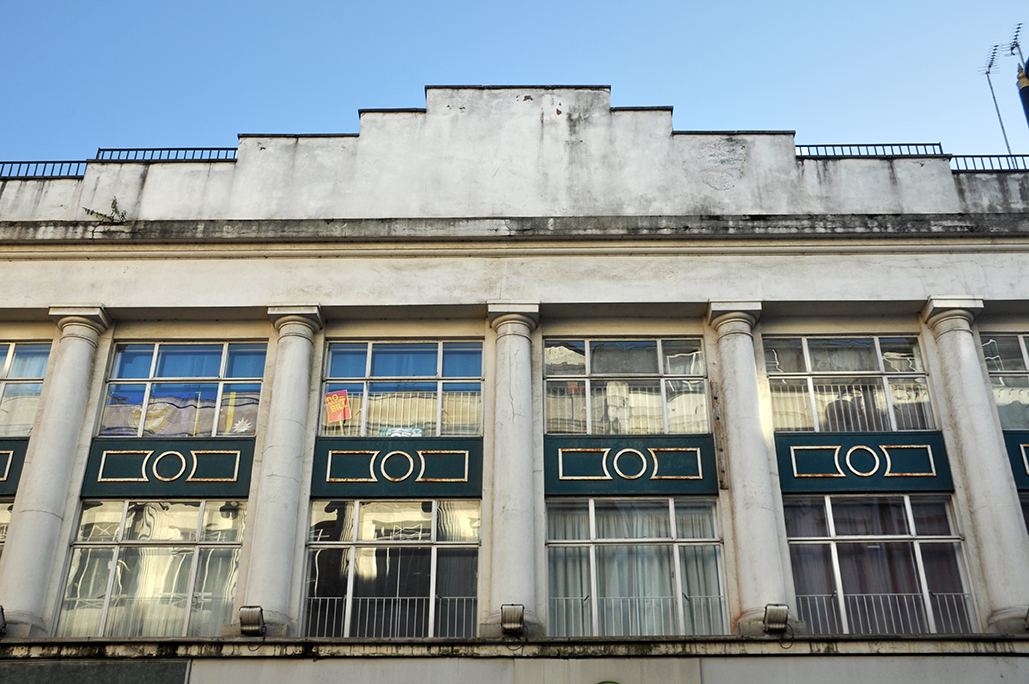
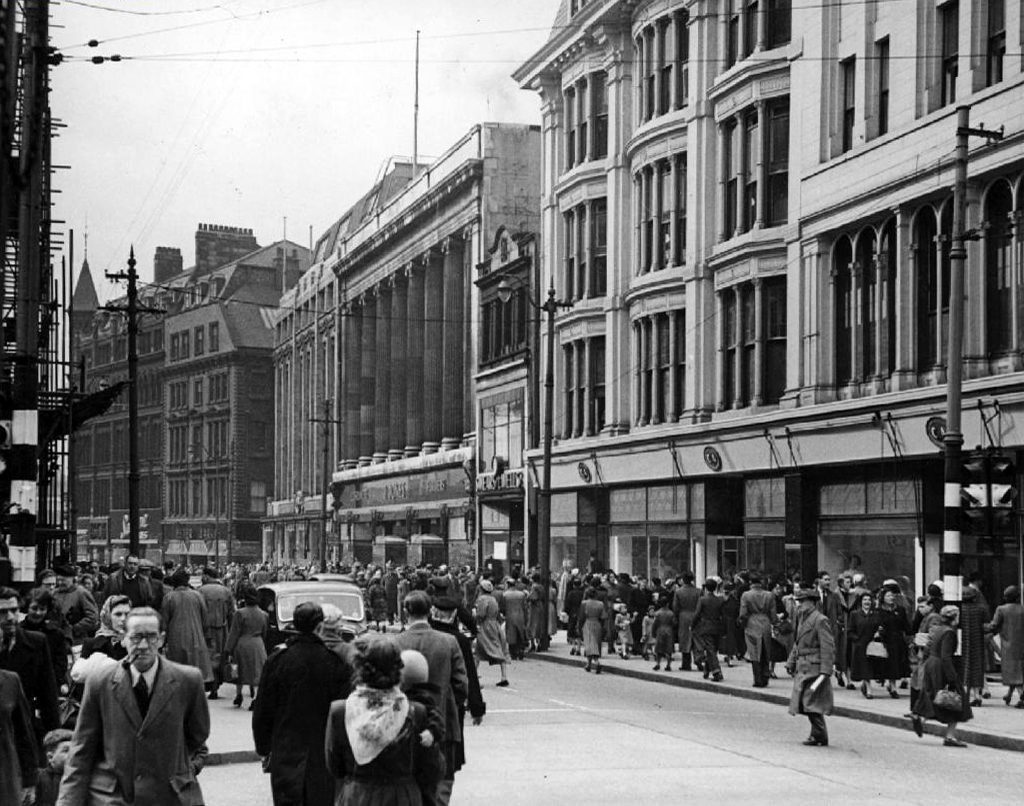
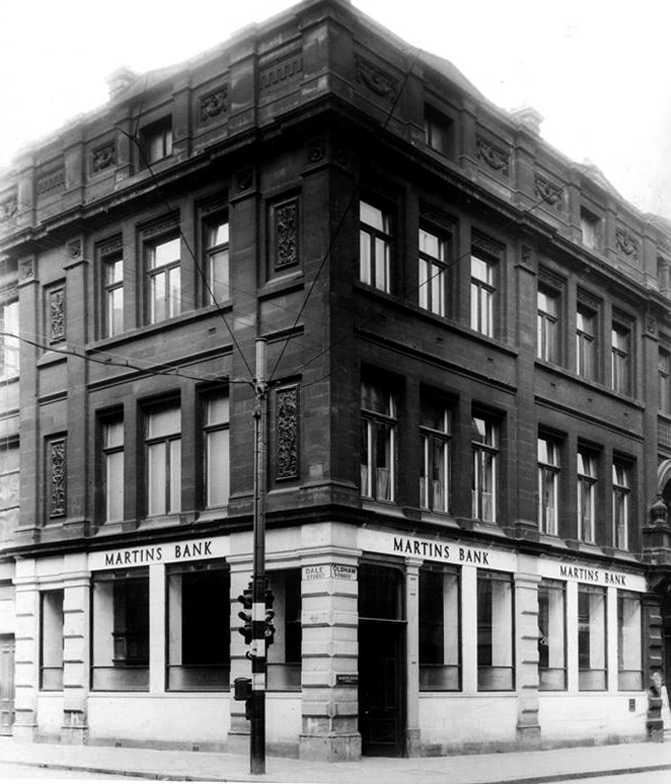
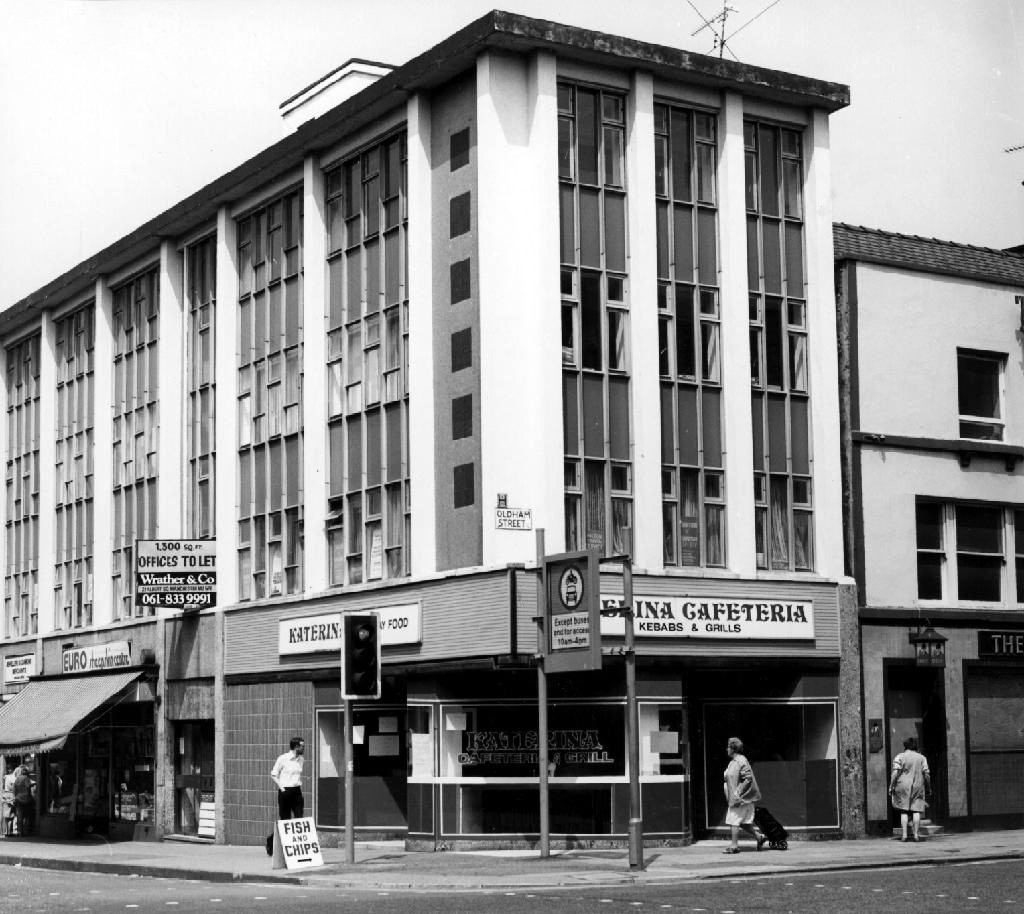
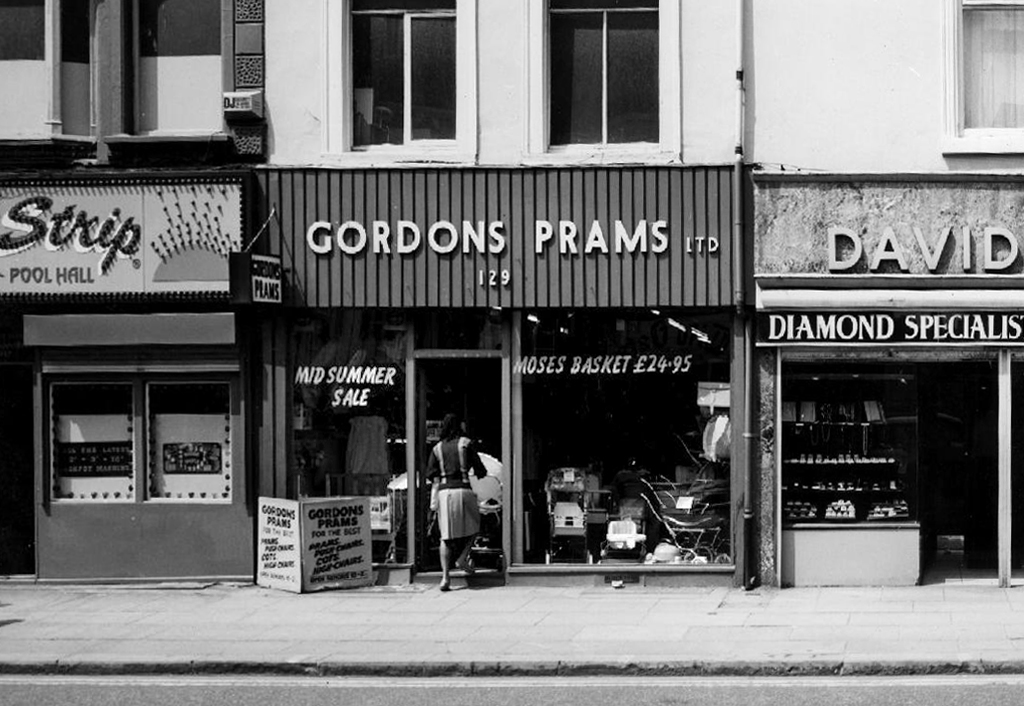
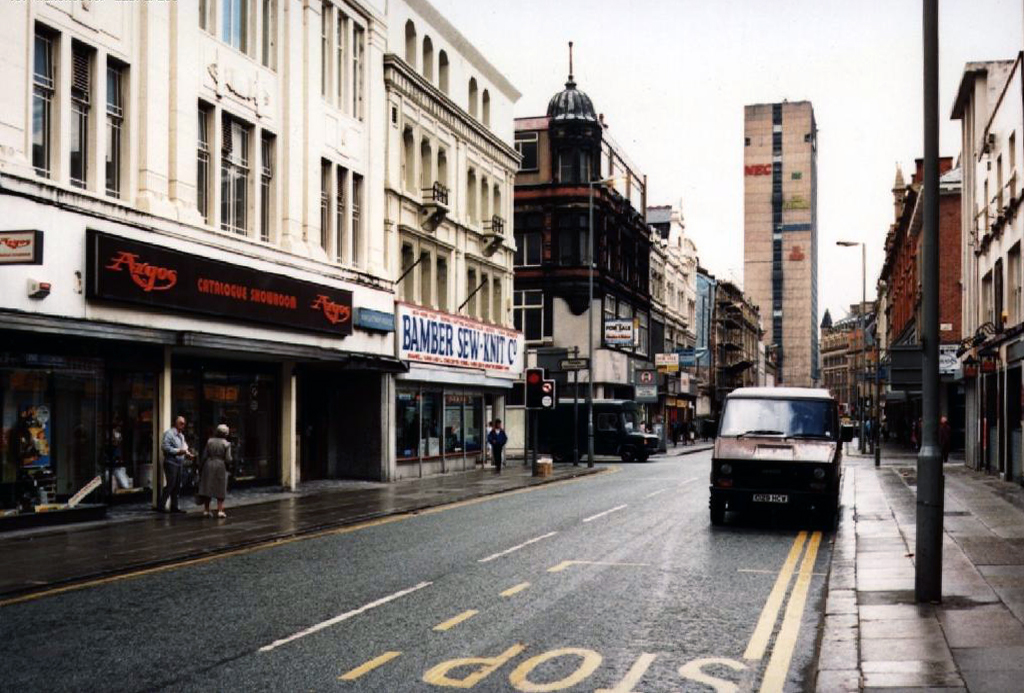
Following my previous post of archival images of Oldham Street, I took a walk along its length a week ago, to record what remained of the post war past.

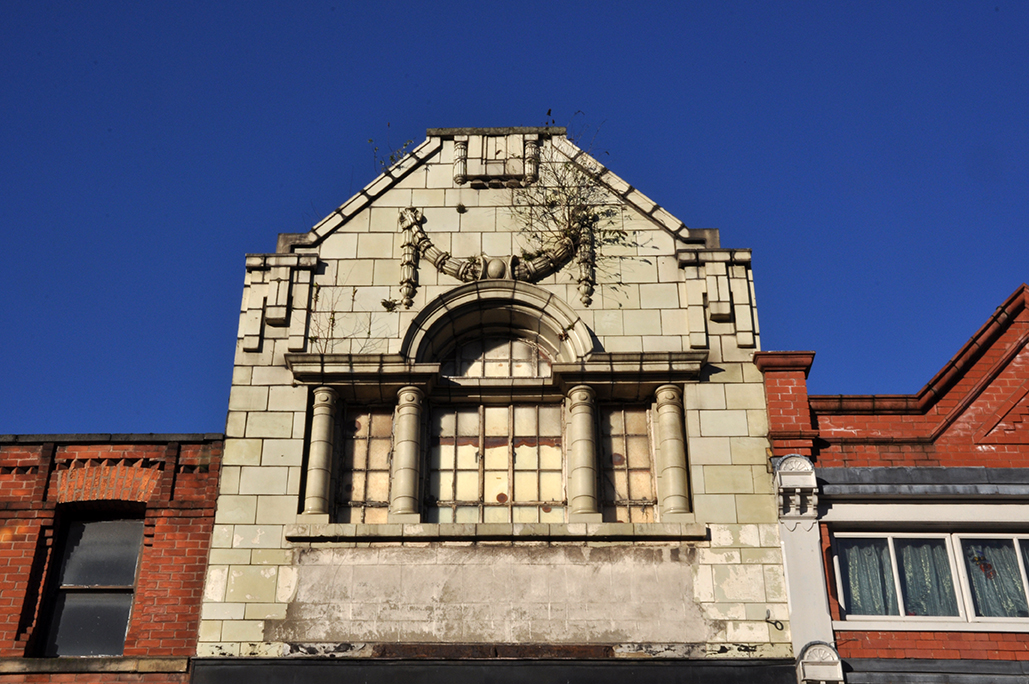
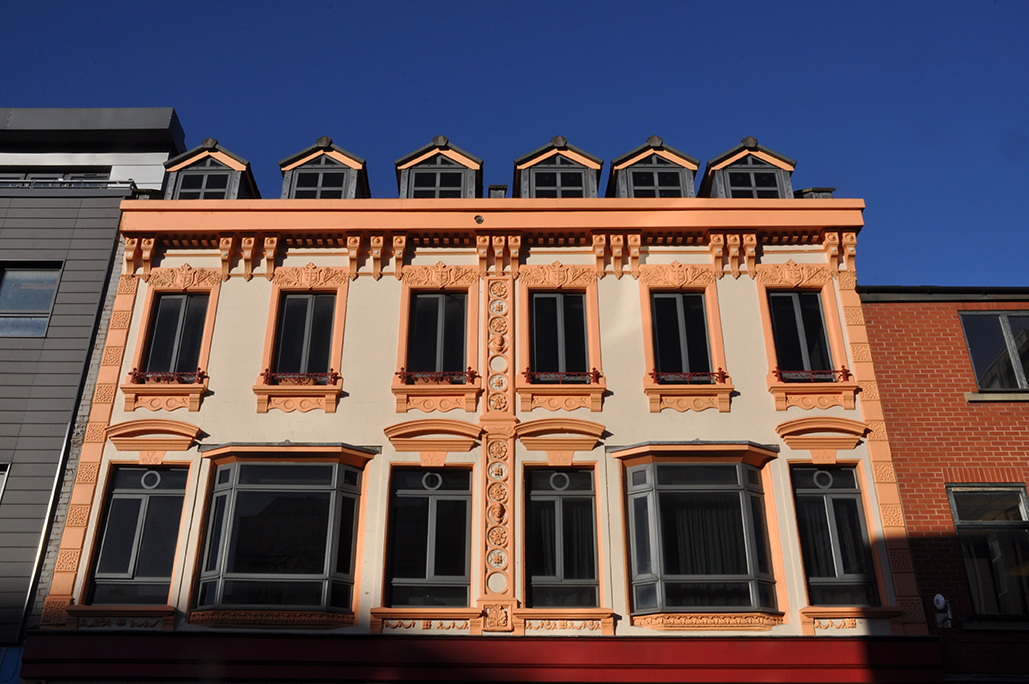
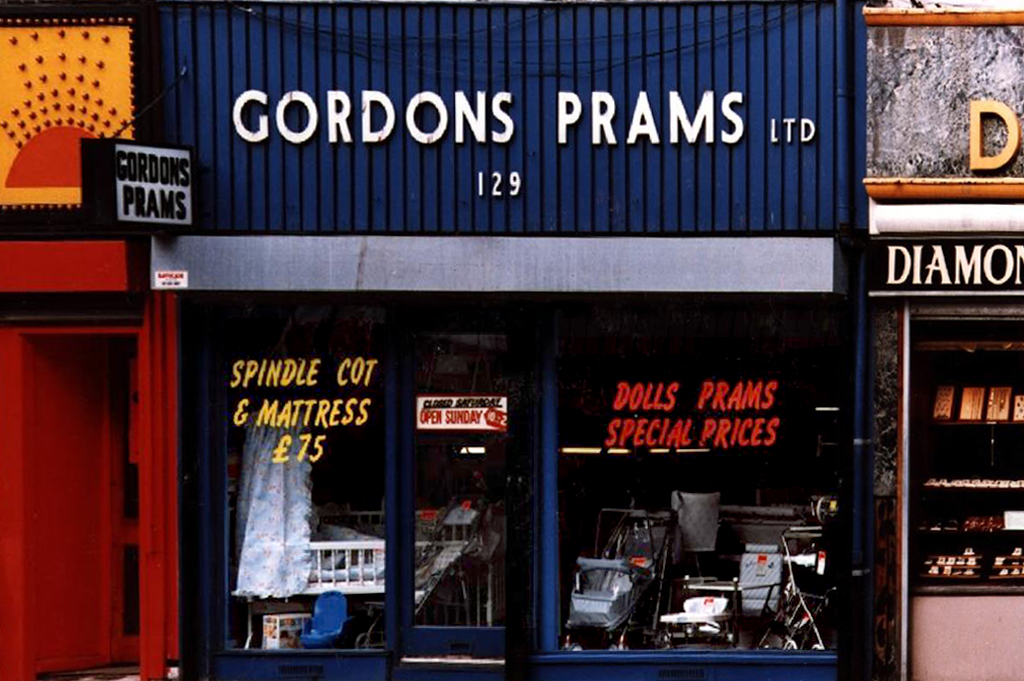
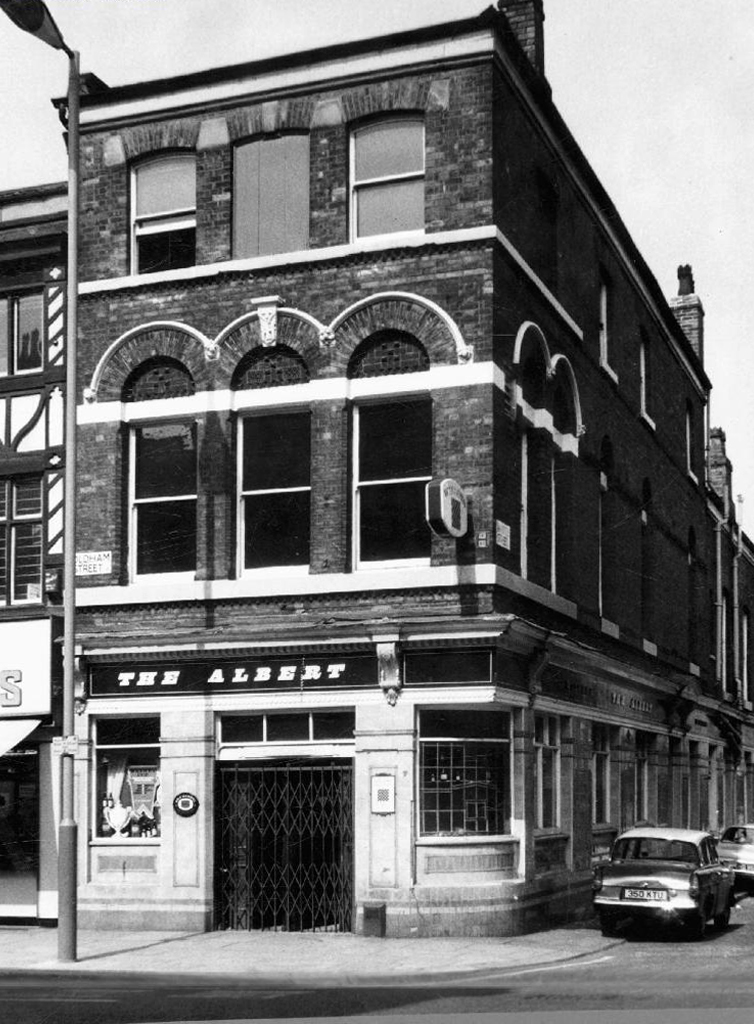
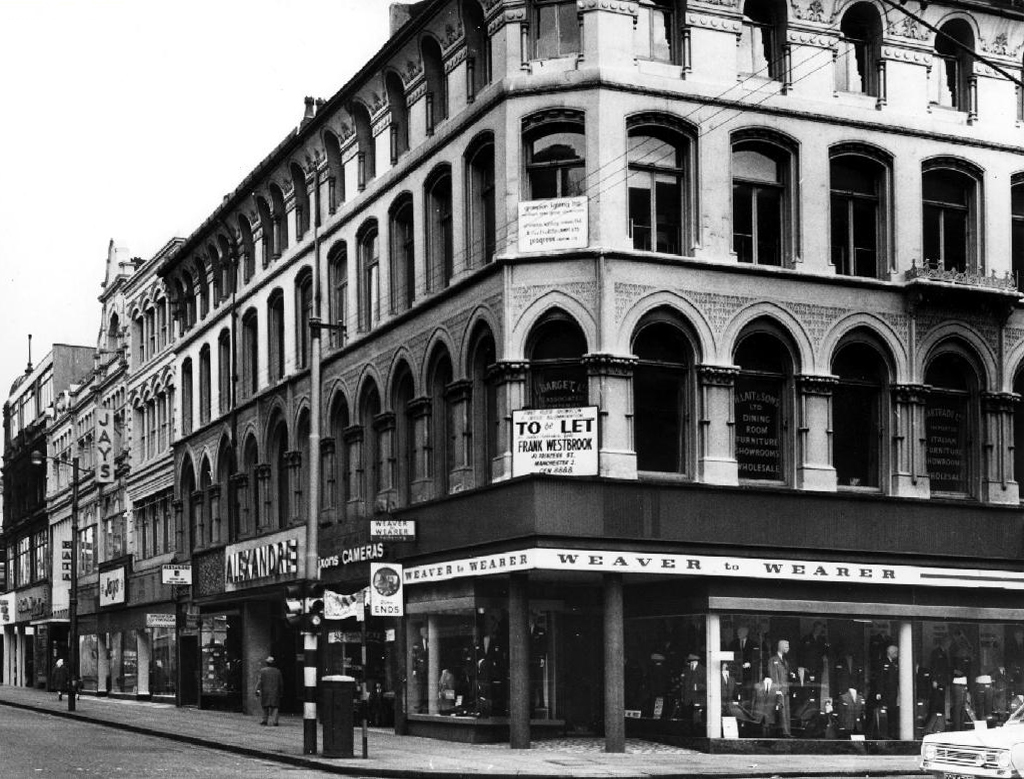
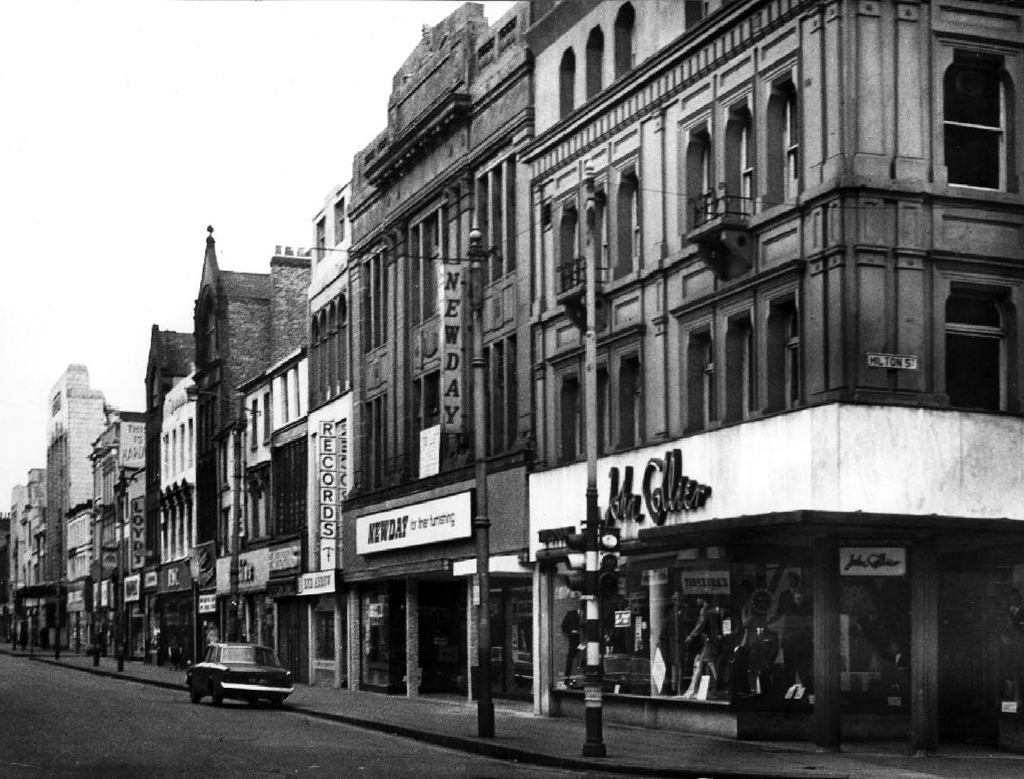
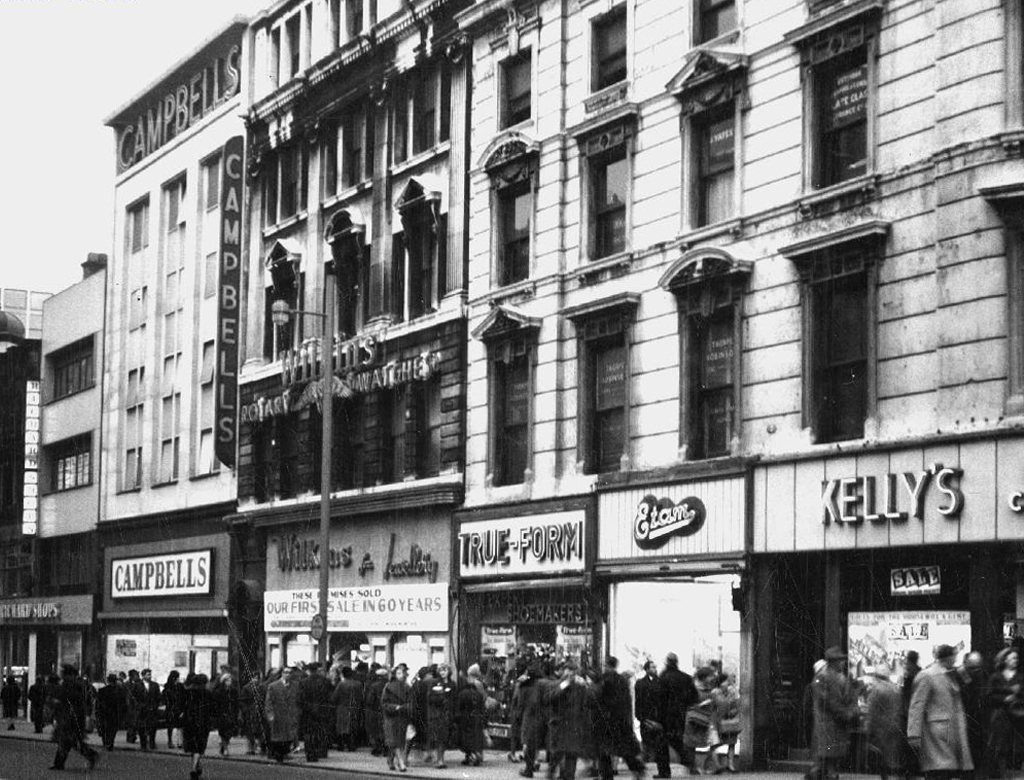
Gone again the blackened façades, exuberant and differentiated signage.

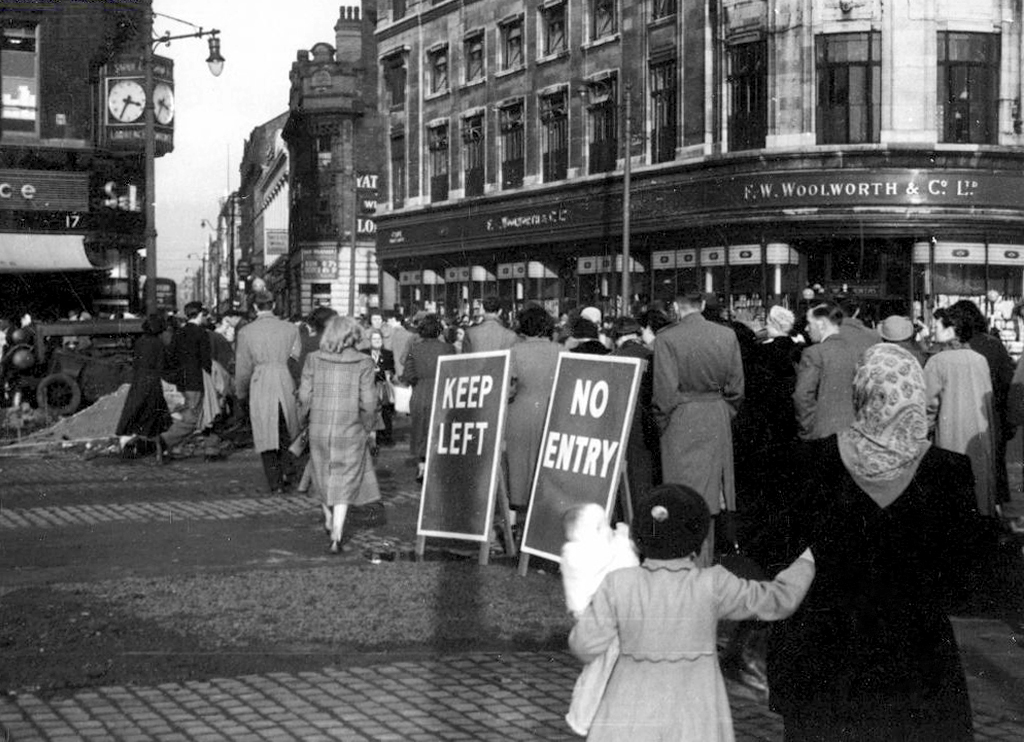
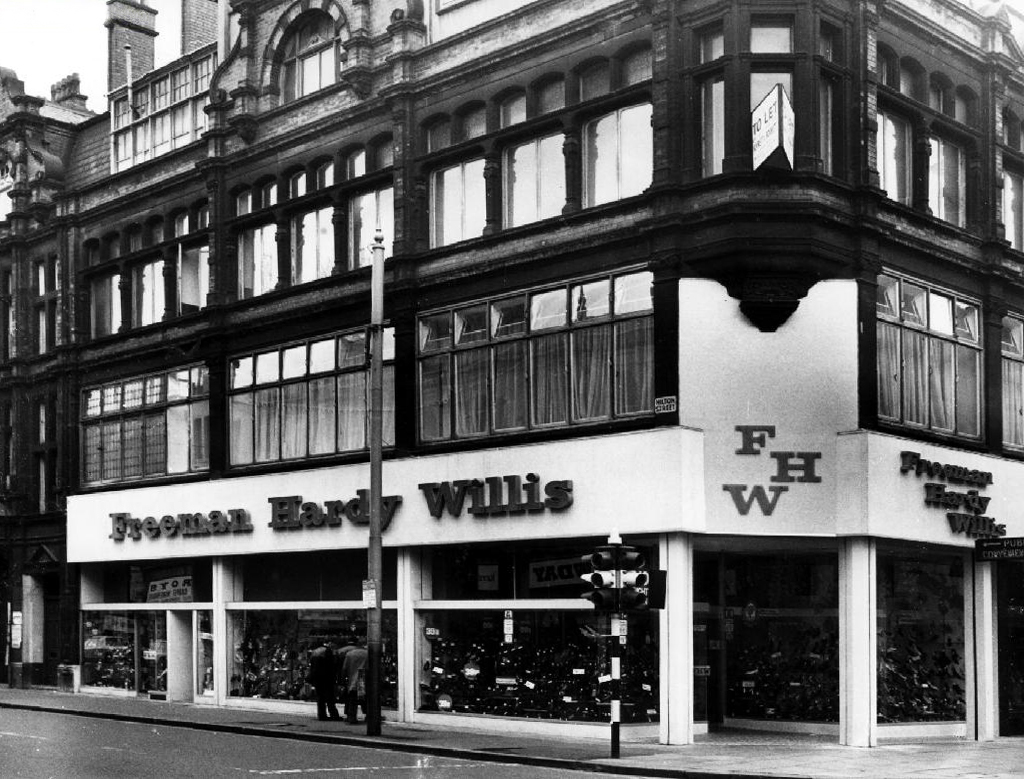
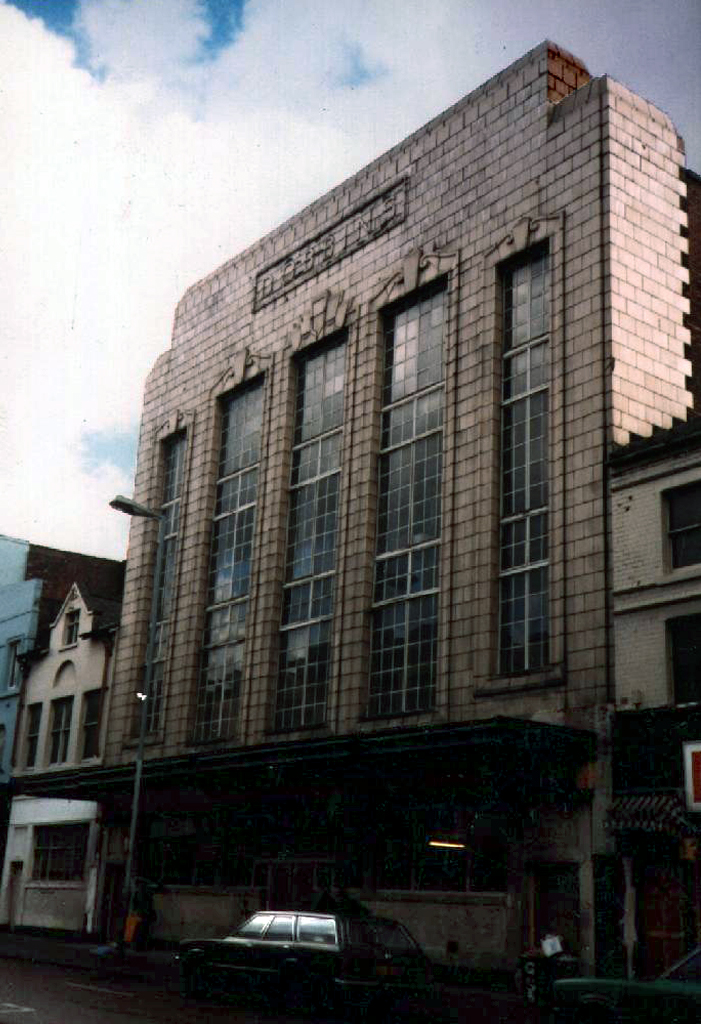
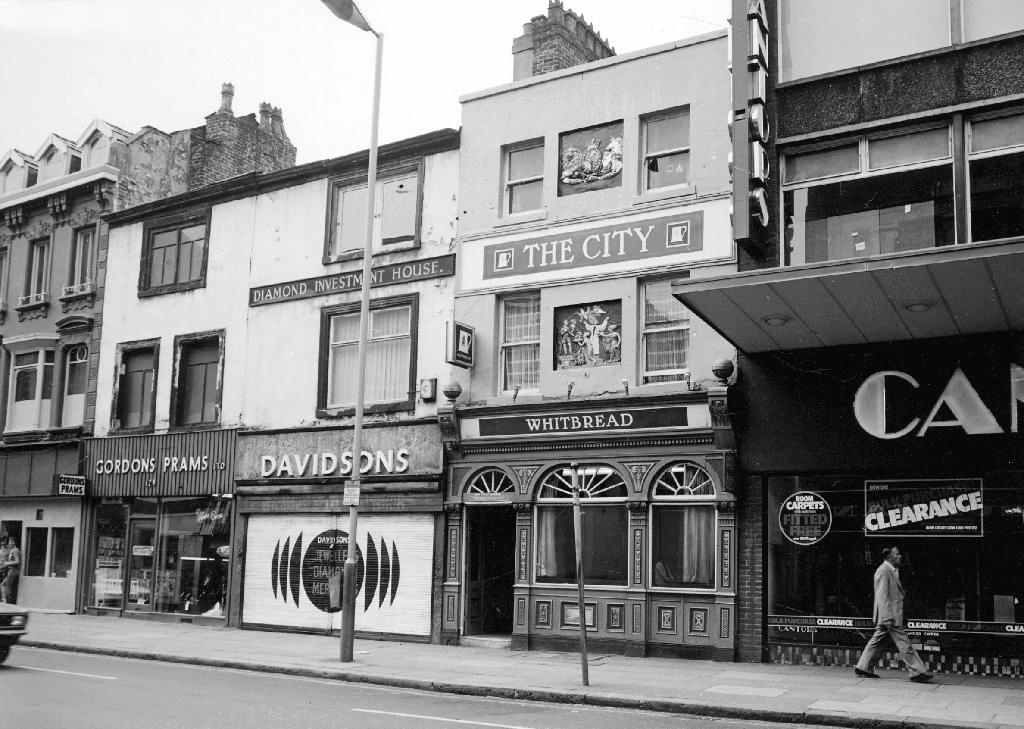
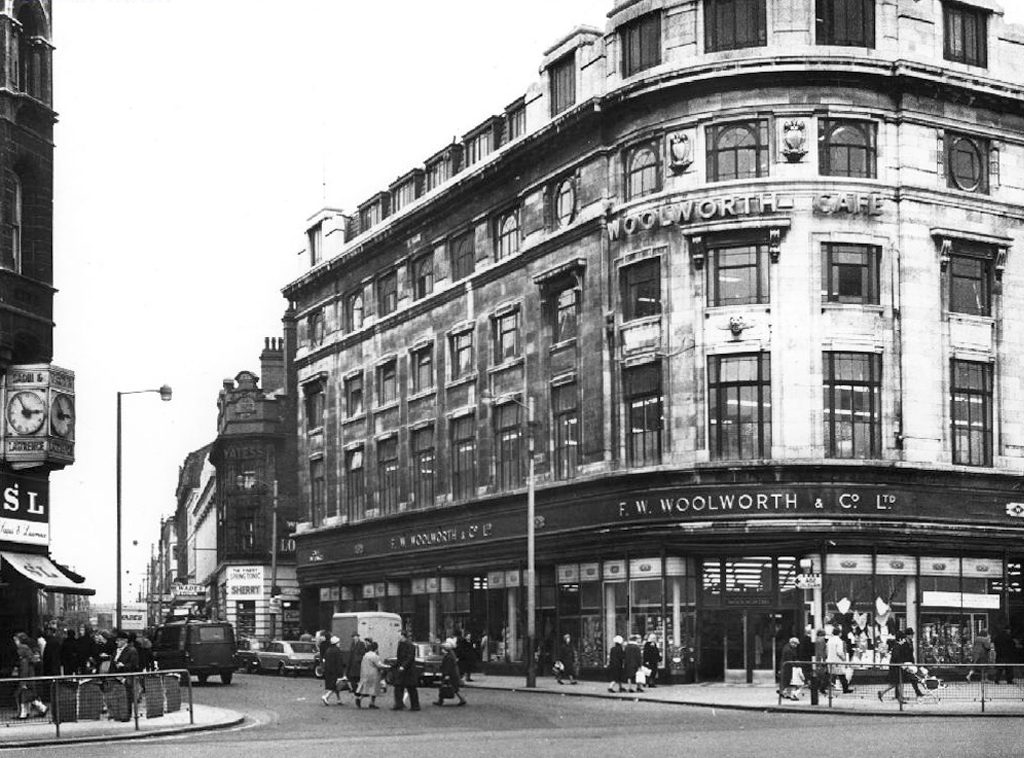
Woolworth’s burnt out long ago, never to return, exit also C&A, don’t forget your coat and hat.

Affleck’s – same name different place.

Yates’s three down none to go, the last all-in is all out.

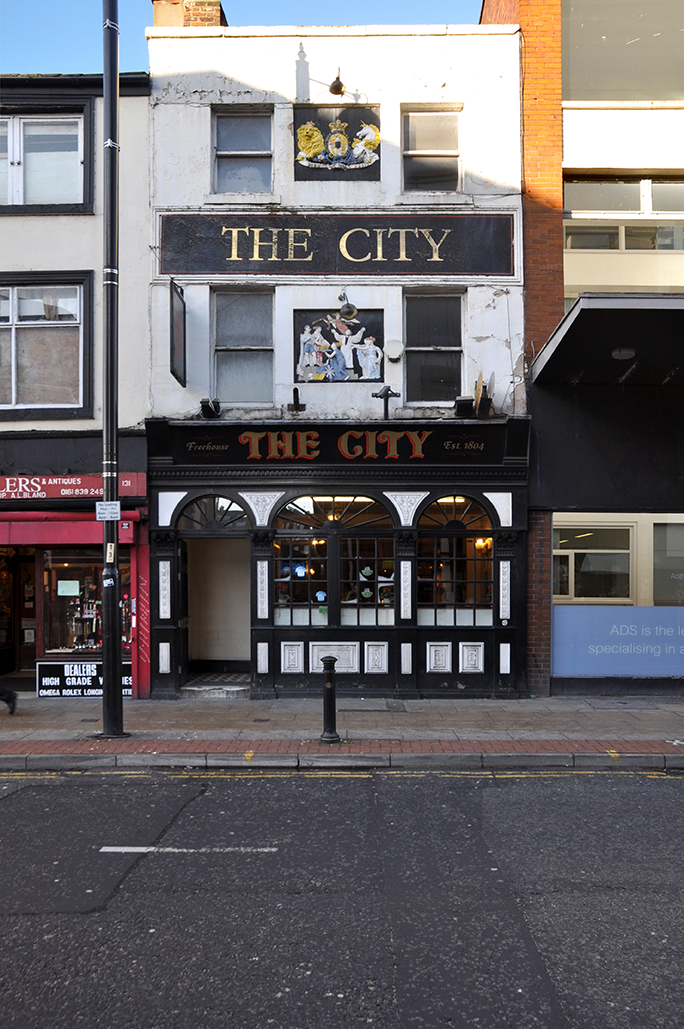
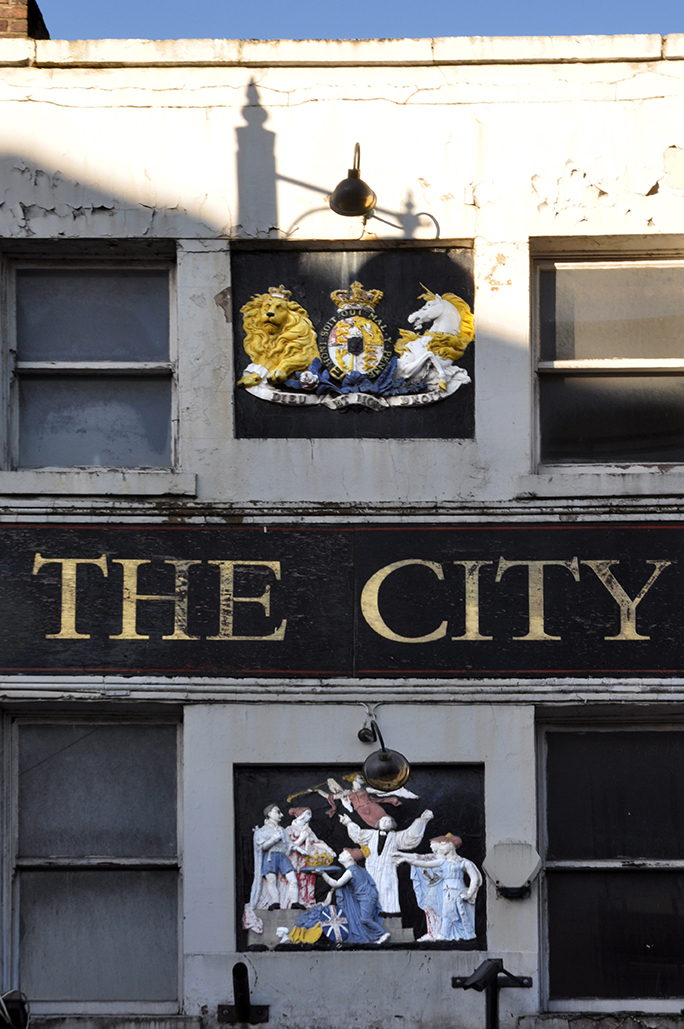
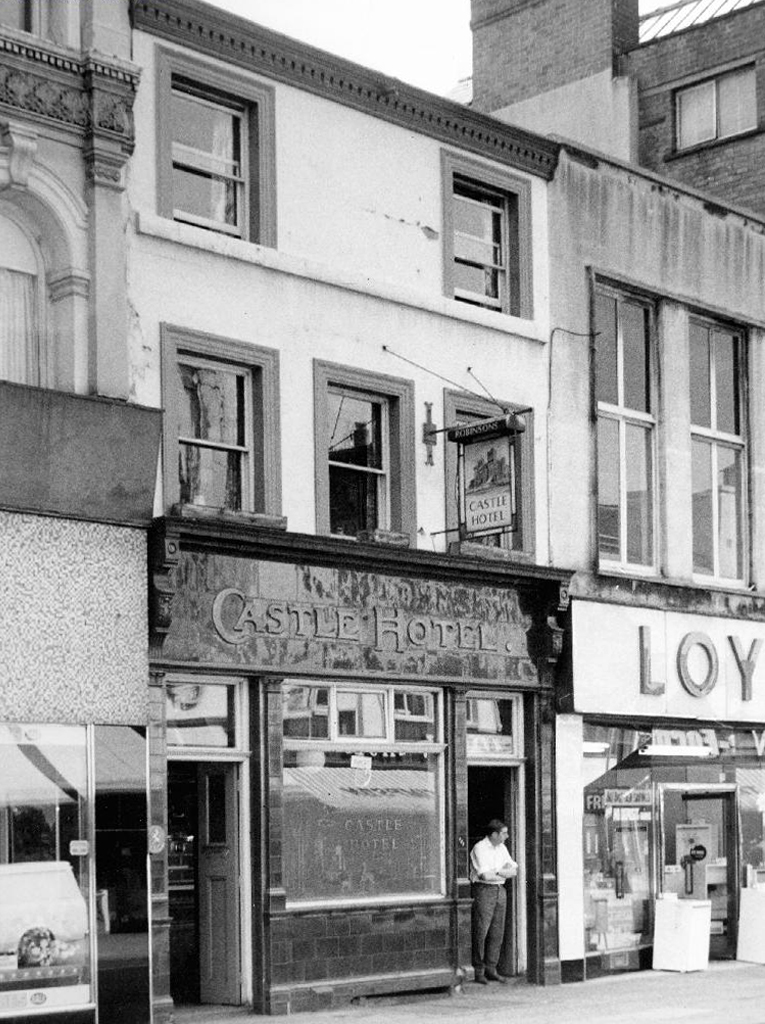
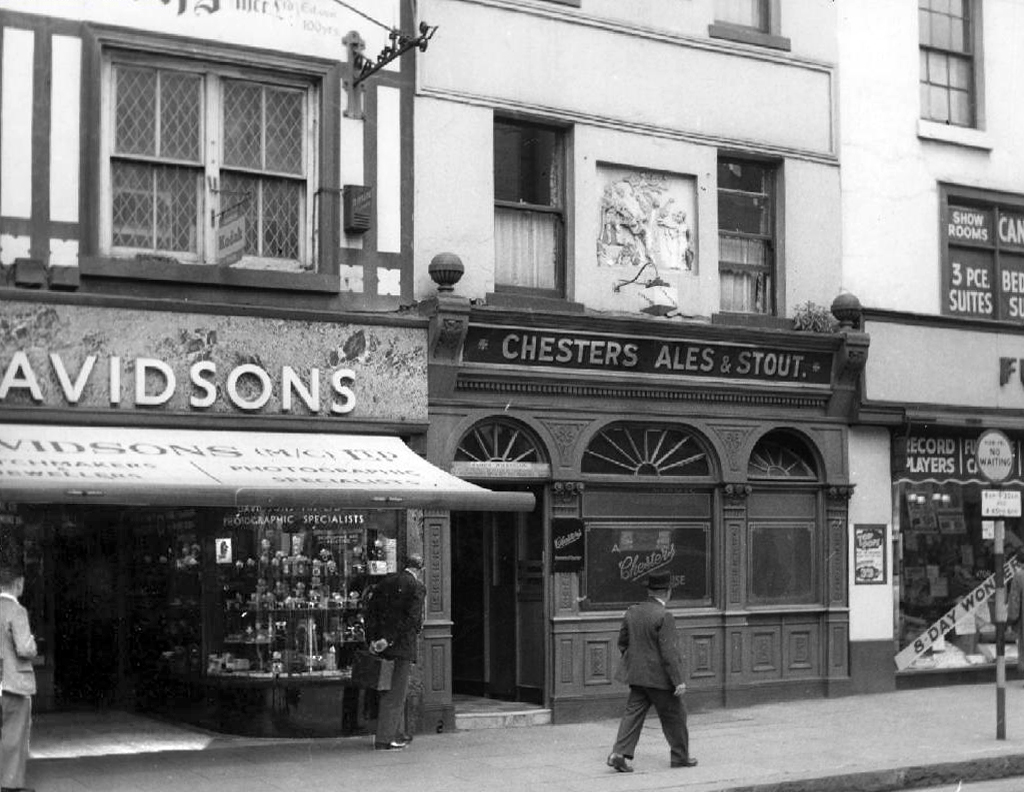
Three pubs prevail, some serving craft ale to the not so crafty.

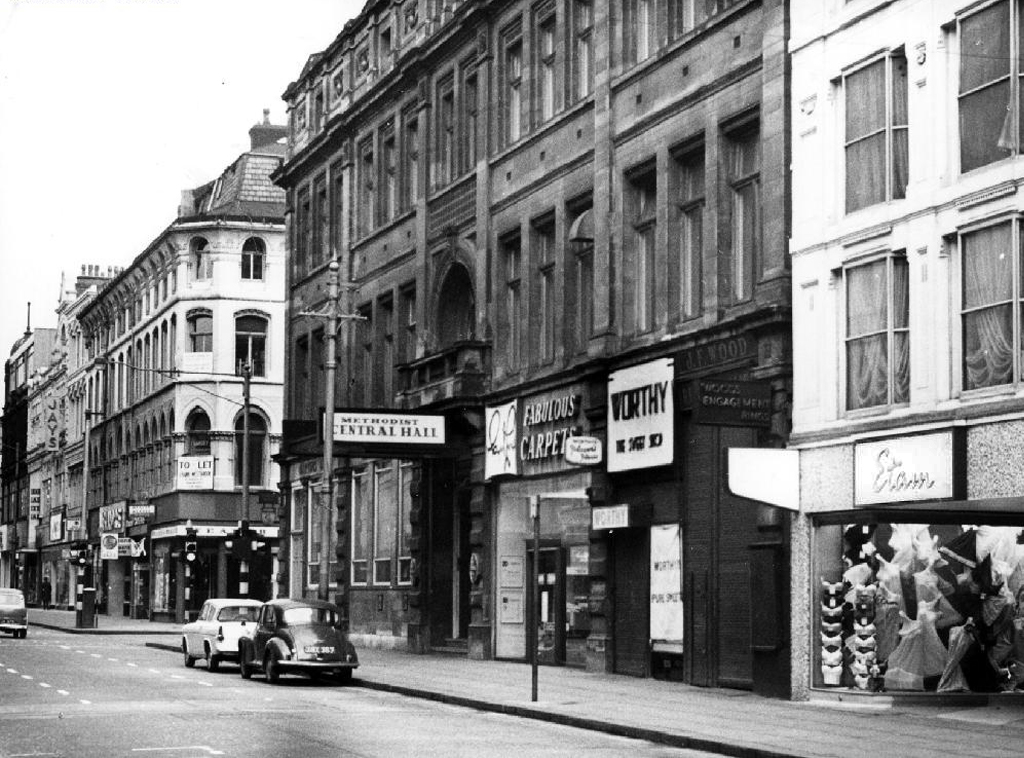
Methodist Main Hall is mainly well-used and well, loved.

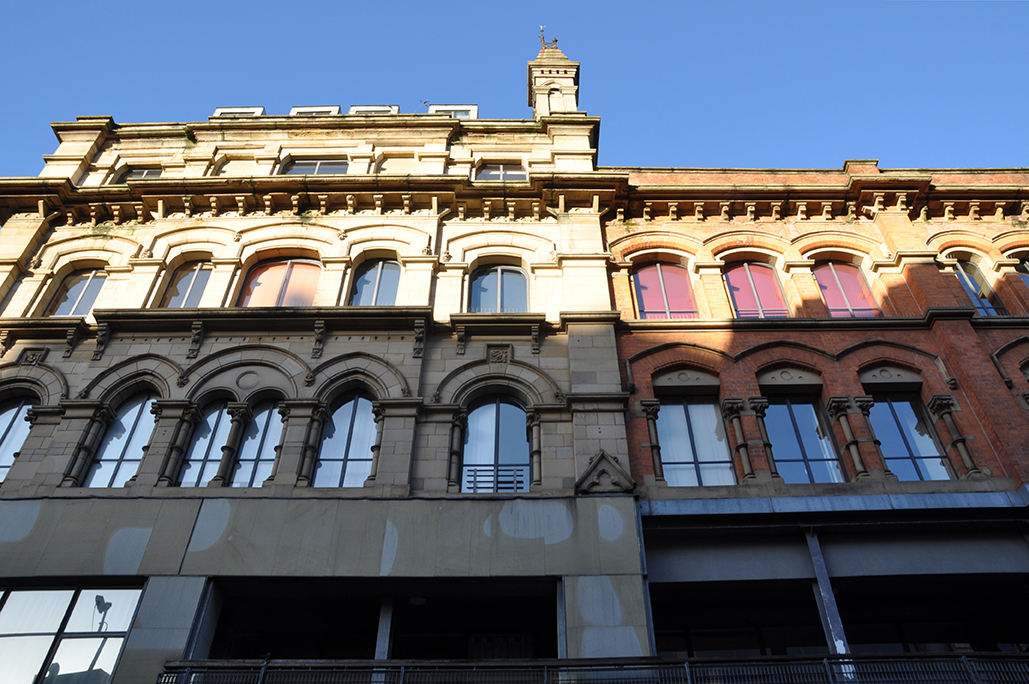
In low Winter light the upper floors dance in shadow and sun-glow, against a brighter than bright blue sky.

A crazy range of saw-toothed roof tops colliding.

Oldham Street survives.


Oldham Street – Manchester

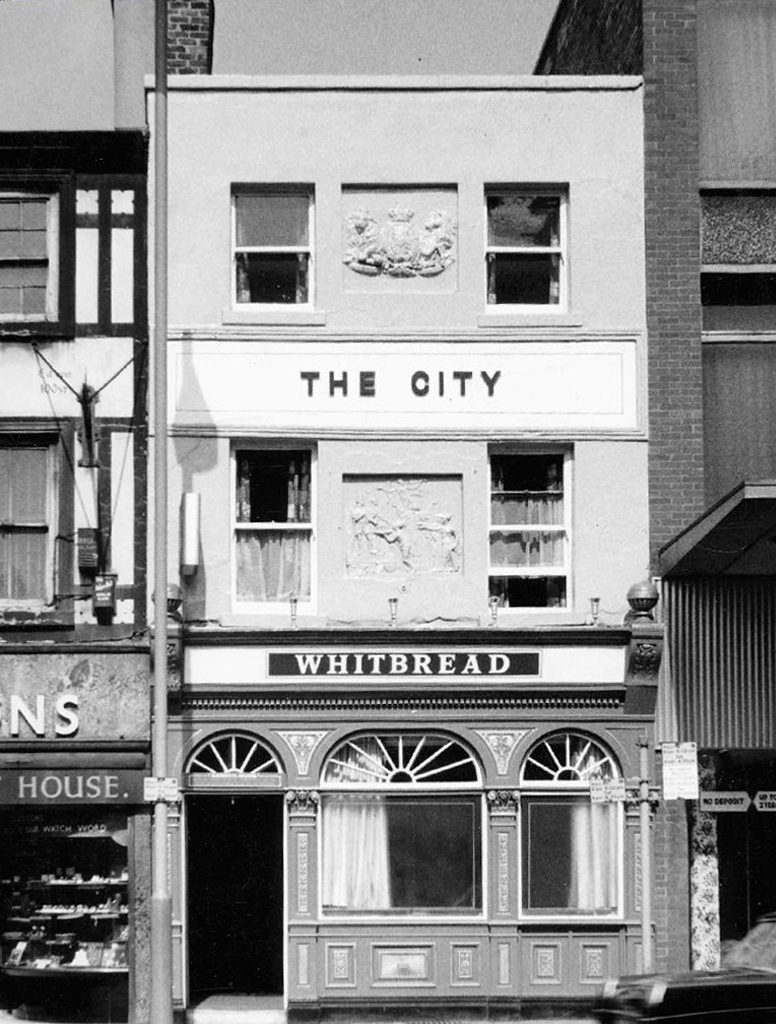
In the early 18th century, Oldham Street was apparently:

“An ill-kept muddy lane, held in place on one of its sides by wild hedgerows”.

In 1772, a privately owned track which is now known as Oldham Street was given to the public. The road took its name from Adam Oldham rather than from the place name. He was an acquaintance of John Wesley, the founder of Methodism, which could account for the Oldham street location of the Methodist Chapel, opened by Wesley in 1781. Central Hall replaced the Chapel in 1885.

The area around Oldham Street became more affluent, with warehouses and shops, many of whose merchants lived within their shop premises. This is described by Isabella Varley, Mrs. Linnaeus Banks, a resident of Oldham Street, in her book The Manchester Man.

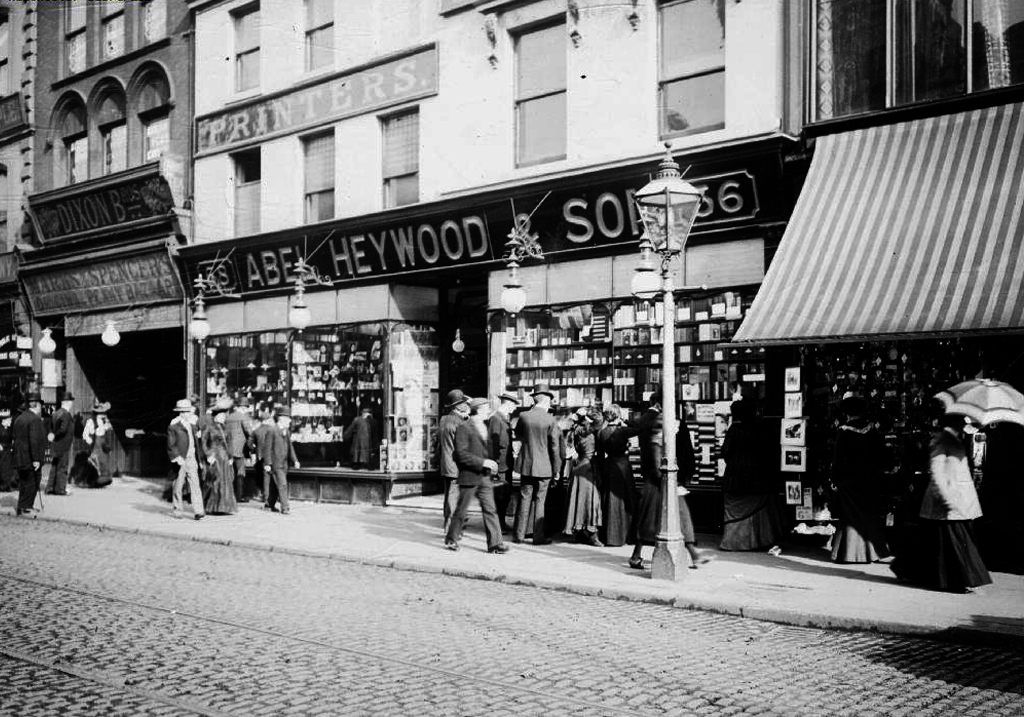
One Oldham Street shopowner mentioned by a number of writers is Abel Heywood, who spearheaded the mass distribution of books, supplying the whole country not only with penny novels, but also with educational books and political pamphlets. Heywood went on to become Mayor of Manchester.

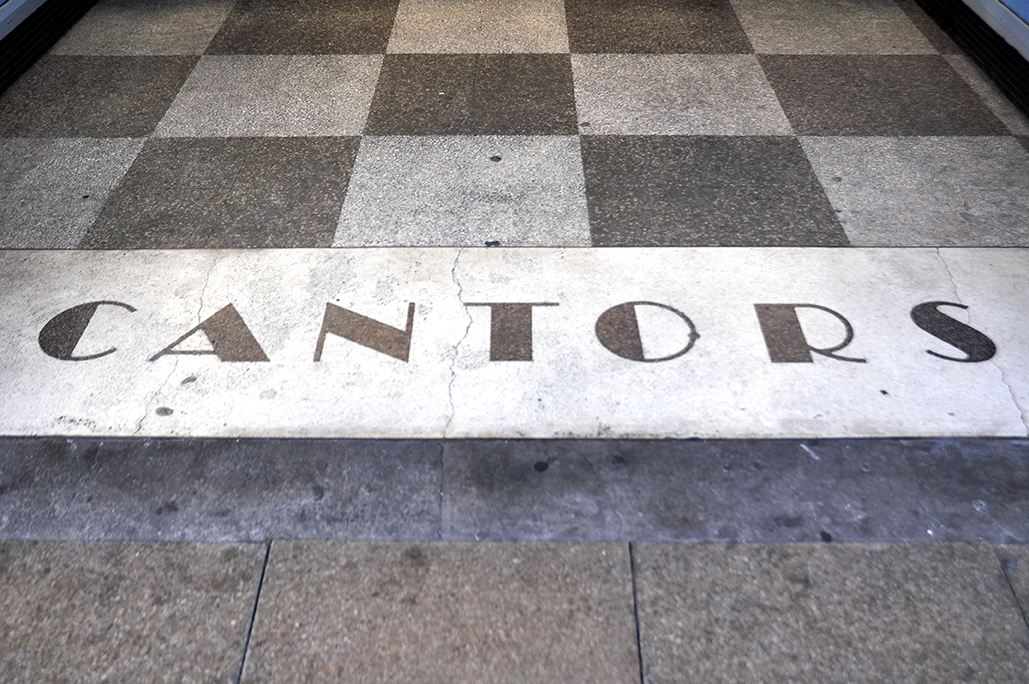
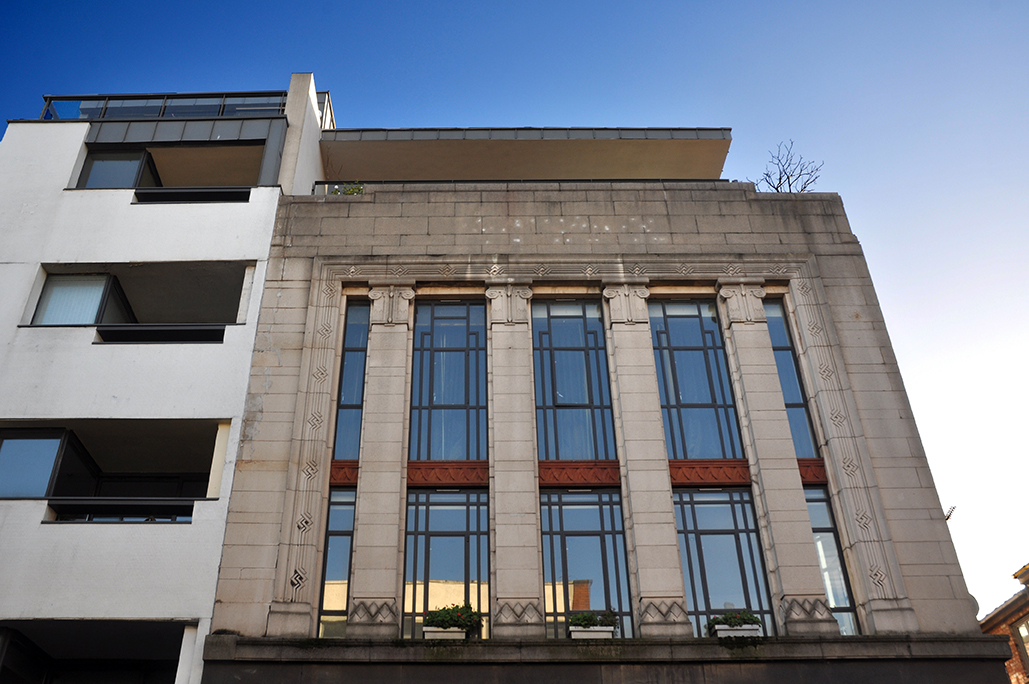
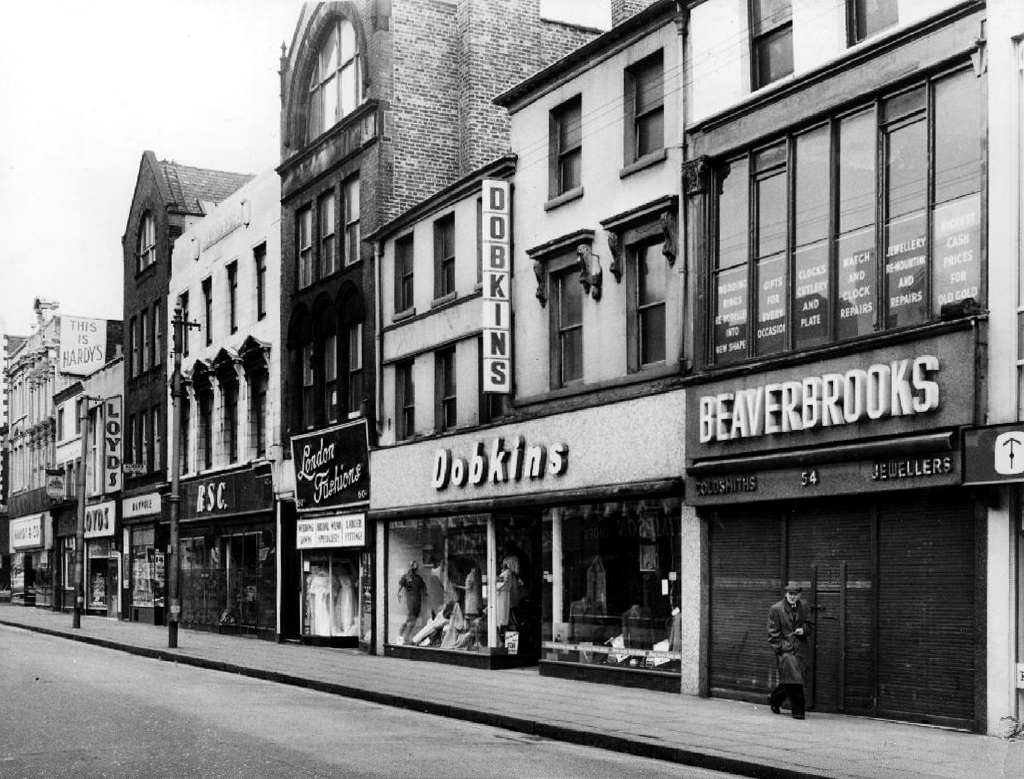
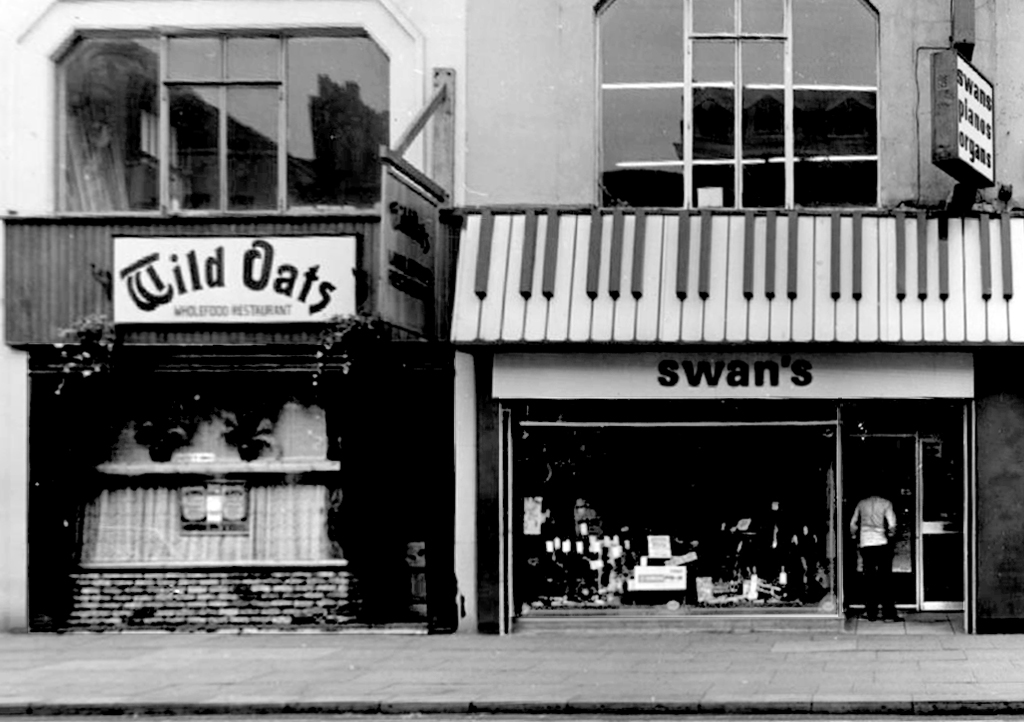
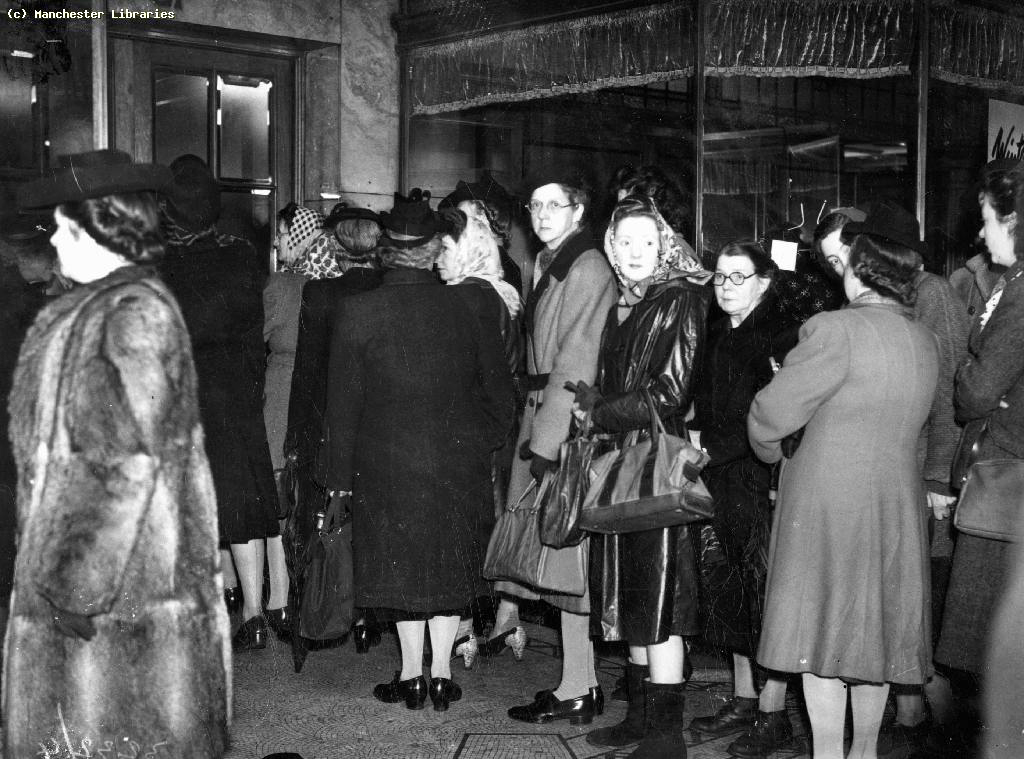
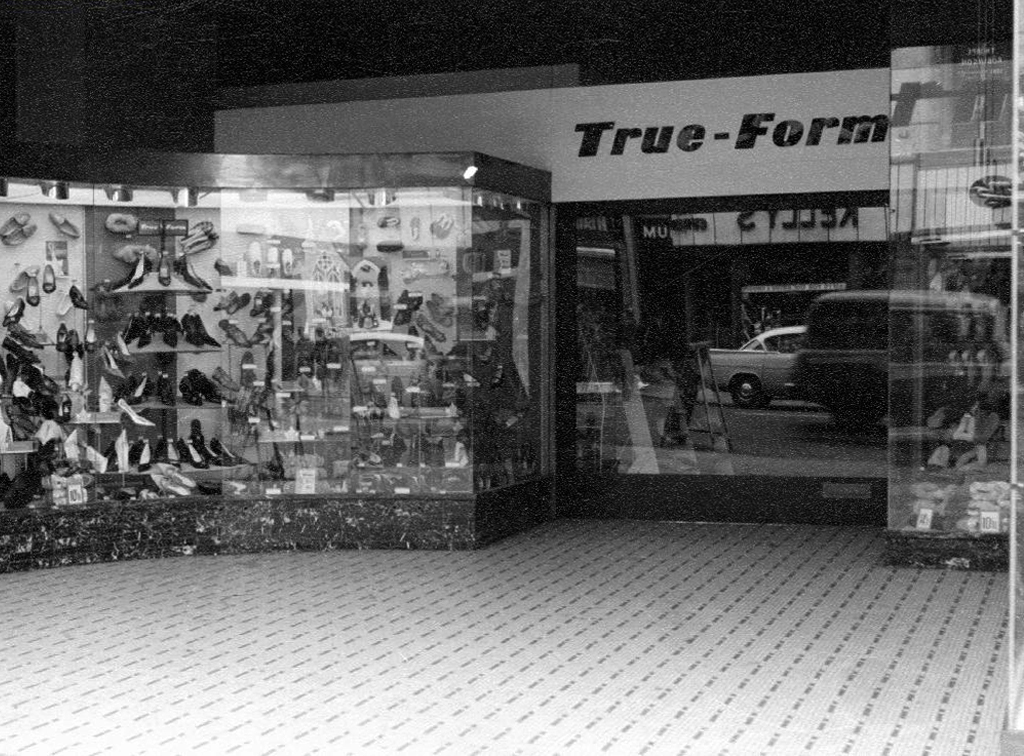
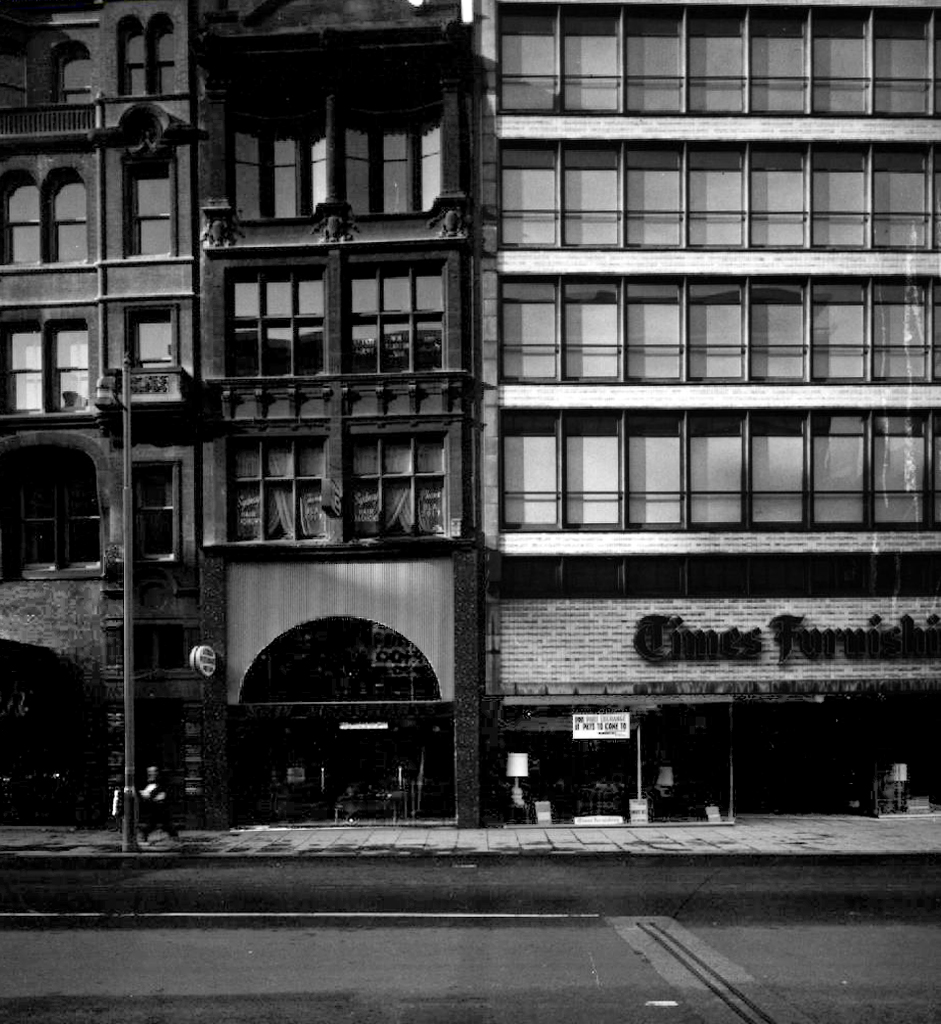
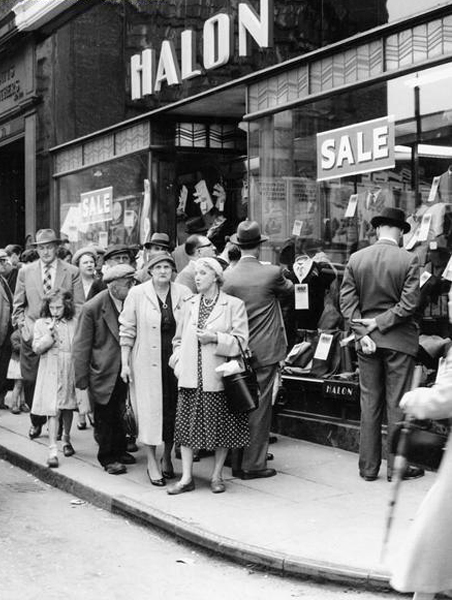
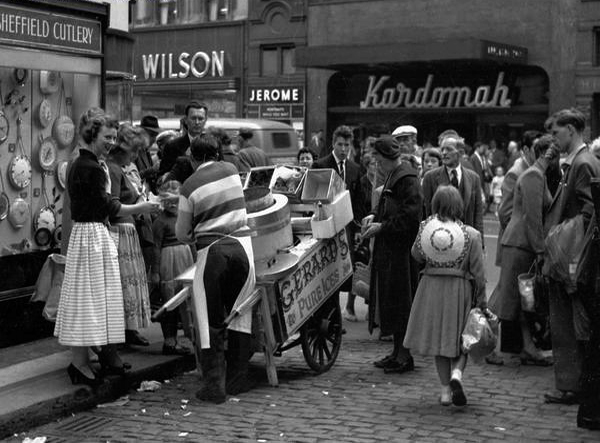
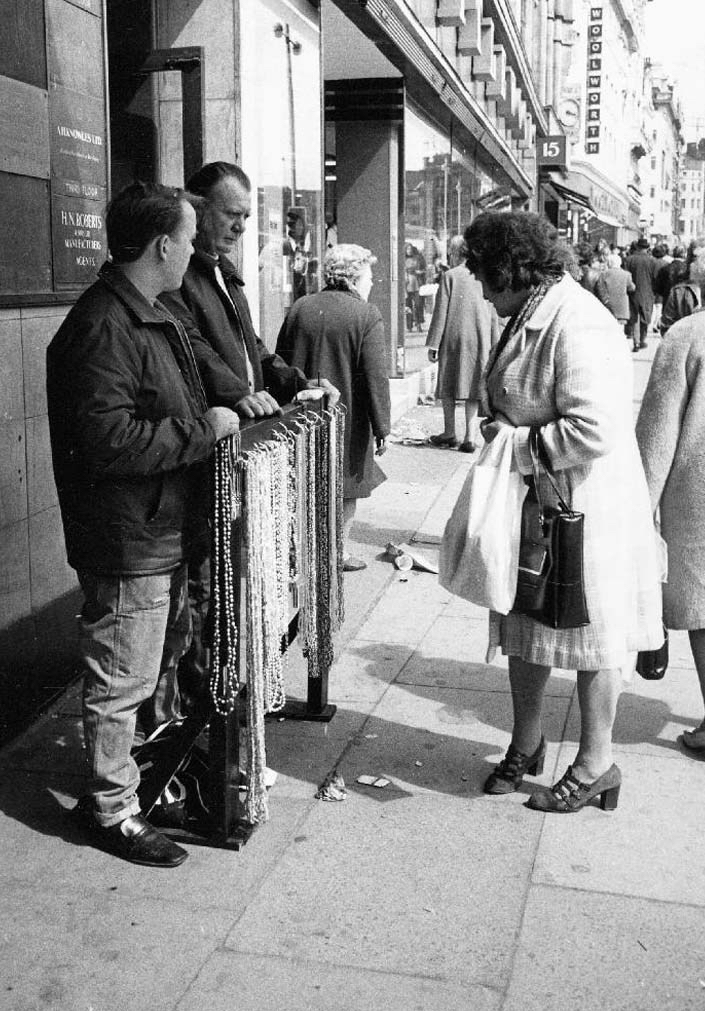
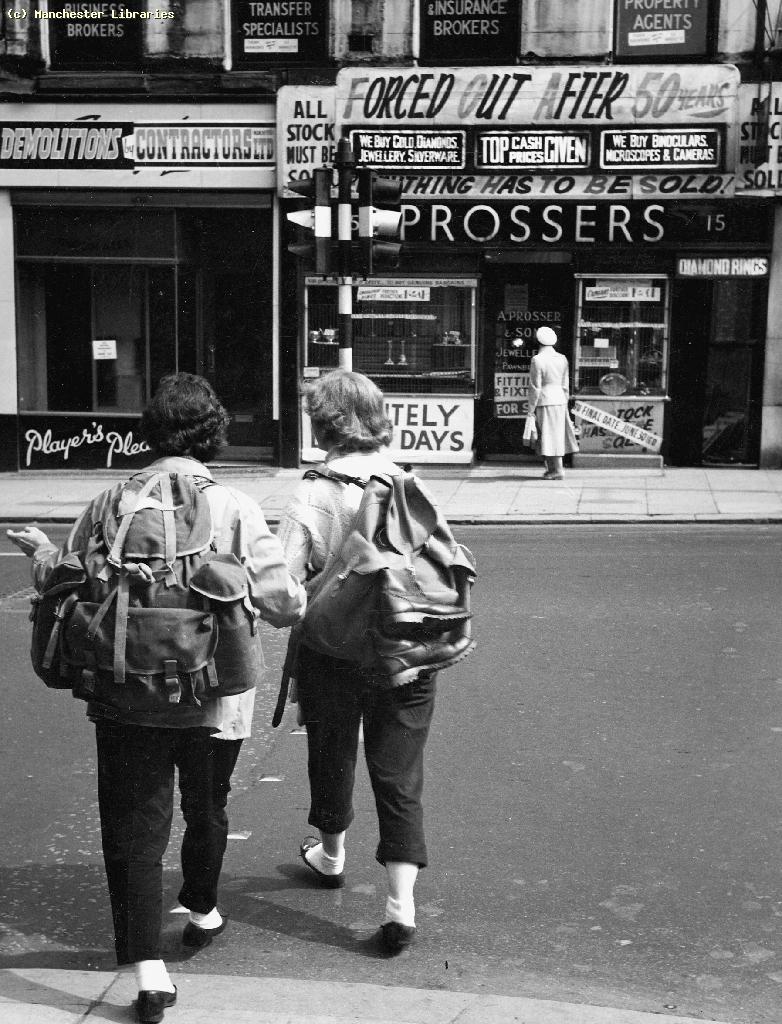
The general well to do, mix of hustle and bustle, pubs, warehousing, grand stores, smaller specialist shops and services continued into the 1970’s. Woolworths, C&A, Affleck and Browns, Cantors, Dobbins attracted a steady flow of happy shoppers, I loved the mongrel nature of the mixed use architecture.

The focus if the city centre then slipped away to the newly built Arndale and pedestrianised Market Street.

Oldham Street awaited a new sense of place and purpose.

With thanks to http://www.manchester.gov.uk/info/448/archives_and_local_history/326/historical_photographs_of_manchester


24

webmedia-8.php

22

18

image011

21

webmedia-5.php

webmedia.php

13

20

webmedia-12.php

16

17

webmedia-4.php

14

webmedia-2.php

webmedia-7.php

19

15

webmedia-9.php

webmedia-3.php

webmedia-6.php

webmedia-11.php

webmedia-10.php


Market Street – Manchester

cinephone2

City streets are by their nature subject to movement and change, things literally come and go – in milliseconds, days and decades. People and places are shaped by the forces of function and fashion, economics and history.

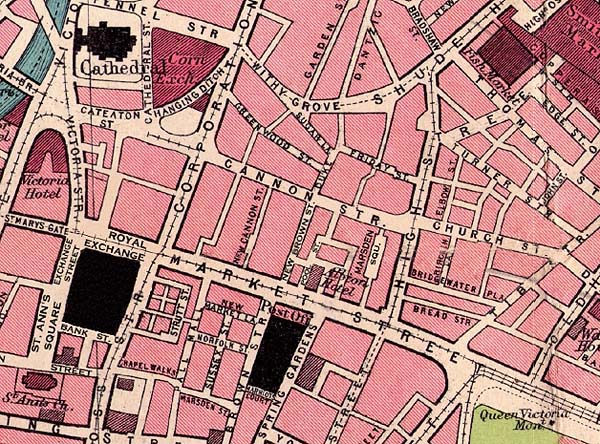
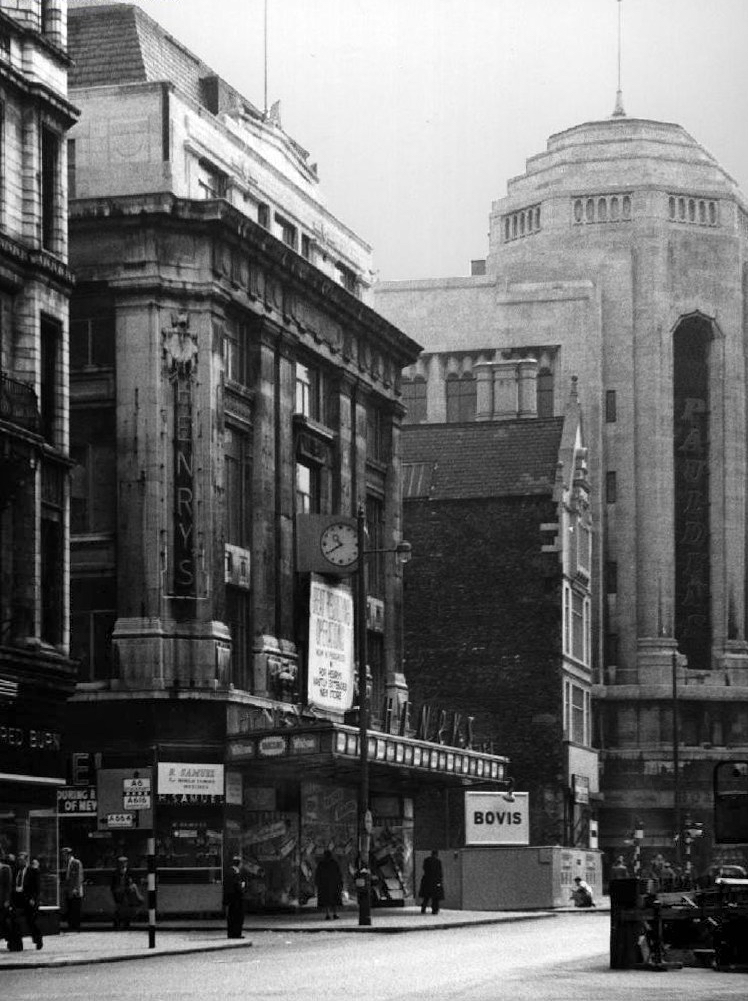
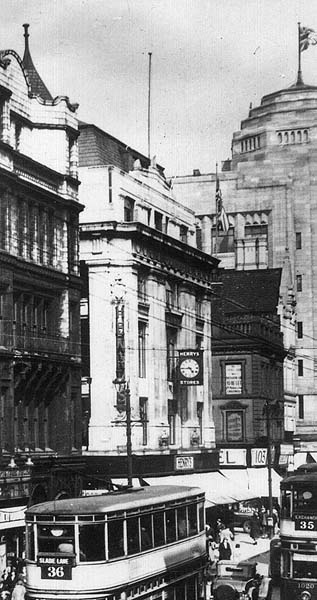
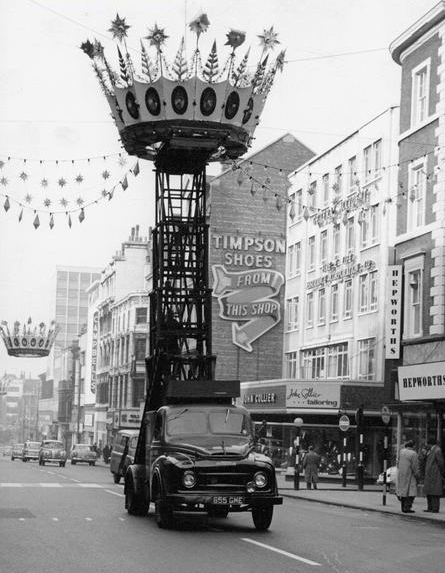
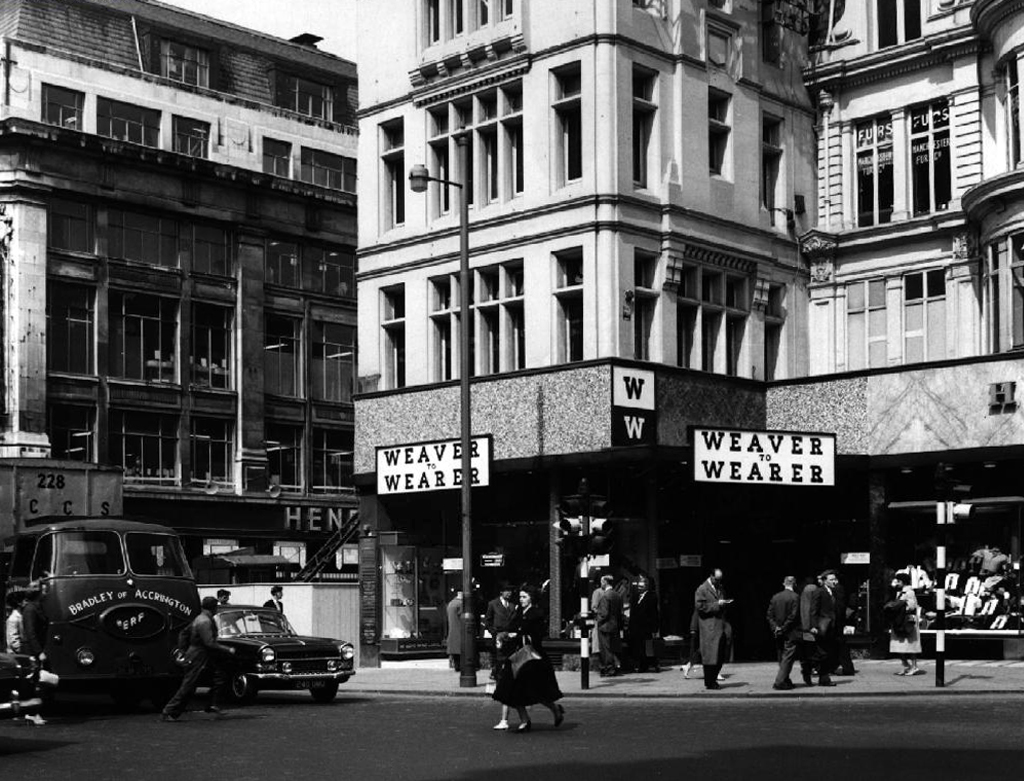
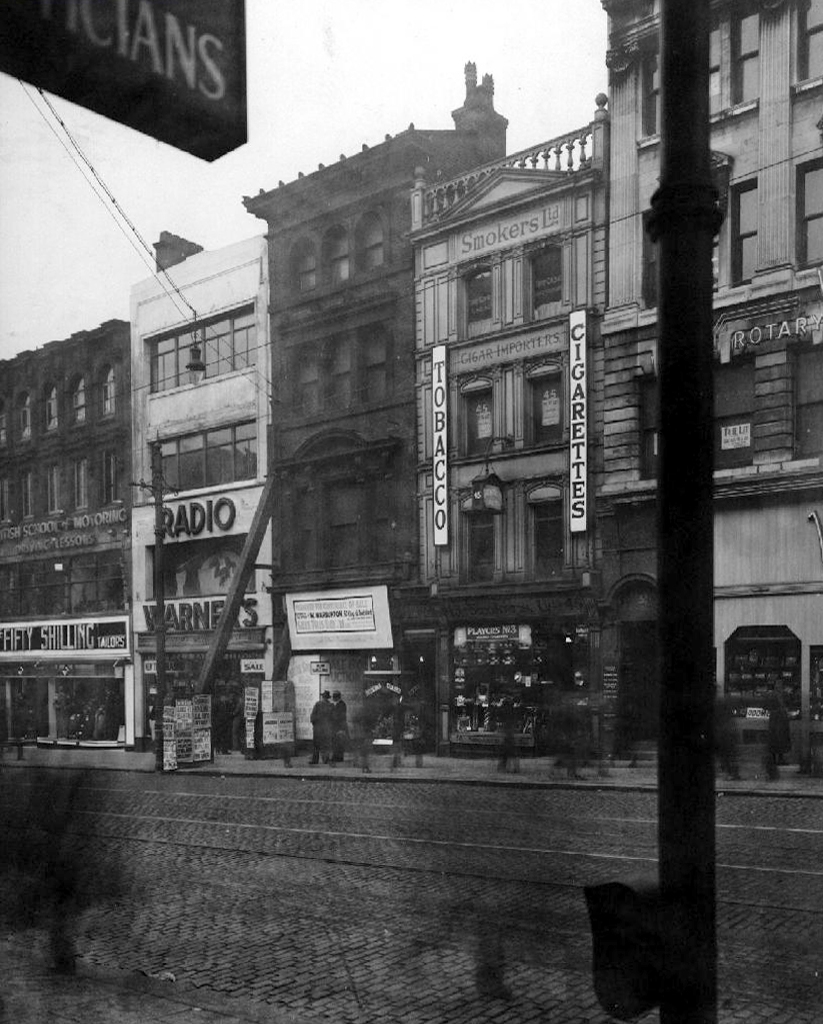
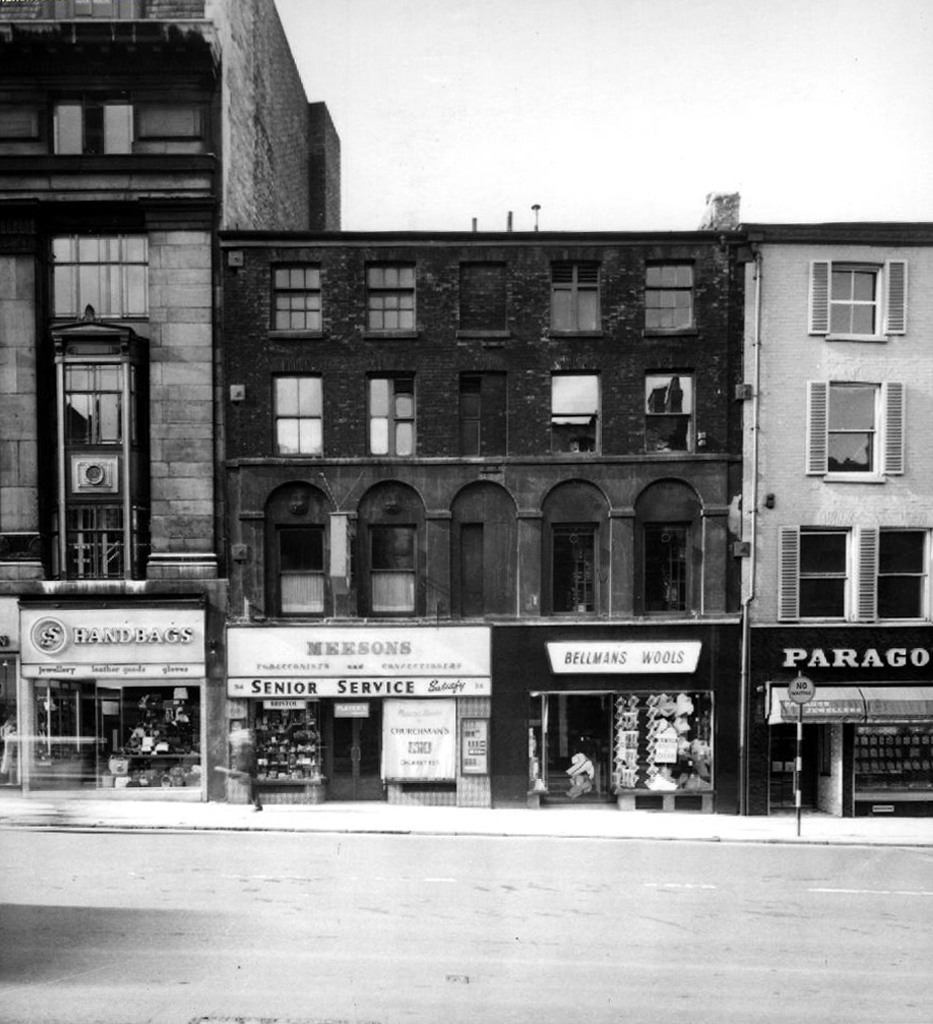
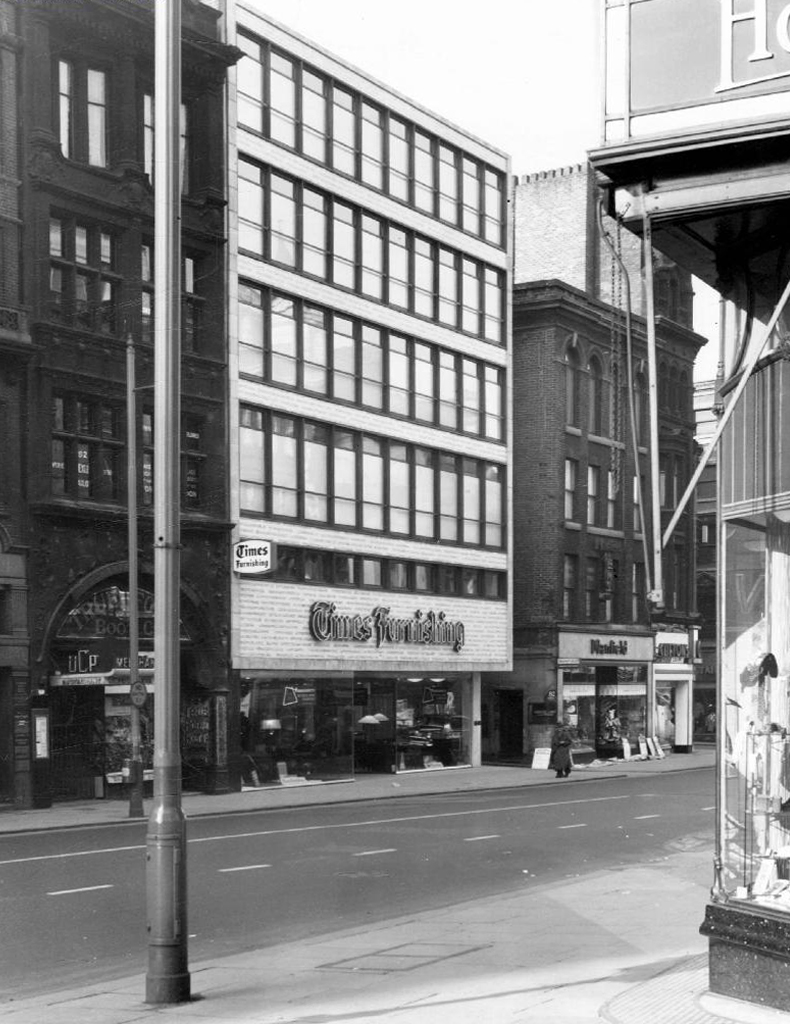
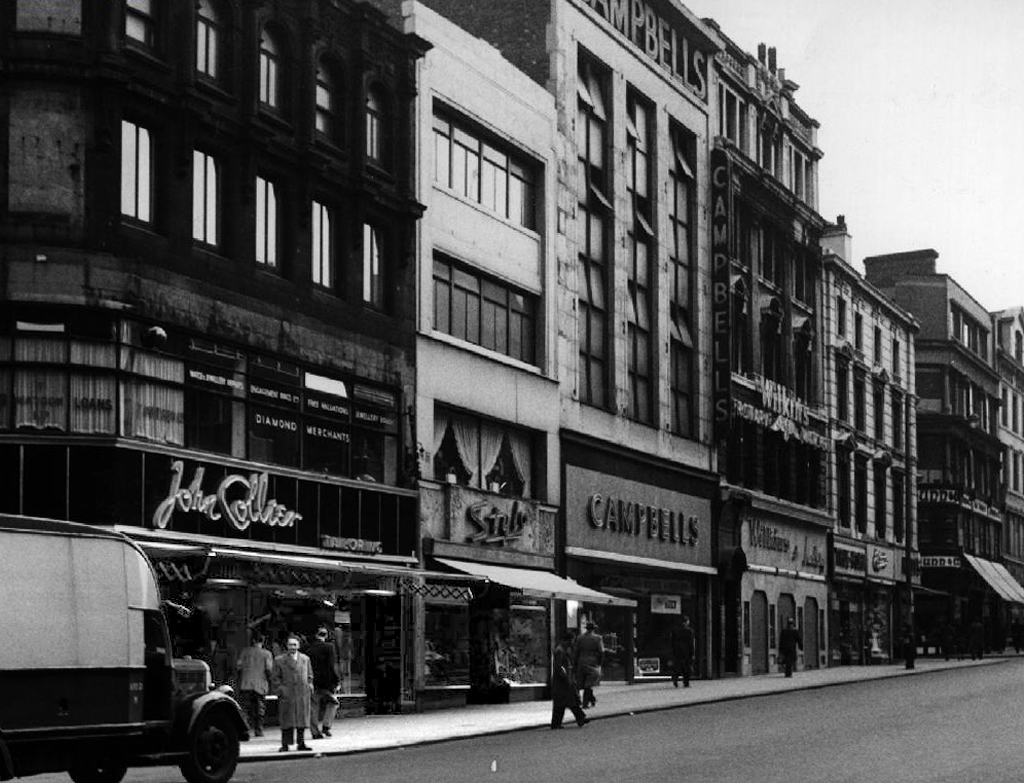
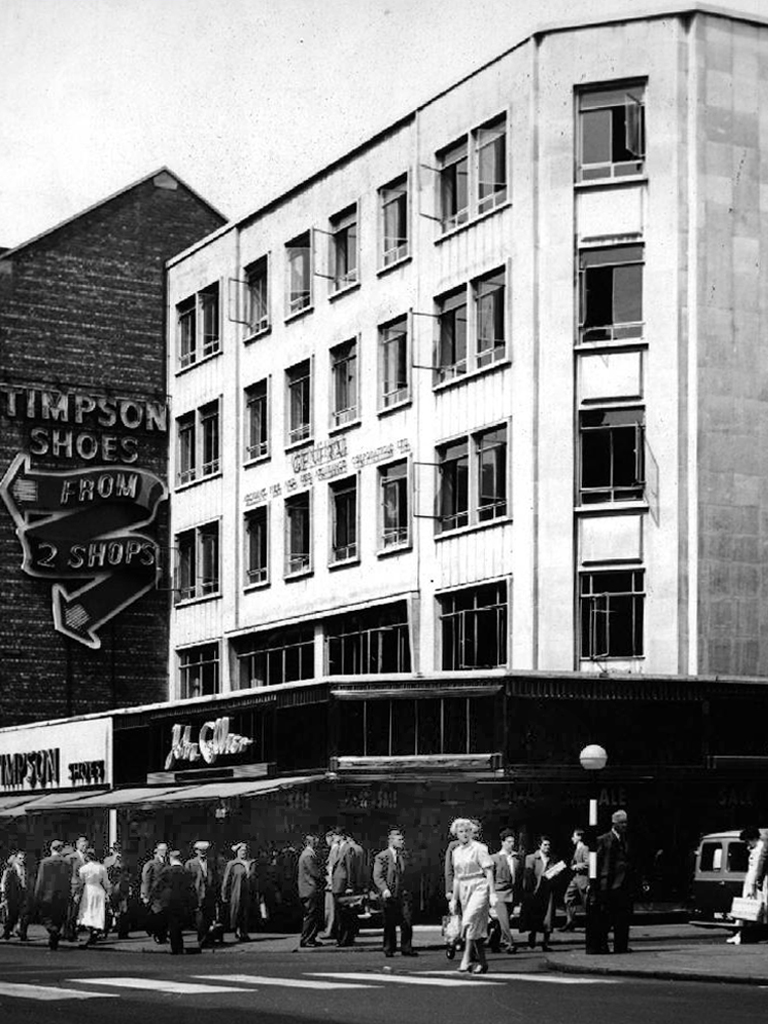
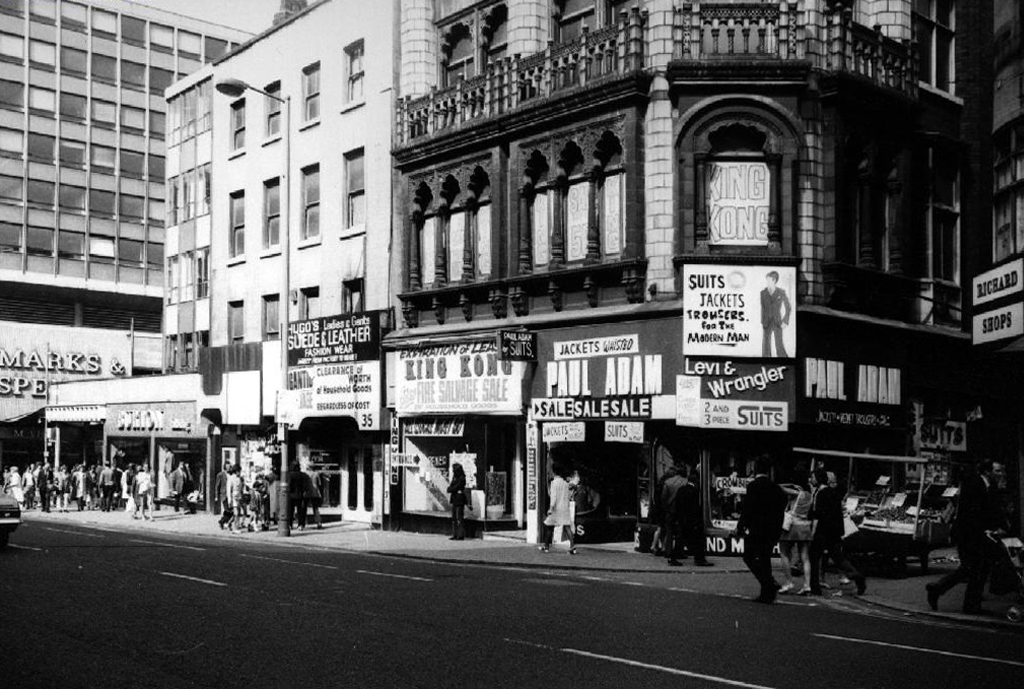
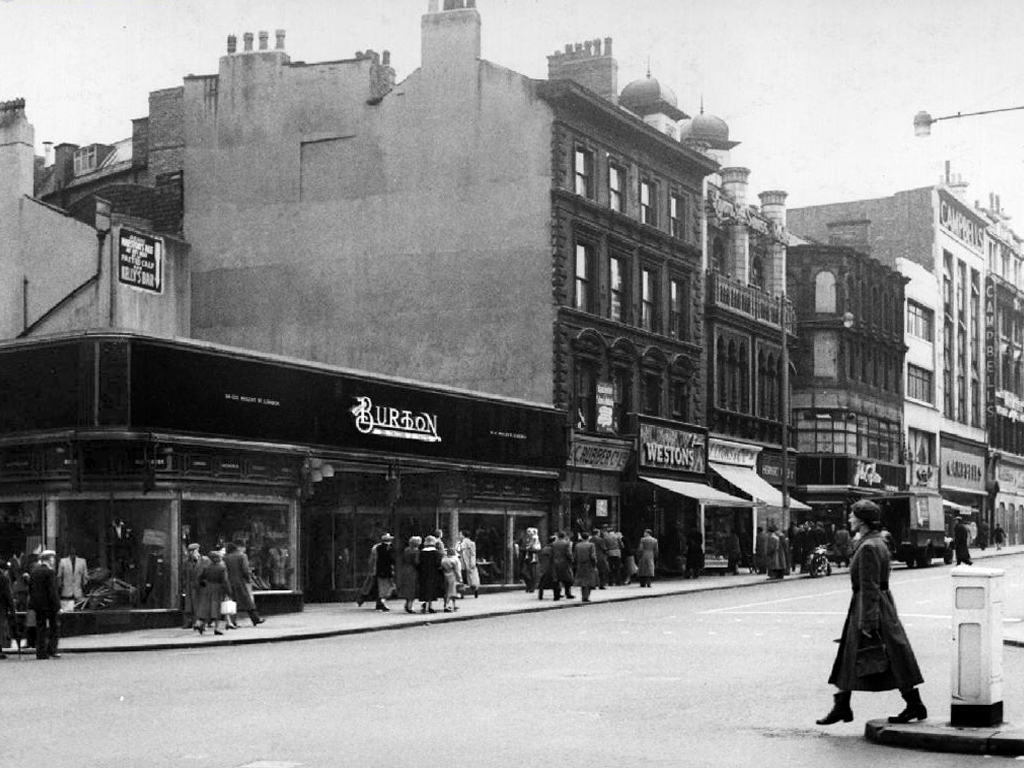
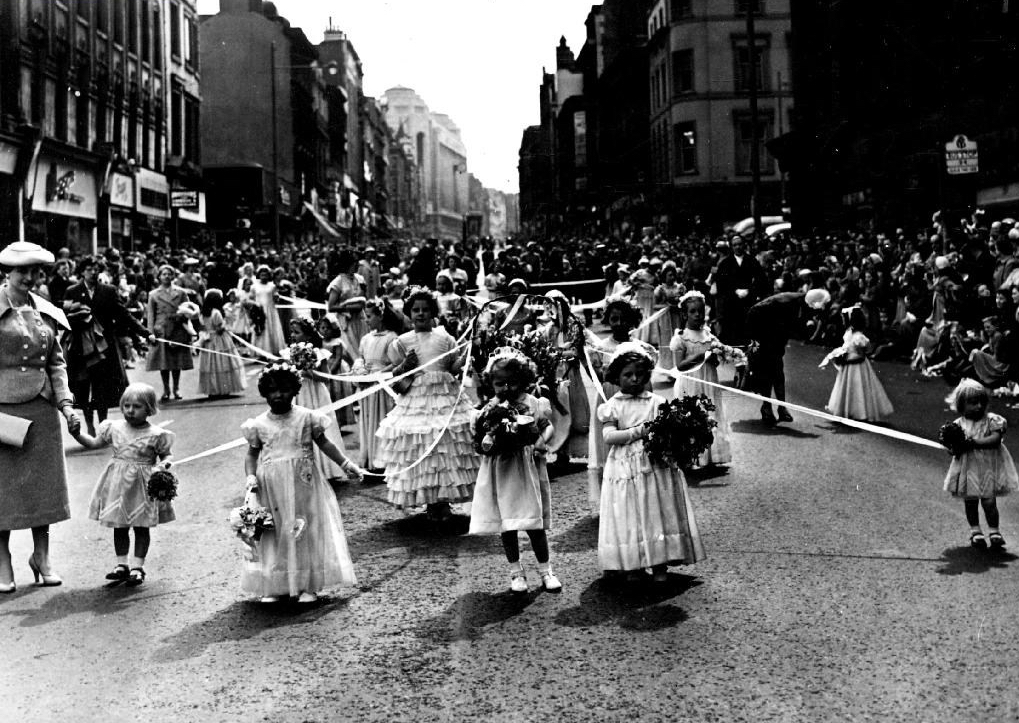
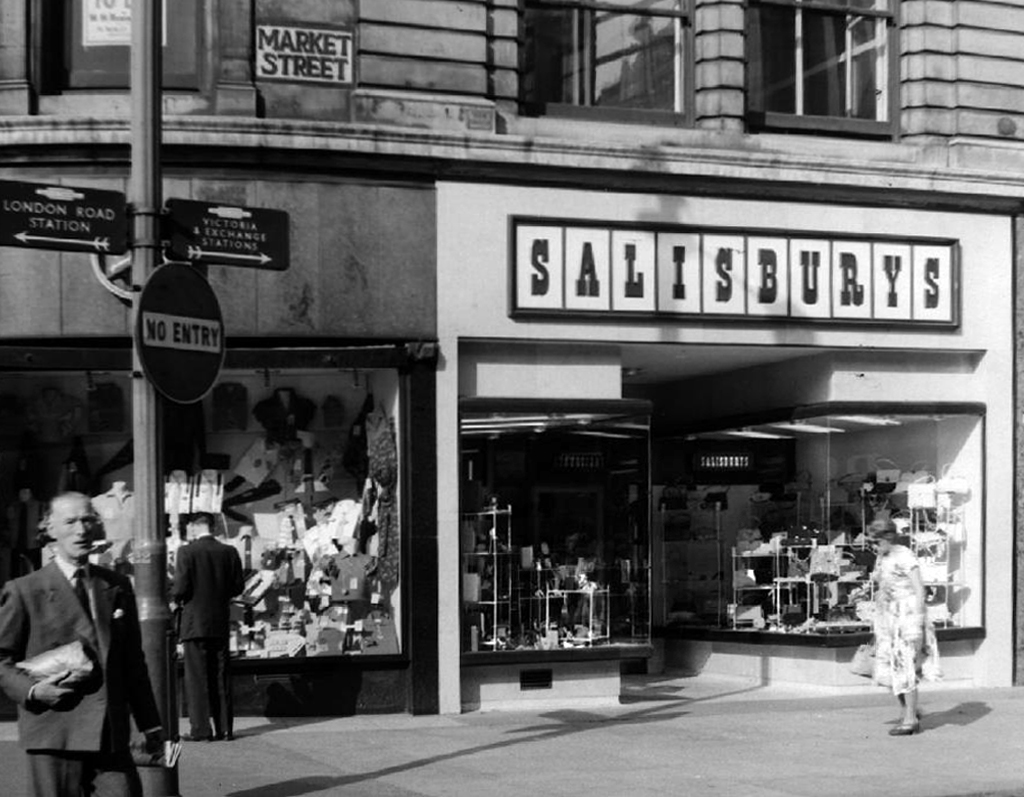
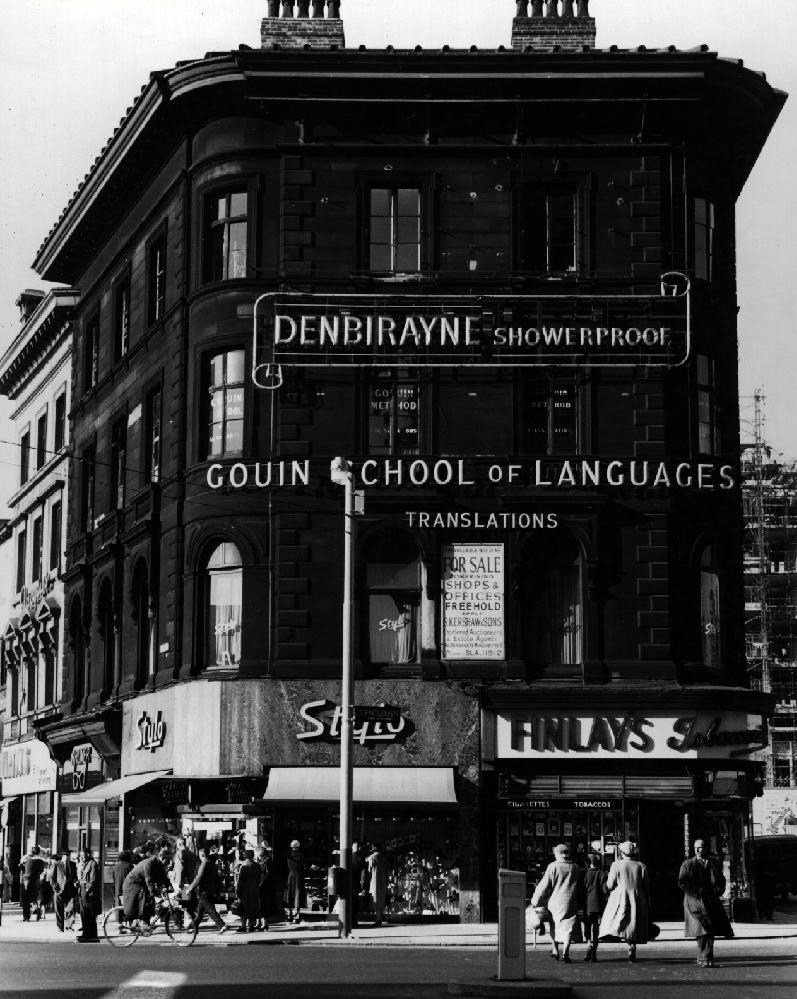
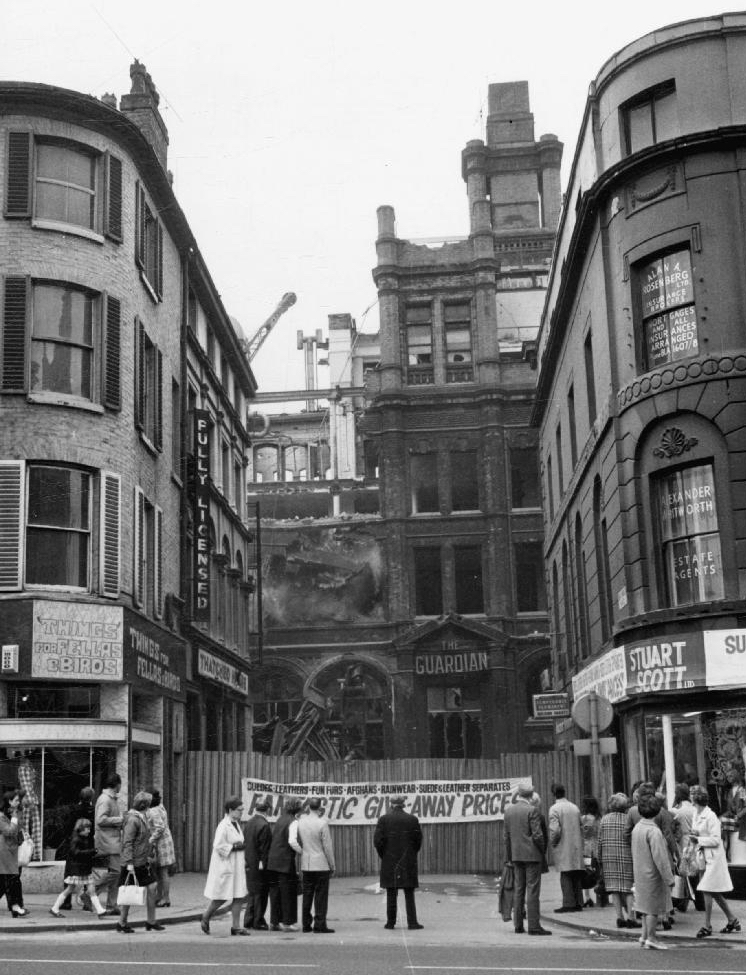
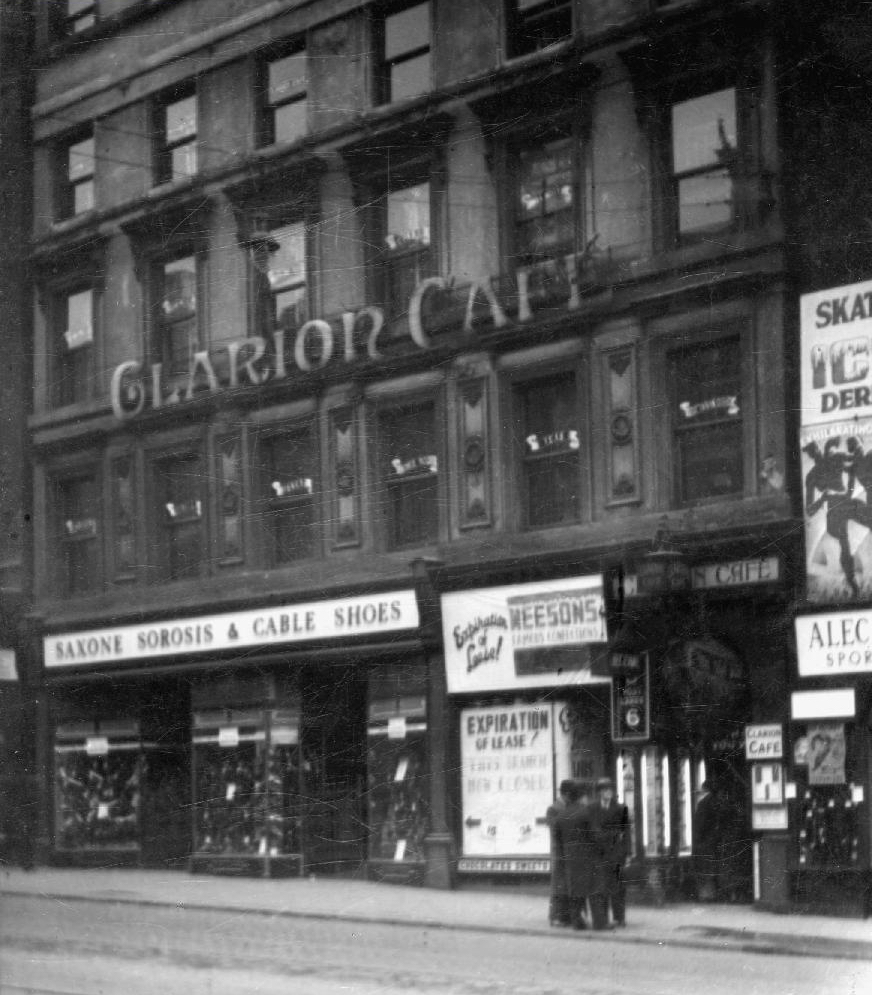
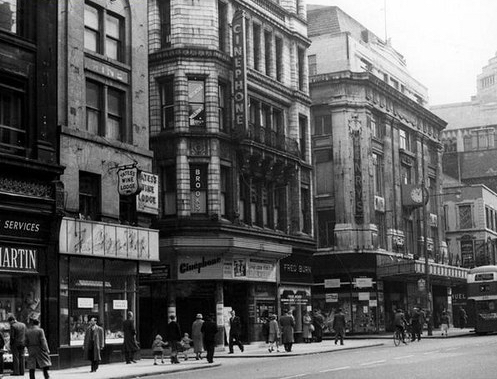
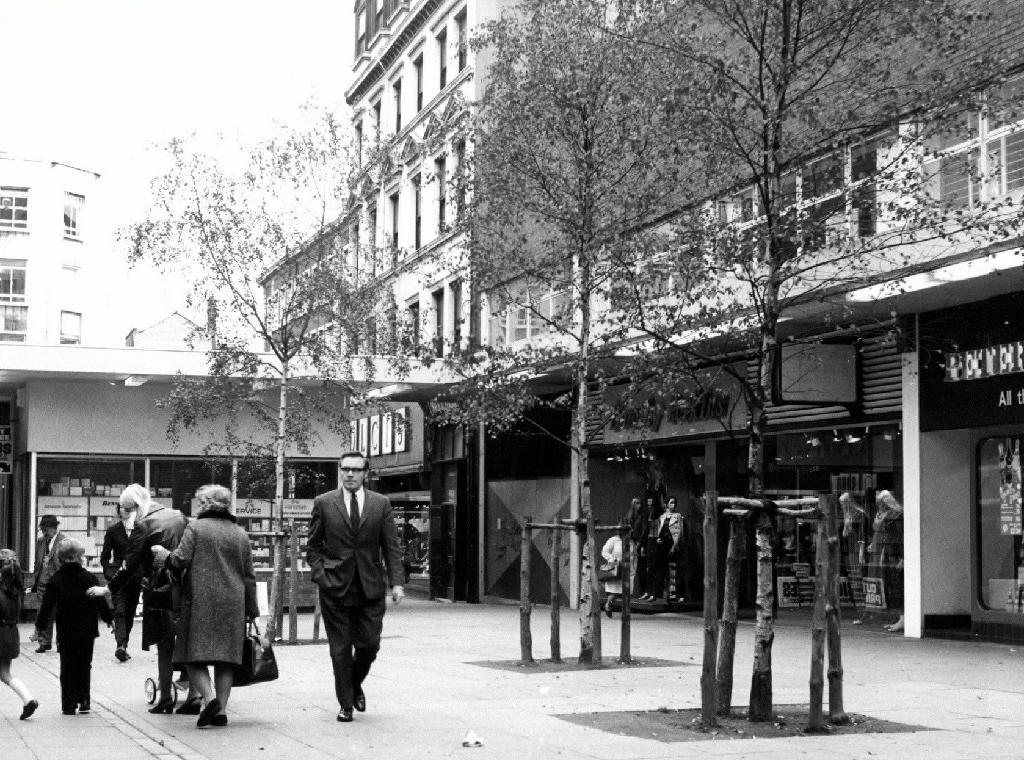
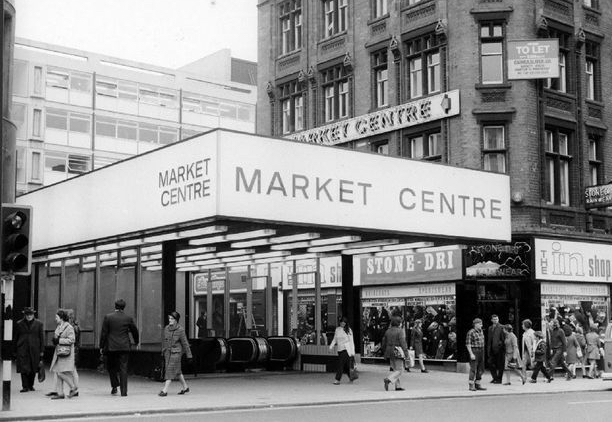
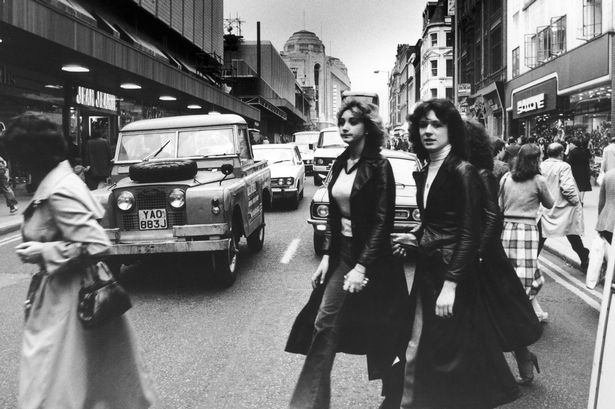
Before the Arndale,  pre-pedestrianisation, Market Street, from the Fifties until the Seventies, was one of Manchester’s key arterial, retail thoroughfares. Mixing mixed traffic, shops, cafés and restaurants, bars, cinemas, offices and administration.

The architectural skyline, had the raggedy silhouette, of a century of build and rebuild.

Lower your eyes, there’s Classical, Gothic, Baroque, local Rococo, Deco, Moderne and Modern – that’s right Madam no two the same, four for a pound, get it while you can.

Lower still, things are still never still, a riot of colour in black and white Vitrolite.

Neon abounds, the names are never changed to protect the innocent.

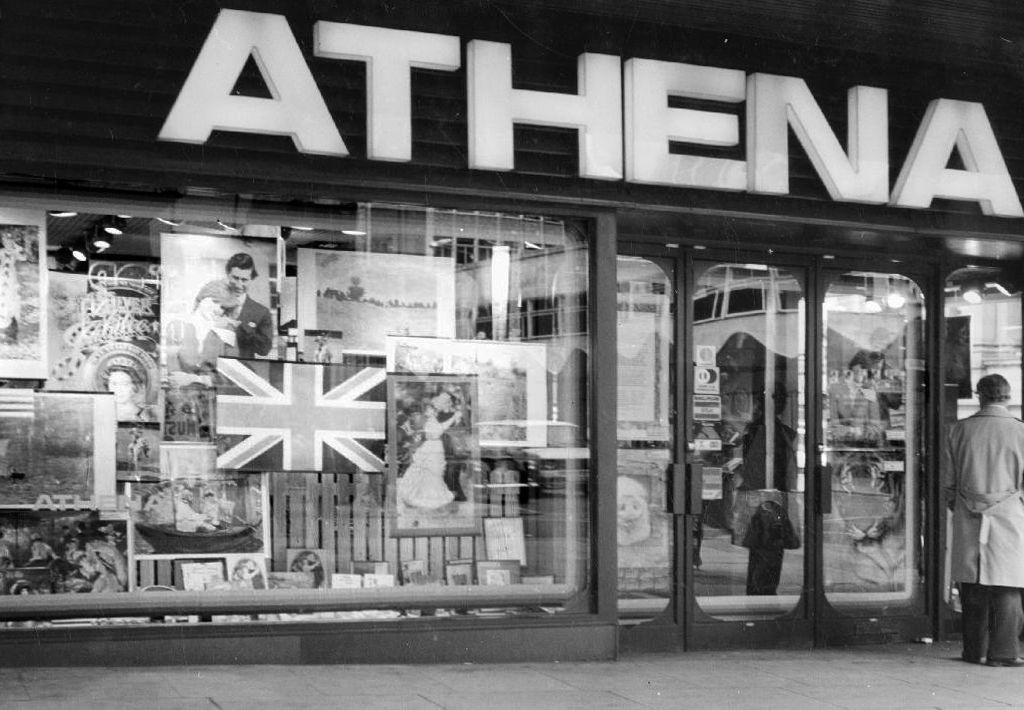
Local traders are slowly replaced by national and international multinationals.

You have nothing to lose but but your chain-store now.


ront-page-from-henry-s-stores-catalogue.-398-p

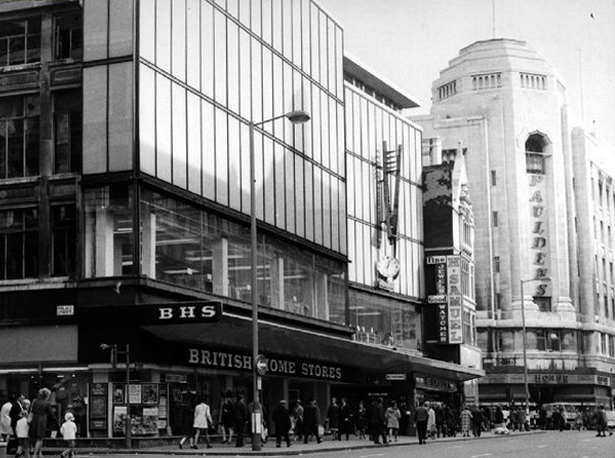
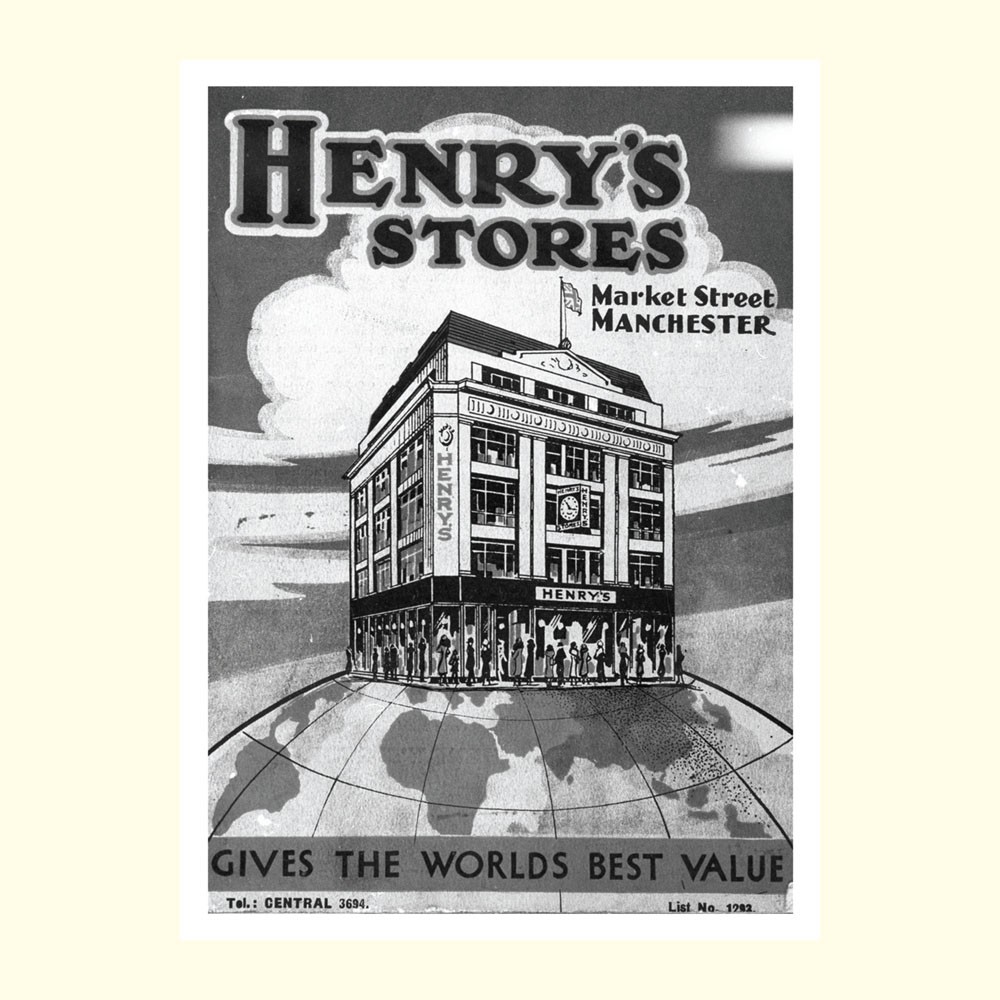
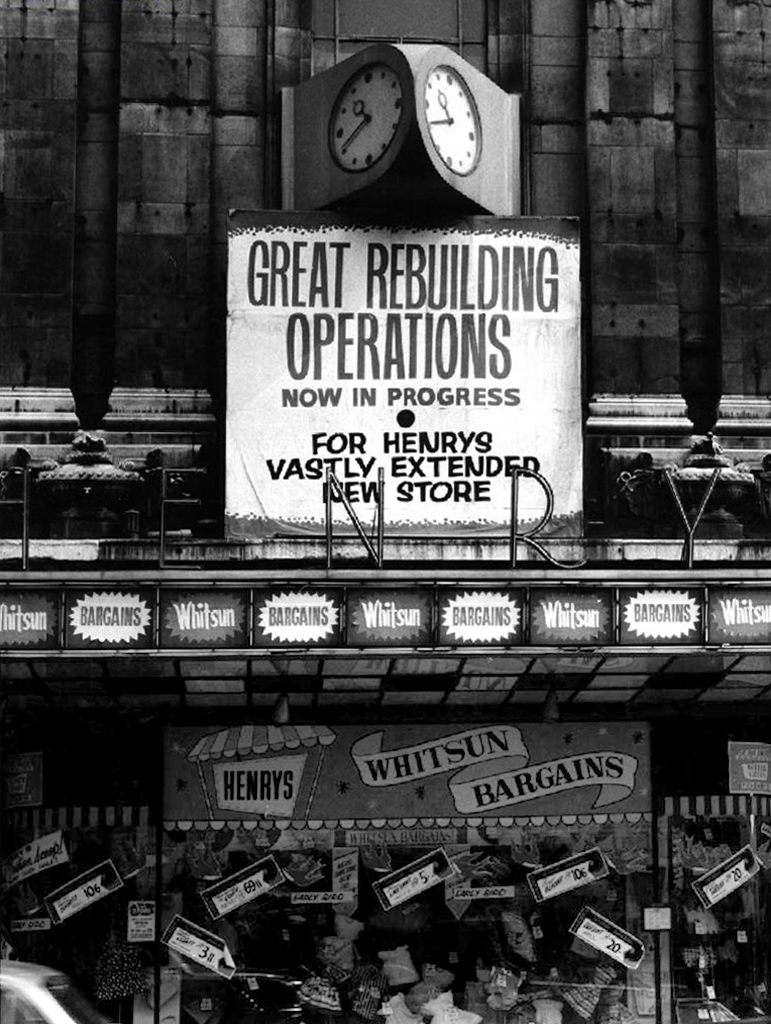
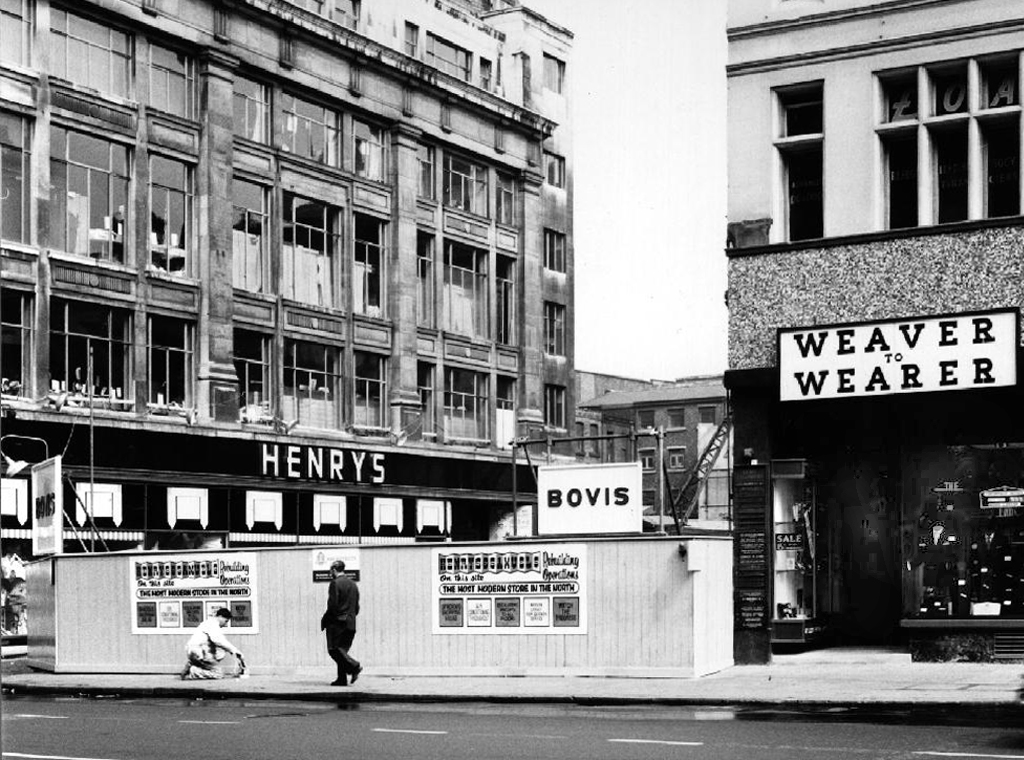
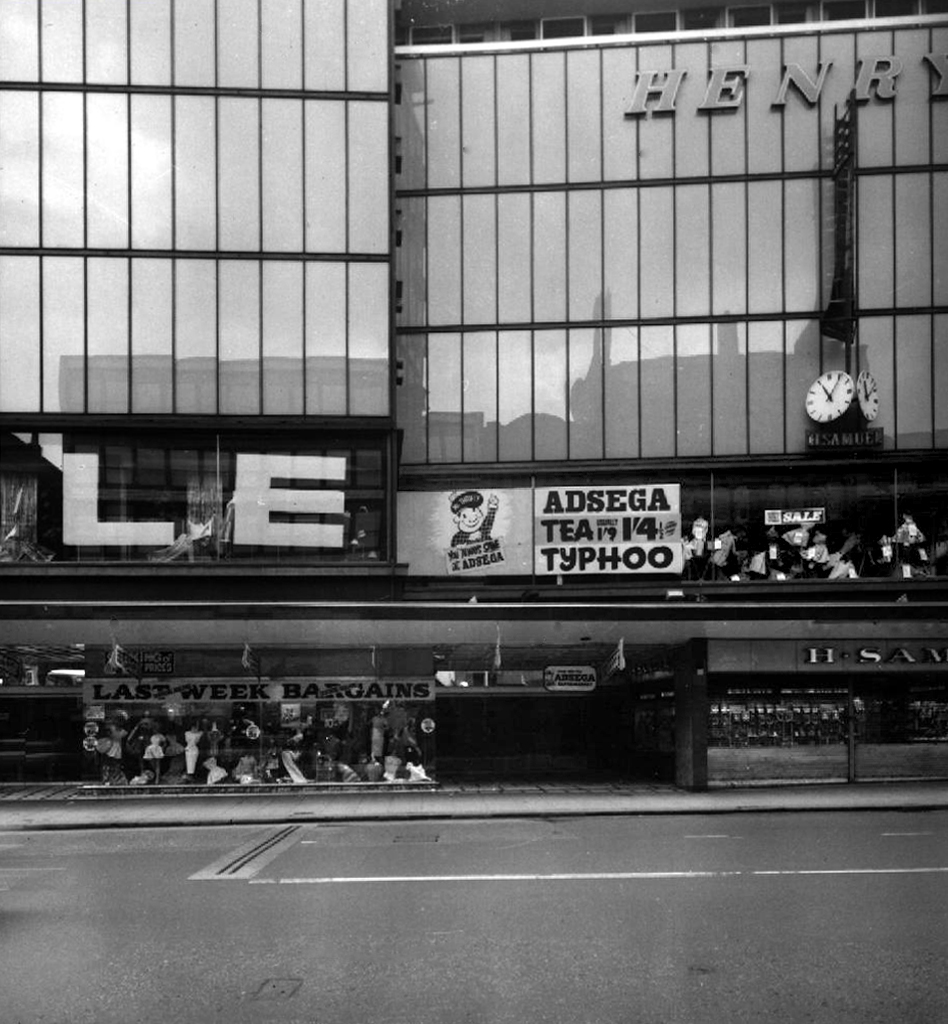
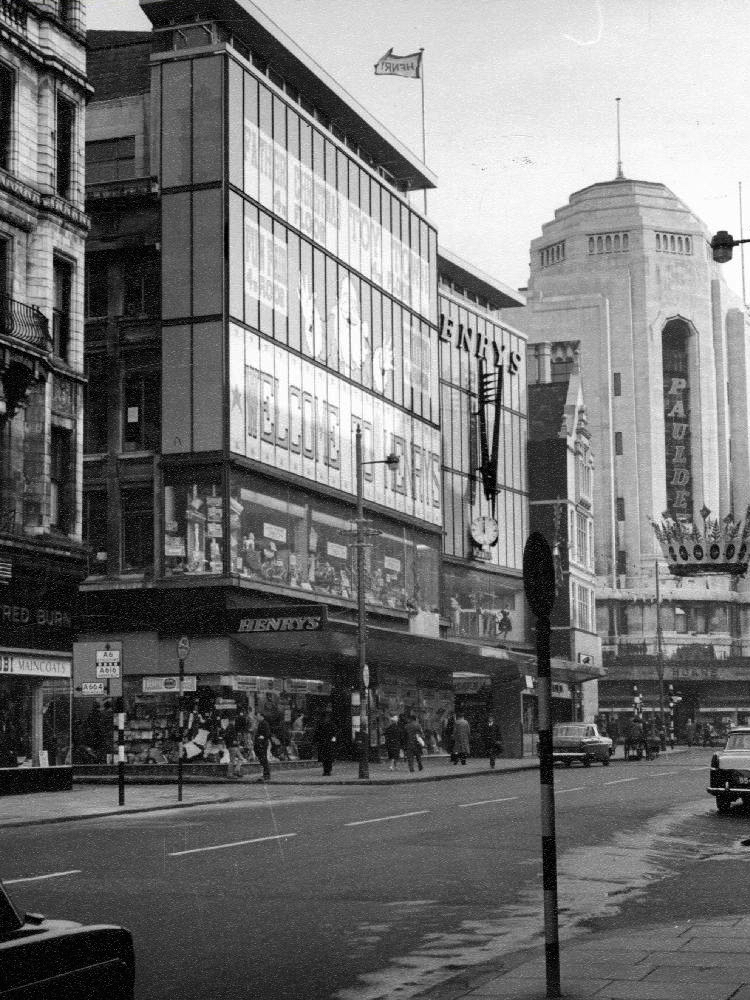
Henry Cohen came to Manchester around 1880. In 1910 he opened a men’s clothing outlet at the corner of Market Street called the Smart Outfitting Company. Having turned down a chance to join Marks and Spencer, he eventually built his department store in Market Street which opened in 1923. Henry’s Stores was redeveloped in the early 60’s acquiring an extension and a unifying Modernist façade, the site and store was acquired by BHS in the mid 60’s.

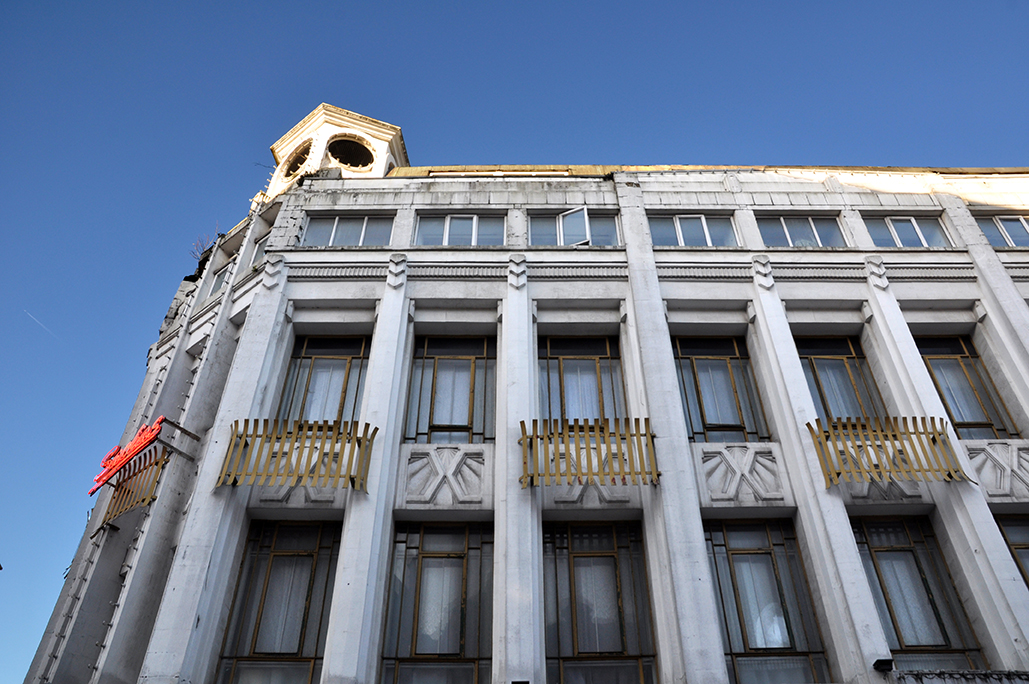
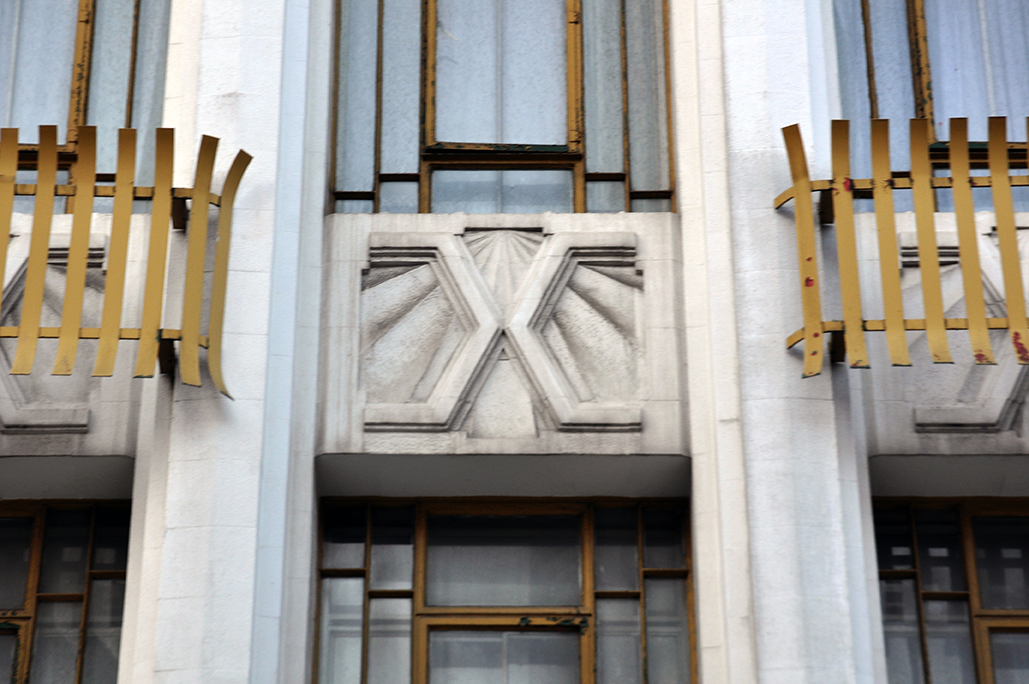
Rylands Building is a Grade II listed building in the building was originally built as a warehouse by the Rylands textile company which was founded by John Rylands. The building was designed by the eminent Manchester architects, Fairhursts, in an Art Deco style. It is clad in Portland stone and features a decorative corner tower and eclectic ‘zig zag’ window lintels.
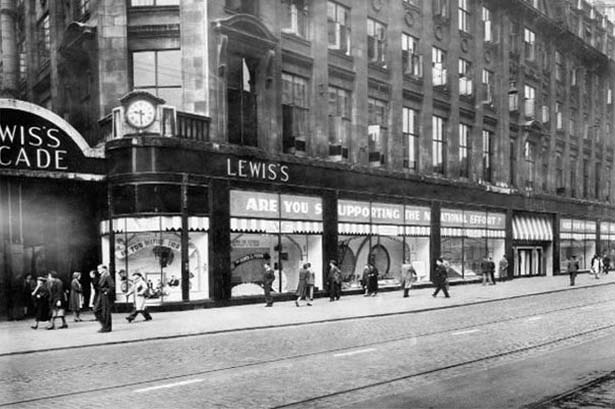
Following a fire, in 1957, which totally destroyed the premises of Paulden’s Department Store, in All Saints, the company acquired the Rylands warehouse building and converted it to a store. This was then a direct rival to the Lewis’s store, on the opposite side of Market Street. In 1973 Debenhams, the owner of Pauldens rebranded the store in their name. Since that time it has remained Debenhams.
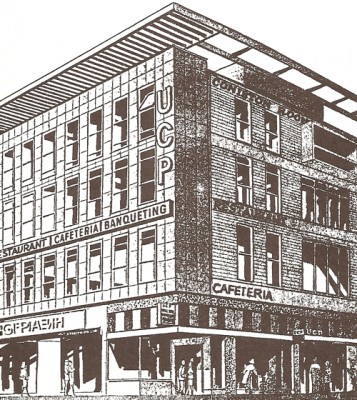
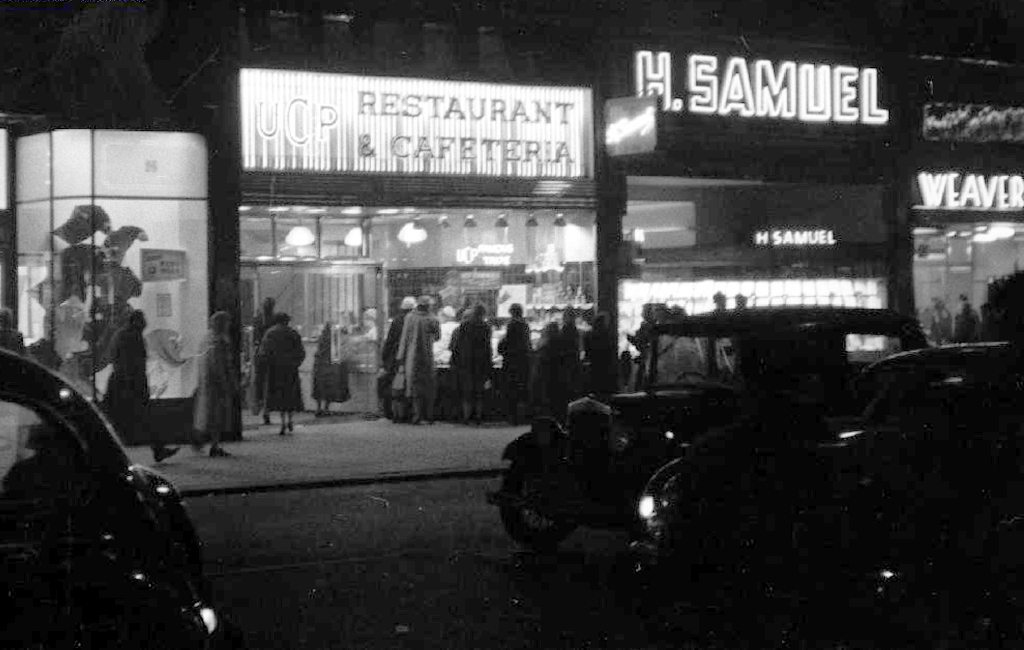
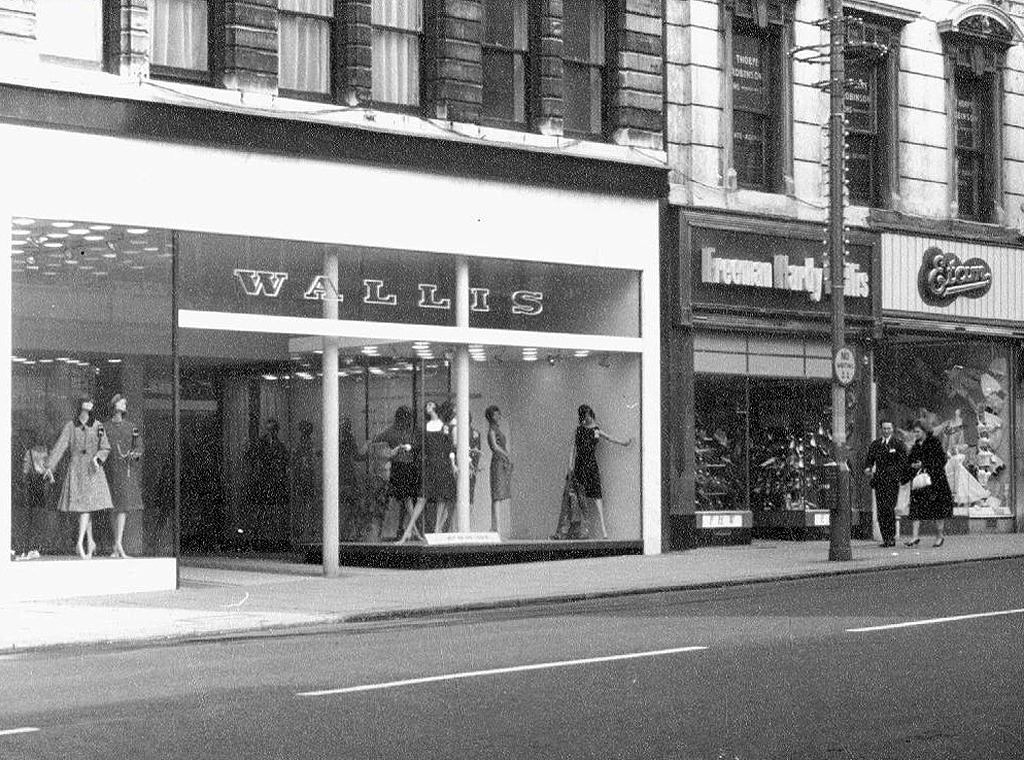
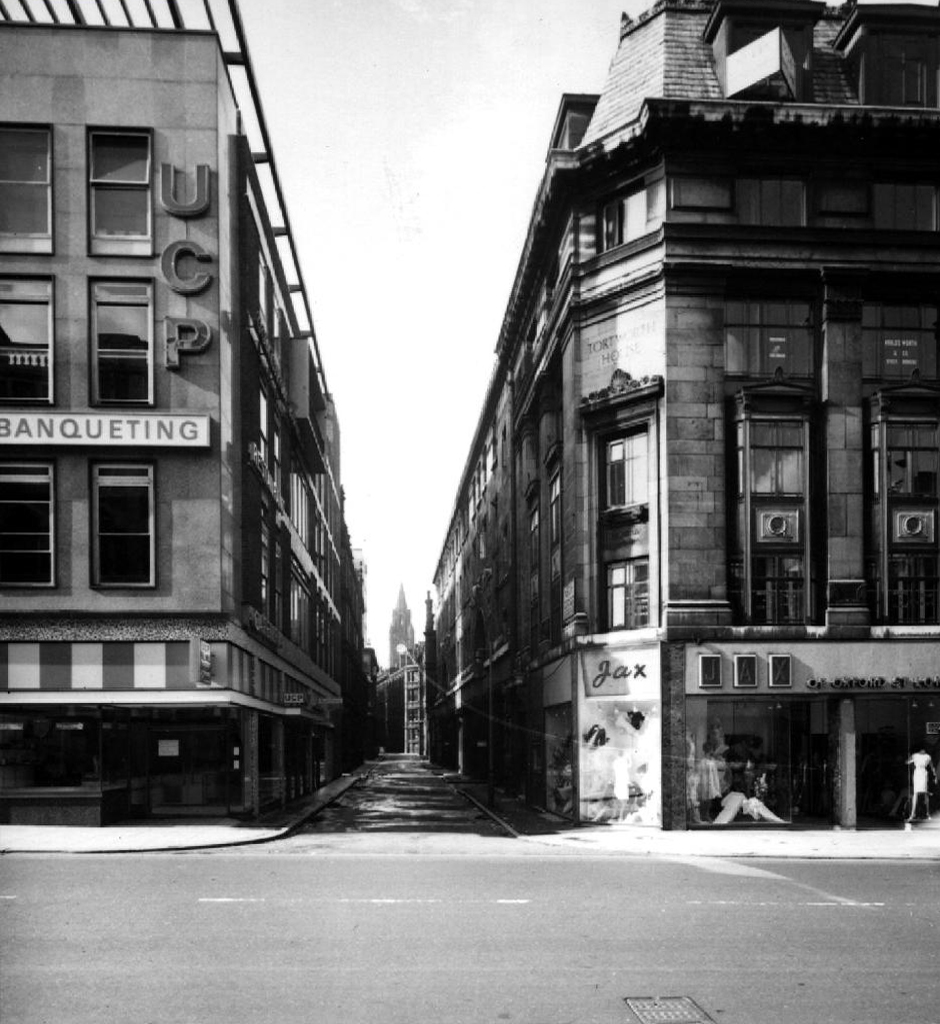
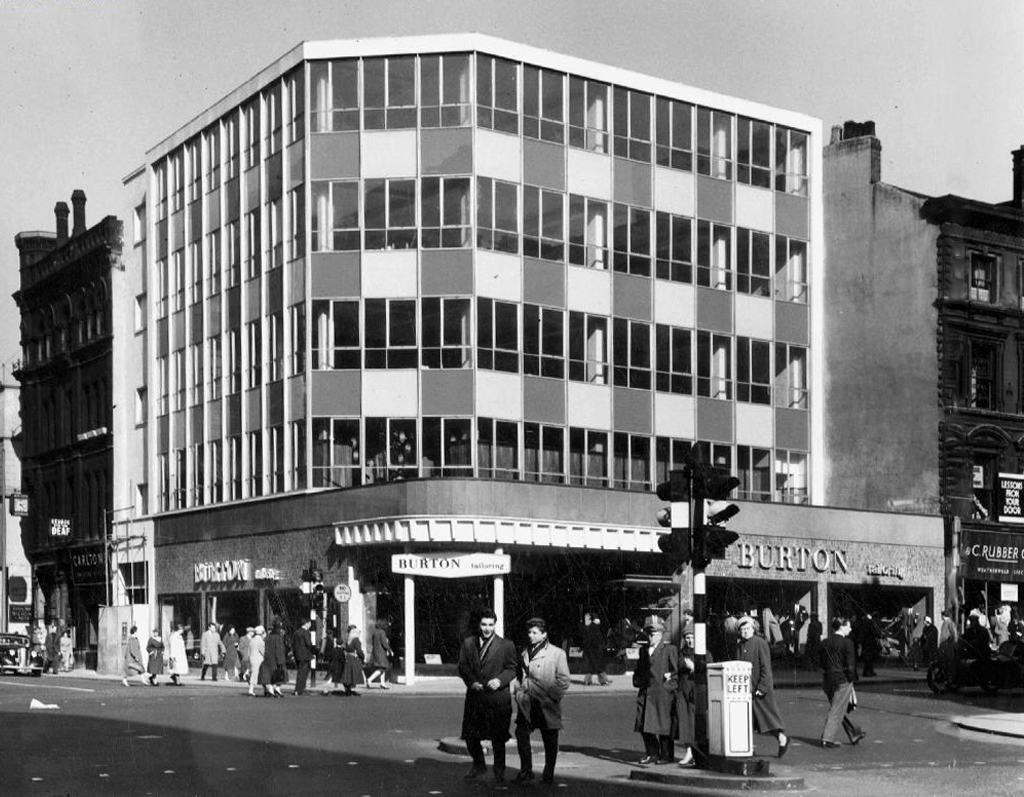
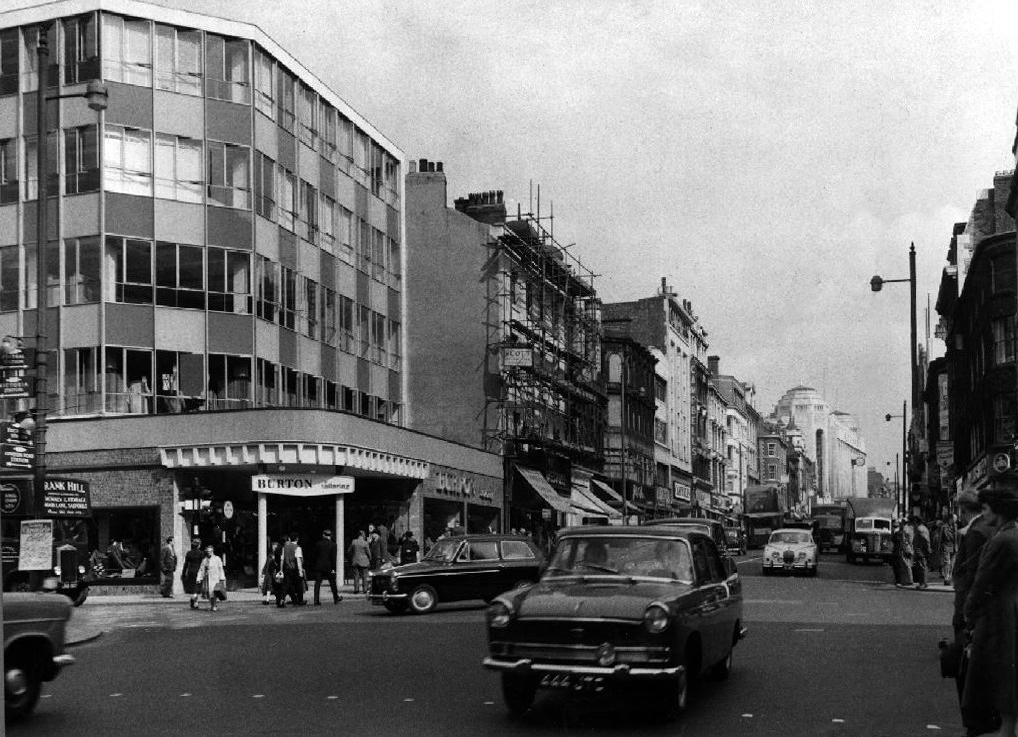
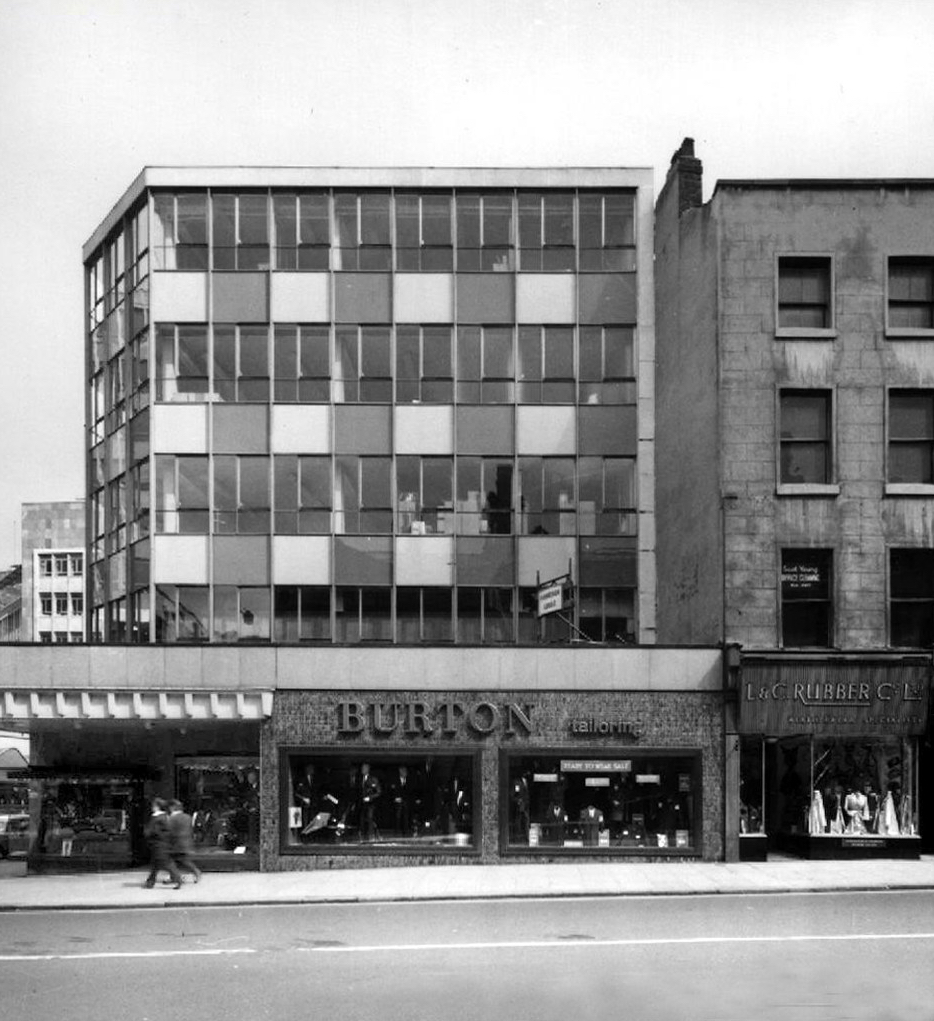
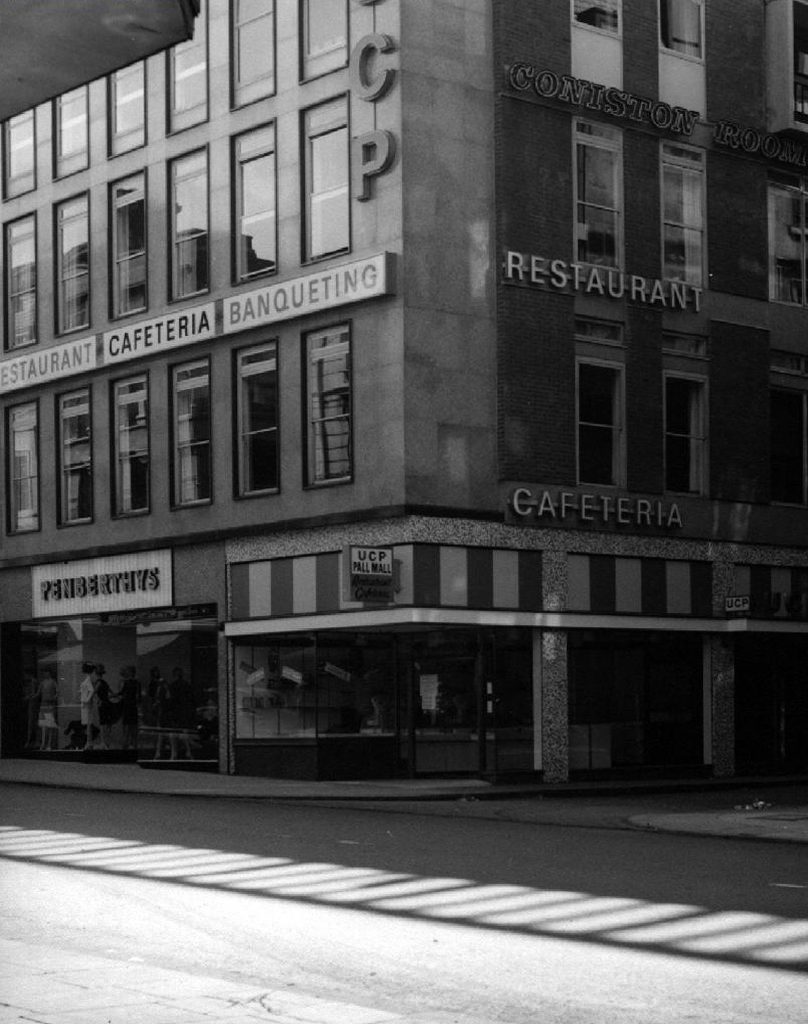
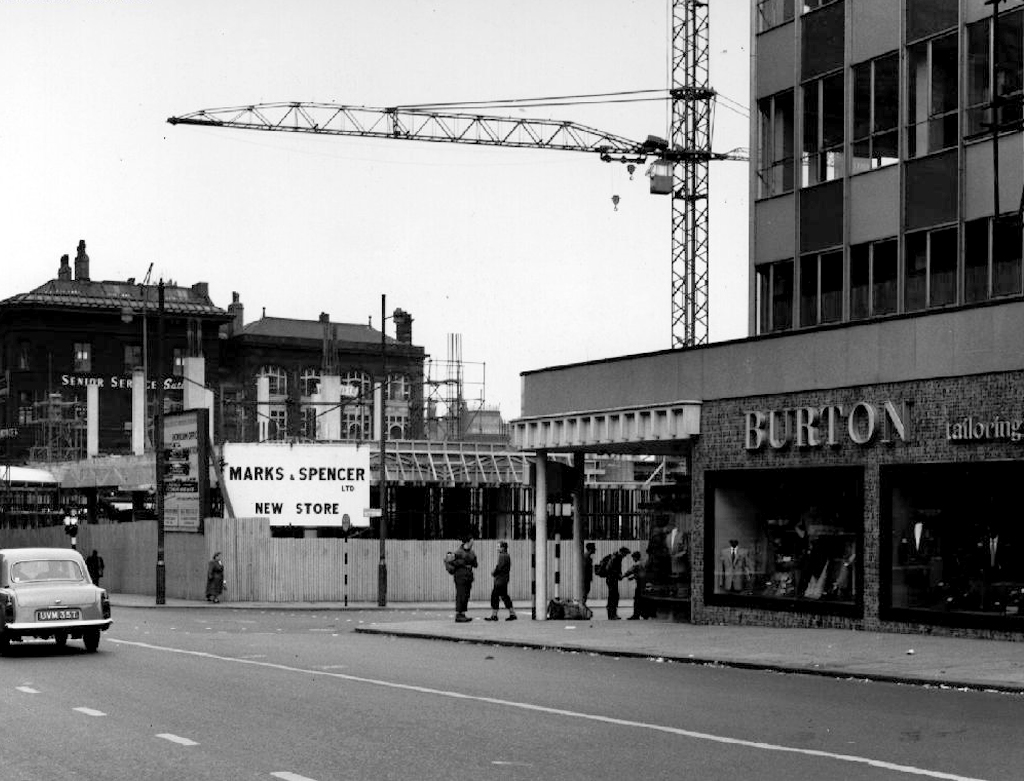
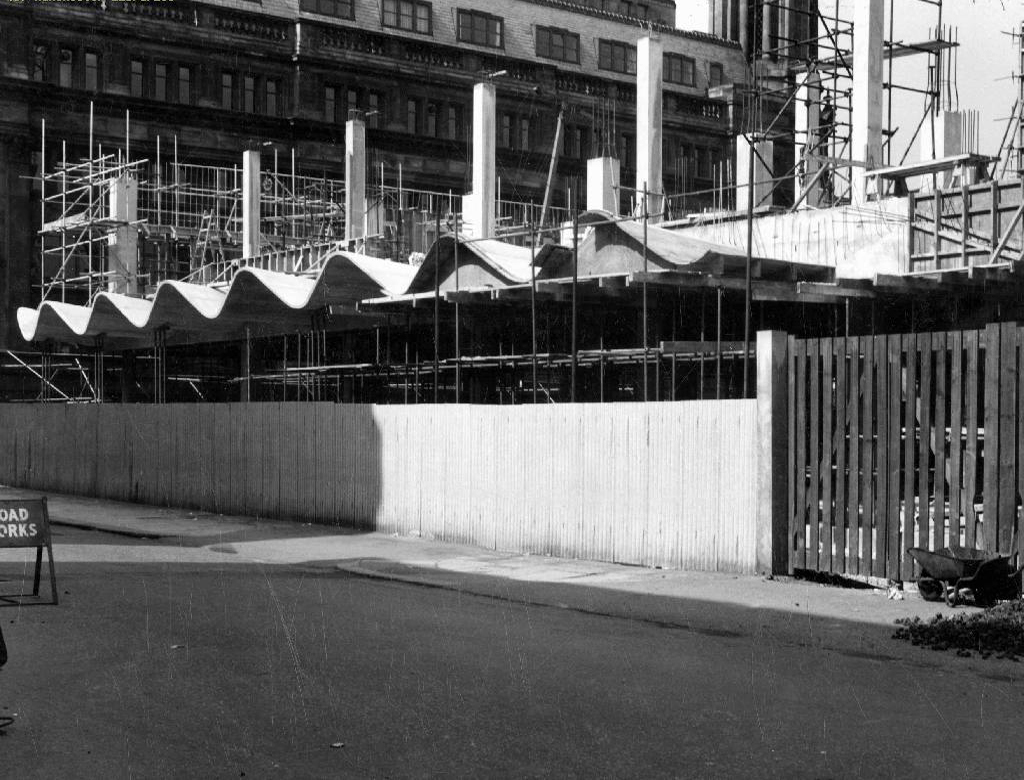
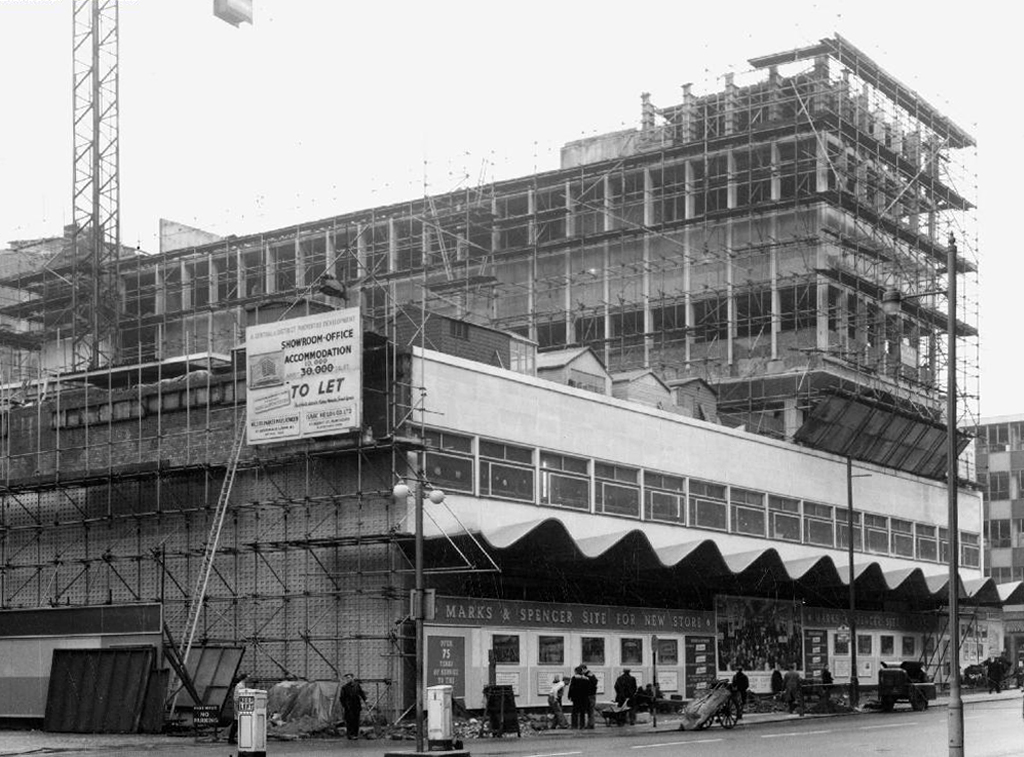
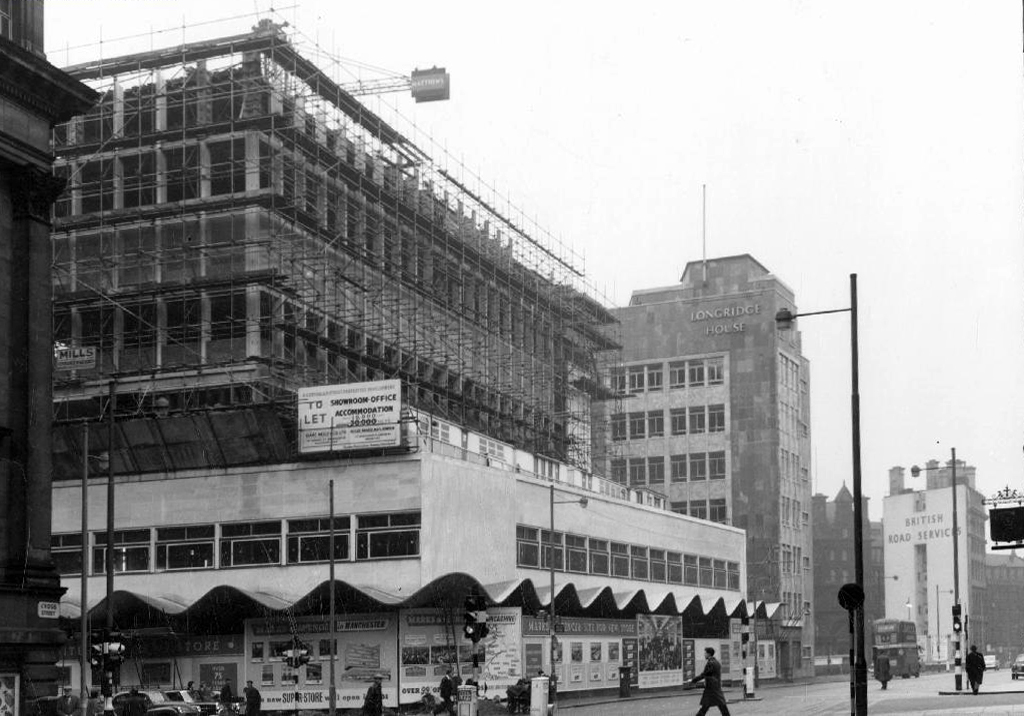
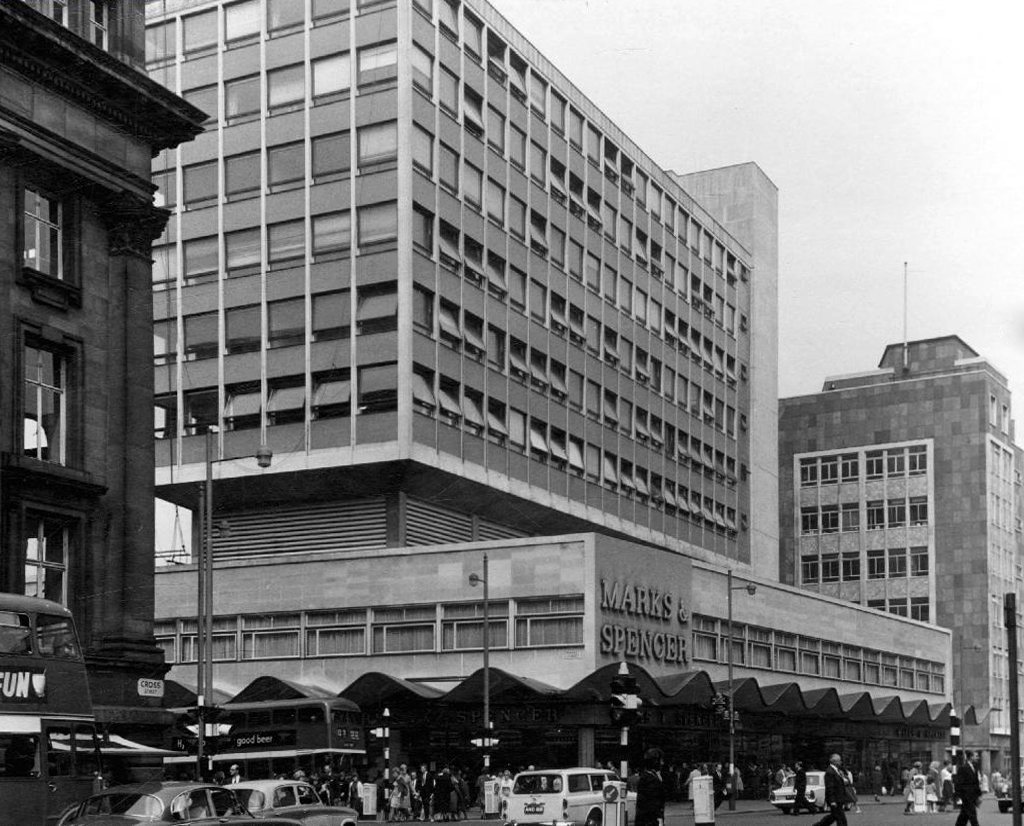
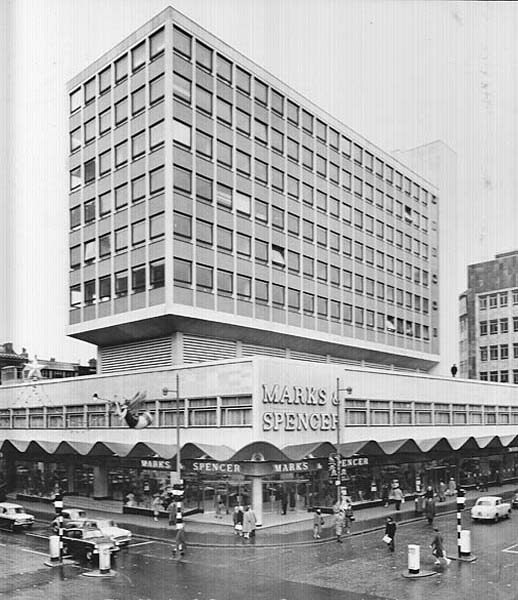
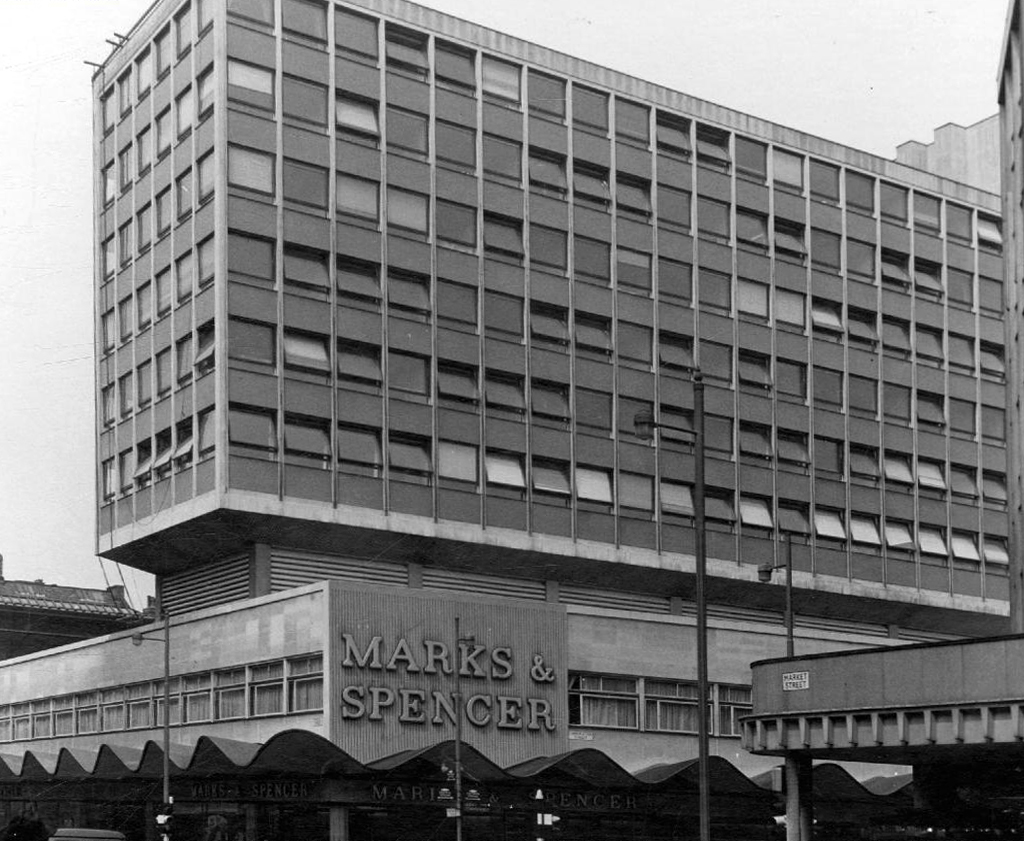
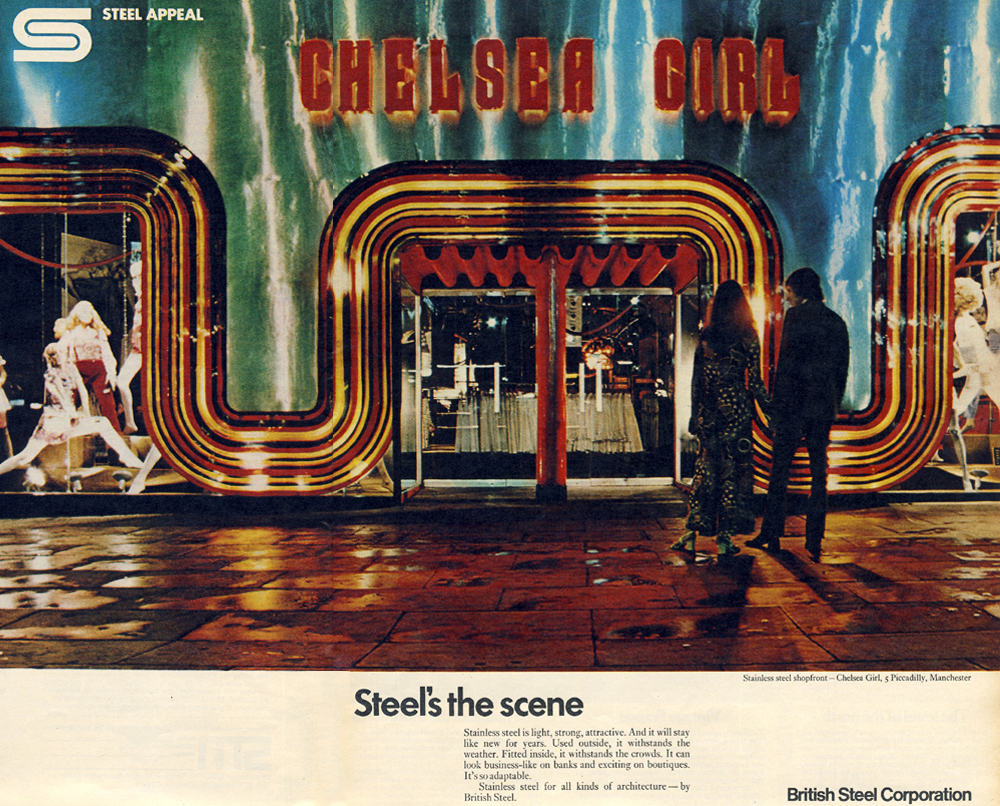
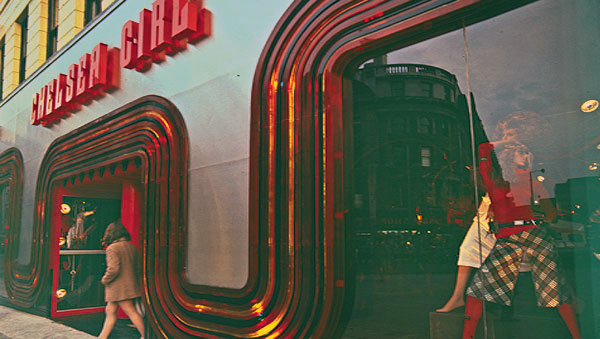
Marks and Spencers and Burton’s both undertook extensive Modernist building in the early 60’s on on the Corporation Street site, neither have survived. The Chelsea Girl steel frontageUCP Restaurant beloved of the Manchester Modernists, Kardomah Café and countless other landmarks are long gone. Lewis’s has become Primark.

The double indignity of the Arndale and a bomb have changed things forever.

Nothing stands still – this is Market Street.

With thanks to http://images.manchester.gov.uk/index.php?session=pass

lewis-1940

8.jpeg

henry's

7

10

9

3

webmedia-4-php.jpeg

a-z

14

webmedia-23-php.jpeg

webmedia-6.php

webmedia-26.php

16

webmedia-9.php

18

5

webmedia-10.php

webmedia-7.php

webmedia-1.php

2.jpeg

4.jpeg

webmedia-11.php

webmedia-3.php

13

webmedia-8.php

webmedia-12.php

15

webmedia-13.php

webmedia-15-php.jpeg

6

webmedia-2.php

1.jpeg

19

webmedia.php

20.jpeg

webmedia-5.php

webmedia-22-php.jpeg

webmedia-24-php.jpeg

5220807822_fcafda48e6.jpg

11

webmedia-17.php

webmedia-18.php

webmedia-19.php

webmedia-20.php

Marksandspencer1962

webmedia-21.php

12

17

webmedia-9.jpg

steels-the-scene-chelsea-girl

Chelsea Girl

p_00484389


Park Hill – Sheffield

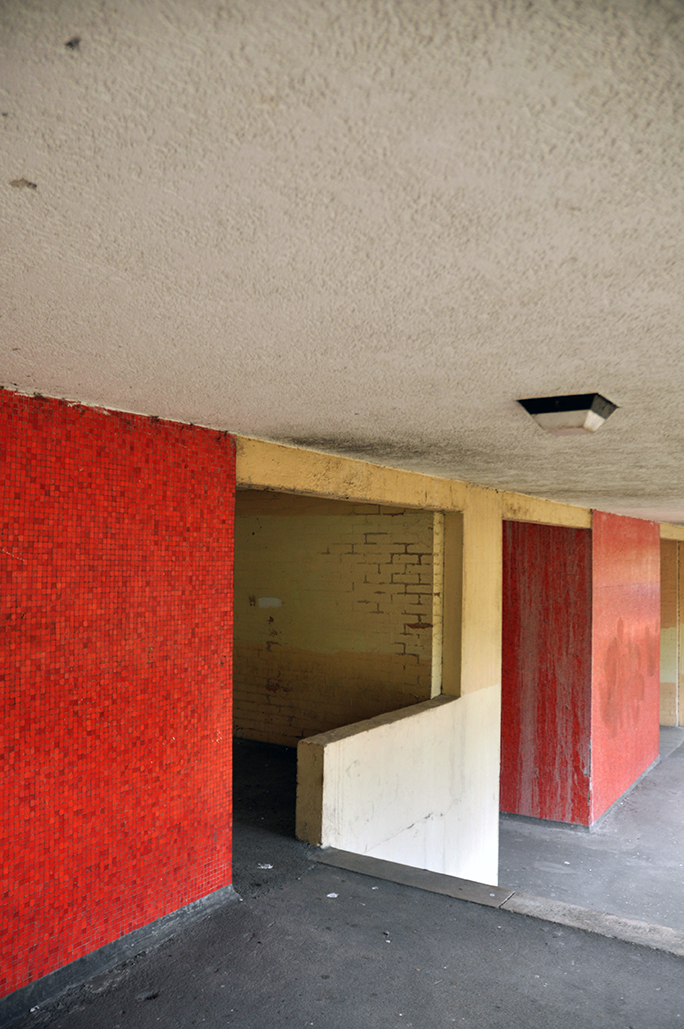
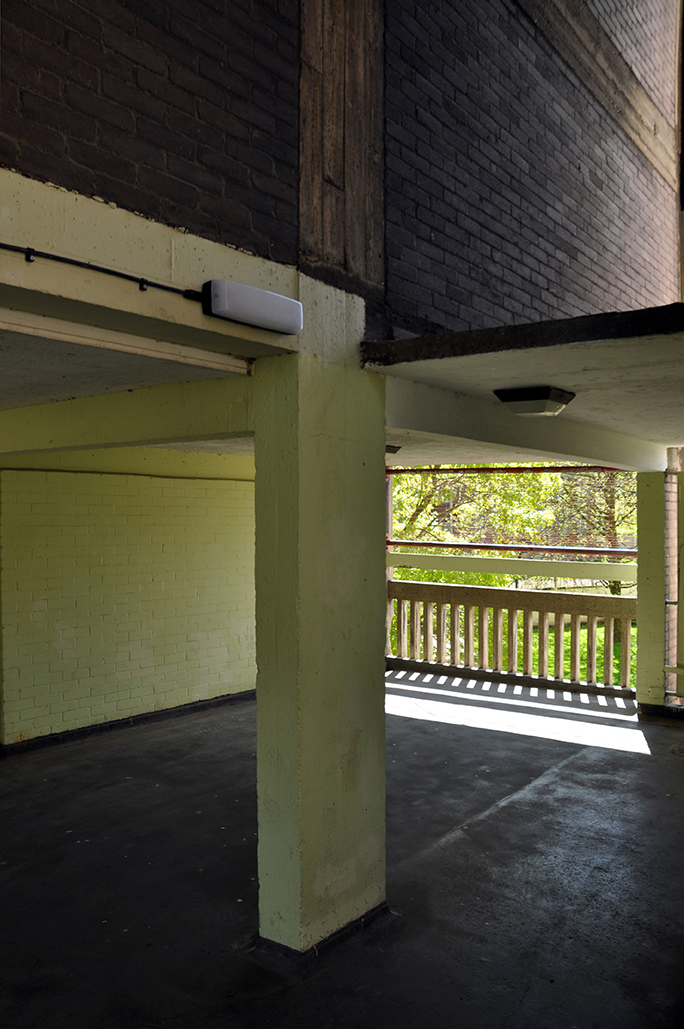
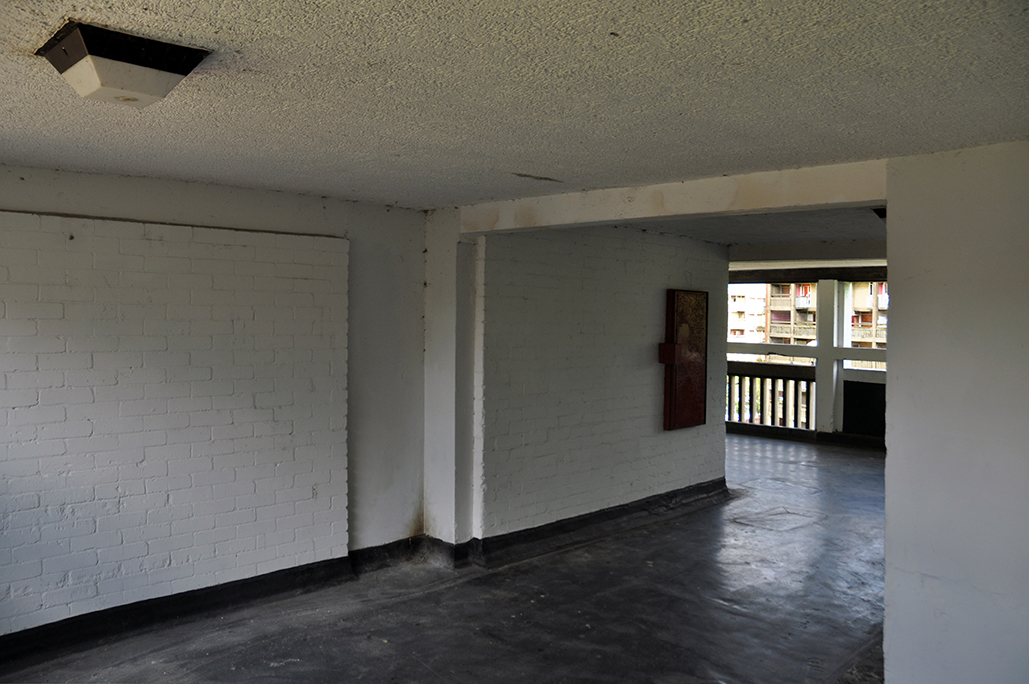
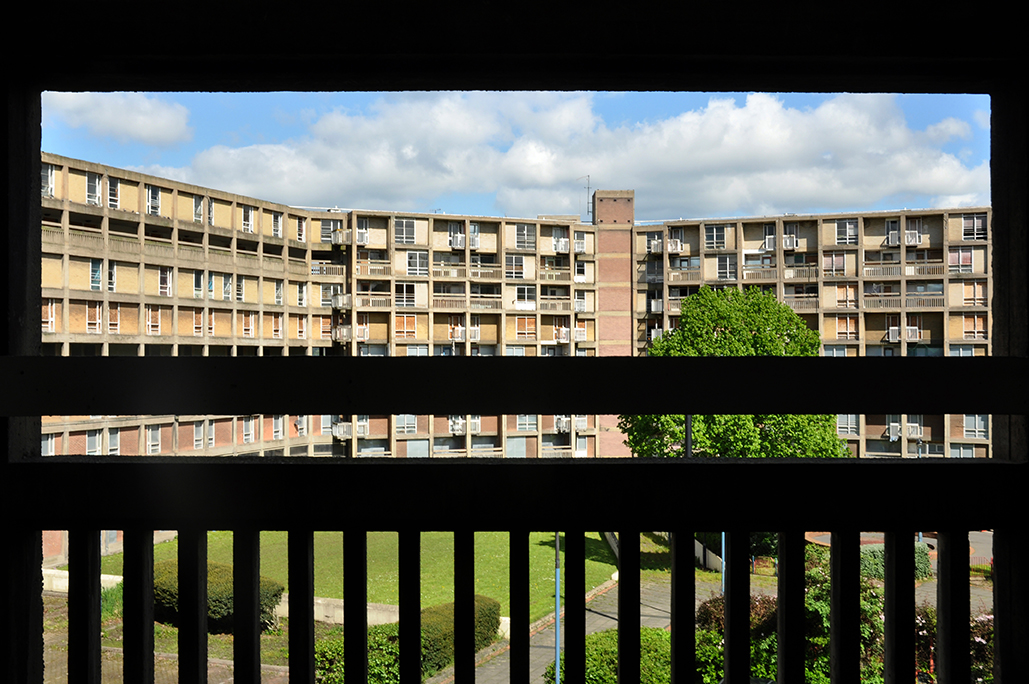
An estate with a chequered career.

Once a beacon of Modernist design, now a listed concrete grid, in arrested decline, an essay in status and stasis, high above the city of Sheffield.

A handful of former residents of the once acclaimed social housing, cling to the western edge.

Phase one of the Urbansplash redevelopment has carefully coloured in a portion of the eastern corner, then exited, their cladding tucked tightly under their arms.

Impasse.

All tinned up with nowhere to go, to walk the walkways, is to enter a ghost town, where no tumbleweeds tumble. Billy the corporation cleaner is happy to work alone, sweeping the empty spaces.

“Some don’t like working up here, I don’t mind my own company. Even if there was just one resident left, we’d still have to keep the place in order. You’d love my house, it’s an Army Barracks in the centre of town. Wife’s the caretaker, been in her family for three generations.”

billy

This is the second of three visits I have made from across the Pennines.

Mark – “Why are all these photographers coming here from Manchester?”

Screen Shot 2015-12-13 at 04.57.05


“Been here some time, this is the second flat I’ve had, just missed out on one of the new ones though. Had this one nine years. Bloke threw himself off last week, he had a wife kids, parked up and just jumped.”

Take a look around.

DSC_0168

DSC_0071

DSC_0017

DSC_0170

DSC_0175

DSC_0008

DSC_0020

DSC_0116

DSC_0074

DSC_0093

DSC_0029

DSC_0165DSC_0106

DSC_0164

DSC_0101

DSC_0159

DSC_0051

DSC_0091

DSC_0047

DSC_0112

DSC_0145

DSC_0099

DSC_0026

DSC_0140


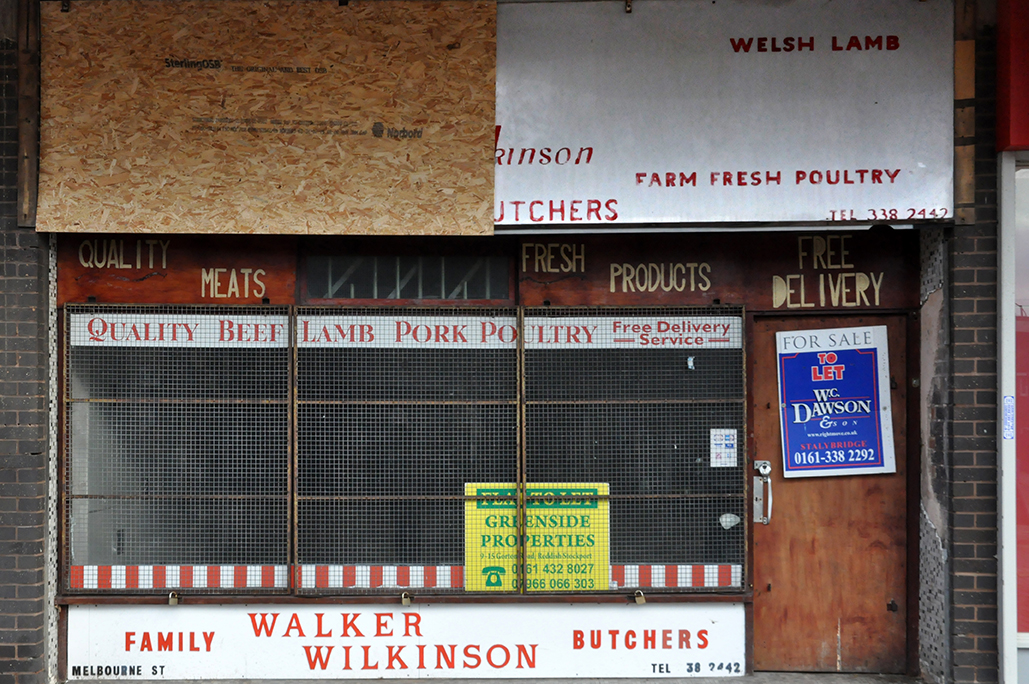
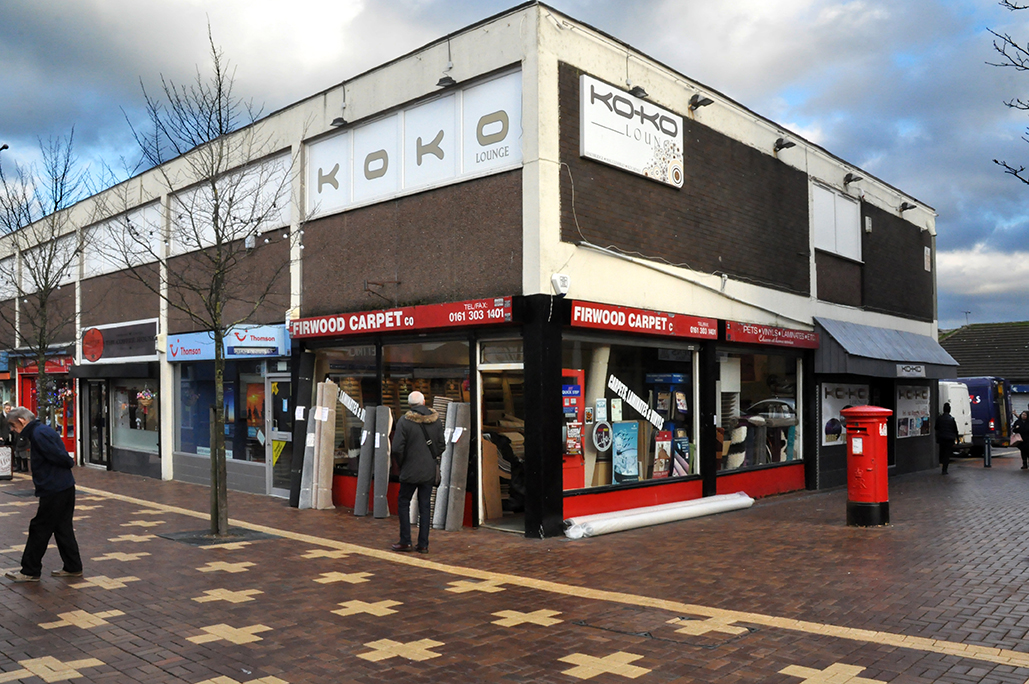
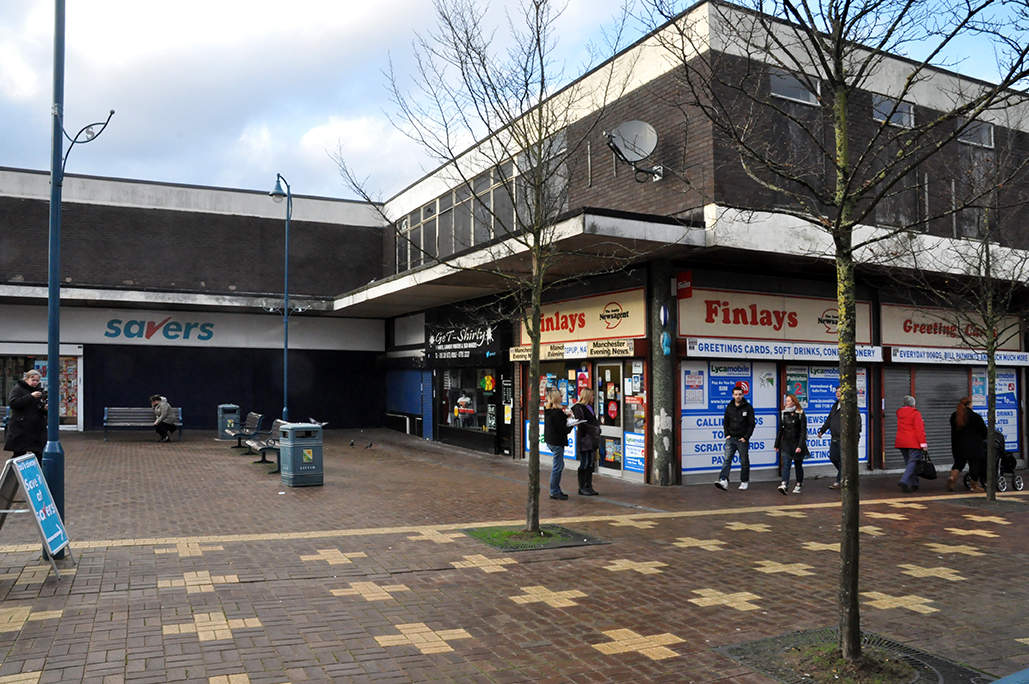
Precinct – Stalybridge

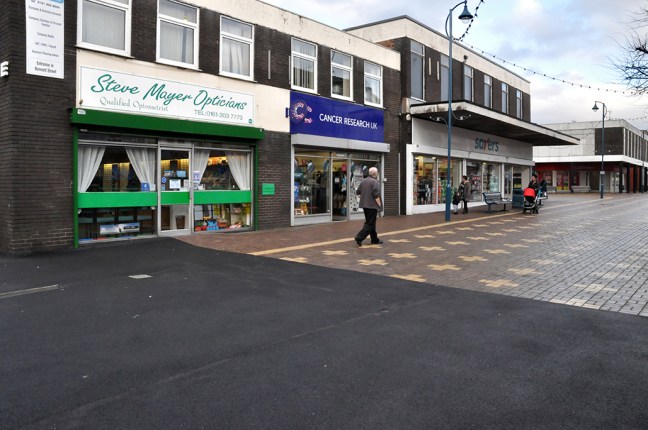
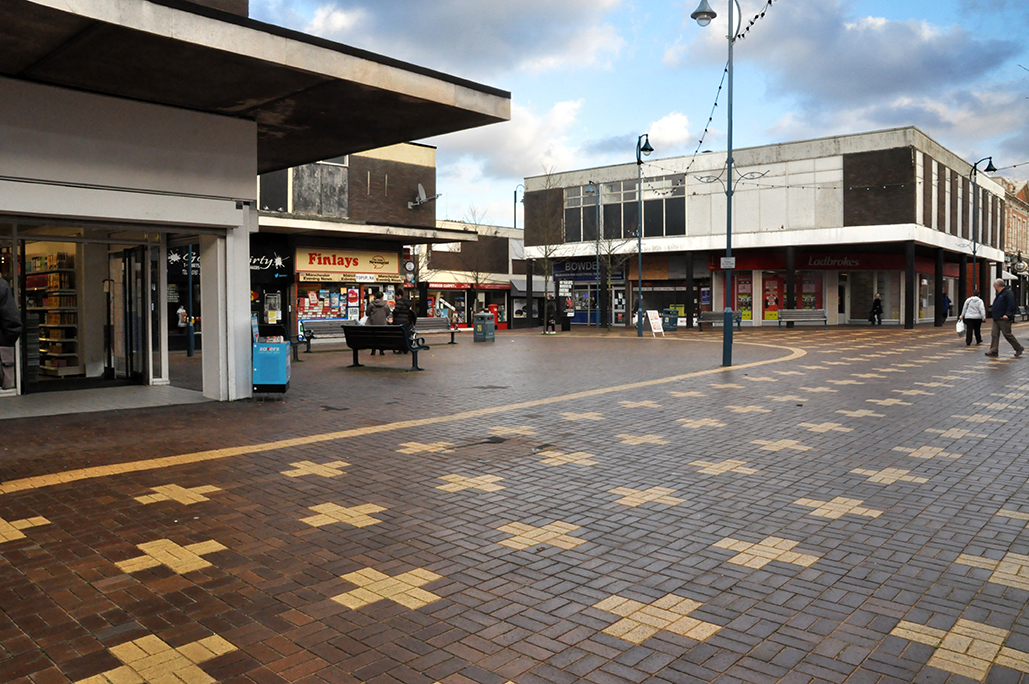
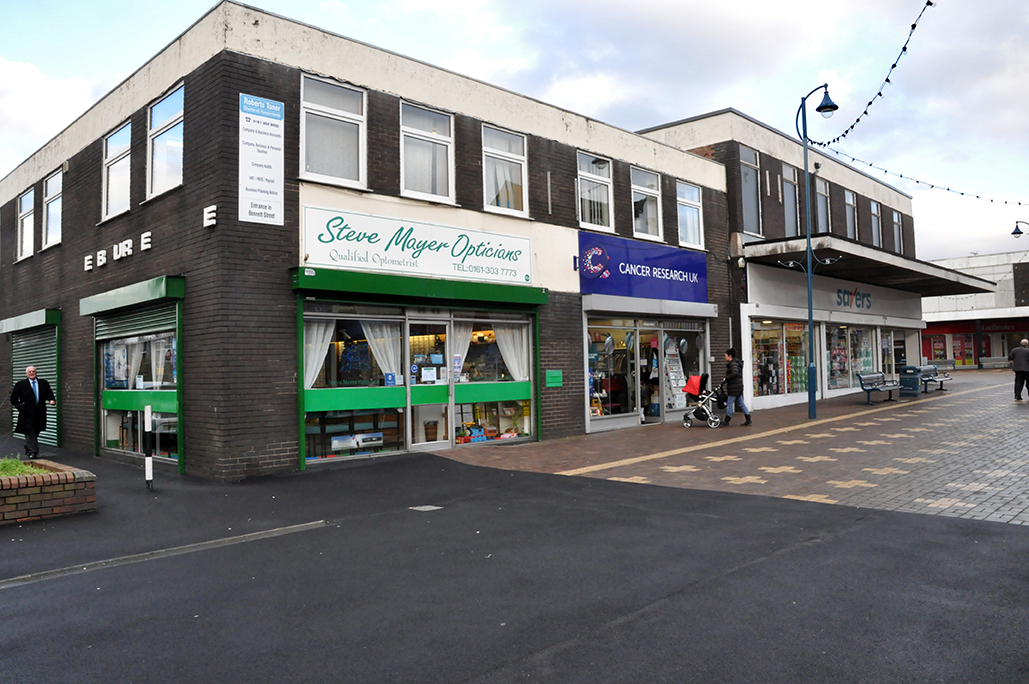
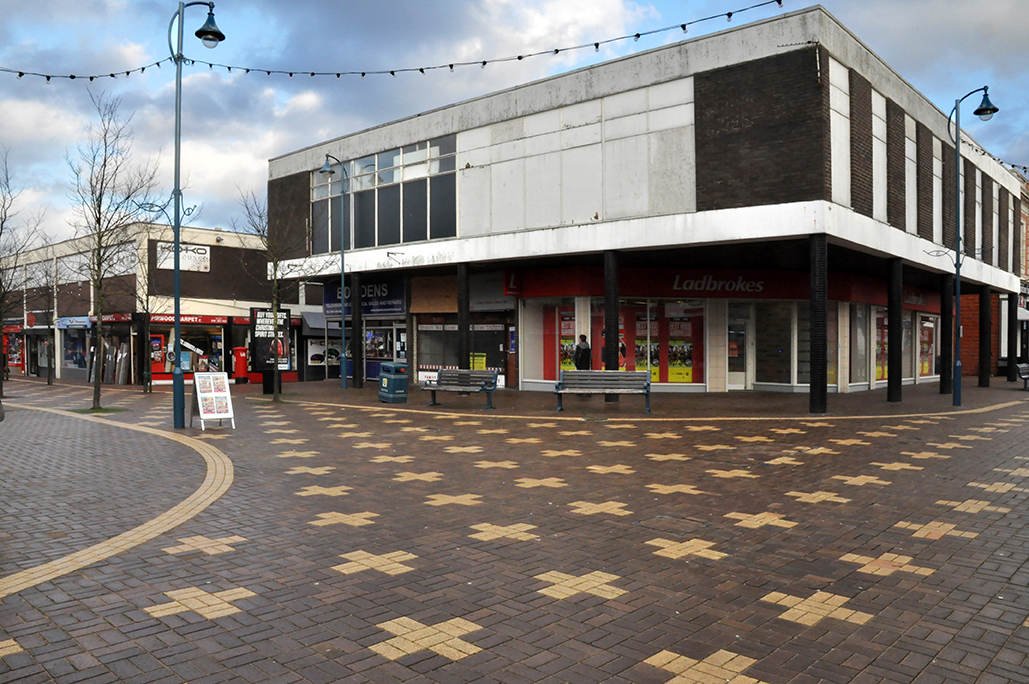
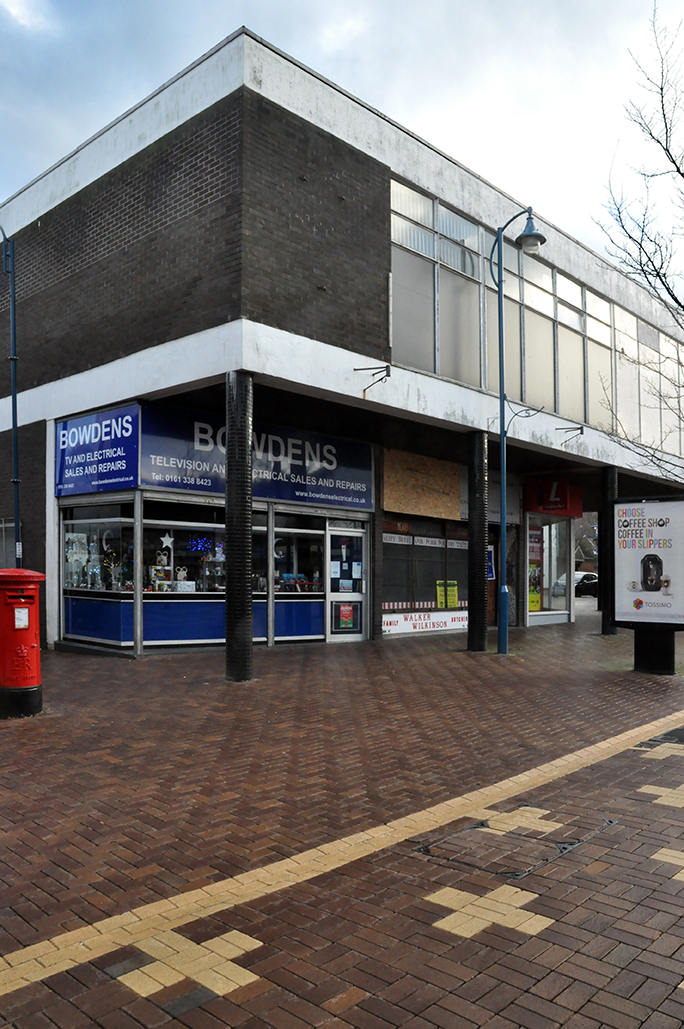
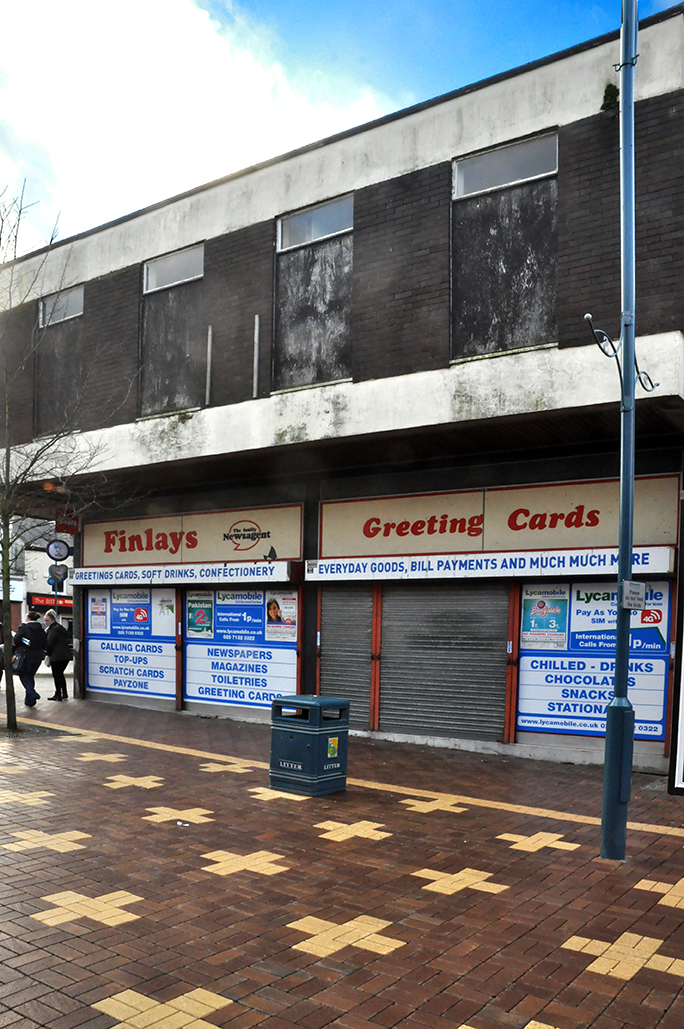
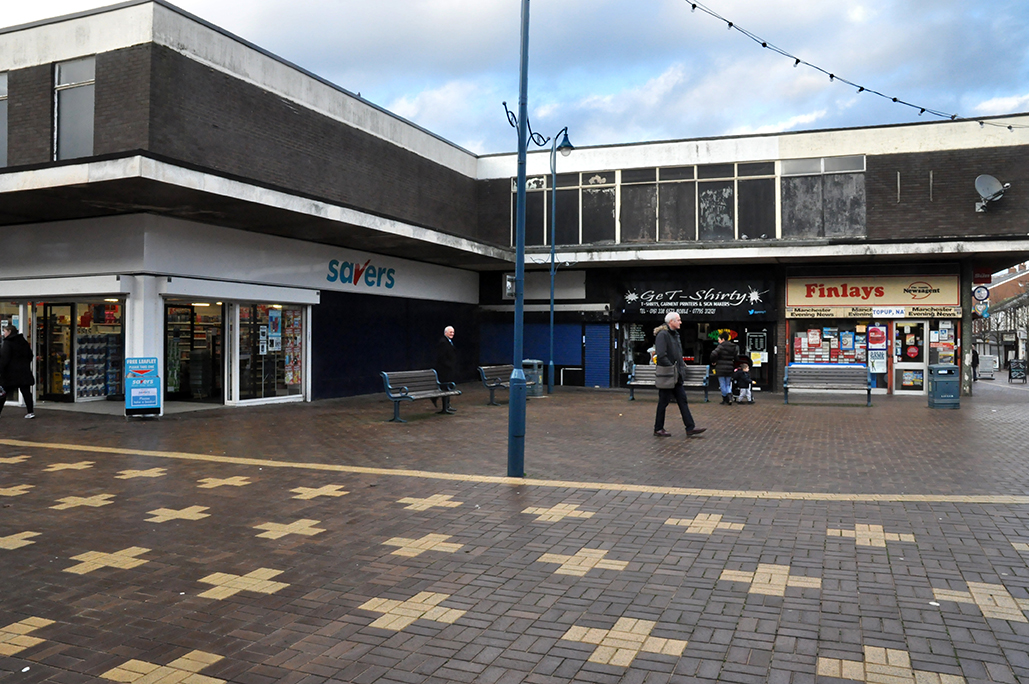
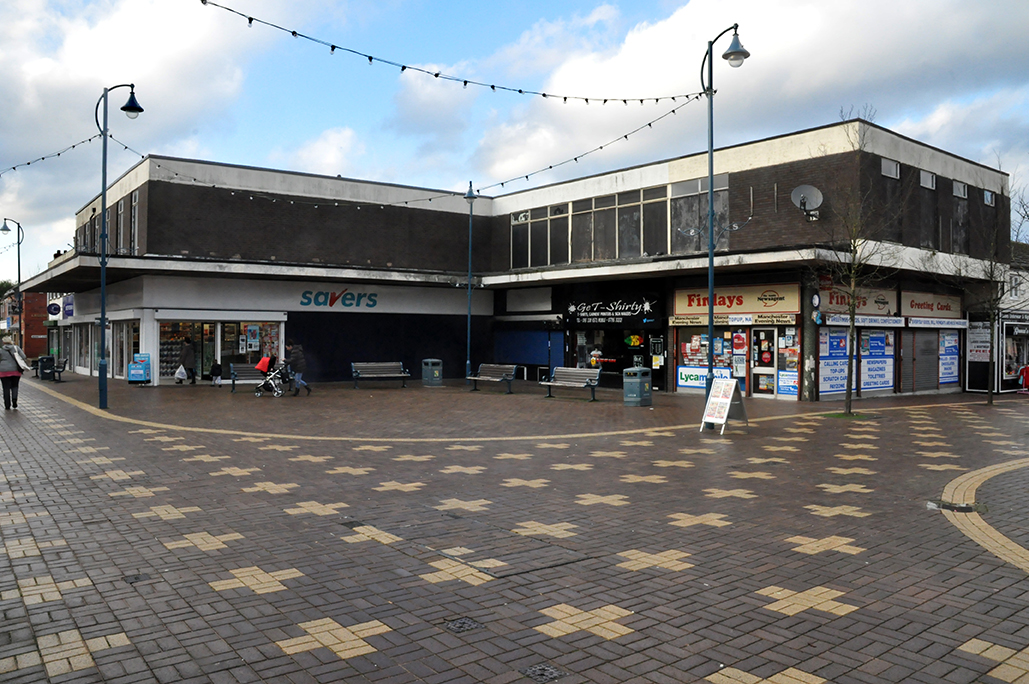
The dissipated filling, in an Aldi and Tesco sandwich, a flat roofed, concrete and brick sixties shopping development, a precinct.

Small towns typically comprise of several retail developments, of various vintages, chasing diminishing returns, in ever expanding rectangles.

Stalybridge is no exception, once a bustling mill town, it sought salvation in a hedonistic mini-break by the River Tame, party industry.

Stalyvegas.

The bright lights of the society of the spectacle, now extinguished, burnt brightly in Bar Liquid, Club Rififi, H2O and Amber Lounge.

Walking the streets today, a meagre spread of shoppers, hardened daytime drinkers and lost souls.

Bids were made for a Portas Pilot, Mary contrarily resisted.

The Northern Powerhouse hits the buffers.

The Buffet prevails.

DSC_0119 copy

DSC_0118 copy

DSC_0121 copy

DSC_0126 copy

DSC_0127 copy

DSC_0120 copy

DSC_0122 copy

DSC_0123 copy

DSC_0125 copy

DSC_0124 copy