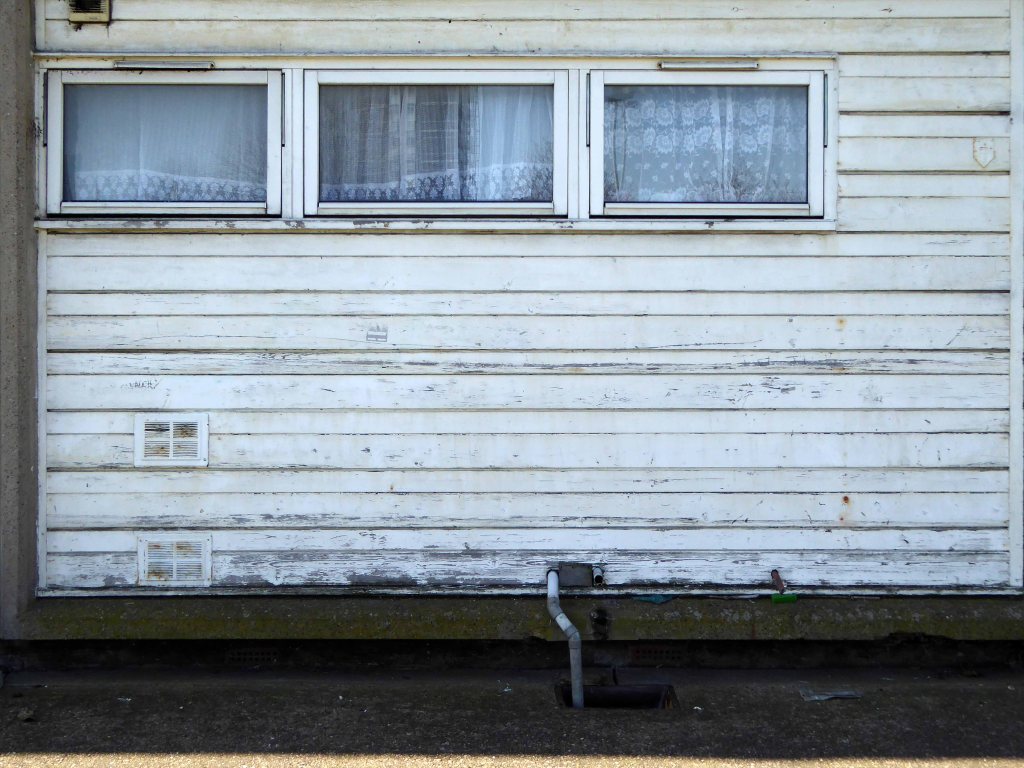
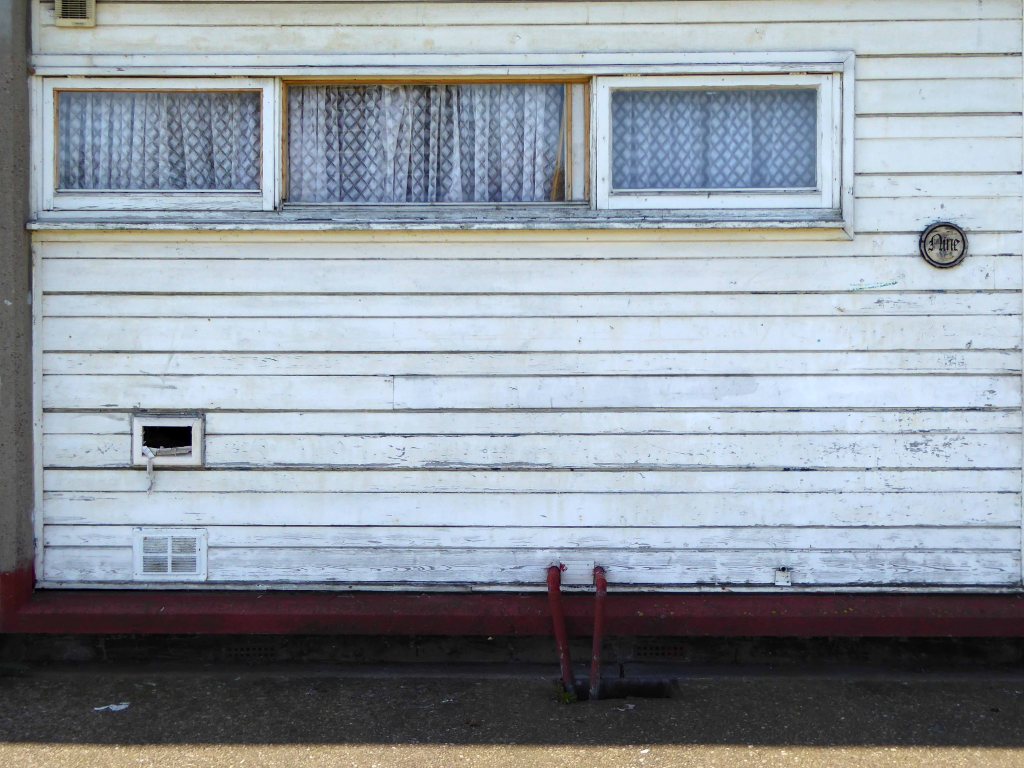
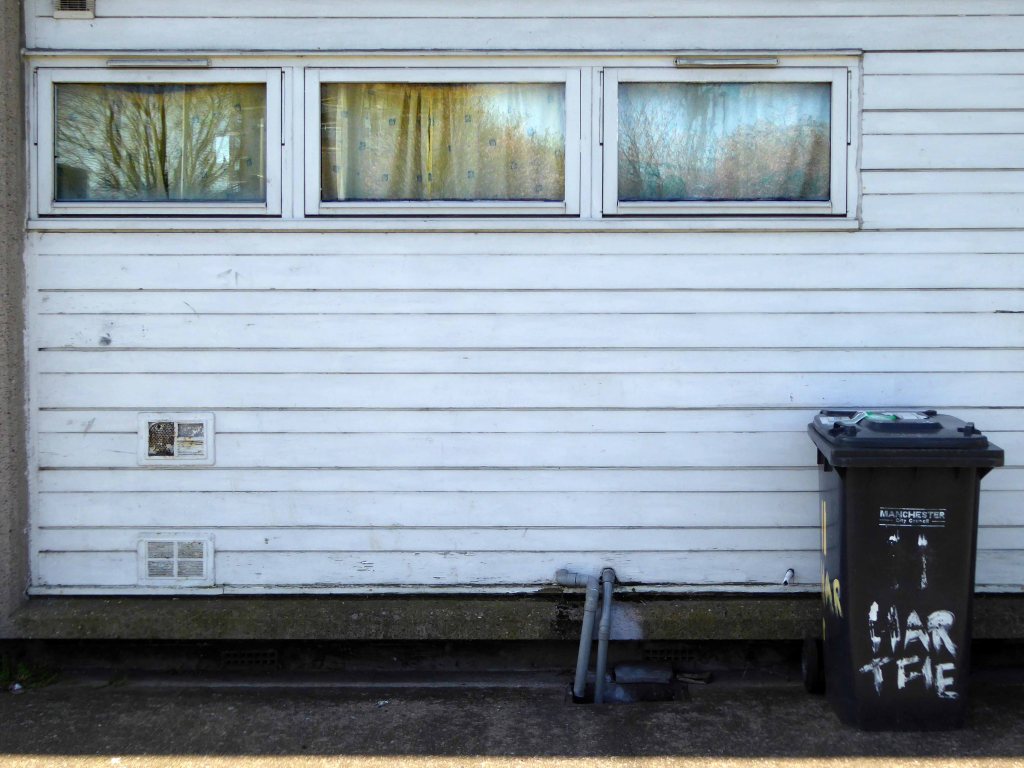
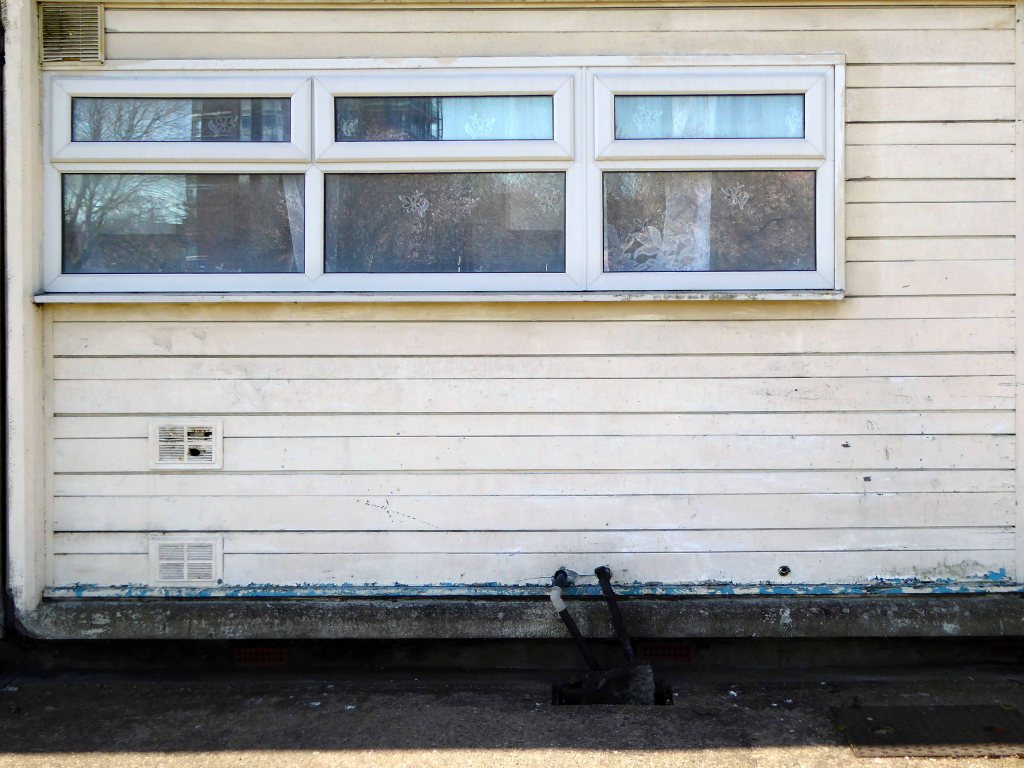
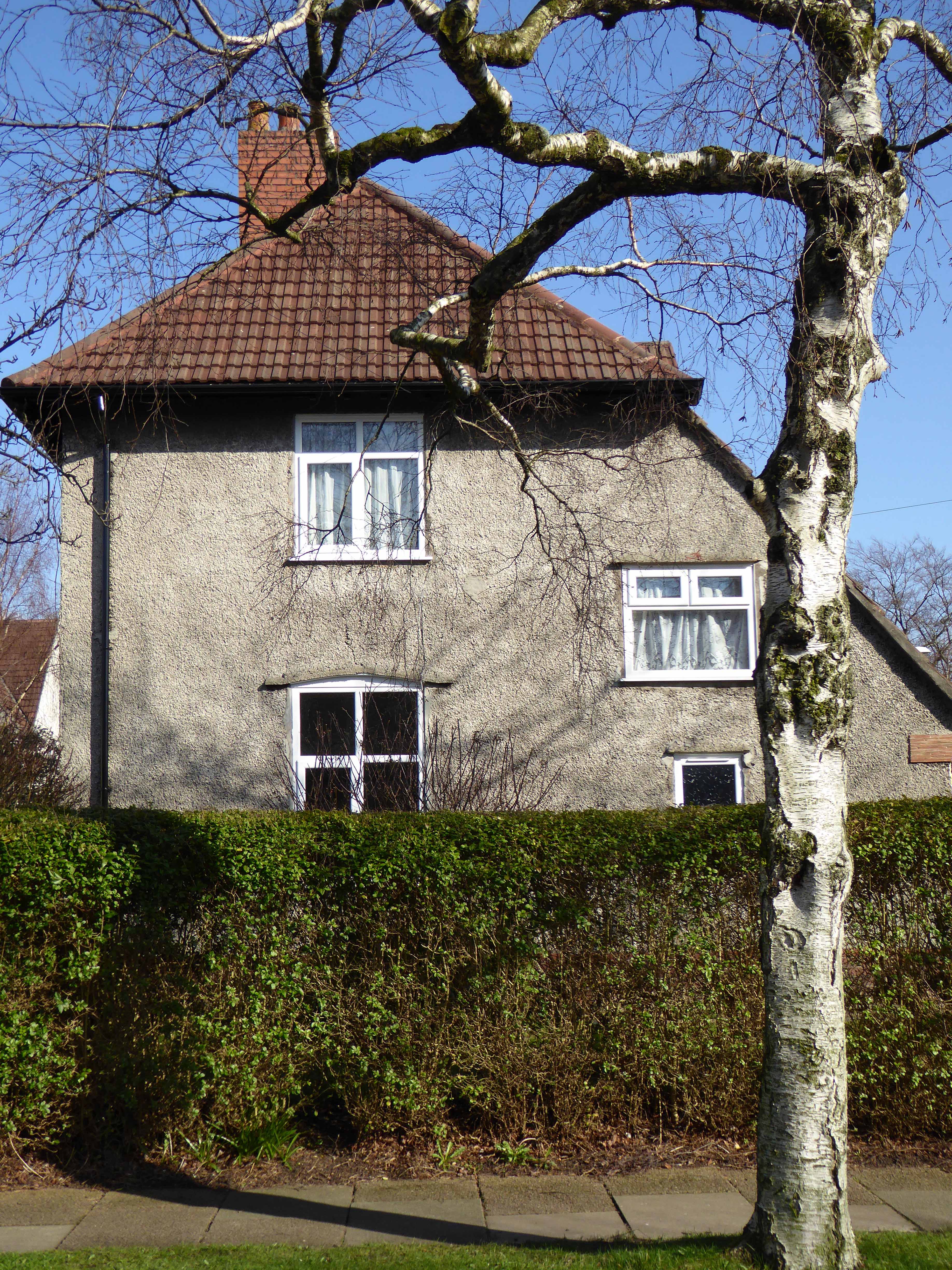
Semi Detached – Warrington

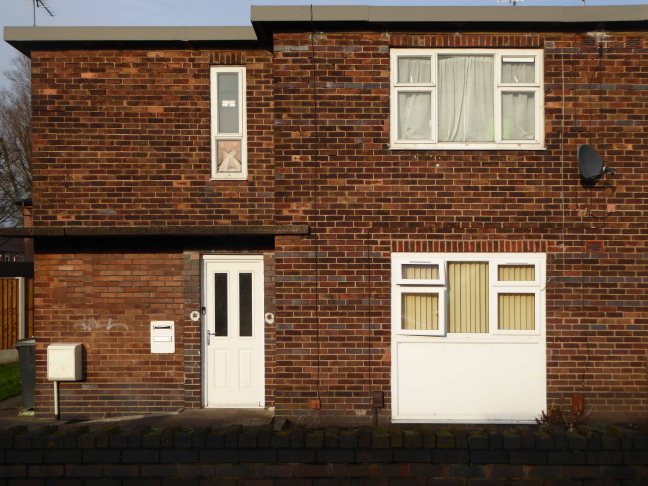
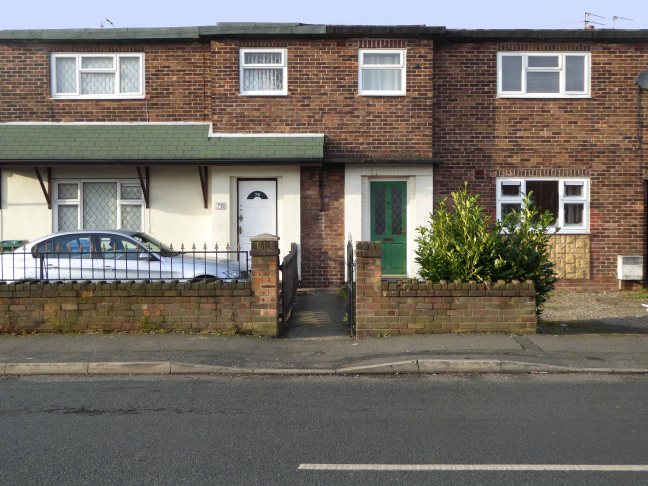
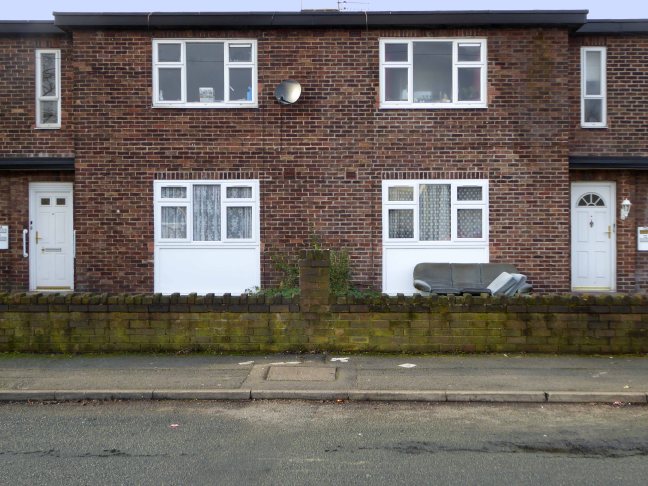
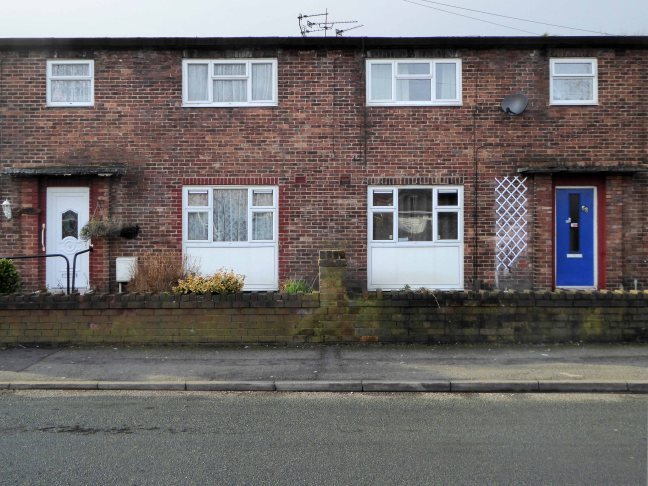
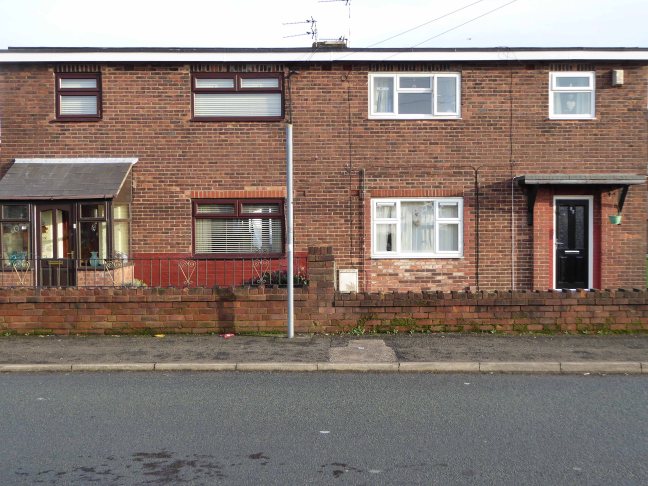
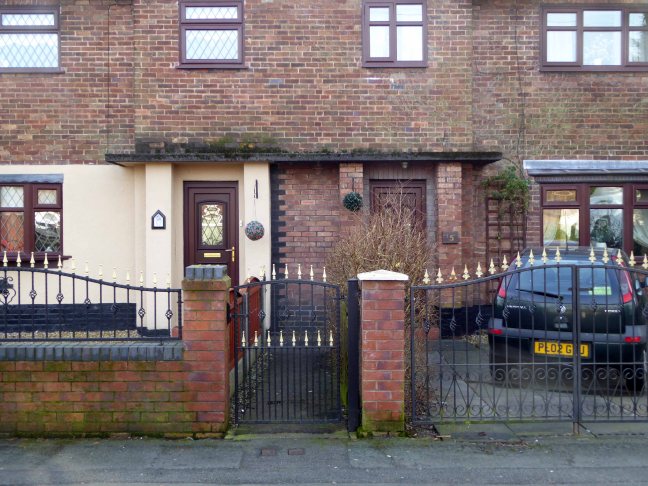
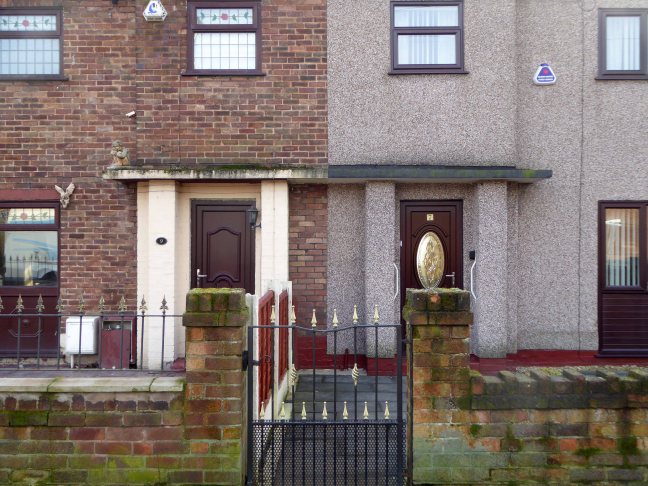
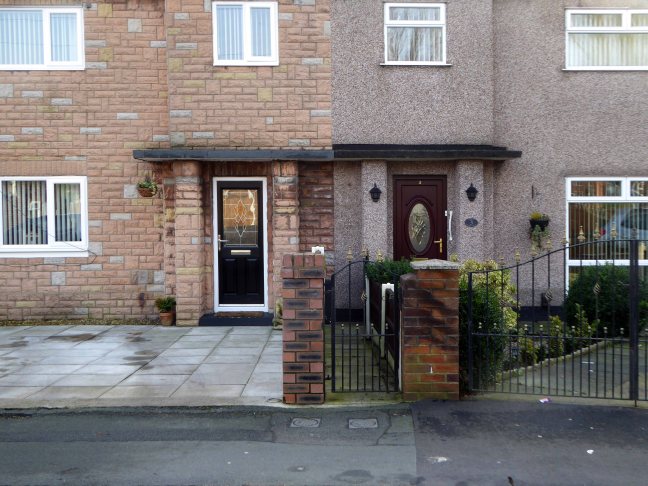
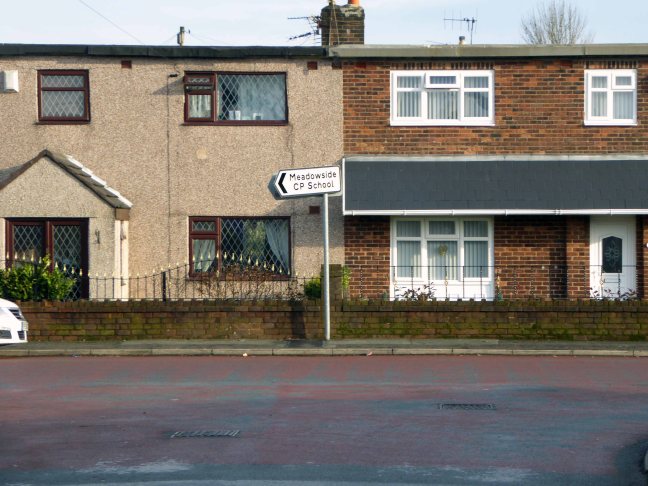
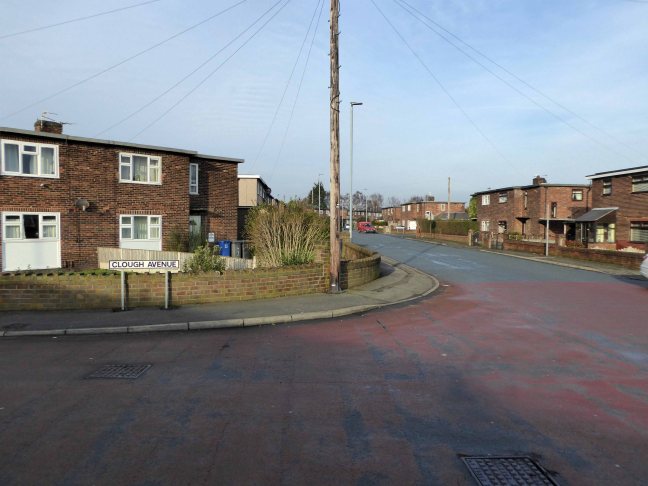
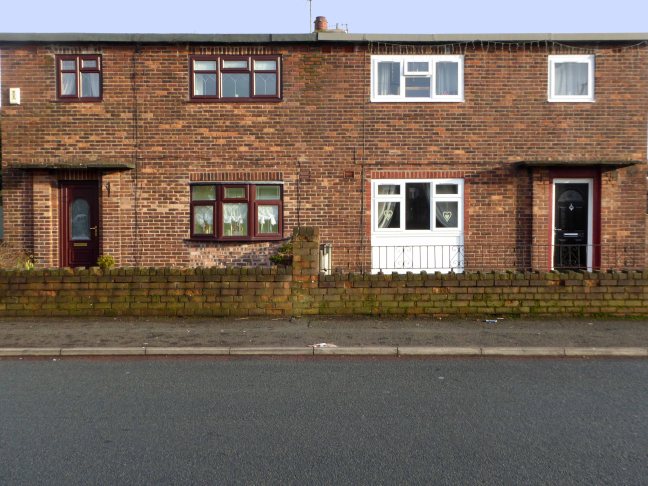
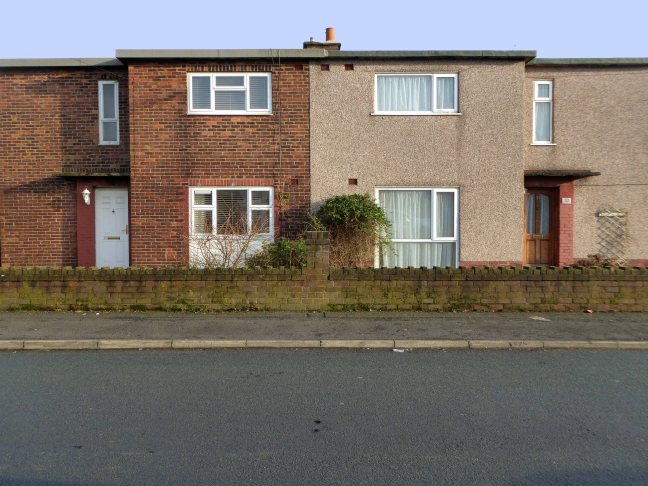
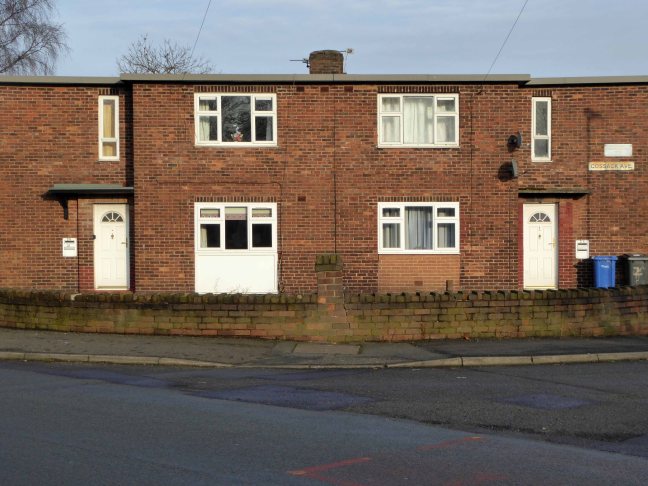
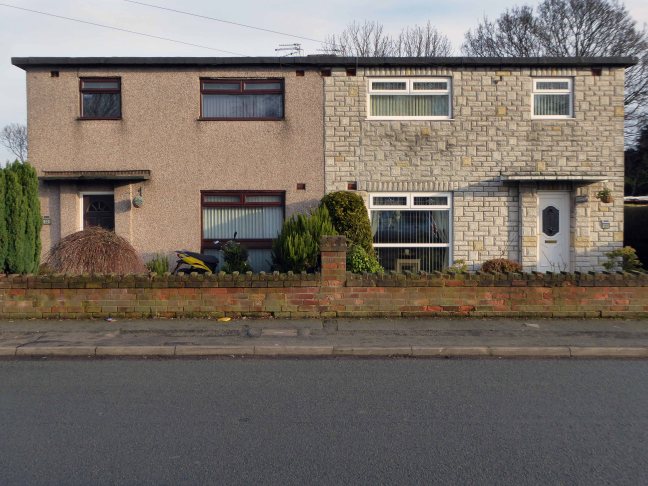
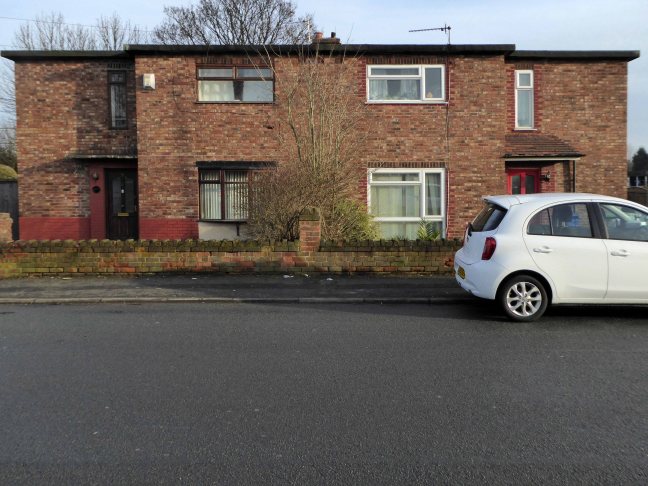
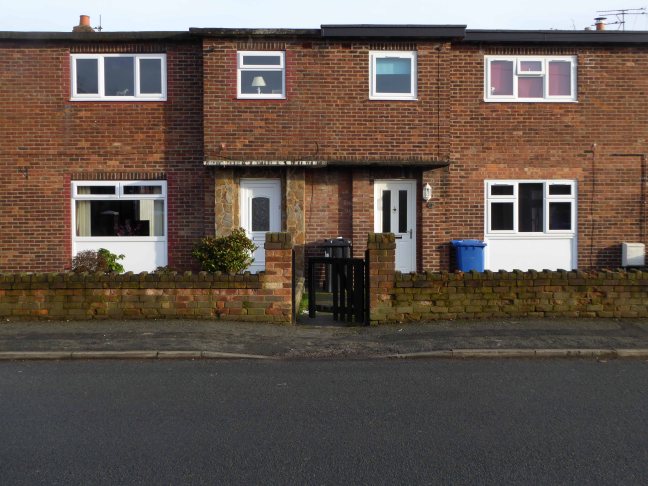
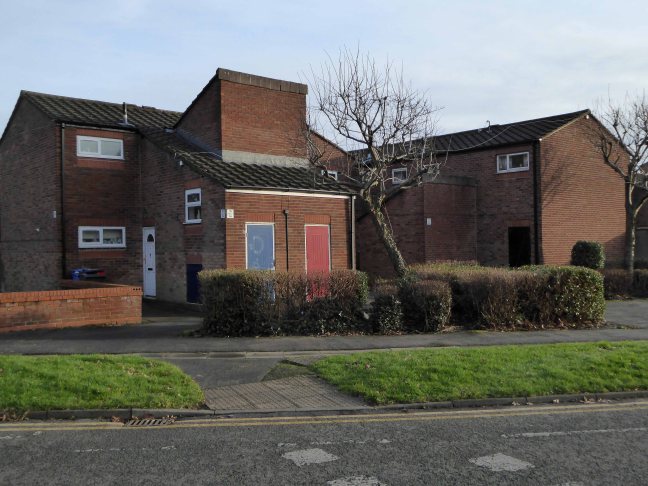
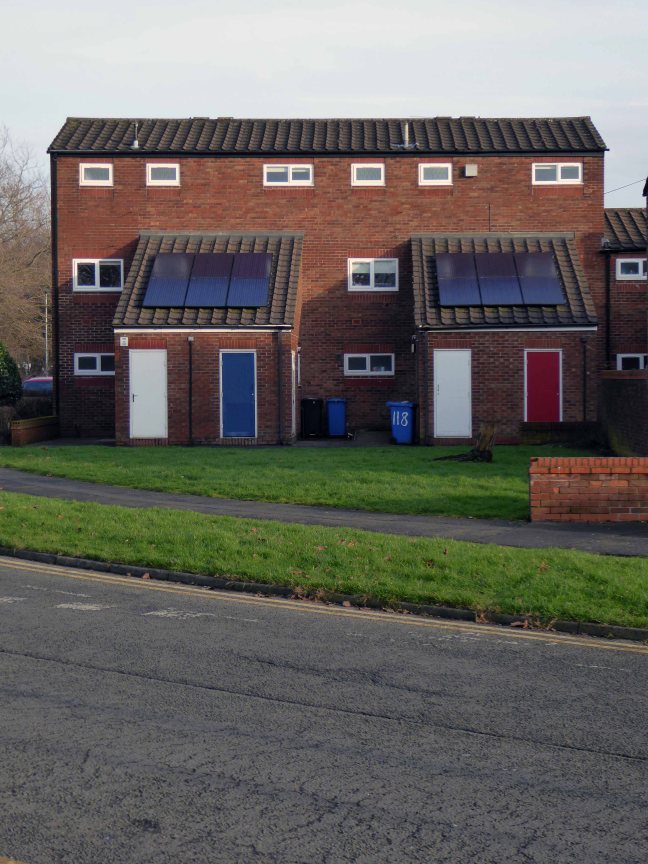
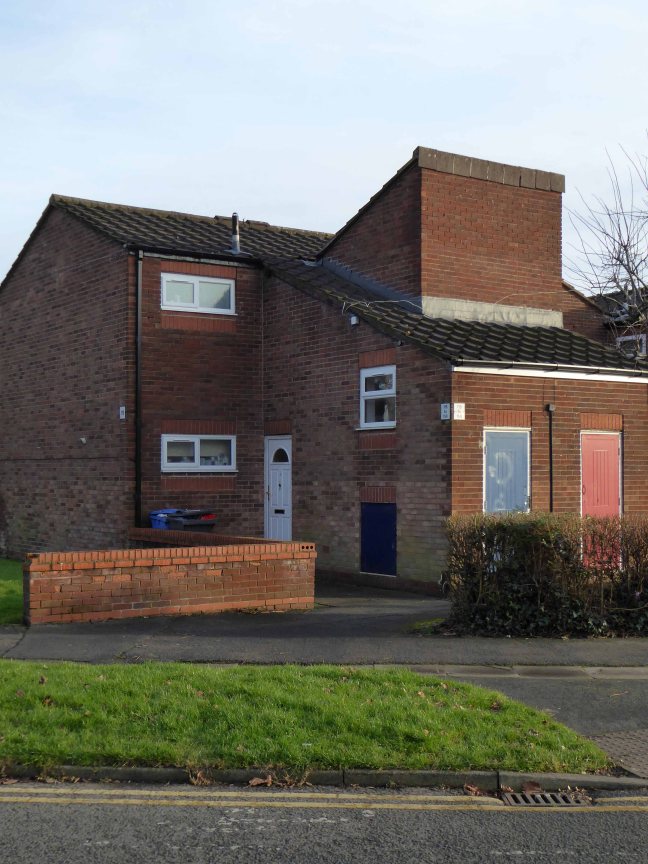
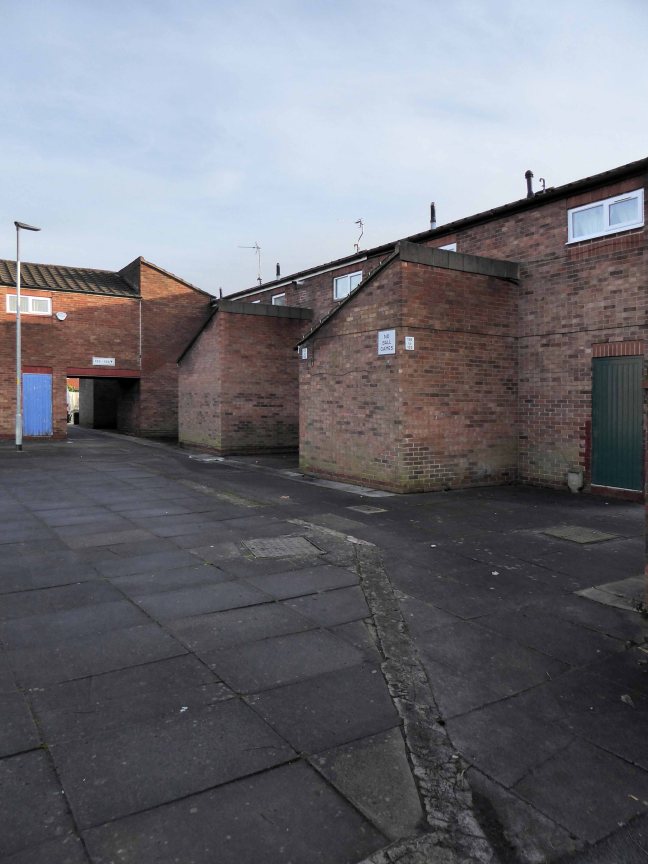
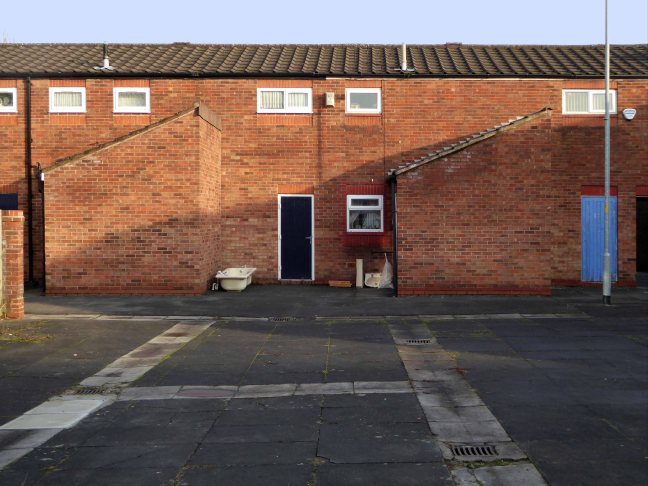
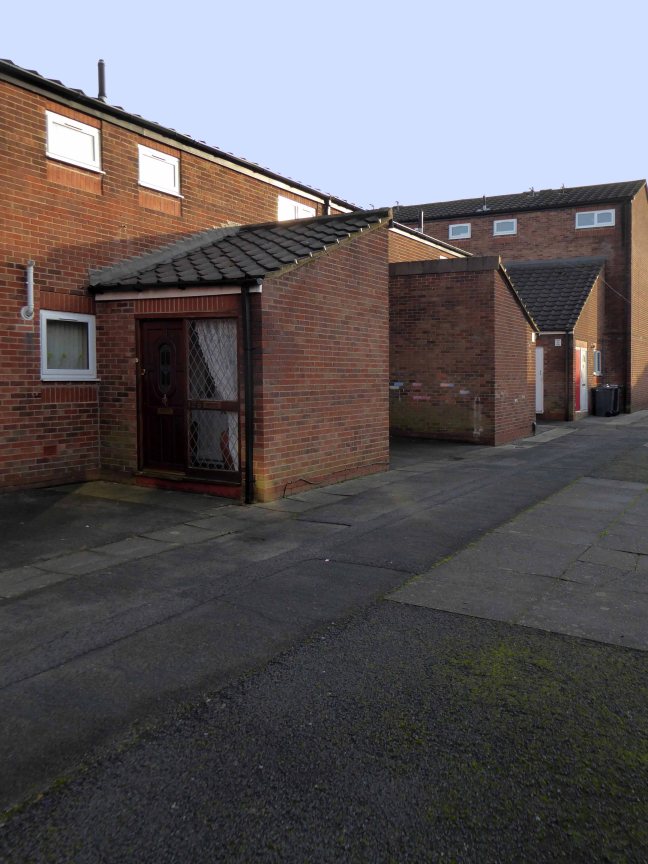
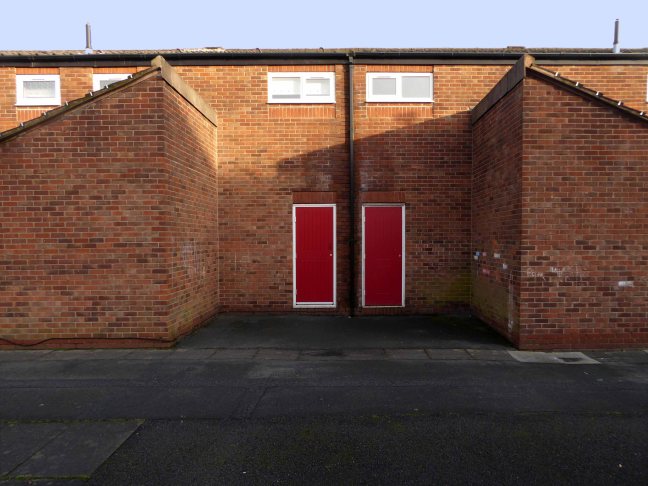
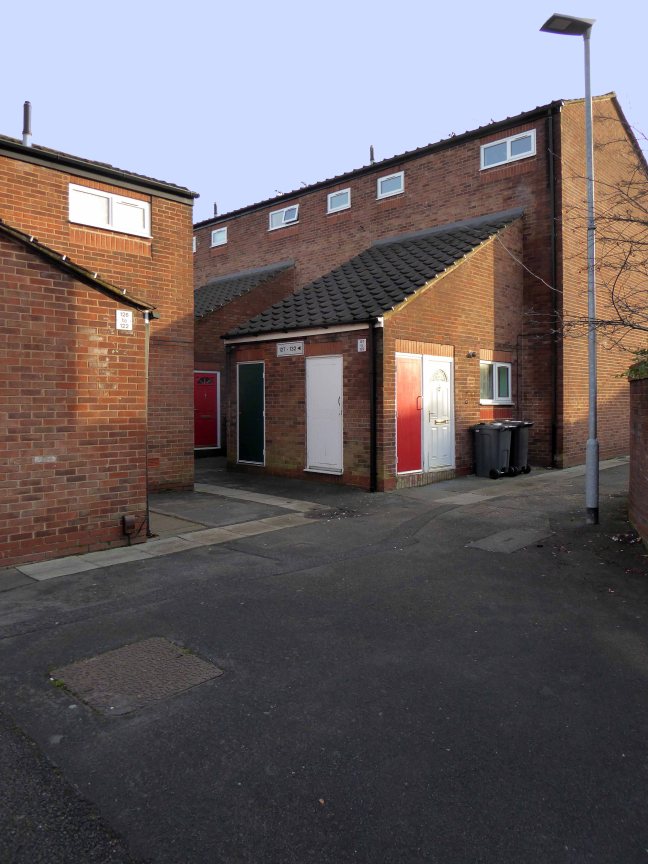
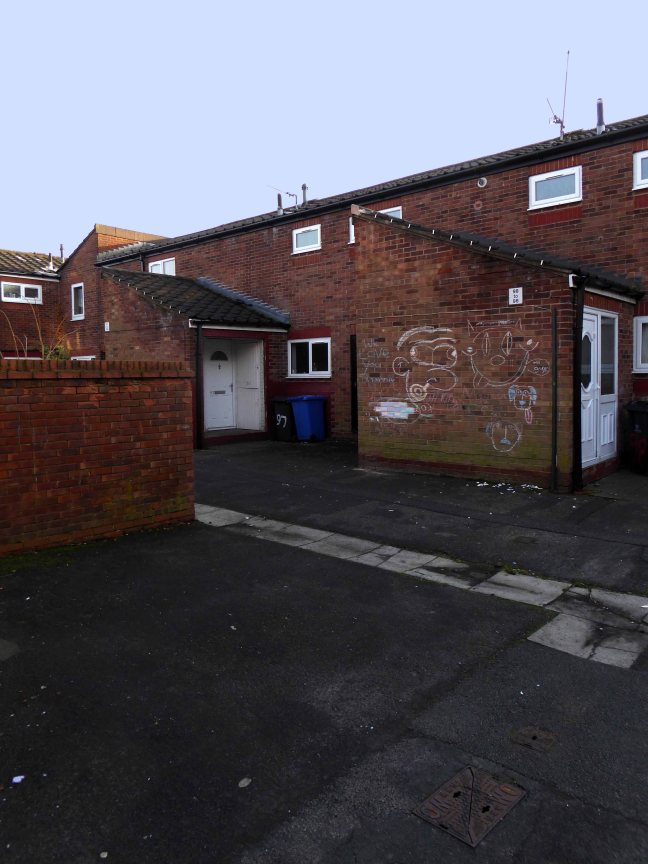
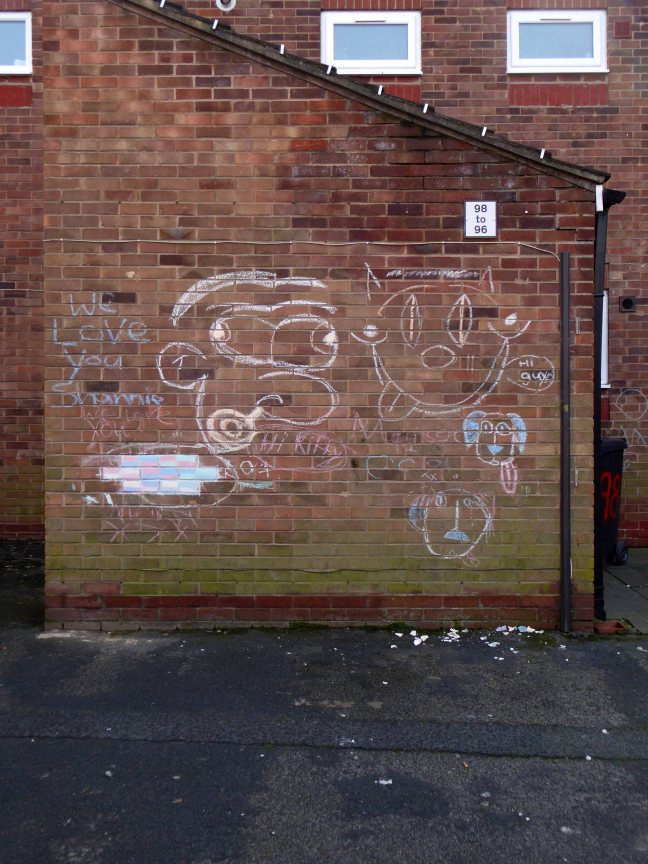
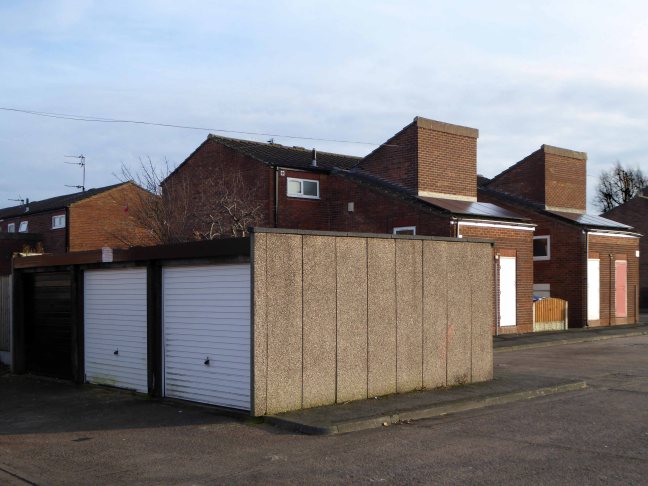
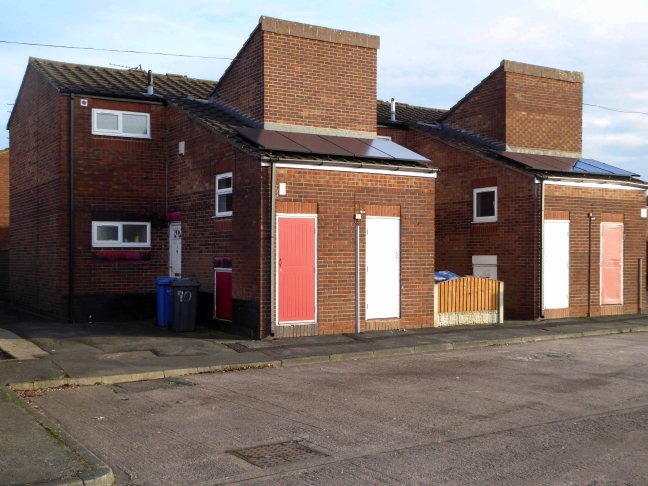
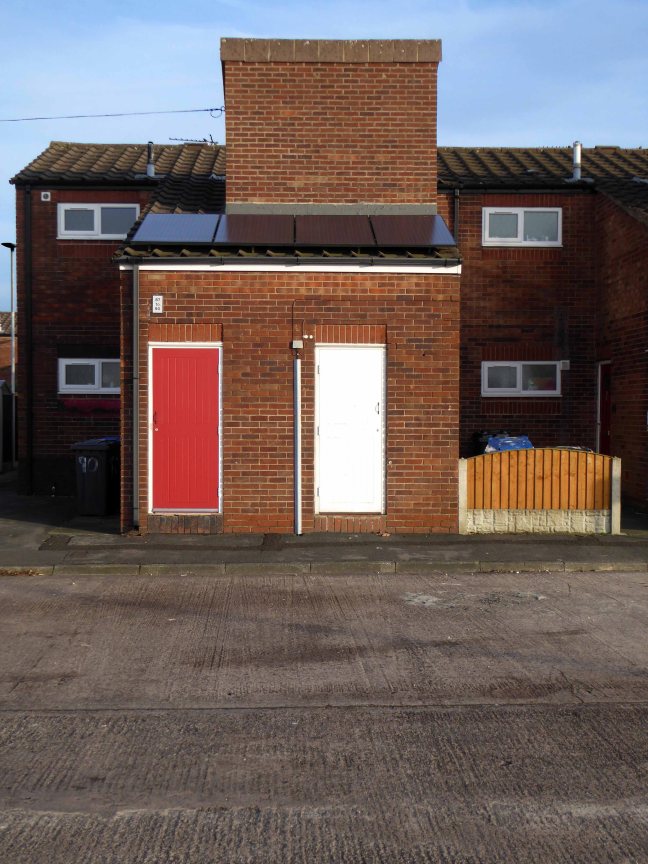
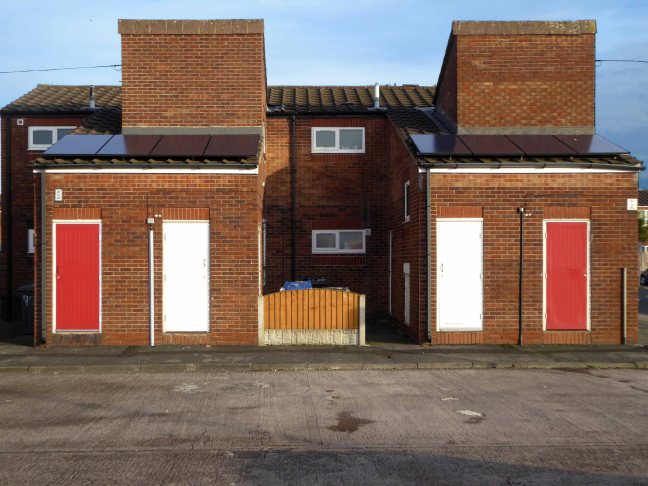
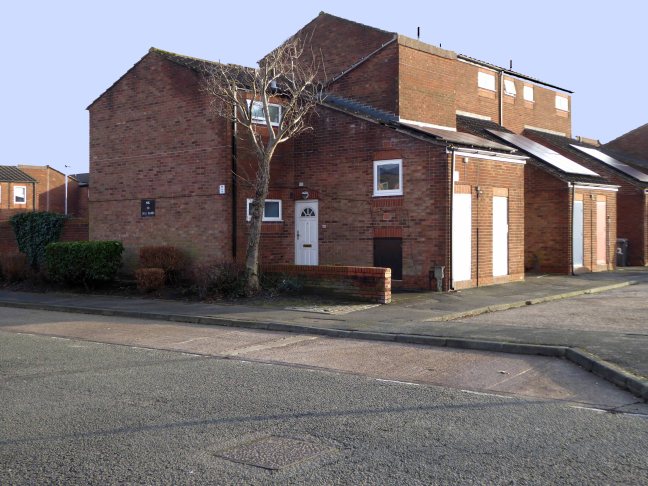
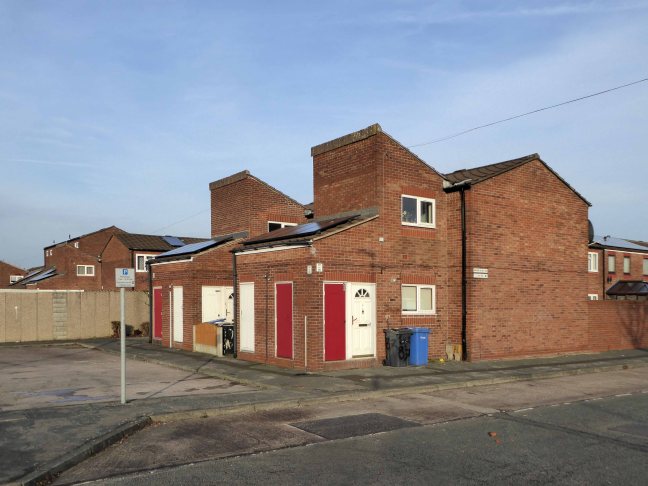
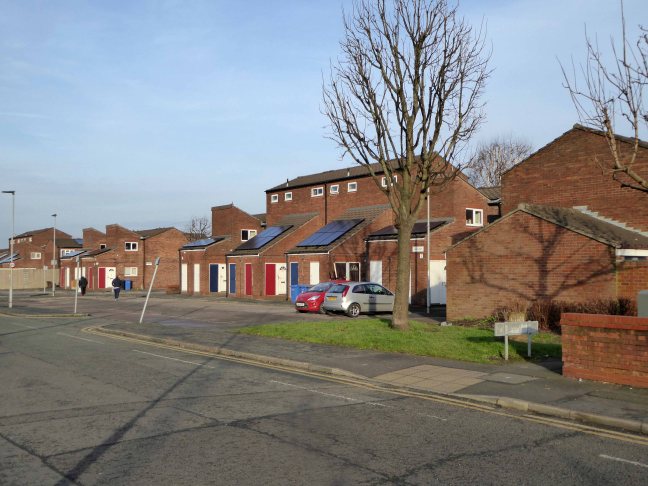
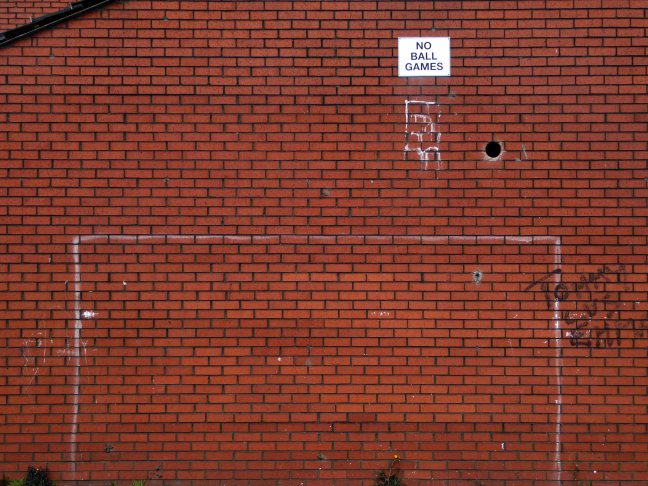
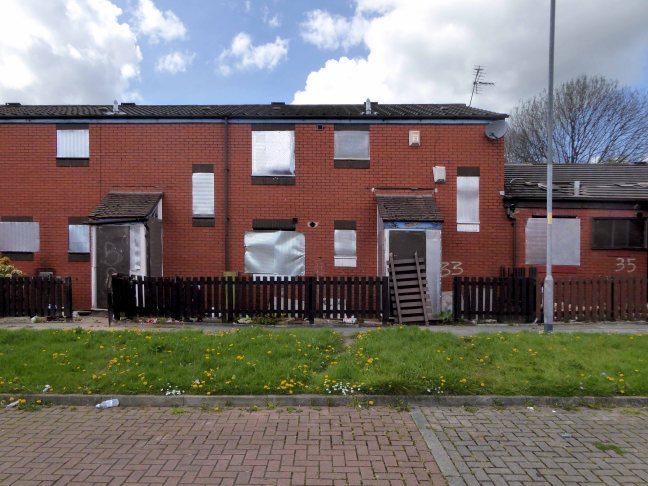
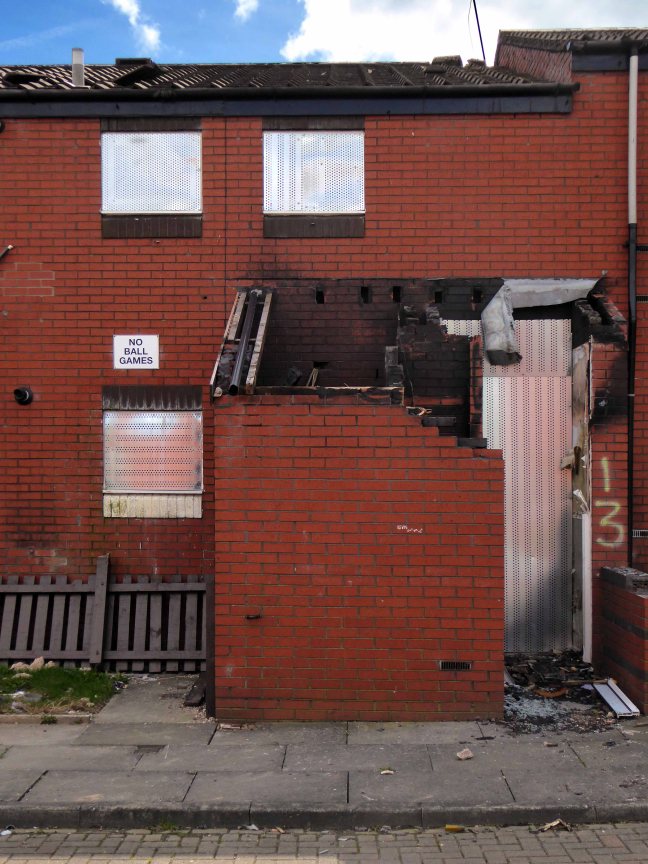
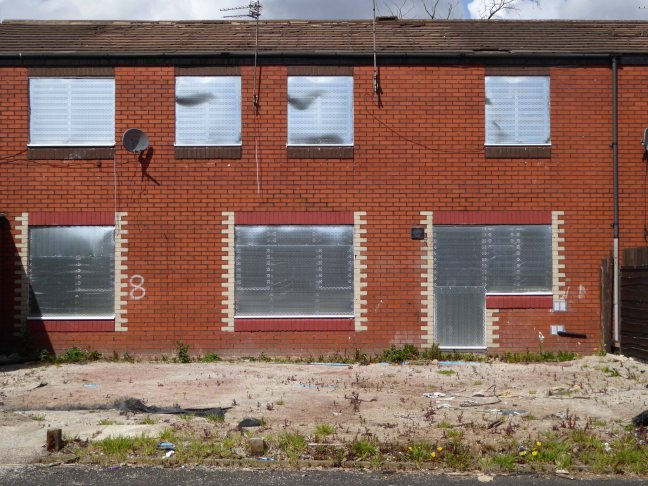
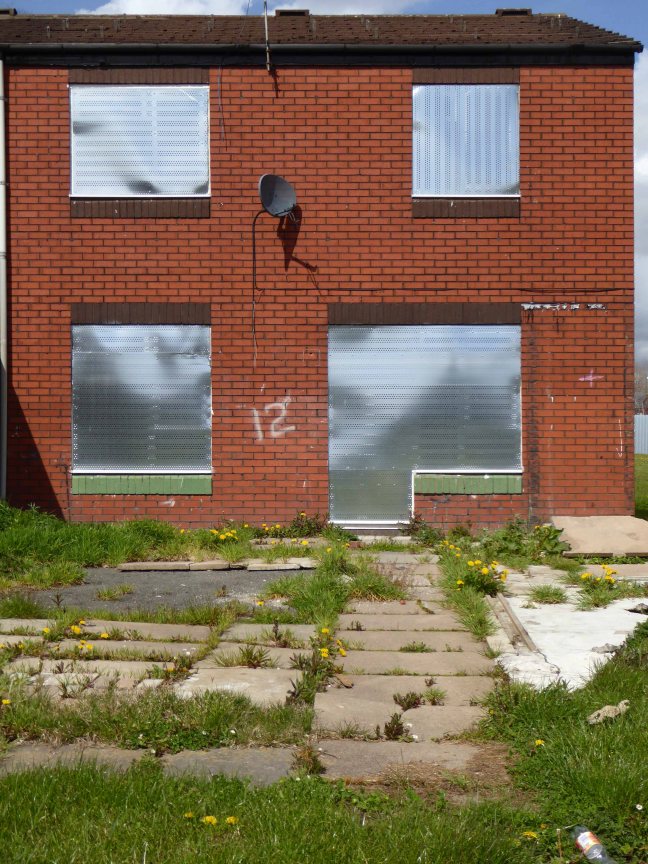
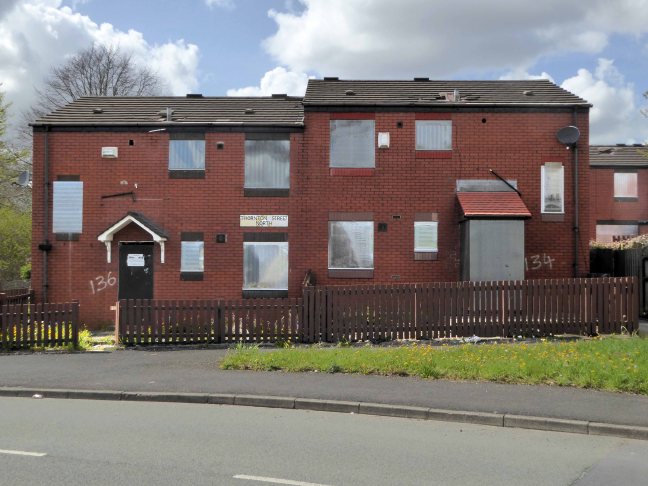
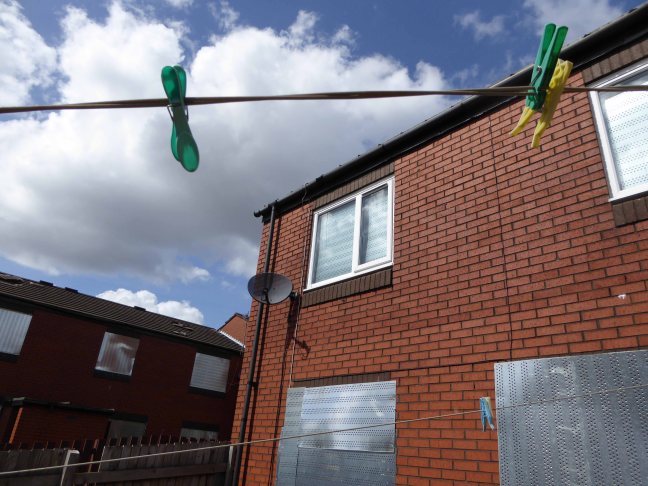
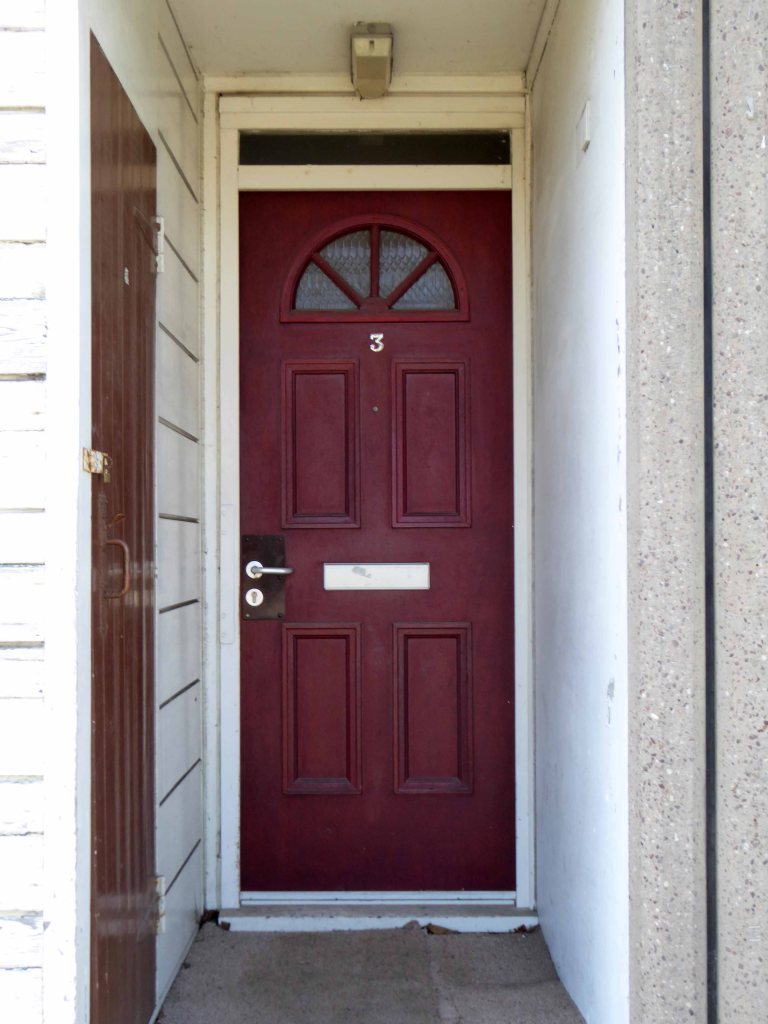
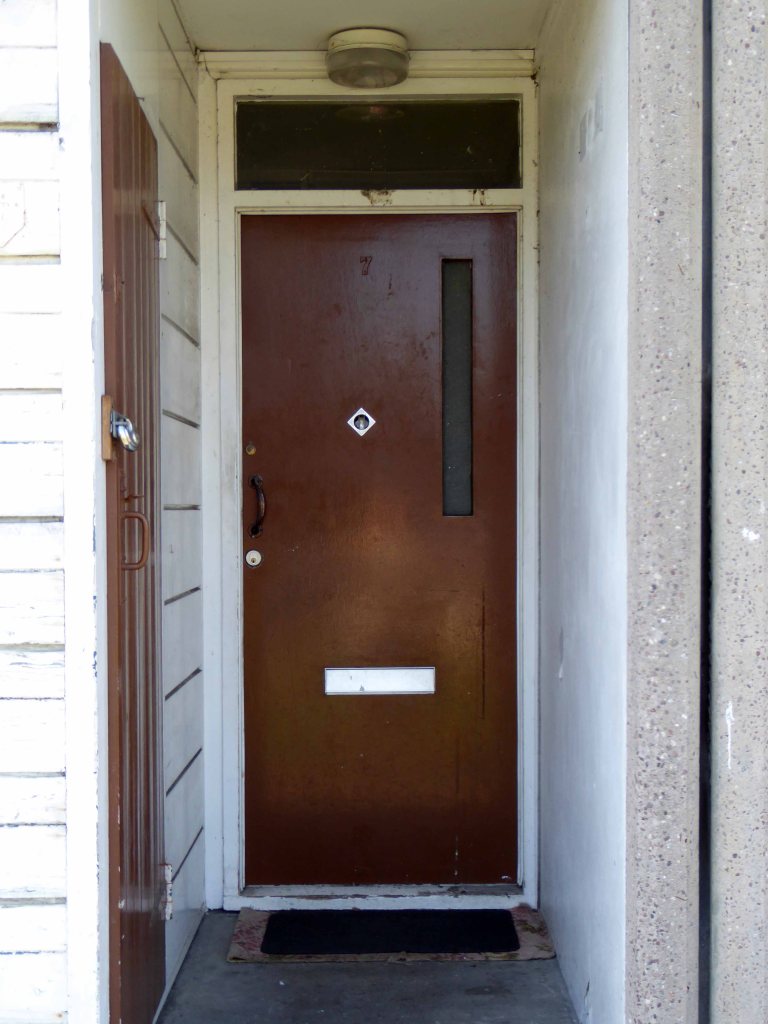
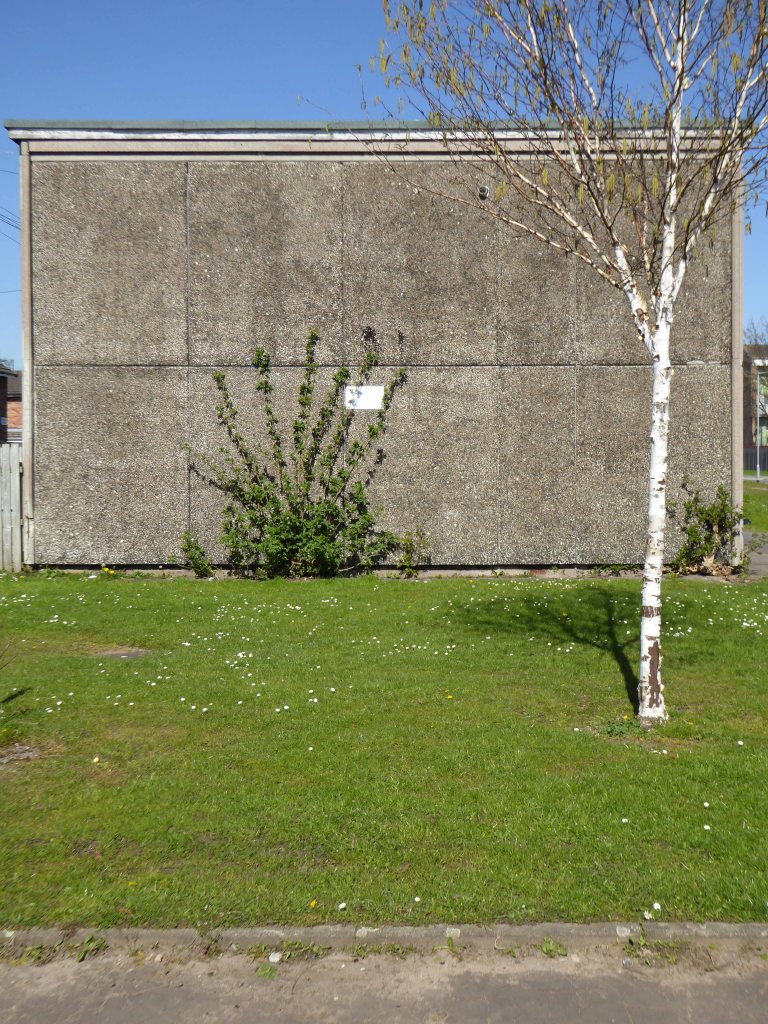
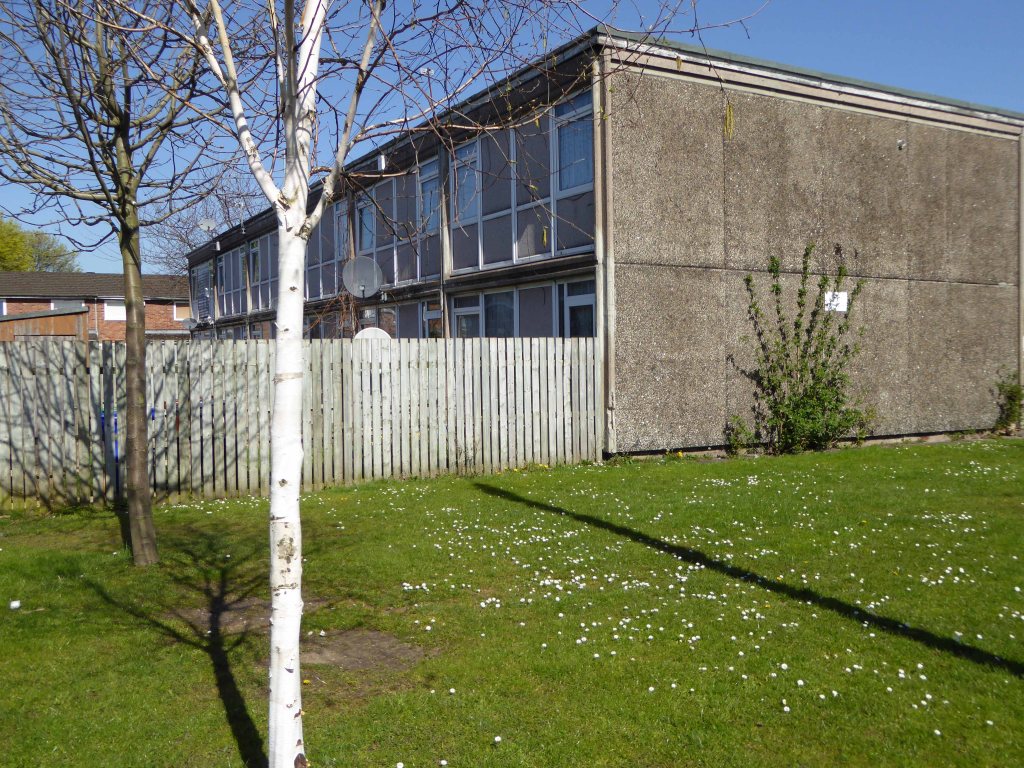
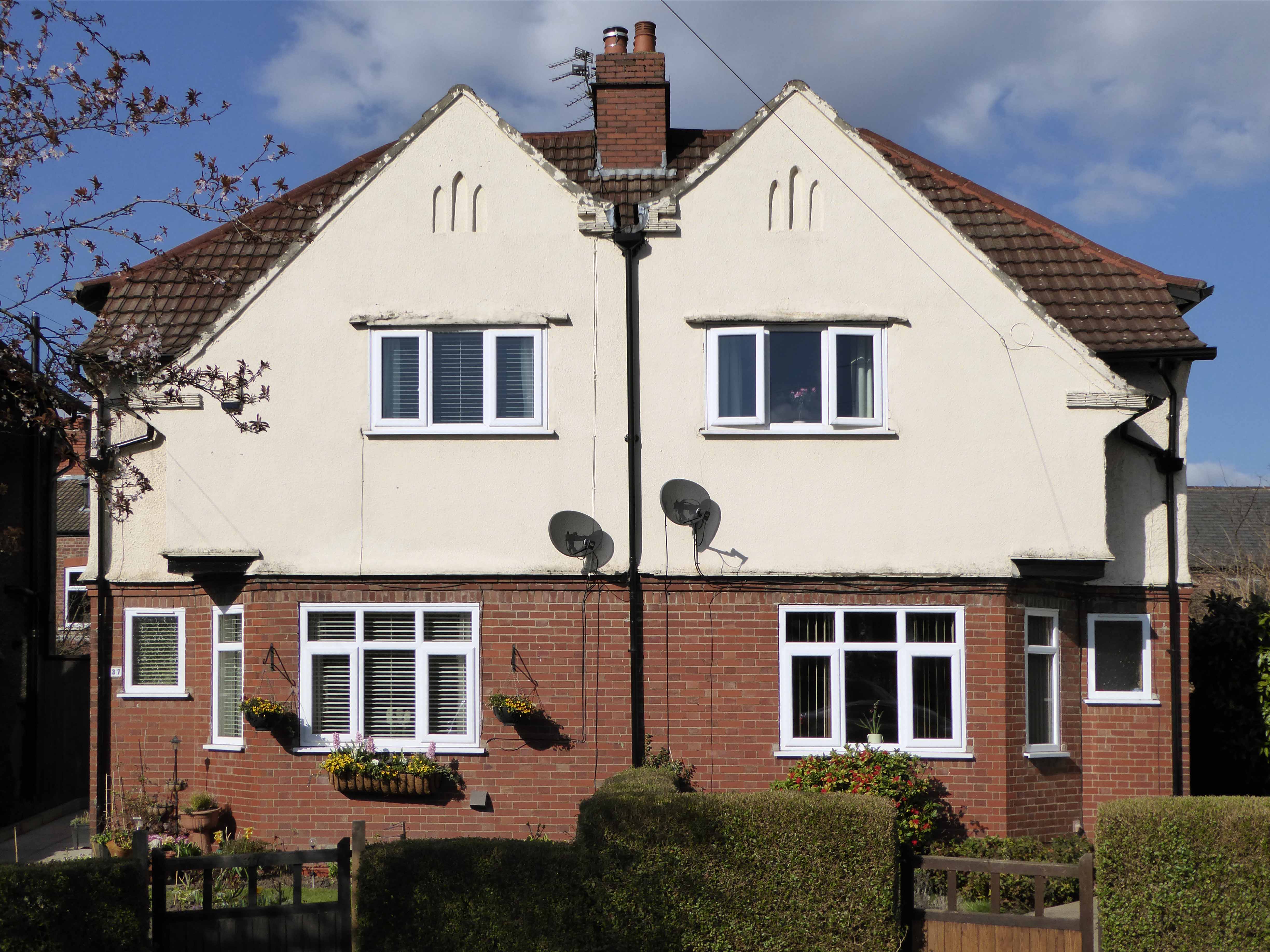
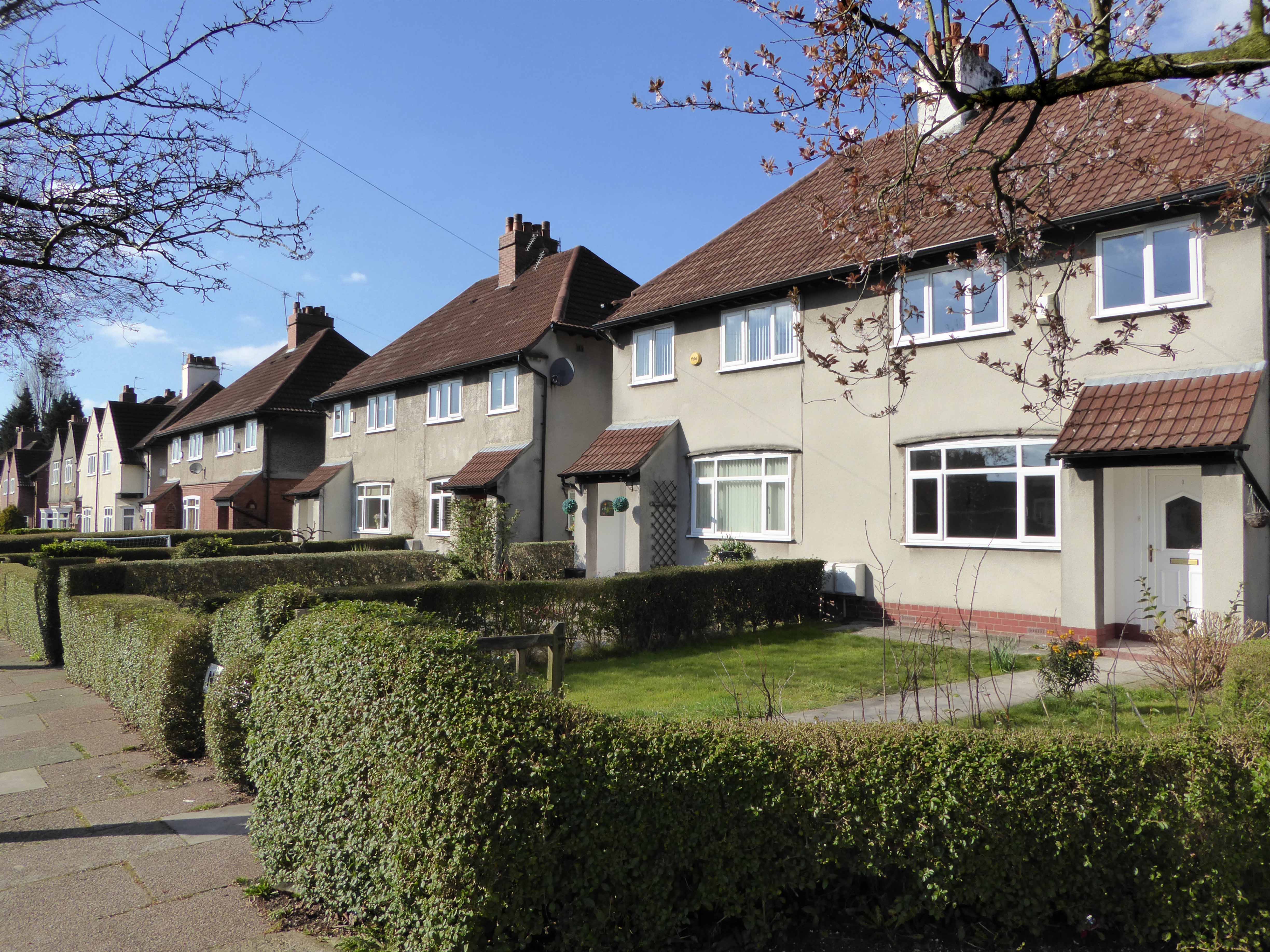
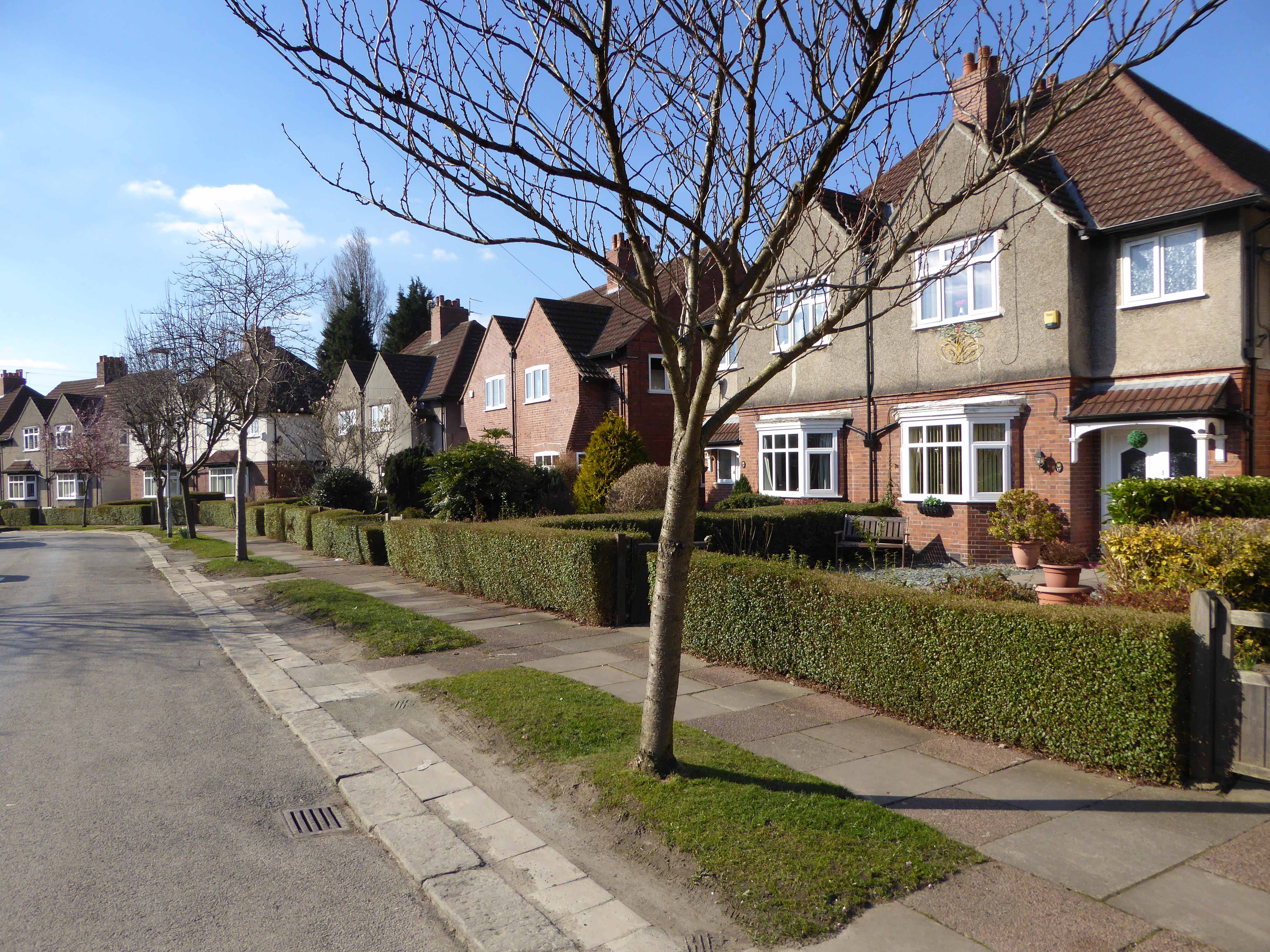
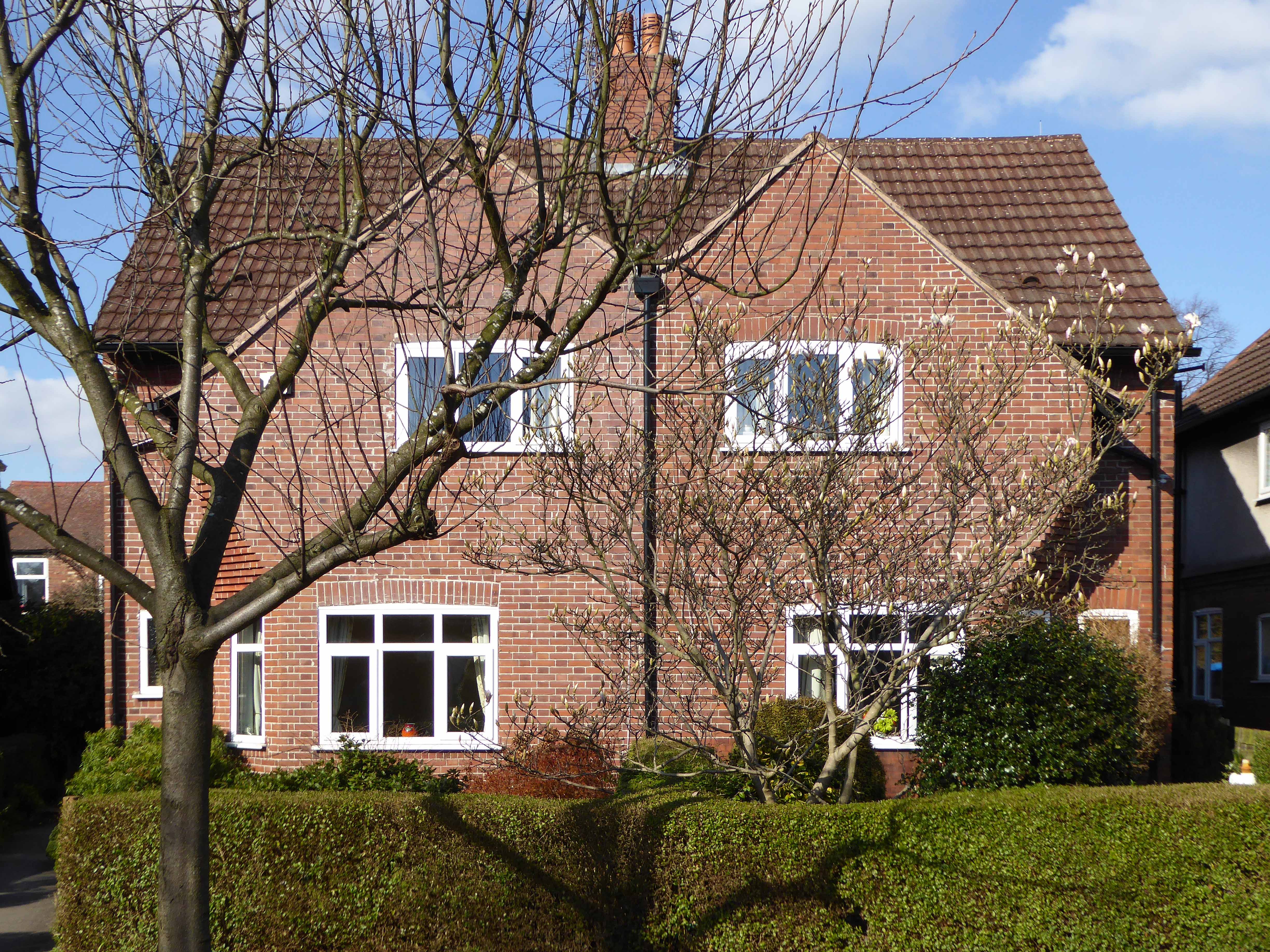
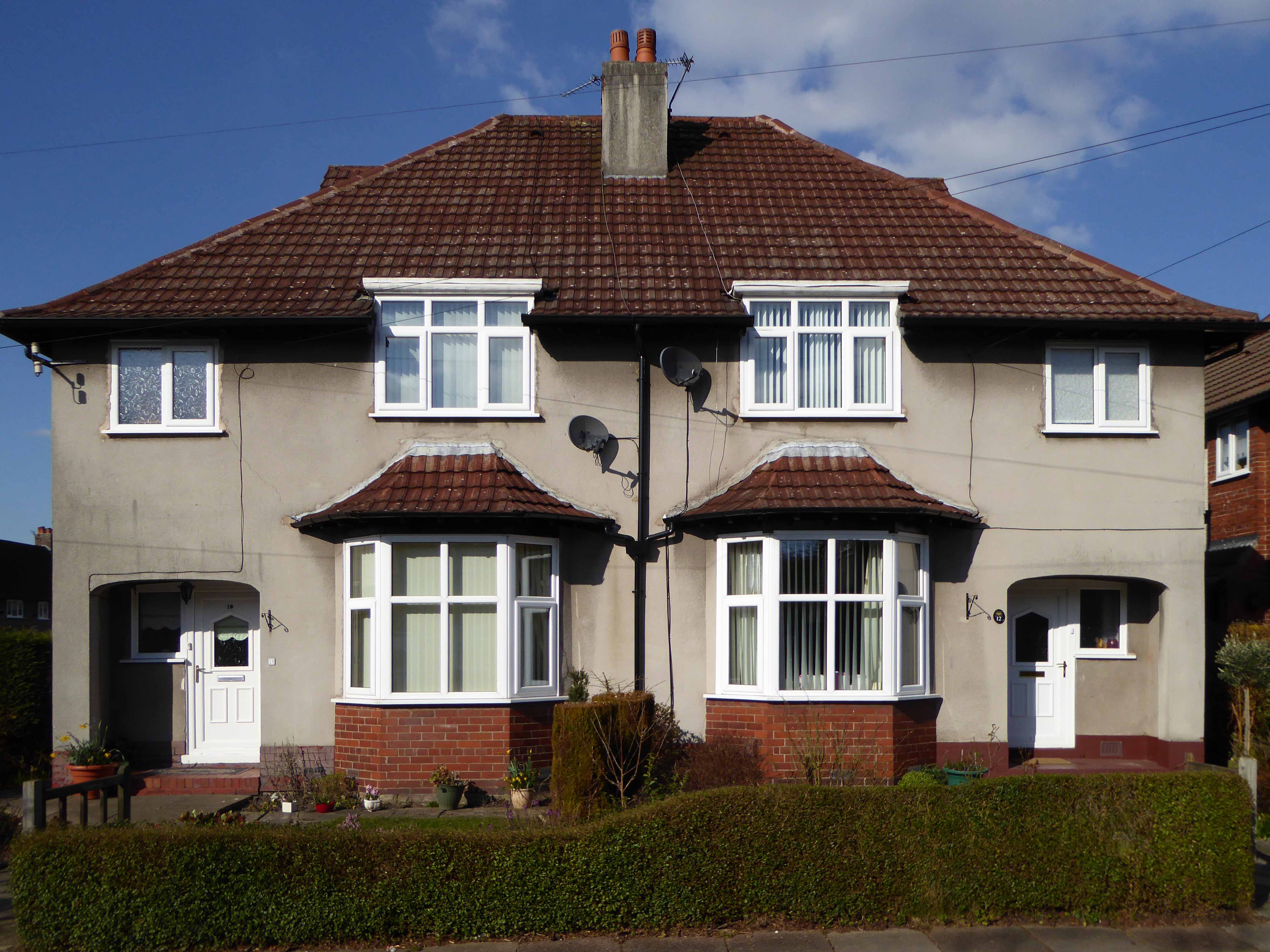
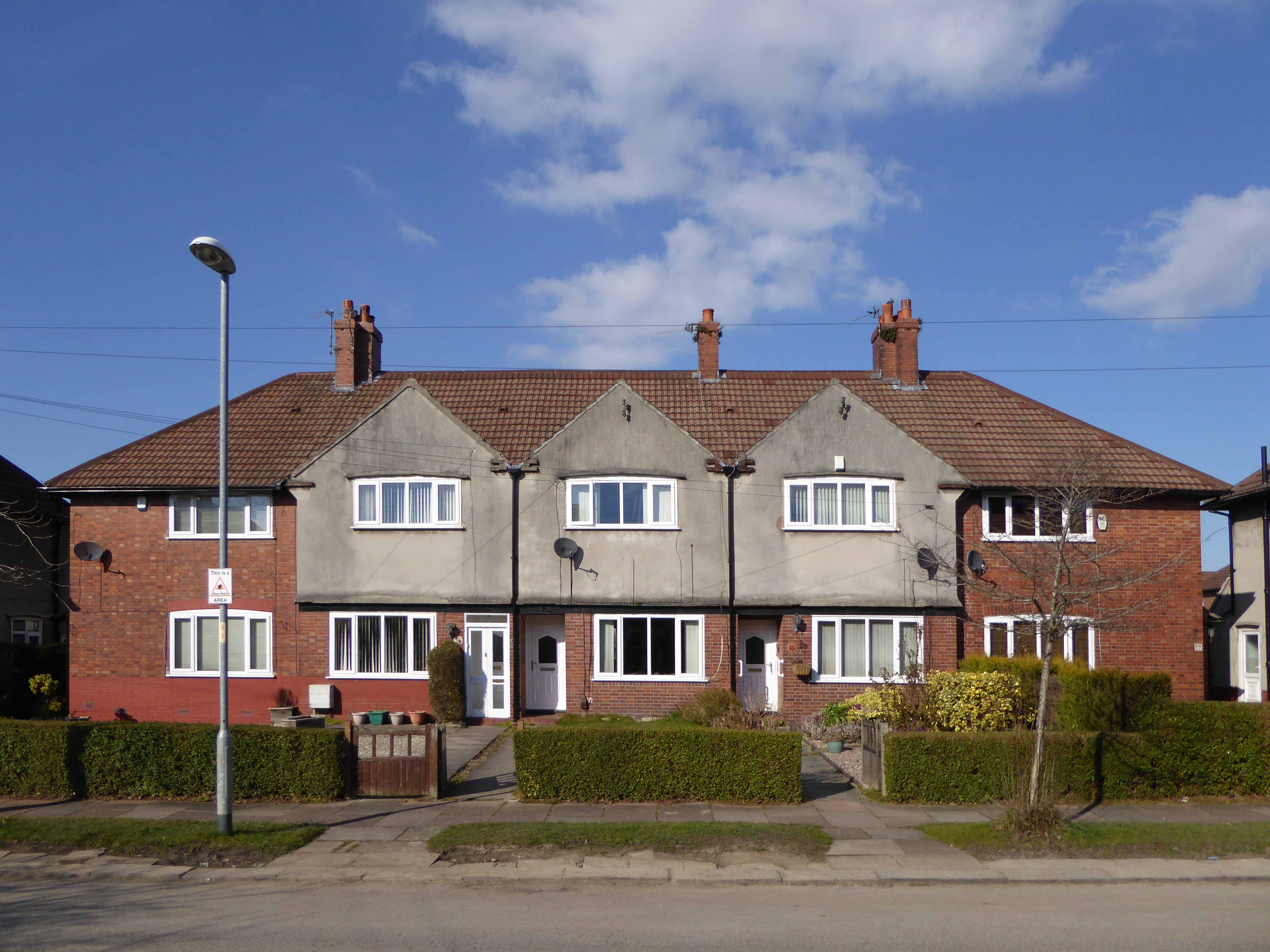
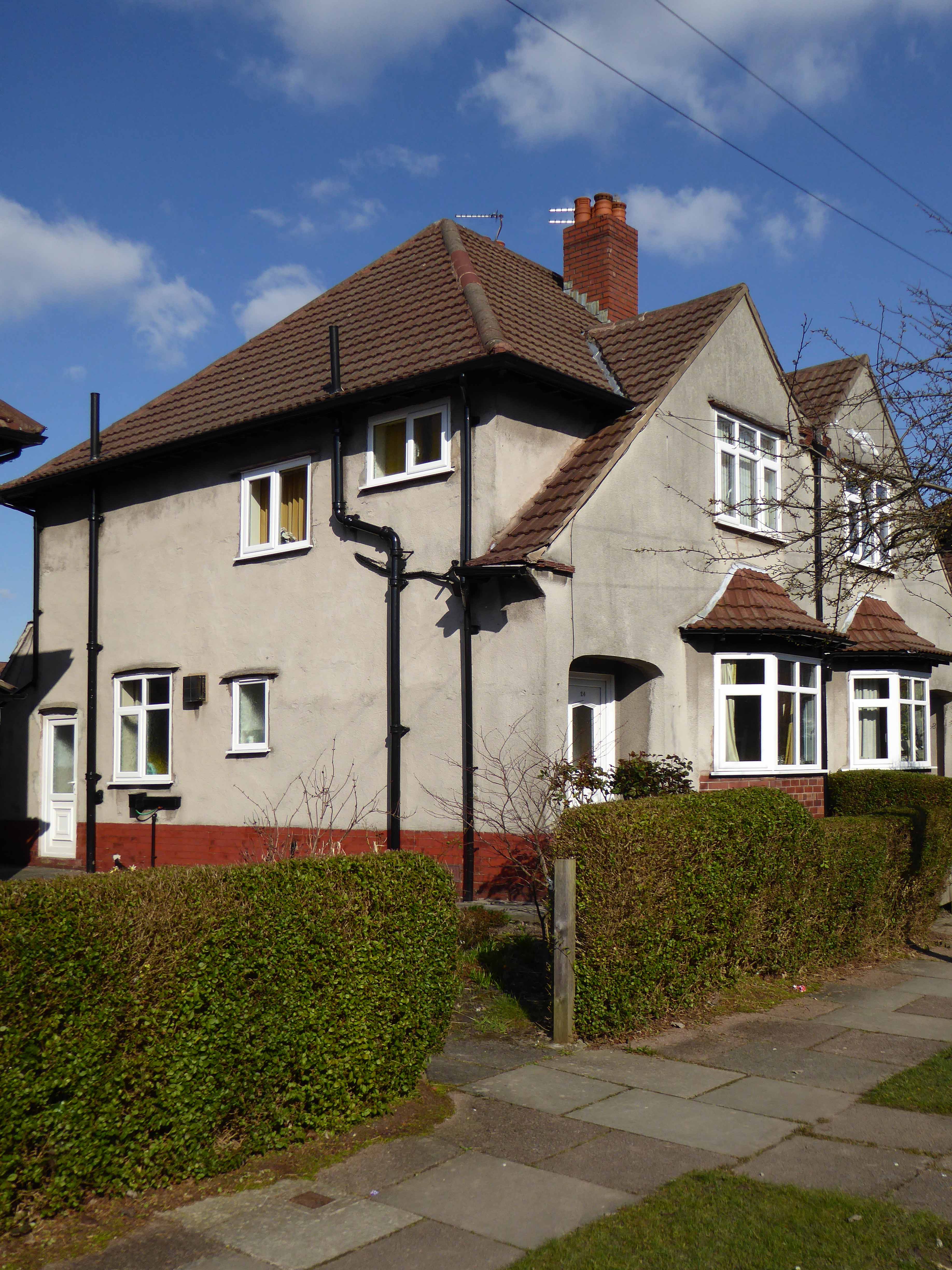
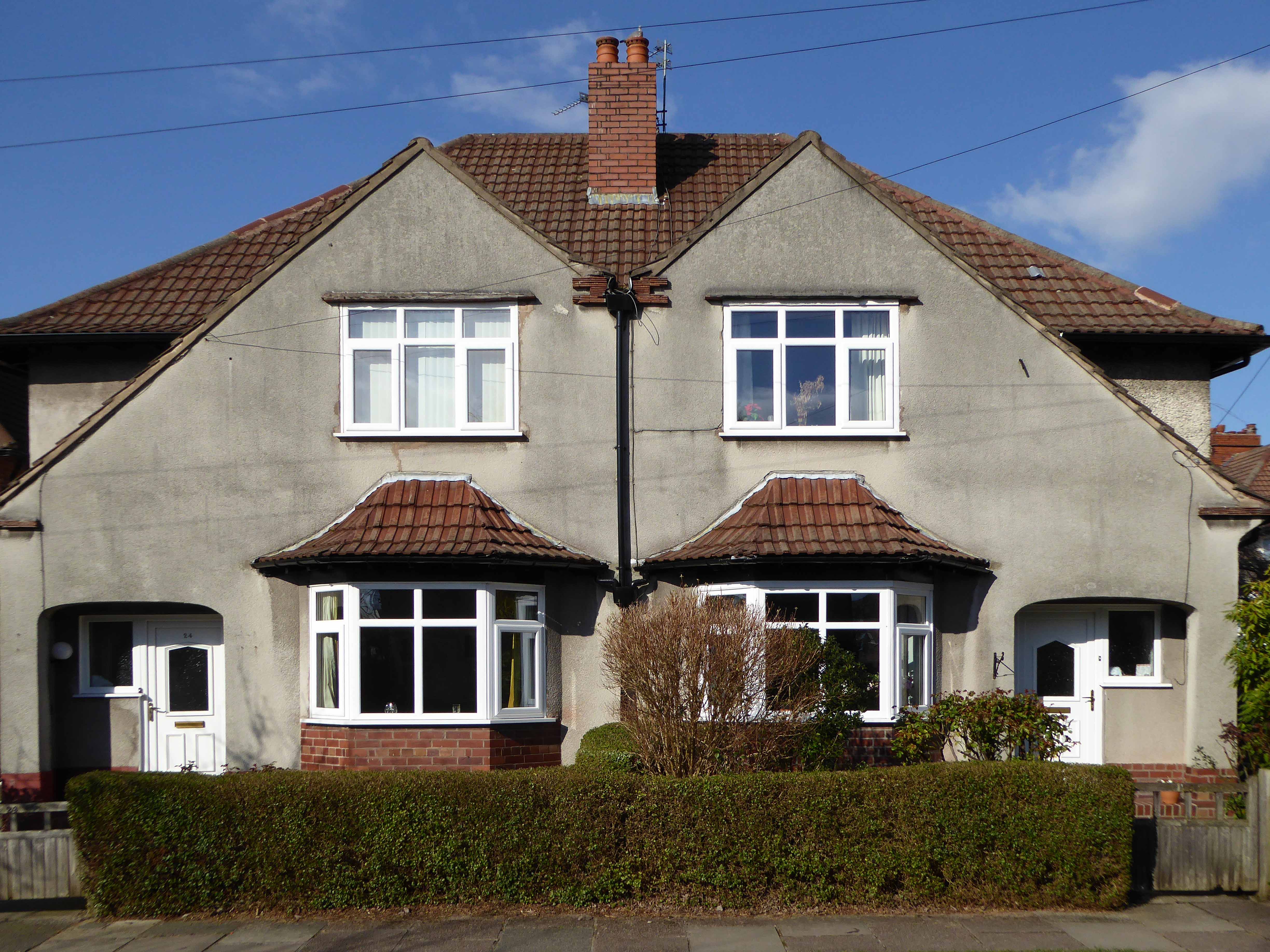
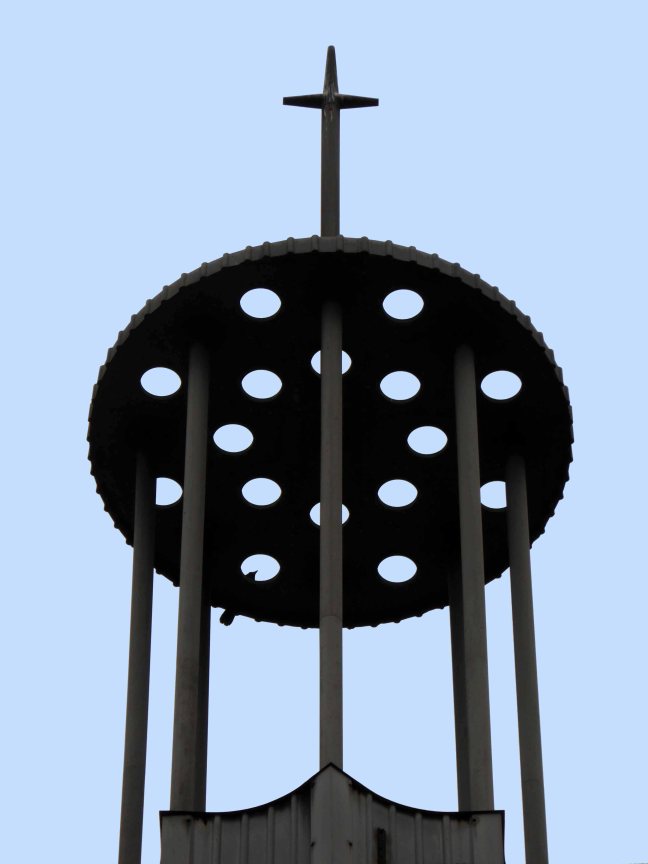
I was walking back from St Stephen’s Church recently, when I chanced upon a small group of two storey, flat roofed, semi detached social houses.

They were blessed with that post war functionalist brick and concrete chic.

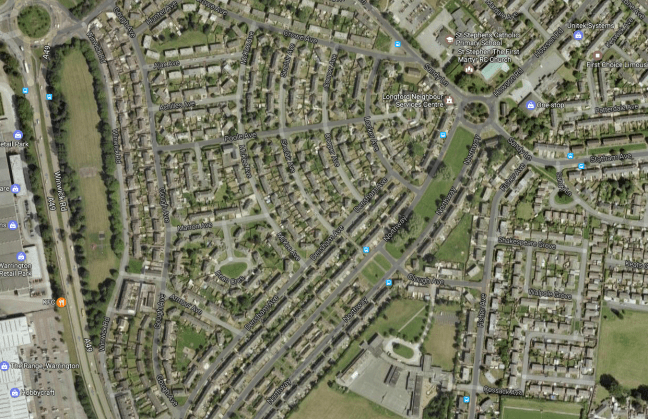
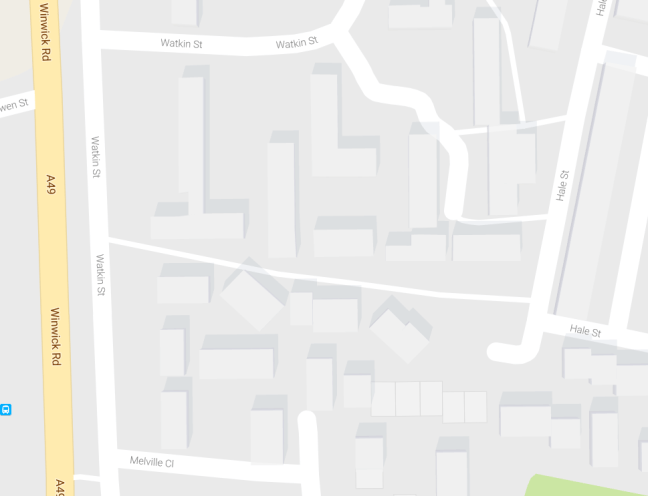
Part of a larger development of homes in the Longford area of the town.

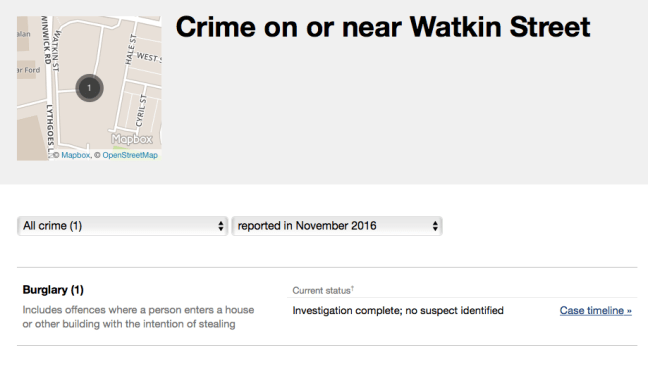
screen-shot-2017-01-31-at-15-33-18

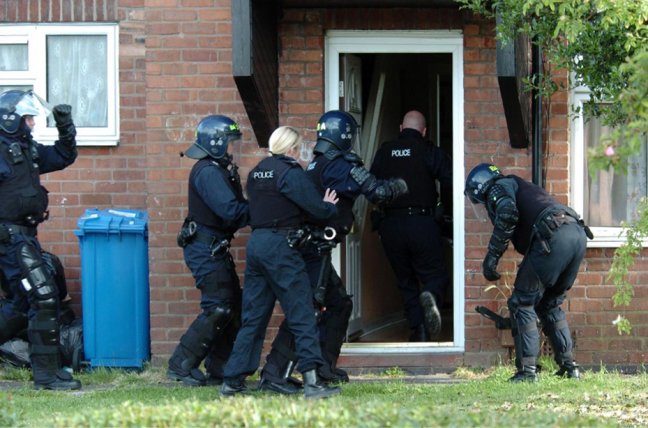
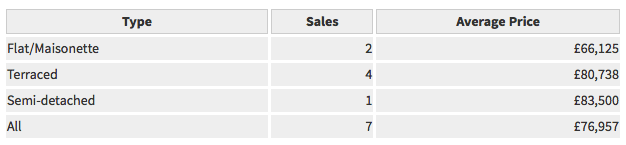
An area which is one of the most socially deprived in the country, with more than its fair share of problems, crack and weed would once have been pressing matters for the Borough Highways Department – these days they are more likely to attract the attention of the boys and girls in blue.

screen-shot-2017-01-31-at-17-17-47

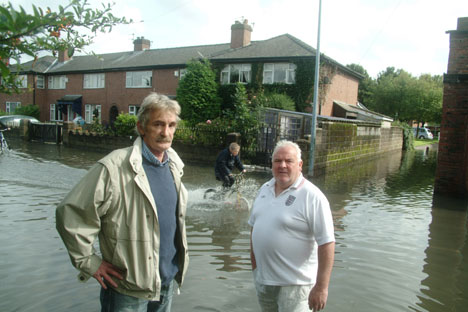
And to cap it all the area is prone to frequent flooding.

longford-flooding

There are signs of hope as the housing association and council embark on a multi million pound refurbishment of the estate including:

Replacing fencing around bungalows.

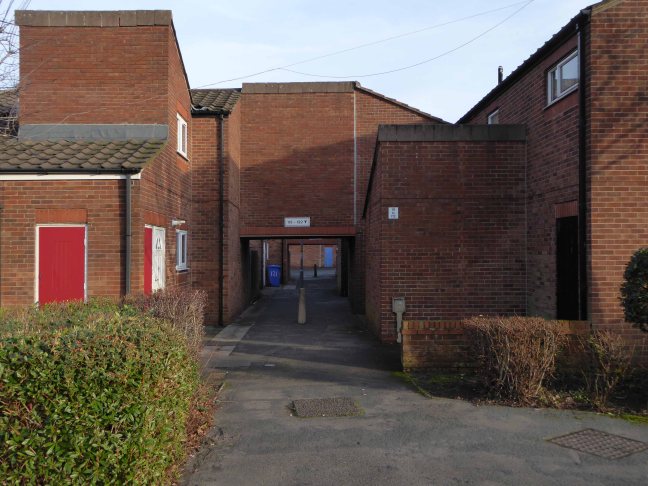
On the day of my visit the chill January streets seemed quiet and ordered, and I was enchanted by the mismatched pairs of semis that I encountered.

p1130204

p1130205

p1130206

p1130207

p1130208

p1130209

p1130210

p1130212

p1130213

p1130214

p1130215

p1130216

p1130218

p1130219

p1130220


Modern Housing – Warrington

As I walked out one morning, up and down the A49 out of Warrington town centre, on the way somewhere else entirely, the sun and I chanced to fall on a tight group of streets and courtyards, constraining and containing an intriguing collection of modern homes.

screen-shot-2017-01-26-at-13-27-22

Competitively priced, well below national averages – the area looks to be getting along.

screen-shot-2017-01-26-at-13-31-05

Incidence of crime is low to almost non existent.

screen-shot-2017-01-26-at-13-29-59

So an illuminated set of buildings with little by way of further illumination, I presume them to be corporation built, late Seventies? A visually exciting set of varied, interlocking geometric volumes – a formalist model that seems to function. On a chill day most residents were hopefully tucked up safe and warm somewhere or other, public spaces rested, bereft of life. The window spaces are pinched and mean, not only of the elevation facing the adjacent main road, but also on the inward faces. An economy of means and a resultant paucity of light.
p1130228

p1130230

p1130231

p1130233

p1130234

p1130235

p1130236

p1130237

p1130238

p1130239

p1130240

p1130241

p1130242

p1130243

p1130244

p1130245

p1130246

p1130248

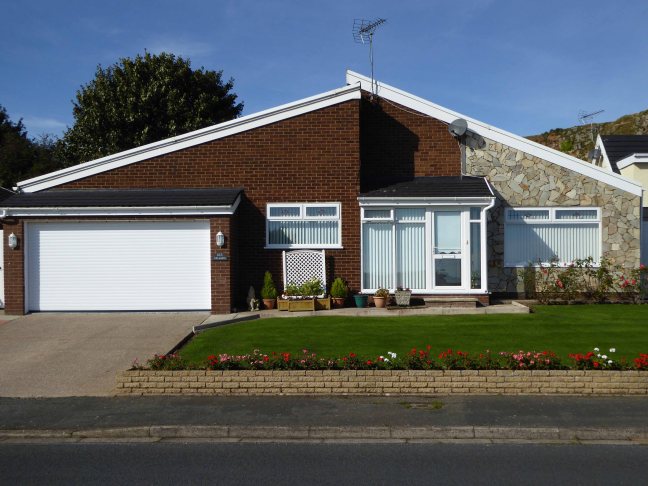
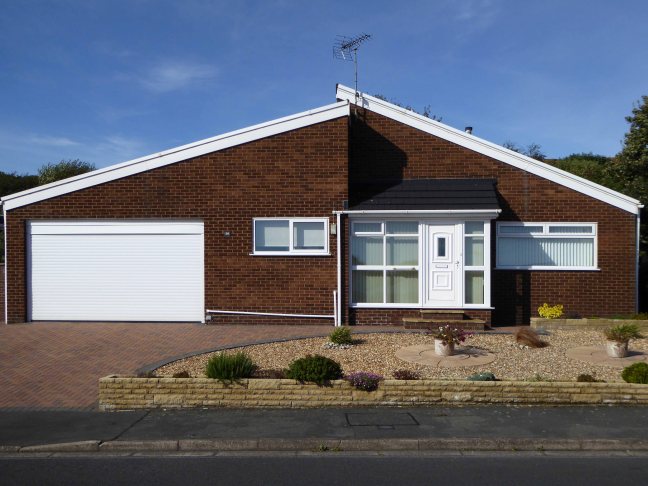
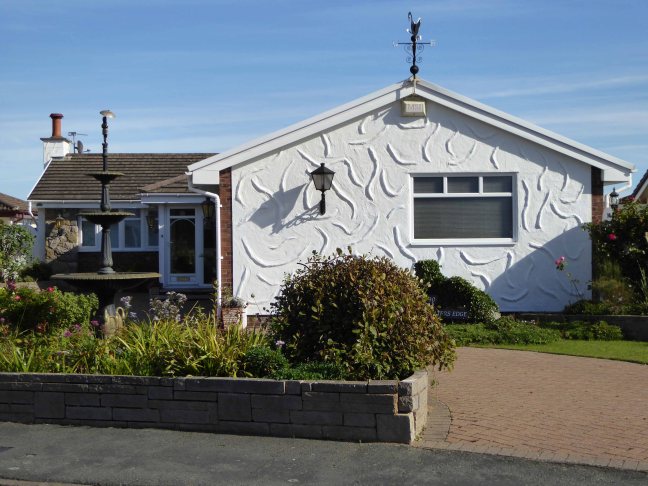
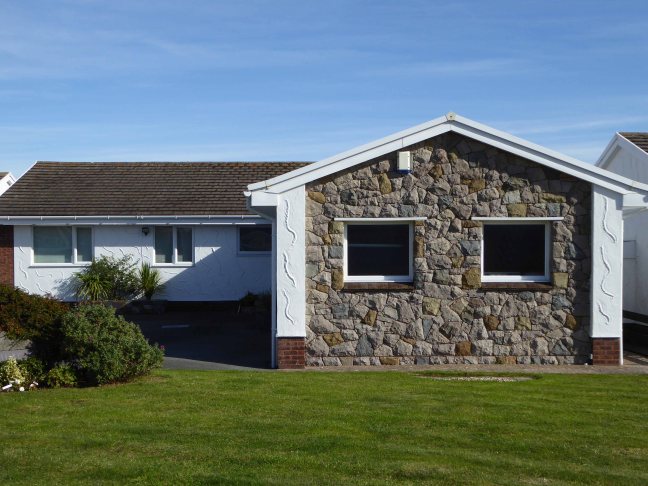
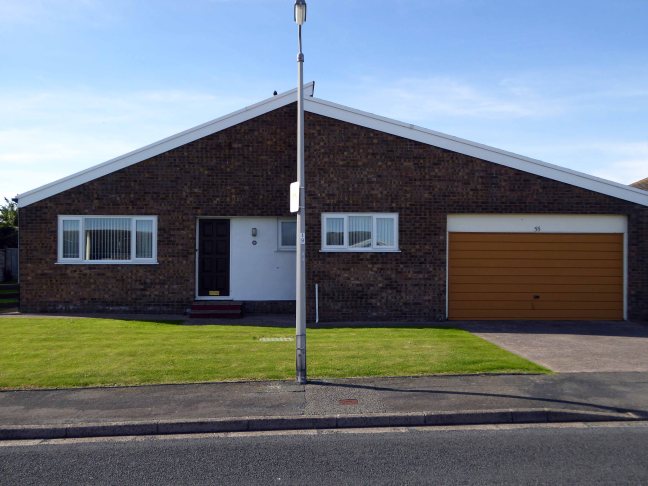
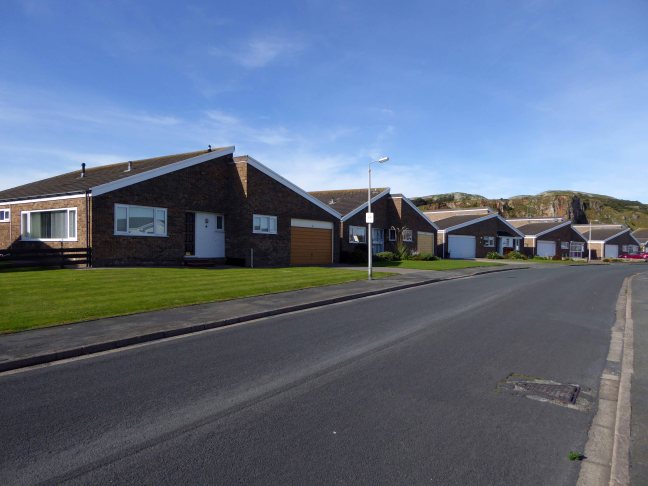
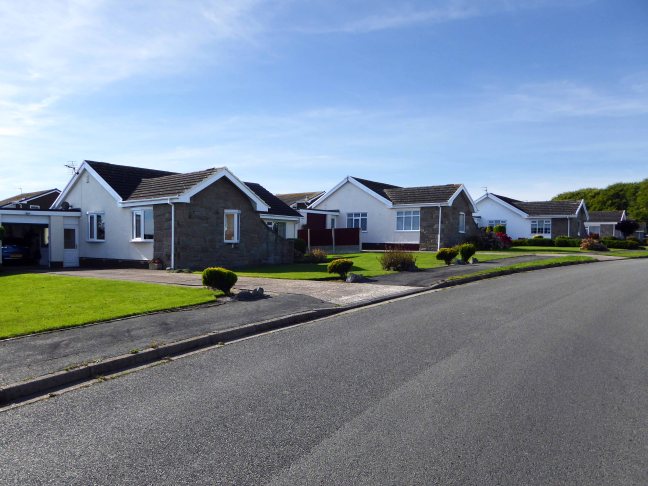
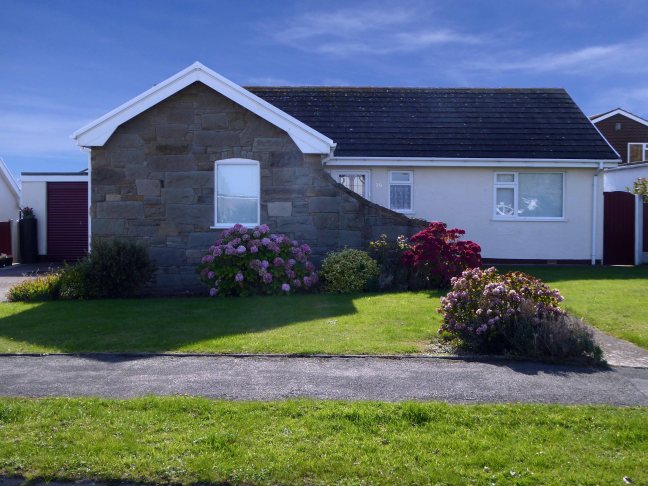
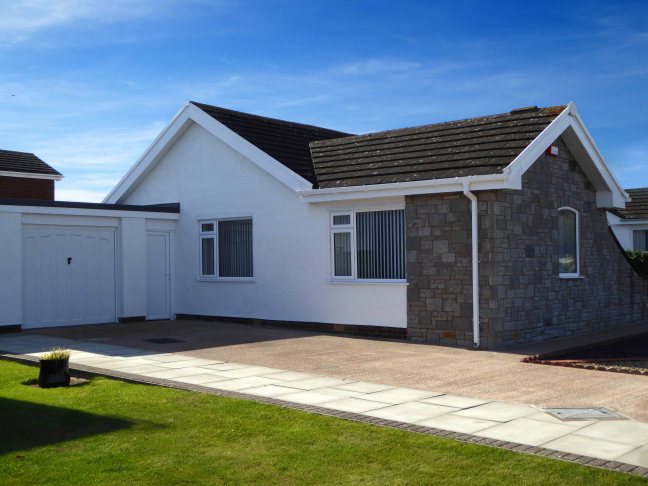
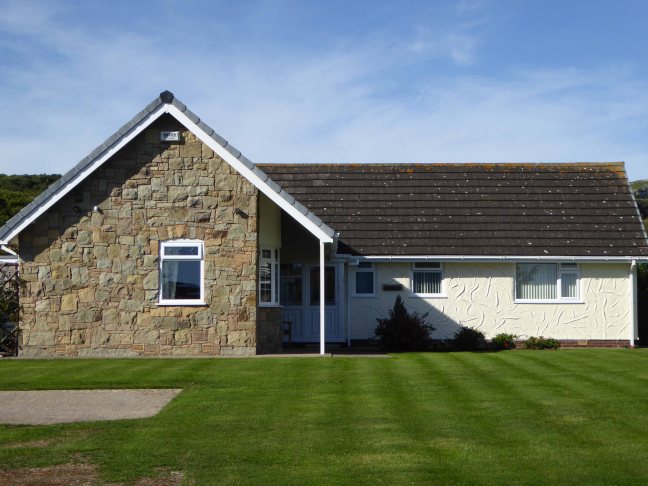
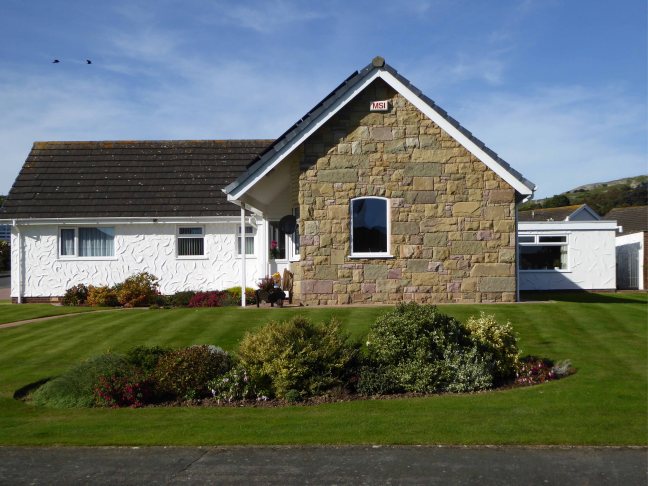
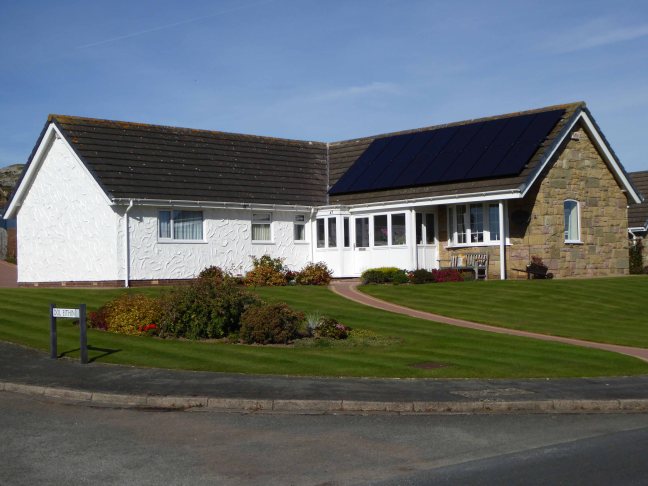
Penrhyn Bay – Ranch House Style

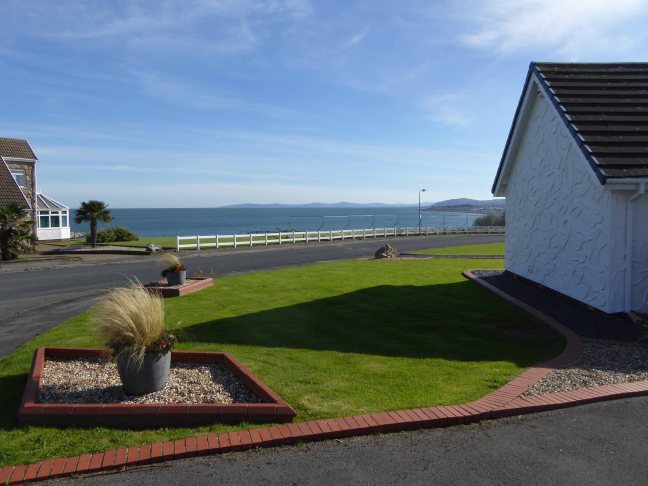
There is some far-flung corner for Wales, that is forever California.

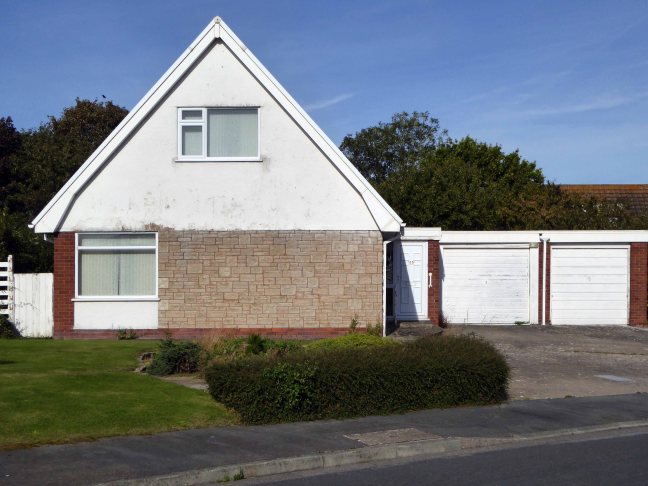
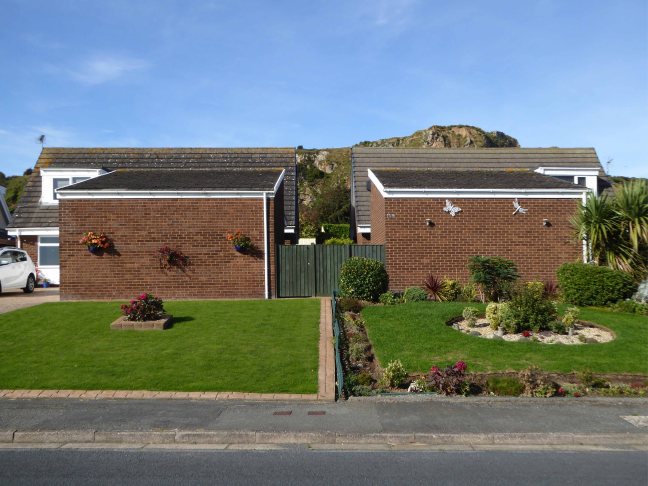
As the clippers and steamers left the Mersey Estuary for the New World, cram packed with emigres some centuries ago, would they expect on their return, some centuries later, to find this architectural cultural exchange, located sedately on Penrhyn Bay?
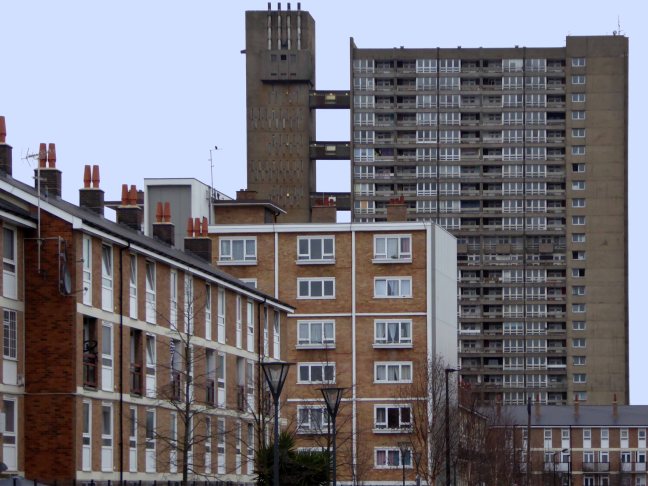
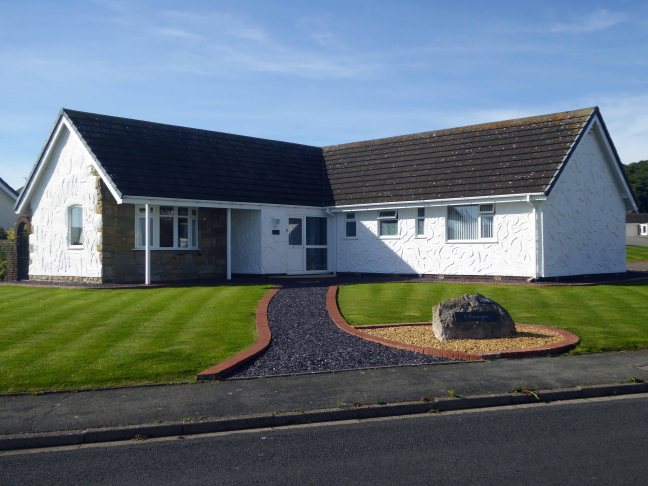
This is a typology with a limited vocabulary, but spoken in a lilt, with an ever so slight, polite Mid-Atlantic drawl.

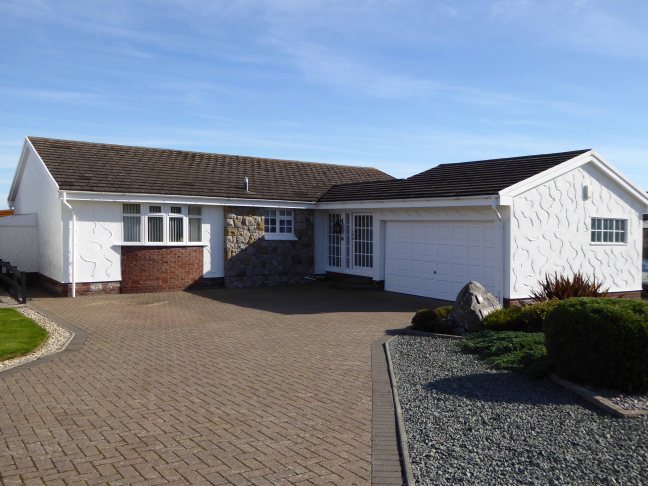
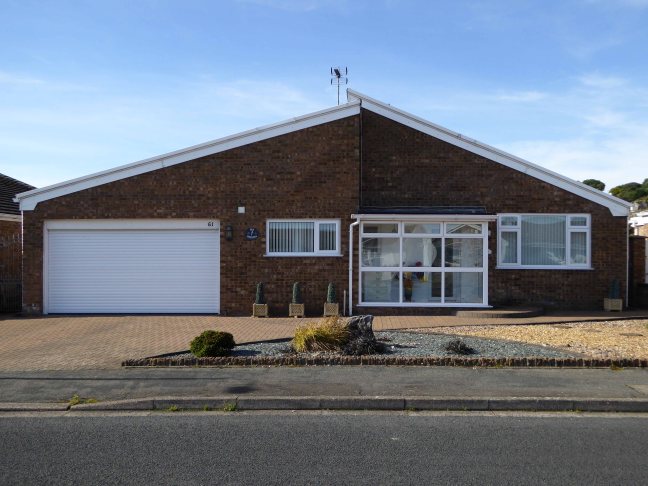
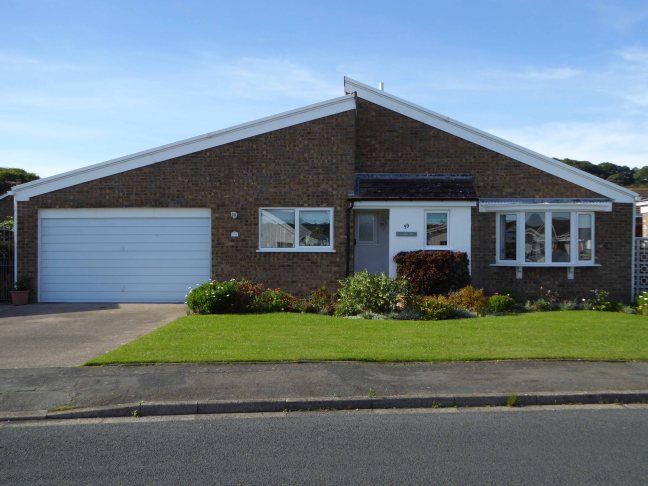
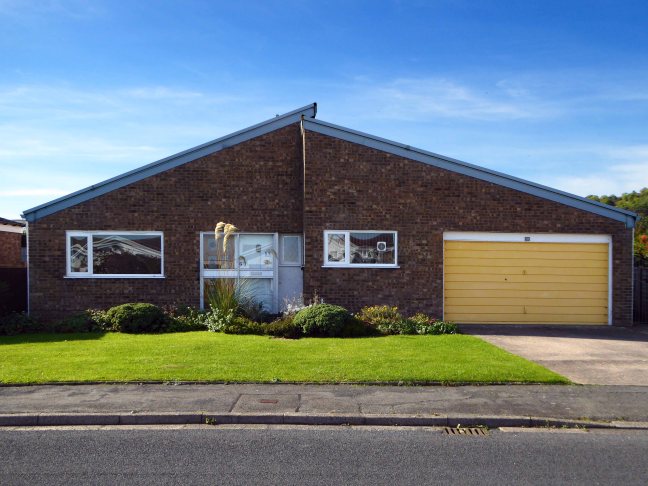
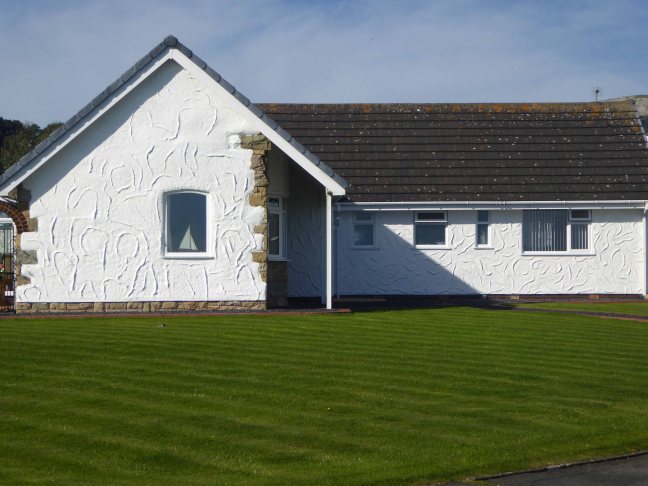
Lightly clad, stone-faced, light and almost expansive the seaside bungalow.

p1100394-copy

p1100395-copy

p1100396-copy

p1100397-copy

p1100399-copy

p1100400-copy

p1100401-copy

p1100403-copy

p1100404-copy

p1100405-copy


p1100407-copy

p1100408-copy

p1100409-copy

p1100410-copy

p1100413-copy

p1100414-copy

p1100415-copy

p1100416-copy

p1100417-copy

p1100418-copy


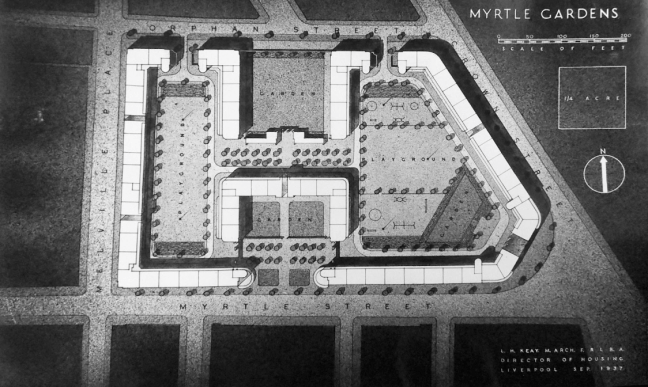
Myrtle Gardens – Liverpool

Once again I wandered the warm and welcoming streets of Liverpool in search of houses.

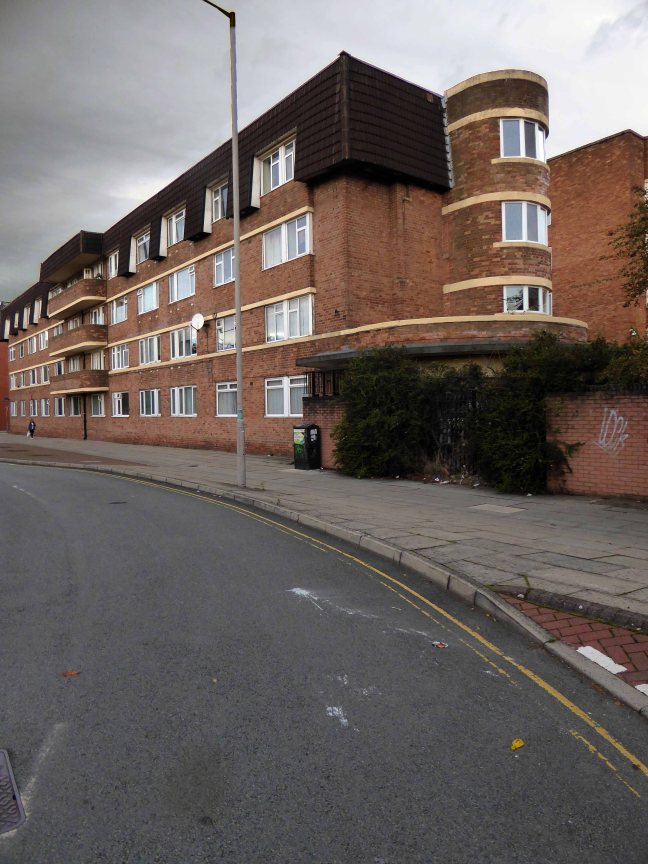
Once again I found older housing, dressed up as newer housing with a new roof, windows and clientele, a stone’s throw from my former encounter in St Andrew’s Gardens.

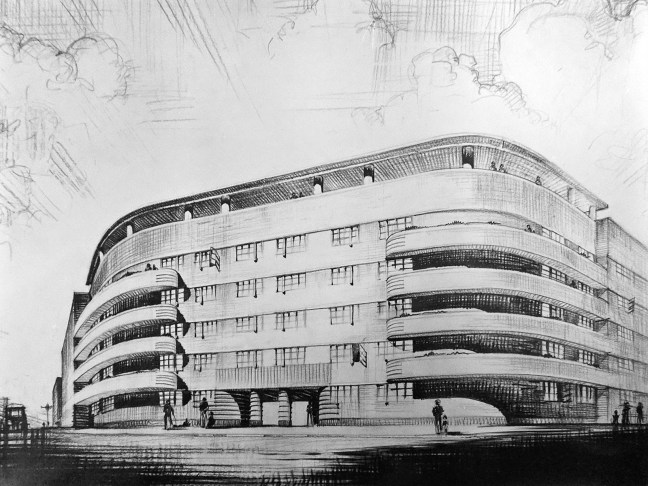
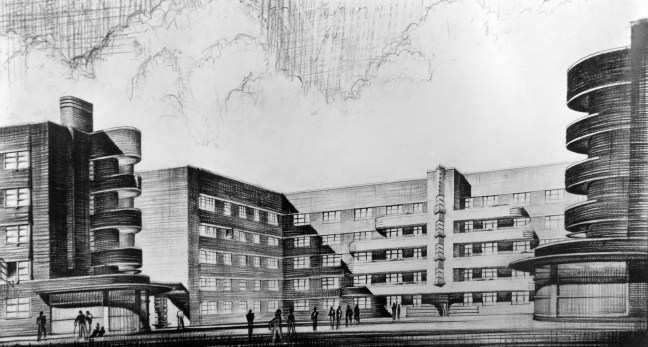
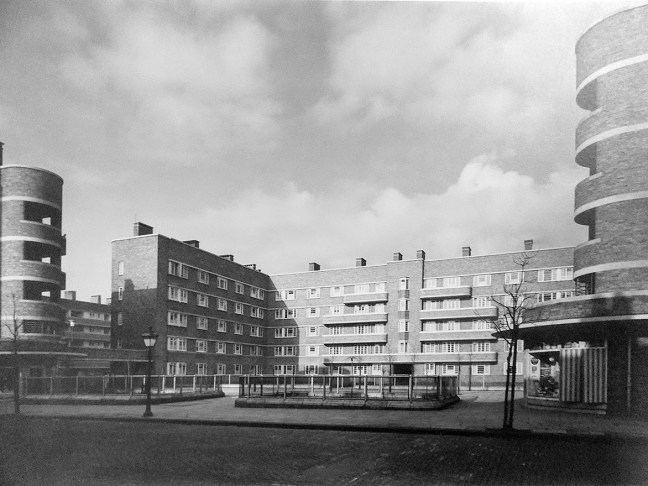
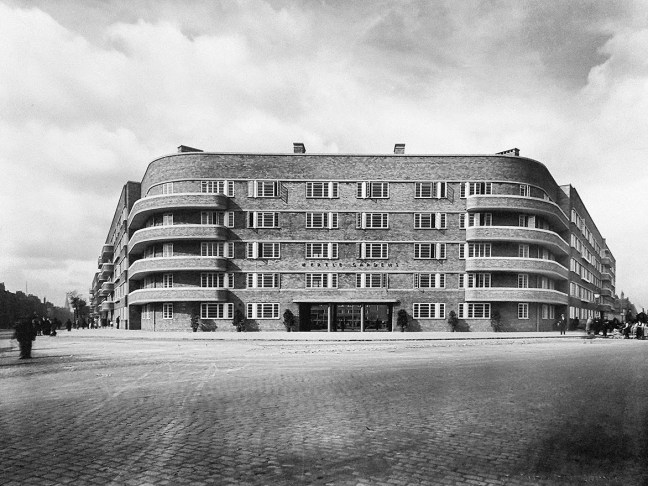
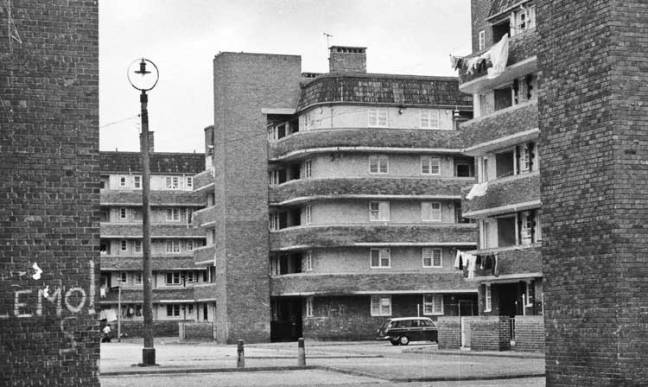
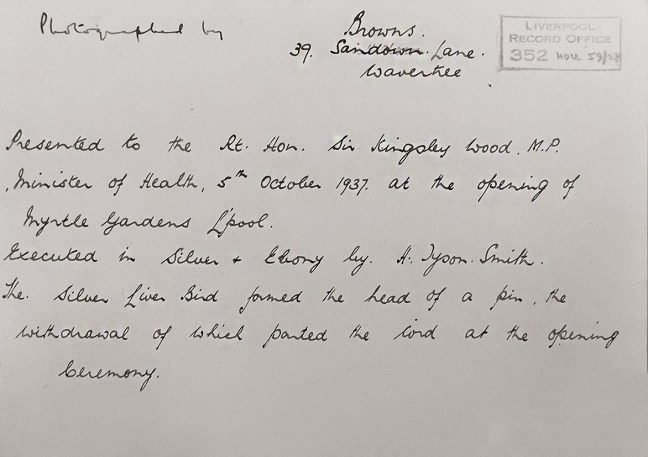
Myrtle Gardens in Edge Hill was part of the larger project of Liverpool’s inter-war rehousing programme – a tale very well told by Municipal Dreams.

An area with a whole heap of history

And a whole heap more on this fine site The Liverpool Picture Book from whence these images were taken:

screen-shot-2016-09-26-at-16-55-03

artist-impression

artists-impression

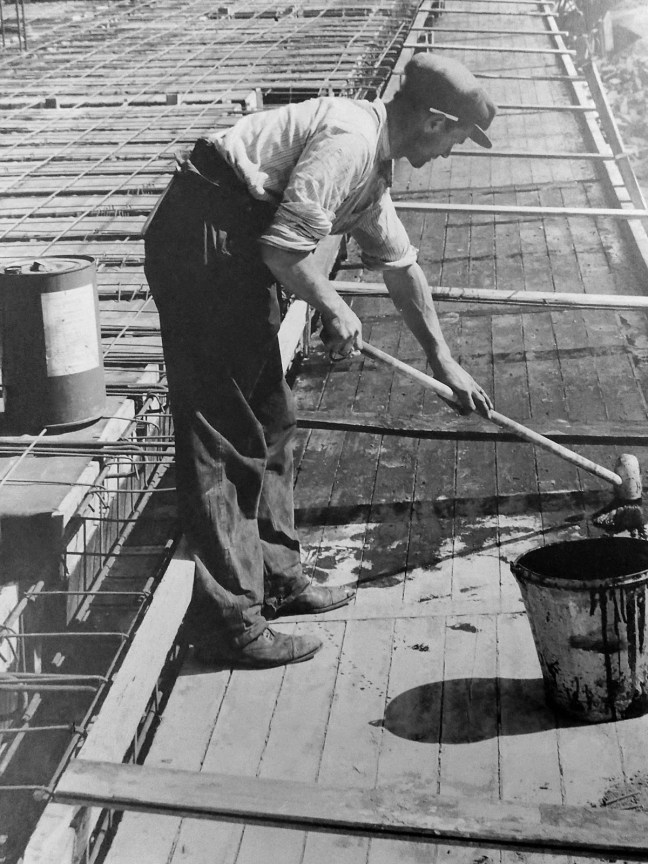
work-underway-at-myrtle-gardens

dscn0170-1

dscn0174

dscn0170-1

myrtle-gardens1

dscn0169

screen-shot-2016-09-26-at-16-54-43

There is also a  comprehensive visual history here in this clip:

Containing the poignant lost faces of the estate:

A familiar tale of bomb damage, decline and sale to private developers and here we are today, a mix of short student lets, newcomers and a handful of long term residents.

Eddie the porter – named Eddie Porter, a clear case of nominative determinism, proved the perfect host, I introduced myself as the man from the Manchester Modernists, doors opened and the conversation flowed like fine wine.

Tales of lads illicitly playing football in the roof voids, families leaving concrete structures in order to huddle in corrugated iron Anderson Shelters, A Hitler’s time in the ‘Pool and his resolve  save the Liver Building, bombs that did fall on the now missing blocks of flats, a family celebrating the return of their son killed in an air raid.

We parted and I strolled amongst the elevated homes some 300 flats, over 80 years old and continuing to provide shelter and succour for the many, though sadly no longer under the sheltering wing of the Municipal Housing Department and their team of engineers, architects and builders.

p1090436-copy

p1090437-copy

p1090438-copy

p1090439-copy

p1090440a-copy

p1090441-copy

p1090442-copy


p1090444-copy

p1090445-copy

p1090446-copy

p1090447-copy

p1090448-copy

p1090449-copy

p1090450-copy

p1090452-copy

p1090453-copy

p1090454-copy

p1090455-copy

p1090456-copy

p1090458-copy

p1090459-copy

p1090460-copy

p1090461-copy

Wavertree Liverpool – Pathfinder

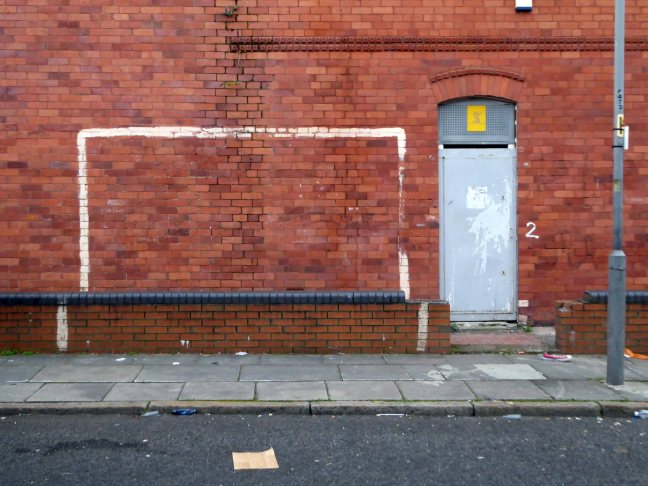
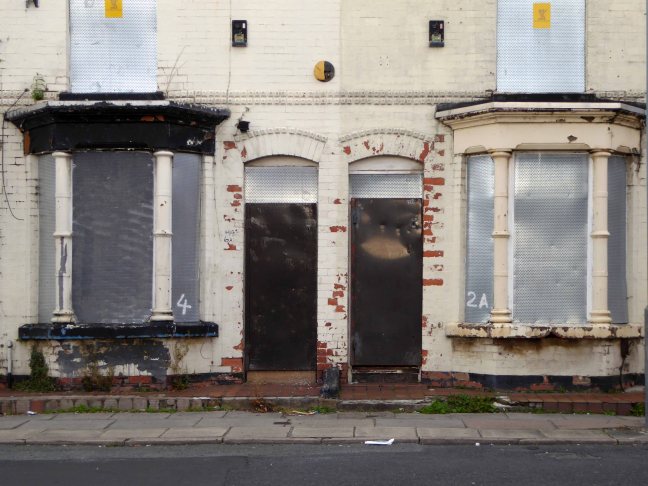
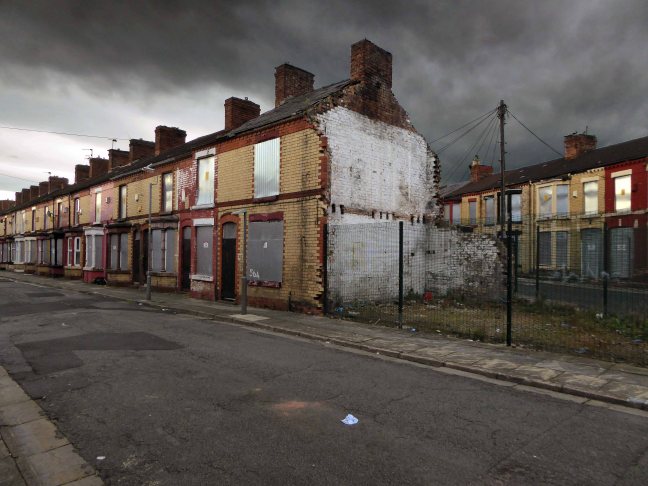
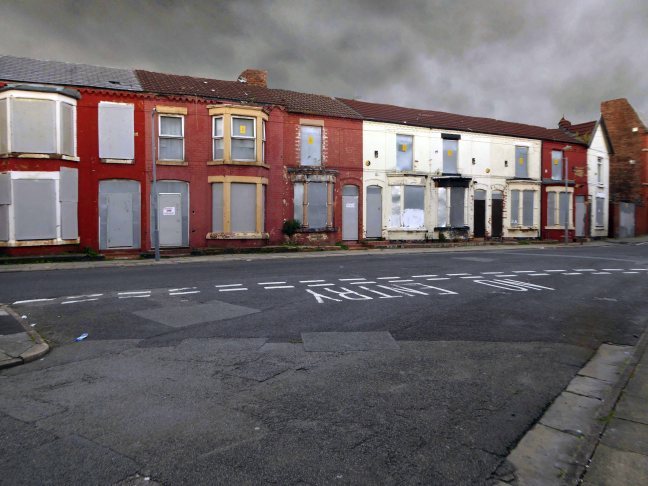
How does the modern world treat the past?

With a disdain bordering on a sociopathic destructive indifference it appears.

New Labour with an eye to rehouse the housed, tinned up hundreds of homes prior to demolition and redevelopment. They were and still are solid late Victorian terraces possibly in need of improvement – during the 1990’s, period housing stock was refurbished with central government funding, through a system of easily obtained grants. Improving the living conditions of many, maintaining the structures, and  supporting the local self-employed building trade.

So several years down the line, I visited the streets of Wavertree discussed in Owen Hatherley’s article of 2013.

Little or nothing has changed there are some tenanted houses, interspersed between the blanked out windows in sadly deserted streets, save the two camera shy free runners, who had lived and played in the area for some seven years.

p1090427-copy

When one door closes another door closes.

If working-class areas are to defend themselves, they need confidence, both in themselves and in the places they live, otherwise the whole grim process will go on, with councils making the same mistakes and the same lives being destroyed, without interruption.

p1090408-copy

p1090409-copy

p1090410-copy

p1090412-copy

p1090413-copy

p1090414-copy

p1090415-copy

p1090416-copy

p1090417-copy

p1090418-copy

p1090419-copy

p1090420-copy


p1090423-copy

p1090424-copy

p1090425-copy

p1090427a-copy

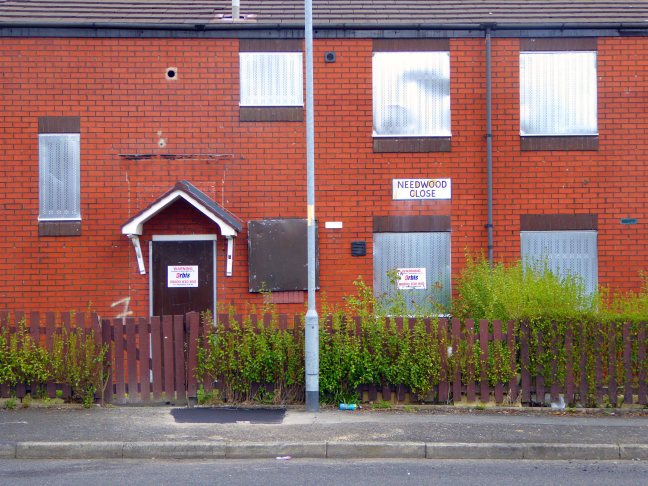
Needwood Close – Collyhurst

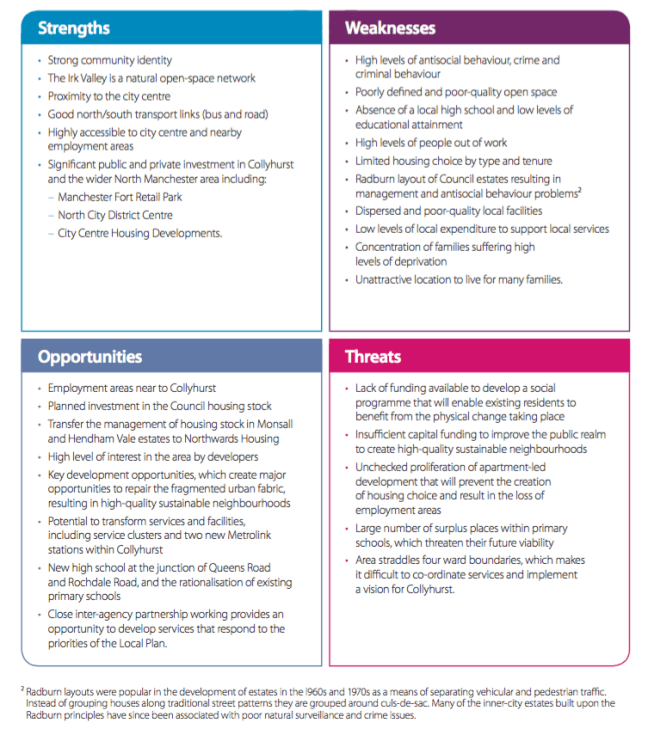
Deep in the heart, just on the edge of central Manchester, there exists a dilemma.

Once a place of full employment and home occupation, time has not been kind to Collyhurst. Work is scarce and the area blighted by a reputation for crime and social problems. Yet it sits by an area of inner city wealth, economic expansion and a growing professional class.

The plan is to expand this growth outside of the fringes of city and into north Manchester, since 2008 this has been the stated aim of the local authority. Tram stops, academies, and retail parks apart, change seems slow to arrive.

Screen Shot 2016-06-17 at 13.54.30

There is a chronic shortage of public funding and seemingly an absence of private capital and speculative development – life is elsewhere.

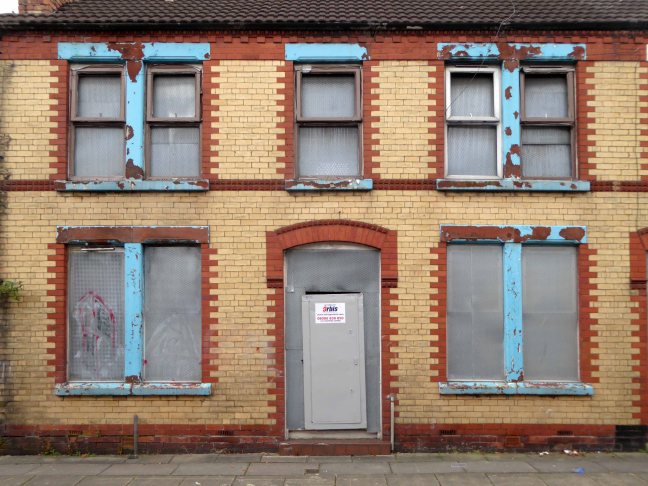
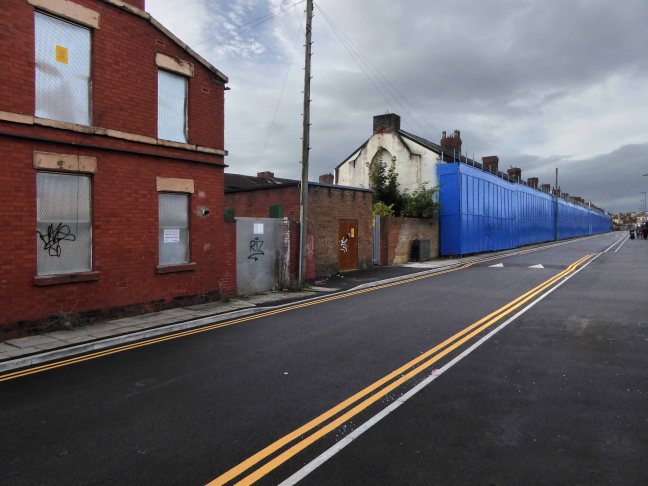
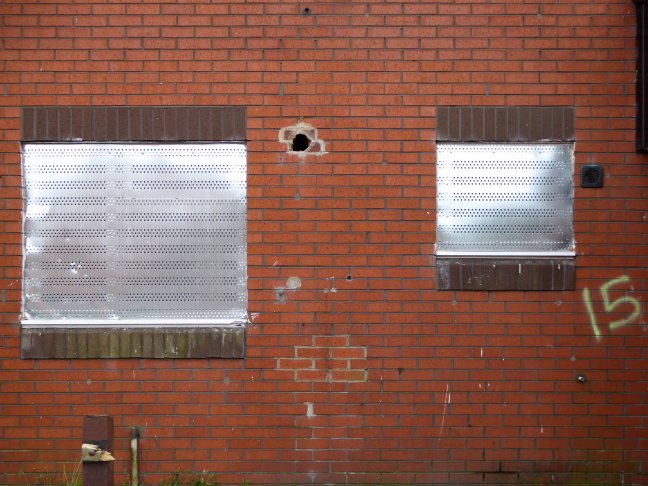
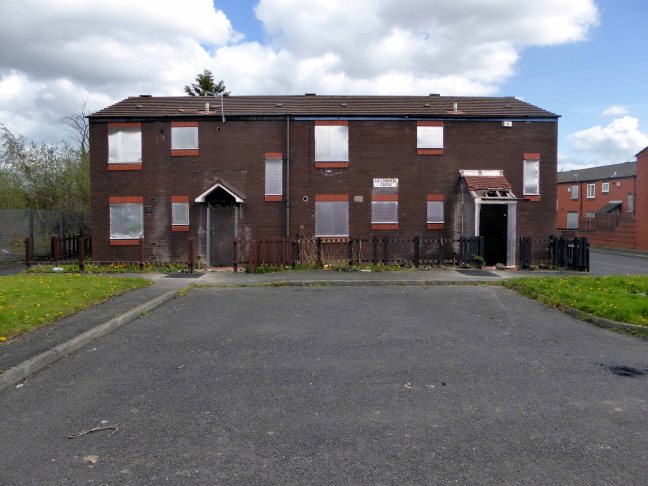
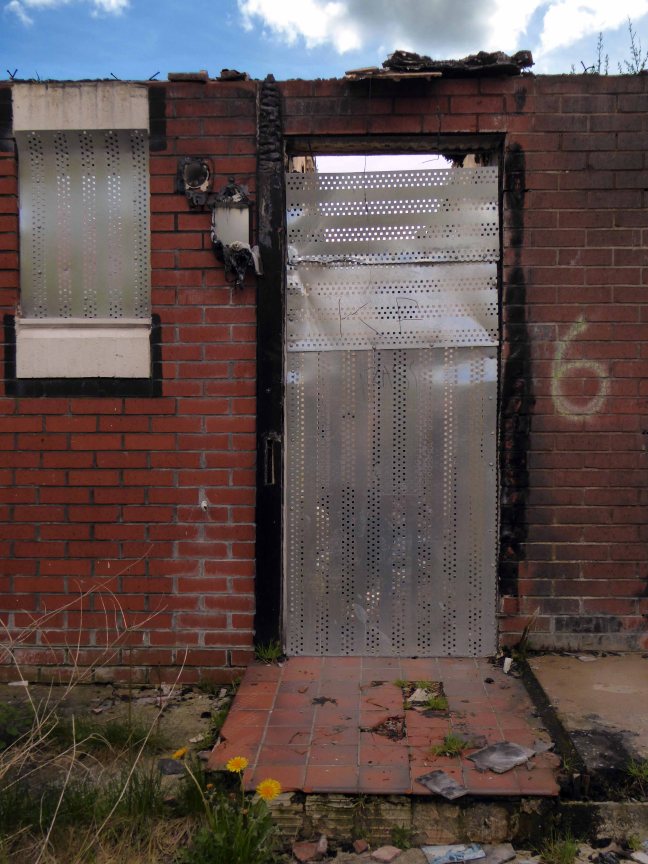
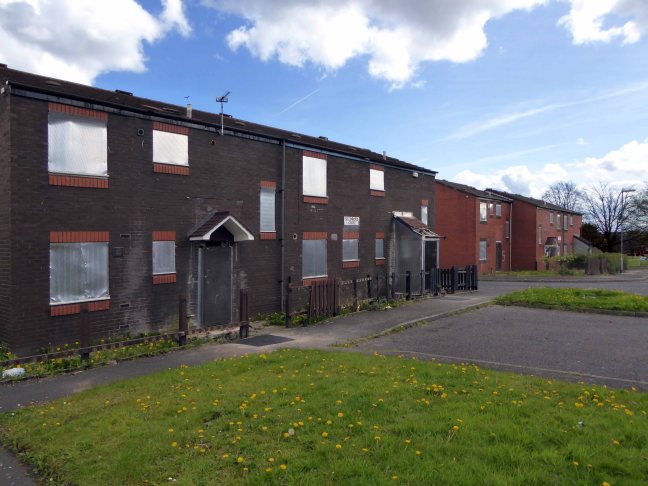
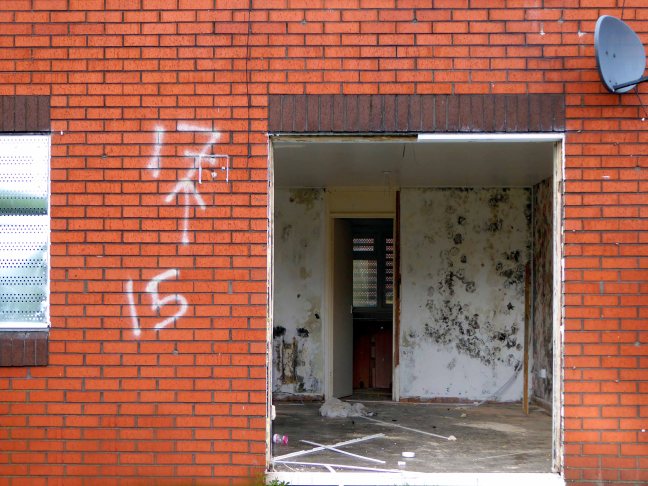
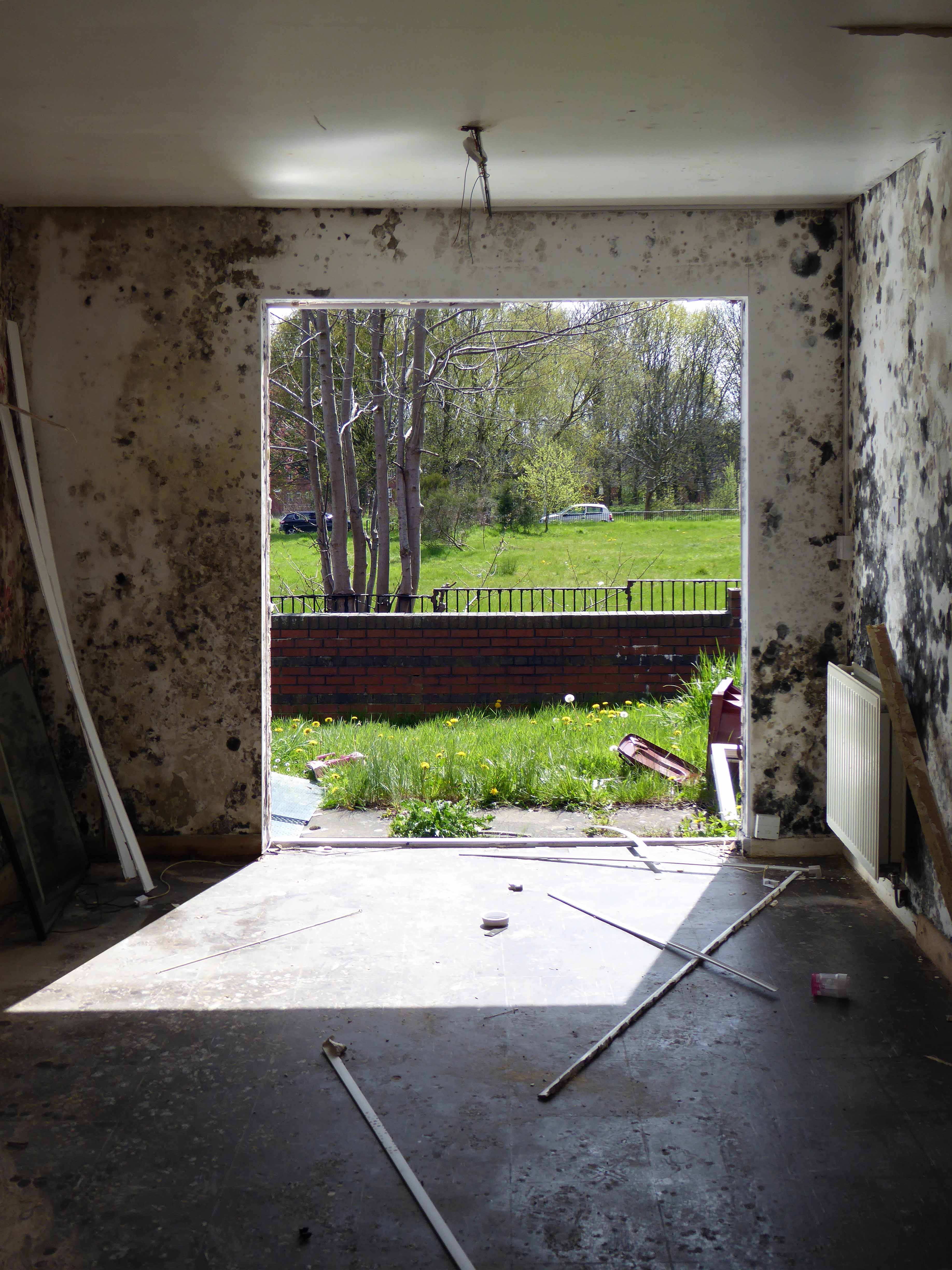
In the mean time there are properties tinned up awaiting a new dawn.

Needwood Close is one such example.

P1040450 copy

P1040451 copy

P1040453 copy

P1040458 copy

P1040459 copy

P1040460 copy

P1040465 copy

P1040466 copy

P1040468 copy

P1040469 copy

P1040476 copy

P1040477 copy

P1040480 copy

P1040483 copy


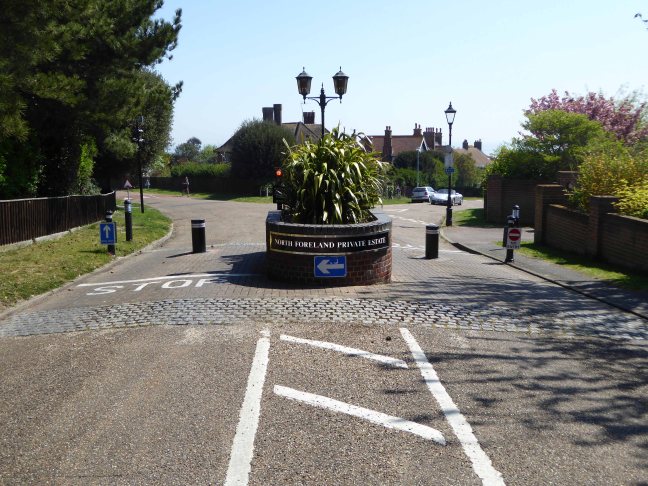
North Foreland Estate – Broadstairs

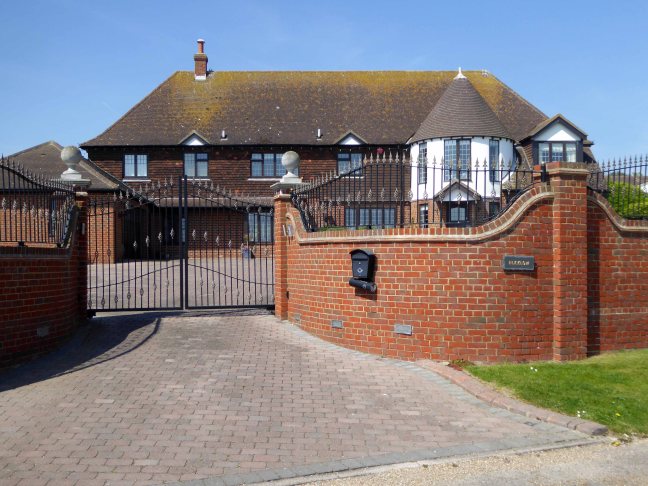
Where the lone lawn ranger, meets the top of the range Range Rover.

Yippee ki oh ki-yay!

Forever out to out Lutyens.

I think you’re probably out to lunch.

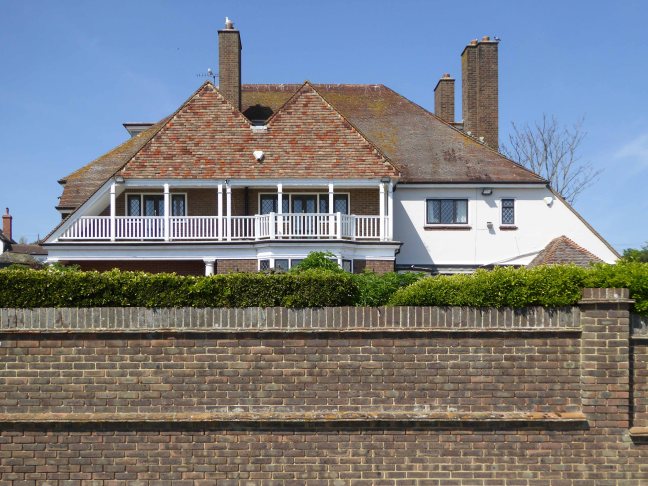
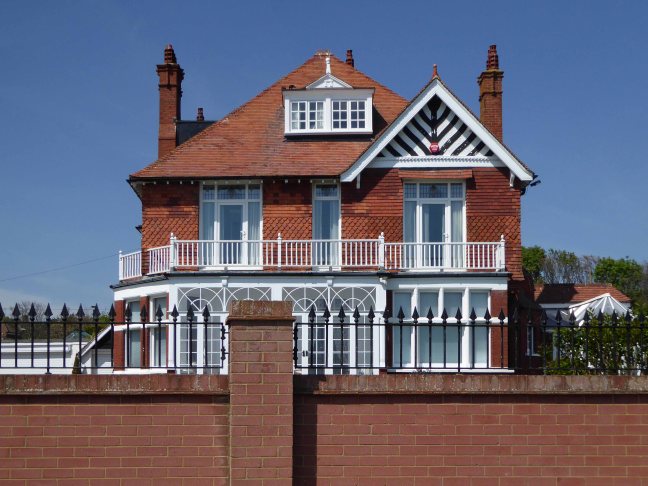
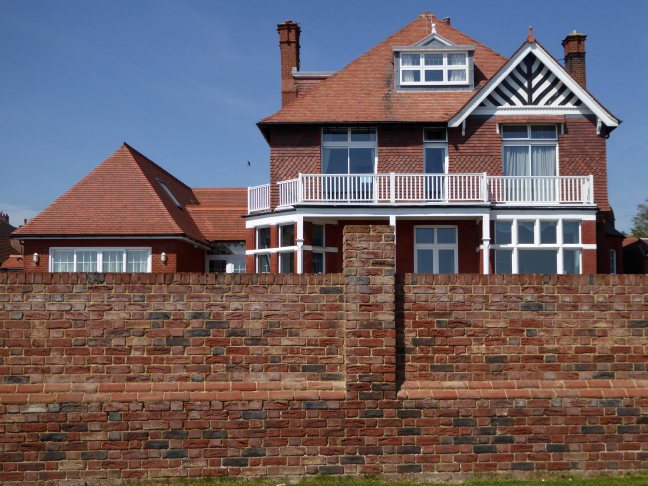
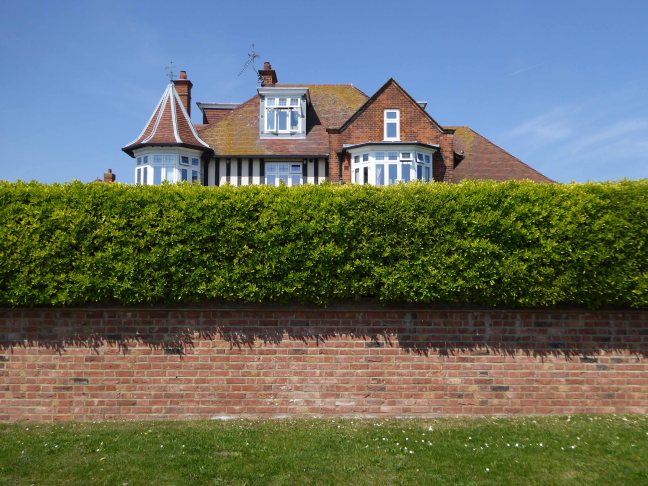
To walk the shoreline path through North Foreland Estate, is to walk an intentionally unintentional free market, mash-up of architectural history.

Hey ho let’s go!

To begin at the beginning, 1636 a lighthouse is erected – leaping forward somewhat:

During World War II a number of radar stations were set up by German forces in France and the Netherlands to detect allied aircraft flying across the English Channel and a chain of top secret radar jamming stations were set up by British scientists along the south east coast of Britain. An array of transmitters was set out around gallery of the lighthouse controlled by equipment in the lower lantern as part of this chain.

1280px-North_Foreland_Lighthouse_by_George_Jackson

The North Foreland lighthouse was last manned lighthouse in the UK, but was automated in a ceremony presided over by the Duke of Edinburgh in 1998.

It seems appropriate that the DoE should preside over the automation, however, I digress.

This is a gently rolling coast line, low chalk cliffs harbouring sandy coves and spies.

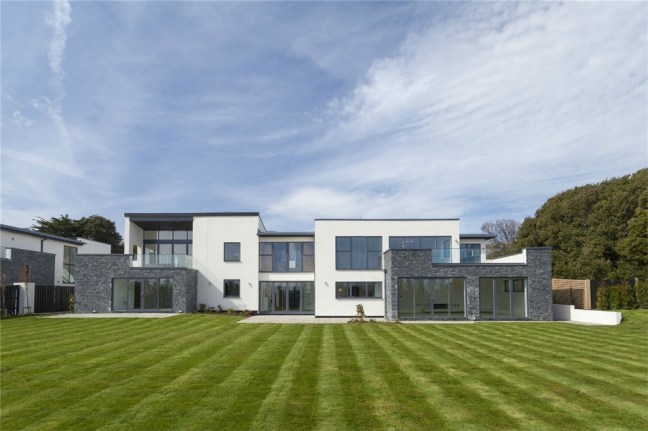
And the wealth of nations, £2,000,000 gets you this shiny hunk of real estate.

e5d99b95-661e-49d2-b89a-9db836b15c68-xl

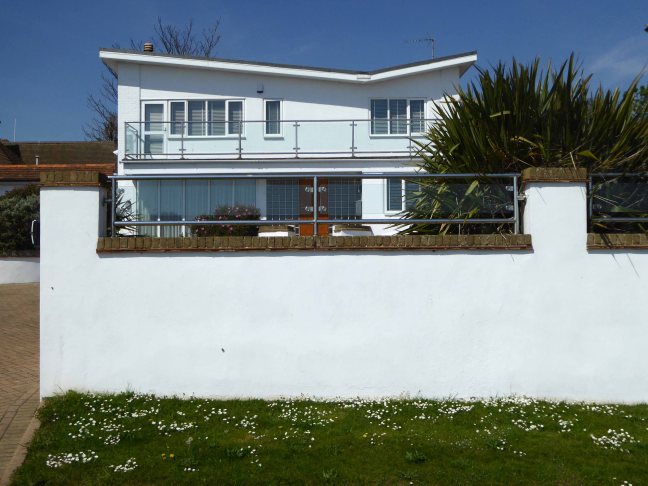
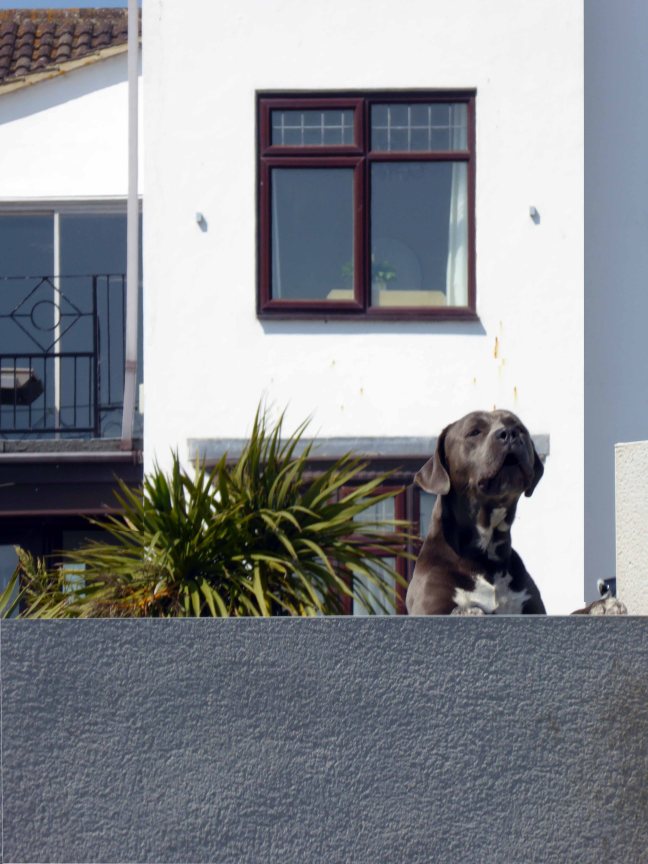
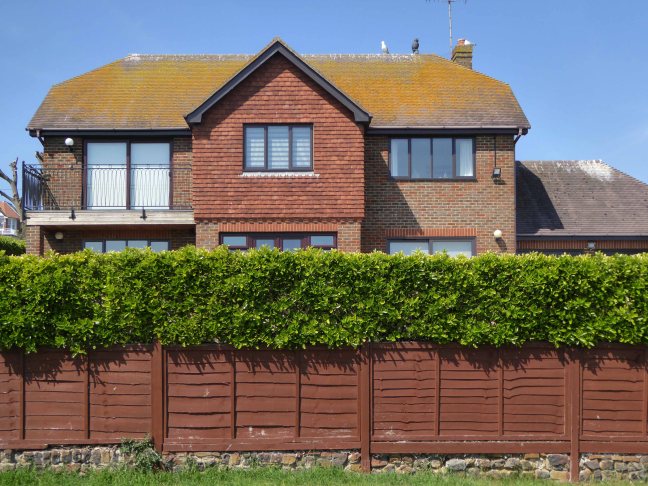
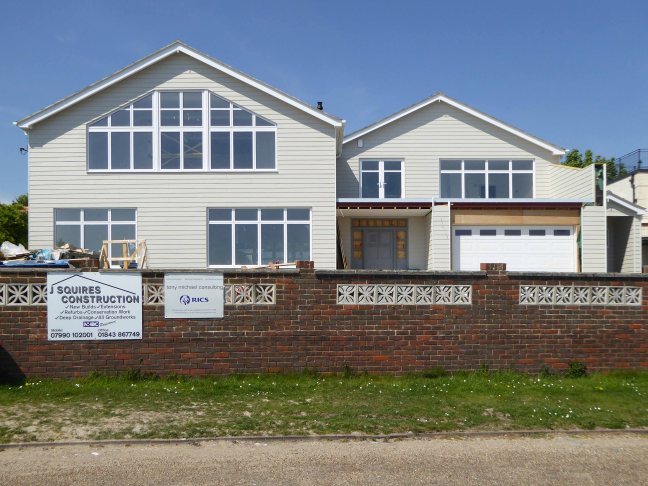
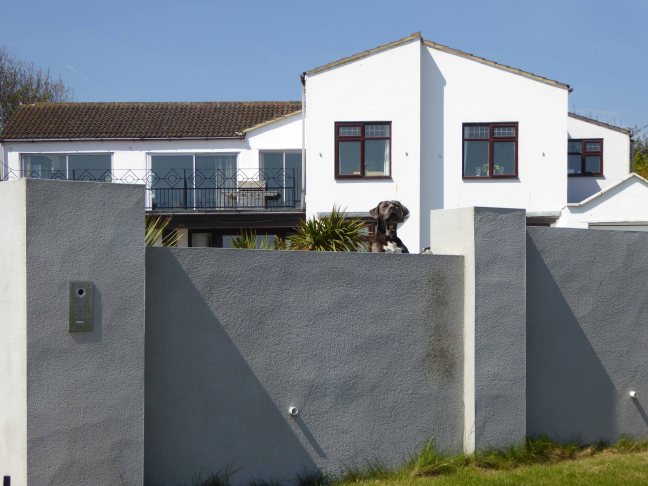
A gated community, double negated through further gating, ornamental railings, well clipped hedges, picket fences, high grey stuccoed walls, and attendant dogs.

Big dogs, very big dogs, fortunately with even bigger walls.

P1040768 copy

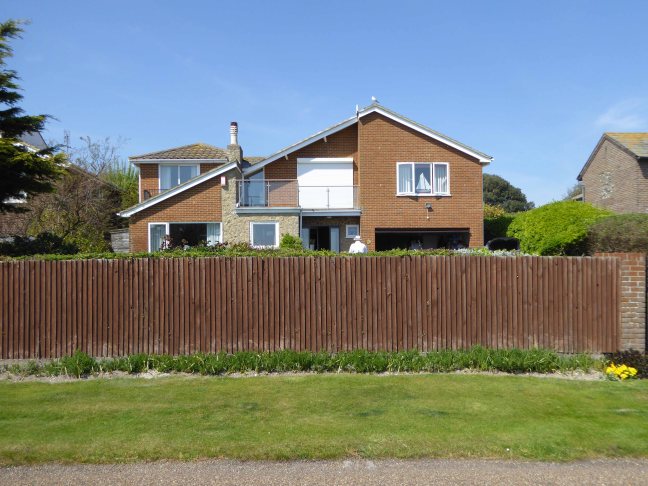
As is often the case in such areas the residents are short of nothing – excepting residents.

There was but on lone lawnmower owning owner to nod to.

P1040755 copy

Last seen, receding towards his quasi sixties, semi-dormered detached, hat intact.

So accompany me now through the New England homes of the new England, admire the Mock Gothic, Super Krazed Moderne, pseudo Tudo-Jacobethan delights that await us.

P1040756 copy

P1040757 copy

P1040758 copy

P1040759 copy

P1040762 copy

P1040763 copy

P1040764 copy

P1040766 copy

P1040767 copy

P1040769 copy

P1040770 copy

P1040771 copy

P1040772 copy

Too rich for your undernourished pockets, have you considered a drawing of a house?

High concept, conceptual housing for the under-housed.

P1040780 copy

P1040774 copy

P1040775 copy

P1040777 copy

So farewell the North Shoreland I’ll leave you to get on with your high value, property based, rise and fall bollard lifestyle I, like Felix – kept on walking.

P1040783 copy


Collyhurst

It’s the end of the road, for the middle of the street.

Needwood Close Collyhurst is closed.

An area that has suffered the slings, swings and arrows of failed PFI bids, absent partners and putative city fathers.

2012

After missing out on £252m of state investment when the Government cut the Homes and Communities Agency budget, Manchester is now trying another approach to deliver the much needed regeneration of Collyhurst.

As reported by Manchester Confidential

2014

The masterplan is part of Manchester Place, a joint initiative between Manchester City Council and the Homes & Communities Agency that looks to create a pipeline of development-ready sites to help the city meet its ambitious target of creating 55,000 new homes by 2027 as set out in the Manchester Residential Growth Prospectus.

Manchester Place will work with investors, such as Manchester Life, a £1bn, partnership between Manchester City Football Club and Abu Dhabi United Group, the privately owned investment company which also owns Manchester City Football Club, to bring 6,000 new homes to east Manchester over the next 10 years.

As outlined in Place North West

2016

Hartfield Close – Manchester

Screen Shot 2016-05-19 at 10.23.35

It’s not unusual.

To discover something, whilst looking for something else.

For me, it’s almost a way of life.

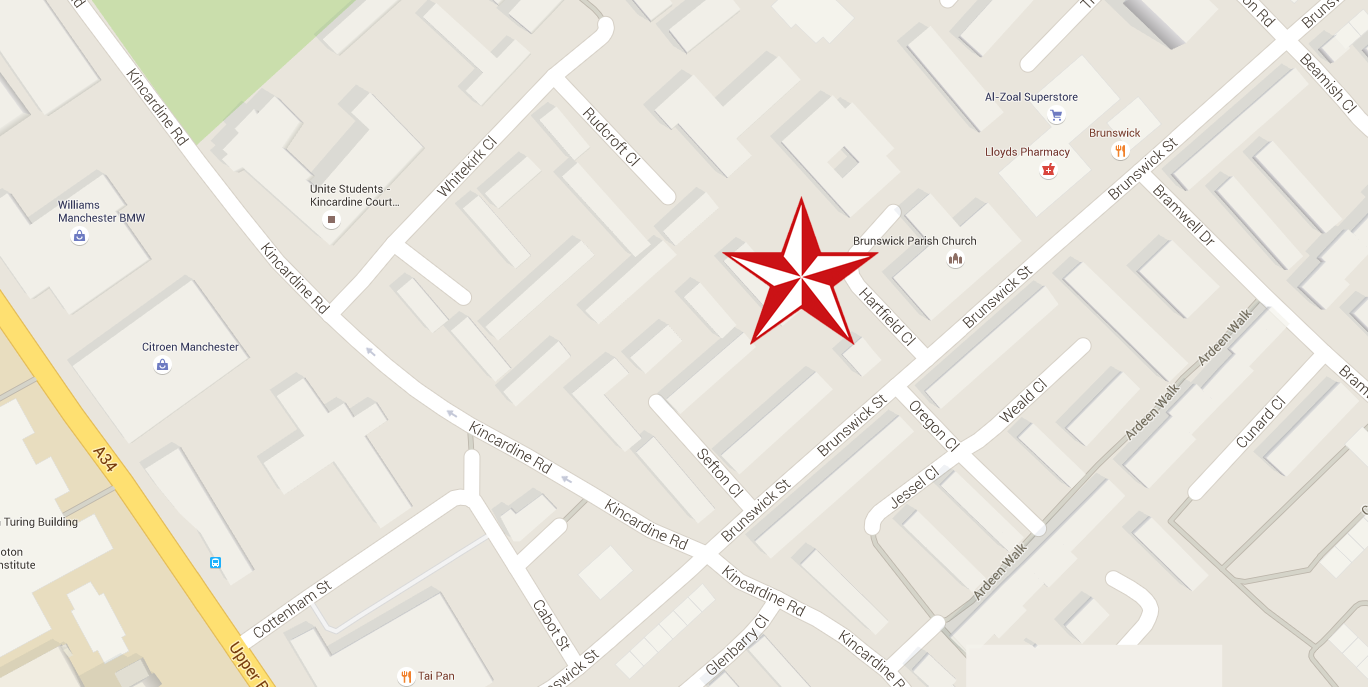
I was in the area to look around the nearby Brunswick Parish Church.

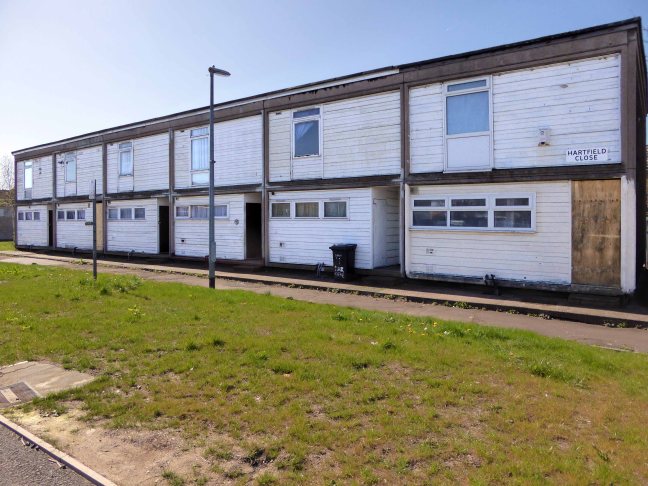
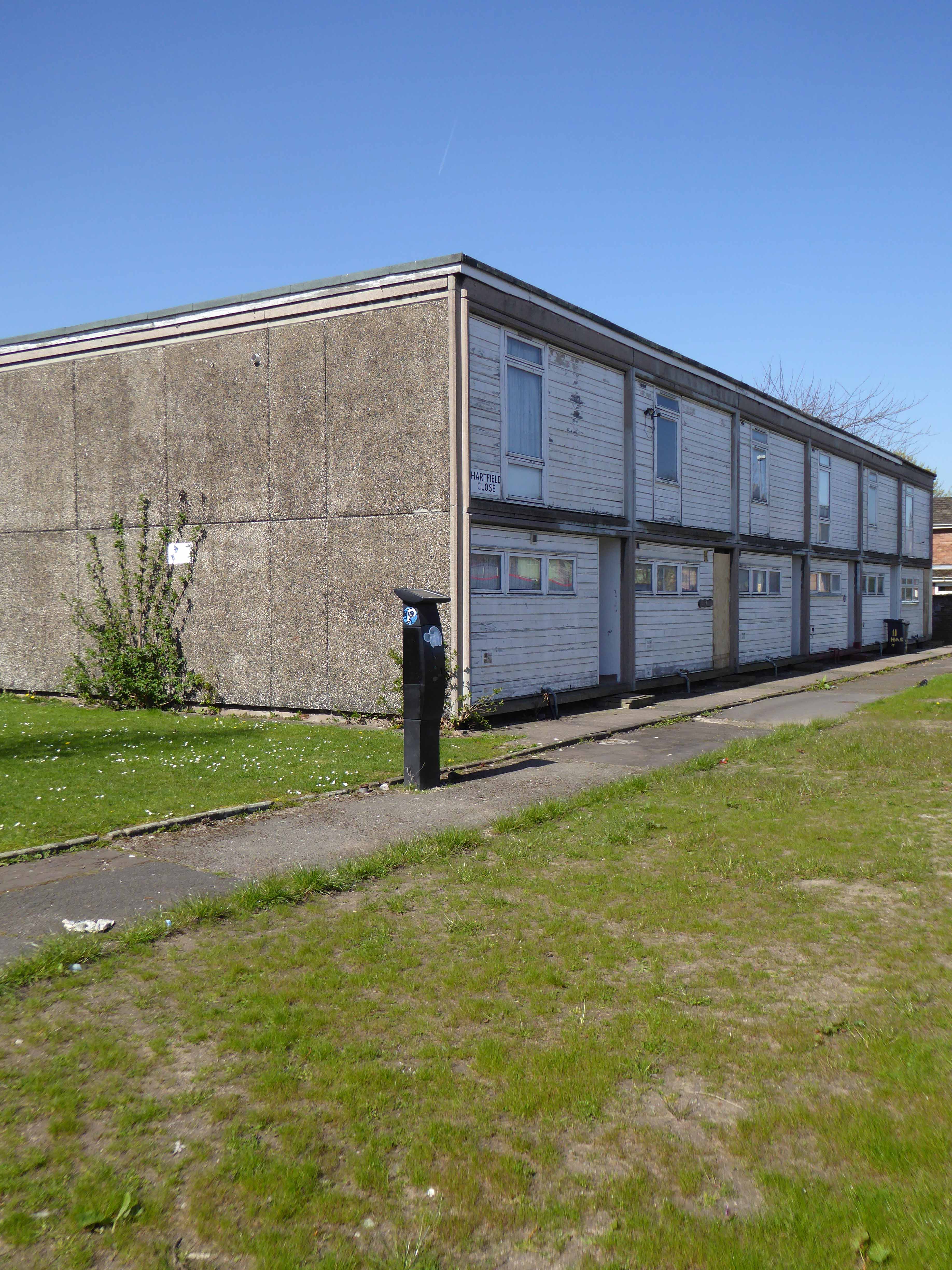
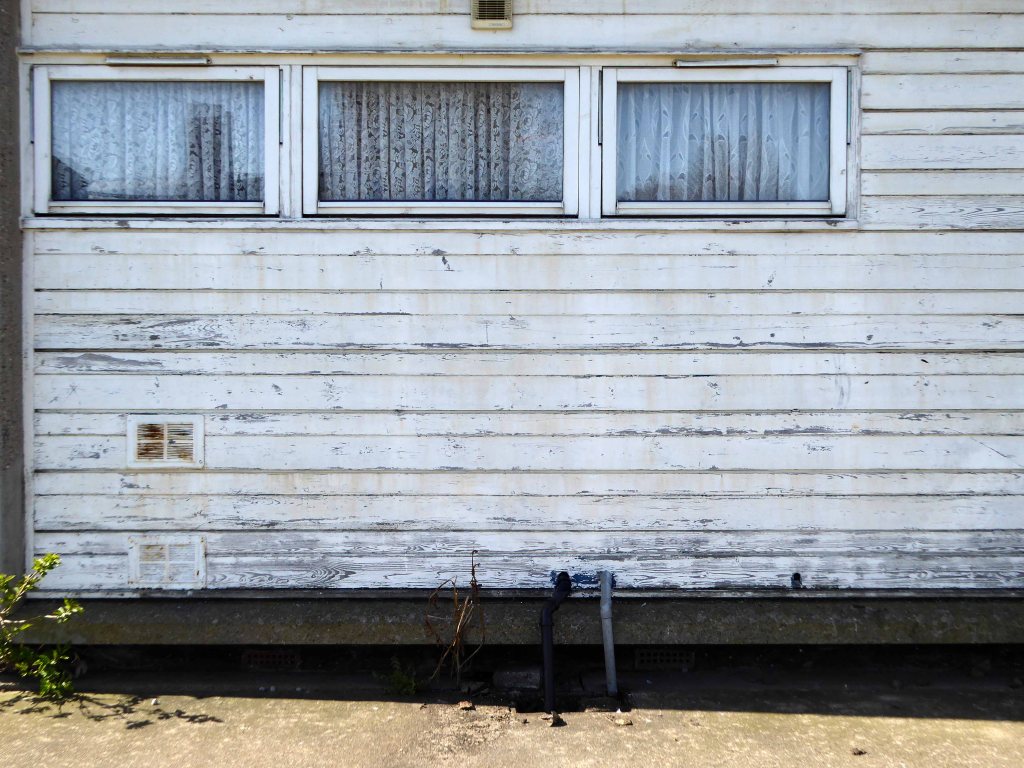
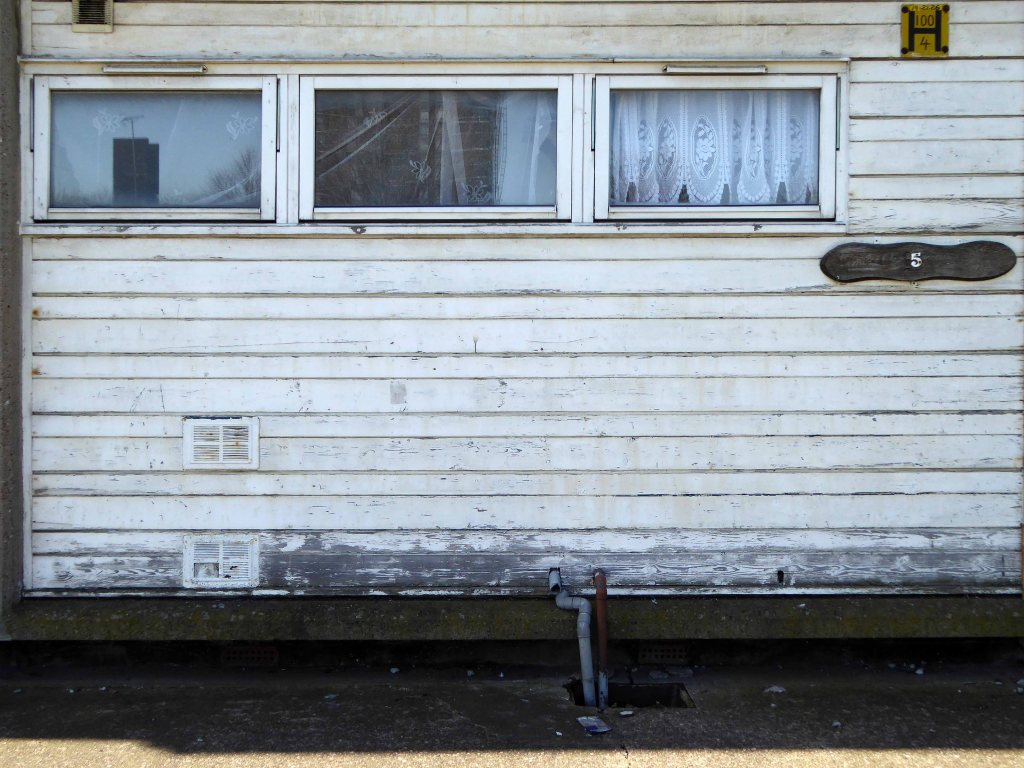
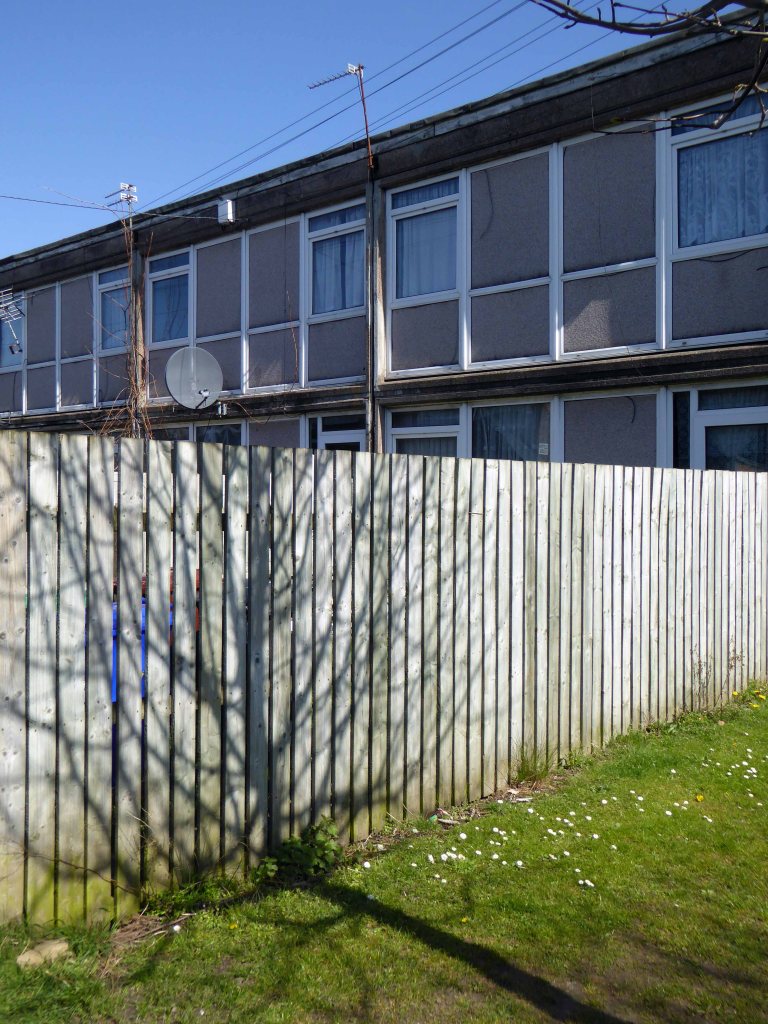
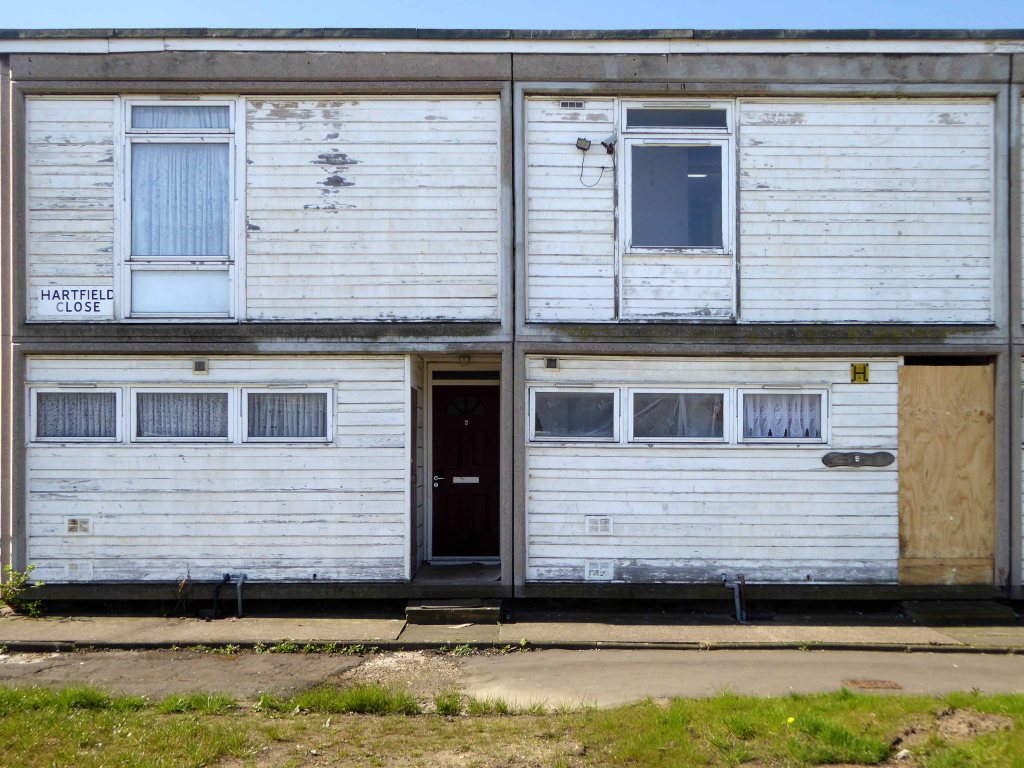
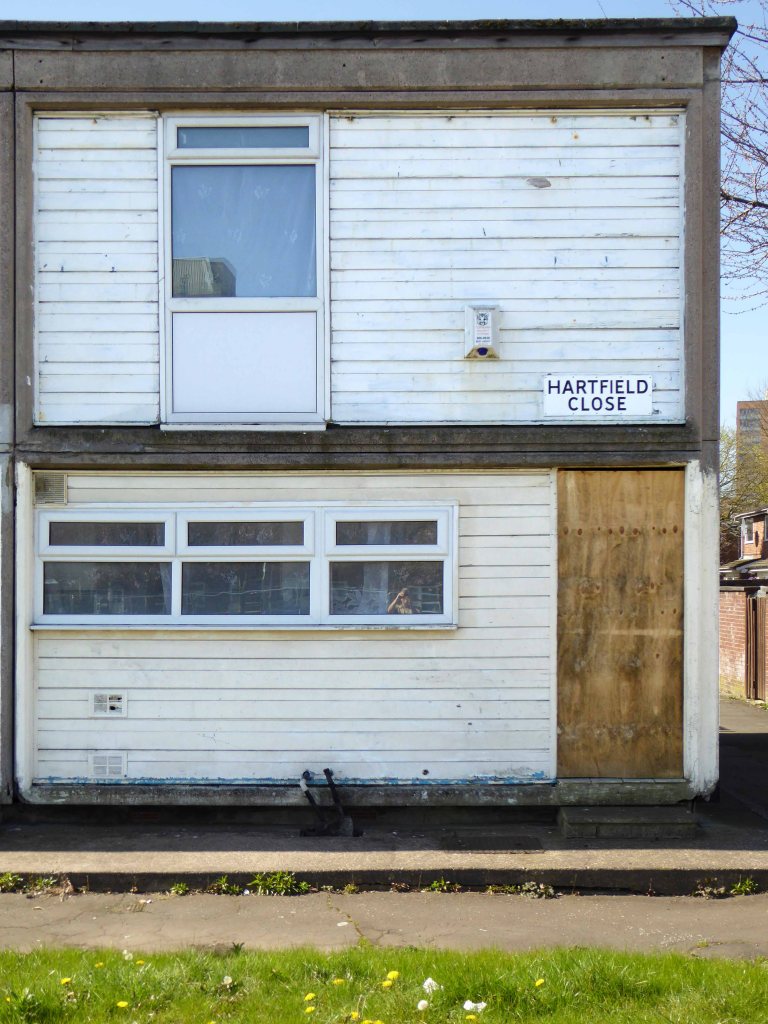
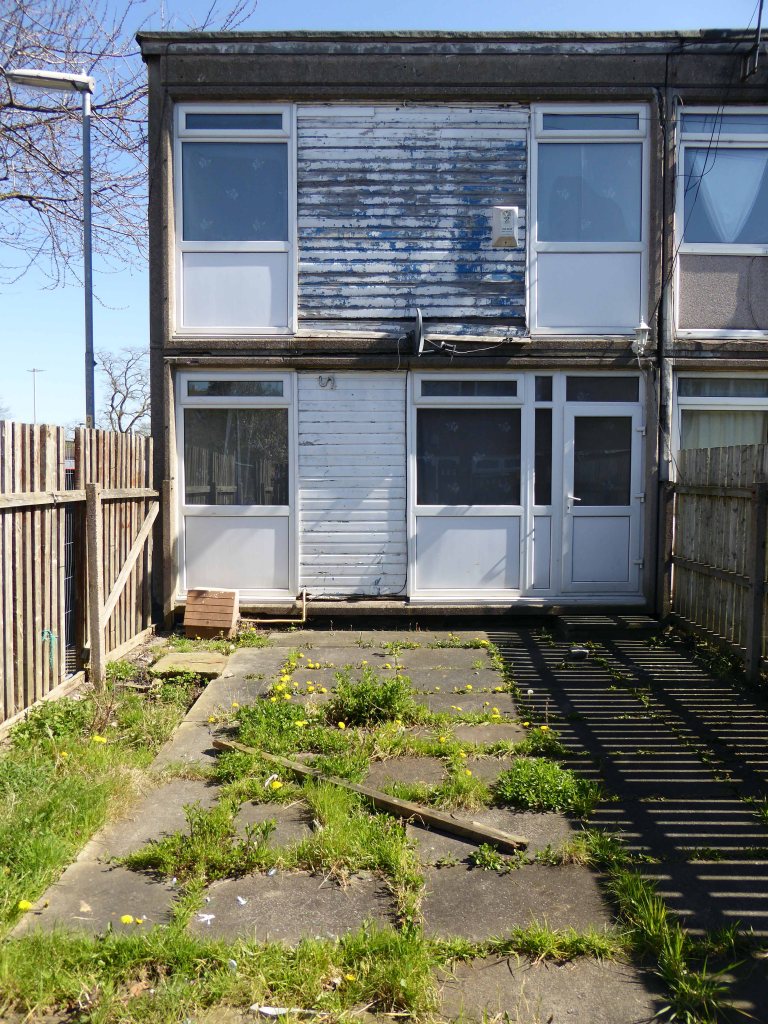
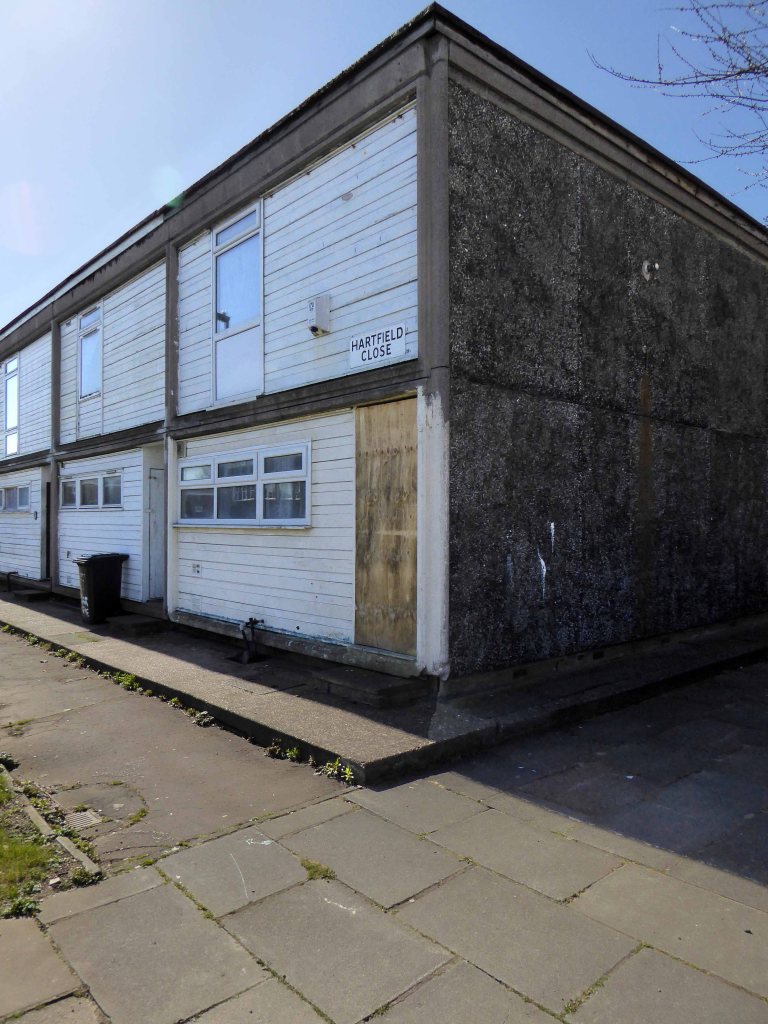
Just around the corner was Hartfield Close a low, white two-storey terrace of six homes, each with a small fenced garden to the rear, facing onto a large open grassed area,  backed by further housing.

It was difficult to discern whether they were empty or inhabited – two seemed to have residents. Curious in a city with a growing population and a demand for vacant property. Are they in limbo, between redevelopment, refurbishment or CPO?

They have ben offered to the market within the last year.

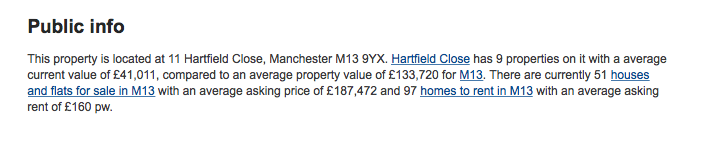
Screen Shot 2016-04-22 at 12.10.46

At a value way below comparable properties, currently they seem to be adrift in an uncaring world, a tiny lost island of Municipal Modernism.

P1030819 copy

They deserve a little care an attention.

We all do.

The Bullring – Liverpool

I love walking around the Bullring, there are no bulls, just students.

What was once imagined as inter-war social housing, a proud public utopia for you and me, is now a temporary pied-à-terre for them and their owners.

Built in 1935 as part of the city’s expansion of council homes, a time and place very much in thrall, to the then current developments in German Modernism.

DSC_0173 copy

It was one of many such developments across Liverpool, as outlined here:

In this detailed post by Municipal Dreams.

St Andrews Gardens, aka The Bullring is the sole survivor.

Bullring-1967

In 1967 the residents turned out in force to celebrate the opening of the very close by Liverpool Metropolitan Cathedral of Christ the King.

Street-Part-Bullring

Faces now faded, the lost warm, wide smiles and pretty paper flowers of post-war dreams.

Screen Shot 2016-05-17 at 20.47.34

Seen here on film.

Go take a walk today through a past and a future which we all still deserve.

There is still the sense of a magical space and possibilities as yet unrealised

God Bless Our Pope

Eastford Square – Collyhurst

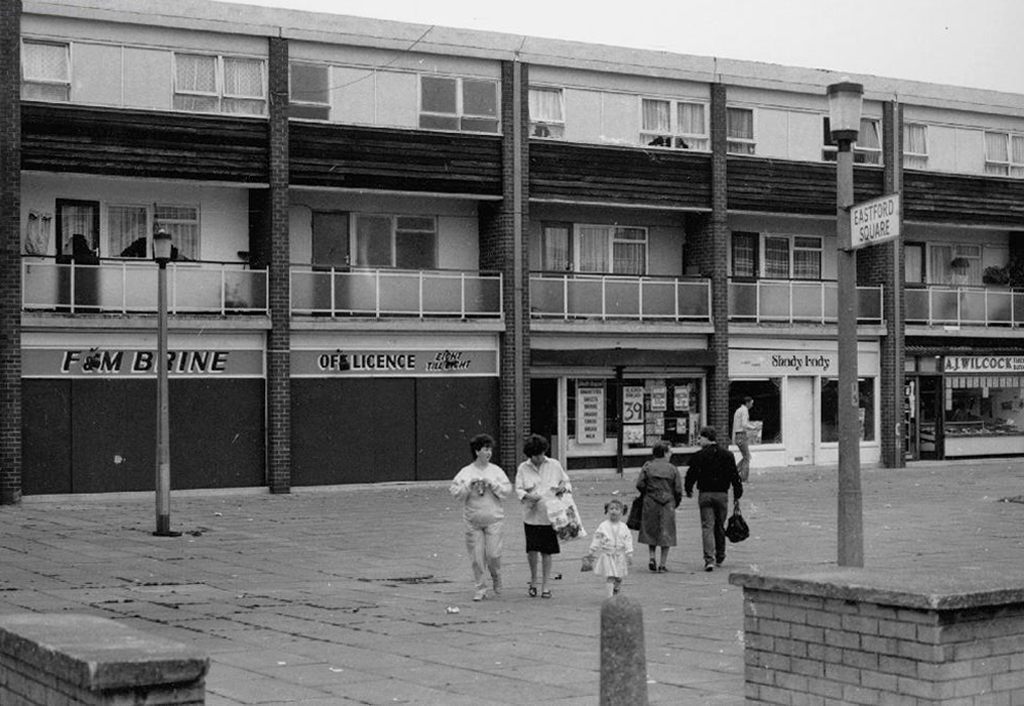
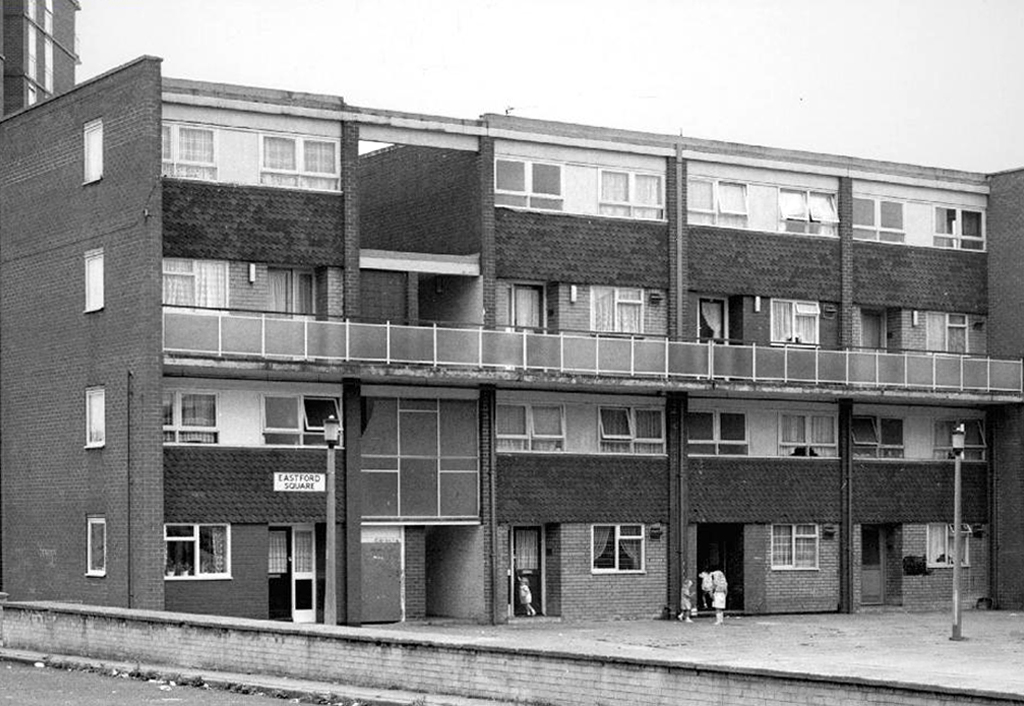
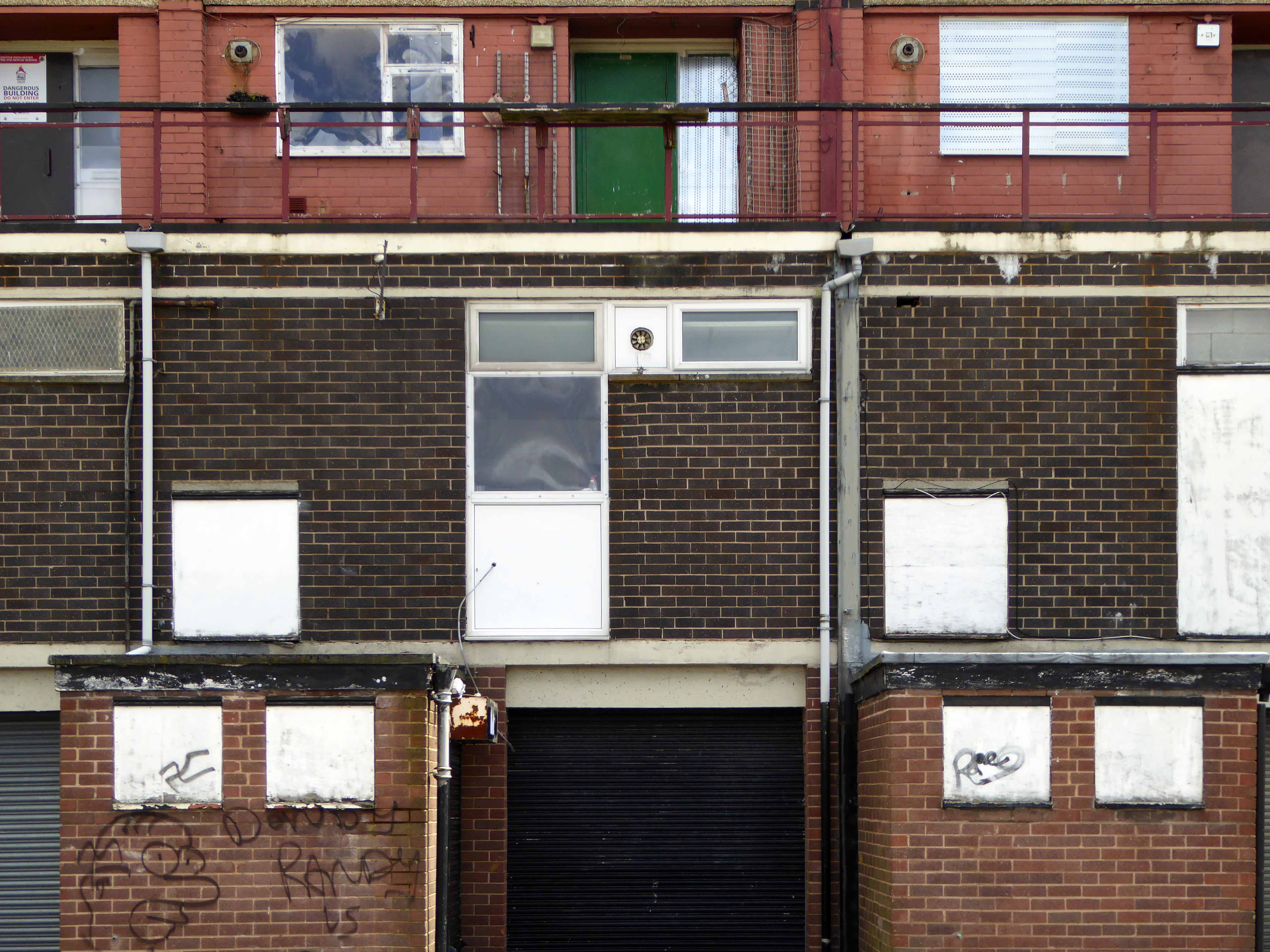
Once there were homes, postwar social housing.

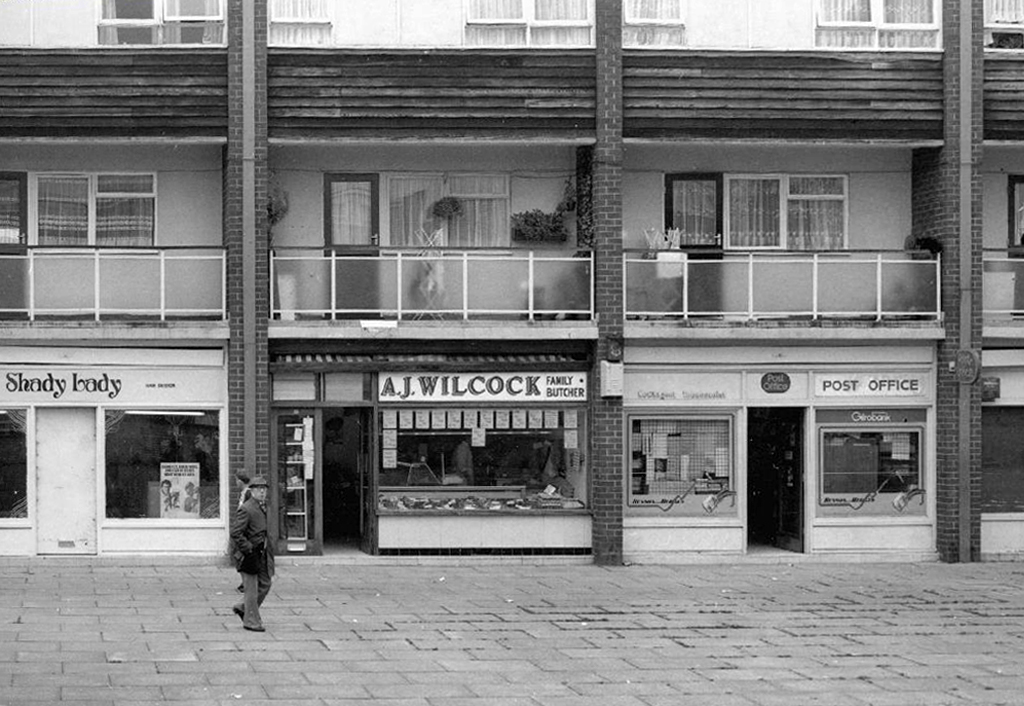
Once there were jobs, a measure of prosperity.

A settled community.

webmedia-1.php
webmedia-4.php
webmedia-2.php
webmedia-3.php

Time has not been kind to North Manchester, successive slumps, double-dip depressions, economic downturns, and centrally imposed recession hurts.

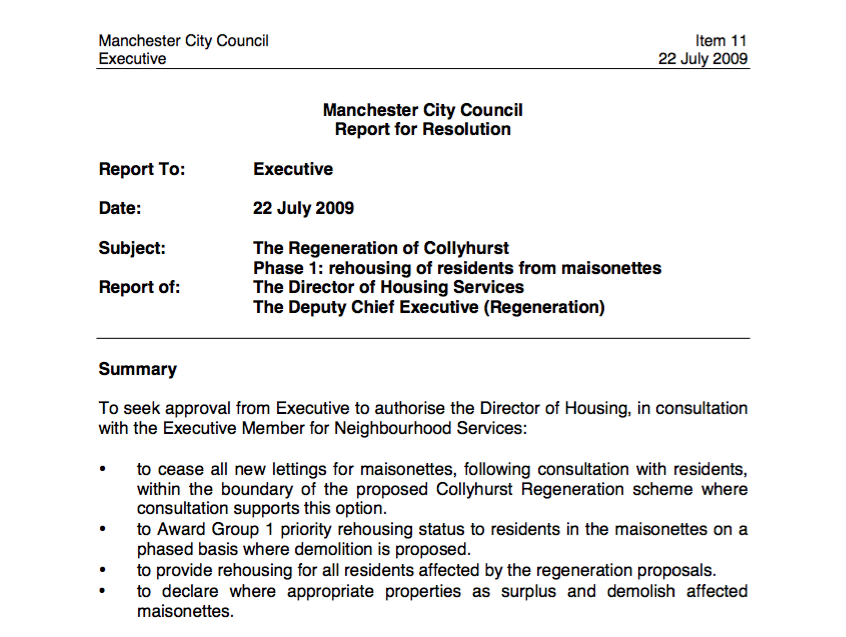
The local authority steps in, from 2009 the fate of Eastford Square is sealed.

Regeneration.Screen Shot 2016-05-06 at 16.39.43

Spells demolition.

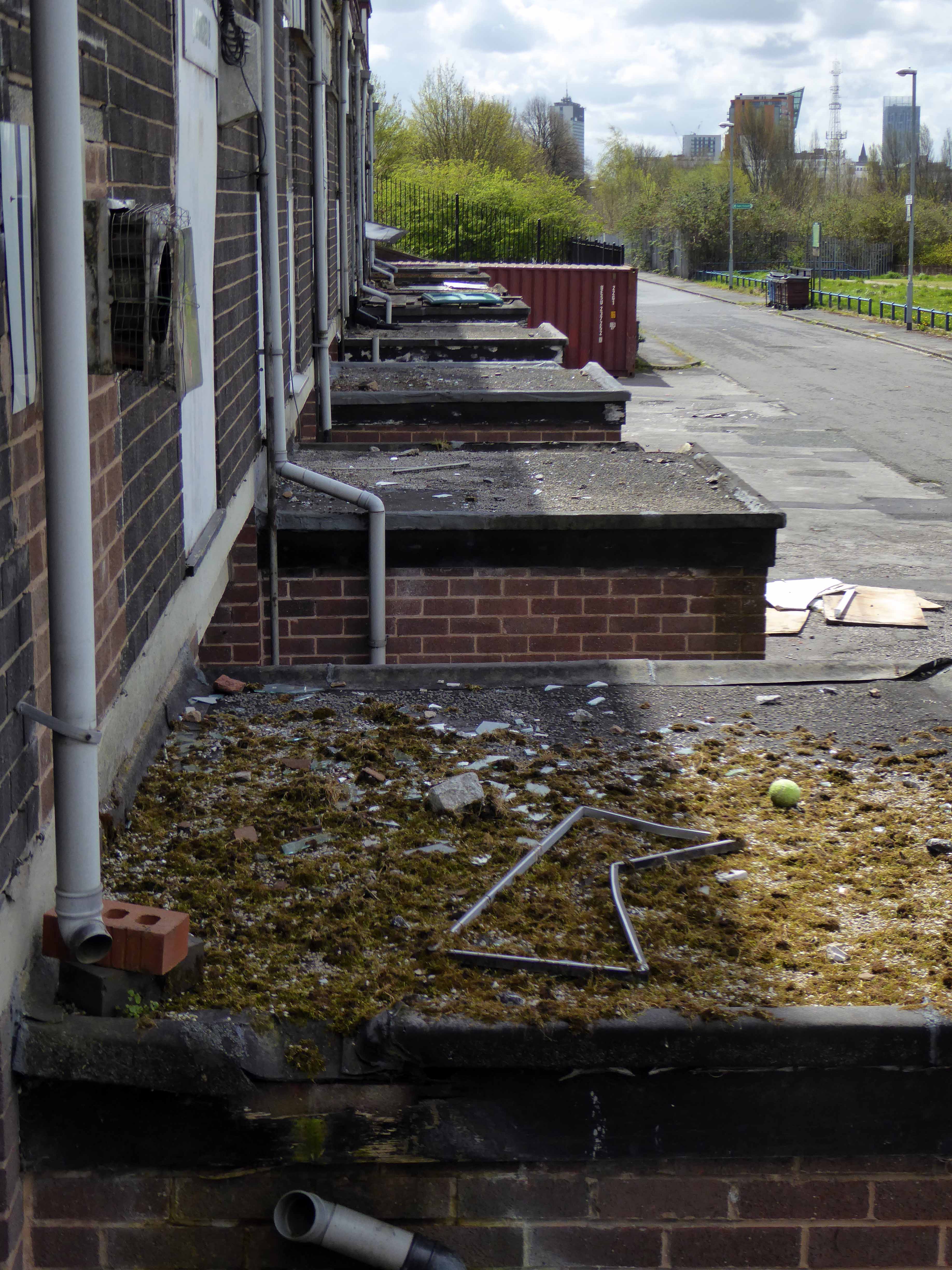
One wing is already gone, the maisonettes are tinned up.

P1040328 copy
P1040330 copy
P1040310 copy
P1040340 copy
P1040333 copy
P1040327 copy
P1040329 copy

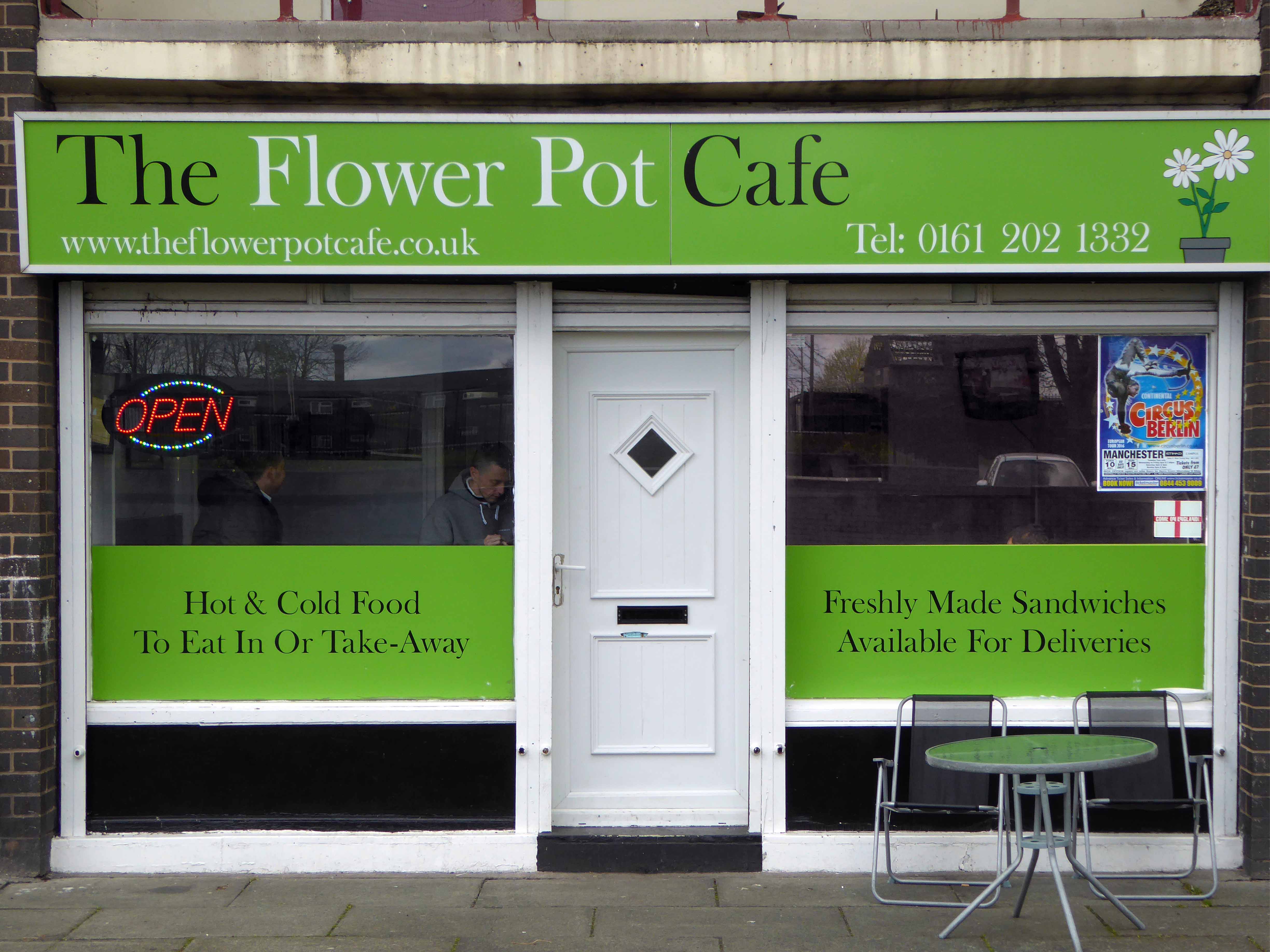
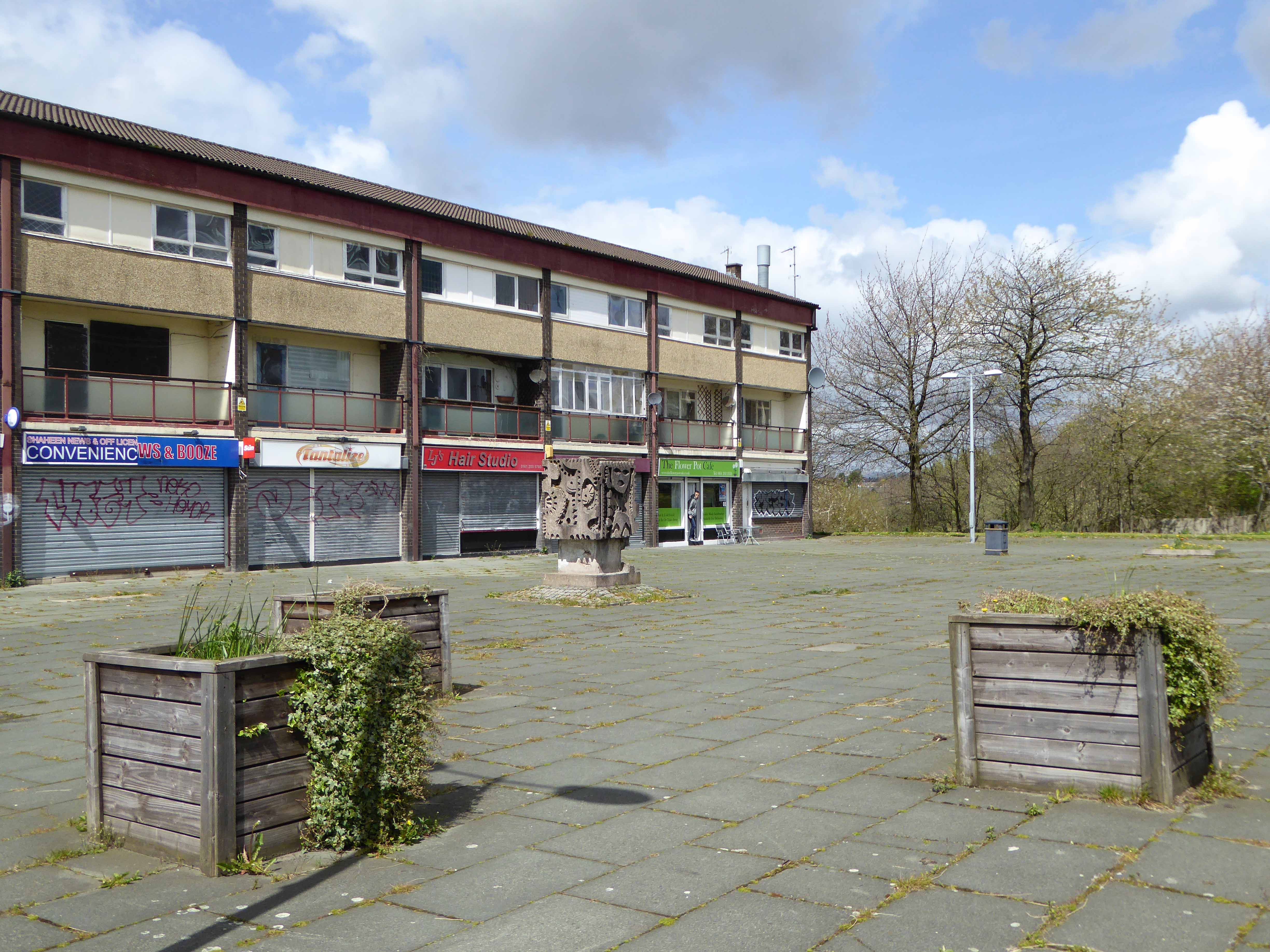
The Flower Pot Café, still fully functional, fed me well for £2, Lee the proprietor is living on borrowed time though, hoping for relocation within the new development.

P1040316 copy

Other businesses have not survived the transition, awaiting CPO and who knows what.

P1040308 copy
P1040307 copy
P1040306 copy
P1040305 copy
P1040314 copy

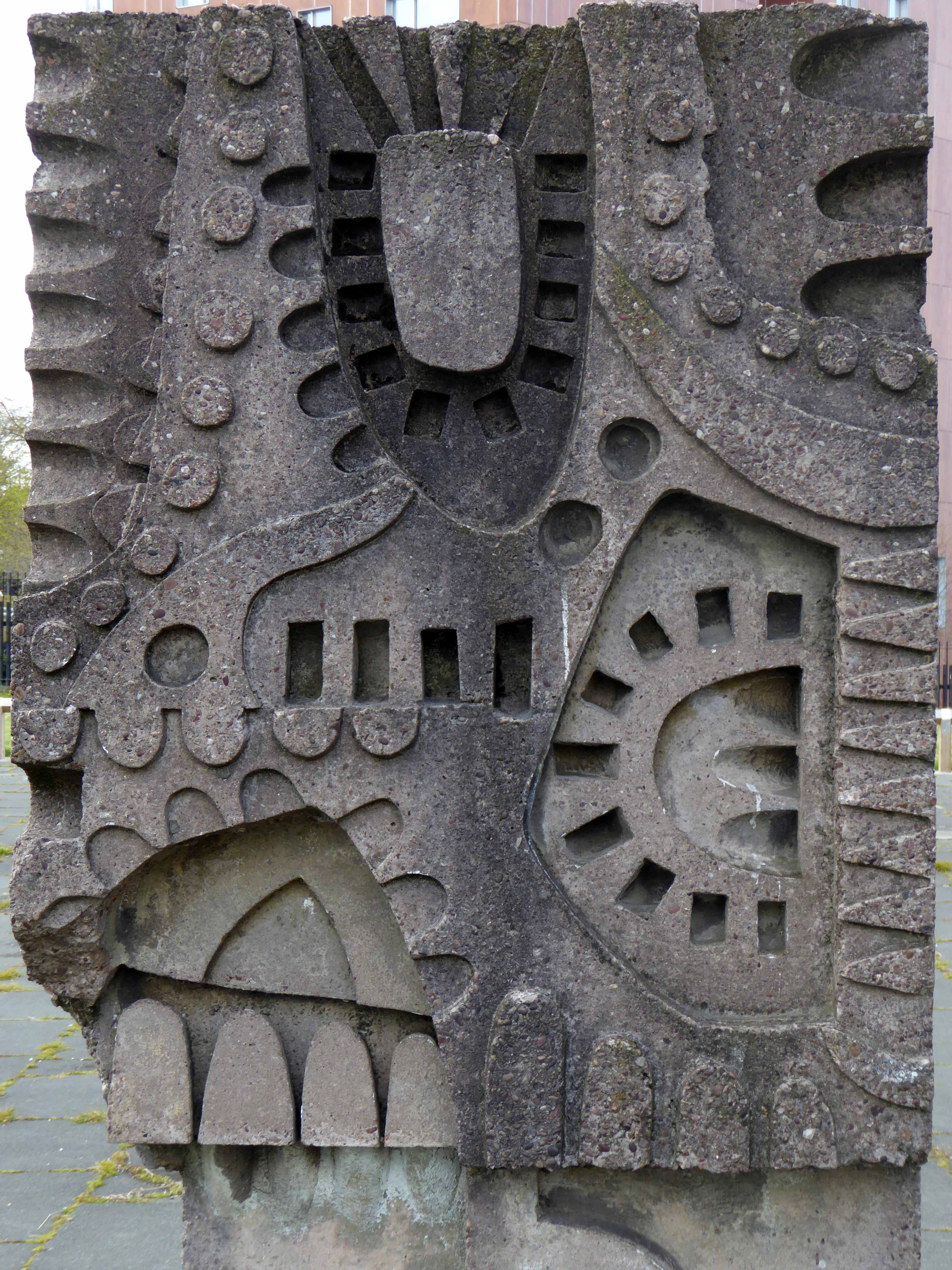
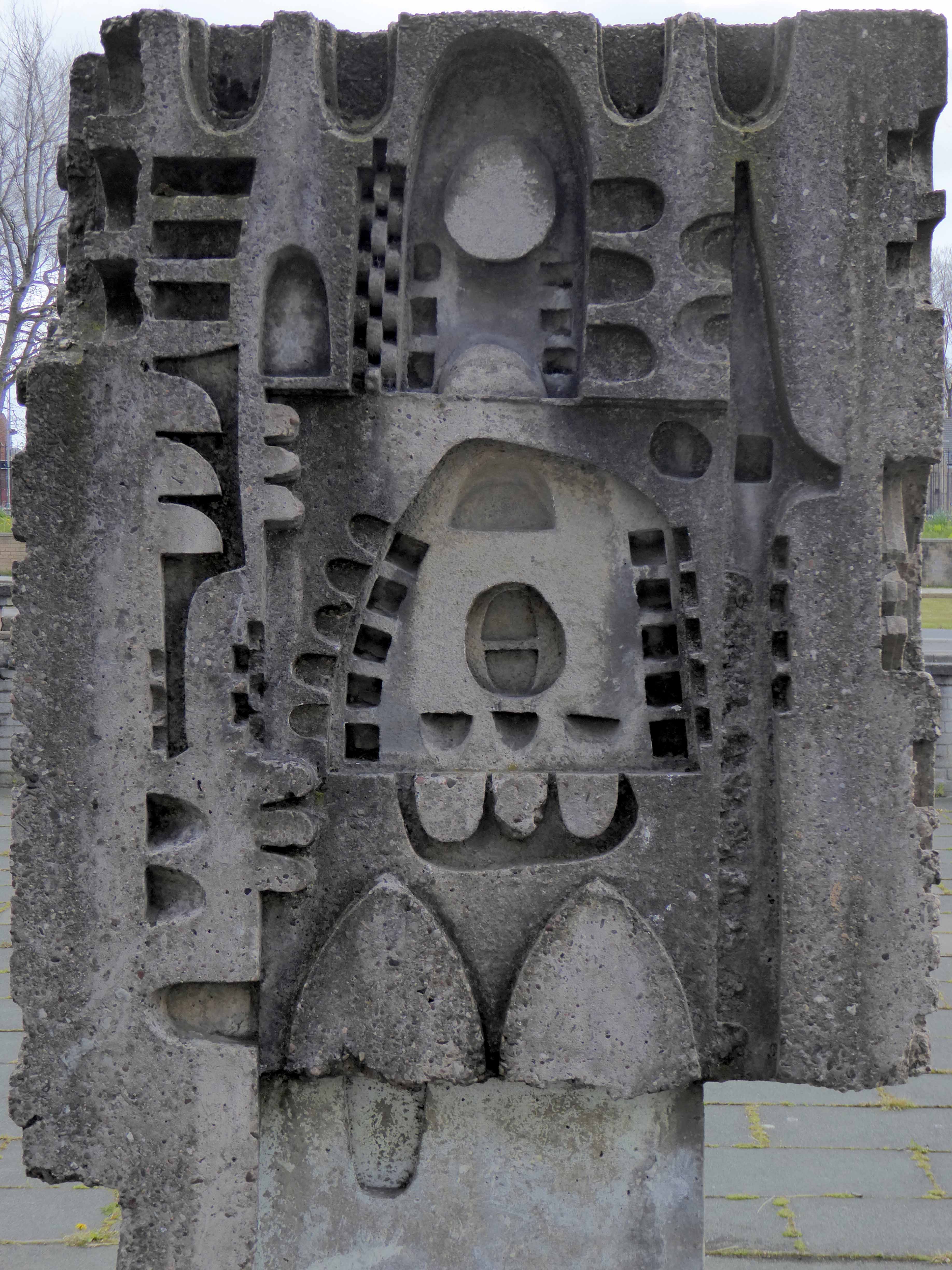
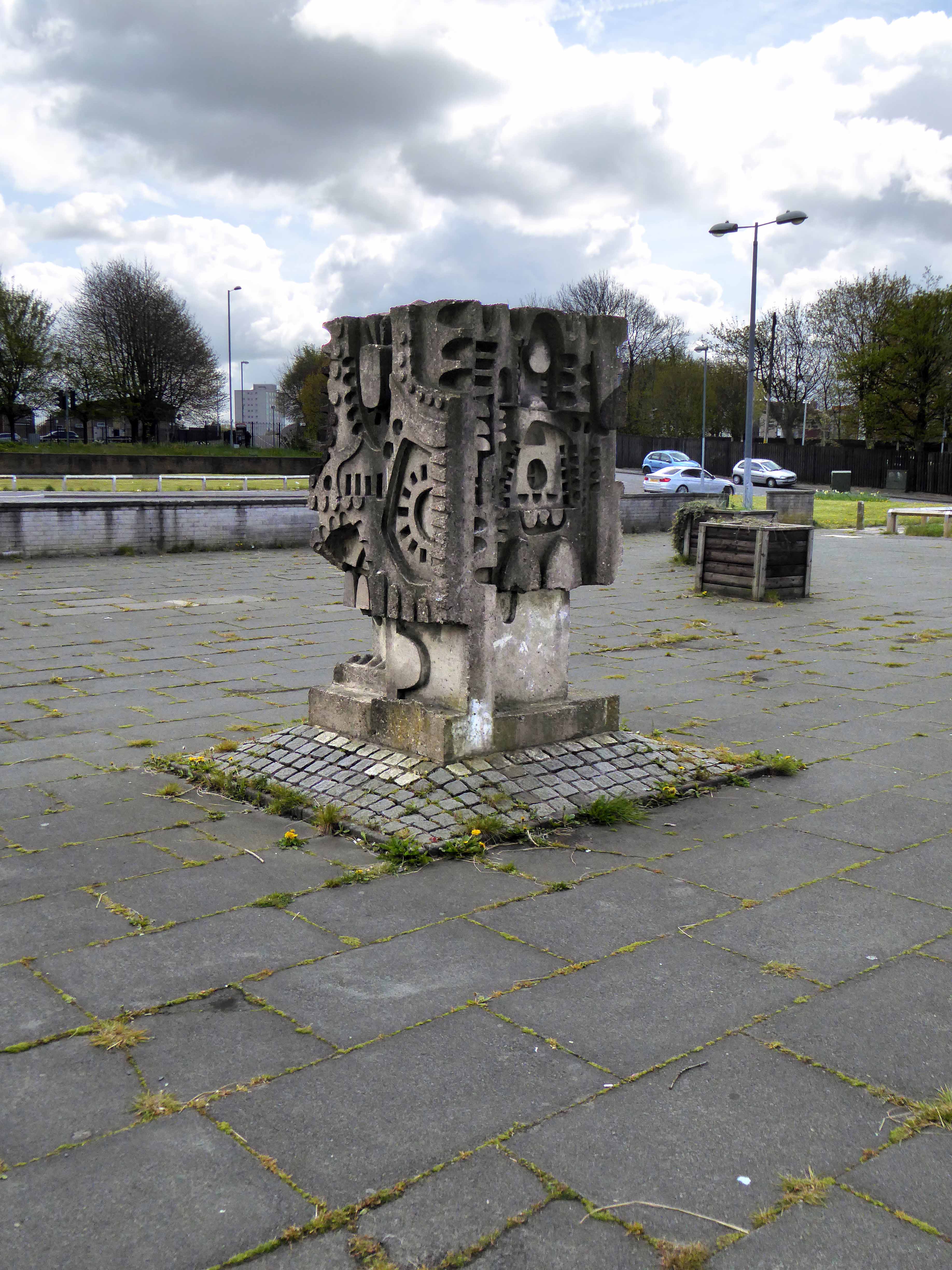
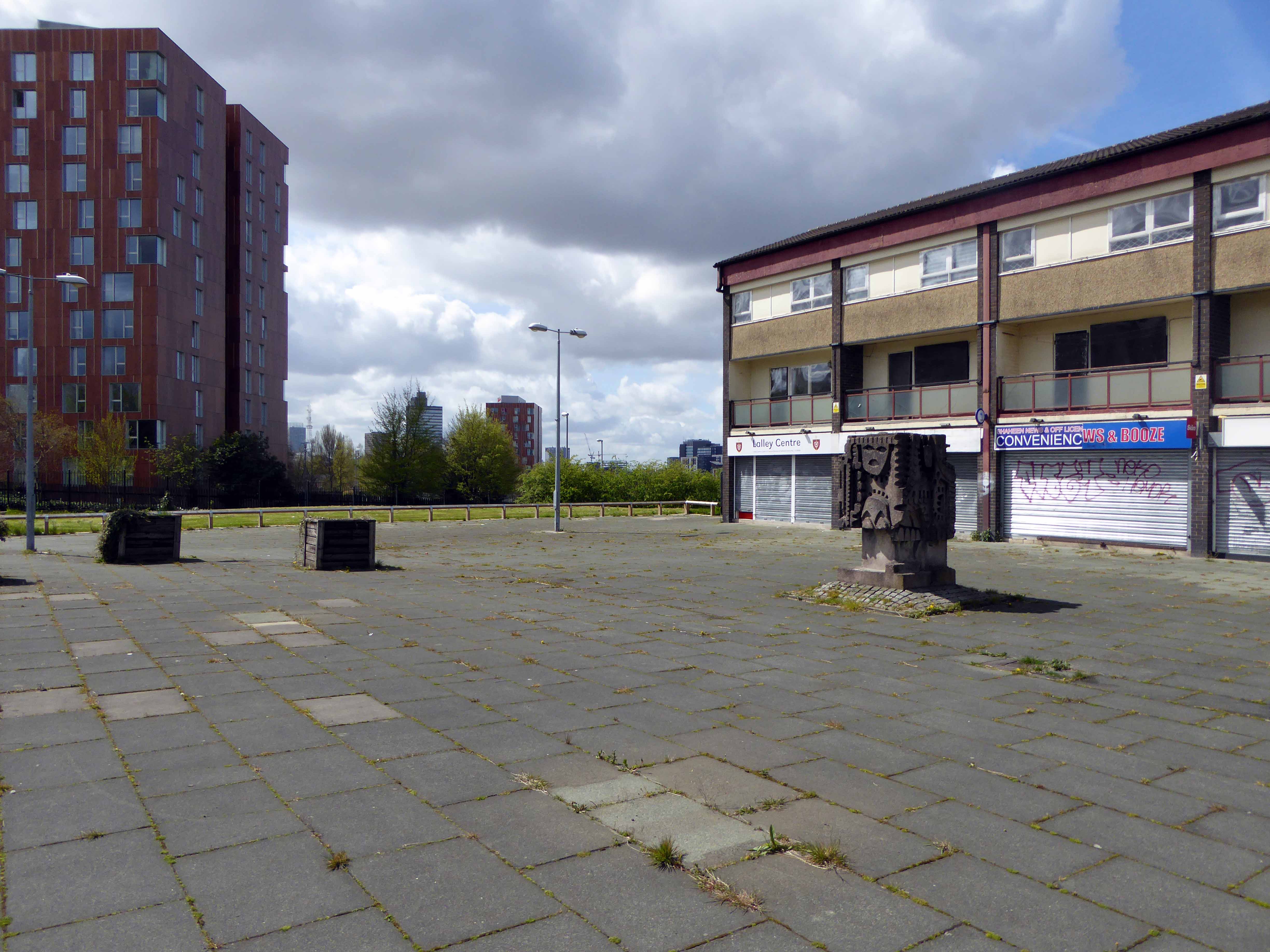
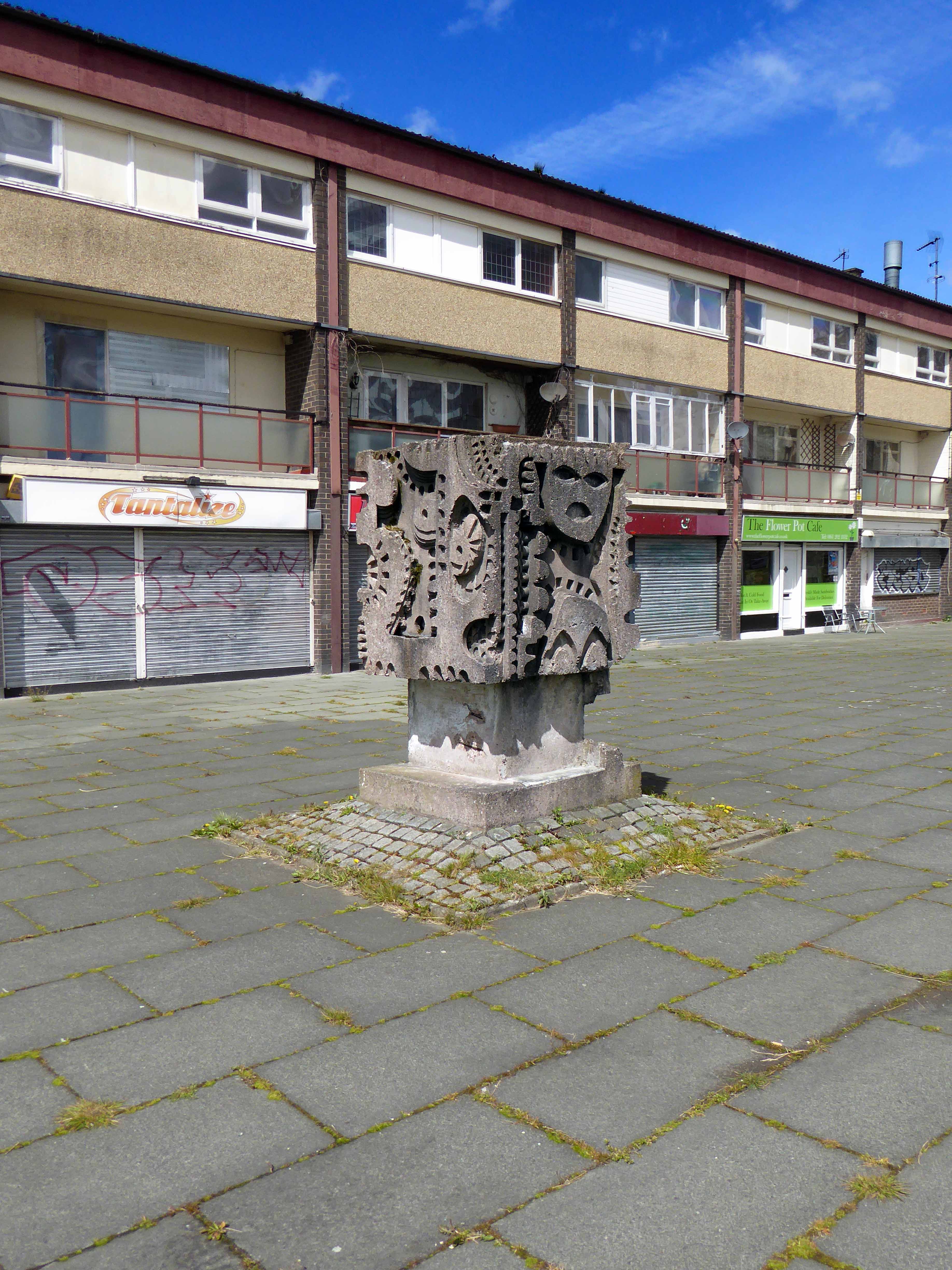
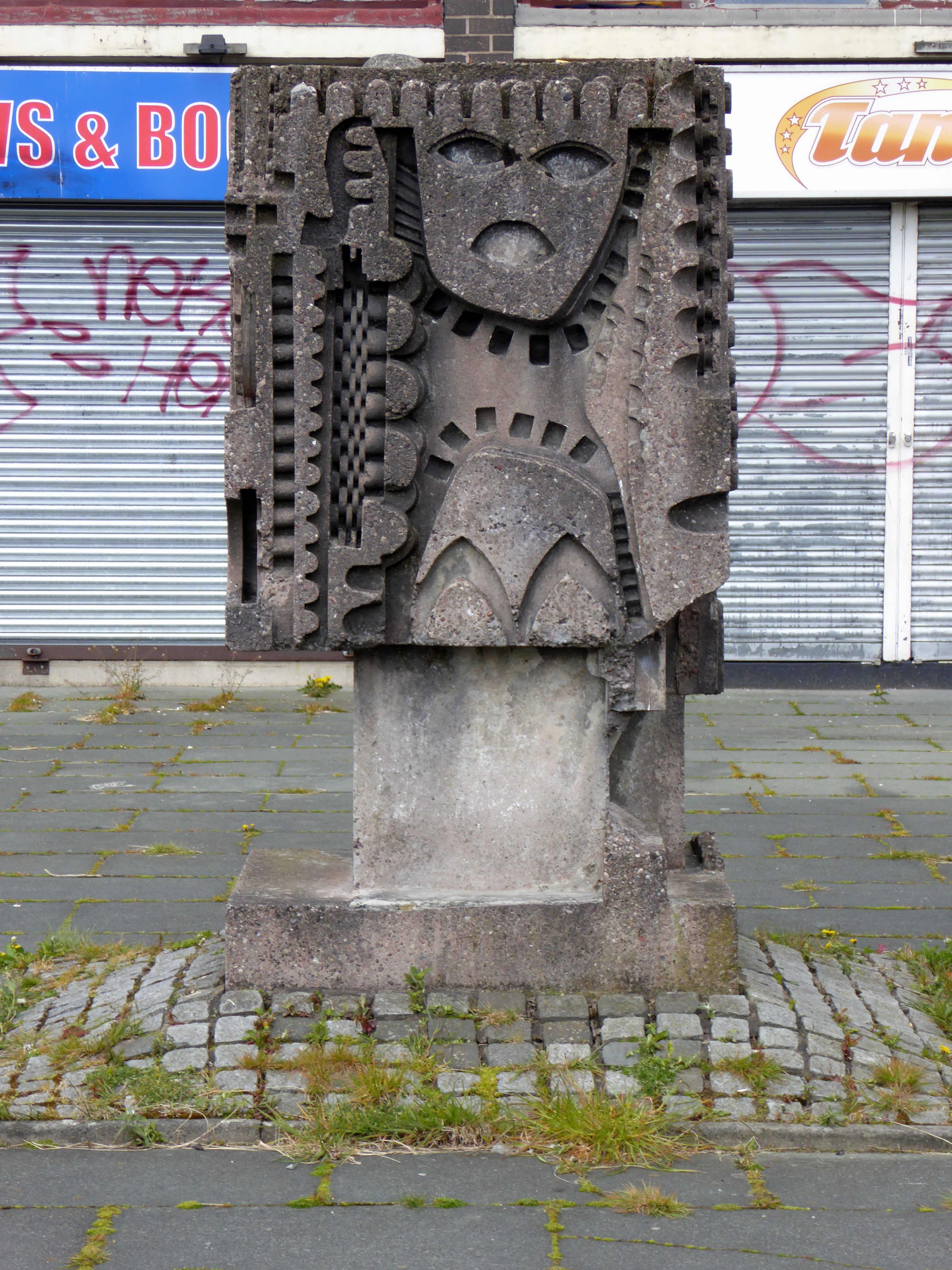
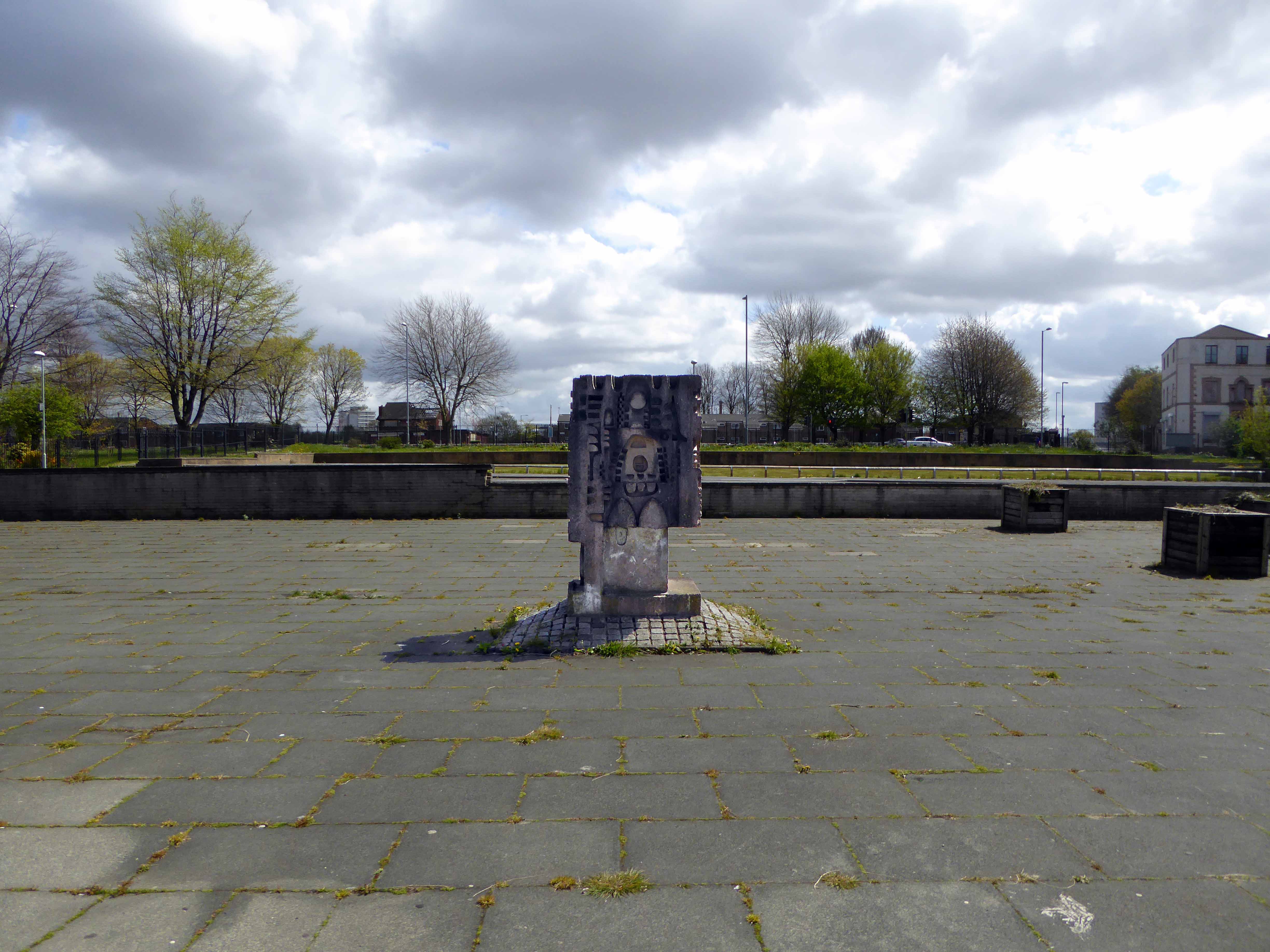
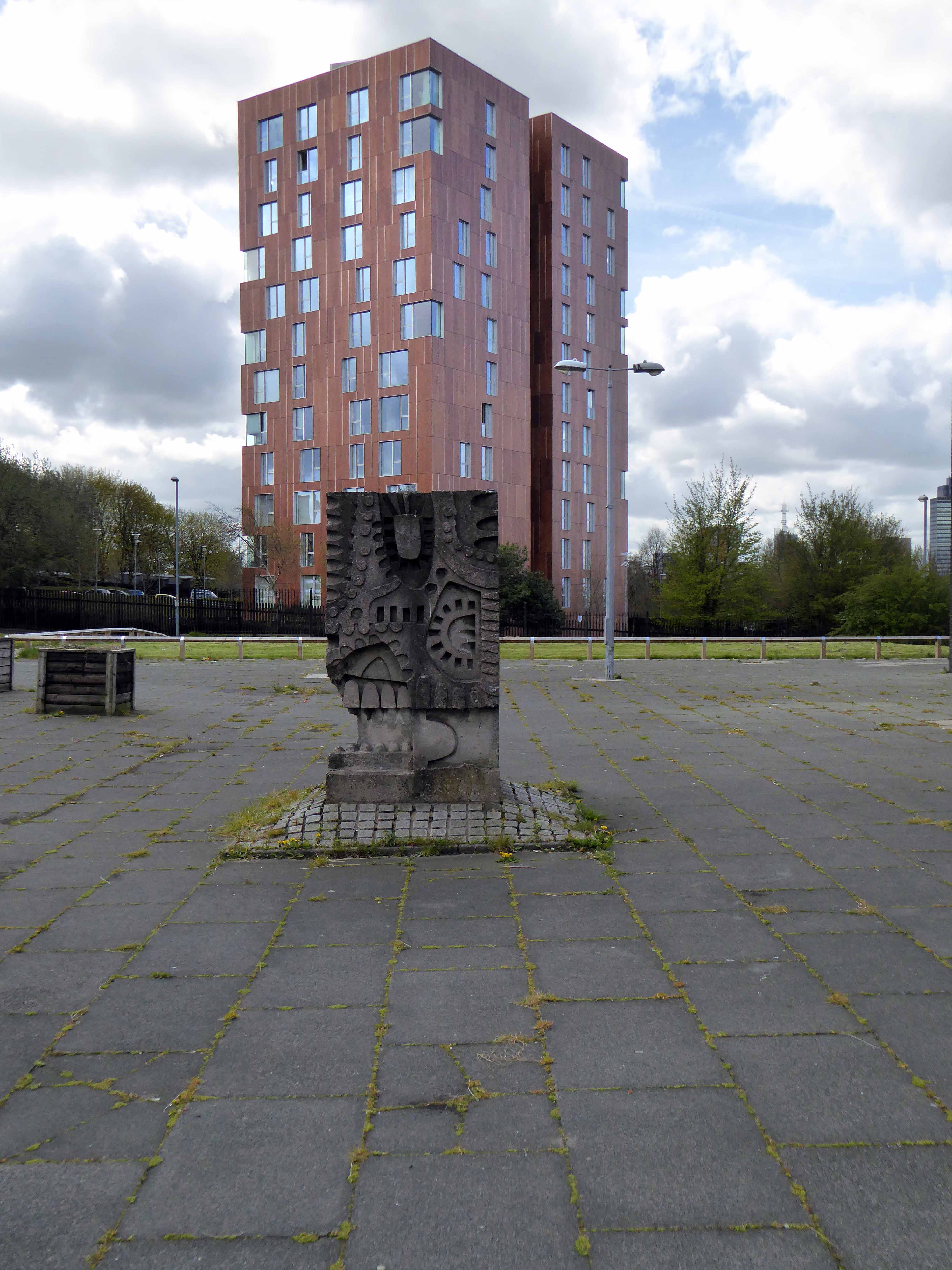
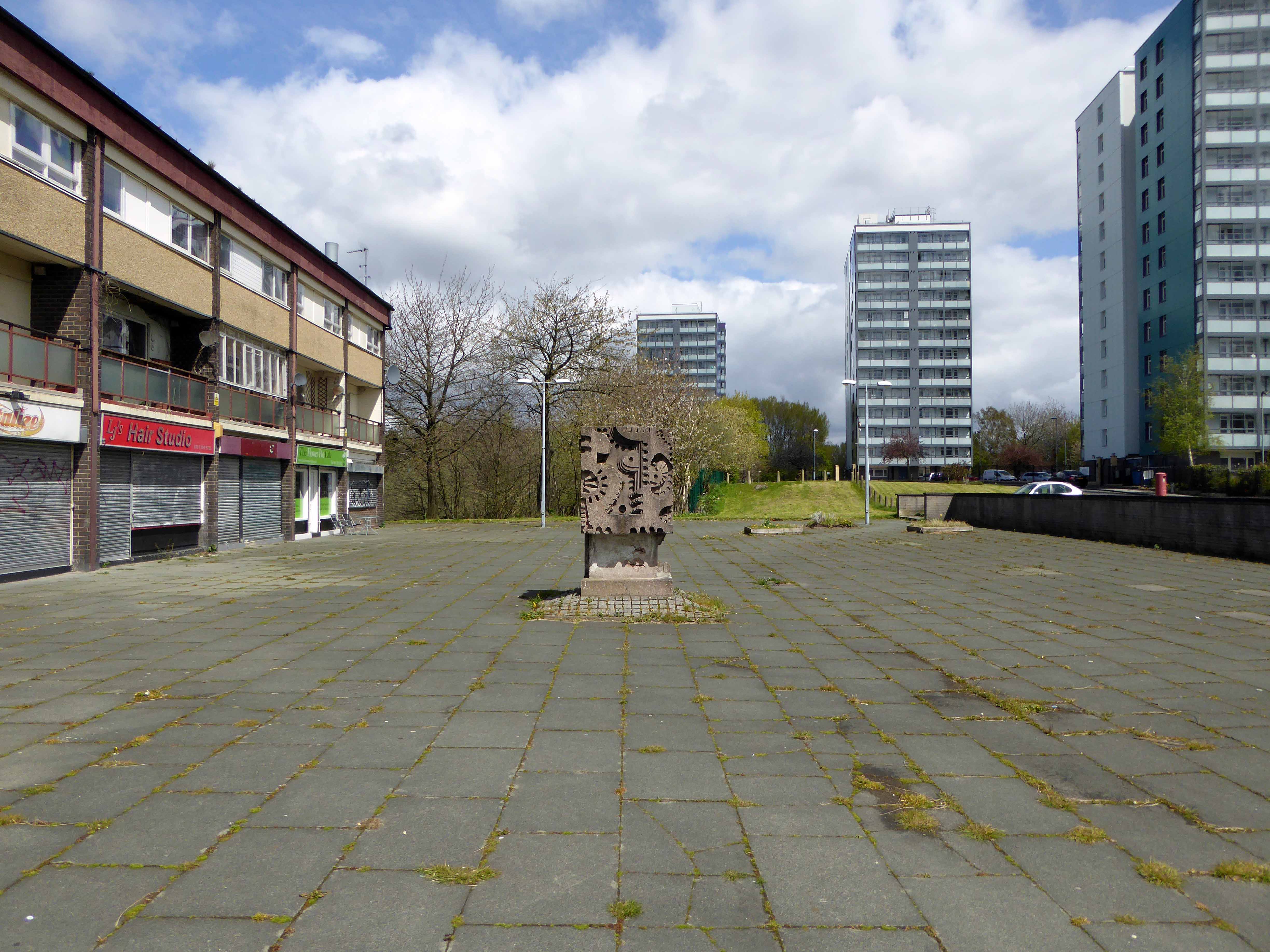
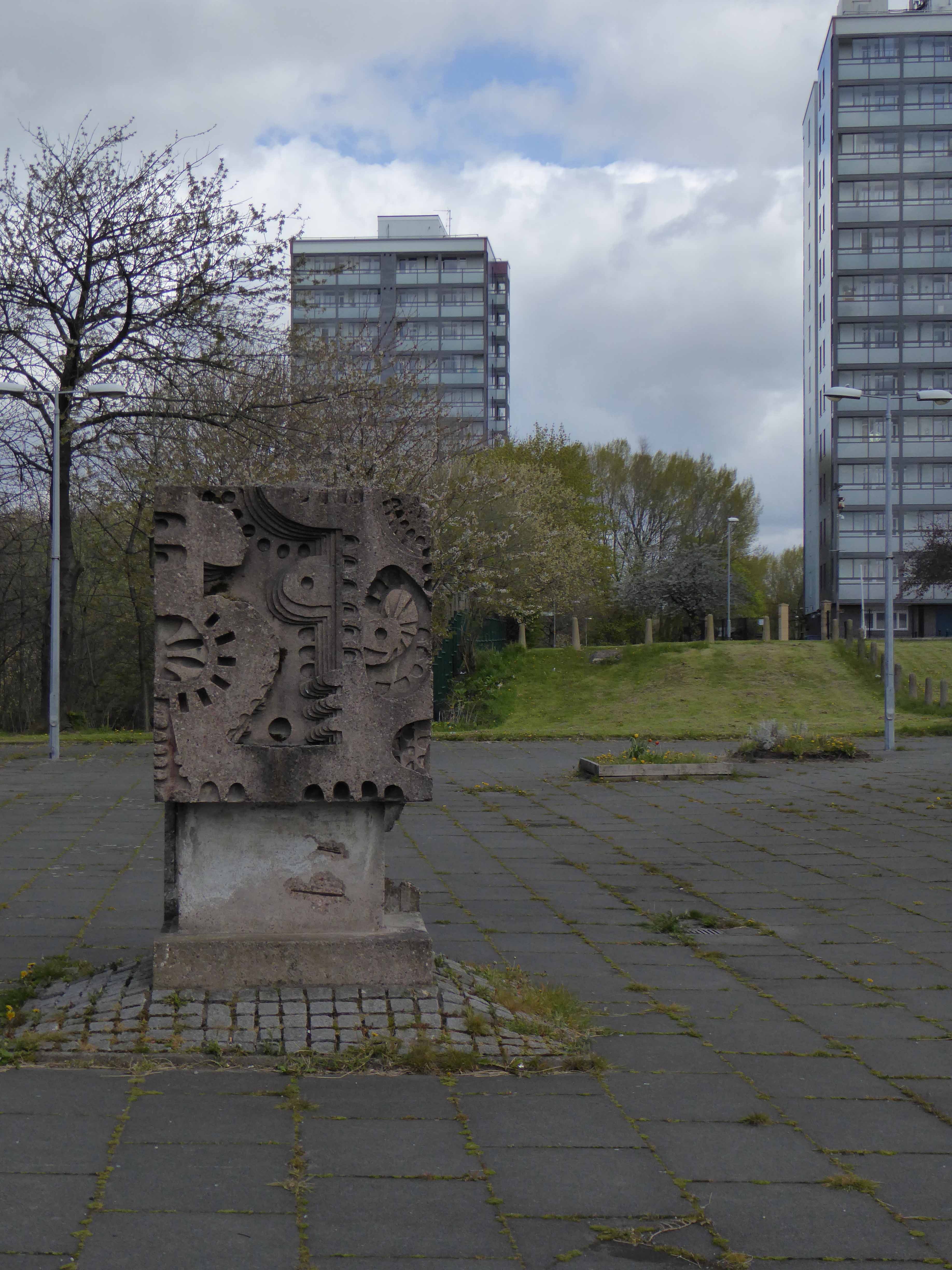
The square is blessed with a concrete sculpture, whose fate I hope is secured, somehow.

P1040294 copy
P1040293 copy
P1040296 copy
P1040295 copy

Possibly by William Mitchell – possibly not.

P1040297 copy
P1040304 copy
P1040303 copy
P1040321 copy
P1040292 copy
P1040313 copy
P1040298 copy
P1040301 copy
P1040300 copy

This as ever, is a time of change, I hope that the area and its current inhabitants live to tell the tale, rather than fall victim to the tide of gentrification, forcing them further afield.

O Romeo Romeo, wherefore art thou Romeo?

P1040335 copy

Covent Garden – Stockport

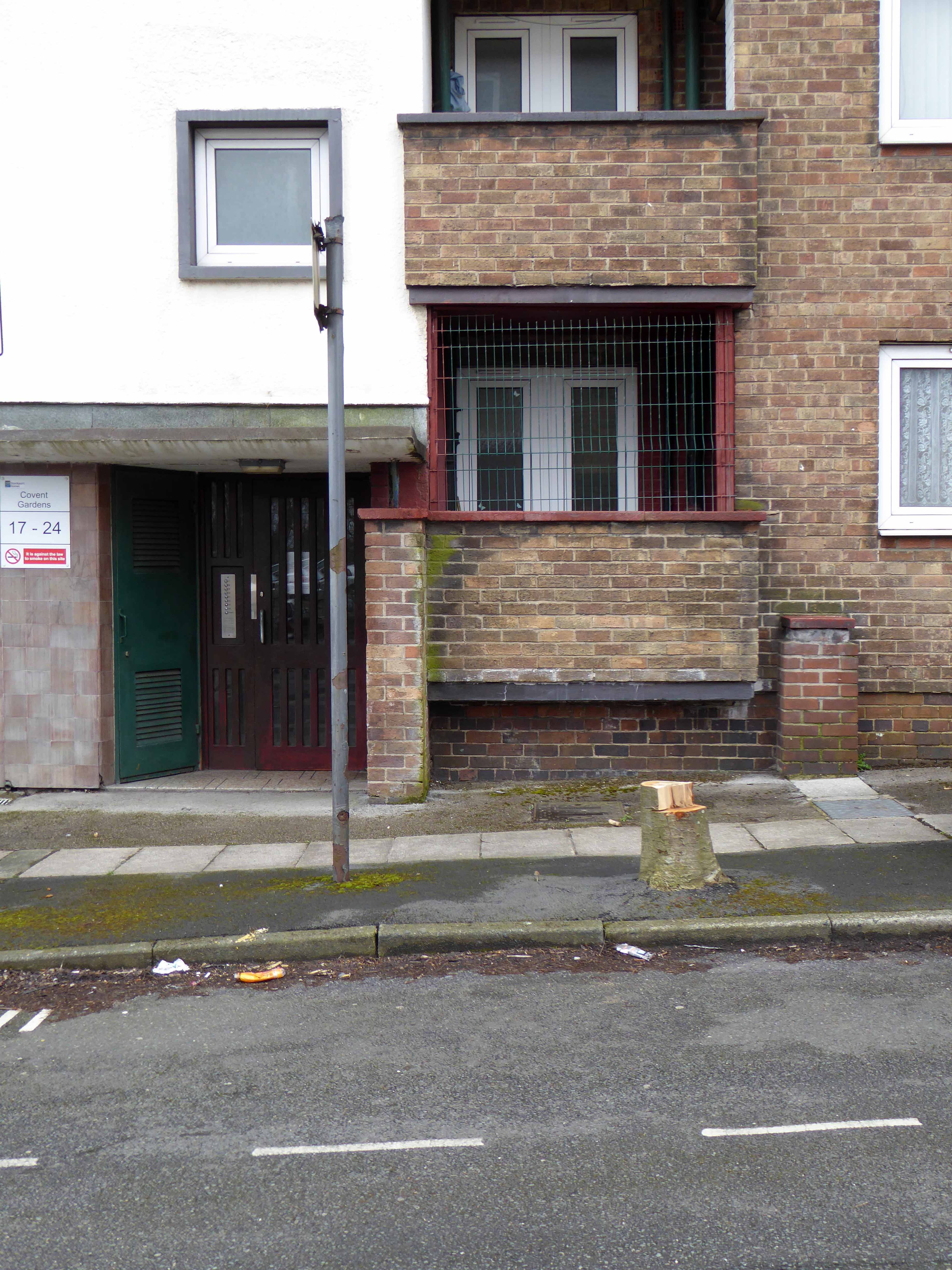
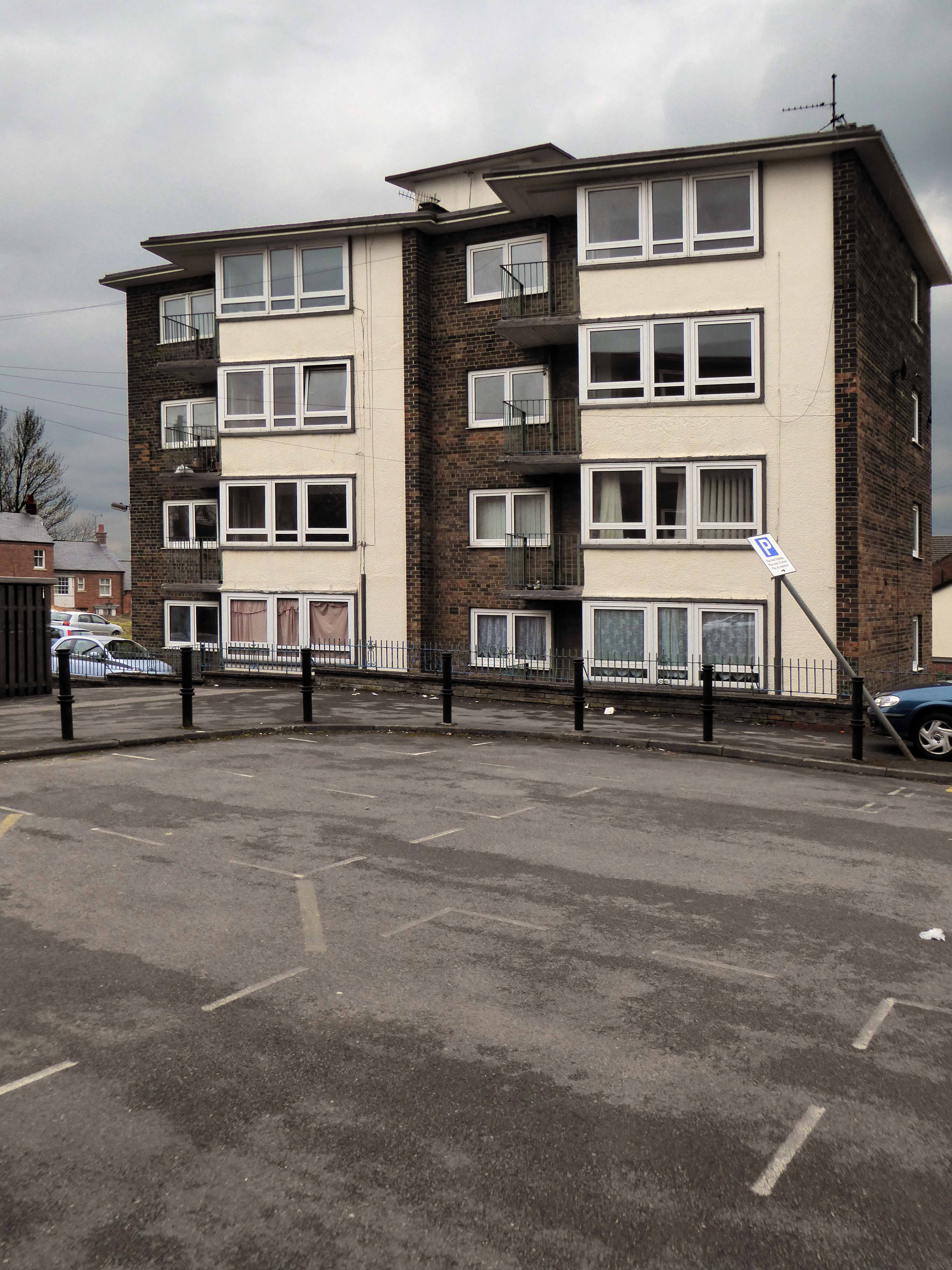
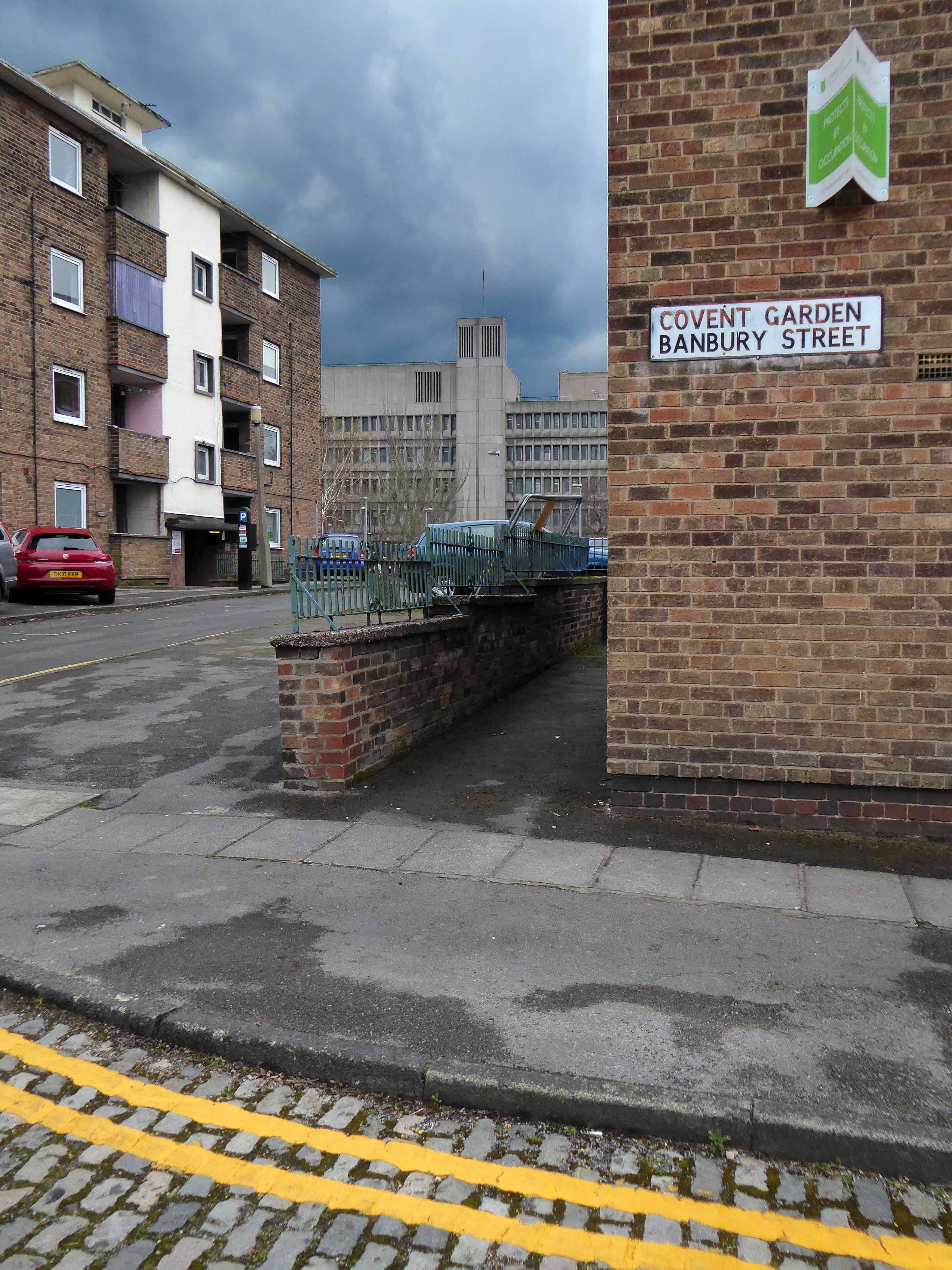
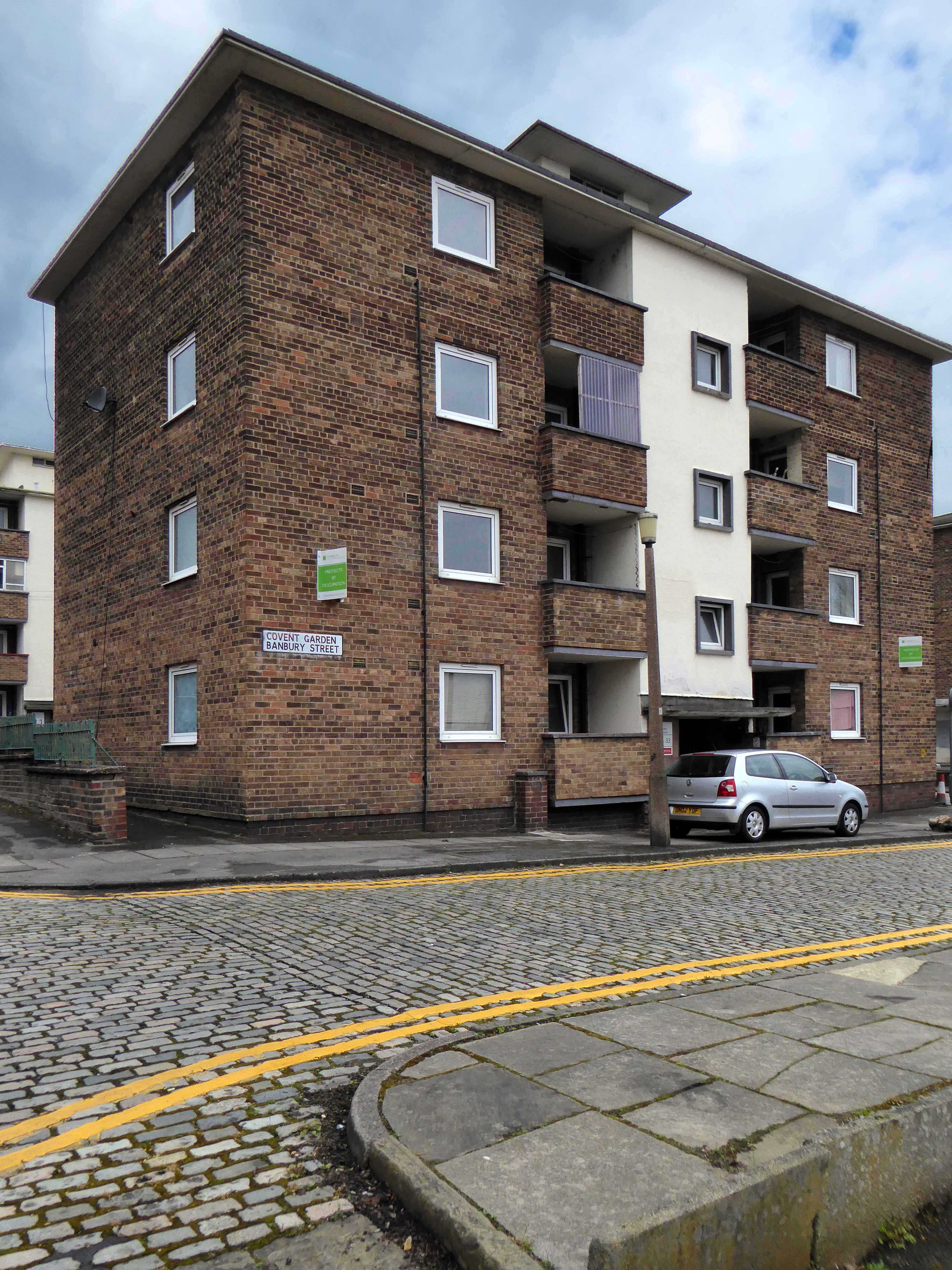
Walk up Hillgate from the centre of Stockport, pass the former Cobden’s, Gladstone, Peter Carlson Furniture, following a former coaching road of former lives, shops, pubs, clubs and factories. This was historically a vibrant area, a crazy mixed up mixed economy, getting by by any means.

Walk a little further, to your right is a small plateau, it leads across to the civic area,  behind the Town Hall, it is known as Covent Garden.

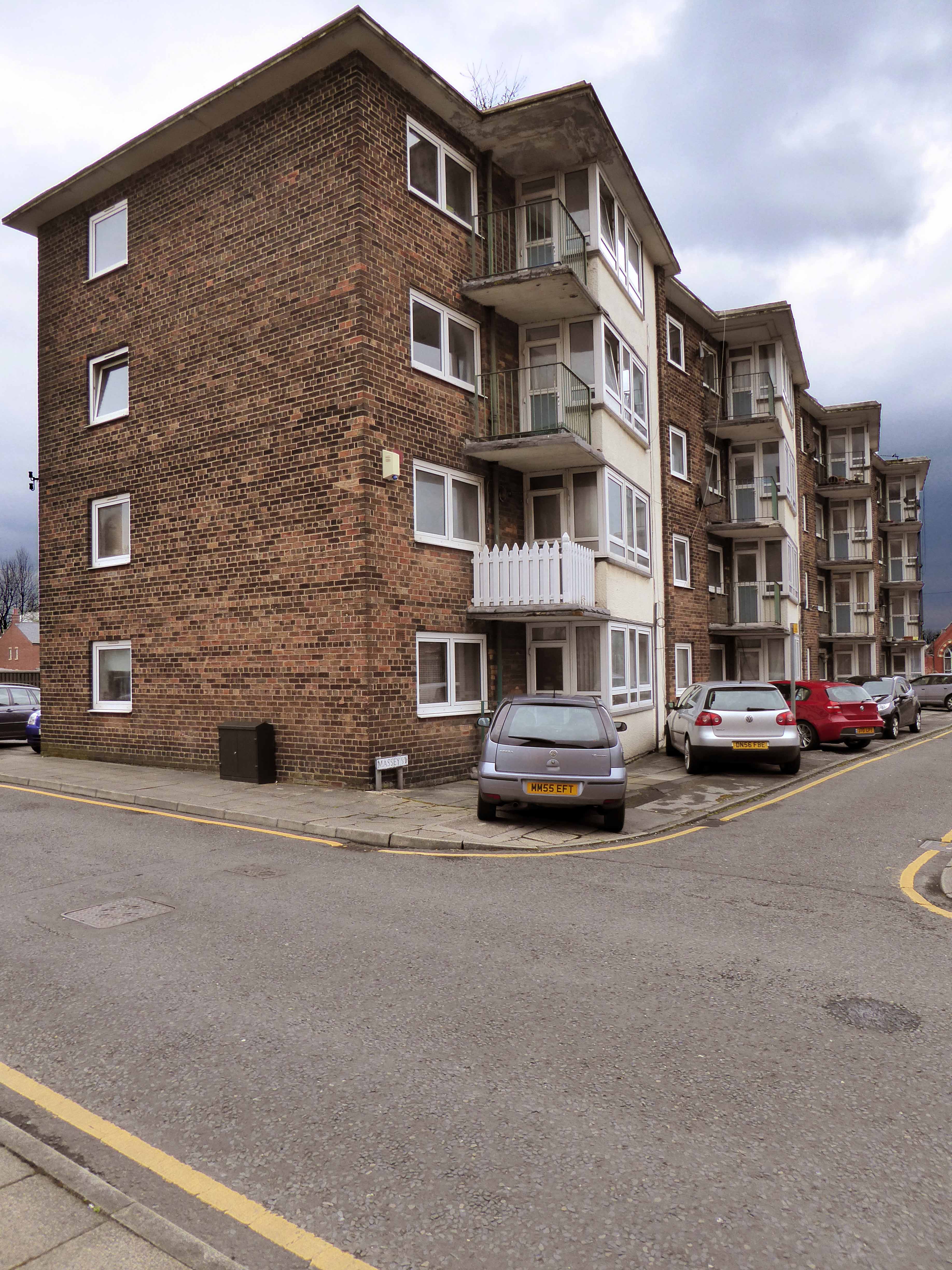
London Square, Massey Street and Banbury Street, once a cluster of terraced houses, never the wealthiest of areas, but typical of the town’s industrial past. The homes growing up around small pockets of industry – foundries, hat making and glove manufacture.

21430

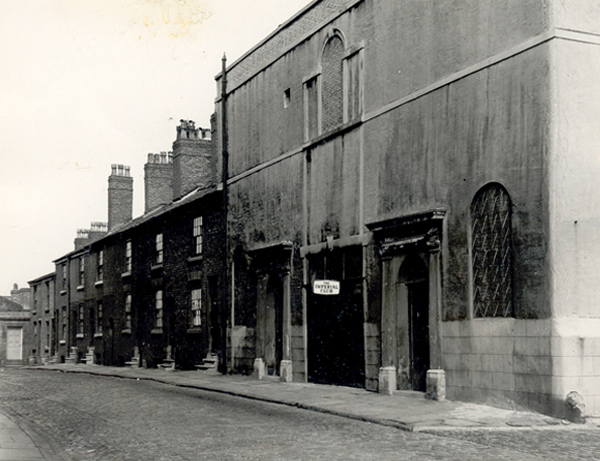
There was a graveyard there, belonging to the Mount Tabor Chapel, which was situated nearby on Wellington Road, a soot blackened, imperious classical facade.

1655

The chapel is no longer standing, and little remains of the graveyard, the foreground shows the site, soon to become a children’s playground for the new flats.

1644

The Imperial Club survived into the 60s playing host to local beat groups, and a significant venue on the local soul scene.

1643

The streets no longer ring with the the ringing guitars of Johnny Darano and the Strollers

ad2

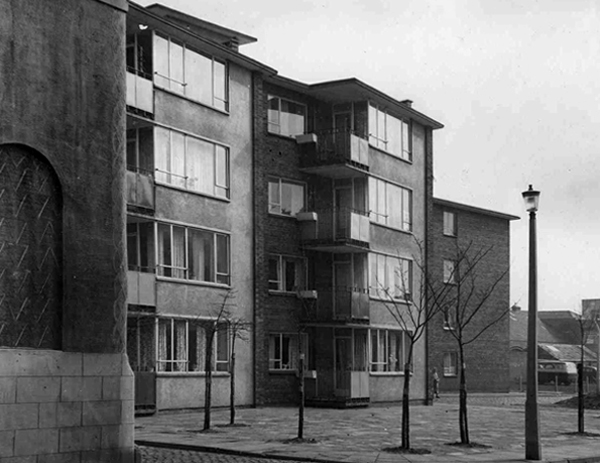
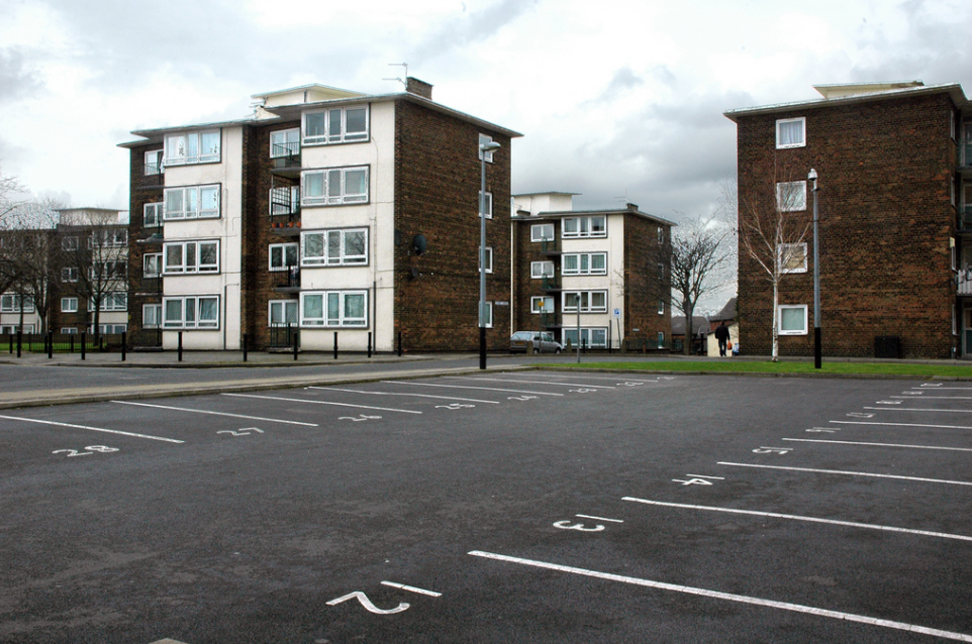
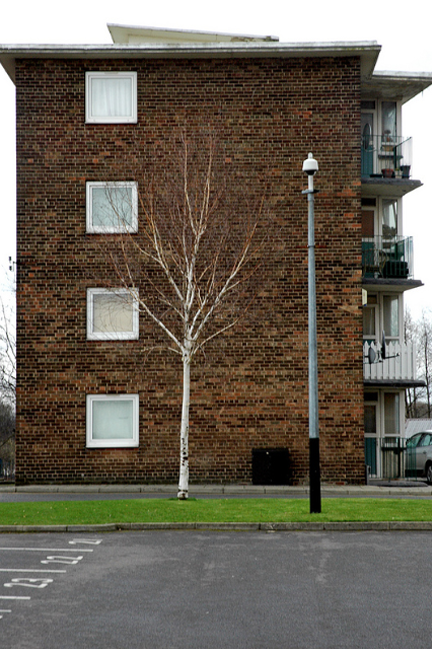
The Fairhurst designed flats were a breath of fresh air for the area, slim Crittall metal windows, concrete and brick structure, light and clean living for a new era. Social housing for a new era of social justice, postwar optimism written all over the facades.

Contrasting with the poorly built, stock brick, stolid terraces that they replaced, here was a little of the Modernist Movement for the masses.

1347

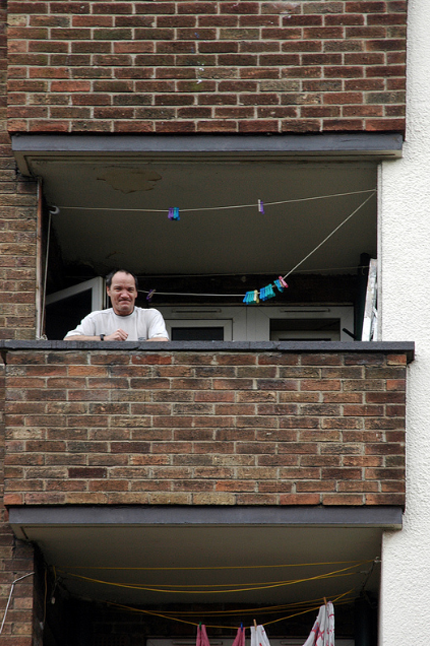
Some years ago when I first photographed the area, here were residents, happy to share their thoughts and feelings, at home in their homes. A settled community, whose homes were soon to be central to a masterplan, the very word sends shivers down you spine.

Screen Shot 2016-04-14 at 17.20.21

Screen Shot 2016-04-14 at 17.20.53

Screen Shot 2016-04-14 at 17.19.29

Screen Shot 2016-04-14 at 17.19.45


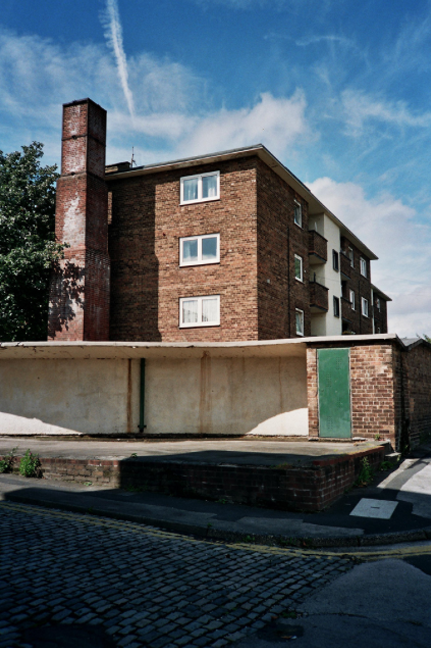
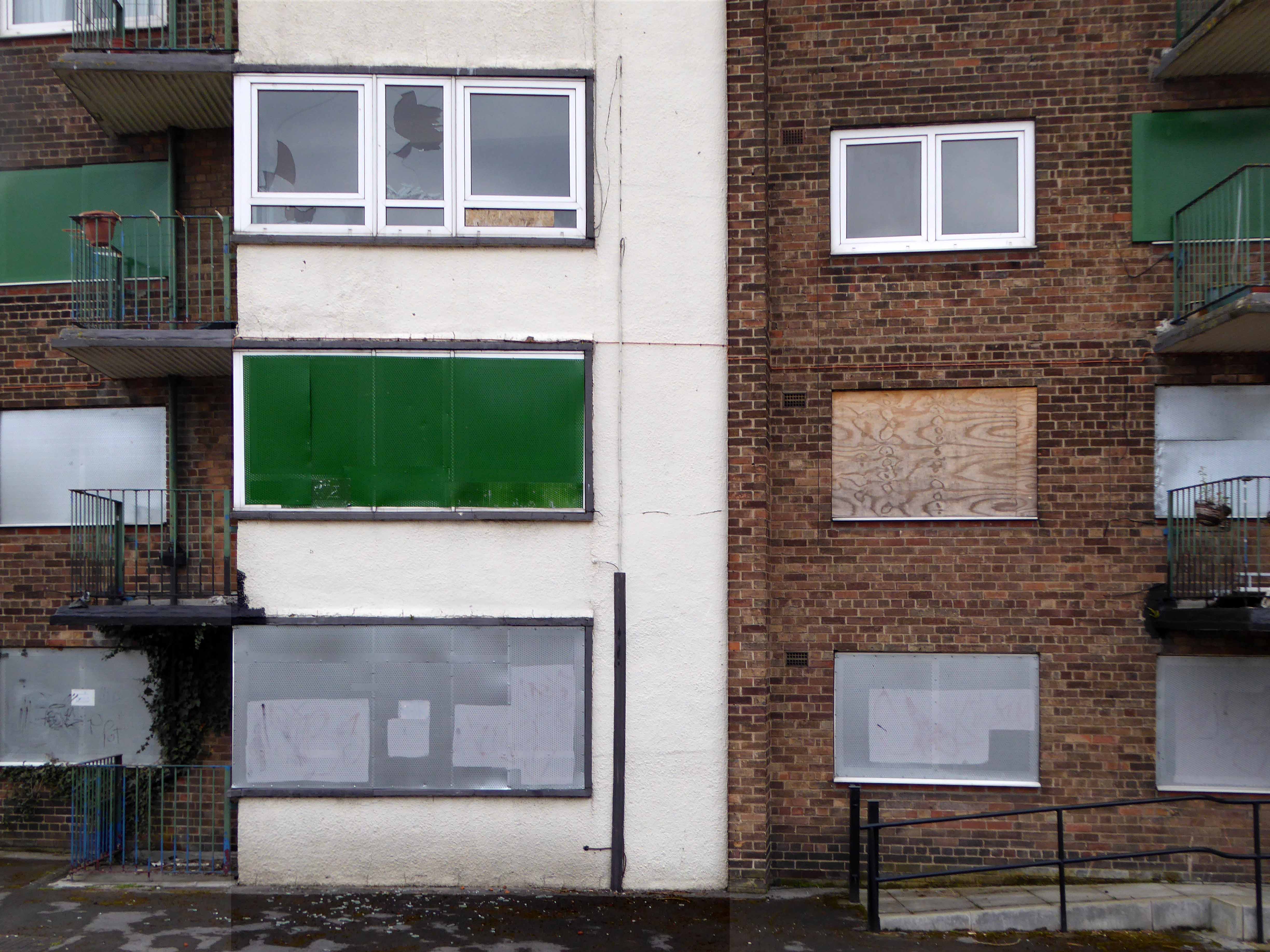
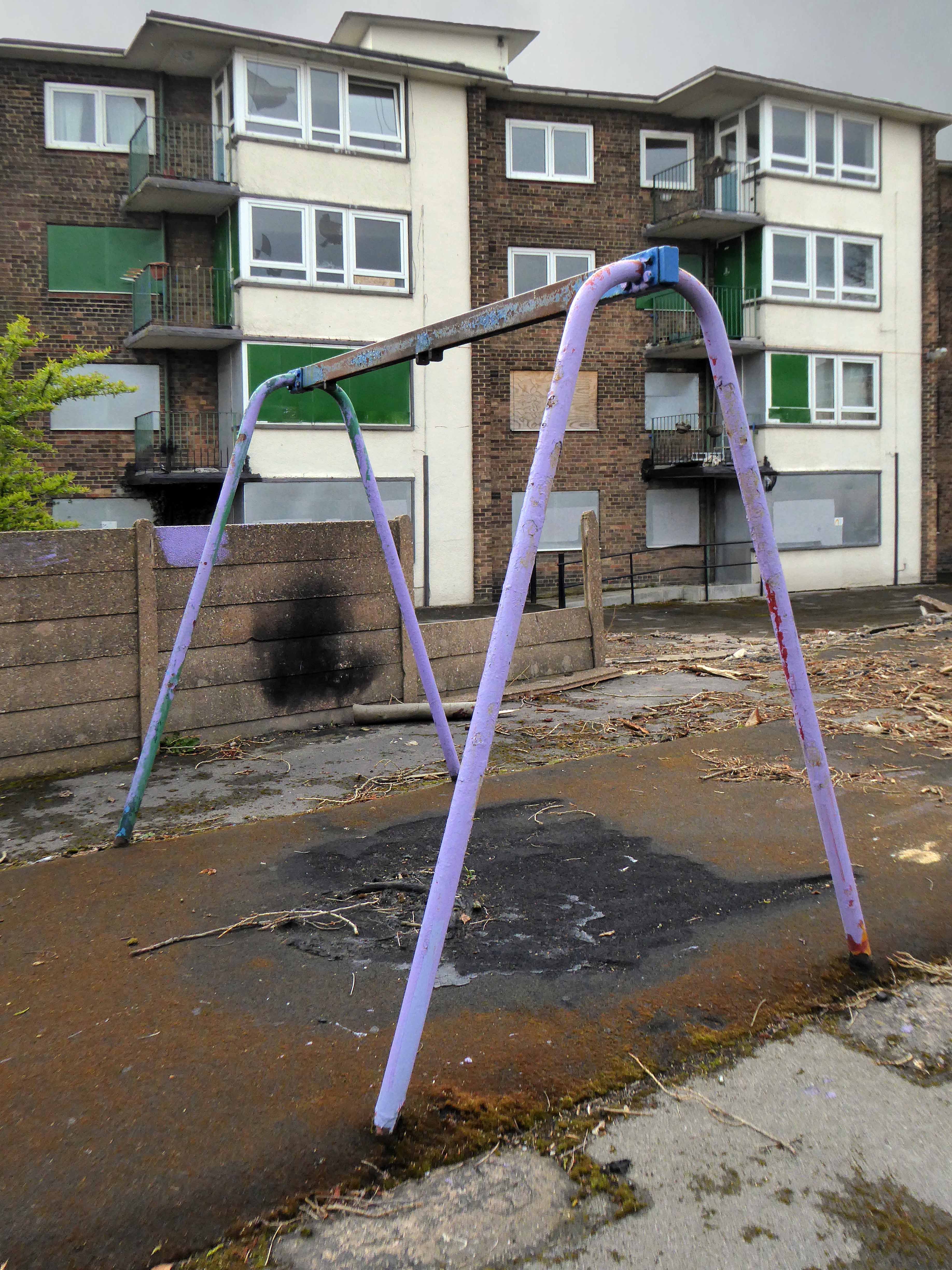
A redevelopment zone, around Hopes Carr and Covent Garden, saw the flats tinned up, prior to demolition. Homes, though clearly fit for purpose standing empty.

P1030585 copy

Several years on, and they are still standing empty.

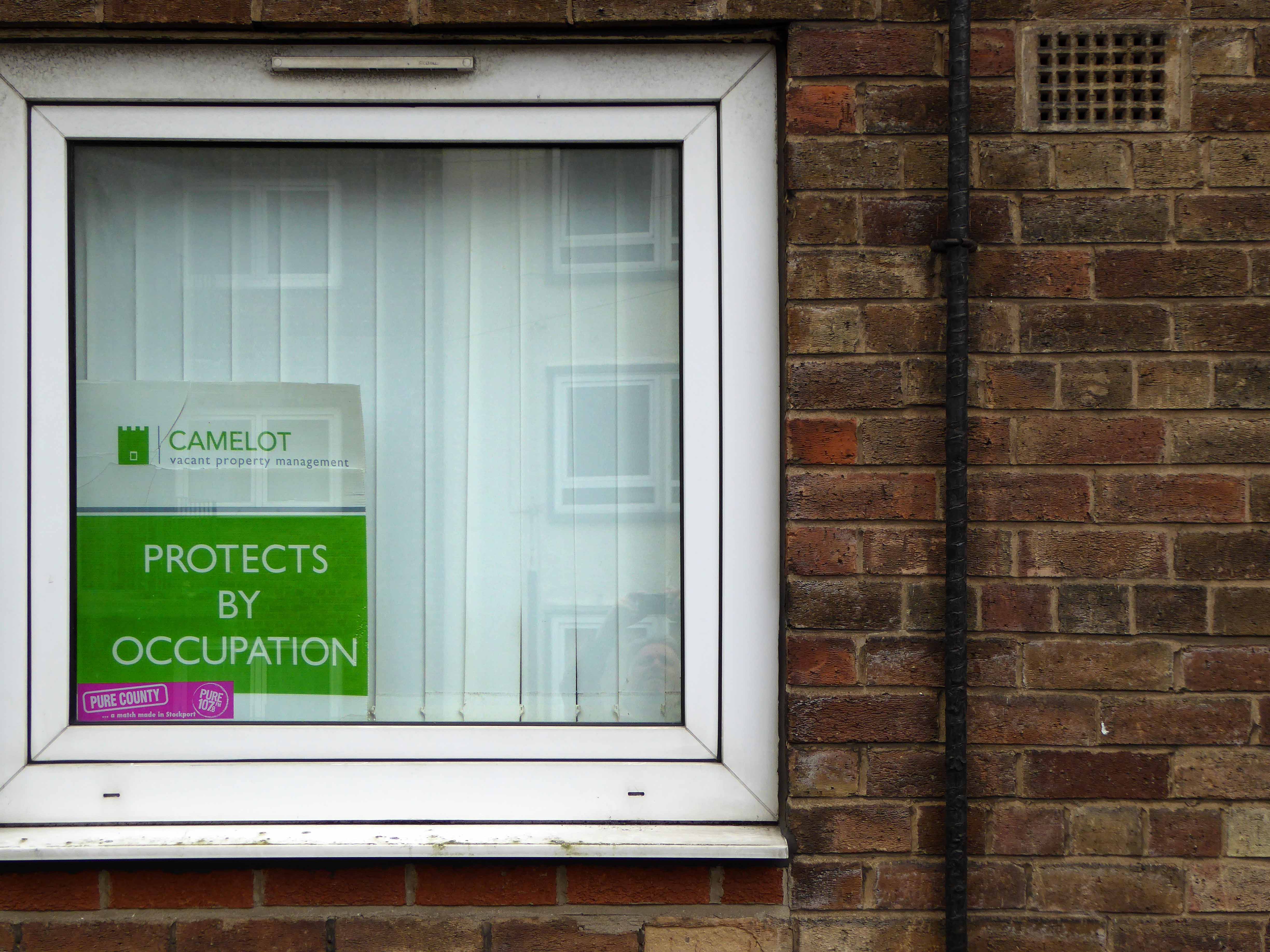
Save for a handful of protection by occupation tenants, living in a Camelot empty property.

“Our people combine entrepreneurial spirit and a deep understanding of specialist vacant property management with the highest standards of client care. Innovative internationally and well-known locally, Camelot design made-to-measure advice for you.”

“Camelot, located no where in particular, can be anywhere”

A pay to enter theme park with a limited future.

P1030563 copy

P1030587 copy

And so heartbreak at Impasse Pass, another stalled urban redevelopment, awaiting capital in a public private partnership.

Until the next time.

Walk a little further, take a peek, blink and it all may have disappeared.

P1030554 copy

P1030558 copy

P1030553 copy

P1030552 copy

P1030565 copy

P1030567 copy

P1030586 copy

P1030569 copy

P1030556 copy

P1030562 copy

P1030573 copy

P1030571 copy

P1030590 copy

P1030564 copy

P1030585 copy

P1030566 copy

P1030557 copy

P1030570 copy

P1030584 copy

P1030596 copy

Park Hill – Last Train To

This is the fourth time I’ve visited Park Hill.

Alone on a hill – sans the sound of music.

I think it may be the last time.


10934972796_6d4cc15562_b

Alone on a hill – two weathered stickers on a public bench for company.

P1030019 copy

Visitor.

On previous visits, there were a few remaining residents on the western wing.

https://modernmooch.wordpress.com/2015/12/13/park-hill-sheffield/

Now they are gone.

Their homes tinned up, the walkways and stairways too – once these streets in the sky could accommodate a milk float, they now echo emptily, with the sound of a restless wind.

And so, in early sunny Sunday morning light, heavy hearted I wandered the open areas, colonnades, service lifts and terrazzo walls.

A small gift to the families, folks, workers, planners and architects who brought this estate to life – a celebration of the modern aesthetic in clear, broad daylight.

P1030059 copy

P1030029 copy

P1030054 copy

P1030051 copy

P1020971 copy

P1030044 copy

P1030026 copy

P1030038 copy

P1030052 copy

P1030048 copy

P1030042 copy

P1030053 copy

P1020989 copy

P1030049 copy

P1030039 copy

P1030060 copy

P1020987 copy

P1030057 copy

P1020977 copy

P1030061 copy


Burnage – Garden Village

Spring’s in the air, let’s take a walk down leafy lanes, far from the traffic’s roaring boom and the silence of my lonely room – well not that far.

Burnage.


Screen Shot 2016-03-23 at 10.33.12

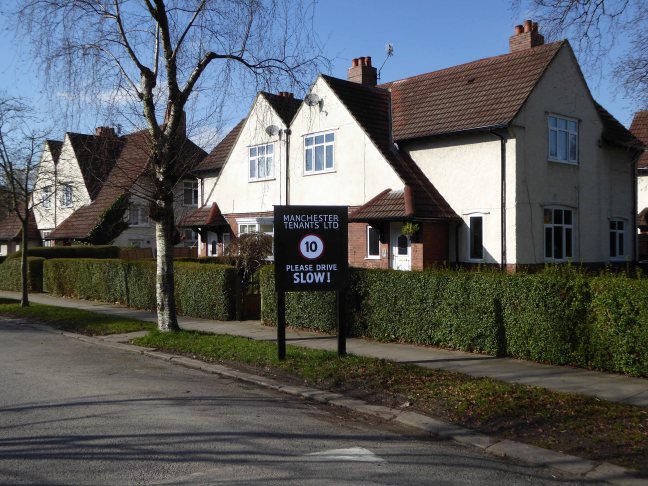
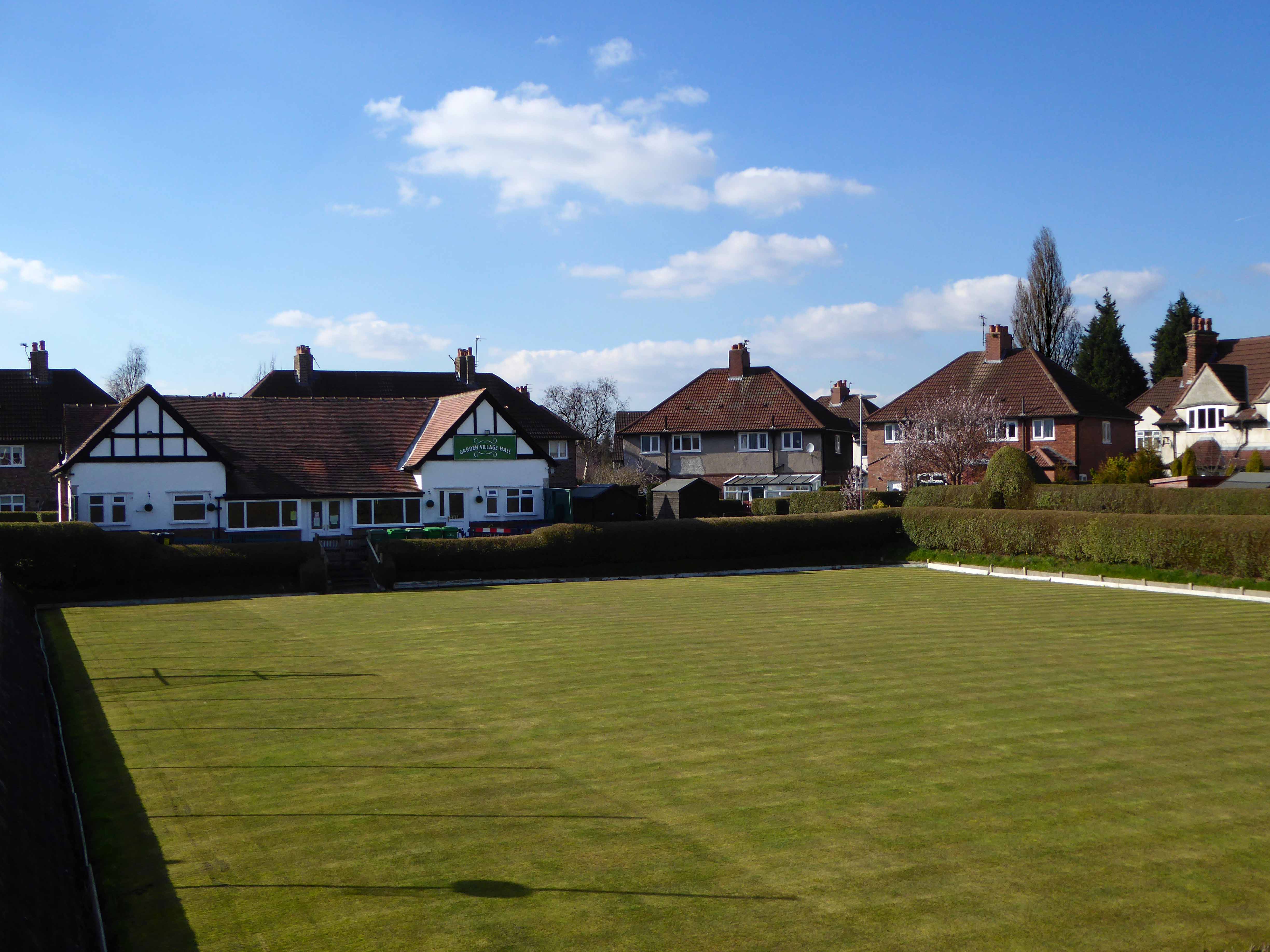
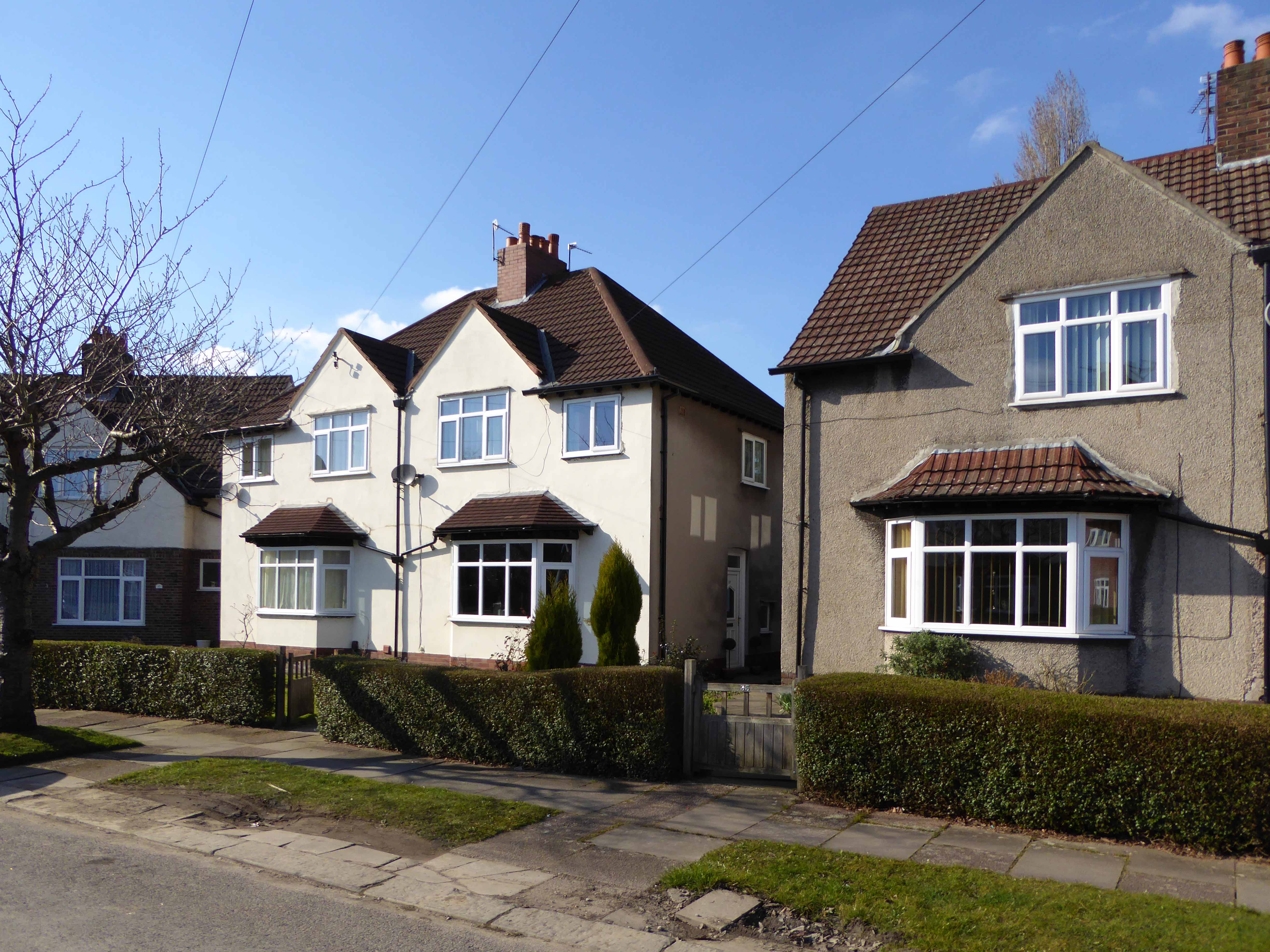
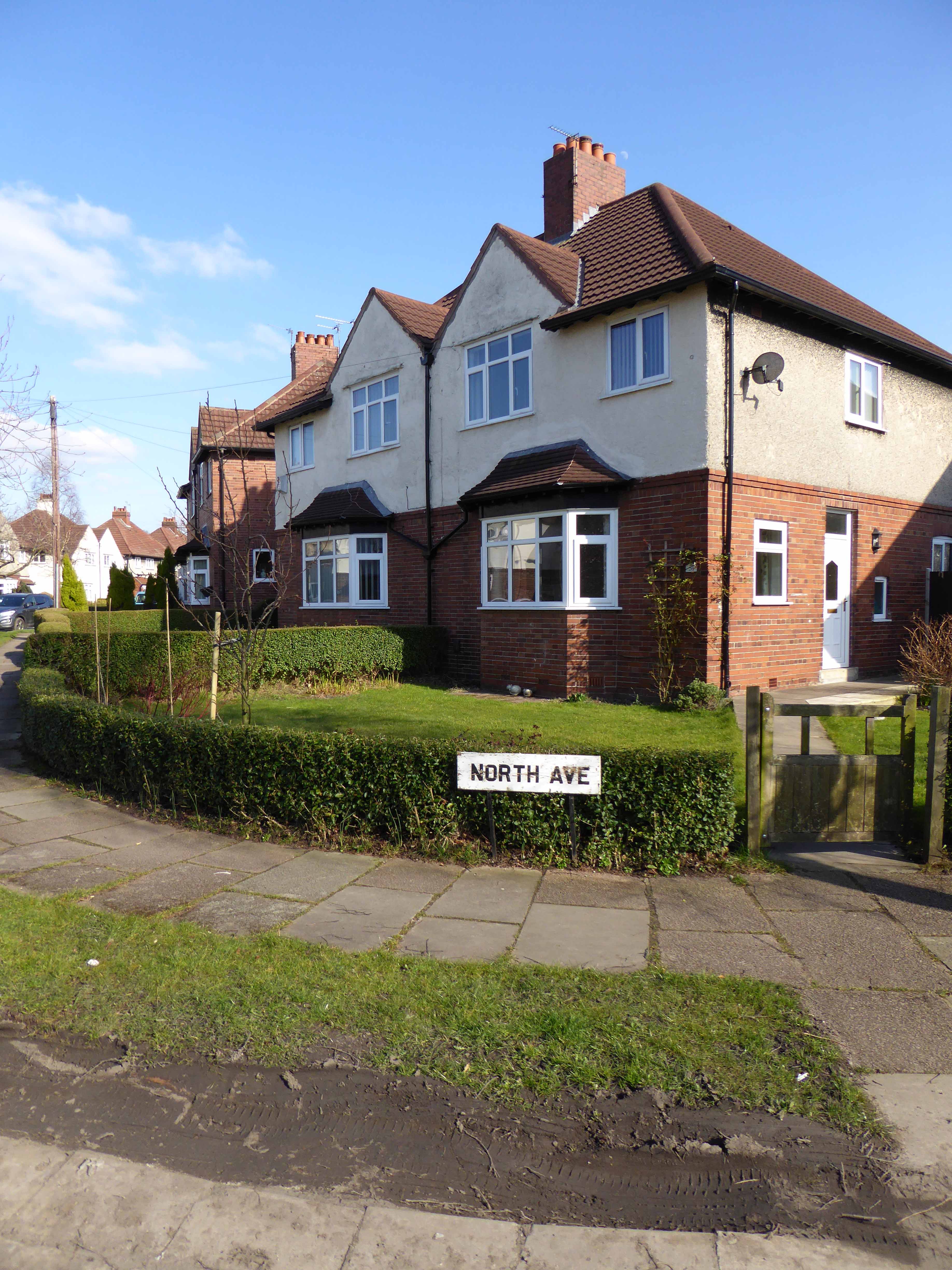
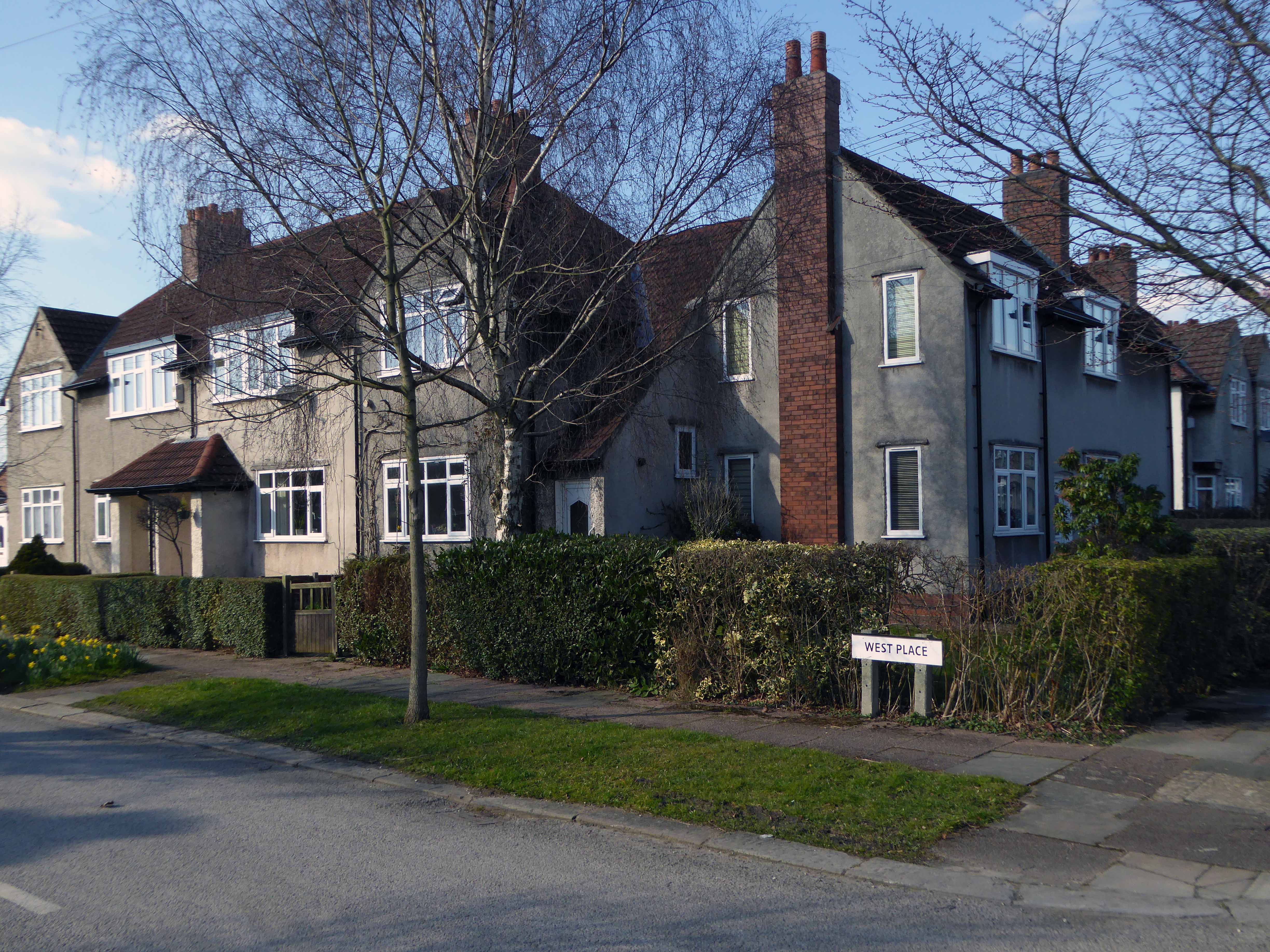
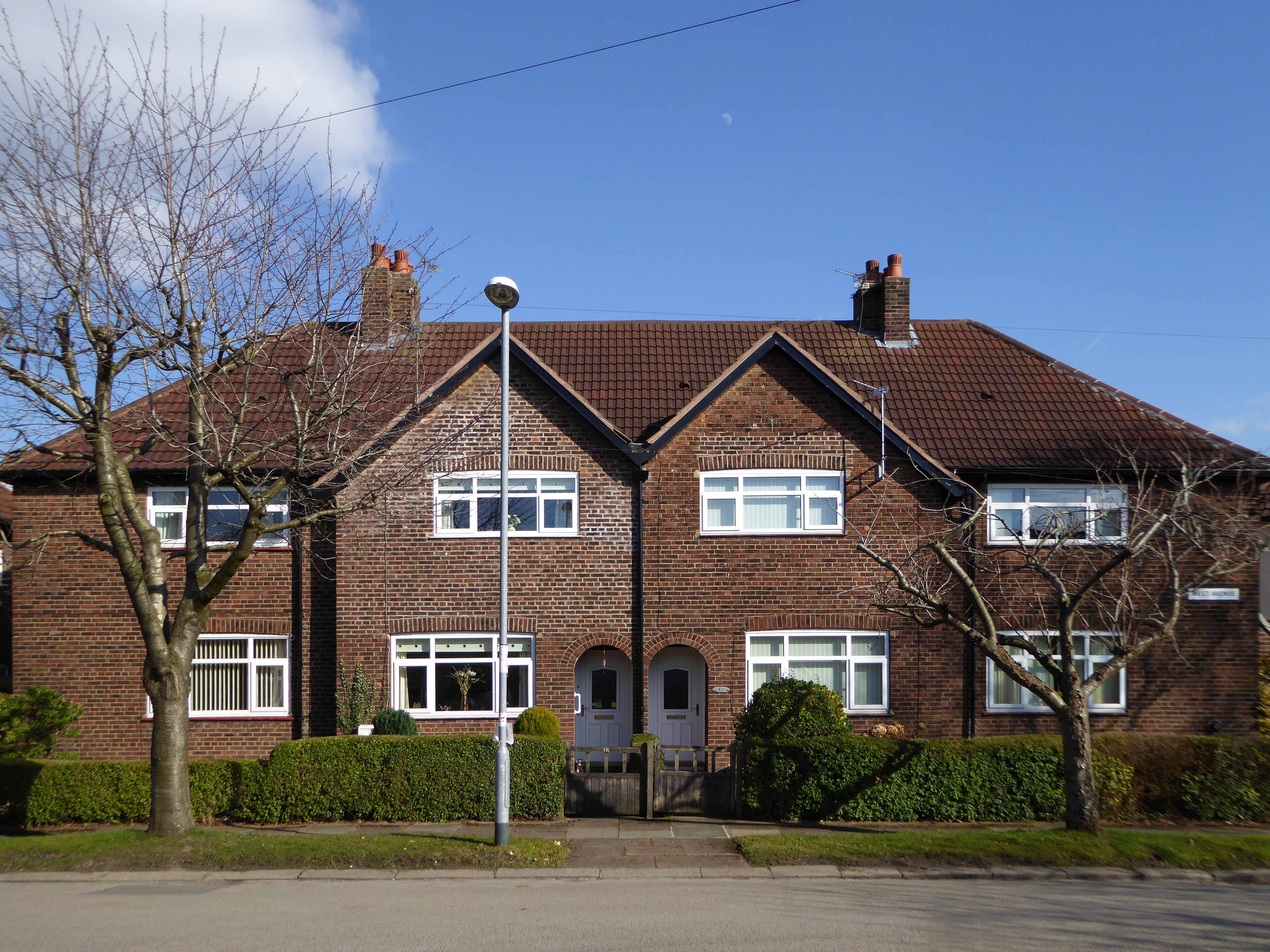
The housing estate of 136 houses known as Burnage Garden Village, a residential development covering an area of 19,113sqm off the western side of Burnage Lane in the Burnage ward. The site is situated approximately six kilometres south of the city centre and is arranged on a broadly hexagonal layout with two storey semi-detached and quasi detached dwelling houses situated on either side of a continuous-loop highway. The highway is named after each corresponding compass point with two spurs off at the east and west named Main Avenue and West Place respectively. Main Avenue represents the only access and egress point into the estate whilst West Place leads into a resident’s parking area.

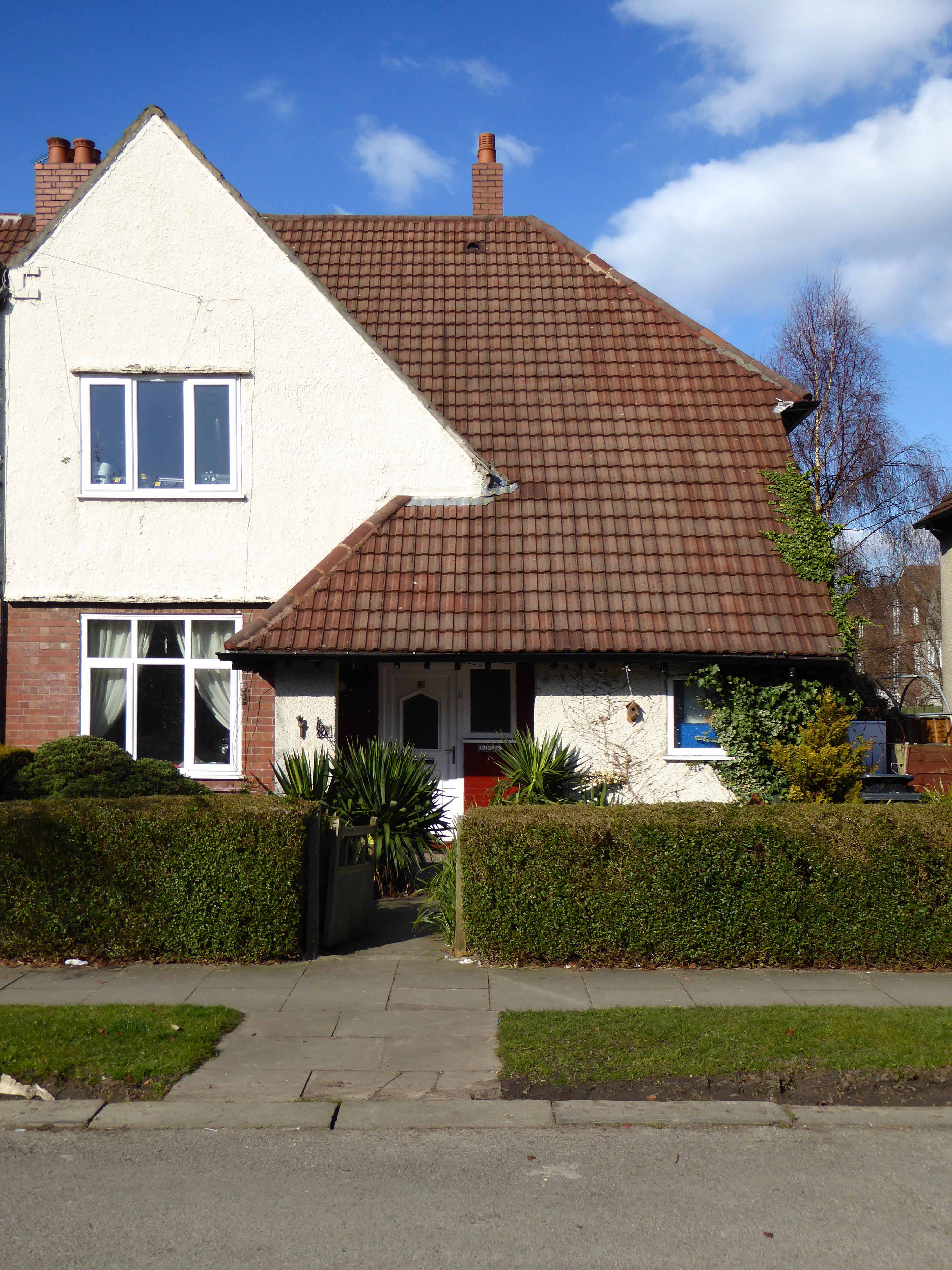
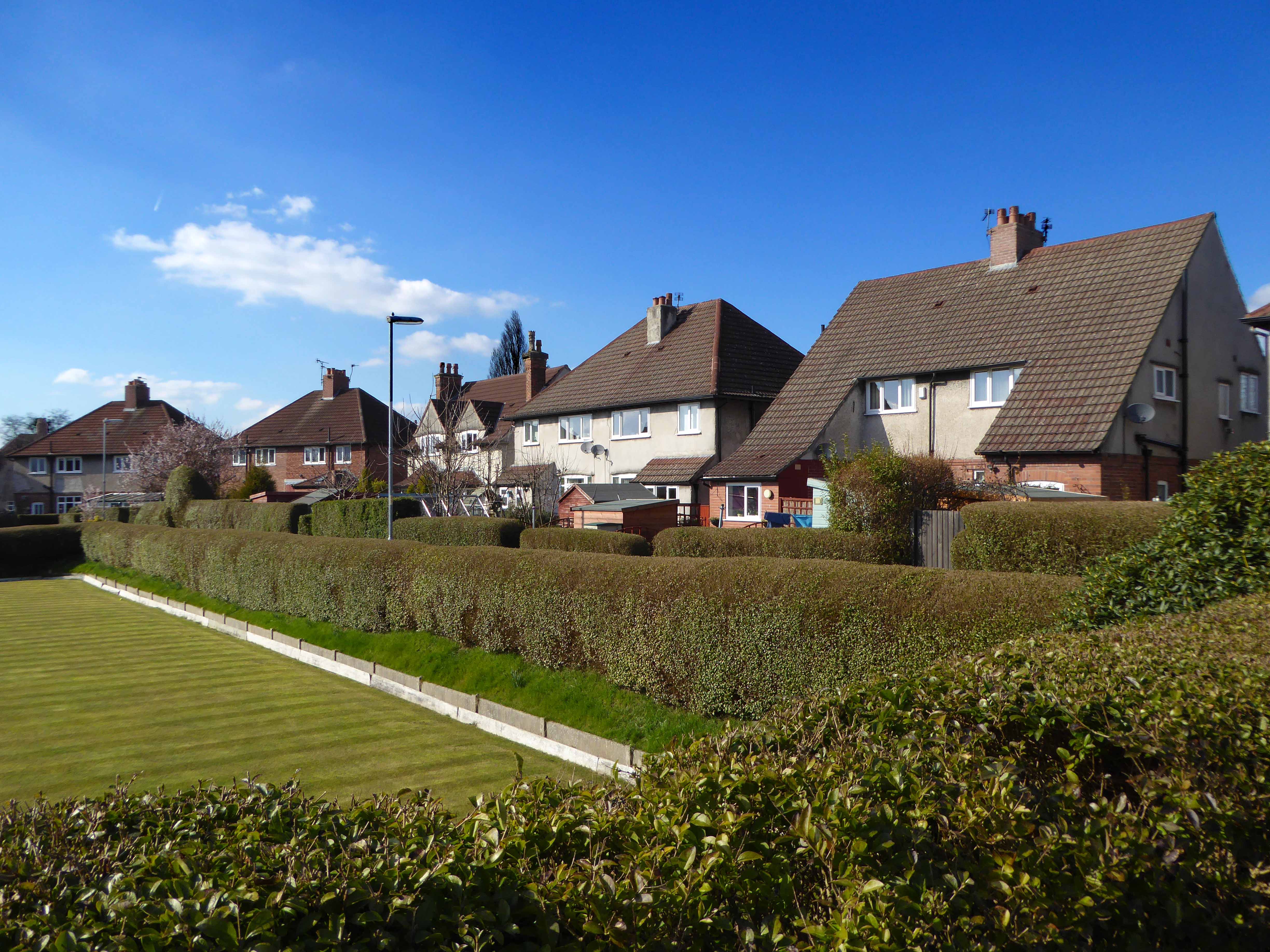
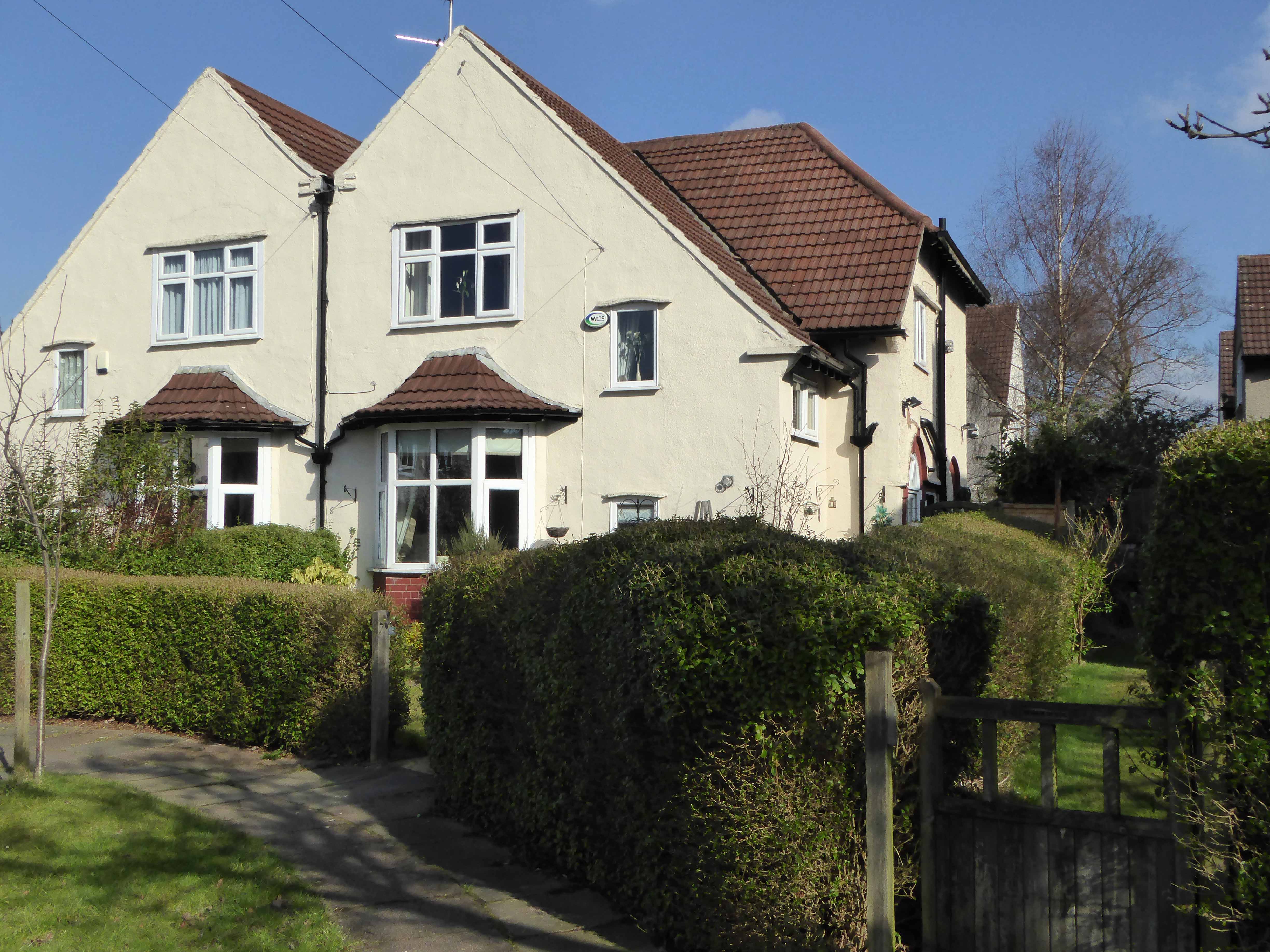
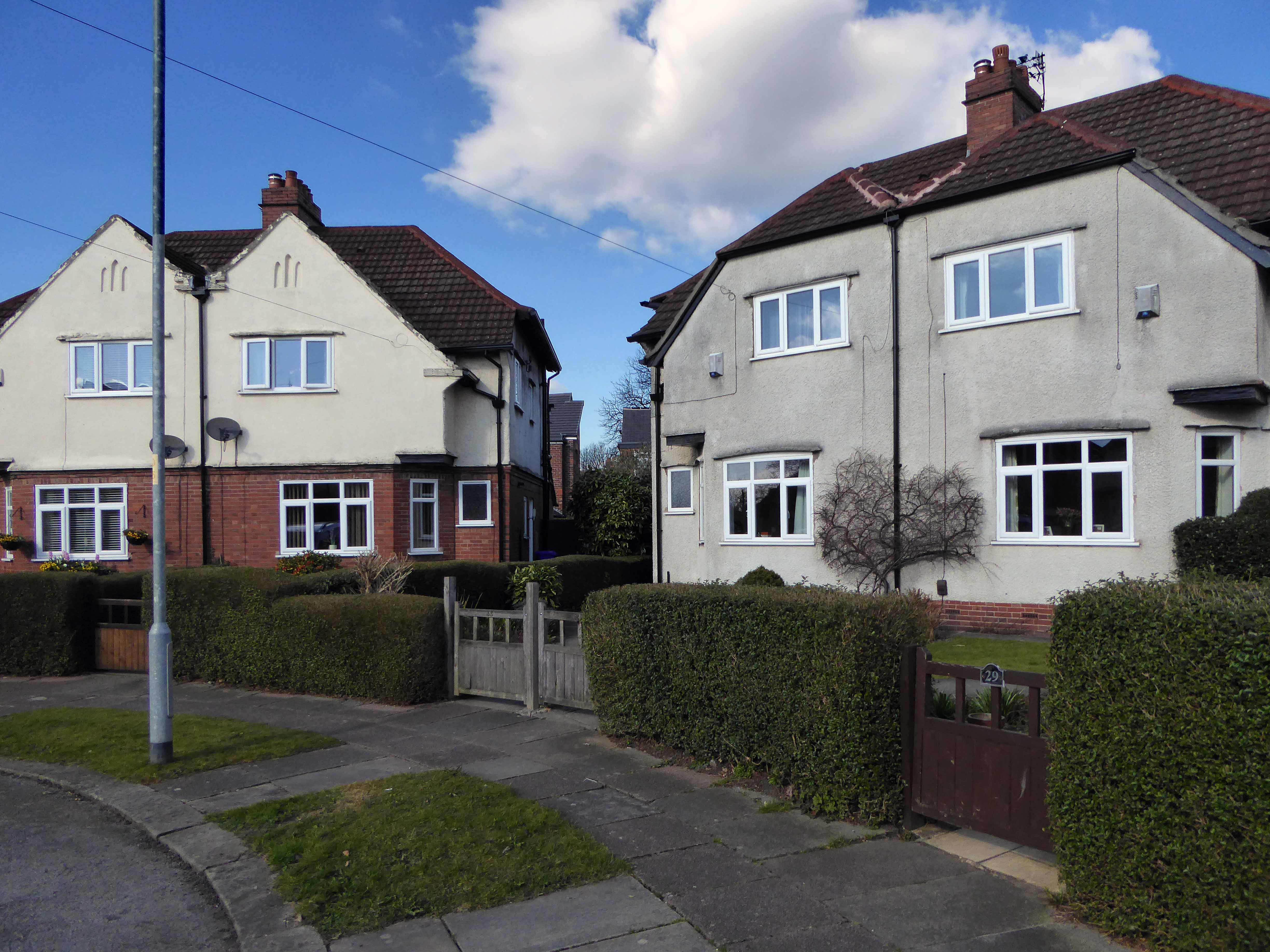
The layout was designed by J Horner Hargreaves. Houses are loosely designed to Arts and Crafts principles, chiefly on account of being low set and having catslide roofs.

At the centre of the garden village and accessed by a network of pedestrian footpaths, is a resident’s recreational area comprising a bowling green, club house and tennis courts. The estate dates from approximately 1906 and was laid out in the manner of a garden suburb with characteristic hedging, front gardens, grass verges and trees on every street. 


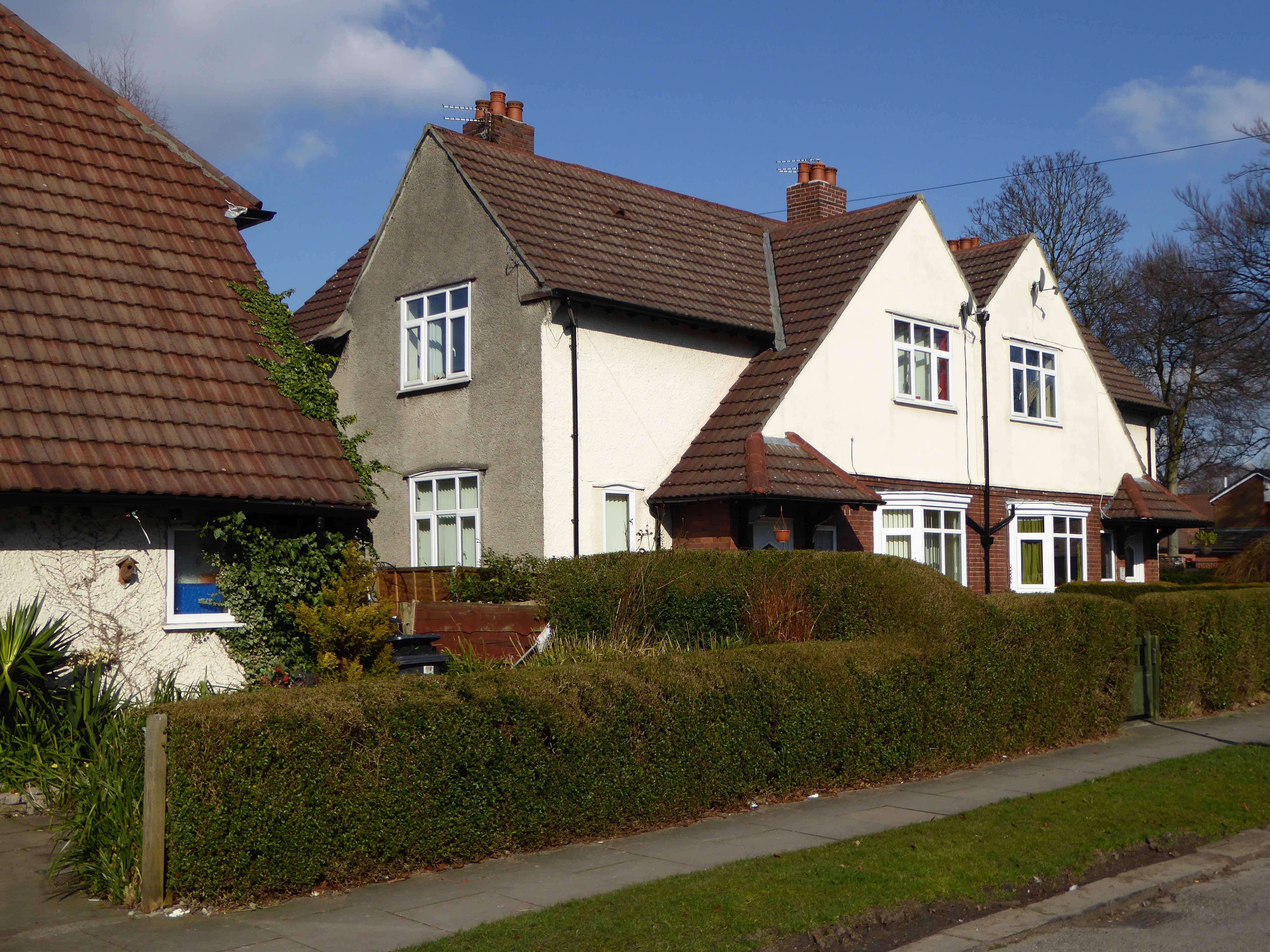
A rare and almost perfectly preserved example of Edwardian Mancunian suburban architecture, save a uPVC epidemic of identical doors and window frames. On a sunny day the variegated brick and render simply sings, like so many chirpy sparrows.

These homes are a variation on a theme, a fugue of tile, brick, pointy counterpointed gable, light and shadow – linked by scale, style and well laid wide concrete roads, filled with good intentions and cars.

Take a hike or bike south of the city, now that Spring is here.

Haymans and Coverley Point – Vauxhall

Vauxhall a London borough south of the river, a drained marsh.

– A home to earlier market gardens.

Vauxhall former site of the renowned Pleasure Gardens.

tom-and-jerry-vauxhall

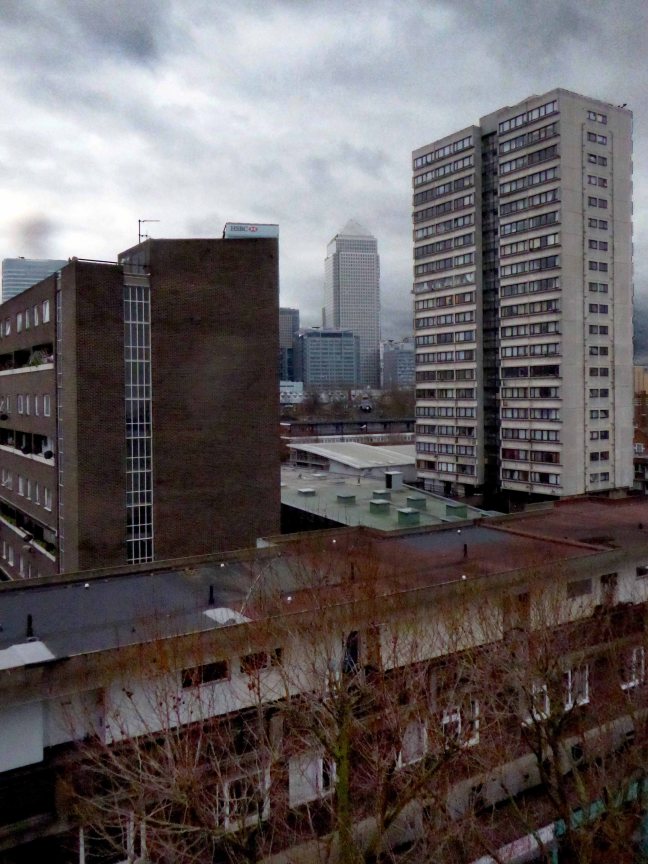
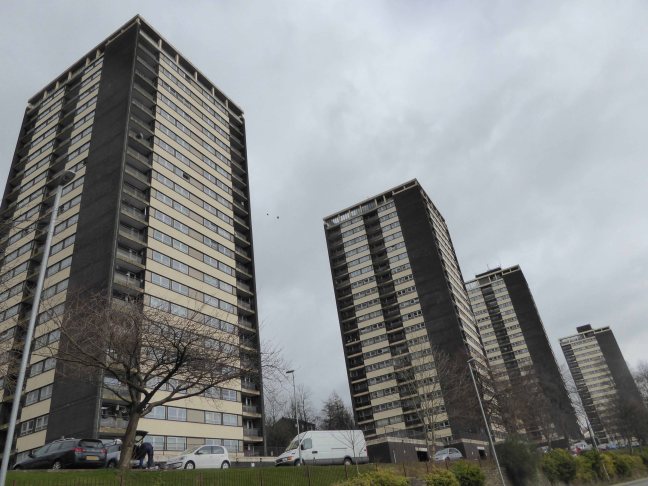
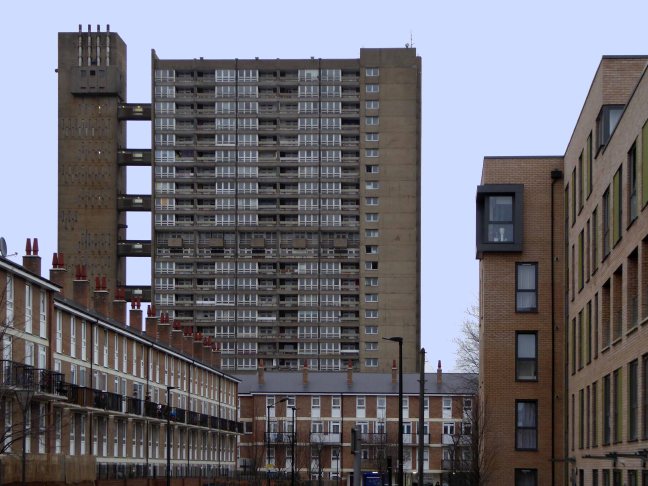
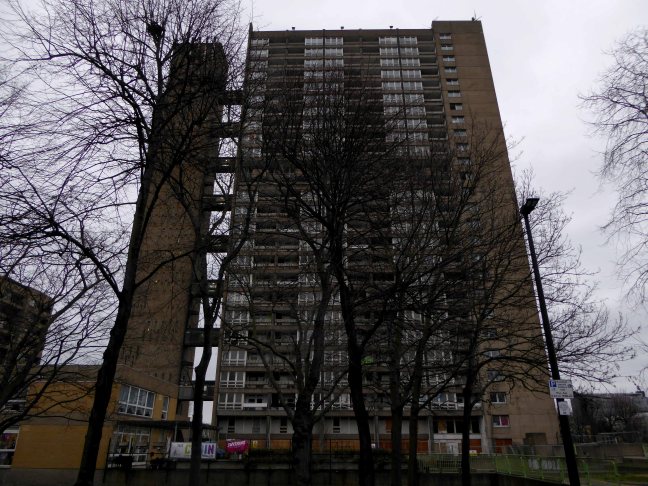
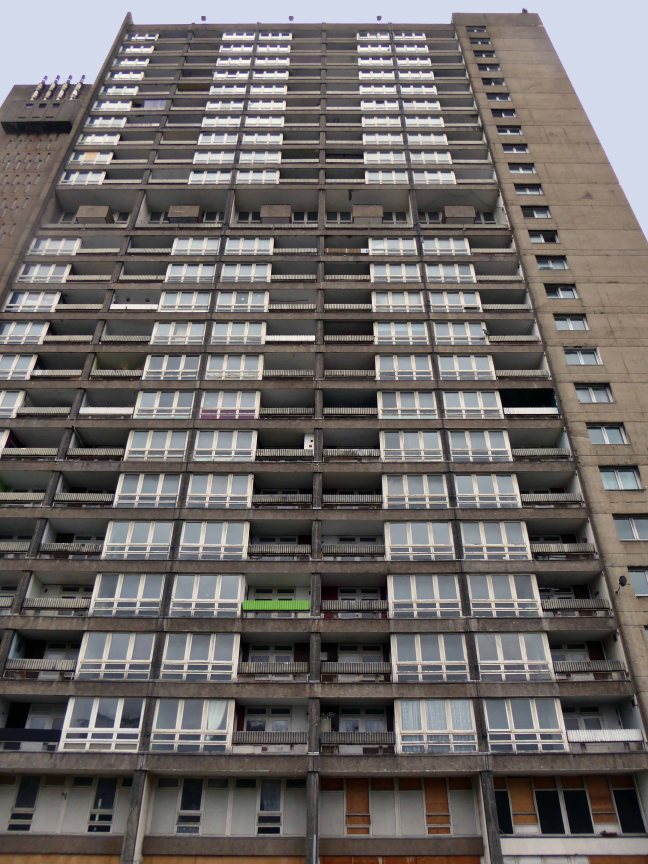
Vauxhall post war housing development, including two adjacent tower blocks Haymans and Coverley Point. labelled as a concrete jungle home to mainly manual workers, forty percent non-white, amid a mix of Eastern European and Portuguese emigres.

Vauxhall playground of the free-runners, film location and thrill seekers:

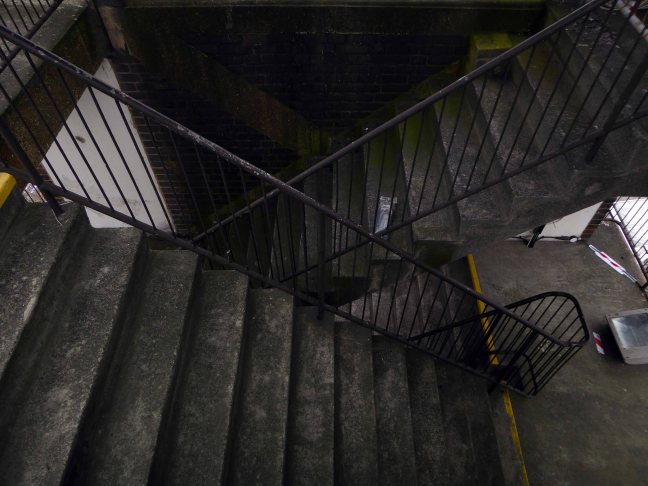
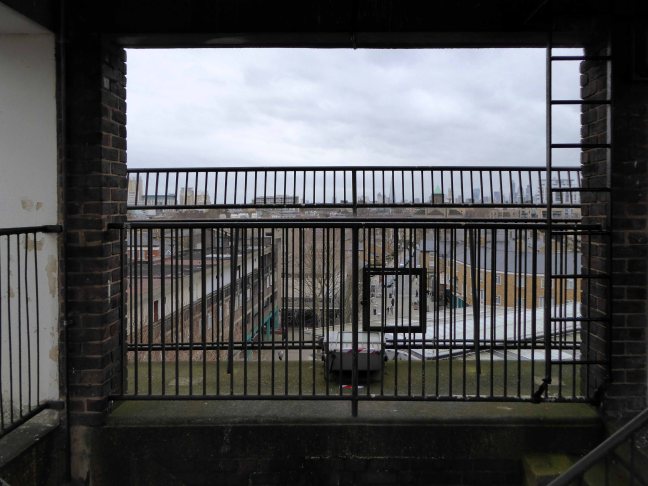
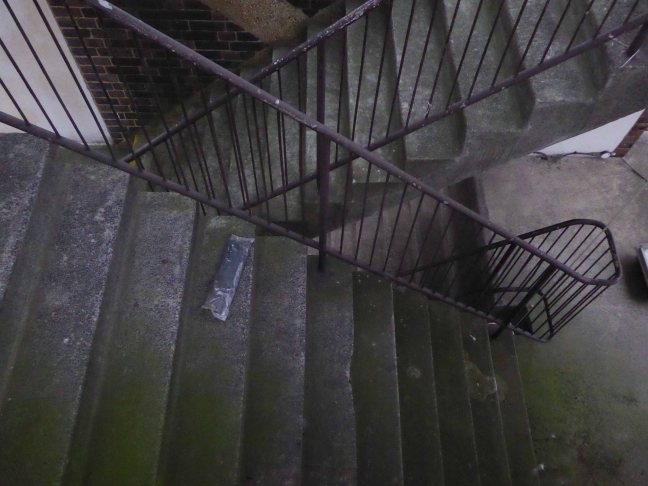
Haymans Point is an imposing, concrete, council estate tower block in the north of Lambeth, part of the Vauxhall Gardens Estate, which has an active residents and tenants association. The rooftop is fairly restricted in terms of outlook due to its high walls, but some interesting features are available including atmospheric interior corridors, outdoor walkways and underpasses over public spaces.

They are currently undergoing a transformation from problem area to greener pastures, through a collaborative community regeneration project.

– It’s also giving young Lambeth citizens work experience in the construction industry.

img94joktmu73938

Vincenzo  got his interest in construction from his Mum, who was a Brixton-based painter and decorator, and his original work experience with London charity Build-it was decorating Lambeth Council blocks in Blenheim Gardens. “I’m fanatical about learning things. I like moving about and in building you’re always somewhere different. Nadine from Build-it said this job would be hard work, so I was right on it”

Two blocks without a chip on their respective shoulders, set in a green sea of history.

Go take a walk in the garden, go take a look.


Mayfield House – Bethnal Green

Building Conditions in Bethnal Green – Post 1945

“The immediate problem after the war was to house those whose homes had been bombed. Longer-term objectives were to complete and extend earlier clearance programmes in order to reduce the population density and separate industry from residential areas, as reaffirmed in the County of London Plan of 1943. Some 5,000 people lived in temporary housing, including requisitioned properties and hutments or mobile homes, prefabs, of which the L.C.C.’s first in East London were in Florida and Squirries streets. All but 15 of its 190 ‘prefabs’ were in use in 1955, together with 309 requisitioned properties; at least 48 mobile homes were still in use in 1966.  War damage had been repaired by 1953 and attention shifted to slum clearance; flats were to be allotted to those in cleared areas rather than by a waiting list. The L.C.C. and M.B. co-operated in drawing up five-year plans:  by 1954 there were 16,852 permanent homes of which 2,434 were unfit, 1,711 in the L.C.C.’s clearance areas and 675 in the M.B.’s, together with 48 individual houses. The L.C.C. demolished 510 and the M.B. 550 between 1956 and 1960 and the M.B. demolished another 151 unfit and 46 other houses in 1961-2. Most were replaced by municipal estates, although both councils also acquired sites scheduled for industry, business, or open space. It was estimated that to find a site and build an estate took six years.” 

Thanks to http://www.british-history.ac.uk/vch/middx/vol11/pp135-147

The six-storeyed Mayfield House opened with 54 flats in 1964 on the east side of Cambridge Heath Road, south of the town hall.

Exploring London in an accidental and often tangential manner, often offers many surprises. Ostensibly in search of the V&A Museum of Childhood I tumbled into Mayfield House. The whole area, as can be seen in the above link, is home to several estates and homes, designed by the eminent architects du jour, Mayfield receives no such attribution, possibly the work of the borough office.

None the worse for that a building of some note, famously housing one of London’s first coin operated laundries, as seen in the promo video for The Streets – Dry your eyes.

Screen Shot 2016-03-17 at 16.35.58

The flats also contain a Somalian Centre, Bethnal Green having been home, for many years to Somali seamen – the subject of a recent photographic exhibition by Sarah Ainslie

DSC_0236

Photographs copyright © Sarah Ainslie

Ali Mohammed Adan – Seaman

“I first came to London by ship in March 1958. I stayed in Aldgate for a night and went to Newport where my cousin had a house. There are many Somalis there. From that day until I retired in 1990, I was in the Merchant Navy, and I brought my family over from Somaliland. In 1970, I moved back to London to Bethnal Green but my wife and daughters chose to stay in Newport.

In Somaliland, I owned over a hundred camels and sheep. Nobody keeps camels anymore, everyone sold them and moved to the city. They say, ‘It’s too much work.’ But keeping camels and sheep and living on a farm, it’s a good life because you eat every day. Everybody wants to do it again now.”


An intriguing structure with a dominant grid on the front elevation, sharp signage, extravagant exterior rear stairs, modular concrete screened, low-level car parking and a recently enclosed glassed gallery.

2686397_93fb4162


London – city of surprising surprises.


Back to Beswicks

You’re never more than a thousand yards from a main road, six feet from a rat, or a quarter of a mile from Beswick, one of many Beswicks.

DSC_0175

Beswick was once a bustling mixed industrial and residential area of east Manchester, alive with back to back terraced housing, pubs, clubs, shops and people.

Sixties slum clearance swept away most of its past when Fort Beswick was built.

webmedia-3.php

Remember the Alamo?

Forget Fort Beswick.

It’s gone – wind the Bobbin up.

The Bobbin copy

Turn it into a Library

Beswick Library

Wind the library up

DSC_0227

Build another

grey-mare-lane-police-station

Call the Police!

But the Police Station has closed now, and moved further on.

0_GMPDHQ_1920x1080

http://www.manchestereveningnews.co.uk/news/greater-manchester-news/greater-manchester-police-rake-17m-6273100

There are traces of the past that remain, homes and pubs that have survived the revival.

Where is Beswick now?

On the edges of the Eastland’s dream, on the outside of everything.

Sheik Mansour ensures the construction of a brand new shiny world.

The private provision of an almost public space.


Everyone knows this is nowhere.

But Beswick?