Twelve Car Parks – Manchester

The earliest known multi-story car park in the UK was opened in May 1901 by City & Suburban Electric Carriage Company at 6 Denman Street, central London. The location had space for 100 vehicles over seven floors, totaling 19,000 square feet. 

Wikipedia

It is estimated that there are between 17,000 and 20,000 non- residential car parks in Great Britain, including those run by councils, commercial parking companies, shops, hospitals, businesses, railway stations and airports, providing between 3 and 4 million spaces.

I have visited the Maid Marion, St James Street, Manors, Asda Stockport, Heaton Lane, Merseyway, Piccadilly Plaza, Red Rock, Central Area Flats, George Street, and Abbey Walk.

The Manchester Airport multi-storey car park  is one of the largest car parks ever built; in fact, it’s the second largest in Europe. This mega-park was designed to house a staggering 8,000 cars, split over a six-level facility that stretches out over 330 metres.

In the city centre NCP has over 13,000 car parking spaces across 43 sites

Port Street Central – M1 2EG

Since closed and built upon.
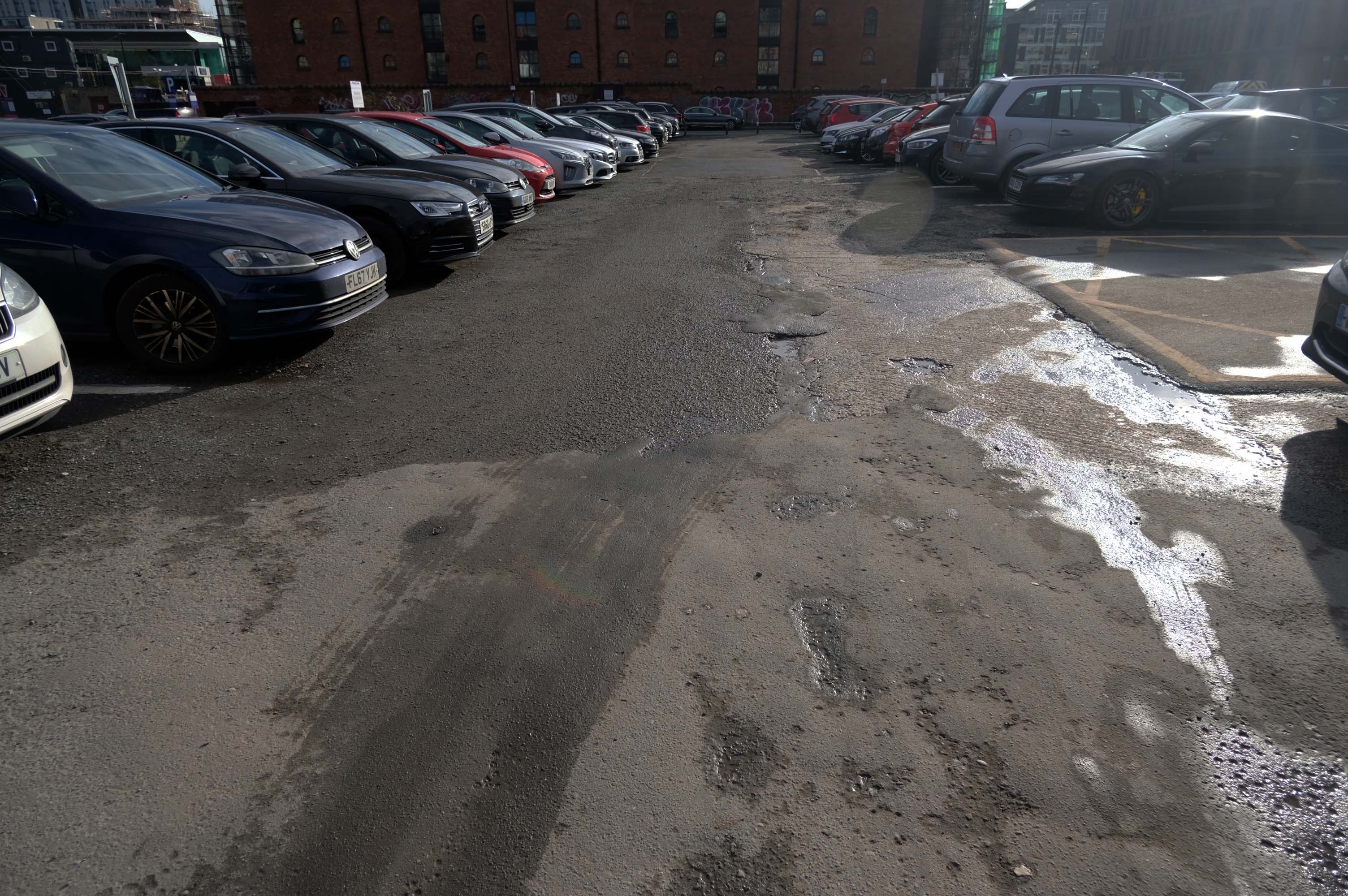
Arndale Car Park – M4 1AZ
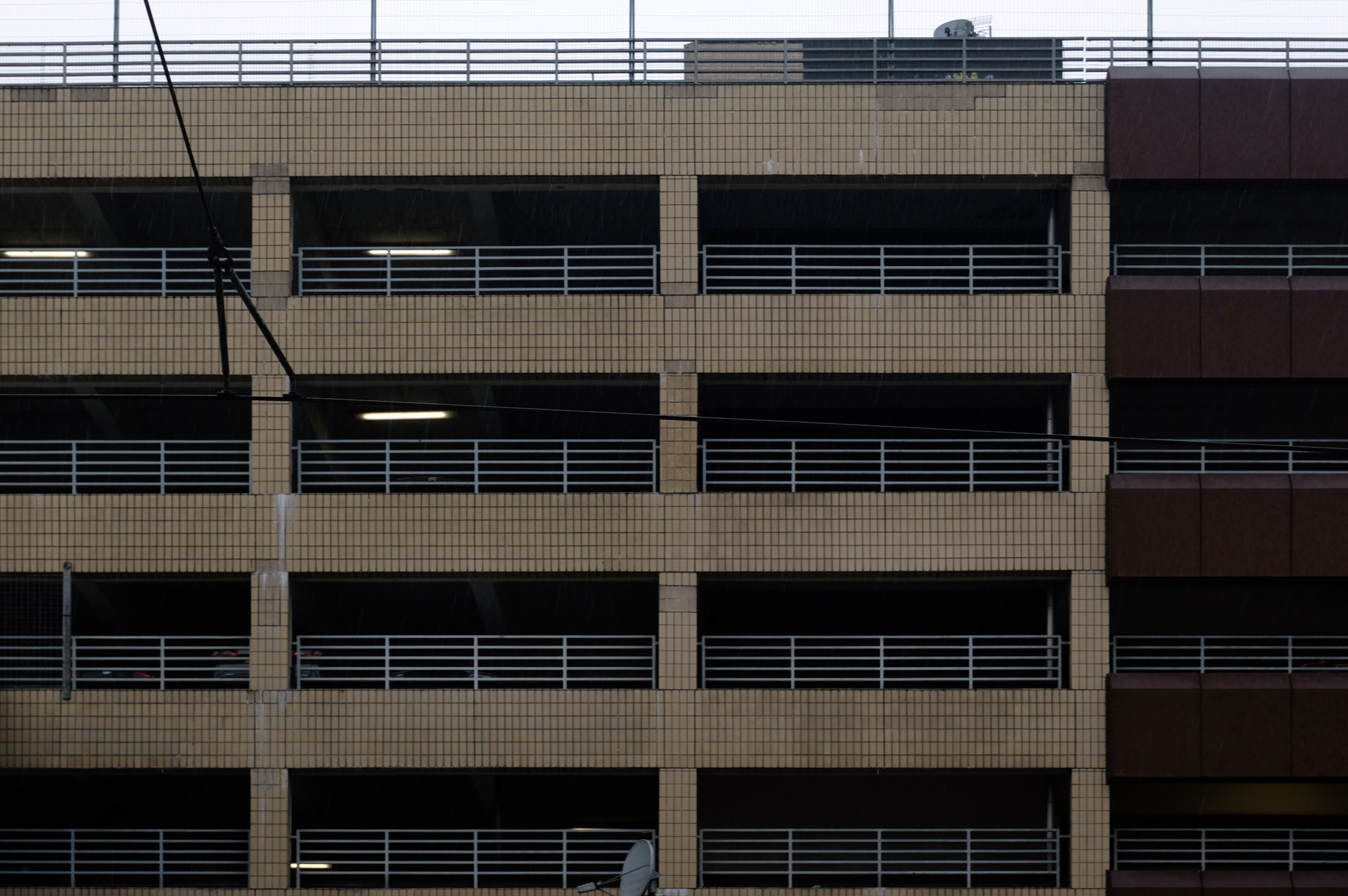
Designed by Wilson & Wormersley opened in 1979 as part of the Arndale Centre shopping complex.

Good location but the access to the shopping centre is dirty. Lifts dirty – discarded soiled underwear, urine, spit and rubbish in the lifts. Car park also full of litter.

The most unnecessarily complicated ticketing system I have ever seen for a car park. Designed to fail so that the system can fine you. Beware. Better avoided for overseas visitors

Northern Quarter Car Park – M4 1LX

Sold and to be redeveloped by Glenbrook.

Immerse yourself in the eclectic vibe of the Northern Quarter, the heartbeat of art, culture, and urban lifestyle. Whether you’re heading to its vintage shops, art studios, or chic cafes, finding the cheapest, best parking is paramount.

Stairs smell of stale urine and cannabis.

Shudehill Car Park – M4 4BB
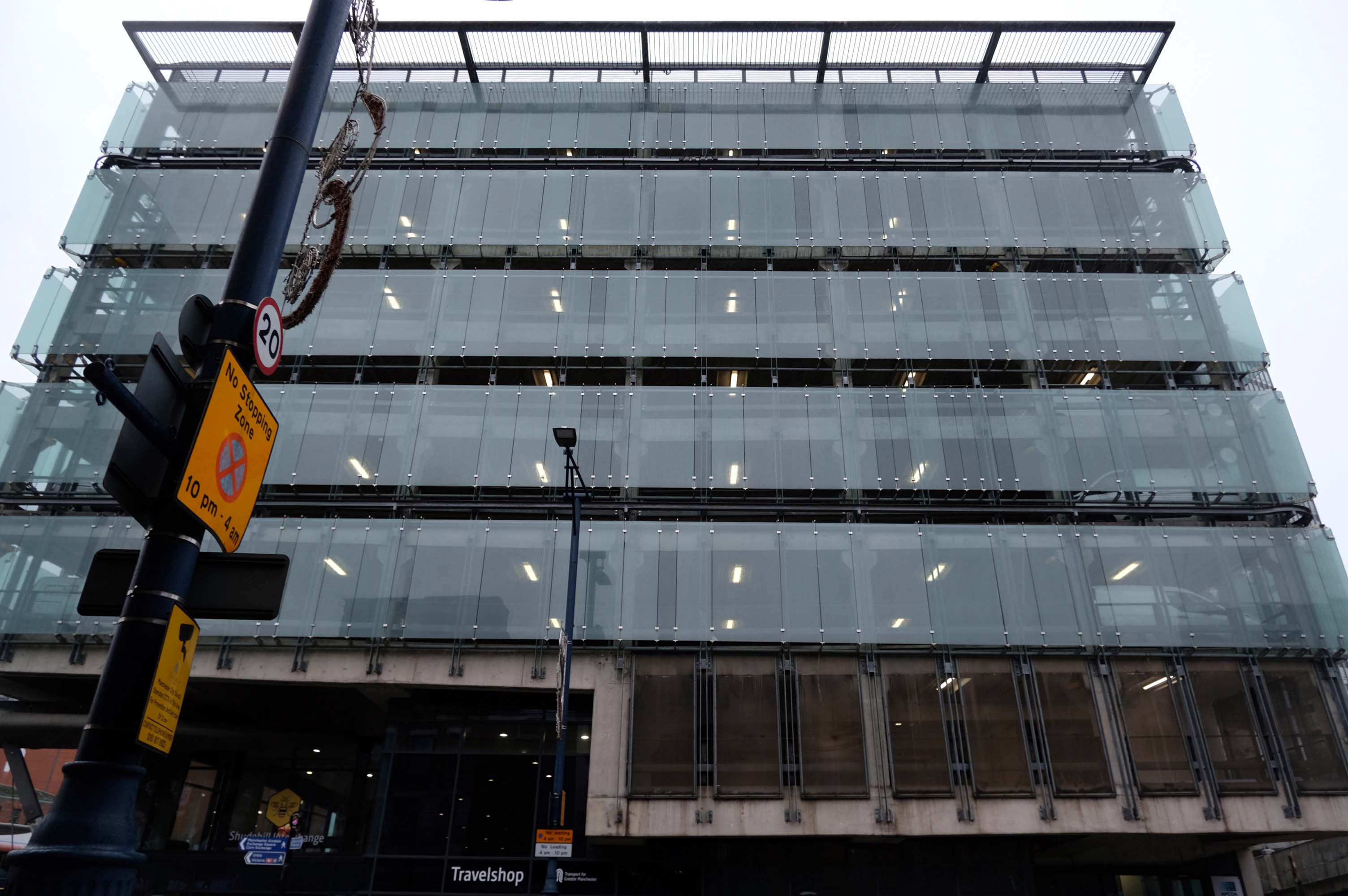
The Shudehill Interchange car park and bus station, designed by Jefferson Sheard Architects working with Ian Simpson, replaced the former Cannon Street bus station, under the Manchester Arndale; since the redevelopment of Manchester city centre, the latter has disappeared along with Cannon Street itself.

Kendals Car Park – M3 2WY
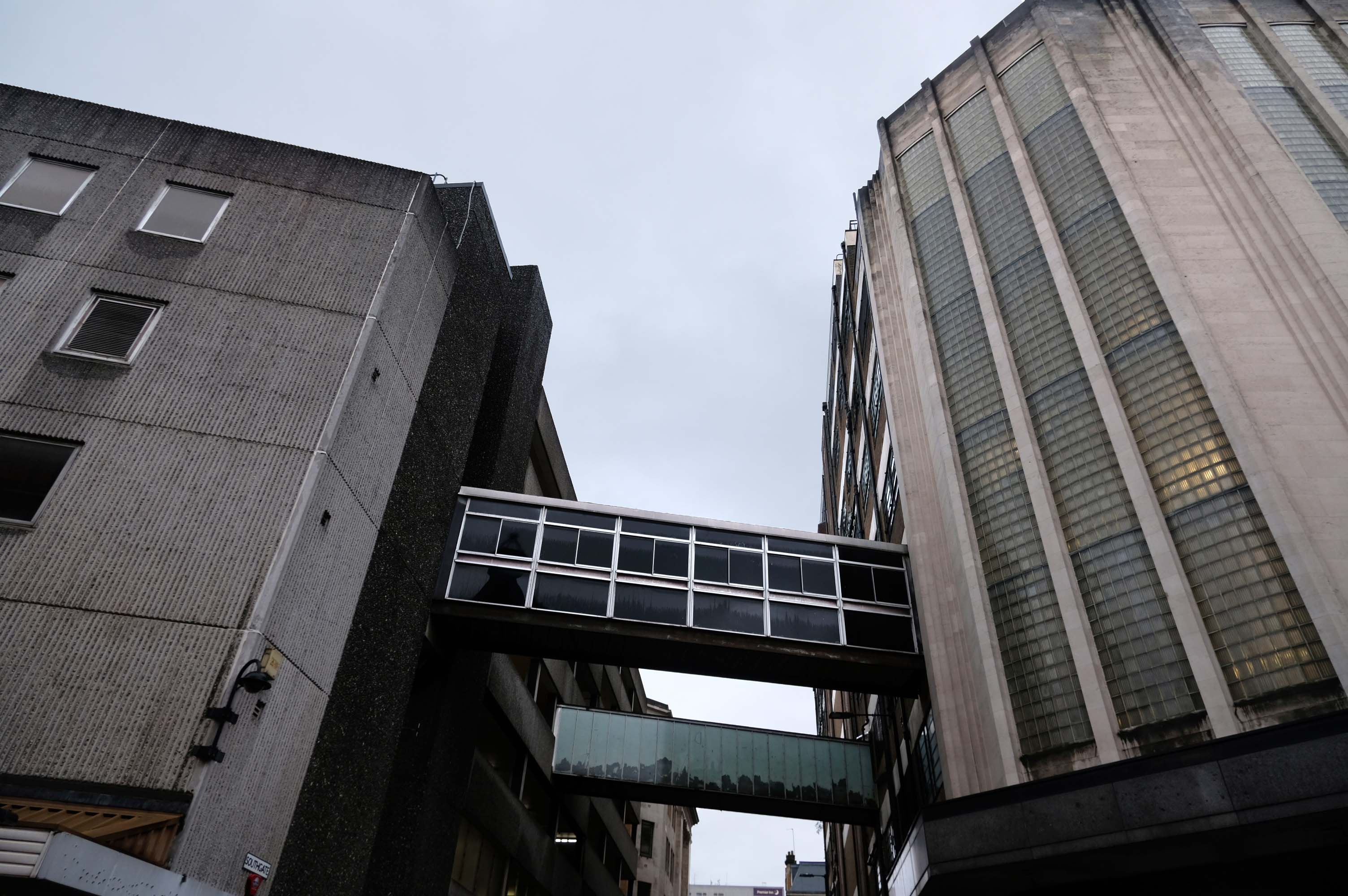
Great location but narrow roadway between floors. Pay in advance so you need to know how long you’re staying for.

£20.40 for 4 hours is expensive but you are minutes from Deansgate shops.

Only given one star because there wasn’t an option for zero. Not secure, car broken into theft of personal effects, pedestrian gate was un locked, no CCTV that I could see anywhere. Cost me over £25 to park for 6 hrs and lost over £200 of personal effects, complained to council, no response. Wouldn’t park here ever again.

New Bailey Car Park – M3 5EN
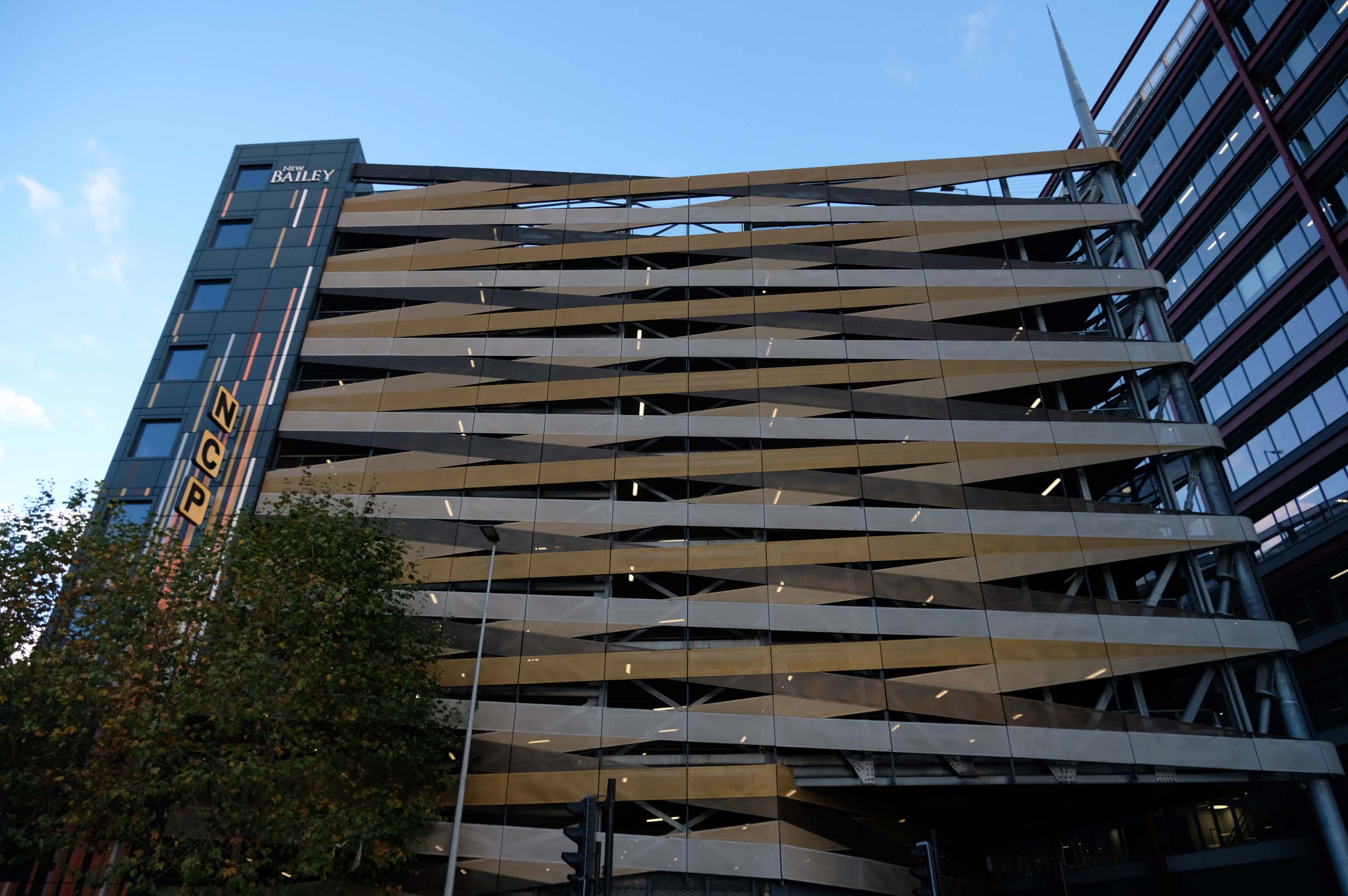
Maple gave architects Aedas RHWL the freedom to express themselves on a prominent multi-storey car park development in Salford. Their imaginative design created a great concept – the nine storey New Bailey car park appearing to be wrapped in ribbons that echo the lattice patterns and intersections in the ironwork of nearby Victorian bridges.

A good, clean and modern carpark. Easy to navigate and sensibly sized spaces. The only downsides are that it’s not cheap and getting into it from Trinity way is hard, as the traffic blocks the junction meaning it takes may cycles of the traffic lights to get across the junction.

Piccadilly Plaza Car Park – M1 4AJ

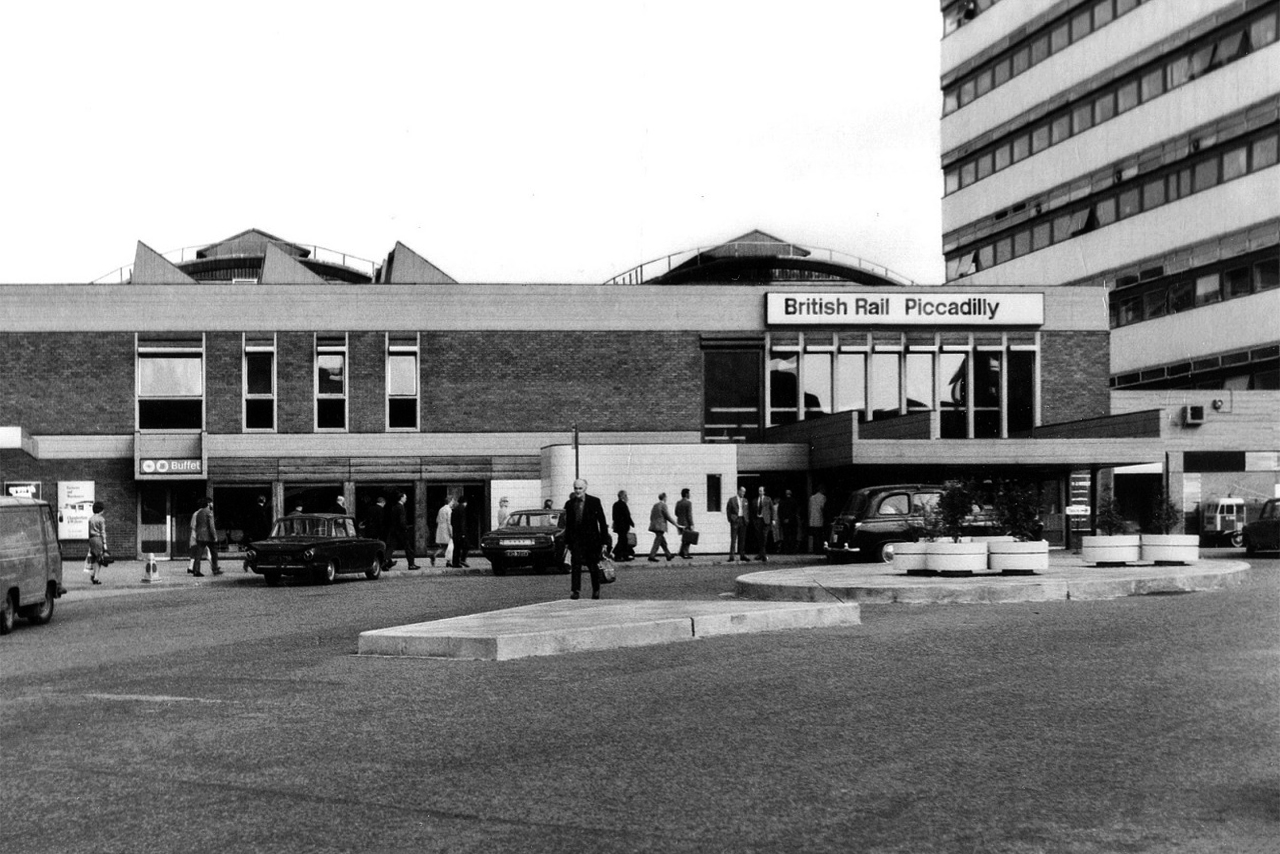
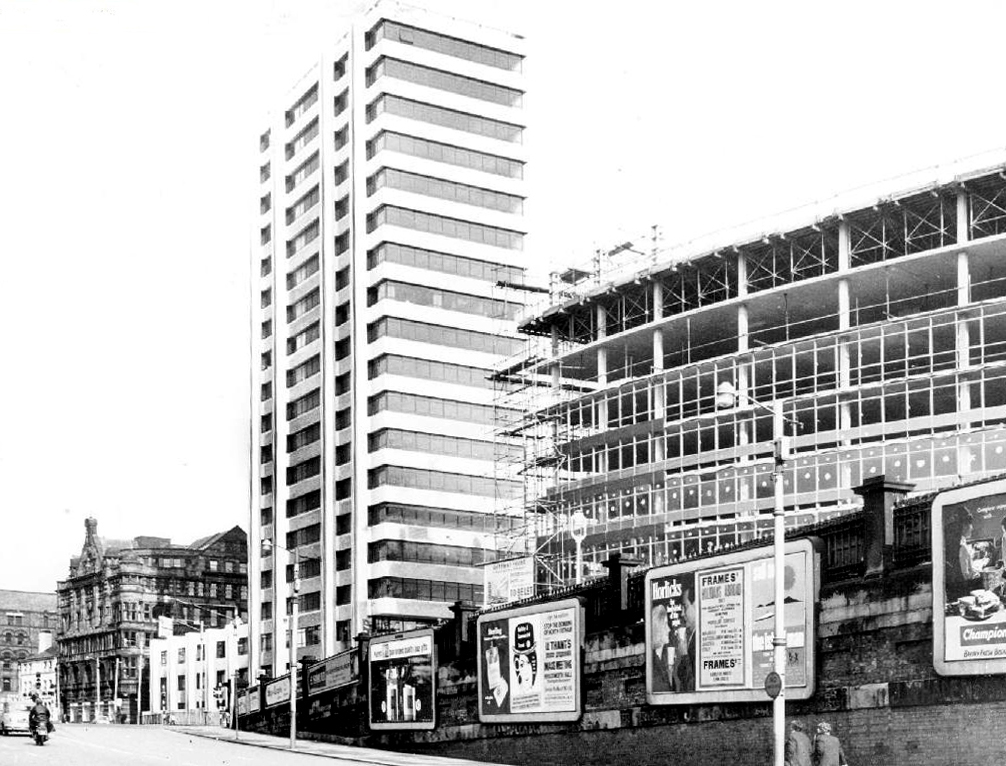
Part of the Piccadilly Plaza development of 1965 by Covell Matthews and Partners

Nice central location with a large entrance so you dont have to risk scratching your car as you pull in. Found there was a lack of signage to direct to nearest pay machine or walkway exit. Also had trouble when it was time to pay. I typed in my registration and yet it wasnt recognised and so I had to estimate my time of arrival. I ended up paying £10.50 for around 3 hours, which probably is the going rate for city centre parking.

Sadly after seeing several reviews that cars were broken in to, I would certainly reconsider parking here in future. I got lucky here, I had suitcases locked in the car, with several hundreds of pounds worth of travel money.

Worst place to park on earth, we had our car broken int0, everything stolen, it’s common knowledge that the drunks in the town hang around the car park to steal and then use your cards to buy their booze

Chorlton Street Car Park – M1 3FY

Leach Rhodes and Walker 1963/67
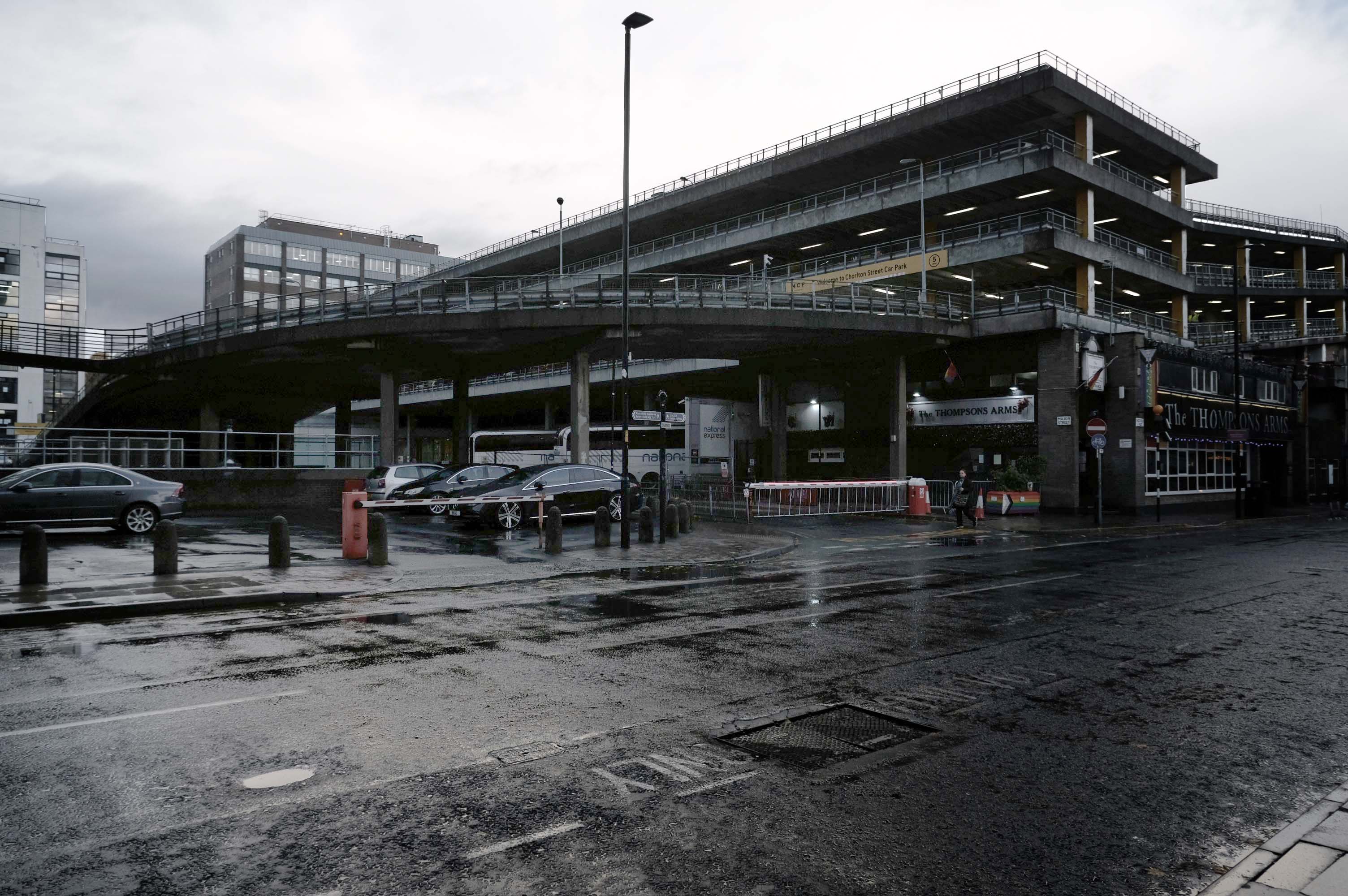
Secure and easy to find while driving, struggled to get back in through side door, had to walk up the ramp.

Expensive.

Stairwell stinks like piss and I’ve seen homeless people sitting in there. Doesnt feel safe.

Great car park, security is great, right in the city centre above the bus station that goes Scotland to Cornwall, Wales to Norwich and many more, Manchester city centre literally with Piccadilly Gardens around the corner.

Q-Park First Street – M15 4FN

Architect – Ian Simpson 2015.
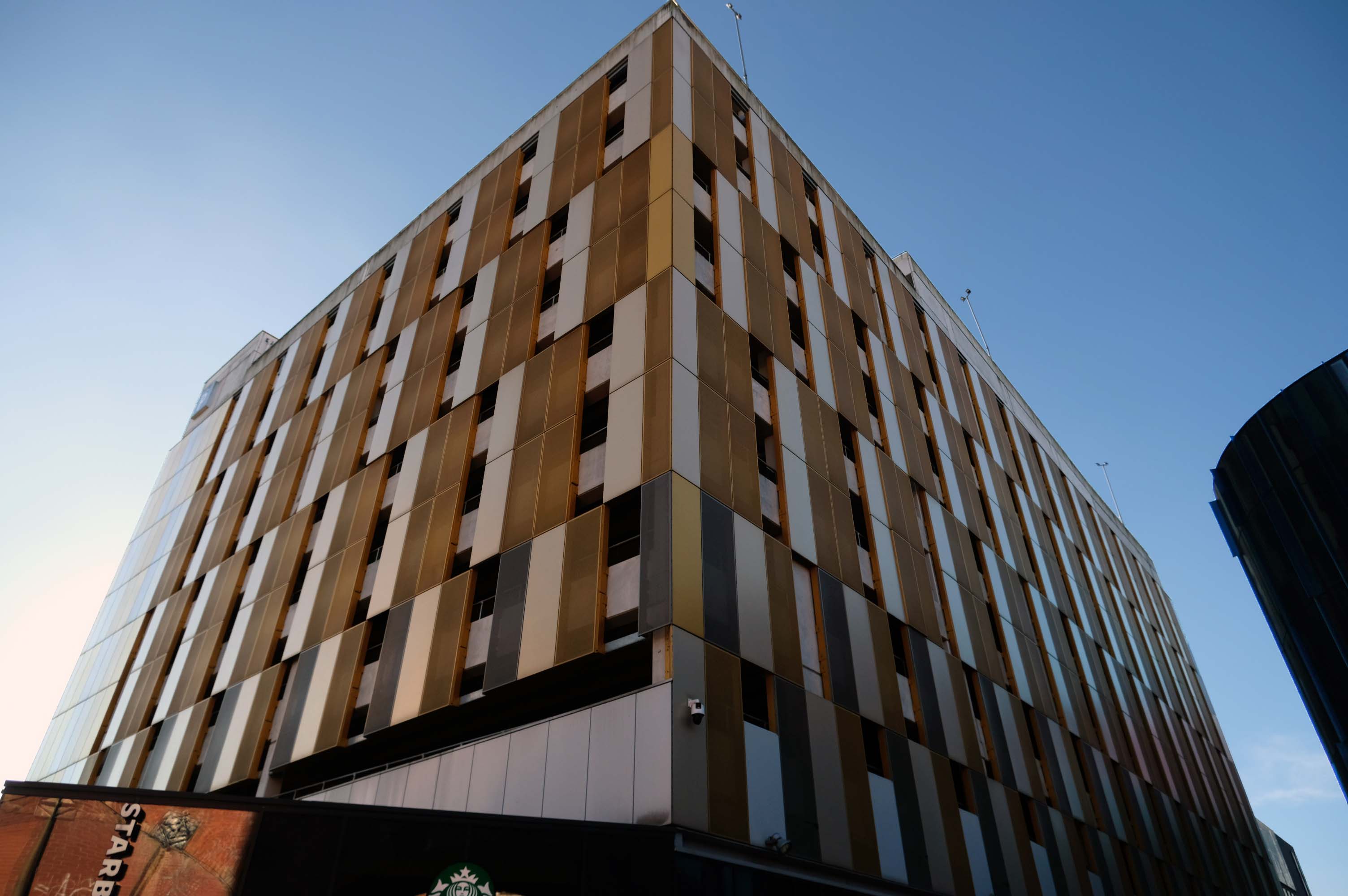
Great car park we use all the time in Manchester, easy to book online, no messing with cash machines. Takes your car reg by camera for easy access in and out. Plenty of spaces mainly upper floors, just tight around corners.

Charles Street Car Park – M1 3BB

The entrance is extremely narrow so watch out for your alloys when you turn in.

Ridiculous size for a modern car park – just terrible.

This car park has served me well on many occasions! It is truly wonderful as car parks go.

Terribly maintained, regularly find human faeces and worse in the stairwell.

Circle Square Car Park – M1 7ED
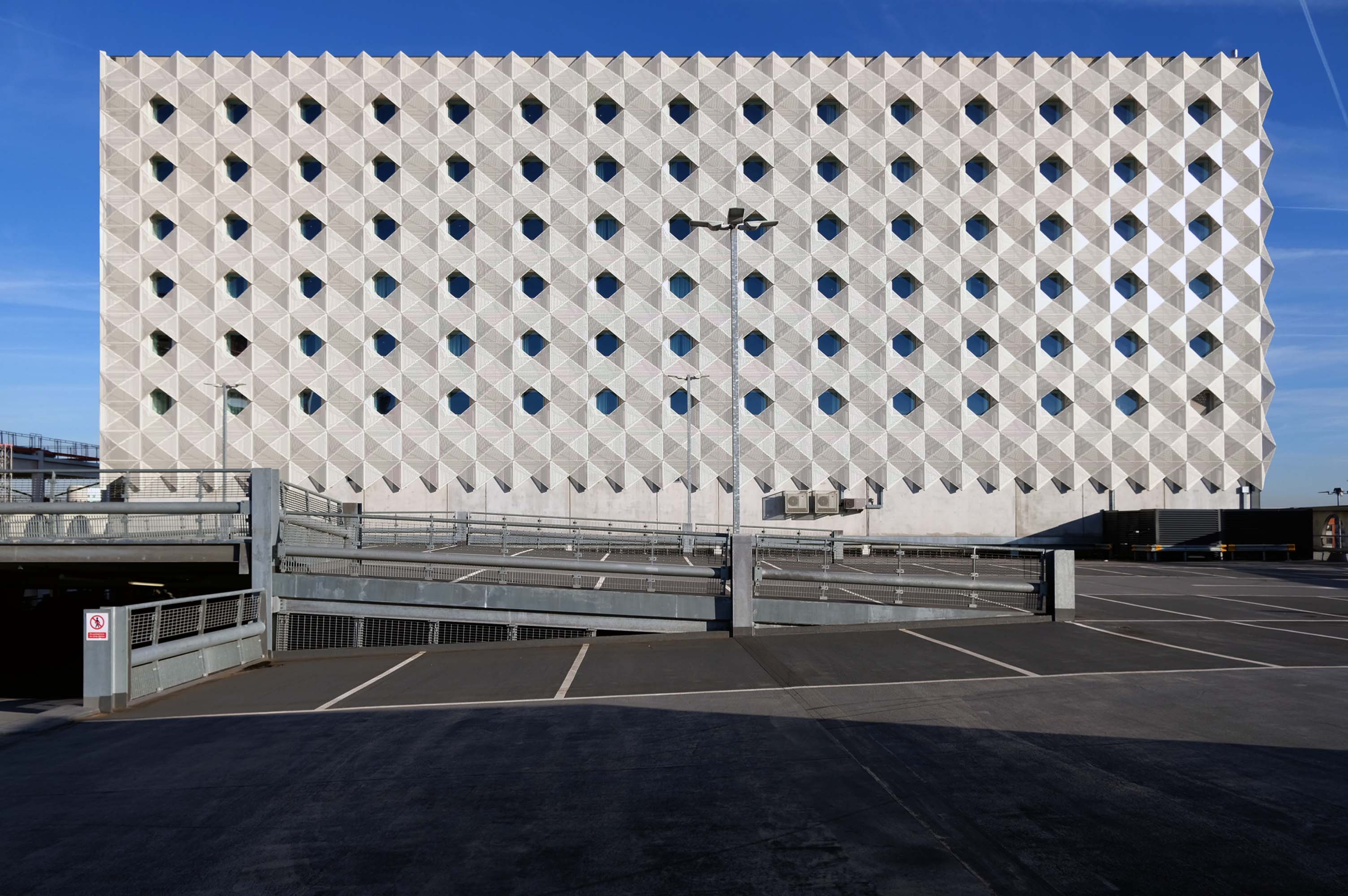
Fielden Clegg Bradley were concept architects while Leach Rhodes Walker were delivery architects.

A series of four × two-storey-deep lattice girders and a single one-storey girder, all measuring up to 27m-long, span over the zone where the underground pipes are located. In these parts, the car park has no first-floor level as the local water board needed a 5m ground-to-ceiling clearance in case they had to undertake any maintenance works. Consequently, the first floor is only a partial level and is set within the depth of the larger lattice girders, as is the second floor, while the third level is supported on top of these members.

Supporting a hotel would be challenging enough, however the design has also had to incorporate large bridging elements as there are two subterranean 600mm-diameter water pipes crossing the site. “It’s a very unusual design and one that was originally designed as a concrete-framed structure,” says James Killelea Senior Structural Engineer Charlie Twist. “However, the bridging parts would have proven to be too difficult to build and consequently a steel-framed solution was chosen for the car park, which in turn supports a precast concrete hotel.”

This car park is one of the cleanest and most well maintained in Manchester.

Piccadilly Station Car Park – M1 2RP

JHA Pulmann were commissioned via network rail to deliver an extension to, and re-cladding of an existing 1970’s concrete frame carpark outside of Manchester Piccadilly station.

The carpark is fine but as a lone female arriving off the train in the early hours of the morning, I felt quite vulnerable getting back there. It’s in a very quiet dark place accessed by going through a tunnel going under a bridge.

Easy to find, plenty of spaces and only a short walk to Piccadilly station – great!
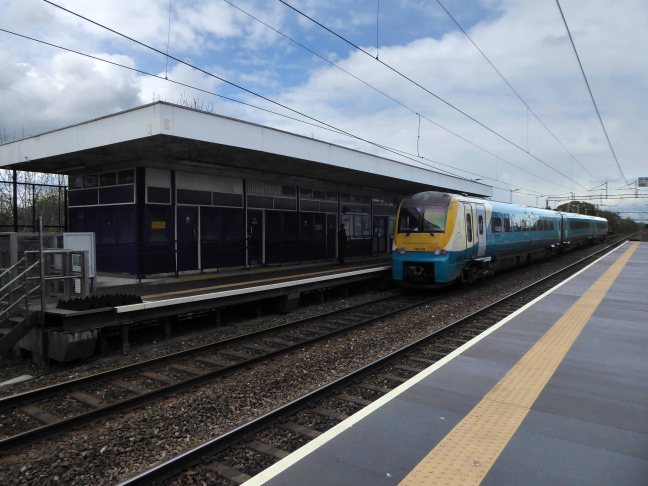
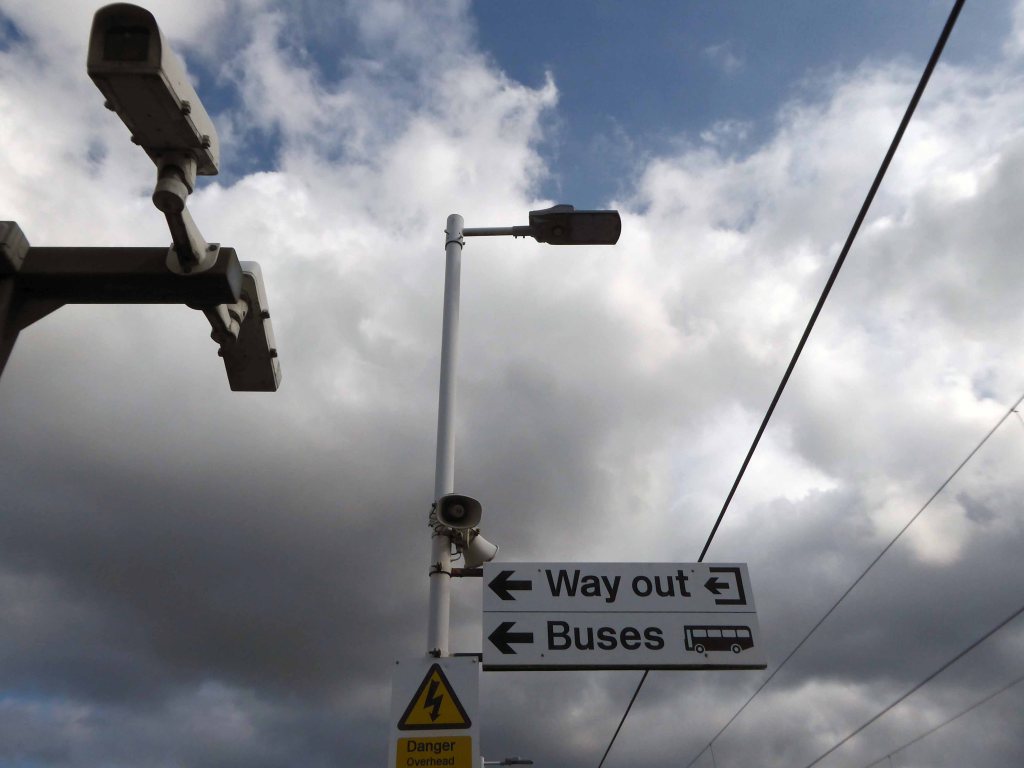
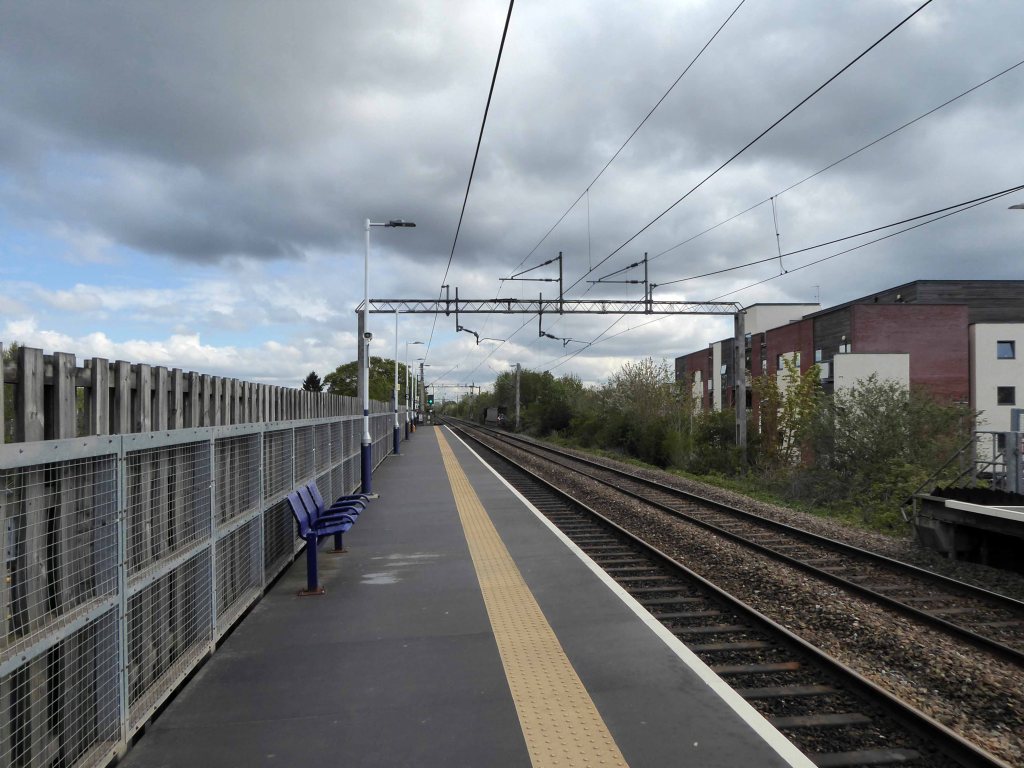
East Didsbury Station

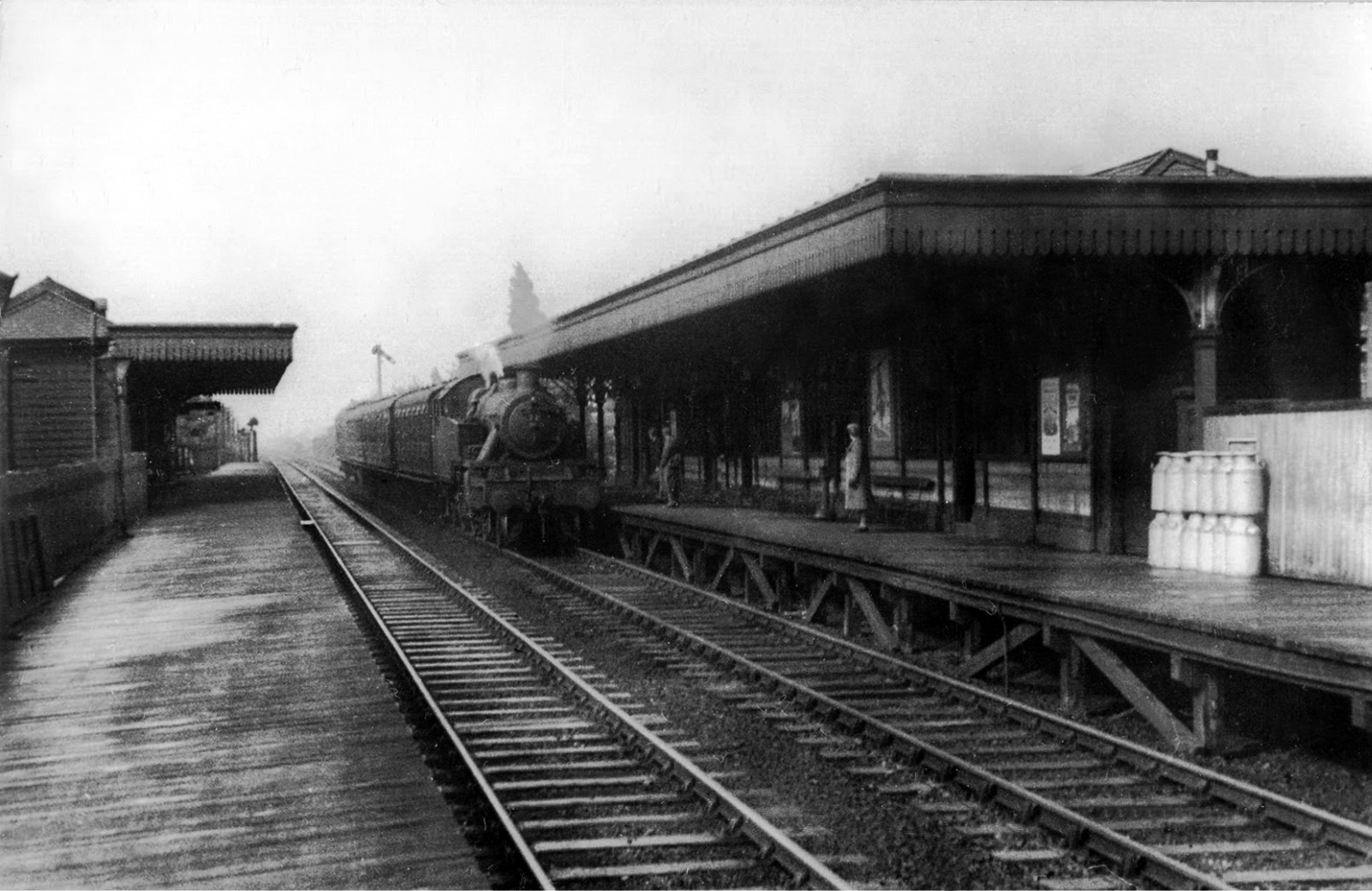
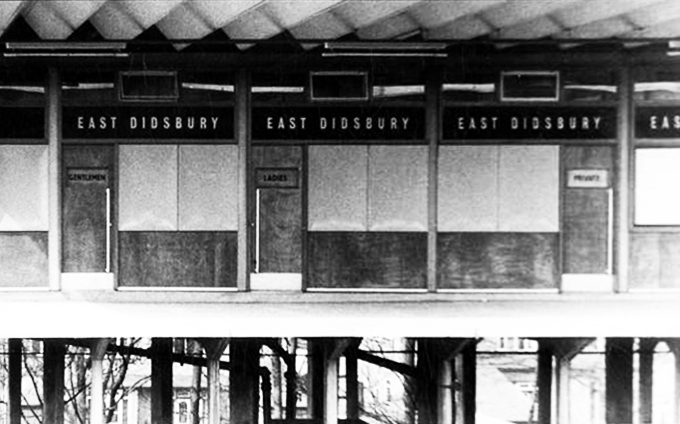
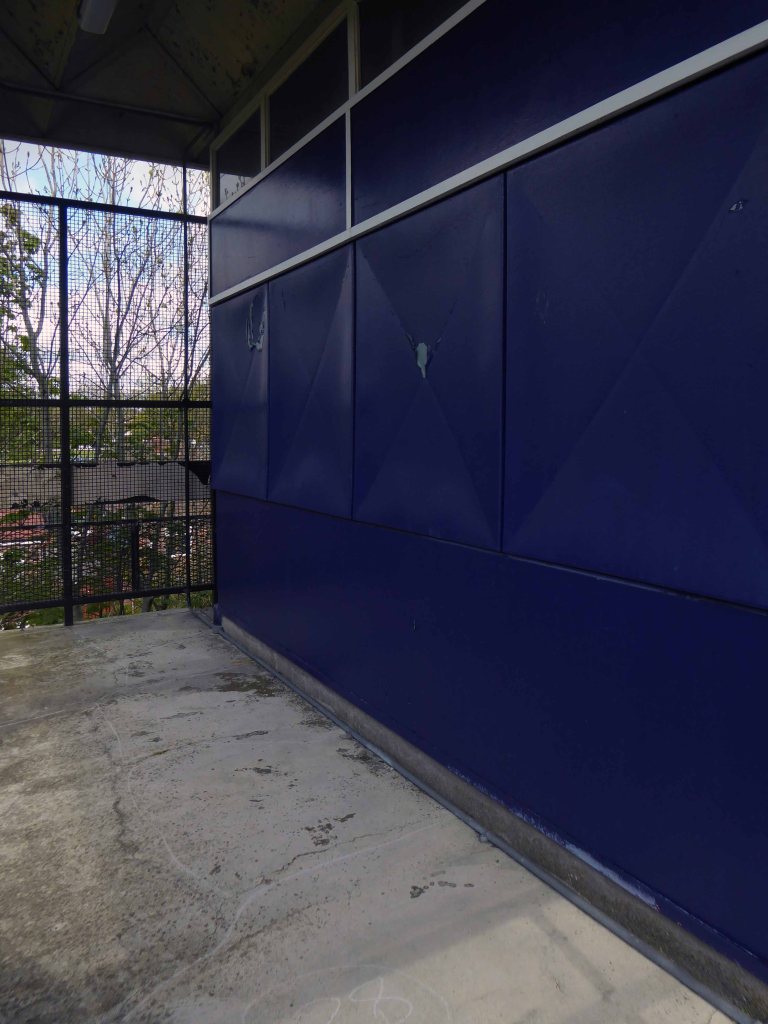
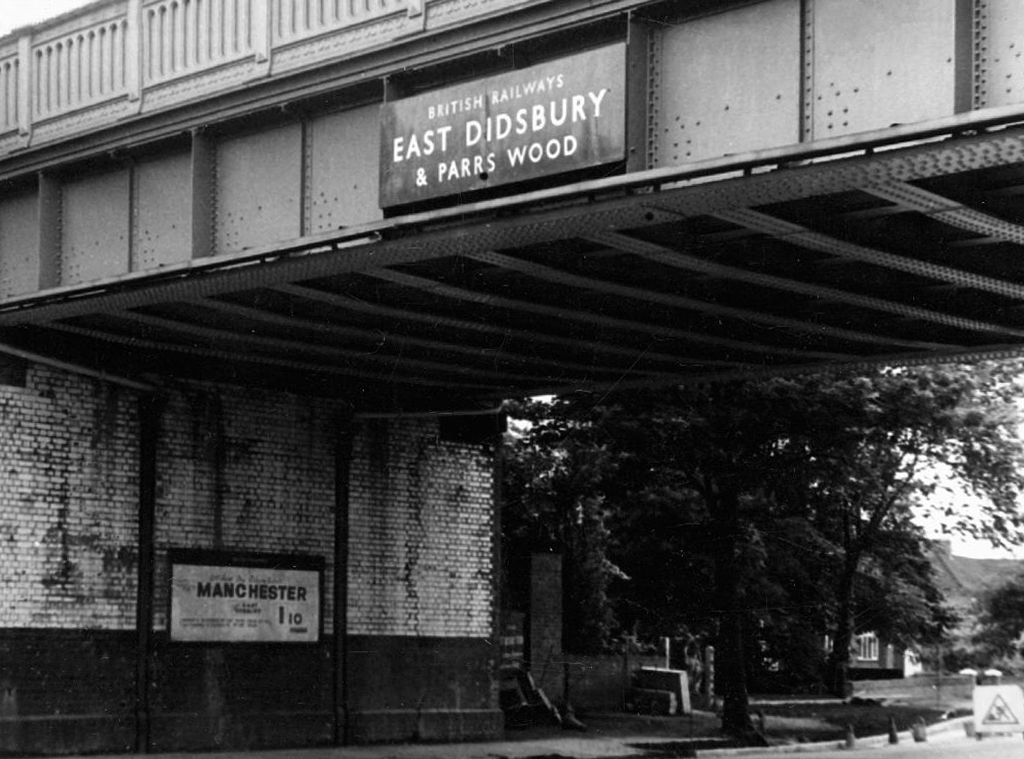
East Didsbury Station was opened in 1909 by the London and North Western Railway and, until 6 May 1974, was called  East Didsbury and Parrs Wood.

From 1923, the line was operated by the London Midland and Scottish Railway. Following the formation in 1948 of British Rail, rail services were operated by the London Midland Region of British Railways, then North-Western Regional Railways.

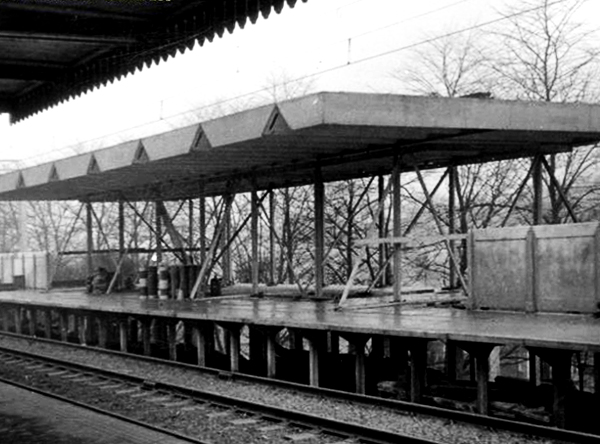
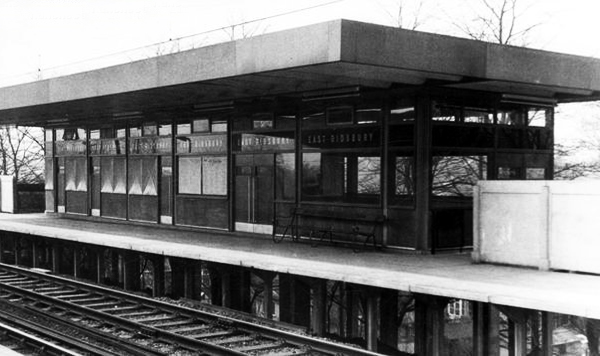
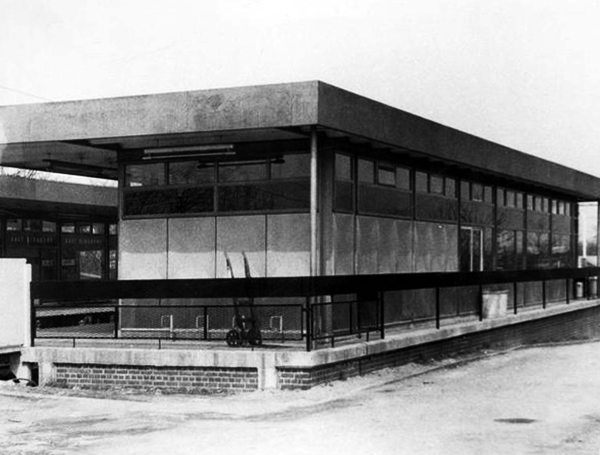
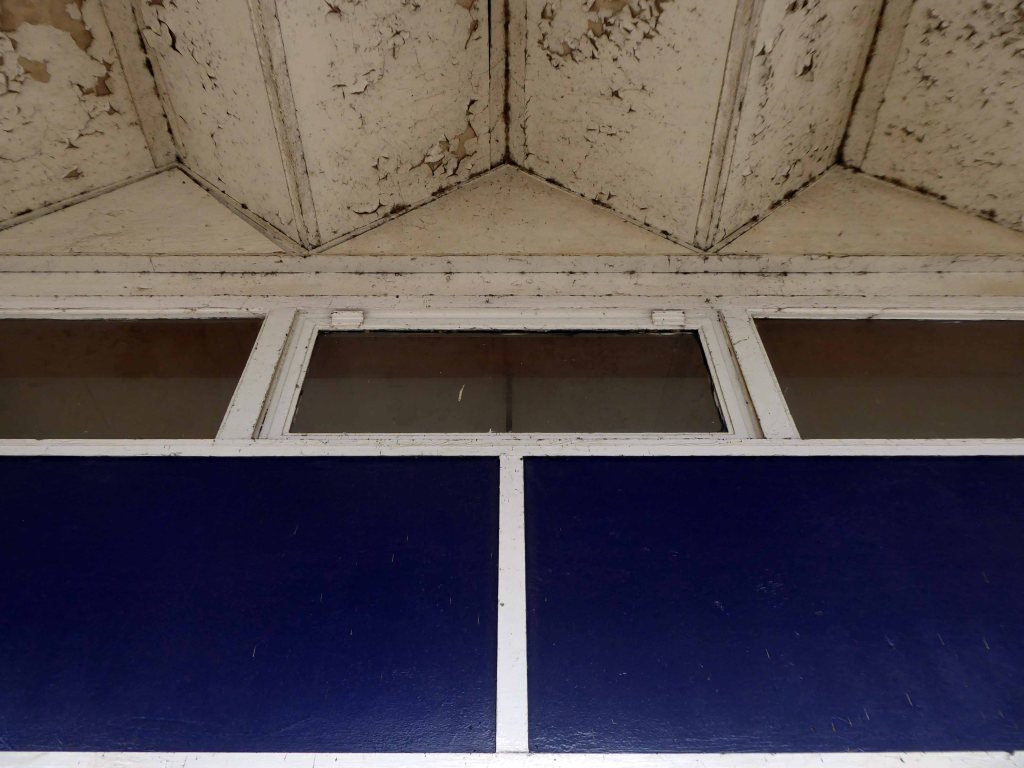
The station was rebuilt in the 1959 by the architect to the London Midland section of British Rail, William Robert Headley – who was also responsible for Coventry, Oxford Road and Piccadilly Stations.

Services to Manchester Airport began in 1993 upon the opening of the Manchester Airport spur.

With the privatisation of rail services in 1996/7, East Didsbury was served by the North Western Trains franchise.

Although it’s just up the road from me, this is the first time I’ve ever travelled back to or from there.

I was off to Eccles – live and direct!
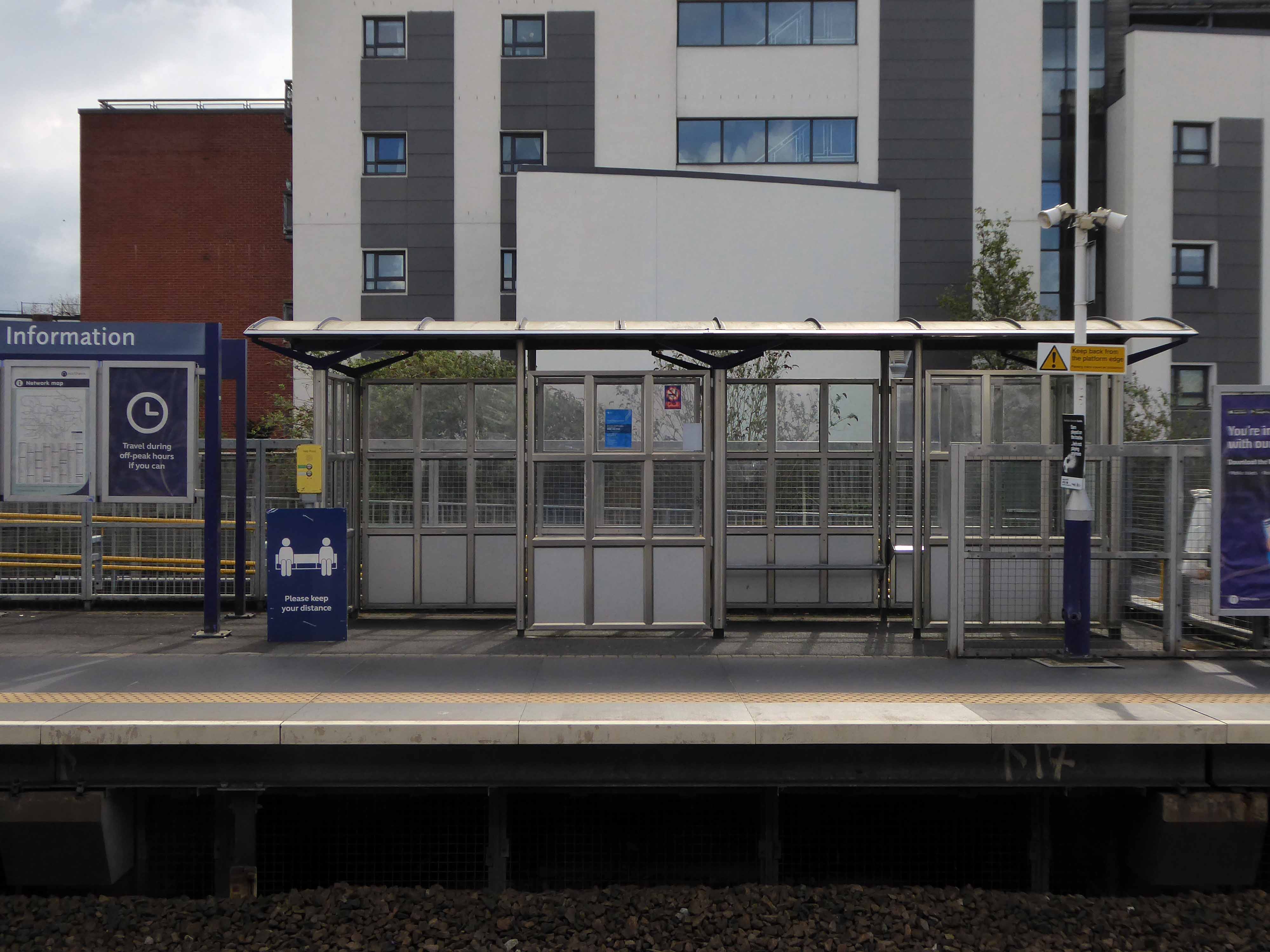
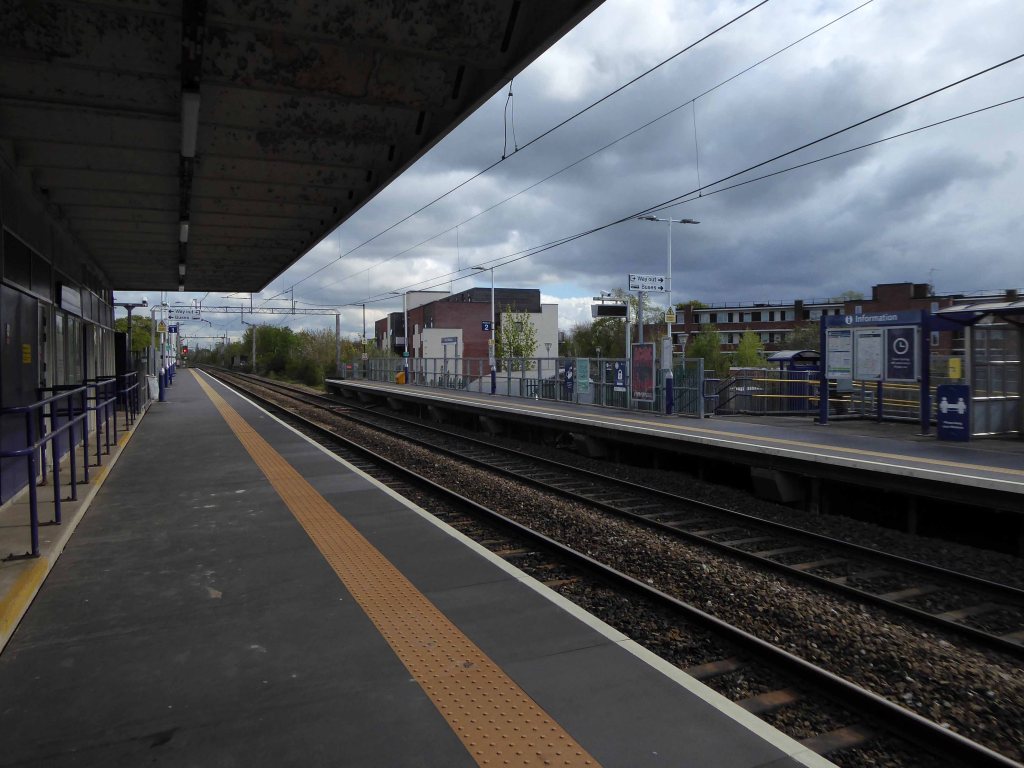
The southbound side has been tastefully replaced by nothing in particular.

In a style to match our austere privatised times – provincial bus stop chic.

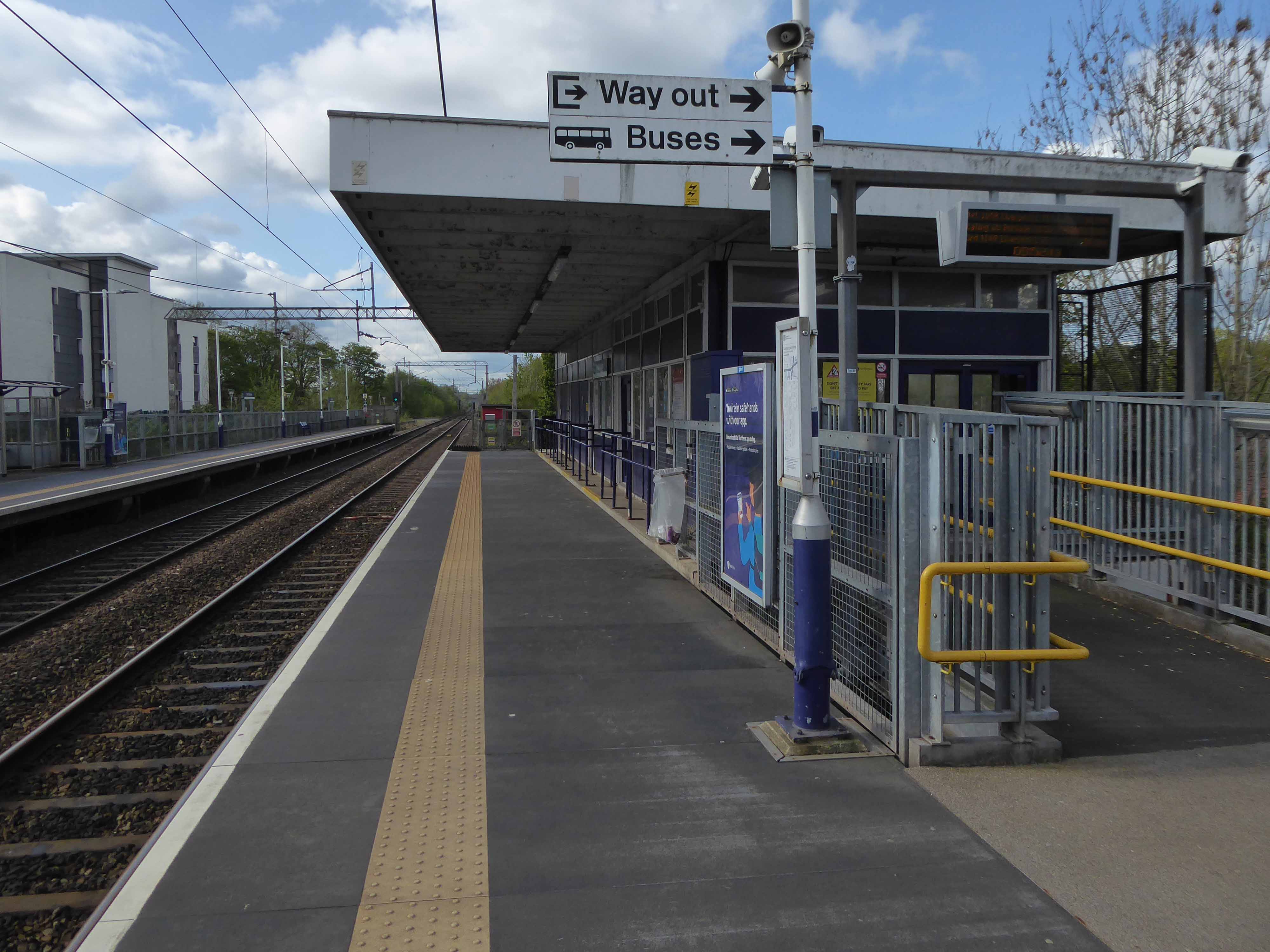
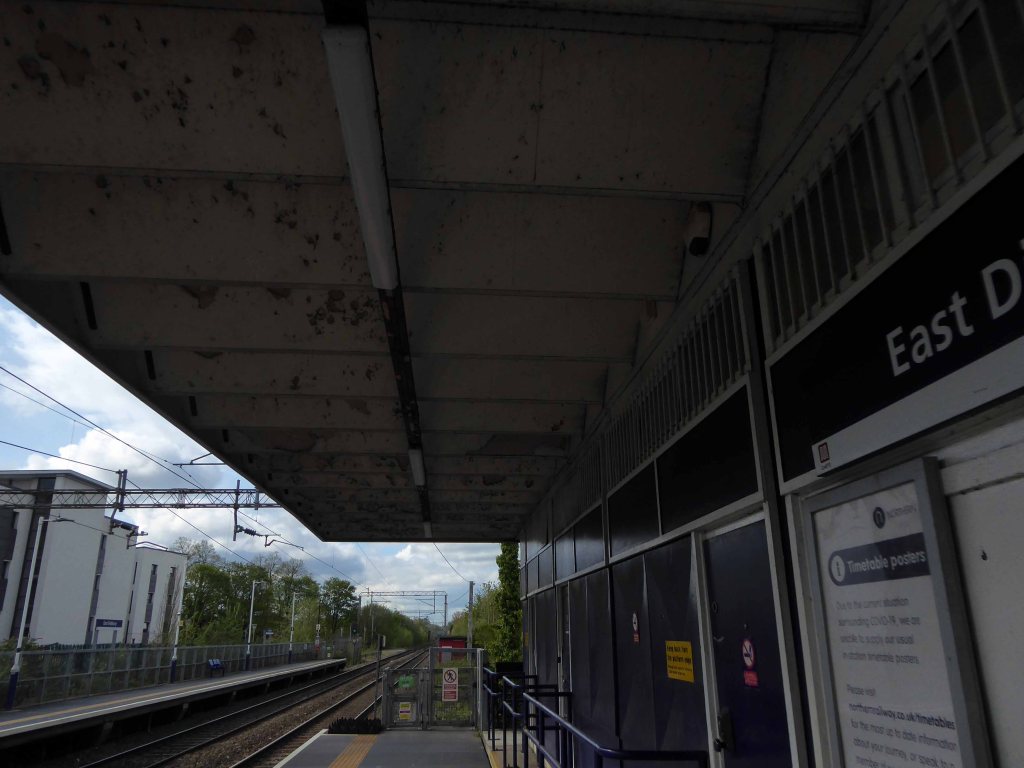
happy the northbound side’s still stood standing – on stilts.

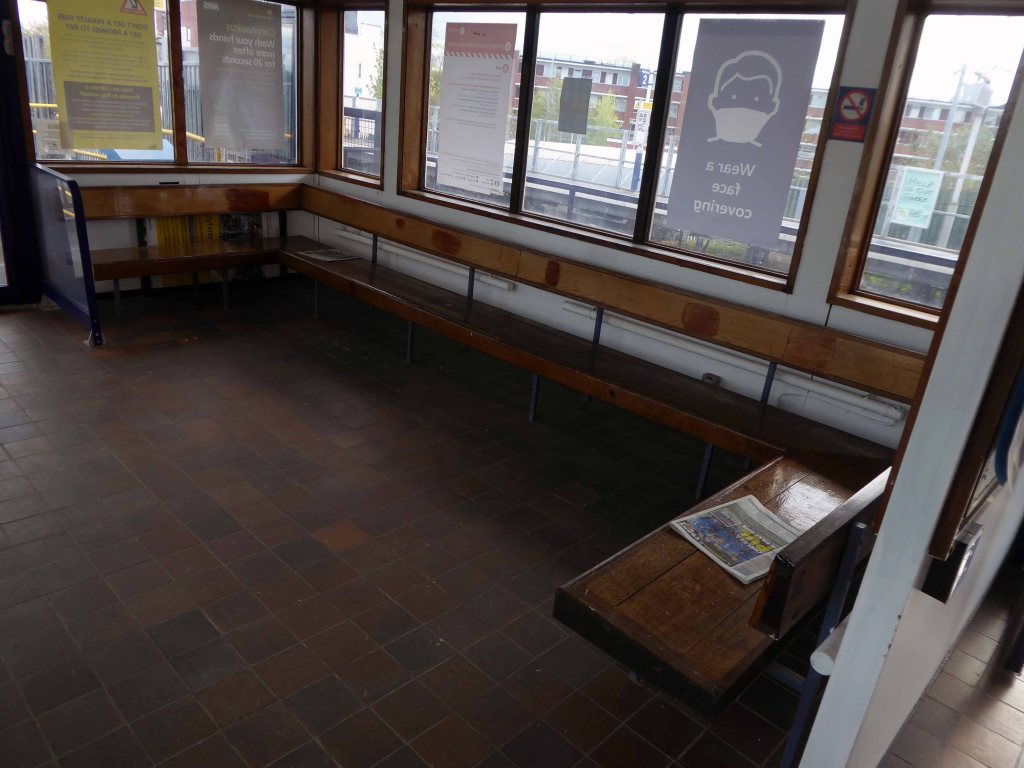
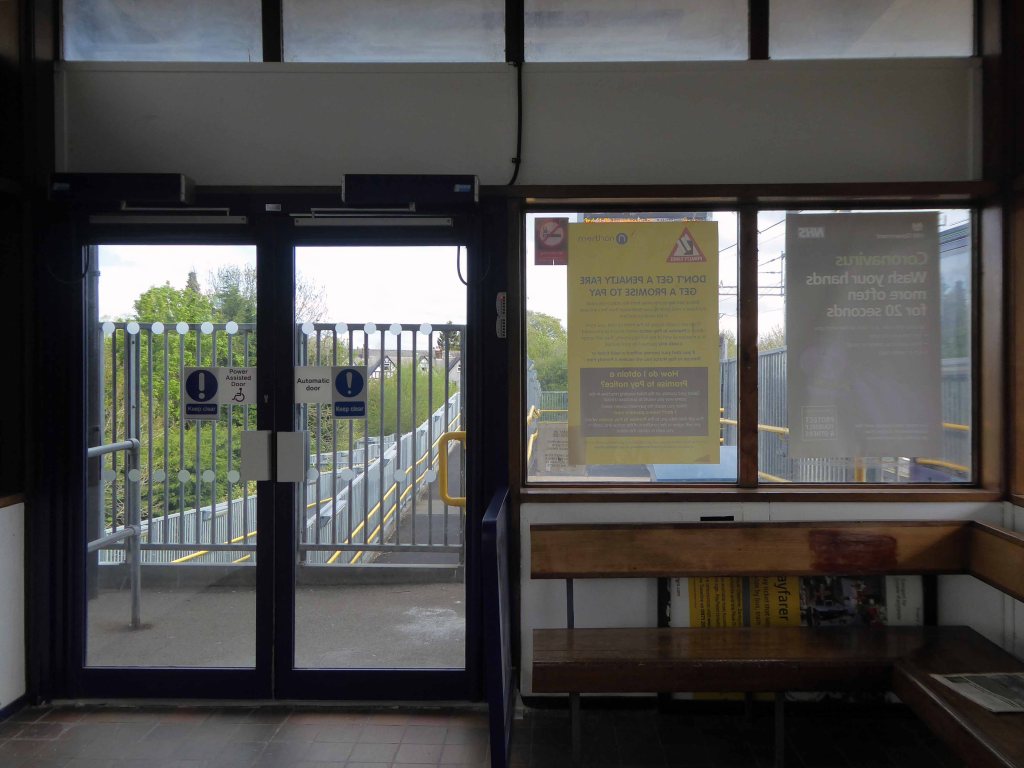
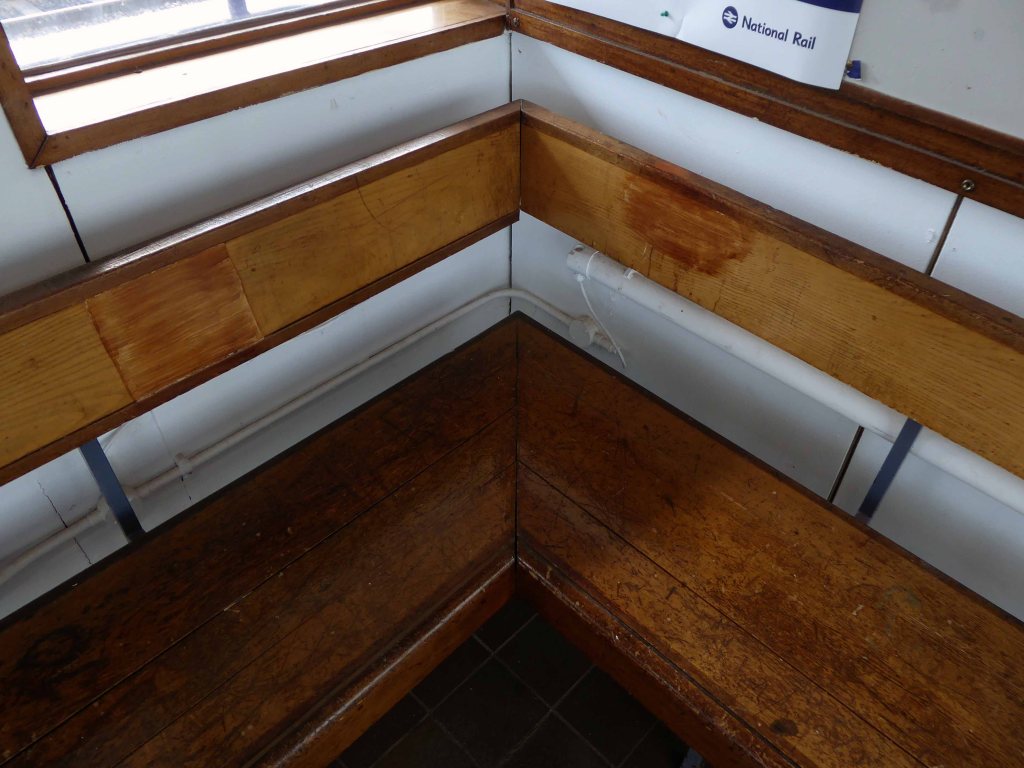
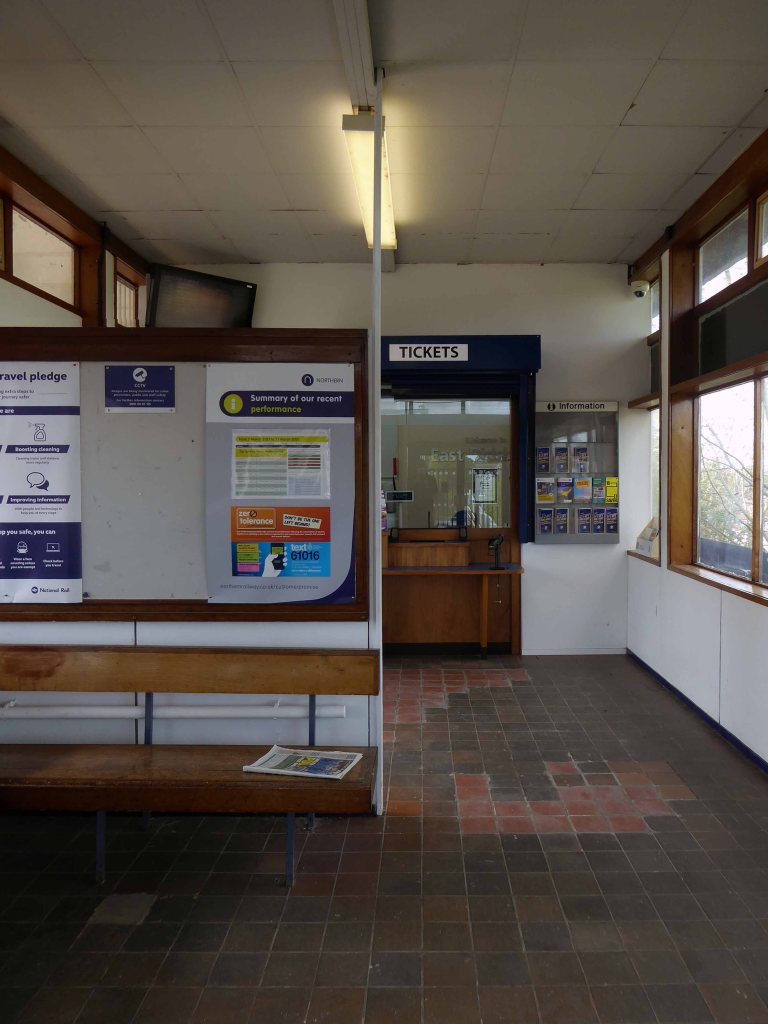
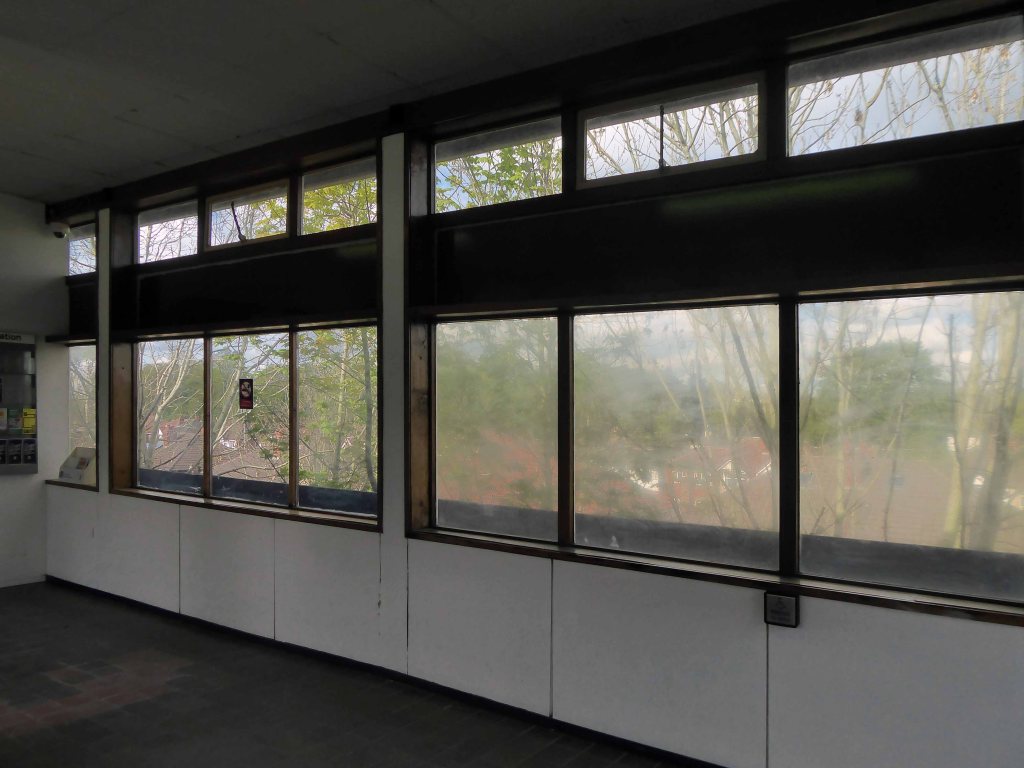
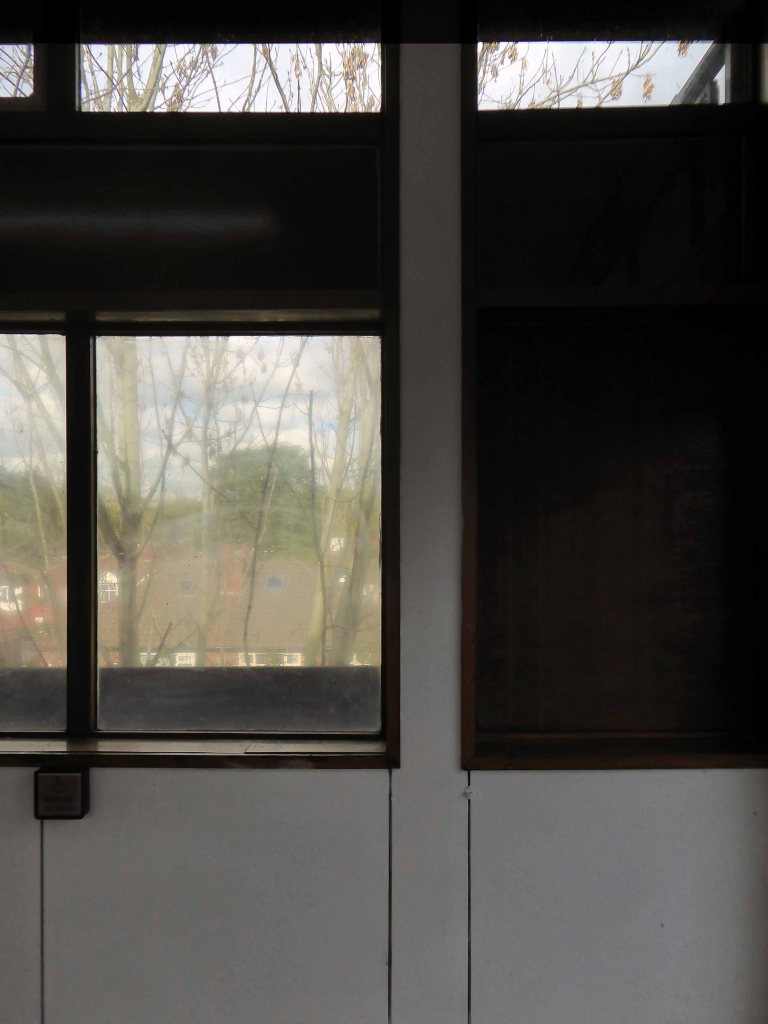
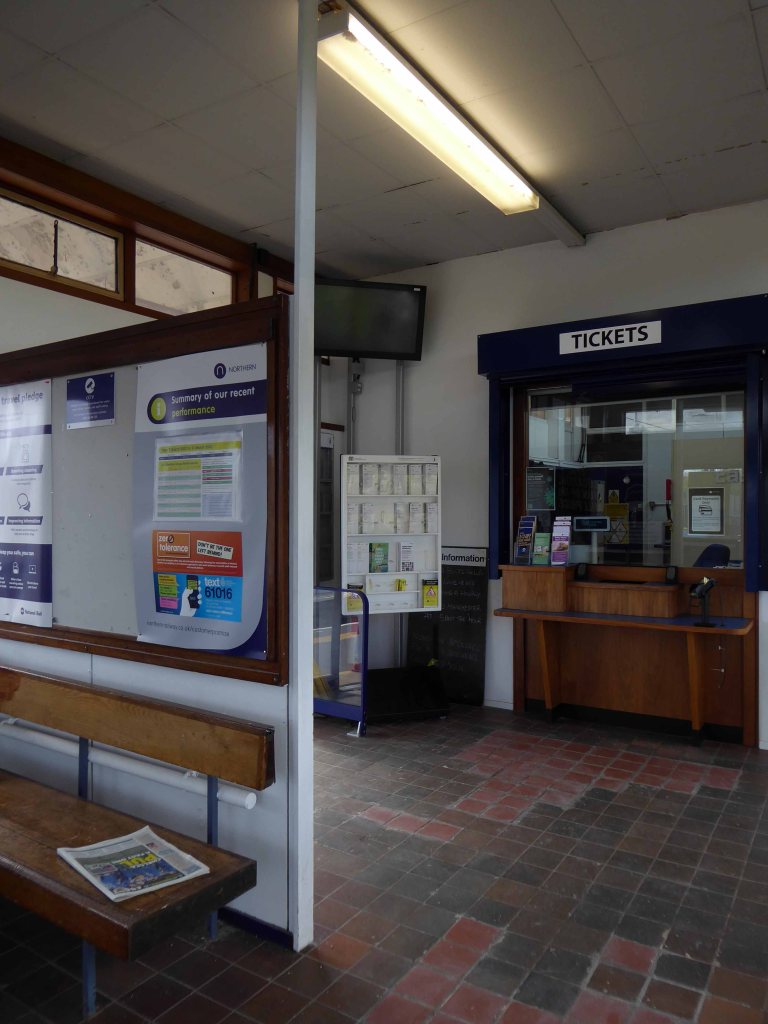
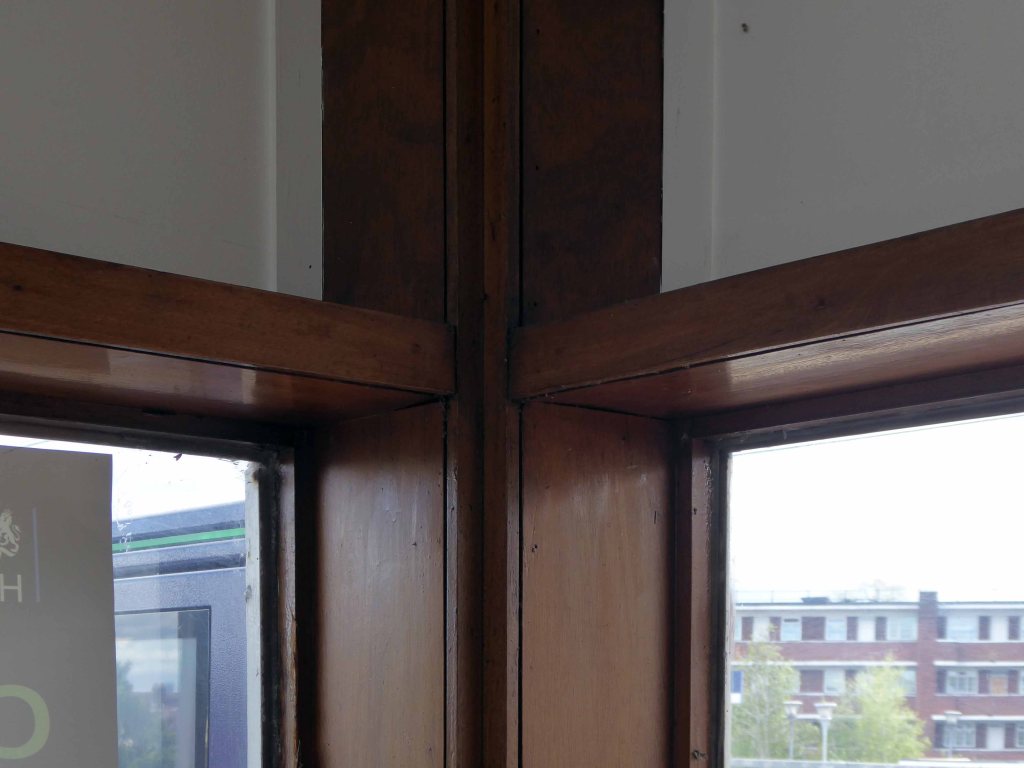
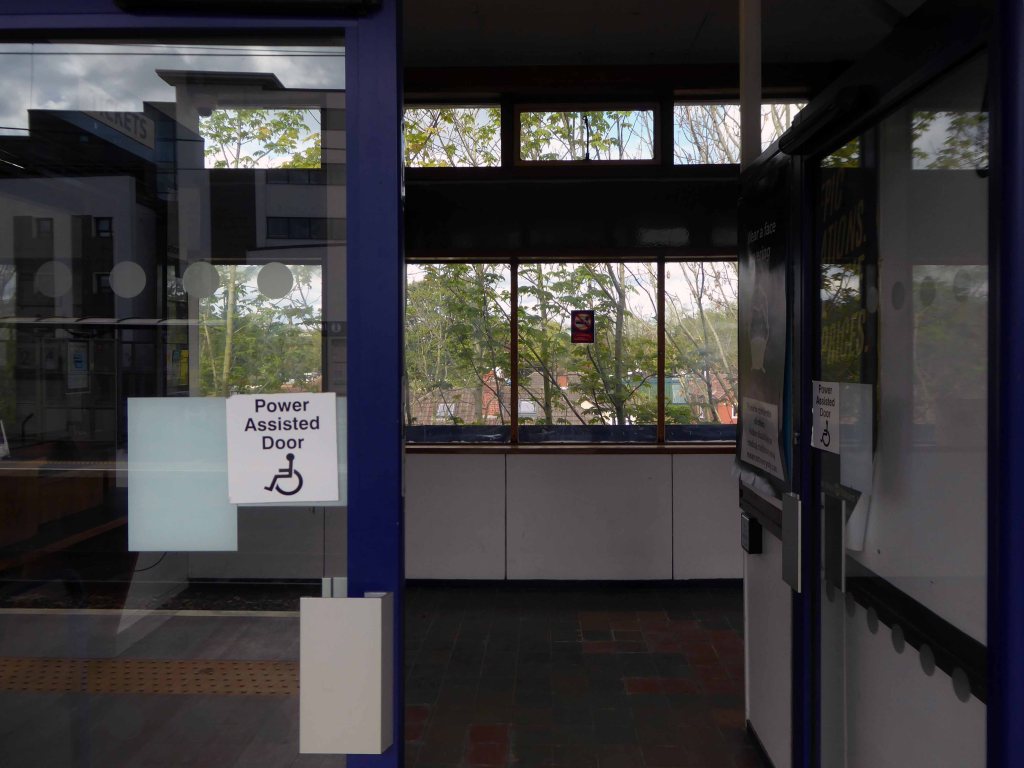
The waiting room more or less intact.

The last of the few, get it while you can – all aboard for Patricroft, right away guard!
Archive images: JF Harris 1959

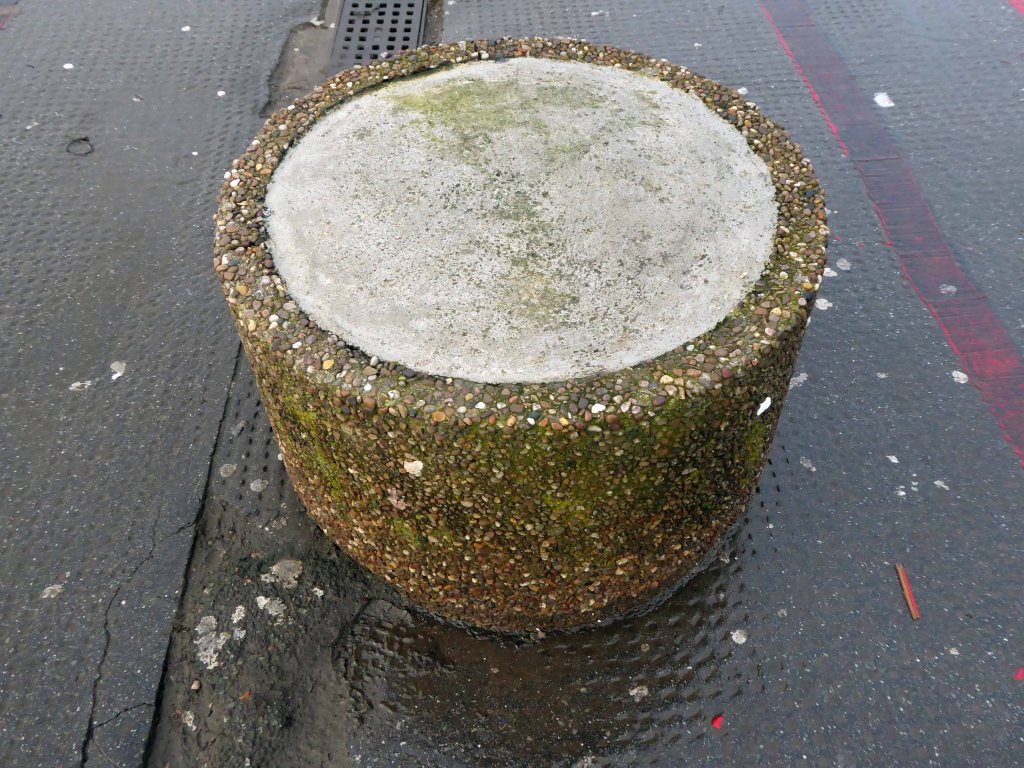
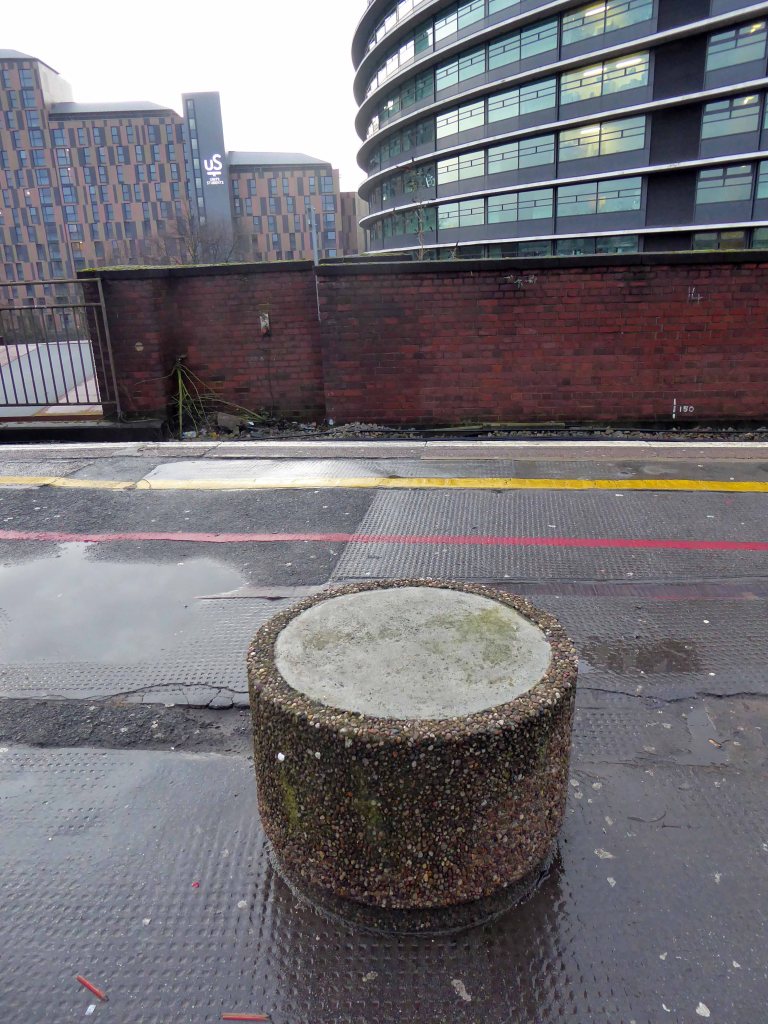
Platform 13/14 Piccadilly – Concreter Planter

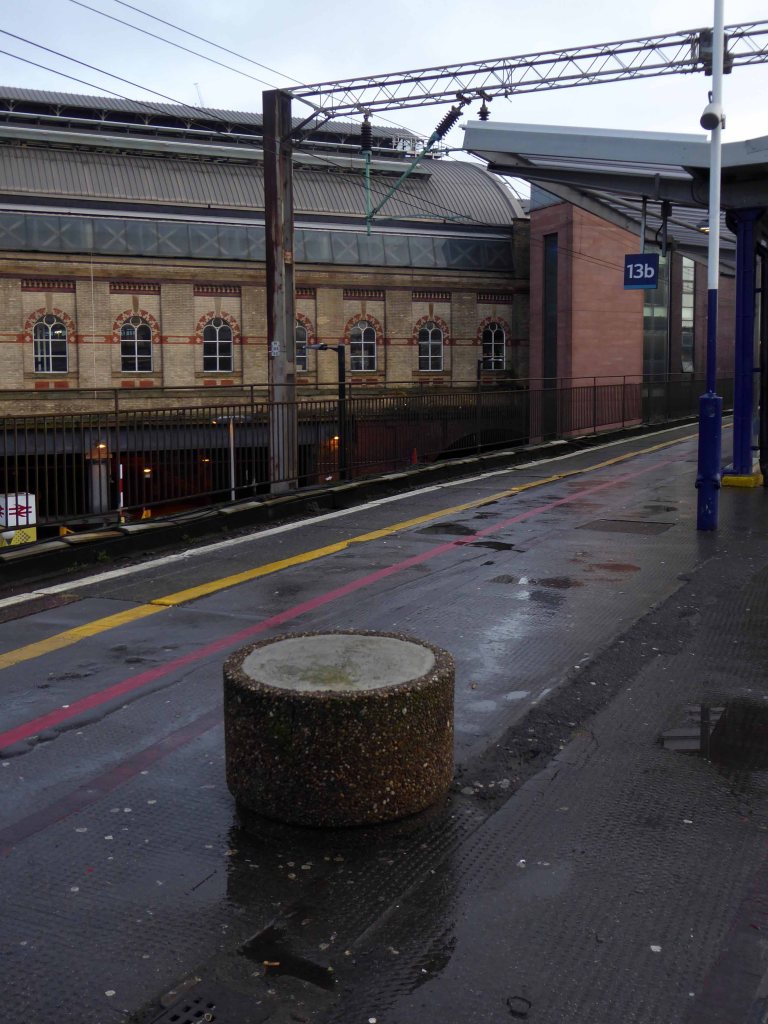
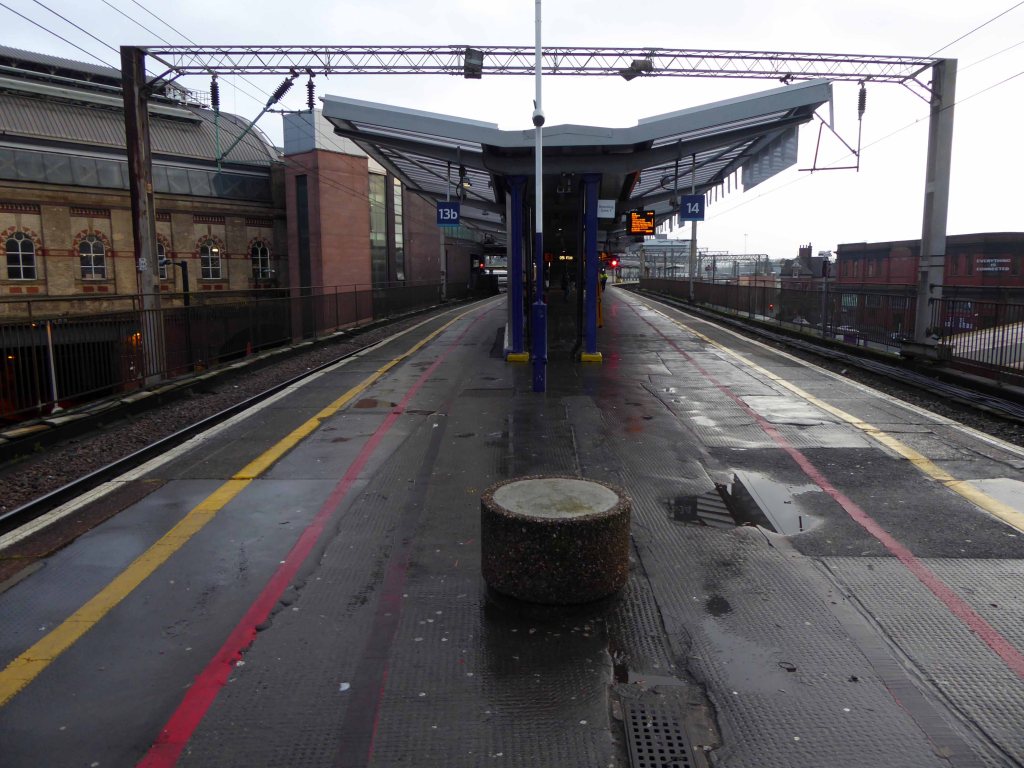
So here we are again at Piccadilly Station – stood standing at the western end of Platforms 13 and 14, waiting on a Southport train.

Time to spare and spend a few more magic moments with an old and trusted friend.

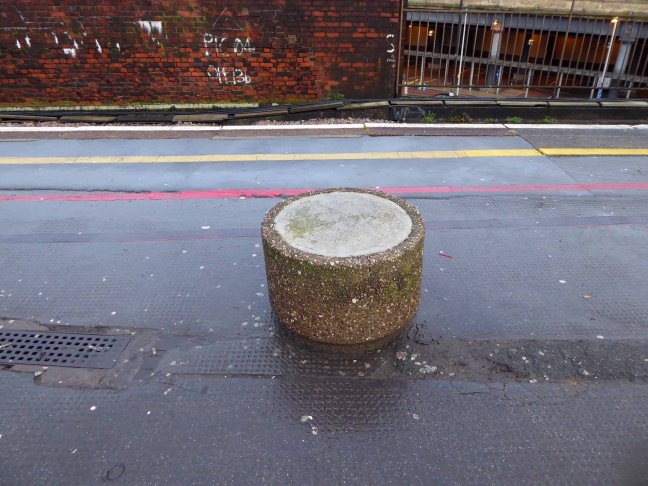
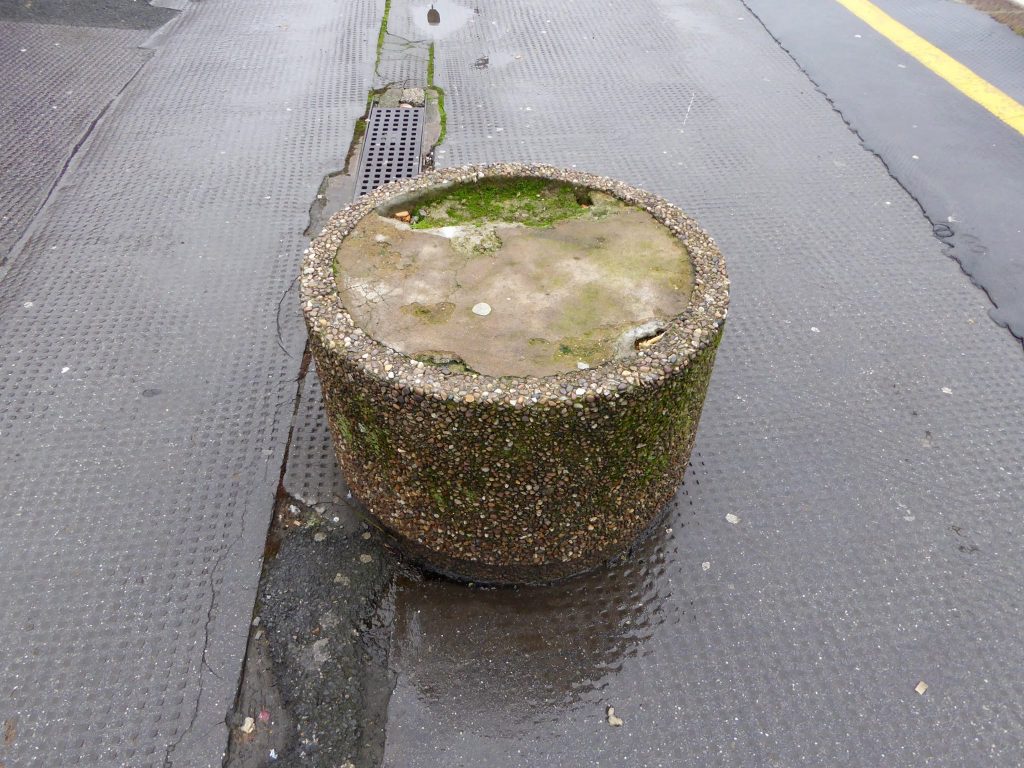
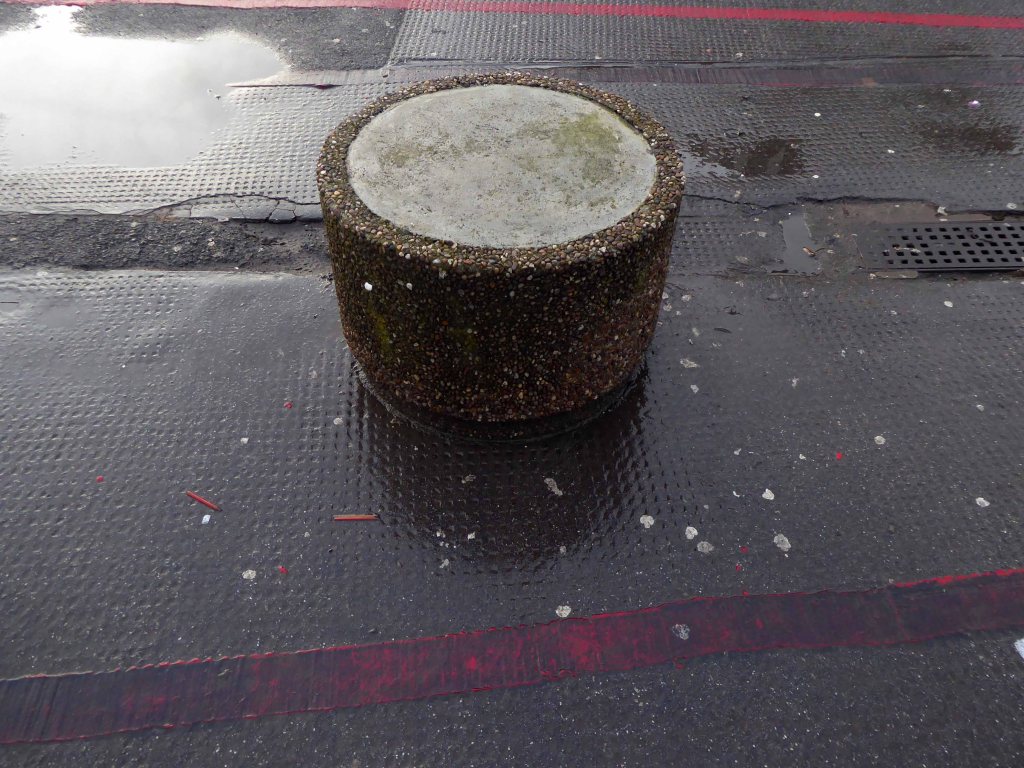
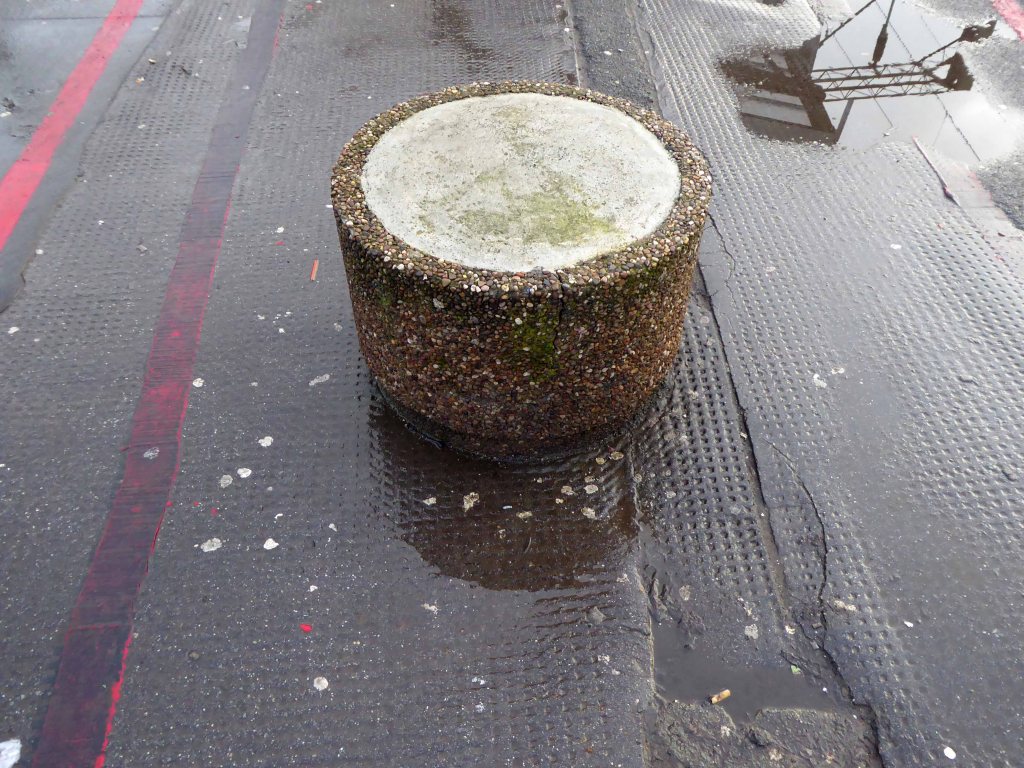
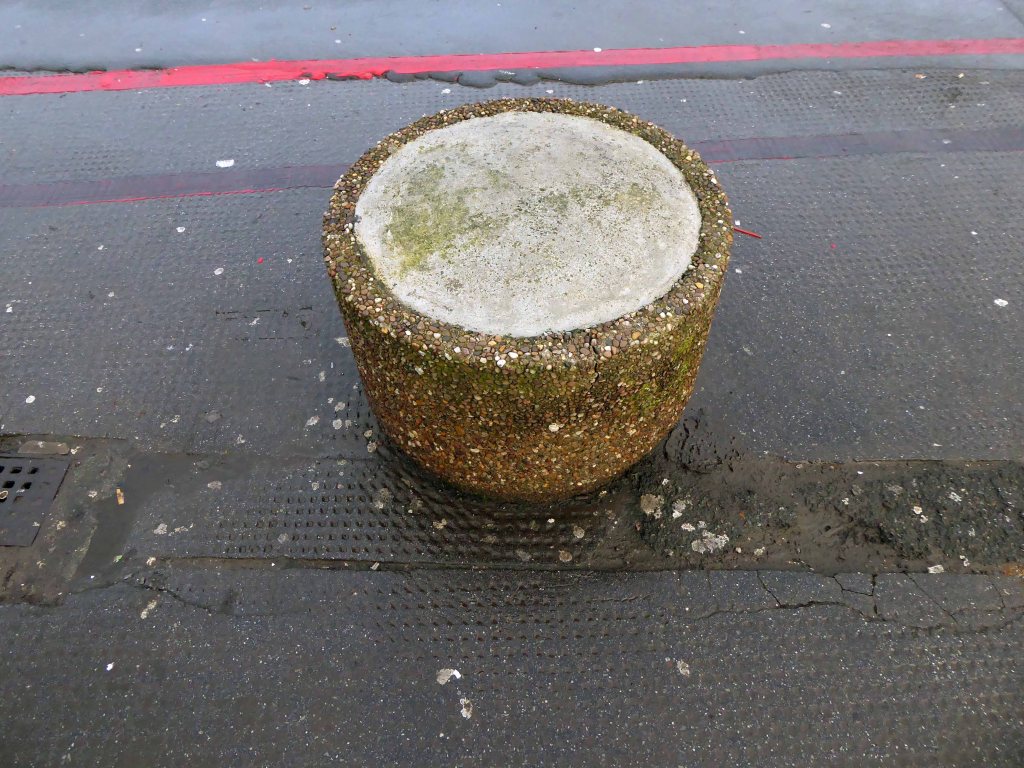
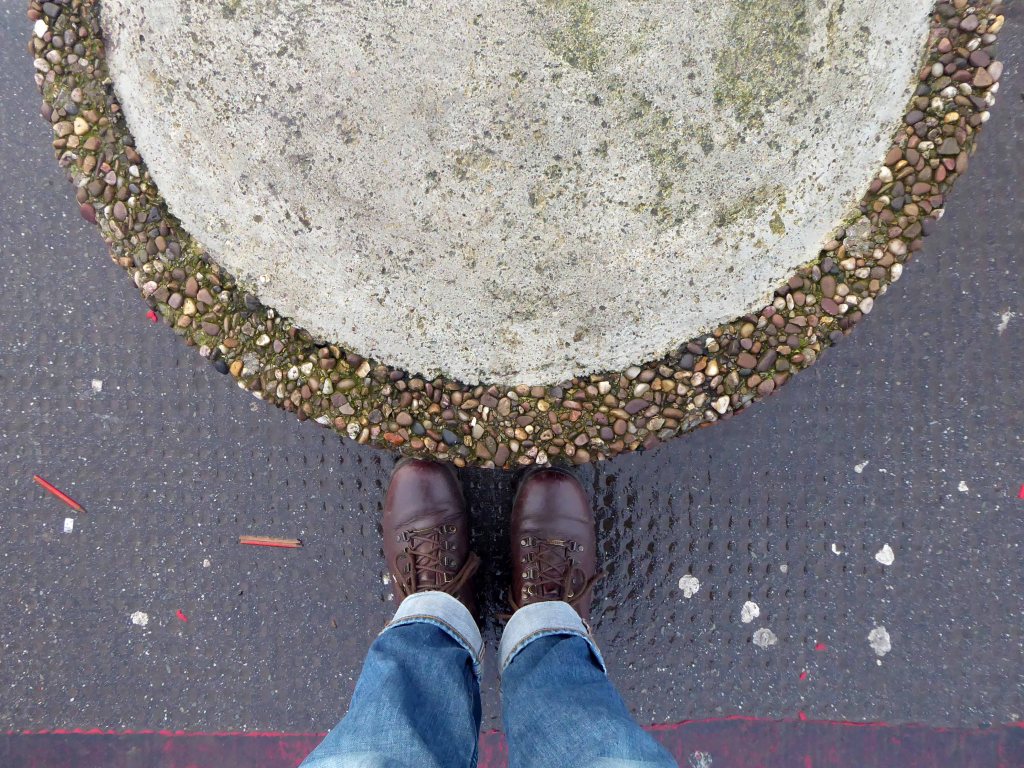
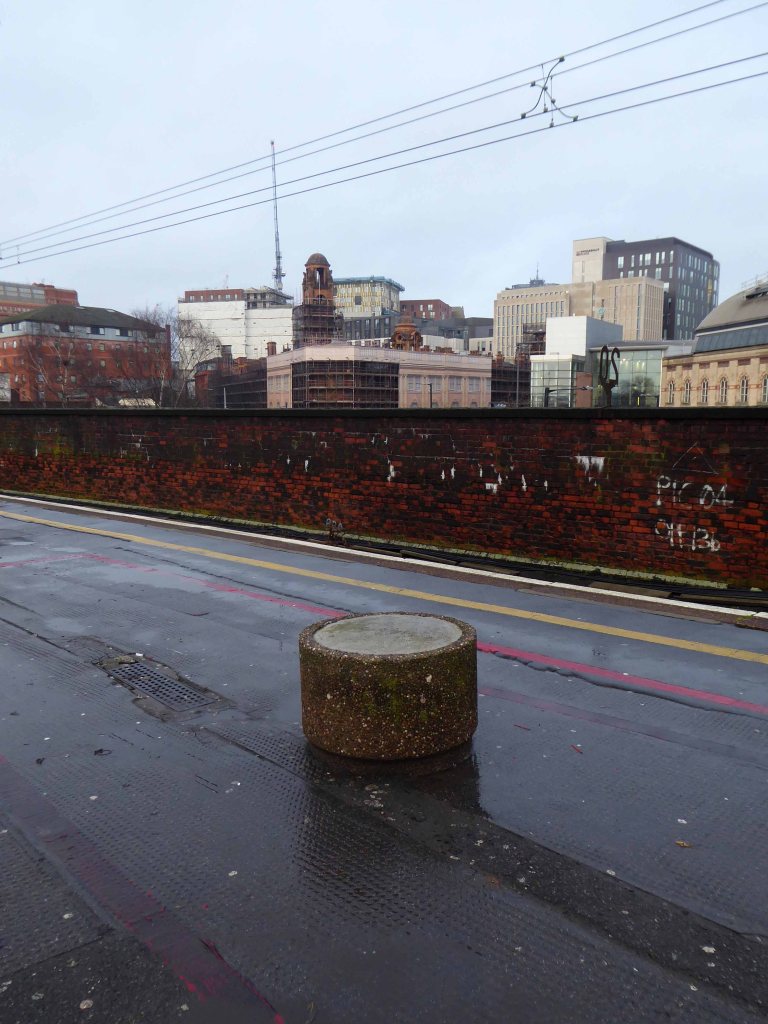
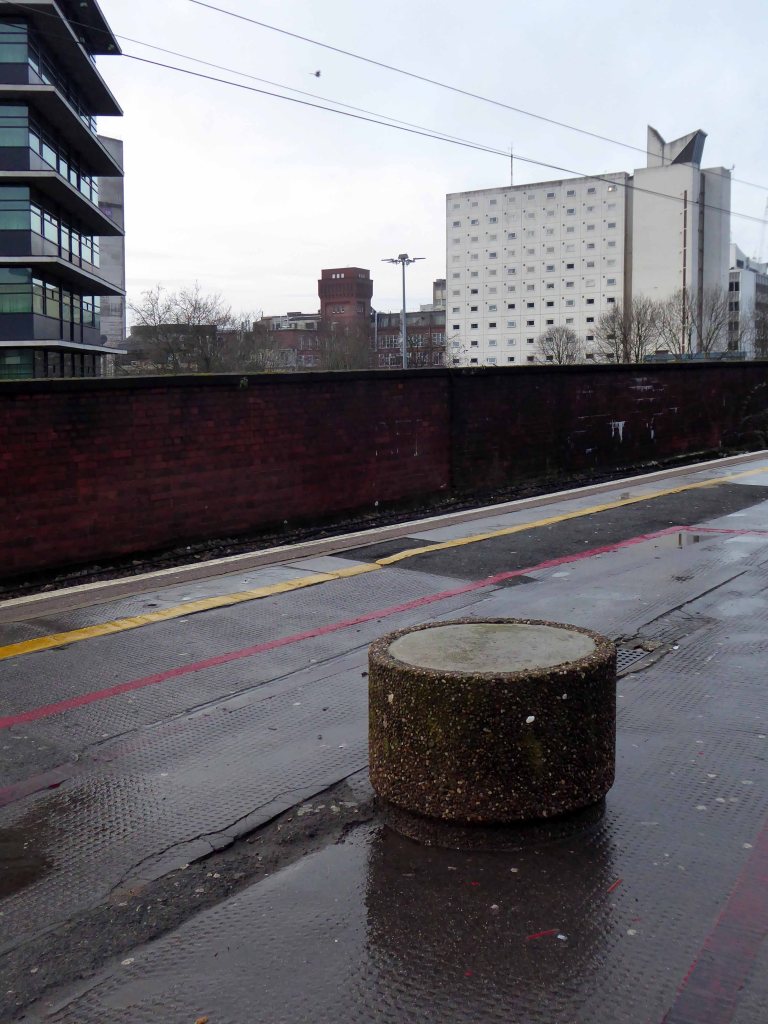
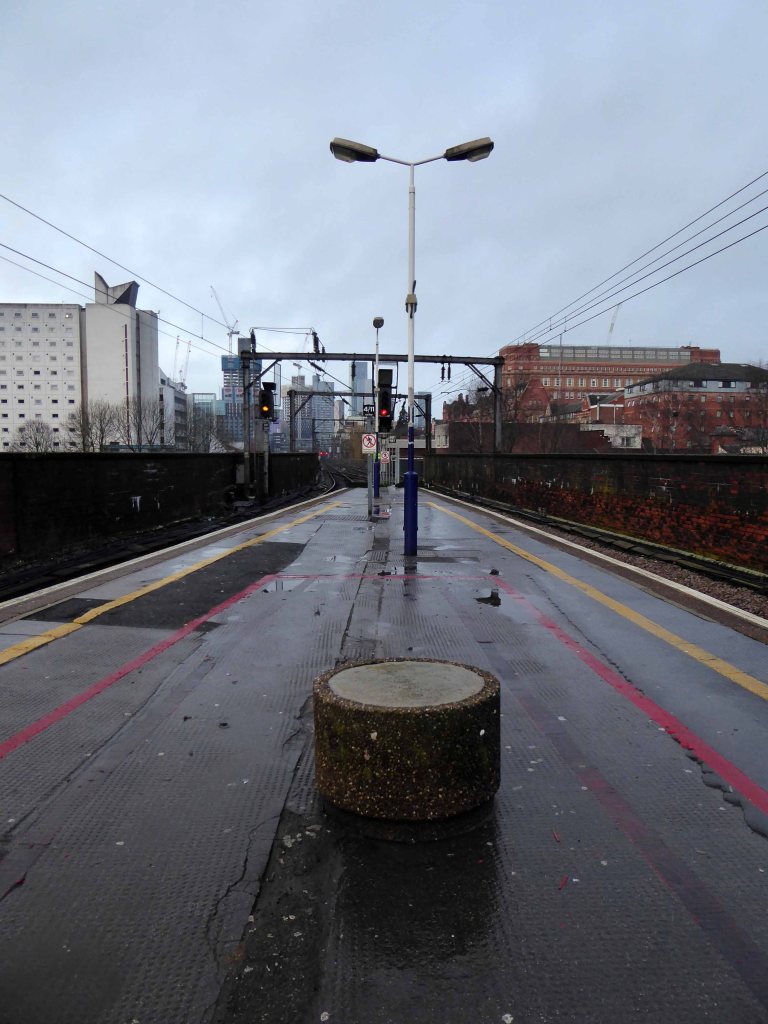
The back-filled concrete planter.

Seen here in a neglected and forlorn state, awaiting minor repairs to its upper sealed surface.

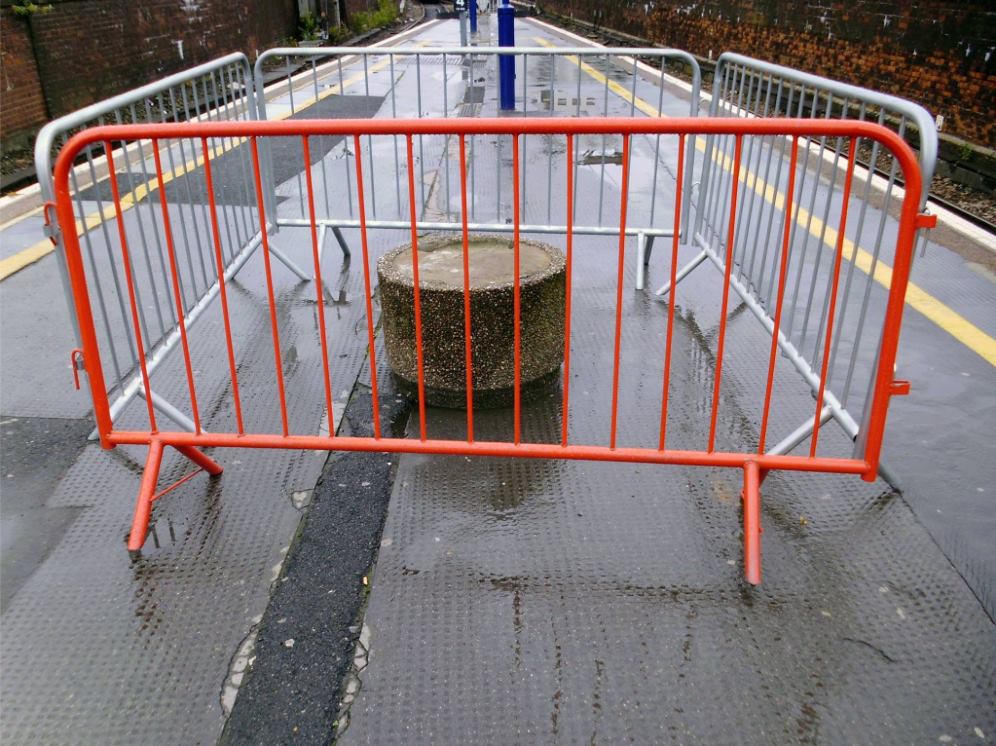
Once incarcerated and seemingly set for demolition, our diminutive concrete pal has lived to fight another day.

Standing alone in all elements, disabused by illicit smokers, grabbing a serruptitious chuff, whilst avoiding the ubiquitous Network Rail CCTV.

Sat upon by the indolent leg weary traveller, having missed yet another cancelled train.

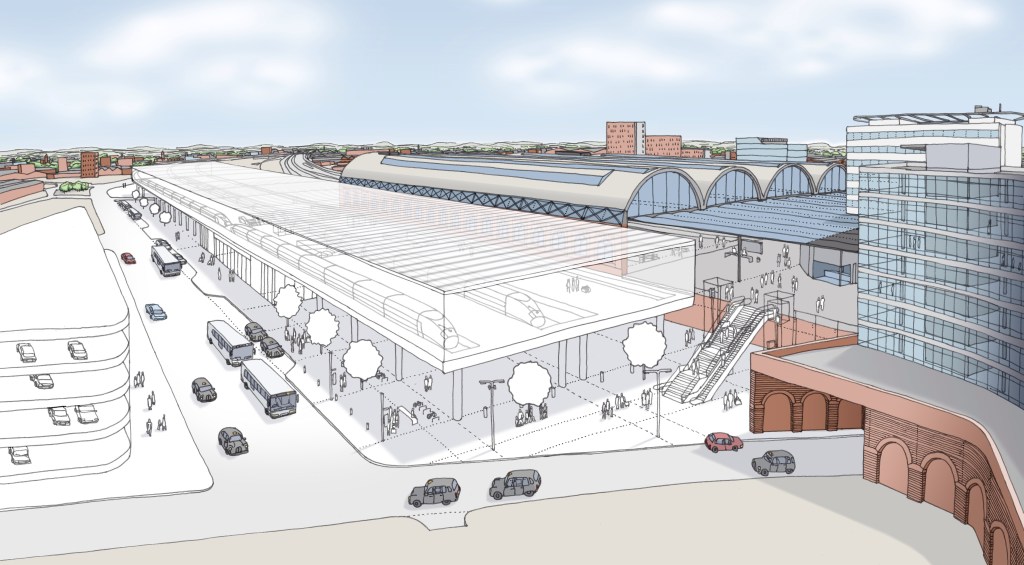
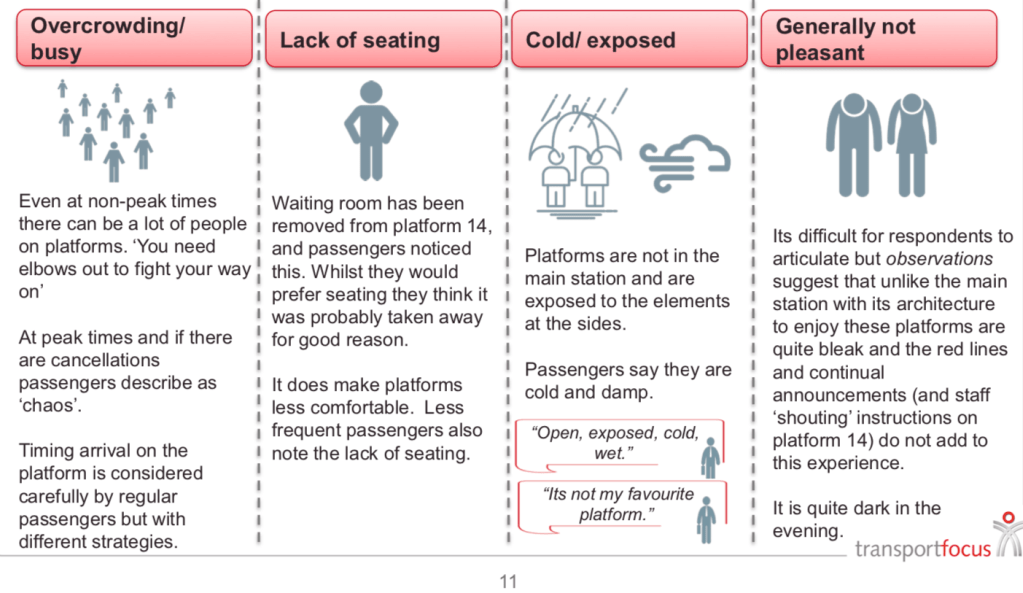
Your days may yet be numbered, as the platforms are part of a Station upgrade – the platforms are not thought to be commodious by the majority of train users.

I for one shall campaign for your preservation and reinstatement – right at the heart of matters.

My personal, totemic modernist work of public art.

Somethings are worth fighting for!
Linda’s Pantry – Manchester

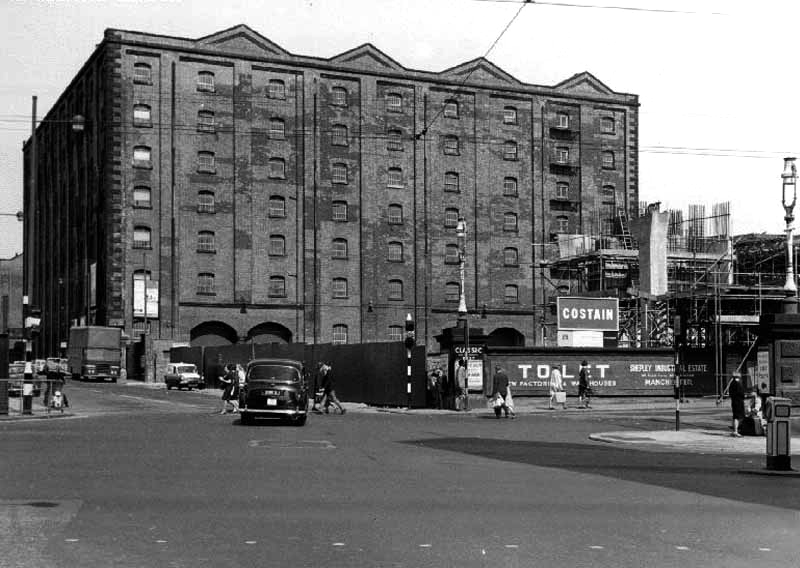
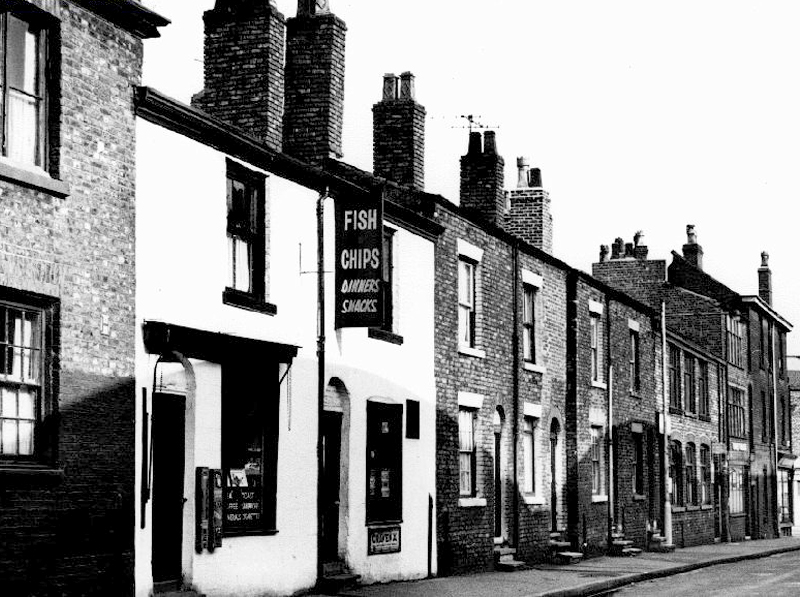
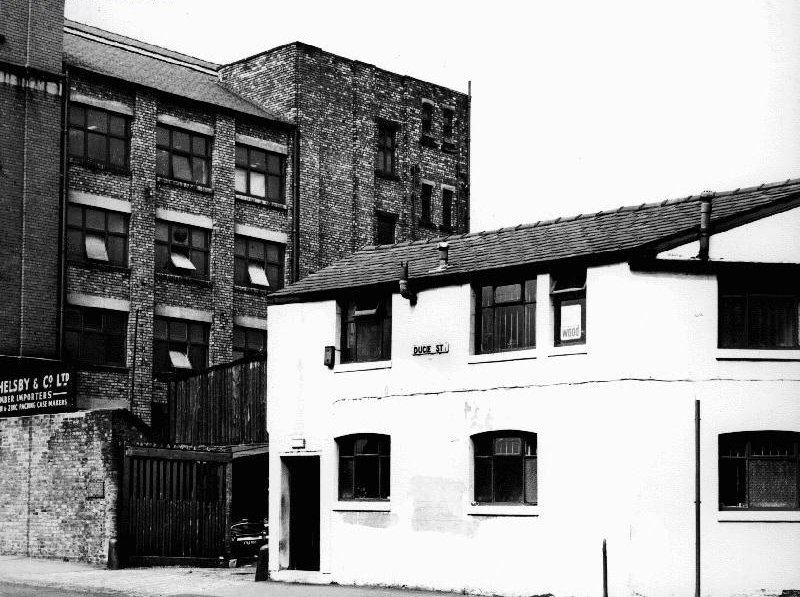
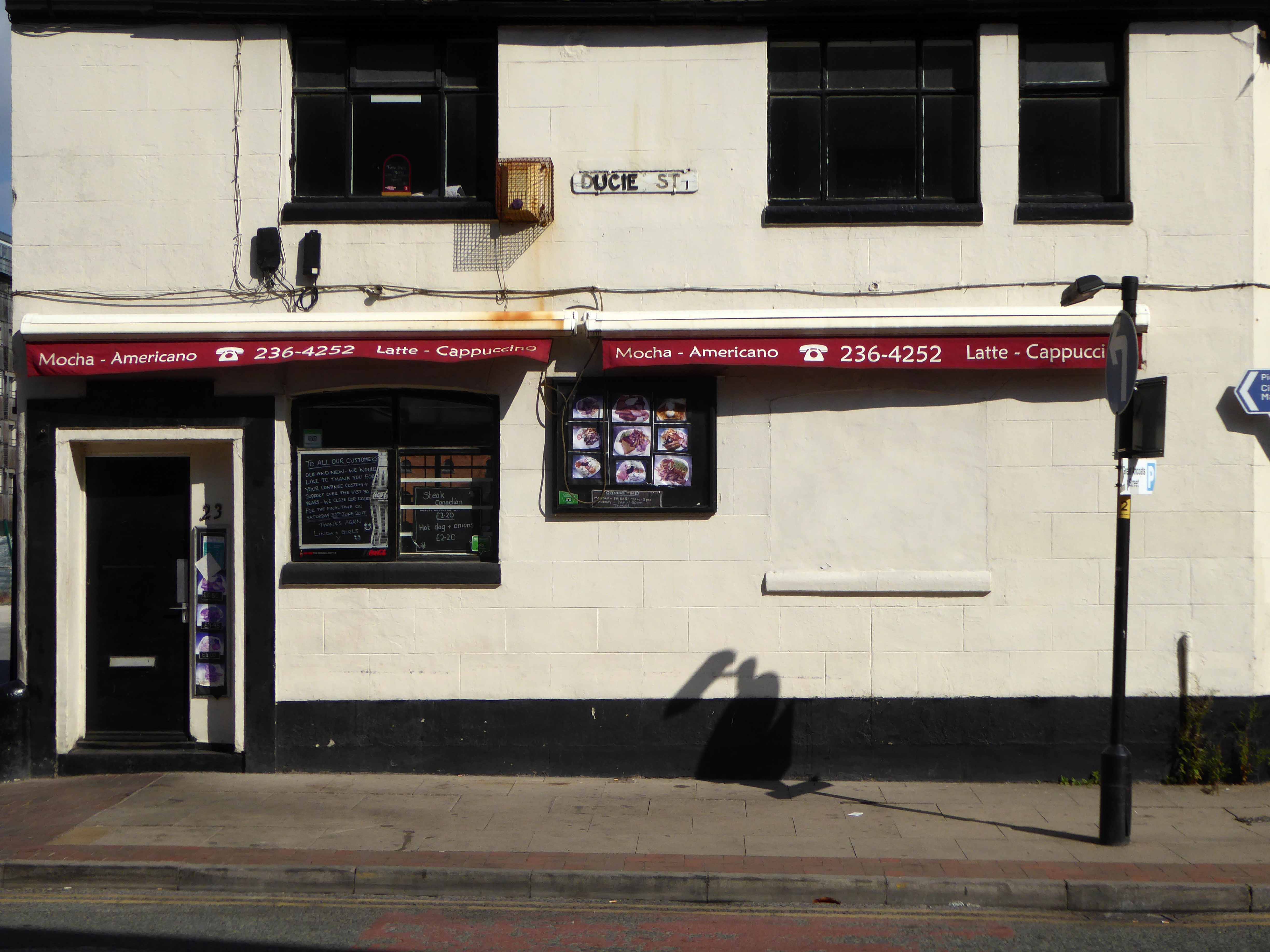
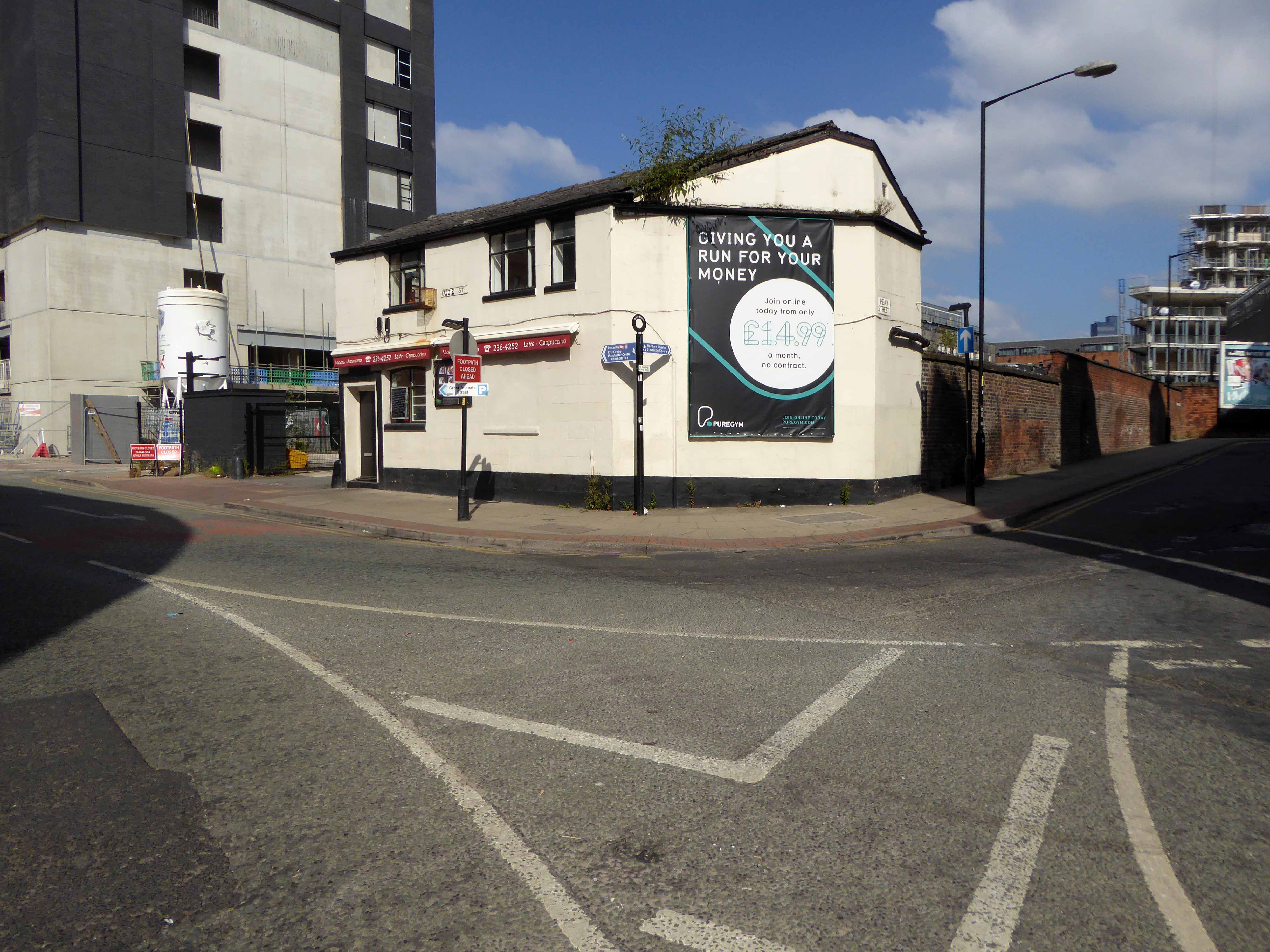
Turn off London Road and into Ducie Street, it’s just around the corner from Piccadilly Station.

Enter a world of warehouses, homes and industry.

webmedia-1.php

webmedia-4.php

webmedia-1.php

webmedia-3.php

webmedia-2.php

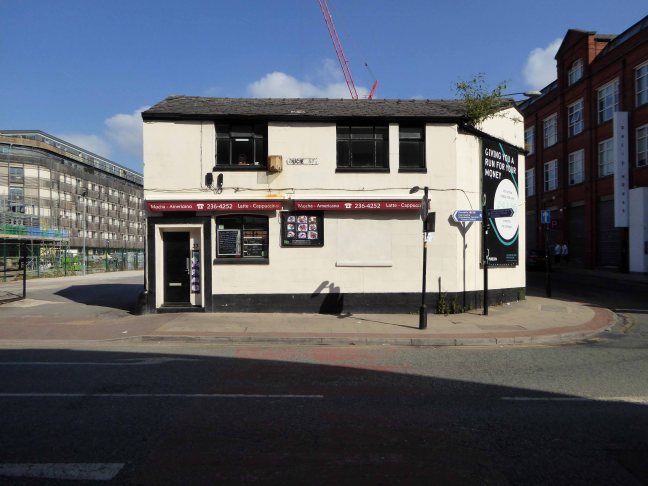
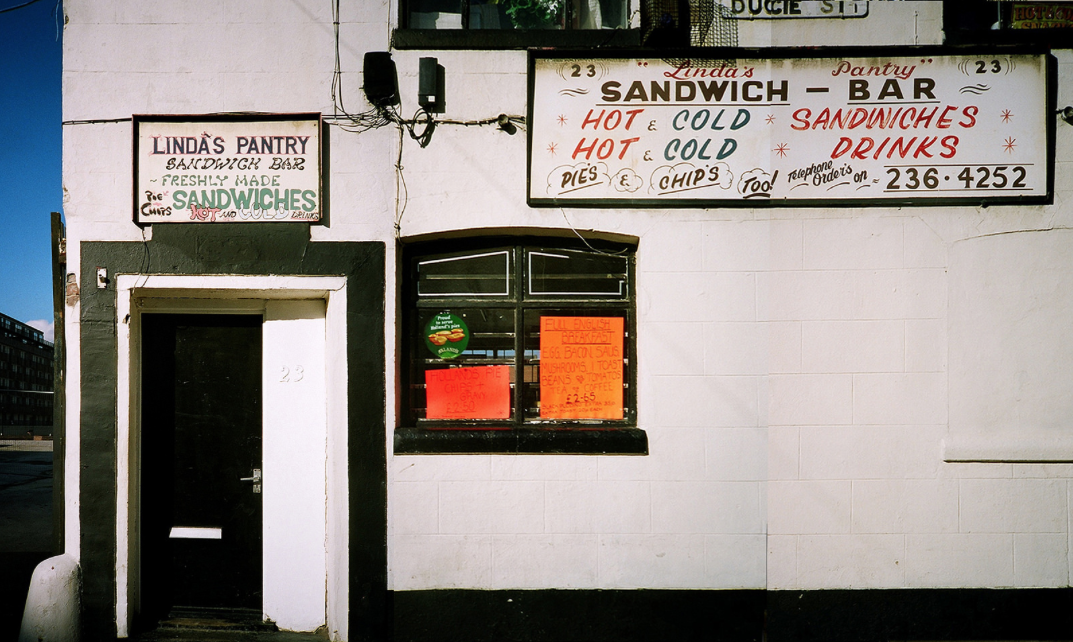
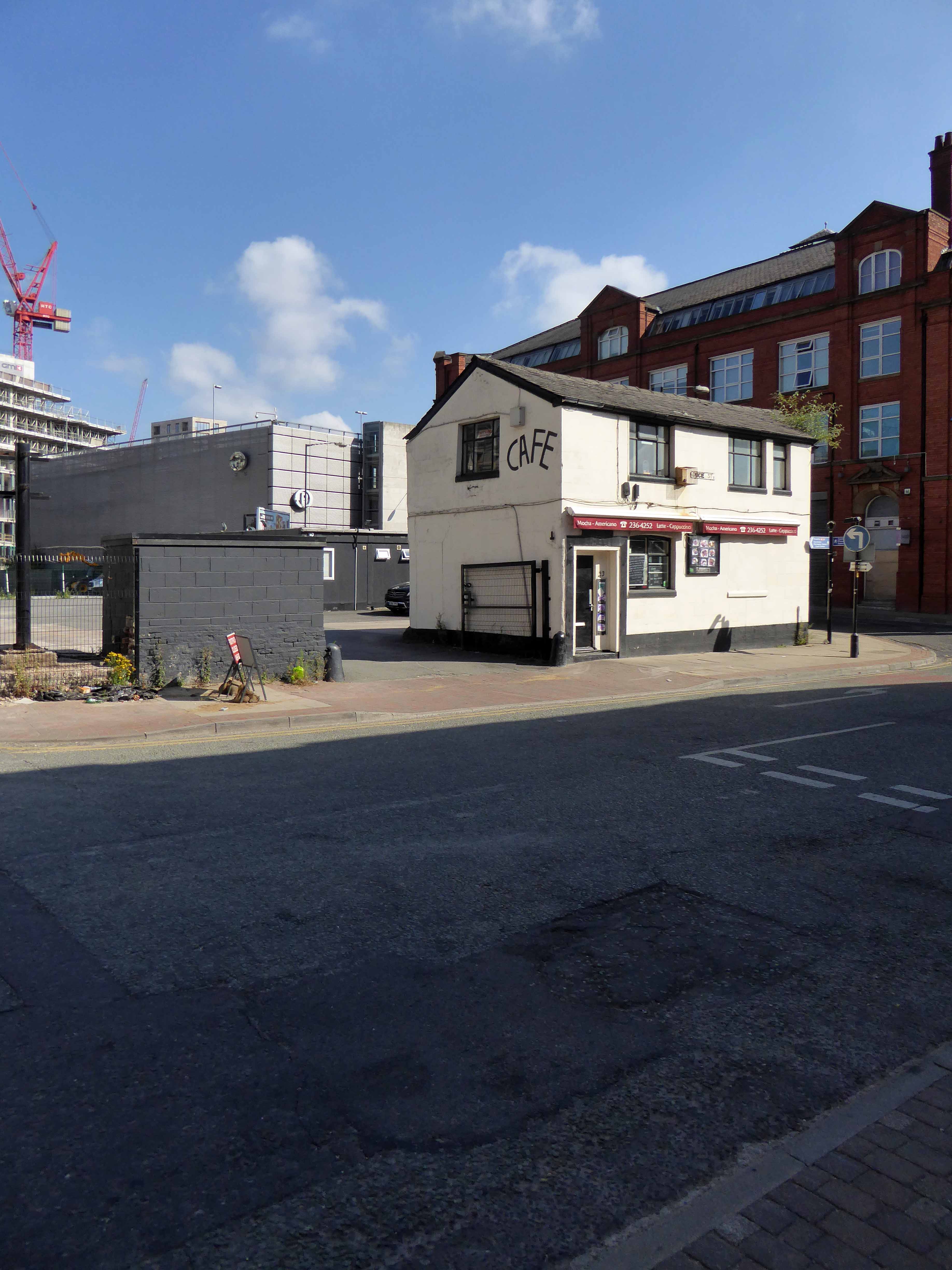
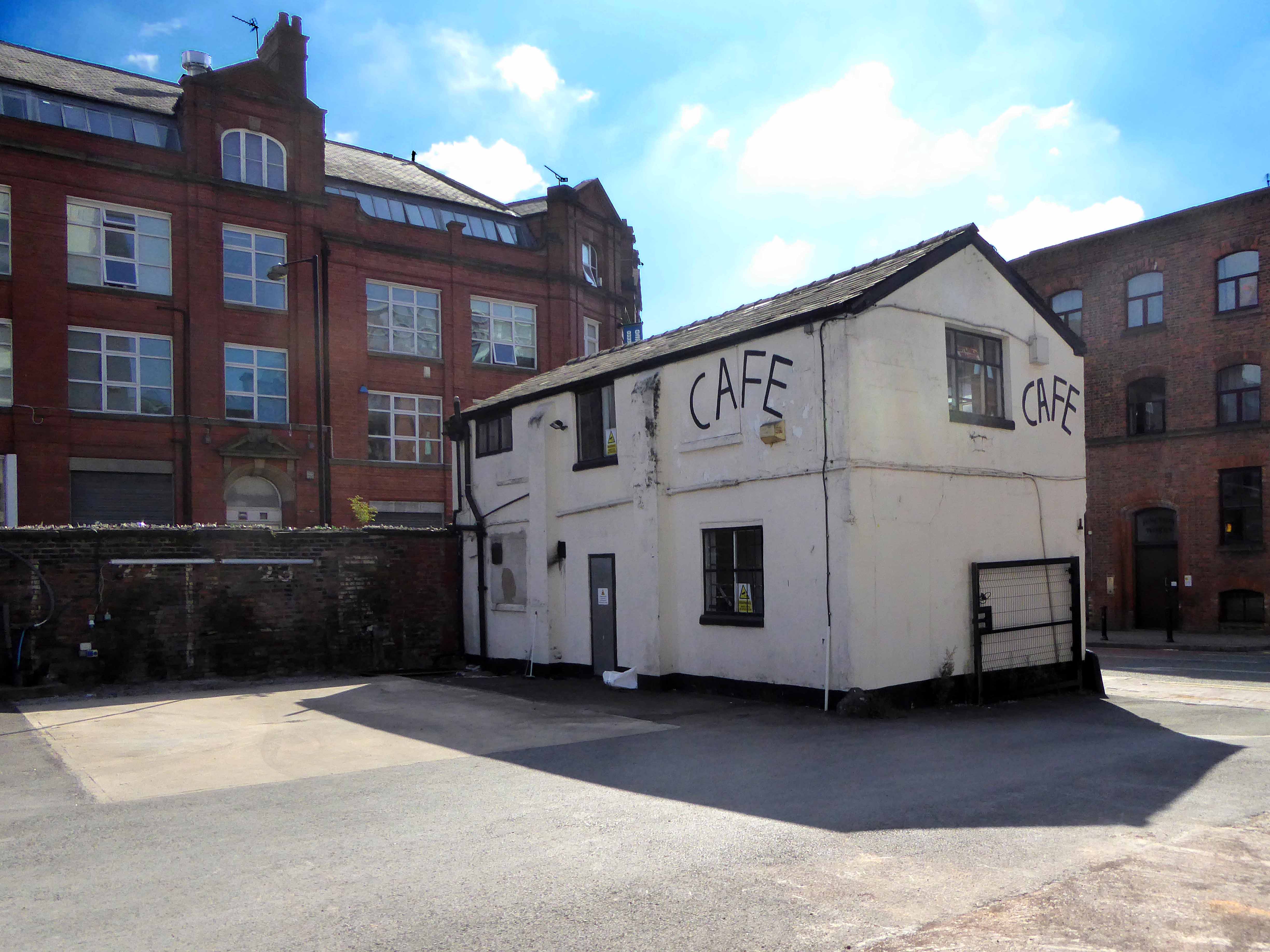
Return some fifty years later and you’ll find a café on the corner.

Screen Shot 2018-07-09 at 19.55.53

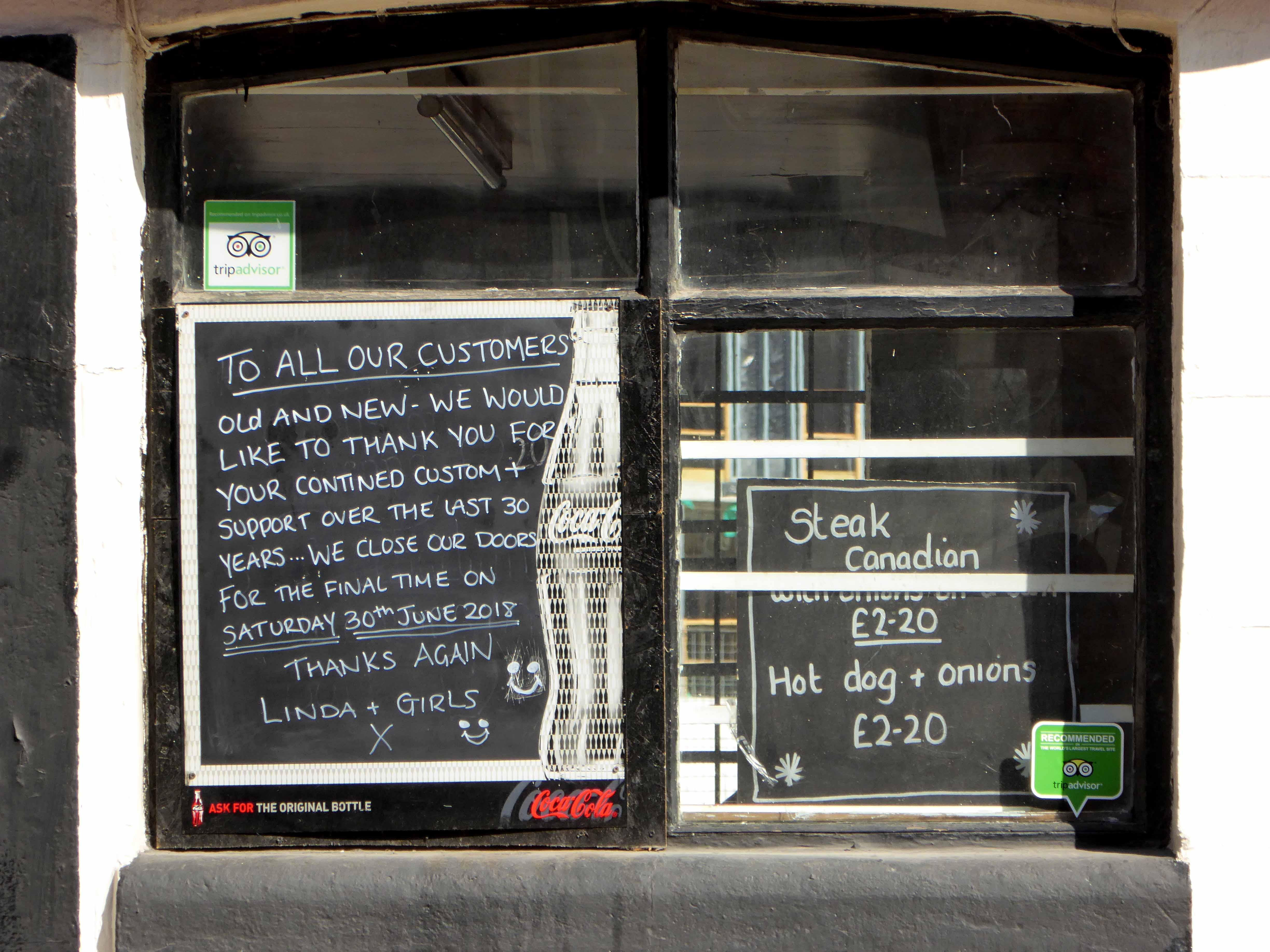
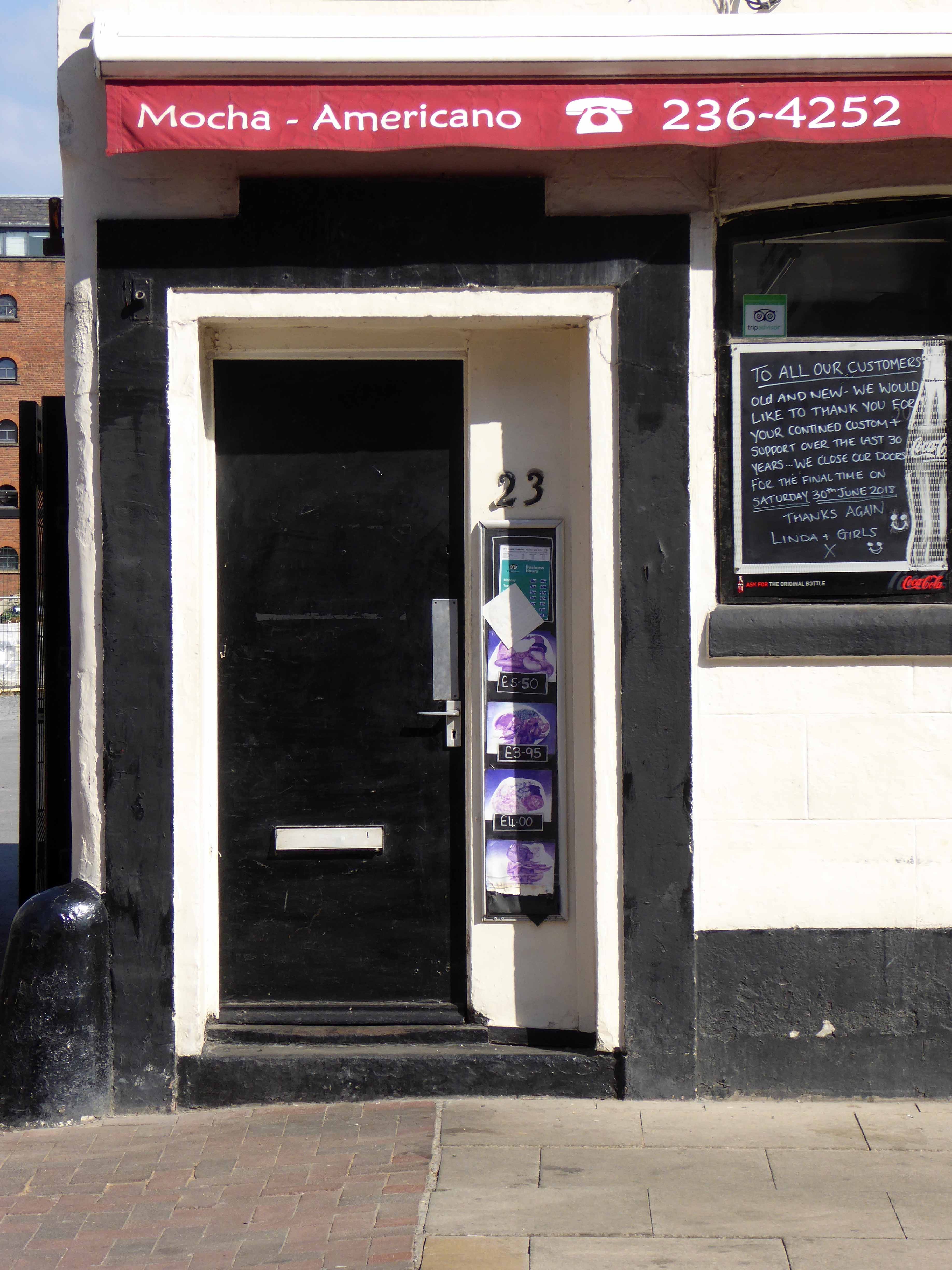
Return last Saturday you’ll find that it’s gone.

P1270029

No more of this.

b872c05fb8251eb973cf30b3cee7e421


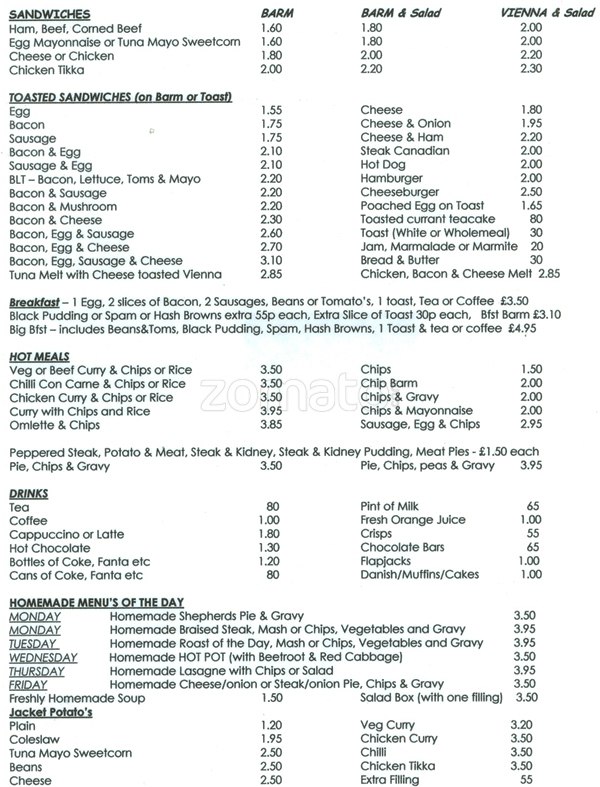
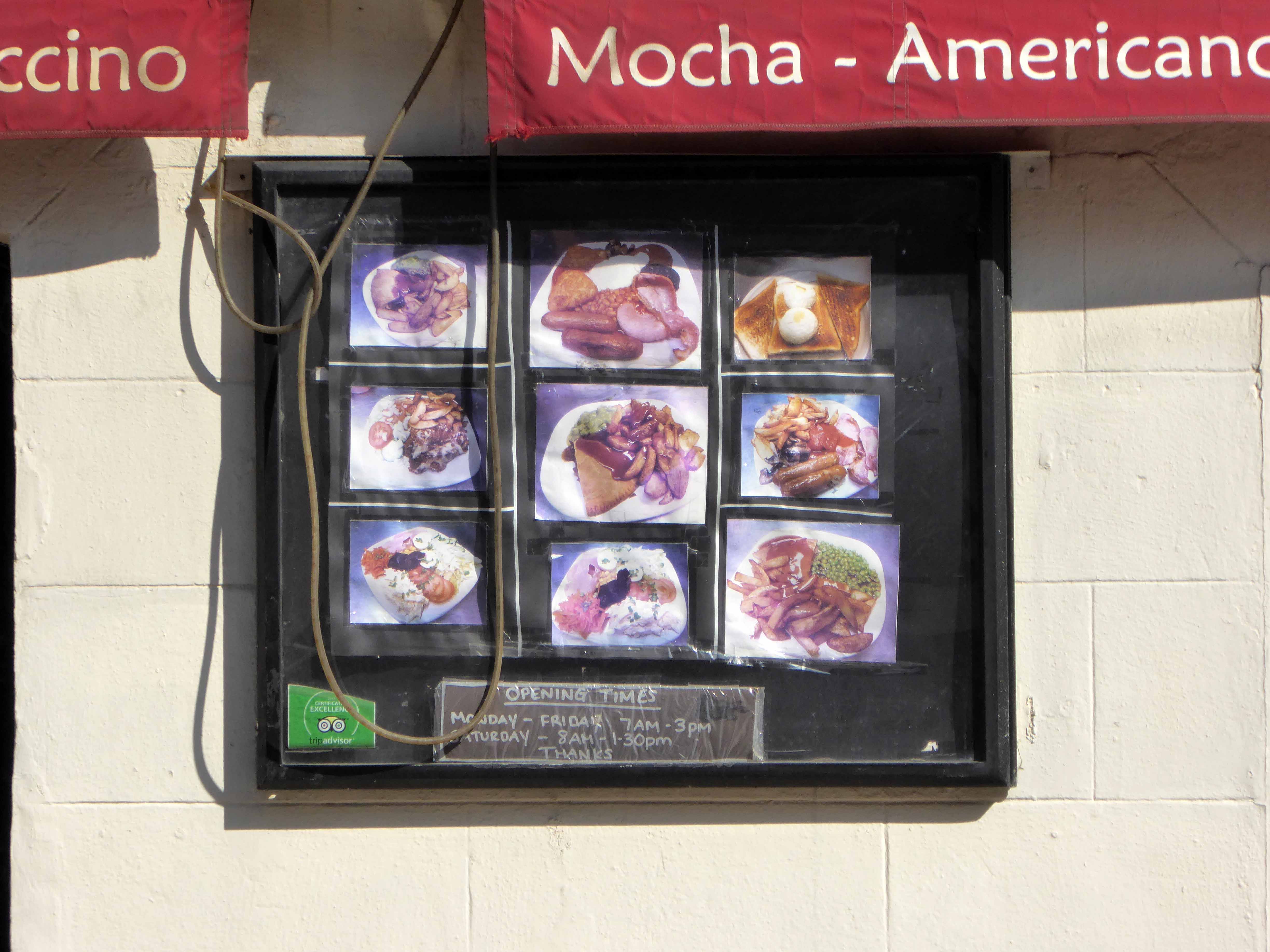
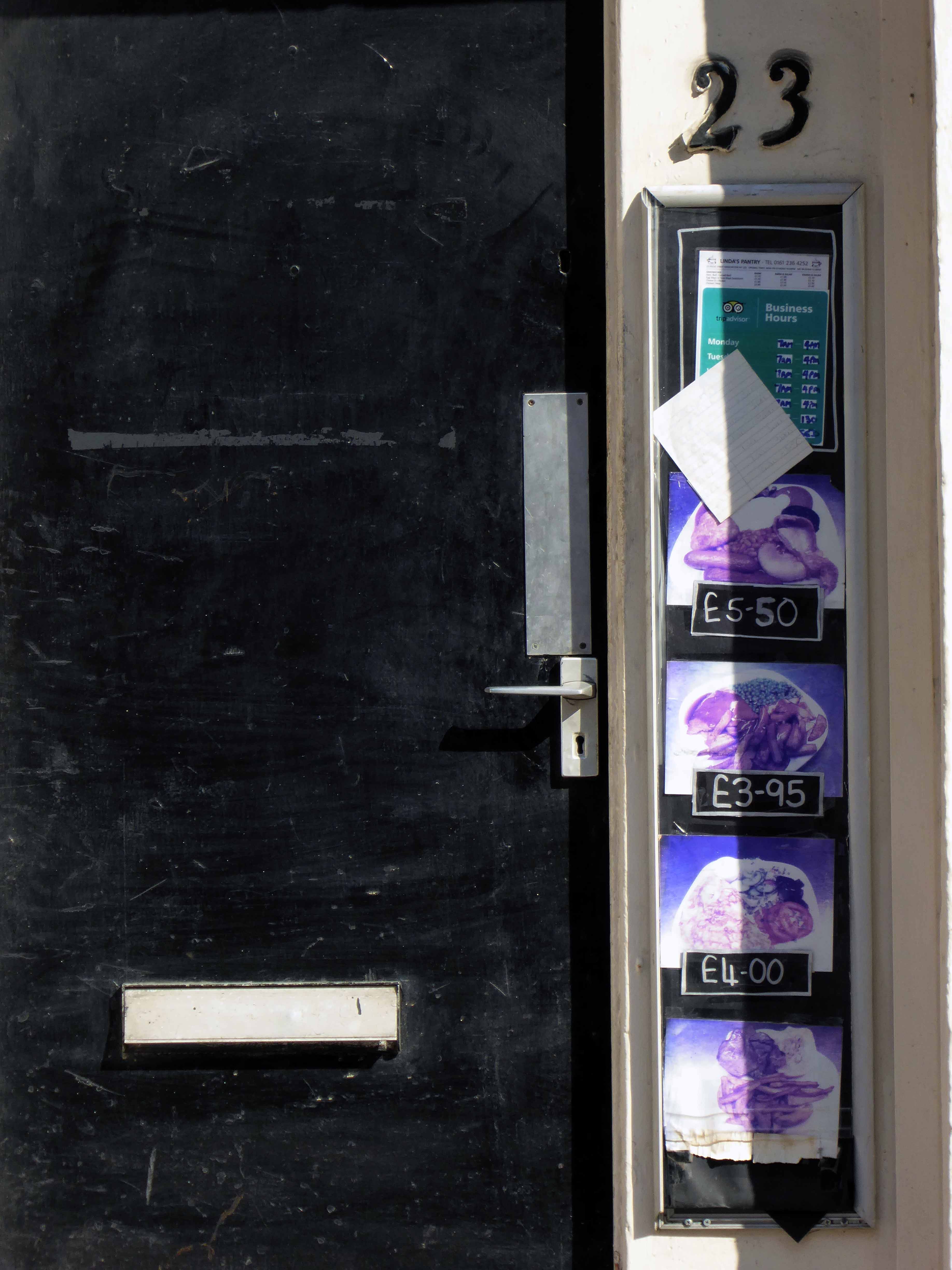
Top class scran at prices to suit all pockets.

EGP_MEN_LindasPantry_201017_007JPG

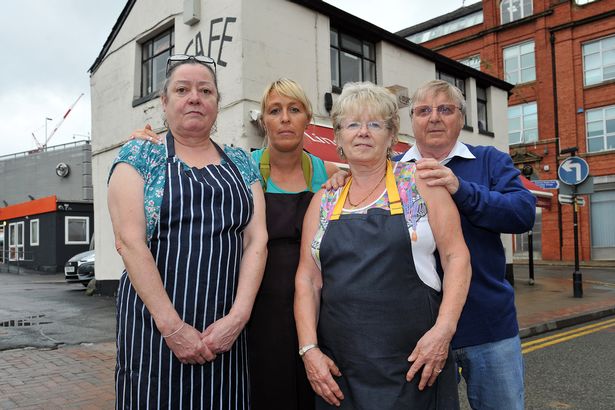
Linda and her crew have packed up the pans and scrammed.

Read all about it – Manchester Evening News

The face of the city changes, as one by one faces and places disappear, new build and mass tourism making ever new demands on space.

The rag trade is in tatters and the tatters are long gone.

It would seem that there is no place for the traditional café or its customers.

So thank you and goodnight, the last pie, chips and gravy has left the counter.

Shut the door and turn out the lights.

P1270025

P1270027

P1270028

P1270033

P1270034

P1270035

P1270038

P1270039

P1270042

P1270044

P1270048

P1270051

P1270052


London Road Fire Station – Manchester

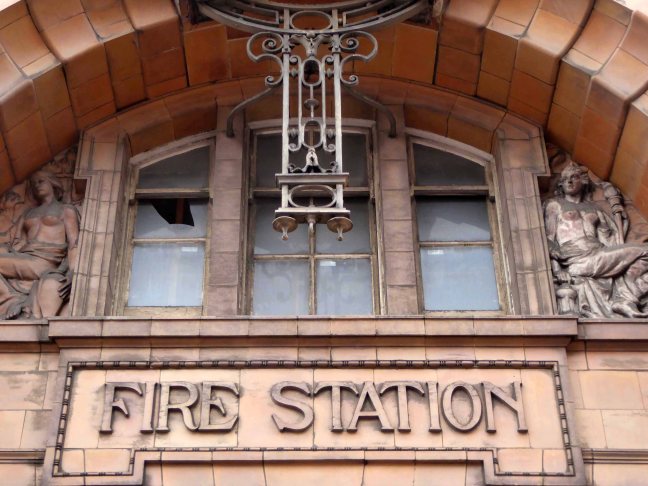
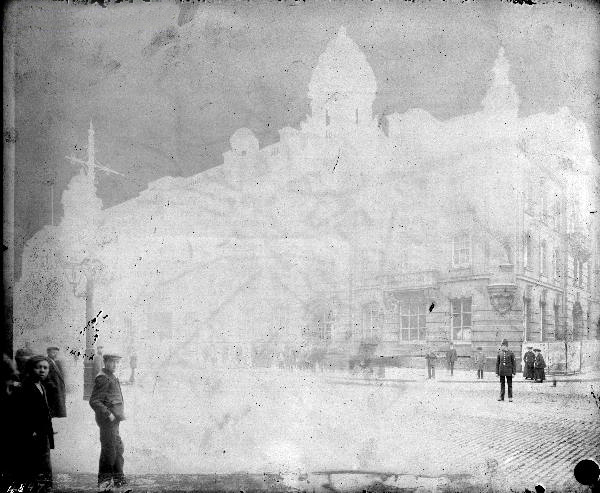
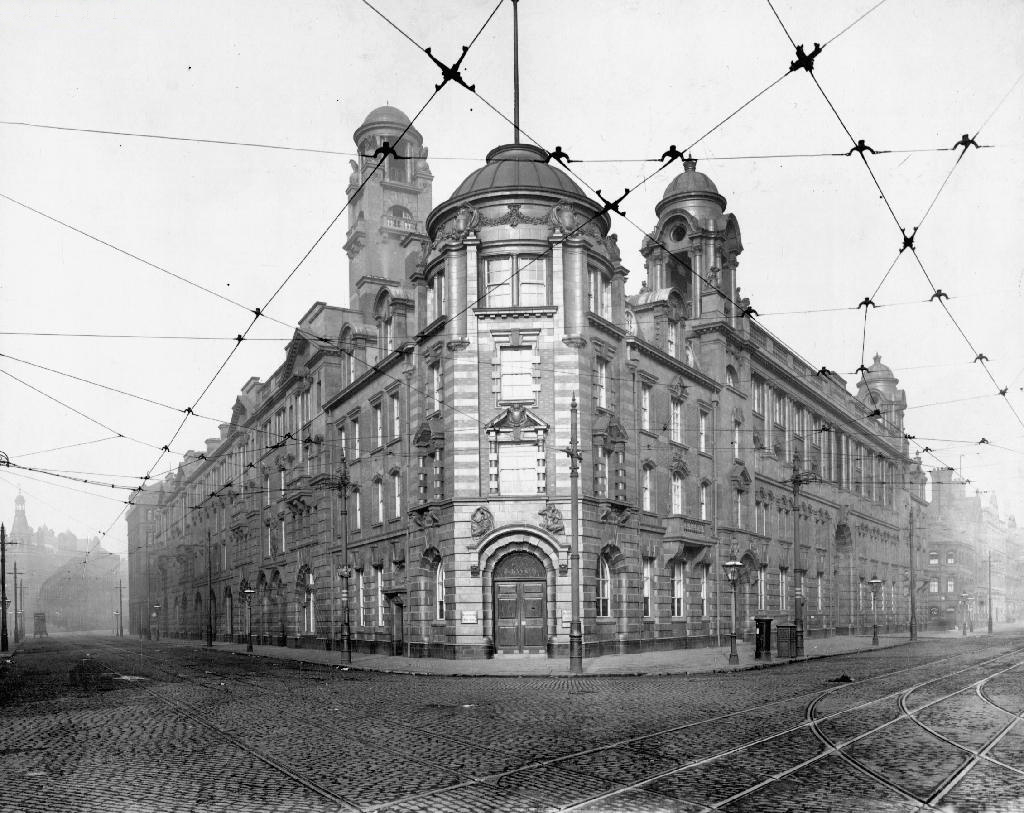
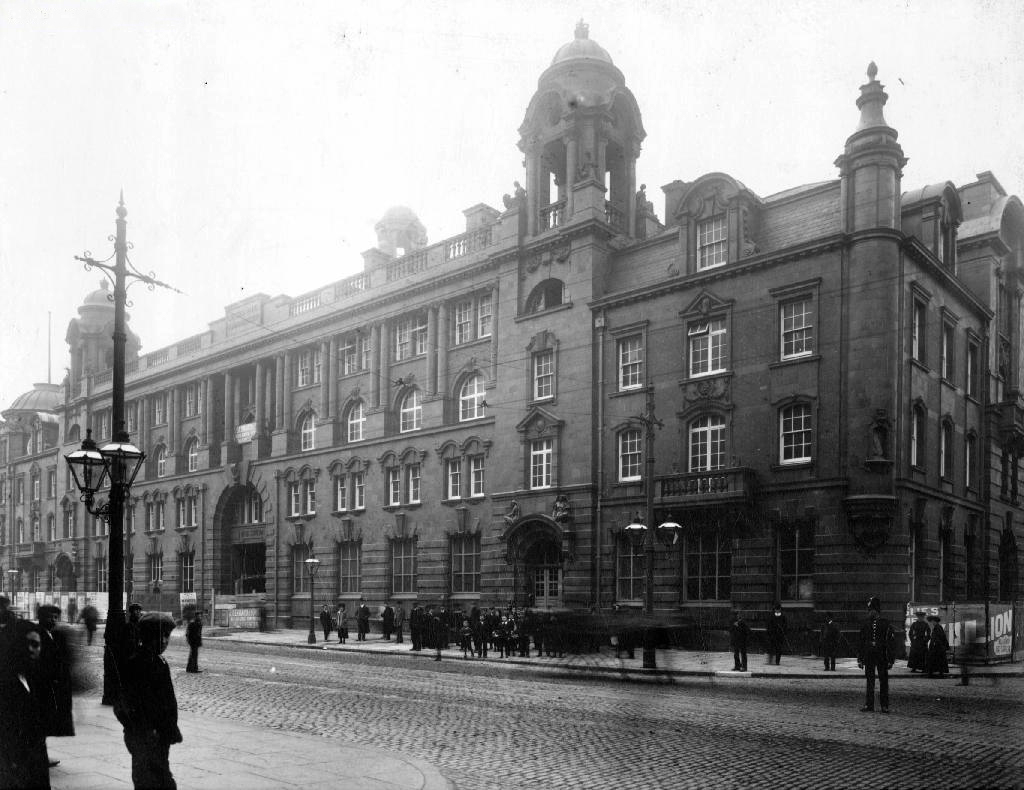
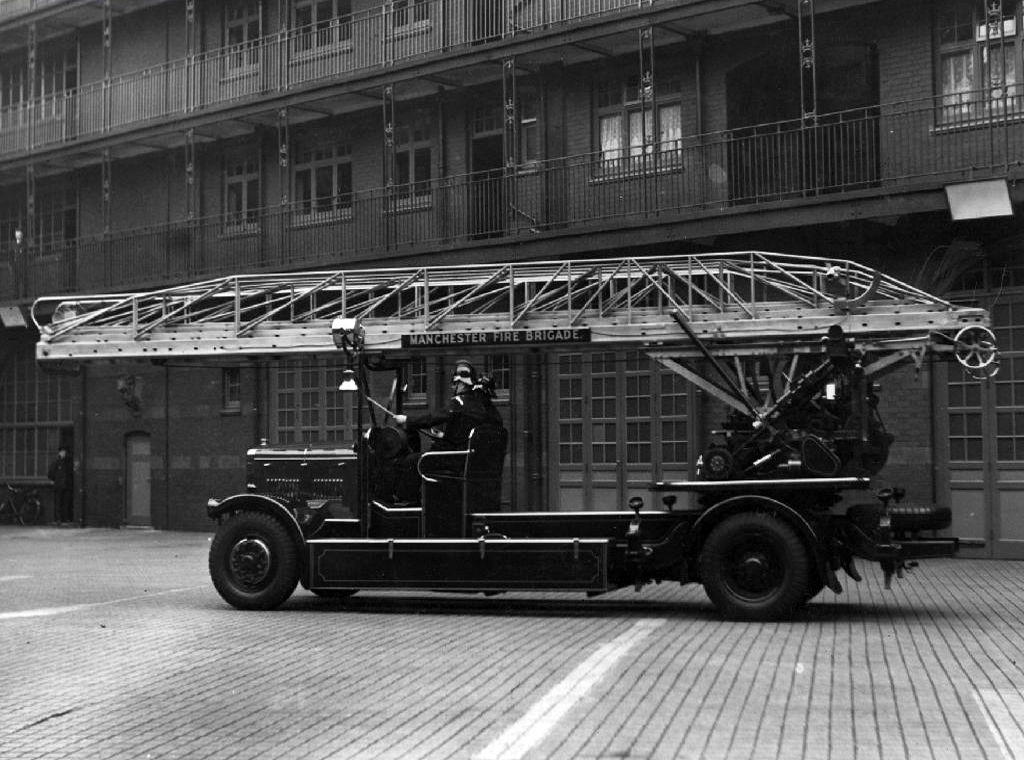
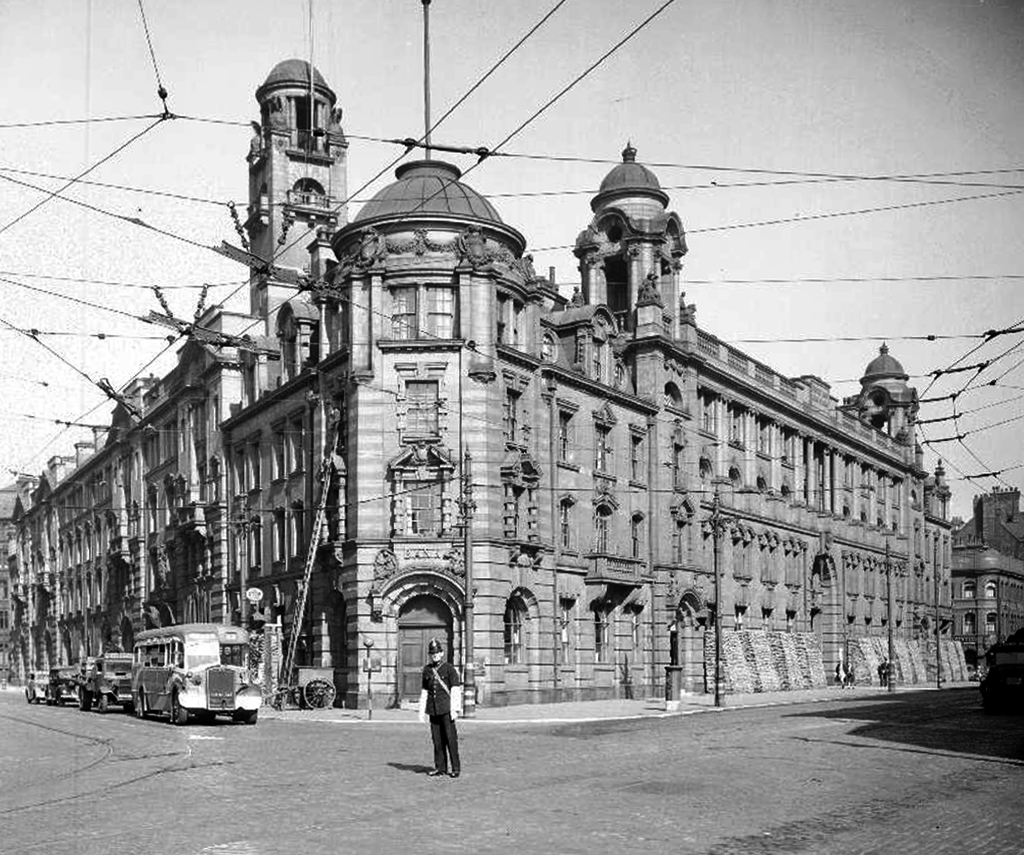
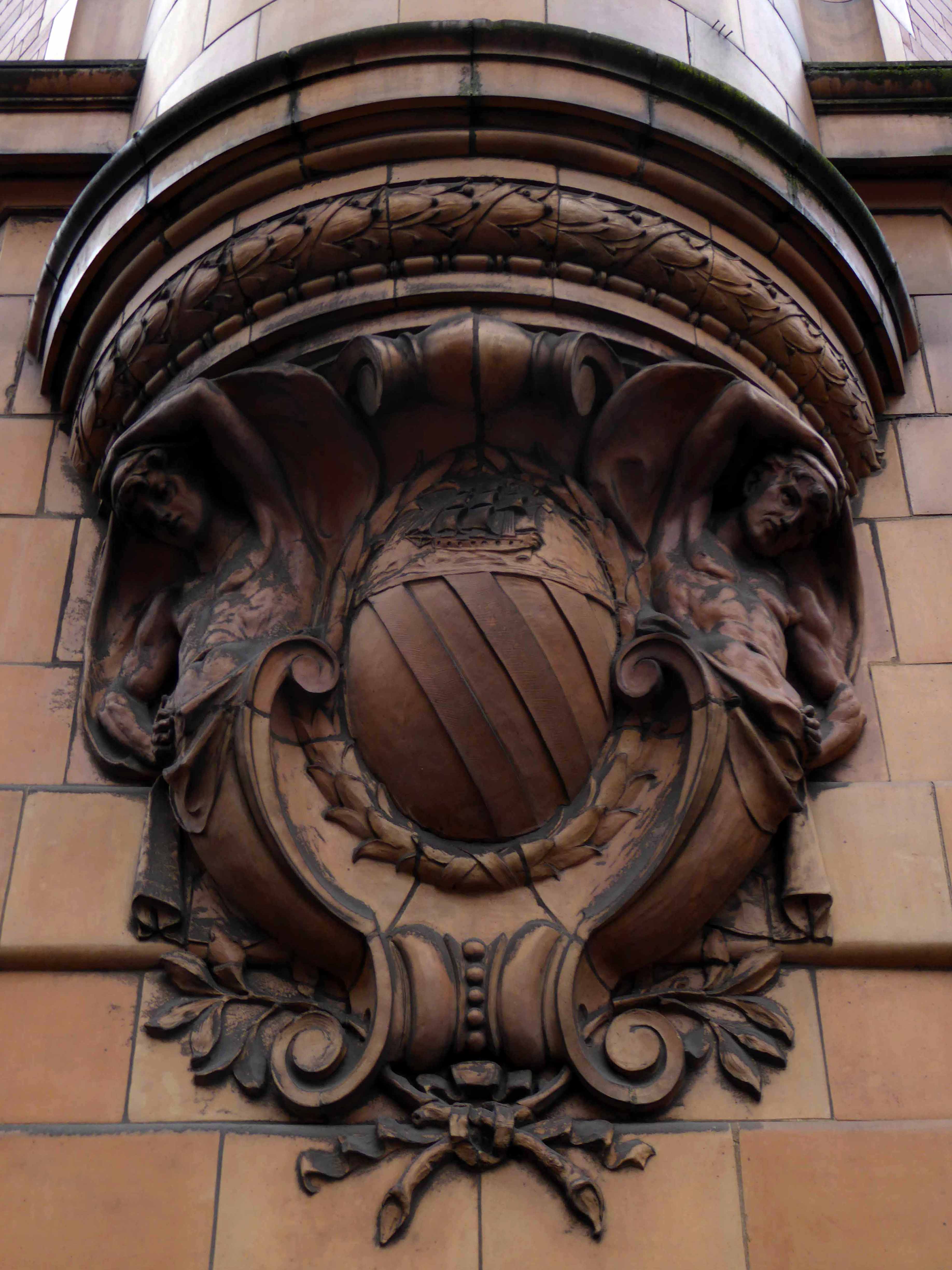
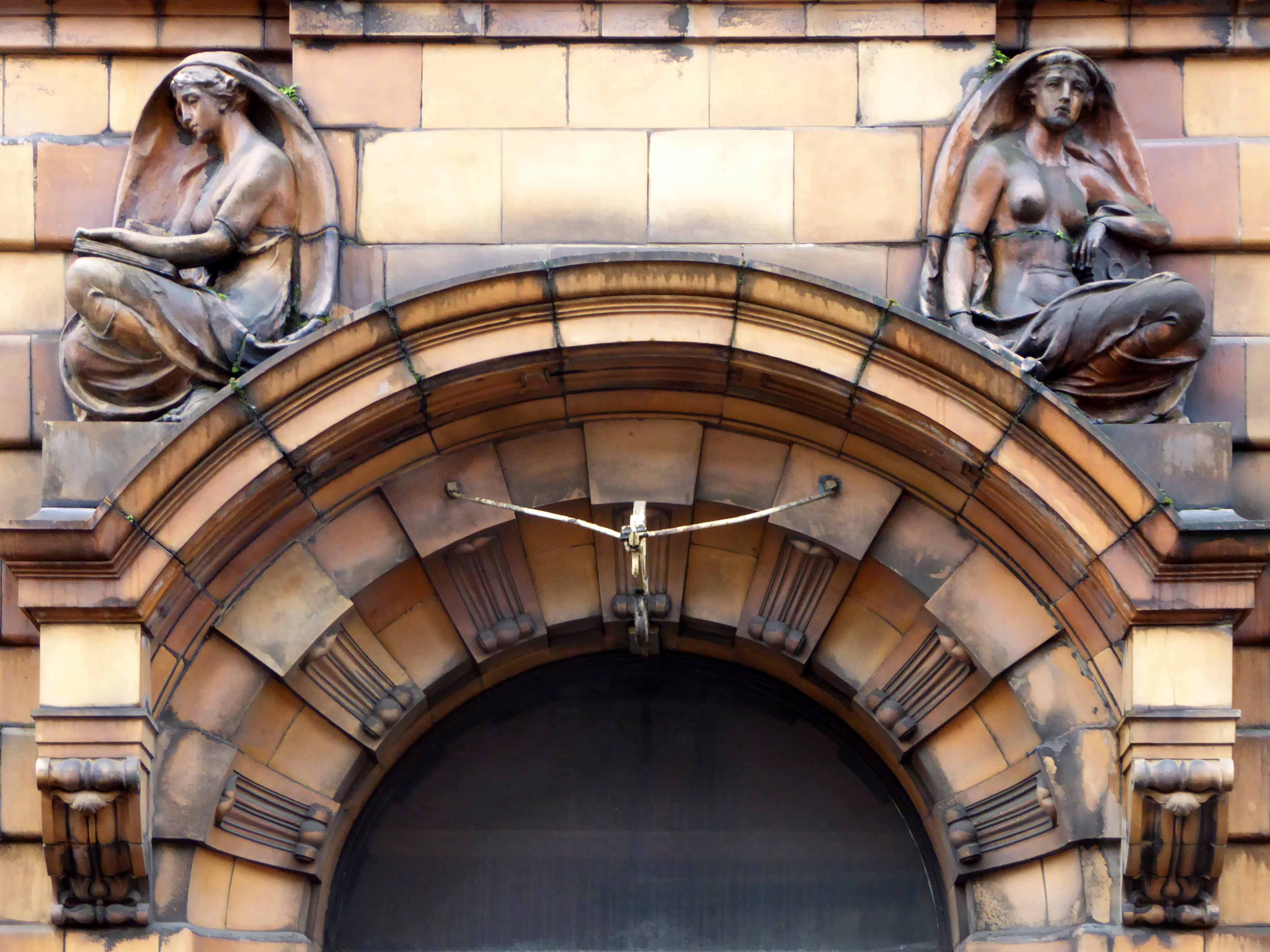
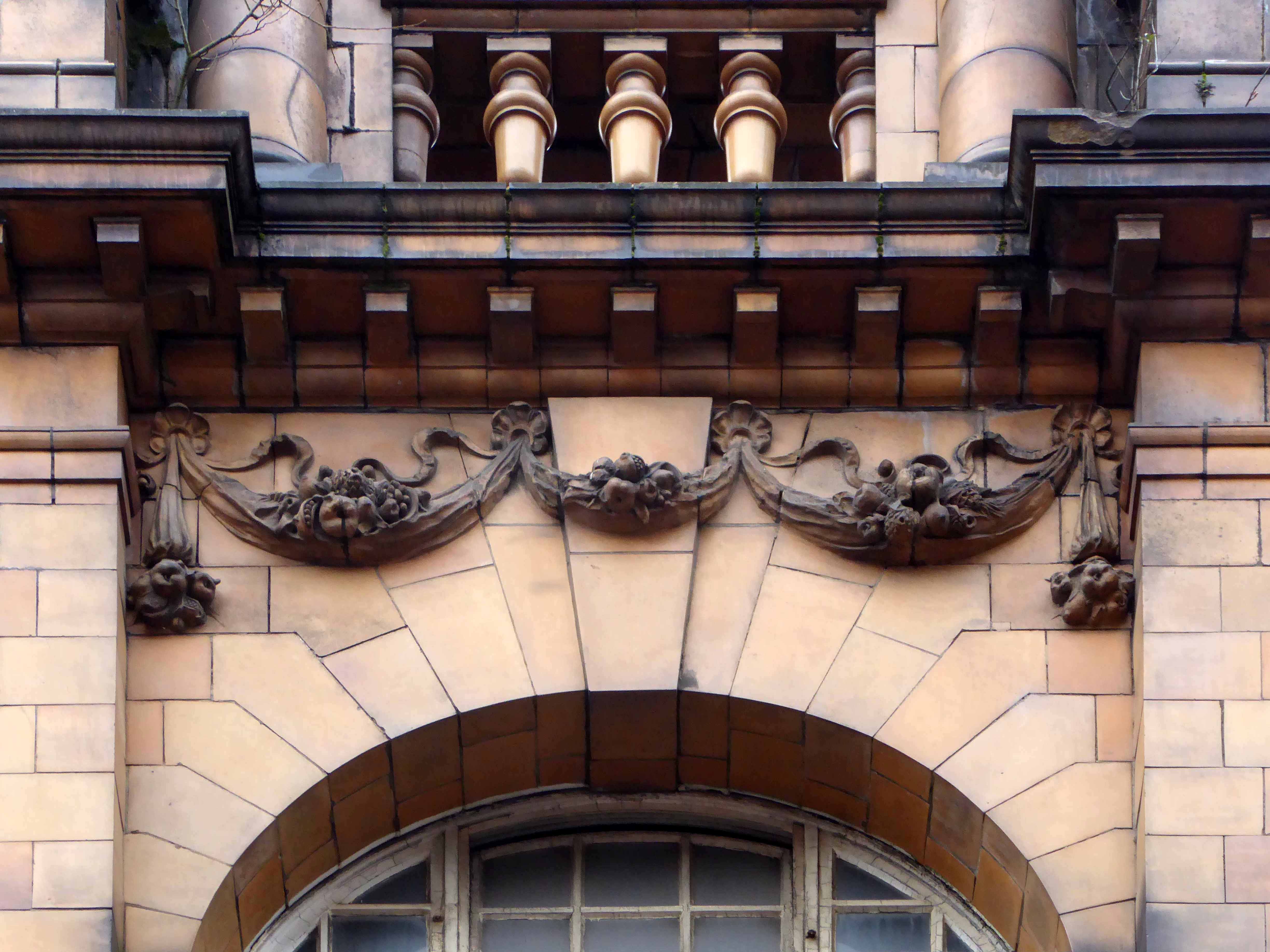
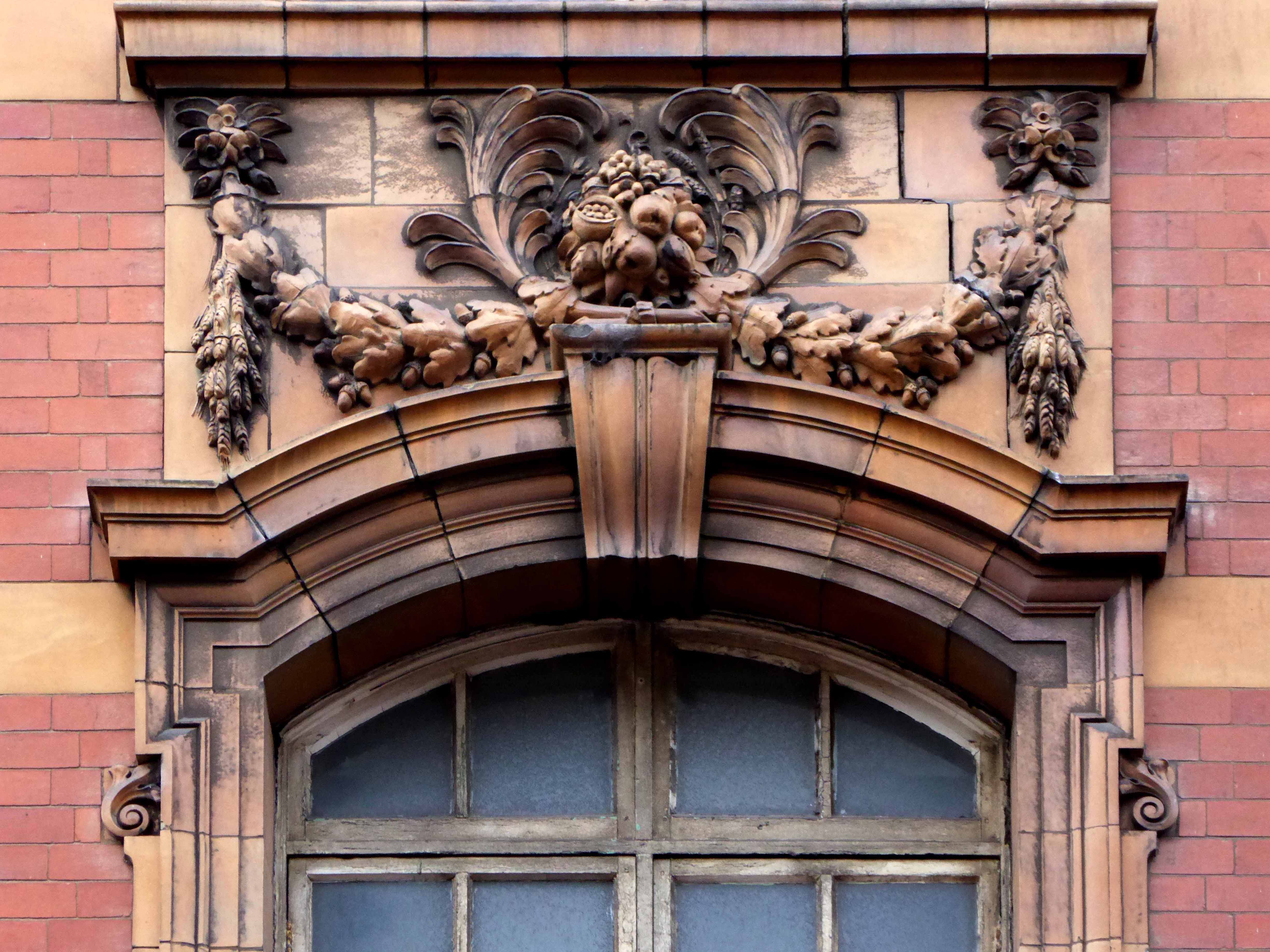
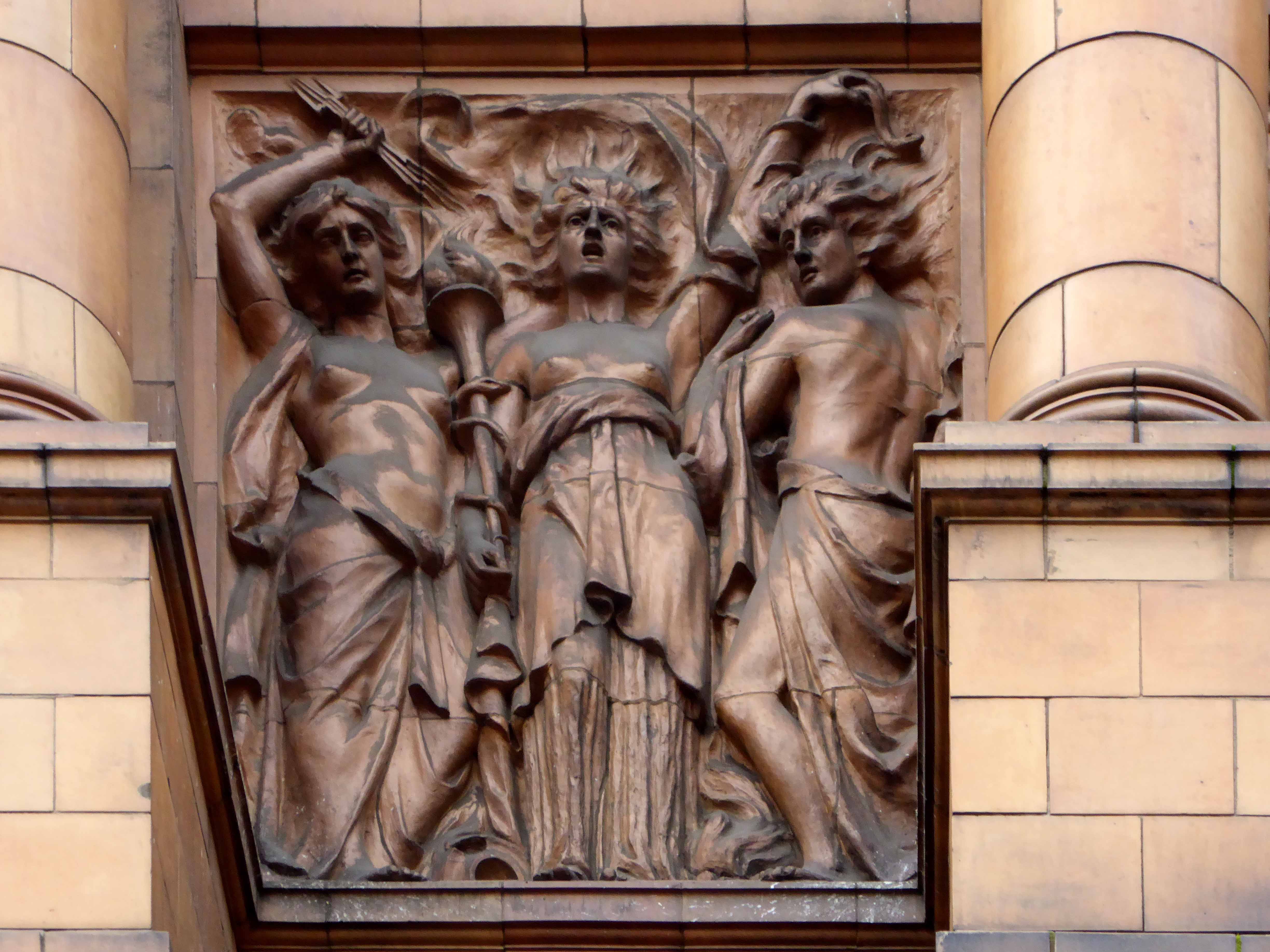
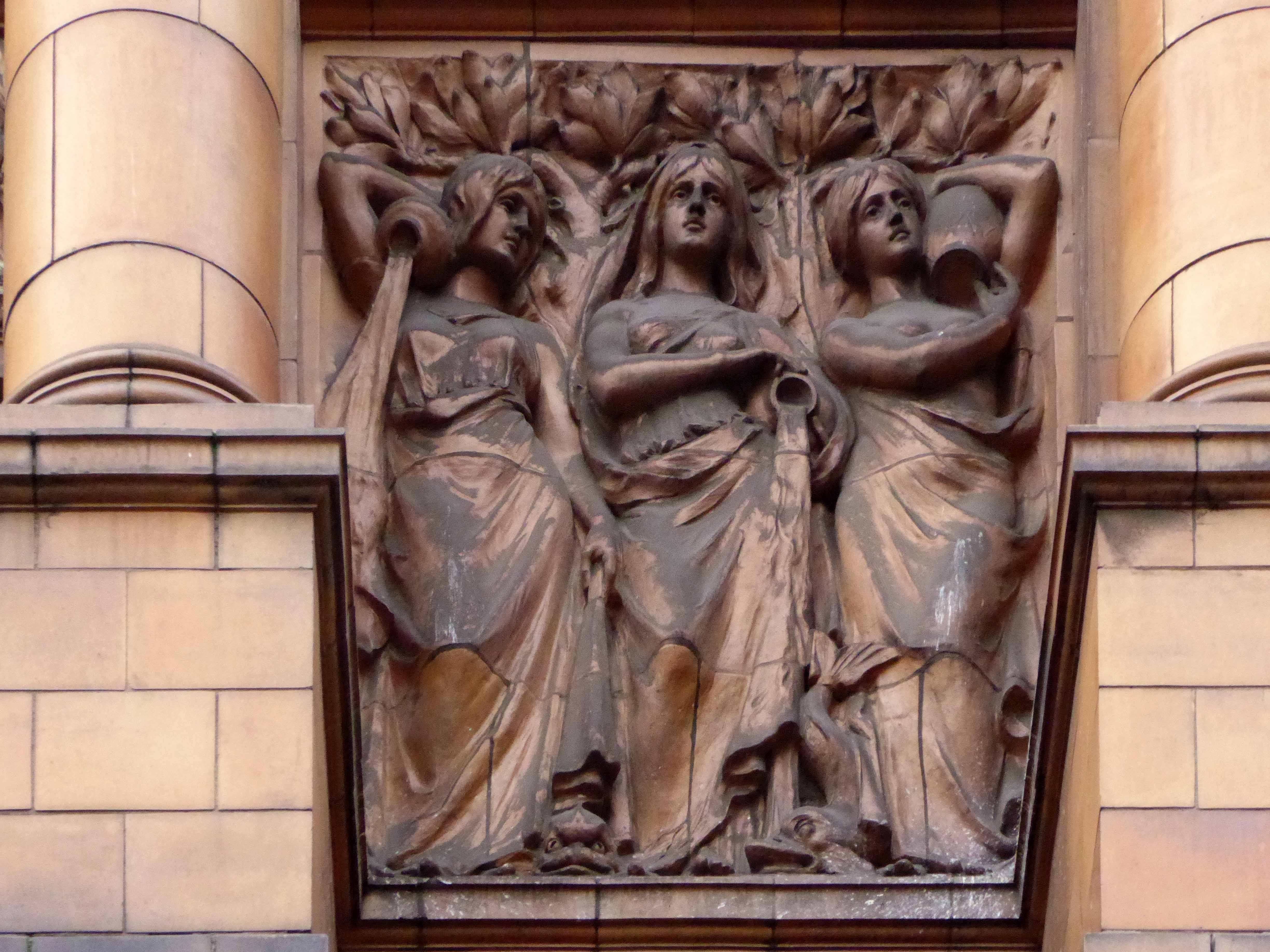
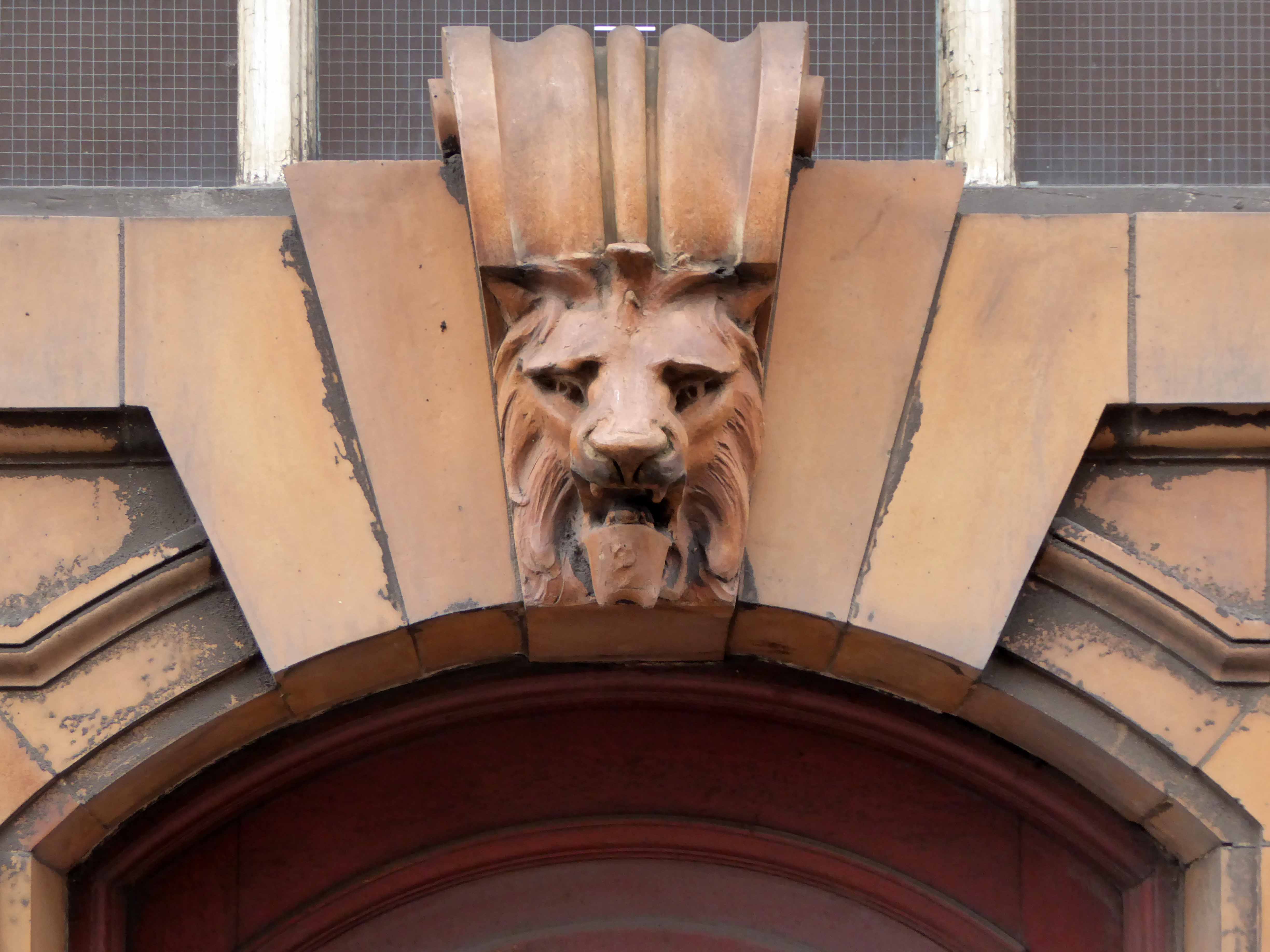
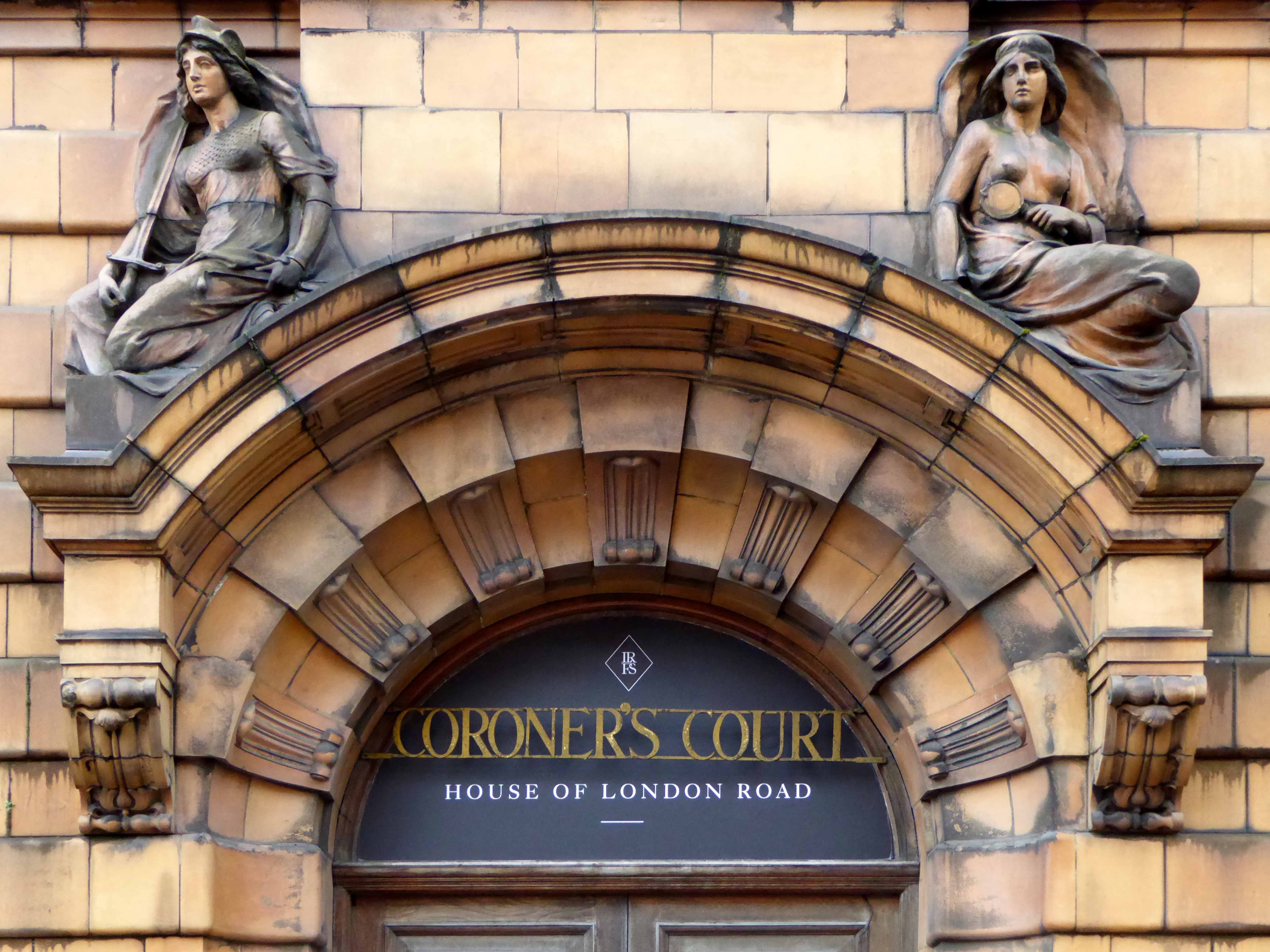
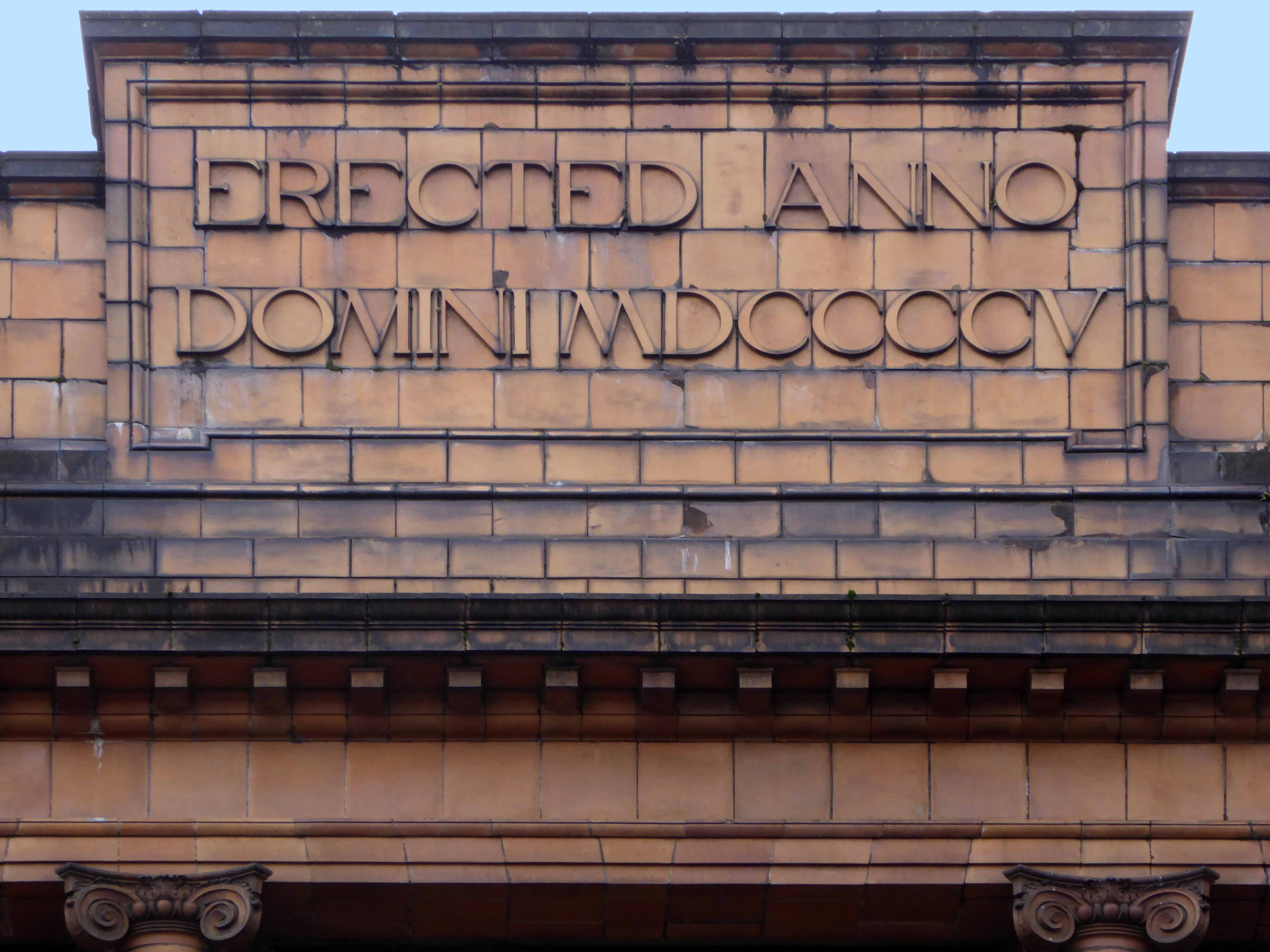
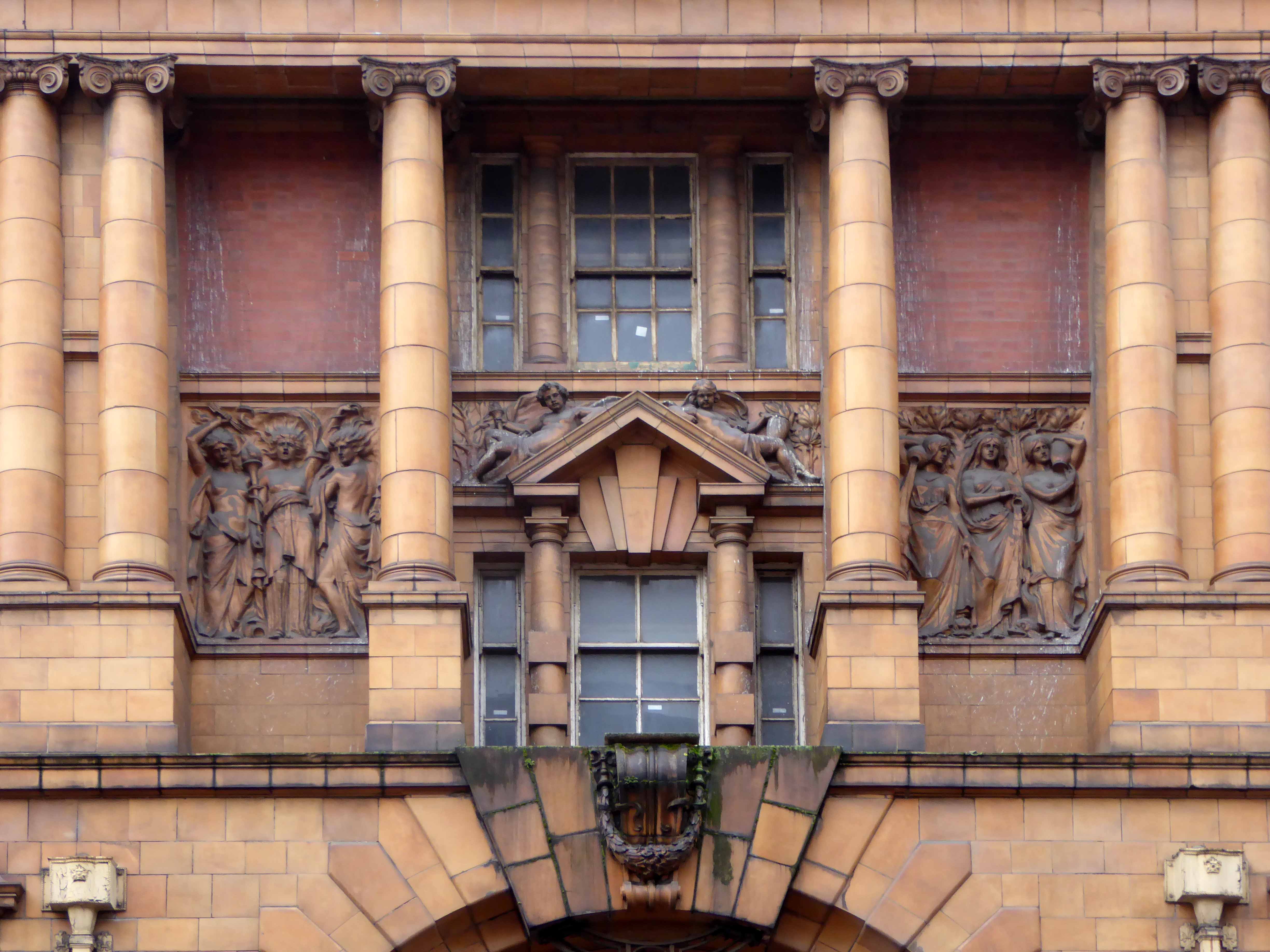
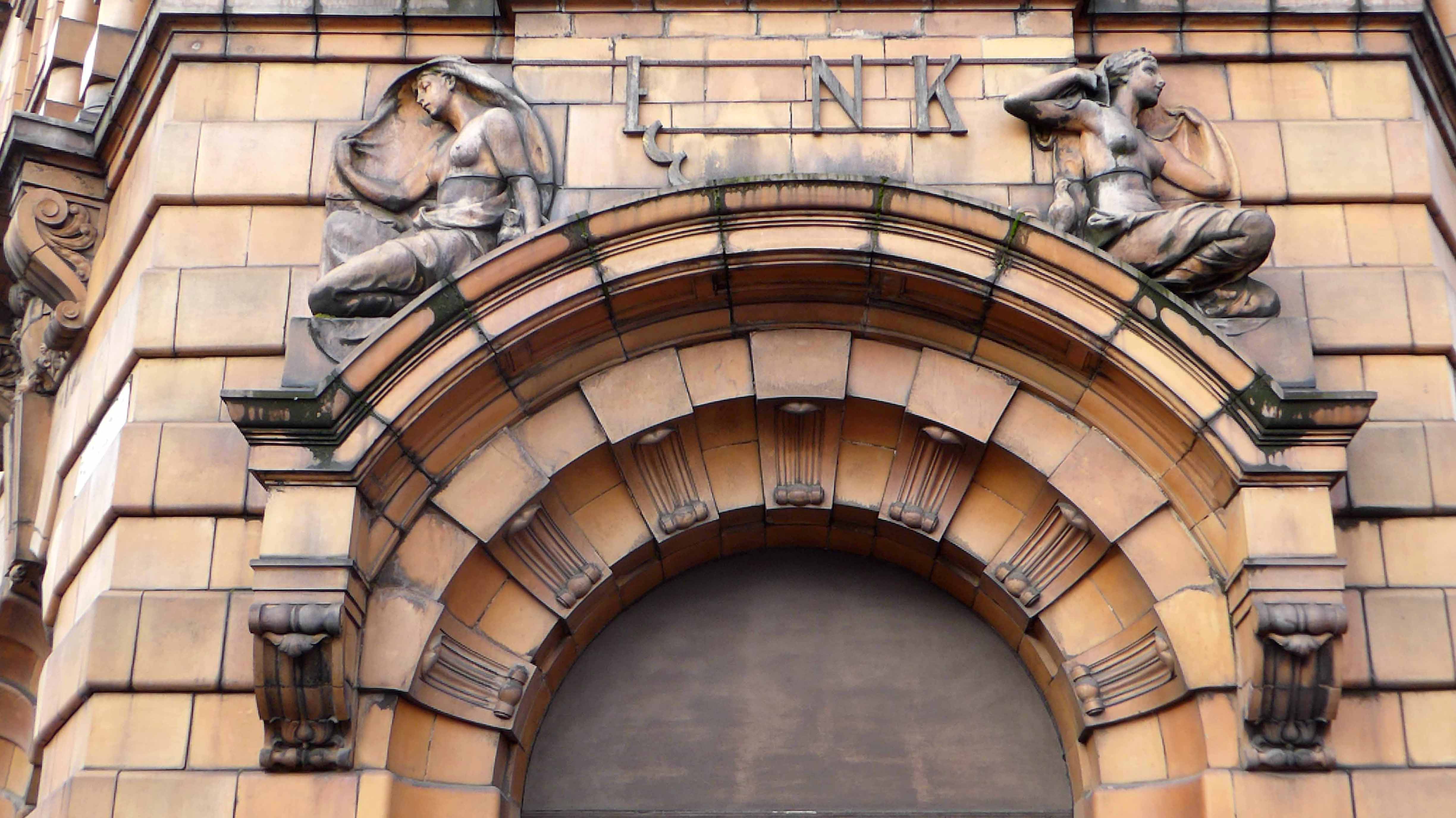
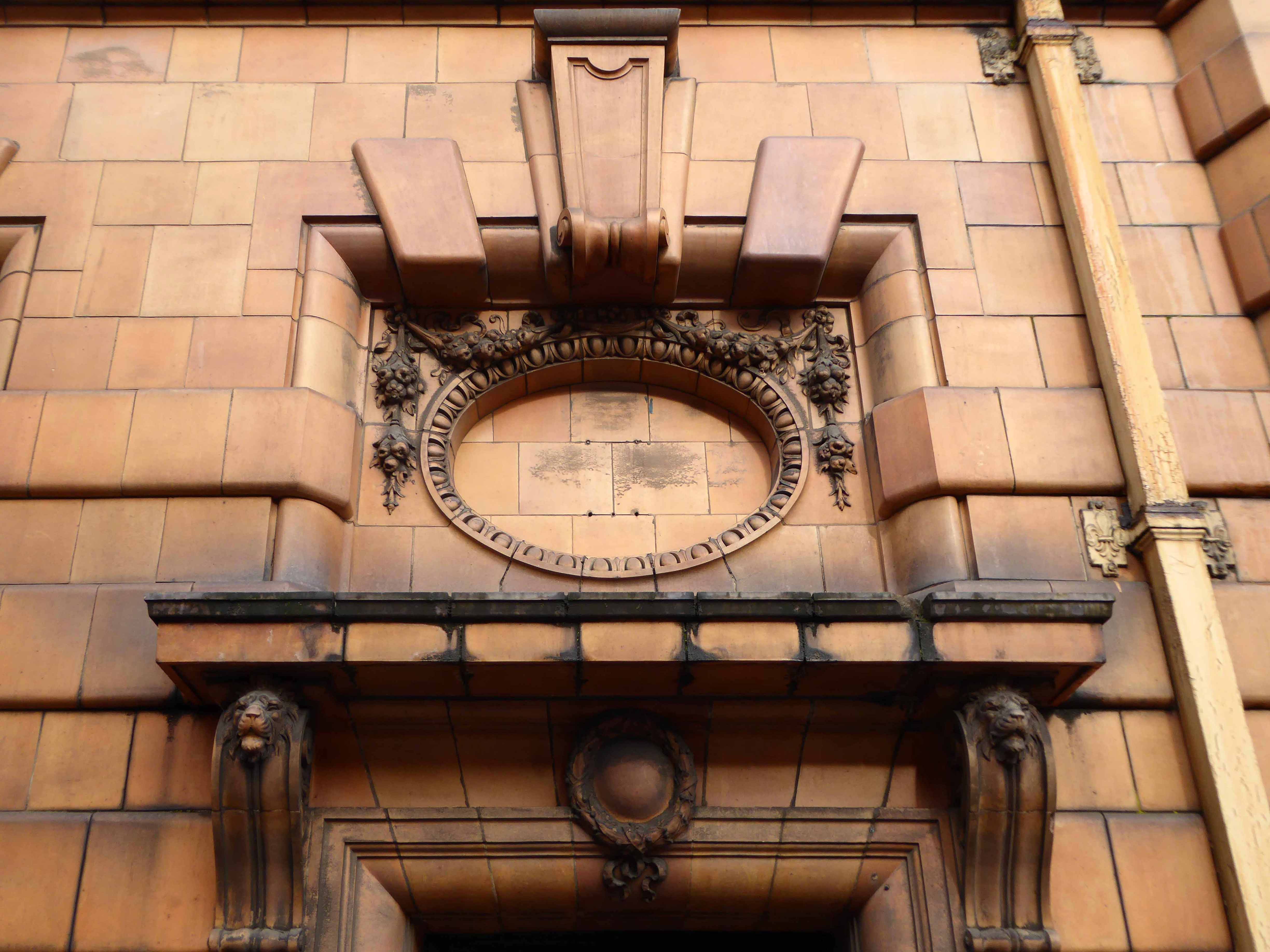
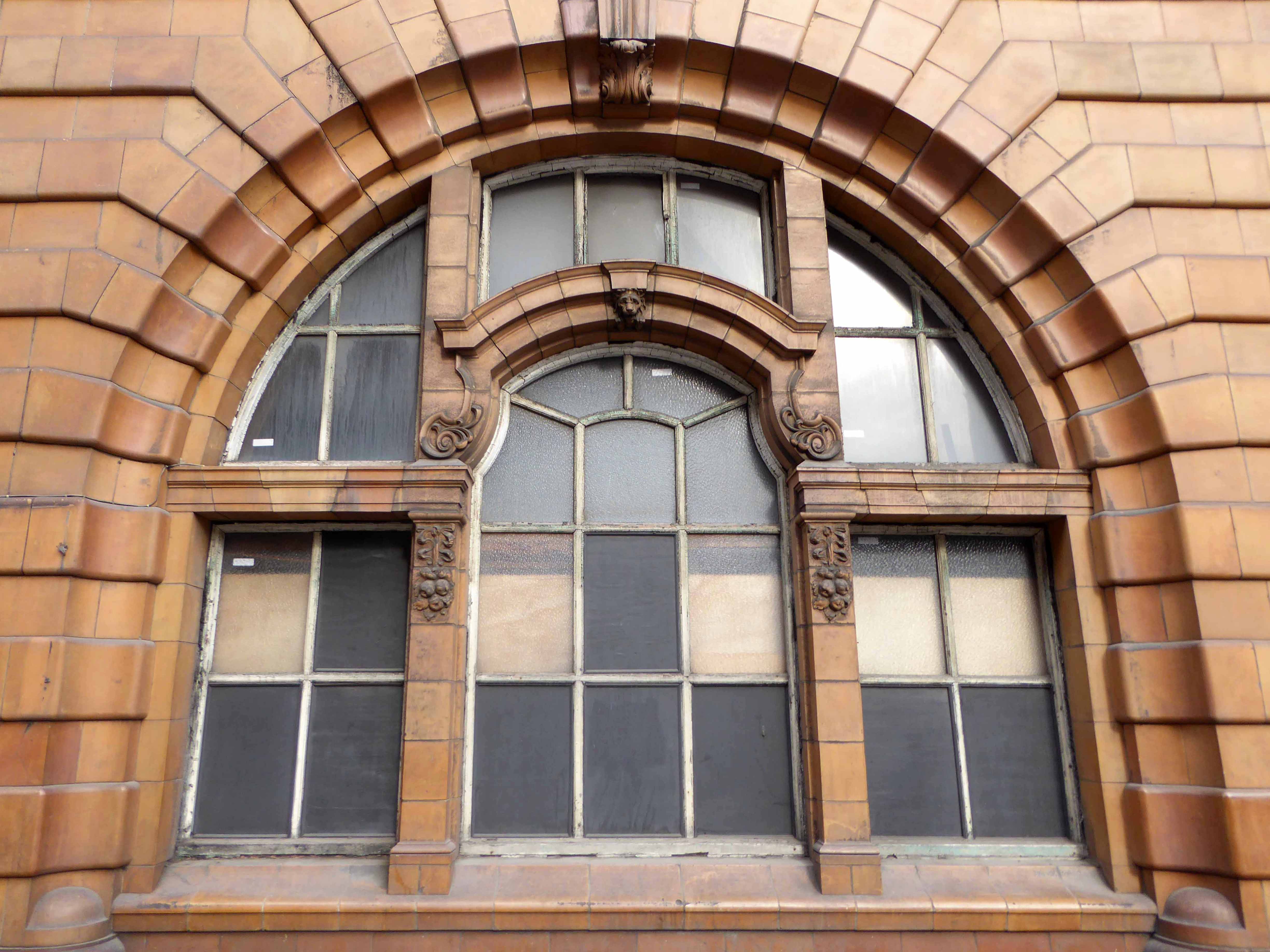
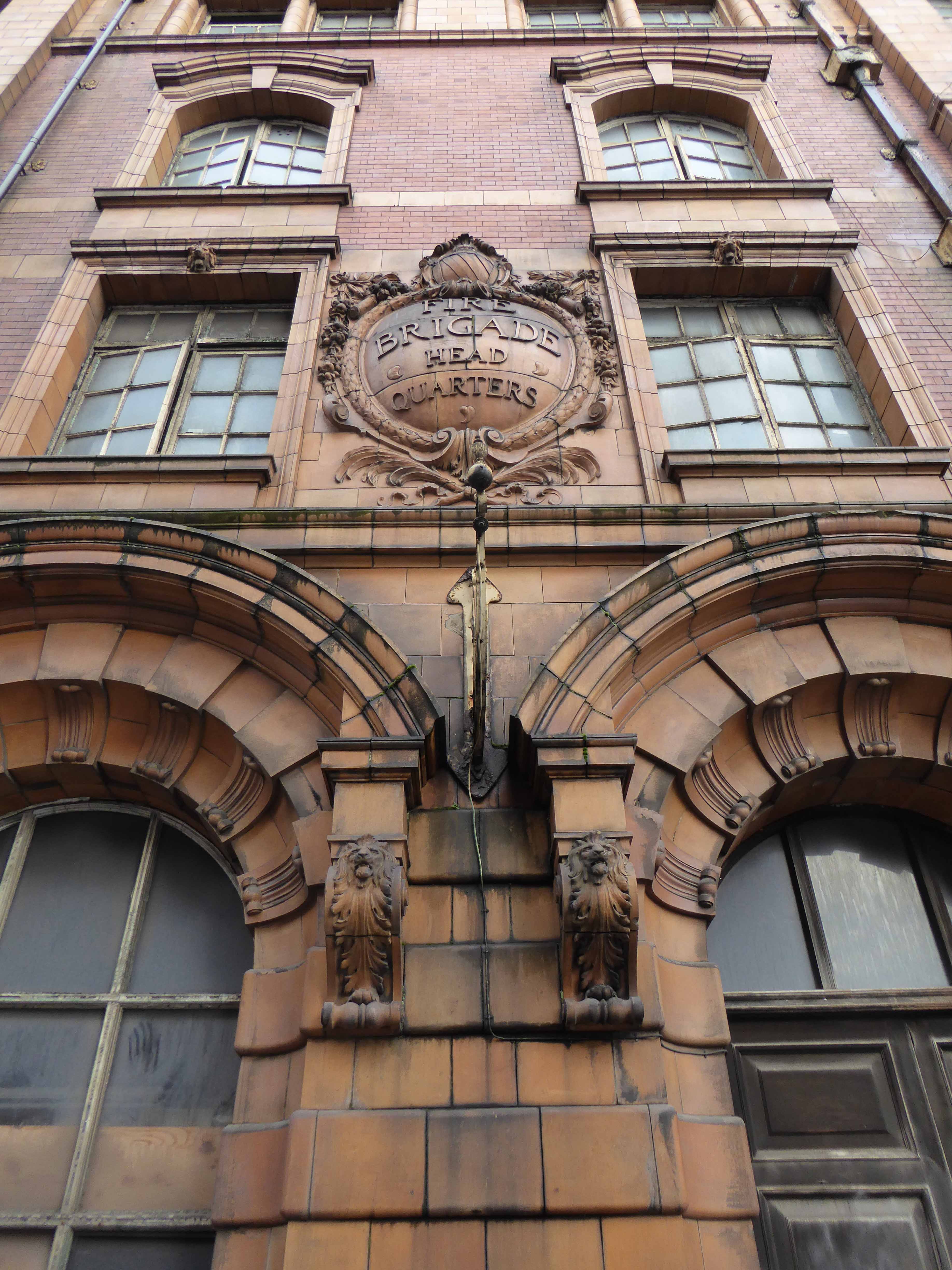
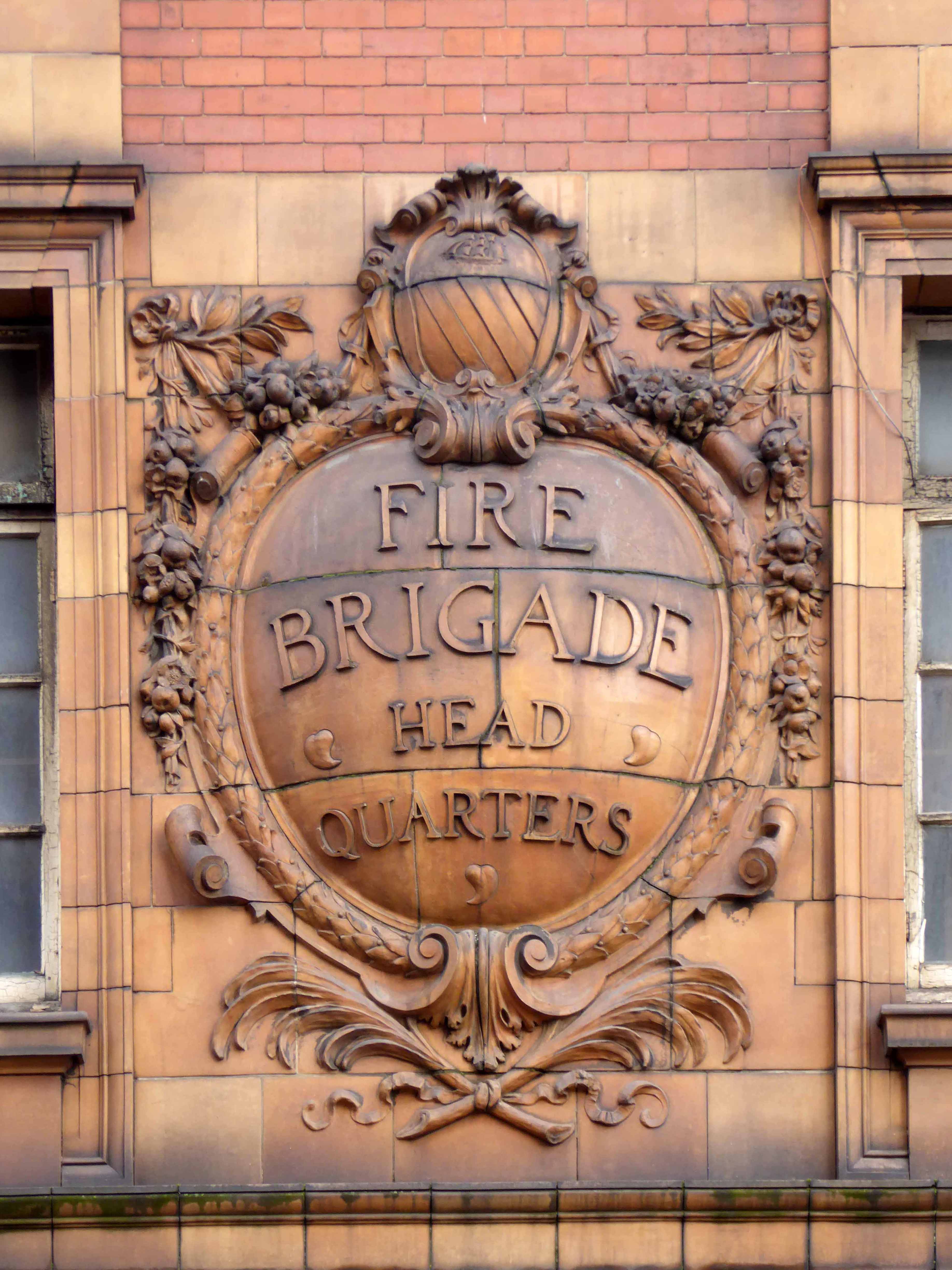
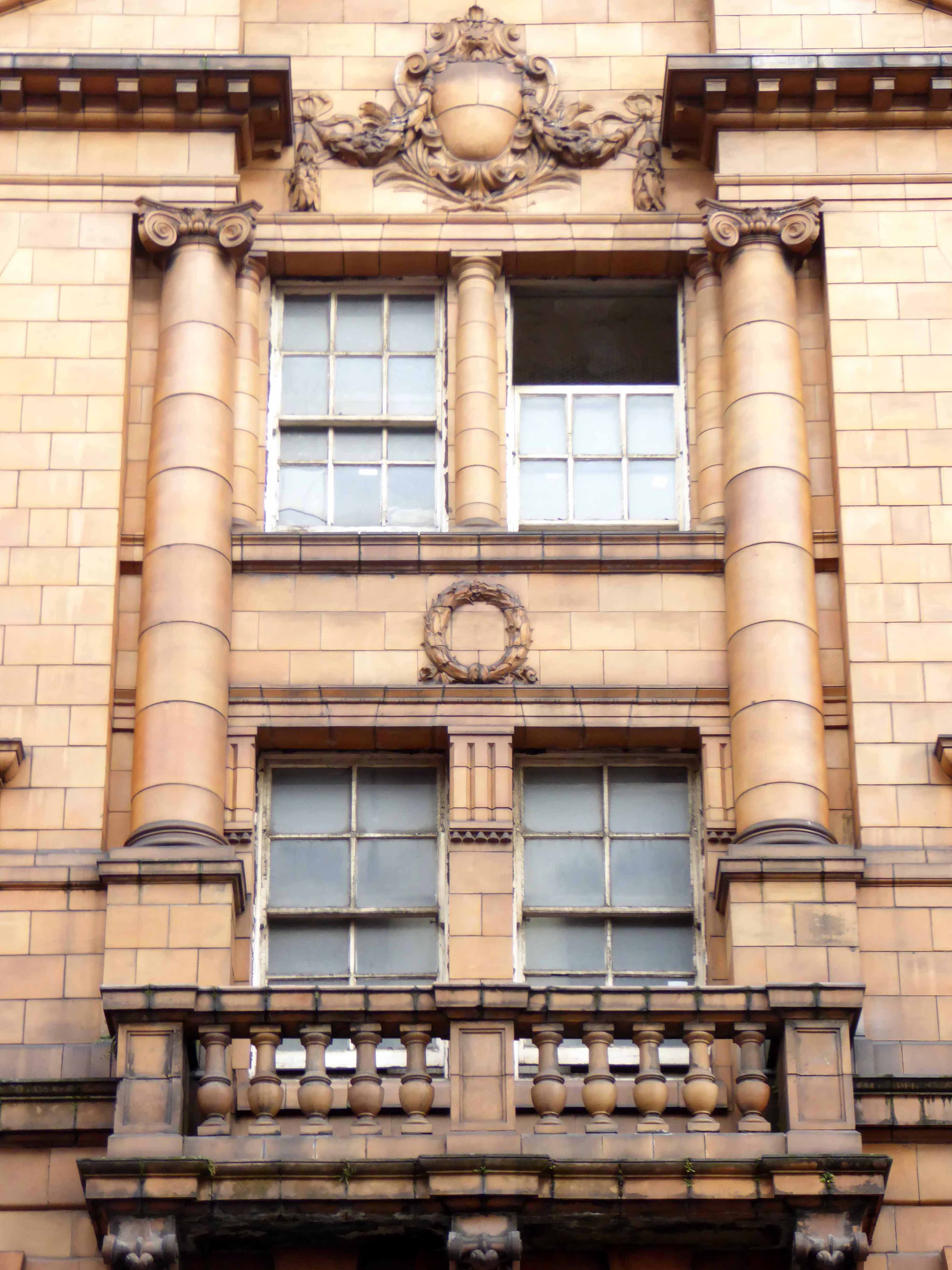
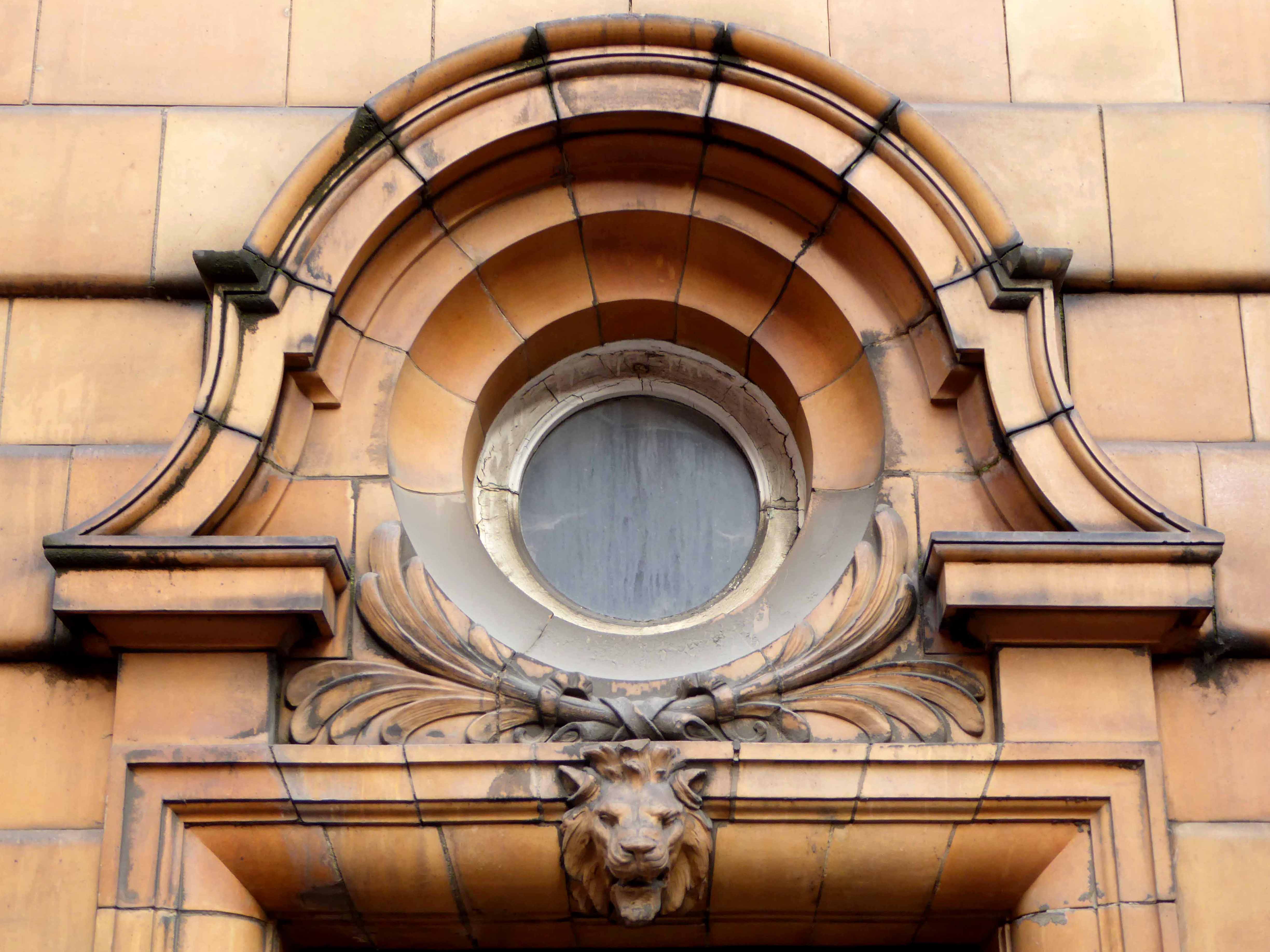
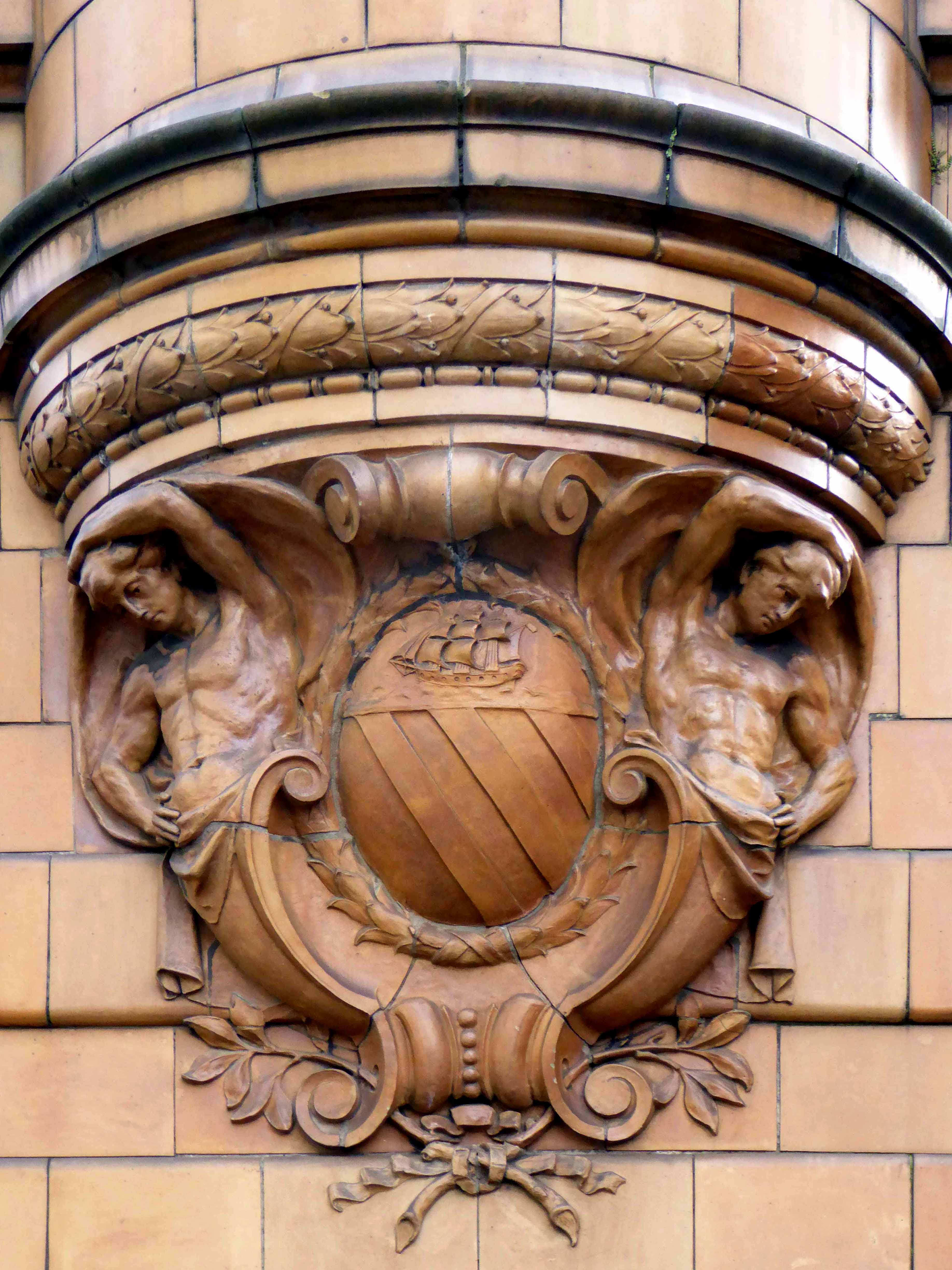
London Road Fire Station is a former fire station in Manchester, England. It was opened in 1906, on a site bounded by London Road, Whitworth Street, Minshull Street South and Fairfield Street. Designed in the Edwardian Baroque style by Woodhouse, Willoughby and Langham in red brick and terracotta, it cost £142,000 to build and was built by J. Gerrard and Sons of Swinton. It has been a Grade II* listed building since 1974.

Wikipedia

webmedia-1.php

1906

1906a

1938

1940

Manchester Local Image Collection

Despite its listing and prominence, opposite the rear corner of Piccadilly Station, this honeyed and red ochre delight has suffered nought but the indignity of abandonment since its closure in 1986, changing hands as quickly and venally as a worn deck of cards

The finest fire station in this round world stands empty.


P1230330

P1230334

P1230335

P1230336

P1230337

P1230338

P1230339

P1230340

P1230342

P1230343

P1230348

P1230349

P1230405

P1230407

P1230408

P1230409

P1230410

P1230412

P1230416

P1230418

P1230422

P1230424


London Road aka Piccadilly Station – Manchester

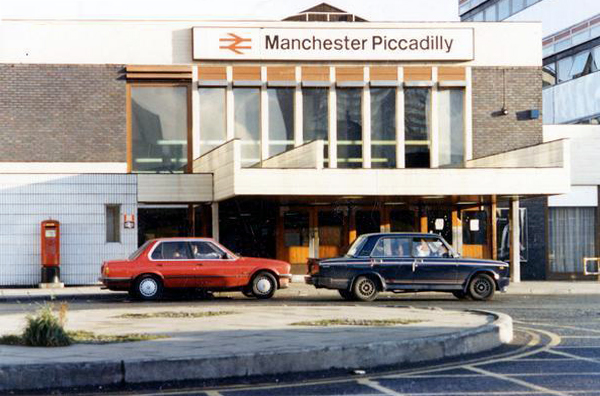
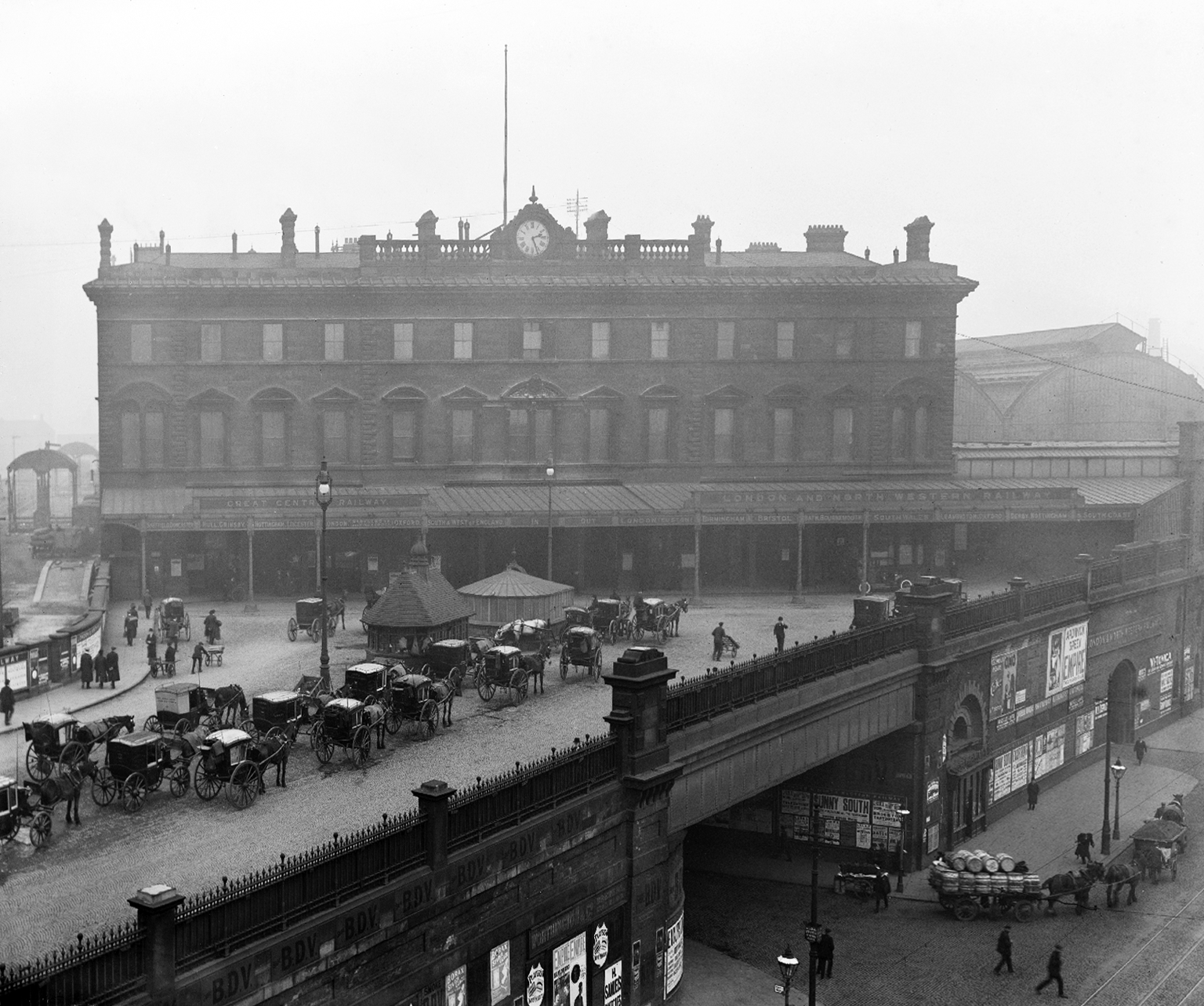
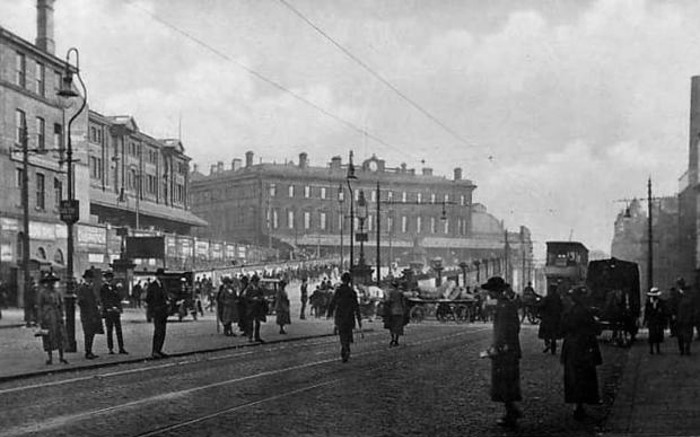
The station was originally built as Store Street Station by the Manchester and Birmingham Railway in 1842, before being renamed London Road Station in 1847.  It was shared by the Sheffield, Ashton-under-Lyne & Manchester Railway and it has been rebuilt and added to a number of times, with two news spans added to the train shed roof in 1881 and island platforms added linking to Manchester Oxford Road in 1882 (replacing two old Manchester, South Junction and Altrincham Railway platforms which were built next to the station).

1997-7409_lms_2969

An imposing classical façade with a substantial cast iron and glass train shed, the approach sloping up to the frontage, as of necessity the line entered the city on a raised trackbed.

Manchesterlondonroad_old_postcard

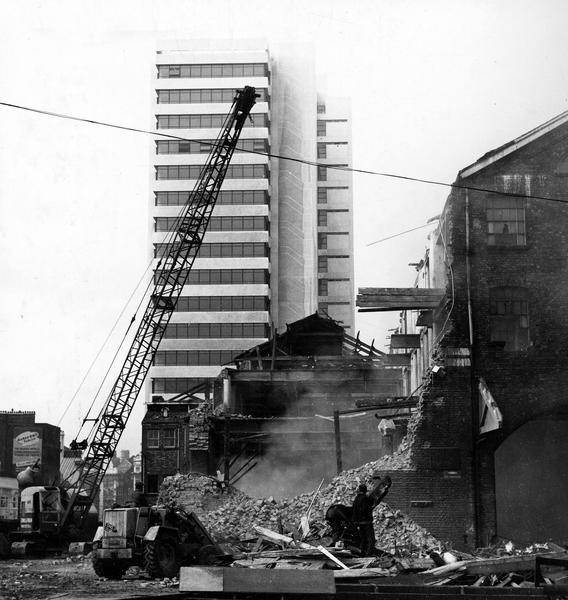
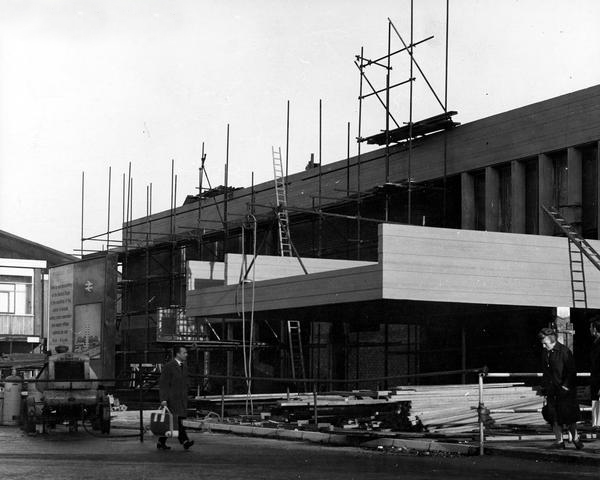
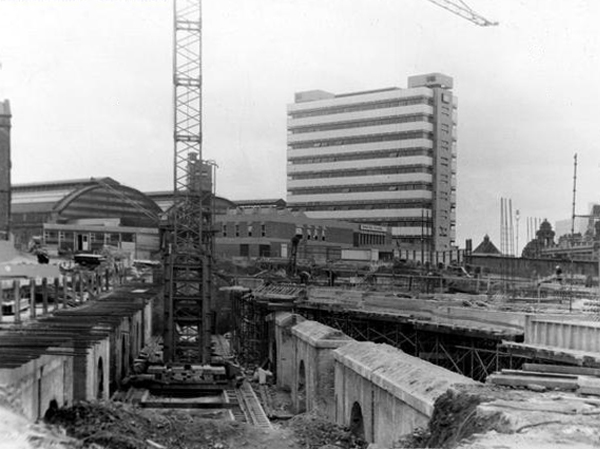
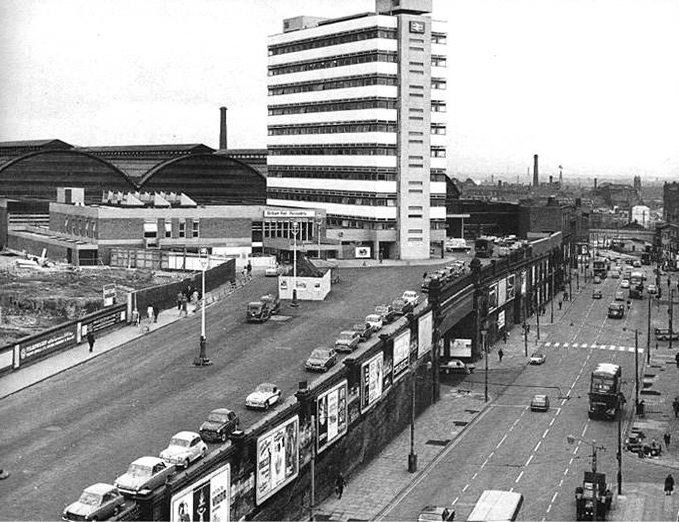
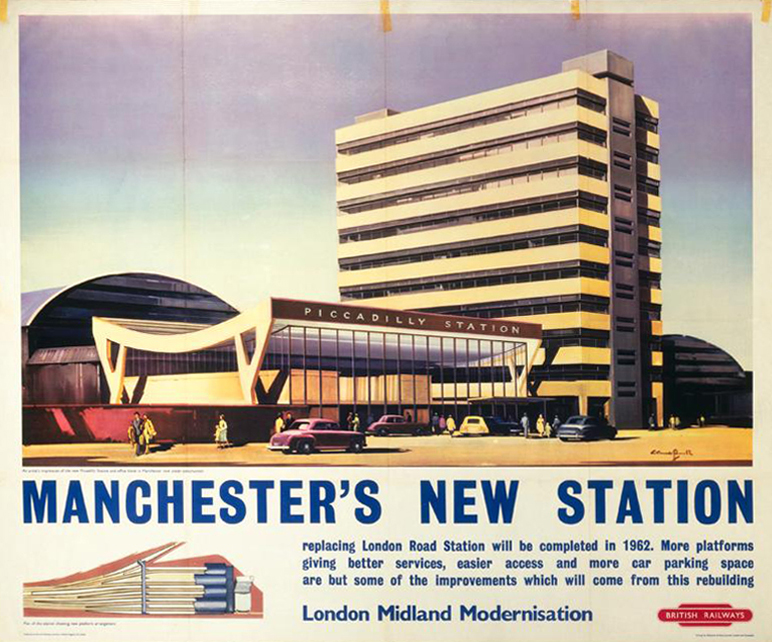
Initially the approach was lined with railway warehousing, subsequently demolished to make way for the redevelopments of the 1960s.

webmedia-5.php

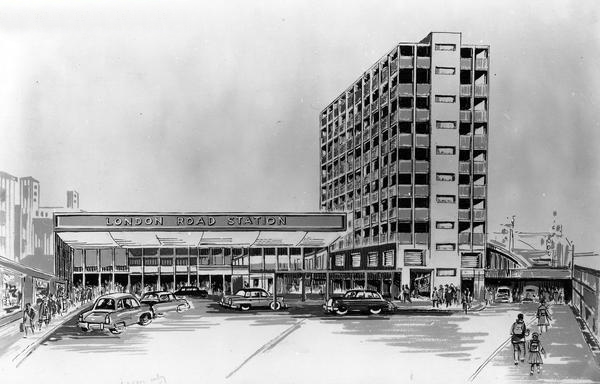
Detailed plans are made to reshape the station concourse and entrance.

webmedia-2.php
1997-9266

Dreams are turned into reality, as near as makes no difference.

webmedia-6.php
webmedia-8.php
tumblr_npa35mFqXm1rr41pto1_1280

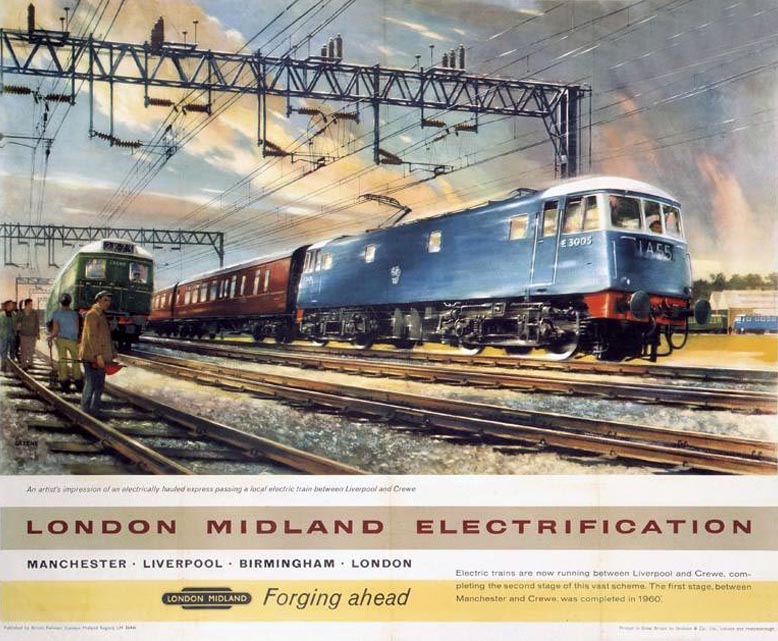
The newly electrified lines opening up the city to a world of high speed intercity travel.

0000-0-a-nmsi-wcml-electric-1

The Krays it seems were deemed to be unwelcome visitors, everyone else came and went, met with equanimity and a bright new modernist vista.

tumblr_mhwtgsHJhN1rr41pto1_1280

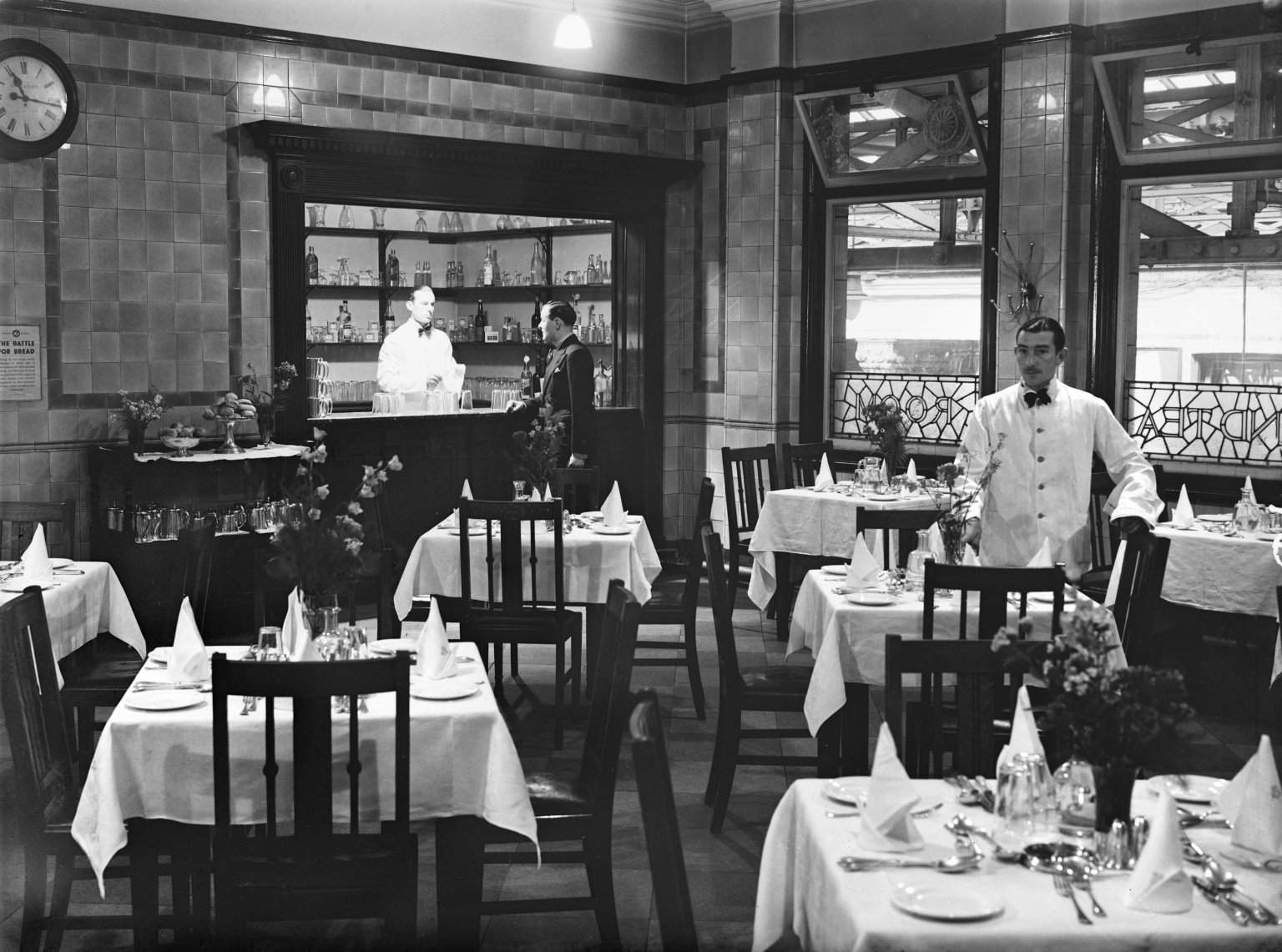
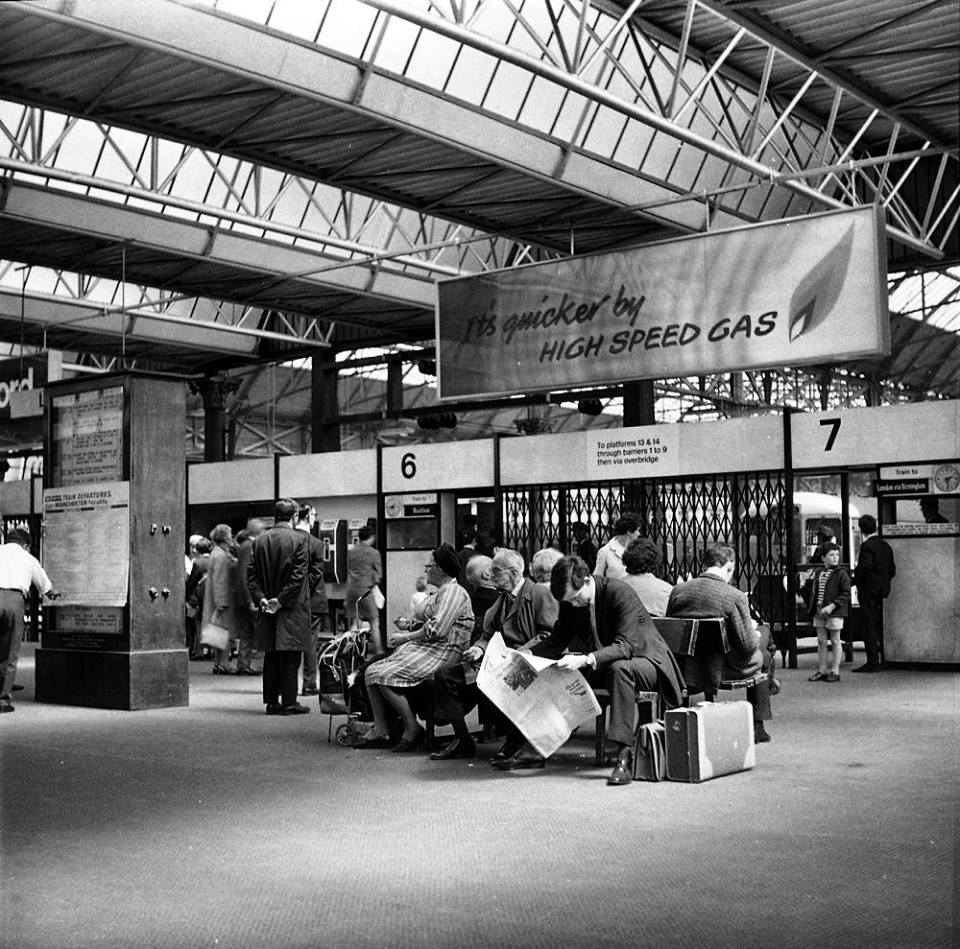
The brand new shiny buffet replaces the archaic dining rooms, as Brylcreemed, bow tied and moustachioed waiters are consigned to the scrapheap of history.

1995-7233_livst_hr_76

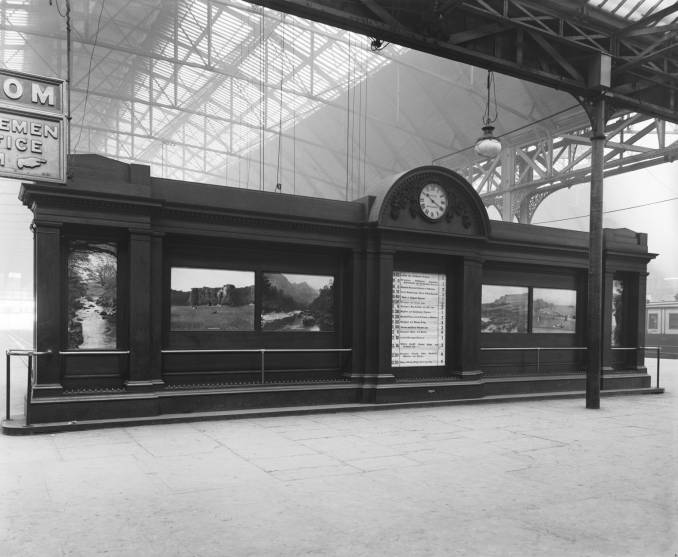
Likewise the gloomy destination boards – out with the old!

1997-7409_LMS_2972

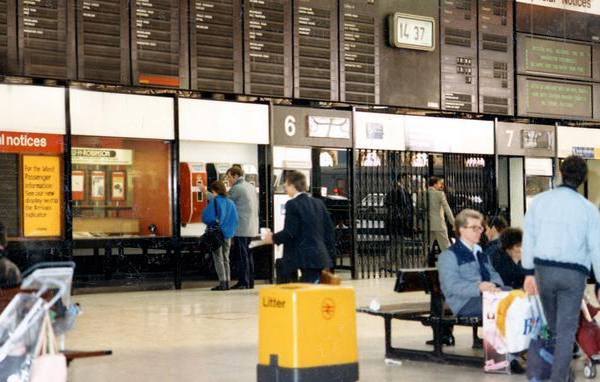
And in with the new.

webmedia-11.php
piccadilly

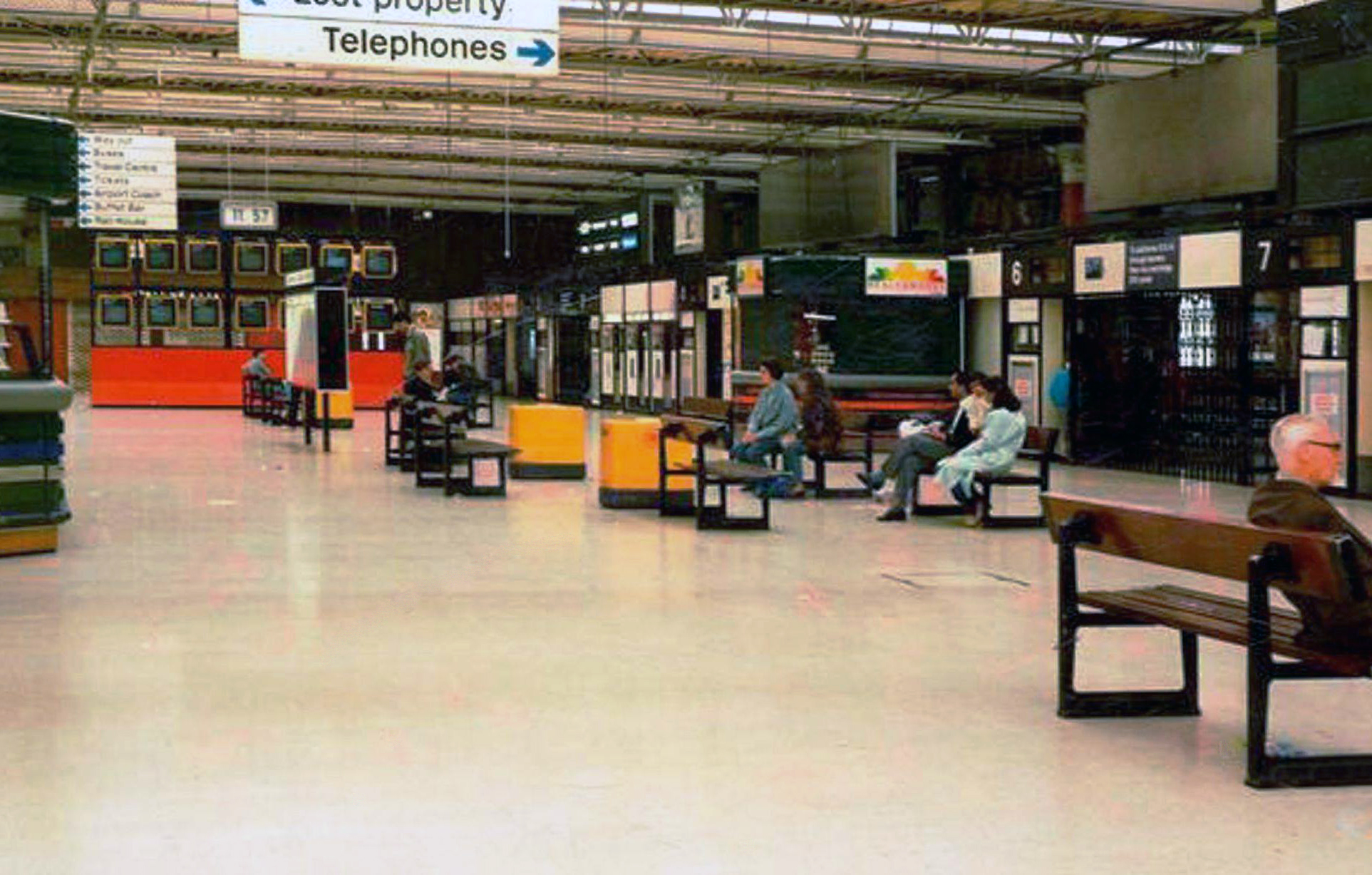
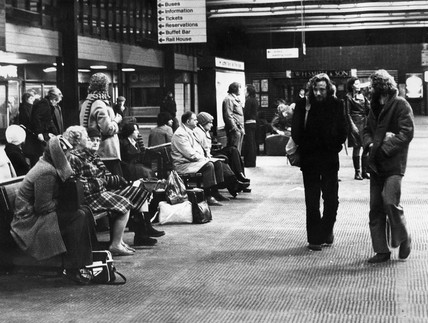
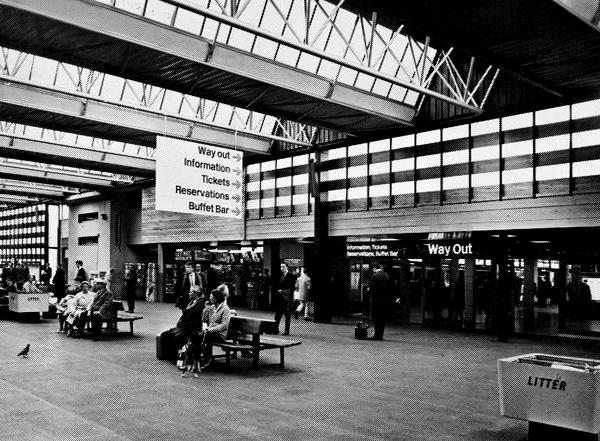
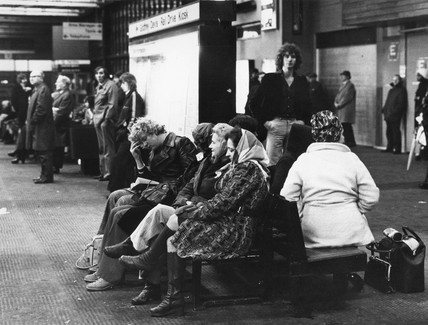
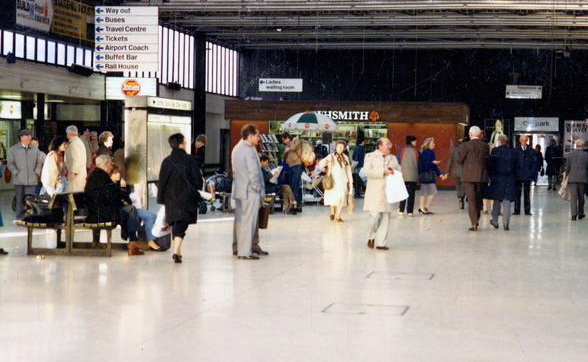
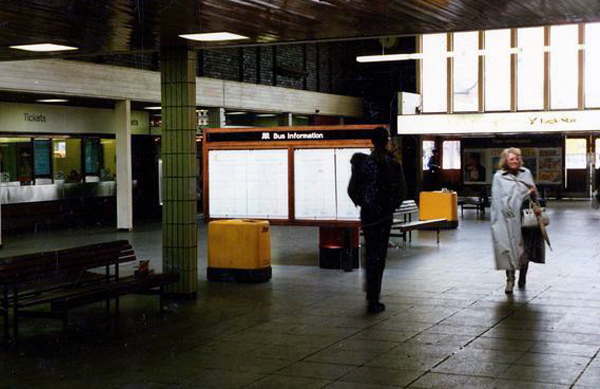
We have a fully integrated modern interior to deal with the modern passengers’ every need – including crystal clear signage, seating and bins.

114900
webmedia.php
34483218_10216677058538309_3758328904939470848_n
114899
webmedia-12.php
webmedia-14.php

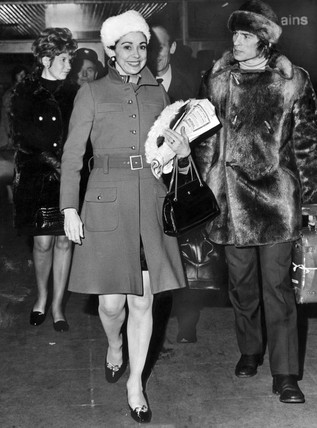
Stars of screen and stage are guided through with consummate ease, Margot Fonteyn and Rudolf Nureyev in his brand new baby seal skin coat arrive in 1968 to dance Swan Lake at the Palace.

128088

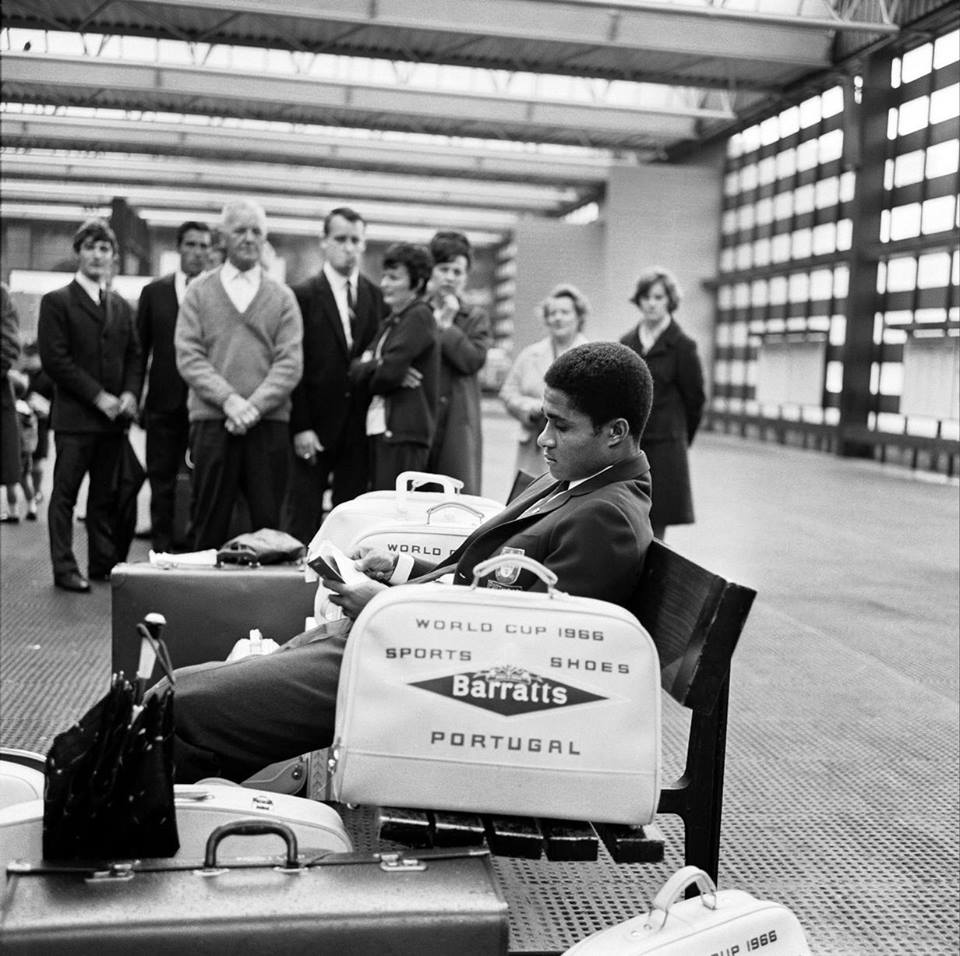
Esteemed footballer Eusebio on his travels during the 1966 World Cup.

Eusebio

In 1969 Gateway House arrives, Richard Sieffert & Partners wavy hello and goodbye to  Manchester’s premier railway station.

webmedia-17.php

Piccadilly has now seen several revamps, the concourse an exercise in contemporary cluttered retail/airport chic, a 125mph Pendolino journey away from the carefully considered internal order of yesteryear.

Who knows what the future holds?

HS2 to name but one – sit back let the train take the strain.

bdb45994802efc2dffc5f6d4b13b0f78

Archival images Manchester Local Image Collection