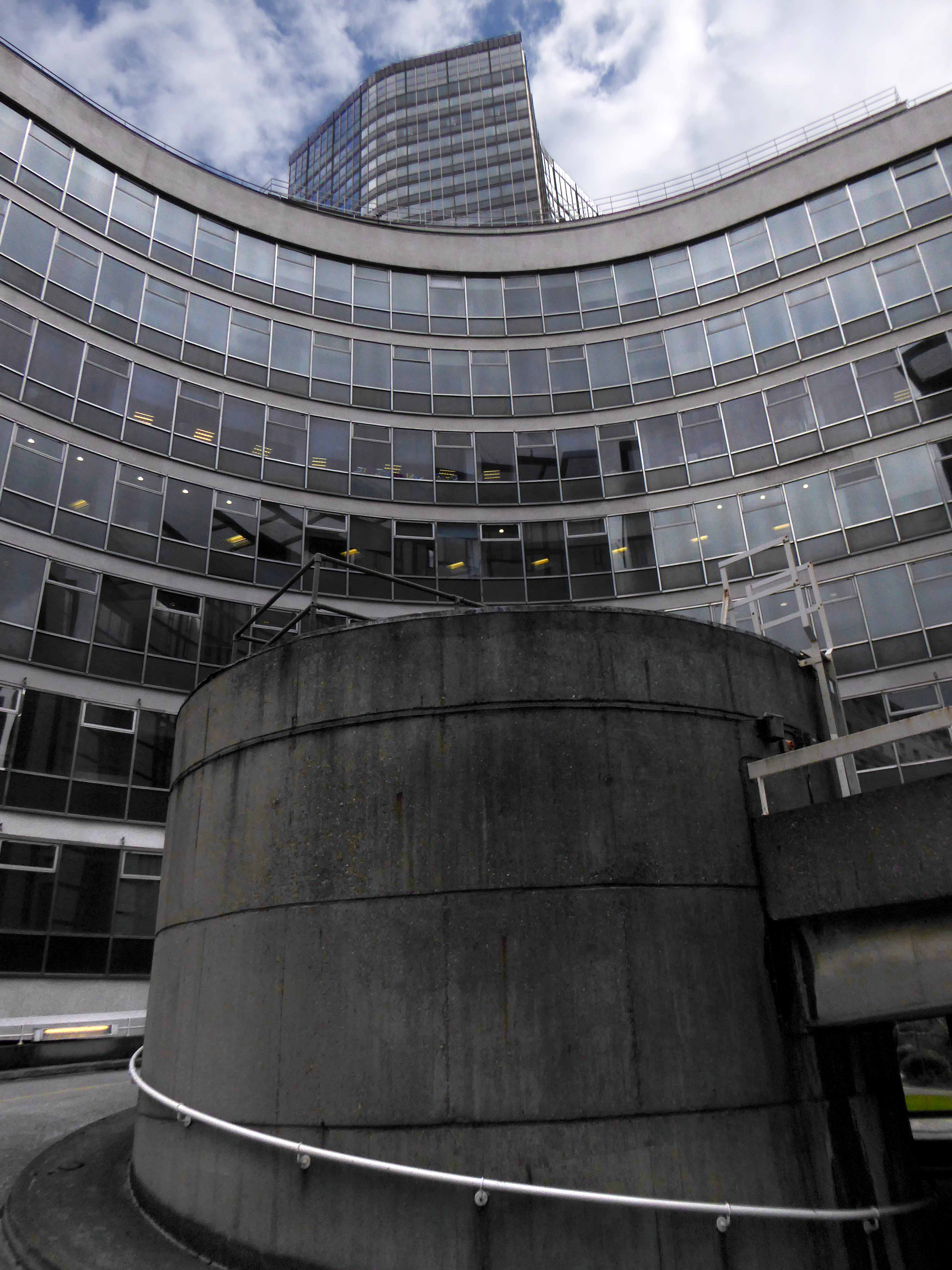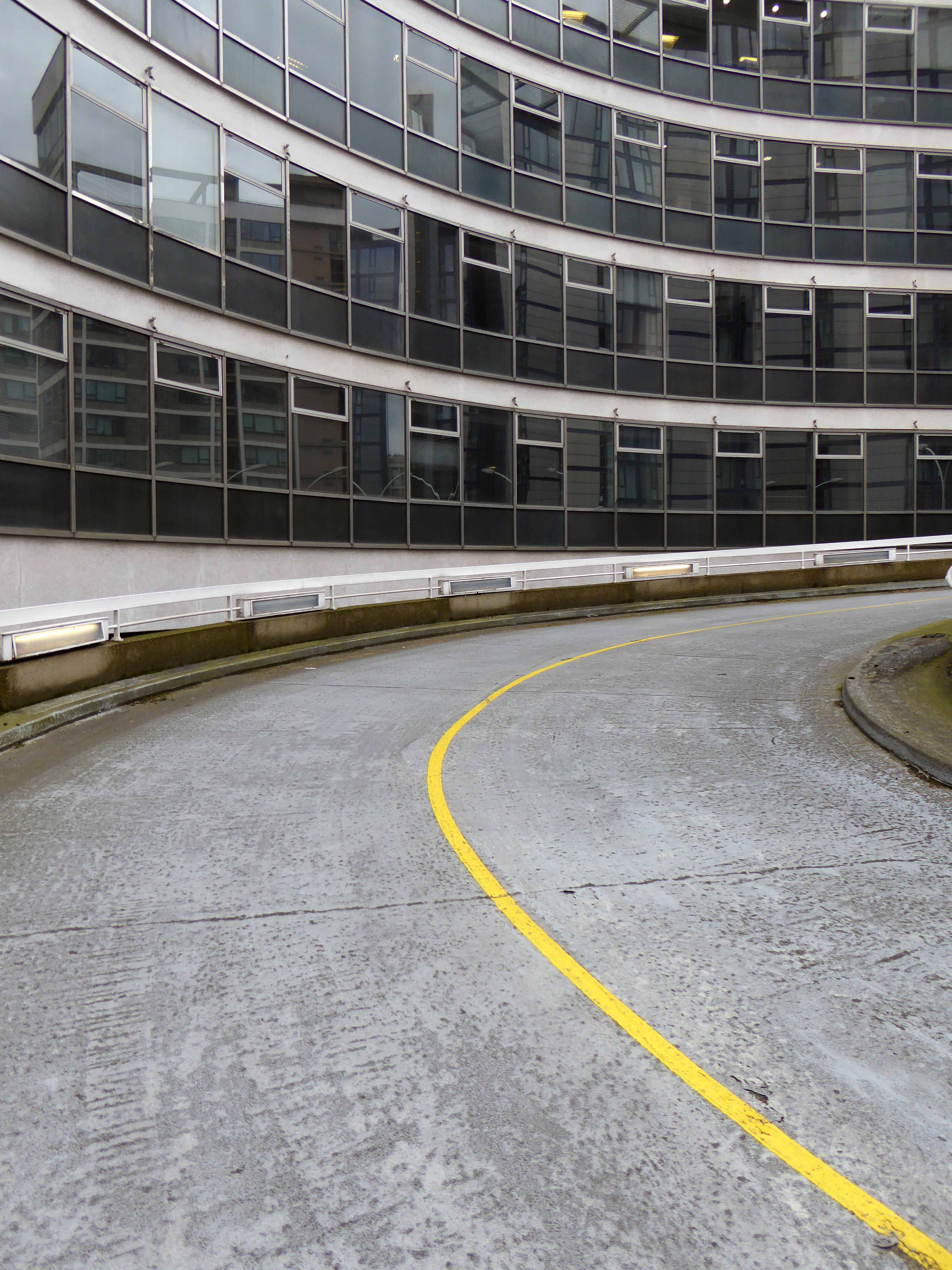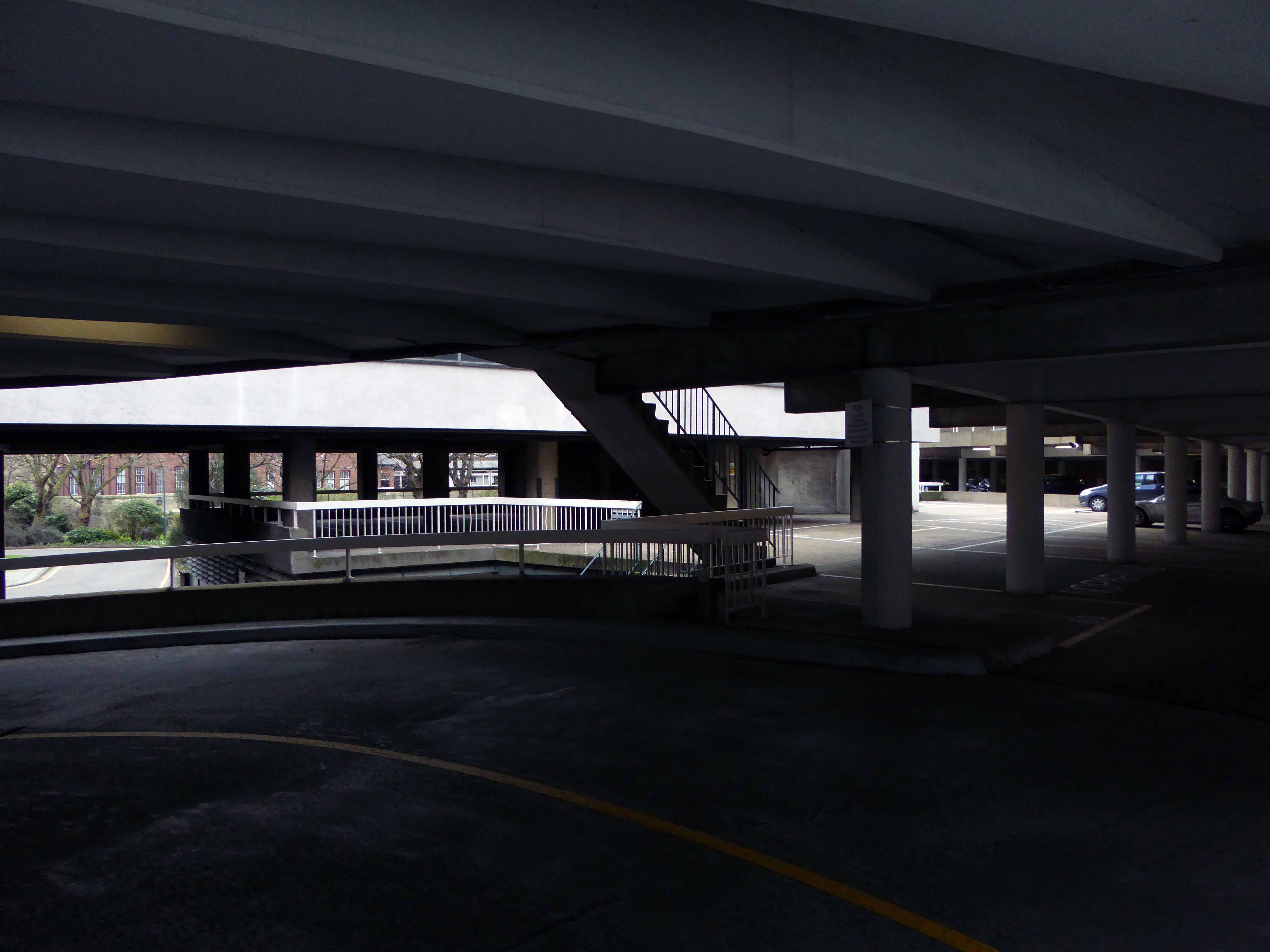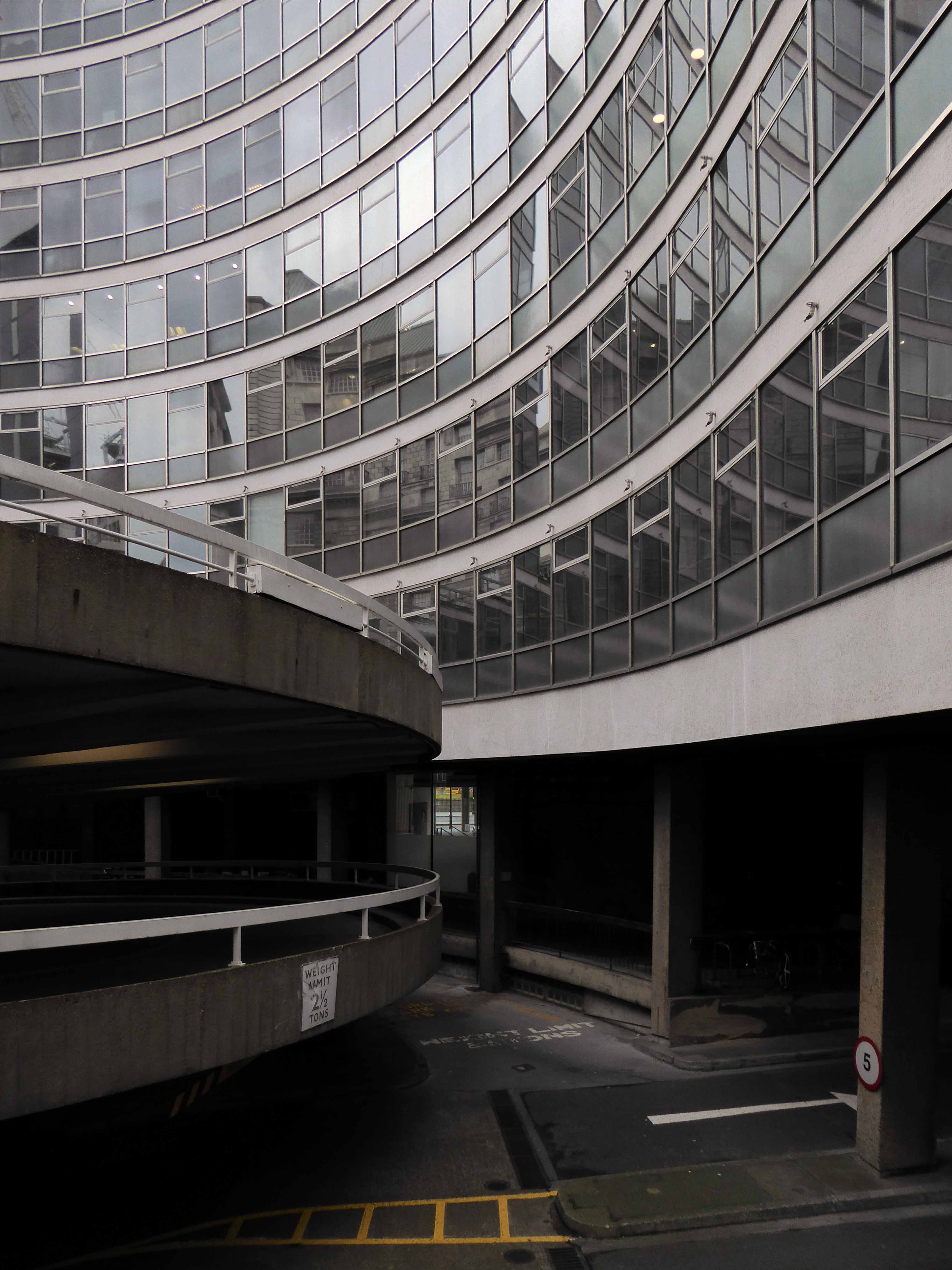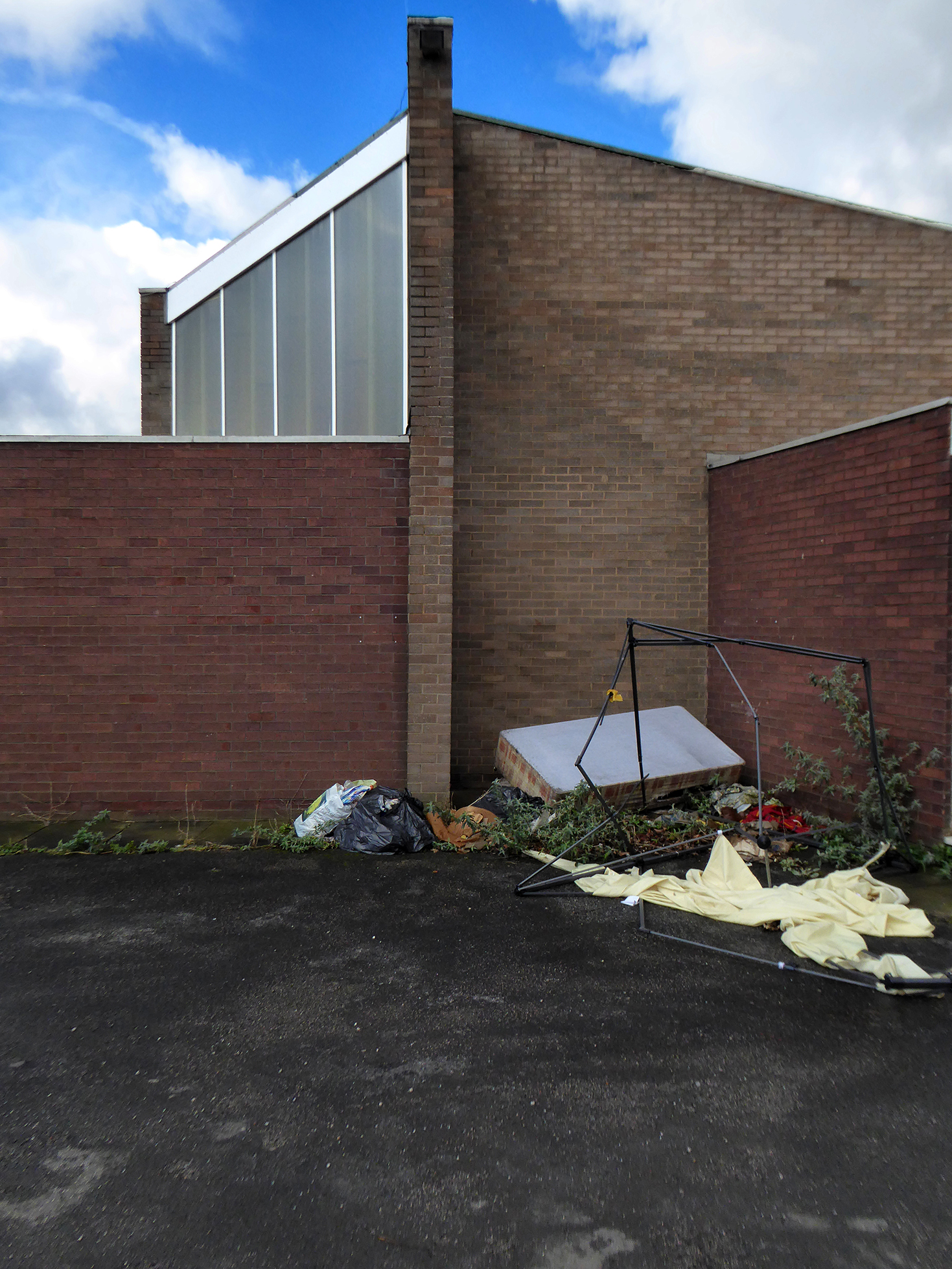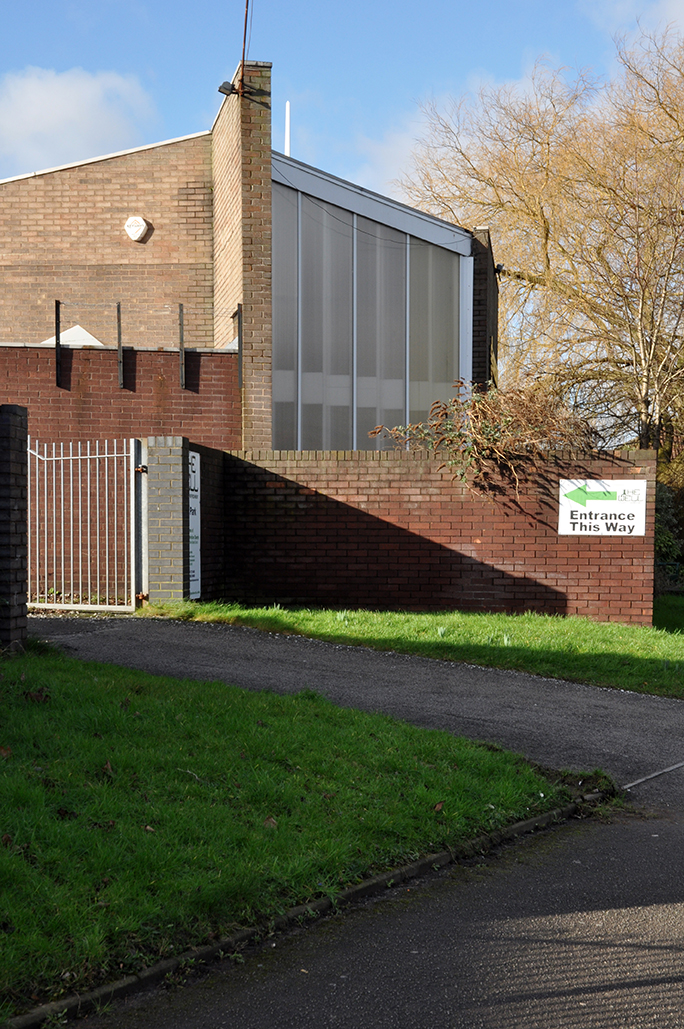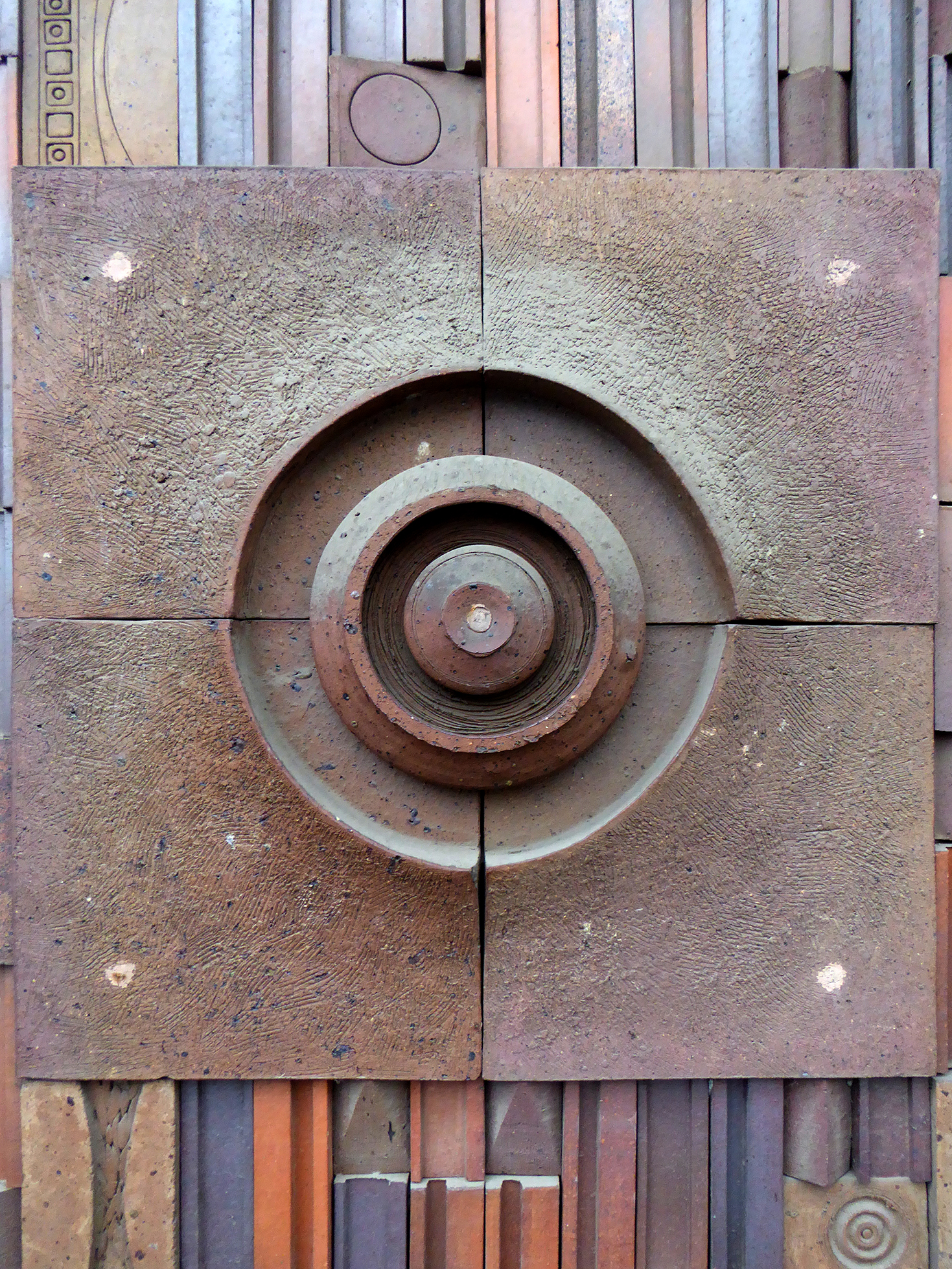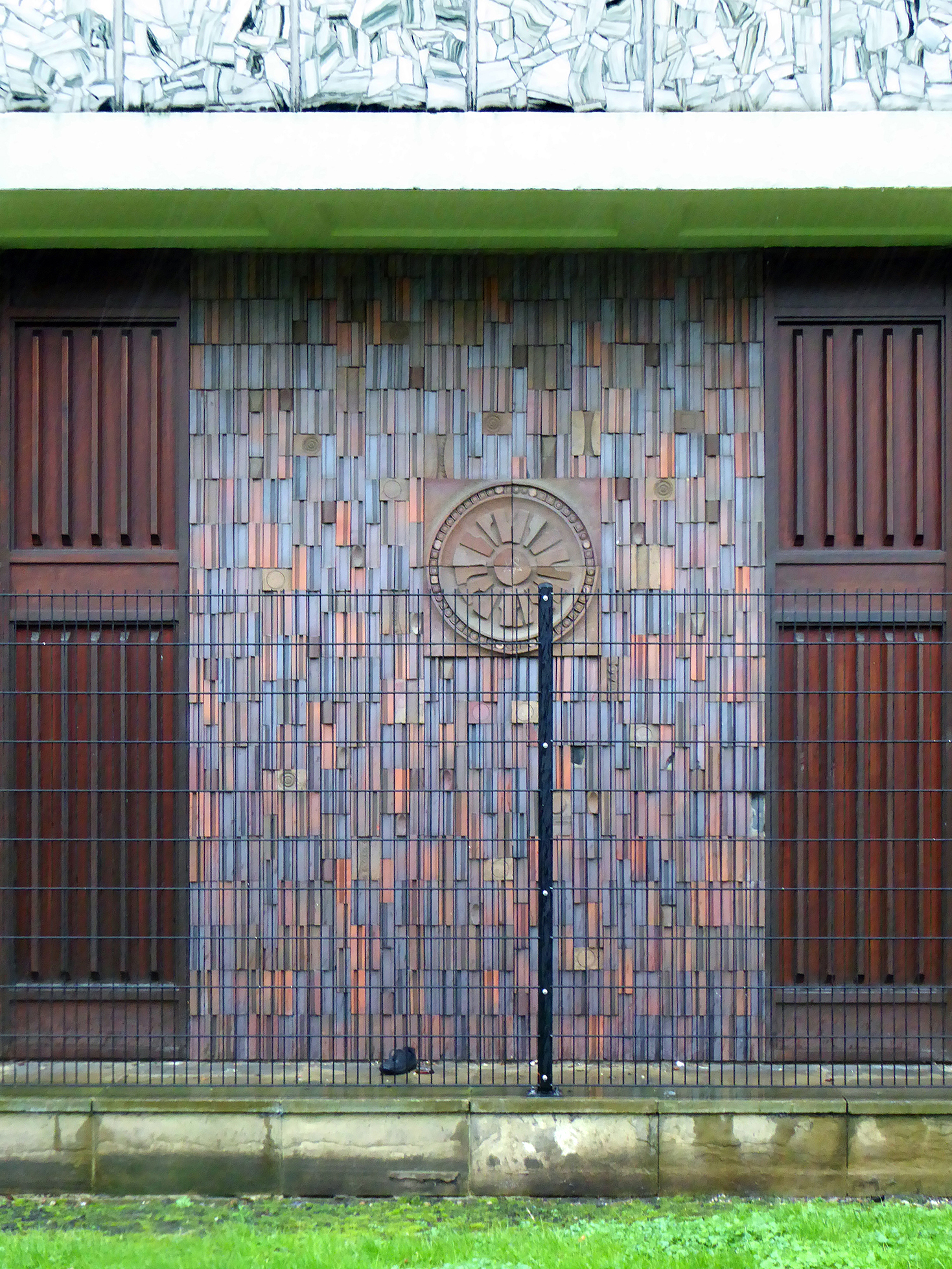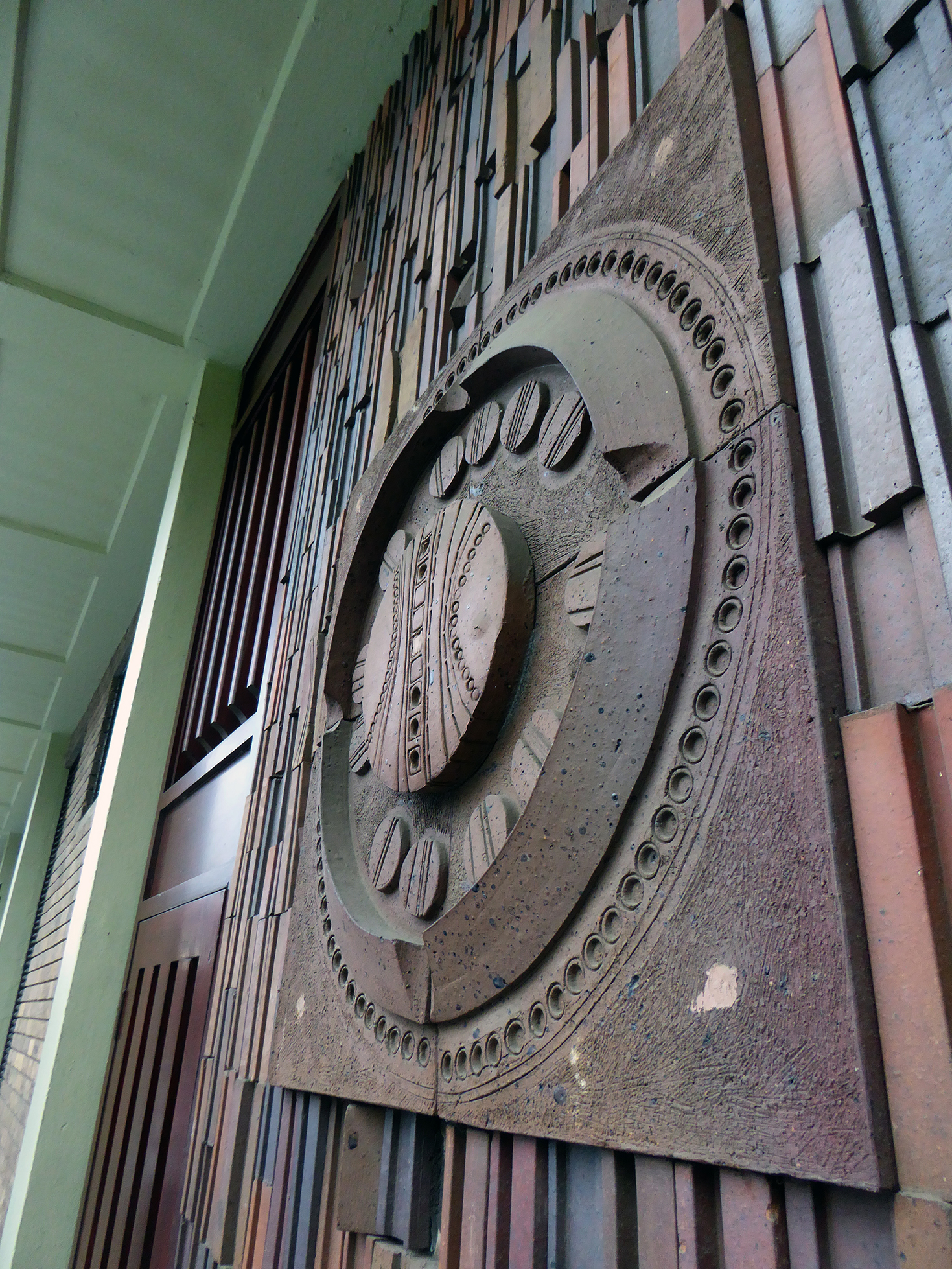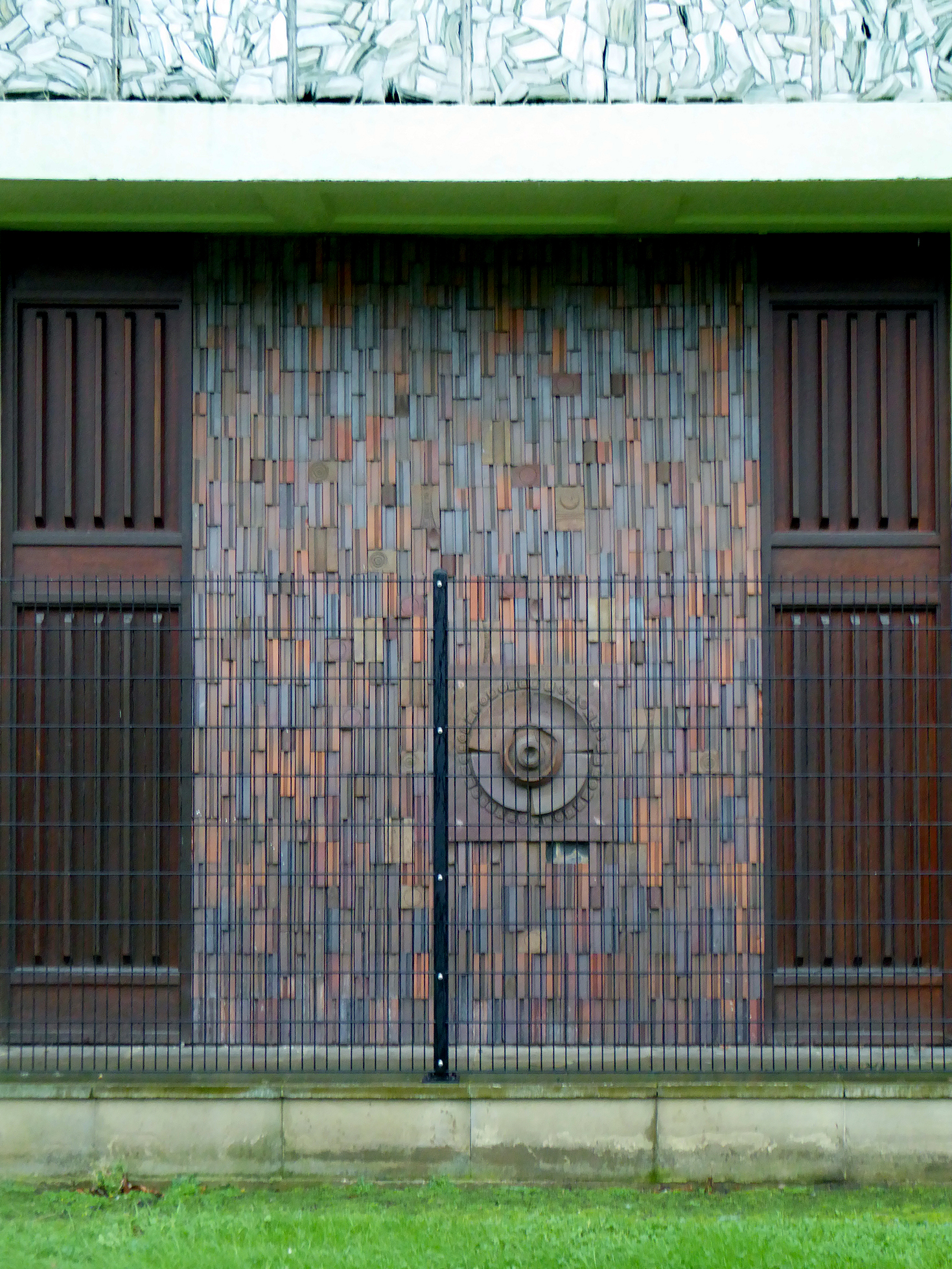
Library – Morecambe

I love libraries.

I love Morecambe.

Therefore I love Morecambe library.

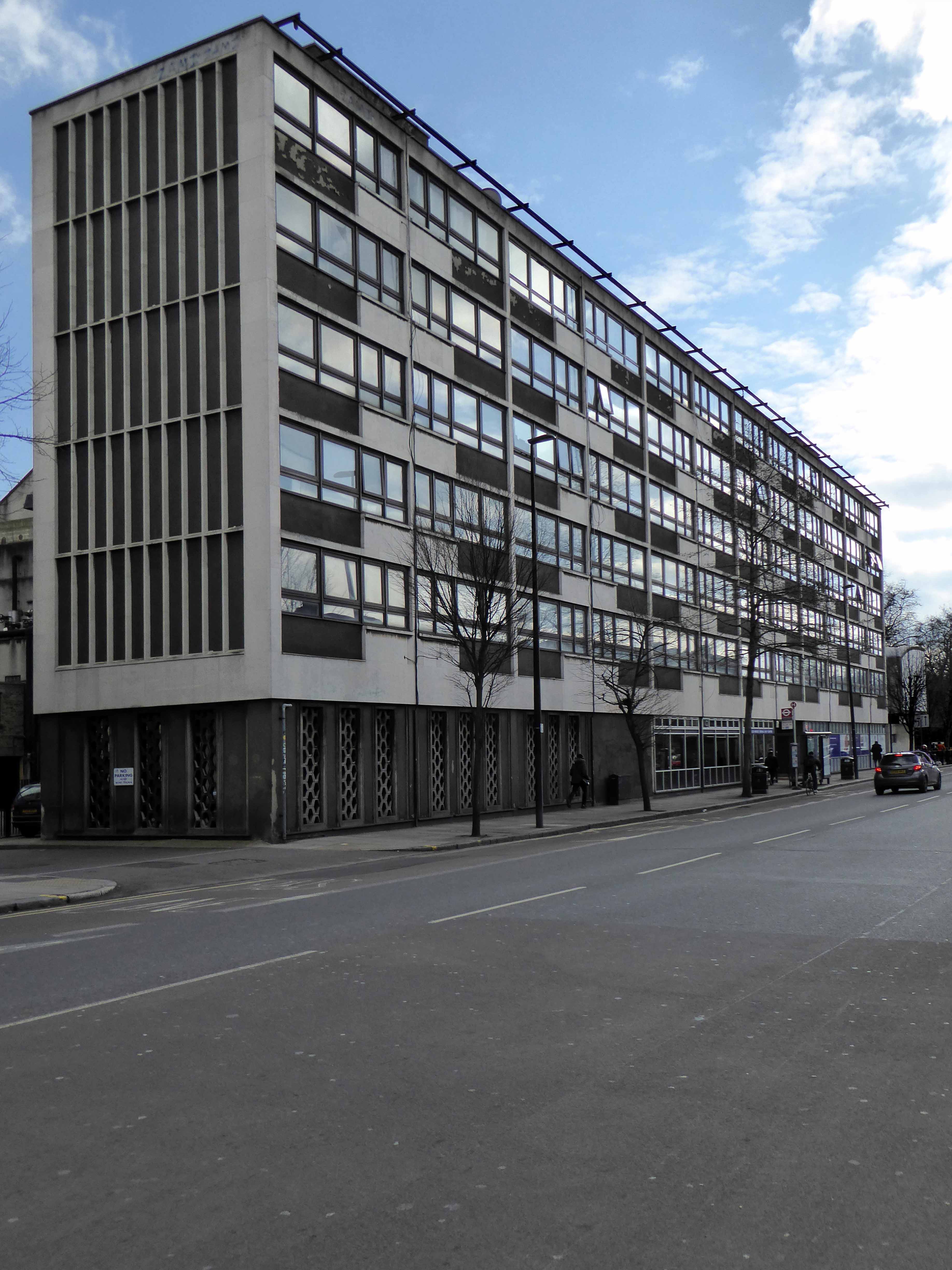
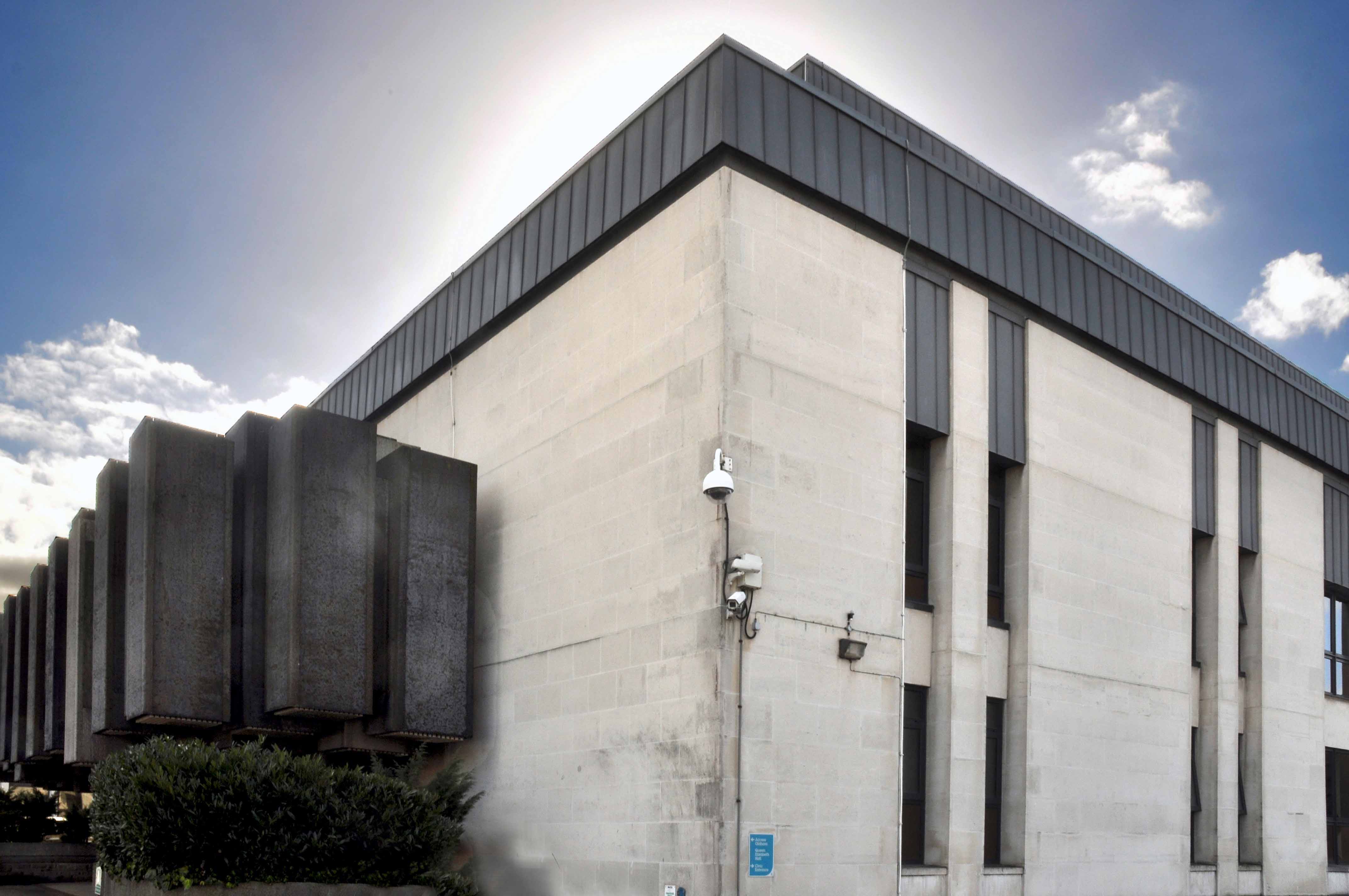
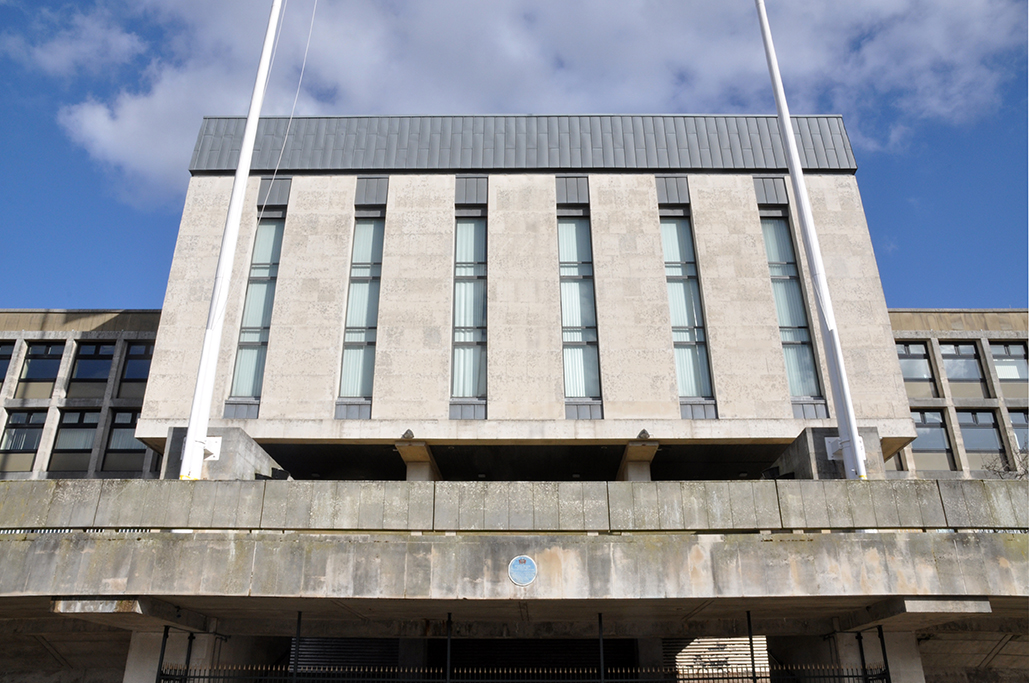
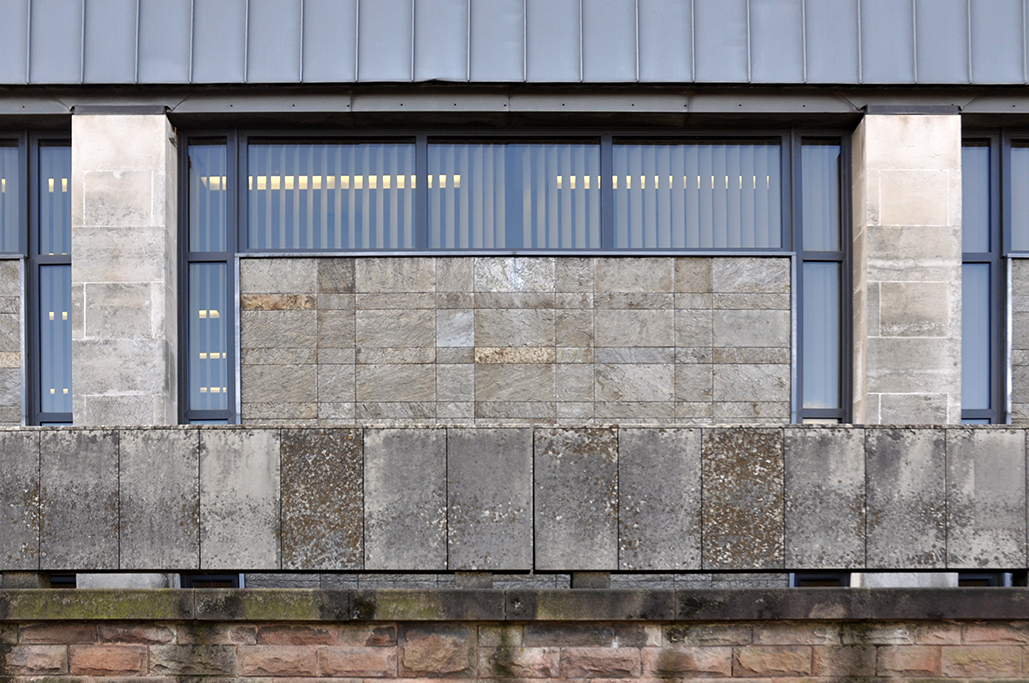
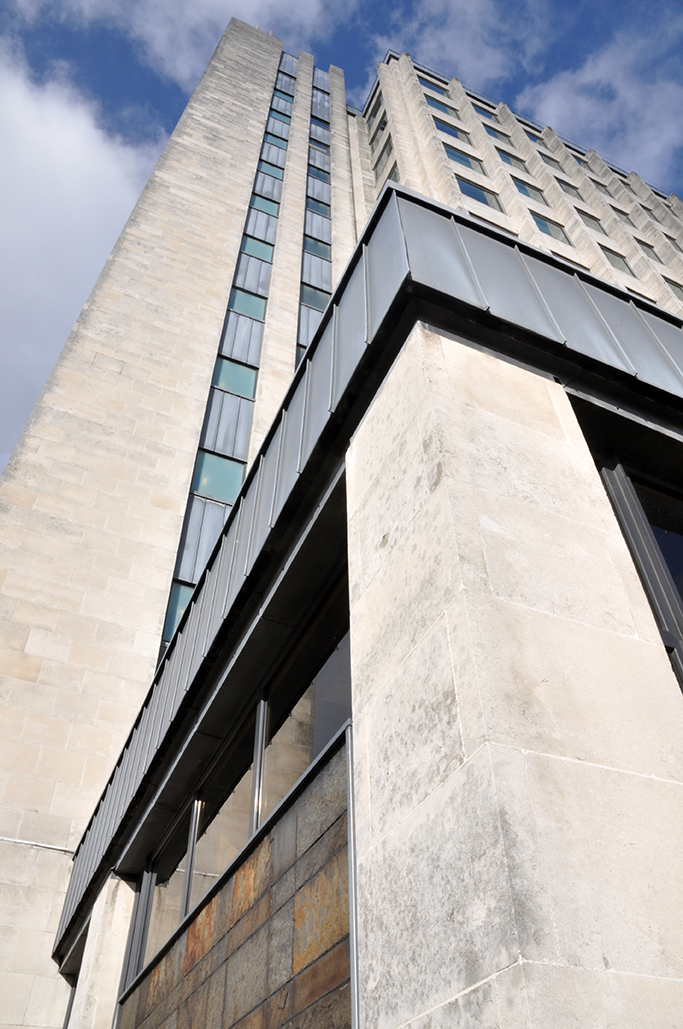
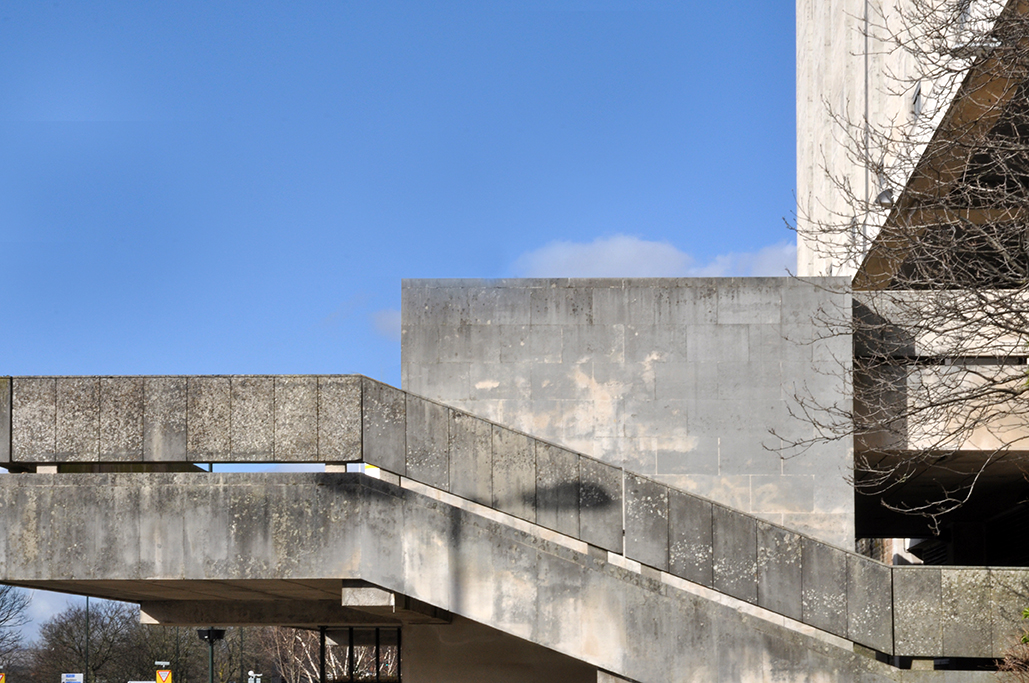
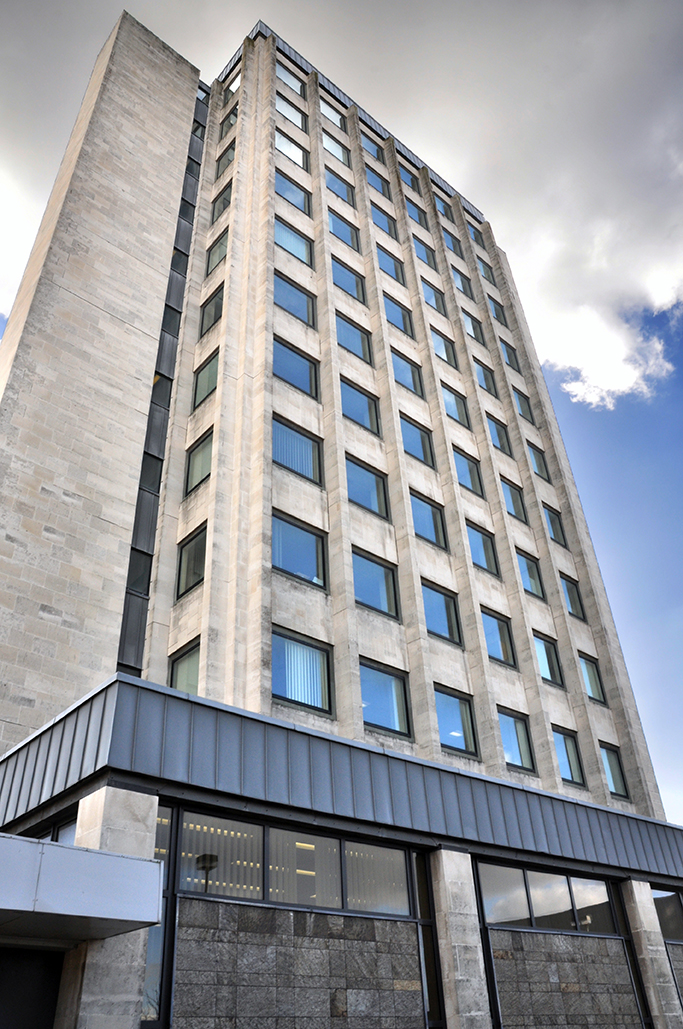
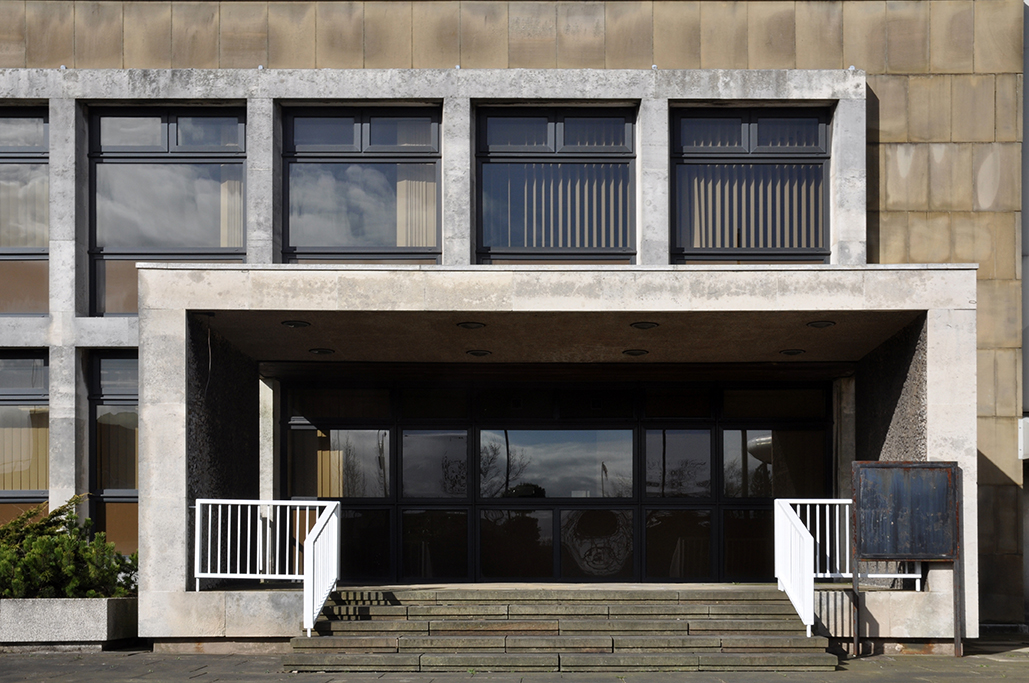
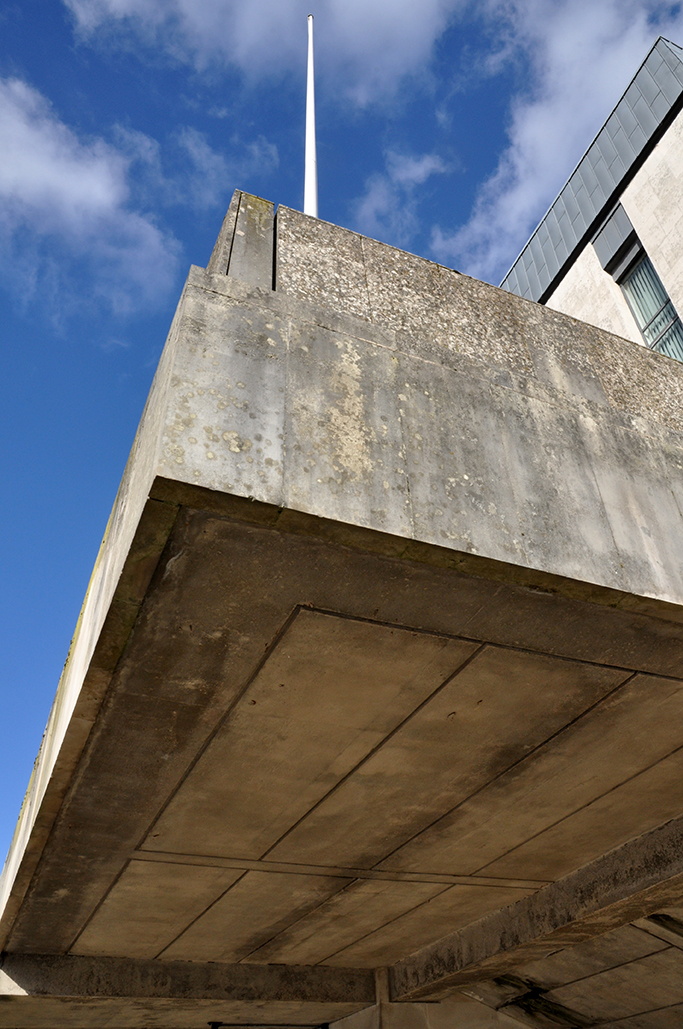
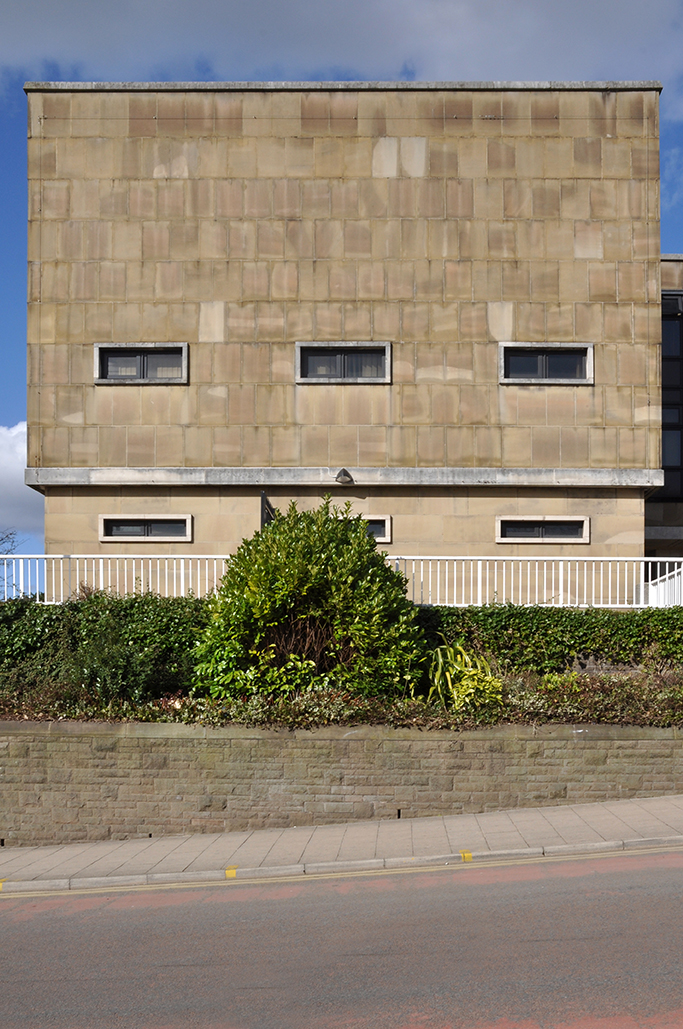
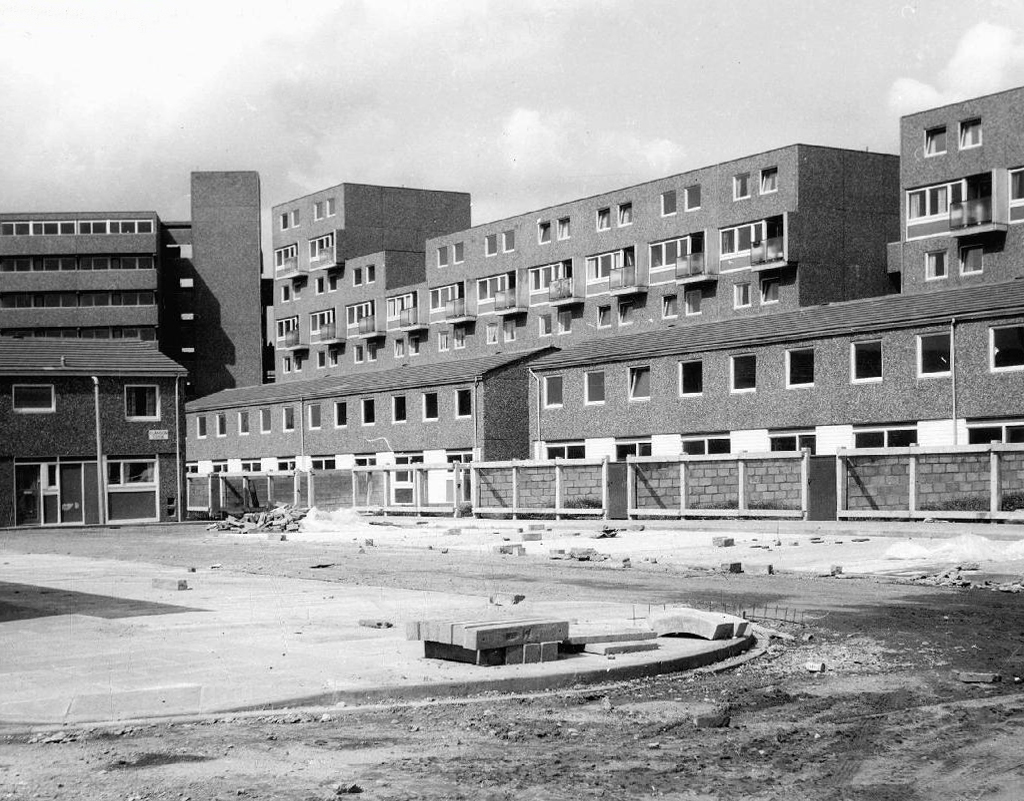
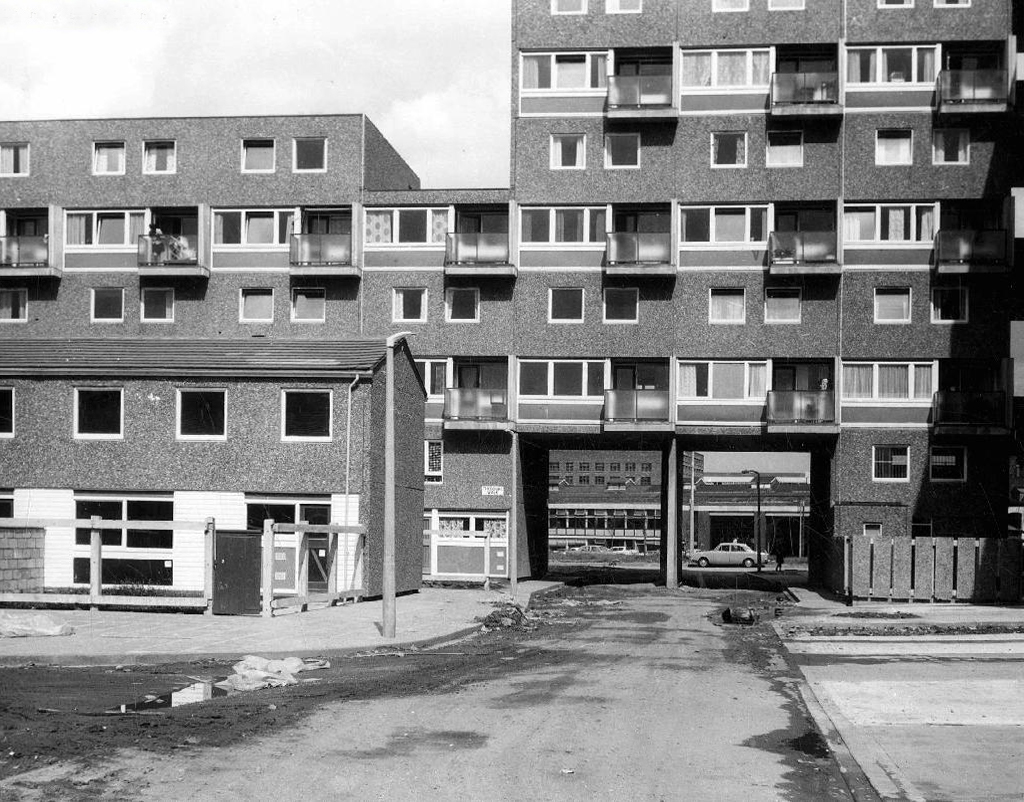
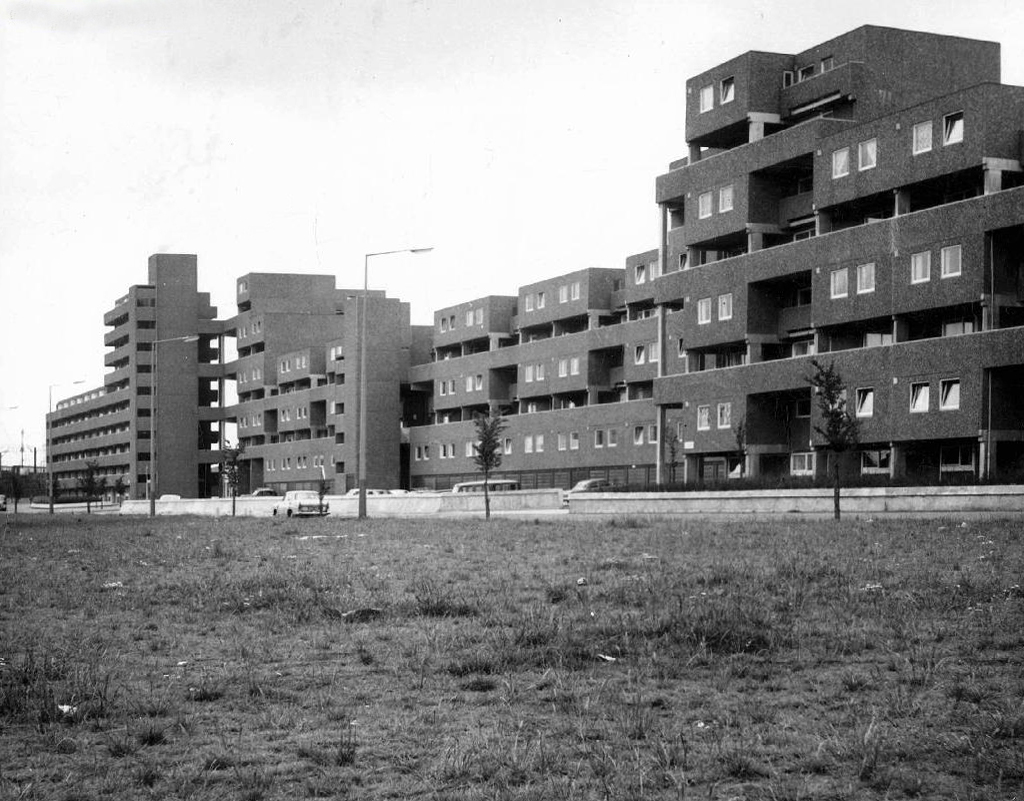
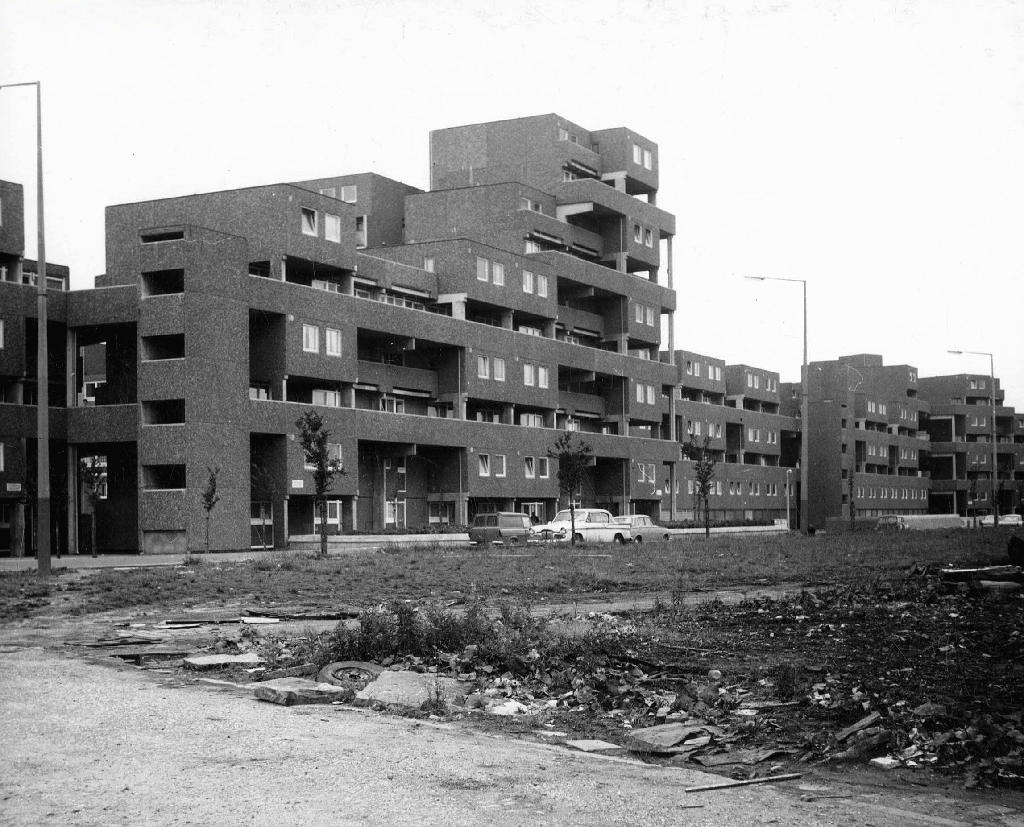
Built and opened in 1967, designed by the County Architect  Roger Booth who was also responsible for a whole host of buildings in Lancashire between 1962 and 1983.

image-6.php

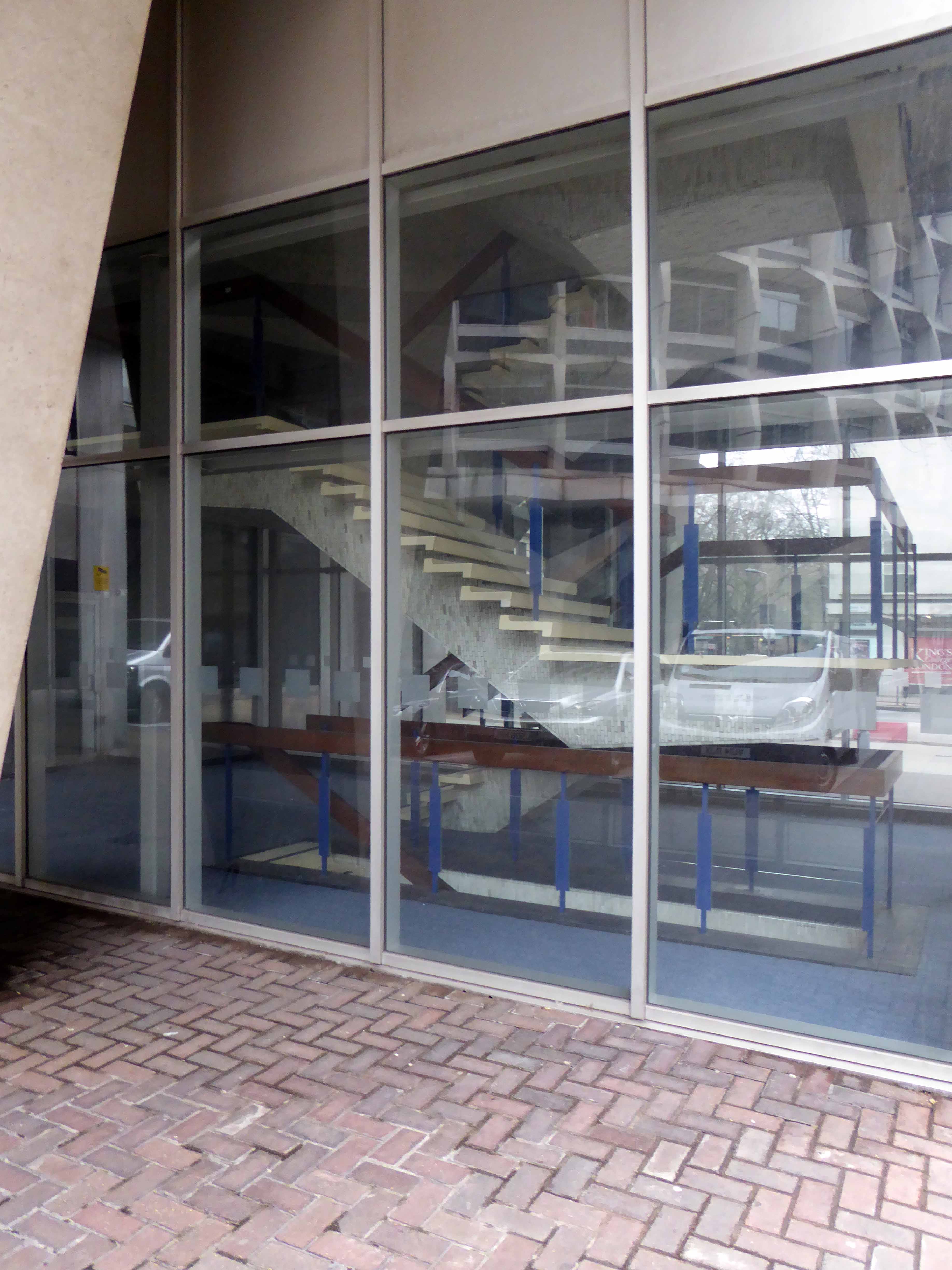
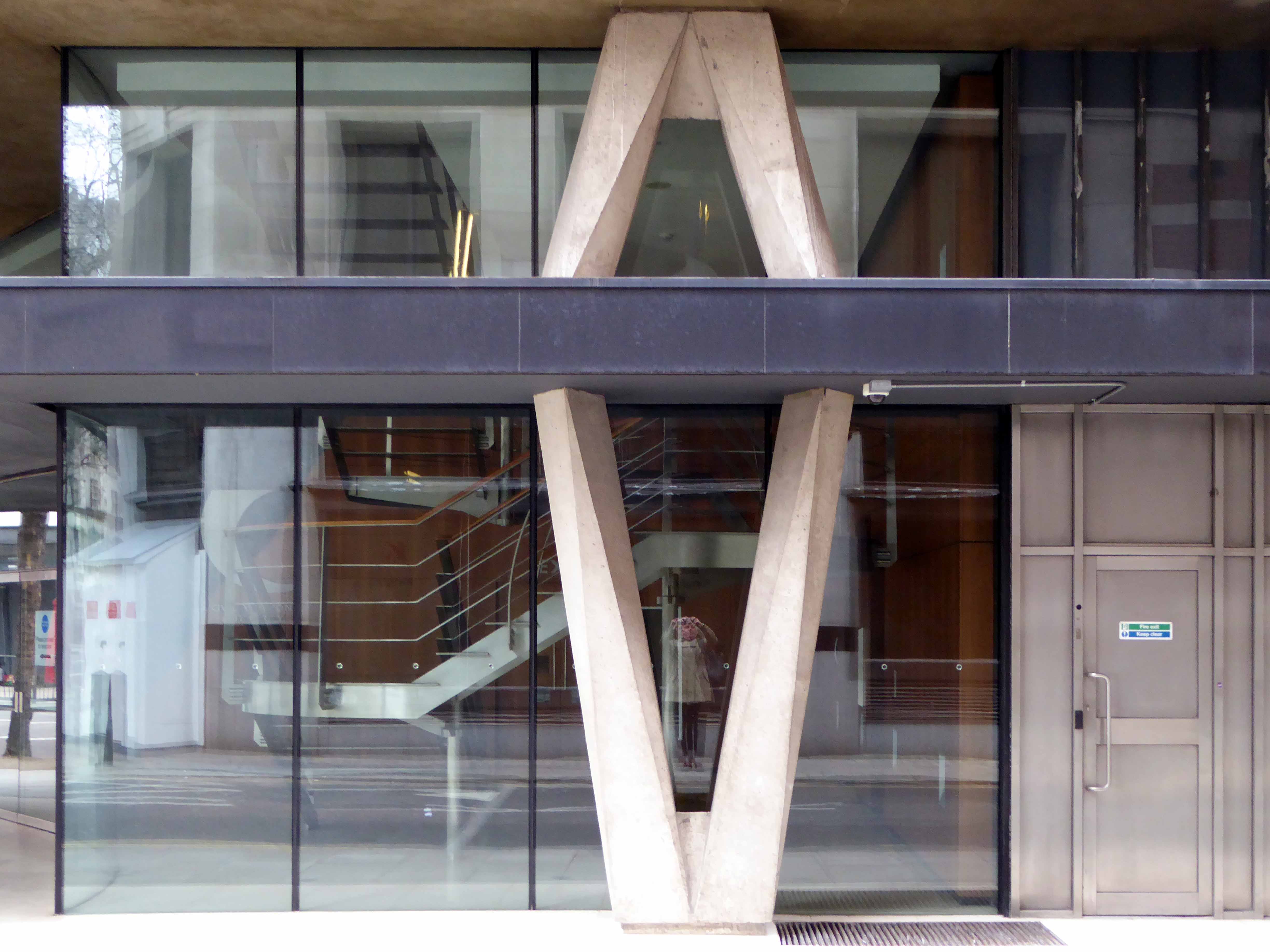
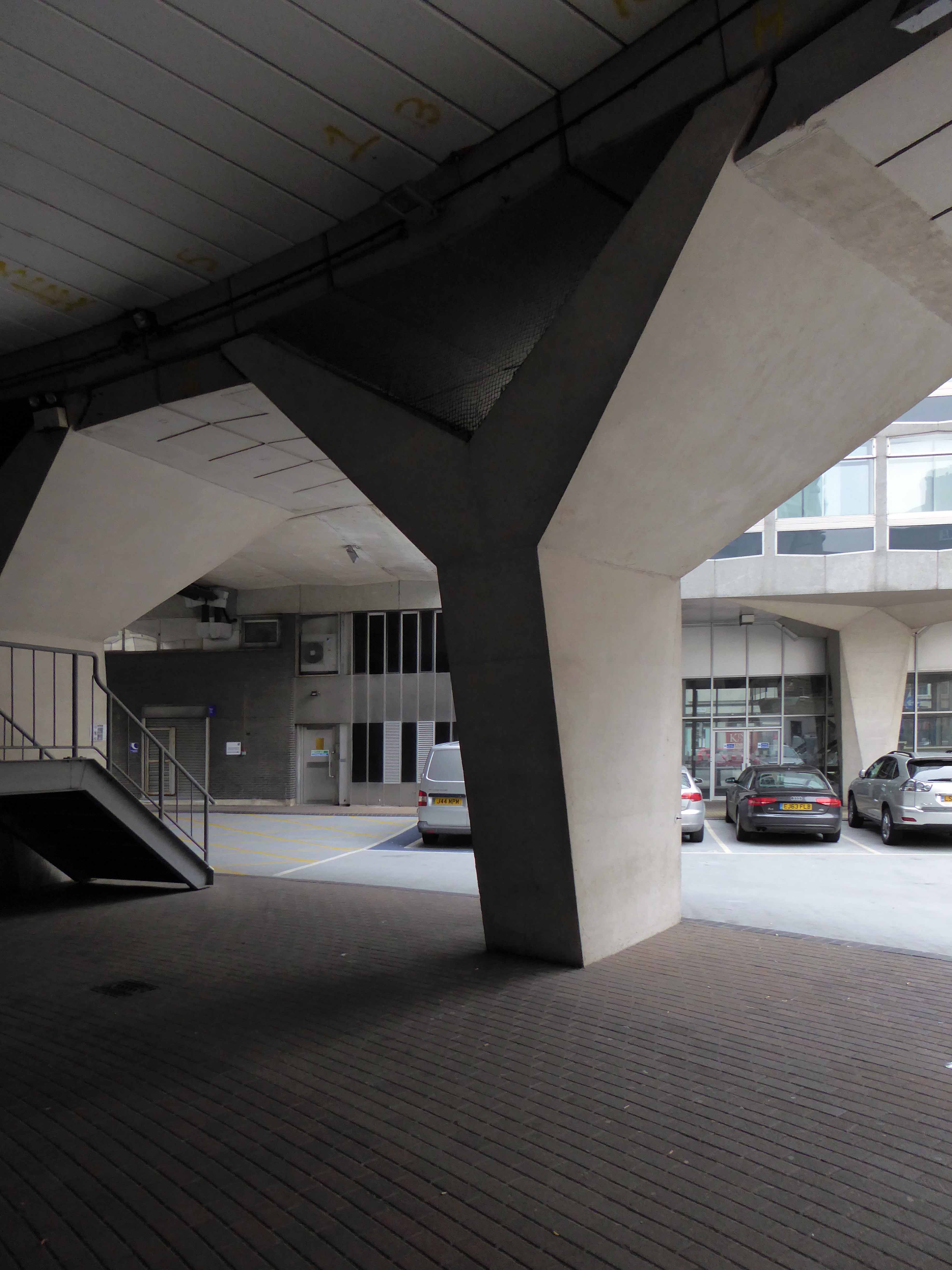
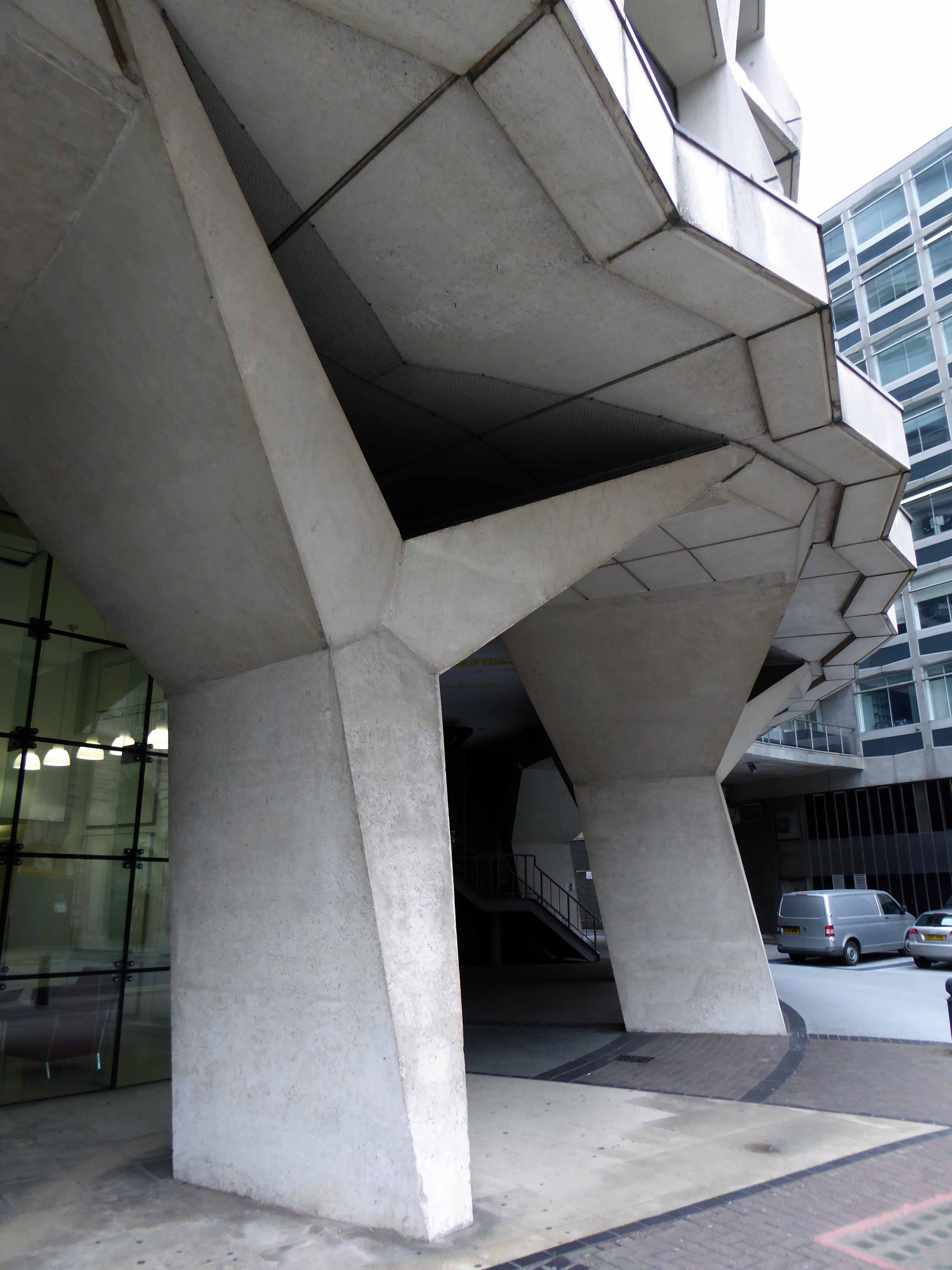
Almost fifty years on, the building still speaks of modernity, optimism, light and learning. It’s well used and loved by the public and the charming and helpful staff – many thanks, for your time and assistance.

P1020260 copy

Application was made for listing, this was not accepted – there have been significant changes to both the external and internal structure over time.

image-9.php

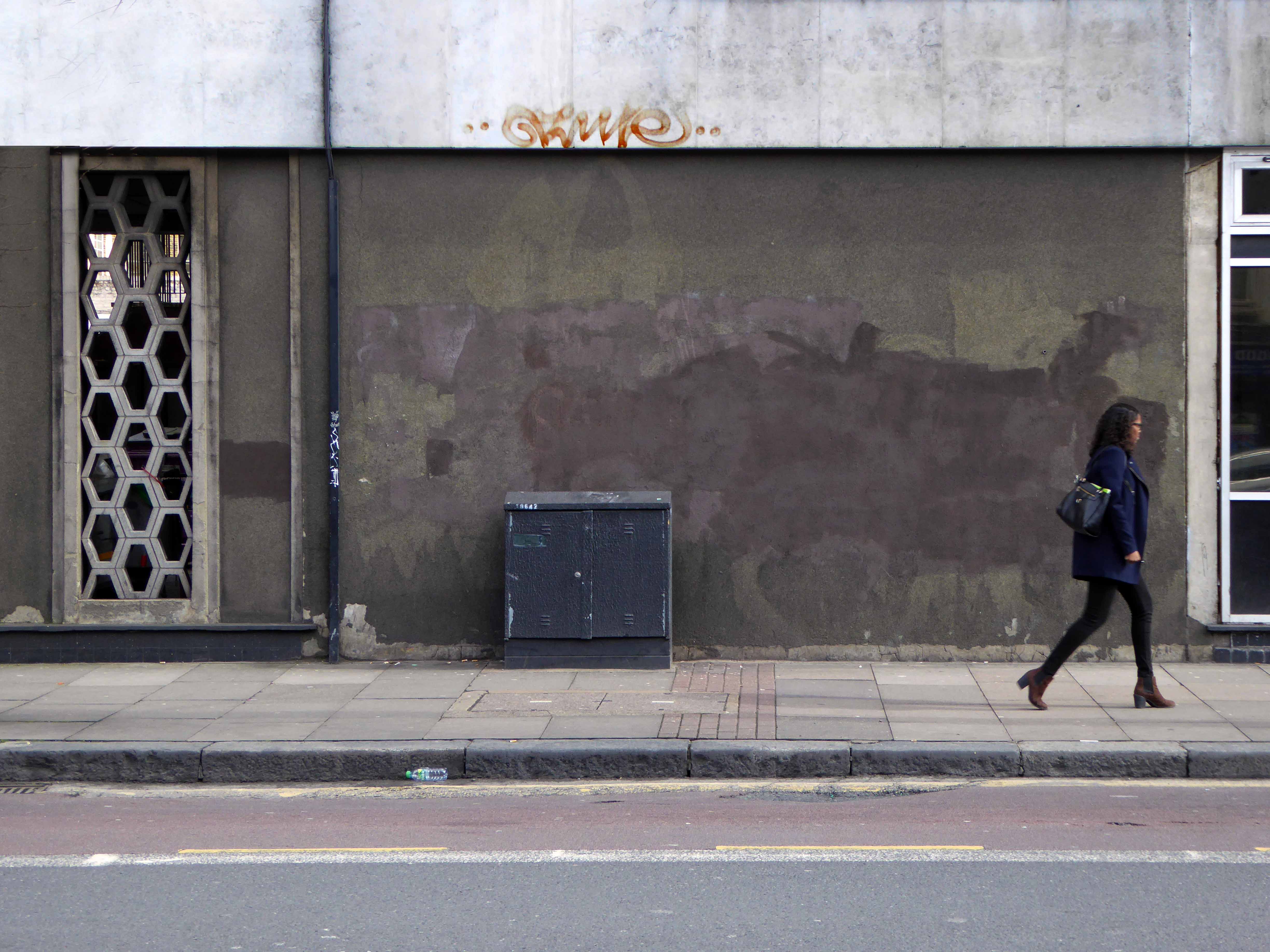
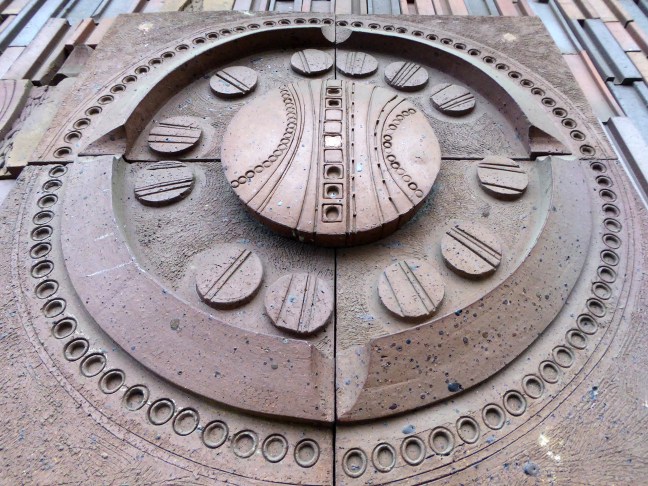
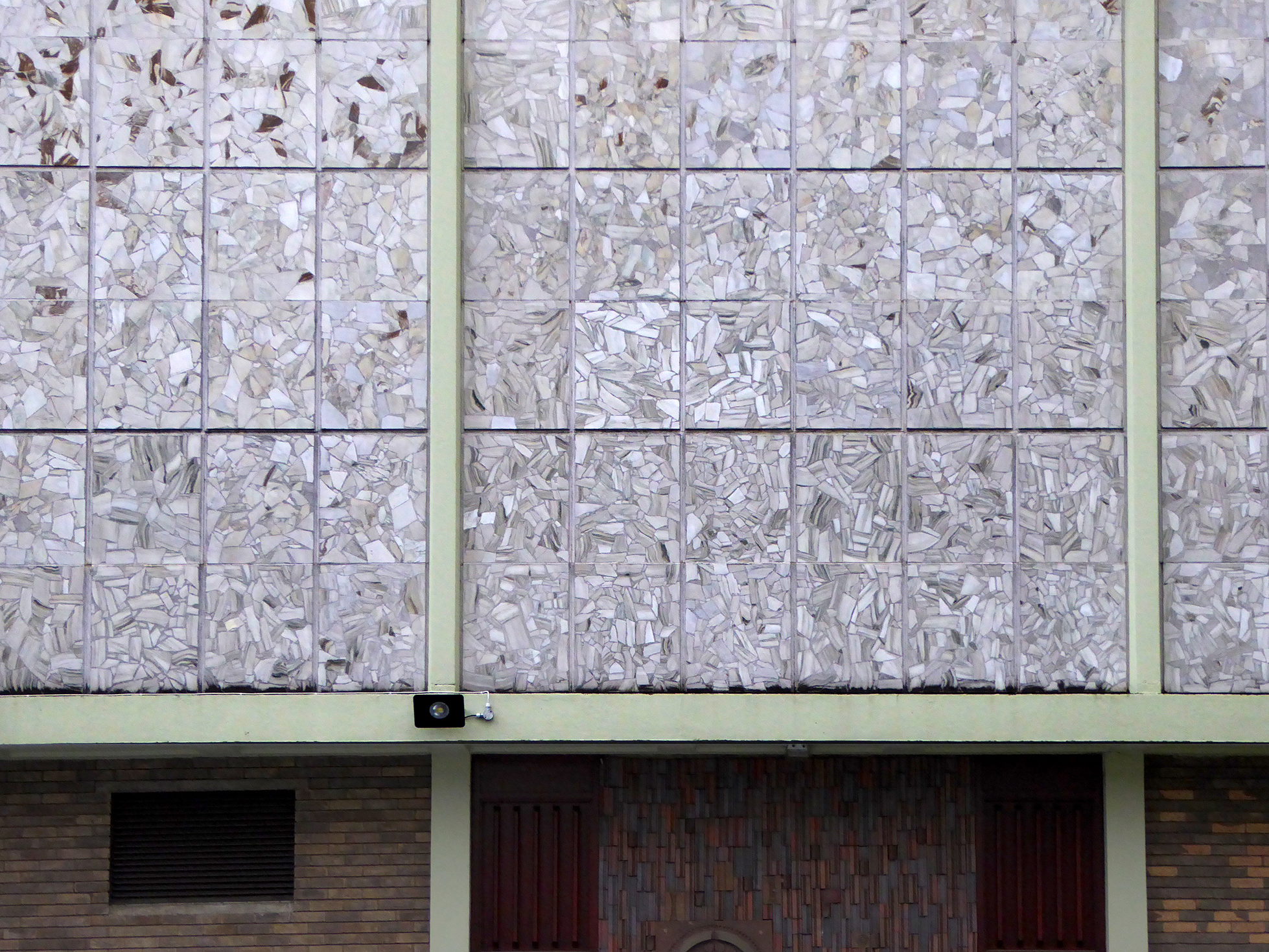
The vertical, impressed cast concrete panels, shown above, have been replaced by brick.

image-2.php

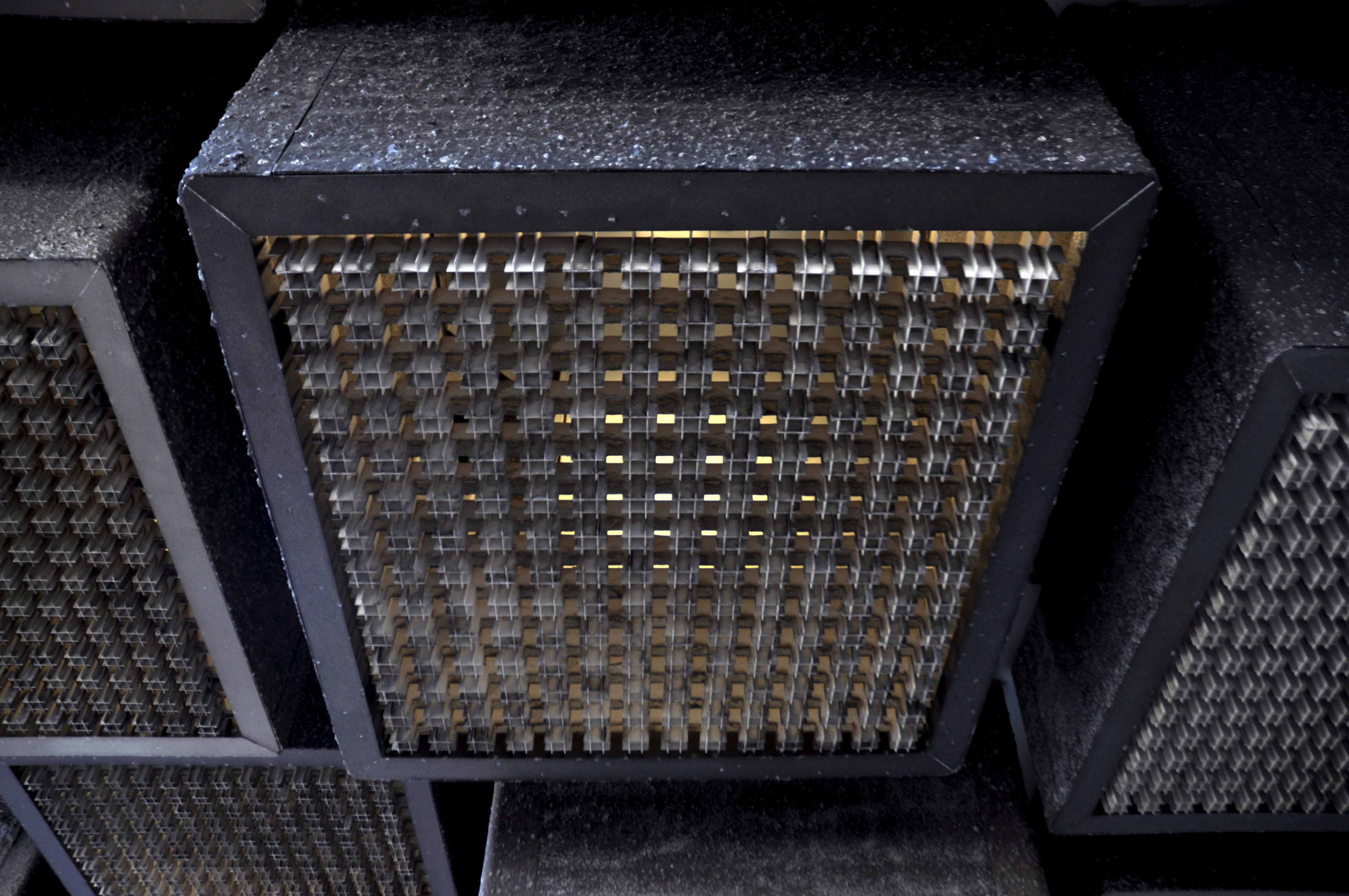
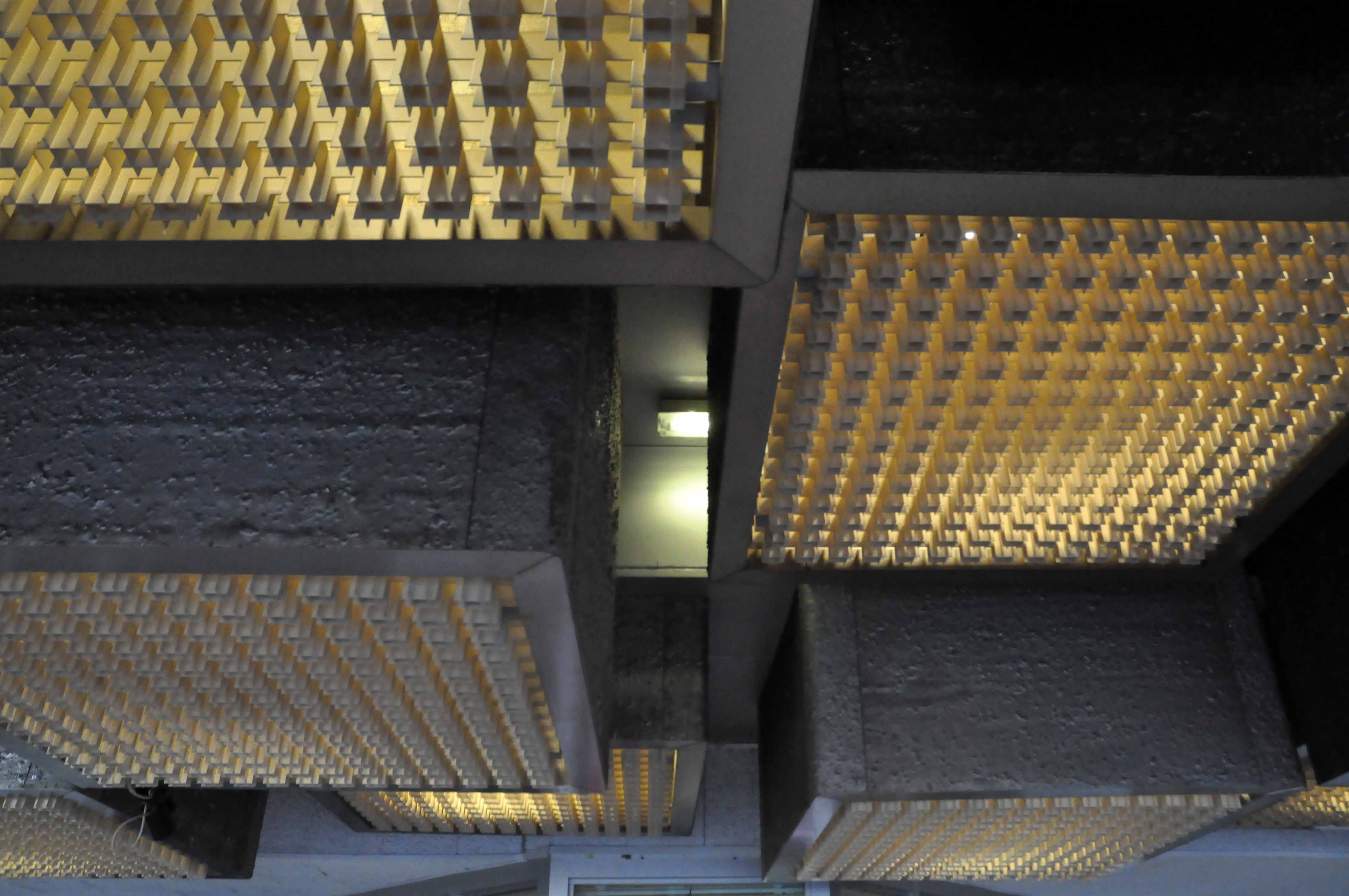
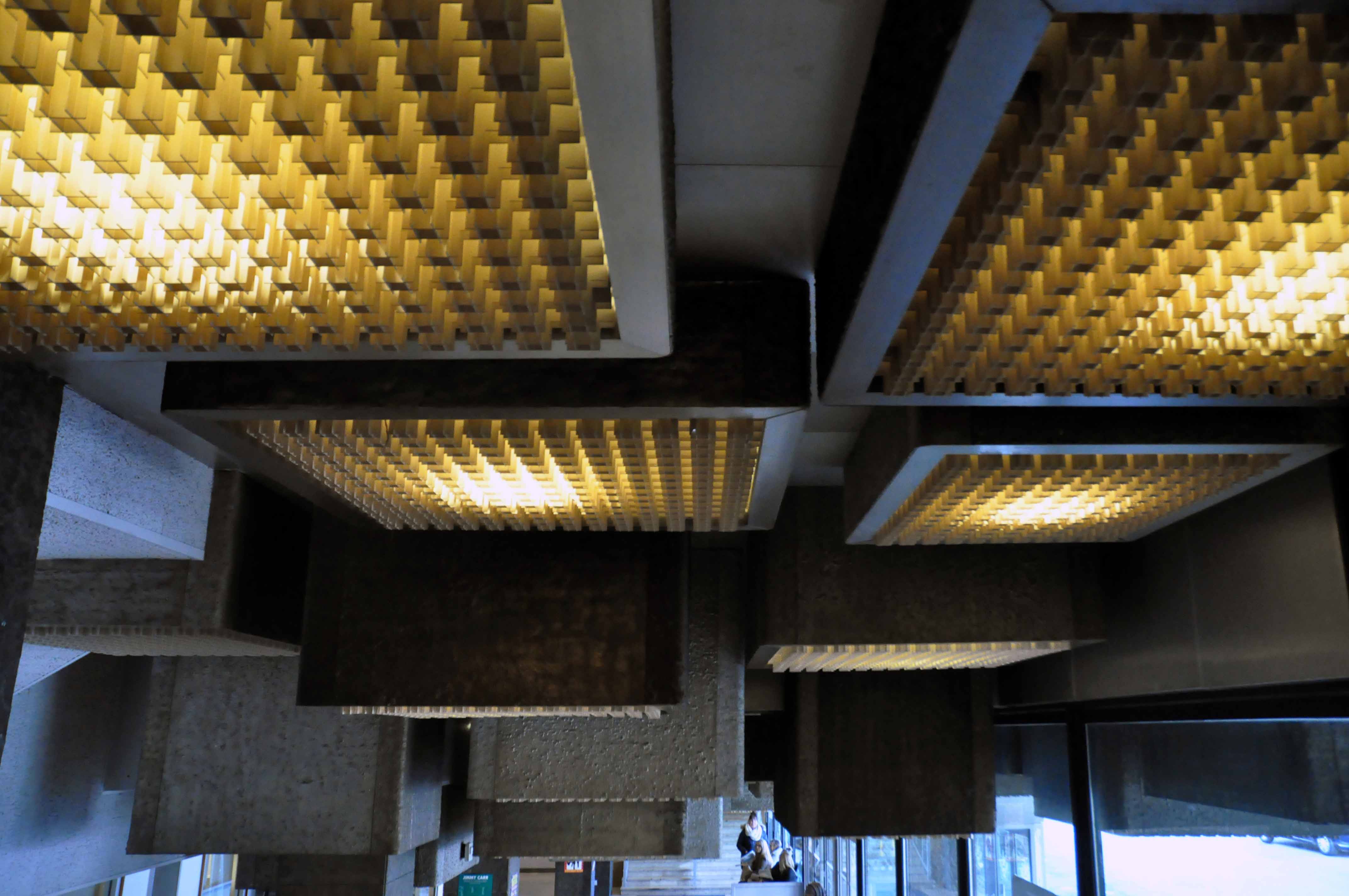
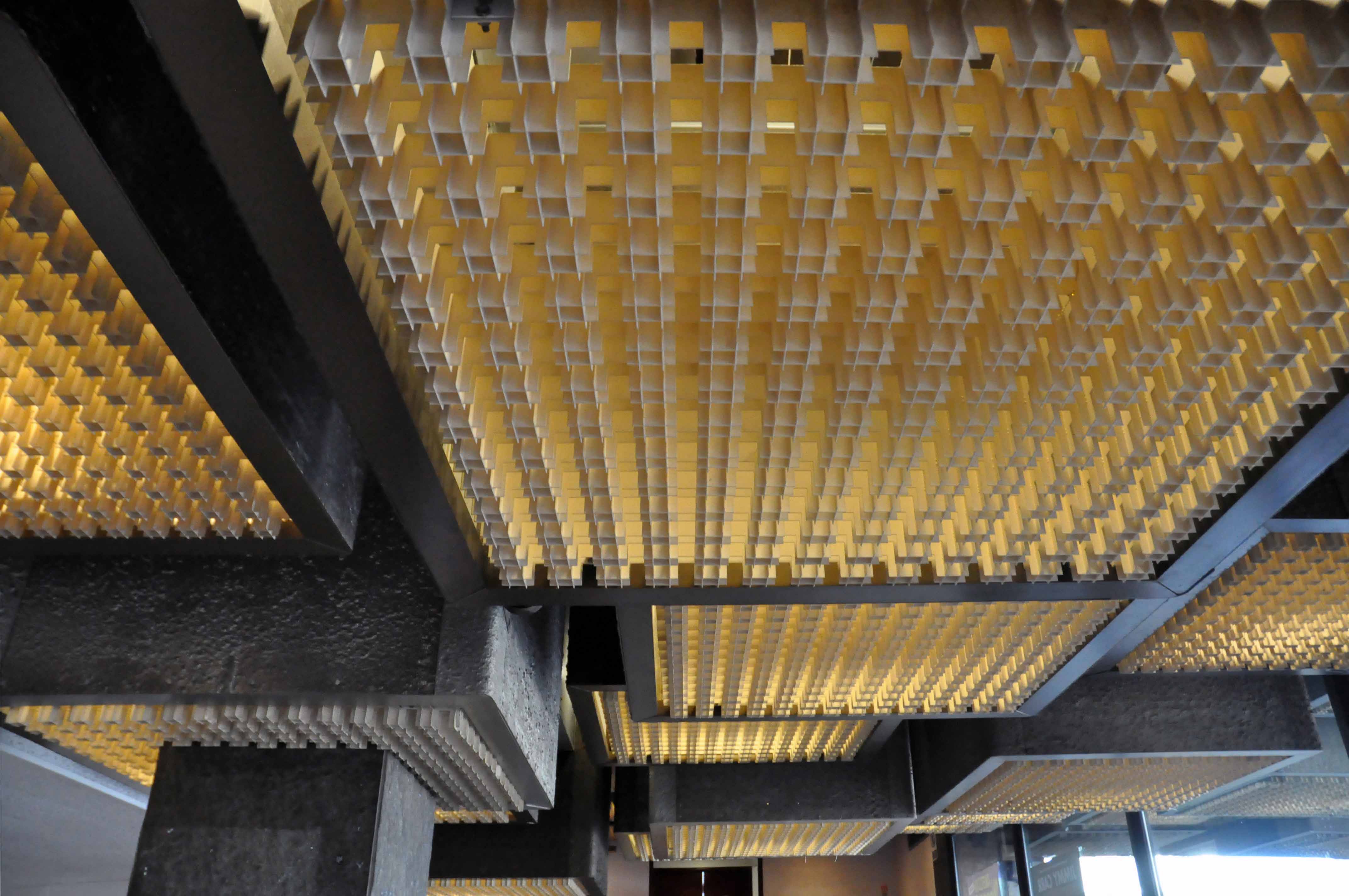
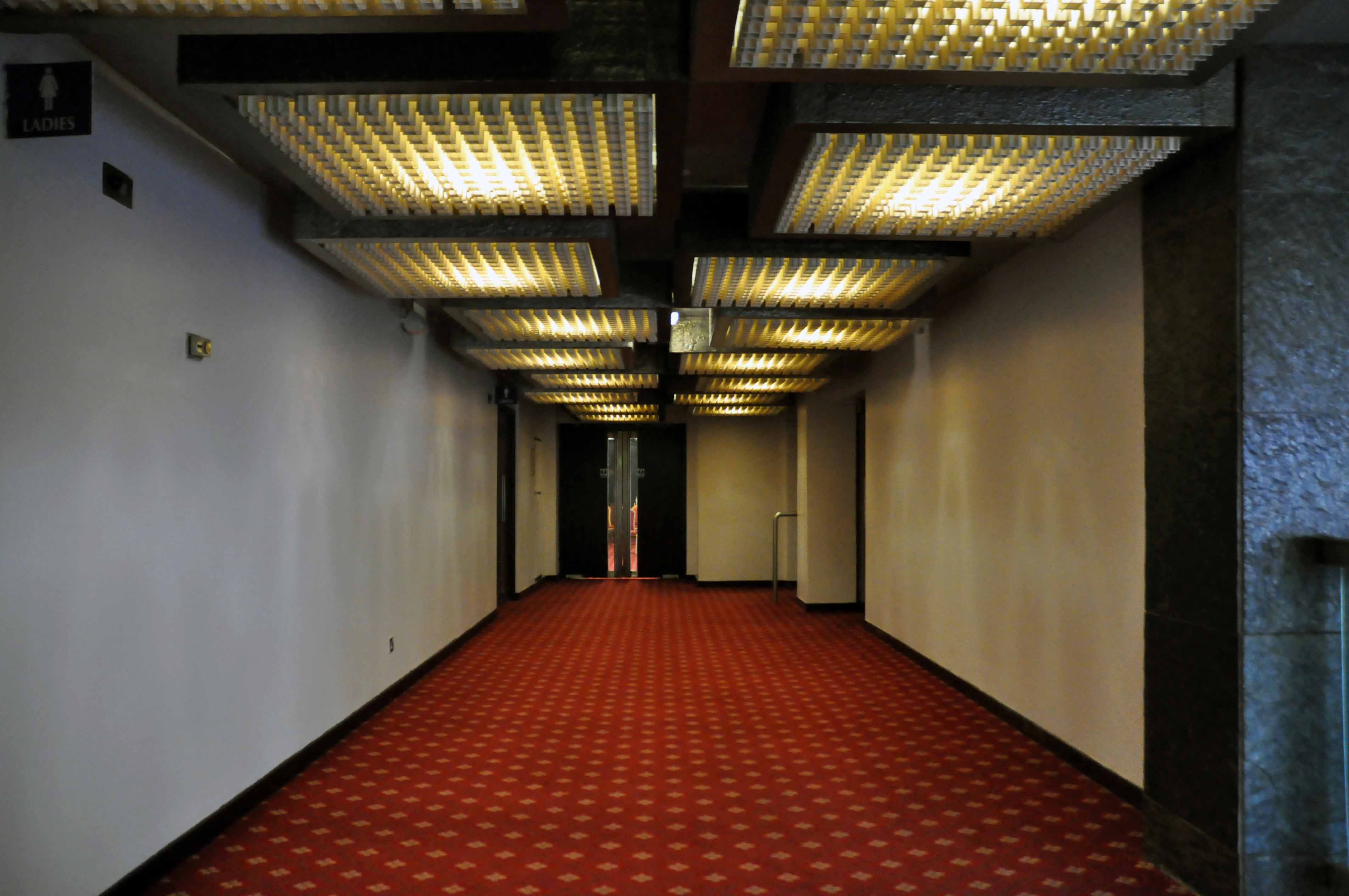
The original suspended *bean can* lighting system has also been replaced. At night, I was told it was hard to navigate the building using the limited spot illumination, so a box of bike lights were kept and handed out, to permit the safe, well-lit passage of library users.

P1020279 copy

Concentric hexagonal rings of suspended strip lighting are now in place.

image-10.php

Sadly the vivarium, contained  in a glassed link corridor, was short lived.

Archive photographs from Lancashire Lantern Images

The staff were more than happy to allow me take photographs, I was even afforded, at my own risk, to access the roof area through a very secret door!

I urge you to visit Morecambe and its charming library soon.

http://www.lancashire.gov.uk/libraries-and-archives/libraries/find-a-library/morecambe-library.aspx

Queen Elizabeth Hall – Oldham

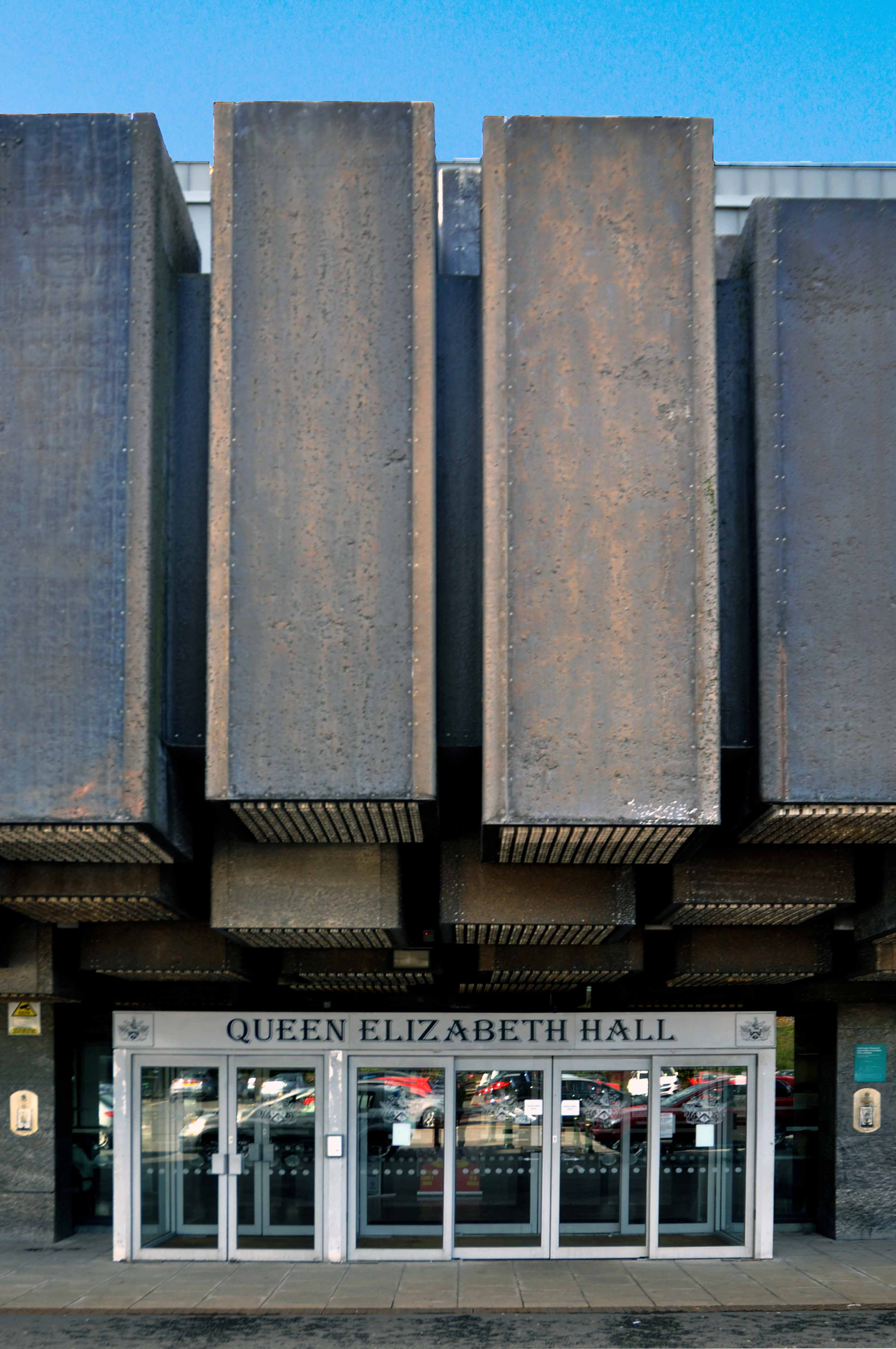
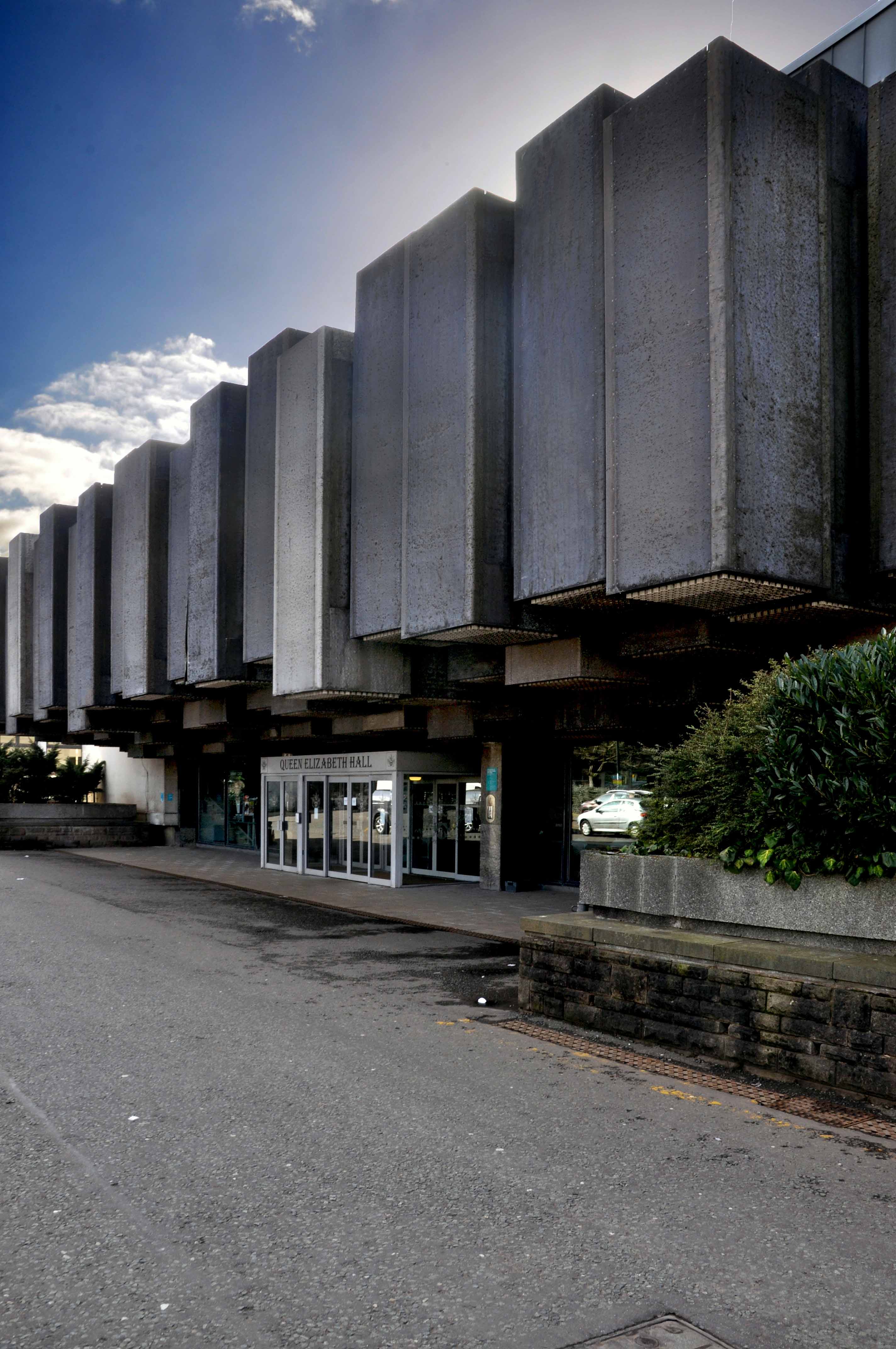
Attached to the Civic Centre, developed and opened in 1977, to commemorate the Queen’s Silver Jubilee, she ain’t no human being, she’s a building.

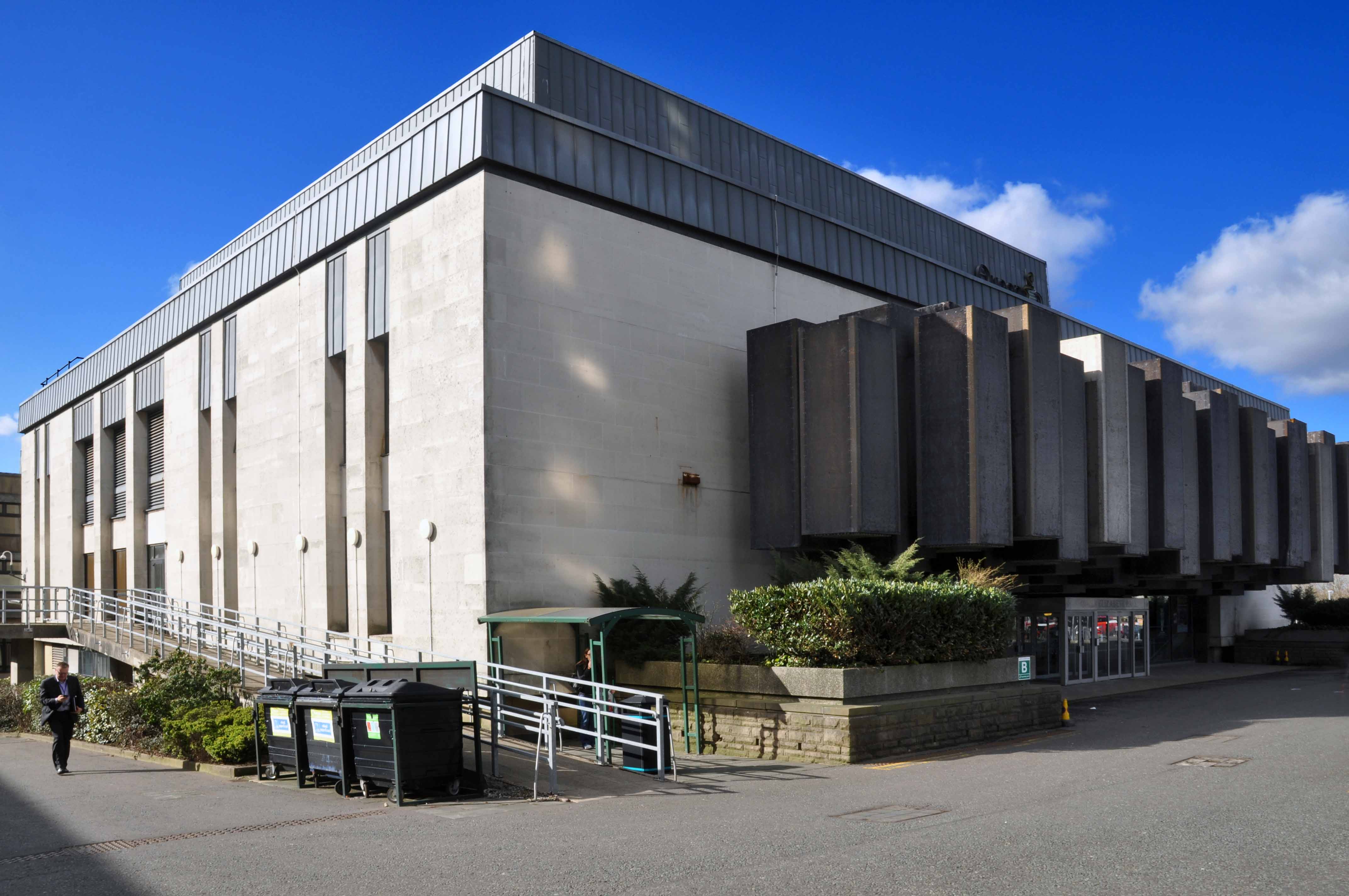
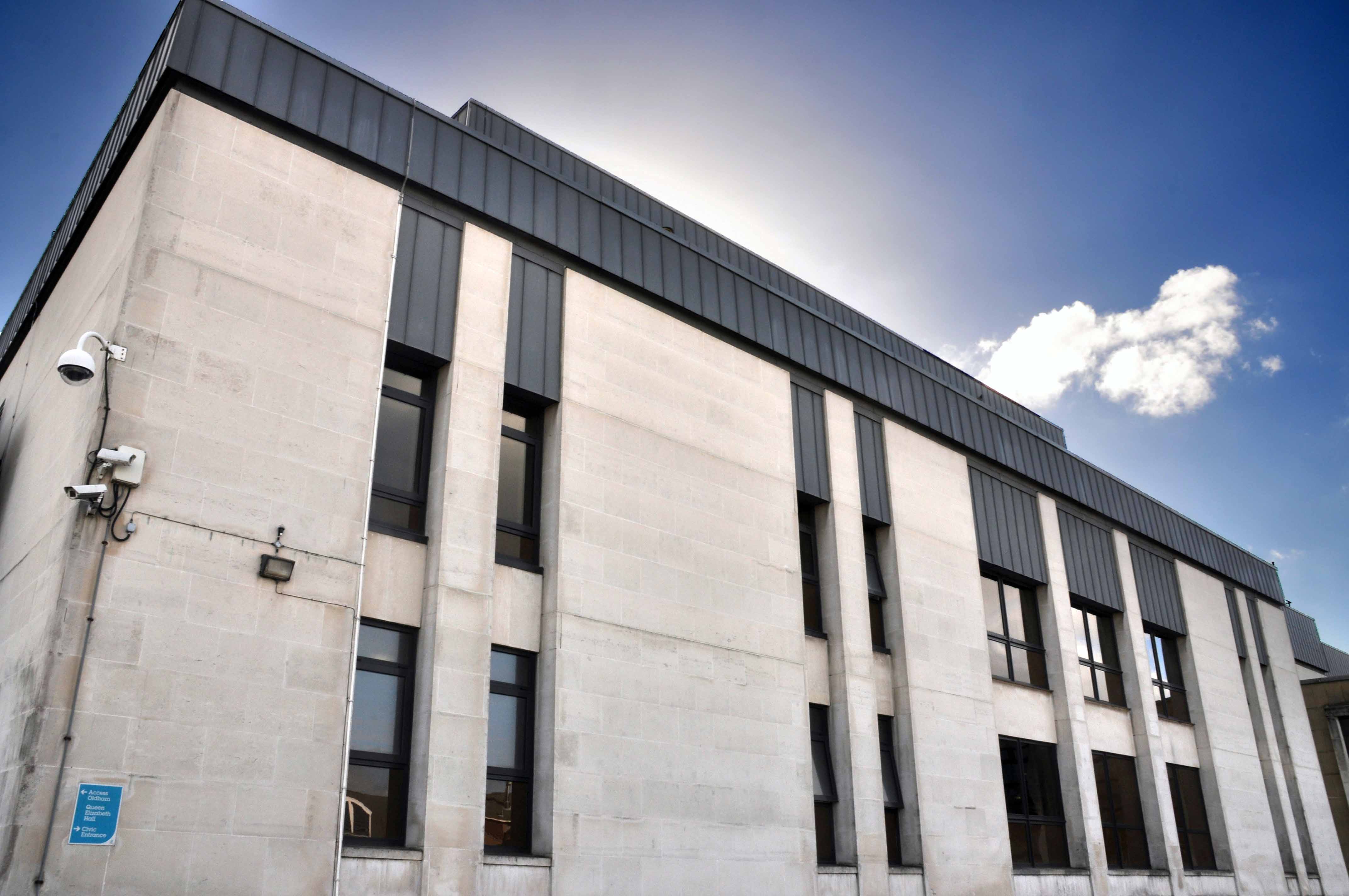
An low exterior slab of classical municipal modernism, with a series of wonderful and surprising new attachments, ideal for all occasions!

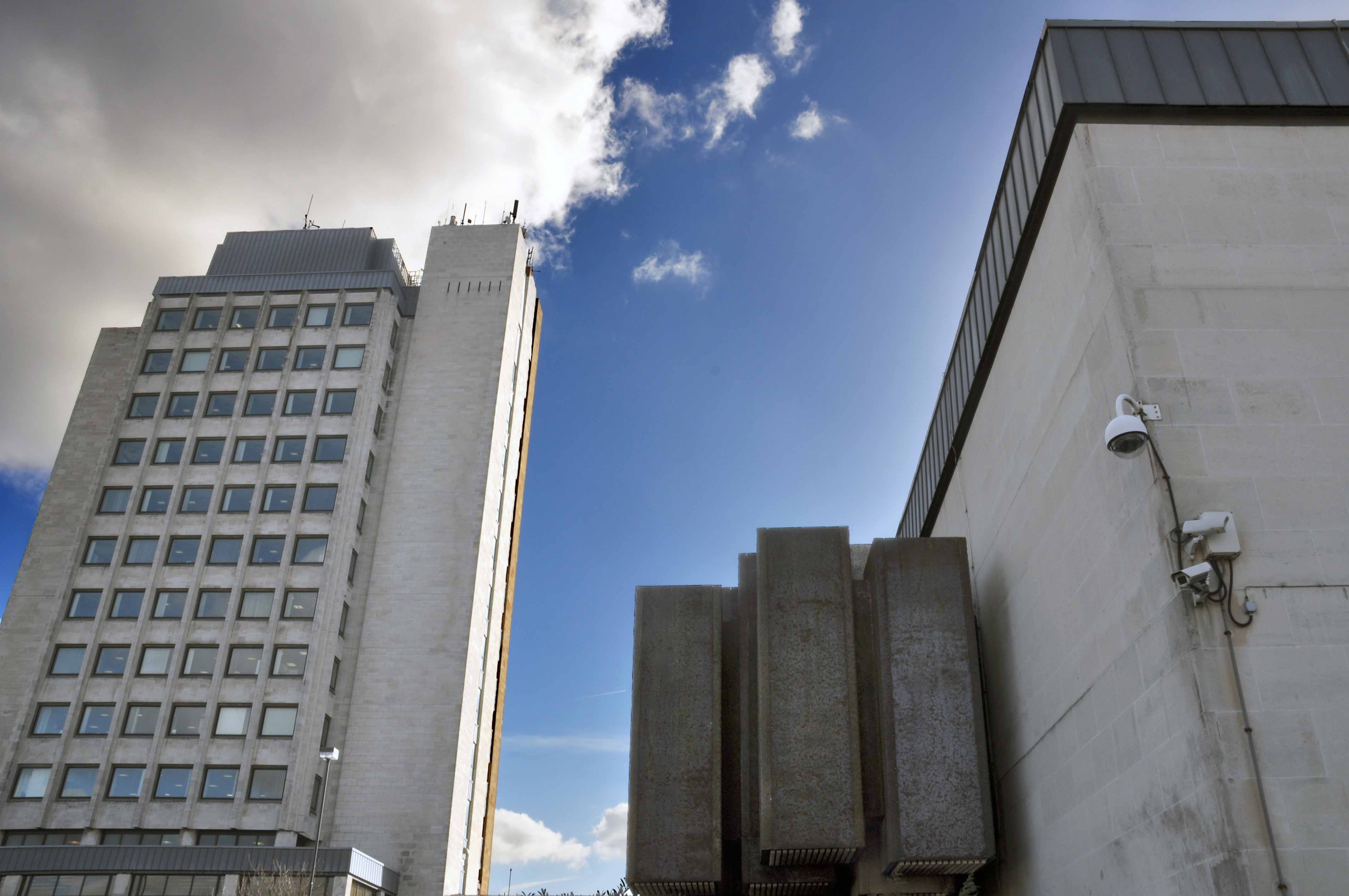
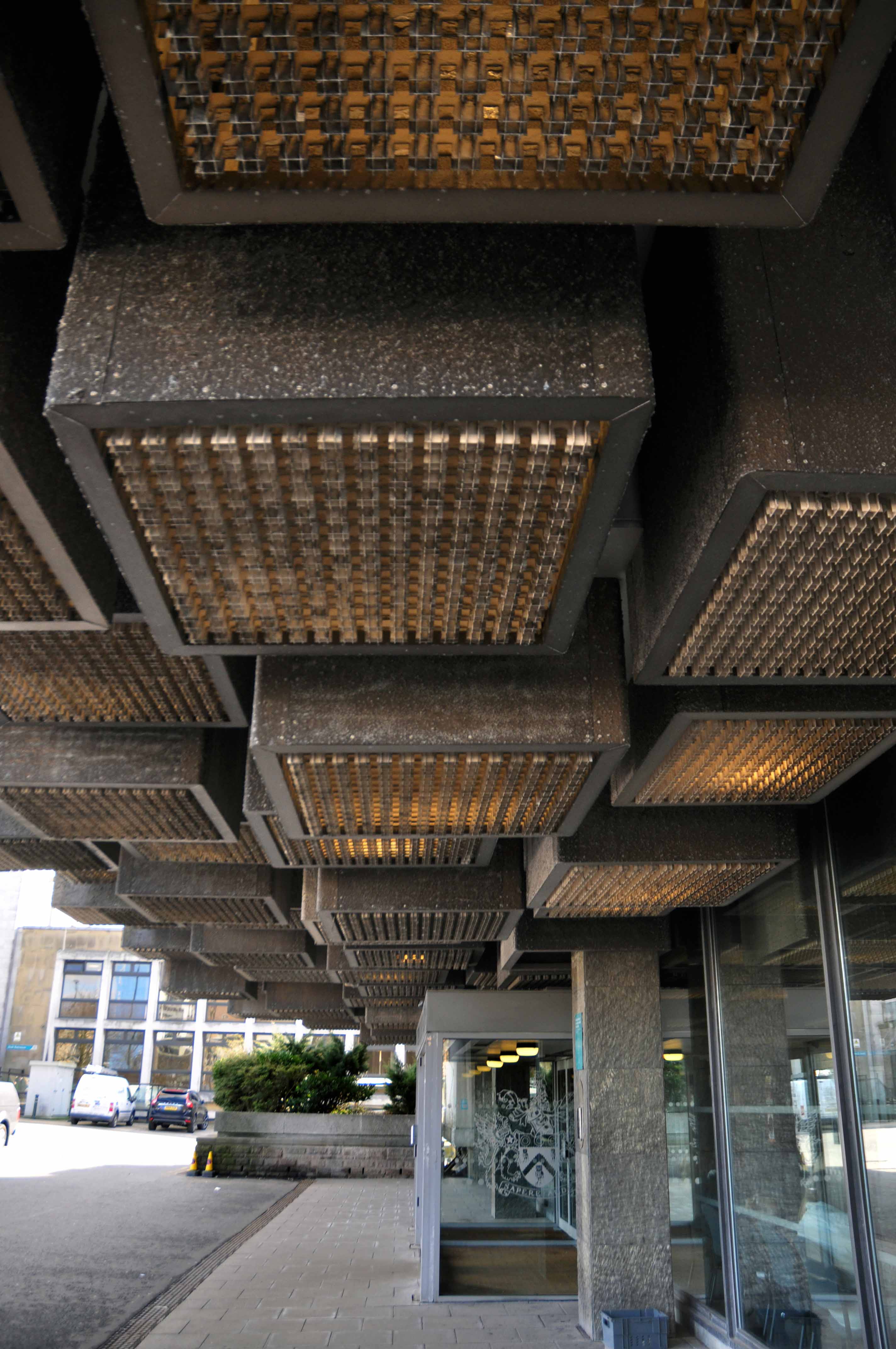
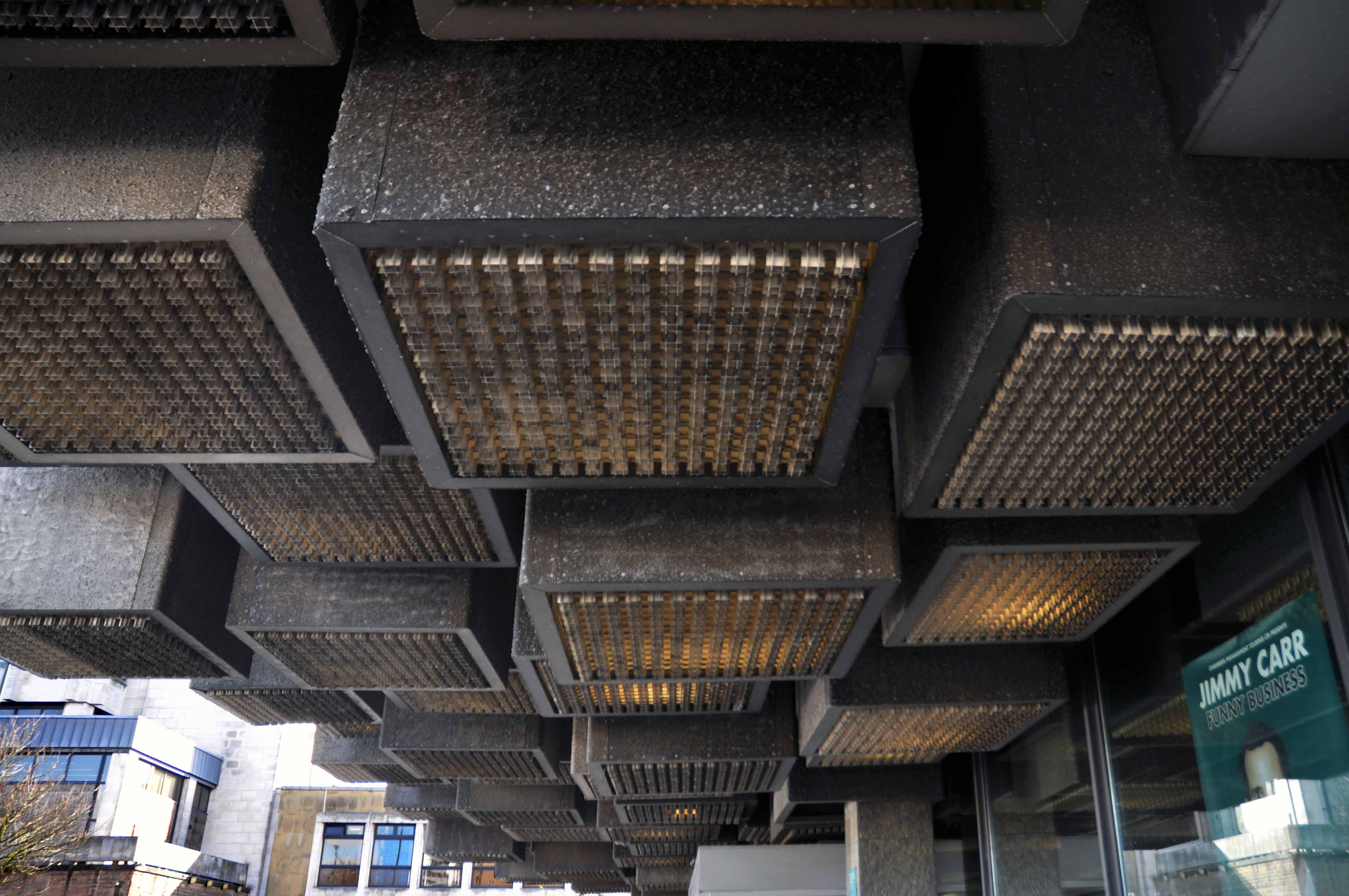
The most amazing set of heavily patinated, square sectioned, inorganic pipes which are precipitously cantilevered  onto the front elevation.

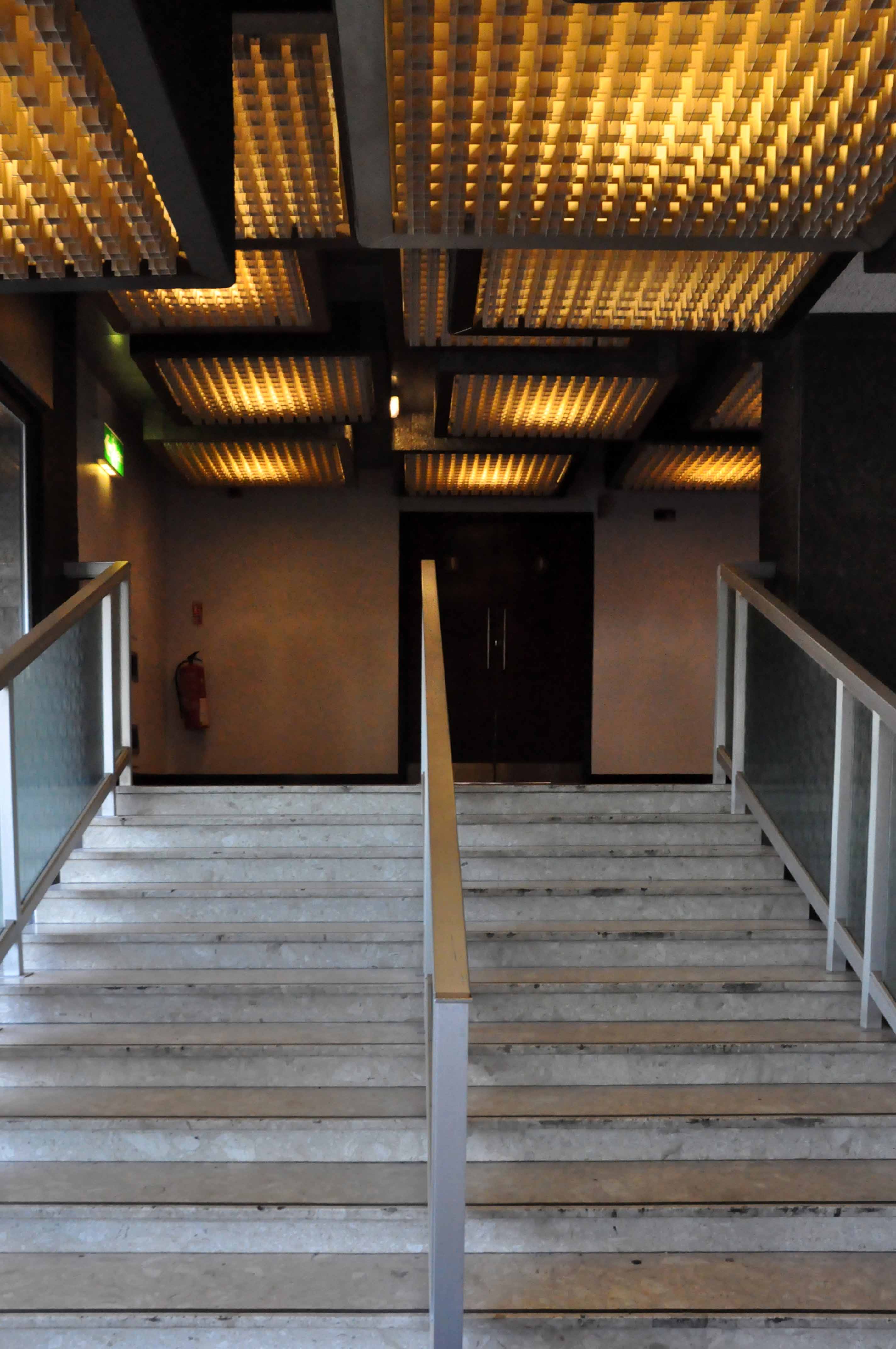
Illuminating!

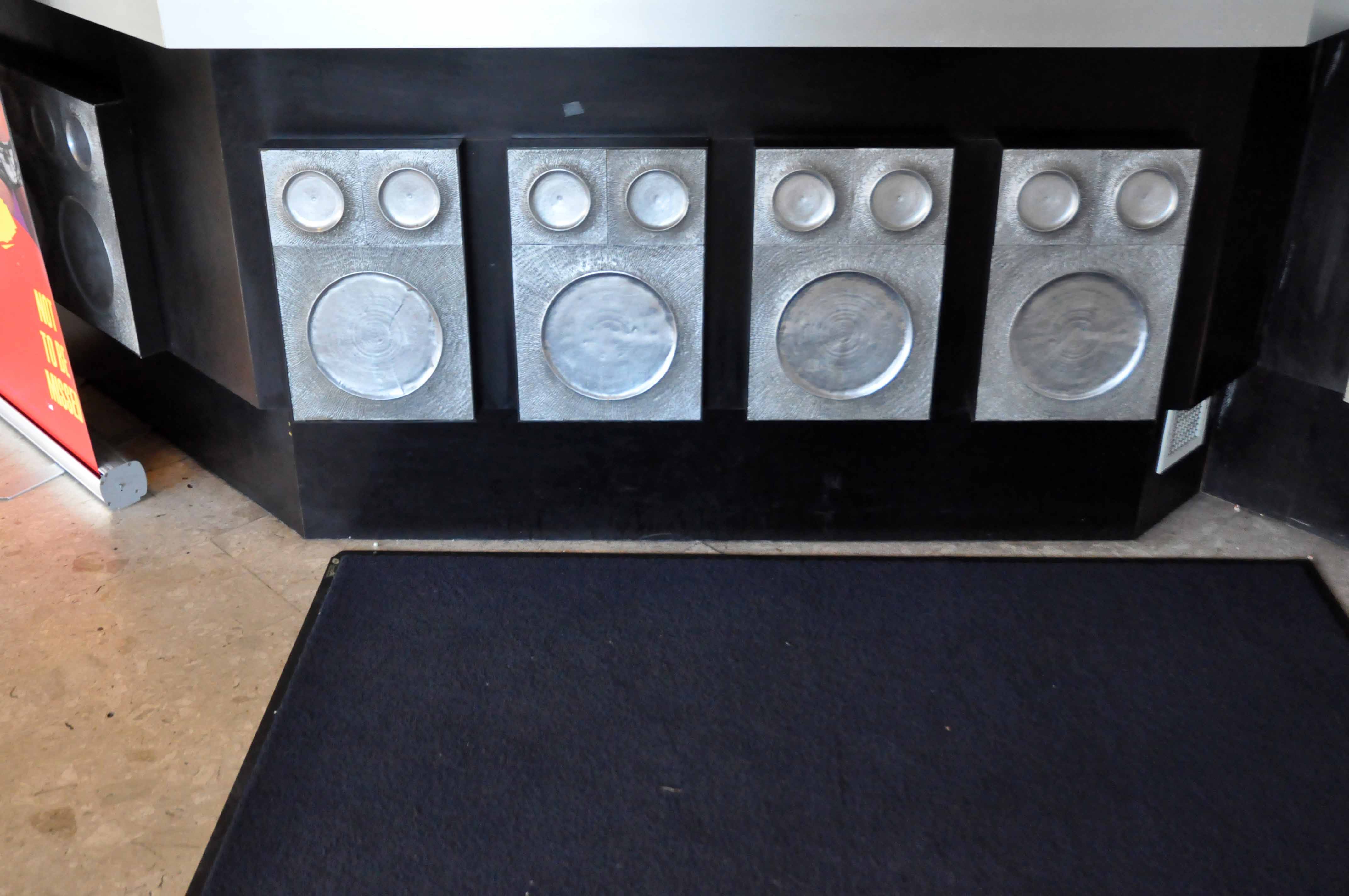
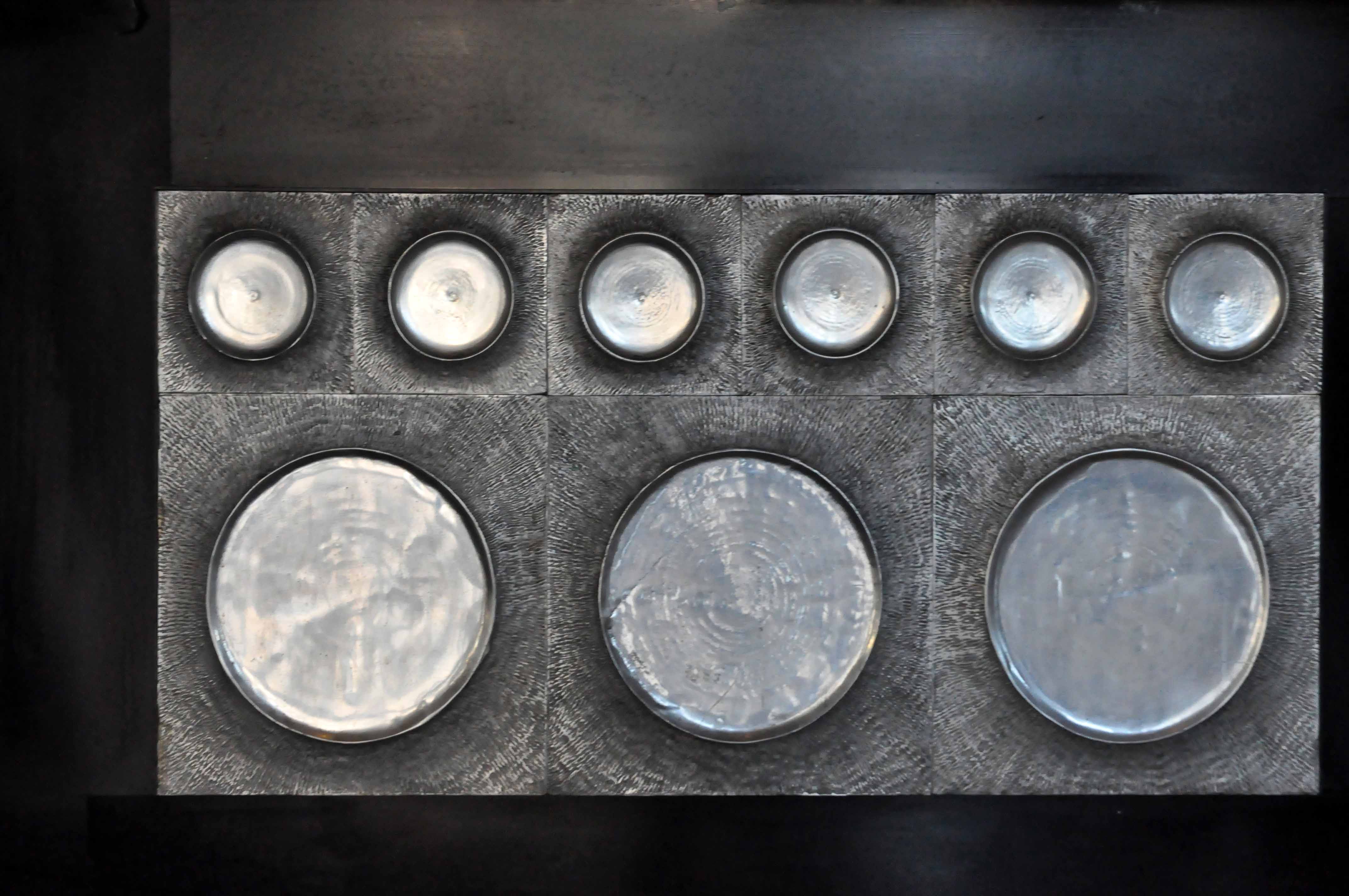
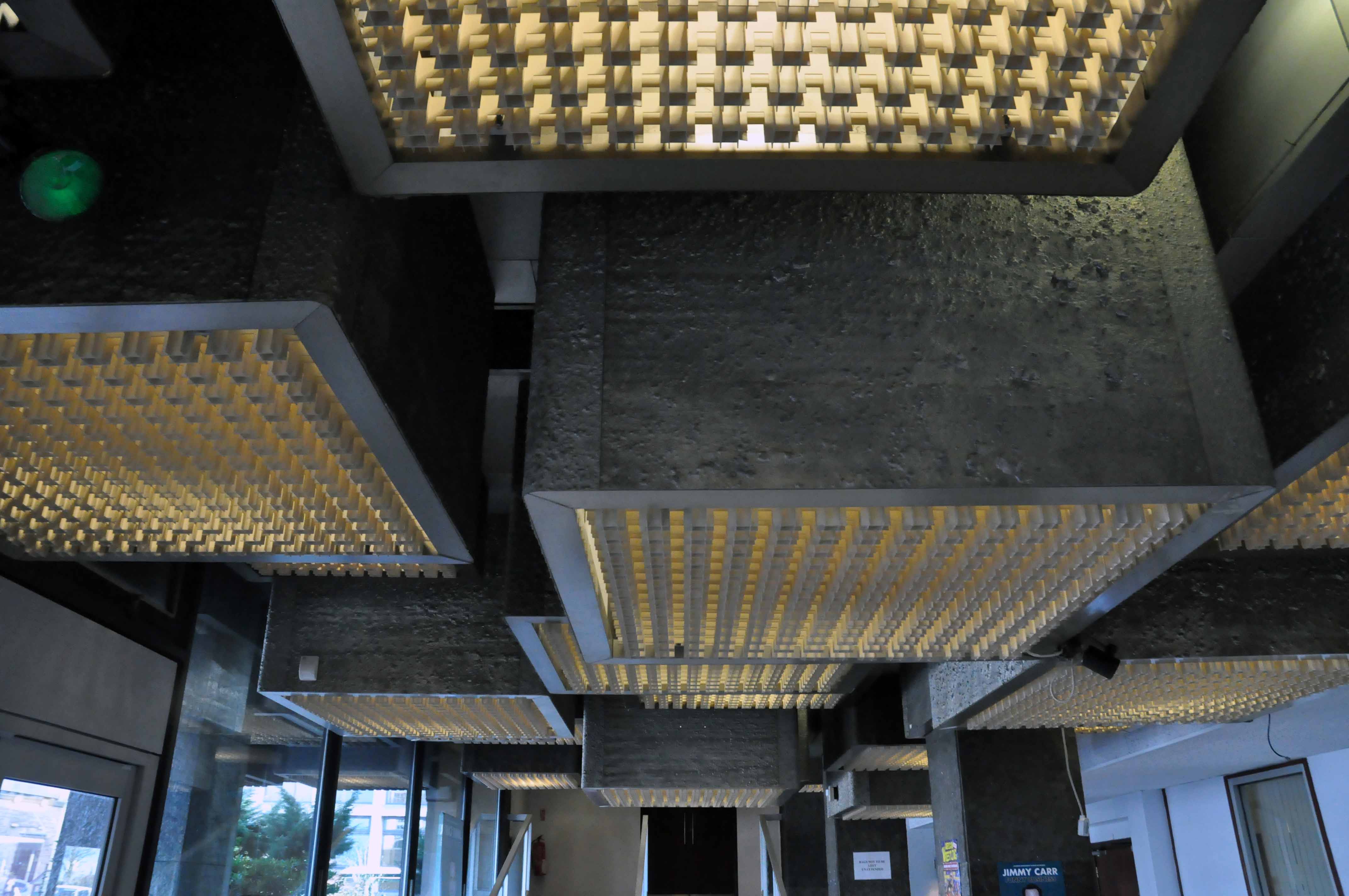
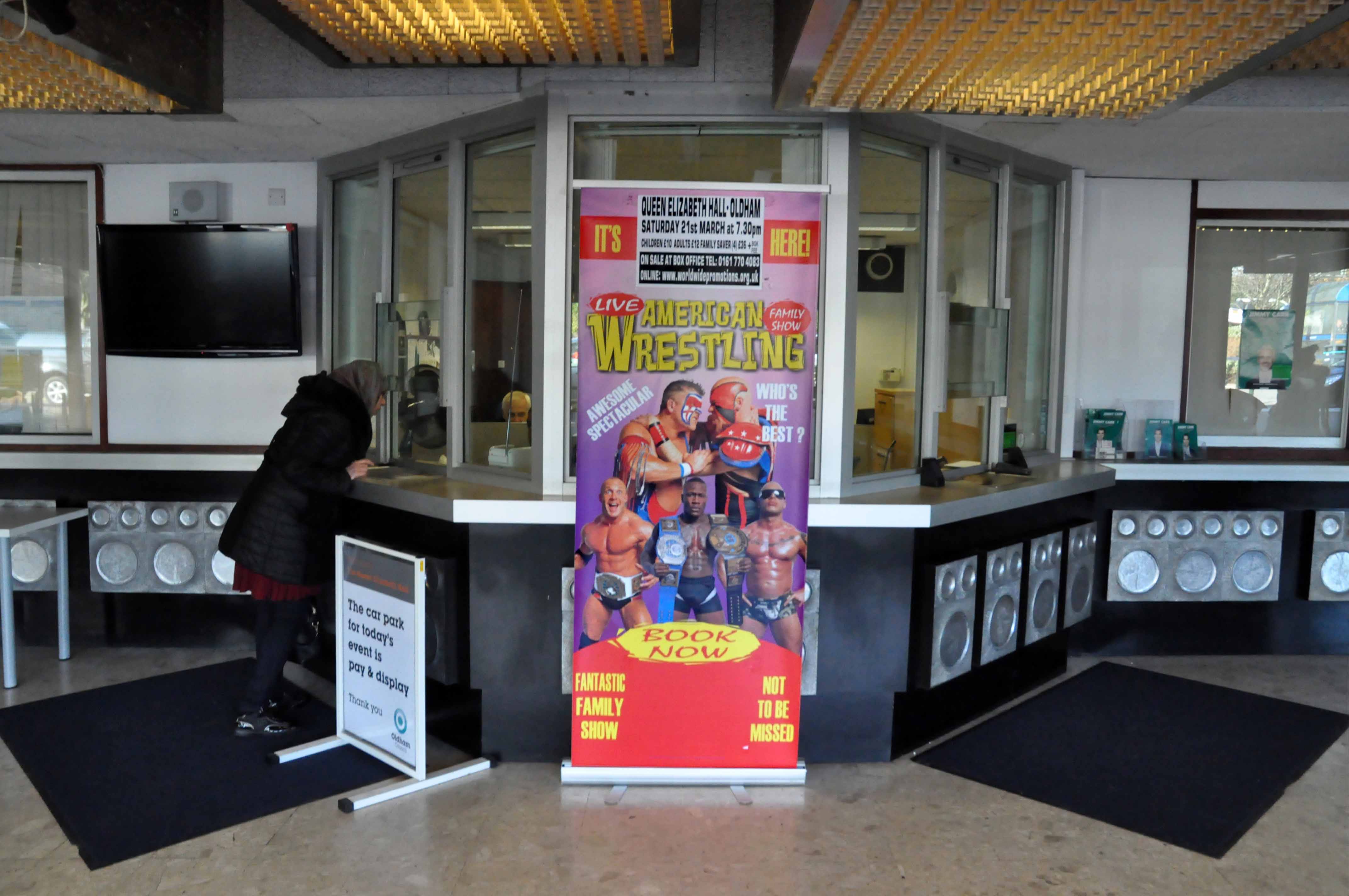
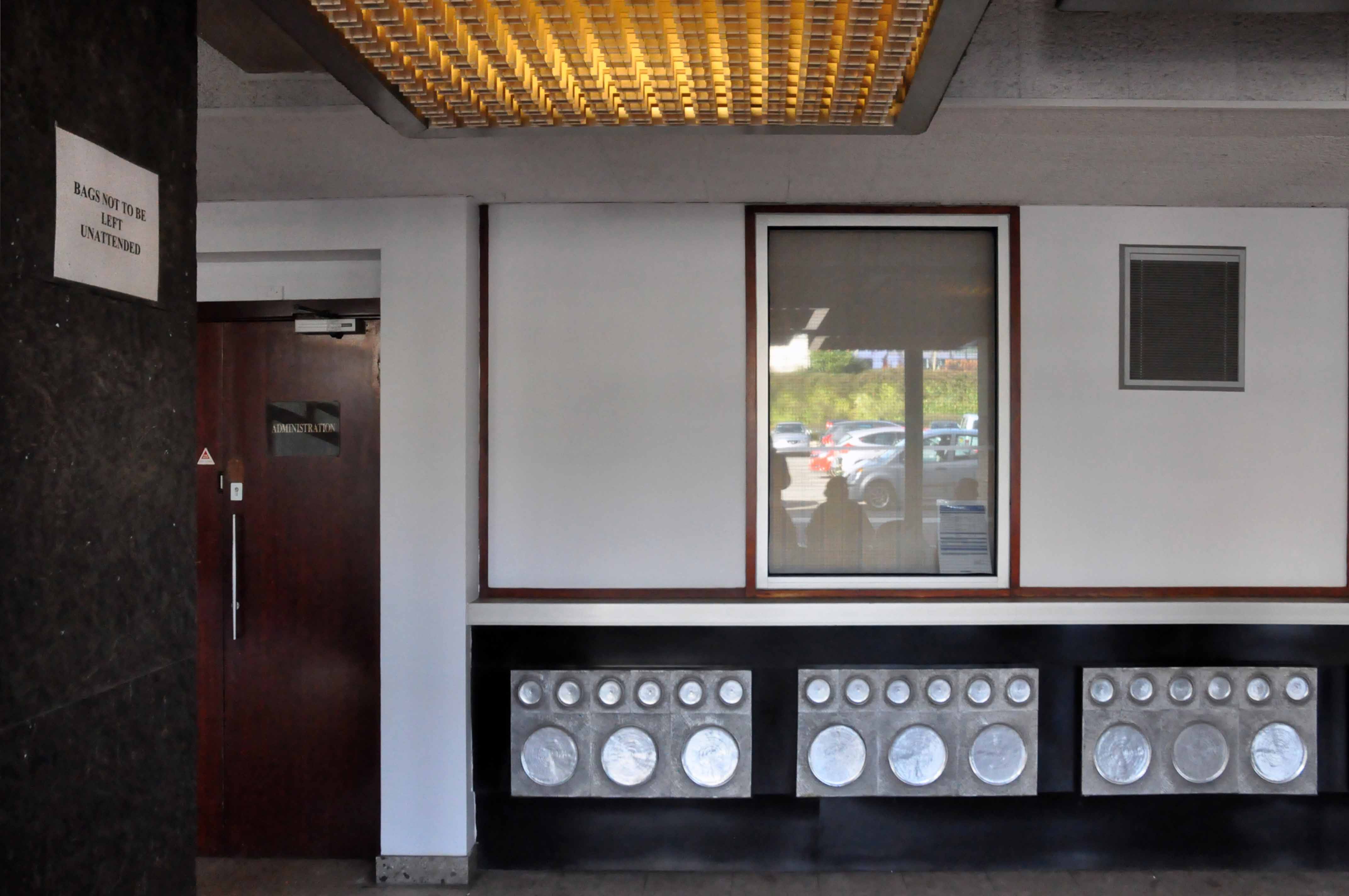
The lobby boasts further exotic lighting, this time on the ceiling, and applied metal reliefs attached to the back wall and booking office.

I’ve never been in the main auditorium, yet – but life is full of little surprises.

Others have – boxers, boozers, bands, concerts, carousers, dancers, thespians – the lot.

The council have a mind to put a stop to all this wayward architecture and replace it something new, shiny and anonymous.

C_71_article_1488157_image_list_image_list_item_0_image

But they’re having to wait for the Men from the Ministry to cough up the cash – which may or may not be tied up in a nearby Northern Powerhouse, Mr Osborne may just have to be lead up the A62 by the nose, with a promise of the most popular Tea Dance in the area.

Screen Shot 2016-03-11 at 15.59.07

I do advise you to go and have a look before you can’t.

DSC_0680

DSC_0667

DSC_0670

DSC_0662

DSC_0660

DSC_0671

DSC_0674

DSC_0664

DSC_0677

DSC_0669

DSC_0673

DSC_0672

DSC_0679

DSC_0666

DSC_0678

DSC_0675

DSC_0663

DSC_0665

DSC_0668

DSC_0676

Milbank Tower – London

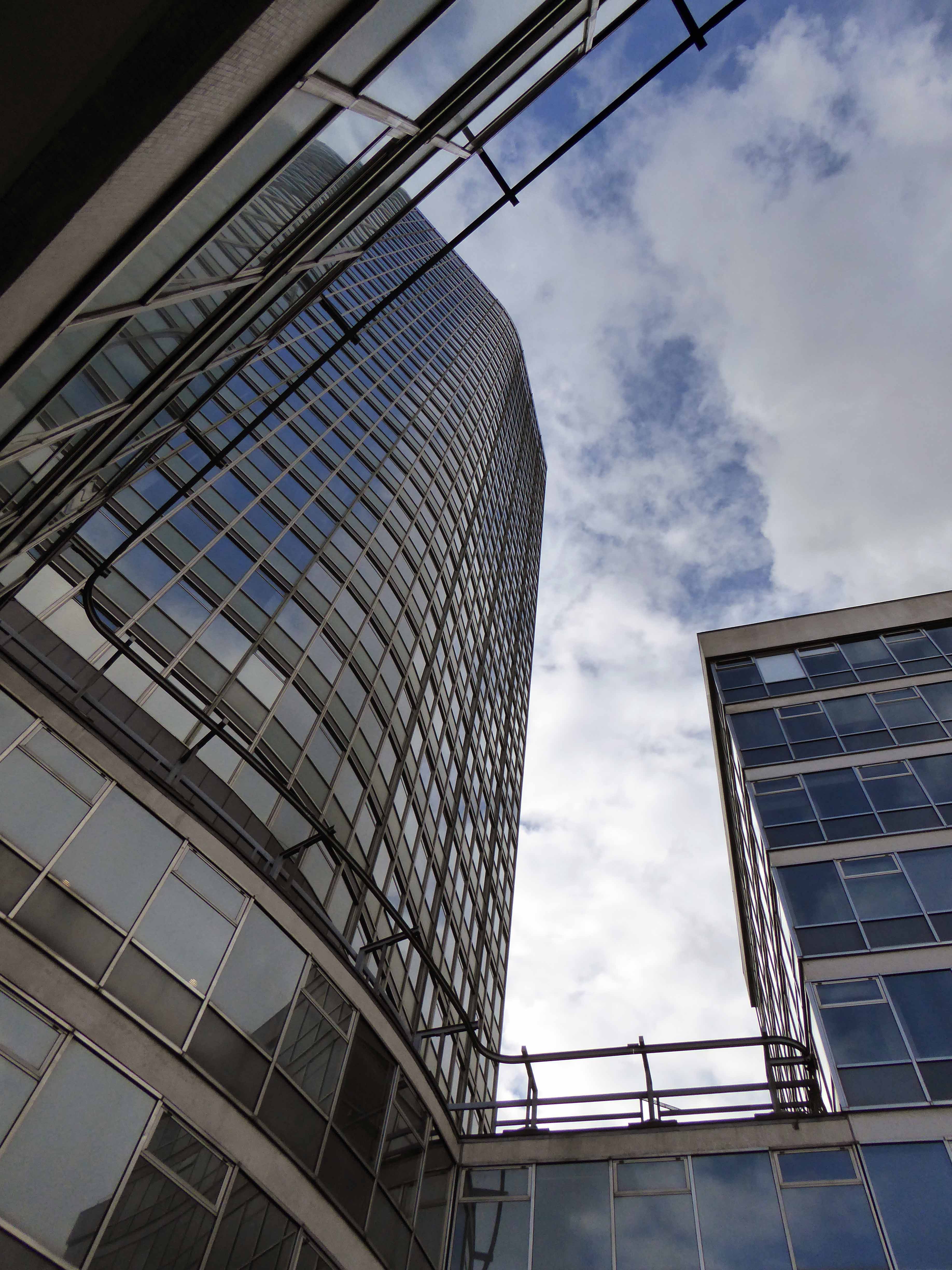
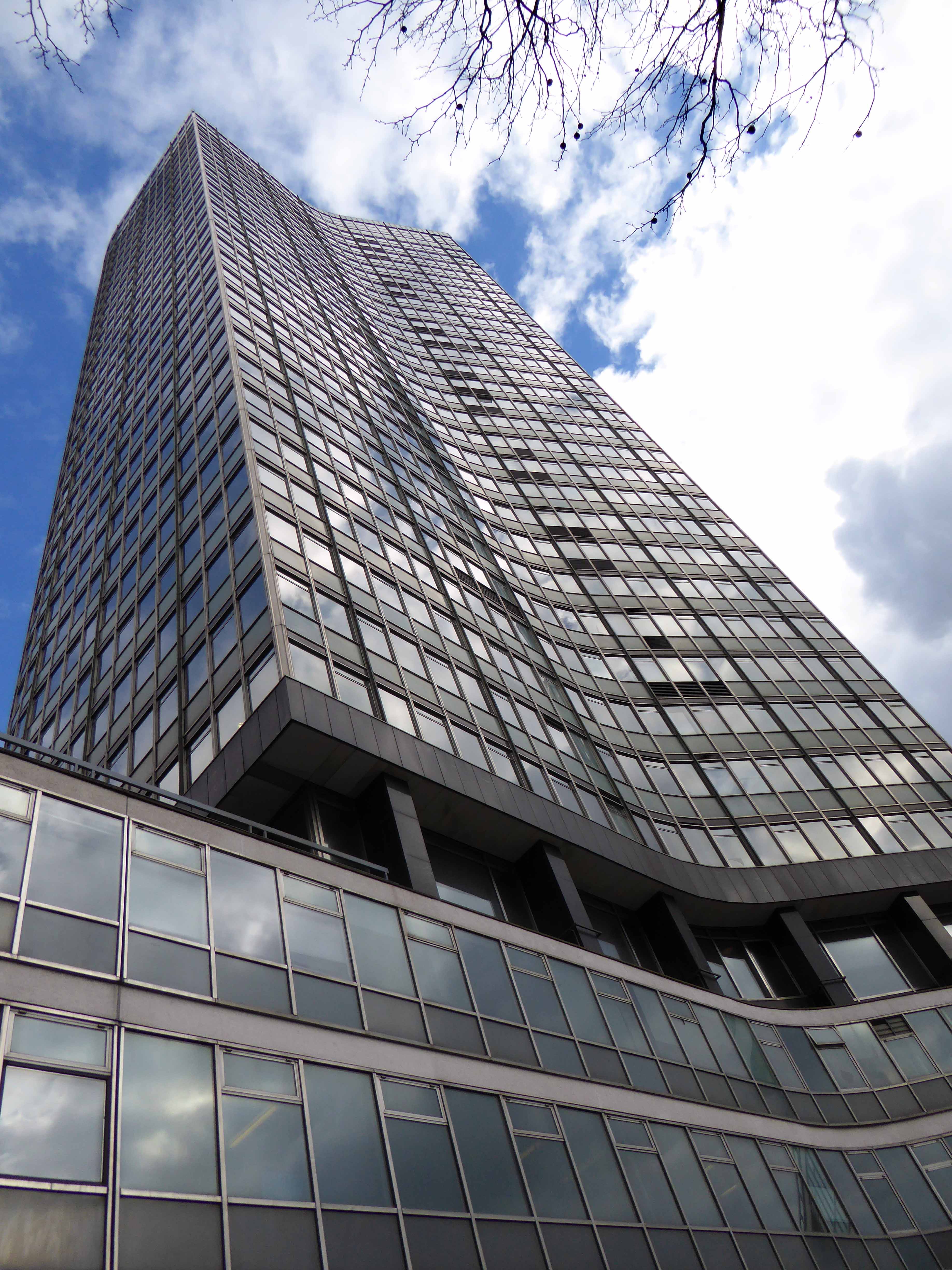
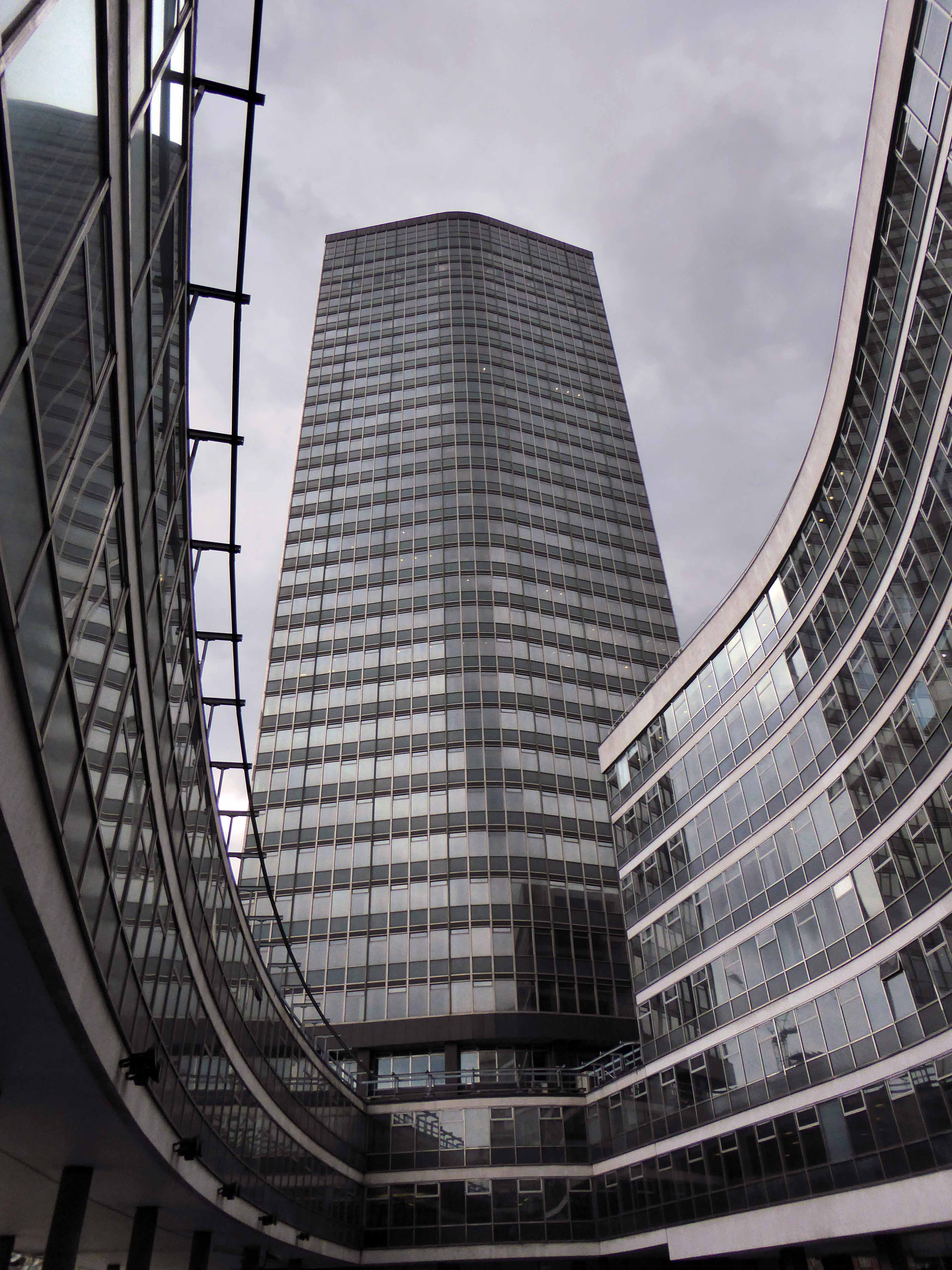
Millbank Tower is a 118 metre or 387 feet high skyscraper in the City of Westminster at Millbank, on the banks of the River Thames in London.

The Tower was constructed in 1963 for Vickers and was originally known as Vickers Tower. It was designed by Ronald Ward and Partners and built by John Mowlem & Co. It is a landmark on the London skyline, sitting beside the River Thames, half a mile upstream from the Palace of Westminster. The tower has been owned by David and Simon Reuben since 2002, while still being managed by its former owner Tishman Speyer Properties.

It is a Grade II listed building.

From 1995 the Labour Party rented two floors in the base at the south of the site for use as a general election campaign centre, including the ground floor, which had a lecture theatre, and also a meeting space that was used for press conferences. Labour ran its 1997 General Election campaign from these offices; after the election, the party vacated its headquarters at John Smith House, Walworth Road SE17, to move to Millbank. Just five years later, however, the £1 million per annum rent forced the party to vacate the tower and relocate to 16 Old Queen Street.

The United Nations also had offices in Millbank Tower, but moved out in June 2003, also citing high rents. Other public bodies have continued to occupy the building, including the Central Statistical Office, the predecessor of the Office for National Statistics, the Parliamentary and Health Service Ombudsman, the Local Government Ombudsman, the UK India Business Council and the Records Management Service.

Since 2006, the Conservative Party have based their campaign headquarters at 30 Millbank, in the same complex as Millbank Tower.

Other floors in the tower are occupied by various organisations and commercial companies, including Environment Agency, the World Bank, Altitude 360 London, foreign exchange specialists World First; the Specialist Schools and Academies Trust, the UK India Business Council, the Audit Commission, event caterers Salt and Pepper, Private Food Design, the firm Lewis PR, the London office of the Open Society Foundations, the Local Government Boundary Commission for England and XLN Telecom.

I know because a computer told me so.

It feels like a hub of power, its location, scale and sheer physical presence speak of it.

Say it loud – I’m block and I’m proud!

So I wandered around one cold bright sunny Sunday afternoon, unchallenged.

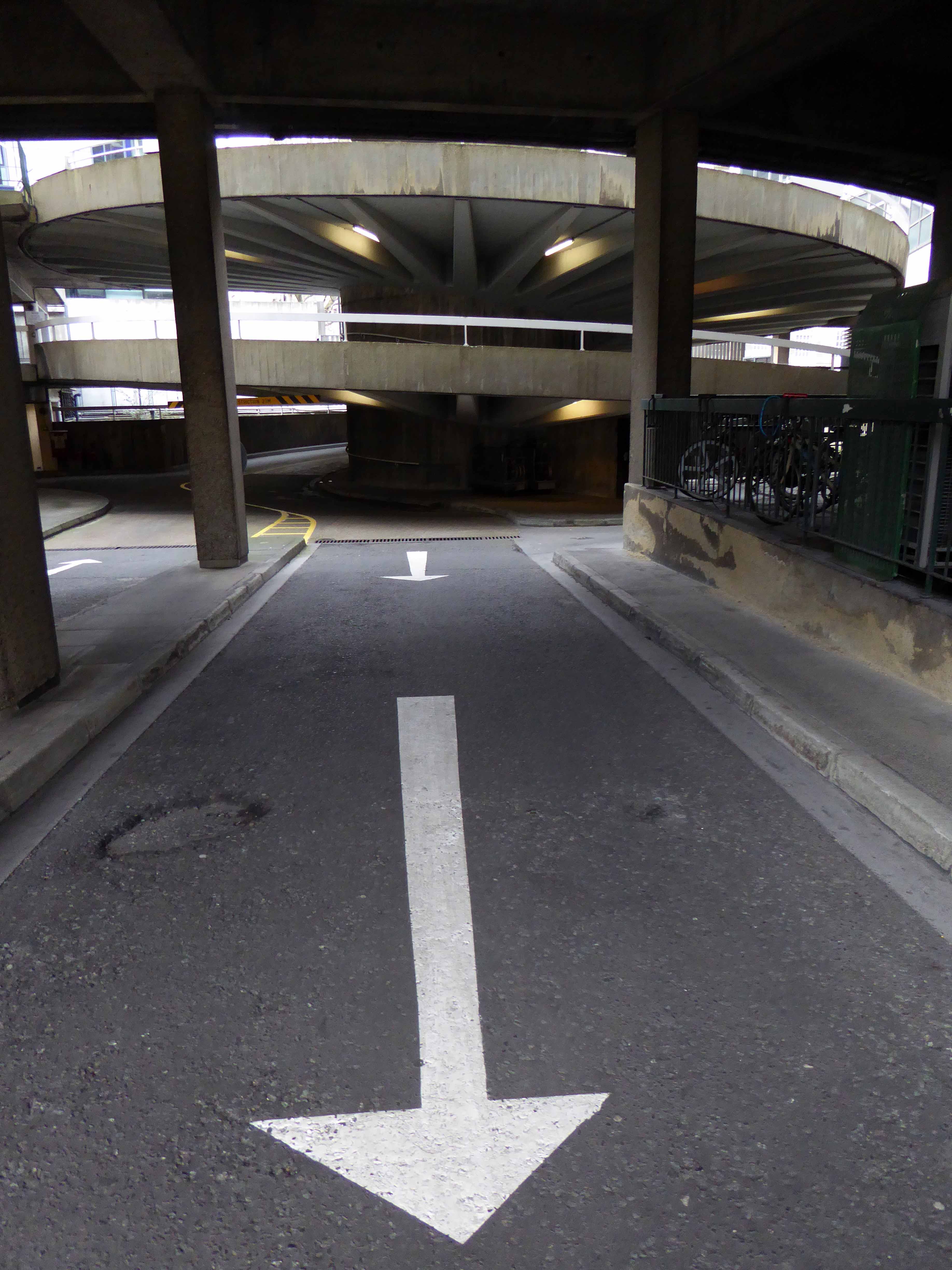
Exploring your ramps, car parks, piazzas and intimate spaces.

Fight or feel the power.

Space Tower – London

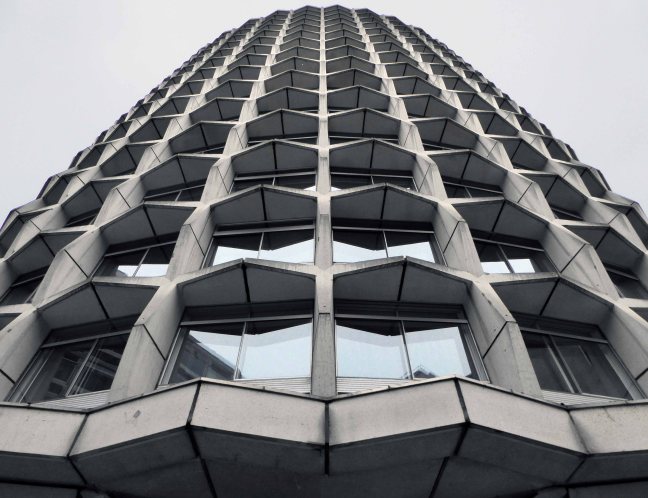
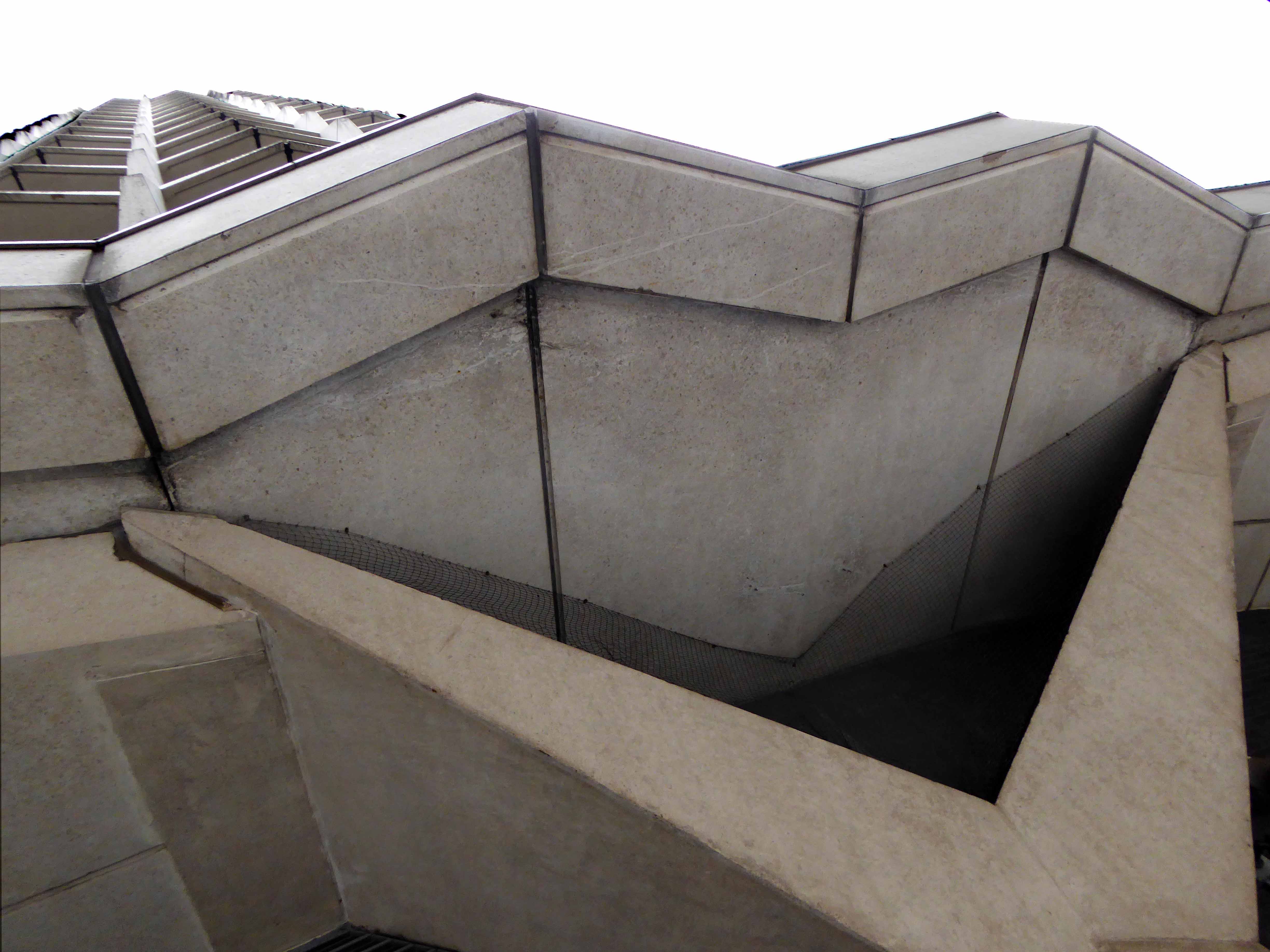
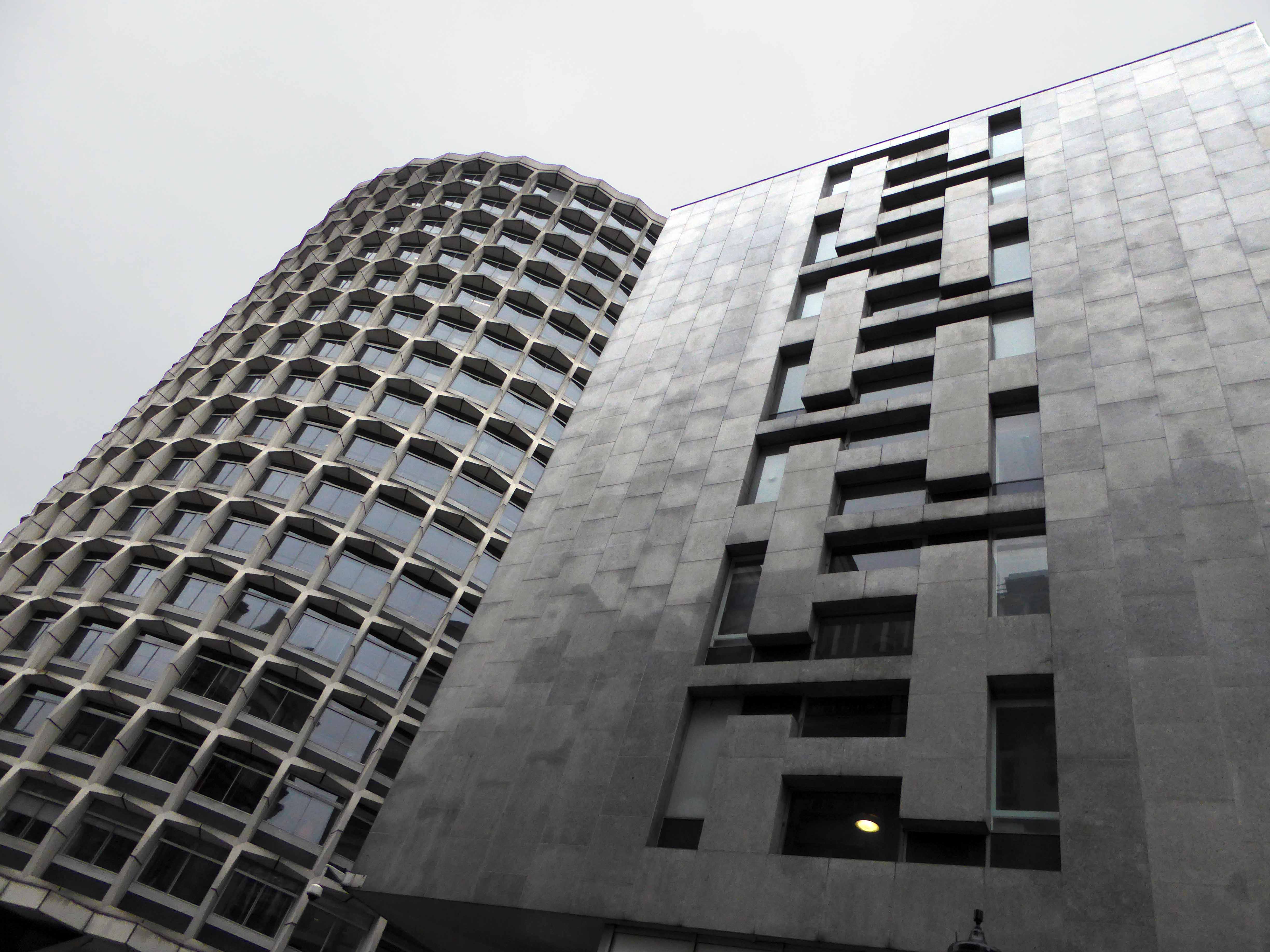
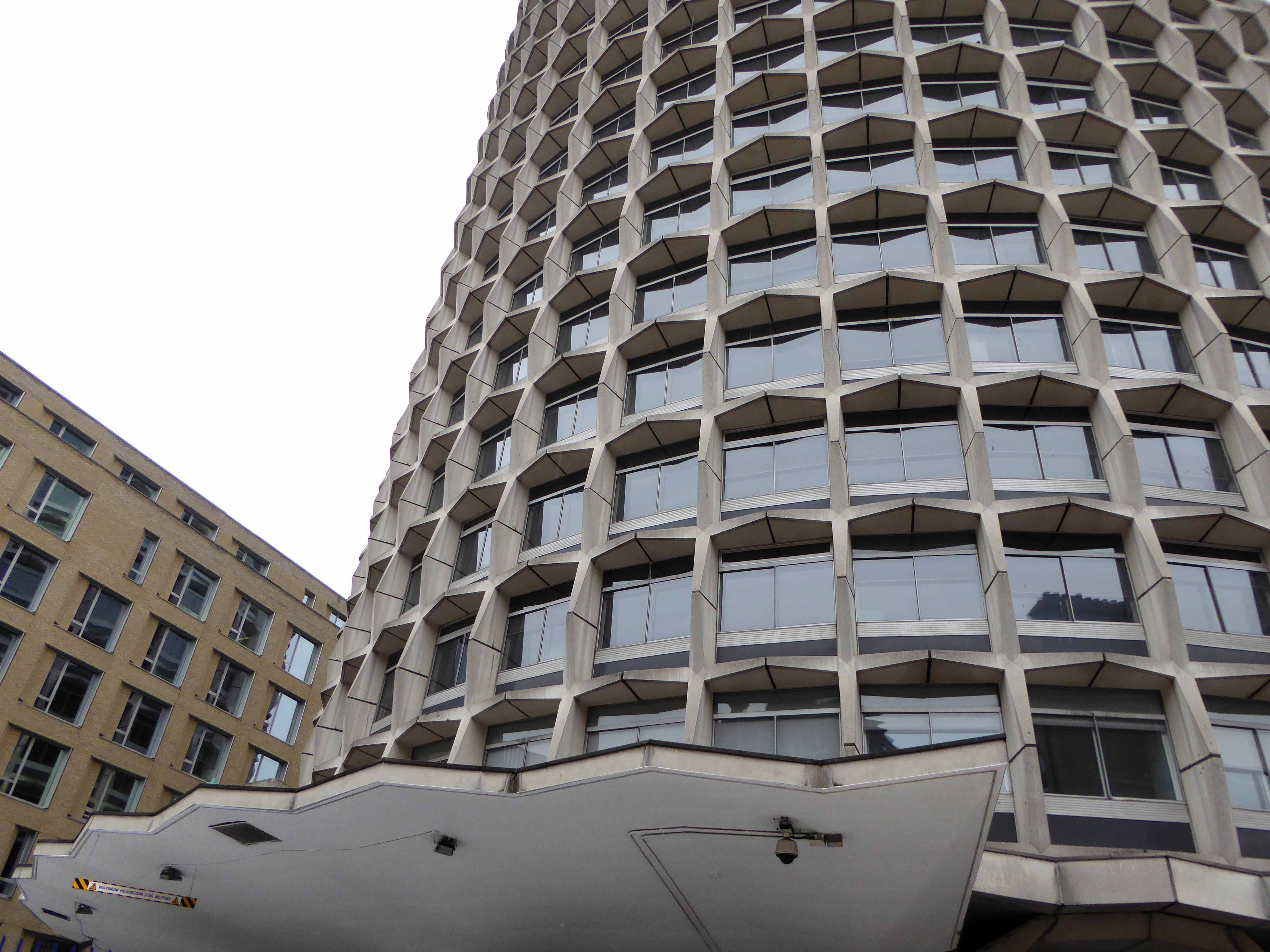
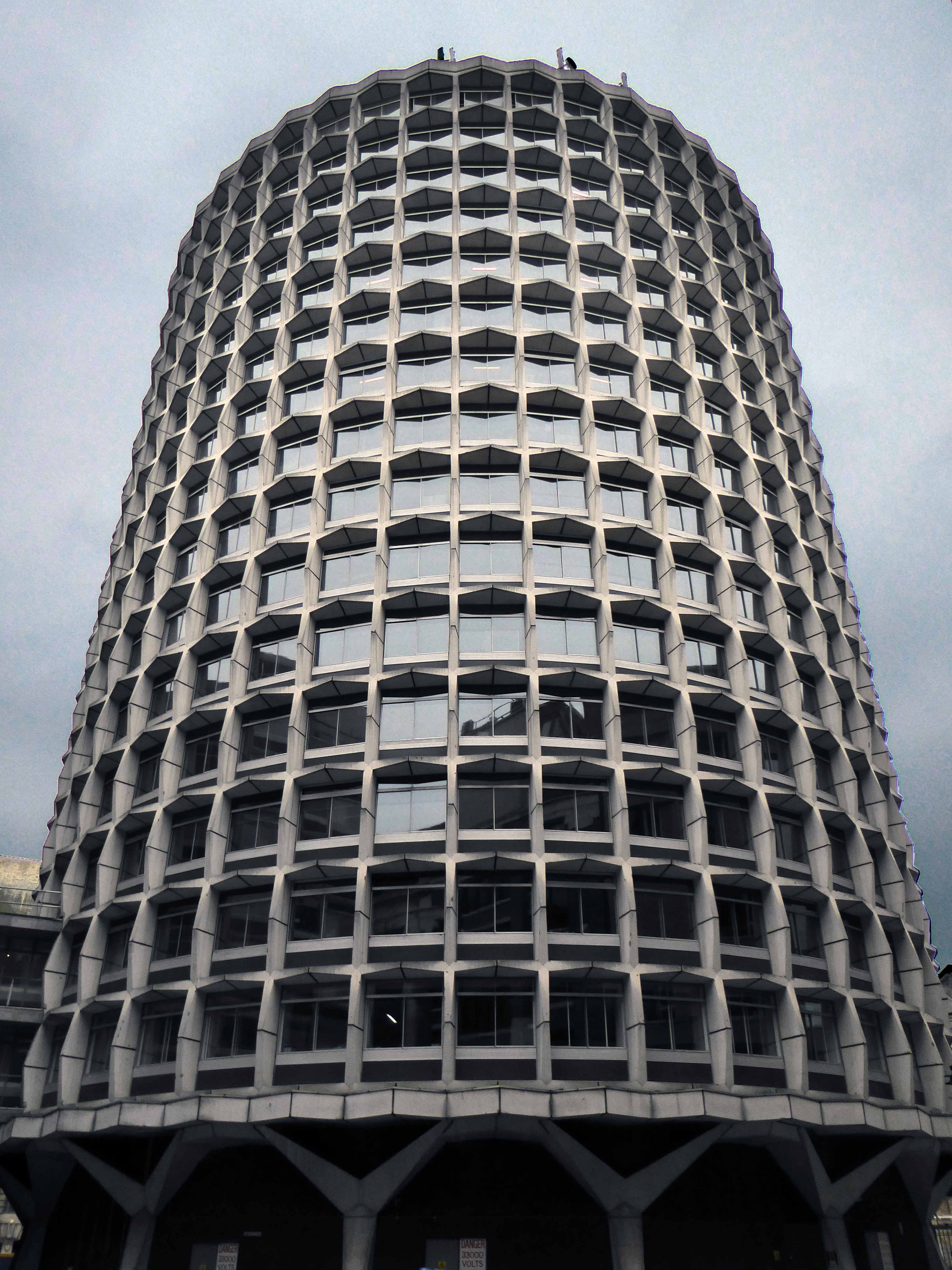
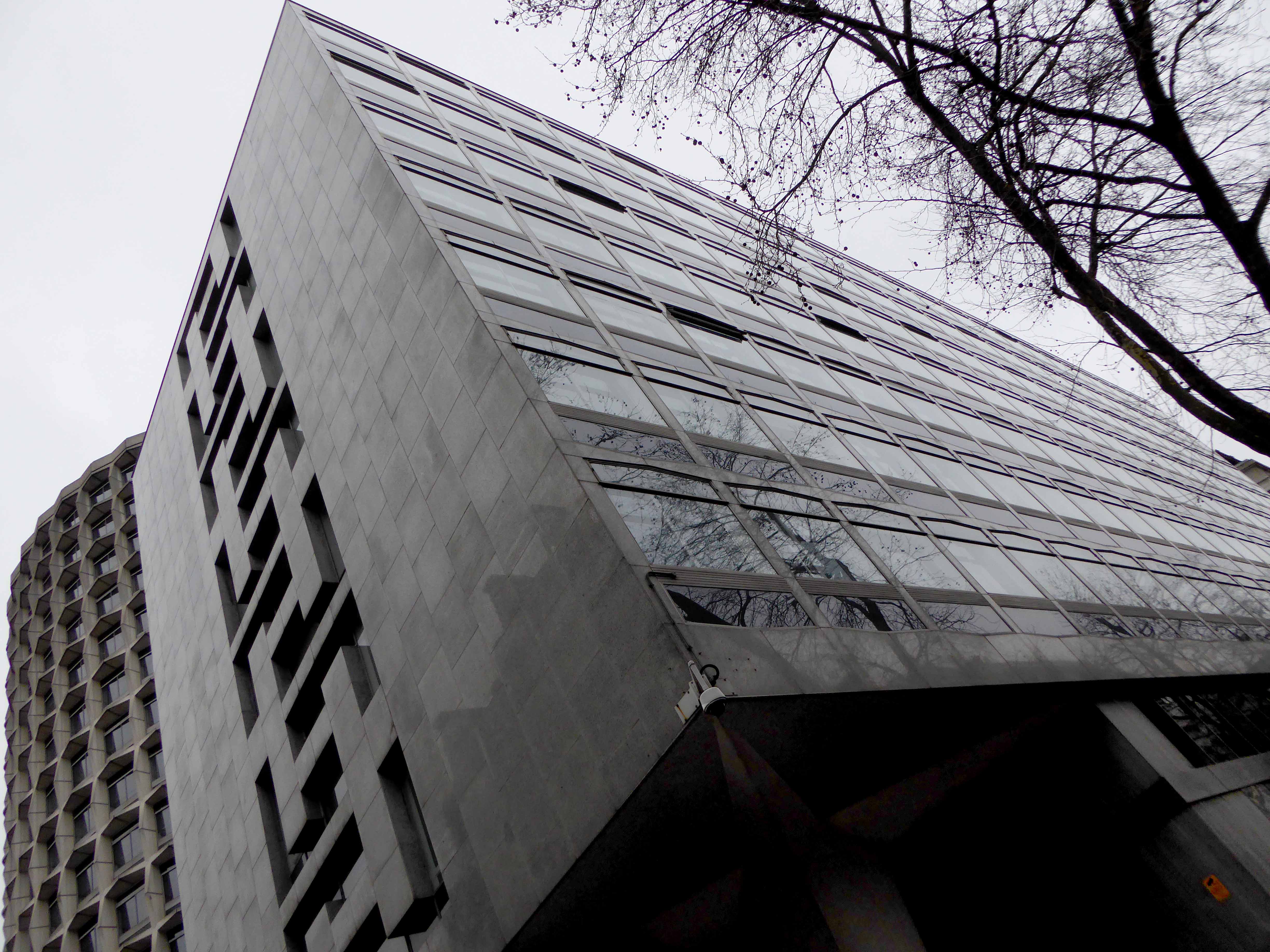
Richard Seifert’s Space Tower what a pleasant surprise, as you veer slightly from Kingsway and collide happily with One Kemble Street, first meeting the smaller slab of  Aviation House, then the conjoined concrete cylinder – the perfect none identical twin.

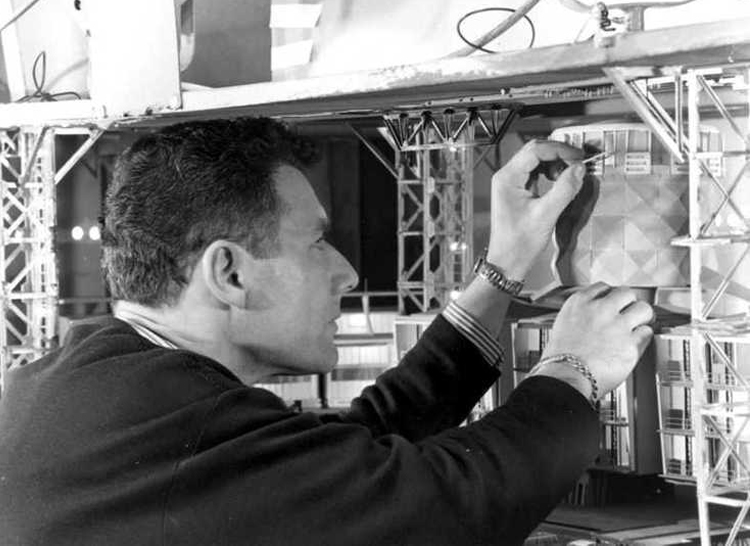
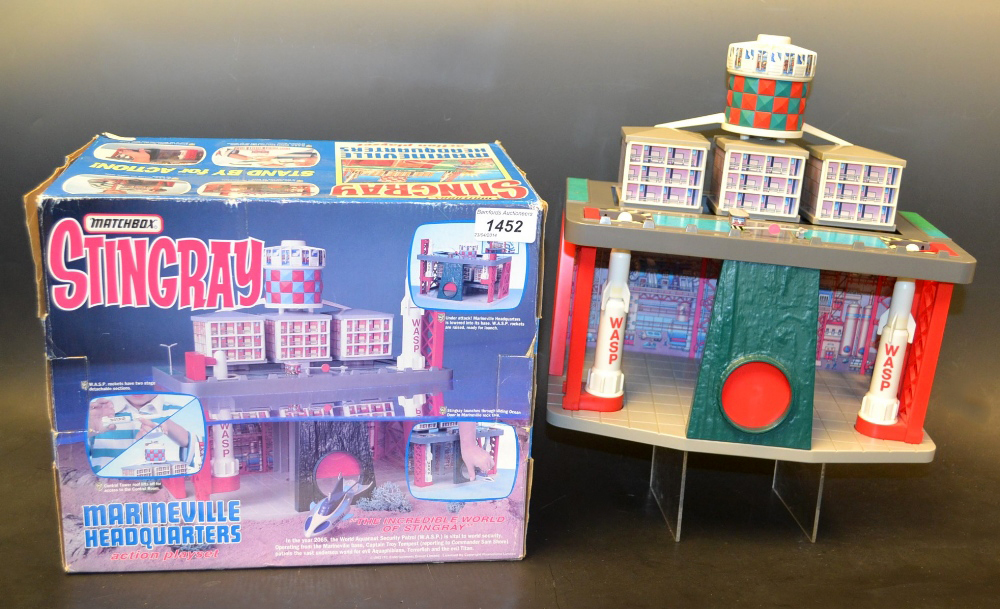
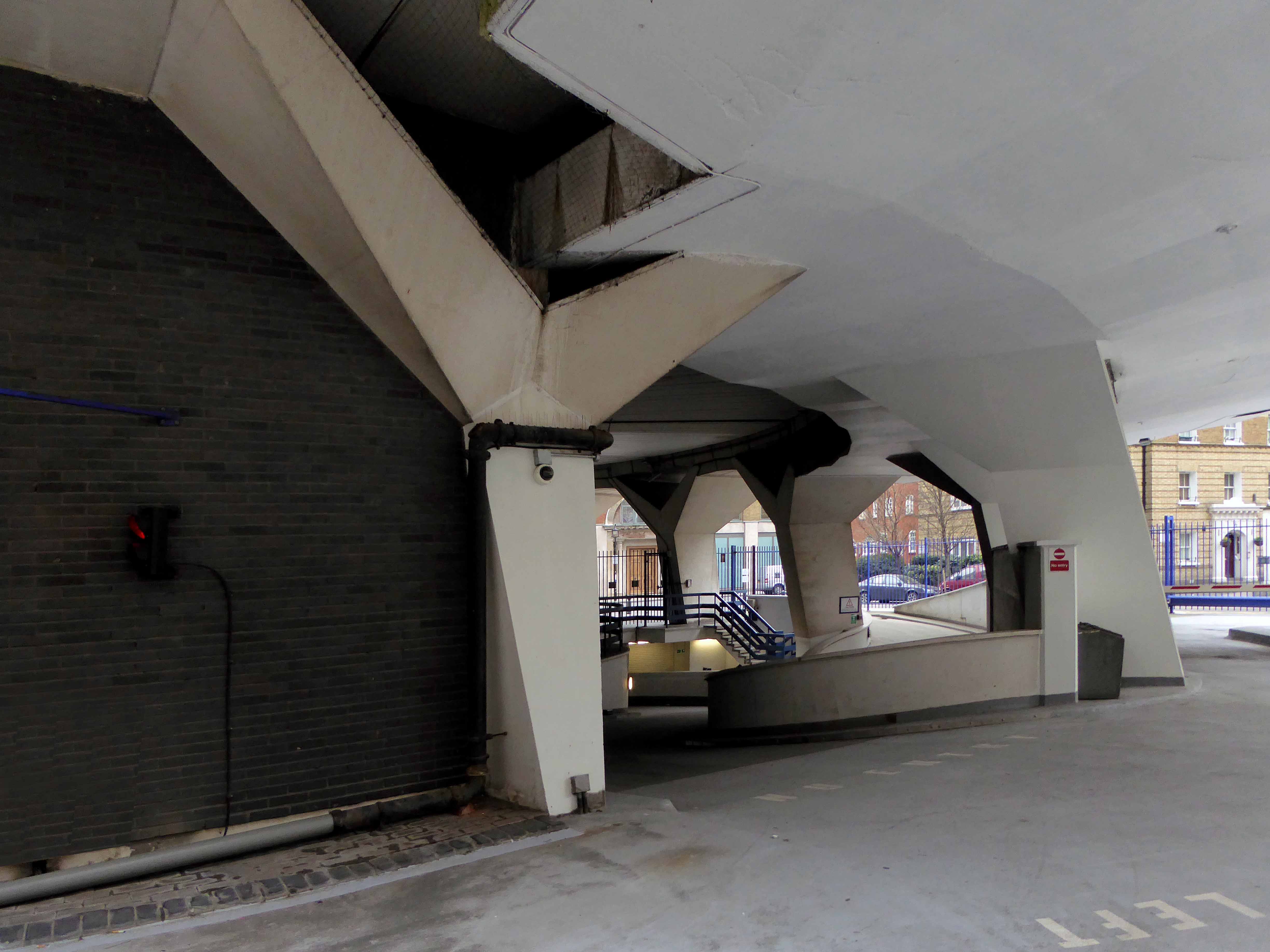
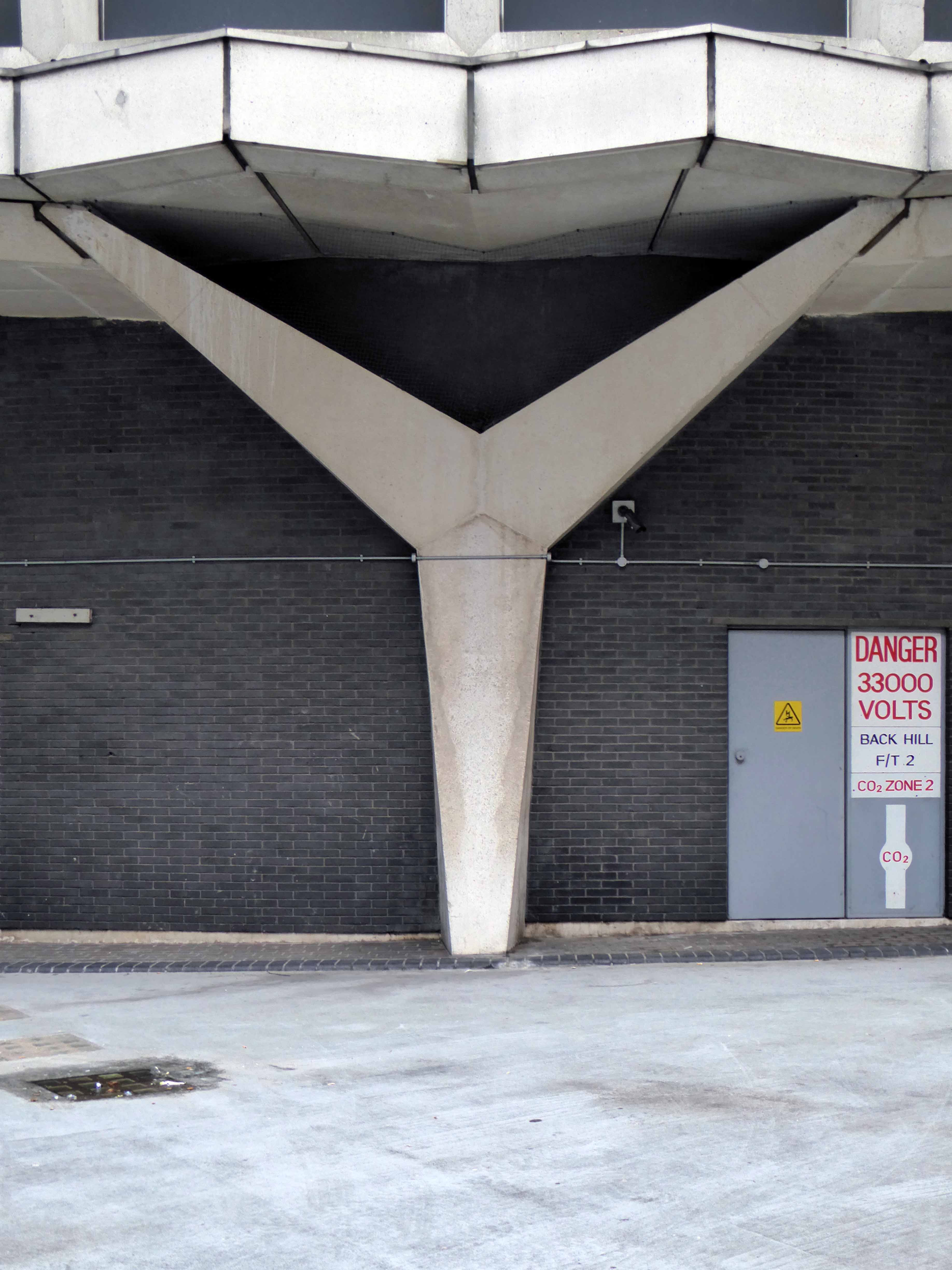
Part Marineville, part Seifert’s modular concrete, and Y shaped supports, a building Derek Meddings would be proud of, anything can happen in the next half hour.

derek-meddings-detailing-marineville-set

Predating the current rash of Brutalist models, the child of the 60s never had it better.

1452

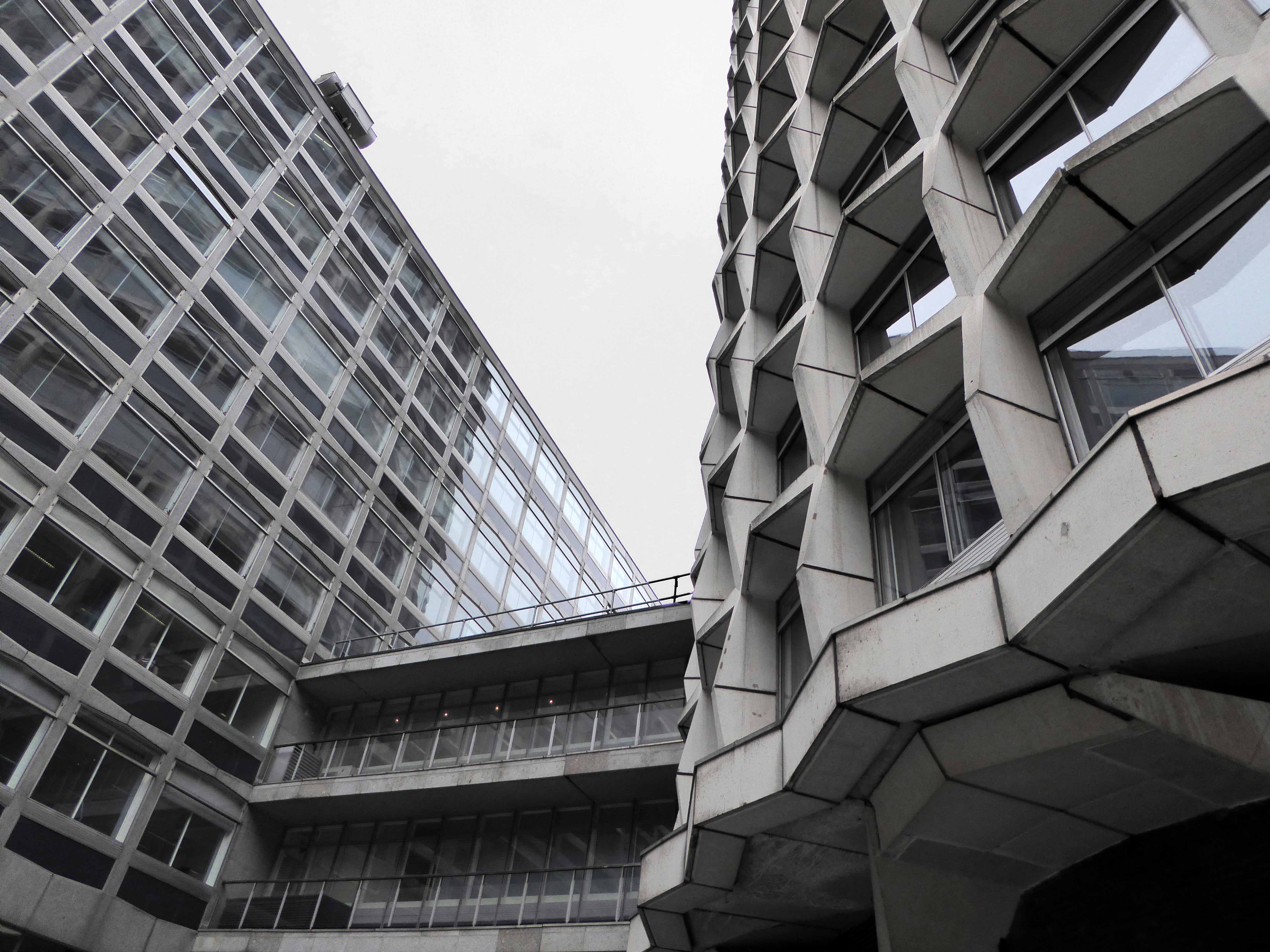
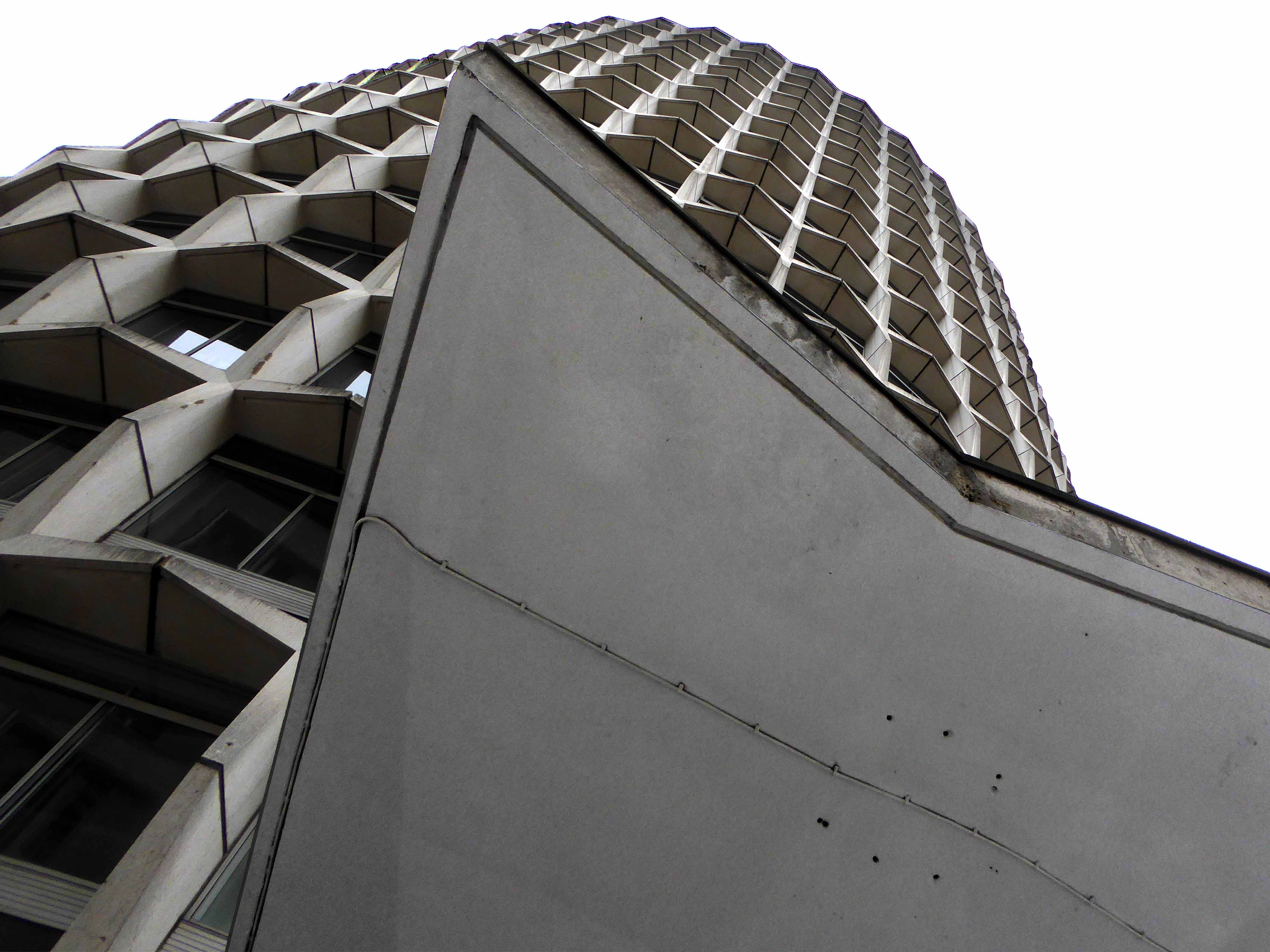
Seifert designed 1 Kemble Street, then called Space House, in a drum shape to reduce the lateral forces that can stress a slab-like block thus reducing the engineering requirements and cutting the cost of construction. 

He originally designed the building to be a proper tower almost twice as high that would have served as a luxury hotel, but objections from Camden Council saw it reduced in height to what has been built today.

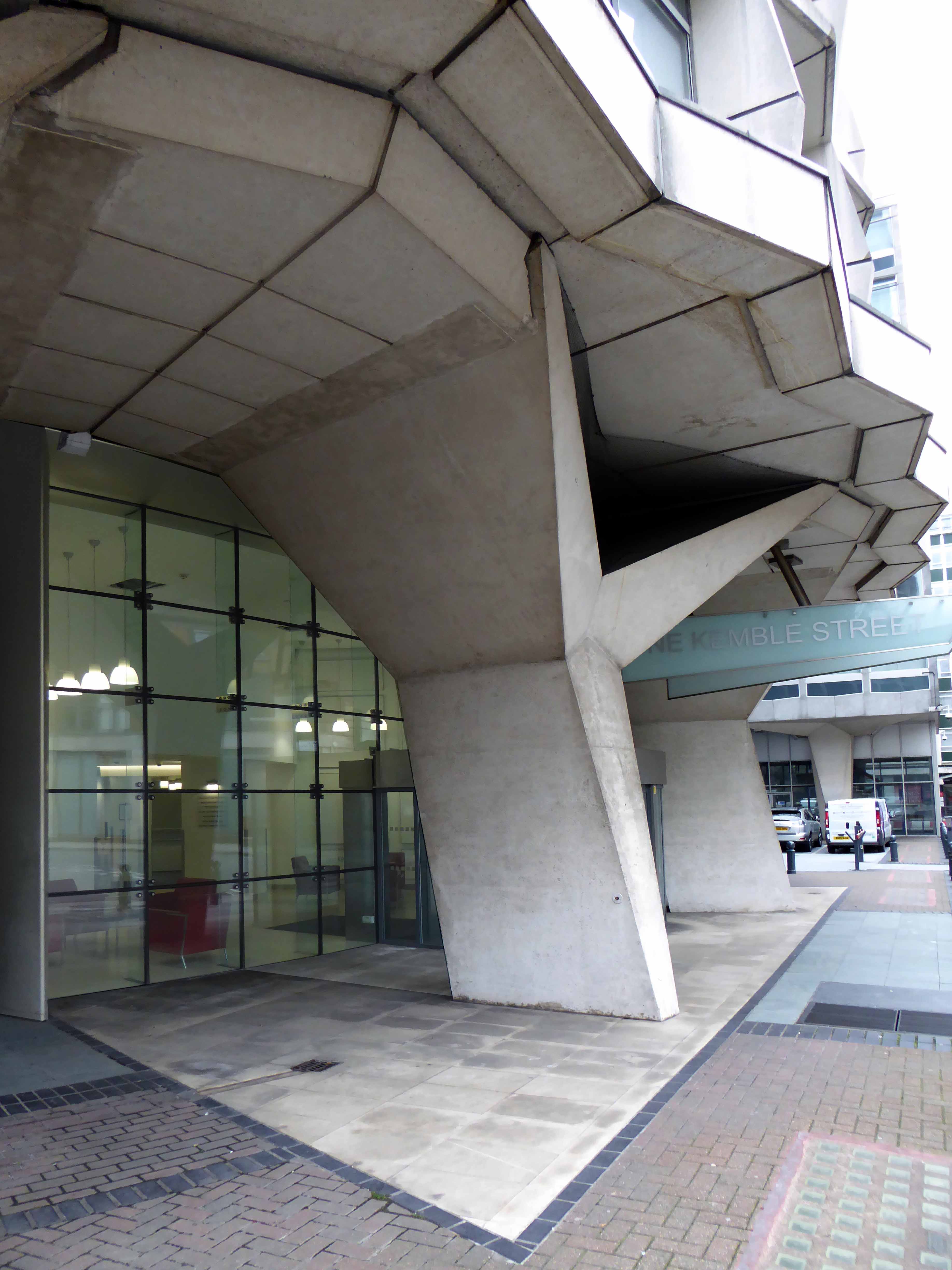
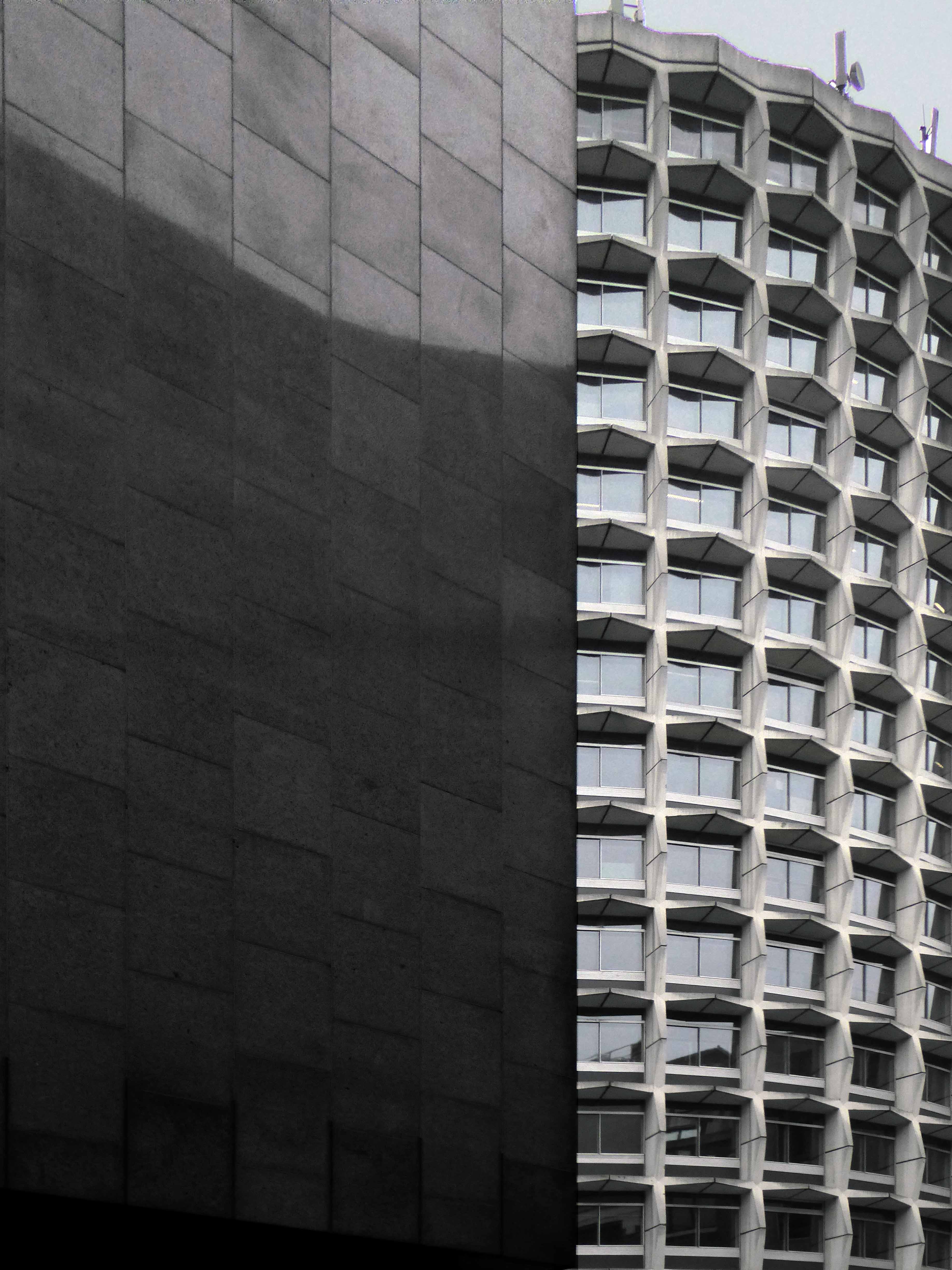
Defining the look of 1 Kemble Street are the pre-cast concrete panels that clad the building, much in the same way as Seifert and Oldham Estate approached Centre Point.

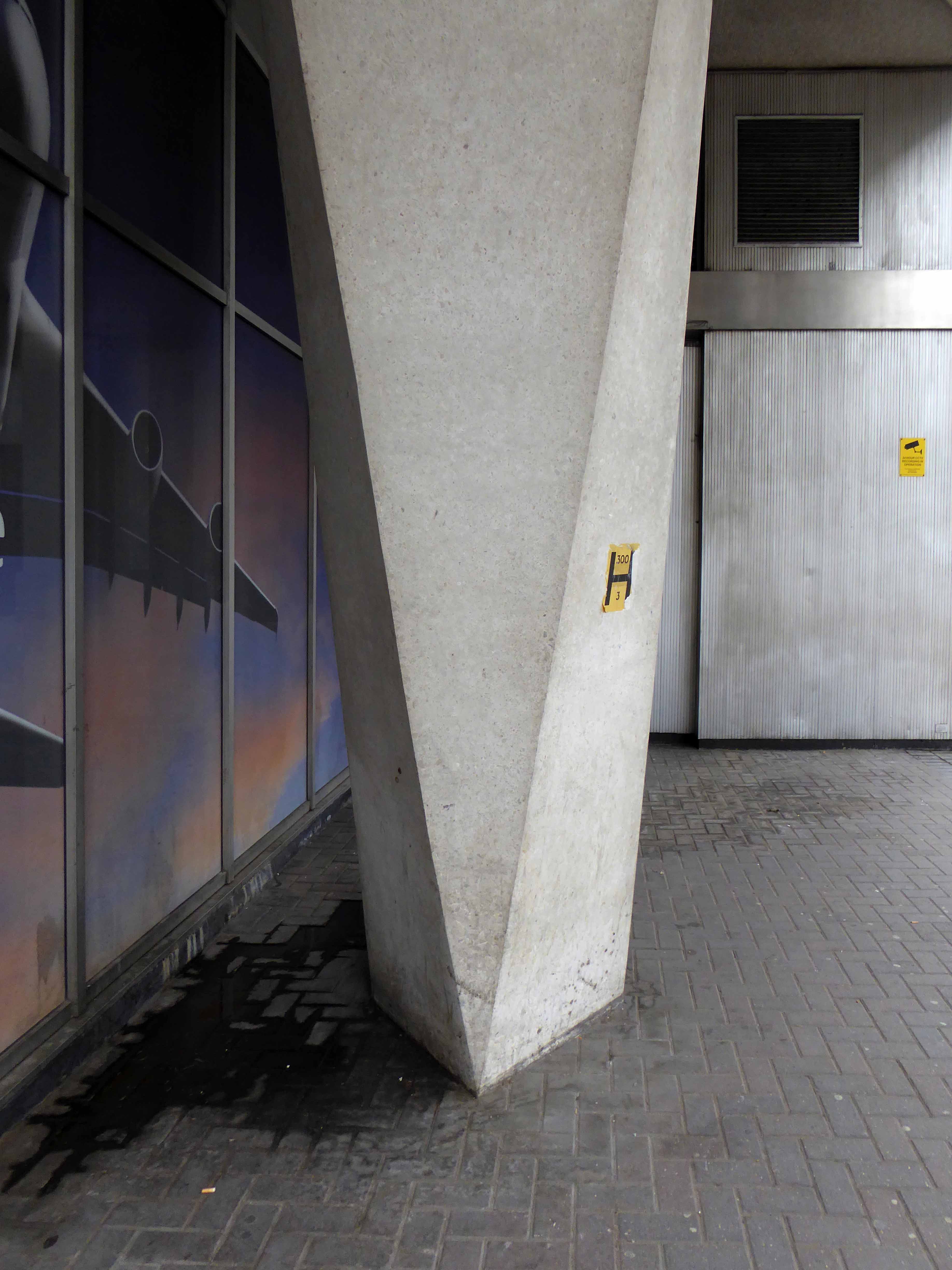
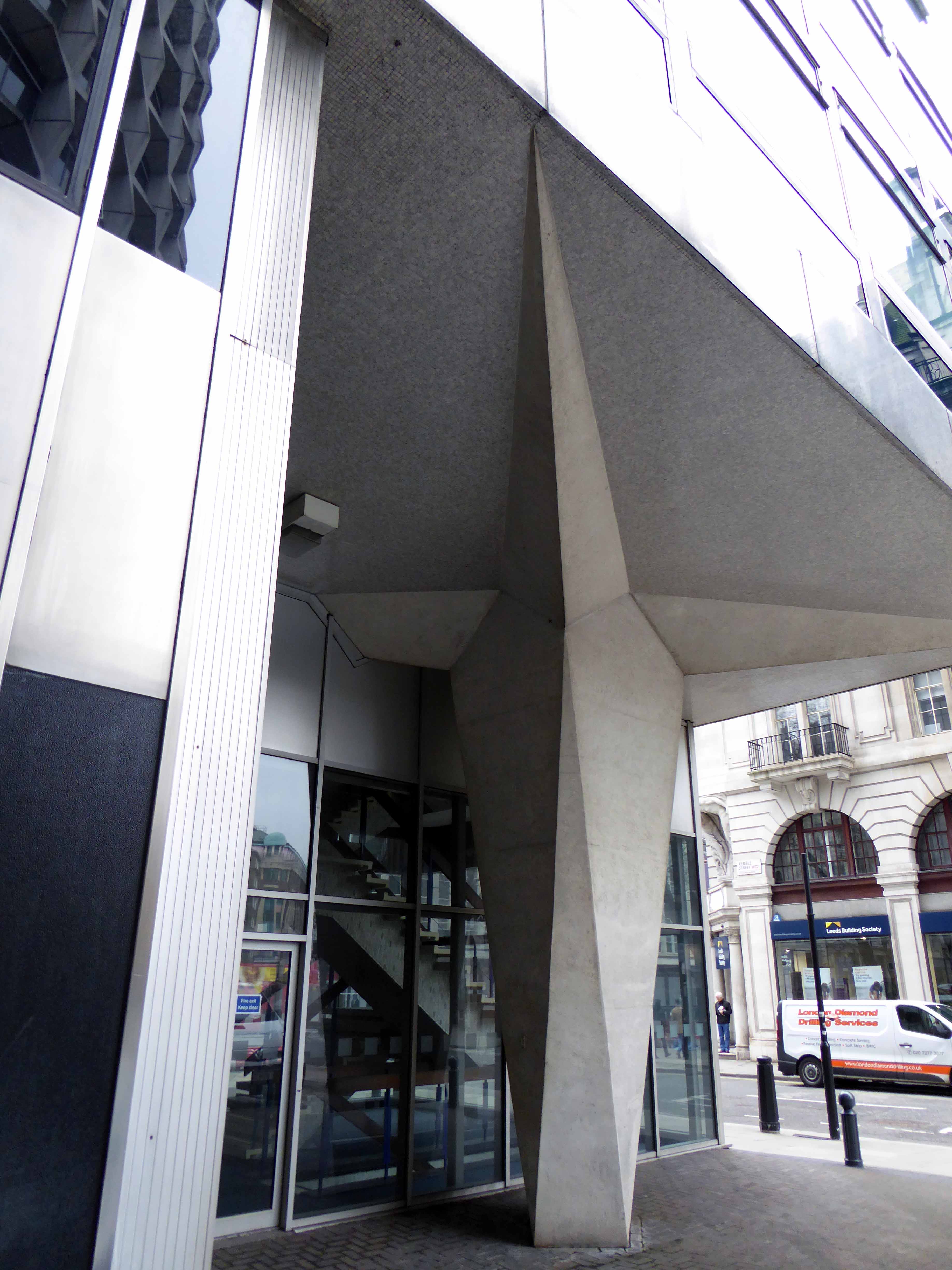
Seifert’s signature Y-beams are also highly visible around the base of the building. Each of the modelled concrete cruciform units has a dimension of exactly ten feet in width and height and three feet in depth. Looking closely at the facade clearly reveals the grid of the building.

Skyscraper News

Take a walk, have a look around and around, full of surprises, accidental gentle collisions.

P1010726 copy

P1010718 copy

P1010739 copy

P1010722 copy

P1010727 copy

P1010729 copy

P1010733 copy

P1010746 copy

P1010742 copy

P1010717 copy

P1010738 copy

P1010745 copy

P1010741 copy

P1010735 copy

P1010732 copy

P1010720 copy

P1010719 copy

P1010744 copy

P1010734 copy

P1010723 copy

P1010747 copy

P1010730 copy


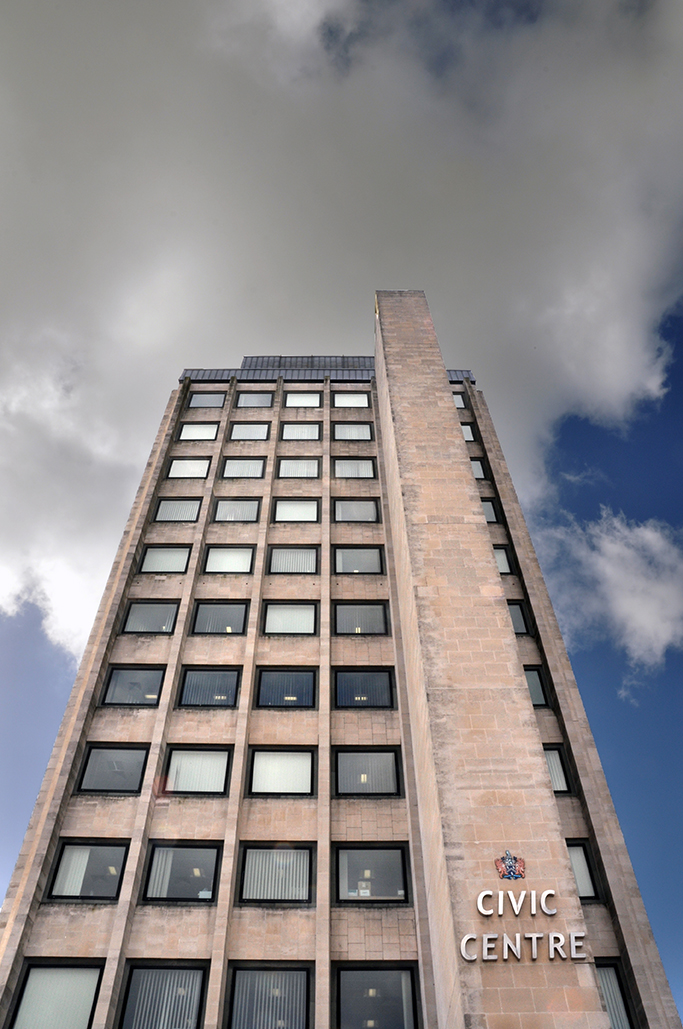
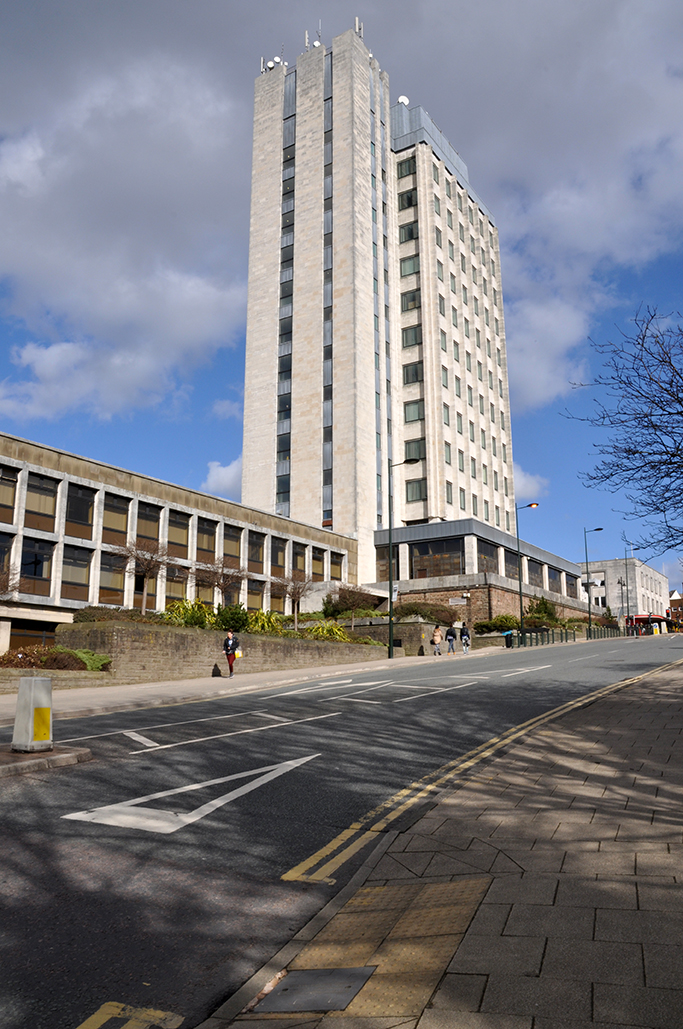
Civic Centre – Oldham

“The Civic Centre tower is the Oldham’s centre of local governance. The fifteen storey building has housed the vast majority of the council’s offices since its completion in 1977. Standing at the summit of the town, the tower stands over 200 feet 61 m high. It was designed by Cecil Howitt & Partners, and the topping out ceremony was held on 18 June 1976.The Civic Centre can be seen from as far away as Salford, Trafford, Wythenshawe and Winter Hill in Lancashire, and offers panoramic views across the city of Manchester and the Cheshire Plain.”

Part of the building joins onto an older office block which dates from the mid-1960s. That was originally headquarters for Oldham’s Regional Health Authority before their move to St. Peter’s Precinct.

I just stand back and gaze in wide wonder at this white giant resplendent against deep blue late Winter skies. High above the surrounding areas of Greater Manchester, it is more than a sum of its parts. The finest materials and finish, bold, optimistic and modern, singing of a civic pride that refuses to be diminished.

Having survived the slow and painful exodus of the cotton industry, and the consequent years of municipal under funding, Oldham is rebuilding itself, with this gem at its centre.

Further info and thanks to: East of the M60


Halifax Building Society HQ – Halifax

Why are we here?

The Halifax was formed in 1853 as the Halifax Permanent Benefit Building and Investment Society. The idea was thought up in a meeting room situated above the Old Cock Inn close to the original Building Society building. Like all early building societies, the purpose of the society was for the mutual benefit of local working people.

Why are we not here?

In 2006, the HBOS Group Reorganisation Act 2006 was passed. The aim of the Act was to simplify the corporate structure of HBOS. The Act was fully implemented on 17 September 2007 and the assets and liabilities of Halifax plc transferred to Bank of Scotland plc. The Halifax brand name was to be retained as a trading name, but it no longer exists as a legal entity.

What have we here?

The Halifax Building was designed by the architecture firm BDP and constructed in 1968-74, as the headquarters for the Halifax Building Society and built with an unusually high budget. The rapid growth of the society over the twentieth century prompted the requirement for a new headquarters building, and in 1968 the aim of the architects was to design not only a practical building but a bold building for a confident client.

The building was Grade II listed in February 2013

In their report, Historic England comment that:

“Though necessarily large in scale, and centrally located in the town, the design is one of humanity, respecting both the townscape in which it was placed, and the employees it was to house…The high budget was reflected in the building’s finishes inside and out. Externally a limited colour palette and use of York stone cladding gave a homogeneity and showed consideration to the local character of the stone buildings of Halifax. Internally, materials were high quality and colour co-ordinated, with landscaping to both the public ground-floor spaces and the executive fourth floor.”

Ian Nairn thought well of it –

I wandered around amazed by the sheer mass of the main volume of the building, and the thin slithers of sunlight and blue sky which abutted its glass and stone skin.

When approached by a curious security guard, I quickly allayed his initial fears, on production of my Manchester Modernist Society membership card and badge.

However fellow urbanists, take care, for the public is often mutually private and public at one and the same time, don’t step over the line.

P1010375 copy

Go take a look make of it what you will.

P1010359 copy

P1010361 copy

P1010367 copy

P1010365 copy

P1010357 copy

P1010358 copy

P1010362 copy

P1010355 copy

P1010377 copy

P1010366 copy

P1010371 copy

P1010354 copy

P1010363 copy

P1010374 copy

P1010372 copy

P1010368 copy

P1010373 copy

P1010364 copy

Oxford Road Station – Manchester

Where are you?

Neither here nor there.

Up in the air.

Betwixt and between.

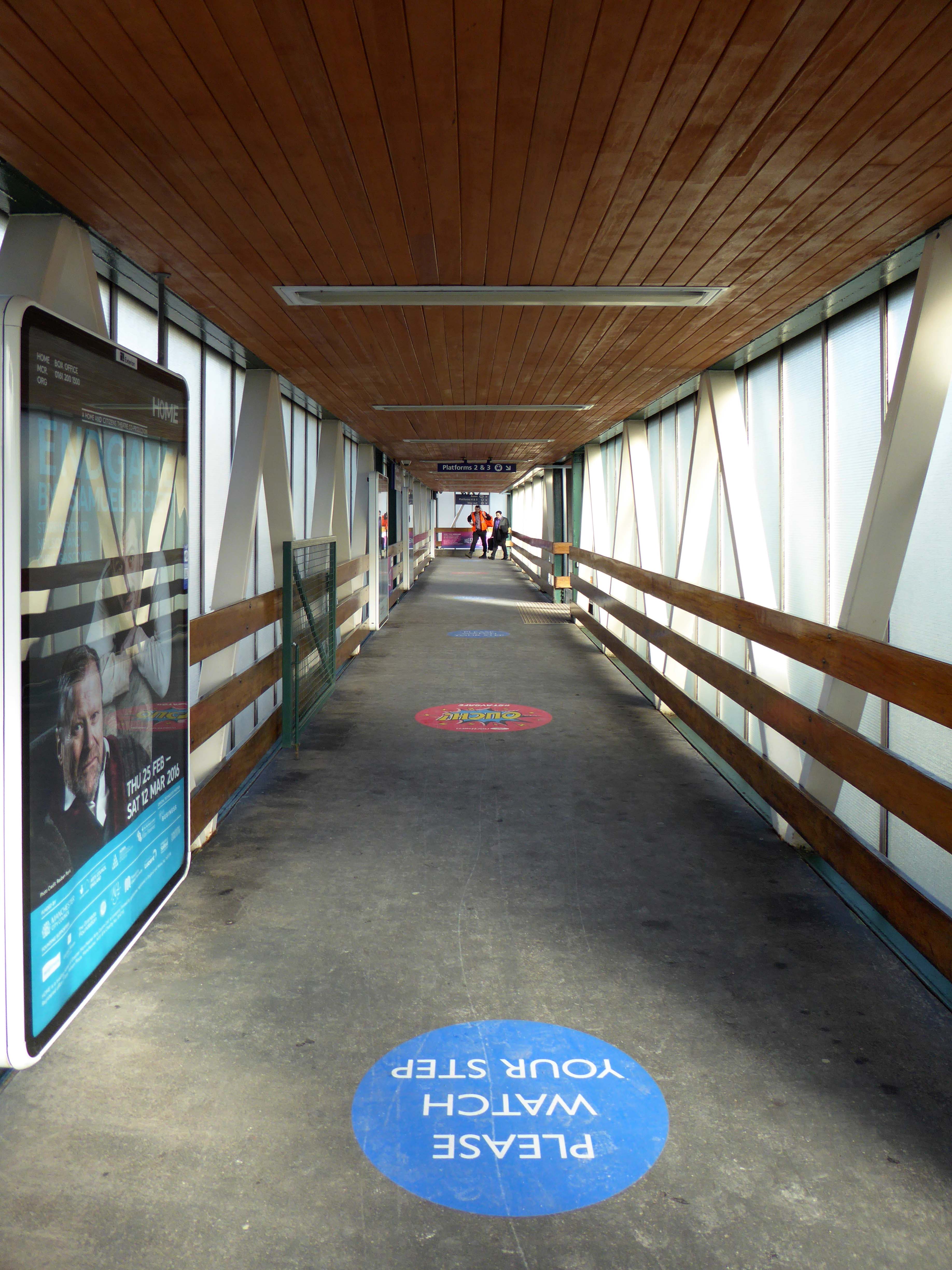
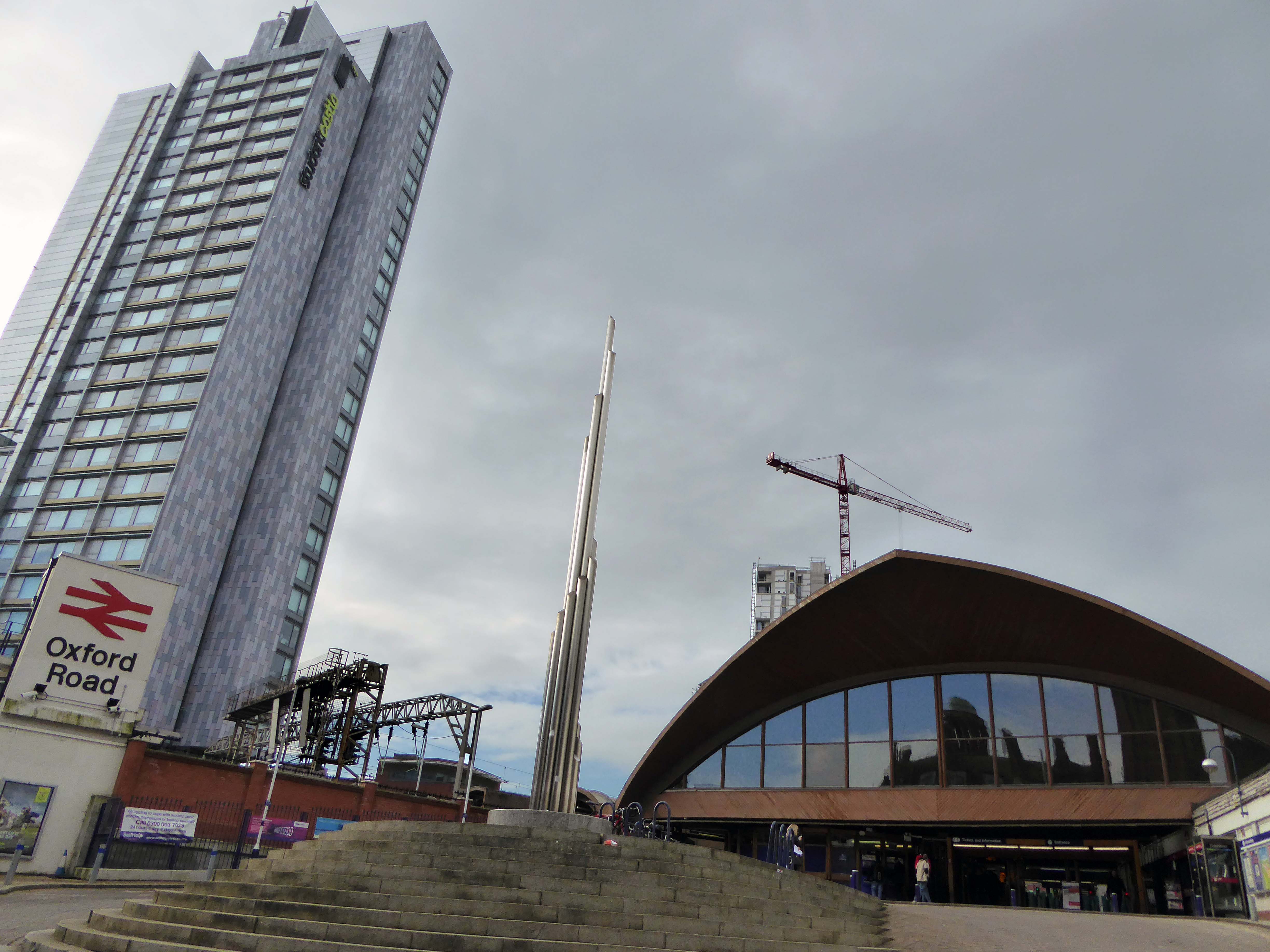
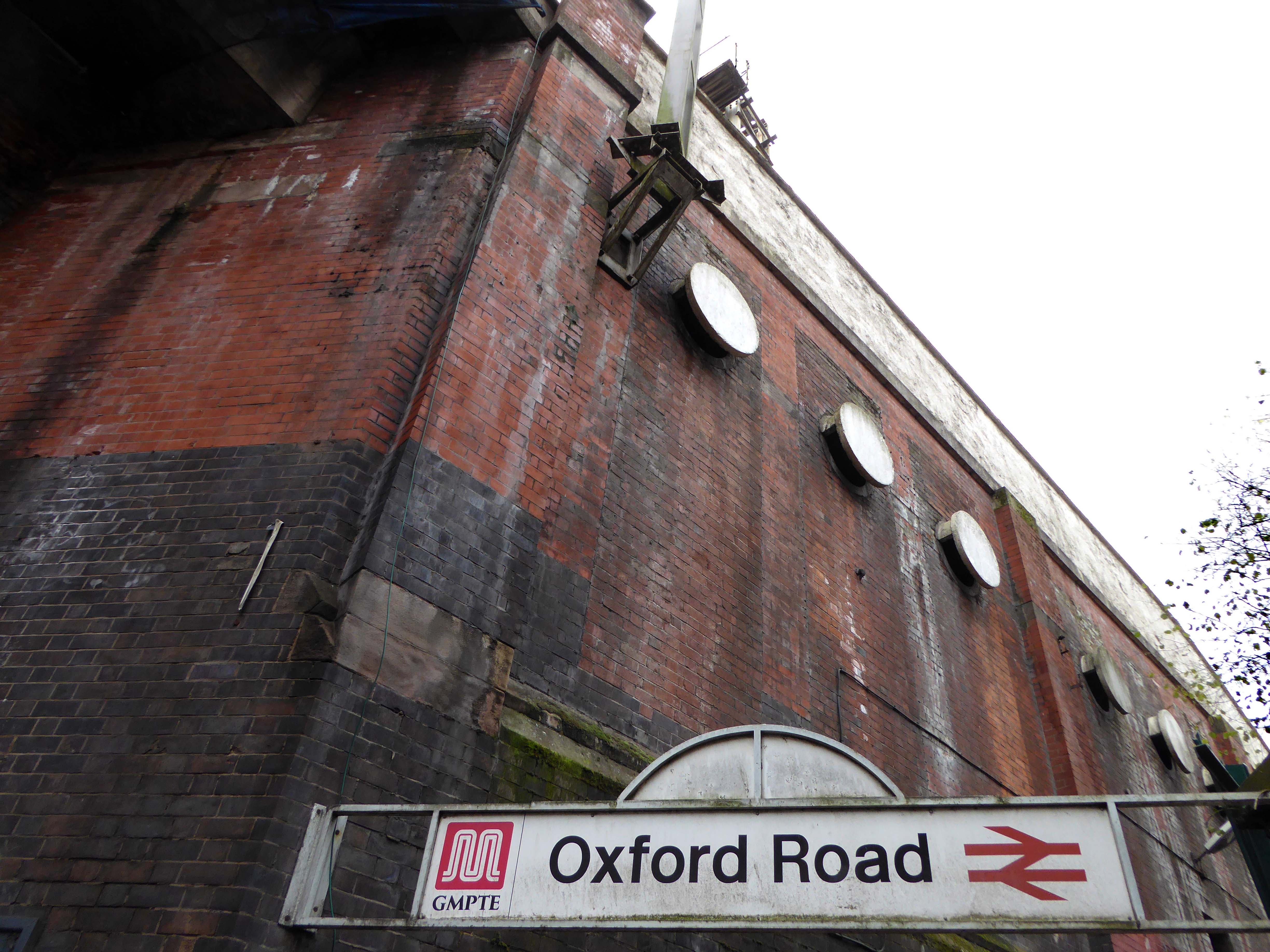
Possibly on the way to somewhere else, stranded at Oxford Road Station.

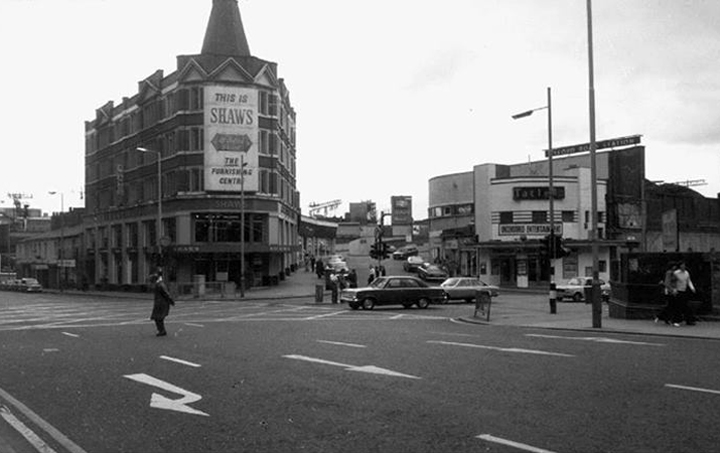
Tucked in behind Shaw’s Furniture and The Tatler Cinema.

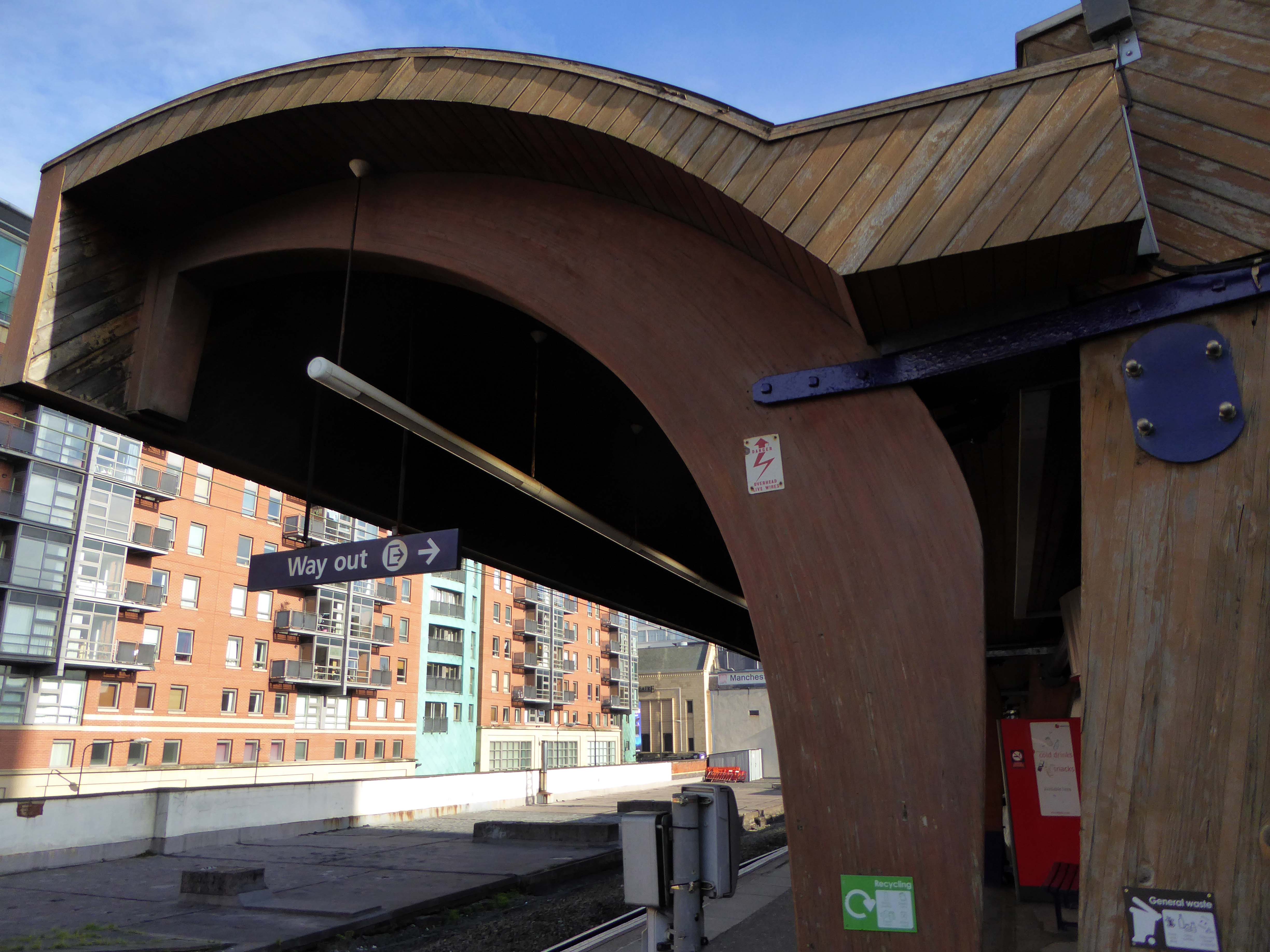
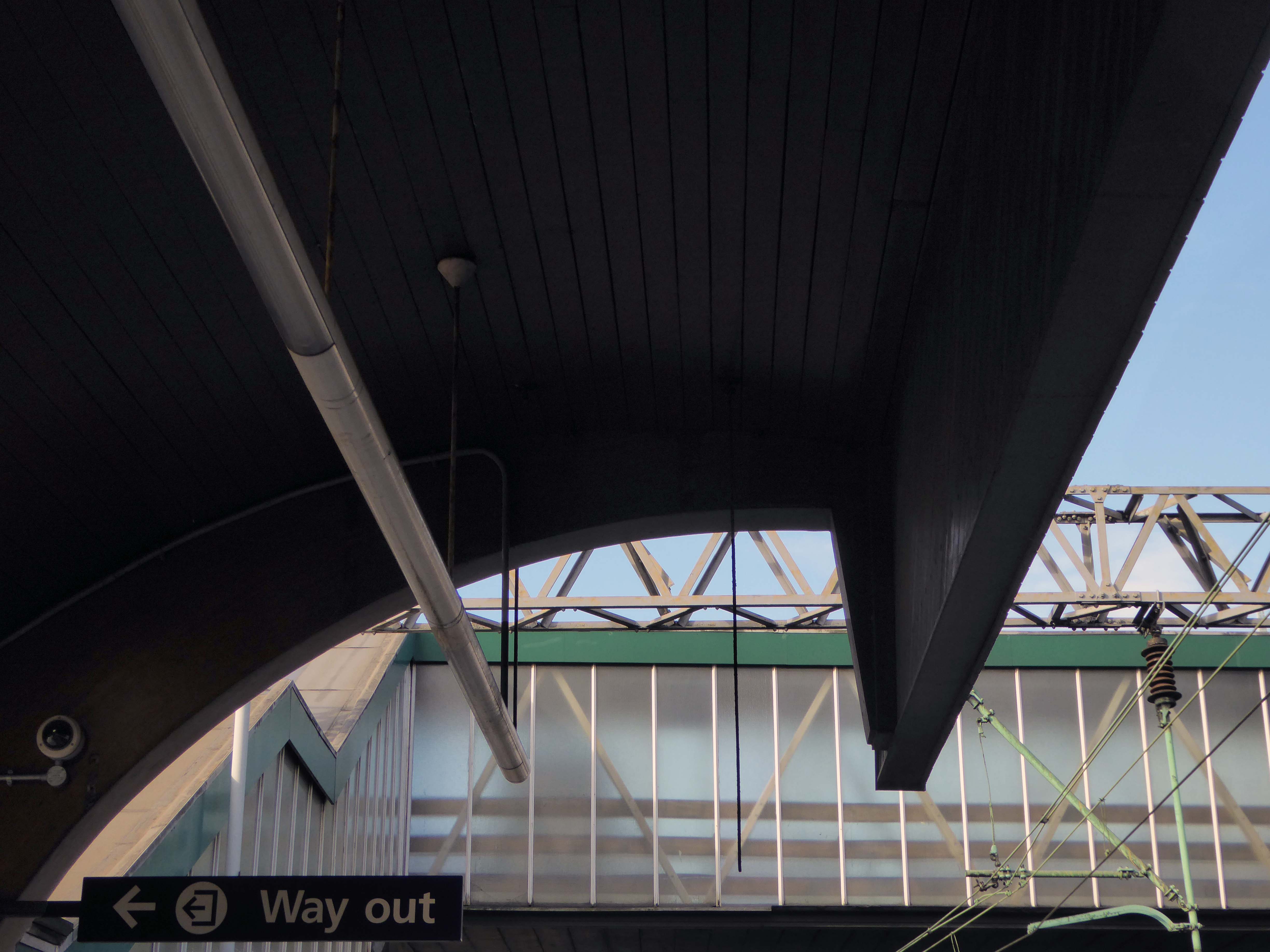
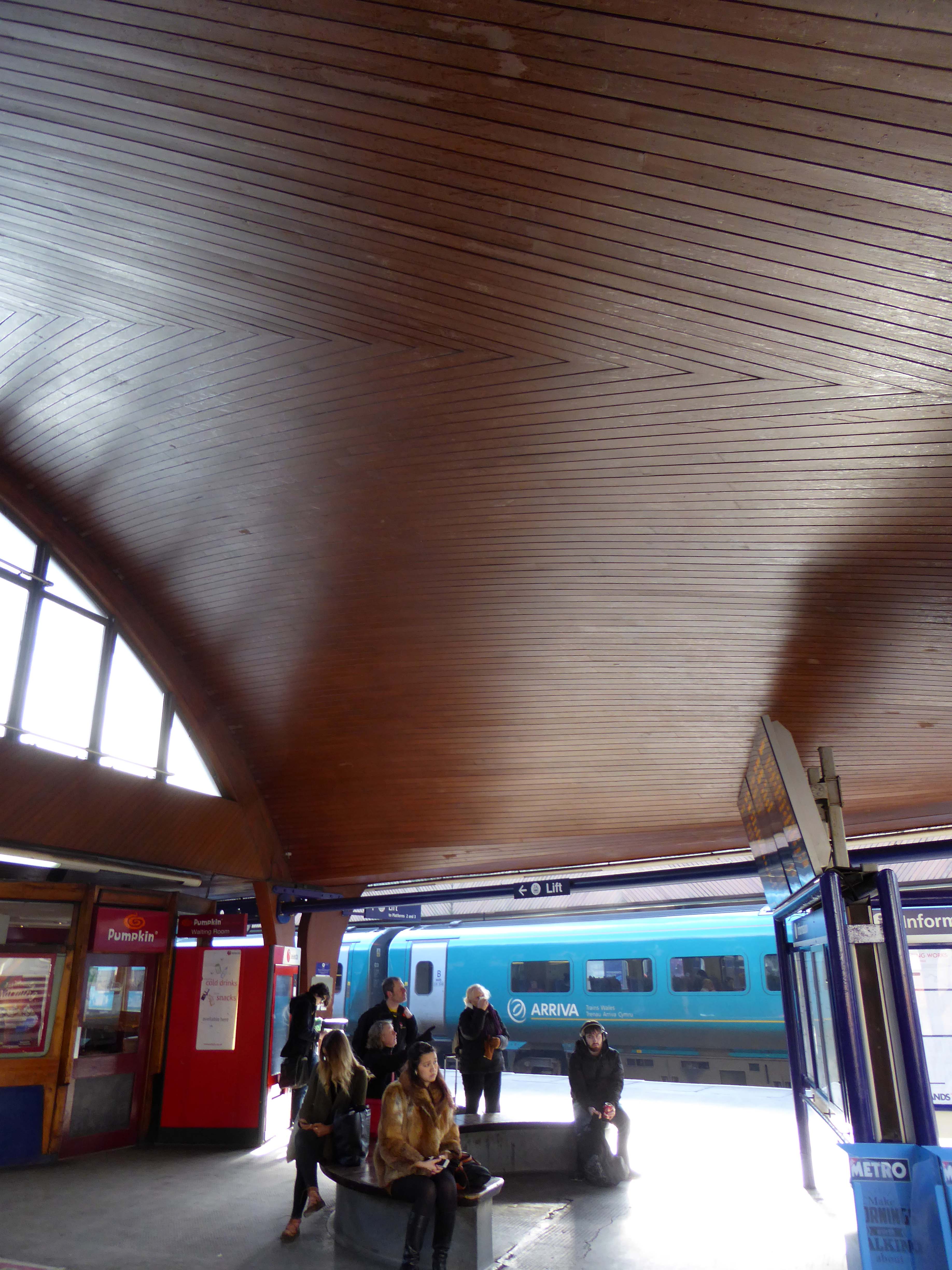
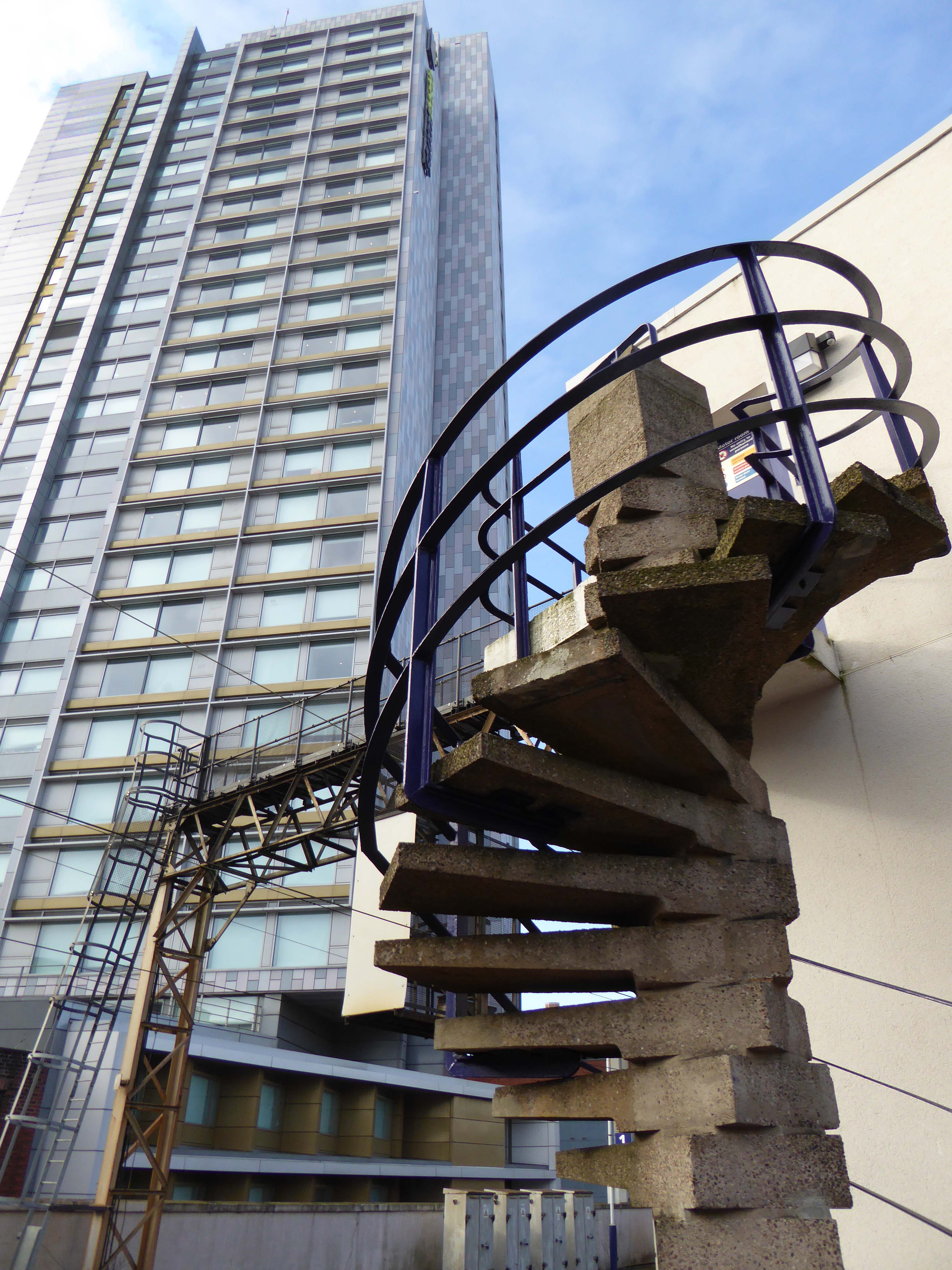
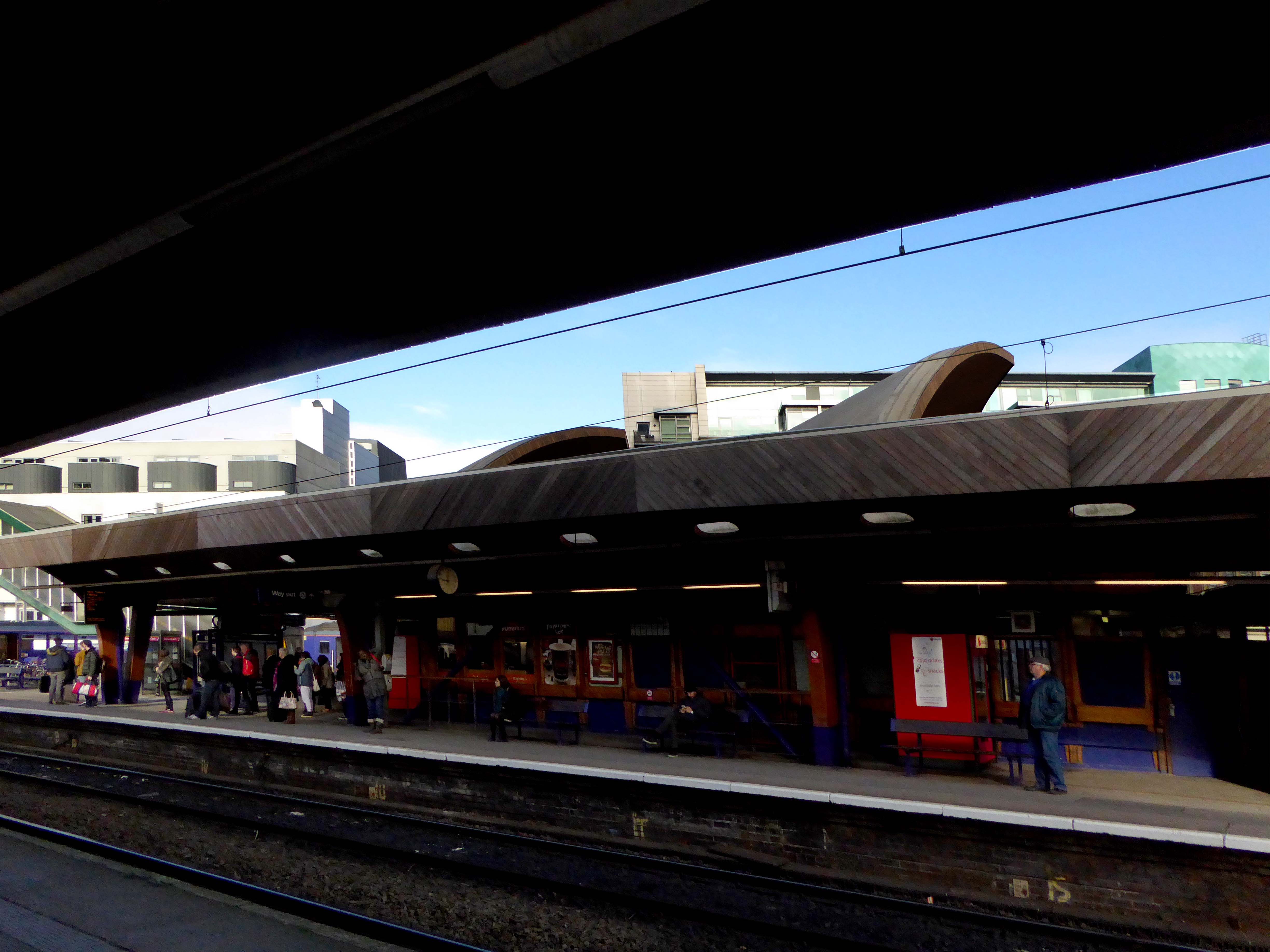
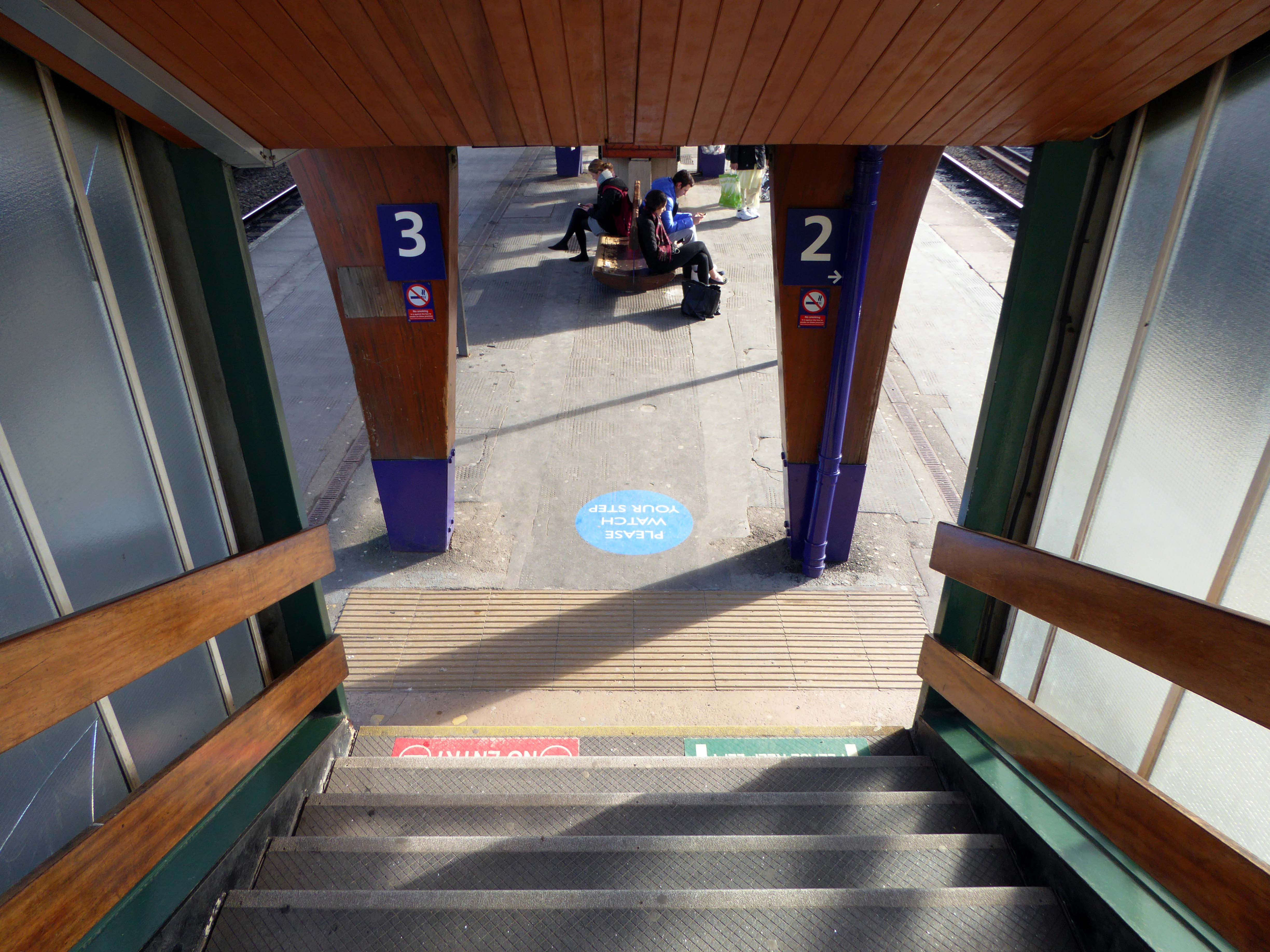
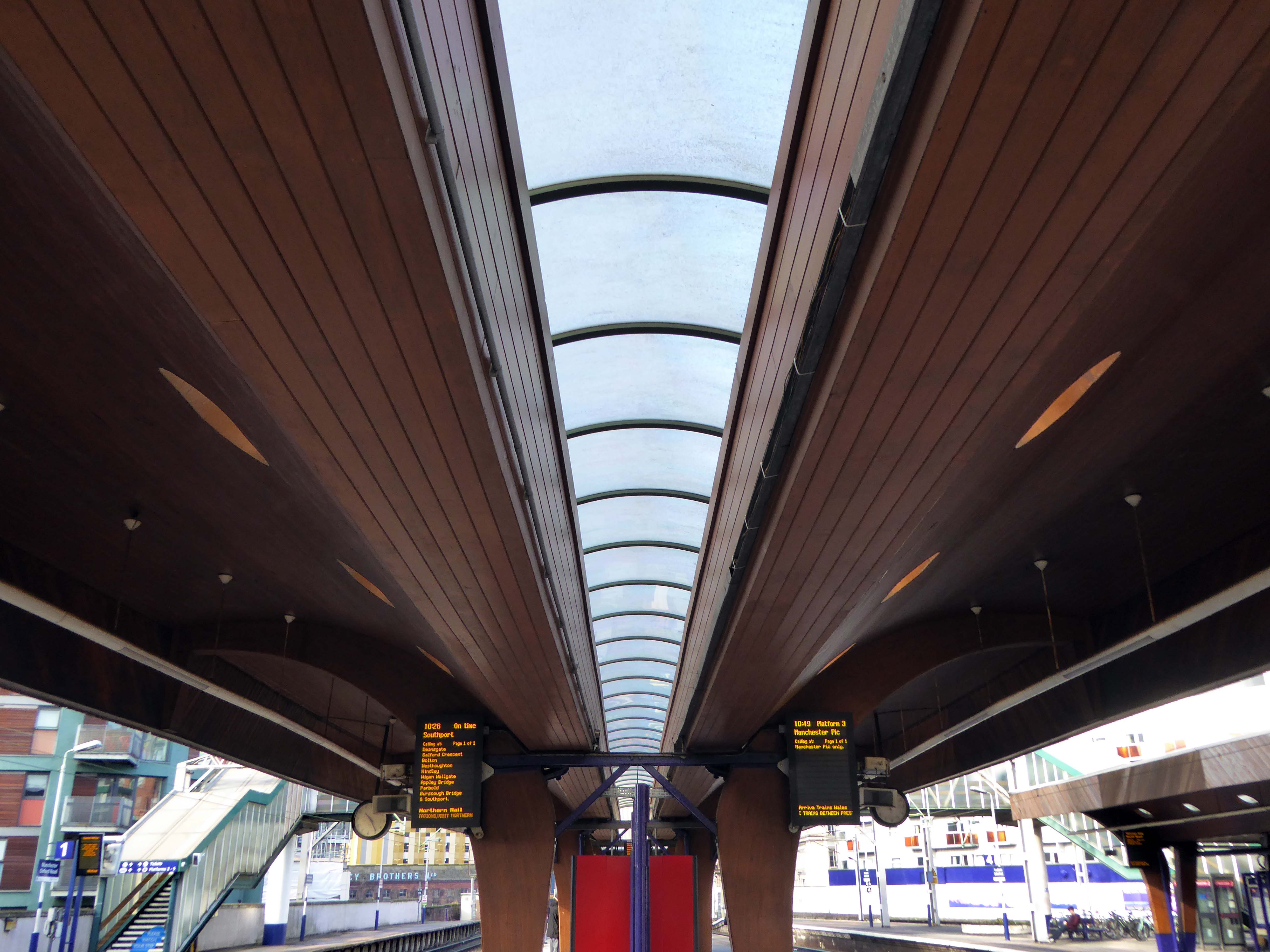
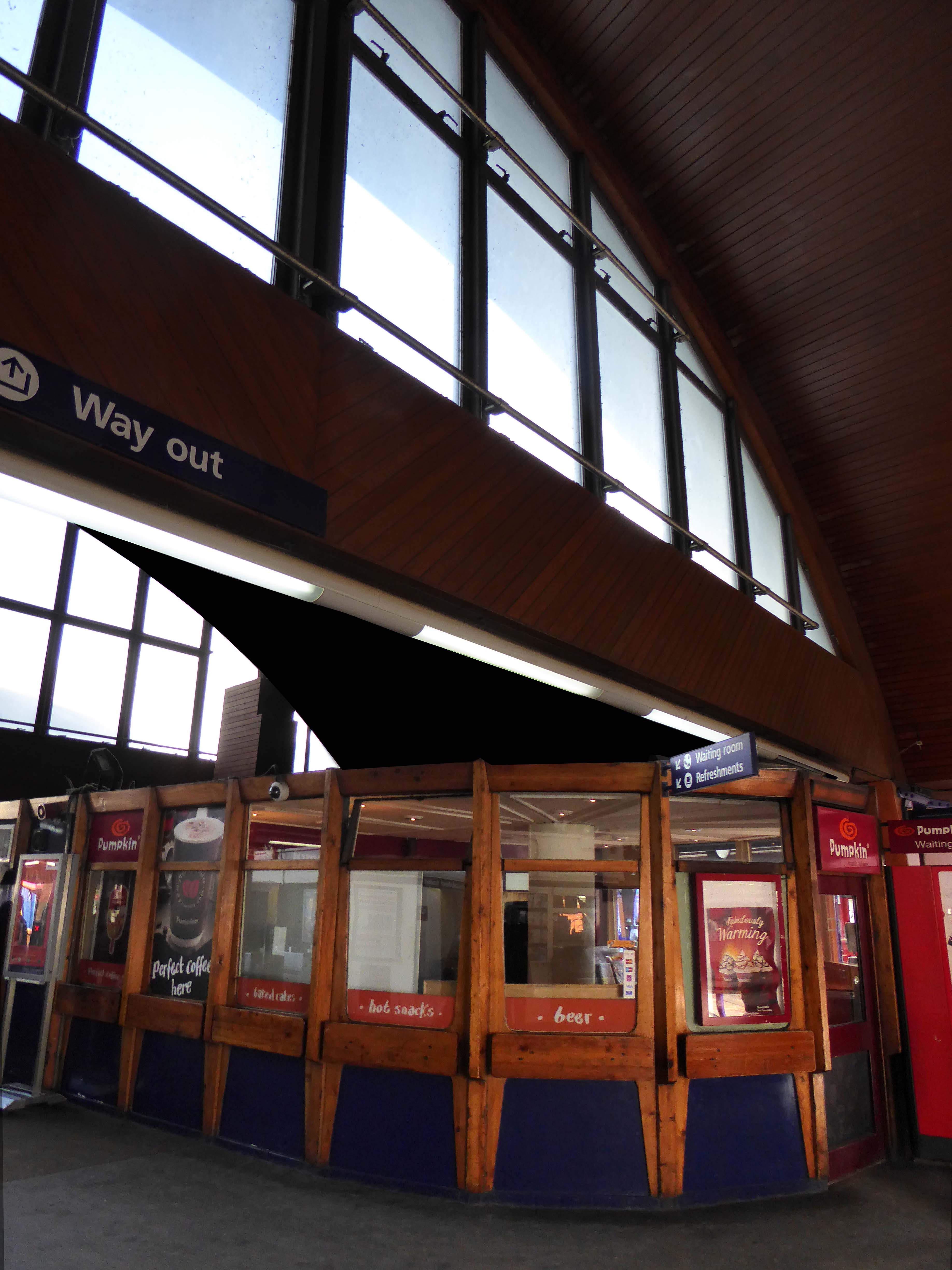
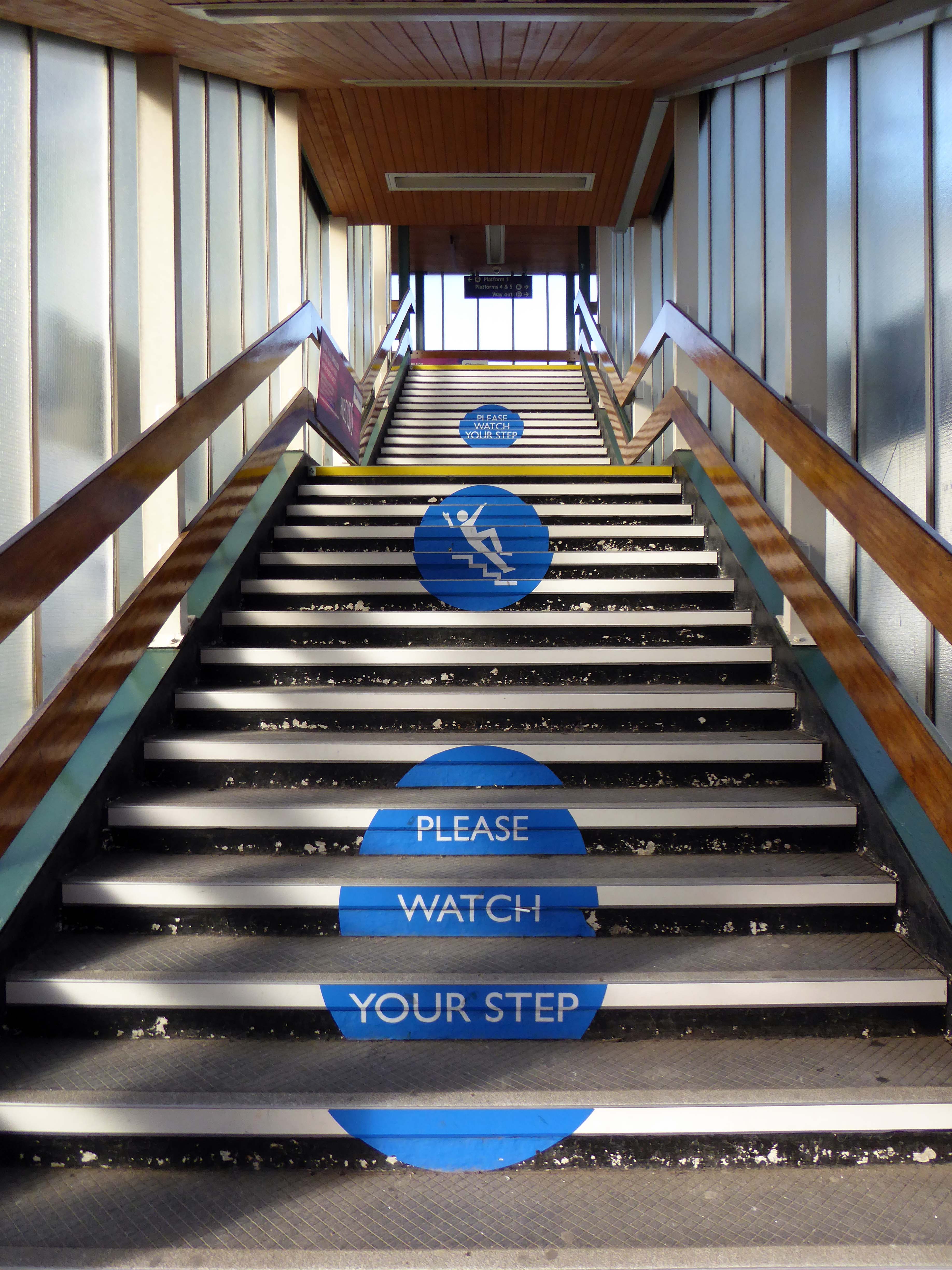
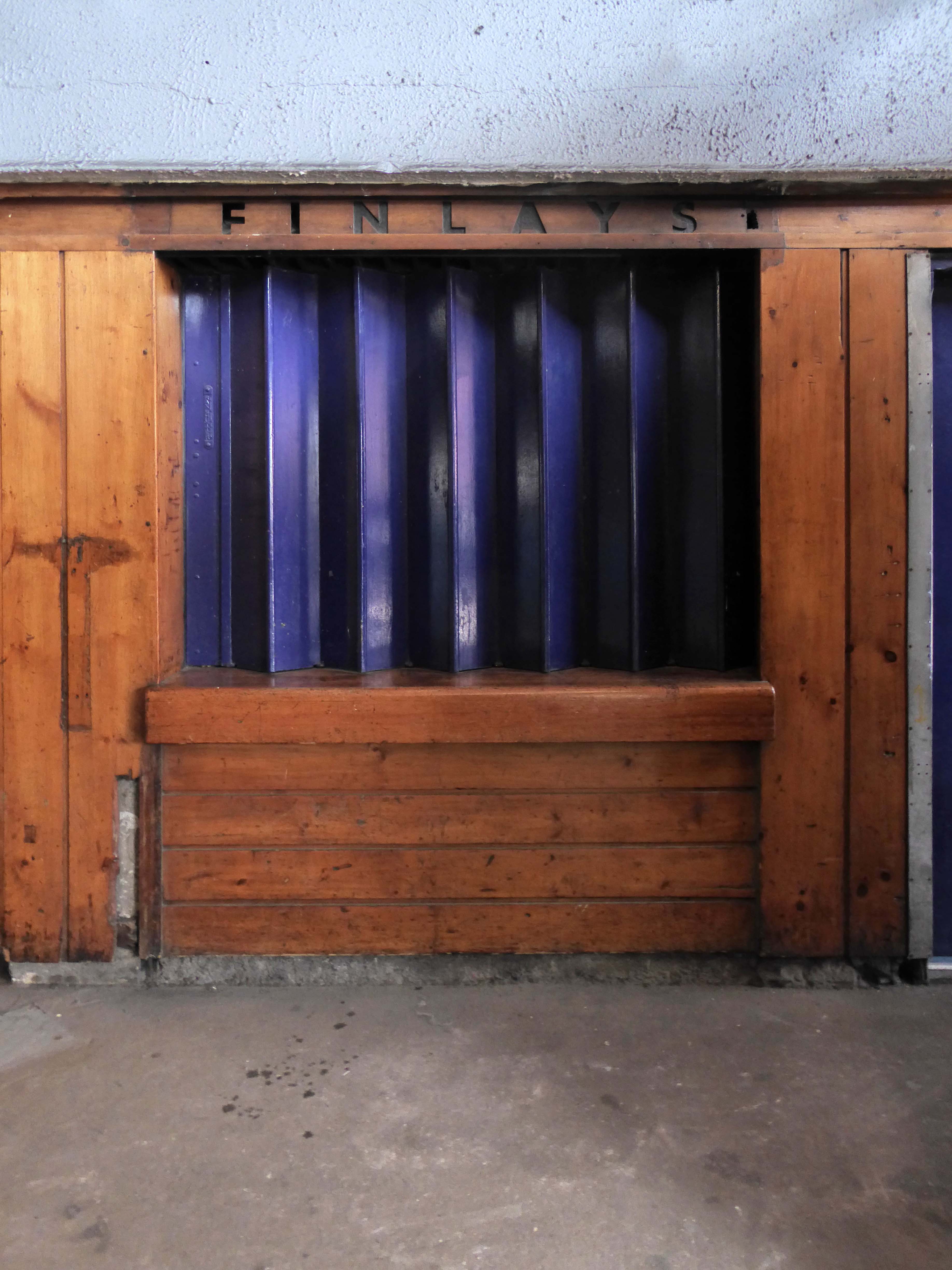
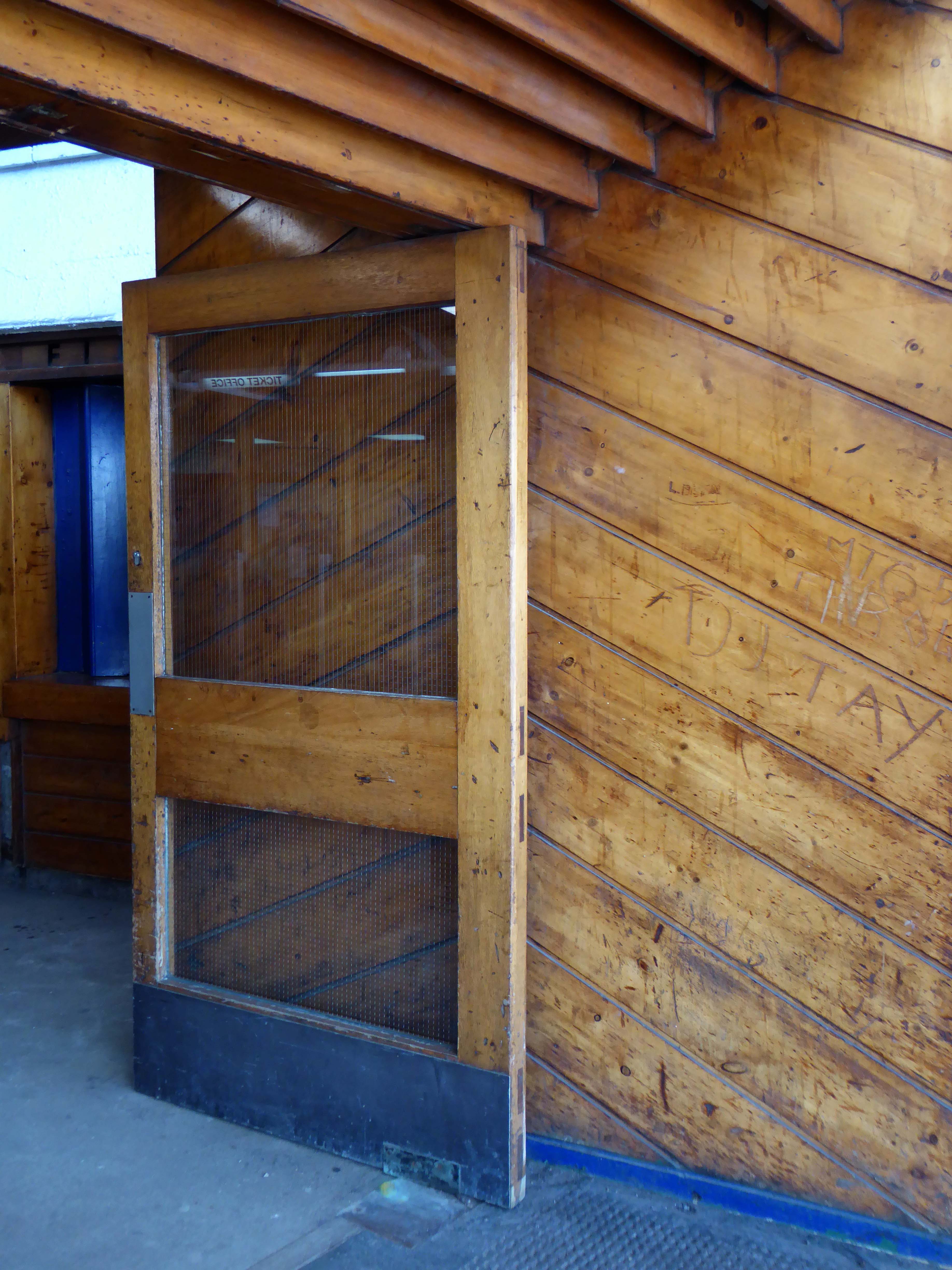
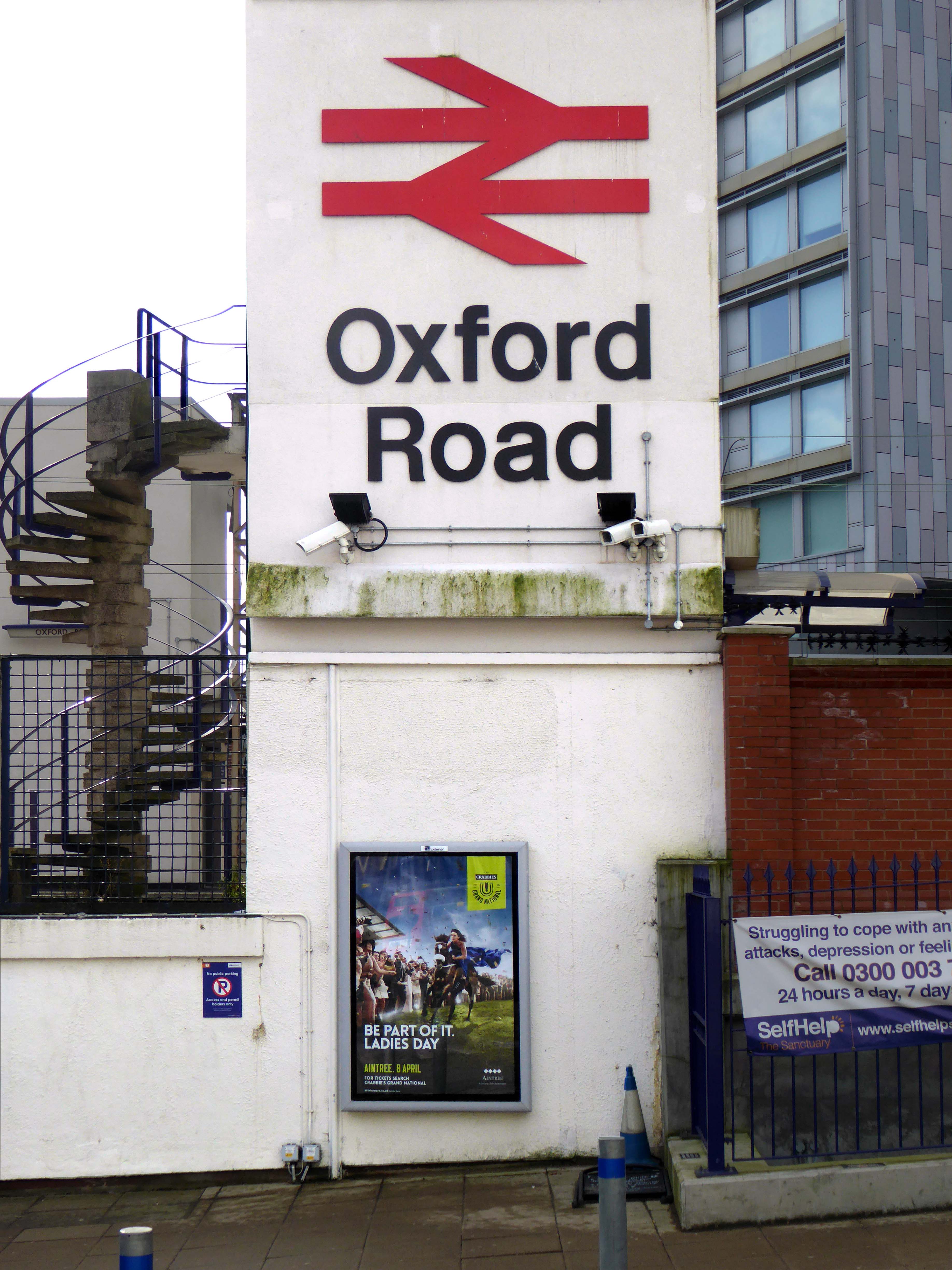
I love every curvy corner, timber frame and canopy, concrete spiral, empty kiosk and precipitous steps – I’m happy to be stranded.

tumblr_mtlstgyiE41rr41pto1_1280

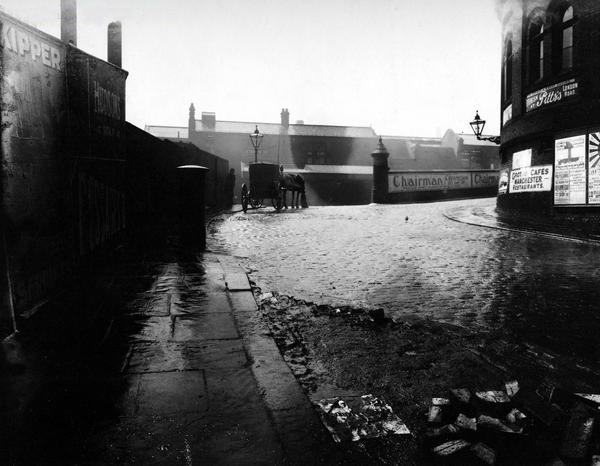
It opened in 1849 and was rebuilt in 1960.

webmedia-2.php

webmedia-1.php

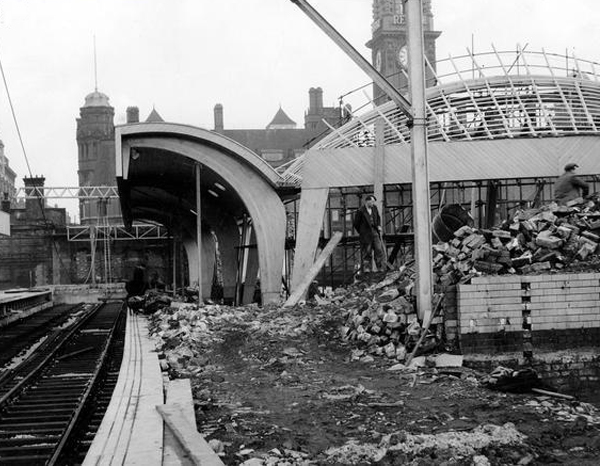
The station was opened as Oxford Road on 20 July 1849 by the Manchester, South Junction and Altrincham Railway . The station was the headquarters of the MSJAR from its opening until 1904. It had two platforms and two sidings, with temporary wooden buildings. To allow for extra trains in connection with the Manchester Art Treasures Exhibition in 1857, extra platforms and sidings were built. In 1874 the station was completely rebuilt providing two bay platforms and three through platforms. Further reconstruction took place during 1903-04. From 1931 it was served by the MSJAR’s 1500V DC electric trains between Altrincham and Manchester Piccadilly.

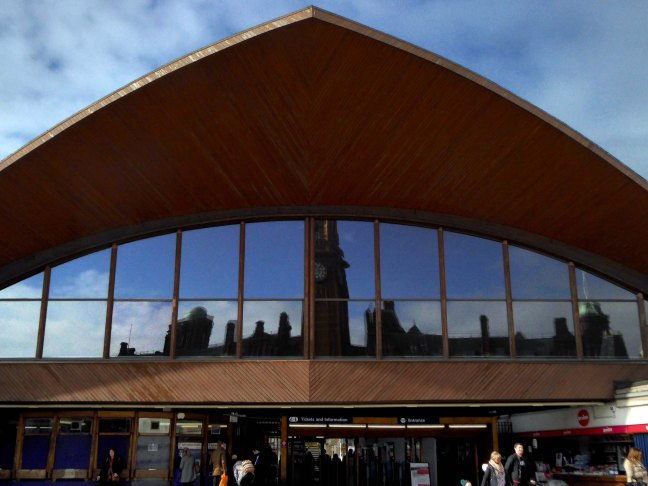
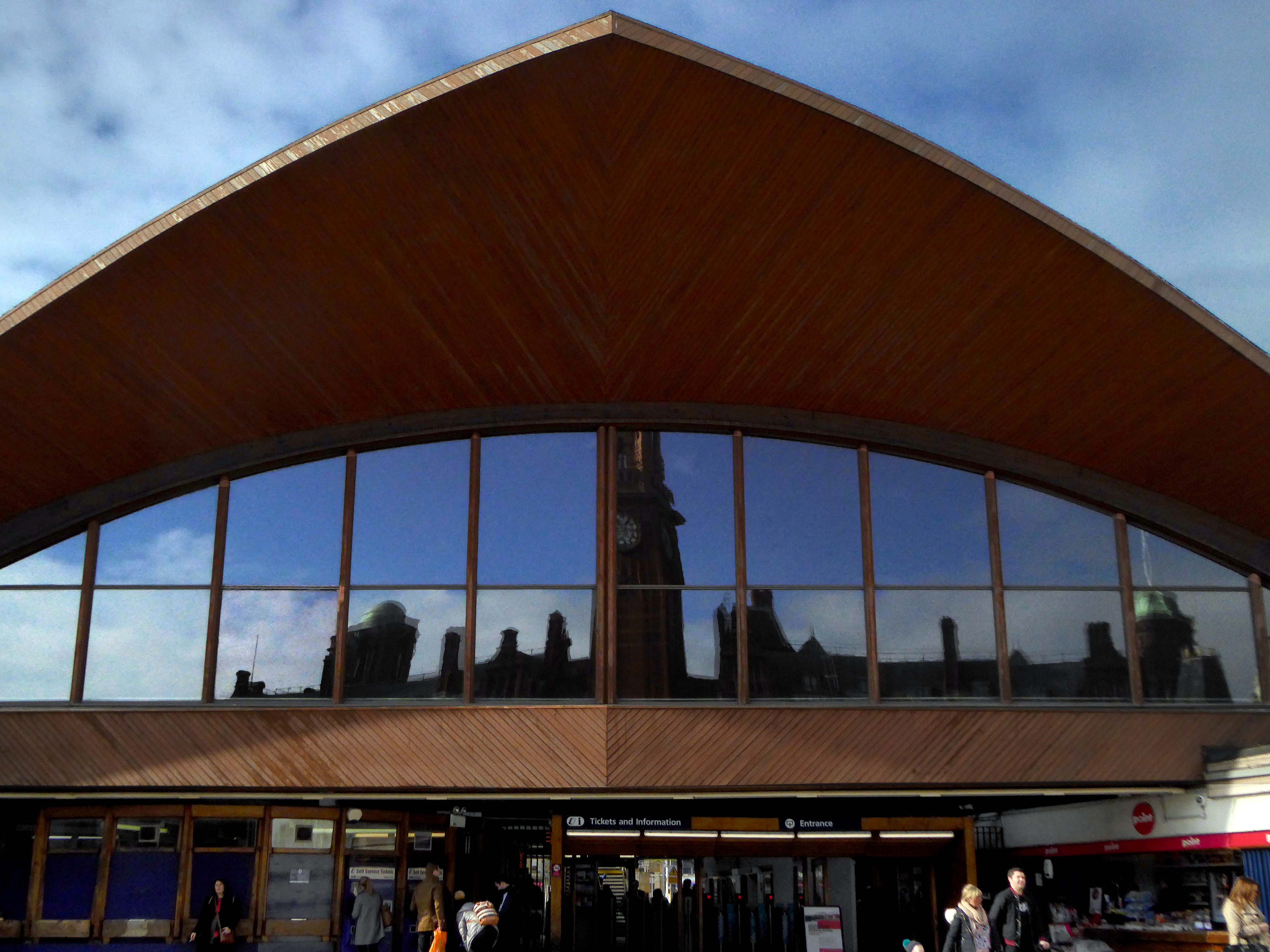
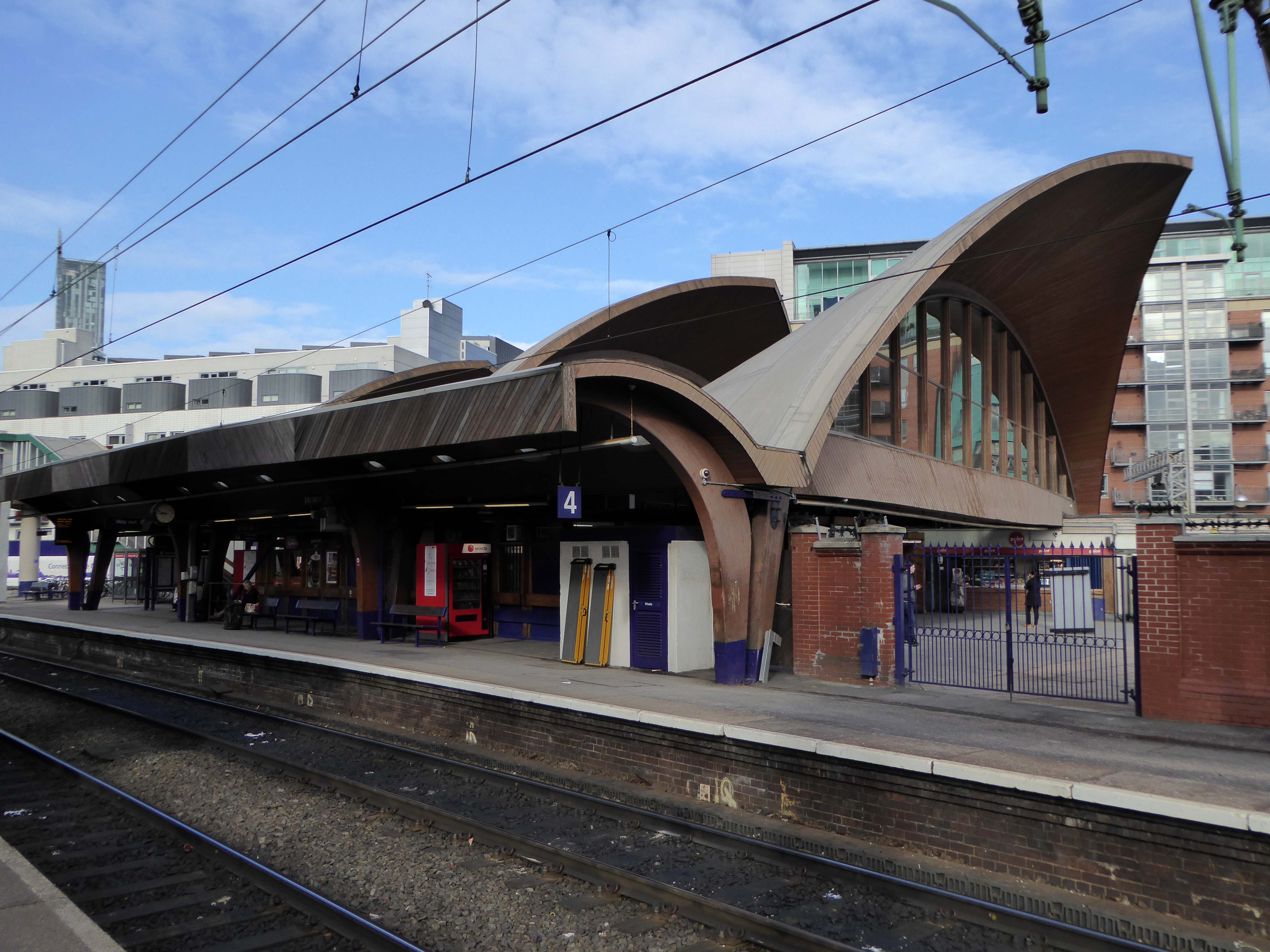
The station had become dilapidated by the 1950s, and in connection with the electrification and modernisation programme of the Manchester to London line in 1960, the old buildings were replaced by the current structure by architects W.R. Headley and Max Glendinning and structural engineer Hugh Tottenham. It was designed in a distinctive style in concrete and wood with curves bringing to mind the Sydney Opera House.

Use of the station increased from May 1988 when the Windsor Link was inaugurated between Deansgate and Salford Crescent, connecting lines to the north and south of Manchester.

The station is a grade II listed building.

One of the most interesting and innovative buildings of the period, the most ambitious example in this country of timber conoid shell roofing.

  • Clare HartwellPevsner’s Architectural Guide Manchester.

Further development awaits, widening the viaduct and lengthening platforms as part of the Northern Hub Project.

oxford road

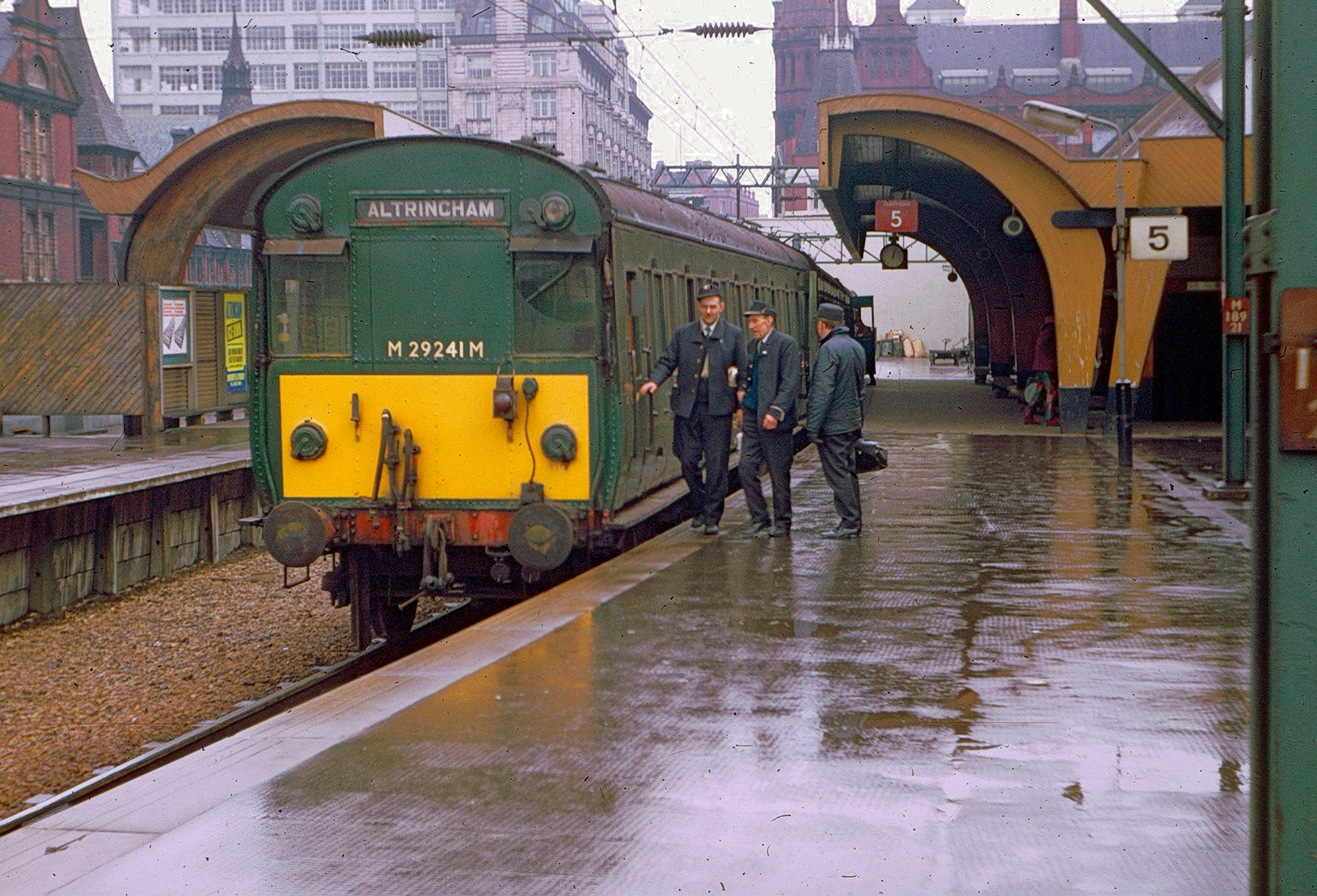
The defunct Platform 6 and lost awning to the left – Photo: 20 3 1971 Tom Burnham

Altrincham bound 931 Metro-Cammell MSJAR 1500 volt DC EMU – all withdrawn by 1971, when the line was converted to AC.

P1010524 copy

P1010499 copy

P1010445 copy

P1010495 copy

P1010431 copy

P1010465 copy

P1010425 copy

P1010467 copy

P1010436 copy

P1010490 copy

P1010471 copy

P1010542 copy

P1010434 copy

P1010446 copy

P1010518 copy

P1010522 copy

P1010540 copy

P1010528 copy

P1010511 copy

P1010504 copy

P1010441 copy

P1010516 copy

Screen Wall Water Feature – Manchester

the-bandwagon-breakin-down-the-walls-of-heartache-dancin-master--2_6729456

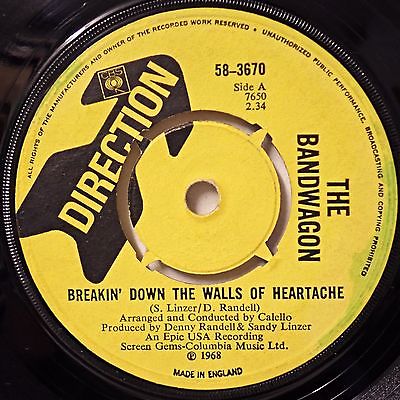
Breakin’ down the walls of heartache, 

I’m a carpenter of love and affection.

So sang Johnny Johnson of the Bandwagon.

They were a permanent fixture at the New Century Hall in the late sixties.

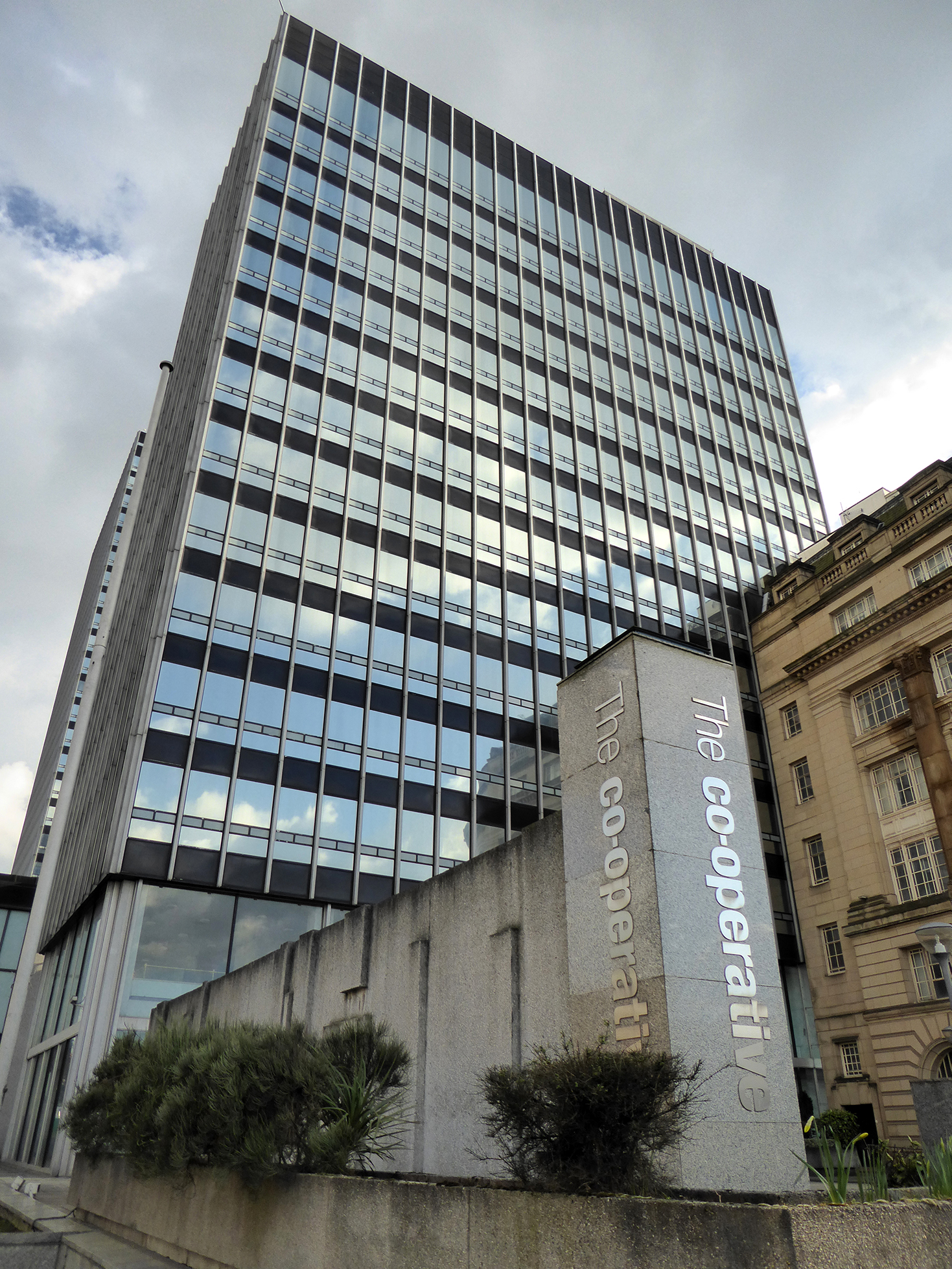
Attached to New Century House, the Hall was an integral part of the extensive Cooperative Society property development in Manchester.

Much of that development now faces an ever uncertain future.

None more so than the adjoining screen wall.

P1010590 copy

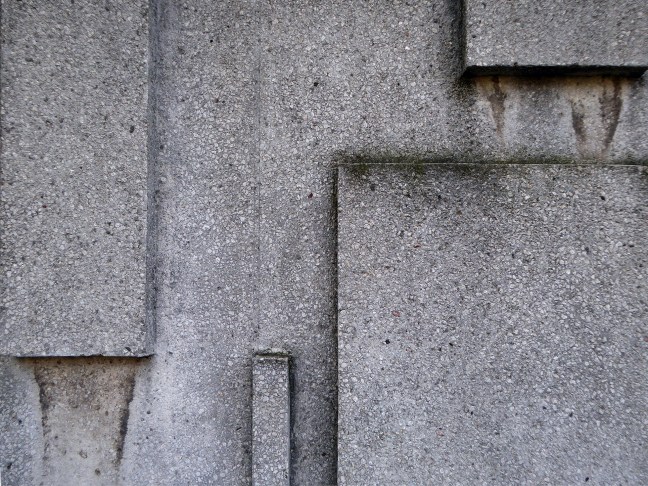
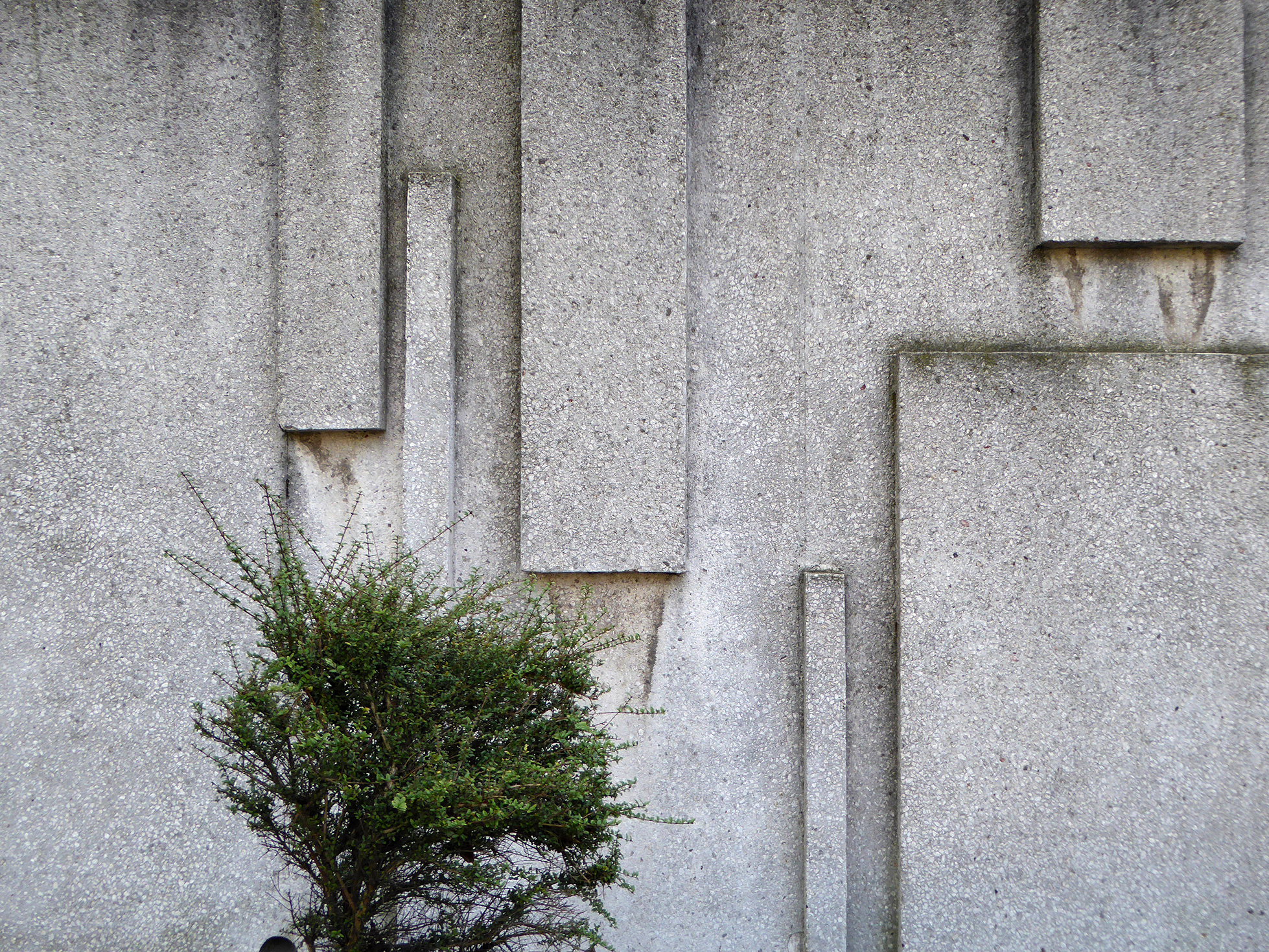
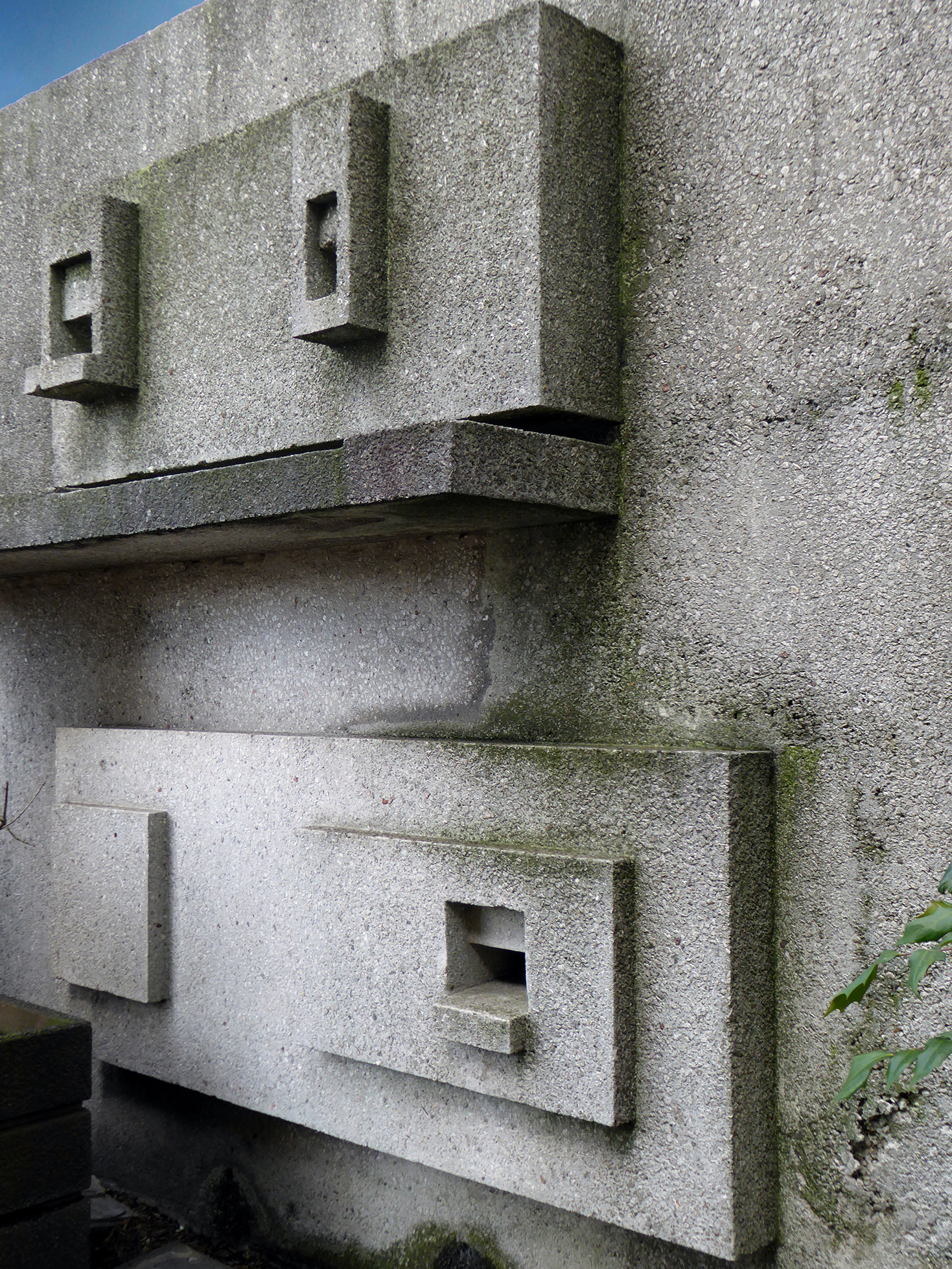
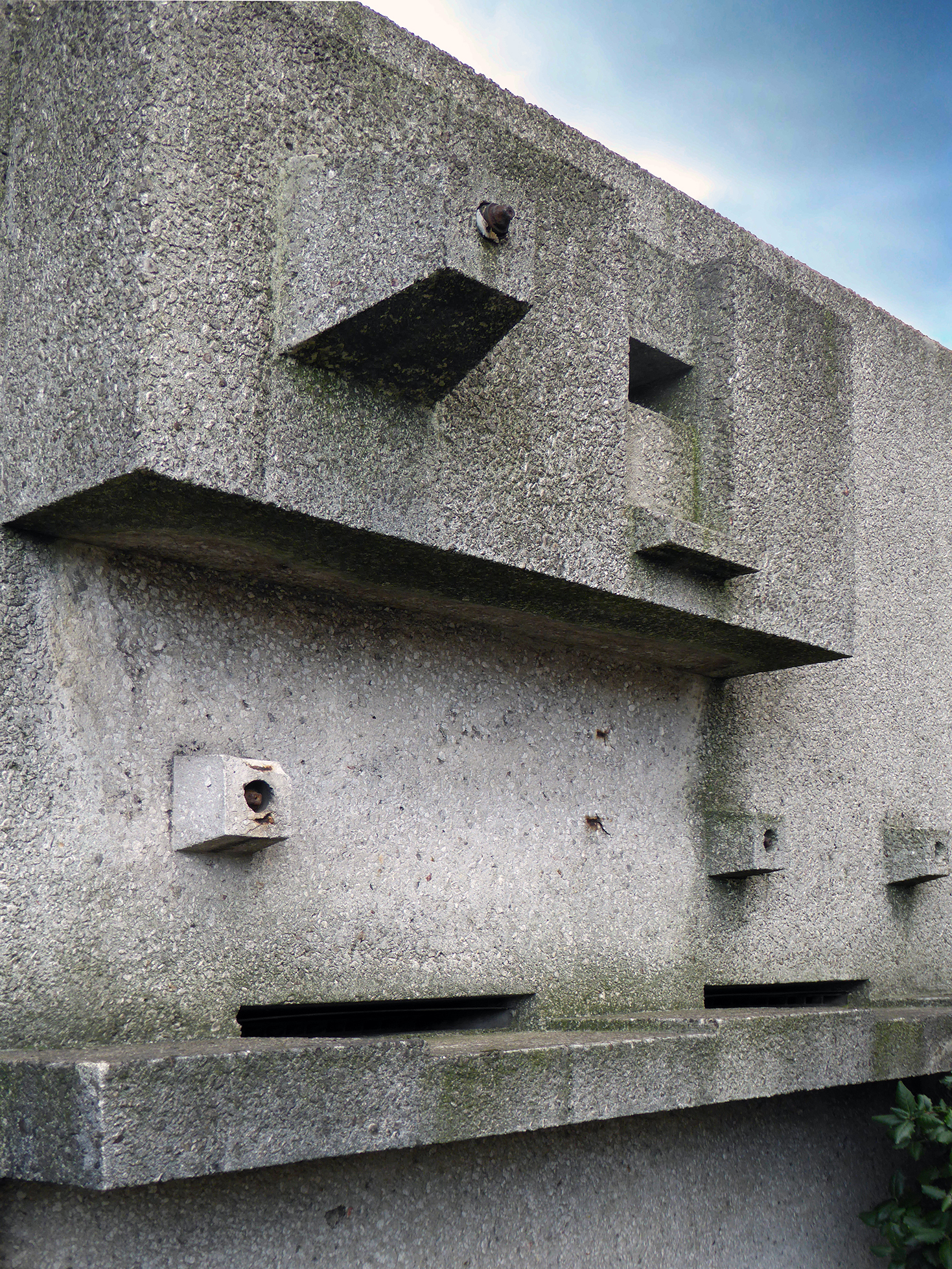
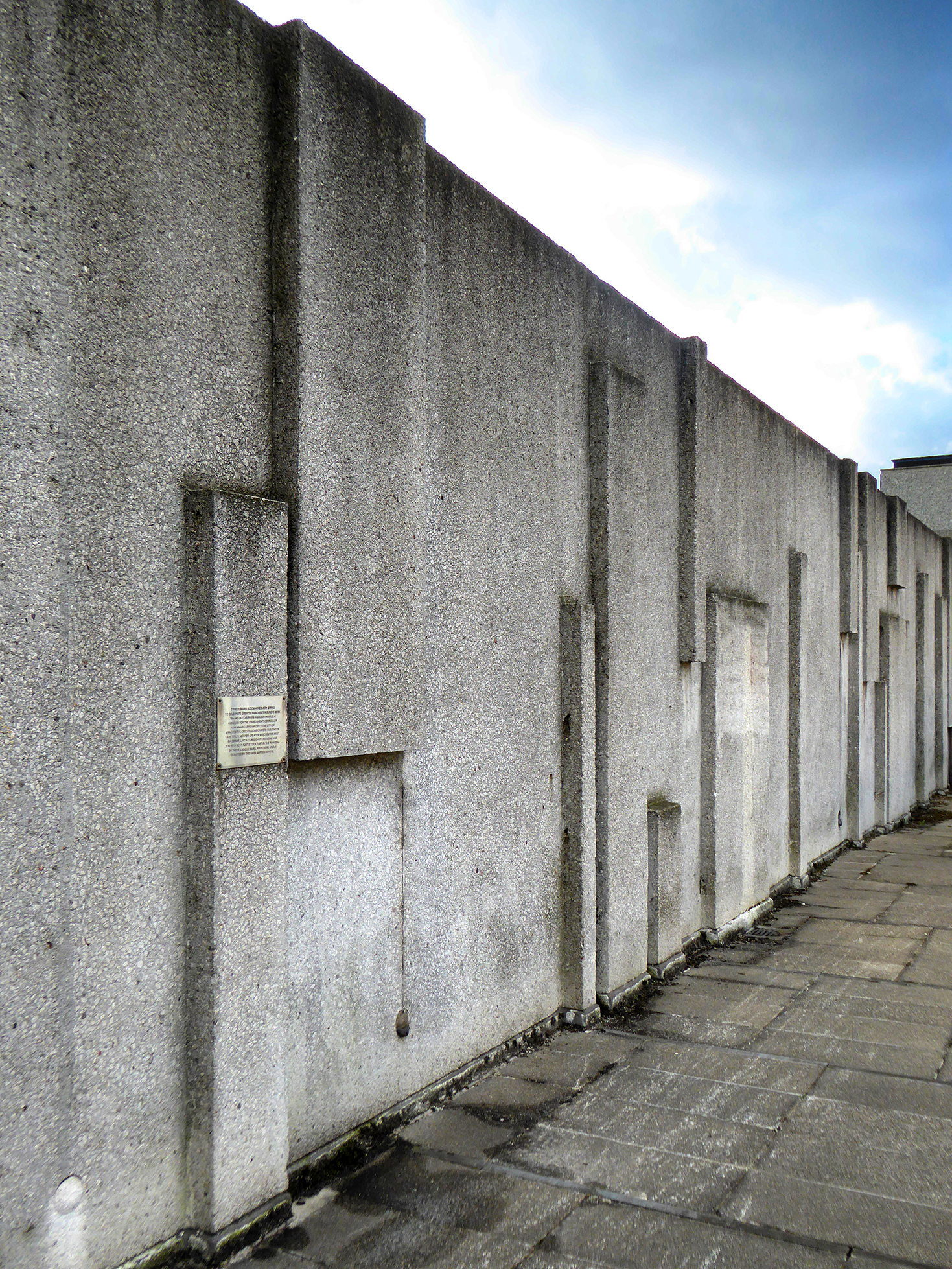
Set to the north-east side of the building’s entrance forecourt is a concrete sculptural screen wall by John McCarthy with an abstract relief to the south-west side facing into the forecourt. The wall is aligned at a right angle to the building’s main entrance and has a shallow rectangular pool (now drained) set in front. The wall includes numerous openings from which water originally flowed into the pool, but the system is no longer in working order. The pool also originally incorporated small fountains.

Information from Historic England

At a time when the whole of the centre of the city seems alive with construction, refurbishment, gentrification and more quarters than you could shake a stick at, this forlorn and seemingly unloved gem stands, shrouded in shrubs.

I’m a carpenter of love and affection, who would not care to see, this particular wall:

Broken down.

P1010593 copy

P1010595 copy

P1010596 copy

P1010579 copy

10942979_10153057260926600_244358983598520538_o

P1010592 copy

P1010588 copy

P1010589 copy

P1010584 copy

P1010587 copy

P1010586 copy

P1010591 copy

P1010594 copy

P1010585 copy

P1010582 copy

P1010580 copy

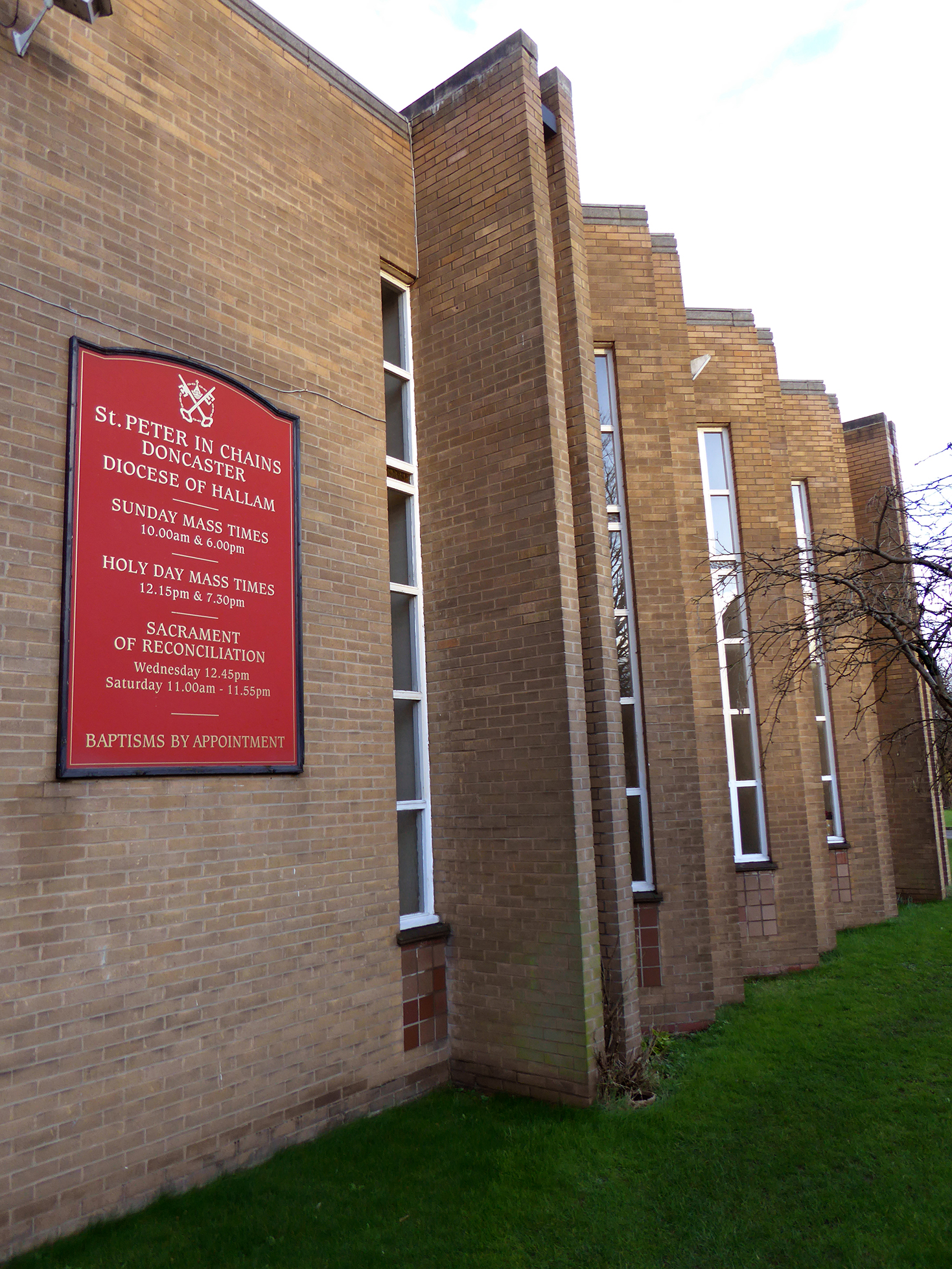
St Peter in Chains – Doncaster

A church shrouded in history and mystery – and on the day of my visit:

Torrential rain.

How appropriate as:

On the eve of the Reformation came a reputed miracle for Robert Leche and his family who were saved from drowning after invocation of Our Lady of Doncaster.

Its location on the Great North Road seems to have placed it through the years at the centre myth and magic.

On 30 November 1350, licence was granted for alienation in mortmain by, John son of Henry Nicbrothere de Eyoun and Richard le Ewere of Doncastre to the Carmelite Friars who are coming there to dwell in the town of Doncastre, of a messuage and six acres of land there, to build thereon a church in honour of St Mary and houses to dwell in.

A shrine was established to Our Lady of Doncaster.

Time and the Reformation were not kind to the shrine and Our Lady.

She and the church of St Peter came and went over the years until:

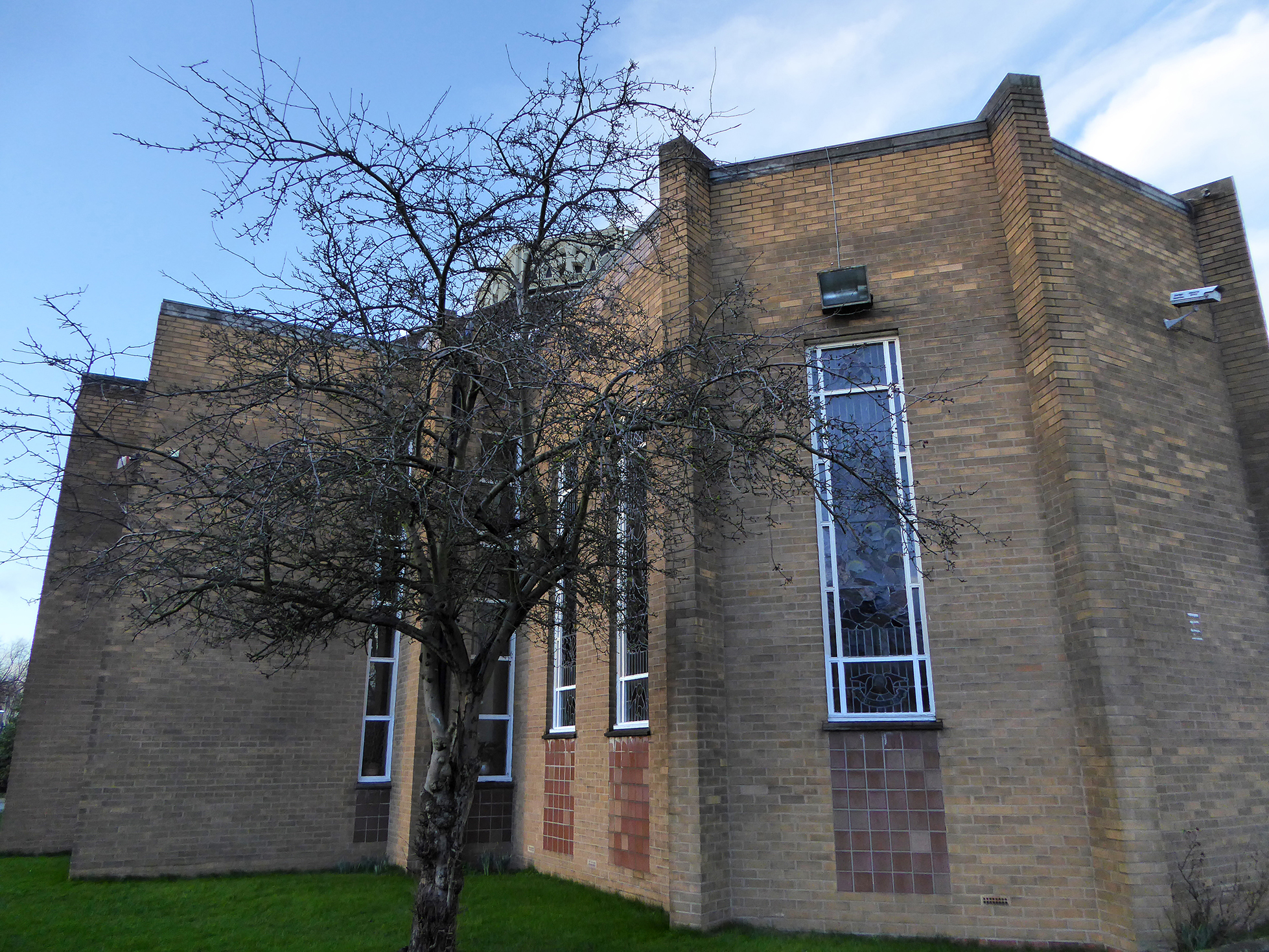
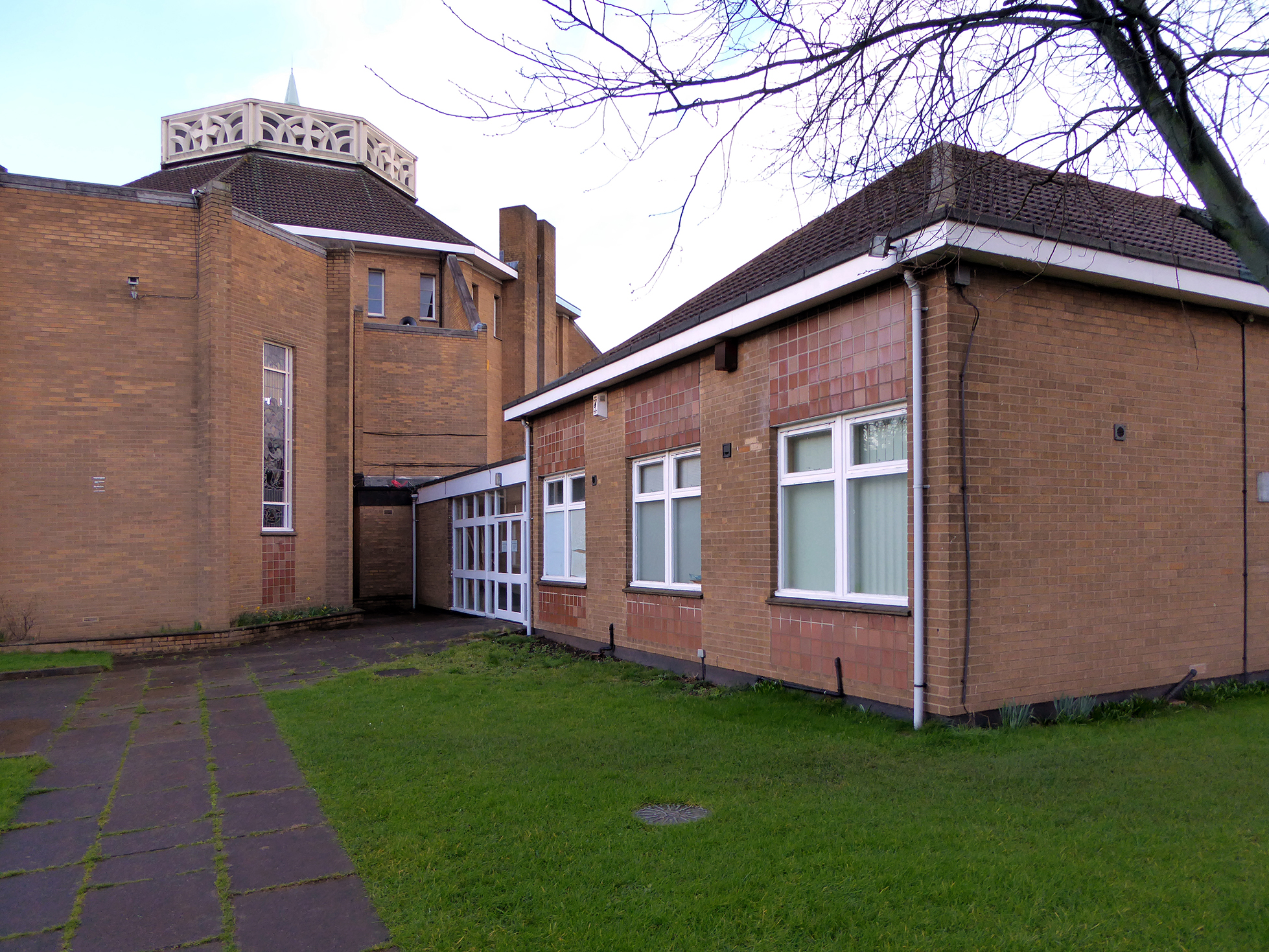
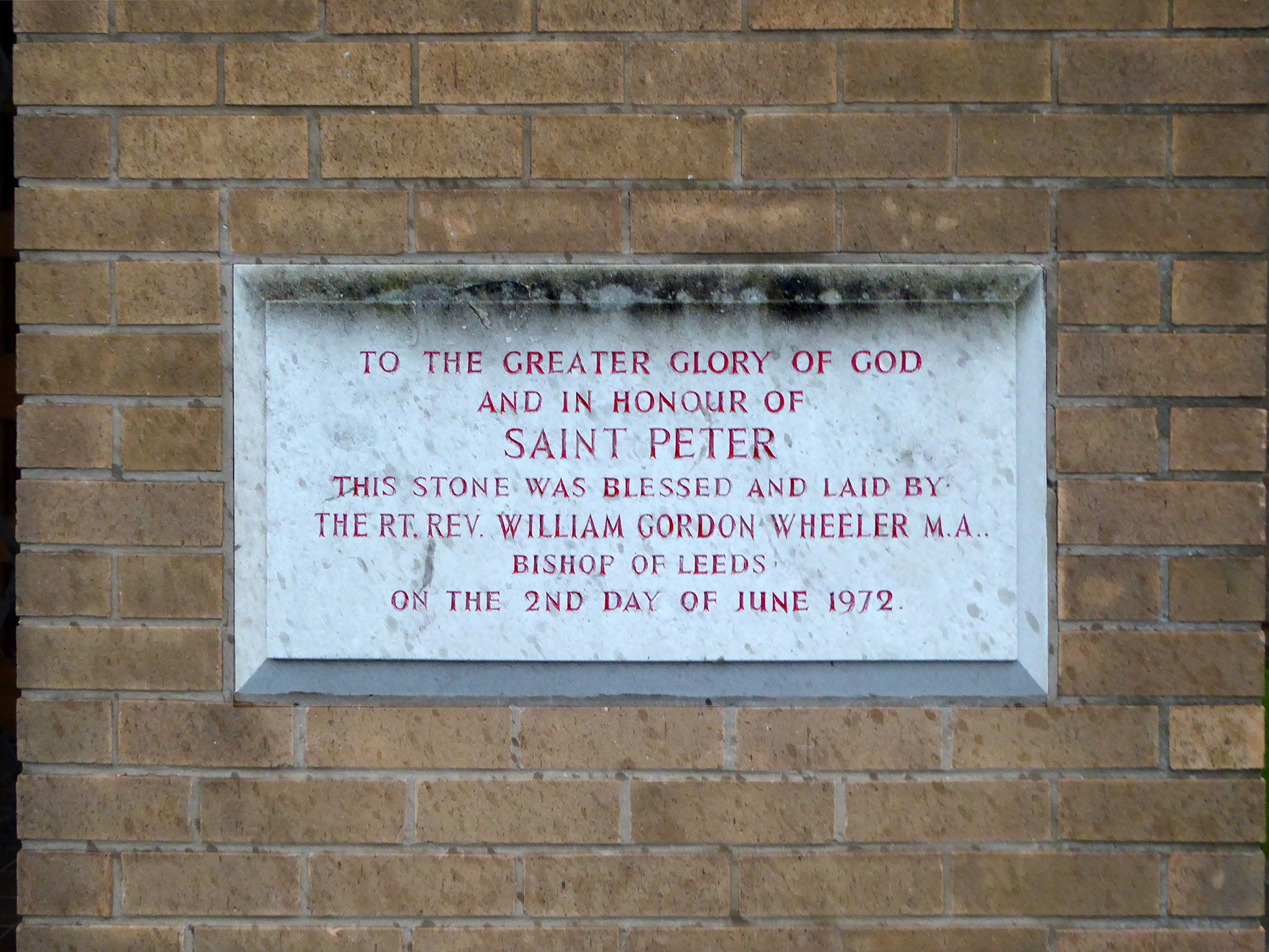
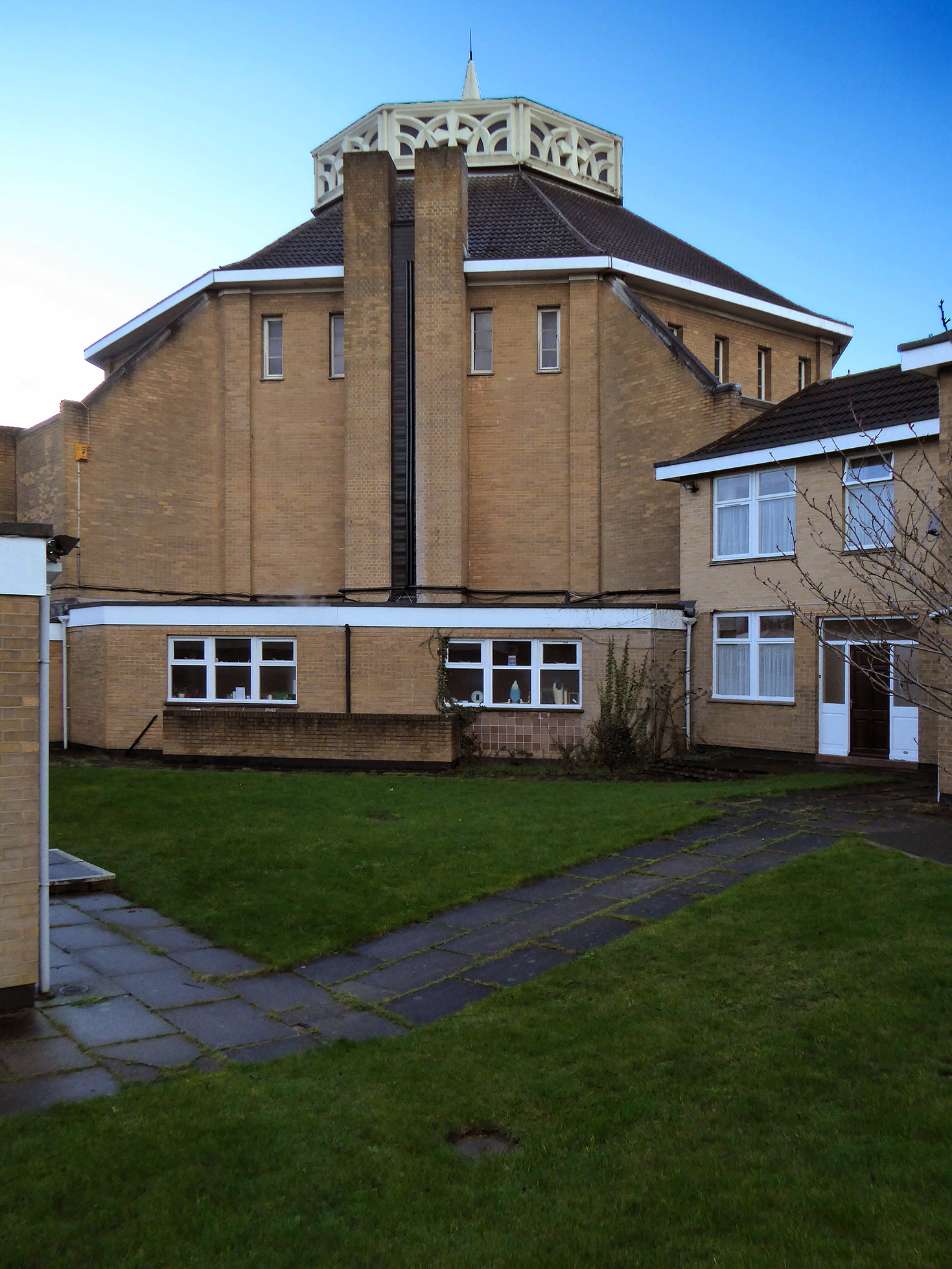
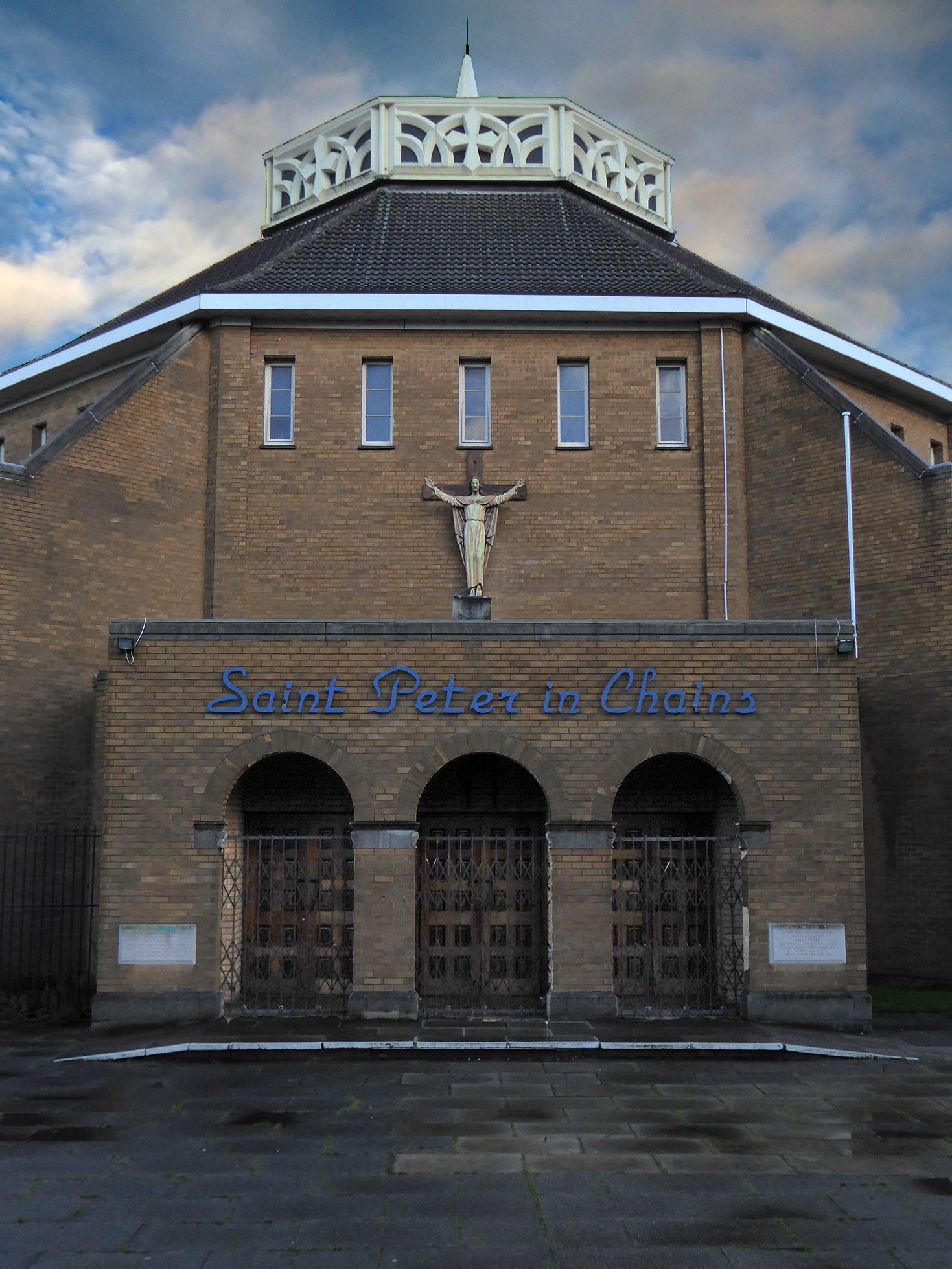
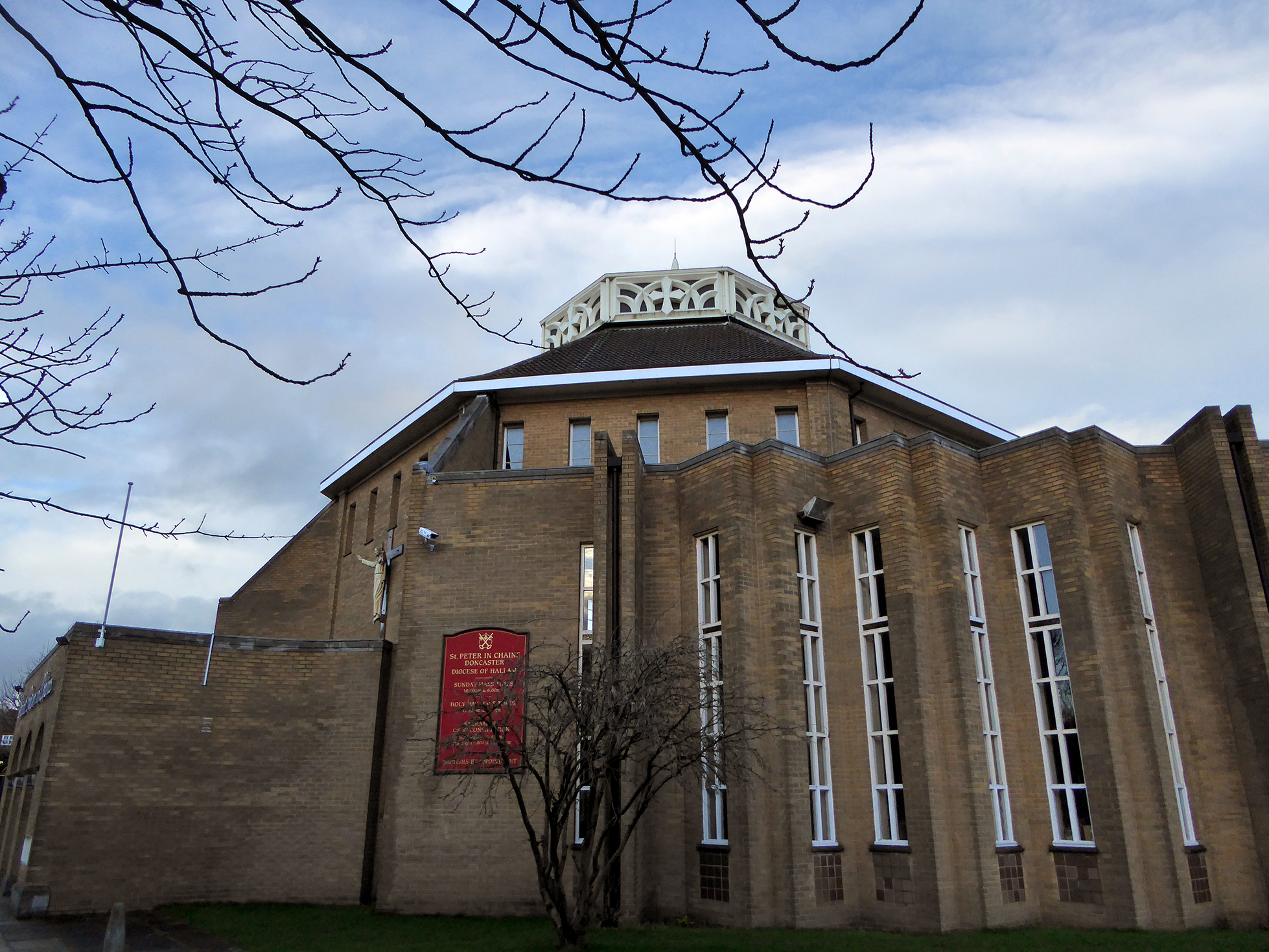
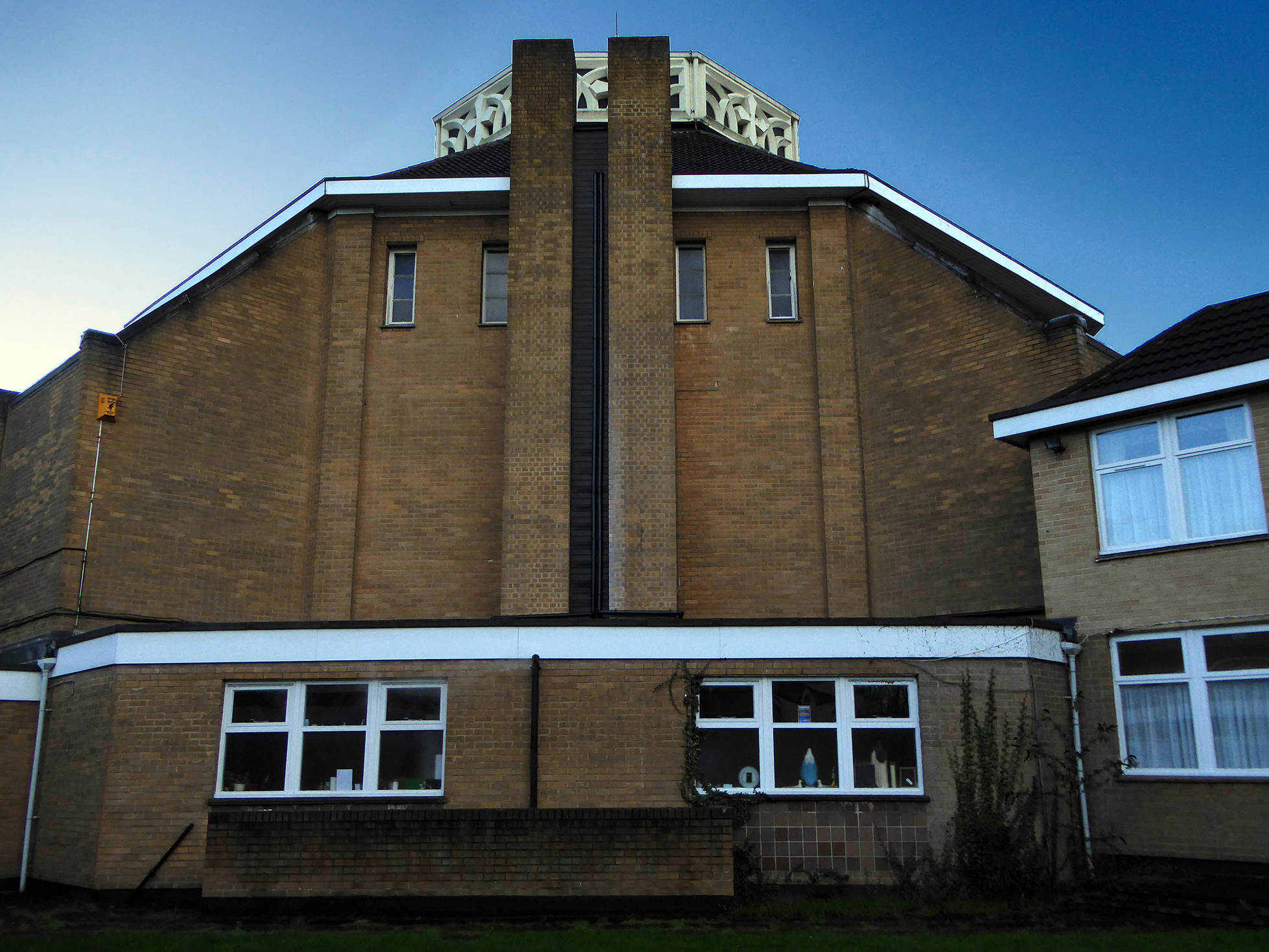
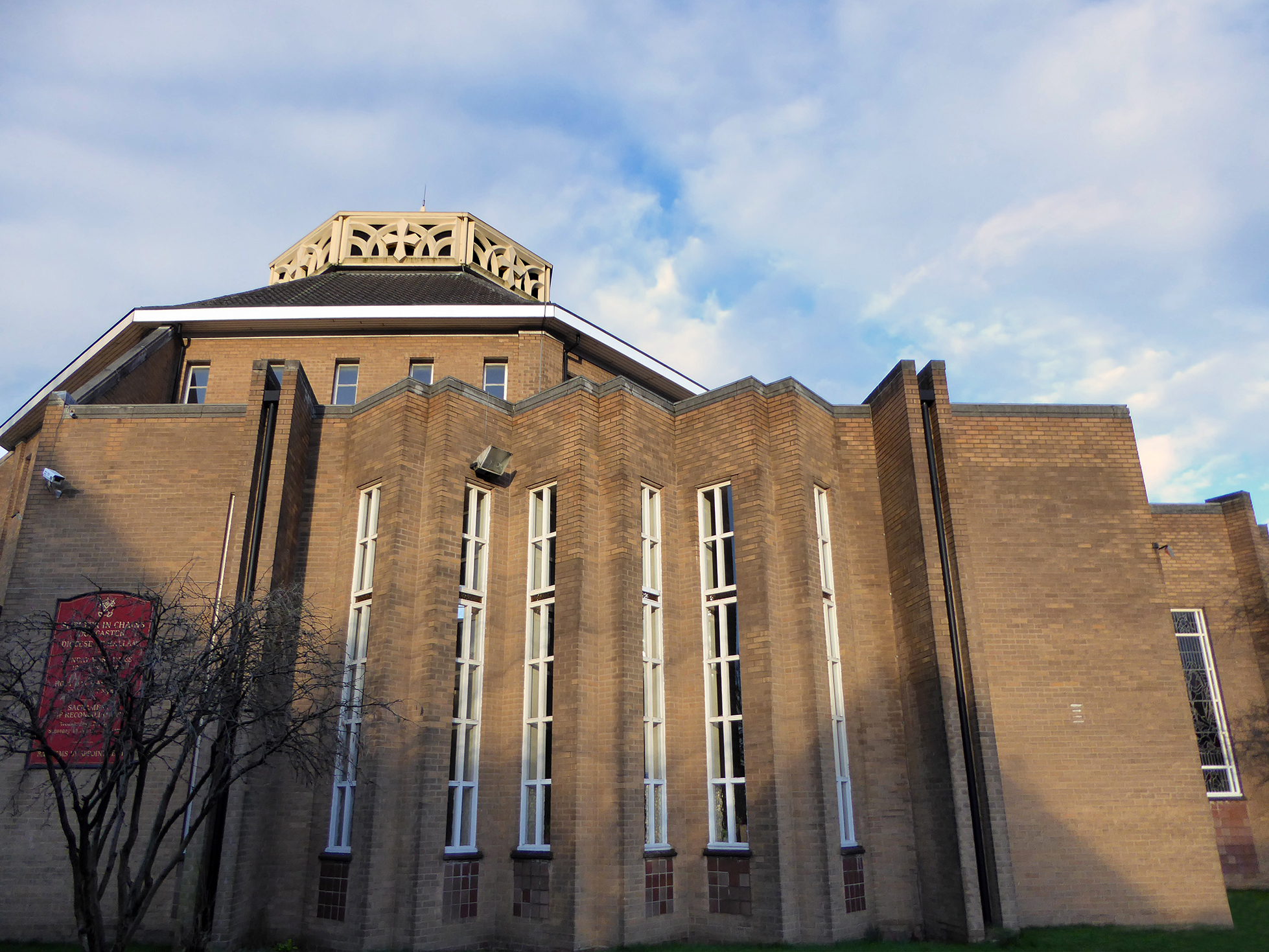
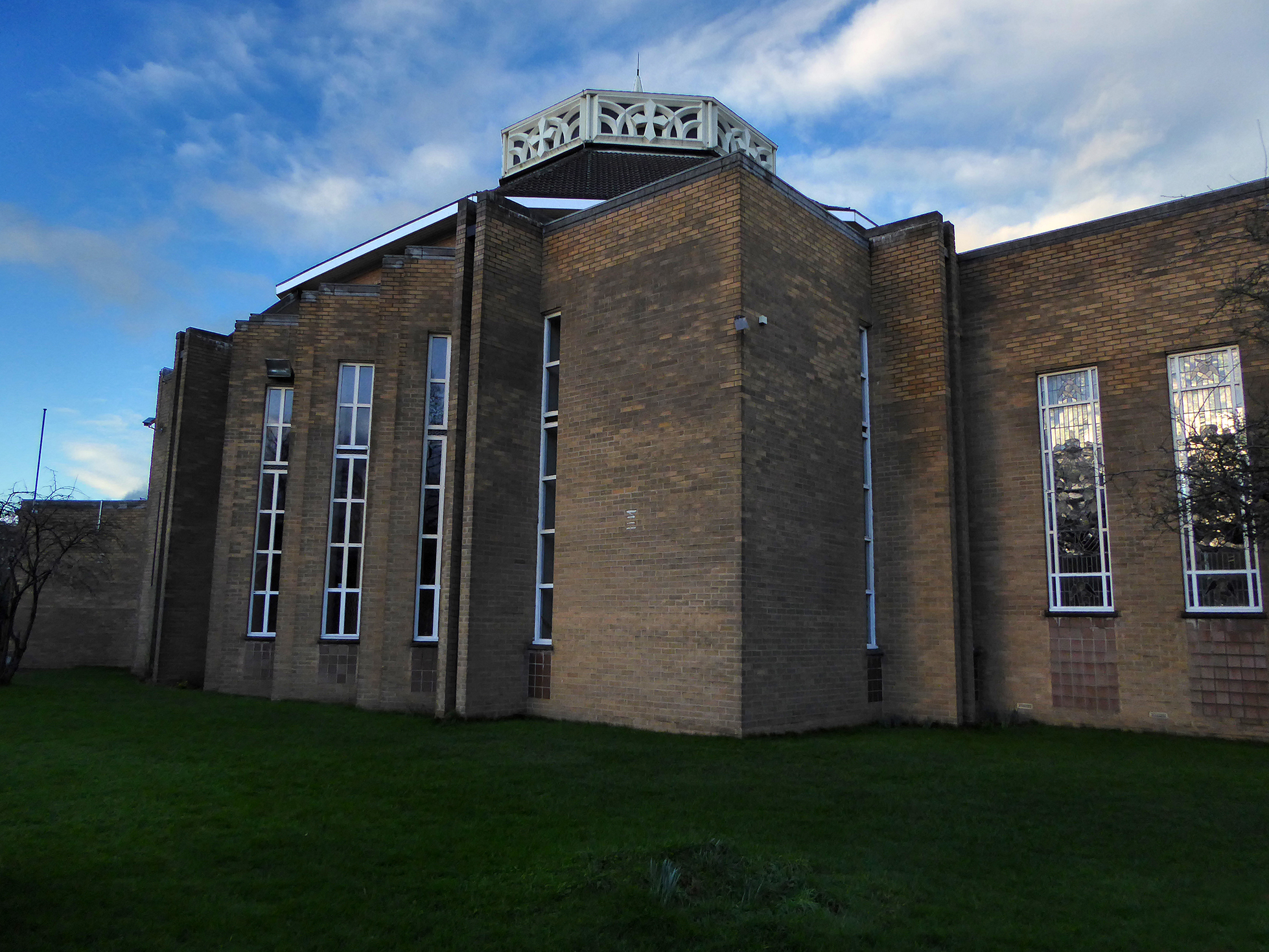
A new church was opened by Cardinal Heenan on Palm Sunday 1973, octagonal in shape. John Bentley’s Tabernacle Door, the four reredos panels and the altar designed for the old church are incorporated in the Blessed Sacrament Chapel of the new church.

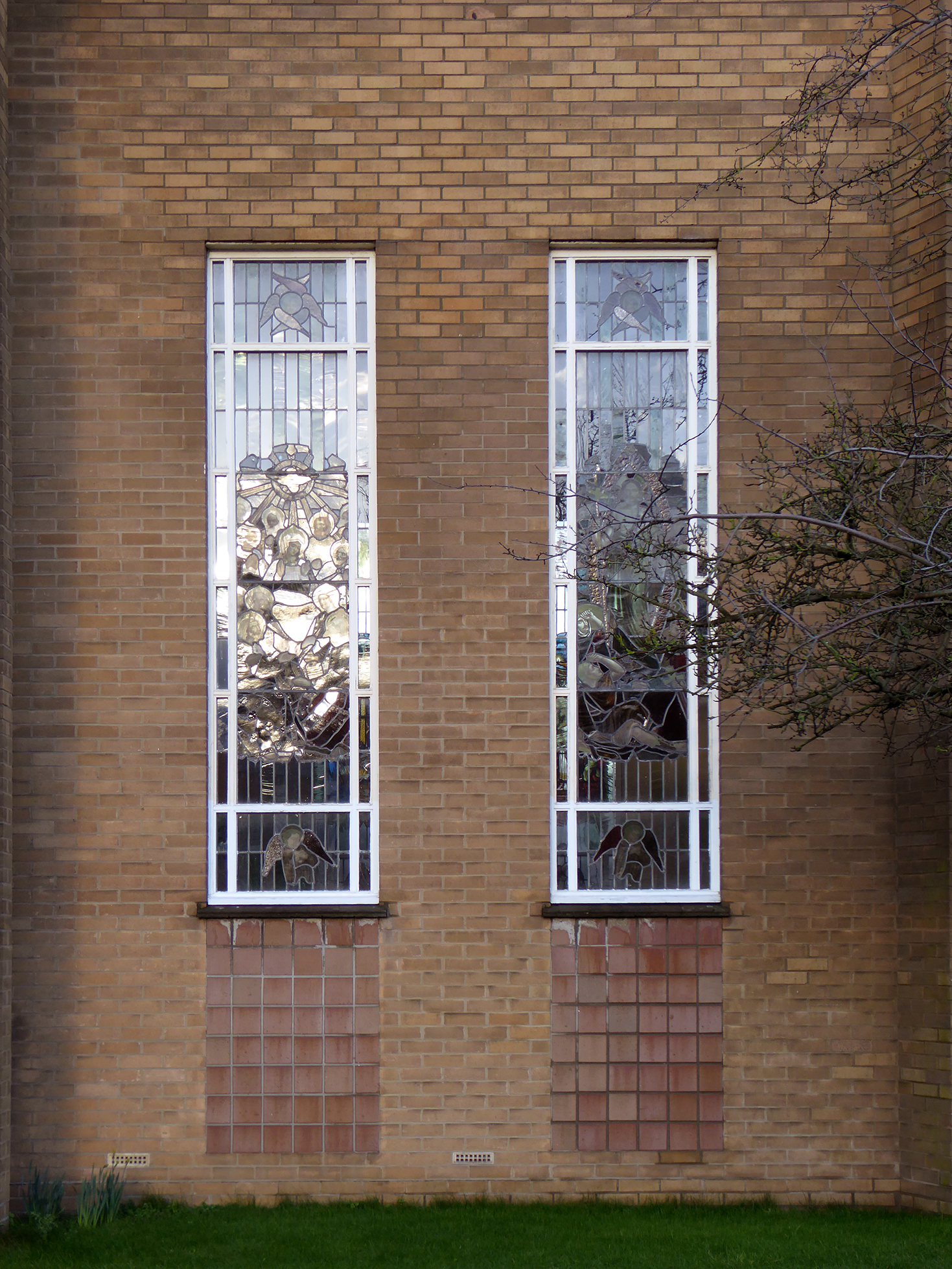
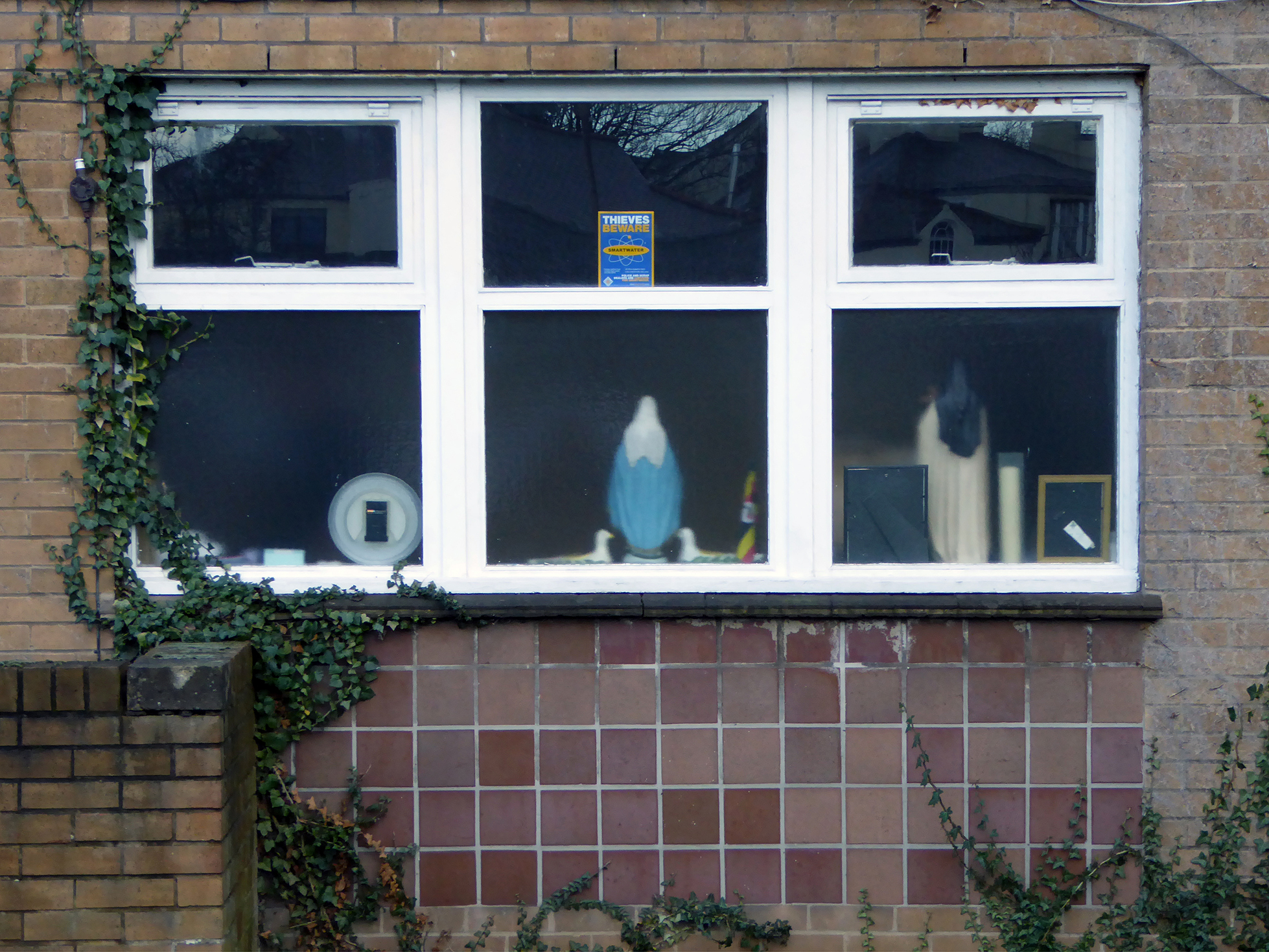
The statue of Our Lady of Doncaster now stands in a circular shrine chapel on the north side of the church. Phyffers’ statue stands in an oak reredos with modern stained glass windows depicting St Joseph, the Annunciation, the Nativity and the Assumption.

A large and striking design by J. H. Langtry-Langton, incorporating important furnishings by J. F. Bentley from the predecessor church, along with good furnishings of the 1970s. The churches houses the modern successor to the medieval shrine of Our Lady of Doncaster.

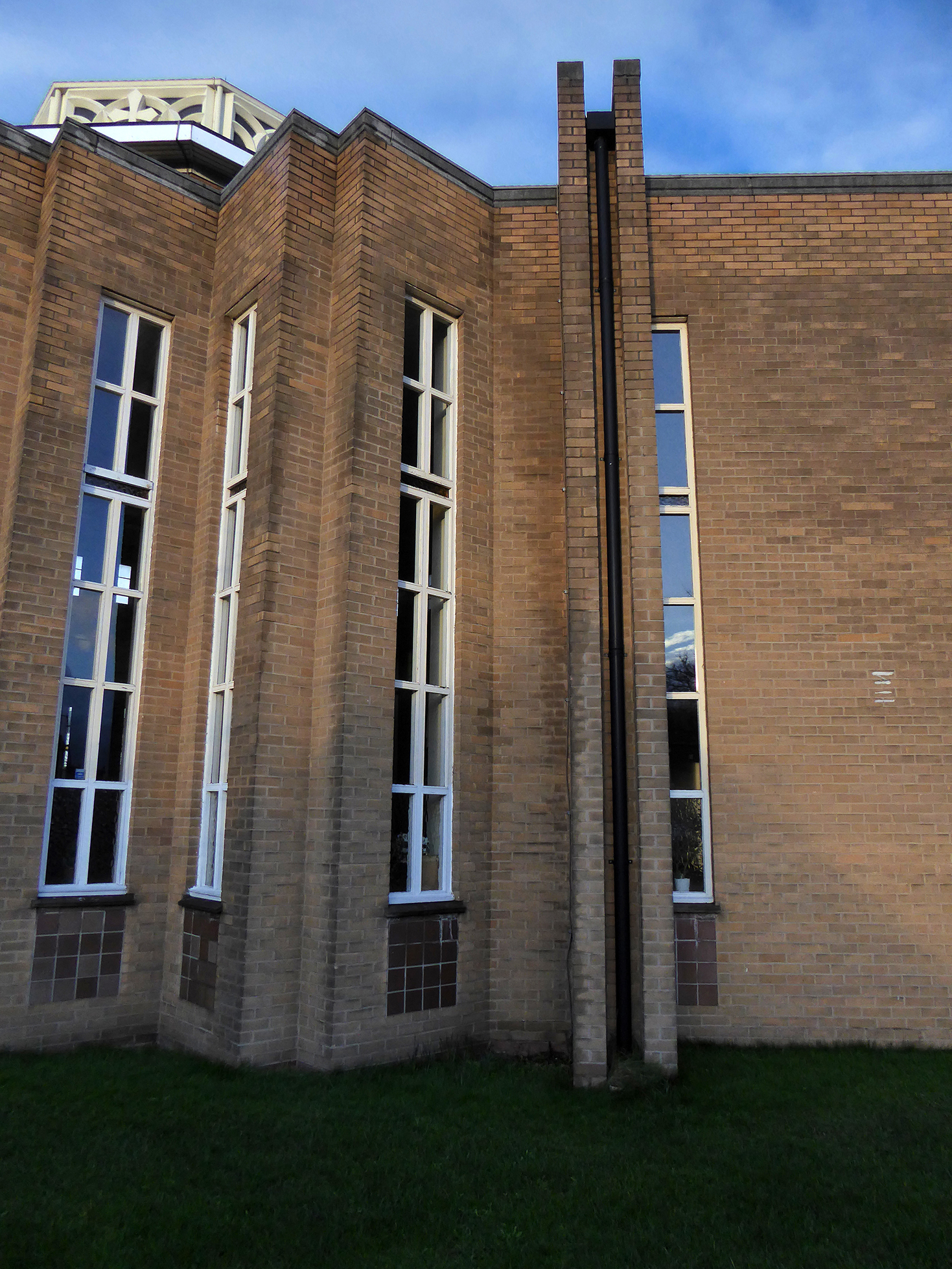
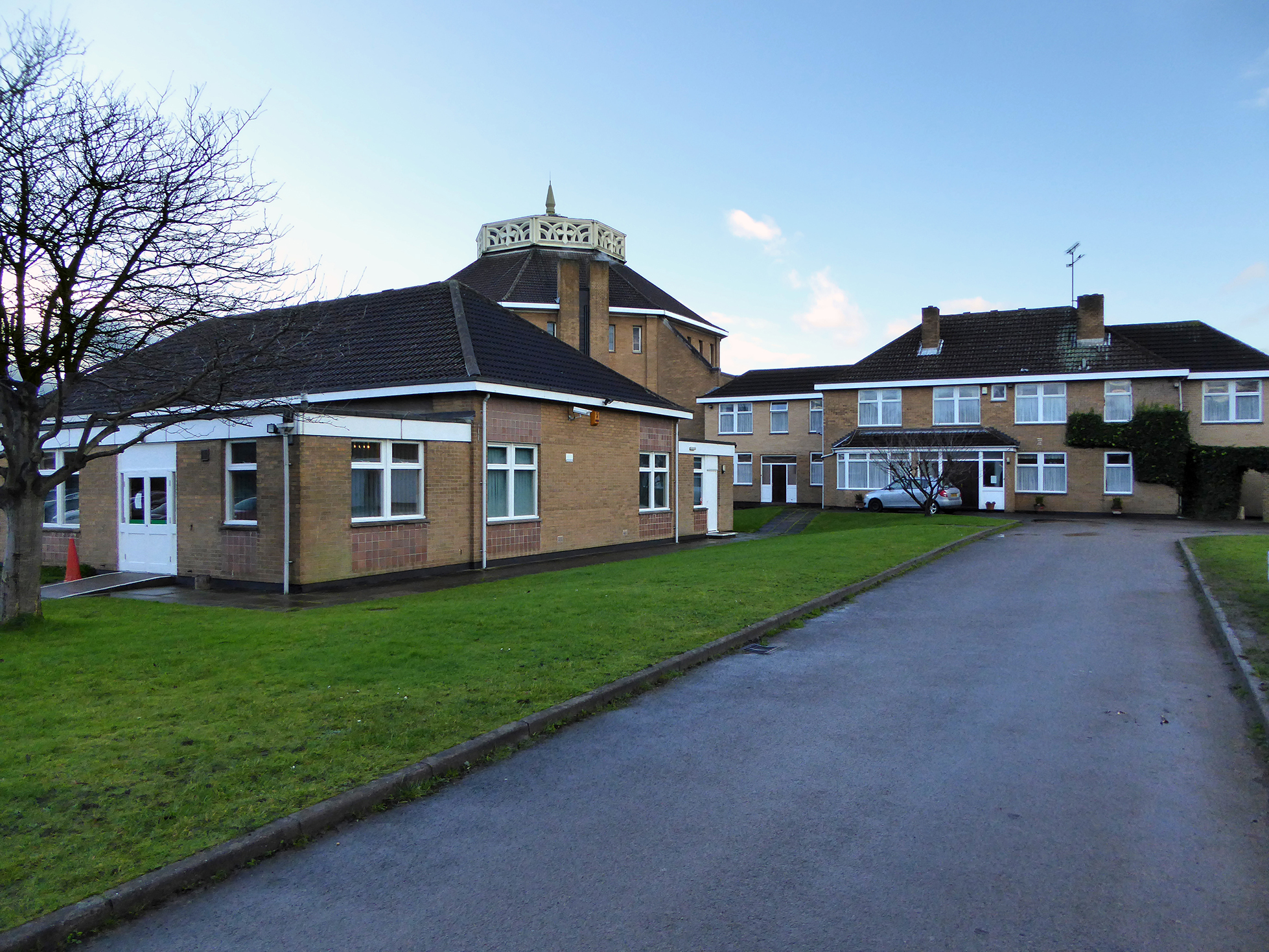
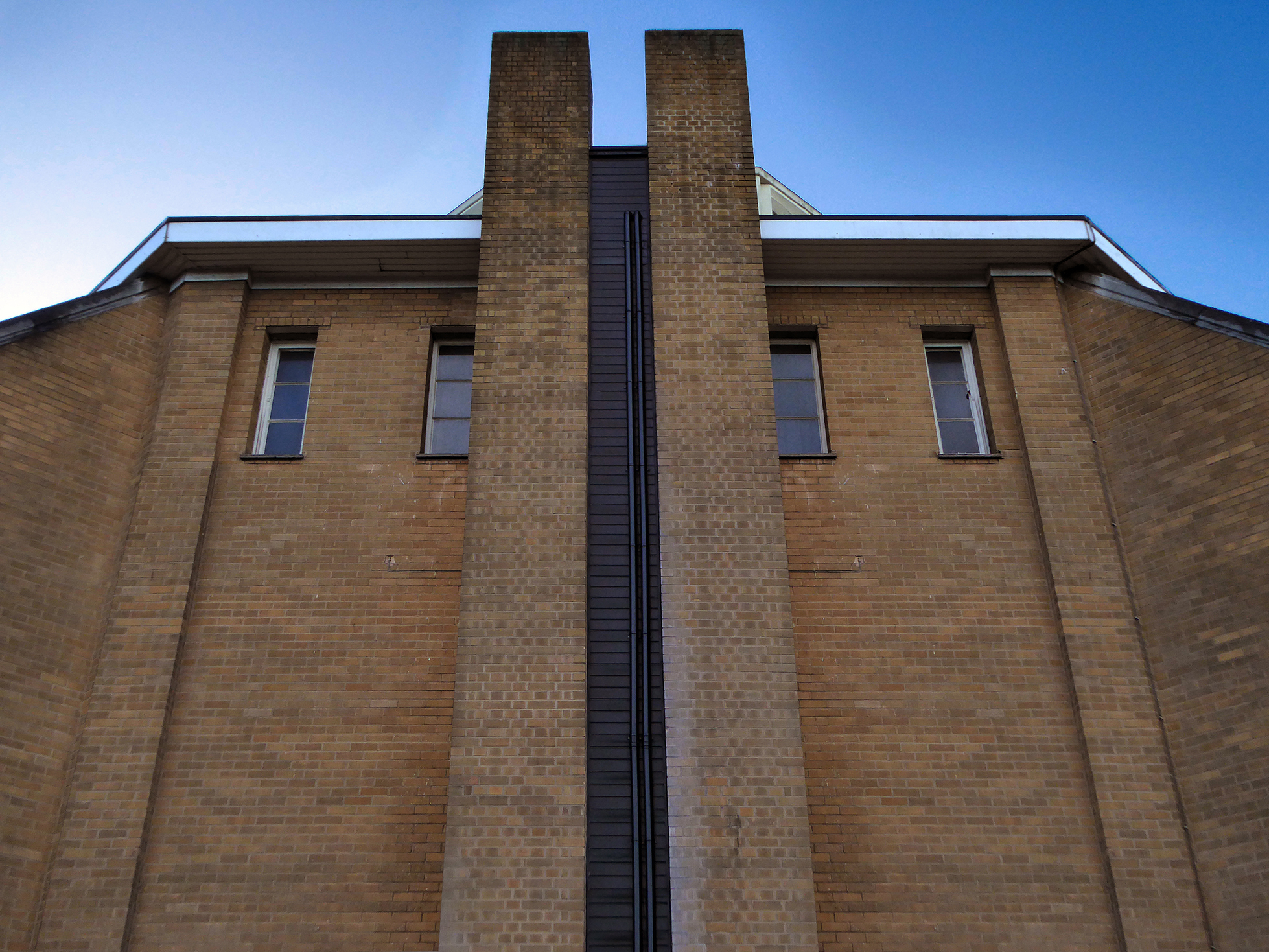
Ambitious in scale, dotted with vertical detail, the main body of the church has an integrated meeting hall and clerical house. I remain however, more than somewhat unconvinced by its brick monumentality.

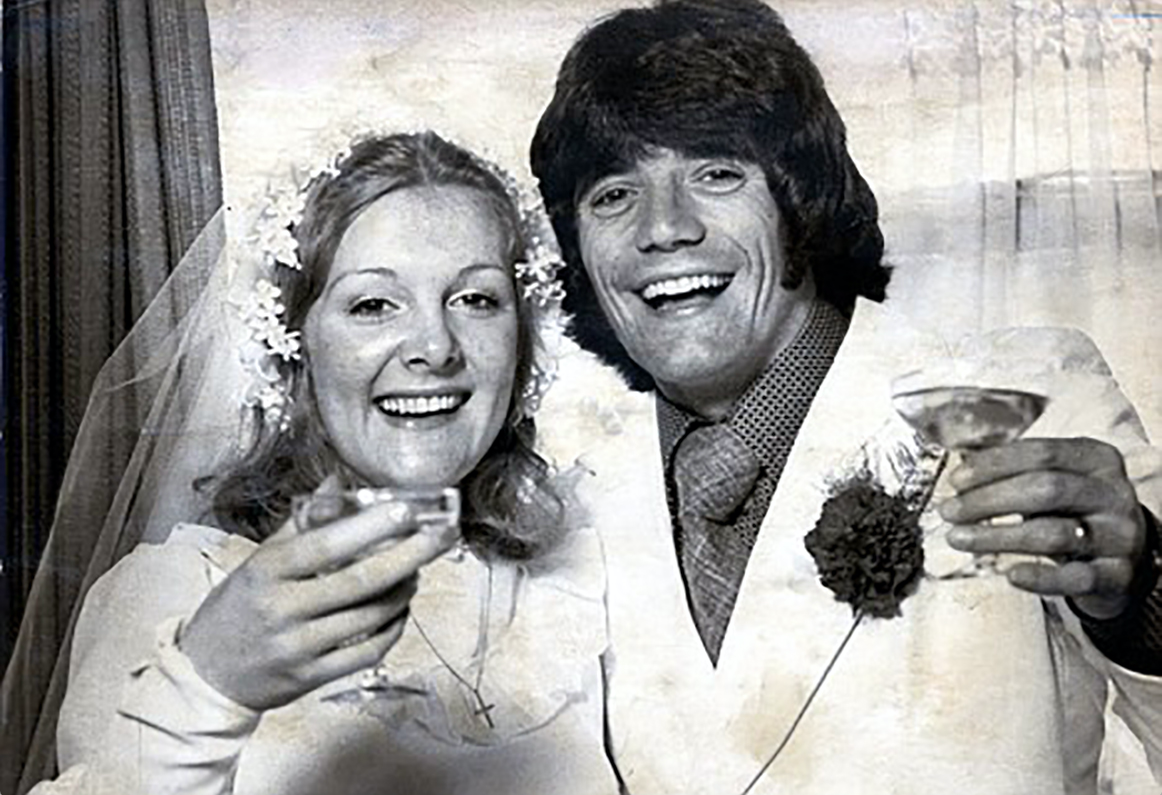
On September 23, 1974, the budding Liverpool star married his childhood sweetheart, Jean, at St Peters in Chains Roman Catholic Church in his hometown of Doncaster. 

There was no fanfare, no fans, no celebrity guests and certainly no Hello! style deal. Kevin was just 24, his bride a year younger. 

Watching them with a tear in their eyes were his proud parents, Joe, a miner, and Doris.

Screen Shot 2016-02-12 at 10.52.09

Kevin says: ‘Jean and I hadn’t planned to get married for months, but I had a five-week ban for fighting with Billy Bremner and, as they say, every cloud has a silver lining, so we decided to use the time to get married quietly.’ 

P1010134 copy

P1010127 copy

P1010126 copy

P1010123 copy

P1010108 copy

P1010125 copy

P1010128 copy

P1010133 copy

P1010129 copy

P1010132 copy

P1010120 copy

P1010136 copy

P1010130 copy

P1010124 copy

P1010135 copy

Back to Beswicks

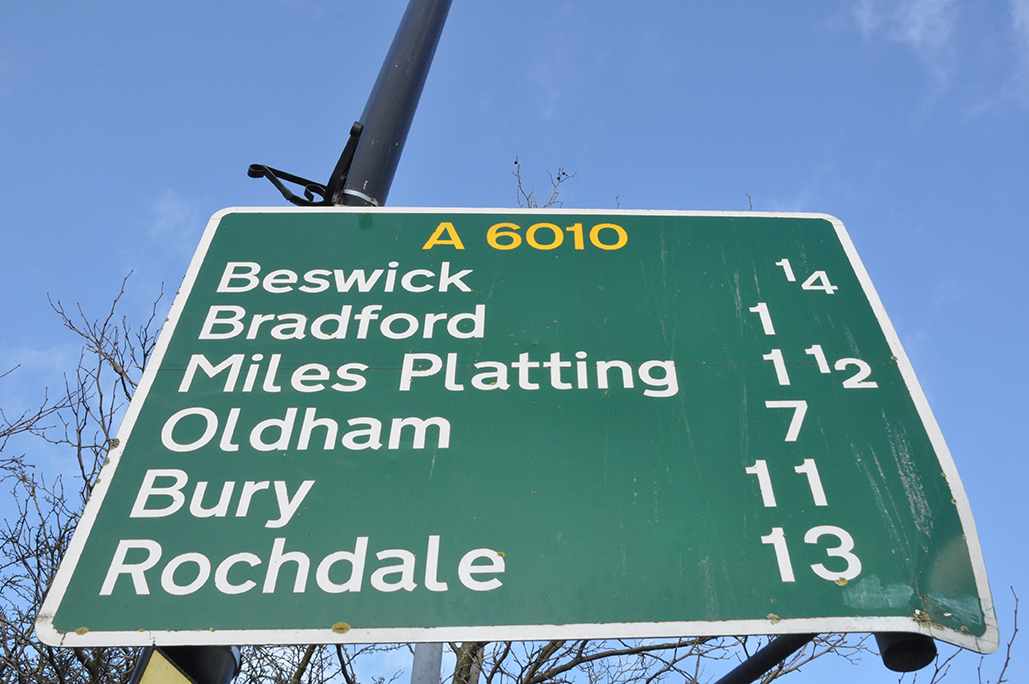
You’re never more than a thousand yards from a main road, six feet from a rat, or a quarter of a mile from Beswick, one of many Beswicks.

DSC_0175

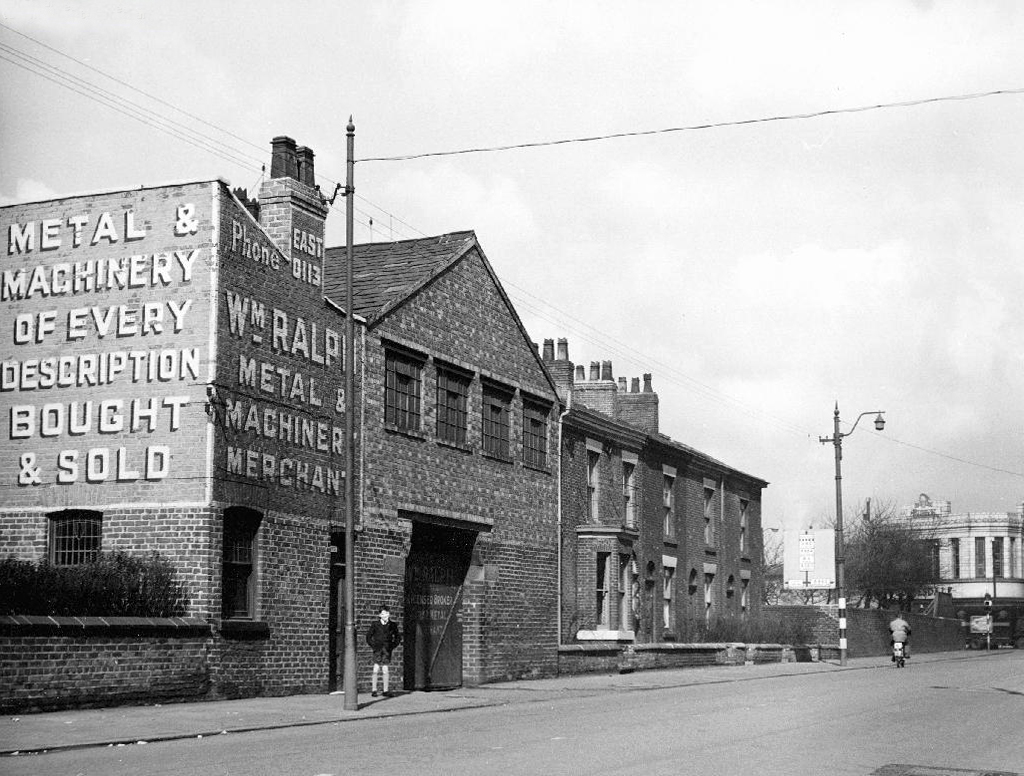
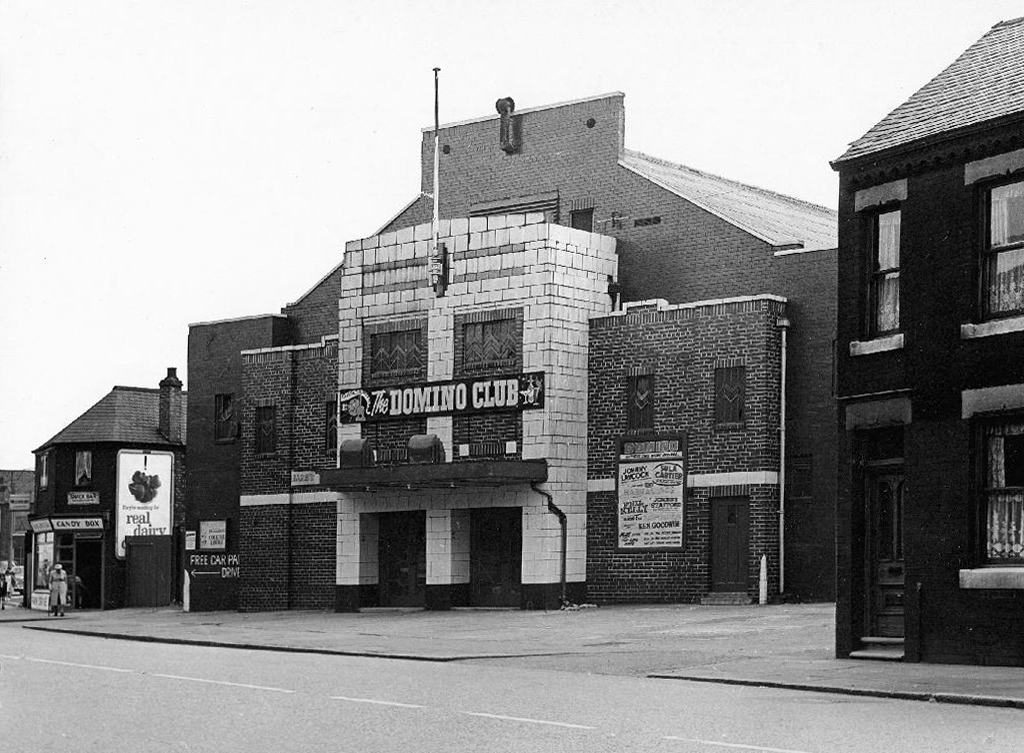
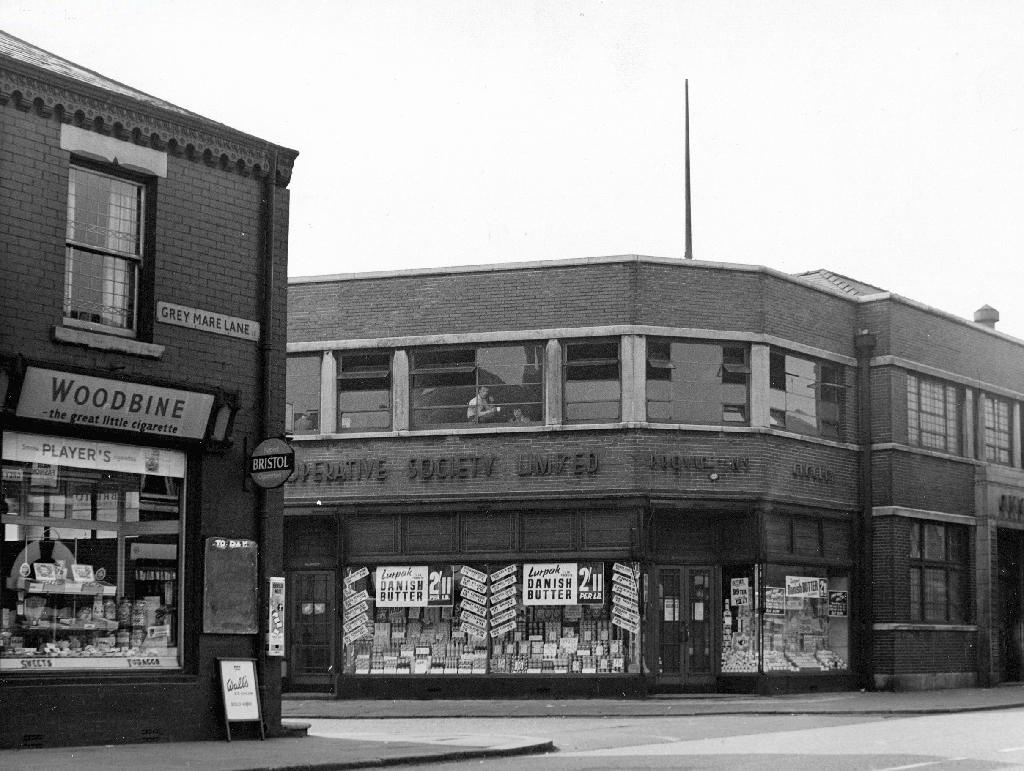
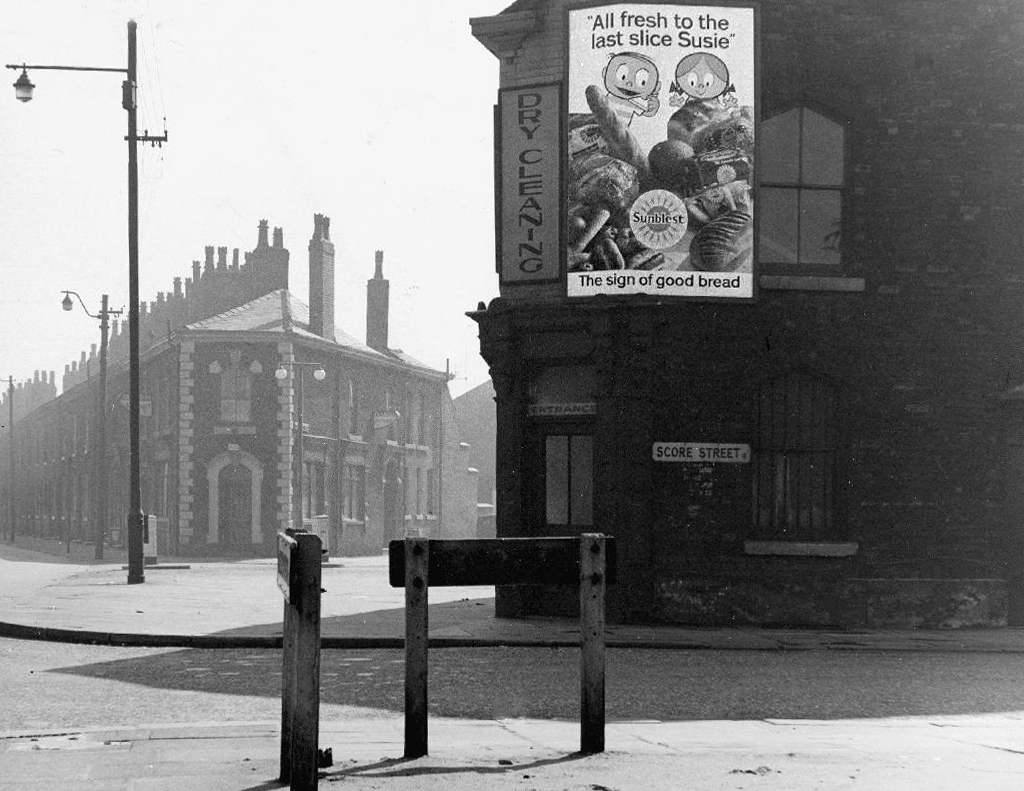
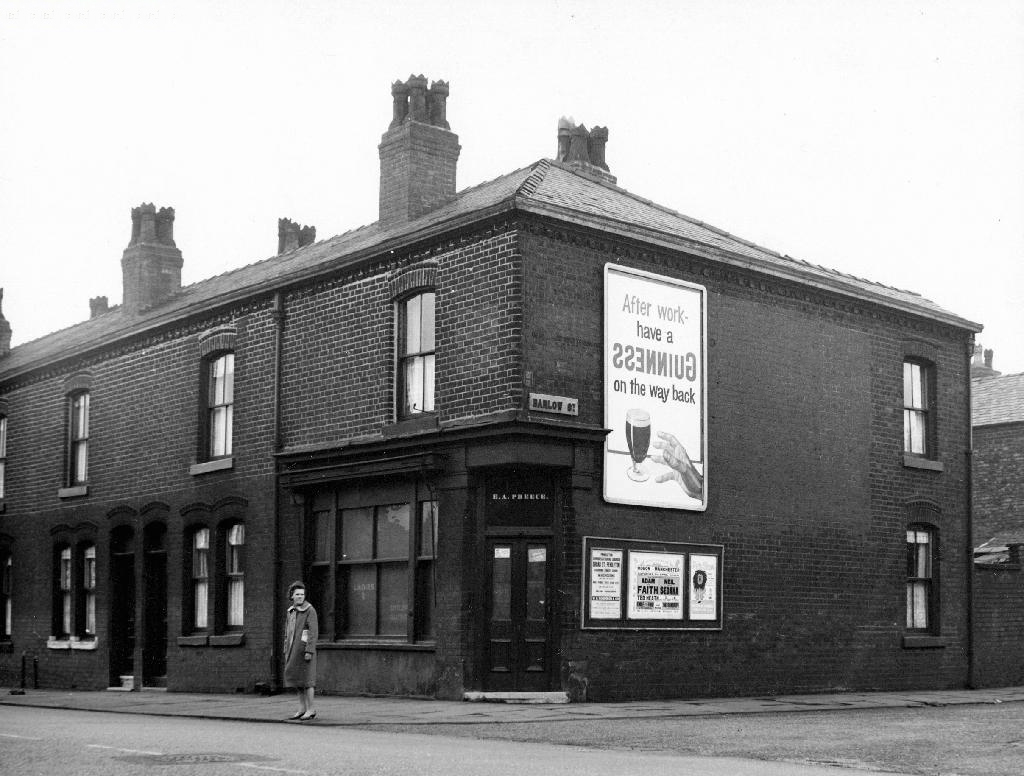
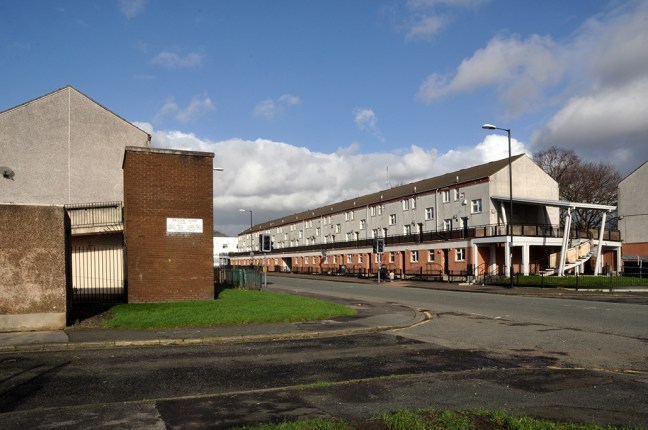
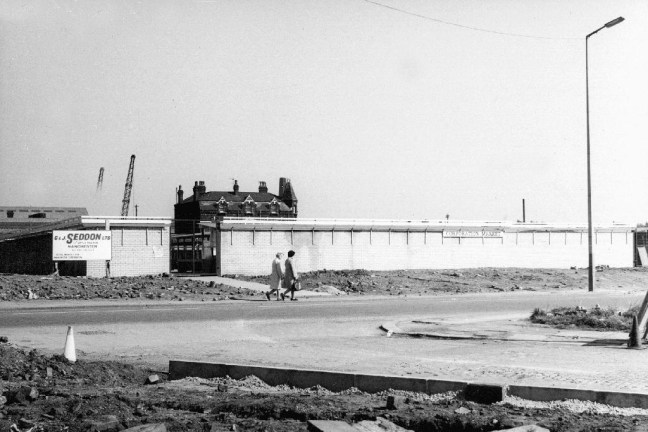
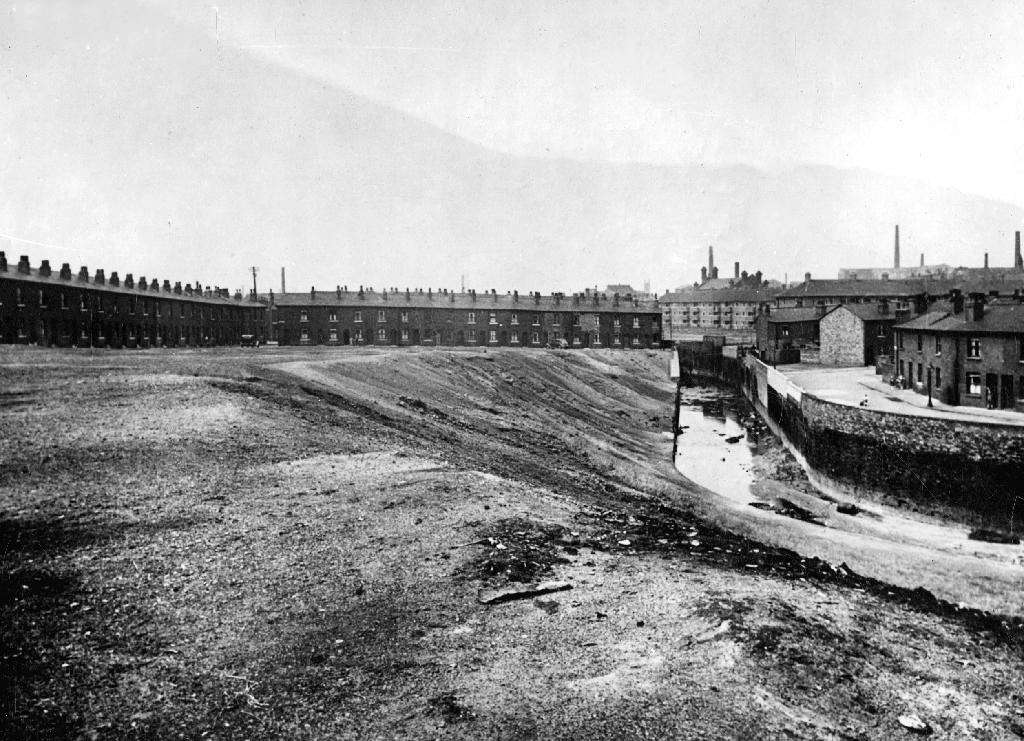
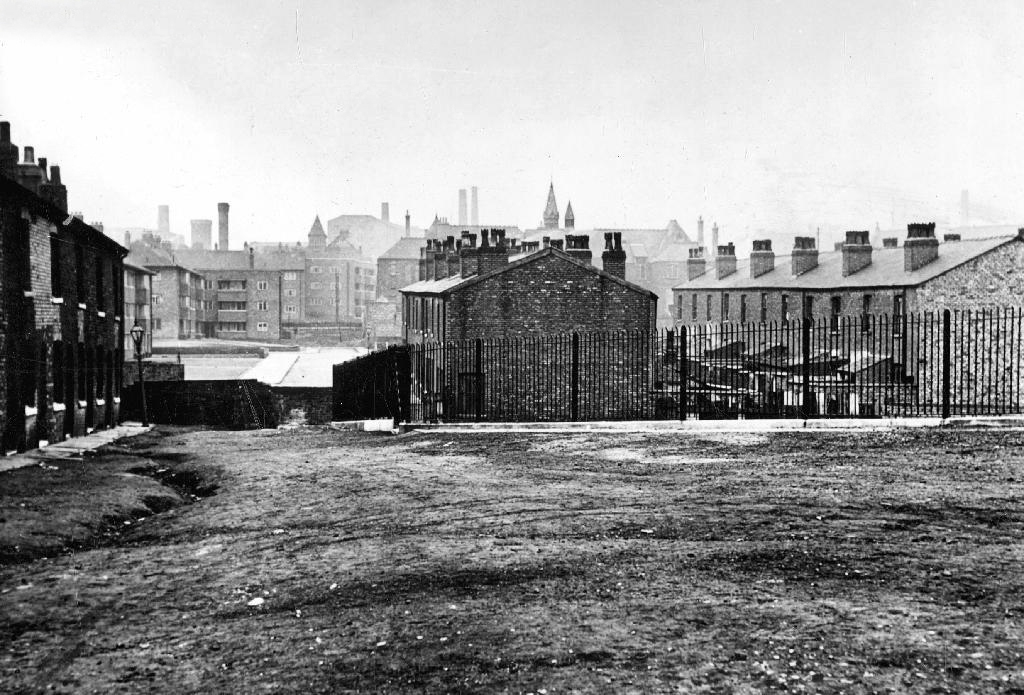
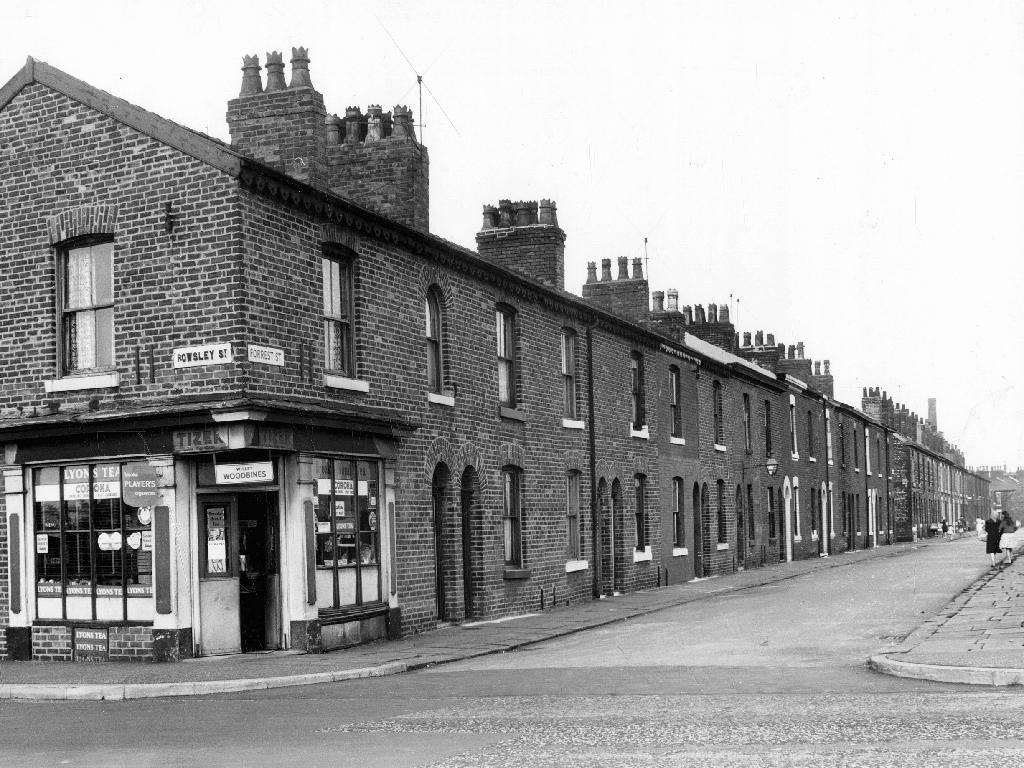
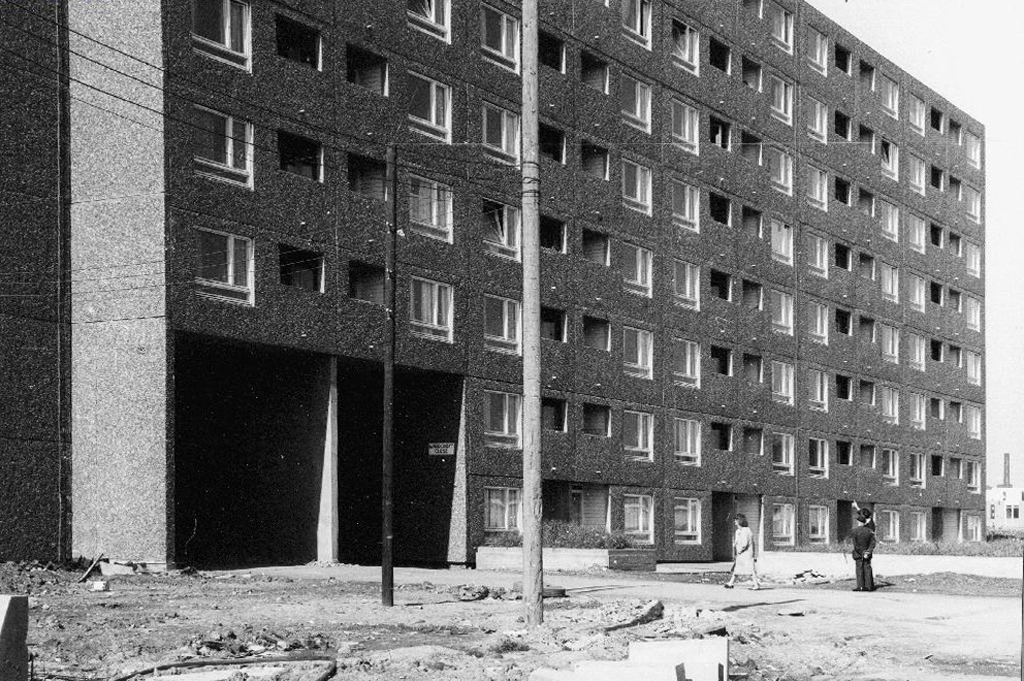
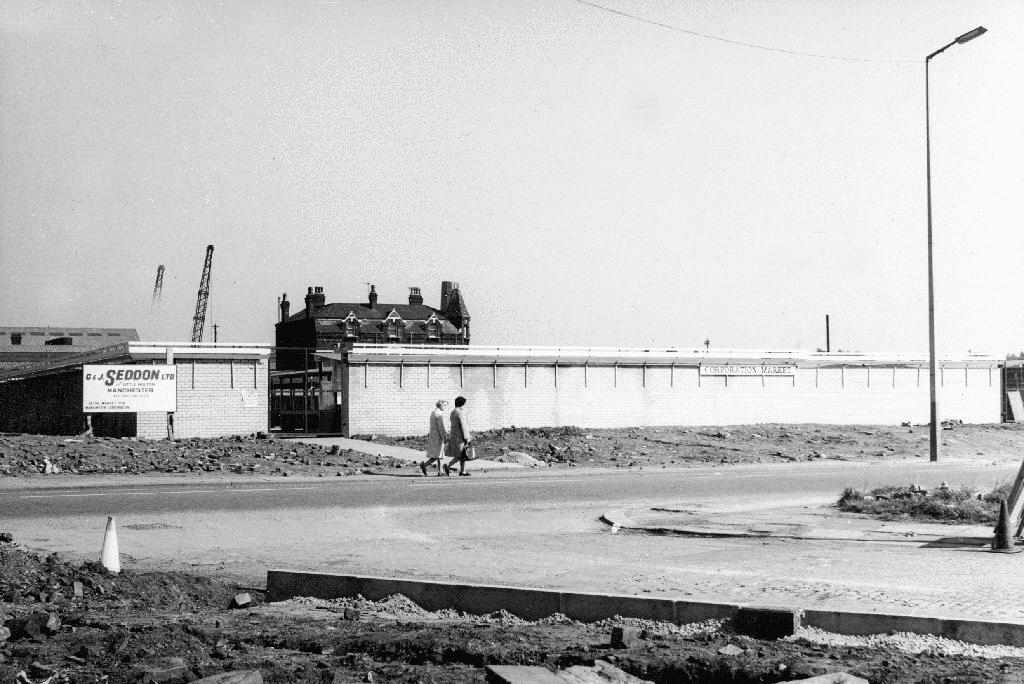
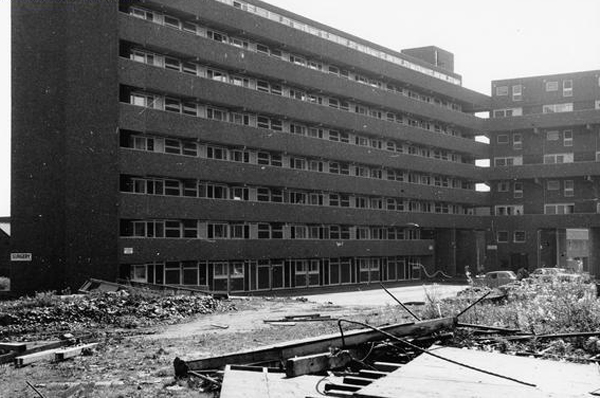
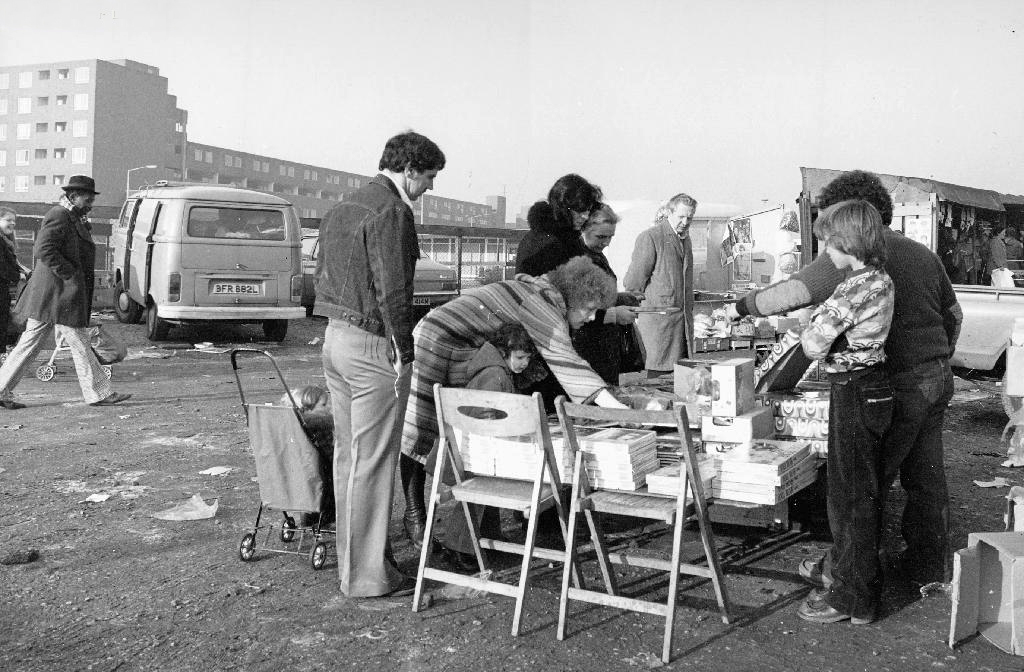
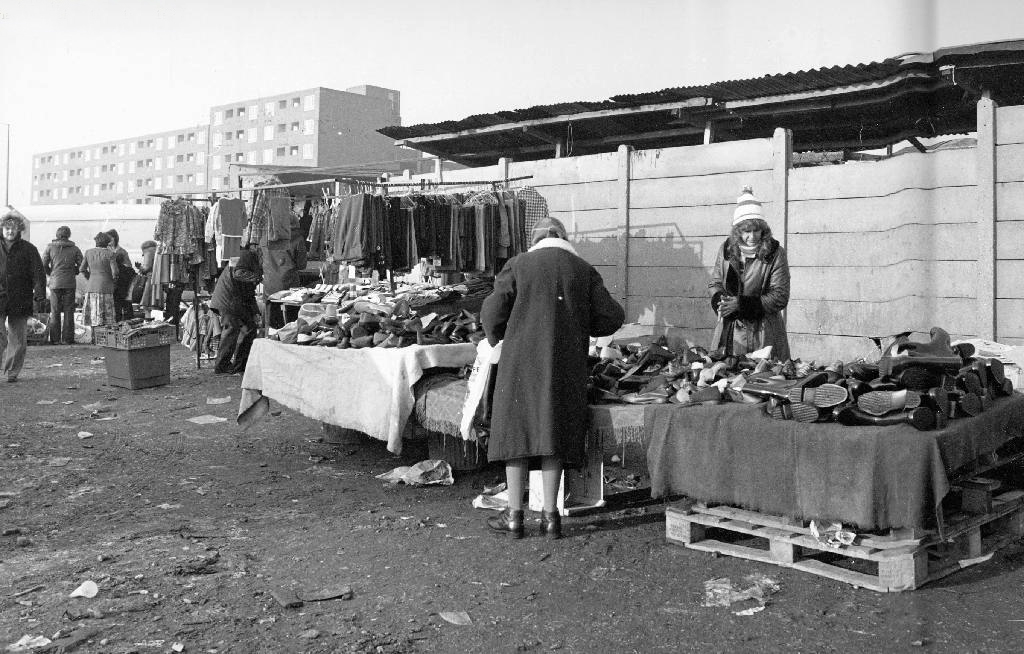
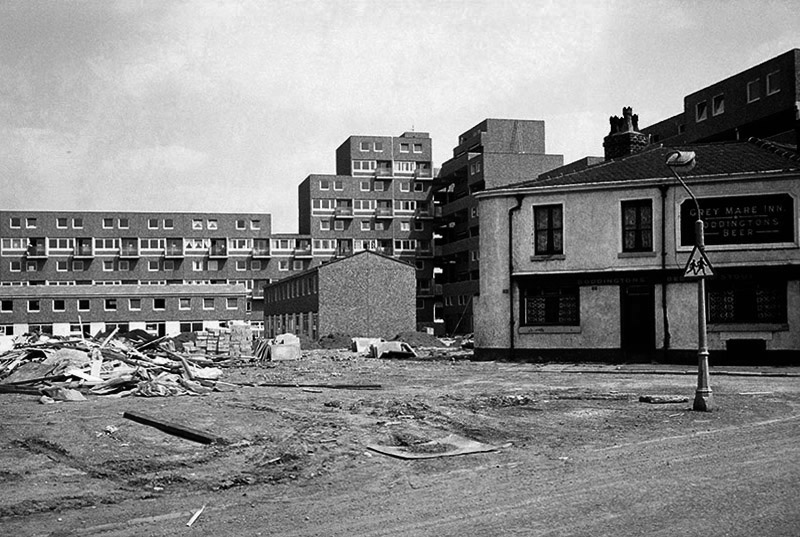
Beswick was once a bustling mixed industrial and residential area of east Manchester, alive with back to back terraced housing, pubs, clubs, shops and people.

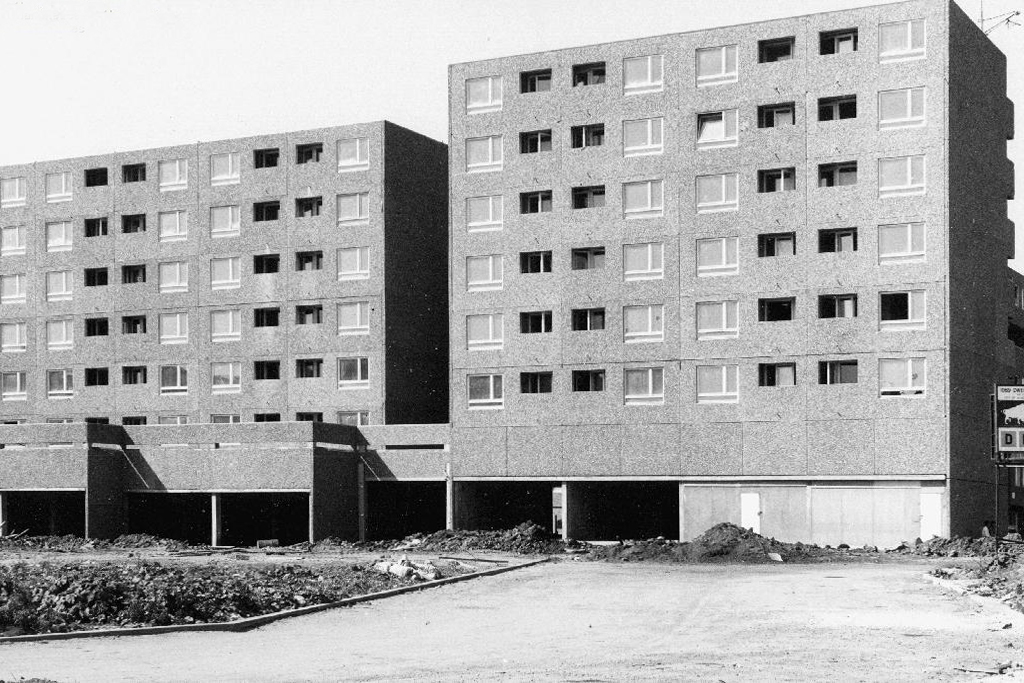
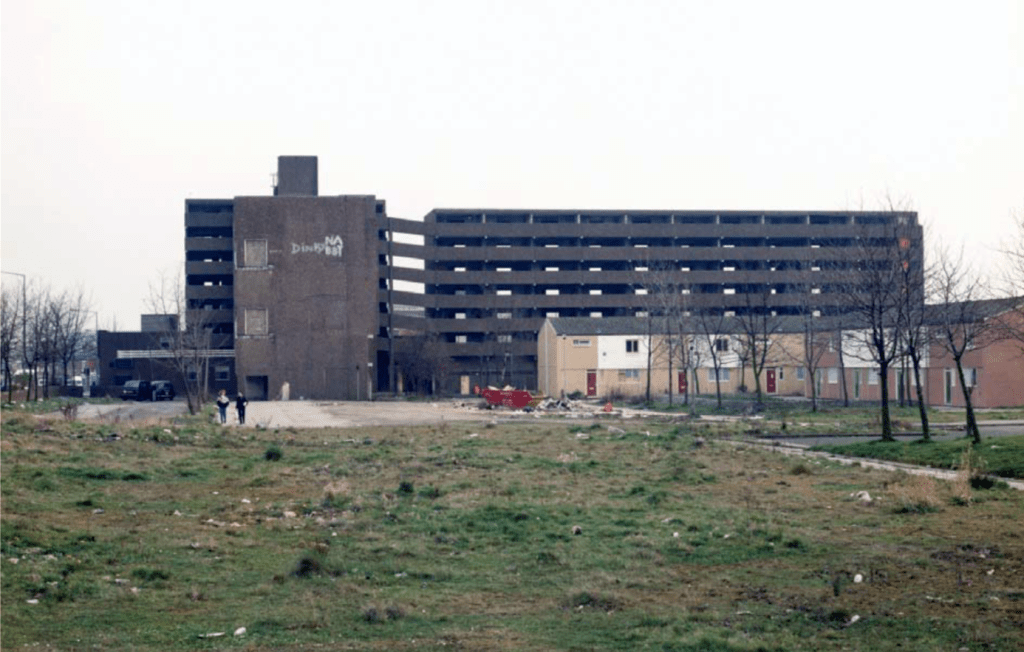
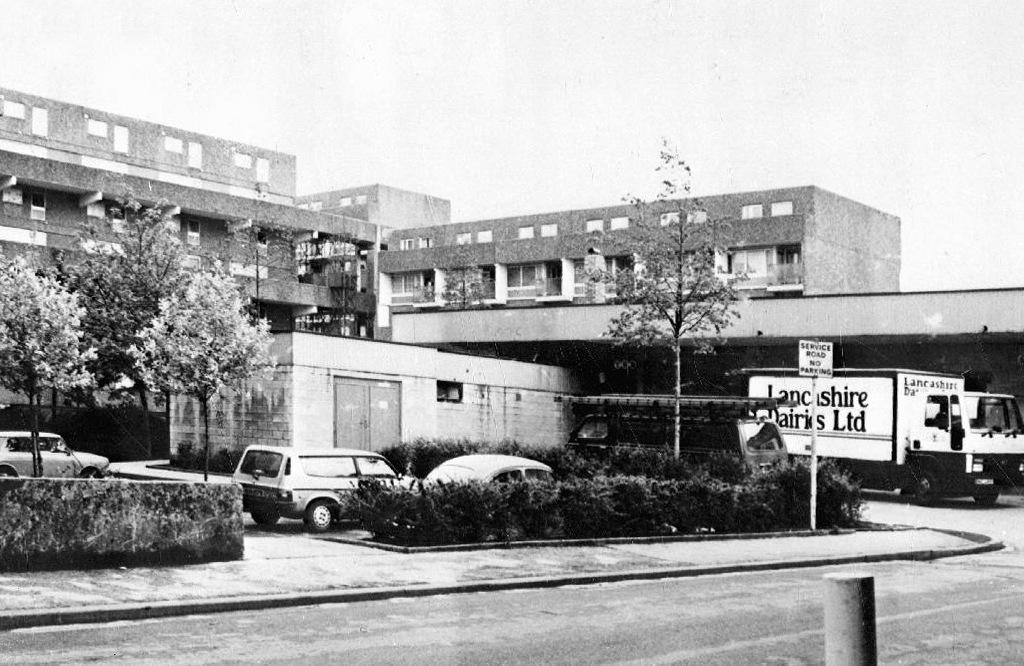
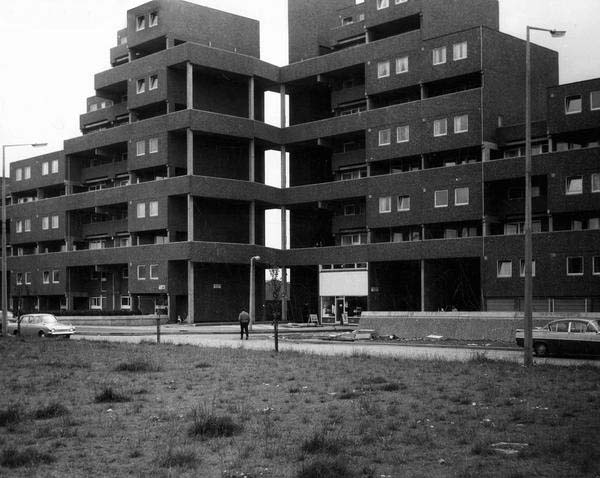
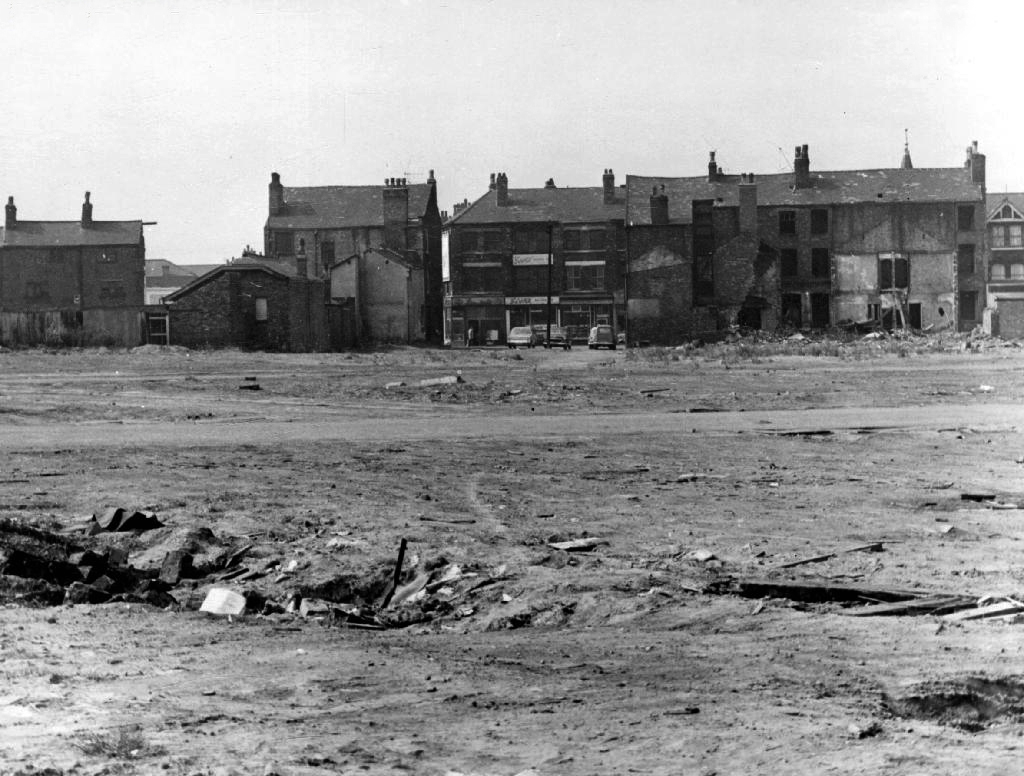
Sixties slum clearance swept away most of its past when Fort Beswick was built.

webmedia-3.php

Remember the Alamo?

Forget Fort Beswick.

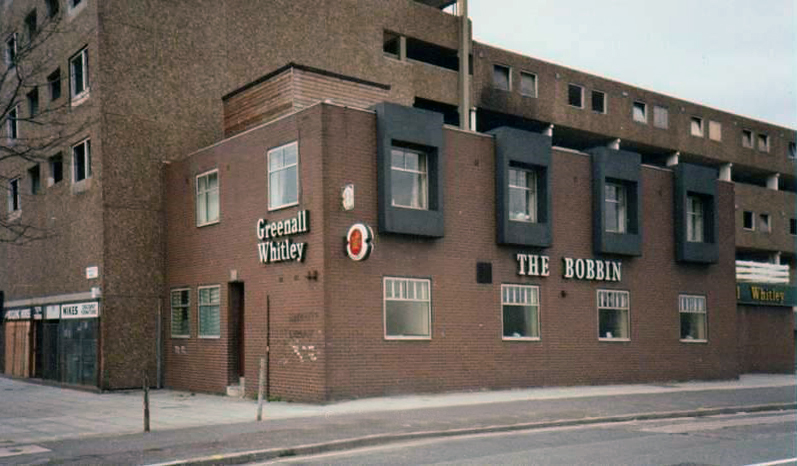
It’s gone – wind the Bobbin up.

The Bobbin copy

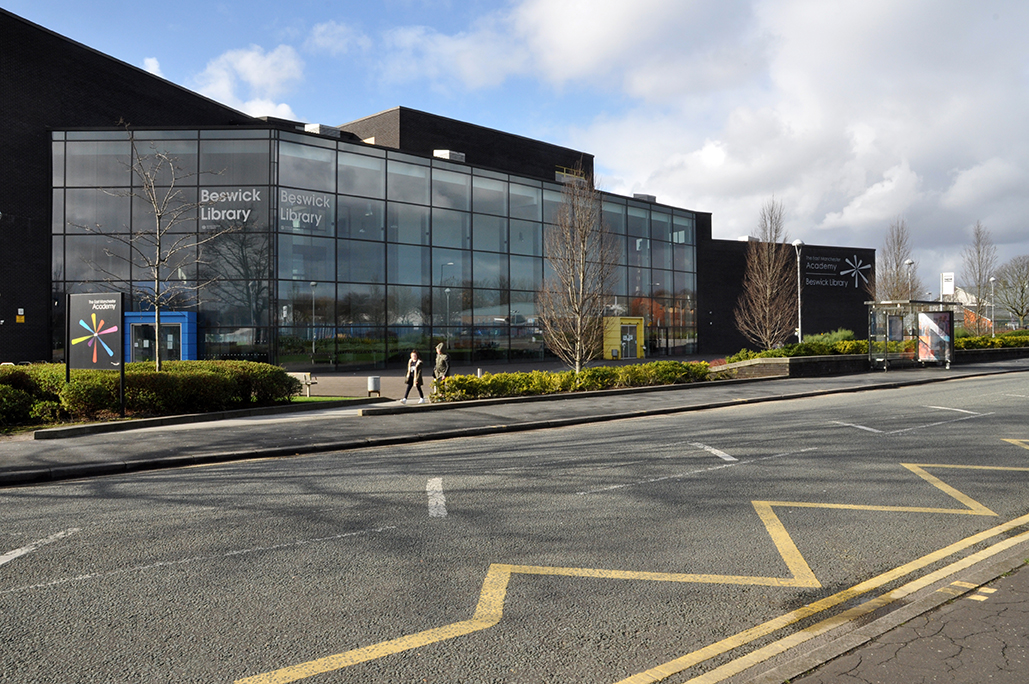
Turn it into a Library

Beswick Library

Wind the library up

DSC_0227

Build another

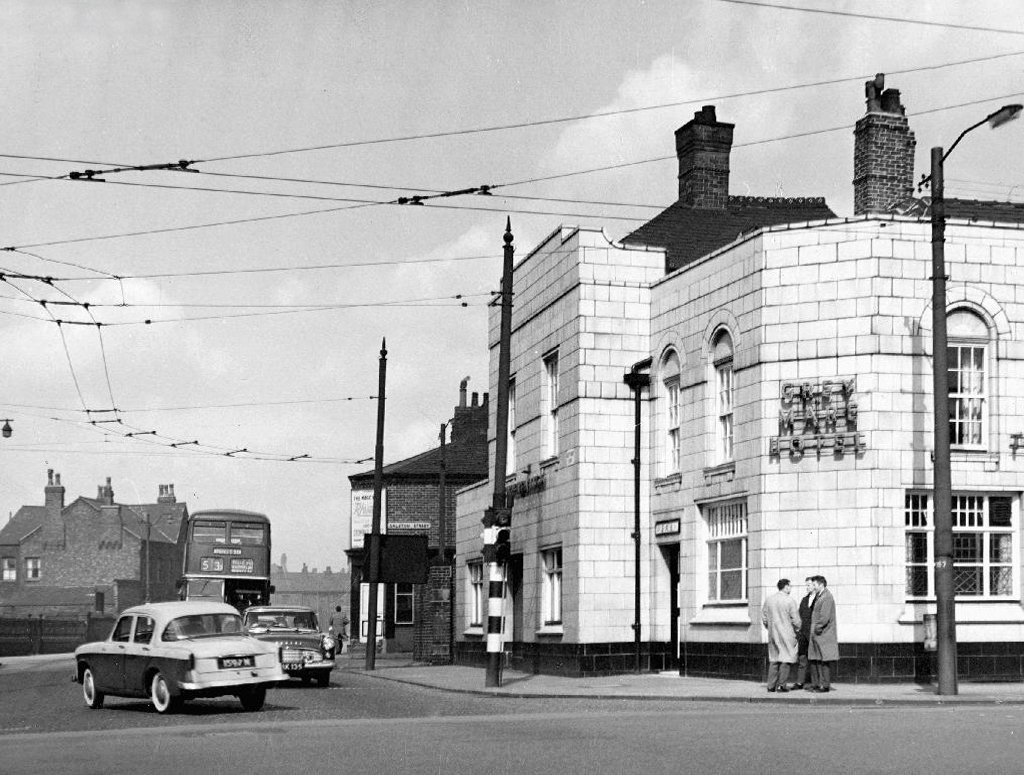
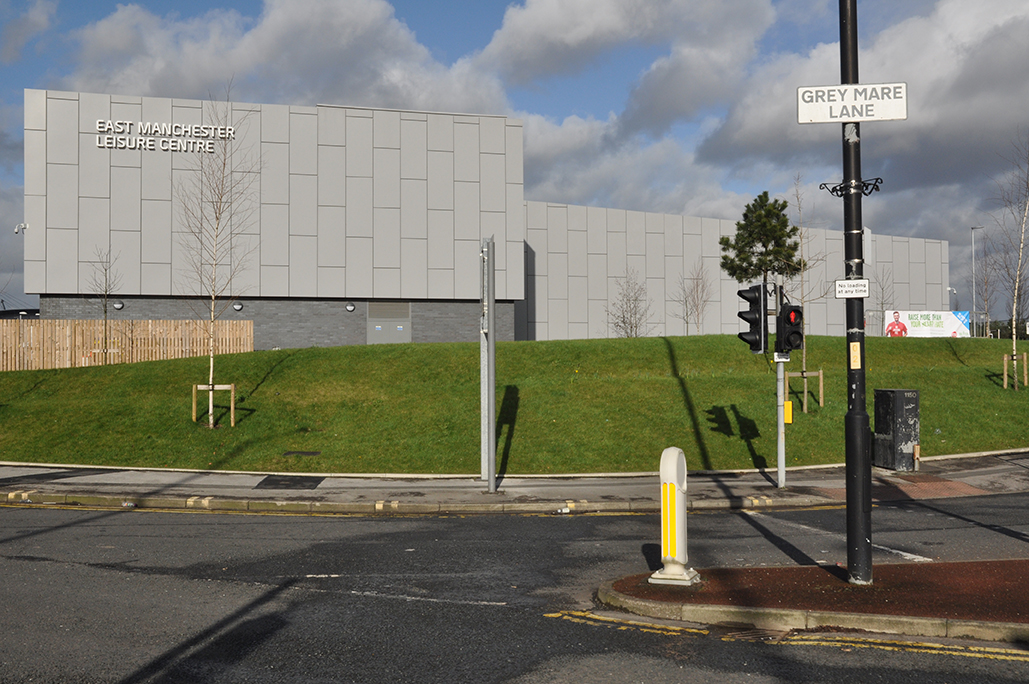
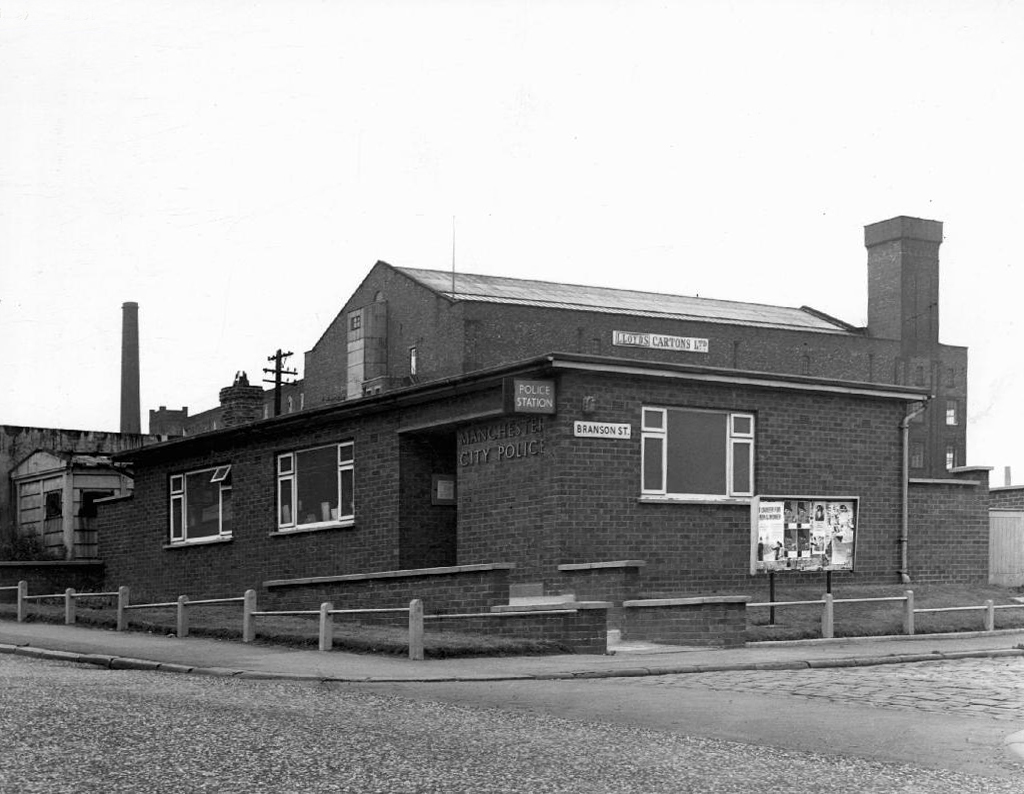
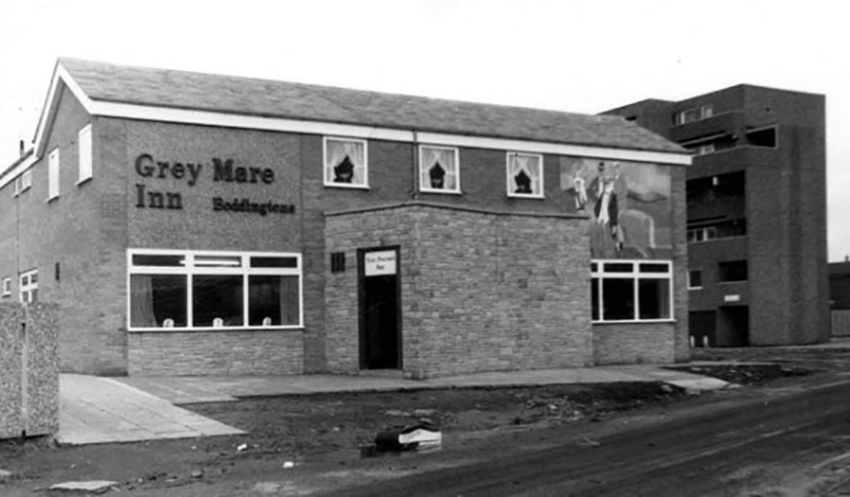
grey-mare-lane-police-station

Call the Police!

But the Police Station has closed now, and moved further on.

0_GMPDHQ_1920x1080

http://www.manchestereveningnews.co.uk/news/greater-manchester-news/greater-manchester-police-rake-17m-6273100

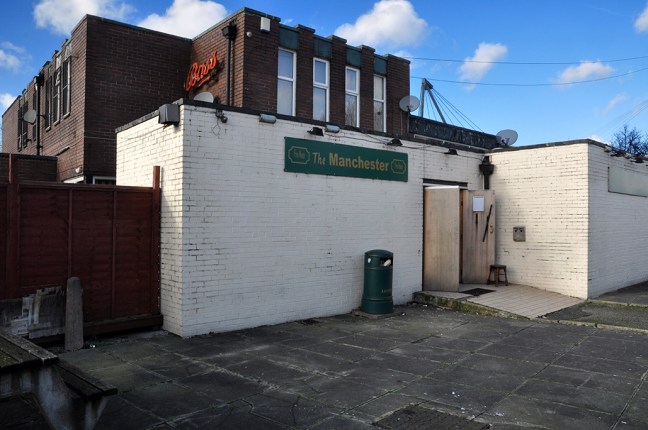
There are traces of the past that remain, homes and pubs that have survived the revival.

Where is Beswick now?

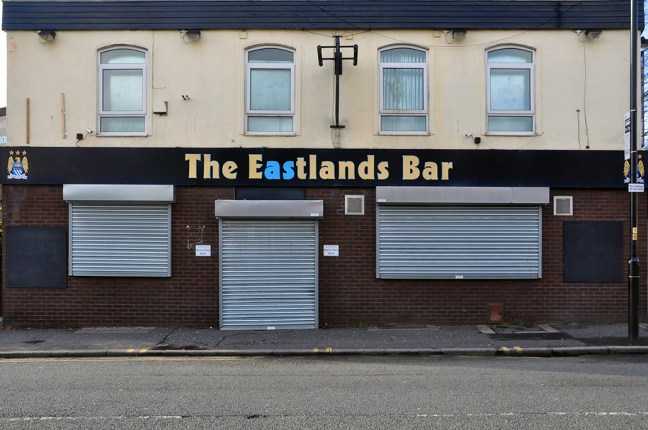
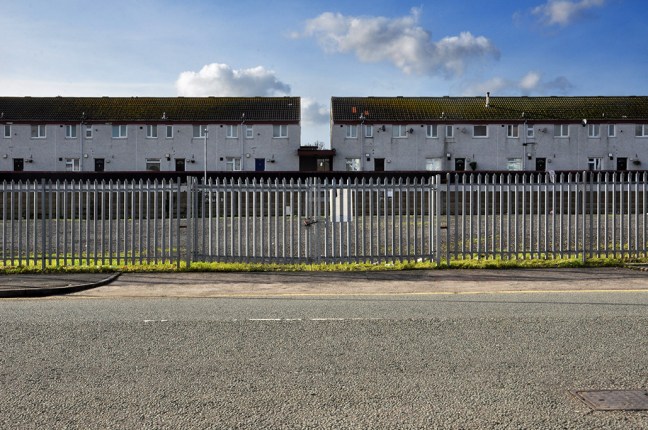
On the edges of the Eastland’s dream, on the outside of everything.

Sheik Mansour ensures the construction of a brand new shiny world.

The private provision of an almost public space.


Everyone knows this is nowhere.

But Beswick?

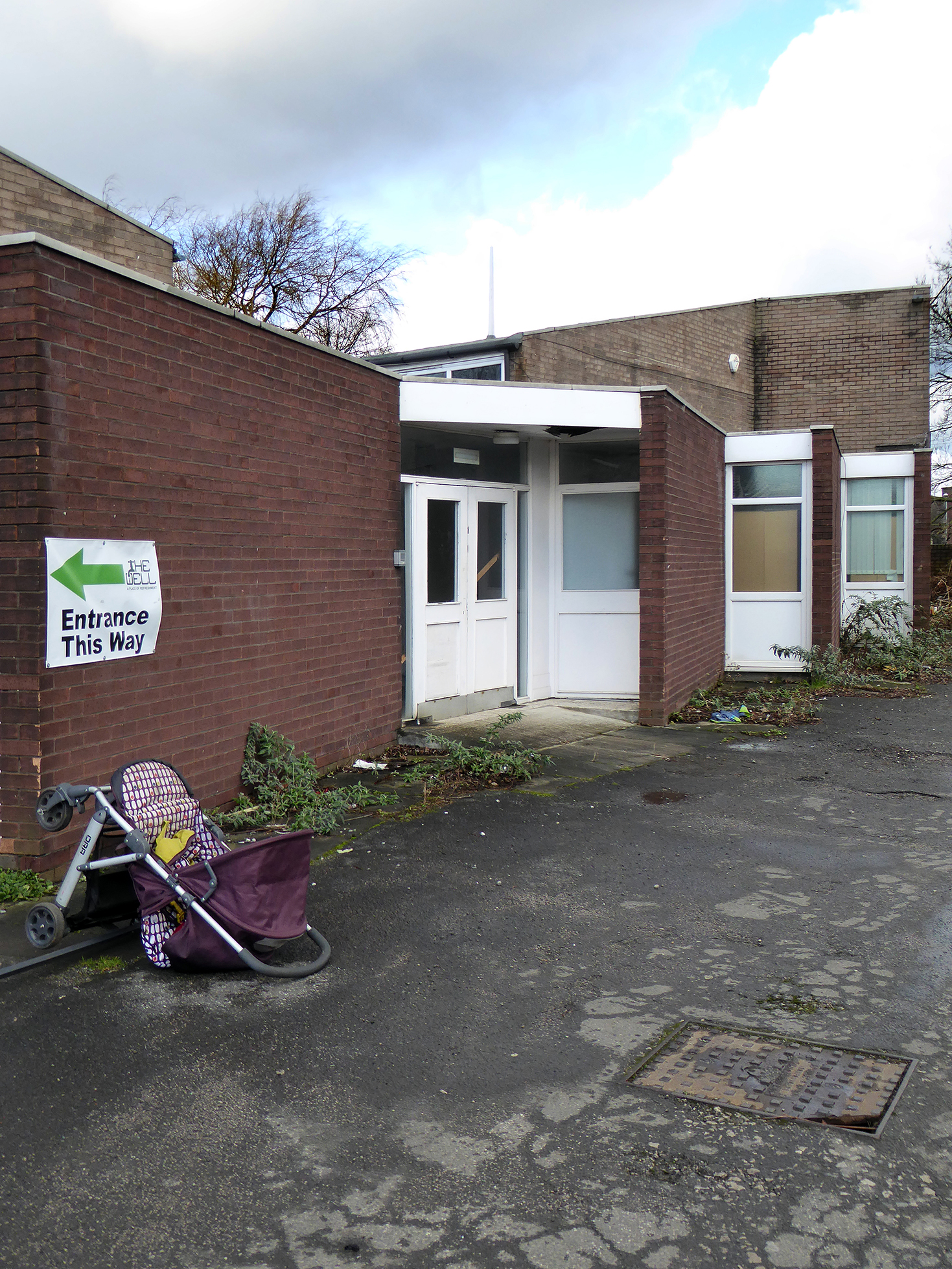
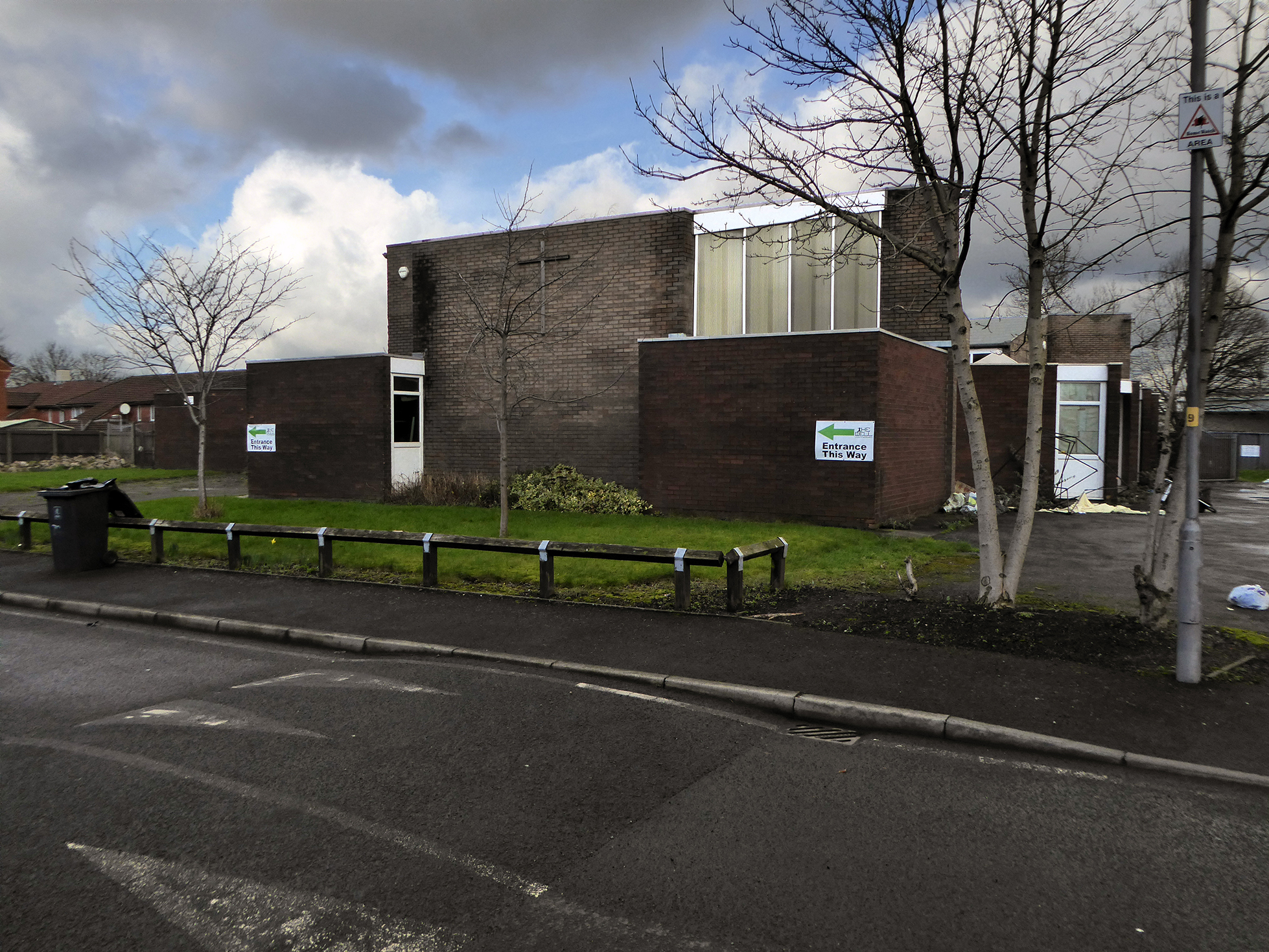
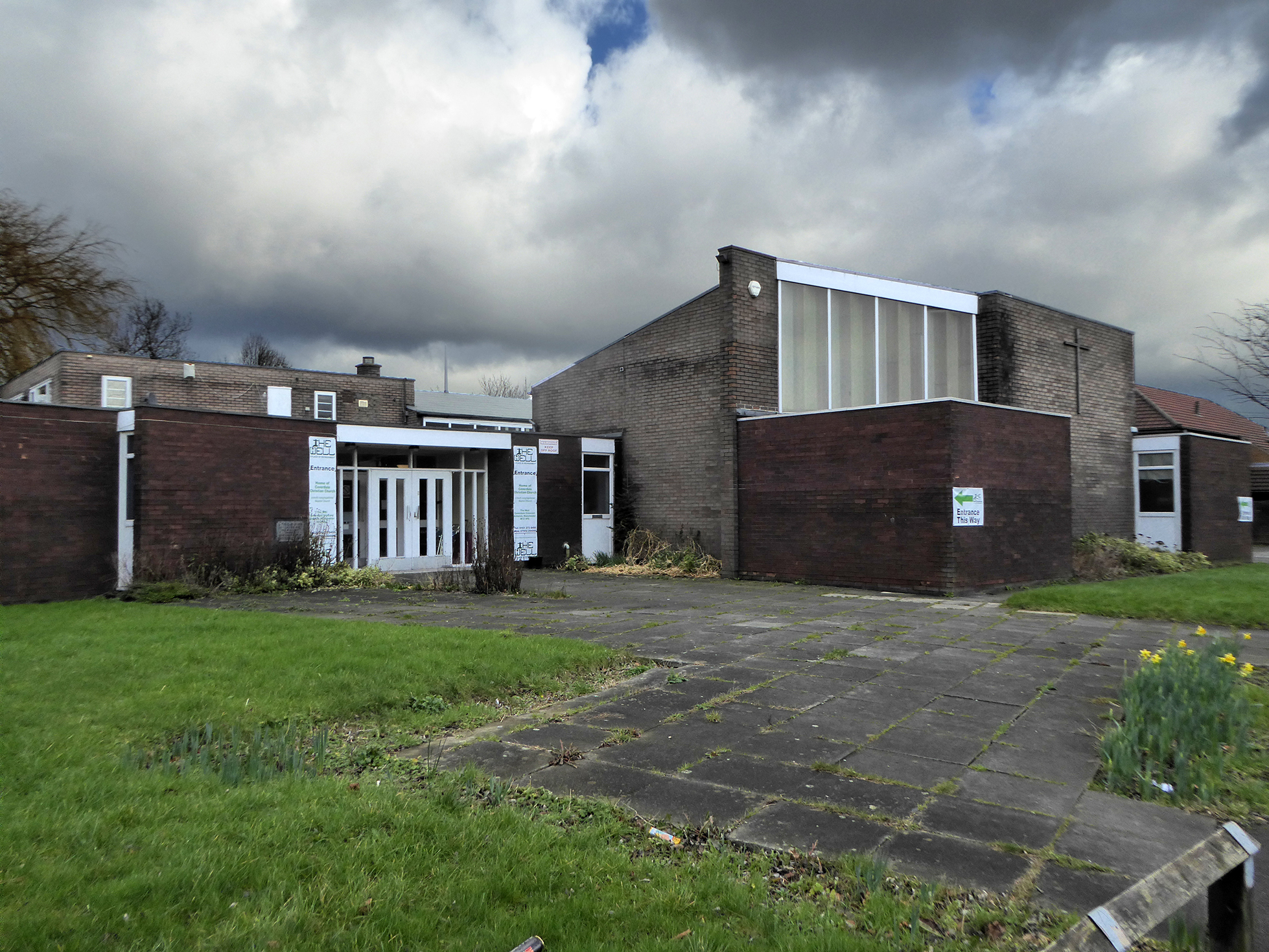
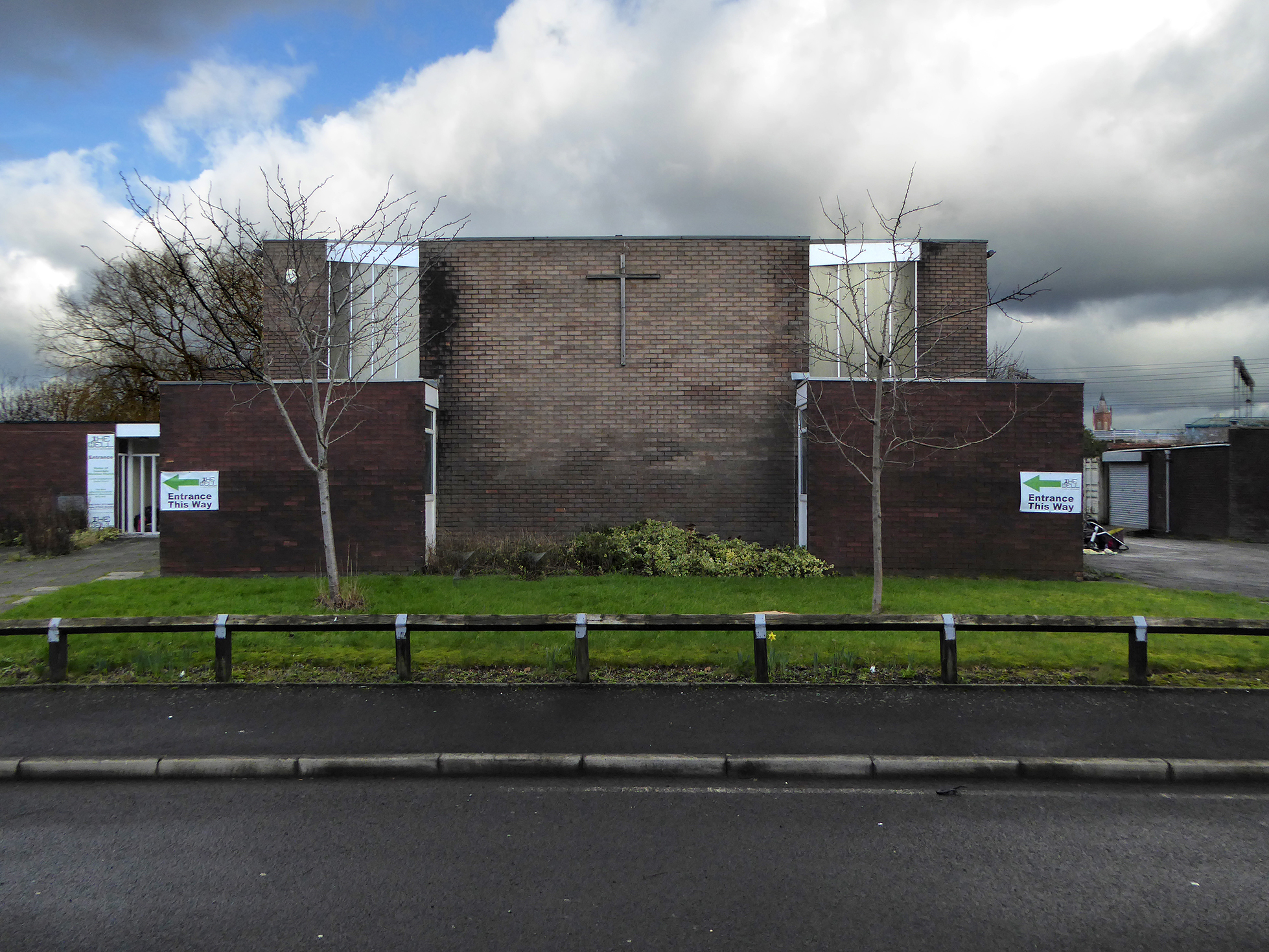
Coverdale Baptist Church – Ardwick

DSC_0096 copy

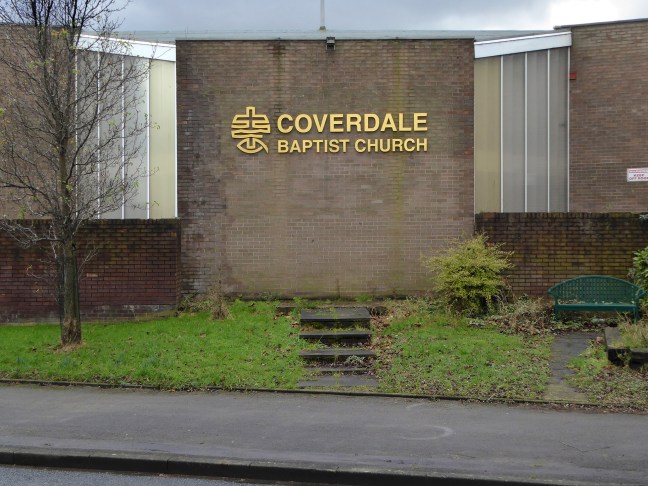
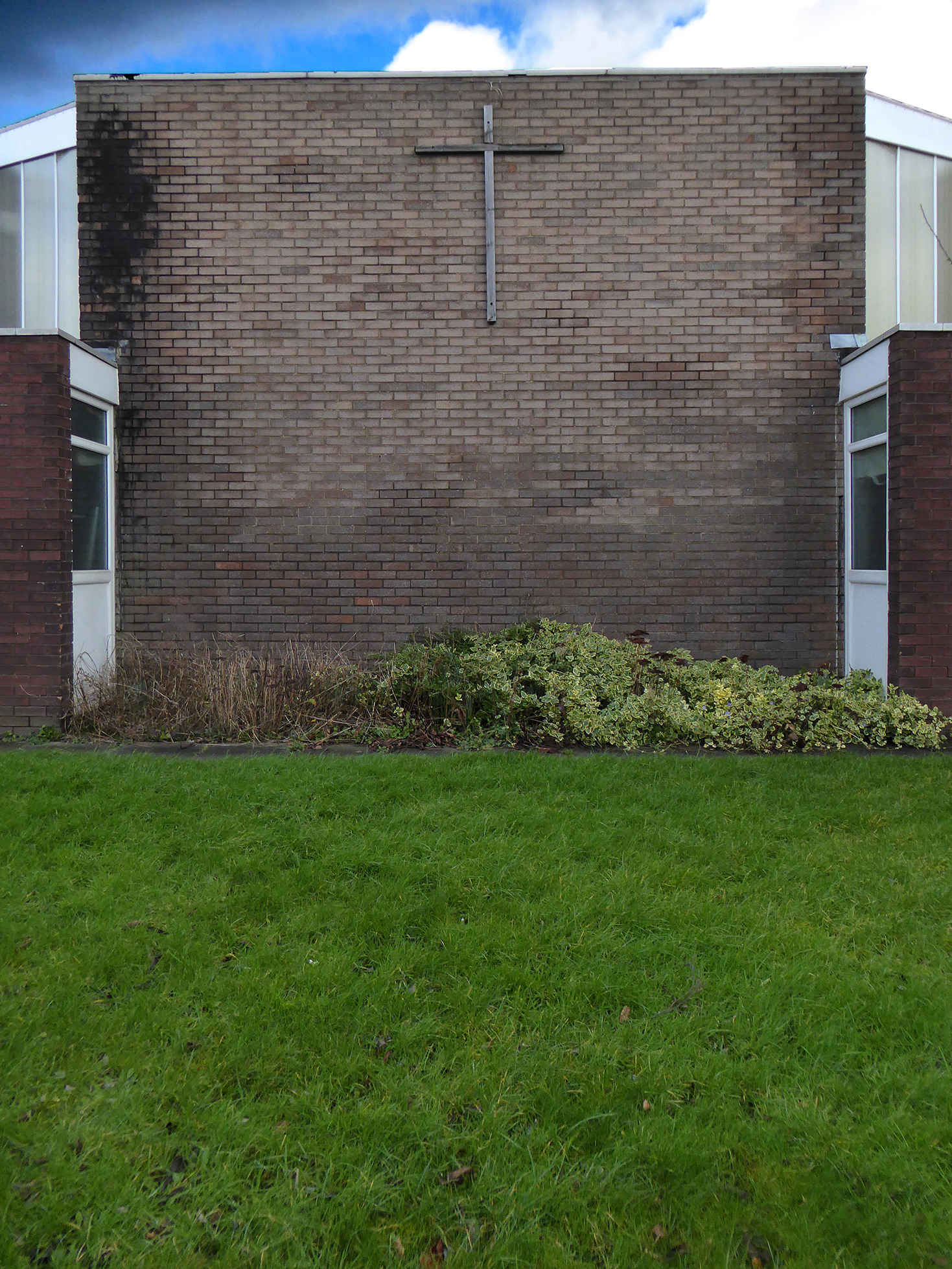
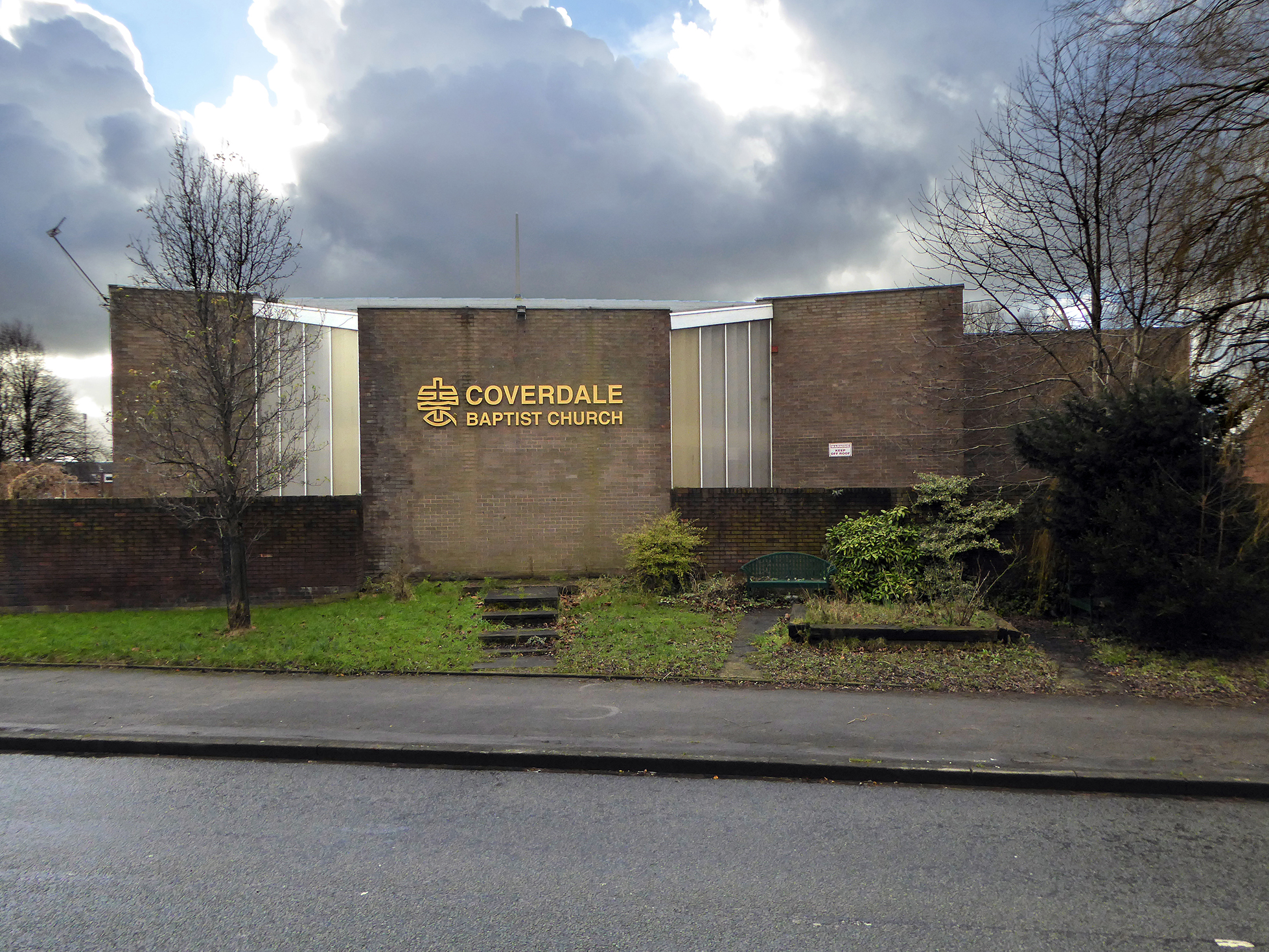
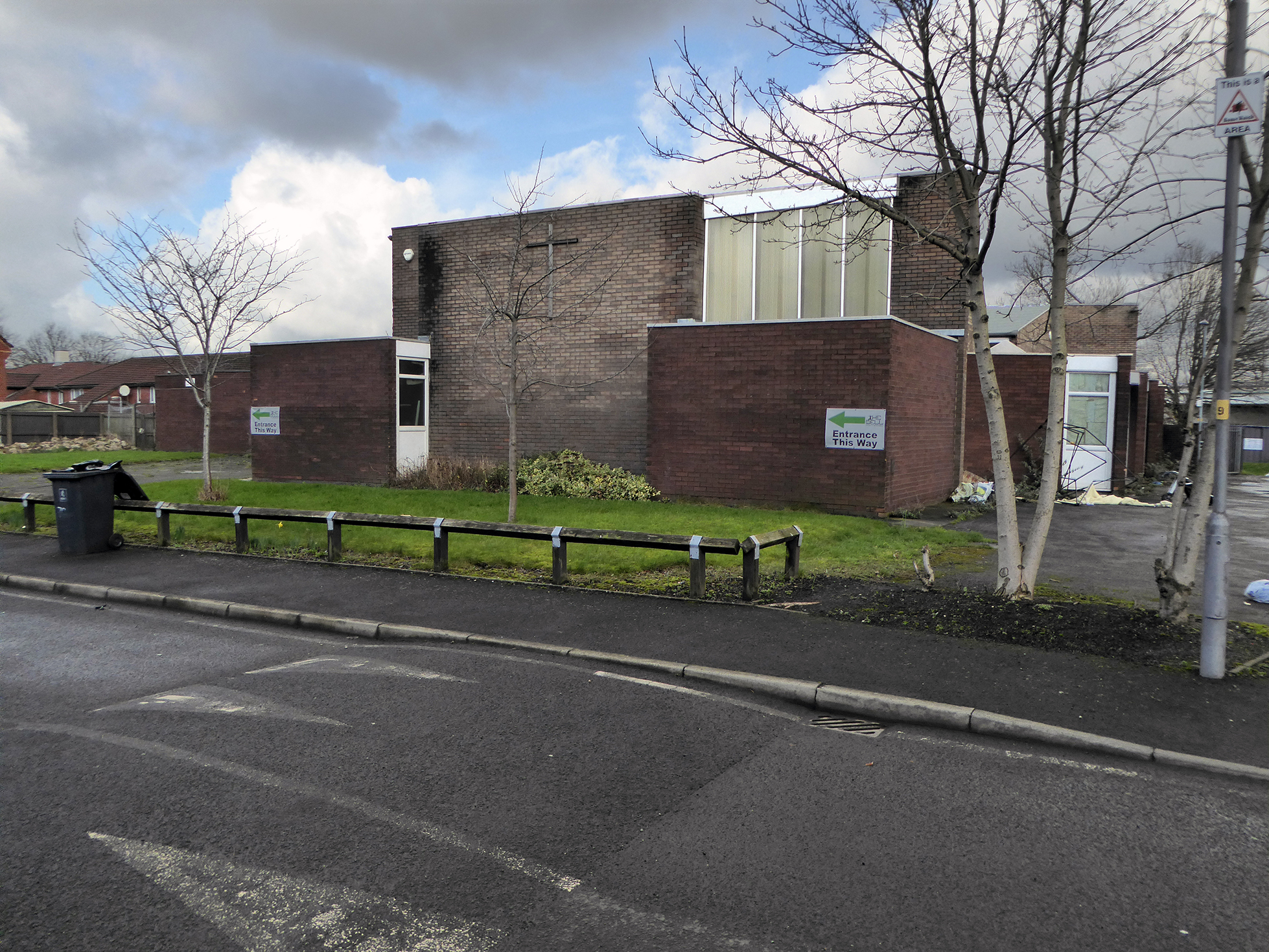
At the eastern end of the broad wide curve of Coverdale Crescent sits a church.

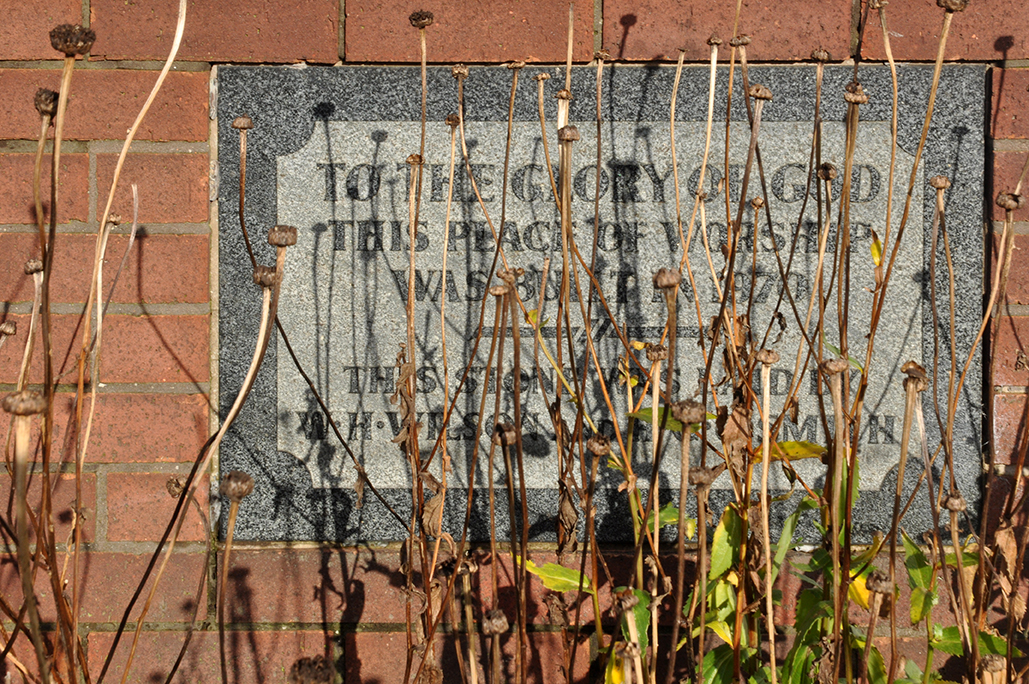
Built in 1970 to accommodate the pious observation of the area’s  residents.

The residents of the so-called Fort Ardwick.

coverdalebaptist2

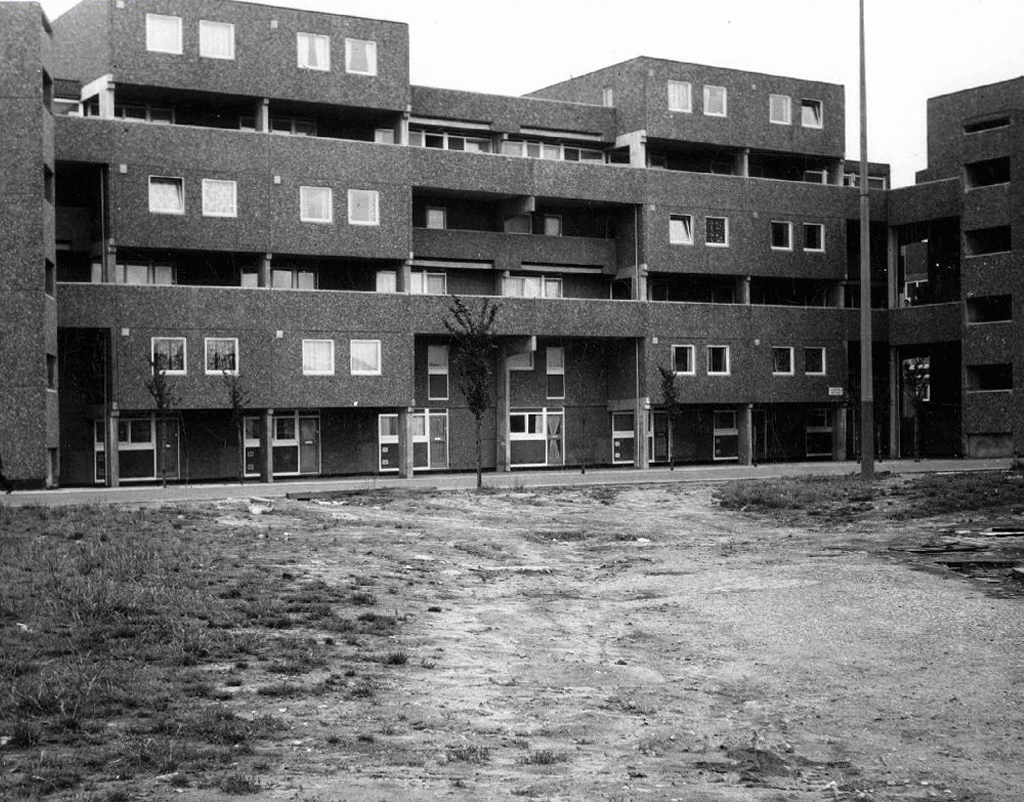
The Fort is no more, demolished, the newer Coverdale Estate now covers the area.

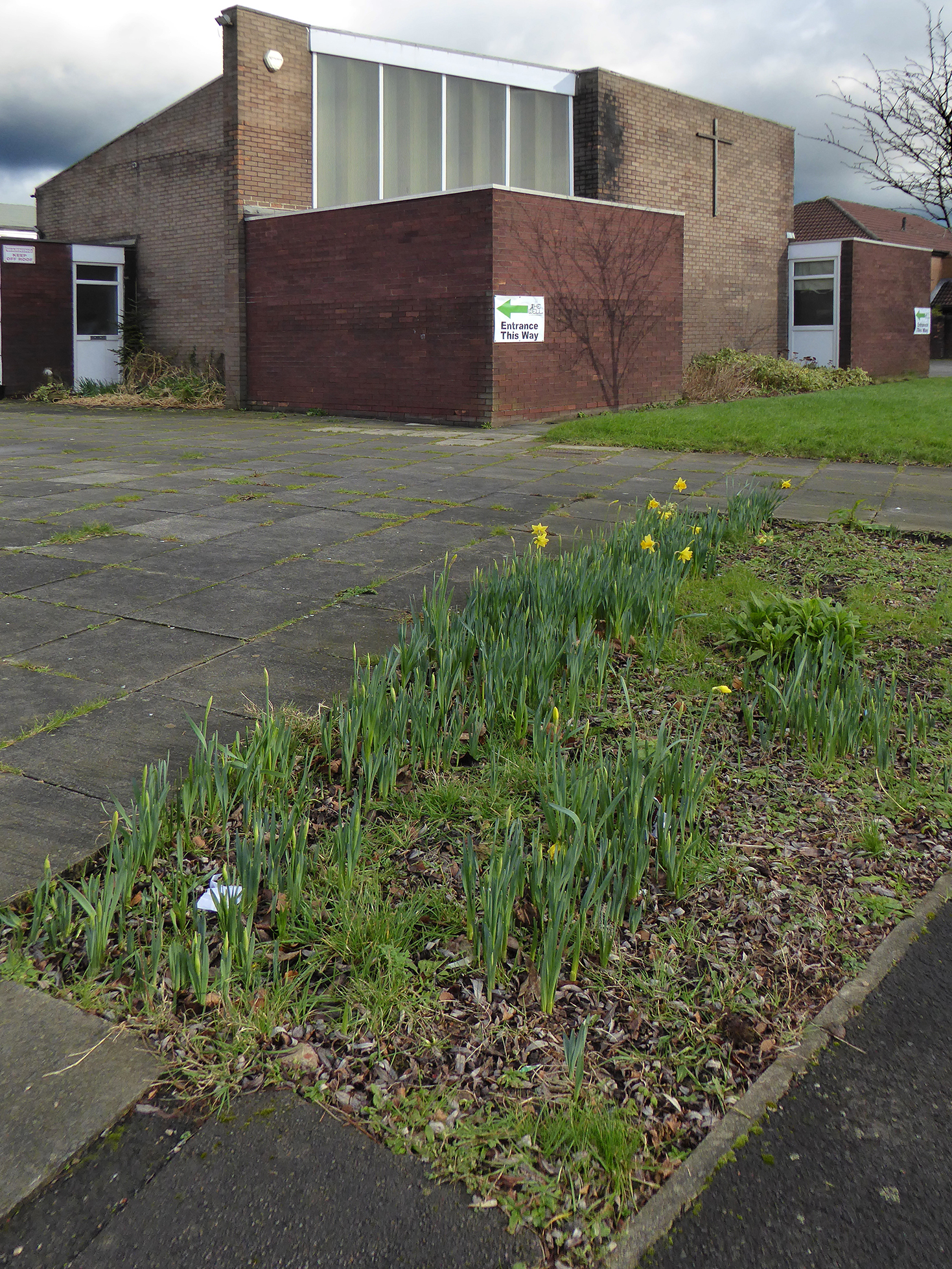
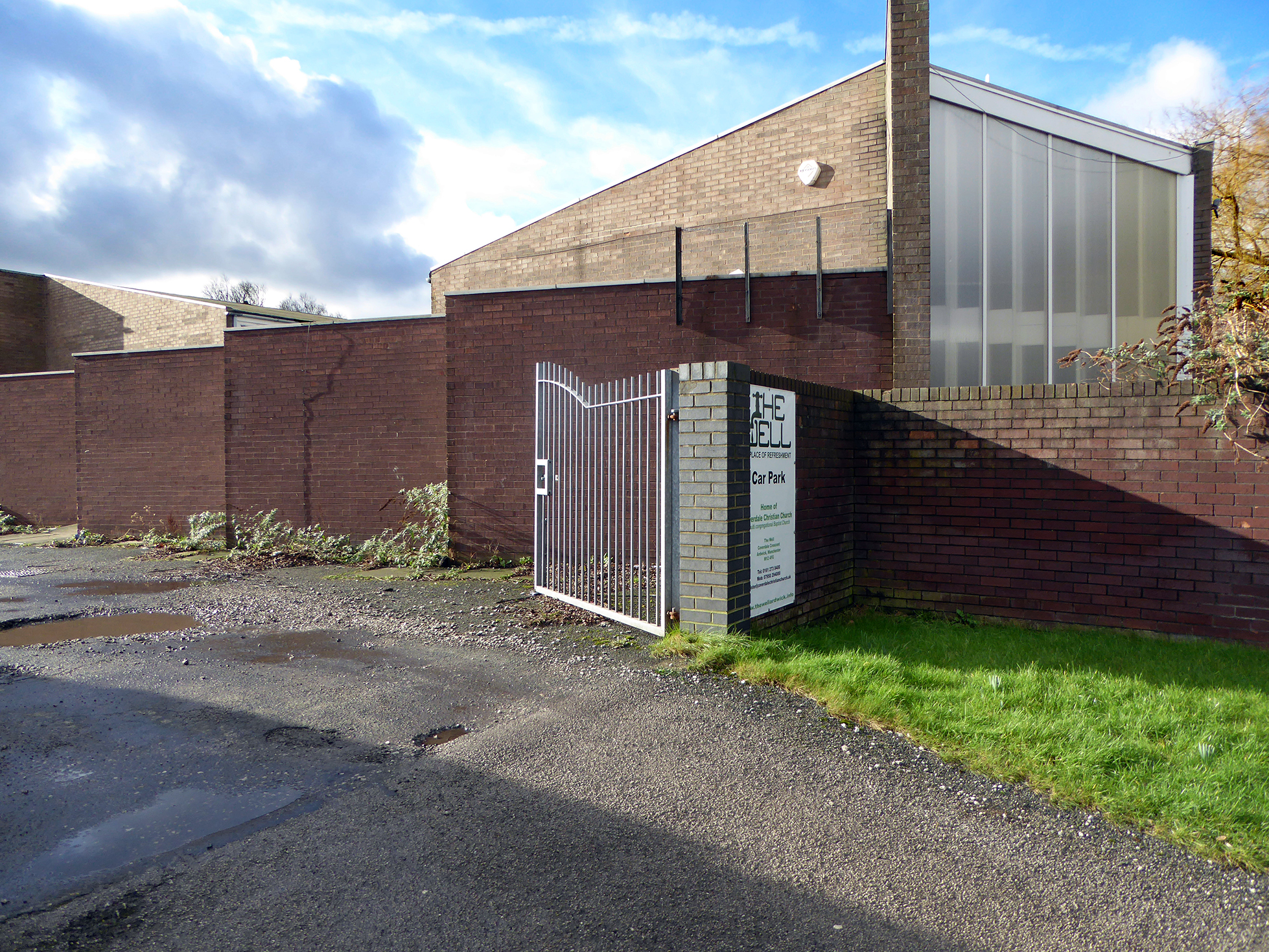
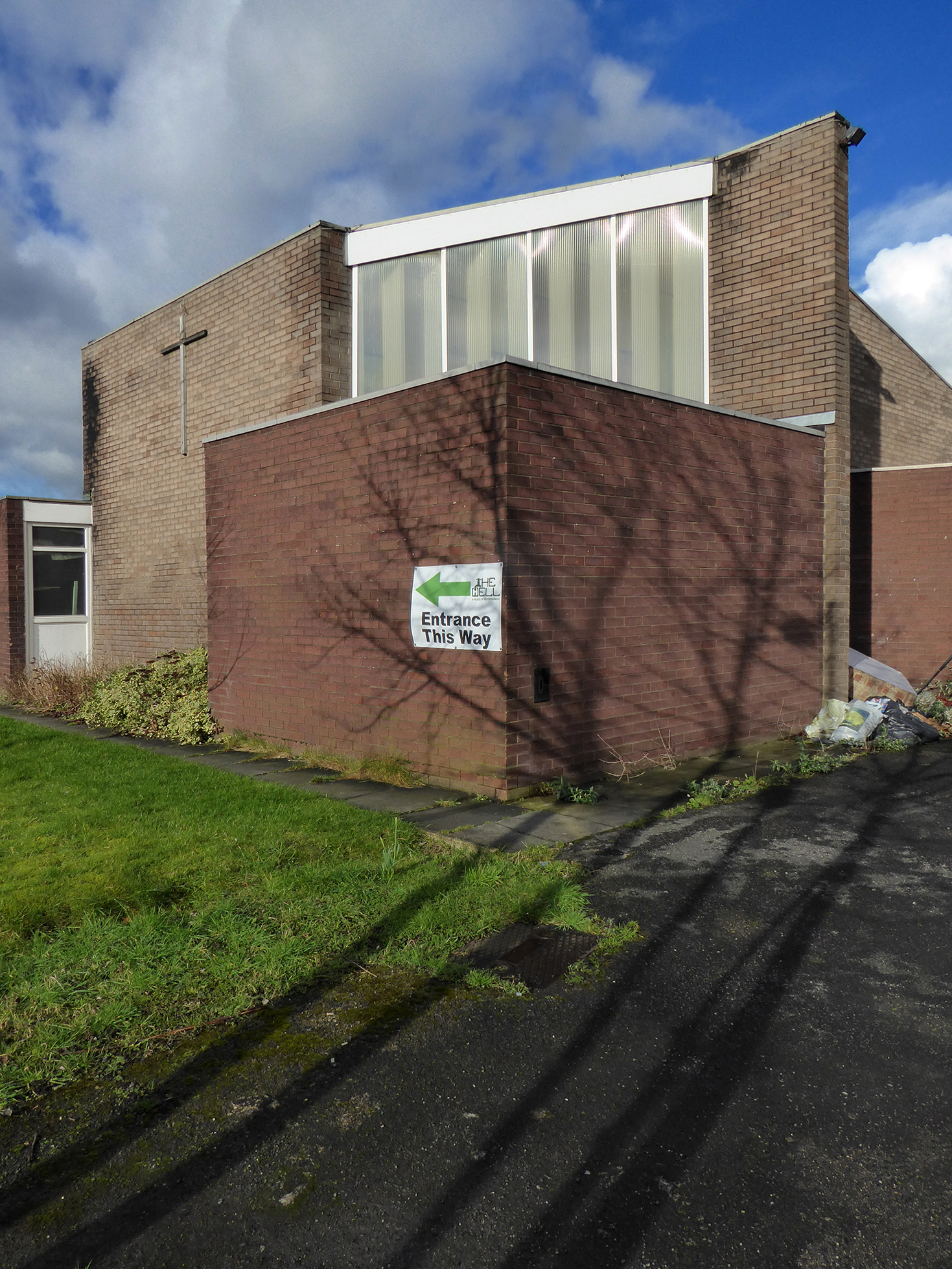
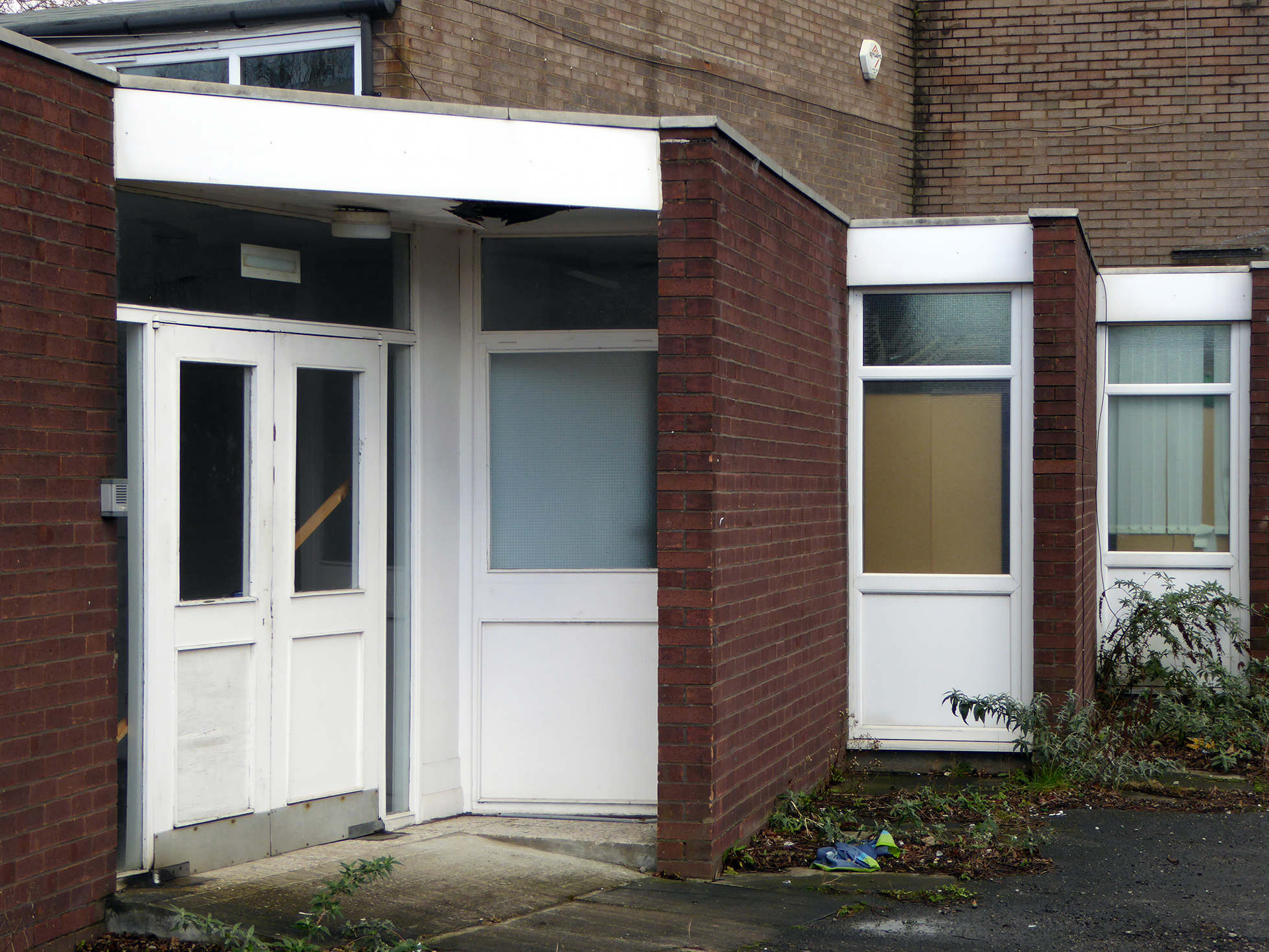
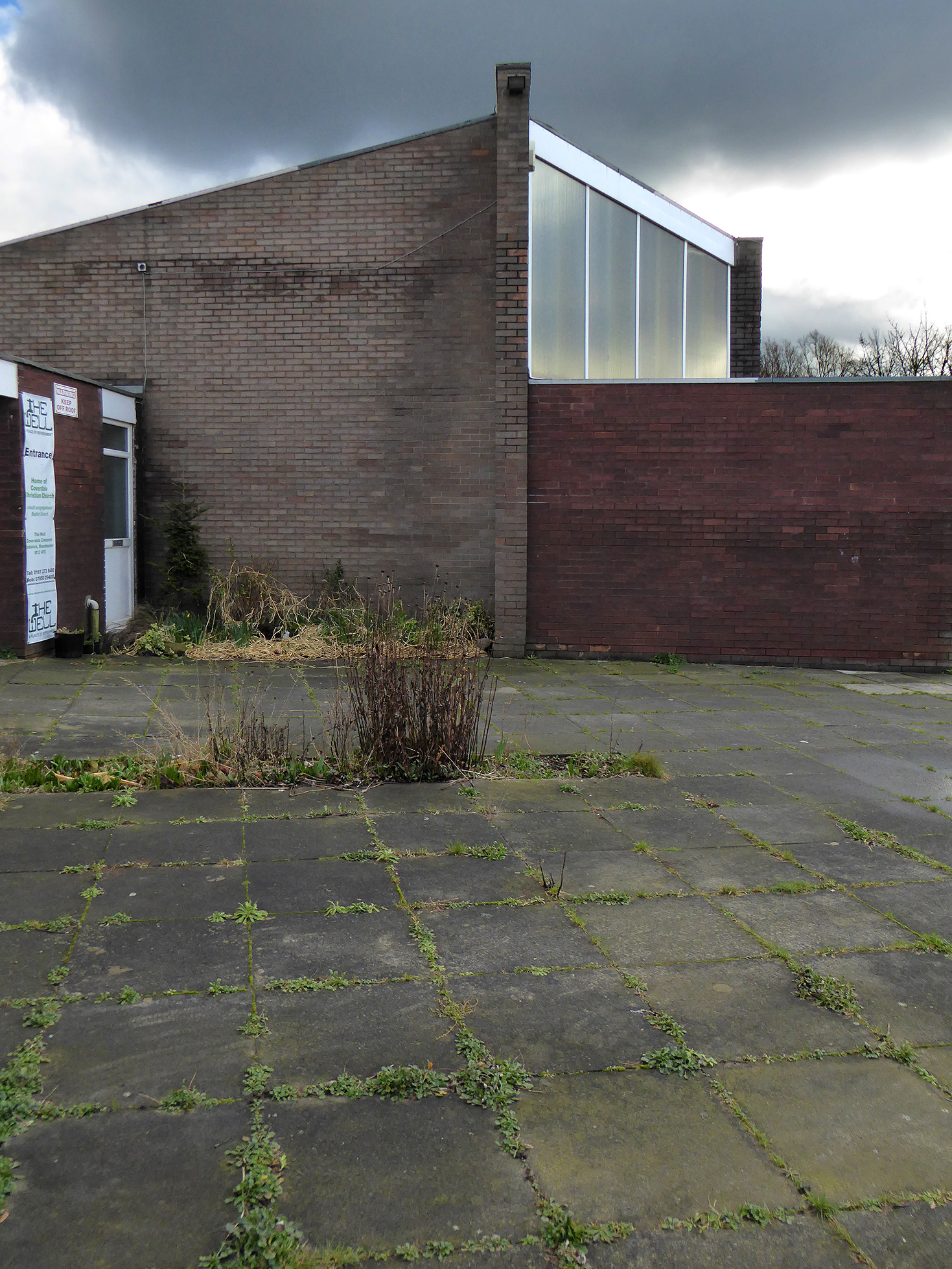
The church aka The Wellcontinues to function as a focus for community and religious activity.

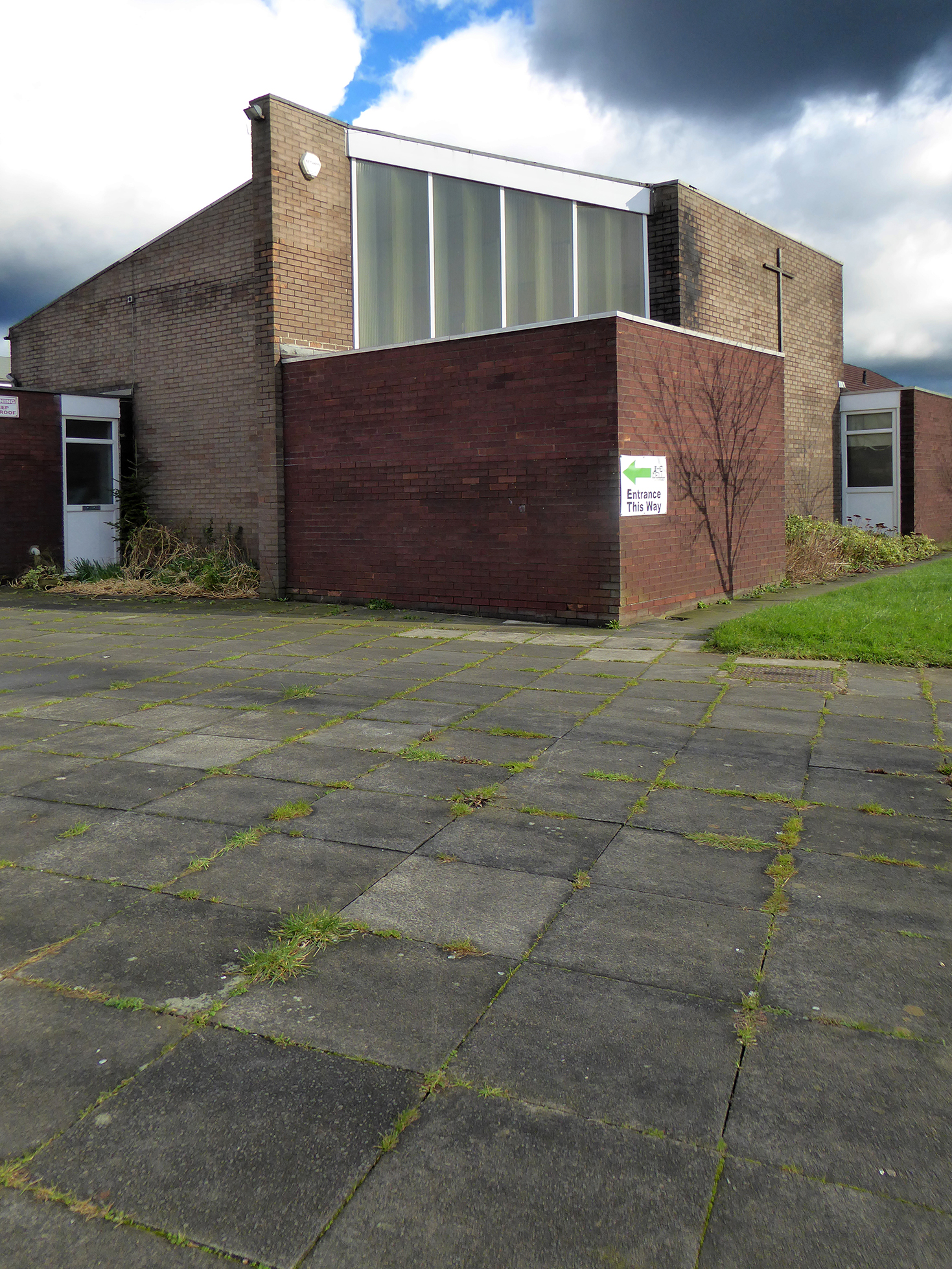
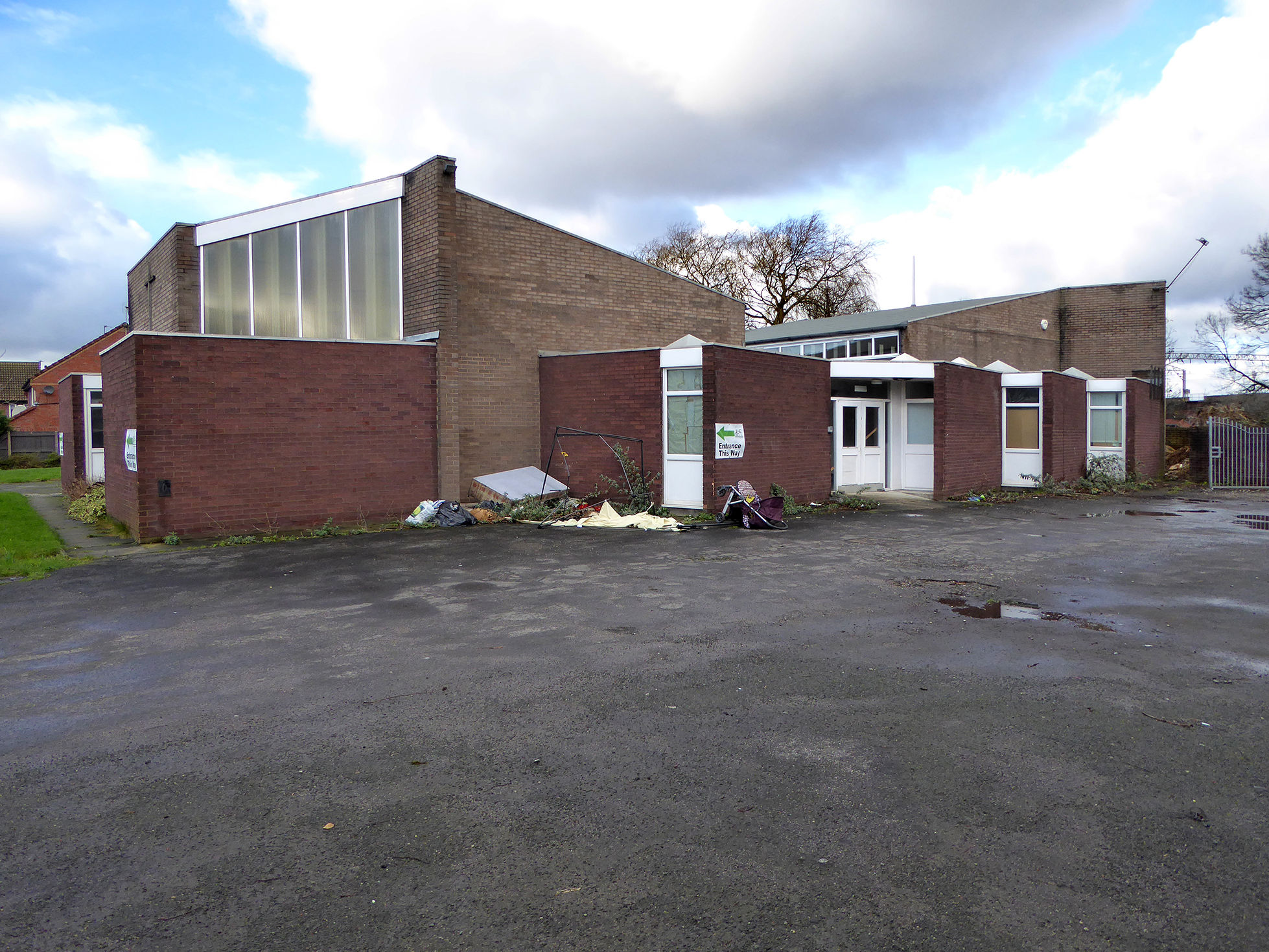
The exterior now seems just a little careworn, though planting and structural maintenance, manage to keep up a modicum of appearances.

Museum and Art Gallery – Doncaster

On one wet Monday, not so very long ago, I took the train from Stockport to Doncaster, not really knowing what to expect, I was more than pleasantly surprised, to find the Museum.

Tucked behind the Civic Centre, Police Station and Magistrates Court sitting very quietly, very much minding its own business, and very much on Chequer Road.

Ever so quietly in fact, for on Mondays, it’s closed, ever so very much closed.

Fortunately with the ill advised and poorly prepared visitor in mind, there is ever so much to be seen from the outside, looking in through closed gates and locked doors.

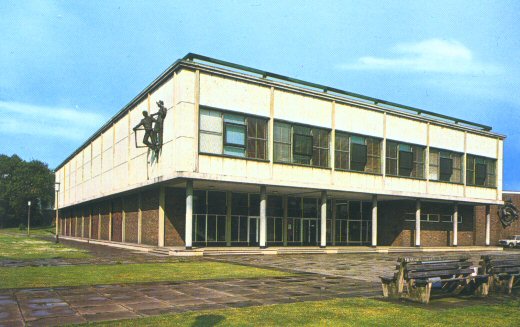
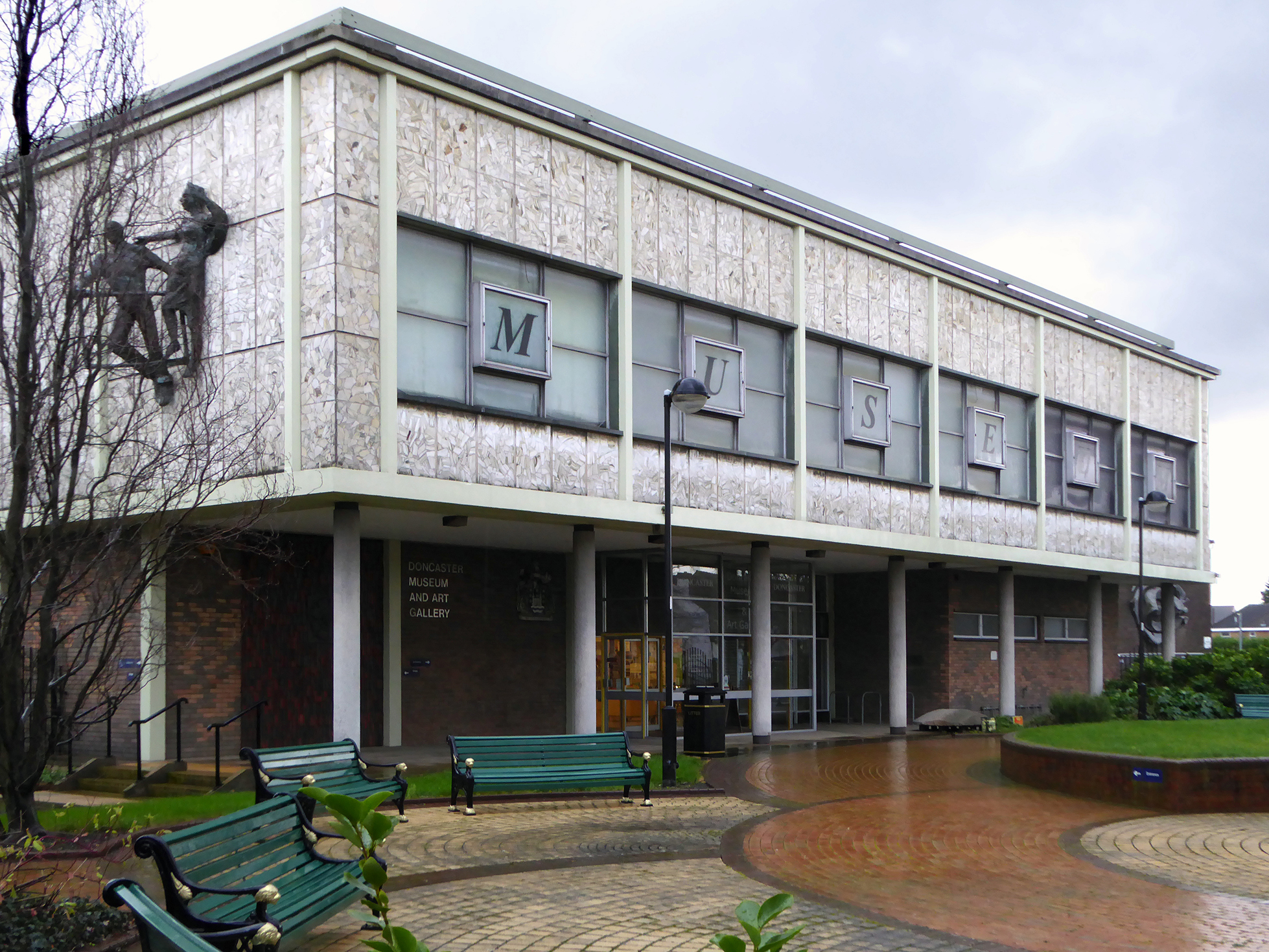
Doncaster Museum was officially opened on the Friday 30th October 1964 by Princess Margaret. The building was designed in the office of the Doncaster Borough Architect’s Department in a team led by borough architect Mr L.J. Tucker. It was completed at a cost of £290,000, which included the purchase of the land that it stands on. It was the first ever museum and art gallery in this country to be entirely funded from local rates. The frame and general construction of the museum and art gallery was carried out in reinforced concrete. Externally concrete framework and ribs are exposed, while panel infilling between the ribs is executed in hand-made rustic facing bricks.

The two sculptures on the outside of the building are by Fabio Barraclogh and Franta Belsky, and the tile decoration was apparently carried out by Mr Tucker, with tiles that he got from a builders’ merchant- firstly this spiralling cast bronze to the right of the building’s front elevation.

P1010085 copy

And secondly two large figures on the side elevation to the left.

P1010088 copy

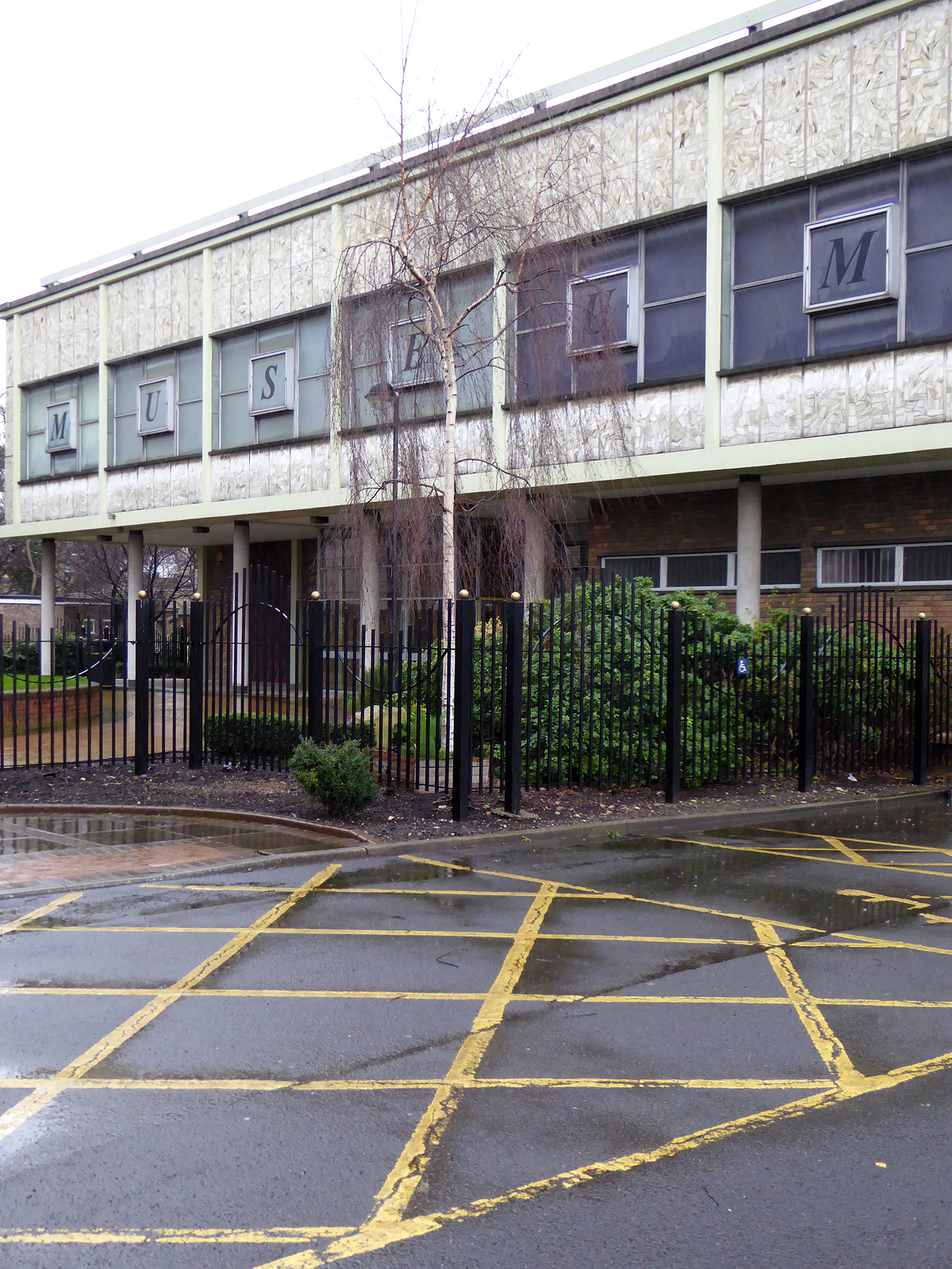
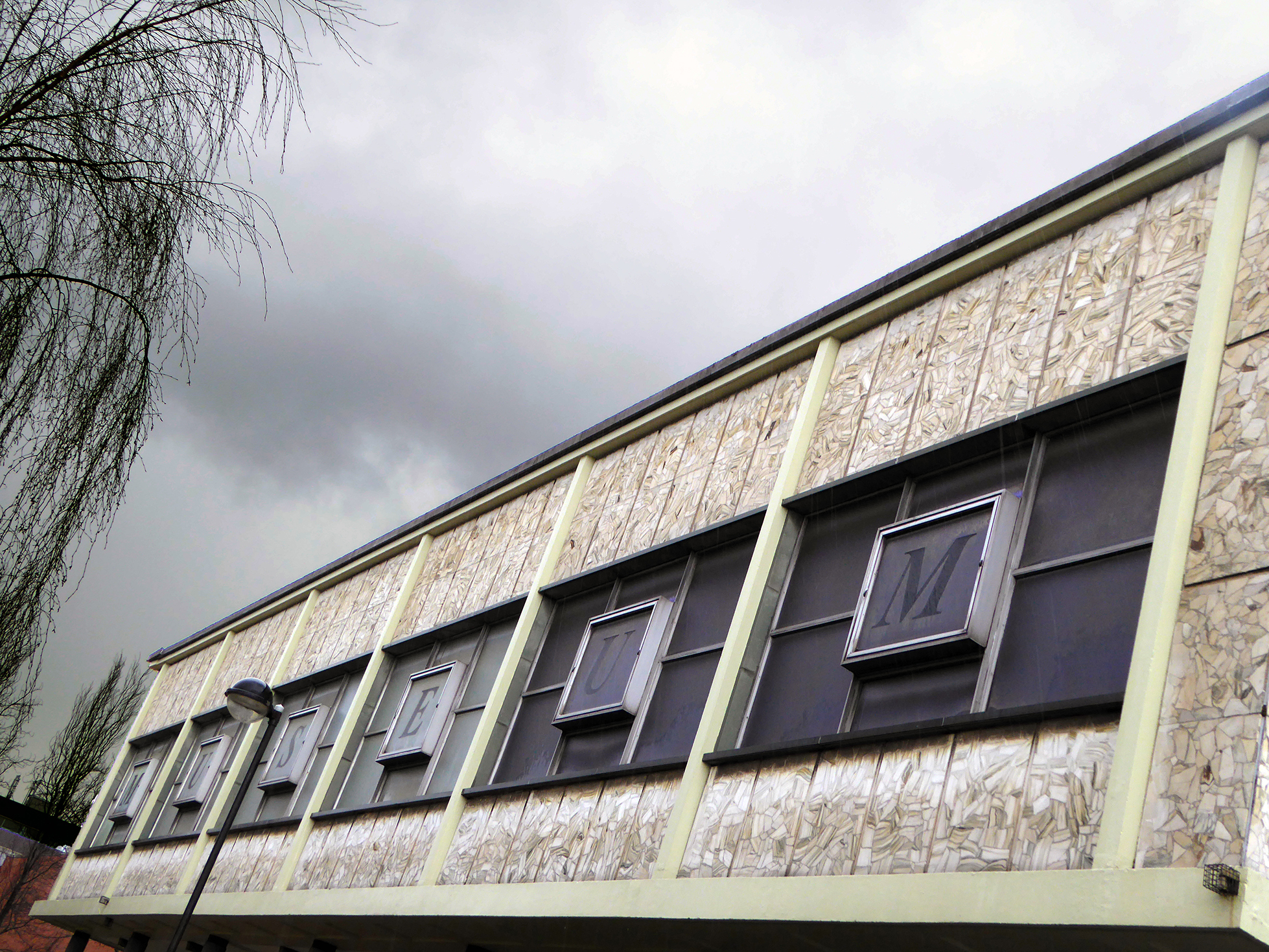
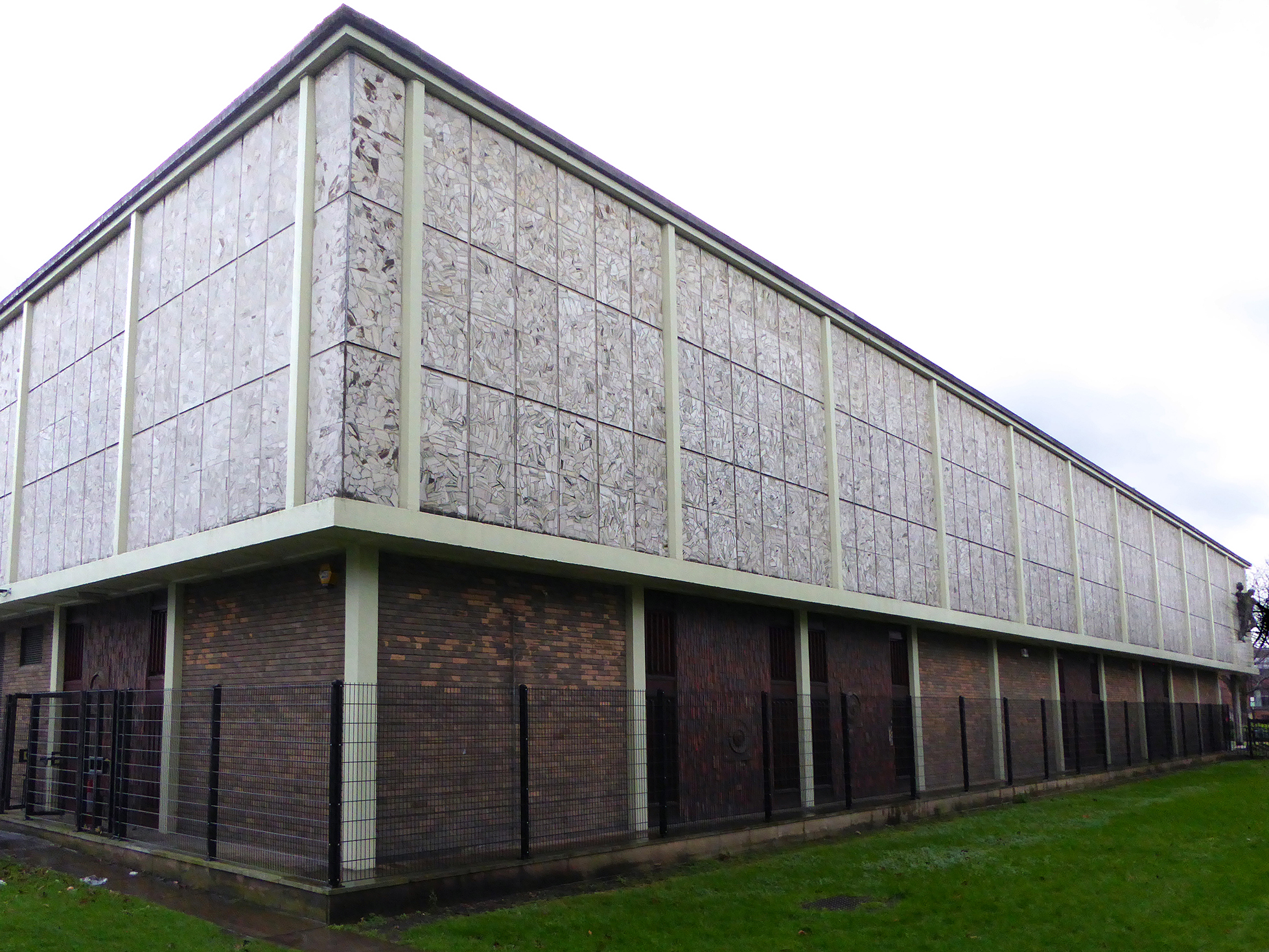
The upper tier of the building is clad in pale, softly toned and smooth mosaic panels.

P1010101 copy

On the lower tier, to the side and rear are exquisite ceramic mosaic relief panels, combining individual elements in several unique combinations, each with a central roundel within a square setting. These reliefs are flanked with dark hardwood panels, comprised of raised vertical fins.

Sadly they are partially hidden from full view, behind dark green wire fencing.

Opened in 1964 the building is pure Festival of Britain, a cantilevered upper storey overhanging the entrance with a glass fronted elevation -here it is in 1972.

139

Monday 9th February 2016 and the formerly open aspect, has been landscaped and fenced.

I’ll be back – to take a good look around the inside, but never on a Monday or Tuesday.

http://www.doncaster.gov.uk/services/culture-leisure-tourism/doncaster-museum-and-art-gallery

Beswick – Manchester

Screen Shot 2016-02-06 at 15.17.13

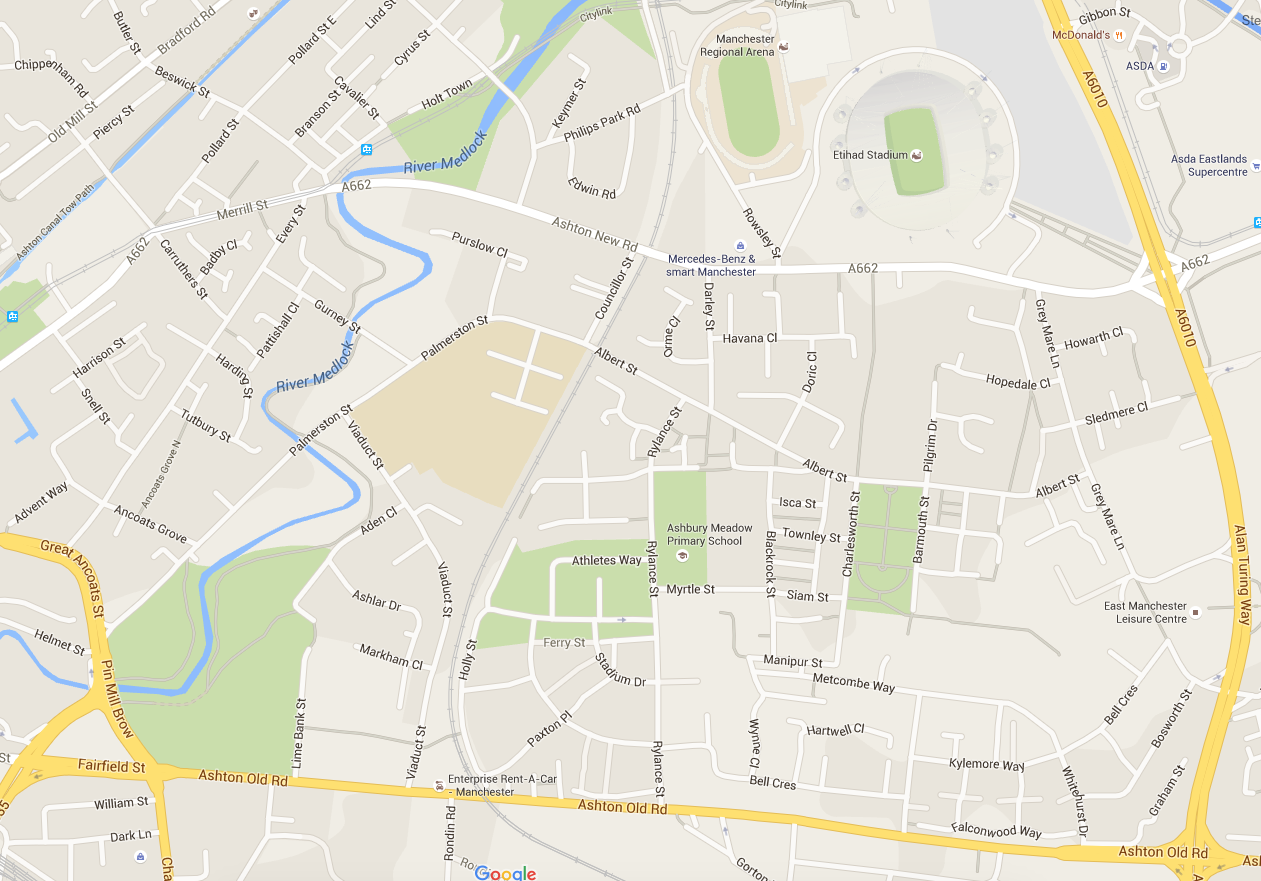
Between Openshaw and Bradford sits Beswick.

Beswick is a small district located on the east side of Manchester bounded by Ashton Old Road, Ashton New Road and Grey Mare Lane and was incorporated into Manchester in 1838. Pronounced Bes-ick the “w” is silent. Before 1066, in Saxon times, the district was called Beaces Hlaw – Hlaw was an old word for a small hill, often used as a burial mound. By the 13th century it had changed to “Beaces Wic” indicating that the area was predominantly farm land. Who or what the Bes element of the placename signified is open to interpretation, though the simplest and most plausible is that it belonged to a person called Bes or Bess.

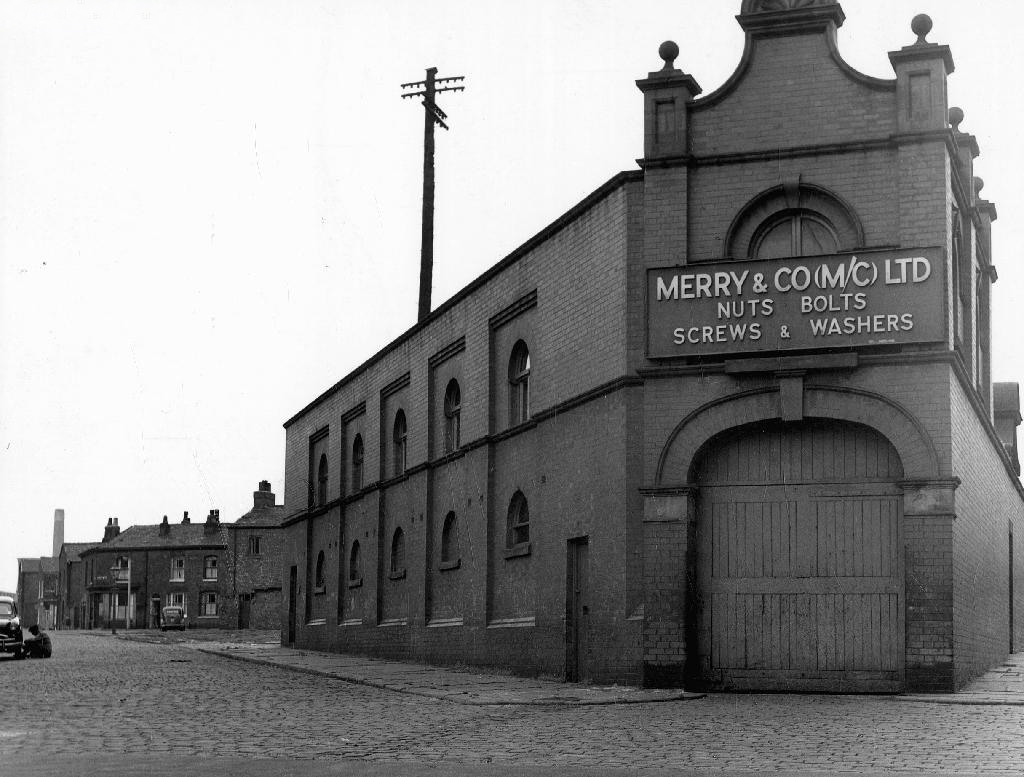
In the 60s it was, as I remember it, a typically vibrant mixed East Manchester community, industry, housing, retail, entertainment and goodness knows what bumping along together incautiously, down tight streets of Victorian terraced housing. I worked in the area as a Mother’s Pride van lad, hauling bread, cakes and galvanised trays in and out of a plethora of superabundant corner shops.

The year of 1970, approximately, dawns, ushering in a decade of great change, slum clearance and the building of brand new homes – the end, by and large, of the back to back corner shop world.

A process mirrored in my previous post

10 years later, and long gone the years of postwar full employment, and the made round to go round world of the weekly wage.

The early 1980s saw growing unemployment and world-wide recession. The large new estates suffered most. Inner city districts of Manchester saw street riots in 1981, as did many other major cities around Britain. Manchester had suffered badly as a result of the recession. In 1986, over 59% of adult males living in Hulme were unemployed; in Miles Platting the figure was 46%; Cheetham Hill and Moss Side both had an unemployment rate of 44%. The main group of unemployed were young people under the age of 21. Hulme’s youth employment was recorded at 68%, and Cheetham Hill suffered 59%. 

Manchester 2002

webmedia-7.php

It is true that the new developments have great advantages in many ways over the terraces they replaced. Tenants who live in houses without baths or indoor sanitation and with no hot water are delighted to move into bright new flats and maisonettes, with indoor plumbing, with baths, and accommodation which has more rooms and far better kitchen facilities and central heating, even though they sometimes grumble at the cost of that central heating.

Gerald Kaufman MP

But although we can build a new housing development, we cannot easily recreate the warm community spirit which has vanished with the terraces which have been demolished. There is the noise from neighbours on the deck above and the deck below. The wind-swept balconies along which tenants have to walk are not as cosy as the streets from which they have come. Those welcoming corner shops, with their bright lights on winter evenings, have gone, and sometimes a new development has no new shops for too long a period. Even when they come, there are not enough of them.

The scale of the buildings is often daunting. I have in mind Fort Beswick and Fort Ardwick in my own constituency. The design is frequently all too forbidding. That is why the two estates are called Forts

When the tenants of these development have lived in cosy old houses, however inadequate they were in terms of physical provision, they are bitterly disappointed by the shortcomings of new property which they have looked forward to occupying.

Handsard – Multi-Storey Developments 1974

The year of 1990, approximately, dawns, ushering in a decade of great change, multi-storey development clearance and the building of brand new homes – the end, by and large, of the one on top of another topsy-turvy world.

Fort Beswick was subsequently demolished.

The beat goes on as Len Grant records the most recent redevelopment of East Manchester.

And the M.E.N shouts loud and proud from the roof tops, heralding a brand new, privately funded public domain

Picture credits Manchester Image Archive

Coverdale Crescent Estate – Ardwick

The road to Hell is paved with good intentions and as it would subsequently transpire, loosely attached Bison concrete wall-frame system panels.

Wythenshawe apart, the City of Manchester admitted that it had 68,000 houses described as “grossly unfit” by 1959. 

webmedia.php

Its solution was to demolish 90,000 dwellings between 1954 and 1976 and to erect 71,000 dwellings by way of high rise flats and to move residents out to newly prescribed “overspill” estates – at Heywood and Langley in the north, Hyde in the east and Worsley in the west.

Most of these displaced people, however, found themselves resettled in tall tower blocks, which, no matter how architecturally innovative, or how improved their facilities, proved disastrous in social terms. 

Manchester 2002

In Coverdale Crescent Ardwick such an architecturally innovative development was built.

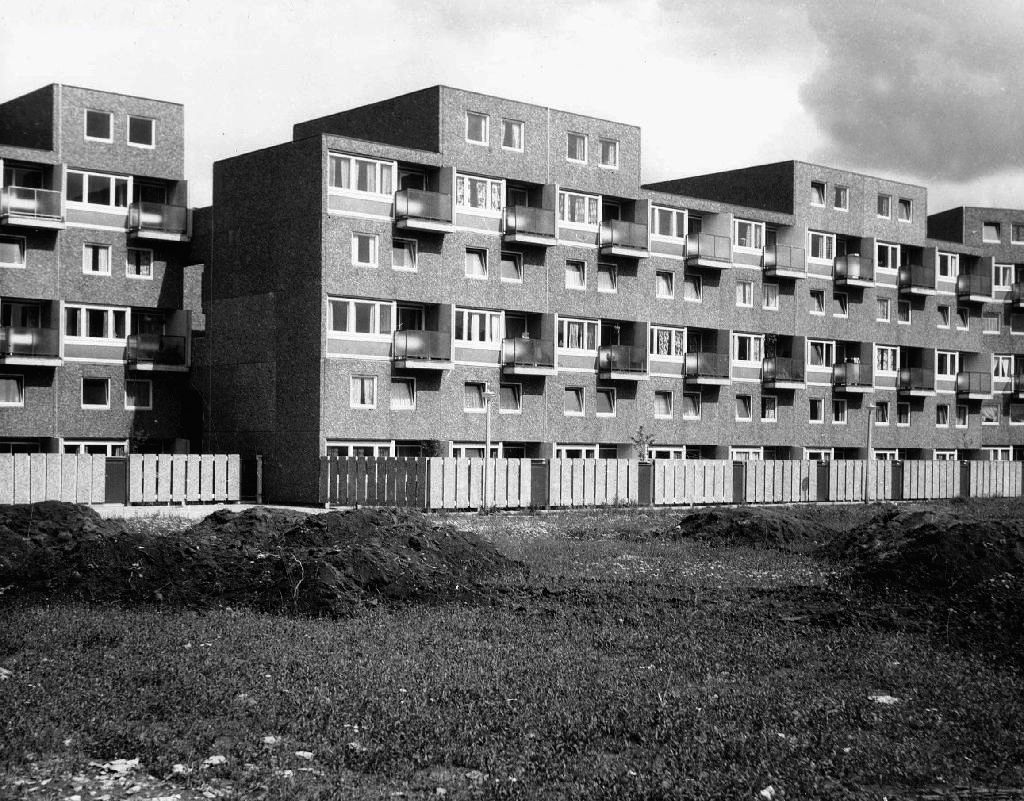
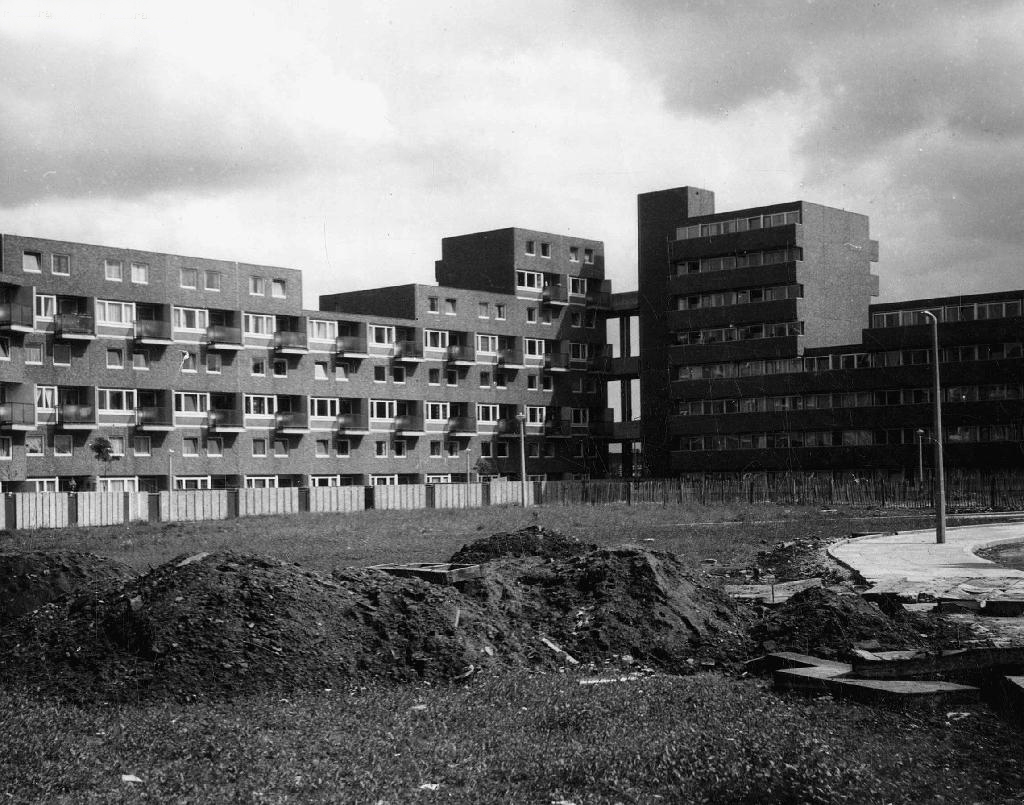
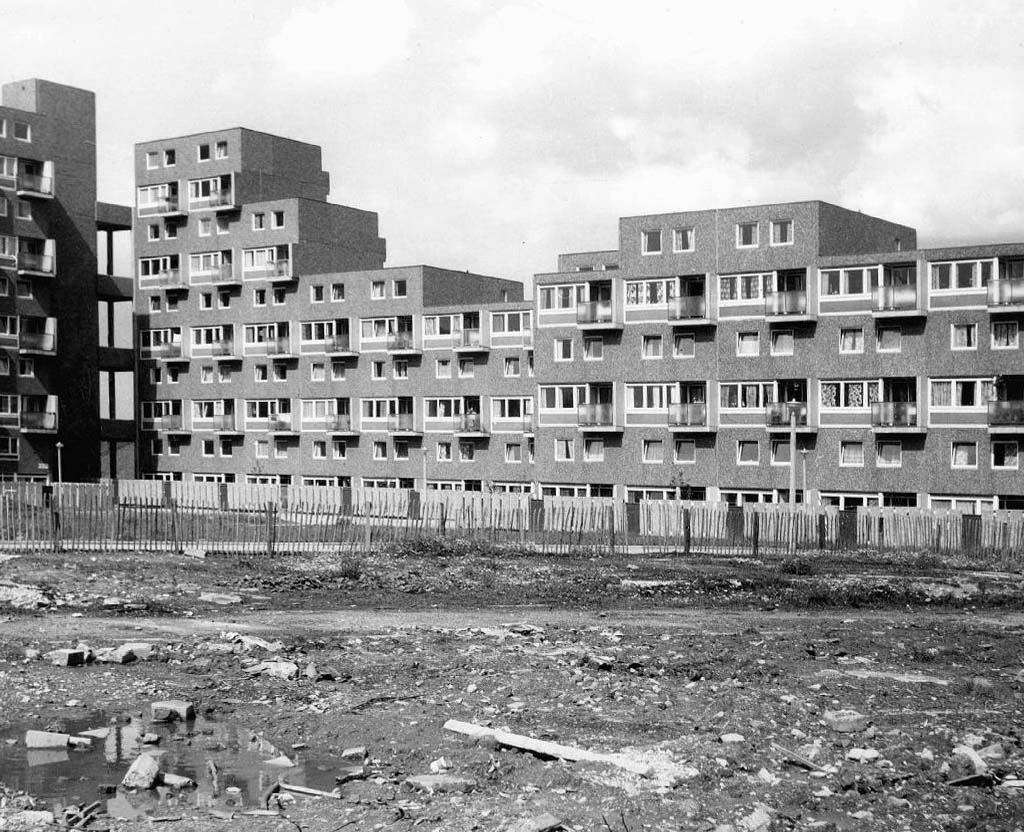
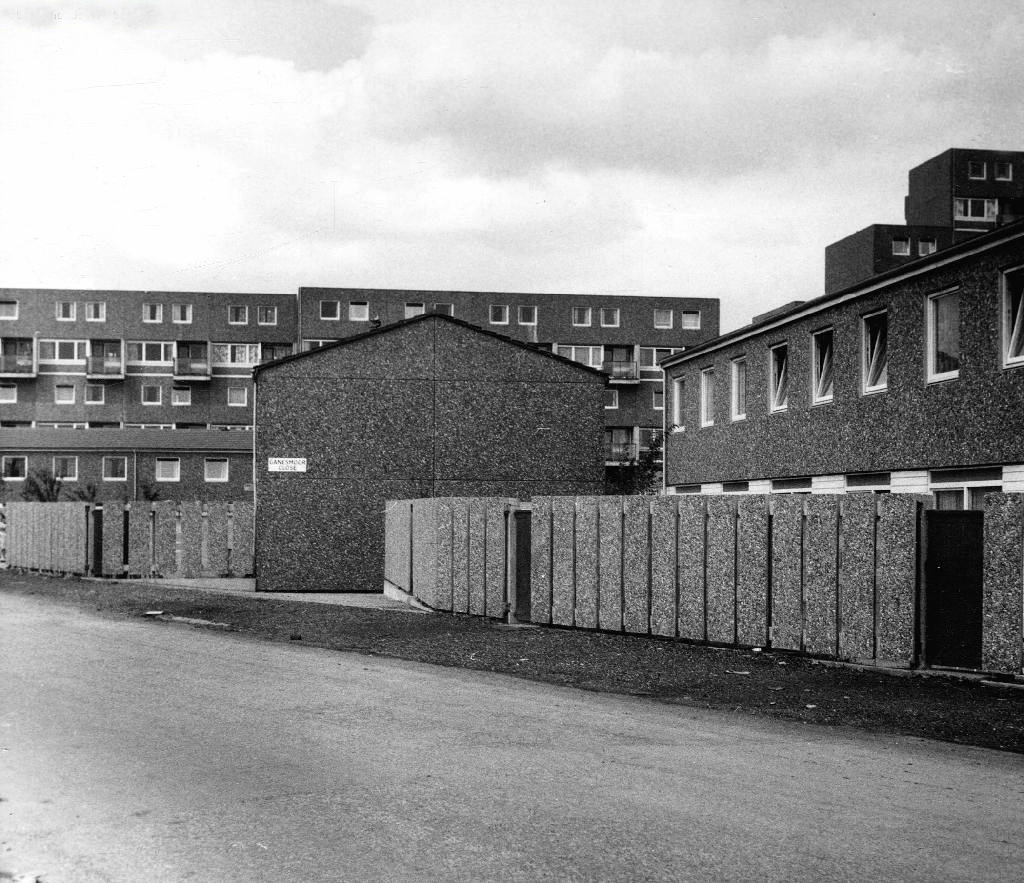
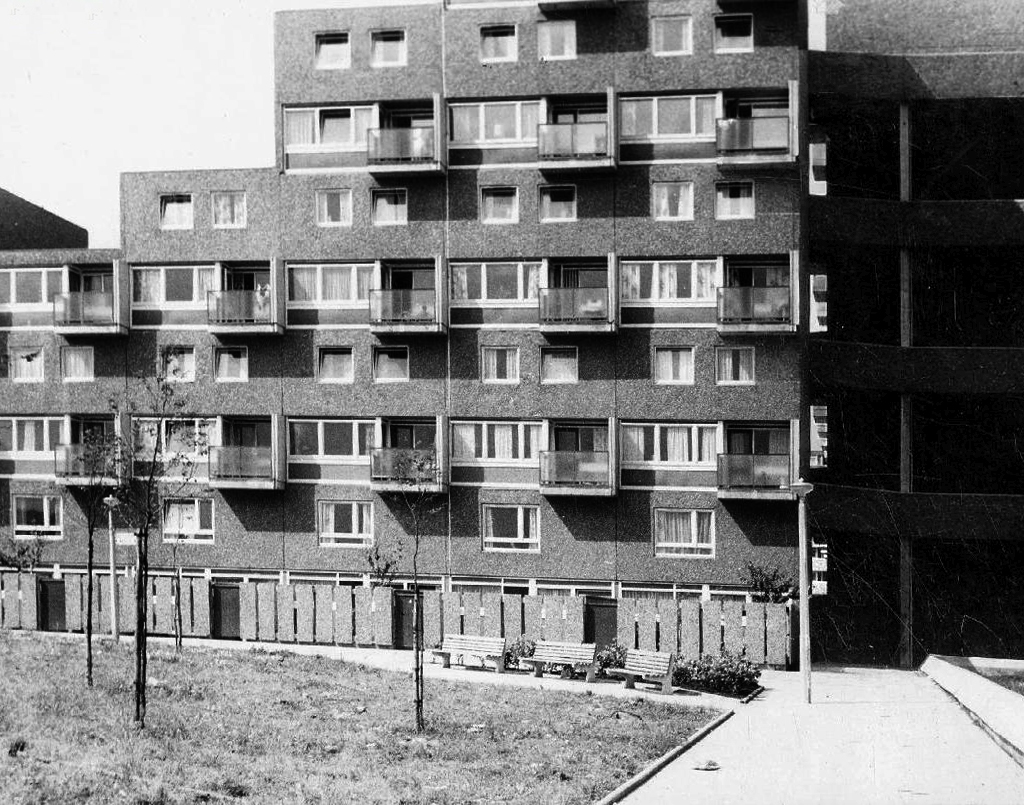
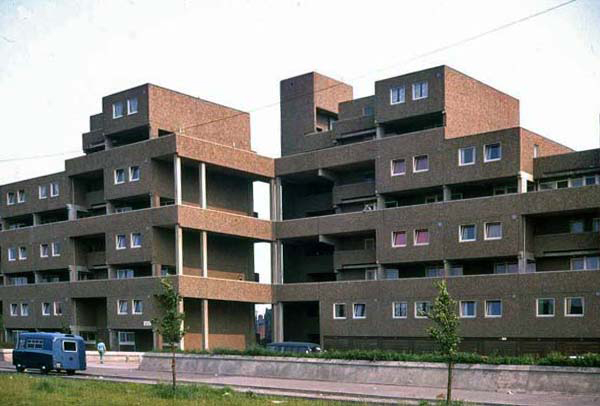
The estate, which became known as Fort Ardwick, was a deck access block of 500 homes. Completed in 1972, it was built with the same Bison concrete wall-frame system that had been used in neighbouring Fort Beswick.

By the mid-1980s it was clearly suffering from structural faults. The council employed a private firm of consultants to survey the estate, which found that water was leaking through roofs, steel fixings were corroded and concrete was breaking away. The council had to spend £60,000 immediately to bolt 1,100 panels back on to the building’s internal skin. The city architect, David Johnson, claimed that the report highlighted the rapid deterioration of Fort Ardwick’s fabric.

They said it was shoddy, thrown up, not enough care taken. The concrete panels weren’t made properly – the holes didn’t quite line up. You know what it’s like – you’re putting a flatpack cupboard together and something’s not in the right place but you just bodge it instead of sending it back, starting again, because you want the cupboard up and you’ve got other shit to do.

They had to get these consultants in, after they’d finished, to rebolt all the panels or something , so the whole thing didn’t fall down. Cost a bloody fortune my nan said, and that’s our taxes. And even then the rain got in. They’d put straw between the concrete, which sounds a bit medieval to me, and no-one wants wet straw walls, right? Cockroaches and rats and mould and that.

My nan remembers when they knocked down the terraces. I remember when they knocked down the fort. And maybe they had a point about it being shoddy, because soon as the diggers got their claws in, the whole thing fell to pieces, like it was made out of cardboard and bits of sellotape, not concrete and glass. A fort one week, a pile of rubble the next. No-one wept for it, they say.

I didn’t cry, but I stood at the end of the street and watched the diggers pawing at the walls, ripping the place to bits, our old kitchen wall gone and the cooker and the cupboards and the crap plastic clock just there for everyone to see. Except there was no-one else looking.

Sarah Butler

Local MP Gerald Kaufman reported to Parliament in 1974 that, during a conversation with residents, one of them had proclaimed that

“If Labour wins the election, it ought to do two things: abolish the House of Lords, and demolish Fort Ardwick.”

The estate was demolished in the 1980s and the new Coverdale Estate was constructed on the site in 1994.

The House of Lords still stands unabashed by the Thames.

Photo credits H Milligan 1971 LIC and MMU Visual Resource

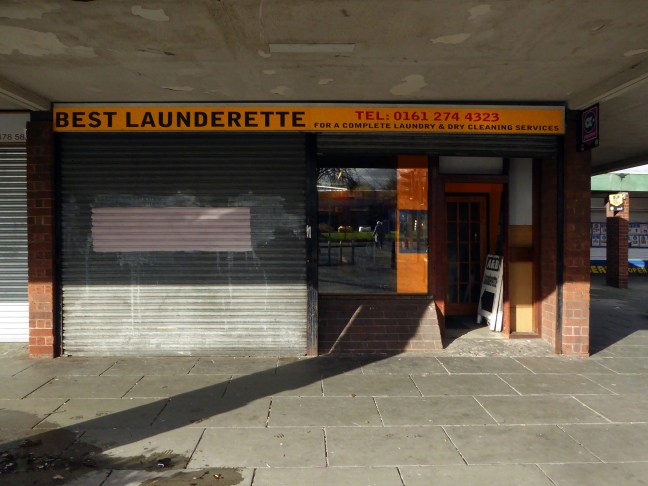
Best Launderette – Brunswick Street Manchester

I was out walking on the corner one day.

I spied some old washing.

In the doorway it lay.

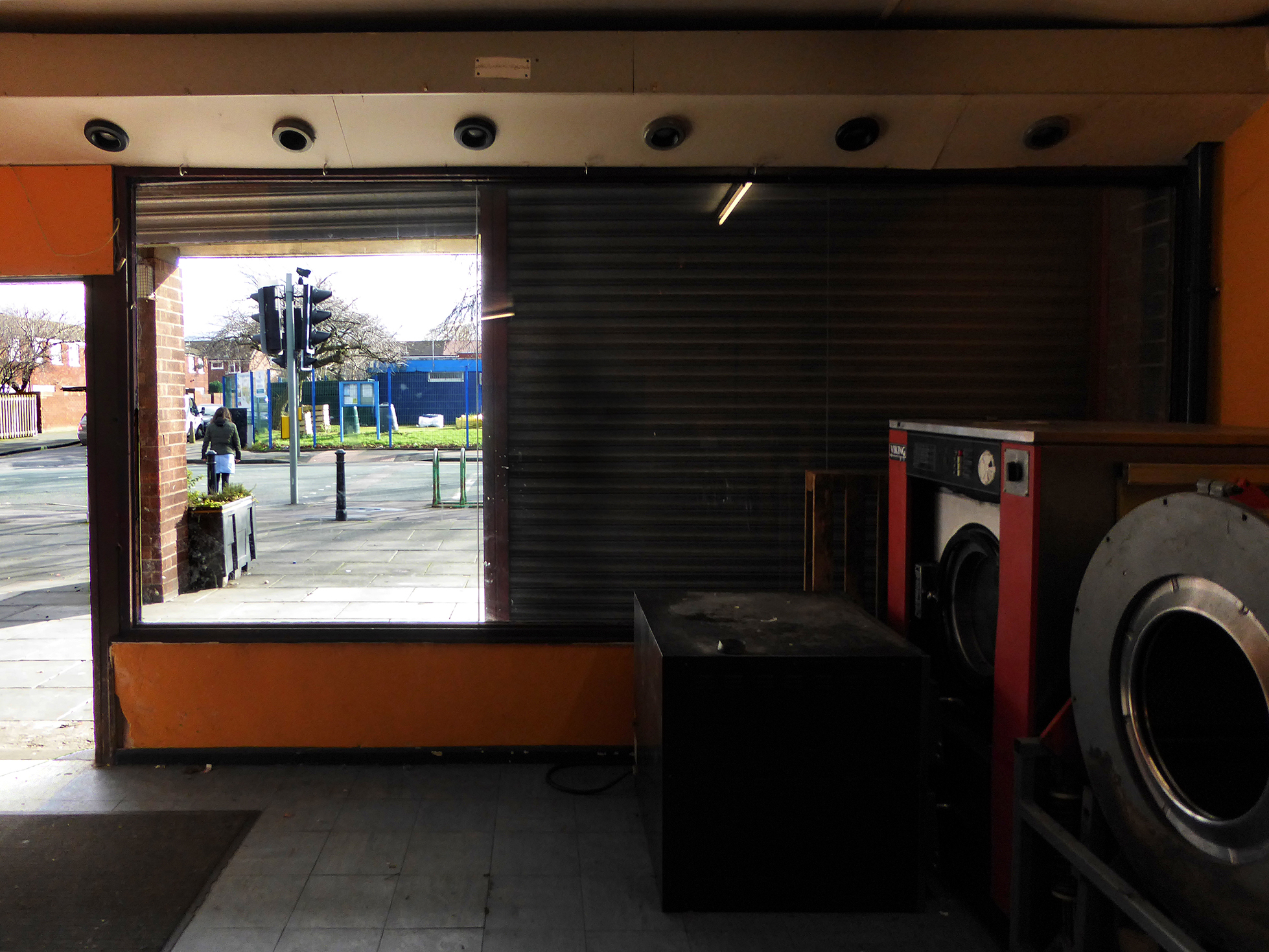
Well there was a doorway, but no door.

There was a door, but not attached to the doorway.

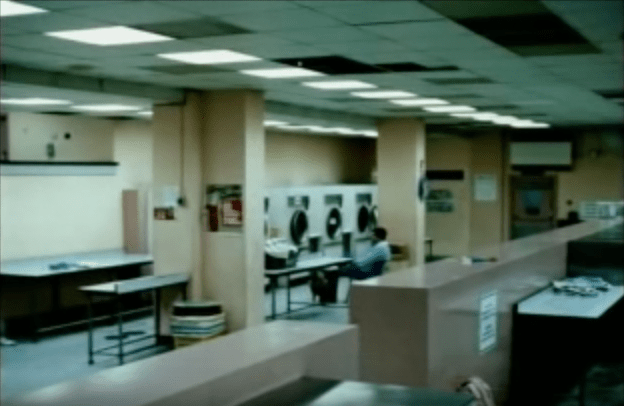
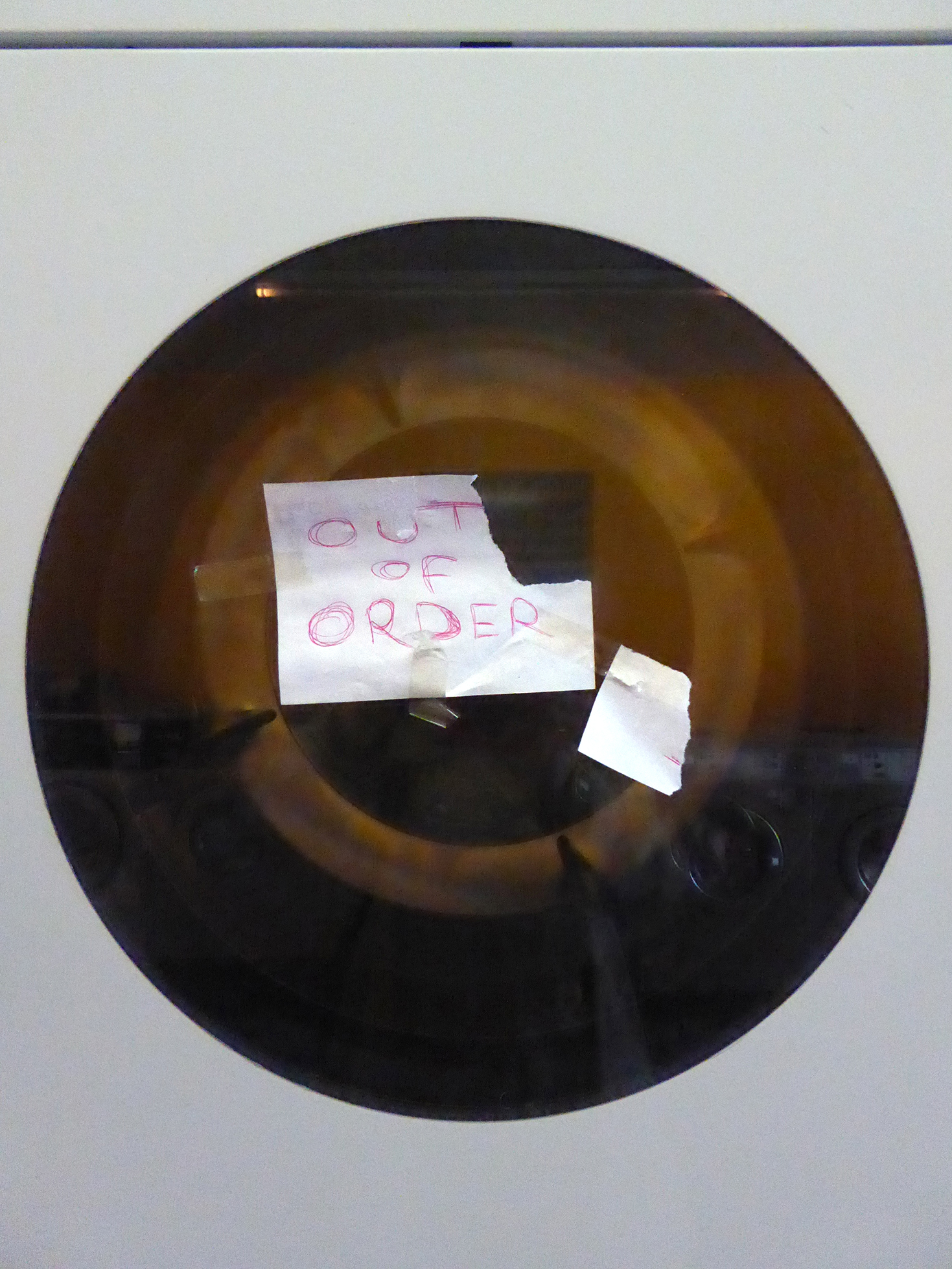
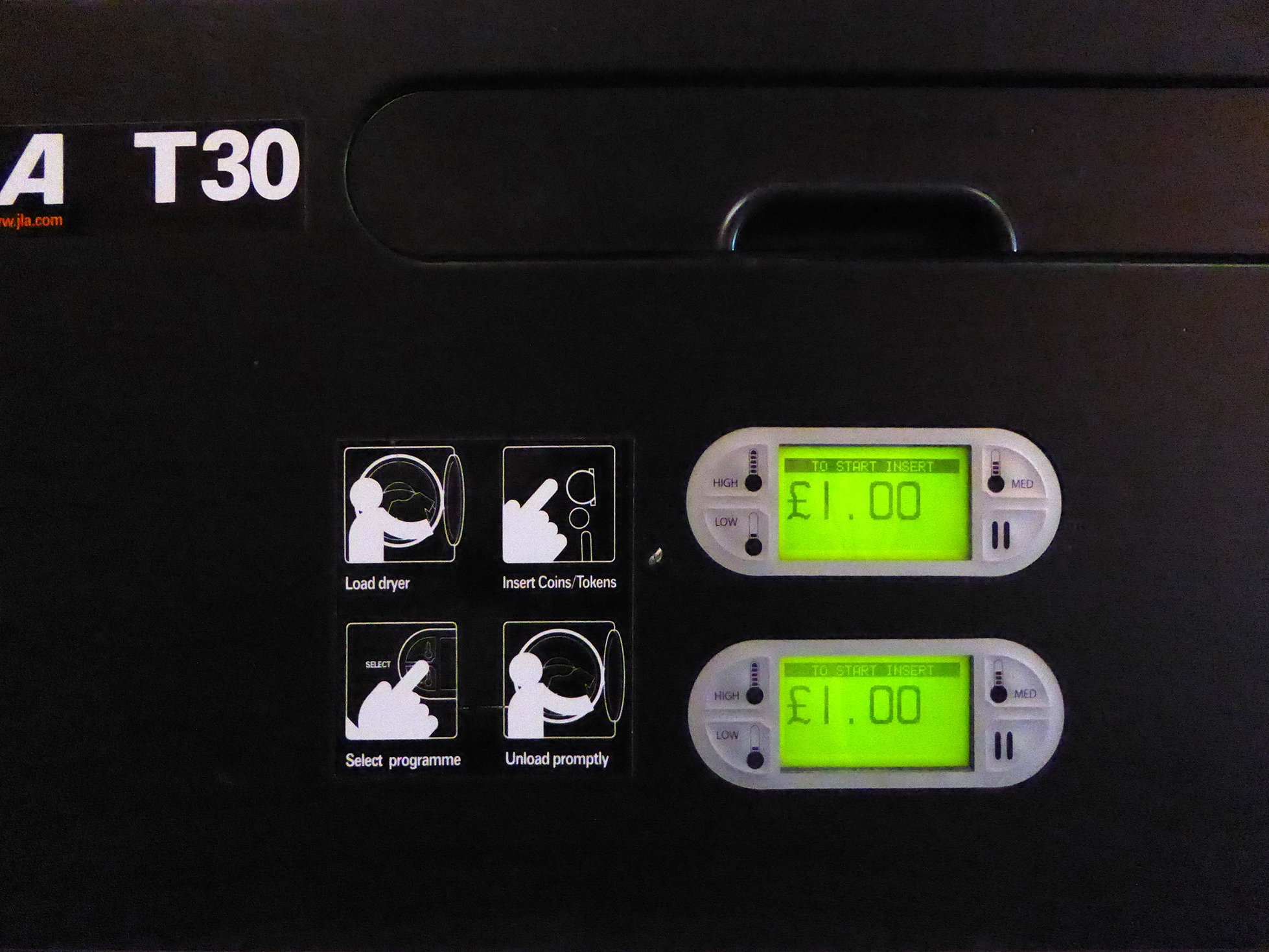
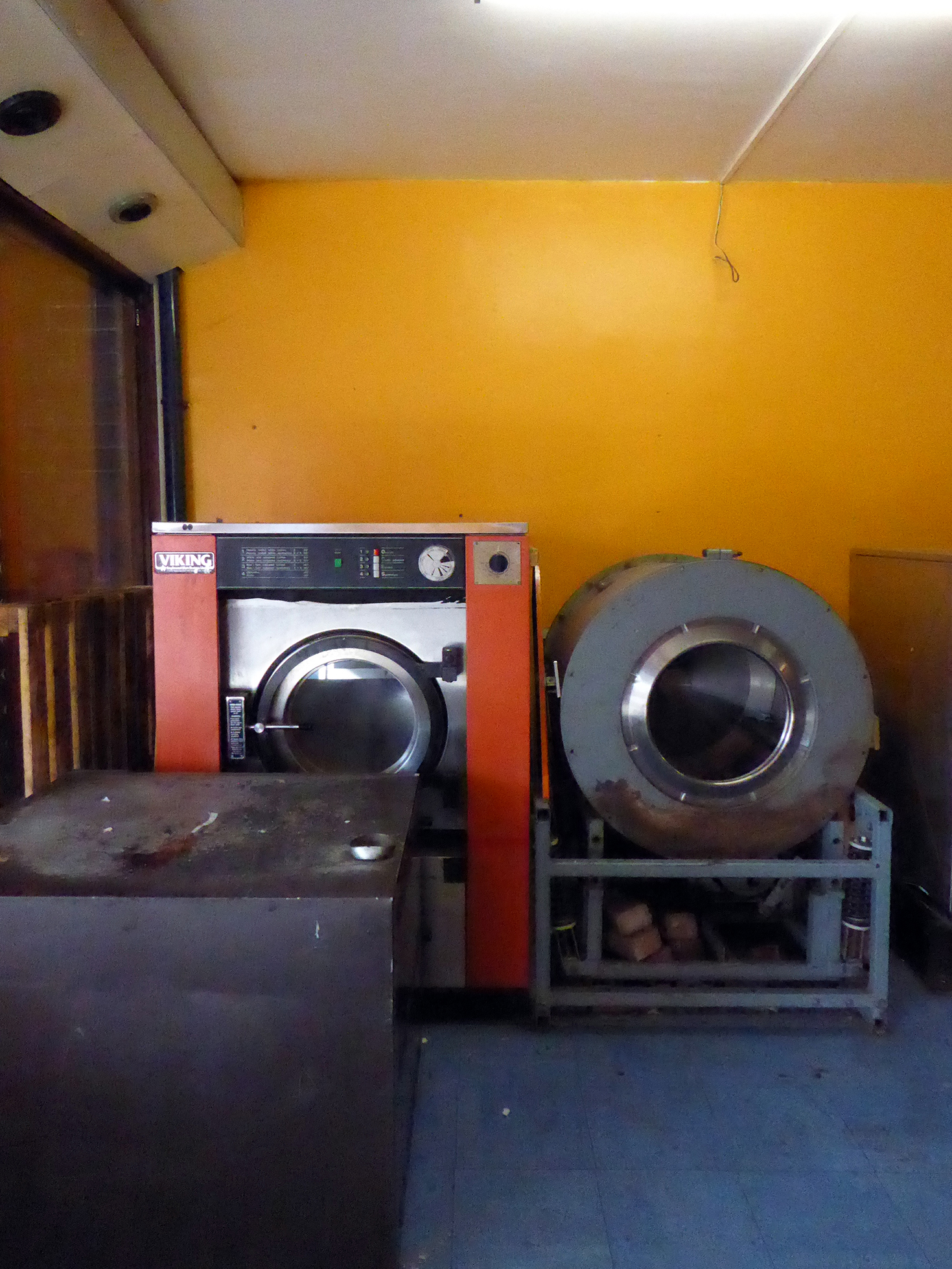
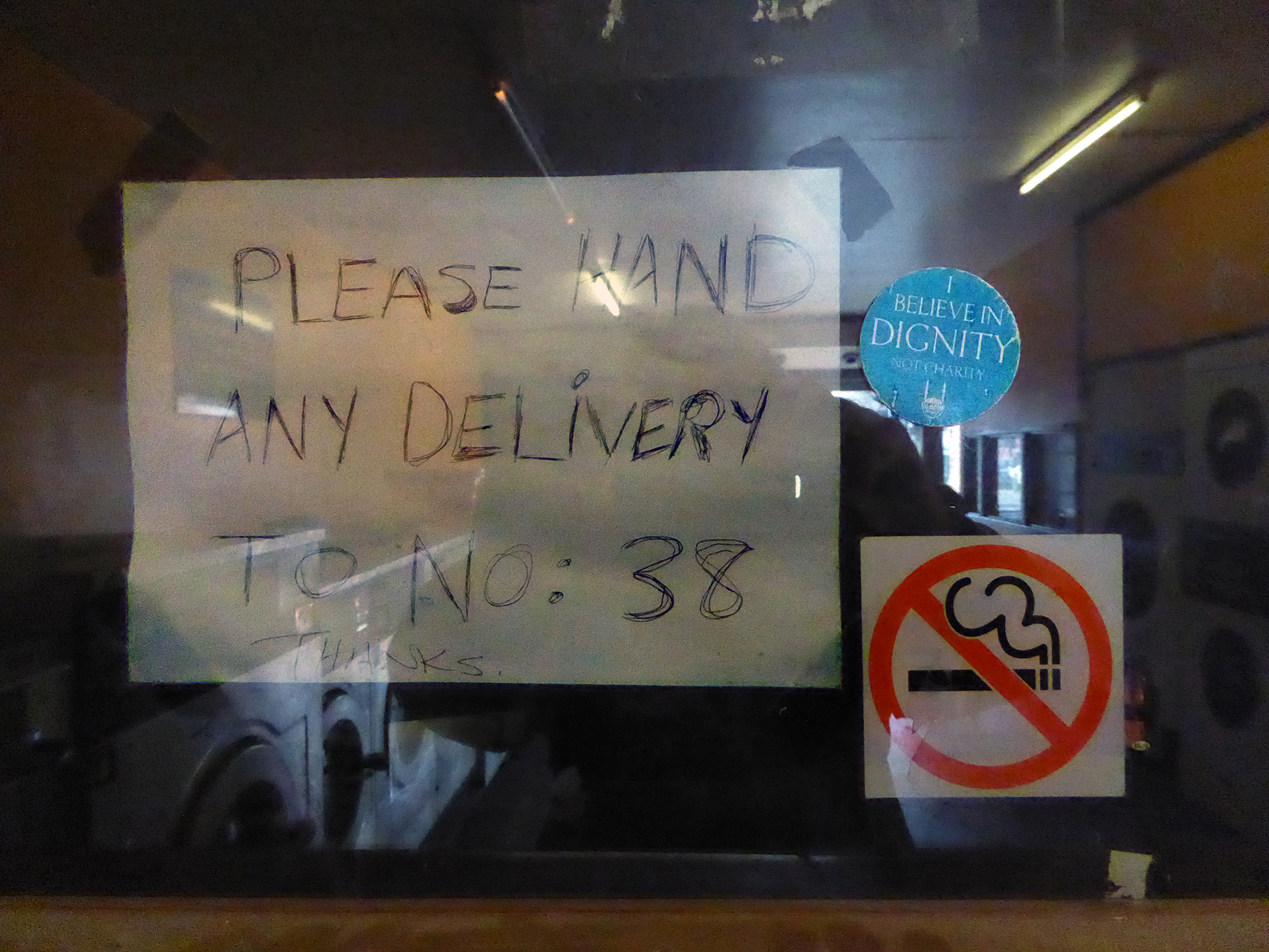
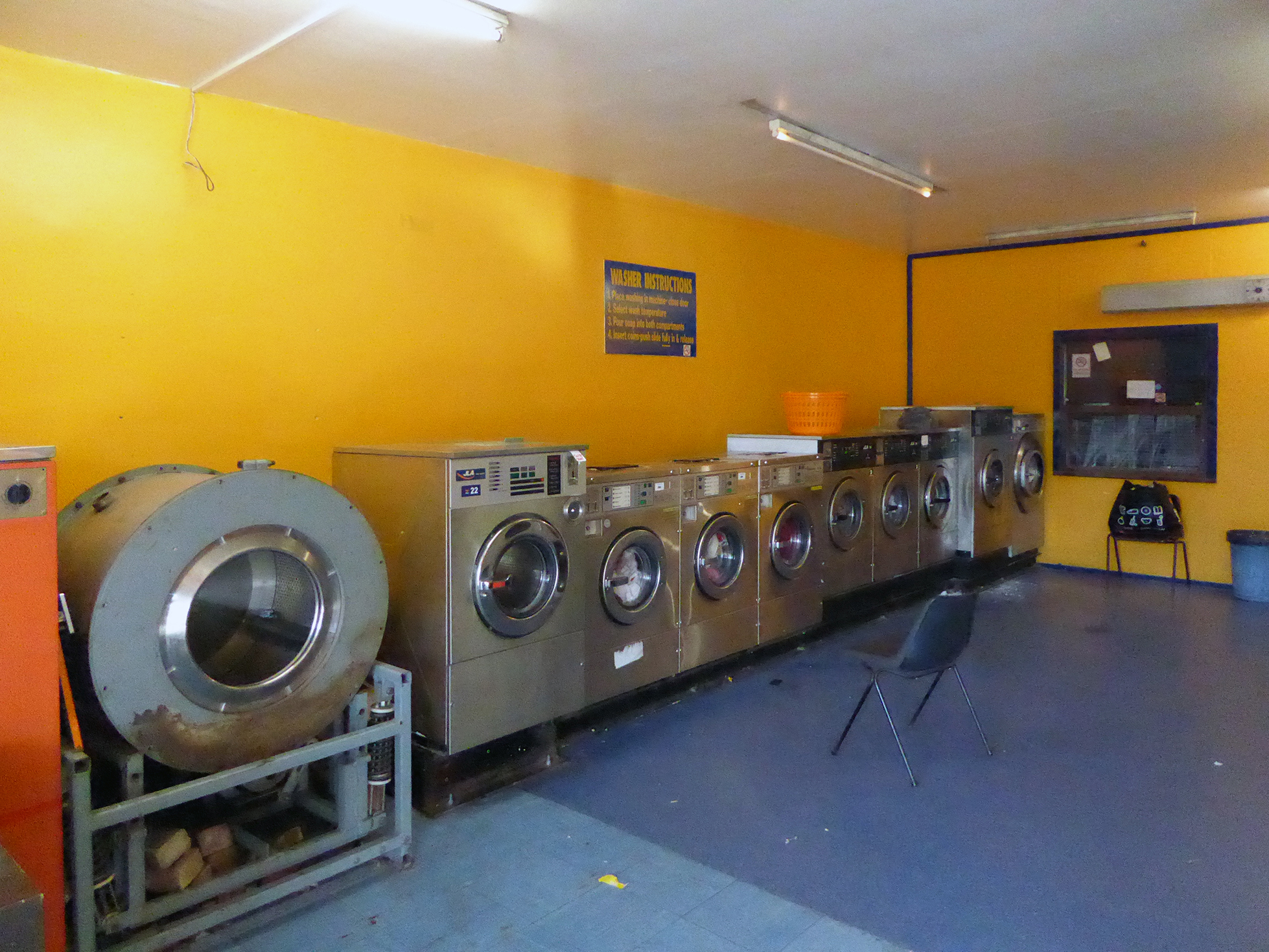
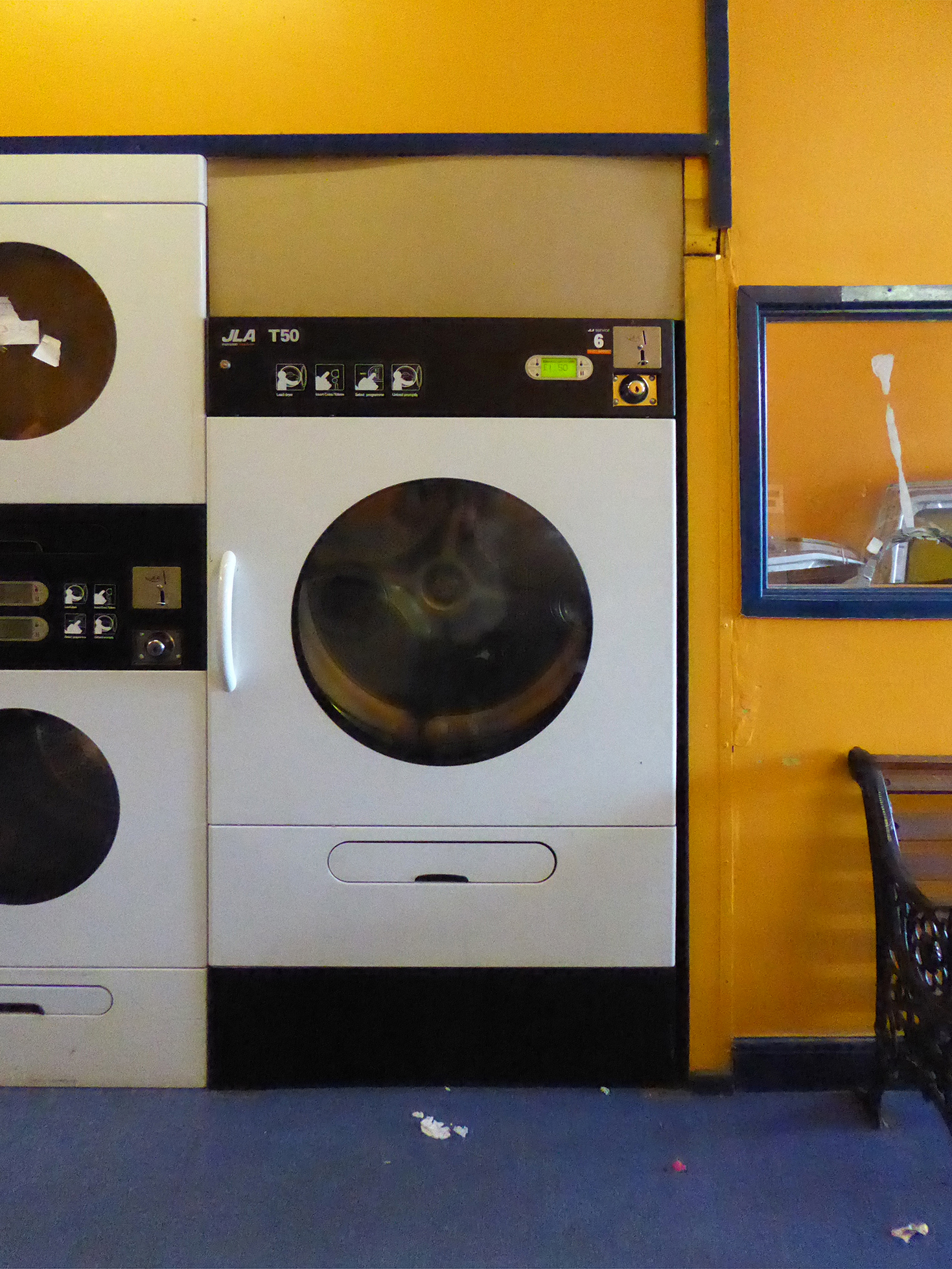
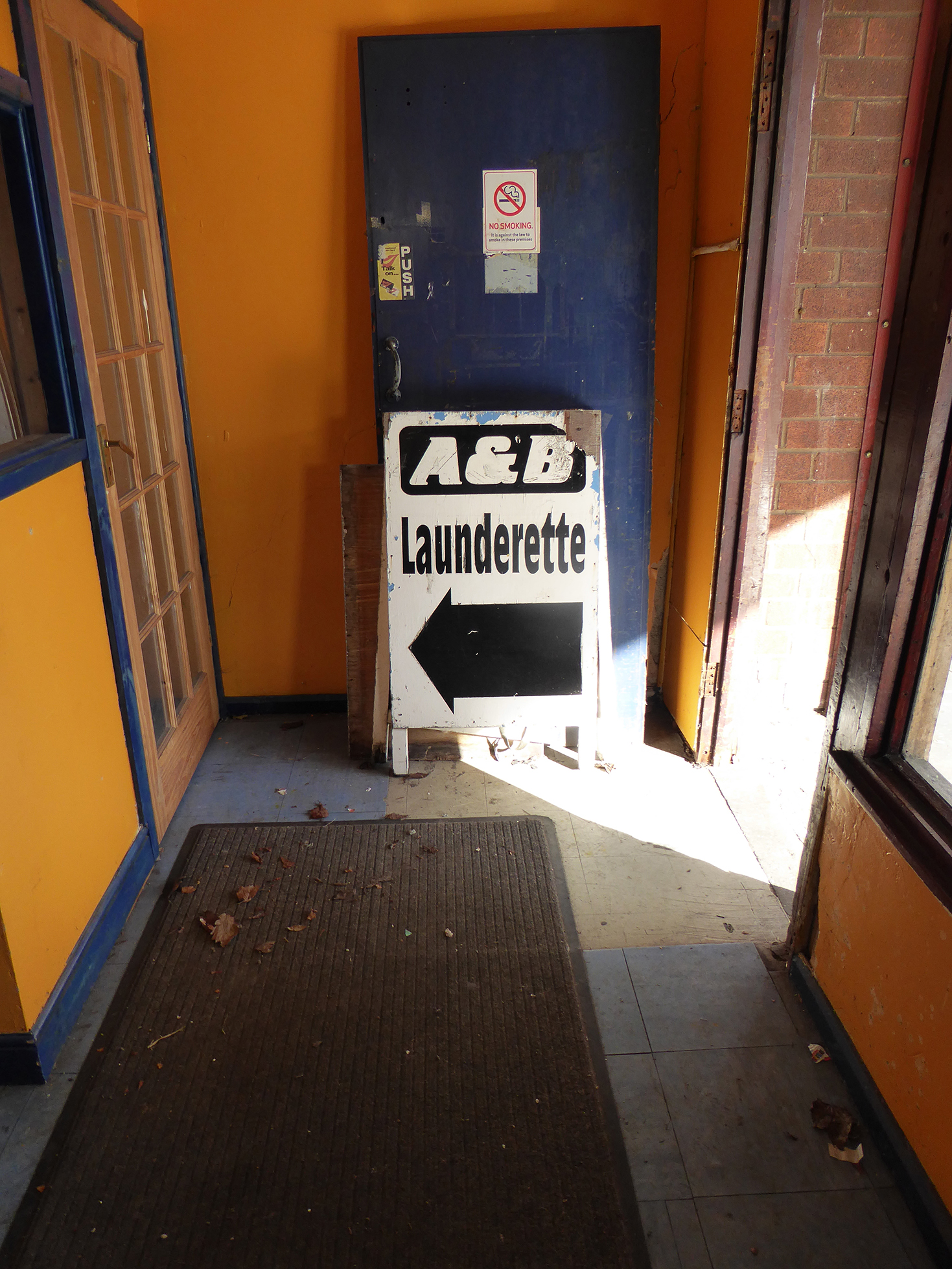
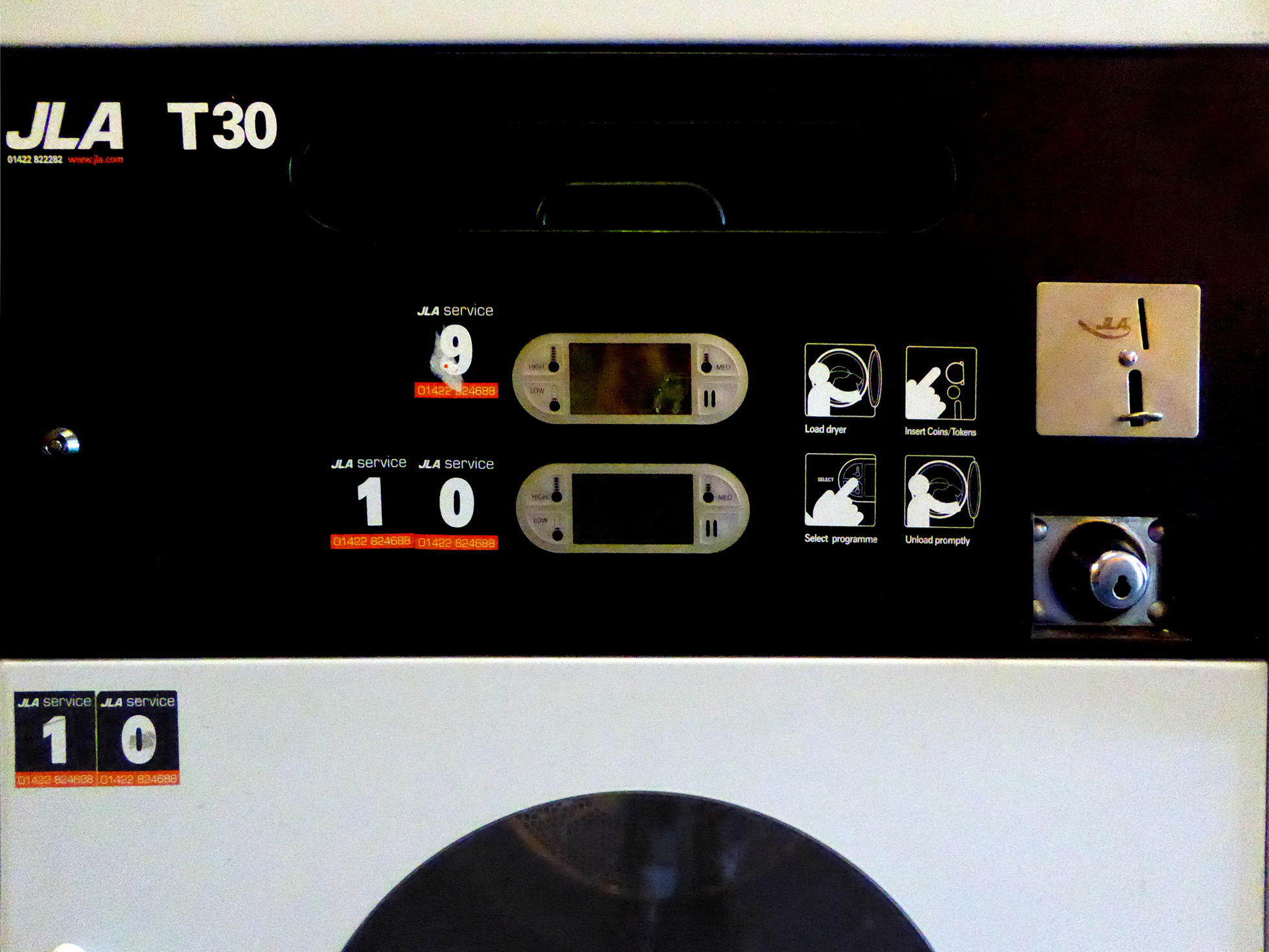
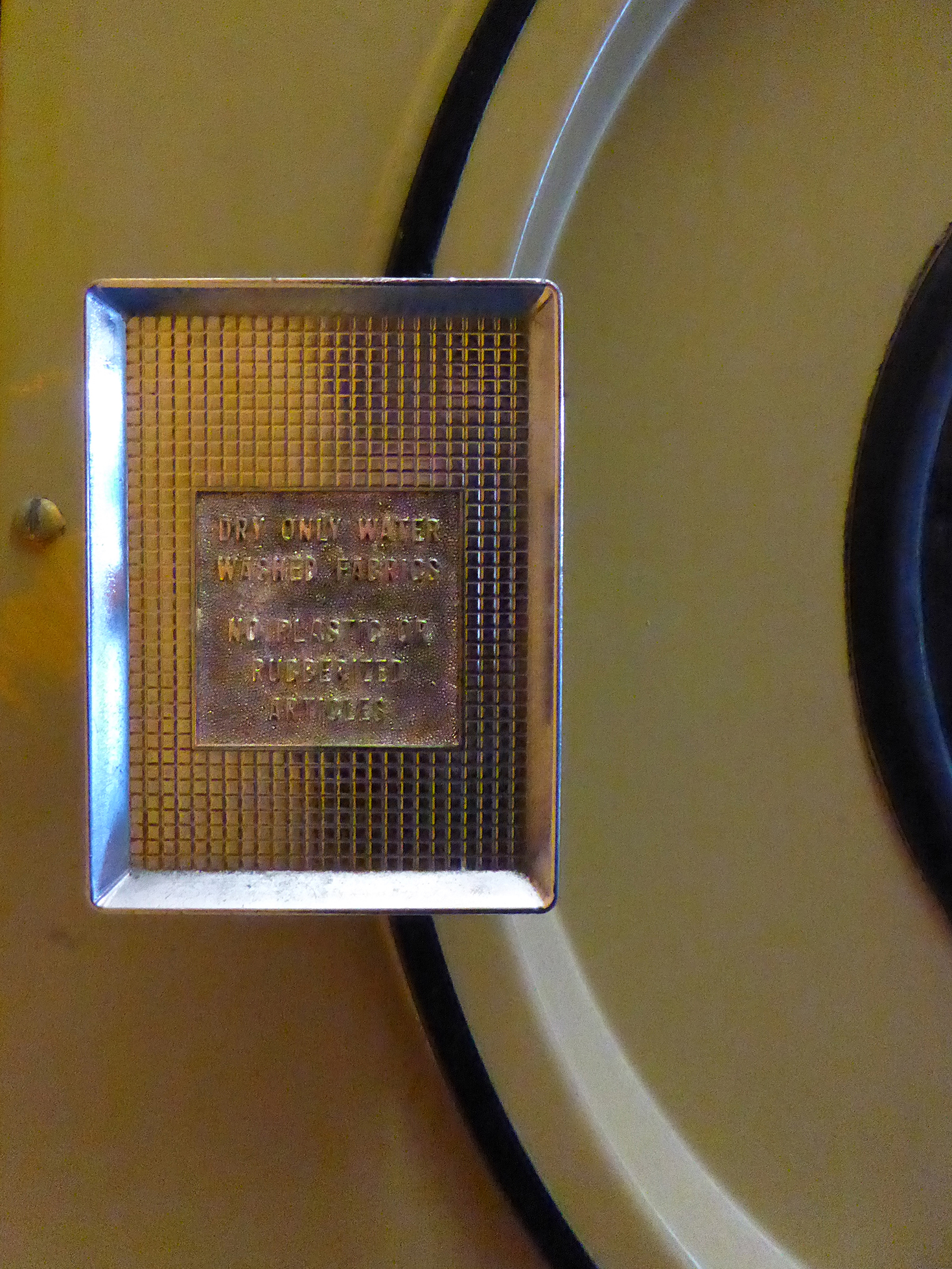
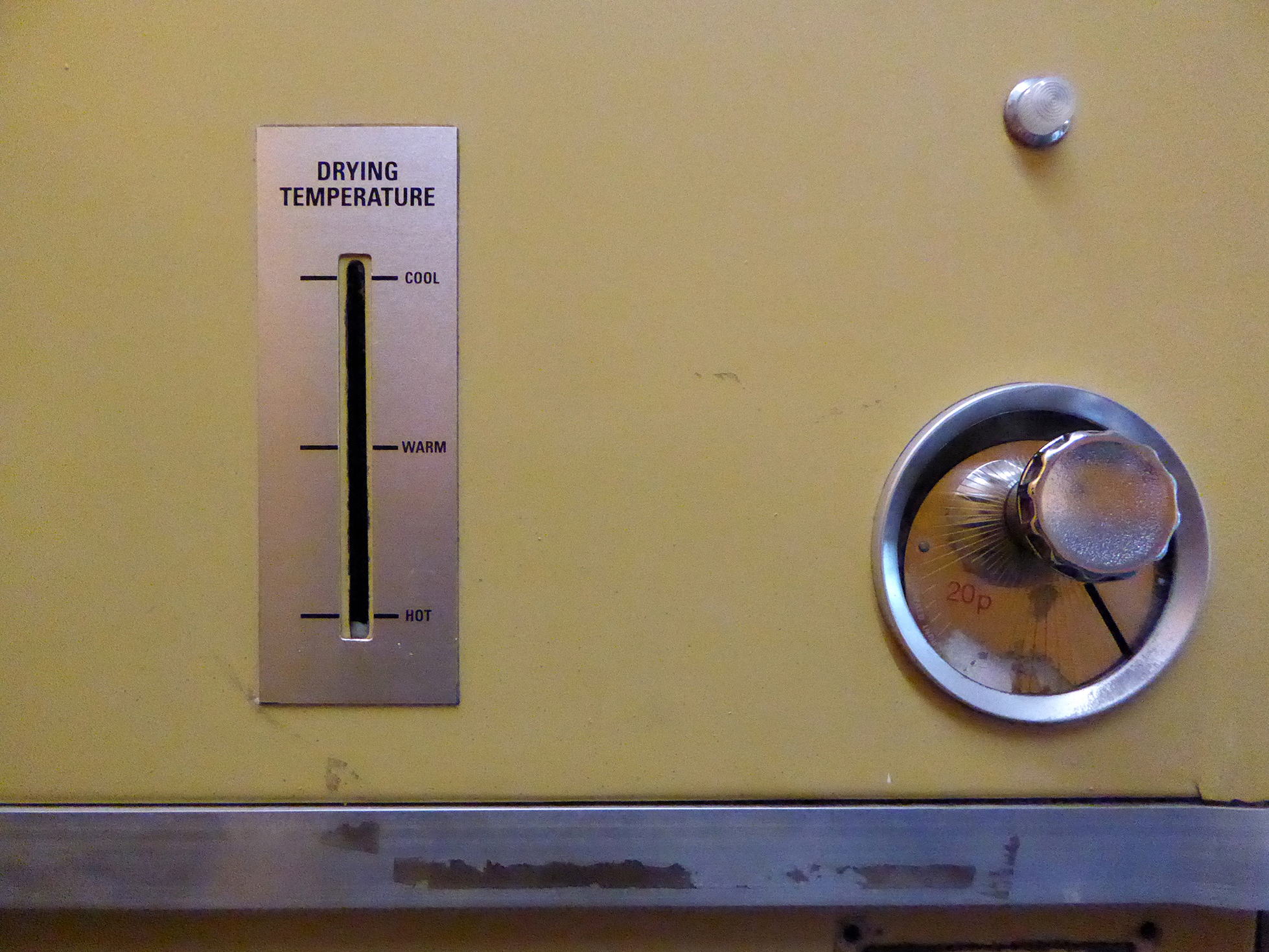
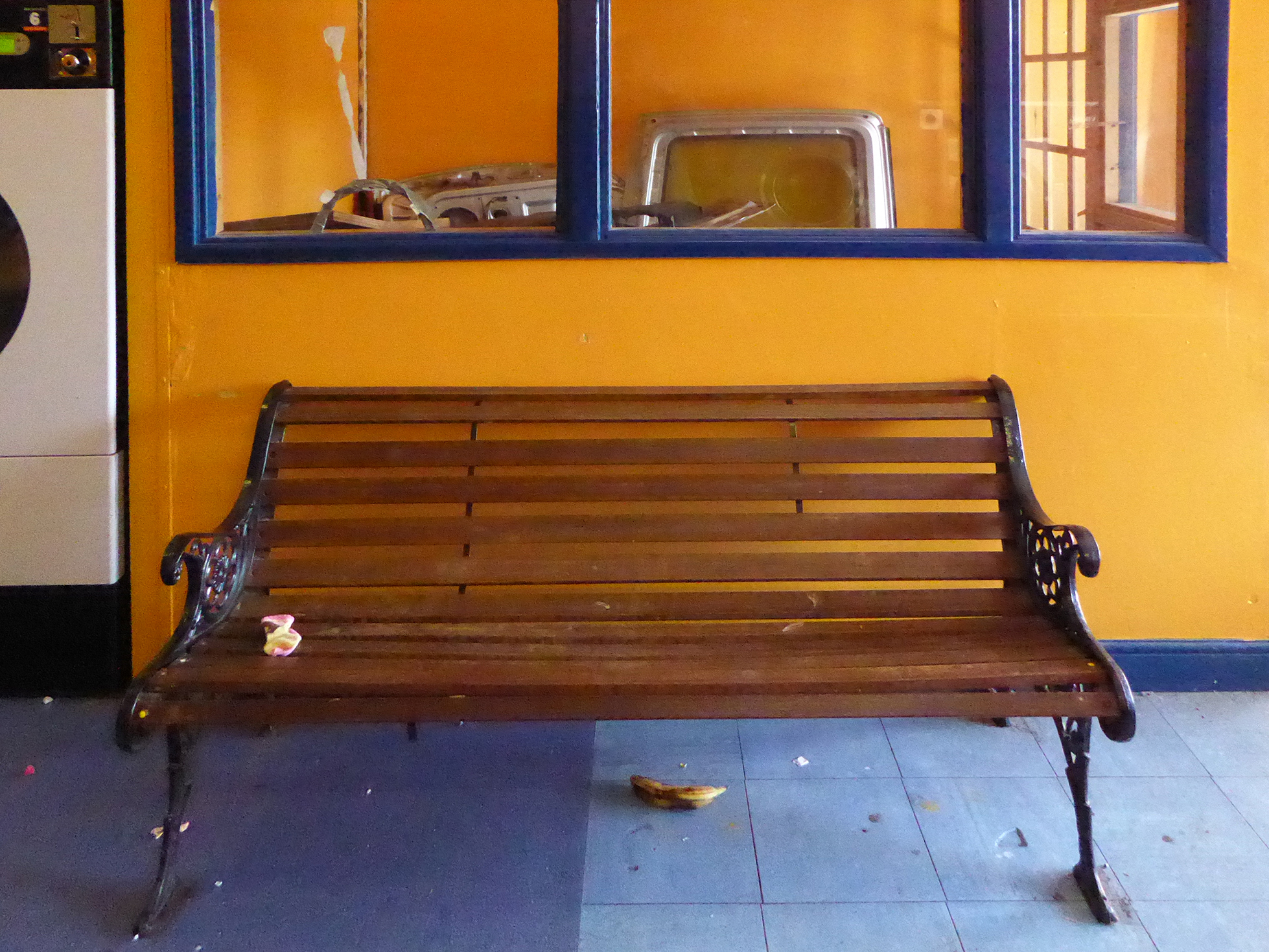
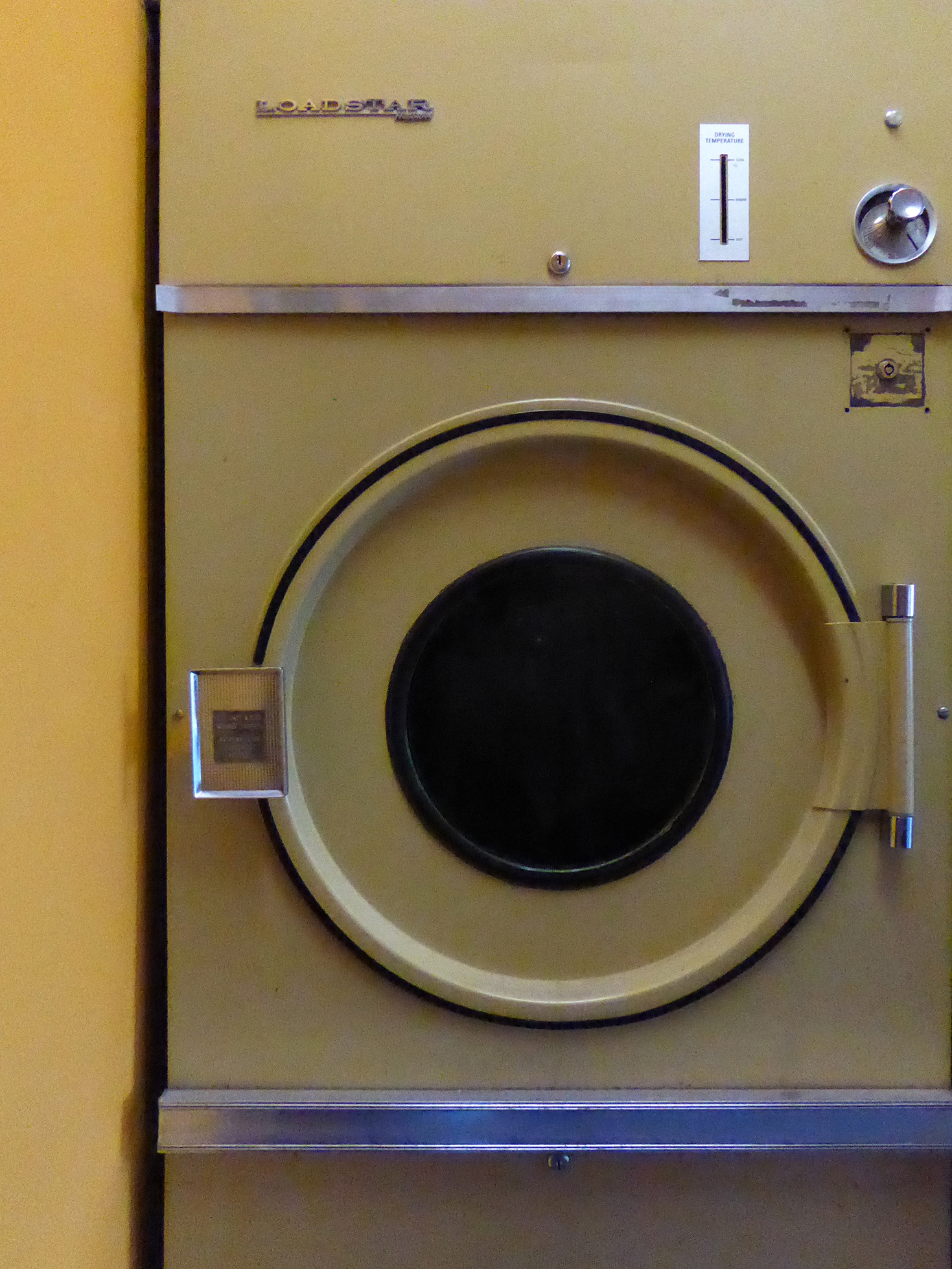
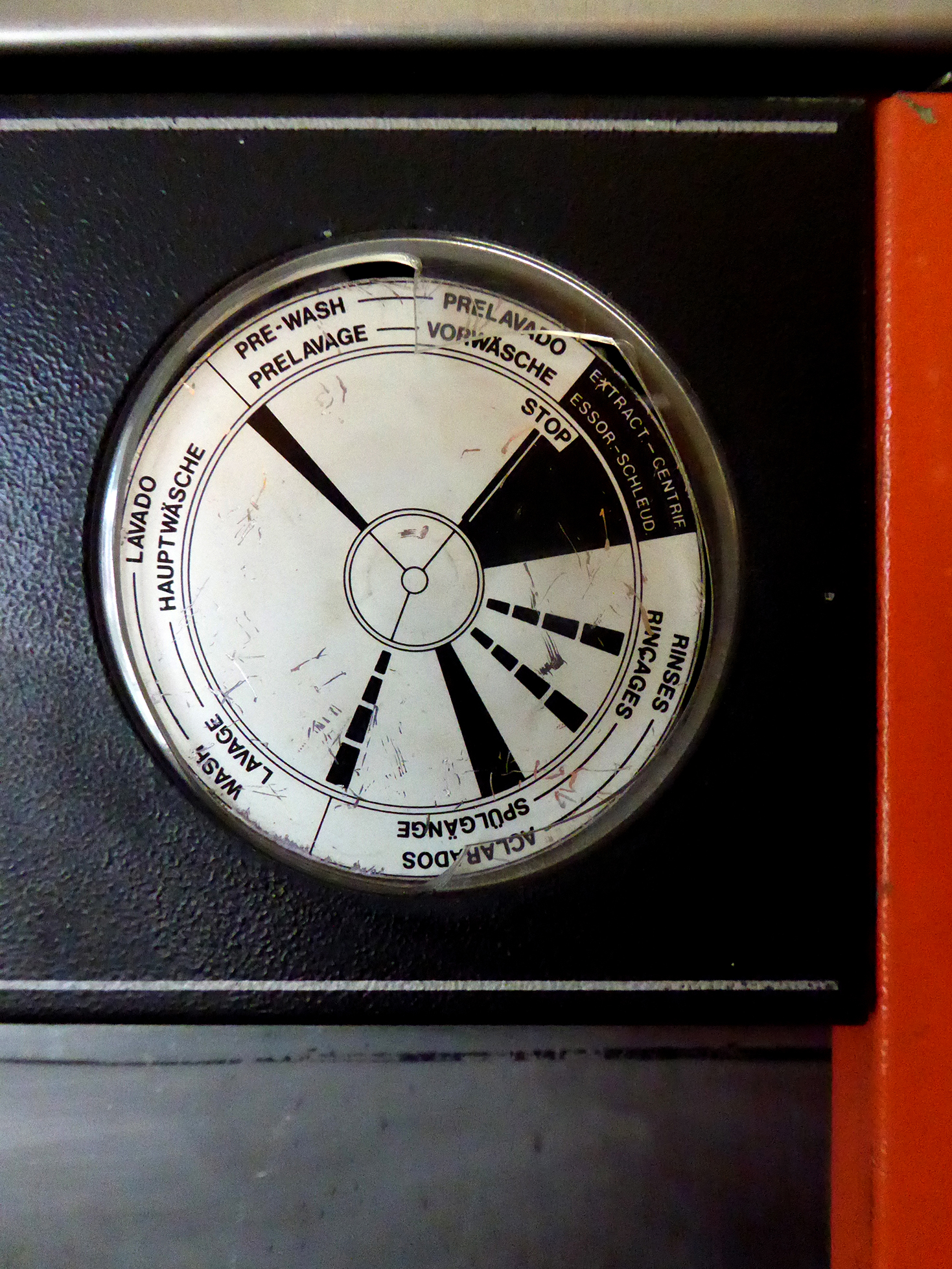
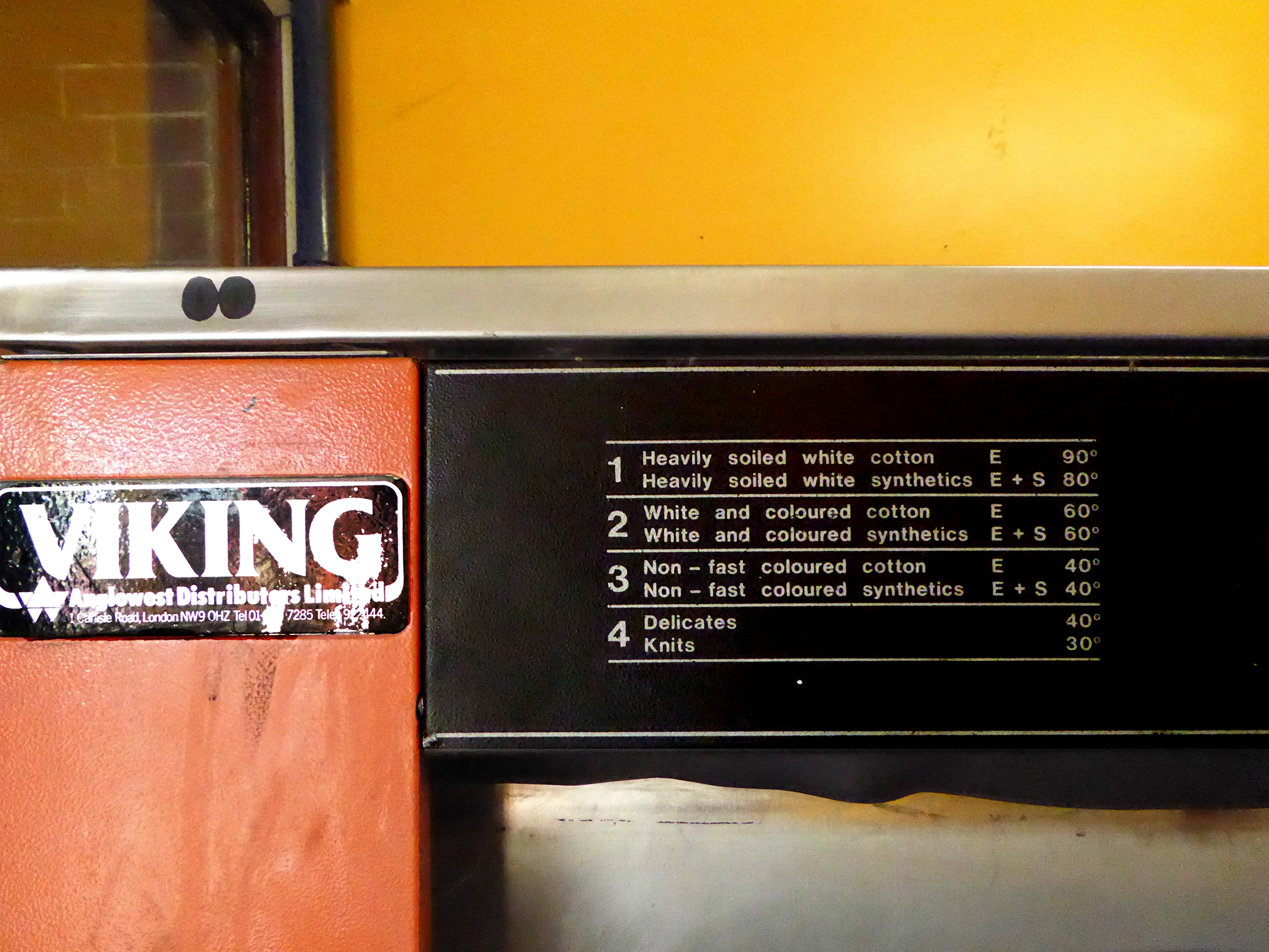
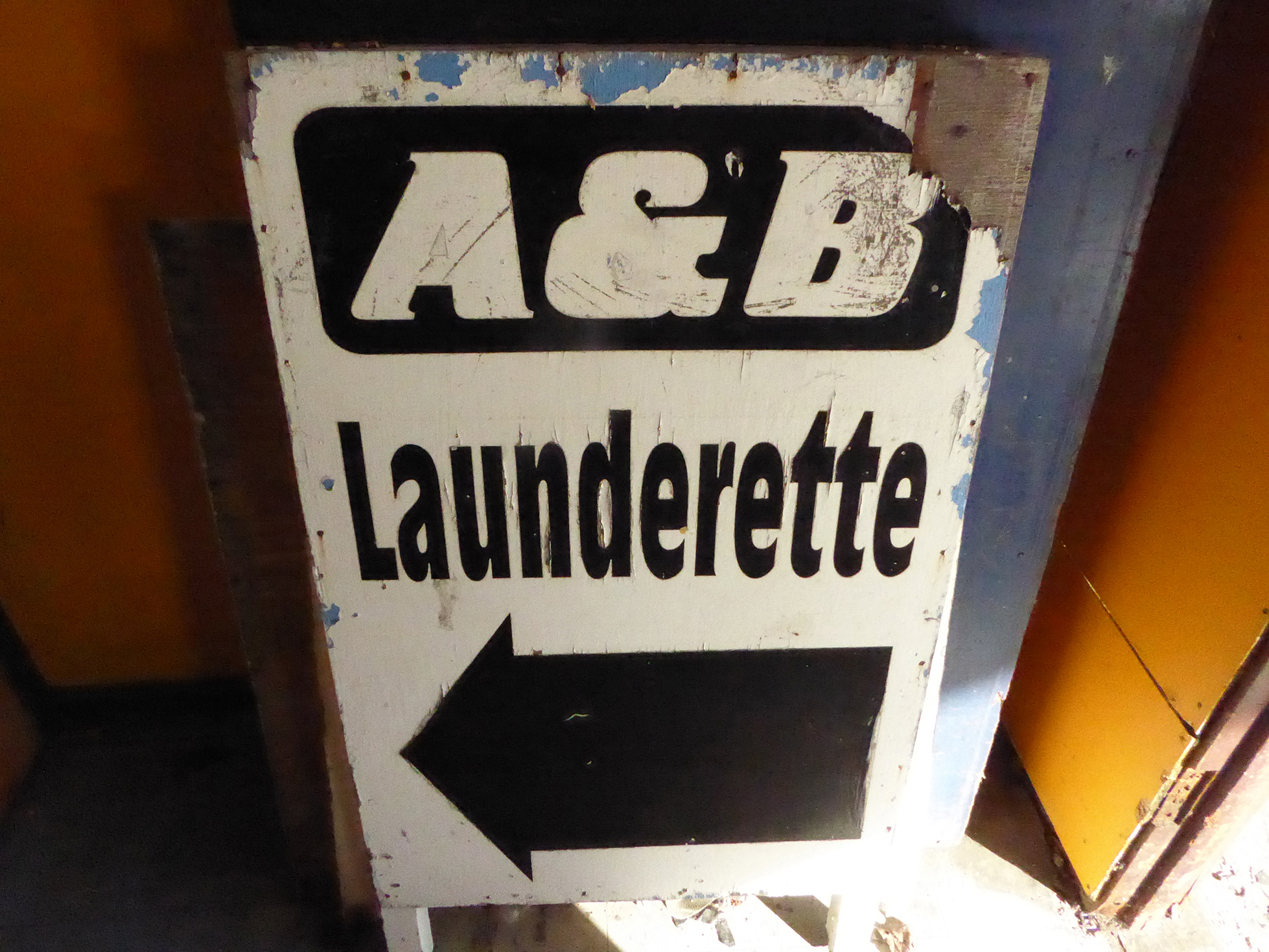
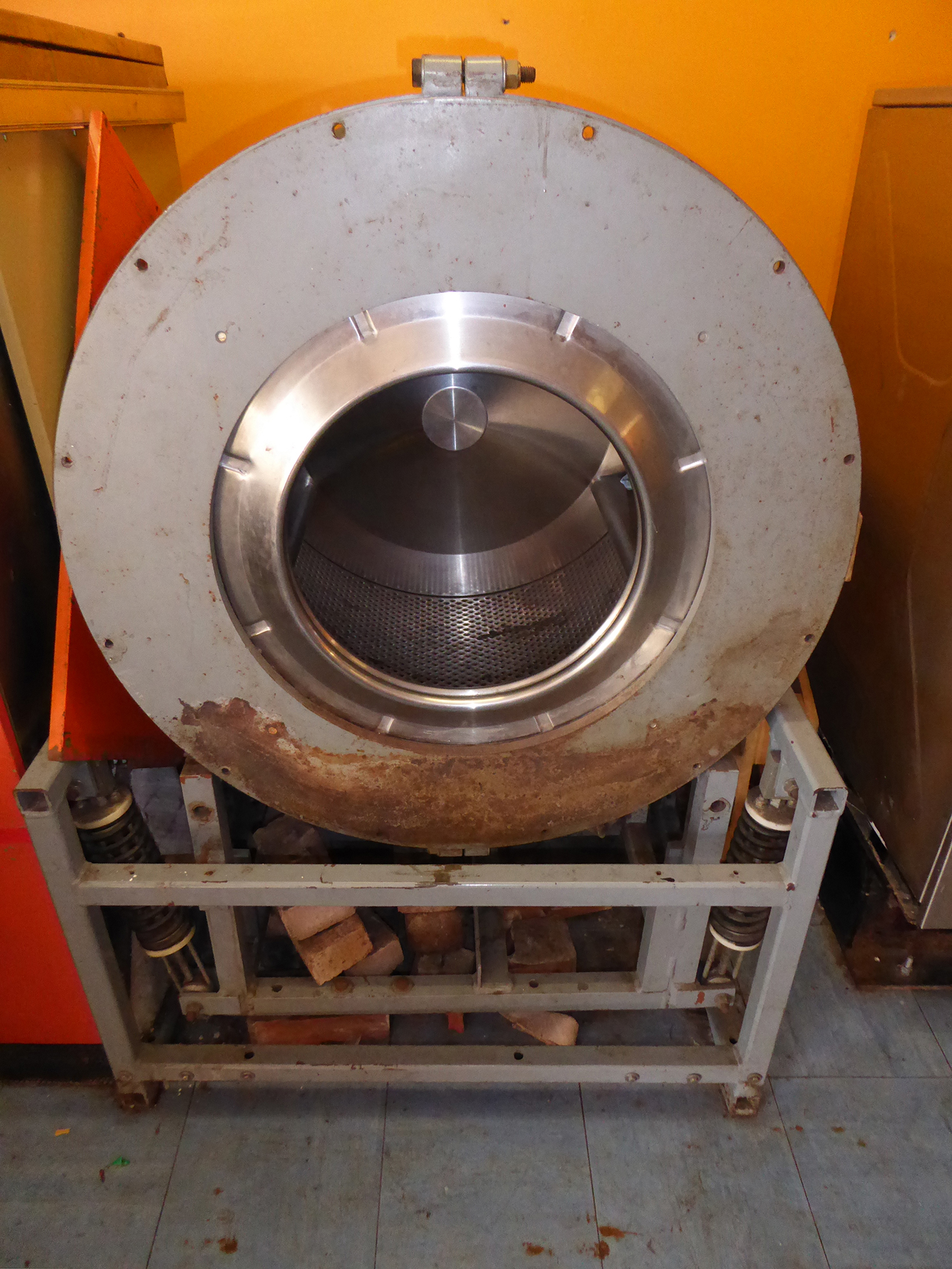
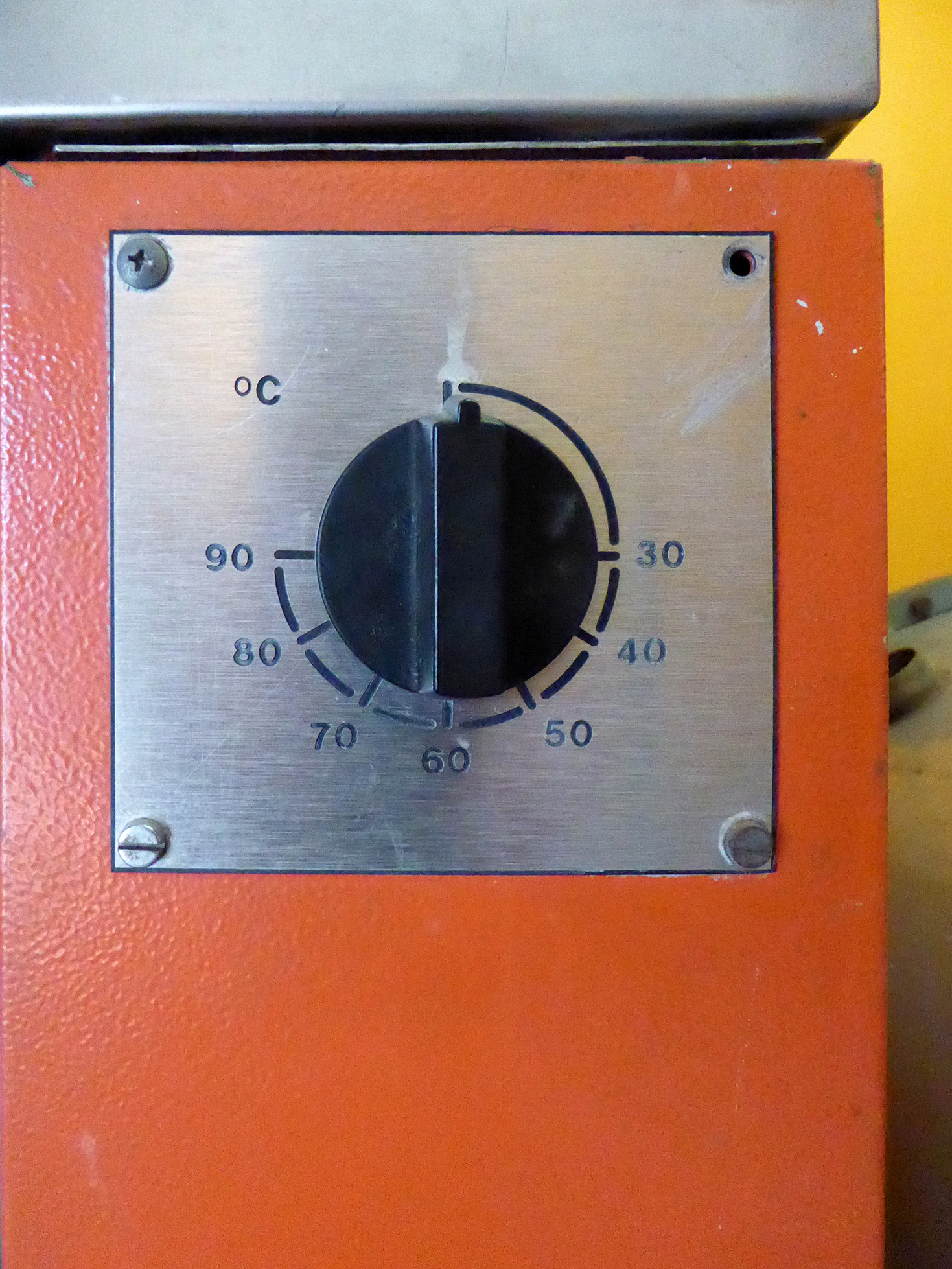
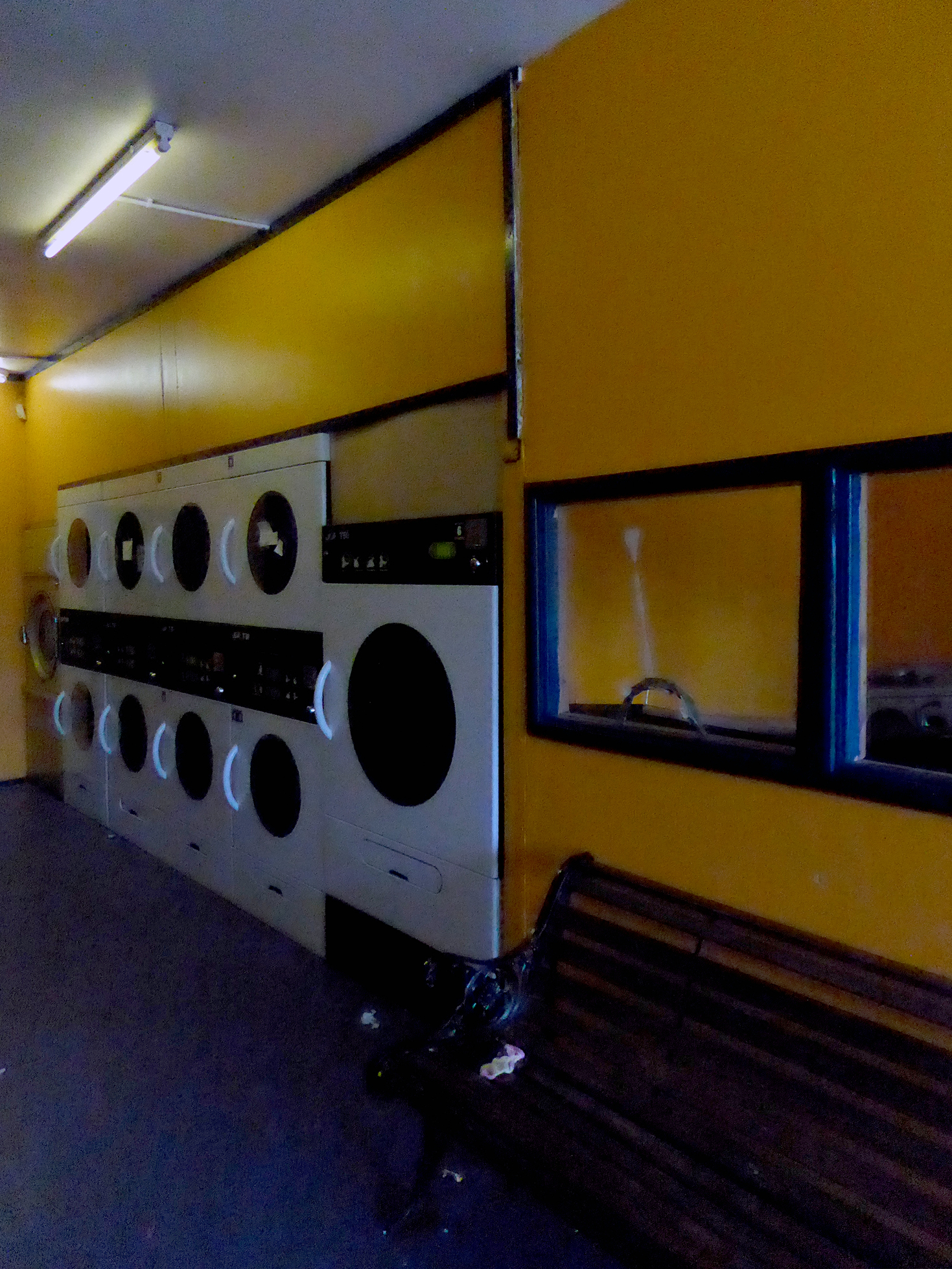
Well there was washing, I had inadvertently found the Best Laundrette.

Unattended, seemingly unloved, washing spinning happily, unobserved.

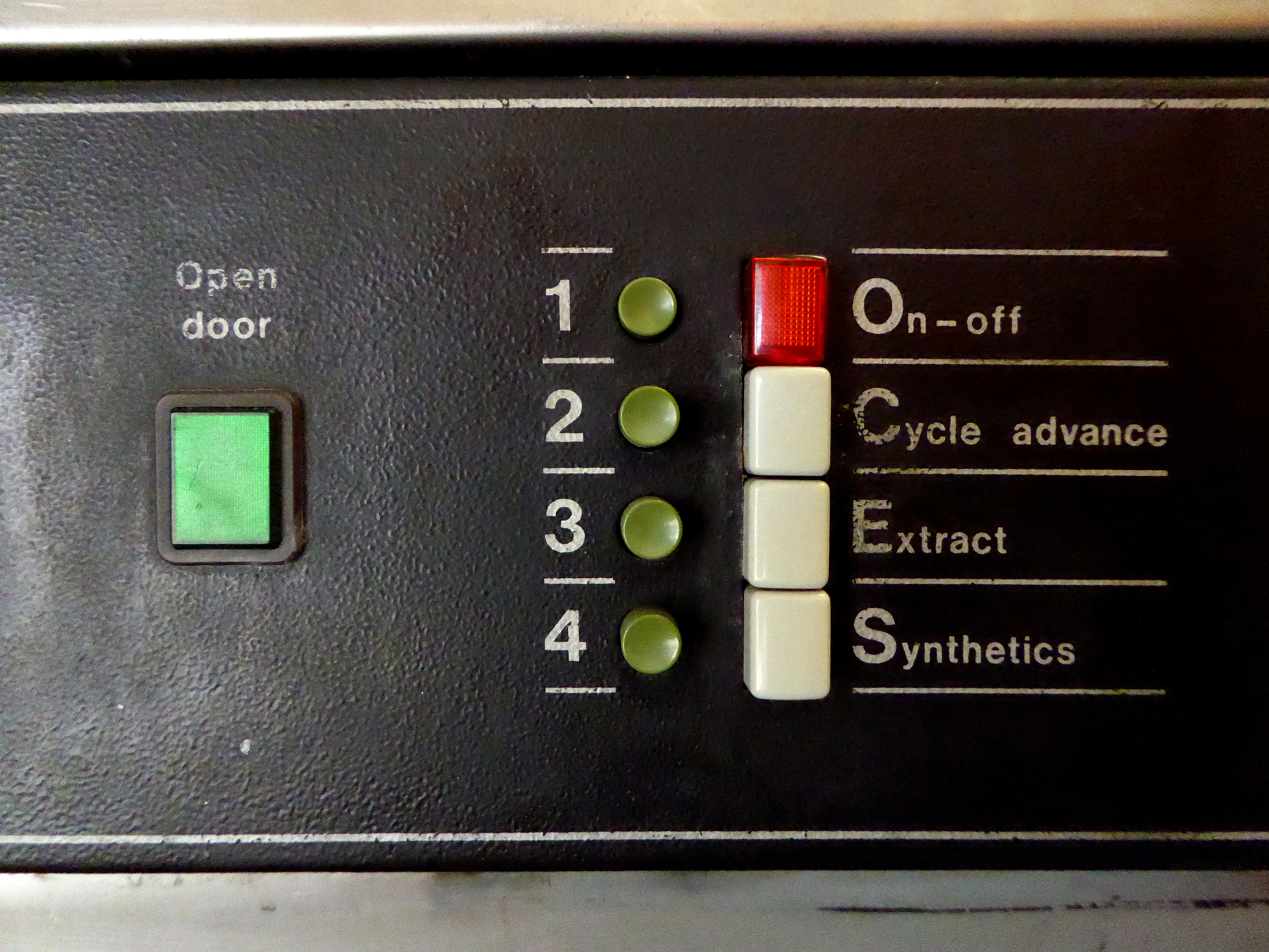
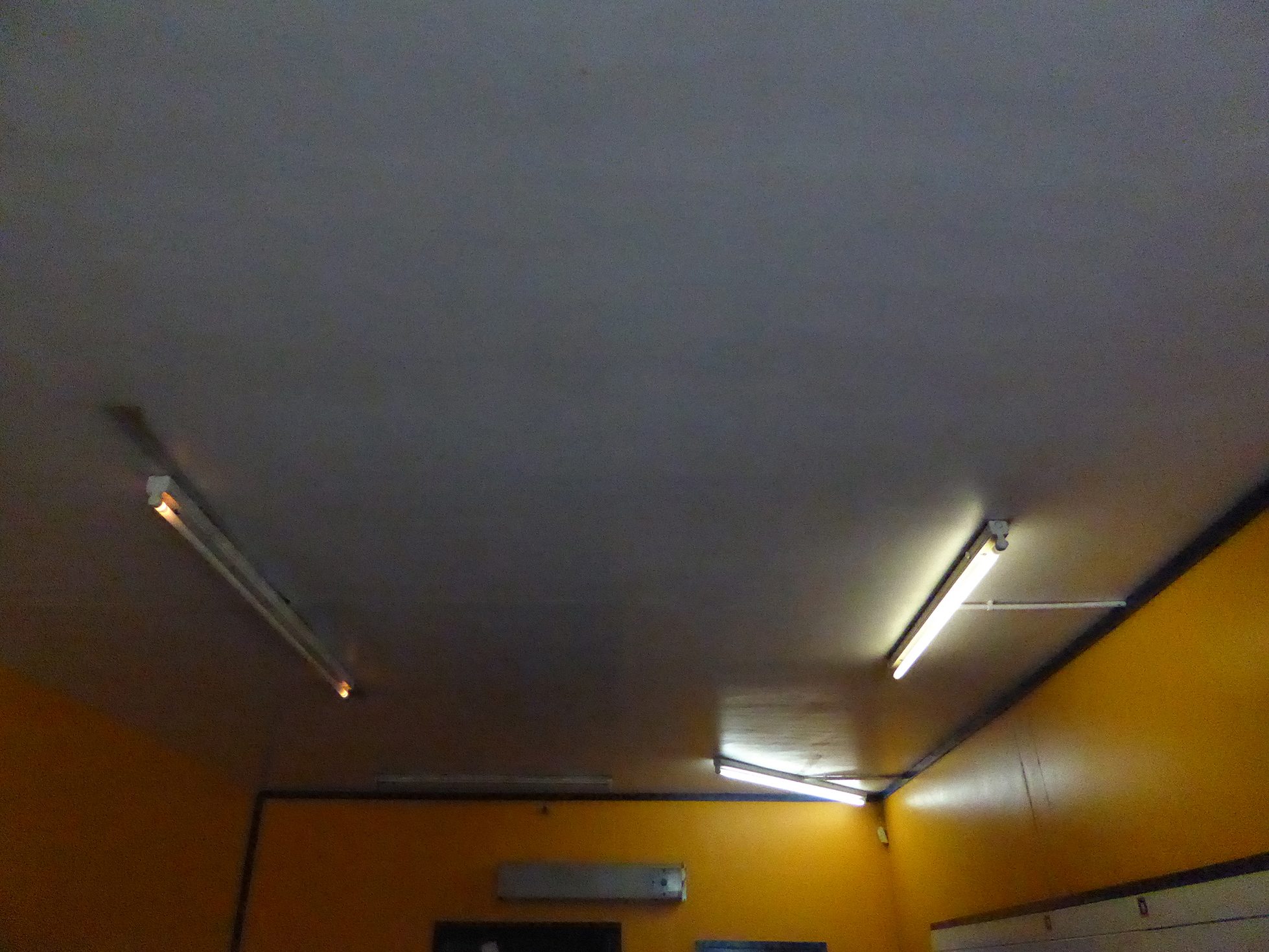
Guantanamo orange walls, stormy petrol blue sky linoleum floor.

Lit by several stark, bare fluorescent tubes.

I quickly went about my business, made my excuses to myself and left.


P1000922 copy

P1000928 copy

P1000920 copy

P1000924 copy

P1000937 copy

P1000935 copy

P1000931 copy

P1000932 copy

P1000927 copy

P1000918 copy

P1000930 copy

P1000919 copy

P1000917 copy

P1000943 copy

P1000921 copy

P1000942 copy

P1000923 copy

P1000936 copy

P1000934 copy

P1000939 copy

P1000933 copy

P1000952 copy

P1000949 copy

P1000948 copy

P1000945 copy

P1000962 copy

P1000957 copy

P1000944 copy

P1000950 copy

P1000959 copy

P1000954 copy

P1000958 copy

P1000961 copy

P1000938 copy

P1000947 copy

P1000946 copy


Pegwell Bay Hoverport

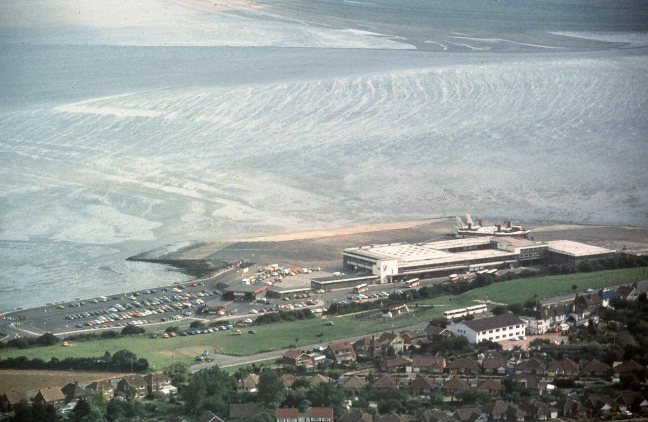
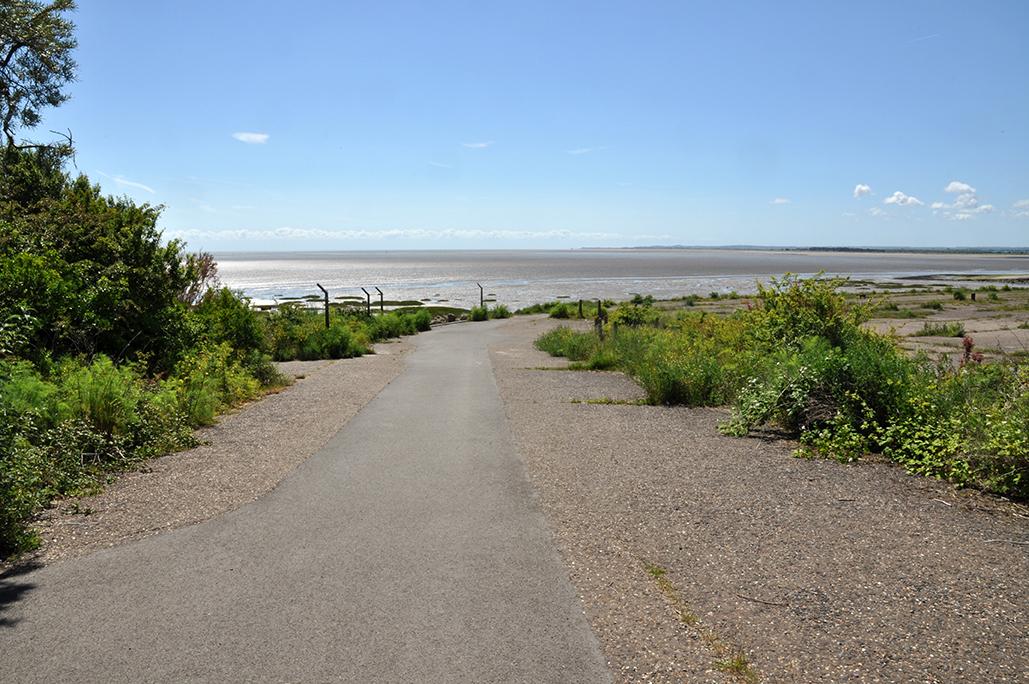
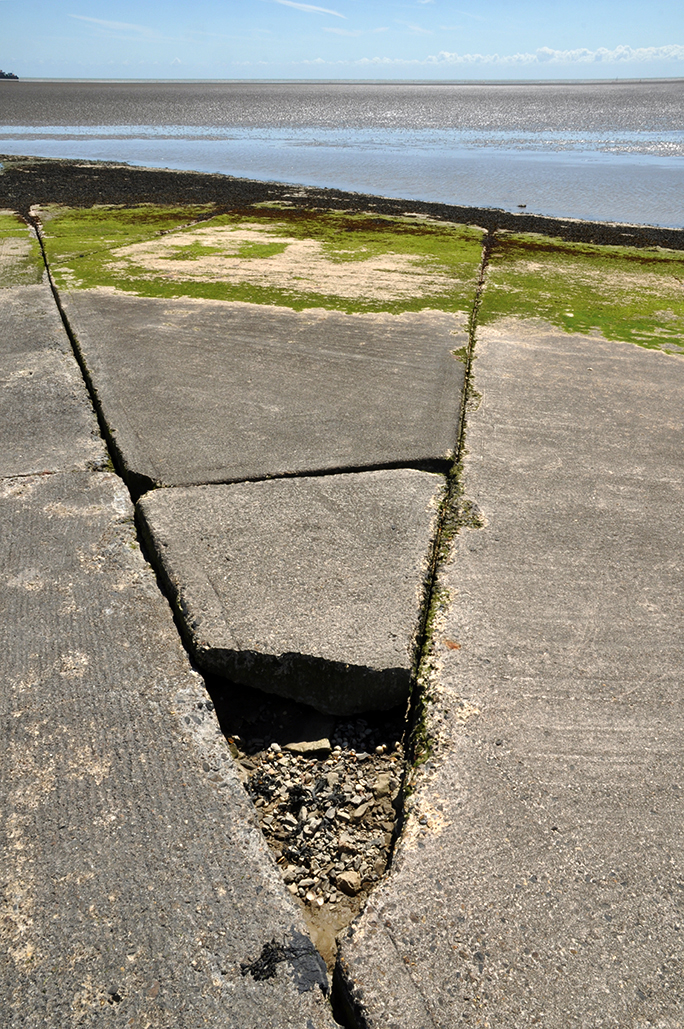
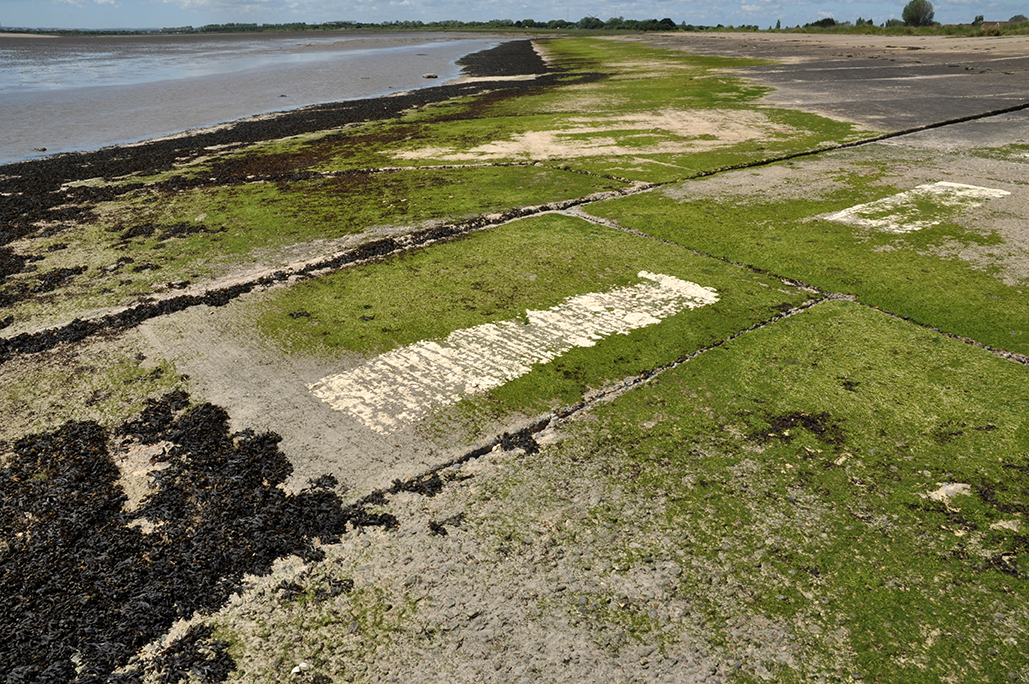
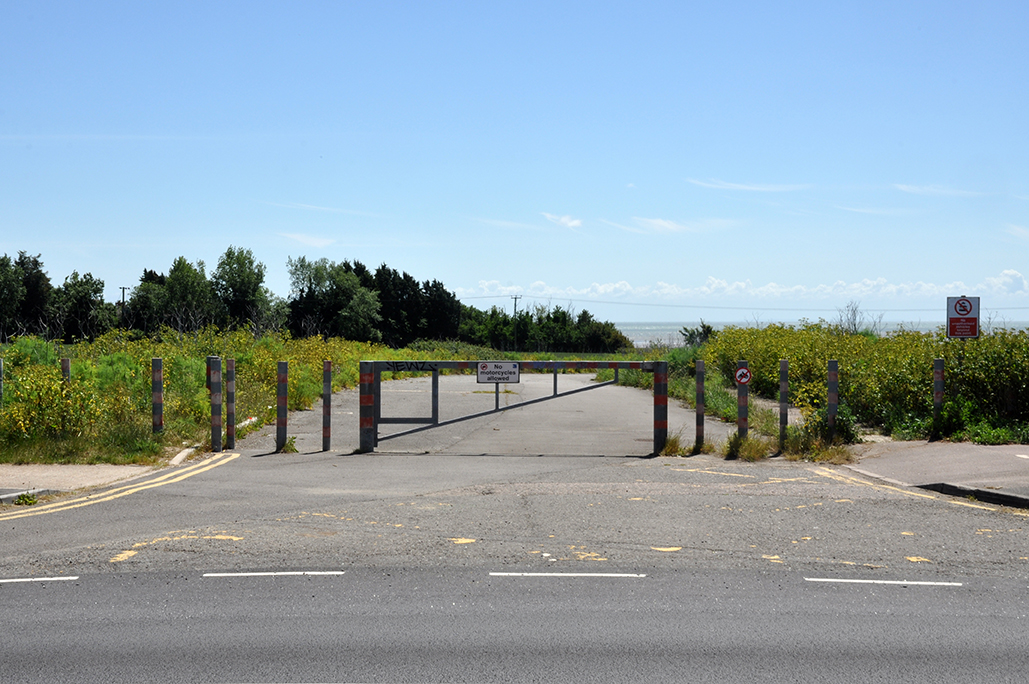
Once, for a very, very  long time indeed there was a shoreline, then sure enough, eventually there was a Hoverport – then there wasn’t.

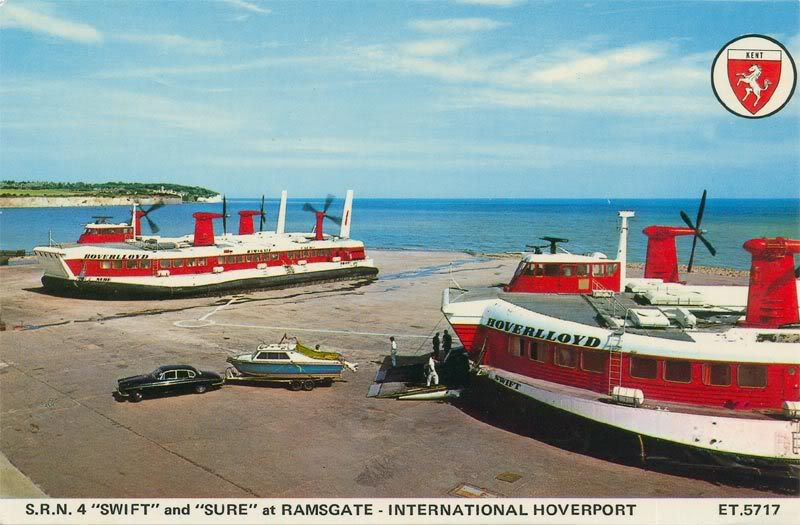
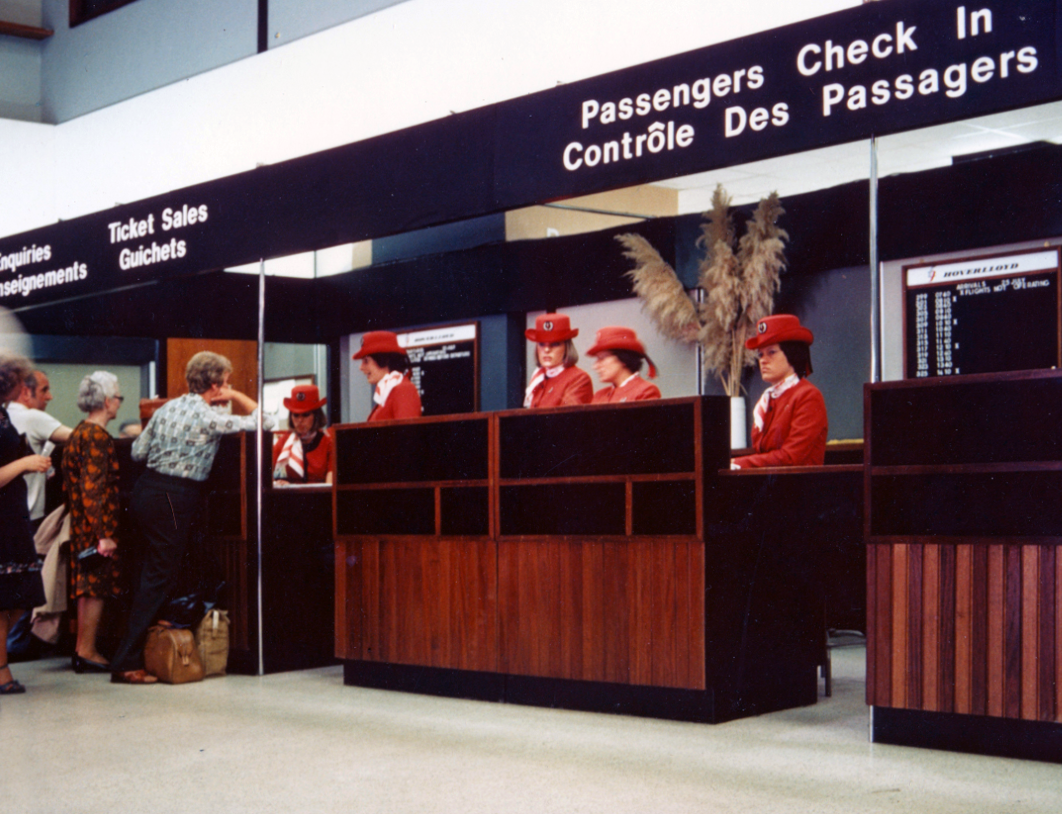
Opened in 1969 just outside Ramsgate along the Kent coast, Hoverlloyd a Swedish owned company began a cross-channel hovercraft service to Calais.

Along came Prince Philip:

http://www.britishpathe.com/video/prince-philip-opens-hovercraft-at-ramsgate

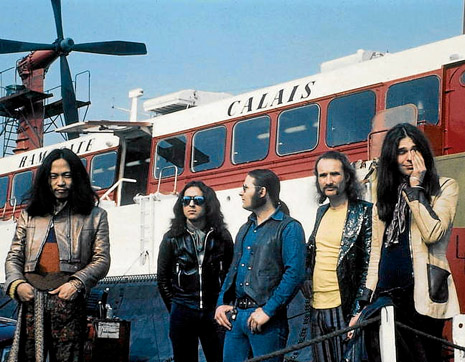
Can came:

germanrocknight0909141

And went:

lsrn49

The passengers’ every need was attended to with alacrity and style.

“As a Stewardess your appearance was paramount, a beautician would come in during training to teach us how to apply make up.”


Screen Shot 2016-01-31 at 15.25.22


But it simply wasn’t enough.

The life of Christopher Cockerell’s bold British invention, was short and bumpy.

Genevieve Payne, a former stewardess:

“I remember the summer of 1979 as a year of really bad weather and rough seas.”

“I was working on a craft in a force 8, so on this day we were literally hitting the ceiling, passengers were throwing up everywhere.”

“One lady became hysterical I had to slap her to calm her down.”

By the 1980’s Pegwell and the hovercraft were in terminal terminus decline.

ramsgate_hoverport_car-entrance-03

It’s a lot less bother without a hover.

ramsgate_hoverport_terminal-05

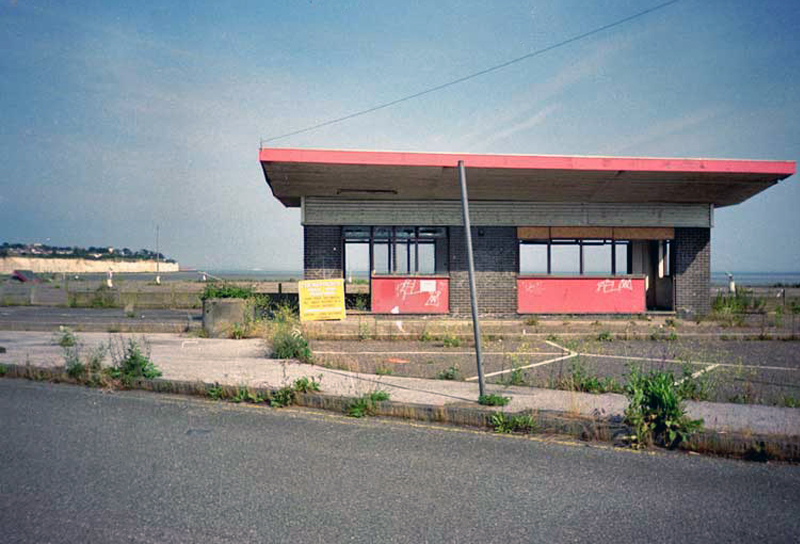
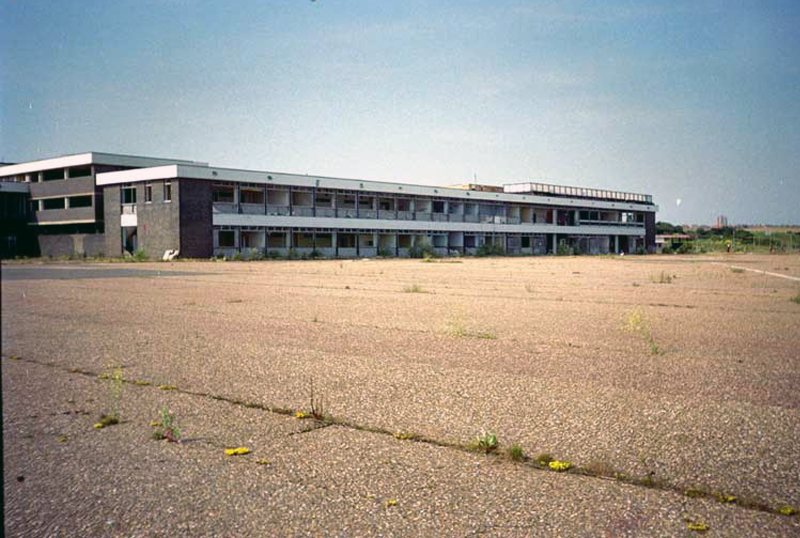
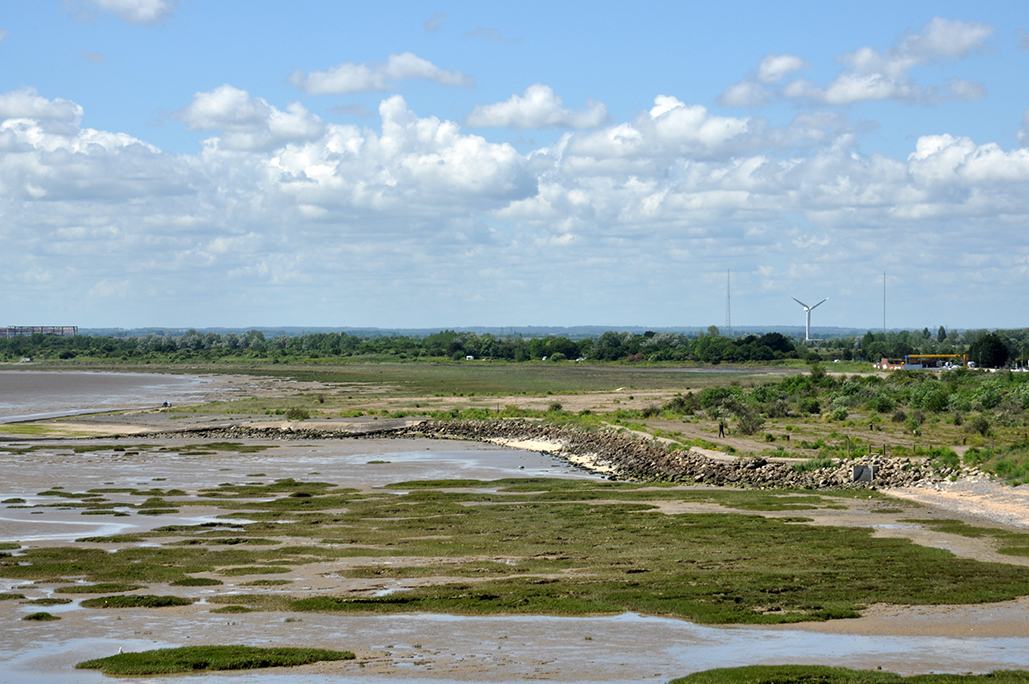
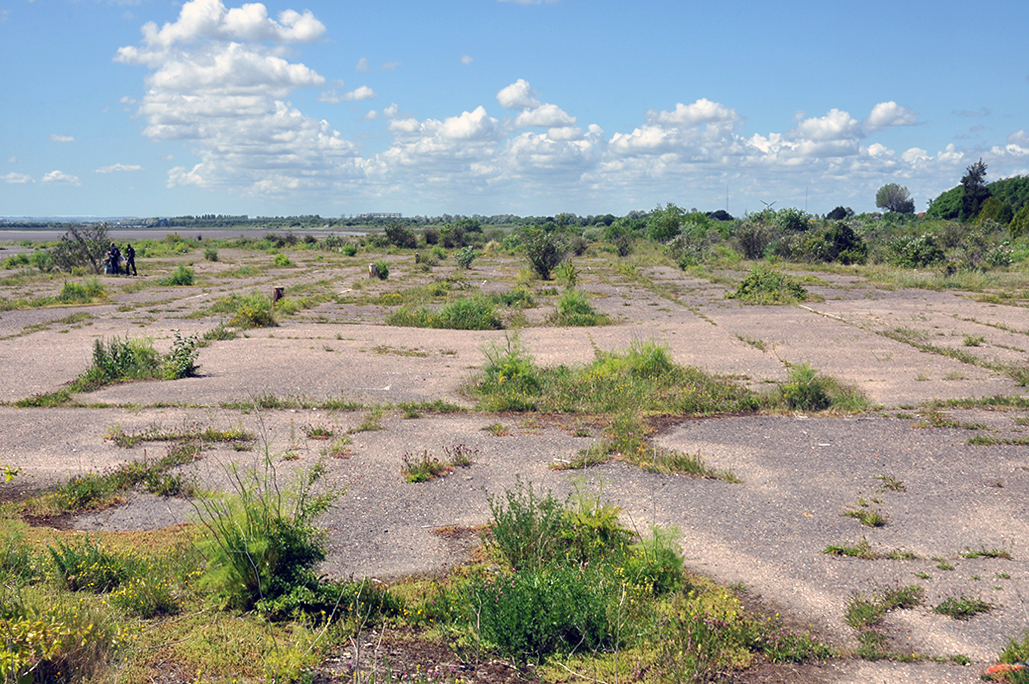
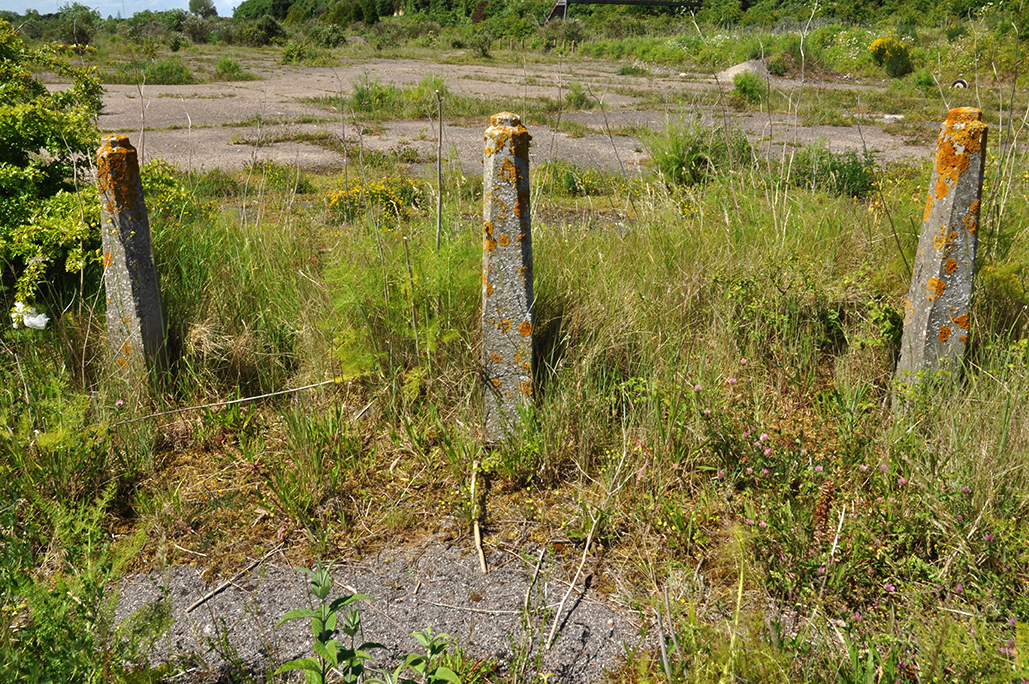
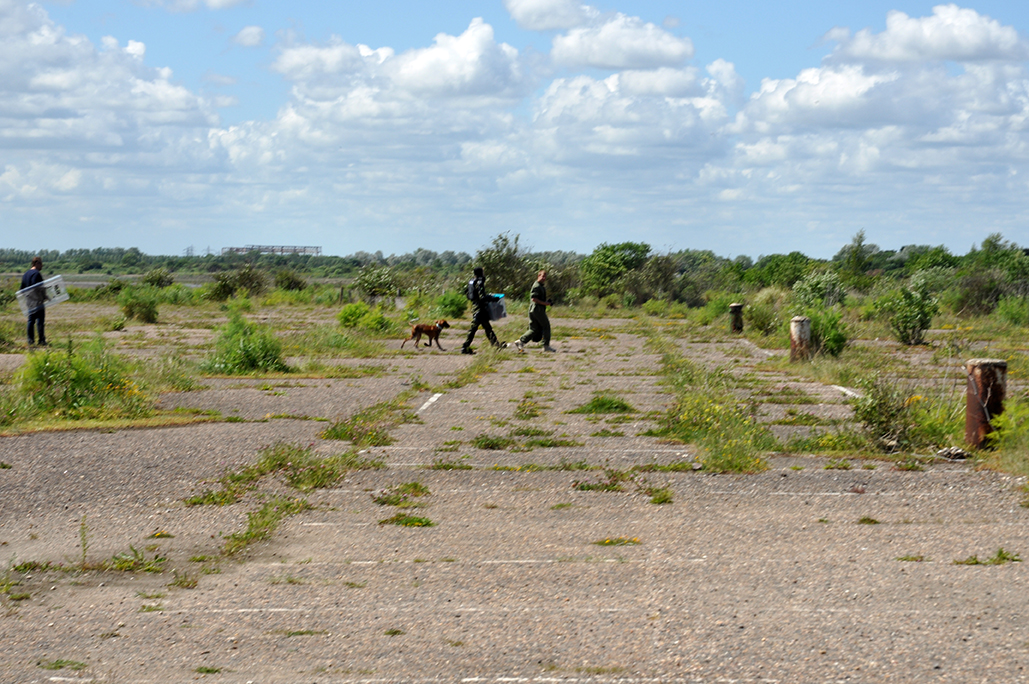
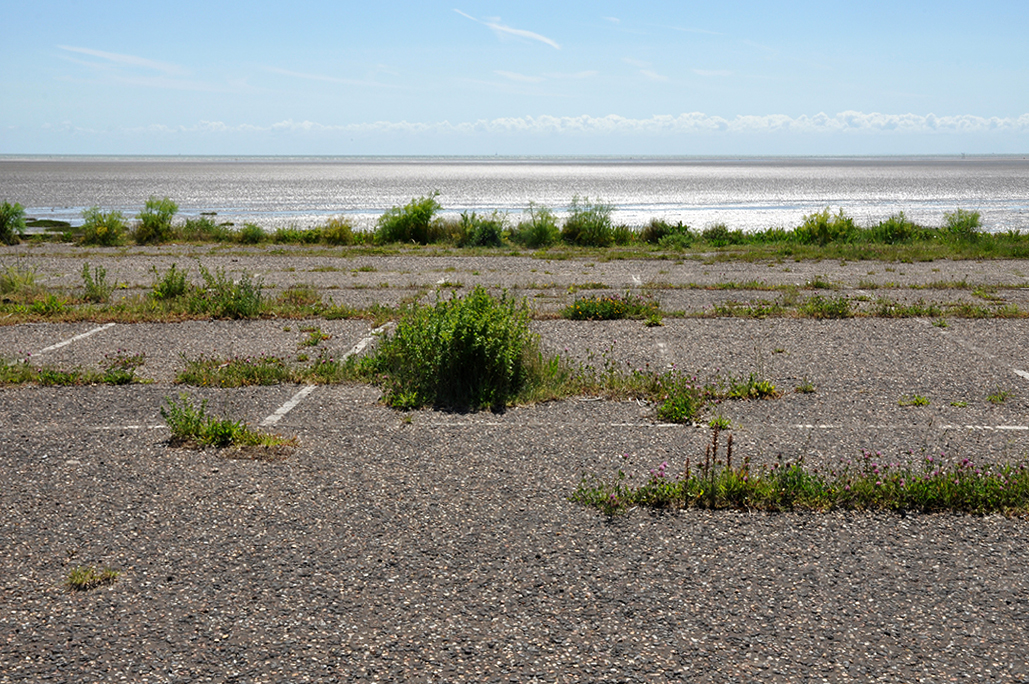
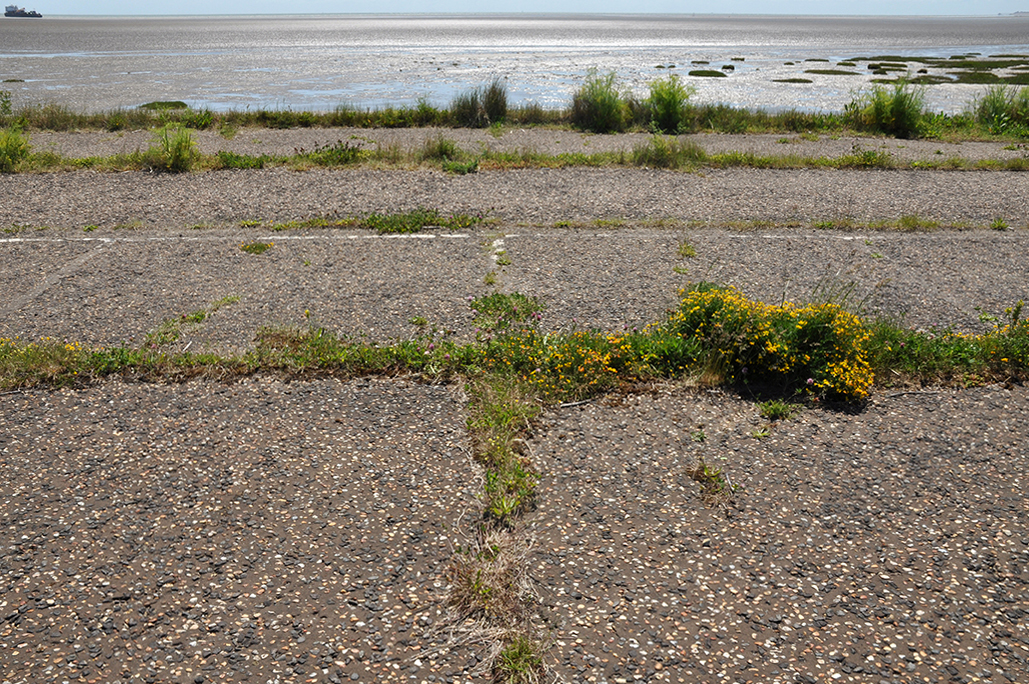
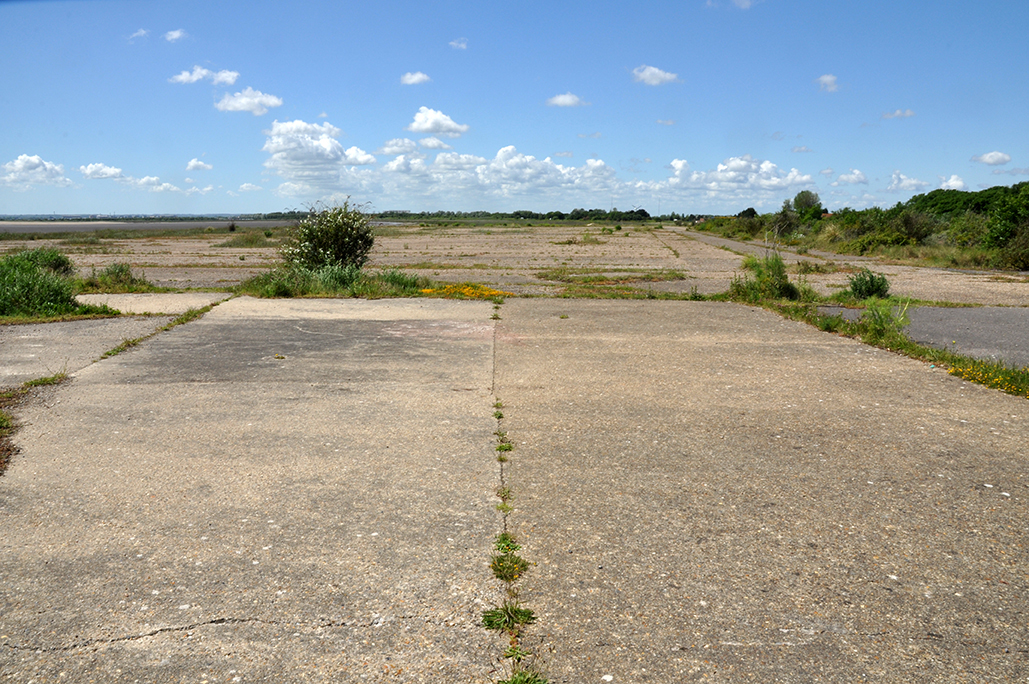
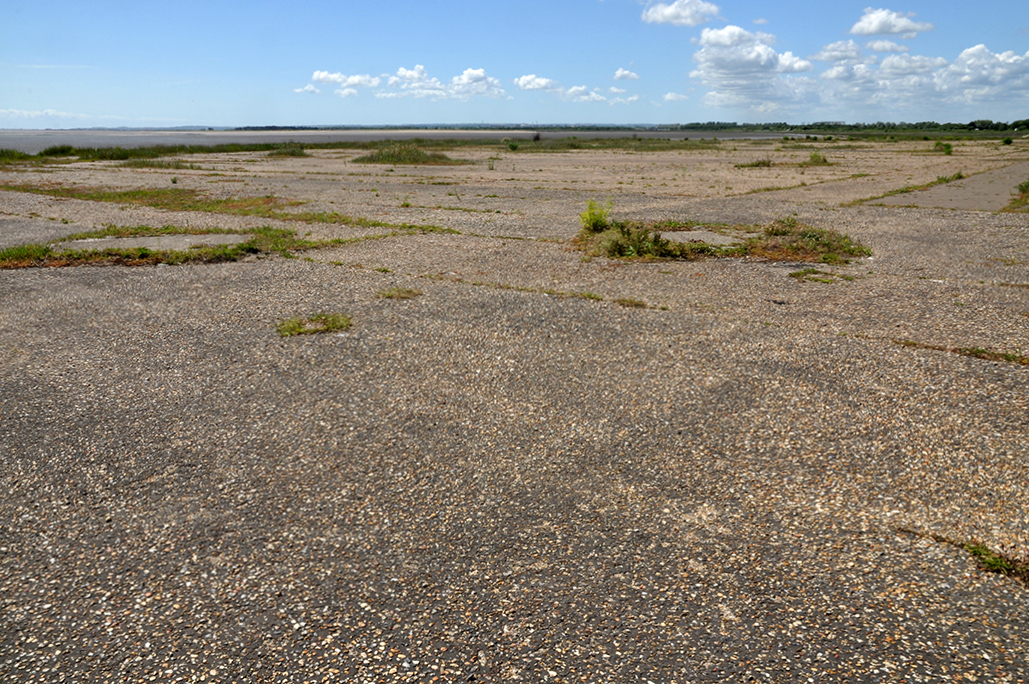
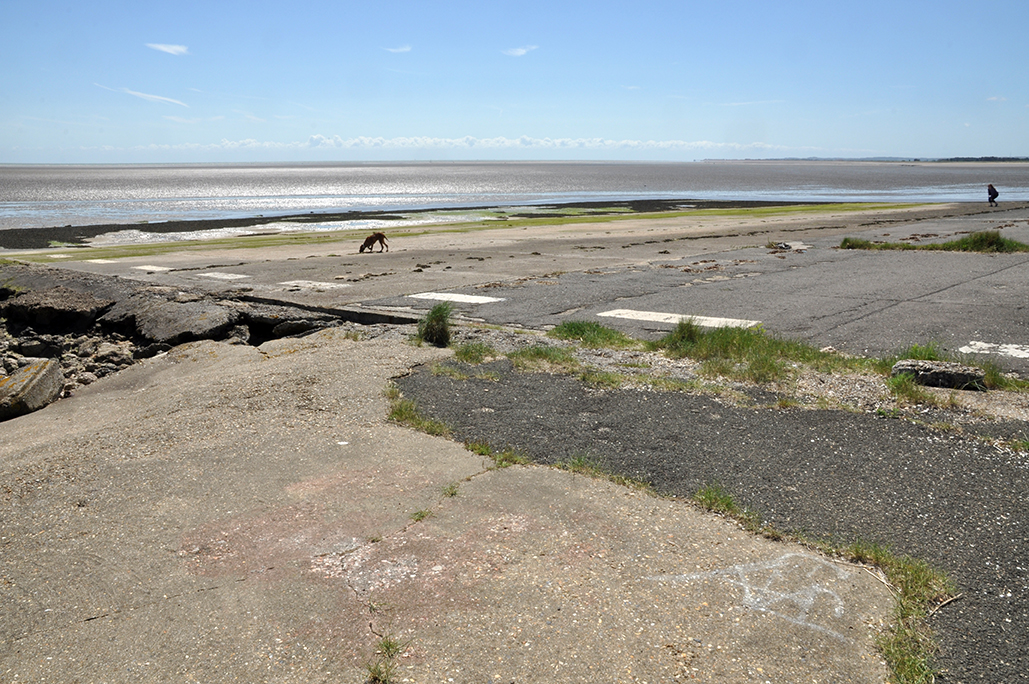
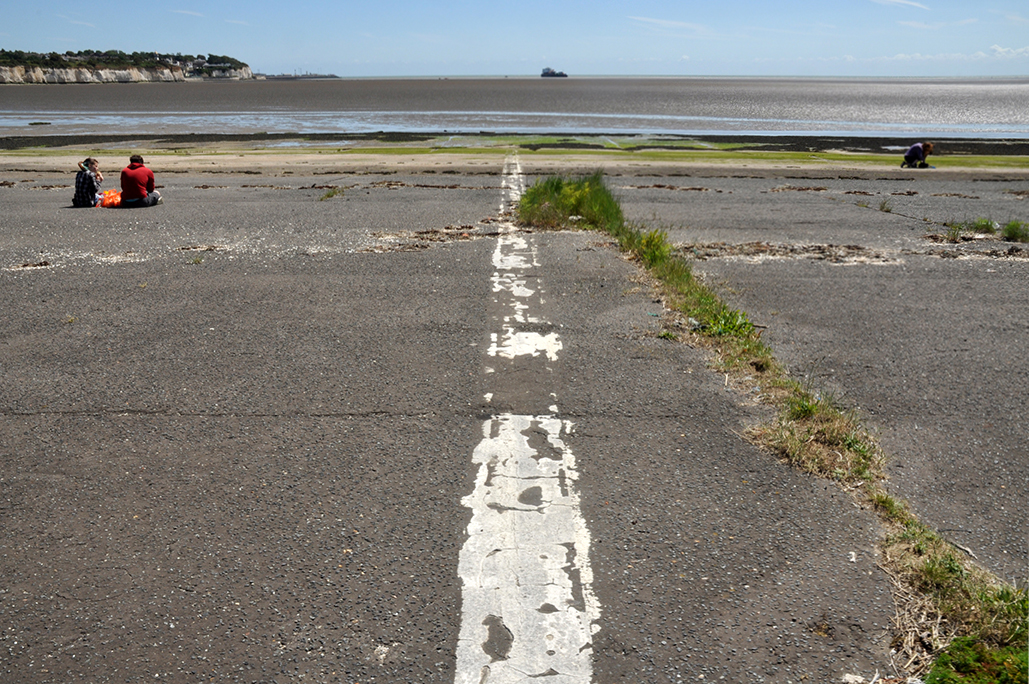
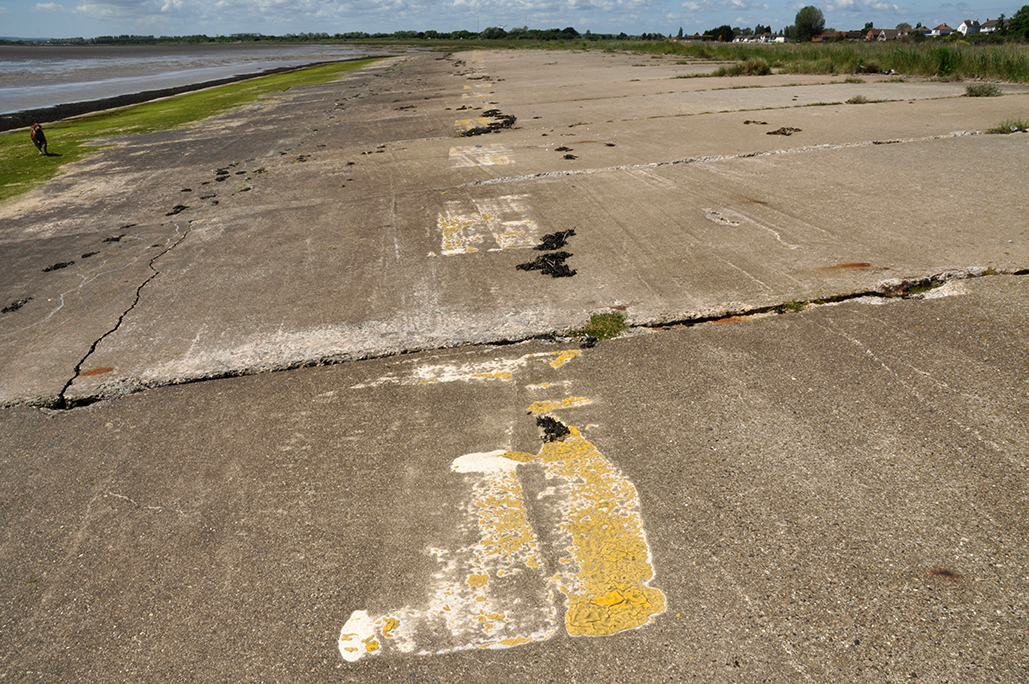
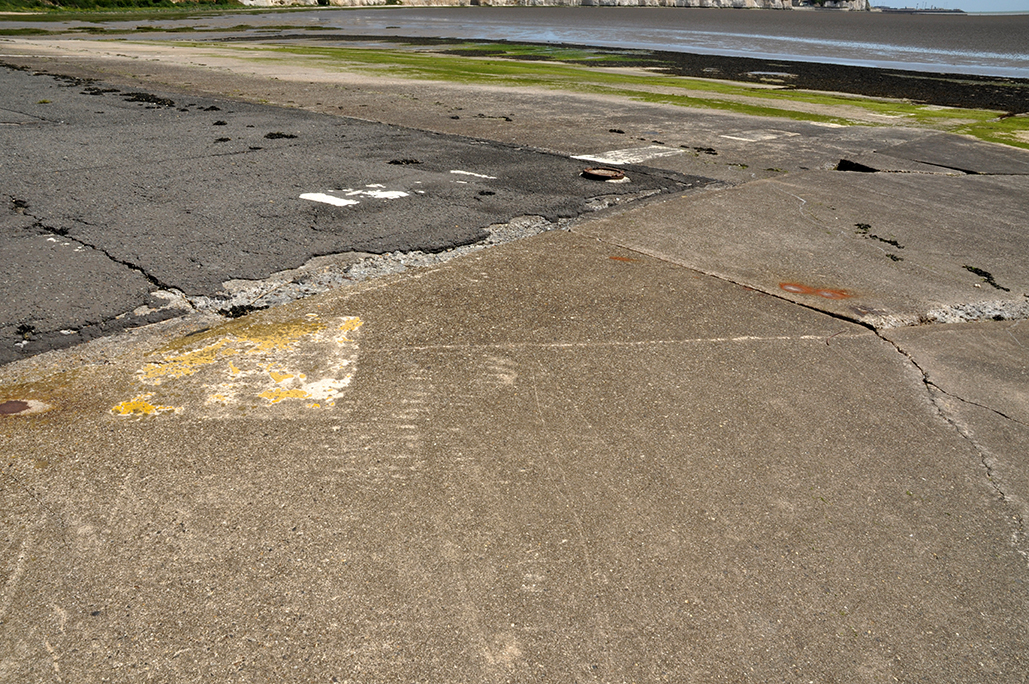
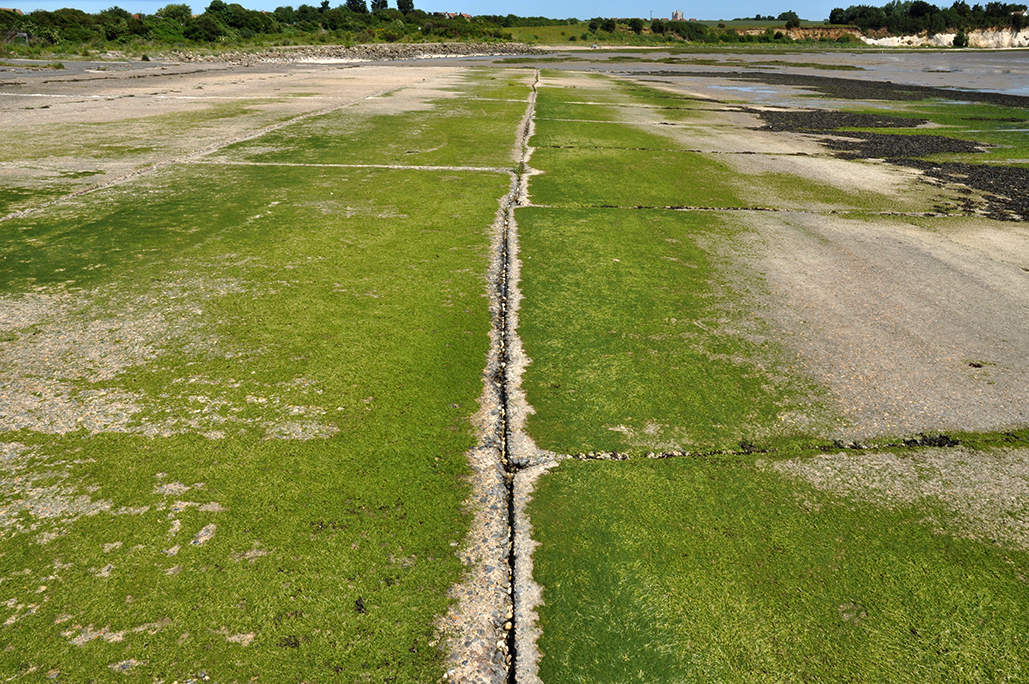
What prevails is the shoreline, a concrete landing skirt and the slow process of reclamation, as nature decides that the council is quite right to decide to create a nature reserve.

Thanks to and for further information http://www.hoverlloyd.org/index.html

Here it is today:

DSC_0698 copy

DSC_0701 copy

DSC_0703 copy

DSC_0704 copy

DSC_0705 copy

DSC_0707 copy

DSC_0708 copy

DSC_0709 copy

DSC_0713 copy

DSC_0714 copy

DSC_0715 copy

DSC_0718 copy

DSC_0721 copy

DSC_0723 copy

DSC_0724 copy

DSC_0726 copy

DSC_0728 copy

DSC_0732 copy

DSC_0742 copy

DSC_0744 copy


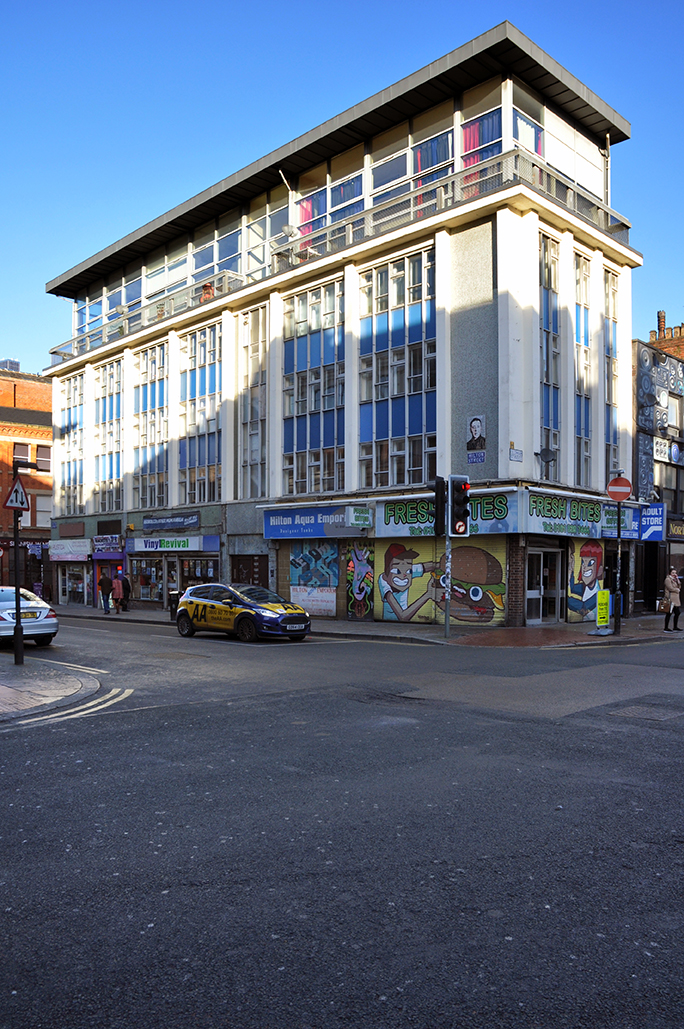
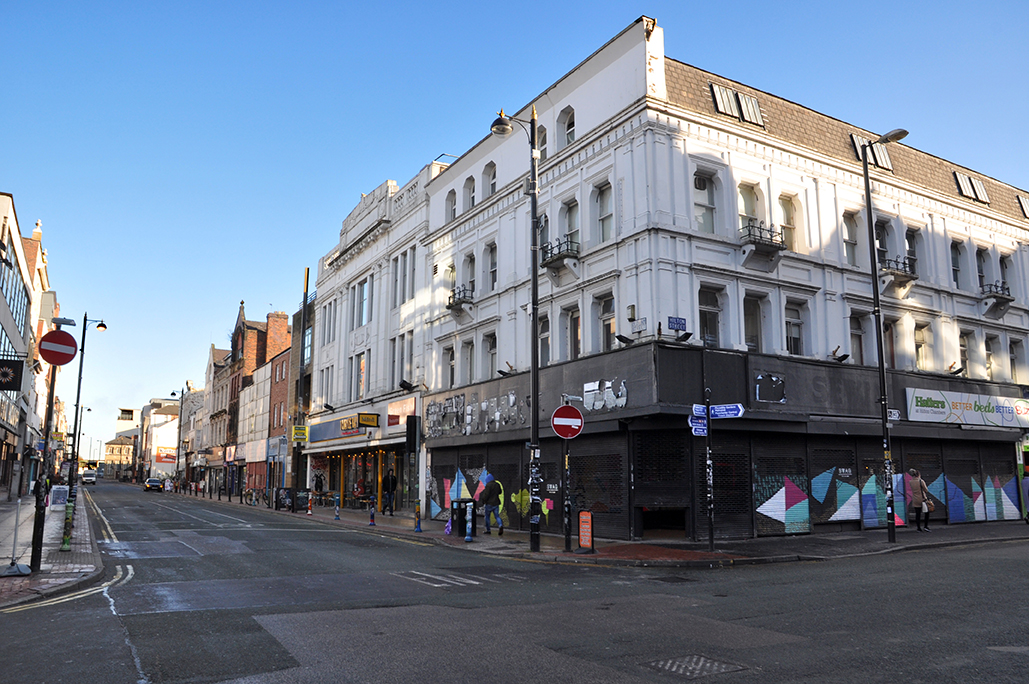
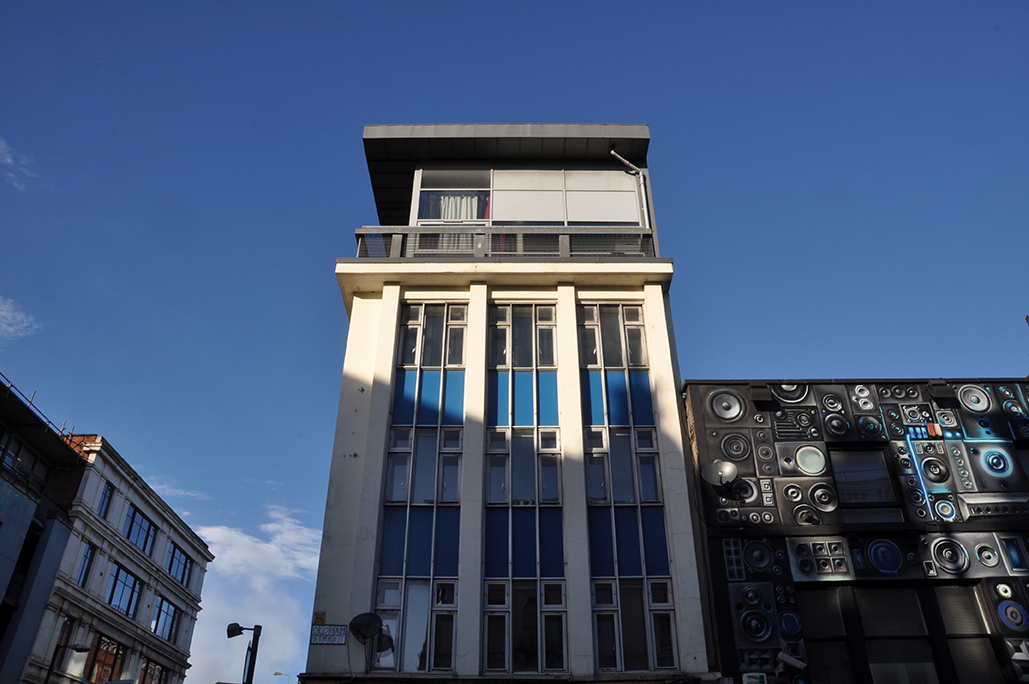
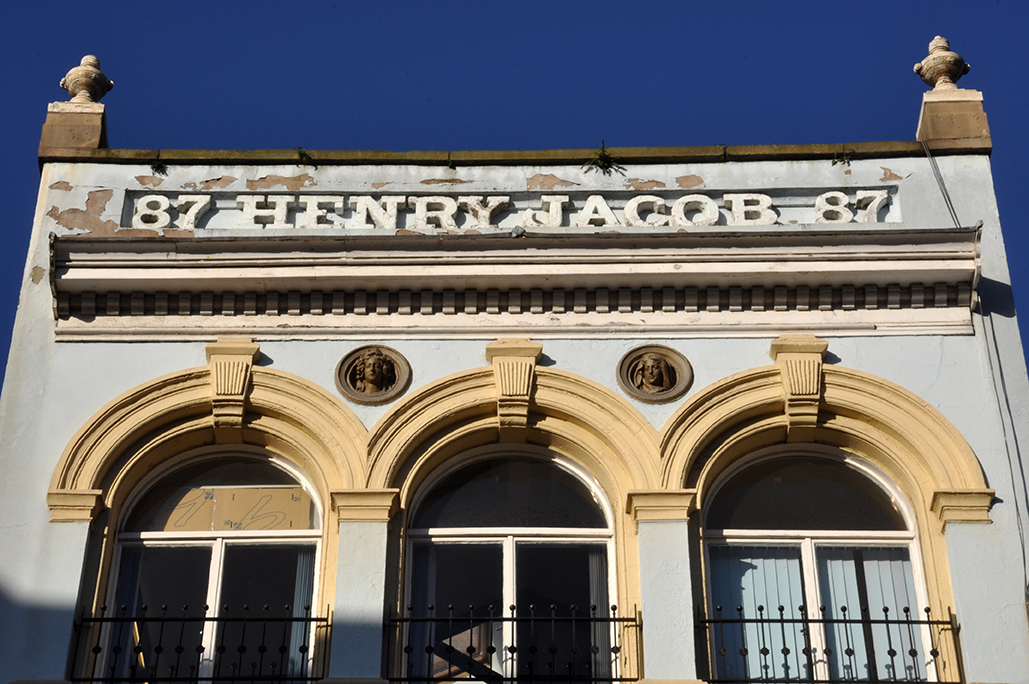
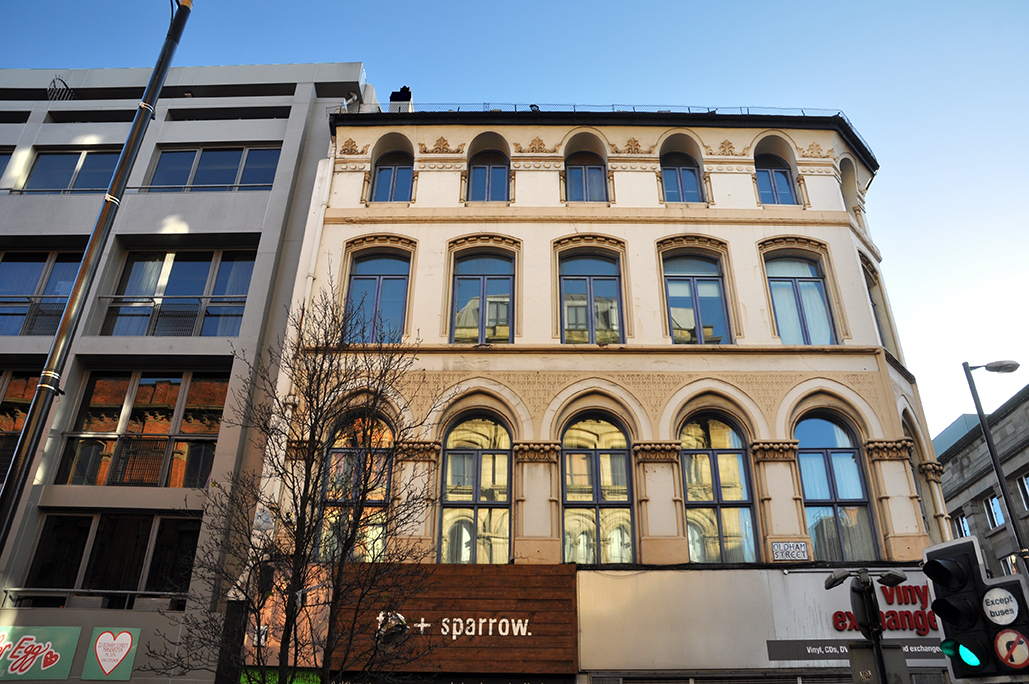
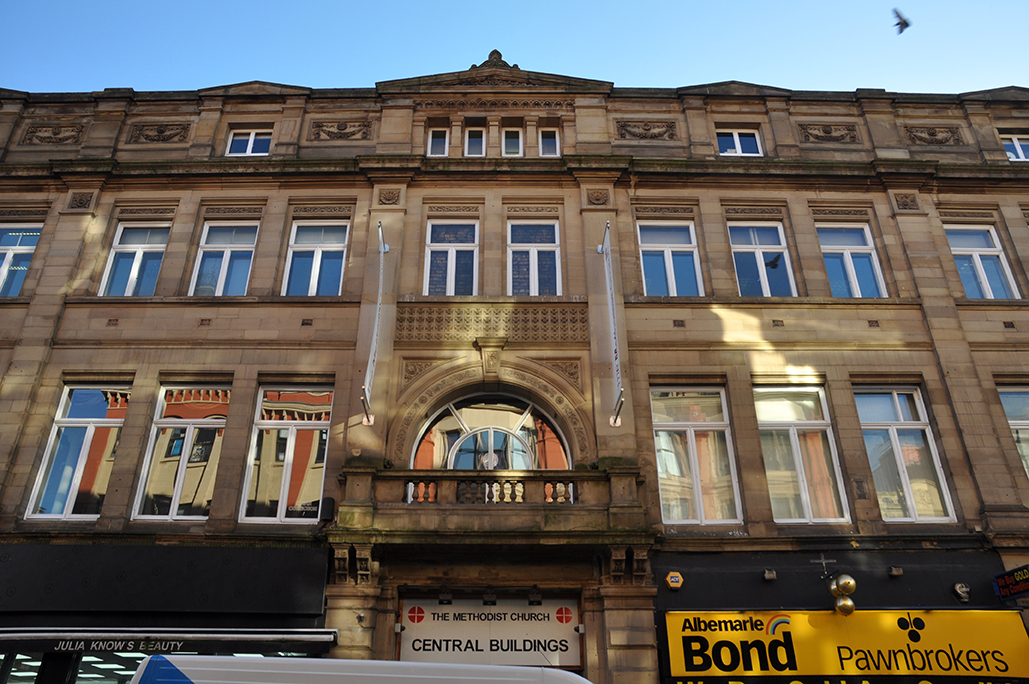
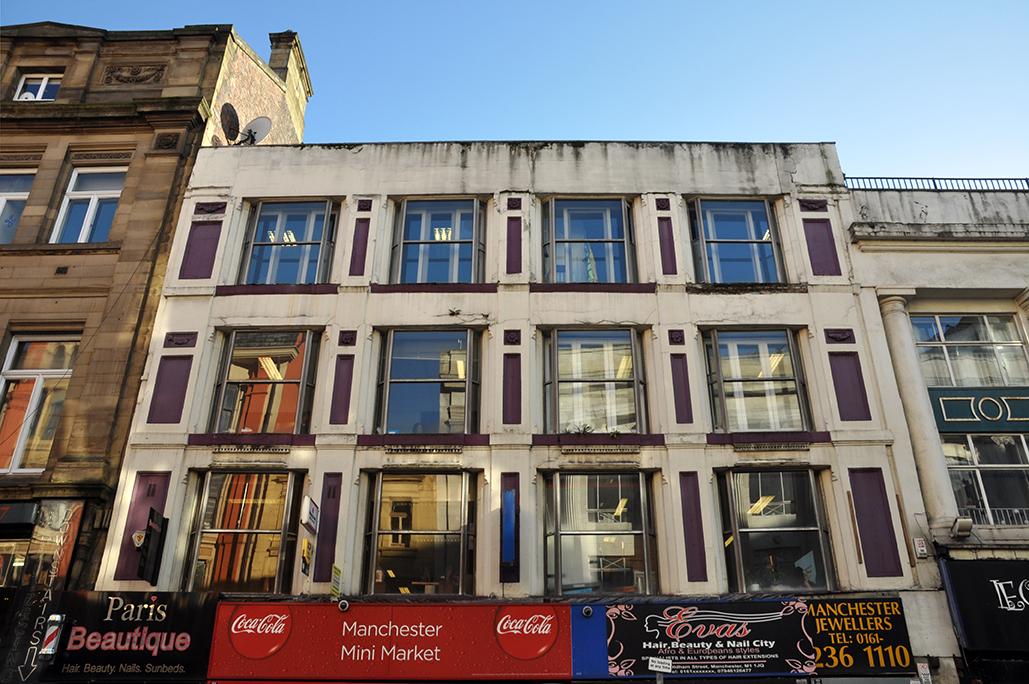
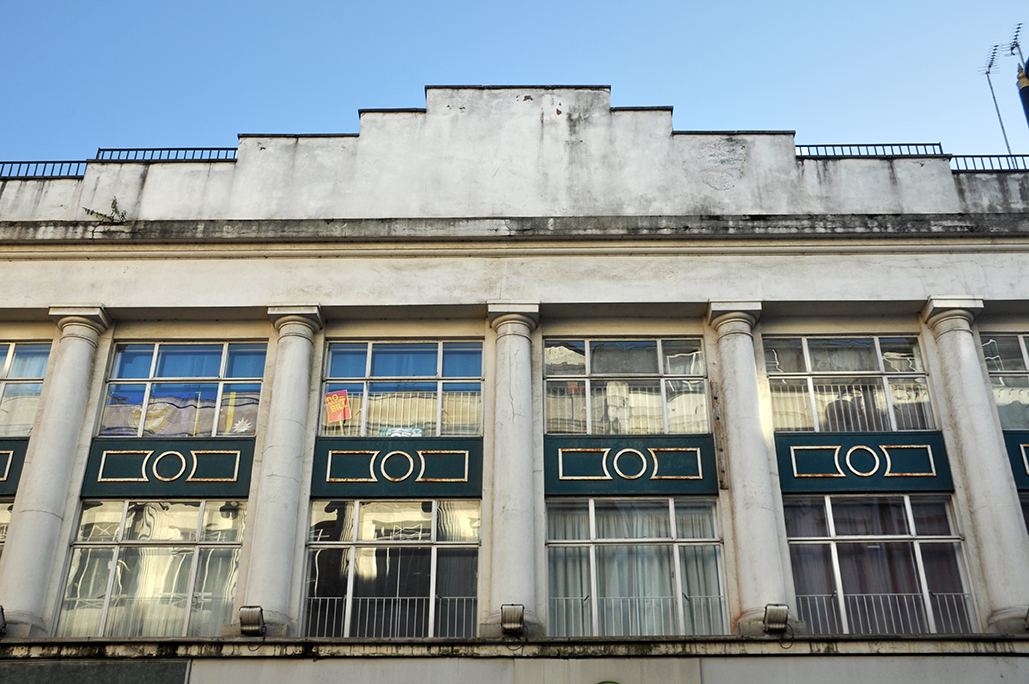
Oldham Street – Manchester 2016

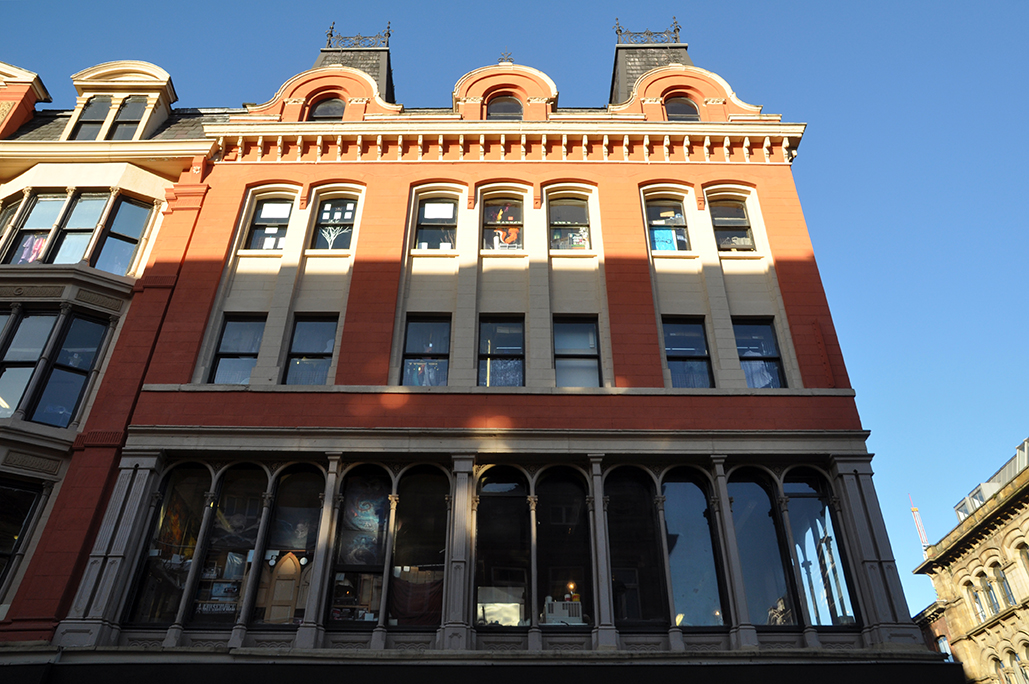
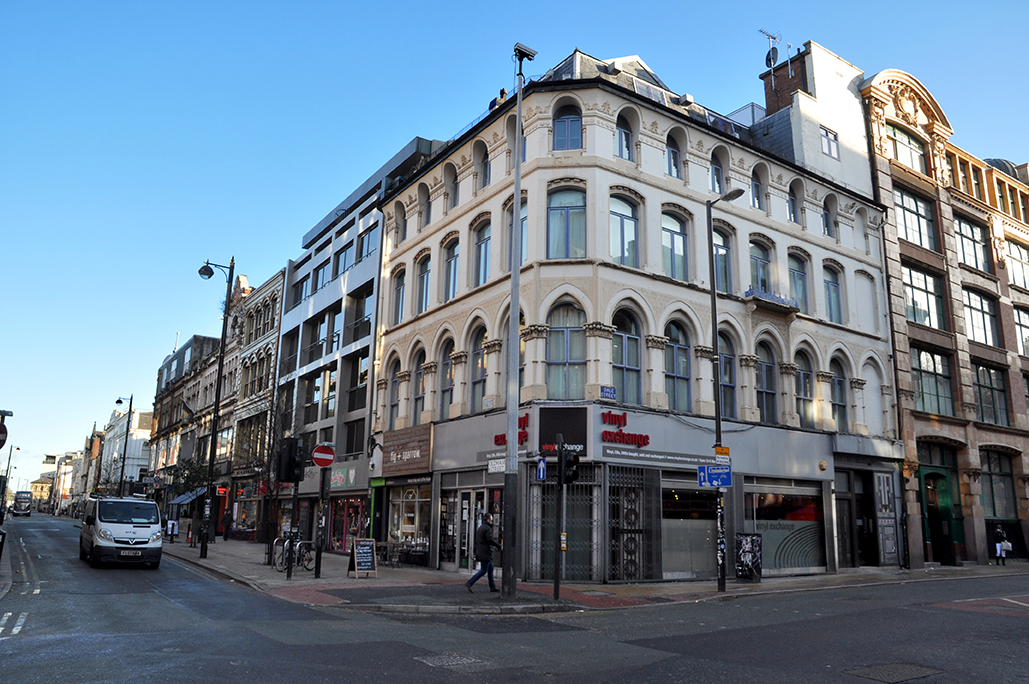
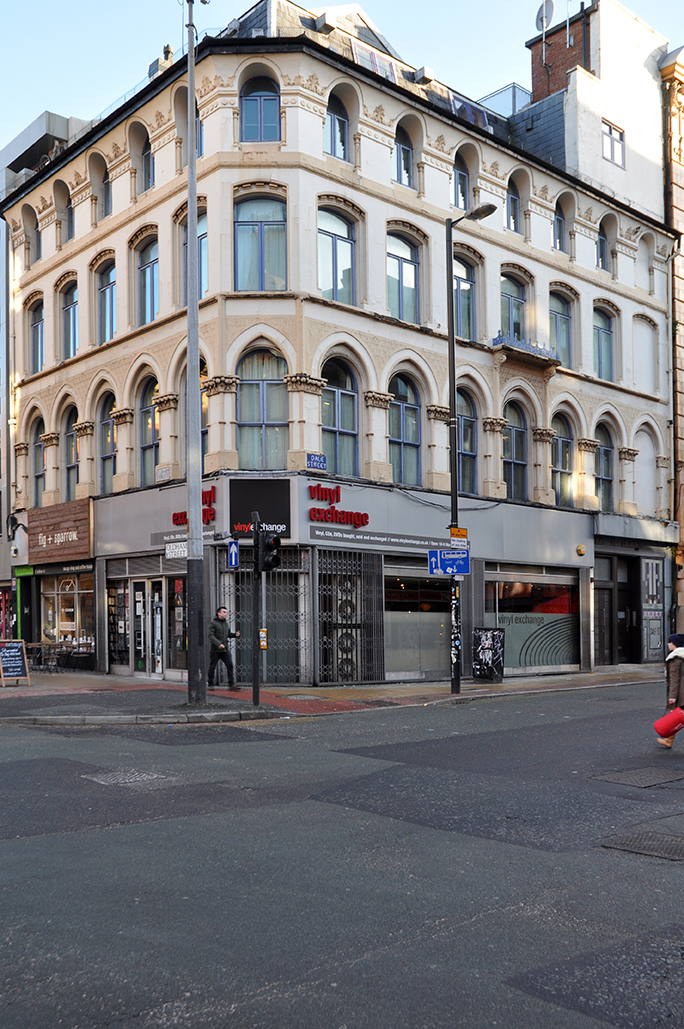
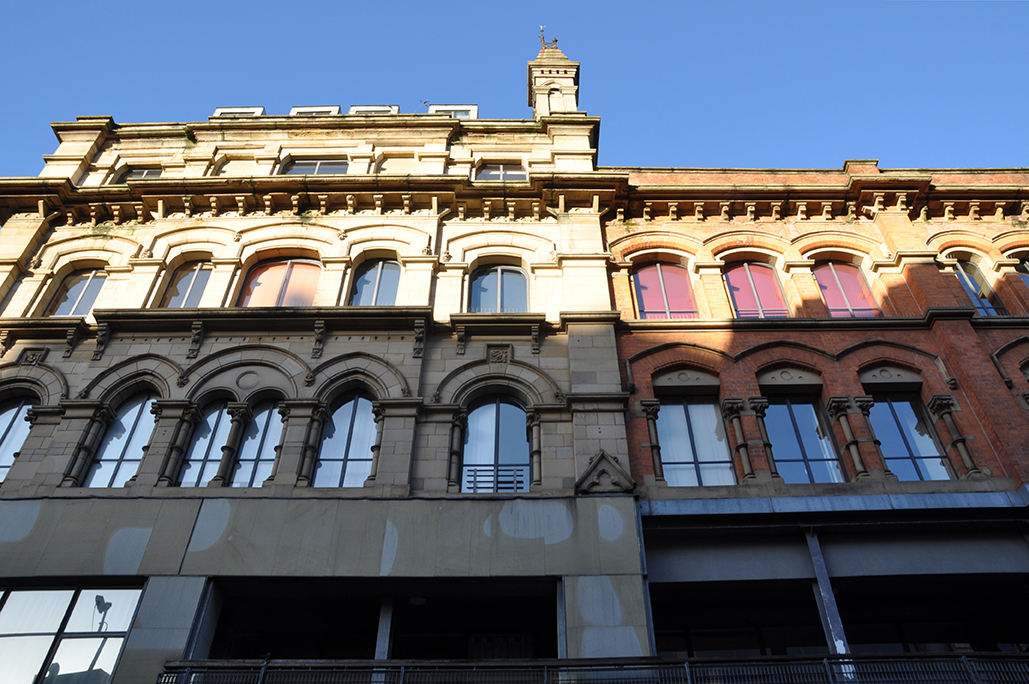
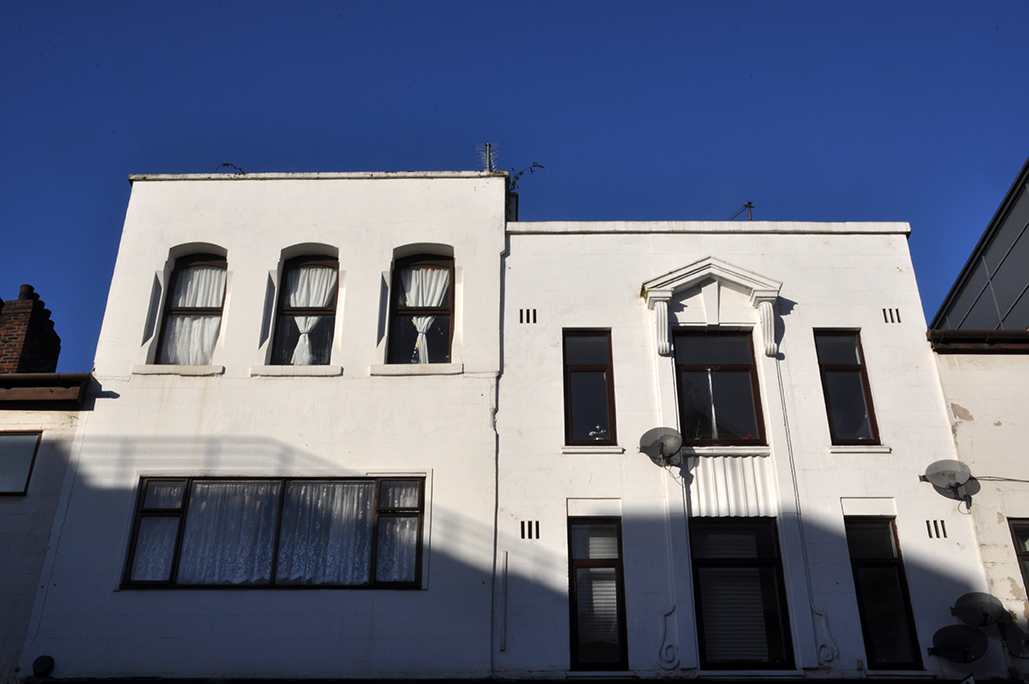
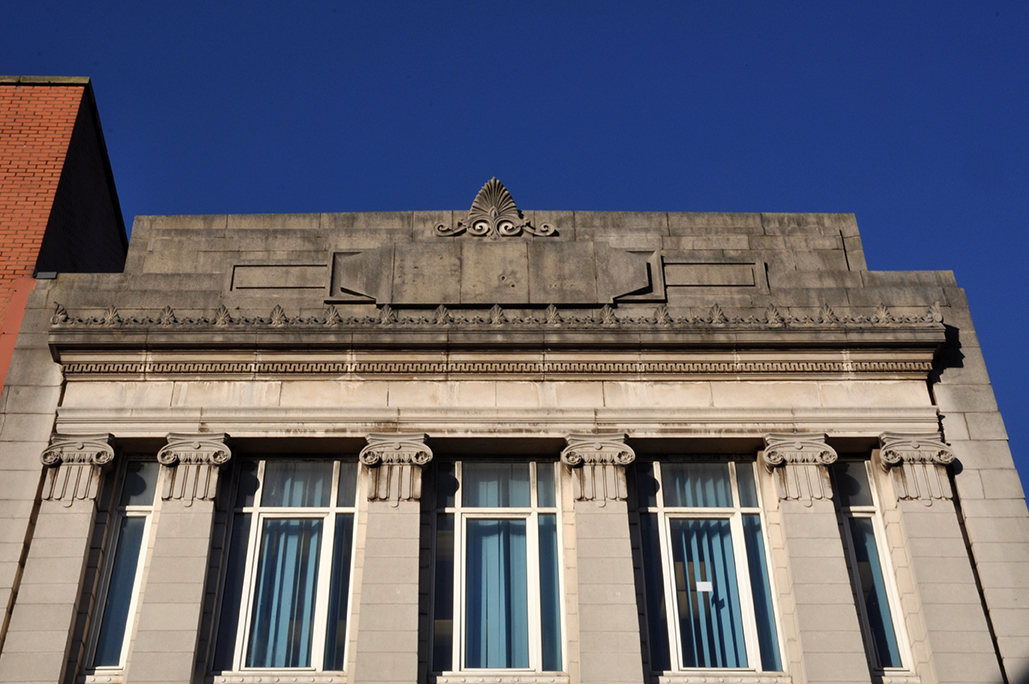
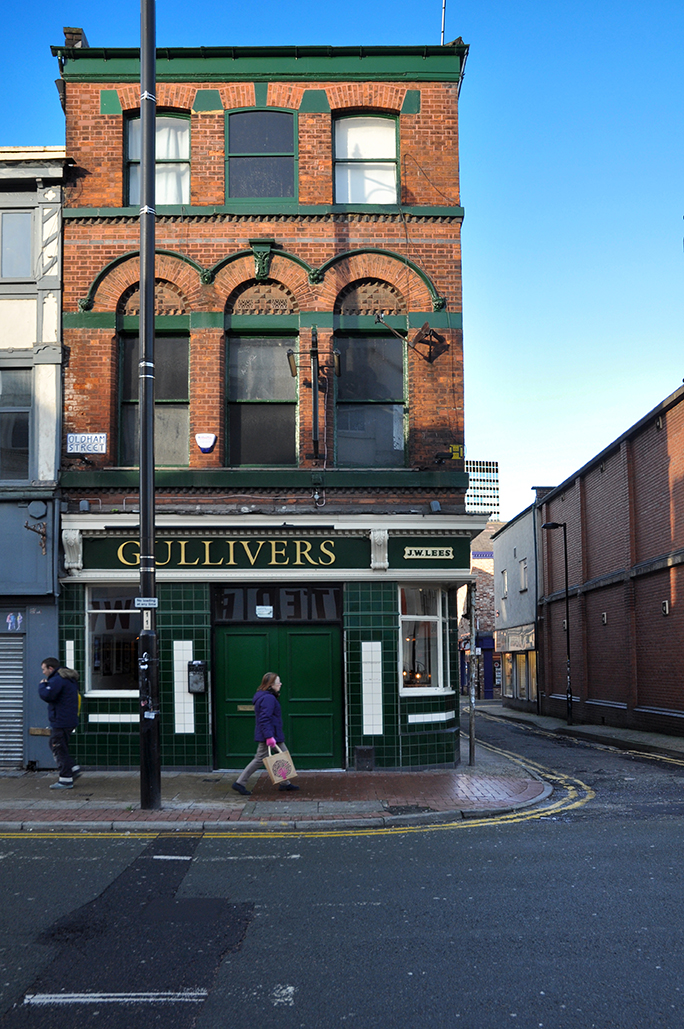
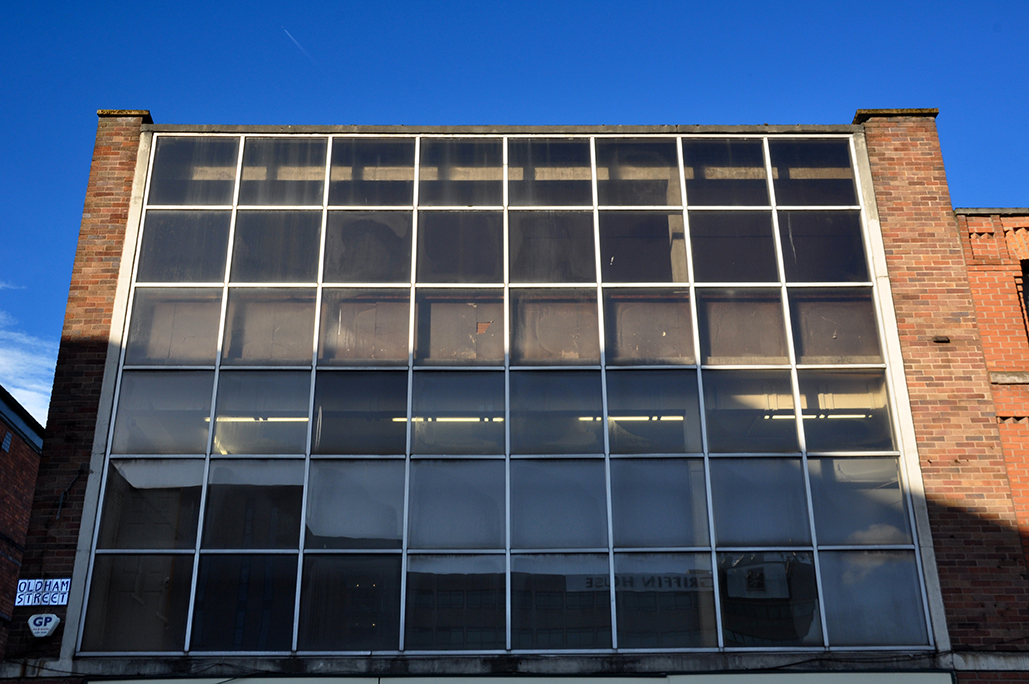
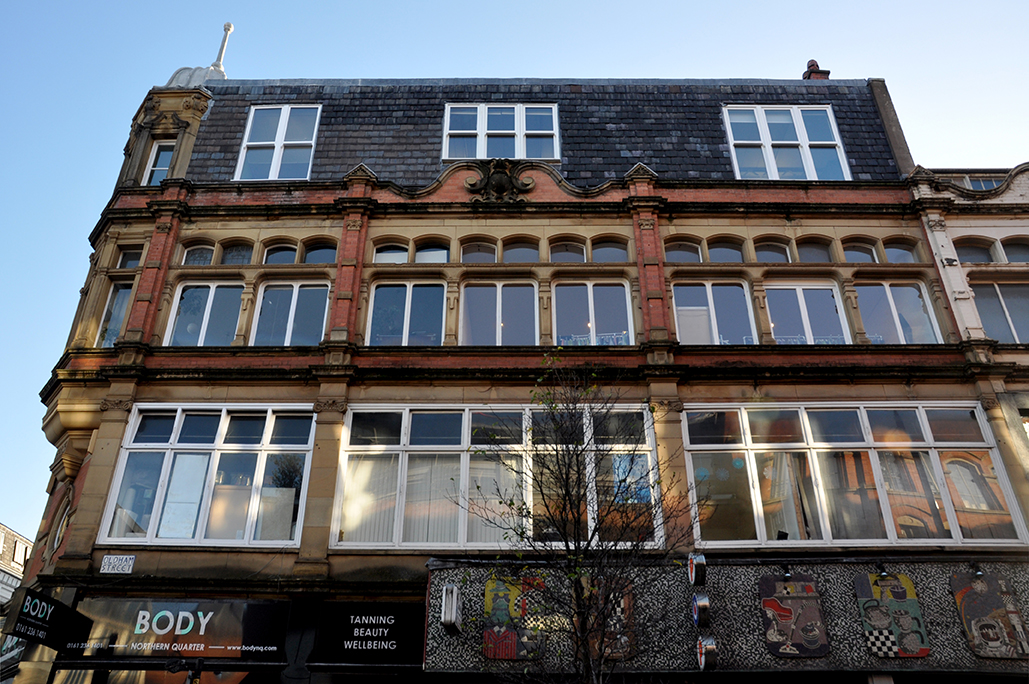
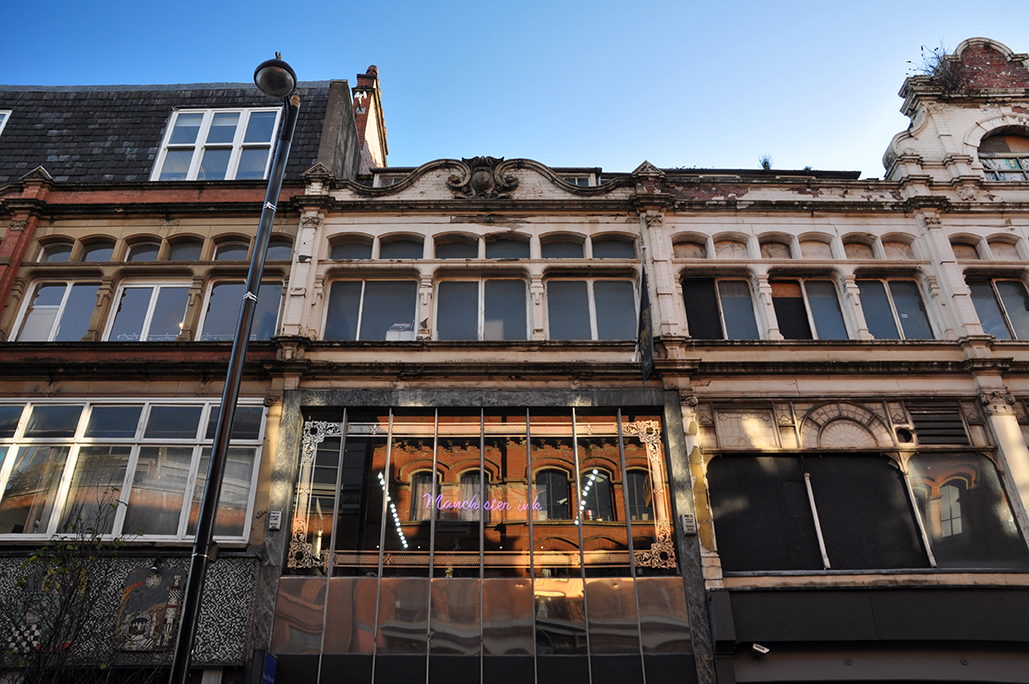
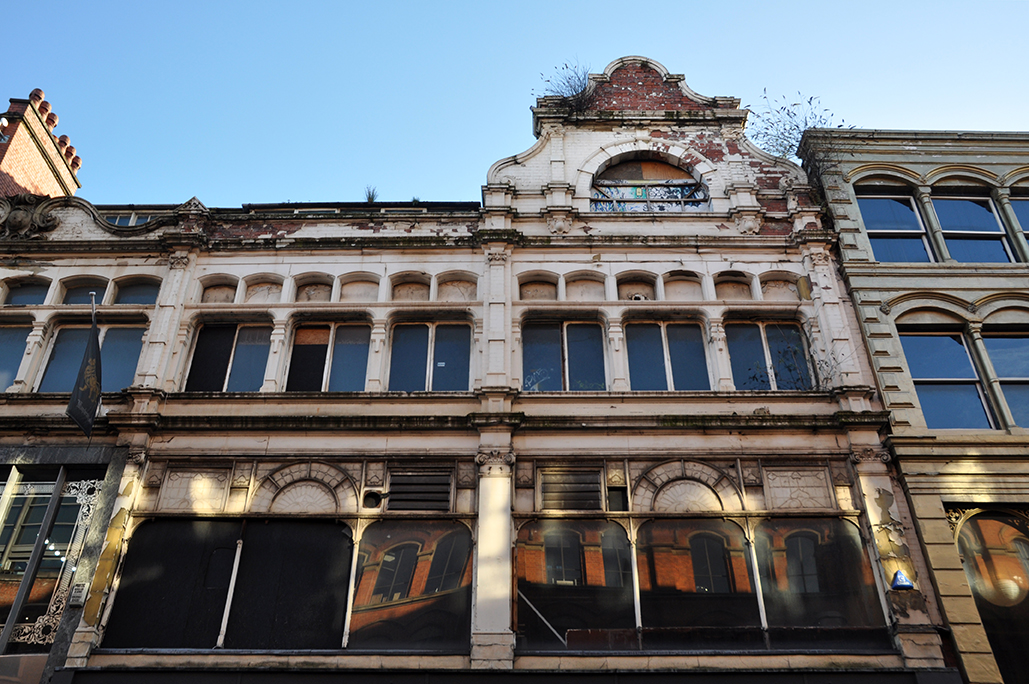
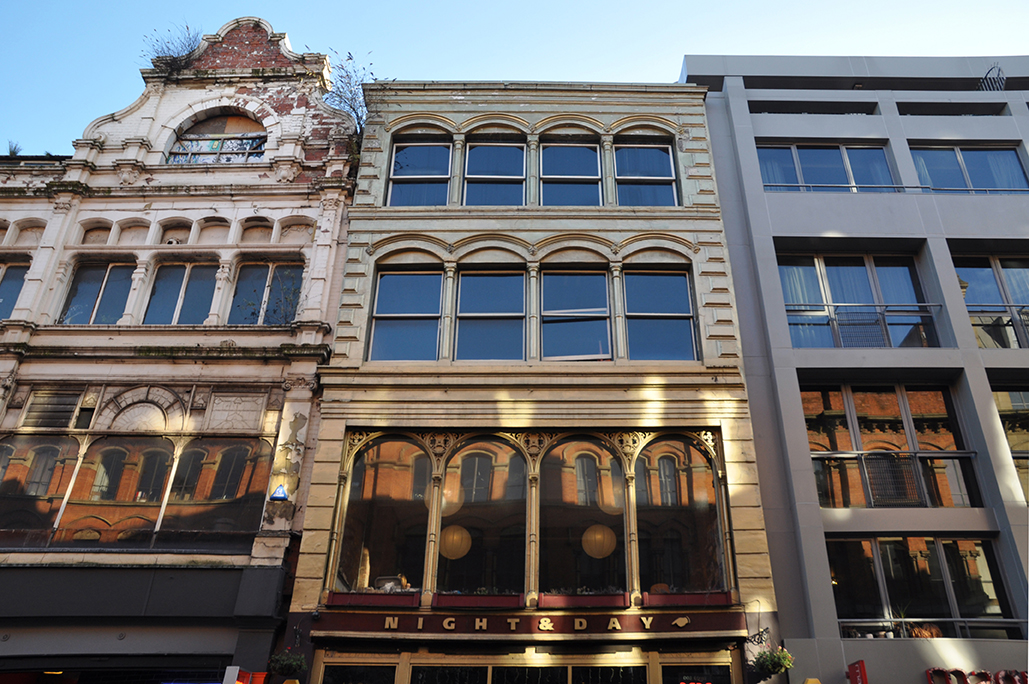
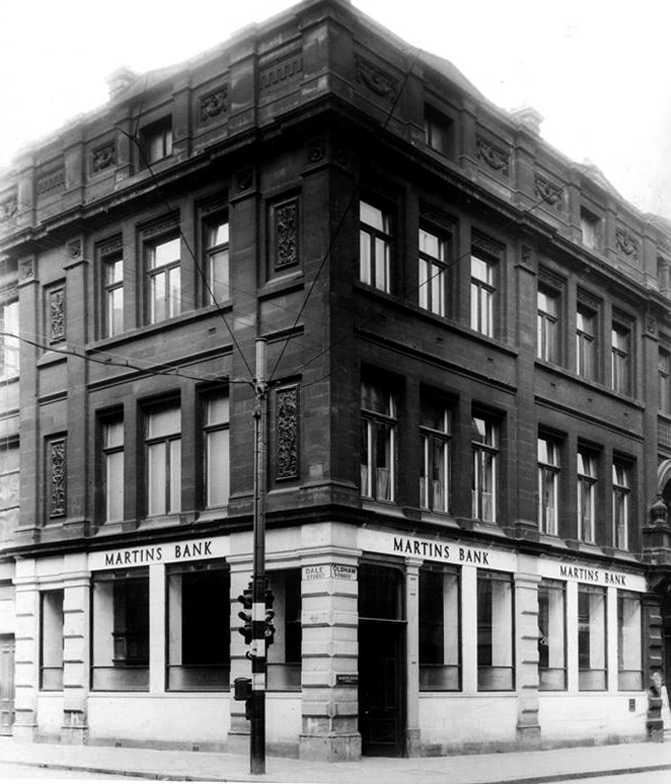
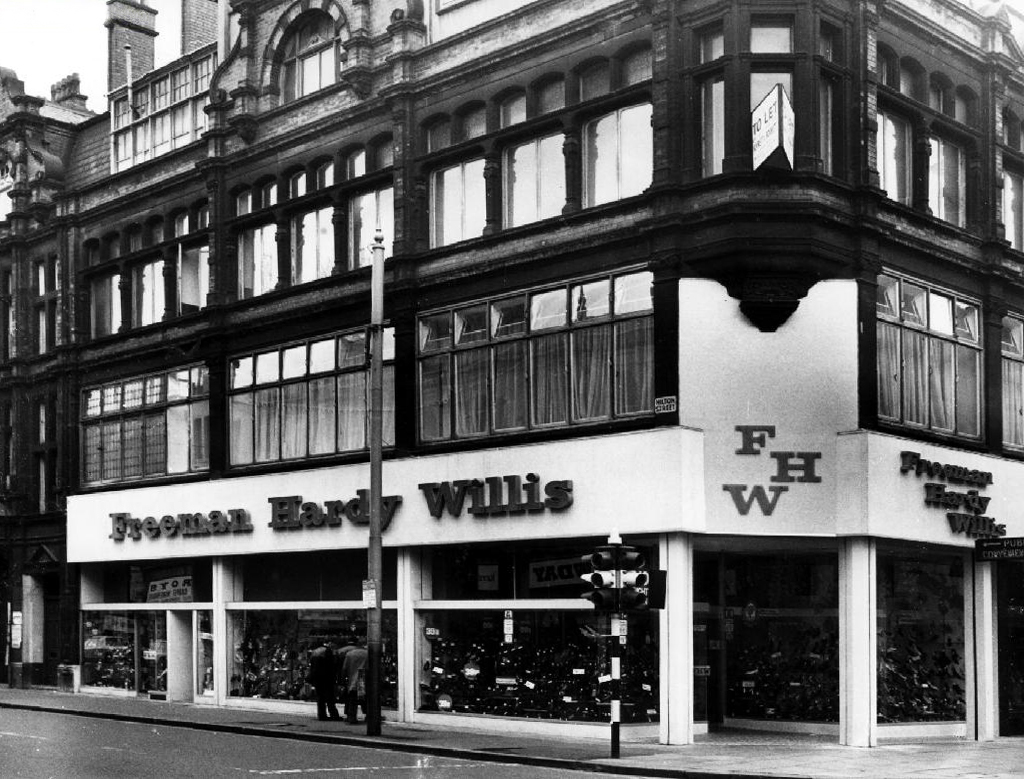
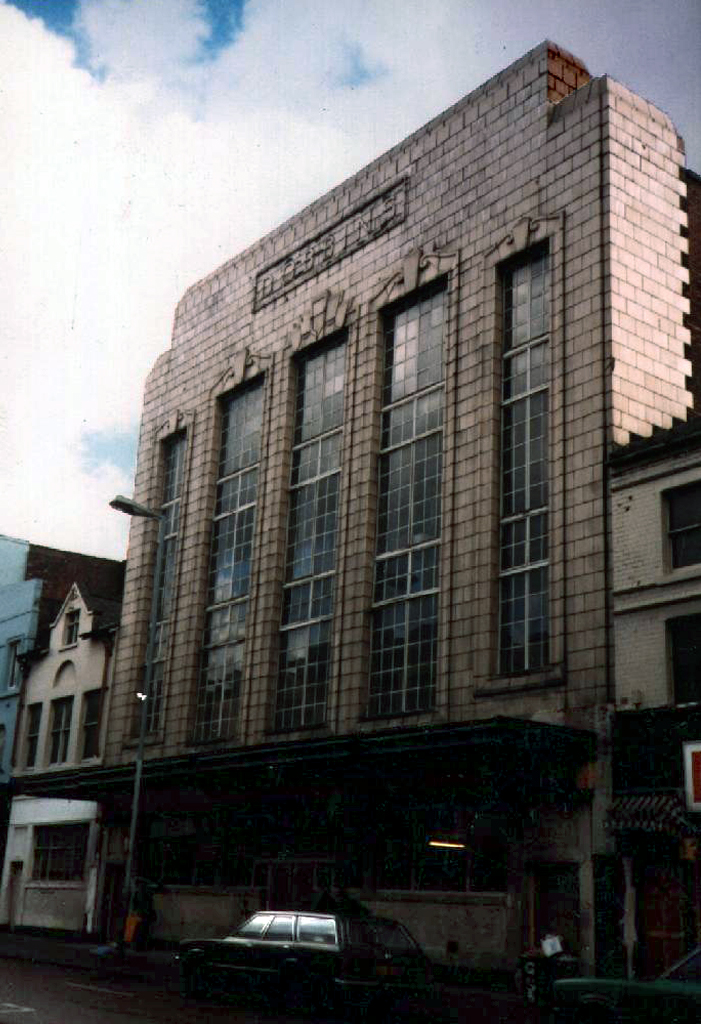
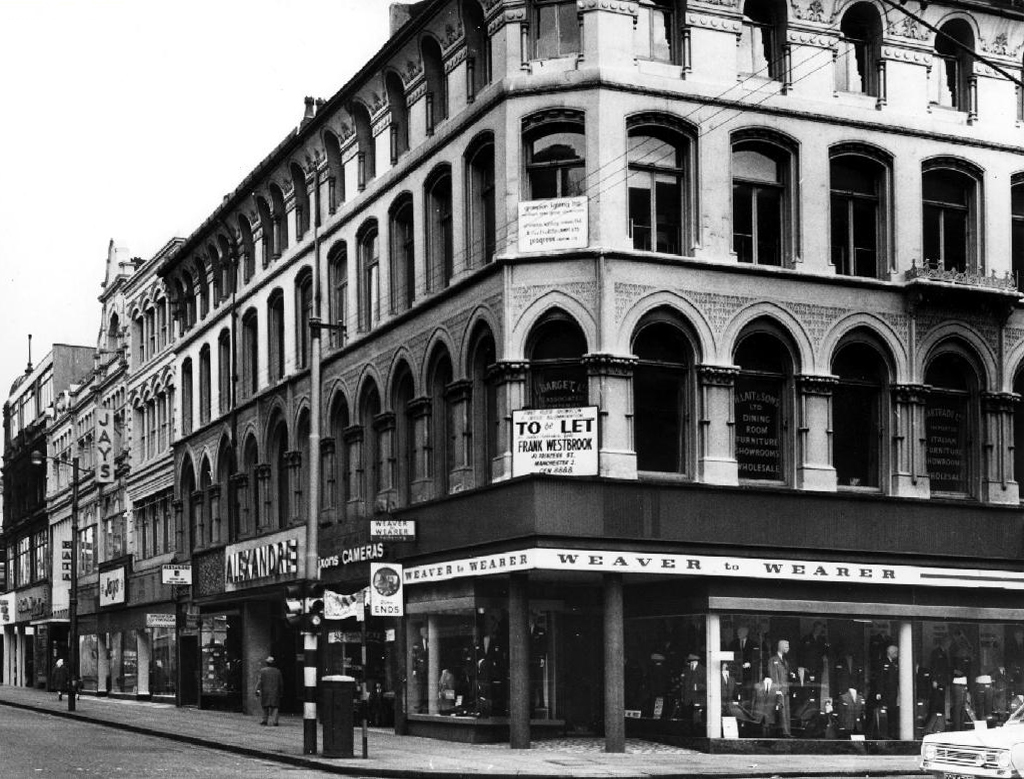
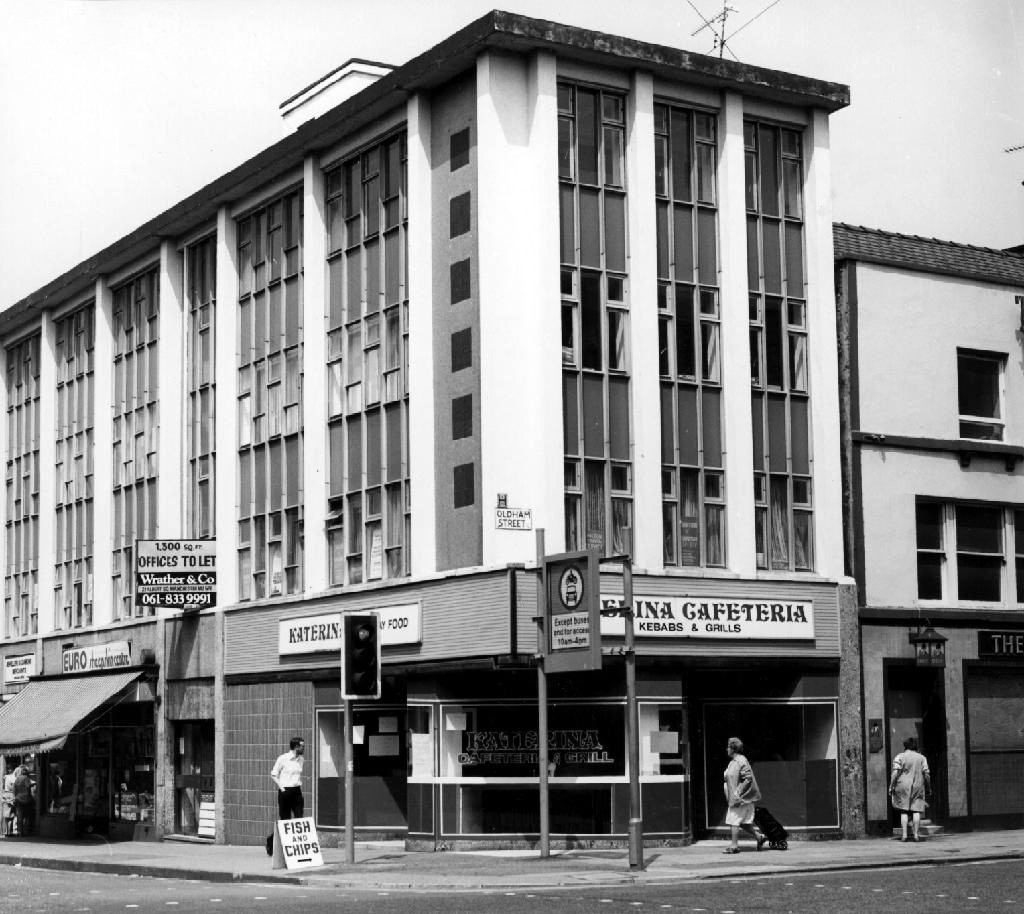
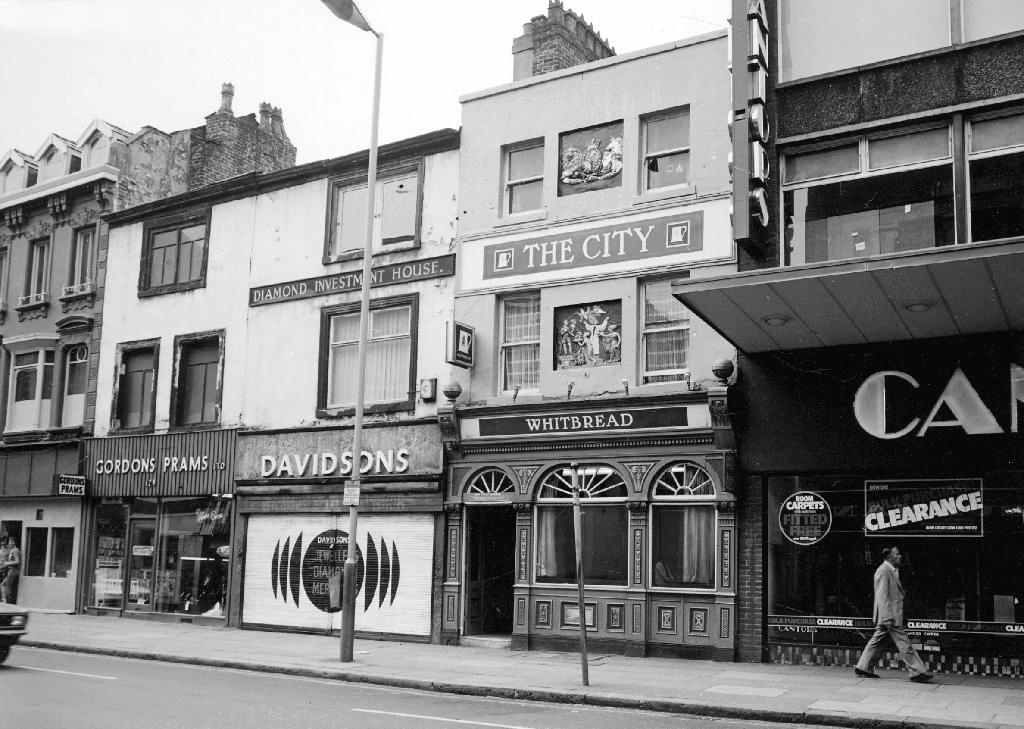
Following my previous post of archival images of Oldham Street, I took a walk along its length a week ago, to record what remained of the post war past.

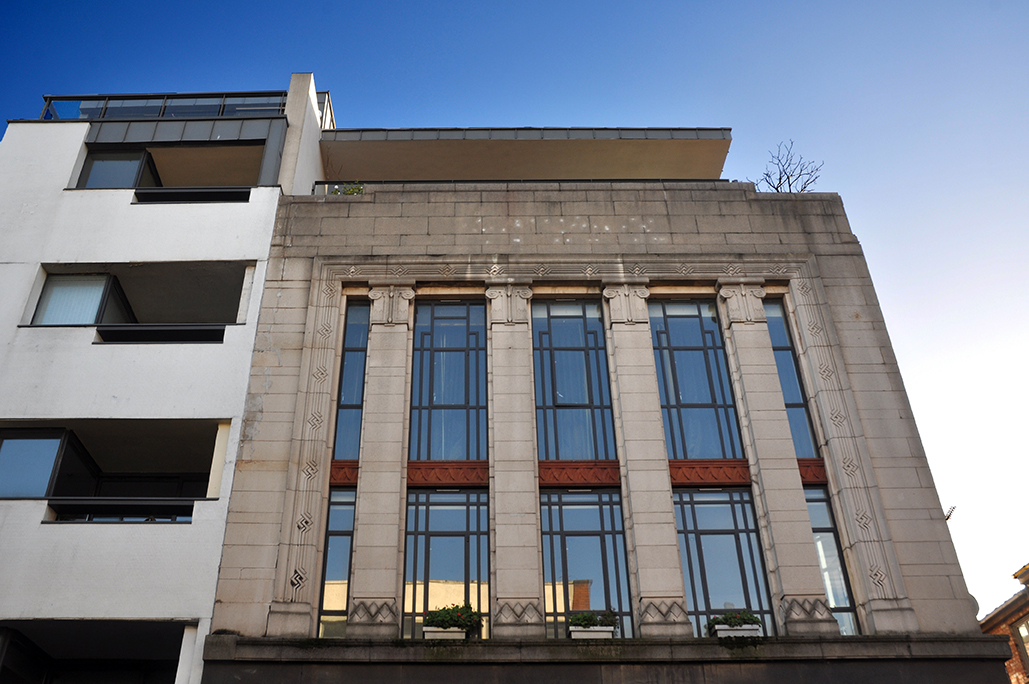
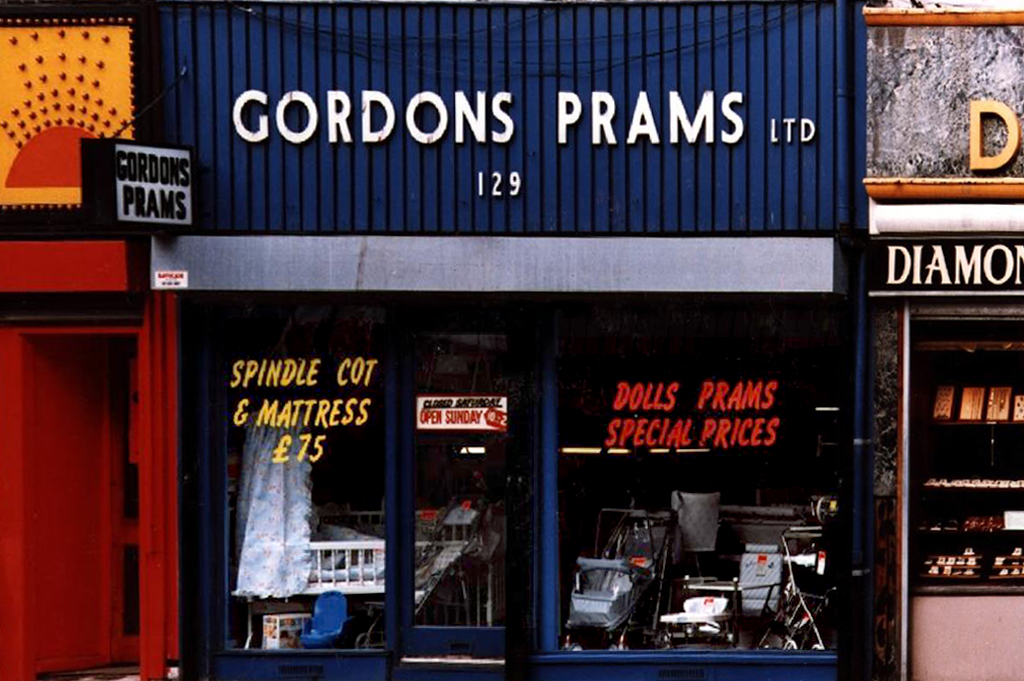
Gone again the blackened façades, exuberant and differentiated signage.

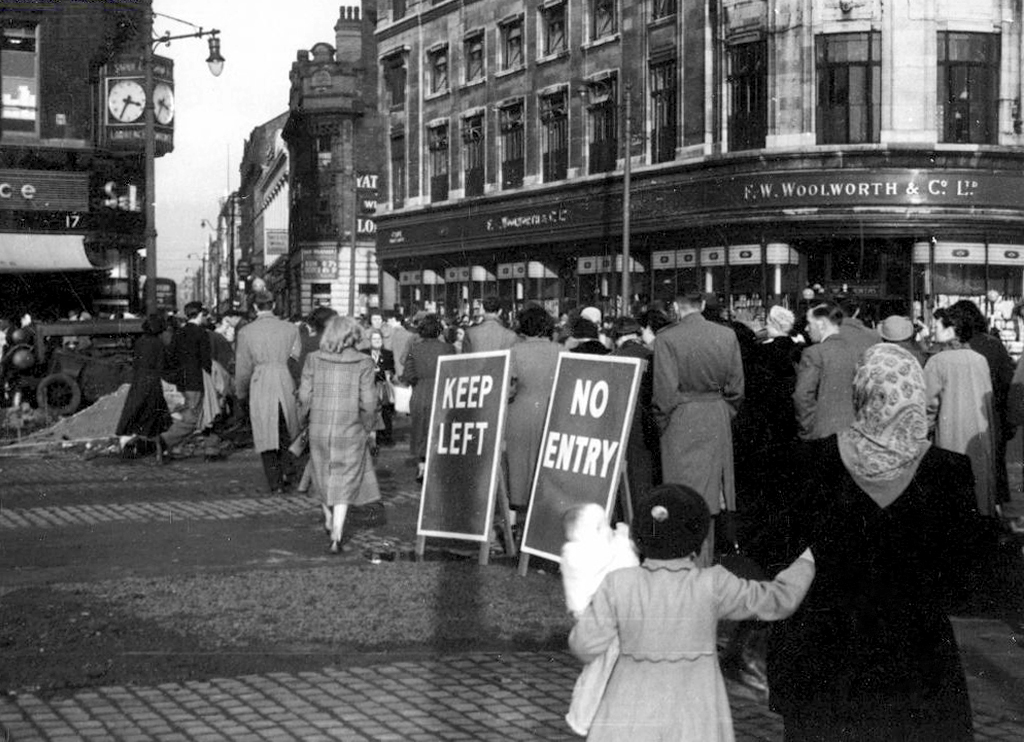
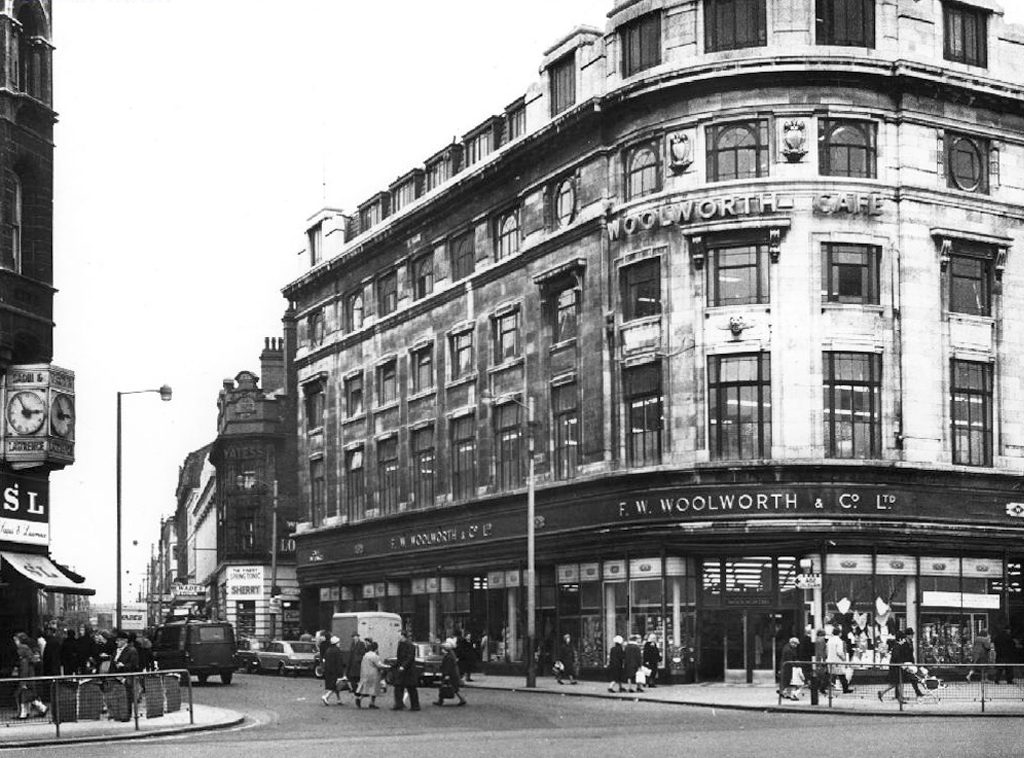
Woolworth’s burnt out long ago, never to return, exit also C&A, don’t forget your coat and hat.

Affleck’s – same name different place.

Yates’s three down none to go, the last all-in is all out.

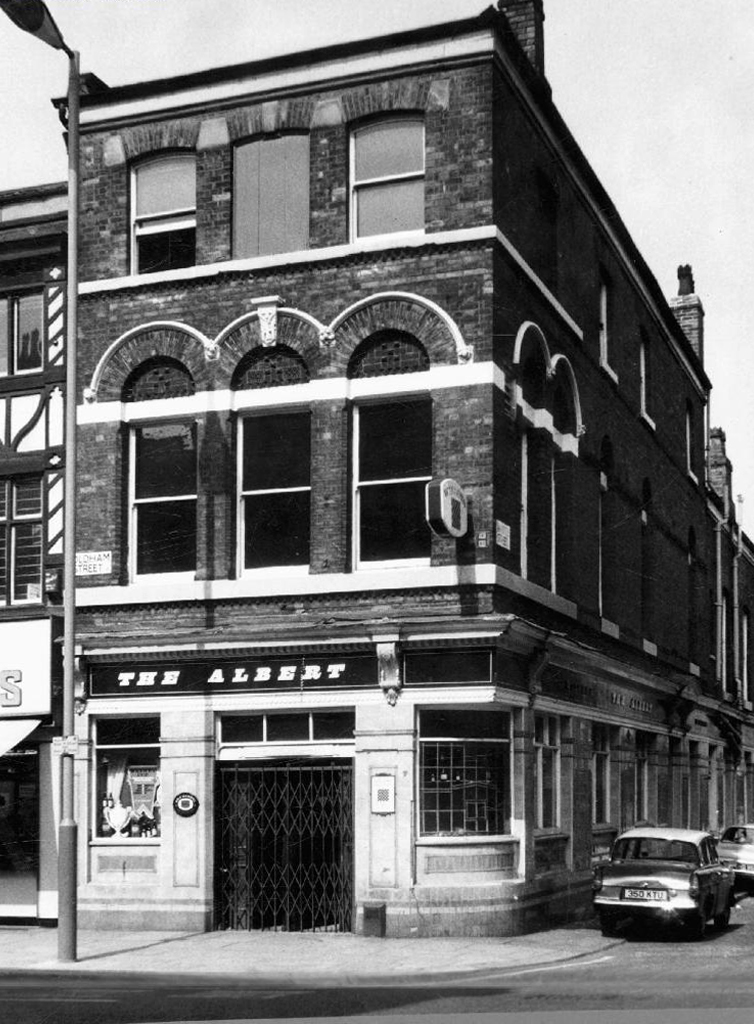
Three pubs prevail, some serving craft ale to the not so crafty.

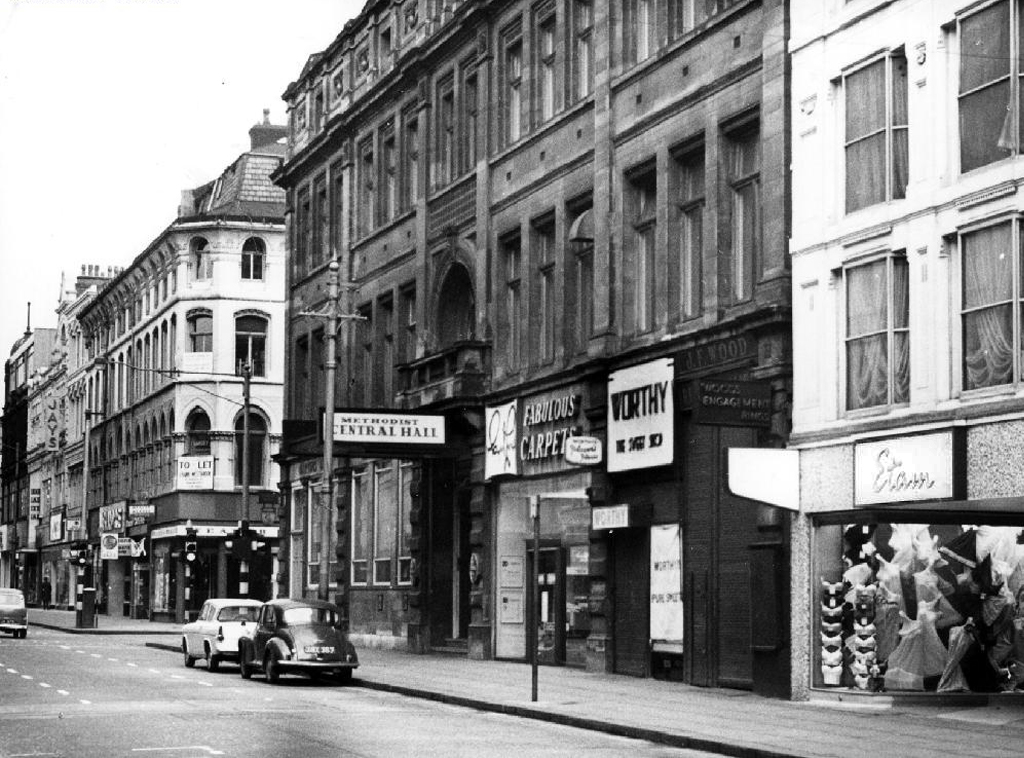
Methodist Main Hall is mainly well-used and well, loved.

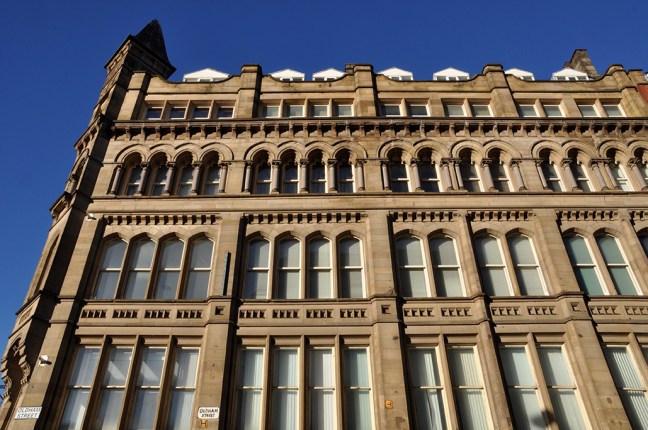
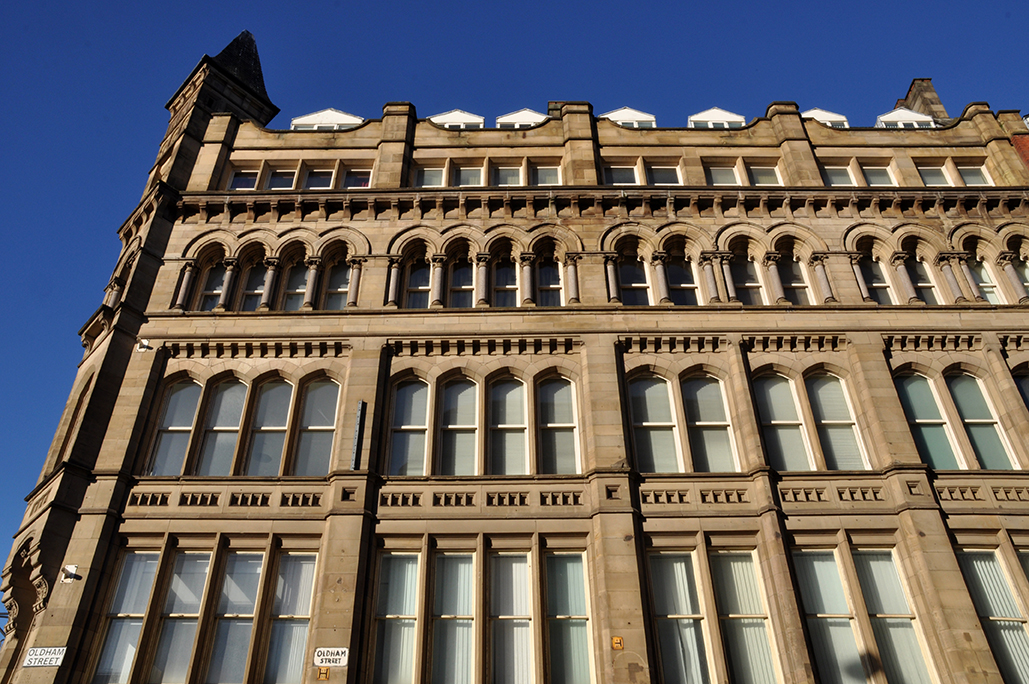
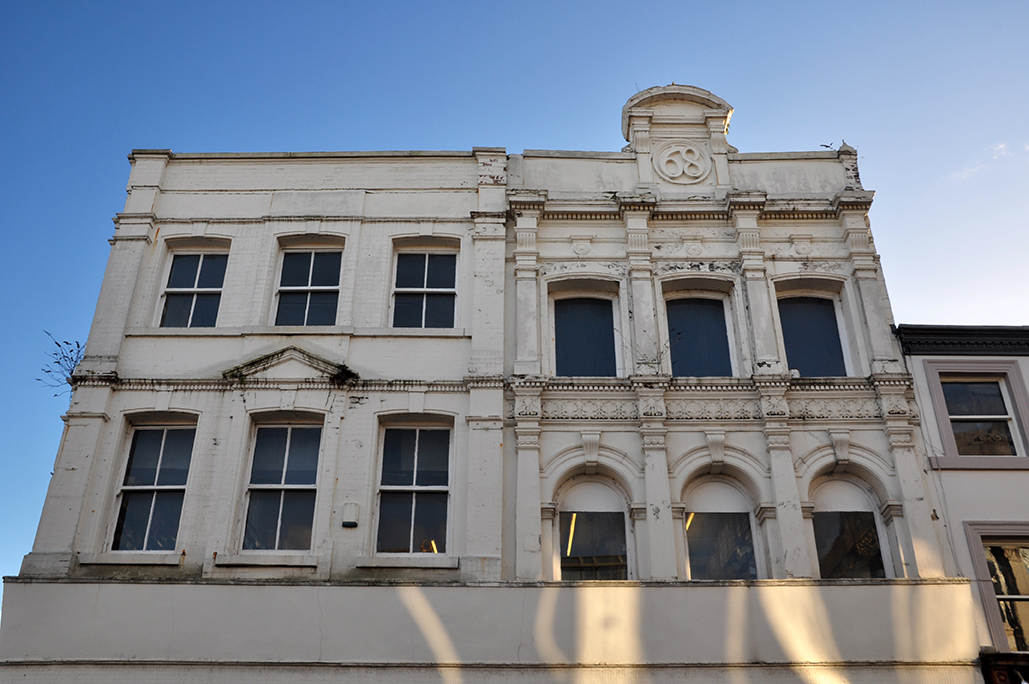
In low Winter light the upper floors dance in shadow and sun-glow, against a brighter than bright blue sky.

A crazy range of saw-toothed roof tops colliding.

Oldham Street survives.


Gorsey Bank – Stockport #1

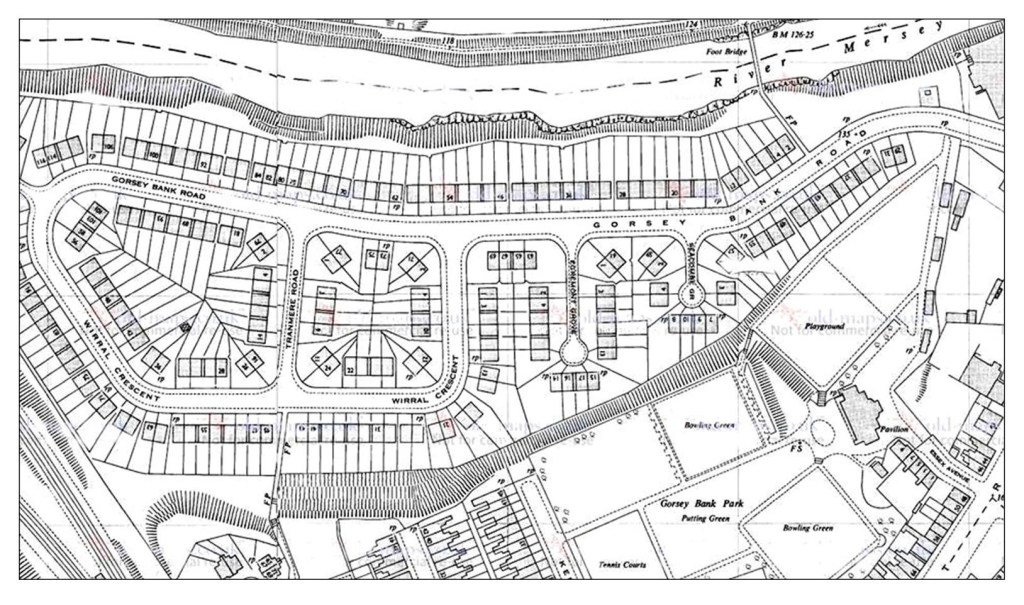
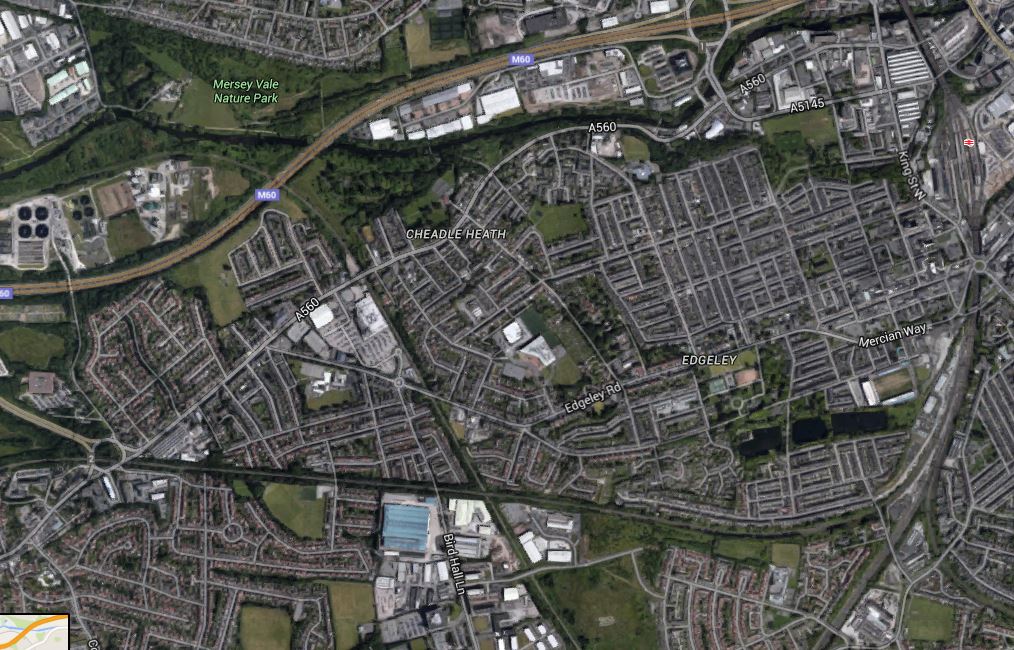
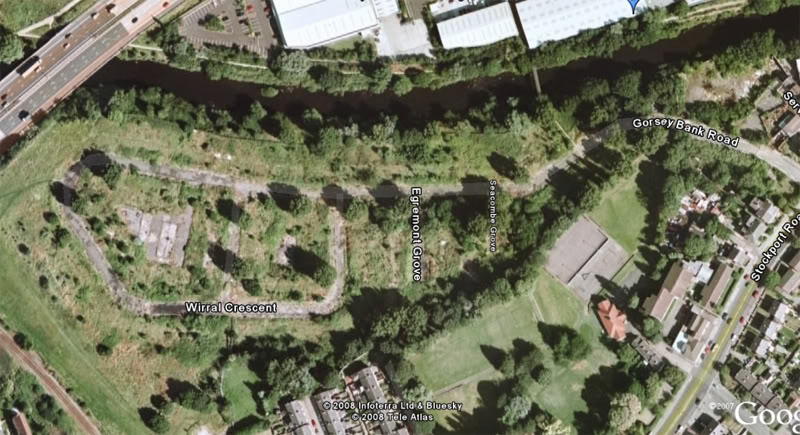
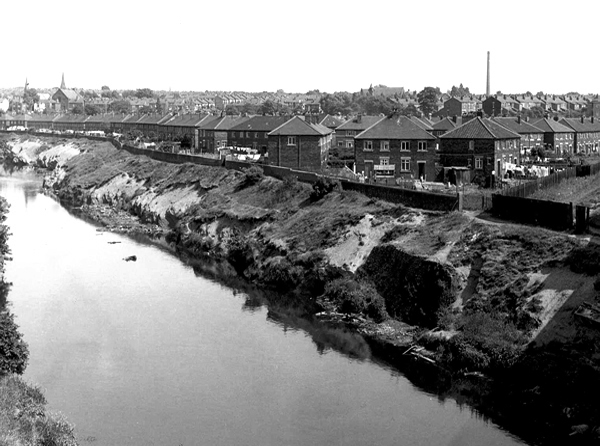
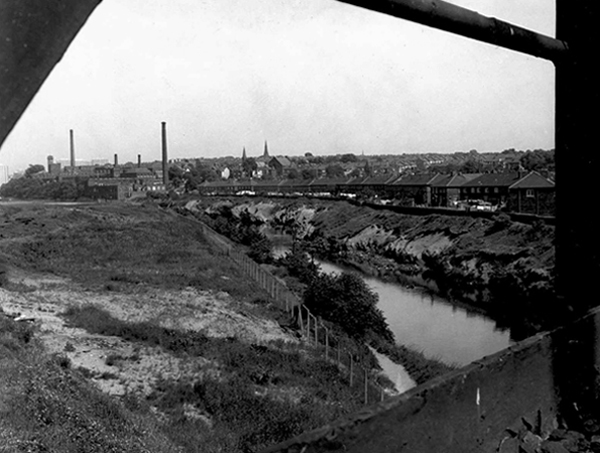
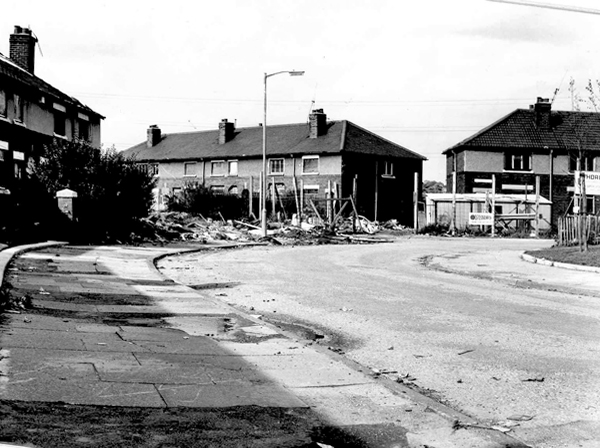
Tucked in between the River Mersey and the A560 were some 200 homes.

stockporttoeastdidsbury


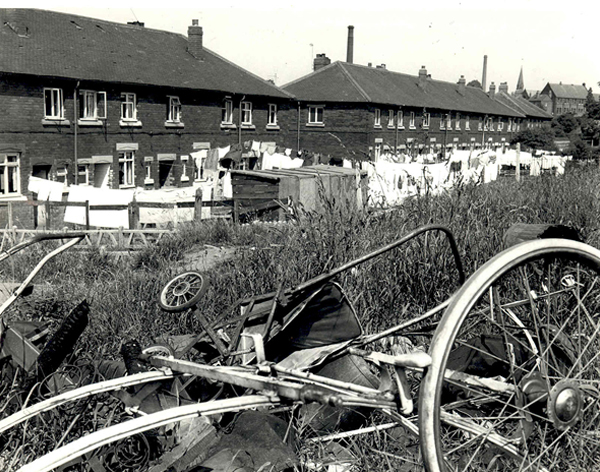
above2008

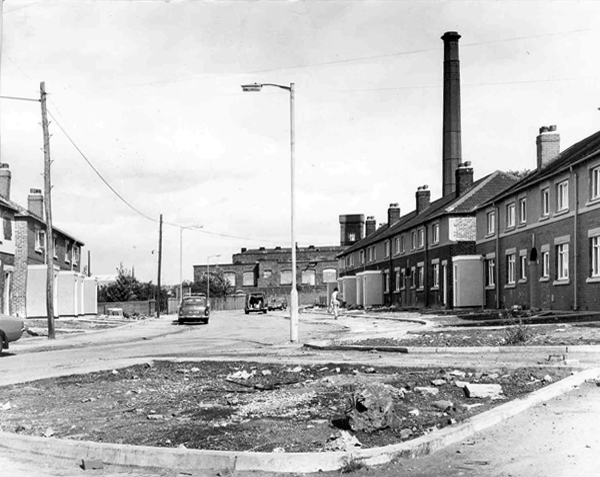
Inter-war social housing comprising Gorsey Bank Road, Seacombe Grove, Egremont Grove, and Wirral Crescent, names evoking some not too distant shore, or leafy idyll.


2251

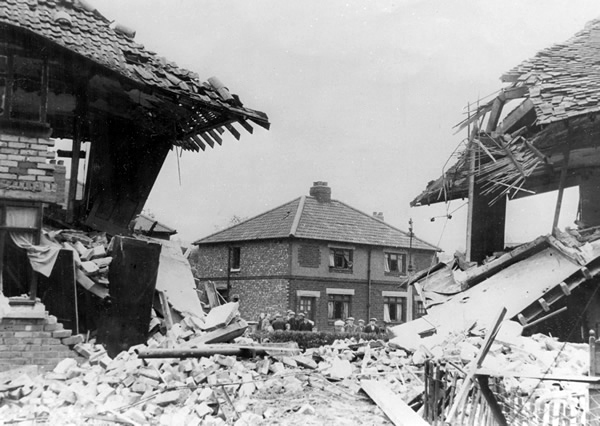
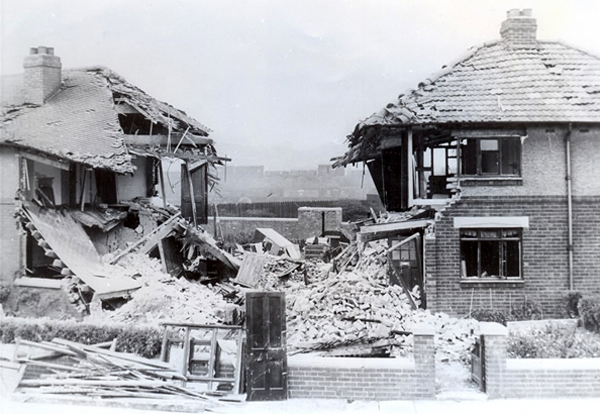
During a night raid, October 1940, they fell victim to a line of bomb damage from Portwood, Cheadle Heath and Cheadle as a bomber tracked a train on the railway line. 

The photographs were taken by an Air Raid Warden the morning after the bombing. 

The house on the left is No 12, the home of Tom and Louisa Nyland and their children Tom aged 4 and Maureen aged 2. Mrs Nyland received a head wound but no one was killed. The house was rebuilt and the family moved back into the house after the war. 

Patrick Nyland Date : 03/05/2014

Here is Jack Oldham’s fascinating account of his wartime experience on the estate.

http://www.bbc.co.uk/history/ww2peopleswar/stories/41/a2280241.shtml

20170

20169

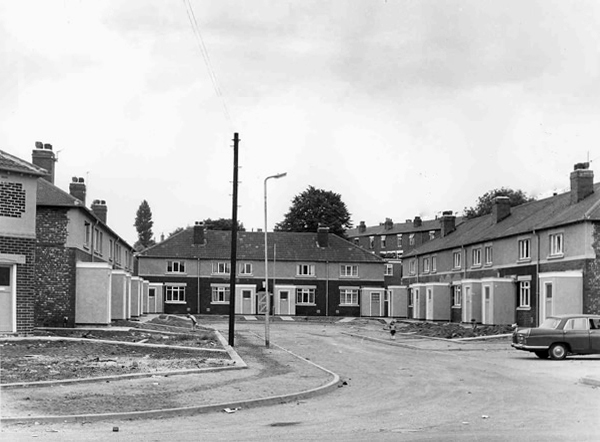
Post war the estate prevails, there are no available accounts of events there, one assumes that little of moment occurred, save people going about the business of living their lives.

2252

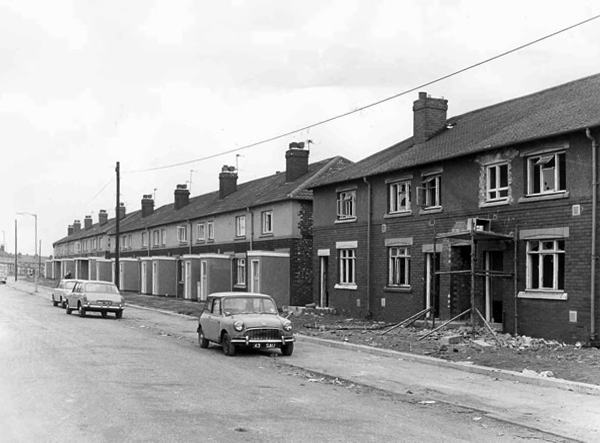
Refurbishment was undertaken during the 1970’s

10222

10224

10249

10250


There then follows a tale of decline, crime and associated social problems, which concludes with the estate’s demolition in the late 1990’s.

Sheila Bailey, who became a local councillor for the area in 1990, said:

“There were many law-abiding citizens living on the Gorsey Bank estate but, as usual, it was a minority ruining it for the rest.

“A lot of money was spent on the estate in the 1970’s in an attempt to change the culture but the area just deteriorated.”

“Clearing the estate was a long process and a difficult period, but it did reduce anti-social behaviour in the area.”

She added: “No one is particularly sorry to see the back of the Gorsey Bank estate.”

http://www.manchestereveningnews.co.uk/news/local-news/its-the-end-of-an-era-for-boroughs-worst-1028217

My thanks to the Stockport Image Archive

http://www.stockport.gov.uk/services/leisureculture/libraries/libraryonline/stockportimagearchive/sia/


Oldham Street – Manchester

In the early 18th century, Oldham Street was apparently:

“An ill-kept muddy lane, held in place on one of its sides by wild hedgerows”.

In 1772, a privately owned track which is now known as Oldham Street was given to the public. The road took its name from Adam Oldham rather than from the place name. He was an acquaintance of John Wesley, the founder of Methodism, which could account for the Oldham street location of the Methodist Chapel, opened by Wesley in 1781. Central Hall replaced the Chapel in 1885.

The area around Oldham Street became more affluent, with warehouses and shops, many of whose merchants lived within their shop premises. This is described by Isabella Varley, Mrs. Linnaeus Banks, a resident of Oldham Street, in her book The Manchester Man.

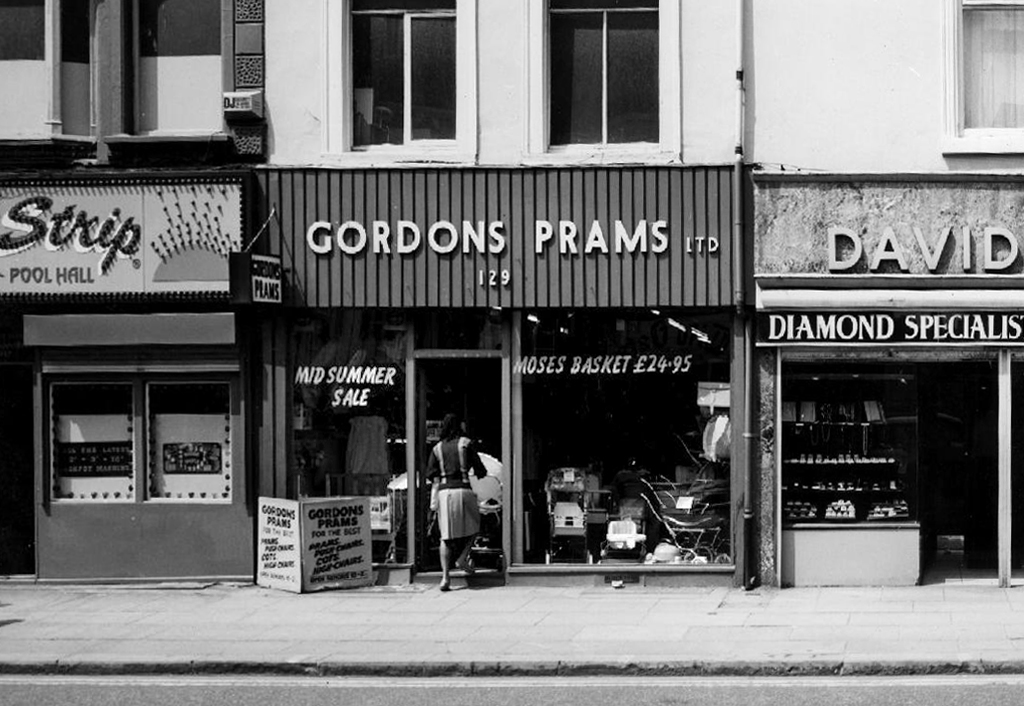
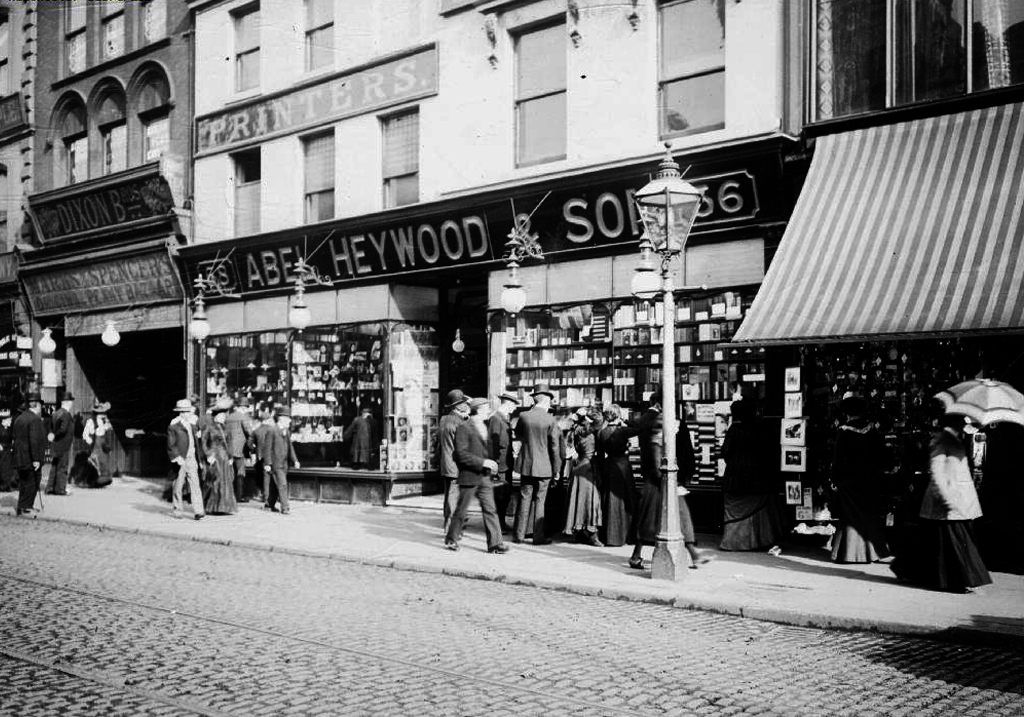
One Oldham Street shopowner mentioned by a number of writers is Abel Heywood, who spearheaded the mass distribution of books, supplying the whole country not only with penny novels, but also with educational books and political pamphlets. Heywood went on to become Mayor of Manchester.
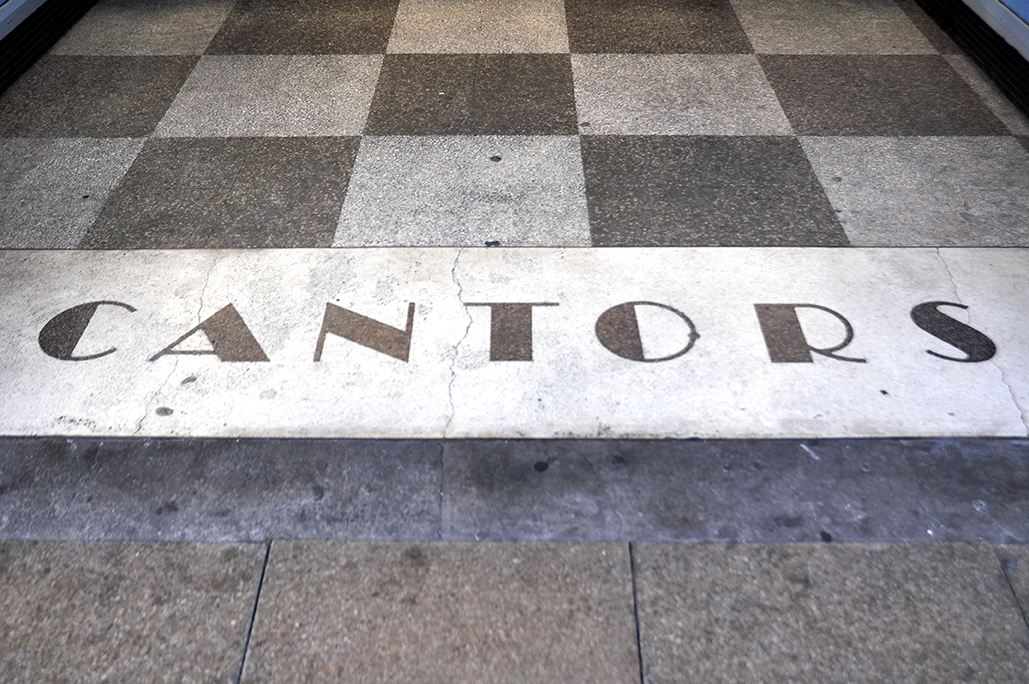
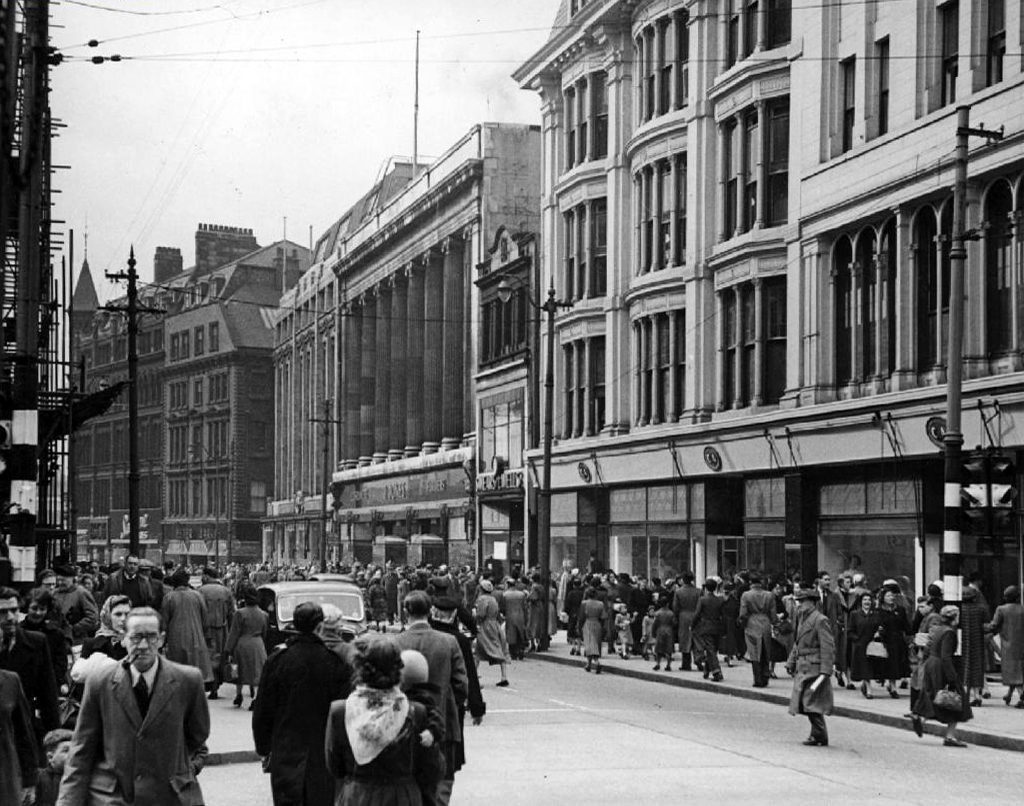
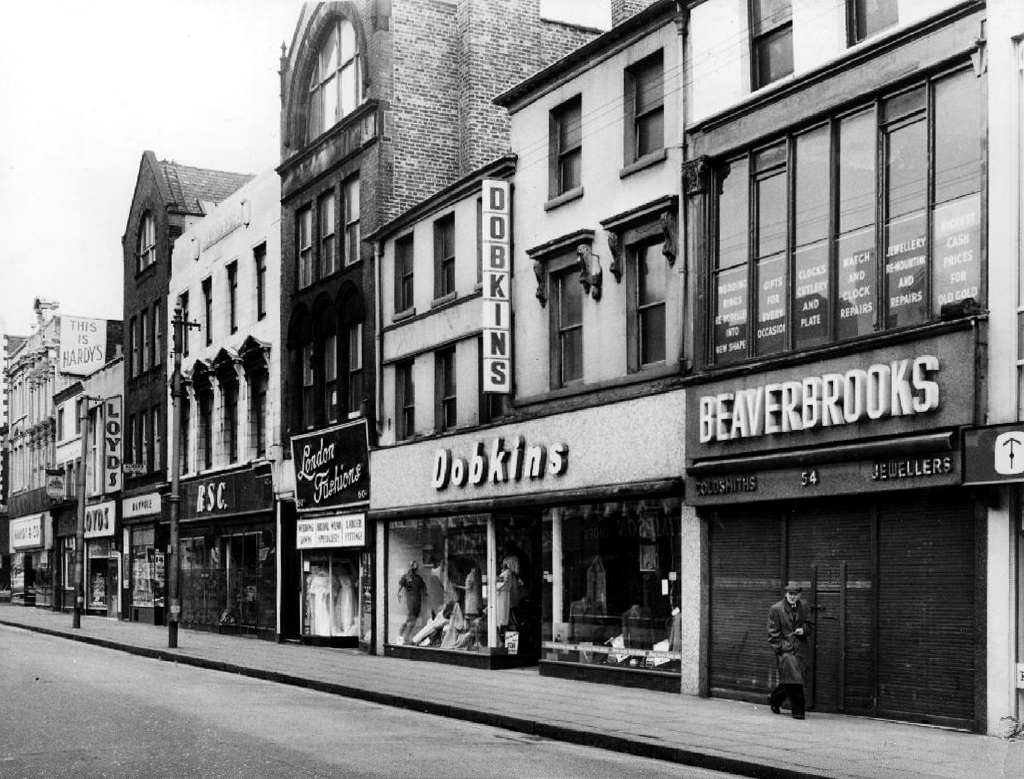
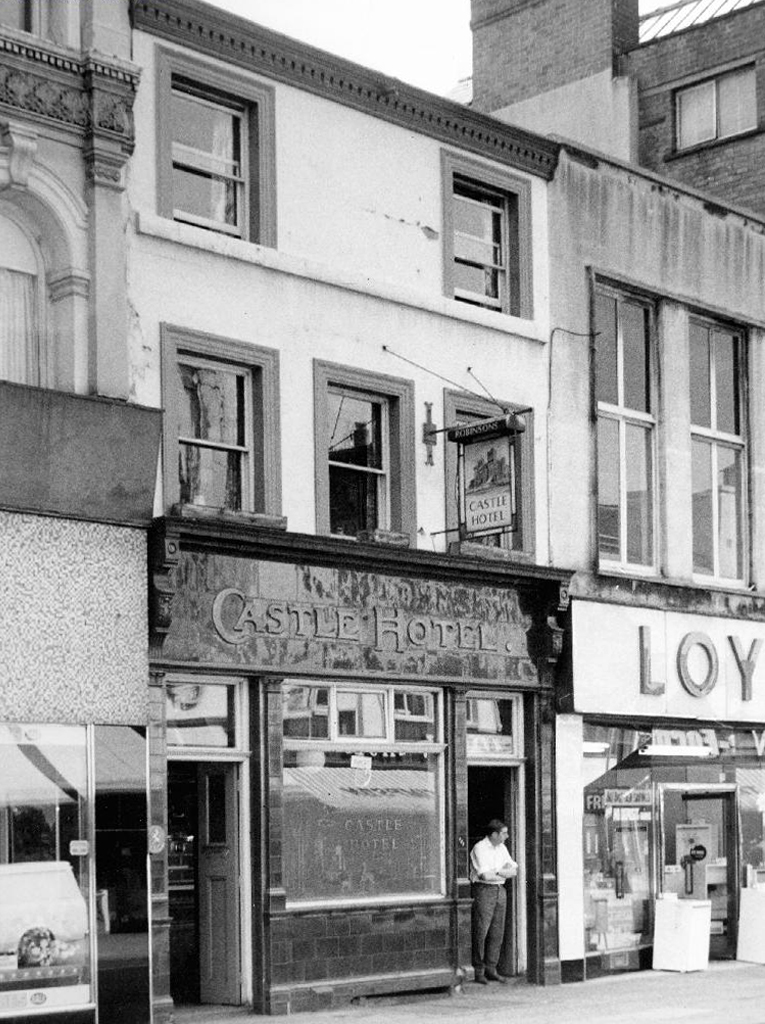
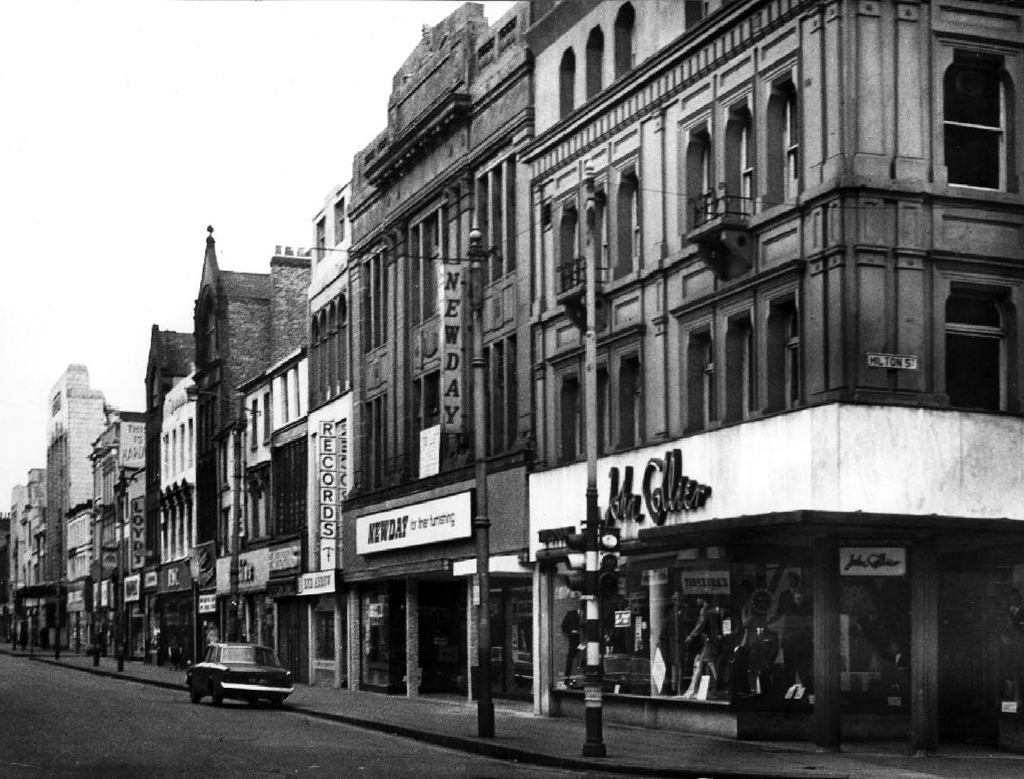
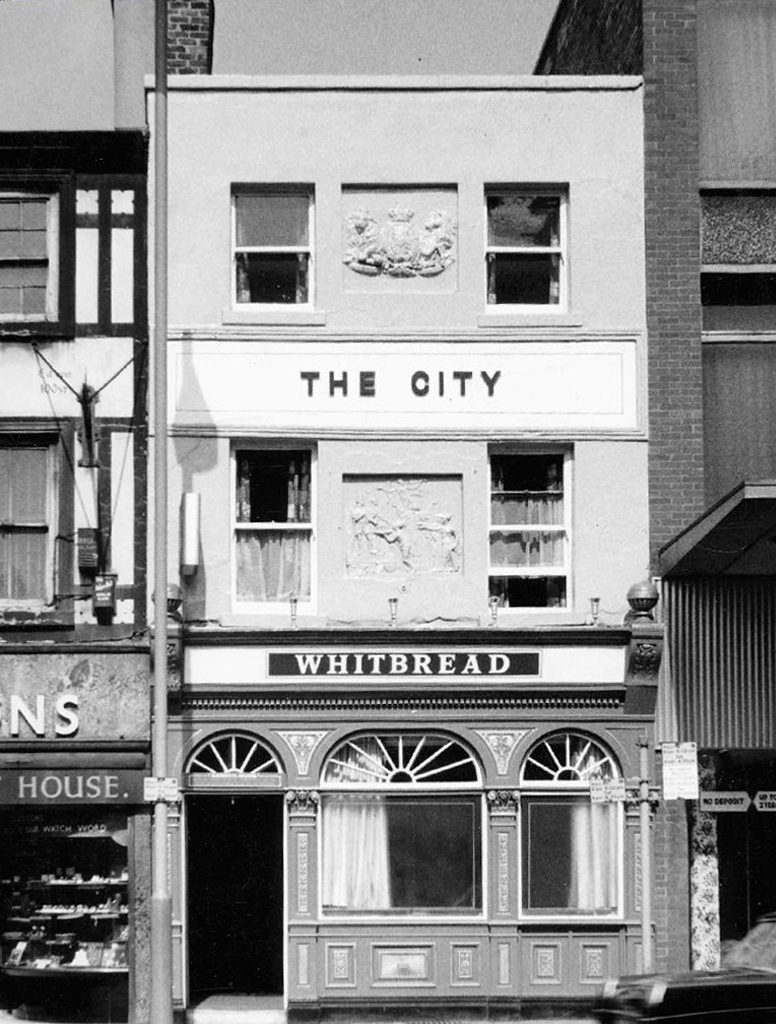
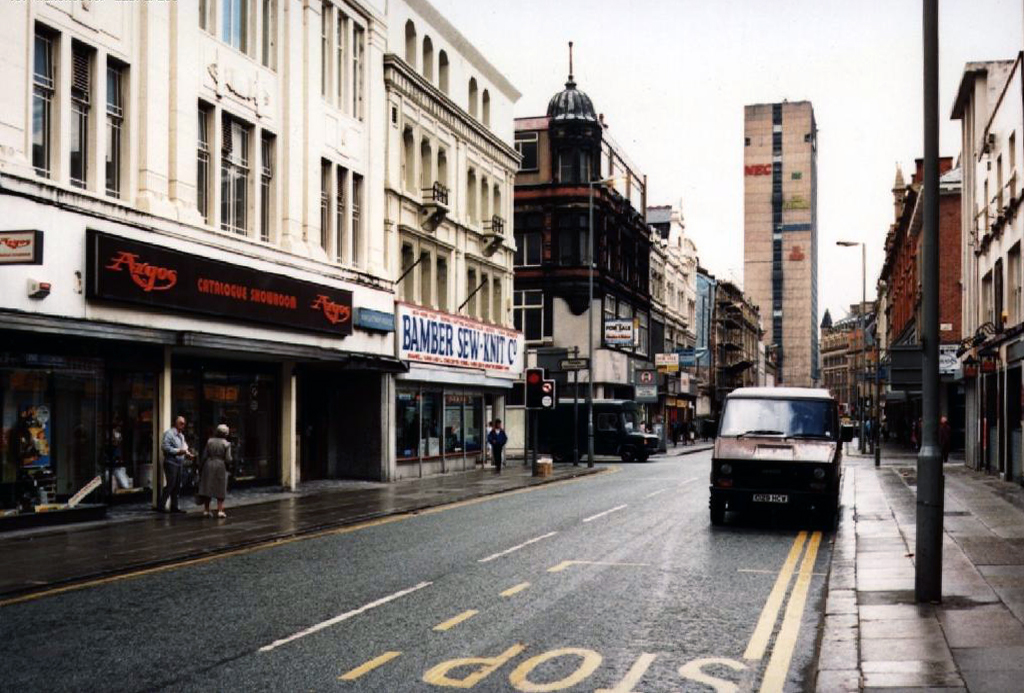
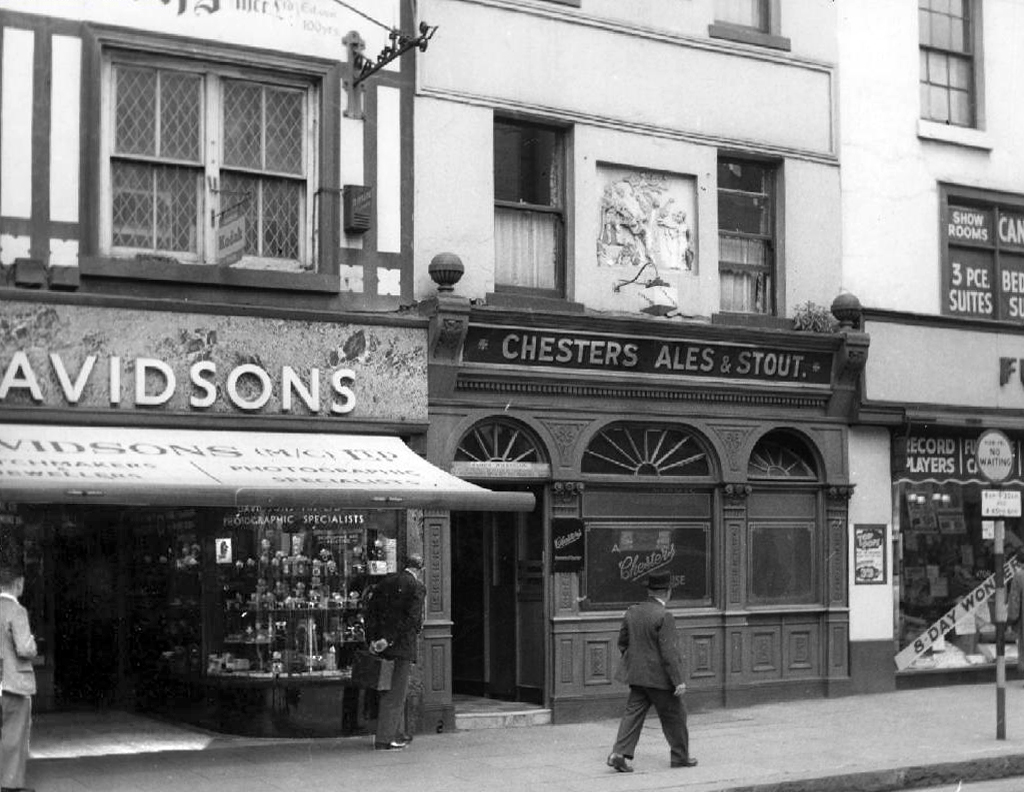
The general well to do, mix of hustle and bustle, pubs, warehousing, grand stores, smaller specialist shops and services continued into the 1970’s. Woolworths, C&A, Affleck and Browns, Cantors, Dobbins attracted a steady flow of happy shoppers, I loved the mongrel nature of the mixed use architecture.

The focus if the city centre then slipped away to the newly built Arndale and pedestrianised Market Street.

Oldham Street awaited a new sense of place and purpose.

With thanks to http://www.manchester.gov.uk/info/448/archives_and_local_history/326/historical_photographs_of_manchester


24

webmedia-8.php

22

18

image011

21

webmedia-5.php

webmedia.php

13

20

webmedia-12.php

16

17

webmedia-4.php

14

webmedia-2.php

webmedia-7.php

19

15

webmedia-9.php

webmedia-3.php

webmedia-6.php

webmedia-11.php

webmedia-10.php


Market Street – Manchester 2016

Following my previous post on Market Street, using archive material from the 60s and 70s, I was prompted to record the current state of the street.

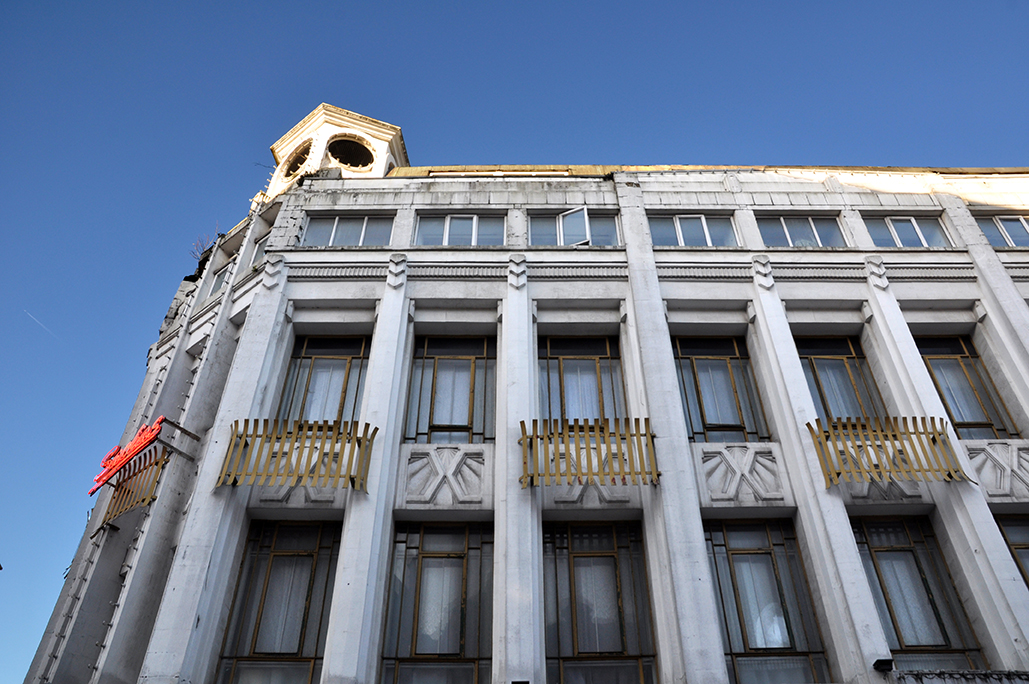
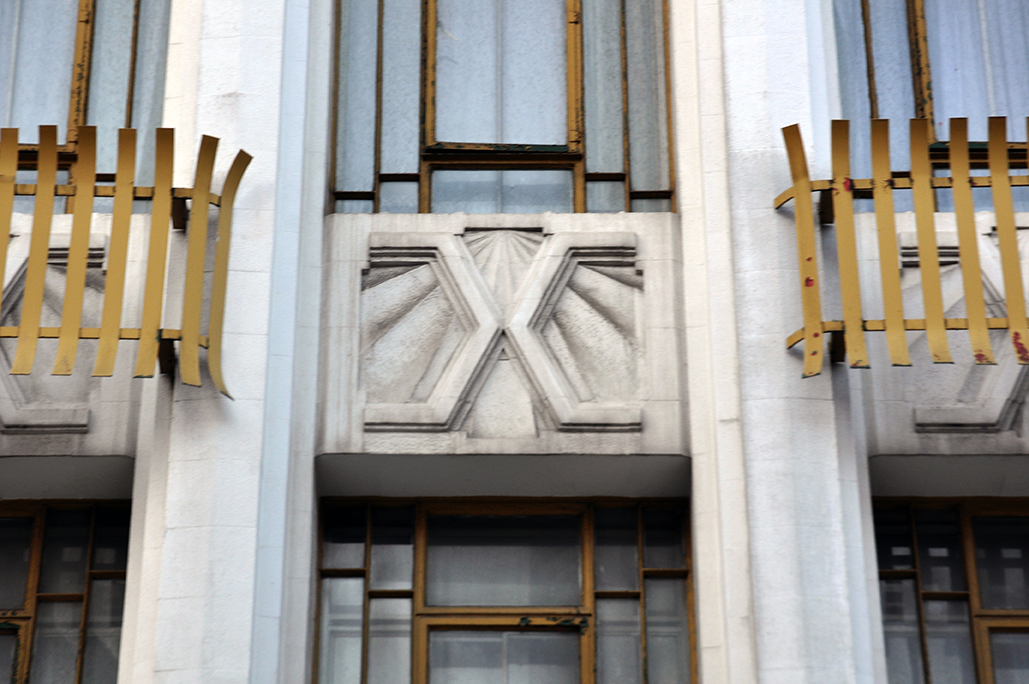
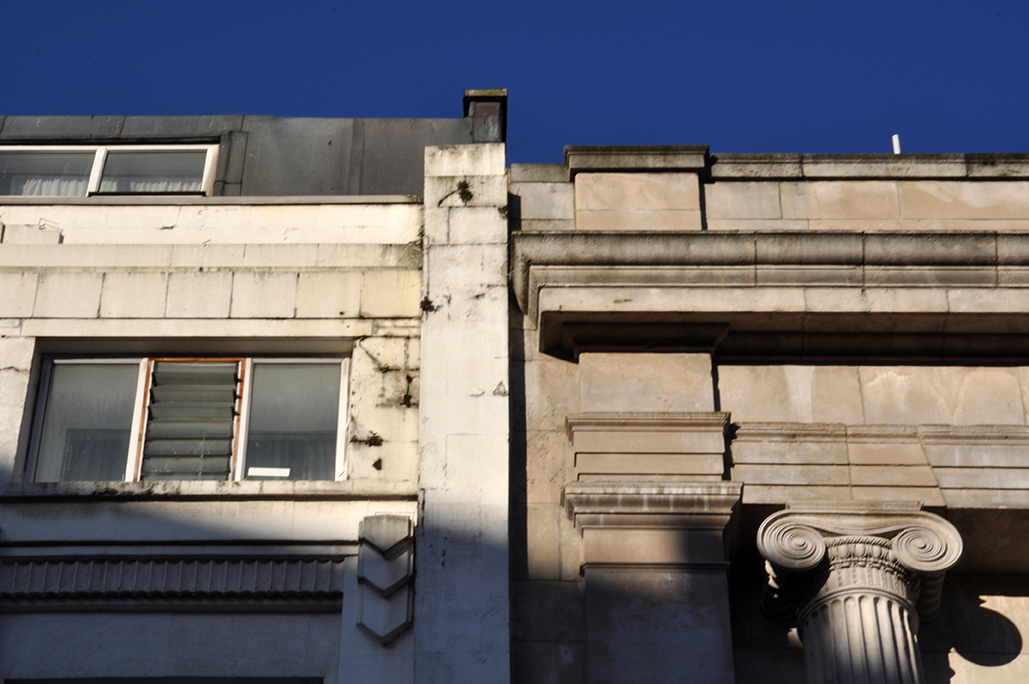
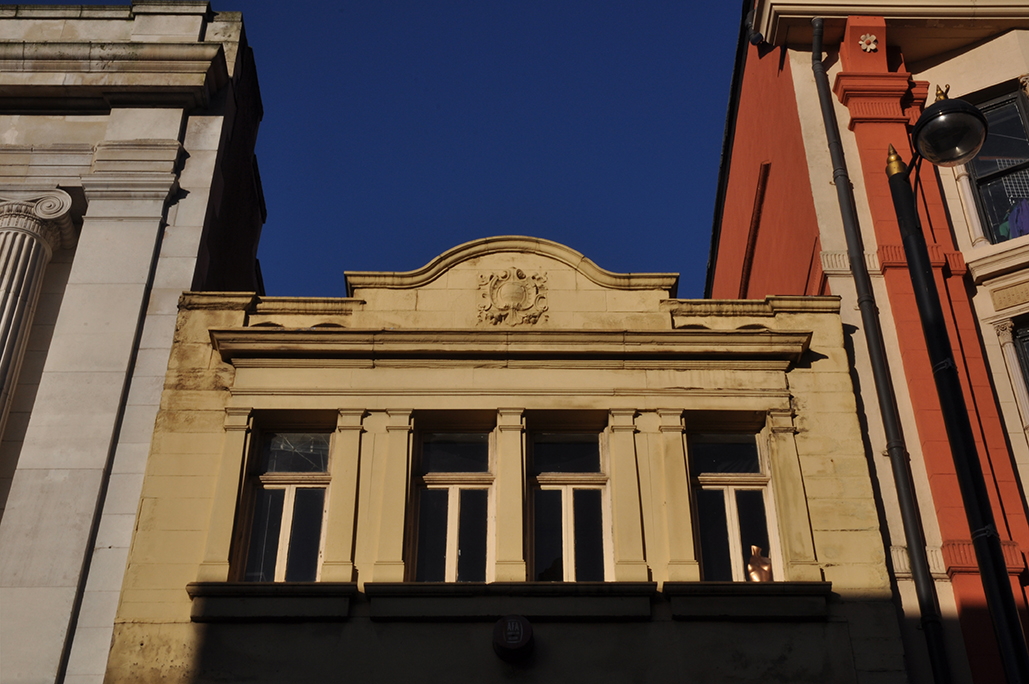
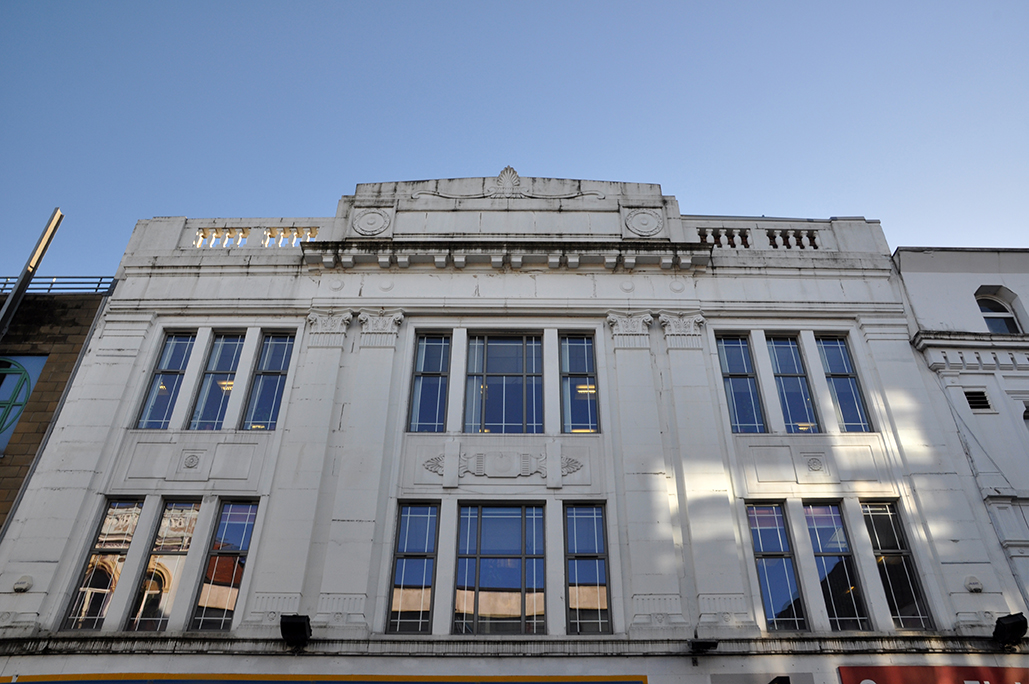
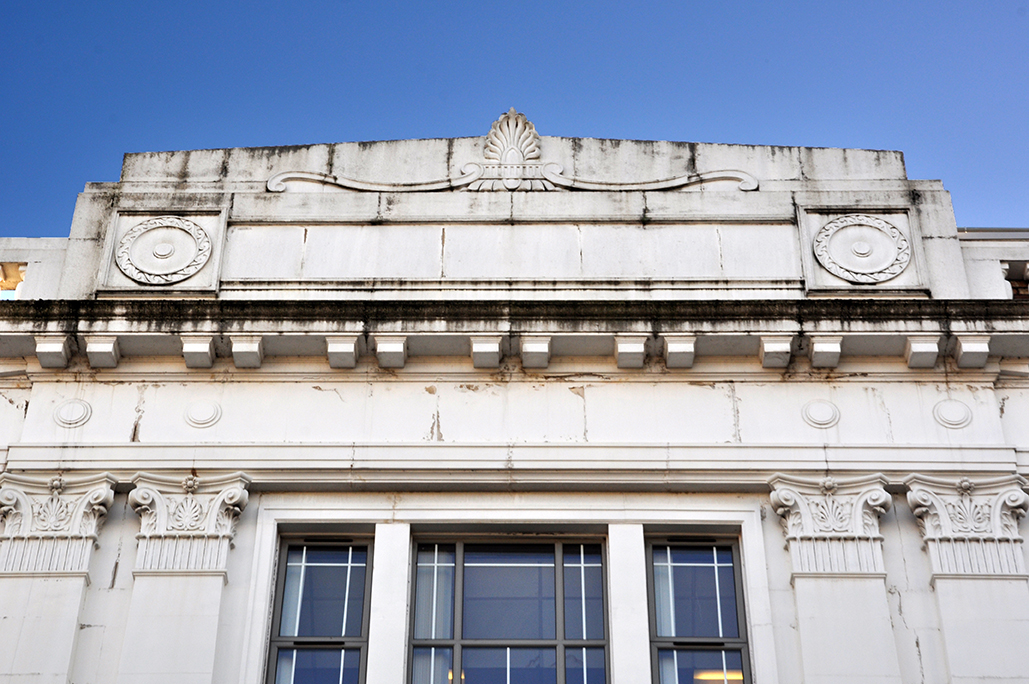
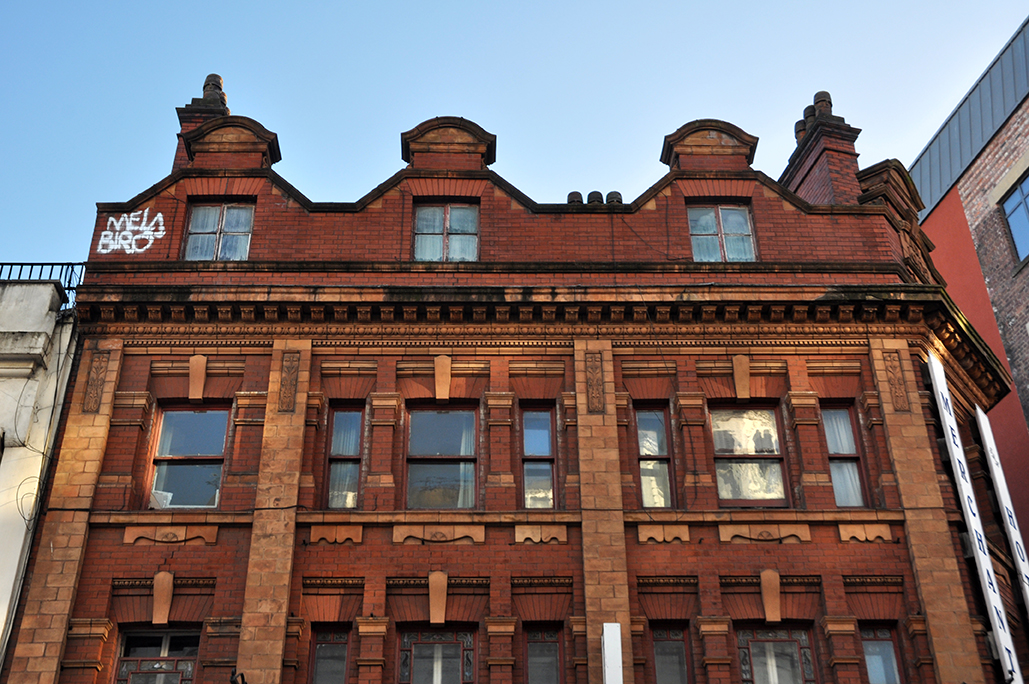
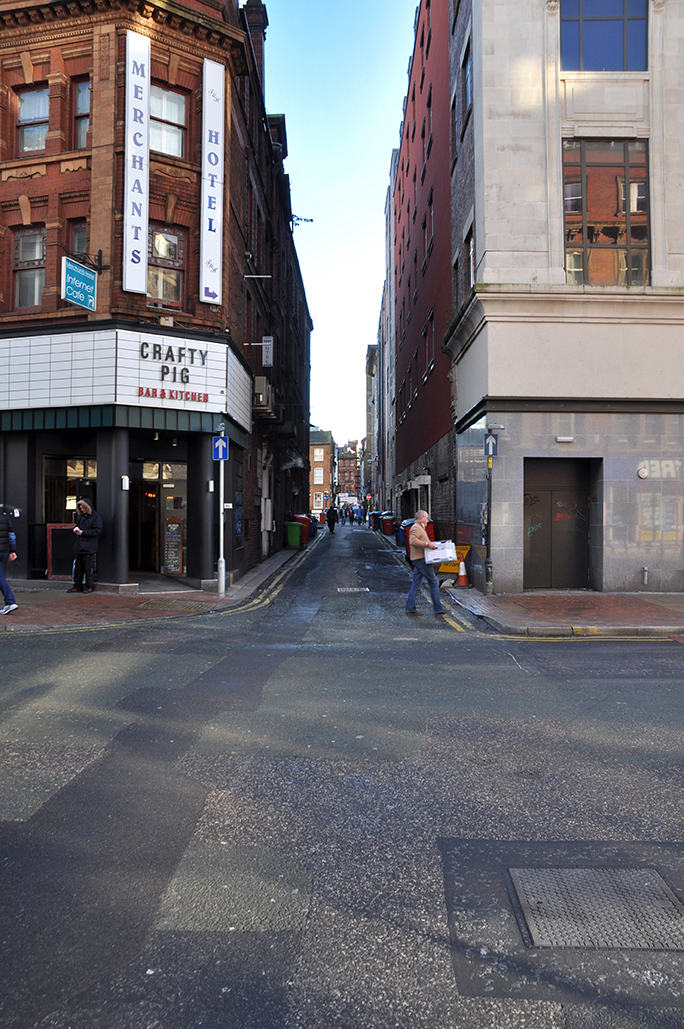
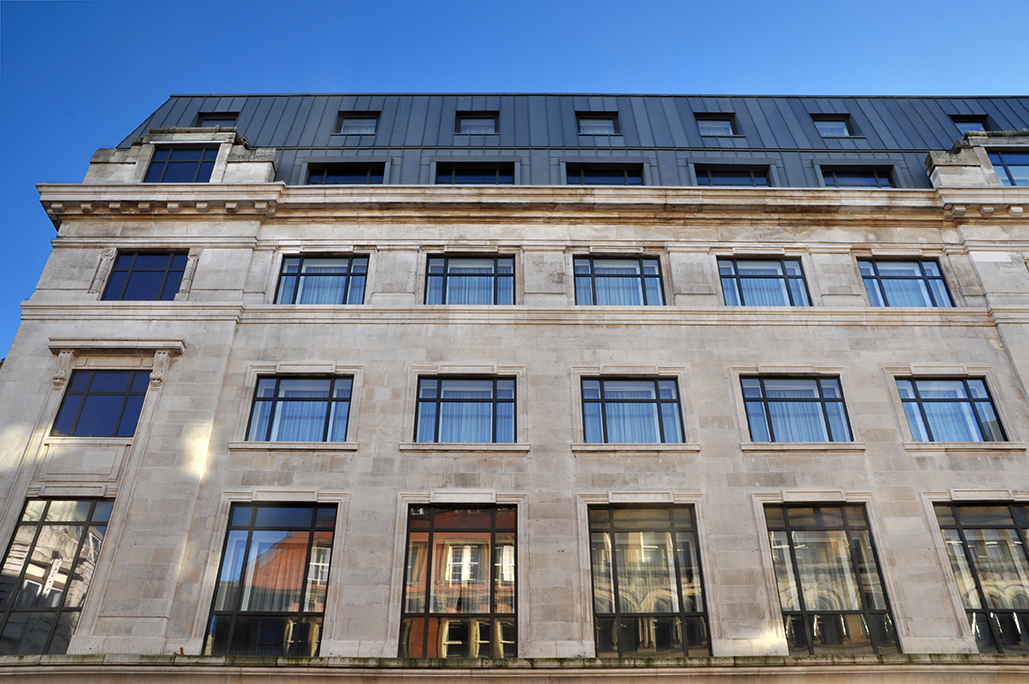
To the east is the Arndale, I chose to concentrate on the western elevation and the extant facades that chart a story from Victorian to Moderne – with a little rebuild, pastiche and grandiose Classicism in between.

See what you think, the sooty deposits have long been sandblasted away, much of the previous exciting noise and clutter, of above eye level signage ceases to shout, from just below the rooftops.

It’s a cleaner, leaner and possibly meaner world.

http://www.manchestereveningnews.co.uk/news/greater-manchester-news/manchesters-market-street-named-sixth-9421149

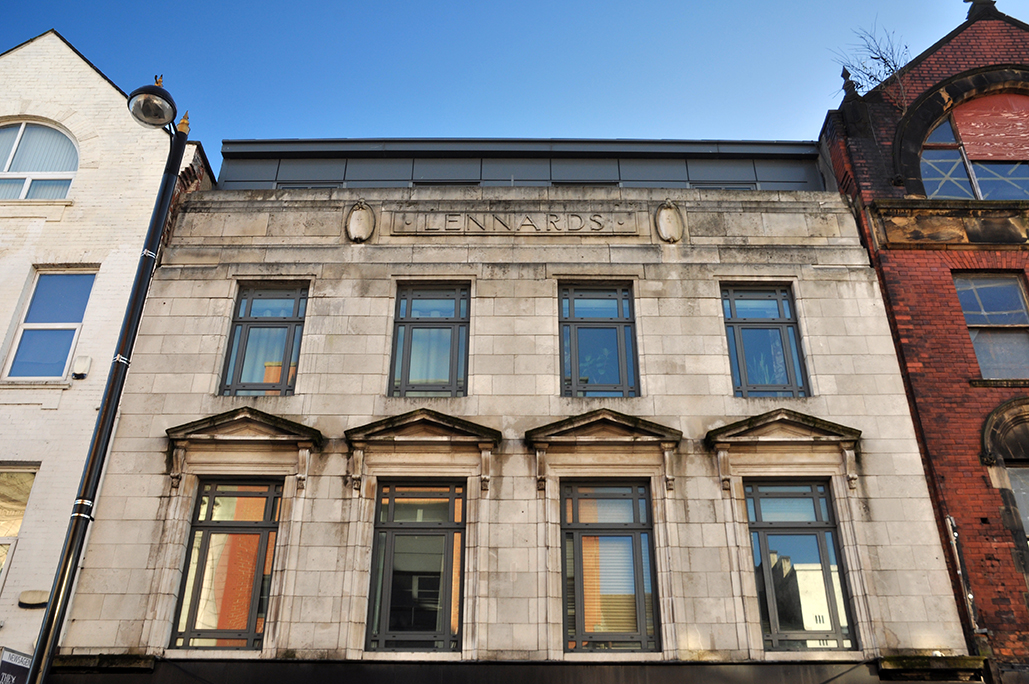
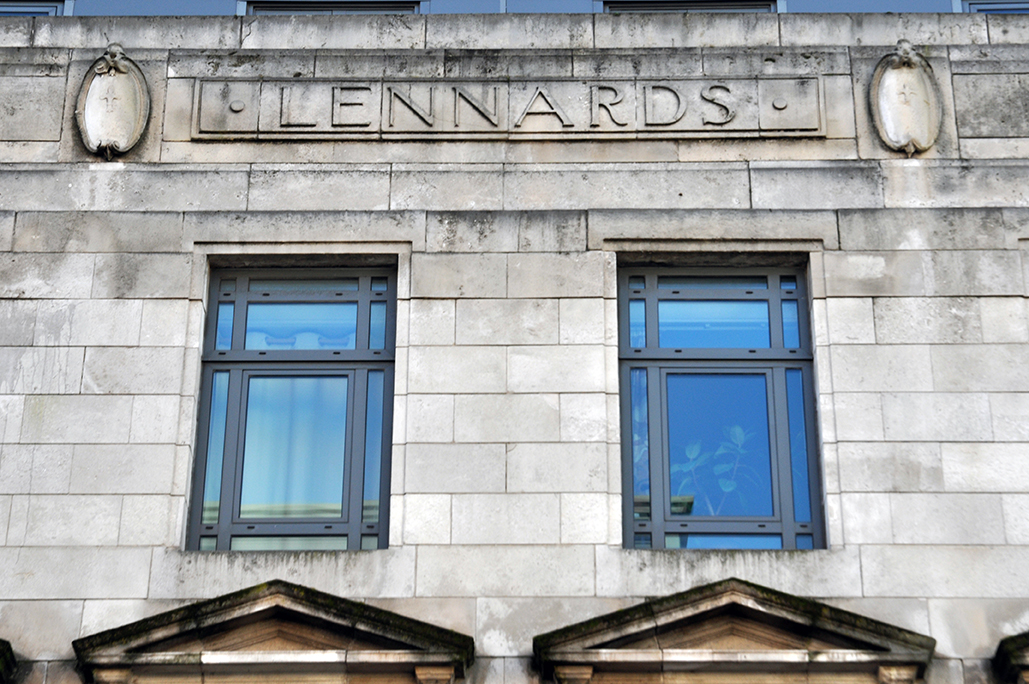
It always pays to look up – just don’t inadvertently bump into things.