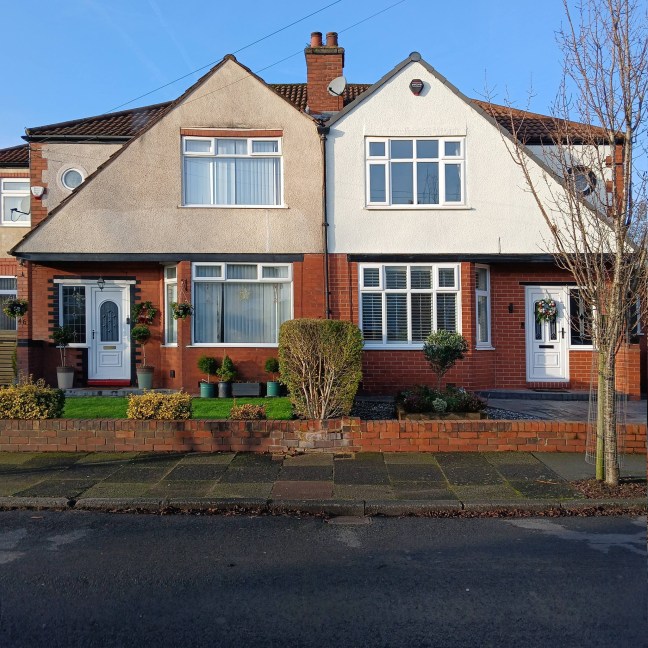
Suburbia

My baby takes the morning train
He works from nine till five and then
He takes another home again
To find me waitin’ for him

Sheena Easton

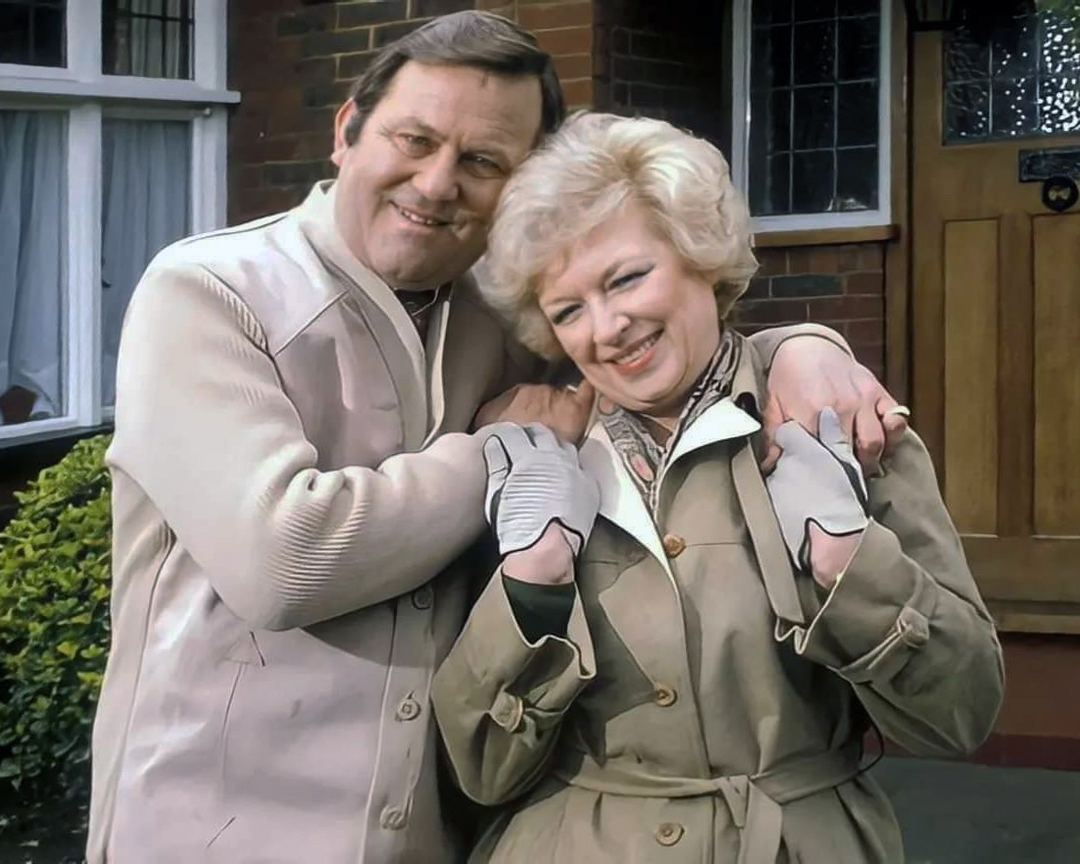
Welcome to the land of Terry and June – the seemingly complacent home to the newly aspirational classes, anathema to those thrill seeking Modernists, embracing the dynamism of the city, or those Ruralists protecting the integrity of the countryside.

Tradition has broken down. Taste is utterly debased, the town, long since degraded, is now being annihilated by a flabby, shoddy, romantic nature worship. That romantic nature worship is destroying also the object of its adoration, the countryside.

Thomas Sharp – Town Planner
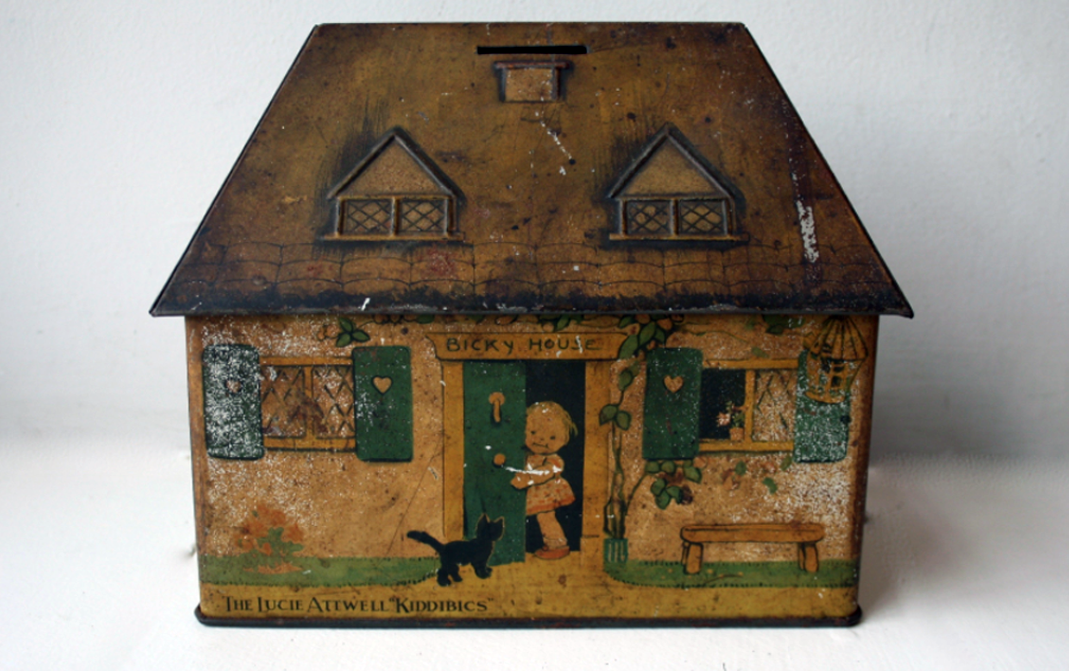
Welcome to the land of the Lucie Attwell Bicky House biscuit tin money box.
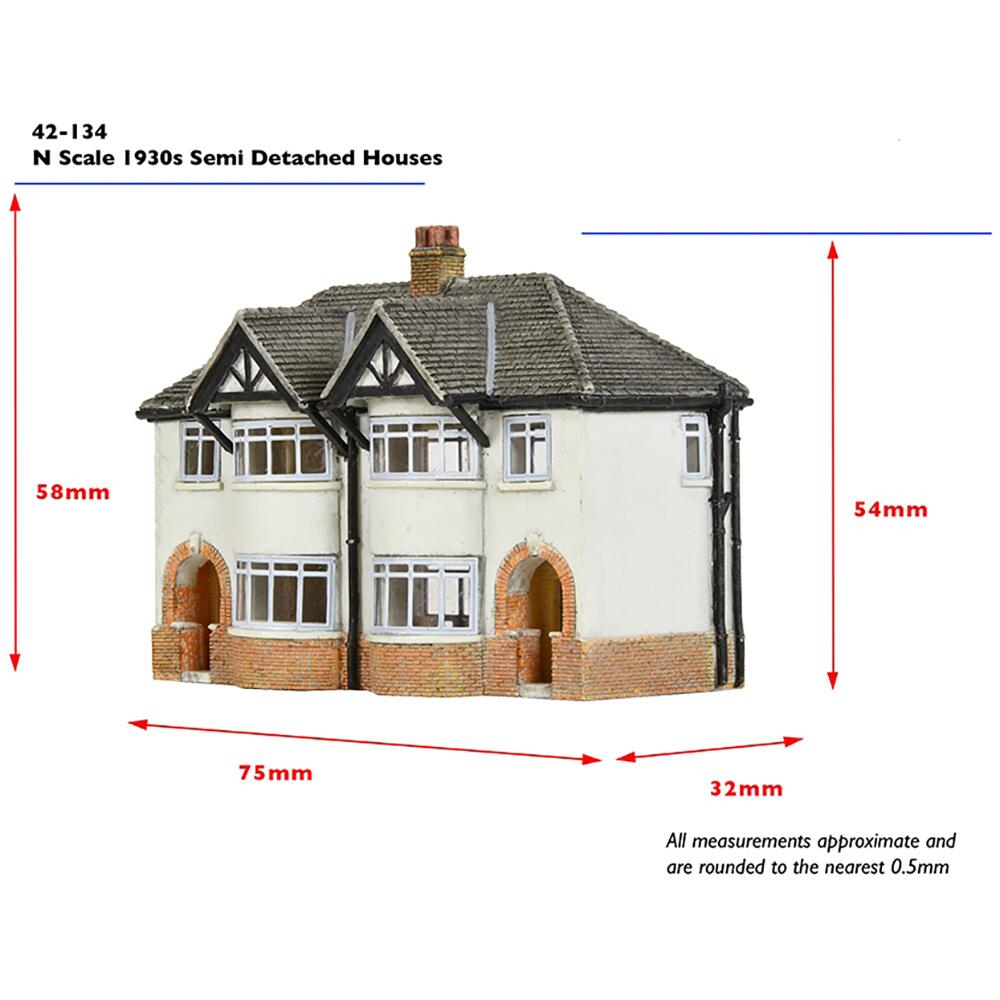
The perfect model home for the modern model family.
In Coming up for Air, George Orwell describes a suburban road as:

A prison with cells in a row. A line of semi-detached torture chambers.

Literary London

The growth of British towns and cities, from the onset of the Industrial Revolution, created a demand for new homes, the earliest developments were close to the centres of production and administration. Followed by the creation of outlying estates for the fleeing middle classes, as the smoke began to billow and the trains and buses began to run.

Originally the work of speculative private enterprise, followed by homes built by the local authority along with charitable institutions.

My own experience has taught me that Suburbia is architecturally diverse, socially less so, as various areas are segregated by class, and perhaps less so by ethnicity and/or culture.

The majority of the population live in Suburbia it seems, there now follows a selection of the suburban sites which I have visited in the last ten years or so.

In search of Suburbia.

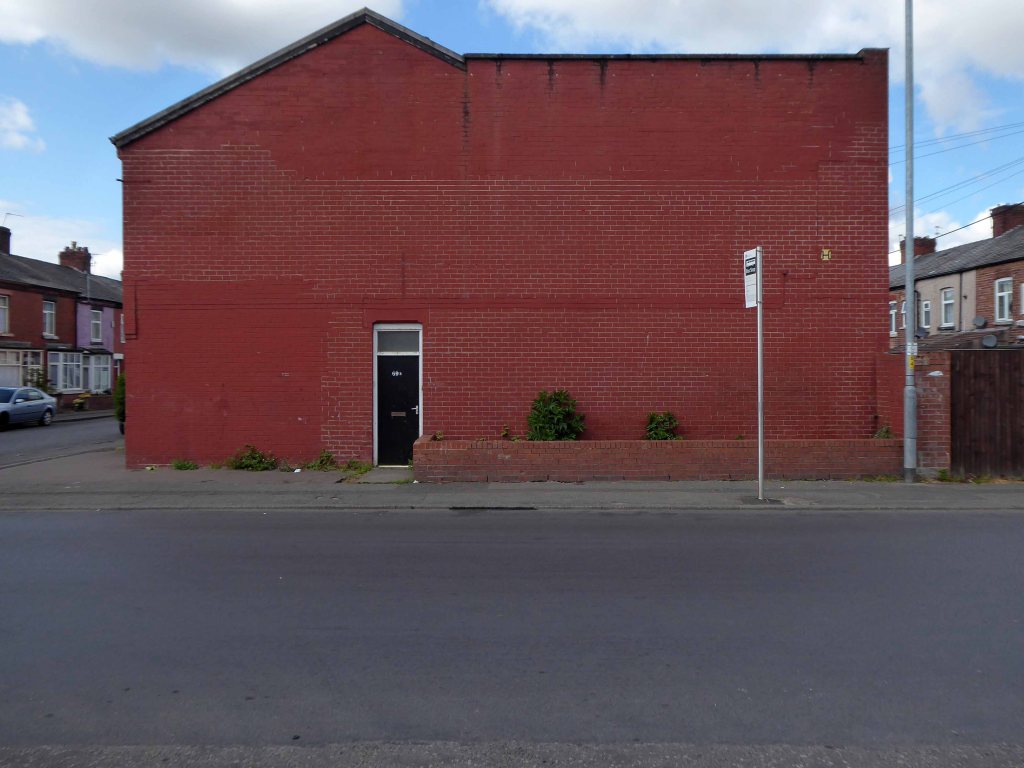
There are areas of Victorian terraced housing Manchester which survived clearance – such as Jetson Street in Abbey Hey.
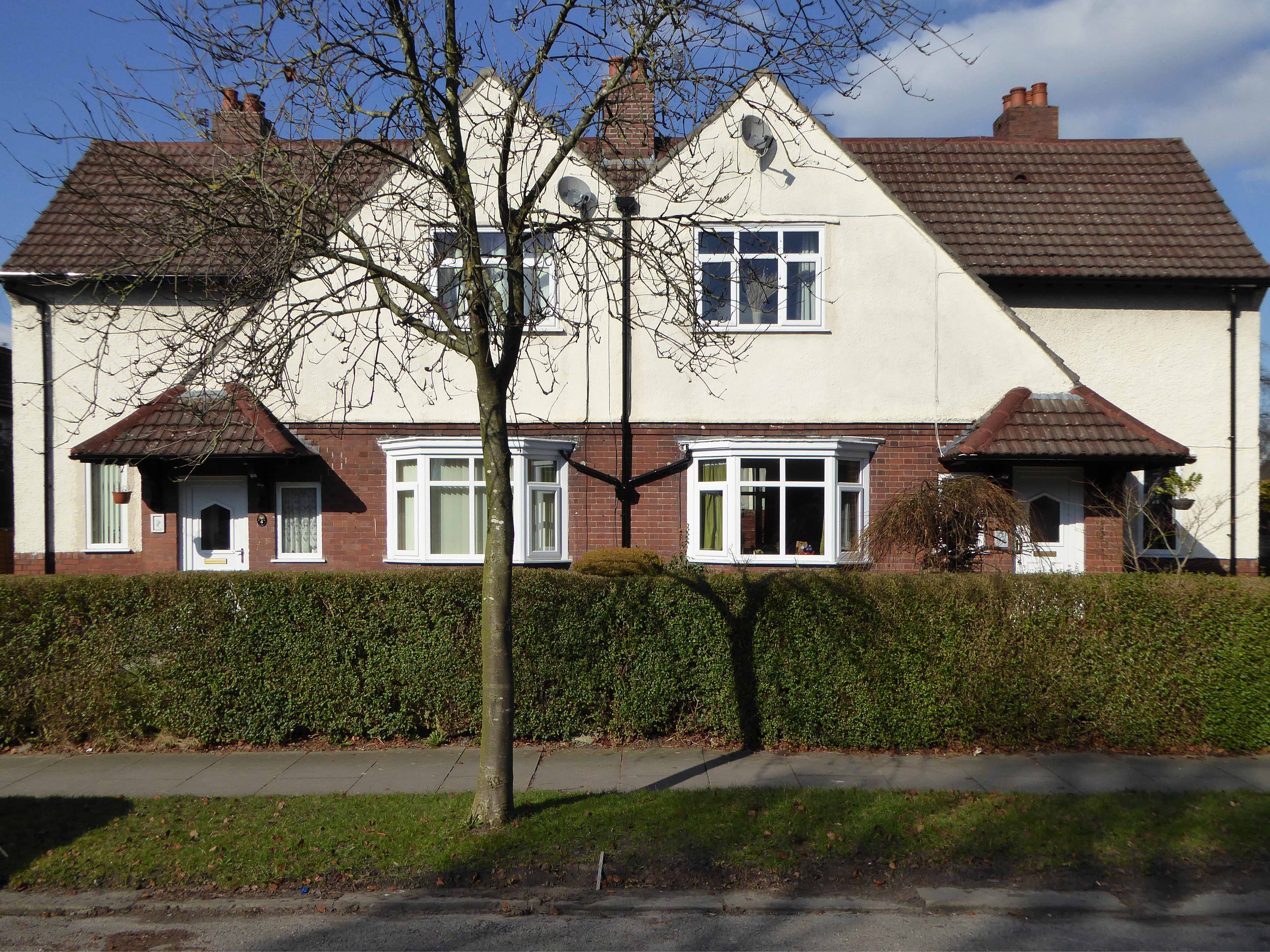
Many early estates of the early Twentieth Century where heavily influenced by the Garden City Movement , exemplified by the Burnage Garden Village.
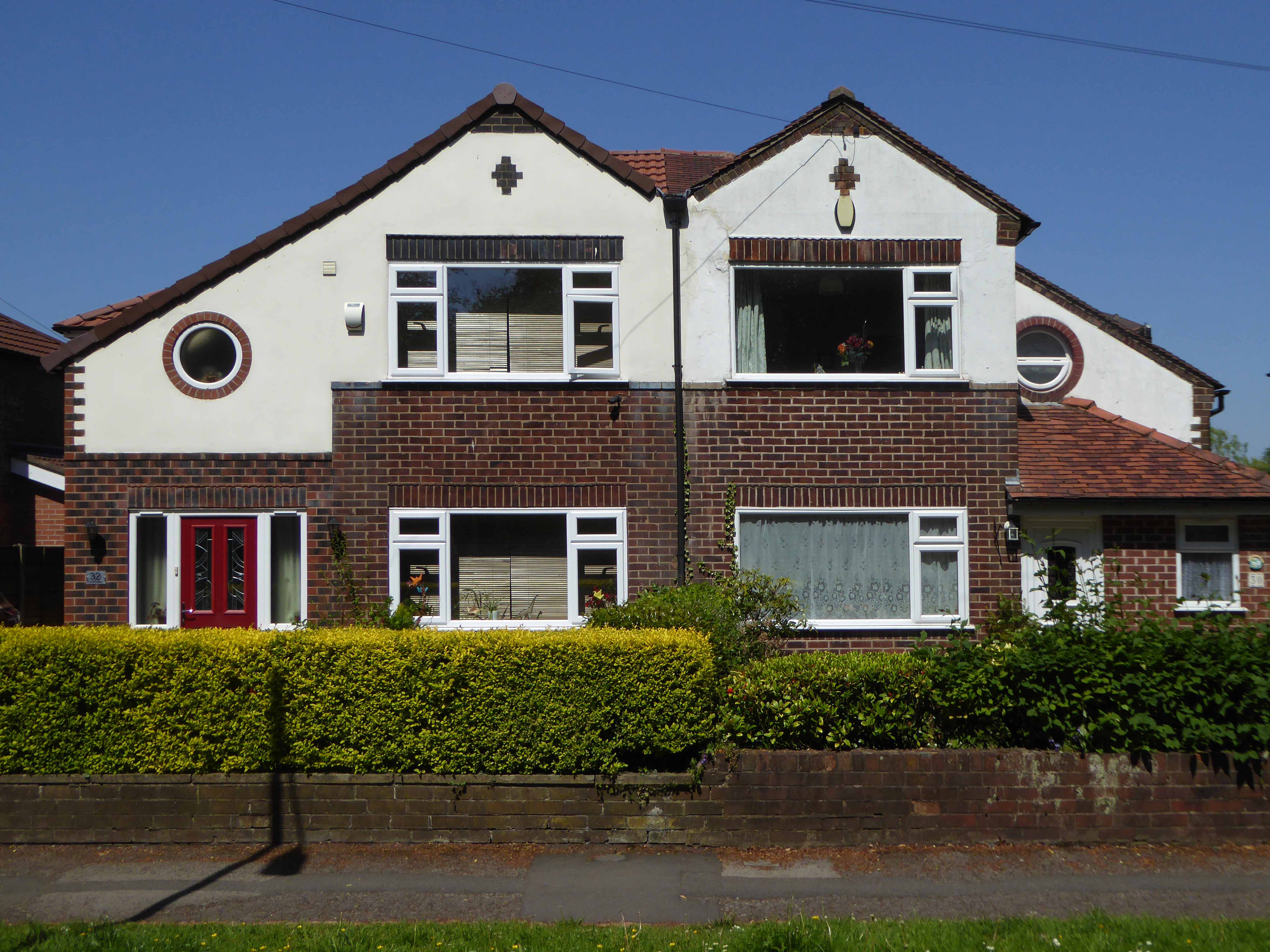
And similar in design Ford Lane Didsbury.
By 1931 1.1 million council houses were built and 2.8 million privately owned homes.

Post WW2 the emphasis was on an expansion of social housing, along with a growth in privately owned property – detailed information and analysis of social housing can be found here at Municipal Dreams.

These homes were at times both temporary and of non-standard construction.

This prefabricated house was originally built for the good folk of Doncaster, later finding itself in Humberston Fitties
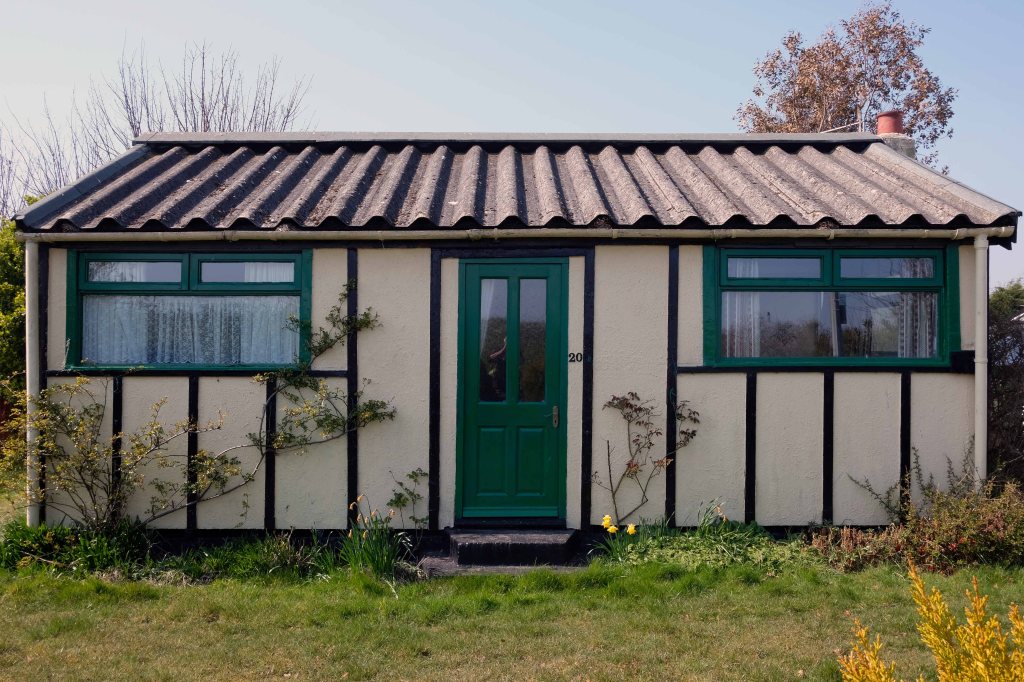
These Wythenshawe BISF Homes designed by Frederick Gibberd, the so-called Tin Town are still very much habitable homes.
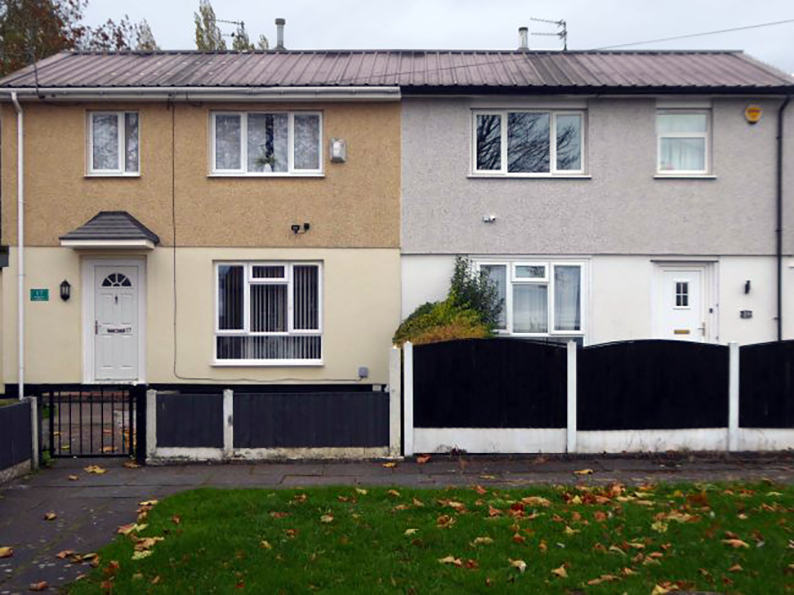
Likewise these examples in Hebden Bridge.
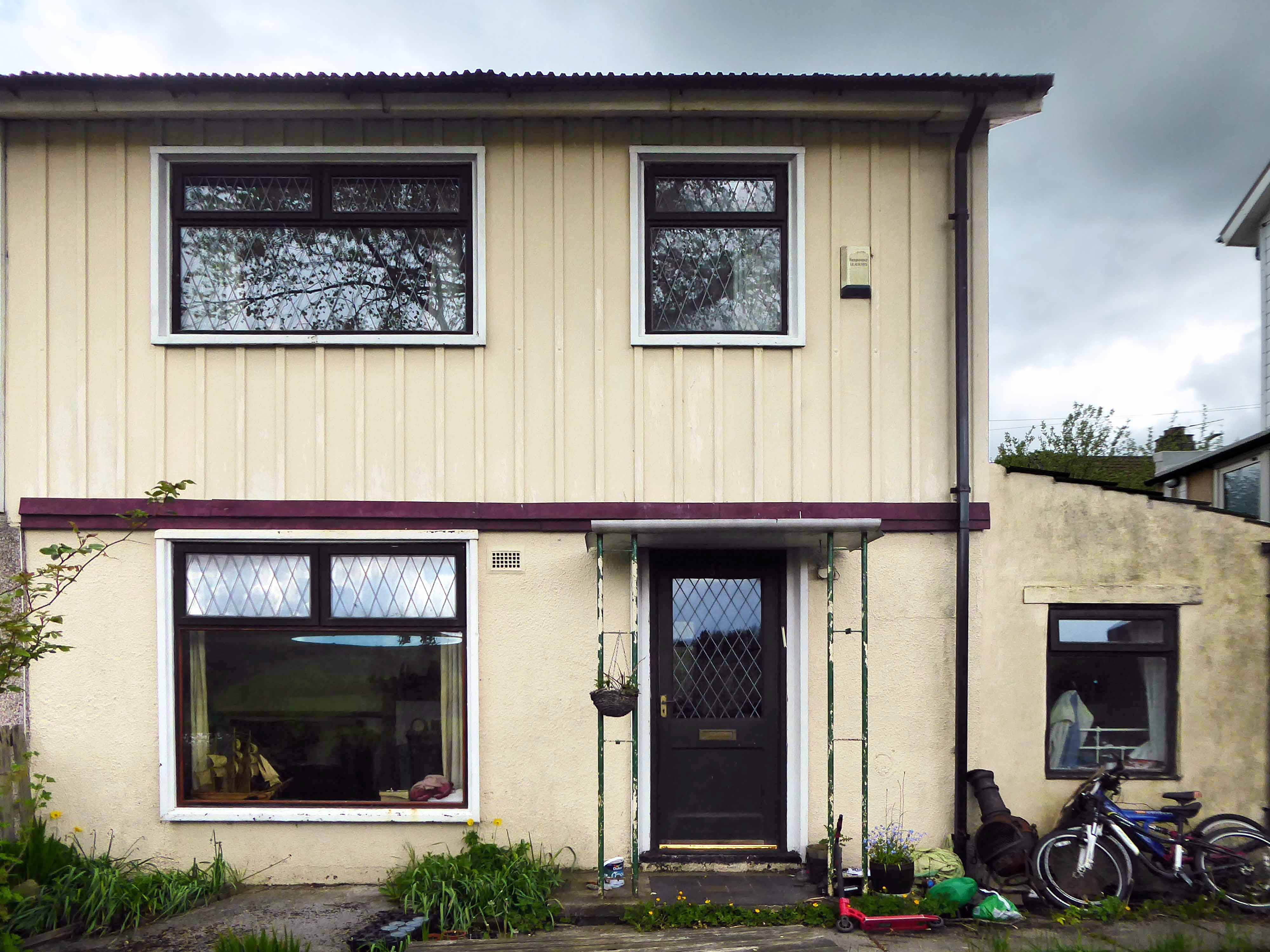
The Pre-Fab Museum is a treasure trove of information, along with Non Standard House Construction.

Post war development was inextricably linked to the New Towns.

The new towns in the United Kingdom were planned under the powers of the New Towns Act 1946 and later acts to relocate people from poor or bombed-out housing following World War II. Designated new towns were placed under the supervision of a development corporation, and were developed in three waves. Later developments included the “expanded towns”: existing towns which were substantially expanded to accommodate what was called the “overspill” population from densely populated areas of deprivation.

Wikipedia

One such New Town was Peterlee, in the north east of England, where I visited in 2021 and 2025.
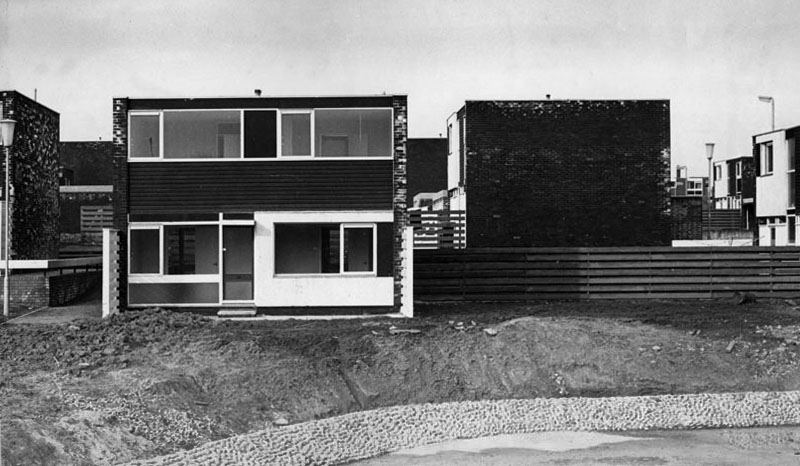
Along with Cumbernauld in Scotland.
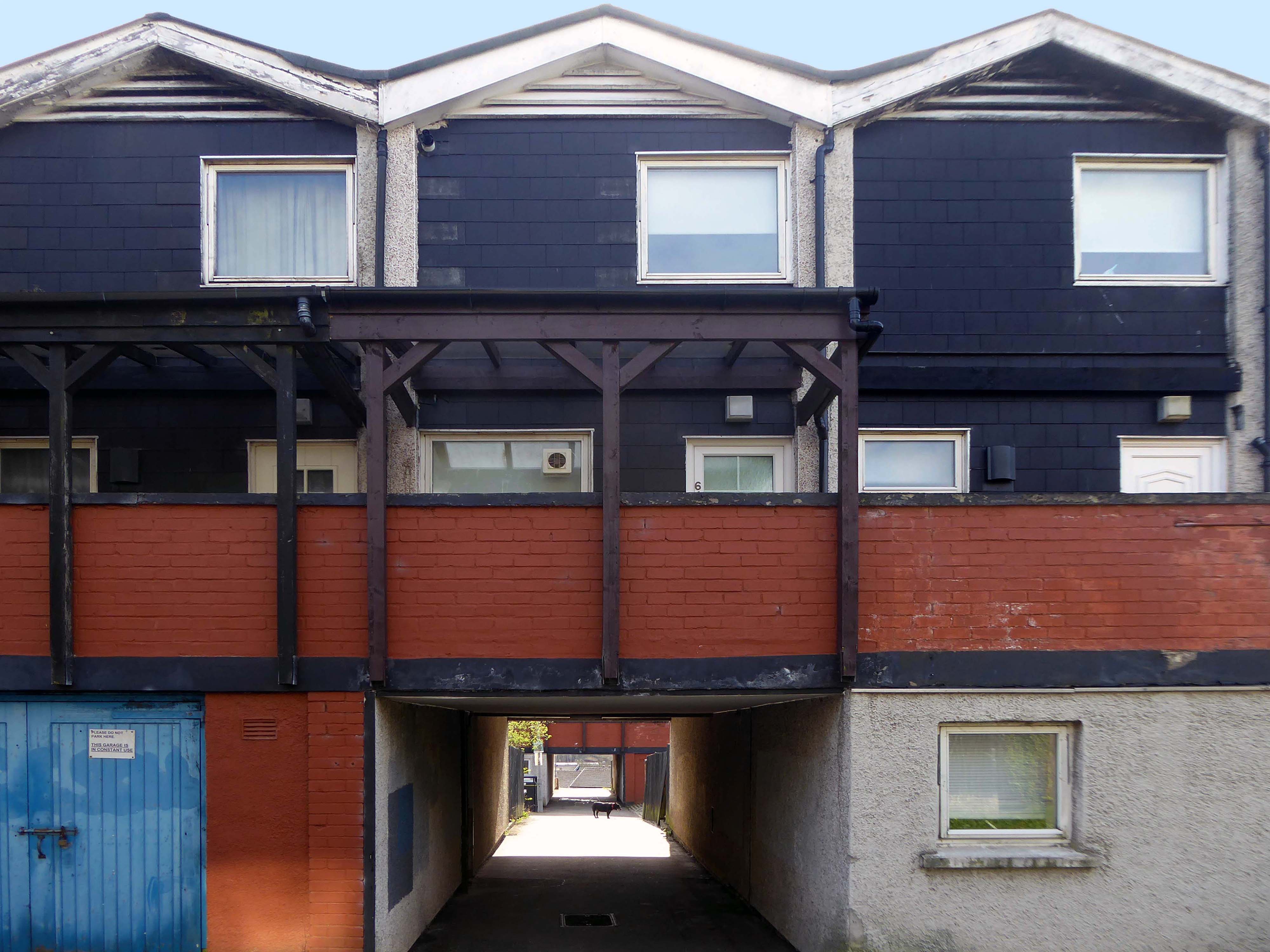
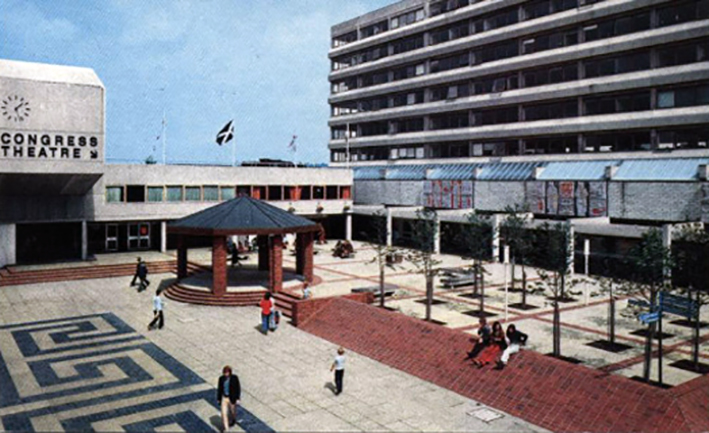
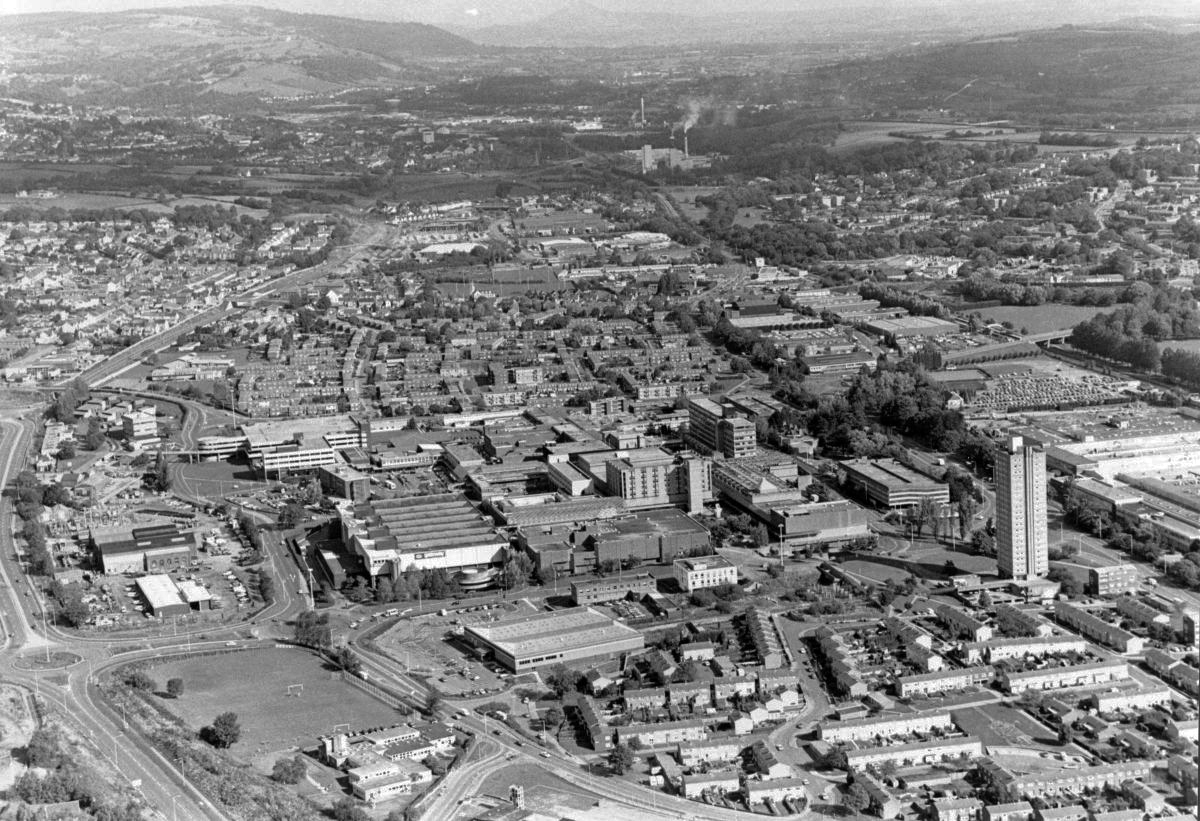
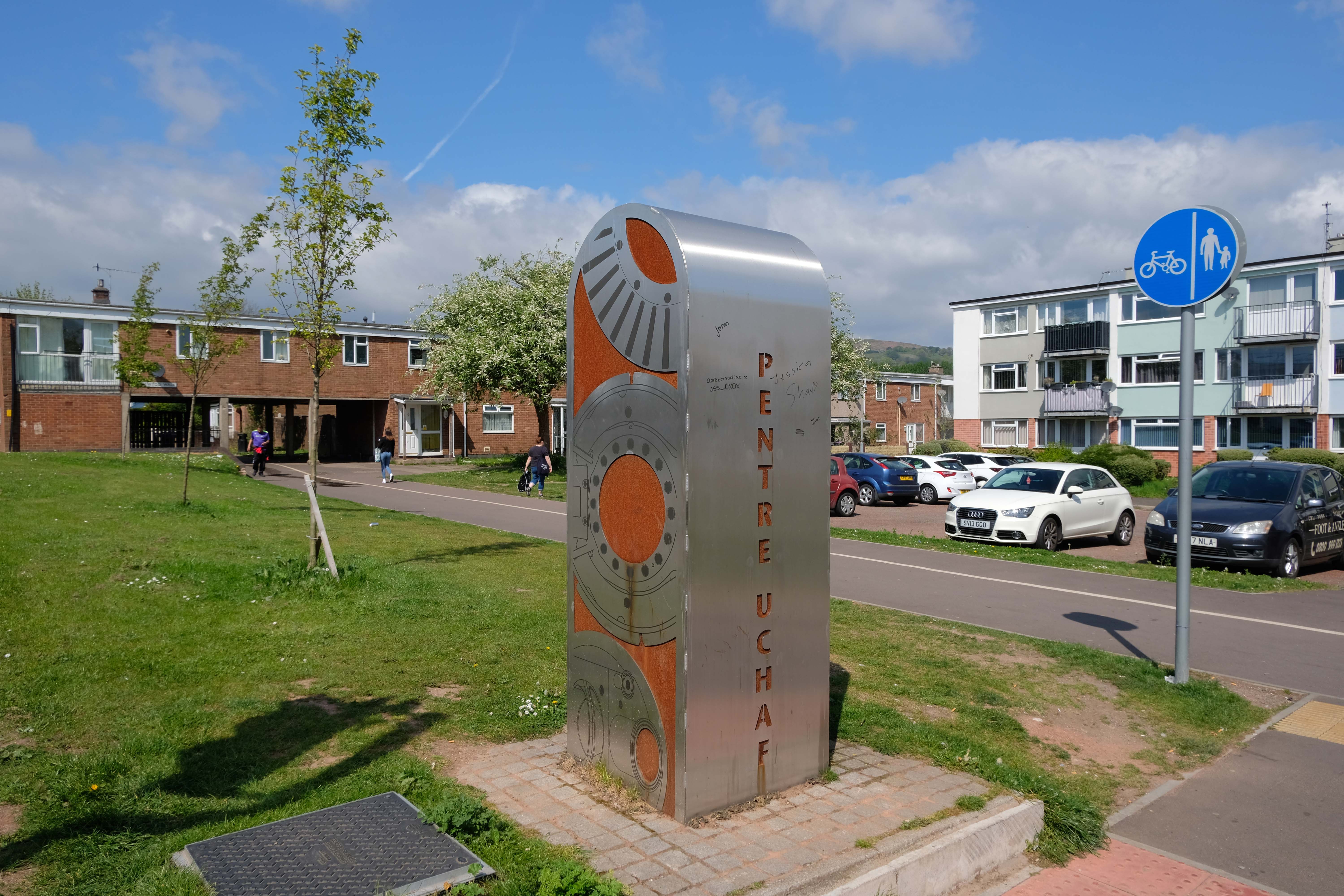
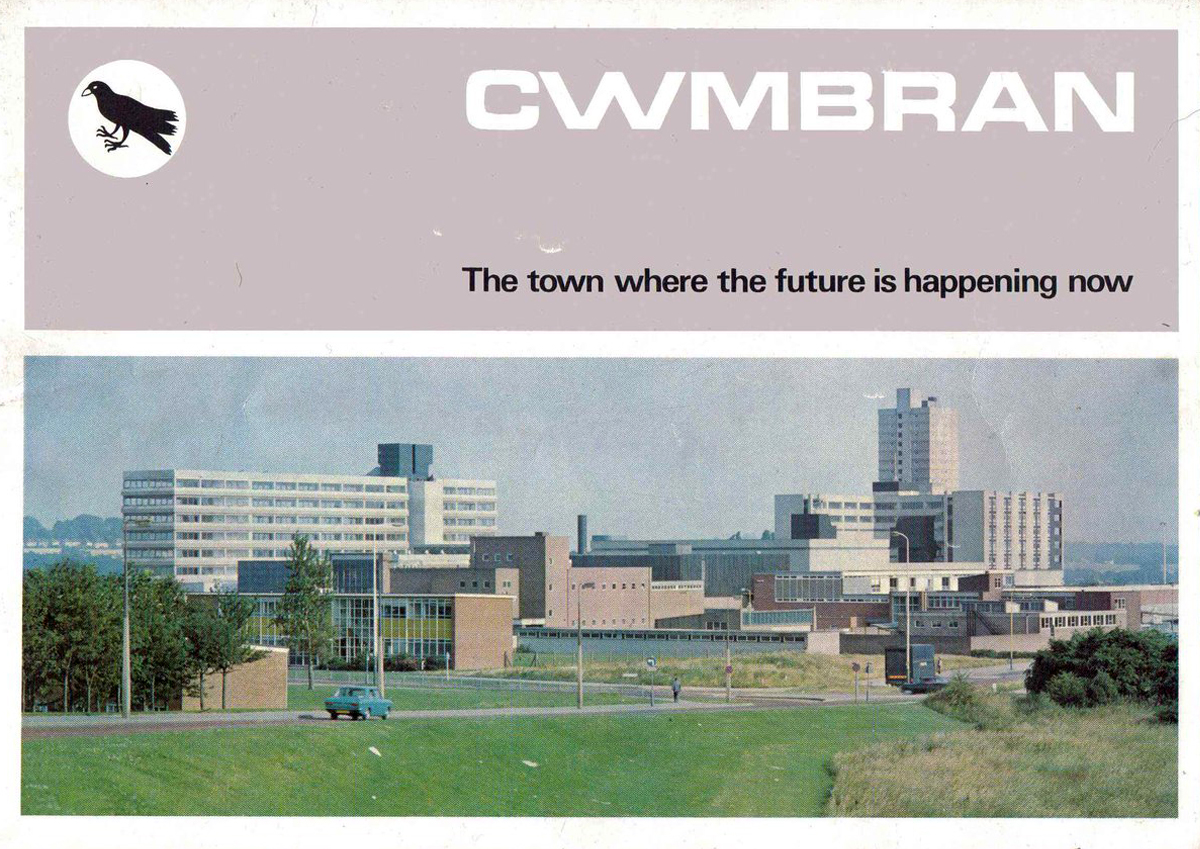
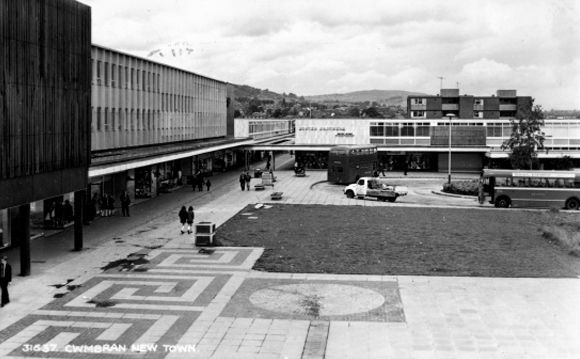
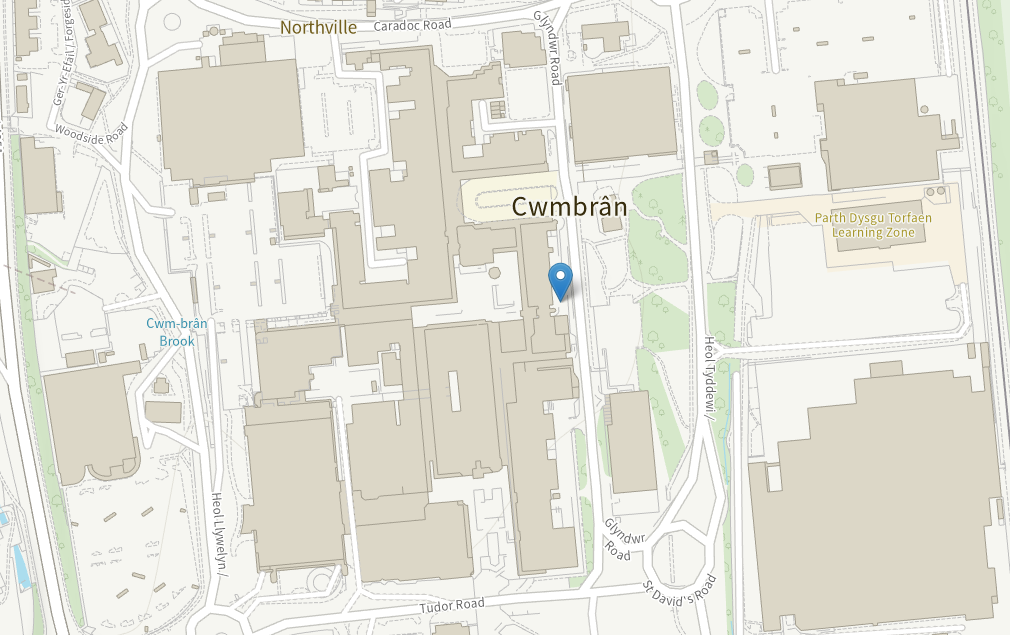
Cwmbran in south Wales.
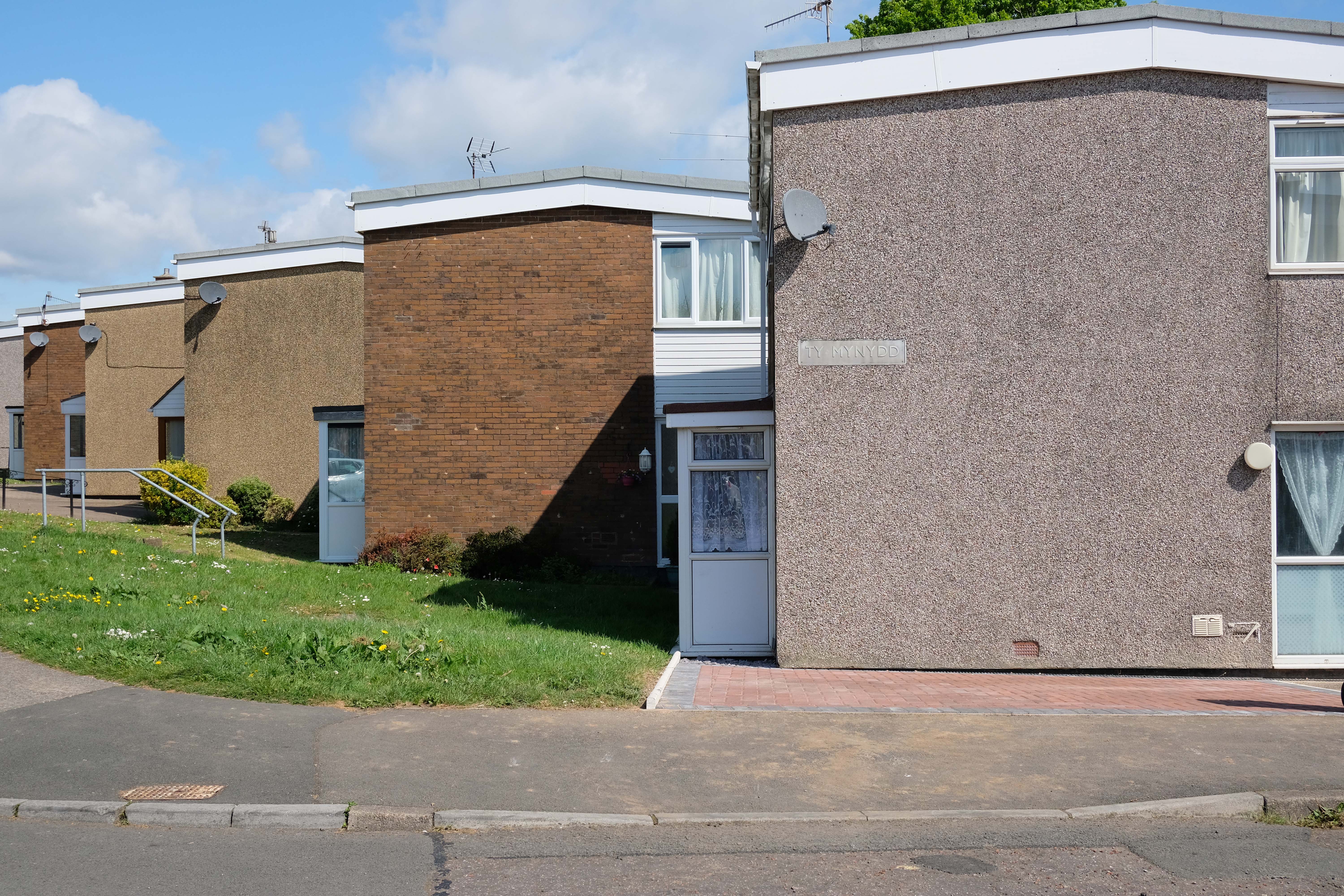
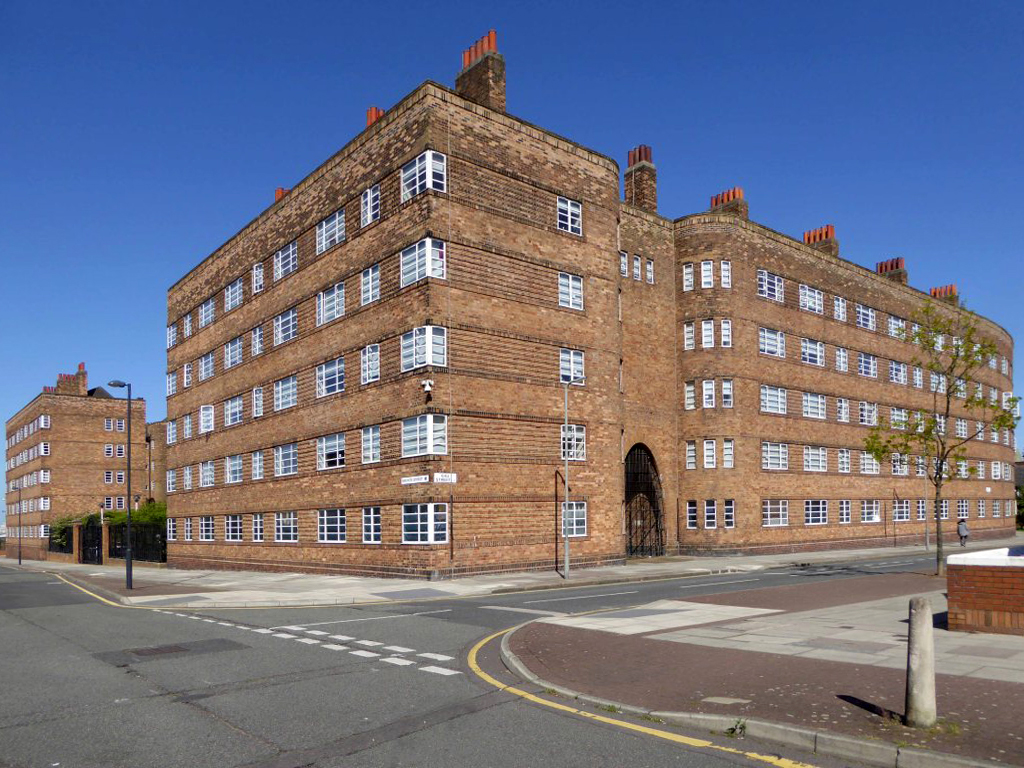
In addition there are examples of European influence in the design of inter and post WW2 housing.

The Bull Ring Liverpool 1935.
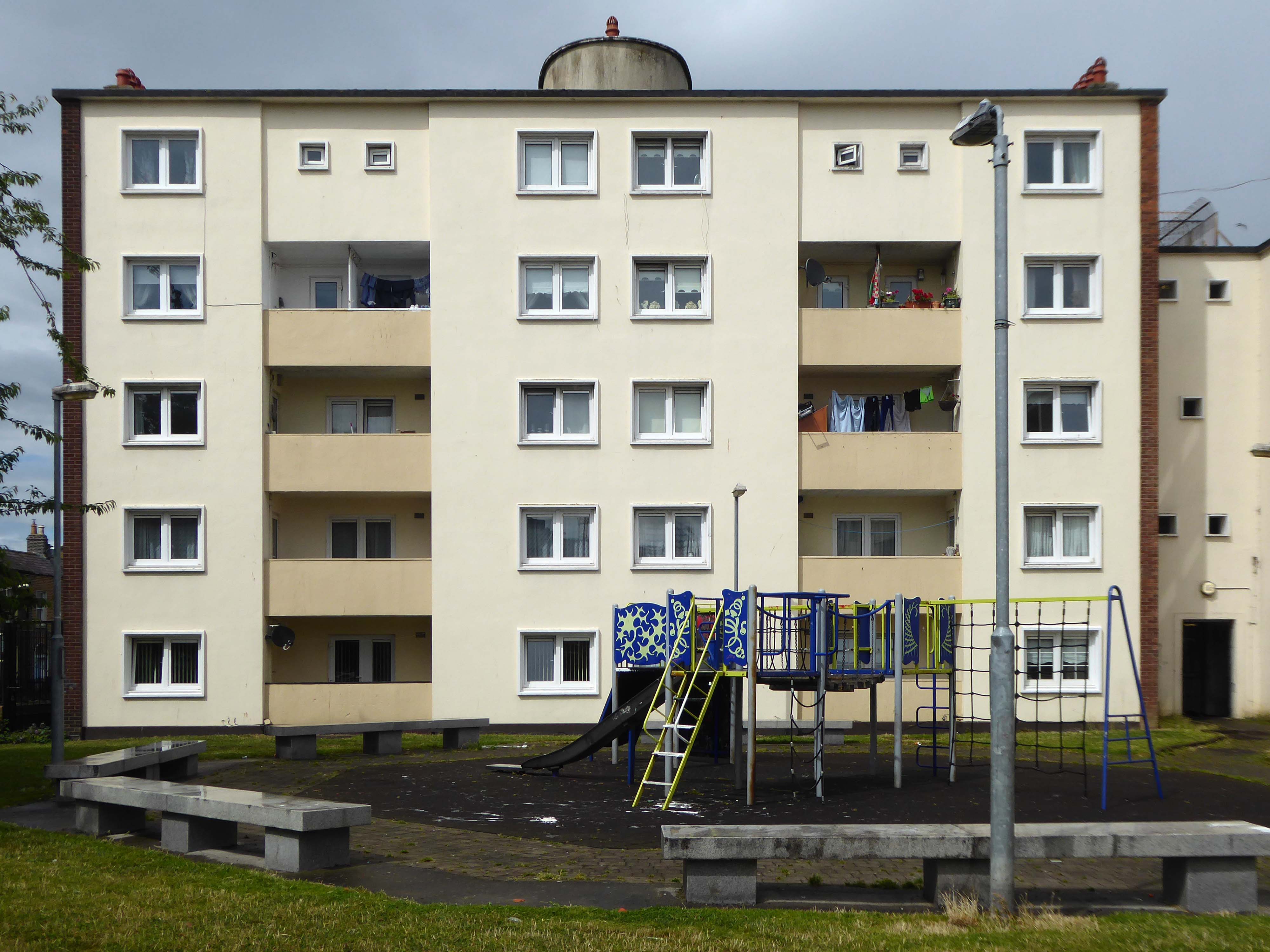
Leo Fitzgerald House of 1940 in Dublin displays a similar European influence.
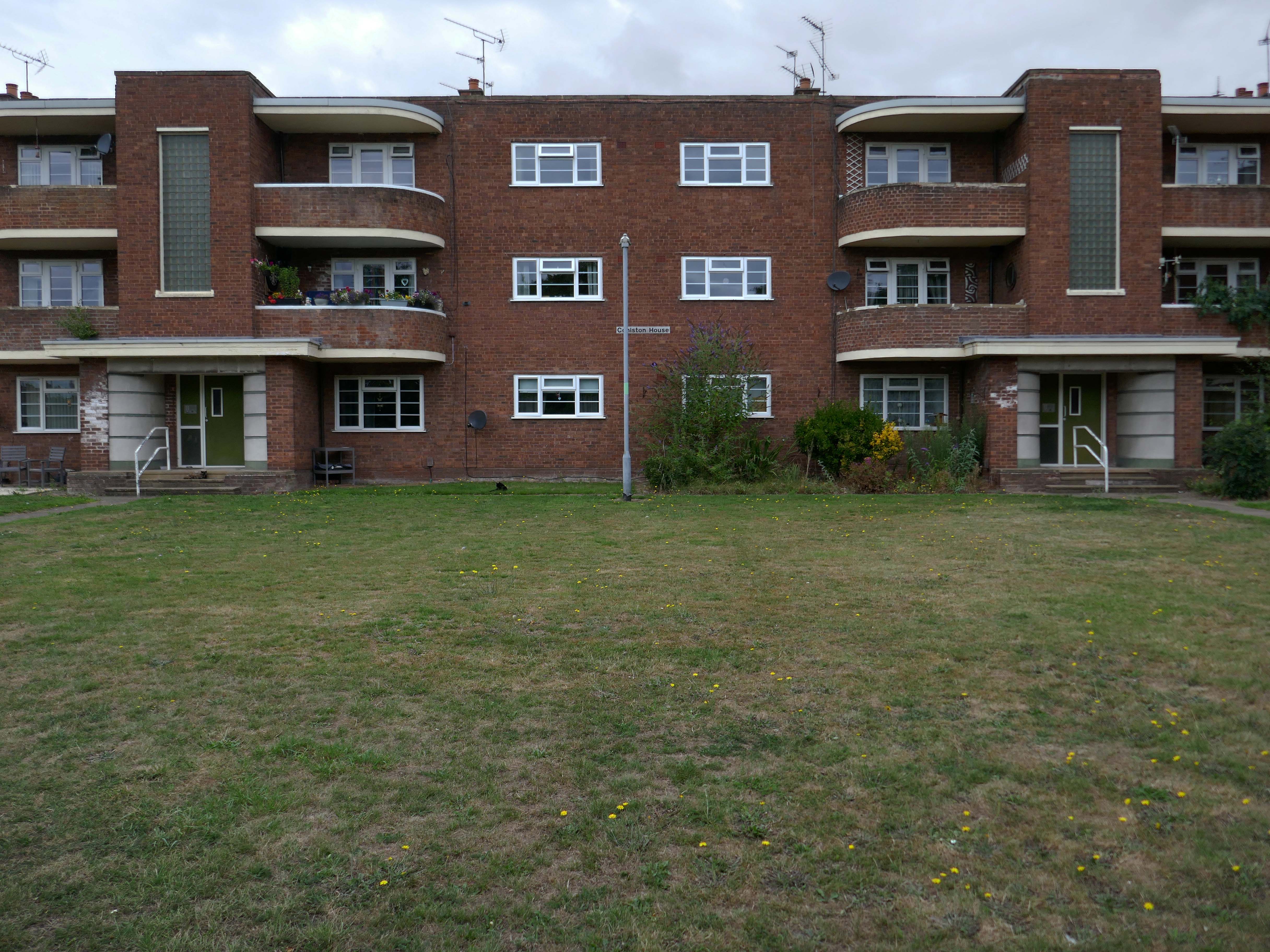
Corporation Street Flats Stafford 1951-52
Later examples such as Fort Ardwick in Manchester proved to be badly built and ill advised choices for social housing.
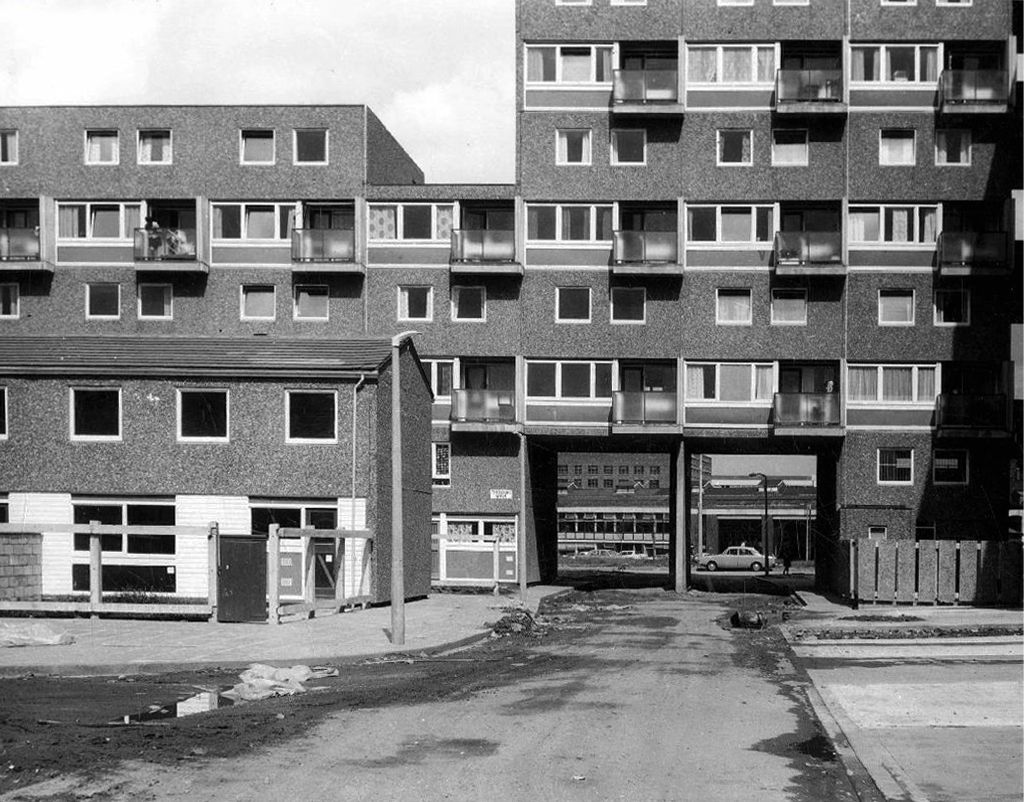
The Byker Estate has proved to be much more durable.
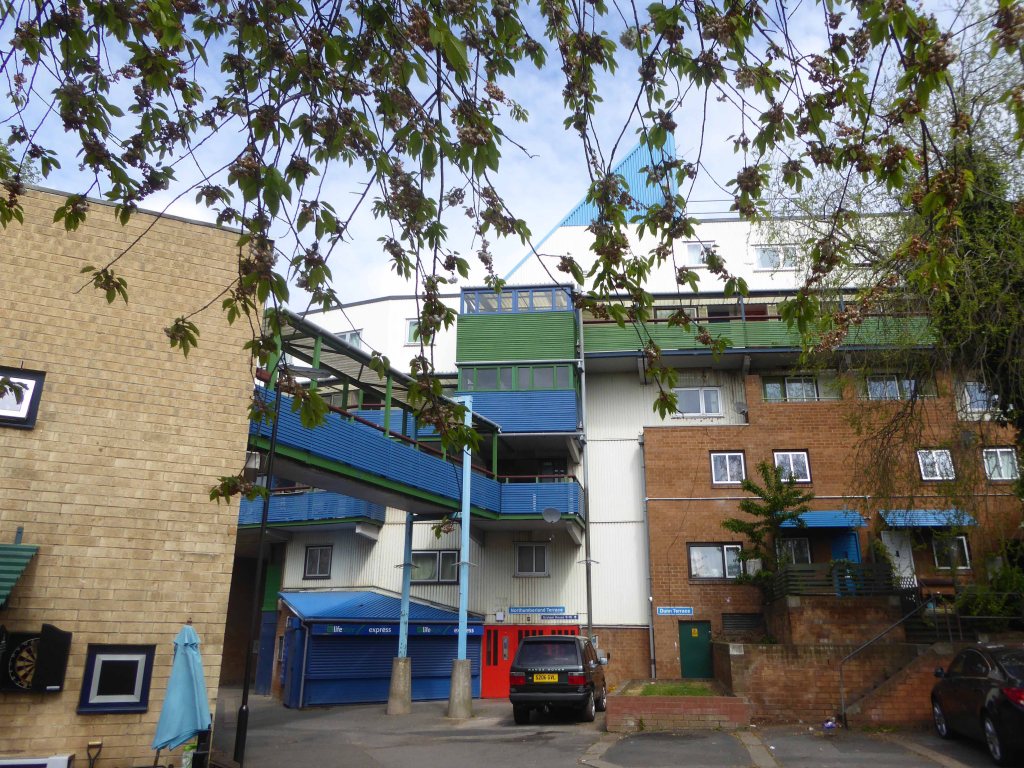
Whilst Park Hill has undergone a change from social housing to largely private ownership and rental.
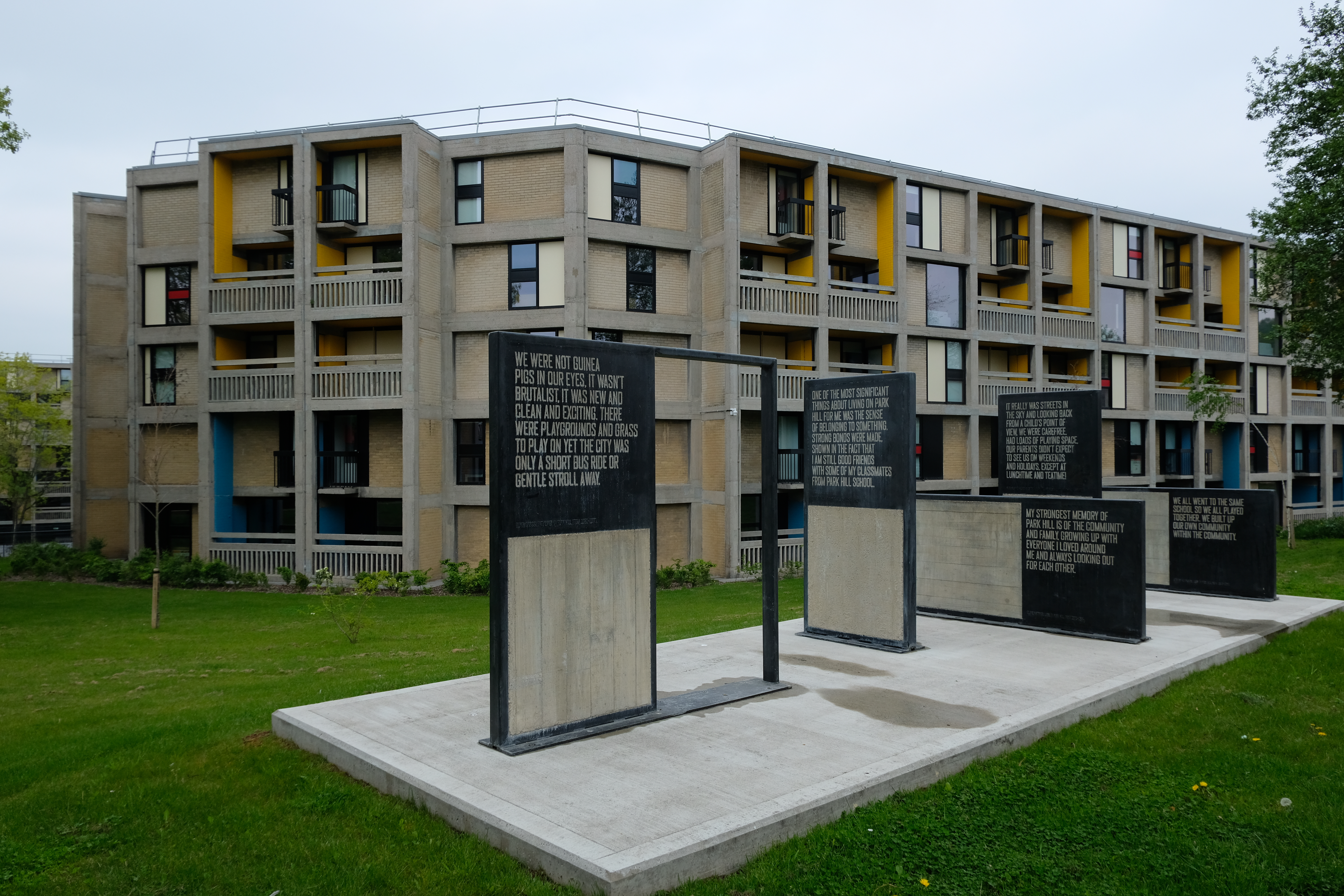
The St Thomas Estate in Radcliffe, mixes the traditional terrace with a modern twist on social housing.
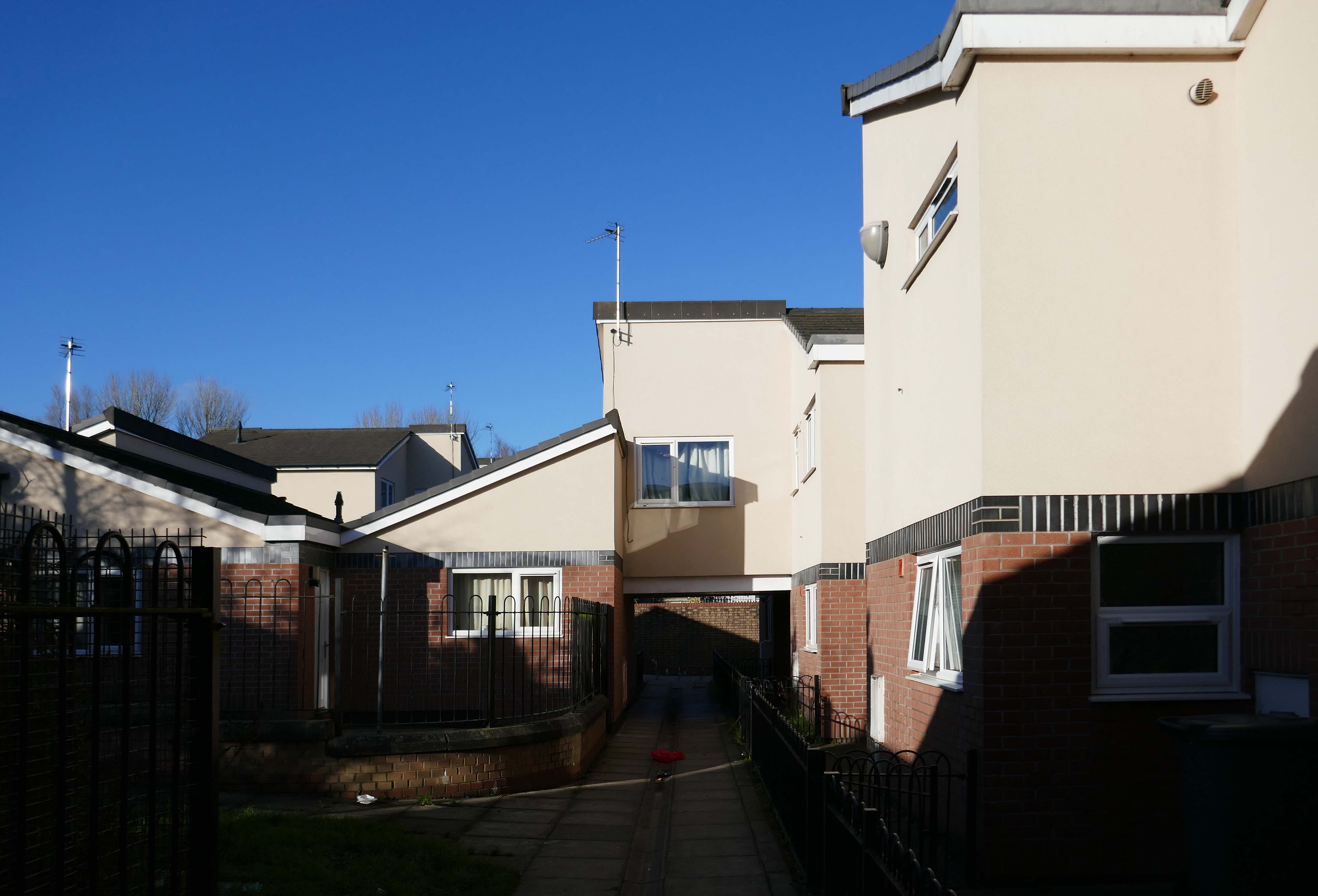
Private developers opted for Span style homes, such as these at Deneway Stockport 1964
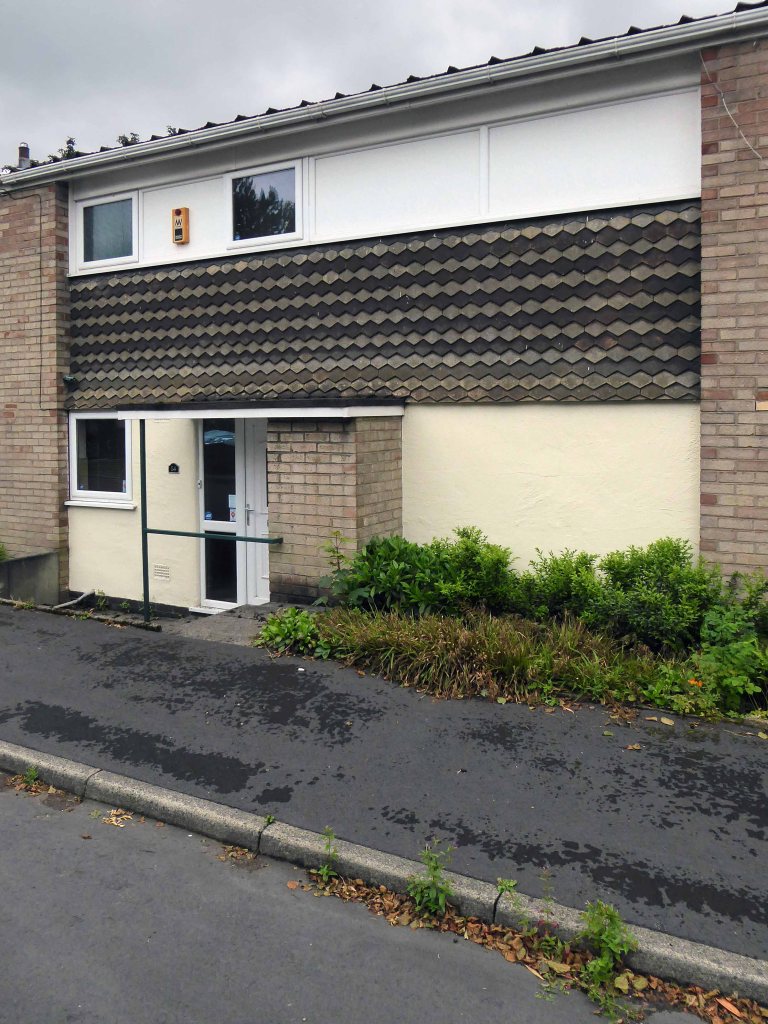
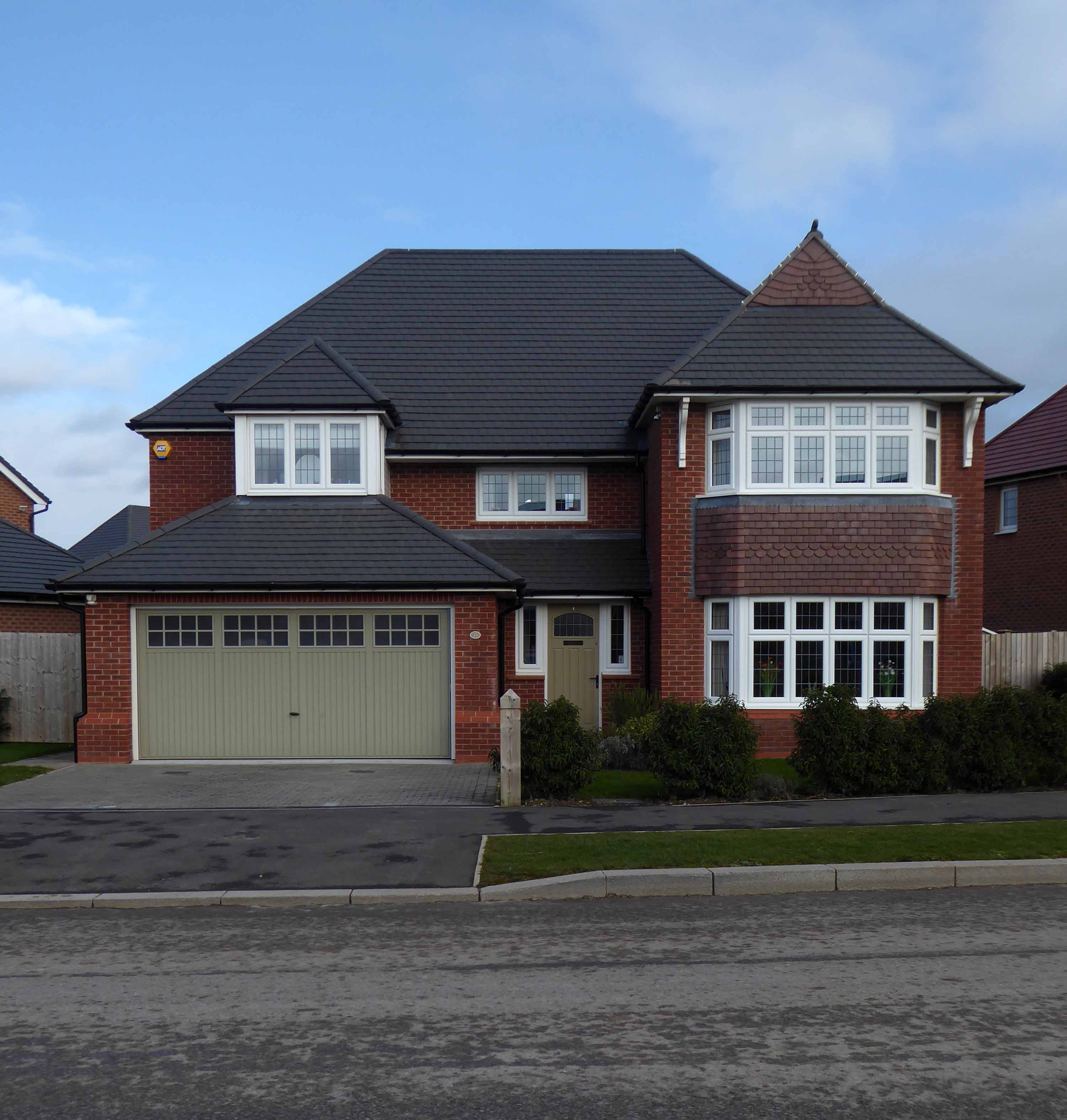
Further afield in the former fields of Cheshire are the out of the way, not way out, Woodford executive homes.
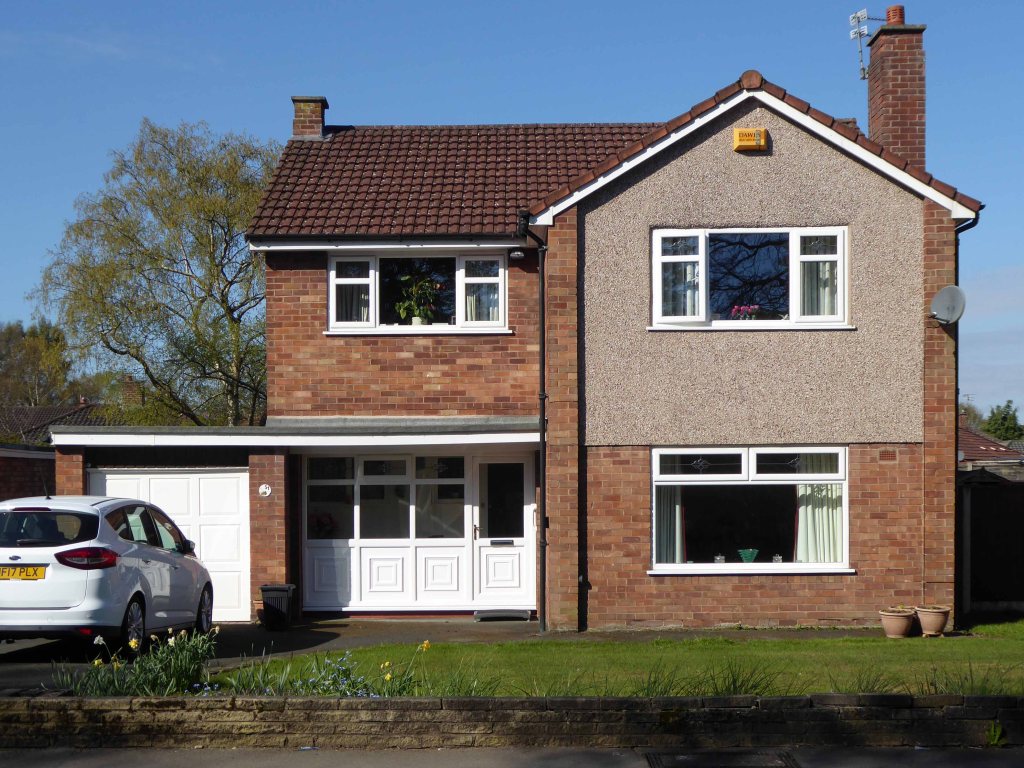
In Heald Green we find the slightly less executive homes.
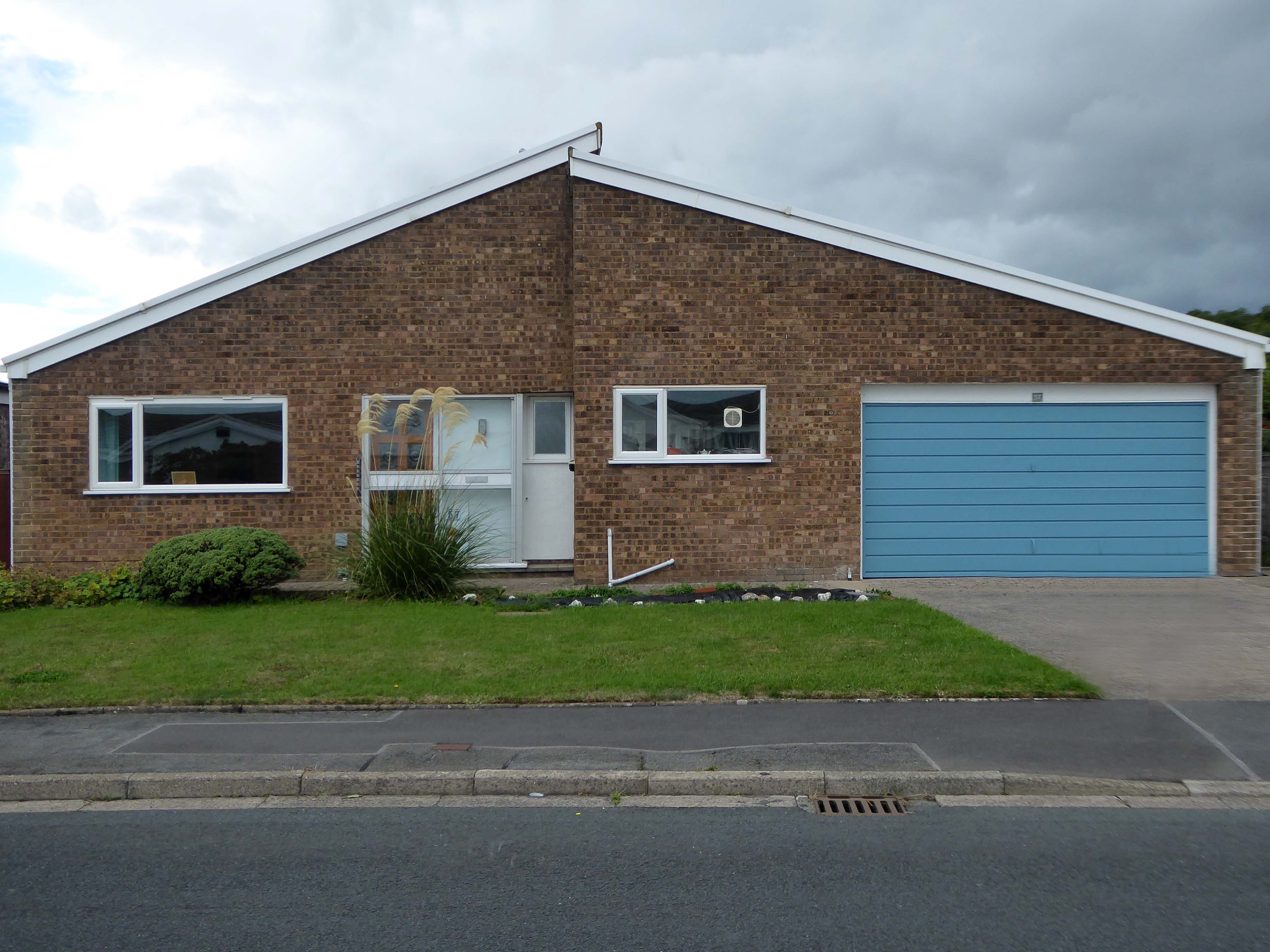
Even further afield the seaside enclave of Penrhyn Bay.
Prompted by a recent viewing of Graham Williamson’s Suburban film, I decided to undertake further in depth research around my own suburban locale.

Here is my first day’s findings in the West Heatons – followed by the next day in the West Heatons.
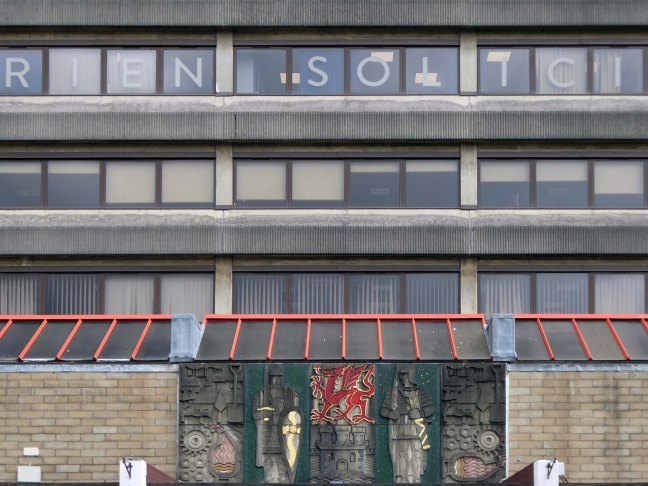
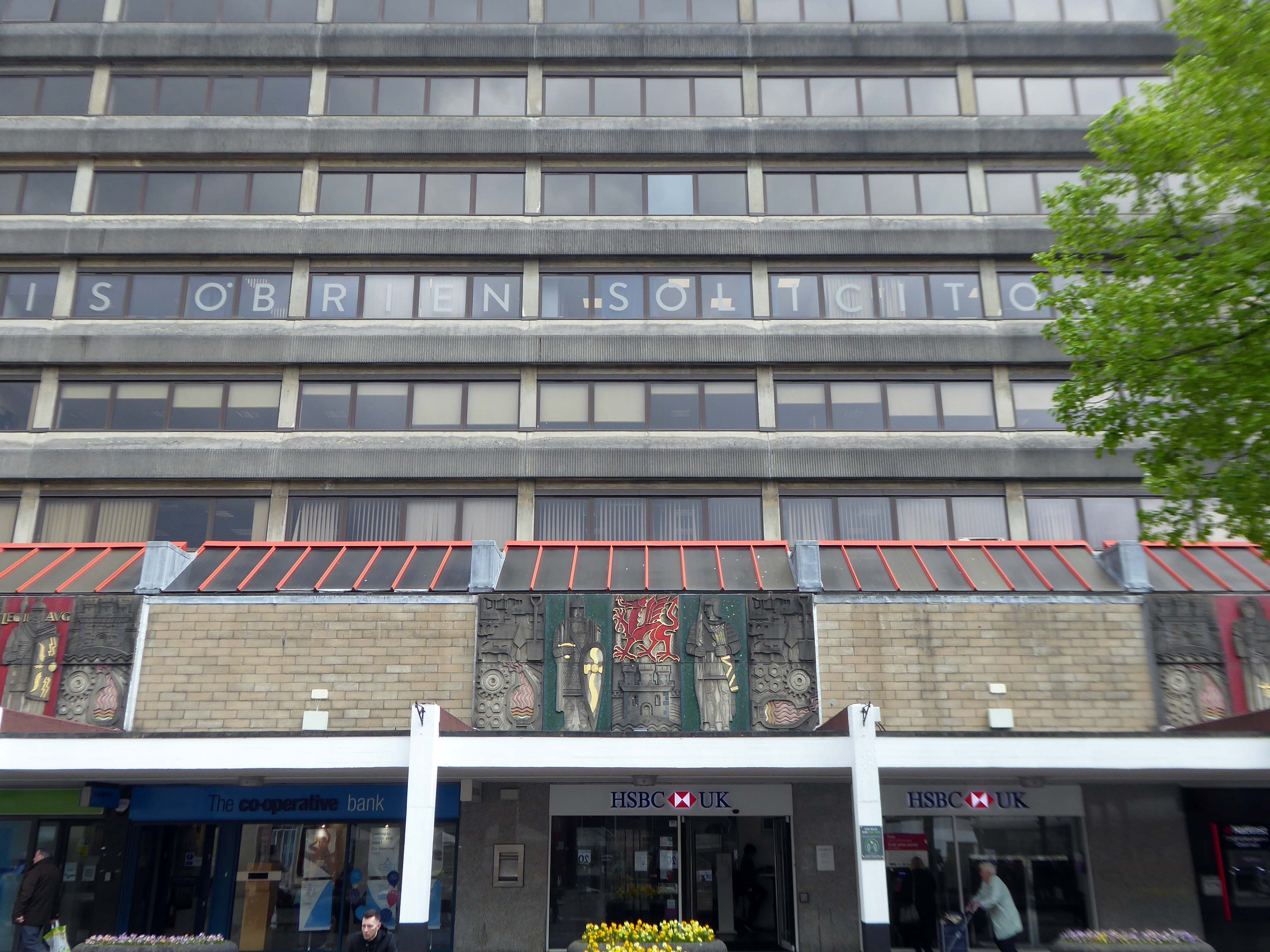
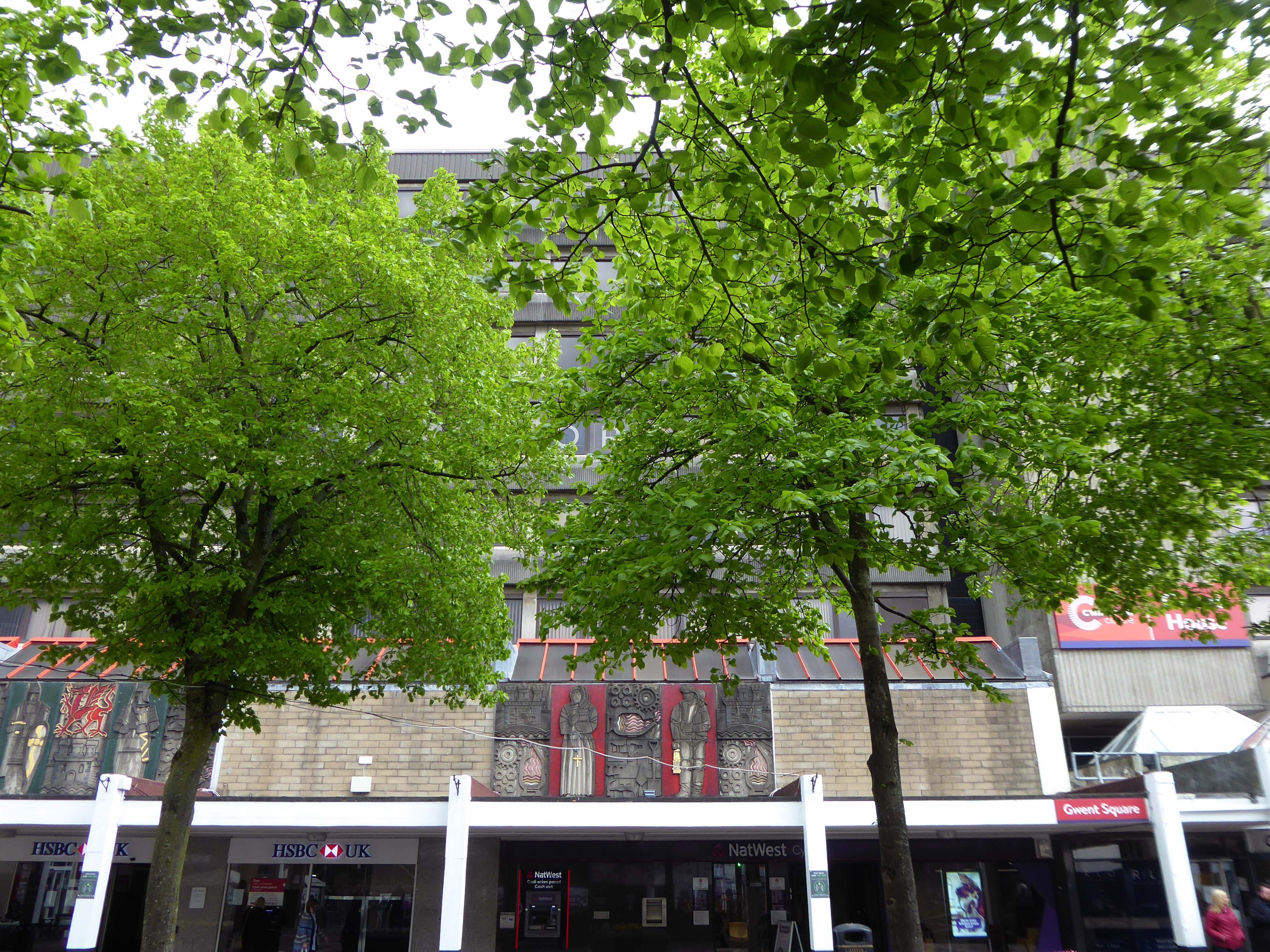
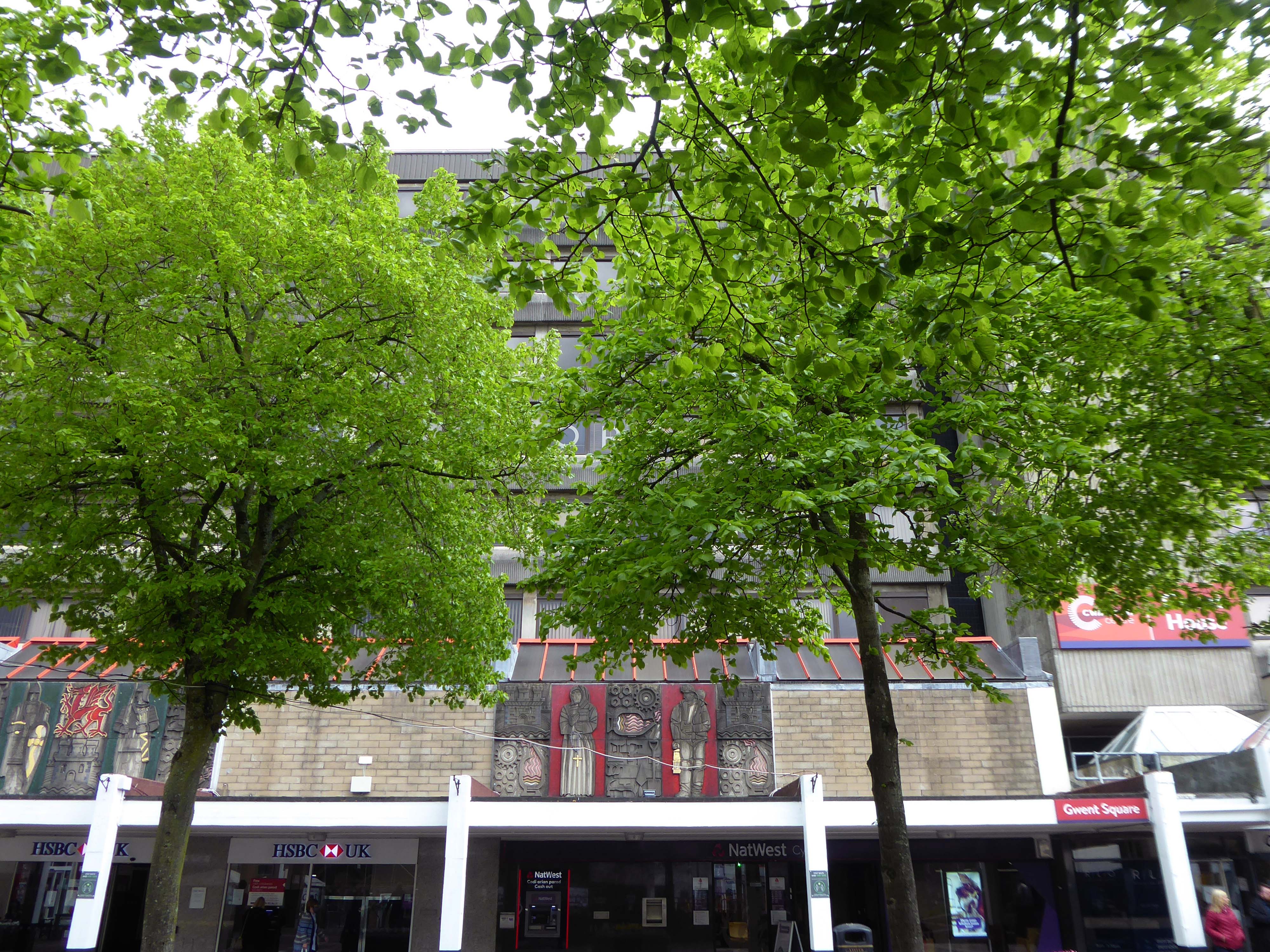
Joyce Pallot and Henry Collins – Gwent House Cwmbran

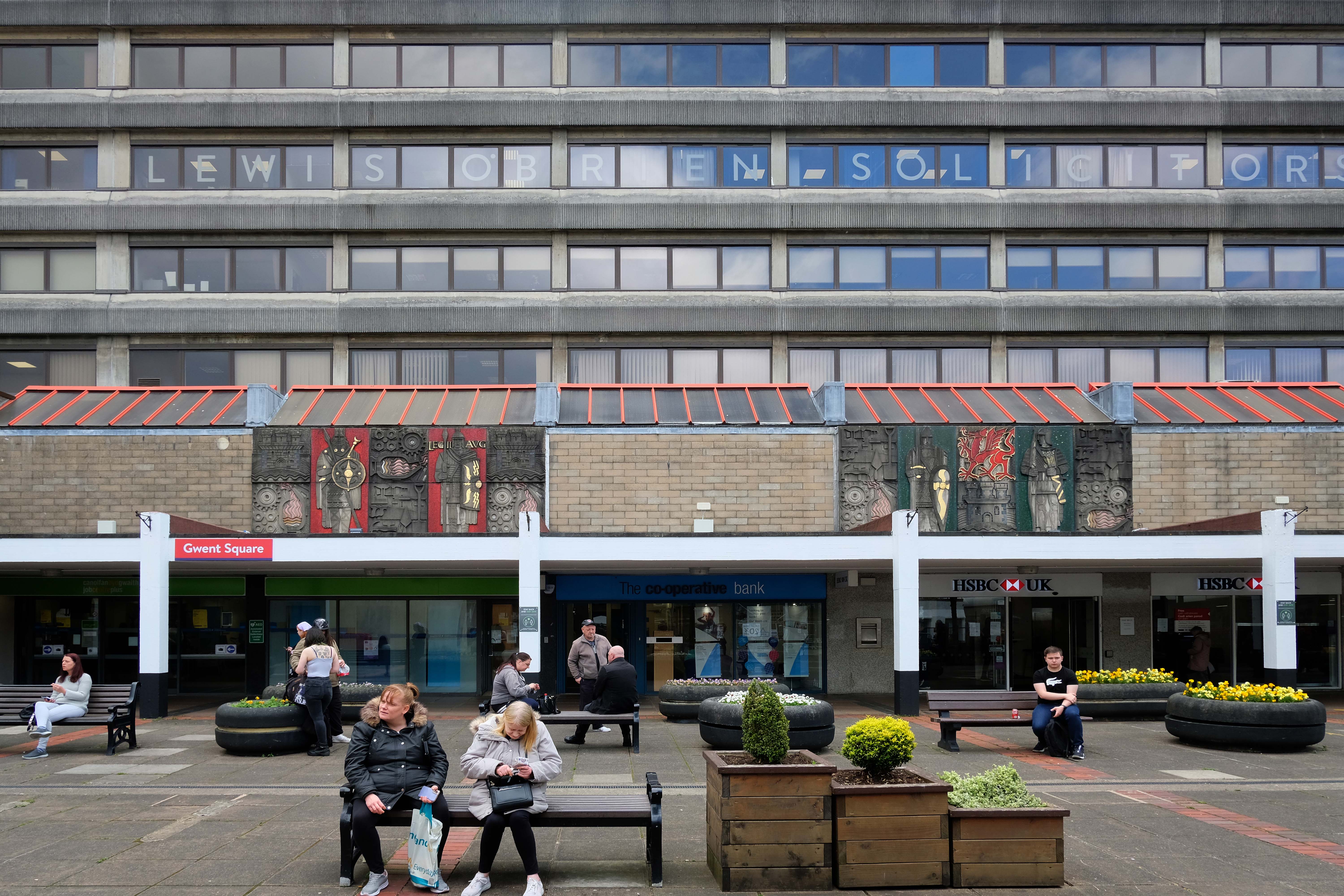
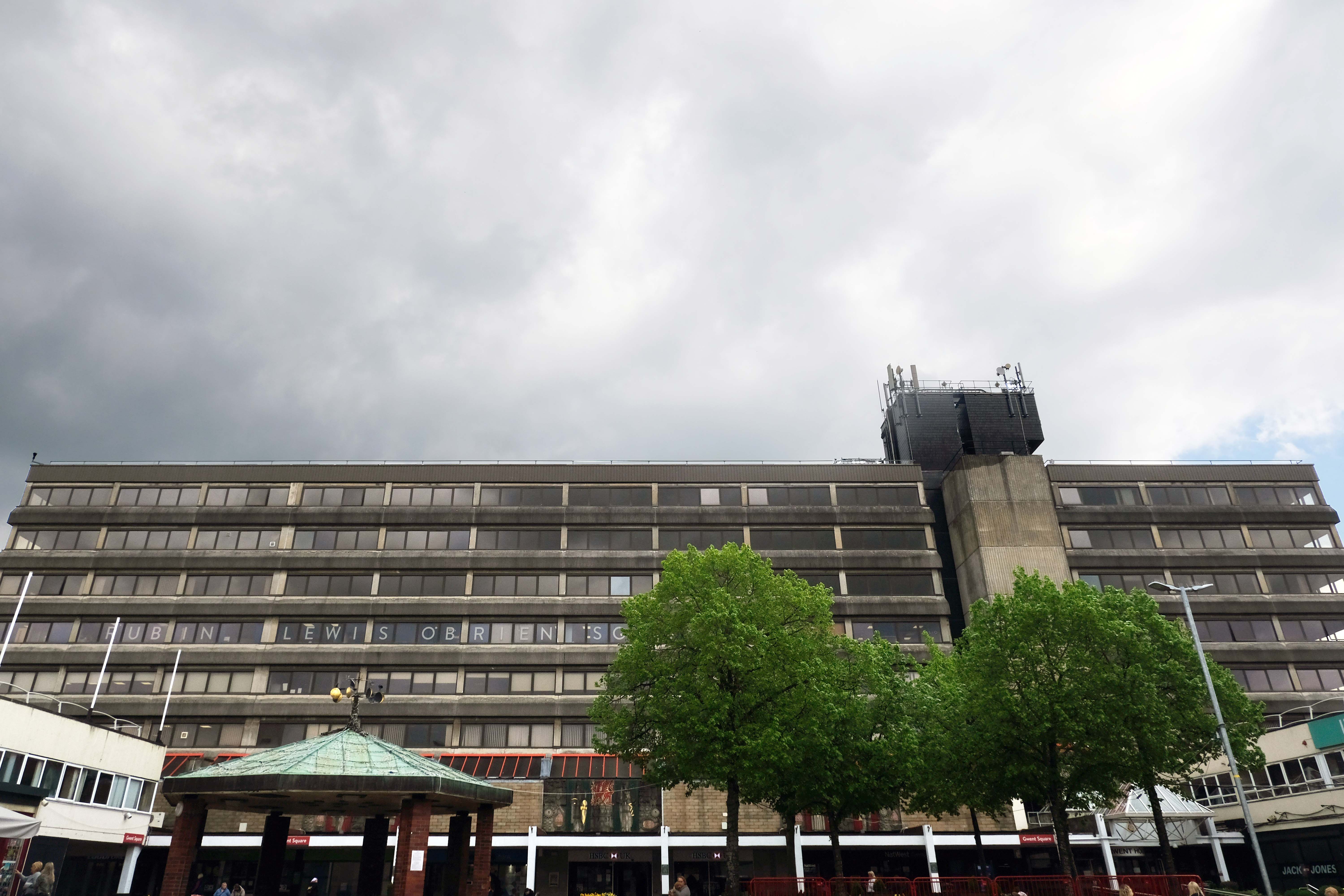
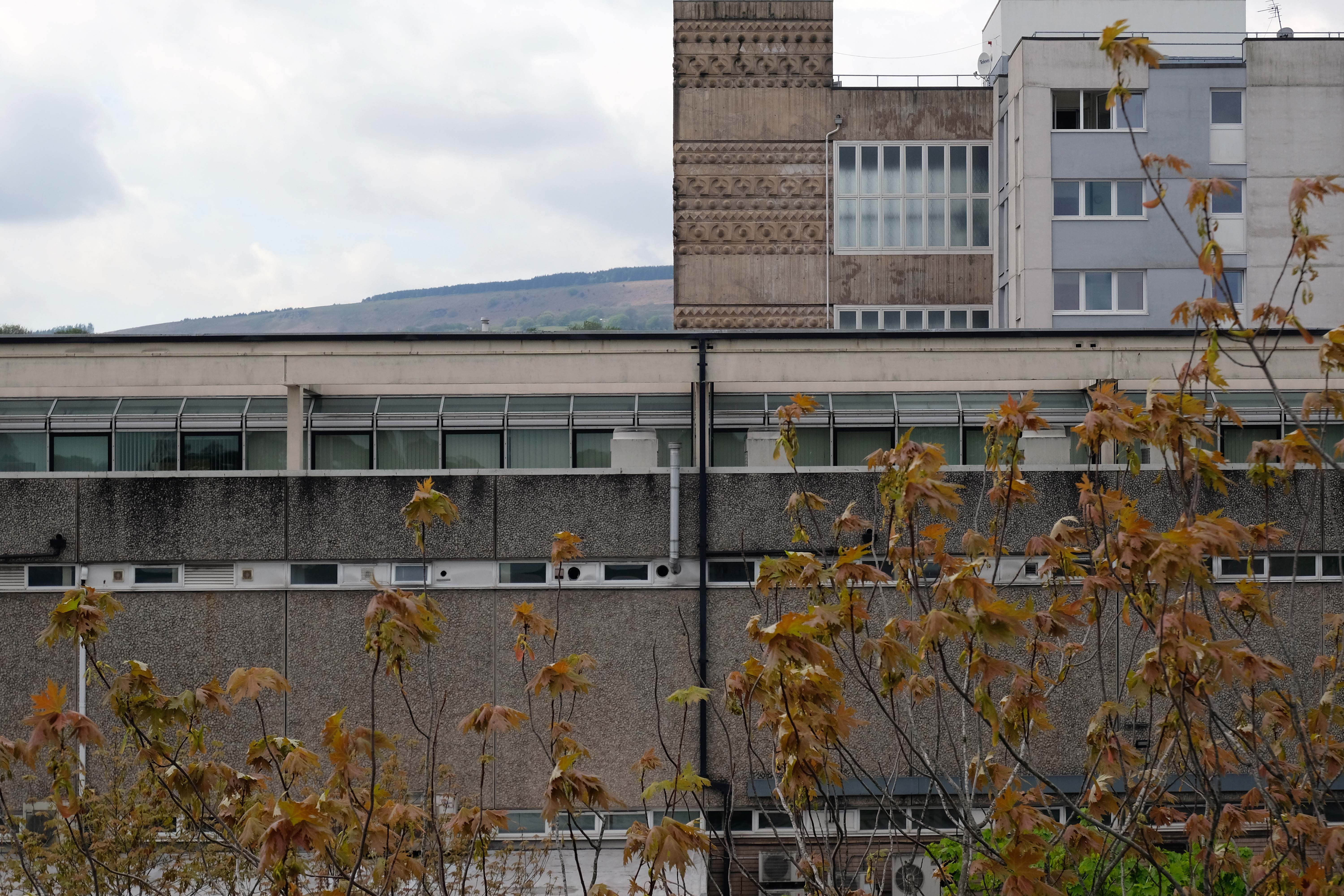
Gwent House is the home of the District Council Offices for Torfaen and the Public Library. Used by HM Courts Service and HCMS – South East Wales, the building is a seven story structure with retail space on the ground floor and open plan office space above. Built during the 1970s as a local government building, it is constructed with a steel and concrete frame with wall to wall double glazed windows and a flat roof.

Gwent House sits on the east side of Gwent Square at the heart of Cwmbran New Town’s centre. The ‘Central Building’ as it was known during development was conceived by the Cwmbran Development Corporation, as a mixed development of leisure (including a club, dance hall and hotel) and office accommodation with retail to the ground floor. this was to expand the function of the town centre beyond purely a shopping centre, and to address the perceived lack of ‘professional’ office jobs. In the event, the offices proved difficult to let and were occupied by the CDC and Cwmbran Urban District Council. 

The building was designed by Sheppard, Robson & Partners and opened on the 18th January 1973. The eight-storey, concrete framed block included a job centre, the library, a conference and exhibition hall, and three restaurants catering for different tastes and age ranges, including the ‘Sign of the Steer’. 

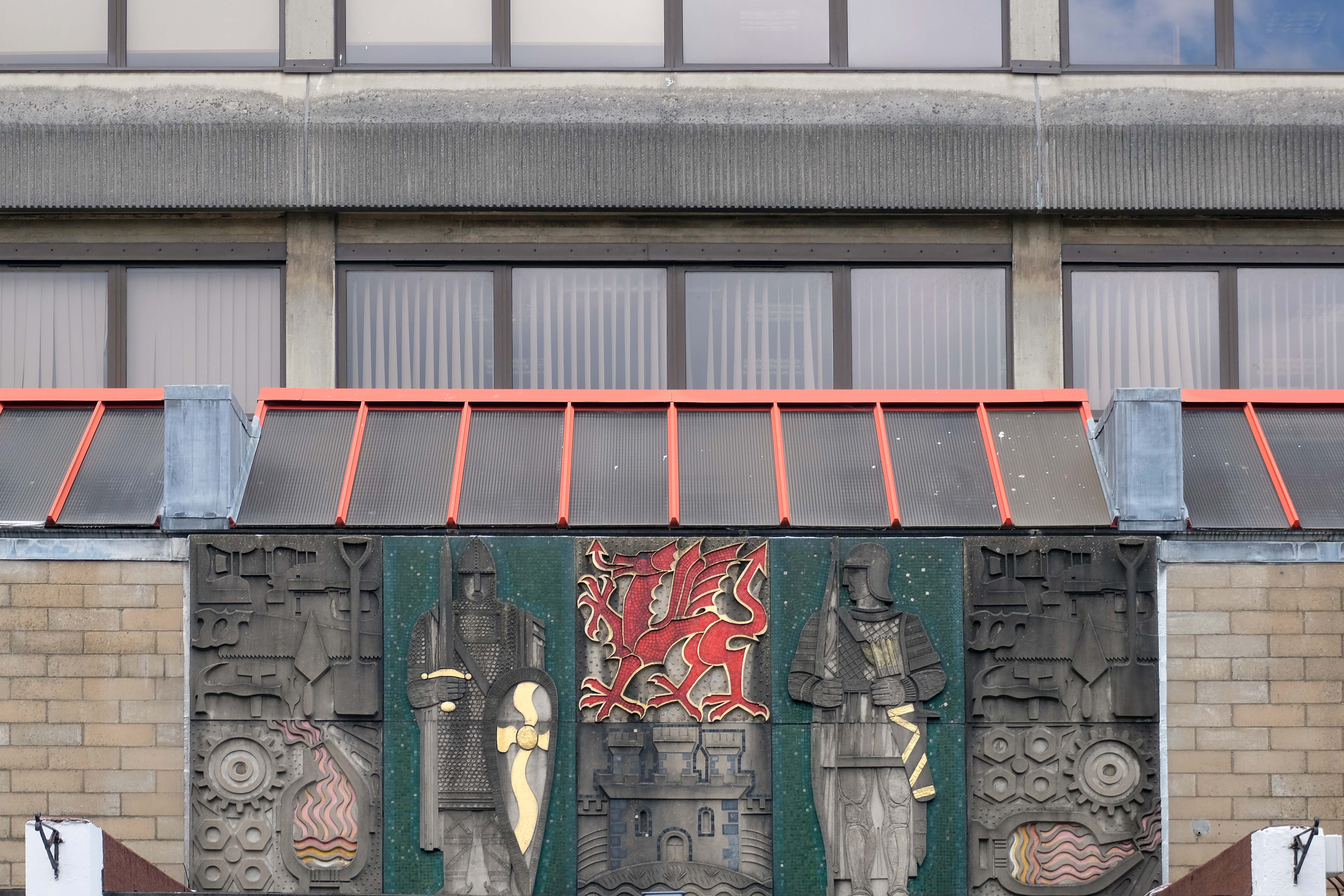
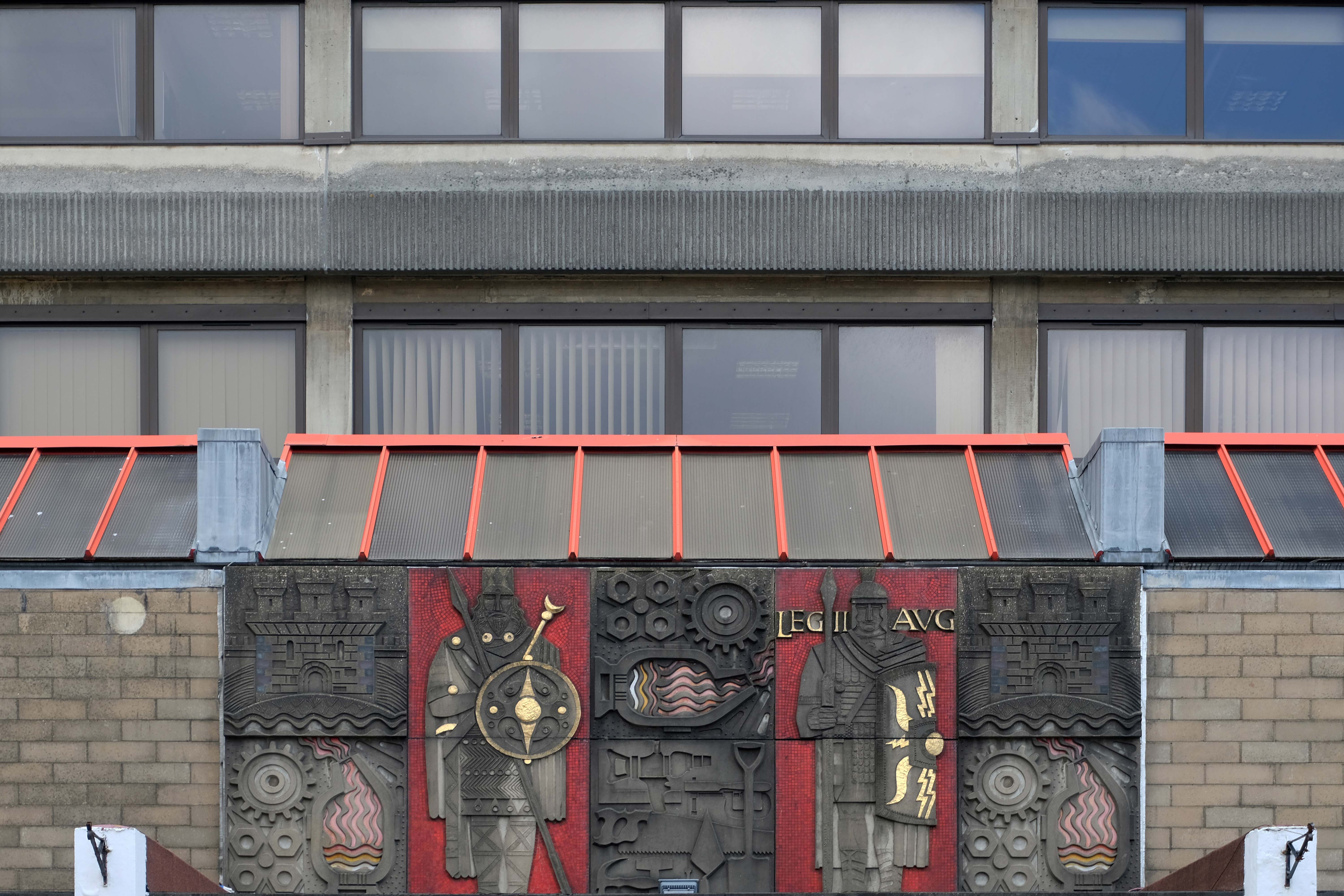
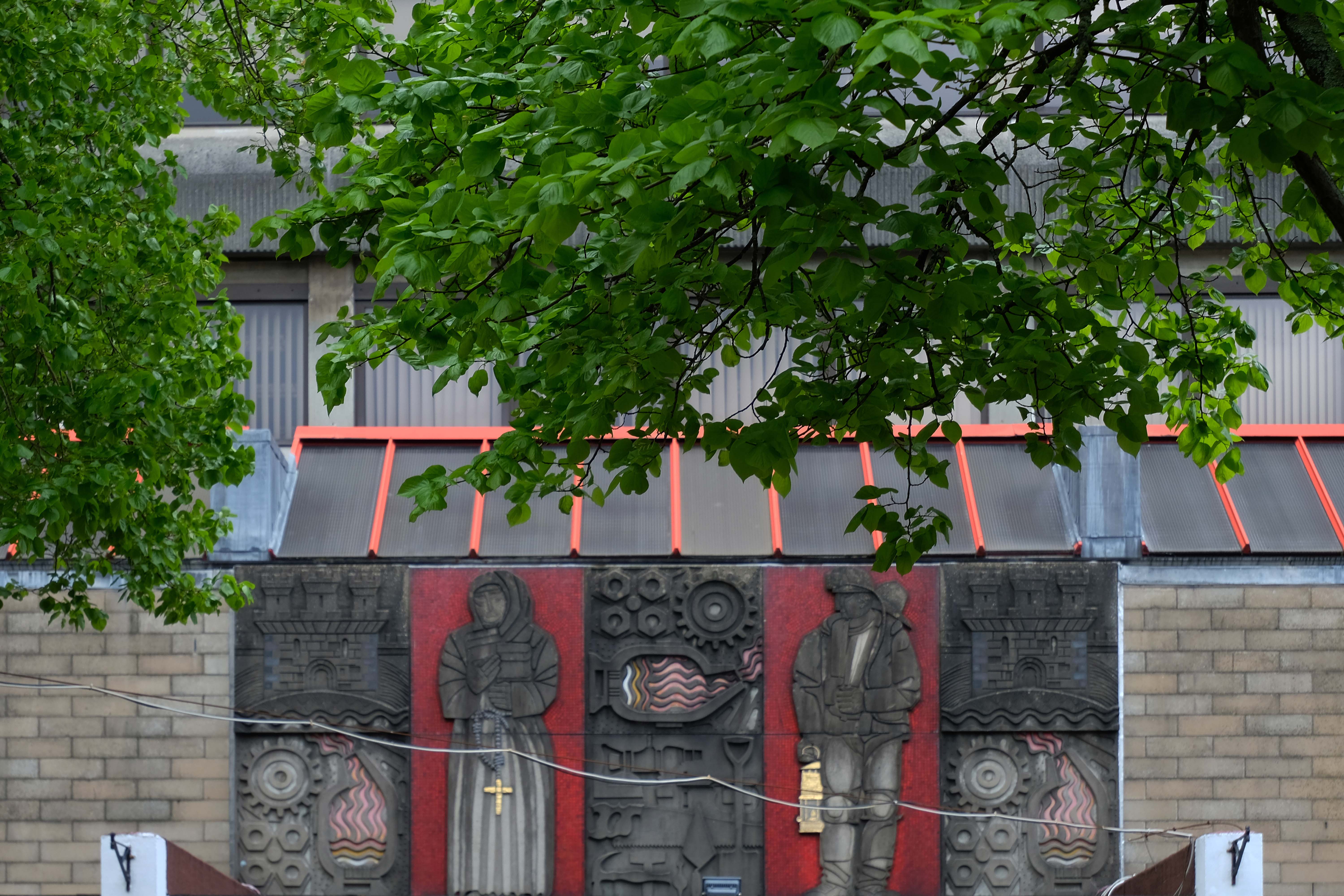
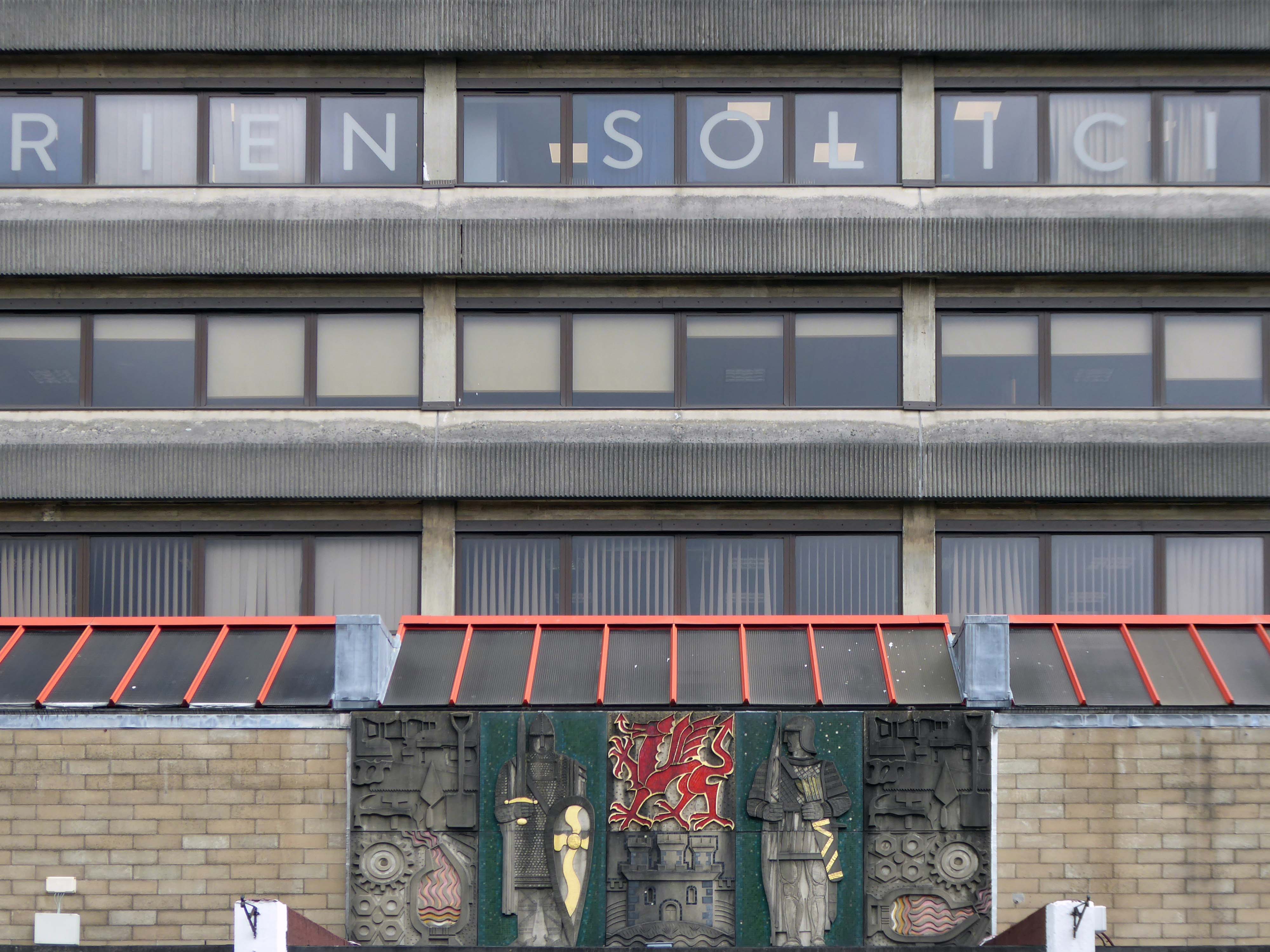
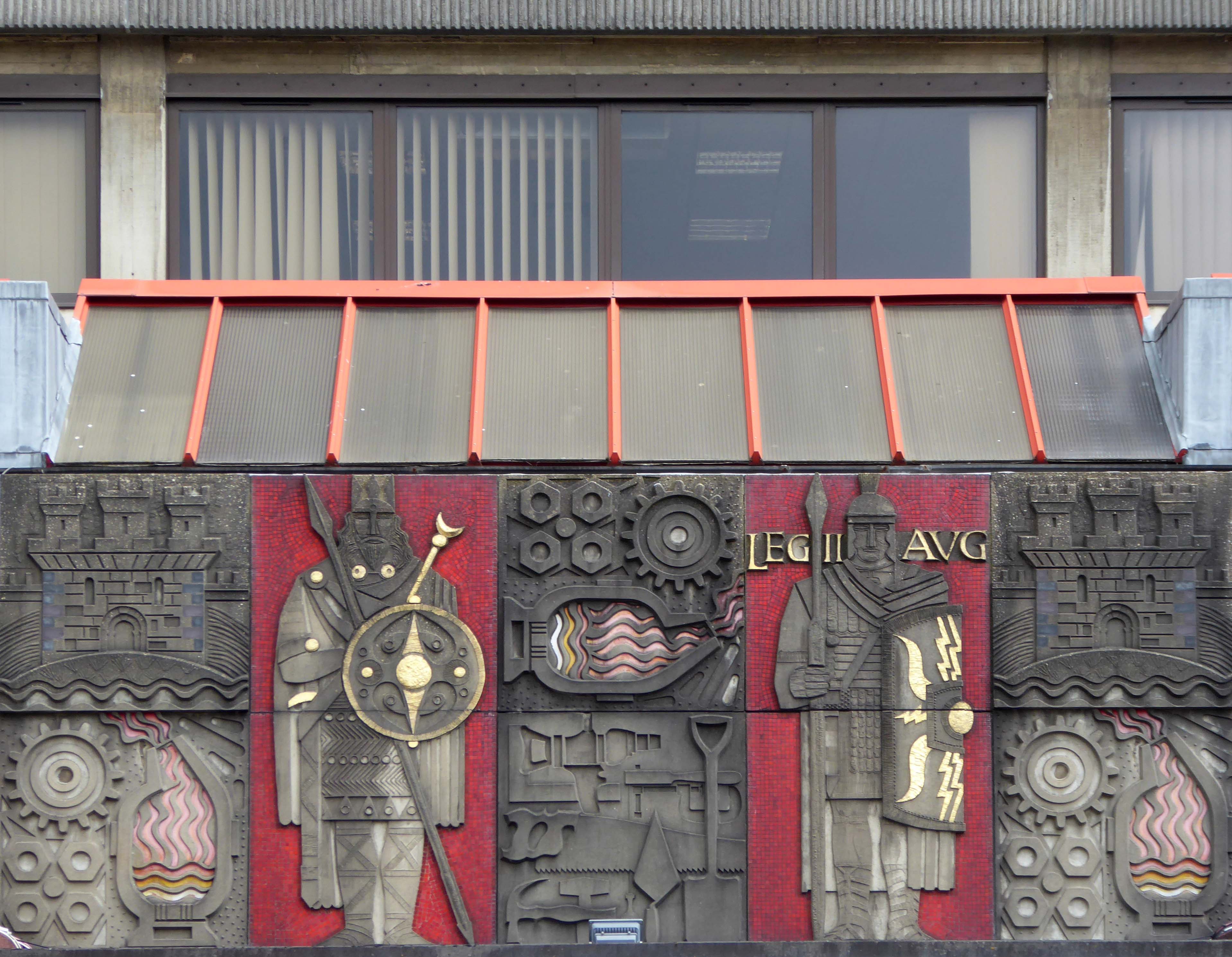
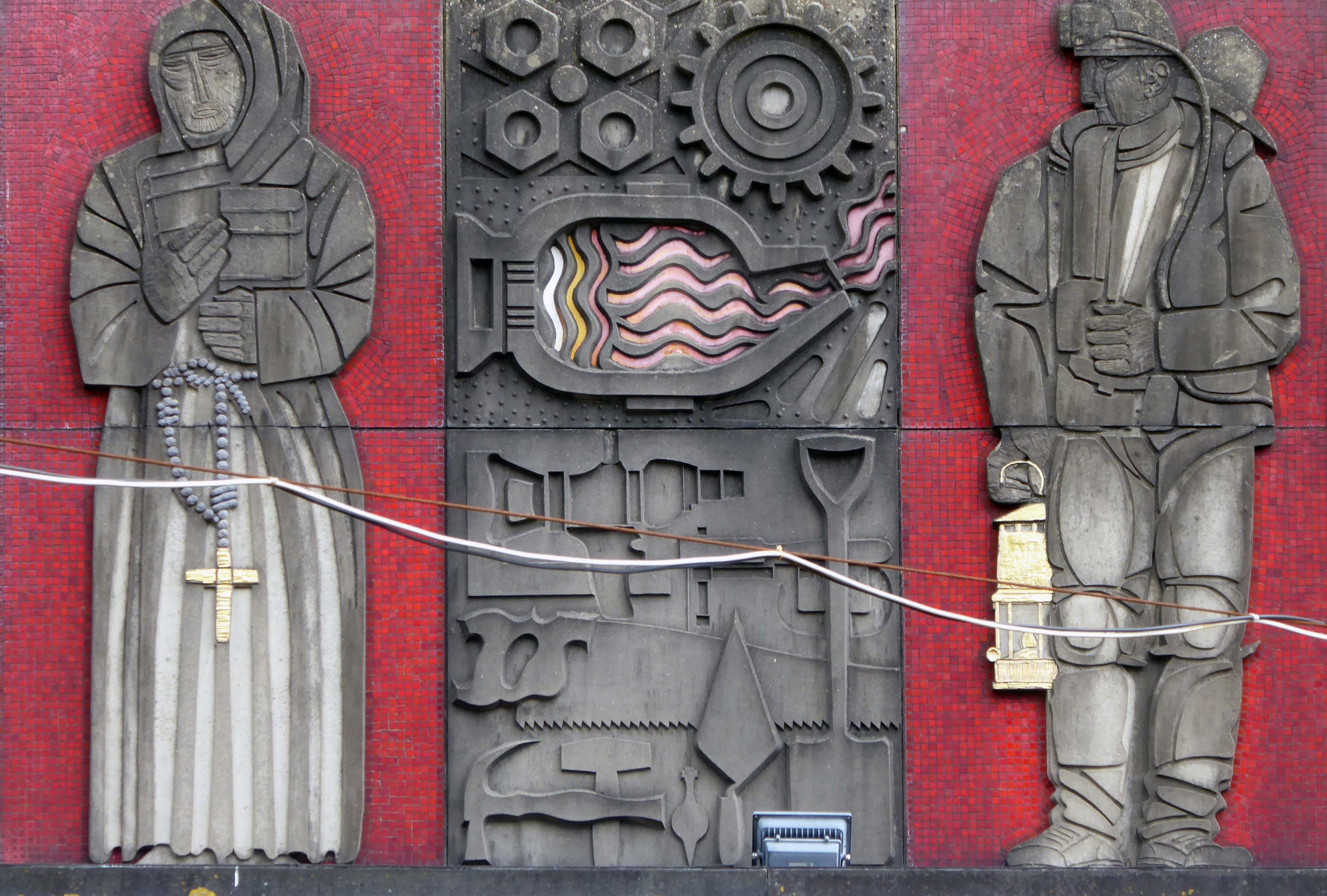
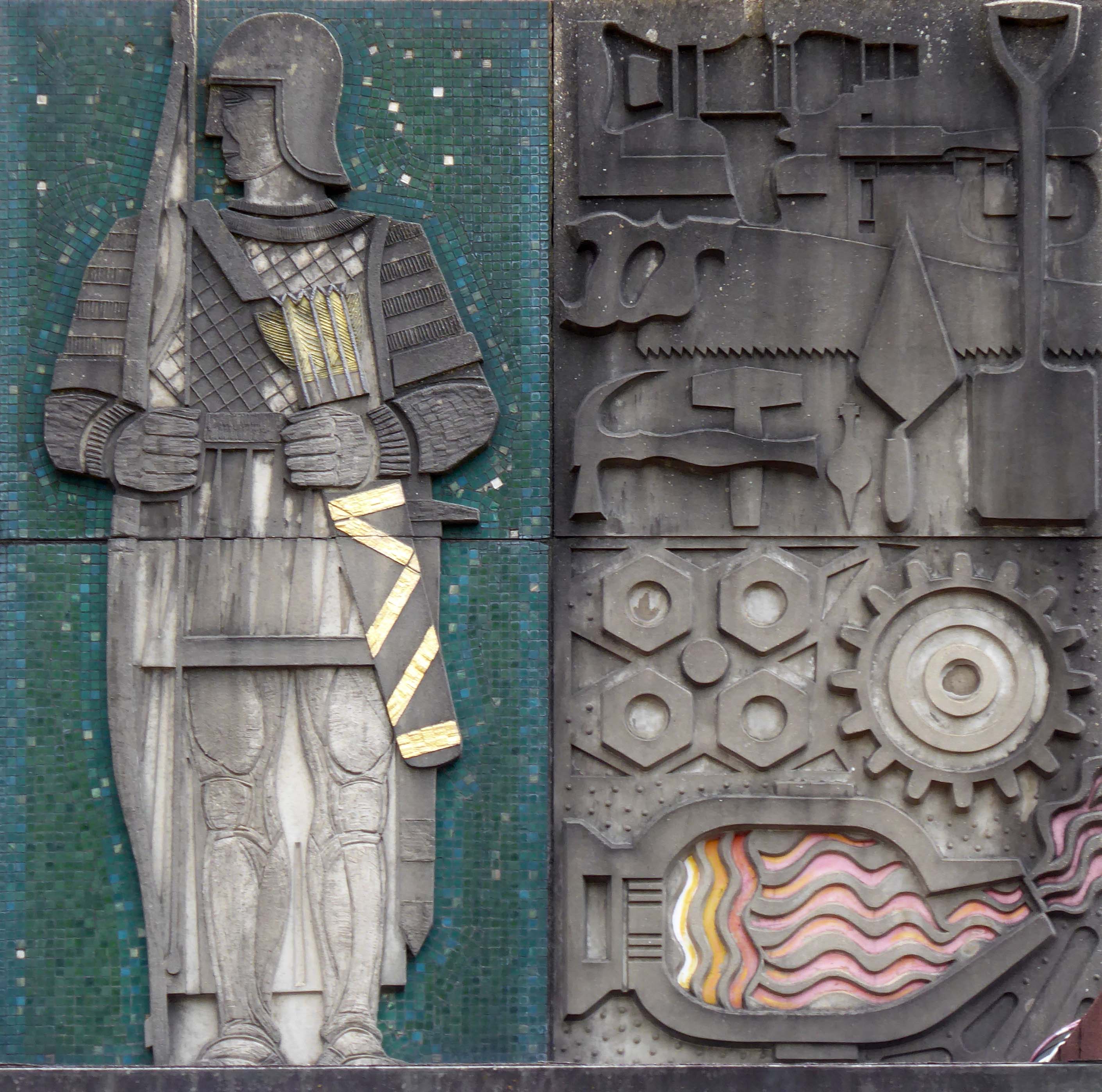
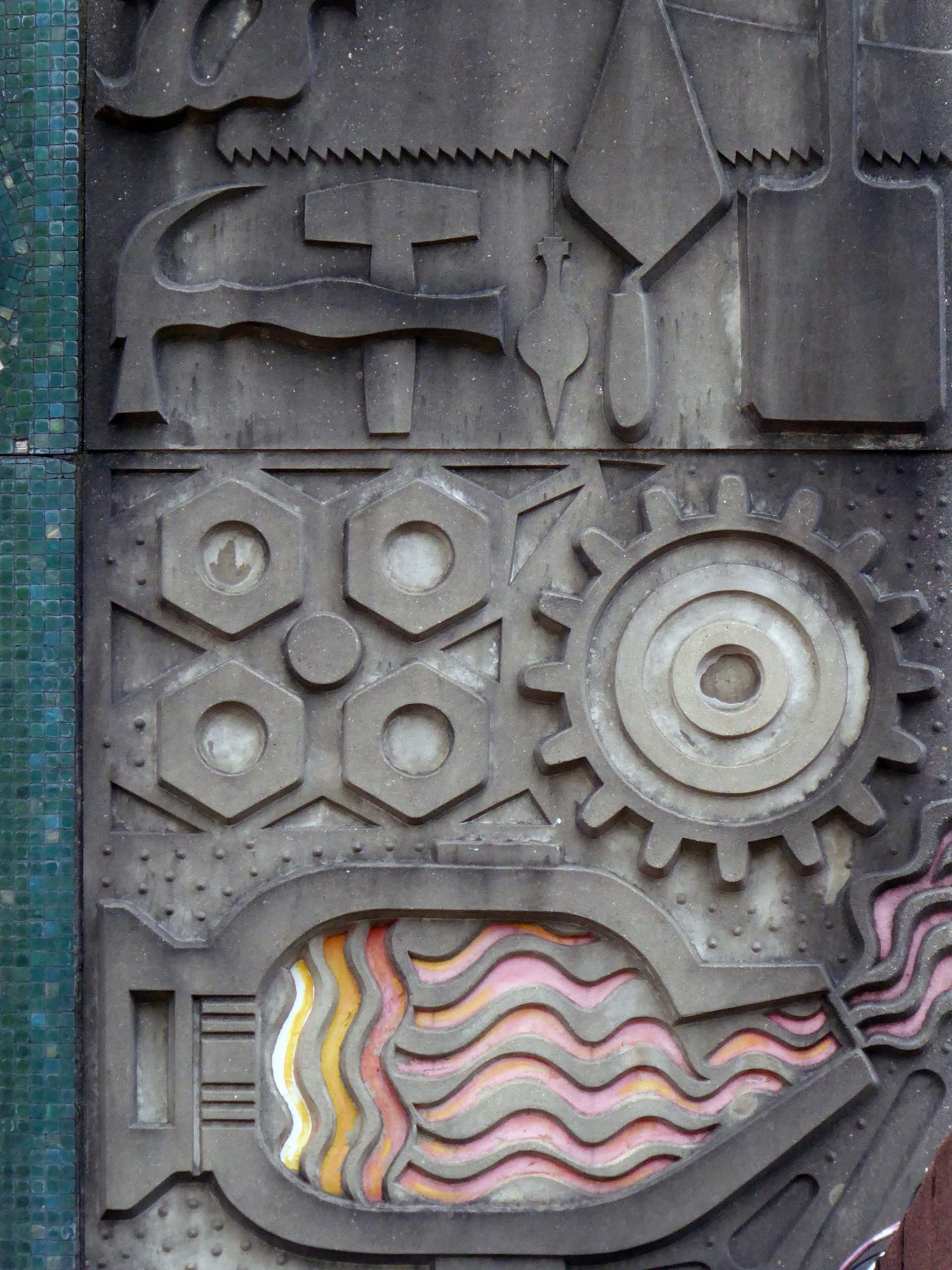
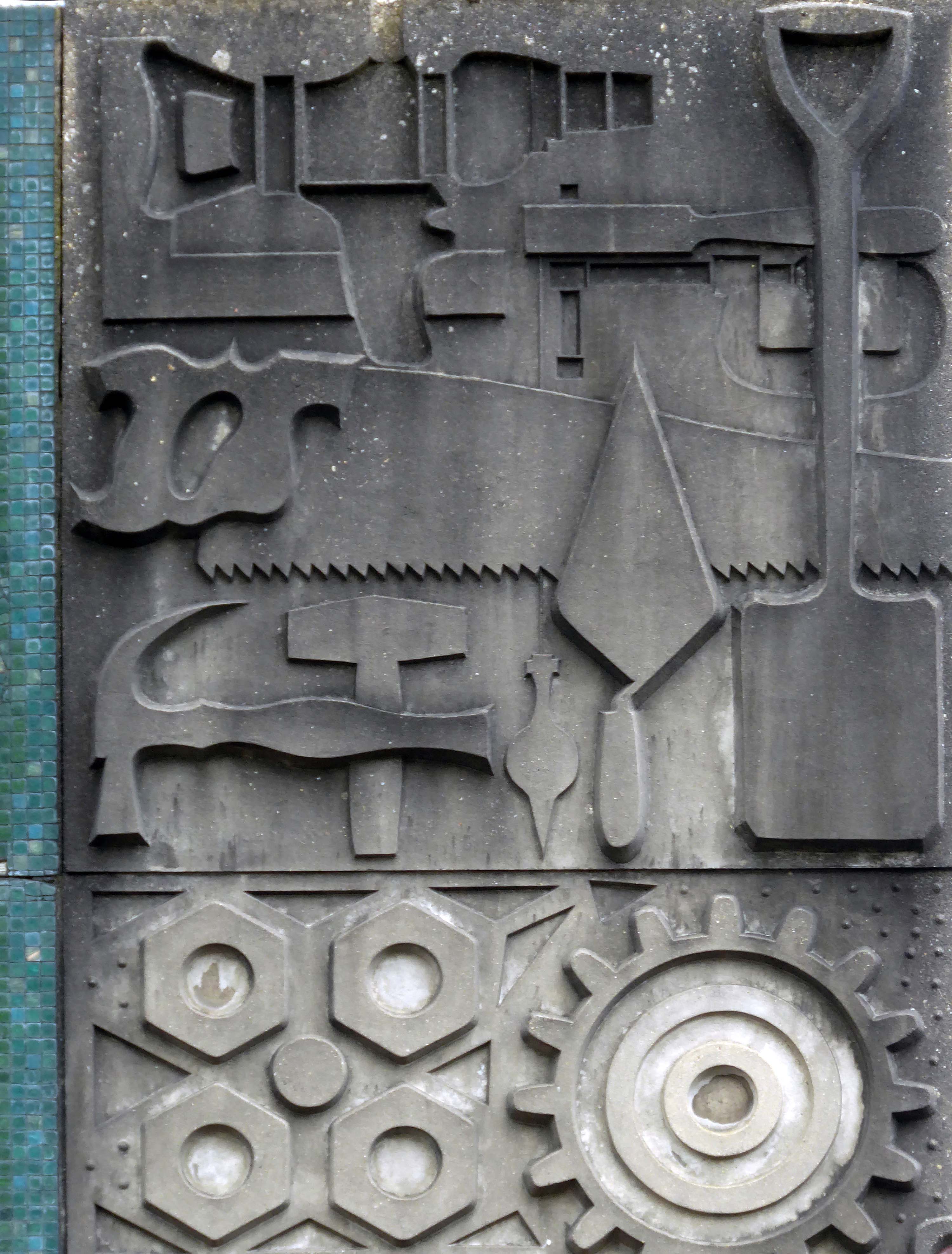
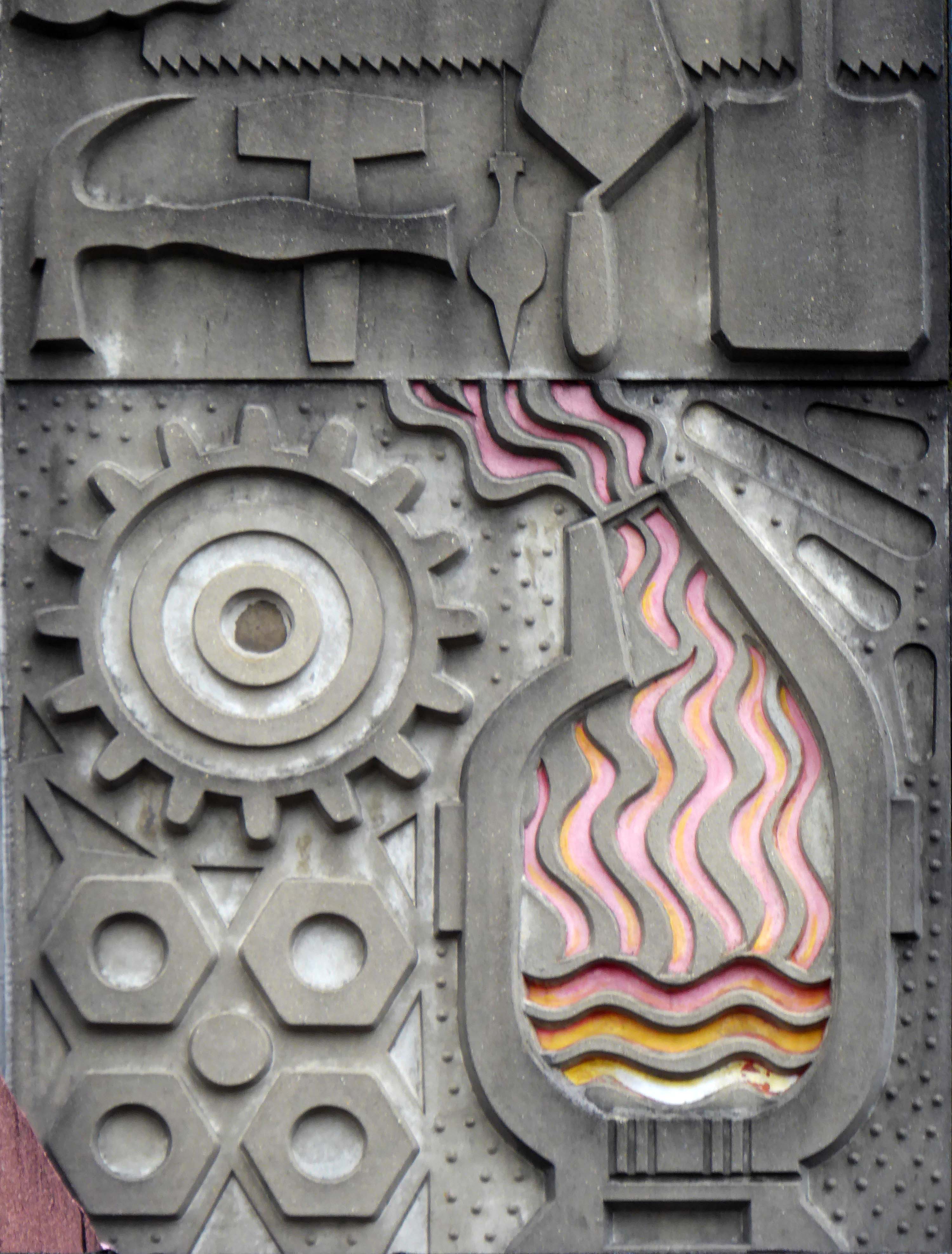
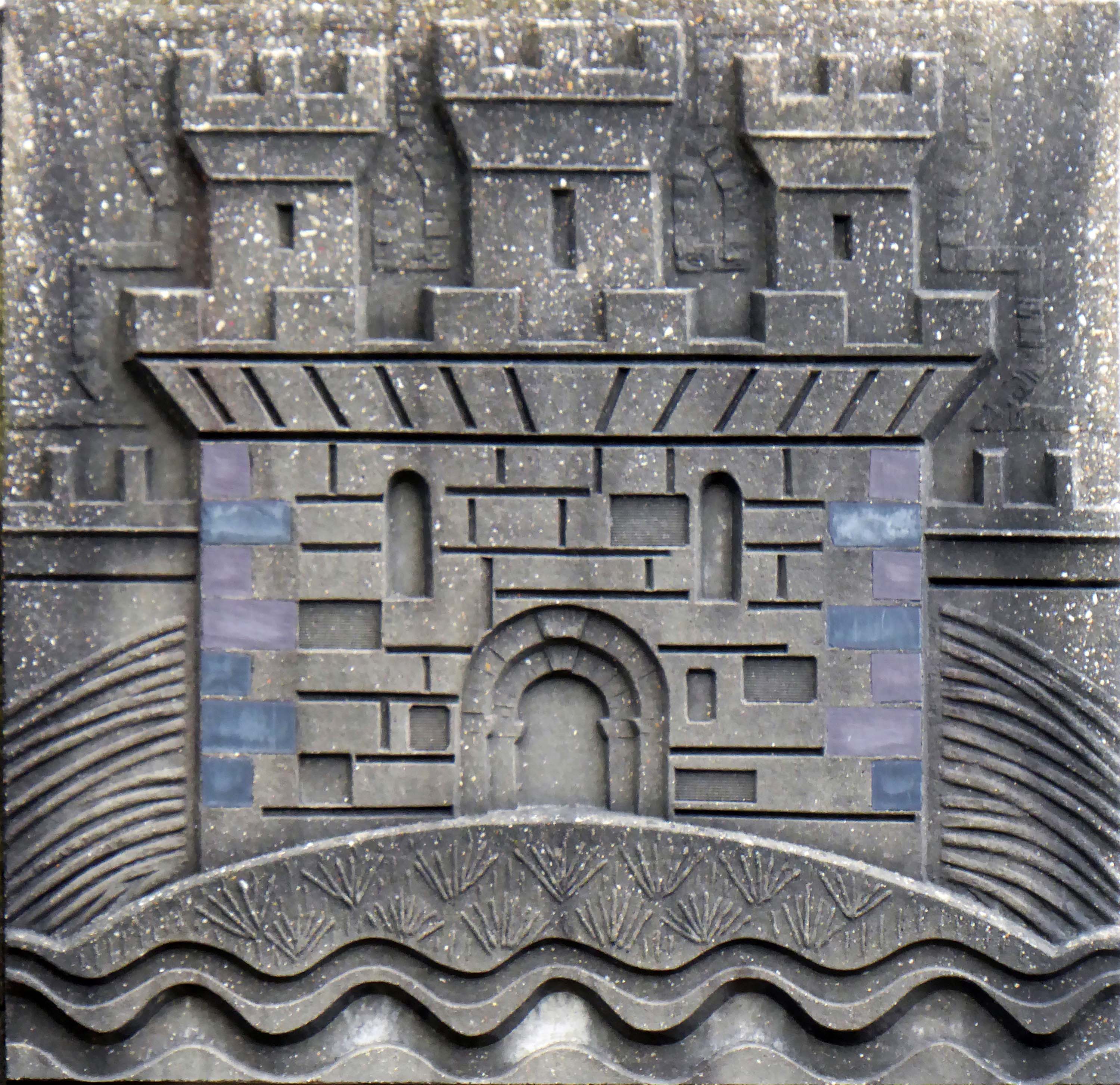
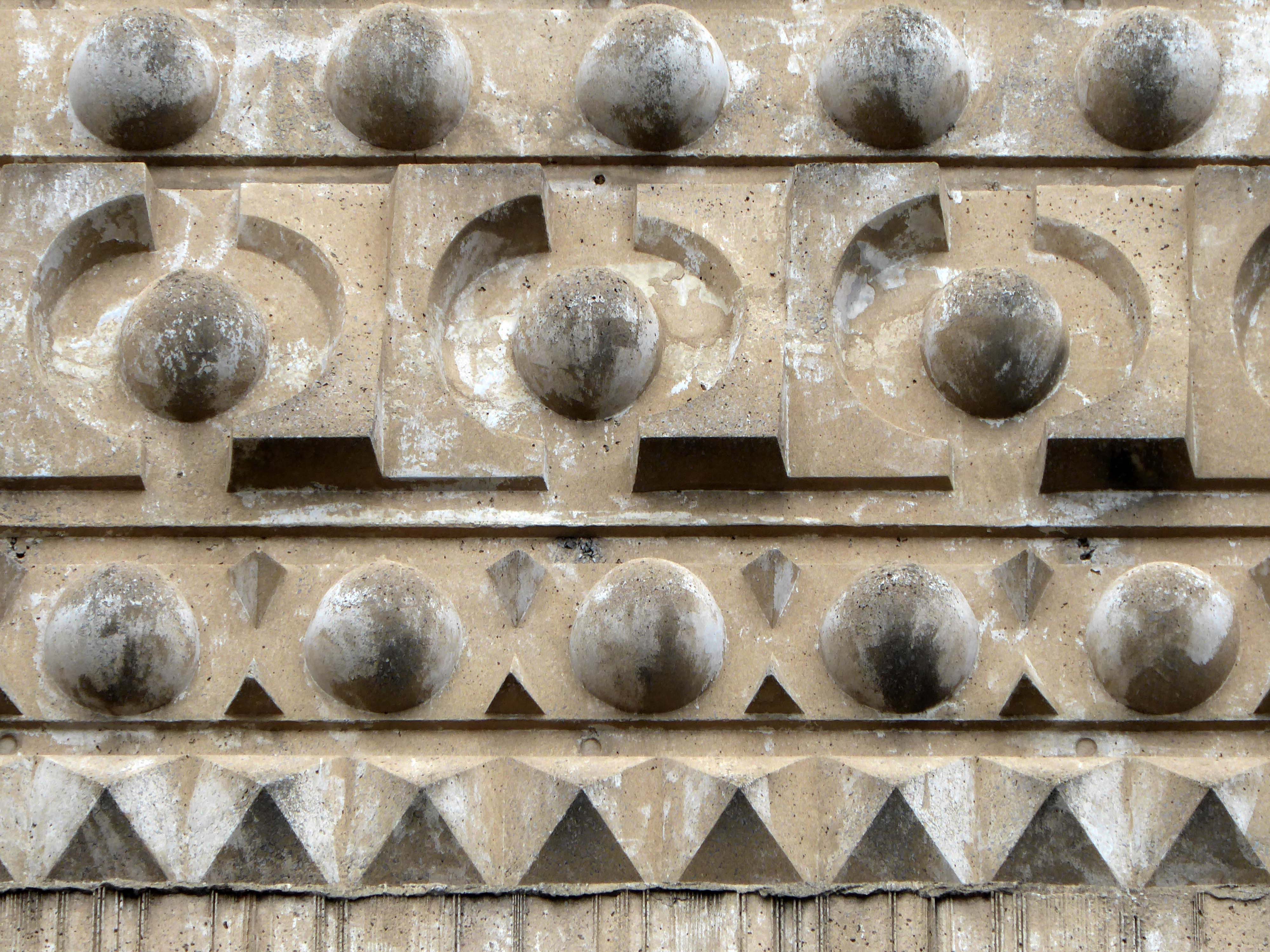
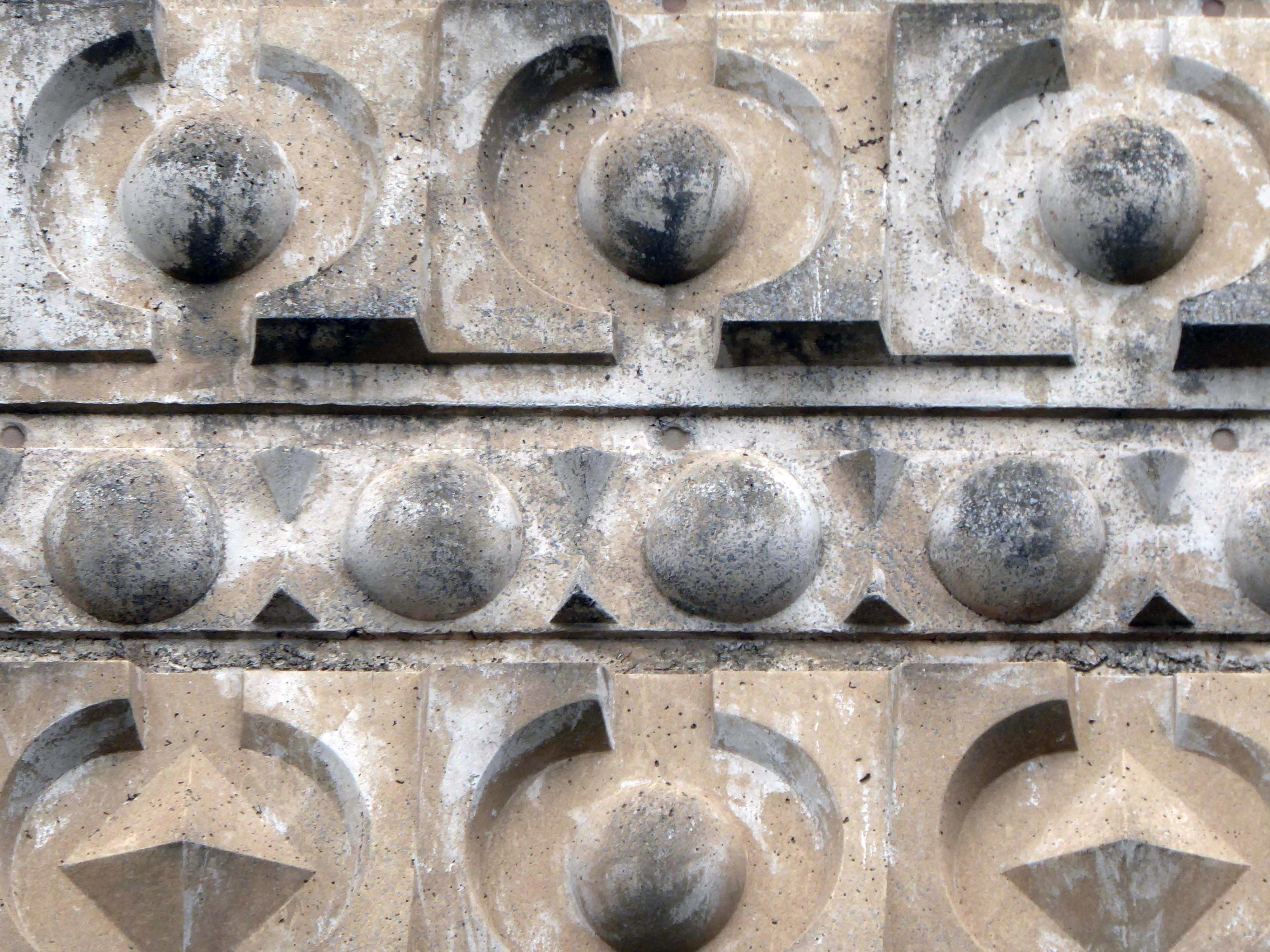
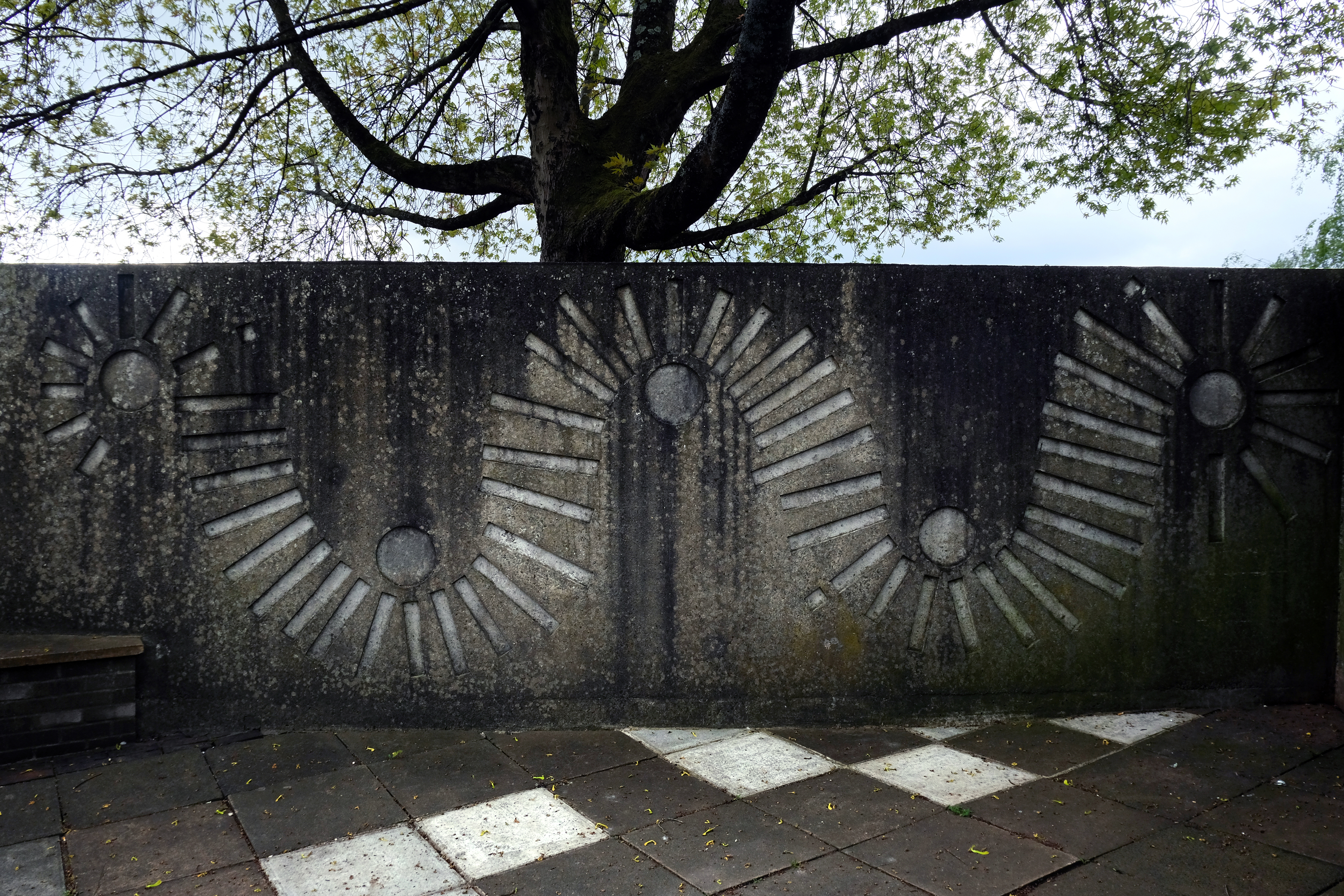
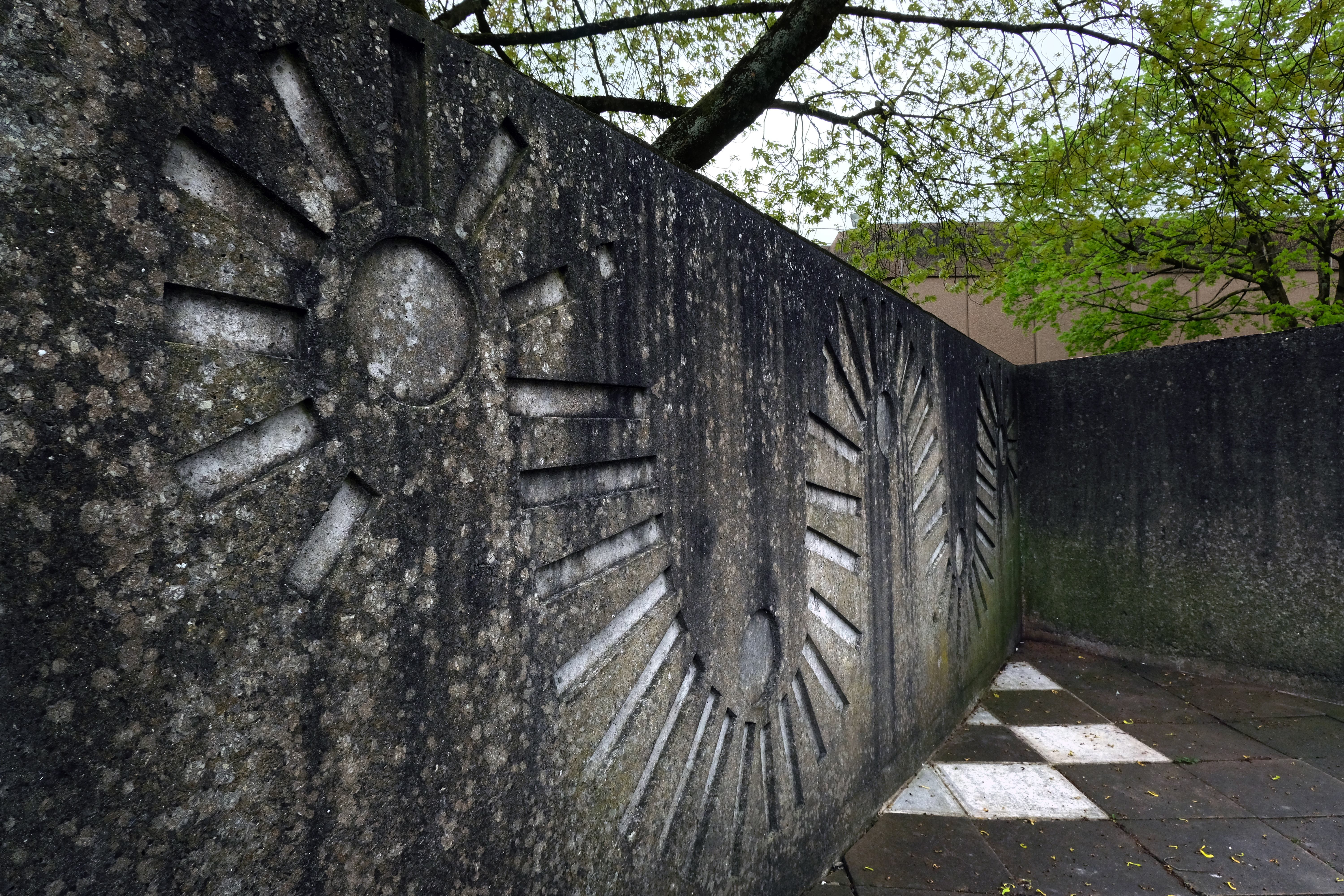
On the west side of the building are a series of three moulded concrete relief panels designed by Joyce Pallot and Henry Collins for the MEPC, the Cwmbran Development Corporation and the Cwmbran Arts Trust in 1974. The panels depict scenes representing different phases of the history of Gwent: Iron Age and Roman, Medieval and Industrial.

Coflein

The work of Joyce and Henry is well known here at the modern mooch having visited Newcastle, Bexhill and of course Stockport. There are also examples in their hometown Colchester, Gloucester and Southampton.

Joyce Pallot 1912-2004 and Henry Collins 1910-1994 – two artist/designers, who along with John Nash, established the Colchester Art Society, during the 1930s.

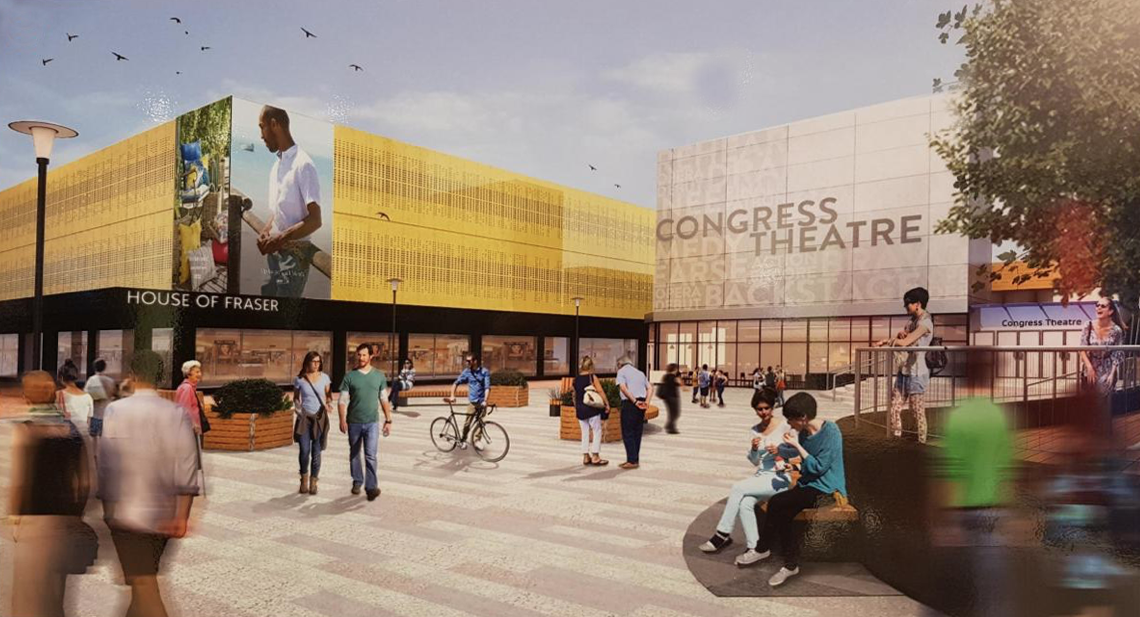
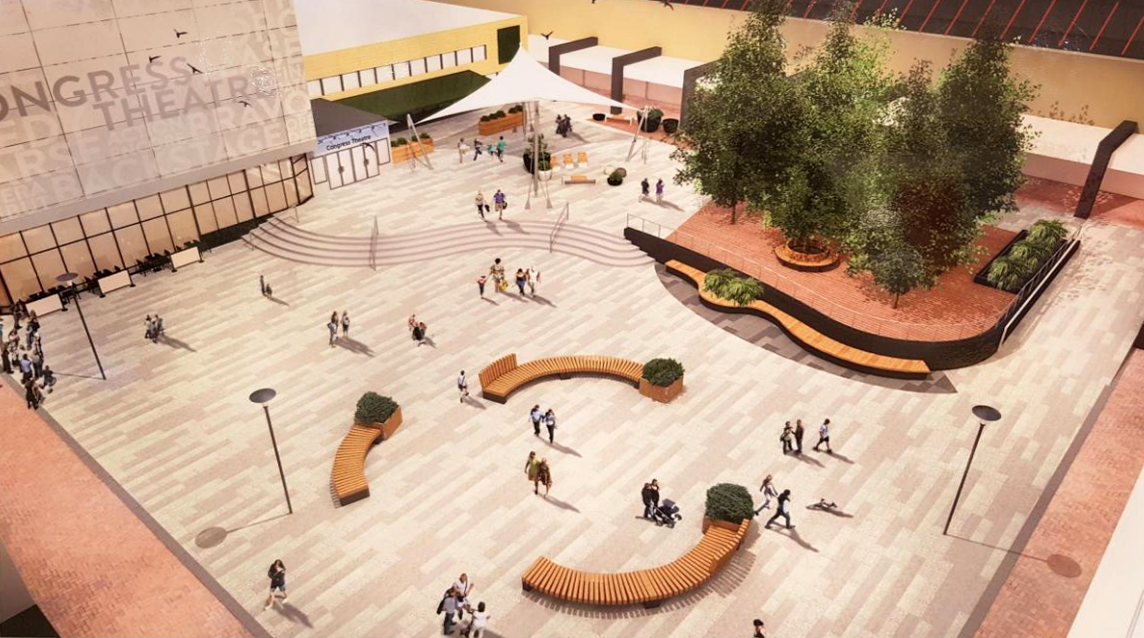
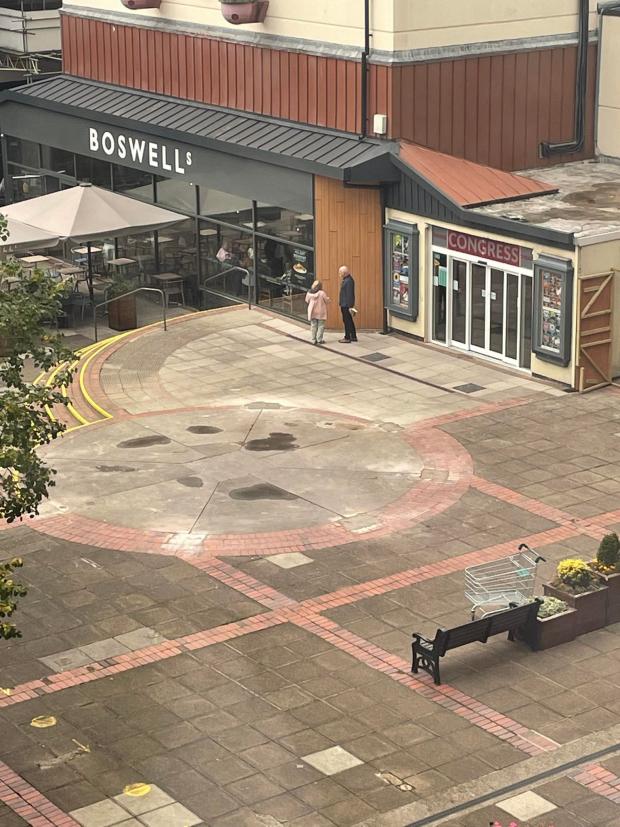
The square it seems is due to be revamped as part of the broader regeneration plans.

Literature displayed at the public consultation said improvements in Monmouth Square aim to -introduce colour into what is a lacklustre space.

South Wales Argus 2017

One hopes that these important public arts work survive the transformation.

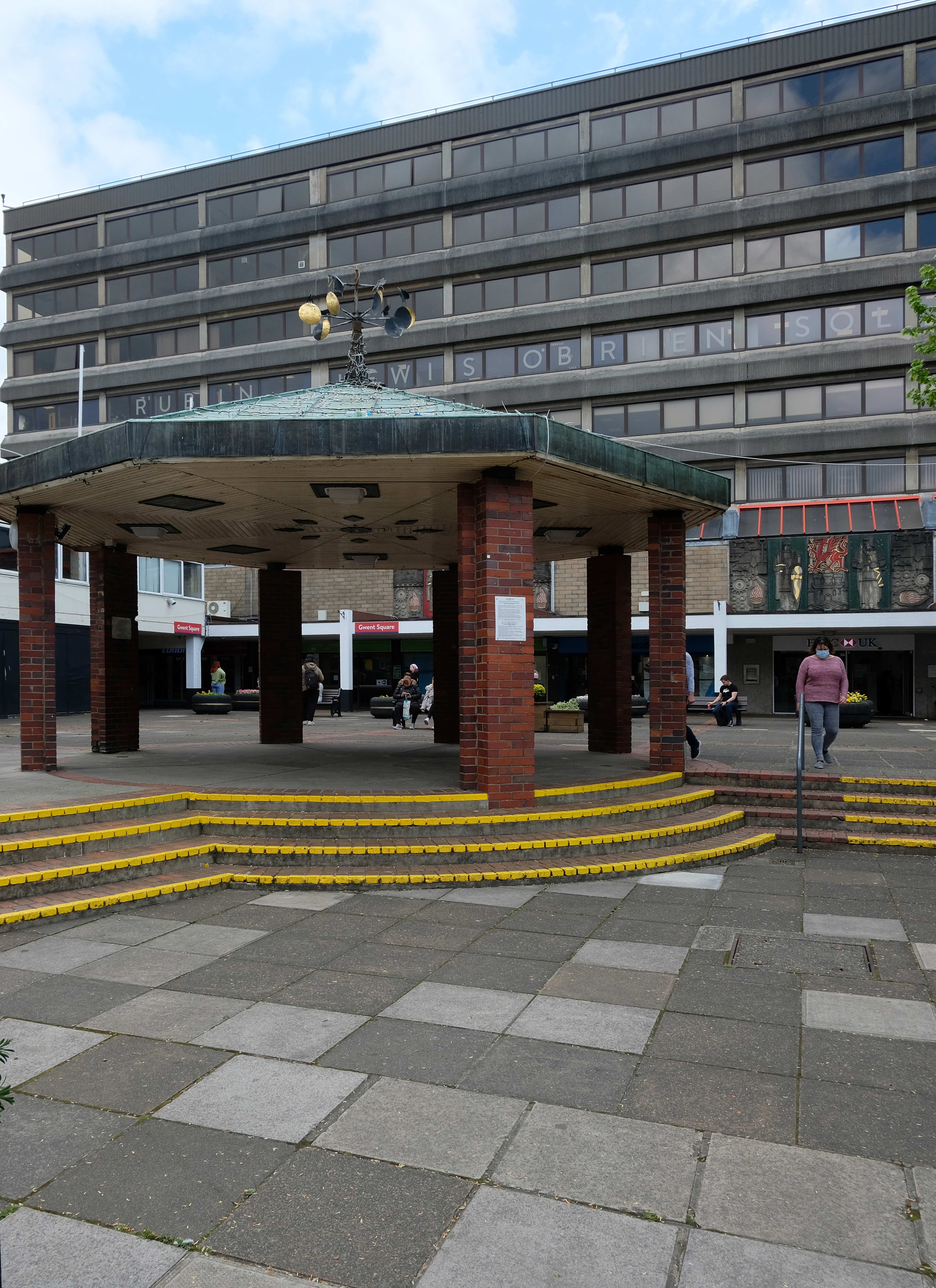
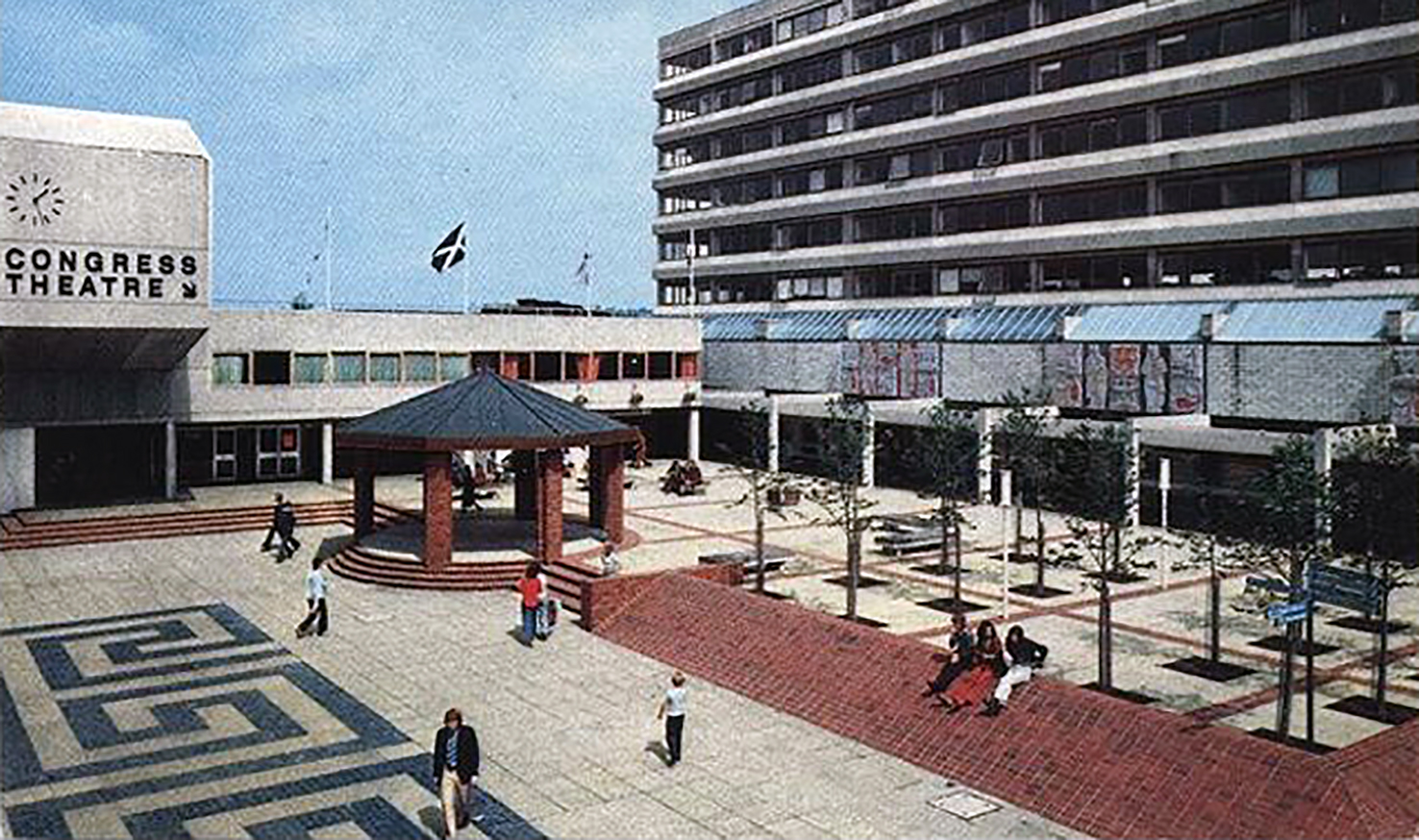
September 2022 the bandstand was demolished.

Photo: Rhiannon Jones

Lia Jones said:

The bandstand was a well-known centre point for the area. I really wish it had been kept in the design for the area, they should have relocated it instead of getting rid of it all together.

South Wales Argus 2022

Housing – Cwmbran

Here we are again in Cwmbran having previously visited Monmouth Square and Taliesin.

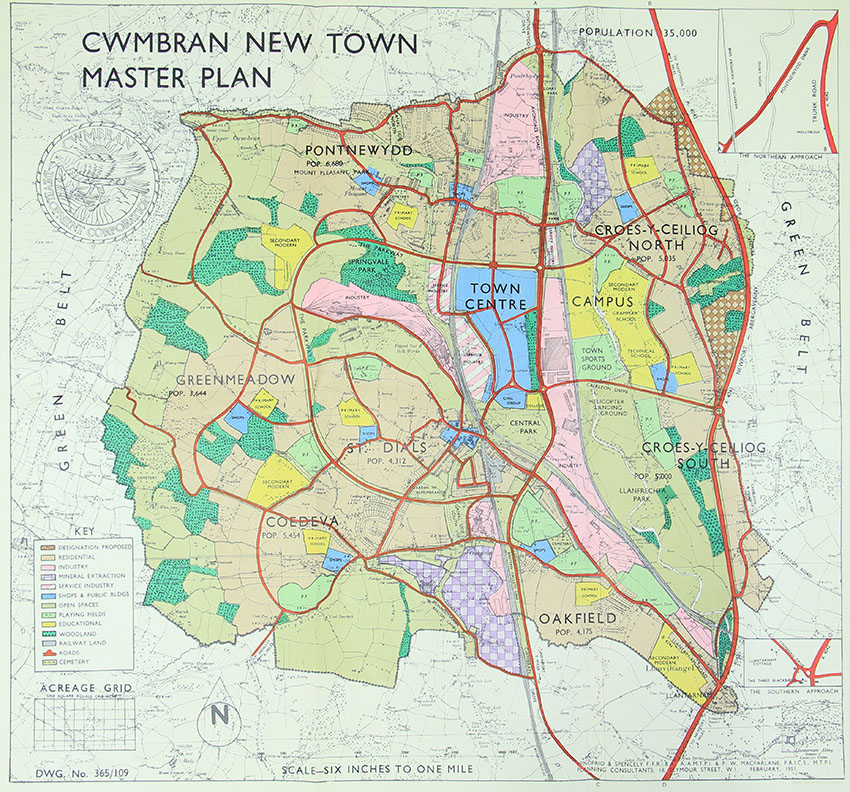
The Masterplan, produced for the Cwmbran Development Corporation by Minoprio & Spencely & Macfarlane in 1950 – image from the Gwent Archives

Royal Commission

Cwmbran was founded in 1949 as a new town, to provide new employment opportunities in the south eastern portion of the South Wales Coalfield, but the area has a long history.

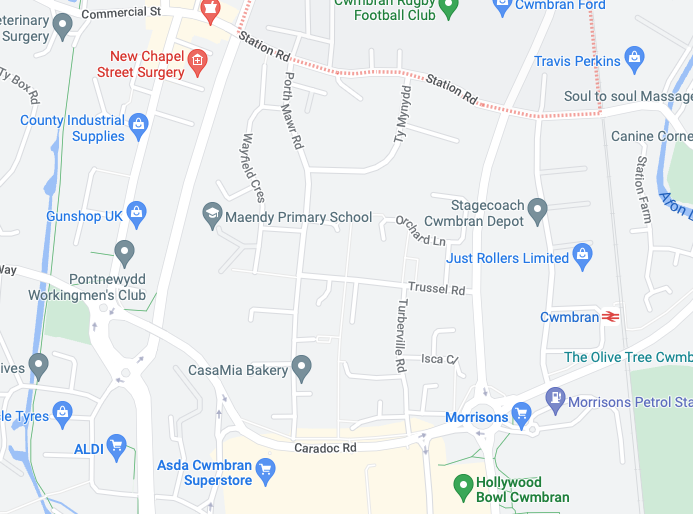
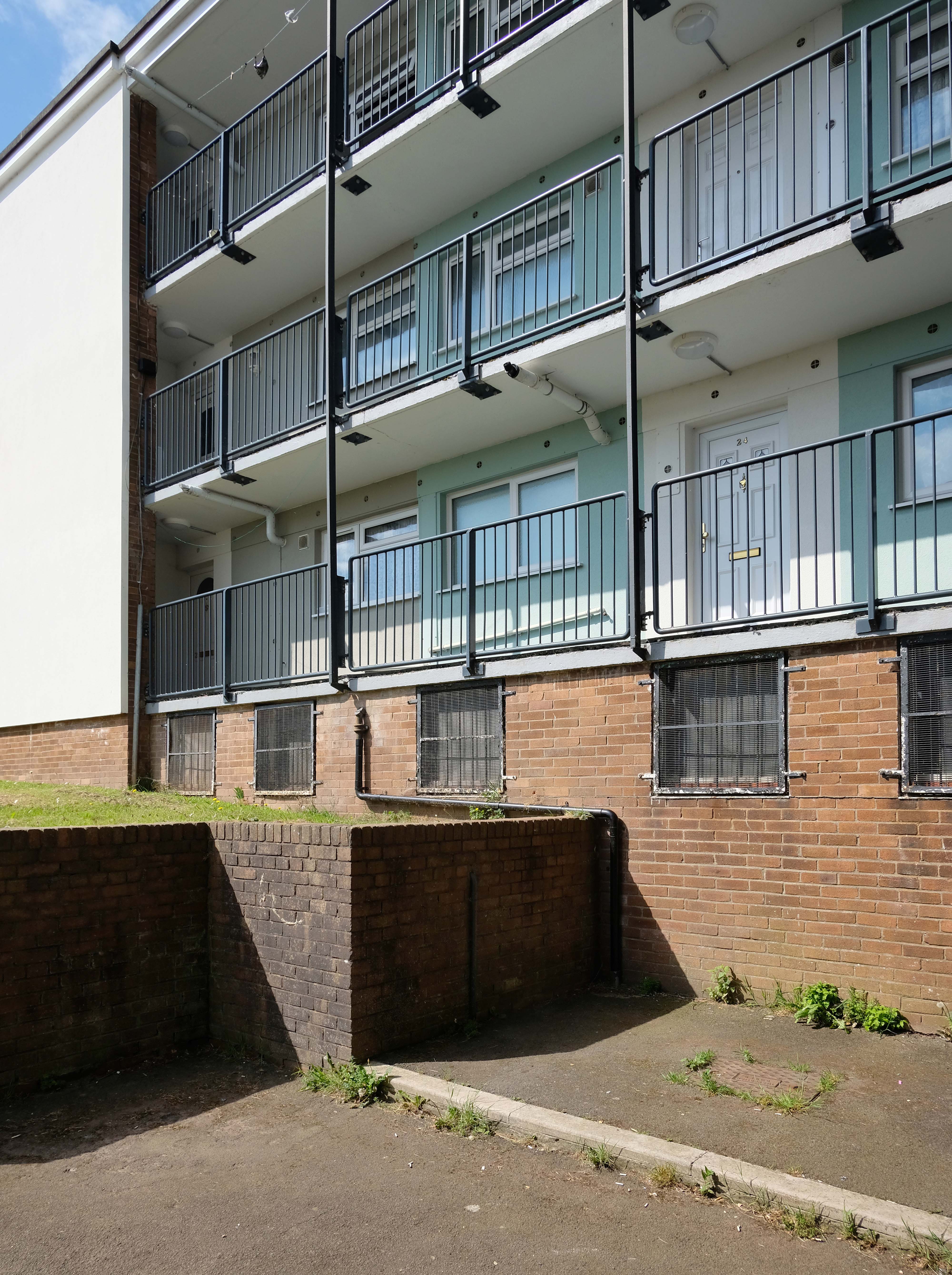
We shall now explore the housing framed by the railway and shopping centre.

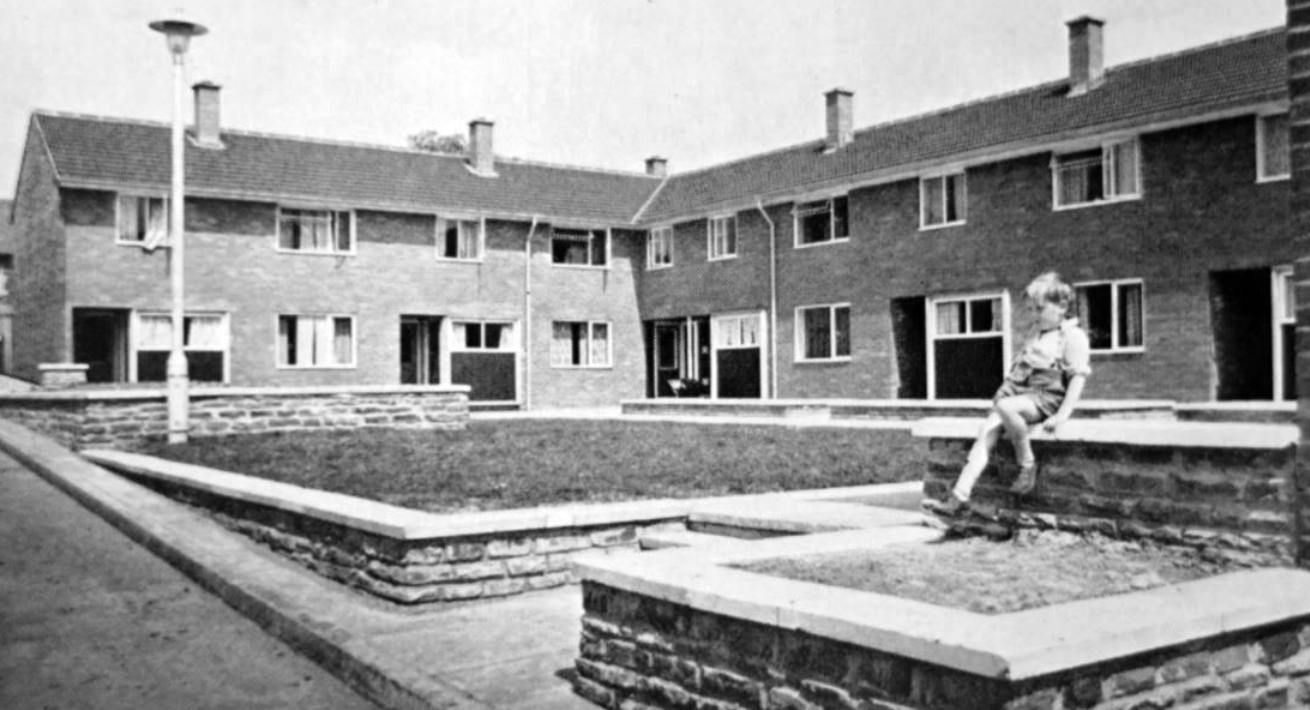
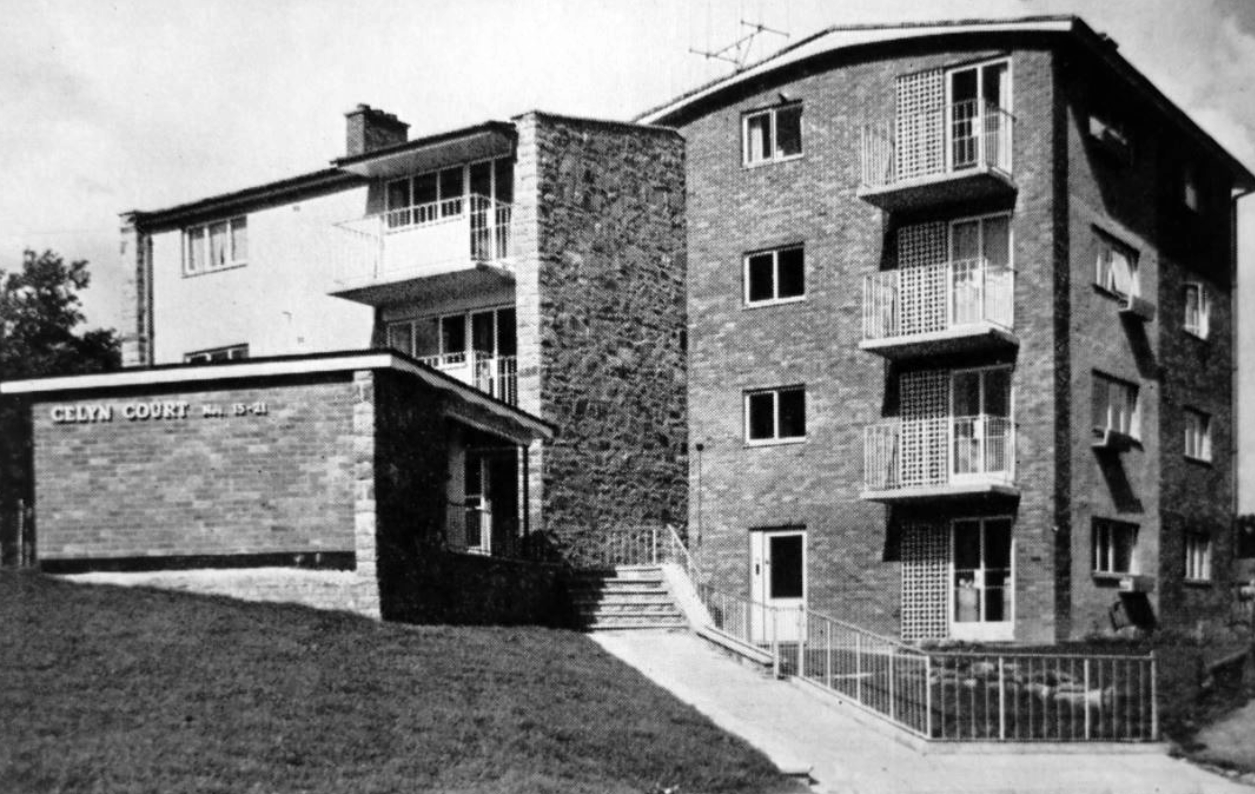
From Cleeve Barr’s Public Authority Housing – published in 1958.

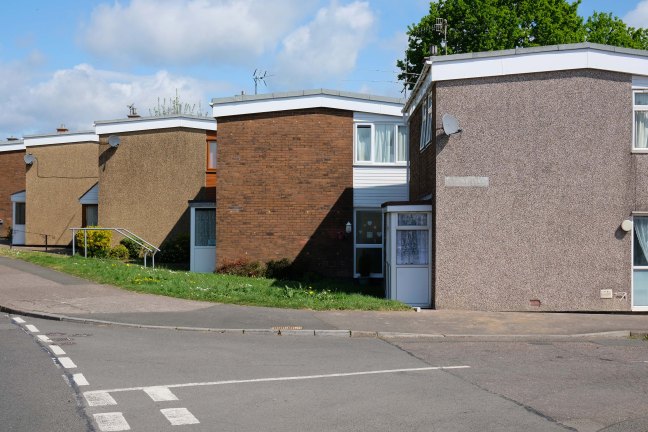
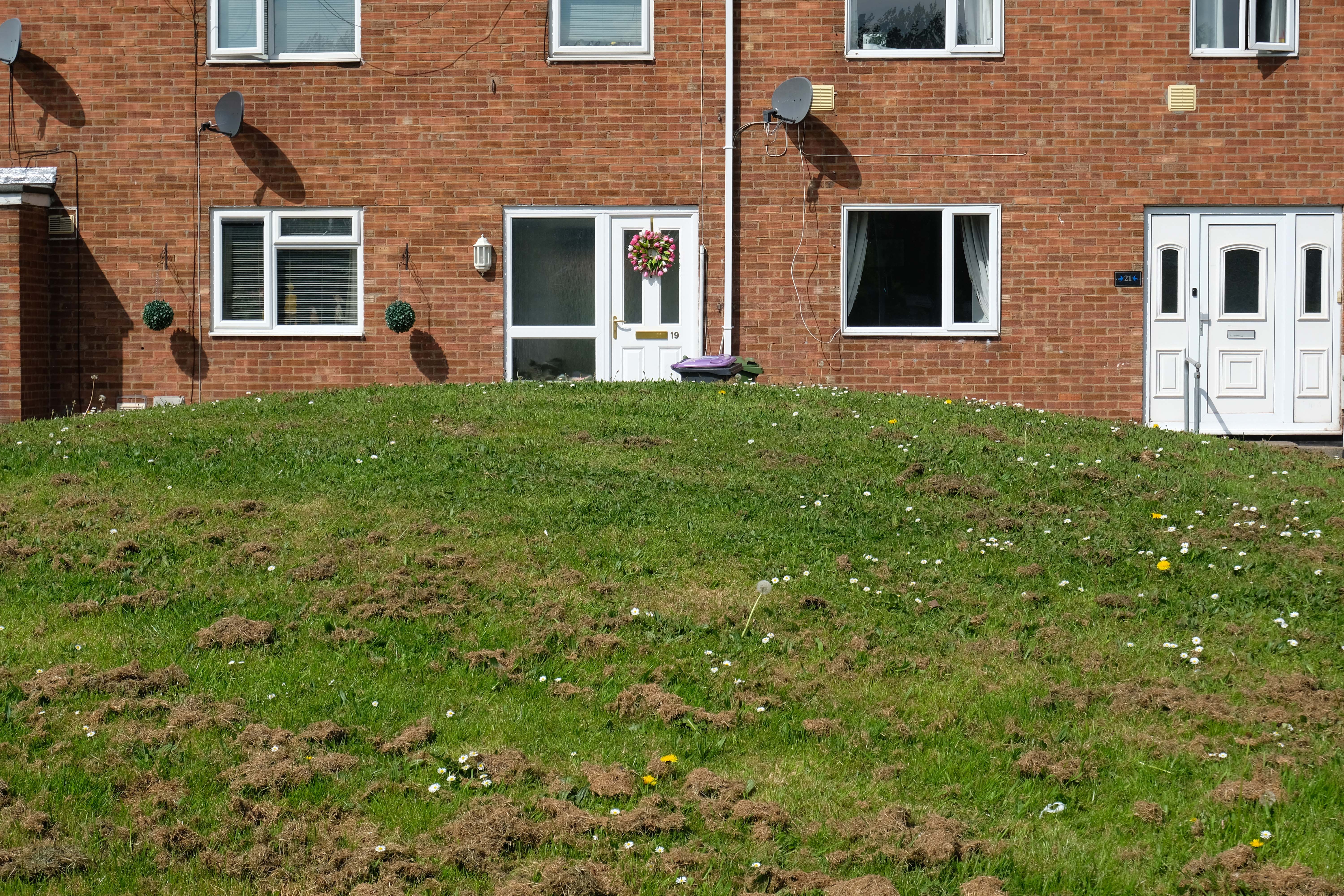
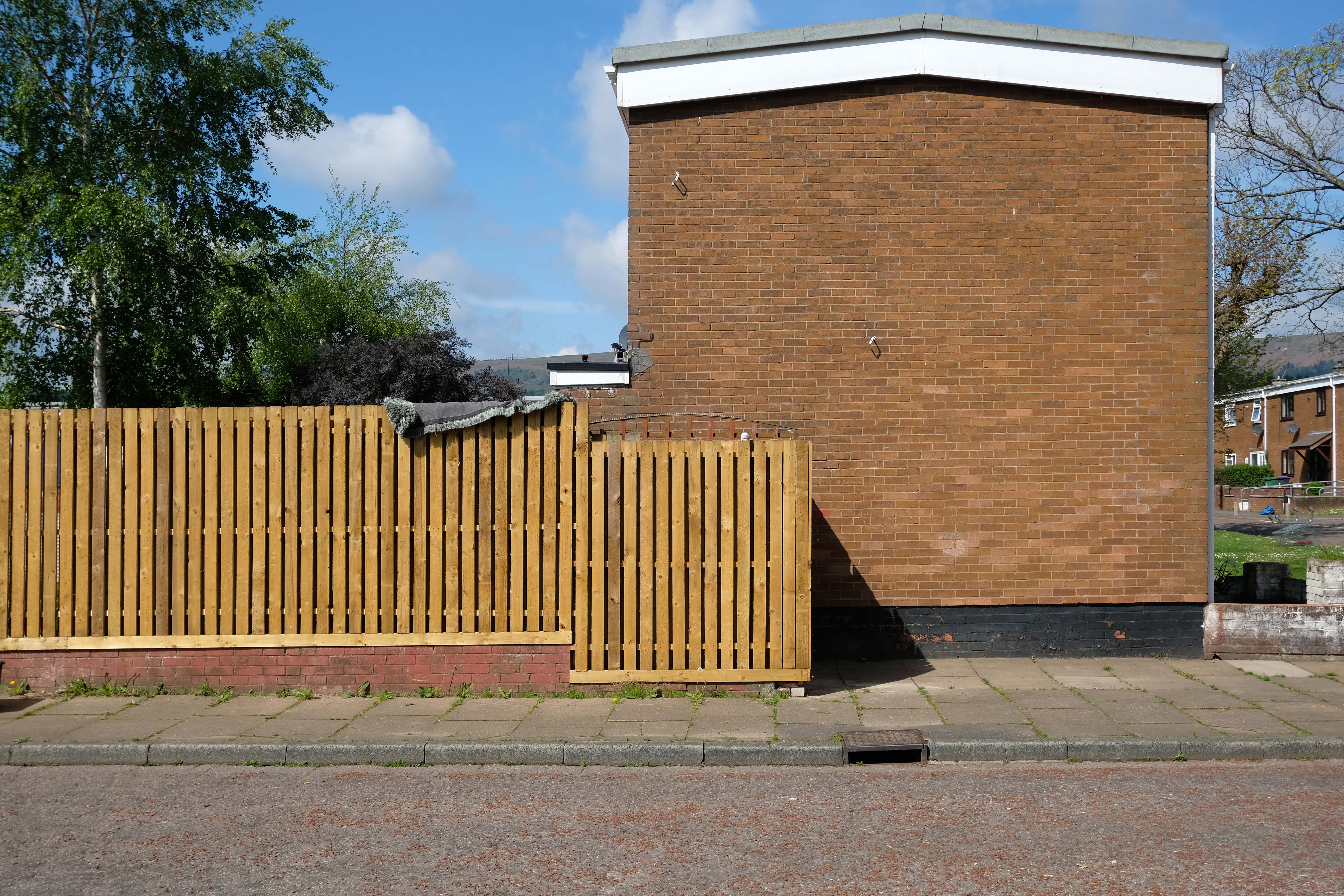
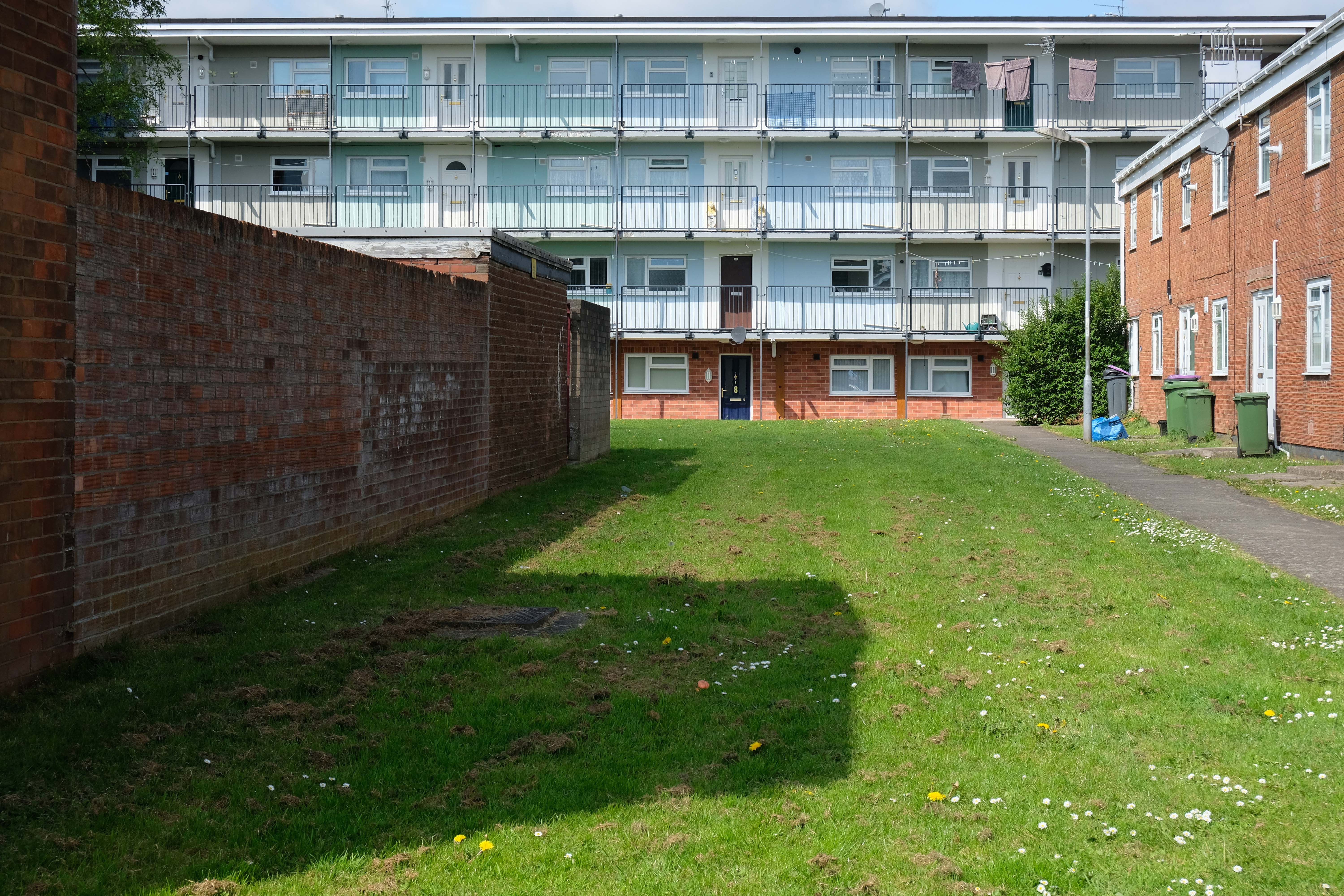
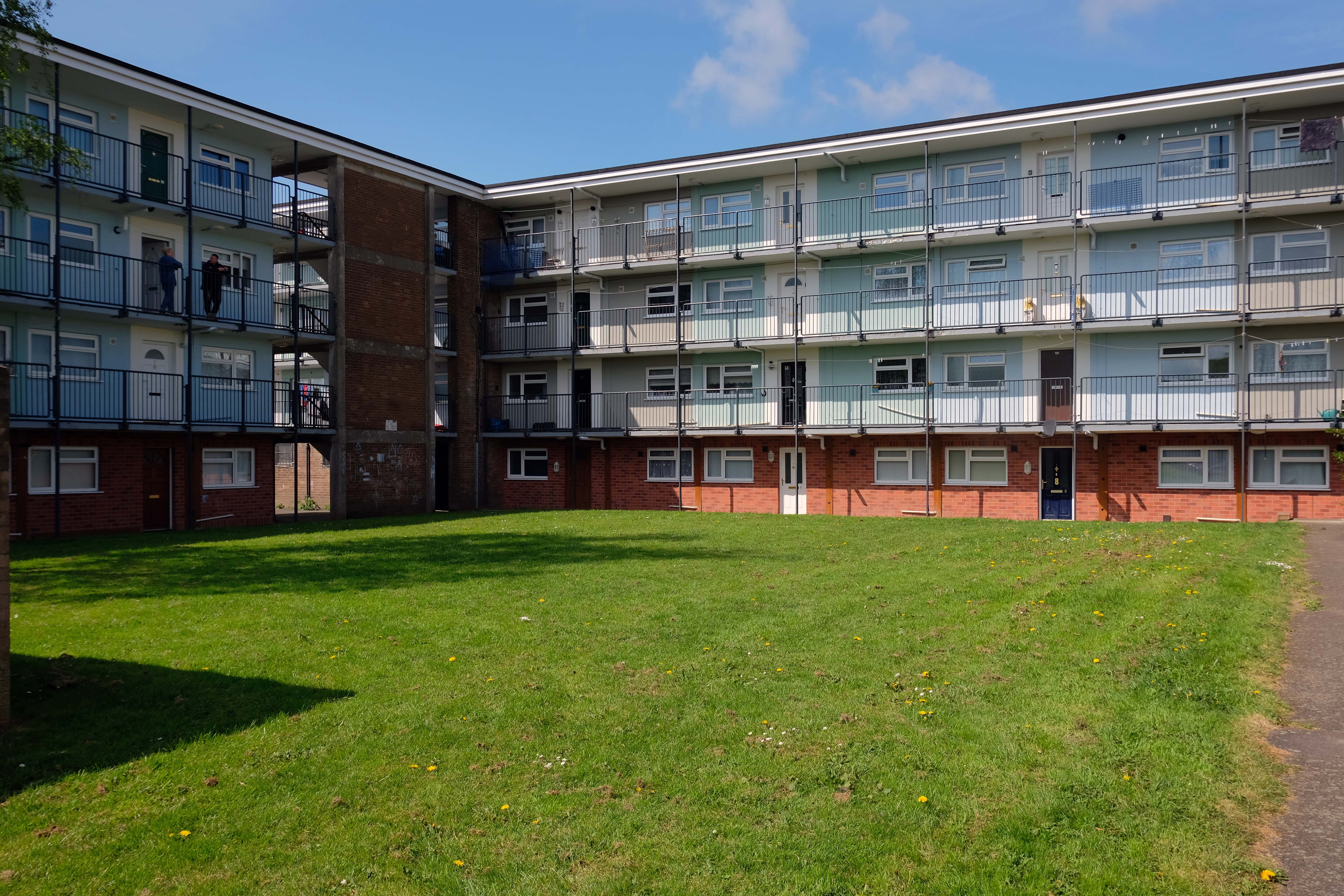
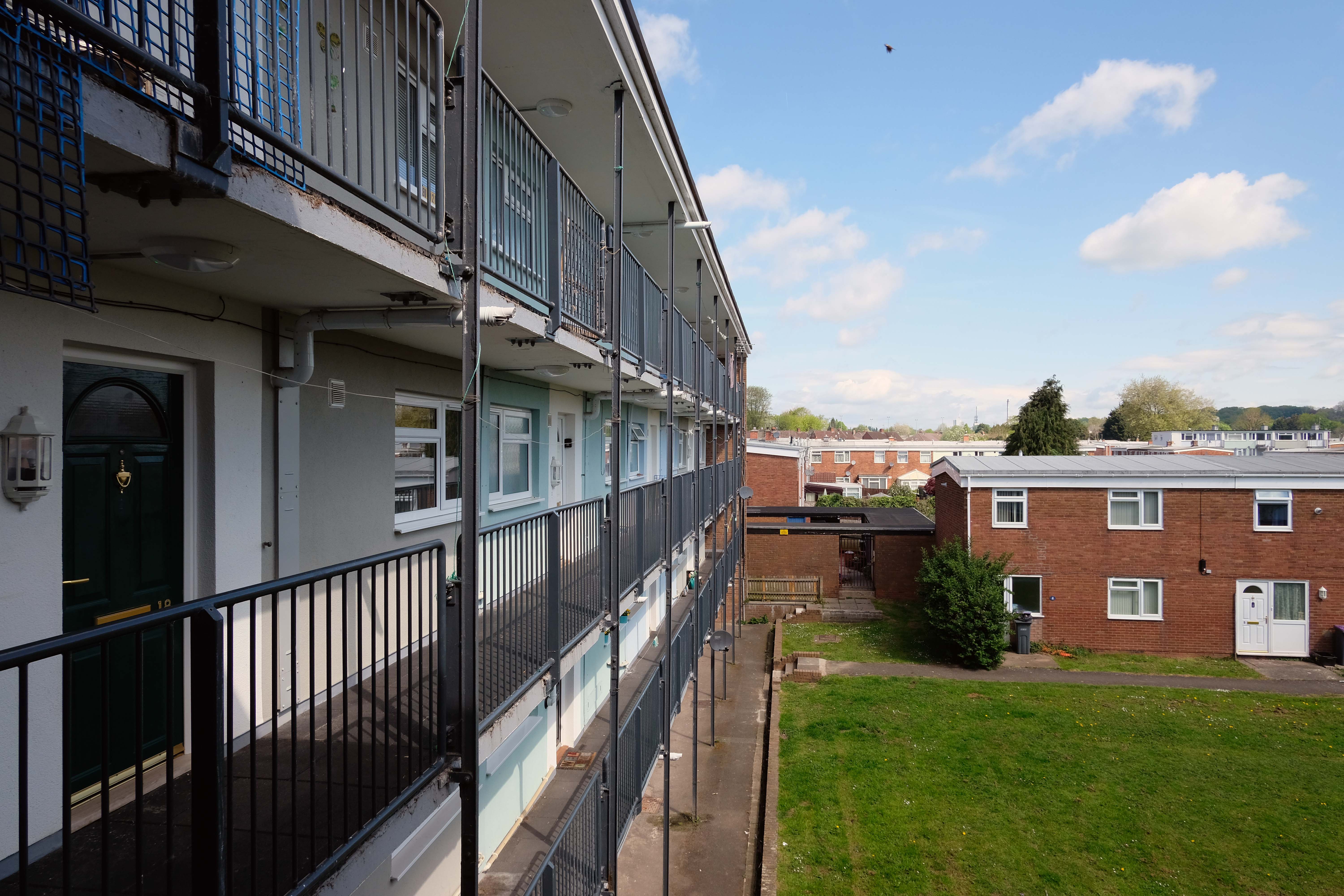
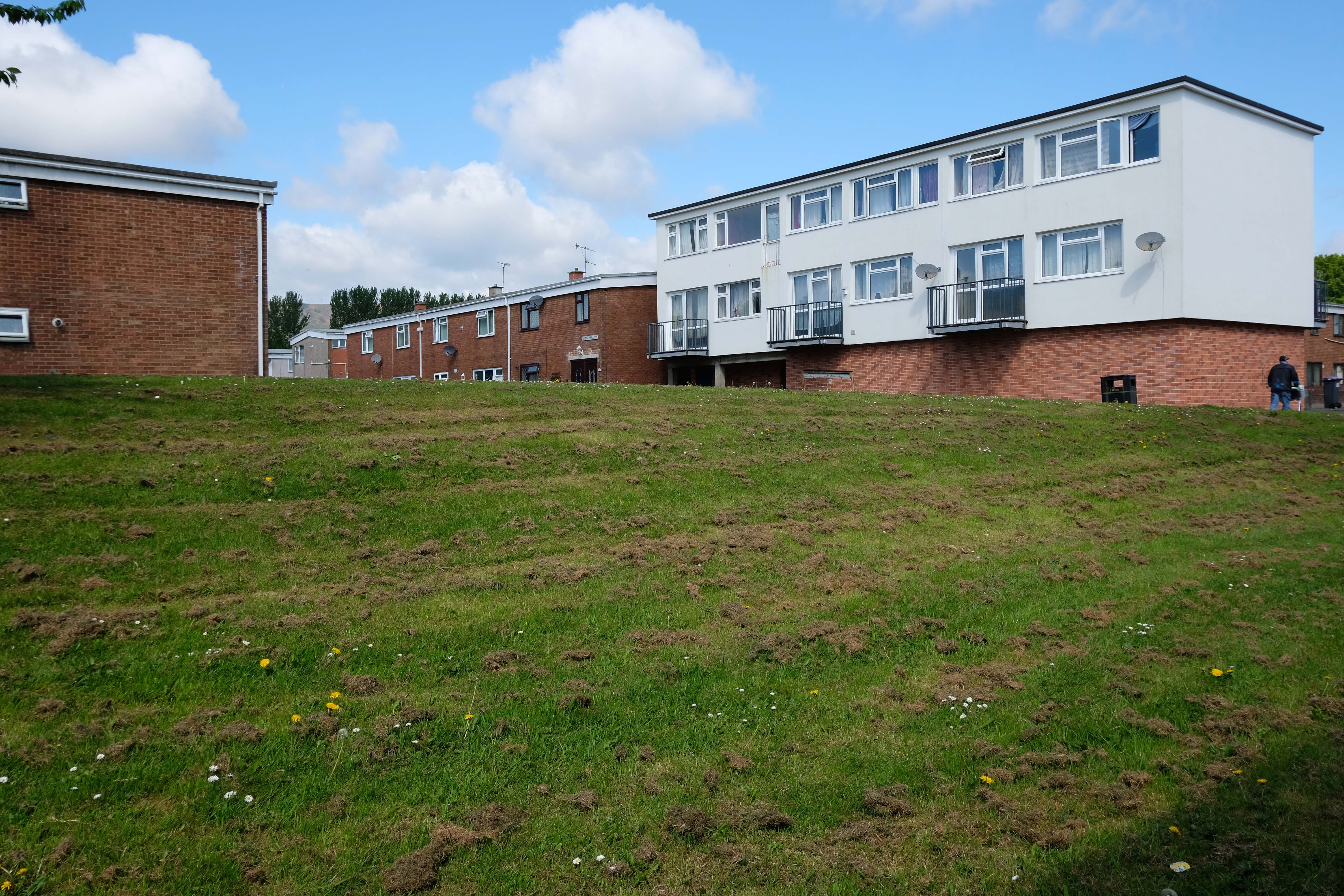
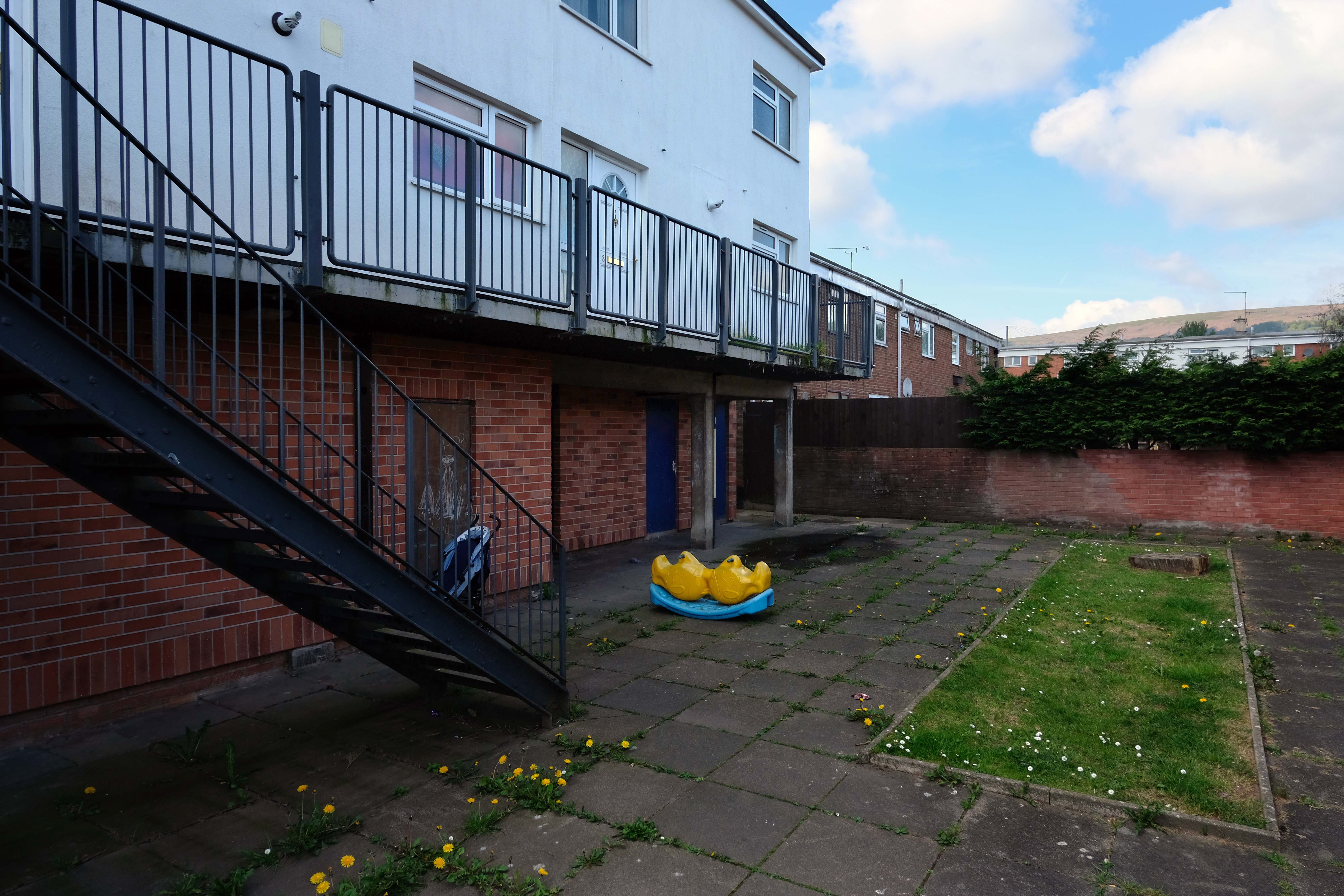
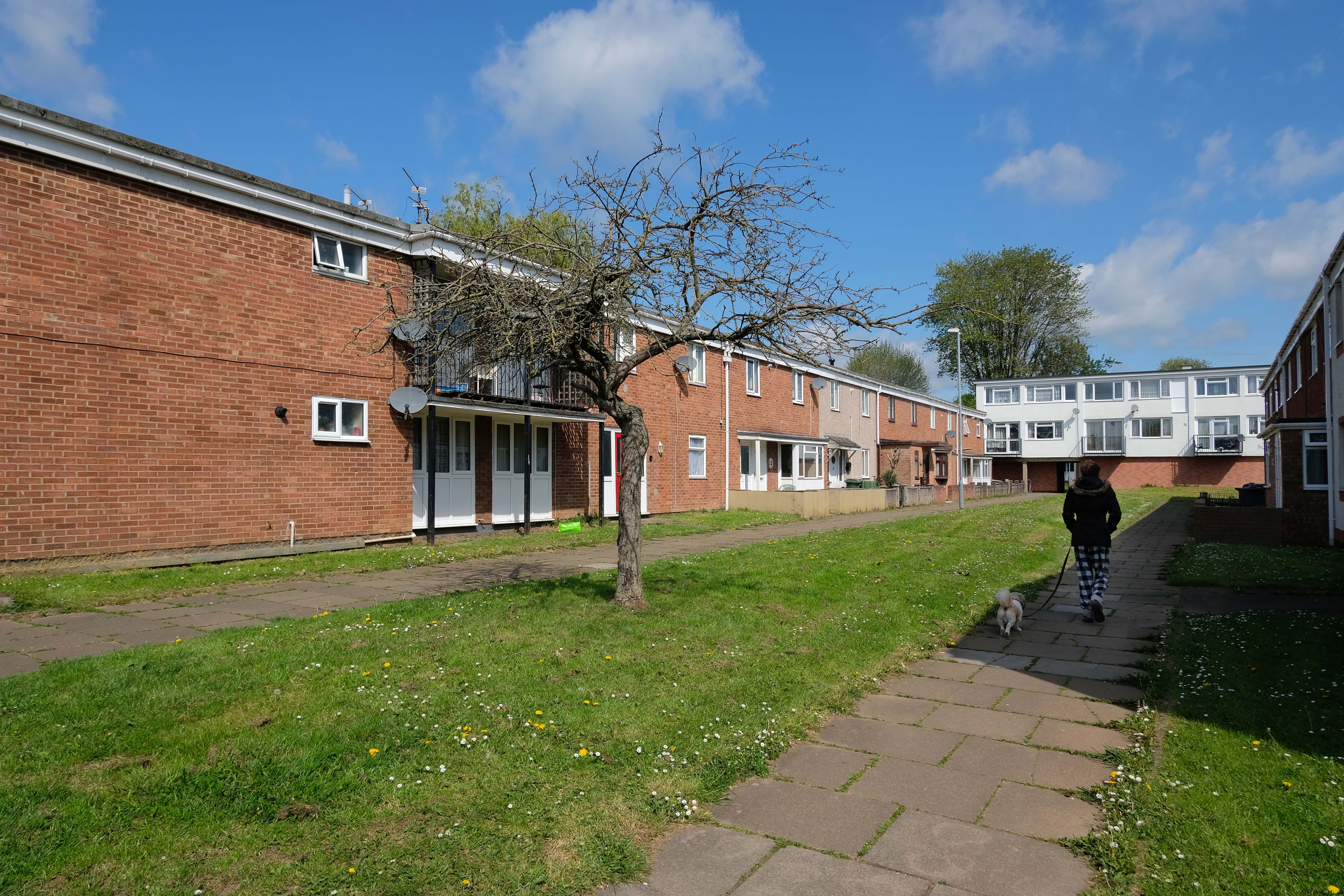
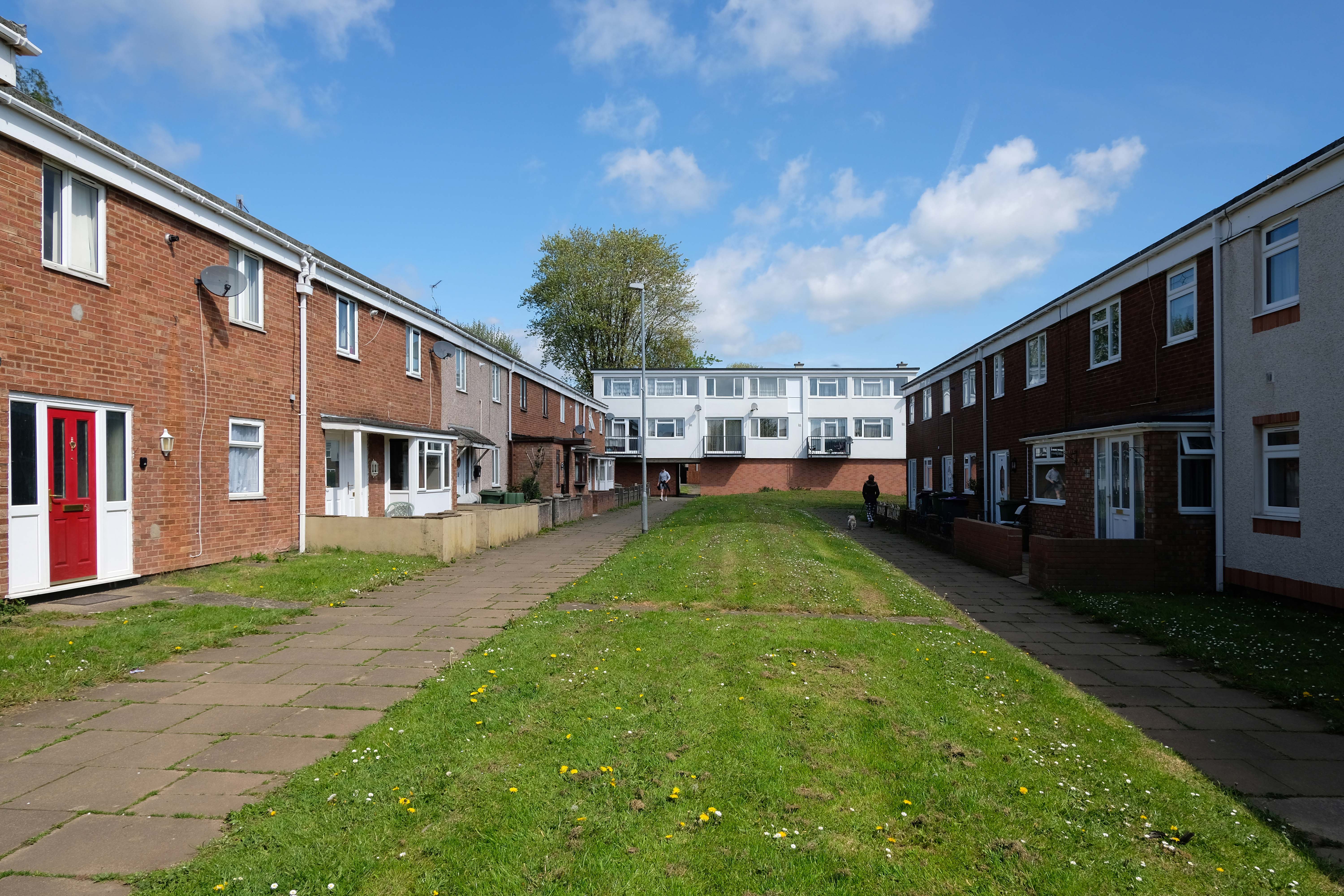
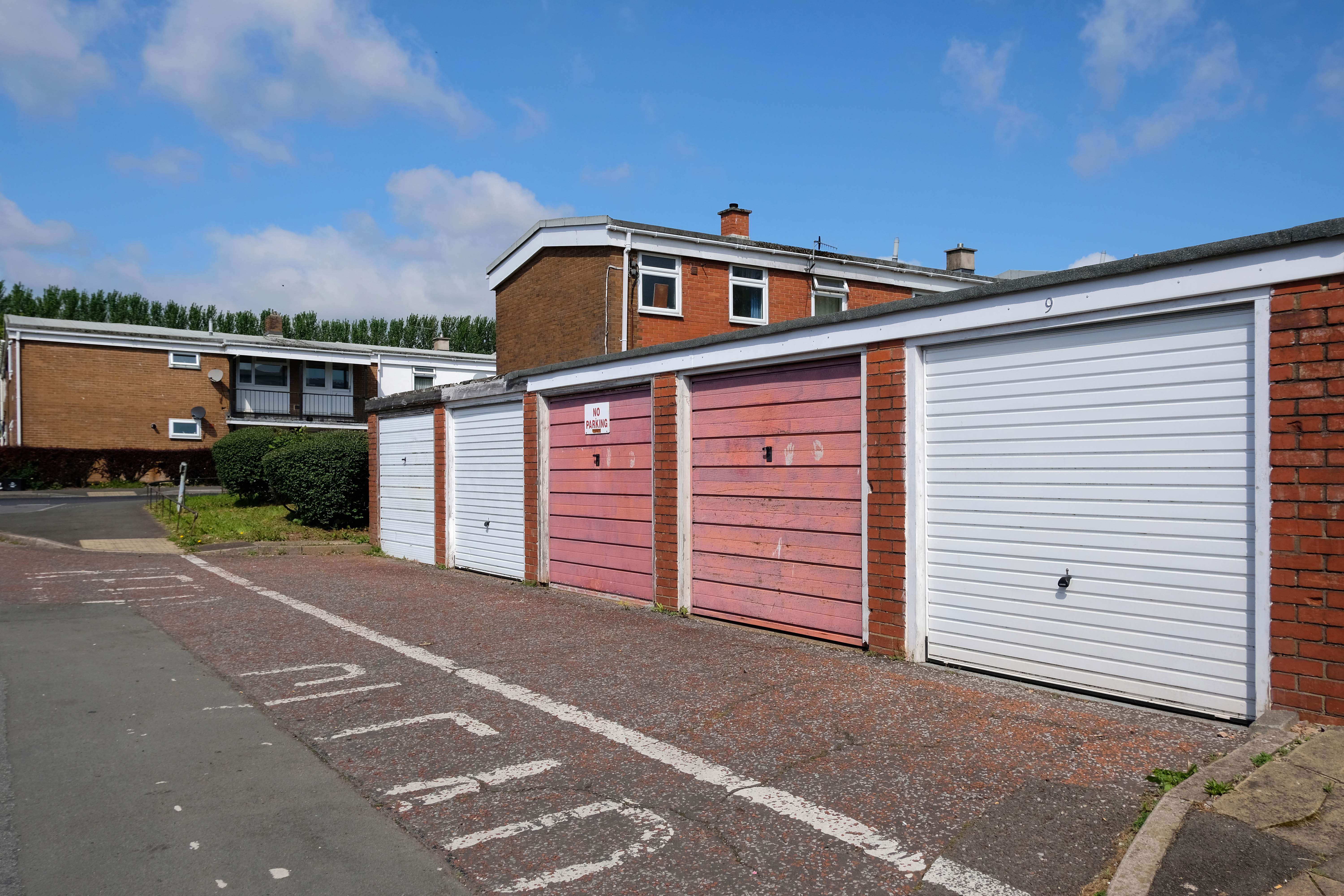
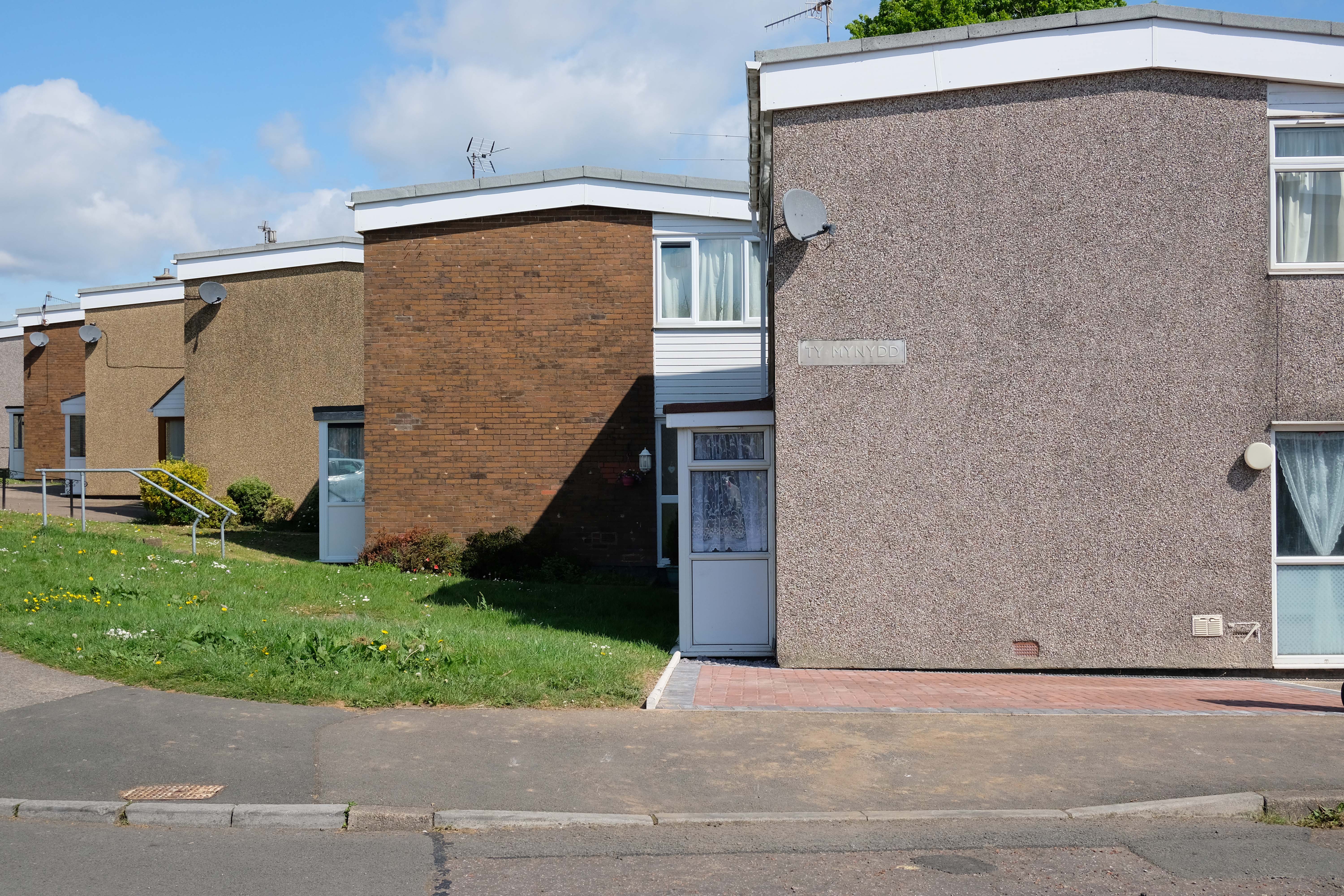
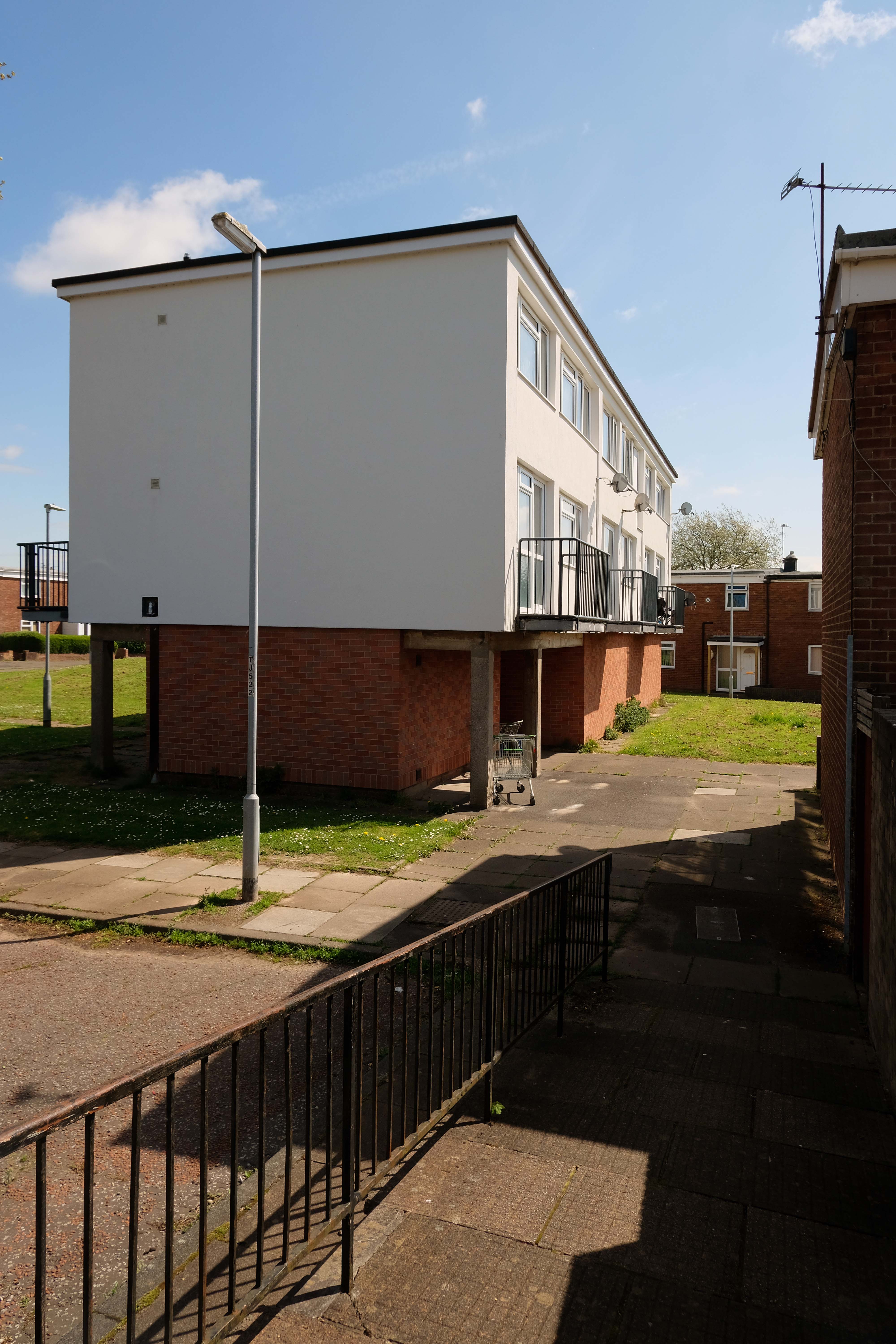
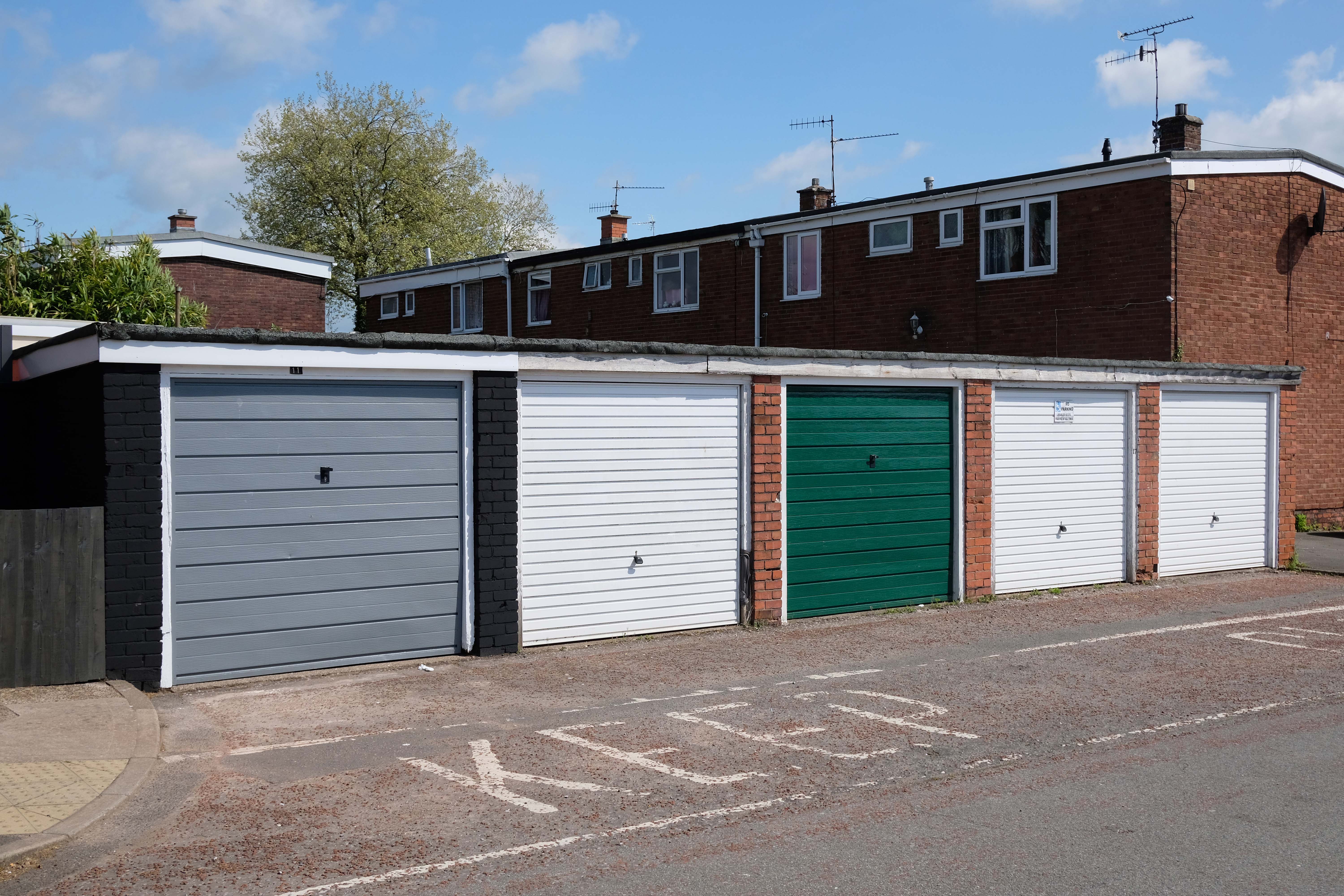
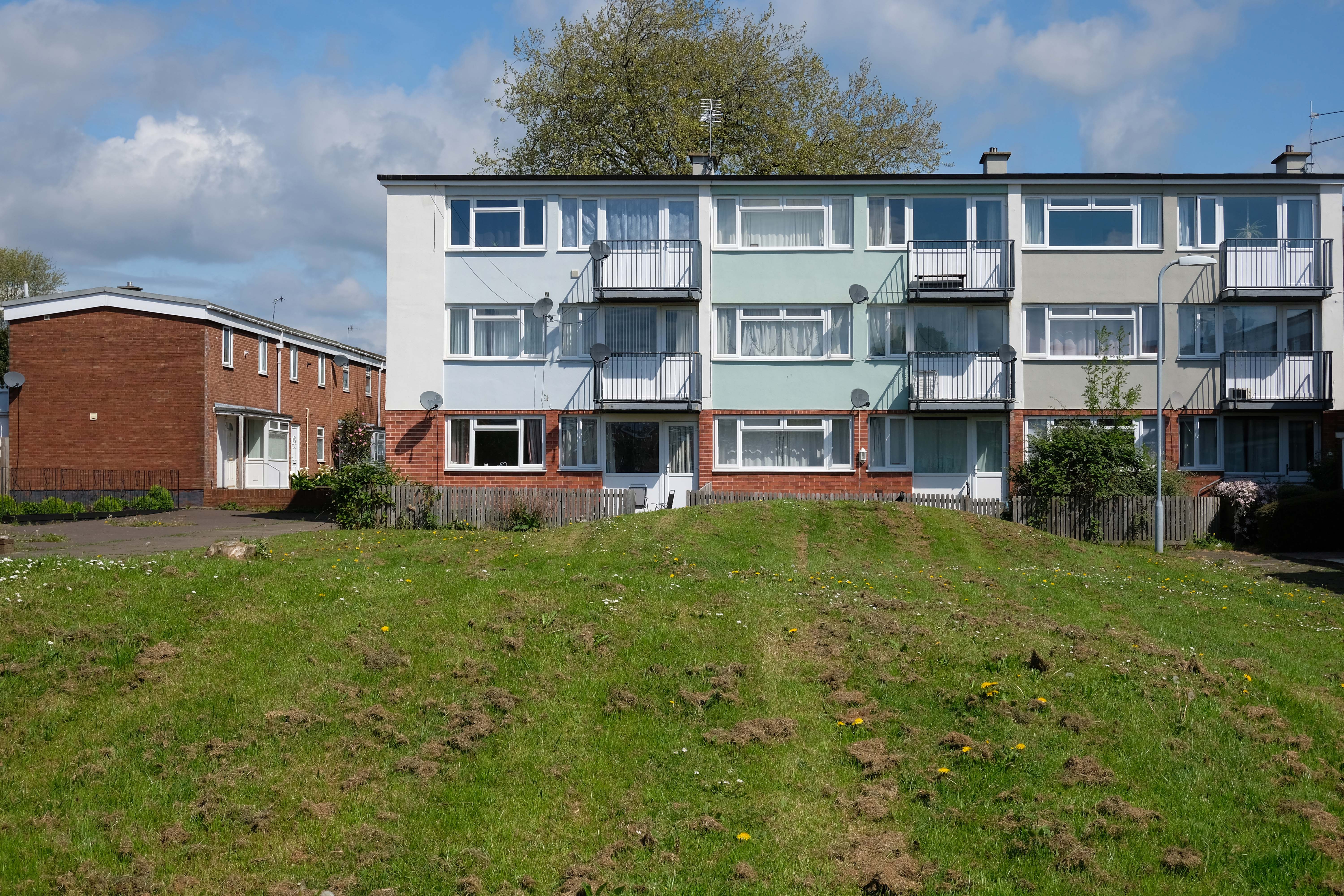
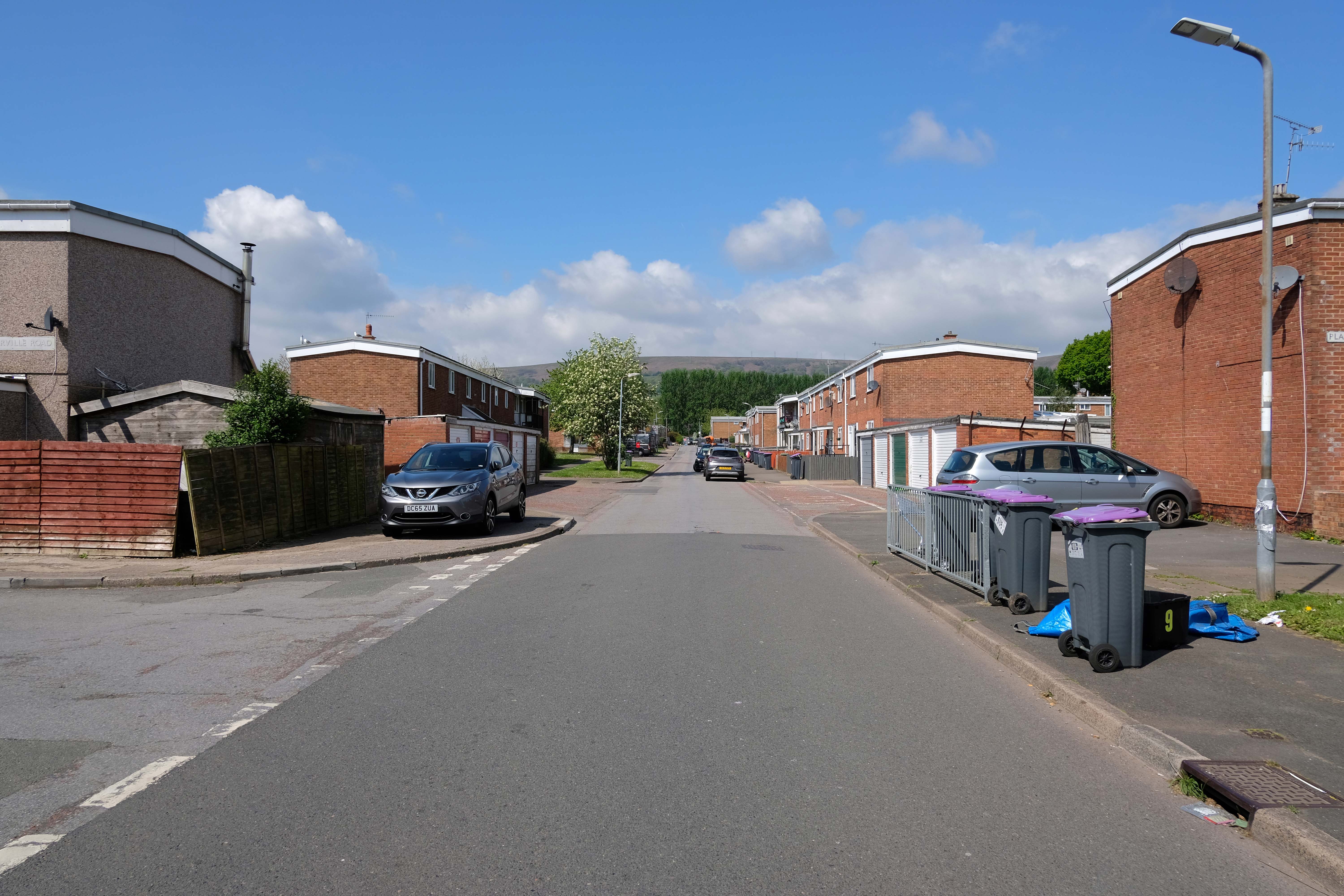
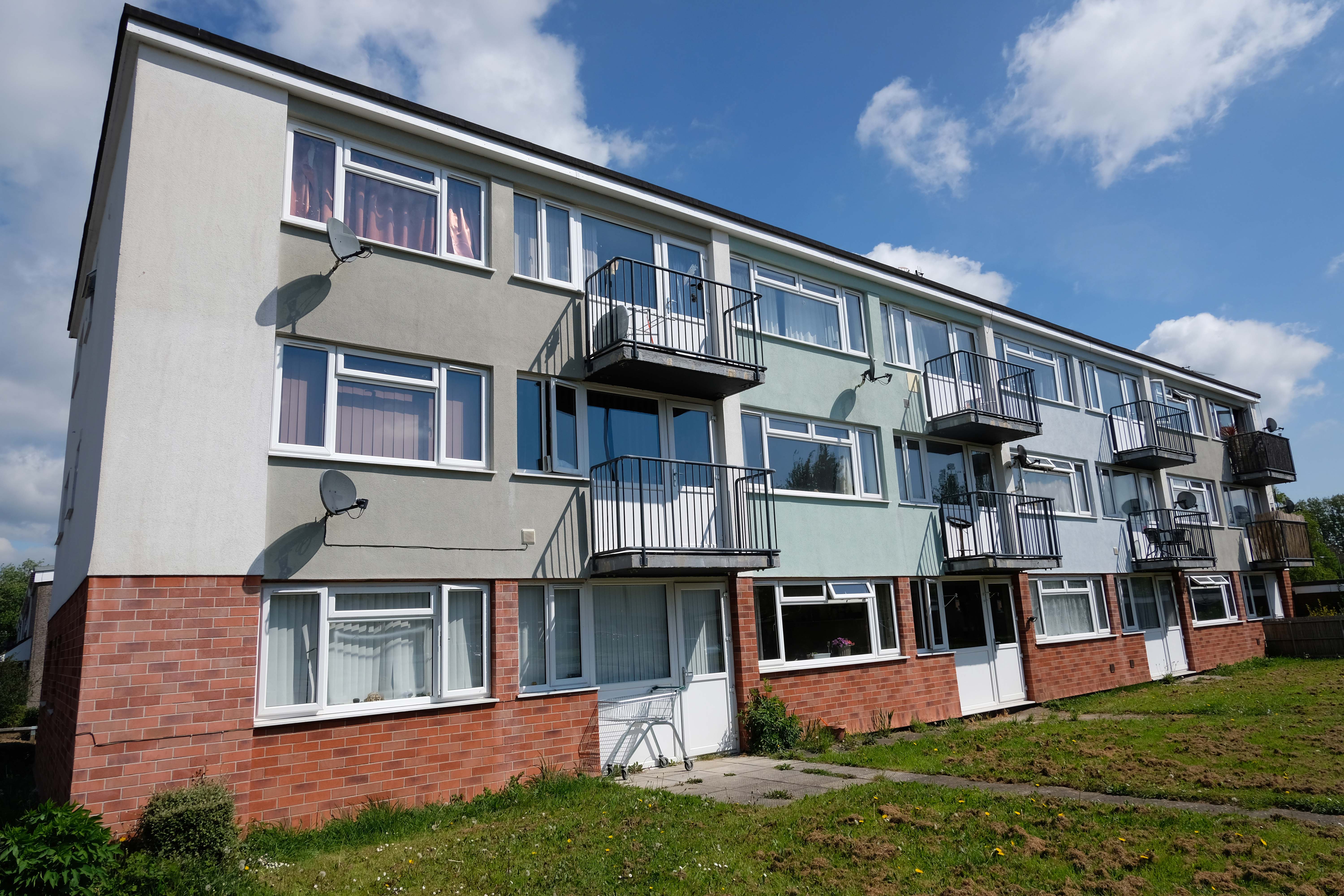
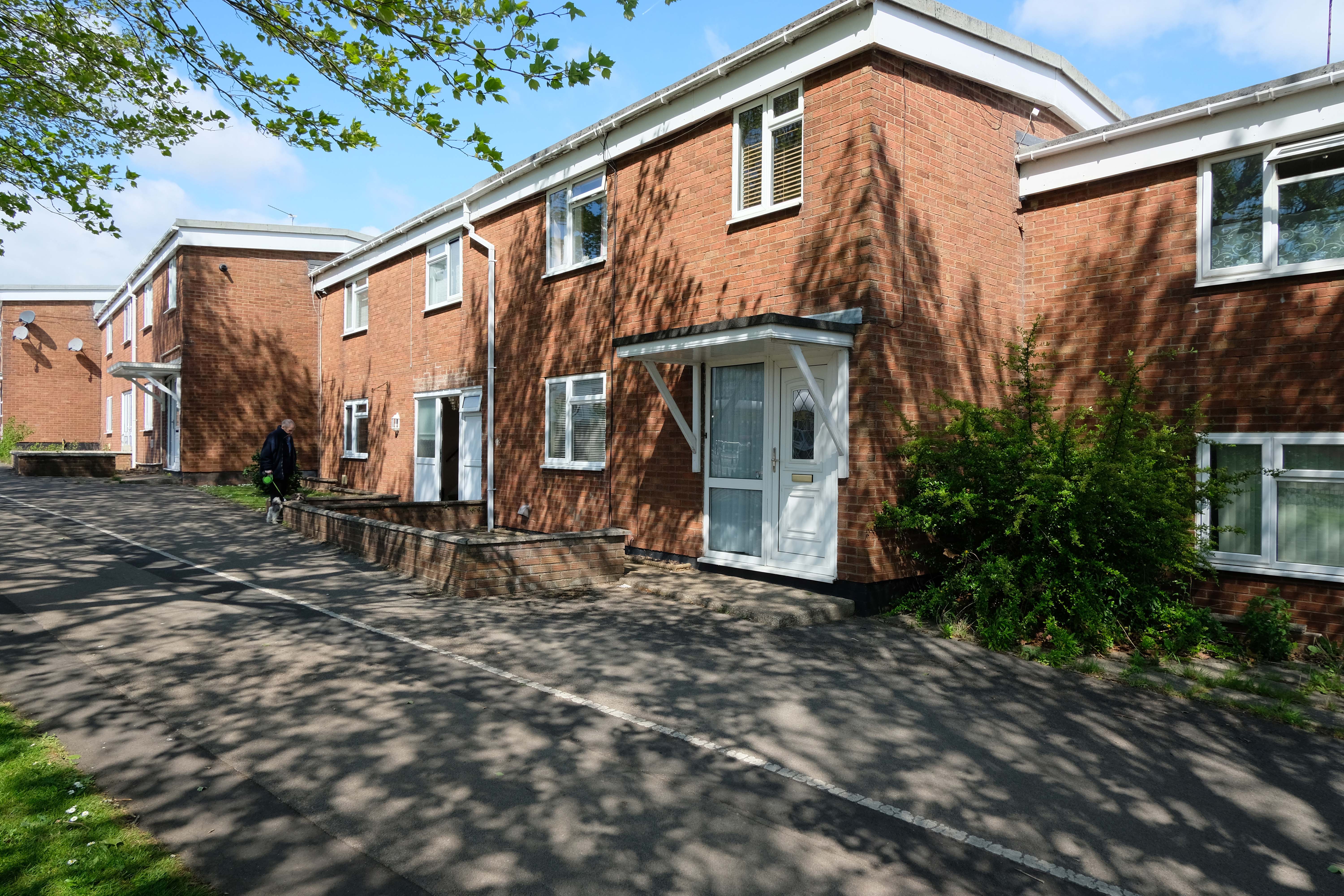
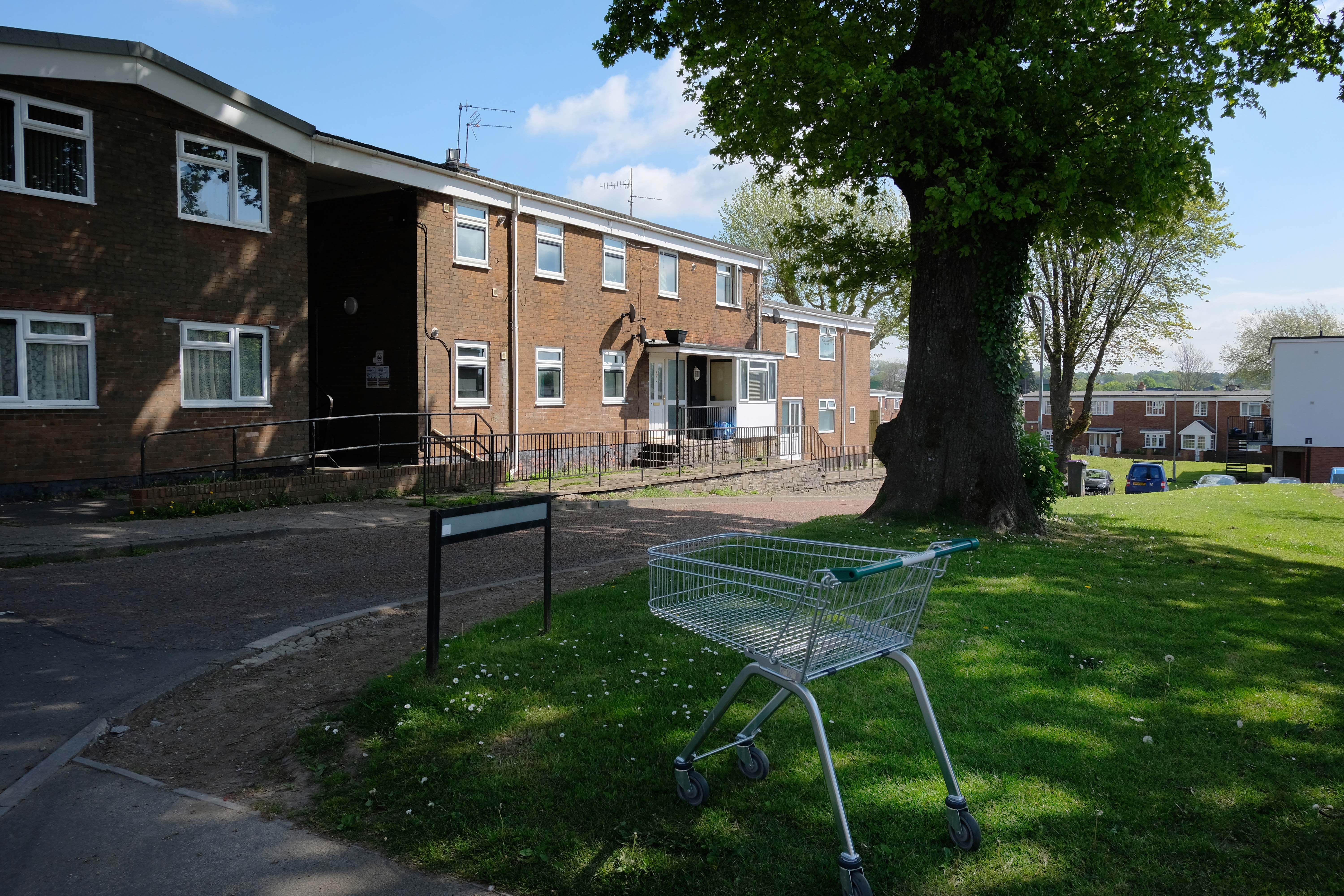
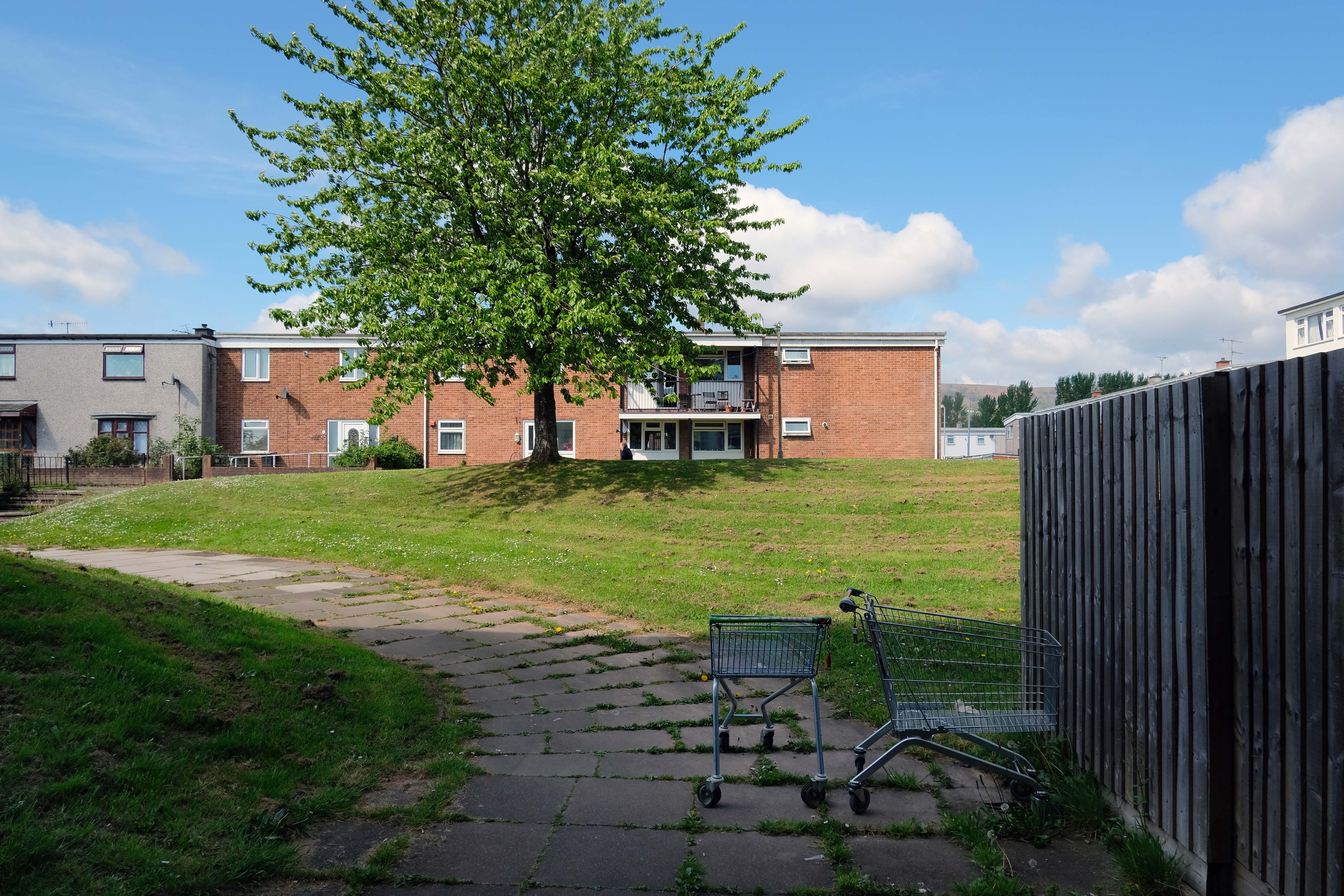
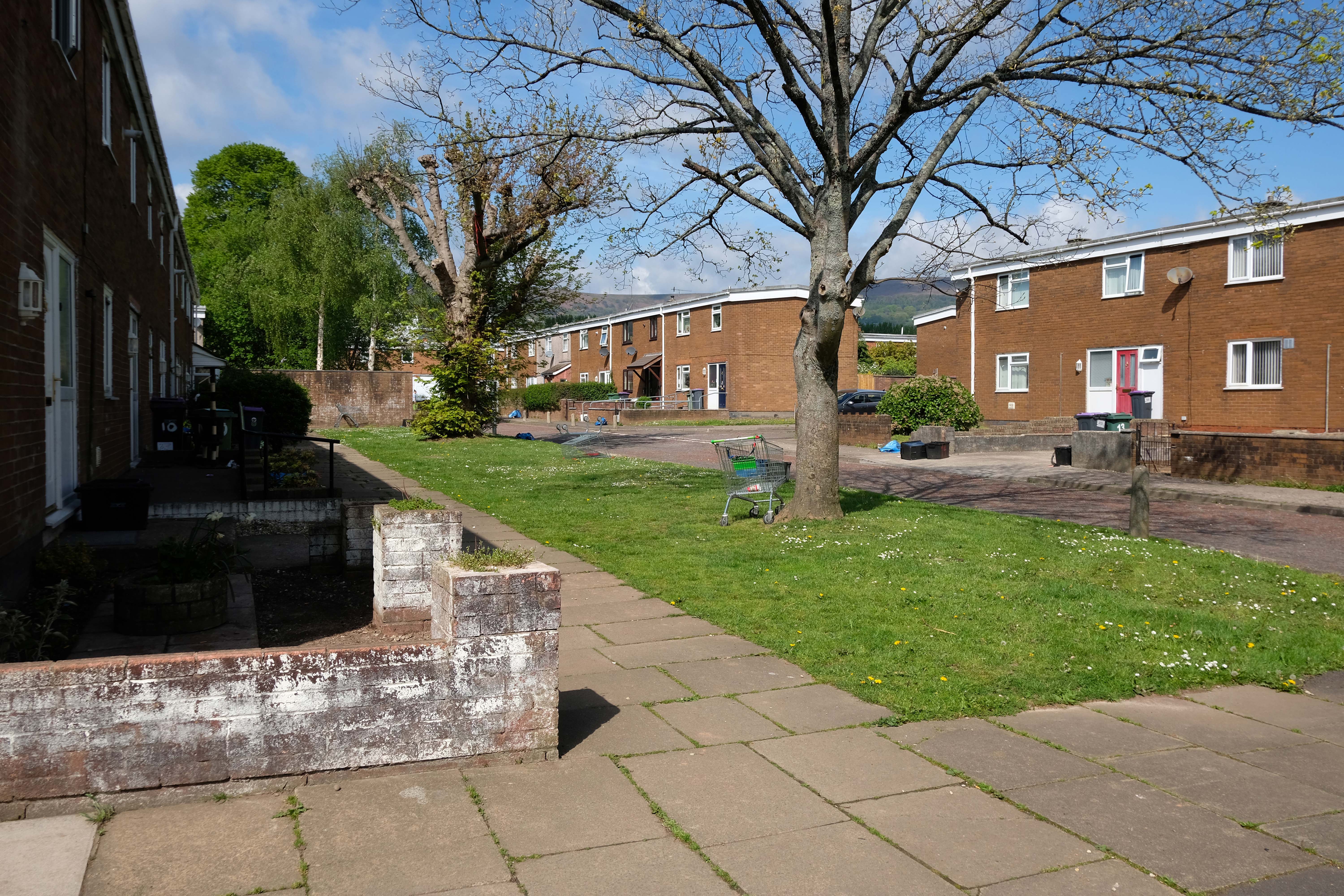
A mix of pedestrianised terraces and low rise blocks, set in a loose grid of roads and rolling, tree-lined, grassed areas.

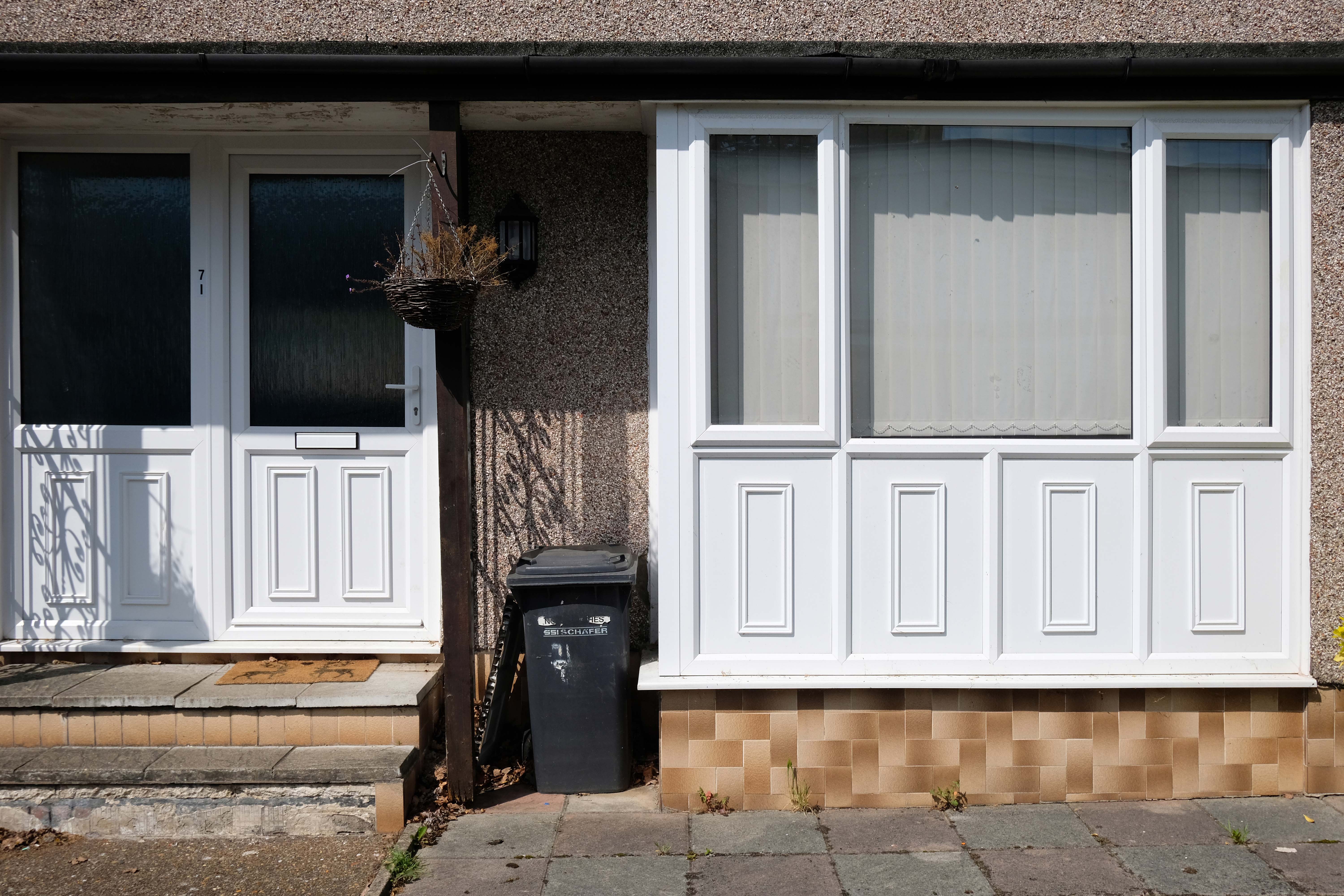
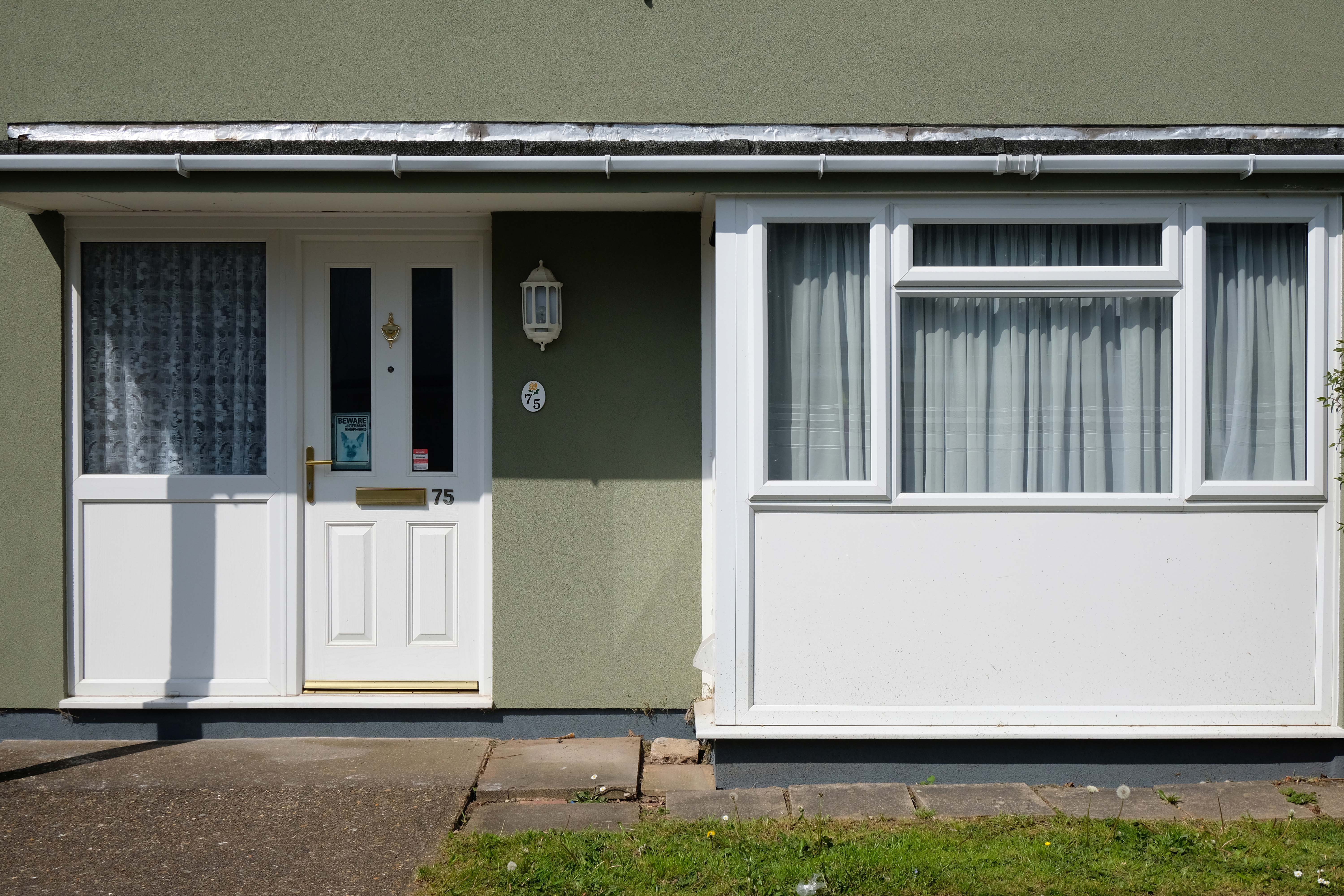
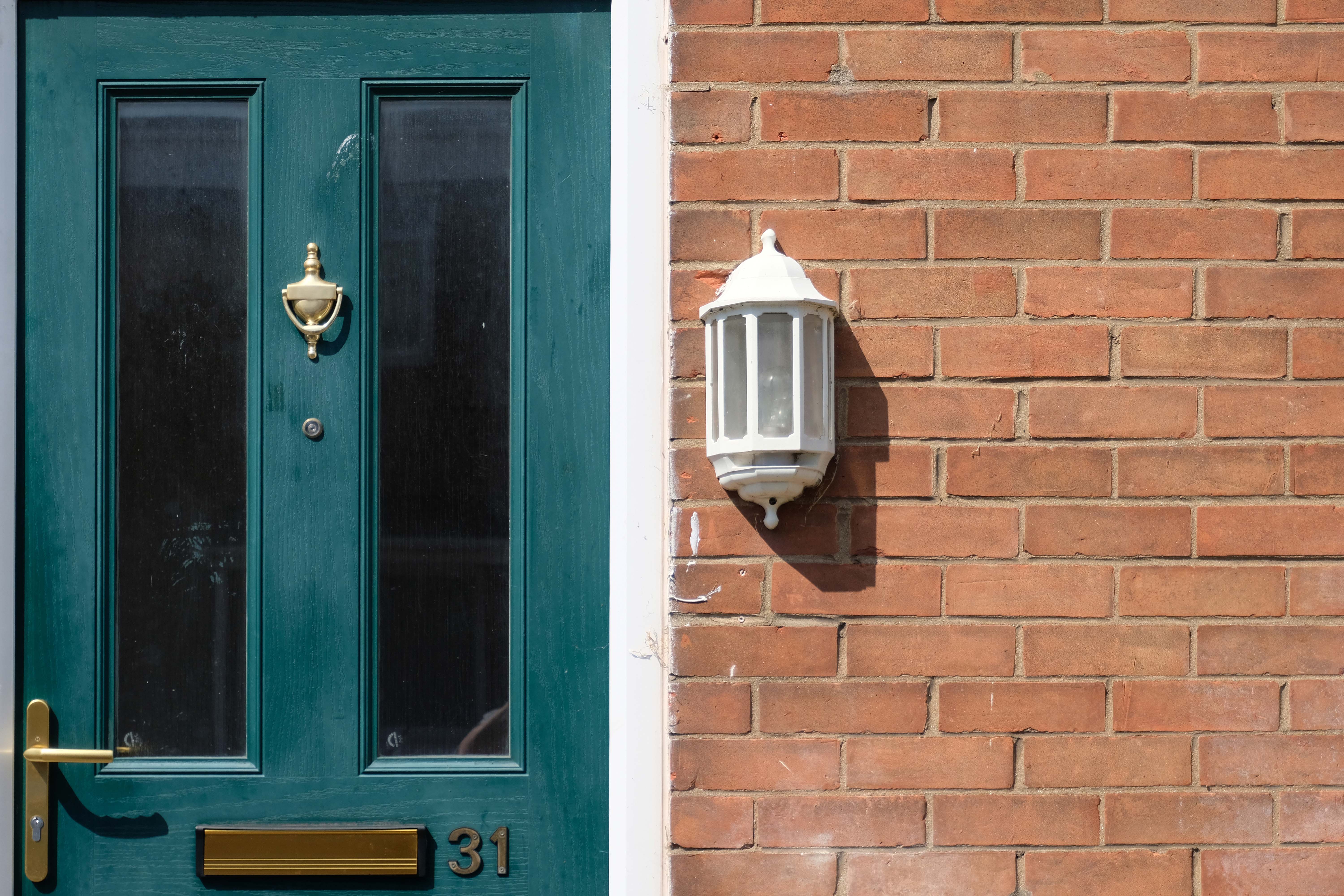
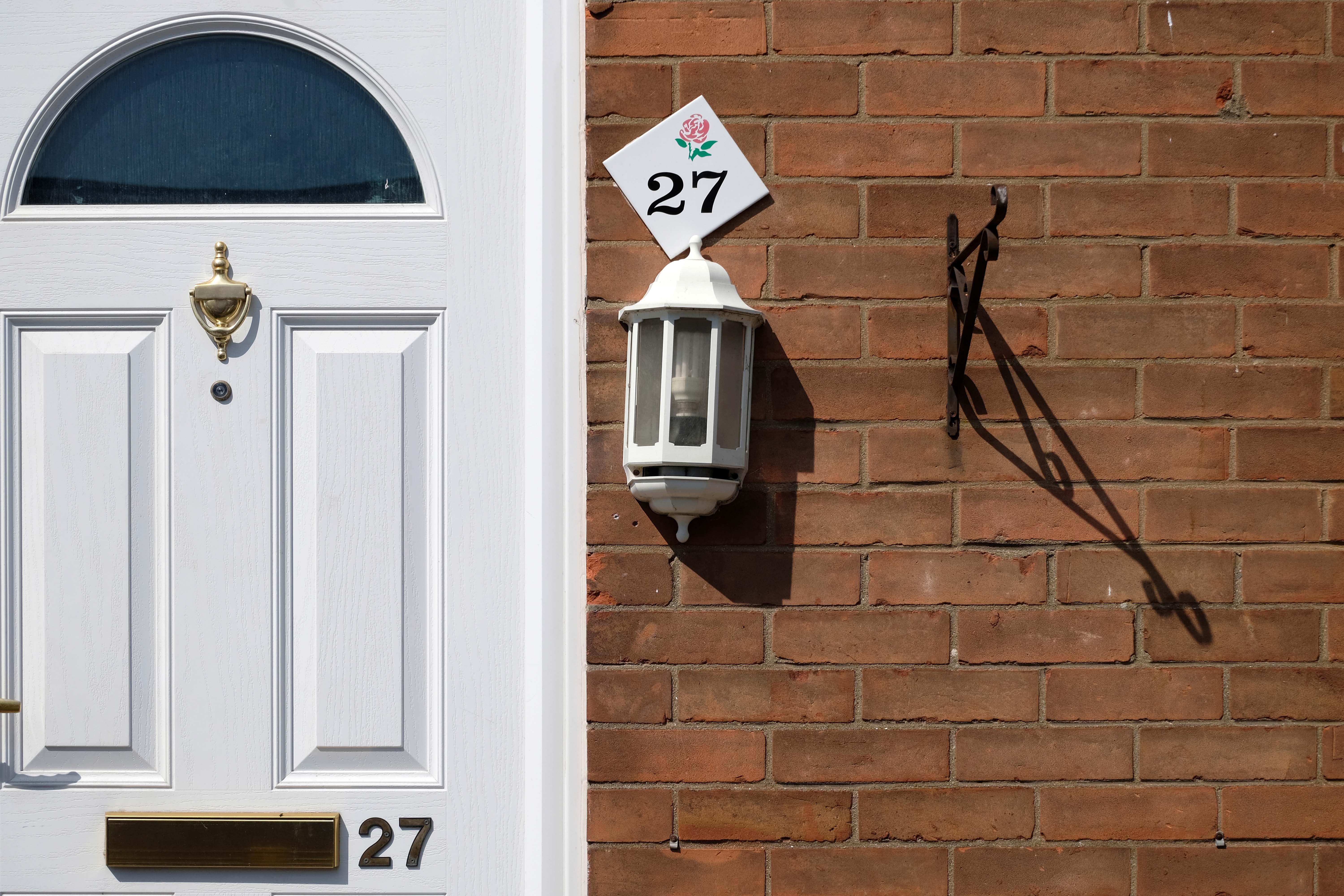
Over time there has been the addition of uPVC and the revisionist intrusion of the ahistorical carriage lamp.

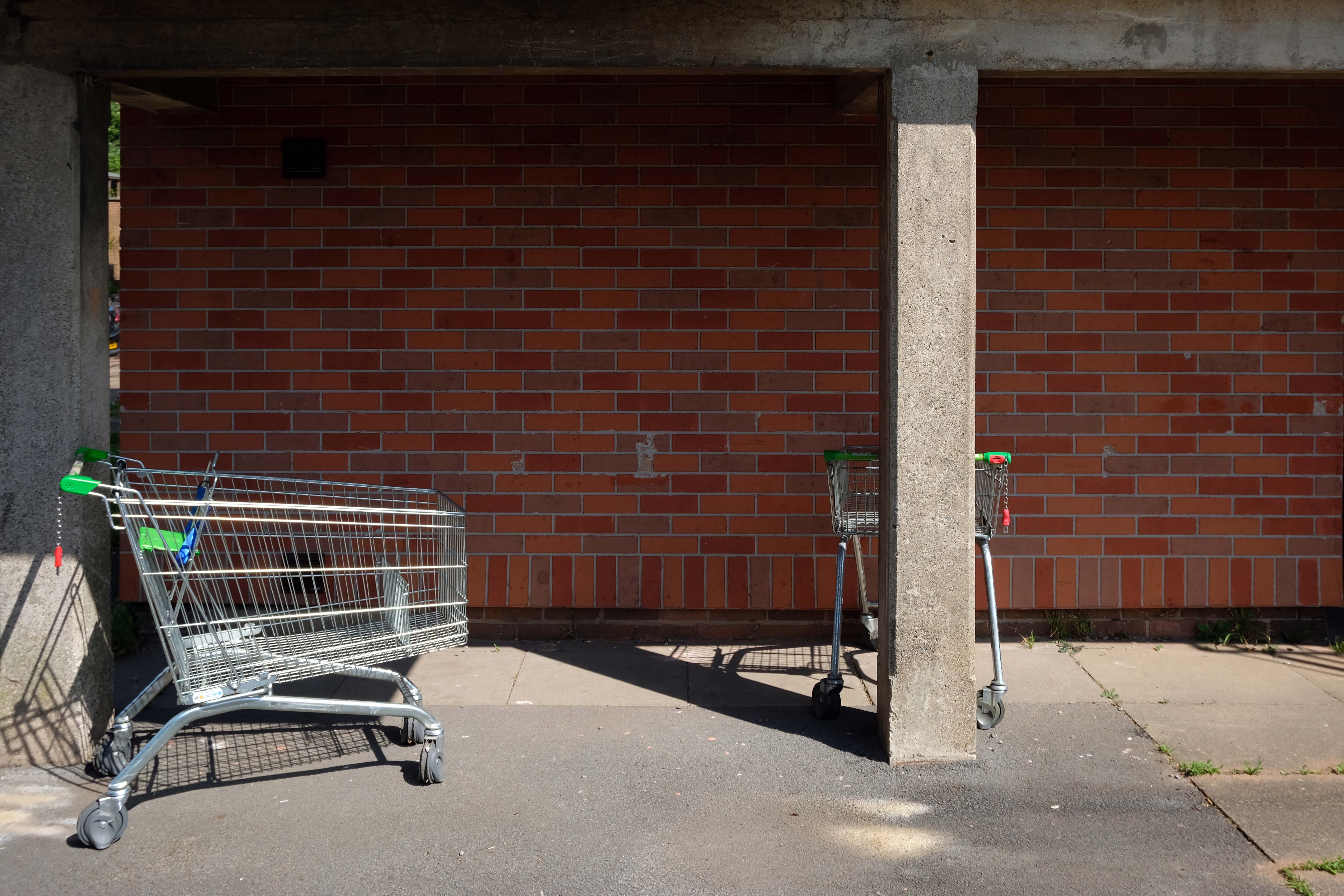
Incidentally an area with more al fresco shopping trolleys than I had ever seen, I assume that the big Asda, located within walking distance of the homes, to be the progenitor of such a notable proliferation.

It remains, generally speaking a well kept lived in area – let’s take a look.

Taliesin – Cwmbran

What’s in a name?

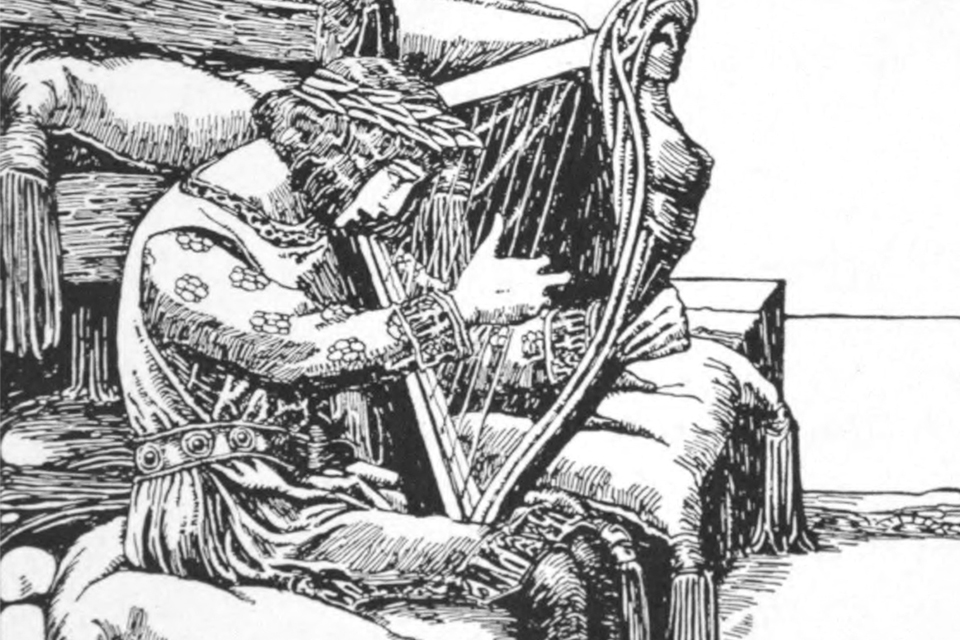
Taliesin (/ˌtælˈiɛsɪn/ tal-YES-inWelsh: [talˈjɛsɪn]; fl. 6th century AD) was an early Brittonic poet of Sub-Roman Britain whose work has possibly survived in a Middle Welsh manuscript, the Book of Taliesin.

Taliesin is the home, studio, and 800-acre agricultural estate of Frank Lloyd Wright. Wright built Taliesin on his favorite boyhood hill, in the Wisconsin River valley homesteaded by his Welsh grandparents. He named it Taliesin in honor of the Welsh bard whose name means Shining Brow, reflecting his belief that the crown of the hill was reserved for nature, and that buildings should be constructed at the brow of the hill.

Frank Lloyd Wright

It is also a name commonly found on many of the common place dwellings of the Principality.

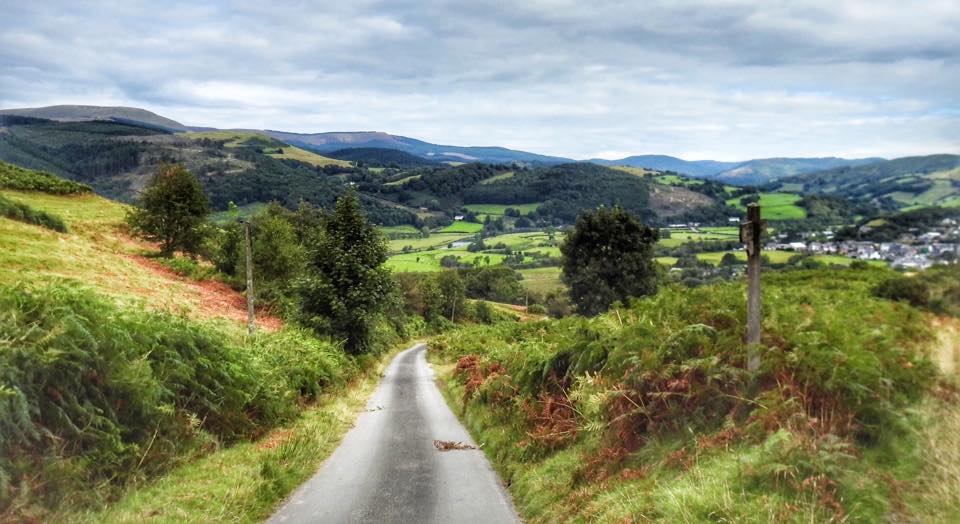
Tre-Taliesin is a village in Ceredigion  nine miles south of Machynlleth.

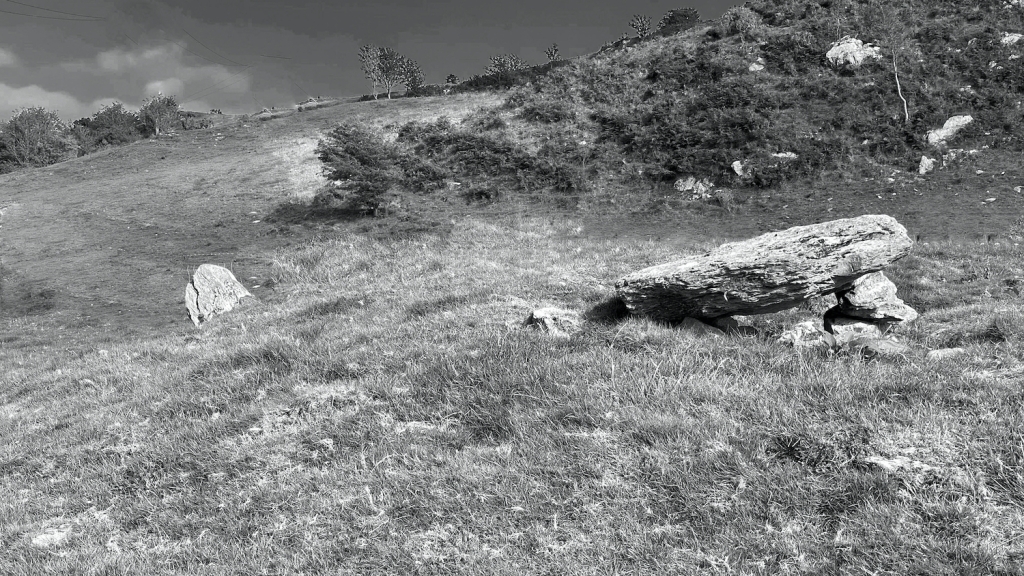
The village is known for the Bedd Taliesin, a hilltop Bronze Age tumulus which is traditionally regarded as the site for the grave of the Welsh bard, Taliesin. It is listed as a Historic Monument. It is a round-kerb cairn with a cist about 2m long. The capstone has fallen; the side stone slabs are more or less in their original positions.
Wikipedia

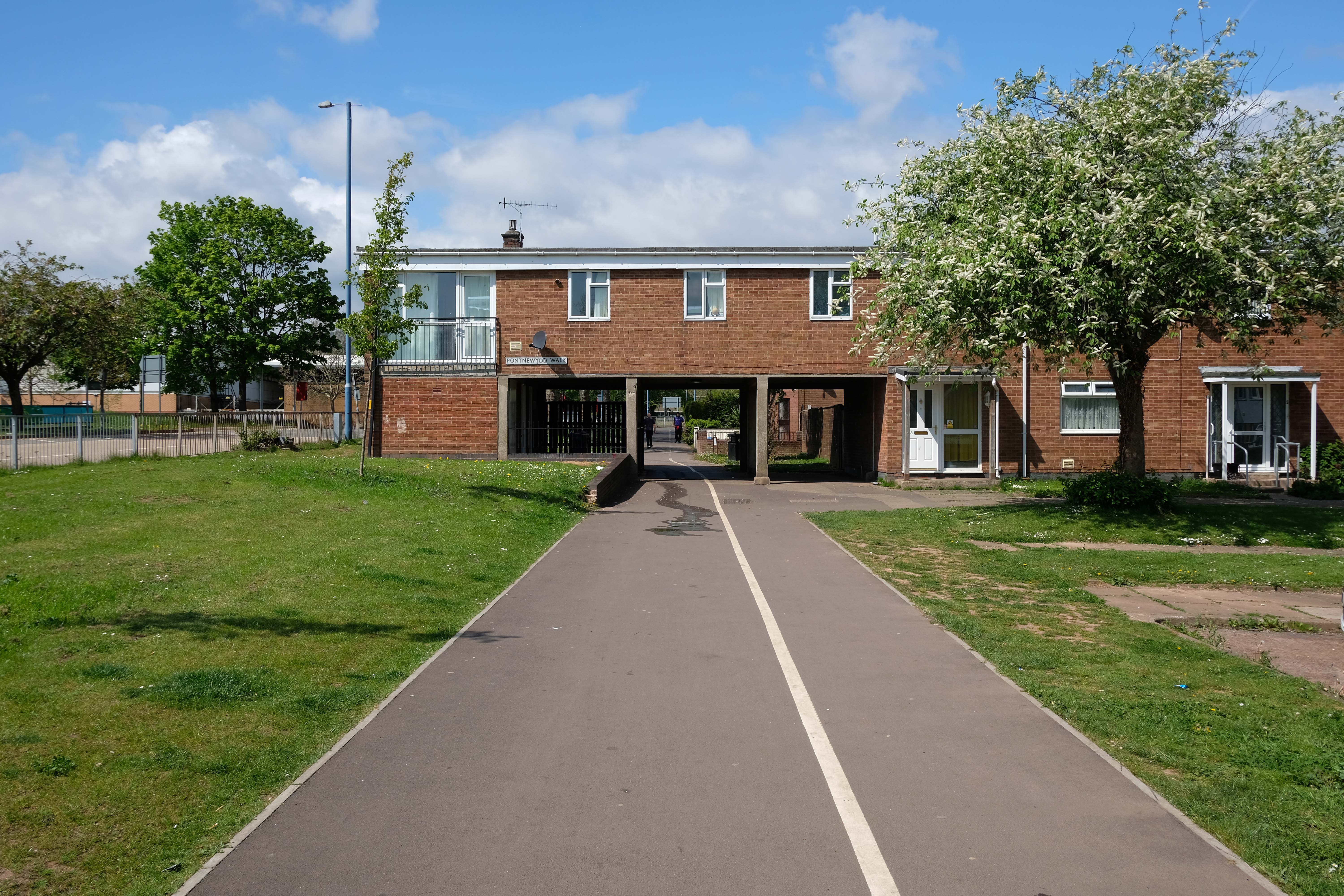
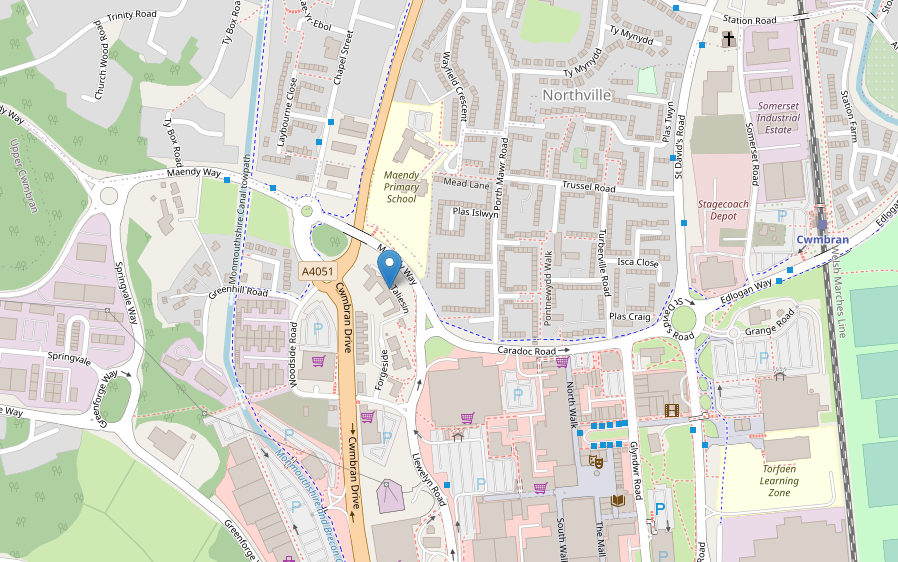
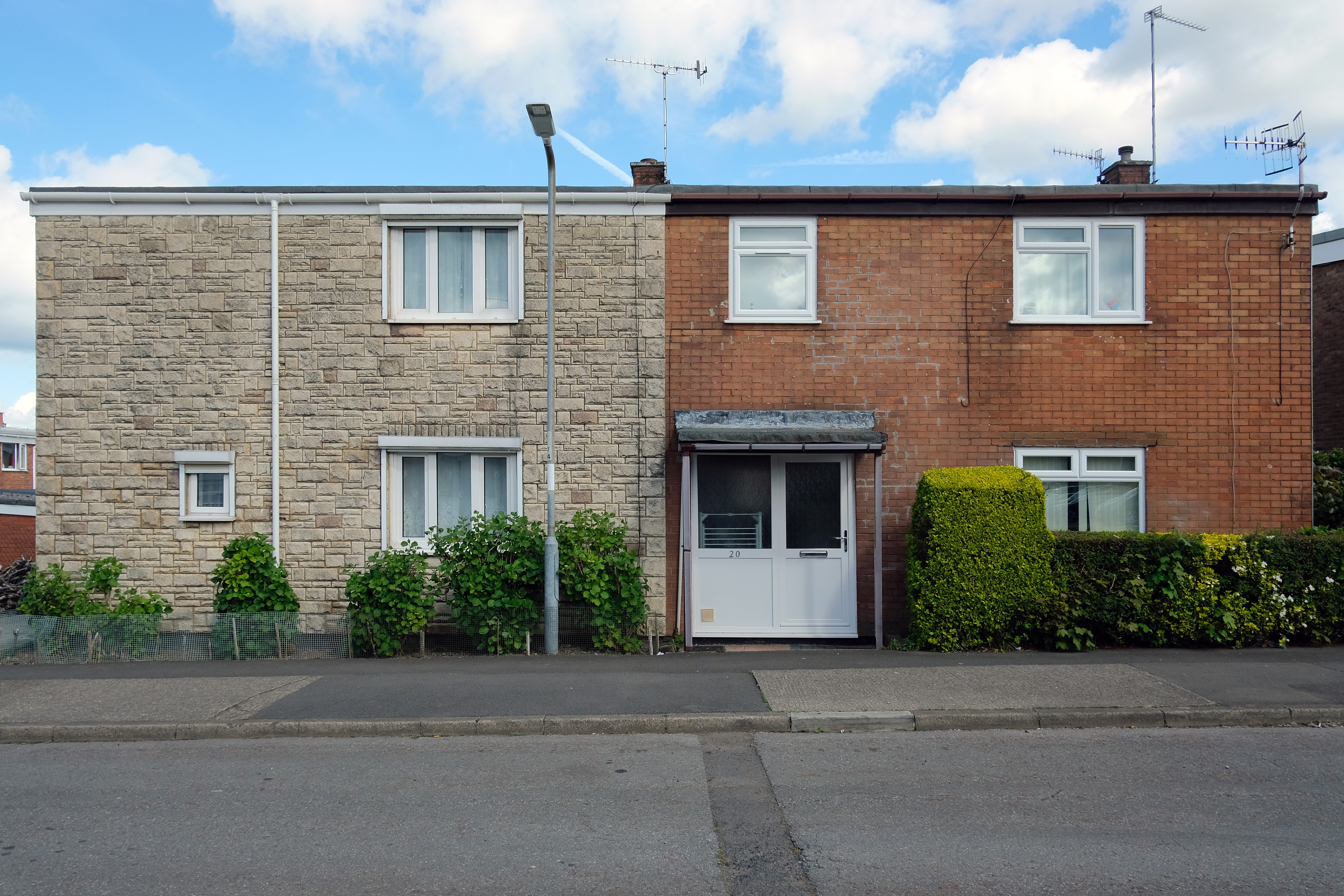
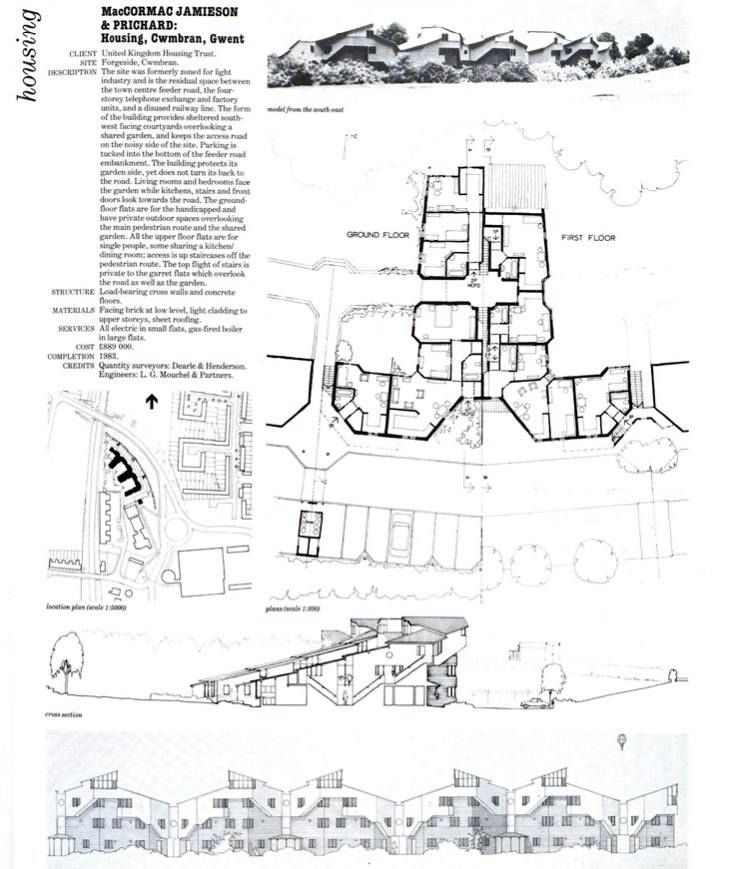
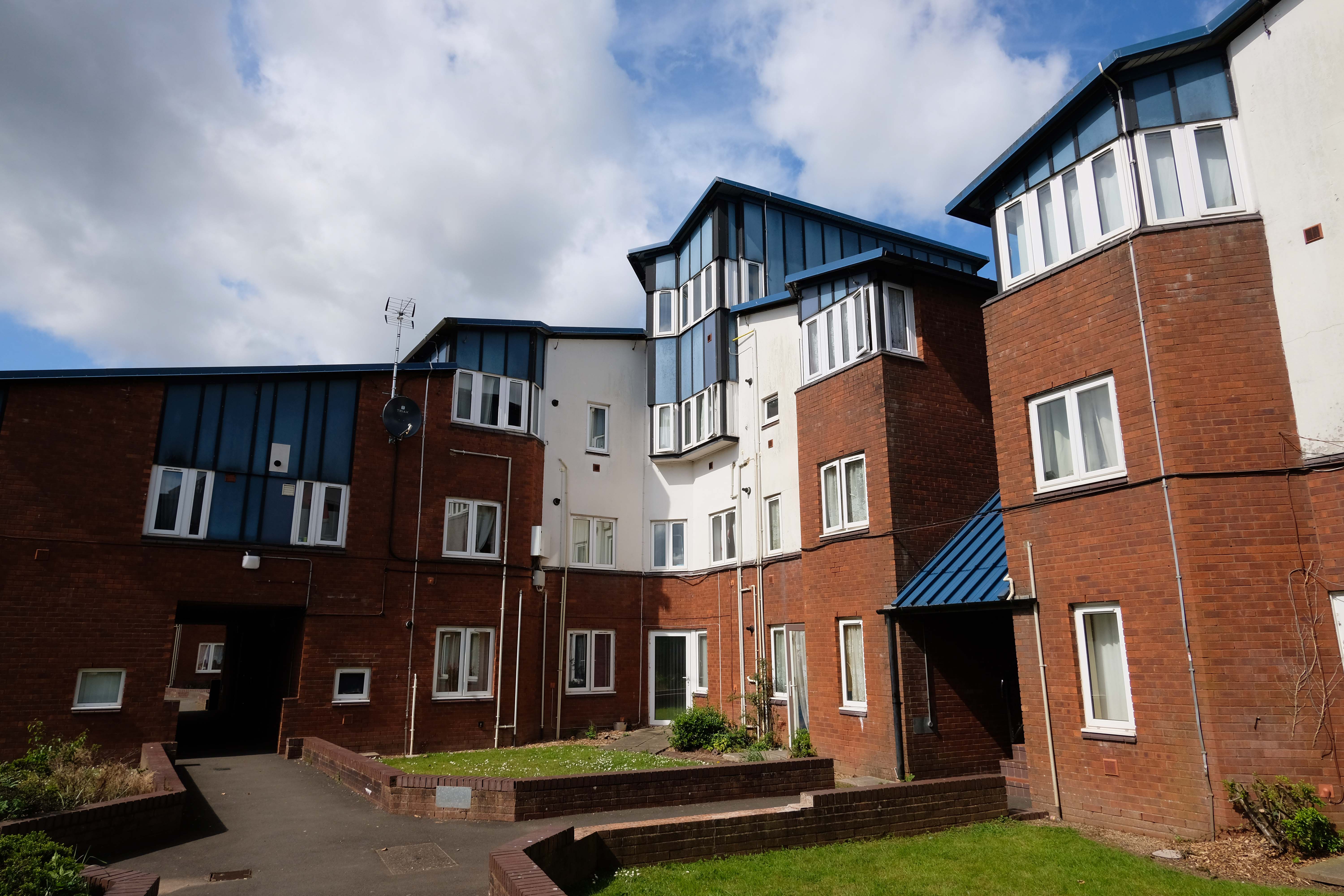
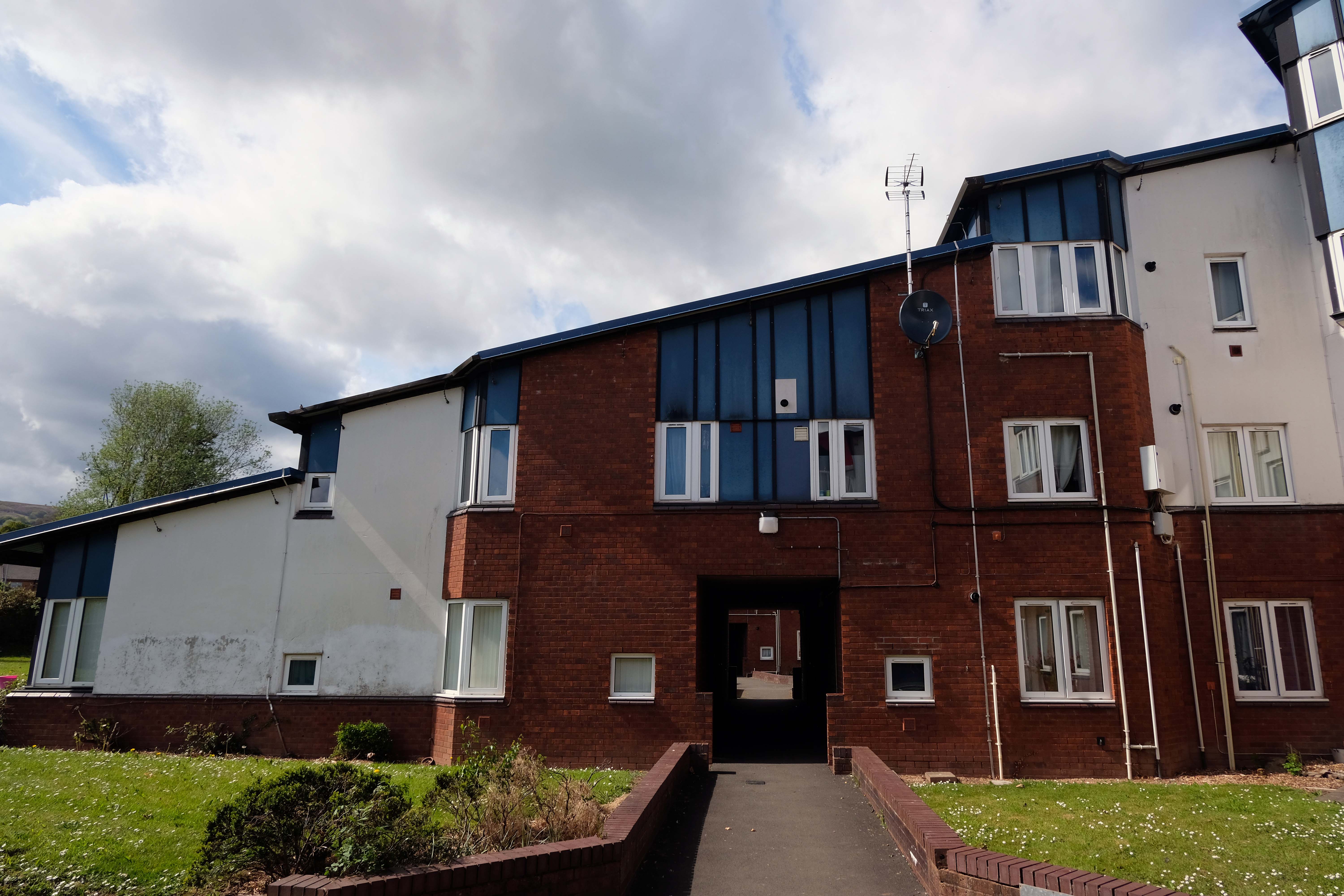
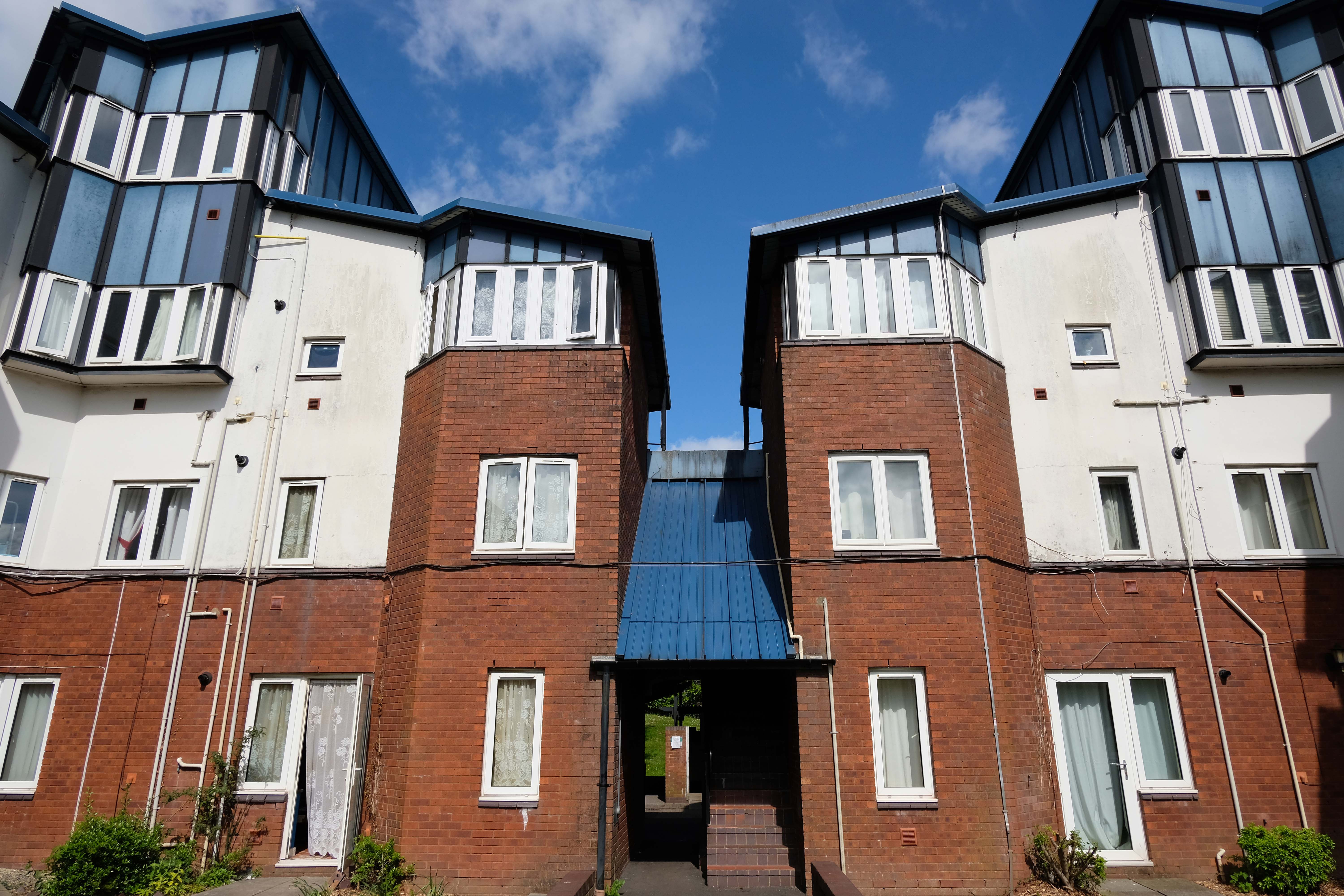
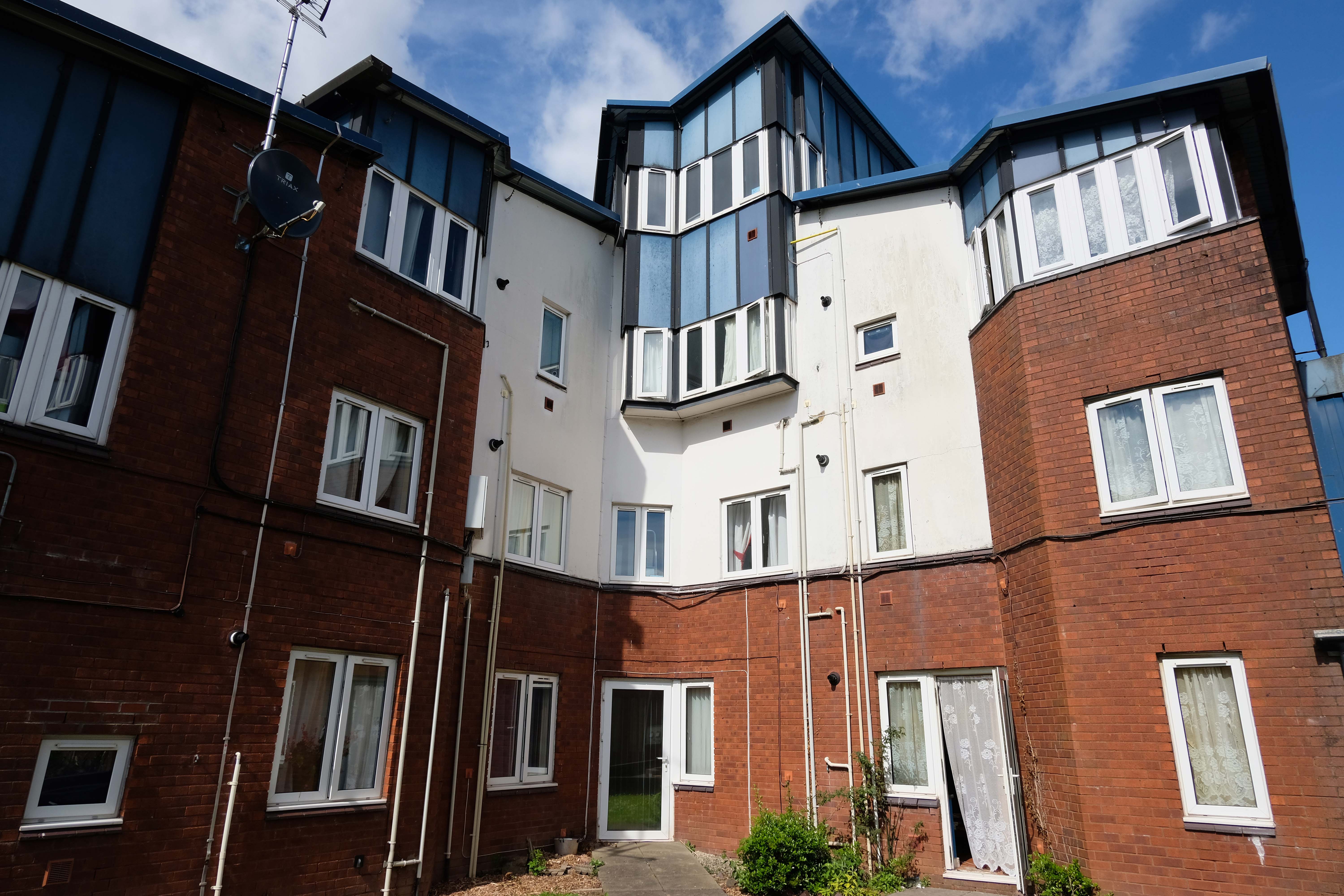
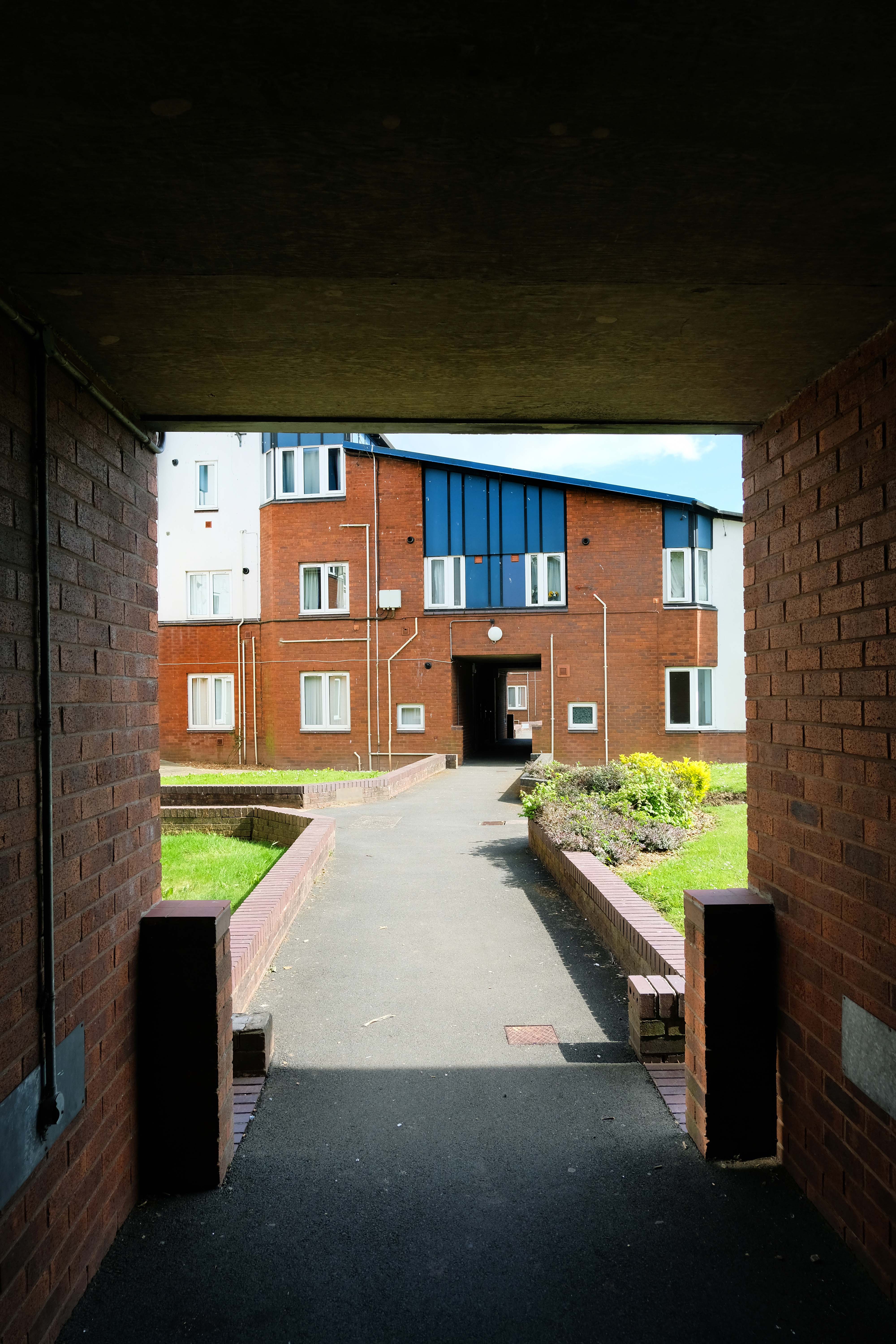
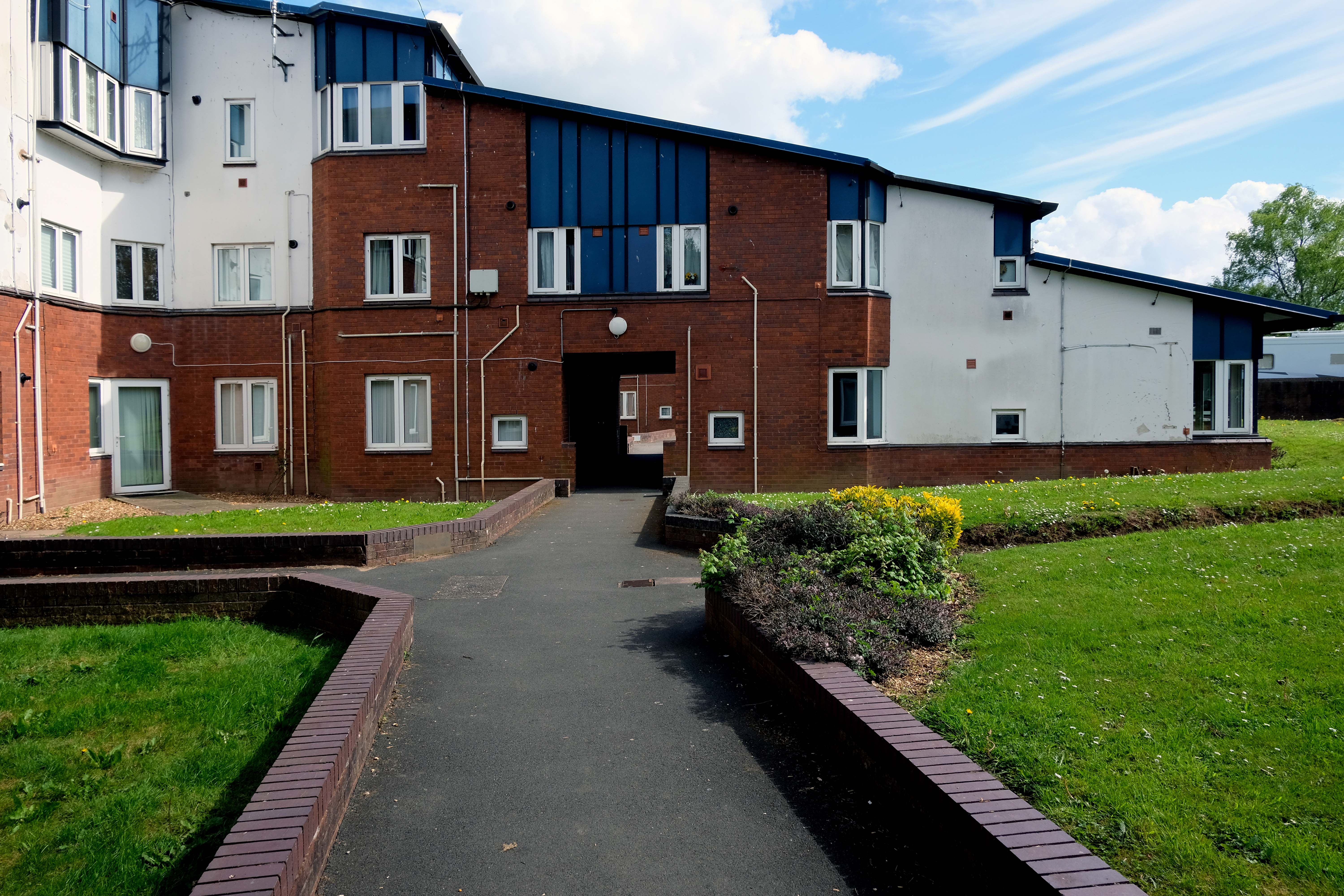
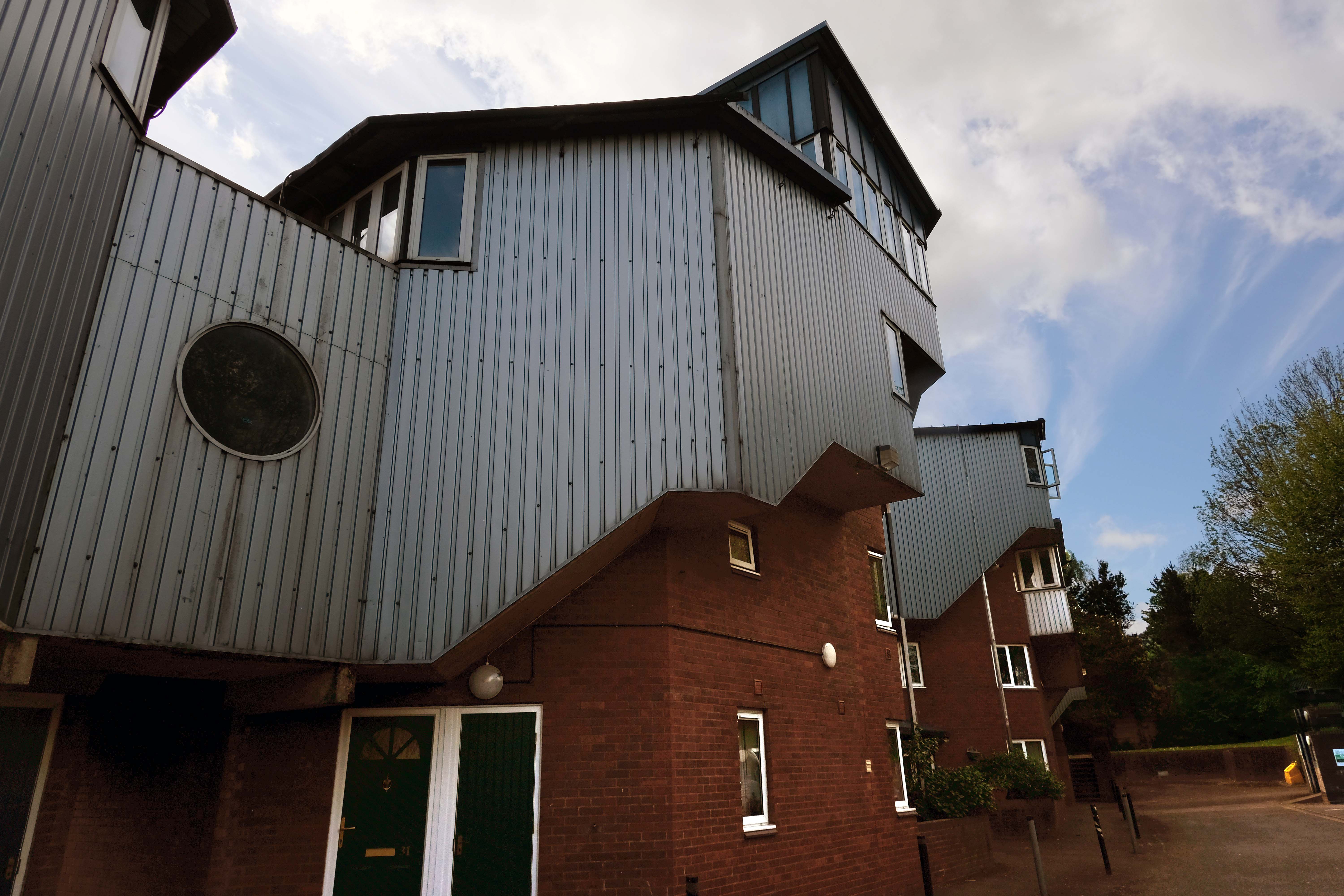
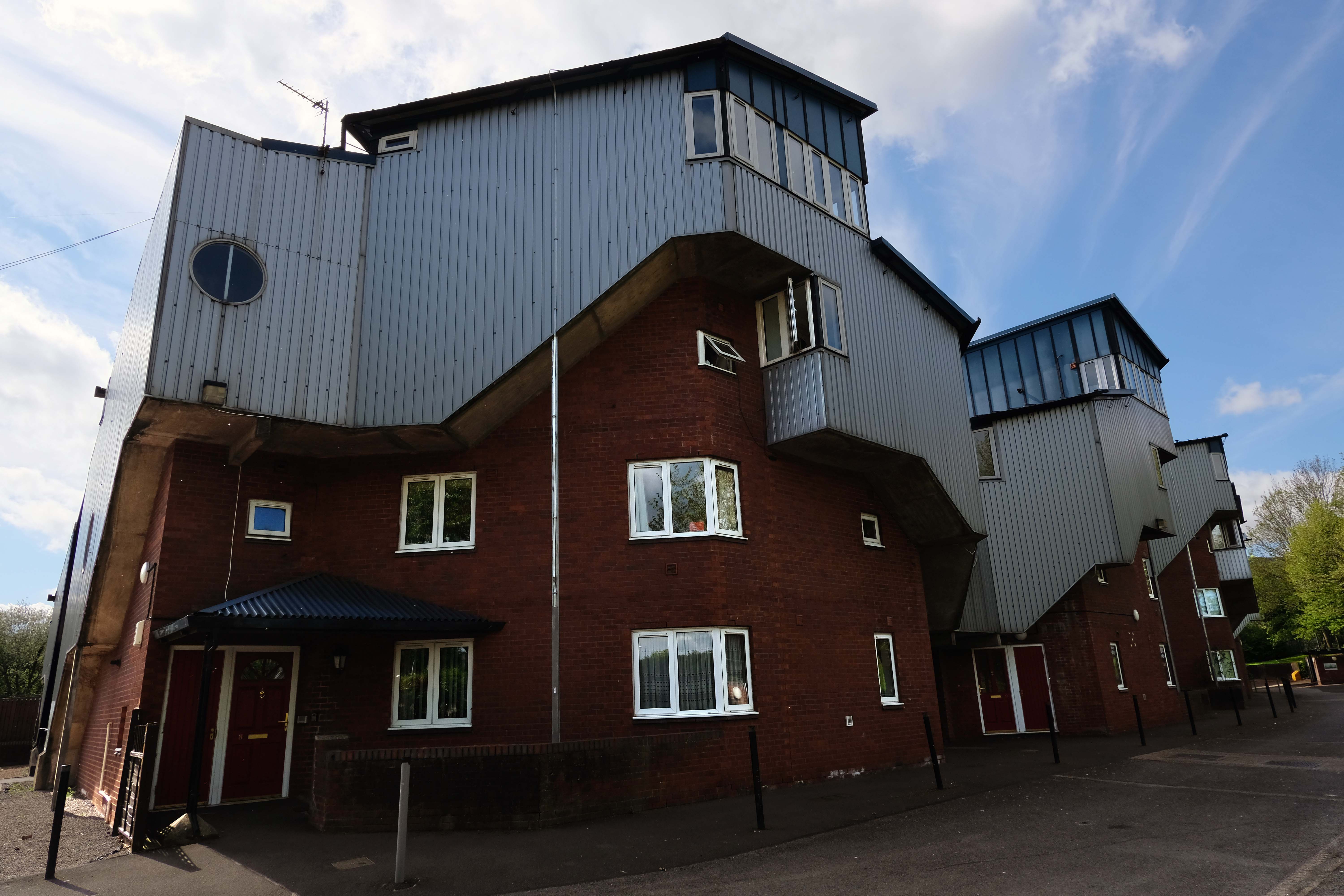
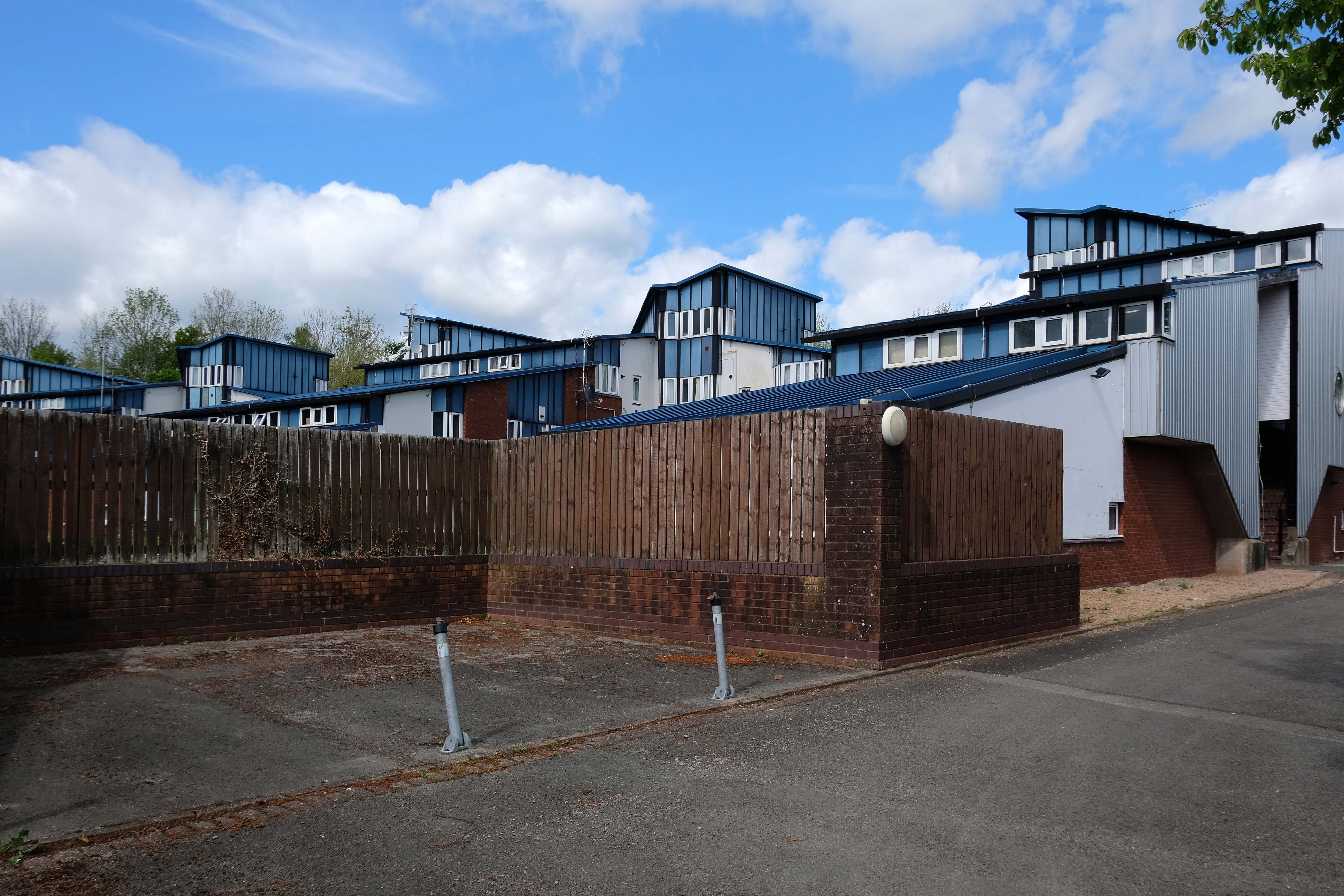
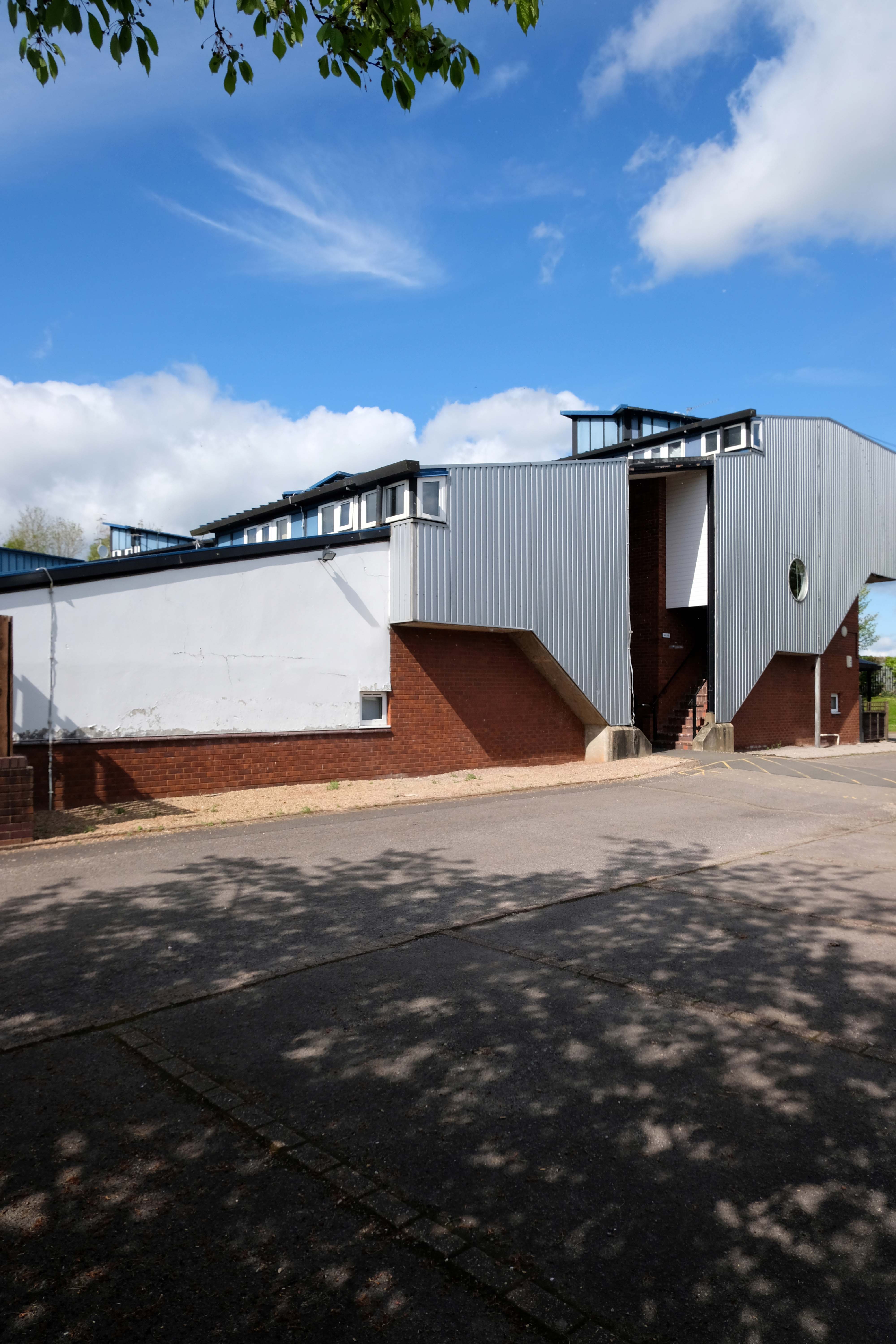
Which brings us to Taliesin Cwmbran a group of 58 flats located at the northern end of a road named Forgeside.

This development is something of an anomaly, breaking the mould of the conventional New Town housing which surrounds it.

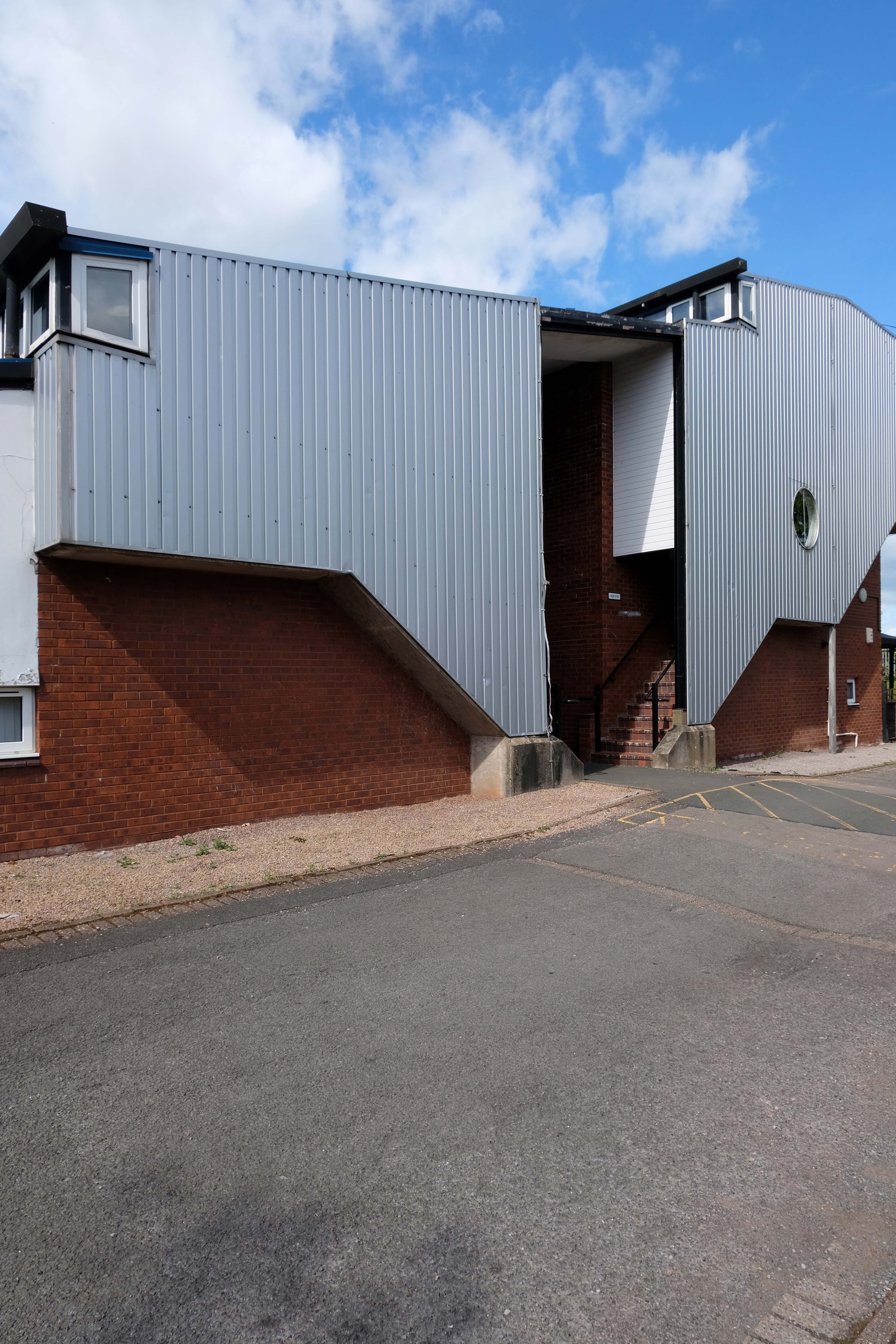
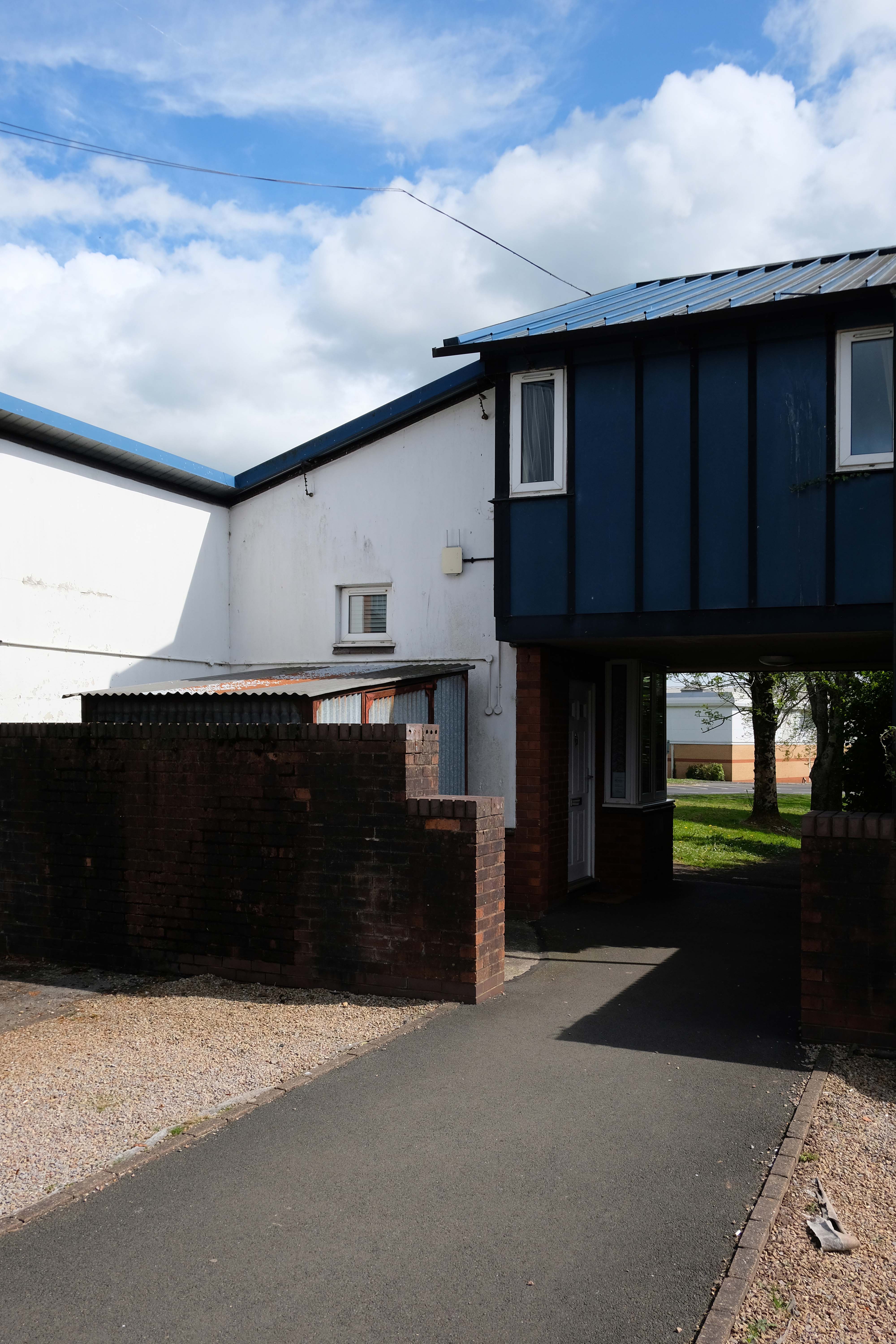
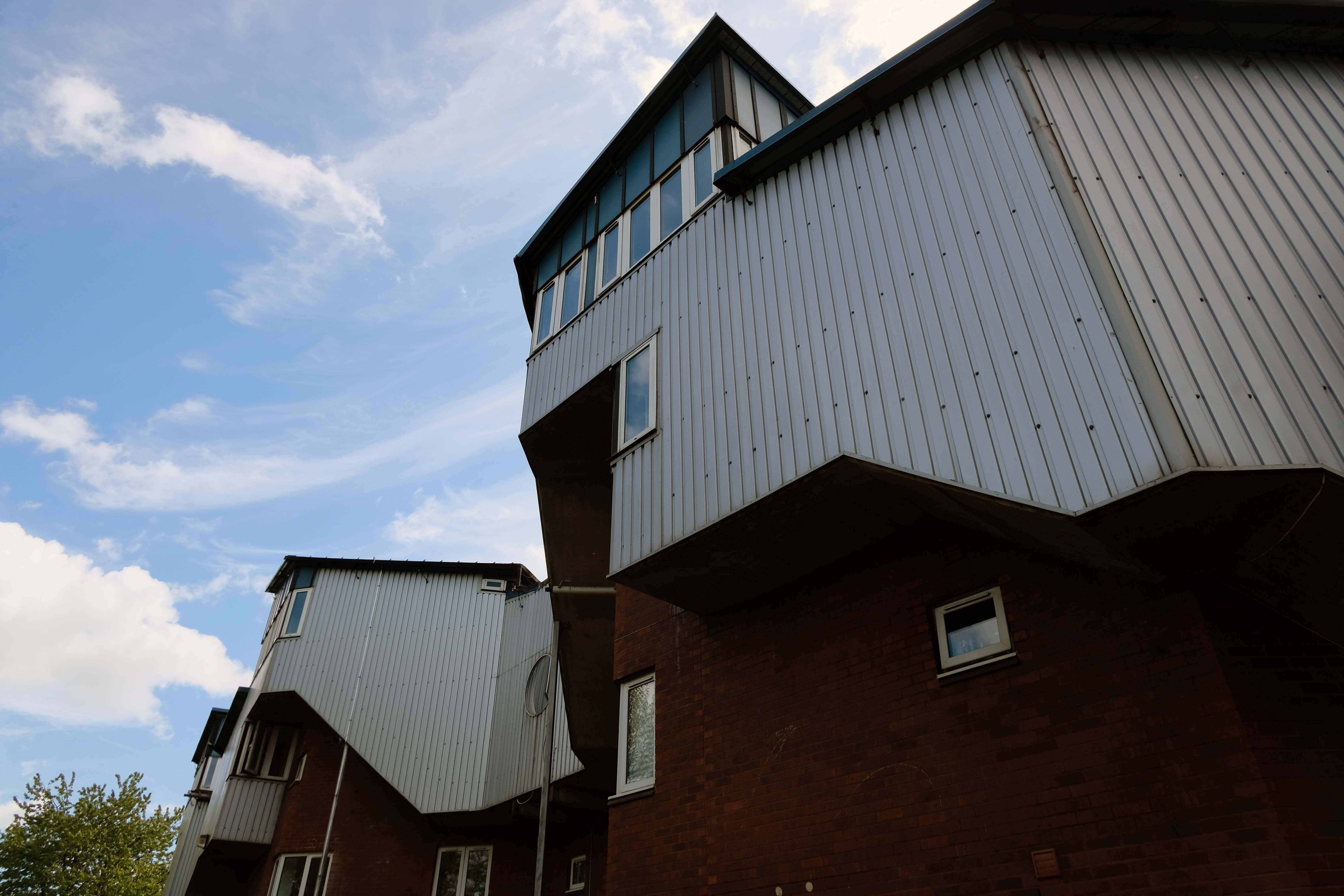
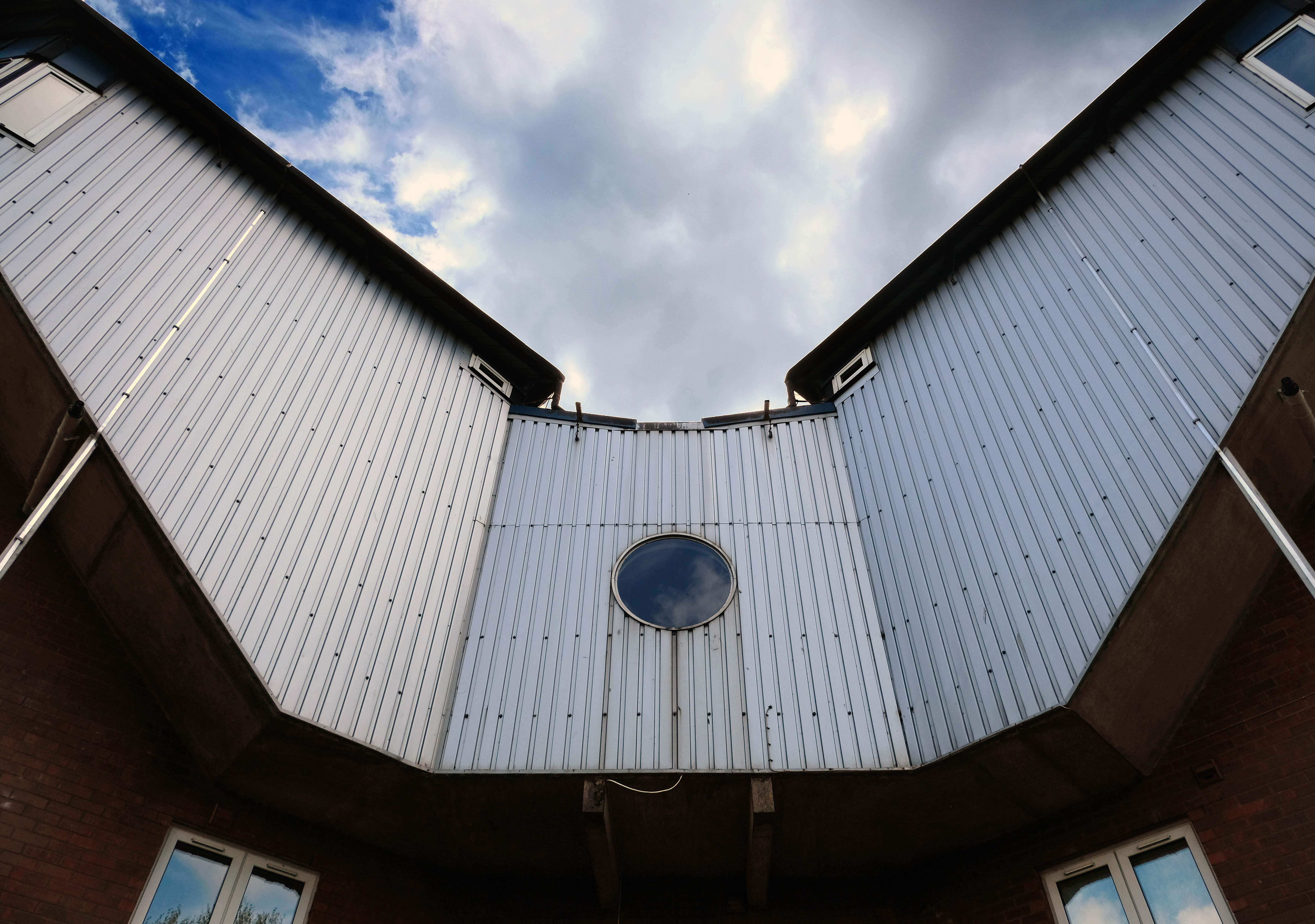
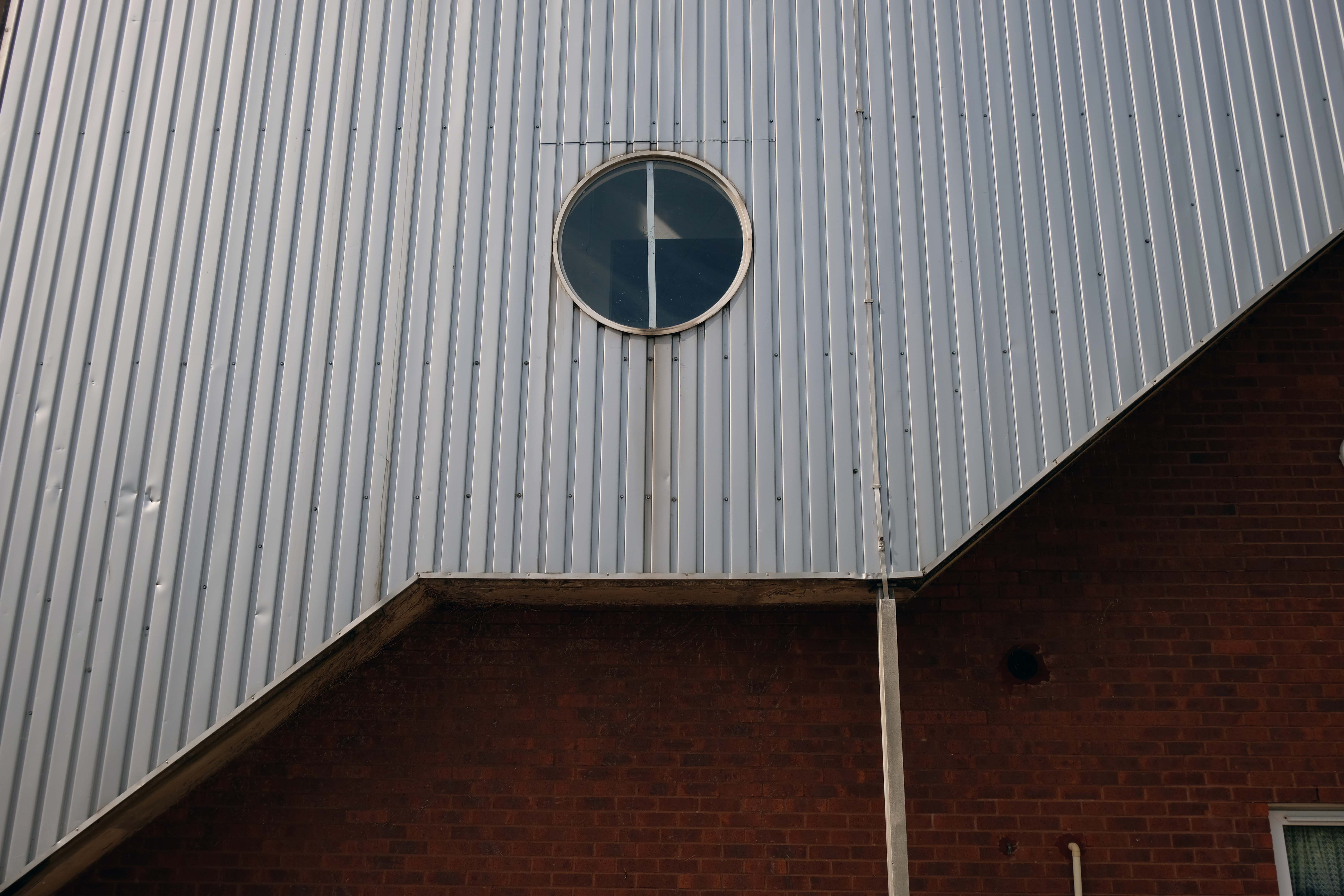
Broadly Postmodern – with passing references to half timbered buildings, yet with more contemporary cladding. A wandering profile and angular roofline which echoes Hollywood Medievalism, paired with a fortress like enclosure of space and scaled down passageways.

So far no architectural attribution – any clues anyone?

MacCormac Jamieson & Prichard 1981-82

Thanks to Richard Brook over at Mainstream Modern.

William Mitchell – Cwmbran

Monmouth House Cwmbran 1967 by Gordon Redfern

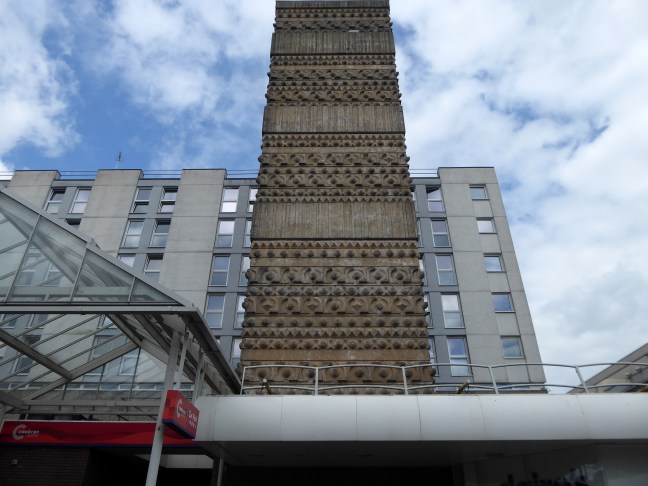
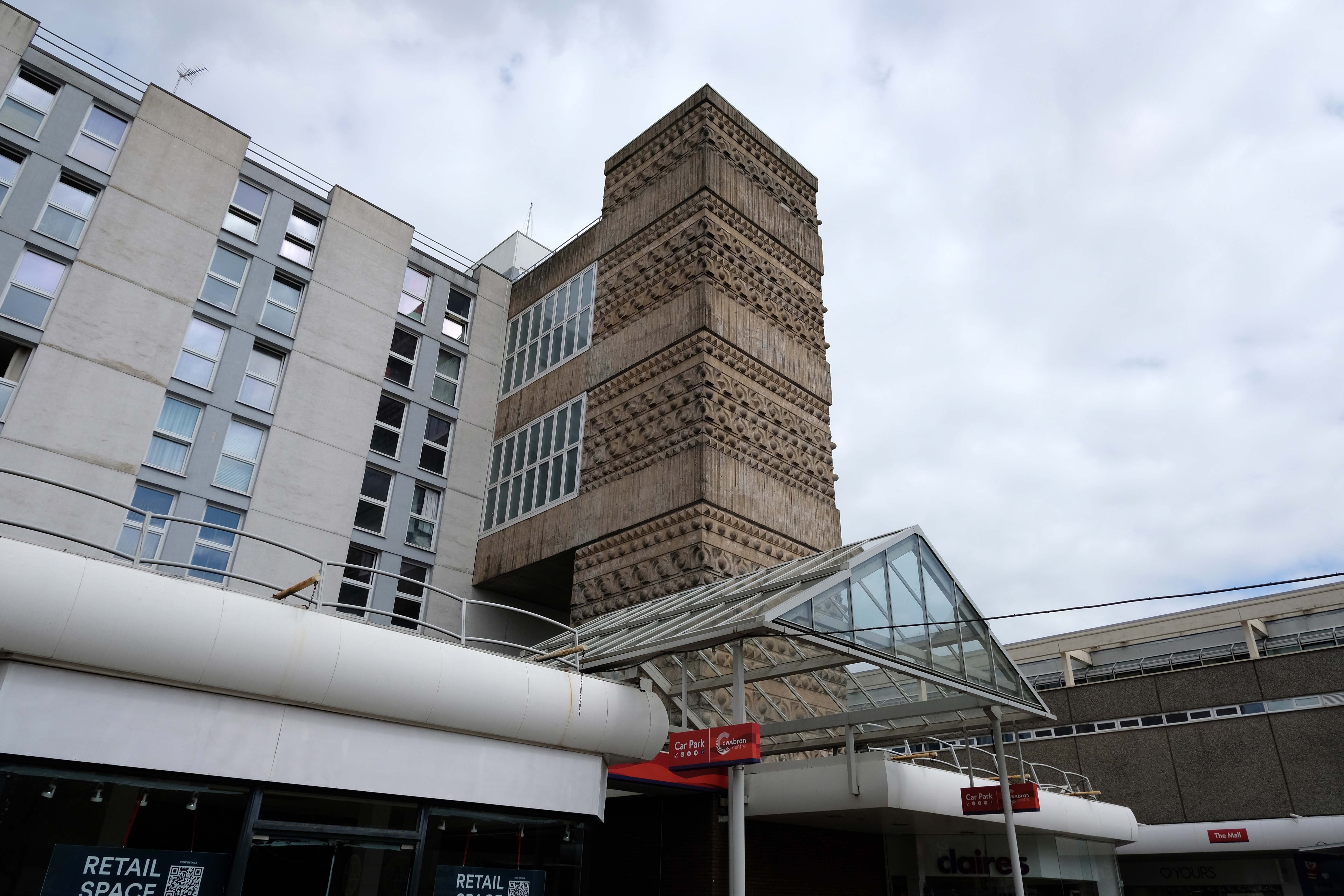
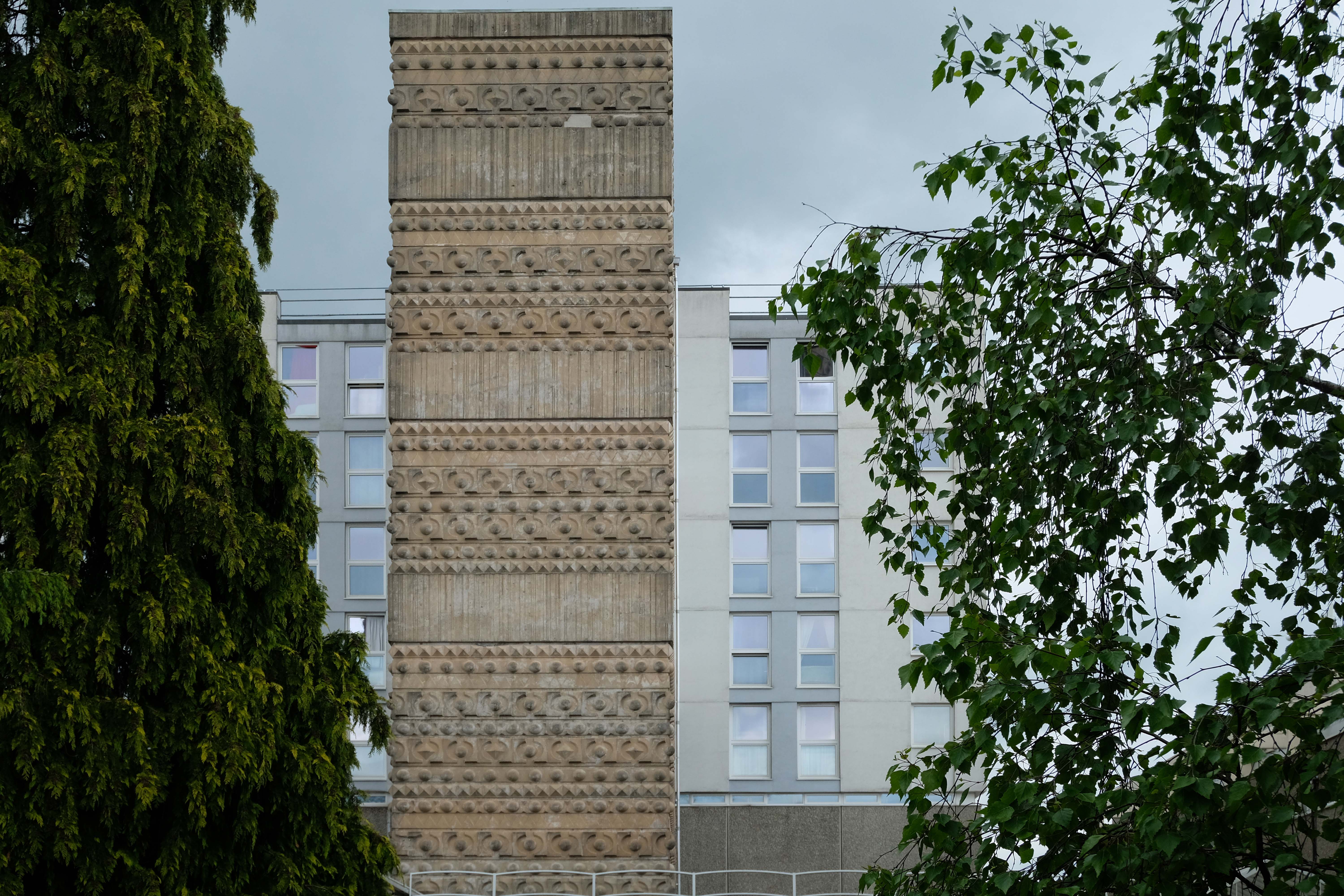
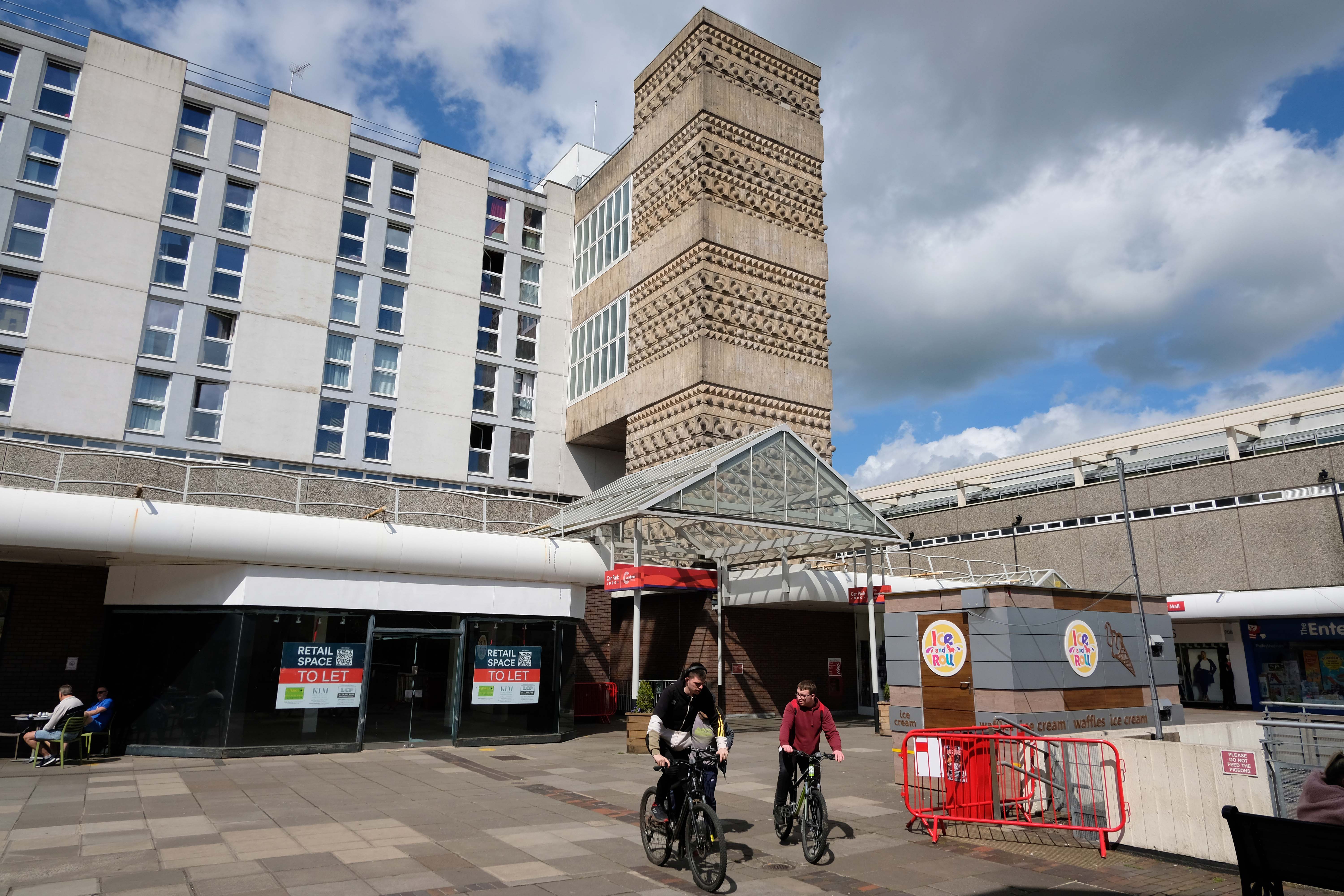
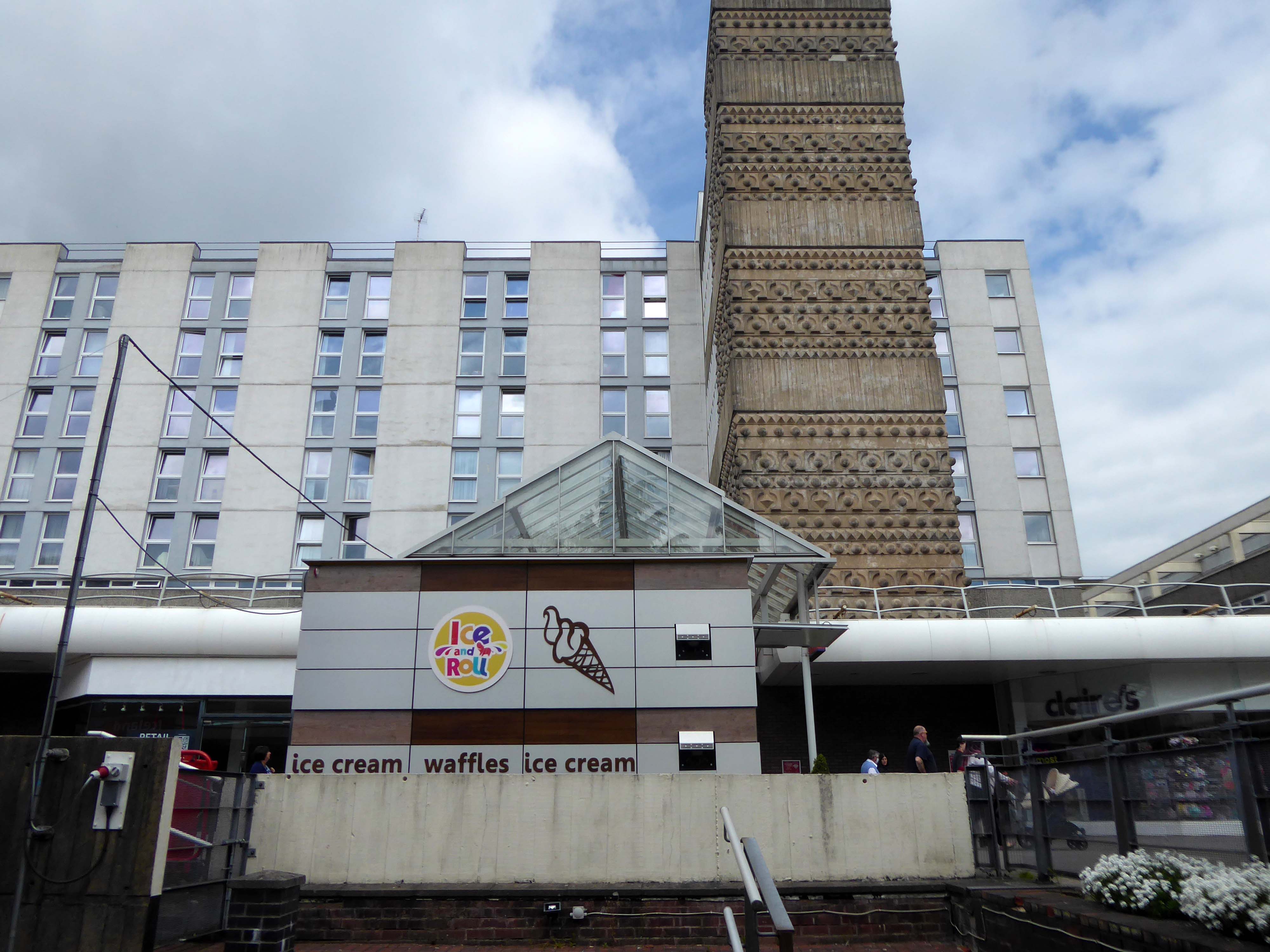
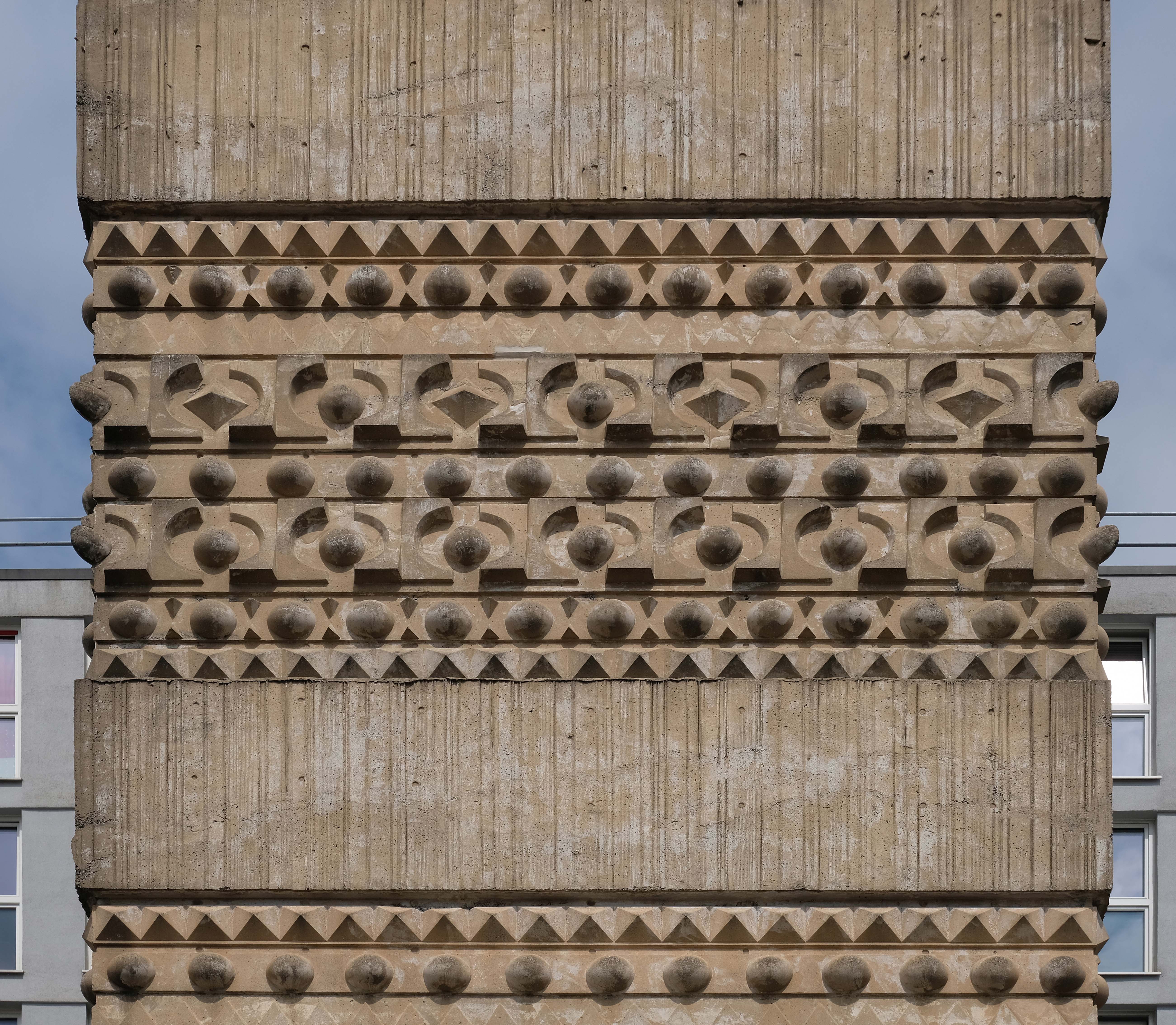
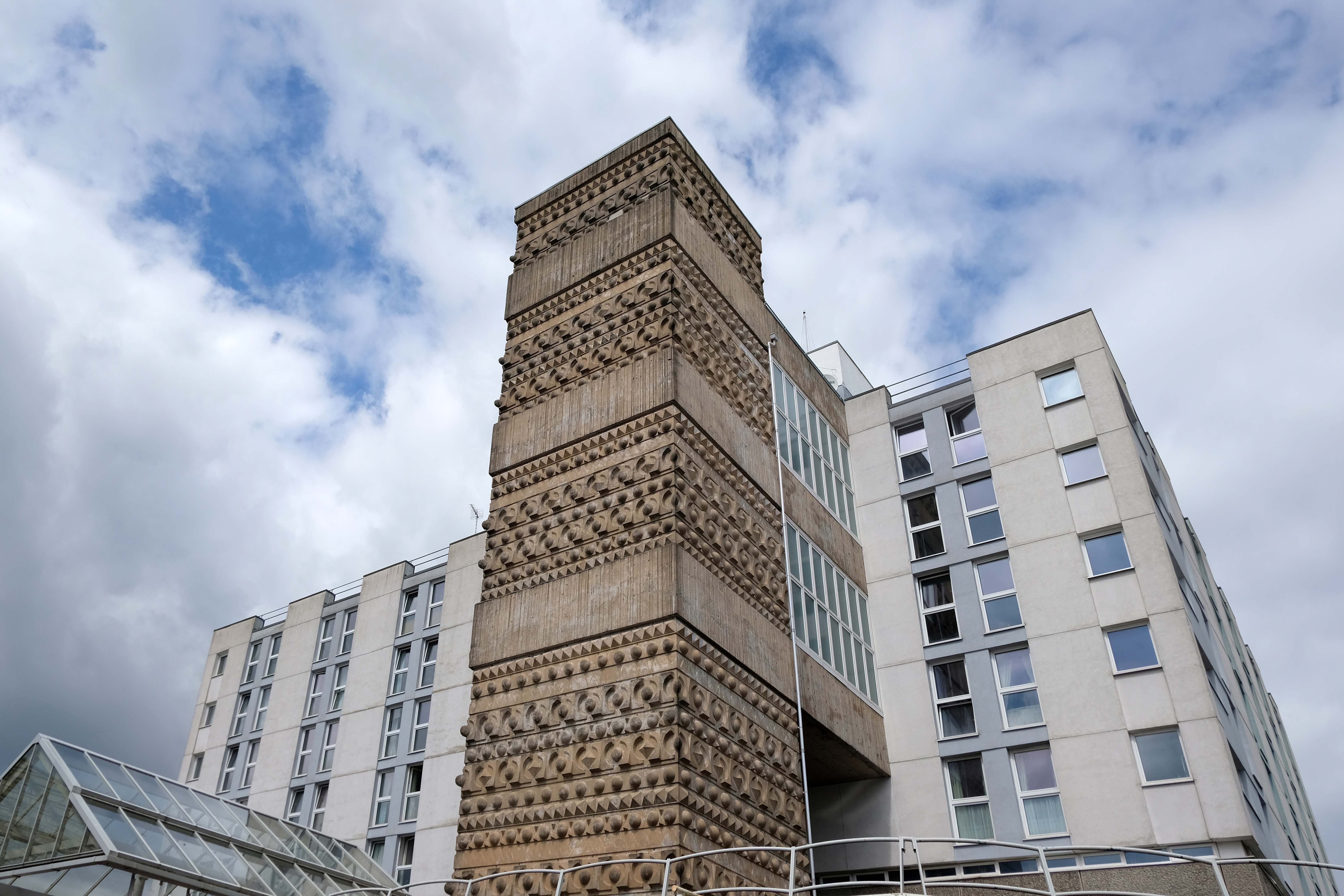
Cladding to lift tower by William Mitchell

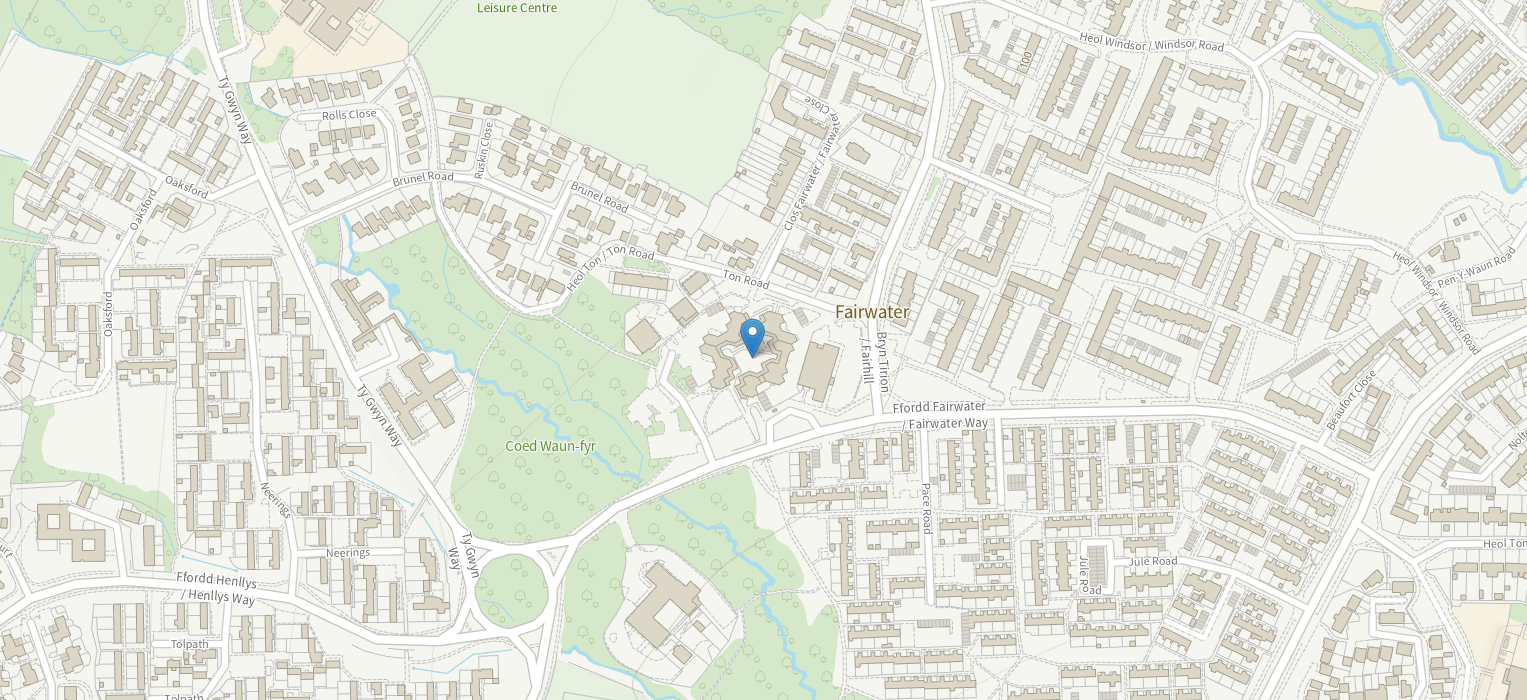
Situated in the Fairwater Shopping Centre:

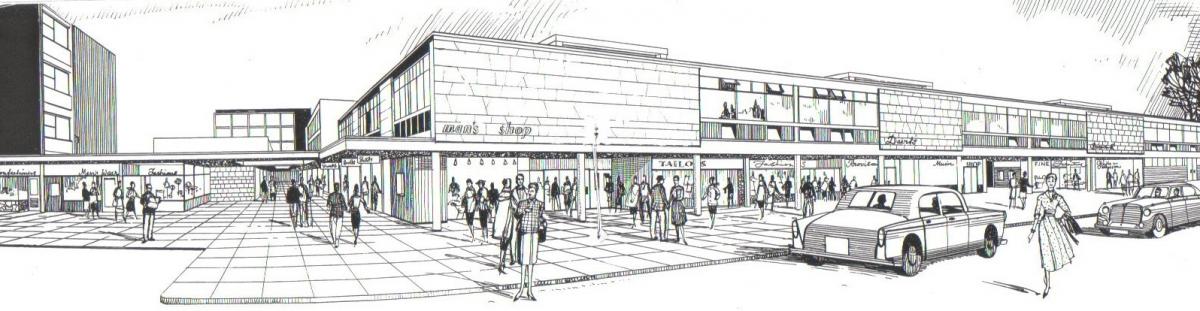
Built between 1963 and 1967, the centre comprised 18 shops, a childrens playground, public toilets, a health and dental centre, and a combined public house and community centre. The unit centre was designed by Chief Architect of the CDC, Gordon Redfern, and was architecturally the most innovative and ambitious unit centre within Cwmbran New Town. To combat the exposed nature of the site together with the ‘high rainfall, mists and variable winds’ prevalent in the area, Gordon Redfern designed an enclosed, high-sided space that would physically and mentally shield shoppers during their visits. This protective environment extended to creating a central play area that could be viewed from the shops, allowing a more enjoyable experience for children. Four different shops types were provided on increasing floor footage for facilities ranging from barbers to grocery shop, all with storage to the first floor and eight, on the south-west side, with a two-bedroom maisonette above. To enhance the architectural impact of the scheme, Redfern created each unit on an hexagonal plan despite the inefficiences in floor space usage and additional costs in creating the fixtures and fittings. The CDC also fitted out each of the uits to a customised requirement – for example the Post Office unit was pre-fitted with a telephone booth, posting box, stamp machine and half-glazed panel for advertising services.

The structural engineers were Ove Arup & Partners, the builders were Gee, Walker & Slater. Construction costs for the scheme were estimated at £214,106. The unit centre was opened 12 September 1967, shared with the opening of Monmouth House, both undertaken by Rt. Hon. James Callaghan, M.P. A scathing article written the following month by architectural critic Ian Nairn dismissed the design as a ‘kind of in-turned medieval village … an oasis of picturesqueness in a desert of statistical units’ designed for, rather than with, the inhabitants and therefore destined for commercial failure.

Coflein

In 1949, the then Minister for Town and Country Planning, John Silken, designated an area of 31,000 acres surrounding the village of Cwmbran to be the first new town in Wales. Unlike the first generation new towns, the aim of Cwmbran was to provide housing and a range of facilities for those employed in existing industry but who lived in poor housing in the neighbouring valleys.

A master plan was implemented to achieve the objective for the town. However, as the town developed, the projected size of the town had to increase and many of the plans ideals were diluted as the Southwest expansion area was approved in 1977.

In fact, due to the planned nature of Cwmbran, there now exists few opportunities for new development within the town. This has meant intense development pressure on the outskirts of Cwmbran from house builders and developers.

Torfaen

On the day of my visit the centre was busy with happy shoppers happily shopping – there were major works underway in line with the town’s new plans.
Cwmbran has also prospered from having a vibrant retail core. The Shopping Centre has a fully pedestrianised, multi purpose centre with covered shopping malls. There are over 170 retail outlets covering a total area of 700.000 sq. ft, including a number of popular high street retailers, restaurants, a theatre and cinema. Accordingly, the town is now considered to be a sub regional centre, and the intention is that this retail focus will be increased by regeneration of the eastern side of the town.
Now 50 years on parts of the town are in need of renovation. Through various public and private partnerships the aim of the Cwmbran Project Team is to set out a 15 year strategy for the regeneration and development of the new town, and begin its implementation.

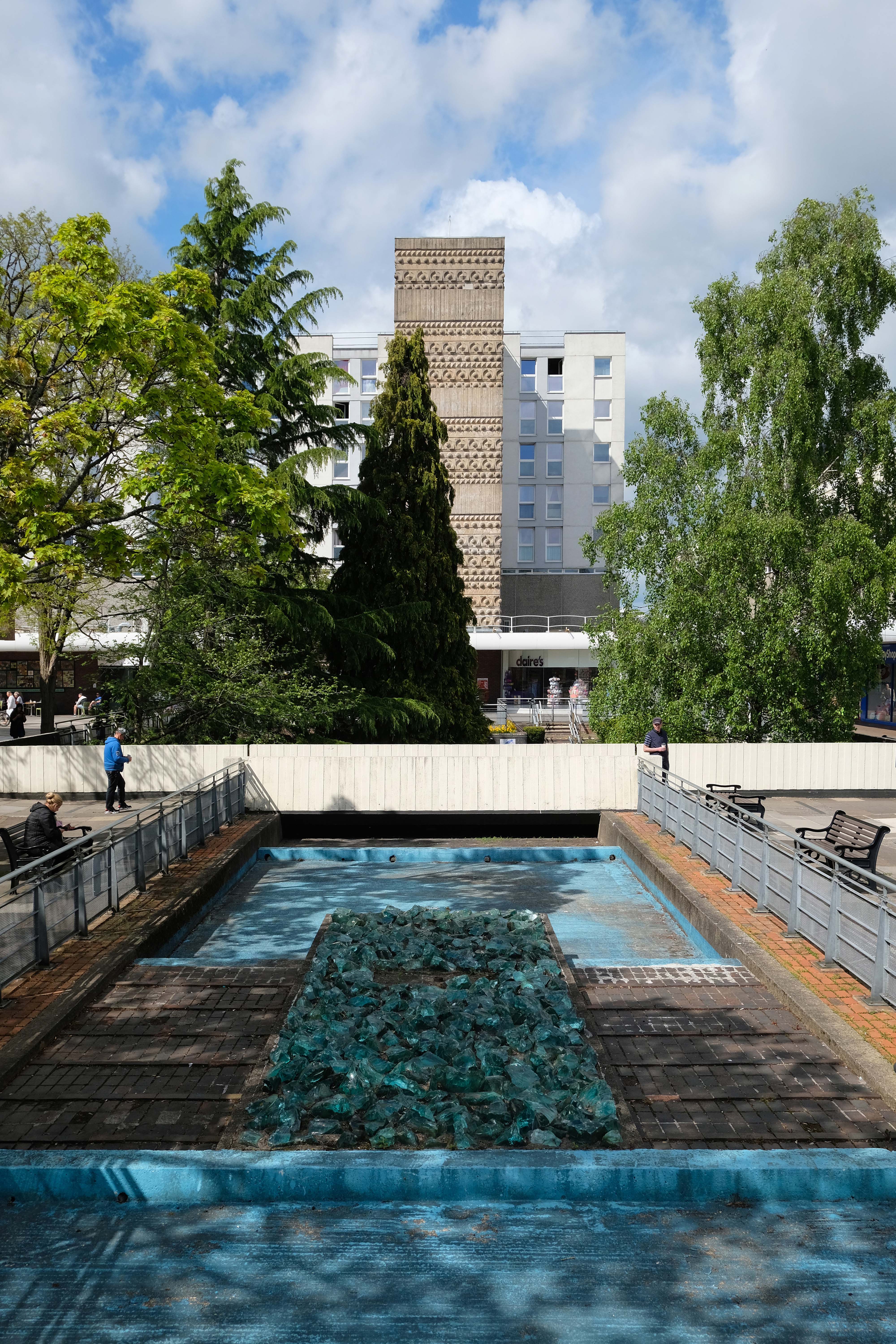
My primary interest concerned the public art in Monmouth SquareWilliam Mitchell’s concrete clad lift shaft.

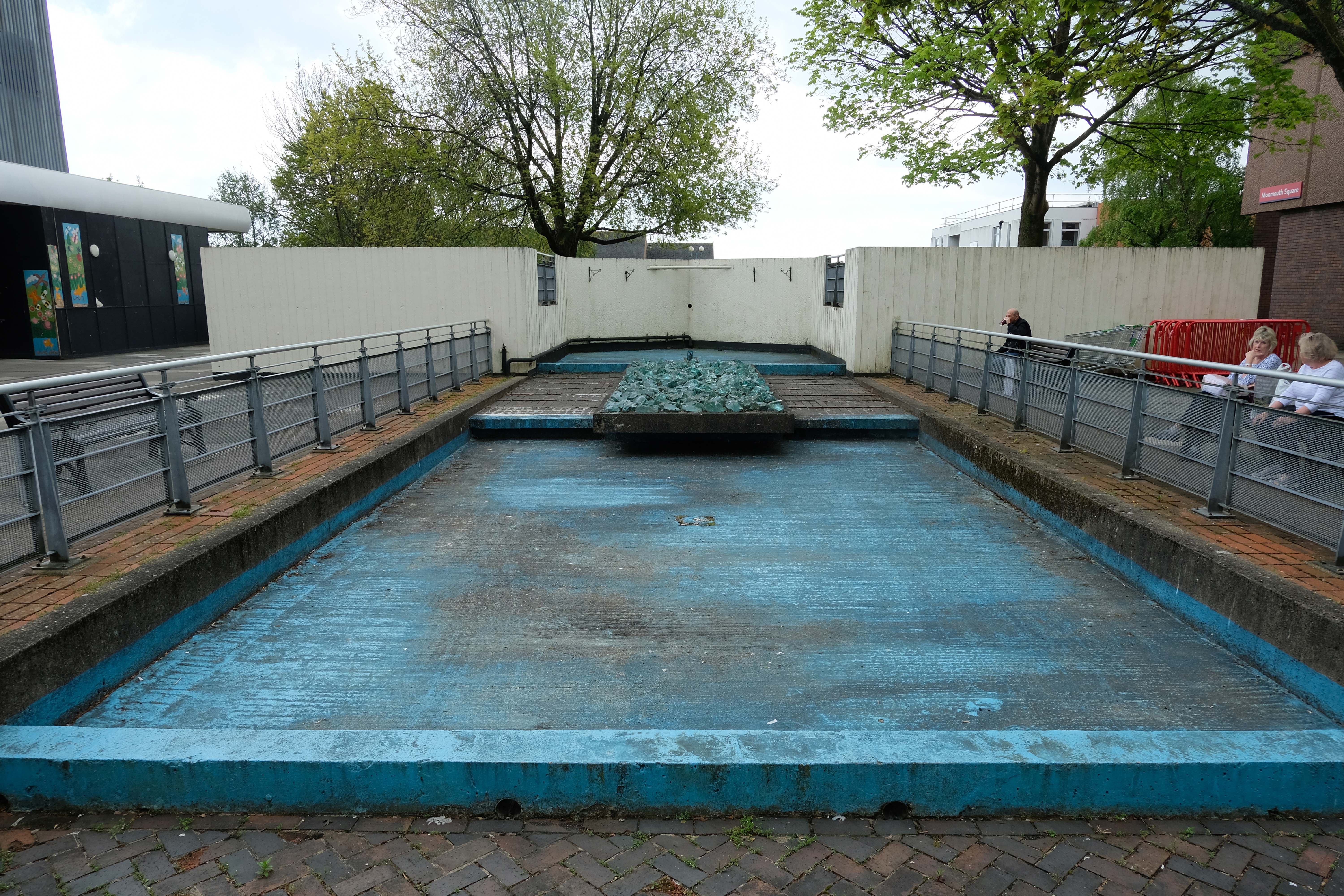
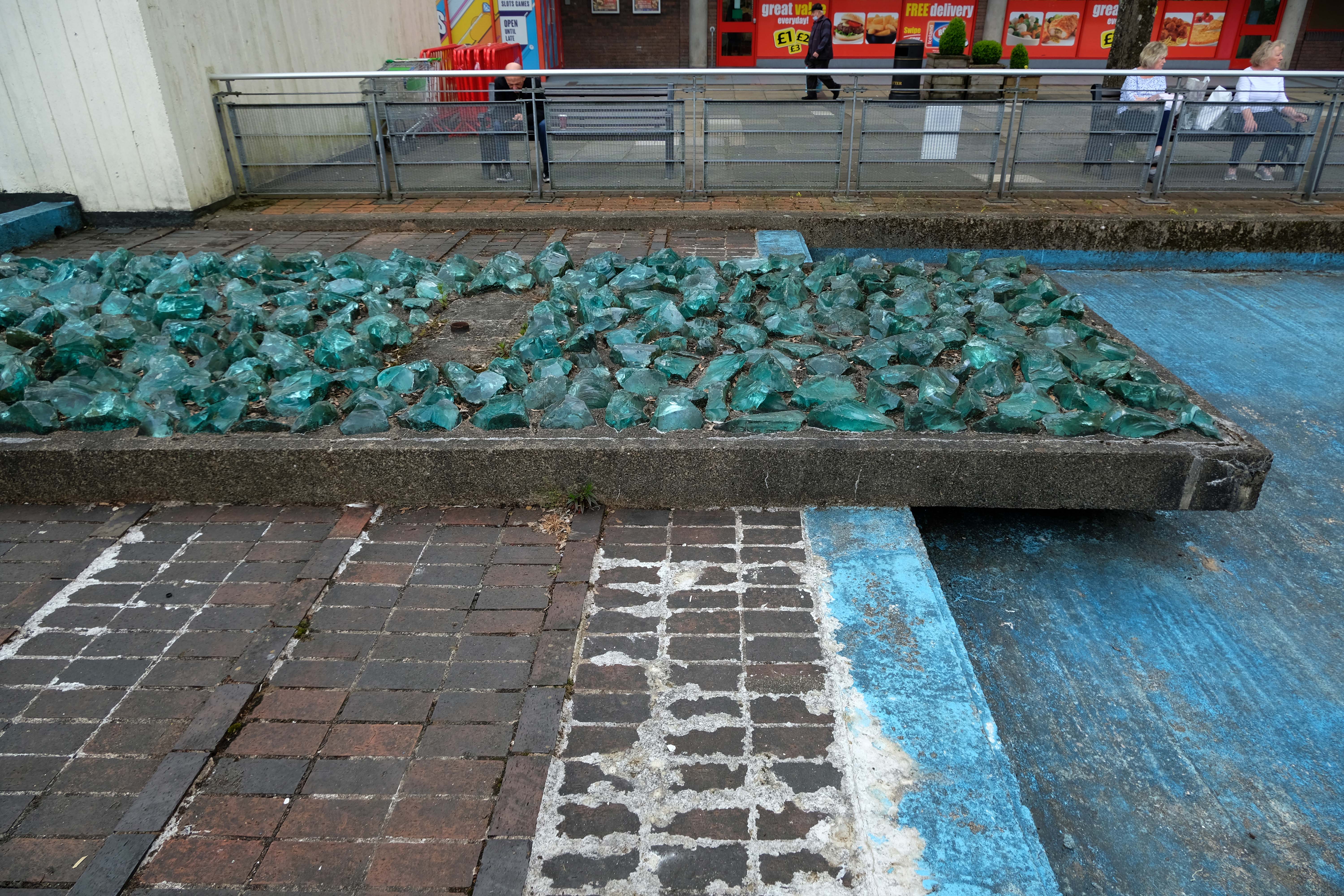
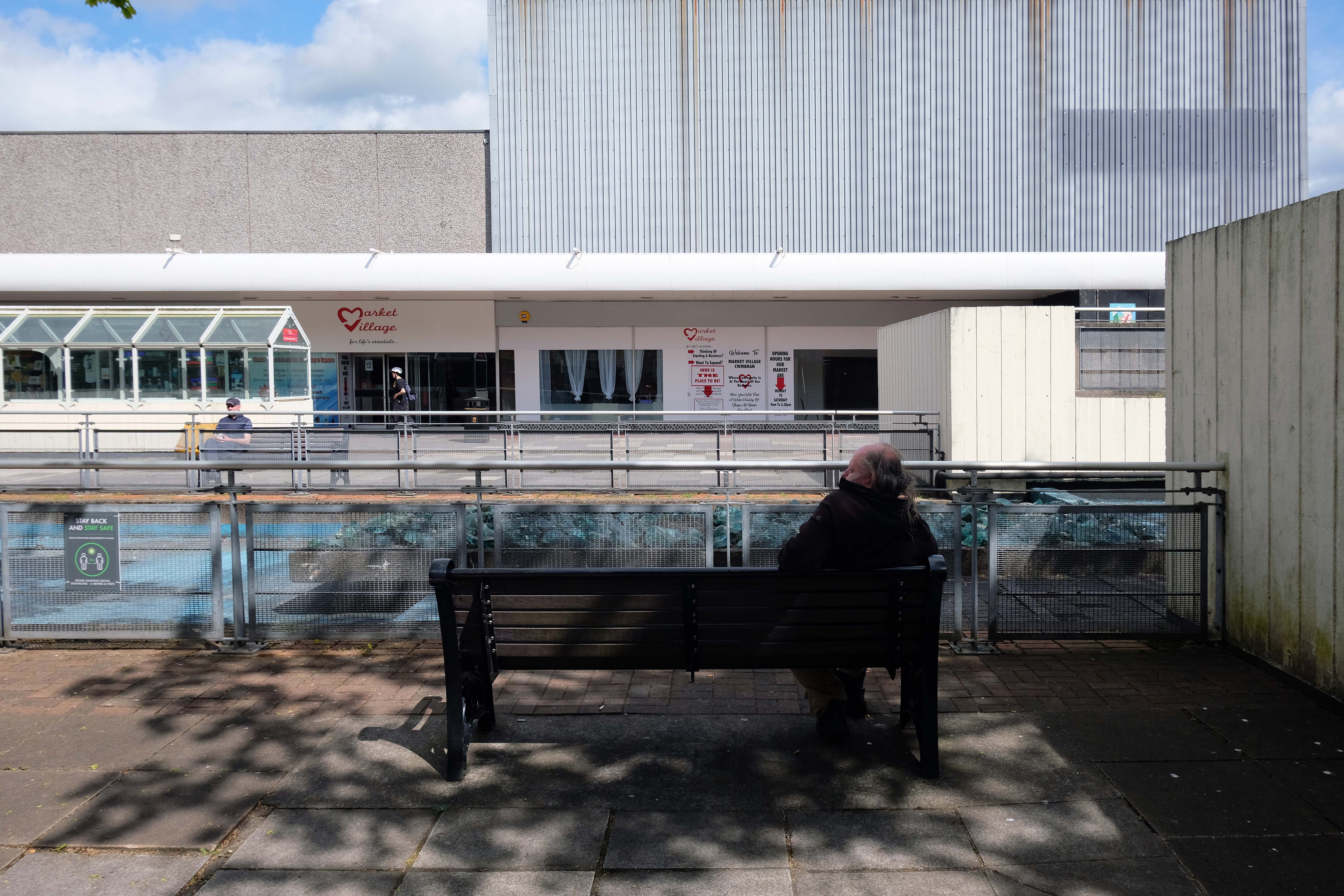
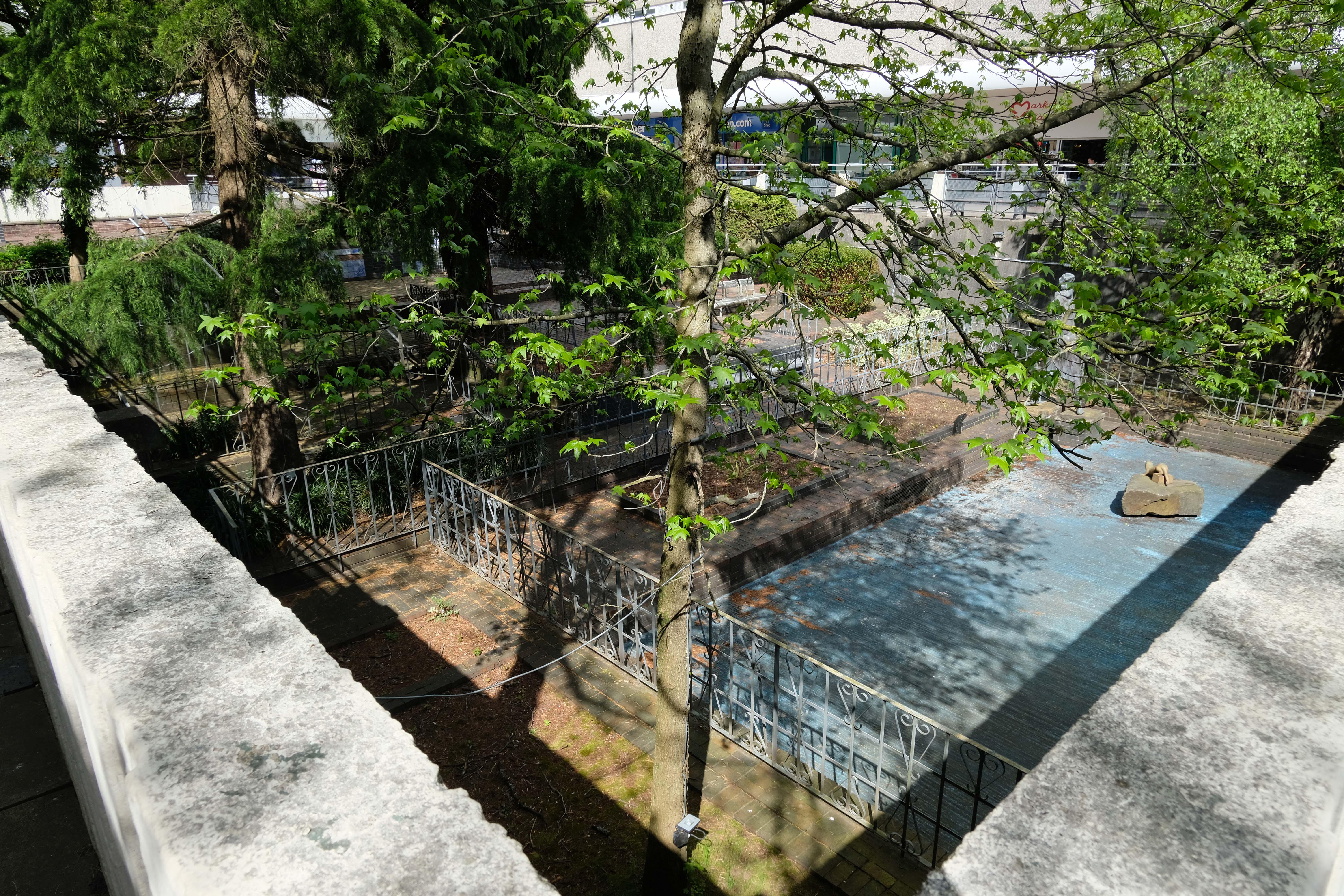
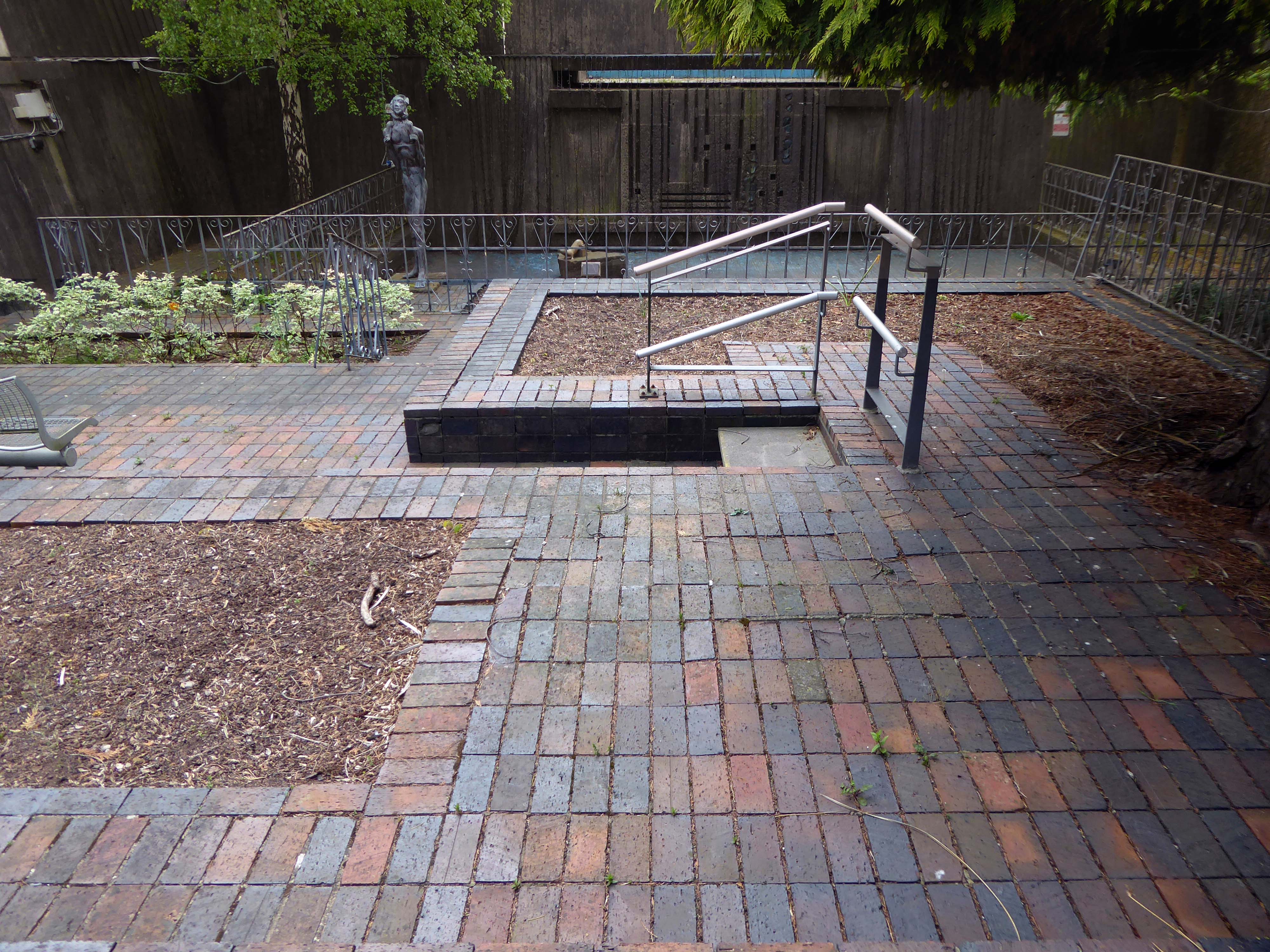
There is a water feature currently off limits and without the water that would elevate the feature to a fully functioning feature.

Plans proposed in 2018 could may herald the demise of this important public work of art.

Plans to level the water gardens in Monmouth Square at the Cwmbran Centre will be reviewed by Torfaen council’s planning committee.

The proposal also includes a modern café with a glazed front, the development of an events space to house farmers markets and street theatre and a green area.

Rebecca McAndrew, Torfaen council’s principal planning officer, said in the report that the water feature would be filled in and flattened as part of “an ongoing renovation programme”.

The application states that the area has a ‘weary and dated appearance’ and do not meet disability access requirements.
According to the report, the water gardens last flowed 13 years ago and its demolition would lead to further improvements at Wales’ second largest shopping centre.
Free Press

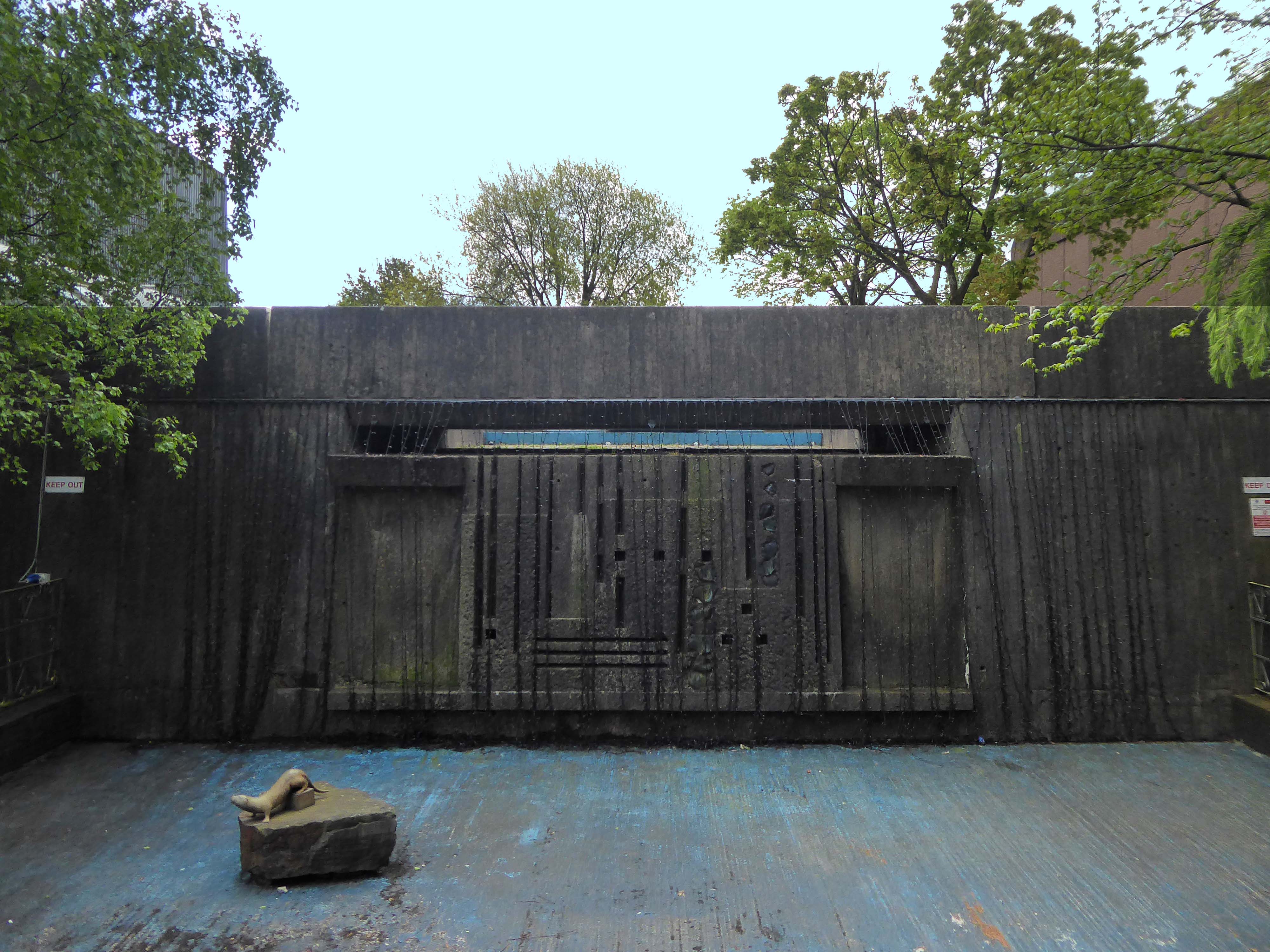
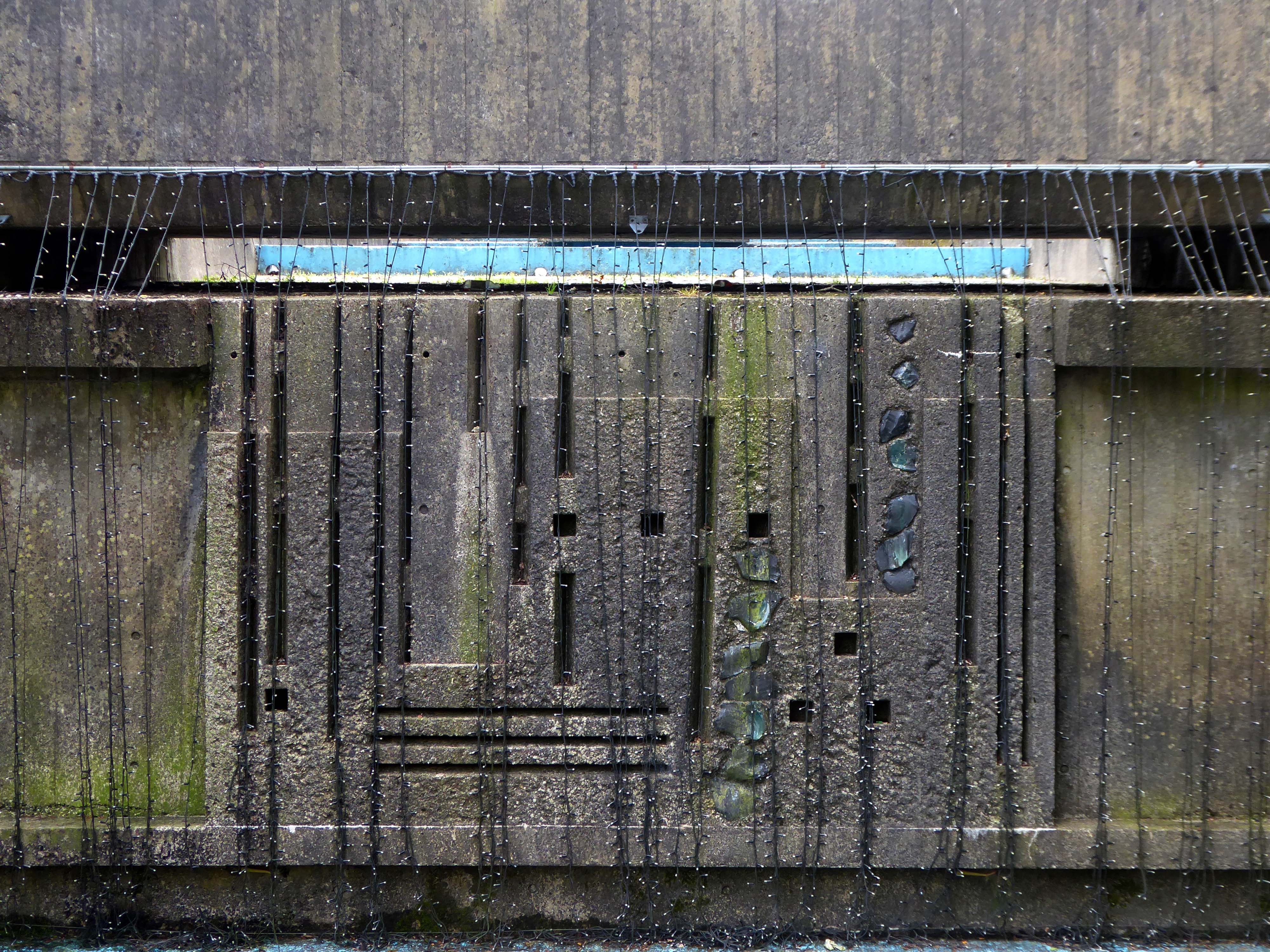
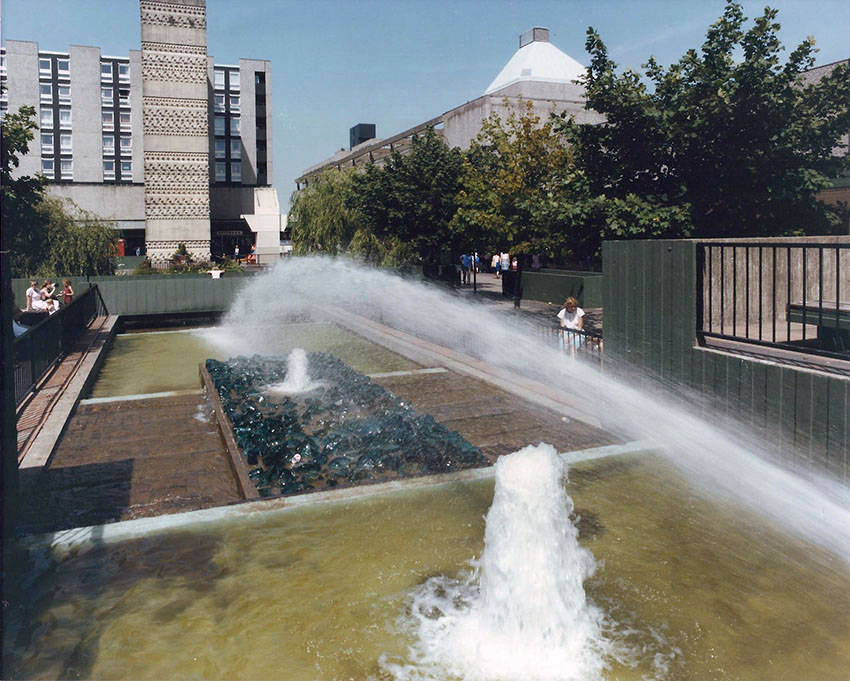
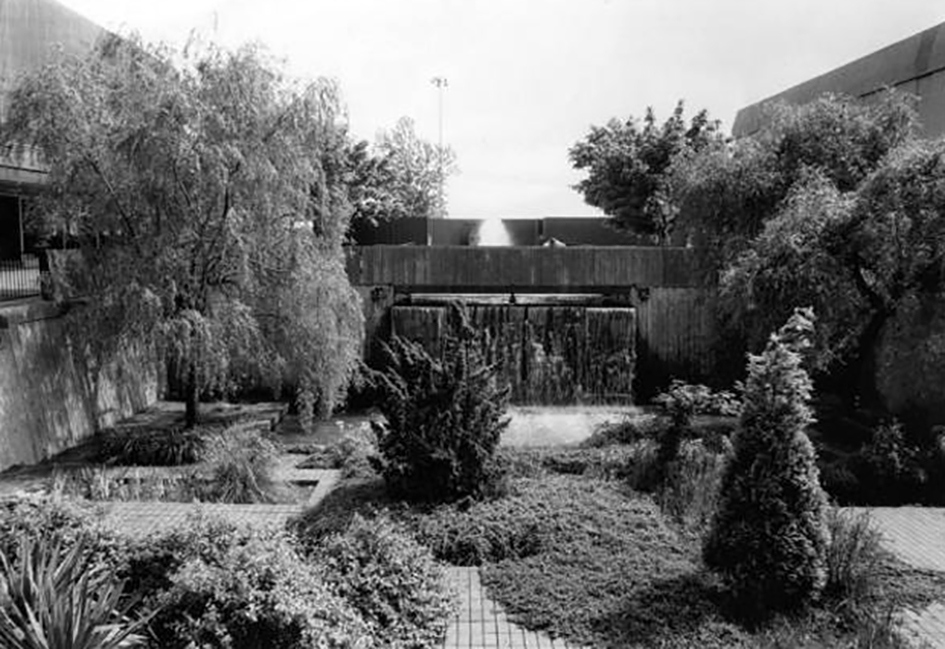
The Water Gardens were designed by the CDC Chief Architect Gordon Redfern as a key visual and recreational element of the Town Centre. His focus was on combining different textures in the form of hard landscaping and planting, with the sense of movement and sound created by running water. At the upper end a pool, containing an artwork created from Pilkington Glass, was fed by a horizontal water jet which was in turn led by a small ‘canal’ to the lower, sunken garden. With water cascading down the southern retaining wall, consisted of moulded concrete sporting abstract geometric form, and variety of trees and shrubs, this formed an area for busy shoppers and families to relax and socialise.

RCAHMW

Close by, by way of light relief is a concrete screen wall with an almost watery wavy relief!

Here’s hoping that this cavalcade of concrete delights survives the planners’ and developers’ dreams.

Shopping Precincts – UK Again

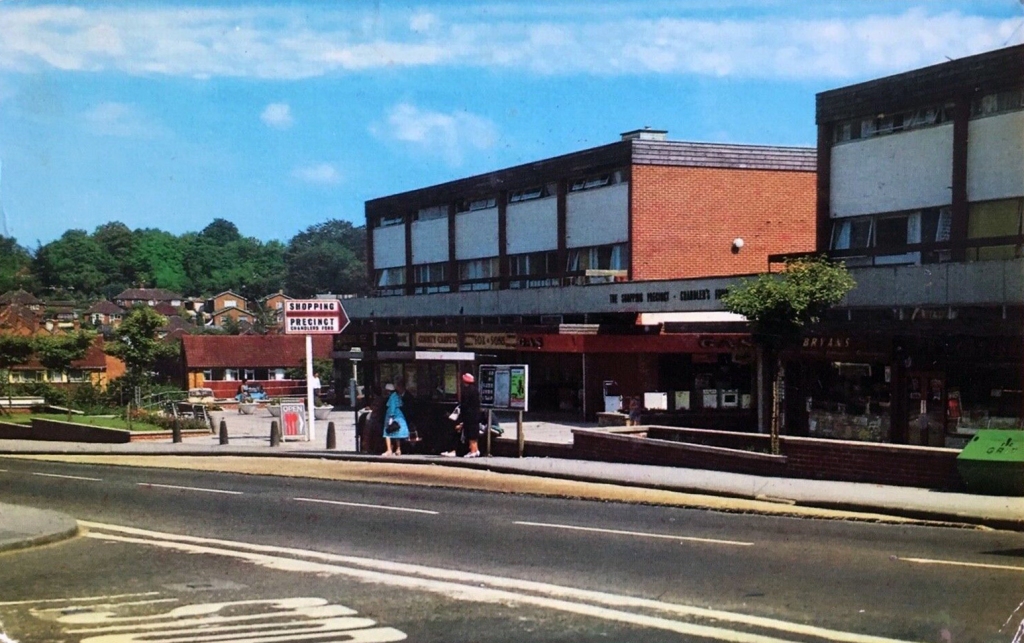
This time of year, with limited light and an inclement climate, it’s far easier to travel by picture postcard. Researching and searching eBay to bring you the finest four colour repro pictures of our retail realm.

We have of course been here before – via a previous post.

It is however important to keep abreast of current coming and goings, developments are ever so often overwritten by further developments.

Precincts my appear and disappear at will – so let’s take a look.

What the CMYK is going on?

Abingdon

Aylesbury

Blackburn

Bradford

Chandlers Ford

Coventry

Cwmbran

Derby

Eastbourne

Exeter

Gloucester

Grimsby

Hailsham

Irvine

Jarrow

Middlesborough

Portsmouth

Scarborough

Solihull

Southampton

Stockport

Torquay

Wakefield