Ellen Wilkinson Humanities Building

Second time around, following my post in 2019.

A terminal halt on the Campus Capers walk.

Taking a walk around town on an overcast and intermittently showery Friday, we’re all here again.

Sat at home on an overcast and intermittently showery Monday, I took a walk around online archives.
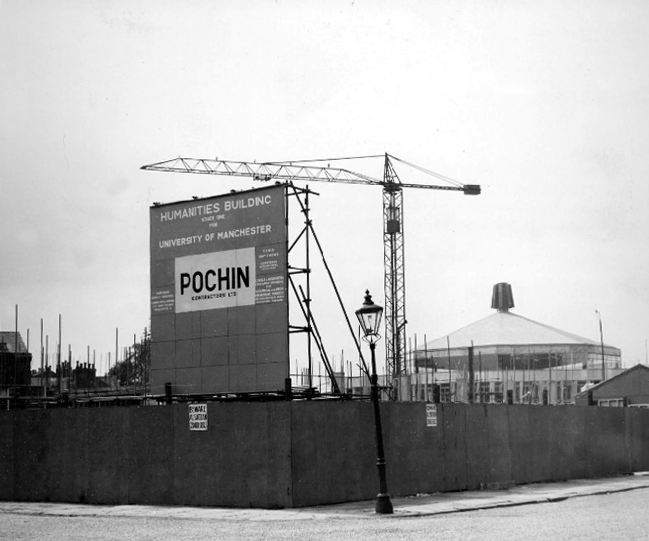
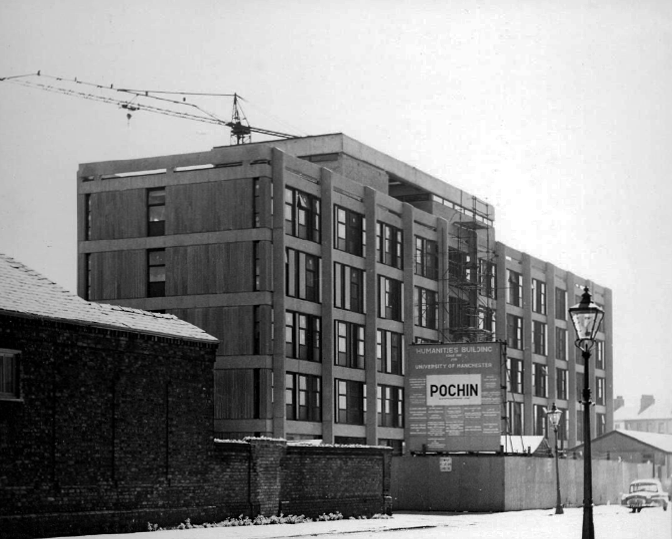
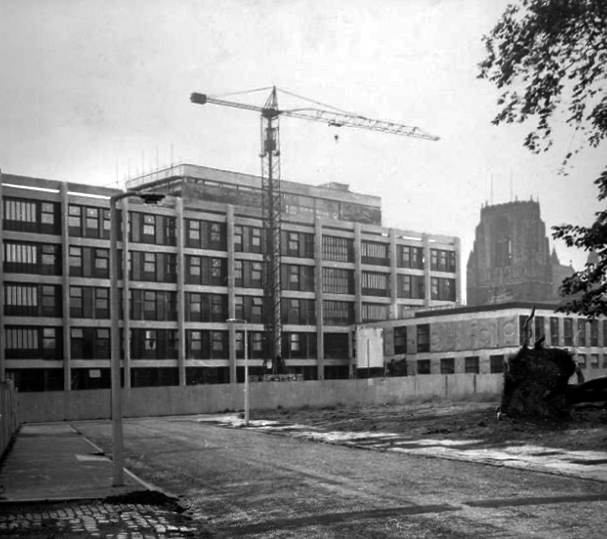
1962 to 1963 Photos: Local Image Archive
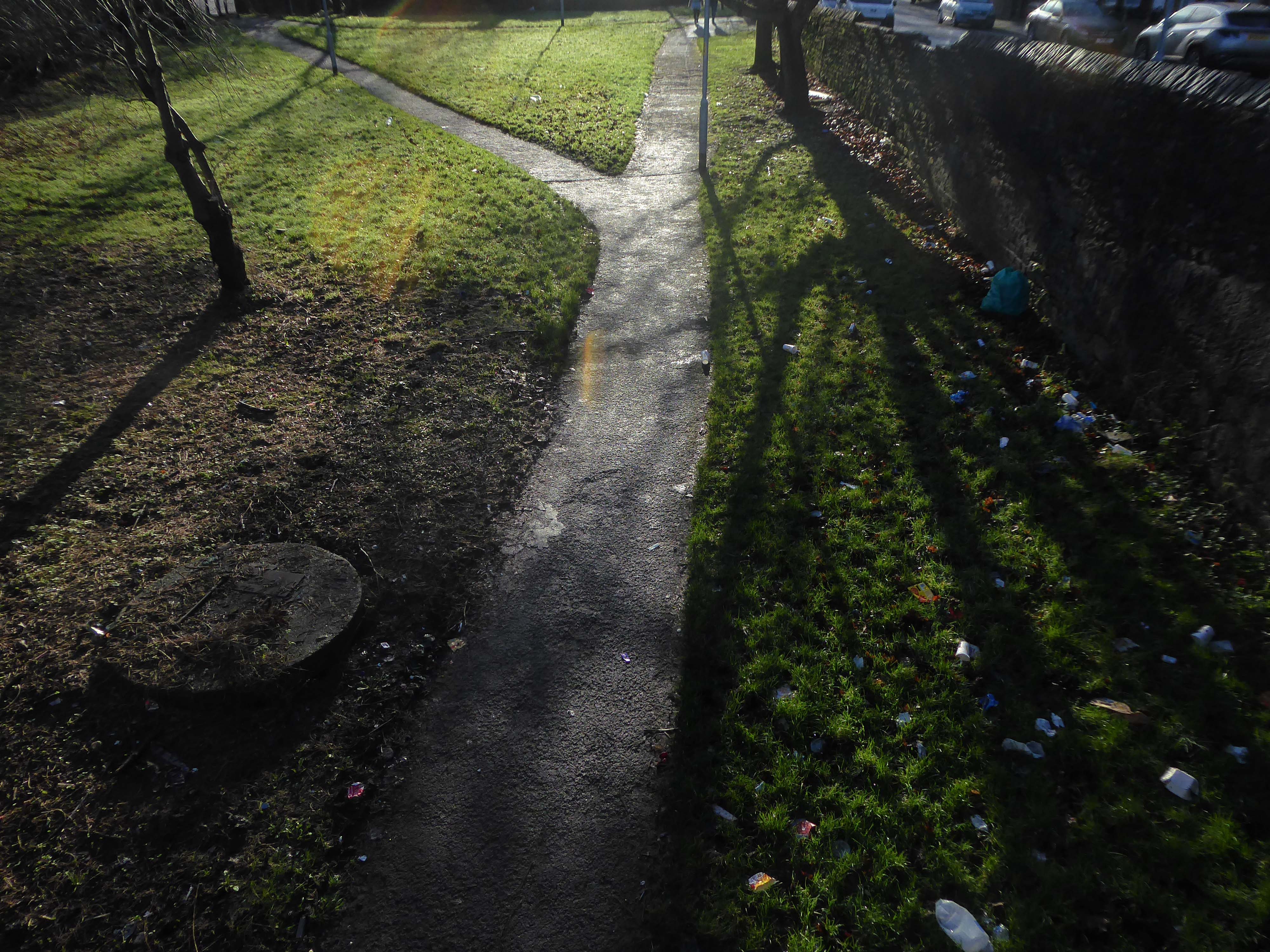
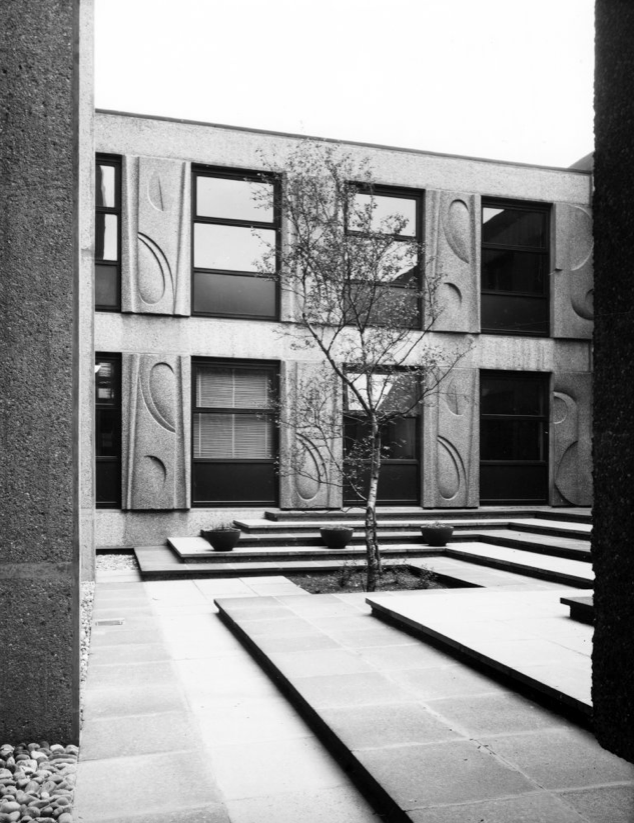
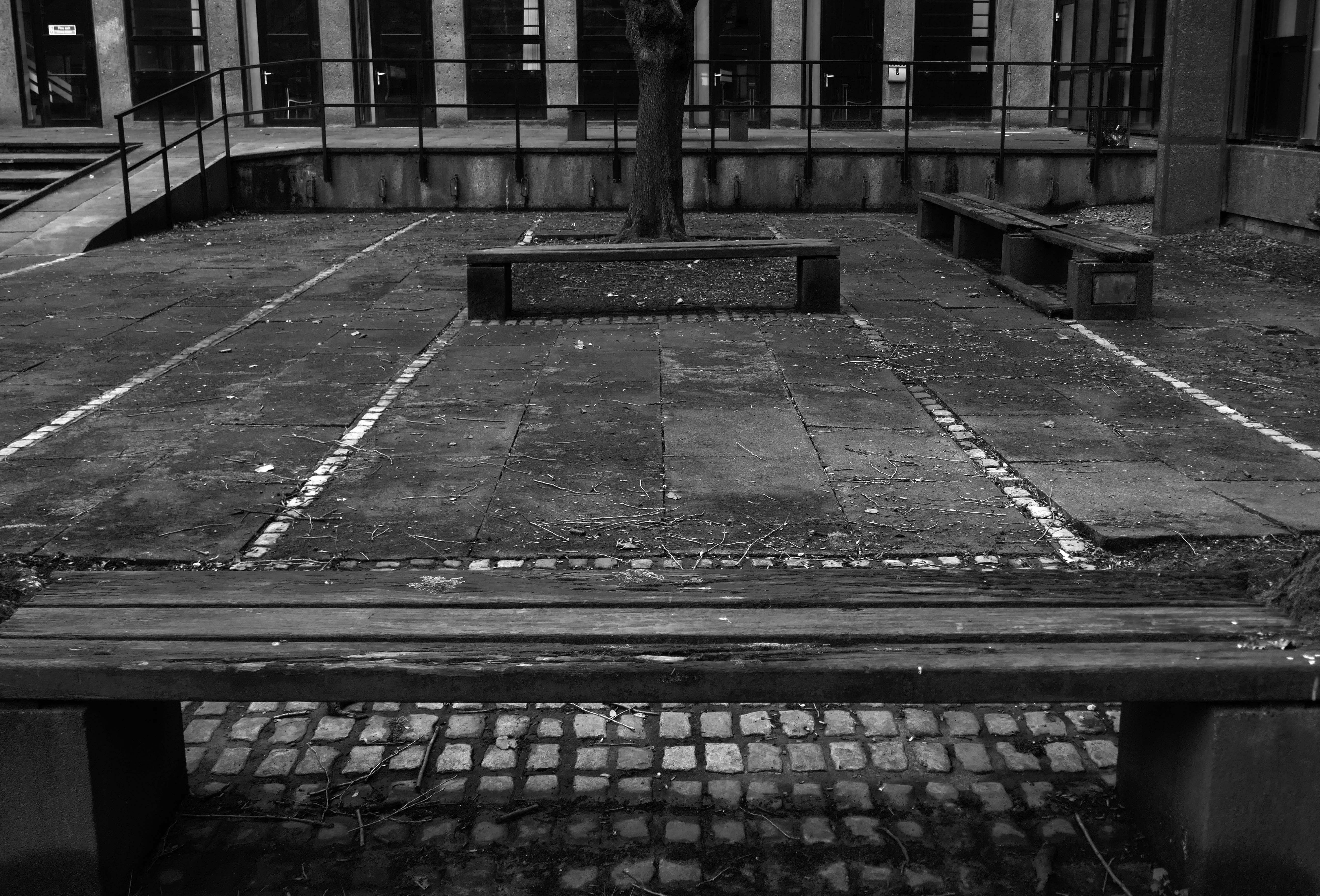
The inner courtyard was originally paved, subsequently grassed over.

The lack of sunlight has resulted in the grass becoming both waterlogged and moss-bound.

As a former TMBC maintenance gardener I recommend raking out, aeration and a top dressing of light river sand as a remedy.
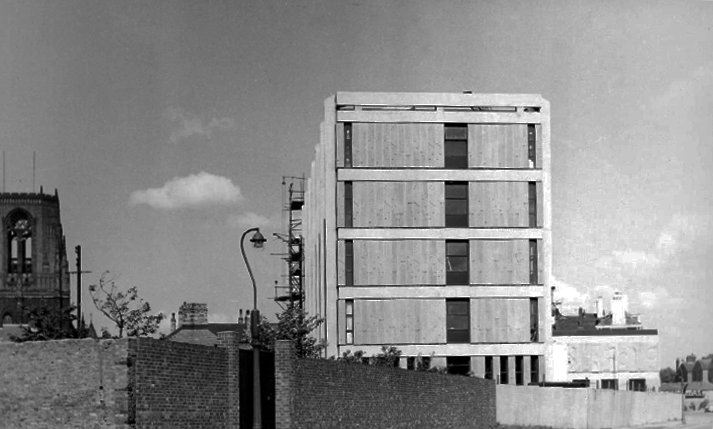
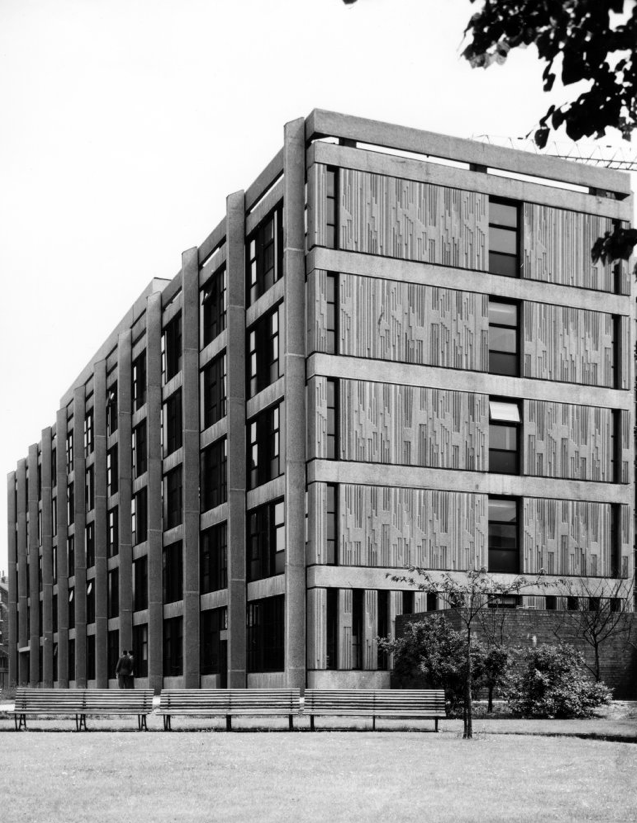
Ribapix 1964

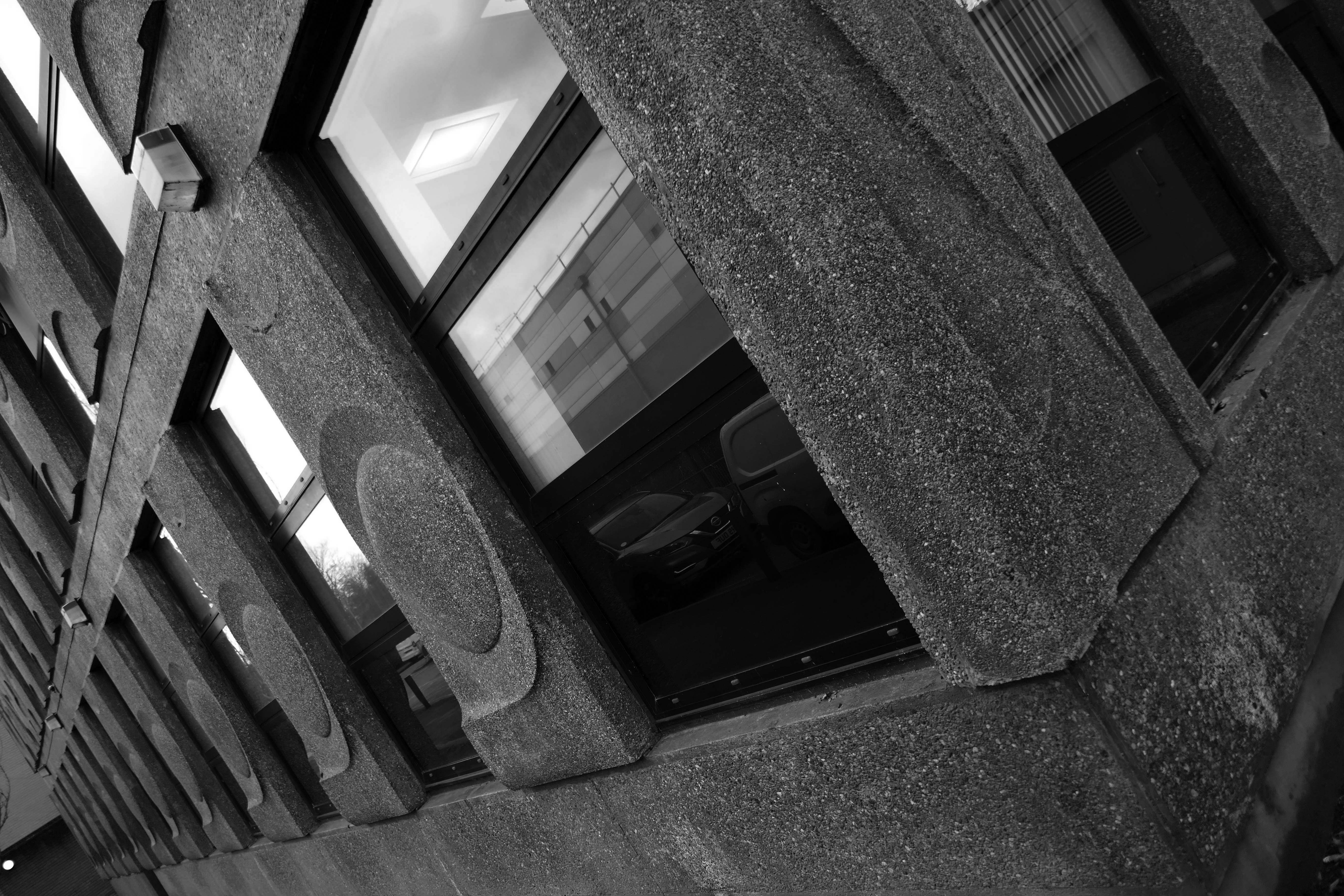
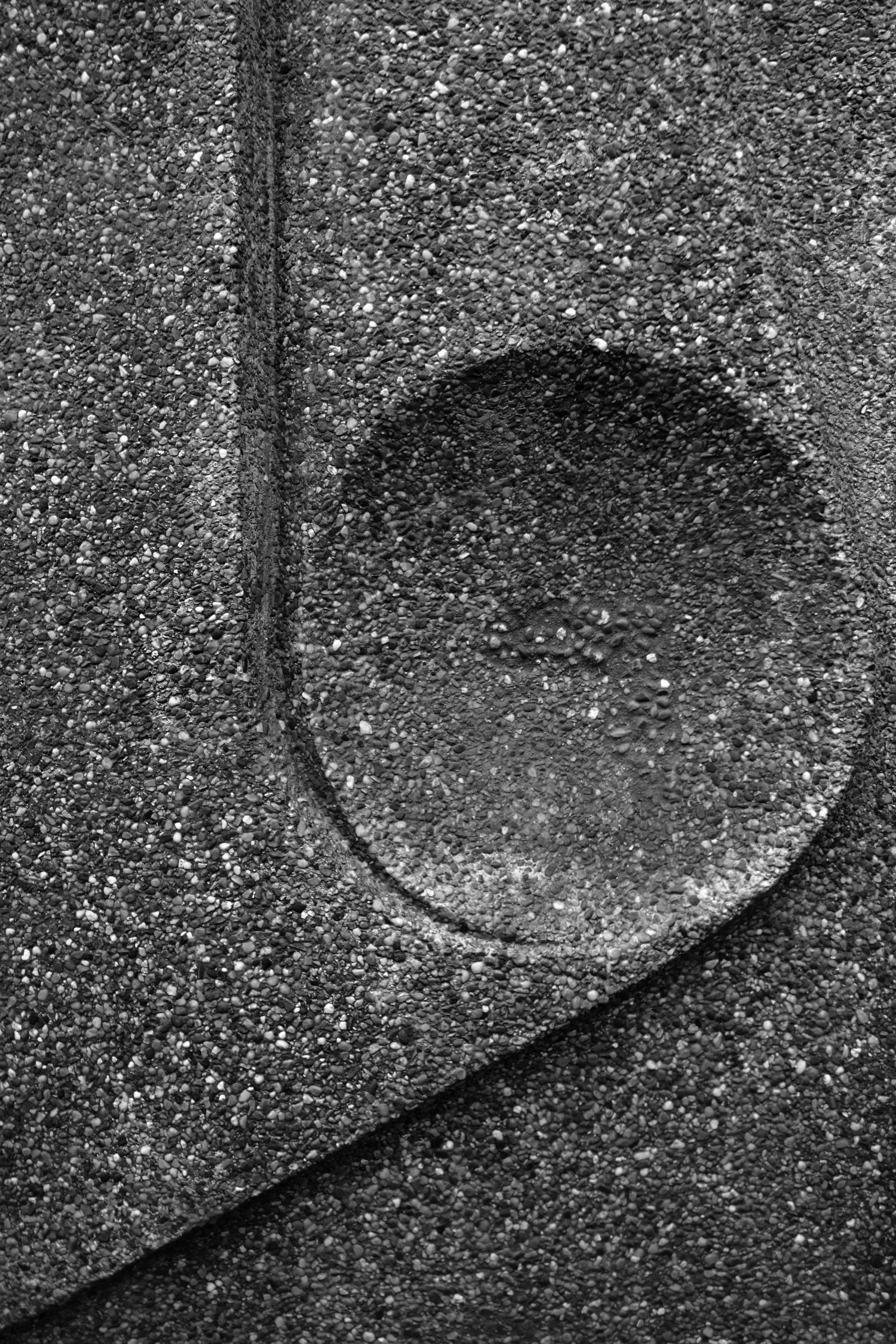
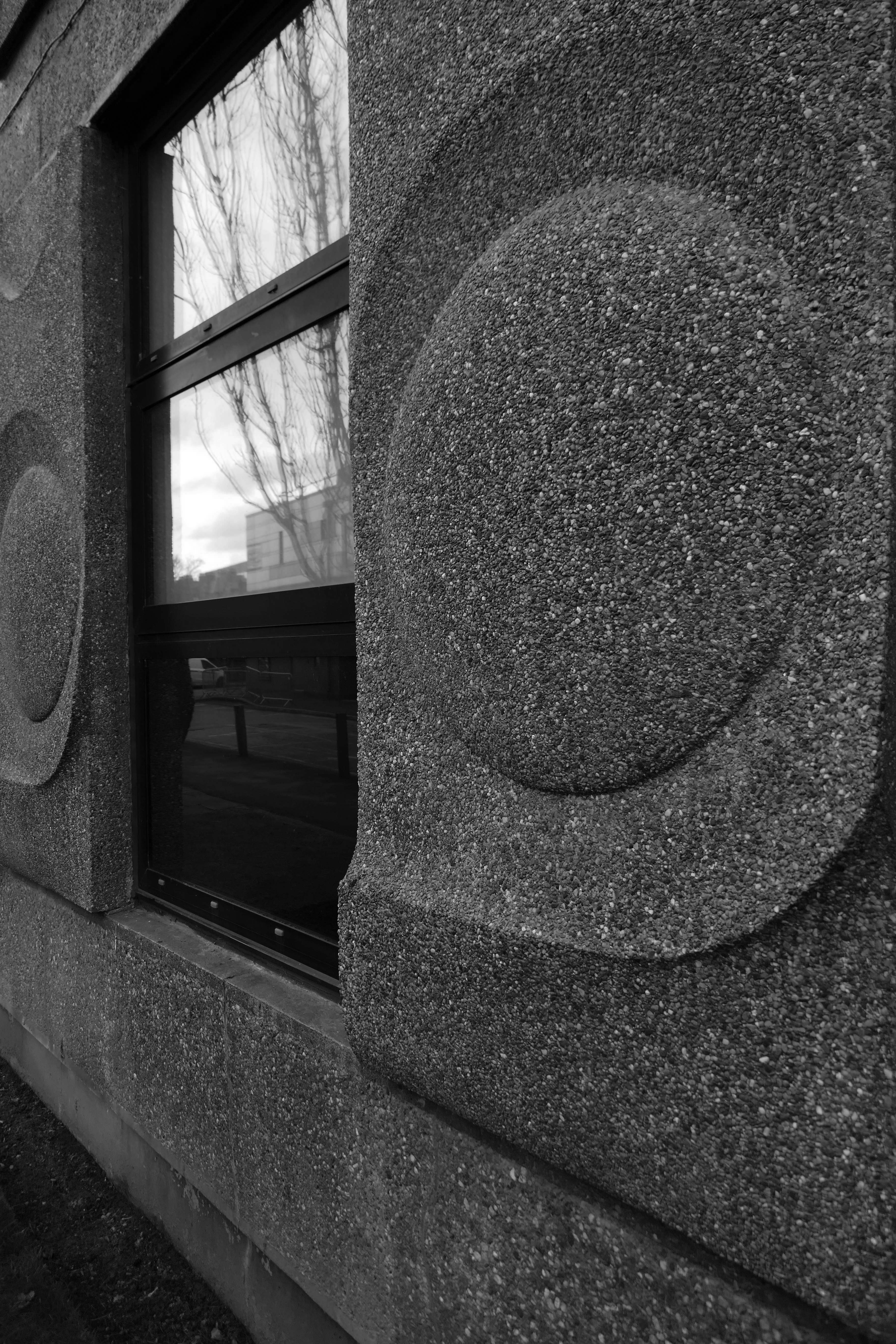
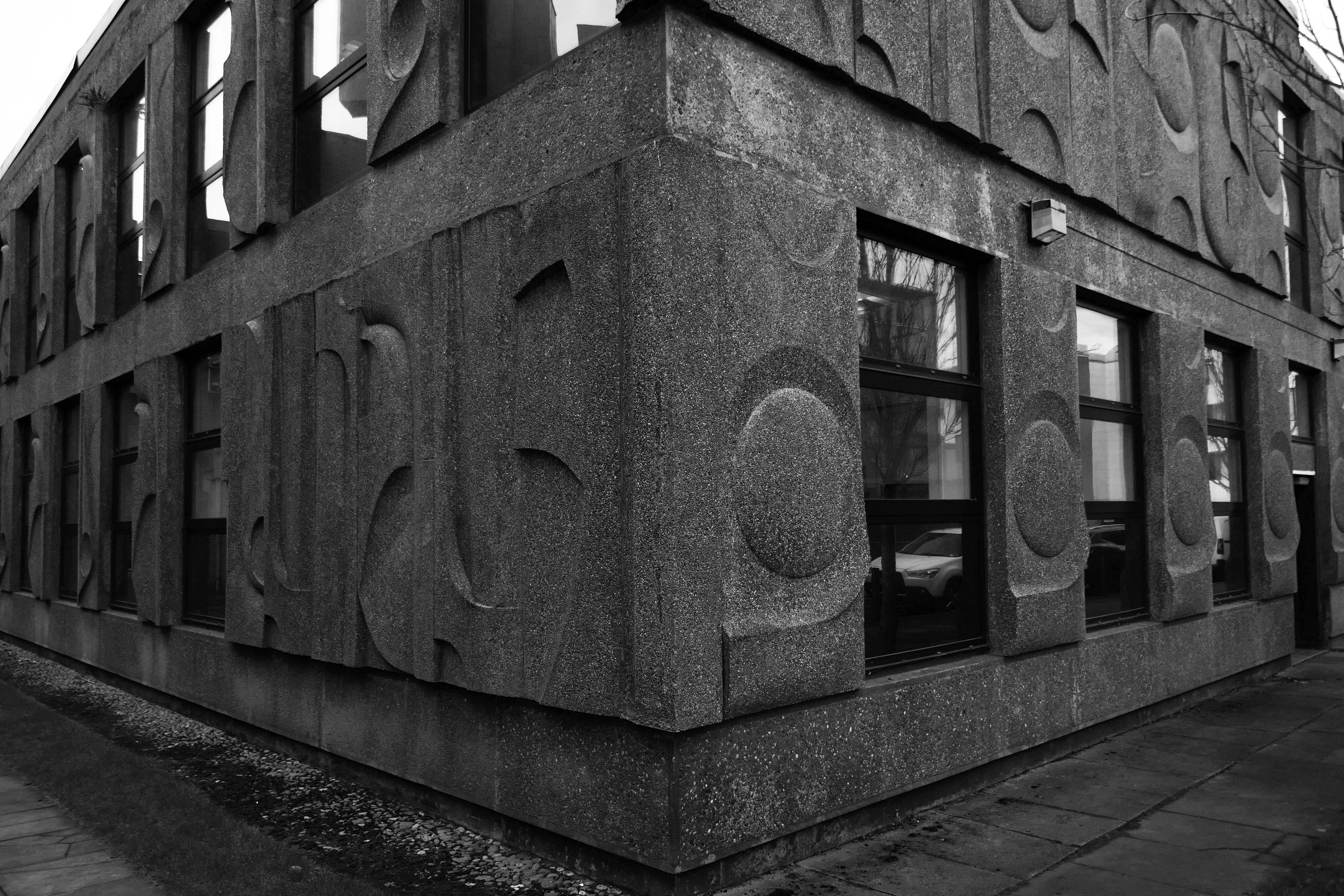
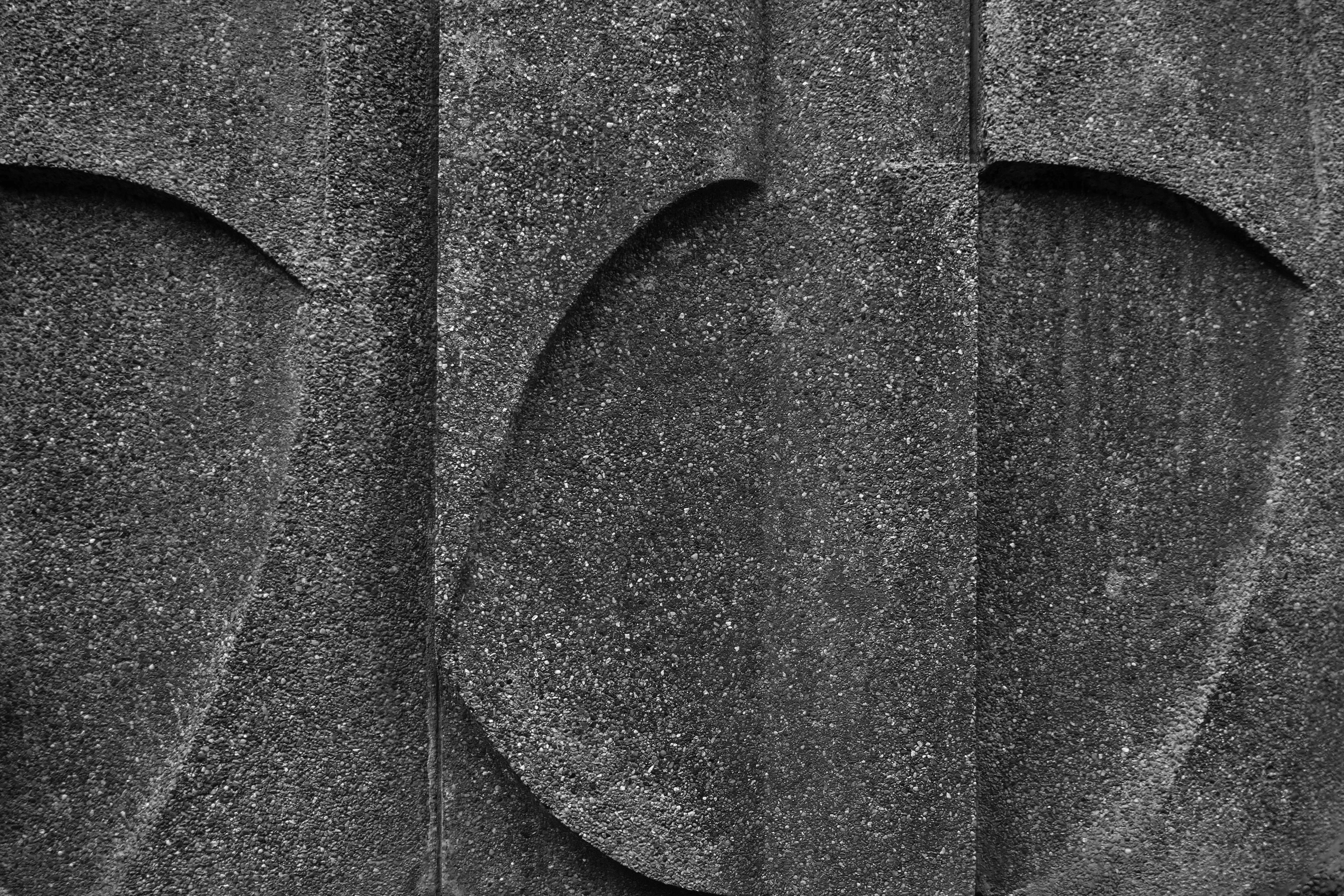
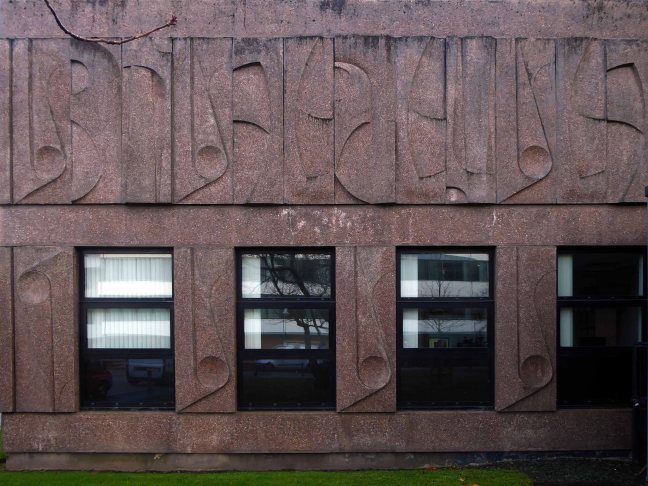
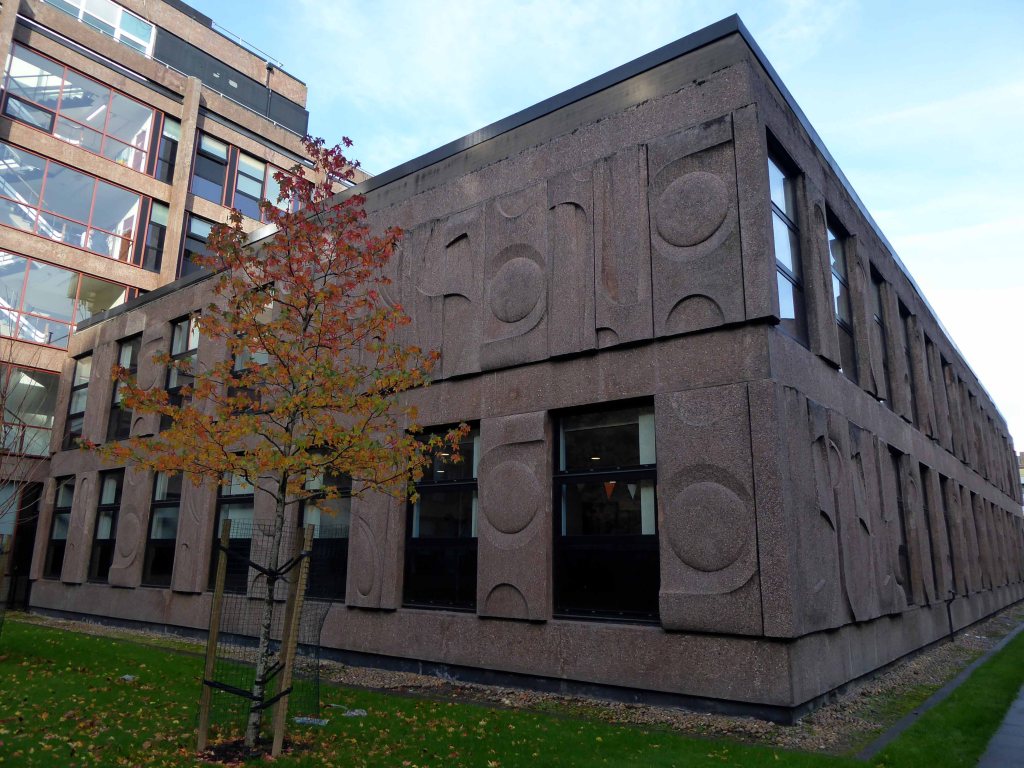
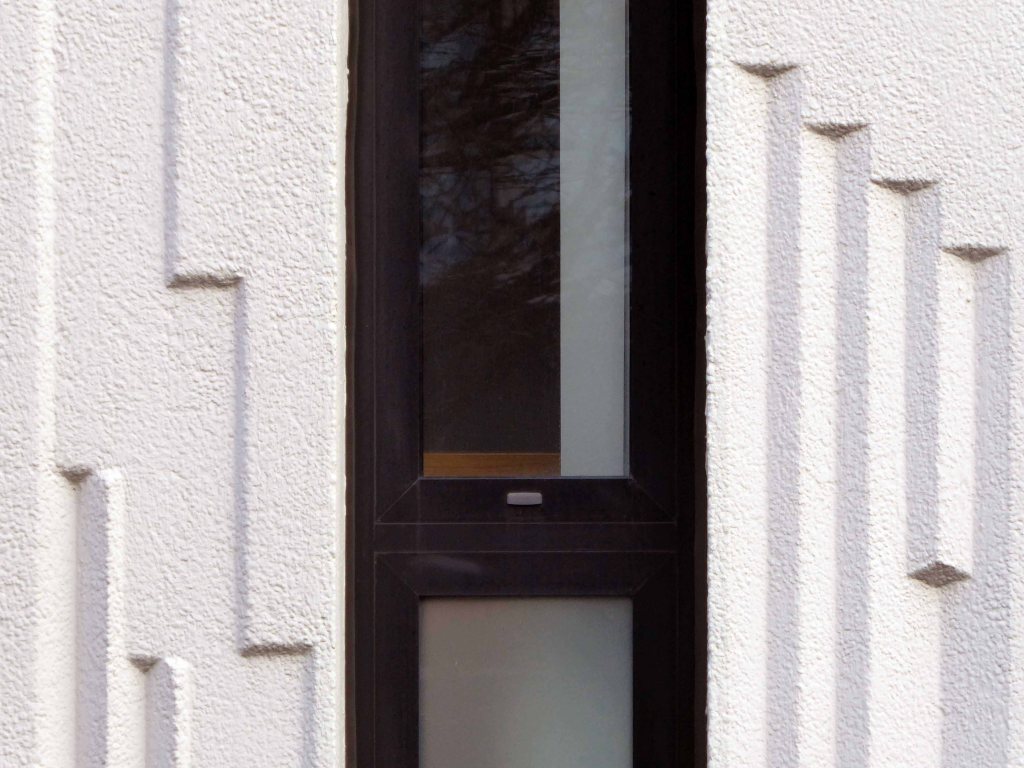
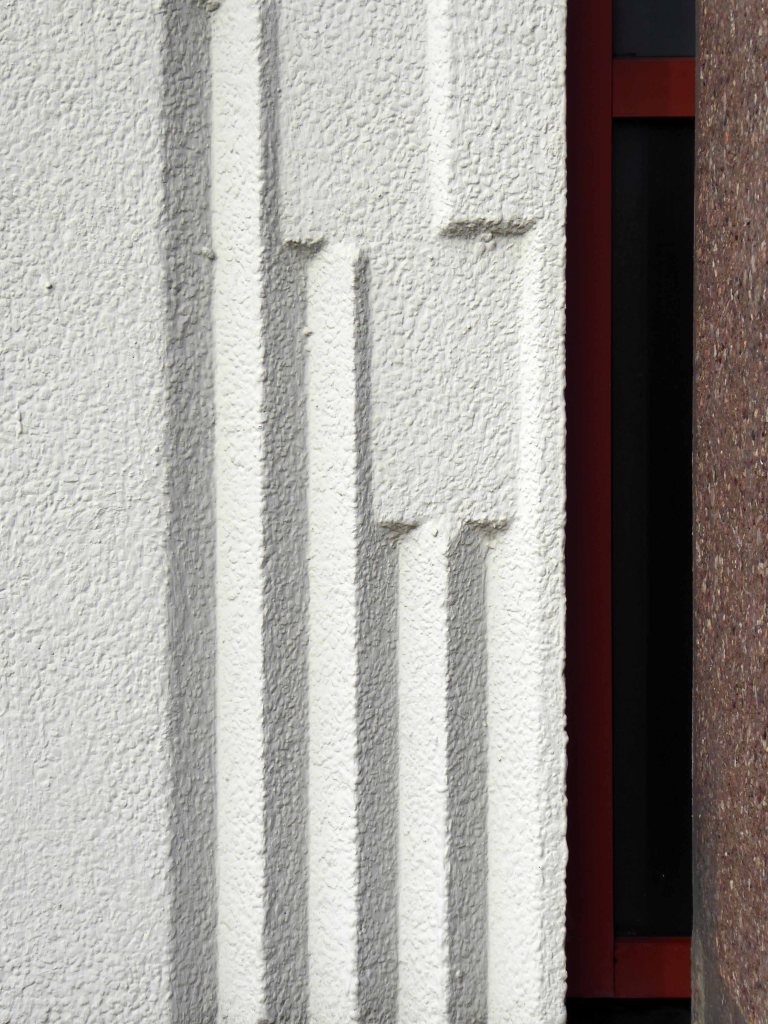
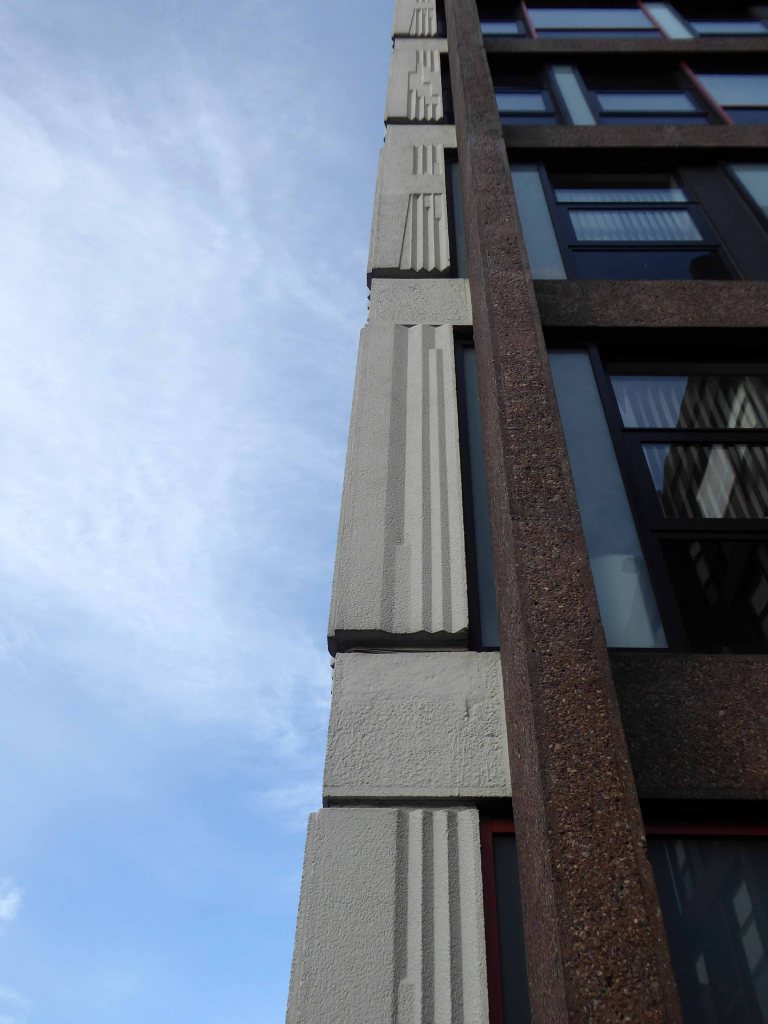
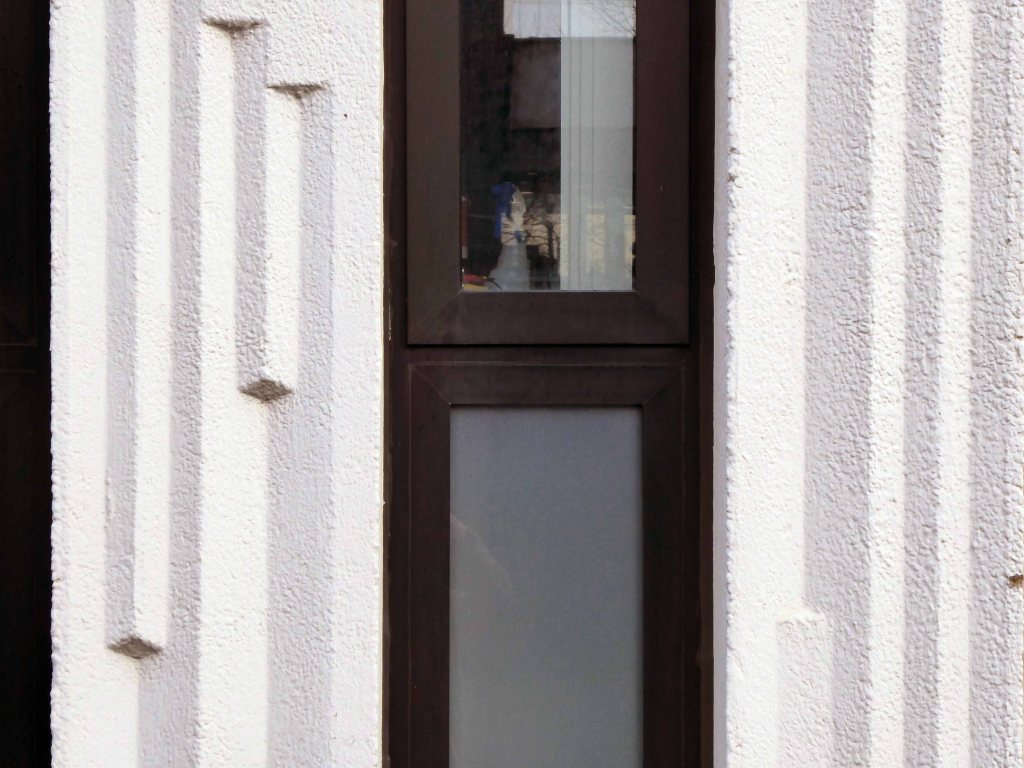
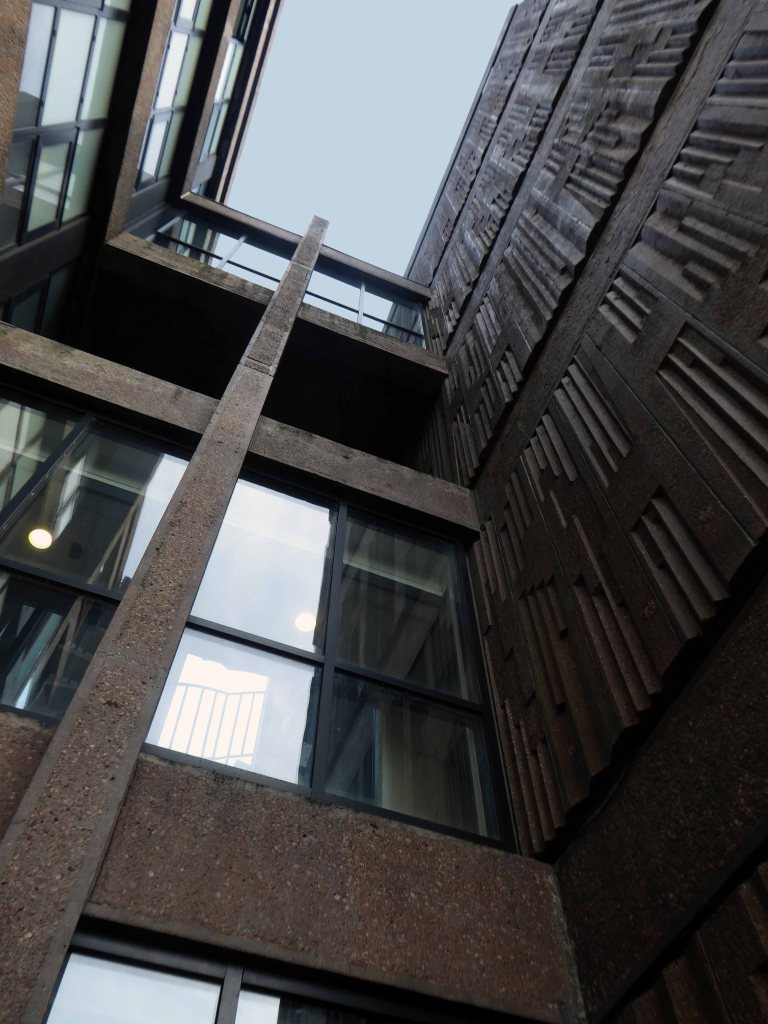
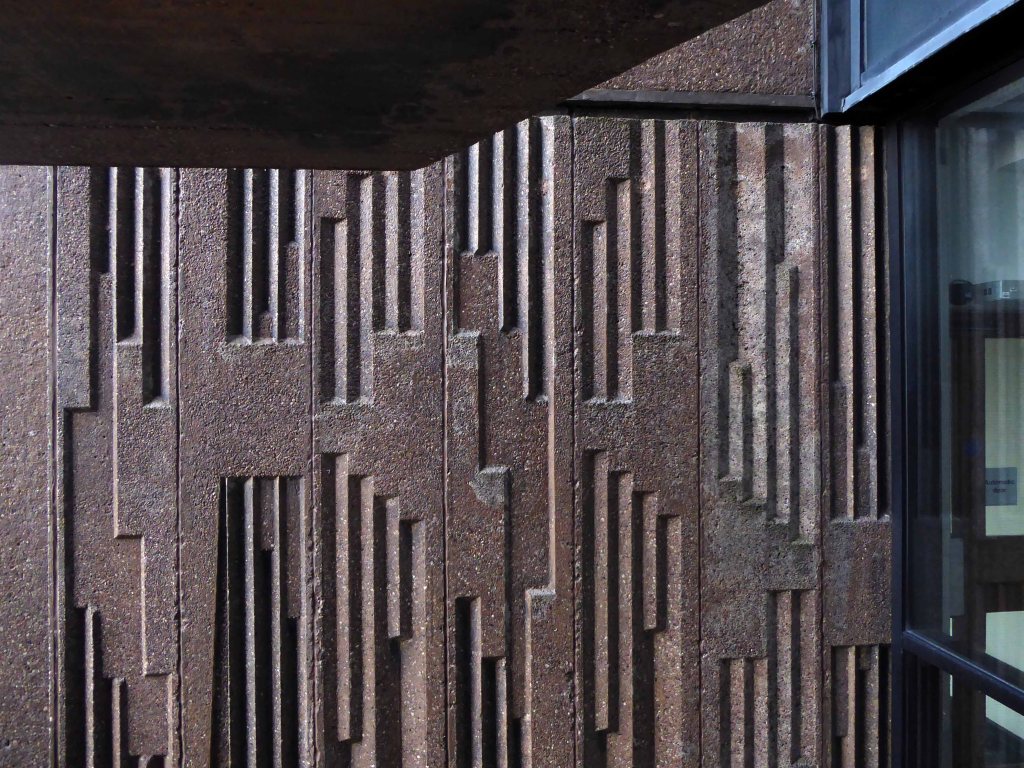
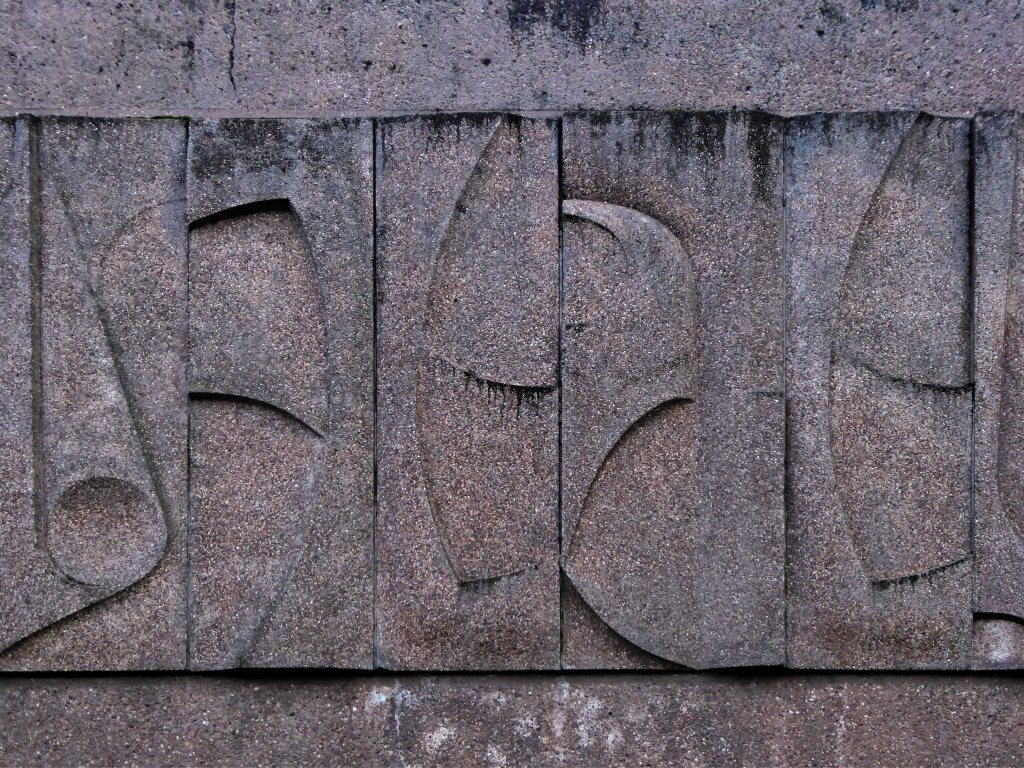
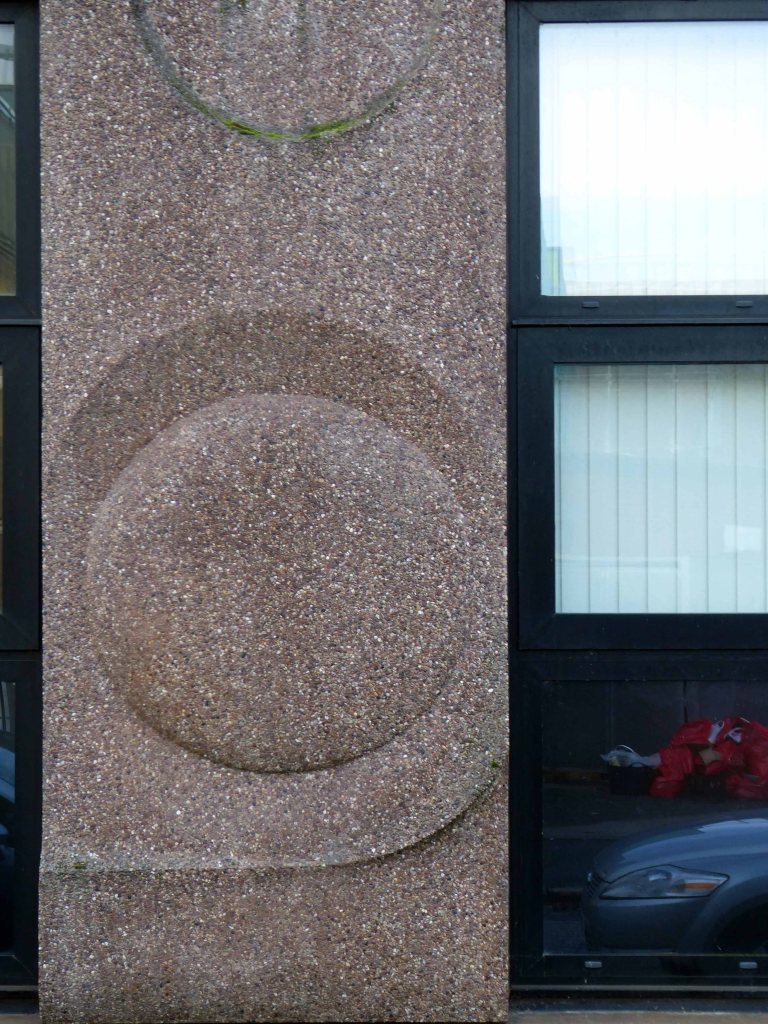
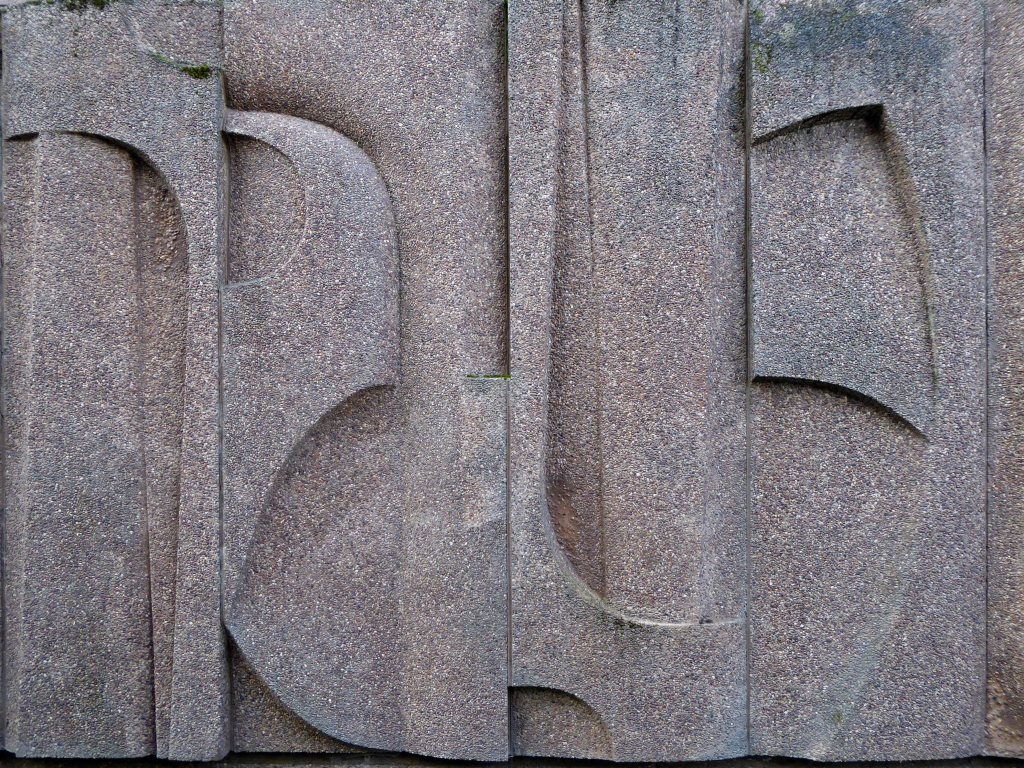
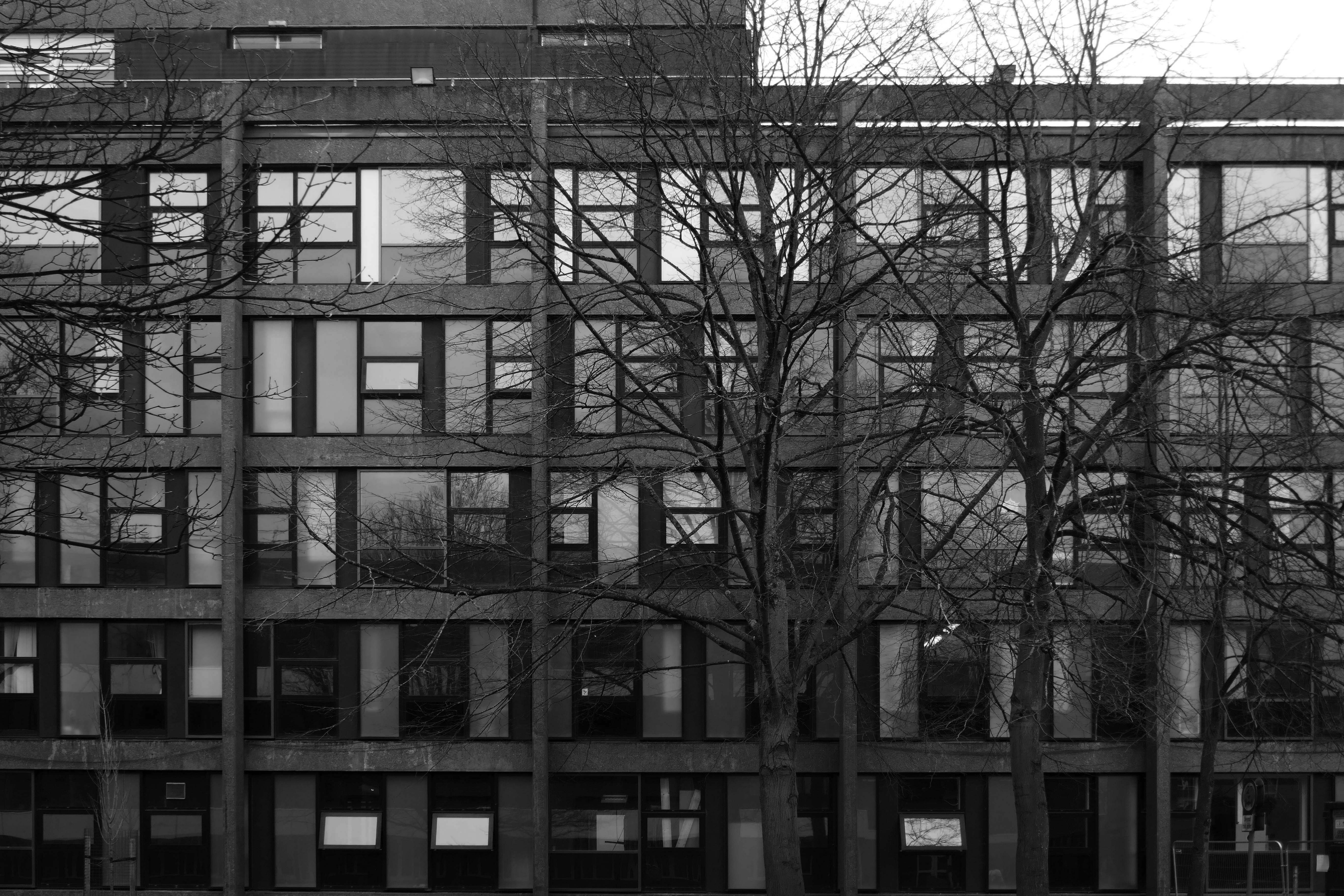
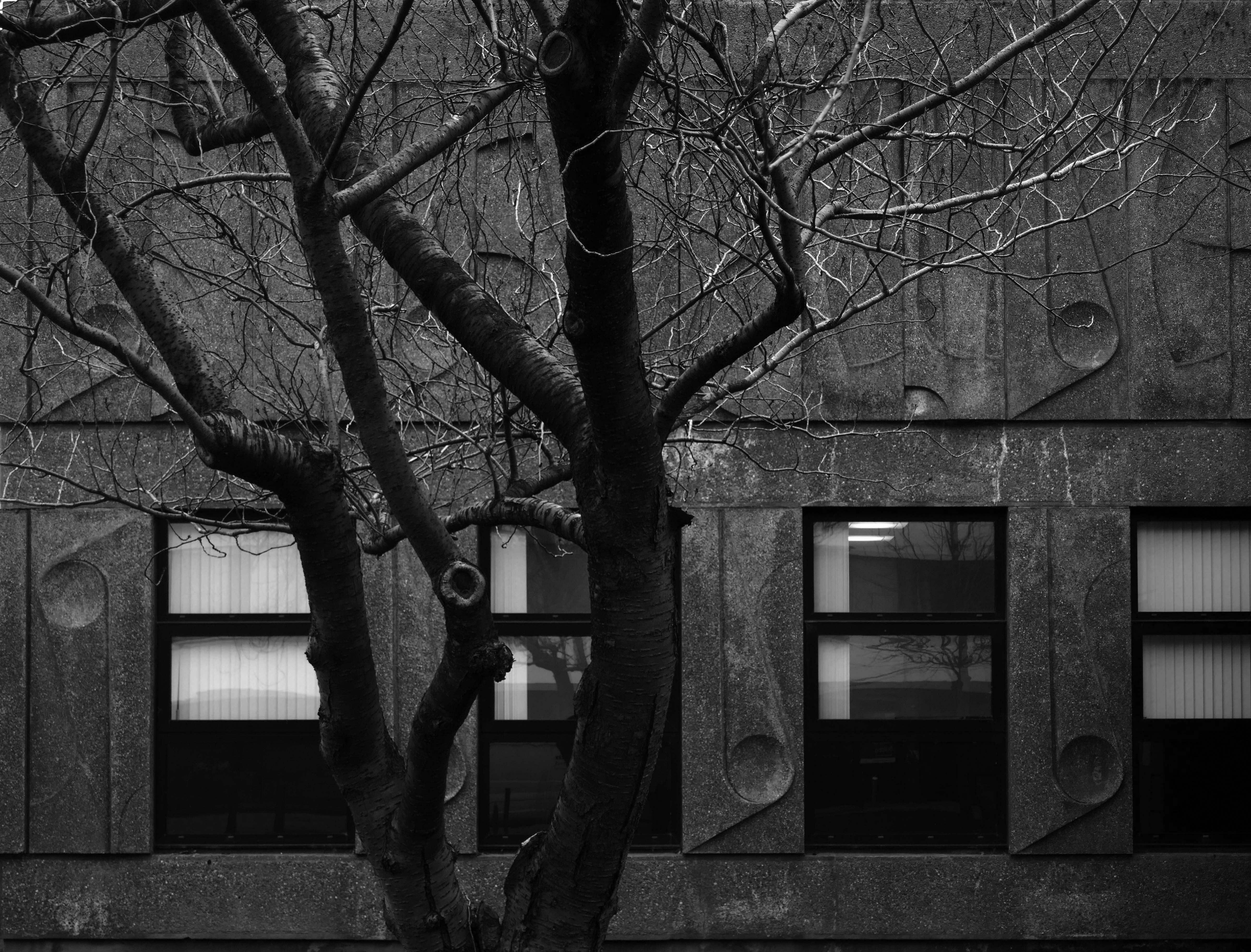
The William Mitchell concrete panels are of a modular design, rotated to form distinct groups of horizontal and vertical rhythms. A number of the buildings elevations are clad in linear, diagonal and vertical forms, though the majority are curvilinear and organic.
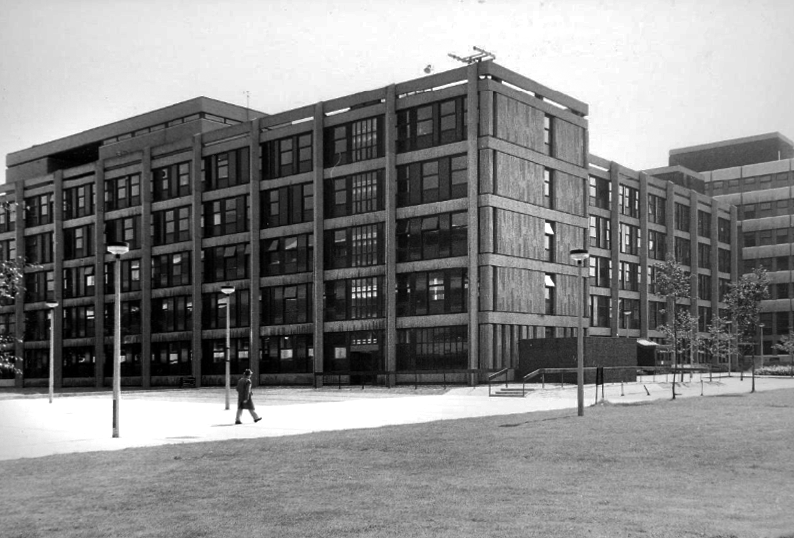
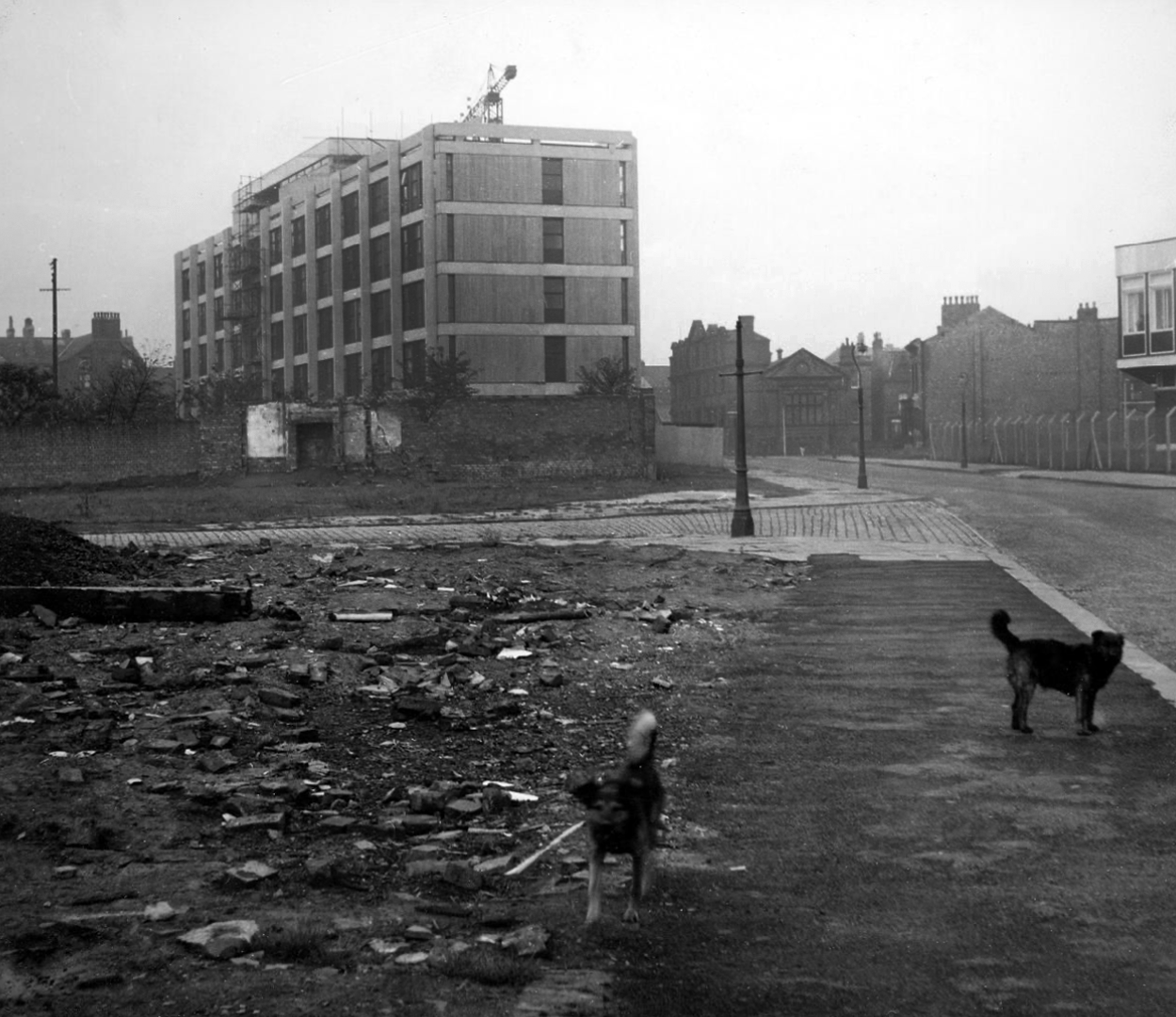
Local Image Collection 1972

The Ellen Wilkinson building, home to Education and Communication, is one of the few buildings on campus named after a woman. She gained the nickname of ‘Red Ellen’ in her political career, due to her socialist politics and vibrant red hair colour.

Wilkinson was a successful Labour party politician and feminist activist, and a passionate and bold personality in the Houses of Parliament. She was made Minister of Education under Clement Atlee’s government, making her the second woman to ever get a role in the British cabinet. She was brought up and educated in Manchester, making her legacy on the Manchester campus even more significant.

Mancunion

Ellen Wilkinson is a large sized building with three blocks. There are six floors in C Block, five floors in B Block and seven floors in A Block.

There are three lifts and six main staircases within the building.

The floors are signed as Ground, 1, 2, 3, 4, 5 and 6. This is slightly different inside the lifts where control buttons are marked as 0 instead of Ground.

There are link passages from A and B Block to C Block on levels Ground, 1 and 3.

The building was the work of George GrenvilleGG’ Baines and Building Design Partnership.

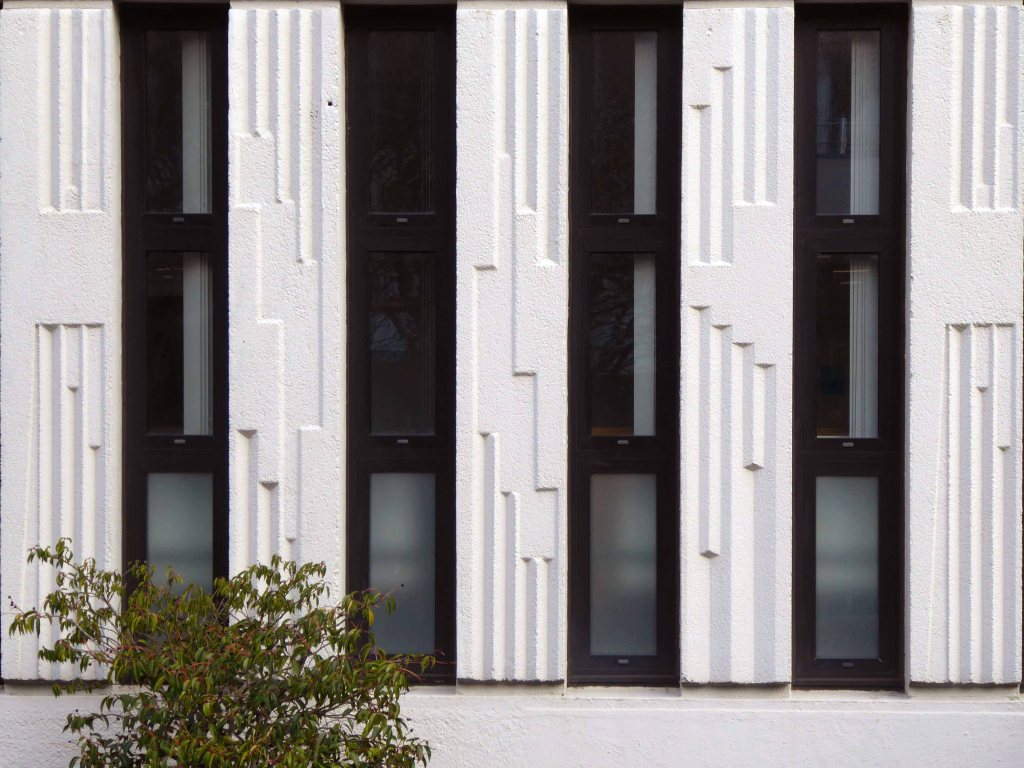
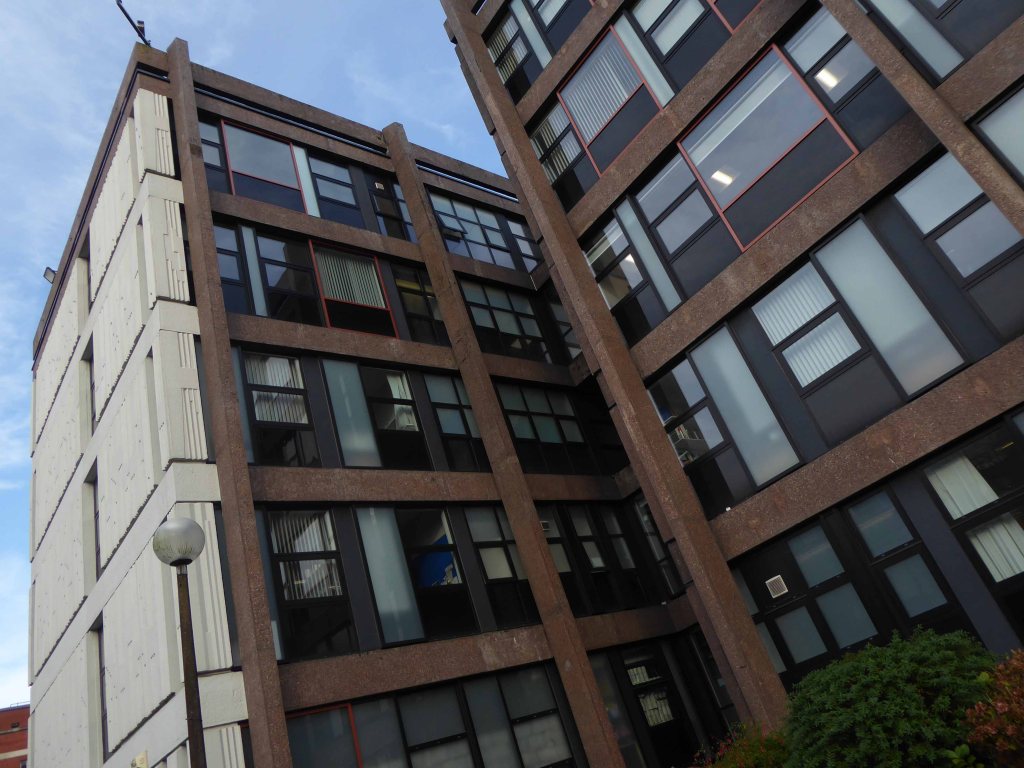
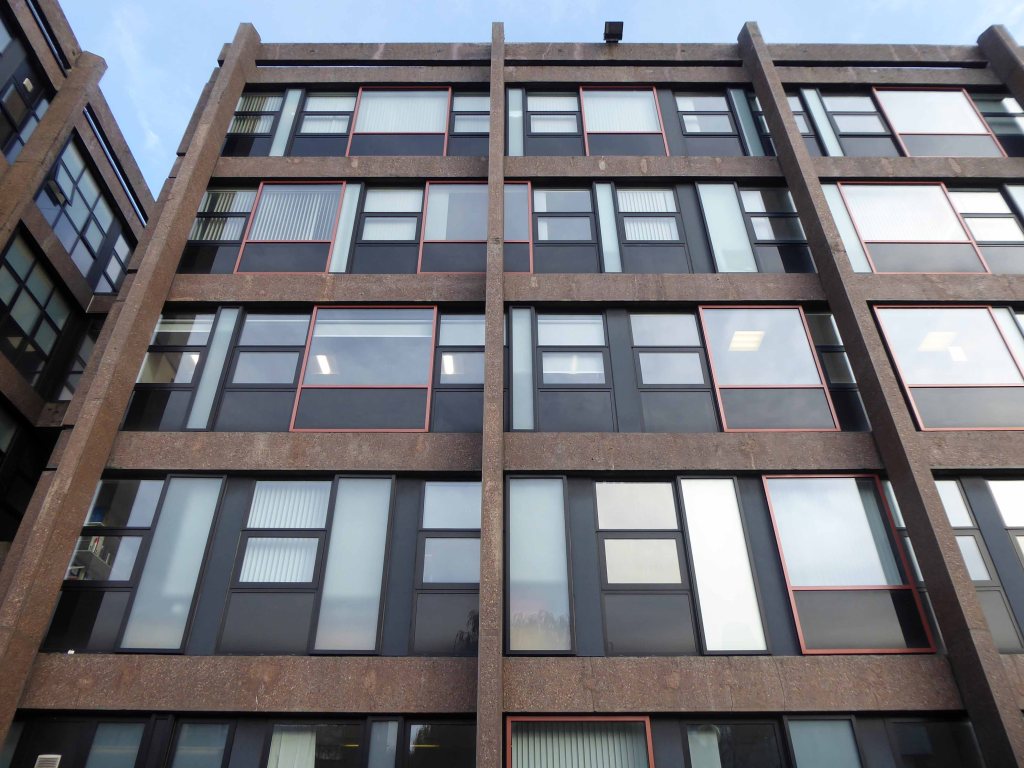
This scheme pre-dates Wilson Womersley’s appointment as masterplanners for the Education Precinct but exists harmoniously with the later series of buildings. This is most likely due to the method of development before any ‘grand concept’. The incremental expansion of the University, following WWII, was largely dictated by the progress of compulsory purchase orders; this group was no exception. At the planning stages, the lack of a masterplan led to organising the wings of the buildings in an open, orthogonal arrangement. This would allow expansion in a number of directions, according to the next available site in ‘the dynamic situation’. The result was the creation of a small courtyard flanked by two five-storey blocks and a two-storey structure. All three buildings use the same pink-grey concrete. The plastic qualities of concrete were explored in both cladding and structural panels and the textural qualities exposed in the bush hammered columns, to reveal the Derbyshire gravel aggregate. The sculpted and moulded panels on the two-storey block and on the gable ends of the larger blocks were designed in collaboration with William Mitchell. The only other materials in the external envelope were the windows of variously clear and tinted glass. The window modules were set out against a basic geometry in three standard patterns and applied across the façade. This resulted in a clever interplay of vertical and horizontal expression. Phase II, a seven-storey teaching block, was not as refined in its details.
Mainstream Modern

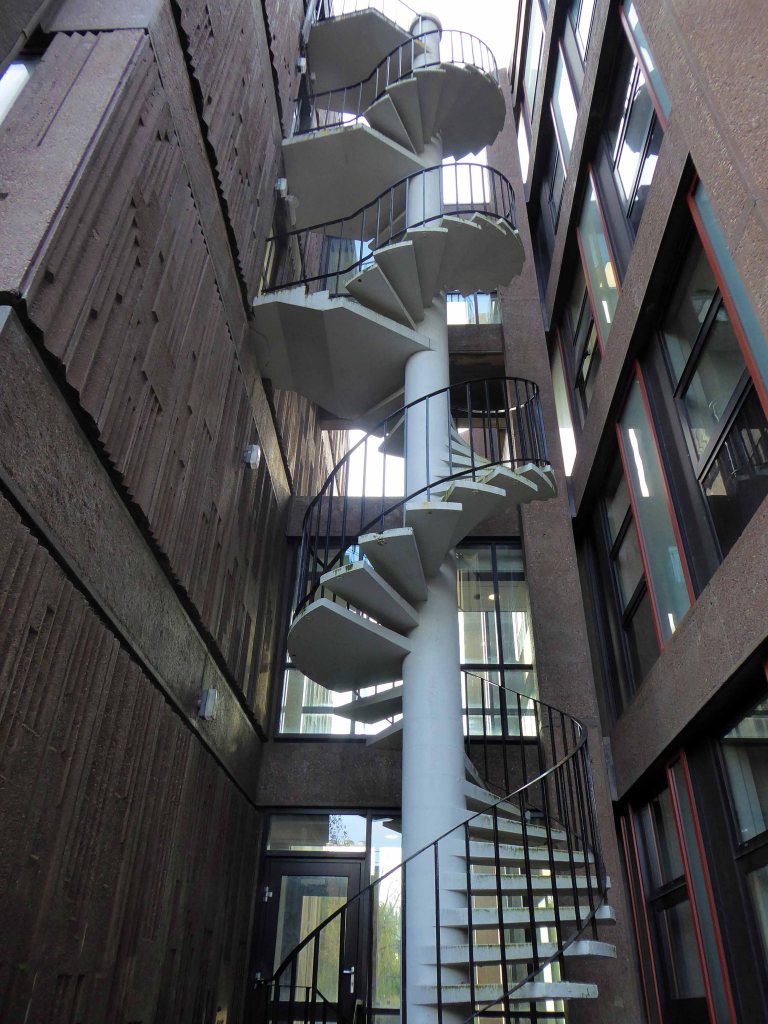
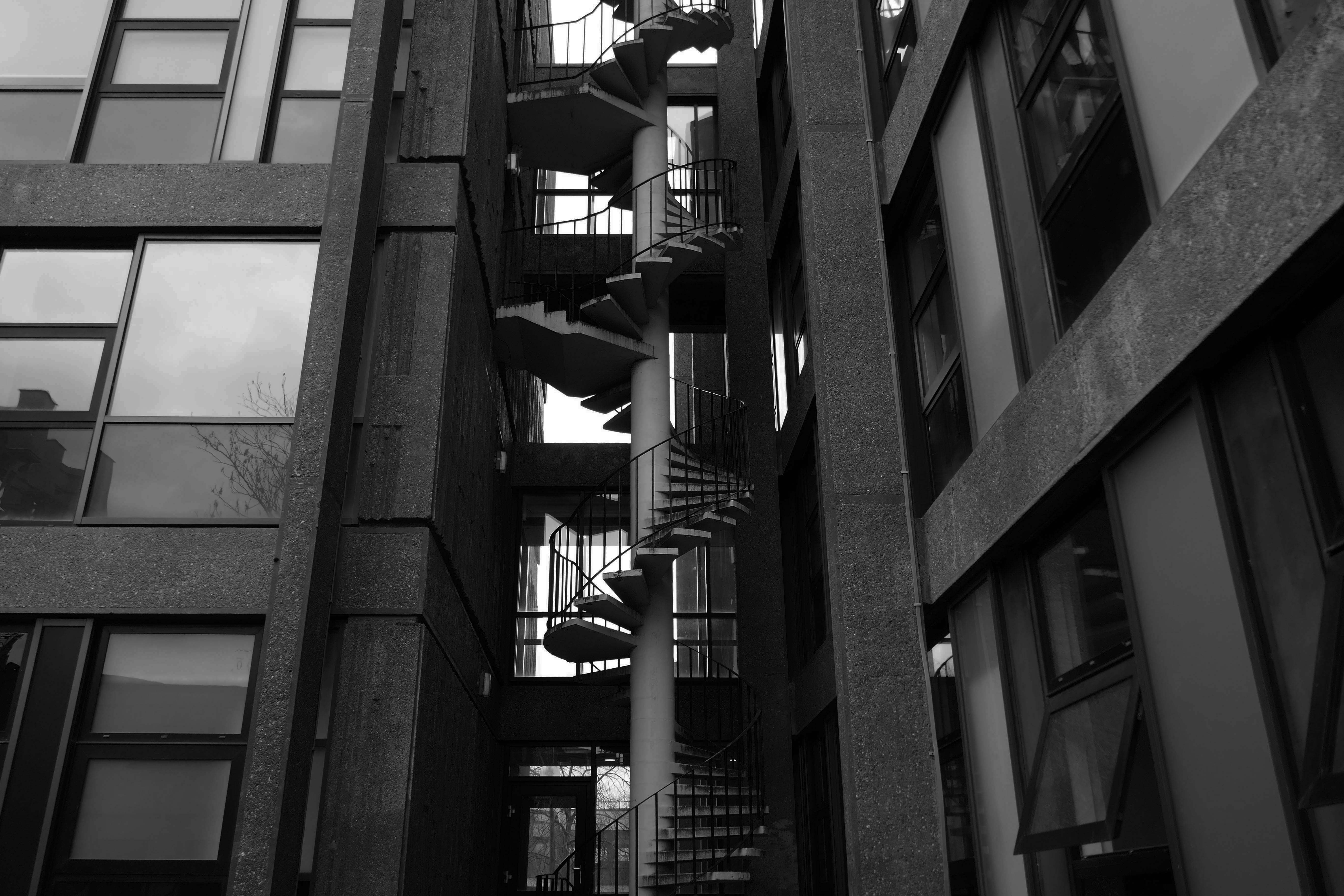
if you have a moment to spare, why not ascend and descend the spiral stairway.
The seating area is almost intact.
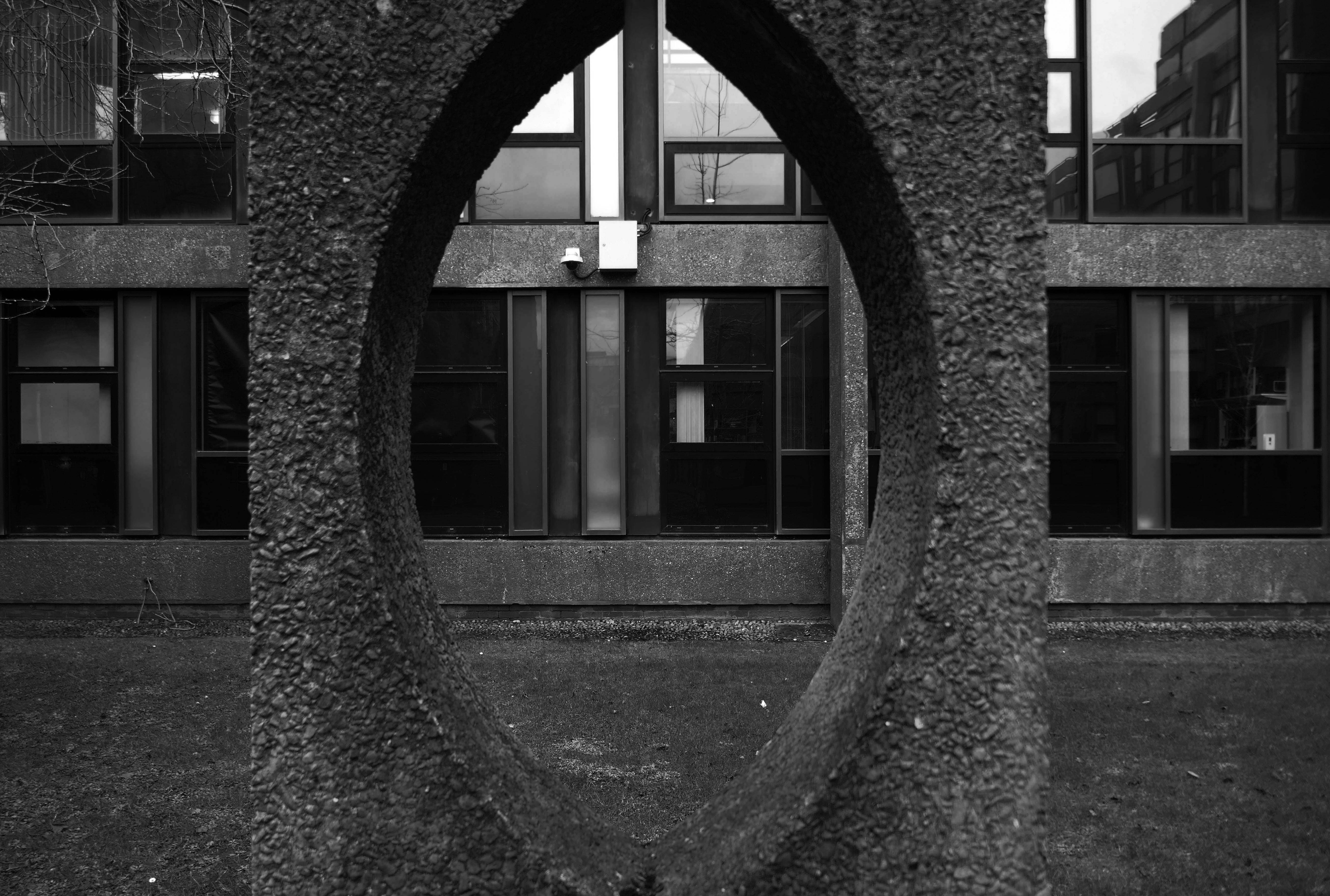
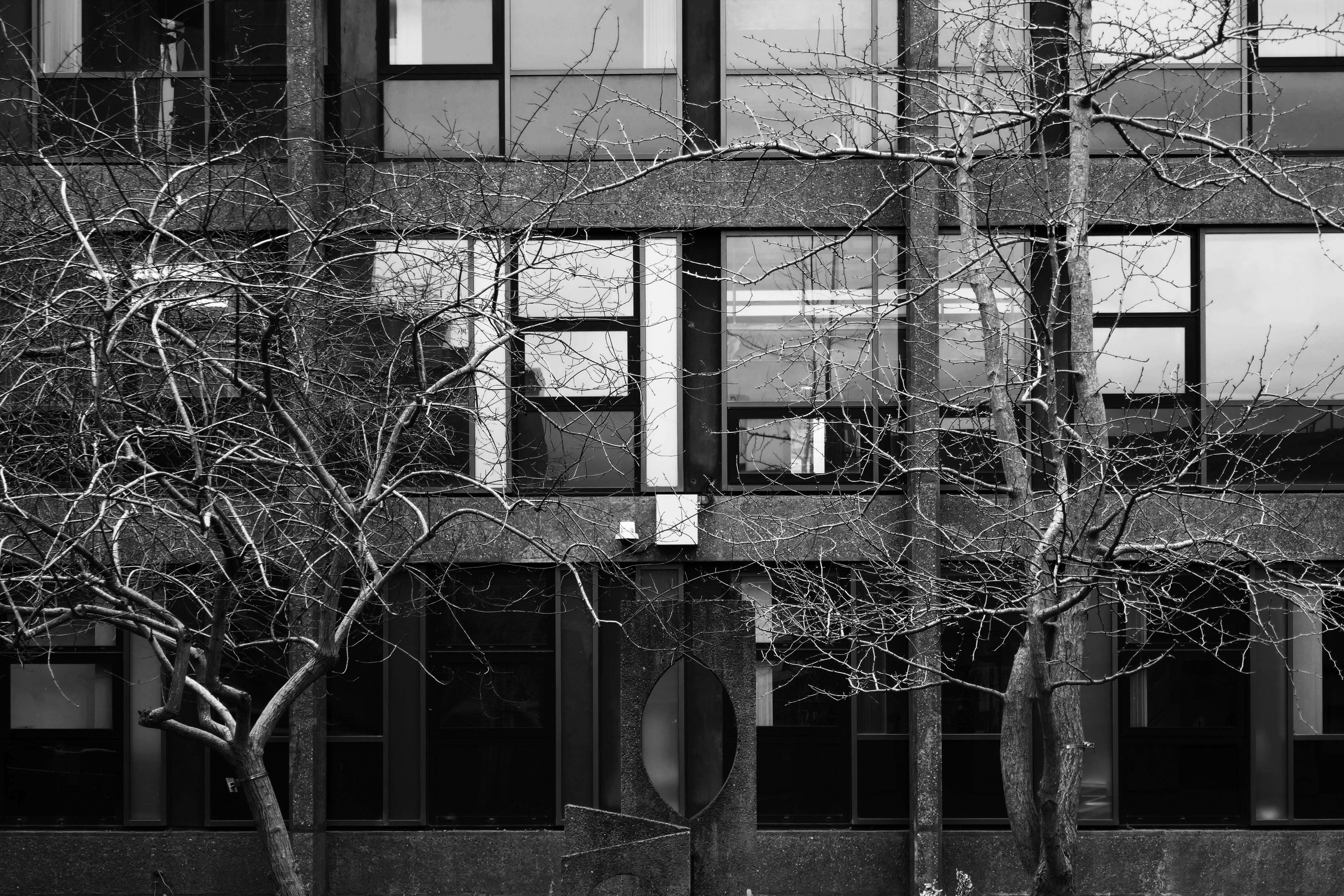
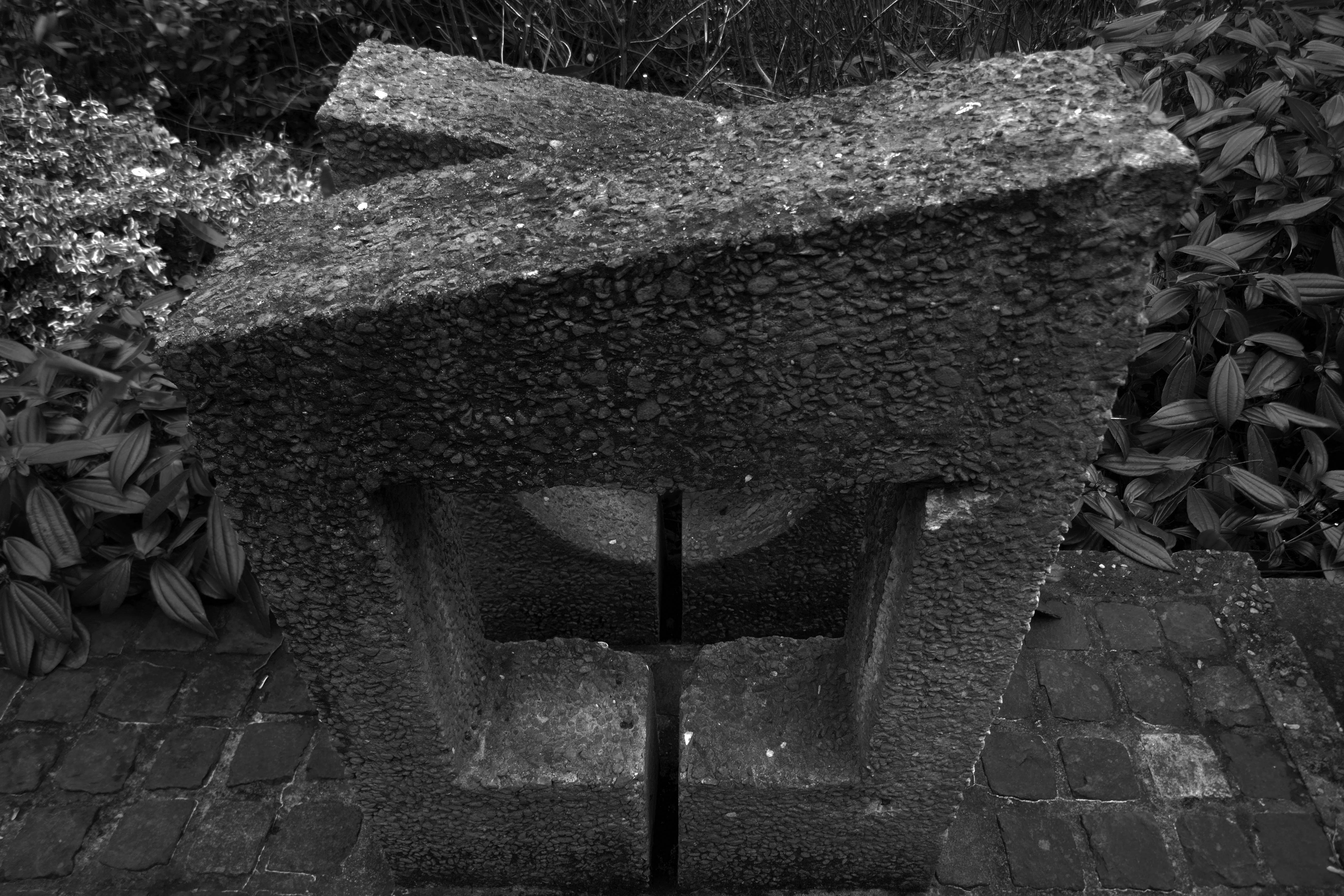
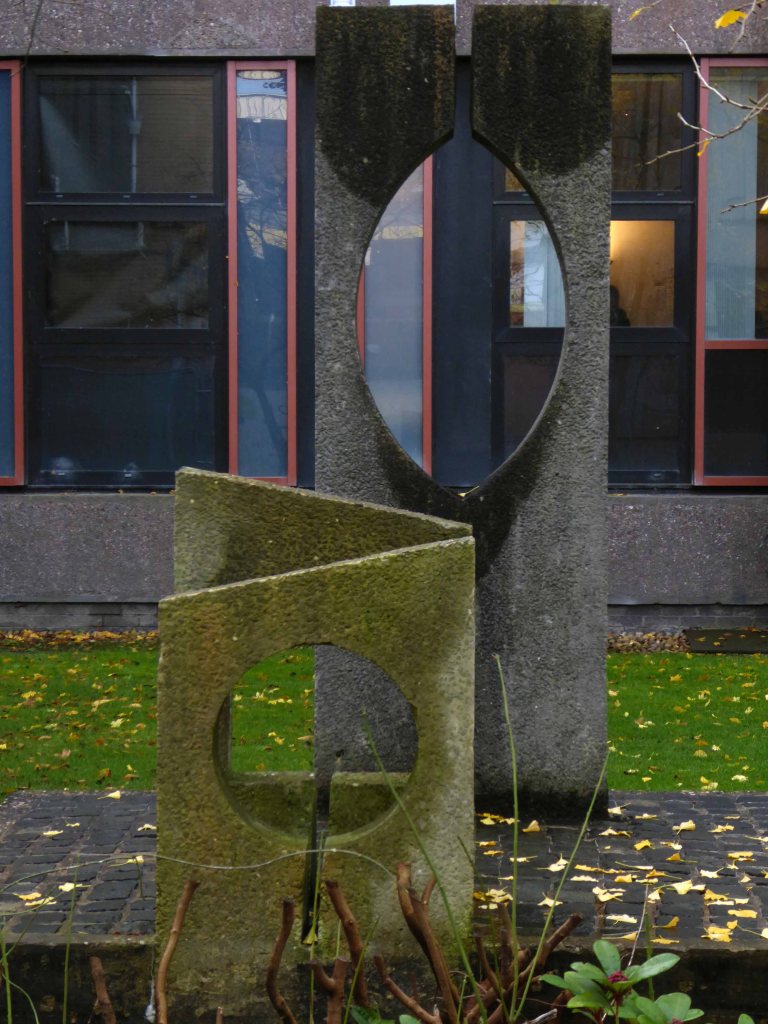
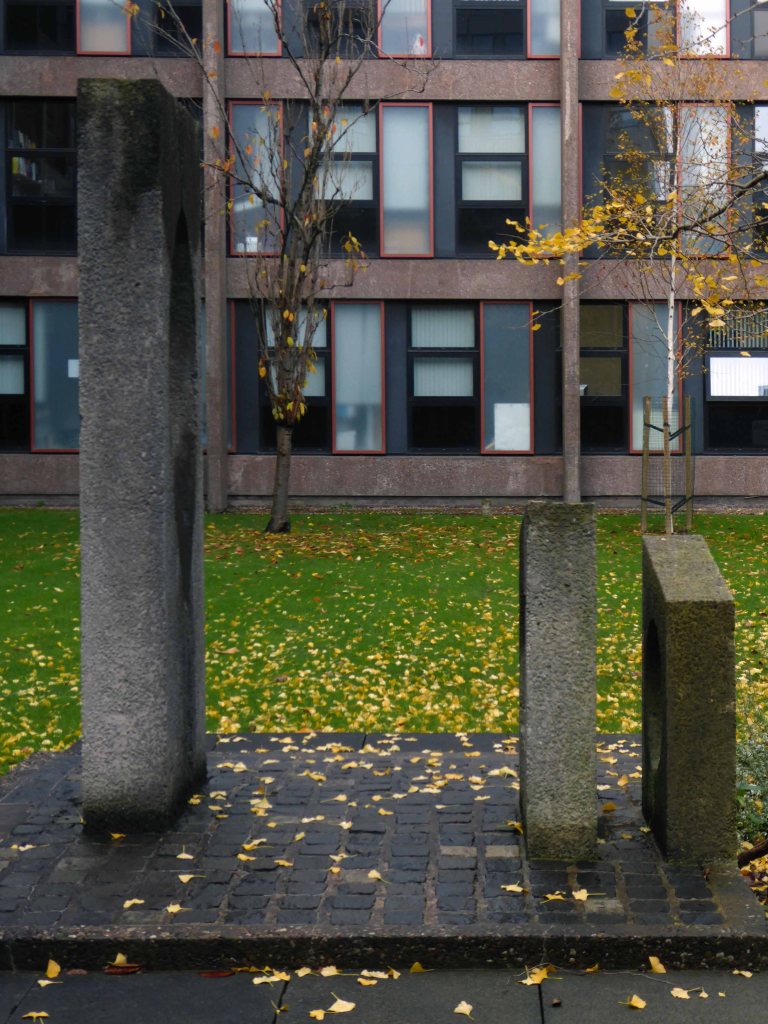
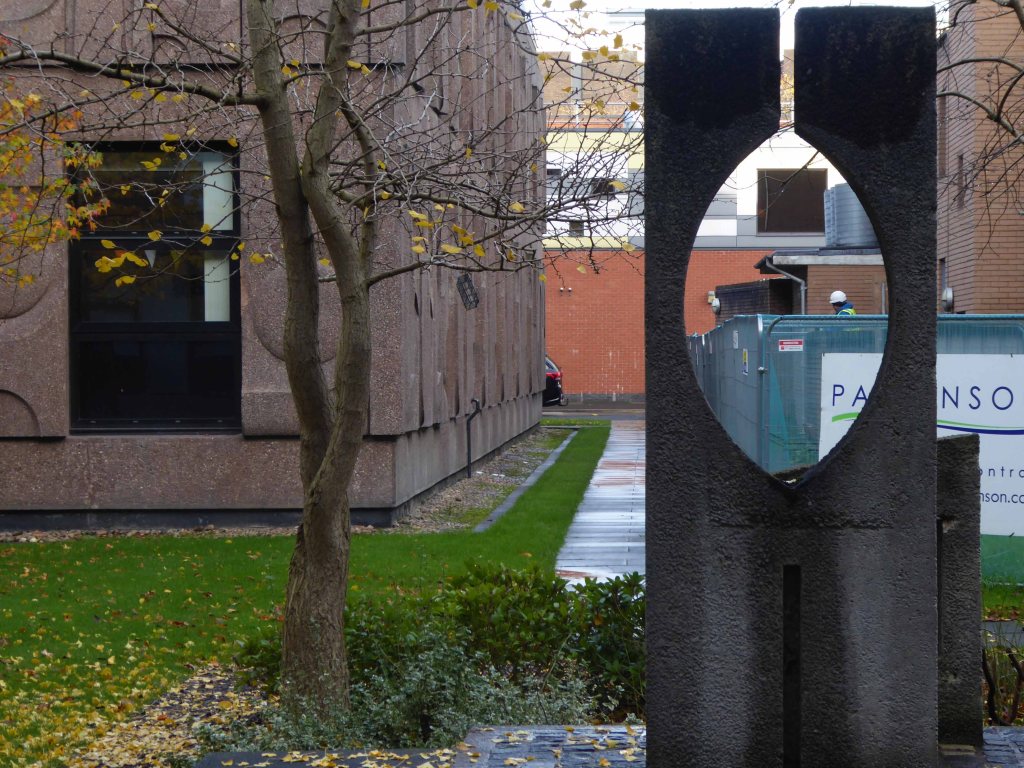
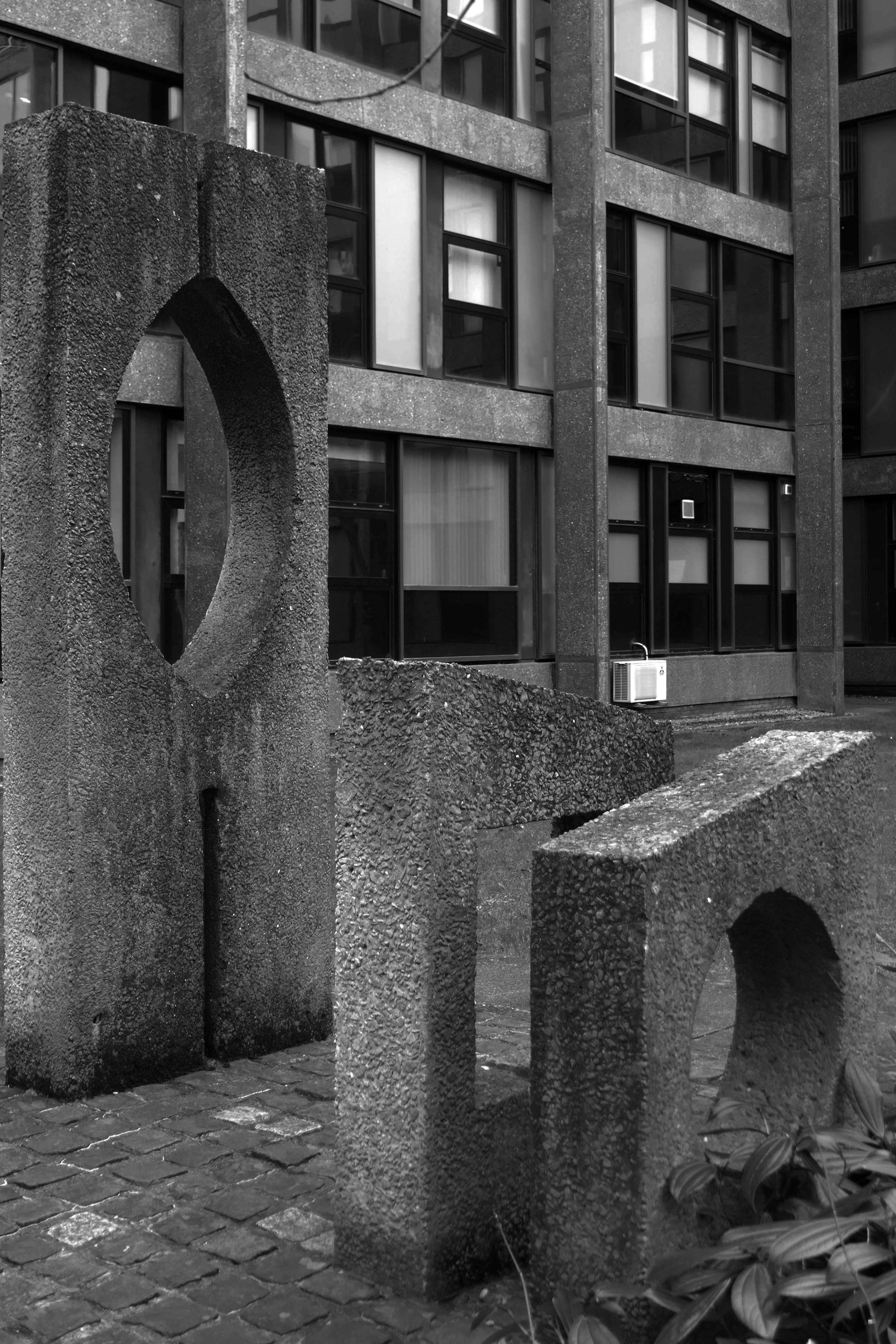
This trio of abstract concrete forms, a B&Q Barbara Hepworth, has defied attribution, I adore it.
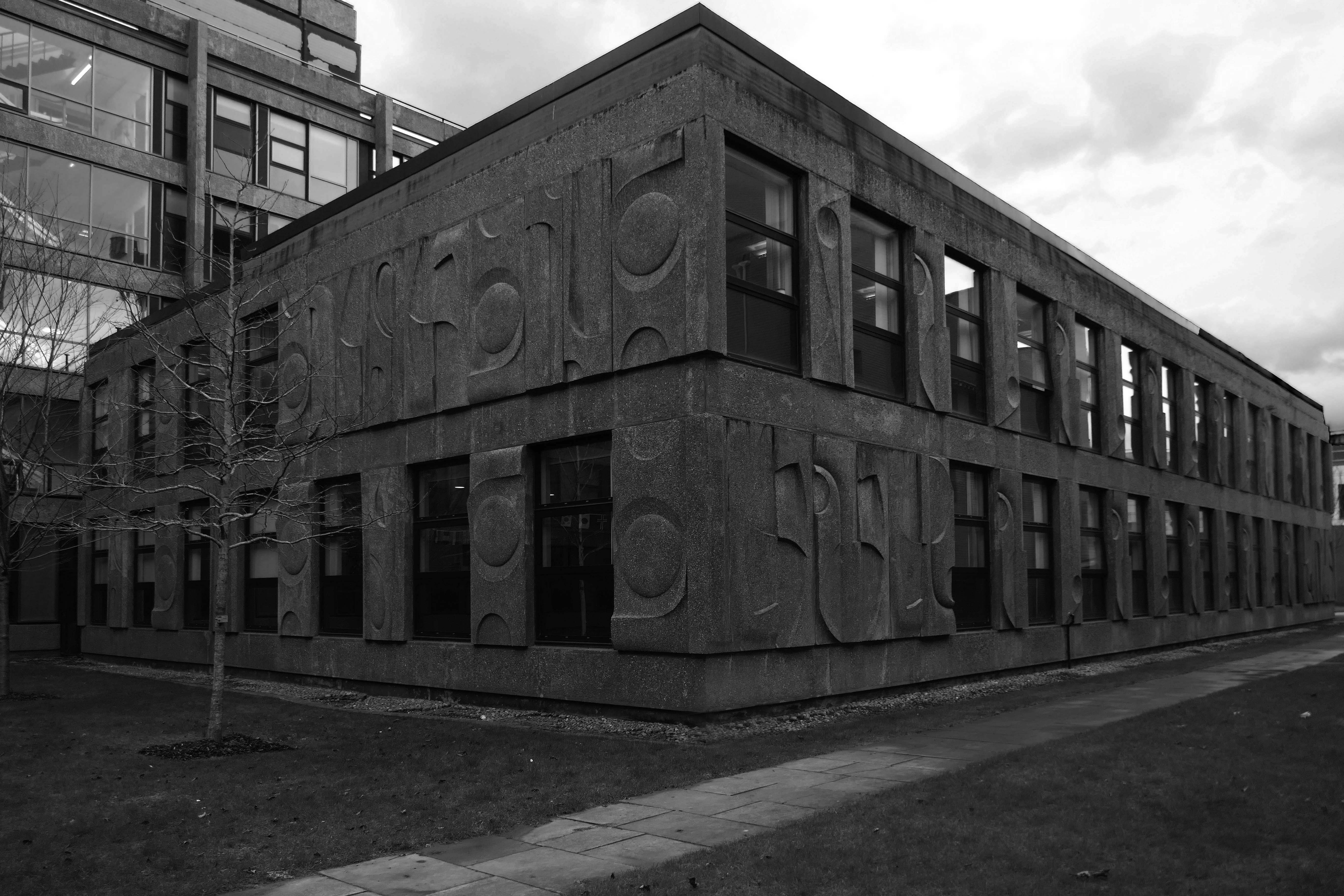
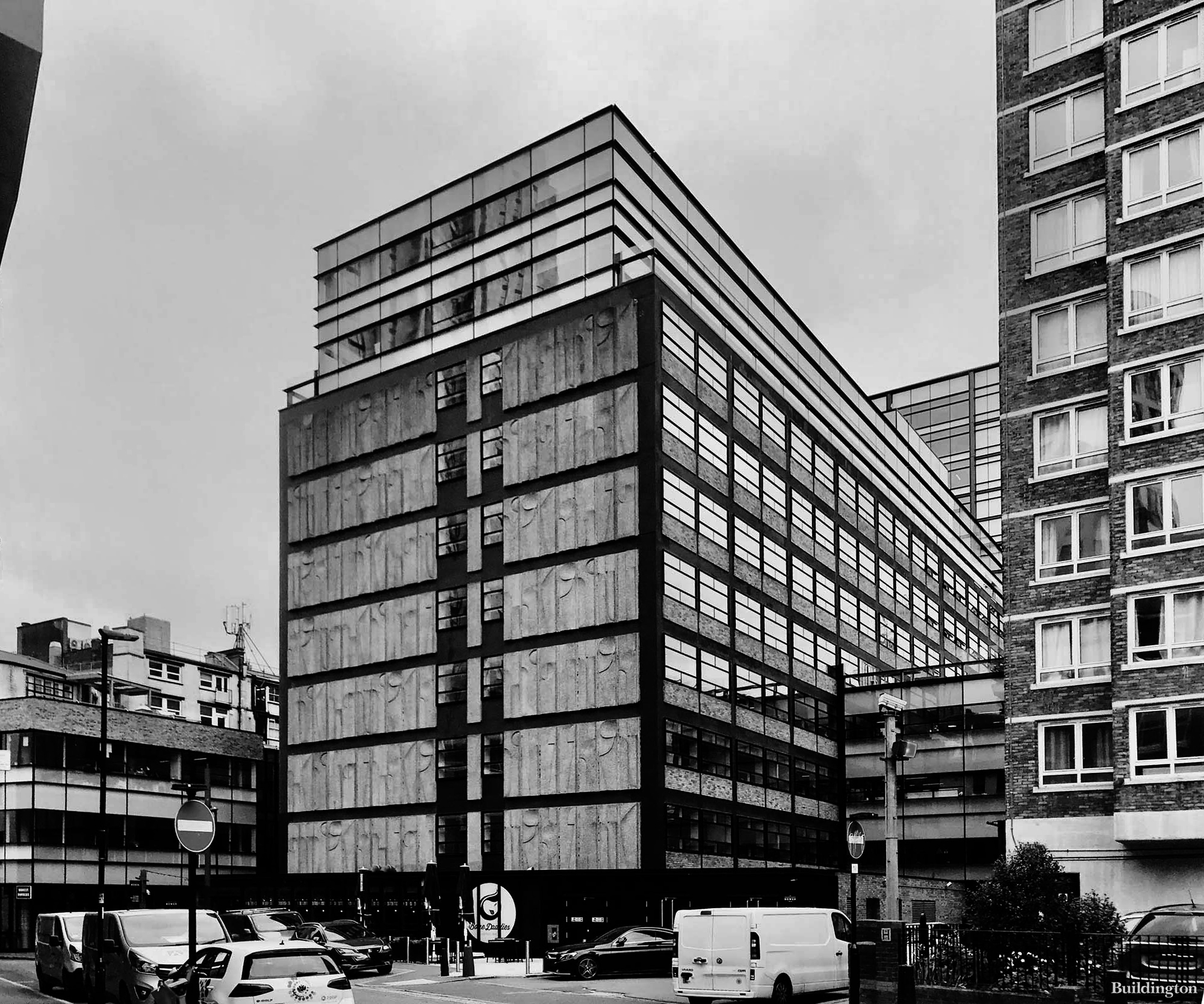
Similar curved panels have also been used at The Bower – Old Street London.
Manchester Arterial 2024 – A57

Having photographed the arterial roads of Manchester in 2014, I have resolved to return to the task in 2024.

Some things seem to have changed, some things seem to have stayed the same.

Ellen Wilkinson Humanities Building – The University of Manchester

I don’t usually walk this way – so I walked this way.

I discovered the rear of building, a building formerly only known from the others side, when seen from Oxford Road.

Whilst making my way from The Gamecock to elsewhere, I serendipitously discovered the other other side.

The Humanities Building now named the Ellen Wilkinson Building.

This Building Design Partnership scheme pre-dates Wilson Womersley’s appointment as master planners for the Education Precinct but exists harmoniously with the later series of buildings. This is most likely due to the method of development before any ‘grand concept’. The incremental expansion of the University, following WWII, was largely dictated by the progress of compulsory purchase orders; this group was no exception. At the planning stages, the lack of a masterplan led to organising the wings of the buildings in an open, orthogonal arrangement. This would allow expansion in a number of directions, according to the next available site in ‘the dynamic situation’. The result was the creation of a small courtyard flanked by two five-storey blocks and a two-storey structure. All three buildings use the same pink-grey concrete. The plastic qualities of concrete were explored in both cladding and structural panels and the textural qualities exposed in the bush hammered columns, to reveal the Derbyshire gravel aggregate. The sculpted and moulded panels on the two-storey block and on the gable ends of the larger blocks were designed in collaboration with William Mitchell. The only other materials in the external envelope were the windows of variously clear and tinted glass. The window modules were set out against a basic geometry in three standard patterns and applied across the façade. This resulted in a clever interplay of vertical and horizontal expression. 
Mainstream Modern

Ellen Wilkinson was born into a poor though ambitious Manchester family and she embraced socialism at an early age. After graduating from the University of Manchester, she worked for a women’s suffrage organisation and later as a trade union officer. Inspired by the Russian Revolution of 1917, Wilkinson joined the British Communist Party, and preached revolutionary socialism while seeking constitutional routes to political power through the Labour Party. She was elected Labour MP for Middlesbrough East in 1924, and supported the 1926 General Strike. In the 1929–31 Labour government, she served as Parliamentary Private Secretary to the junior Health Minister. She made a connection with a young female member and activist Jennie Lee. Following her defeat at Middlesbrough in 1931, Wilkinson became a prolific journalist and writer, before returning to parliament as Jarrow’s MP in 1935. She was a strong advocate for the Republican government in the Spanish Civil War, and made several visits to the battle zones.
During the Second World War, Wilkinson served in Churchill’s wartime coalition as a junior minister, mainly at the Ministry of Home Security where she worked under Herbert Morrison. She supported Morrison’s attempts to replace Clement Attlee as the Labour Party’s leader; nevertheless, when he formed his postwar government, Attlee appointed Wilkinson as Minister of Education. By this time, her health was poor, a legacy of years of overwork. She saw her main task in office as the implementation of the wartime coalition’s 1944 Education Act, rather than the more radical introduction of comprehensive schools favoured by many in the Labour Party. Much of her energy was applied to organising the raising of the school-leaving age from 14 to 15. During the exceptionally cold weather of early 1947, she succumbed to a bronchial disease, and died after an overdose of medication, which the coroner at her inquest declared was accidental.

Wikipedia

So here we are now – a significant building, named for a significant figure.

I wandered around, pale painted rectangular reliefs abutting darker rectangular reliefs. Strict window grids at a variety of heights. Warmer rounder rounded reliefs to the east, contrasting with their orthogonal cousins. A surprising courtyard contains a diminutive but charming concrete sculpture and an almost hidden exterior spiral stairway.

Sometimes it pays to get almost lost.