
Having photographed the arterial roads of Manchester in 2014 I have resolved to return to the task in 2024.
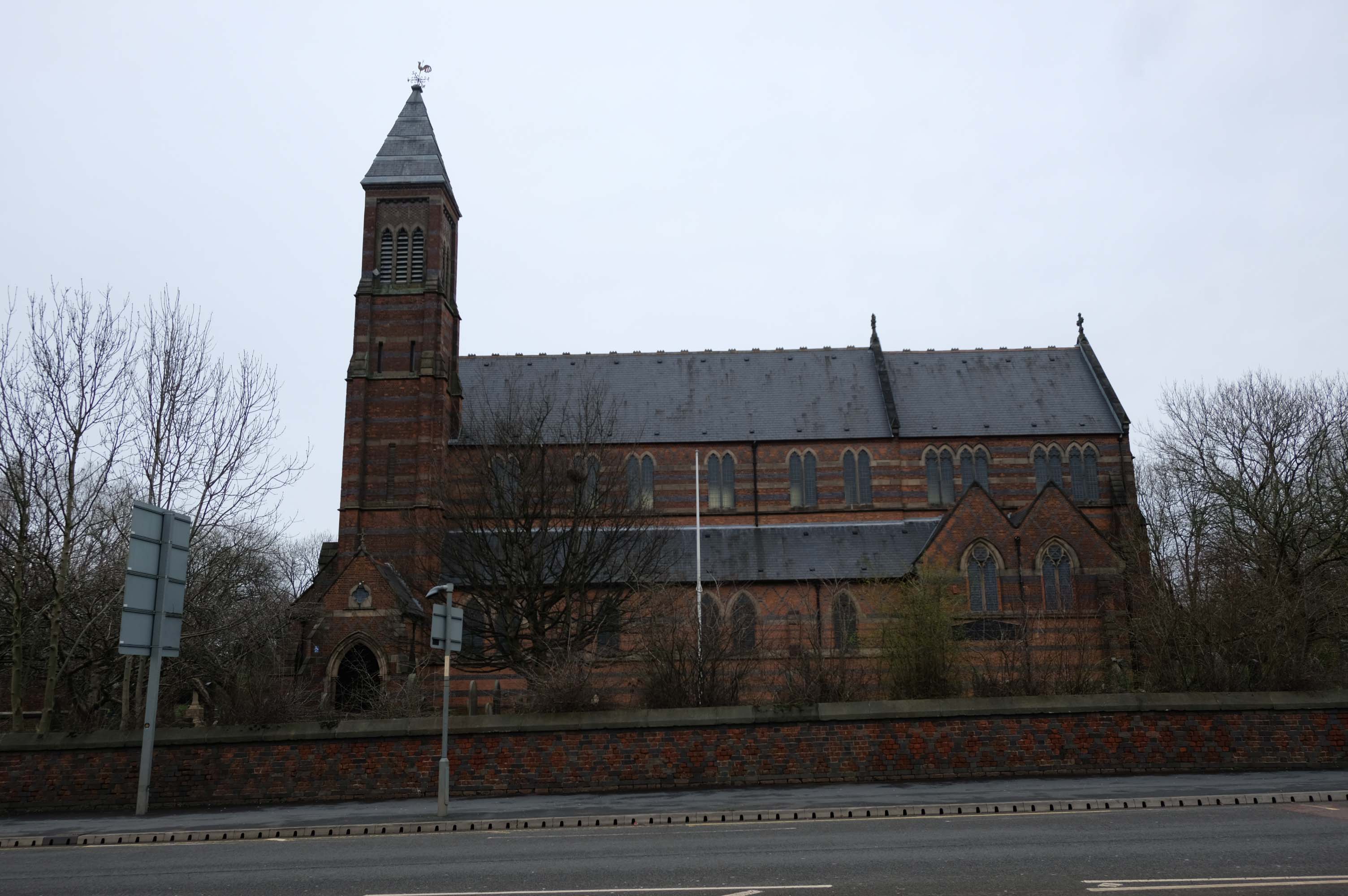
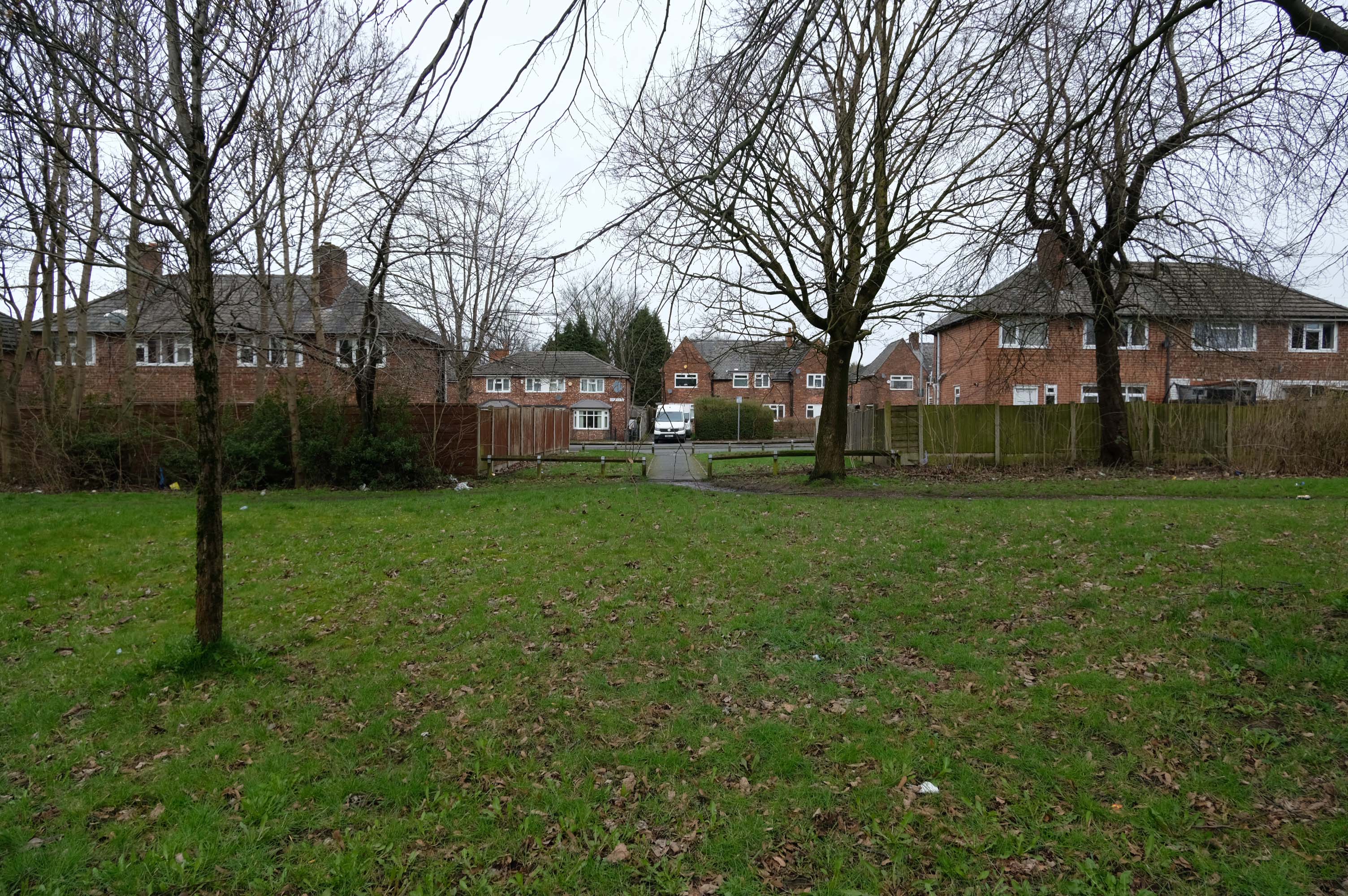
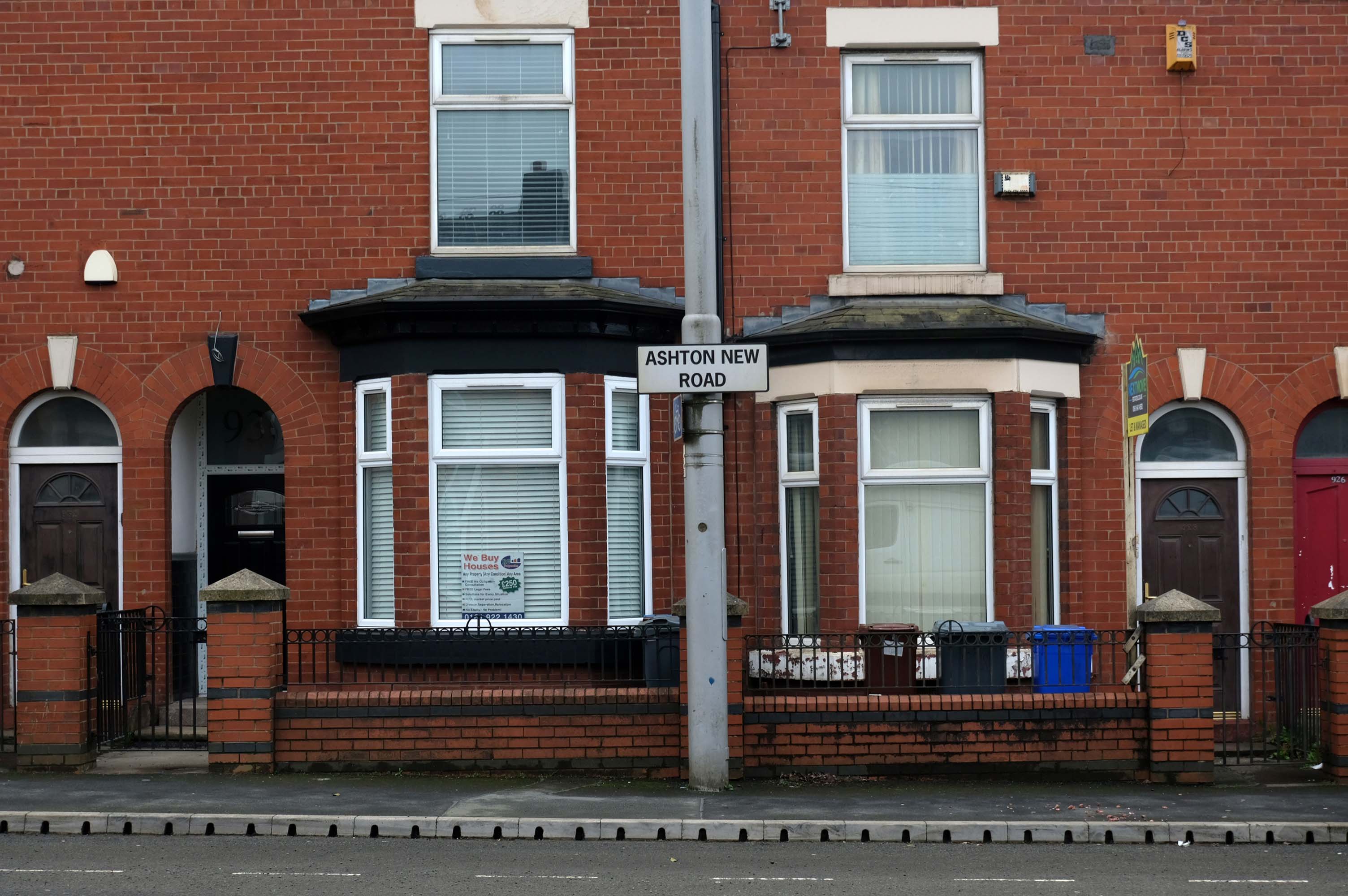
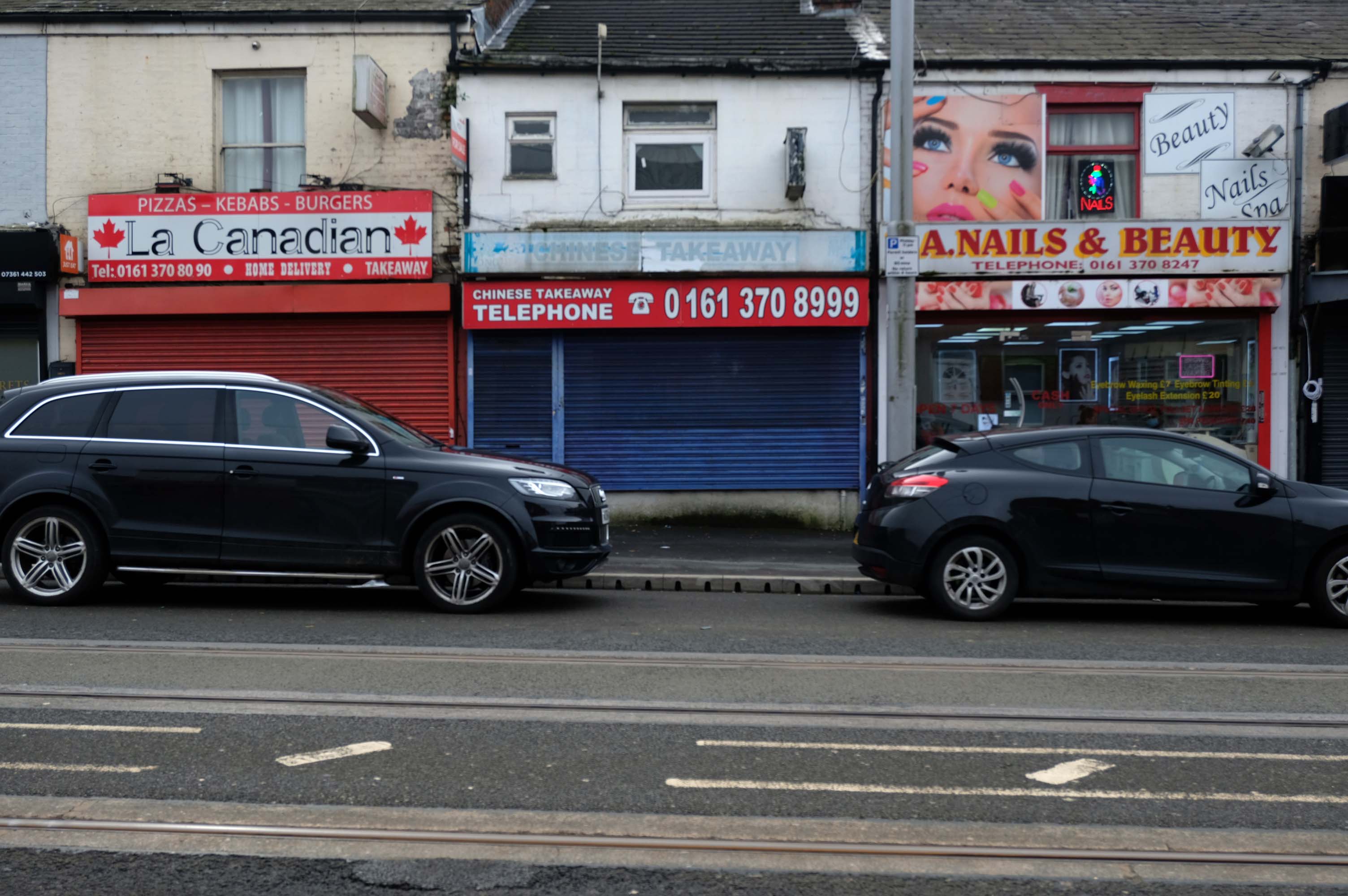
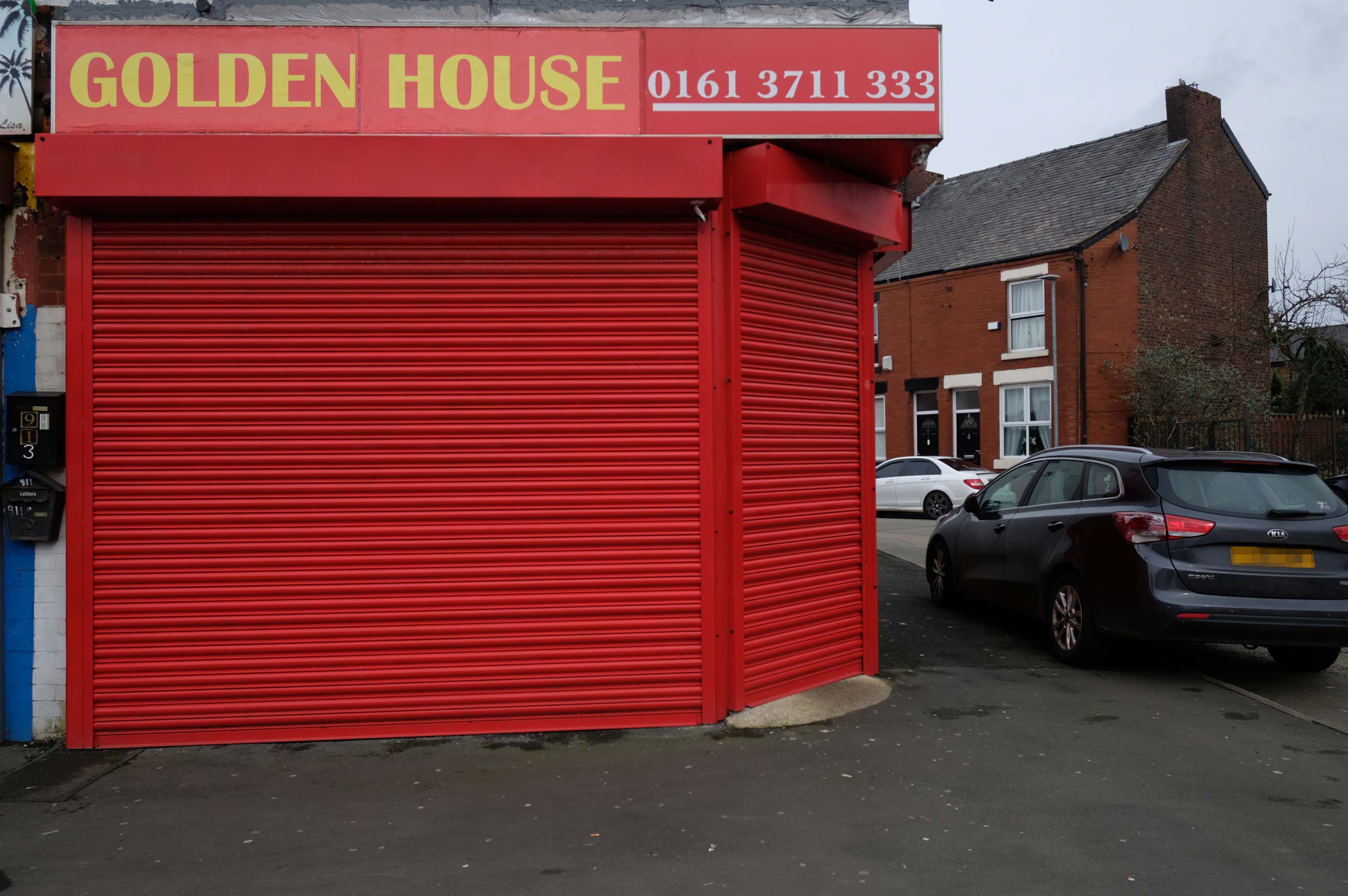
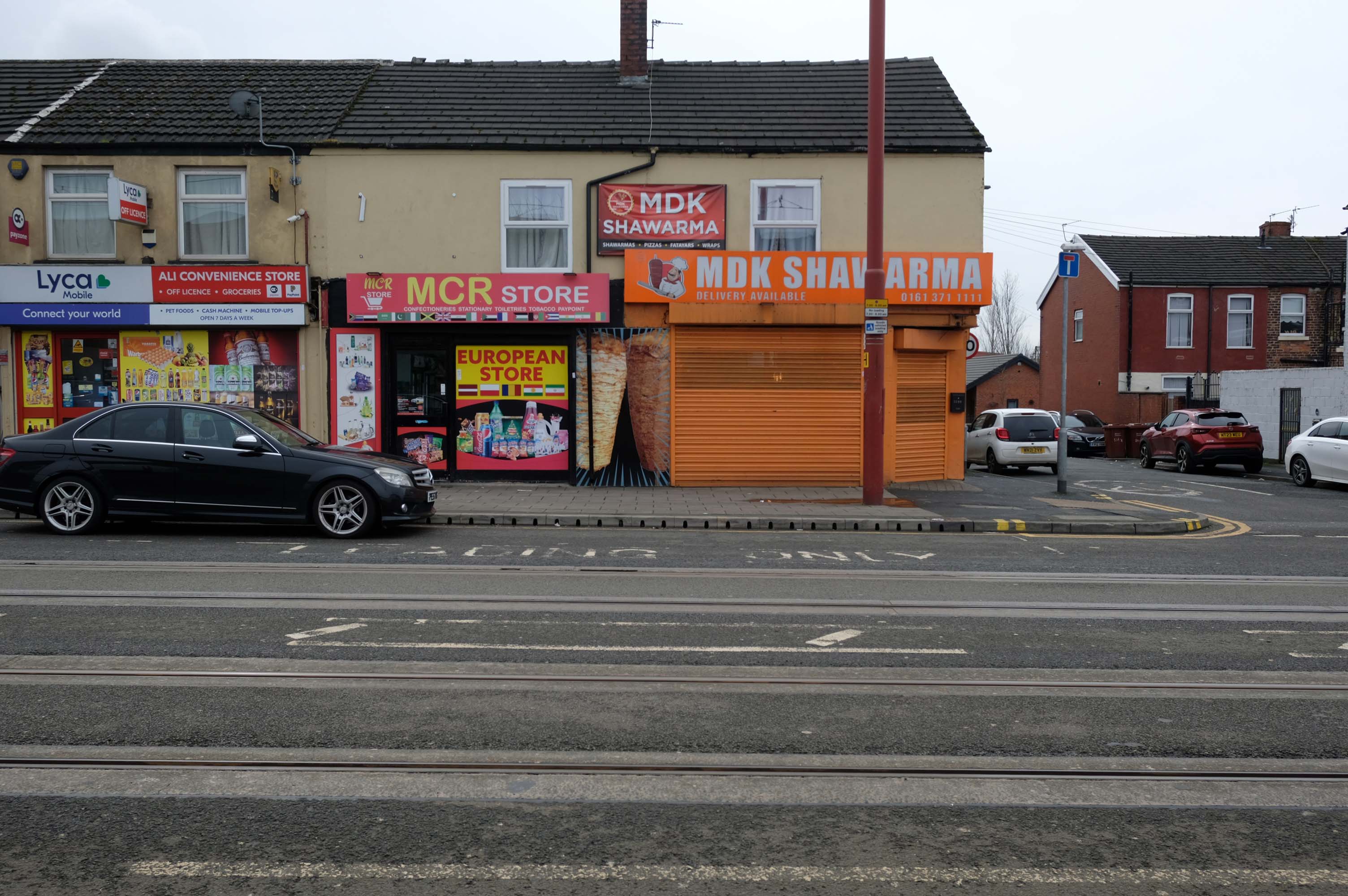
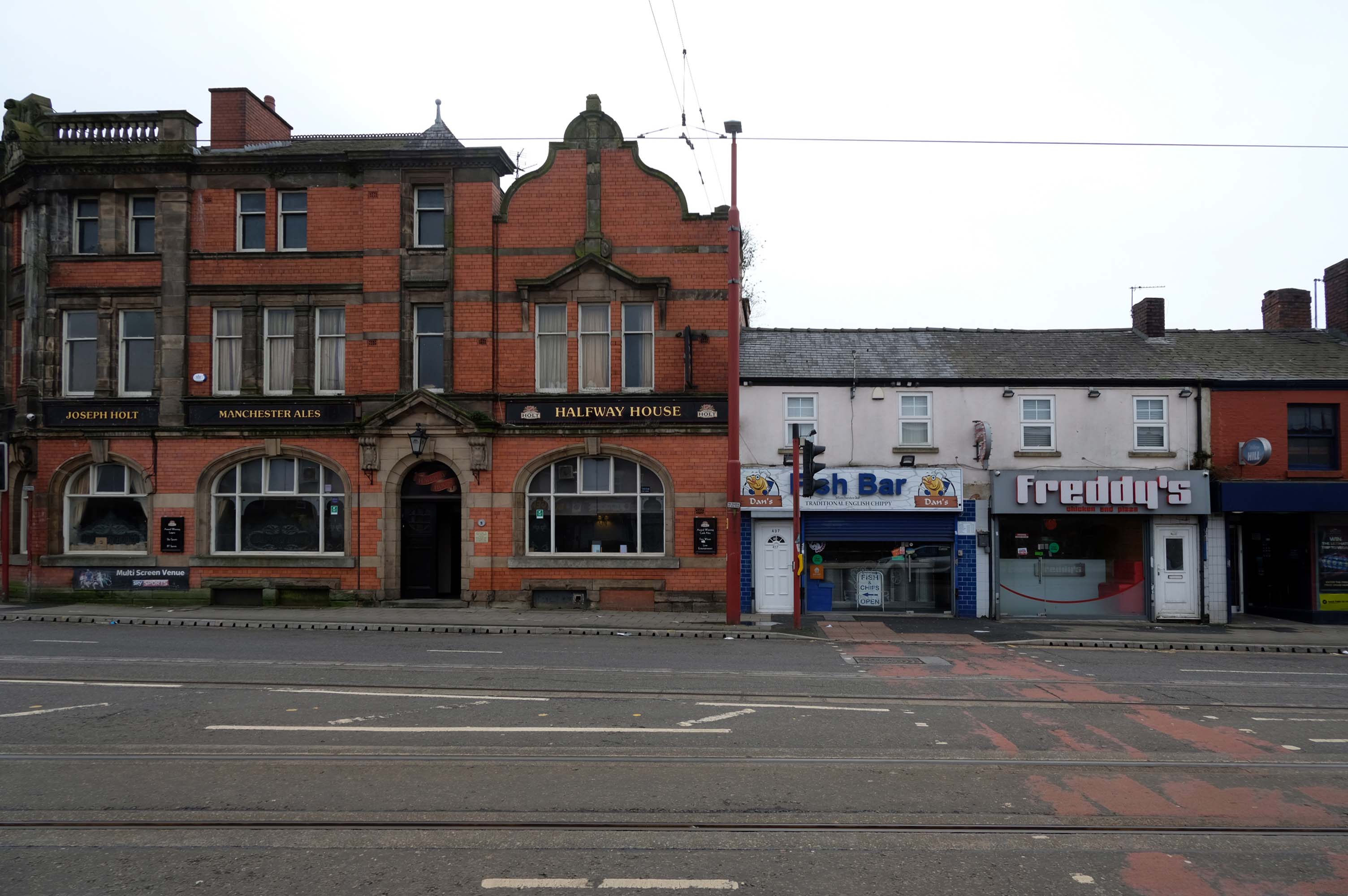
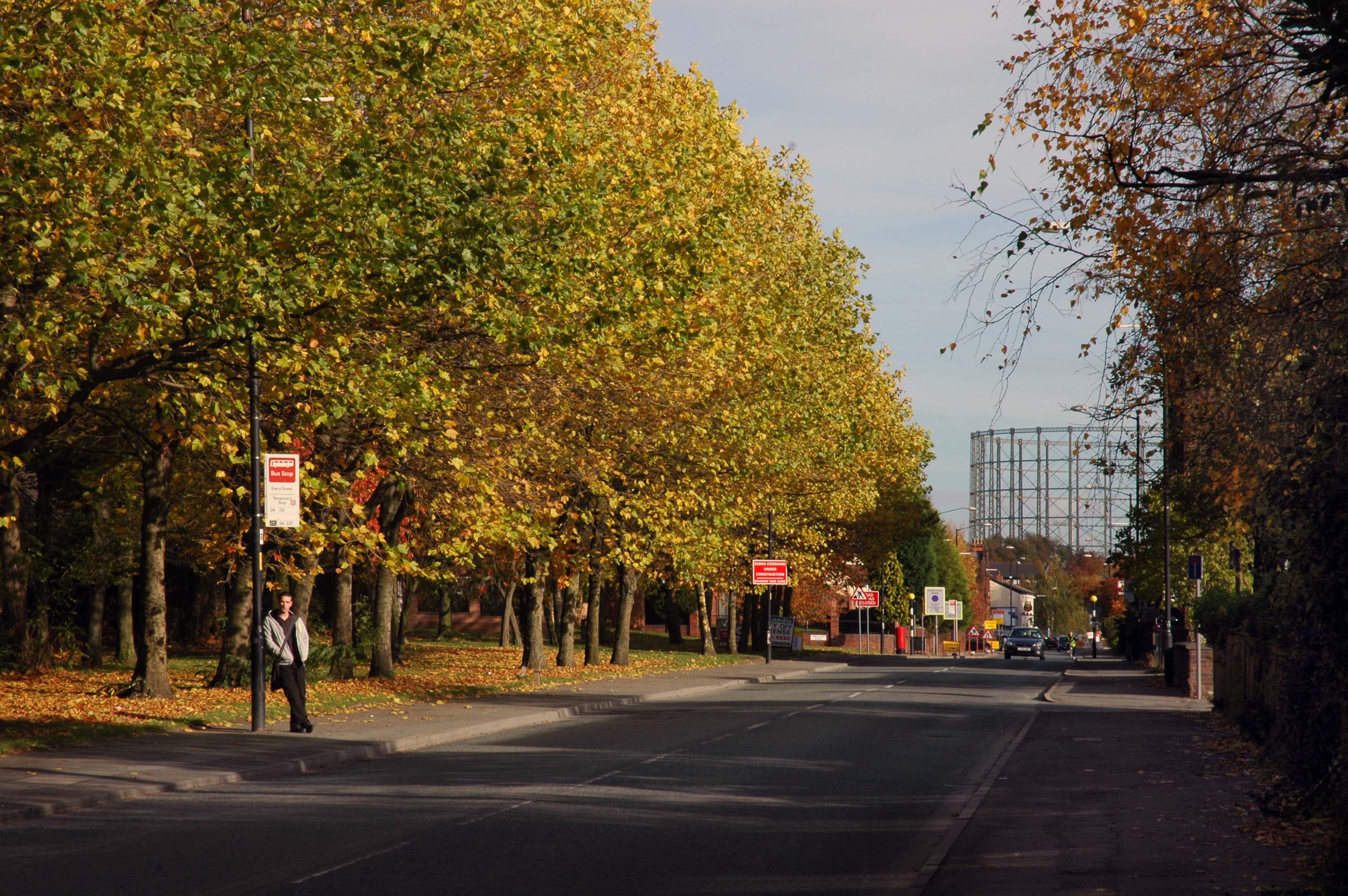
Some things seem to have changed, some things seem to have stayed the same on Ashton New Road.
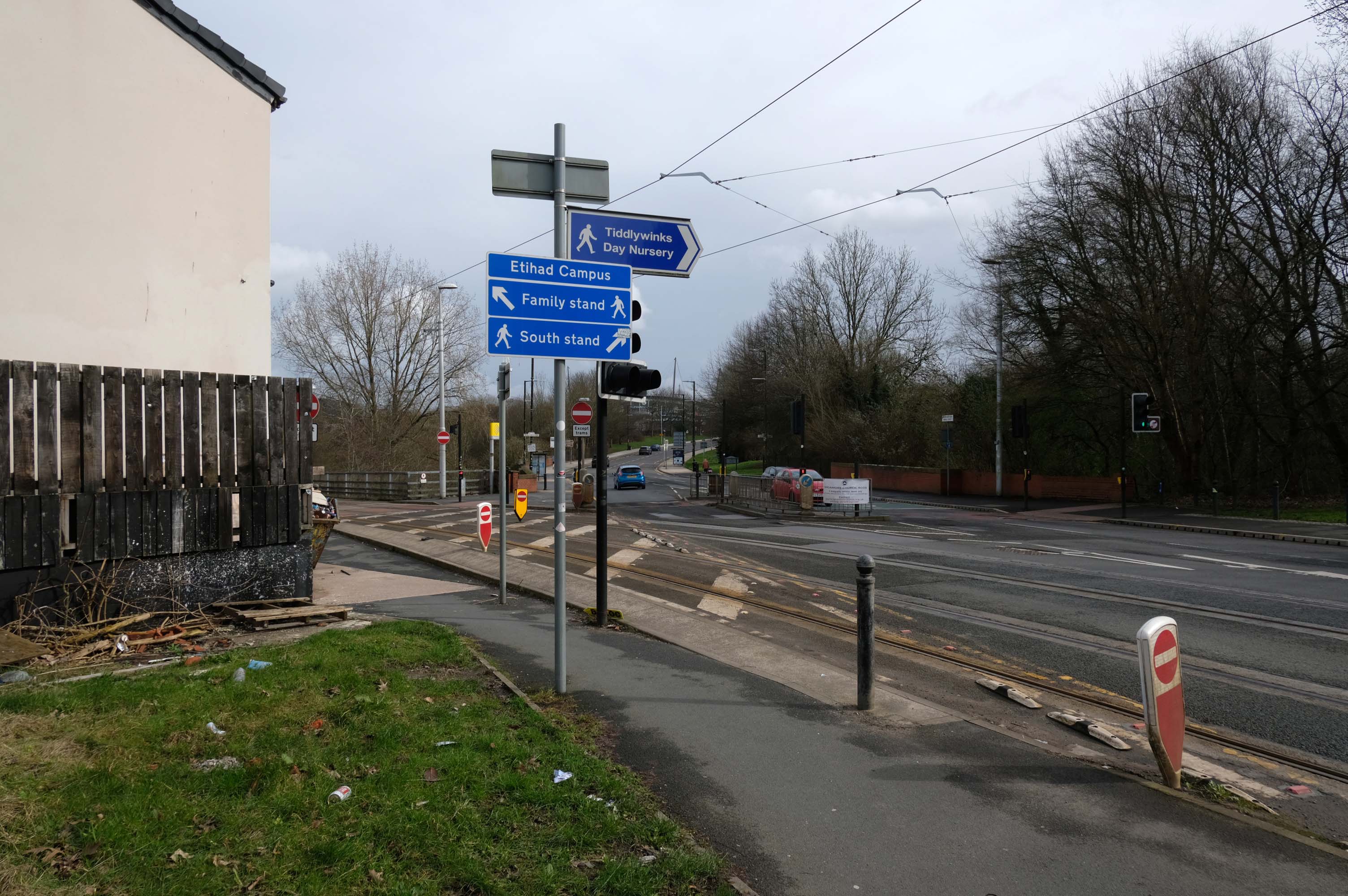


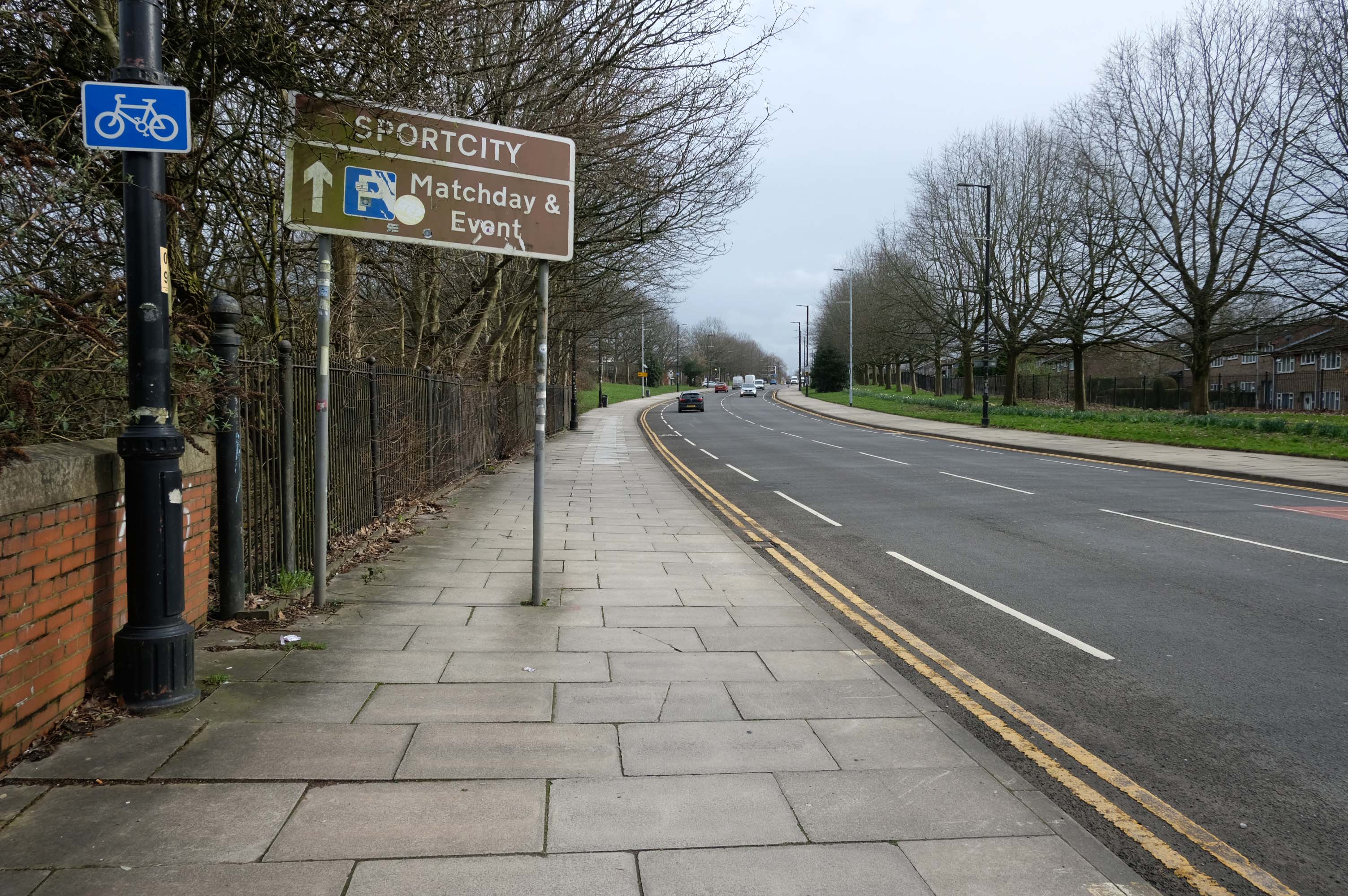

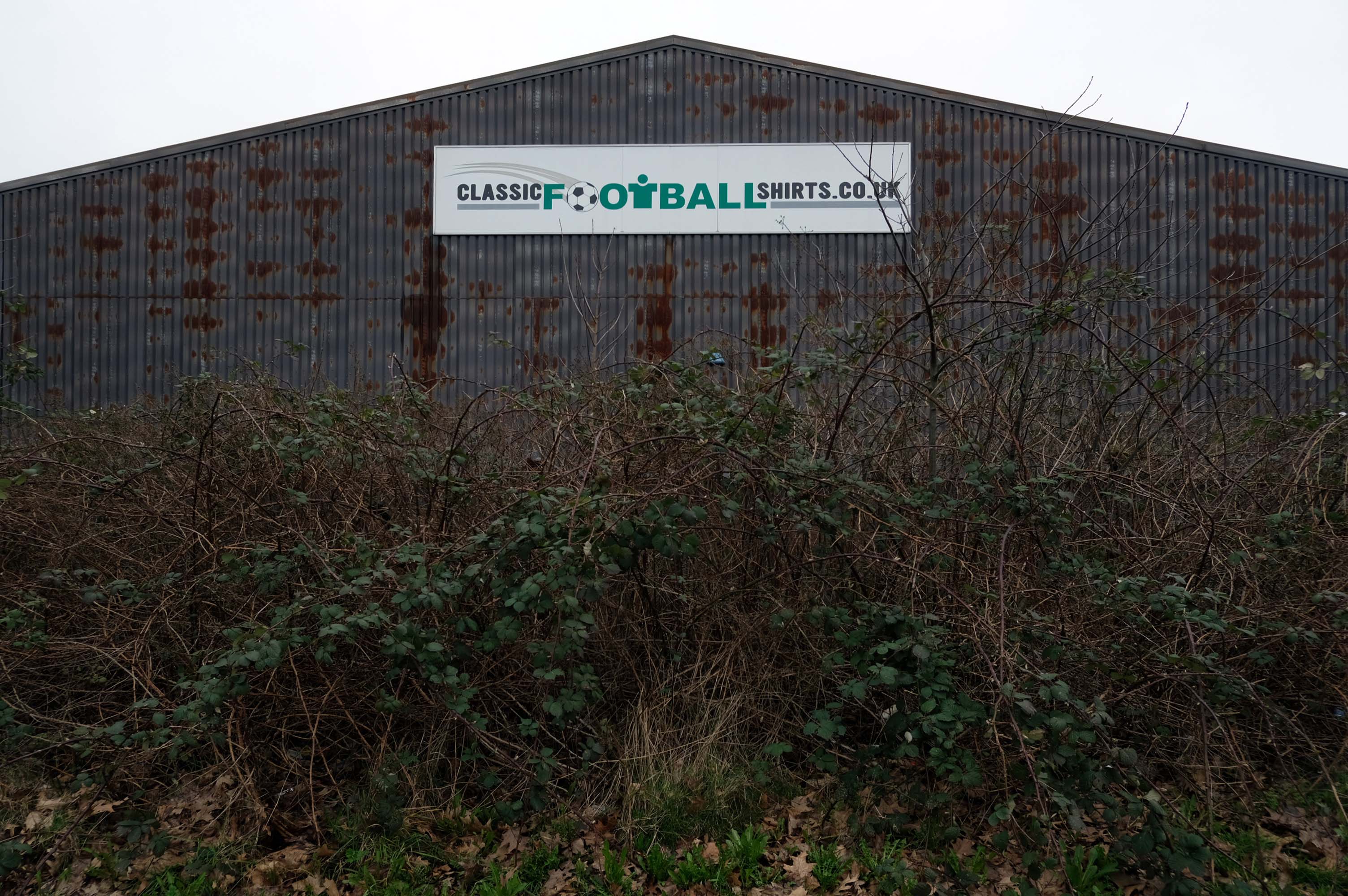

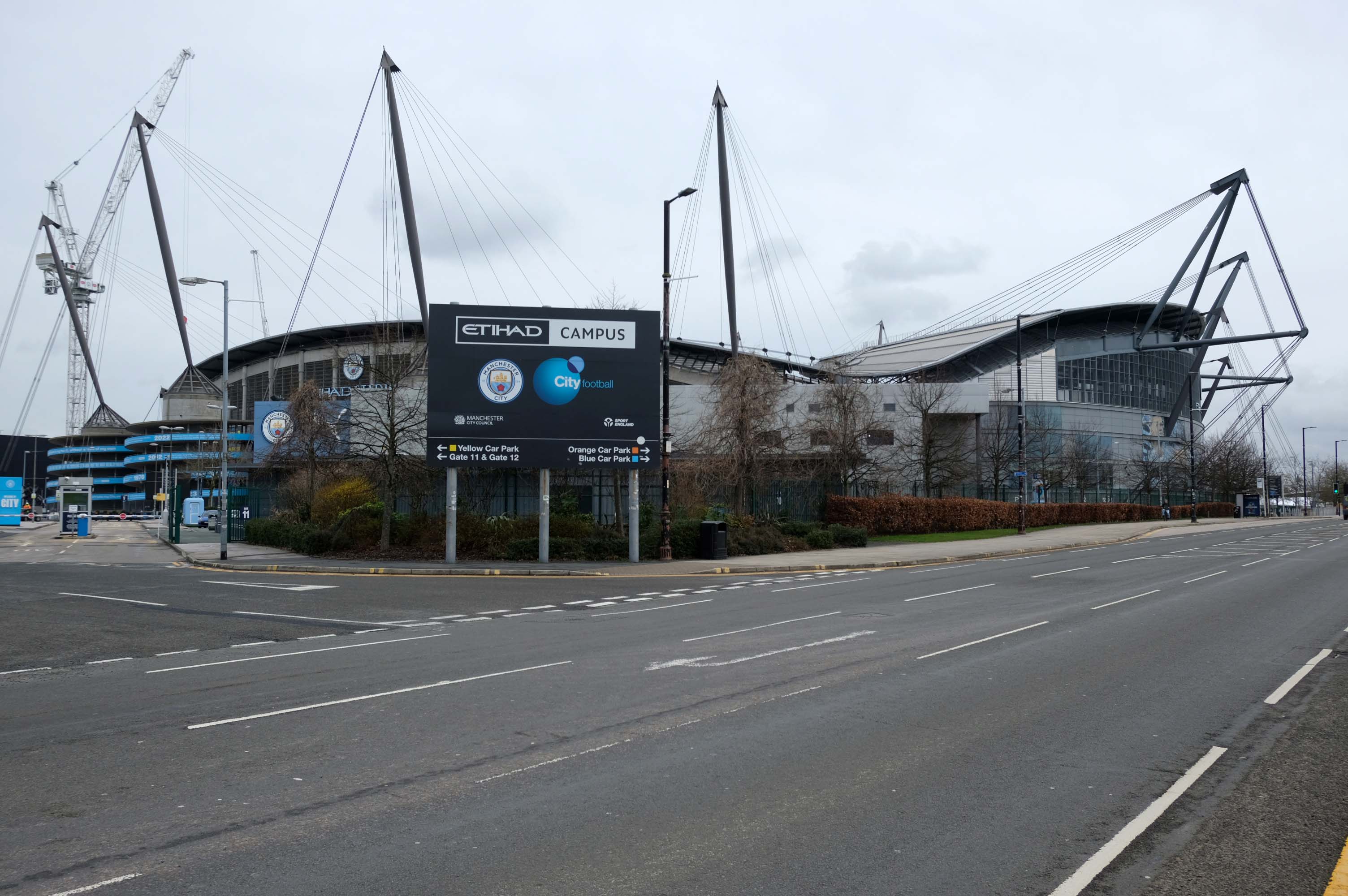

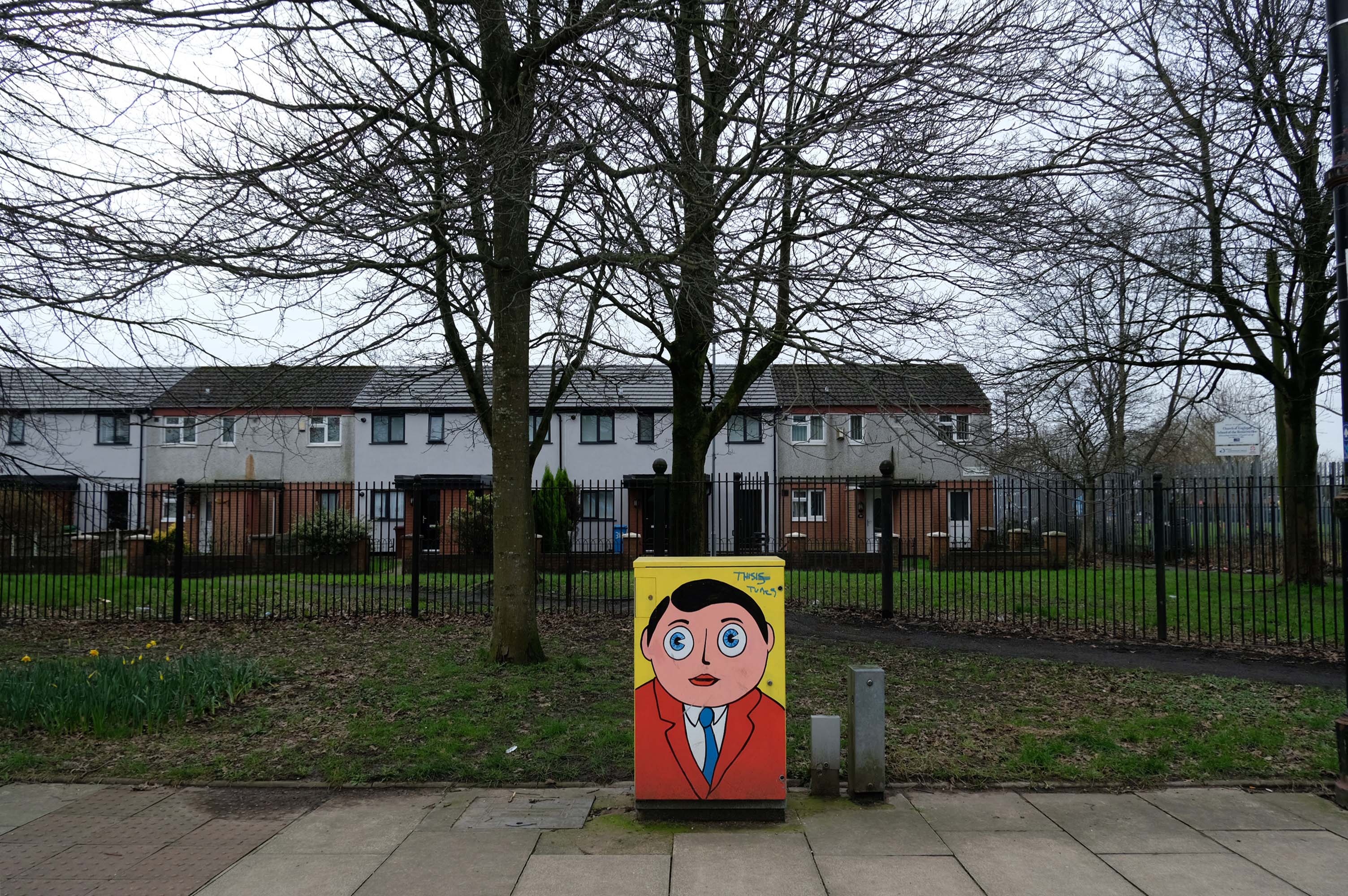
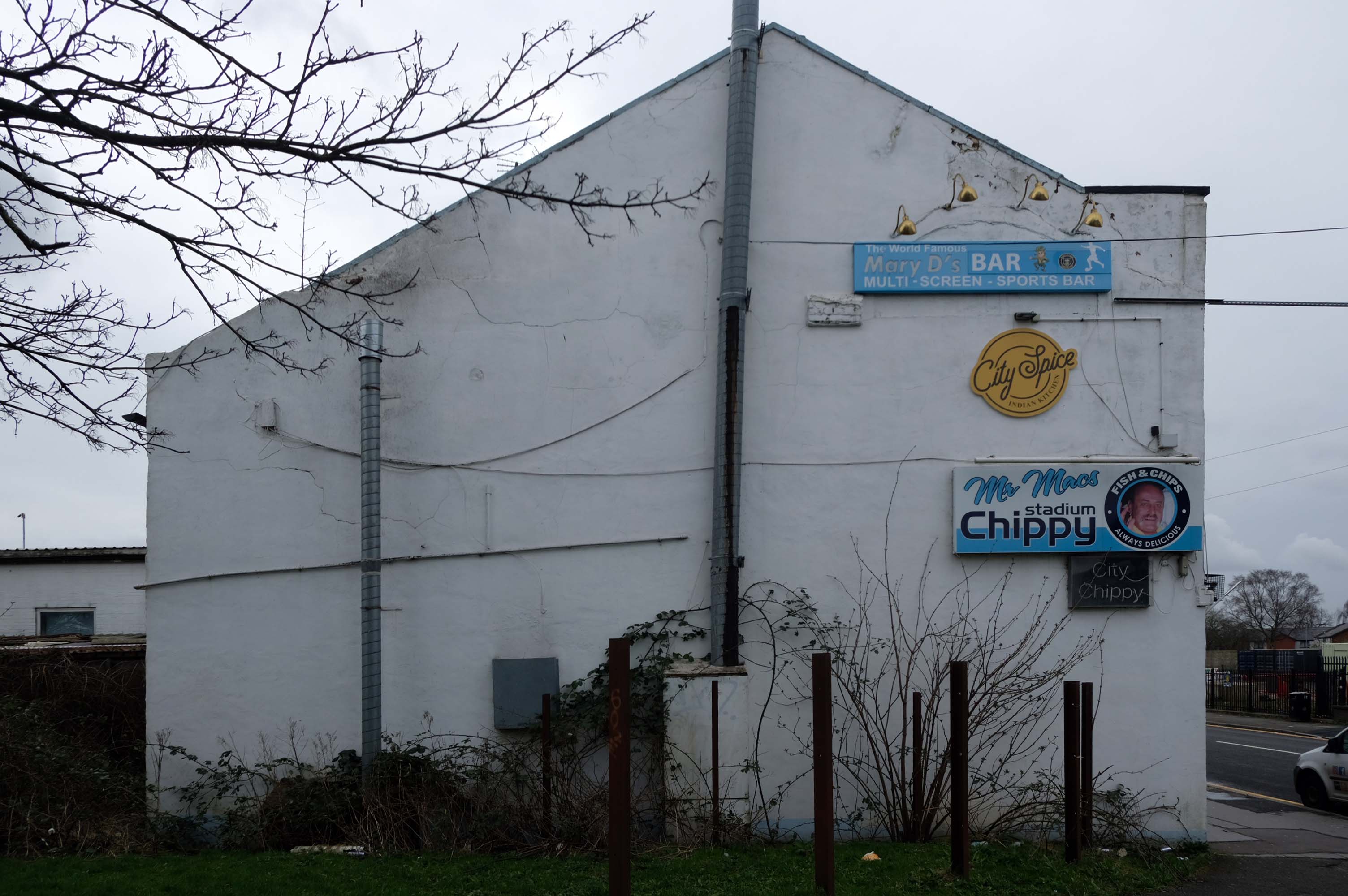
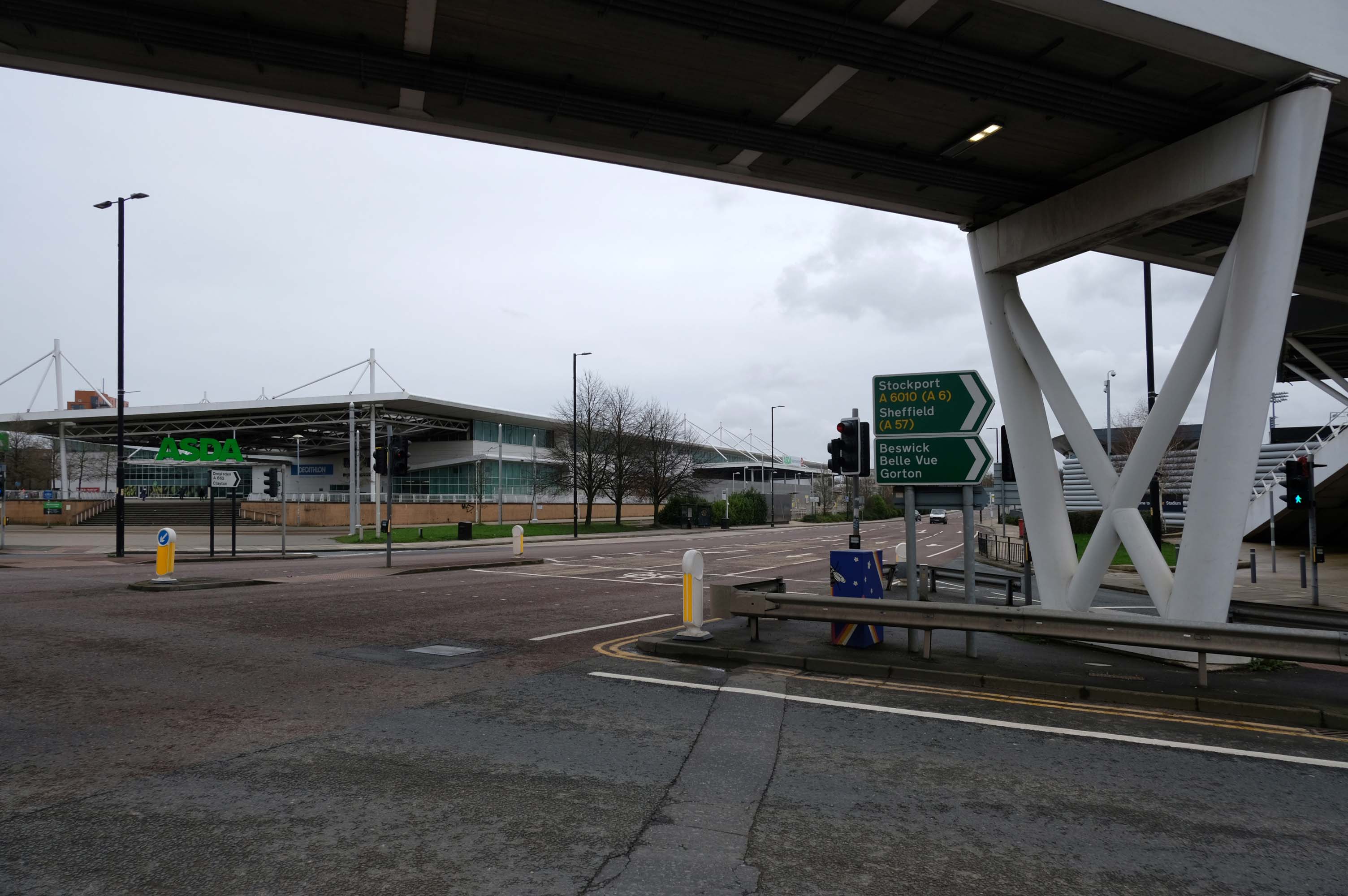
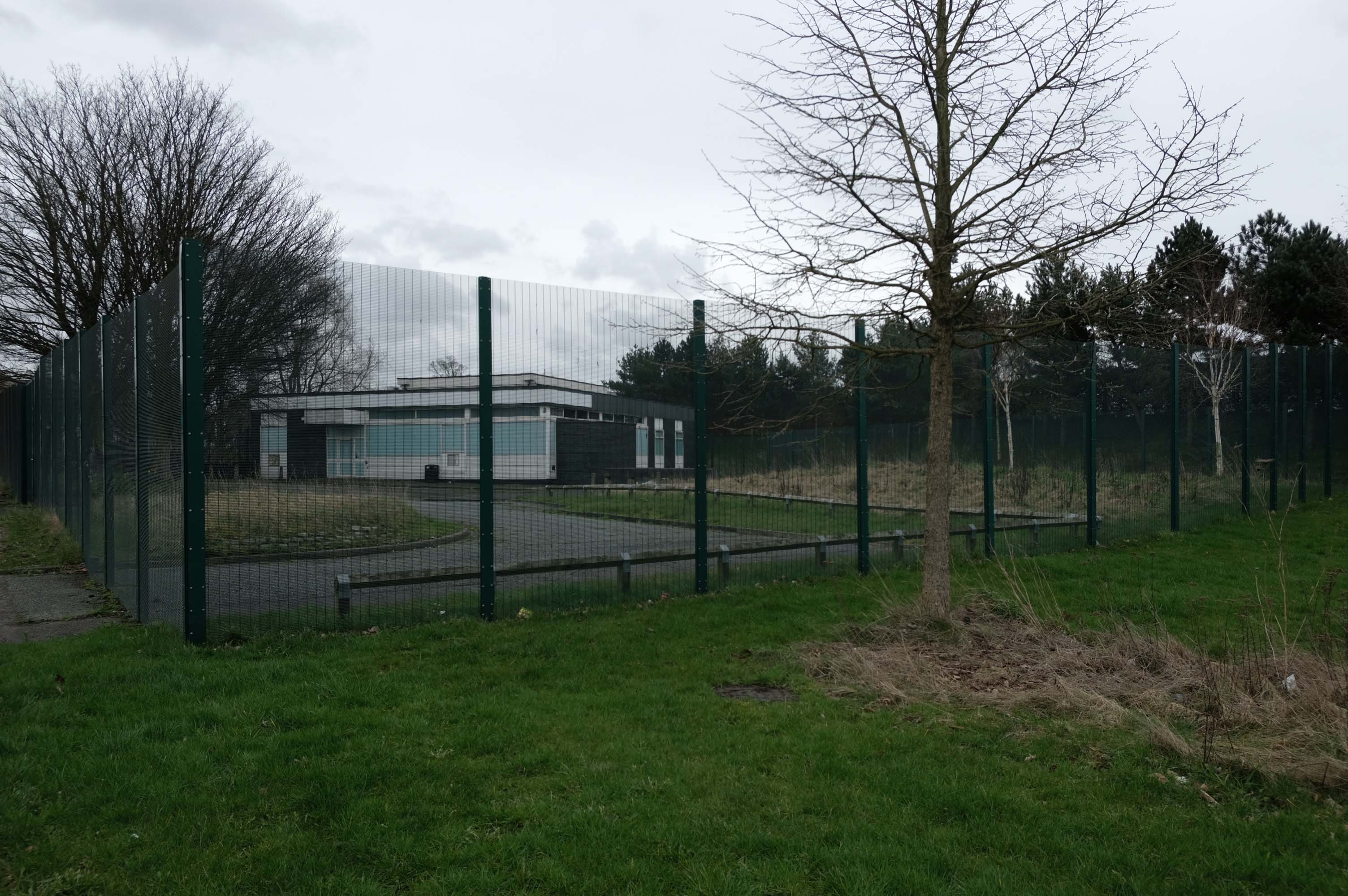
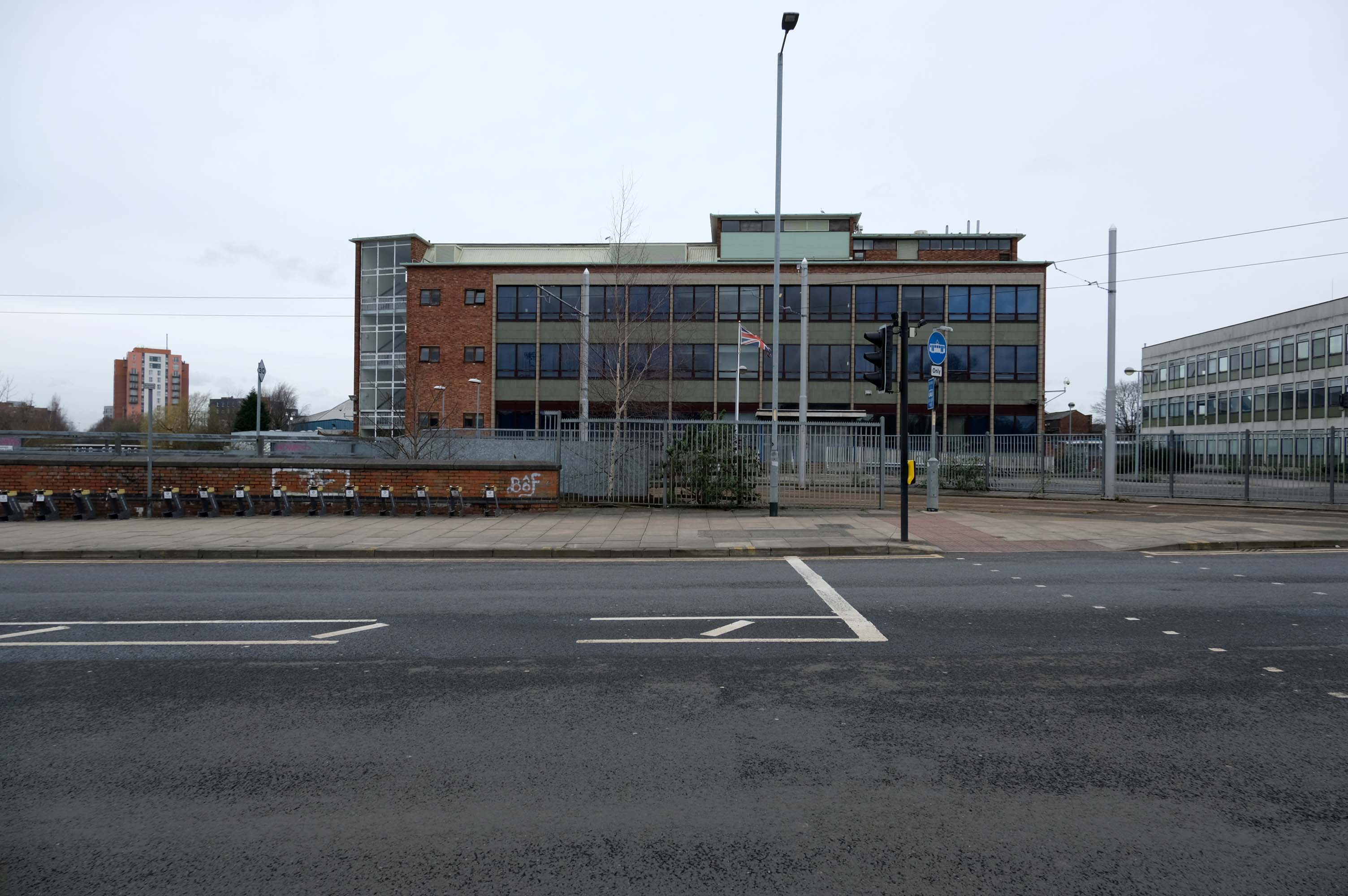
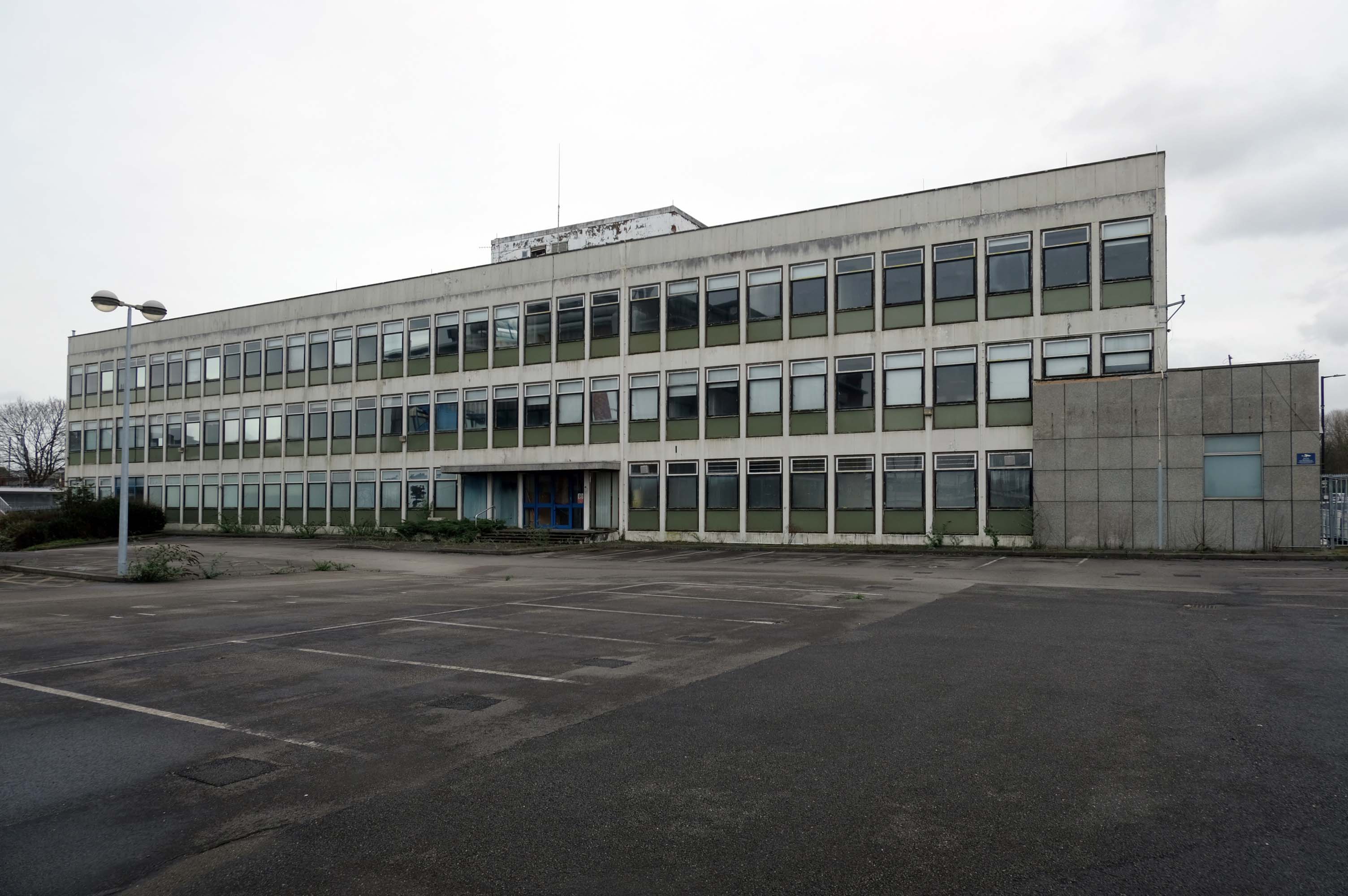

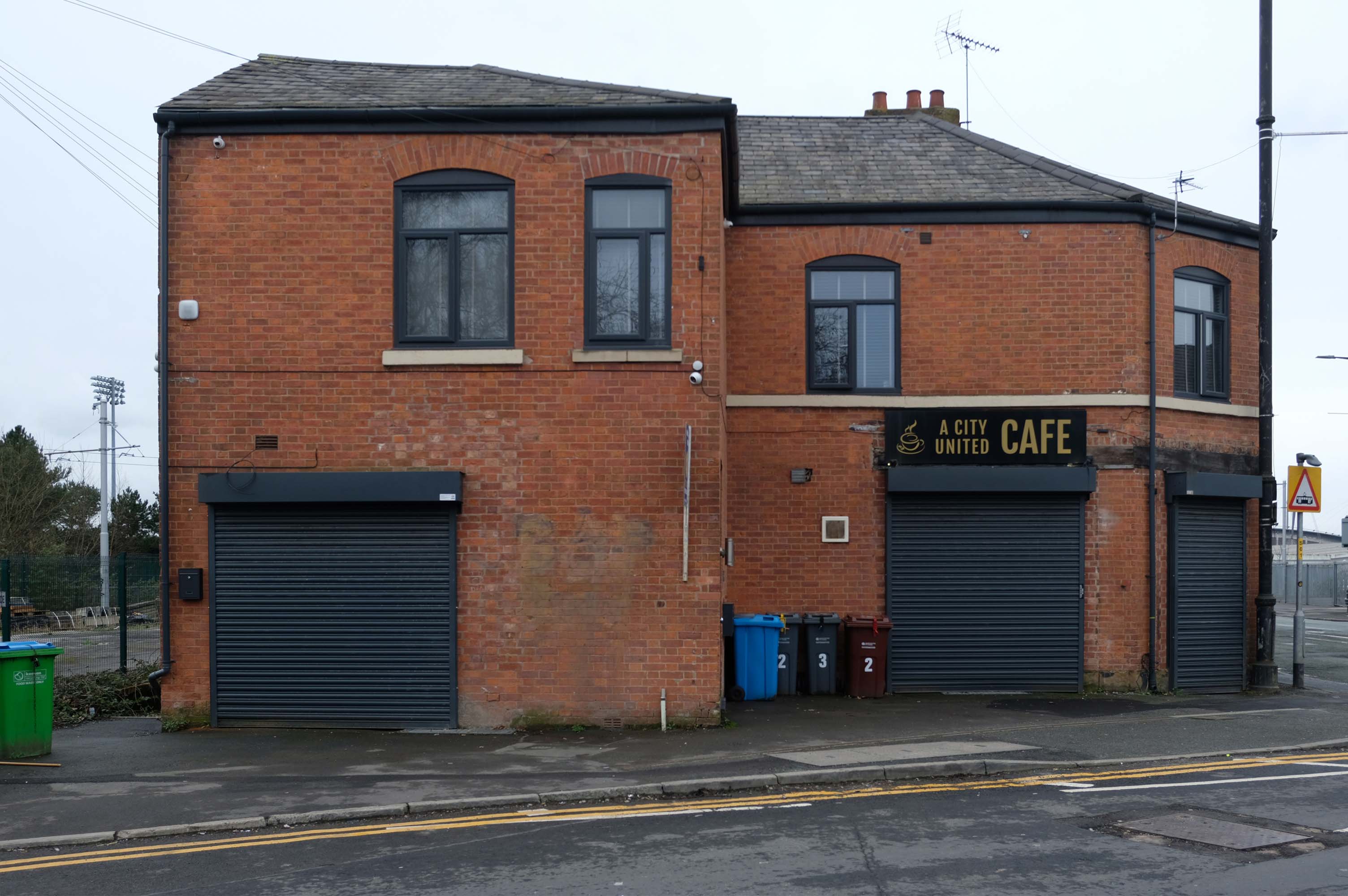
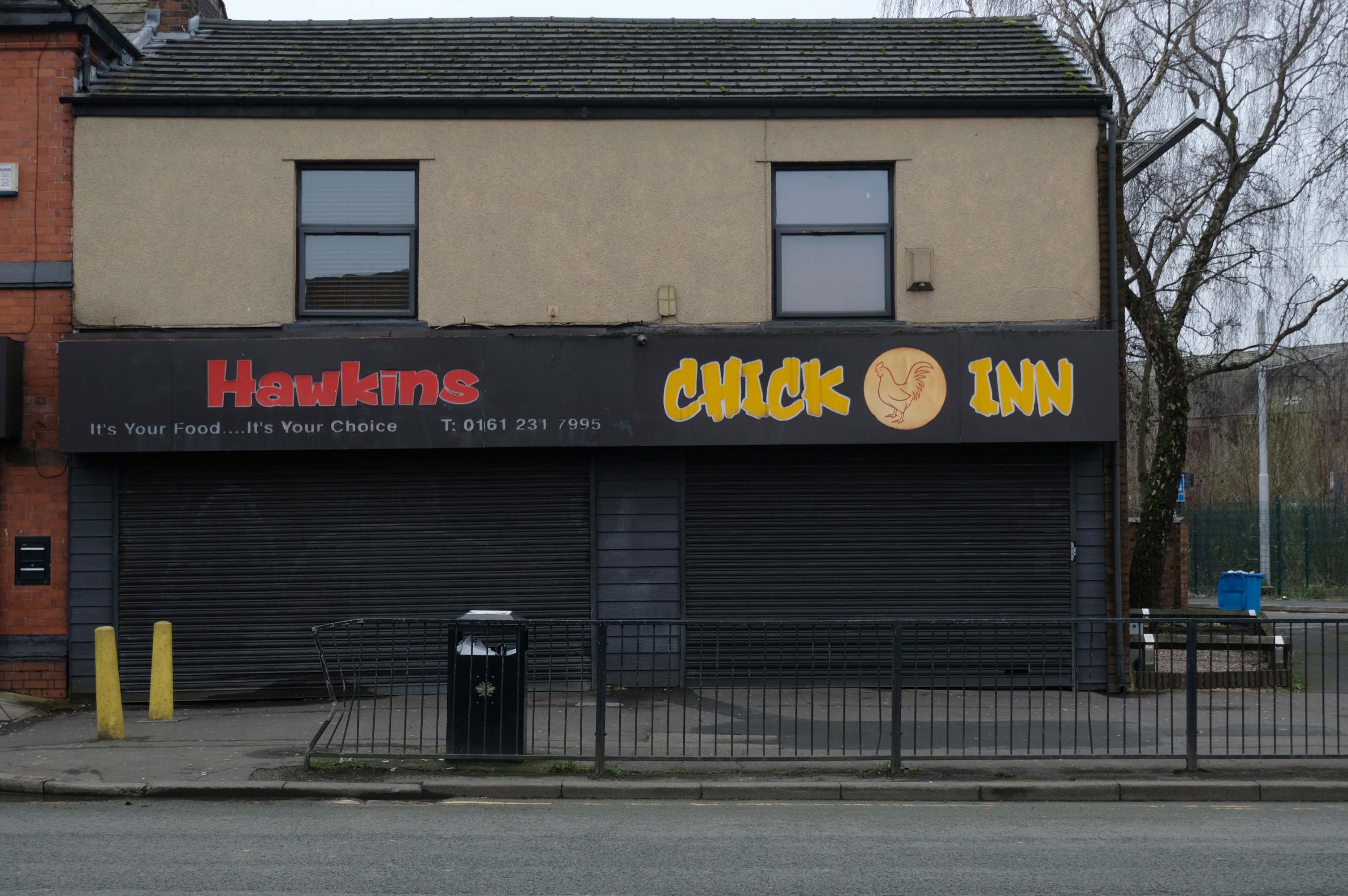







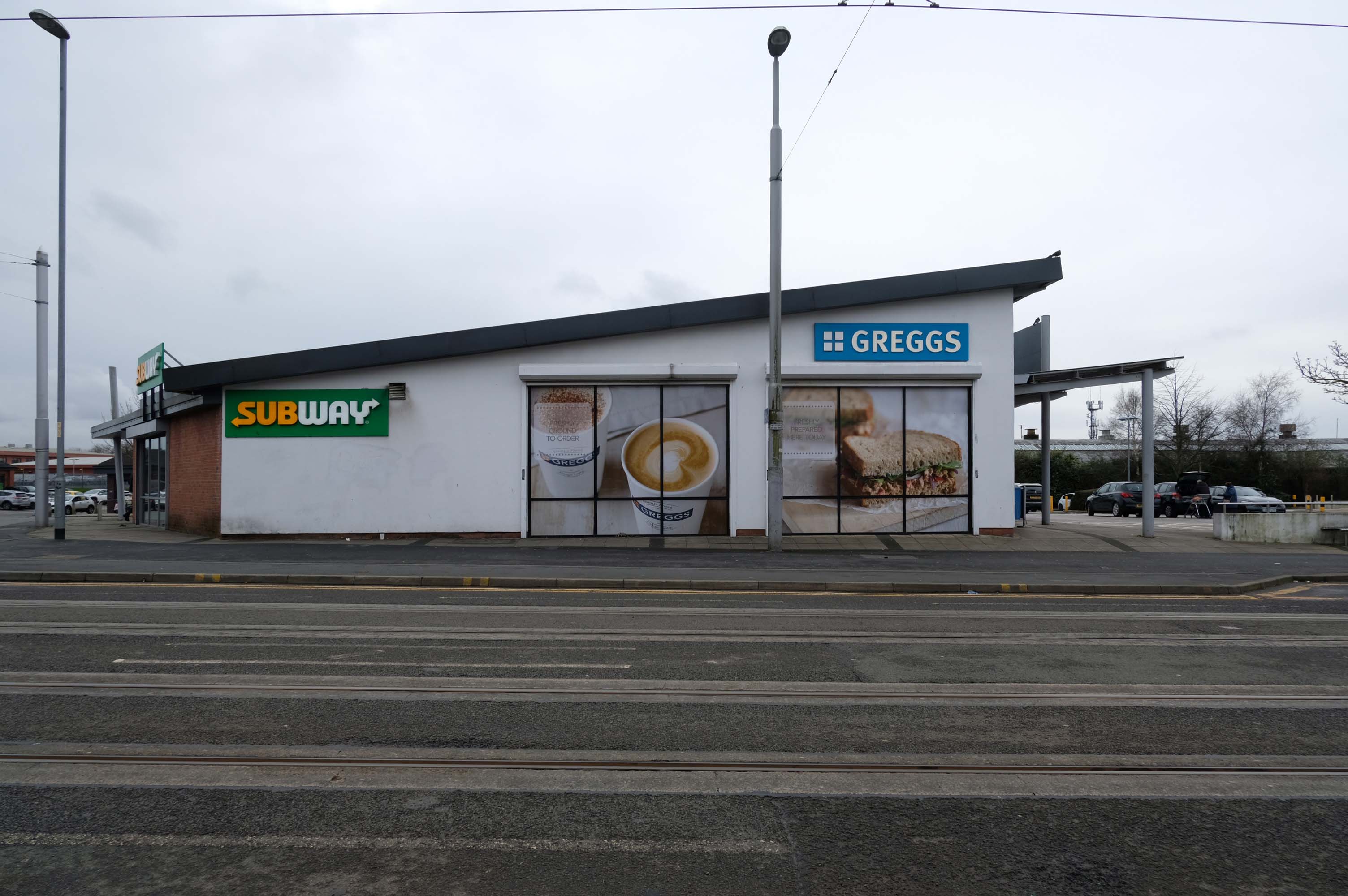
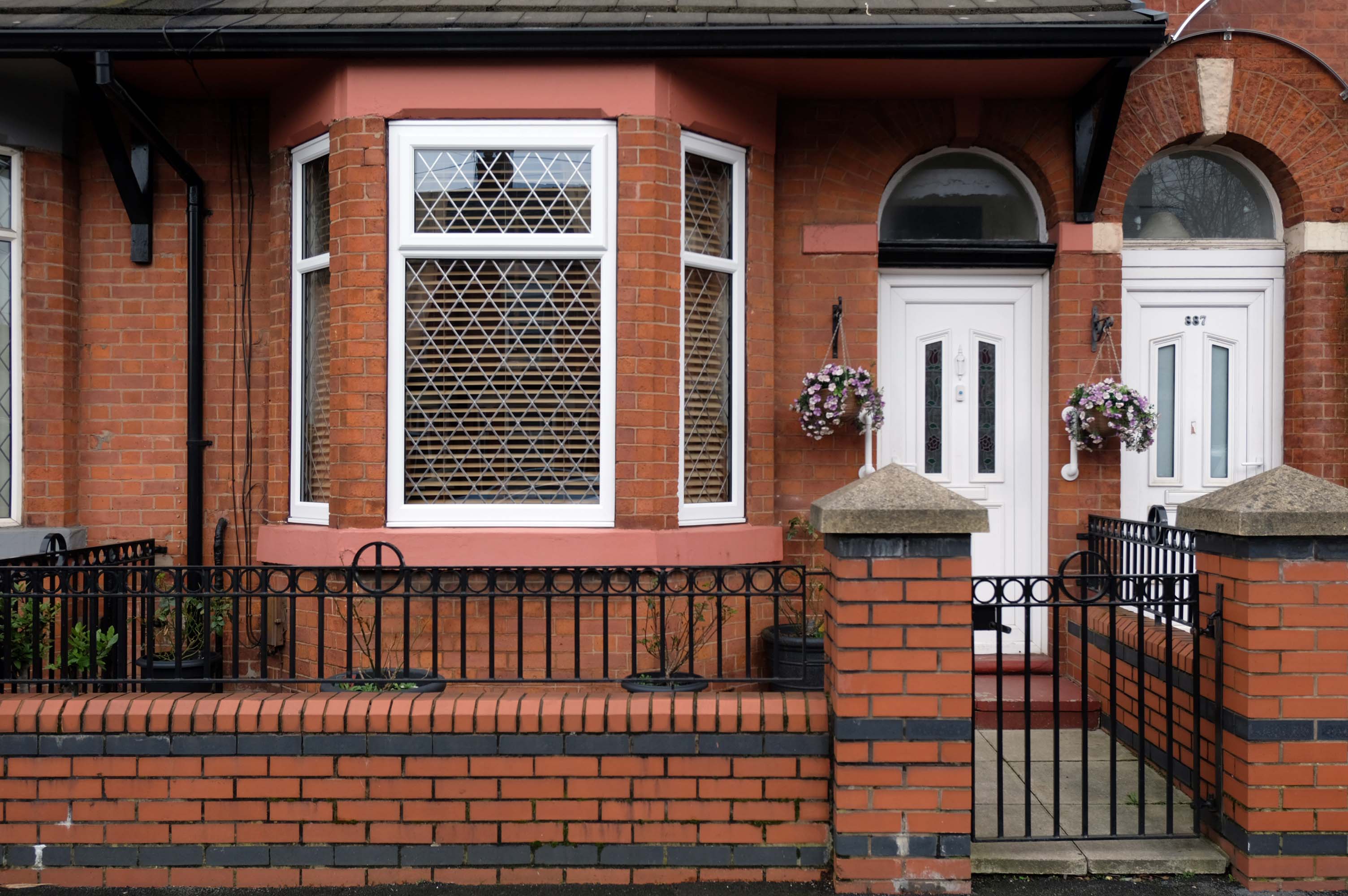
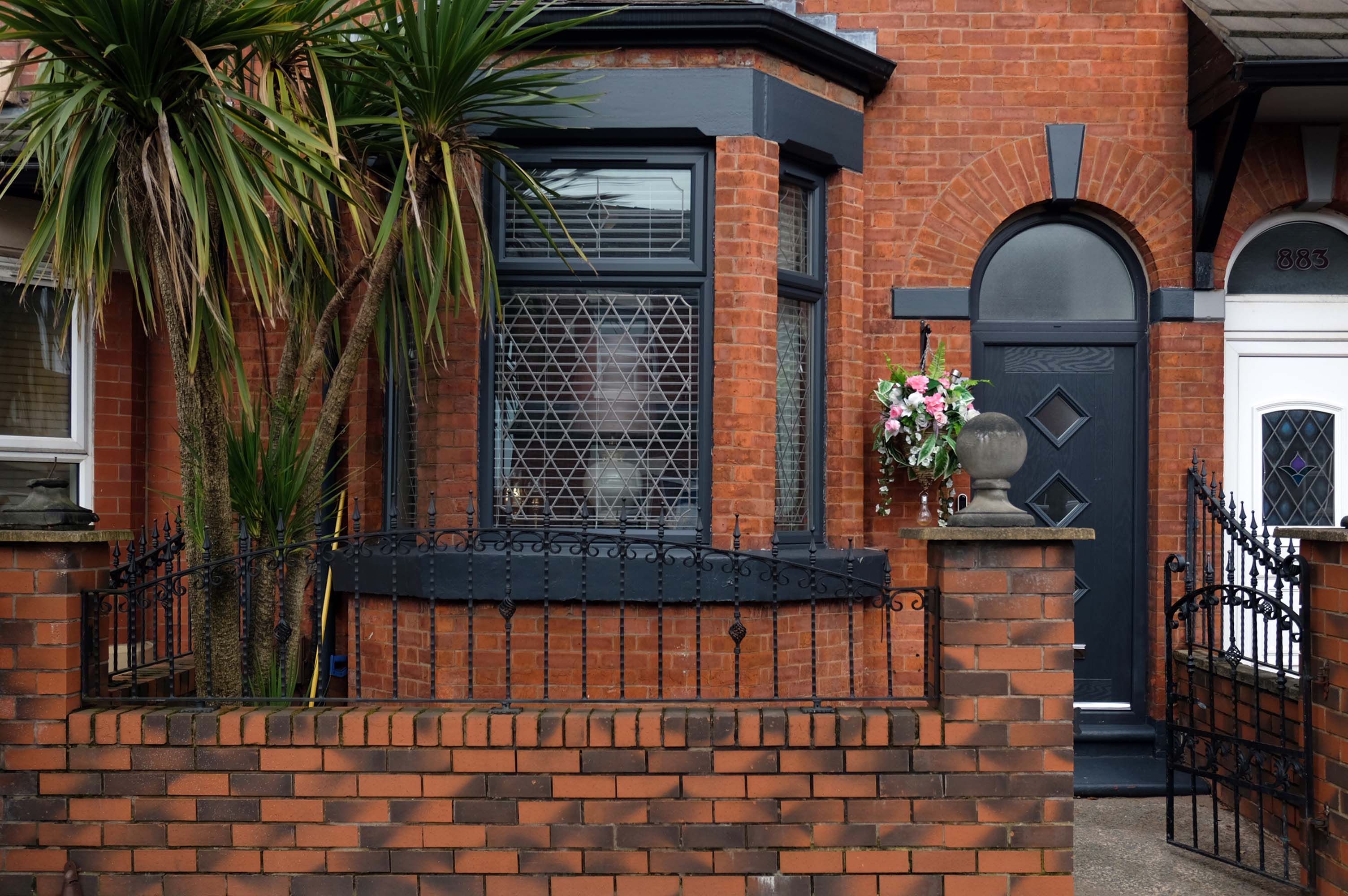
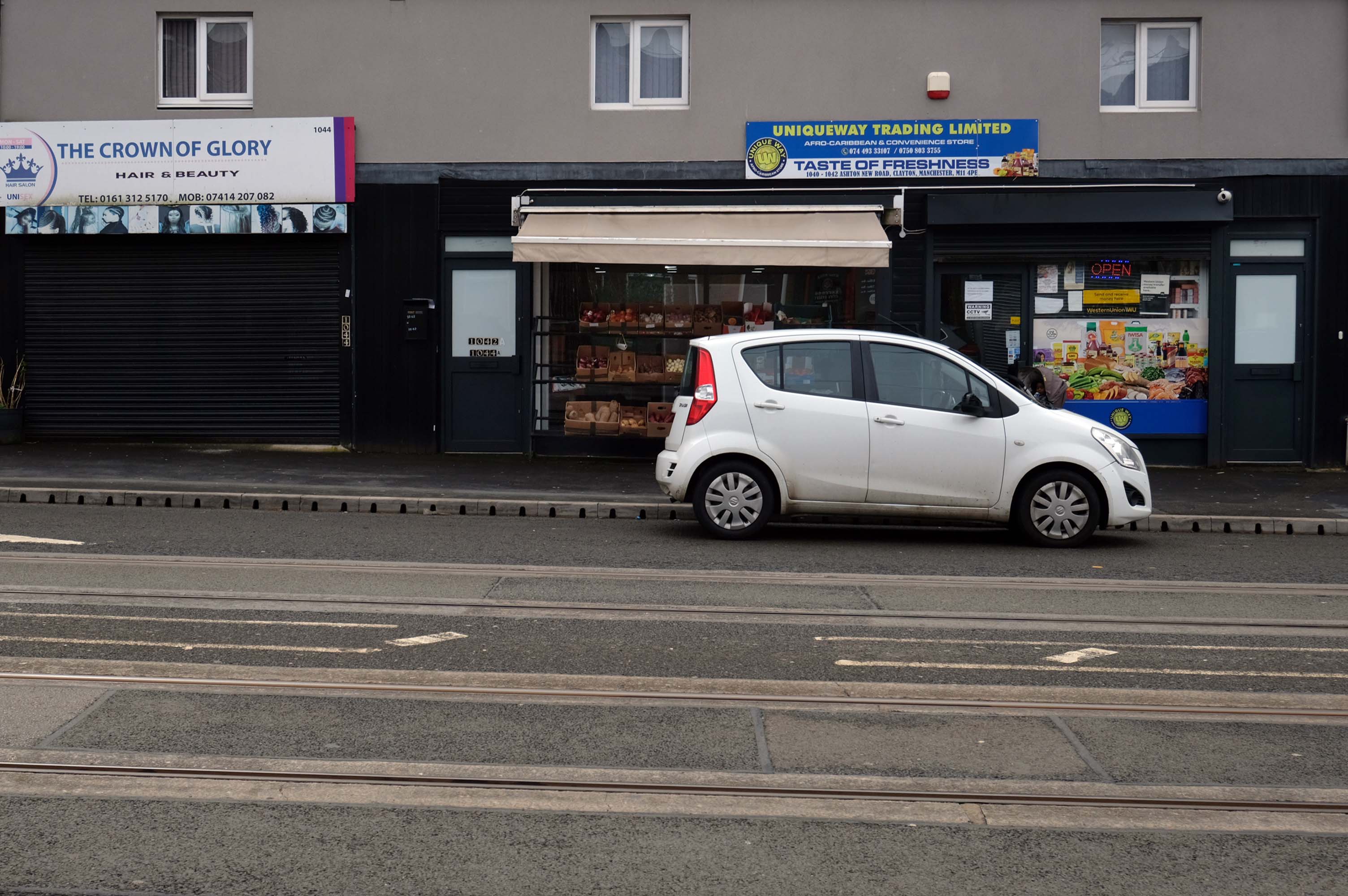

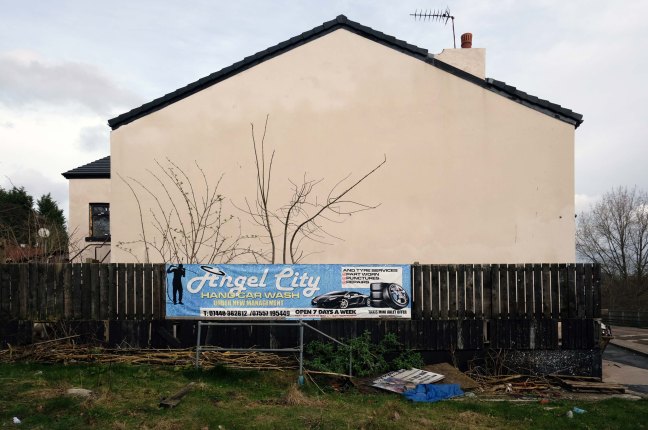
Having photographed the arterial roads of Manchester in 2014 I have resolved to return to the task in 2024.
Some things seem to have changed, some things seem to have stayed the same on Ashton New Road.

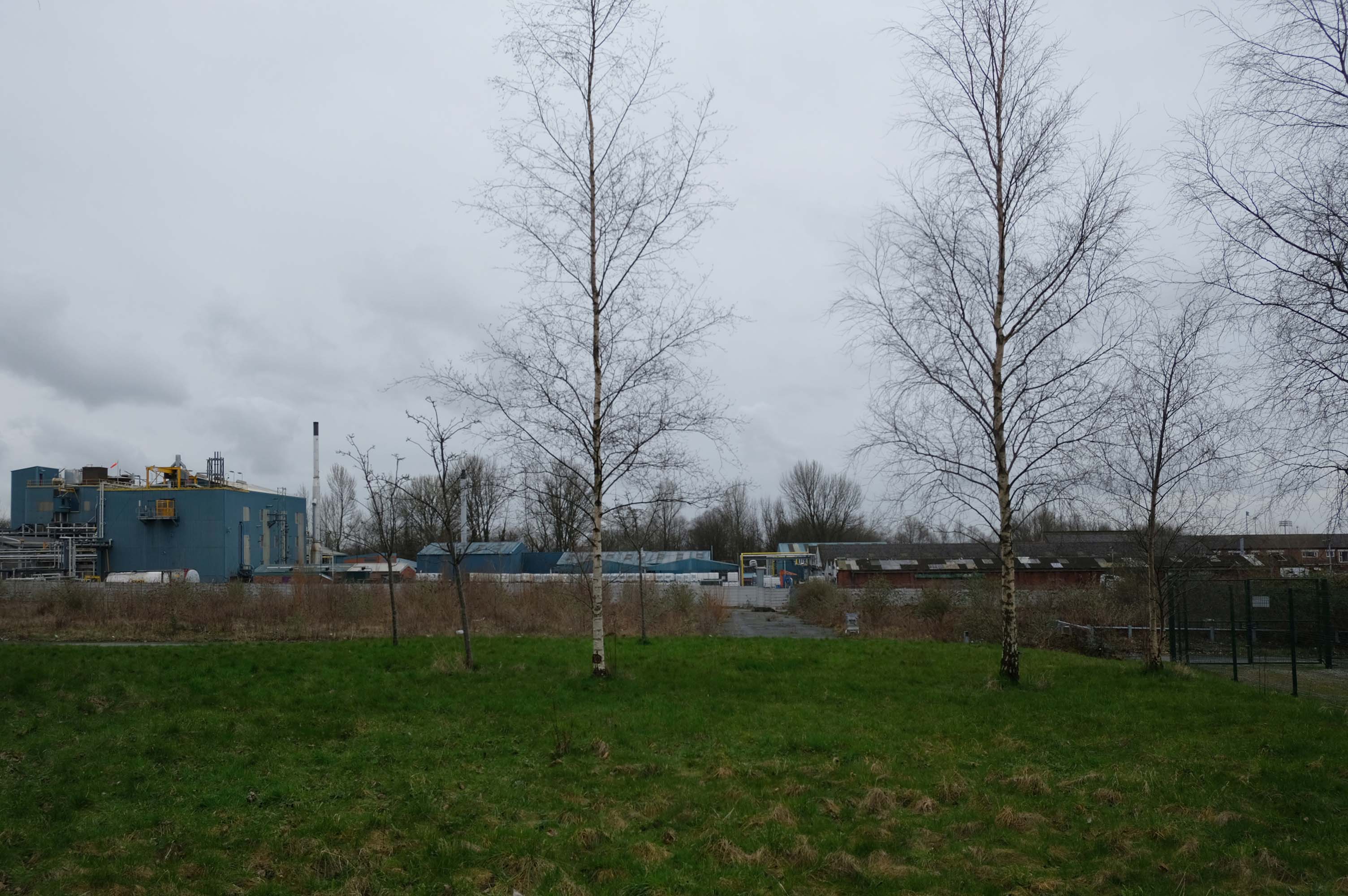
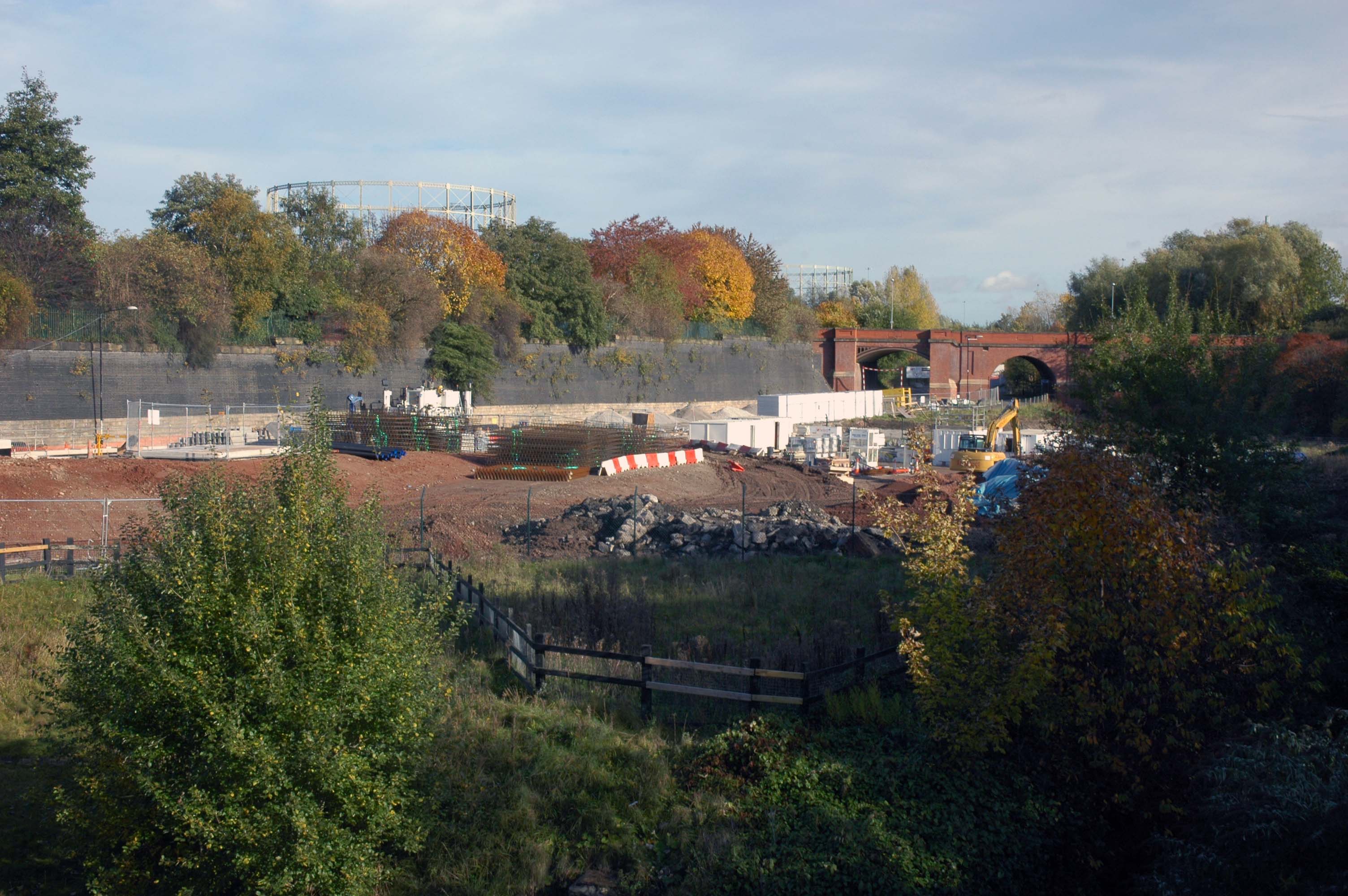
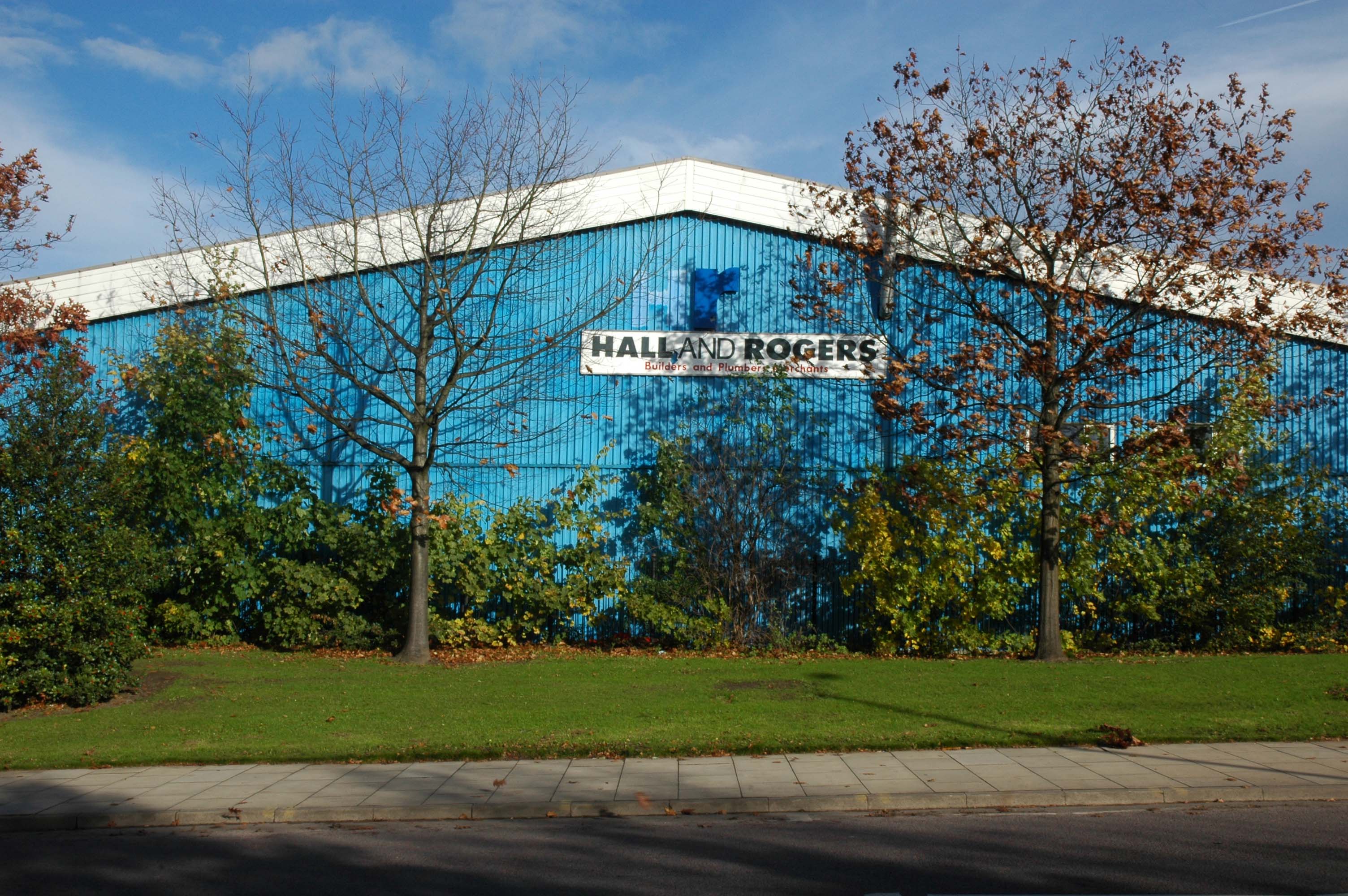
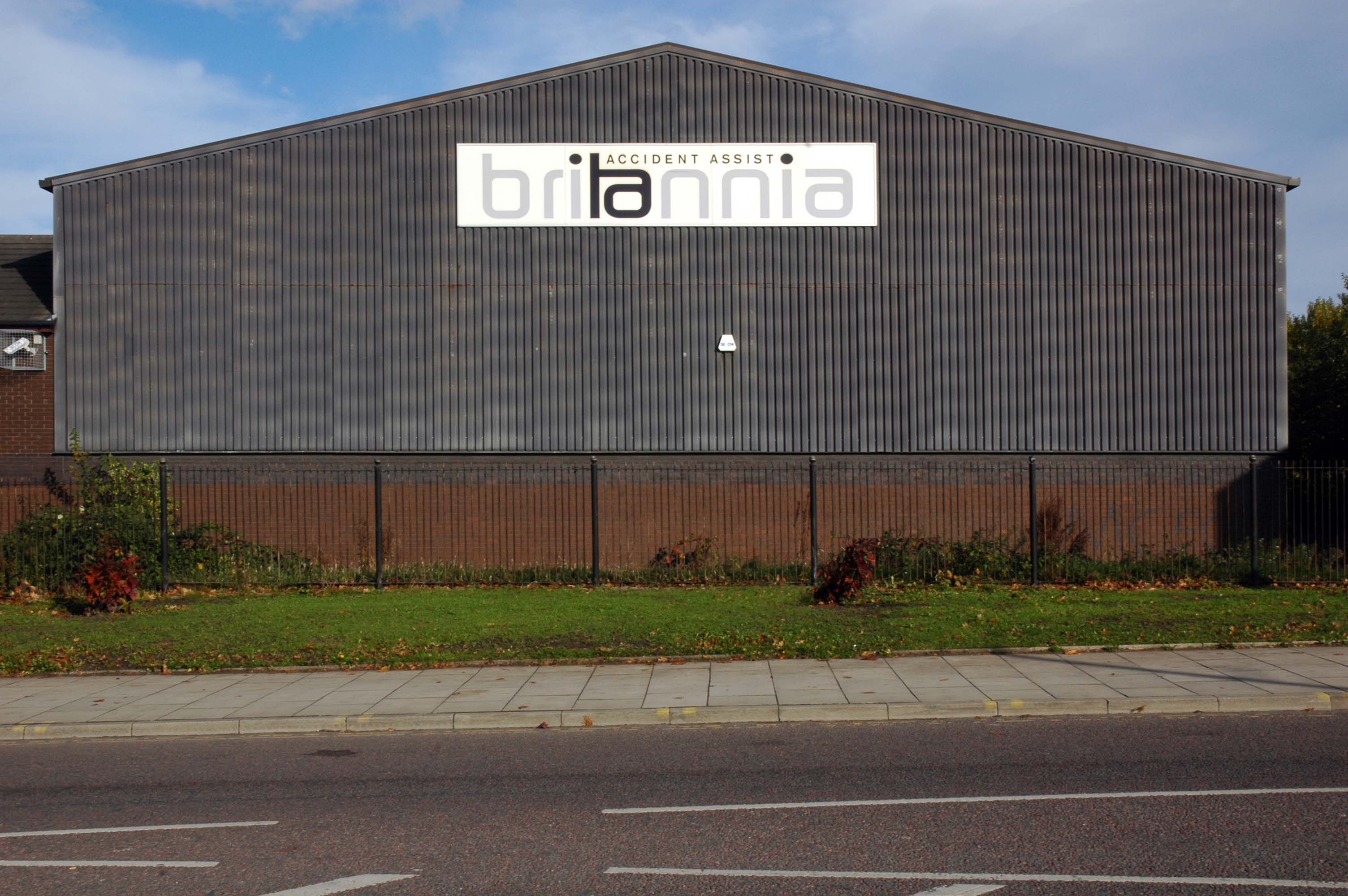
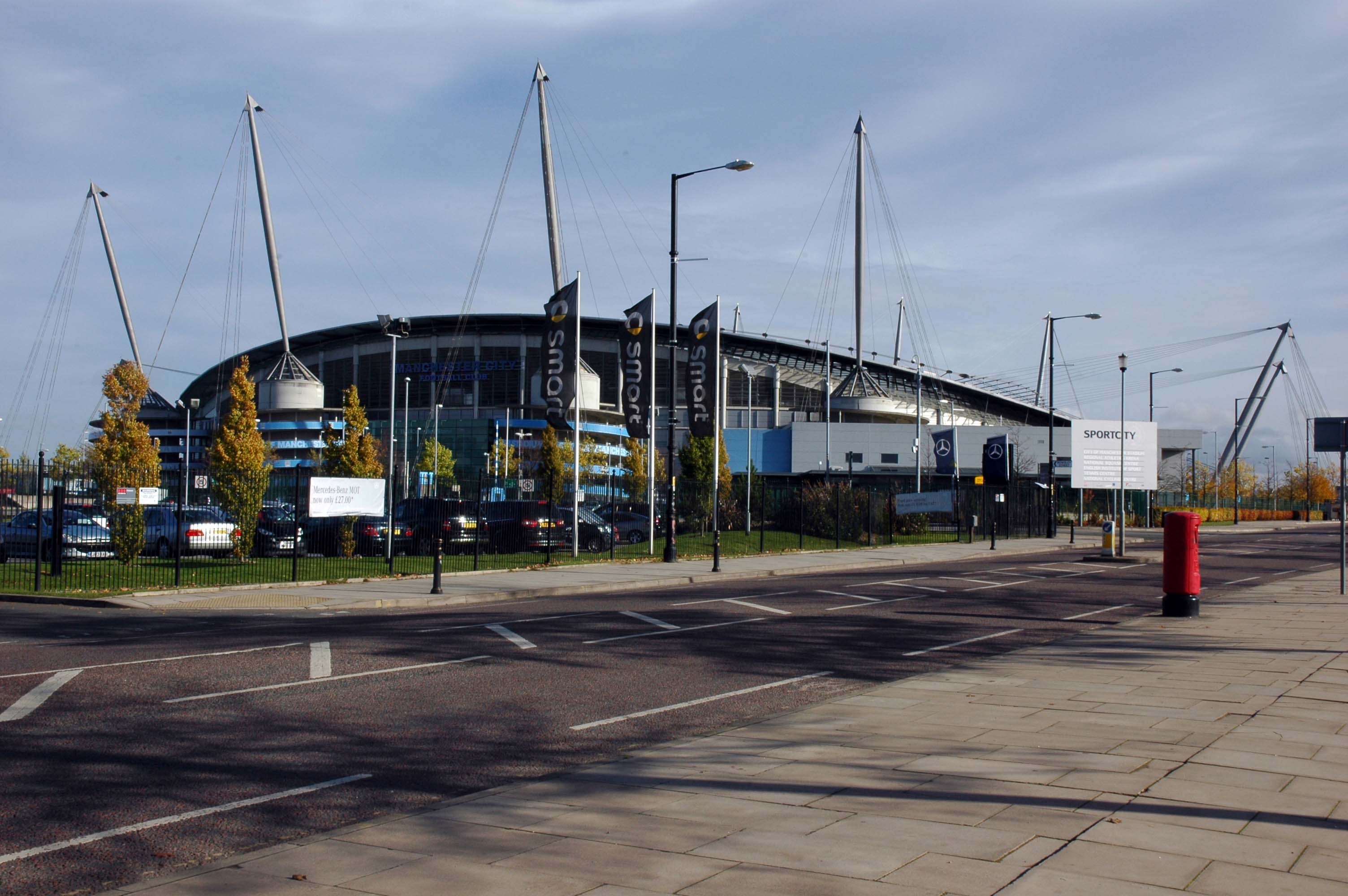
Starting at traffic lights on the A665 the road heads northeastwards, initially with the Metrolink on the left and a factory building on the right. The road then bears right at traffic lights marking the first section of on-street running for the trams, which lasts until just before a bridge over the River Medlock, after which the road passes to the south of the Sportcity complex whilst the tram line runs through the middle.
The A6010 is crossed at traffic lights, after which we see the tram lines on the left once more. We go over the Ashton Canal, then the tram lines at grade before bearing to the right to pass Clayton Park before another section of on-street running for the Metrolink begins, which continues for some distance. Just after crossing the Manchester city limit there is a set of traffic lights, after which the road becomes D2 for a short distance to allow a tram stop – Edge Lane, to be located in the central reservation. The tram leaves the road to the right for the next stop – Cemetery Road, and the stop in Droylsden town centre is once again in the central reservation. In all three cases the street running recommences after the stop.
In 2014, having taken early retirement from teaching photography, I embarked on a series of walks along the arterial roads of Manchester.
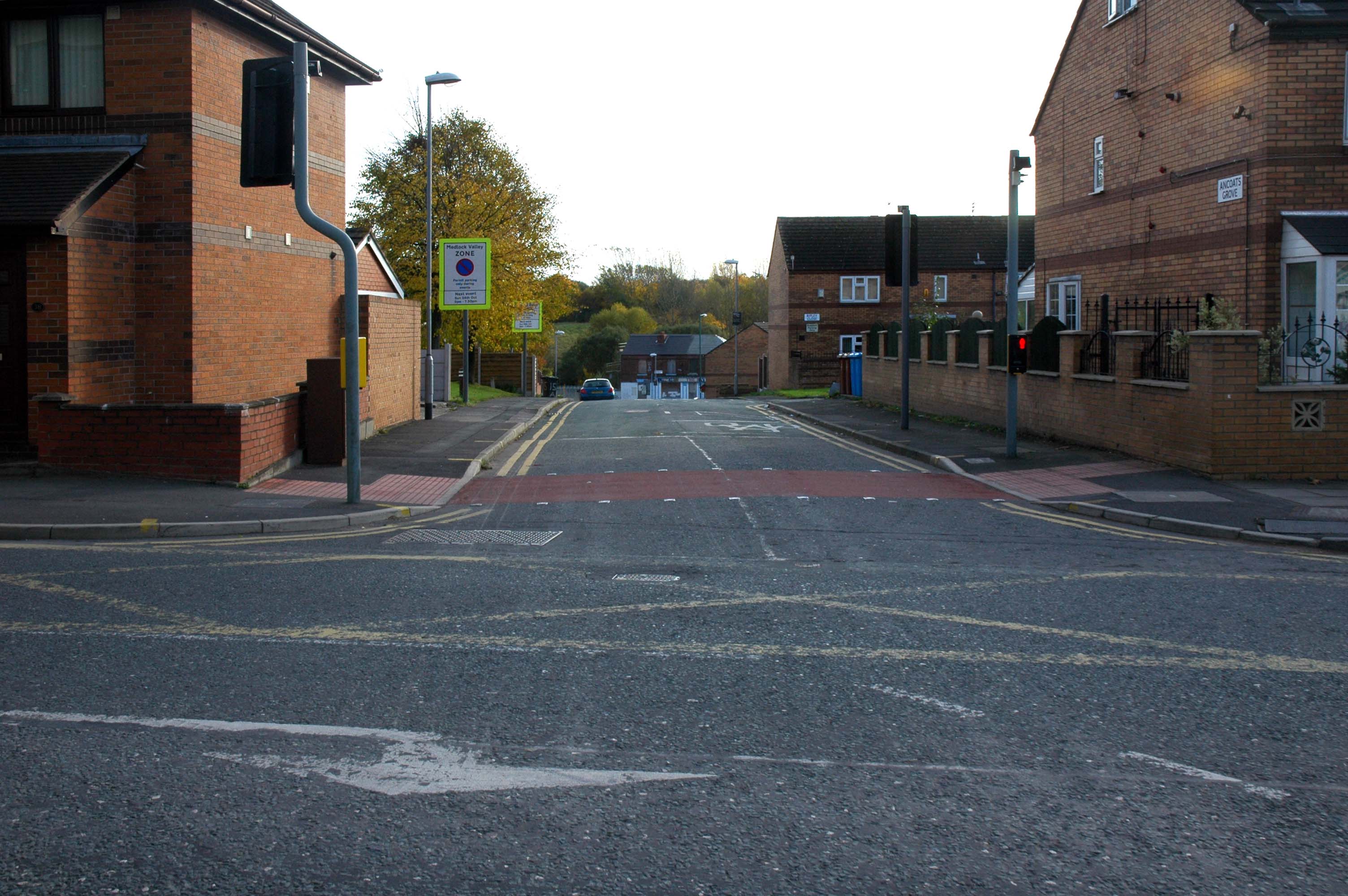

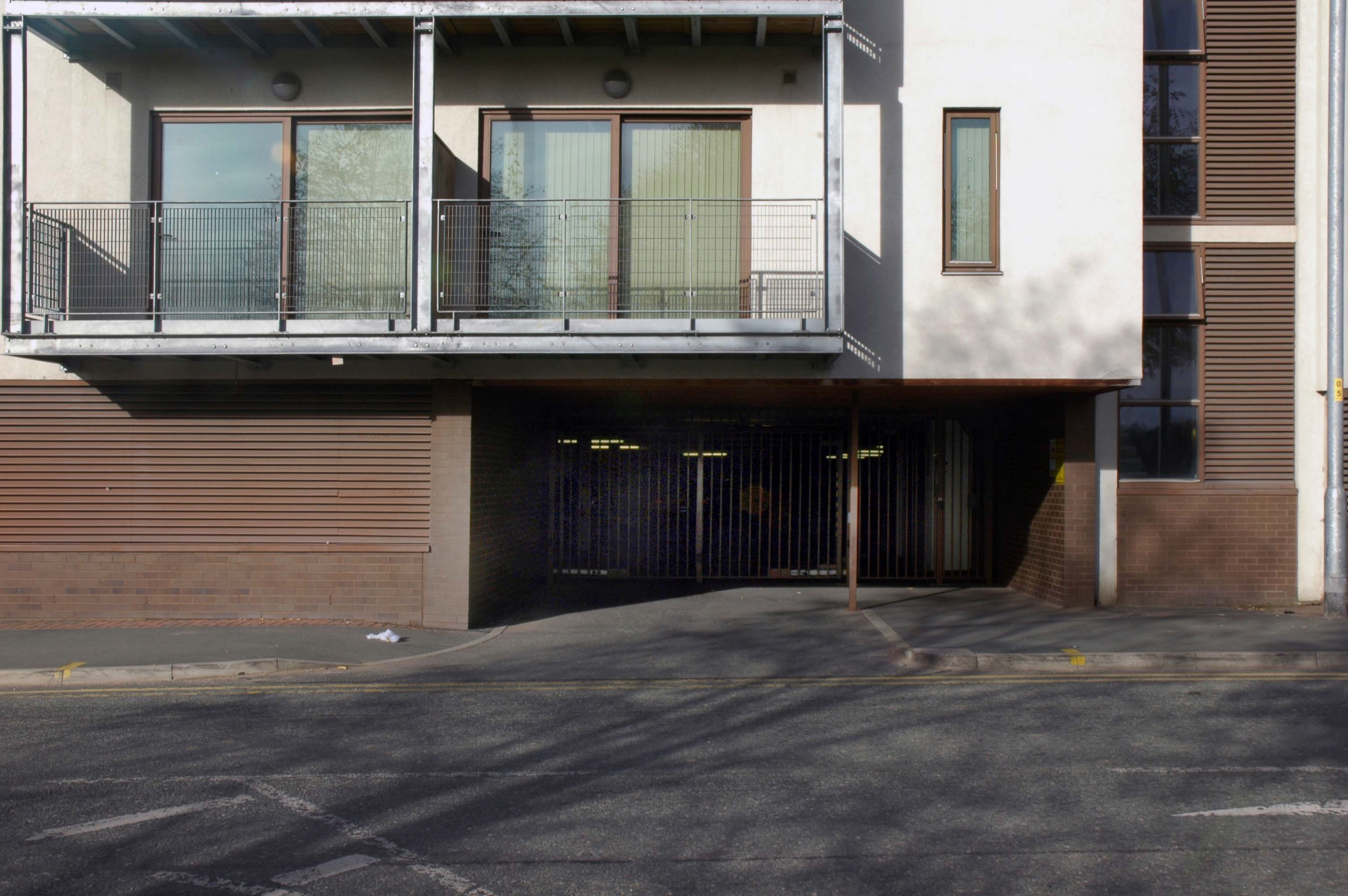

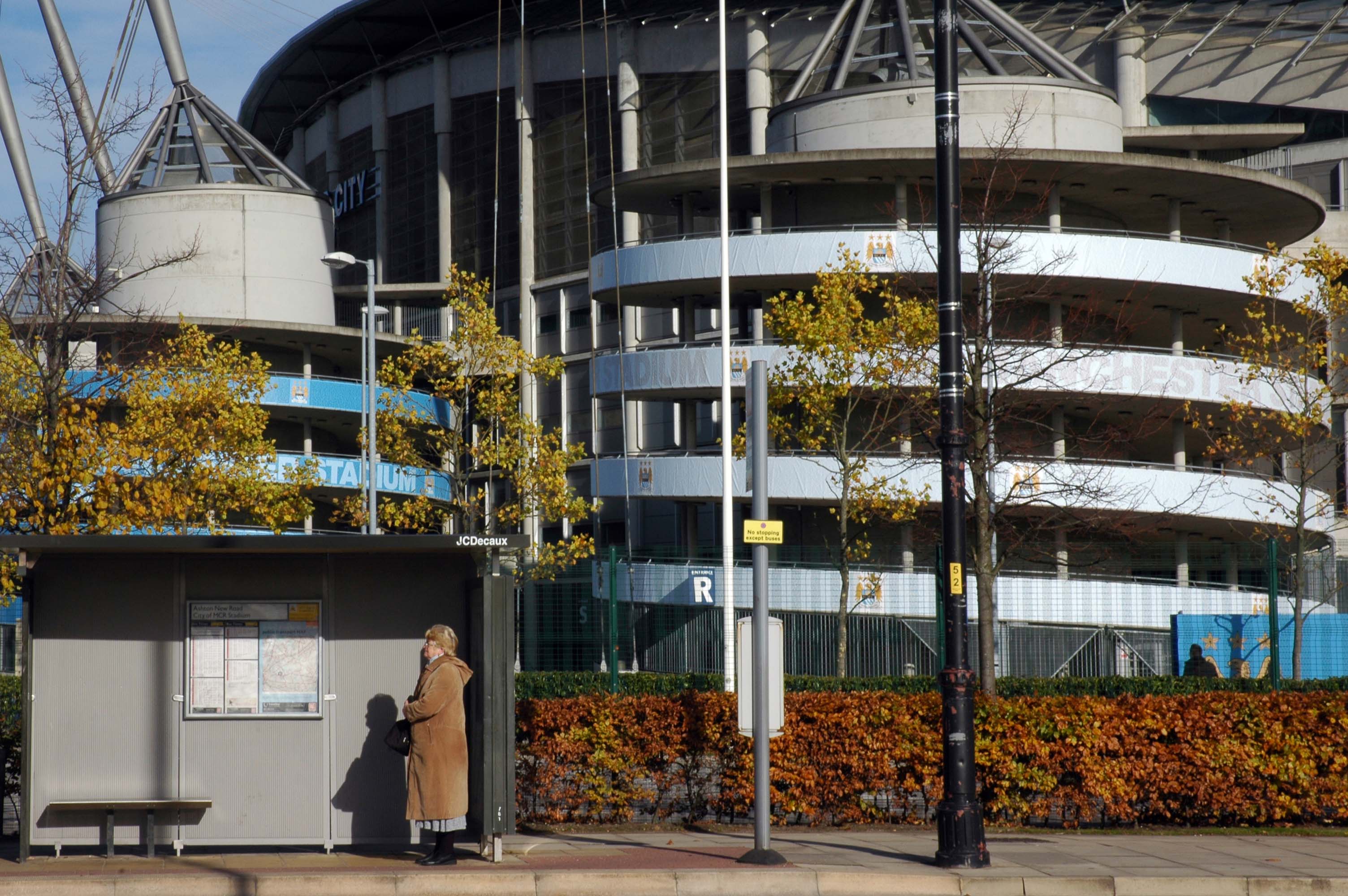
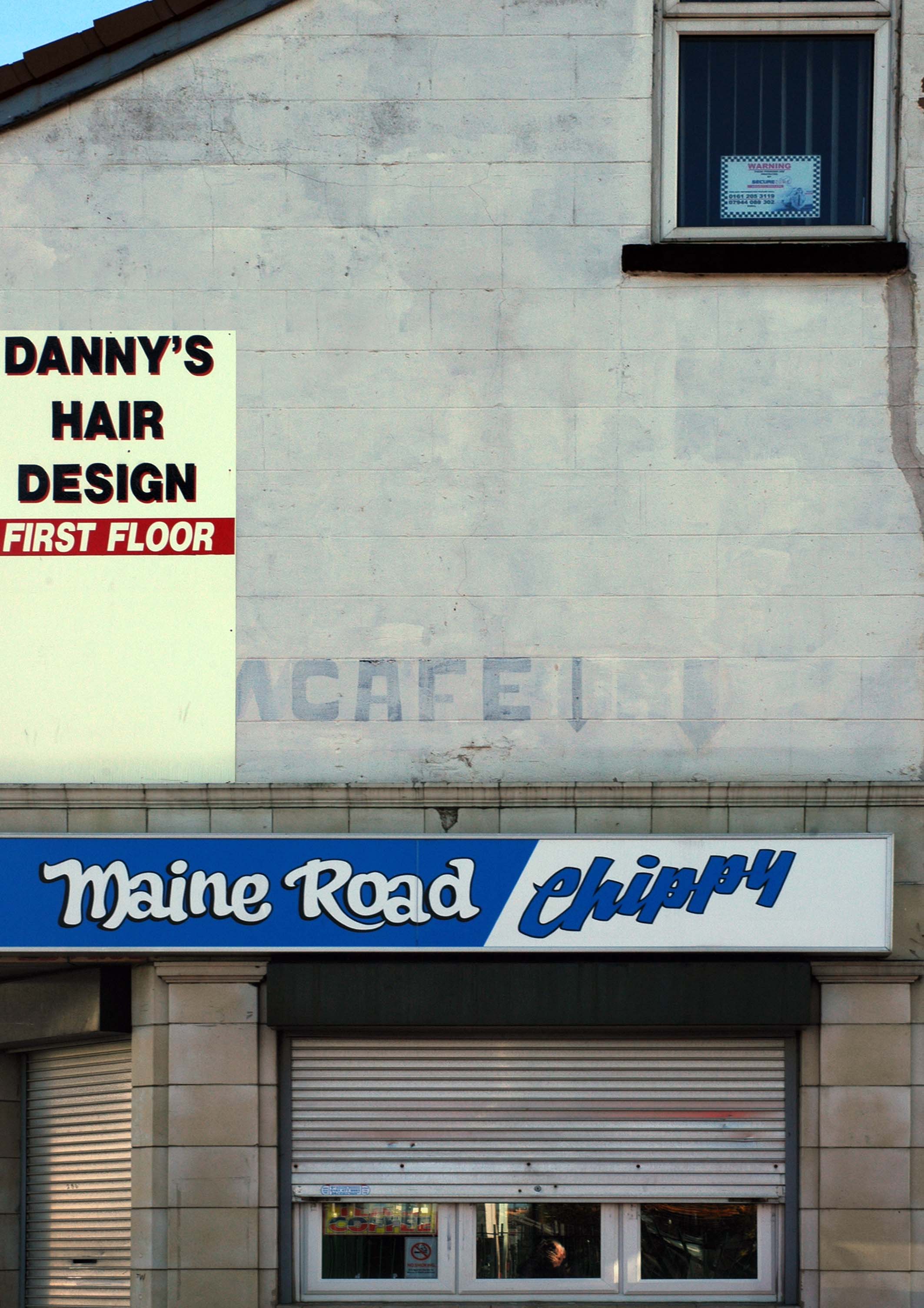
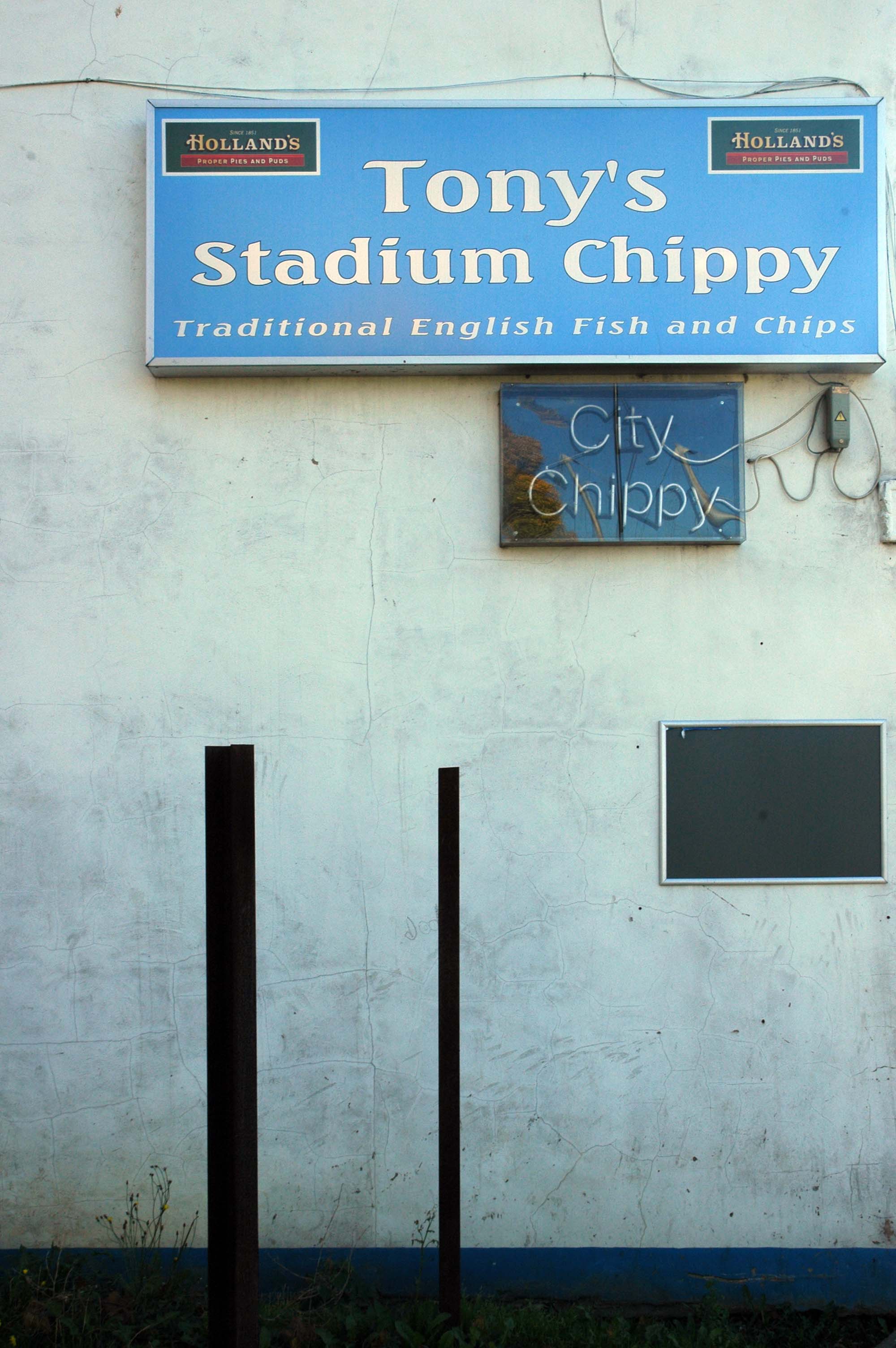


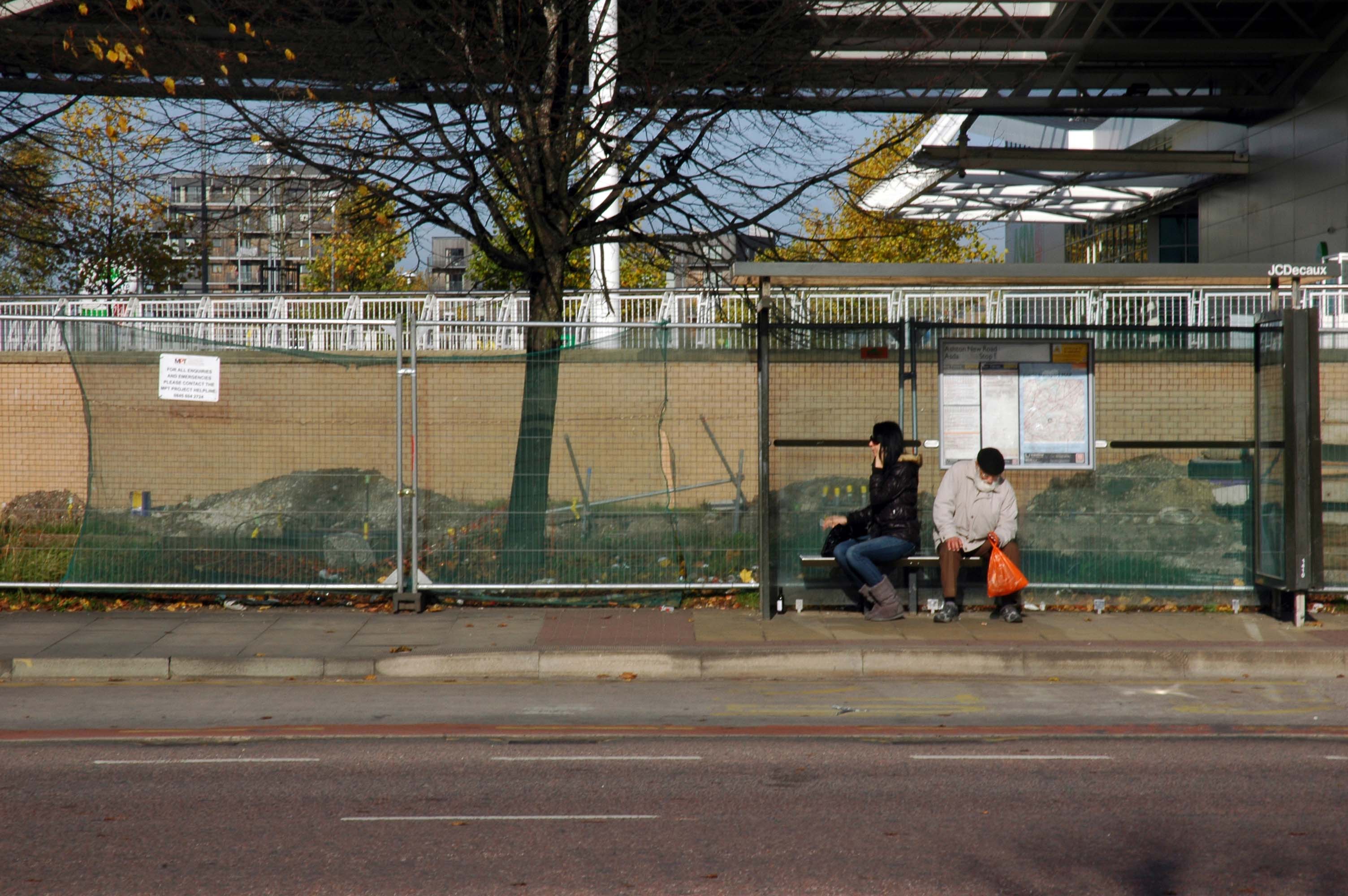
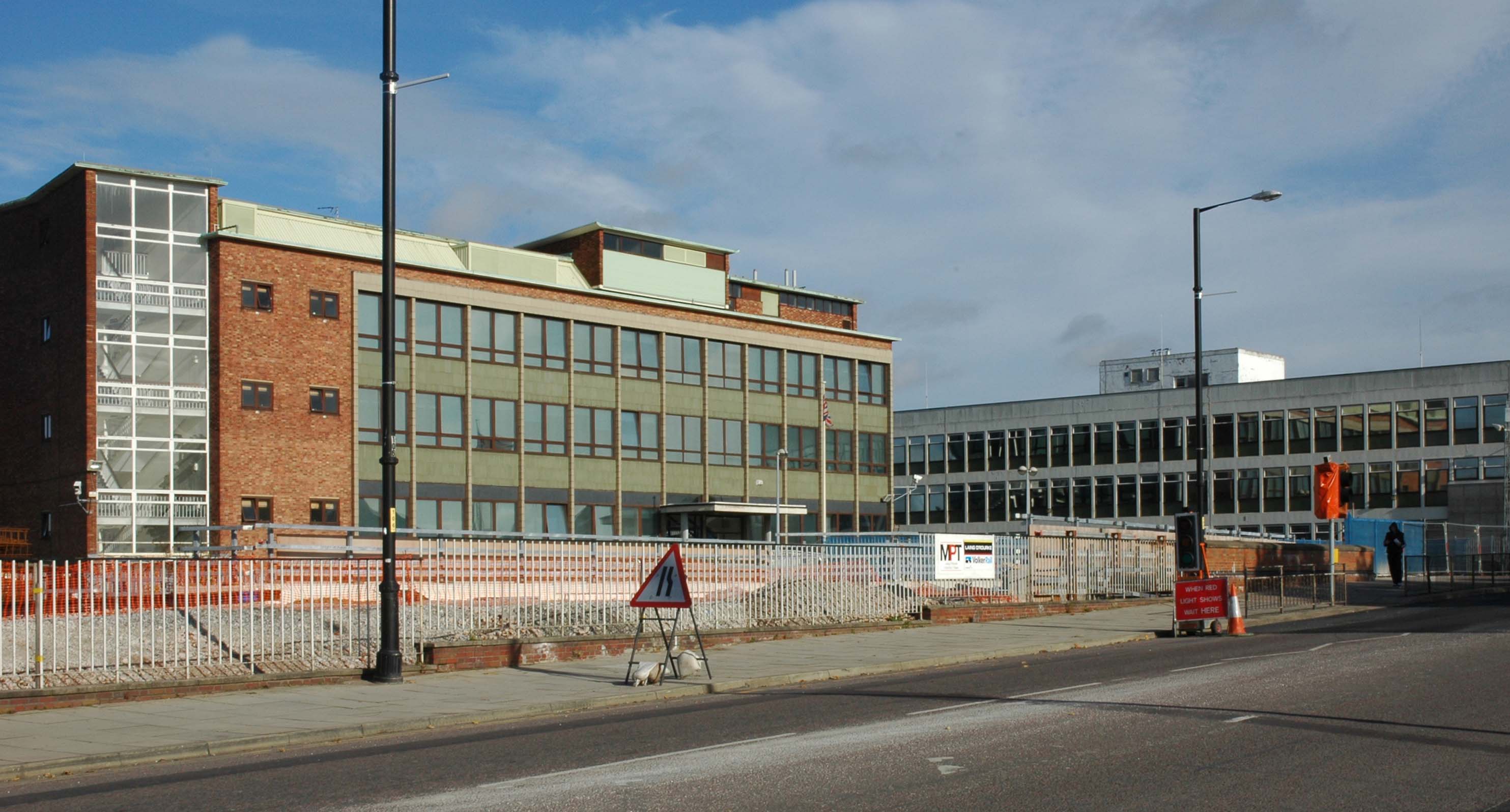


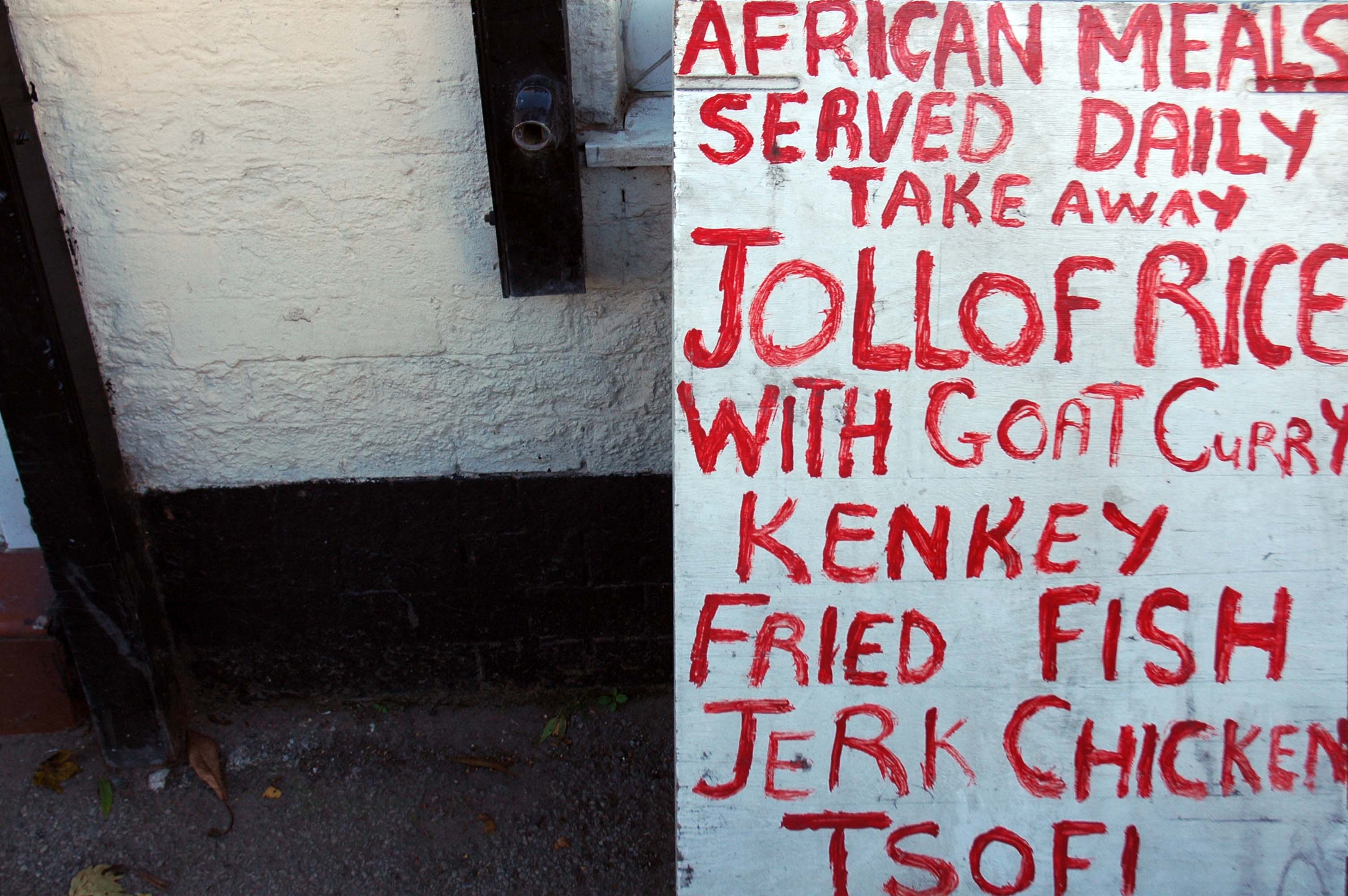
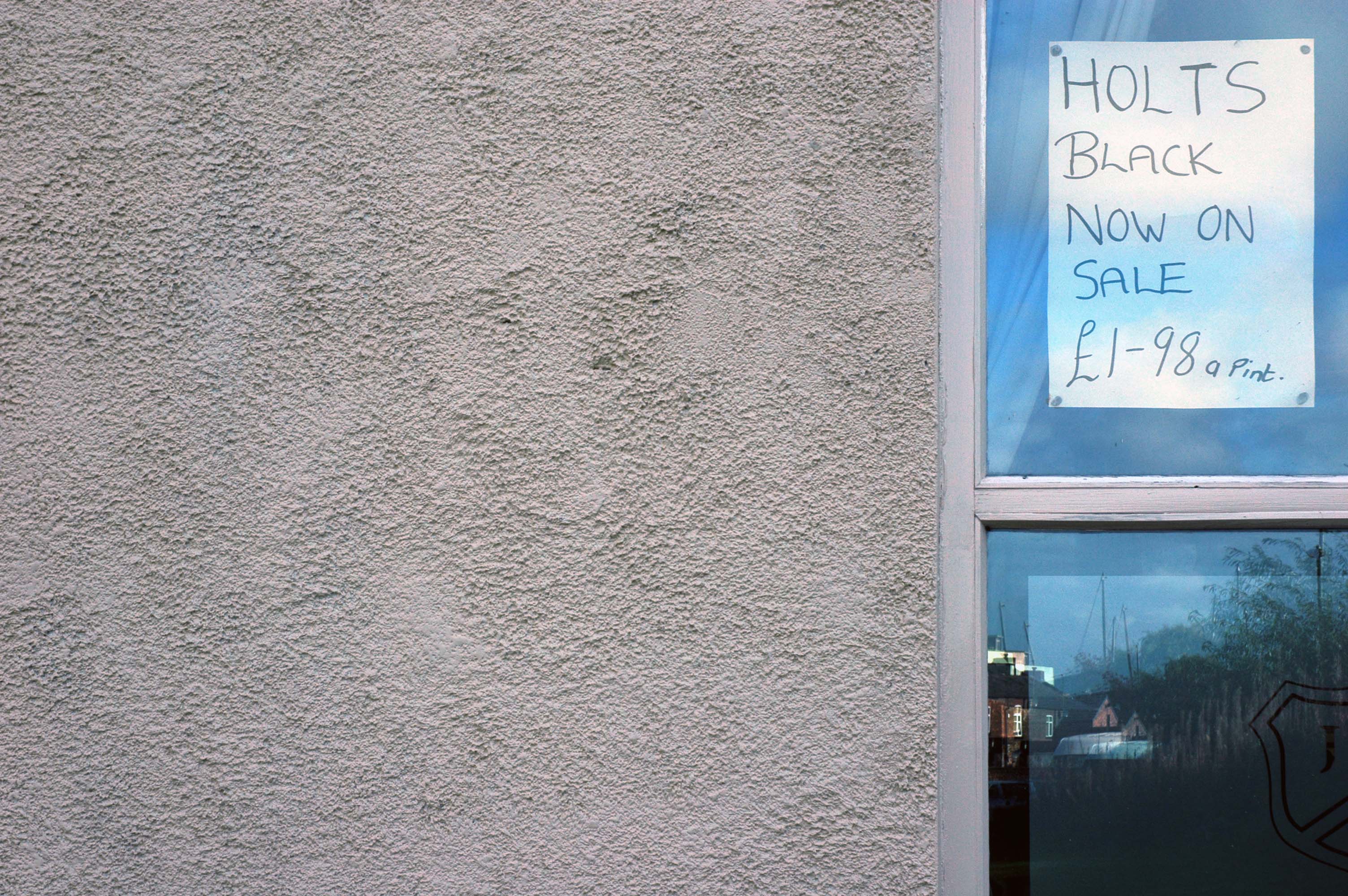

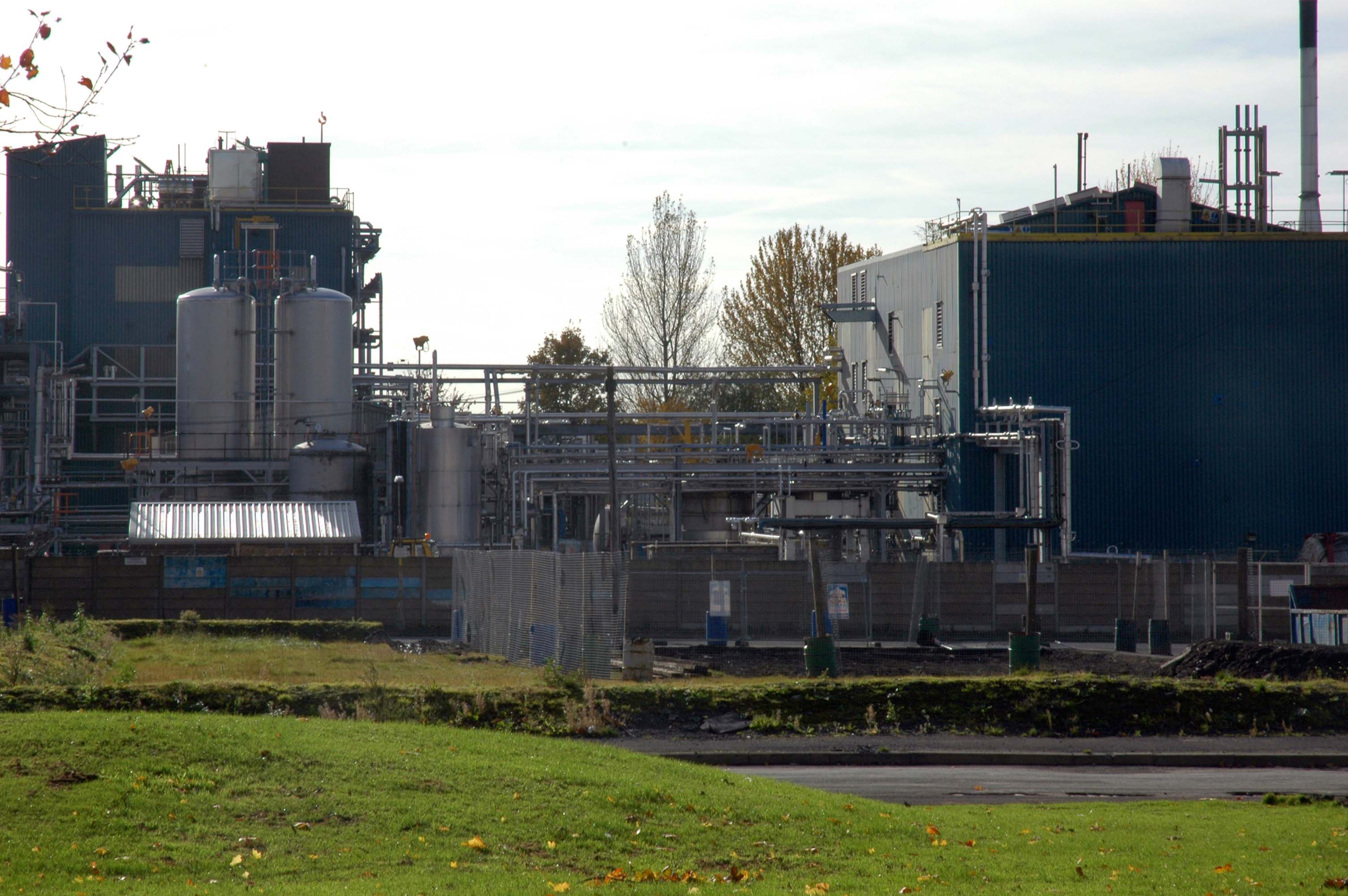

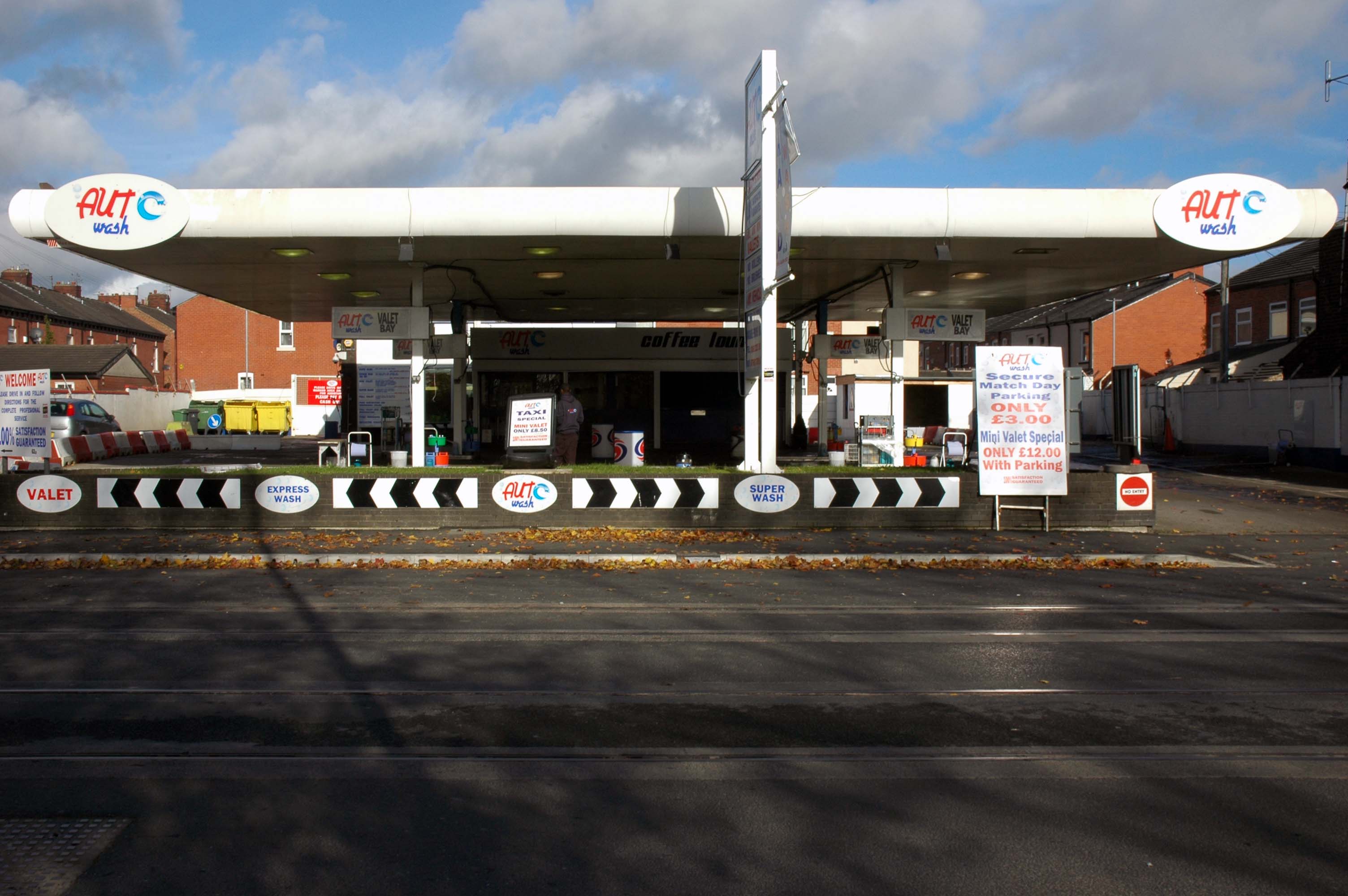
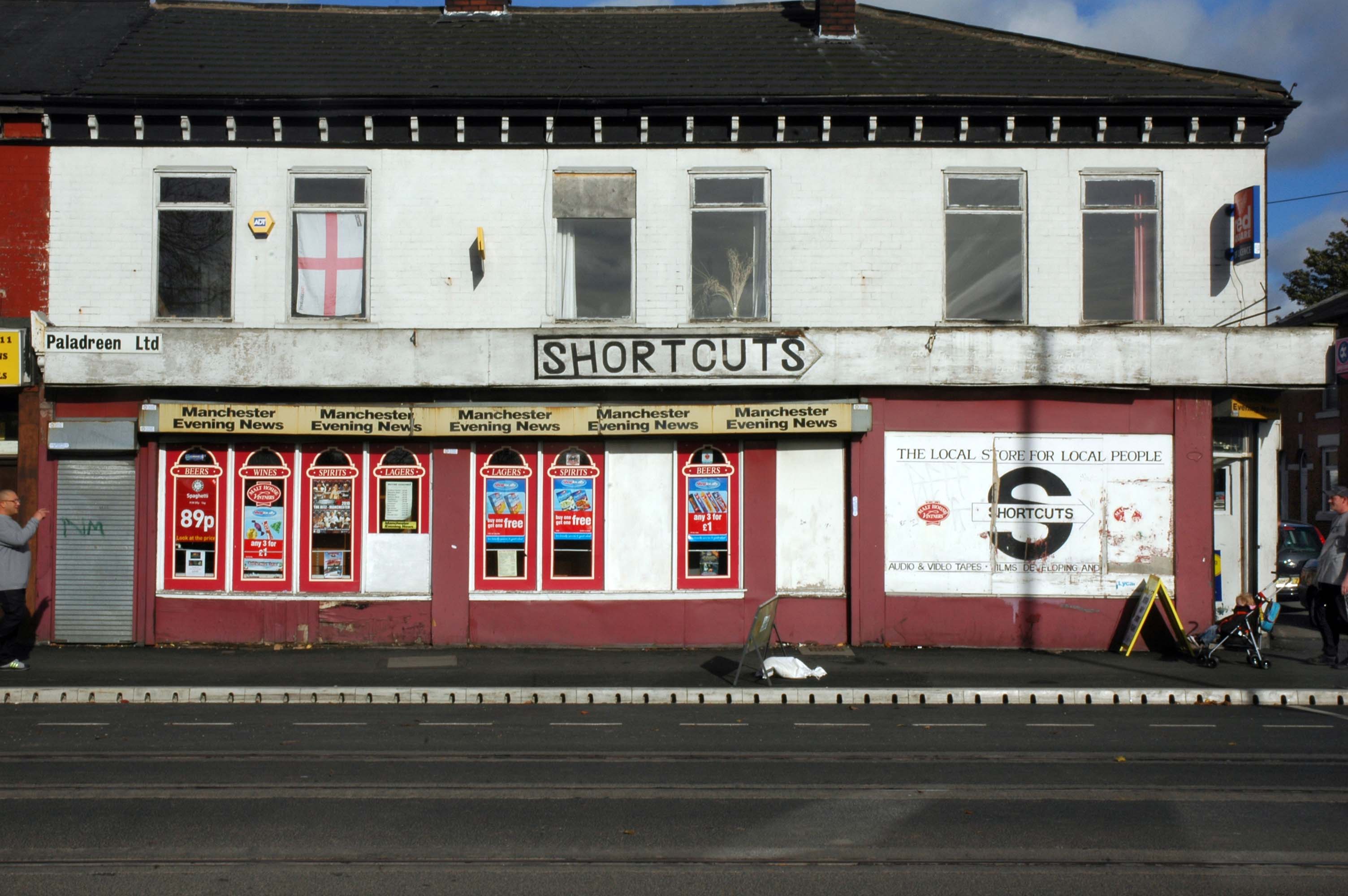
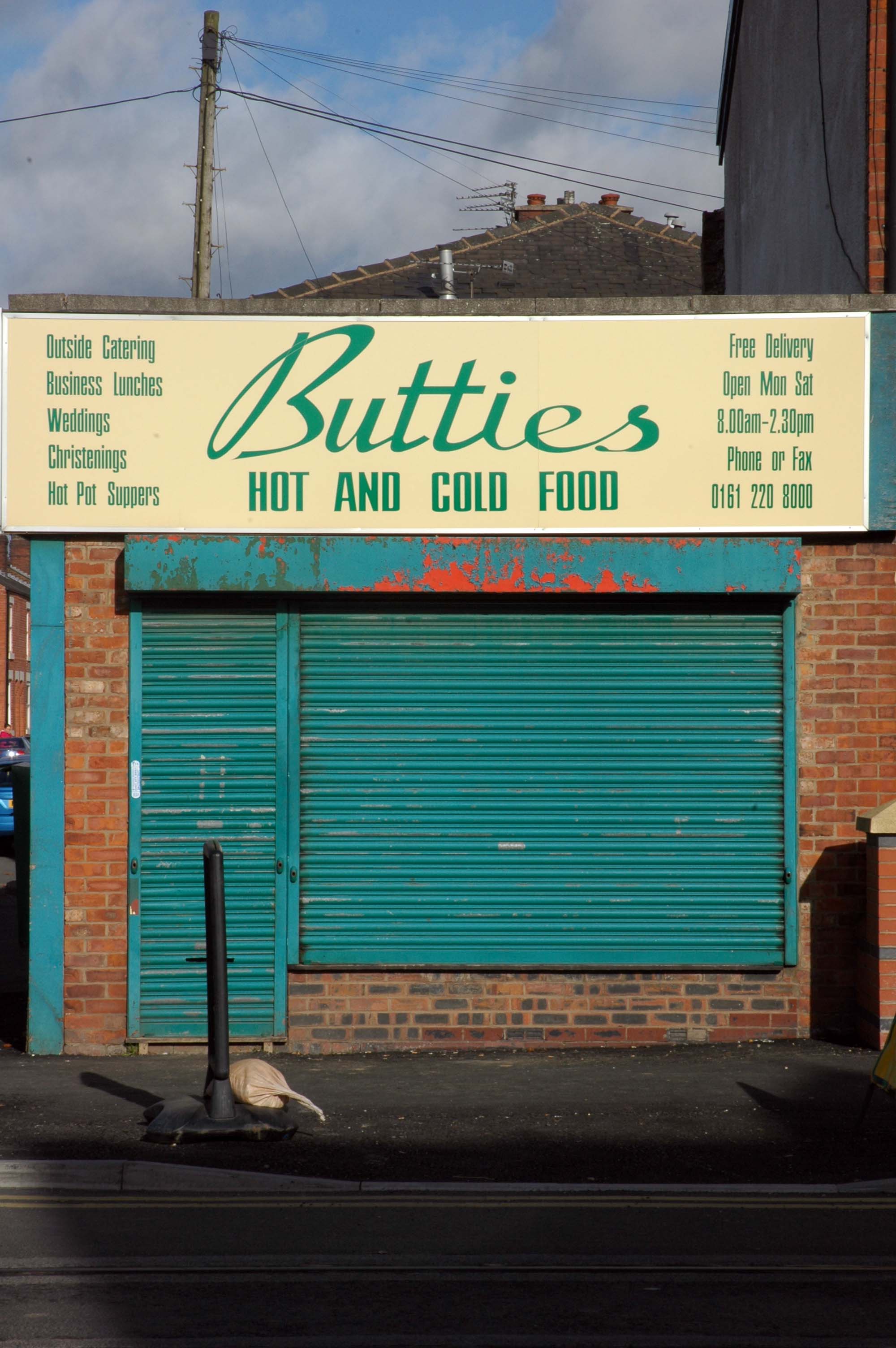

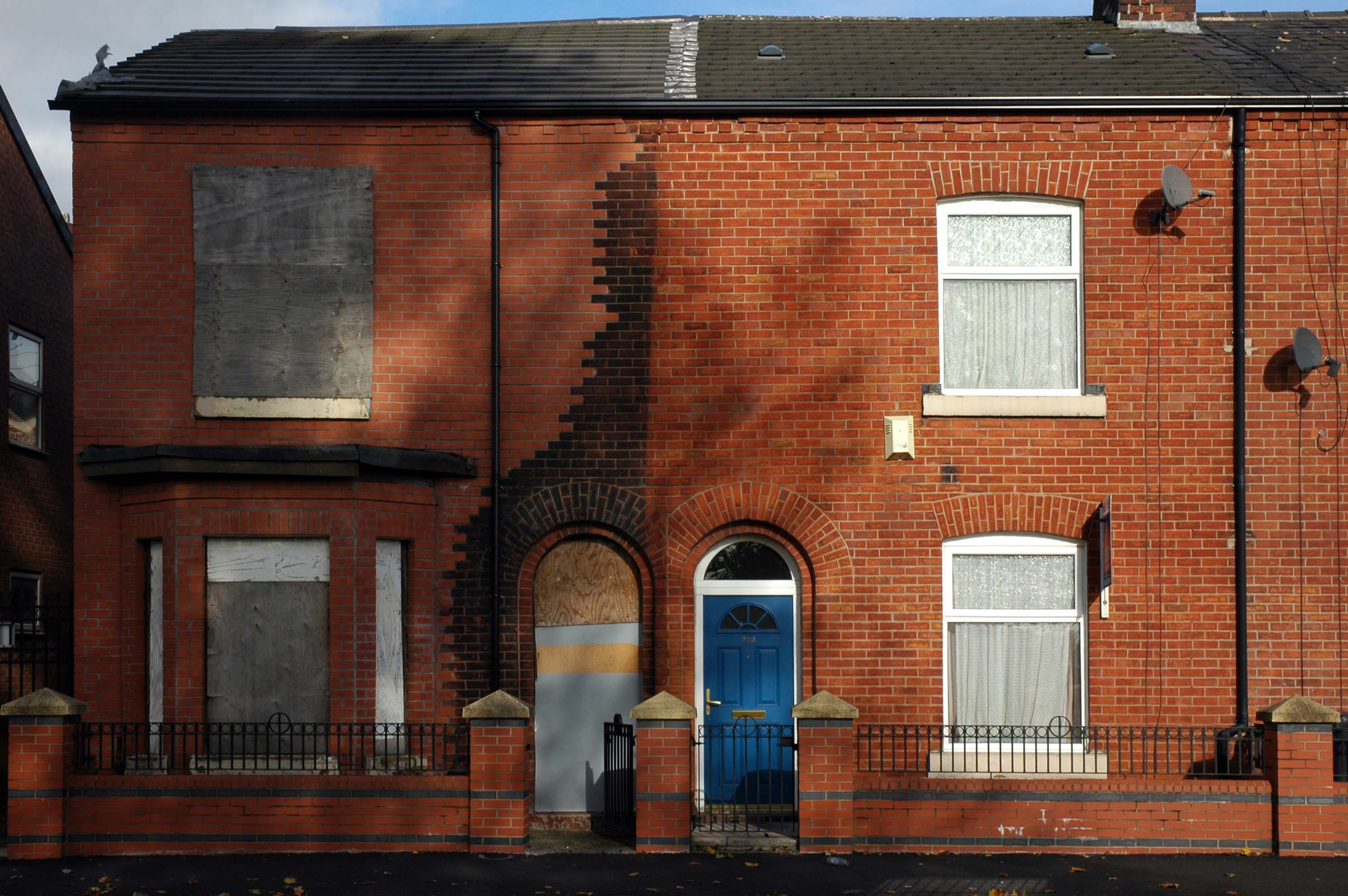
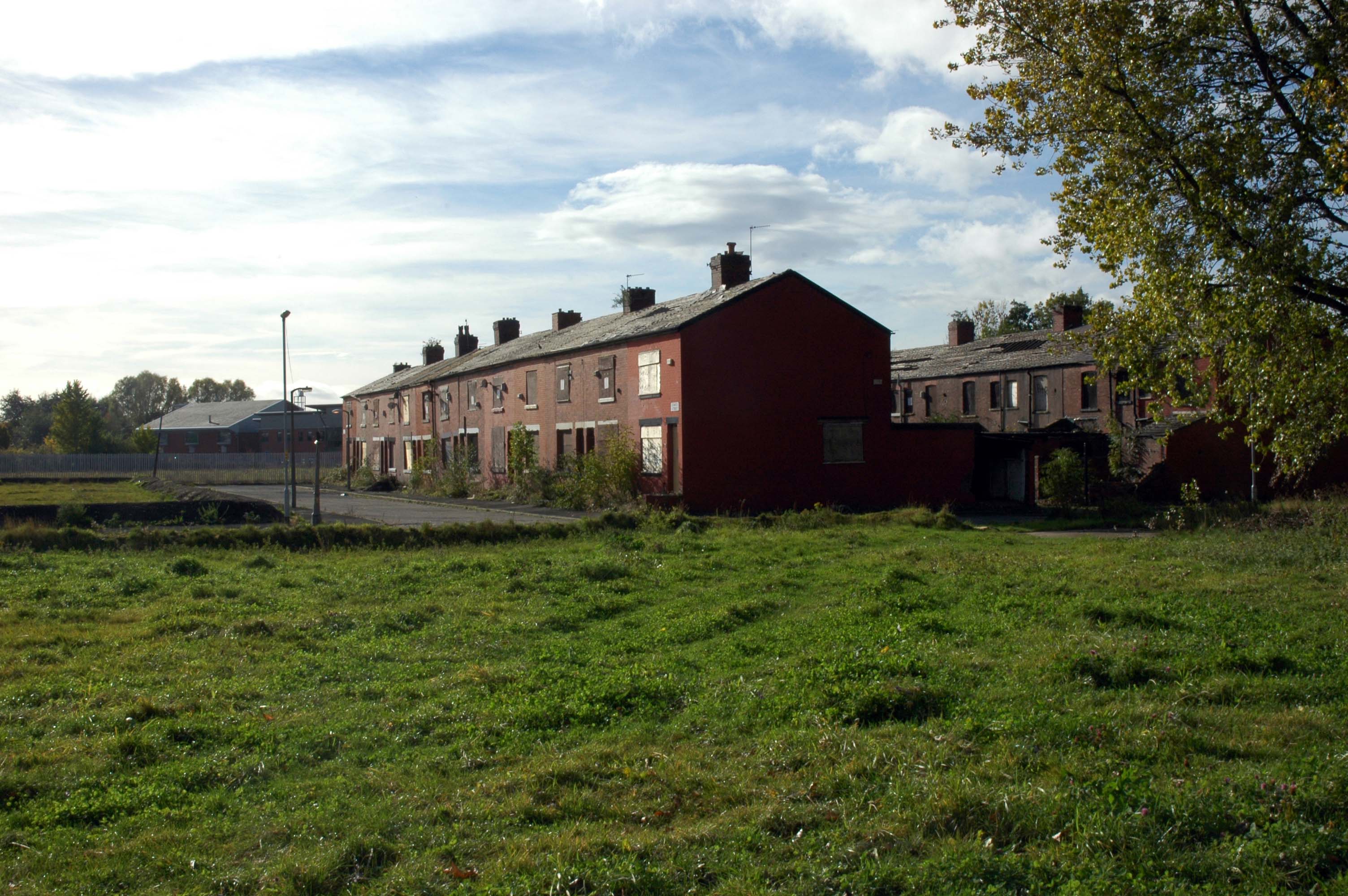


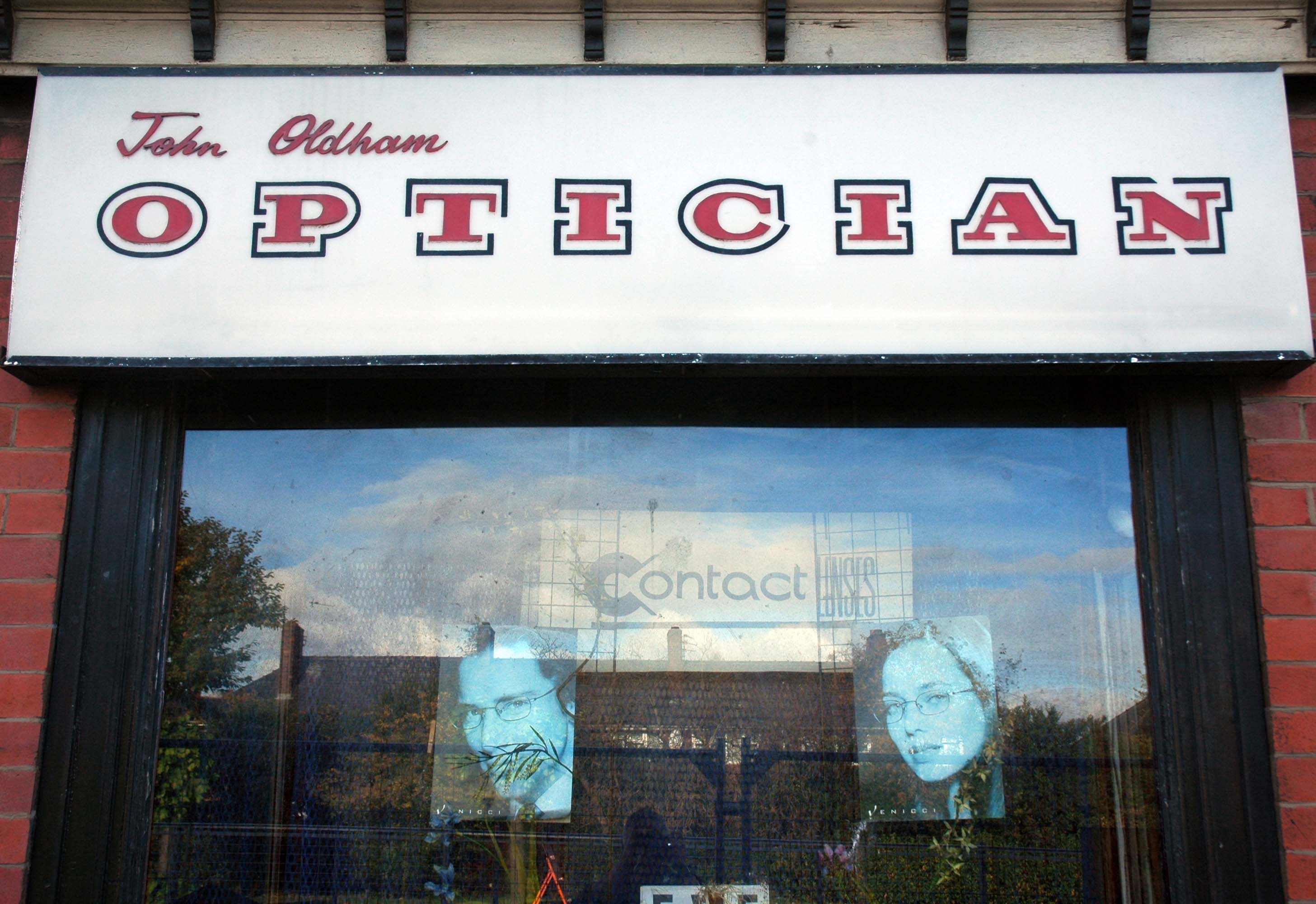

See also Bury New Road and Cheetham Hill Road and Rochdale Road and Oldham Road.


Hyde Road was a football stadium in West Gorton, Manchester, England.
It was home to Manchester City FC and their predecessors, from its construction in 1887 until 1923, when the club moved to Maine Road.

Billy Gillespie on the ball.
Before its use as a football ground, the site was an area of waste ground, and in its early days the ground had only rudimentary facilities. The first stand was built in 1888, but the ground had no changing facilities until 1896; players had to change in a nearby public house, the Hyde Road Hotel.

As a Chester’s house, a condition of the club’s official link to the pub was that supporters and club officials and players would sup Chesters ales, and in return Stephen Chesters Thompson of the brewery helped finance stadium improvements.

The move of MCFC to Maine Road in 1923 following a fire at the Hyde Road ground, didn’t adversely affect the Hyde Road Hotel and it continued to serve the West Gorton community and the once-bustling Hyde Road thoroughfare.
As late as the 1980s, renamed the City Gates, it was a popular watering hole before the match for supporters travelling in from East Manchester. It was kitted out in all sorts of MCFC memorabilia and was run by George Heslop, City legend of the 1960s, after he’d had the Royal George in town.


Sadly, as the community around it was decimated, the pub struggled and its last hurrah was as the City Gates theme pub. The business failed in 1989 and the pub sat empty and rotting for twelve years until it was demolished, despite a half-hearted fans campaign to save it. Two keystones from the Hyde Road Hotel reside in the MCFC memorial garden and are all that remain of this significant Manchester pub.
Sadly one of many Hyde Road pubs to bite the dust
By 1904 the ground had developed into a 40,000-capacity venue, hosting an FA Cup semi-final between Newcastle United and Sheffield Wednesday the following year.
The stands and terraces were arranged in a haphazard manner due to space constraints, and by 1920 the club had outgrown the cramped venue. A decision to seek an alternative venue was hastened in November 1920, when the Main Stand was destroyed by fire. Manchester City moved to the 80,000-capacity Maine Road in 1923, and Hyde Road was demolished shortly afterward. One structure from the ground is still in use in the 21st century, a section of roofing which was sold for use at The Shay, a stadium in Halifax.

Maine Road – which in turn closed on May 11th 2003, City losing 1-0 to Southampton

City are now at home at the Etihad – formerly the Commonwealth Games Stadium.

The area was also home to the Galloway Boiler Works – you can see the employees of 1900 here.
The northeastern end of City’s stadium was known as the Galloway End.


Bennett’s Iron Foundry also occupied the site – excavation of which, is currently taking place.


Bilclam furniture now sells for big money.

The foundry employed some of the club’s players, and the Galloway Boiler Works, supplied some of the materials to develop the Hyde Road ground.
I had always known the area as the Olympic Freight Depot – seen from the passing train.


I cycled by the other day and the containers are long gone – the site is being cleansed to a depth of two metres.
Loitering by the gates, I asked if I may take some snaps .
Please y’self – so I did.


So what’s next on the cards, for this little corner of local history – set twixt Bennett Street and Hyde Road?


New homes is on the cards – and on the hoardings.
Plans have been revealed for a 337-home development on the Olympic Freight depot in West Gorton.
Brought forward by Sheffield-based Ascena Developments, the planning application to Manchester City Council outlines proposals for 191 houses and 146 apartments, split across two blocks.
Alongside the homes, the development would include a 3,000 sq ft circular community centre and café, shop, and a unit which is earmarked for a chip shop.
However:
Kellen Homes has been granted planning consent to redevelop the thirteen-acre Olympic Freight depot on Bennett Street in Manchester into 272 homes.
The developer, owned by Renaker founder Daren Whitaker, lodged plans for the West Gorton scheme last year following the withdrawal of an earlier and larger scheme drawn up by Sheffield-based Ascena Developments.
So no chip shop, I assume?

The site will require significant remediation, impacting the scheme’s viability, the report states.
As a result, no affordable housing is proposed.

Thanks.
This is my first visit to a match day at the Etihad – having last watched City at Maine Road, from that uncovered corner enclave, the Kippax Paddock – the so called Gene Kelly Stand
Singing in the Rain
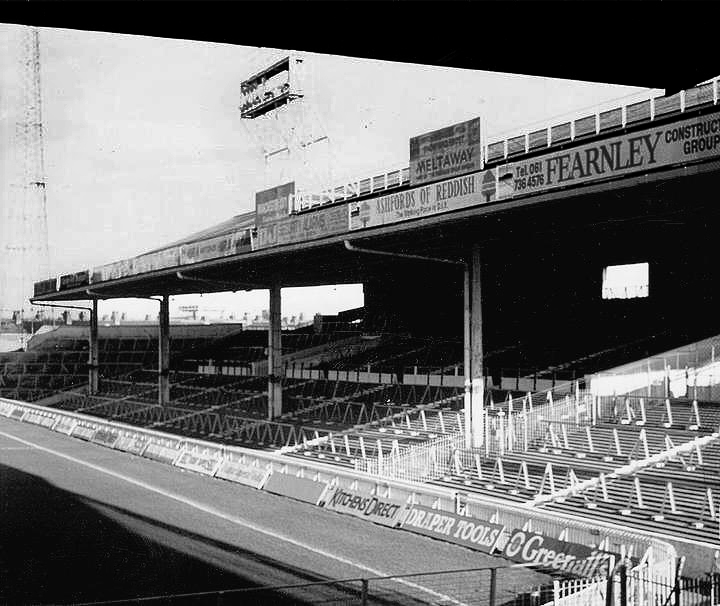
It all ended in ruins.
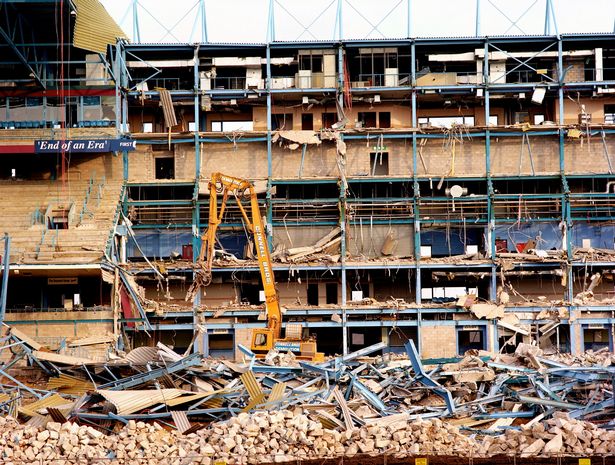
Demolished, the last ball kicked in anger Sunday 11th May 2003.
To the other side of the city and rebranded Eastlands, occupying the former Commonwealth Games Stadium.
Owners John Wardle and Thaksin Shinawatra came and went.
Since 4 August 2008, the club has been owned by Sheikh Mansour, one of football’s wealthiest owners, with an estimated individual net worth of at least £17 billion and a family fortune of at least $1 trillion.
A far cry from Peter Swales and his TV Repair shop on Washway Road.
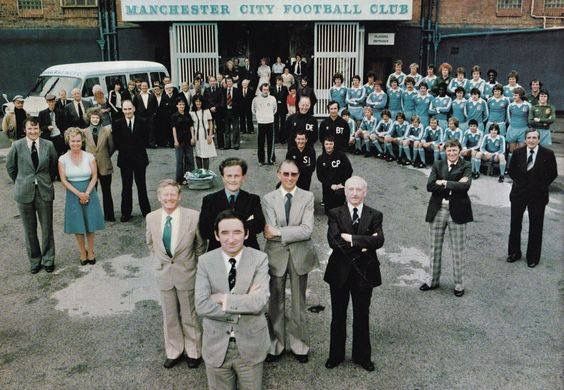
The game has changed, money is in motion, fans travel from every corner of the globe, fuelled by the Murdoch Dollar and the insatiable thirst for televised football.
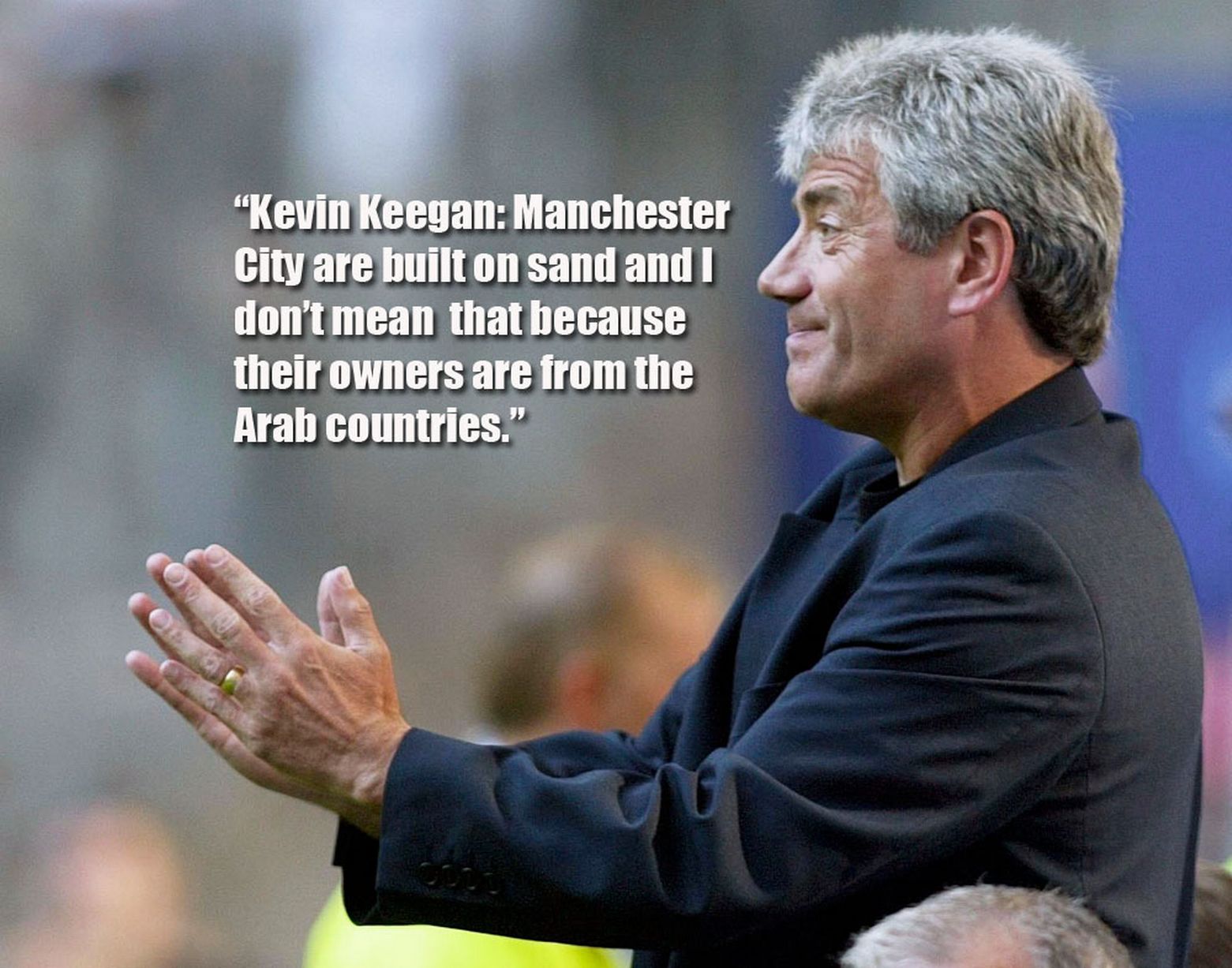
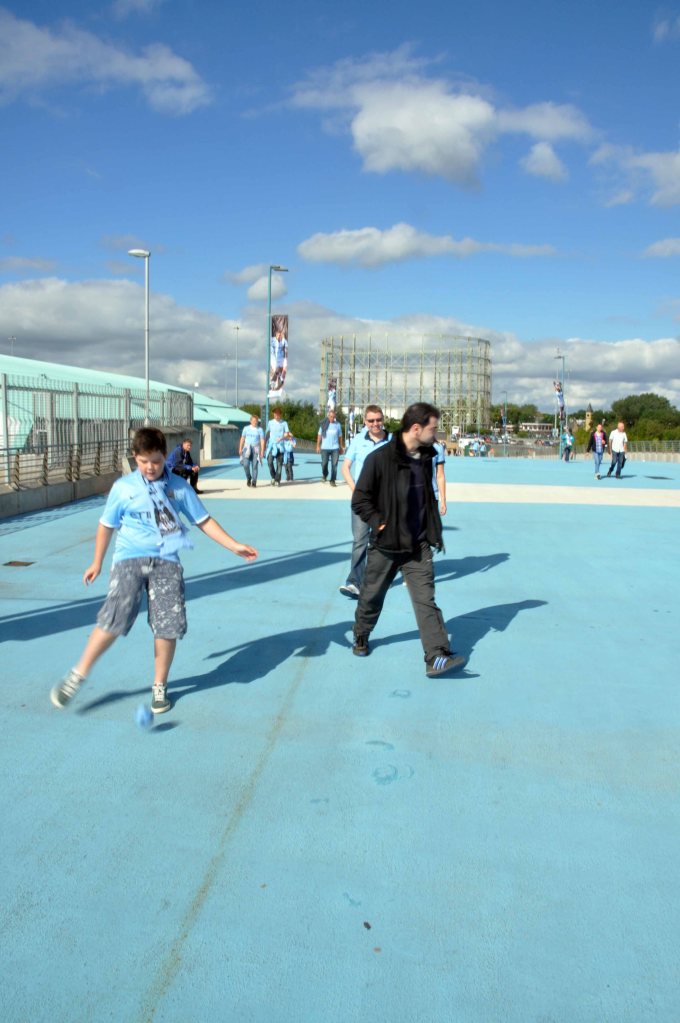
So it’s the 22nd September 2013 – I though I’d take a look around town first.
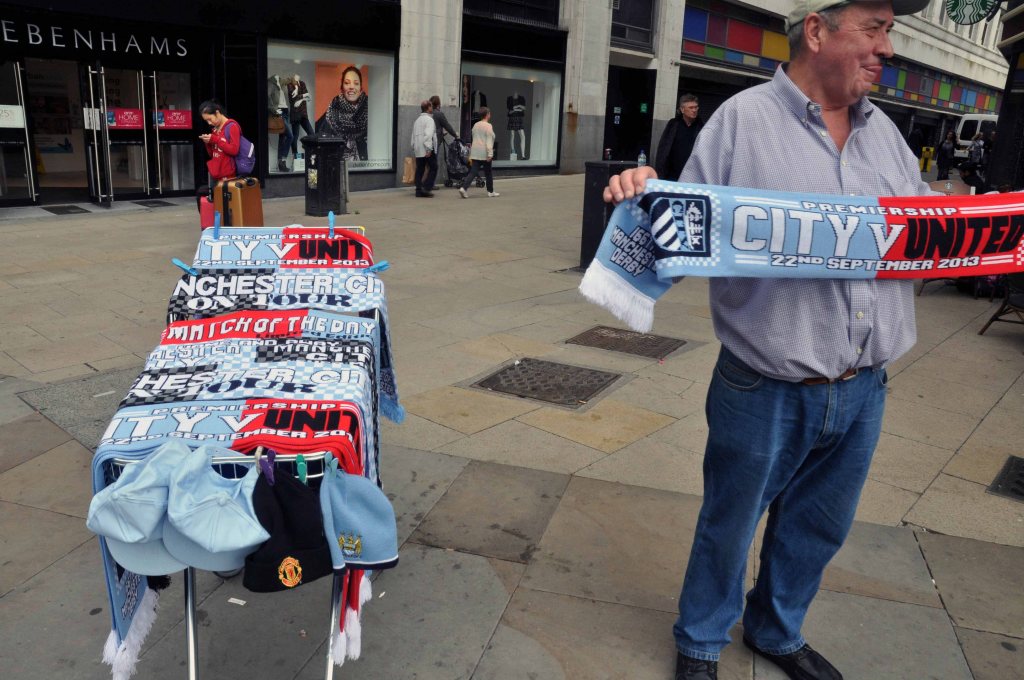
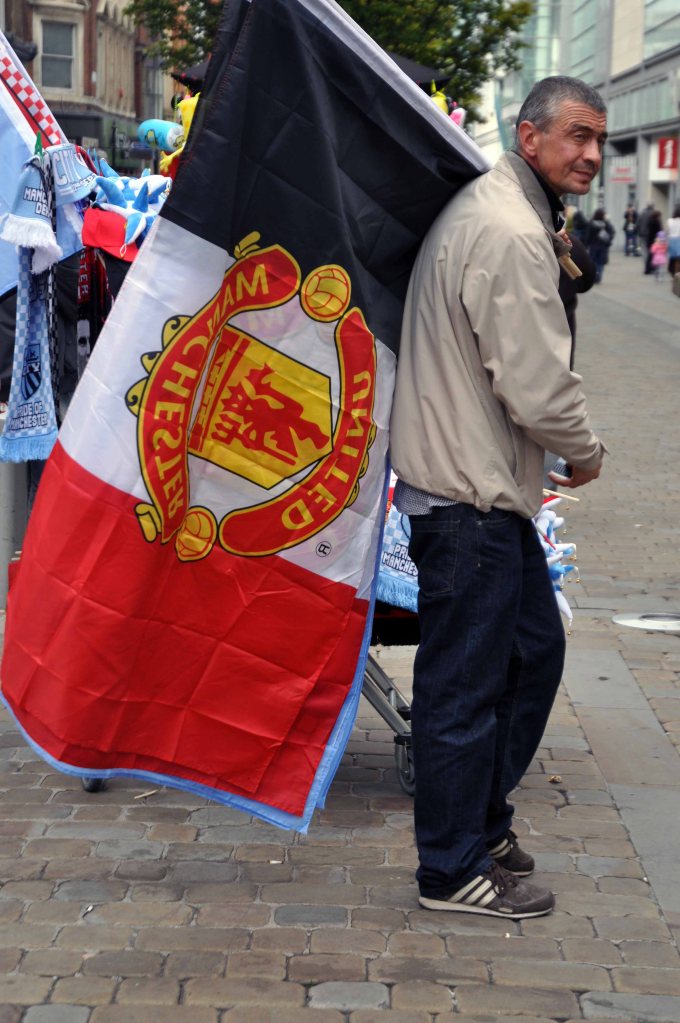
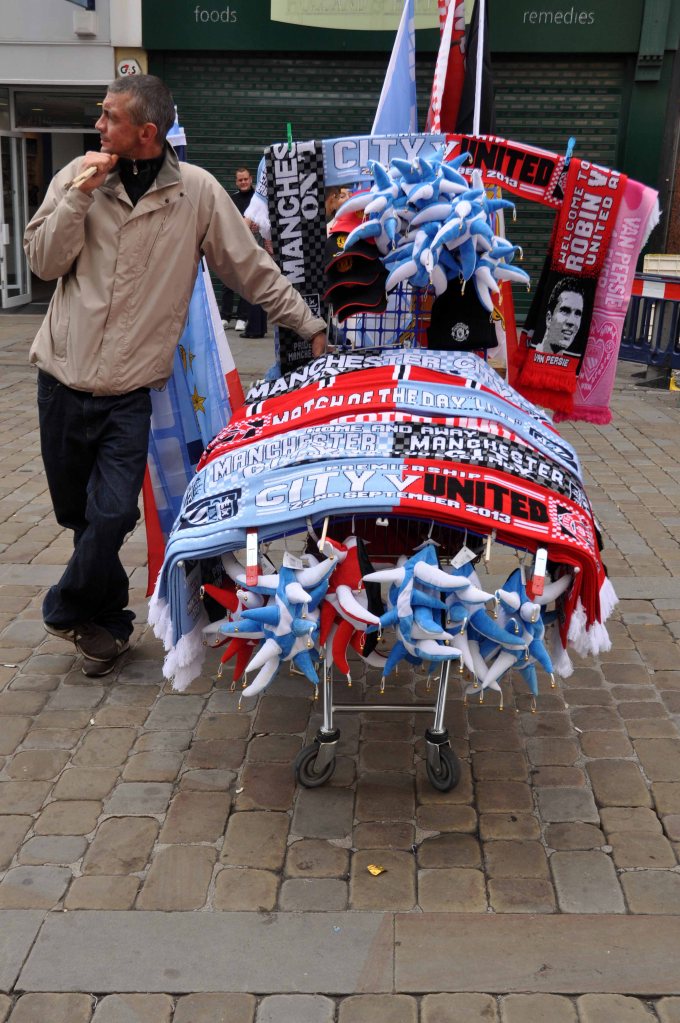
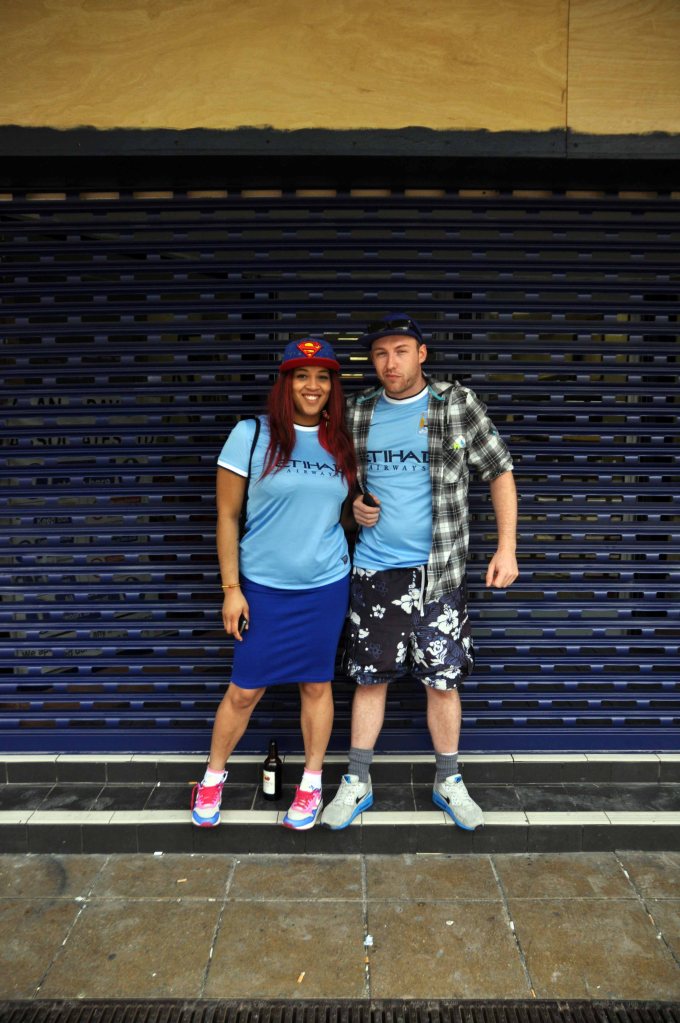
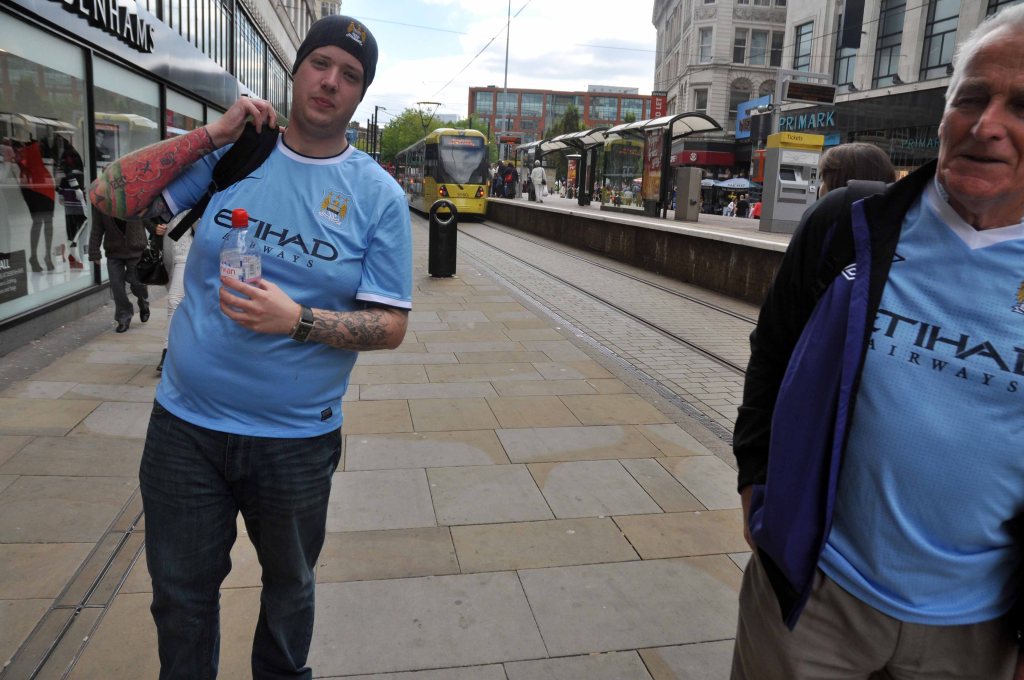
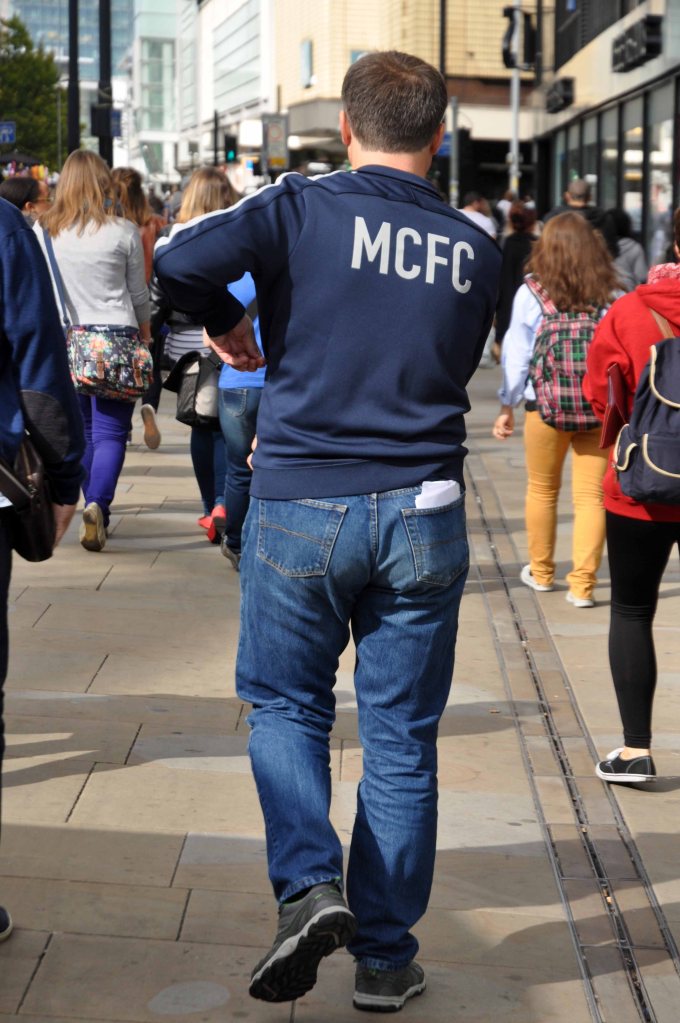
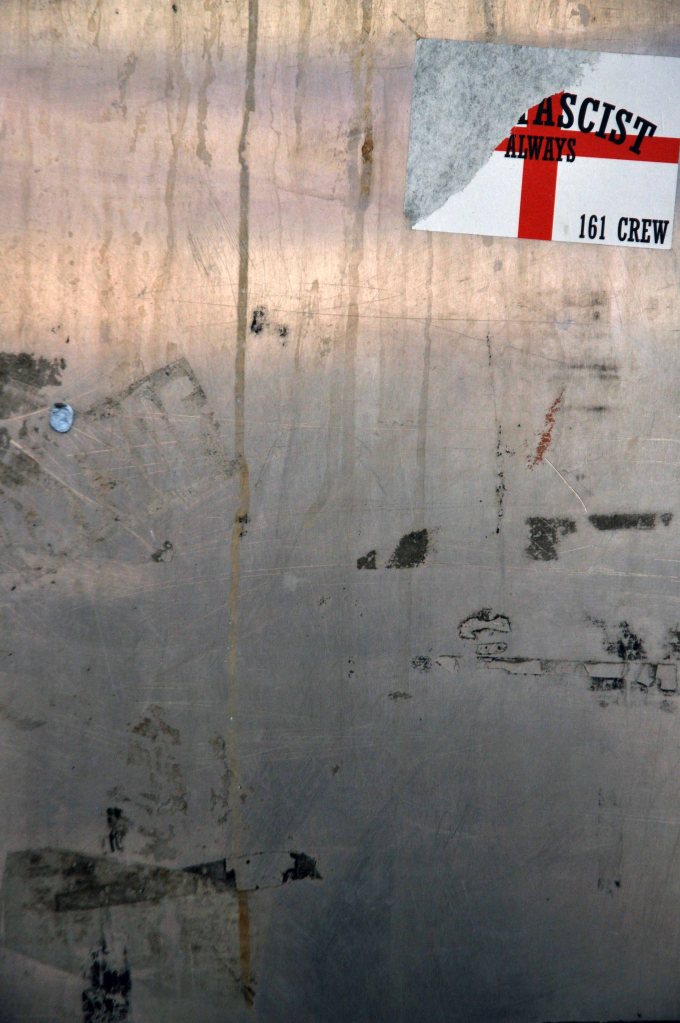
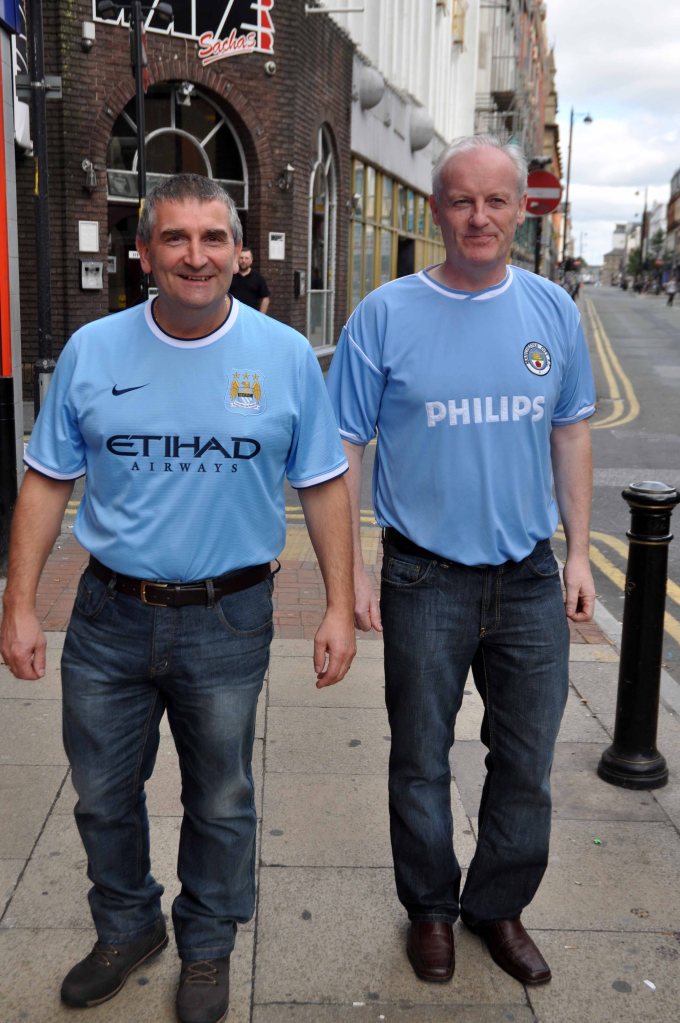
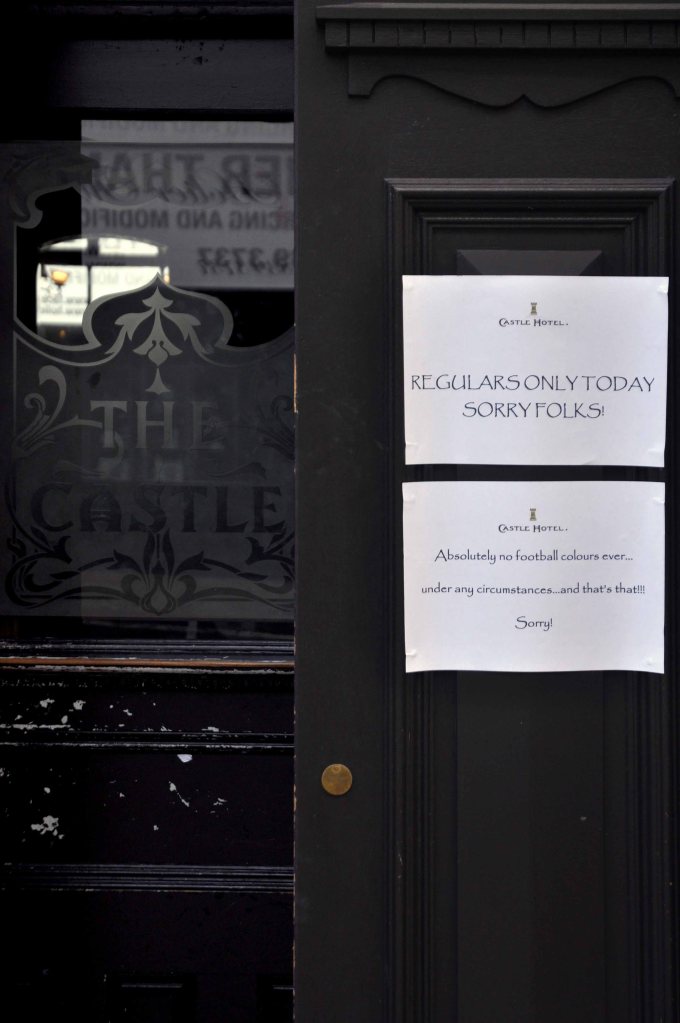
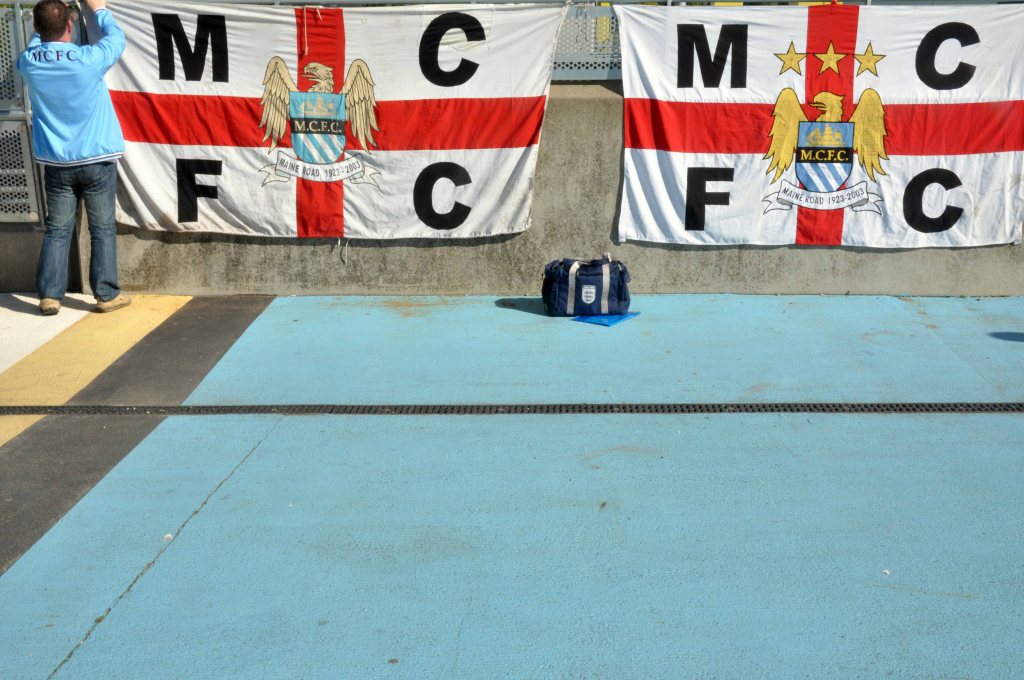
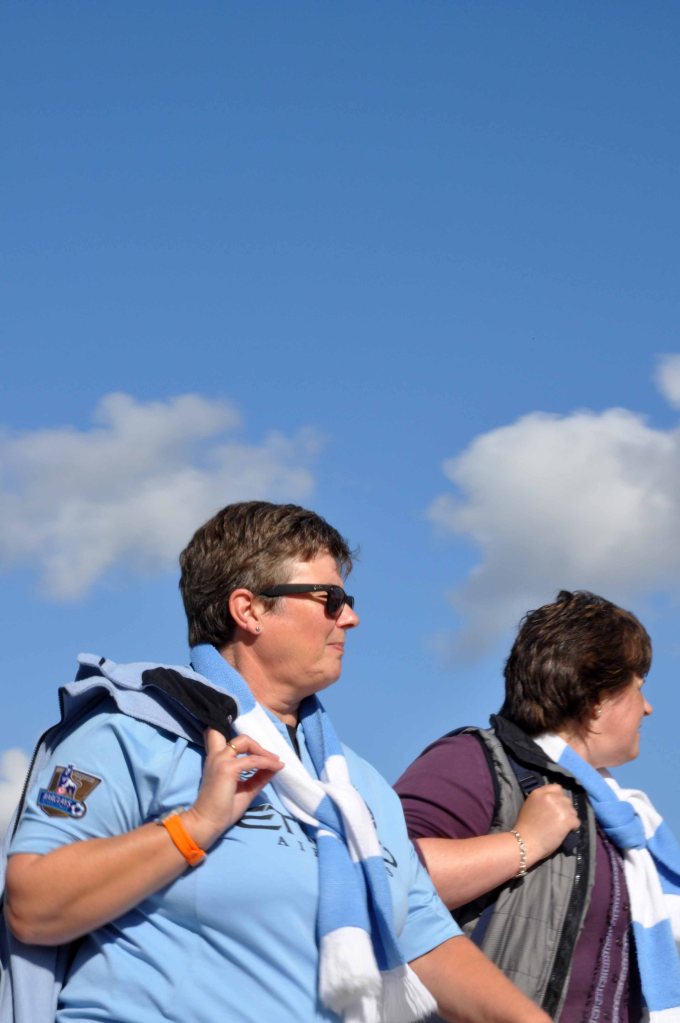
Kits and colours in abundance – though some of these colours can and will run.
Off then to the Etihad and its the Pellegrini squad versus Moyes’ boys.
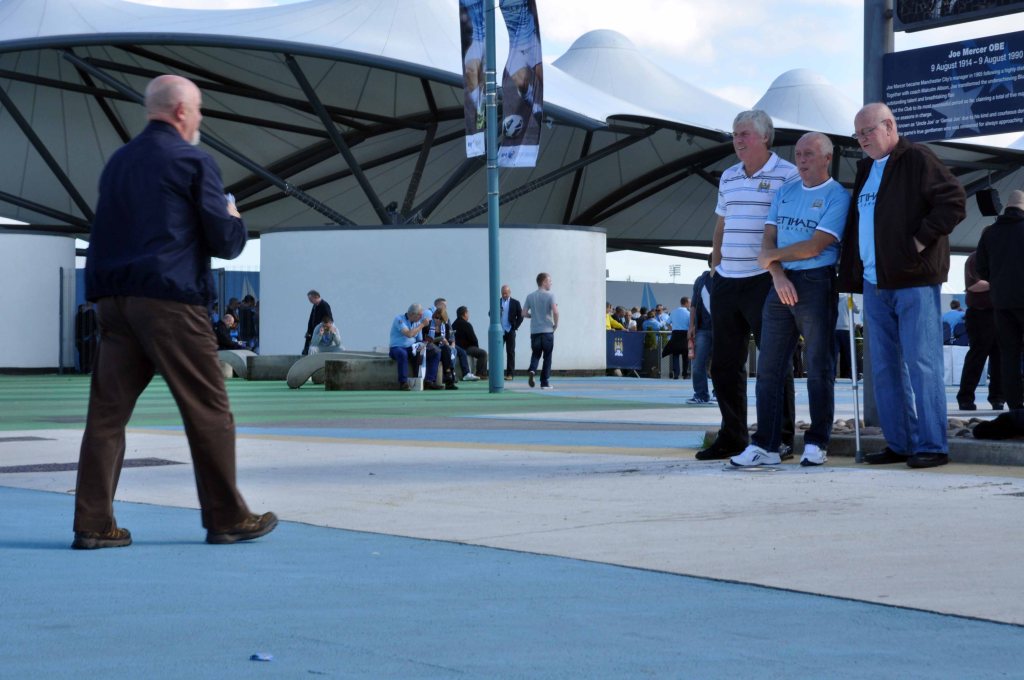
This is a world within a world as the Middle East seeks to lighten its carbon footprint, and put its size nines all over east Manchester.
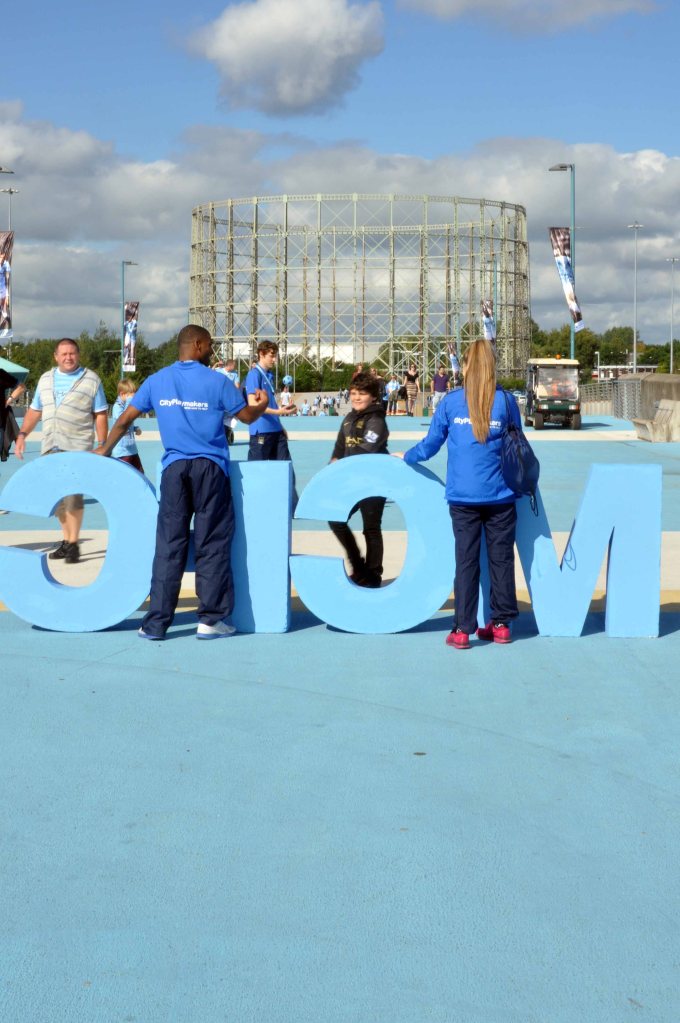
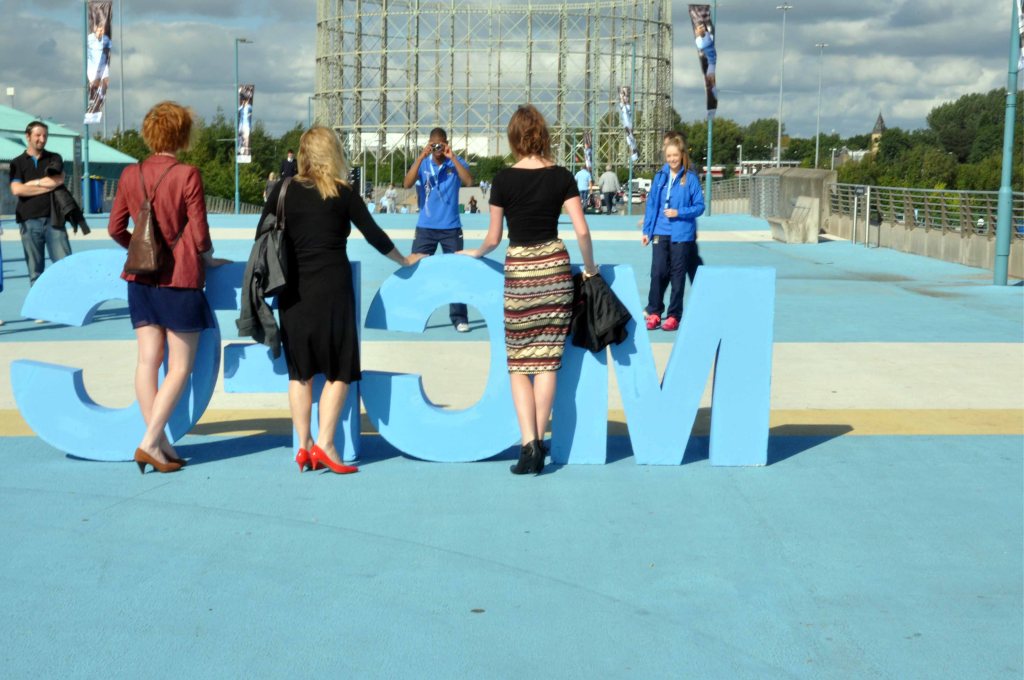
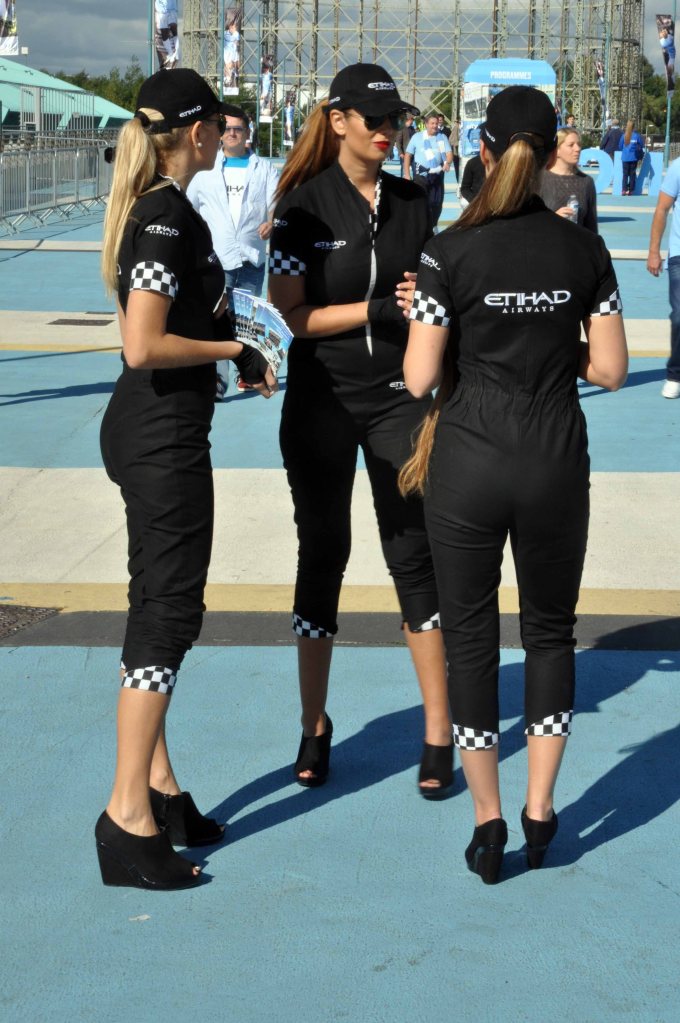
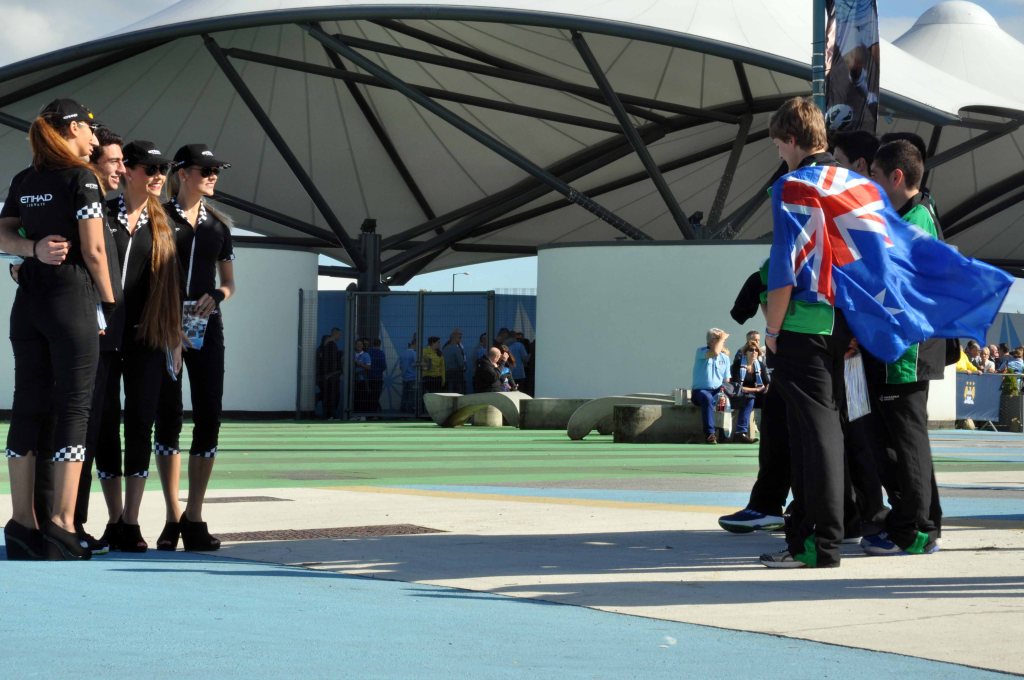
Corporate greeting on Joe Mercer Way, executive sweeteners, in the form of earthbound airline hostesses.
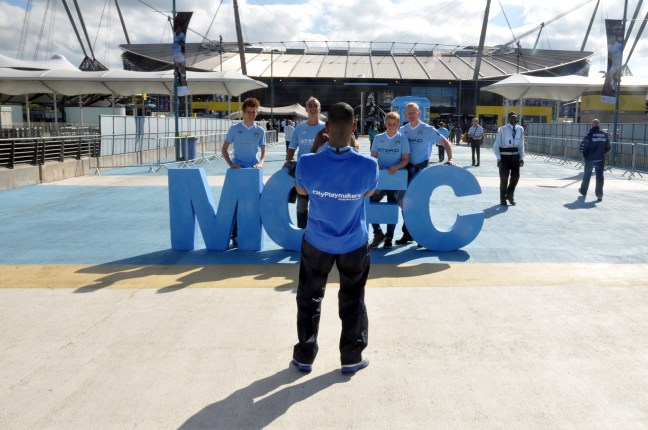
Groups from the Antipodes happy to embrace the jumbo blue letters – no boots, no hustling, no barging through swelling crowds, no menacing looks from beneath feather cut fringes.
No none of that any more.
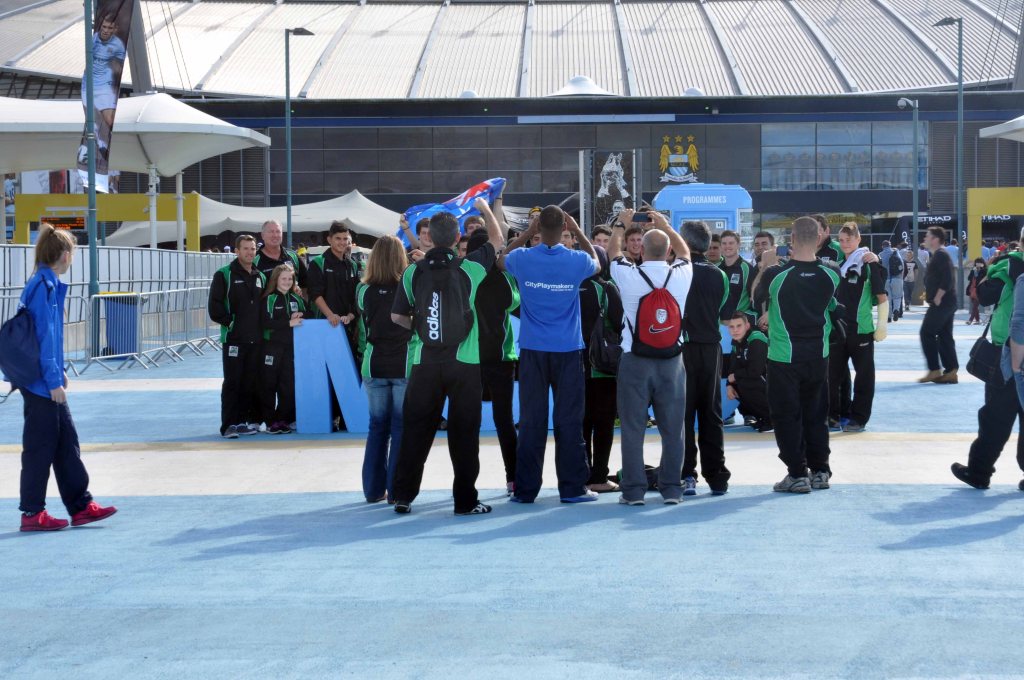
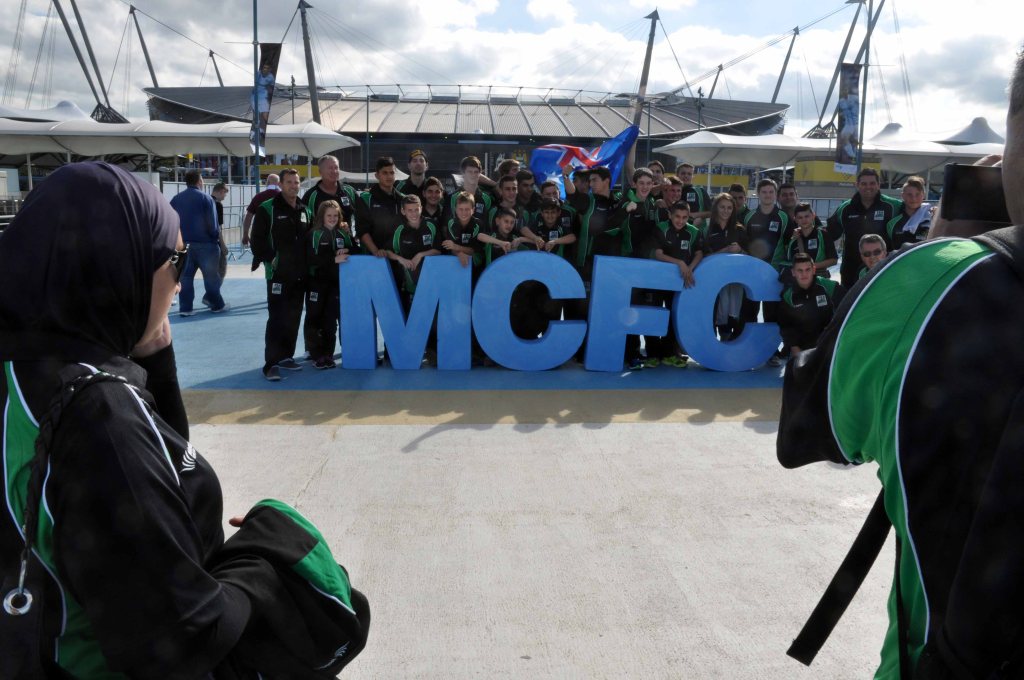
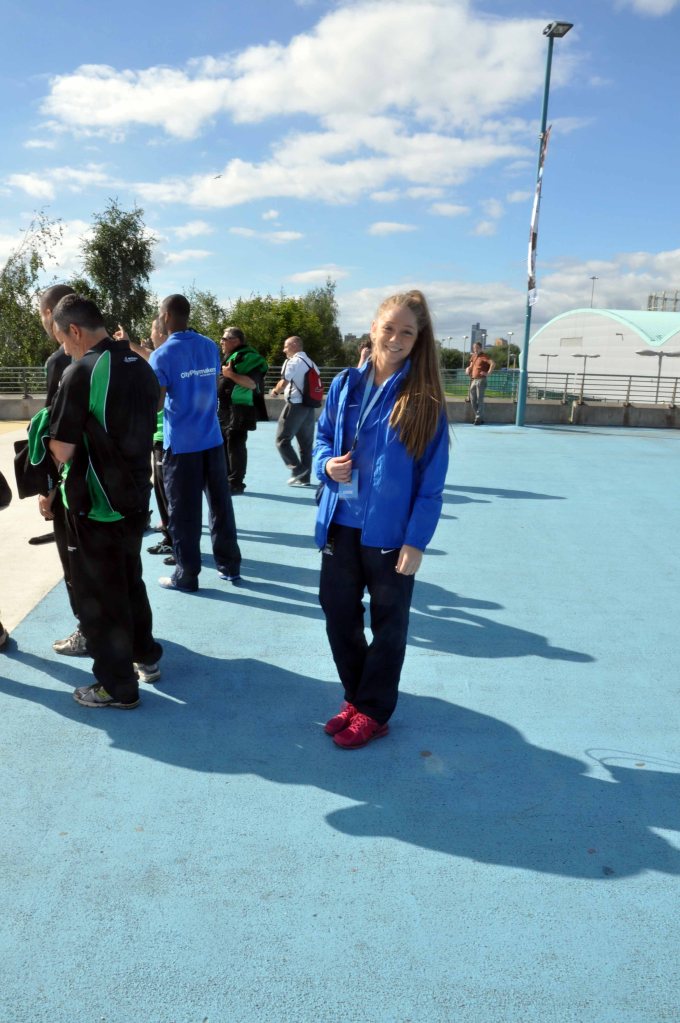
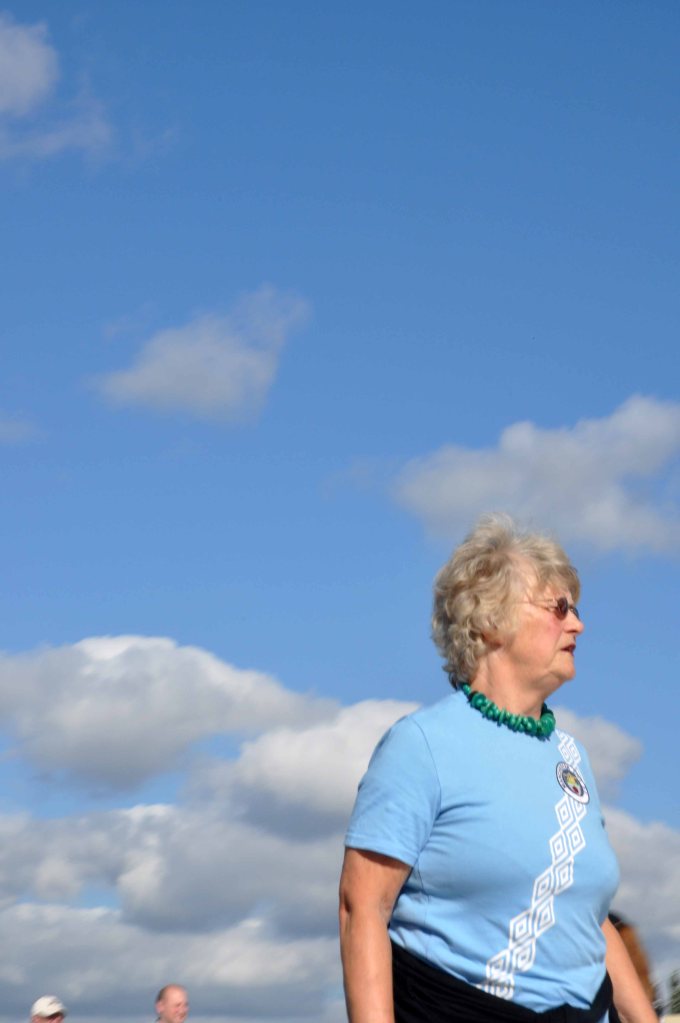
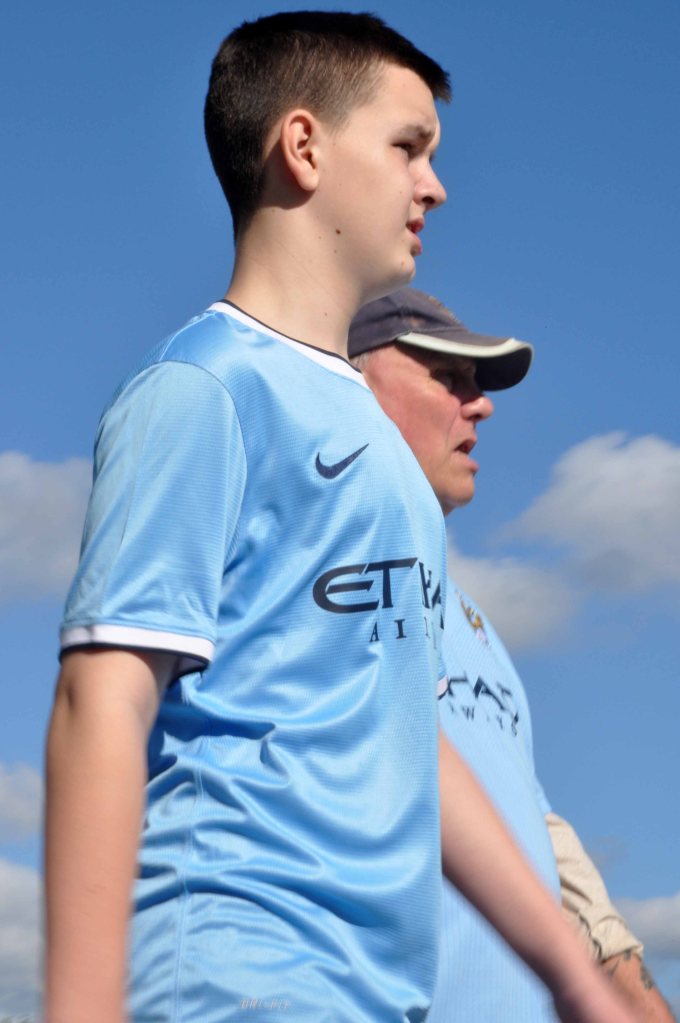
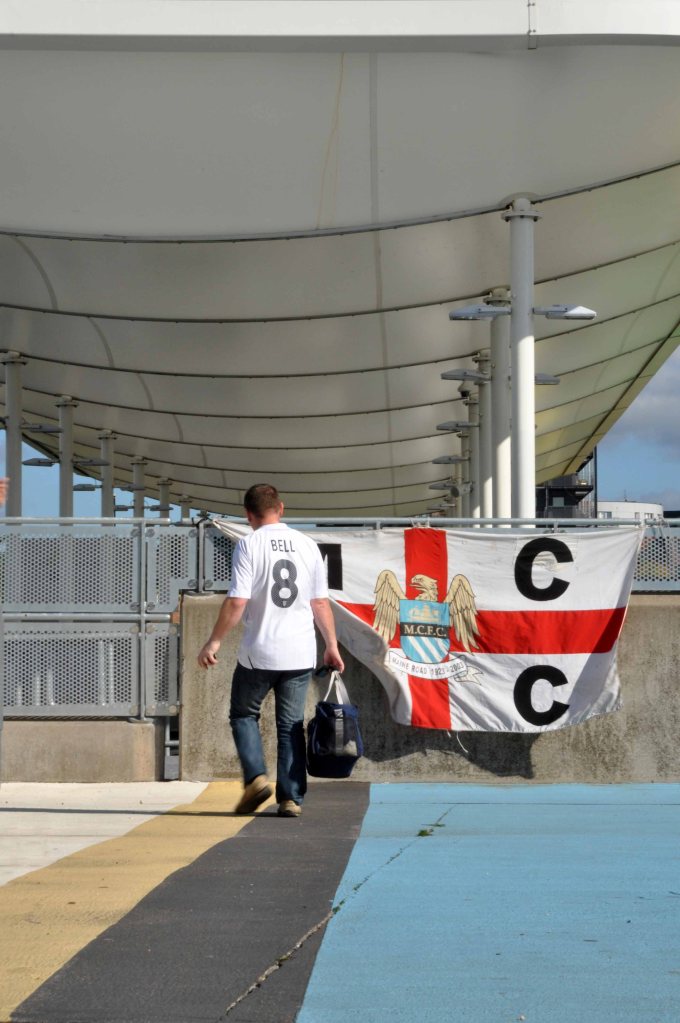
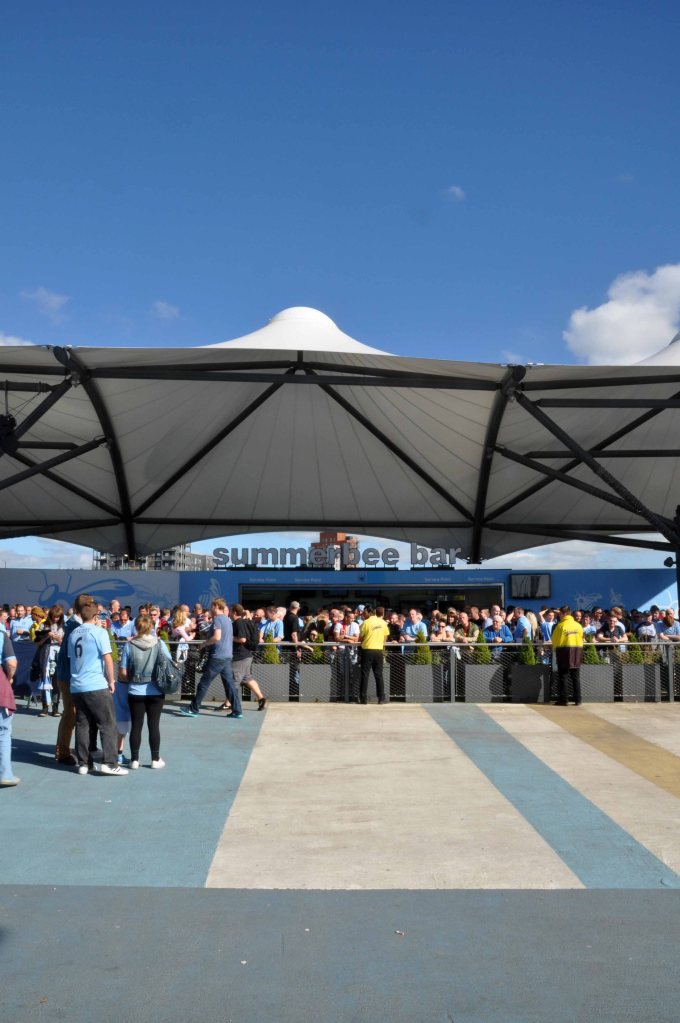
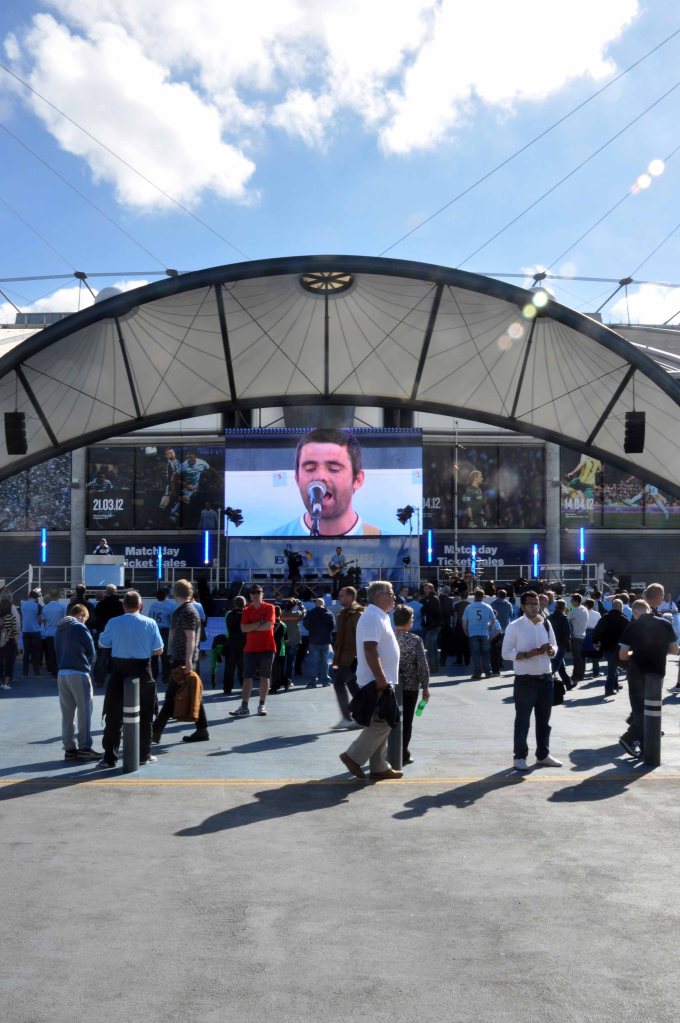
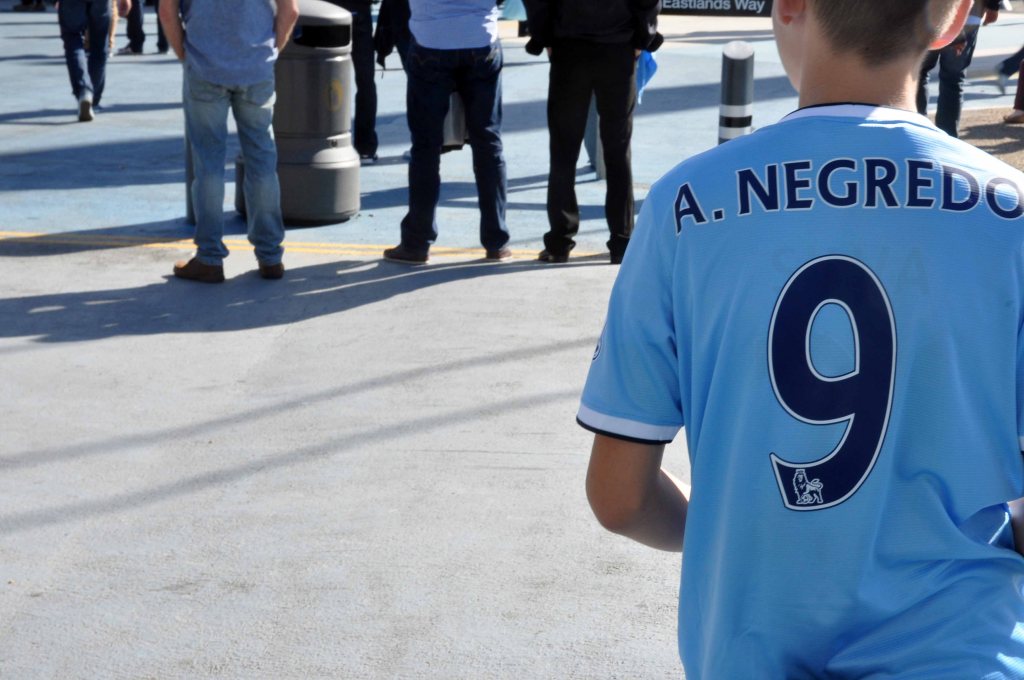
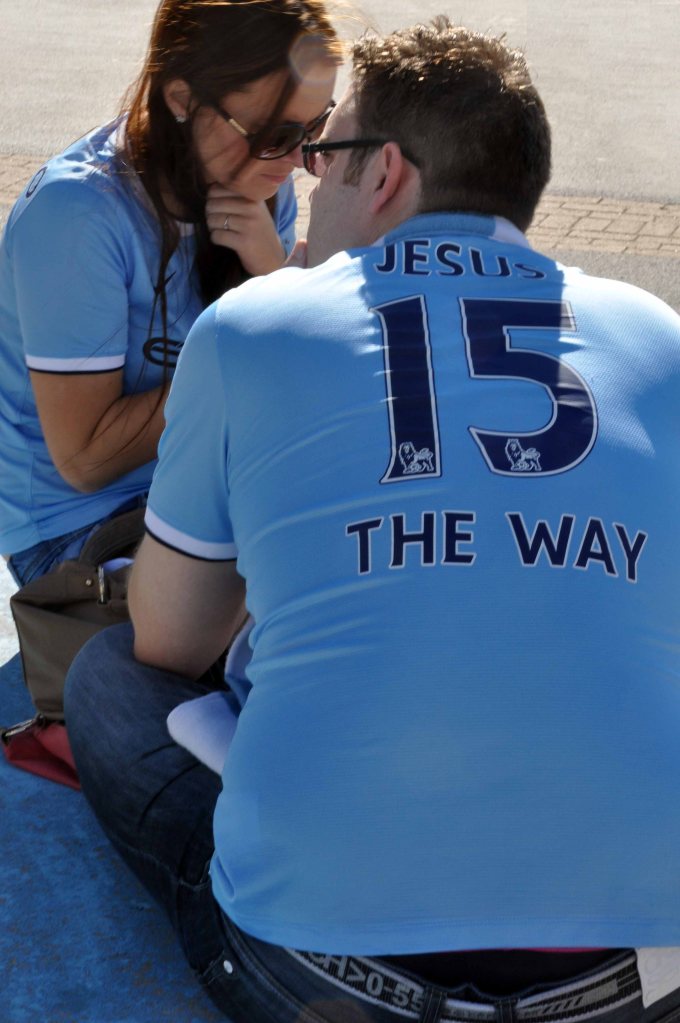
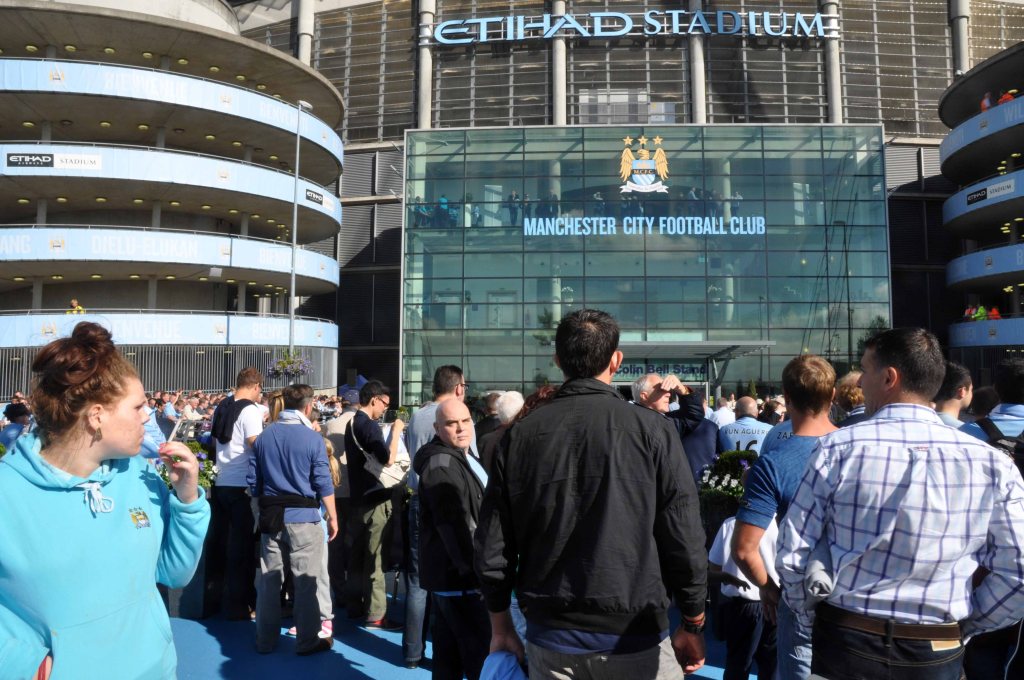
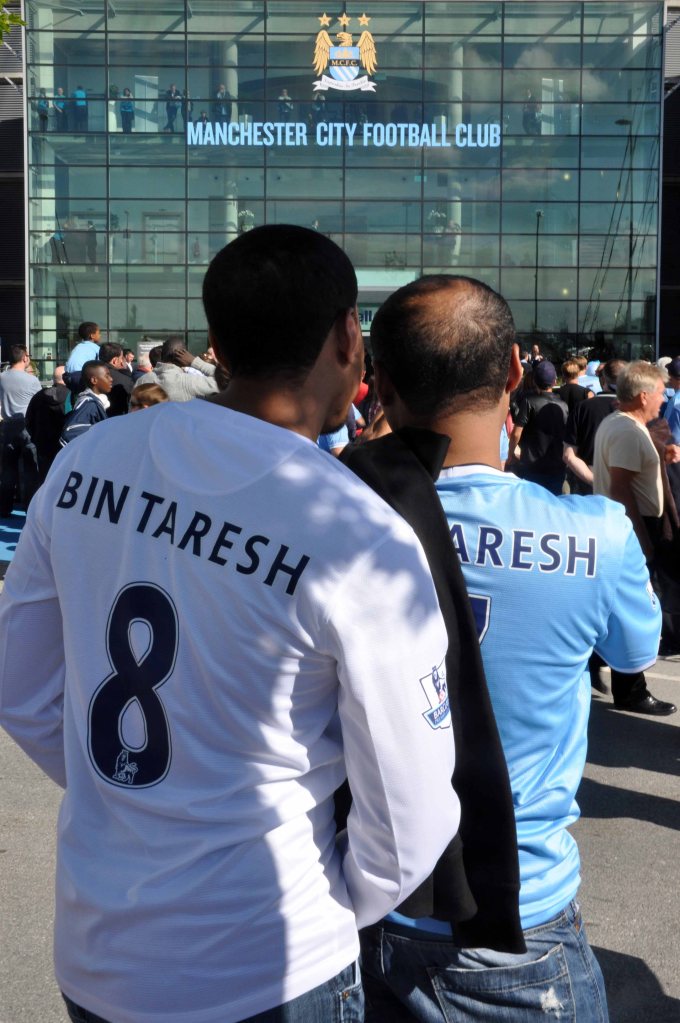
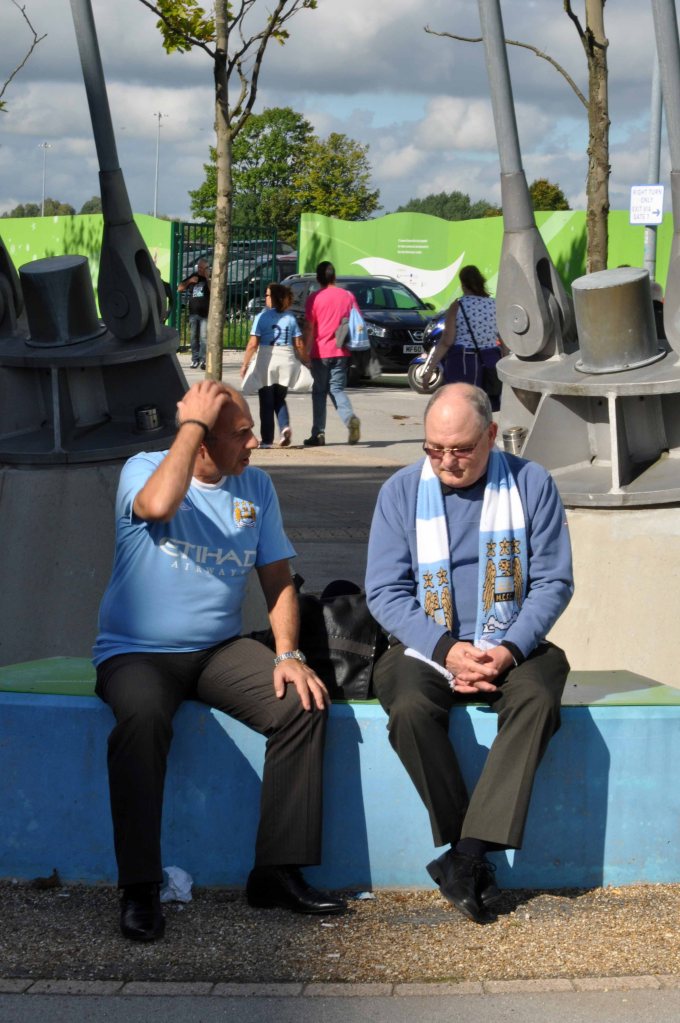
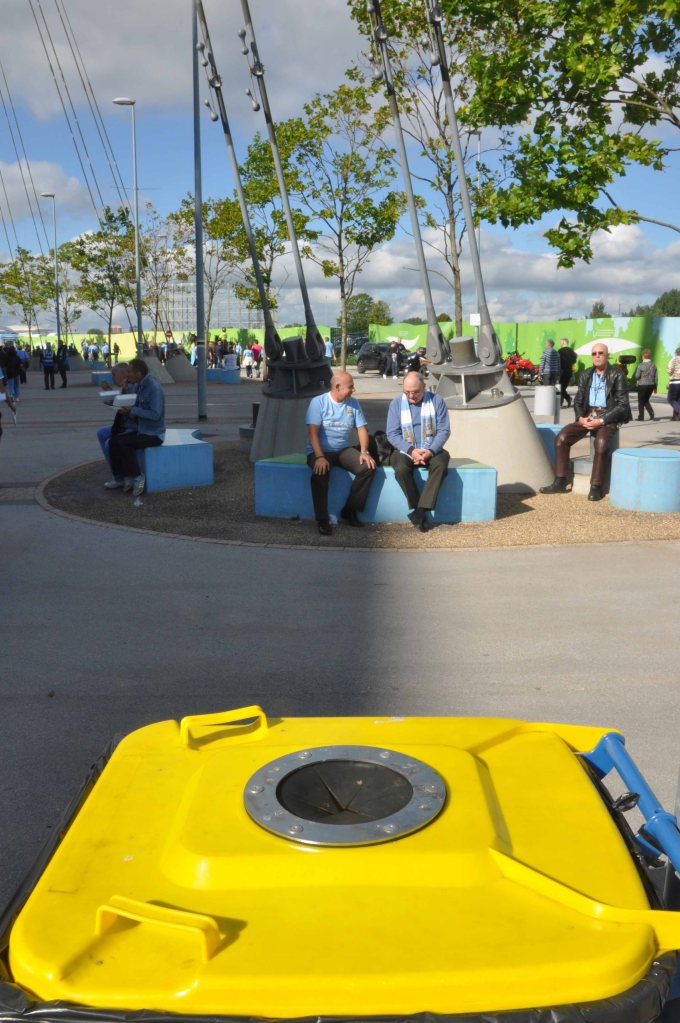
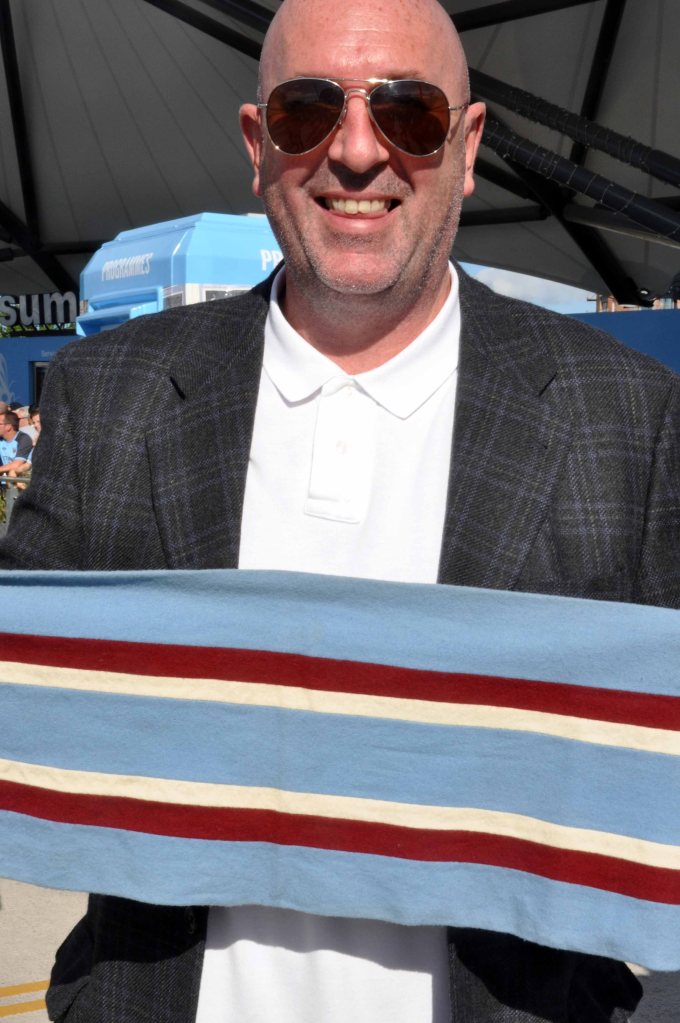
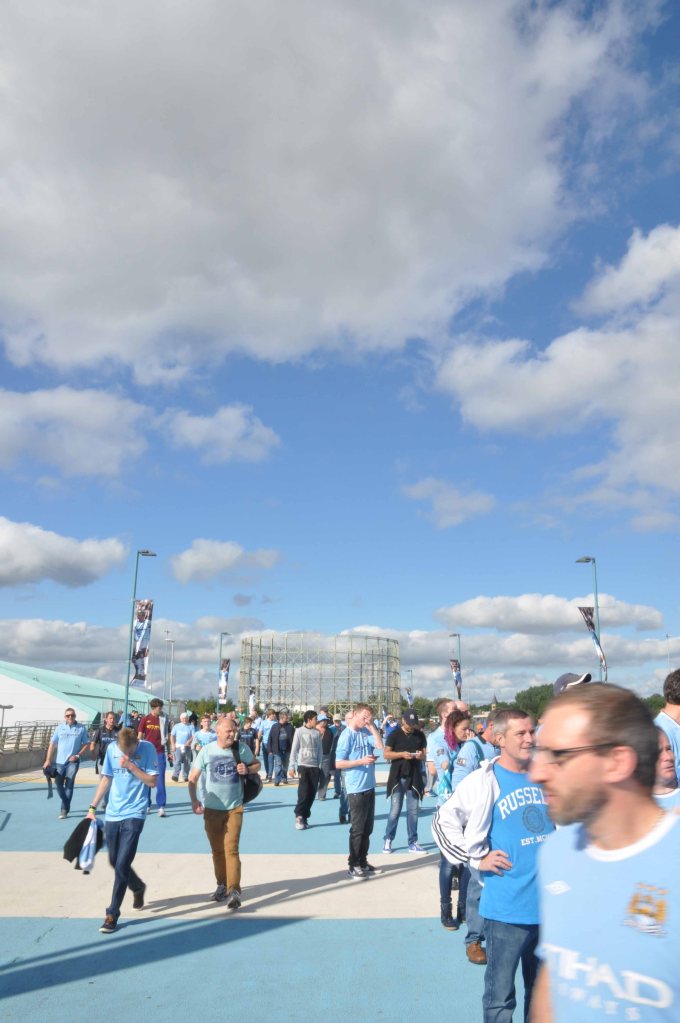
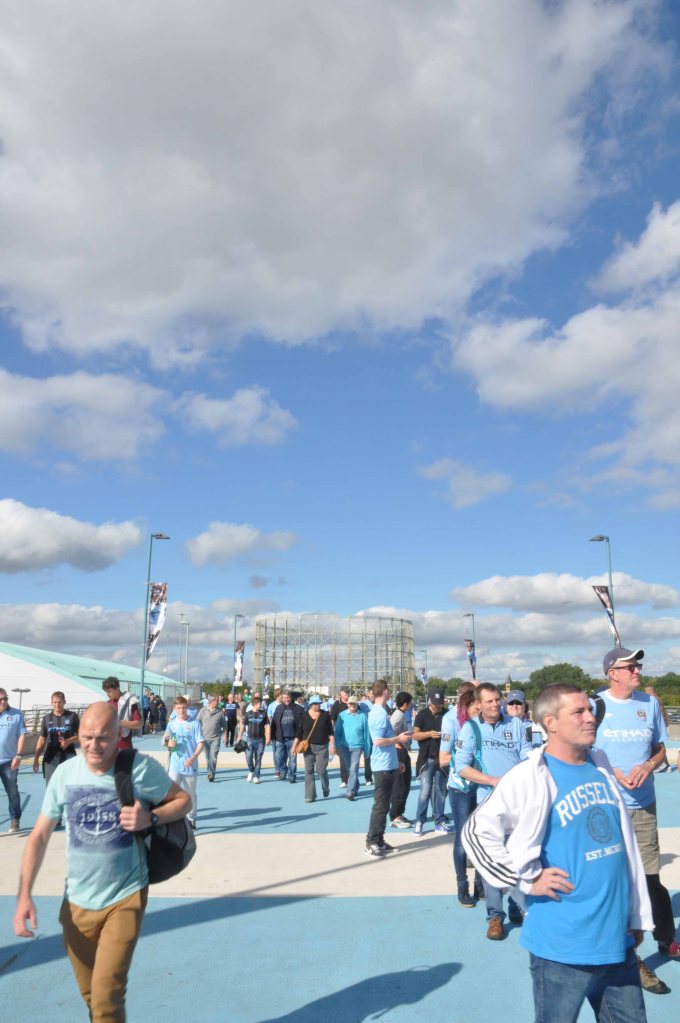
I made my excuses and left.
Manchester City ensured David Moyes’ first derby as Manchester United manager ended in abject humiliation with a crushing victory at the Etihad Stadium.
In contrast to the despair of his opposite number, it was a day of delight for new City boss Manuel Pellegrini as he watched the rampant Blues make a powerful statement about their Premier League ambitions.
Sergio Aguero and Yaya Toure gave City a commanding half-time lead and any slim hopes of a United recovery were snuffed out by further goals from Aguero and Samir Nasri within five minutes of the restart.
 Modern Mooch