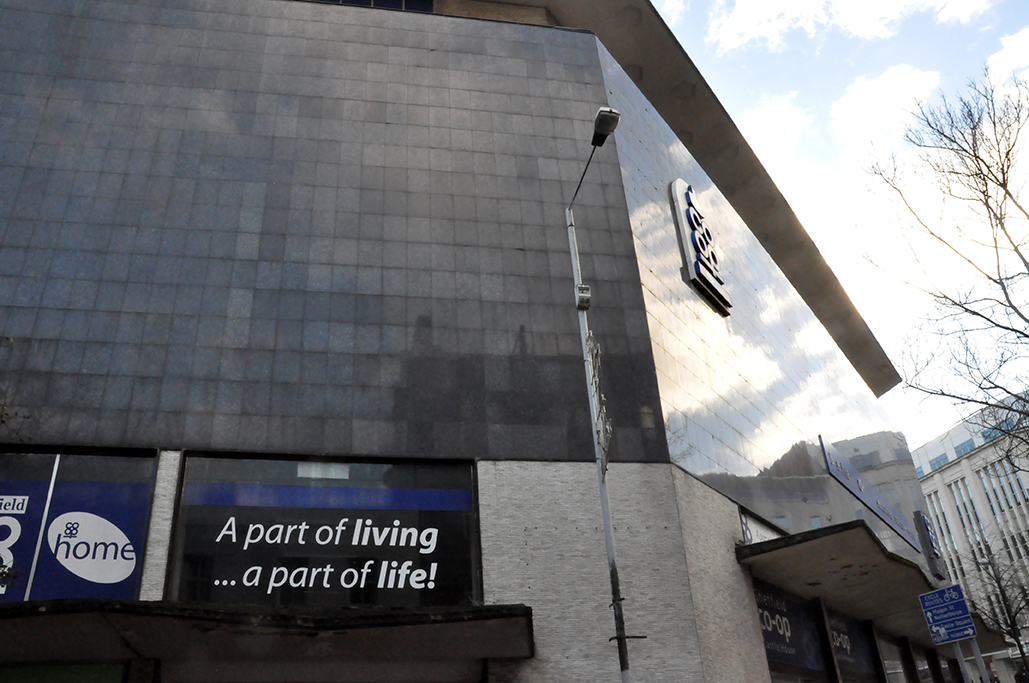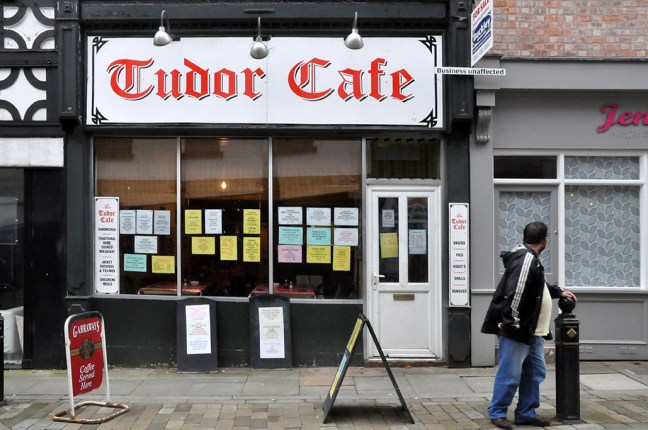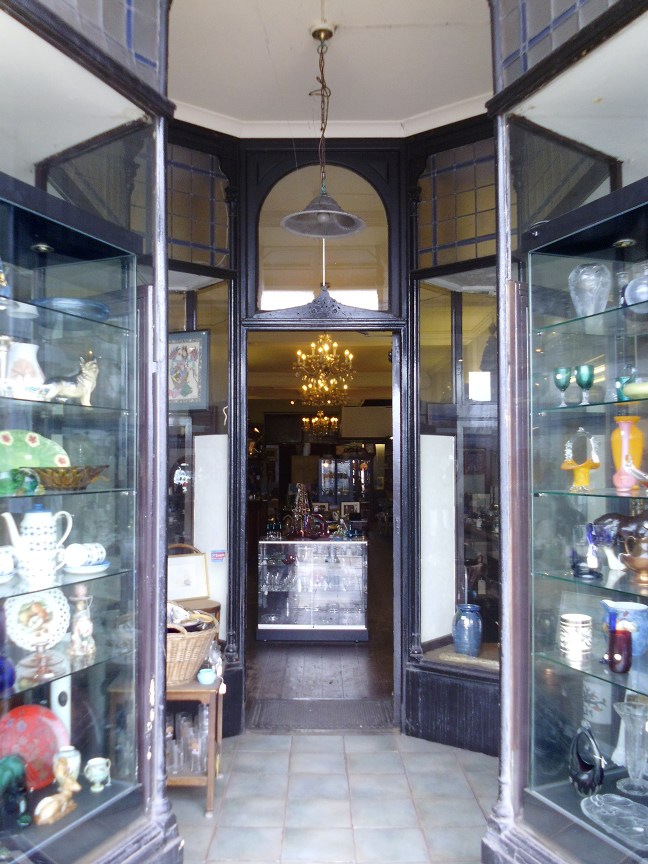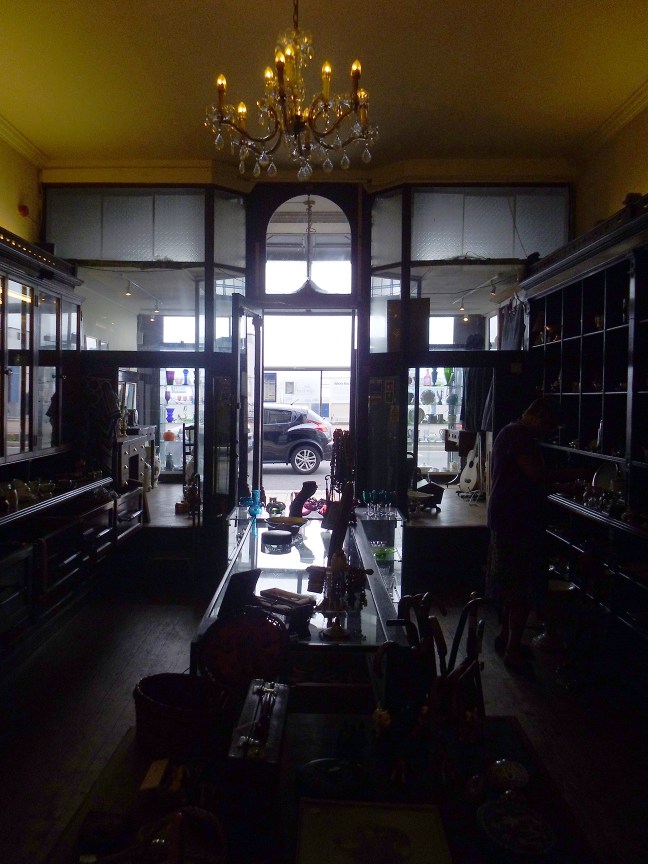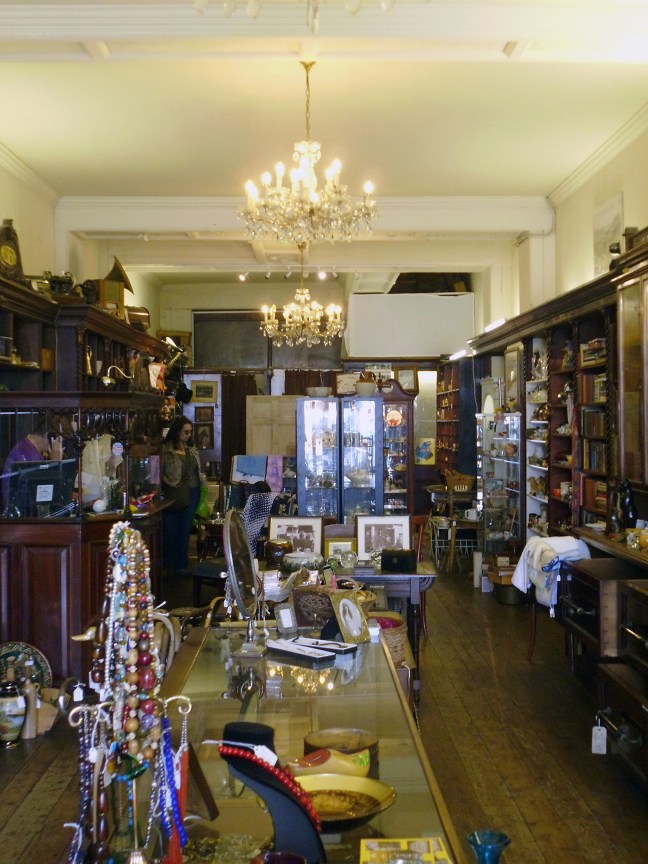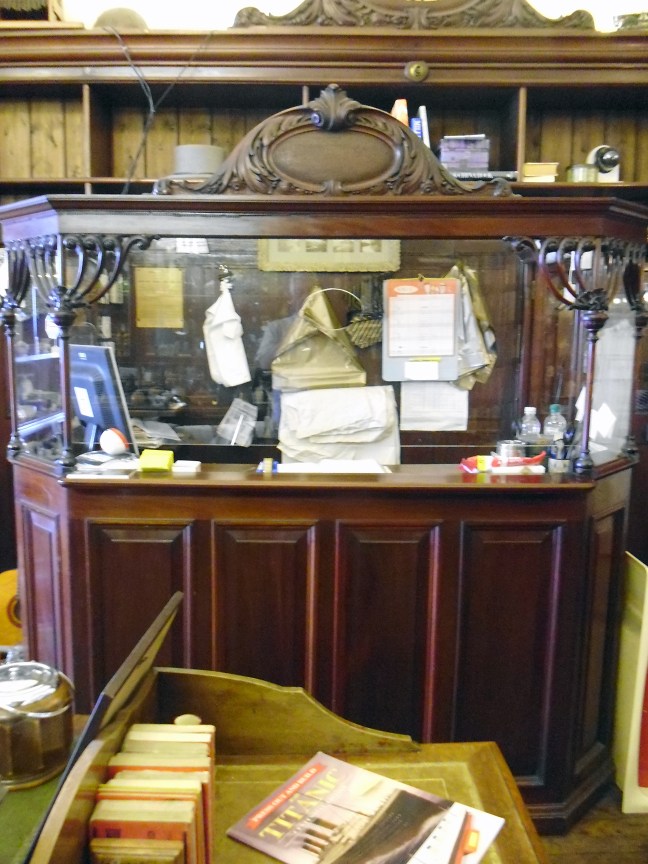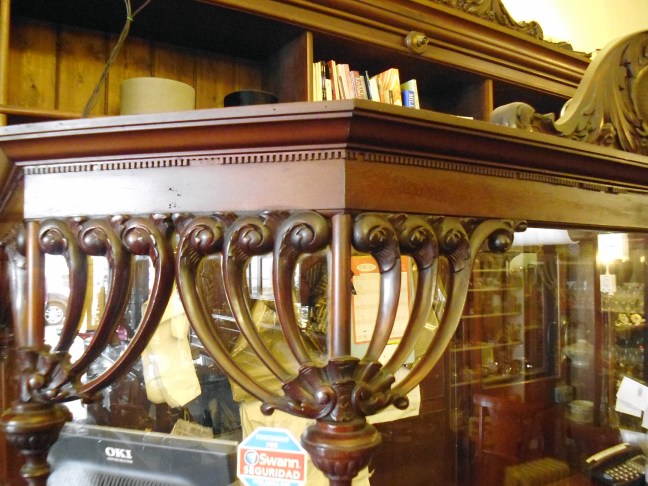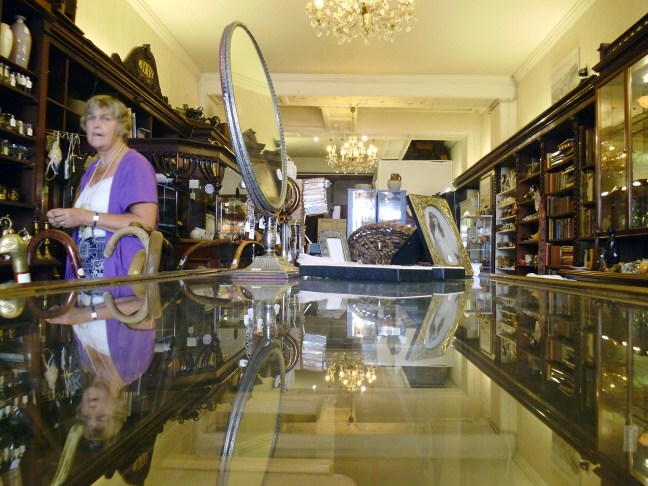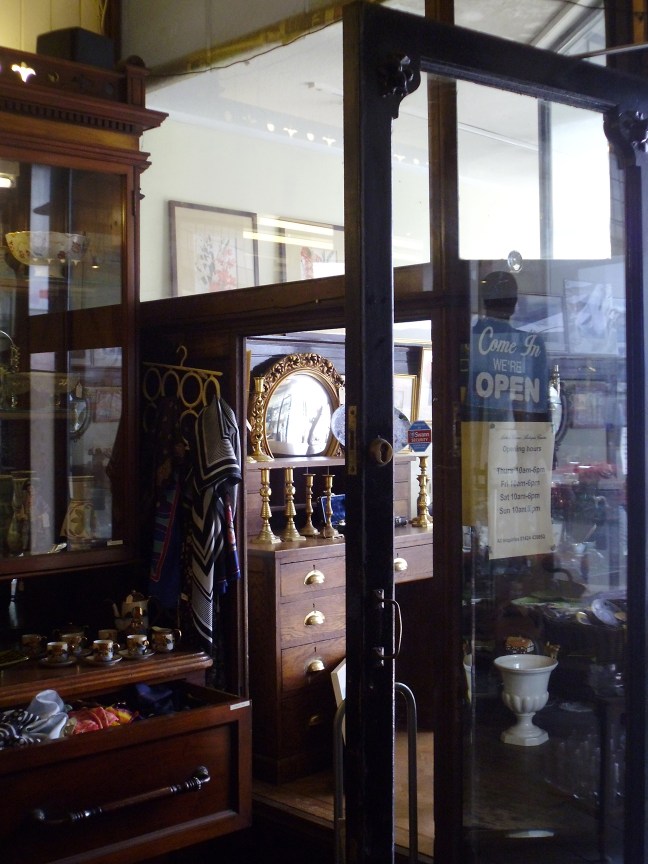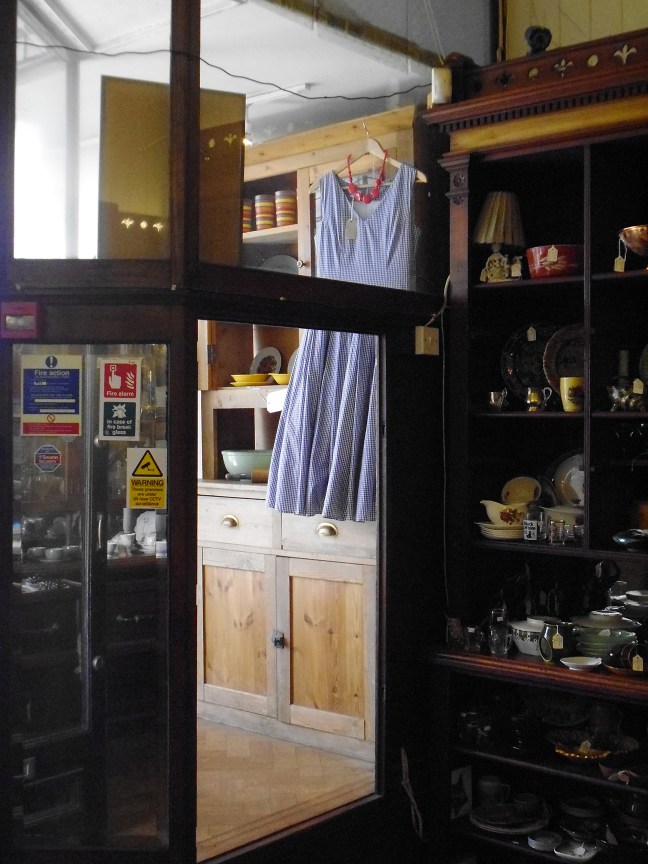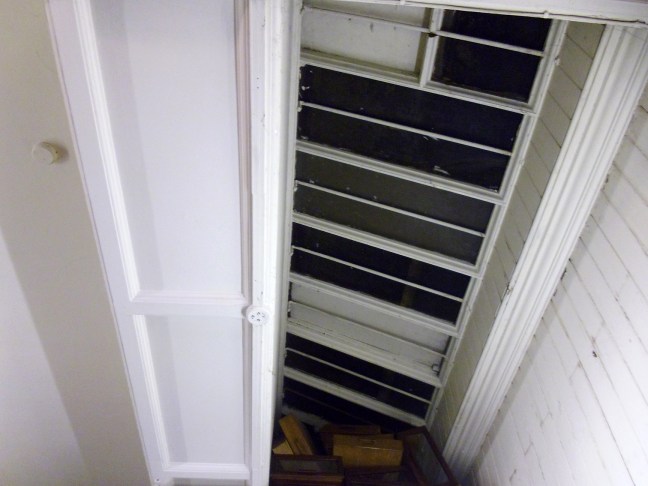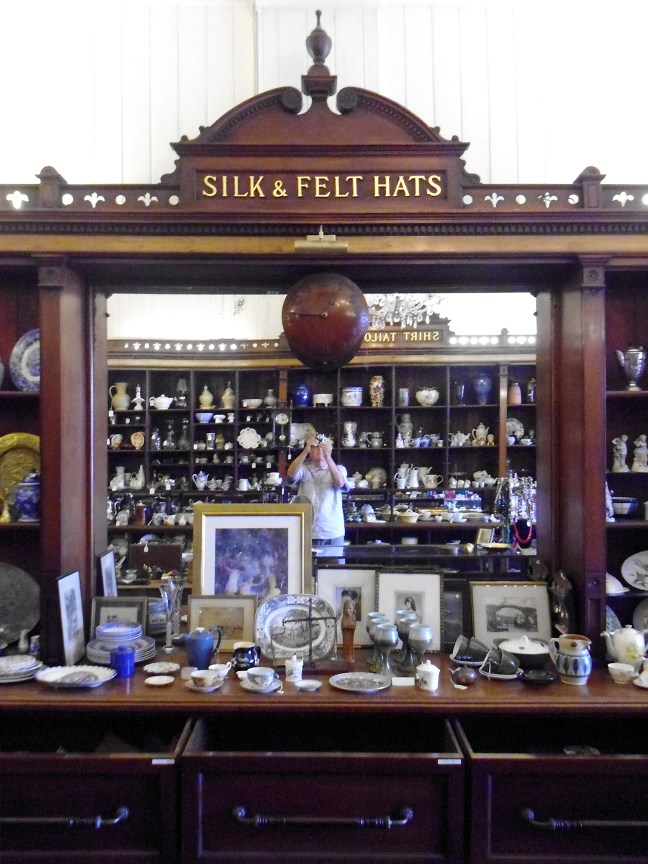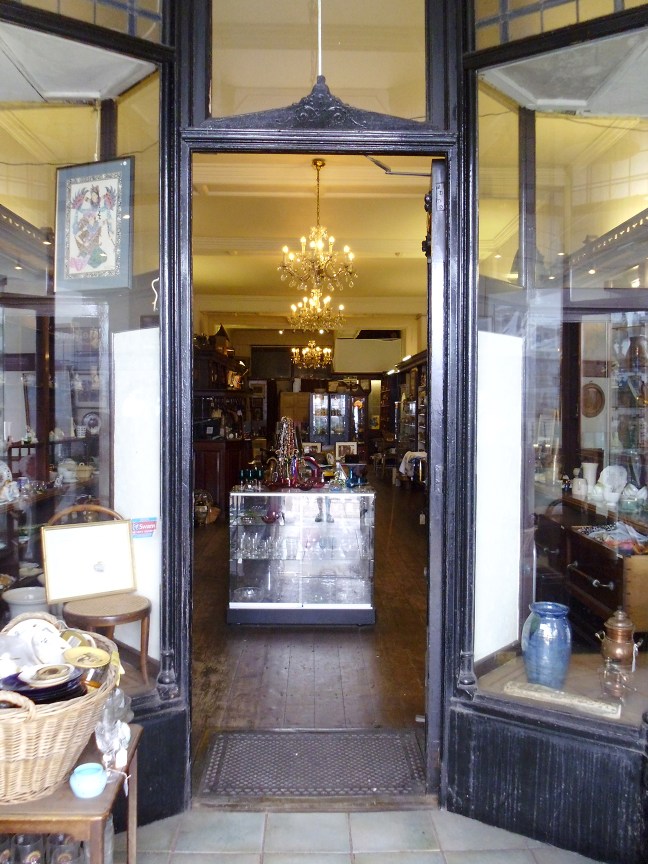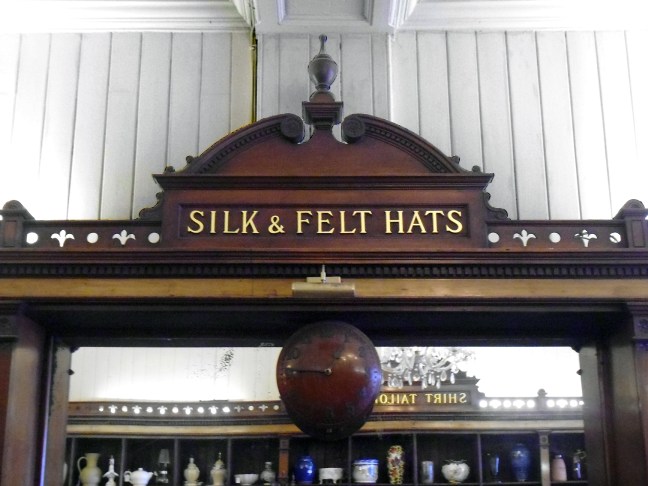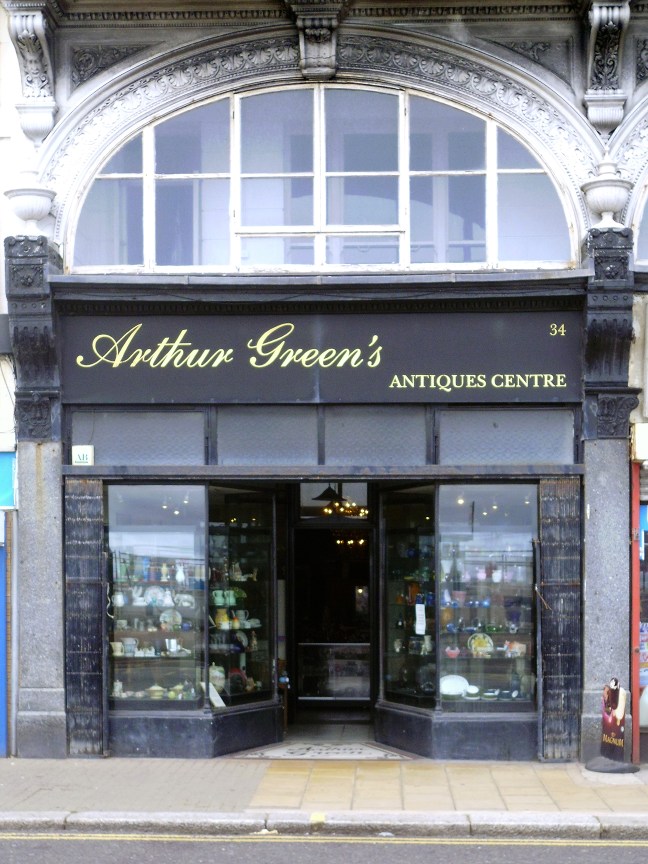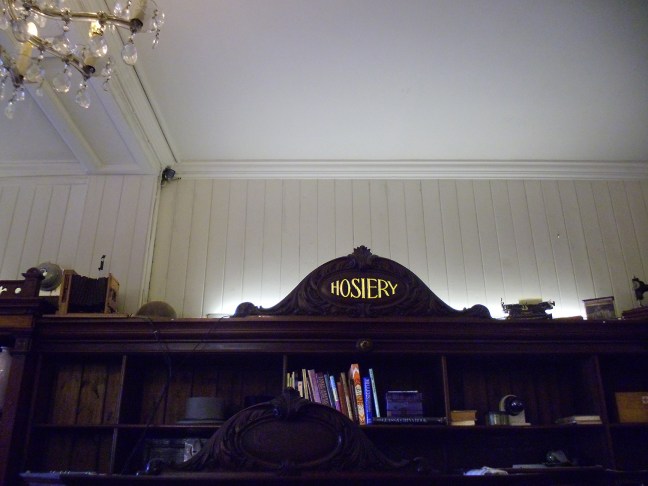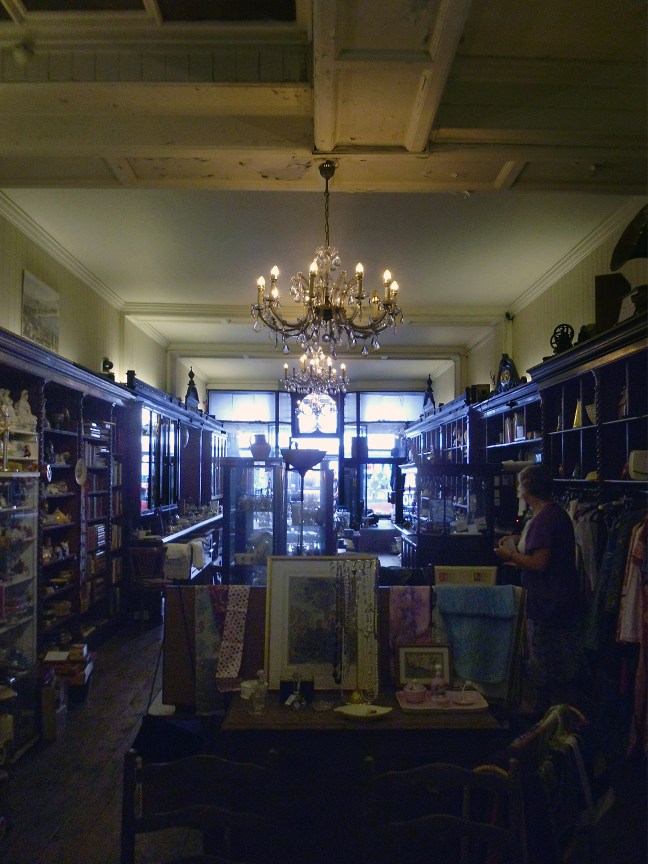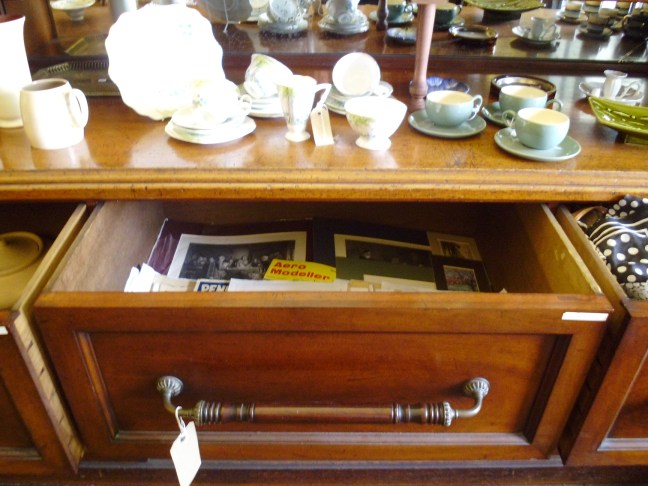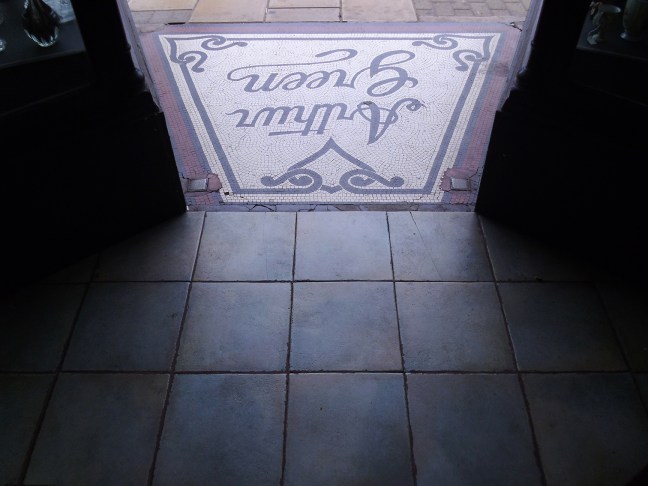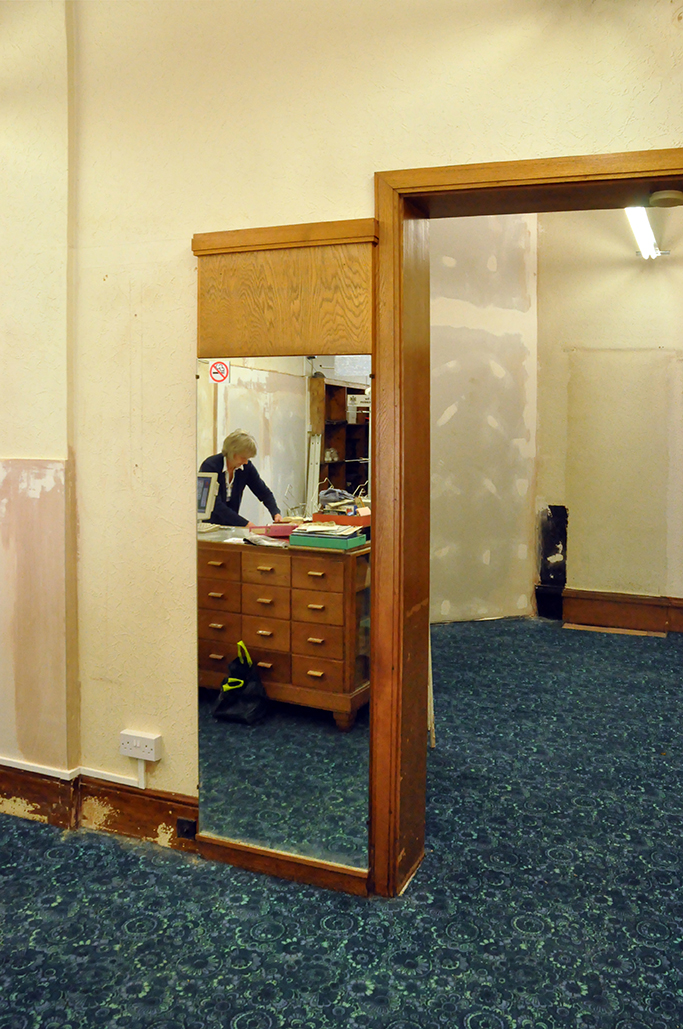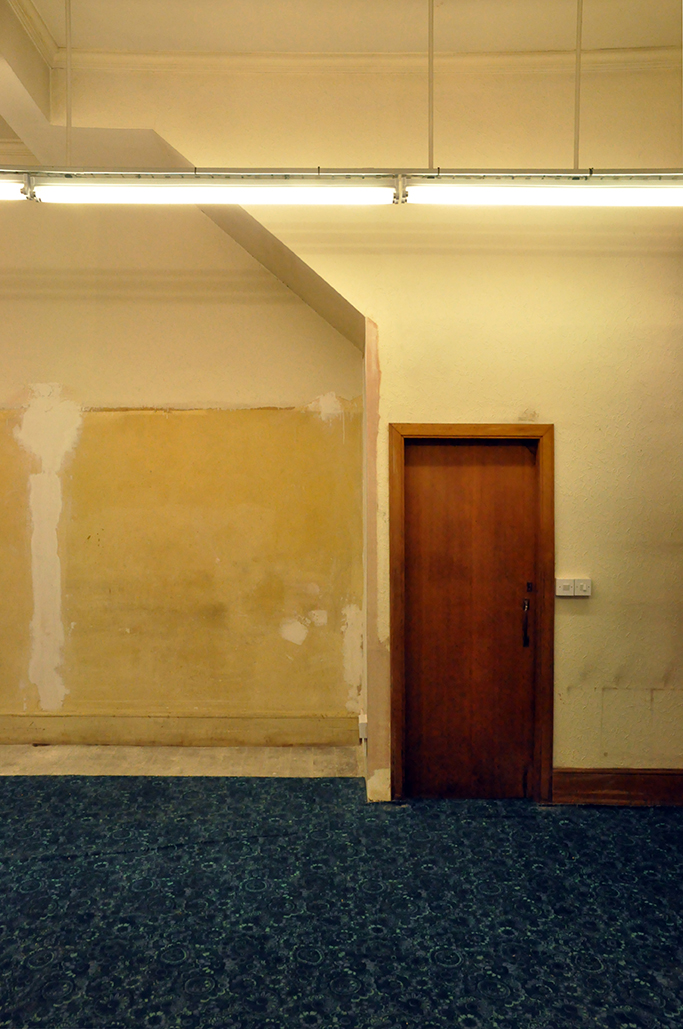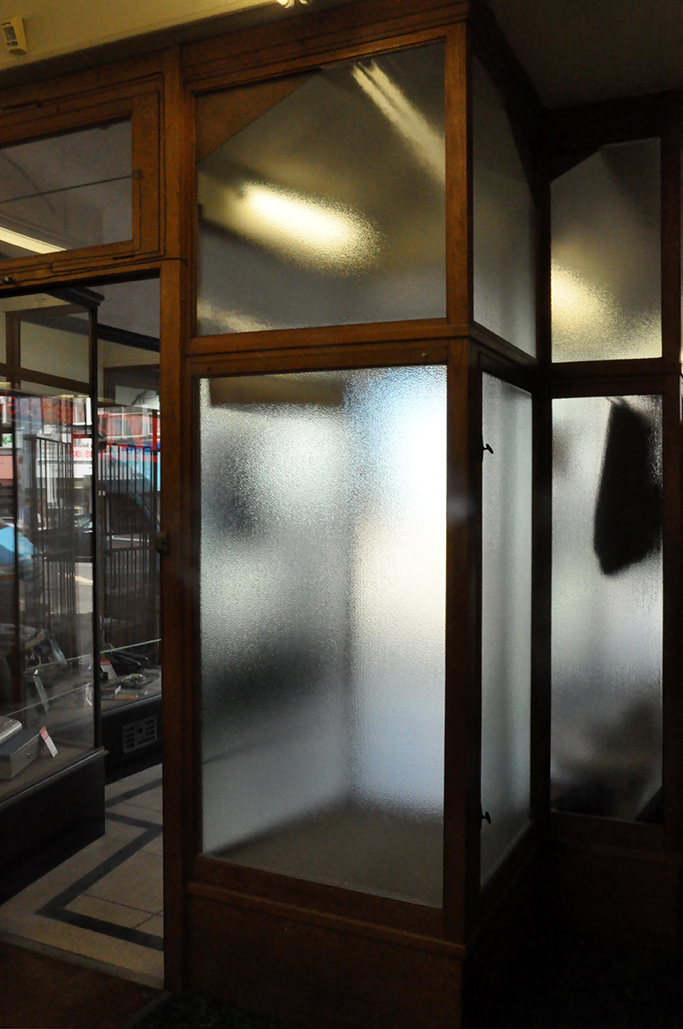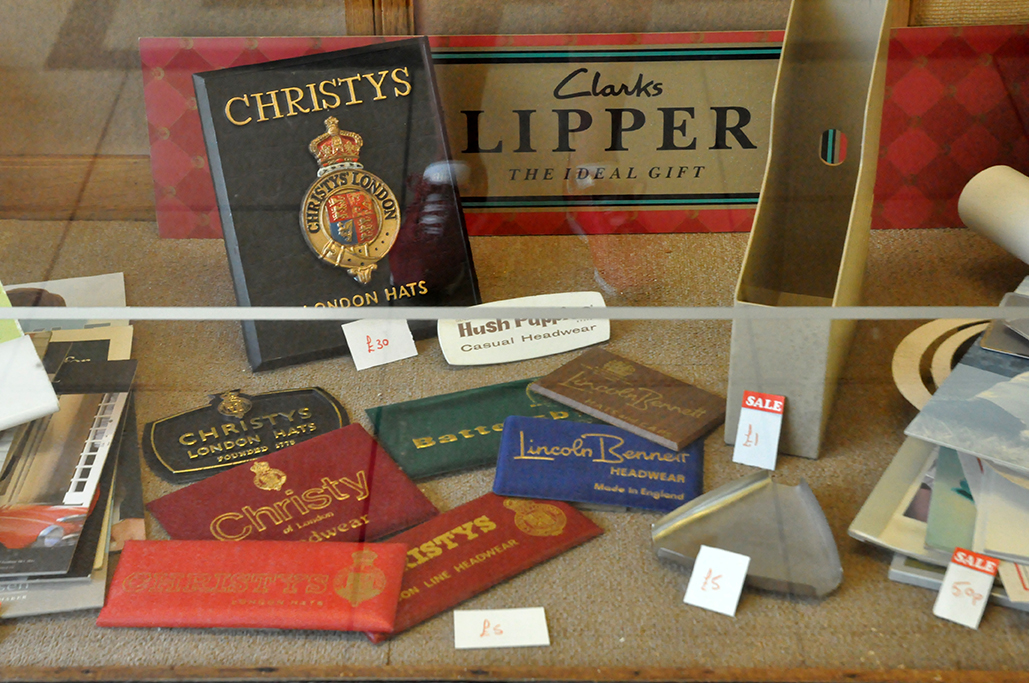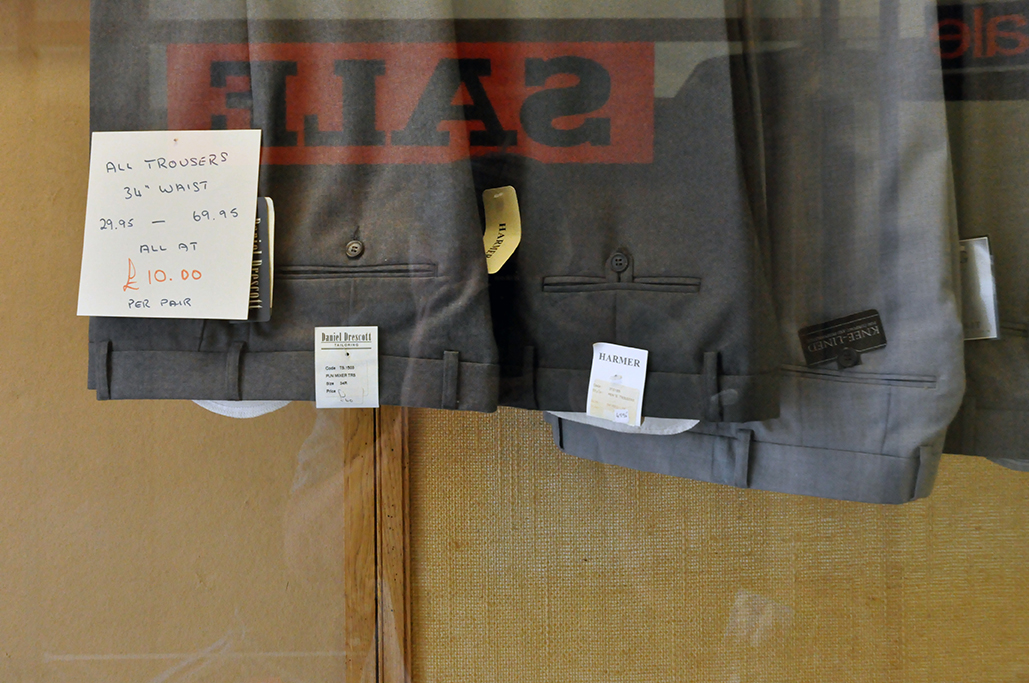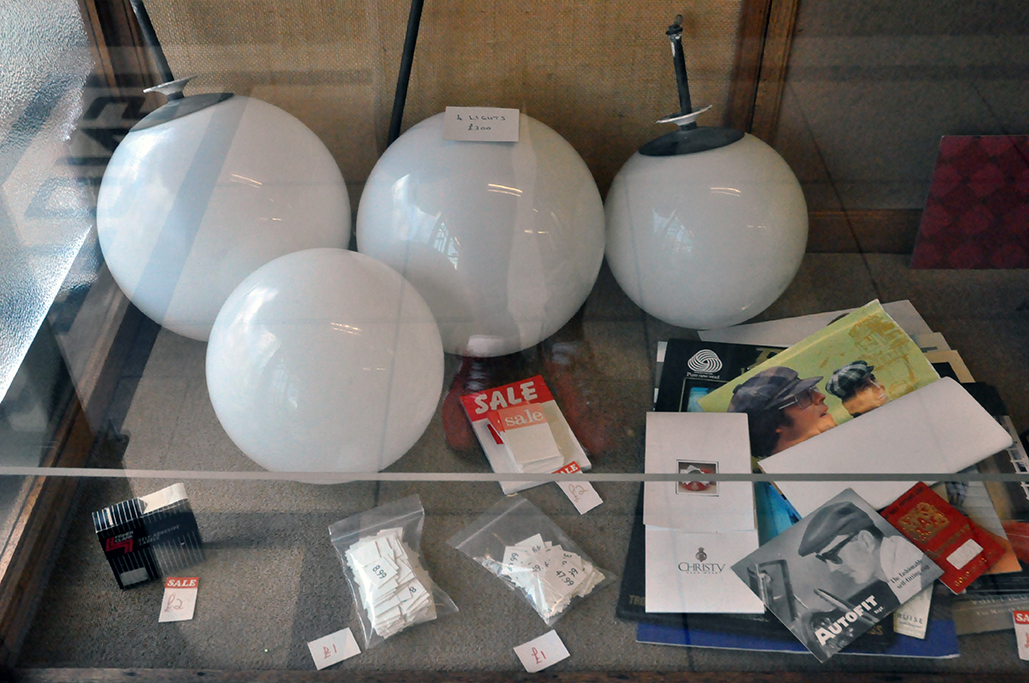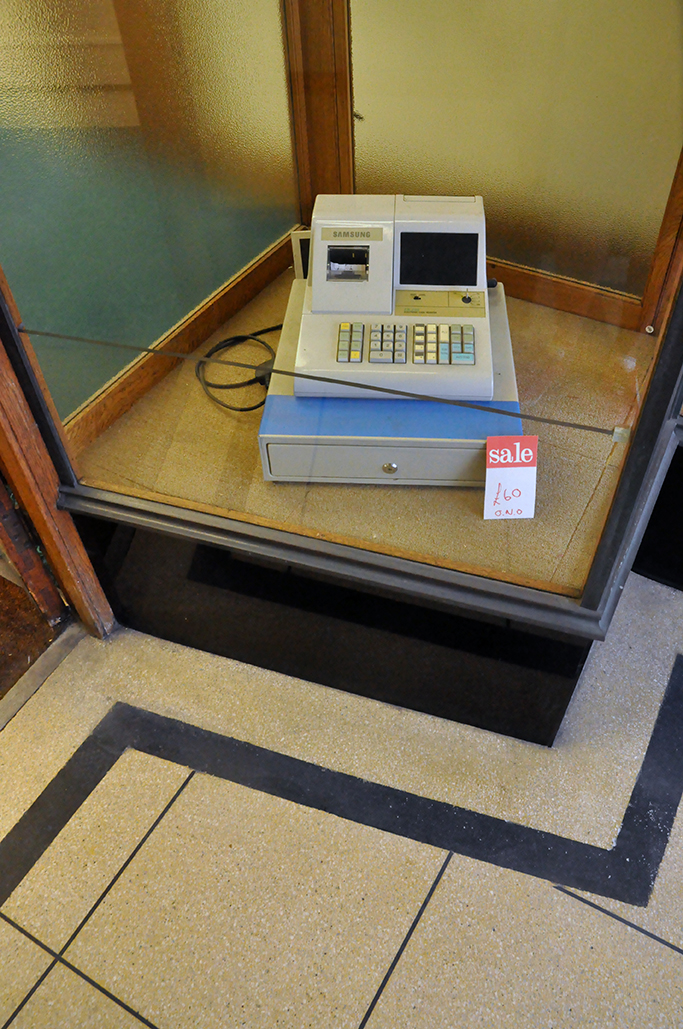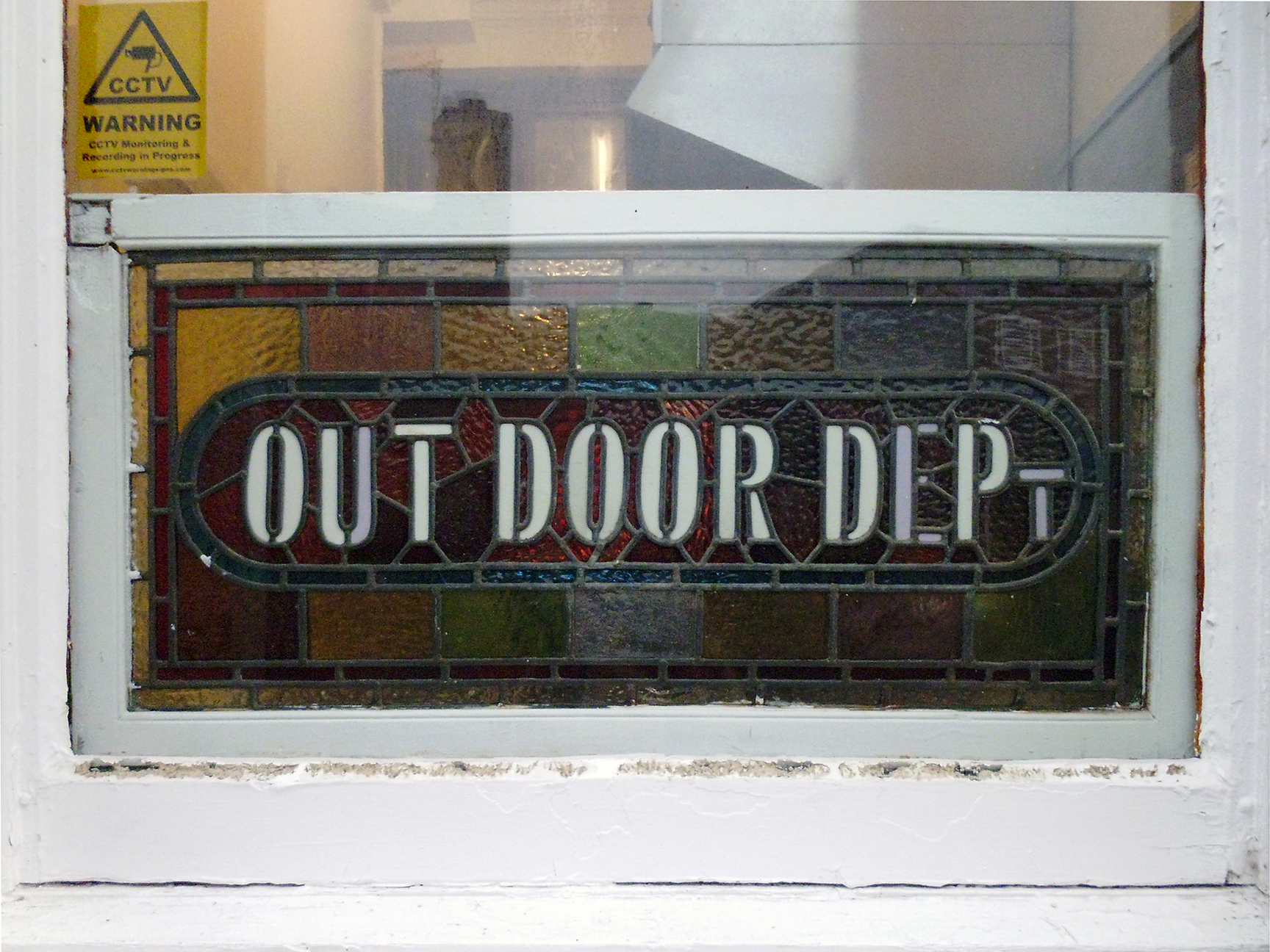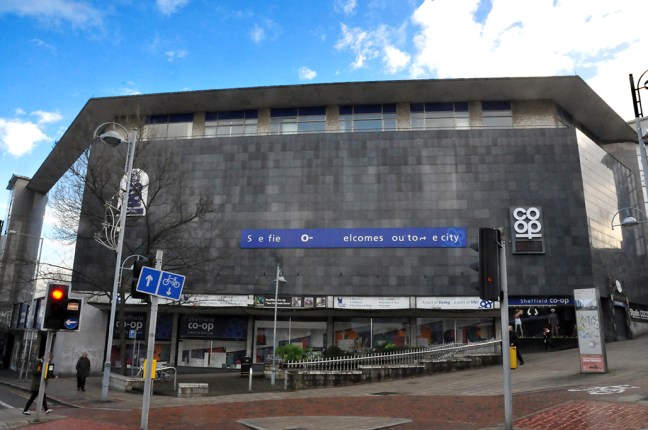
Facing happily out to sea, hard by Hastings promenade, sits Arthur Green’s, former menswear shop of some considerable distinction. Currently operating as an antiques centre, the whole of the perfectly preserved, period interior is now listed by English Heritage.
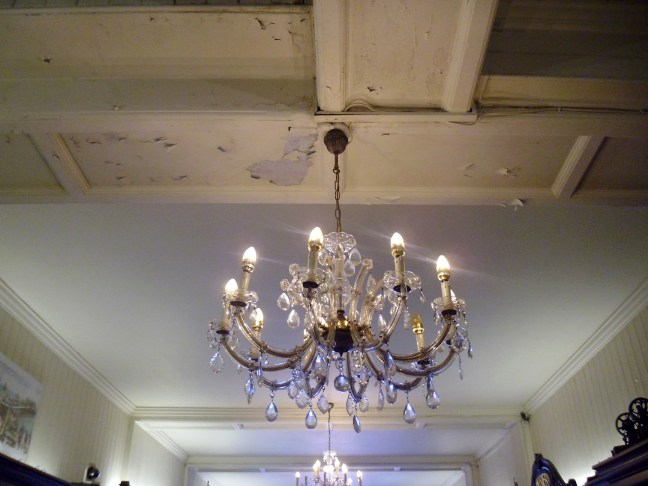
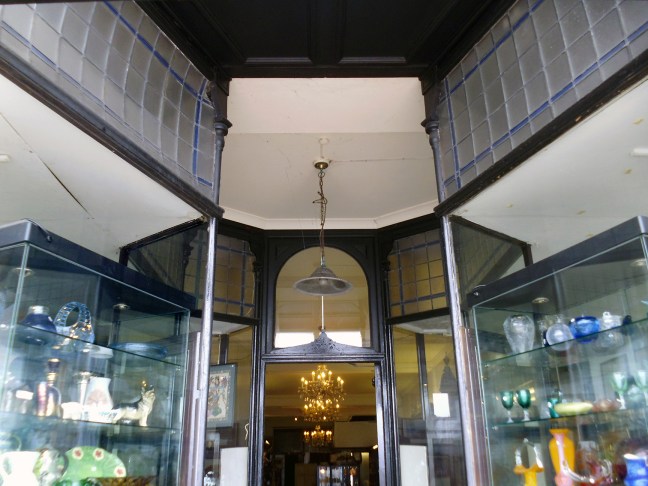
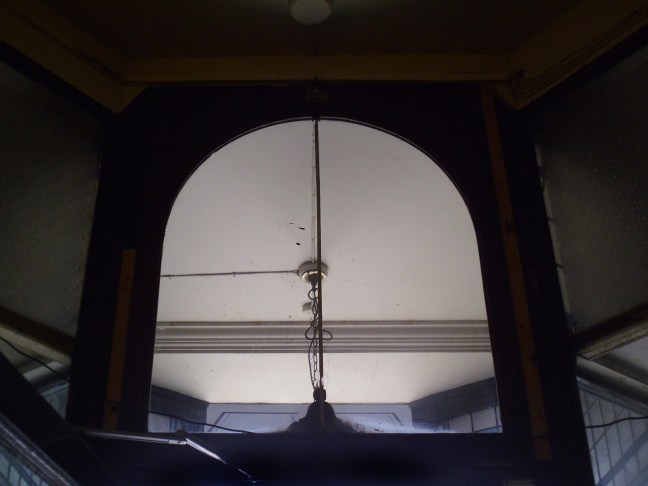
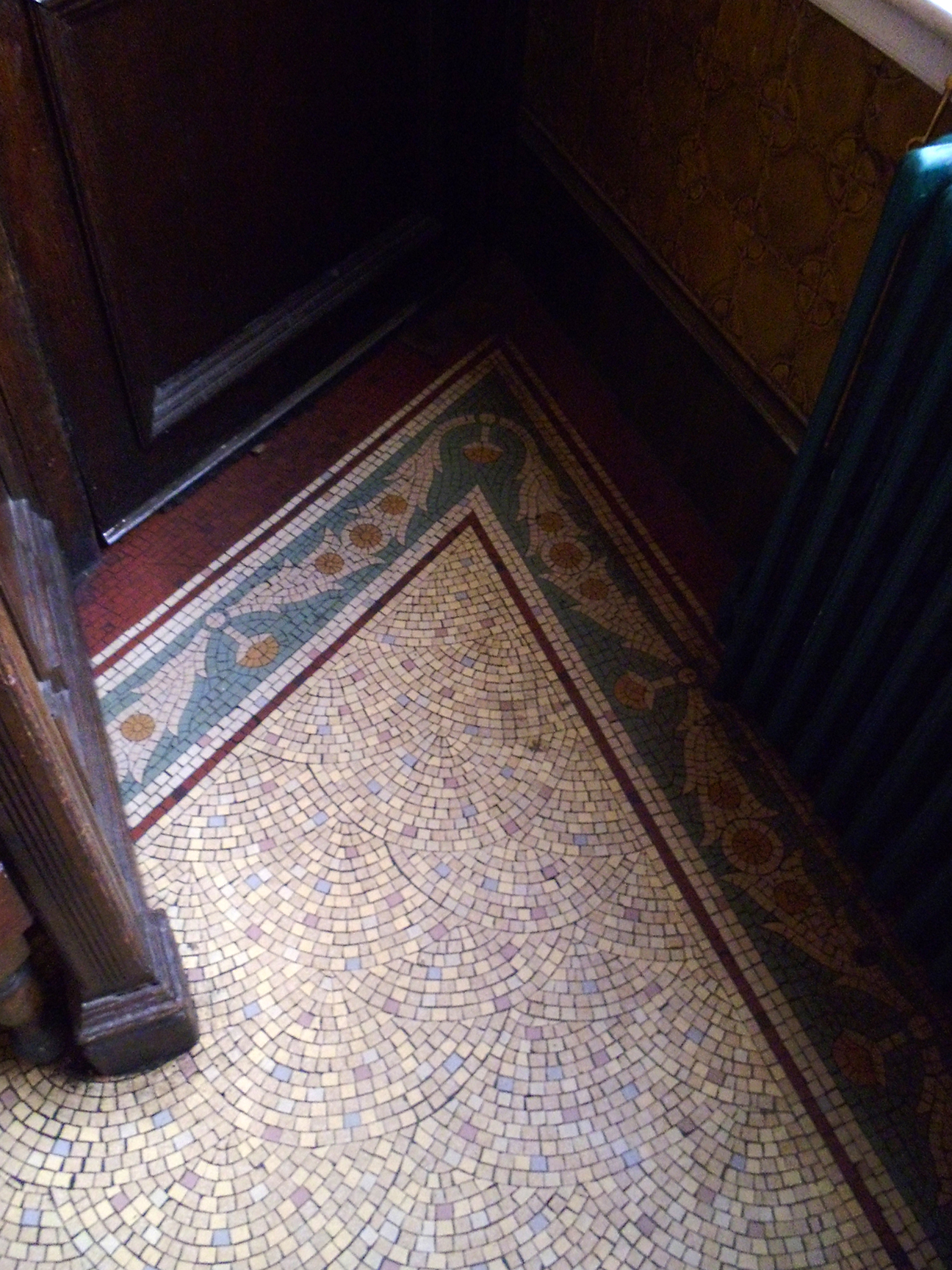
A mosaic porch and glass lined vestibule, invite you into a palace of dark hardwood fittings, capacious drawers, glass fronted cabinets, and an ornately carved cashiers booth, all topped off and lit by crystal chandeliers.
Few such example still exist intact, their contents usually ripped out, ripped off and reinstalled in chi-chi overpriced, cosmopolitan boutiques – suits you sir?
I think not!
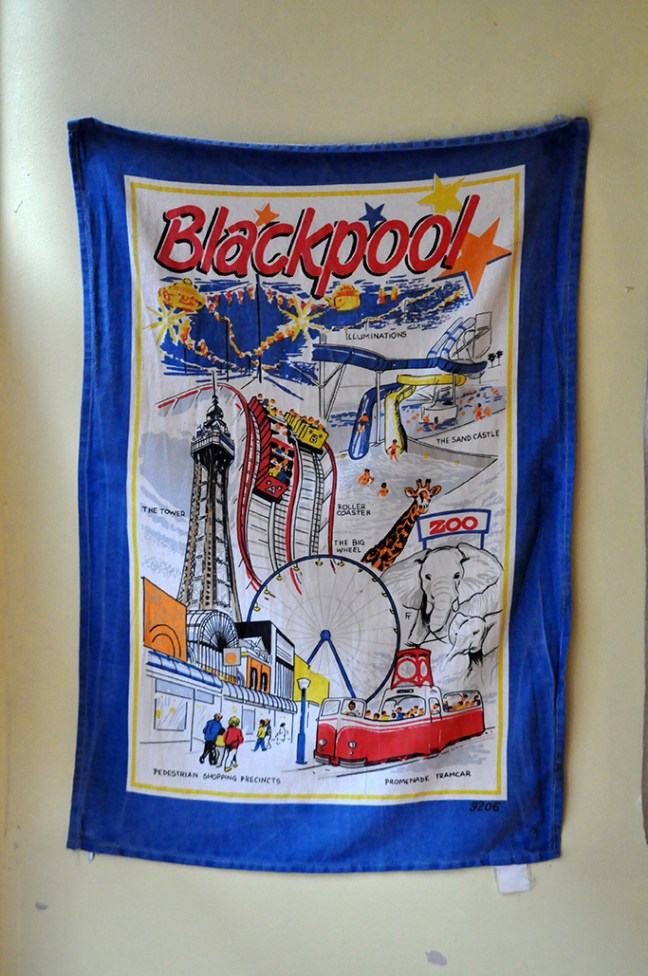
My thanks to the helpful and patient staff who informed and facilitated my mooching.
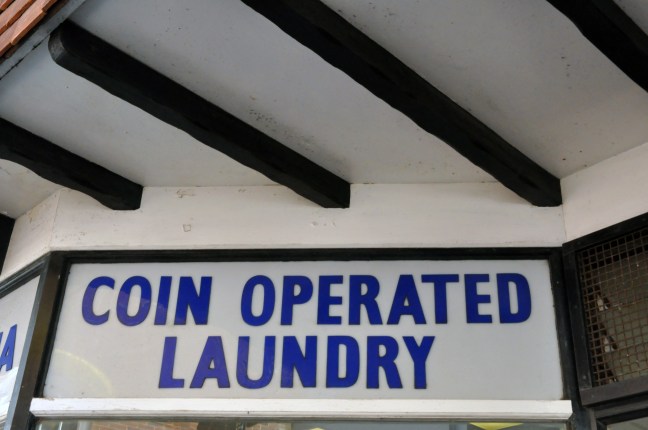
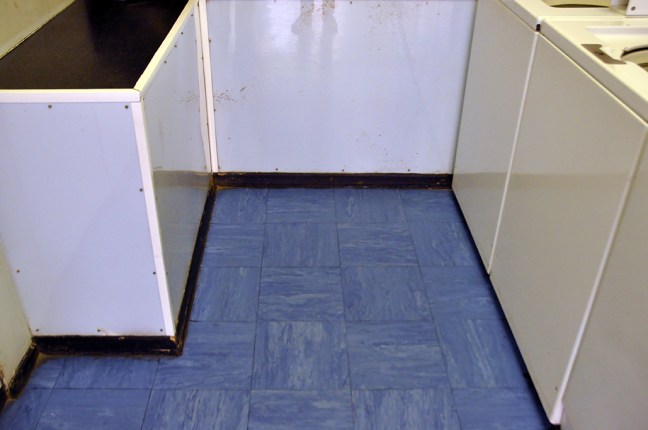
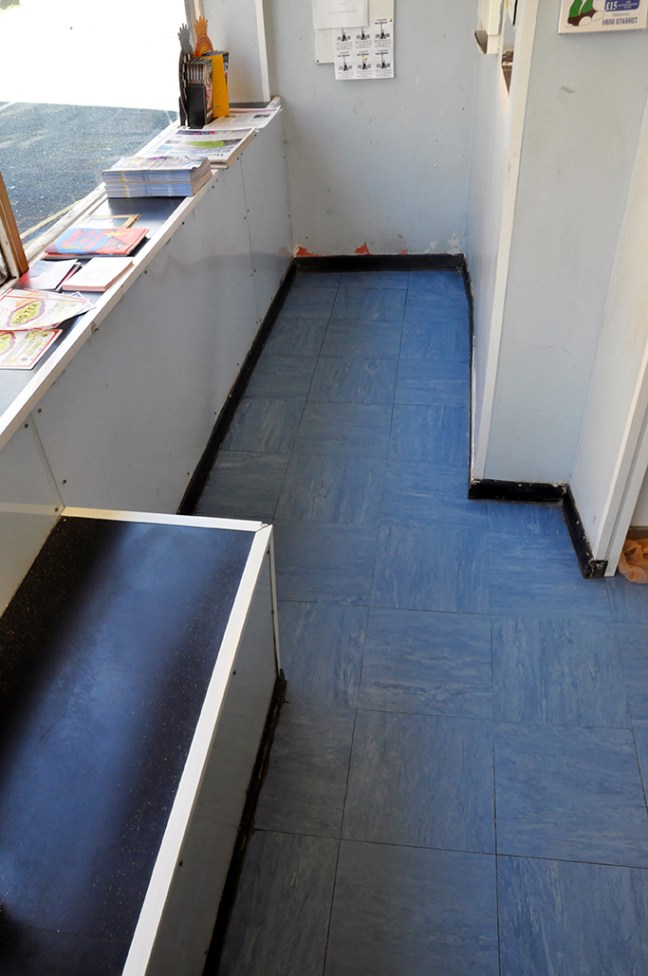
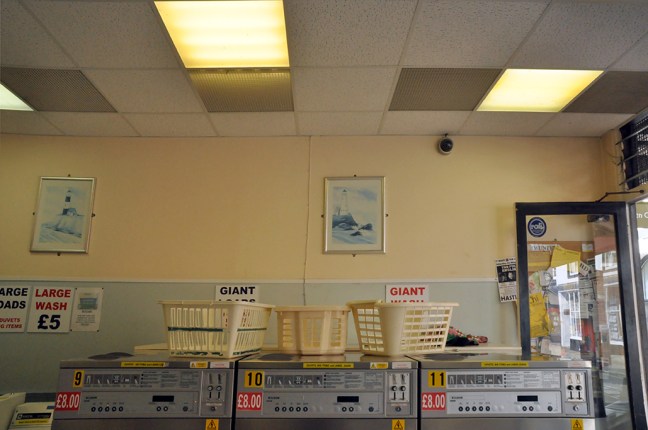
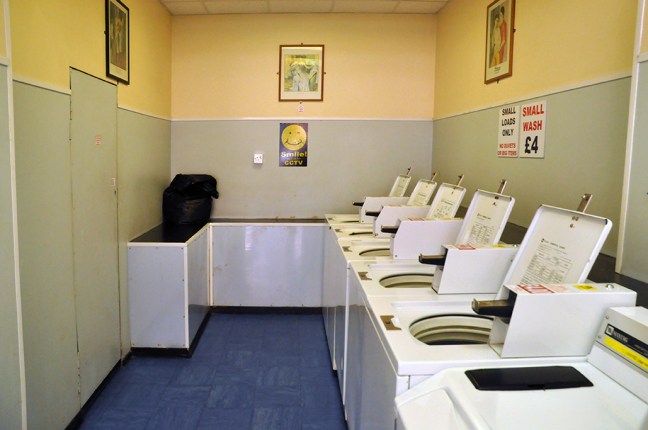
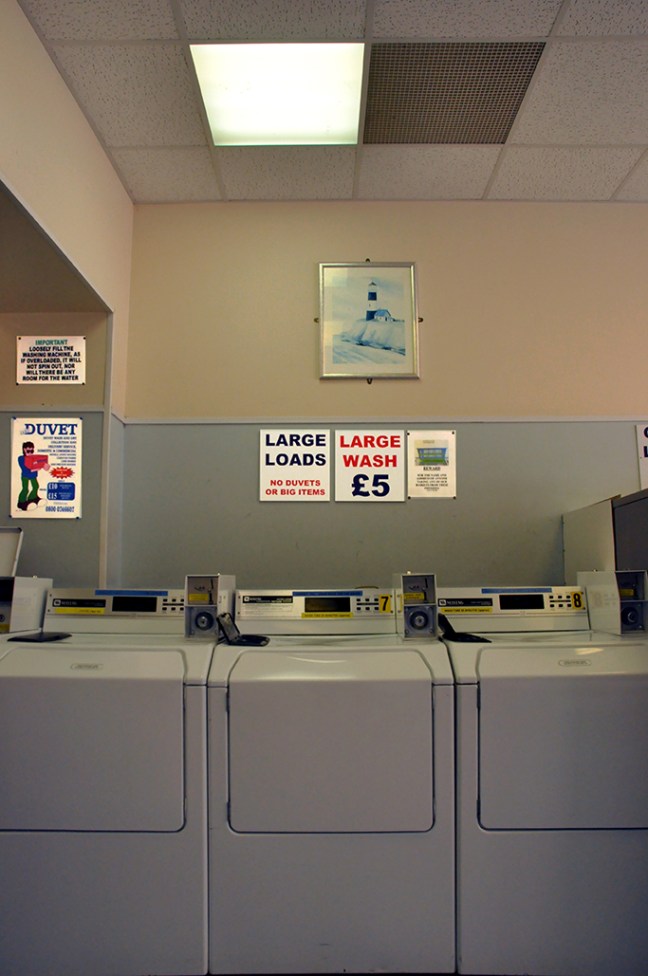
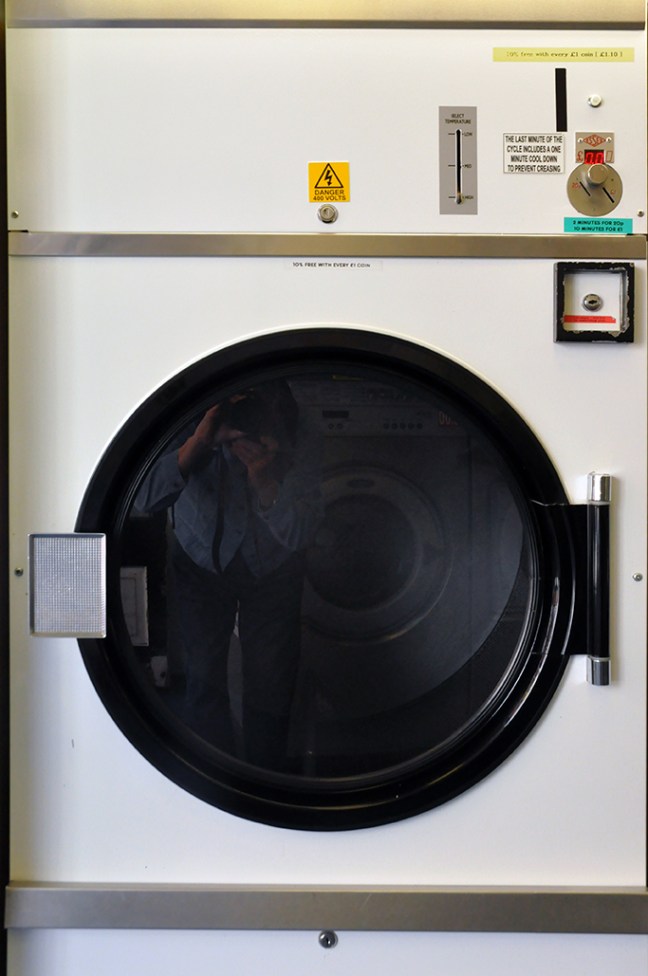
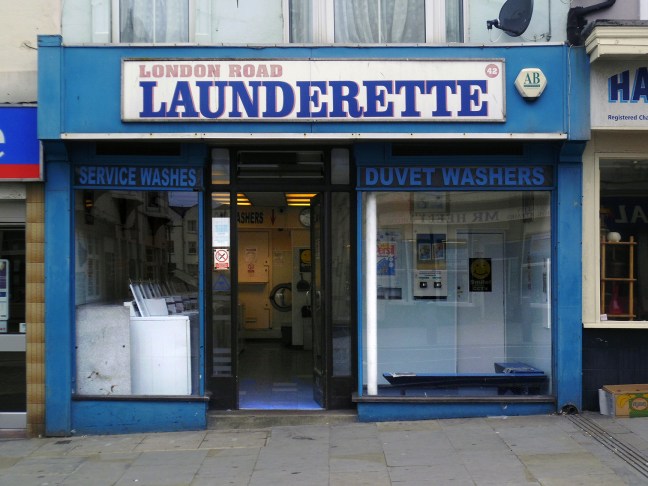
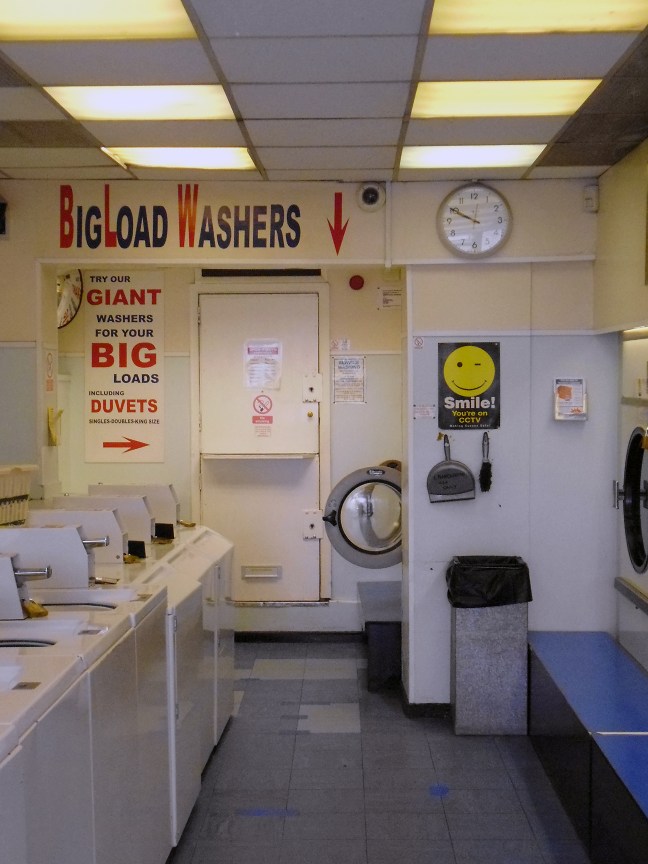
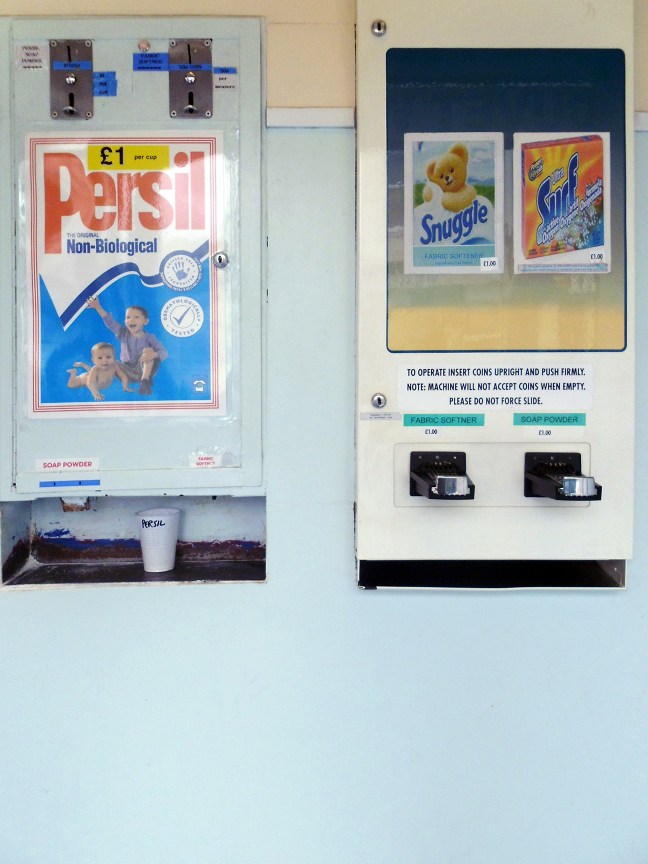
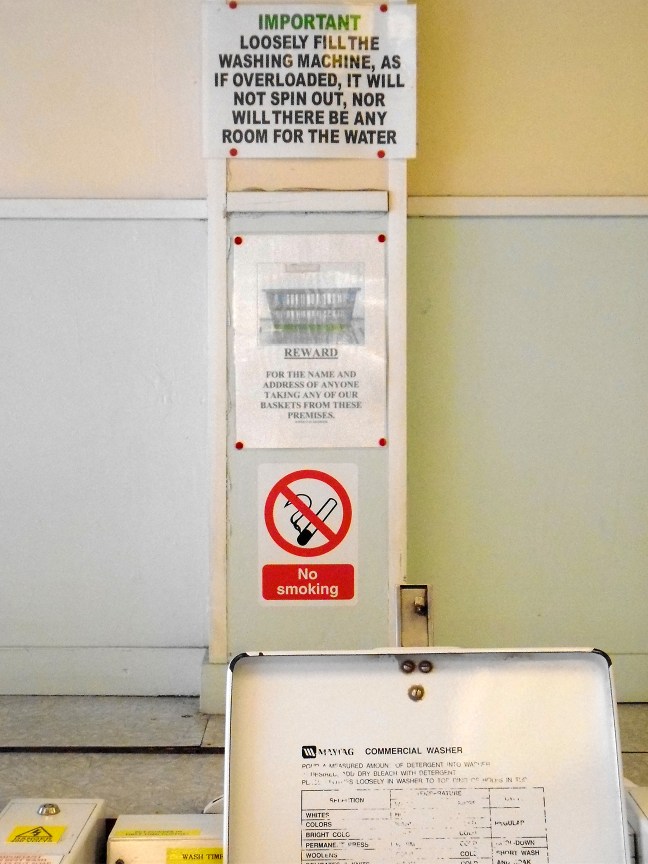
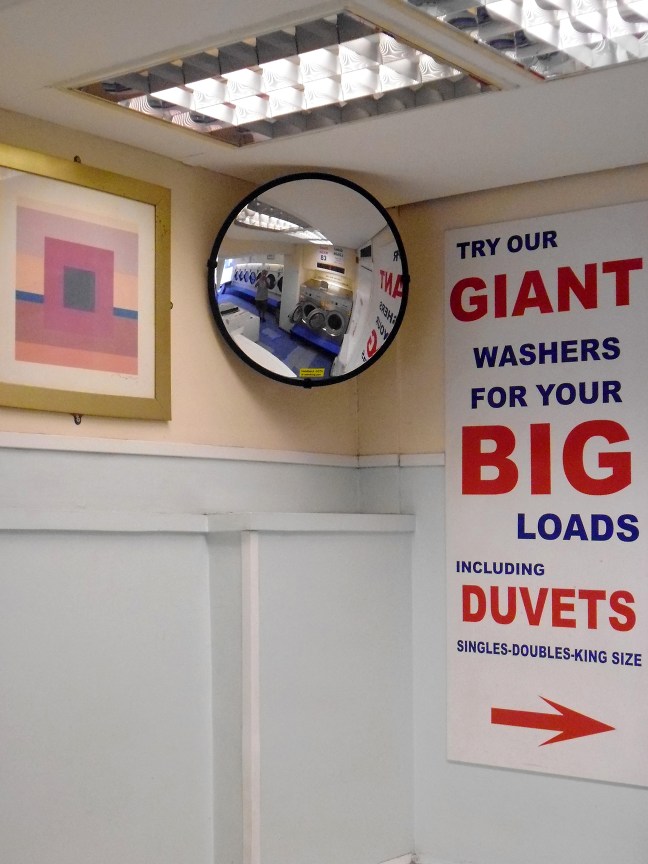
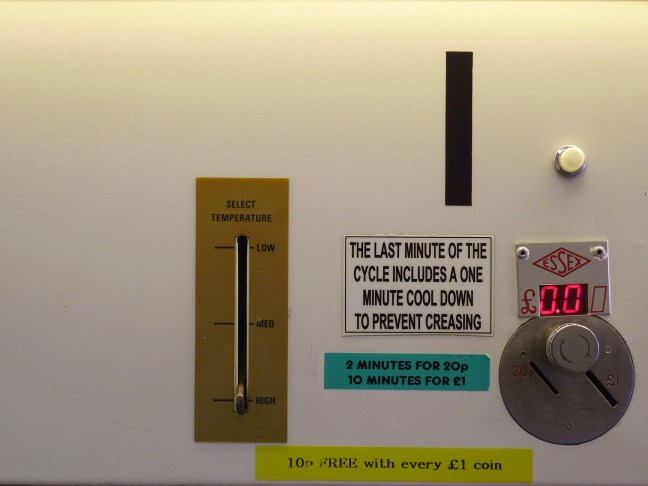
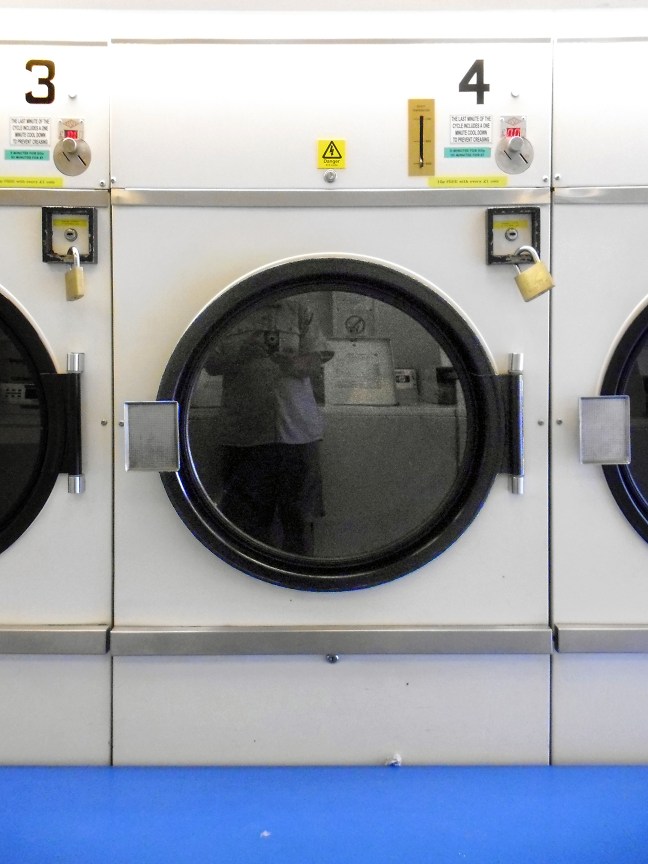
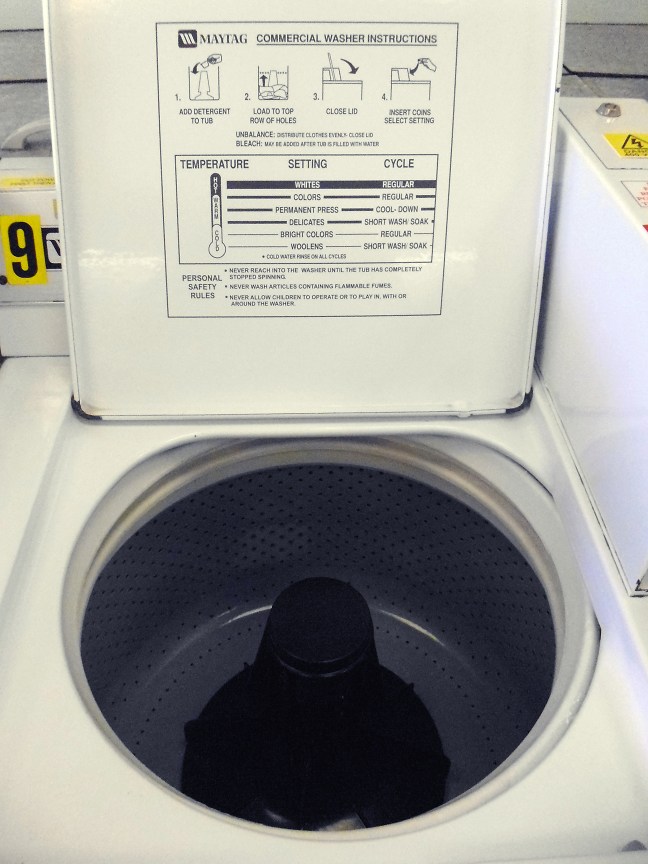
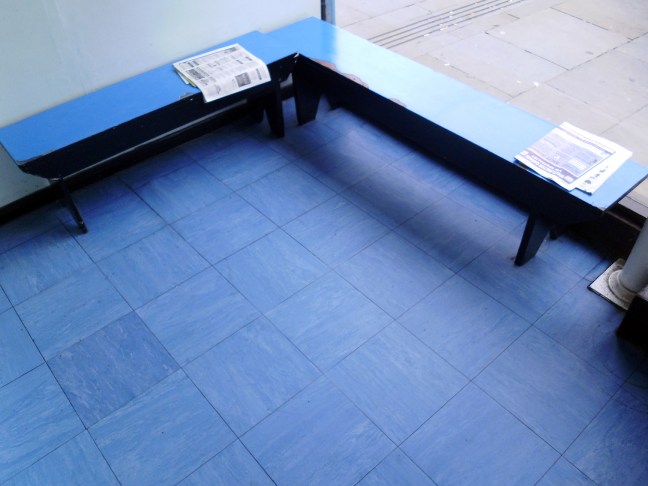
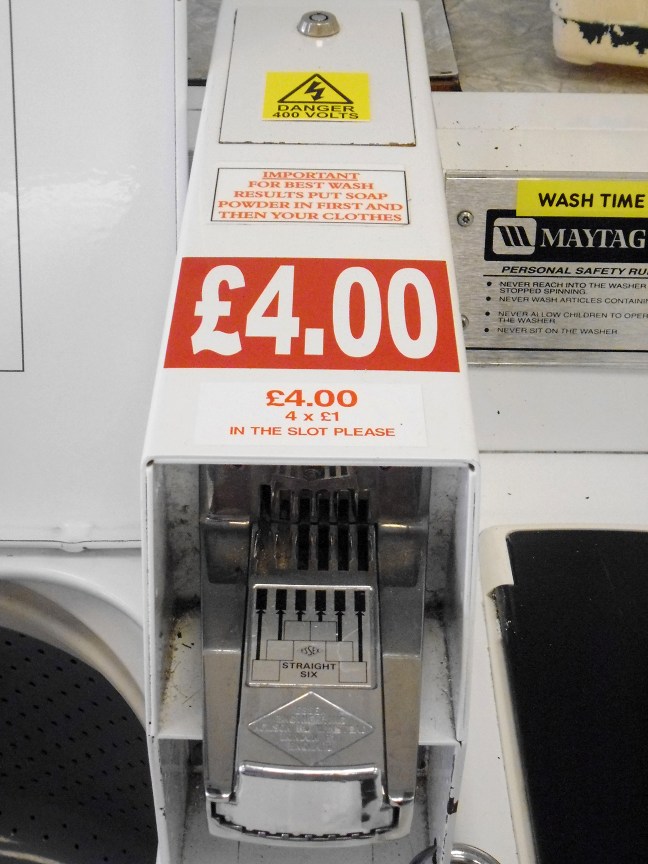
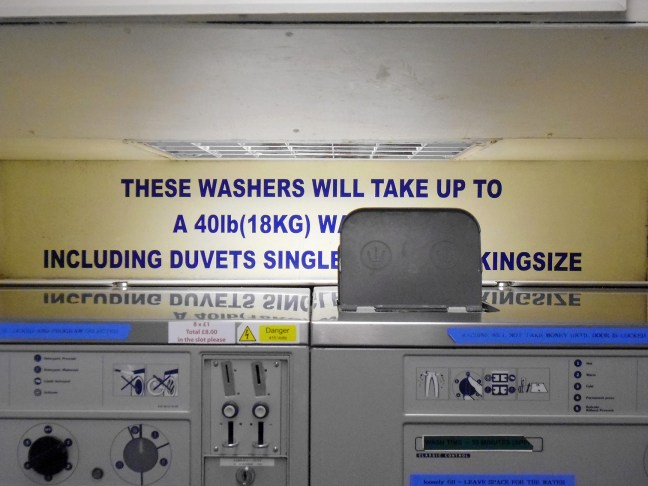
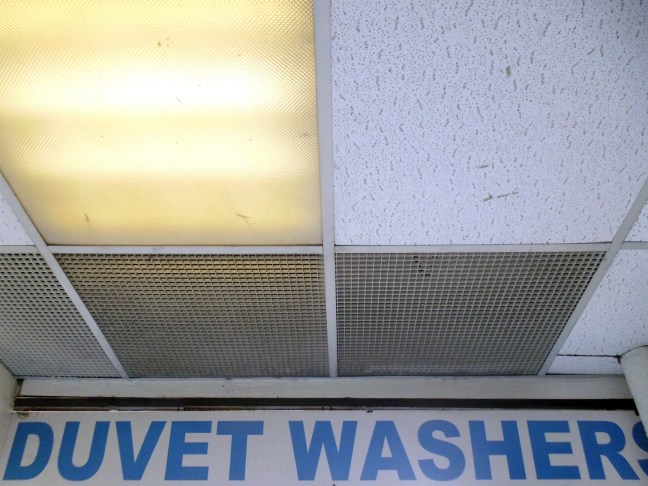
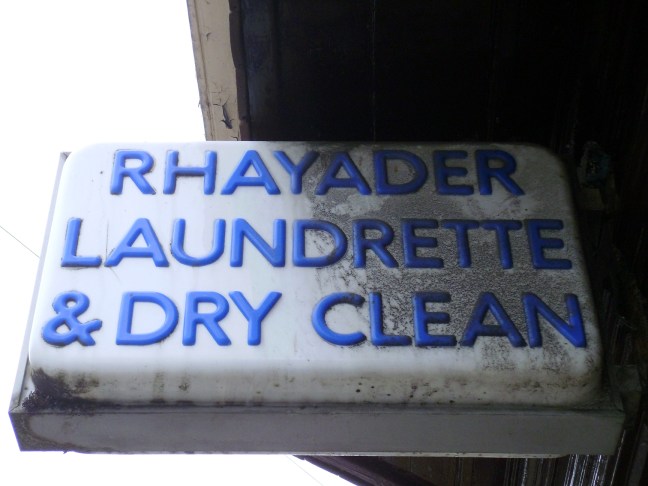
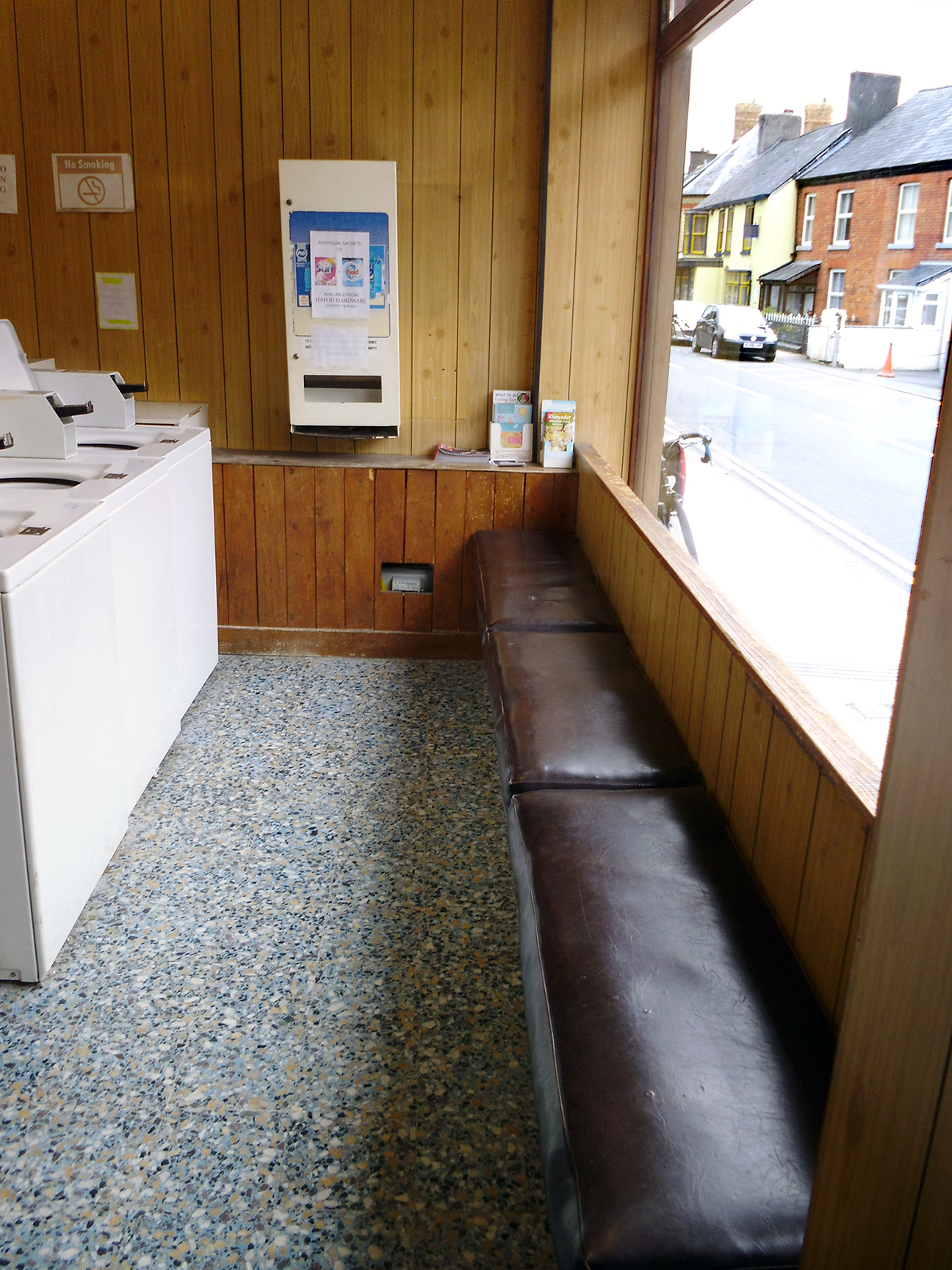
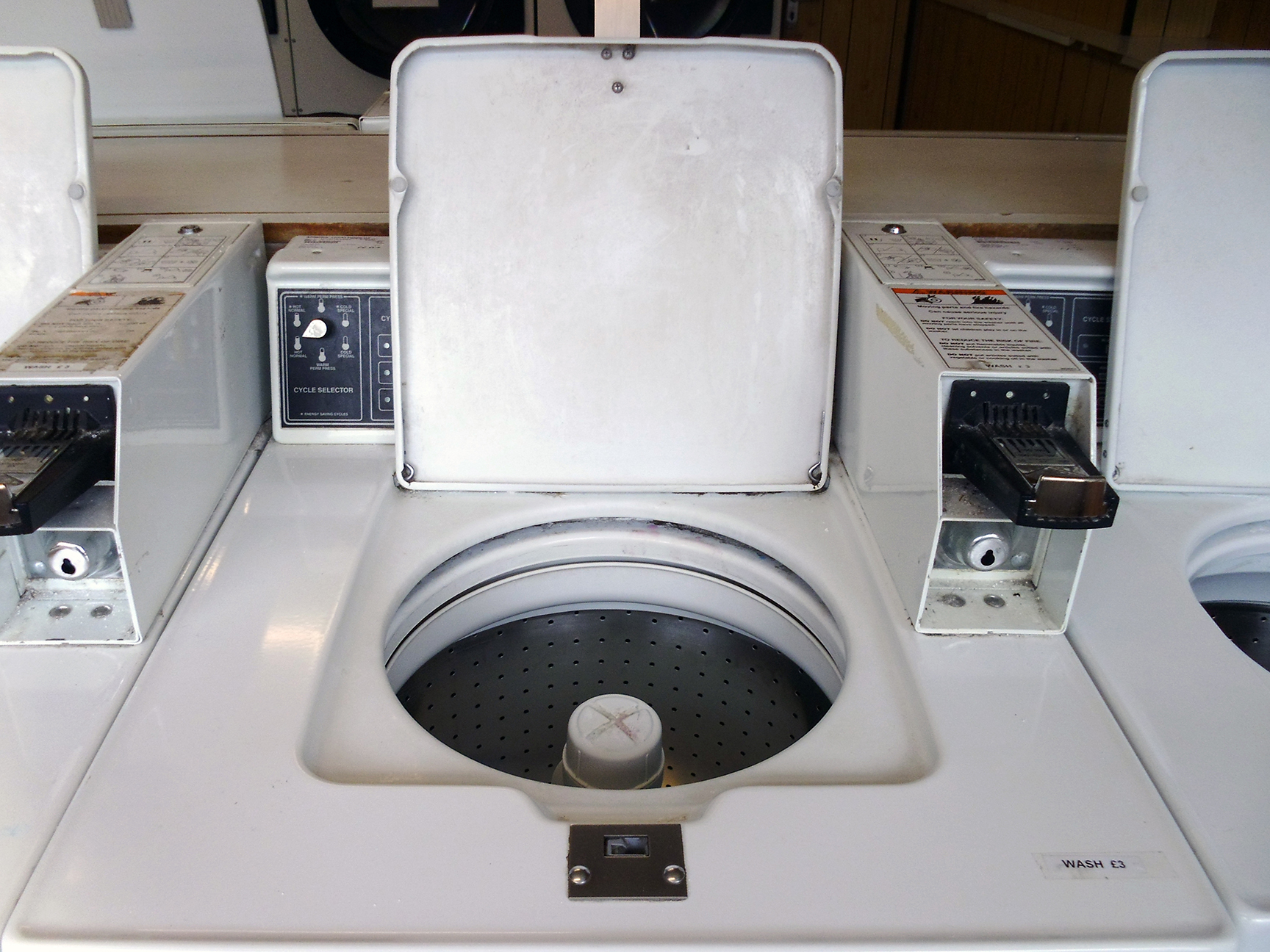
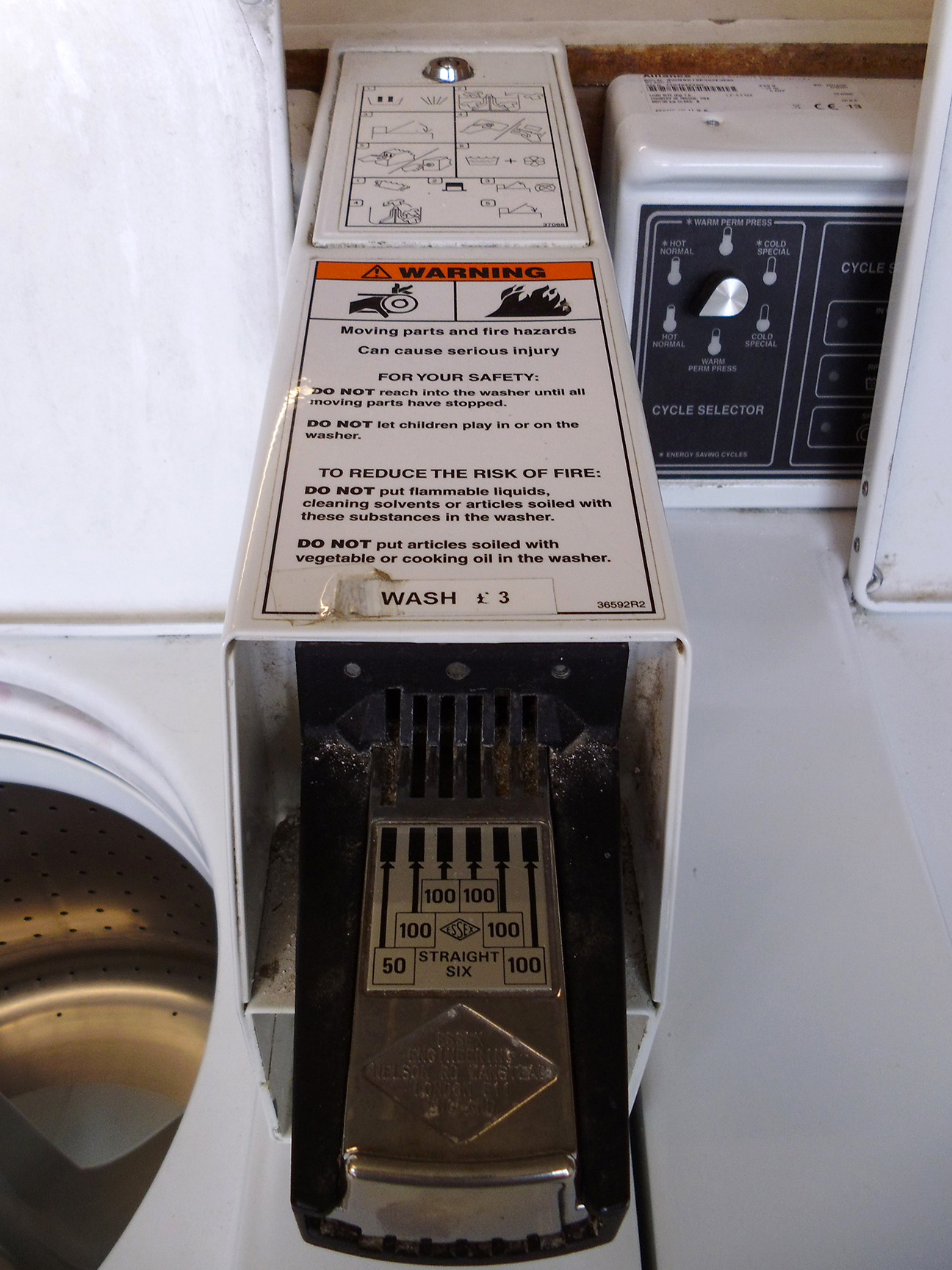
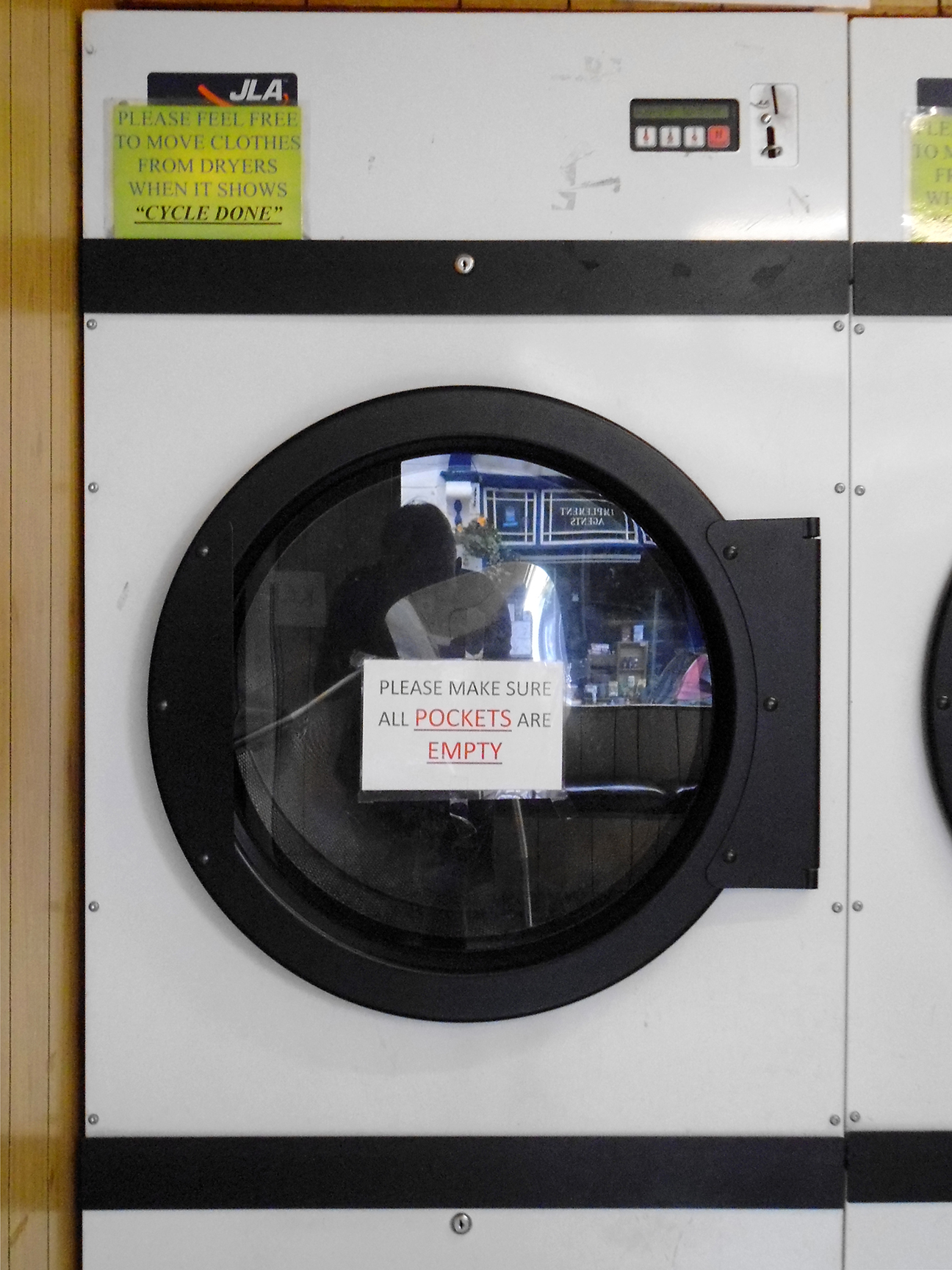
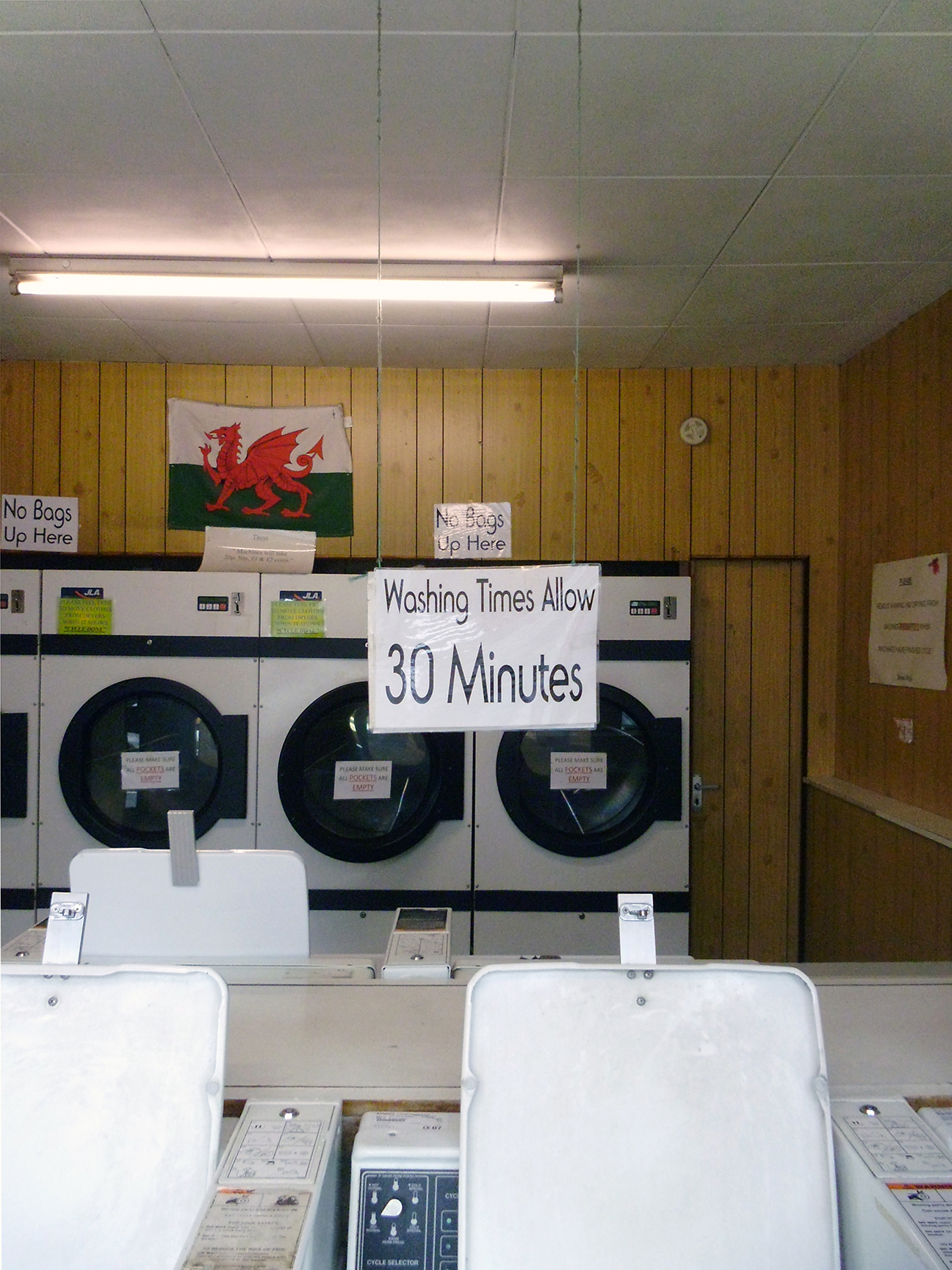
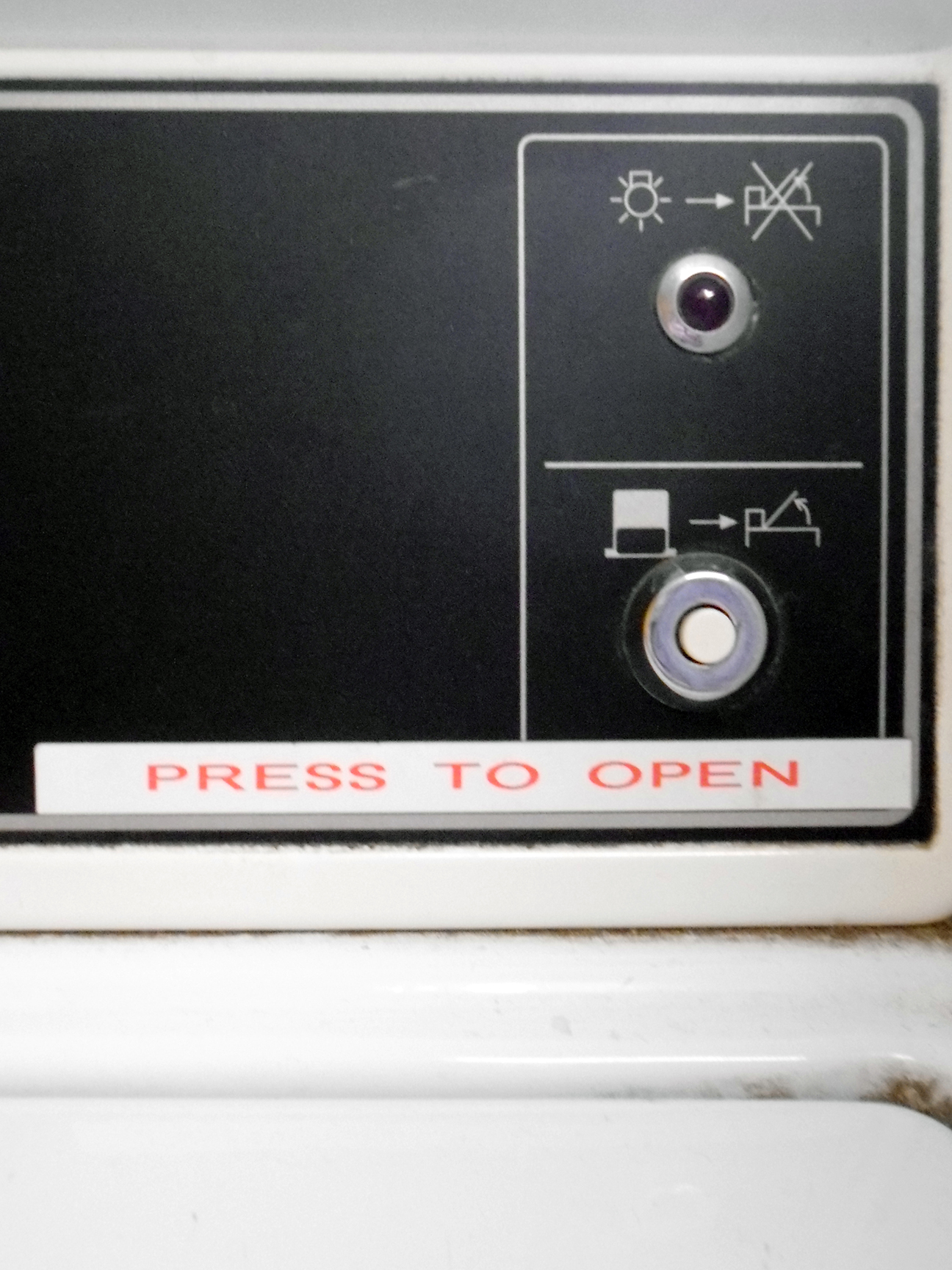
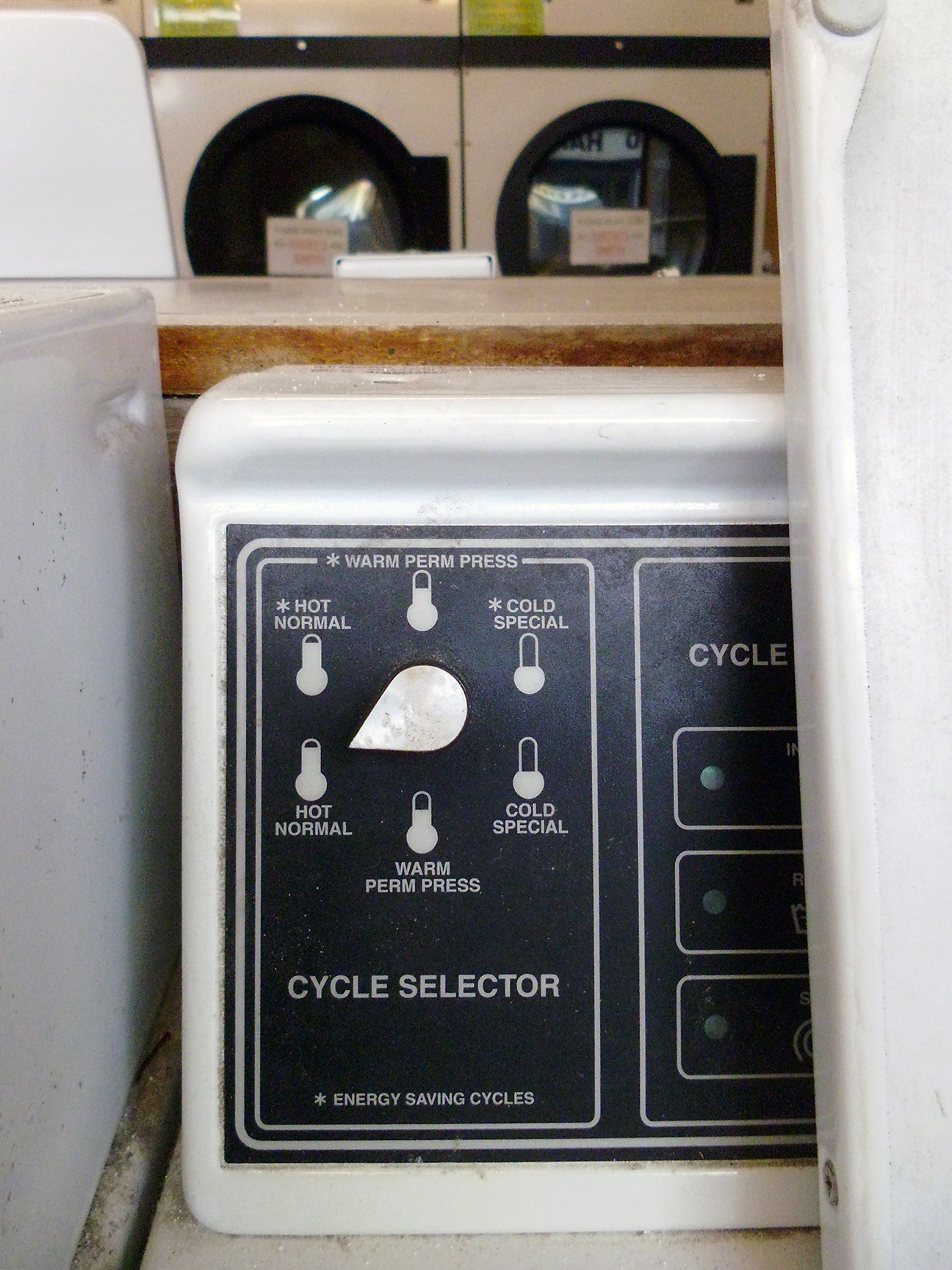
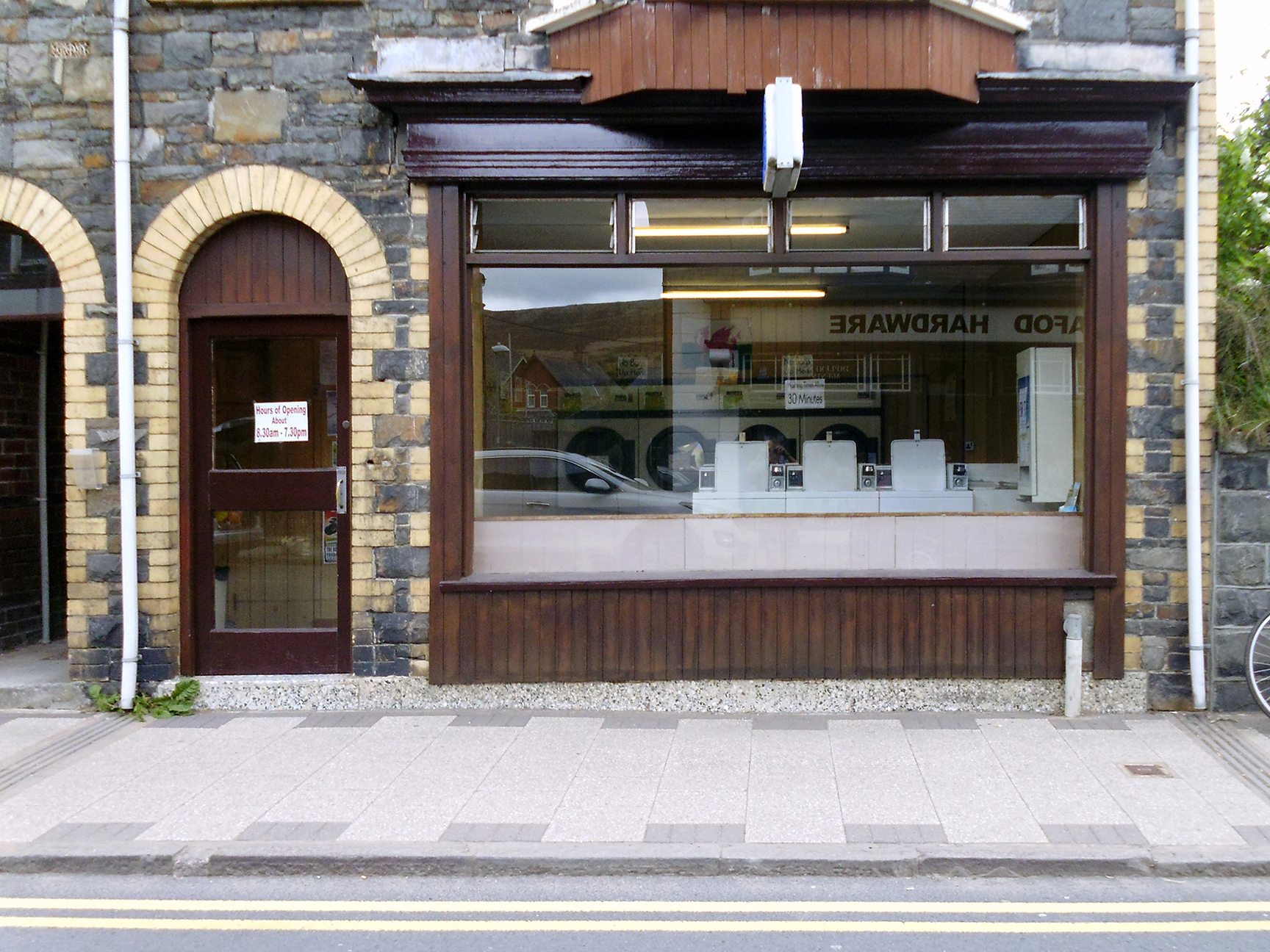
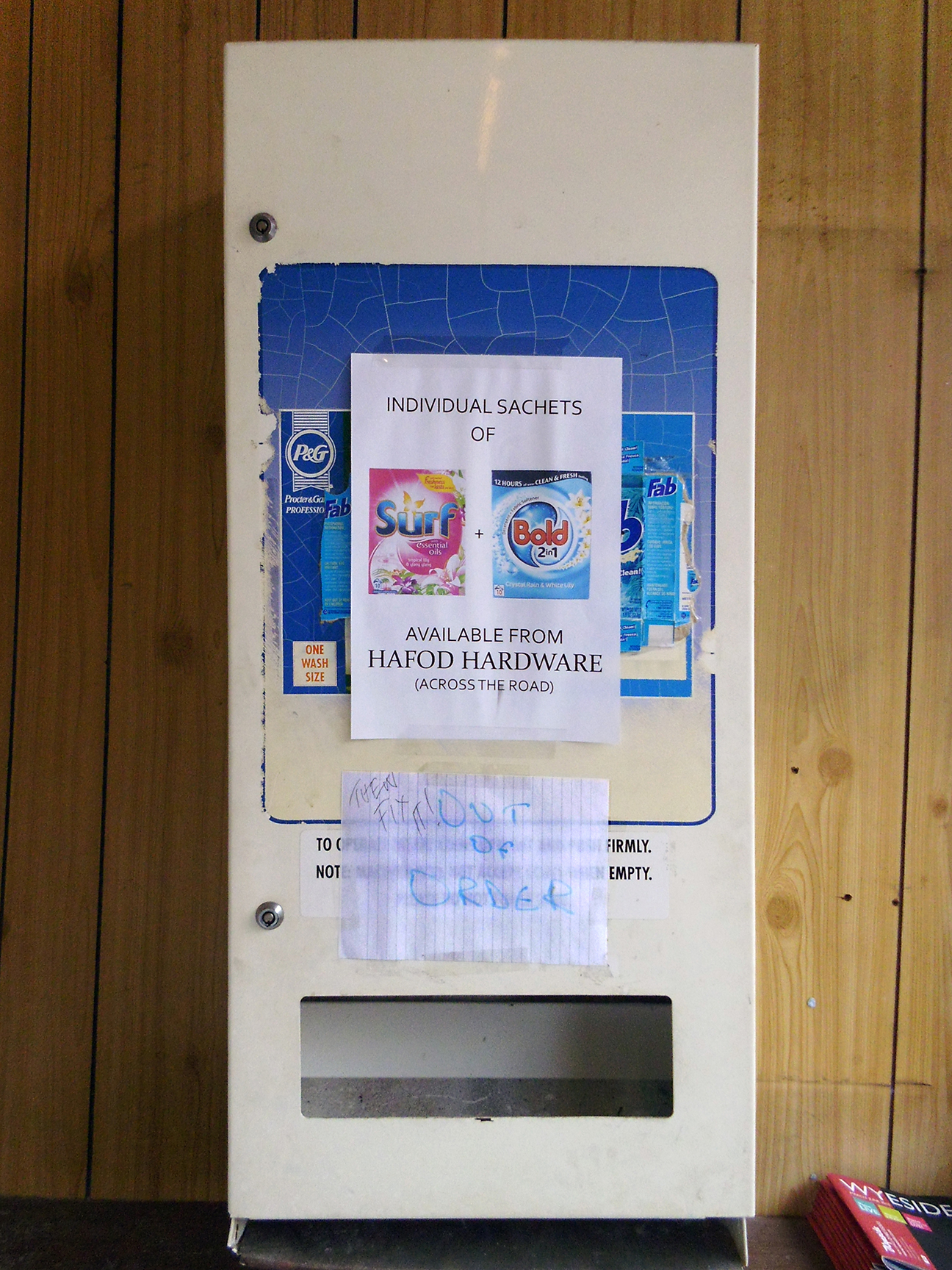
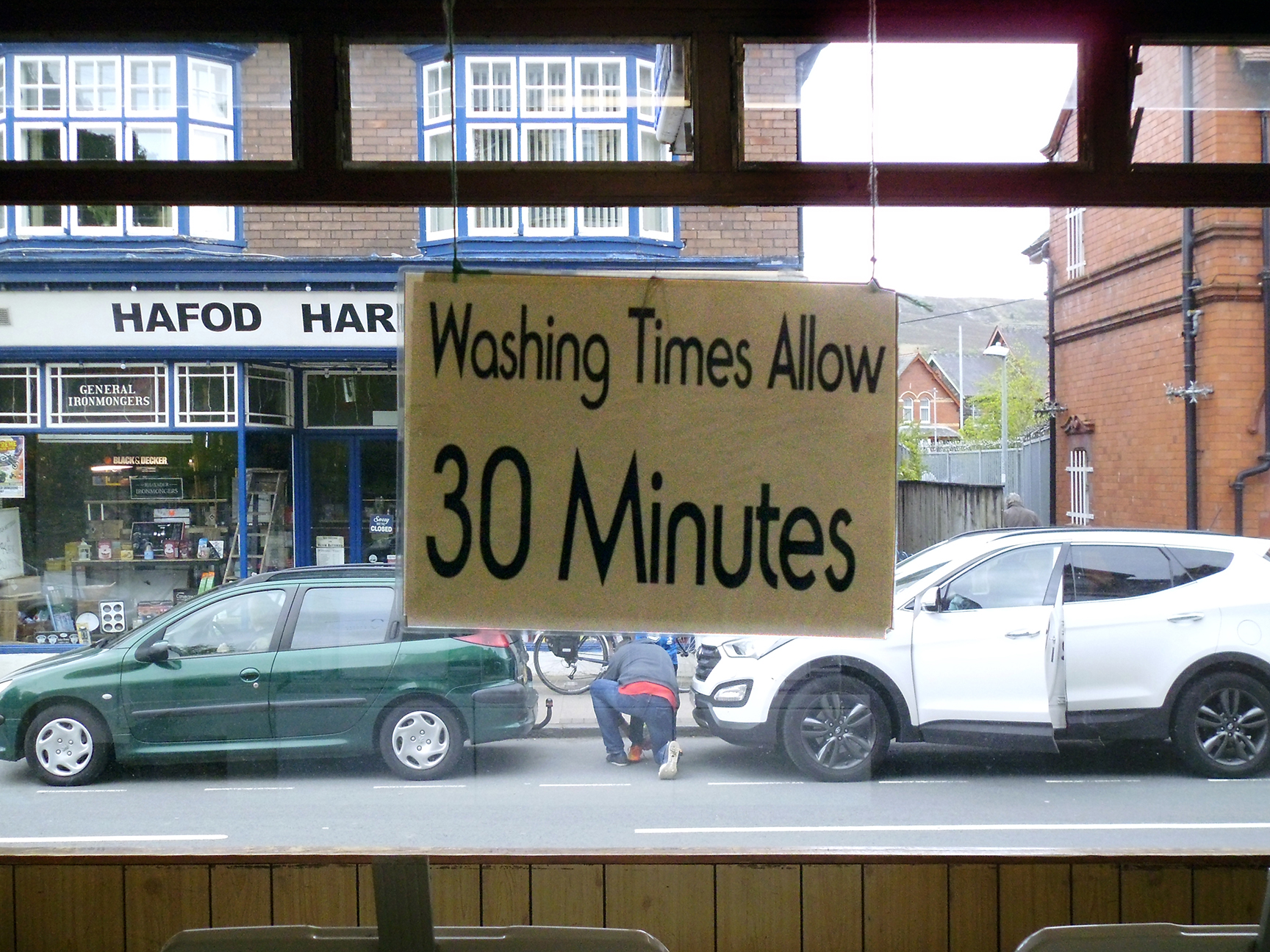
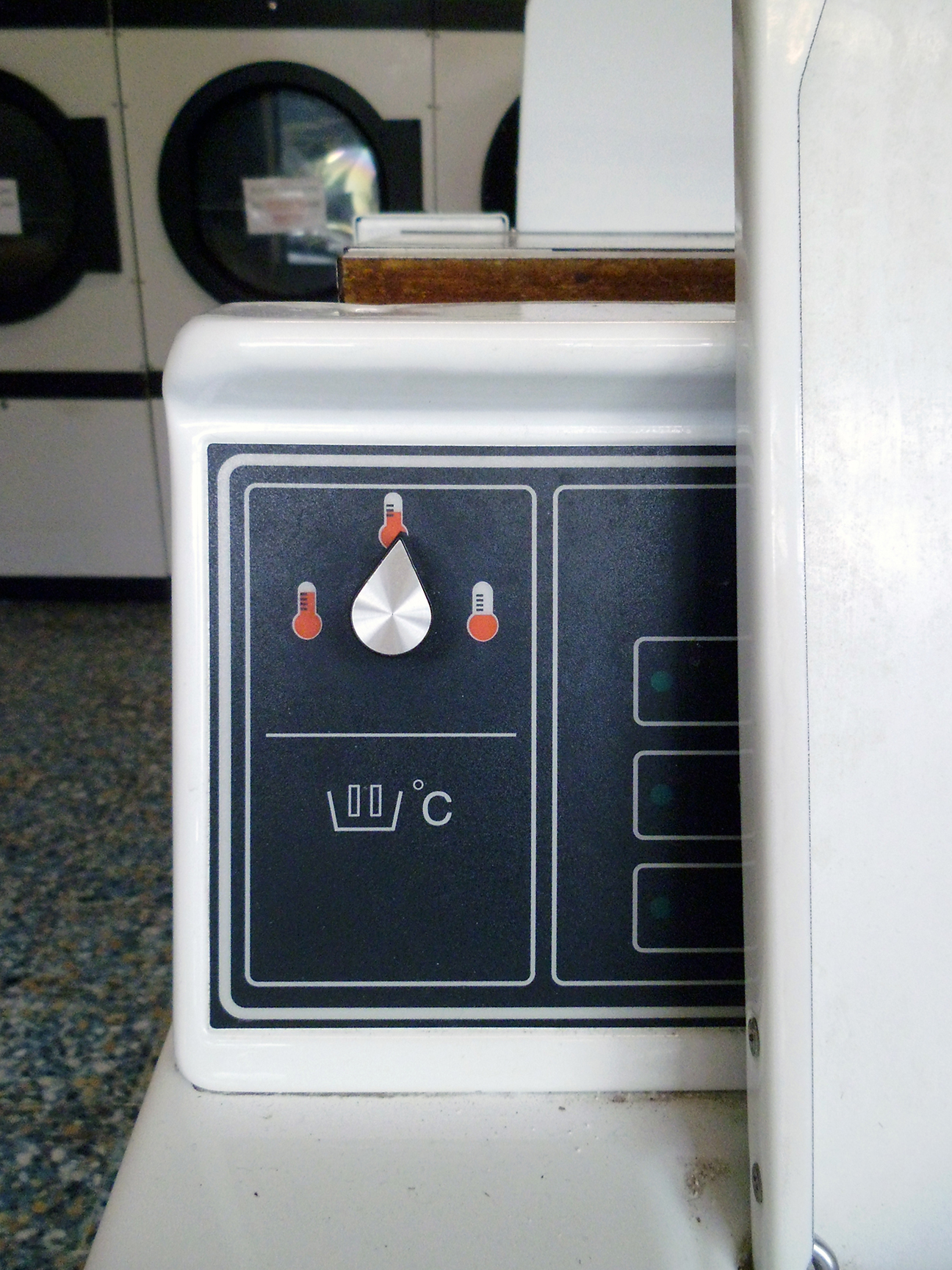
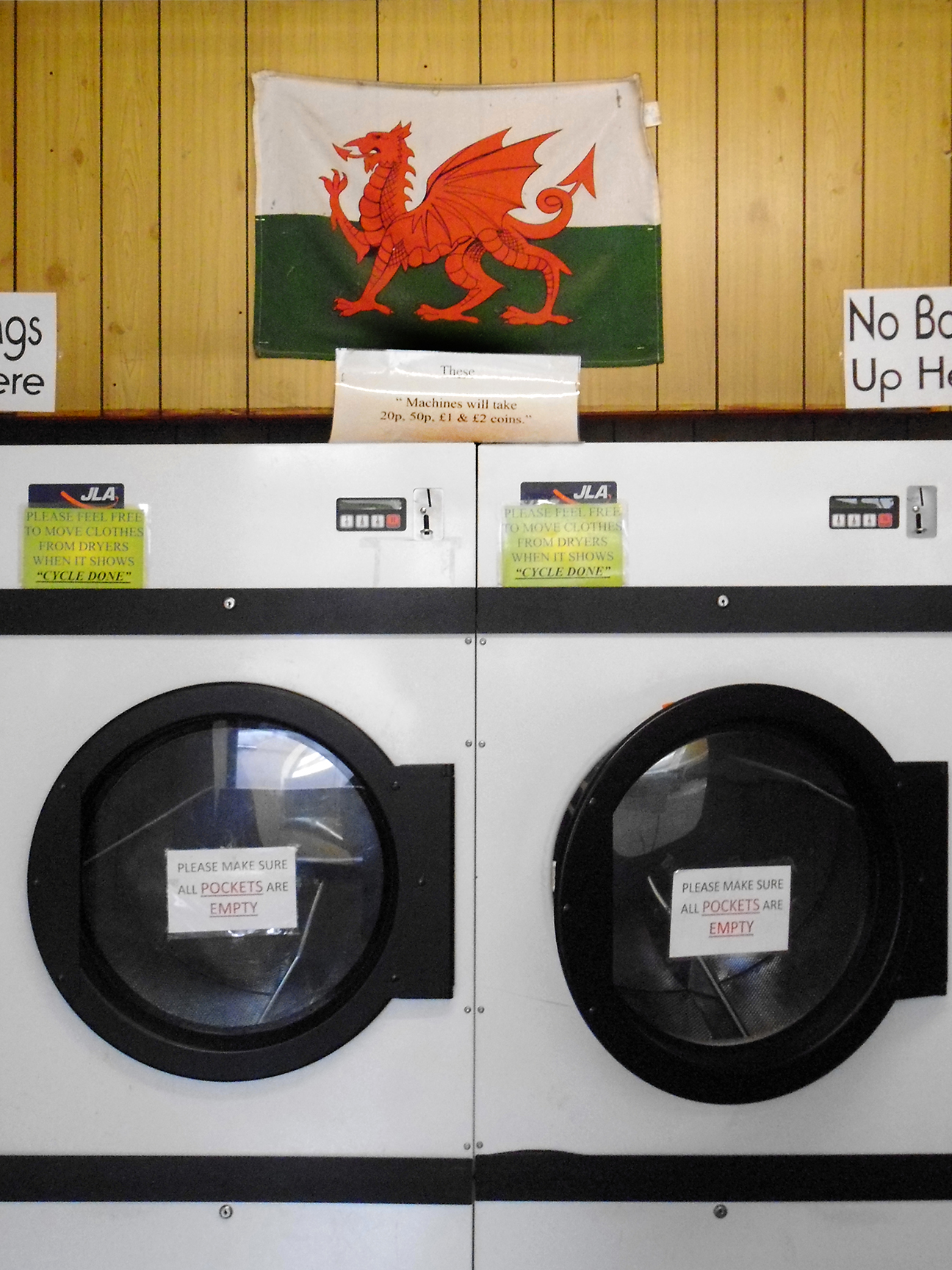
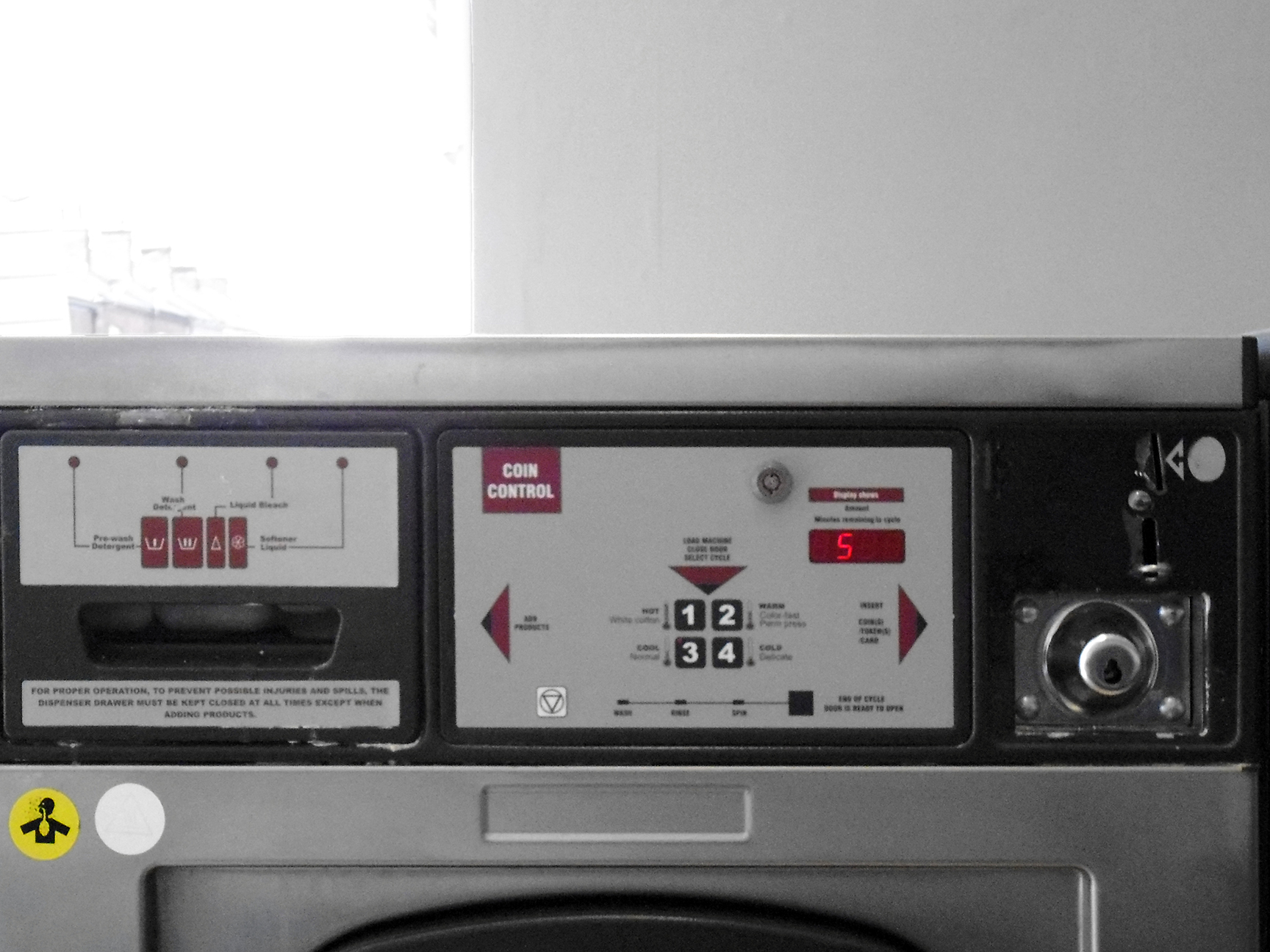
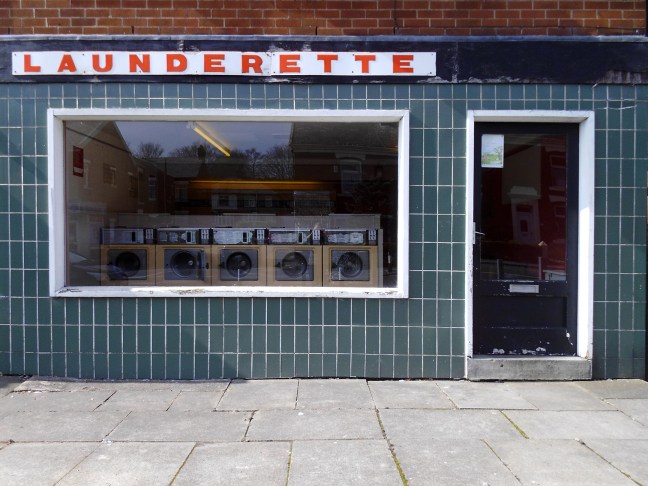
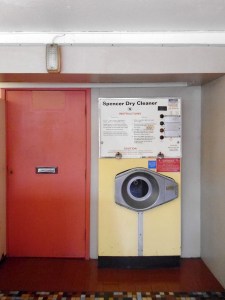
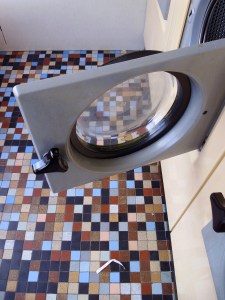
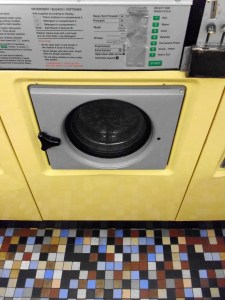
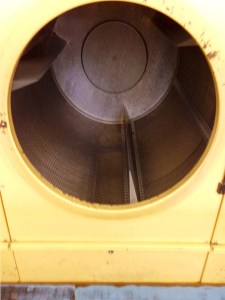
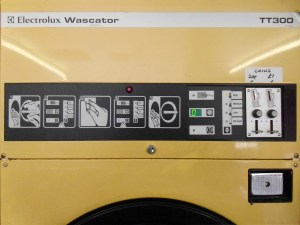
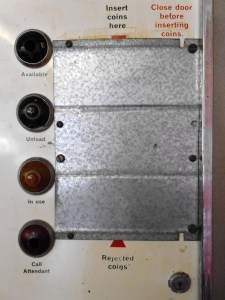
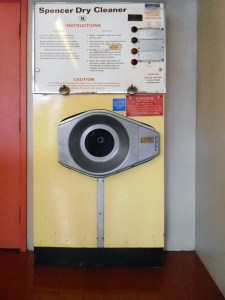
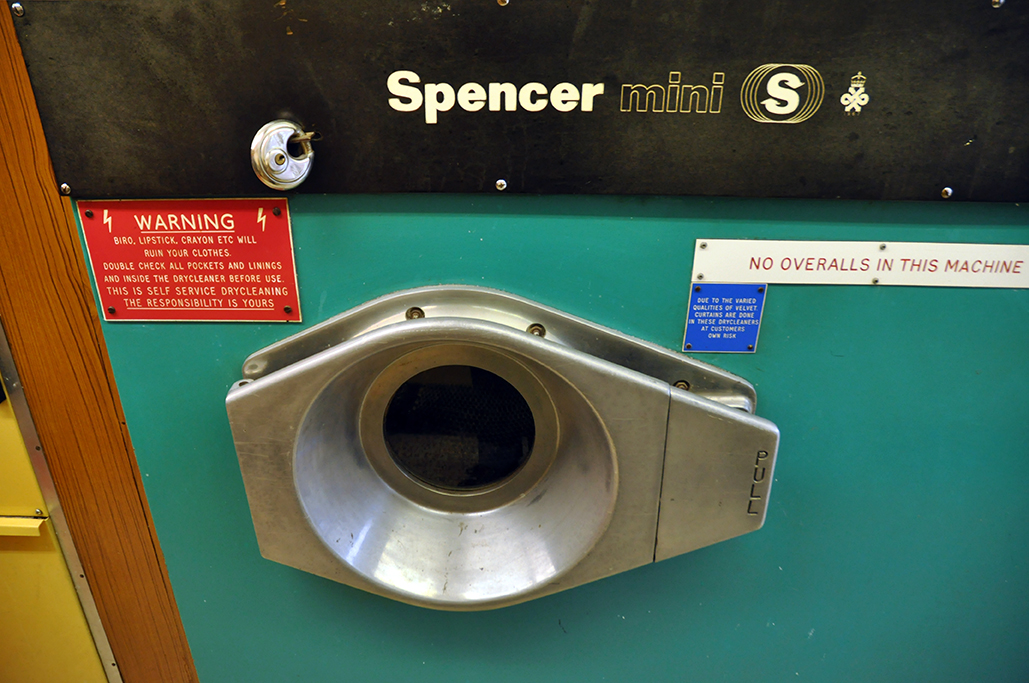
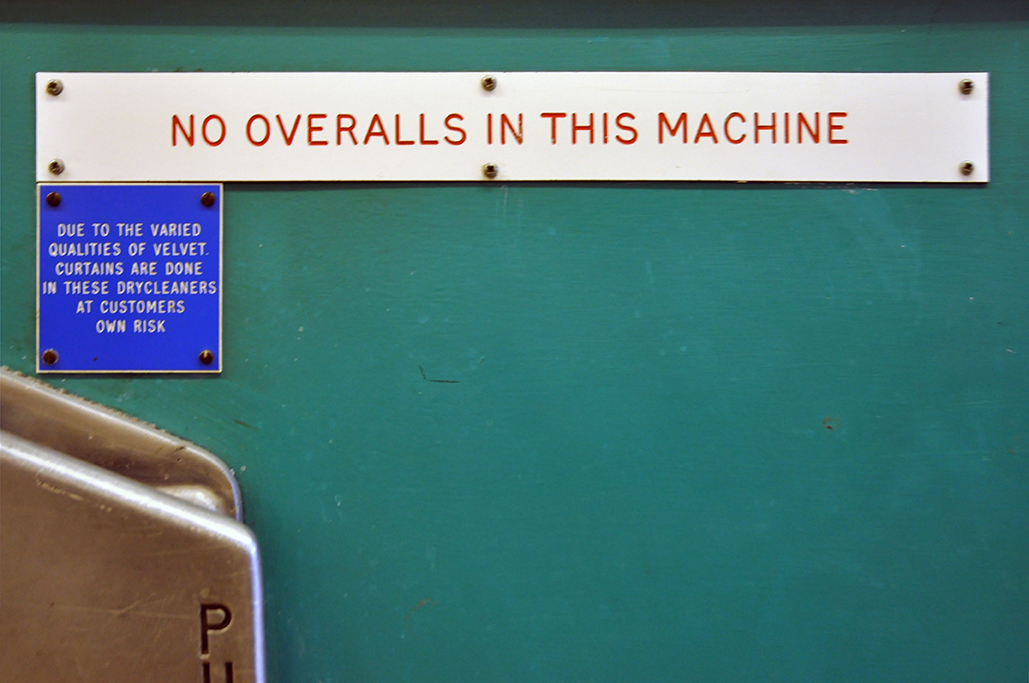
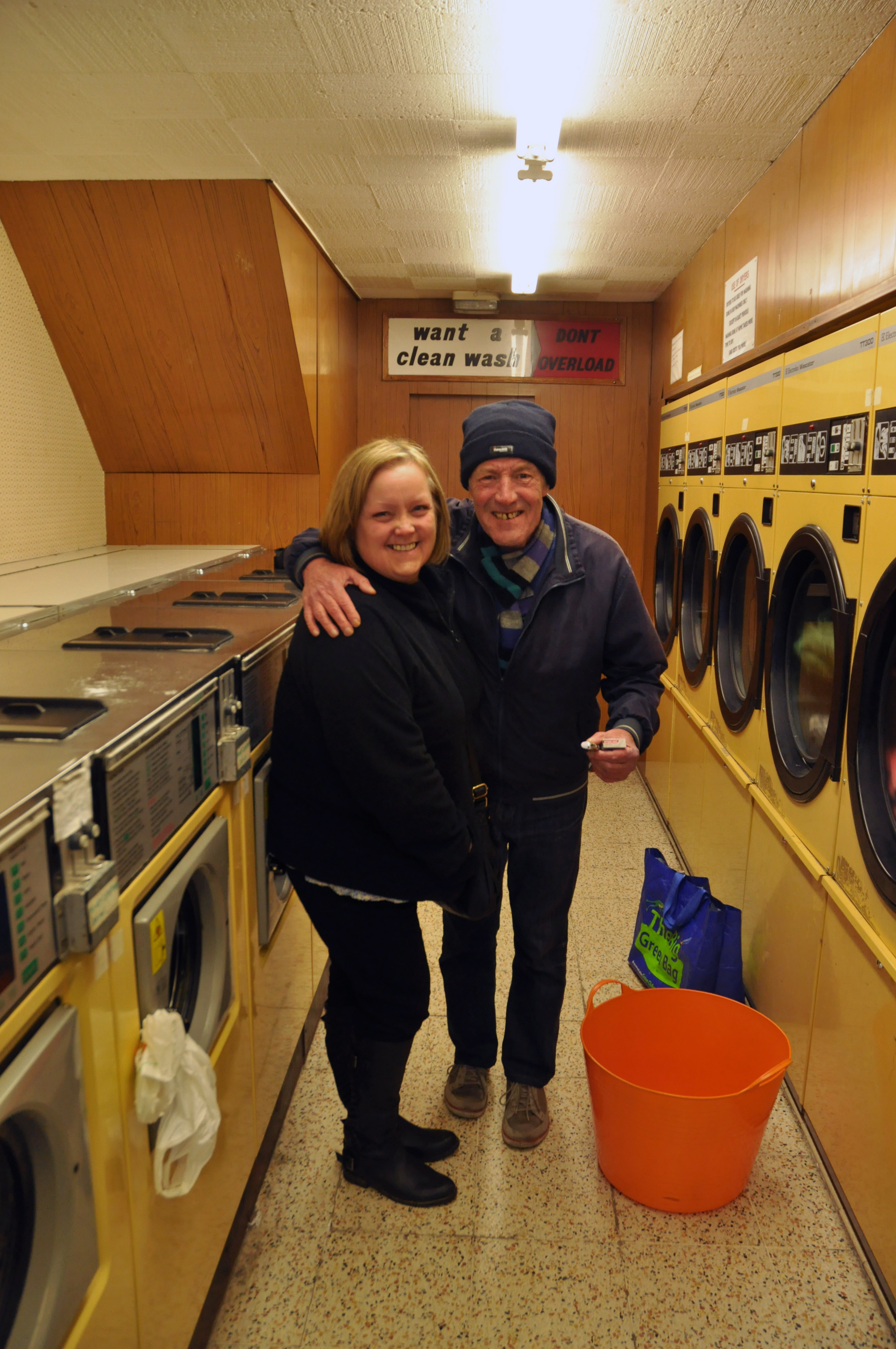
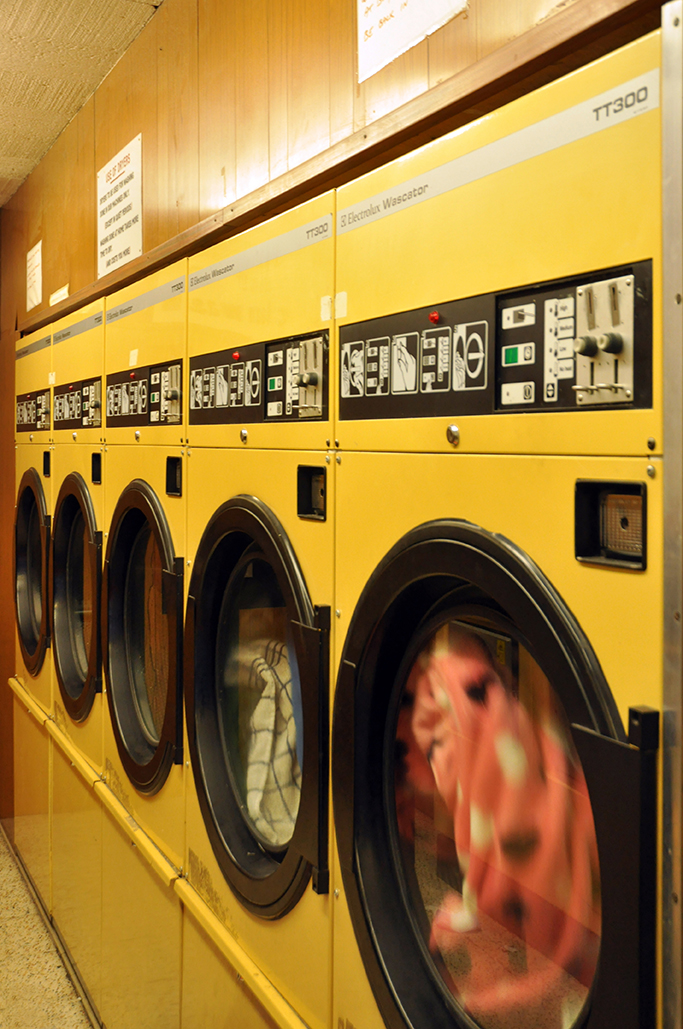
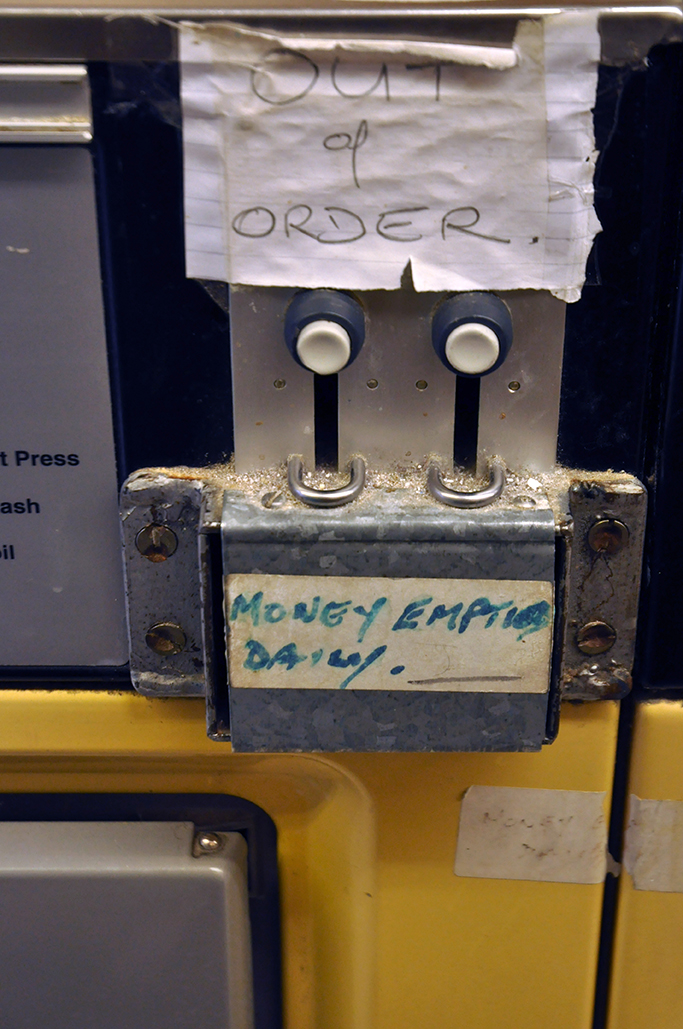
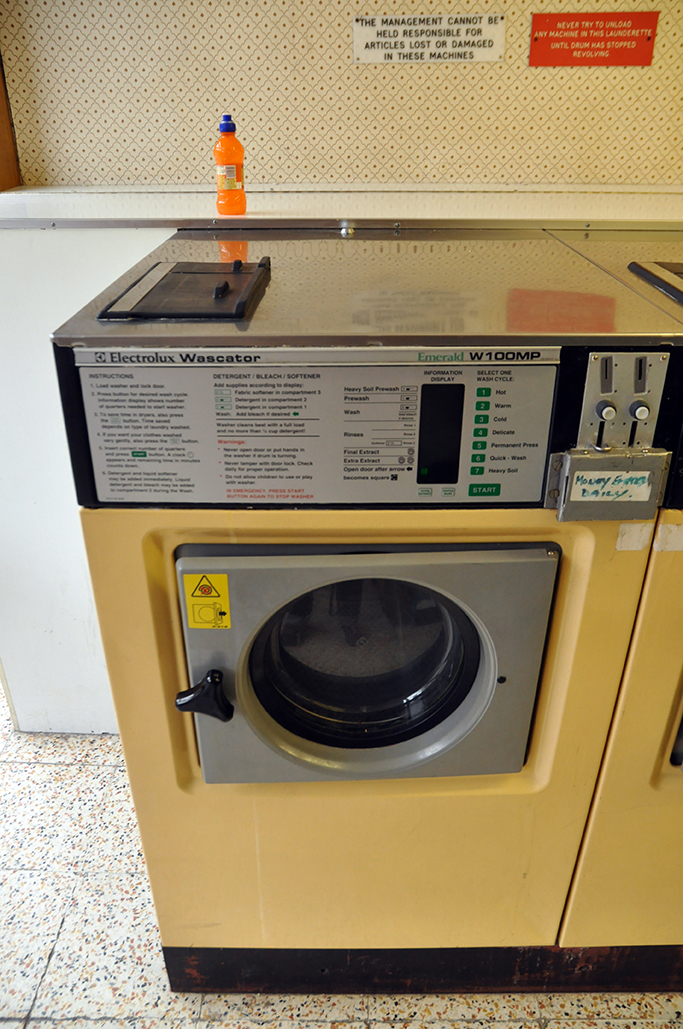
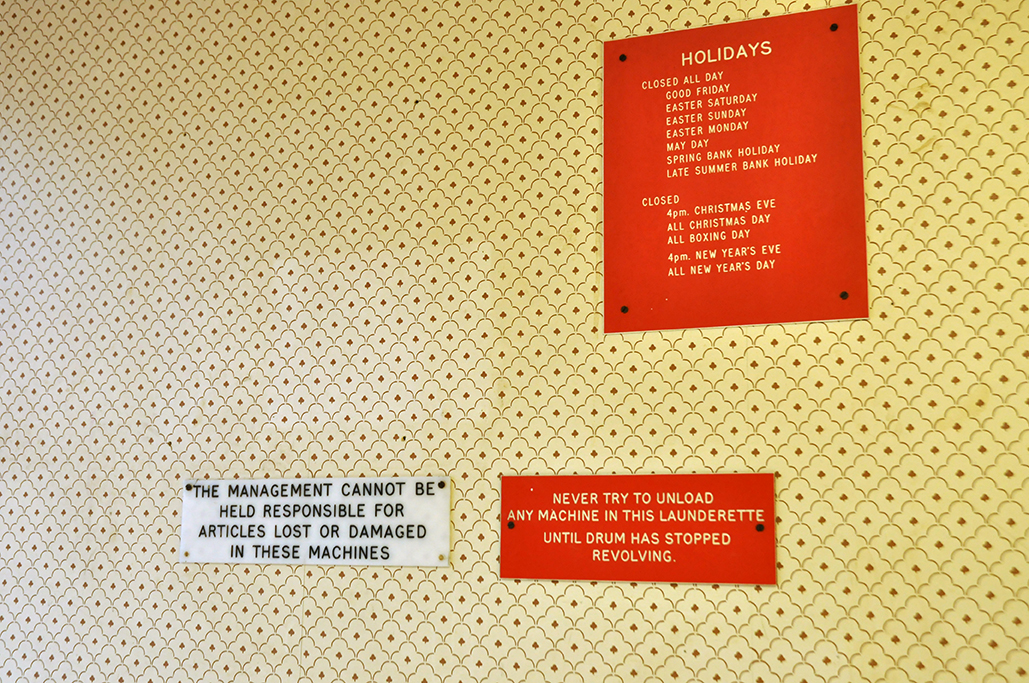
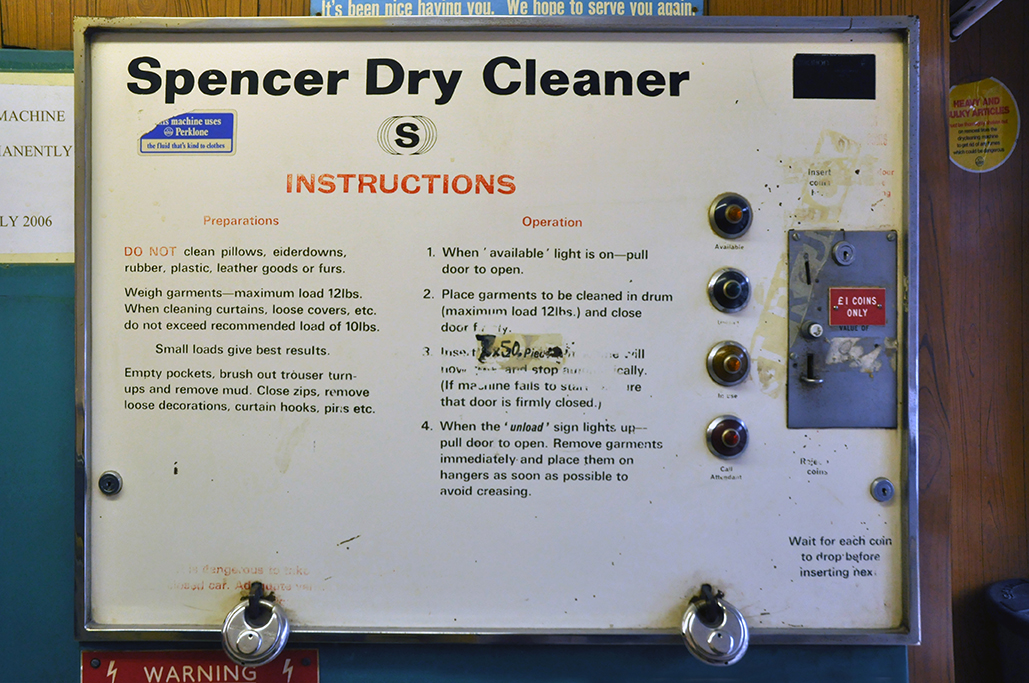
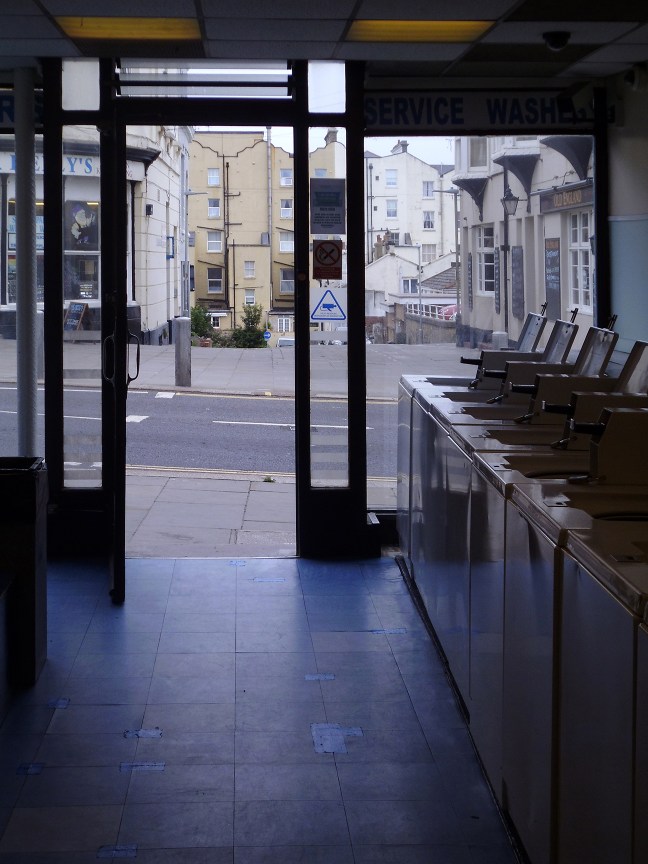
In an uncertain universe, you can almost always rely on the launderette, to guide you on life’s soapy journey, through a complex series of immutable do’s and don’ts, arrows, slots, buttons and bows.
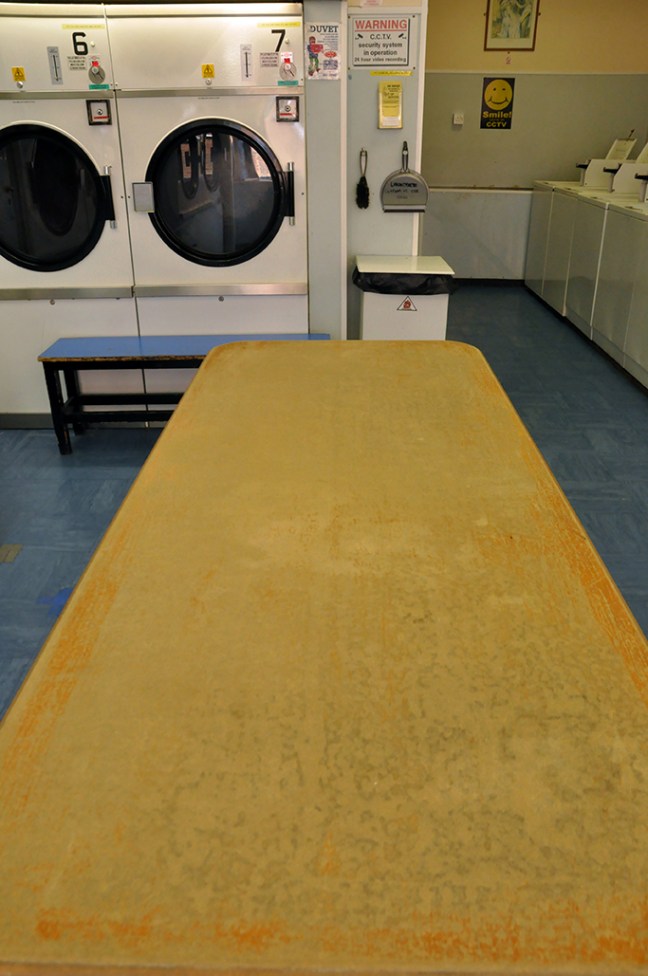
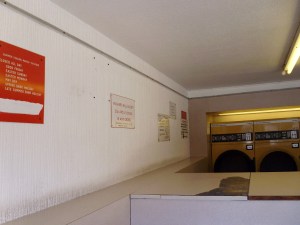
Standing alone in an unattended laundrette can be a chilling experience, a heightened state of awareness abounds, accentuating that all pervasive absence of presence.
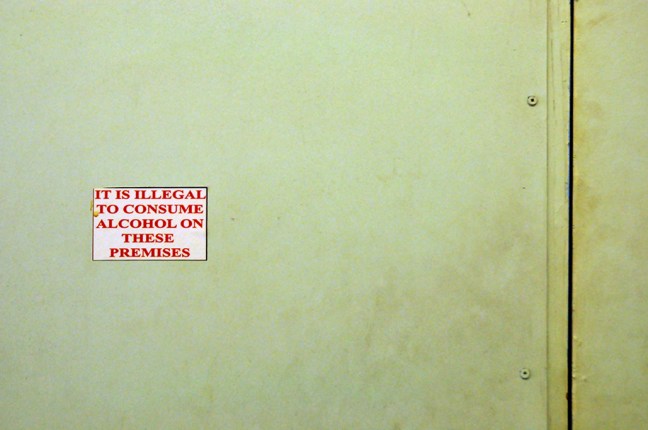
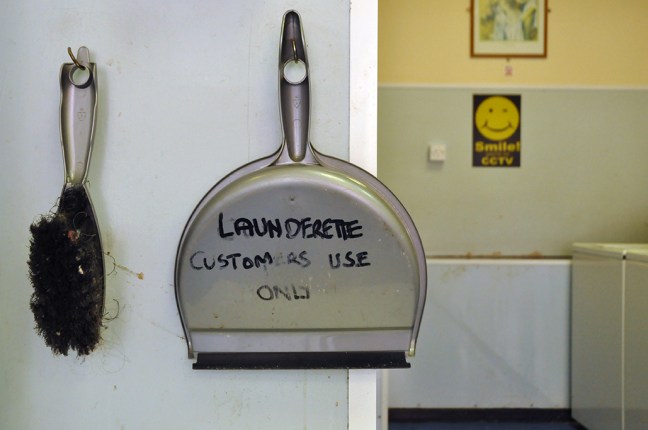
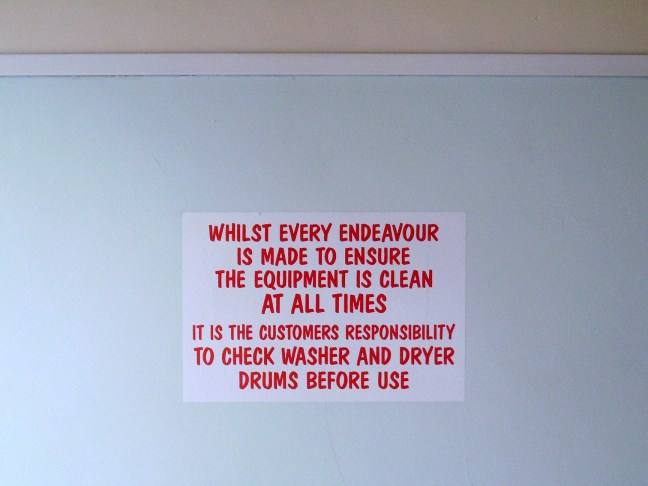
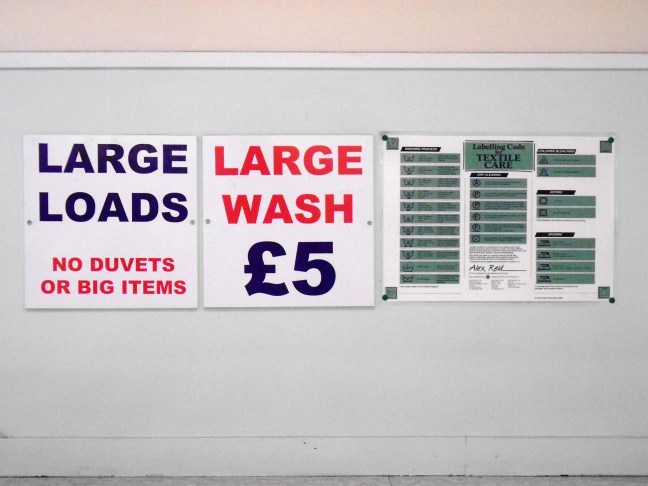
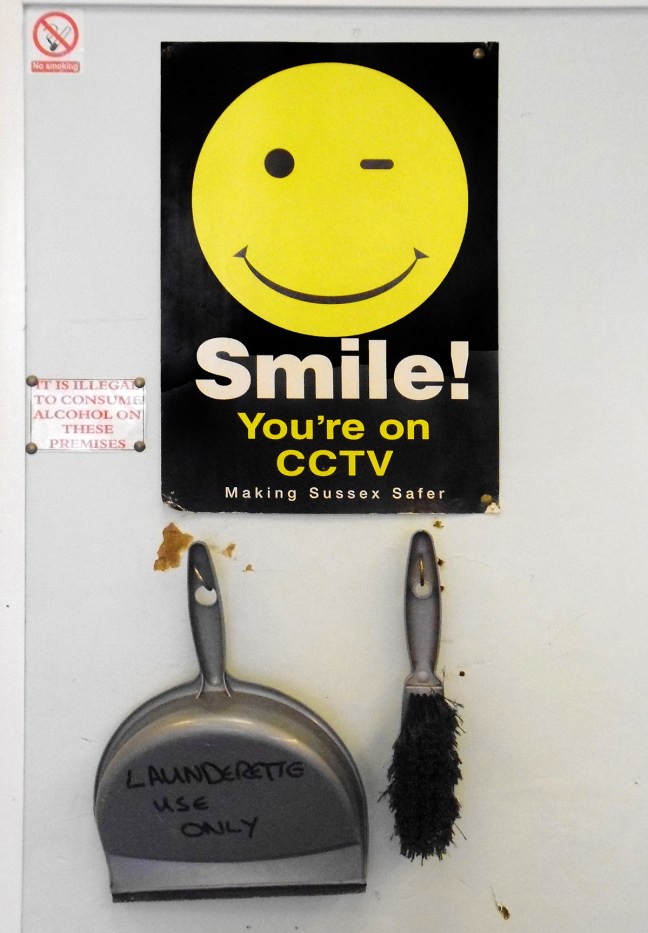
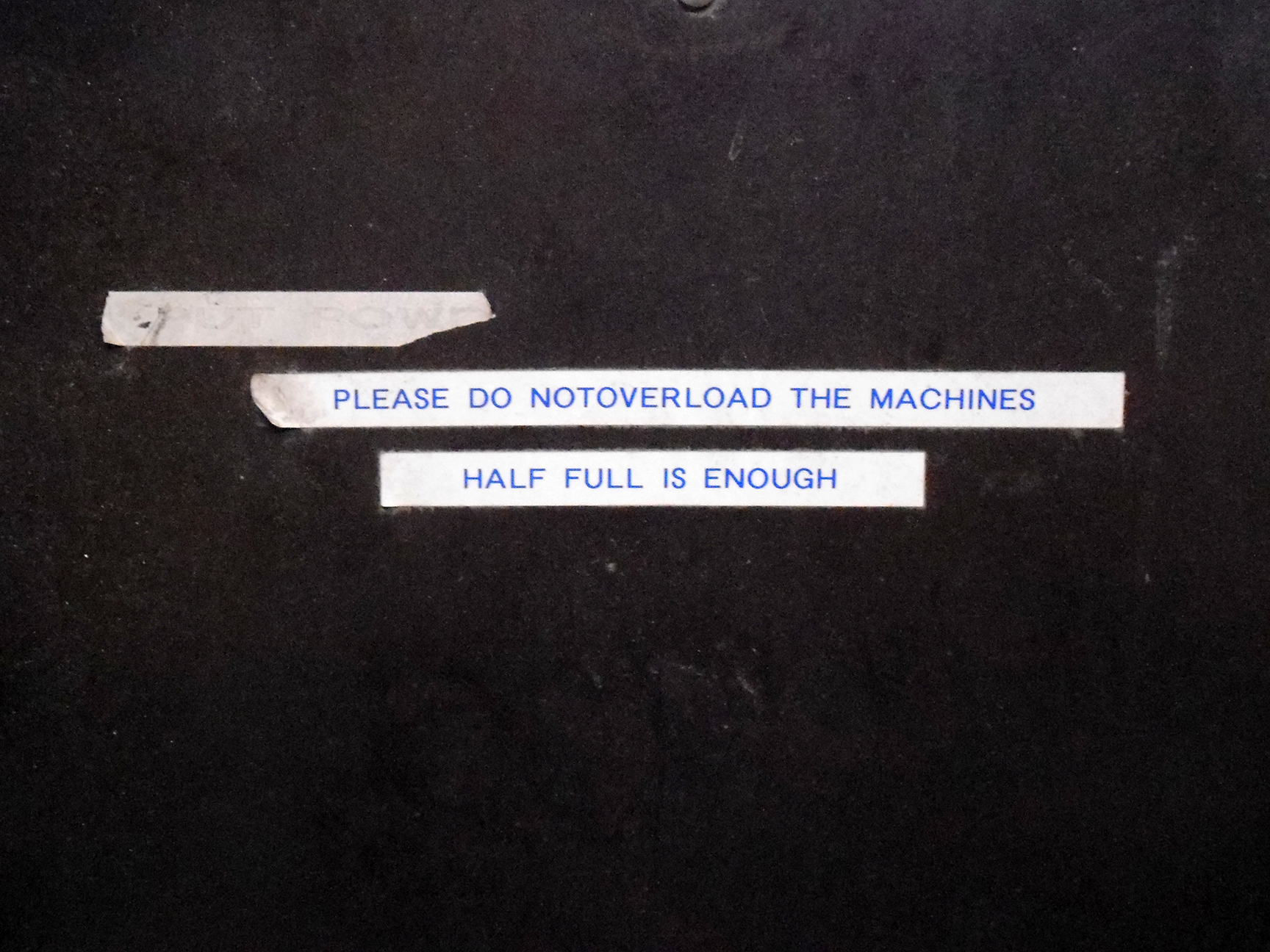
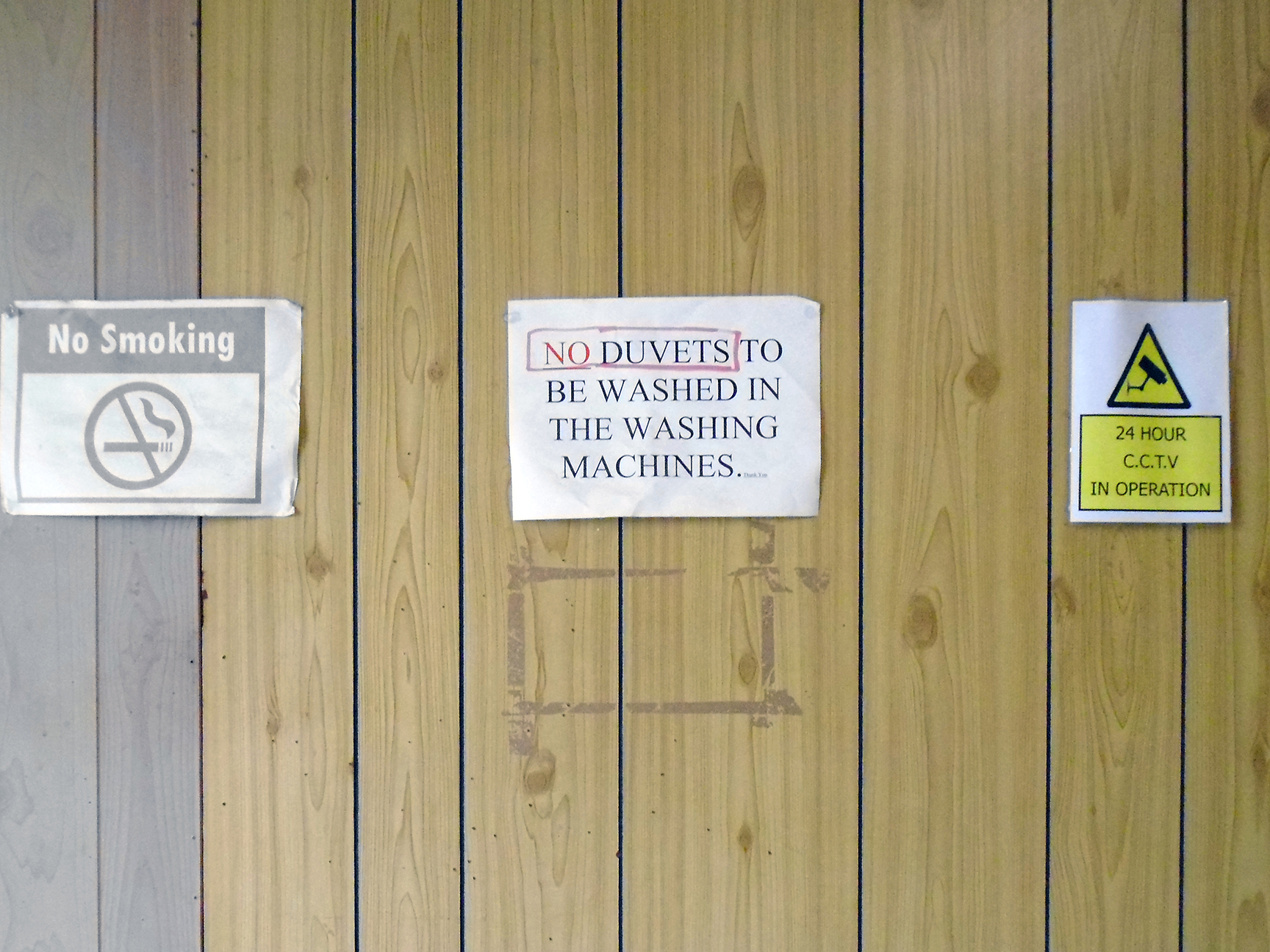
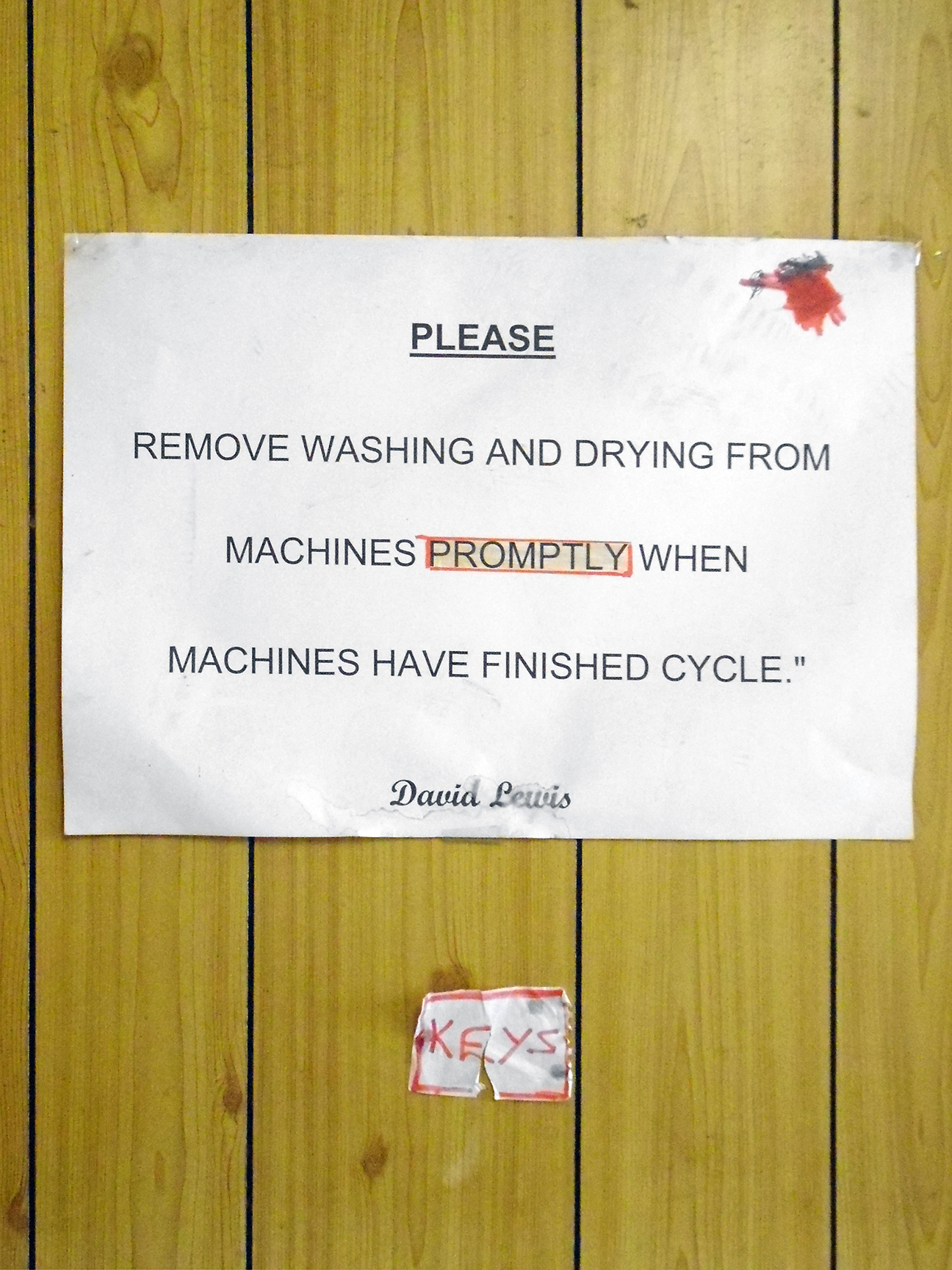
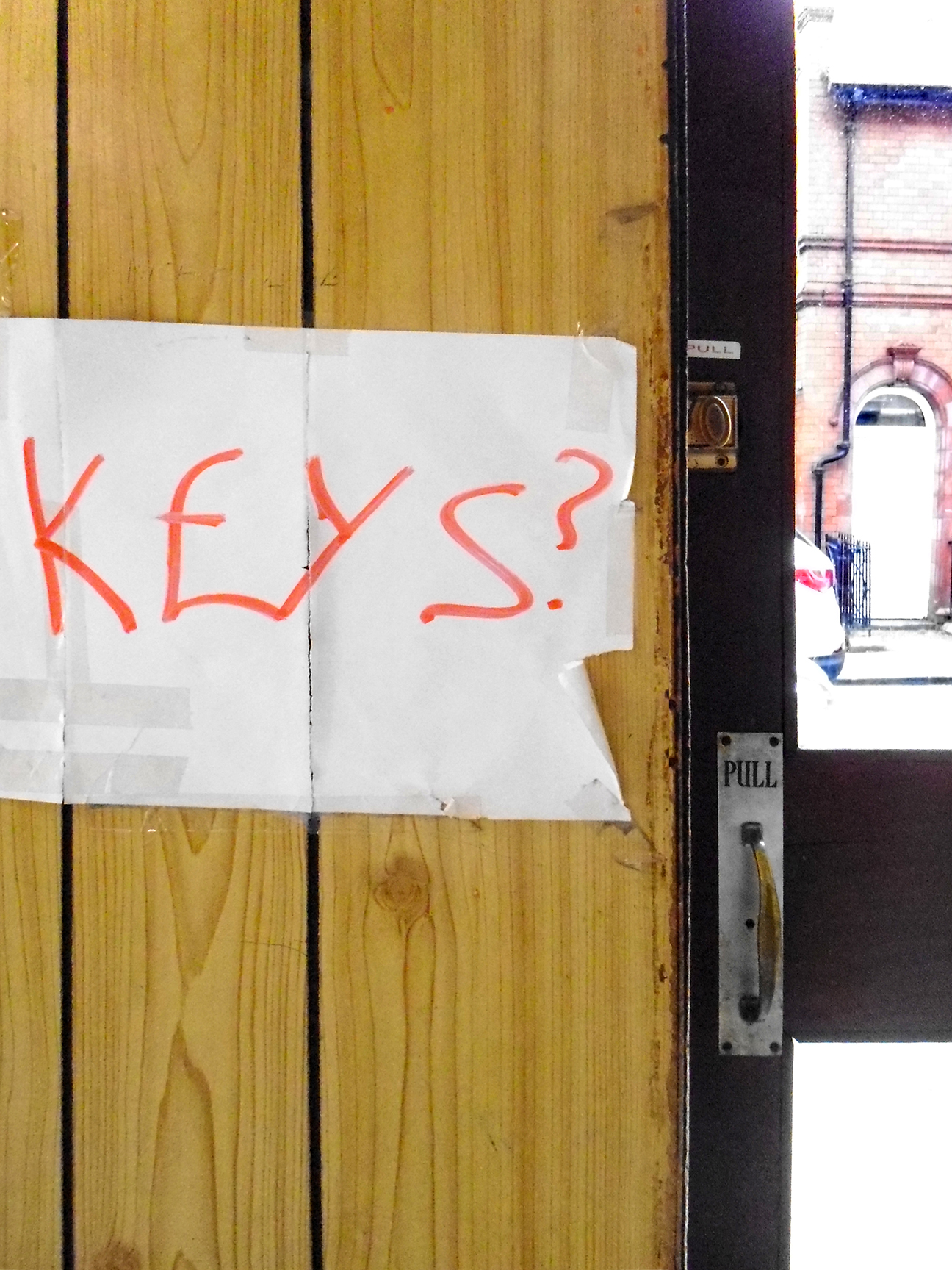
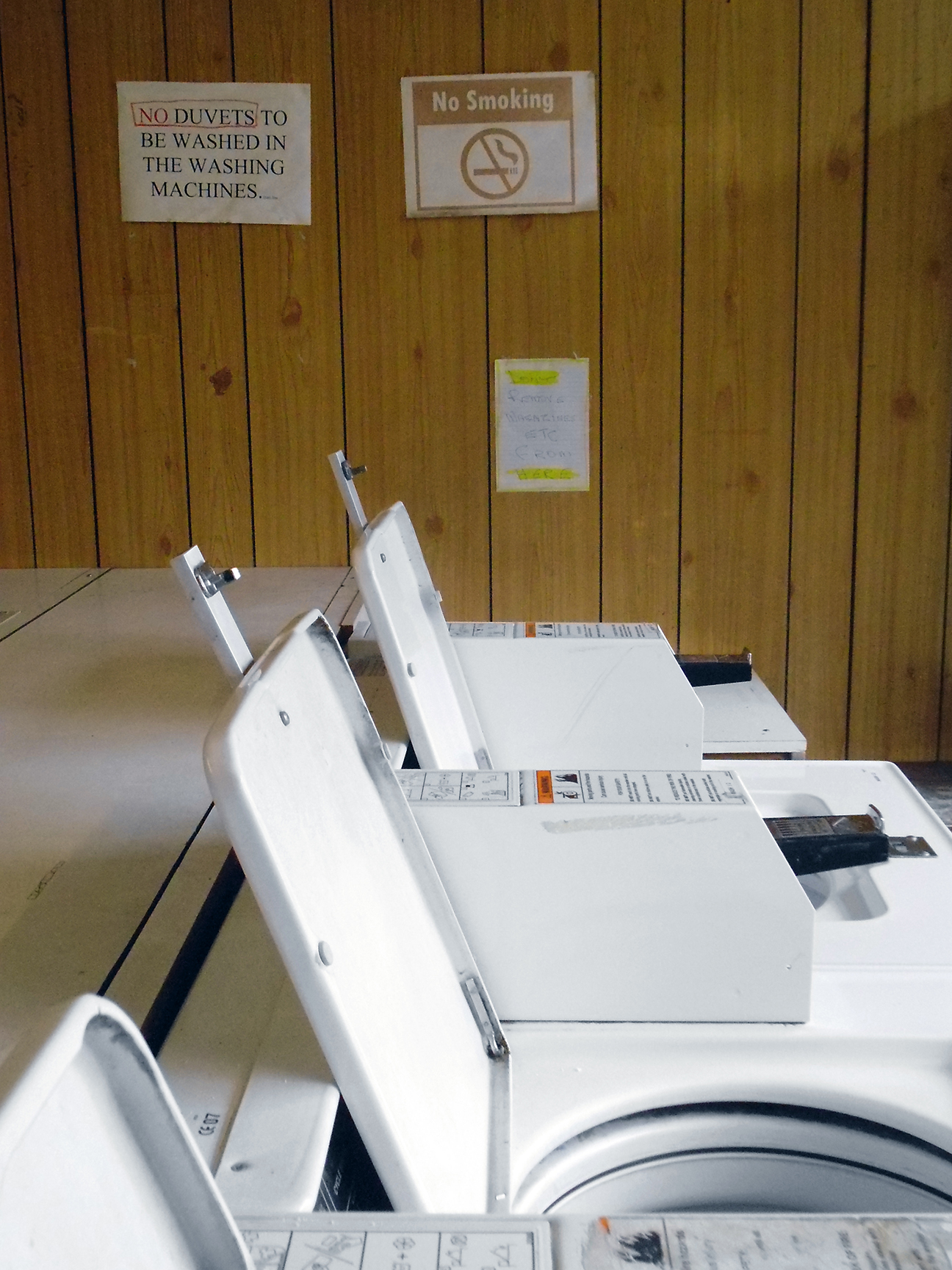
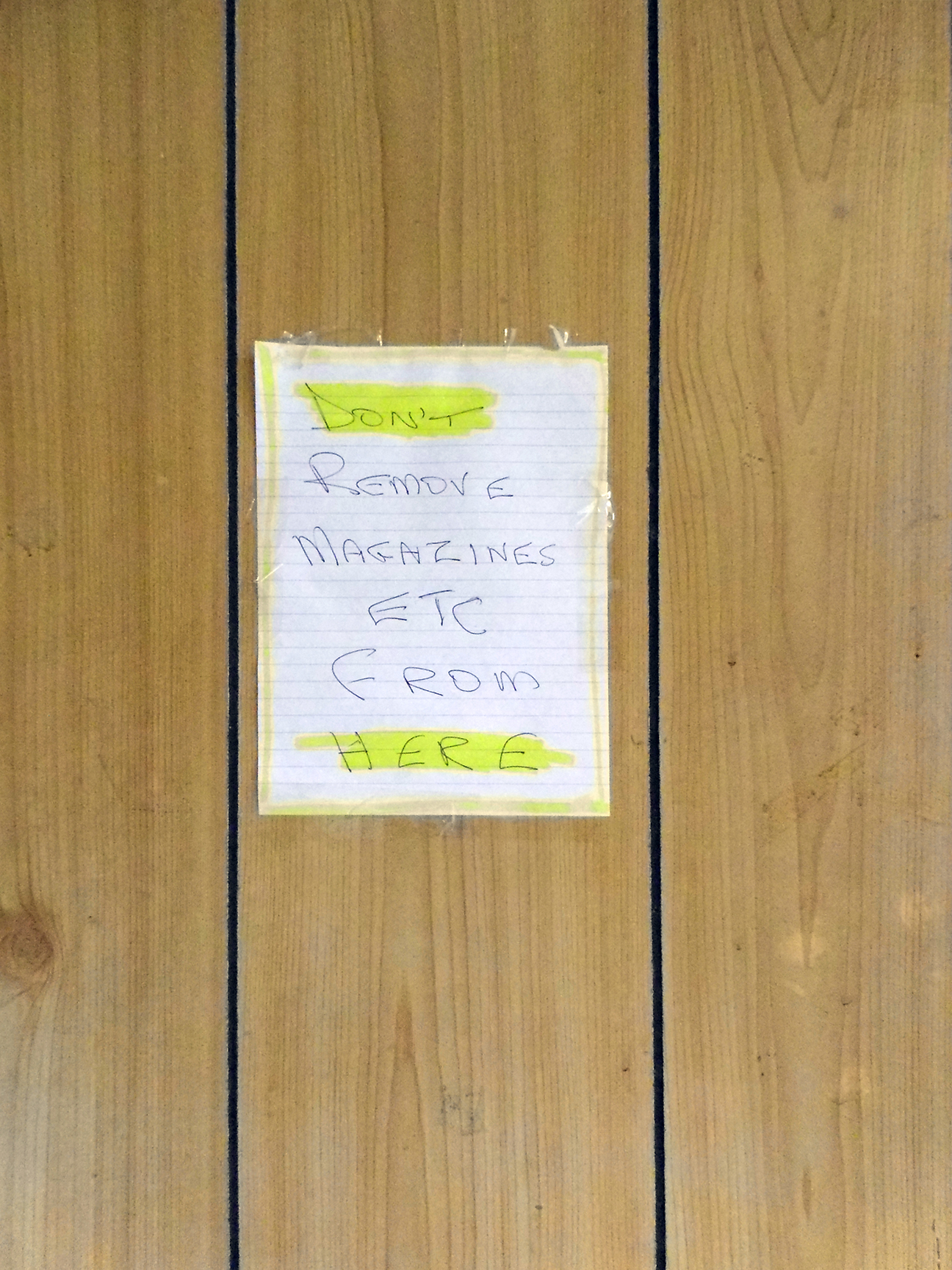
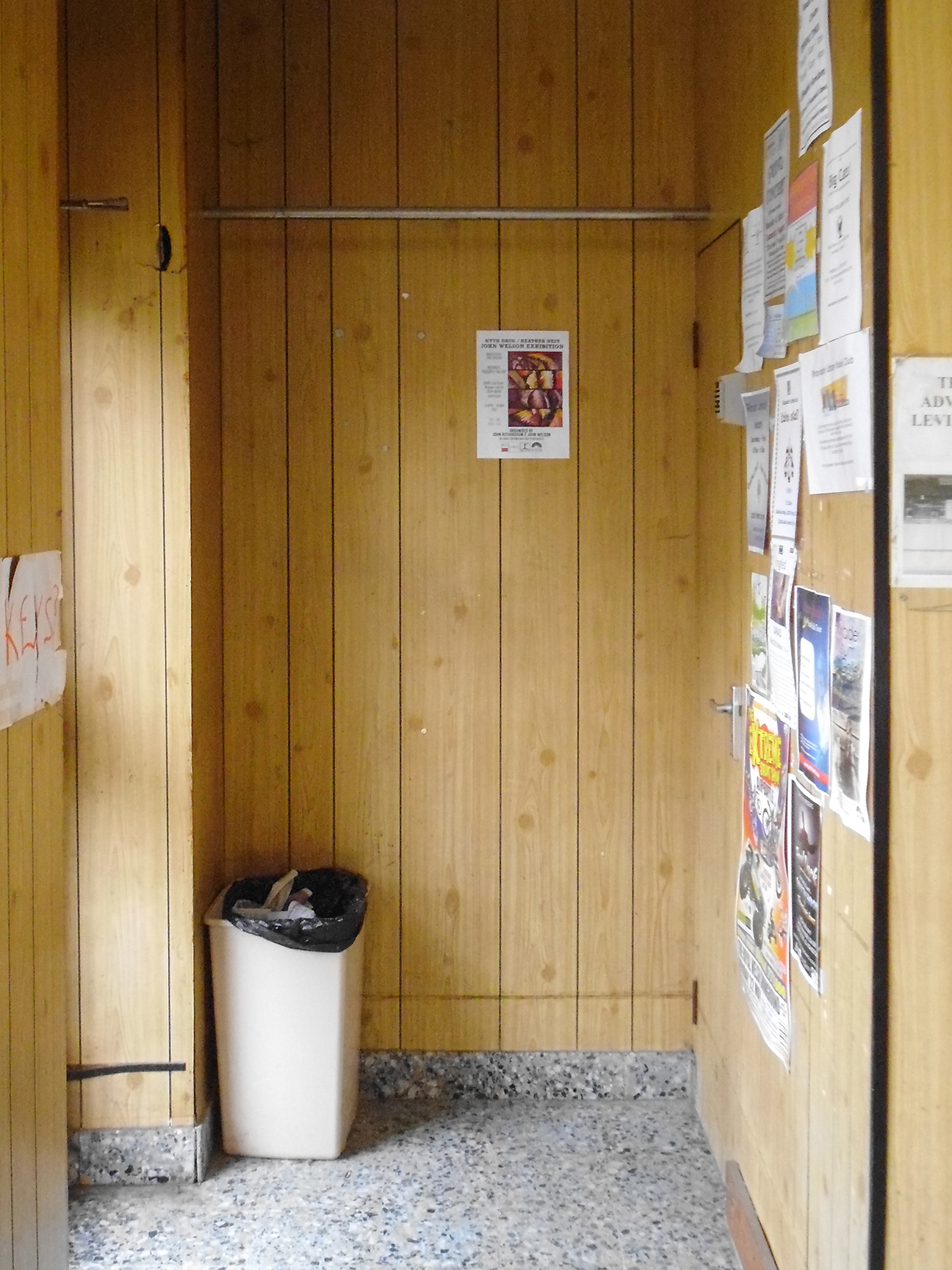
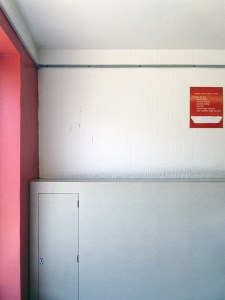
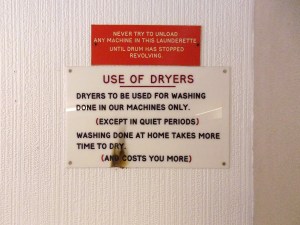
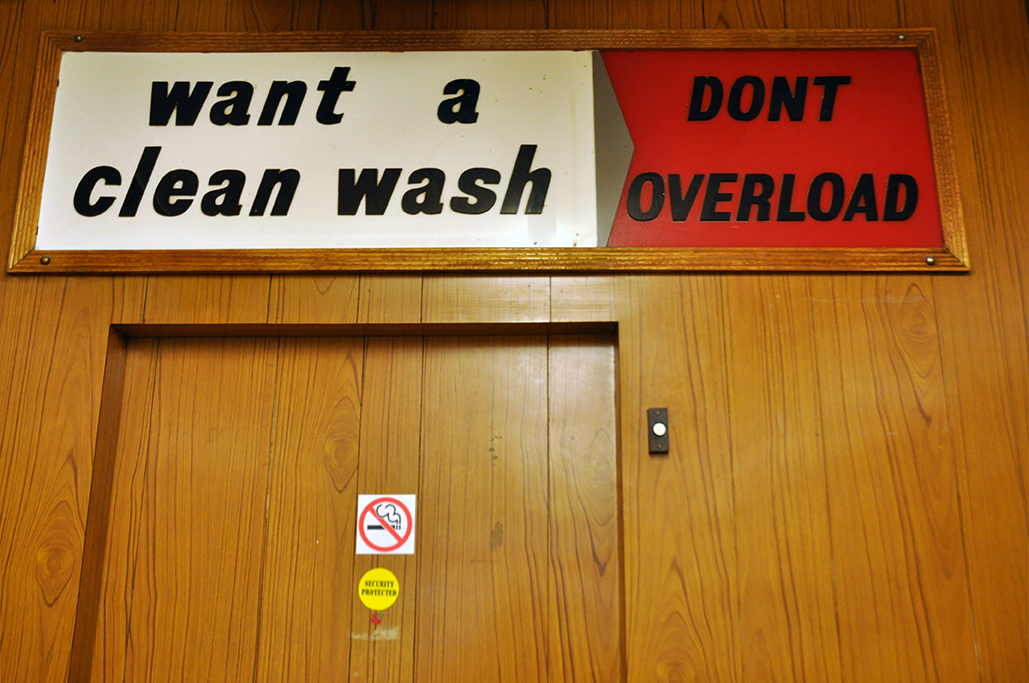
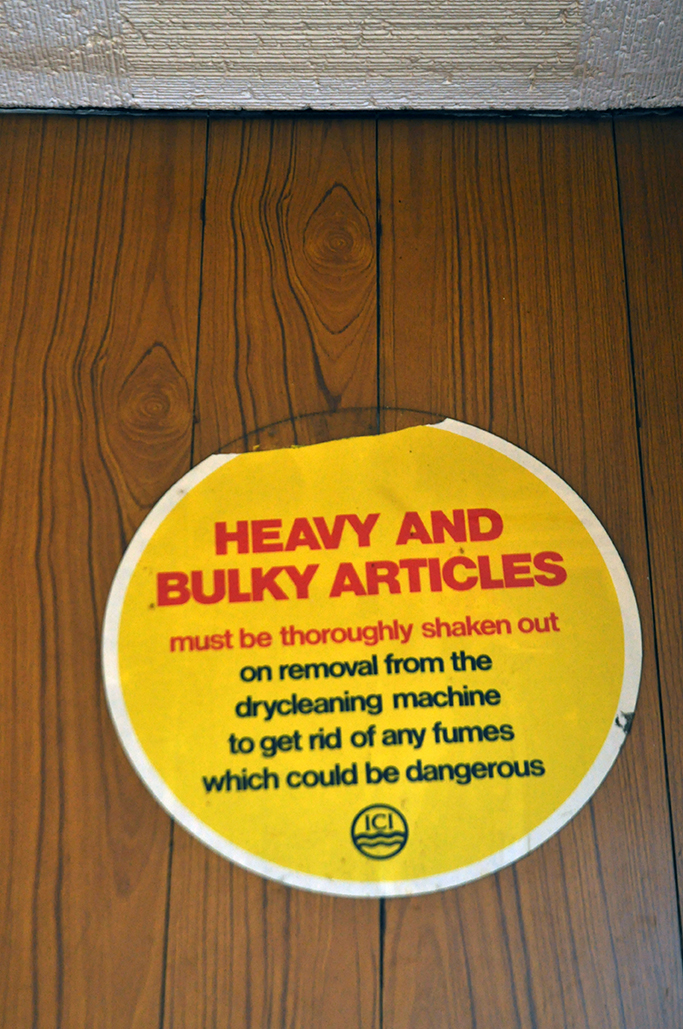
The unseen hand, that write the notes, that speak to you in emphatic hurried caps, pinned or taped precisely on the walls.
The ghosts of clothes, still warm, now gone.
A Proust defying amalgam of aromas, that almost fills the air.
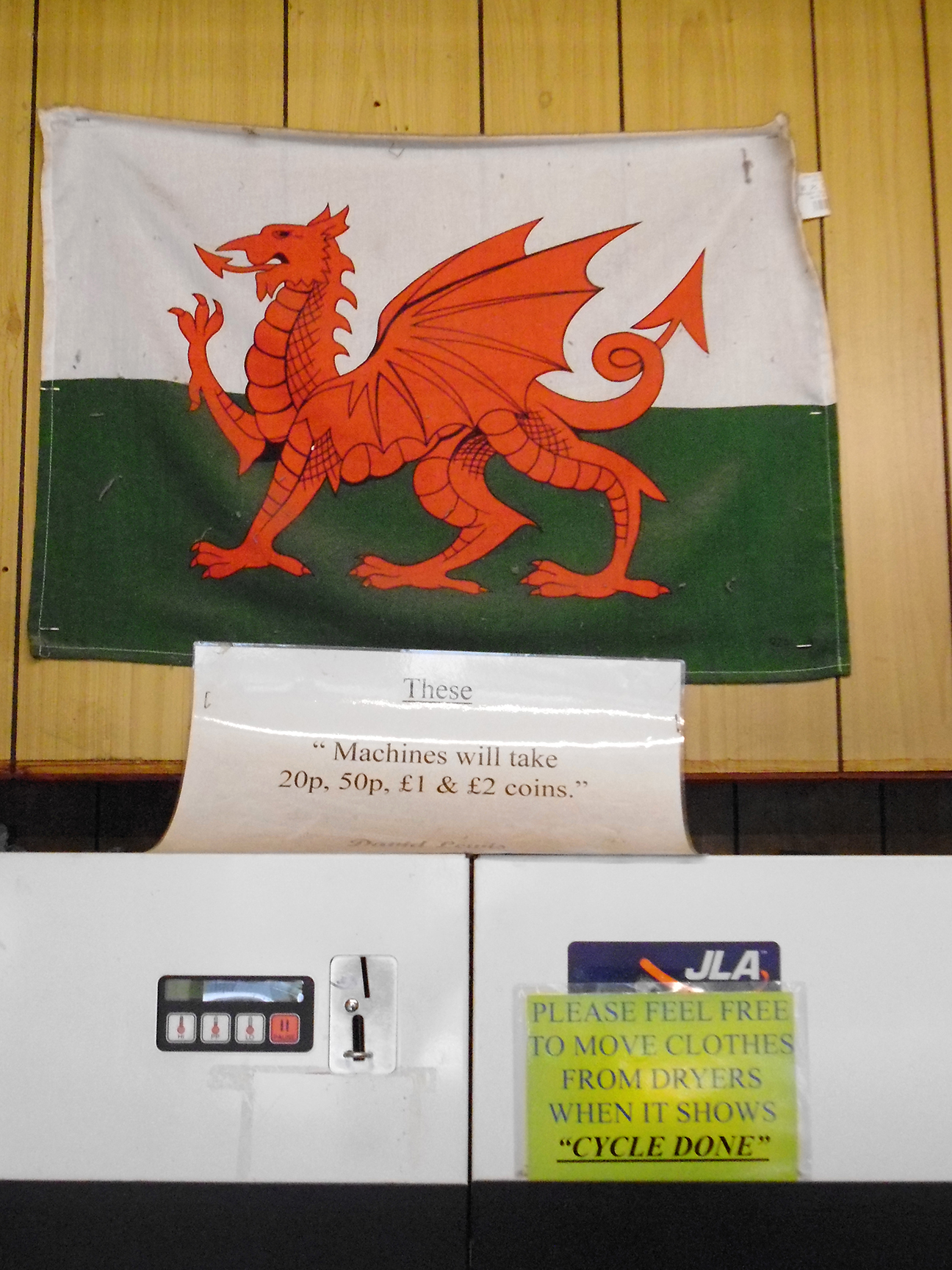
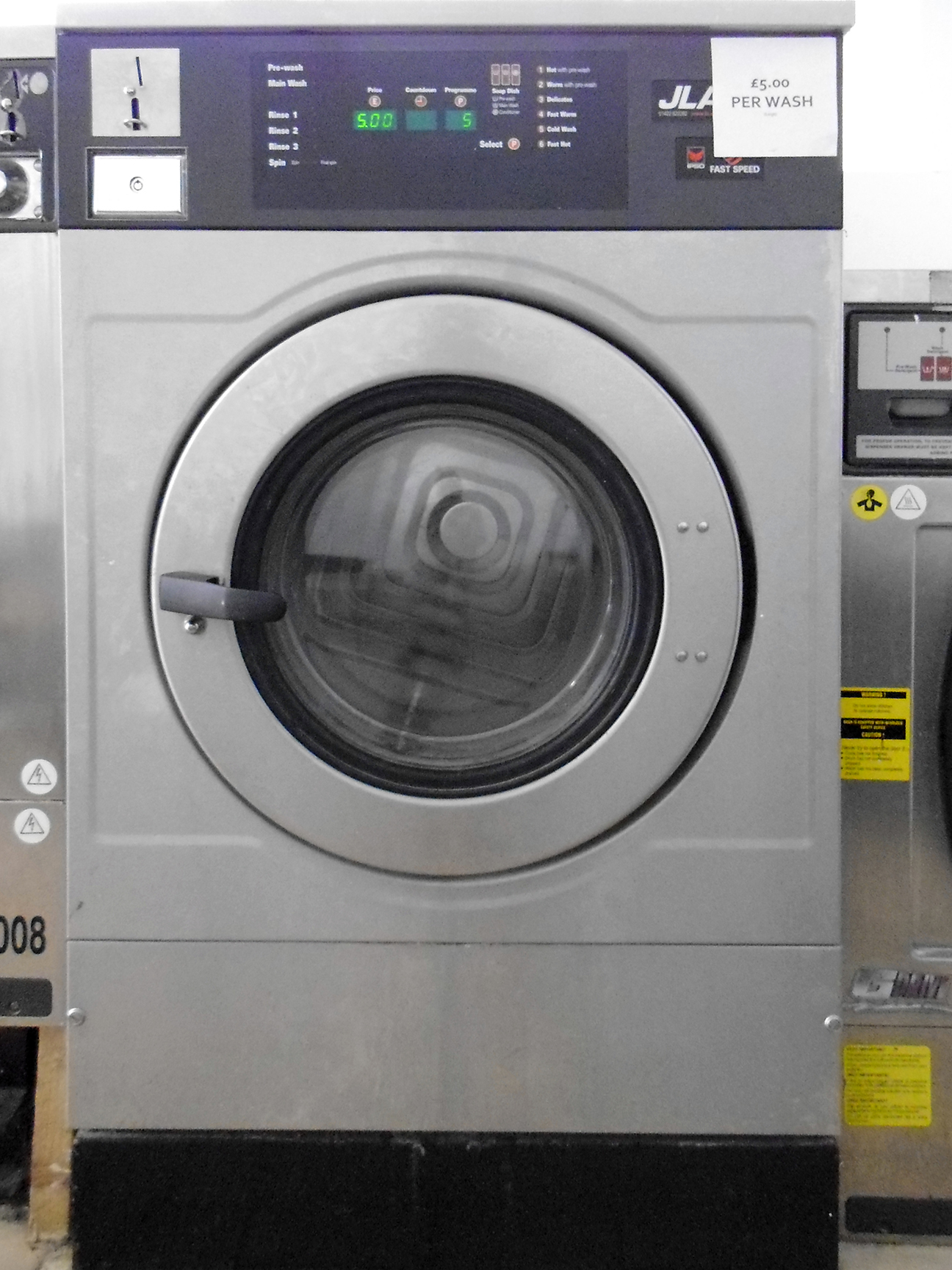
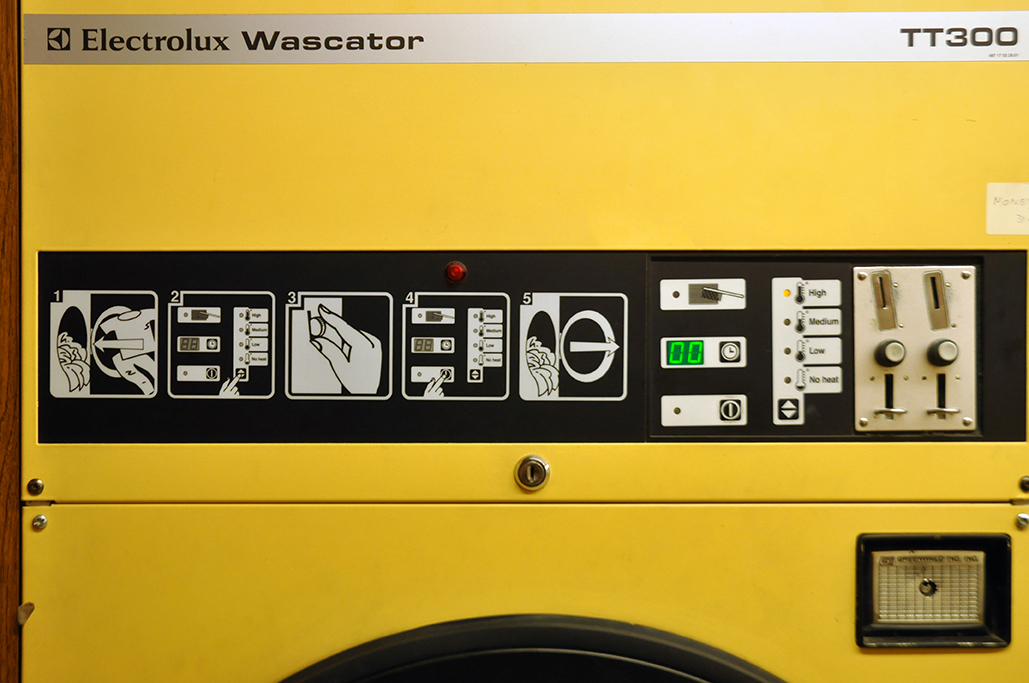
Just you and a series of slots, demotic instructions, care worn utilitarian surfaces and time.
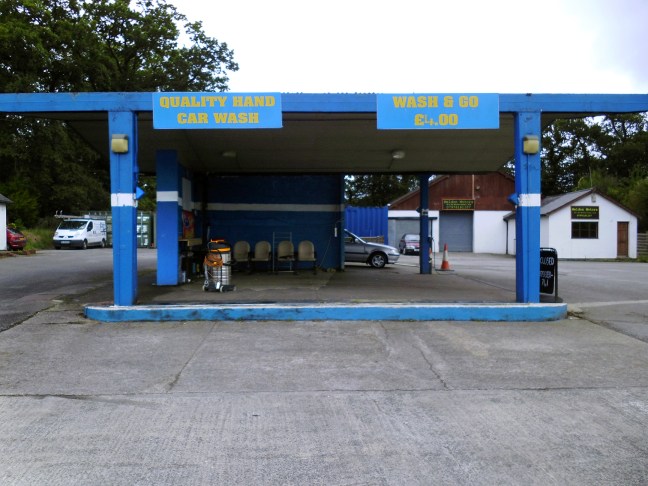
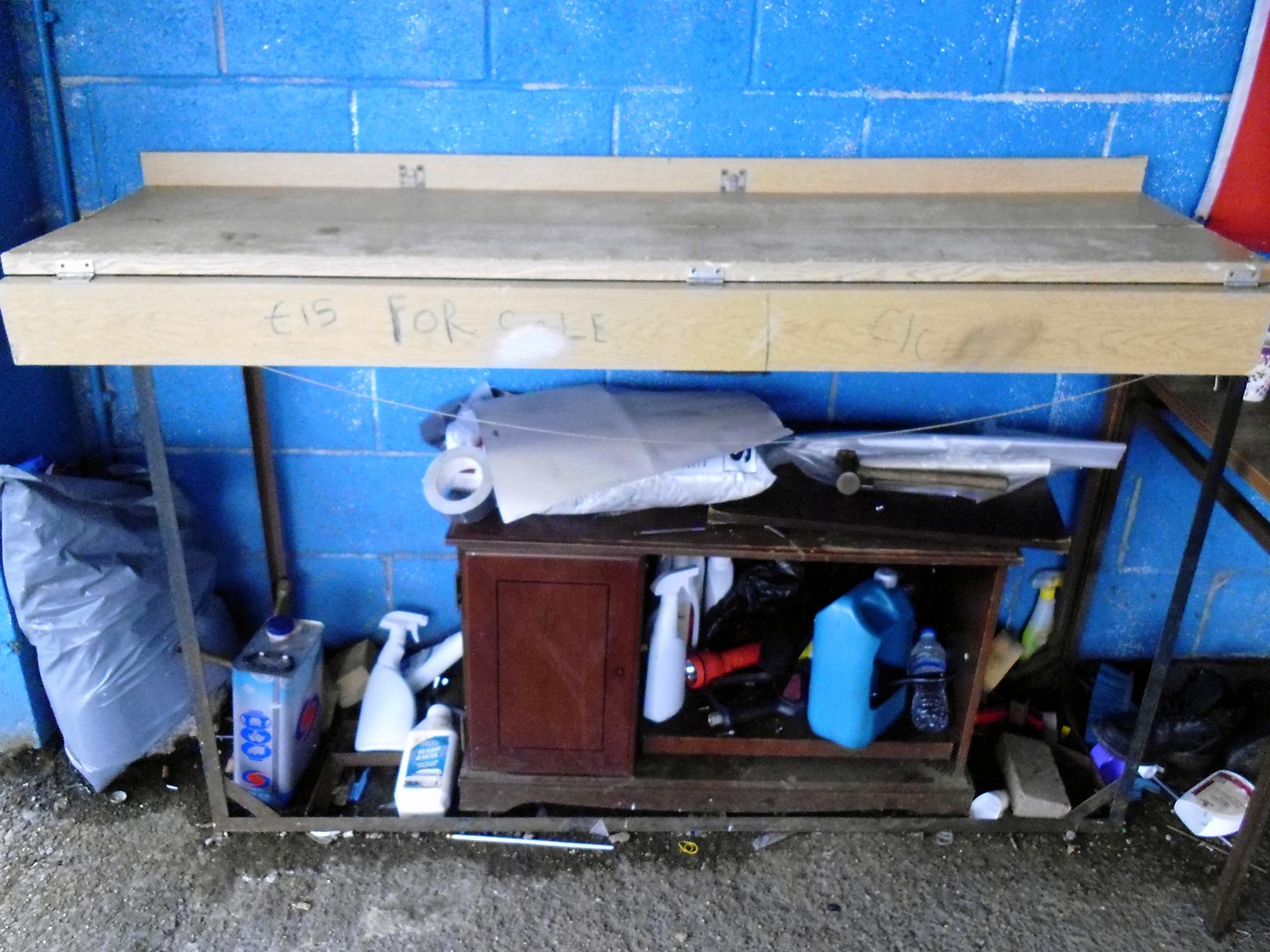
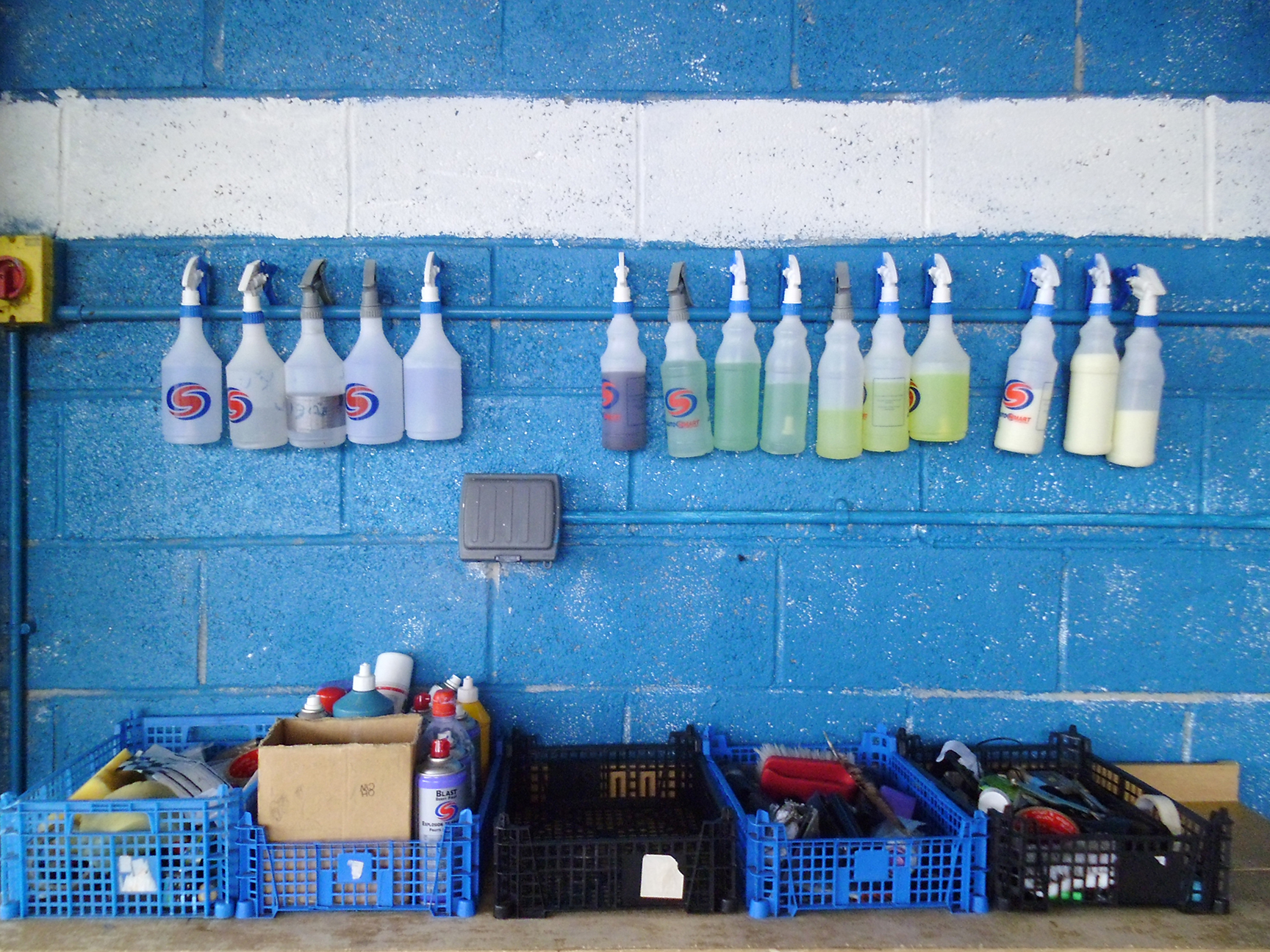
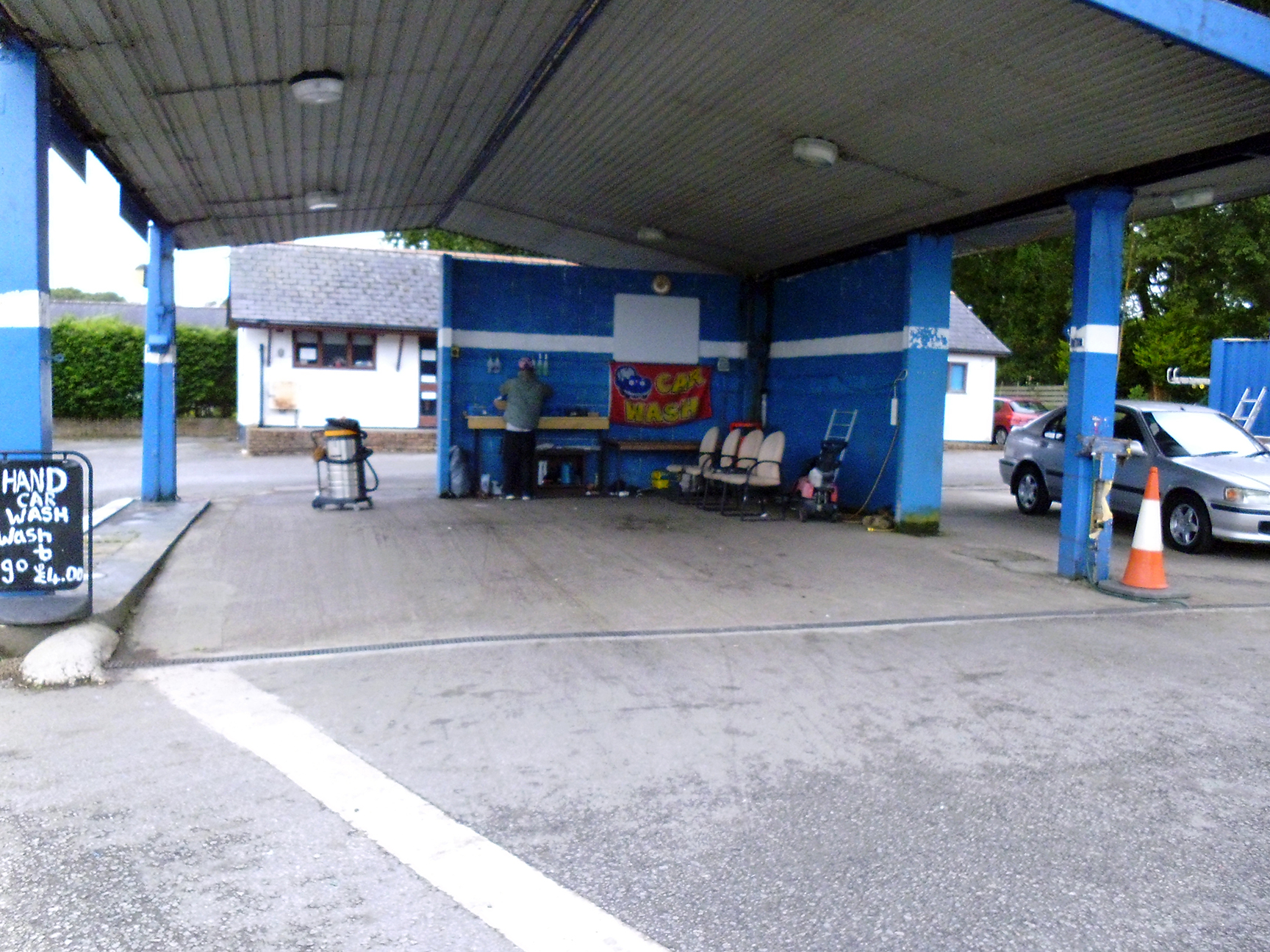
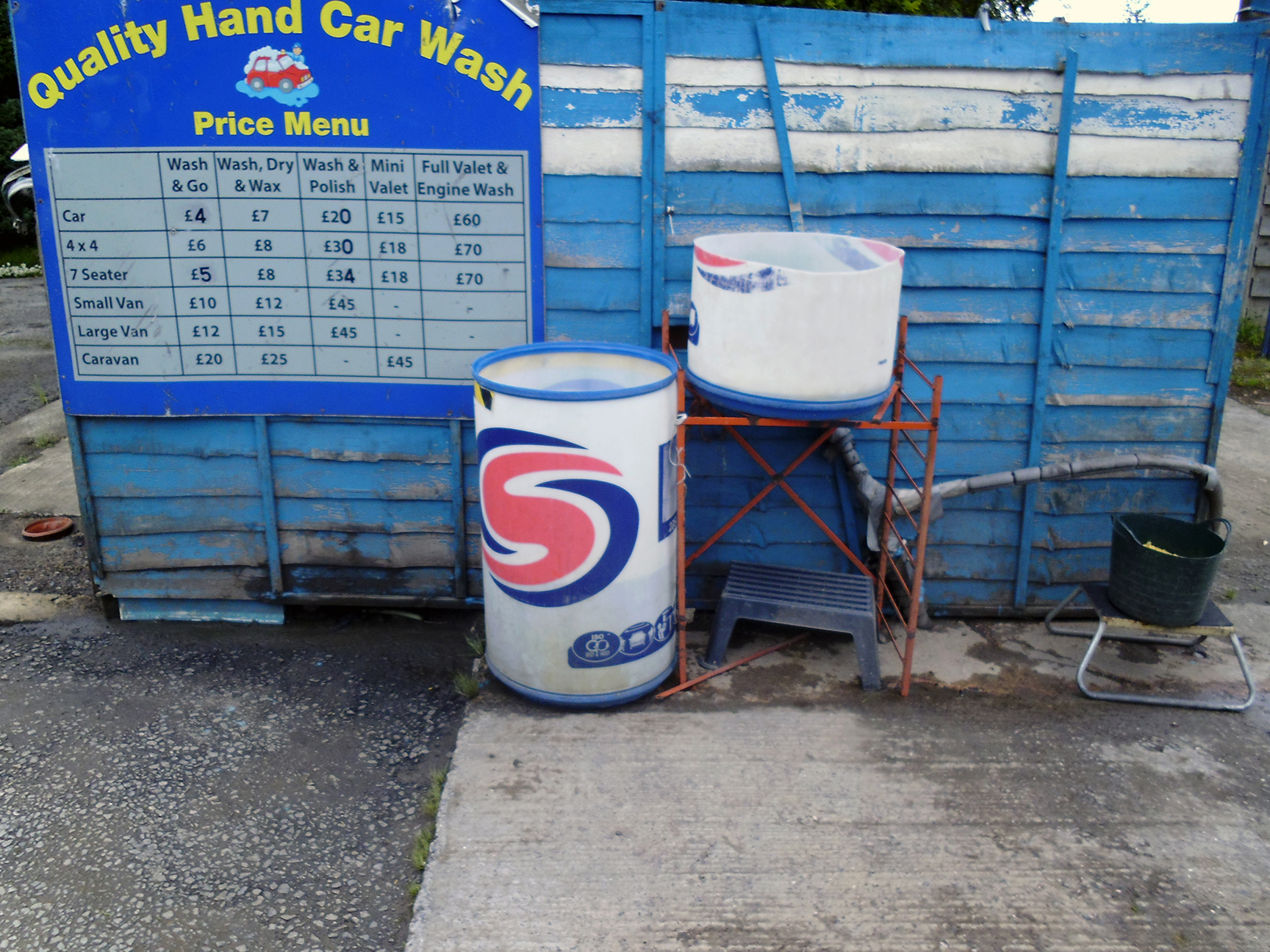
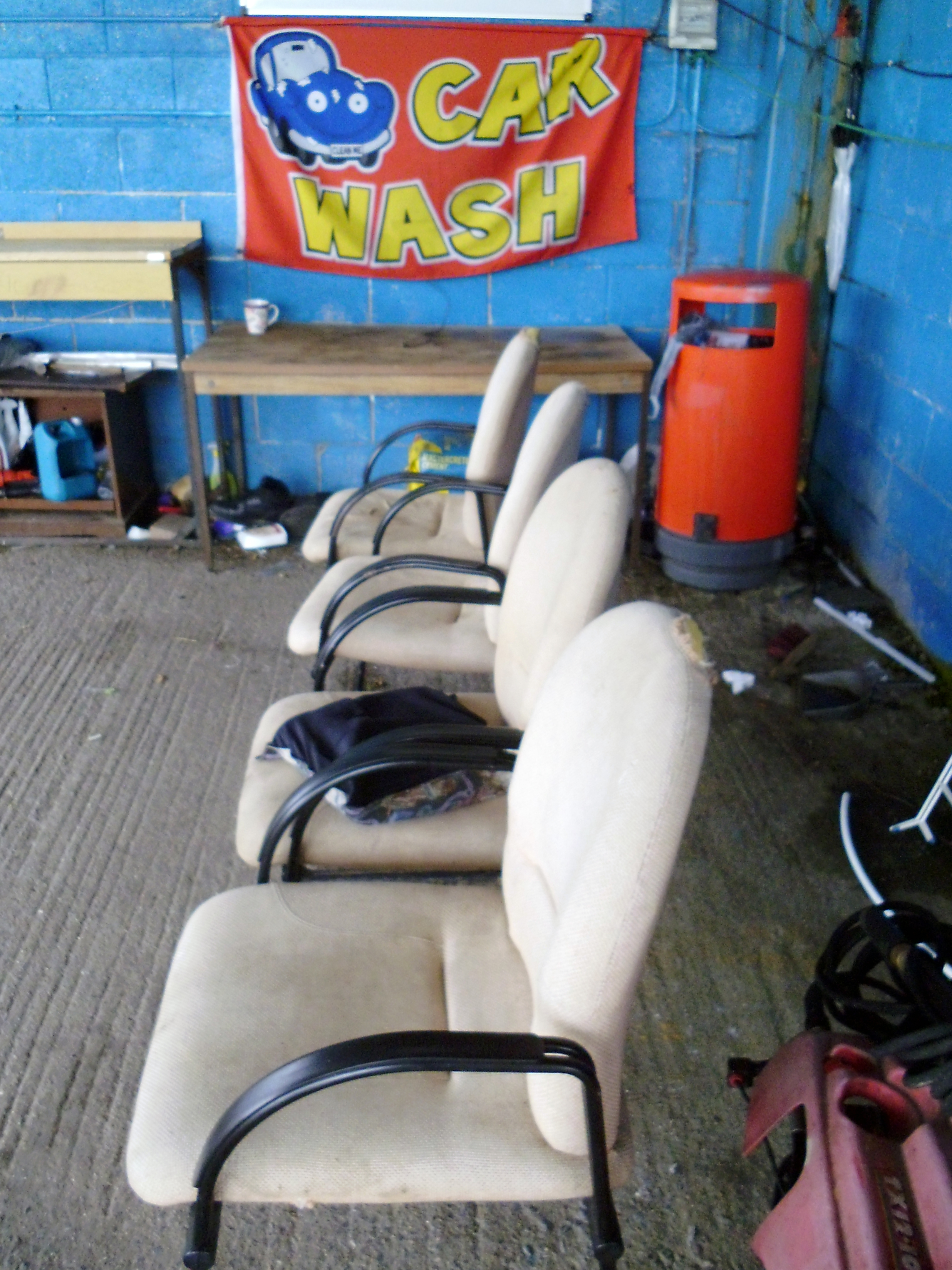
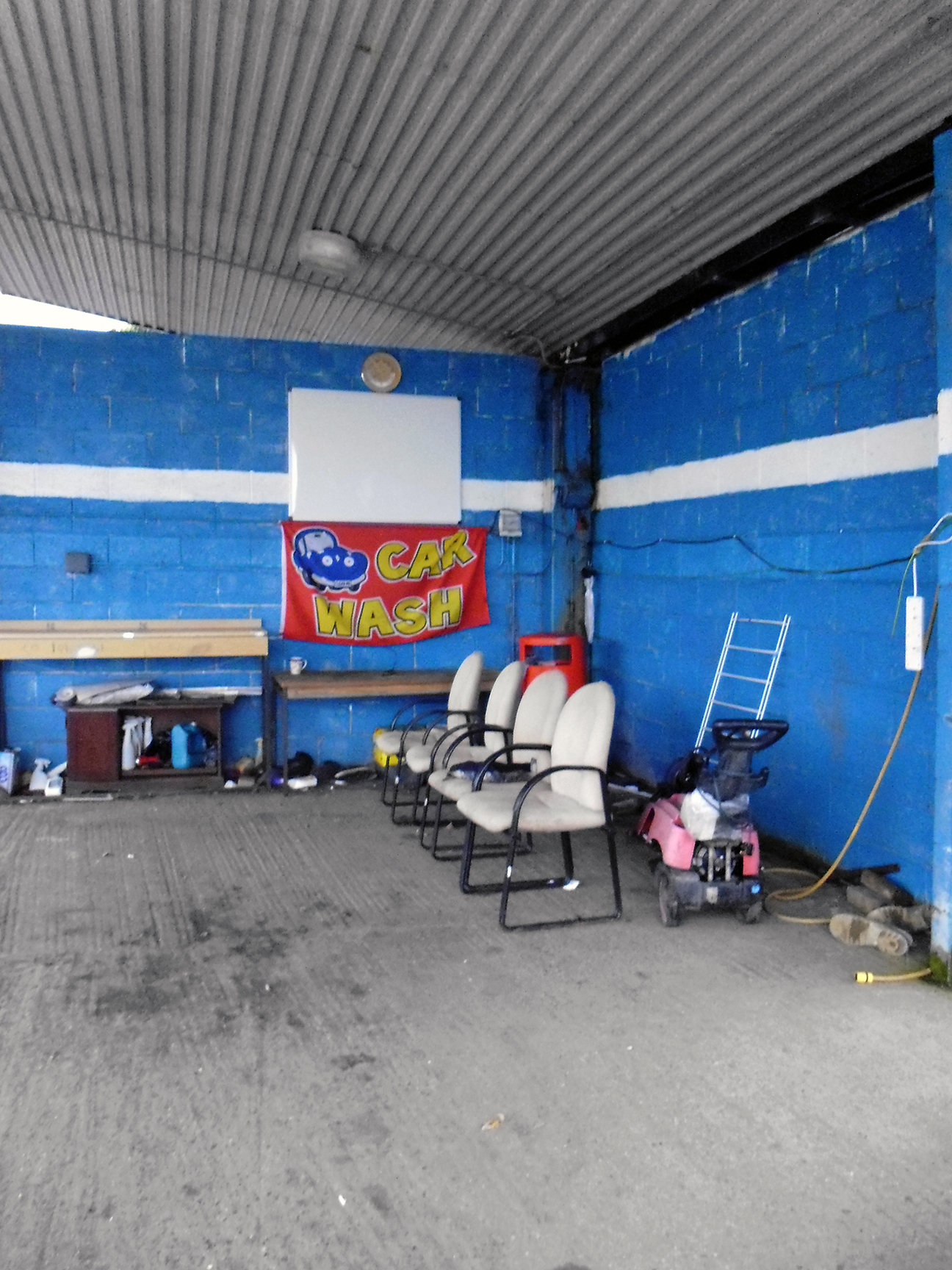
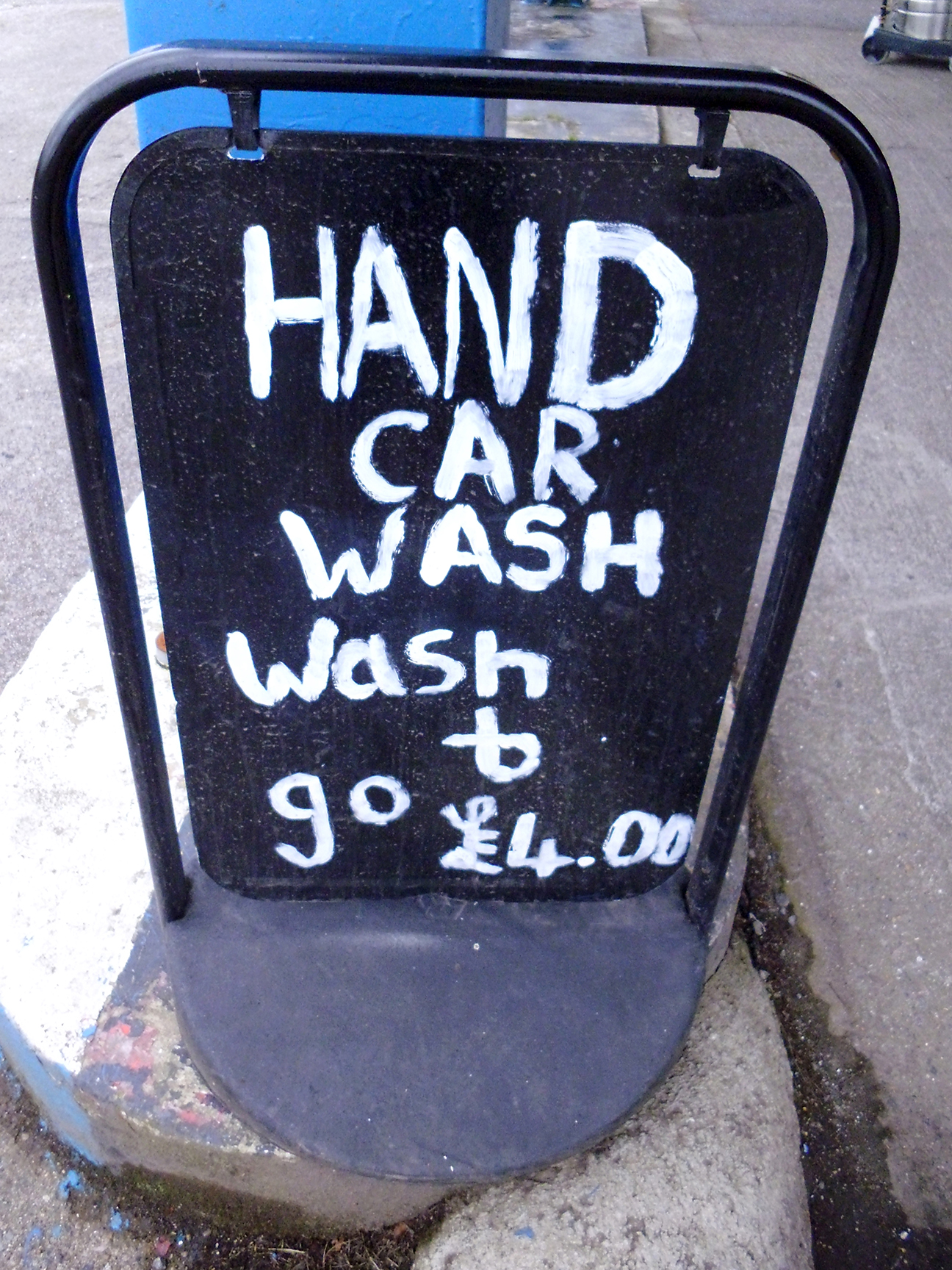
Early morning on the A30 out of Okehampton and something is beginning to stir.
Two inscrutable Romanians and a curious garrulous traveller are going about their respective business.
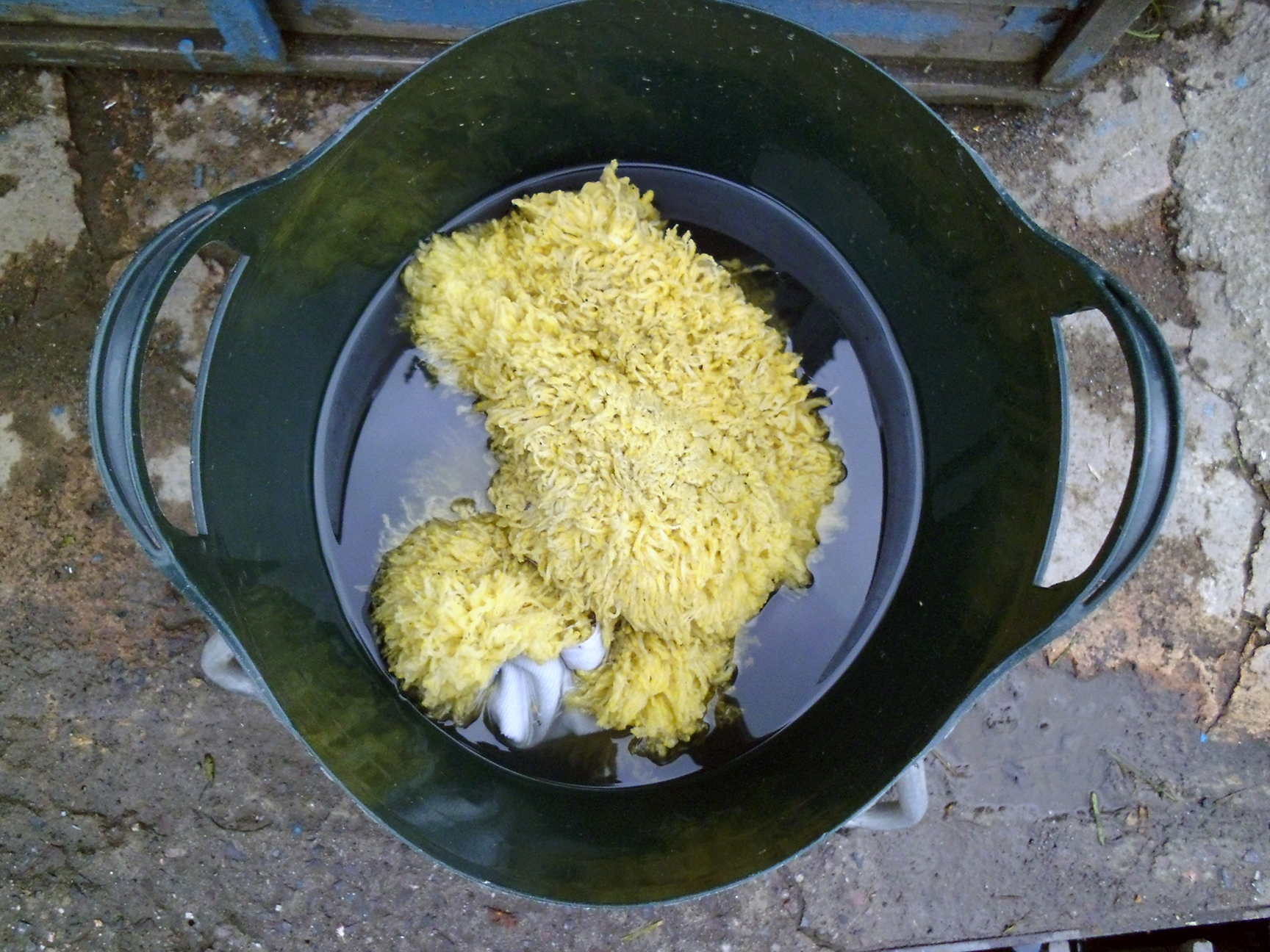
They – filling buckets and arranging a complex array of cleaning fluids.
Me – just mooching with a compact camera.
Initially expressing an understandable resistance to my snappy ways, their consent was granted, following a series of complex hand gestures, smiles, and an open and honest request.
Moments later my job was done and theirs had just begun.
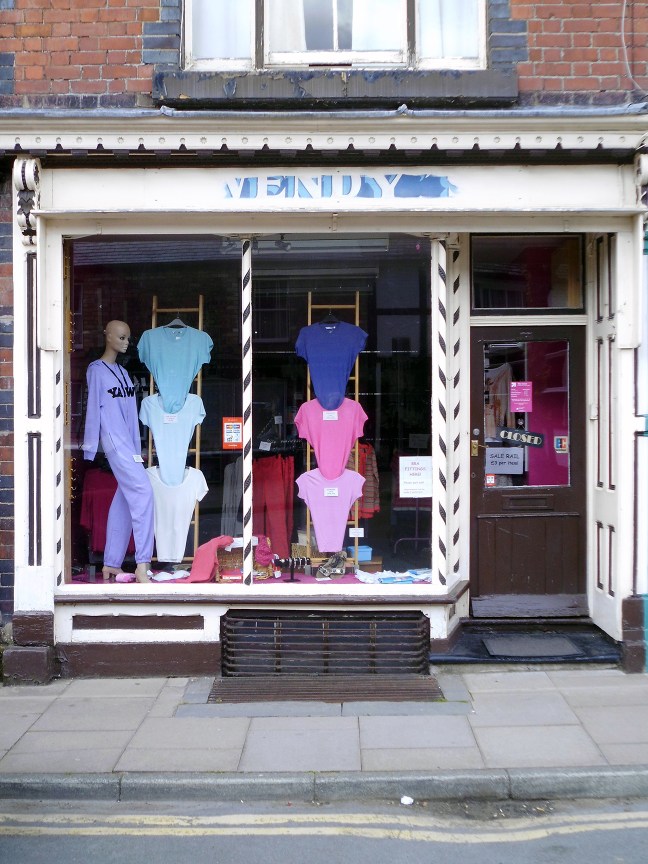
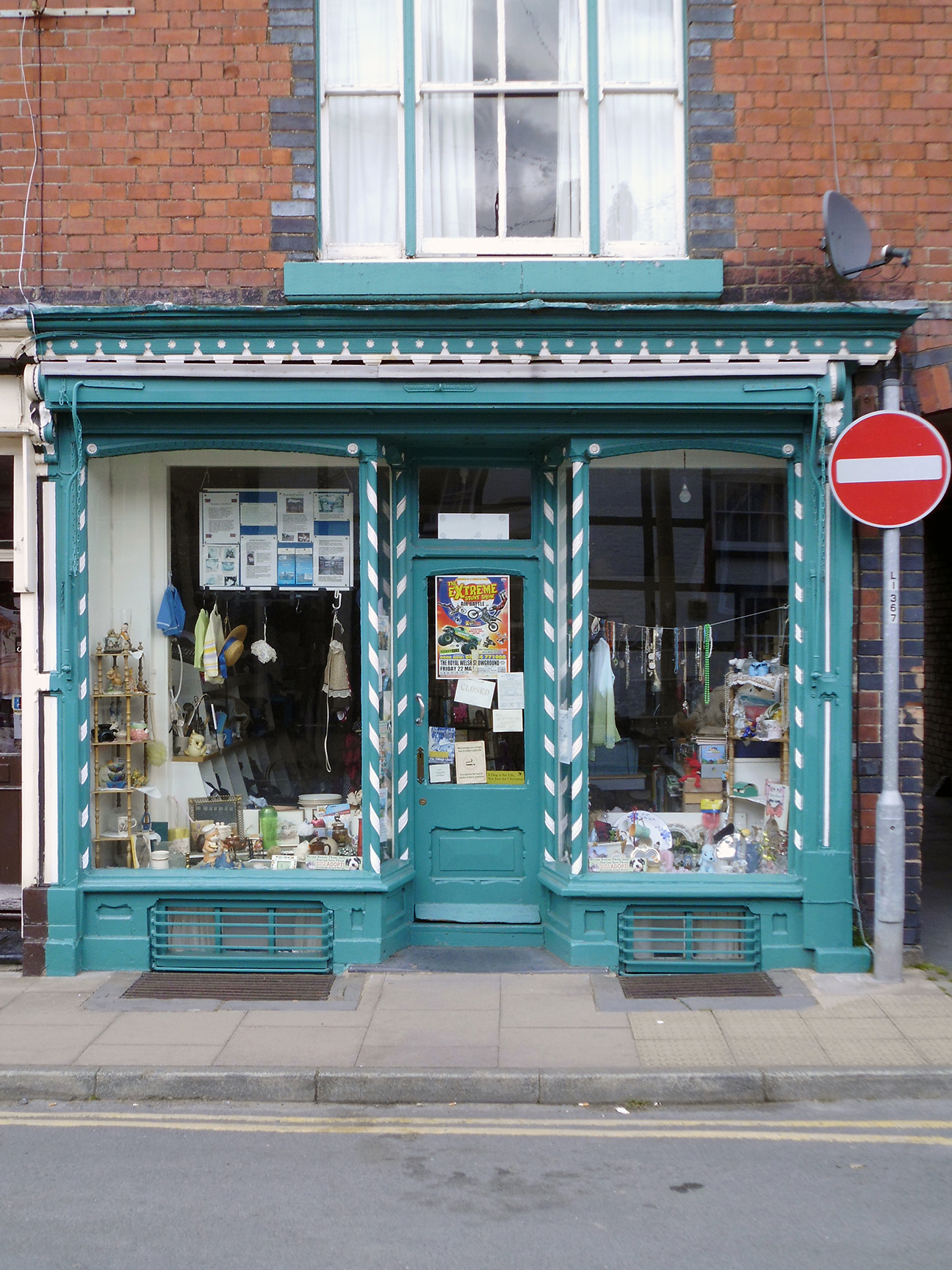
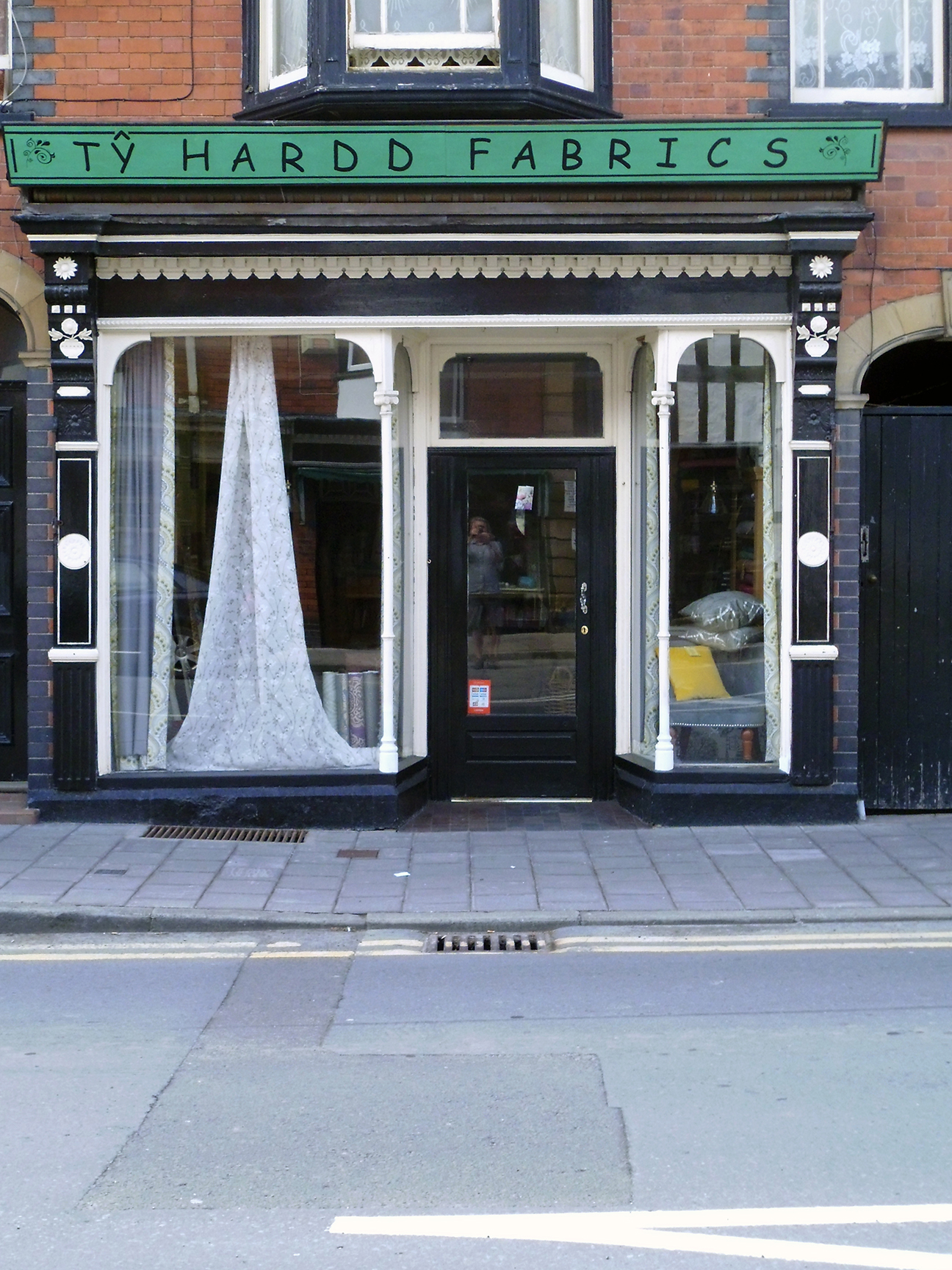
In the heart of Wales, former centre of the flannel industry, stands Llanidloes.
Through civic pride, love and local doggedness, the decorative shopfront prevails unabashed.
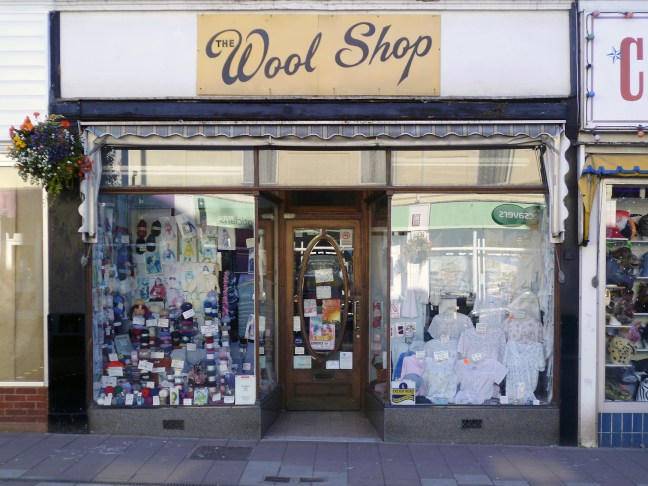
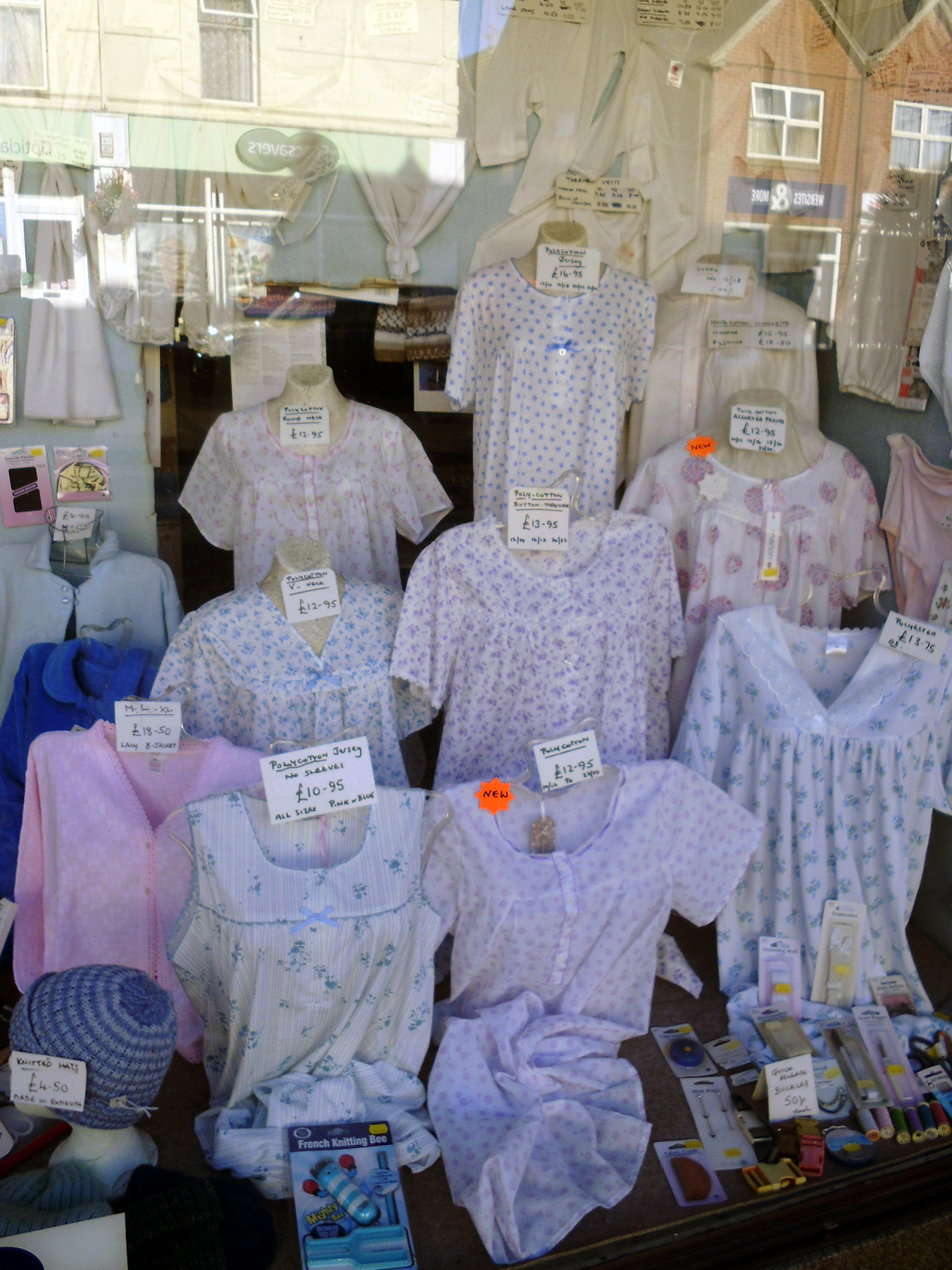
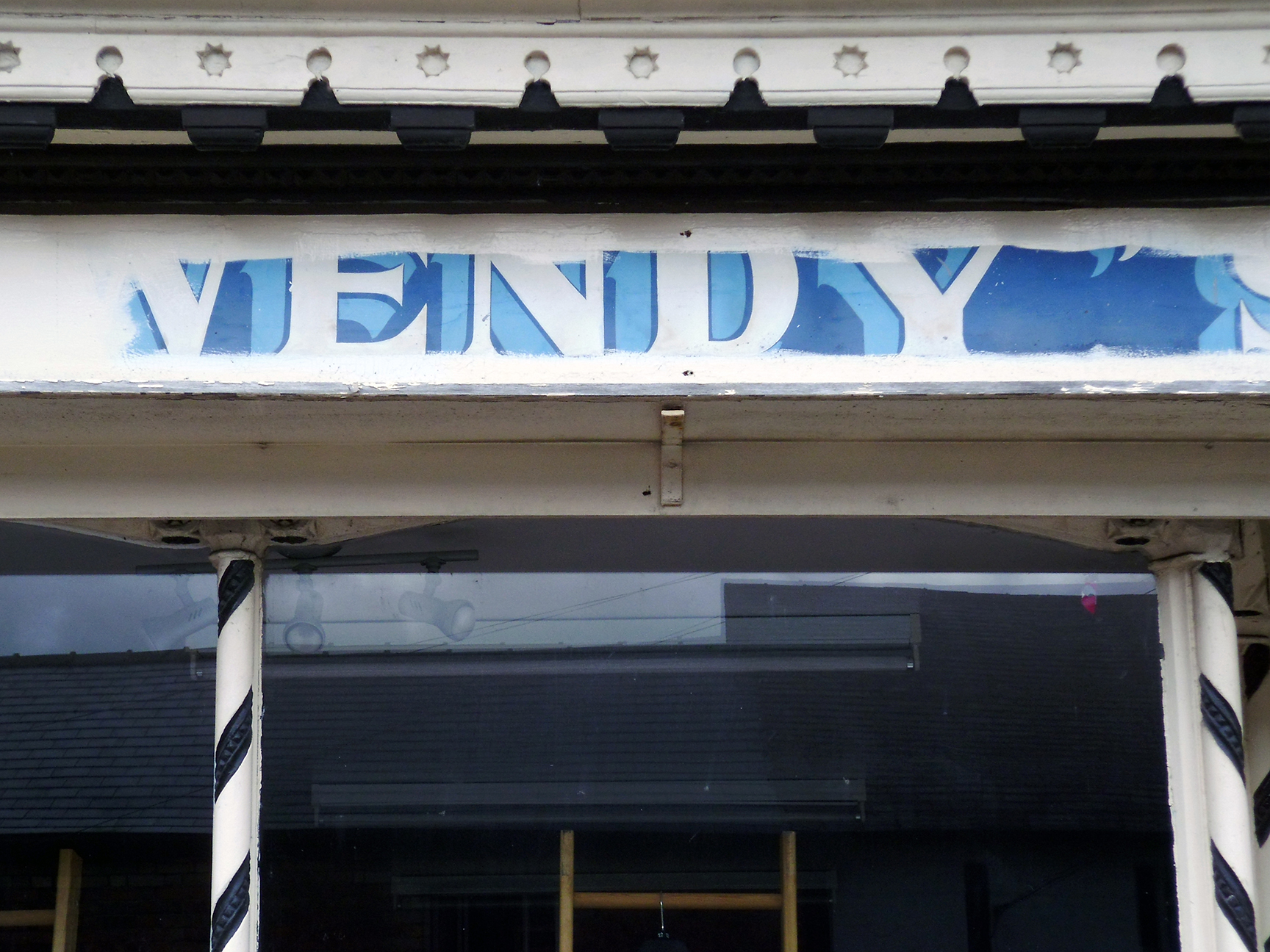
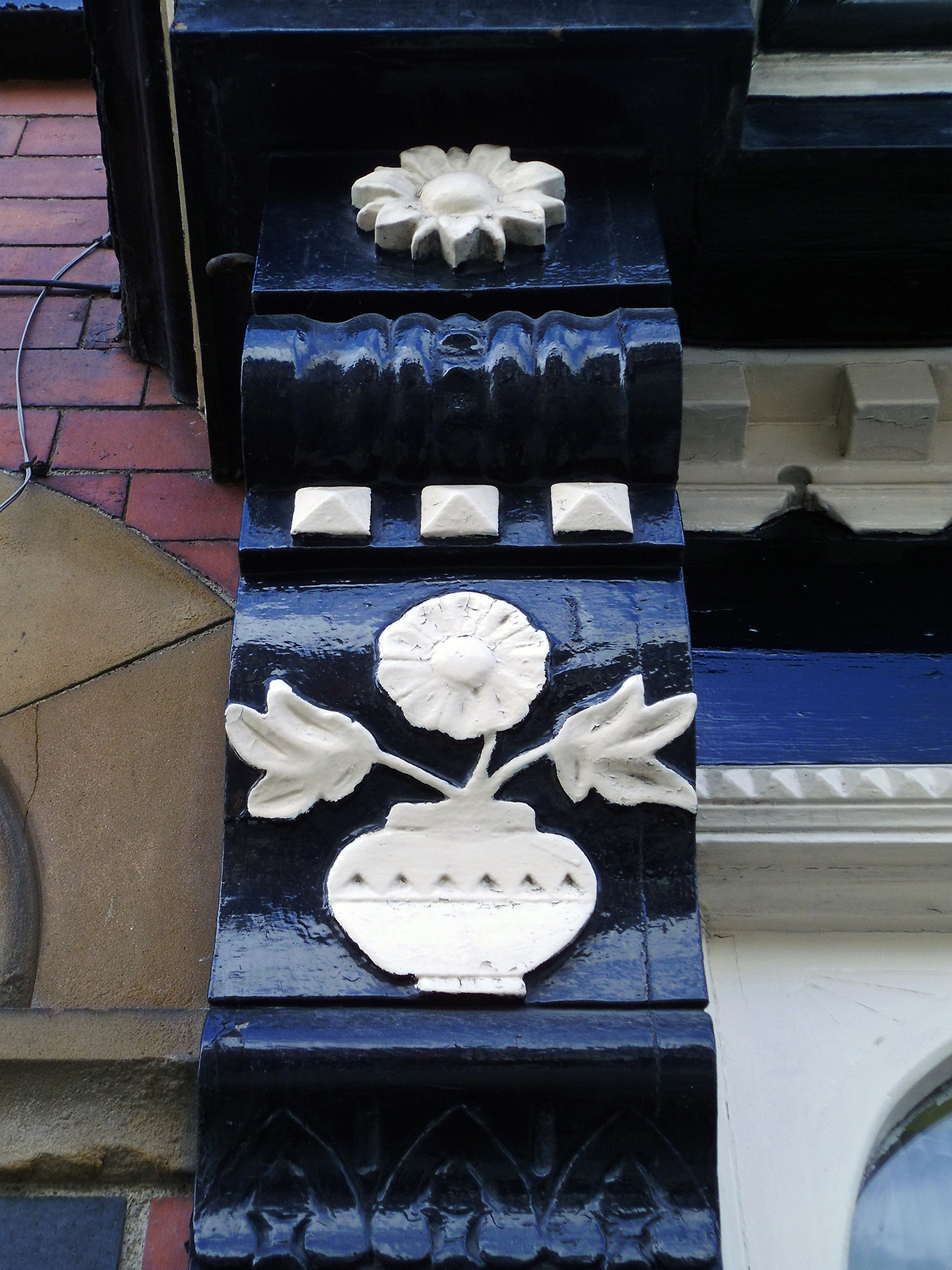
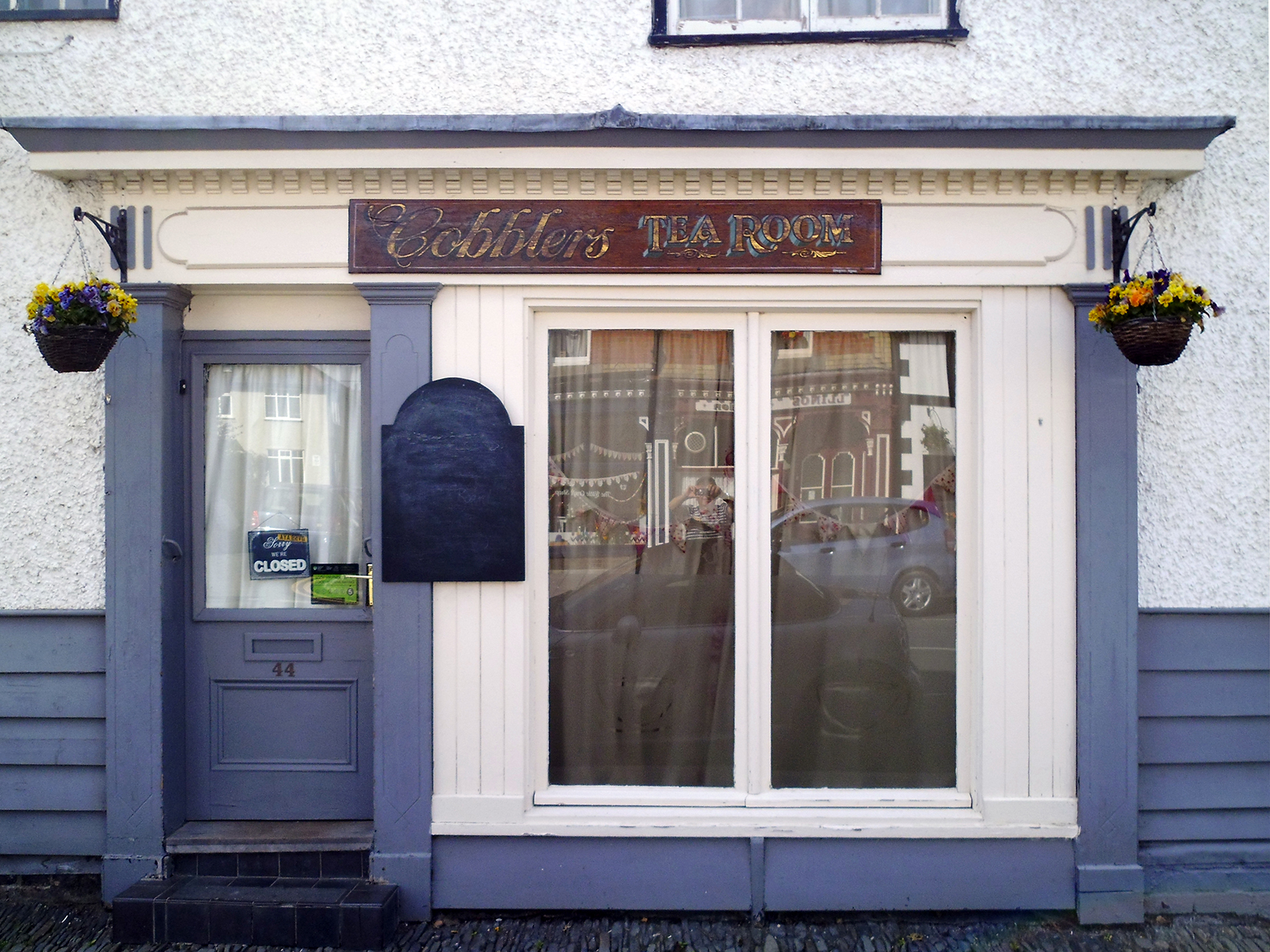
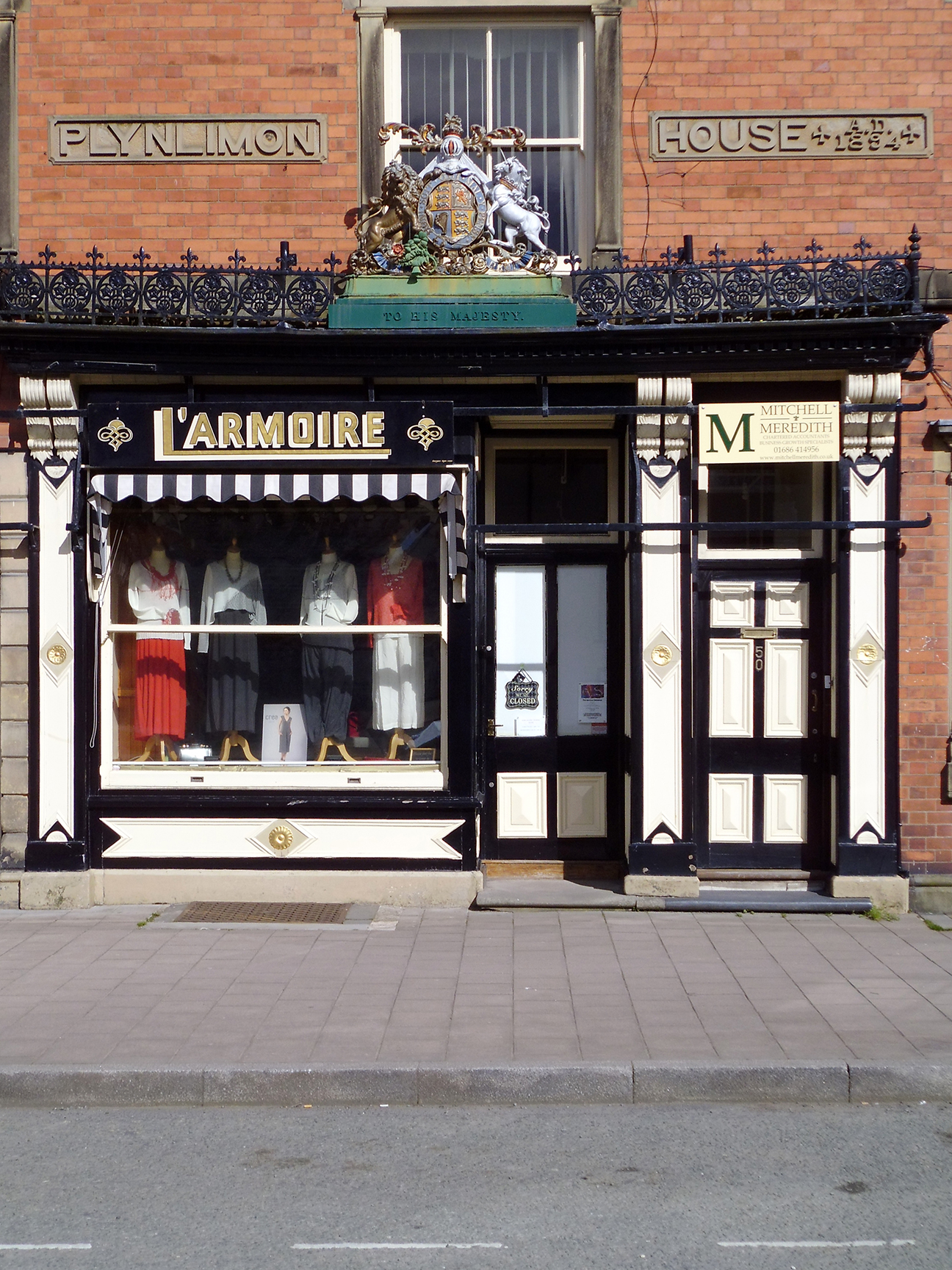
The finest selection of carved and moulded wooden filigree, hand painted signs, large open panes, tile work and the odd suspended folk-art sheep, adorn substantial Victorian properties, rich in the market town tradition of controlled opulence. A varied typology, the majority continuing to trade, the odd domestic conversion retaining its retail characteristics, whilst maintaining its modesty, behind tightly drawn net curtains.
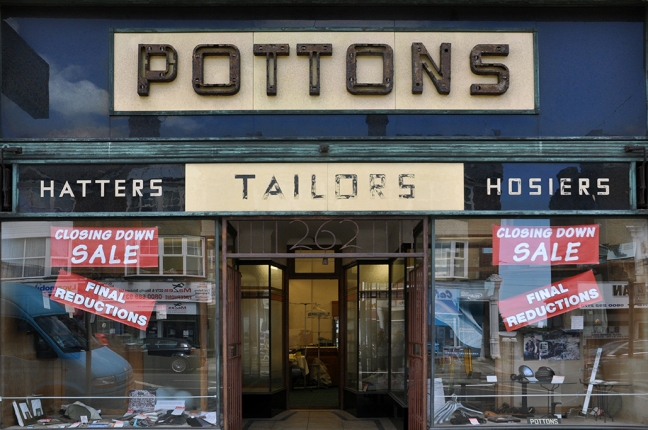
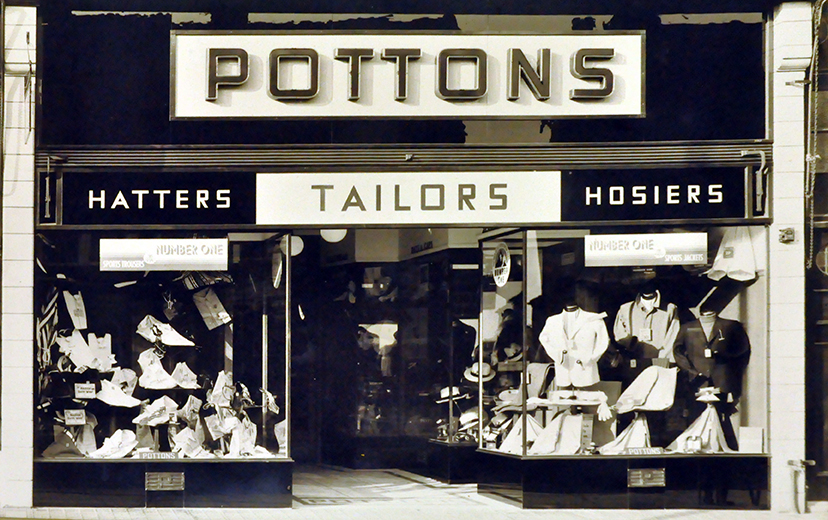
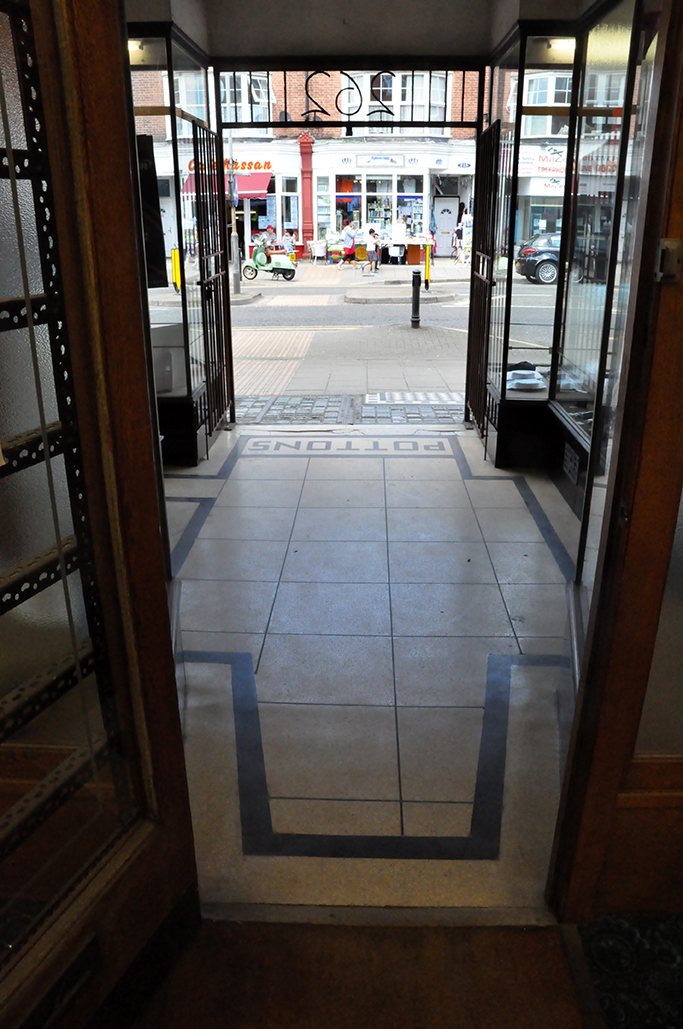
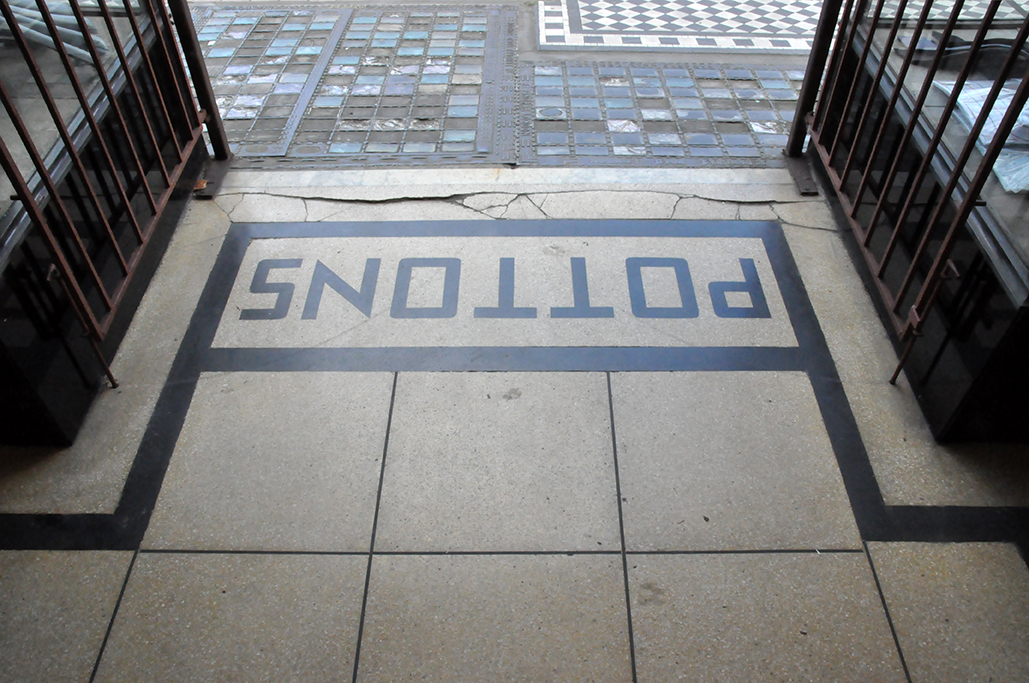
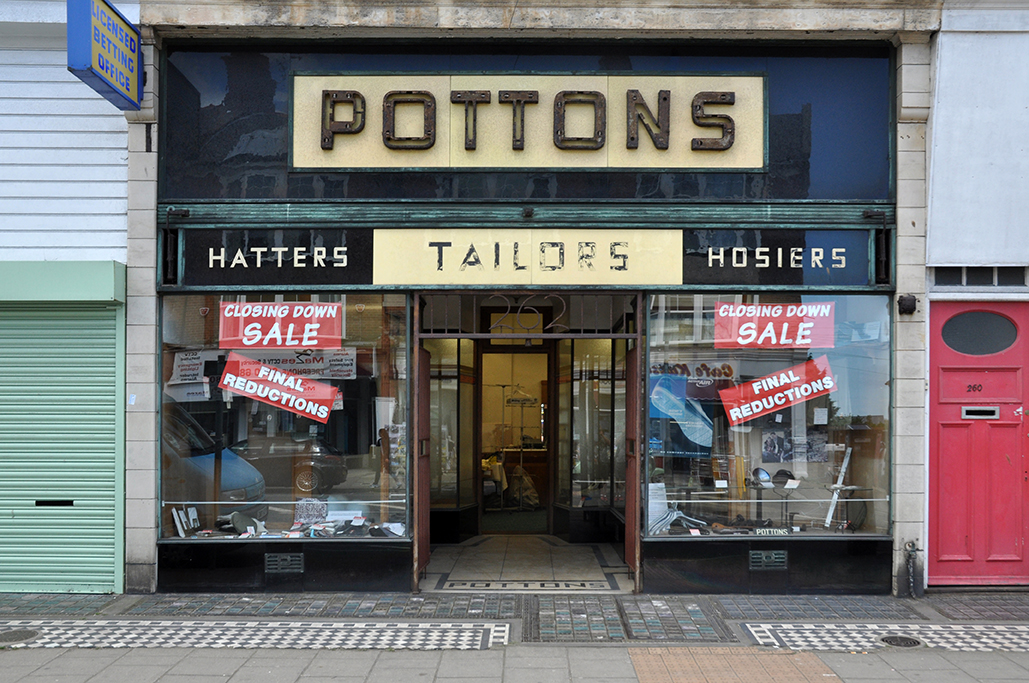
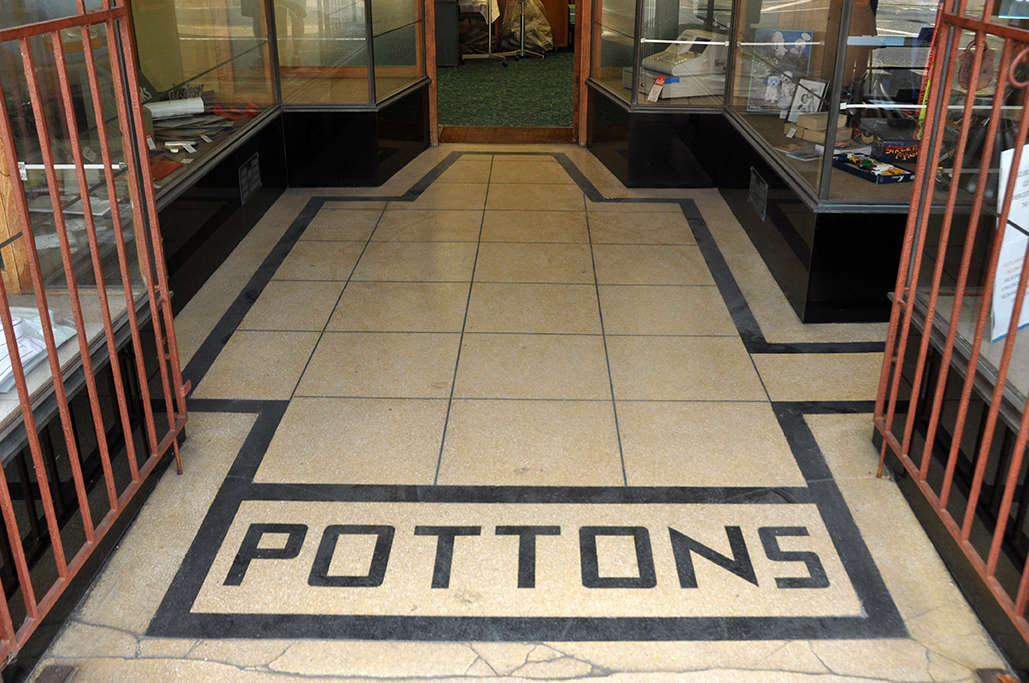
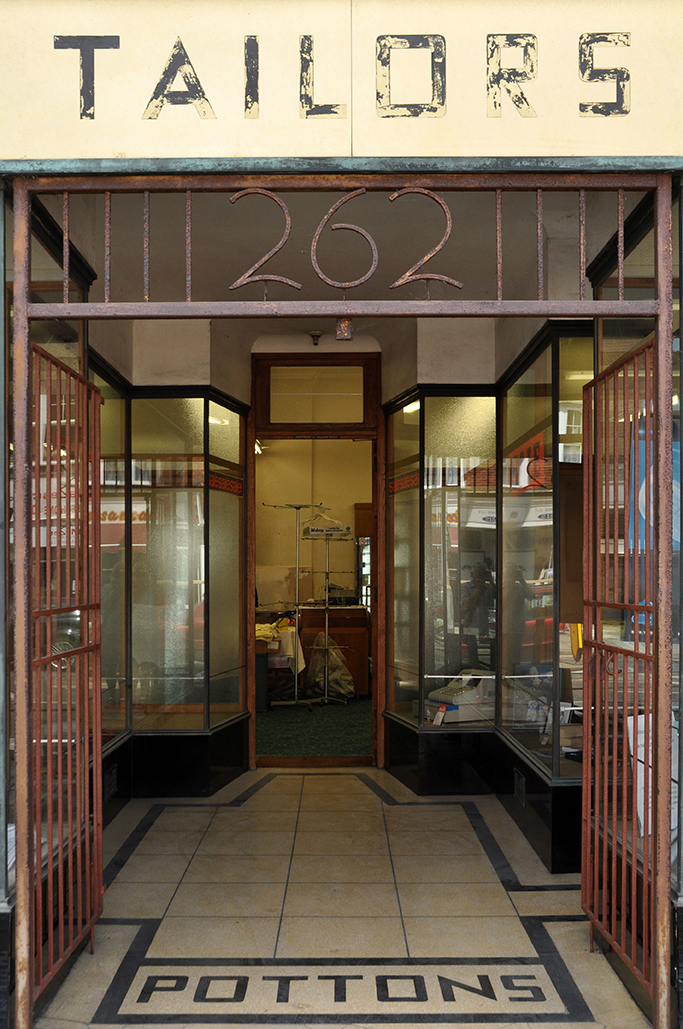
Should you, as I did wander down Northdown Road, Cliftonville, you will chance upon Pottons at 262.
By now however, ingress is more than somewhat inhibited.
It’s closed.
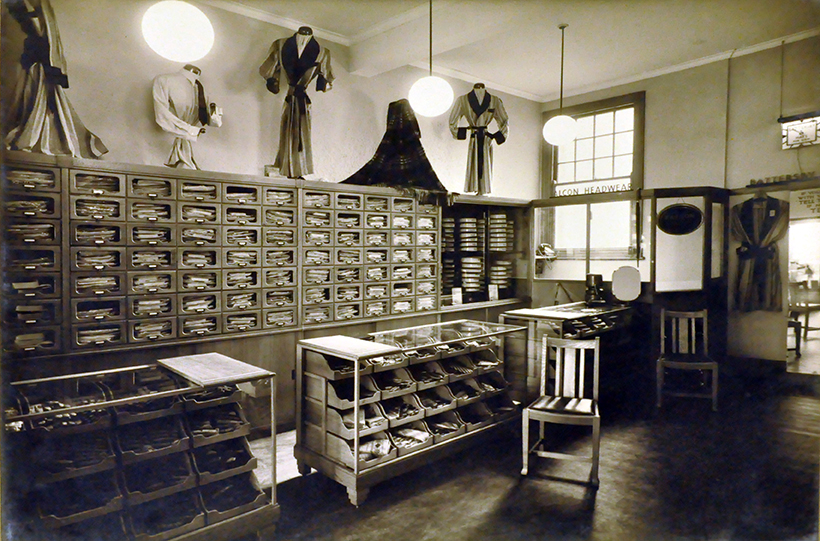
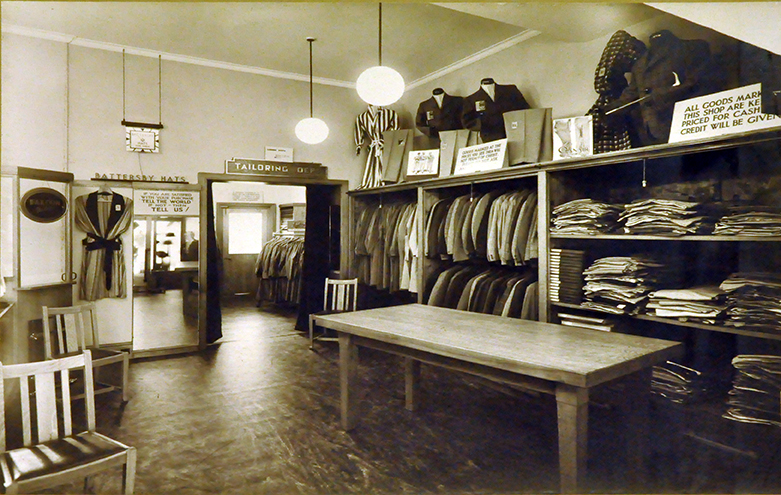
The most exciting and extant period fascia, once gave way to oak fittings and fixtures festooned with all manner of menswear, exotic and plain accoutrements, now inaccessible.
It’s gone.
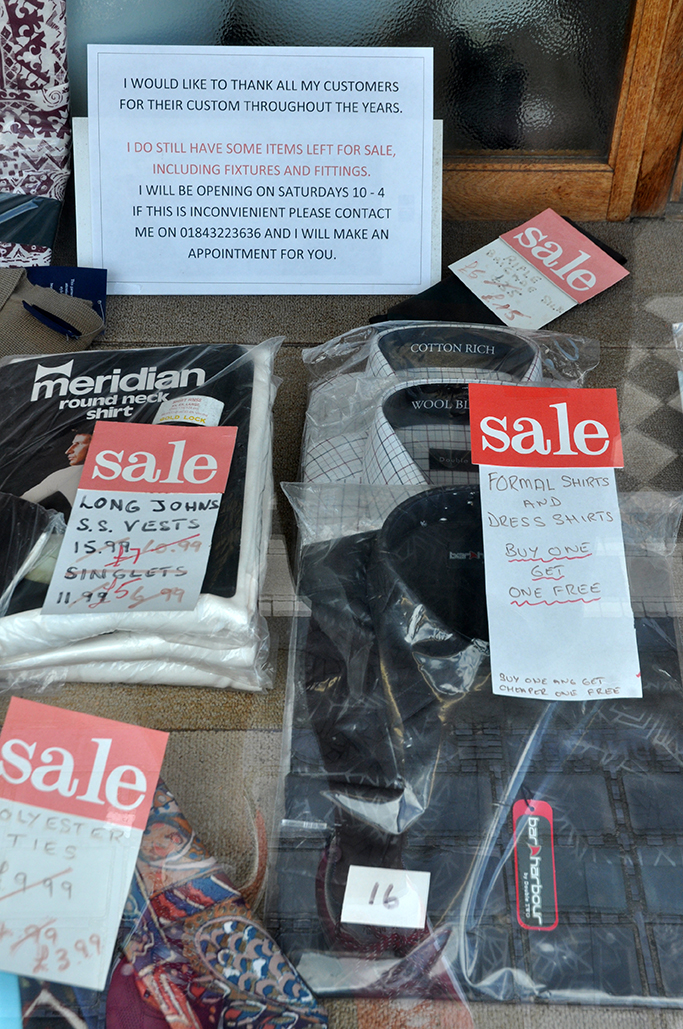
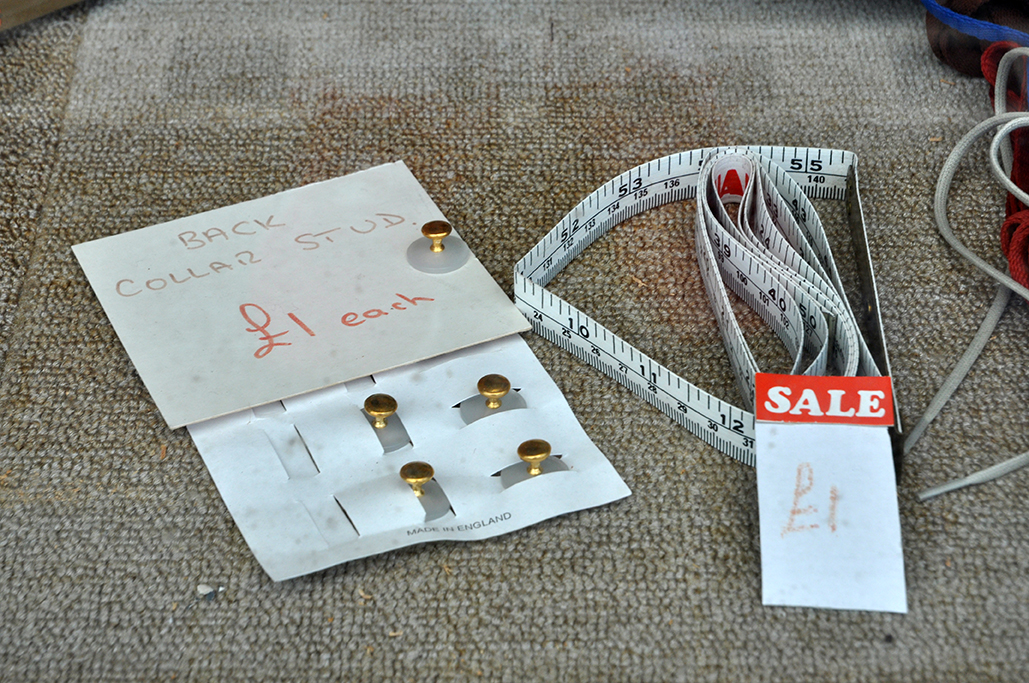
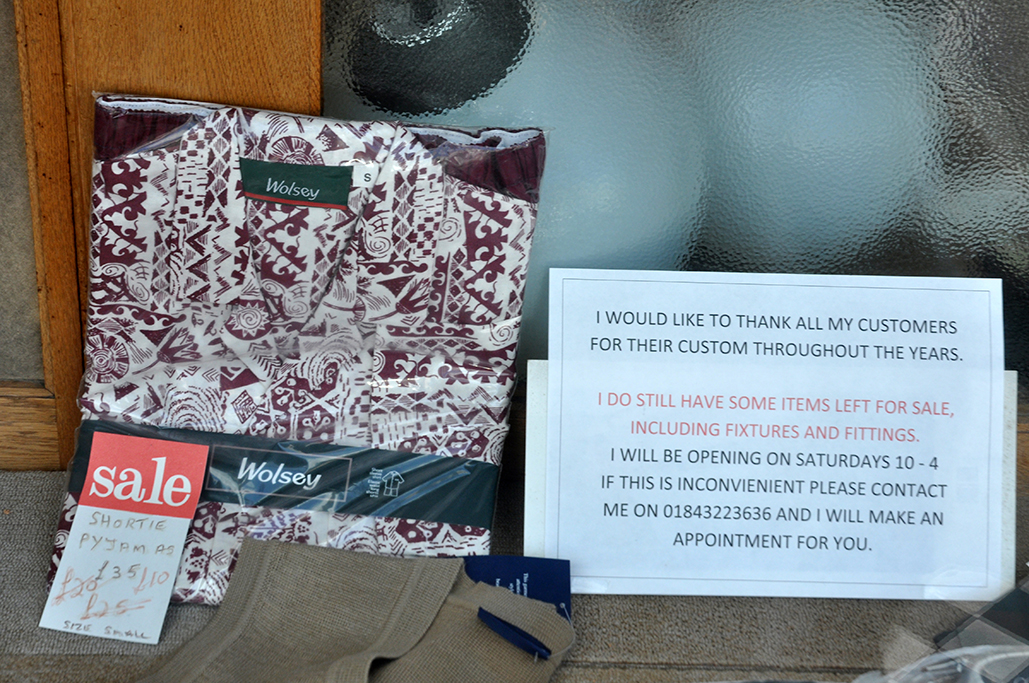
A few sad remnants were on sale, administered in their final days by Lorraine, employed for 35 years in a family business, whose trade had once included made to measure, fine millinery and quality accessories for the discerning gent around town.
Somewhere at the edge of the World ice cream vans go to die, I know I saw them from the train back from Brighton, I just had to go and have a look. I was received warmly by the busy proprietors going busily about their business, readying the working vans for their working day on the coast. It seems they break the invalids up for spares keeping the ageing vehicles on the road for another season – dispensing joy to jolly girls and boys in cornet, tub and lolly form. There is however something inevitably heartbreakingly poignant, seeing the signage fade, in the southern sun, as brambles weave in and out of open window, steering wheel, wheel arch and fridge. Ask not for whom the chimes chime.They chime for you.Nevermore.
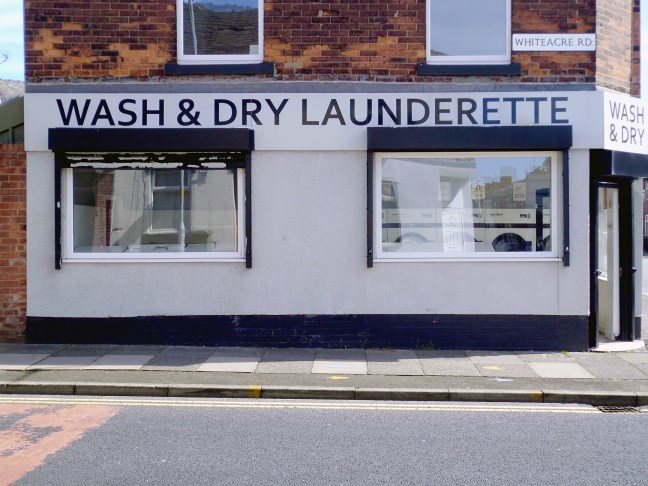
Cycling along Curzon Road one sunny Sunday afternoon, I found to my surprise, facing me across the Whiteacre Road junction.
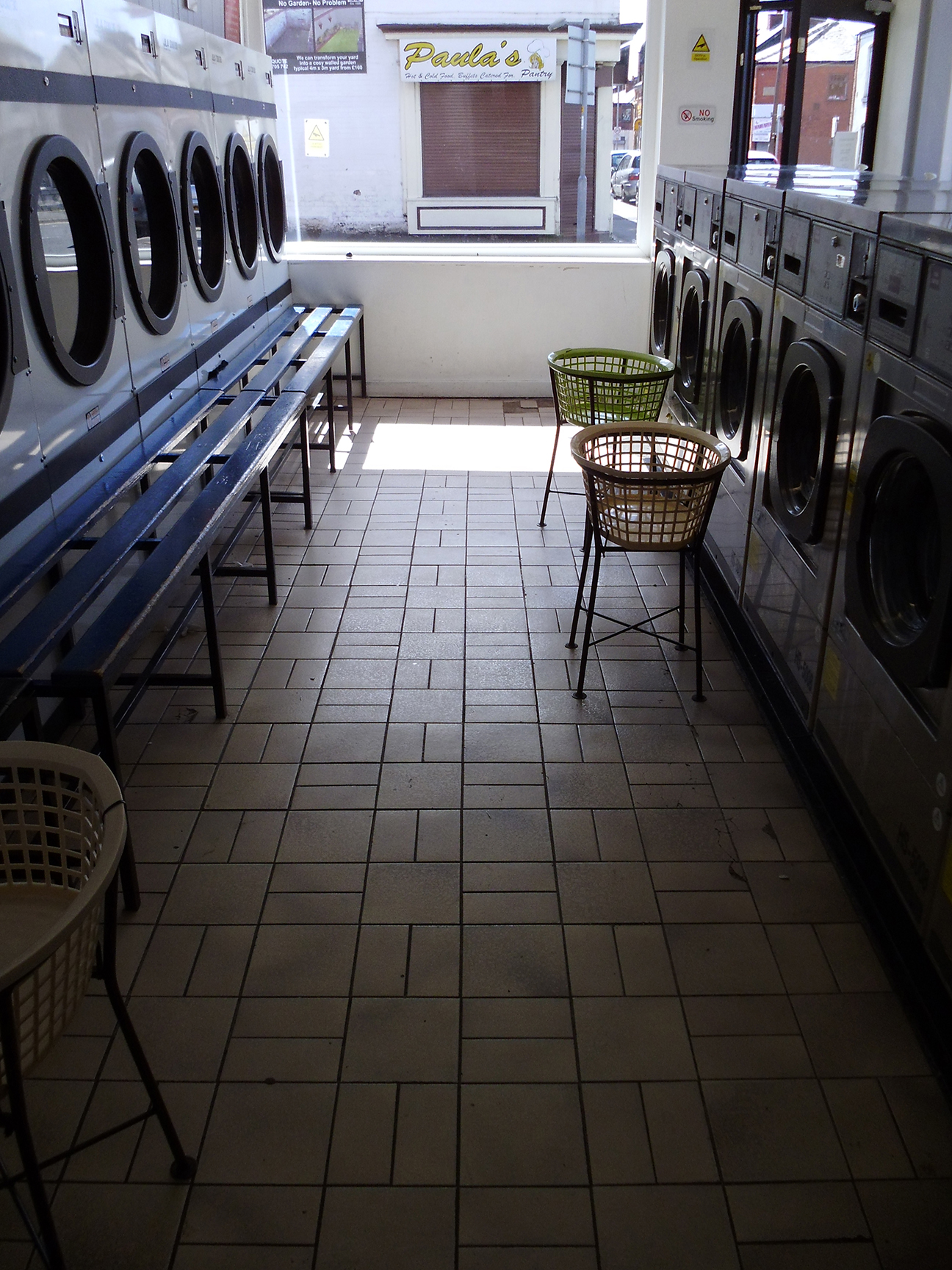
– An empty yet extant launderette.
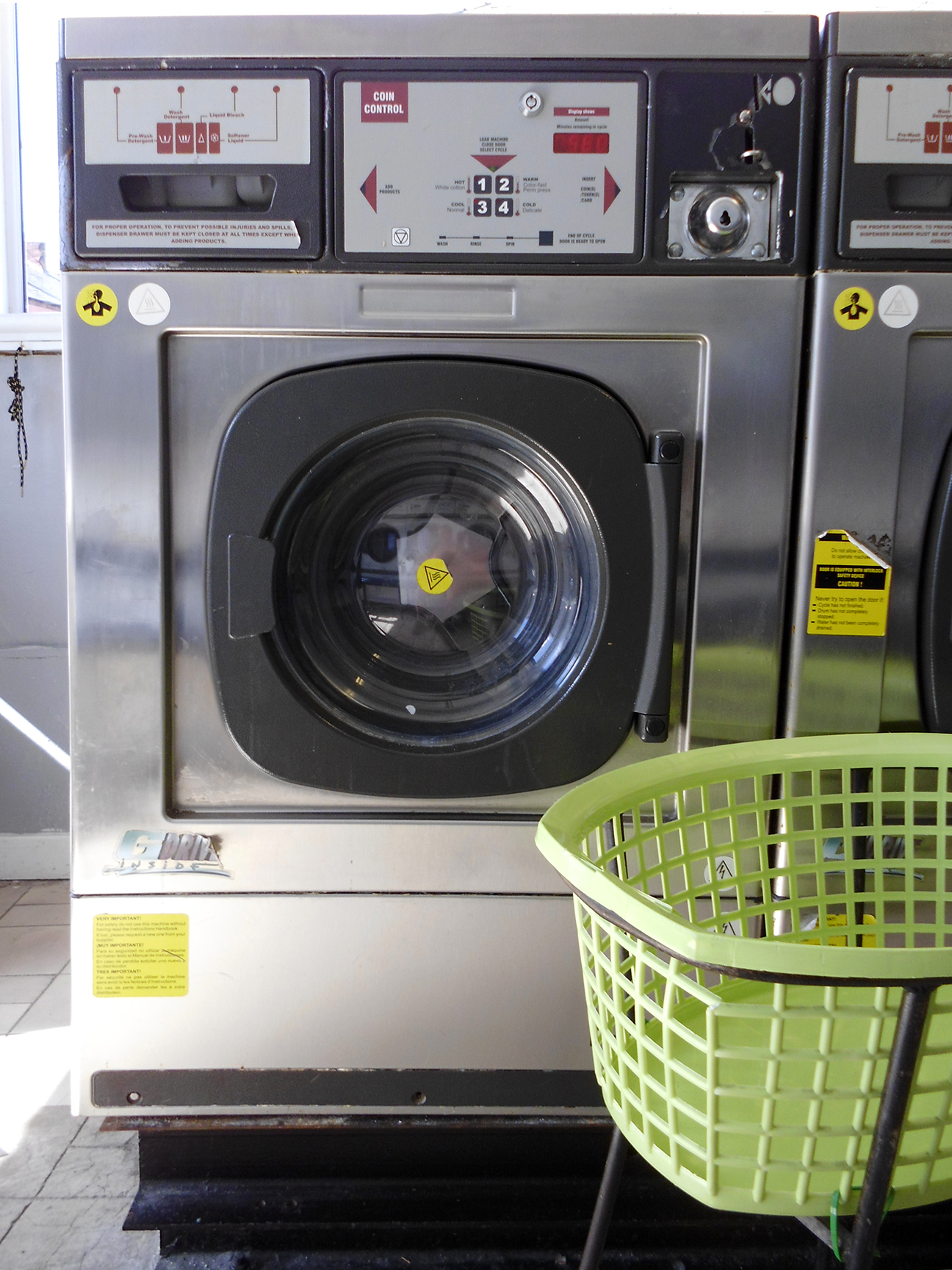
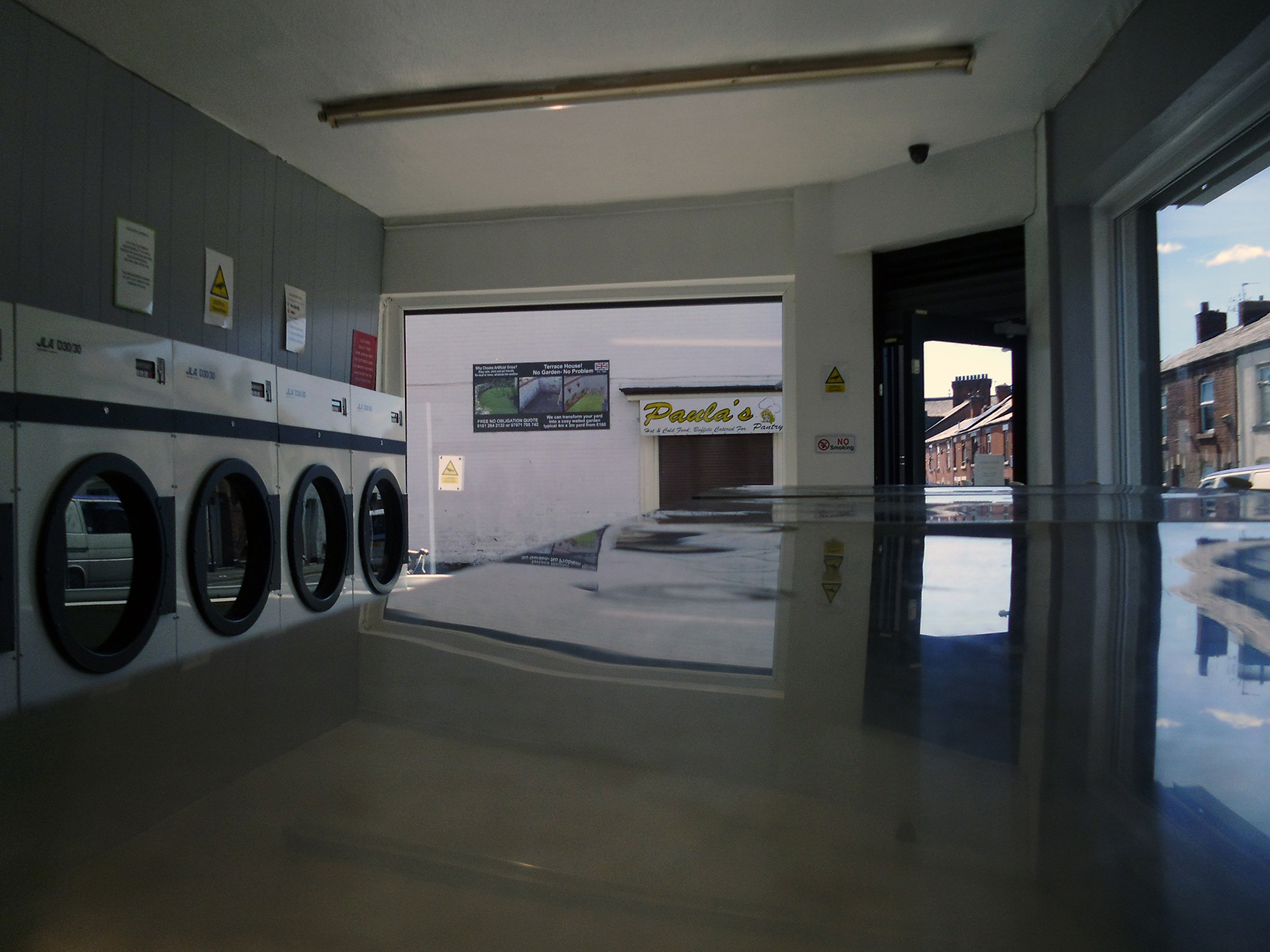
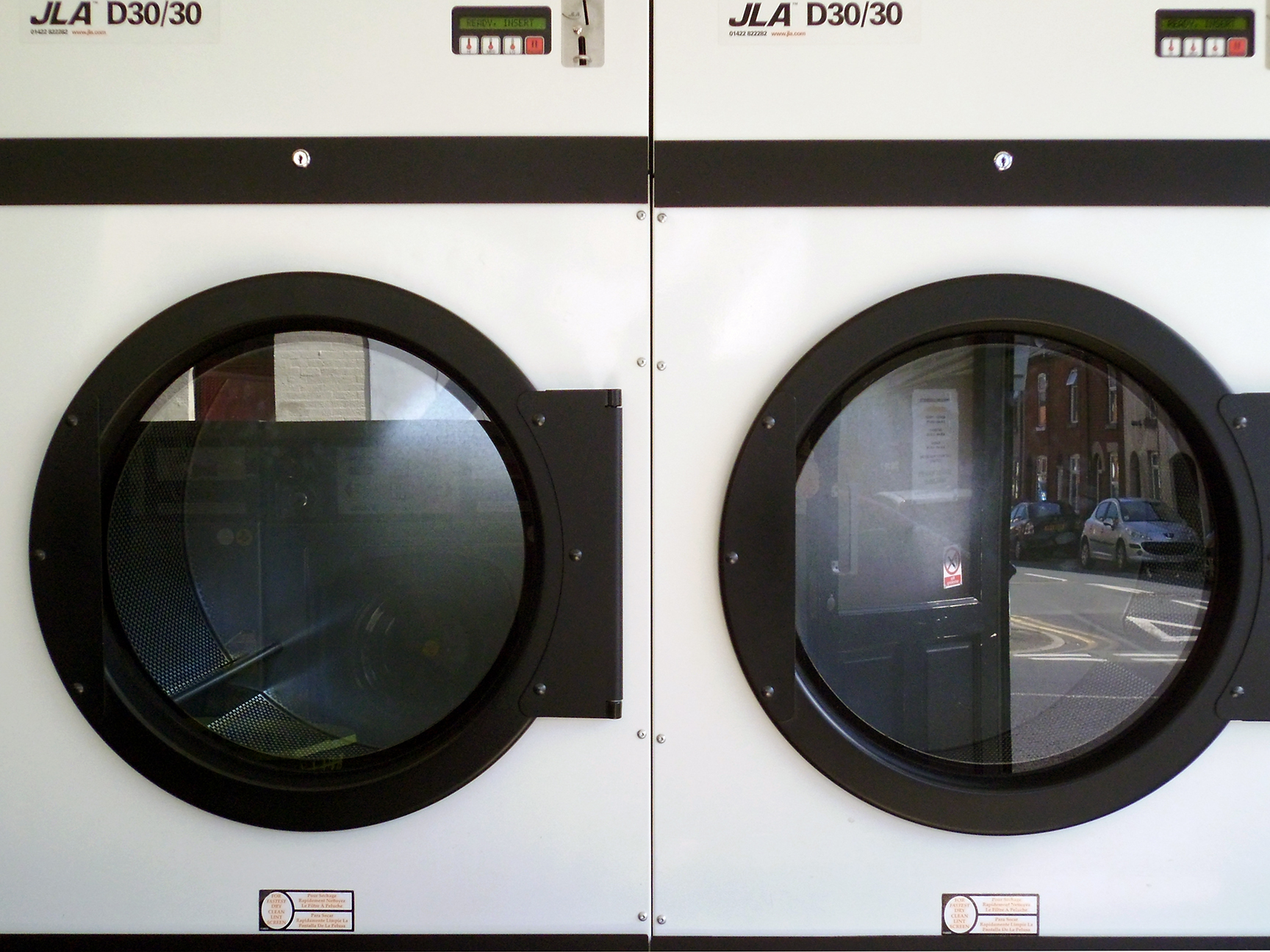
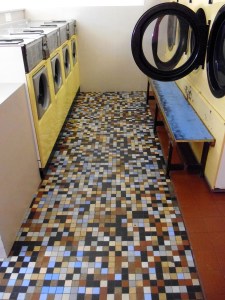
One lone drier tumbling, lonely – an absence of presence, save myself.
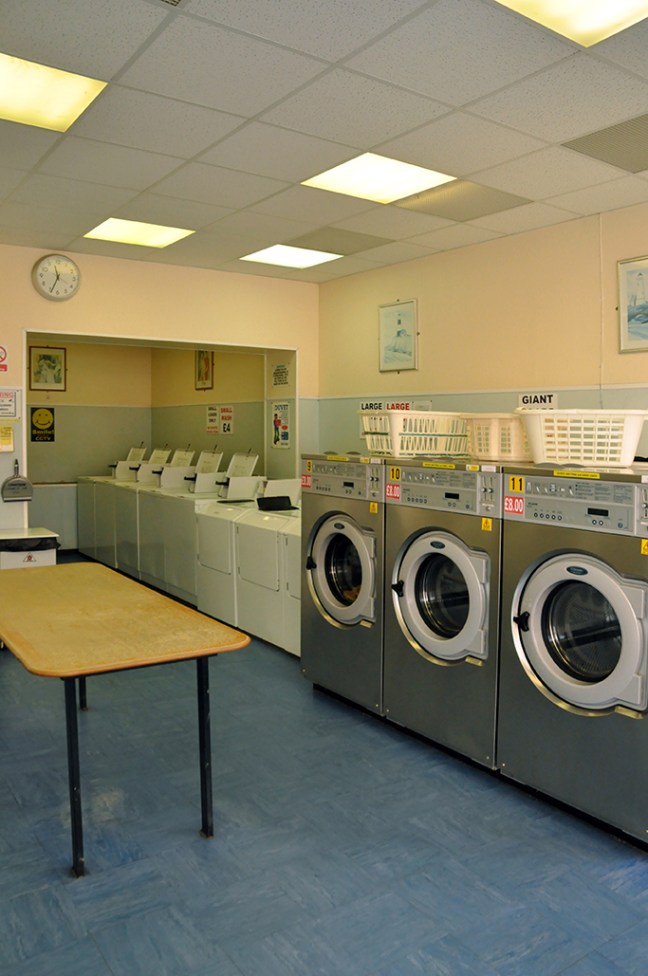
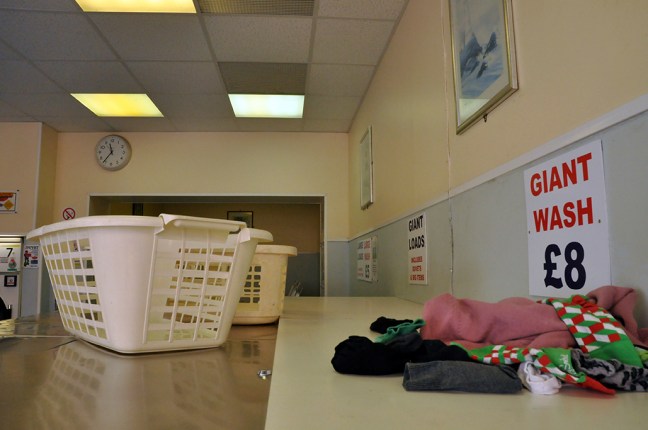
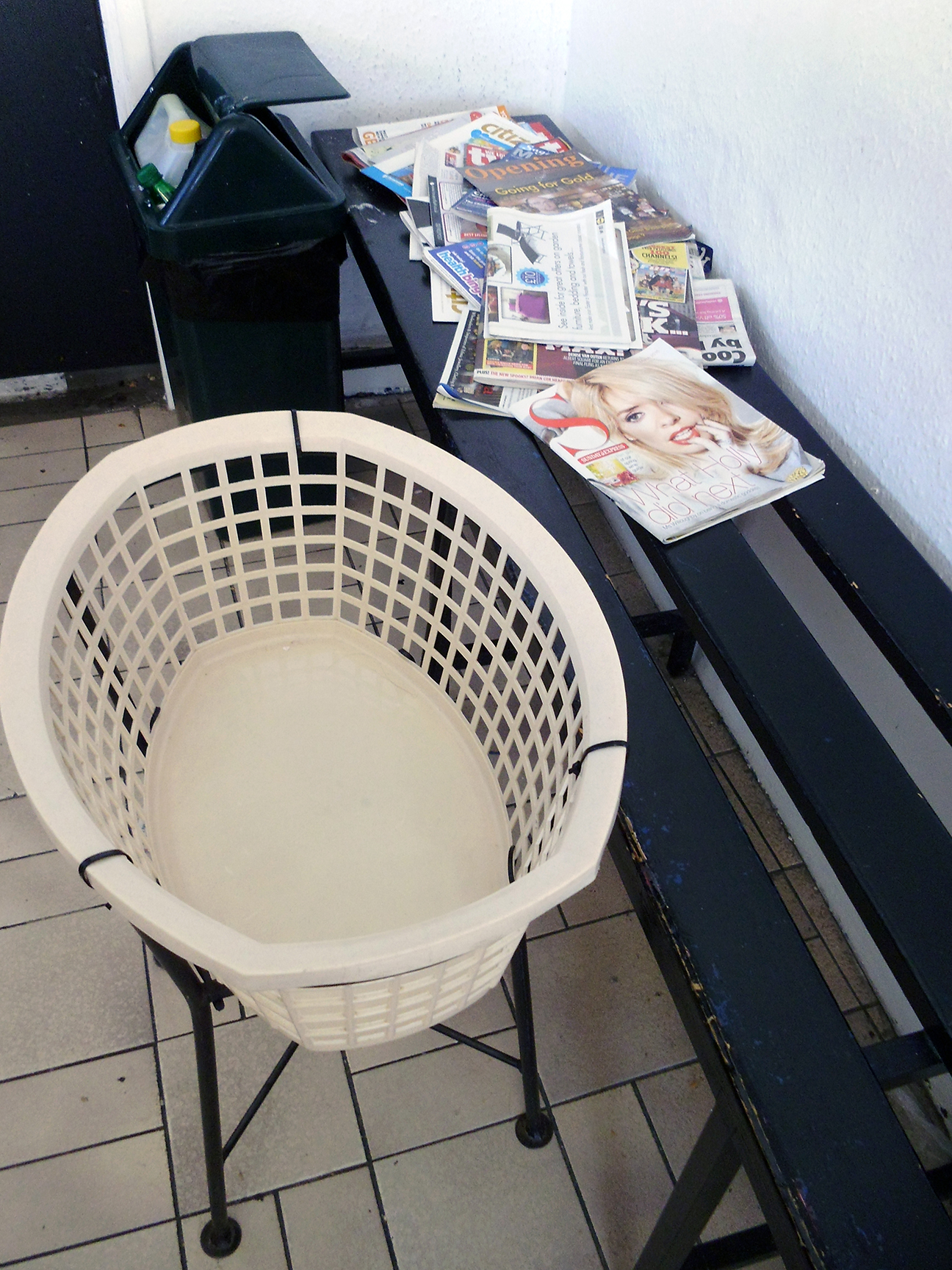
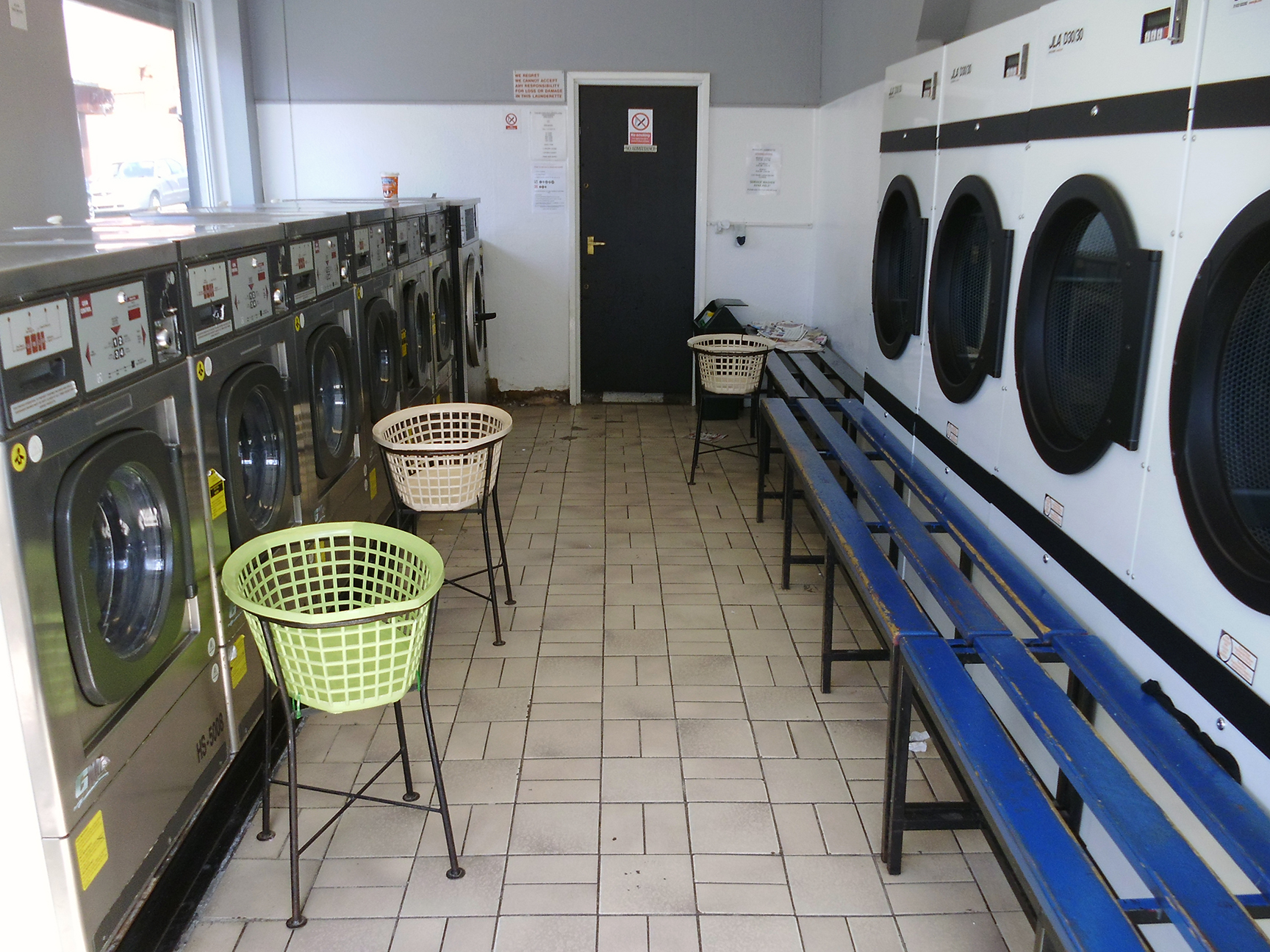
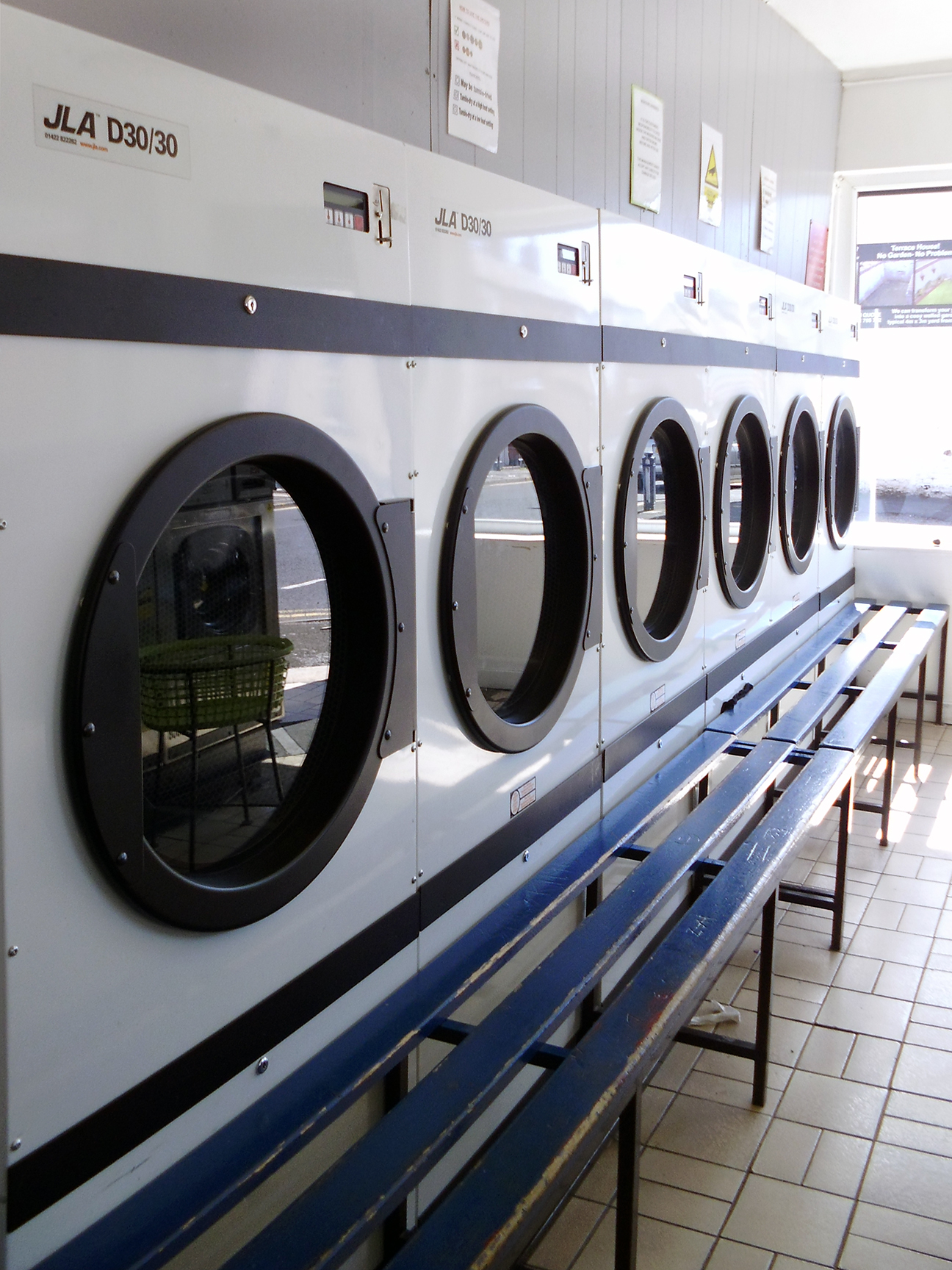
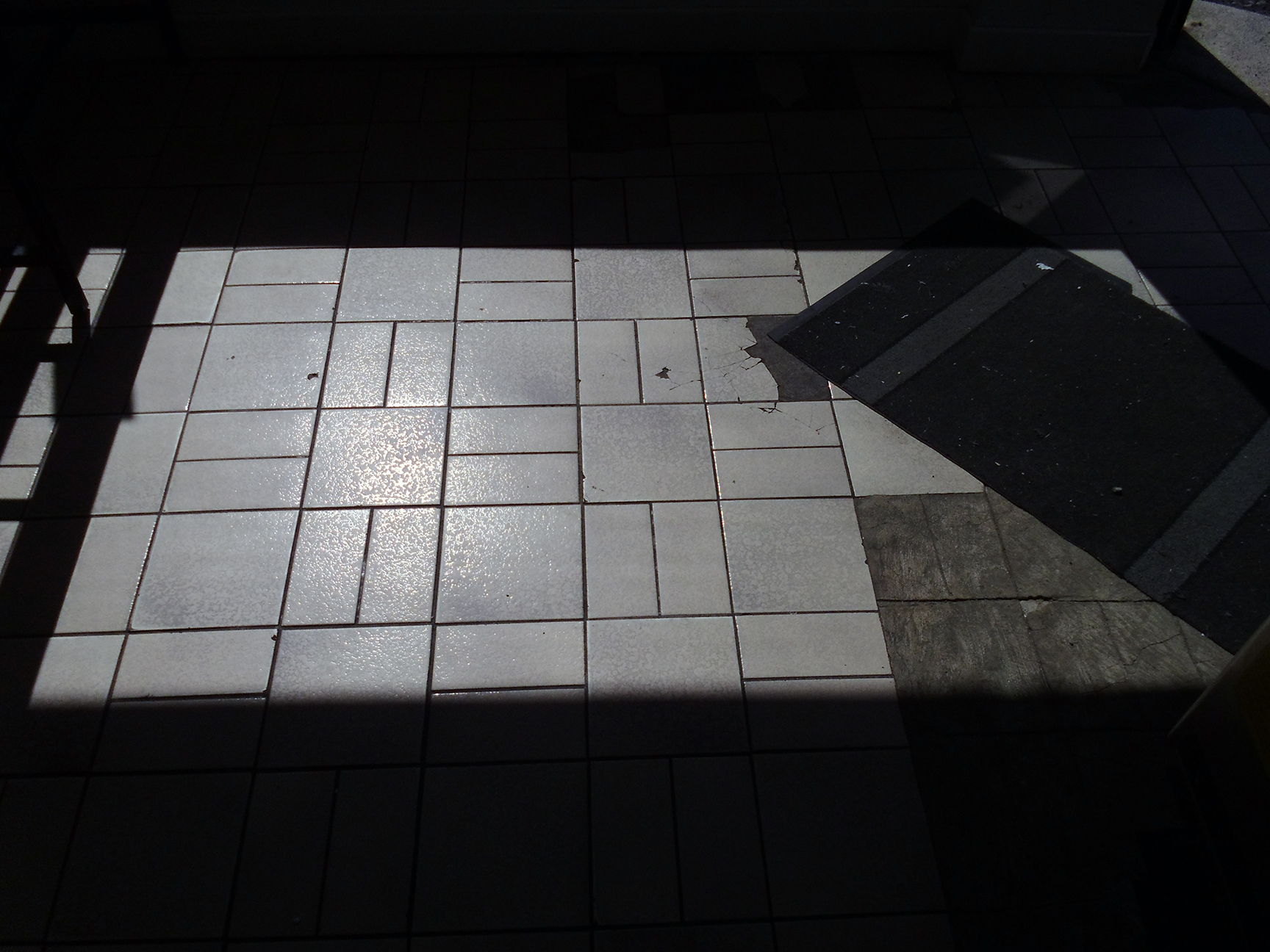
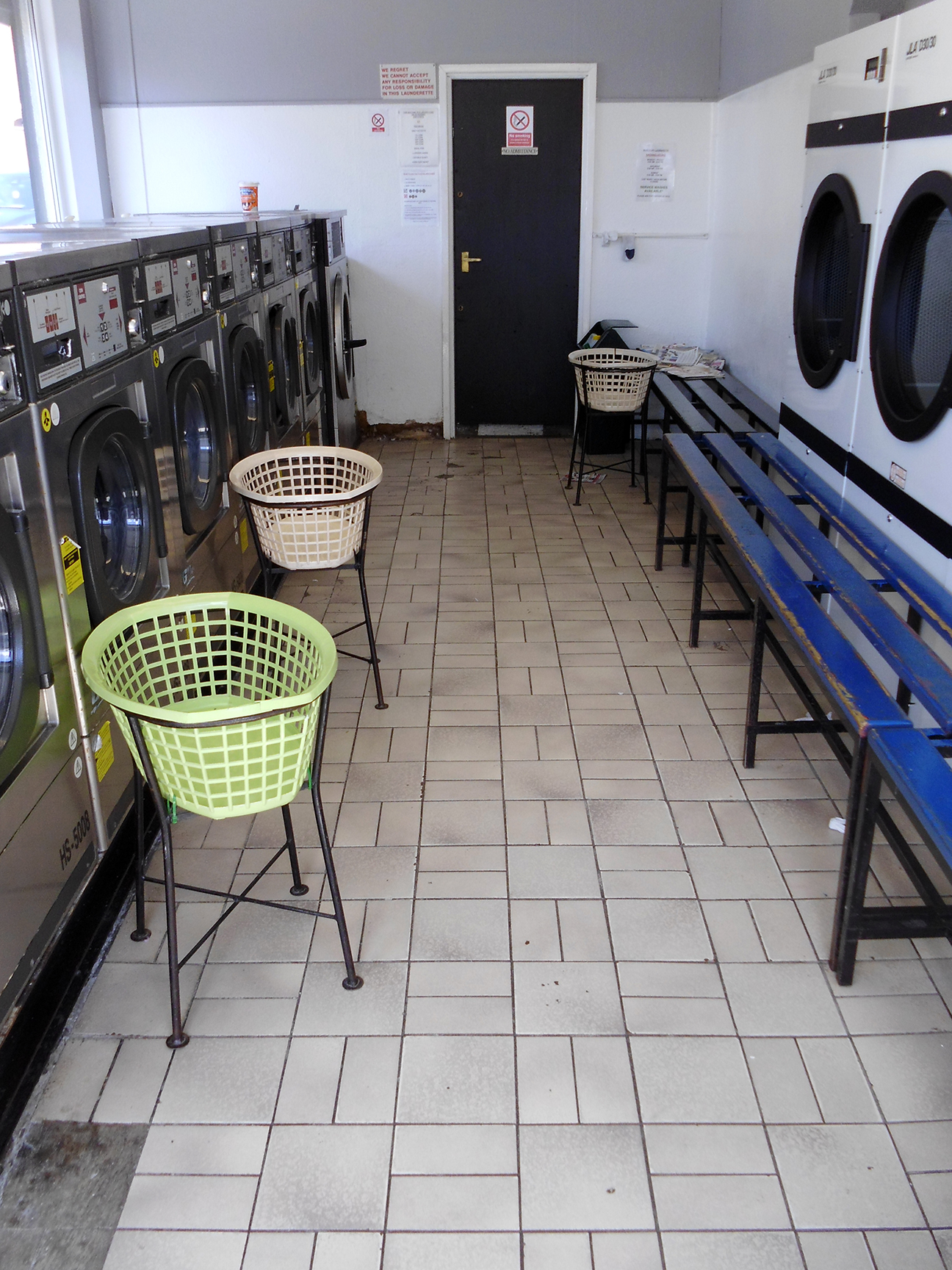
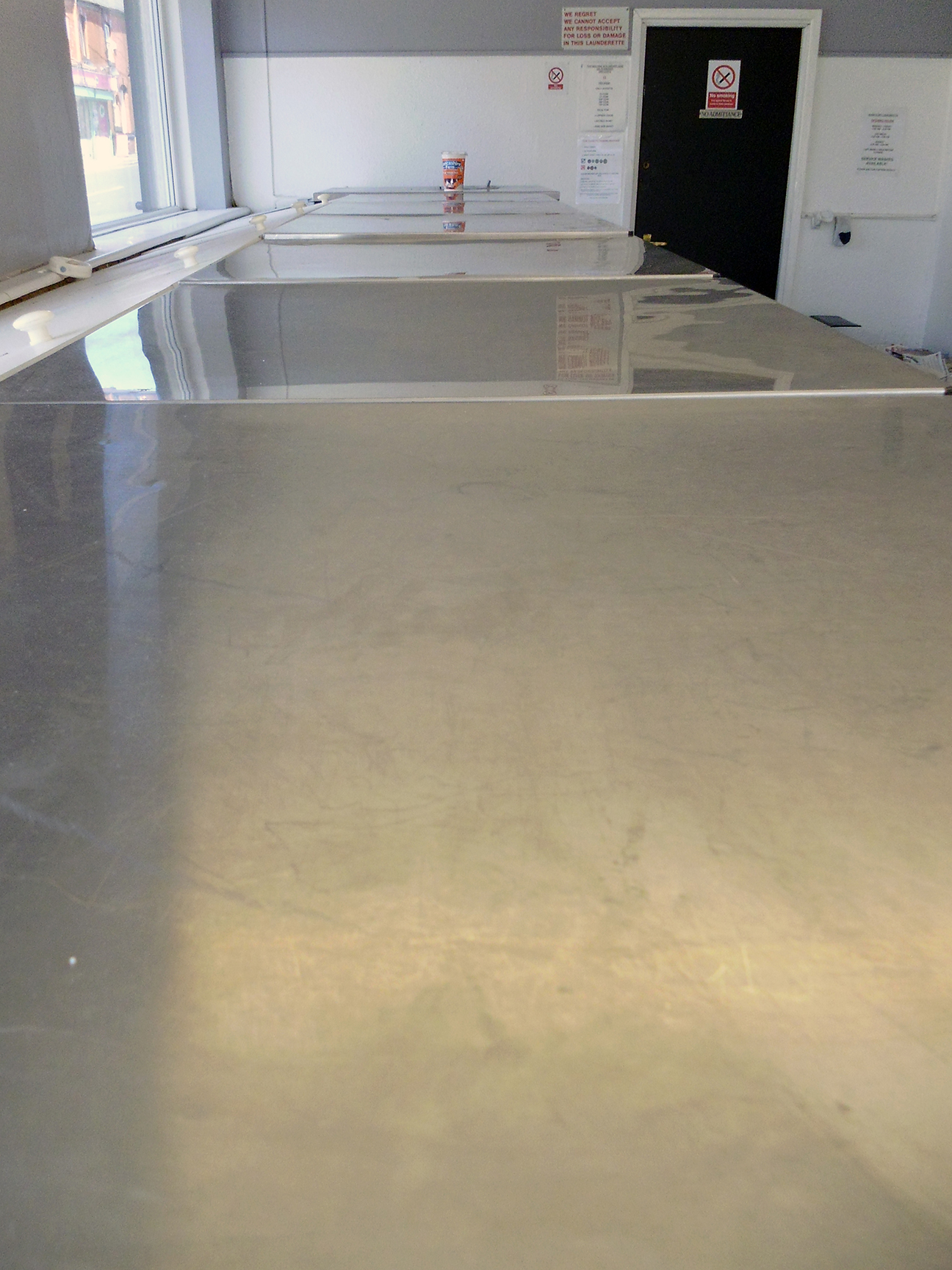
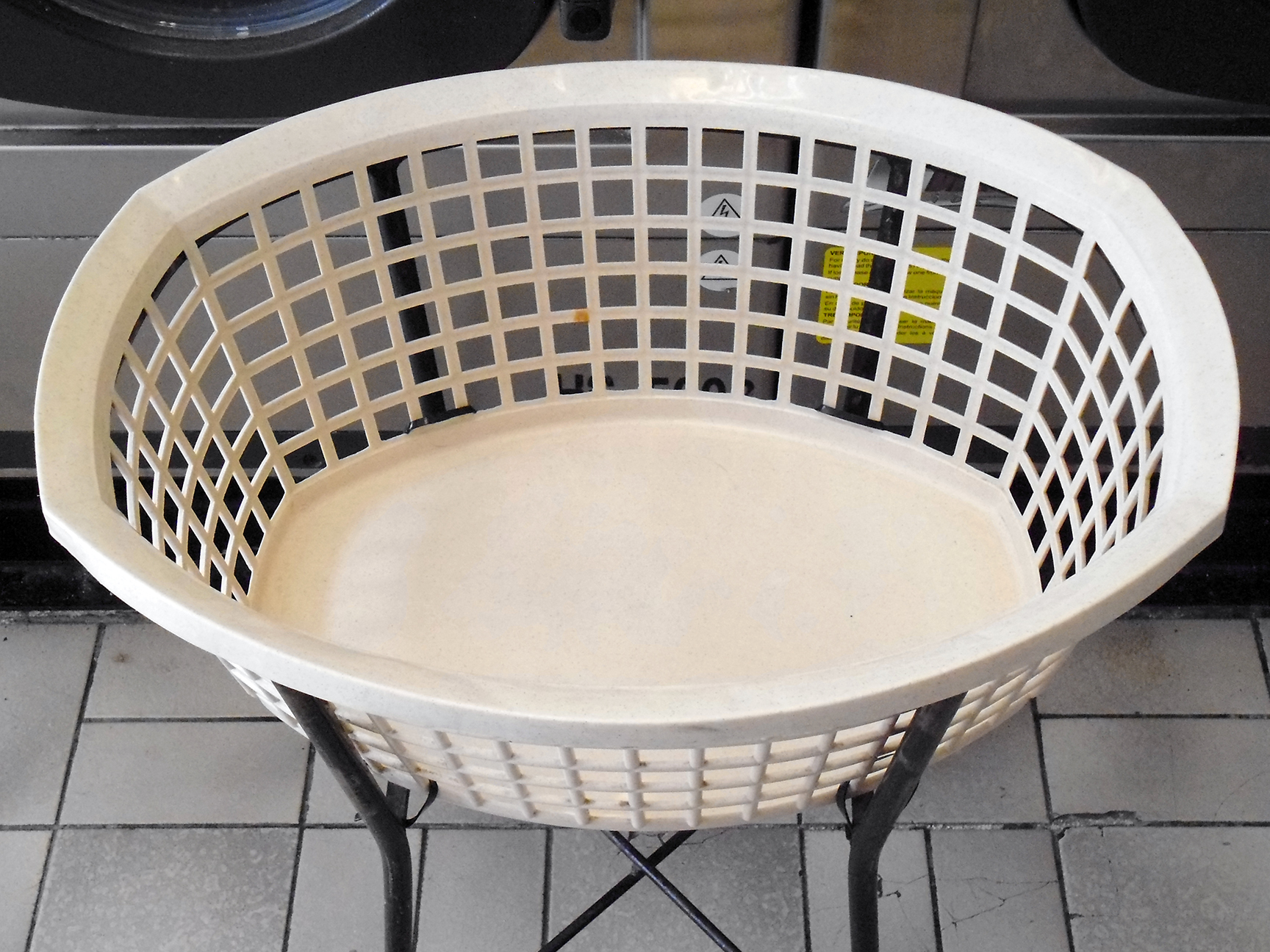
The usual spartan interior almost unkempt, enlivened by four legged, almost alien, ovalish plastic laundry baskets. A sunlit shimmer of brushed steel surfaces, low lit and deeply shadowed linoleum tiles.
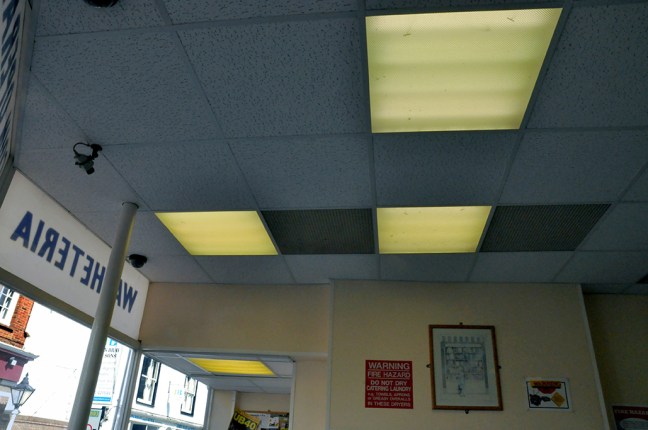
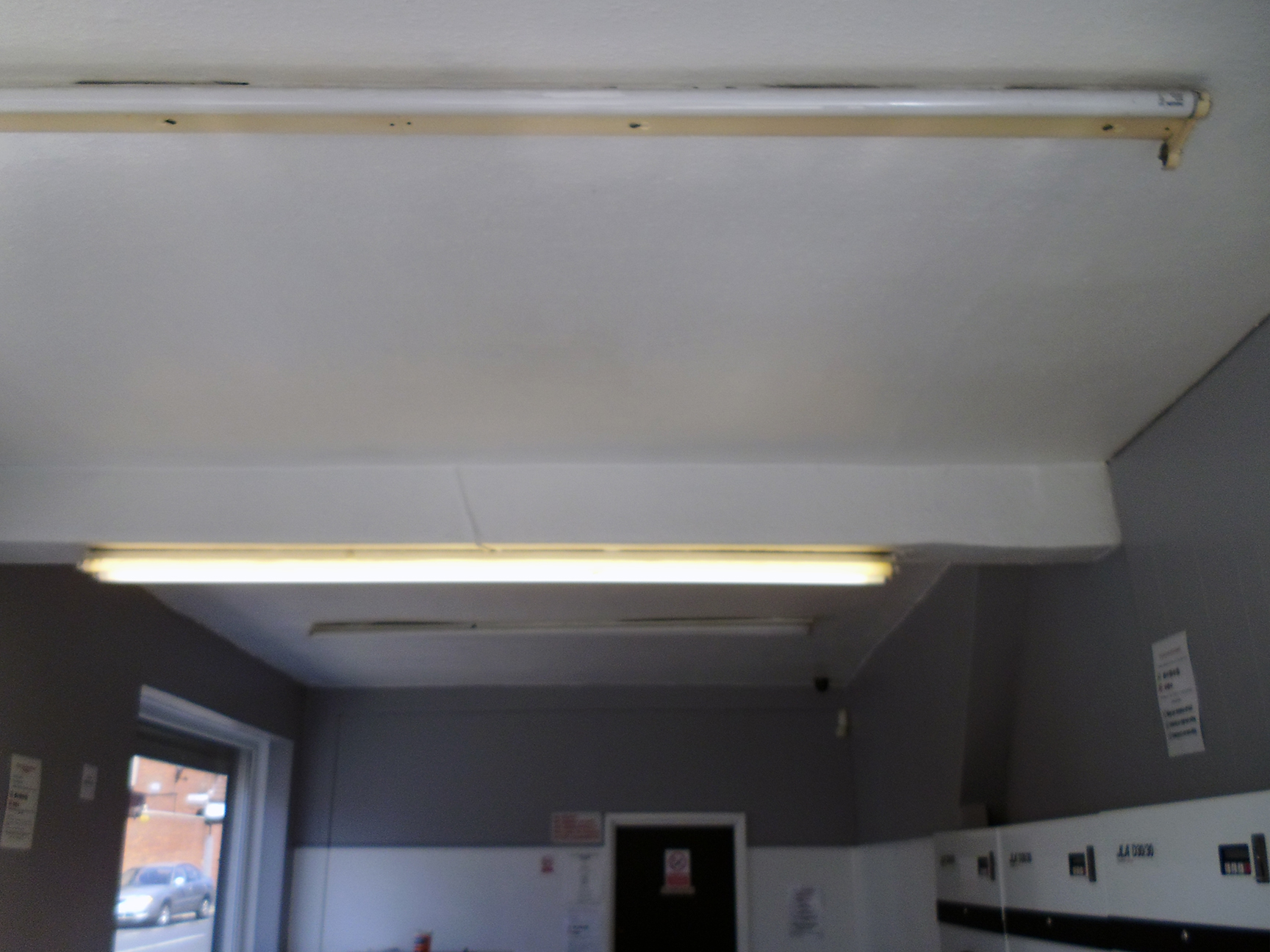
Under the illuminating hum of bare fluorescent tubes.
Friday afternoon, clouds gather along a long walk from the Leeds city centre, following an unforgivingly long dual carriageway, not without its hard won charm, we reached the Garden Gate.
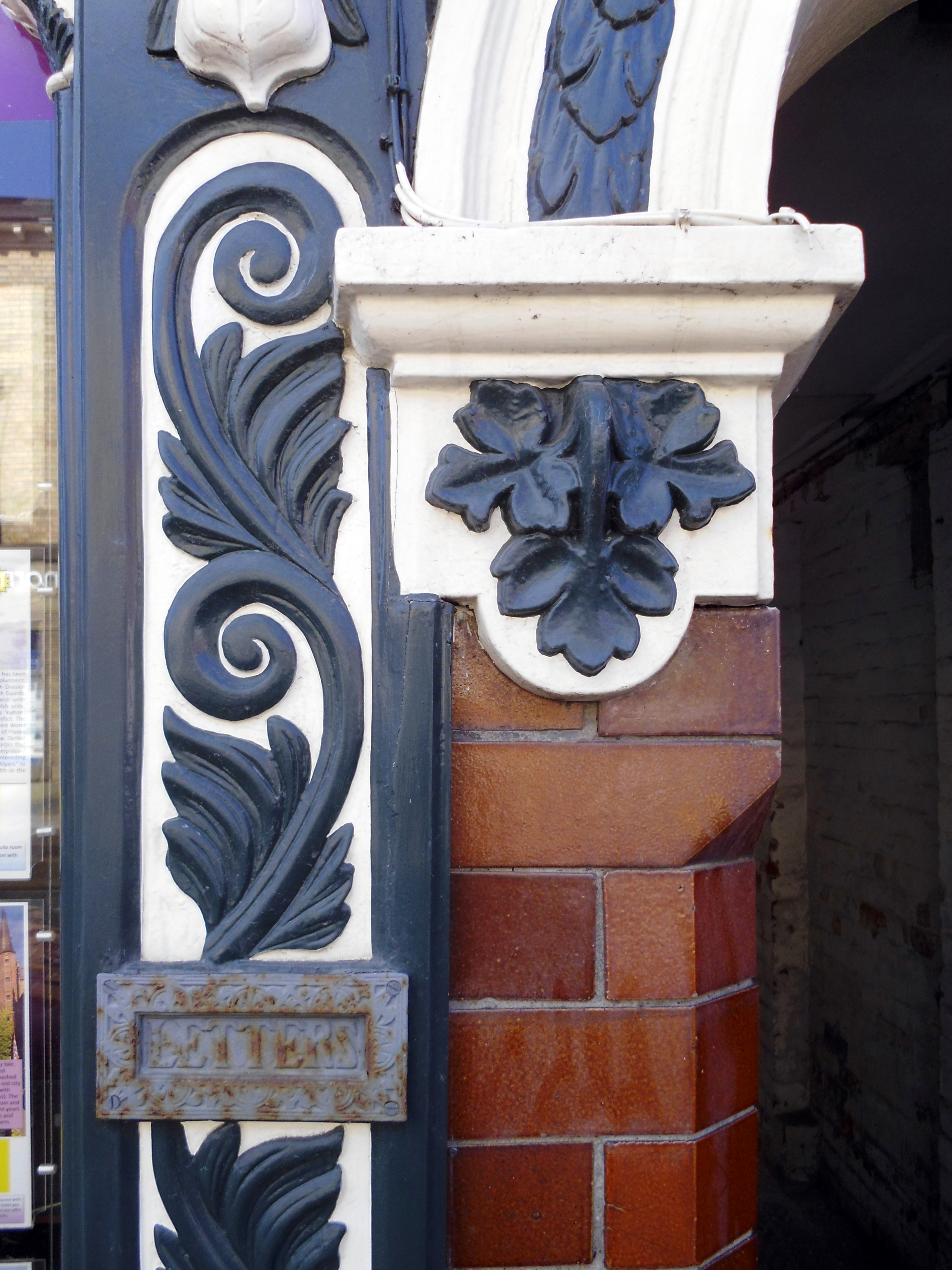
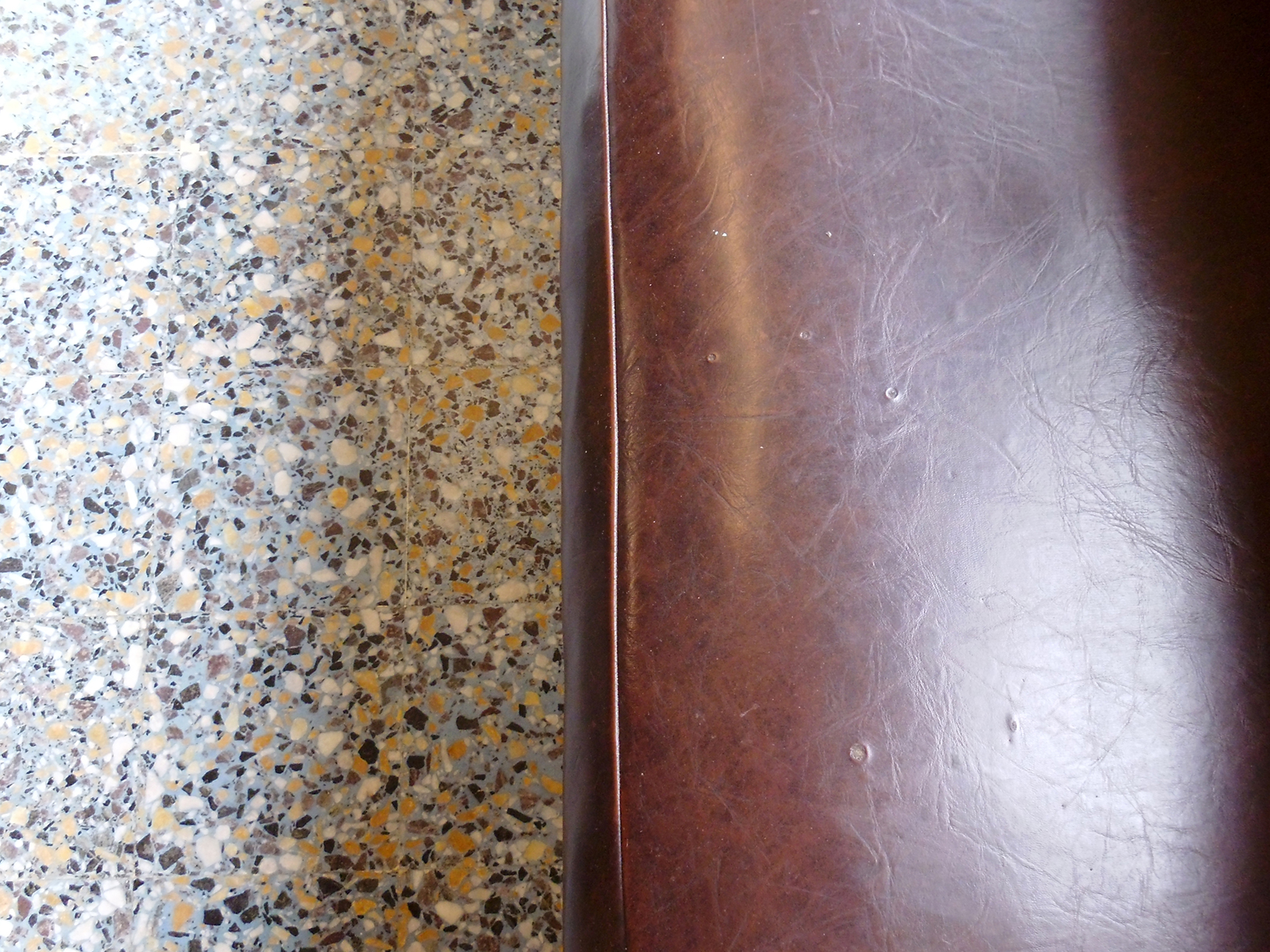
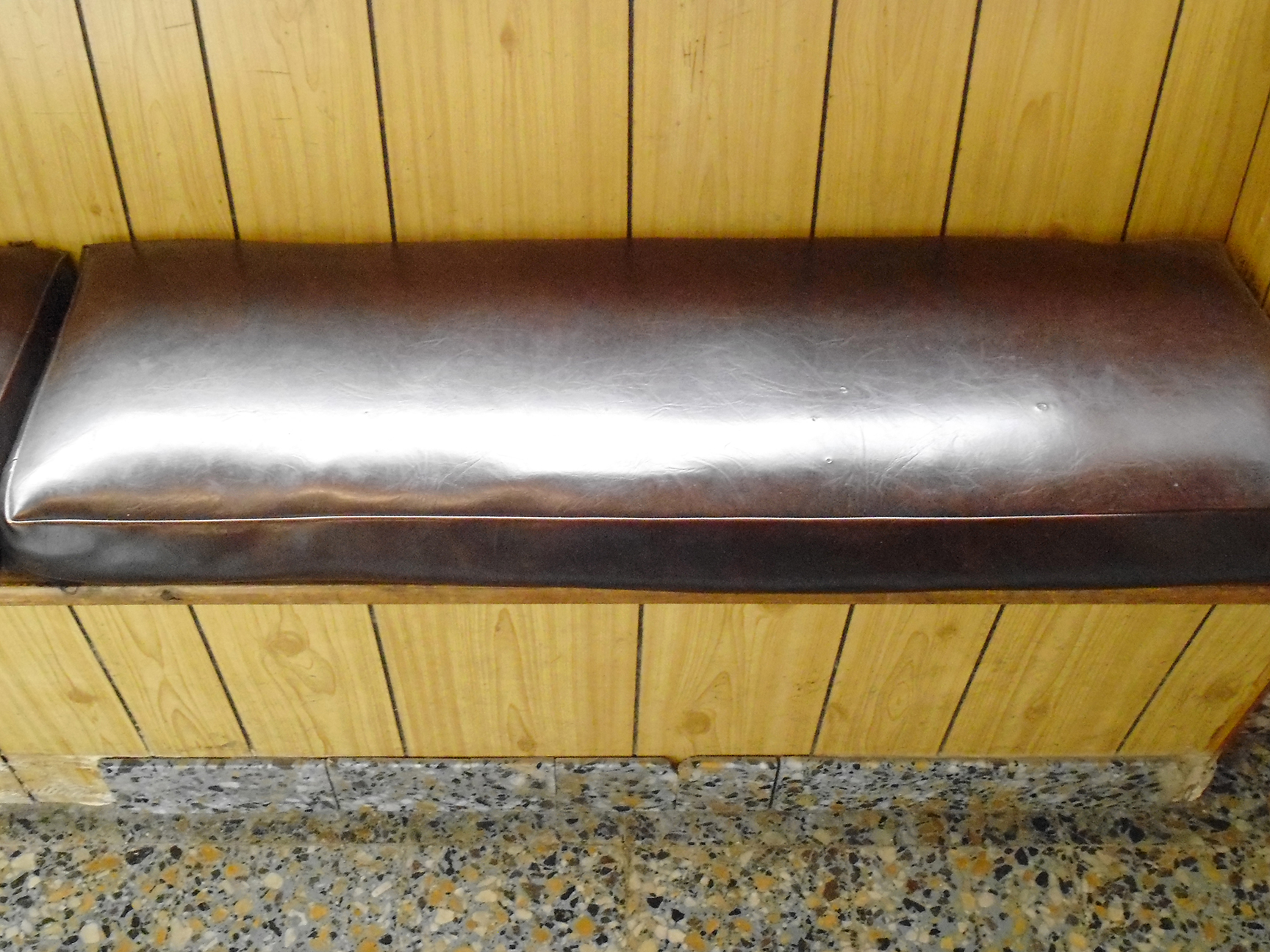
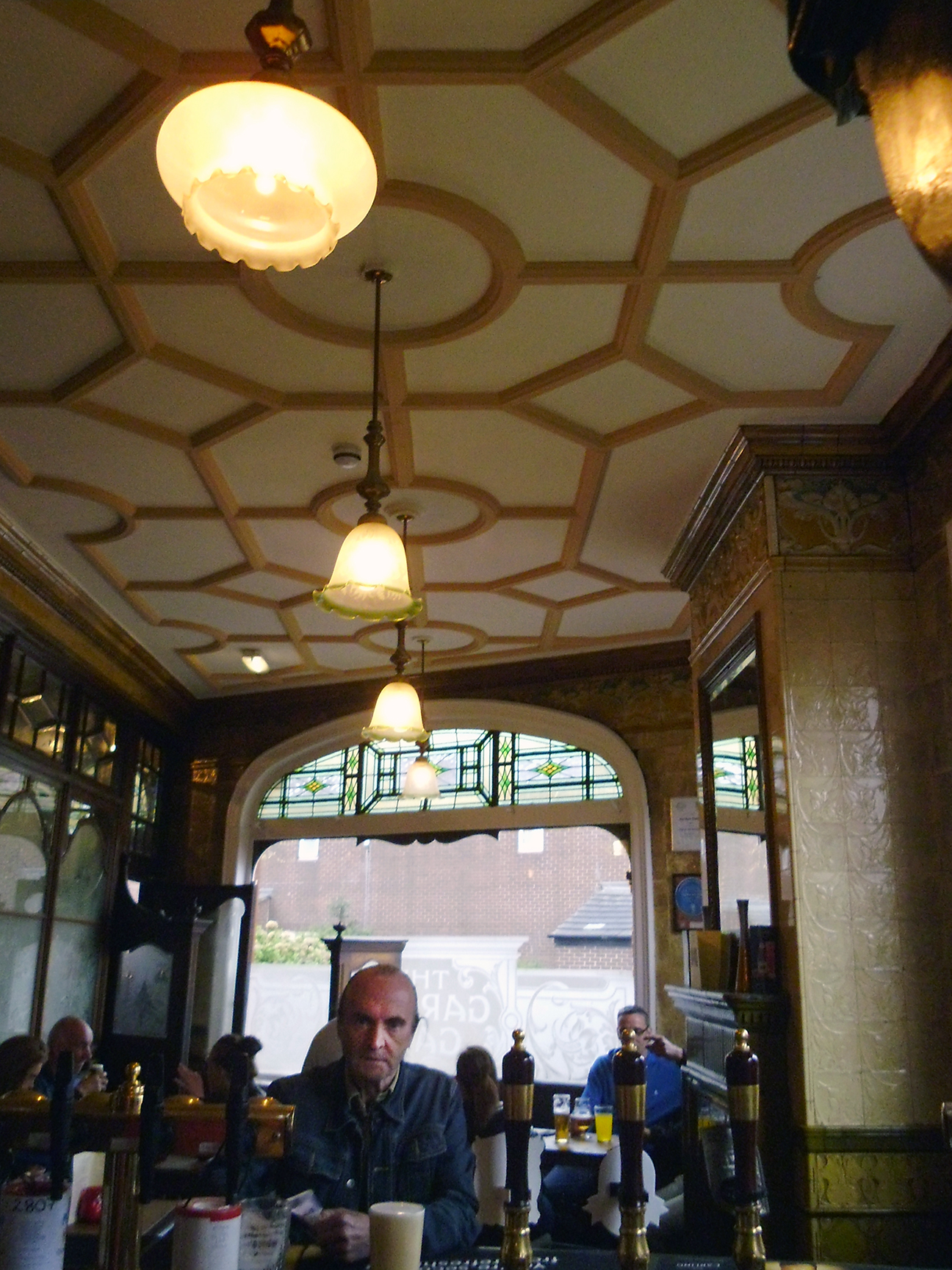
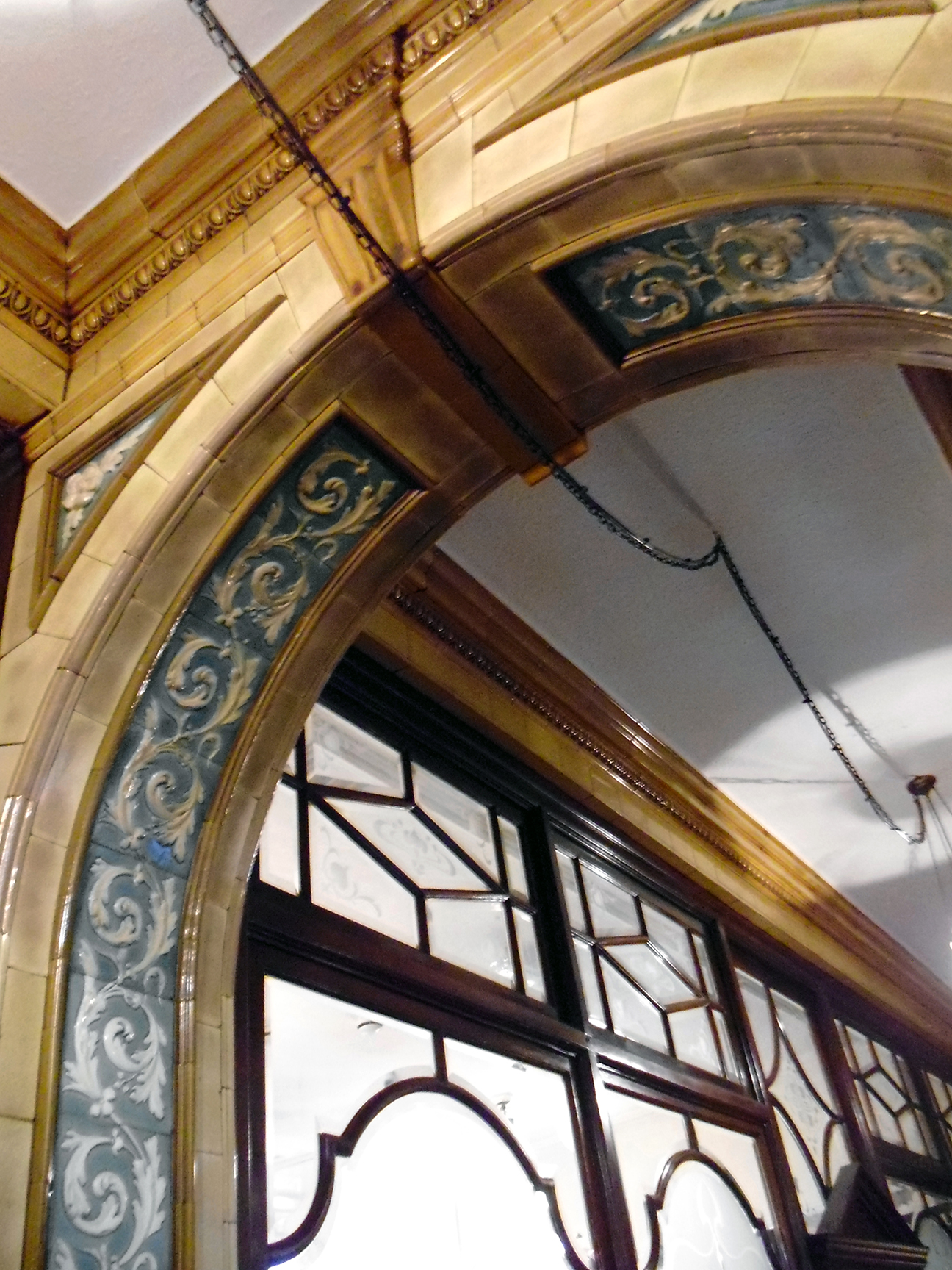
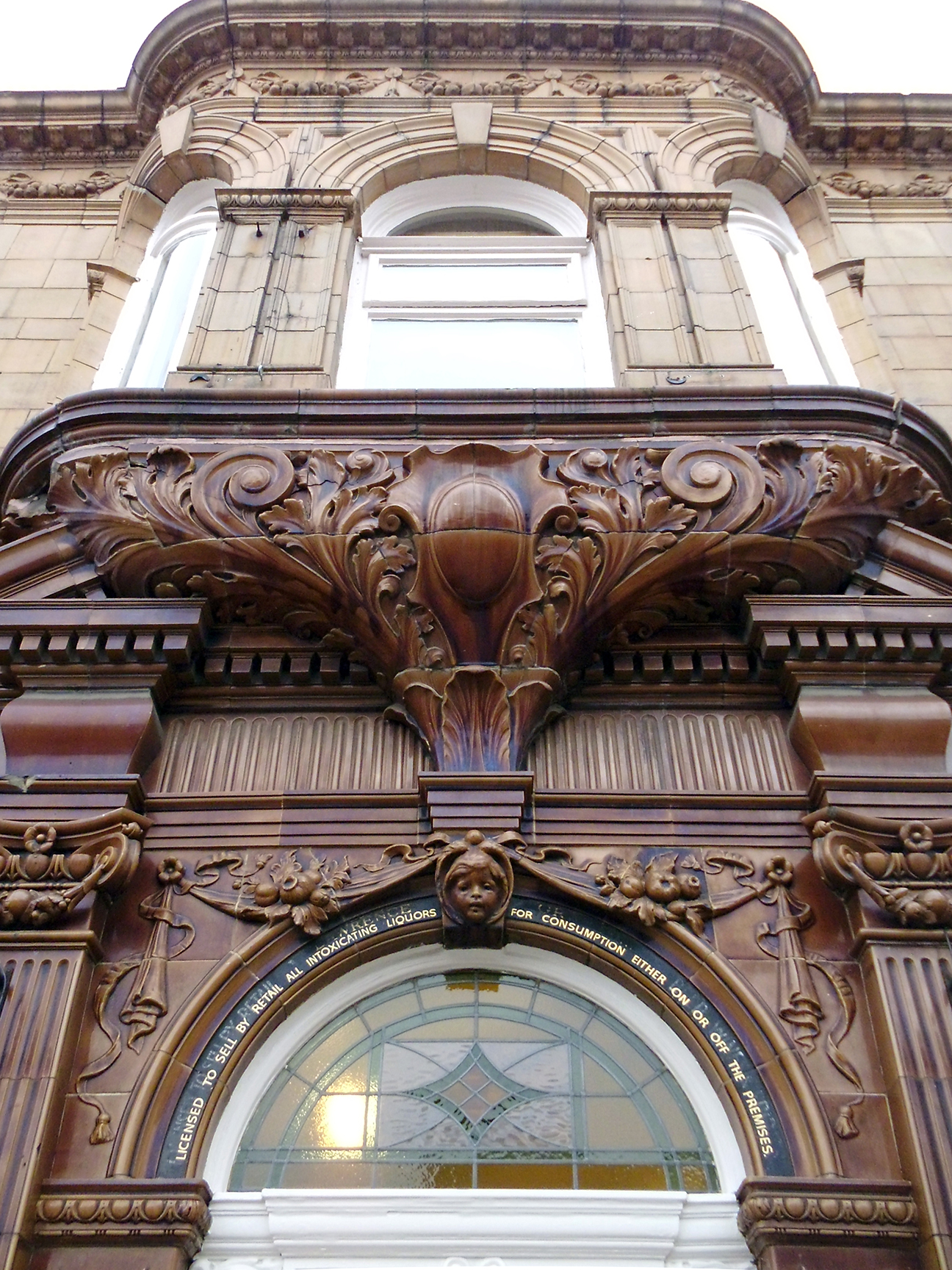
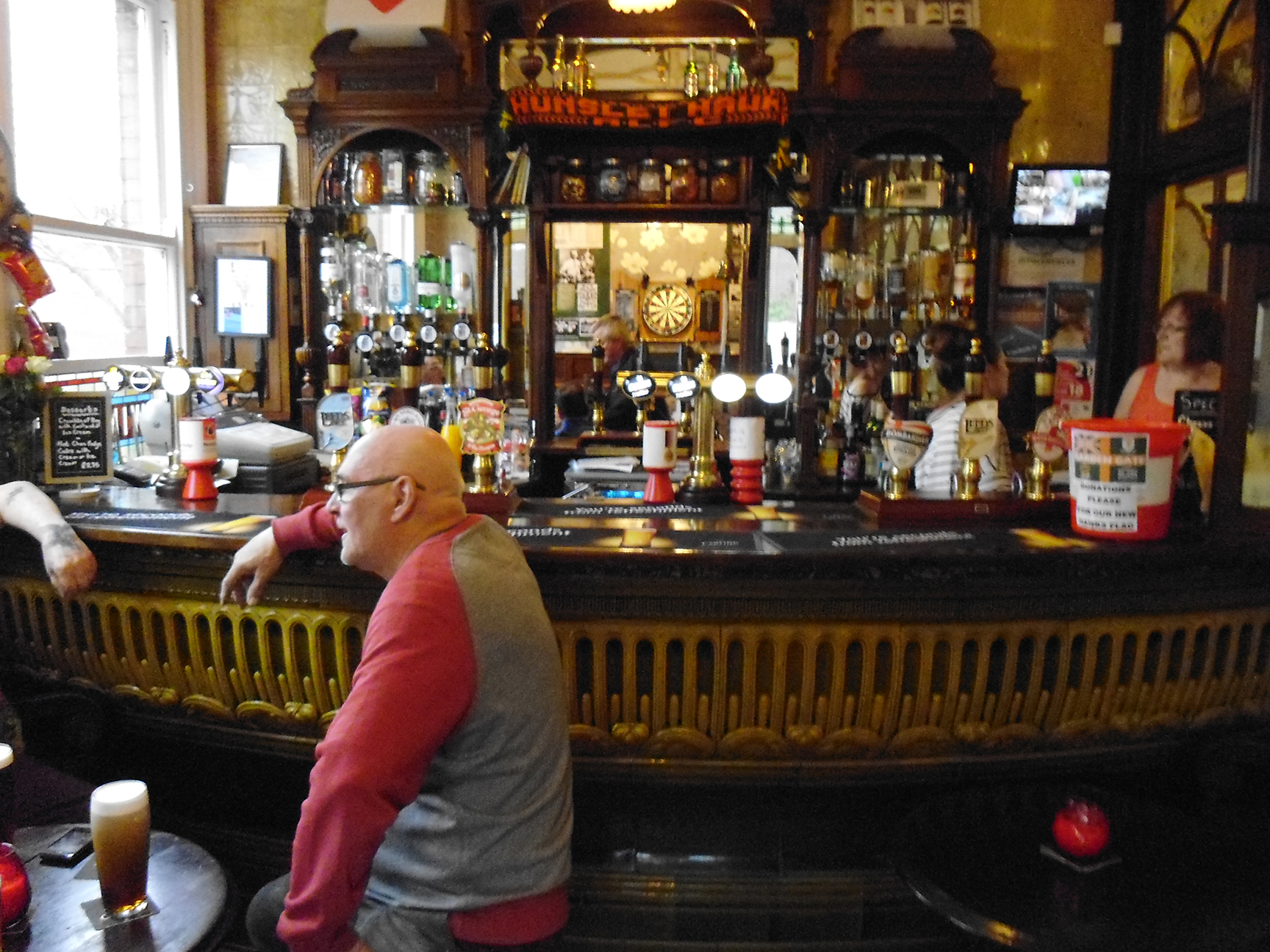
A Tetley Heritage pub the most beautiful in Yorkshire, clad in warm glazed ceramics of the highest decorative order, a terrazzo porch and open door welcomes the weary walker.
Ready for a pint?
Leeds Pale Ale £2.60 a pop and a fine drop it is too, why not stay and have another!
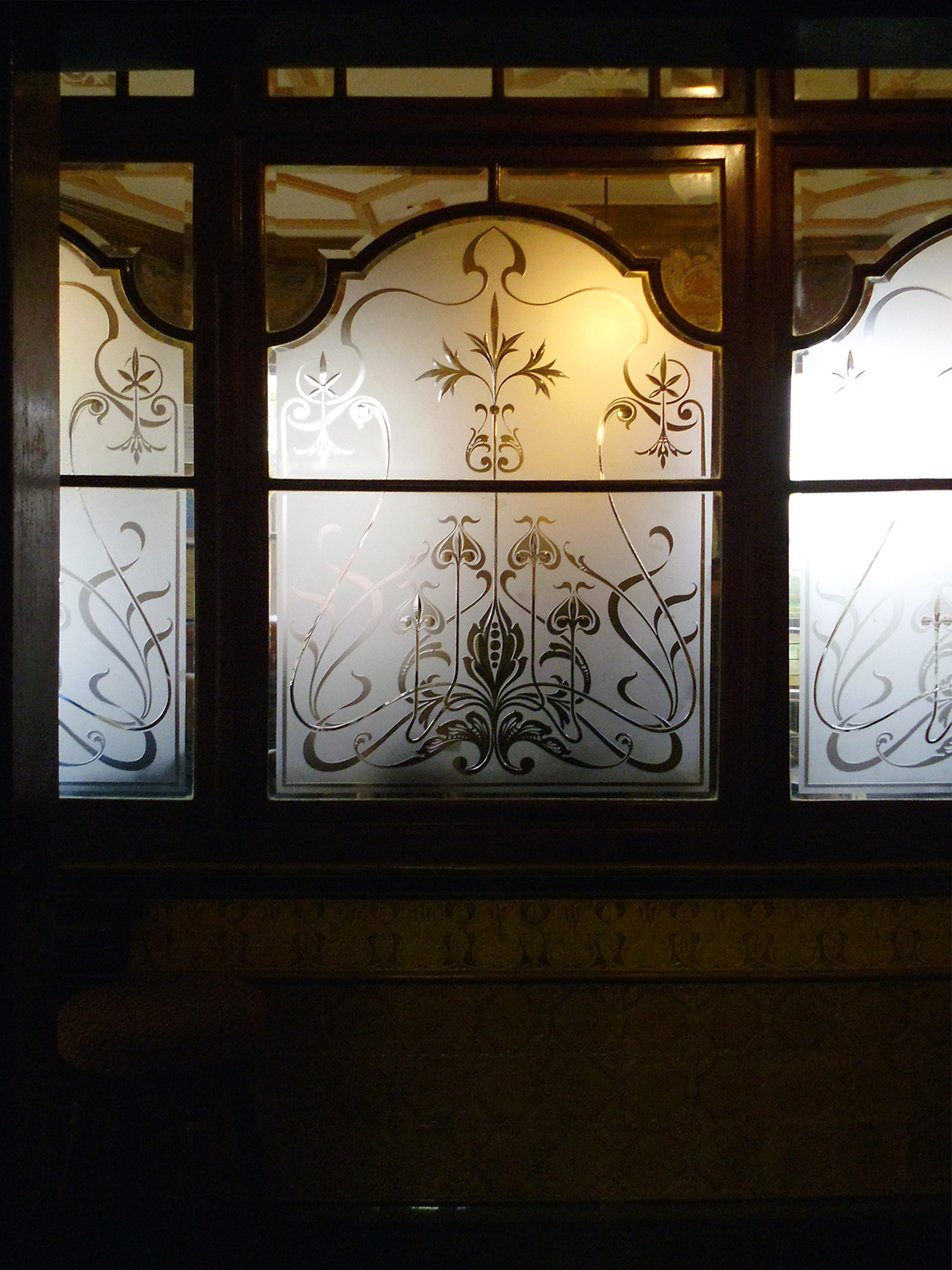
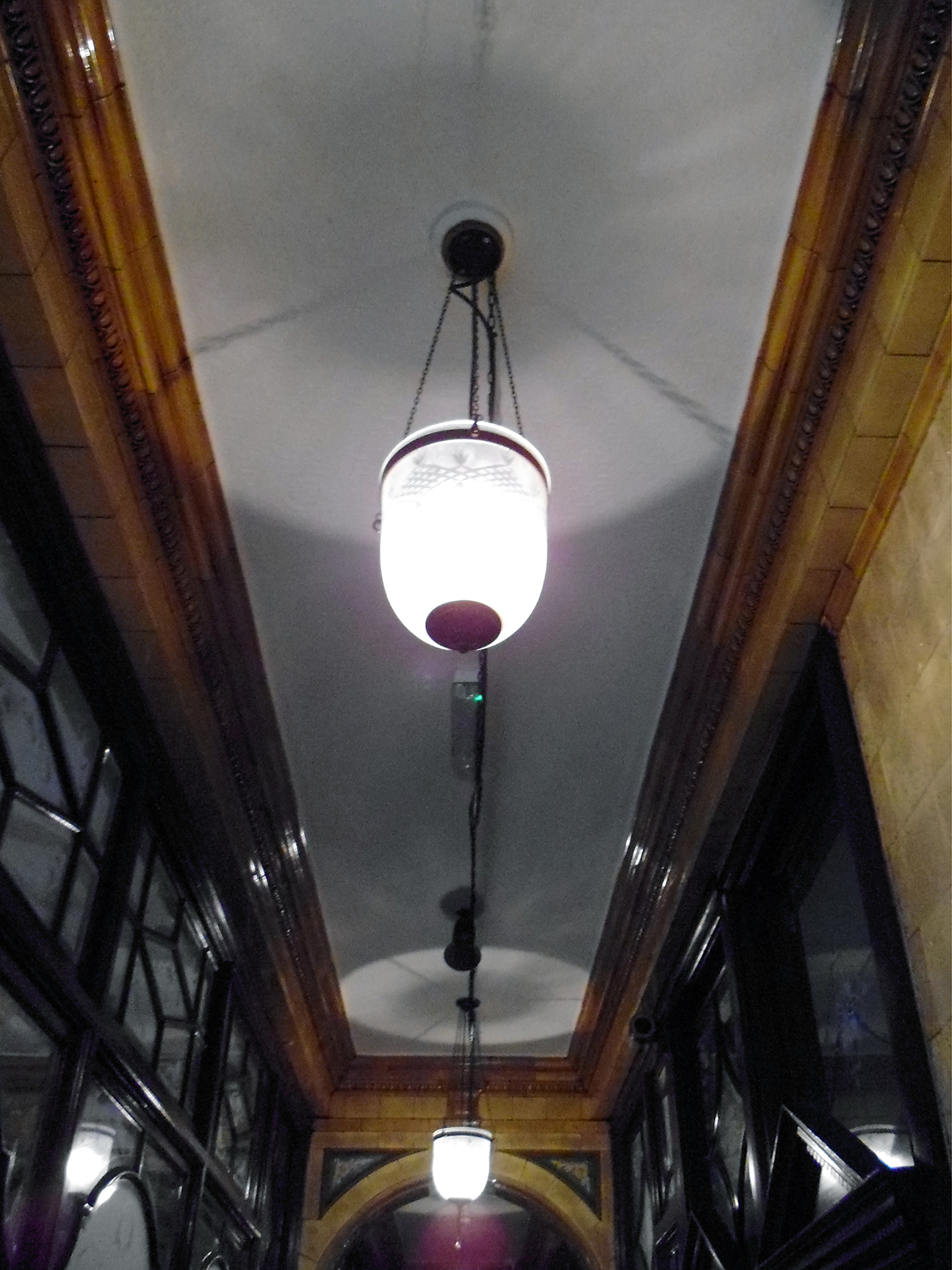
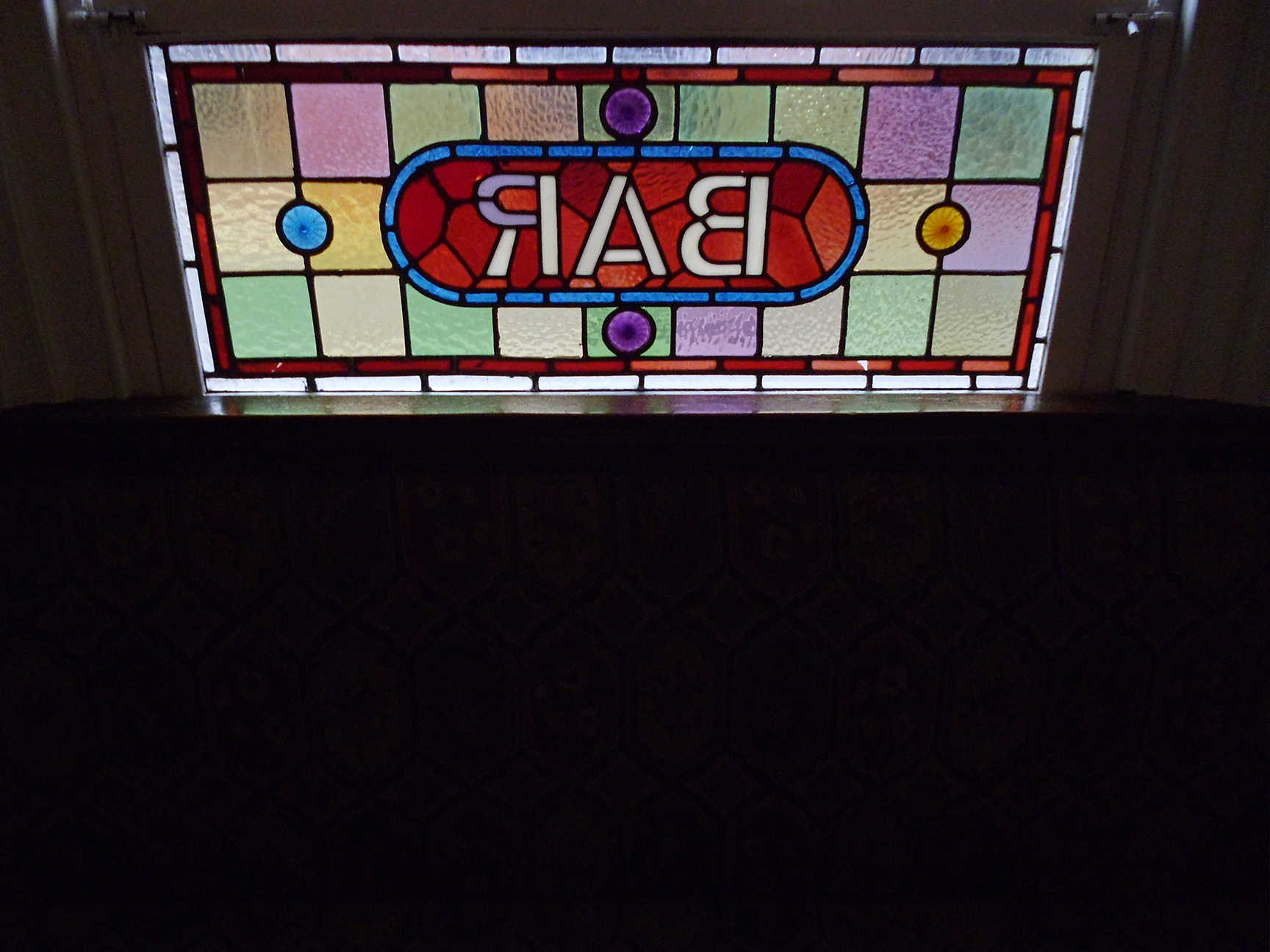
The interior arrangement of rooms cluster around a fine tiled bar, linked by corridors, clad in curved wood and large etched windows, lit with the original fittings – all in an intoxicating Nouveau style.
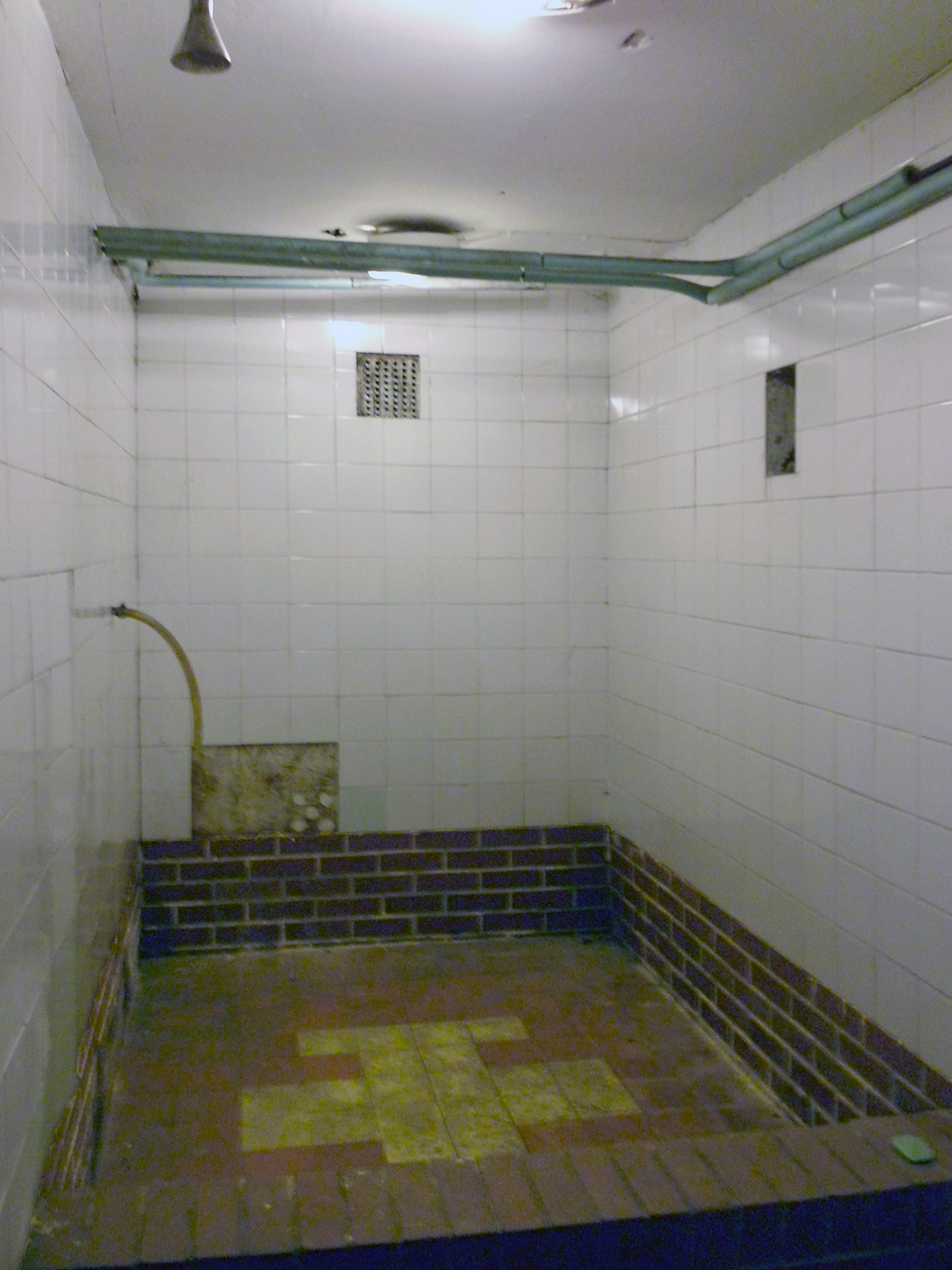
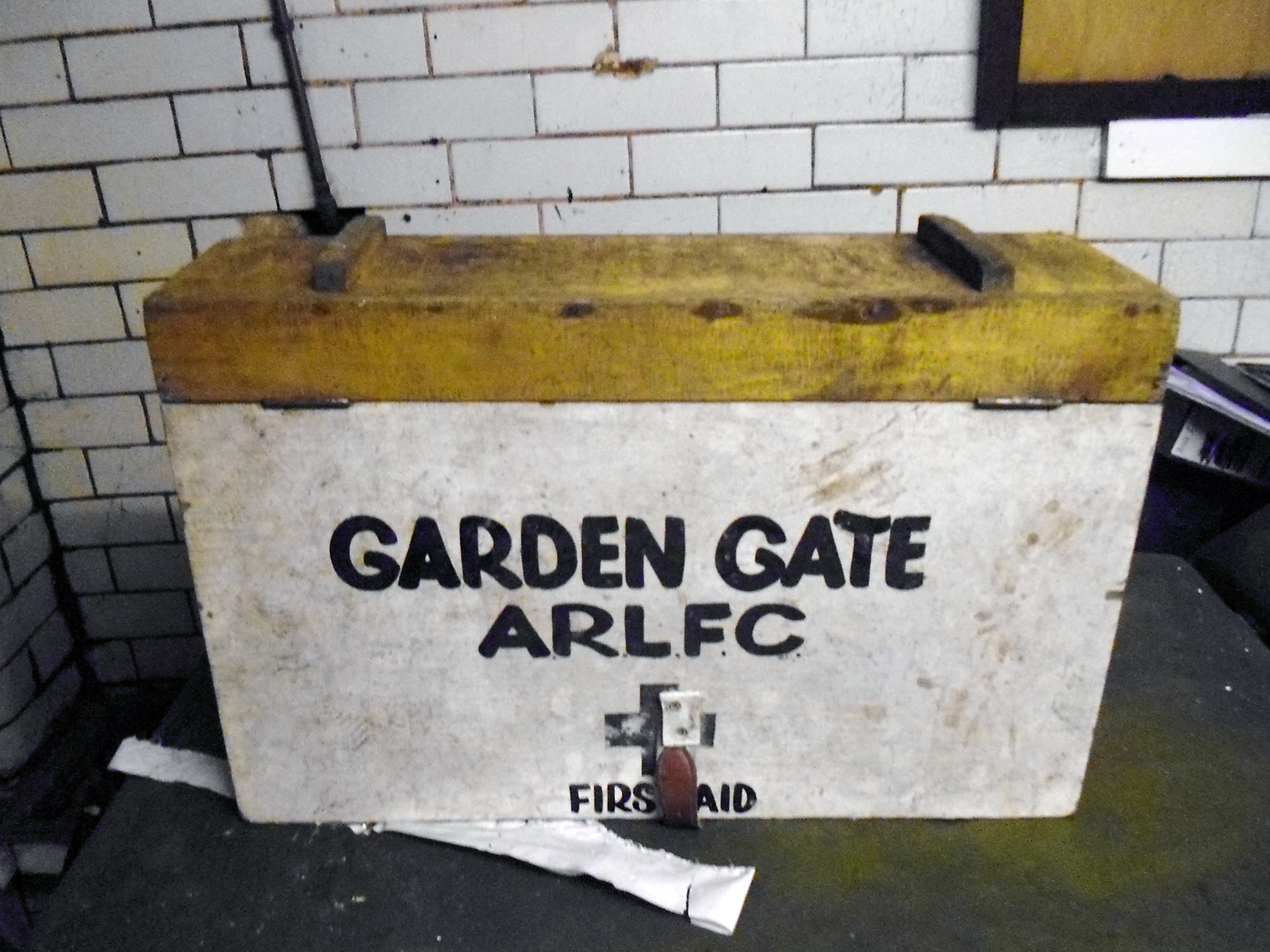
The cellar is lined in heavy glazed white brick and retains its rugby league history with extant showers and physio room, former home of the Garden Gate ARLFC – it says so on the first aid kit.
A thinned bar of green soap rests on the side of the long-dry bath.
The staff and customers were warm, chatty and informative – my thanks for their generous hospitality.
Its worth the walk.
My thanks to Ms. Natalie Ainscough for her cheery company, innate sense of direction and can do attitude.
Wandering amiably down Whalley Old Road towards Blackburn one warm sunny day today, I came upon yet another launderette.
Somehow, somewhat frozen in time.
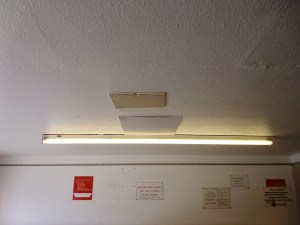
Front window cracked, but just about holding together, signage almost intact, machines formerly fully functioning – flagging, fluorescent tubes softly flickering, unguarded against the wood chip.
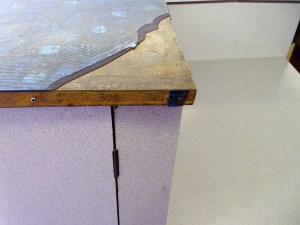
Patterned formica surfaces care worn and faded from use and abuse.
Washing done at home takes longer to dry (and costs you more).
There have been covered markets to the east of Manchester for many years, those on Grey Mare Lane have now gone, in fact Grey Mare Lane has almost gone, absorbed into a very different and very privatised urban redevelopment. That area of the city is now largely owned by Mansour bin Zayed bin Sultan bin Zayed bin Khalifa Al Nahyan, commonly known as Sheikh Mansour.
He also owns City.
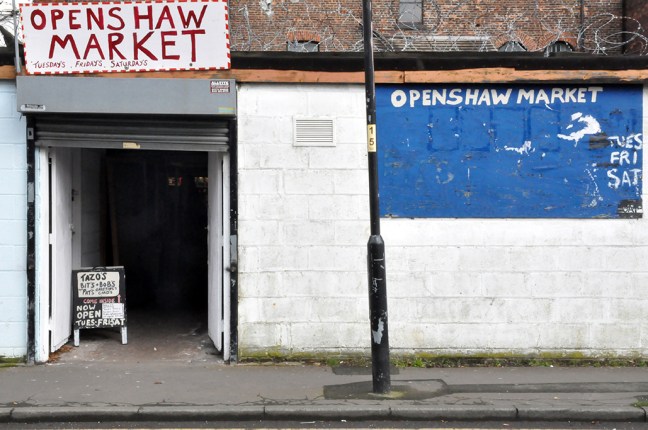
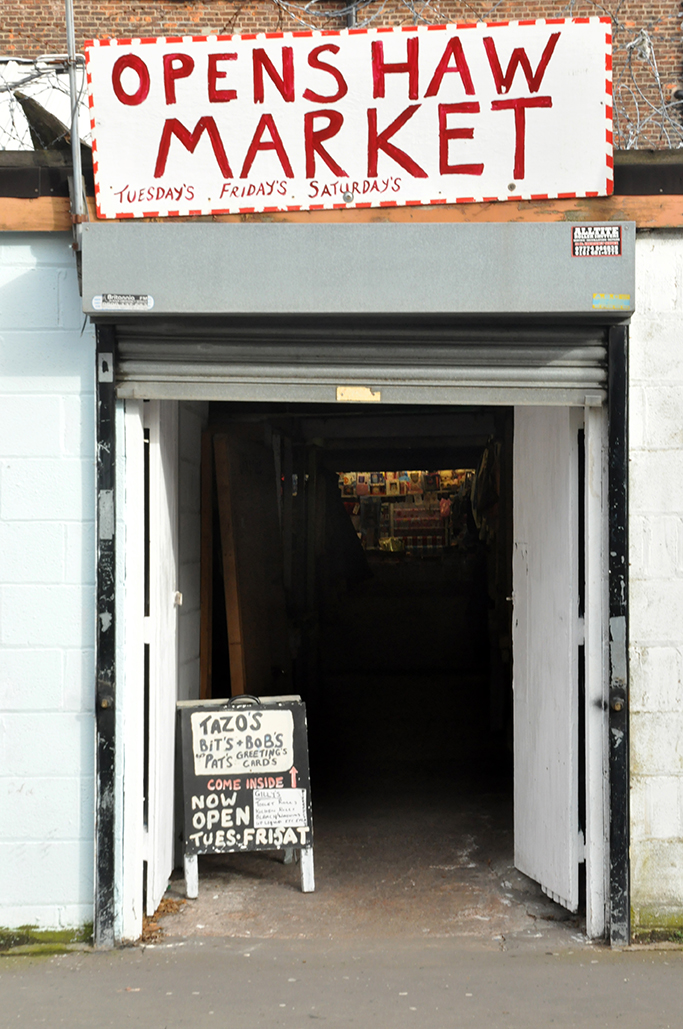
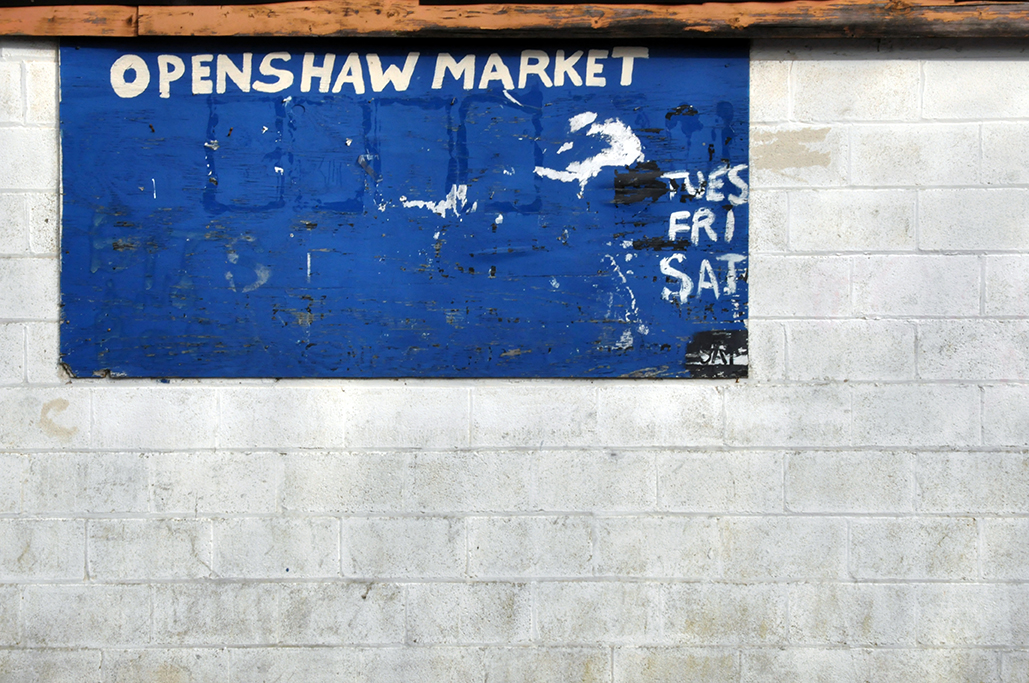
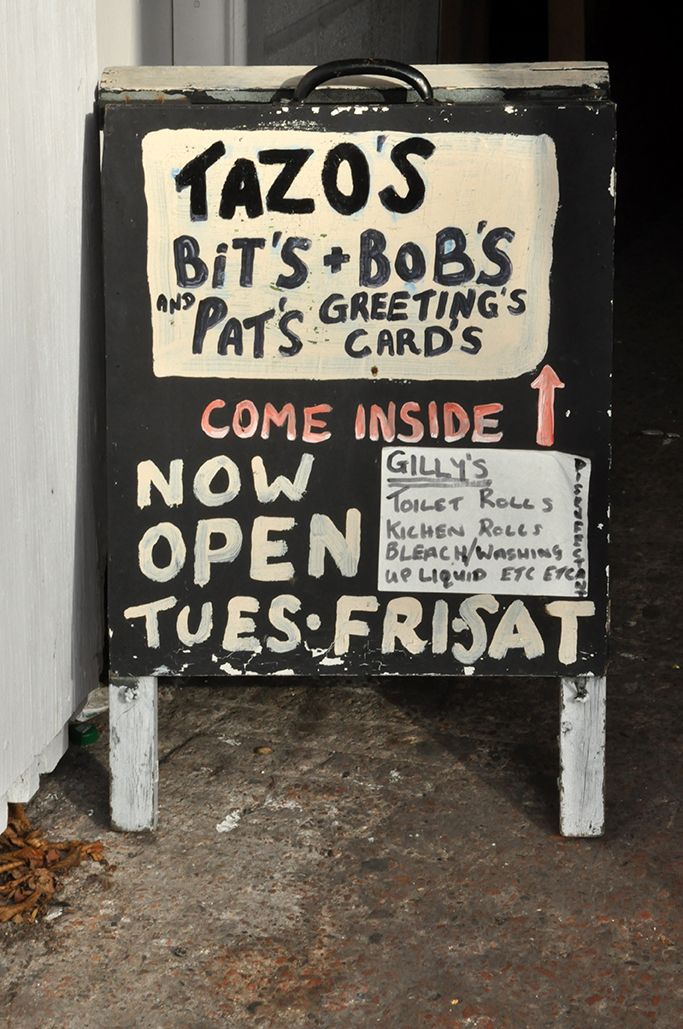
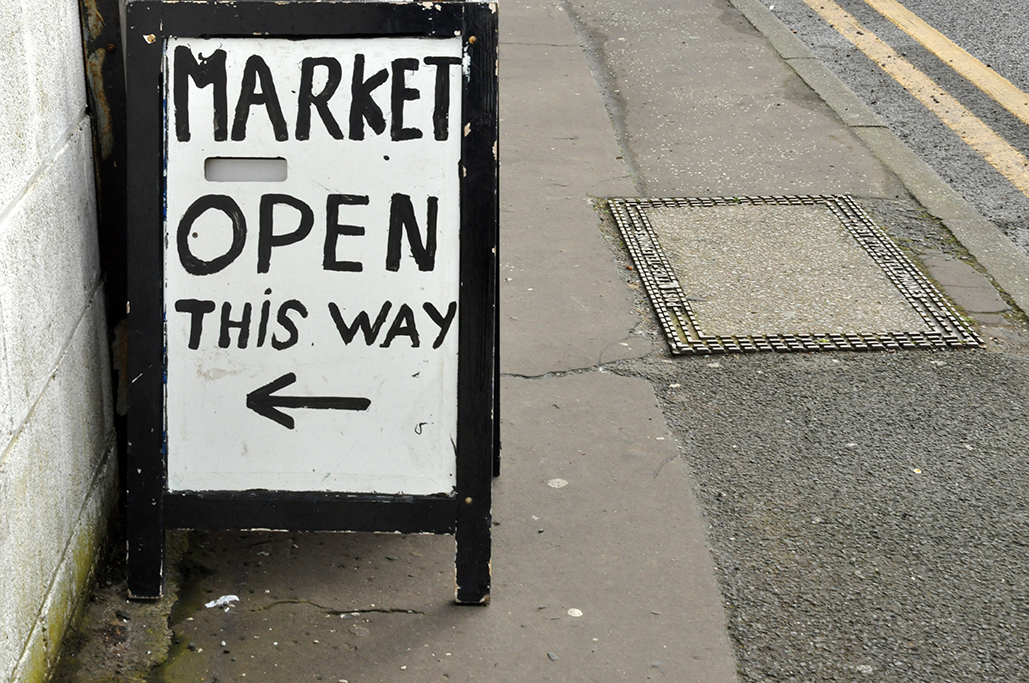
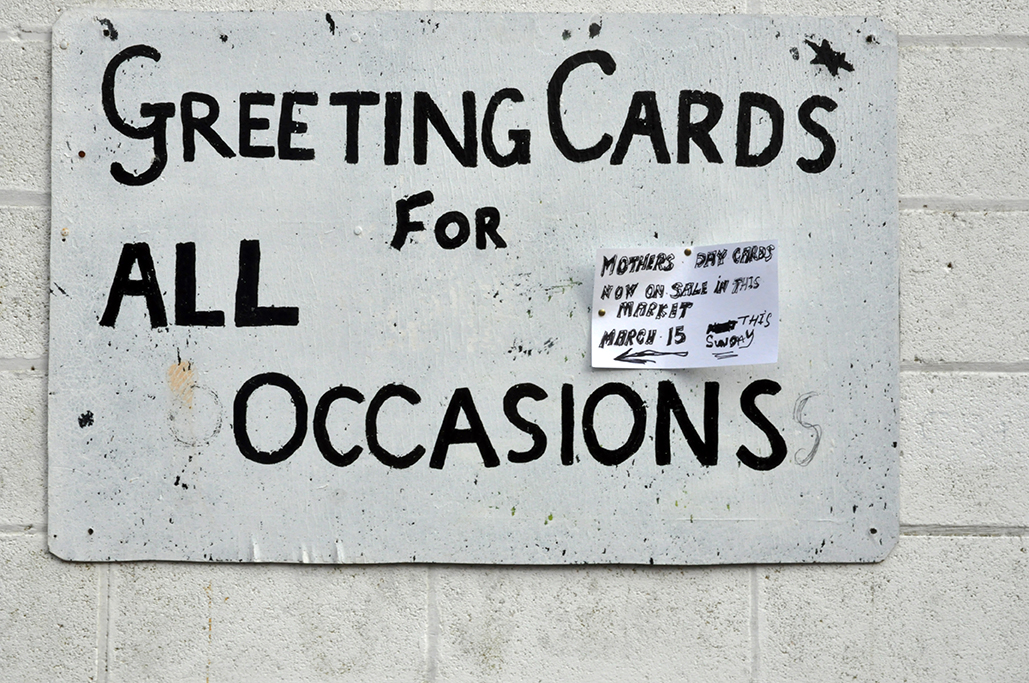
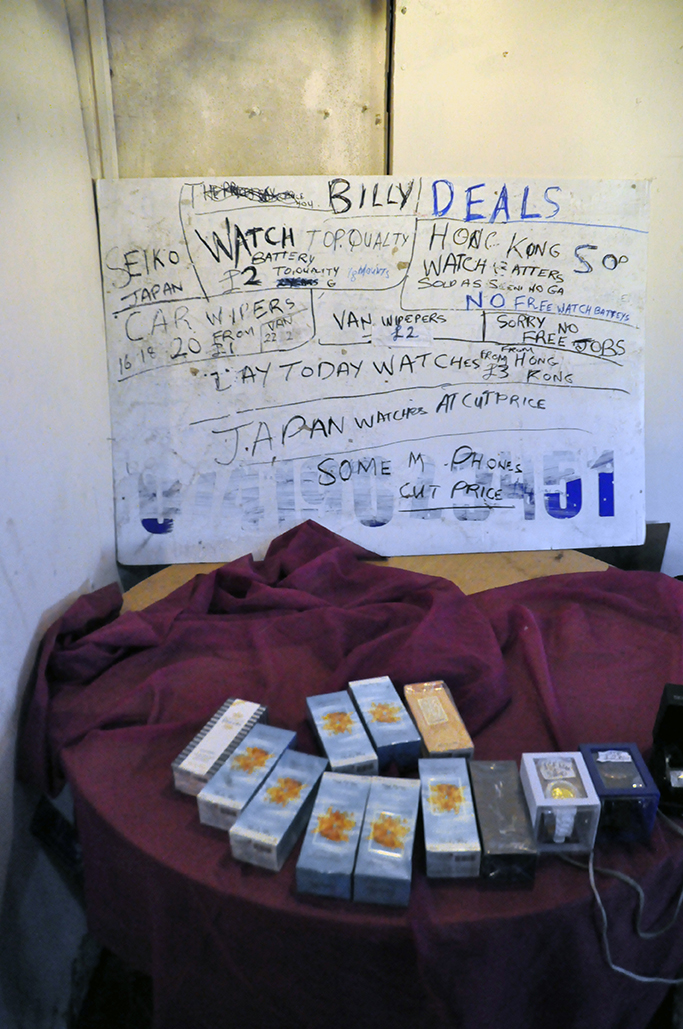
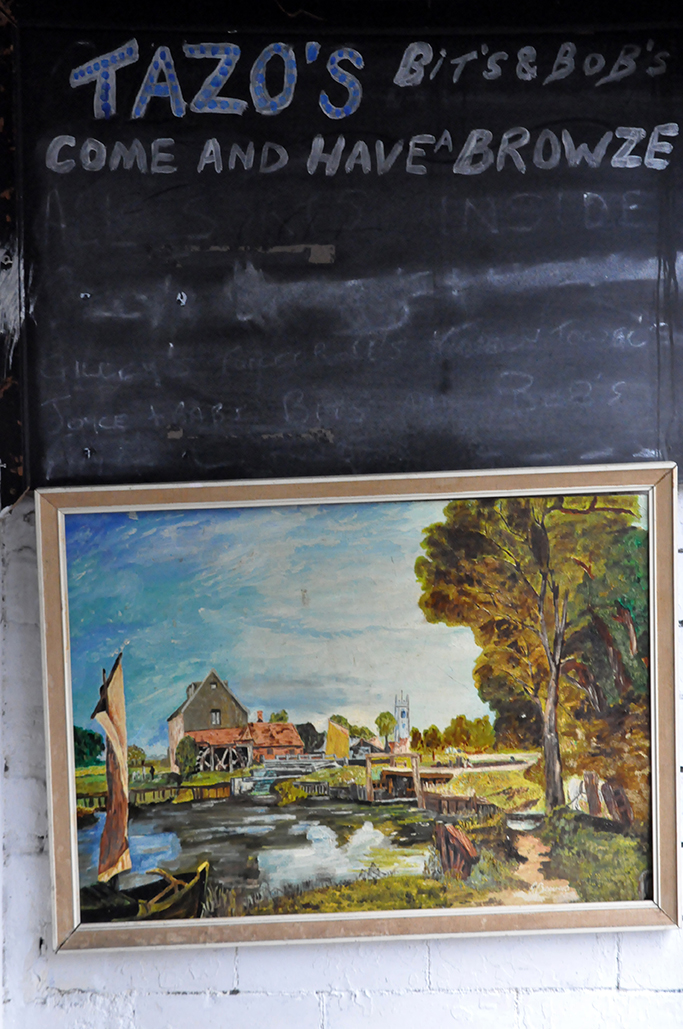
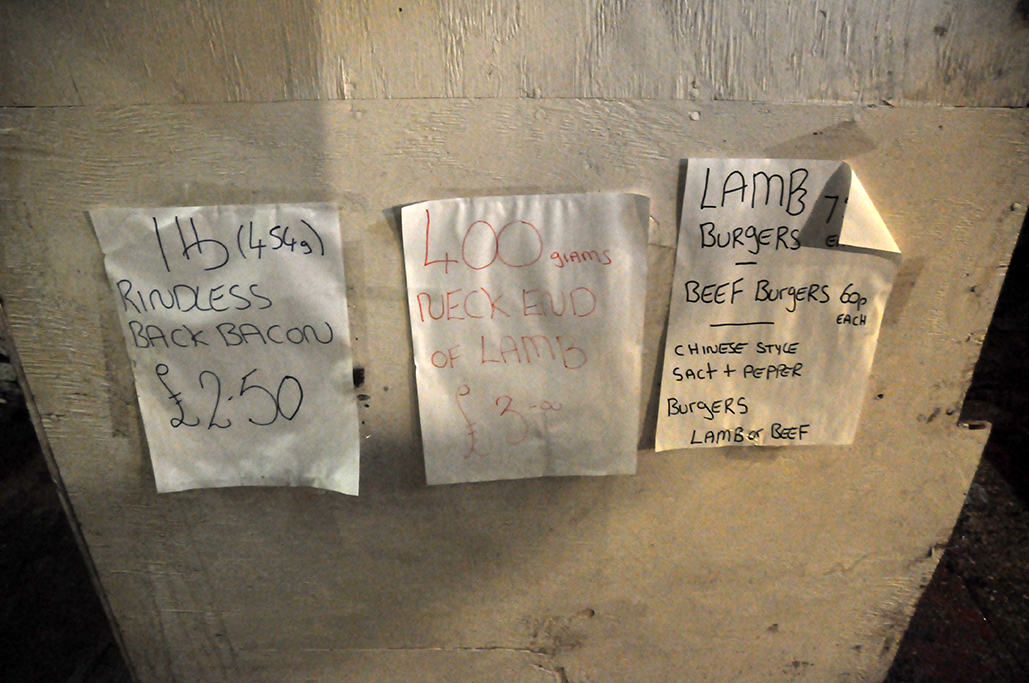
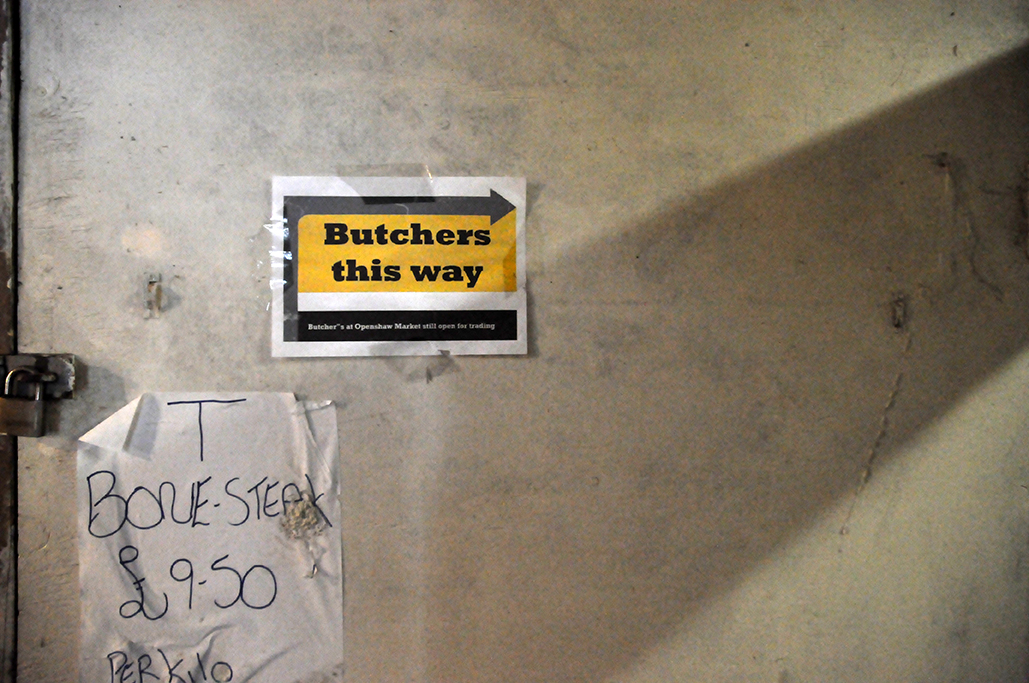
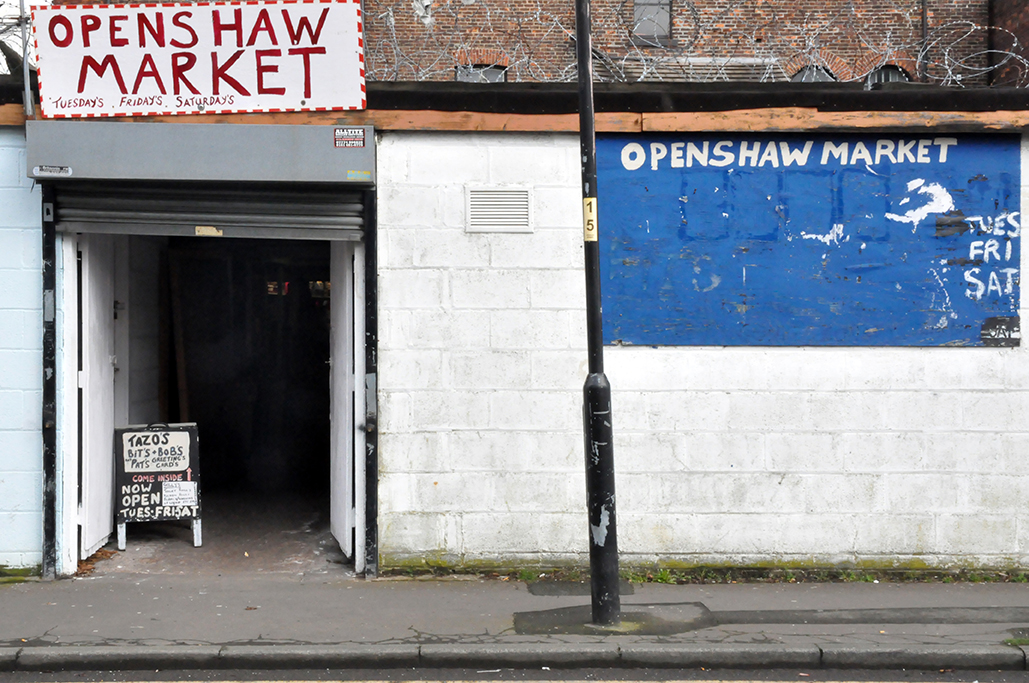
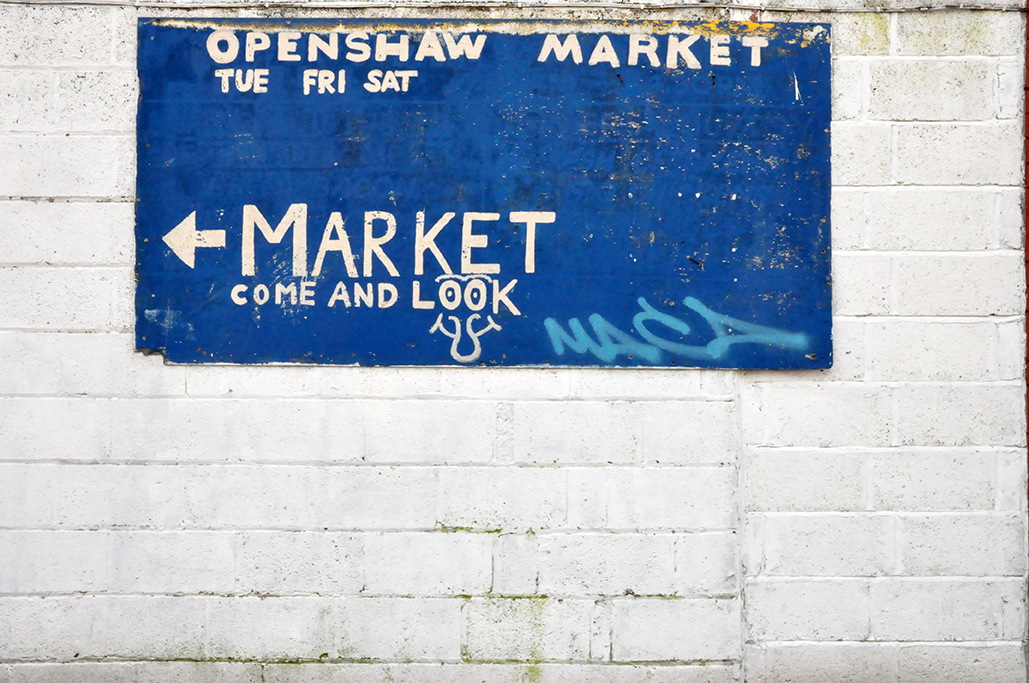
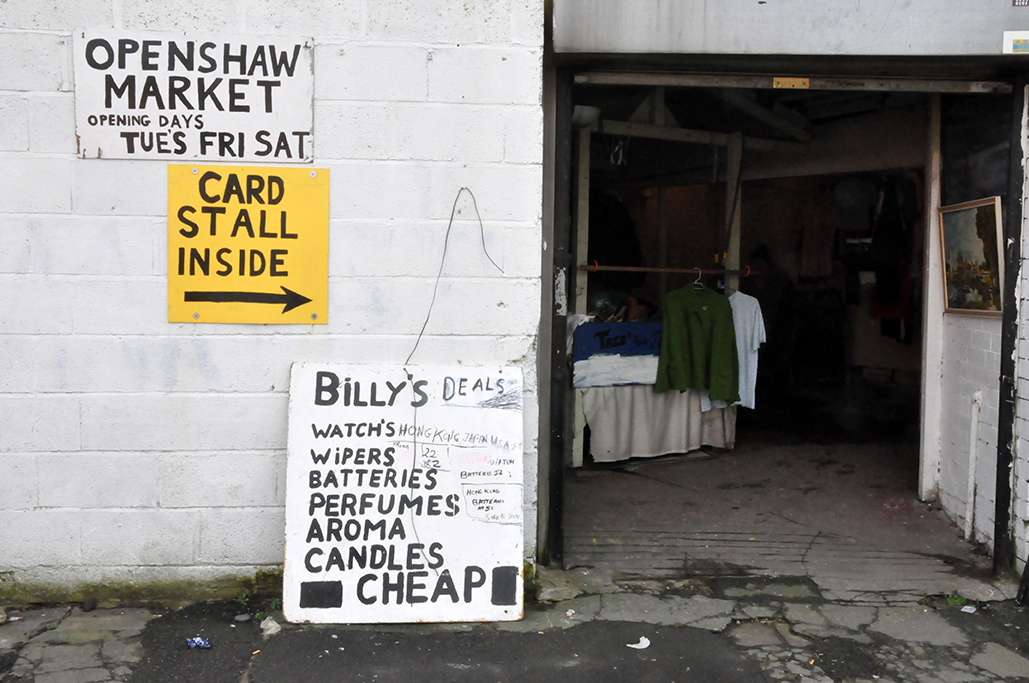
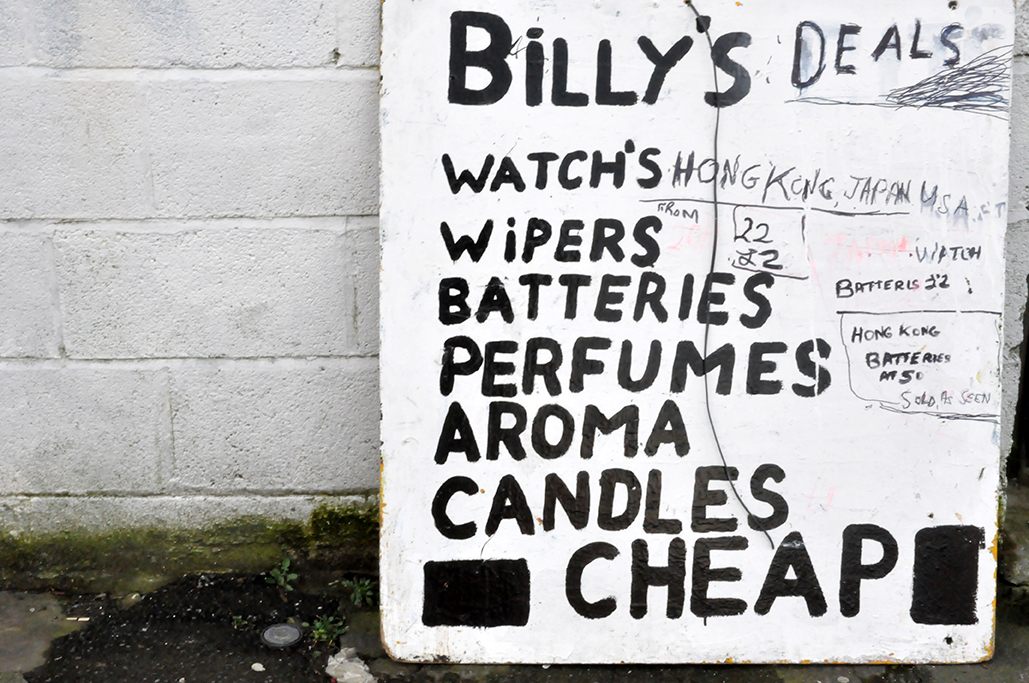
Openshaw Market survives, home to a rag bag of honest hard working and friendly traders, getting by.
They have their own unique brand of branding and signage – the downright, down home, home made.
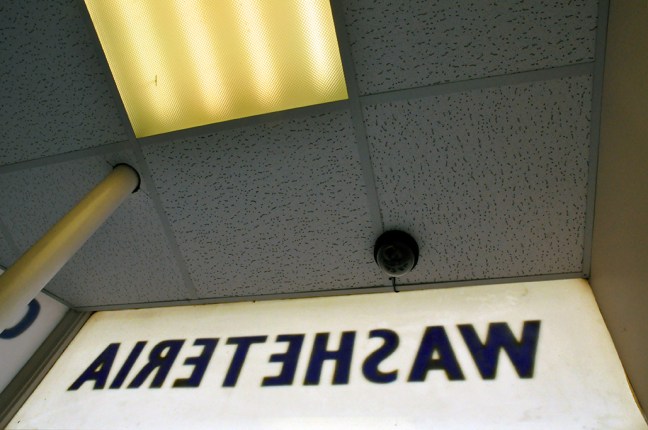
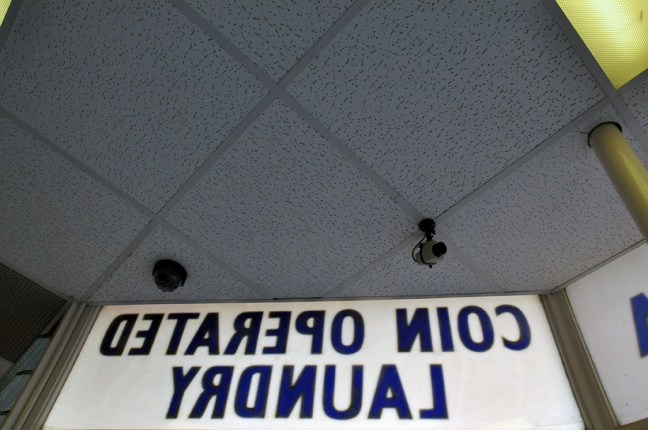
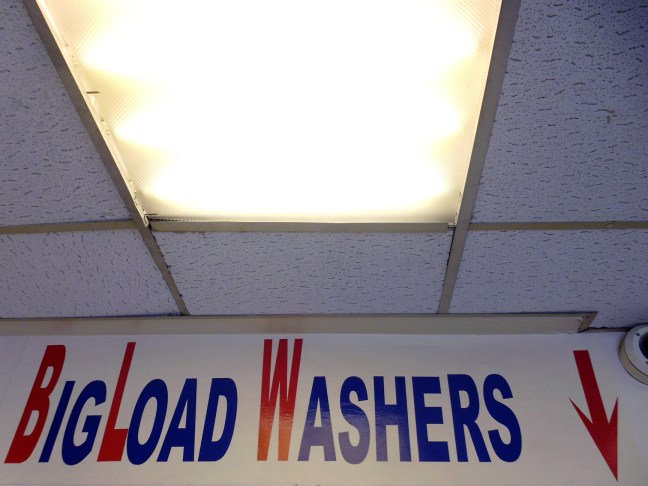
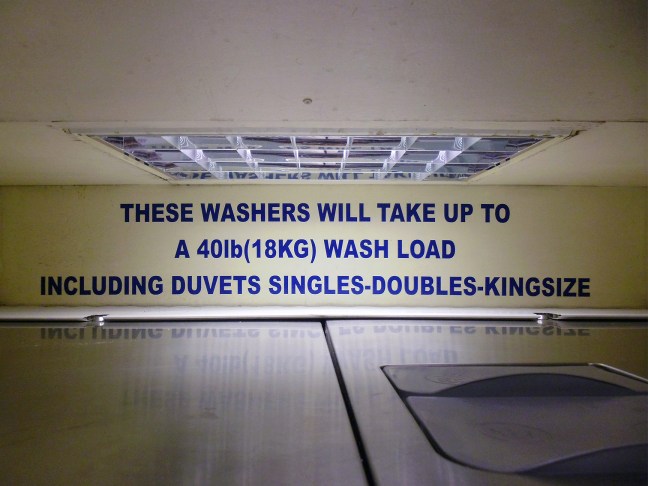
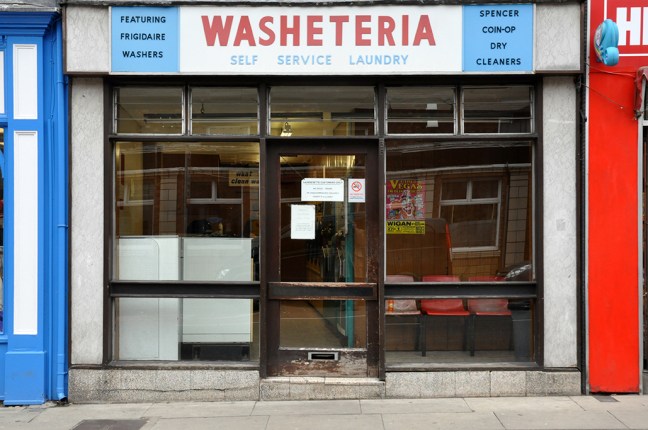
In the United Kingdom known as launderettes or laundrettes, and in the United States, Canada, Australia, New Zealand as laundromats or washeterias, and in Frimley too it would appear.
George Edward Penury created the word laundromat for Westinghouse.
According to NALI the National Association of the Launderette Industry, numbers peaked at 12,500 in the early 80s but have since dwindled to just 3,000.
The first UK launderette – alternative spelling: laundrette. was opened on May 9th 1949 in Queensway London.