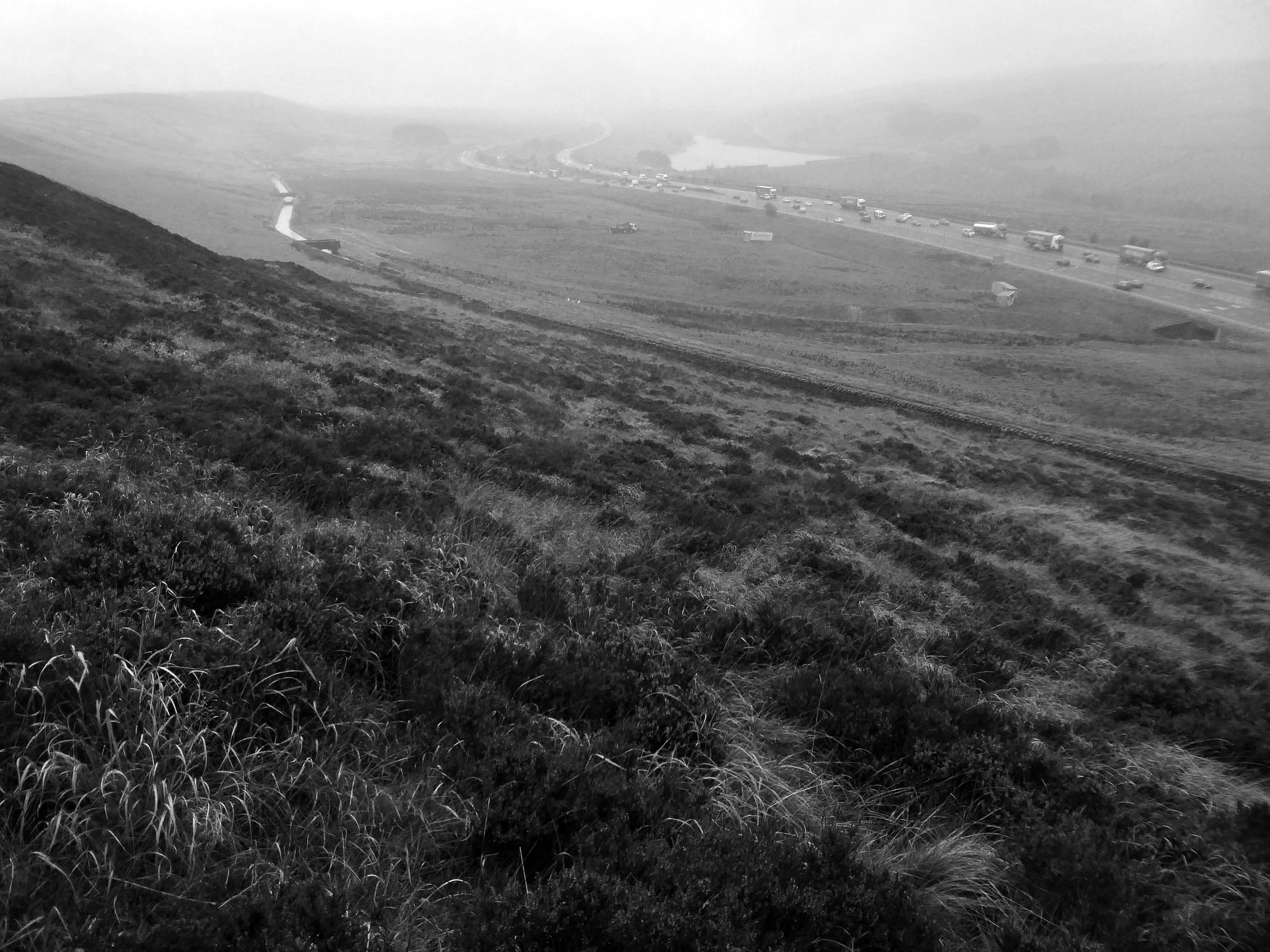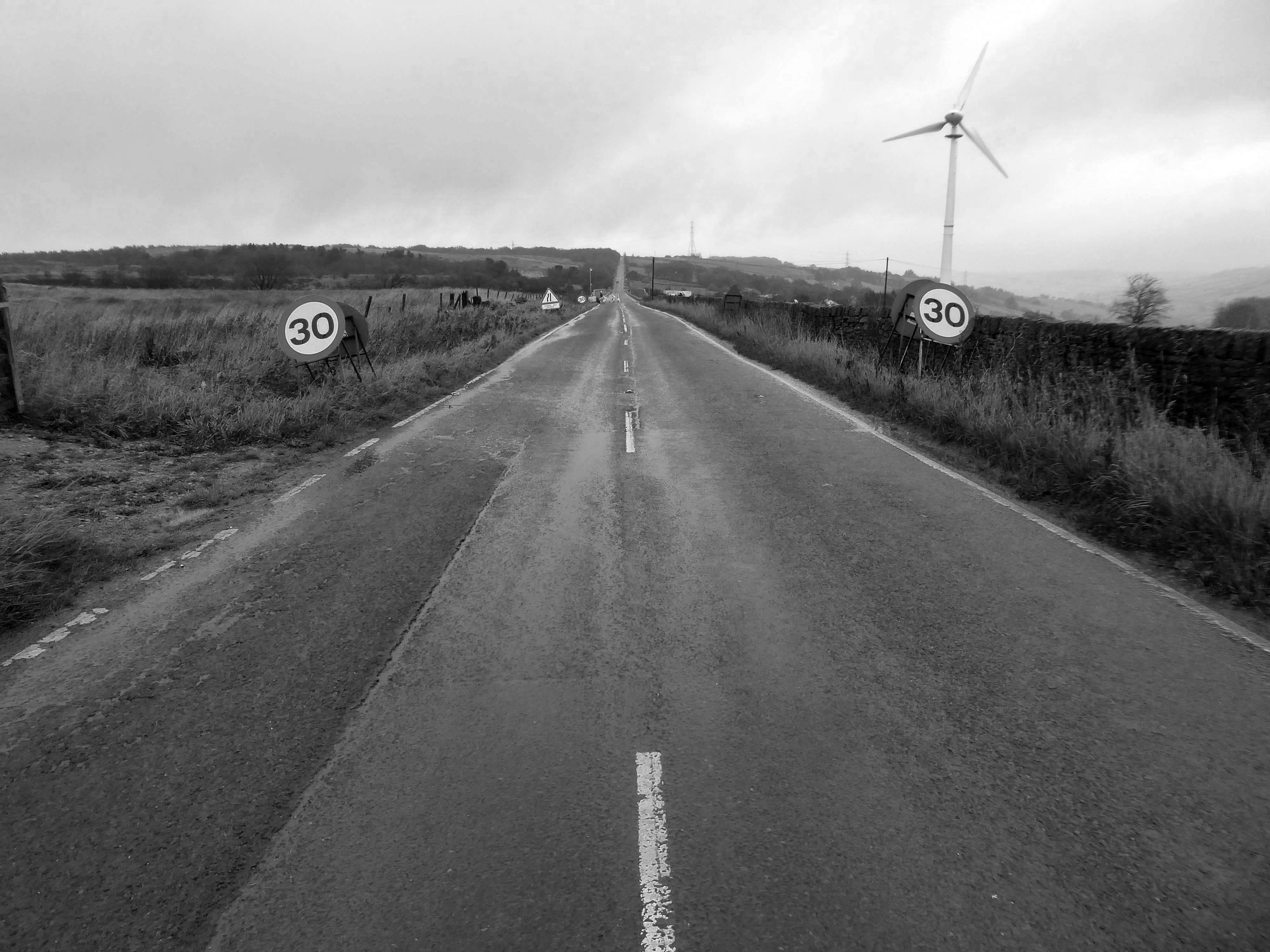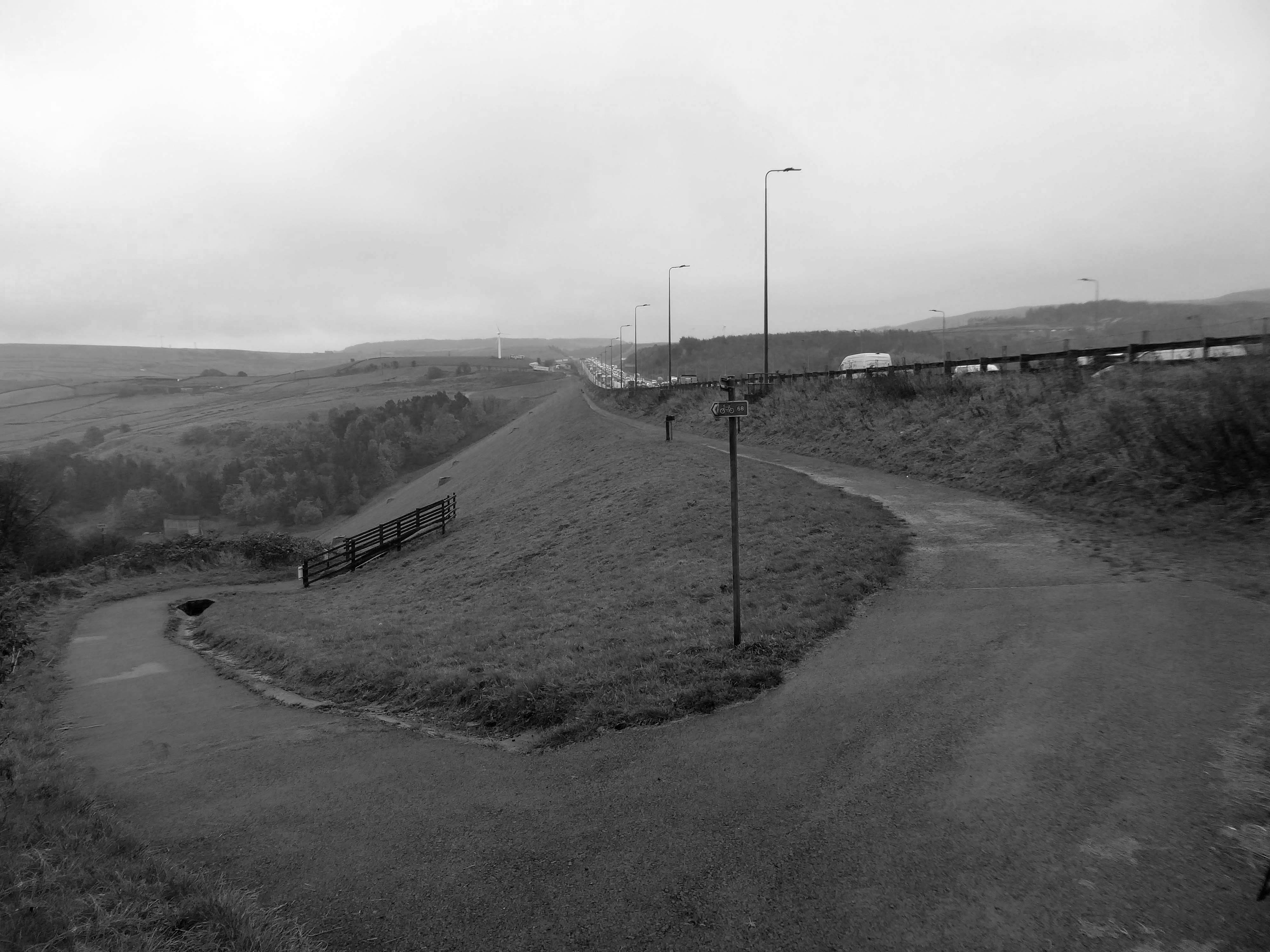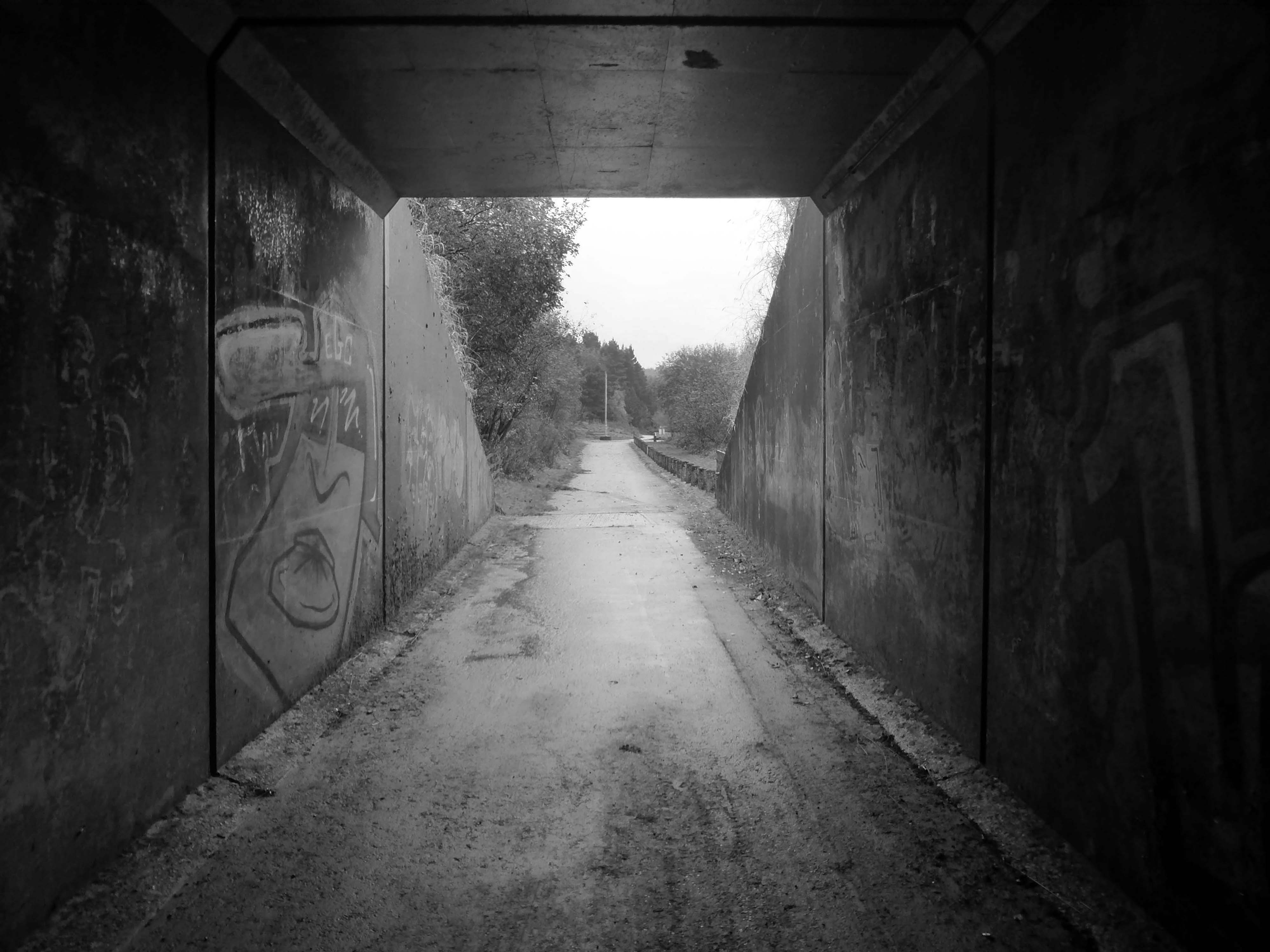
Several Yorkshire Reservoirs

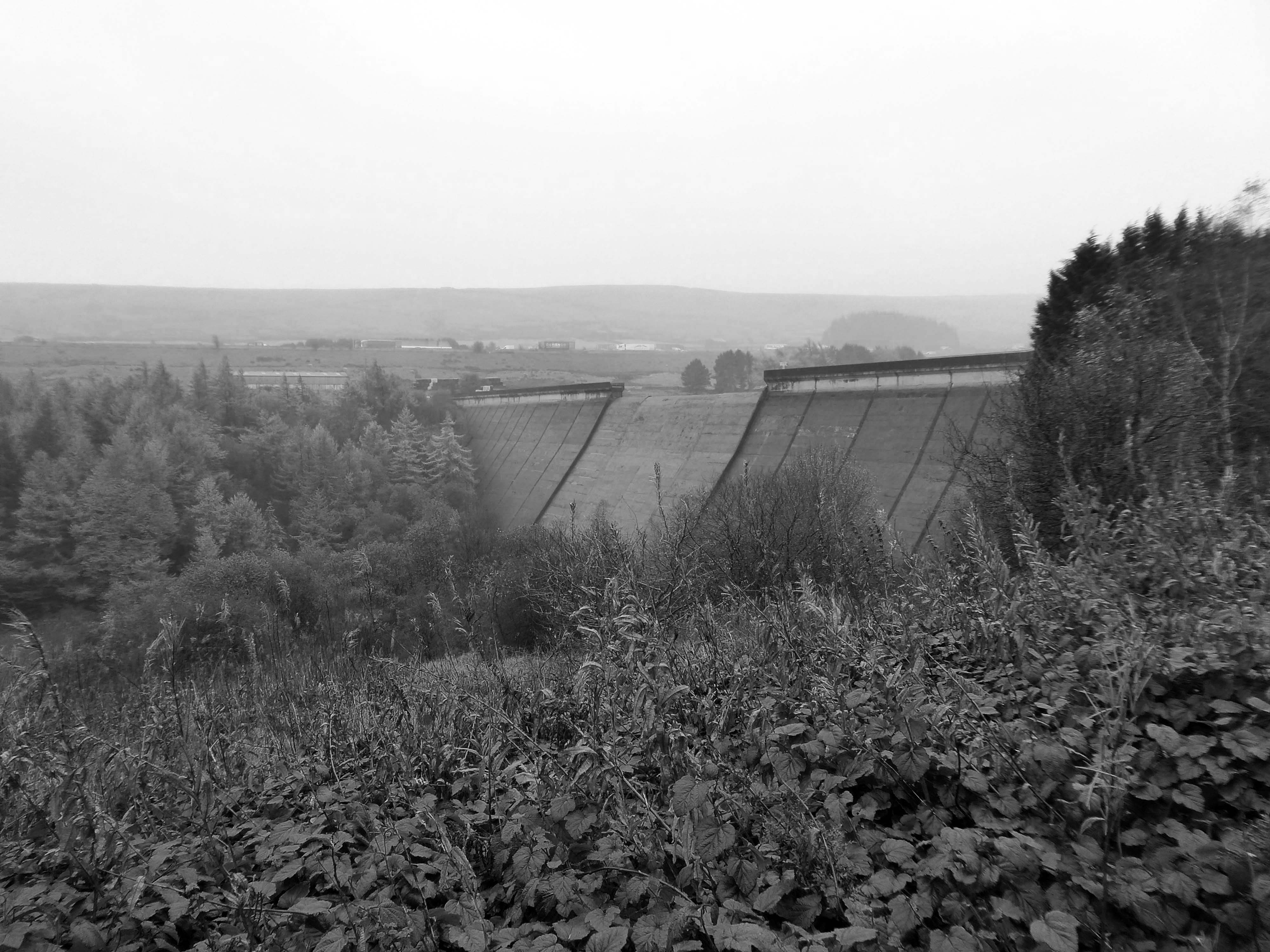
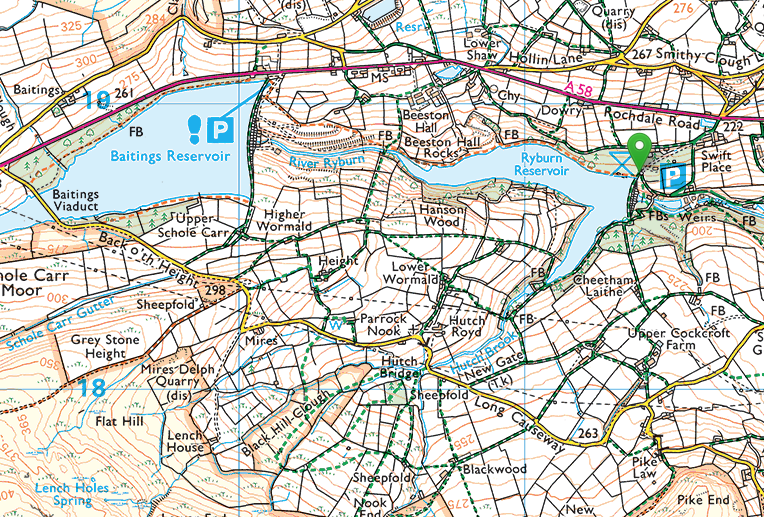
To begin at the beginning, to begin at Baitings Reservoir.
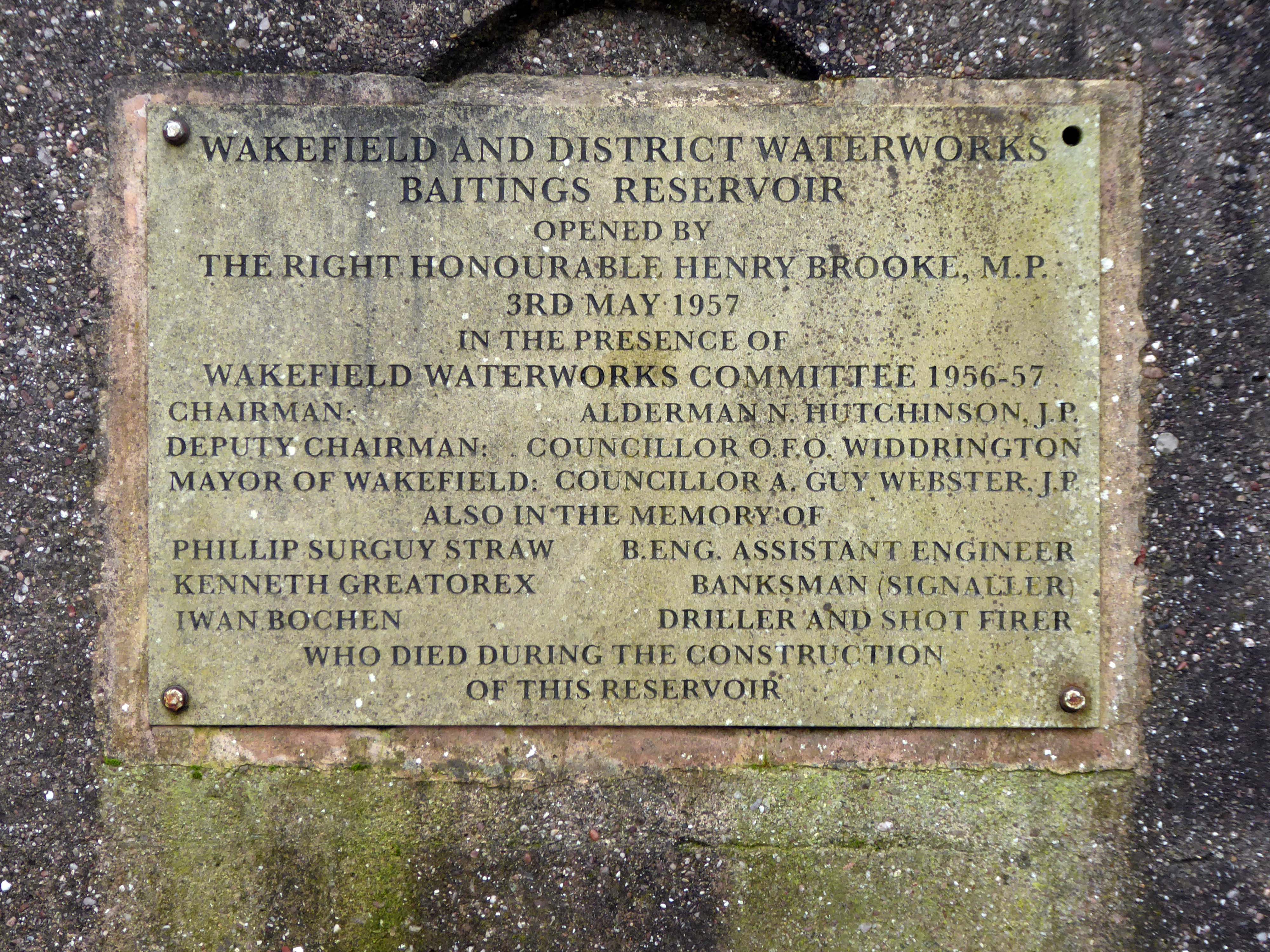
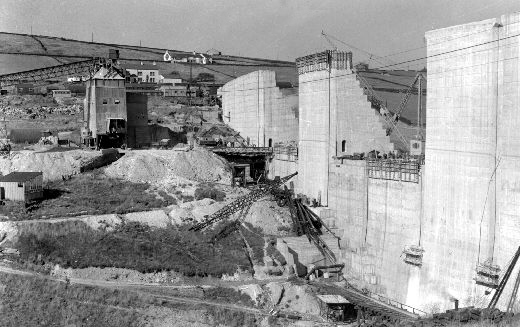
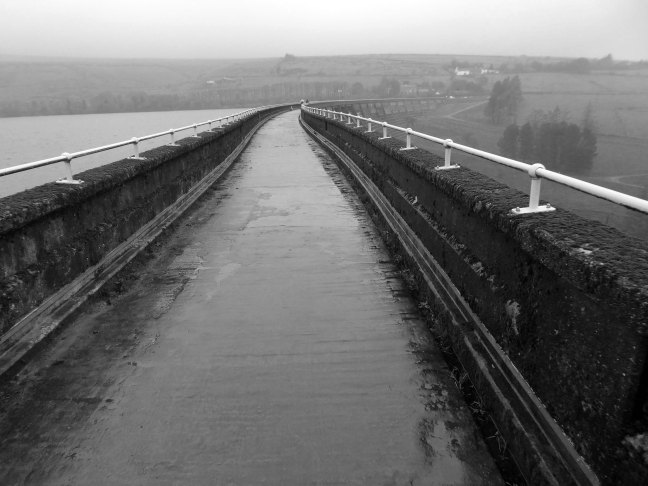
Wakefield Corporation Waterworks started impounding the valley of the River Ryburn in the 1930s, with Ryburn Reservoir being completed in 1933. Construction on Baitings took place 20 years later with completion in 1956.  Baitings Bridge, on an old road linking Yorkshire and Lancashire, was to be flooded under the reservoir so a concrete viaduct was built. During spells of very hot weather and drought conditions, the old packhorse bridge is revealed.
Wakefield Express: 31st August 1955

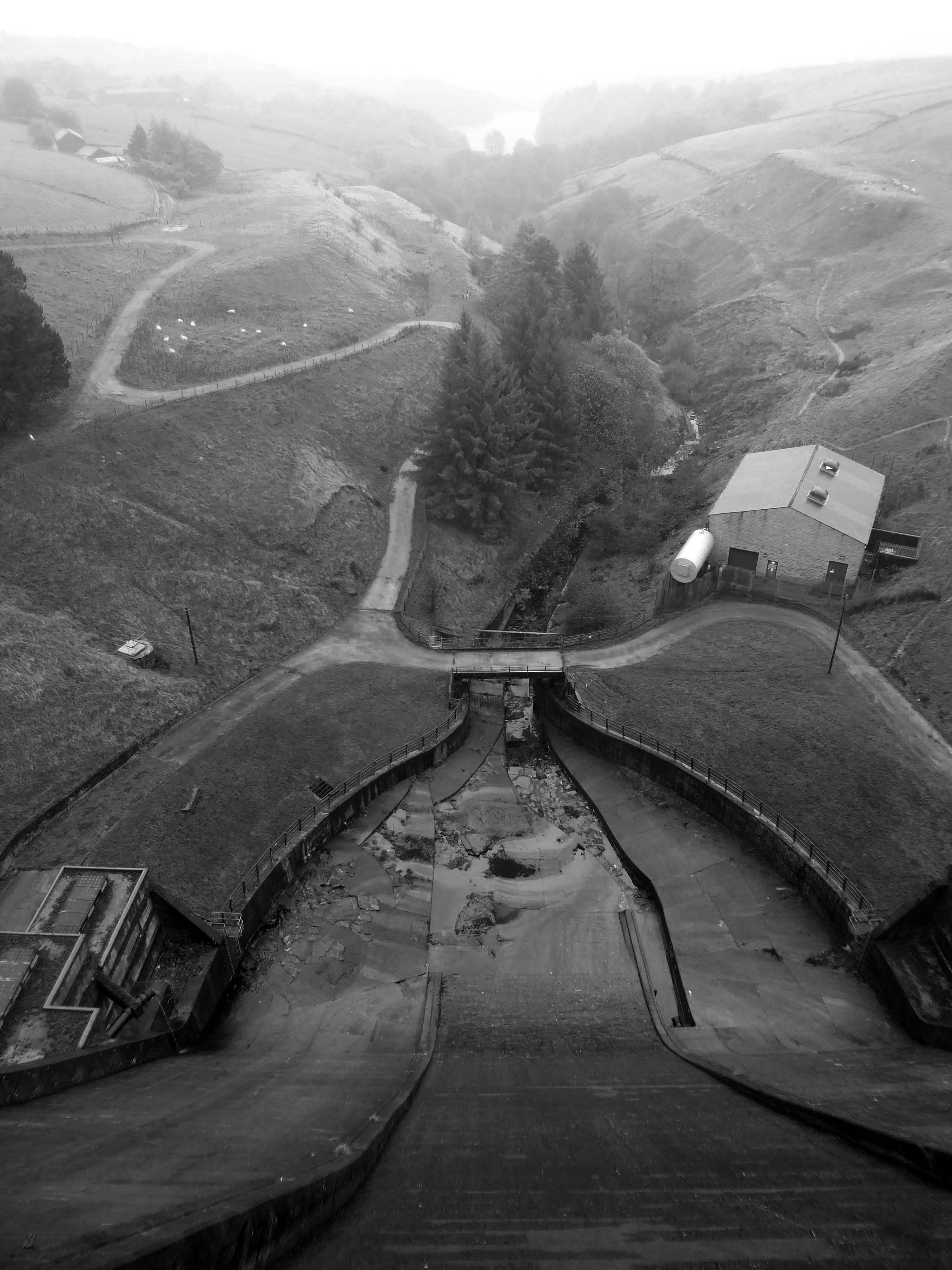
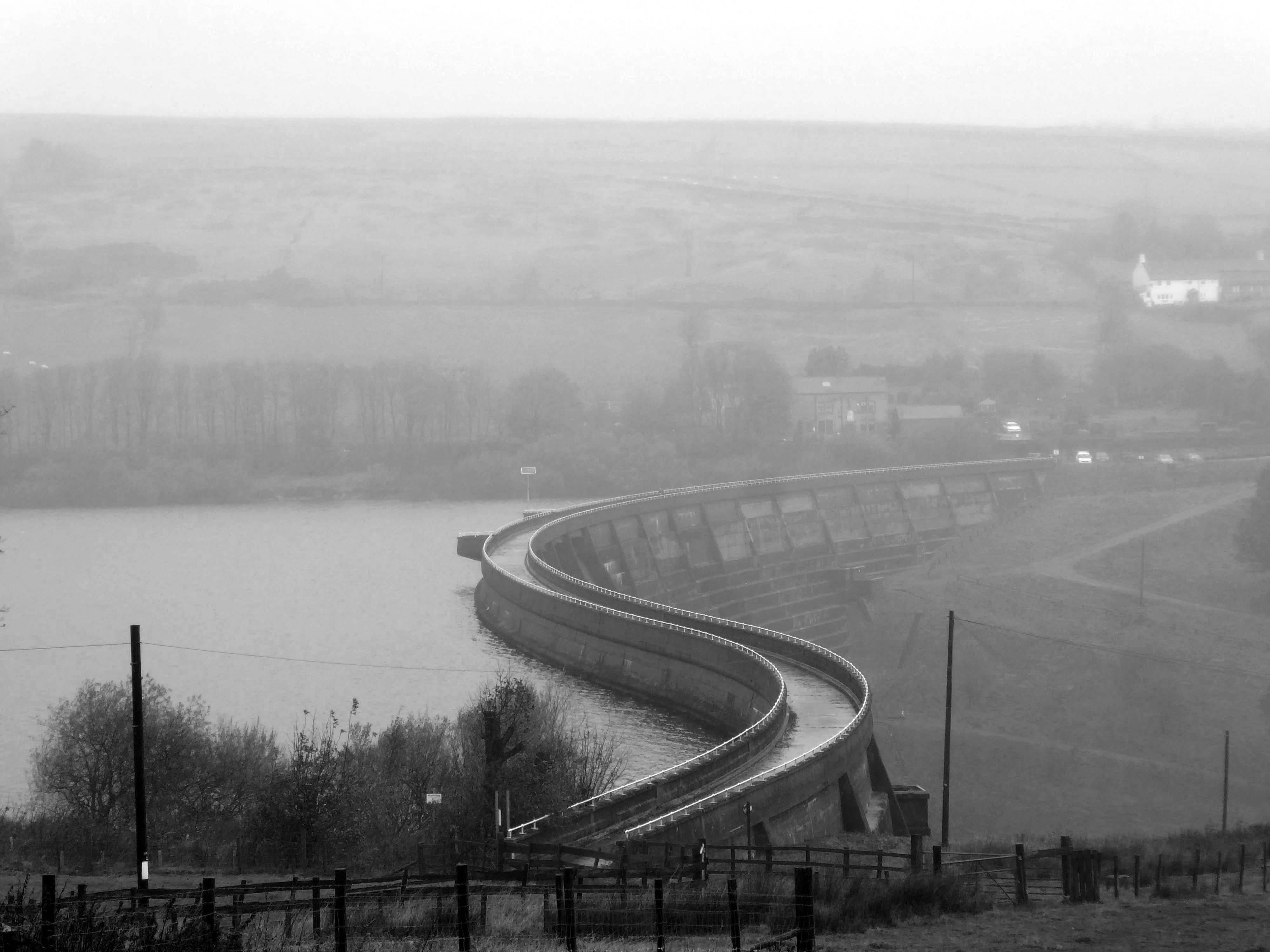
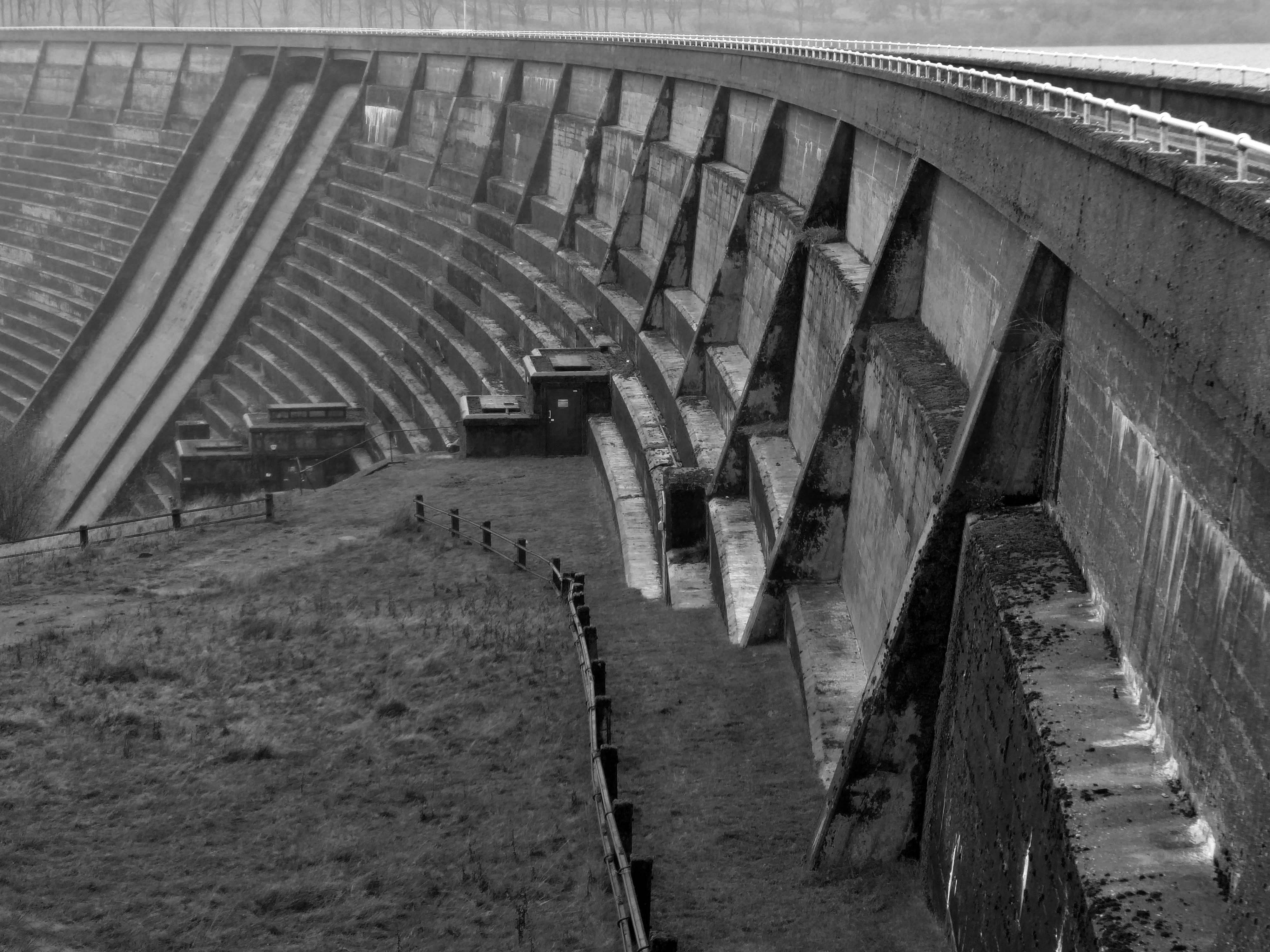
The dam head is a curved structure that is 1,540 feet long and over 160 feet high. The reservoir covers 59 acres and has a catchment of 1,830 acres , and when it is full, it holds over 113,000,000 cubic feet of water. The dam took eight years to complete at a cost of £1.4 million, and is located at 840 feet above sea level. A tunnel connects reservoirs in valleys to the north with Baitings to allow for the transfer of water. Manshead Tunnel is 8,000 feet long and was opened in 1962.

Wikipedia

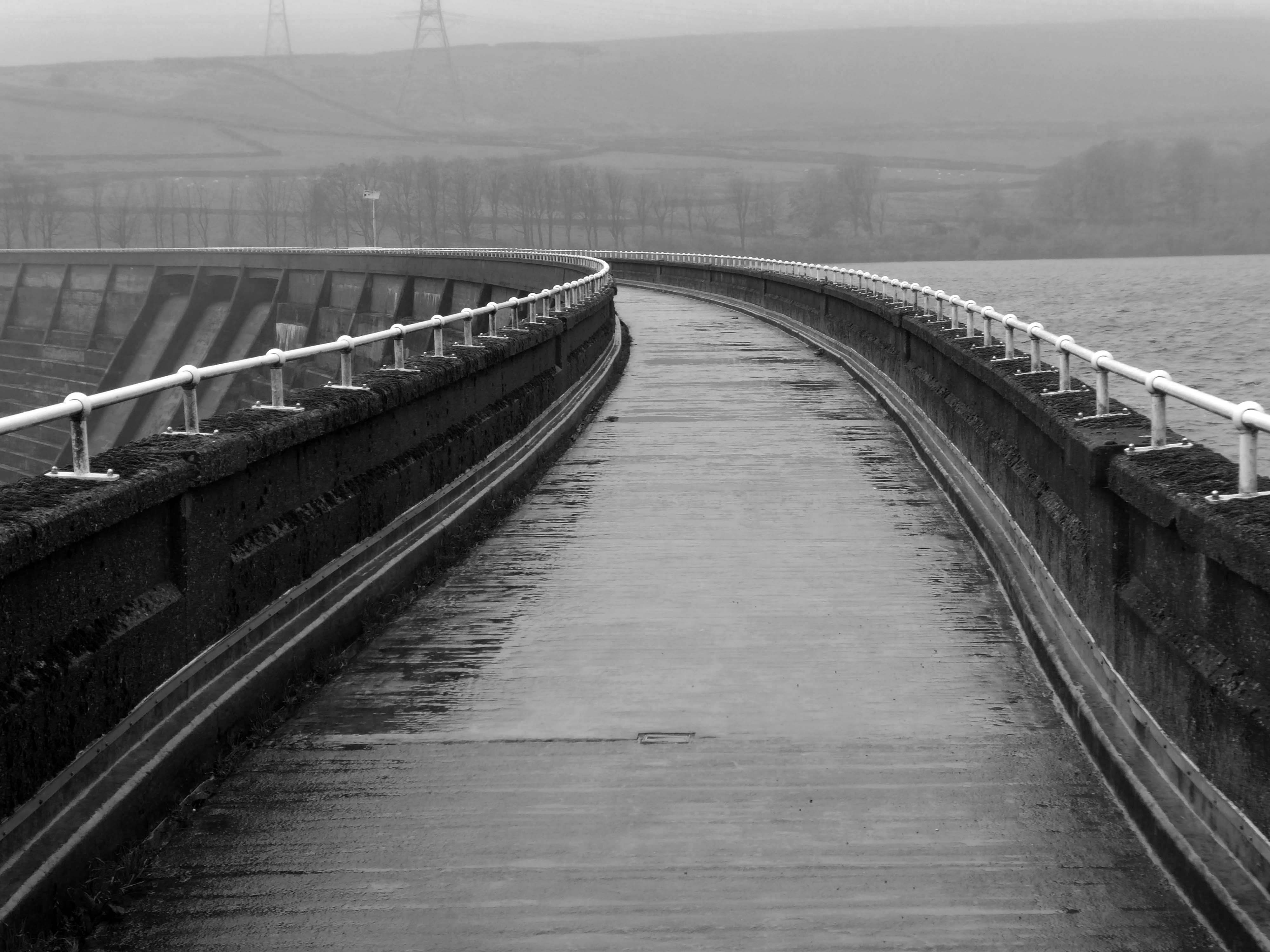
Inconveniently, the footpath to the lower Ryburn Reservoir was closed – we were diverted over the dam.
We took the pathway to Booth Wood Reservoir – over Pike End and beyond.
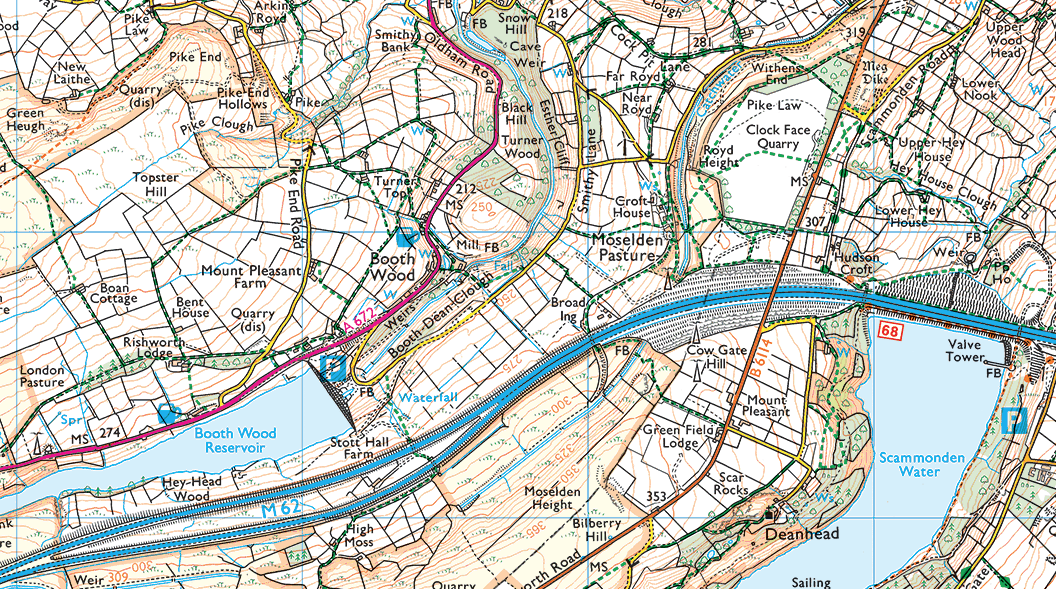
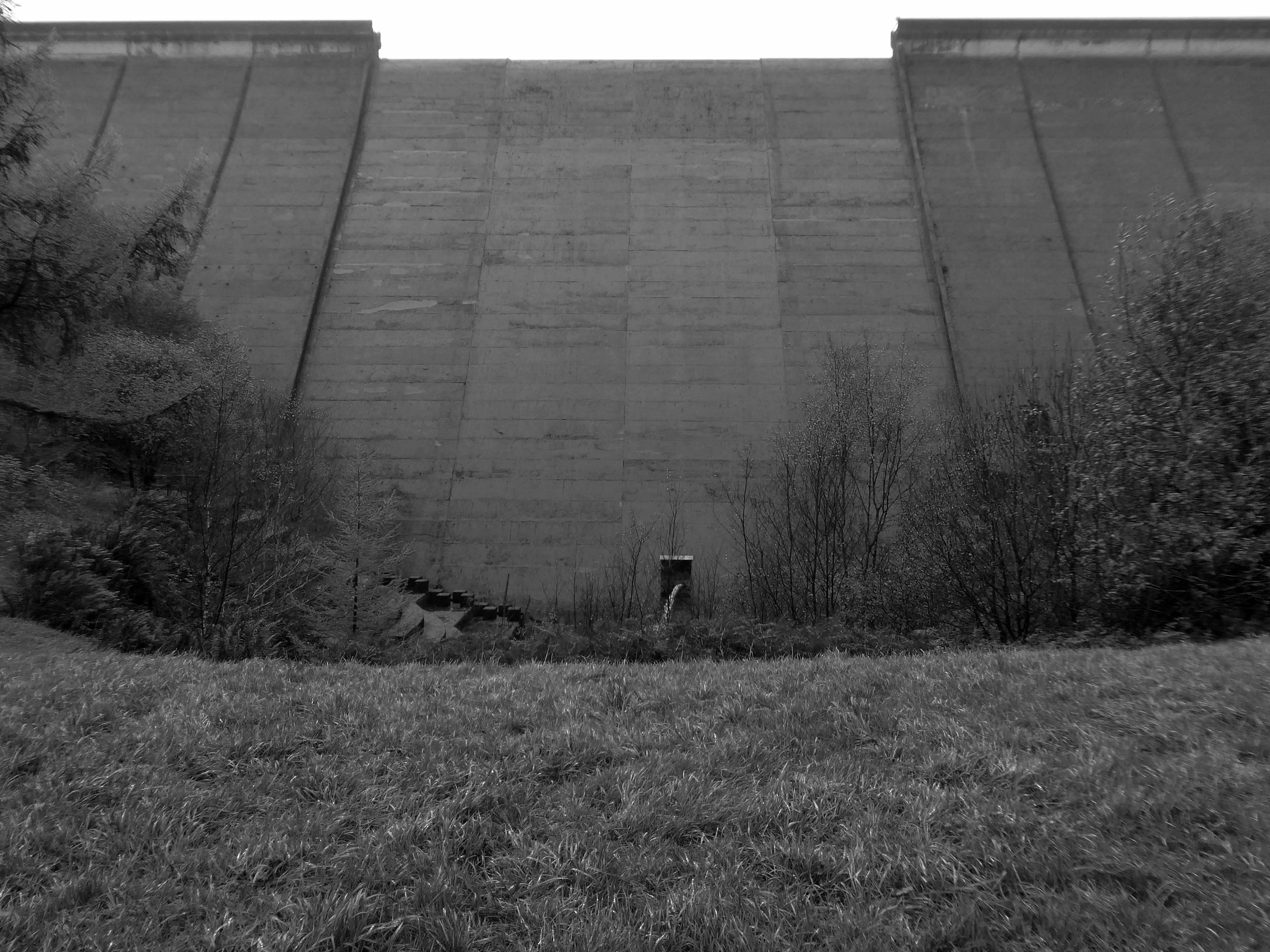
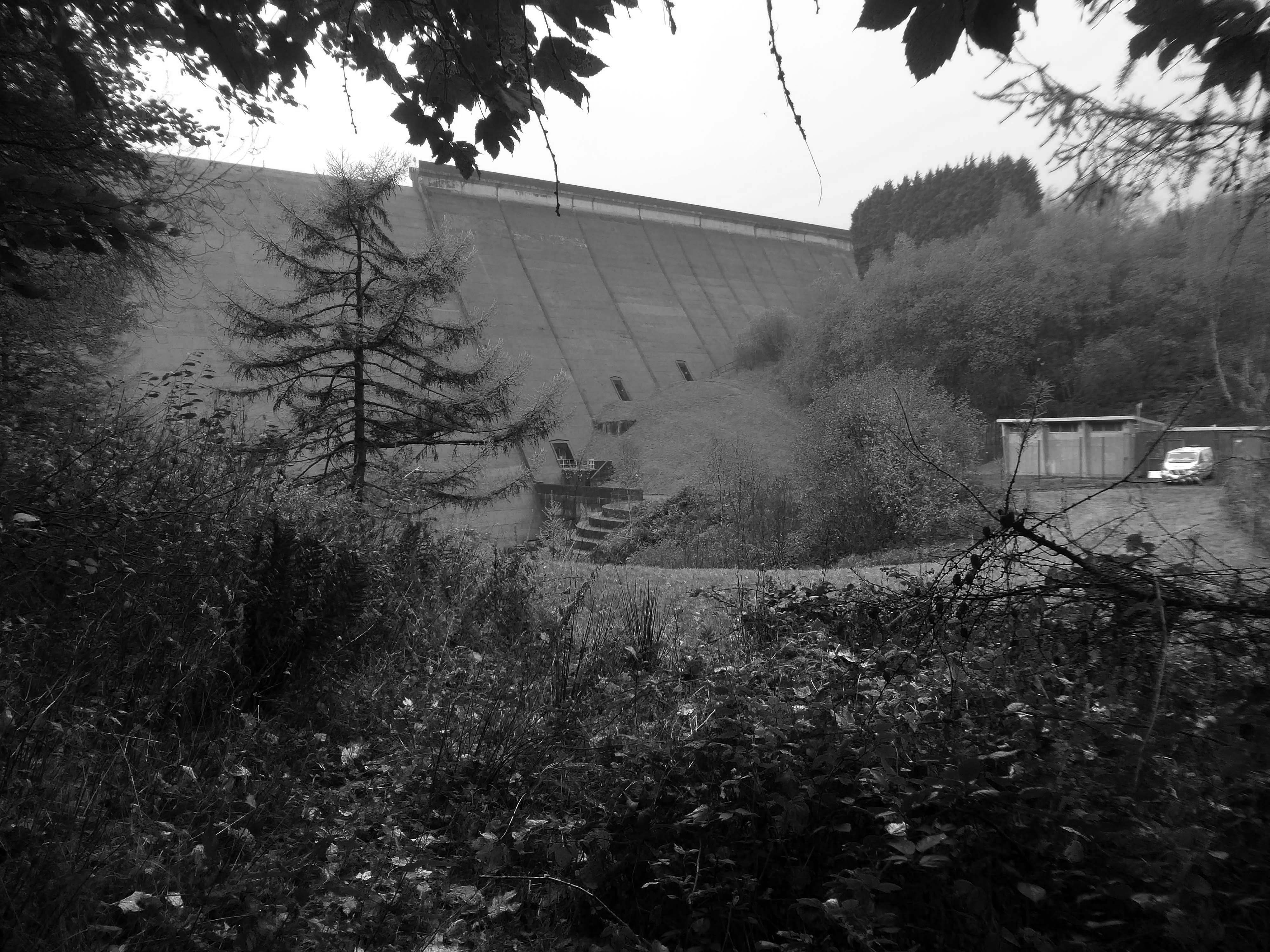
We dropped down beneath the Booth Wood Dam.

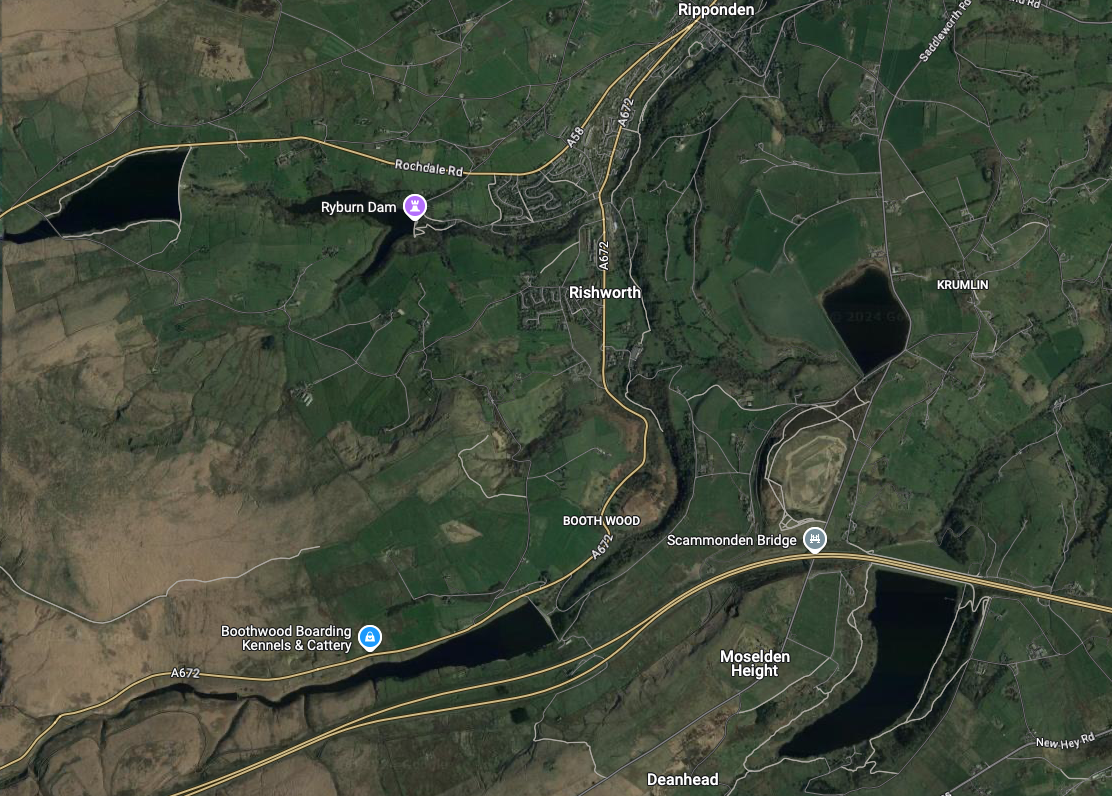
Booth Wood Reservoir is a man-made upland reservoir that lies north of the M62 motorway and south of the A672 road near to Rishworth and Ripponden in Calderdale, West Yorkshire. The reservoir was approved for construction in 1966 and completed in 1971.
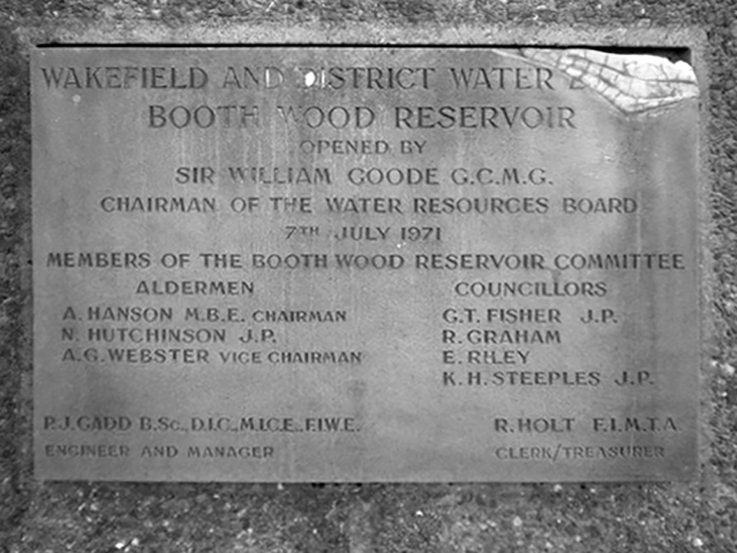
It supplies water to Wakefield.

The reservoir dams the Booth Dean Clough watercourse and takes water directly from the surrounding moorland. It has a plain concrete crest on the dam head which is straight and extends to a length of 1,150 feet and a height of 157 feet.

Wikipedia

Below is a dinky pumping station, tucked beneath the dam.
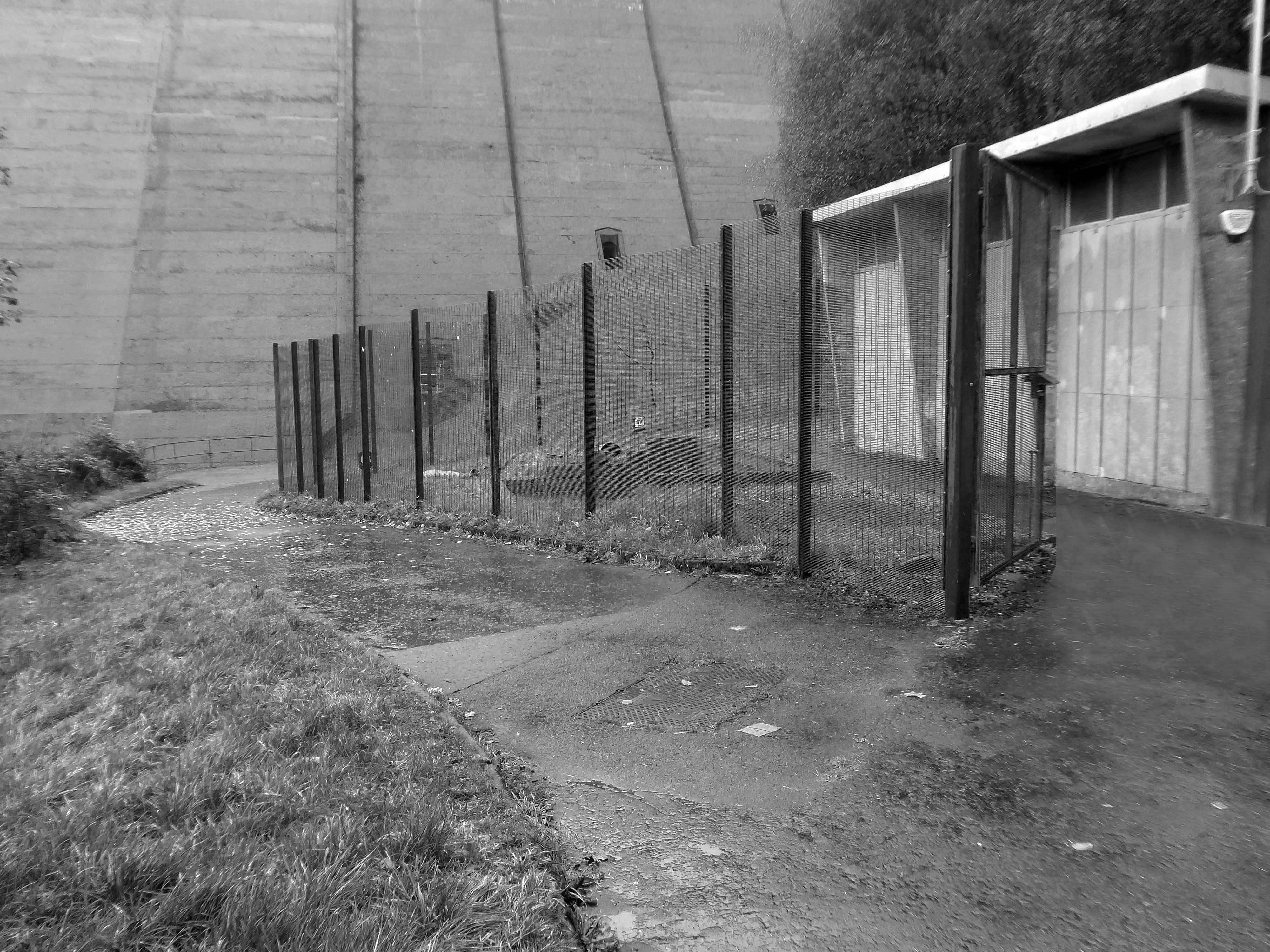
We took a precipitous path through the wood – up to the level of the reservoir.
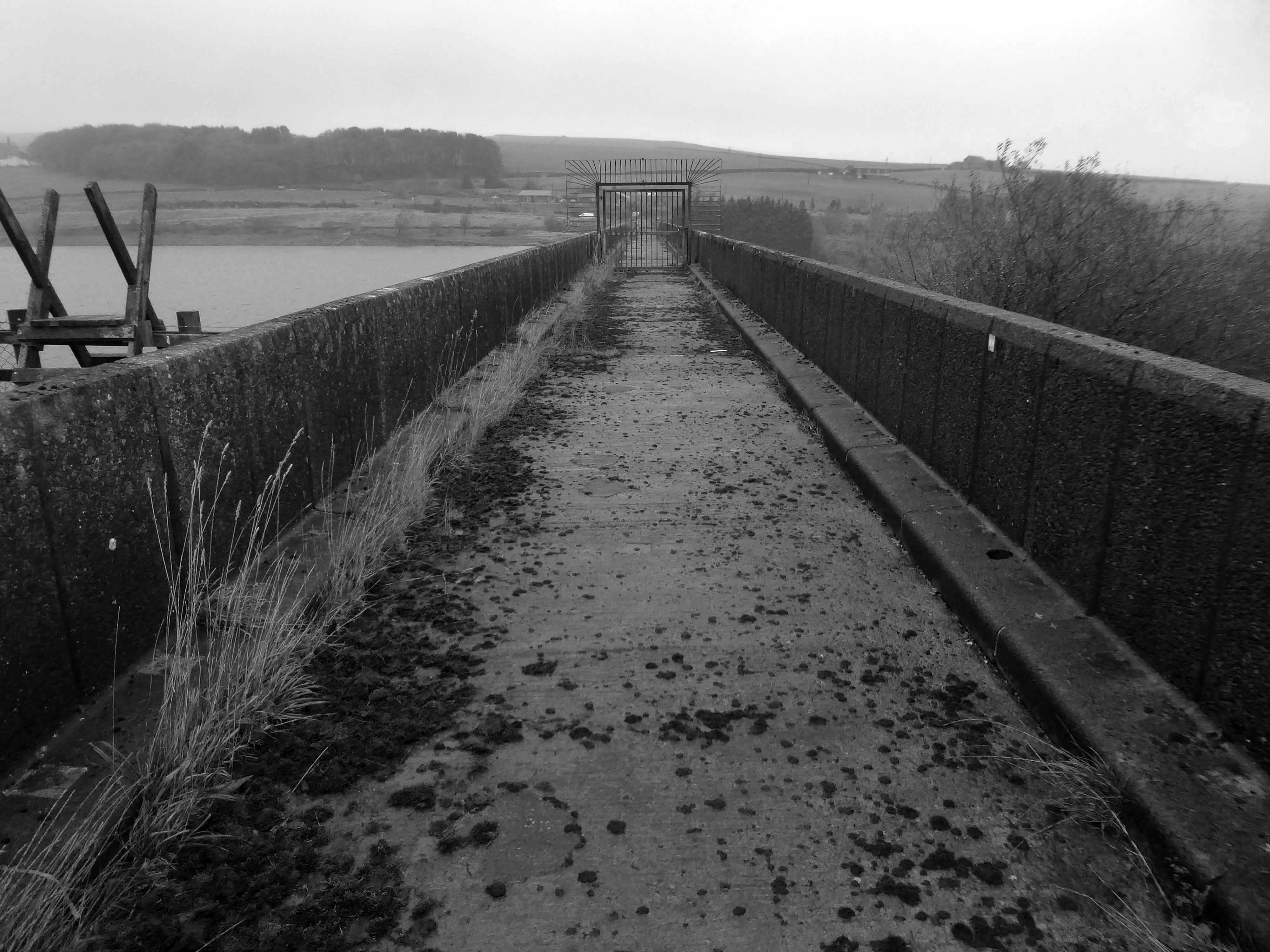
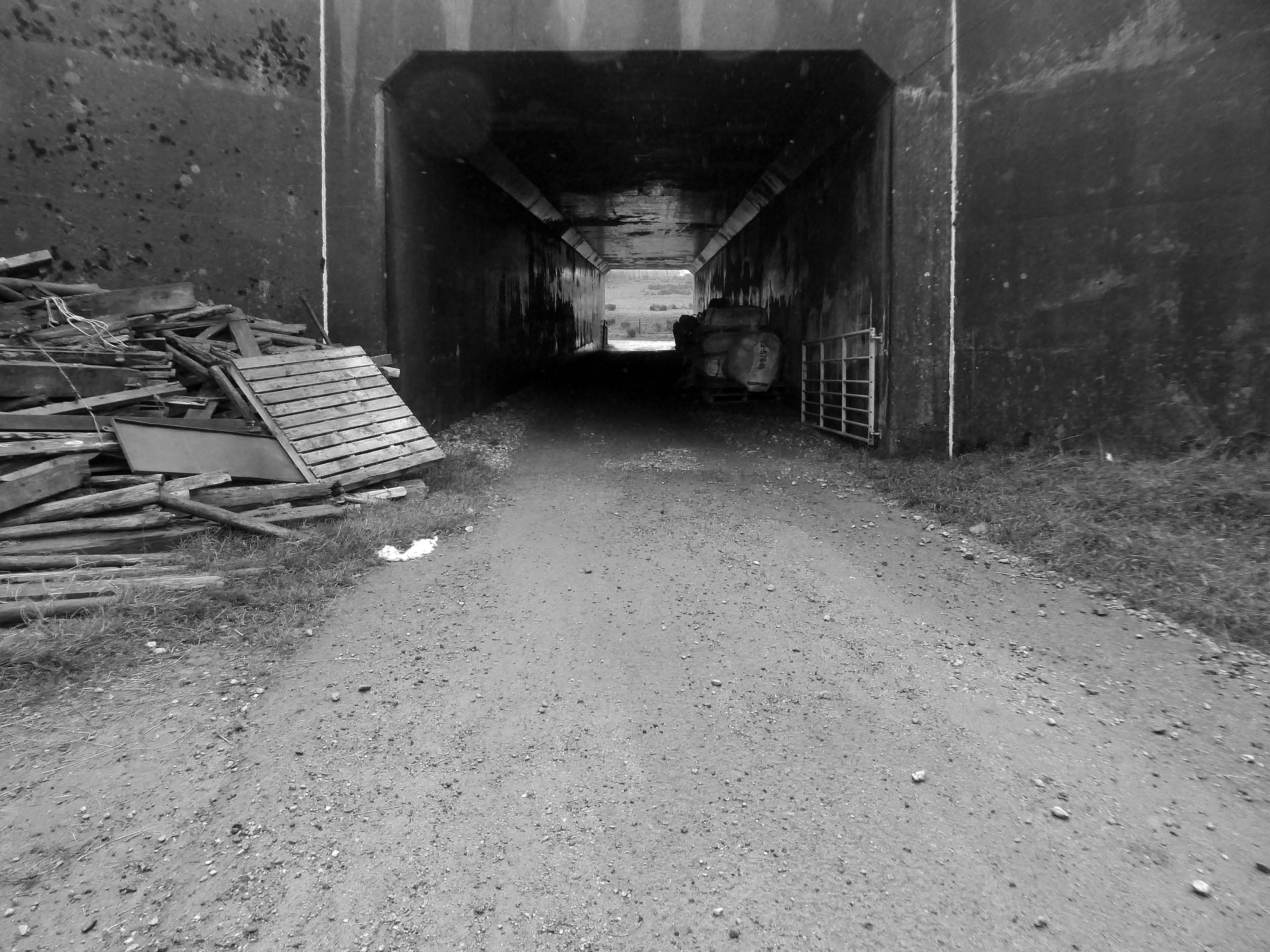
Under the the M62 and past the infamous Stott Hall Farm.

Stott Hall Farm is a farm located between the eastbound and westbound carriageways of the M62 motorway in Calderdale. It is the only farm in the UK situated in the middle of a motorway and was built in the 18th century on Moss Moor. It lies south of Booth Wood Reservoir where the carriageways are separated between junctions 22 and 23. The road divides for much of its length between the Windy Hill and Deanhead cuttings because of the surrounding geography; but a myth persists that it was split because Ken and Beth Wild refused to sell. However, the farm was actually owned by Yorkshire Water at the time the M62 was built.
Wikipedia

We walked over the upland moors to meet with the Catchwater, which formerly fed the Ringstone Edge Reservoir, prior to the construction of the motorway cutting.
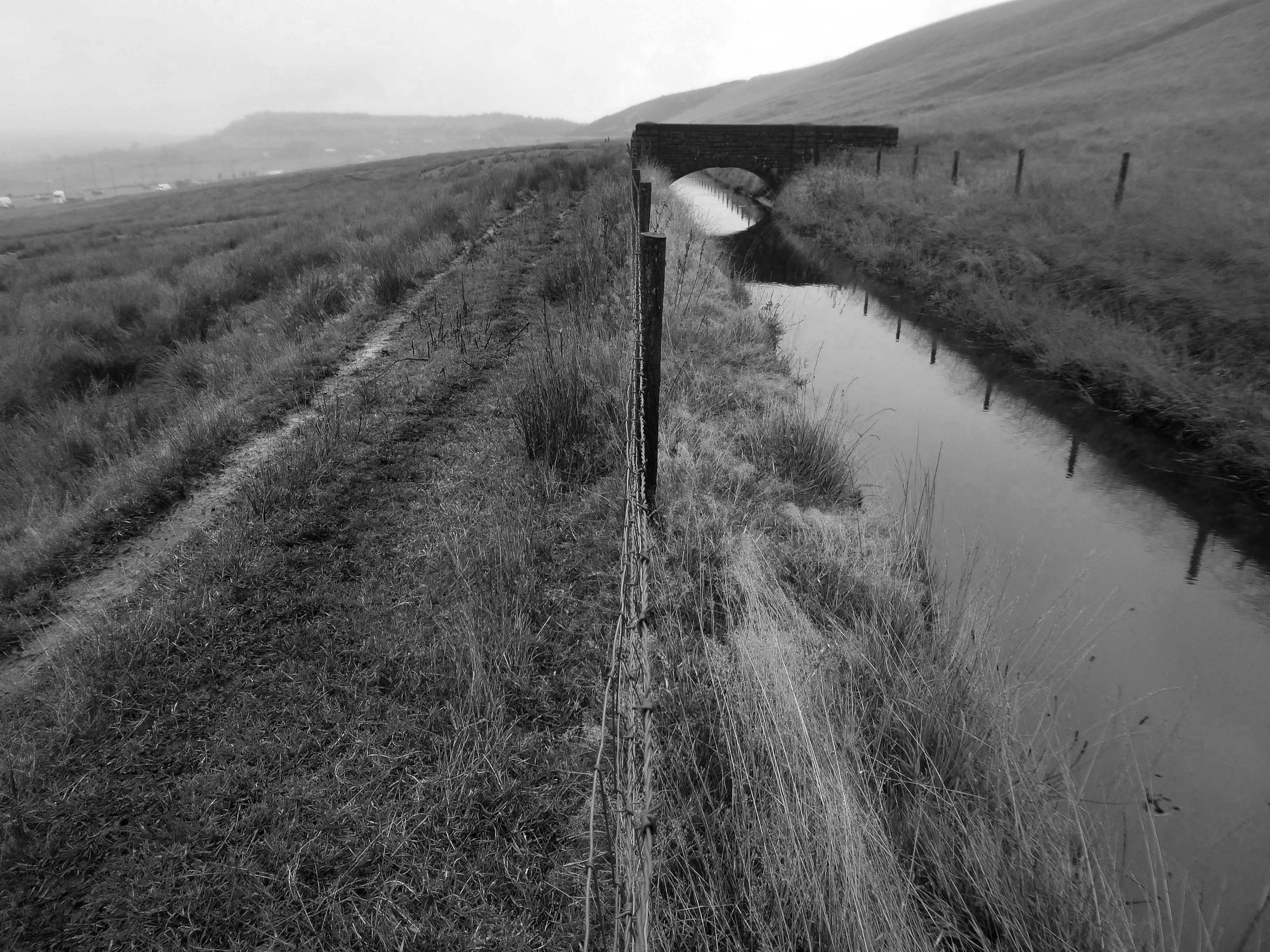
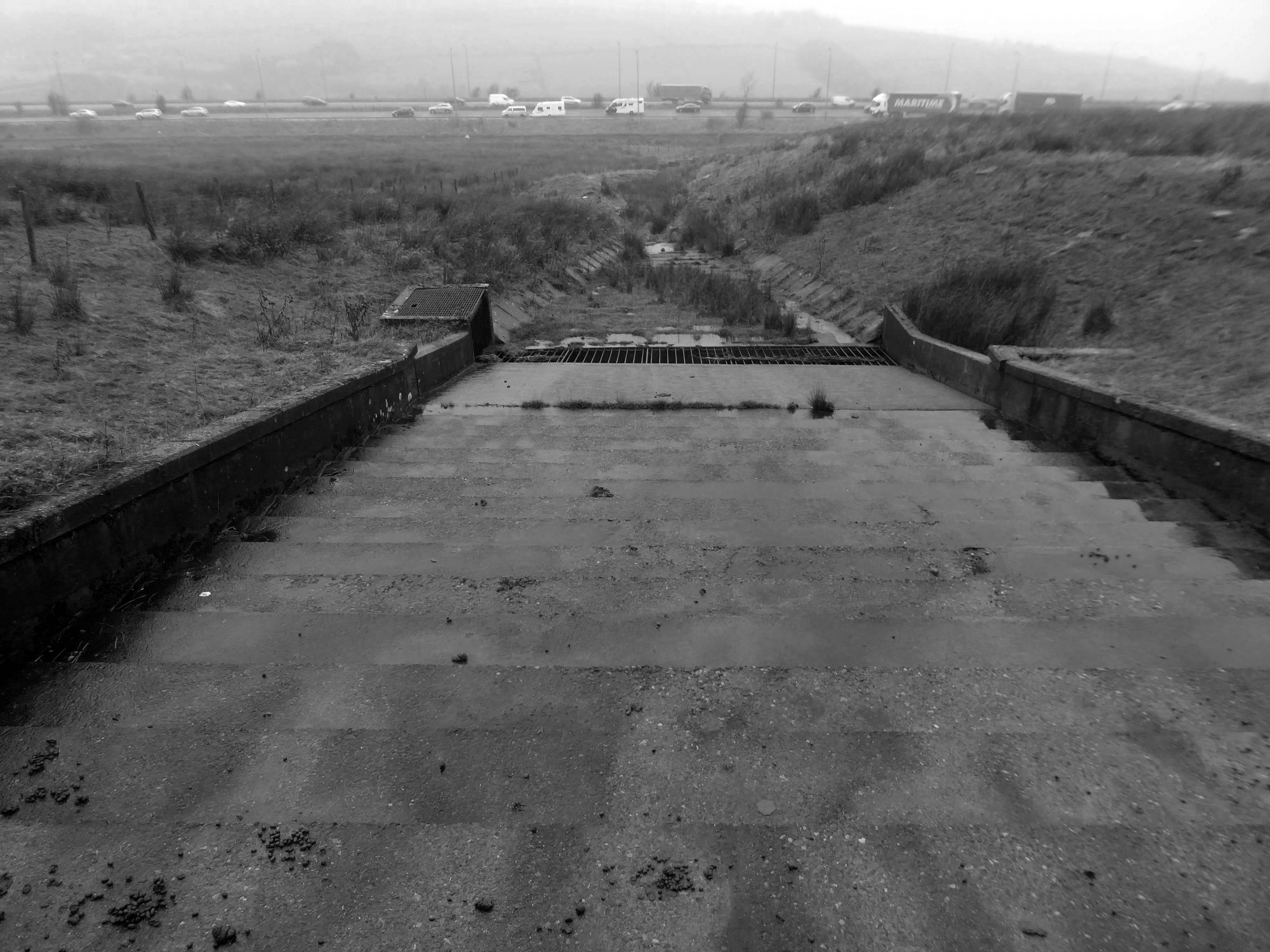
Climbing again over Cow Gate Hill to meet the Saddleworth Road.
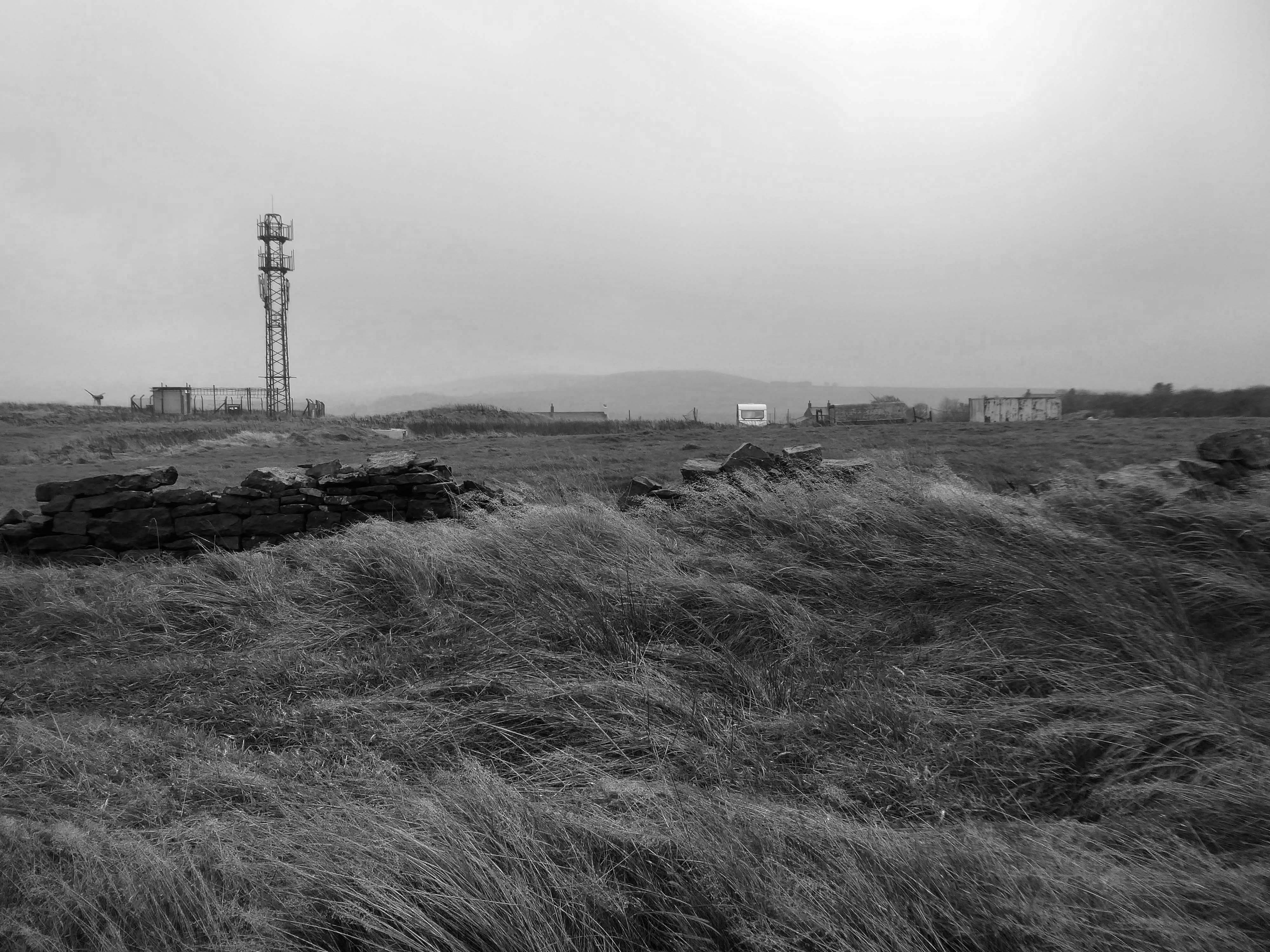
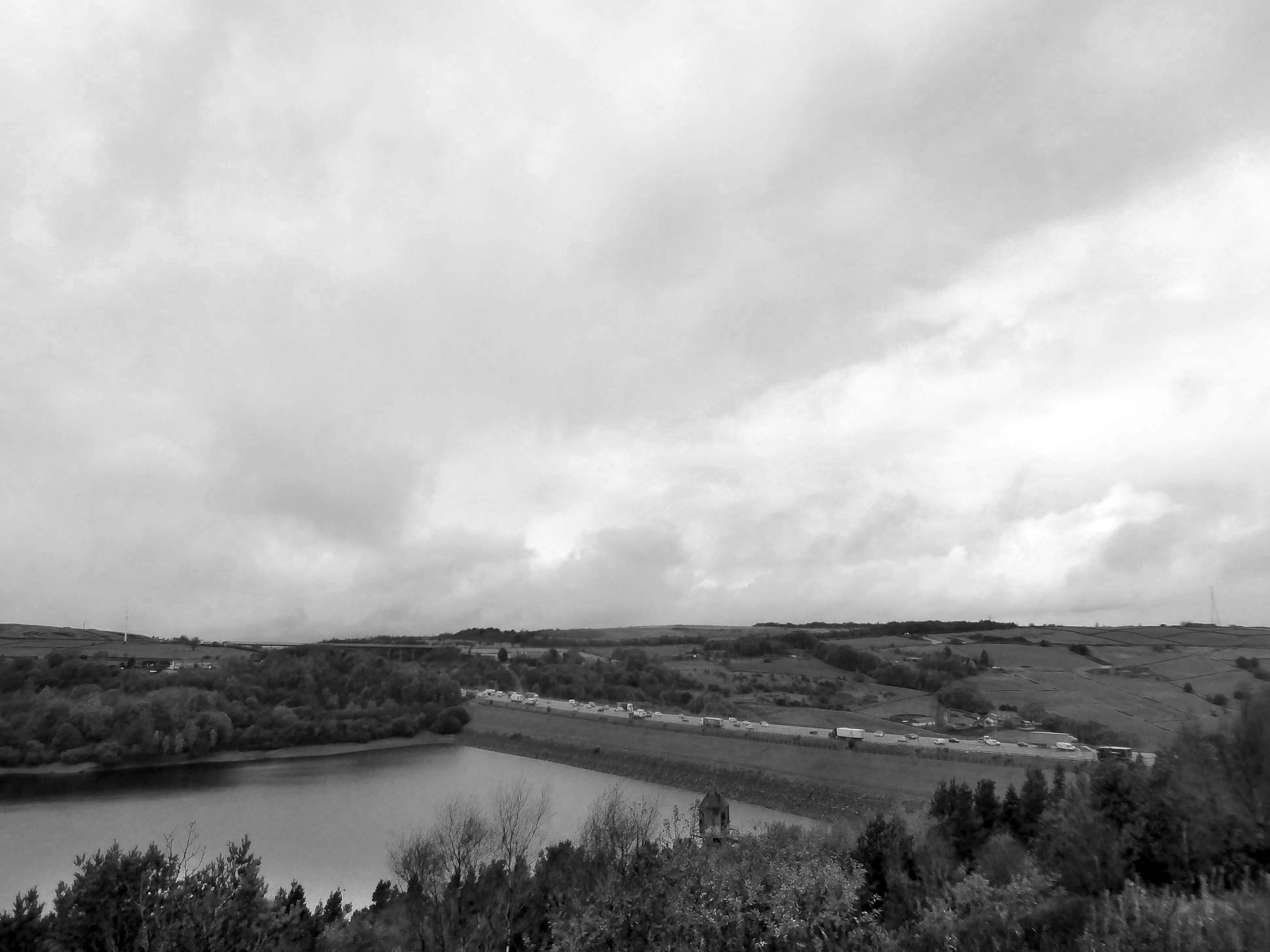
Crossing the motorway and dropping down to meet the Scammonden Dam.
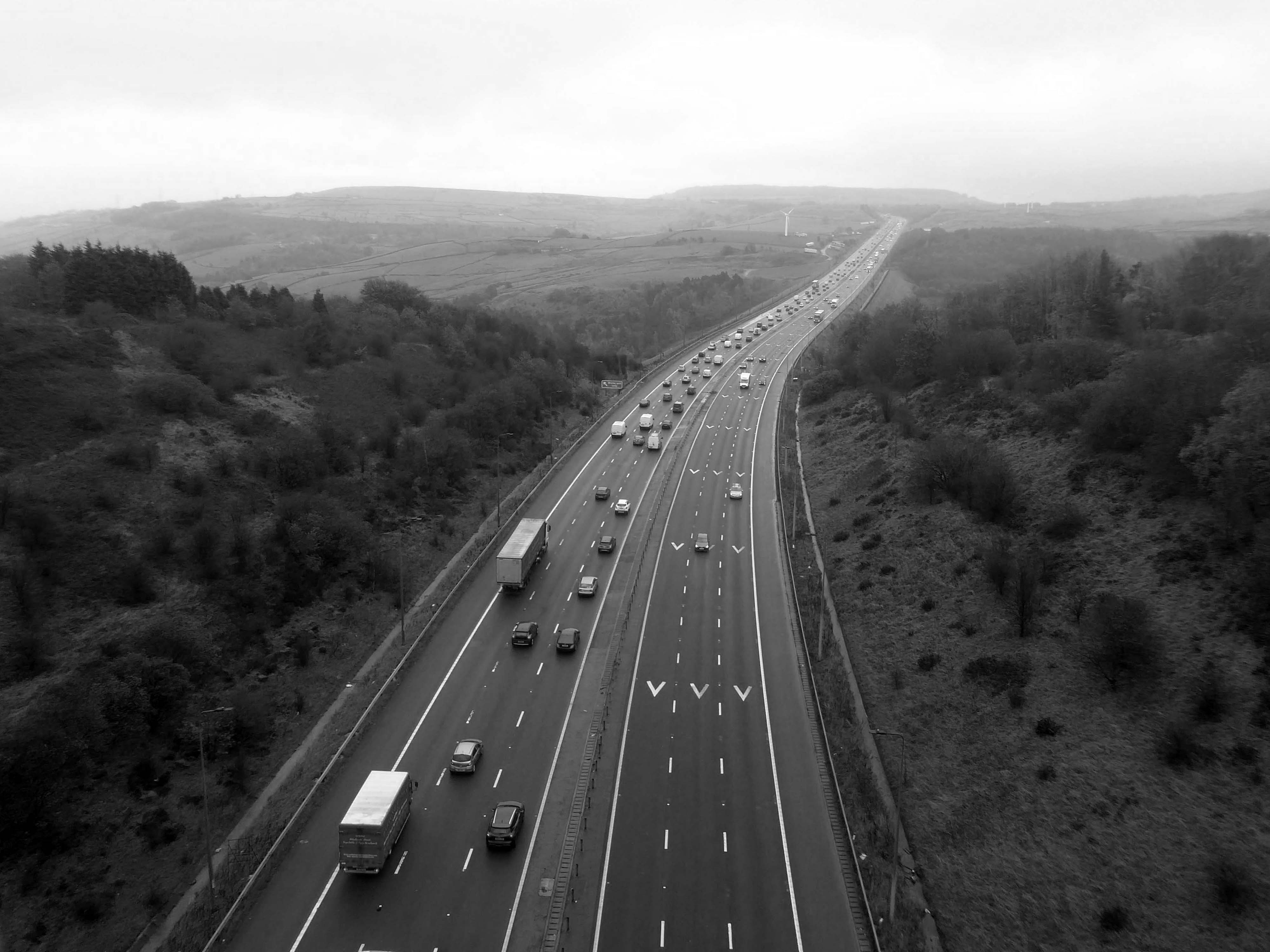
Scammonden Dam is part of the M62 motorway between junctions 22 and 23, the only such structure in Britain. Its construction by the Ministry of Transport and Huddersfield Corporation Waterworks required the passing of the Huddersfield Corporation Act 1965. The motorway dam spans the Deanhead Valley in the Pennines between Huddersfield and Rochdale and the main contractor for the project was  Sir Alfred McAlpine & Sons.

It was designed by Rofe, Kennard and Lapworth

Surveying began in November 1961 and the route of the carriageway was determined in mid 1963. Excavation in the Deanhead Valley commenced the following year and for the dam in 1966. This required the removal of 25,200,000 cu ft of peat bog to reach the solid rock base nearly 43 ft below ground level. Material excavated elsewhere on the line of the motorway, clay from cuttings between Lofthouse and Gildersome, and 3.4 million cubic metres from the Deanhead excavations was used to build the dam’s embankment which is 2,051 ft in length and 207 ft above the original valley floor. The embankment is 1,427 ft wide at its base and 180 ft at road level.
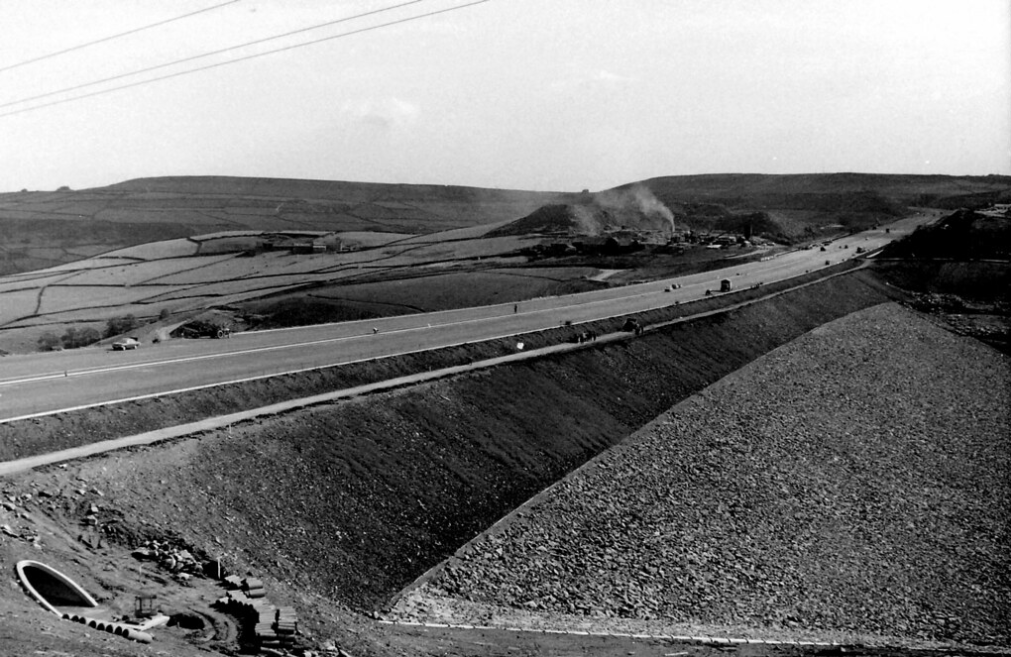
Wikipedia

Barry Skilbeck: Flickr

Scammonden steps comprises five flights of steps up the hillside from the valley below. Totaling 458 steps, the cumulative step count when ascending each of the five flights is 95, 200, 287, 363 then 458.
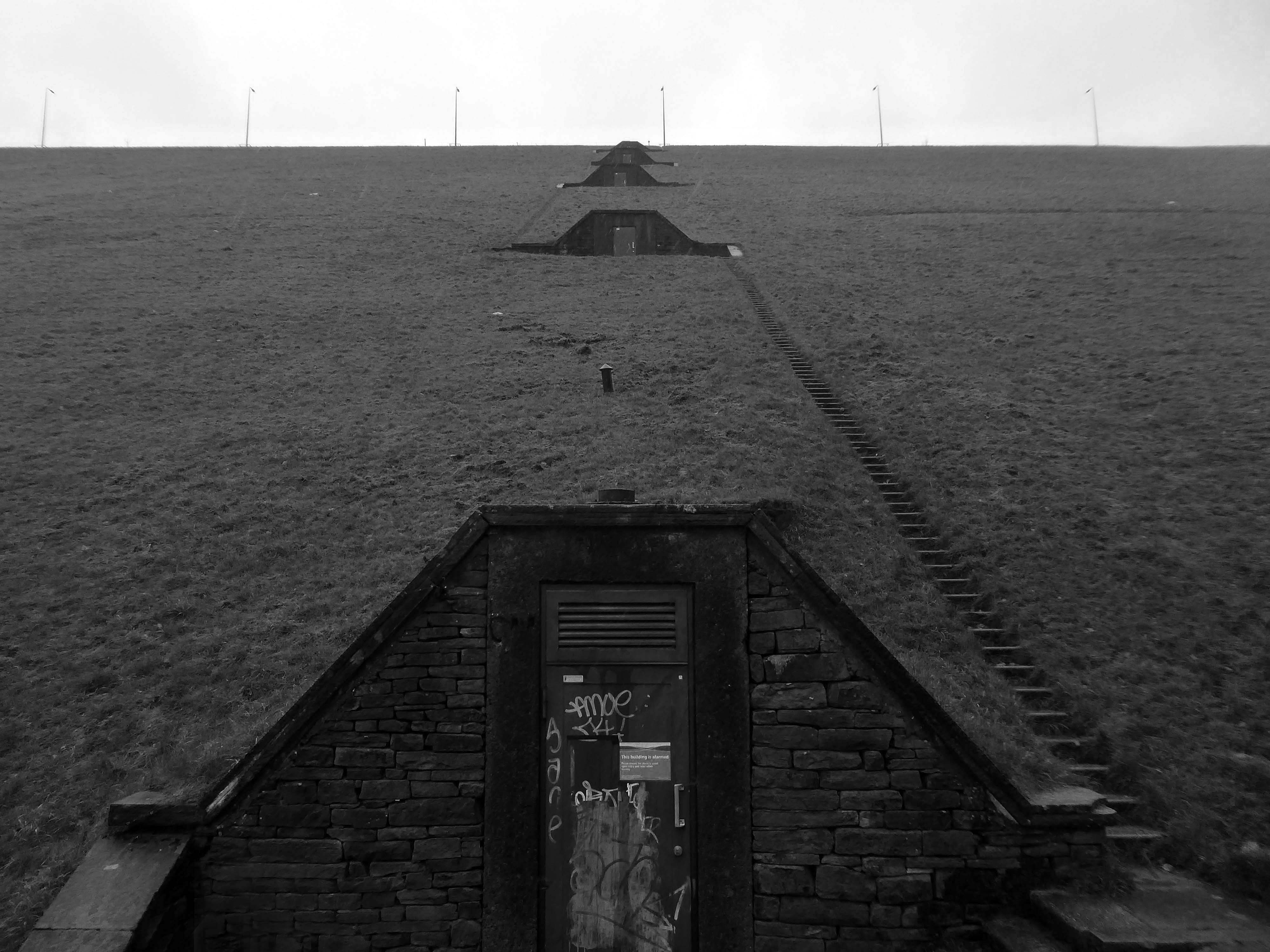
At the base of the dam is this delightful Pumping House.
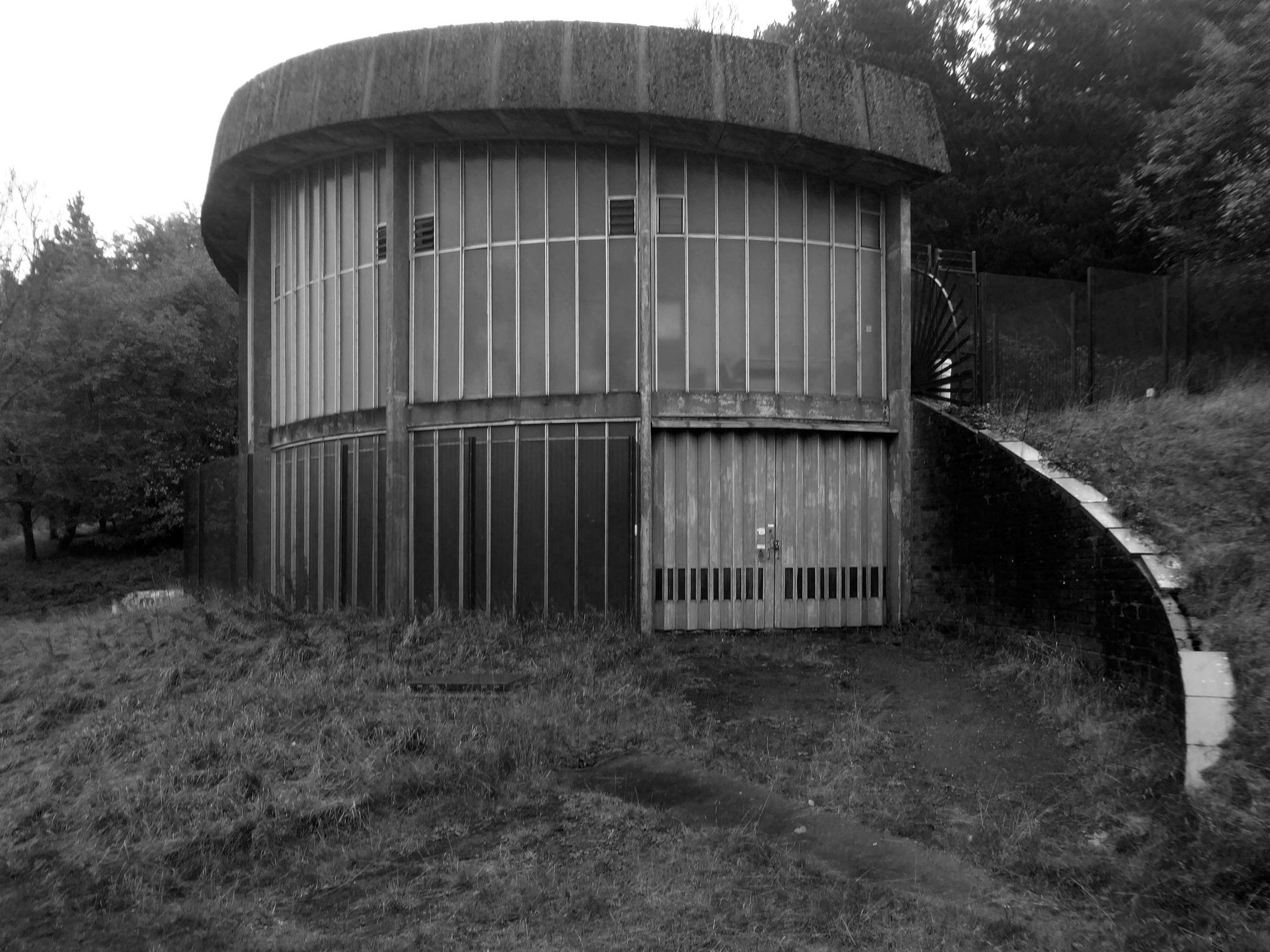
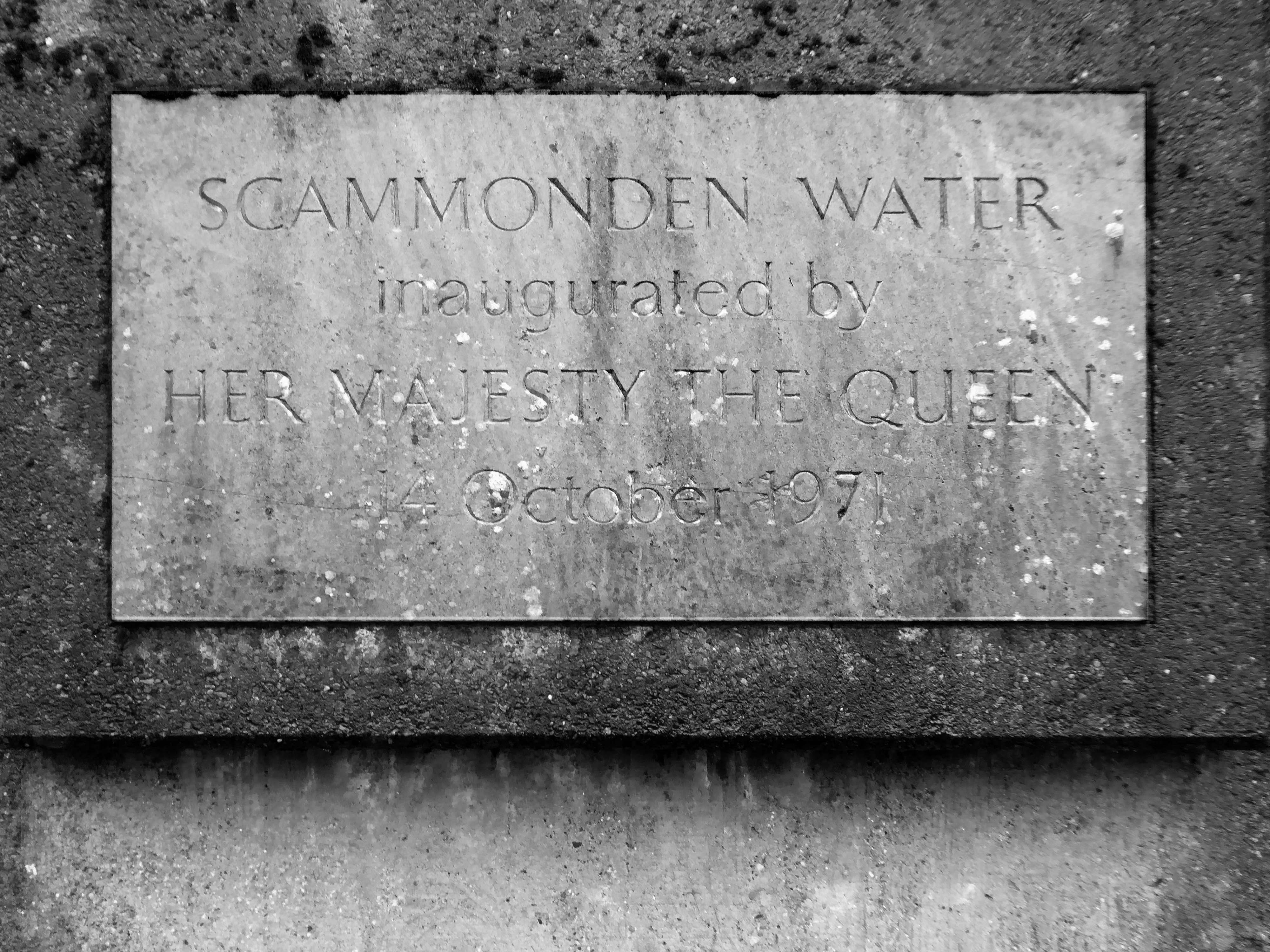
The motorway, which was dependent on the completion of the dam, was opened to traffic on 20th December 1970 and officially opened by Queen Elizabeth II who unveiled a plaque near the valve tower of Scammonden Water on 14 October 1971.

Ascending and looking back toward Scammonden Bridge also known locally as the Brown Cow Bridge – after the nearby Brown Cow Inn, now closed, spans the Deanhead cutting carrying the B6114.

The bridge was built for the West Riding County Council to the designs of the county surveyor, Colonel S Maynard Lovell.

It opened to traffic on Monday 18 May 1970 by Major Bruce Eccles – Huddersfield Transport ran buses to see the bridge.
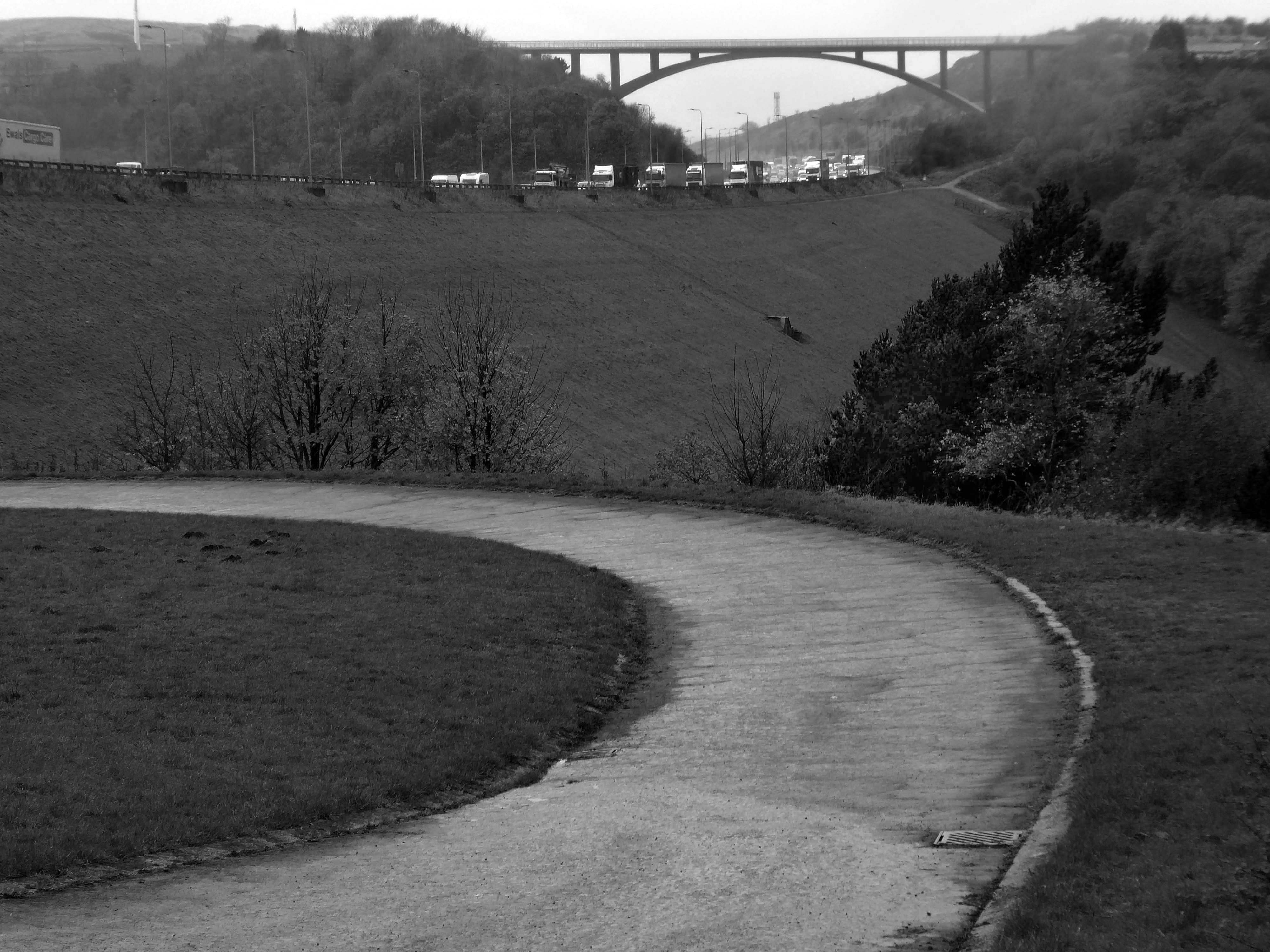
Wikipedia

We took the tunnel through the dam.
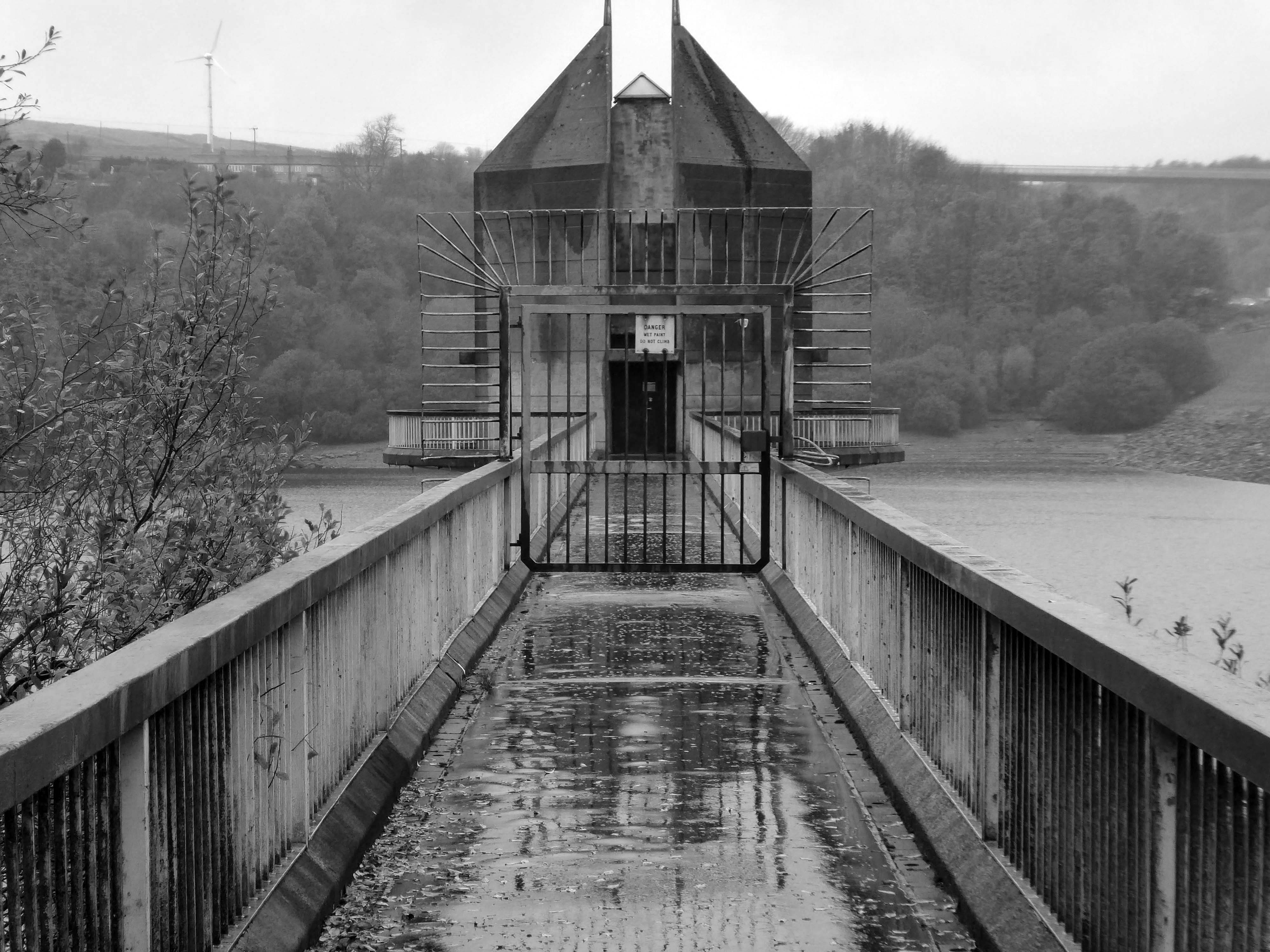
We walked back through Spring Royd, to meet the Newhey Road and onward to Outland and the bus back to Huddersfield.
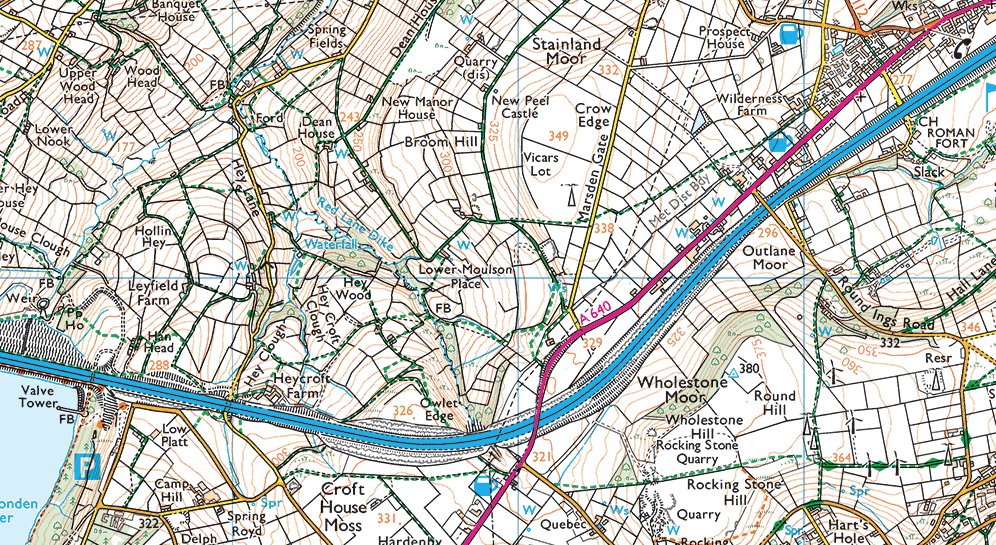
My sincere thanks to my erstwhile and educated guide Mr Phil Wood – so ably steering us along our watery way.
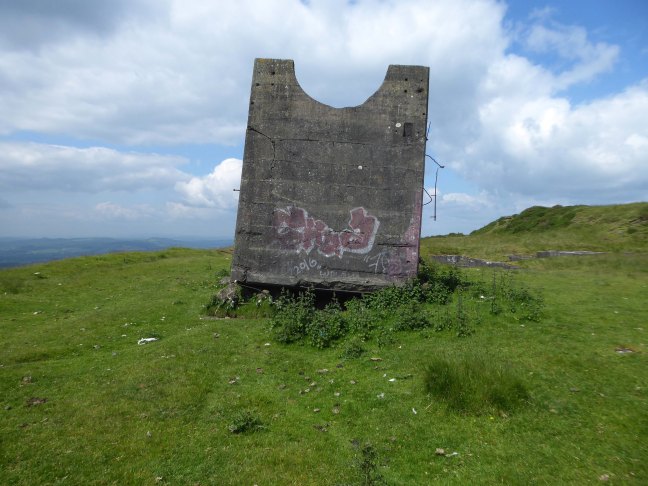
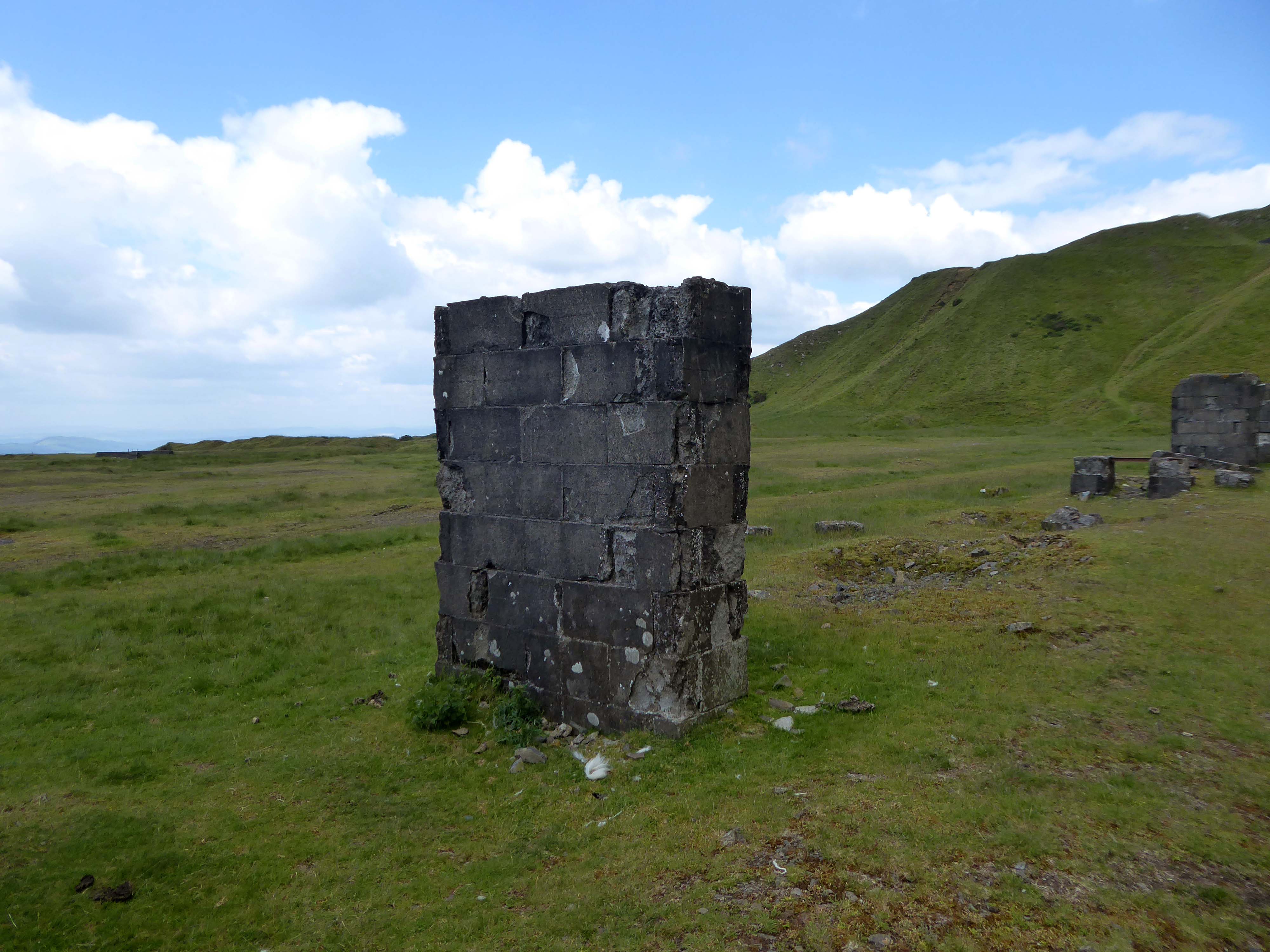
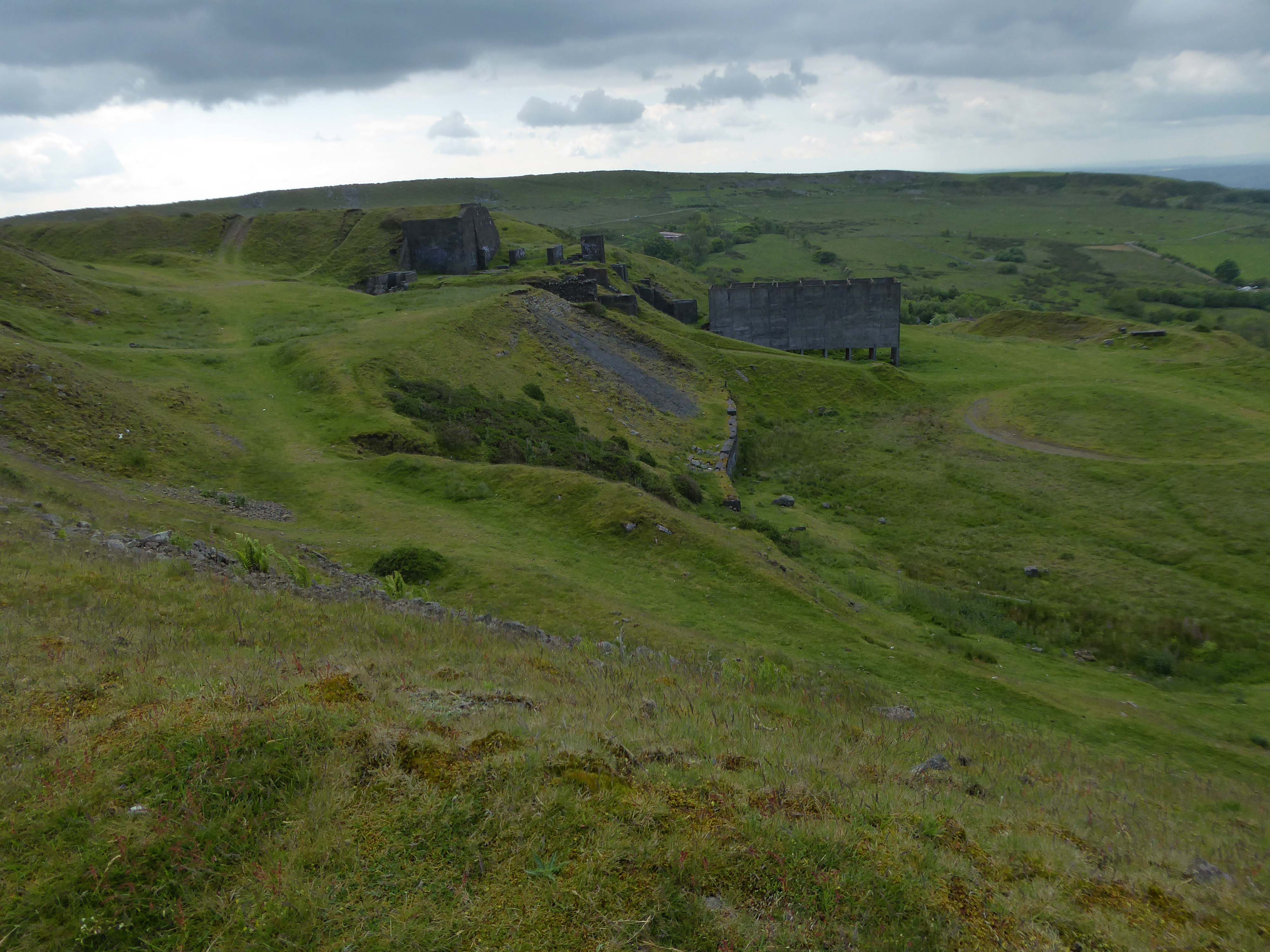
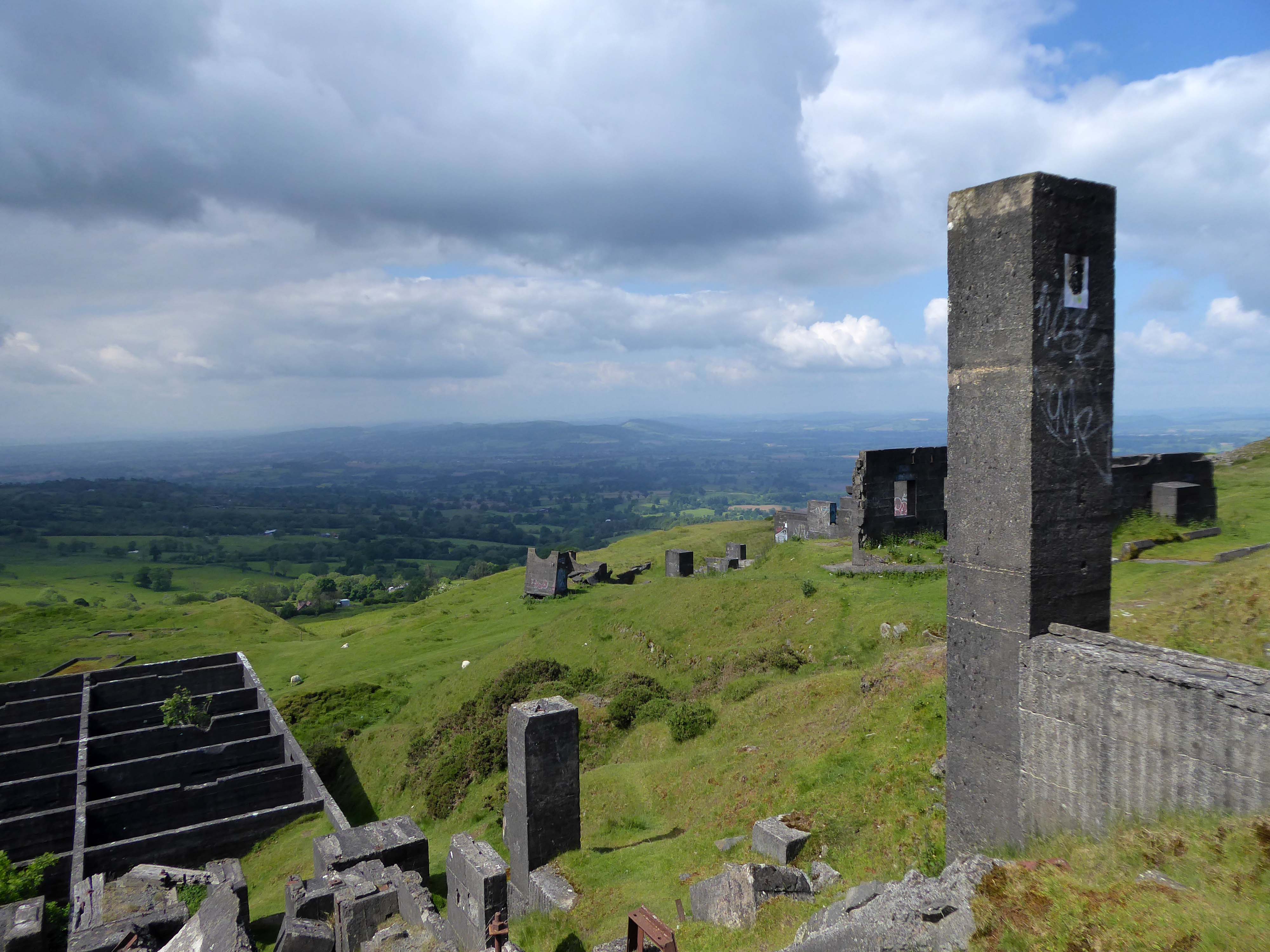
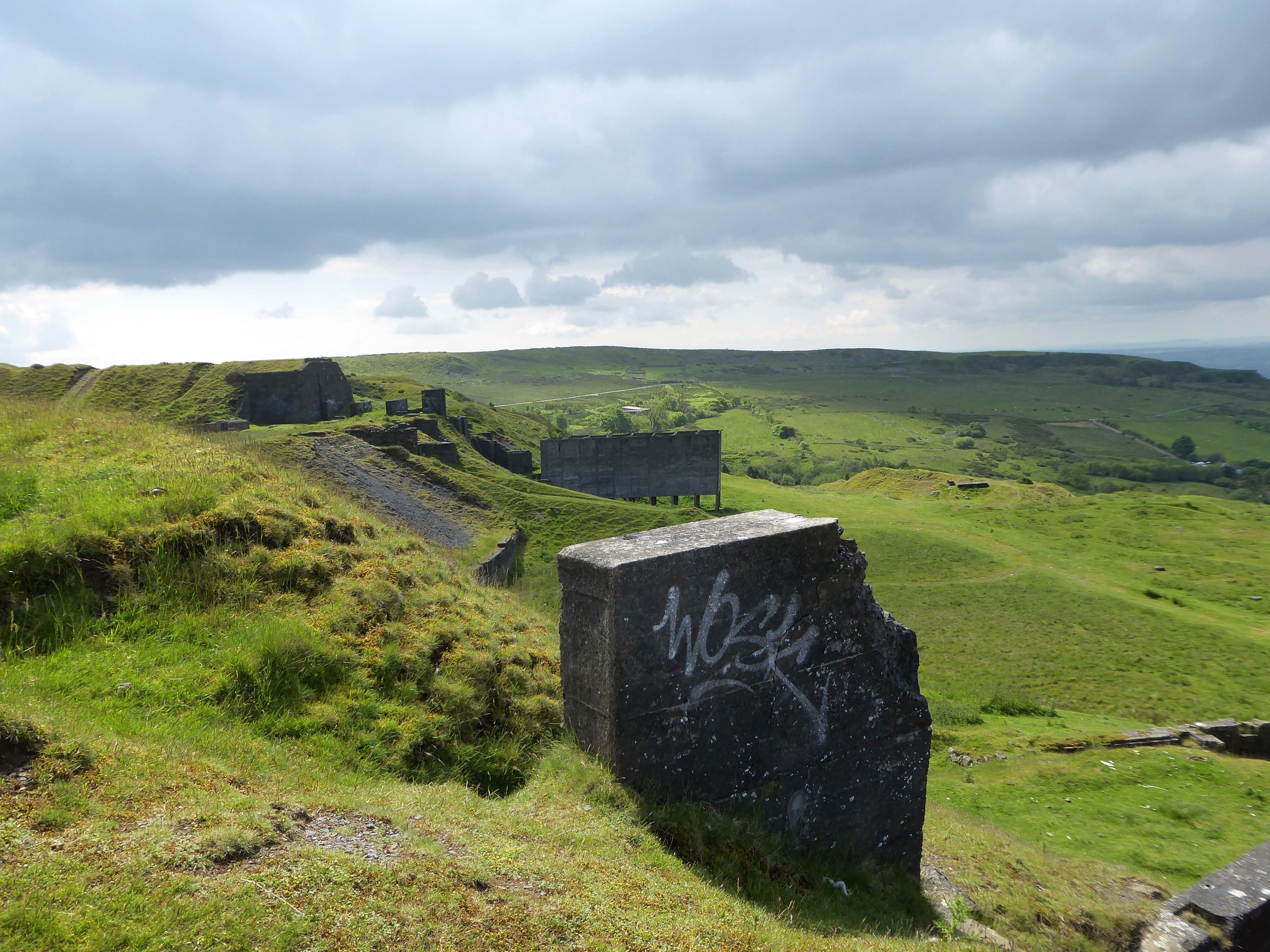
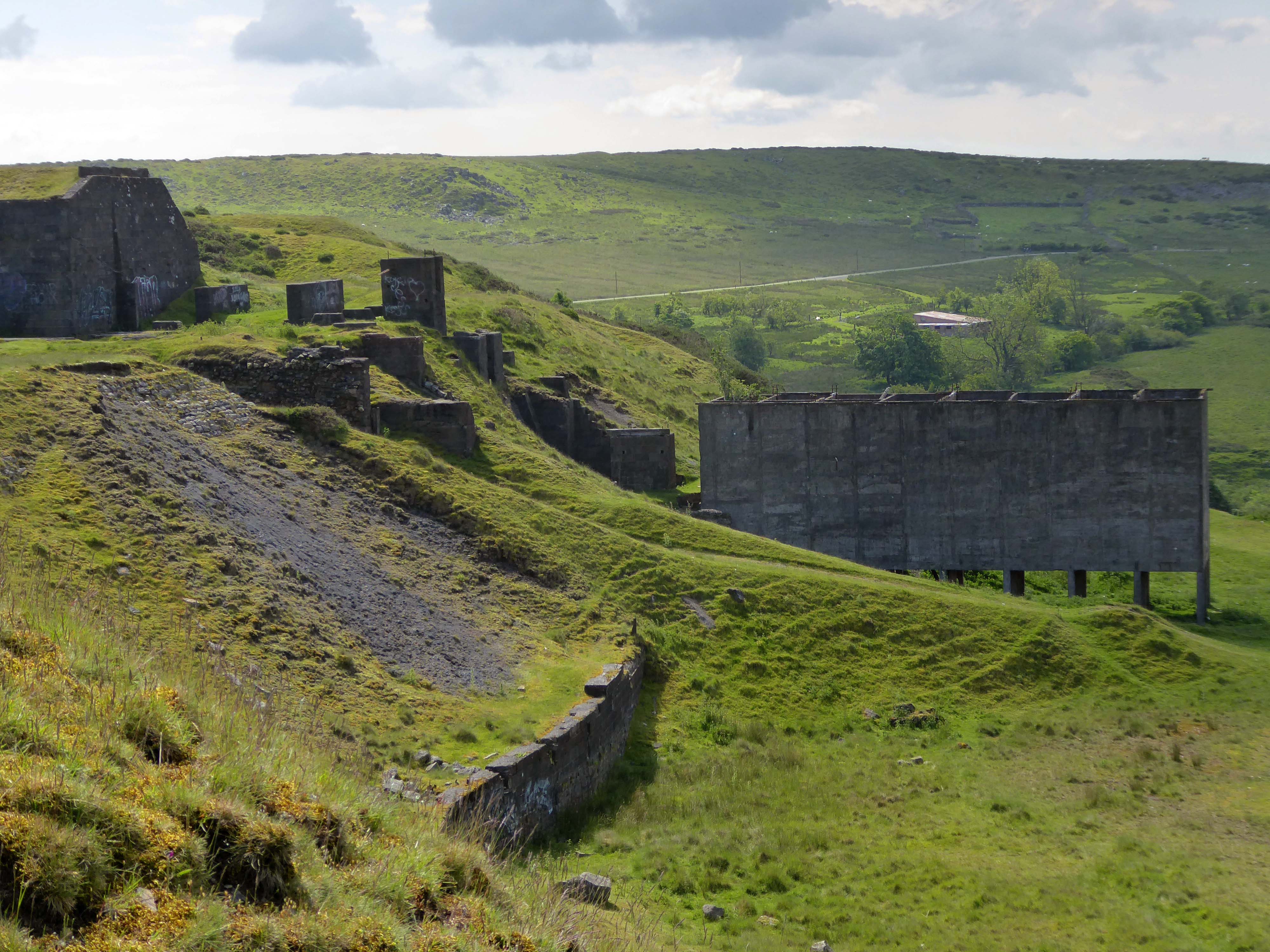
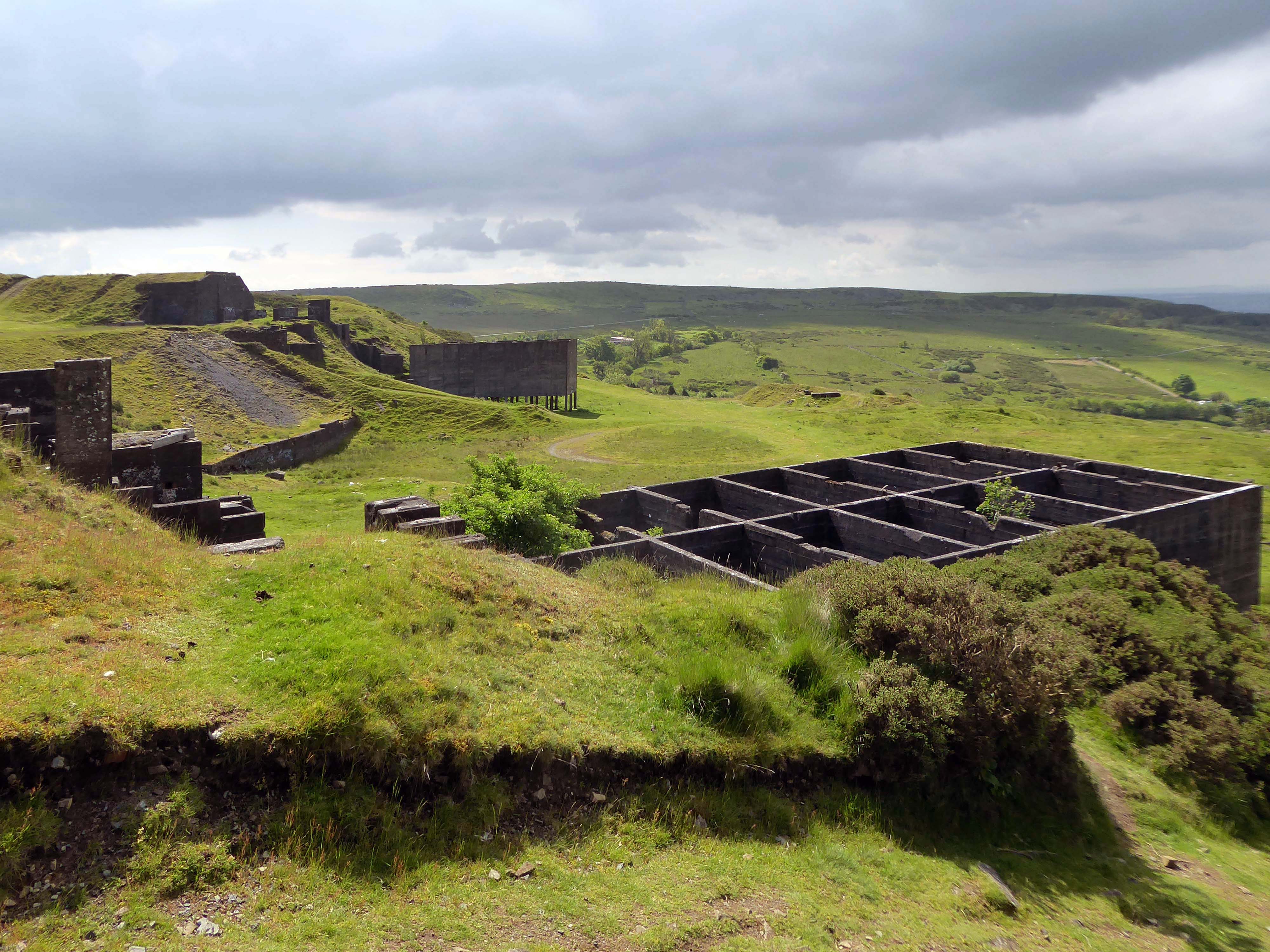
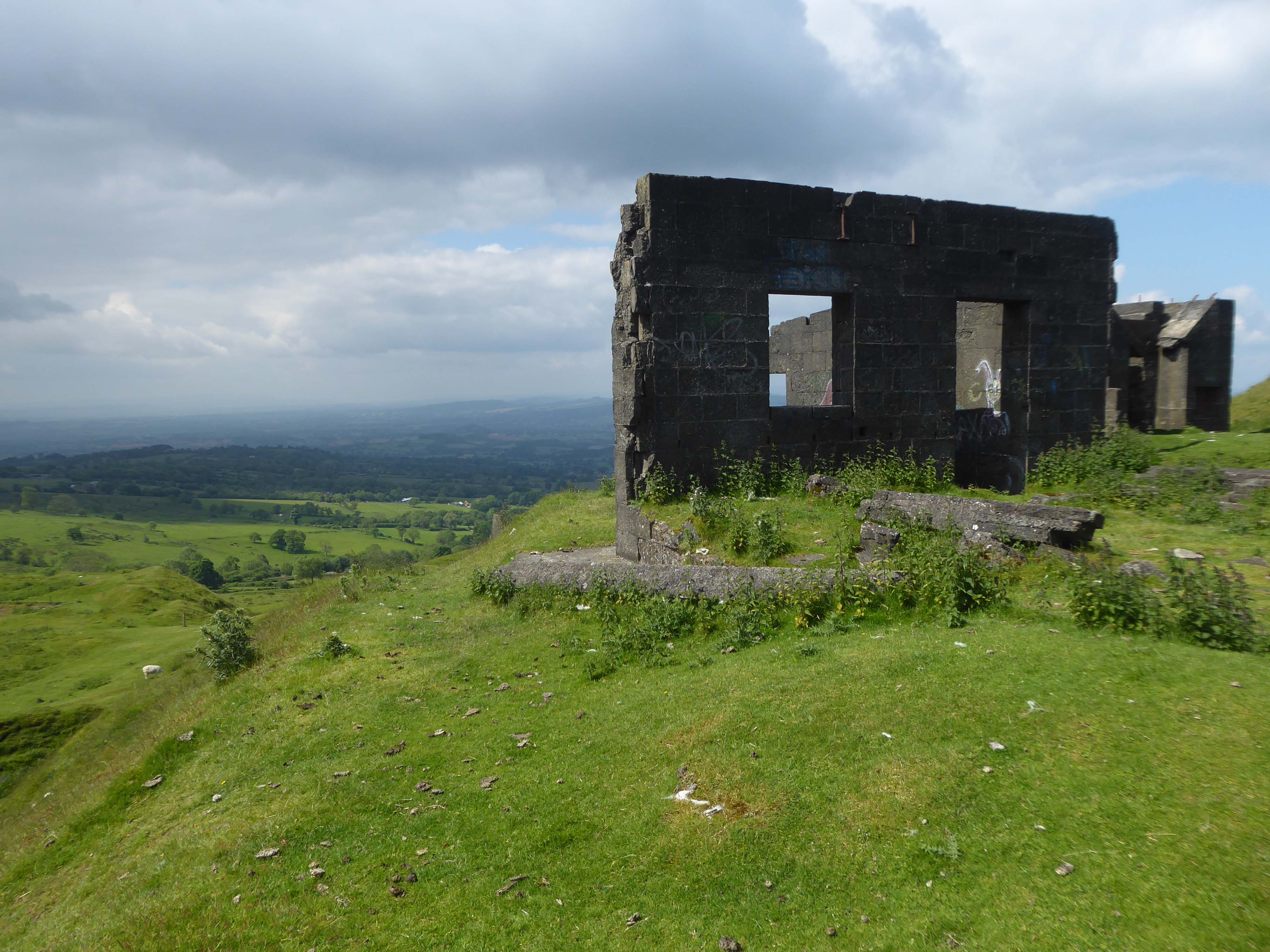
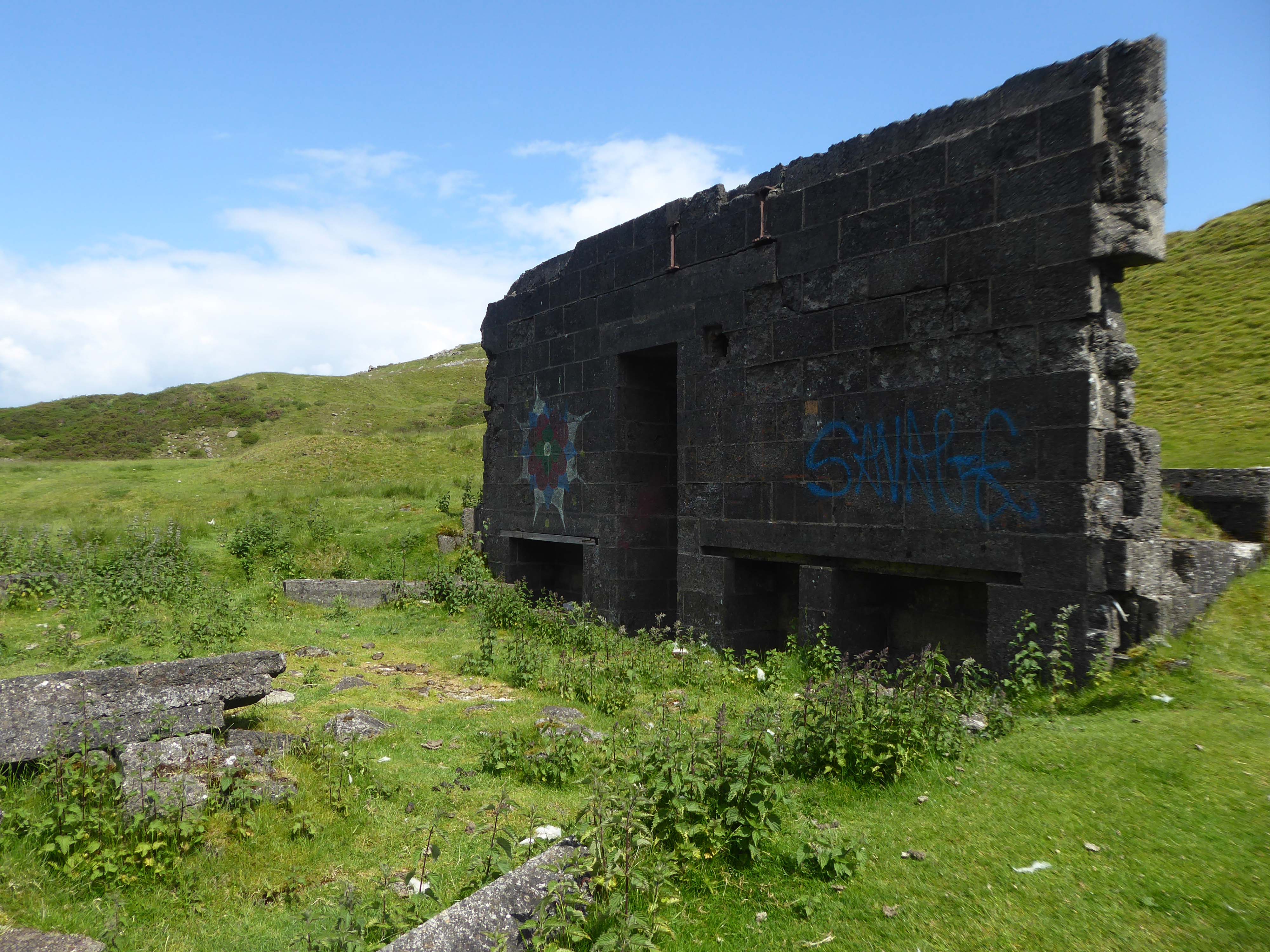
Titterstone Clee Hill Quarry

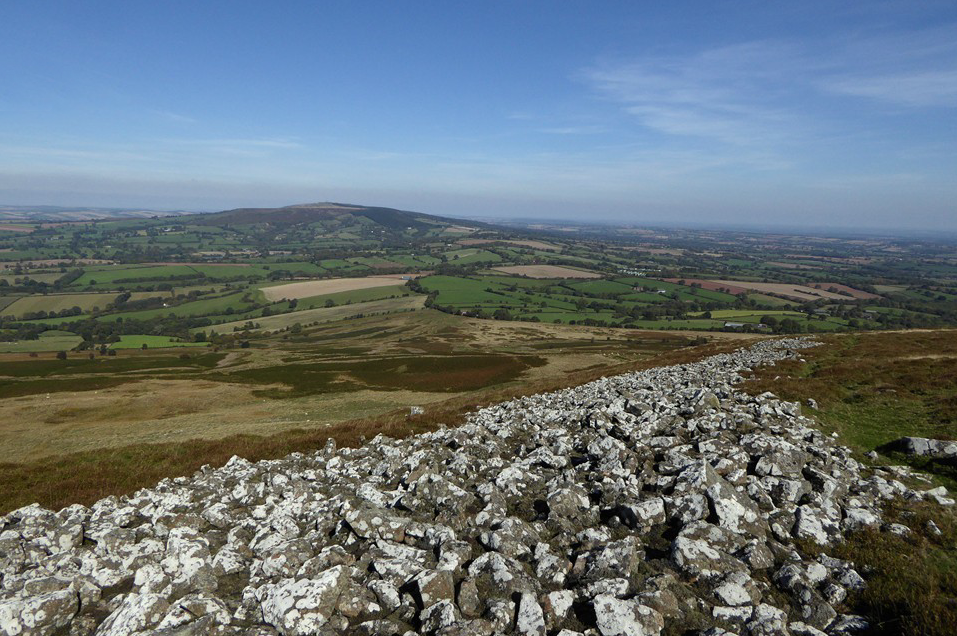
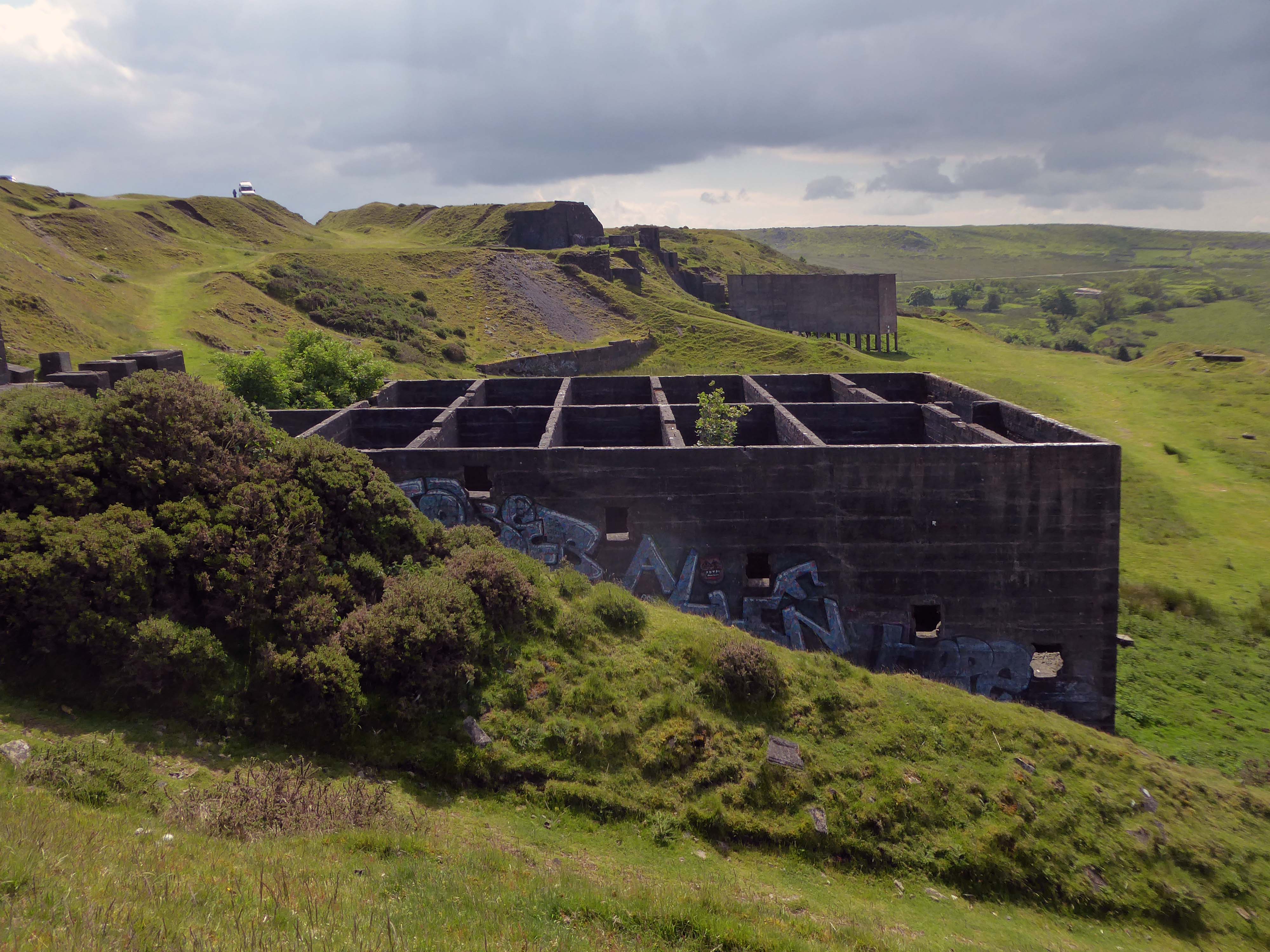
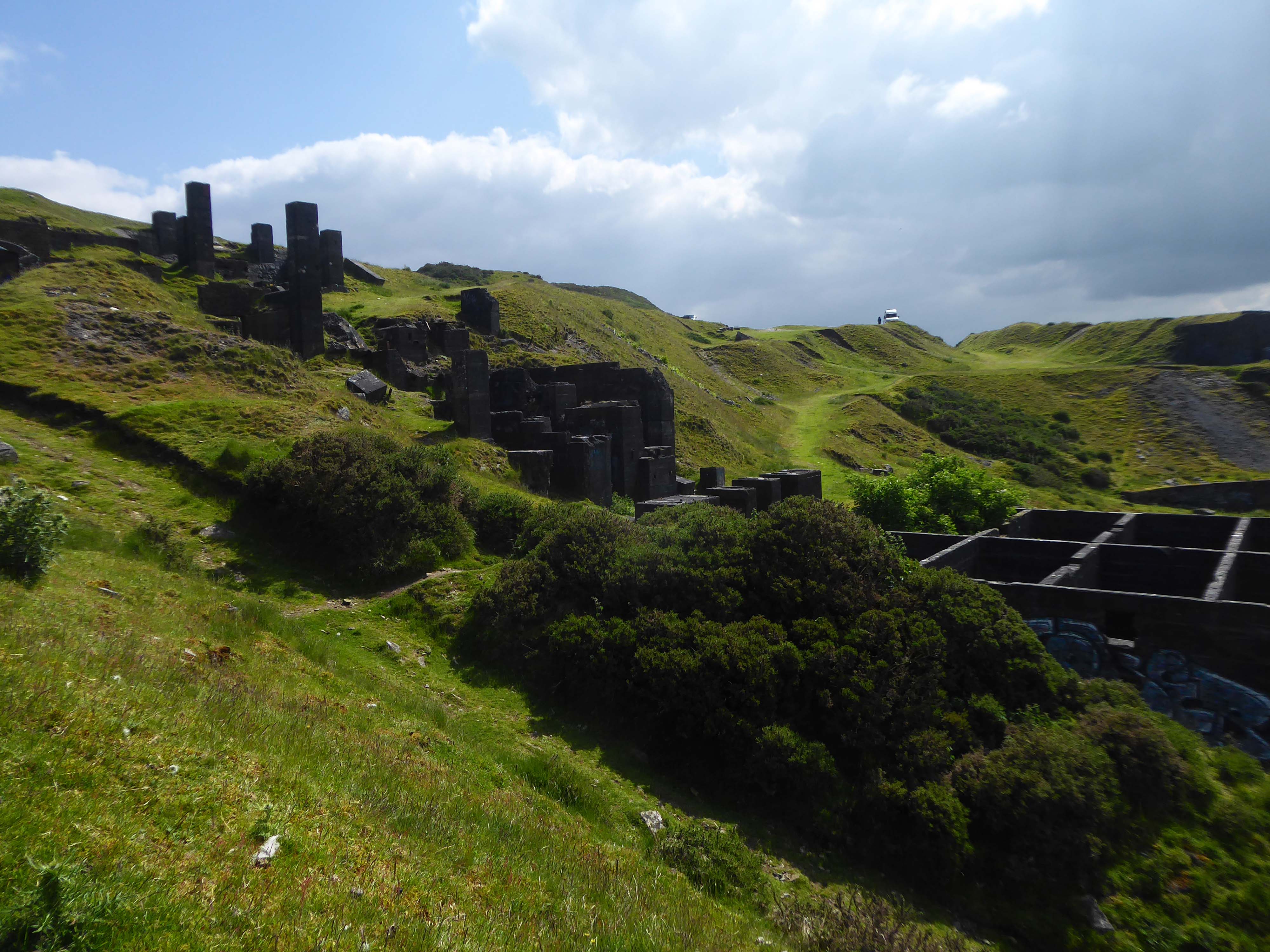
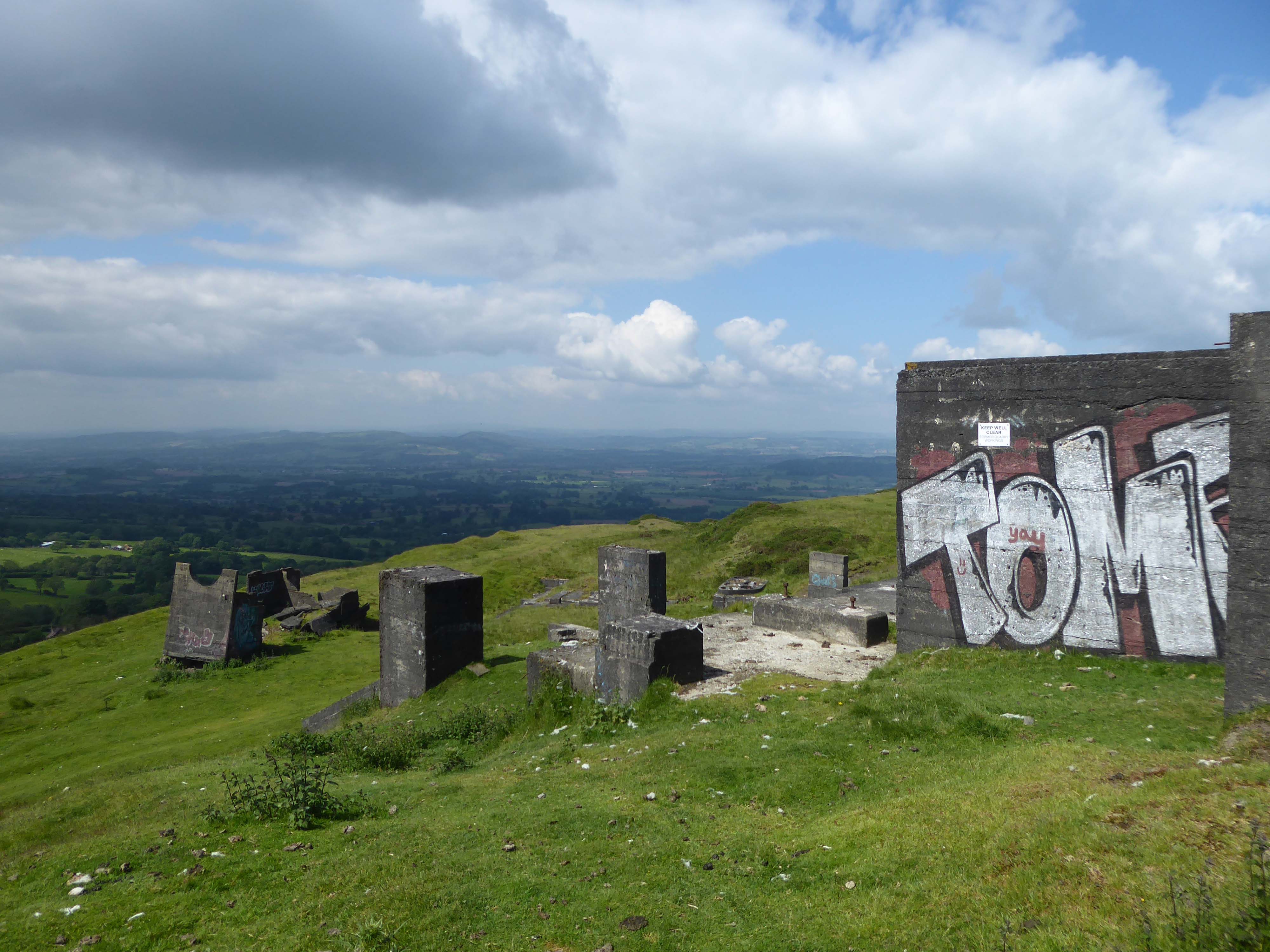
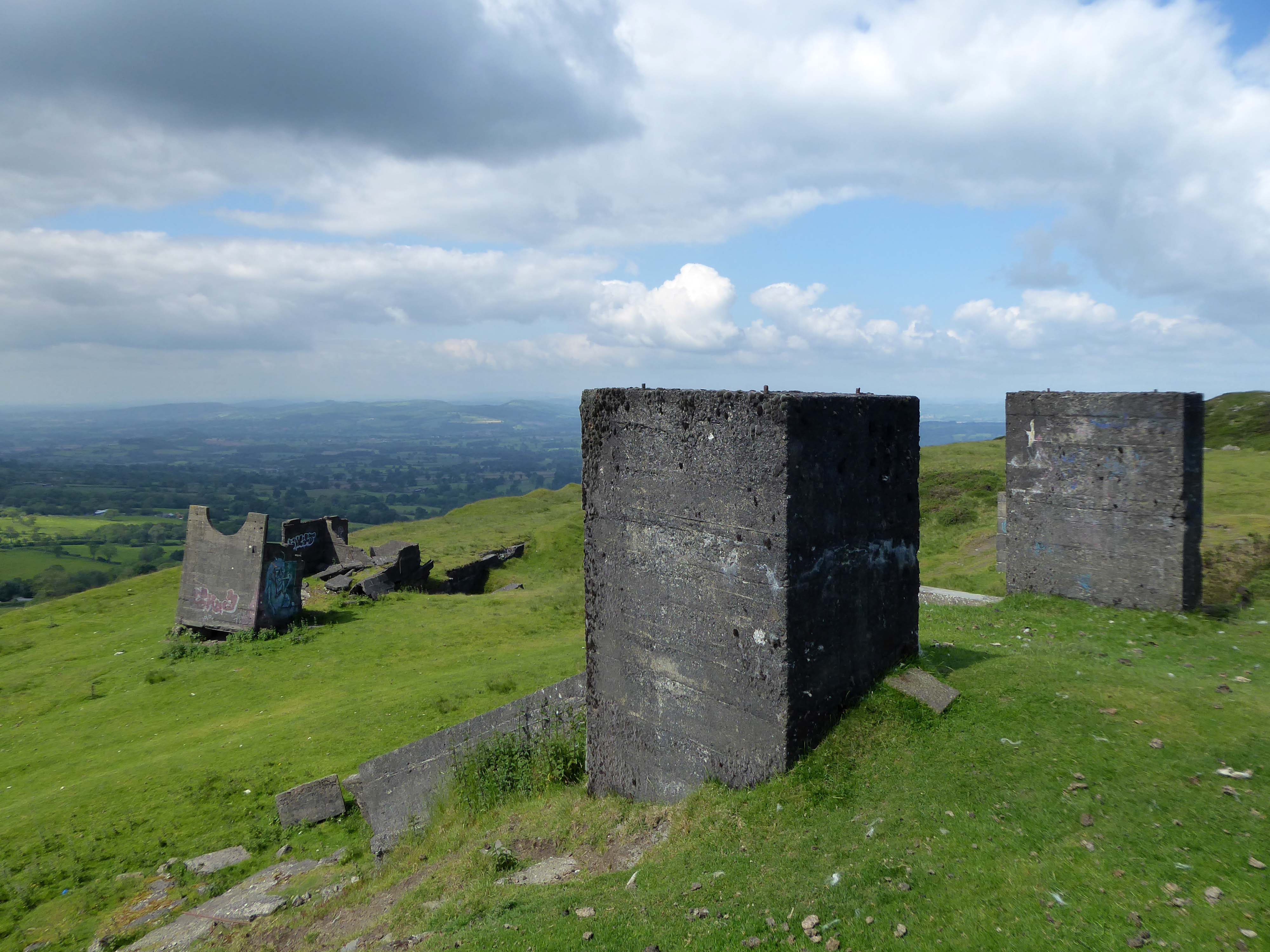
Titterstone Clee is the third-highest hill in Shropshire rising at the summit to 533 metres – 1,749 ft above sea level.

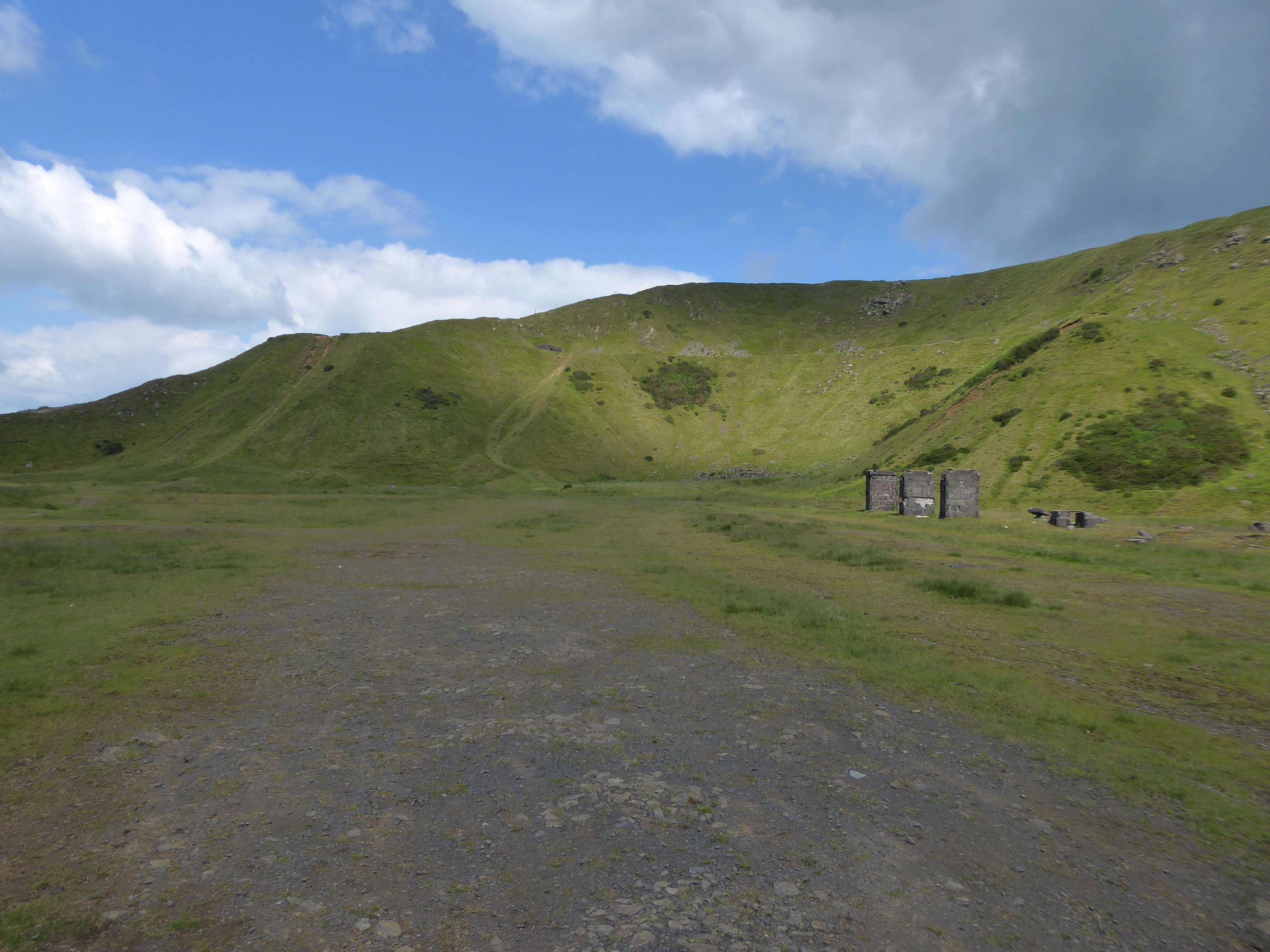
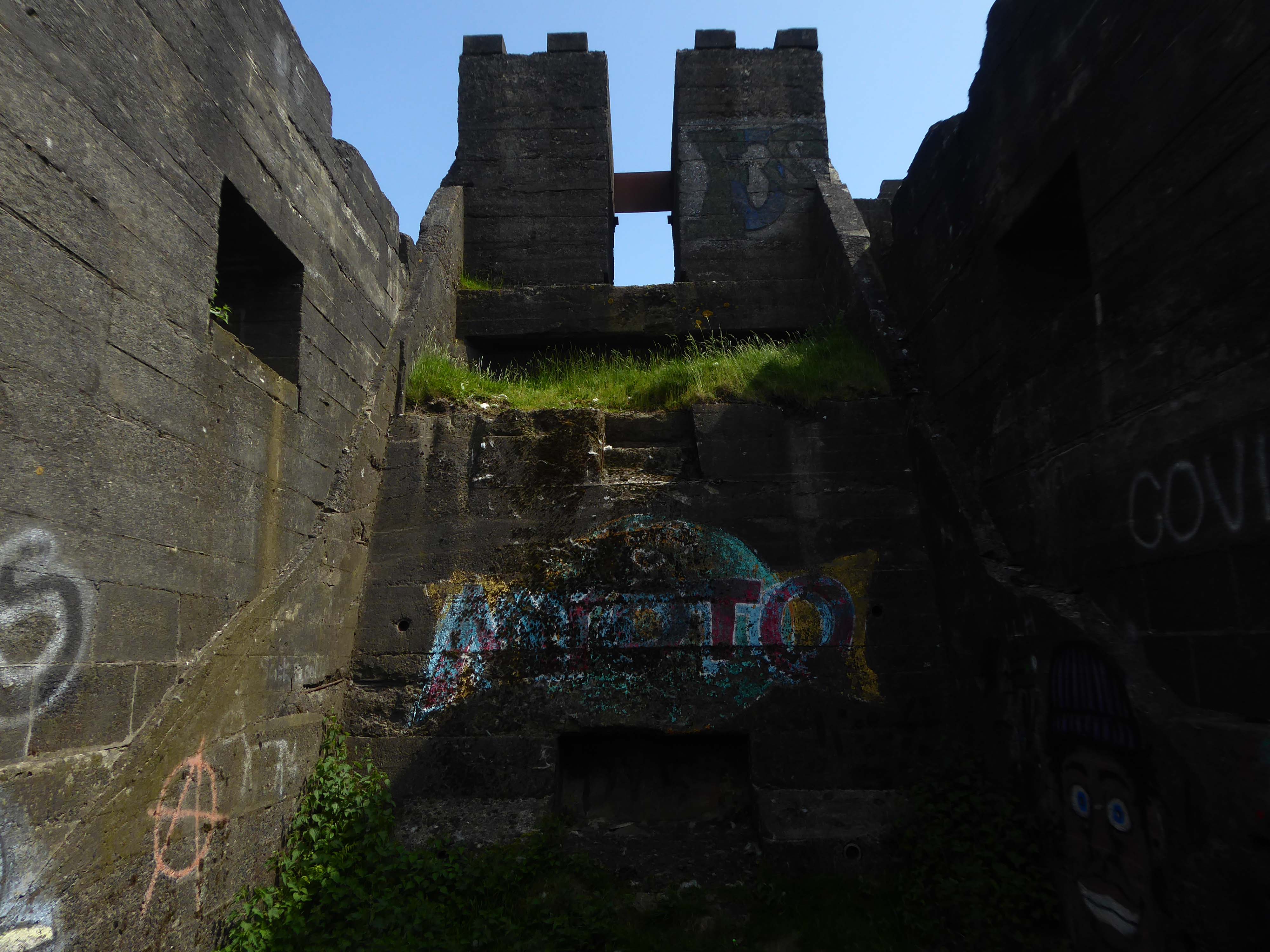
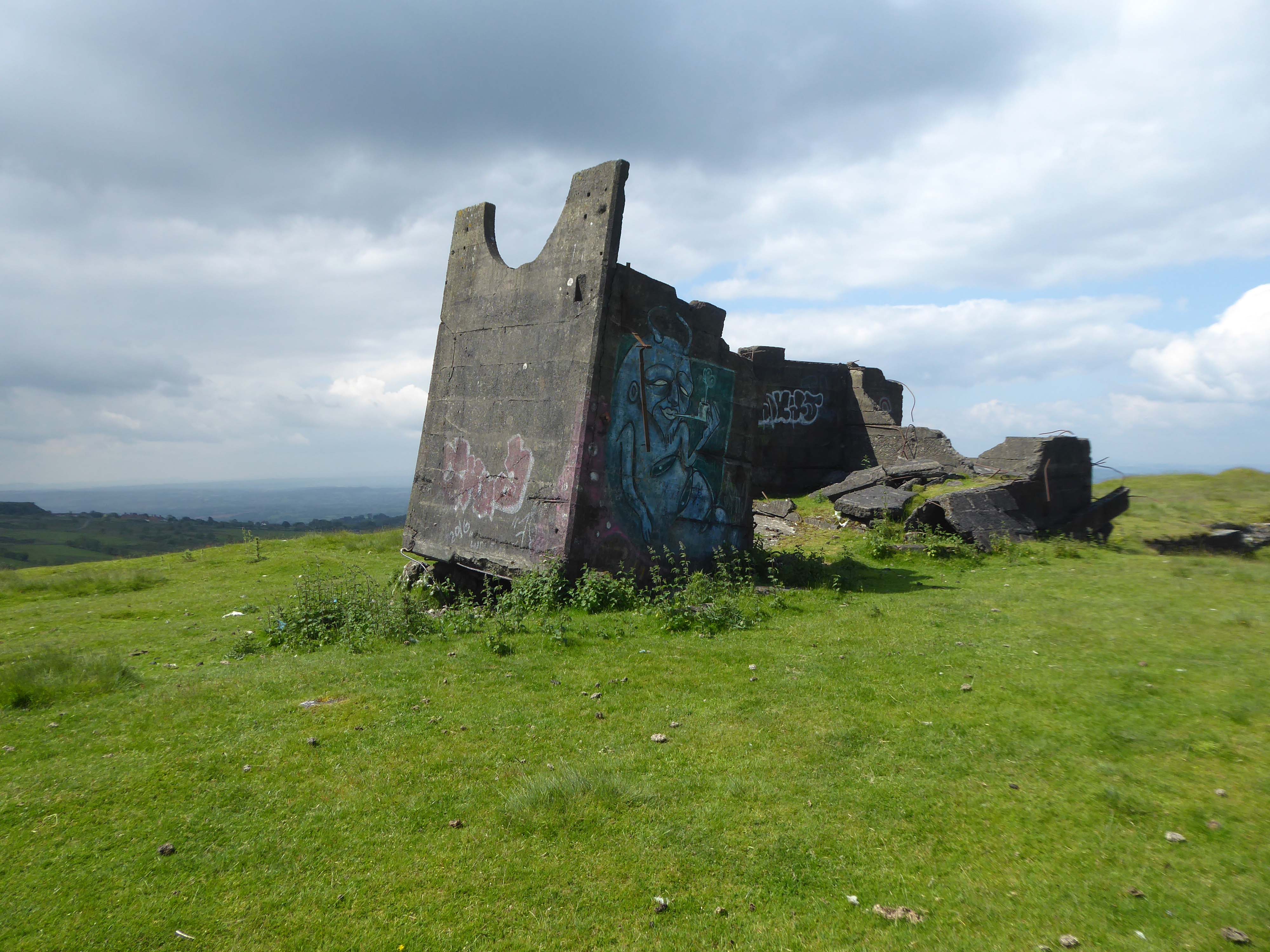
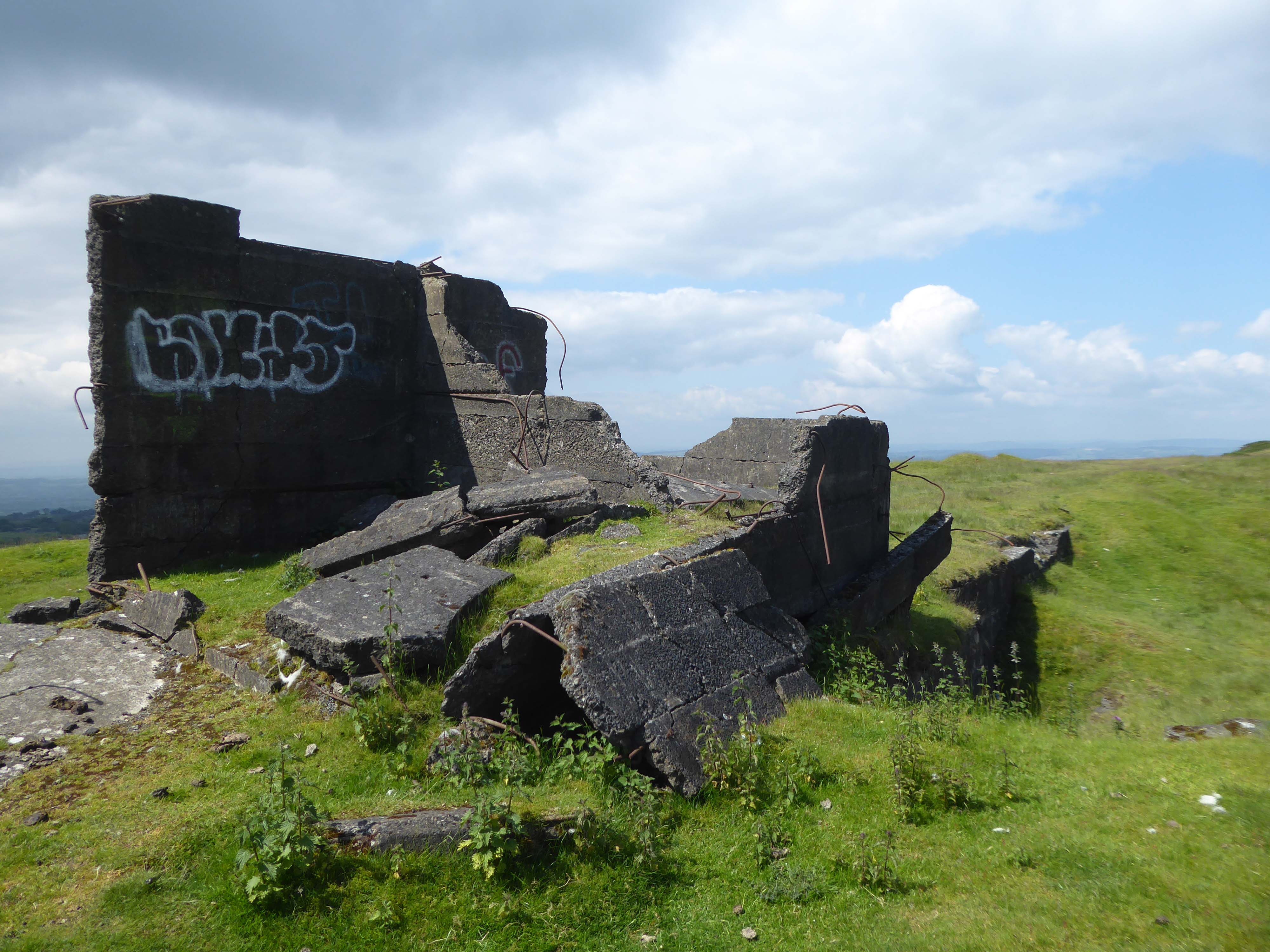
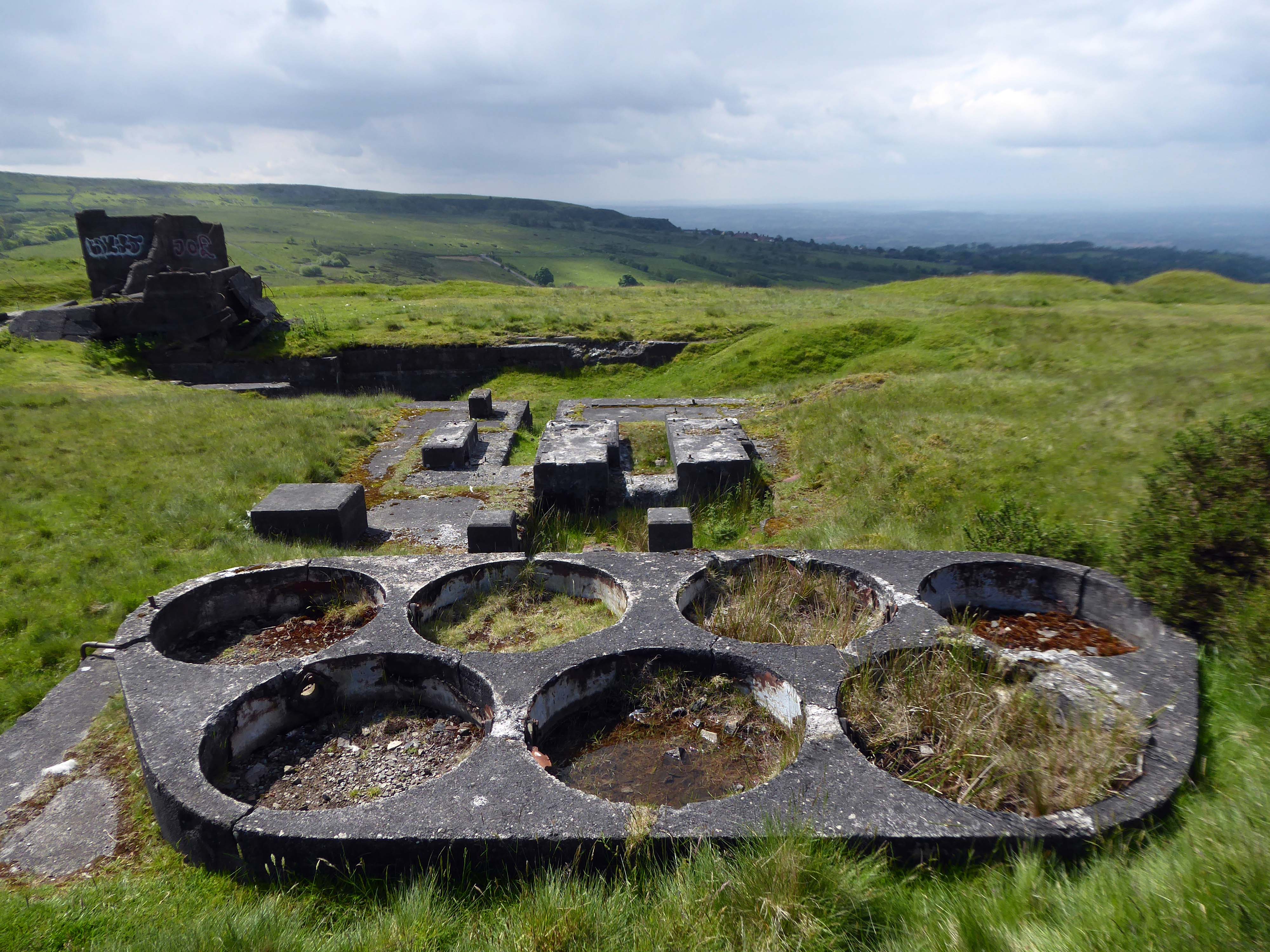
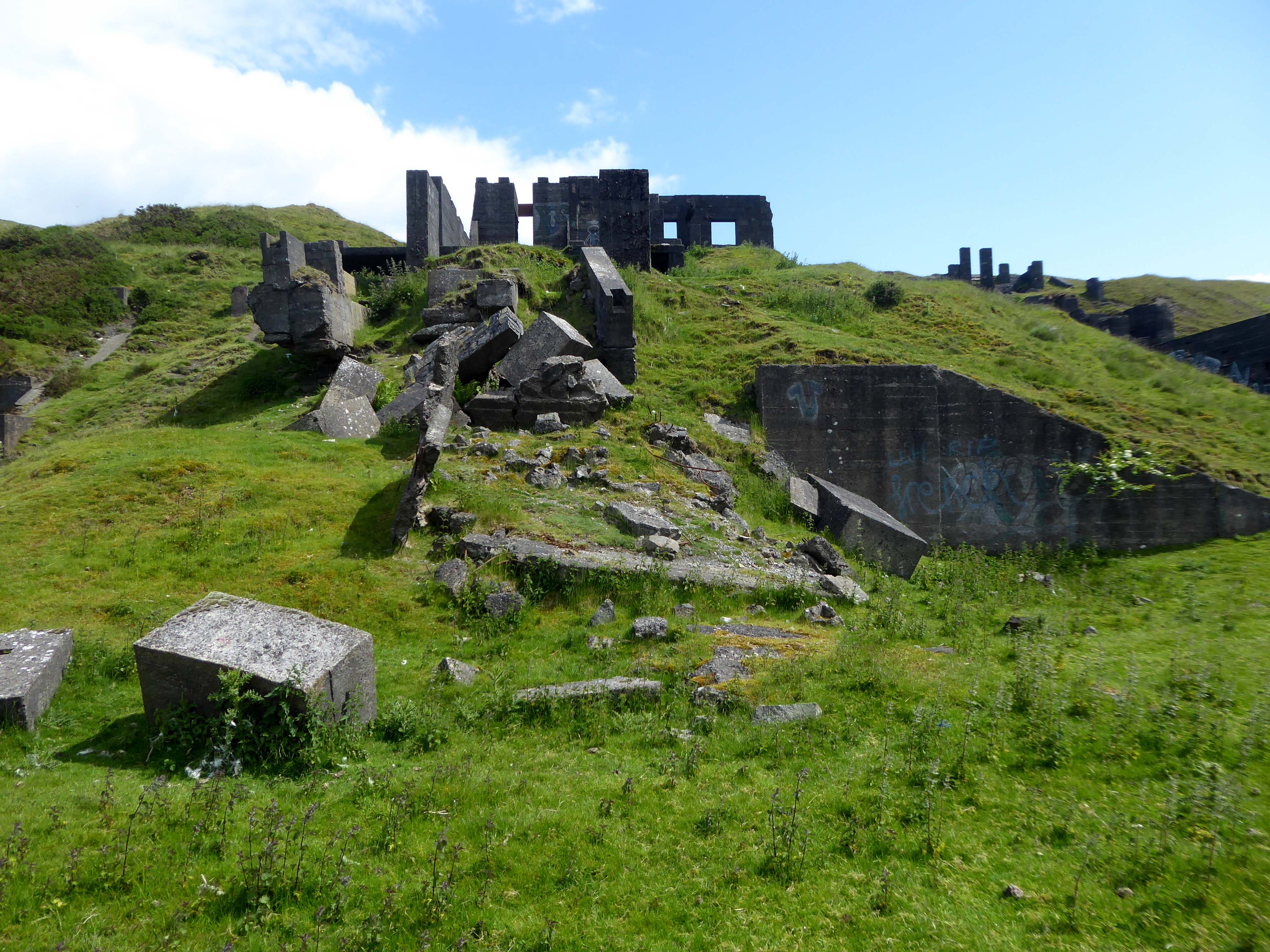
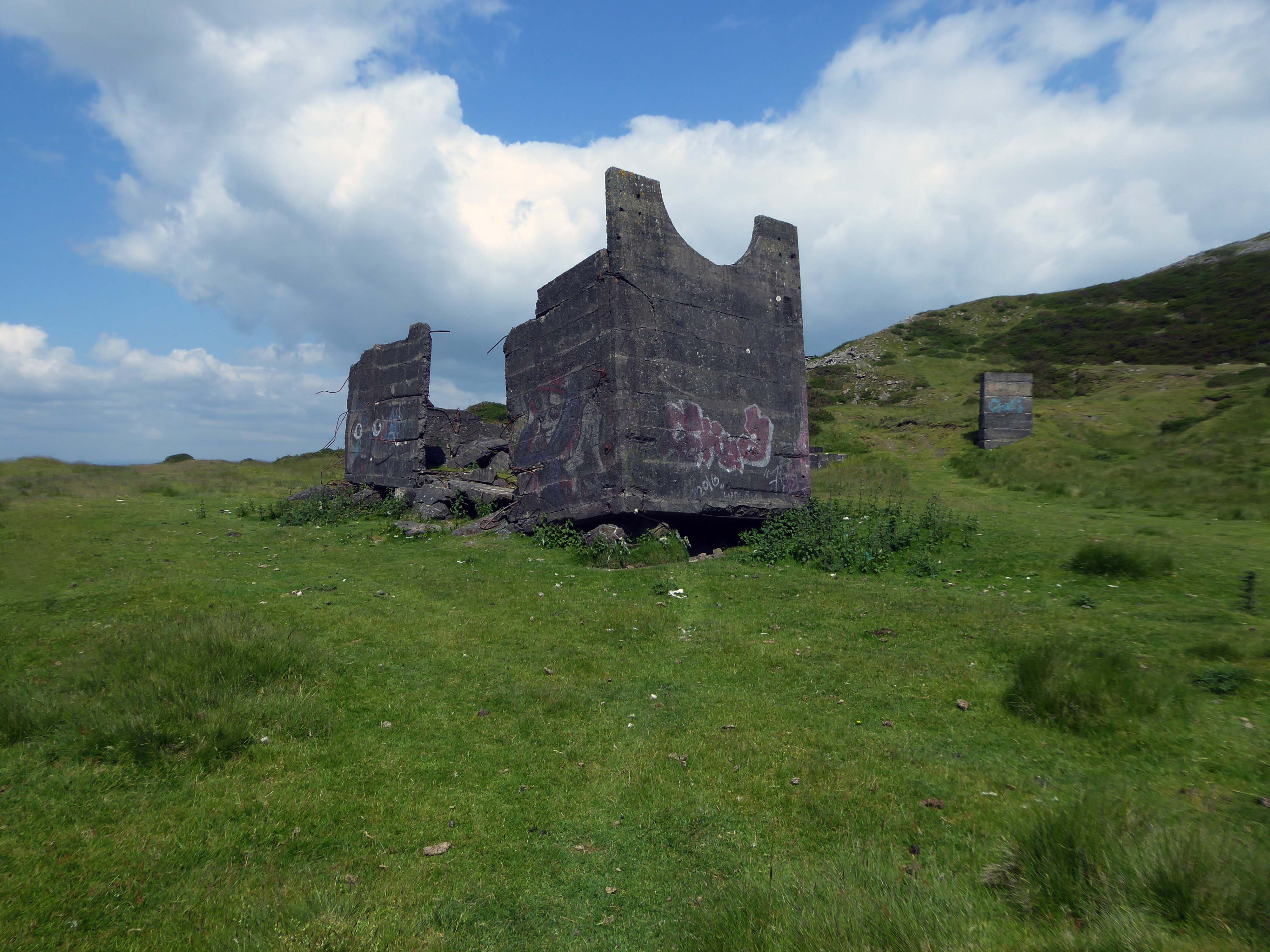
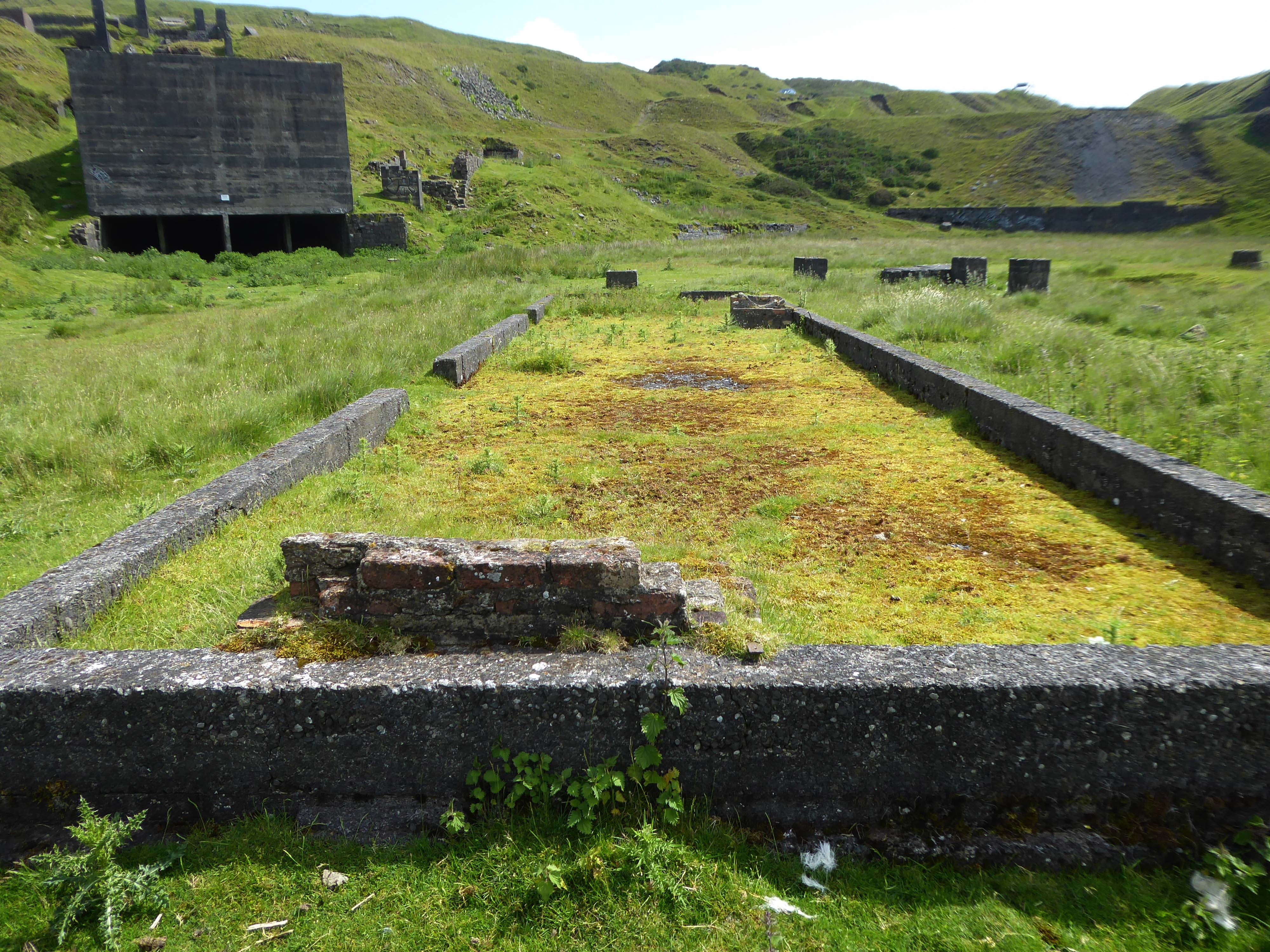
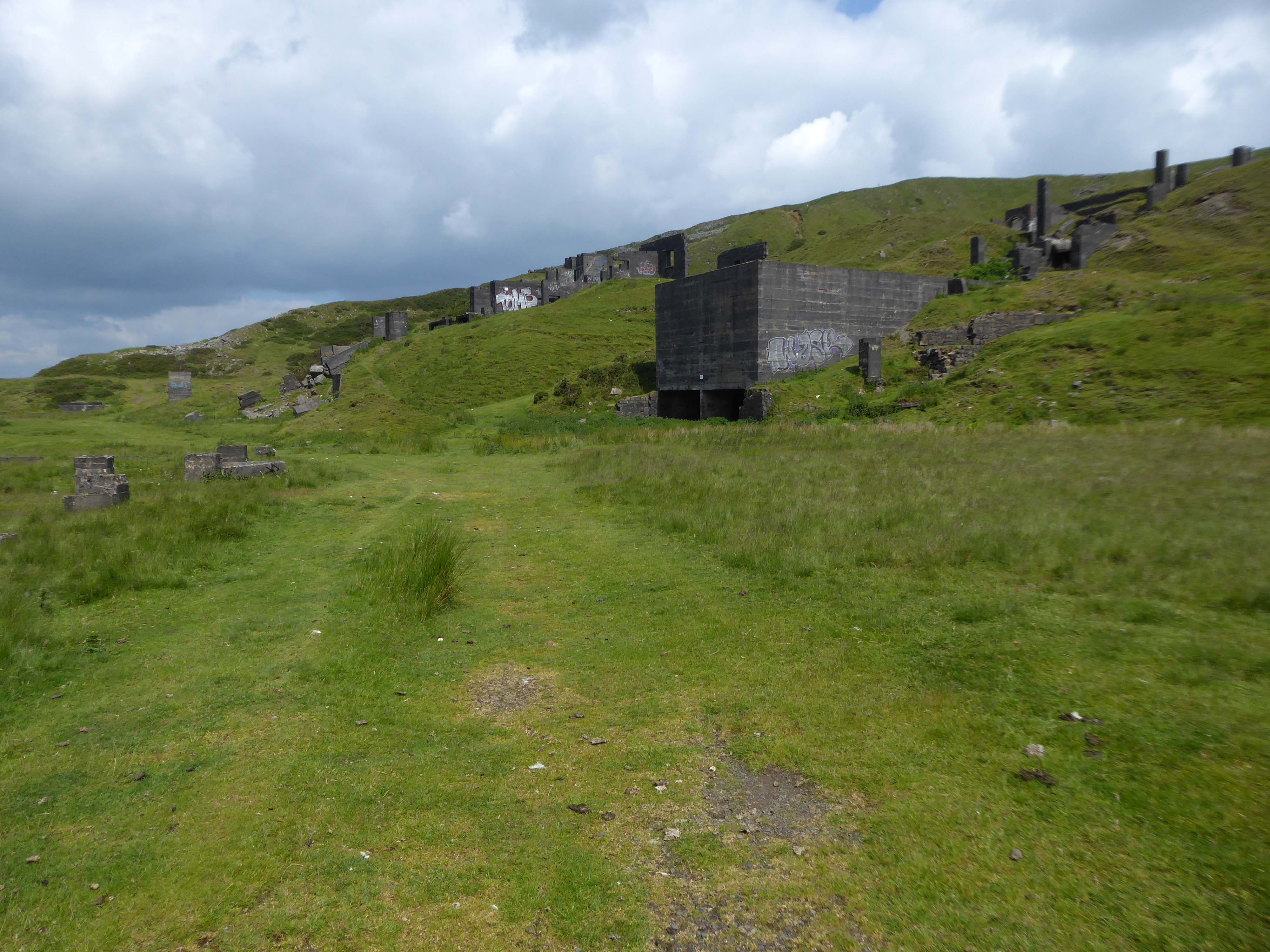
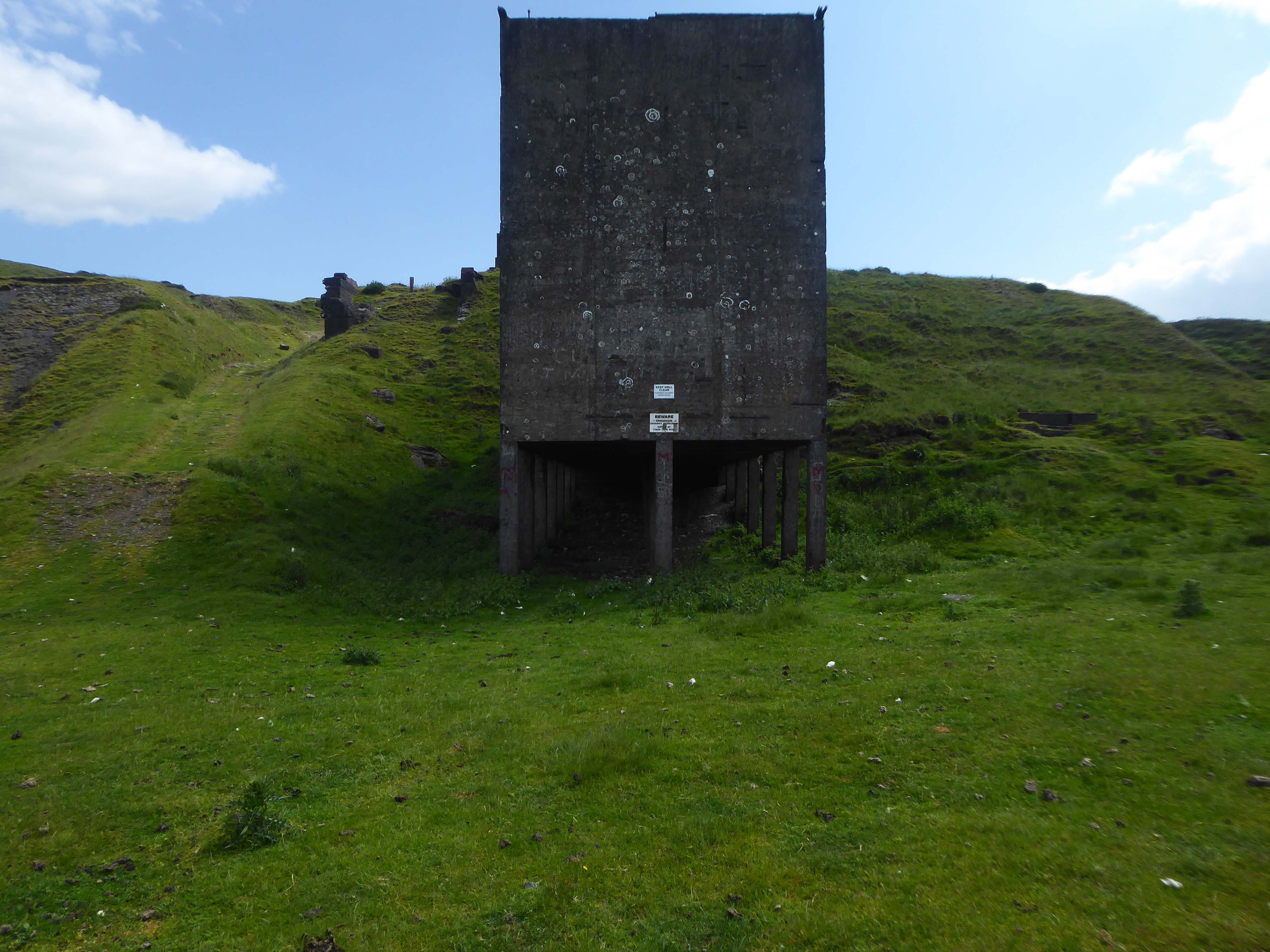
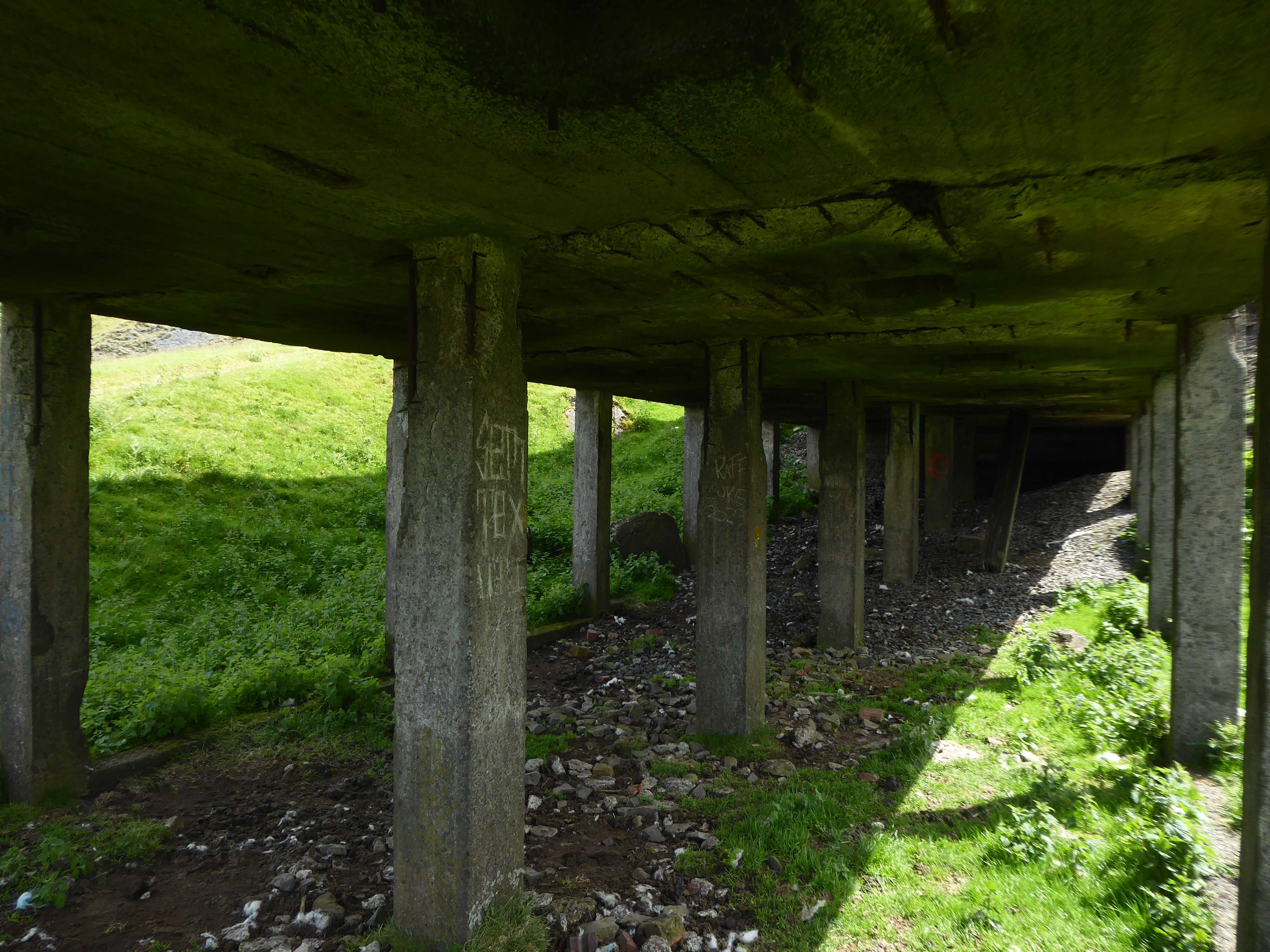
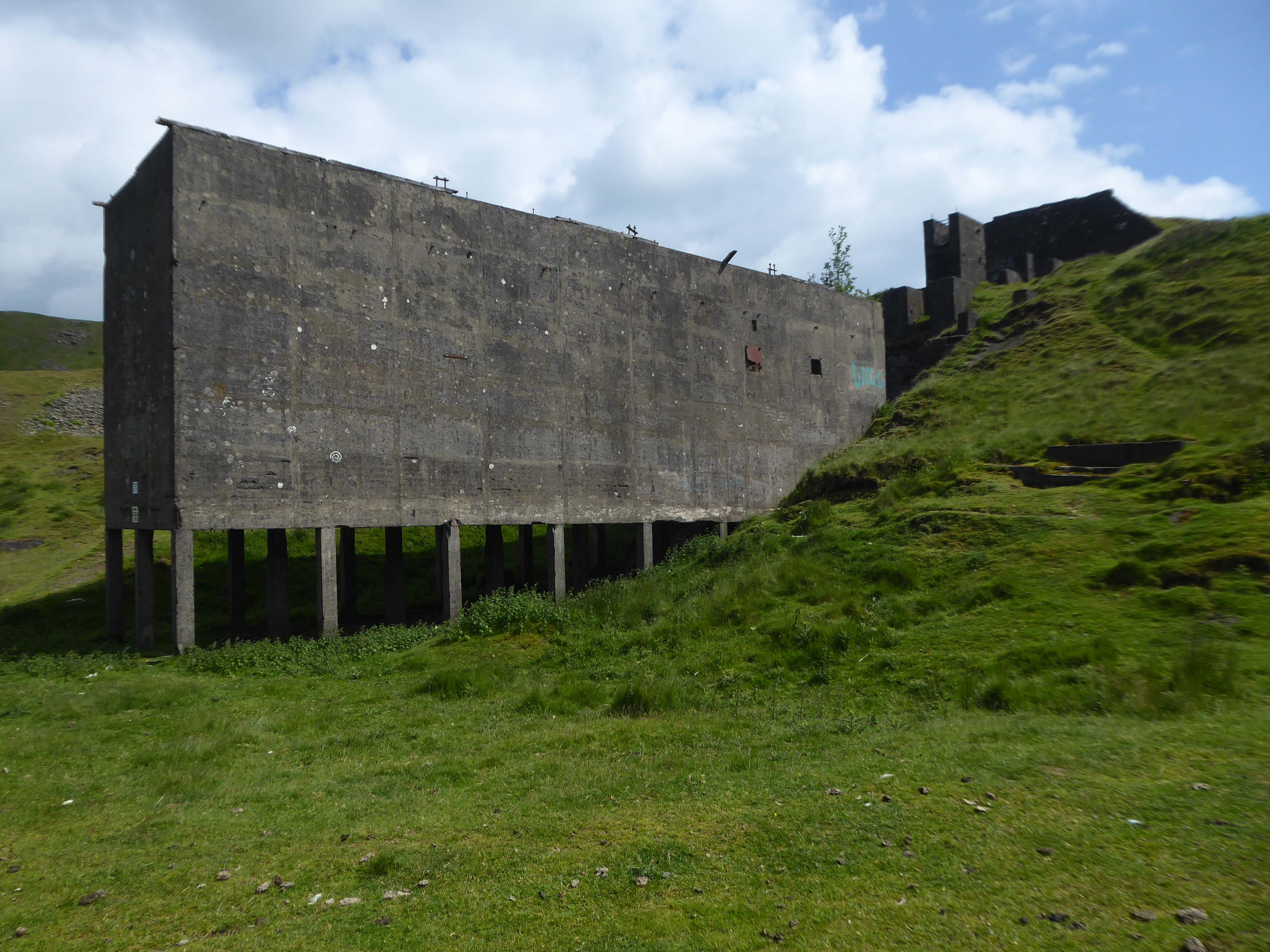
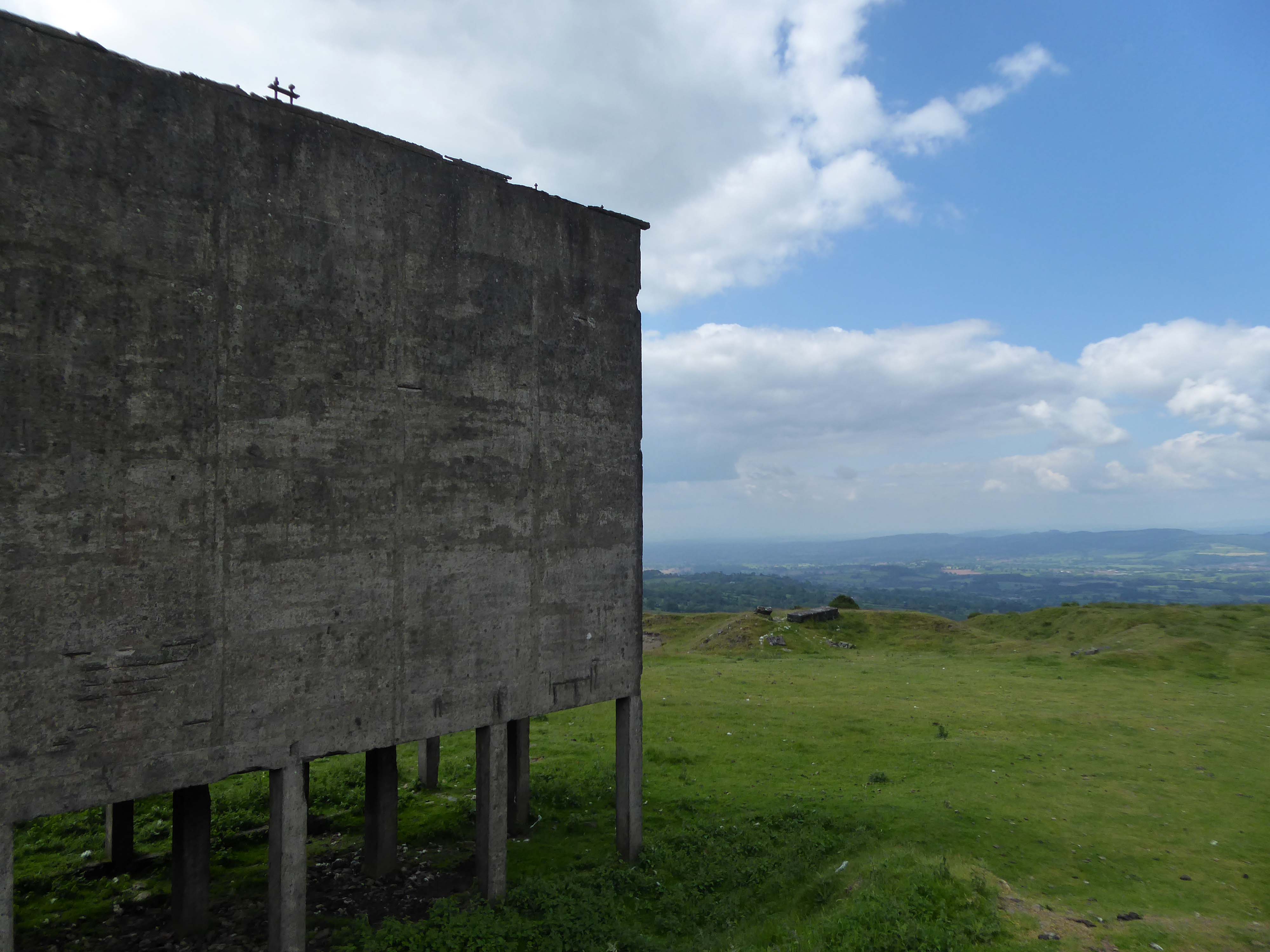
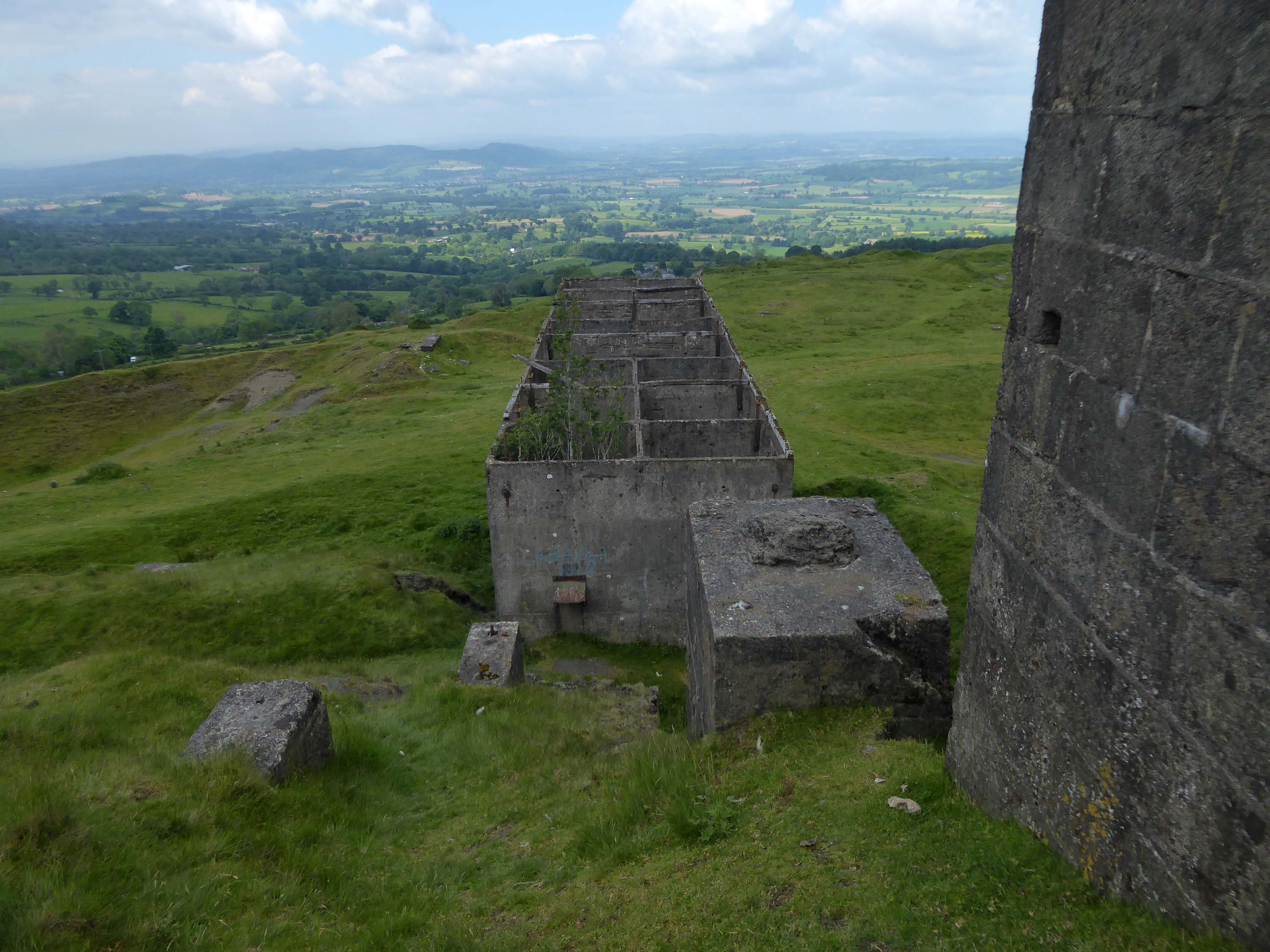
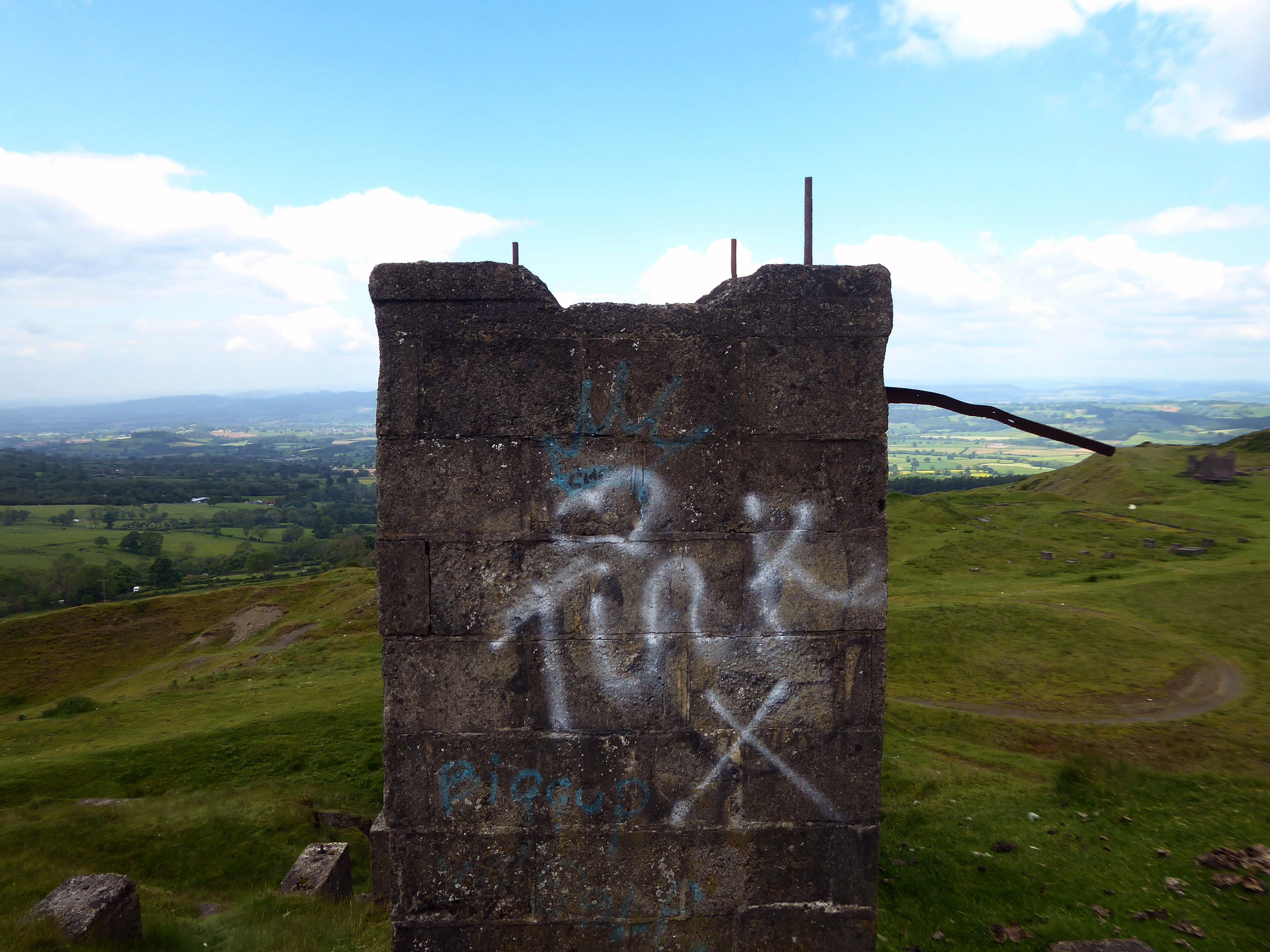
Most of the summit of the hill is affected by man-made activity, the result of hill fort construction during the Bronze and Iron Ages and, more recently, by years of mining for coal and quarrying for dolerite, known locally as dhustone, for use in road-building. Many derelict quarry buildings scattered over the hill are of industrial archaeological interest as very early examples of the use of reinforced concrete.

Near the summit trig point are the remains of a Bronze Age cairn, dating back up to 4,000 years and indicating that the summit was a likely ceremonial site. Although partly destroyed by quarrying, Titterstone Clee’s Iron Age hill fort is enclosed by a huge boundary earthworks.

 It is of note that the walls of the fort are made up of stone blocks, instead of earth banks.

© A. Brookes – 29.9.2018

Clee Hill is one of only a few hills and mountains noted on the Hereford Mappa Mundi.

Crumbling remains of quarry buildings now litter the hill, reminders of a bygone industry that once employed more than 2,000 people here.

Wikipedia

Concrete Coast – Bridlington

The last post on the concrete coast was from Filey

Now we’re heading south to Bridlington and beyond.

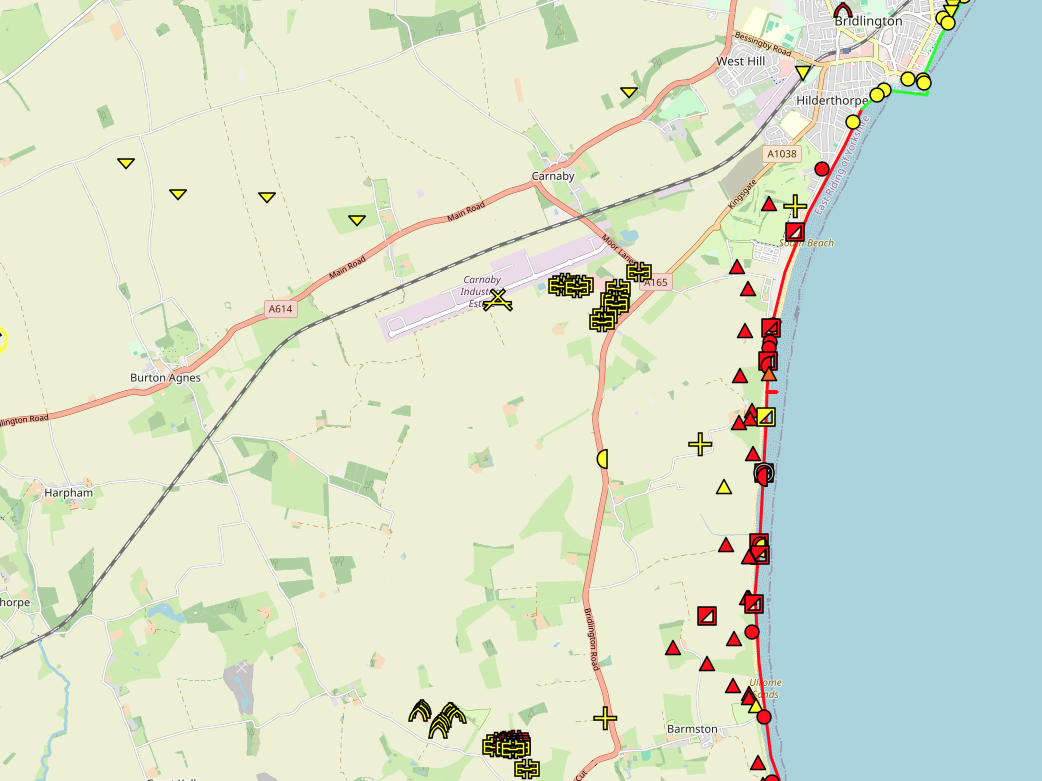
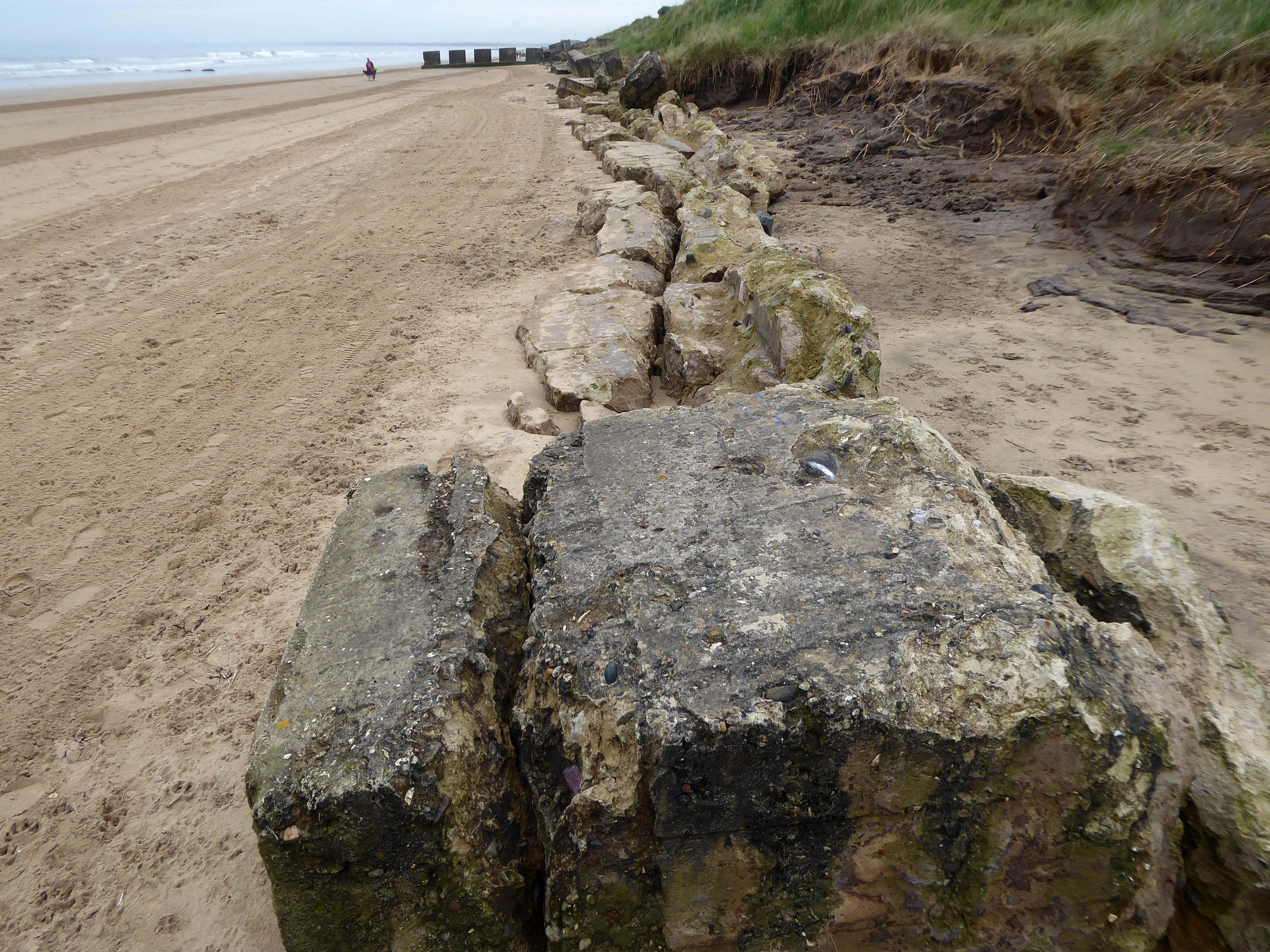
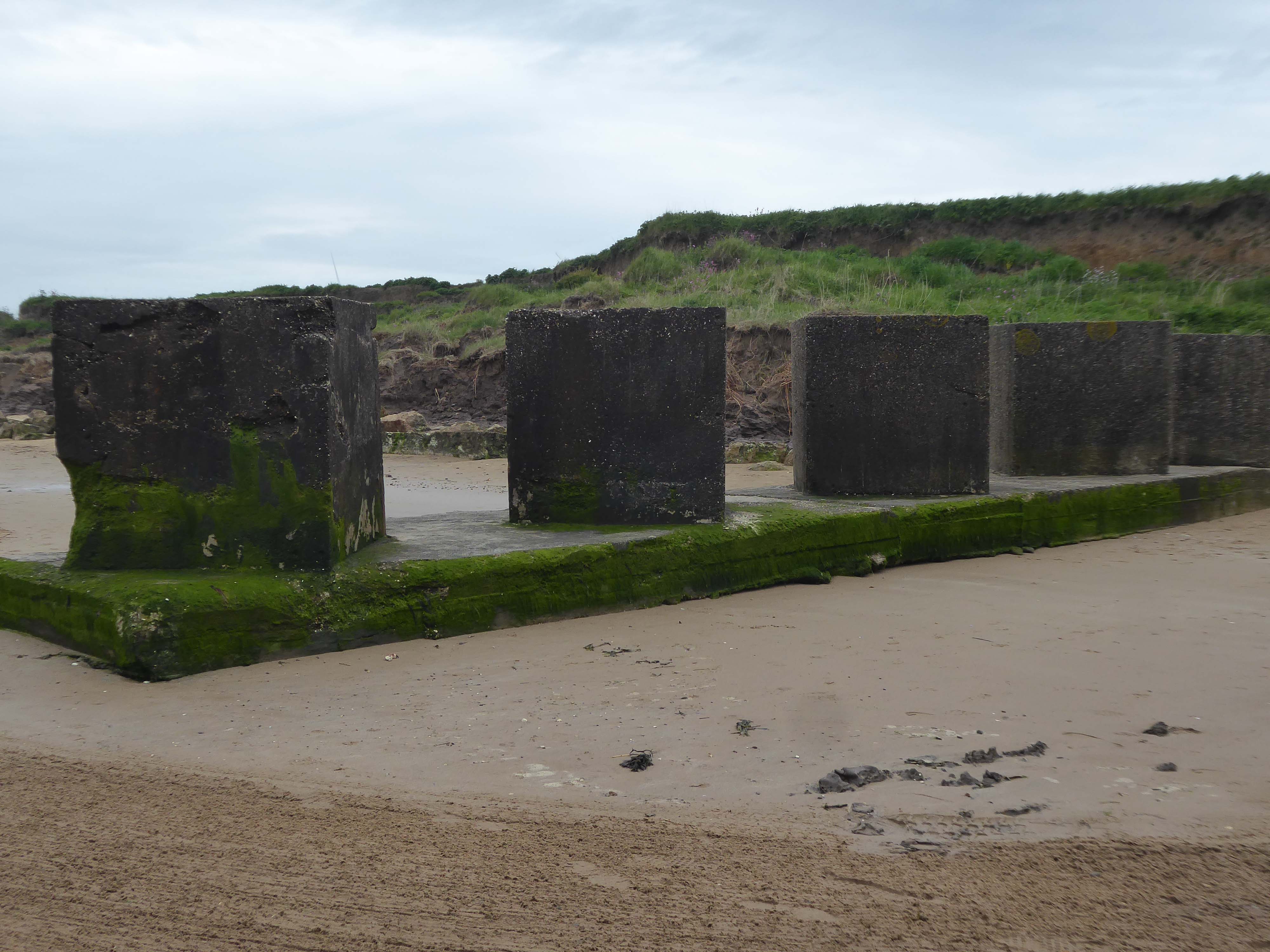
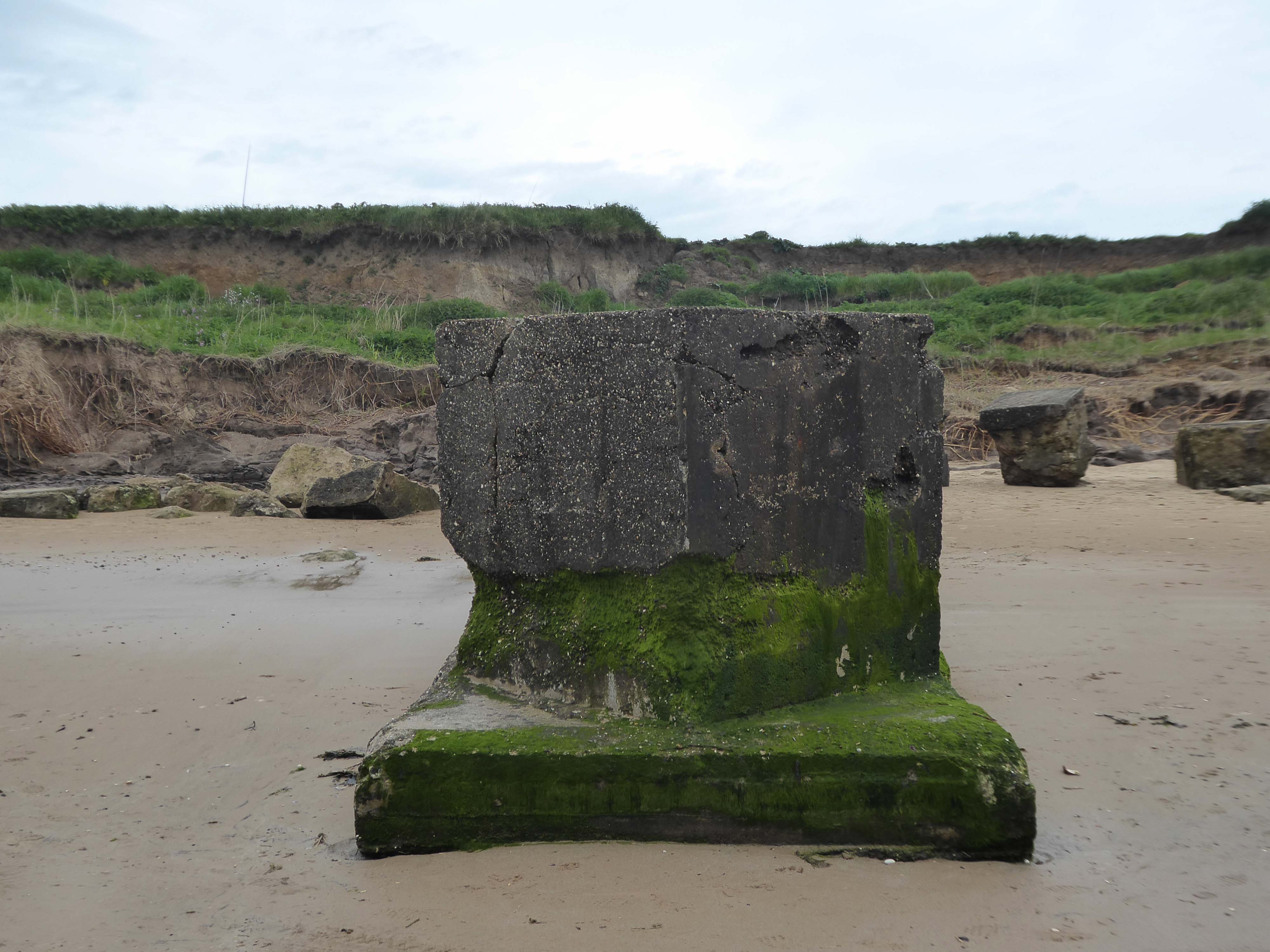
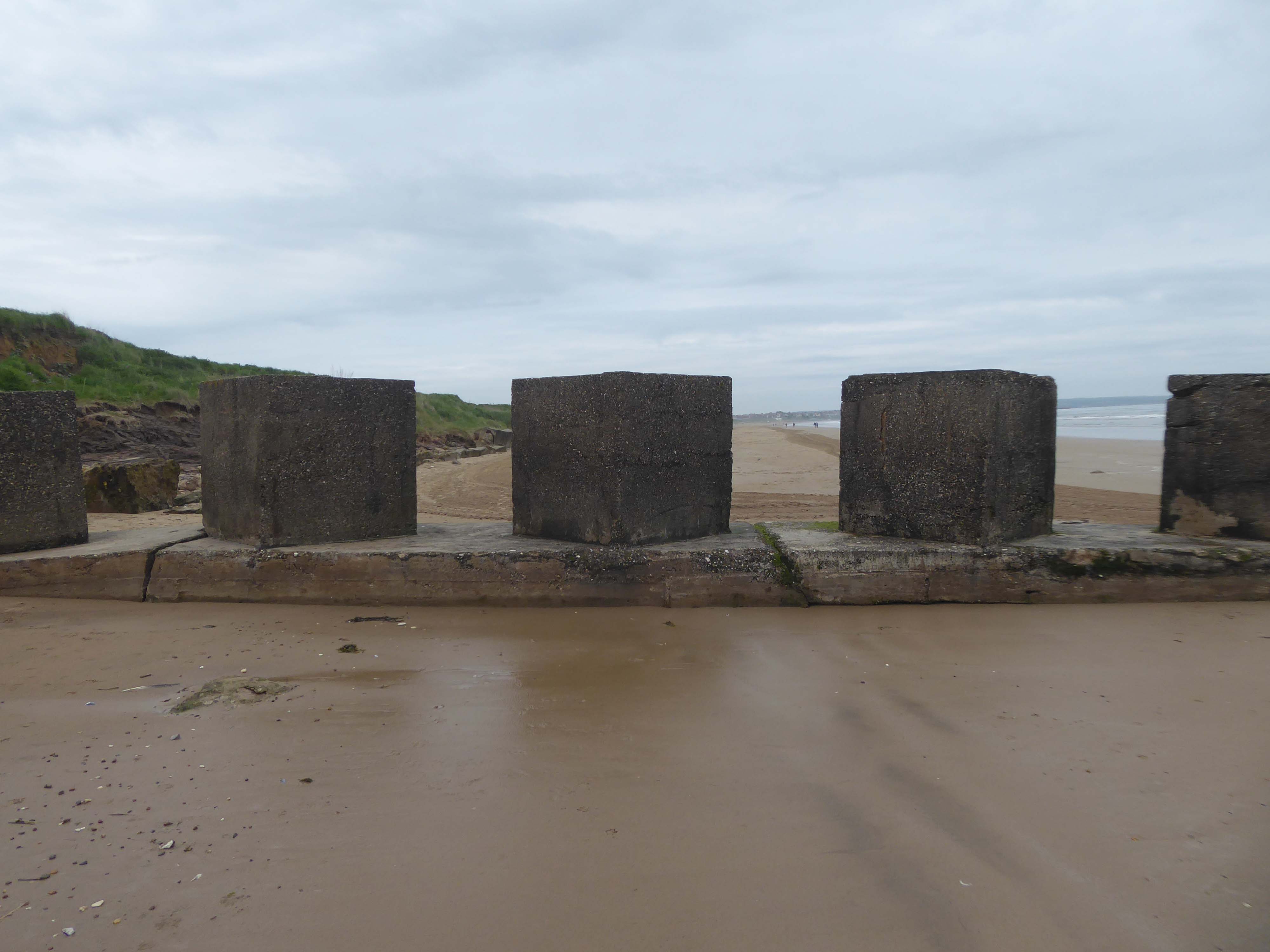
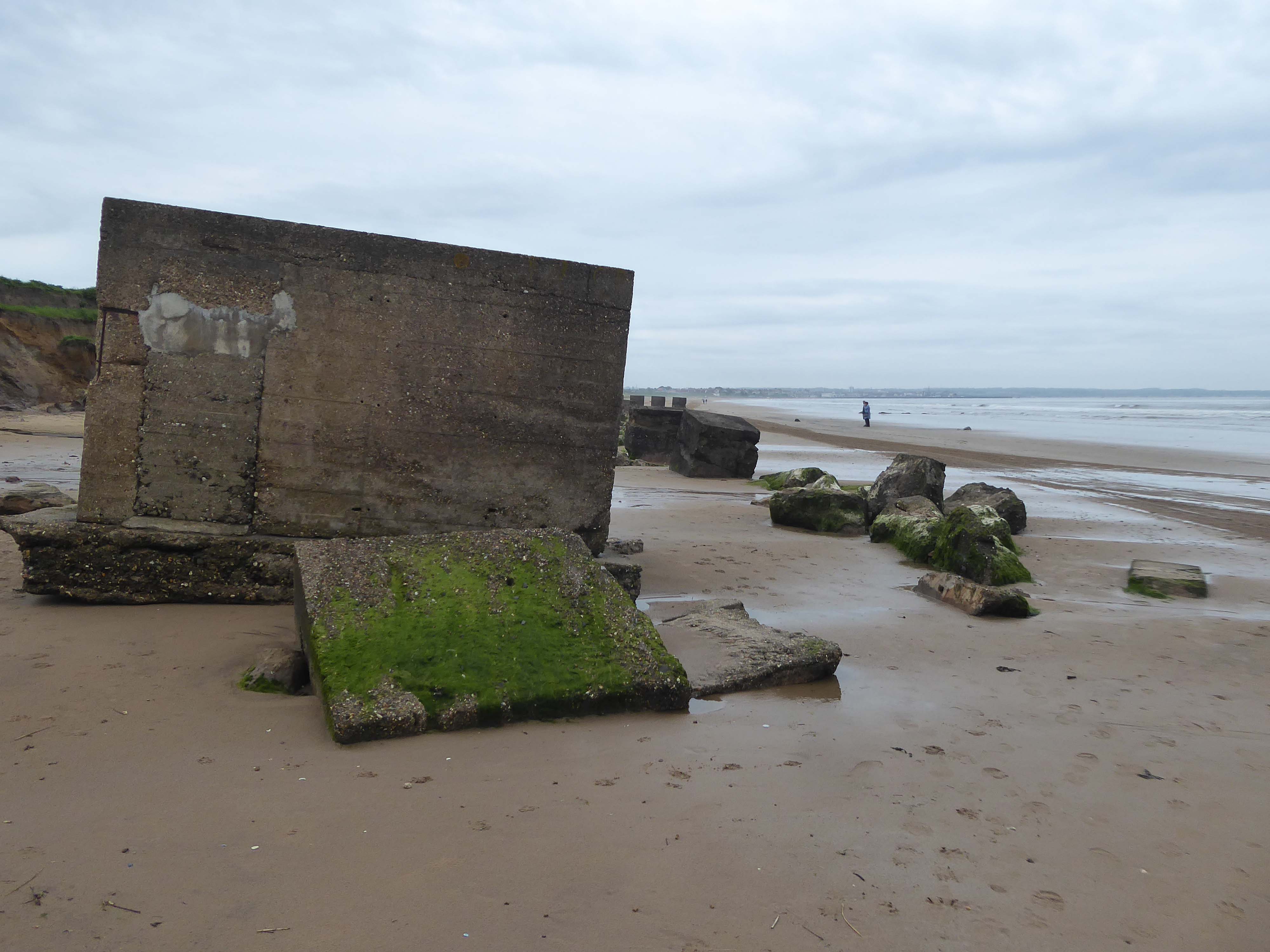
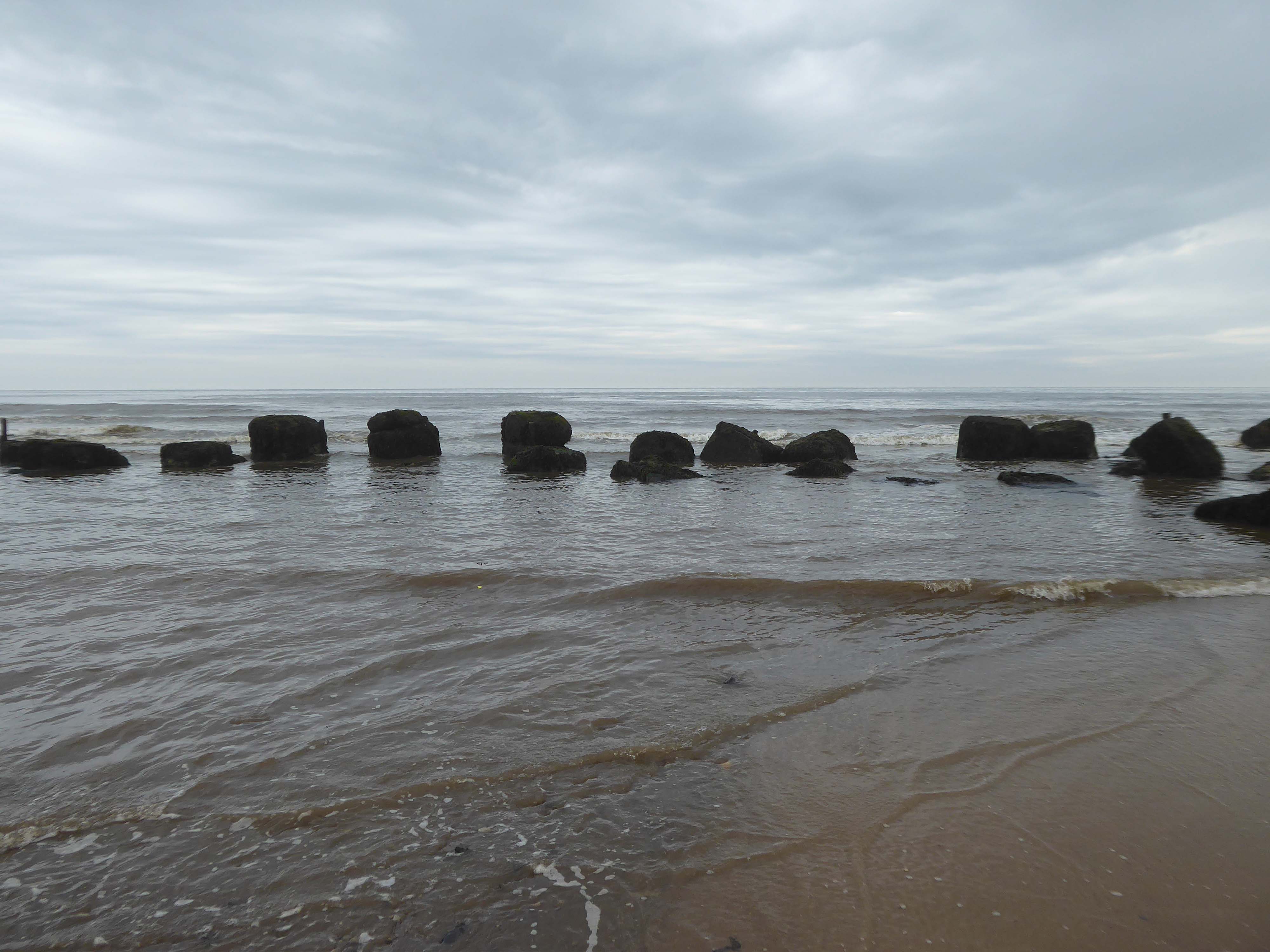
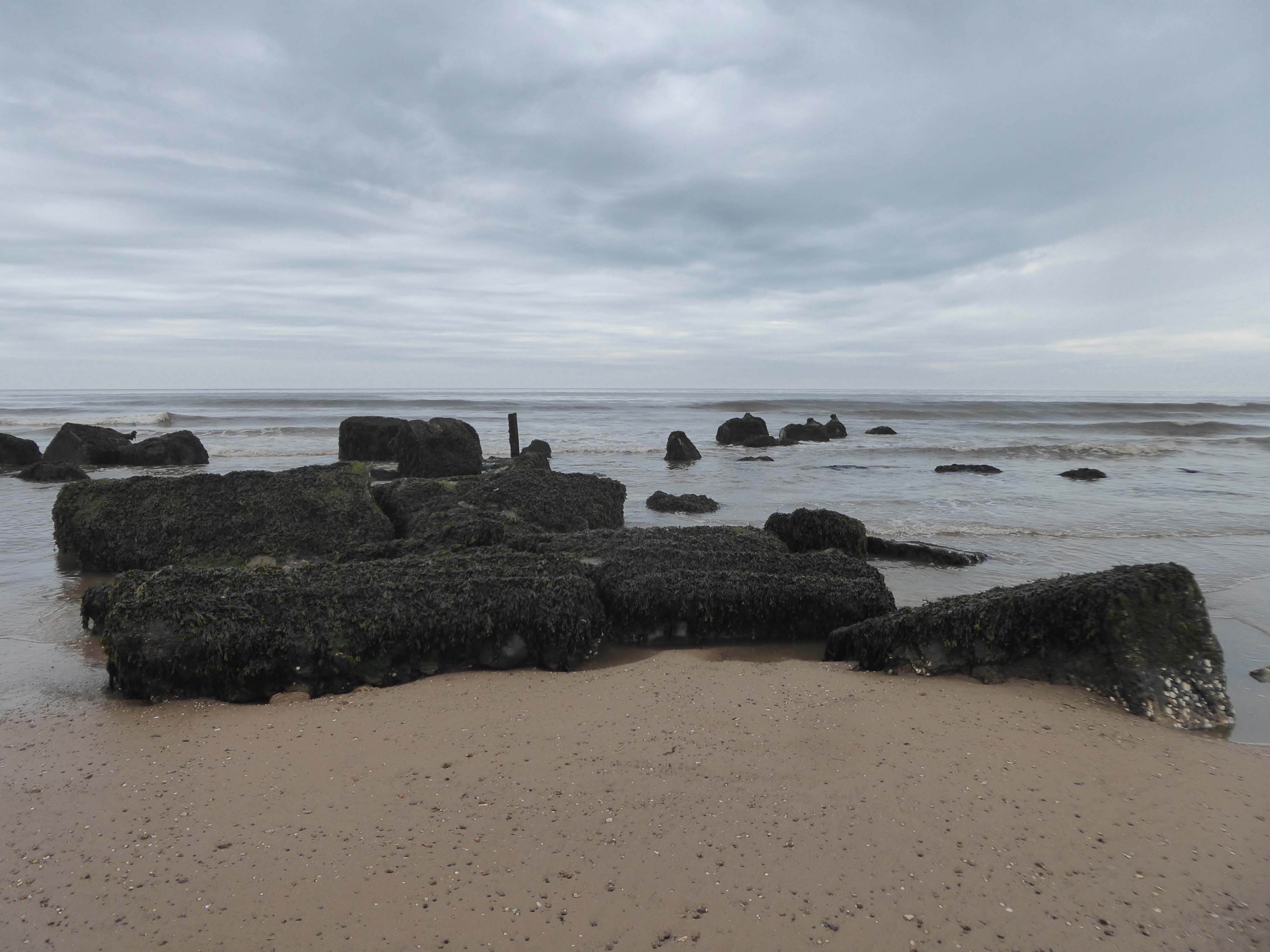
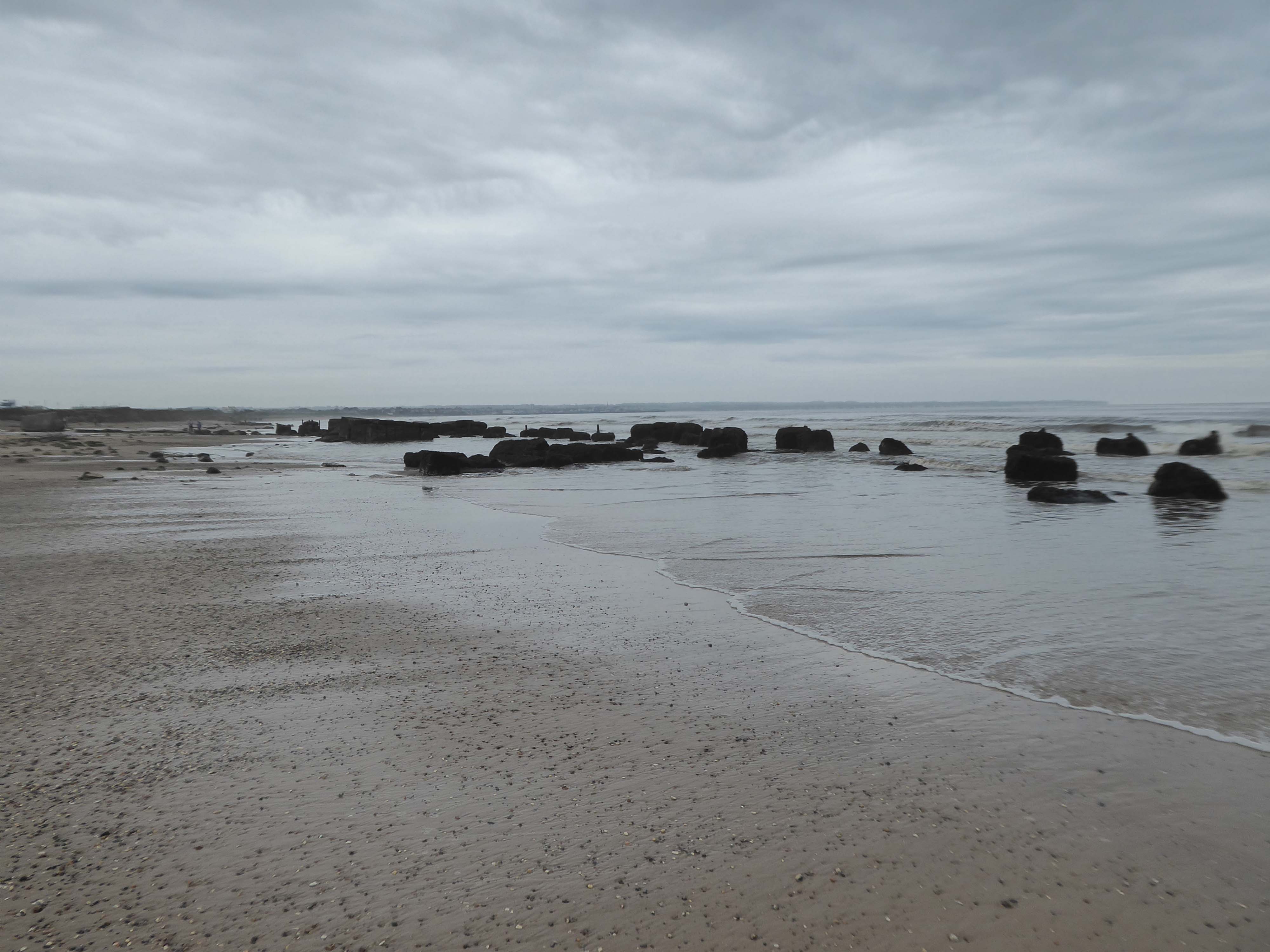
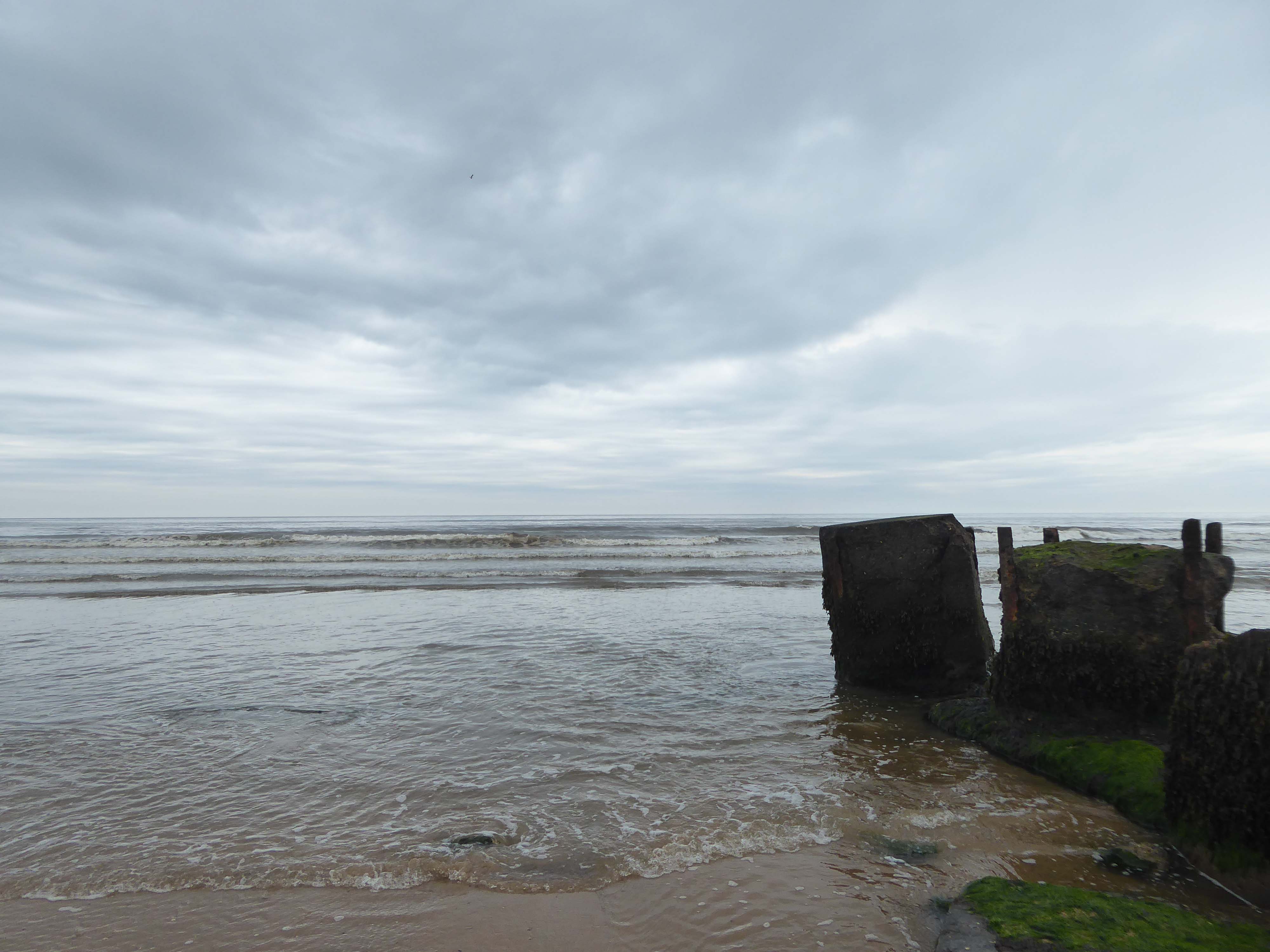
Where we find another dense cluster of sea defences, some but not all extant.

After the south coast, both East Anglia and the Yorkshire Coastline were identified as vulnerable to invasion. Bridlington Bay, was and ideal location for an invasion; flat sandy beaches for amphibious landing crafts, above the foreshore flat landscapes perfect for tanks and gliders to land, an isolated small population with only the residence of Bridlington close by and finally the control of an established port at Bridlington, once it was under German control. According to the Defence of Britain Survey undertaken in the Late 90’s, Northern Command had some of the best defend beaches in the country, this includes Bridlington.

Citizan

eDoB

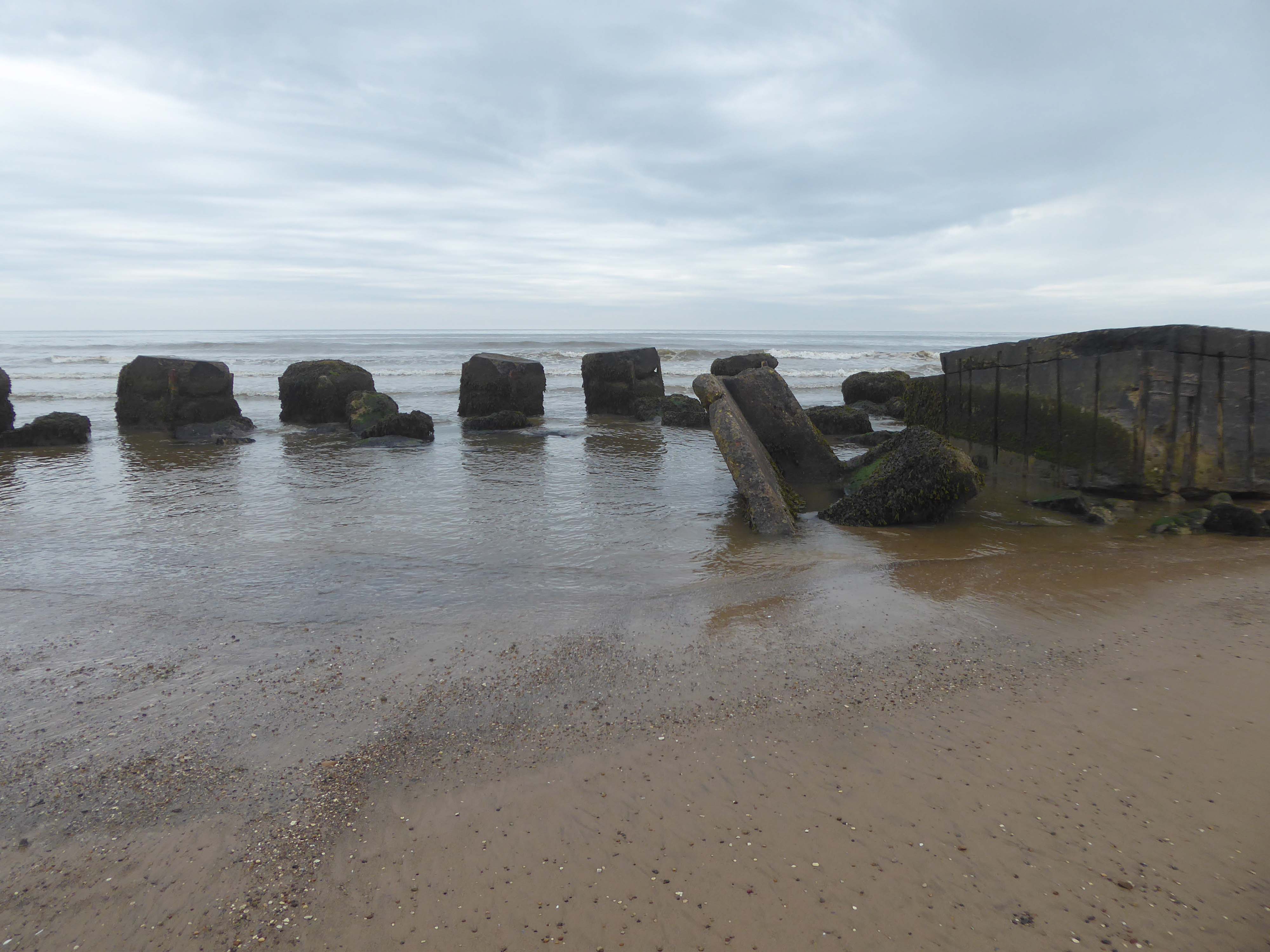
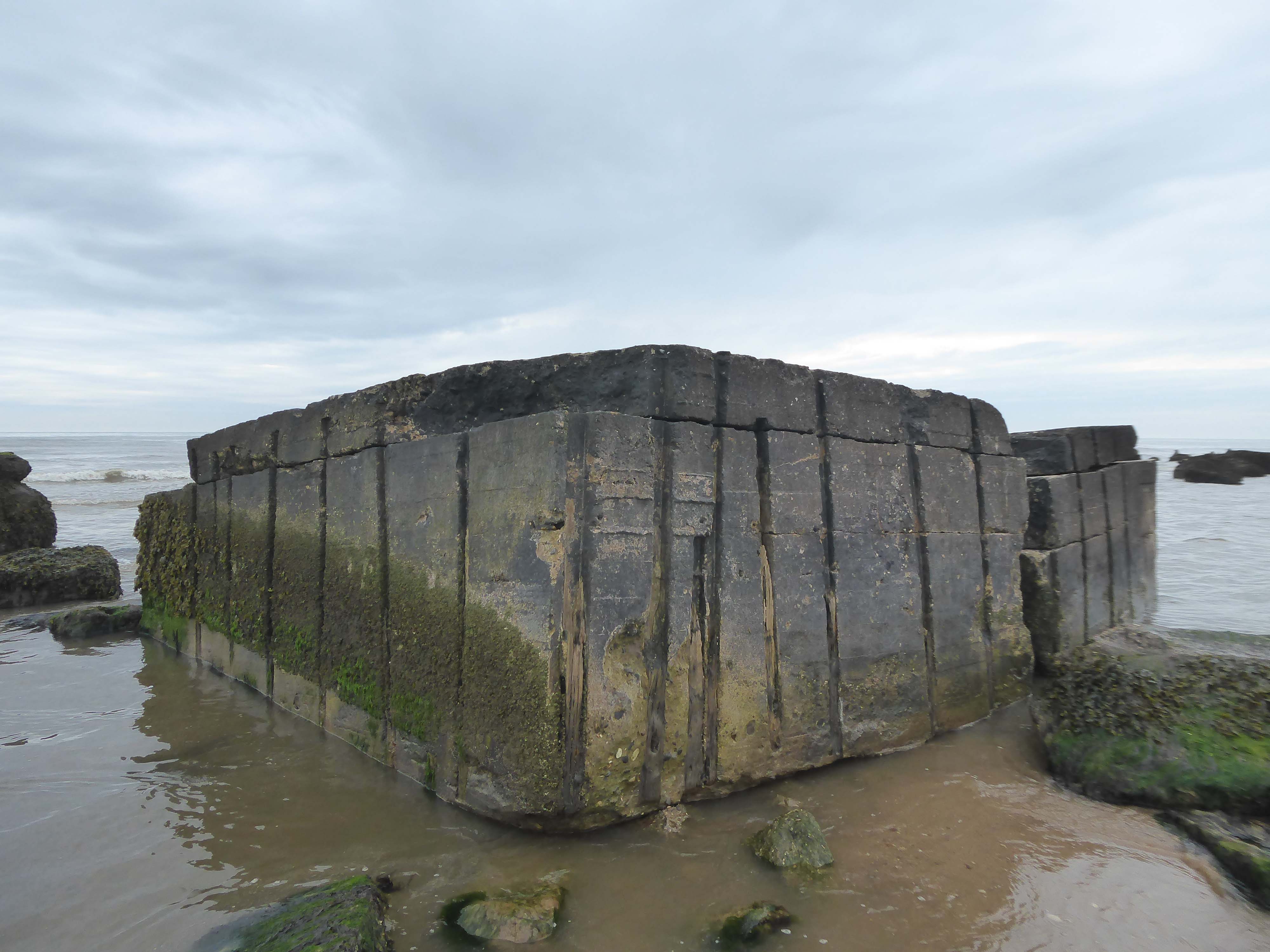
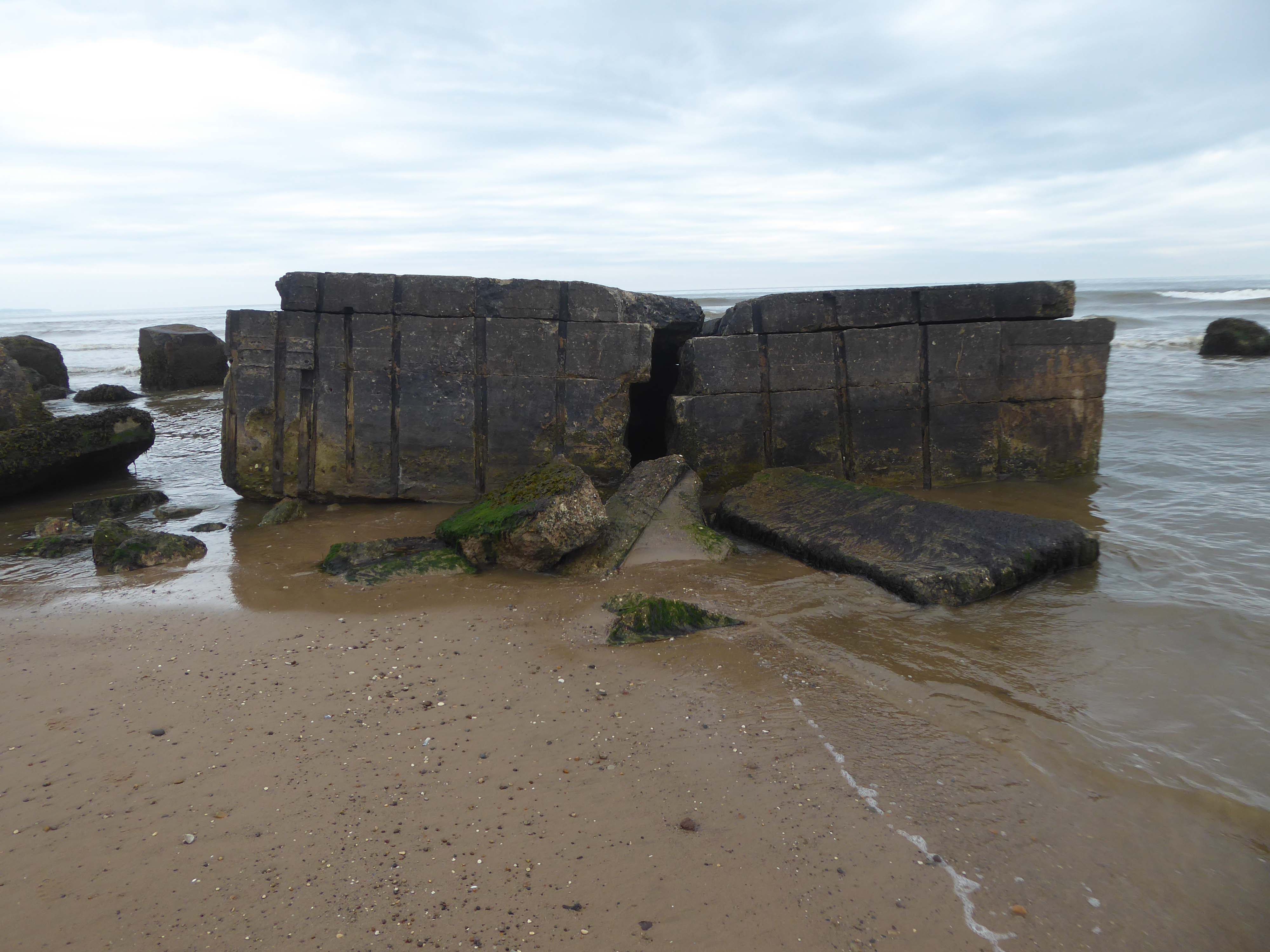
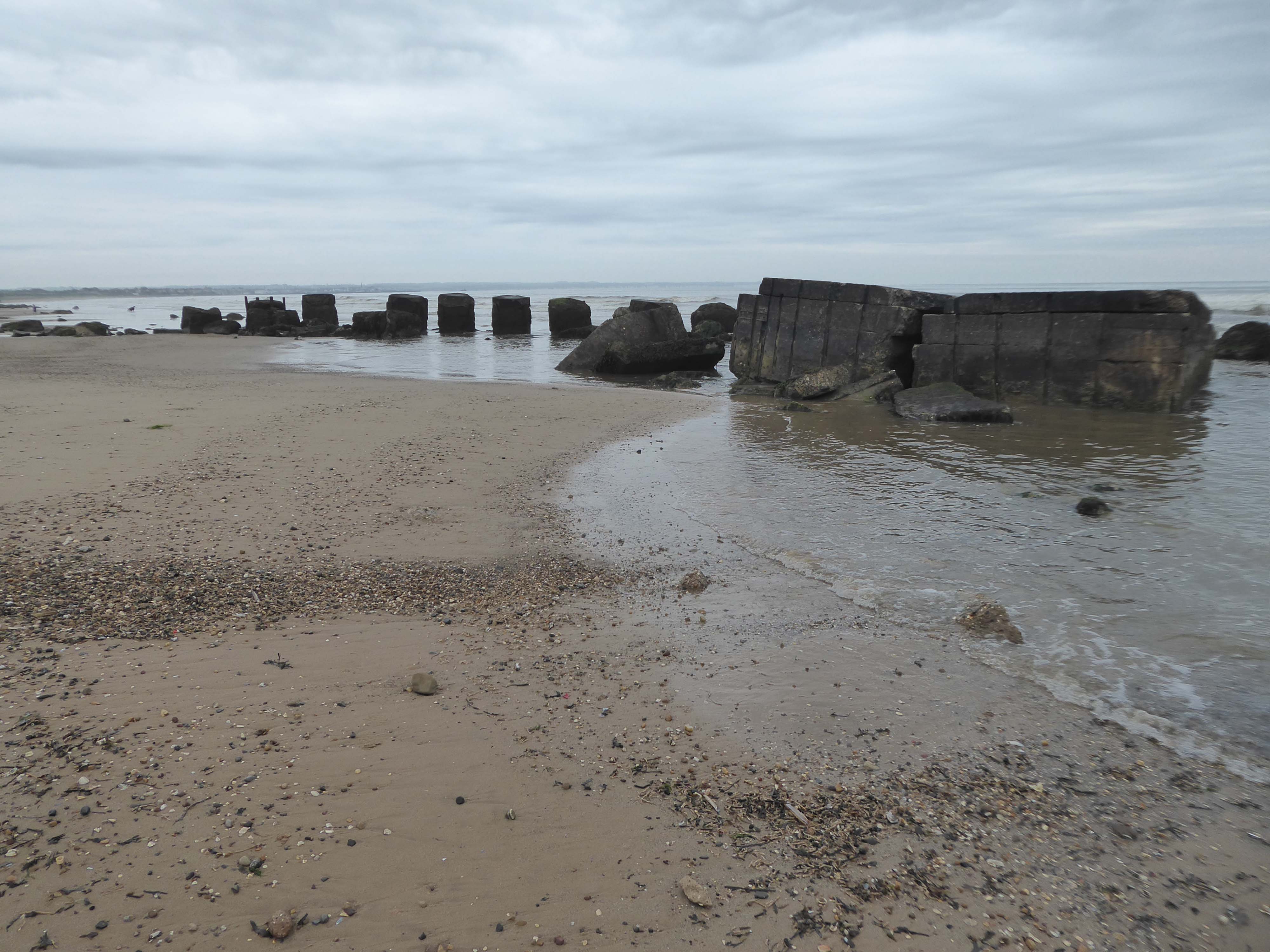
Here there are forces, past and present, at work shaping the landscape and the manmade addenda.

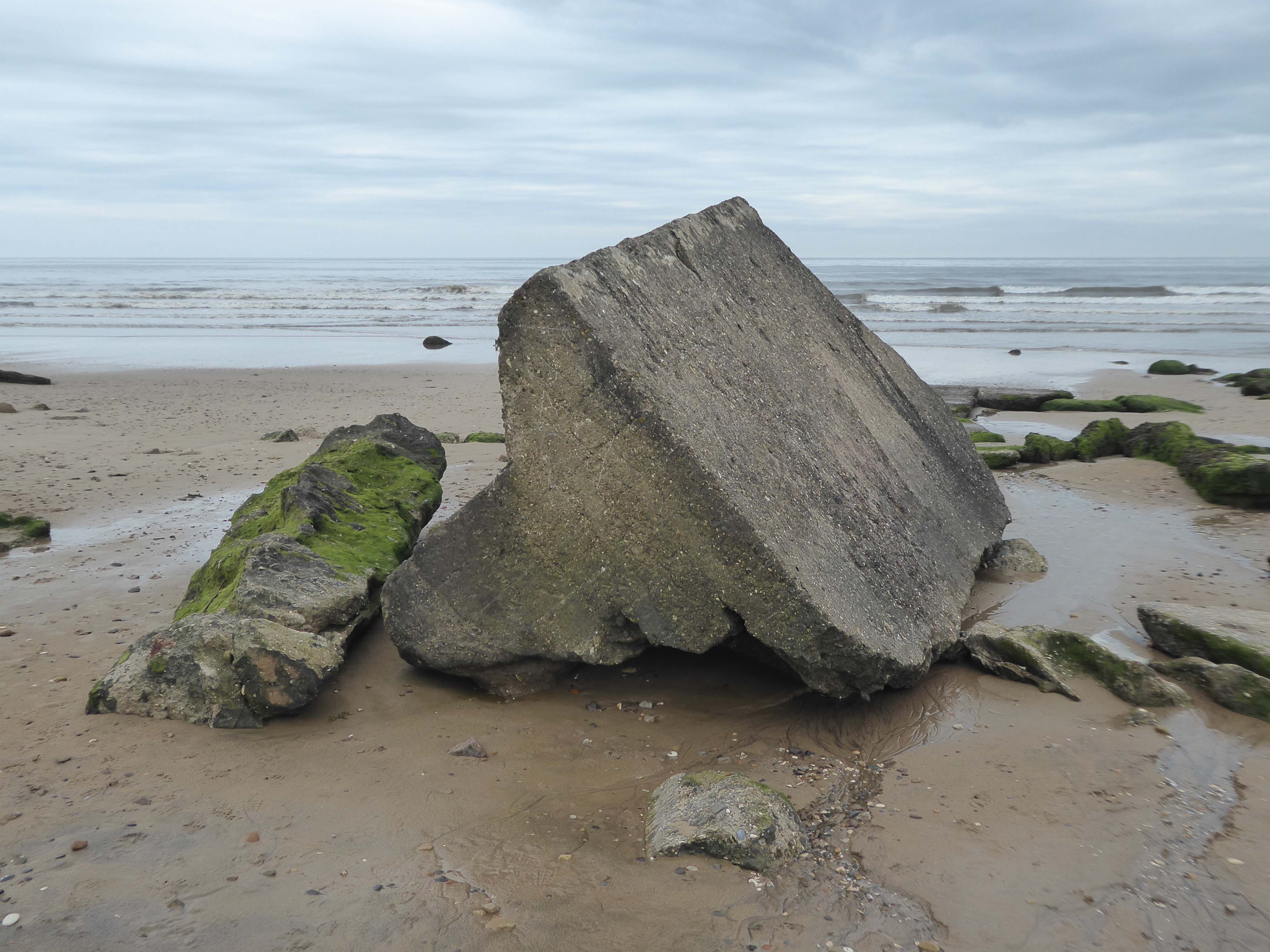
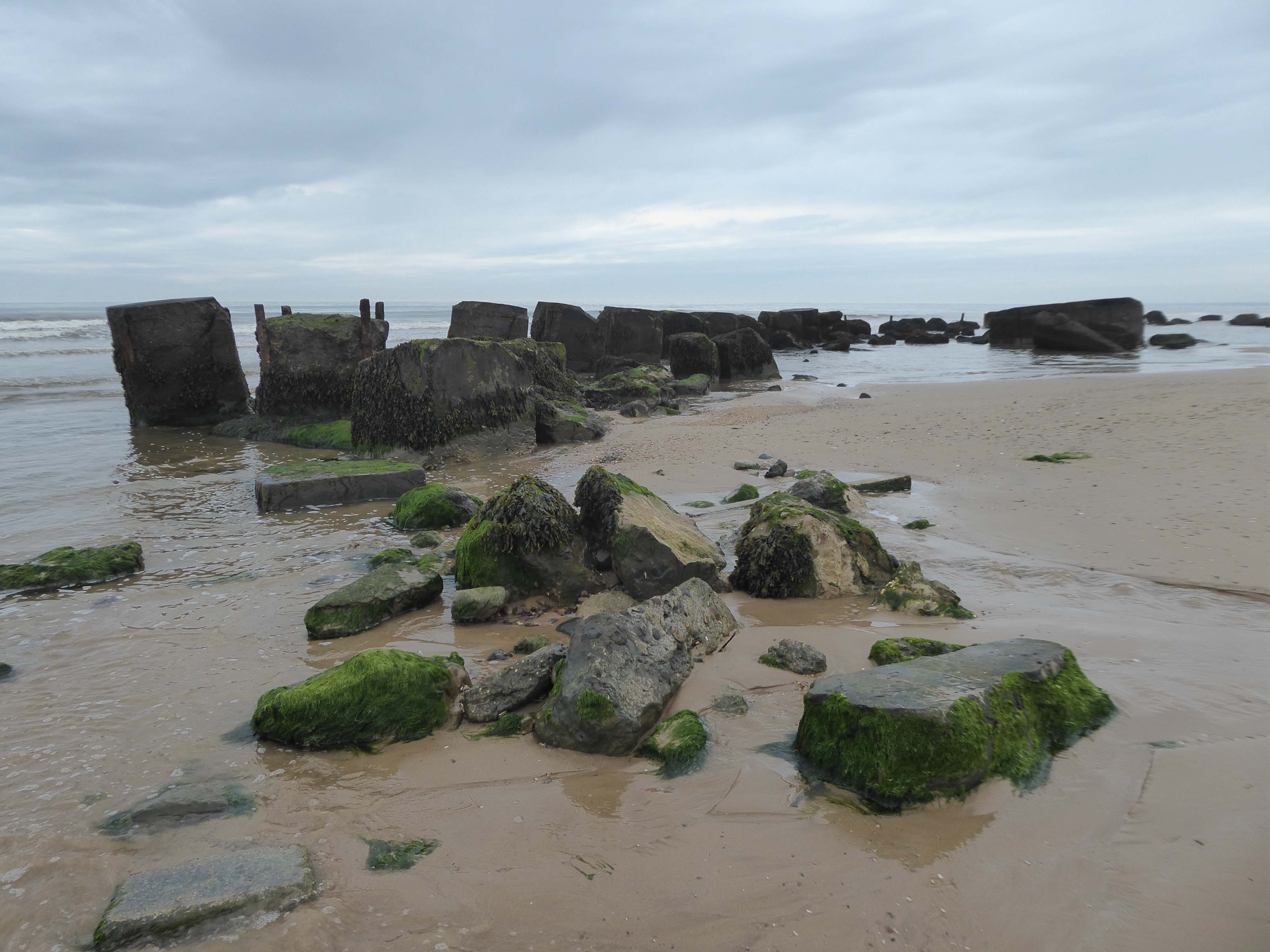
The remorseless waves, wind and rain eroding the coastal clay and contorted concrete.

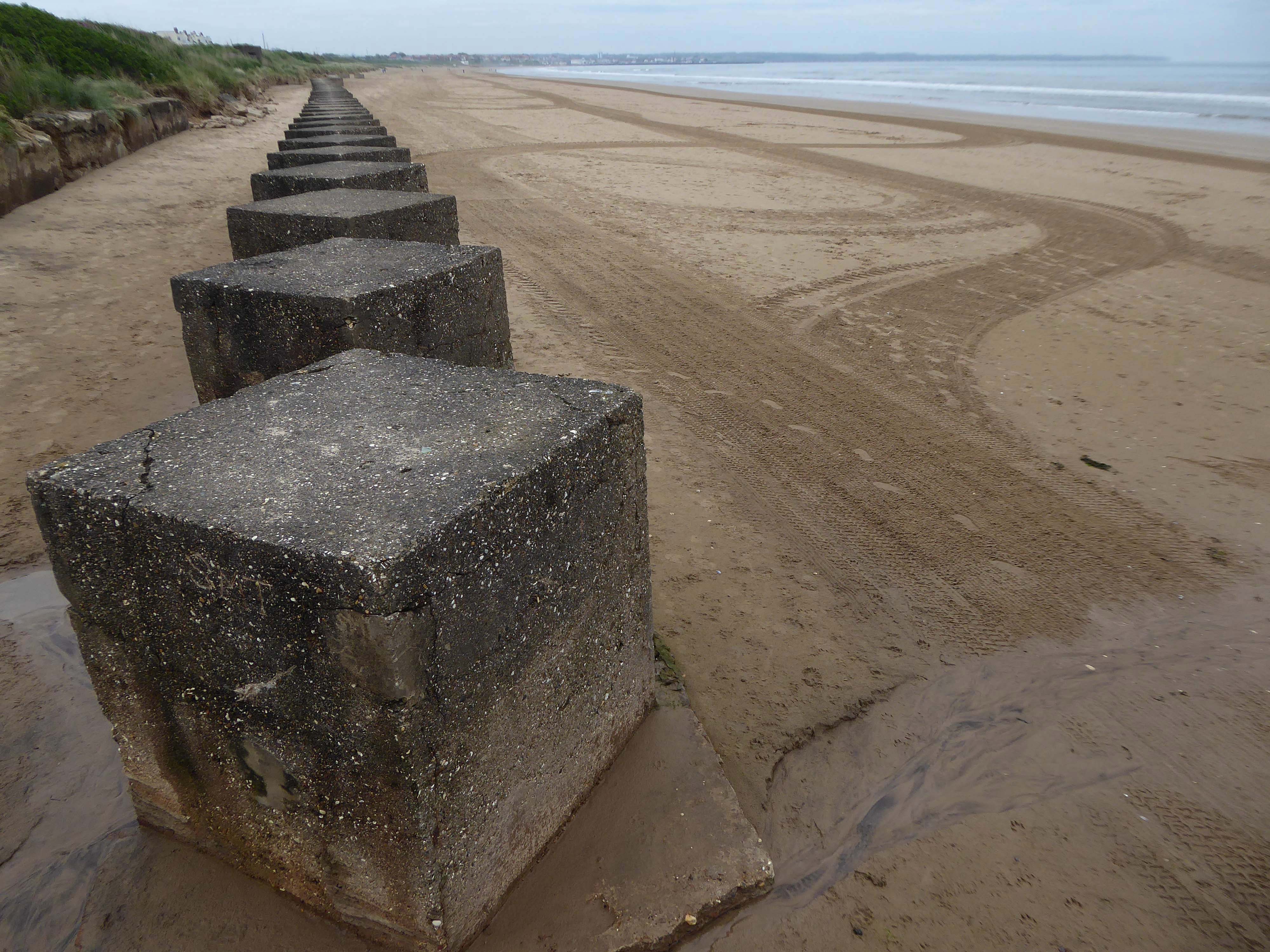
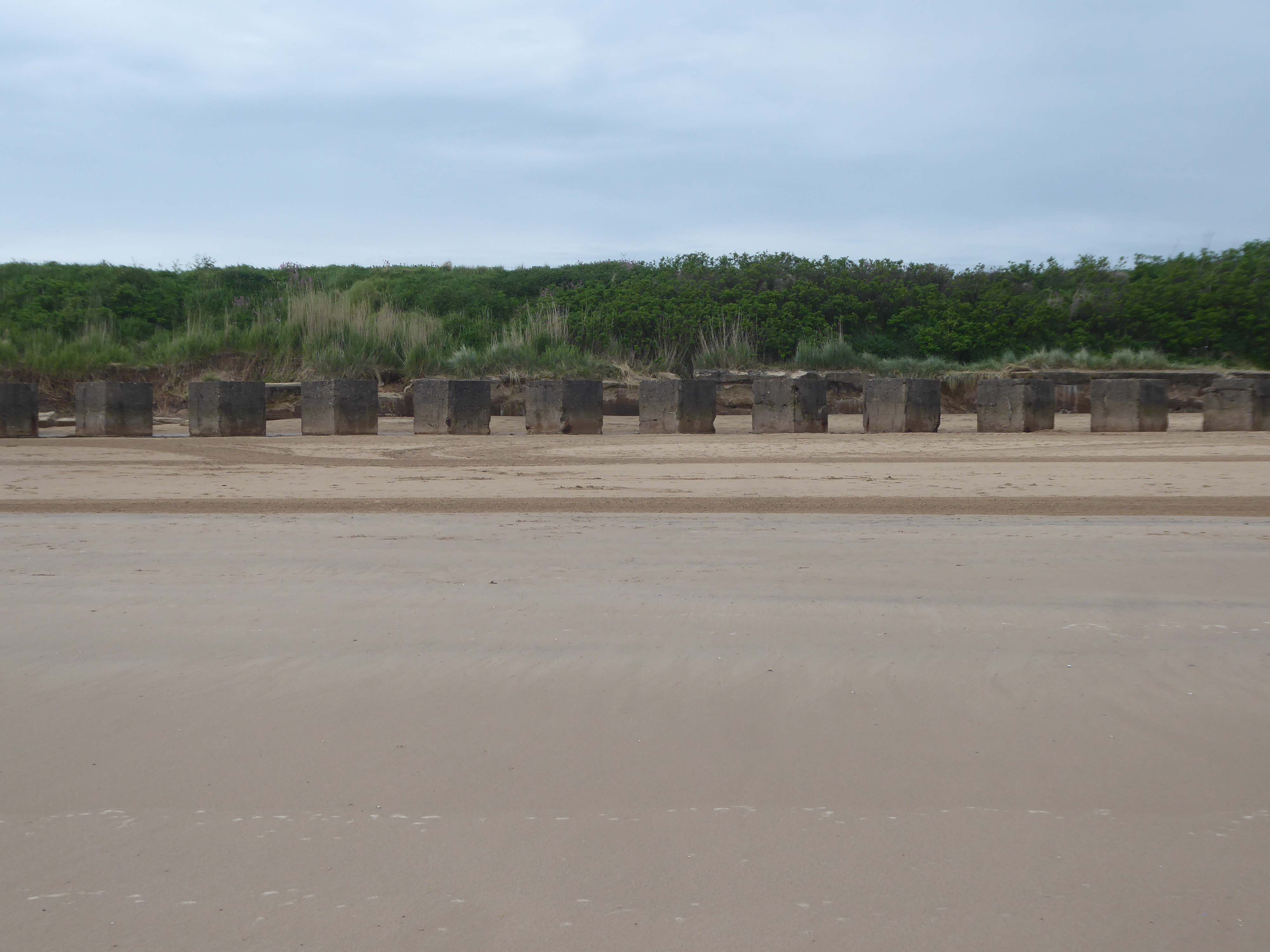
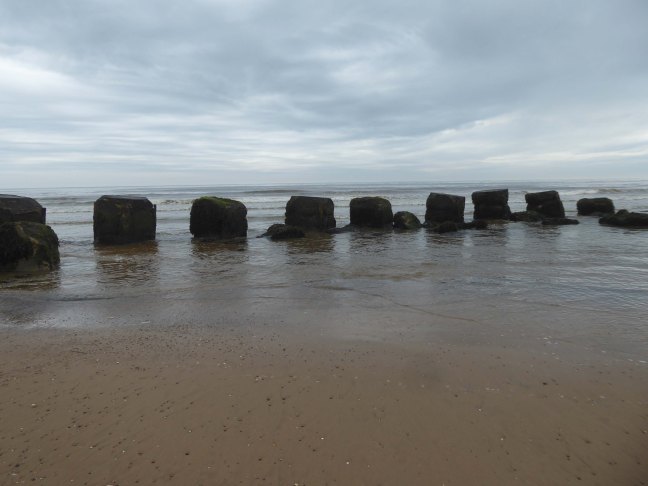
Anti-tank blocks line the foreshore here; with deep foundation they are meant to be so immovable that tanks cannot go through them and rather have to go over them, exposing the weakly armour undersides of the tanks, which can then be fired at. The anti-tank blocks are arranged in batches of both parallel and perpendicular to the sea, which helps to divide up the beach and channel enemies towards the pillboxes and into fire.

Citizan

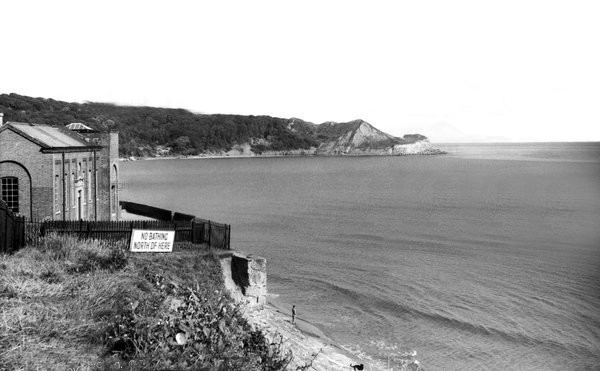
Cayton Bay – Concrete

Things come and go on the coast.

As Mr Marx noted:

All that is solid melts into air.

The soft clays of the cliffs are subject to constant erosion.

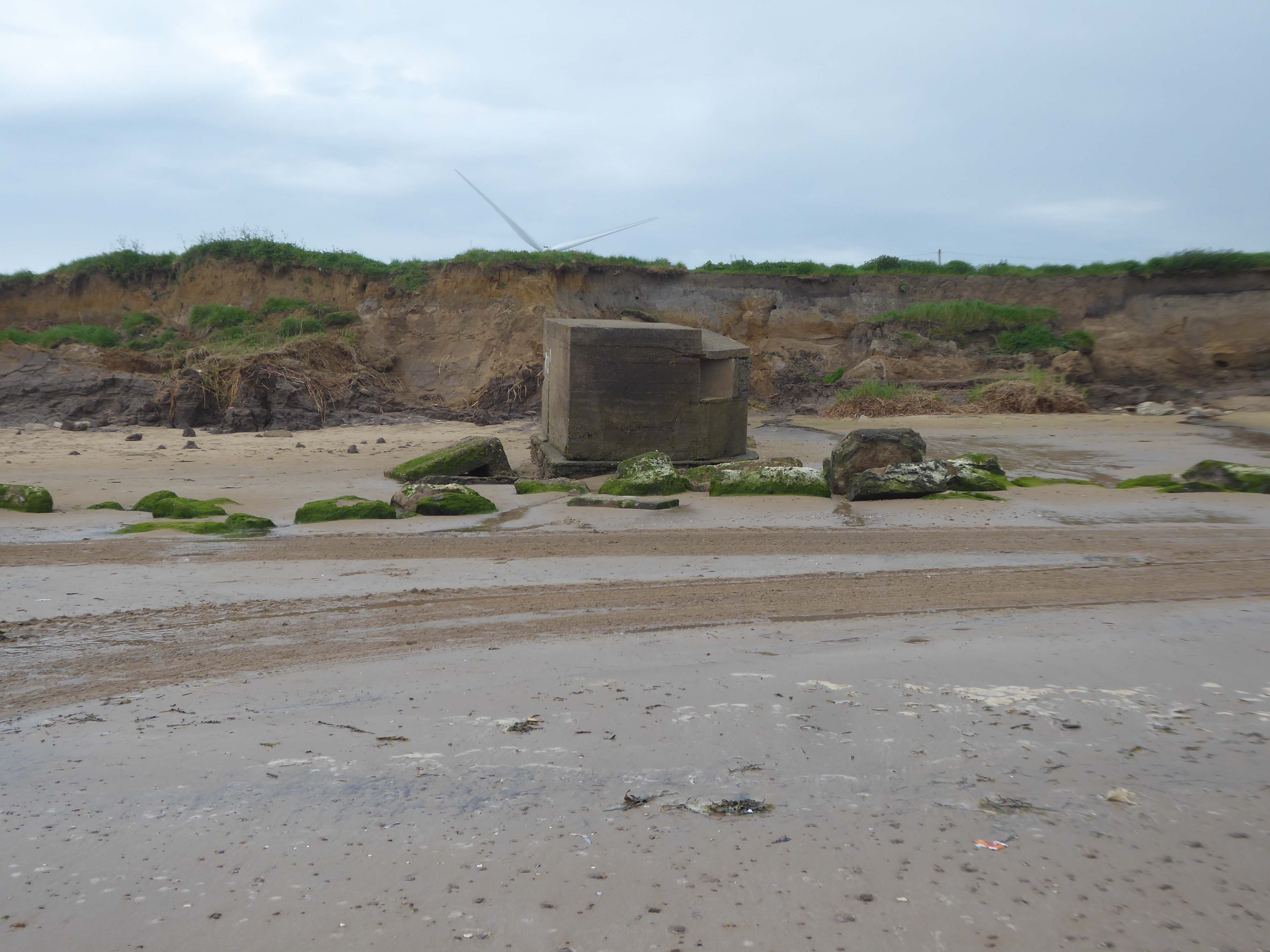
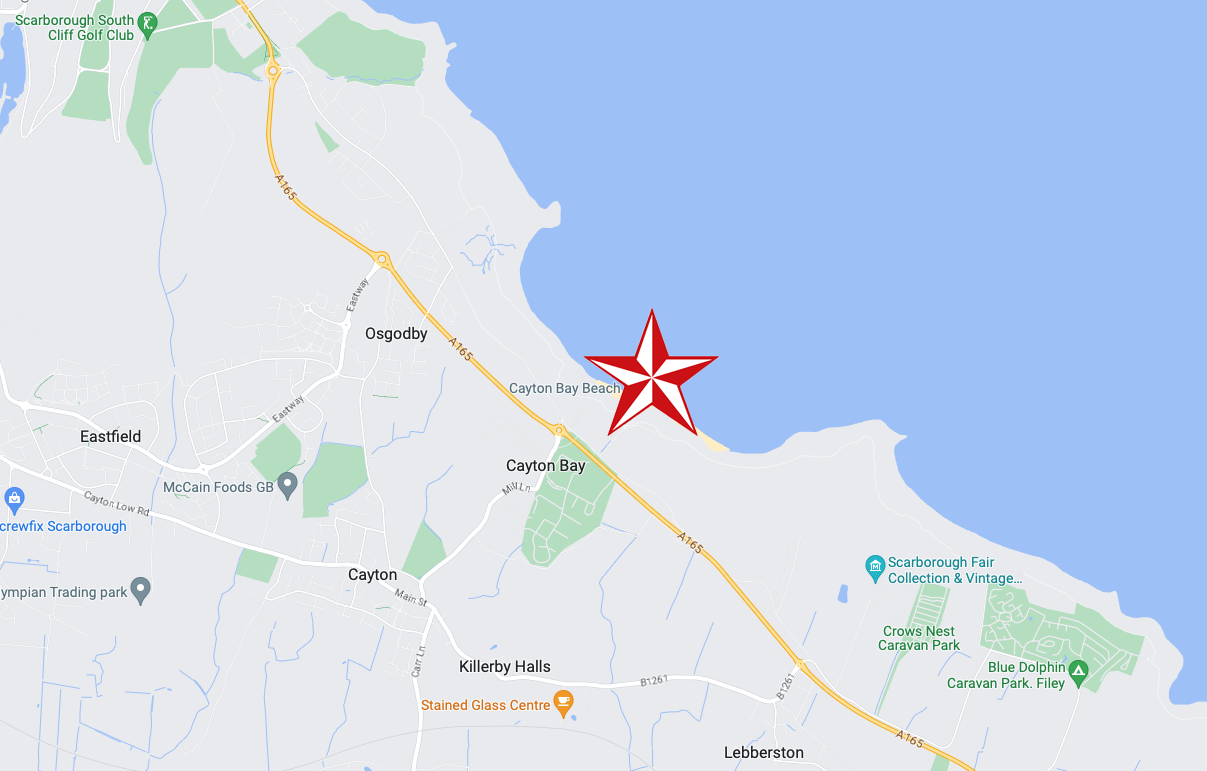
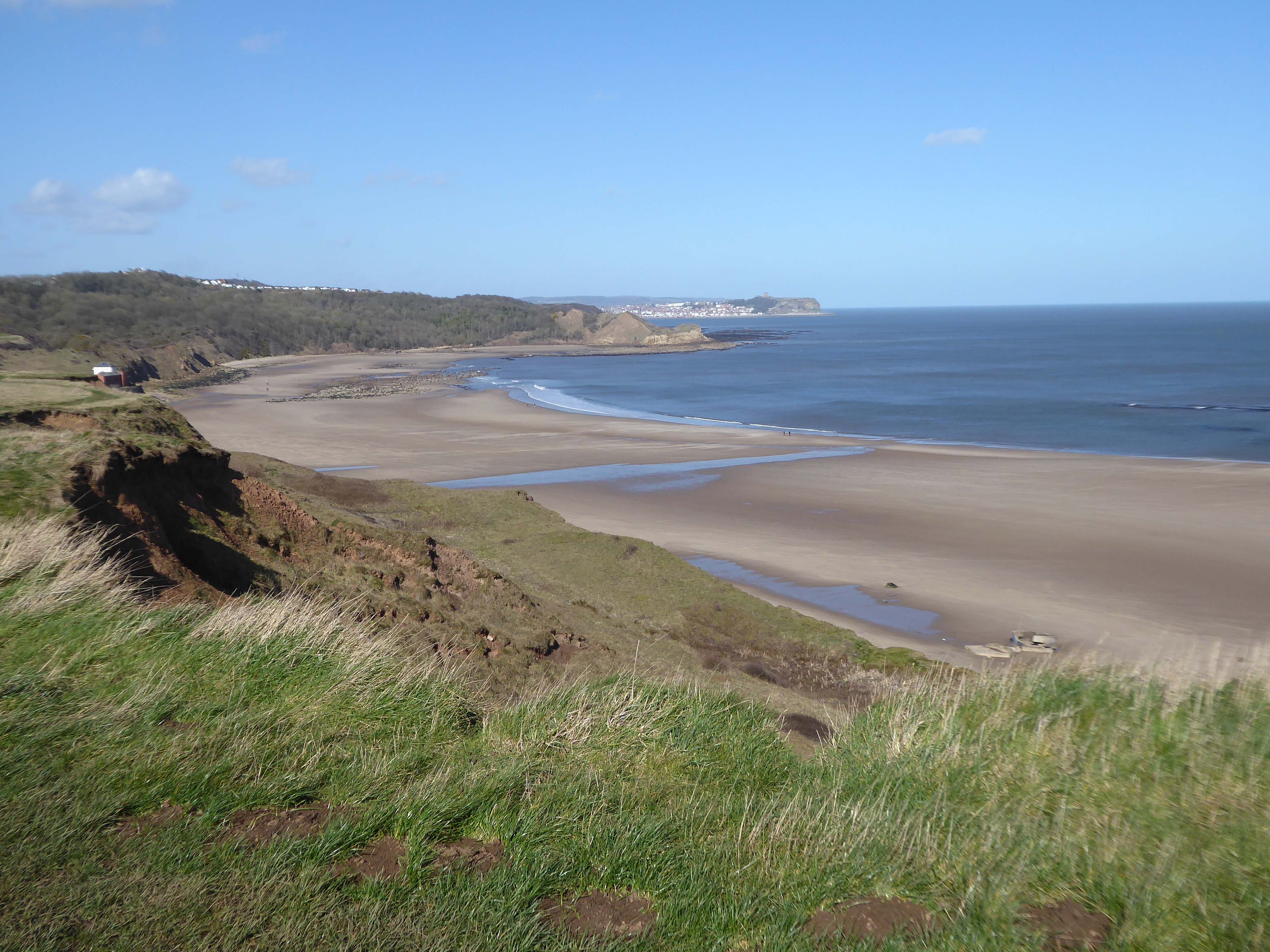
In 2008 fresh landslips have occurred around Cayton Bay. The bungalows built on the old holiday camp at Osgodby Point have started to suffer serious erosion. The cliffs around the Cornelian and Cayton areas are just made of soil. So erosion is to be expected. It may taken time. But there is not much which can be done to prevent the seas moving in.

Scarborough Maritime History

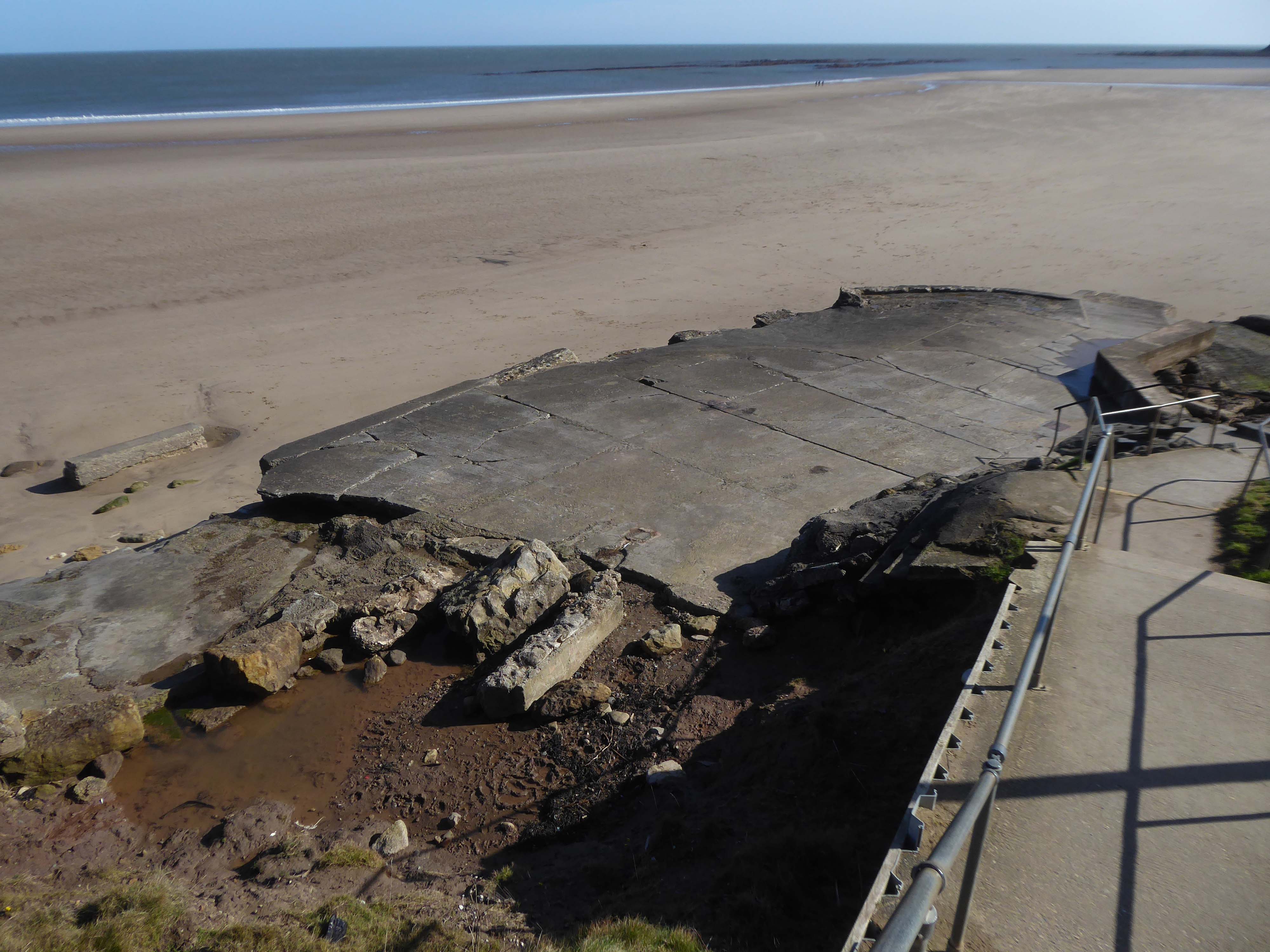
The Pumping Station was partially demolished in 1956.

Several well worn layers of geological time have been hanging around for a while now.

Whilst the long-gone critters are but fossilised versions of their former selves.

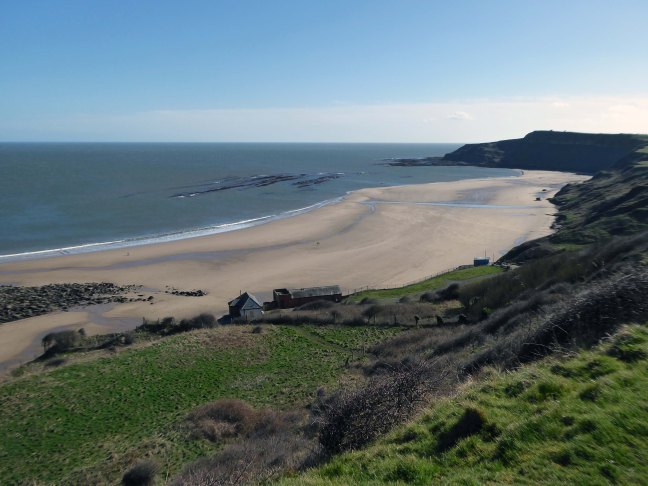
The rocks found at Cayton Bay are Jurassic aged from the Callovian stage. At the north end of Cayton Bay, the Cornbrash Formation can be seen, comprised of red-brown, sandy, nodular, bioturbated limestone with oysters and other bivalves.The Cornbrash lies beneath the start of the Cayton Clay Formation. Walking south towards Tenant’s Cliffs, Lower Calcareous Grit is brought to beach level, followed by a calcareous limestone. At the waterworks, low tides reveals a section in the Middle and Upper Jurassic rocks.

On scouring tides, argillaceous limestone and calcareous sandstone can be seen layered along the Upper Leaf of the Hambleton Oolite, which is seen excellently in the low cliff on the southern side of the Brigg. The tough, impure limestone contains well-preserved bivalves and ammonites. The sequence is shown in the diagram but faulting has caused unconformities.

During scouring, Oxford Clay can be seen along the foreshore south of the argillaceous limestone. Walking further south, Red Cliff is reached, where rocks of the Osgodby Formation slope above the Oxford Clay.

UKFAH

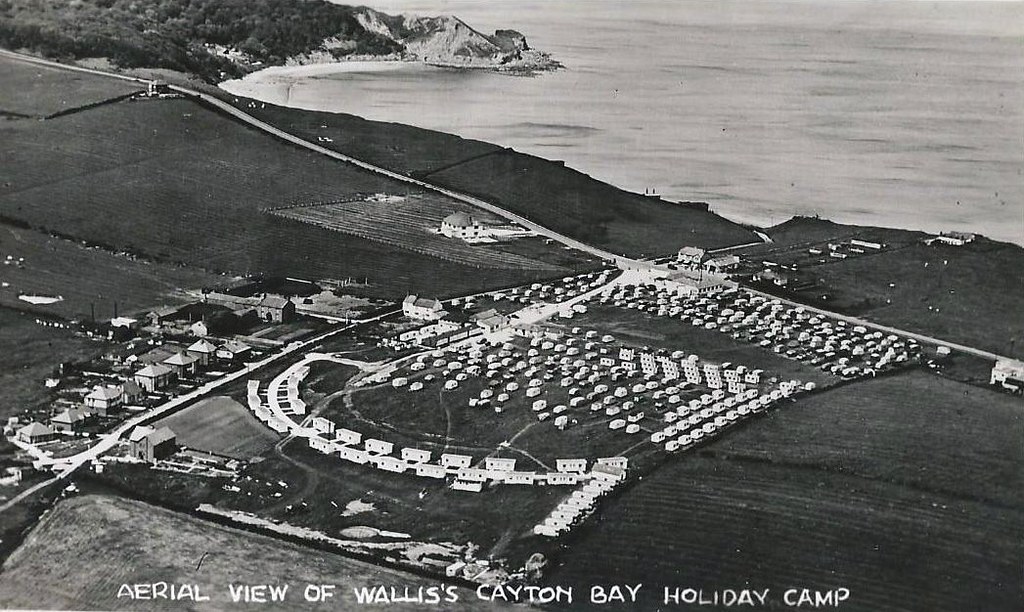
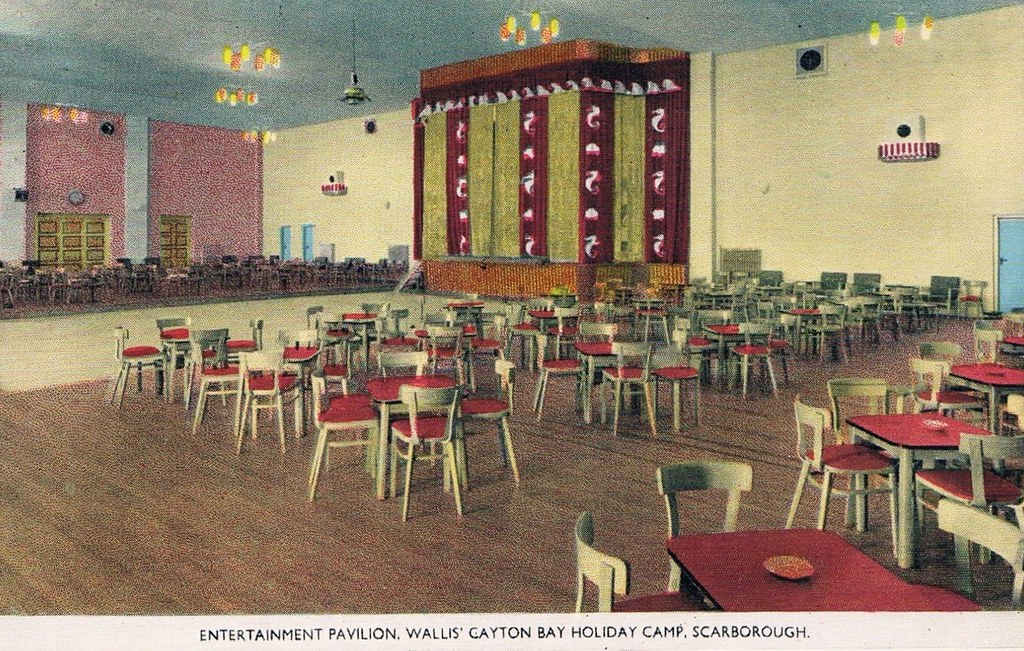
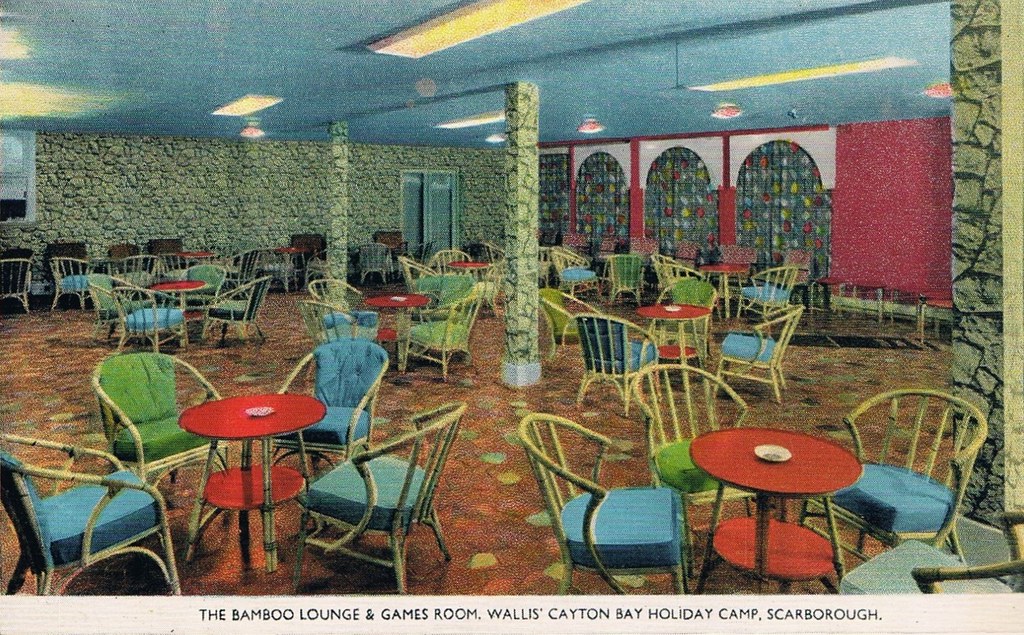
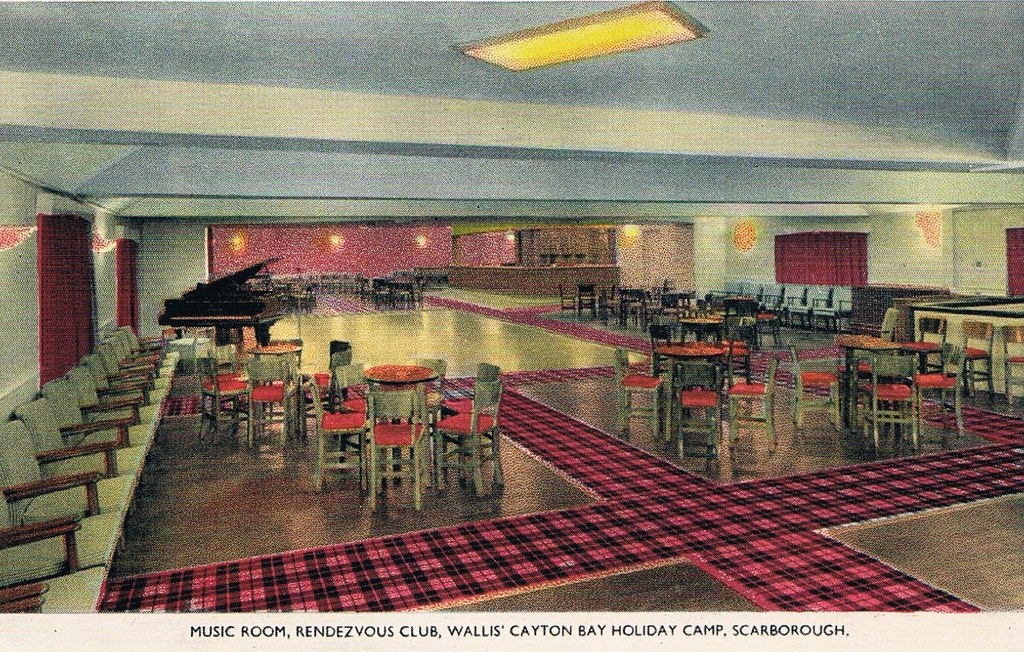
The Wallis’s Holiday Camp of 1936 – eventually overwritten by a more a la mode commercial enterprise.

Photos: Glen Fairweather

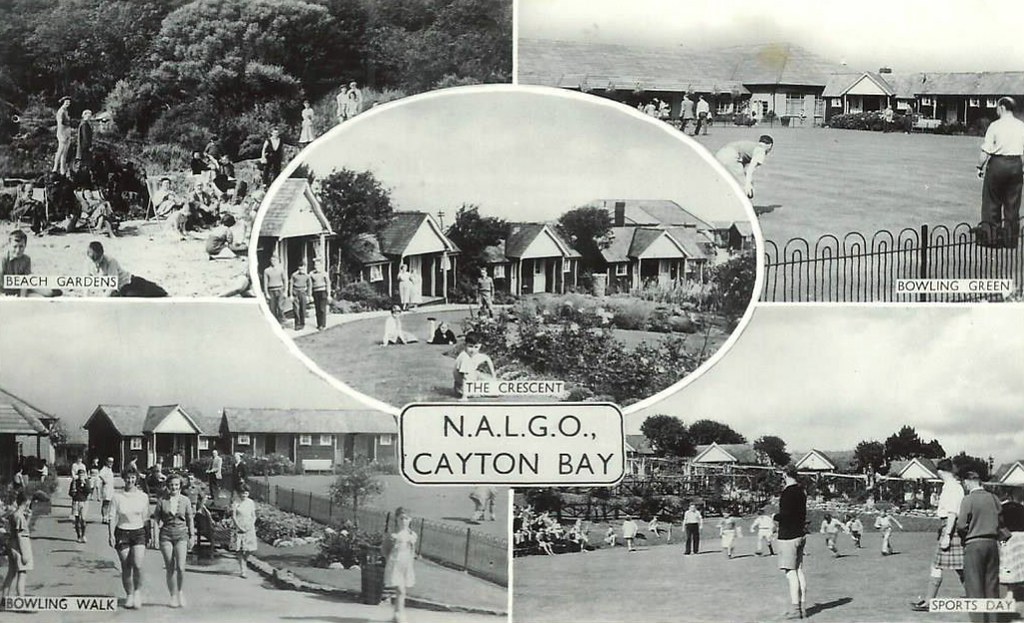
Also missing in action the NALGO Holiday Camp – we are no longer a land of the Closed Shop, rather a land of the closed trade union holiday camp.

There was a similar setup at Croyde Bay.

Originally the first Trade Union holiday camp in the North of England, owned by NALGO it opened its doors in 1933. It had 124 wooden bungalows, accommodating 252 visitors. A dining hall with waiter service, a rest room along with recreation rooms for playing cards, billiards, a theatre for indoor shows and dancing was also provided. The new centre also provided Tennis courts, Bowling greens along with a children’s play area. The visitors could walk to the beach where there was a sun terrace and beach house which also had a small shop.

Click here to see photos of the NALGO camp from the 1930s.

One of the earliest visitors were the family of poet Philip Larkin and during the Second World War it became a home for evacuated children from Middlesbrough.  

The NALGO camp closed in 1974 and was later sold.

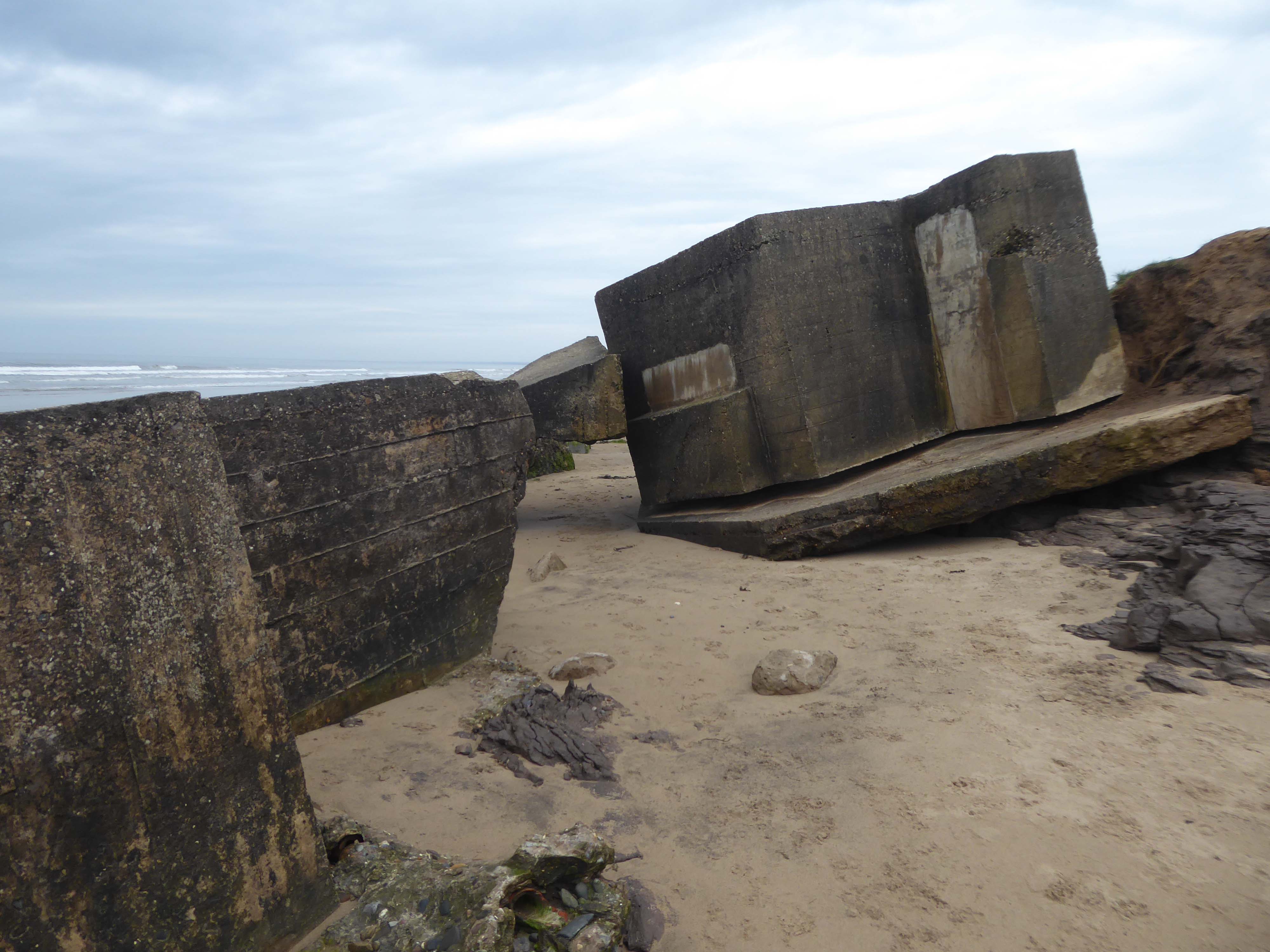
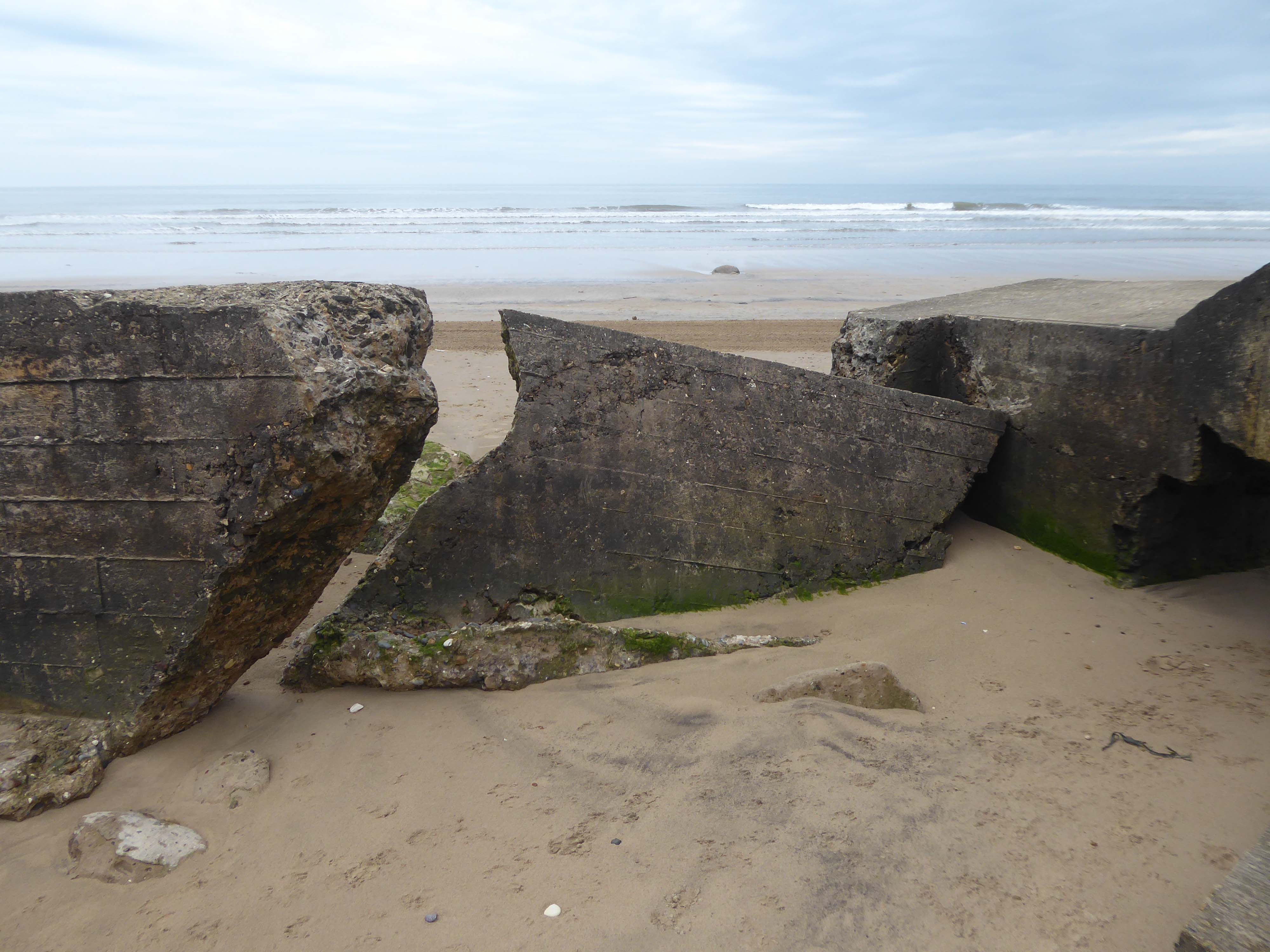
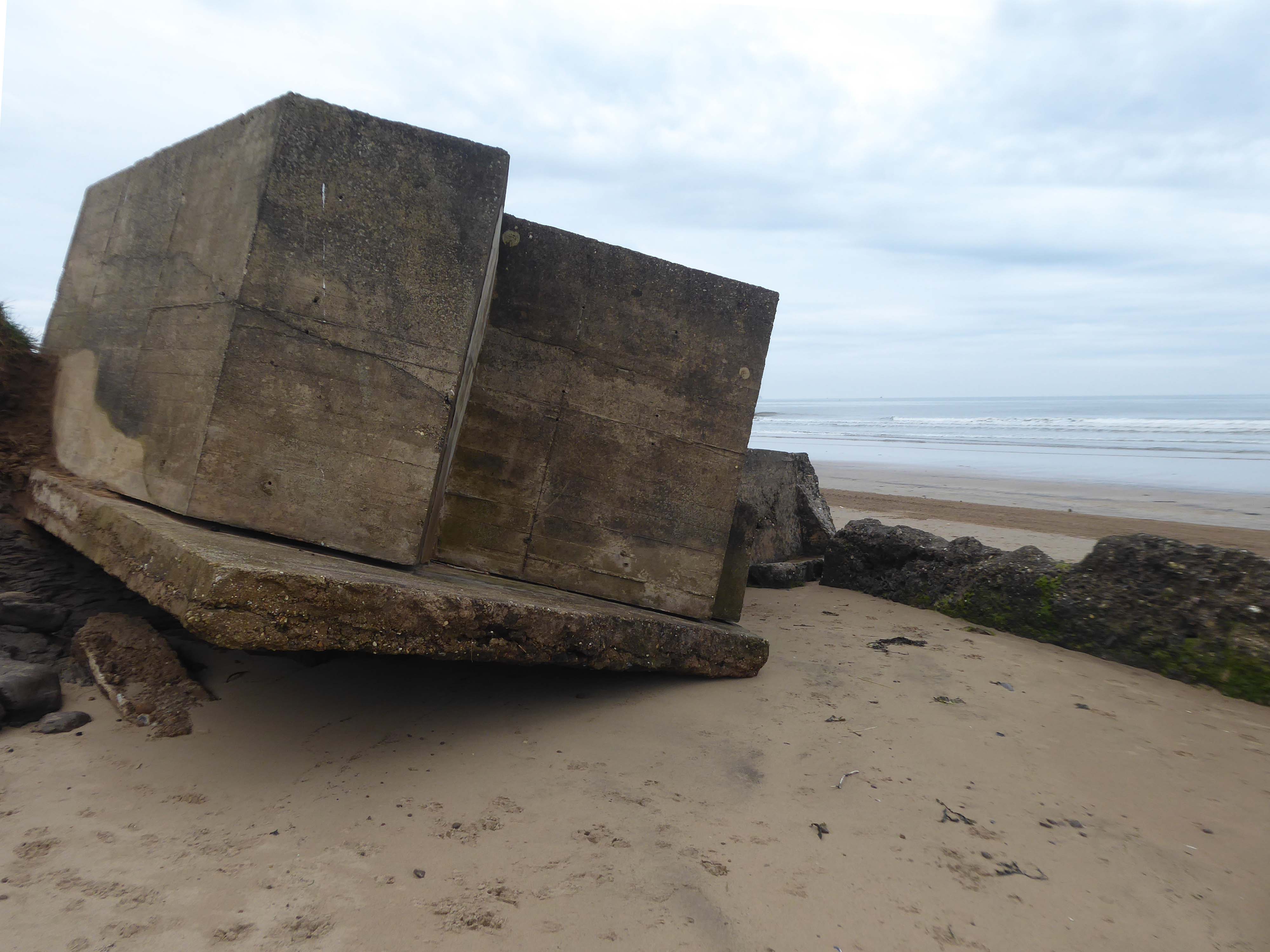
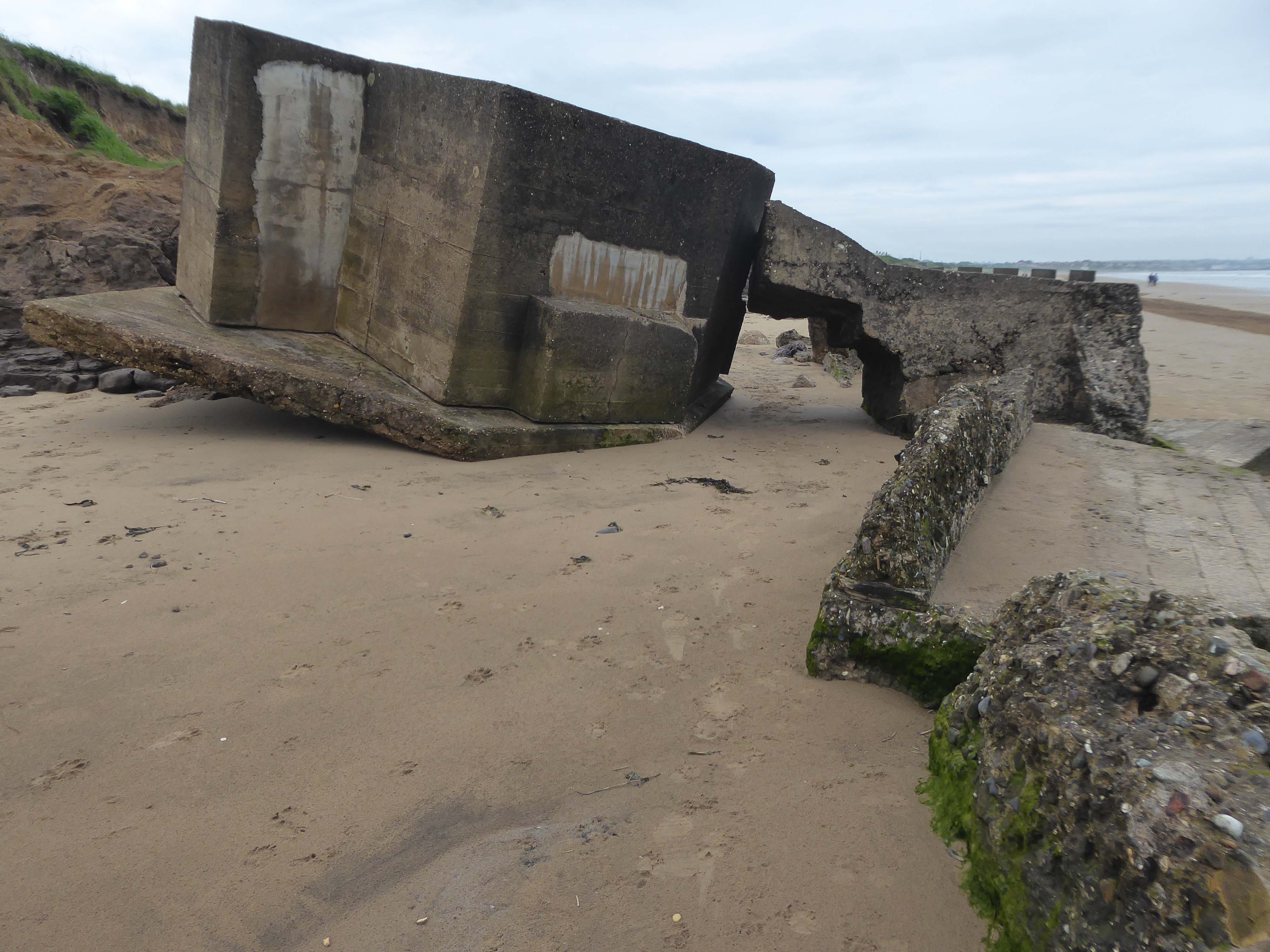
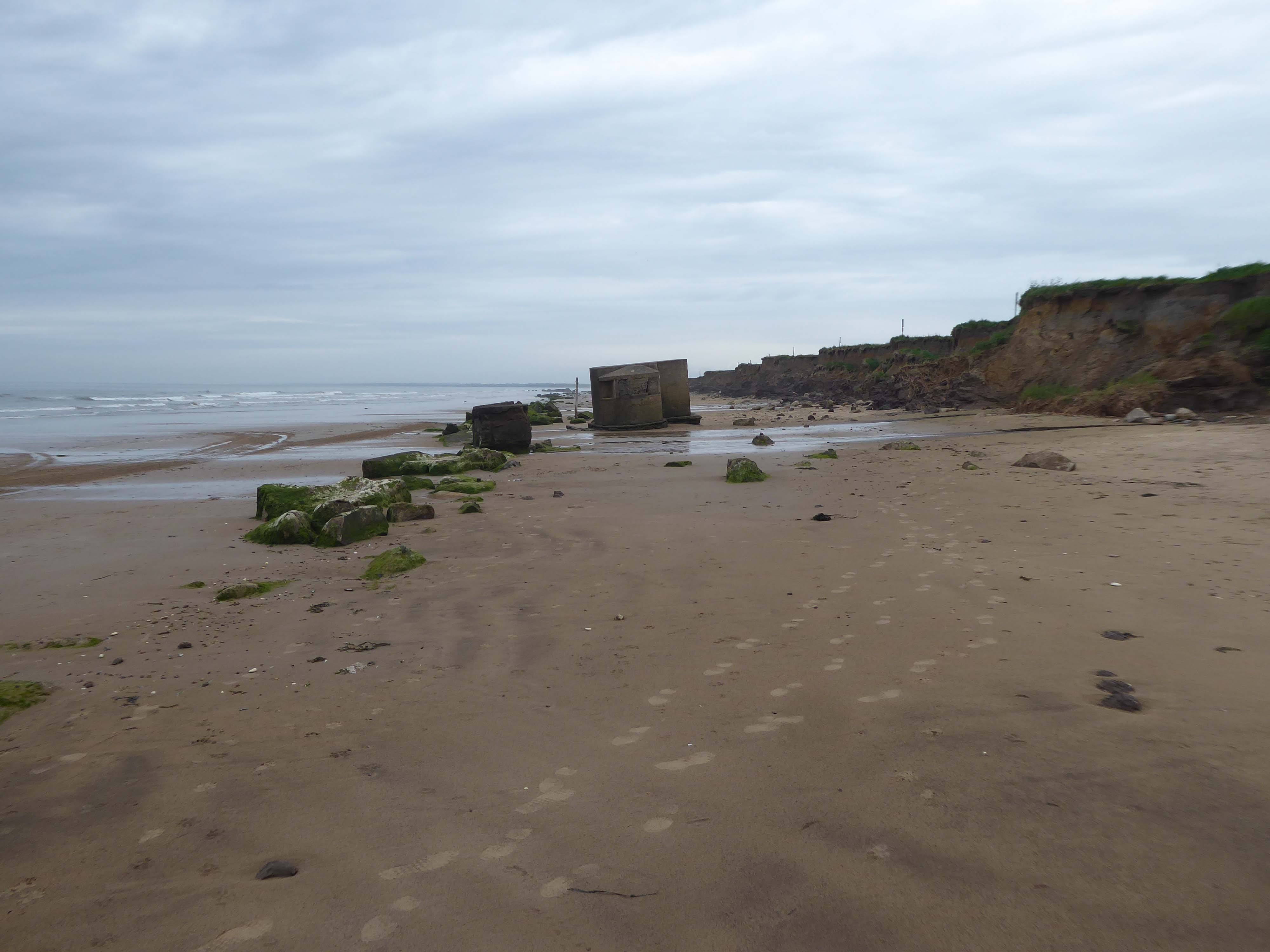
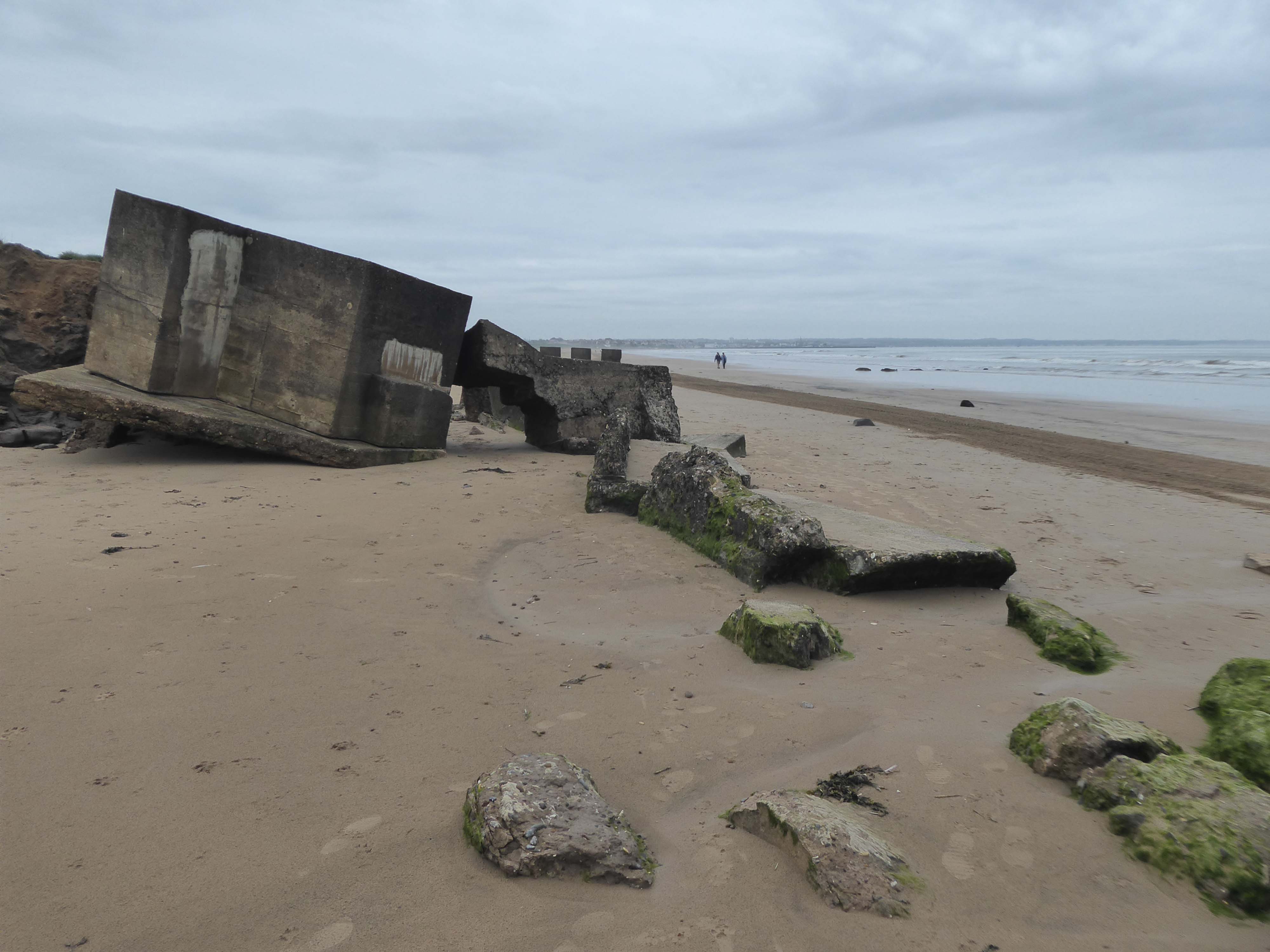
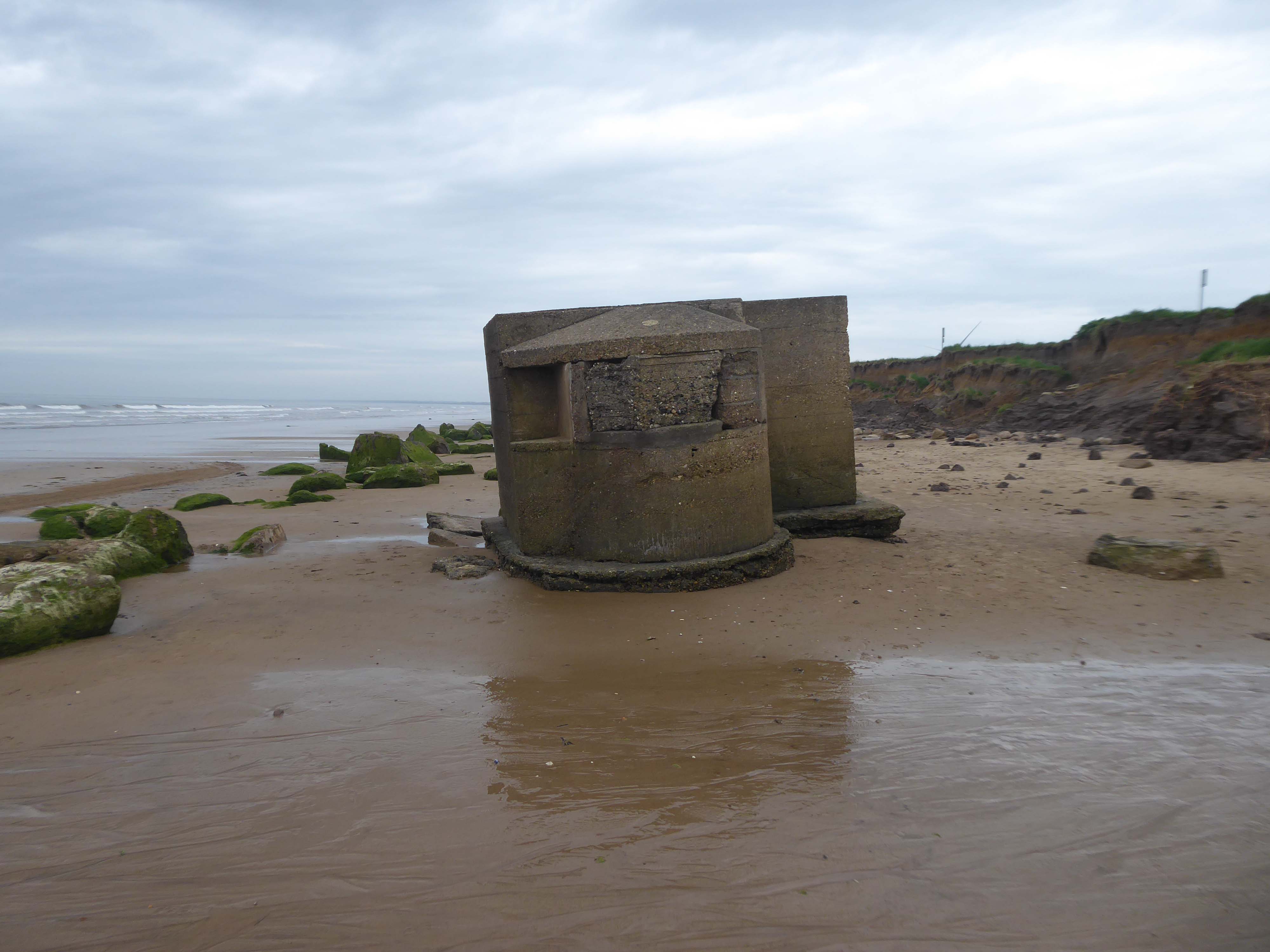
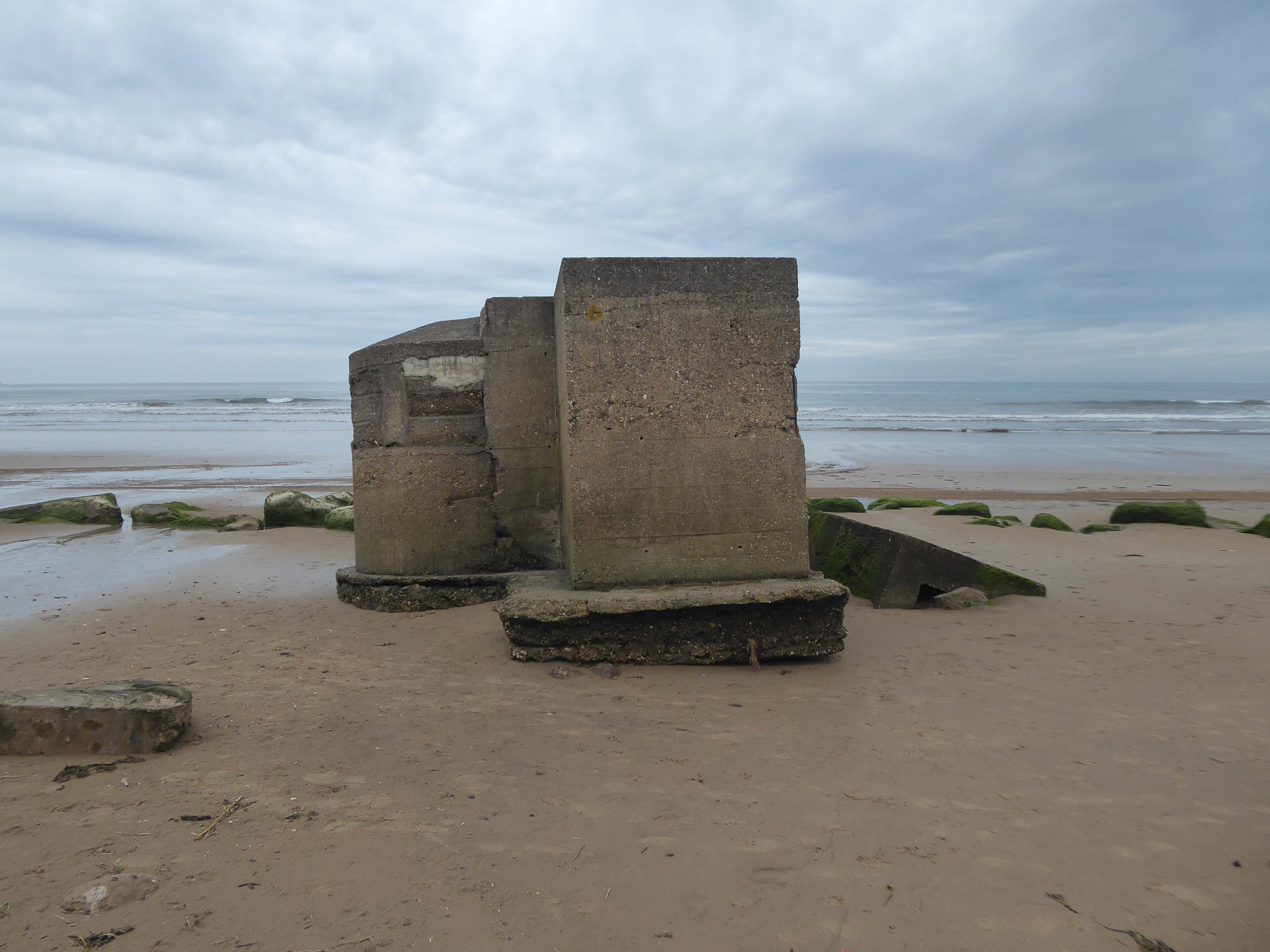
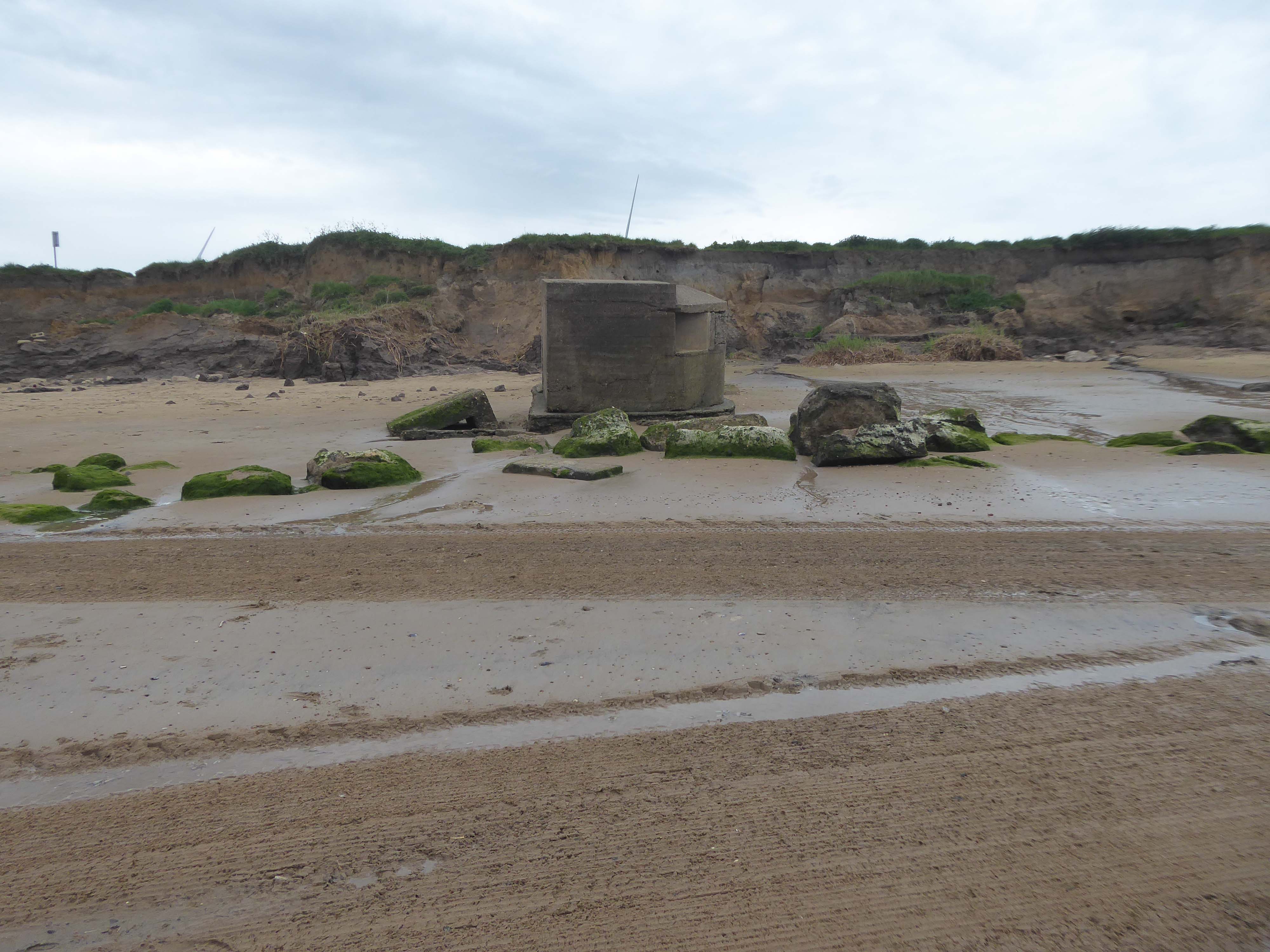
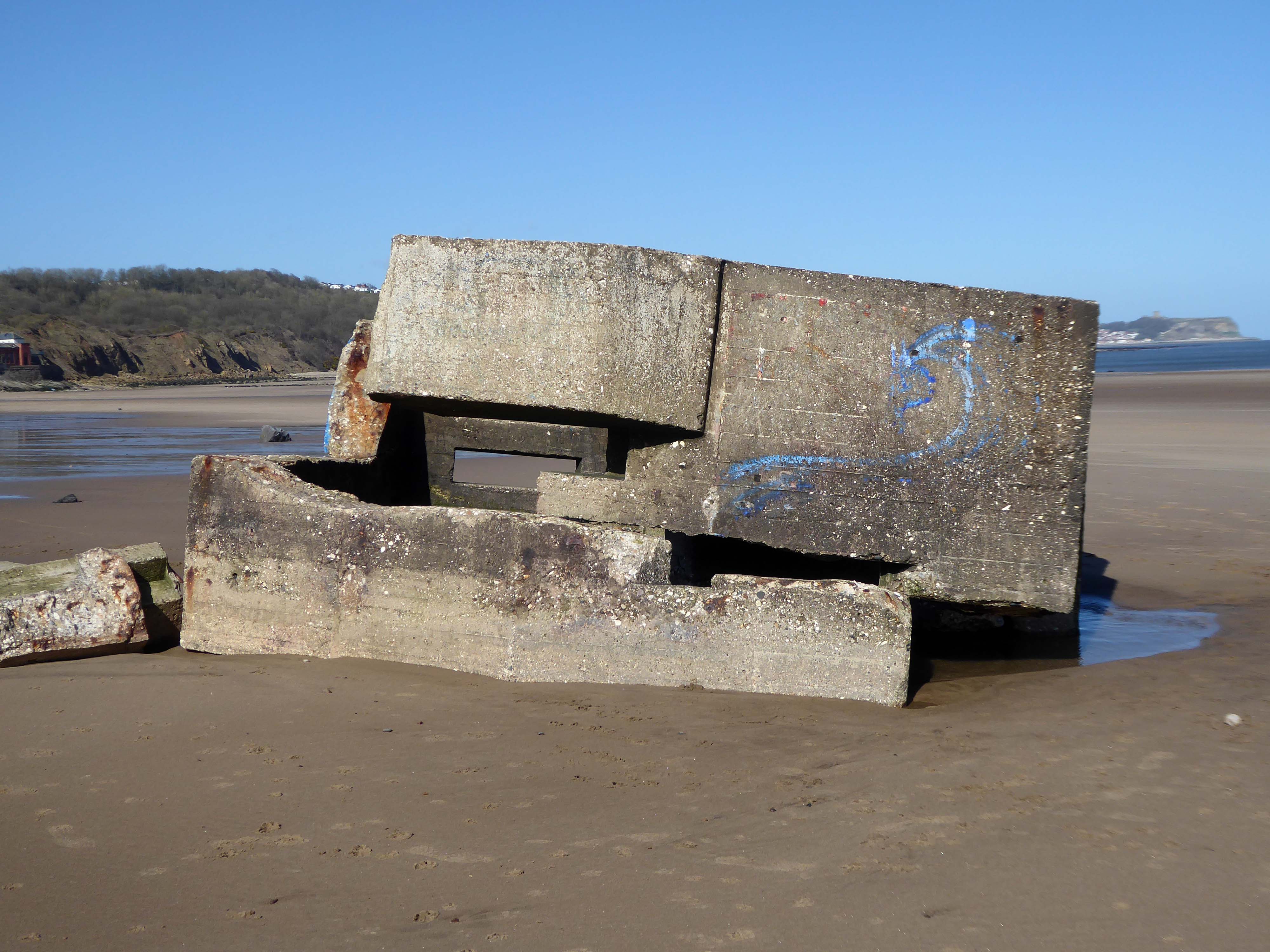
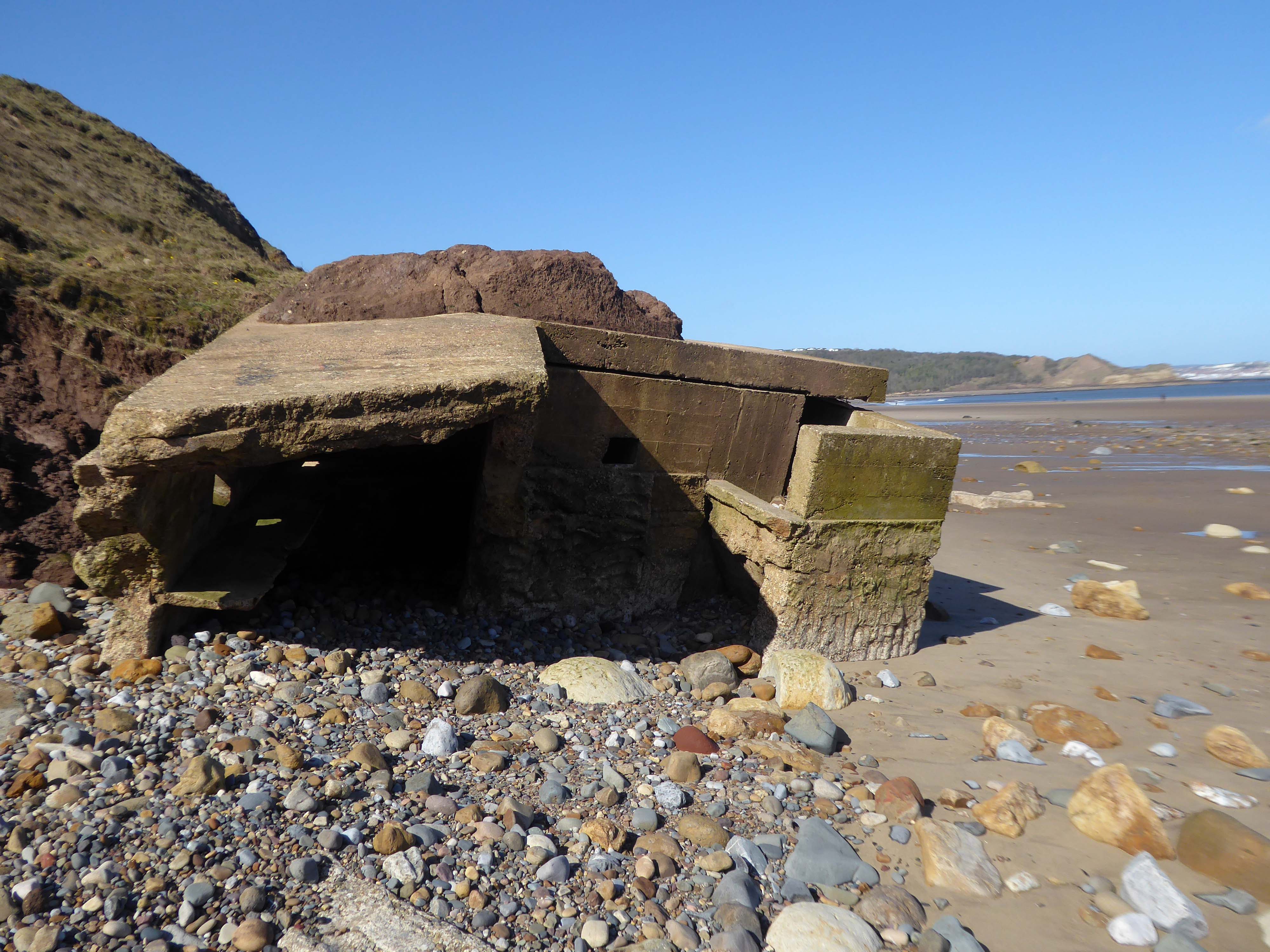
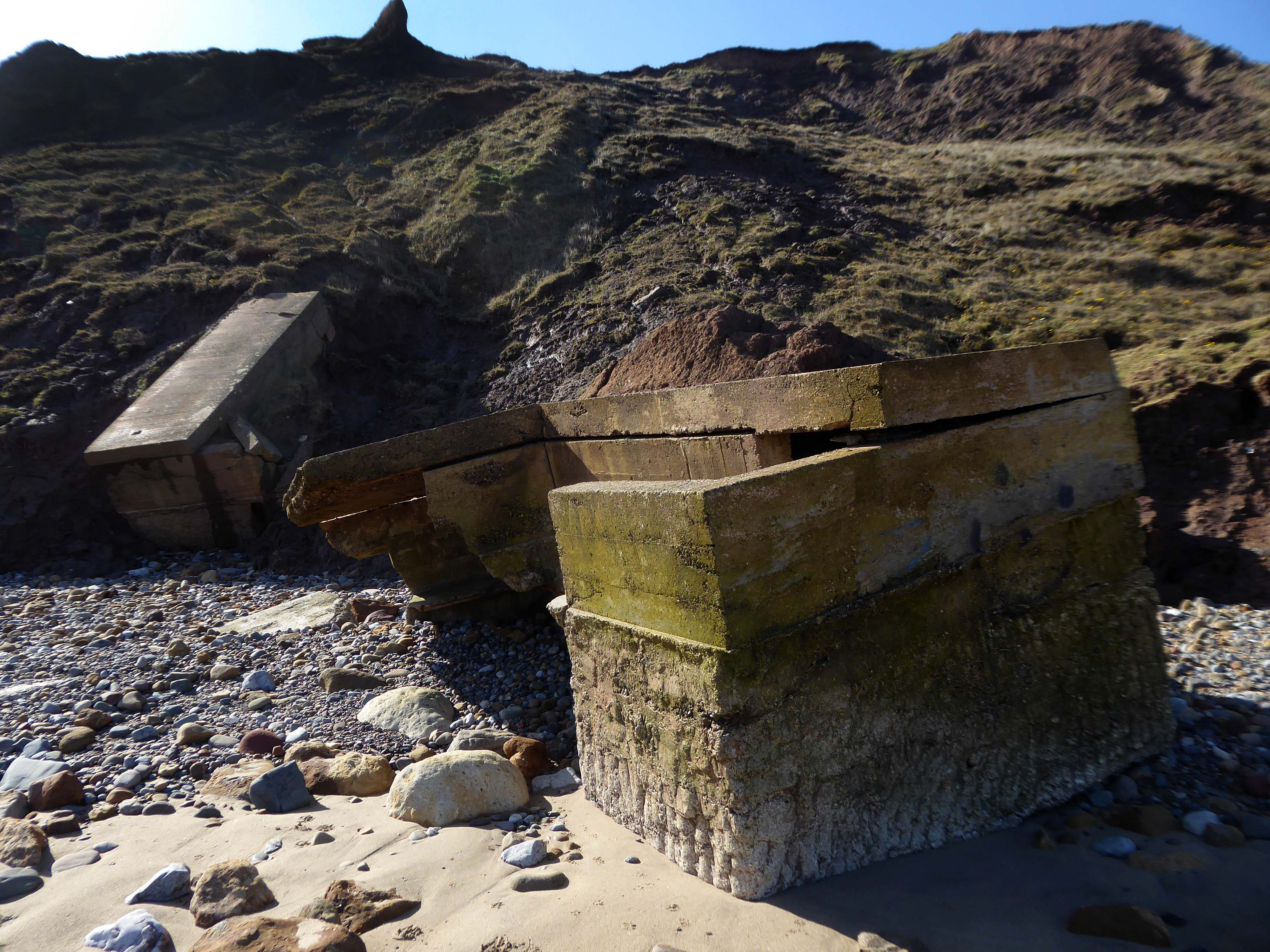
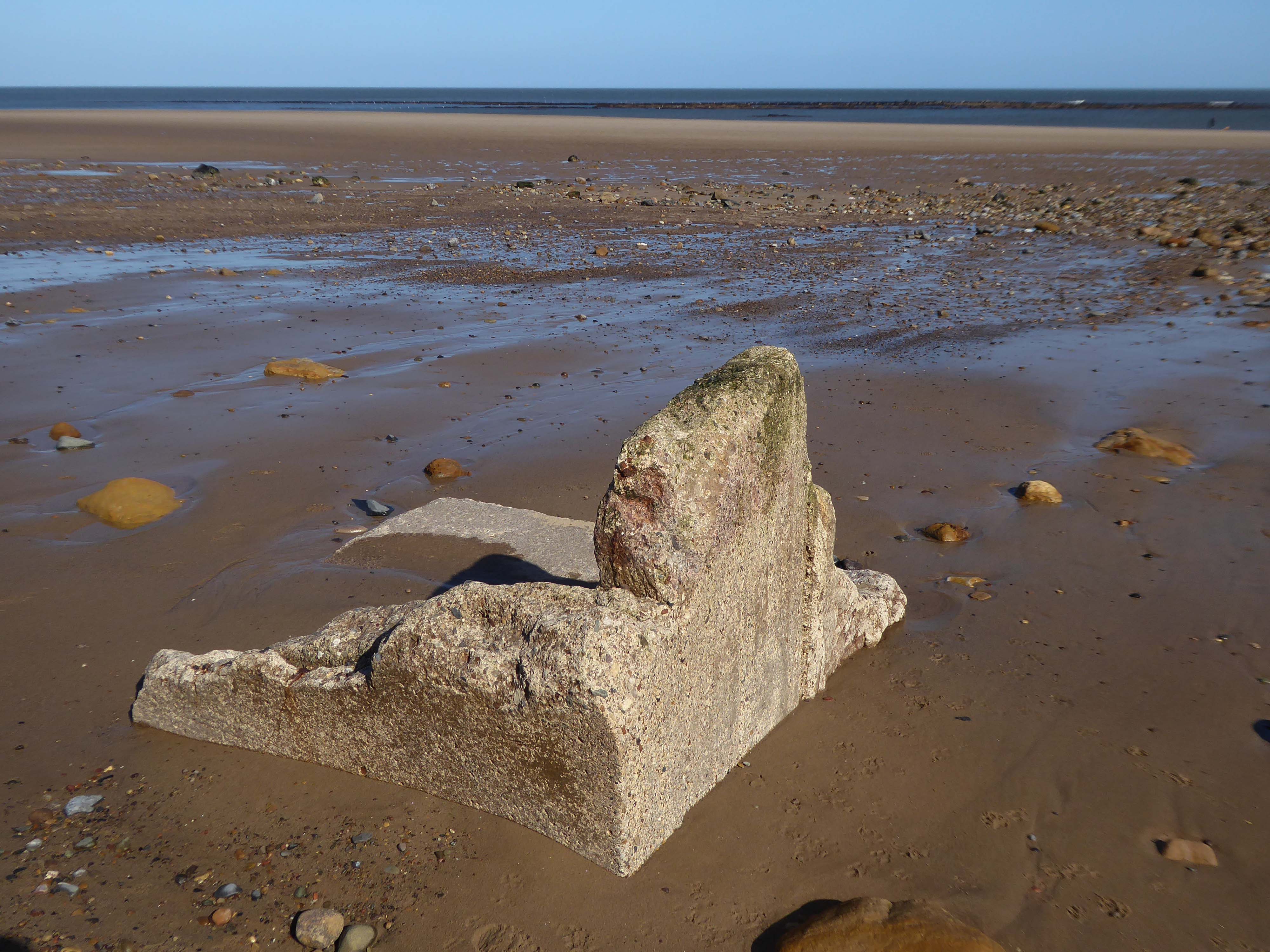
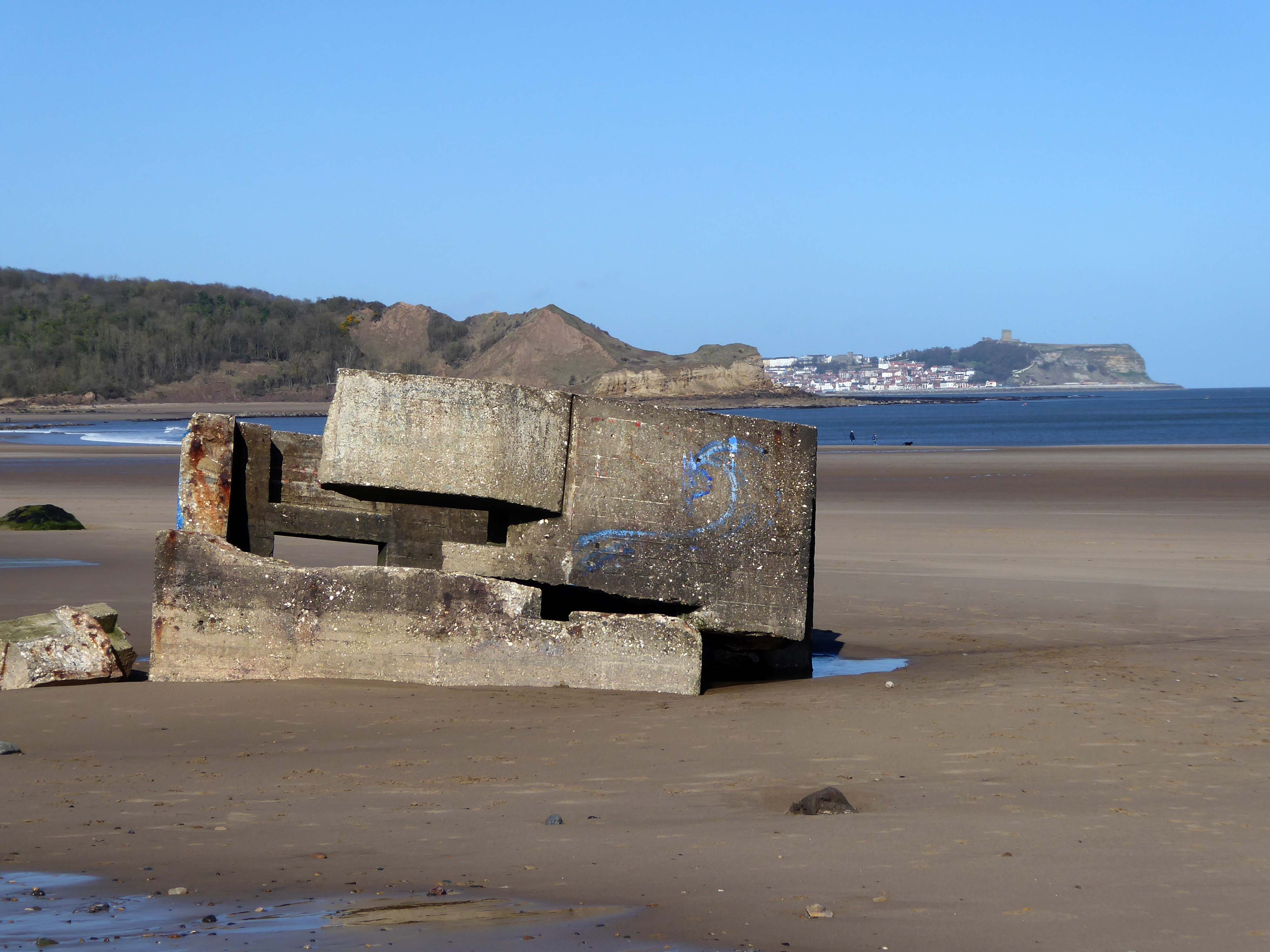
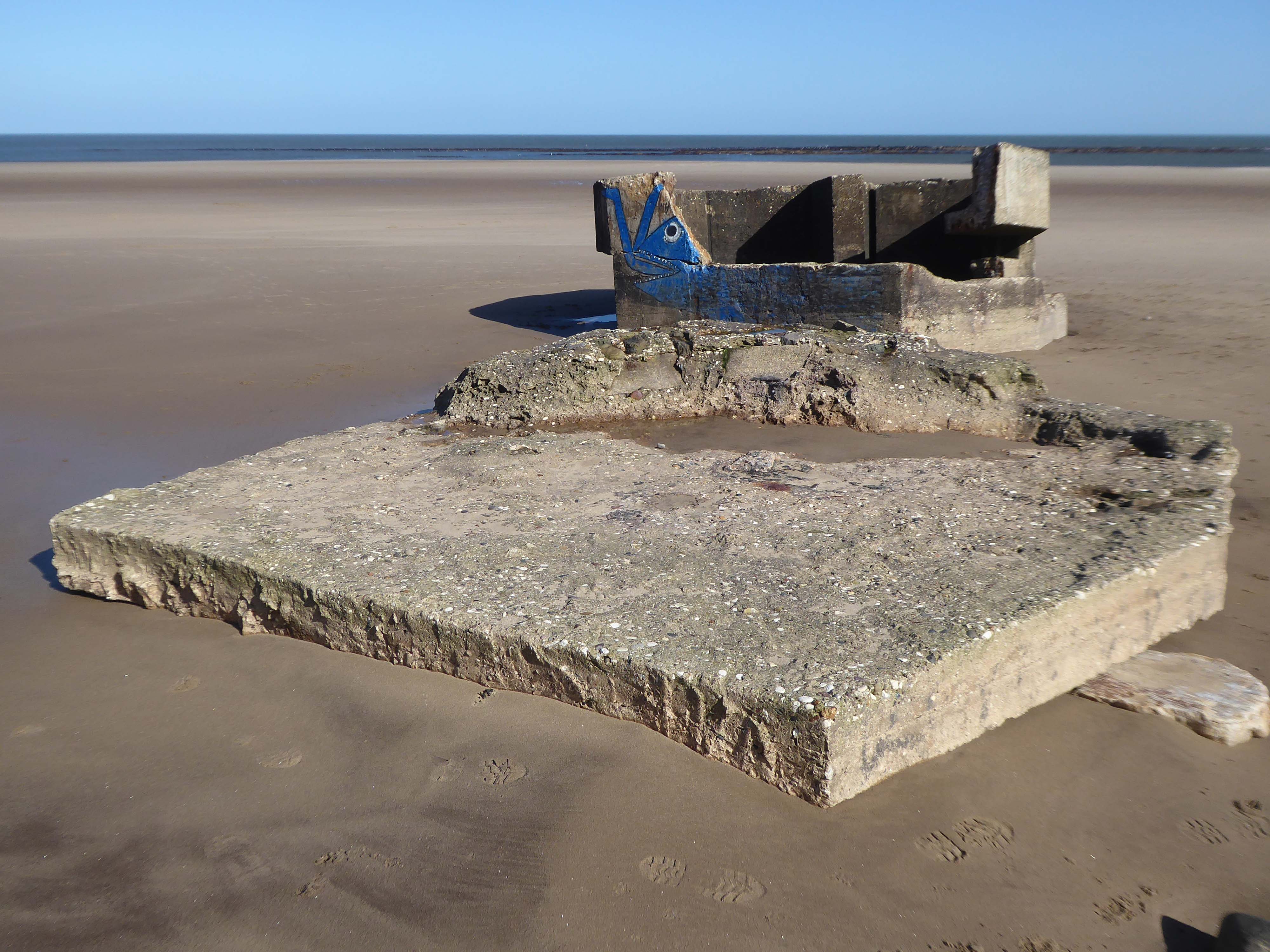
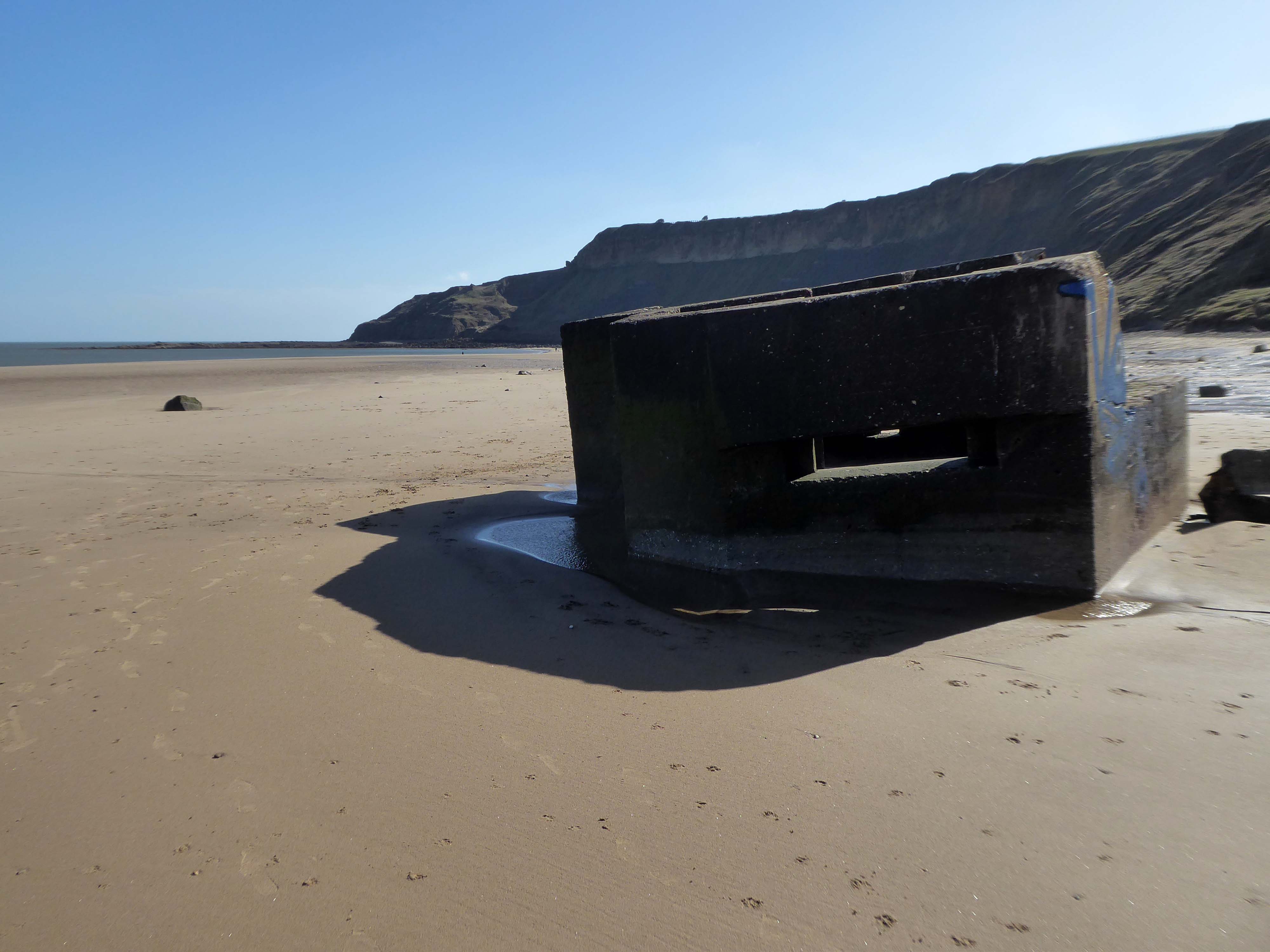
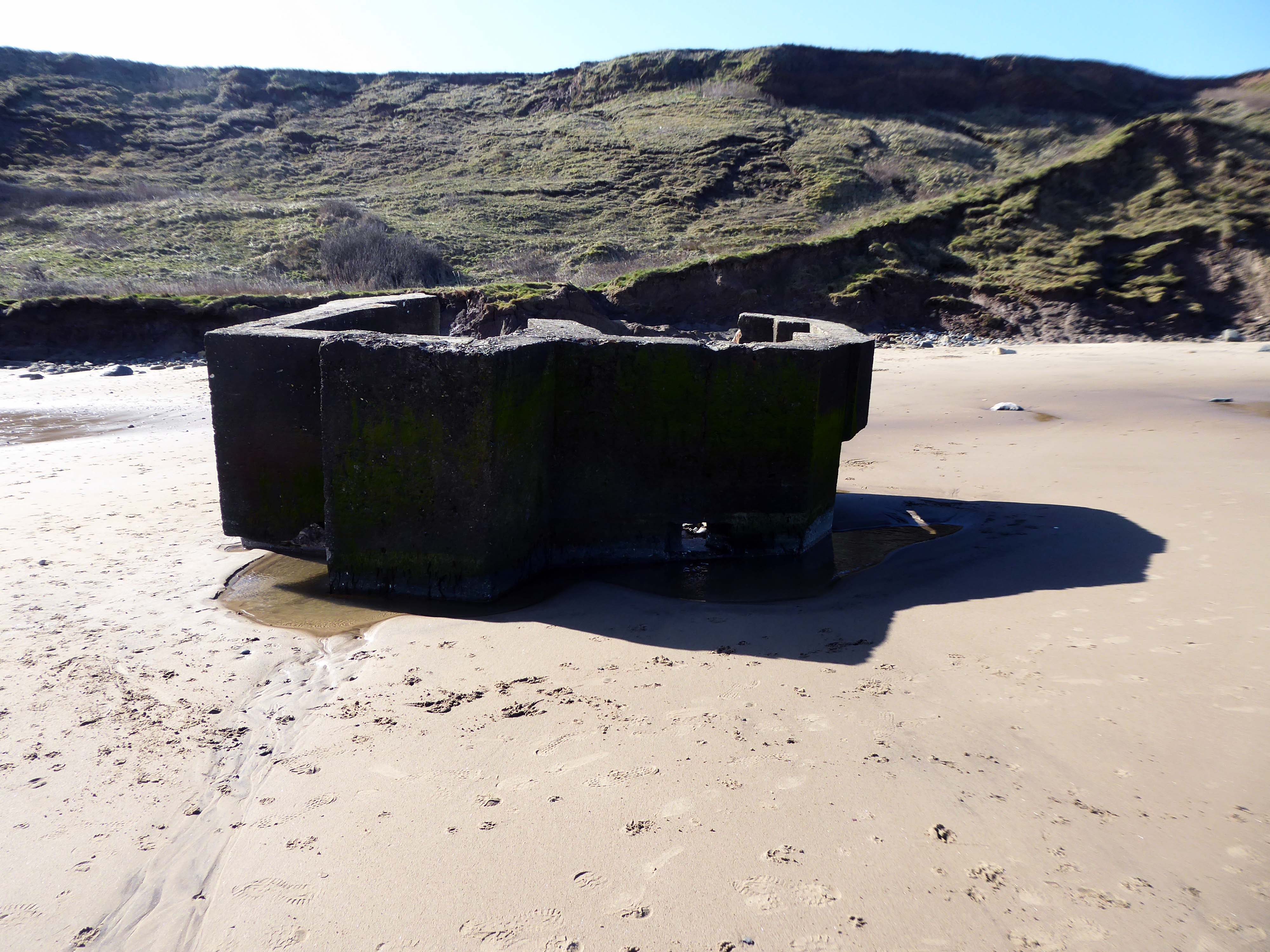
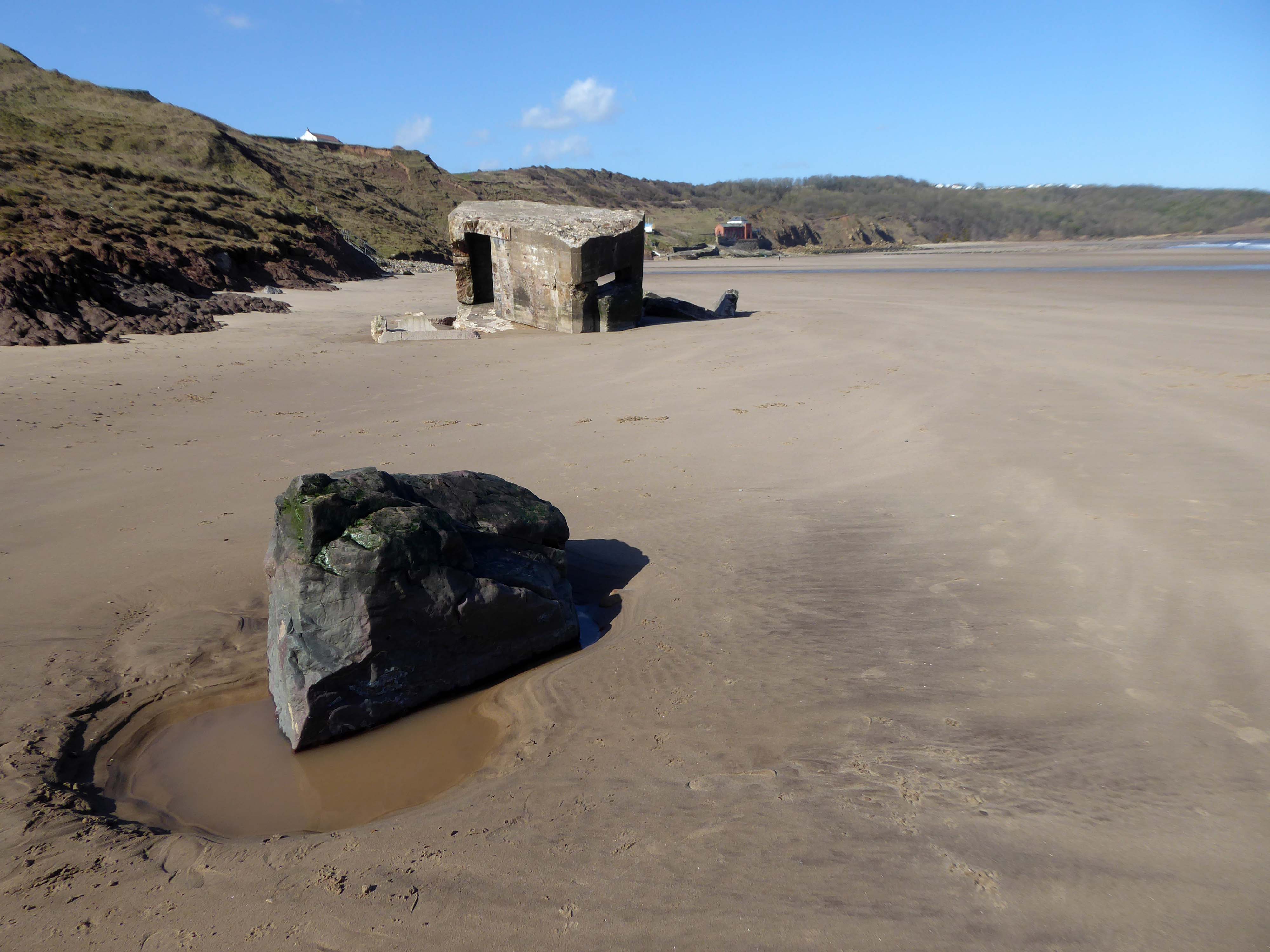
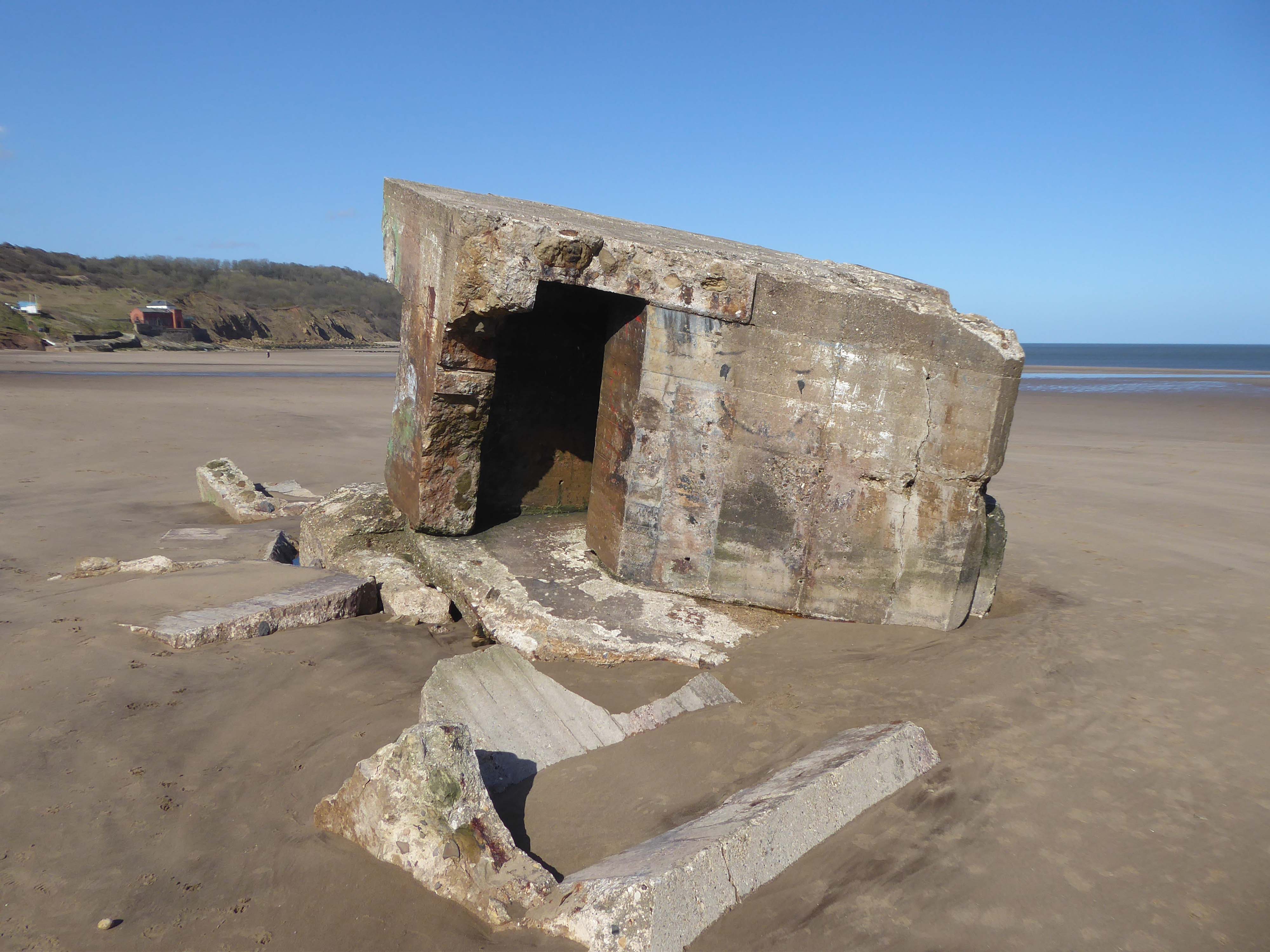
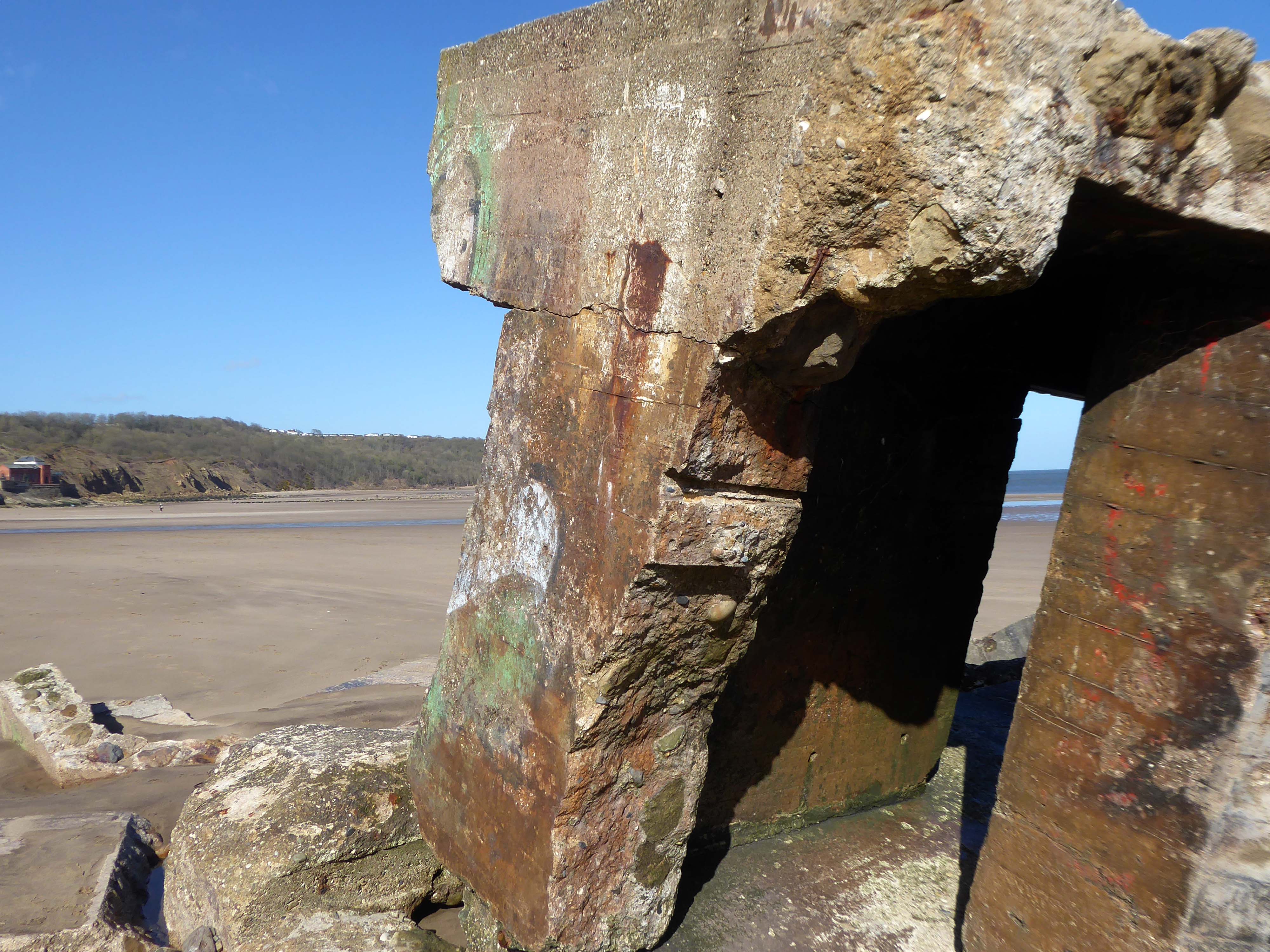
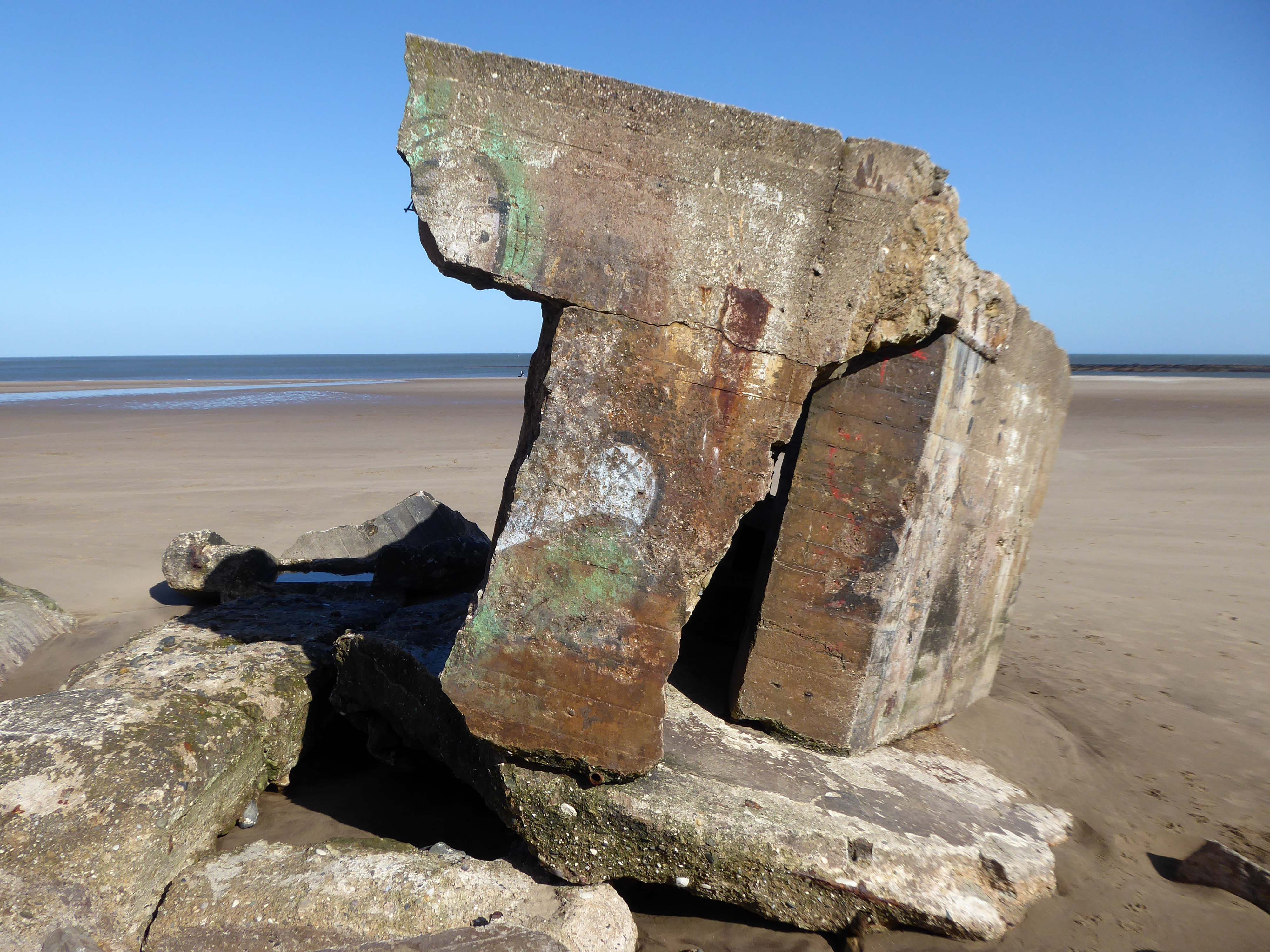
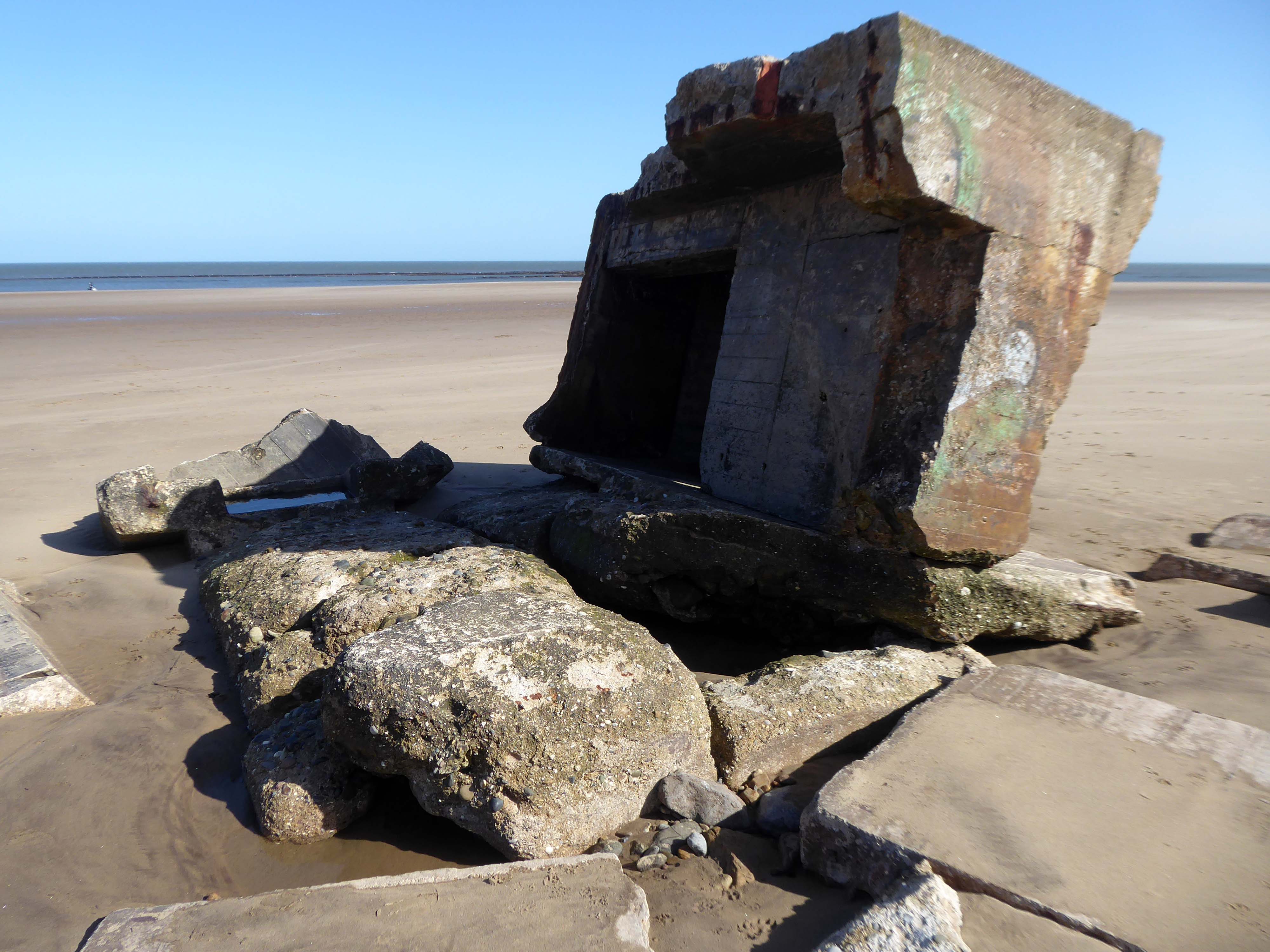
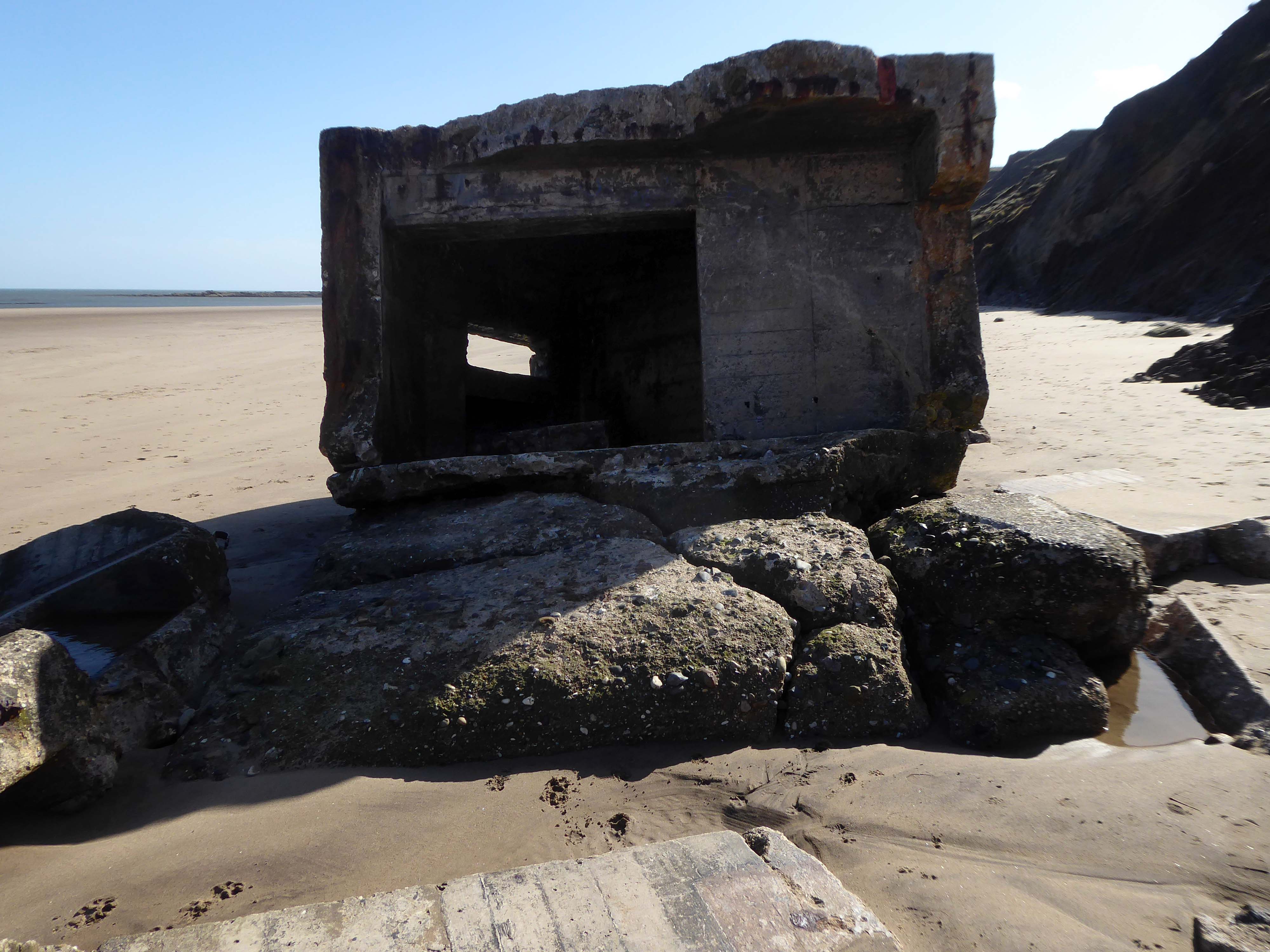
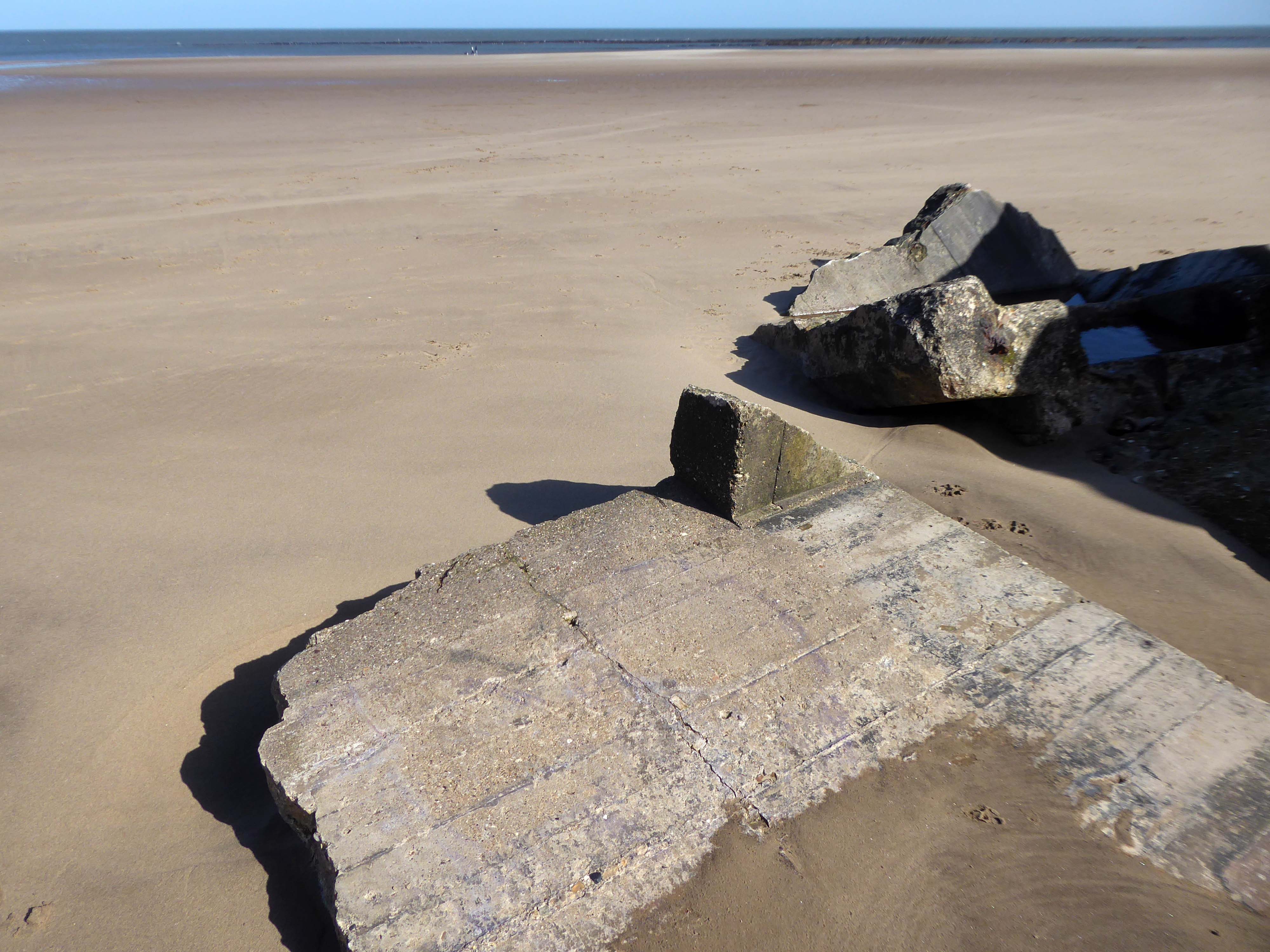
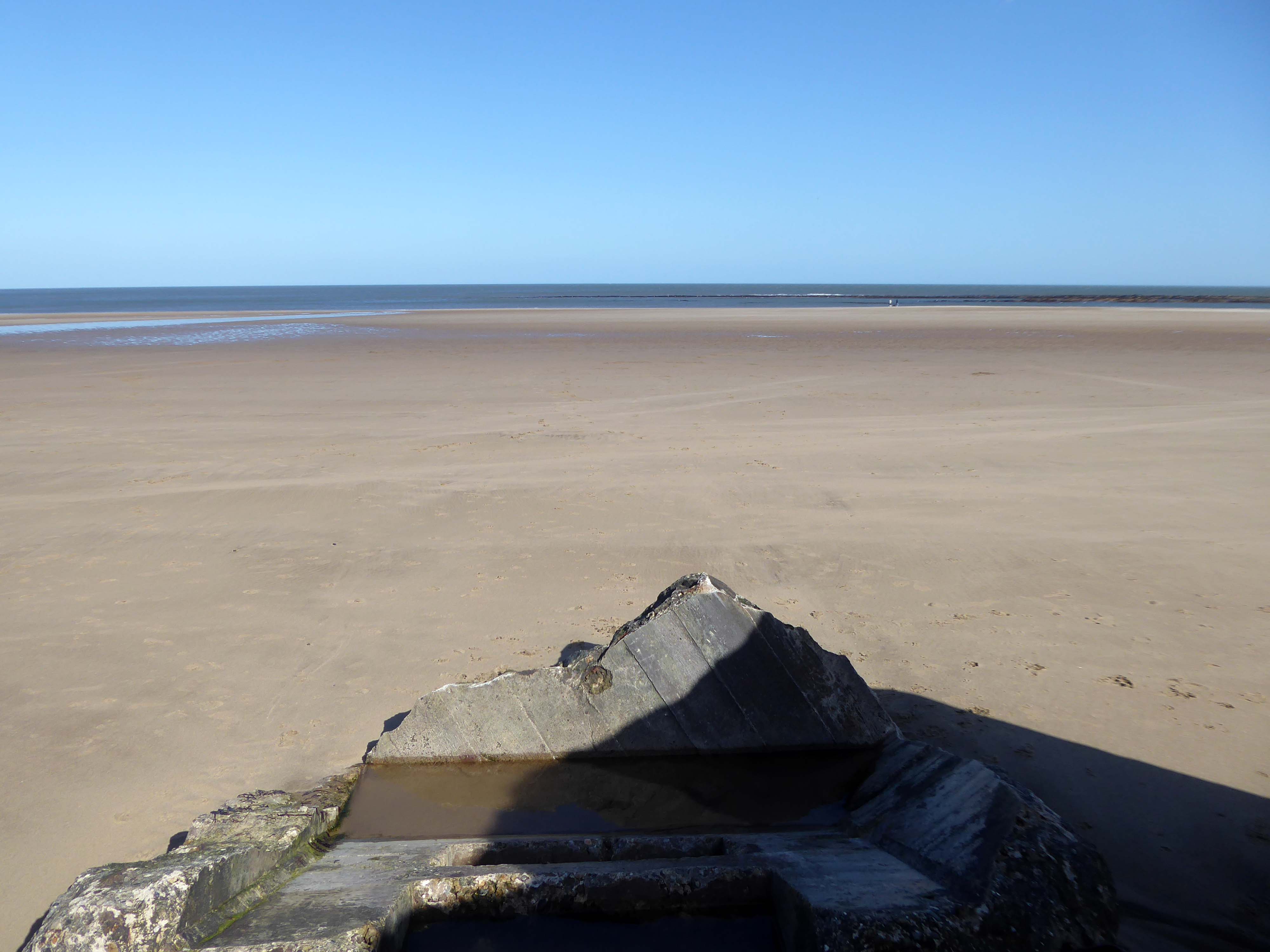
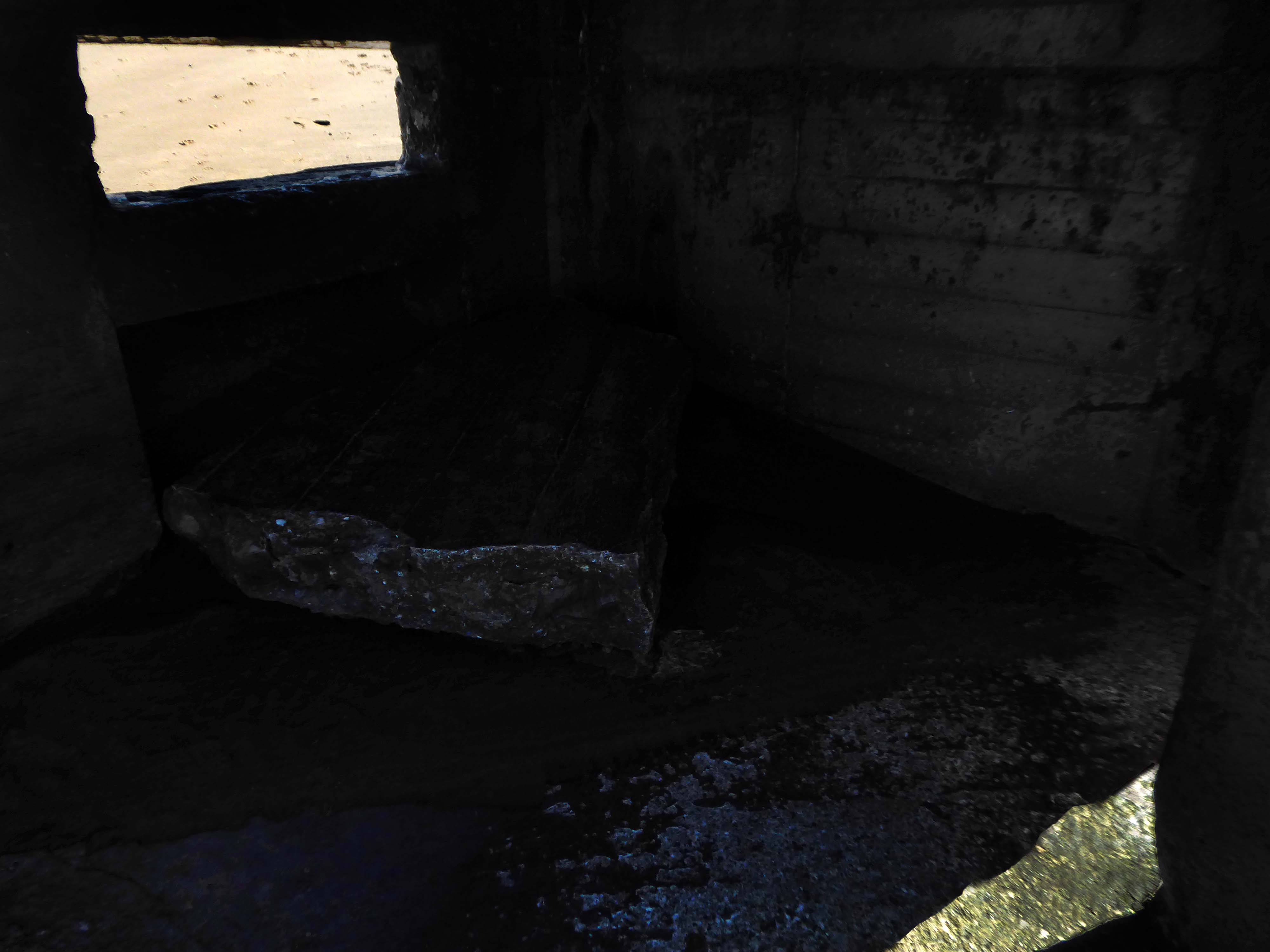
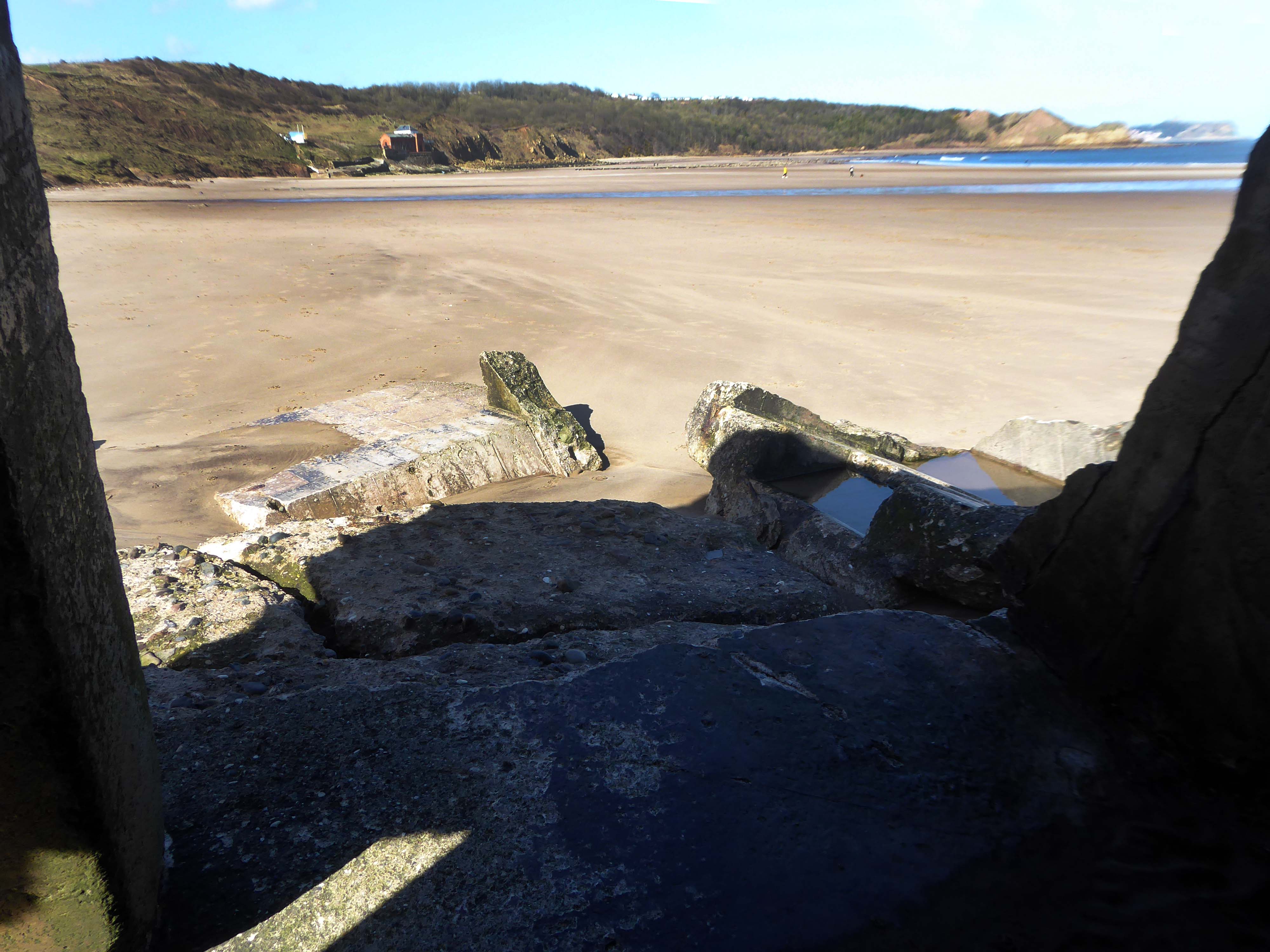
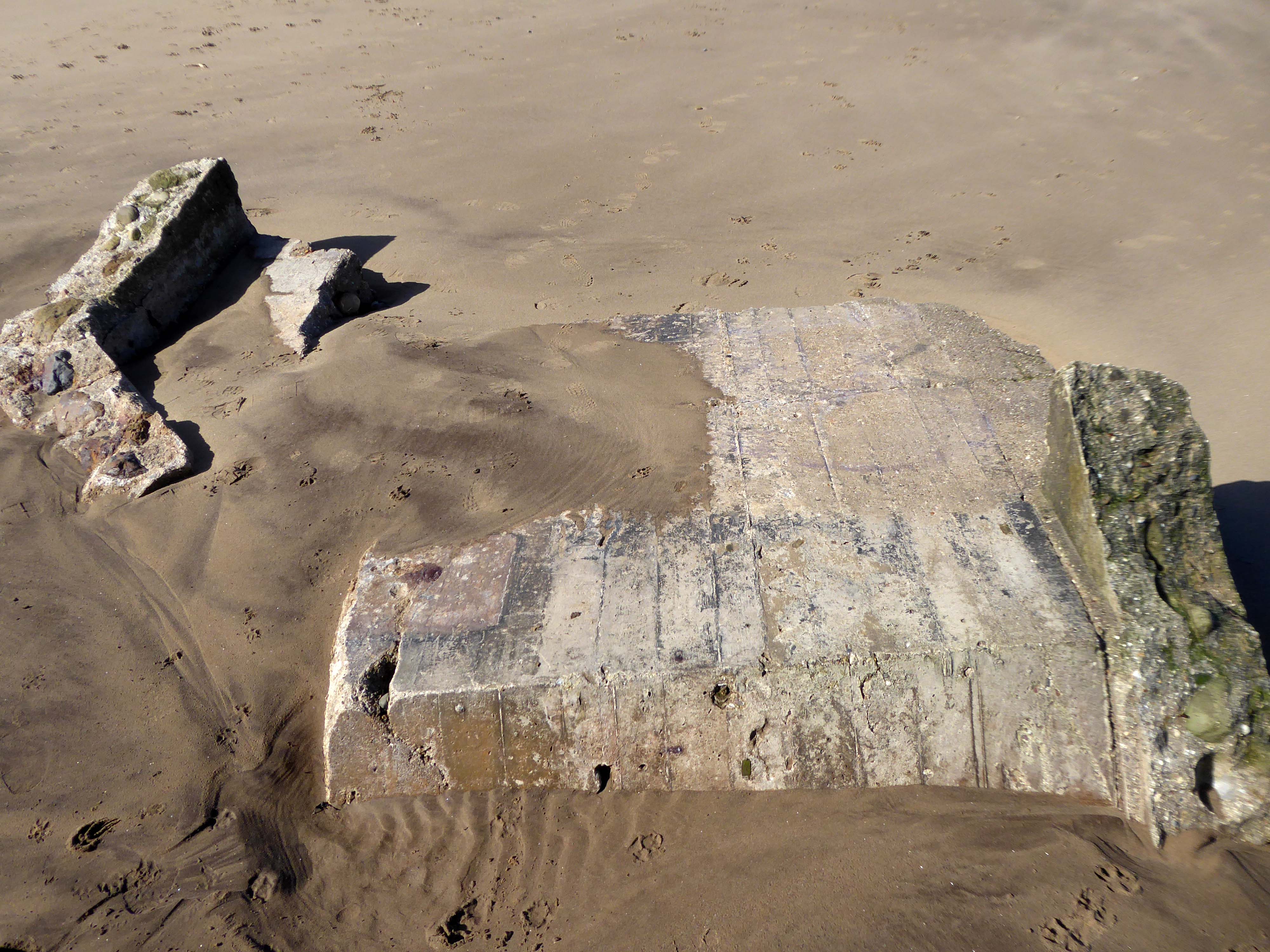
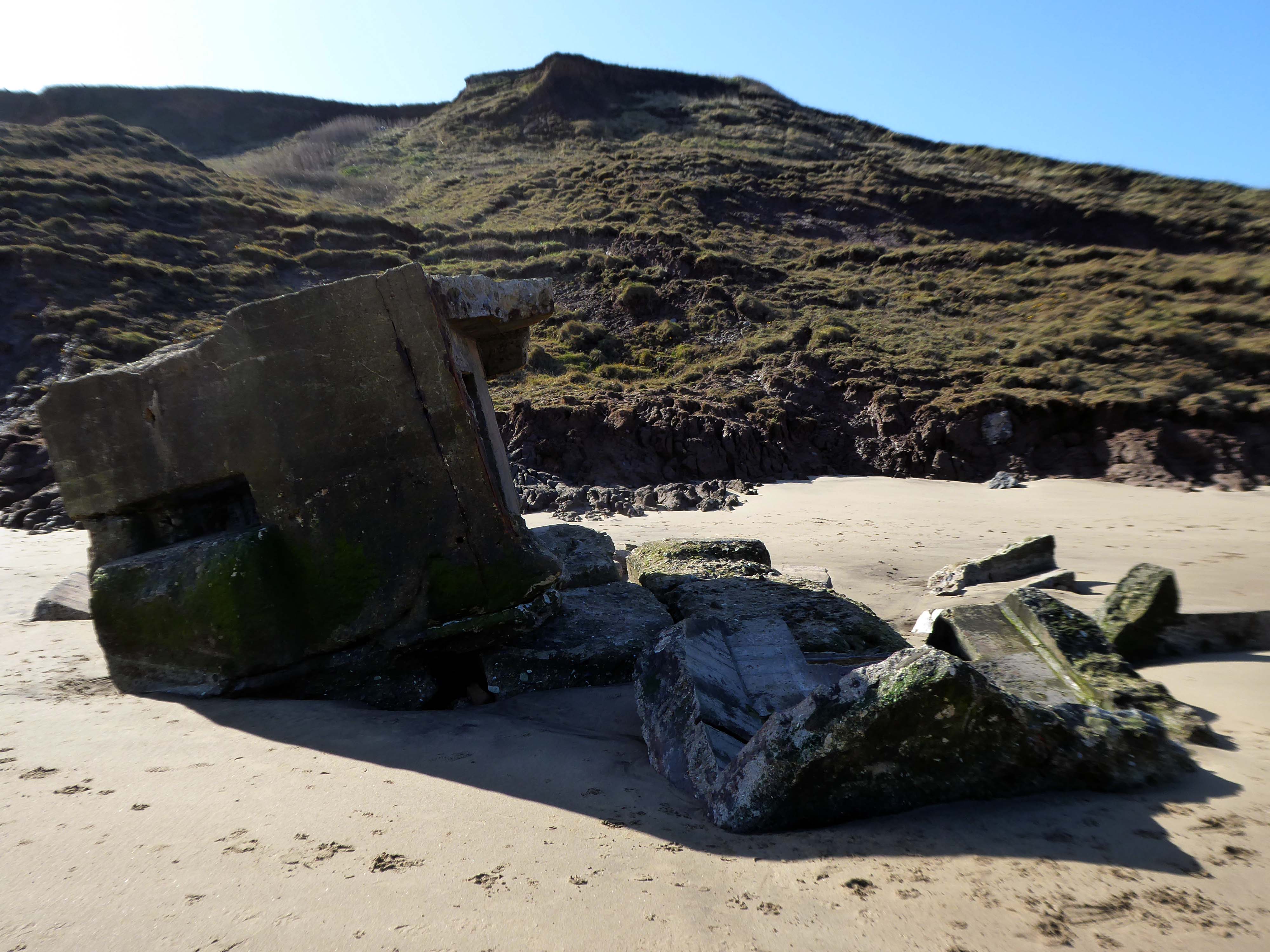
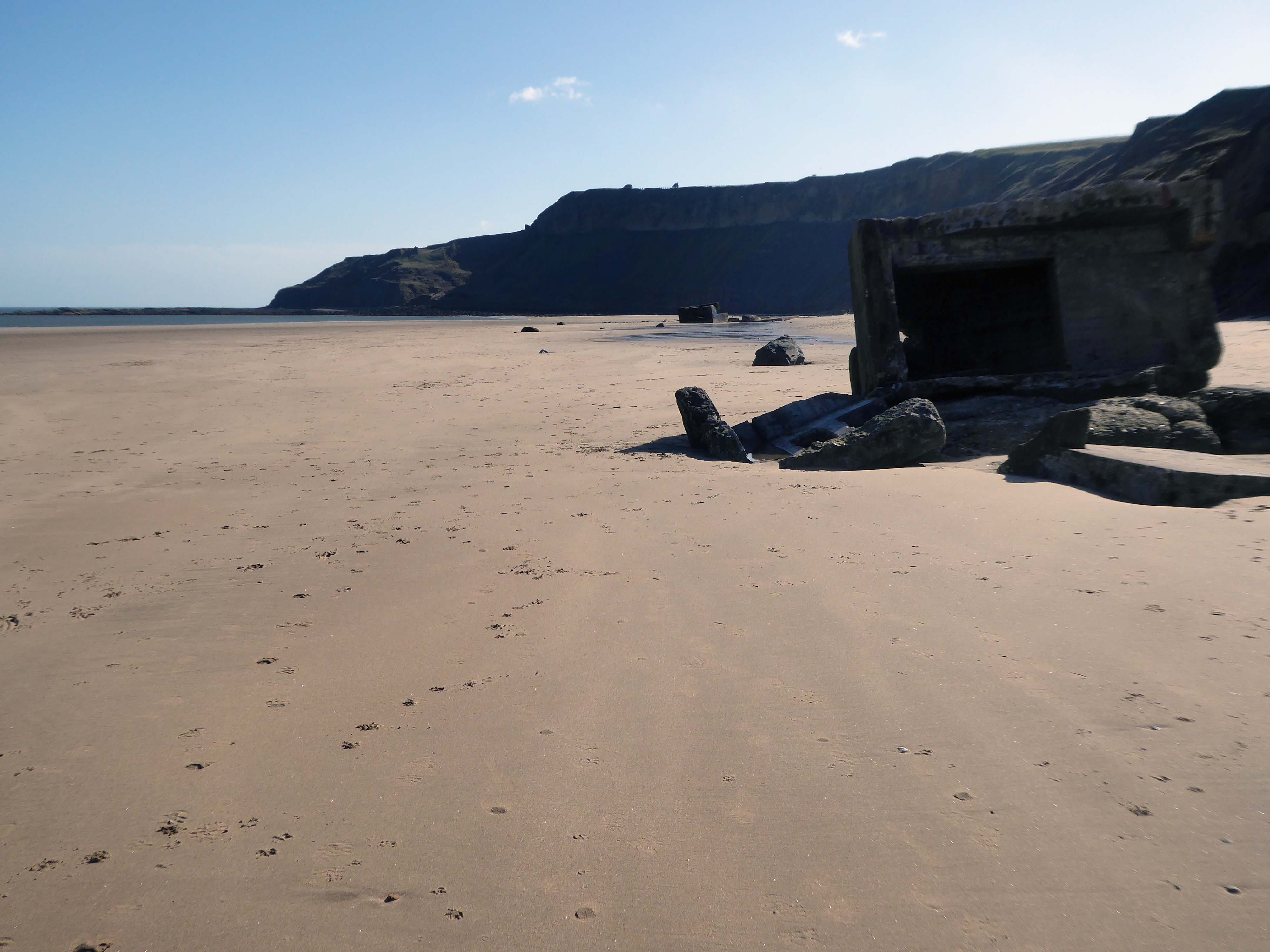
The wide sandy bay was an ideal location for WW2 pillboxes and gun emplacements – anticipating a possible North Sea invasion.

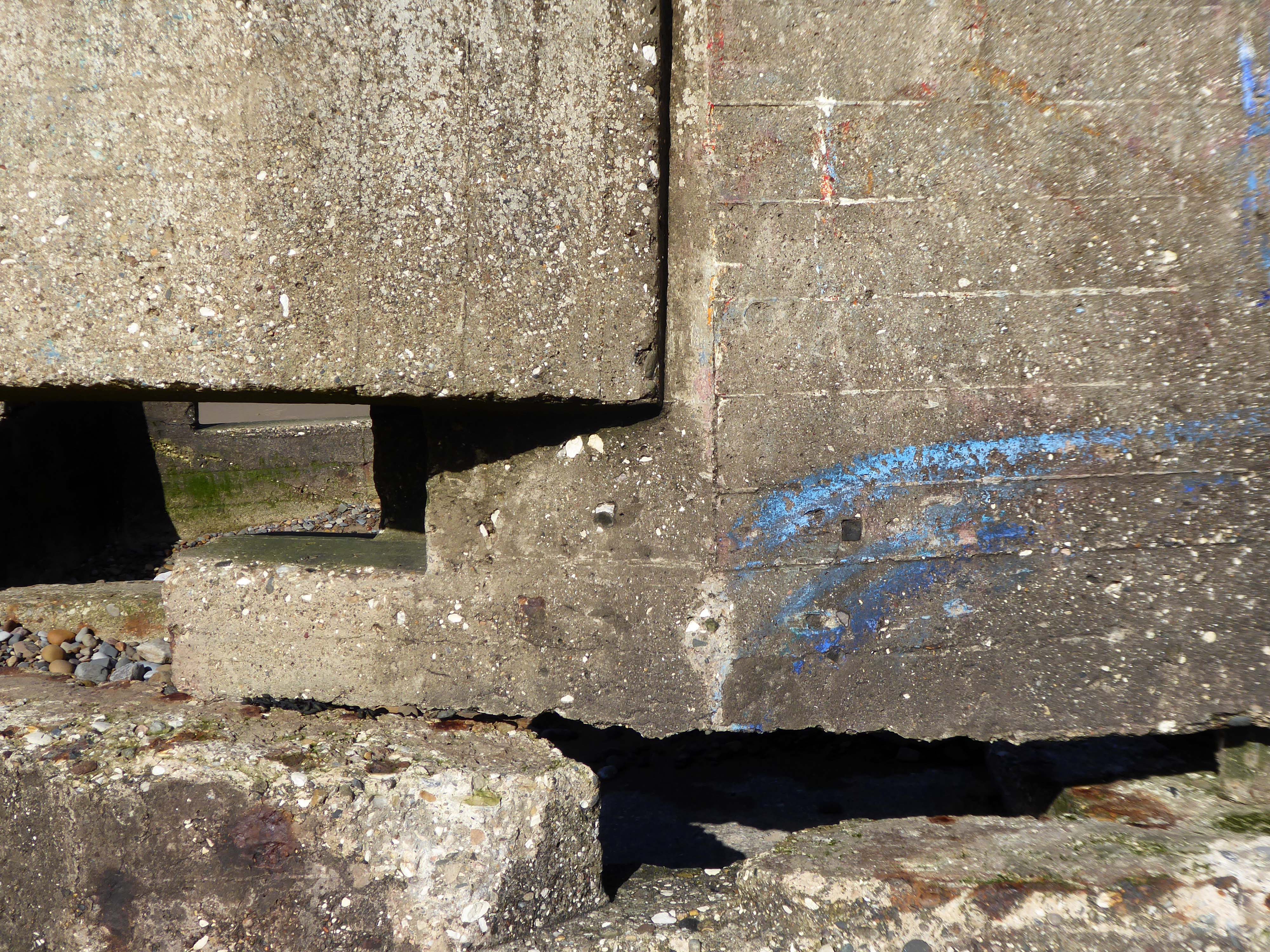
They too are built quite literally on shifting sands.

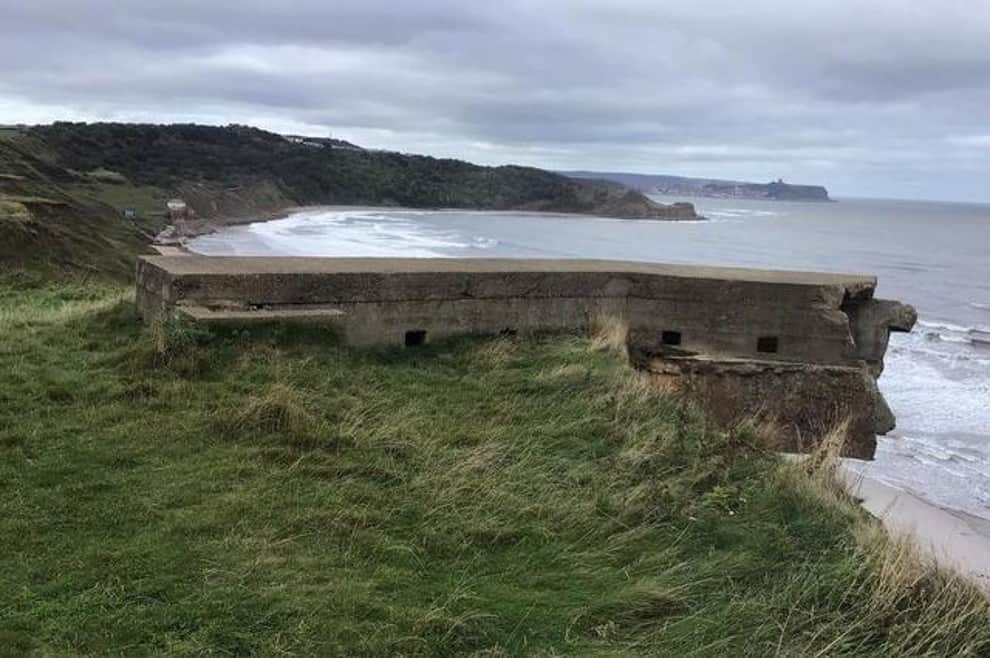
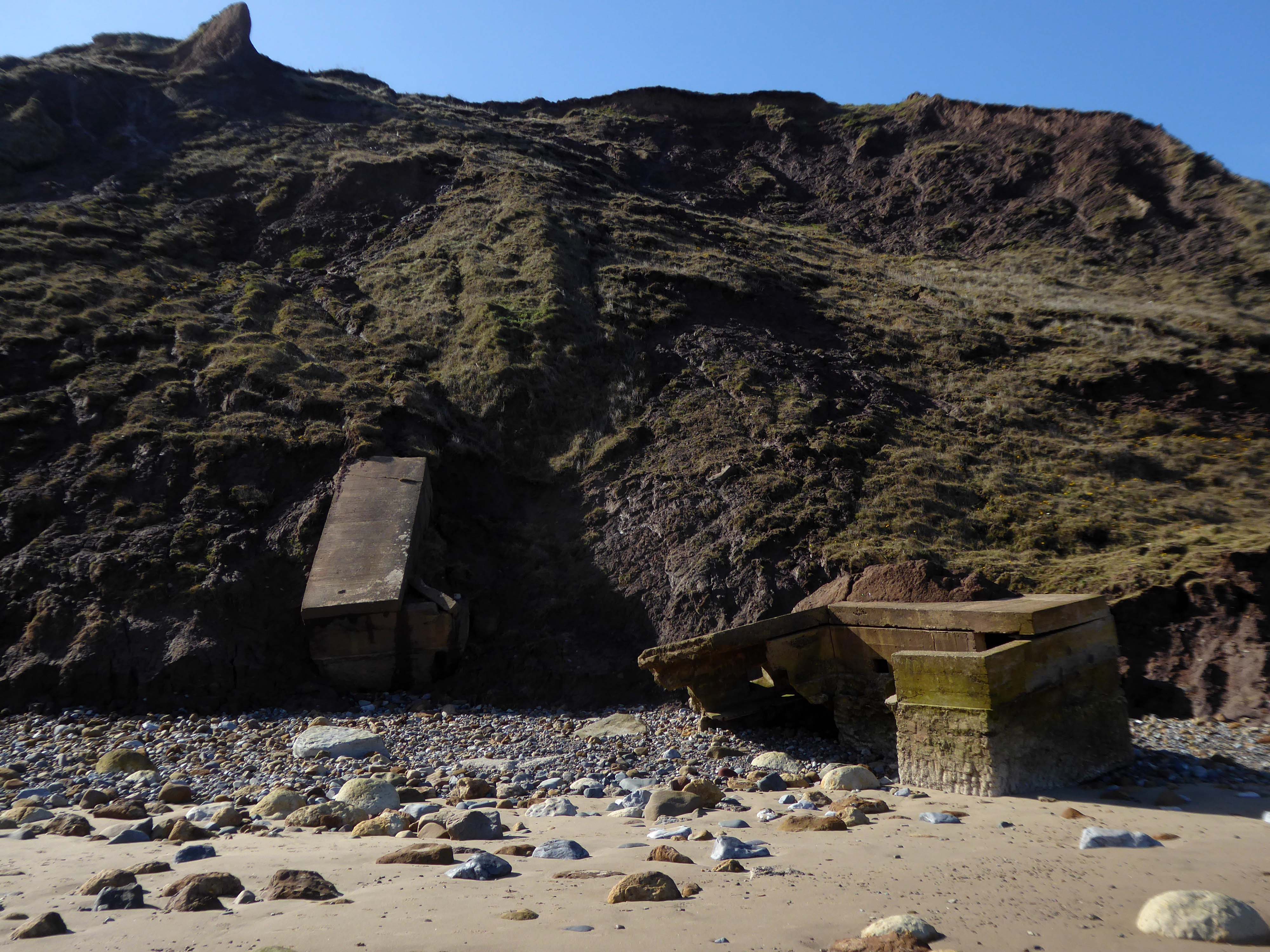
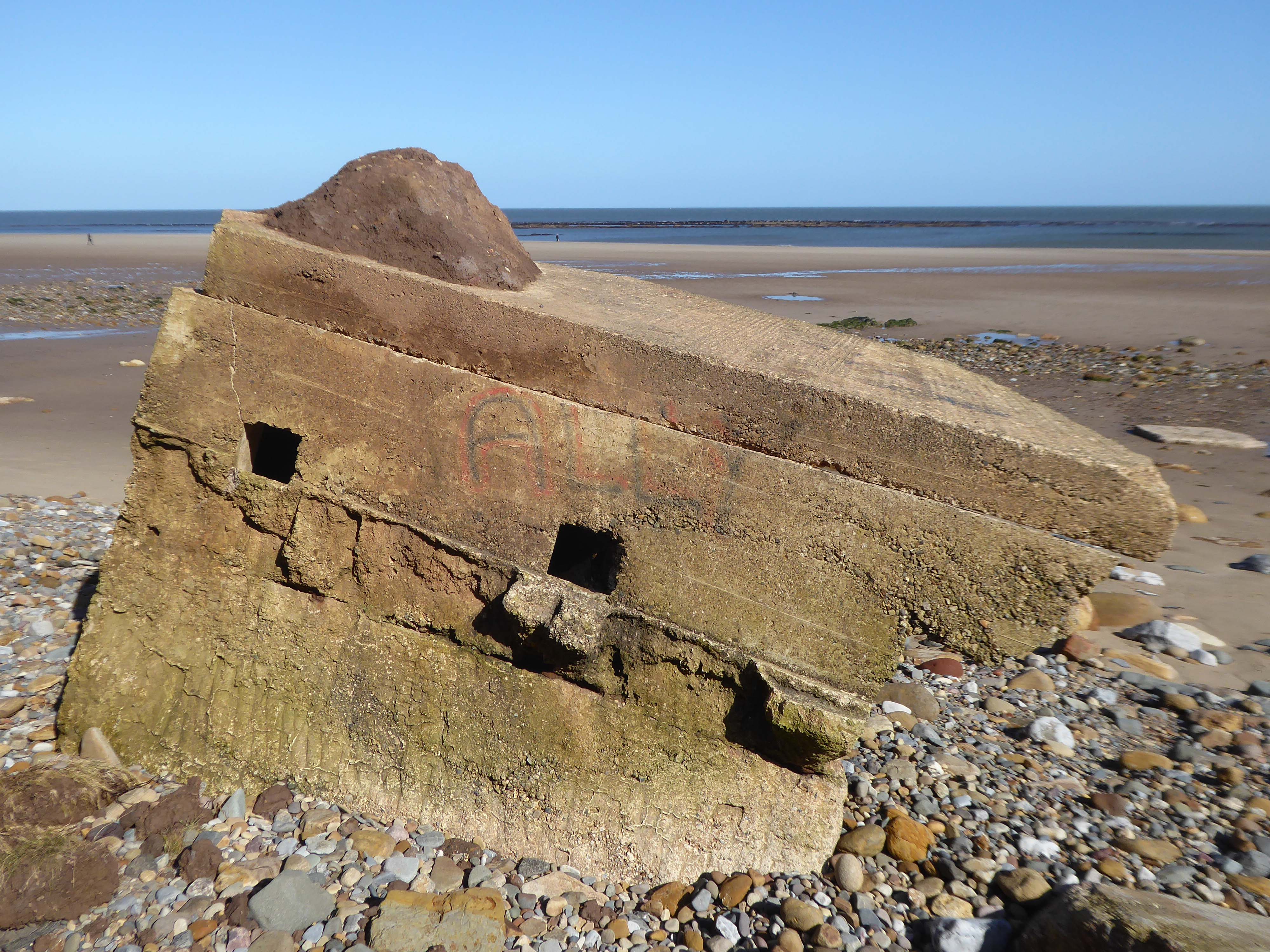
The pillbox – one of many built along the coast to defend against an invasion during World War II – had started to break down, leaving one large piece of stone in a precarious position.

Rob Shaw, of Ganton, noticed the large slab was propped up dangerously against another piece of stone last September.

He said he reported his concerns to Scarborough Borough Council then, but that nothing was done until last month.

The dad-of-two said before the work:

I used to work in construction and I would have been fired if I had left a lump of concrete like that, it could weigh four or five tonnes.

It just needs lying flat on the sand so it can’t fall on anyone.

A spokesperson for Scarborough Borough Council said the council had assessed the pillbox and arrangements had been made for the problem section to be removed.

The Scarborough News

This unstable cliff-top structure was allegedly hastened bay-wards by the Council.

Claims that we pushed the pillbox off the cliff are untrue – our colleagues have many amazing talents but pushing huge concrete structures is not one of them. The structure people can see at the base of the cliff is the other section of the pillbox that has been on the beach for many years.

Yorkshire Post

So let’s take a look at the state of play as of March 2023 – walking amongst these crumbling concrete remnants.

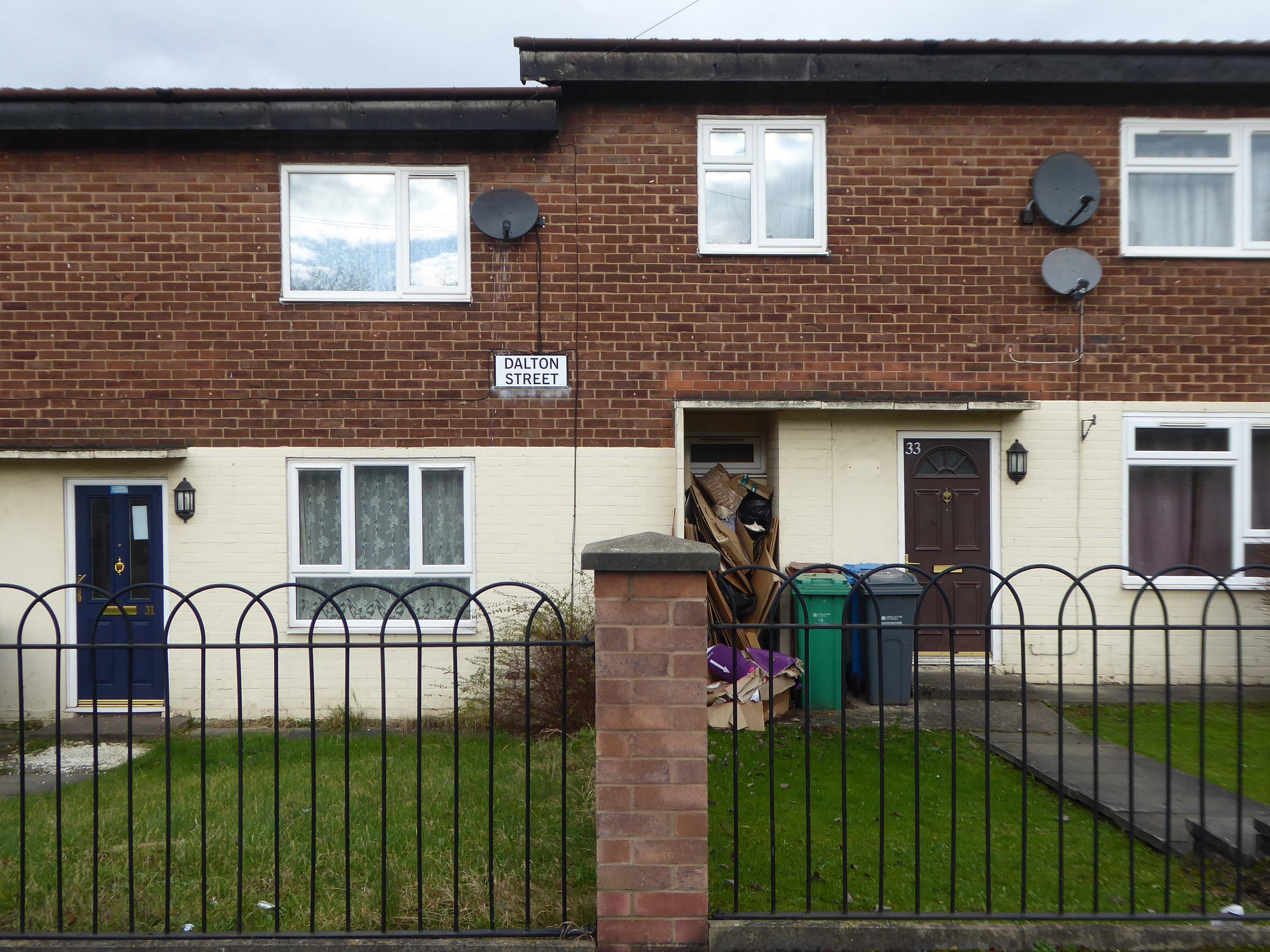
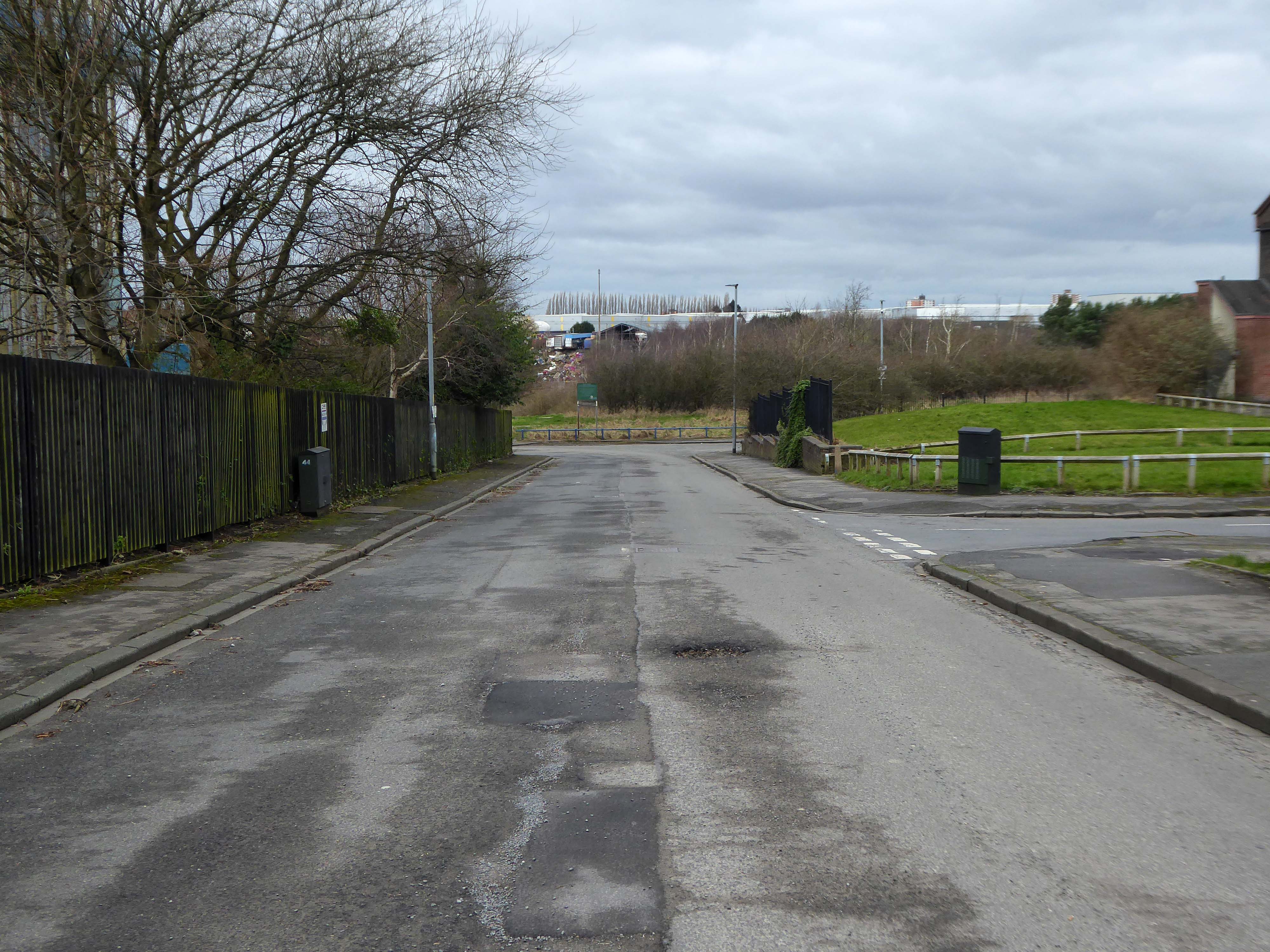
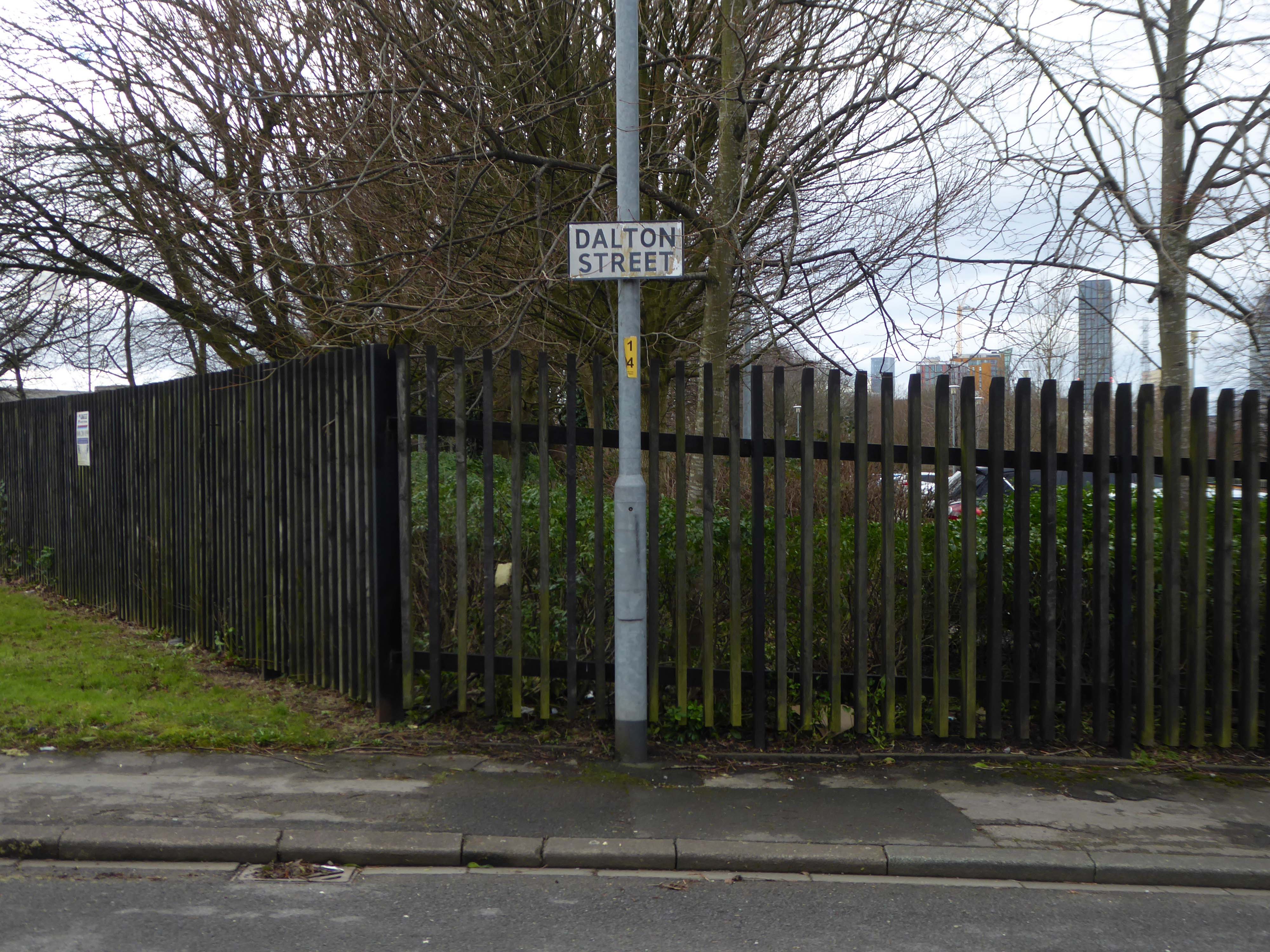
Dalton Street – Manchester

The North’s gone west.

We all went west.

Excepting one individualist nurse.

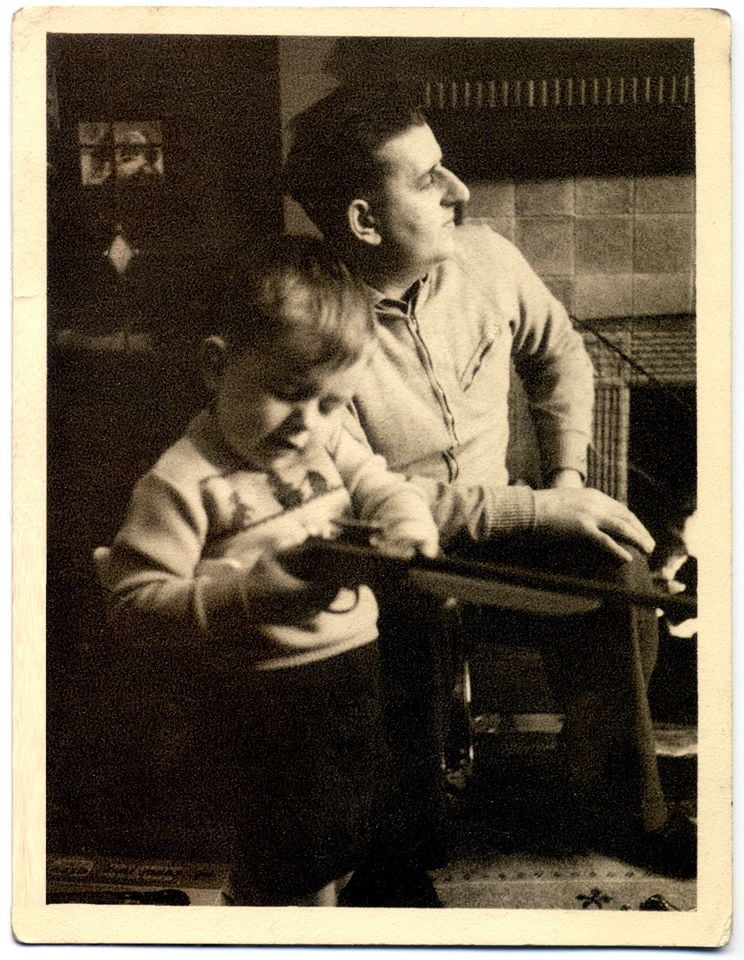
I went west with my dad in 1958.

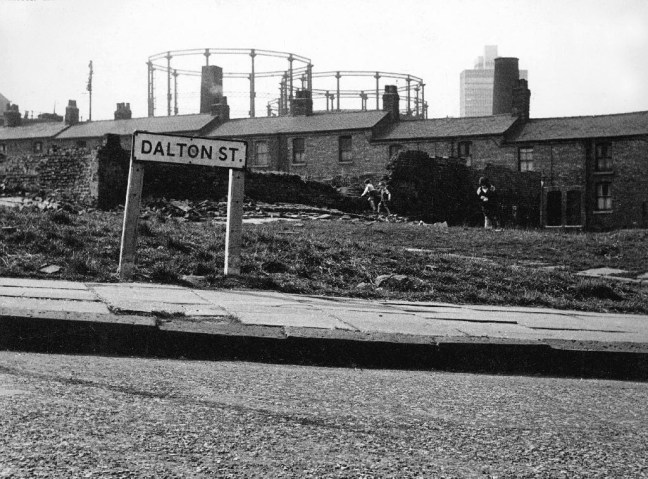
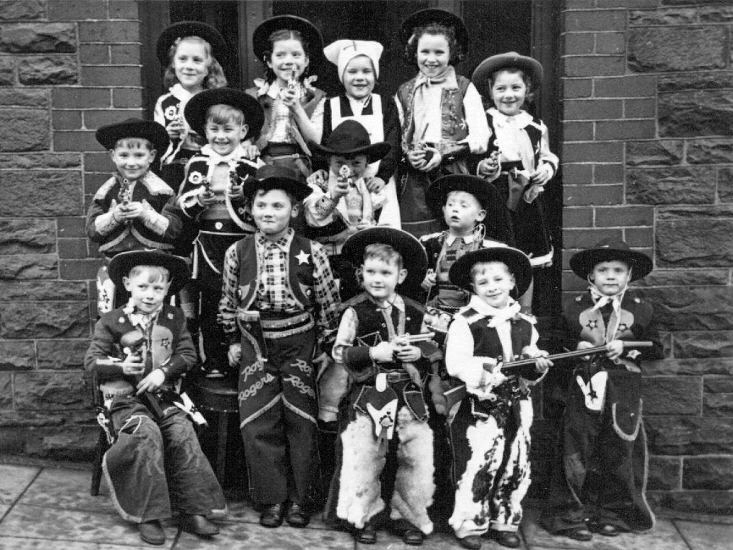
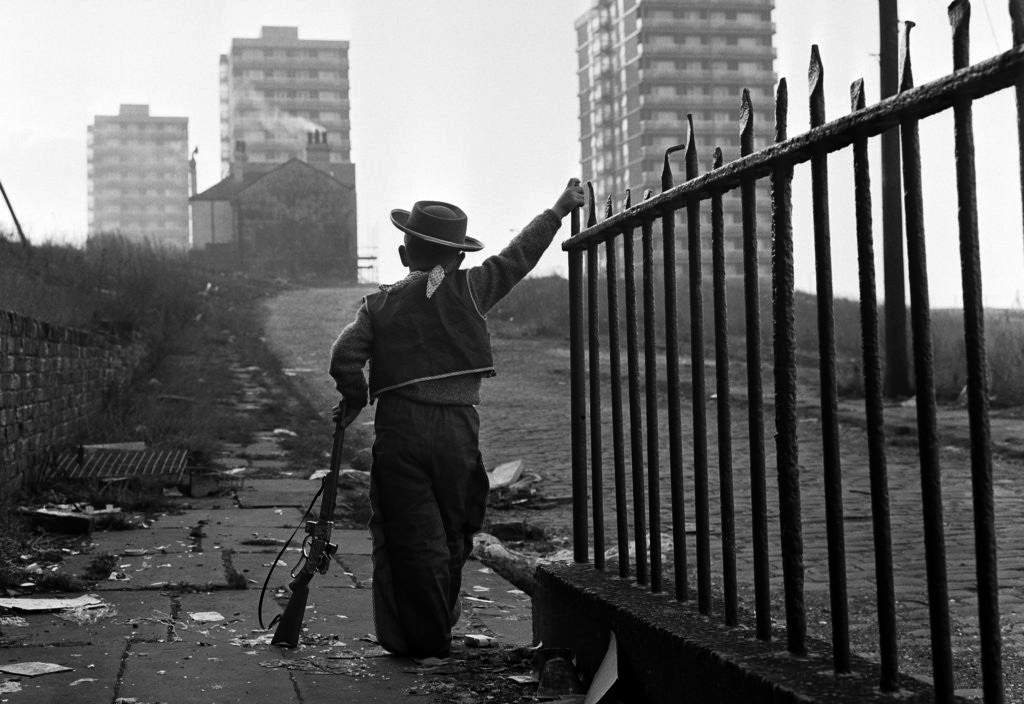
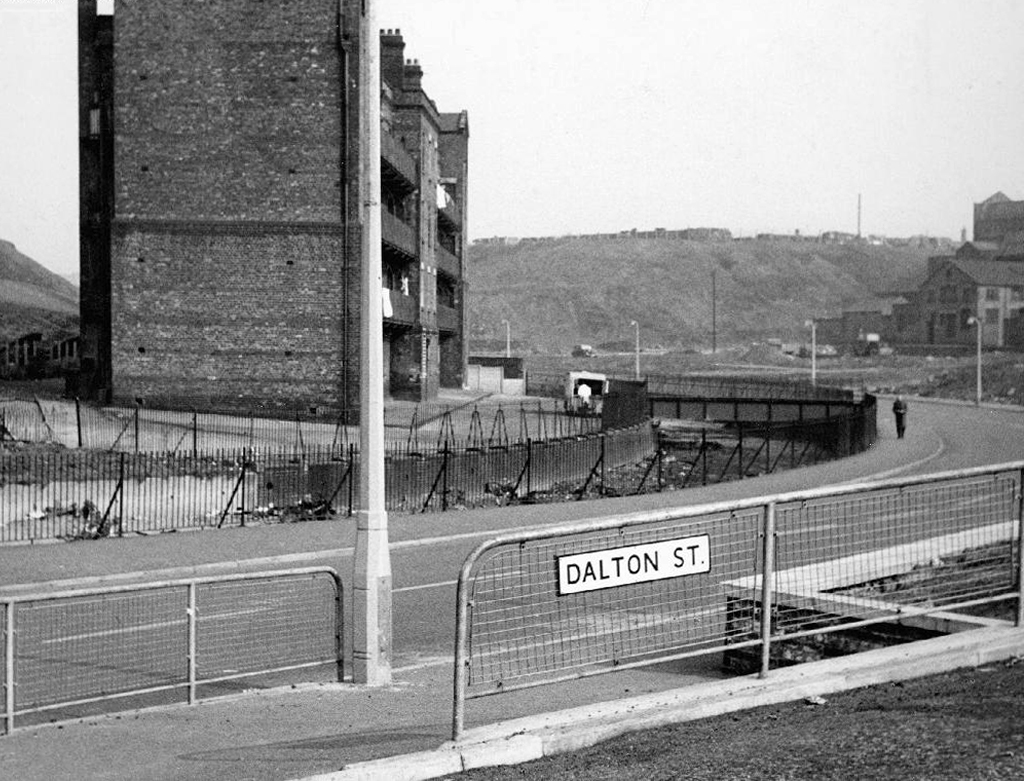
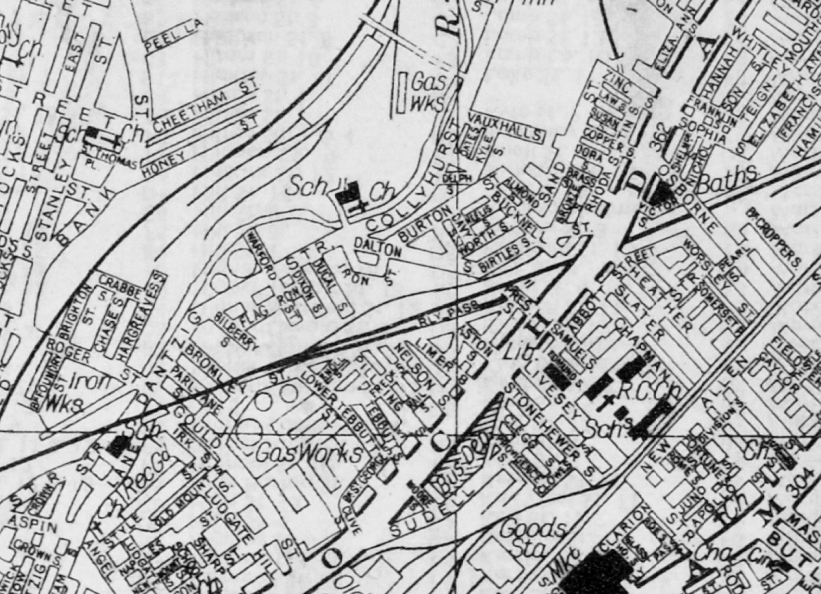
Now I’m going east to Dalton Street, home to the Collyhurst cowboy.

Photograph: Dennis Hussey

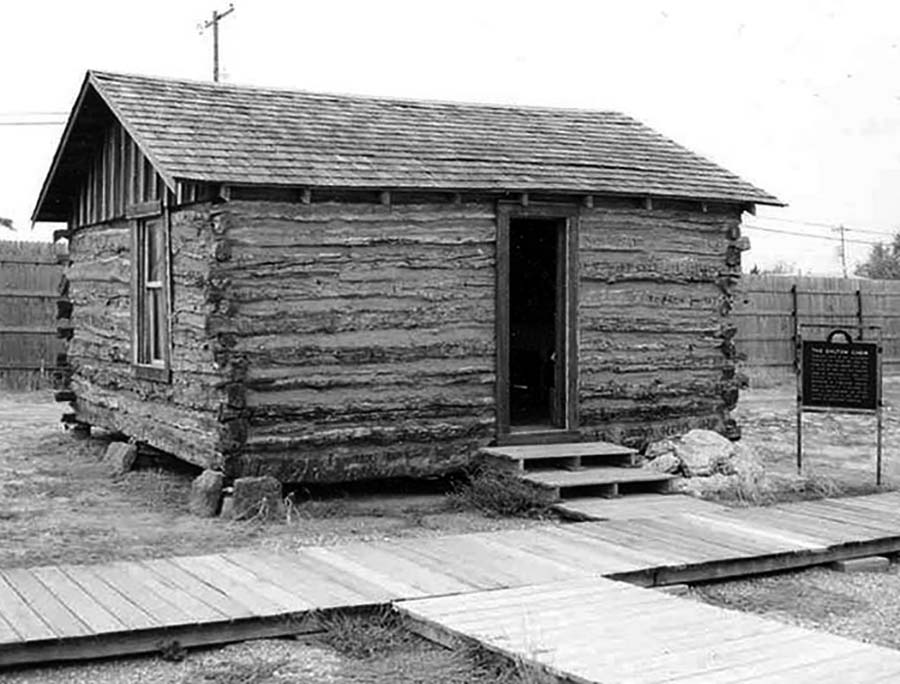
This is an illusion within an illusion, twice removed.

The Hollywood recreation, recreated on the rough ground of post war Britain.

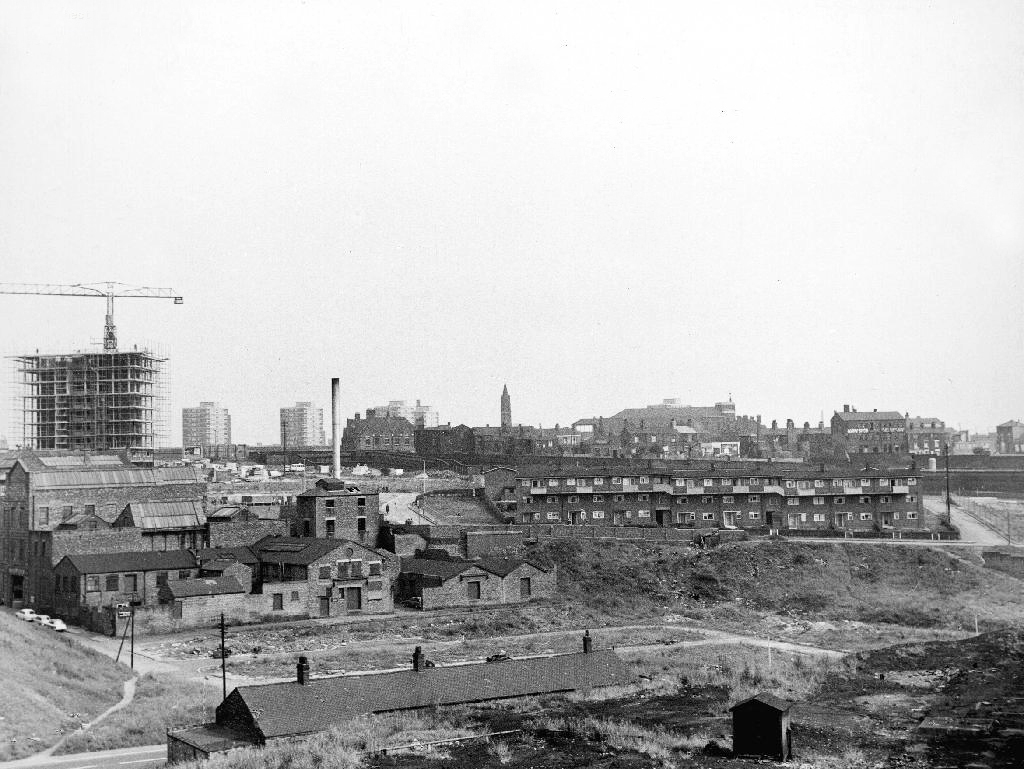
In 1960 the area was a dense network of streets, industry and homes – demolished during the period of slum clearance.

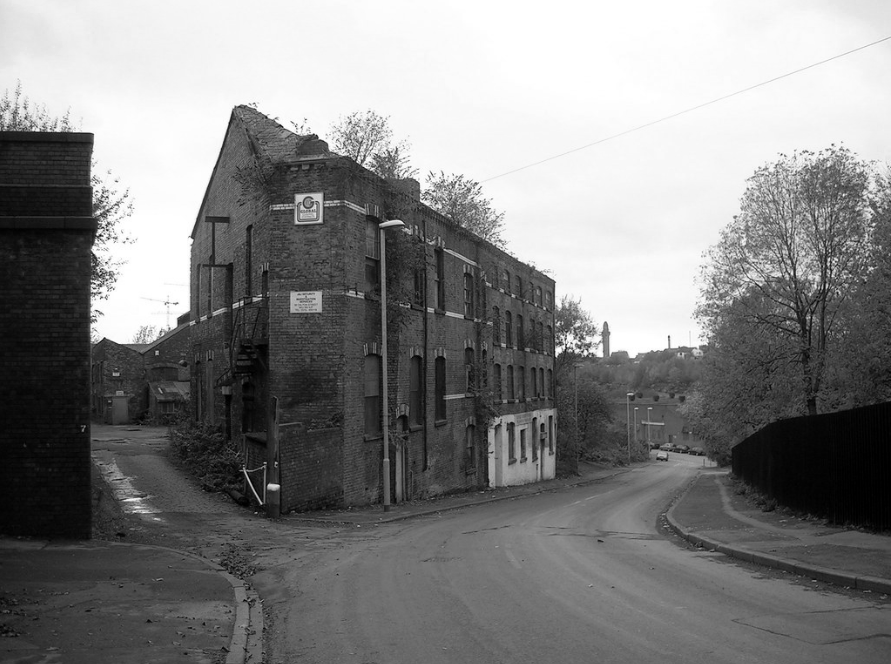
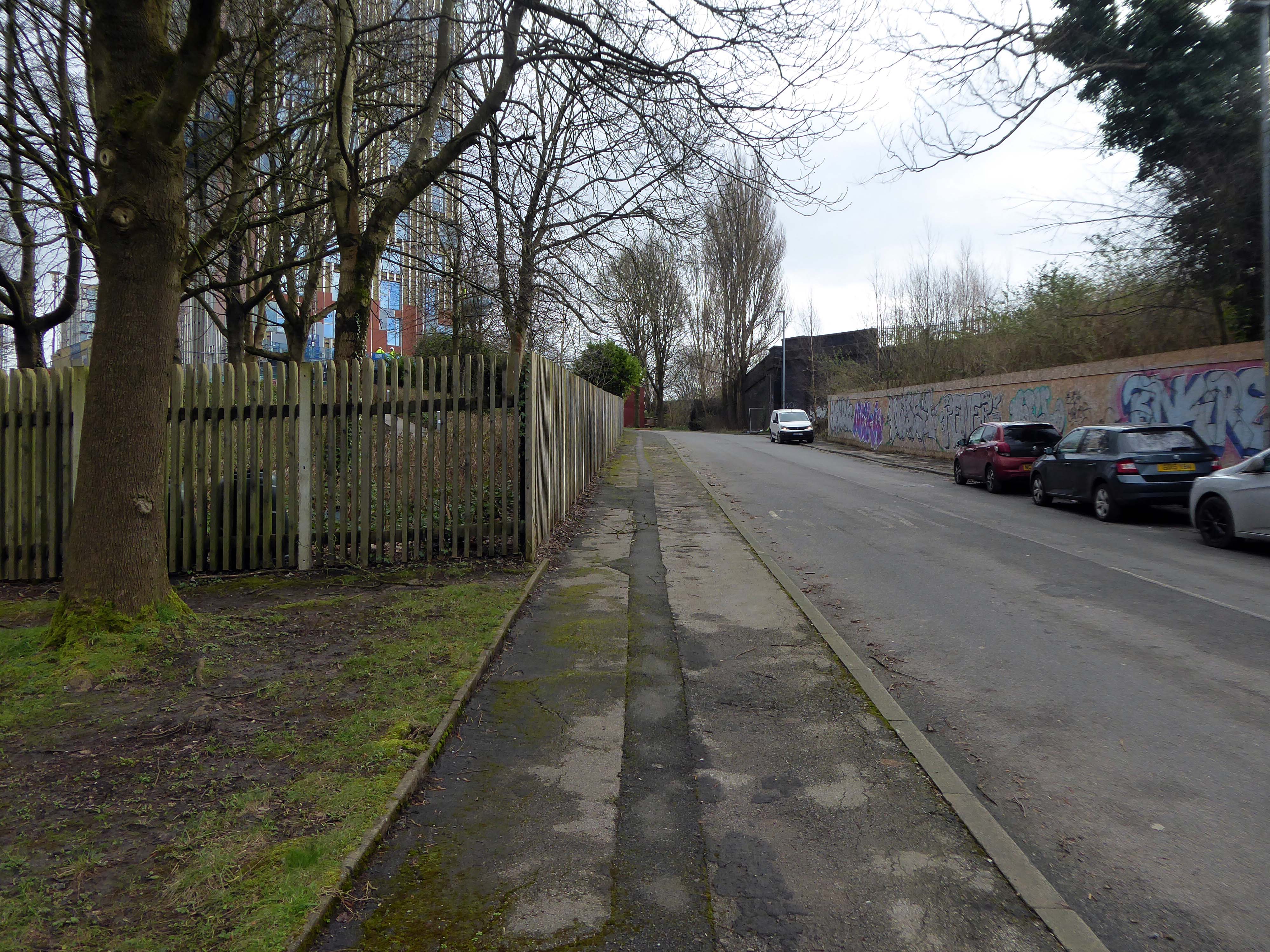
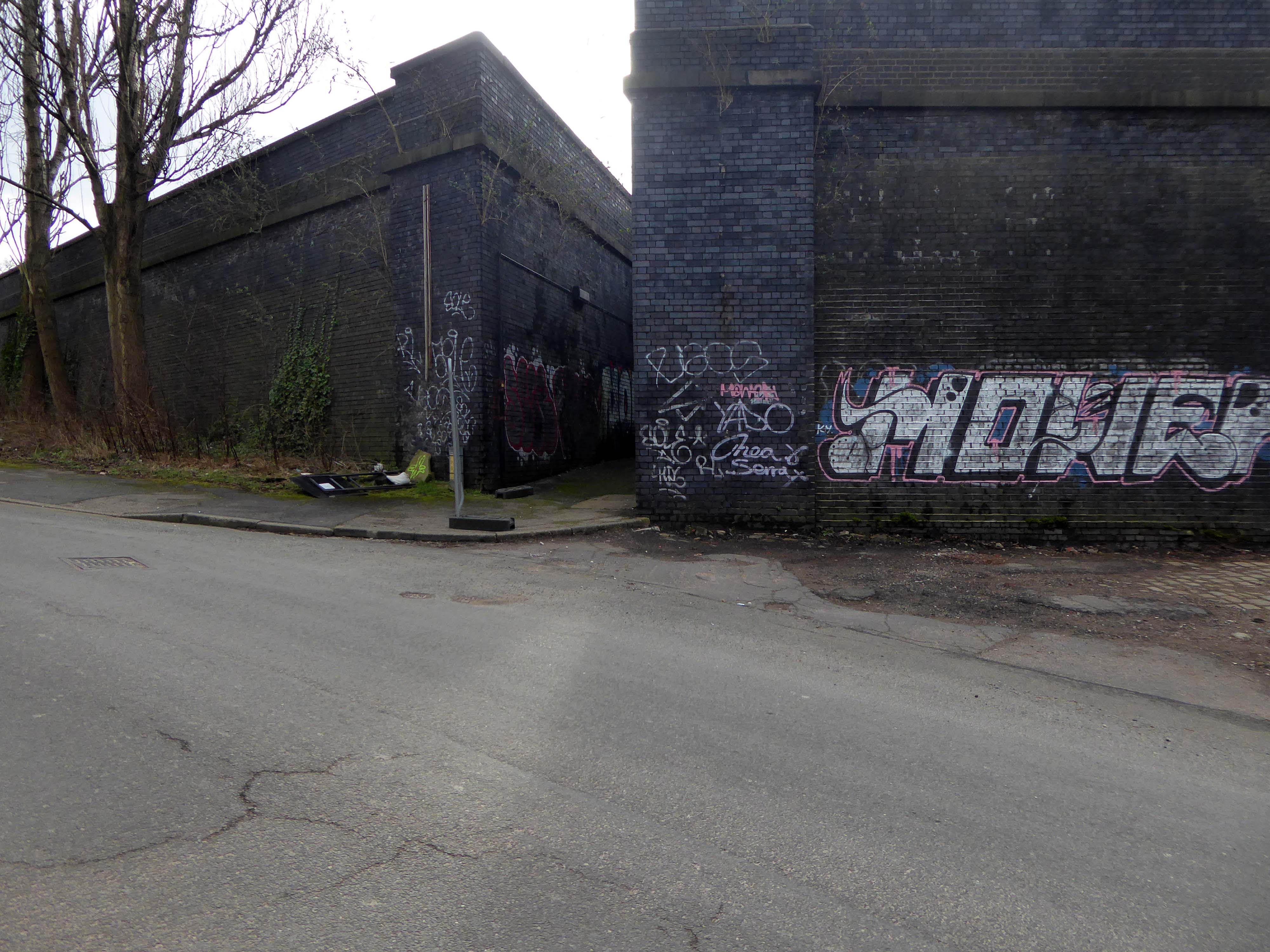
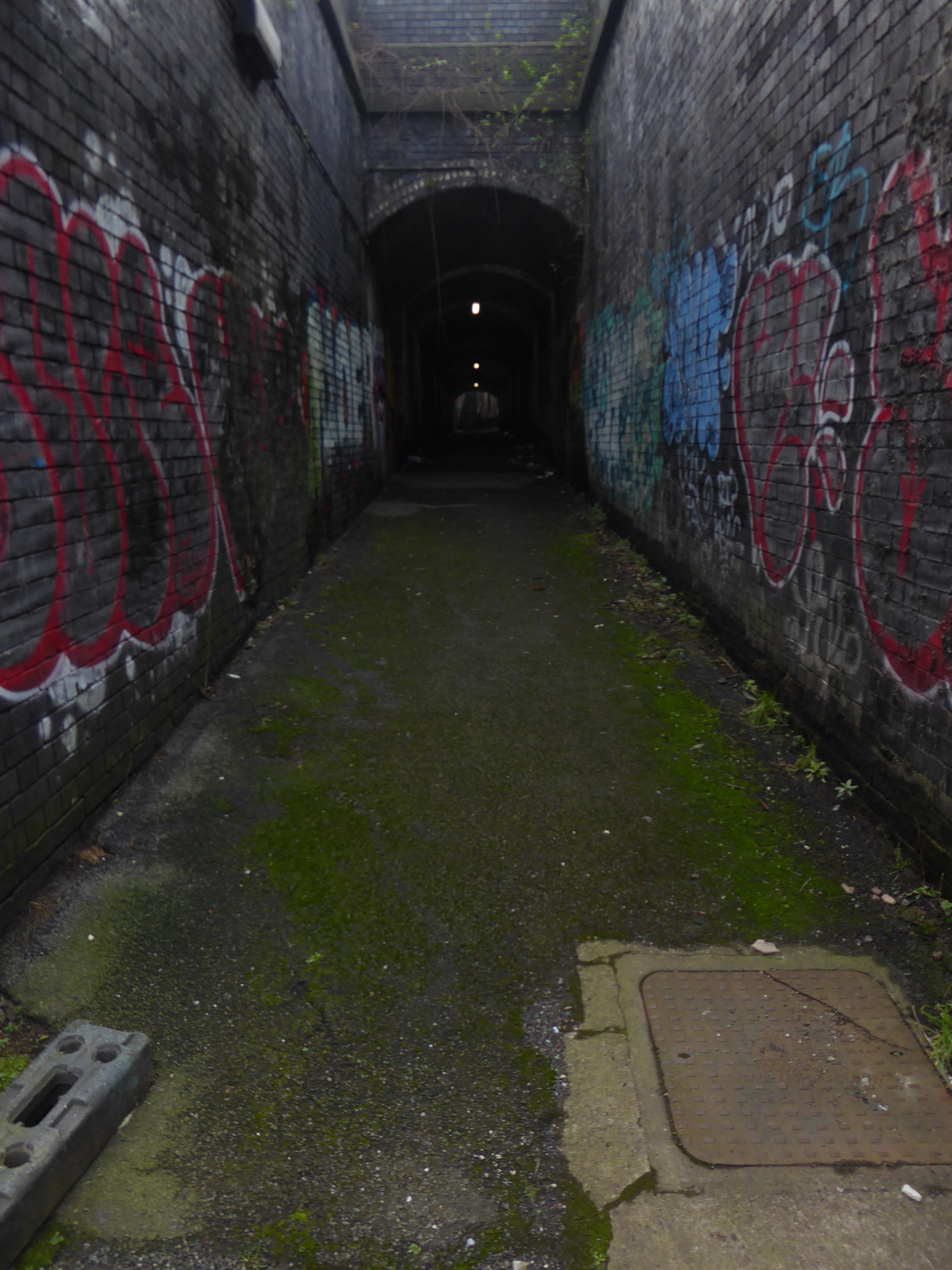
Escaping the dark, dank Irk Valley onwards and upwards to Rochdale Road.

The Dalton Works Arnac factory survived until 2008

Photograph: Mikey

The tight maze of Burton Street and beyond, reduced to rubble.

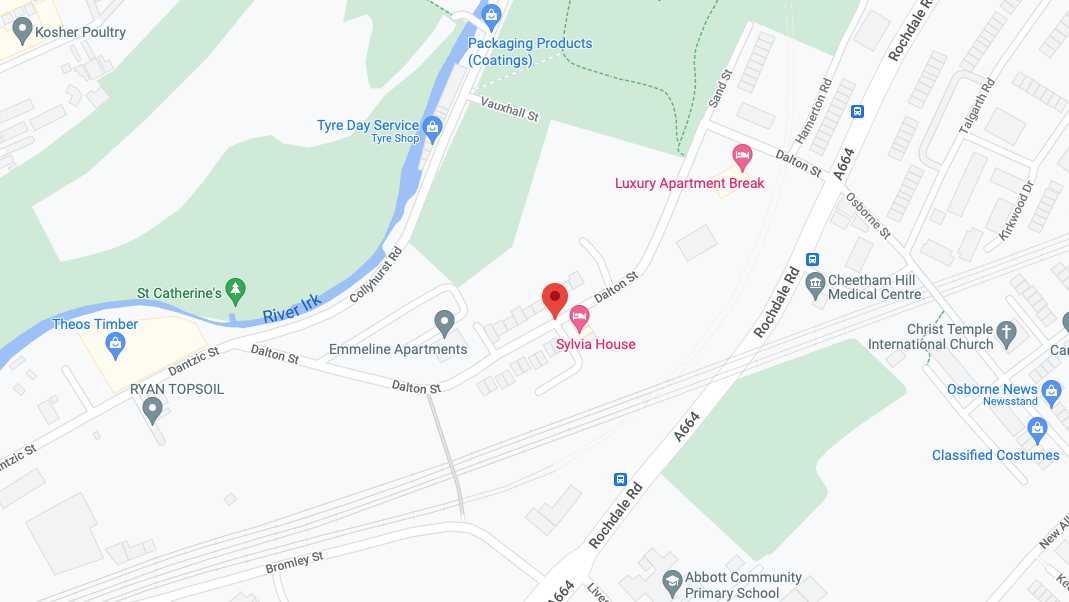
Dalton Street was not home to the Dalton Gang, they lived here in Oklahoma

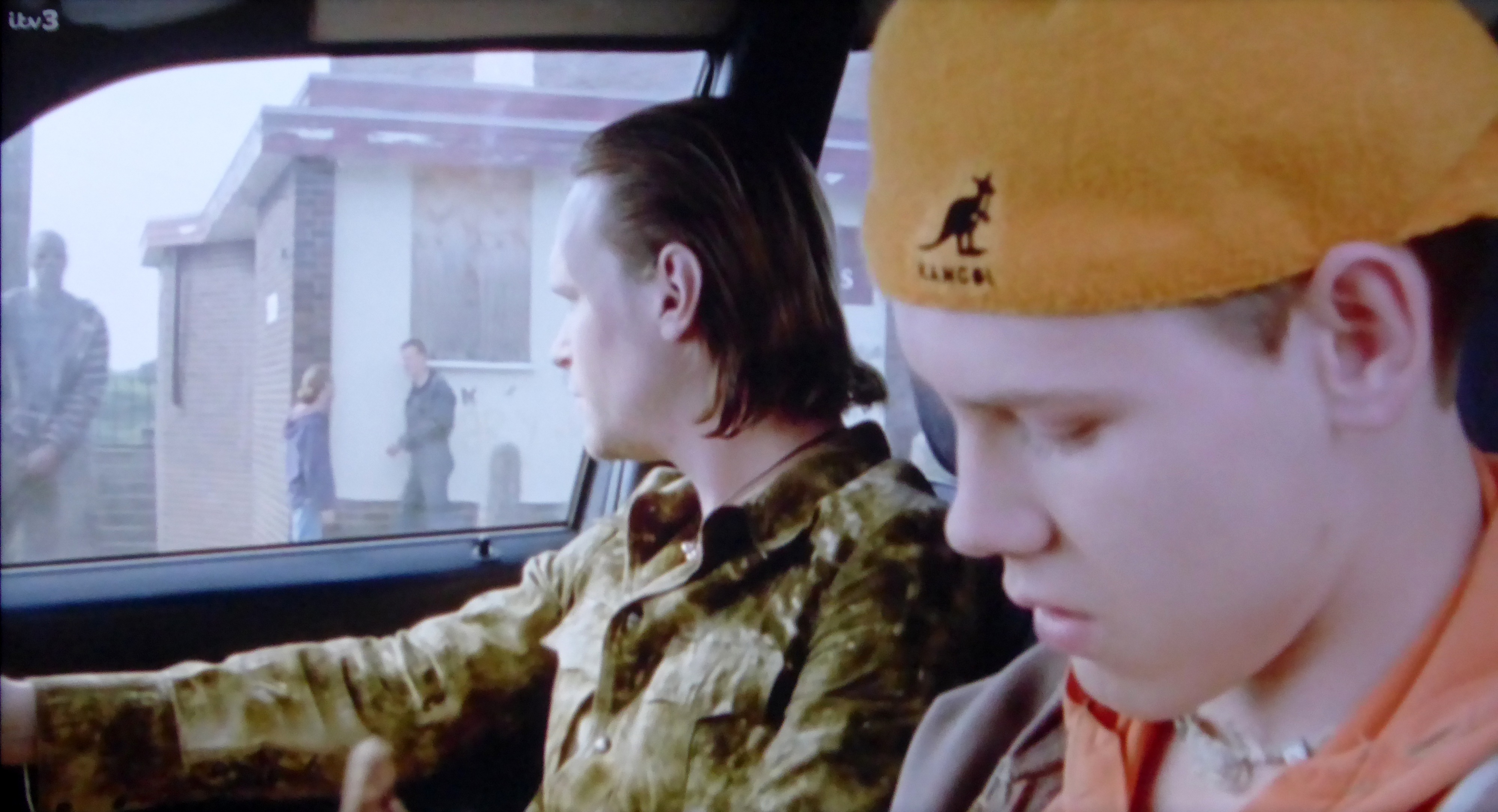
It was home to imaginary gangs, committing imaginary crimes, in an imaginary Manchester, in ITV’s Prime Suspect Five.

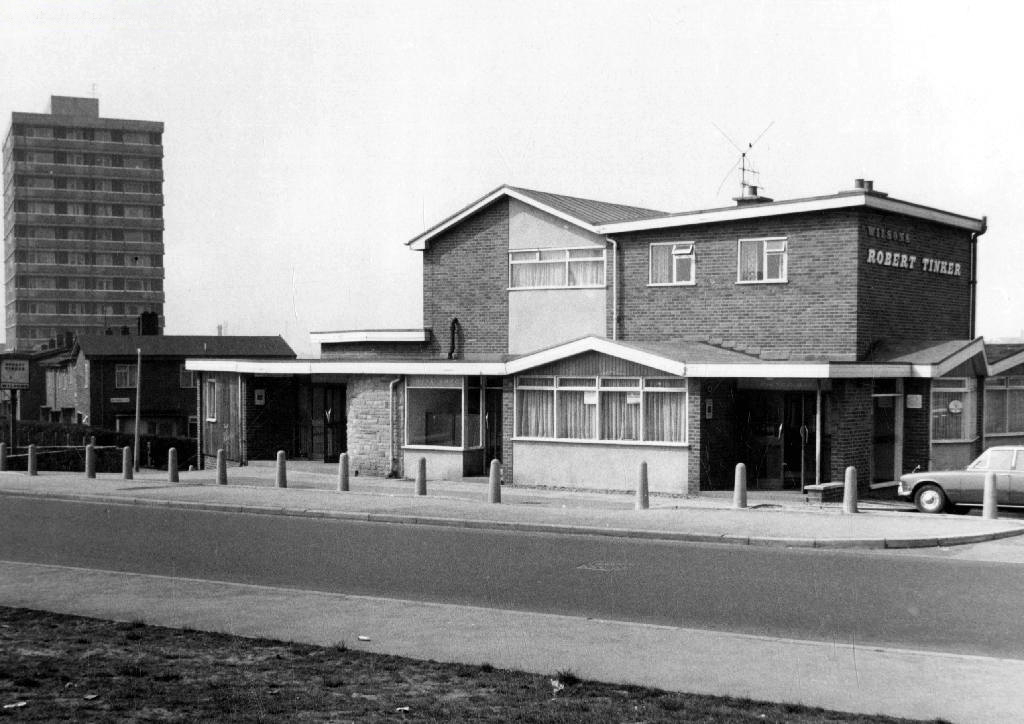
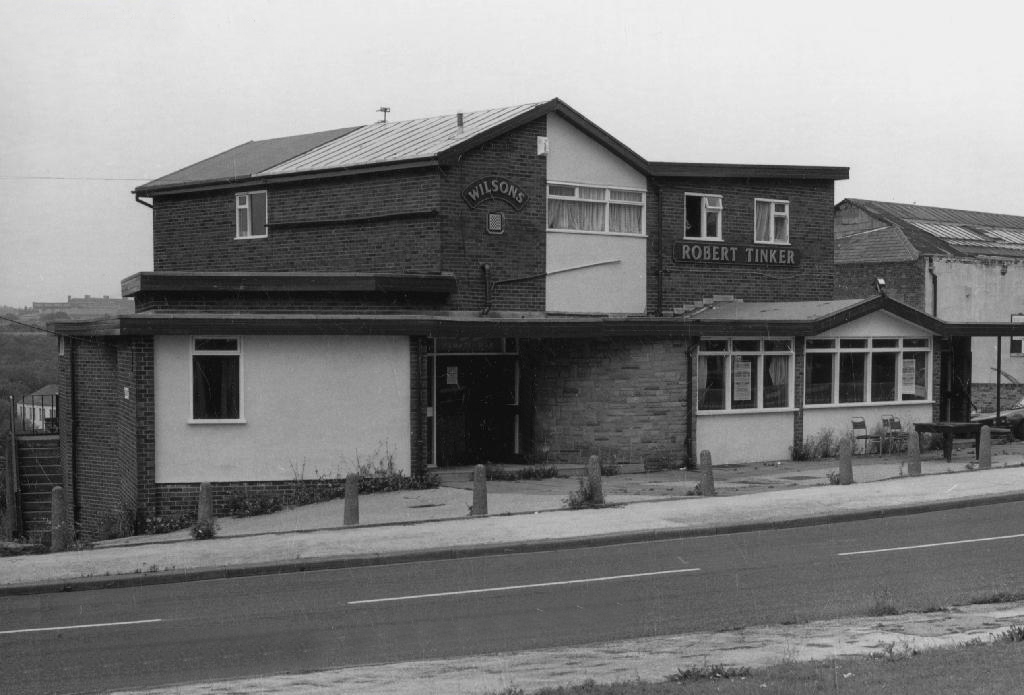
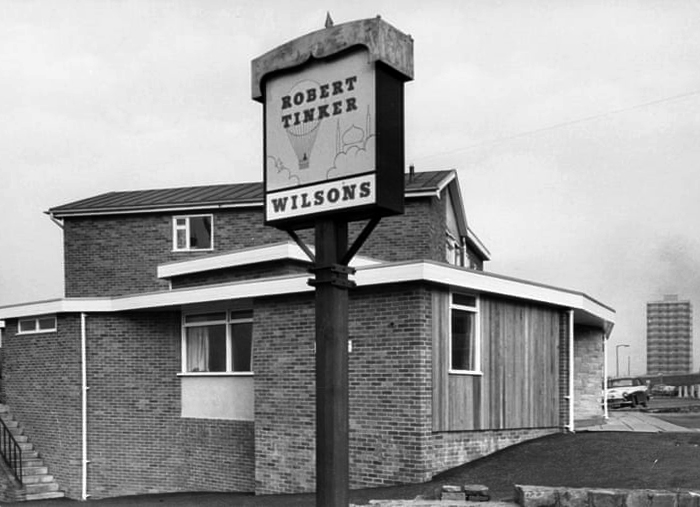
Kangol capped criminals doing business outside the Robert Tinker on the corner of the very real Dalton and Almond Streets.

The Robert Tinker was an estate pub in a run down area of Collyhurst. The pub looked pretty grim from the outside, but it was smarter than I expected inside, I had a drink in the lounge which was carpeted and comfortable. This was a Banks’s tied house and there were two real ales on the bar, I had a drink of Banks’s bitter and this was a decent drink, the other beer was Banks’s mild. This pub closed about two years after my visit and looked derelict, it has now been demolished.

Alan Winfield

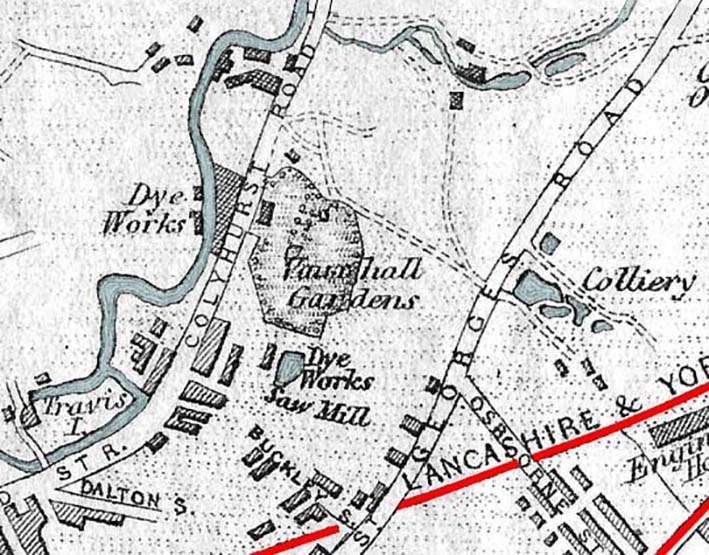
Robert Tinker was the owner of the Vauxhall Gardens, a Victorian pleasure venue.

At the opening there was a special attraction, a giant cucumber which had been grown in the gardens reaching a length of seven feet and eight inches and a large and beautiful balloon was to be liberated at 9pm

It was built adjoining the site of the Collyhurst Sandstone Quarry.

Much of the red sandstone used for building in Manchester and the surrounding area, including stone for the Roman fort at Castlefield, St Ann’s Church in the city centre, Manchester Cathedral and the original buildings of Chetham’s Hospital, came from Collyhurst Quarry. Geologists use the term Collyhurst Sandstone for this type of soft red sandstone, which occurs in North West England

Tinker died in 1836 and gradually his gardens were whittled away, the subsoil was sold to iron moulders who cherished its certain properties and before long the trees were chopped down and houses were being built on the former site.

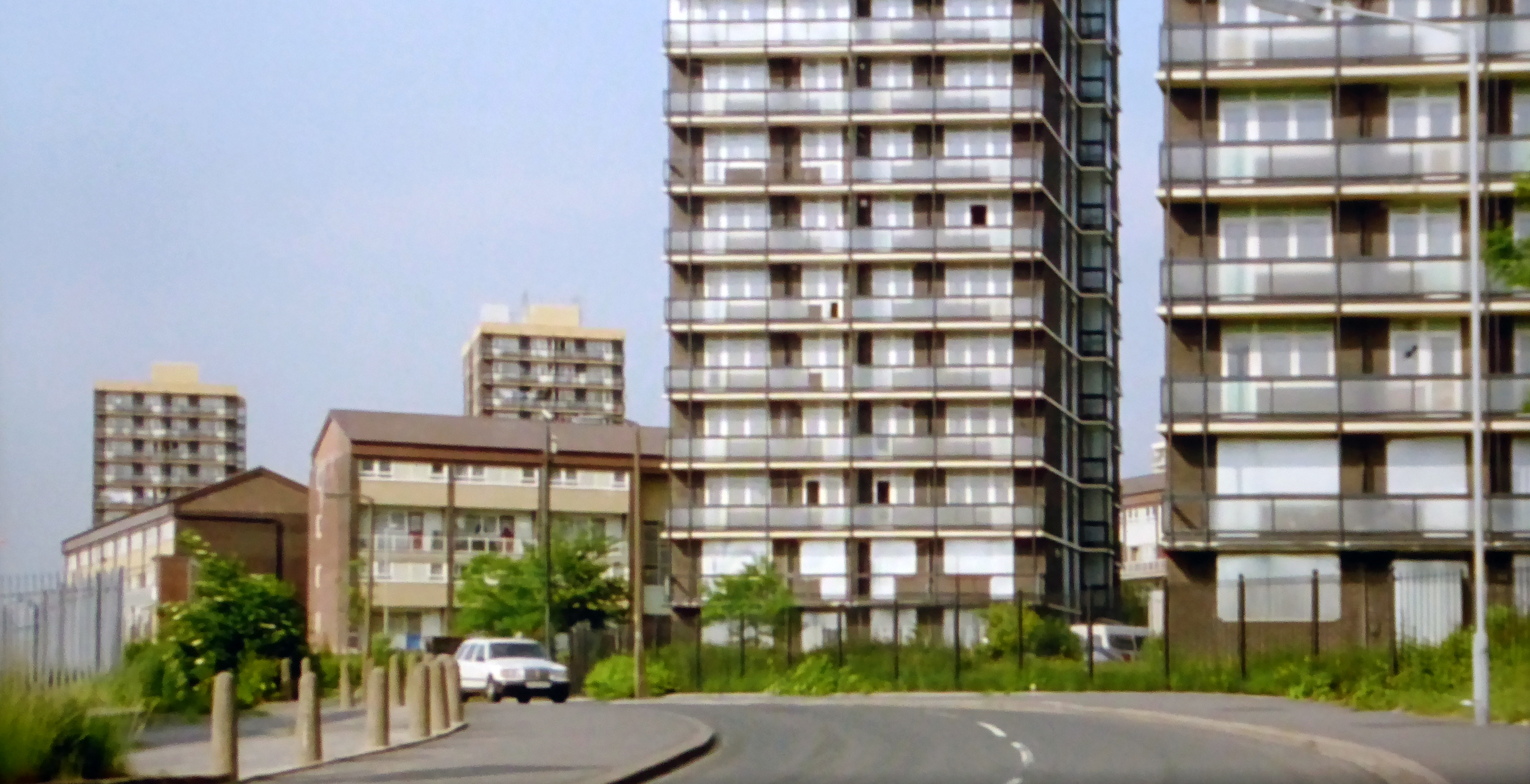
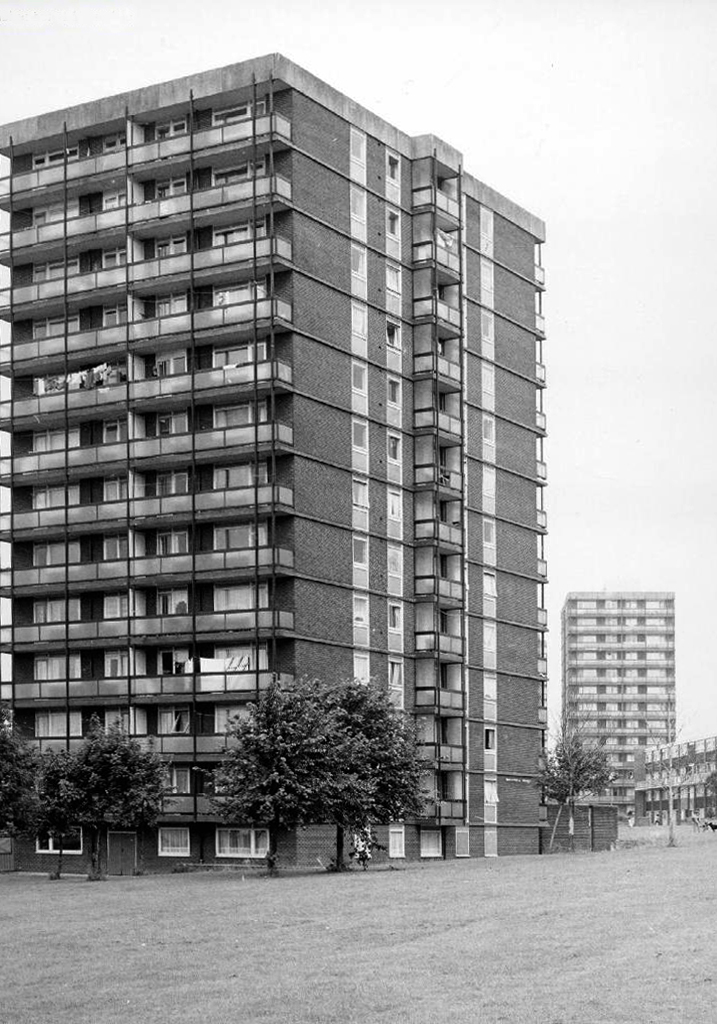
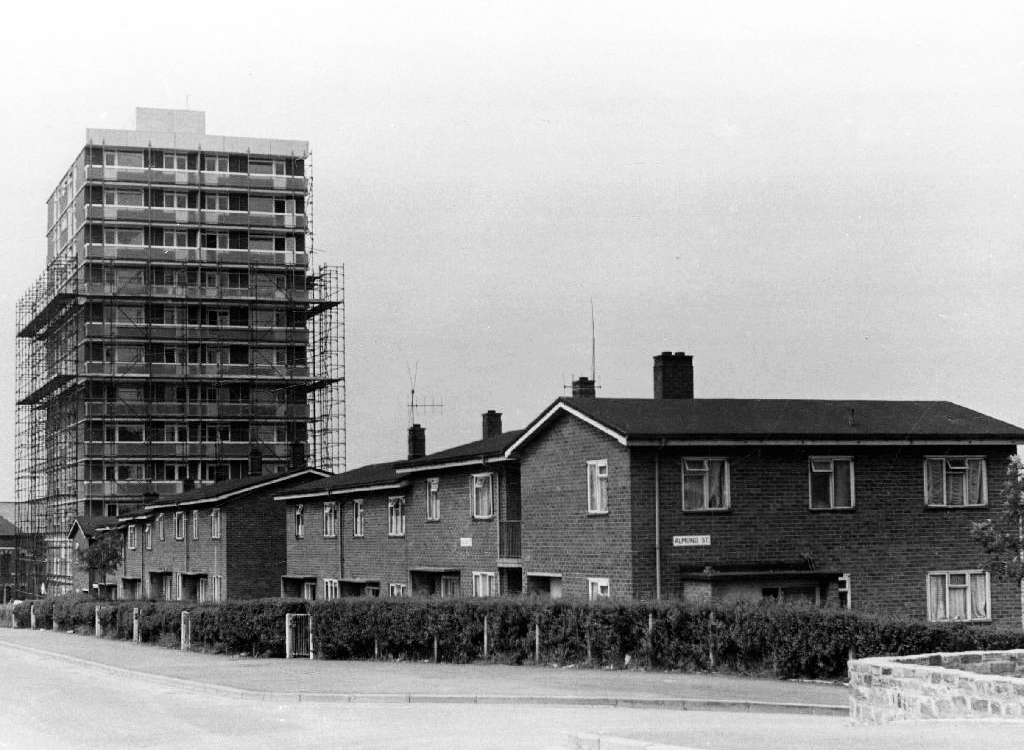
Those houses are in their turn whittled away, replaced in the 1960’s with fashionable tower blocks.

Architects: J Austen Bent 1965

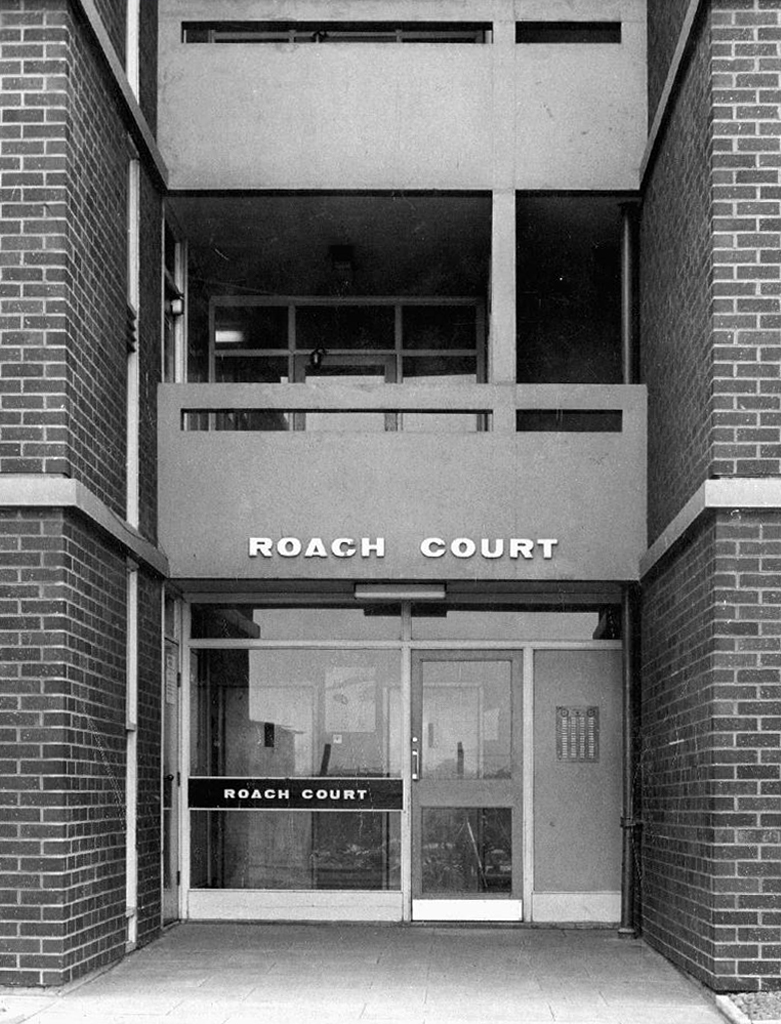
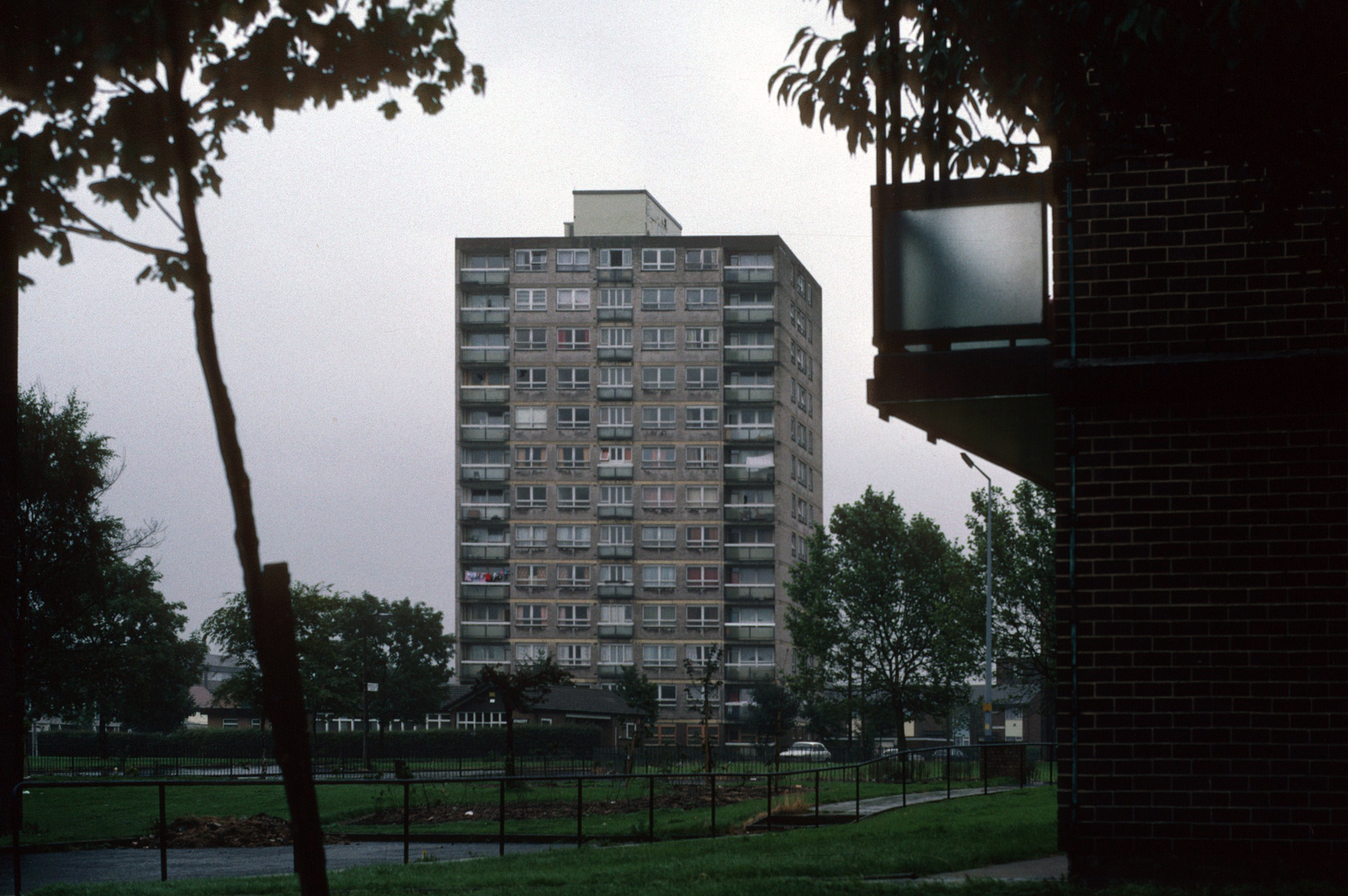
In total five thirteen storey blocks – Humphries, Dalton, Roach, Vauxhall and Moss Brook Courts

Seen here in 1985.

Tower Block UK

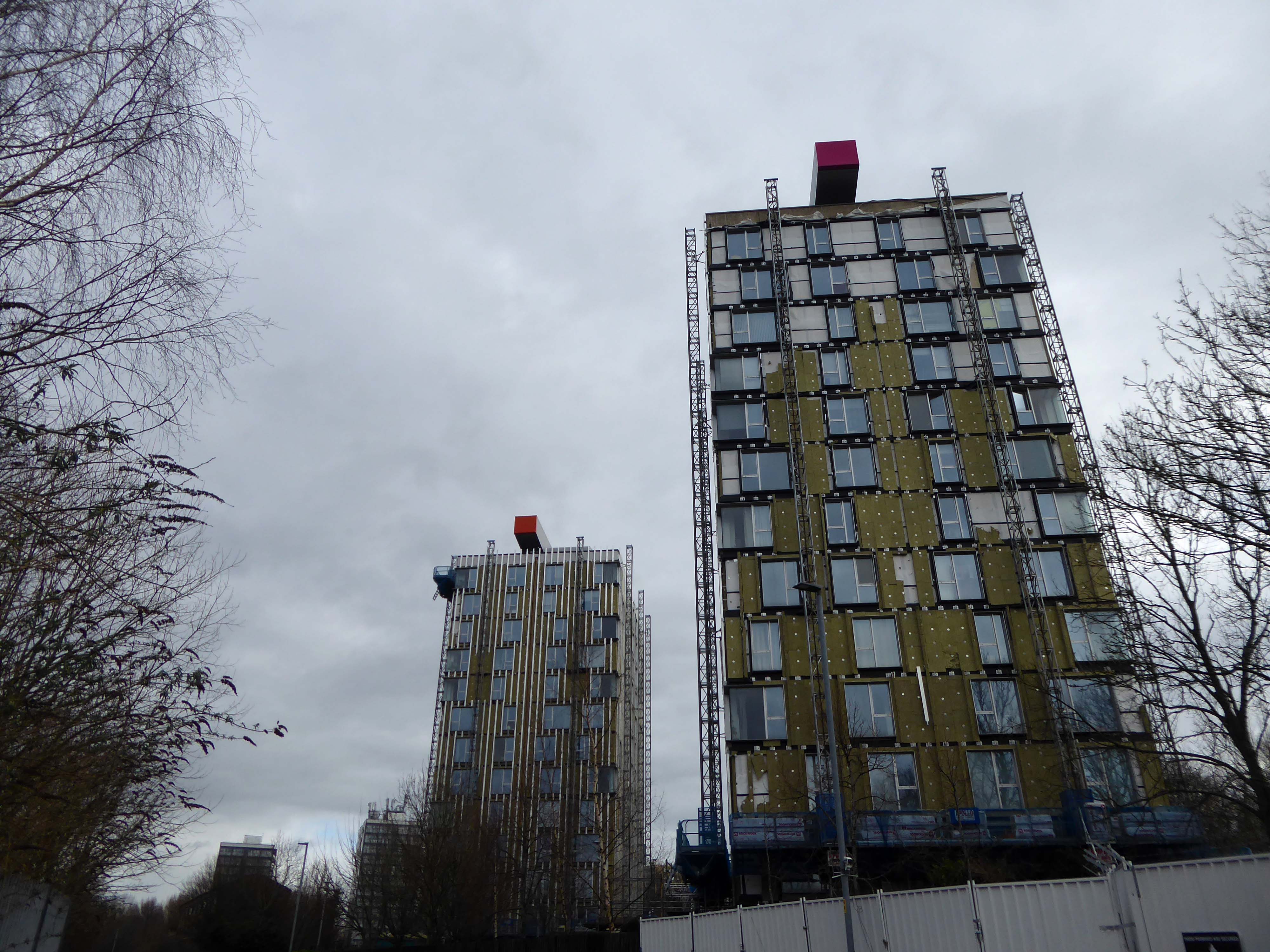
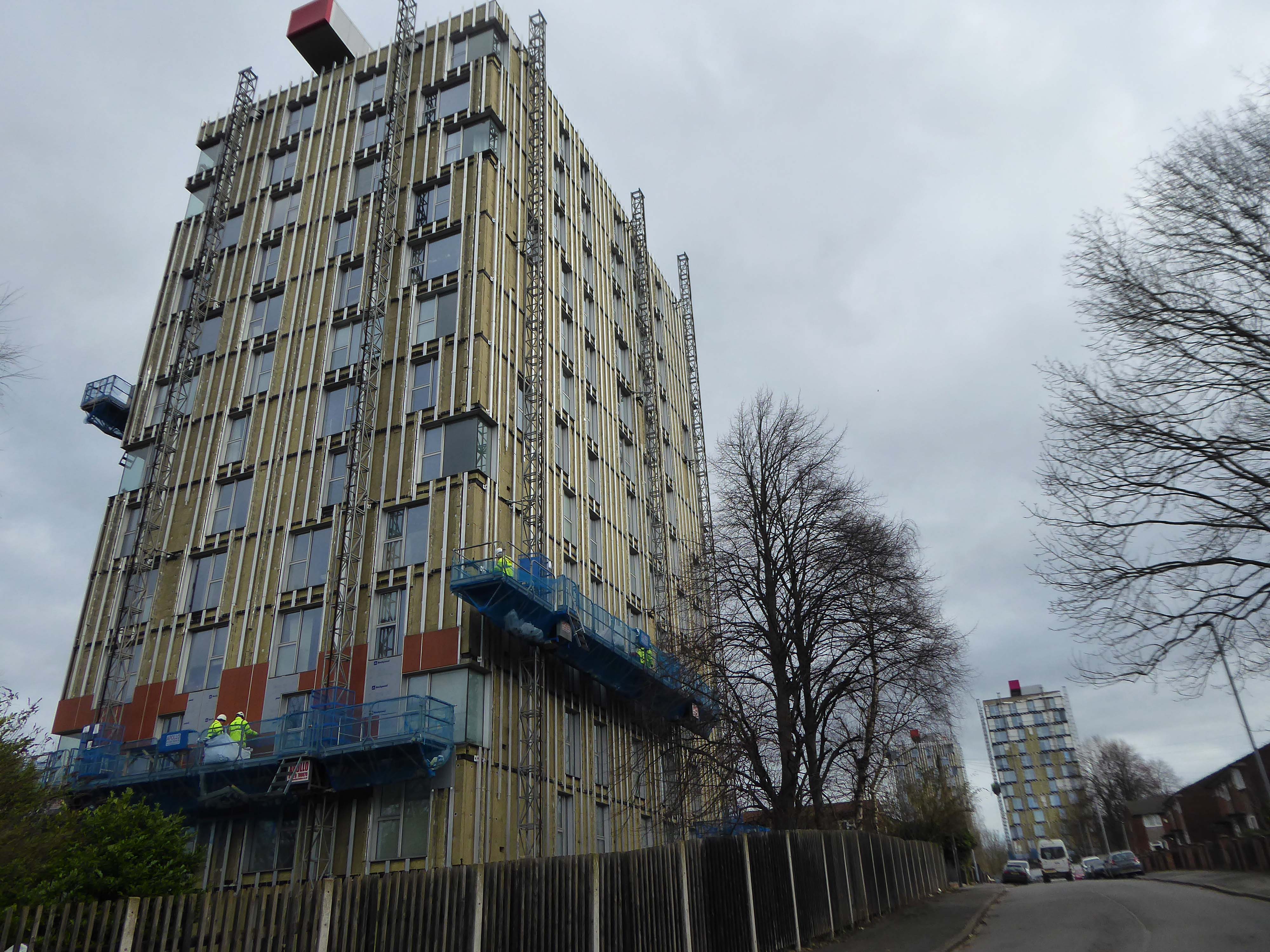
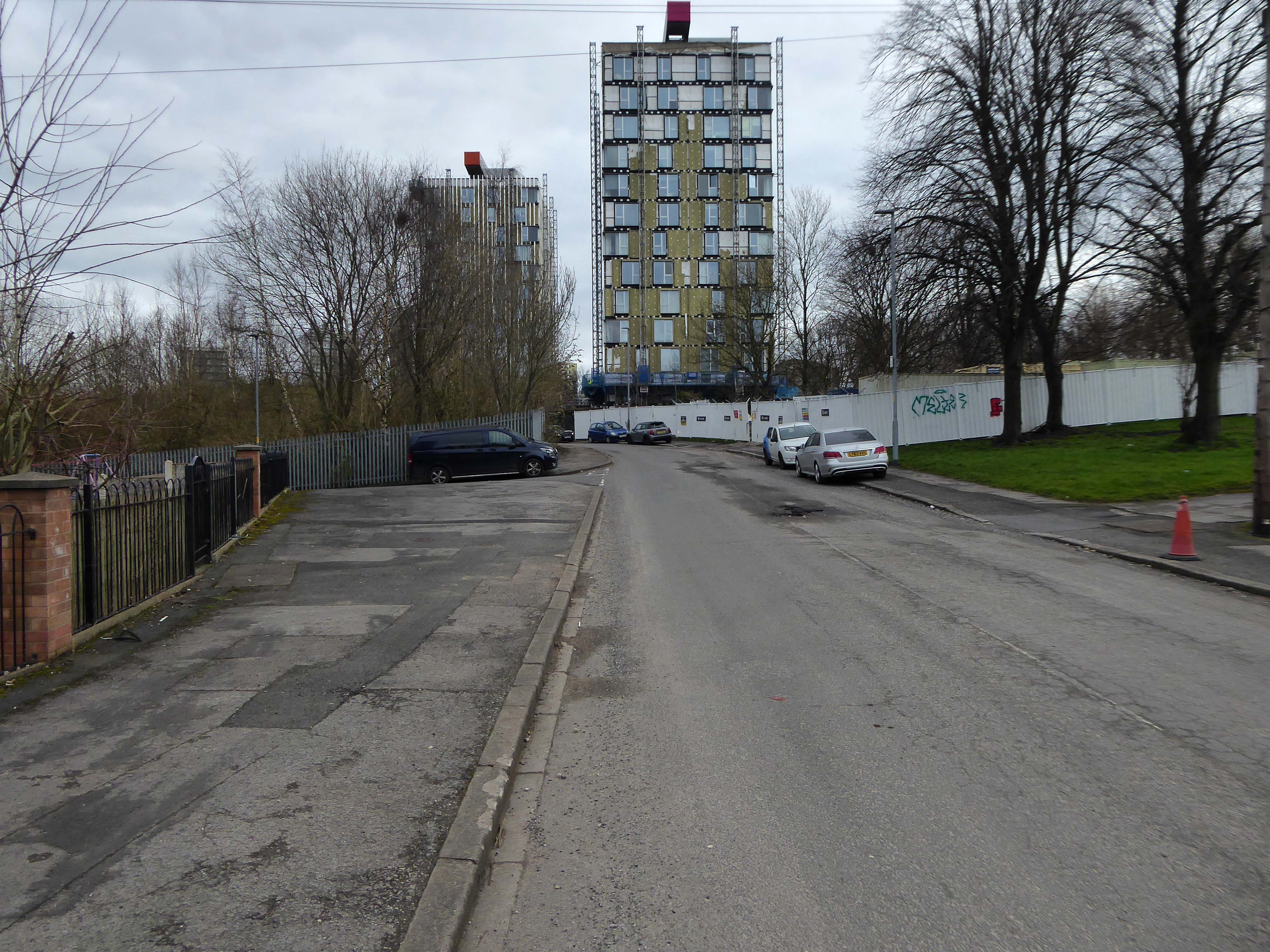
Subsequently purchased by Urban Splash and refurbished:

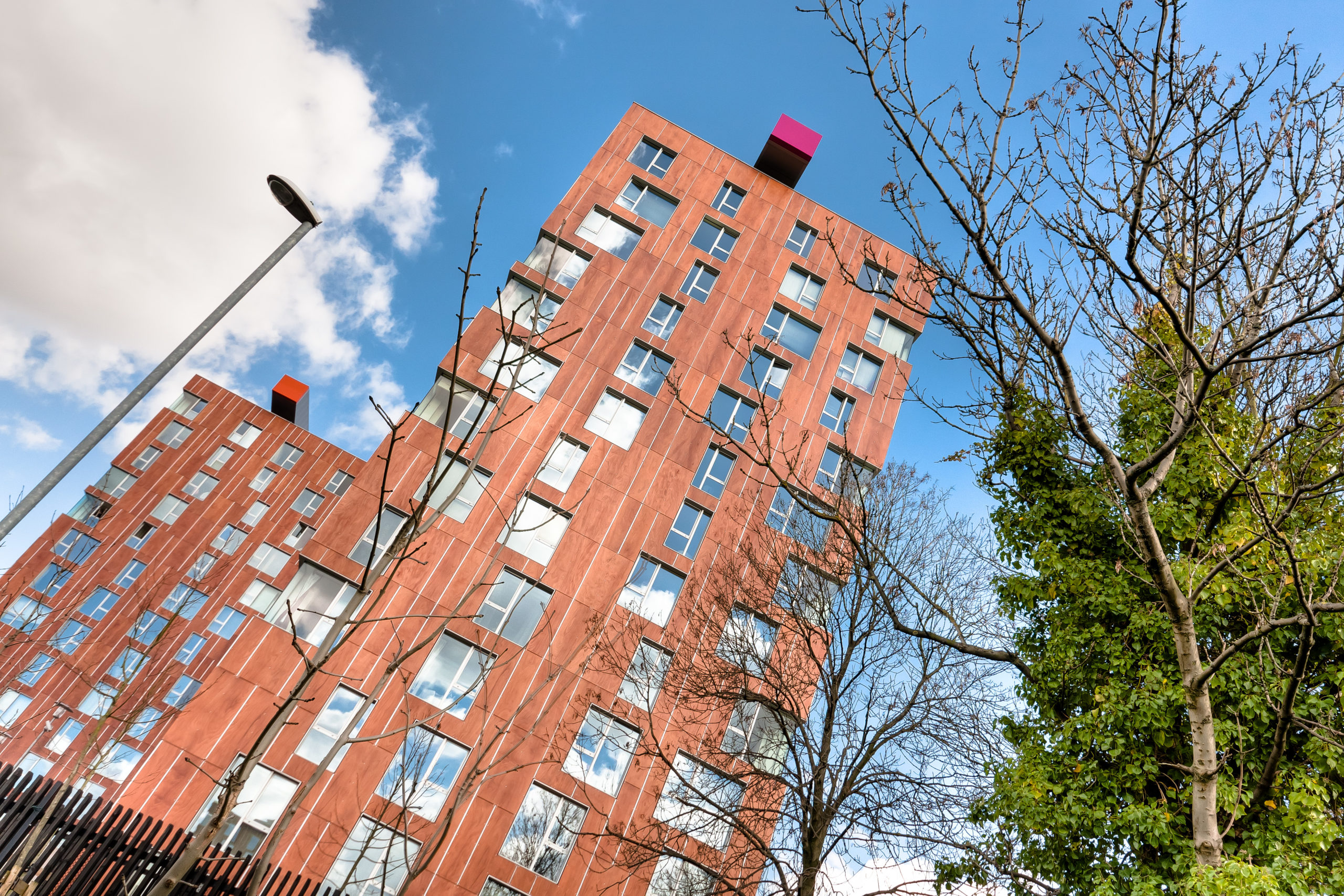
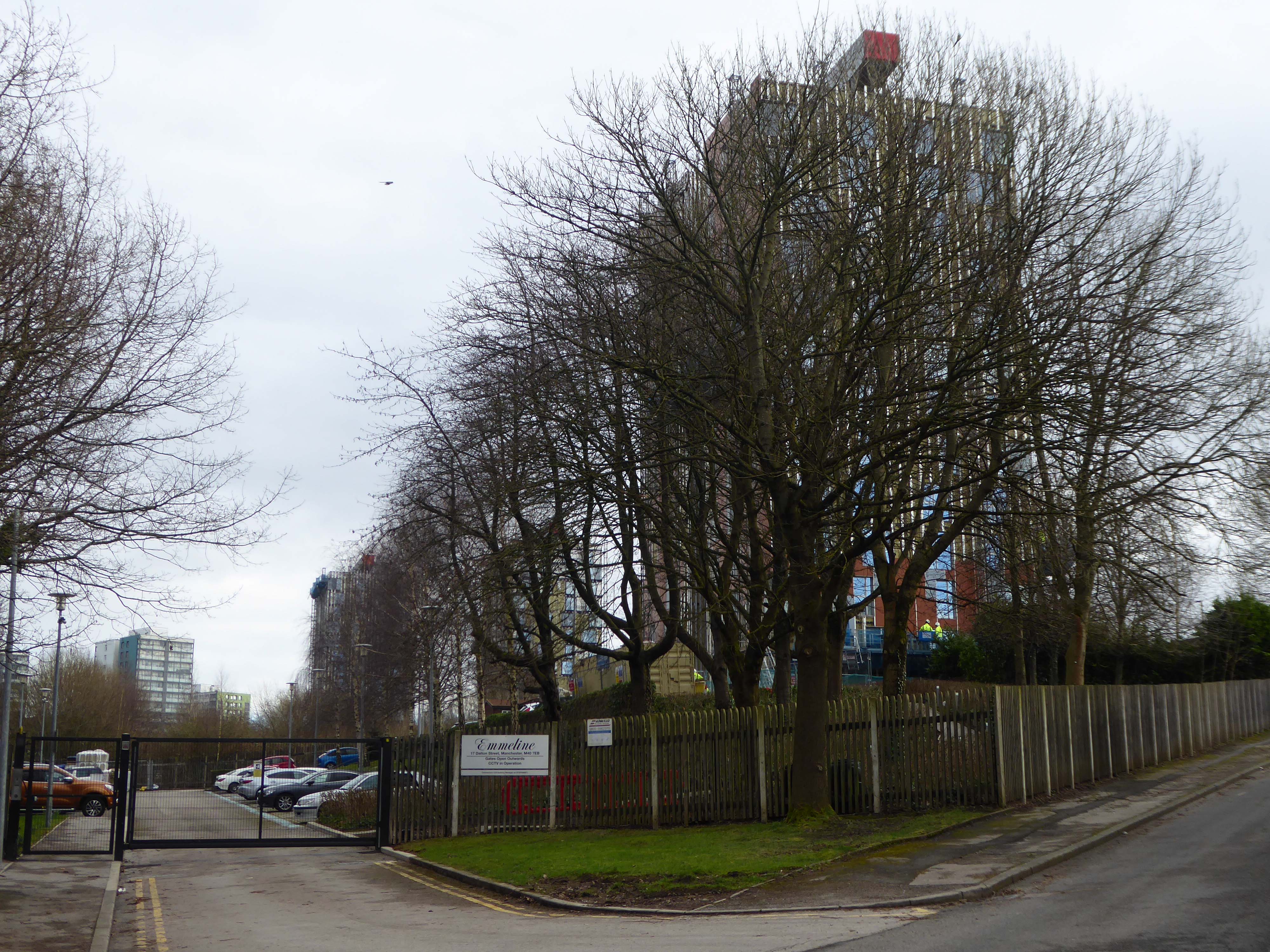
Designed by Union North Architects, the names for the Three Towers were decided in a public competition and the winning names were Emmeline, Christabel and Sylvia – naming the towers after the Pankhurst sisters and their mother. 

Julie Twist

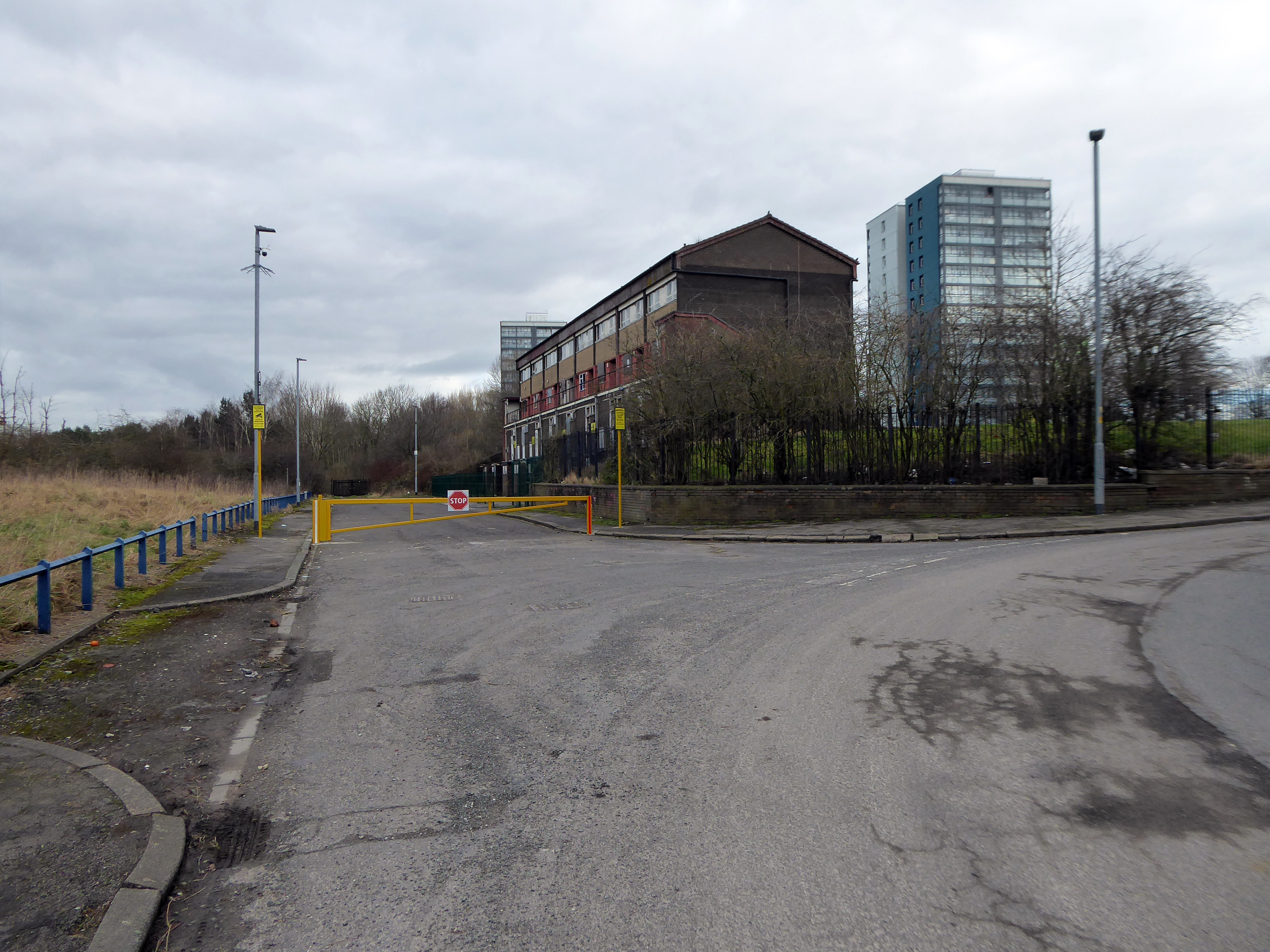
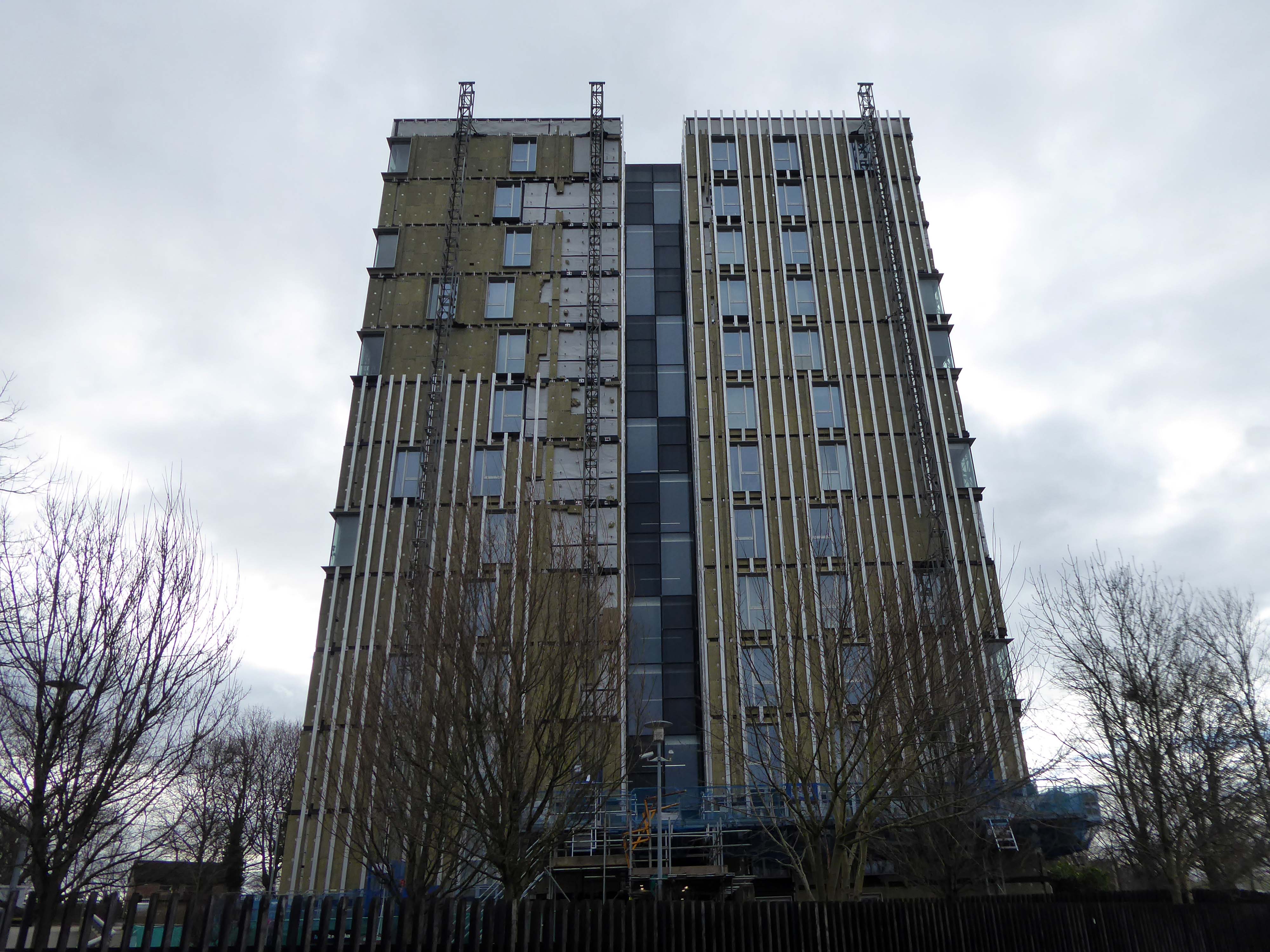
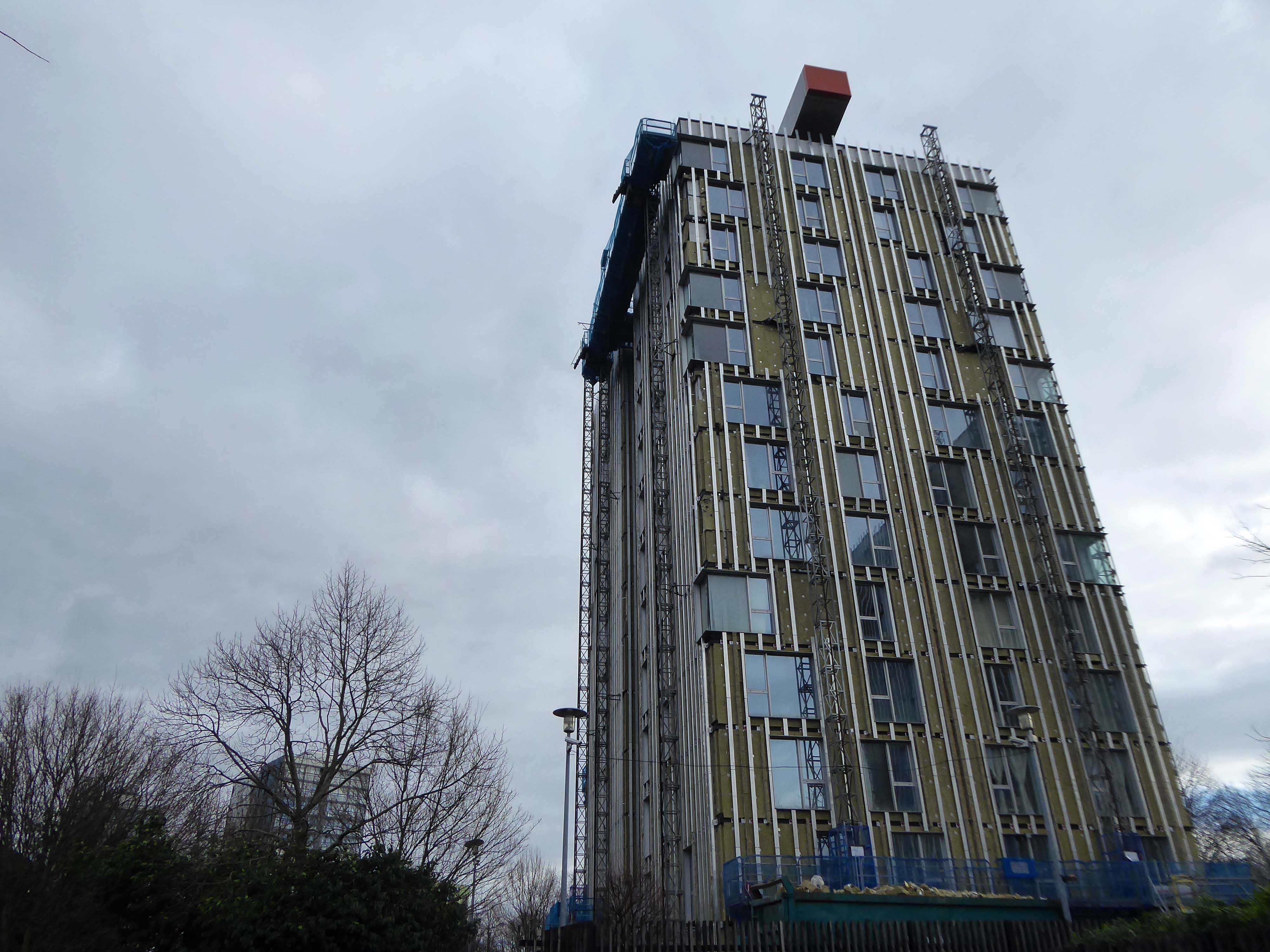
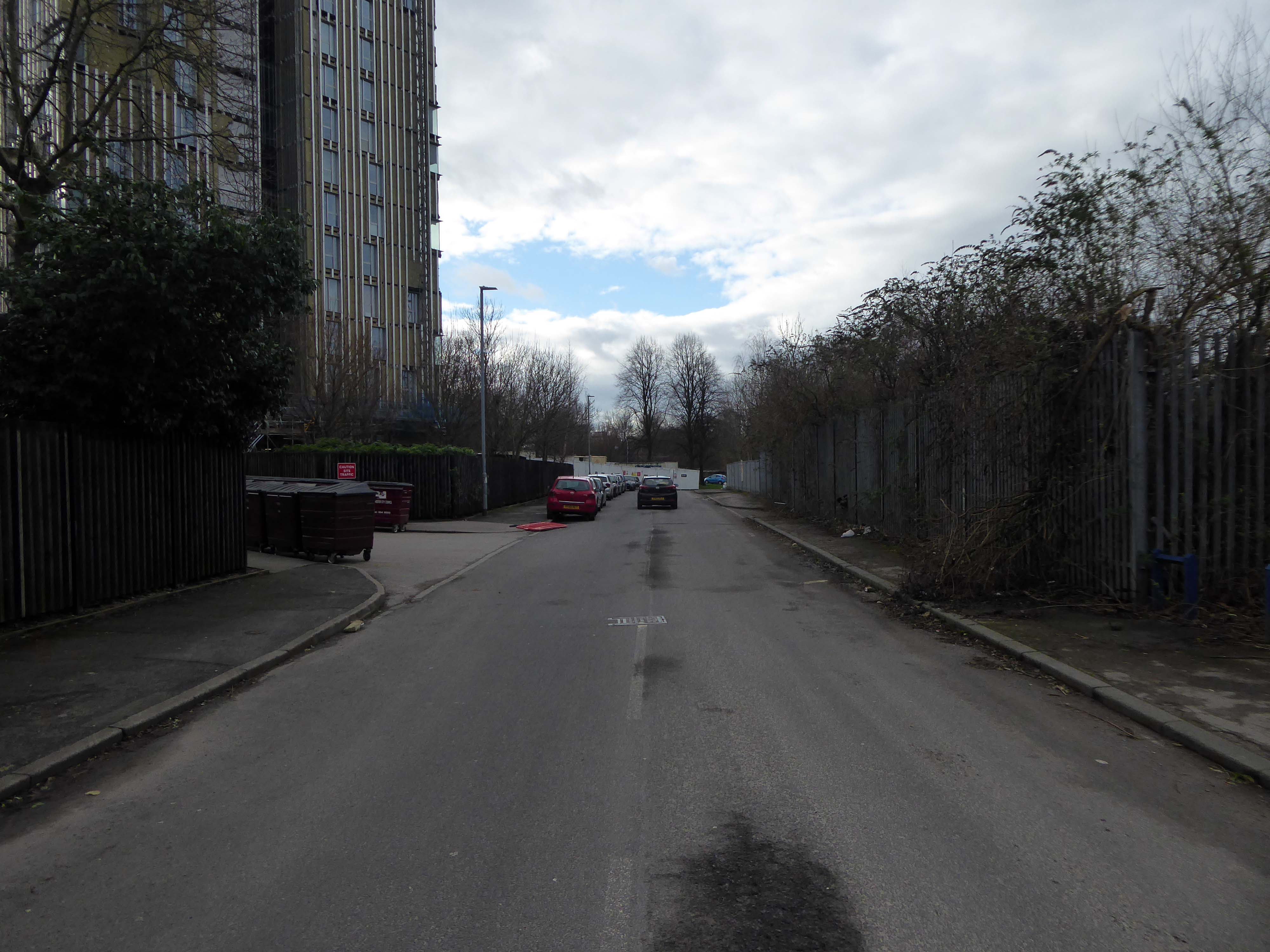
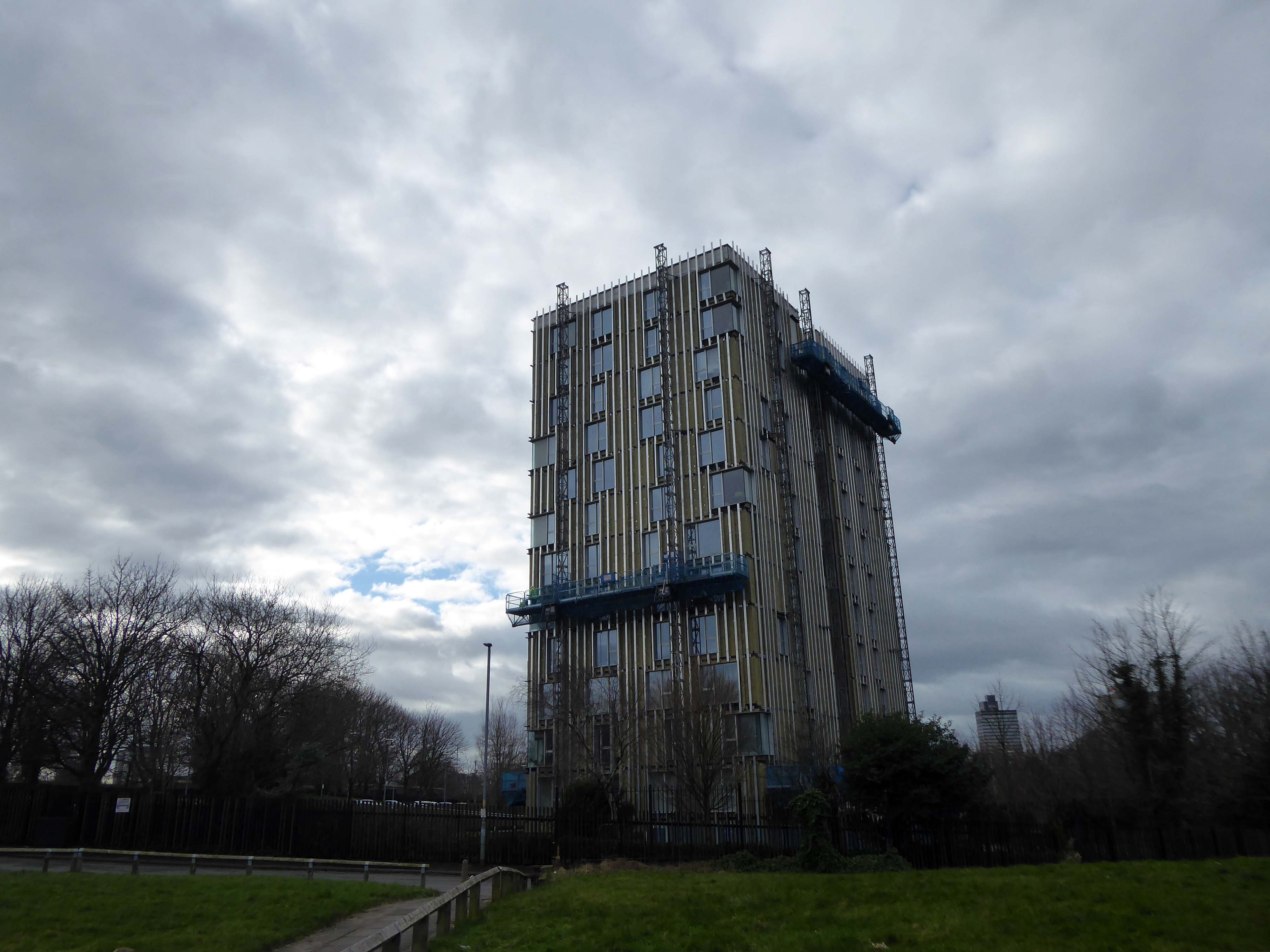
Currently being record to see post Grenfell regulations.

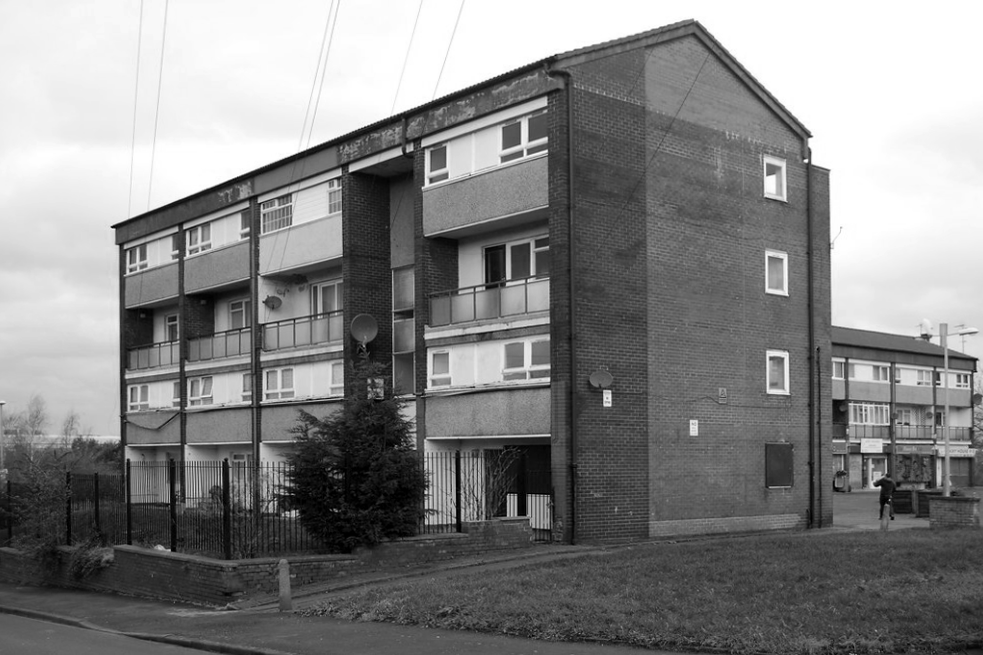
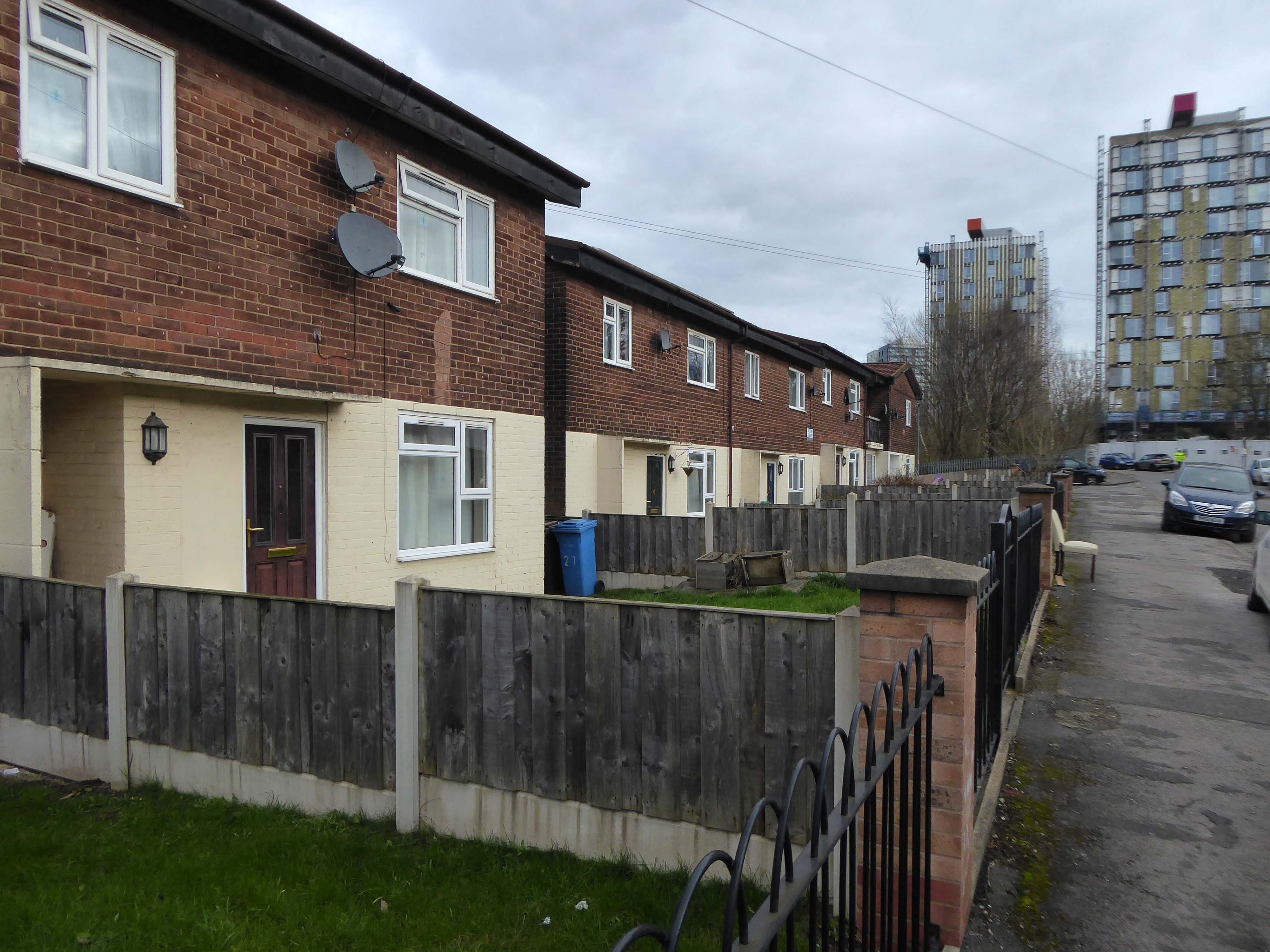
As the terraces were cleared new low-rise social housing also arrived.

All archival photographs Manchester Local Image Collection unless otherwise stated.

Along with maisonettes adjoining Eastford Square

Photograph: Stuart Collins 2014 – demolished 2015

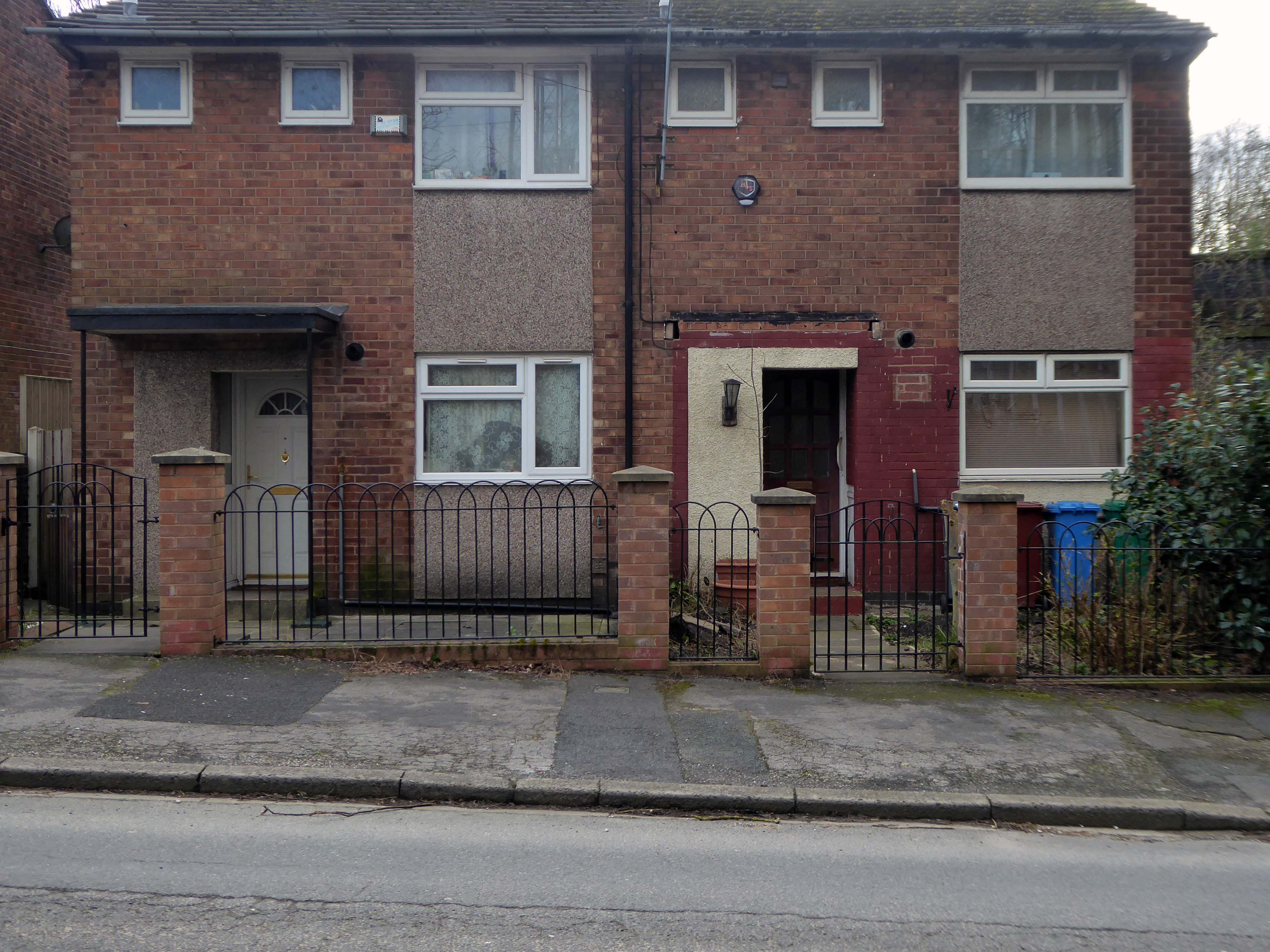
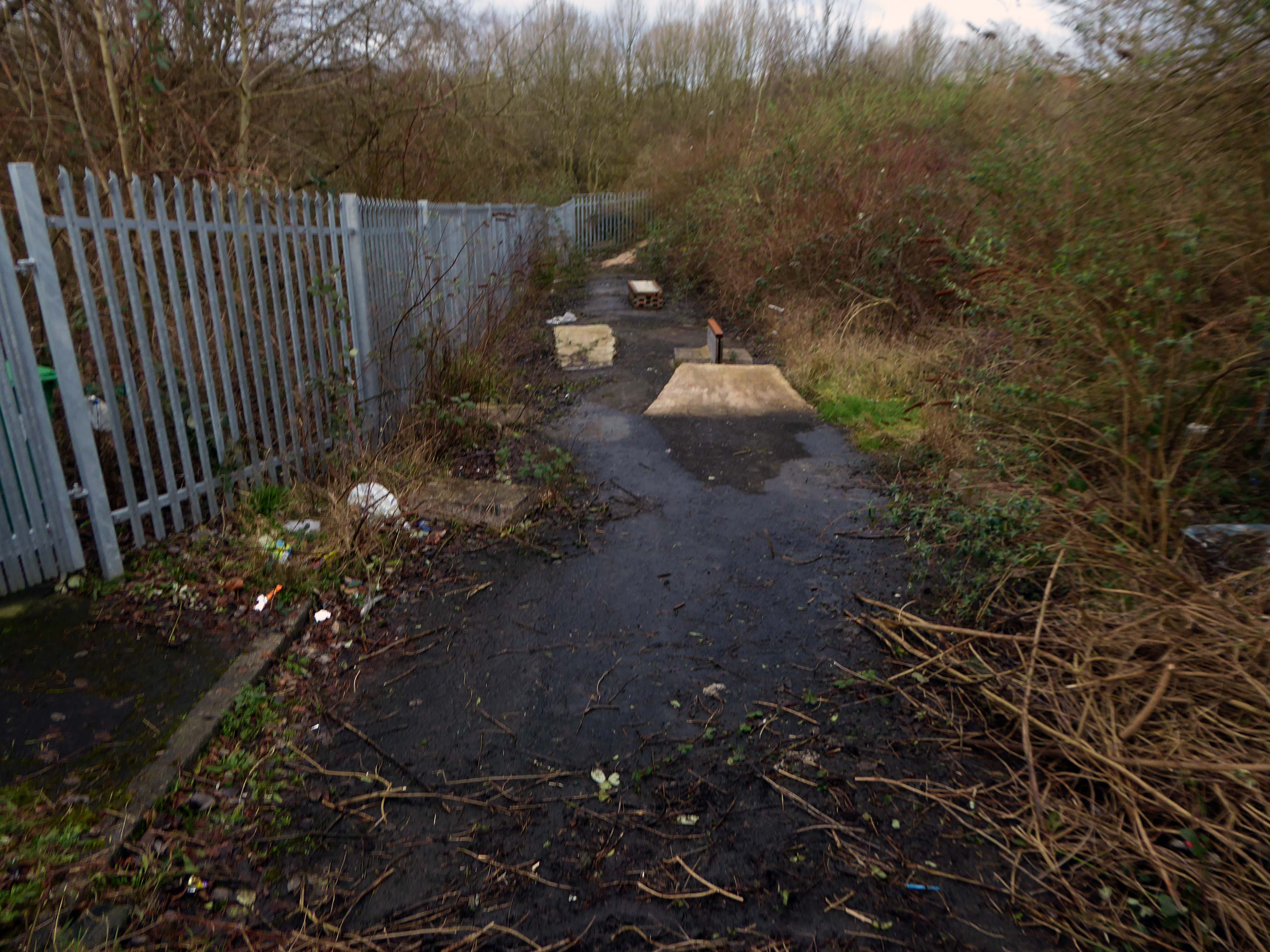
The remains of the remaining Eastford Square homes tinned up and secured awaiting who knows what.

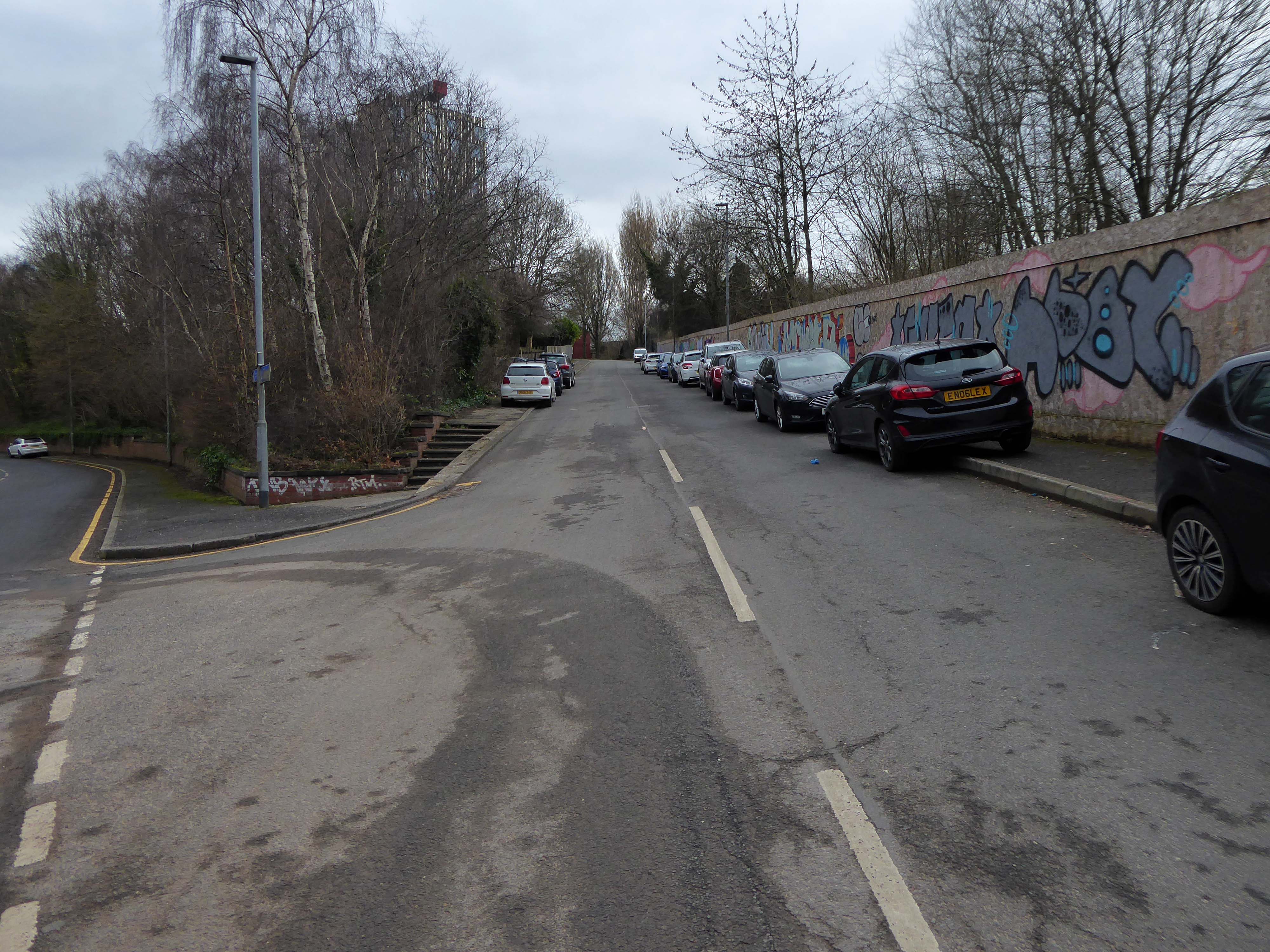
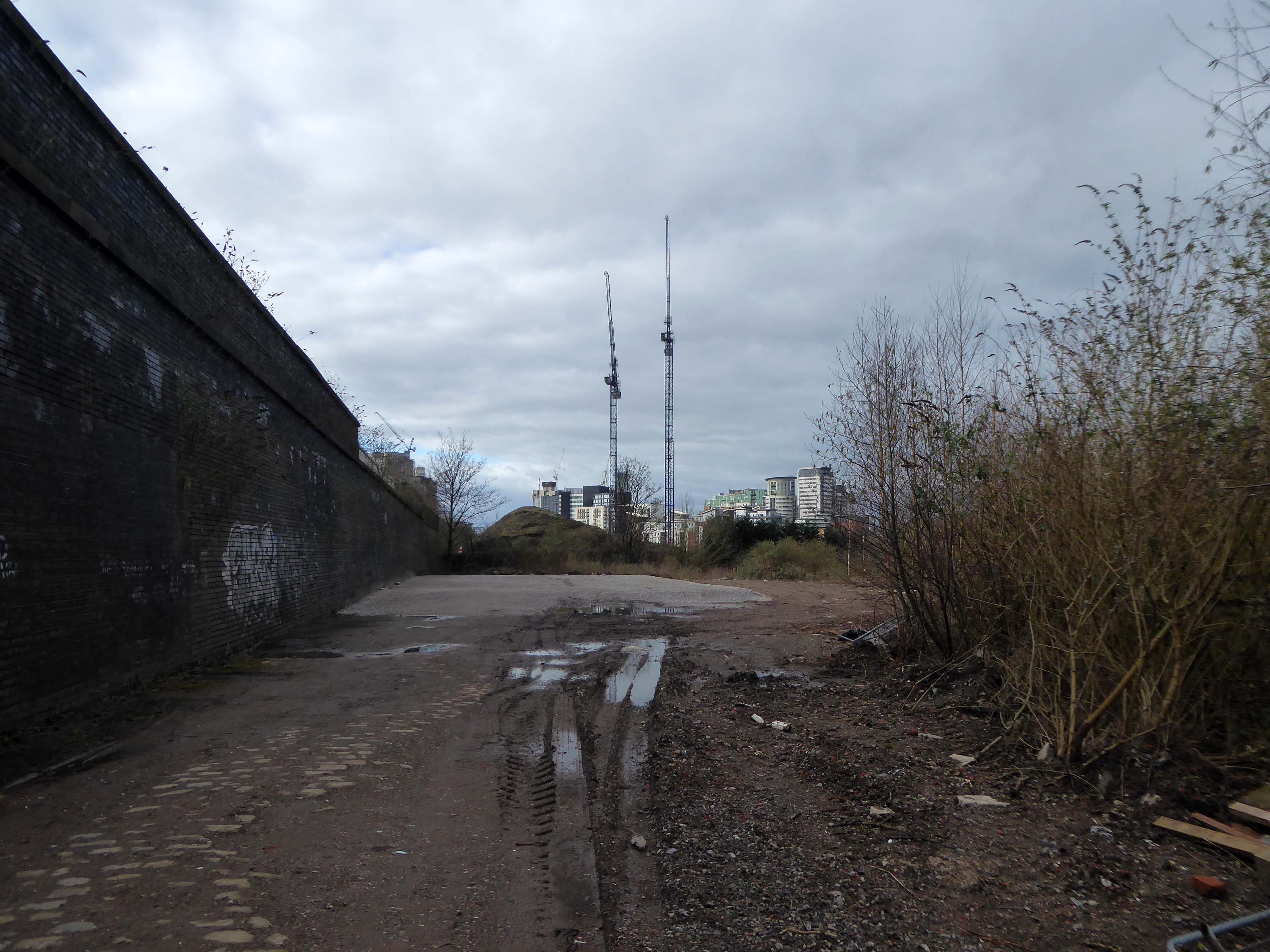
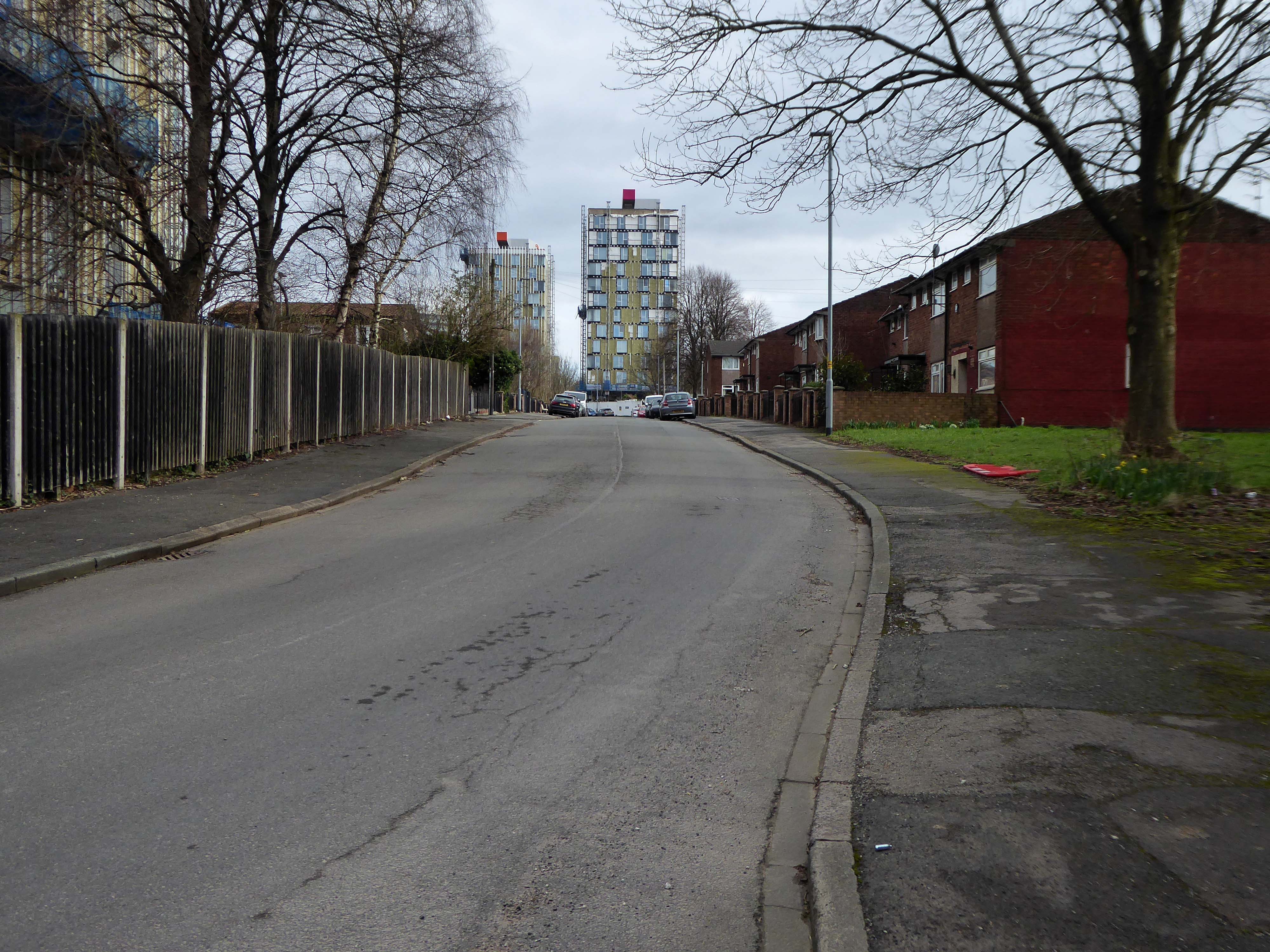
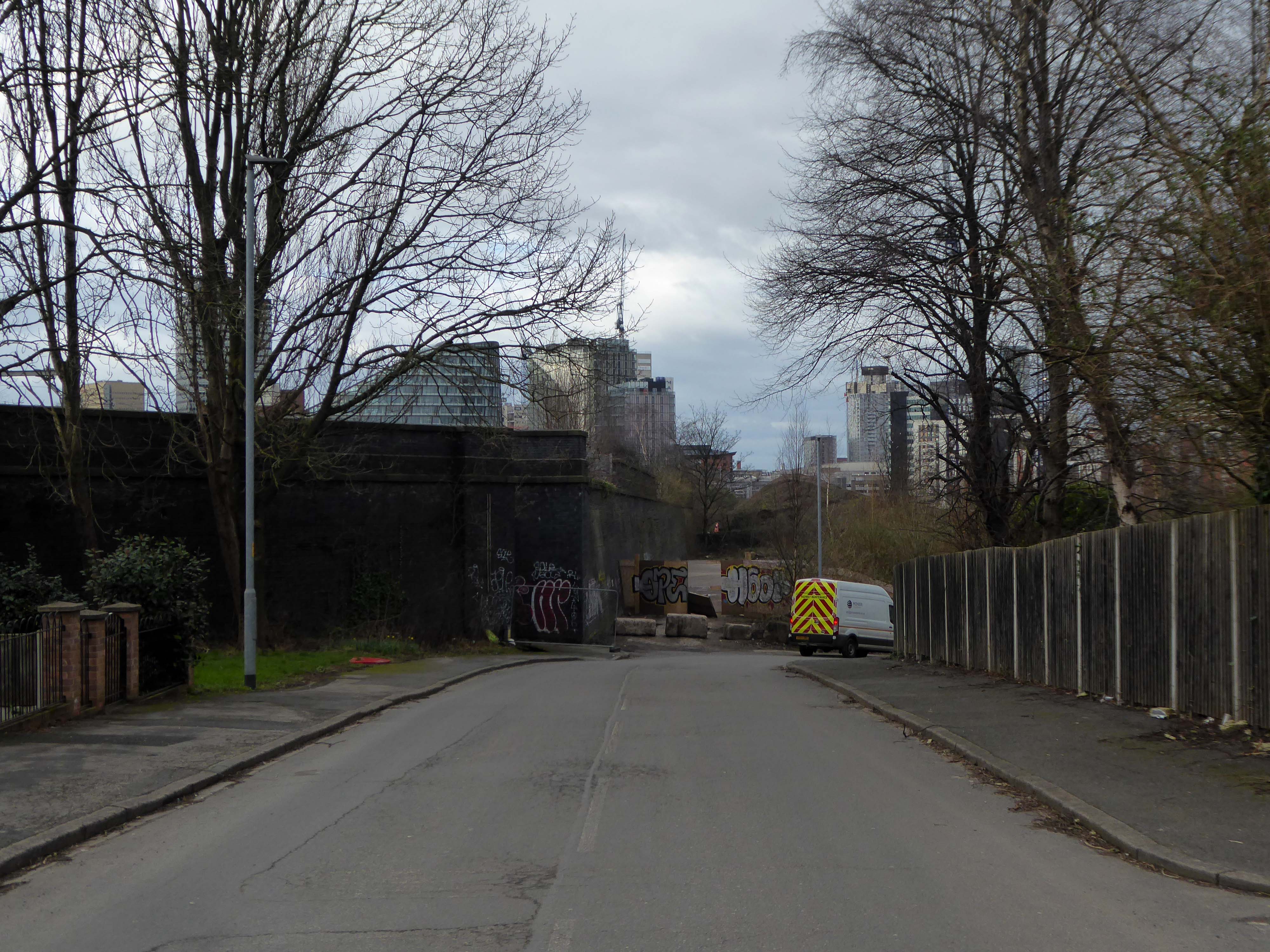
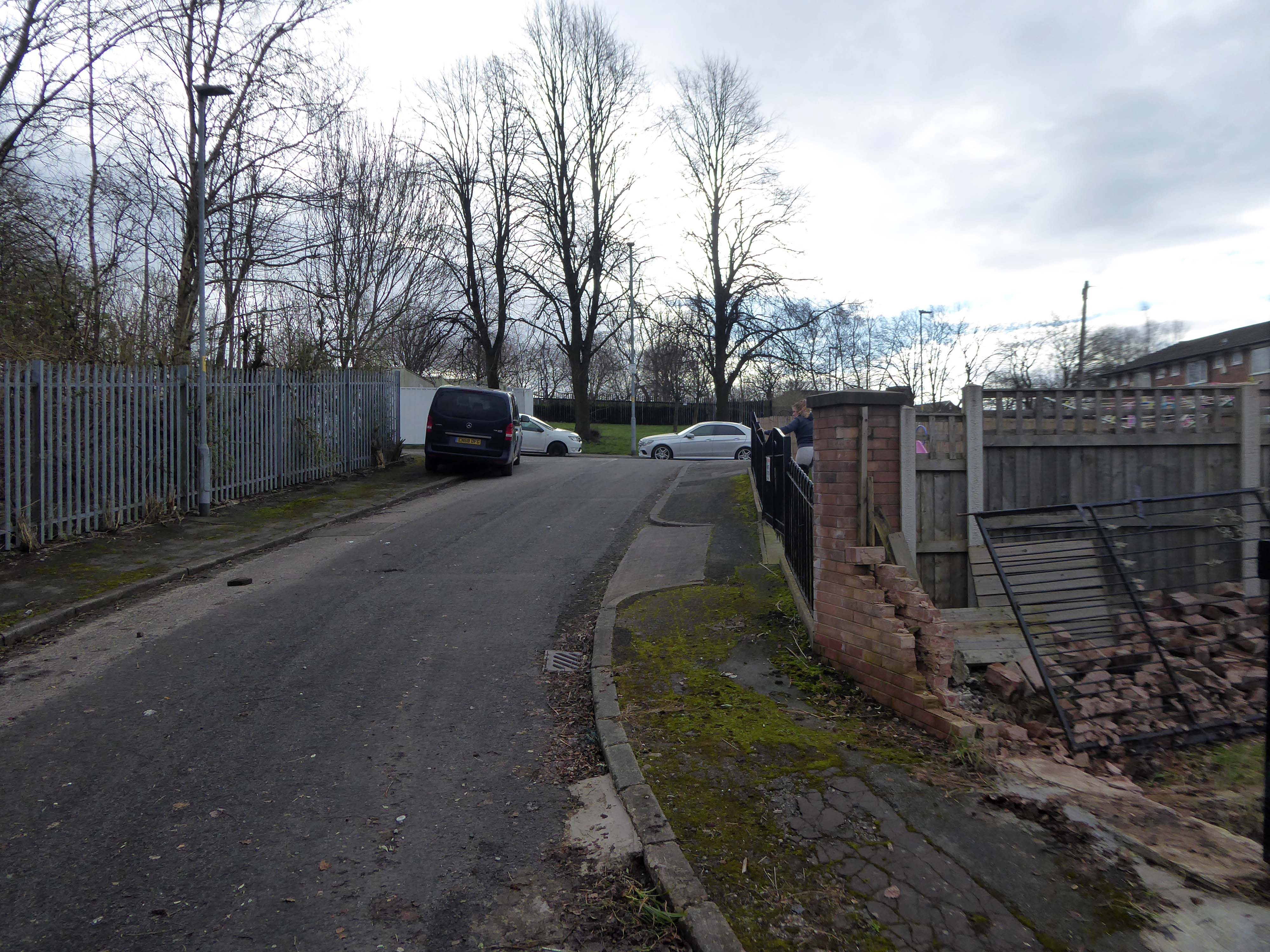
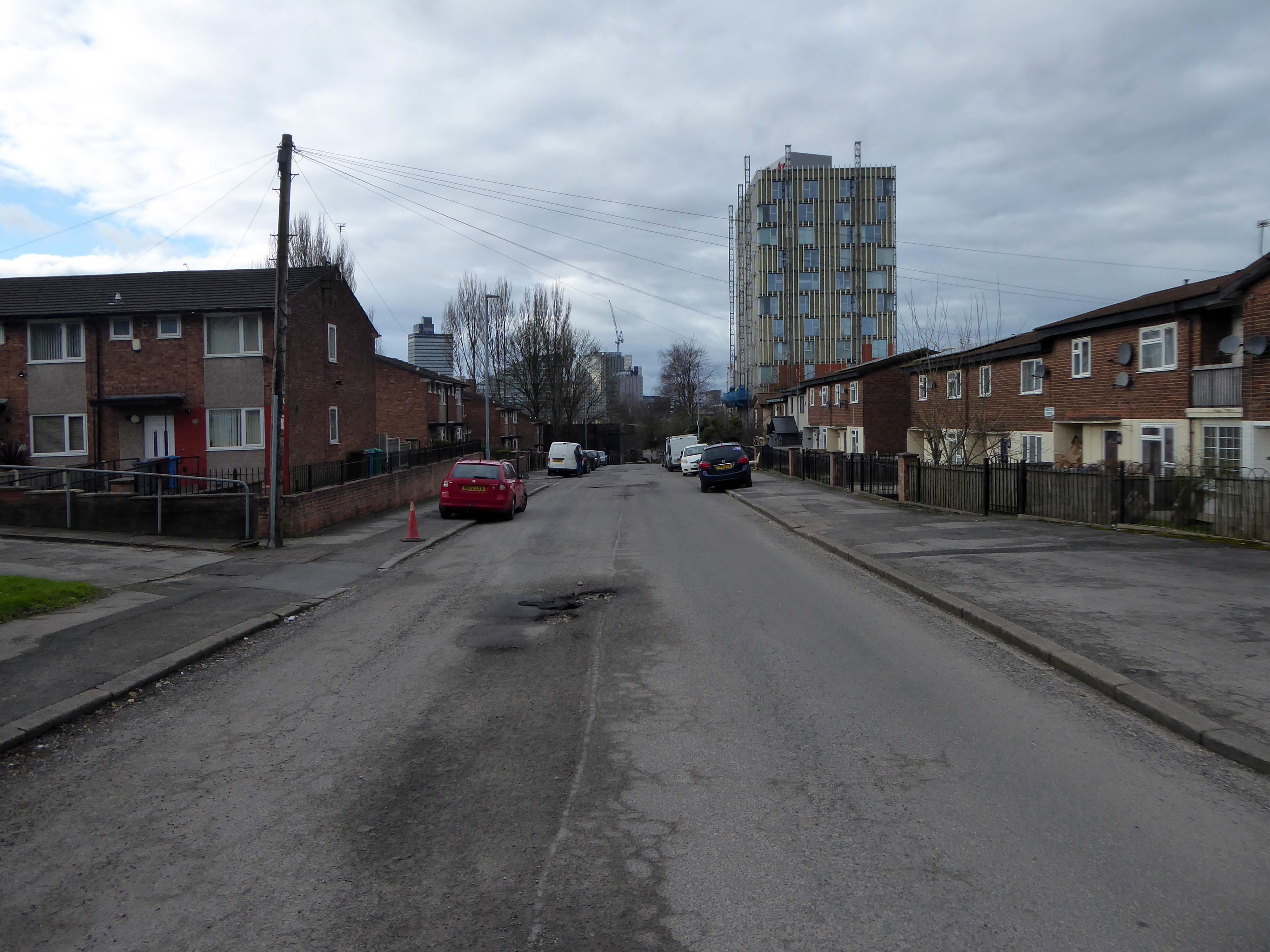
So let’s take a short walk, see how things stand.

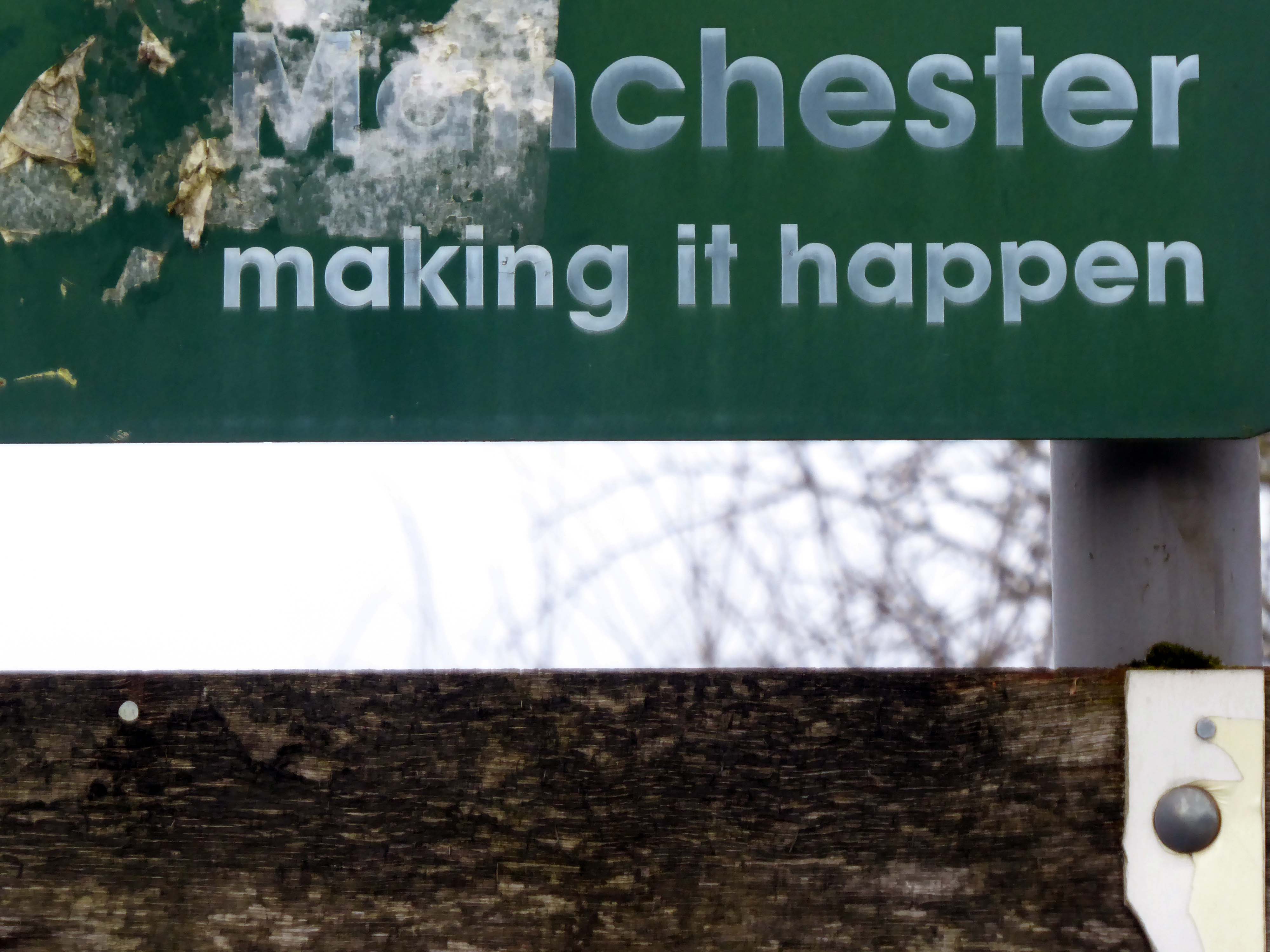
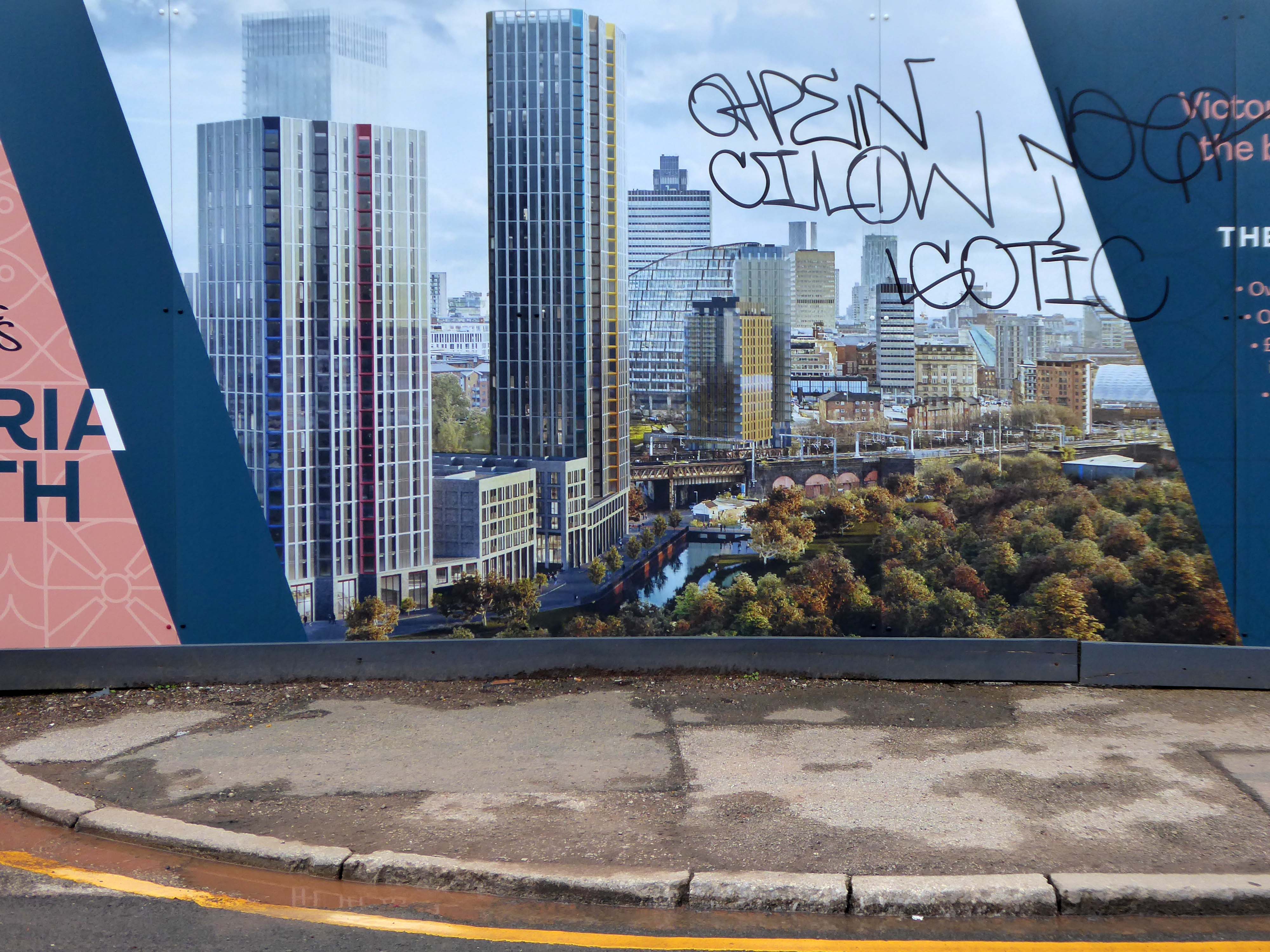
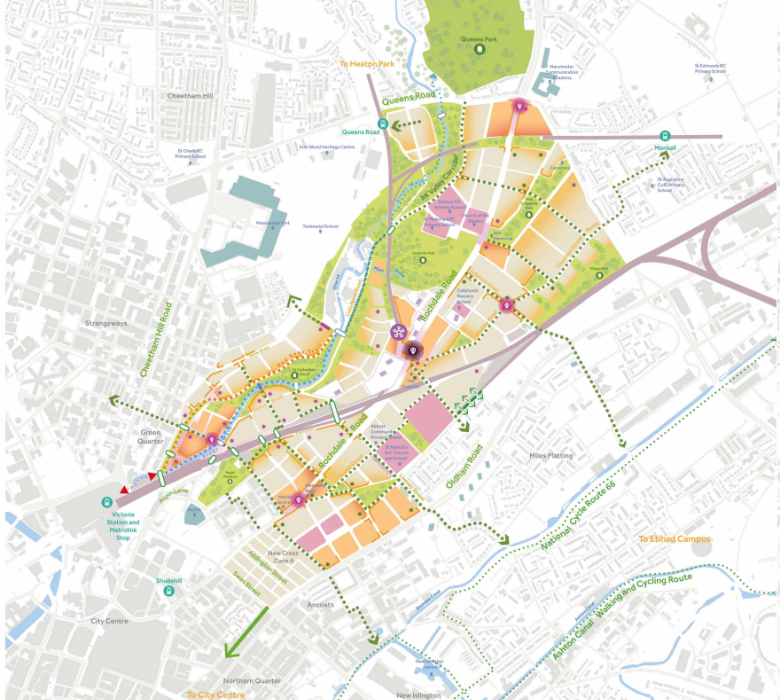
The area now forms the core of the latest municipal Masterplan – Victoria North.

Victoria North is a joint venture programme between Manchester City Council and developer Far East Consortium.

An internationally recognised developer, FEC specialises in residential led mixed-use developments and hotels, along with its casino and car park operations throughout mainland Europe. 

The cowboys are now long gone – or are they?

When I was a cowboy out on the Western Plain
Well, I made a half a million
Working hard on the bridle reins

Come a cow-cow yicky come a cow-cow yicky, Harpurhey

Huddy Leadbetter

Porth Wen Brickworks – Anglesey

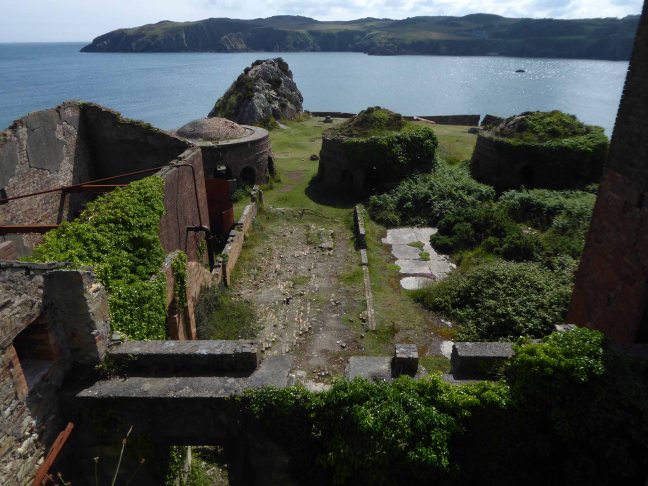
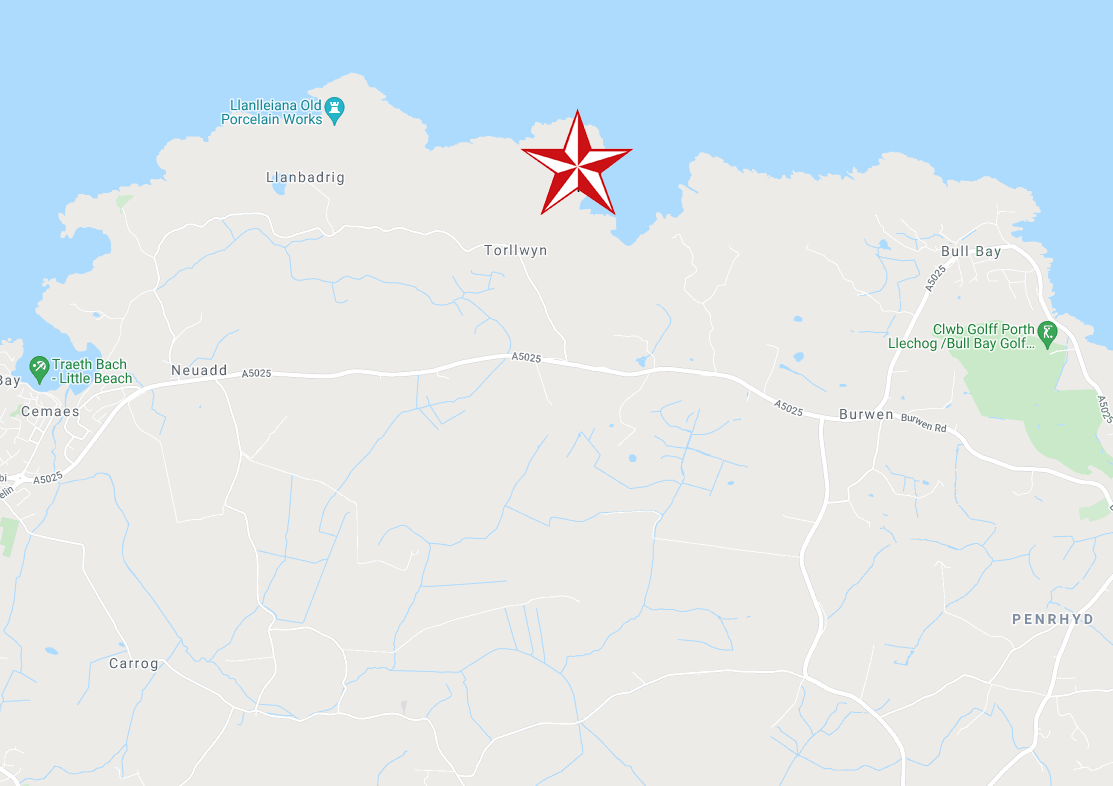
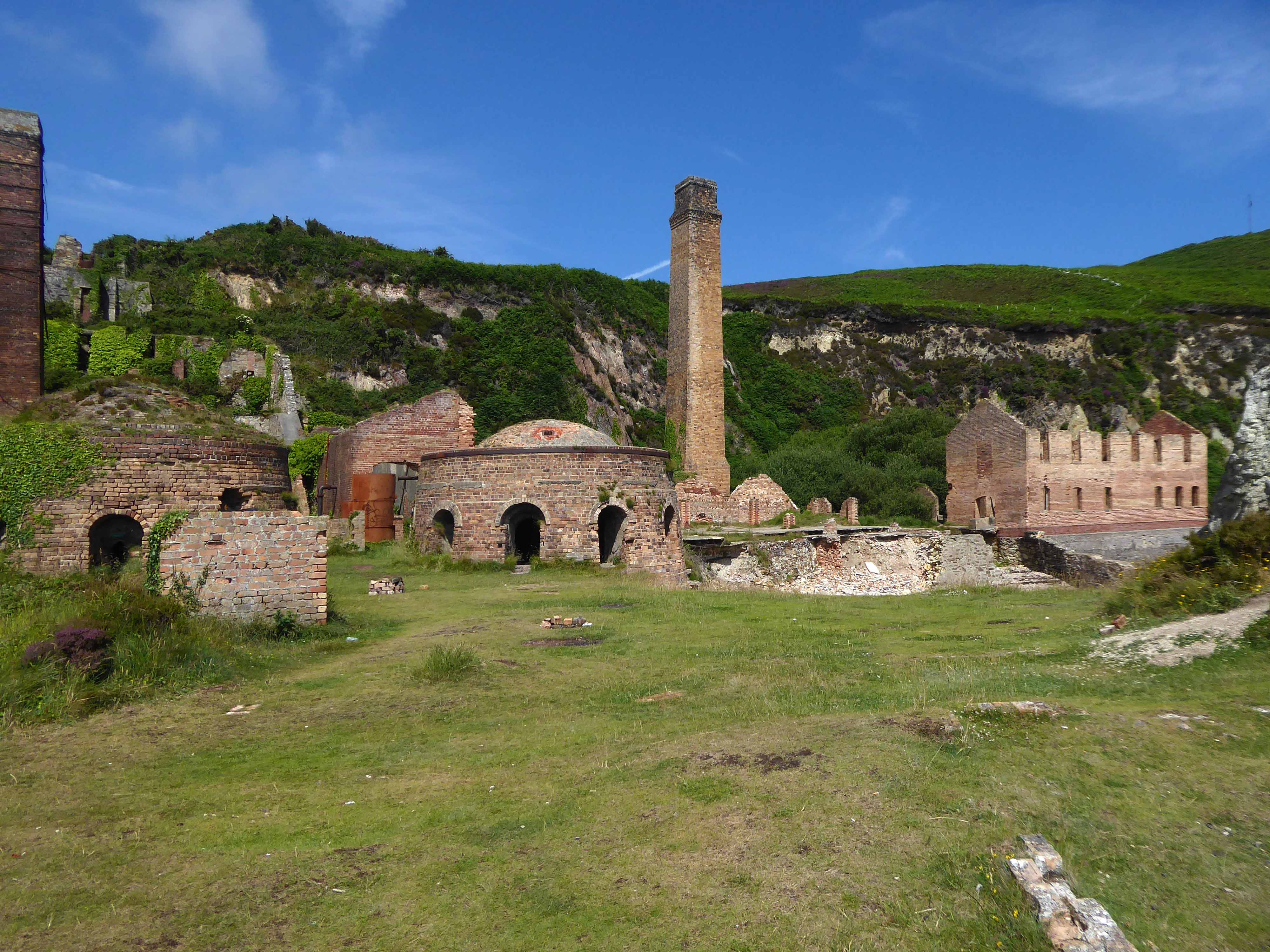
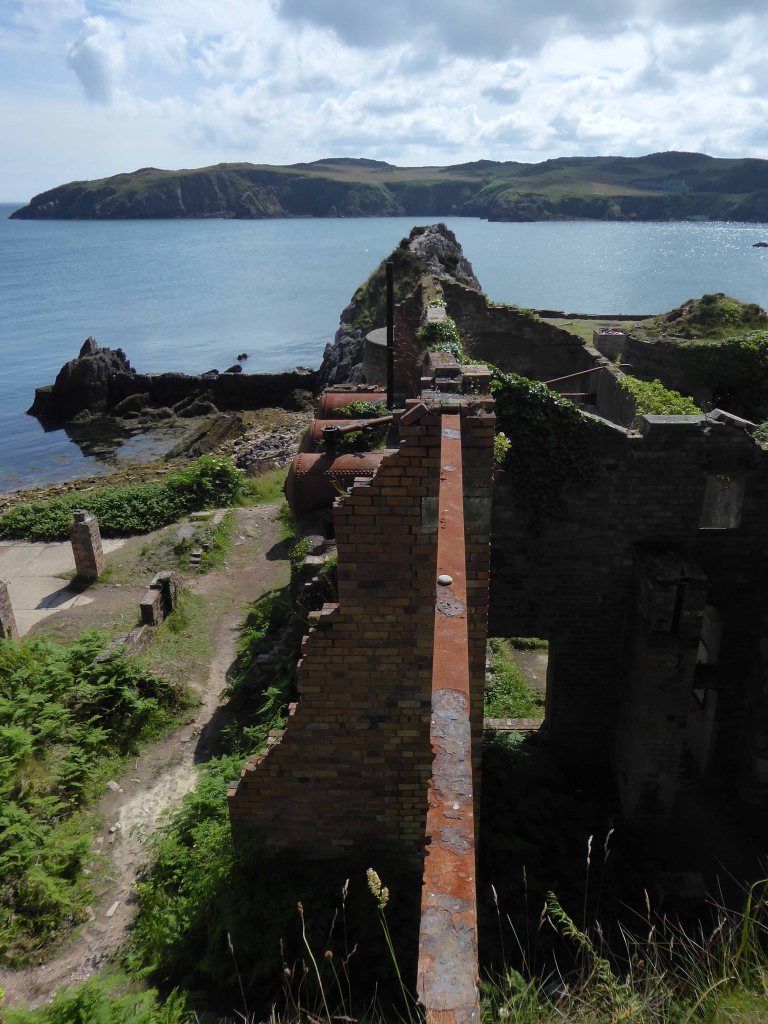
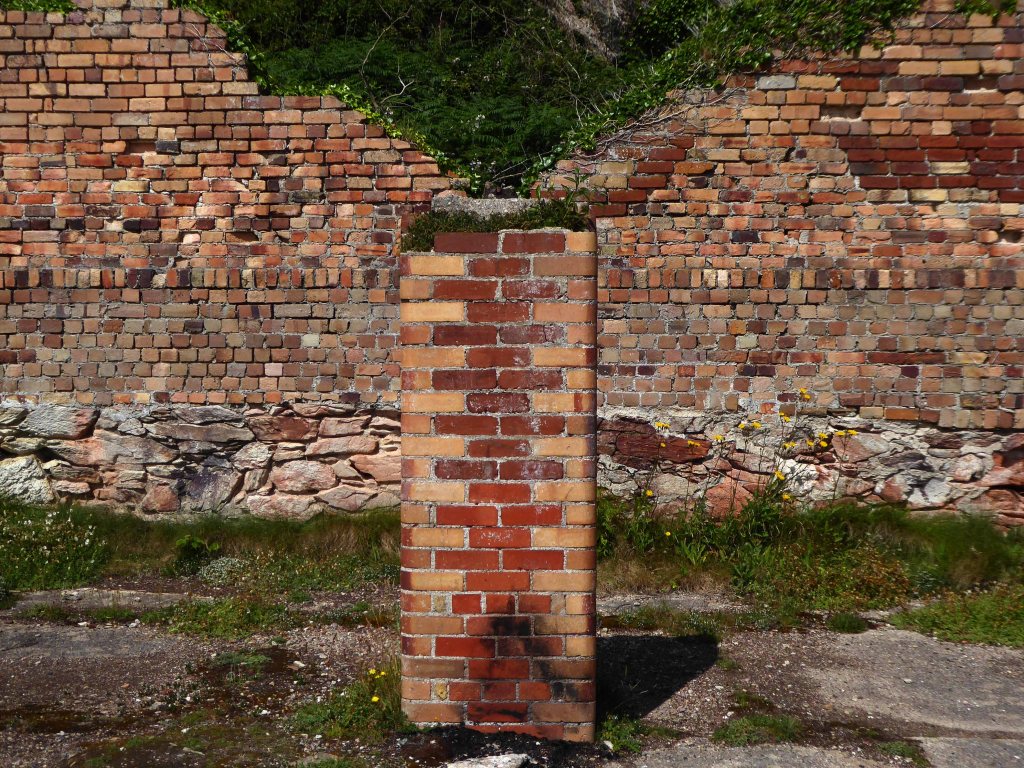
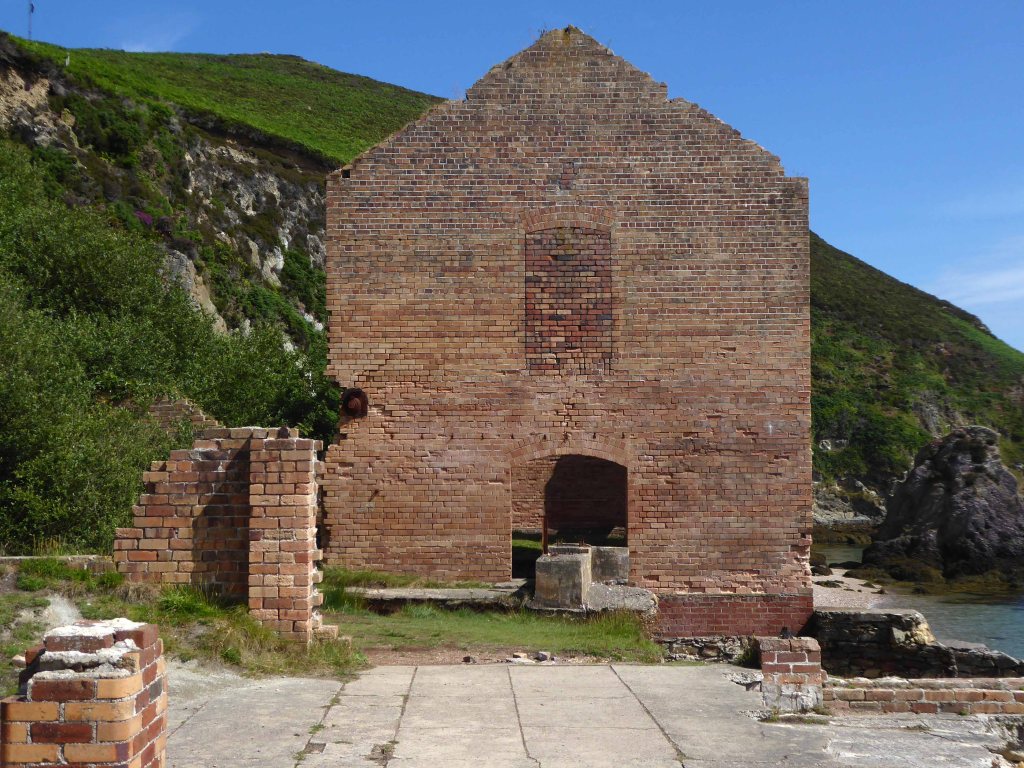
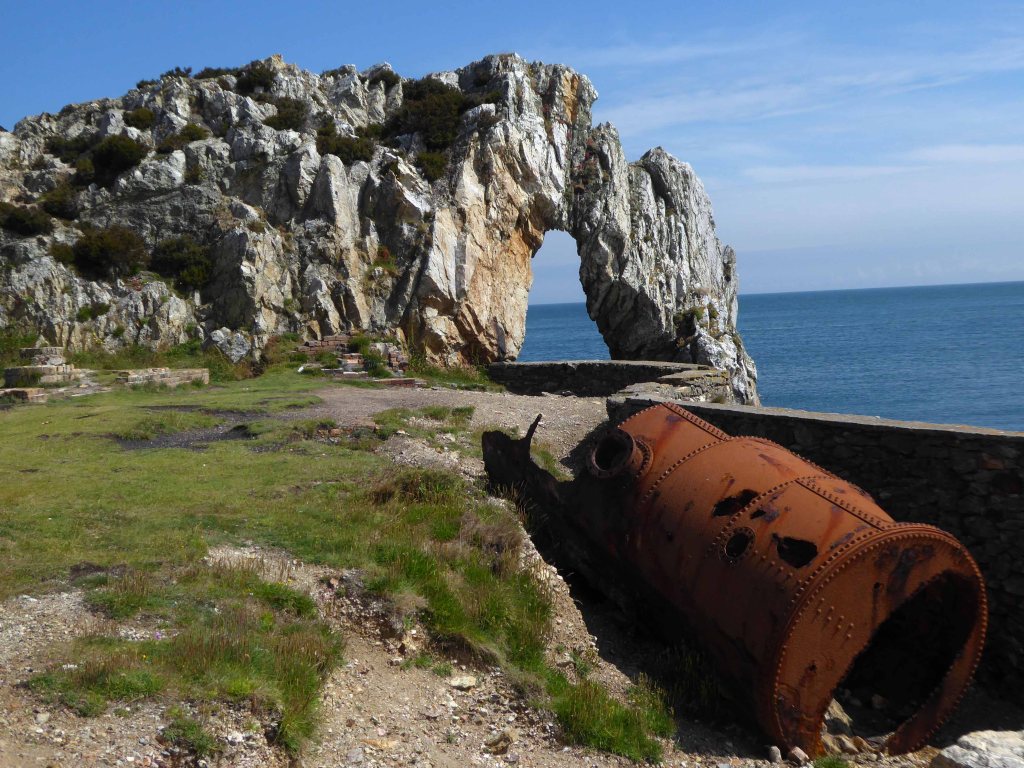
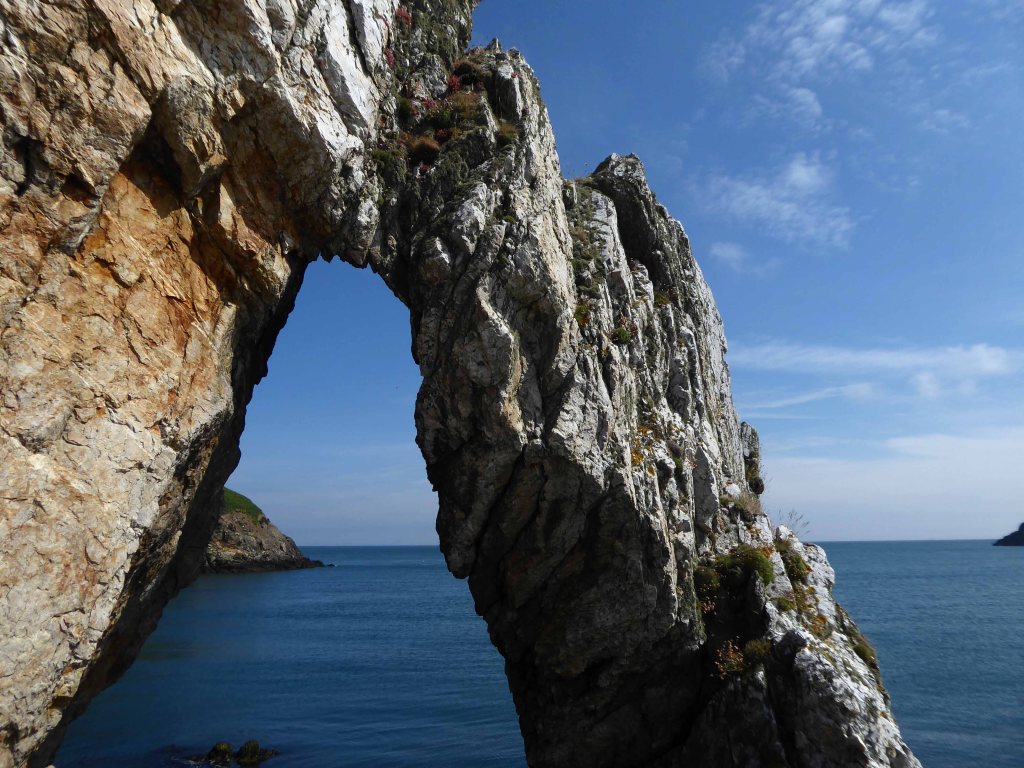
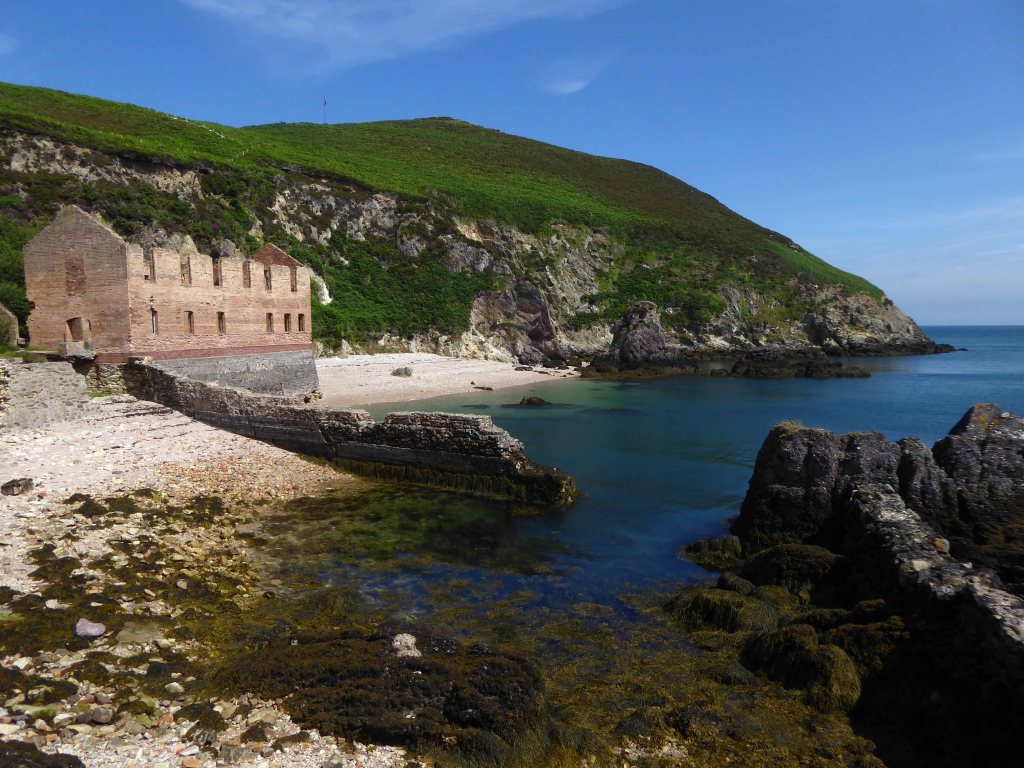
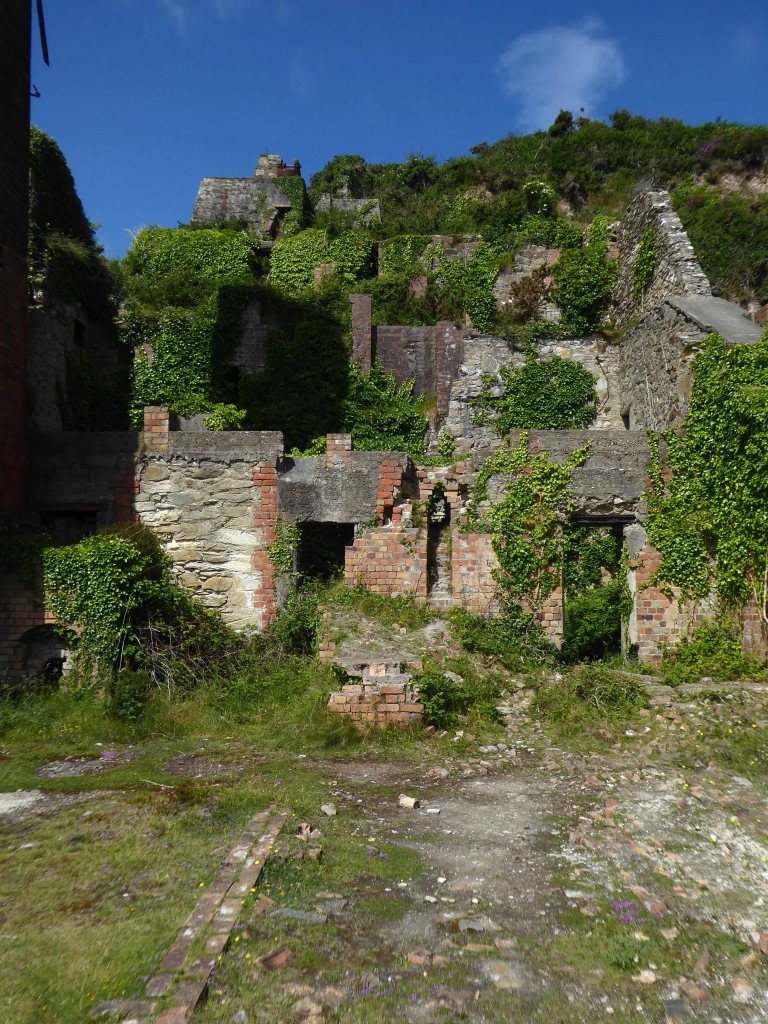
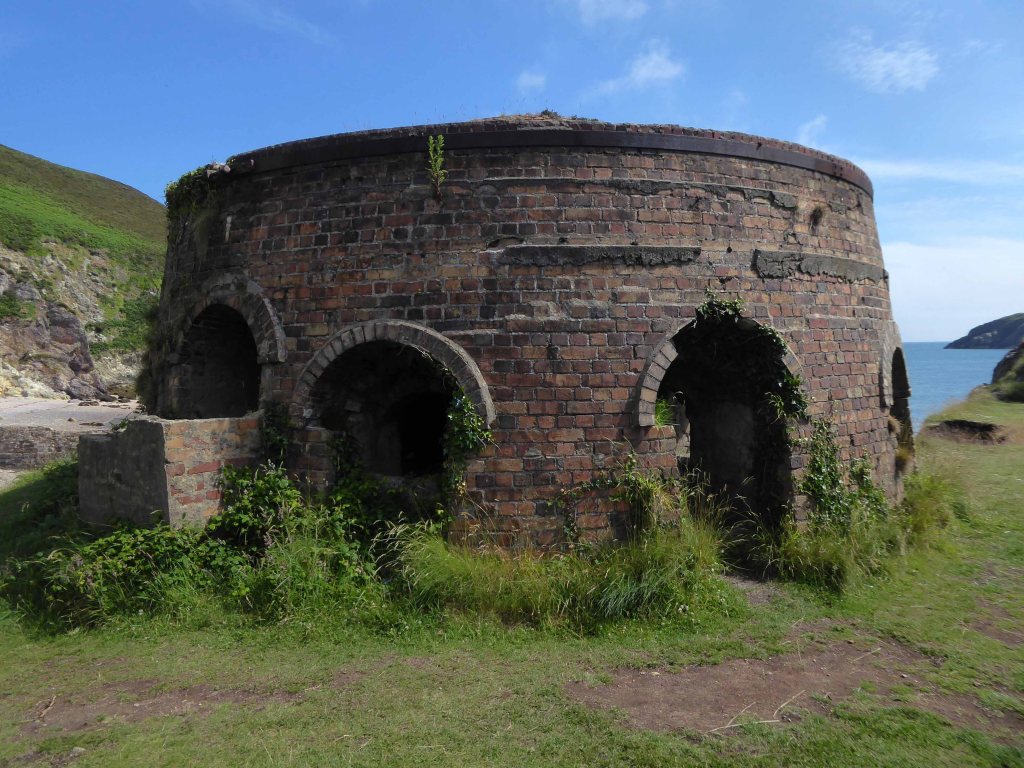
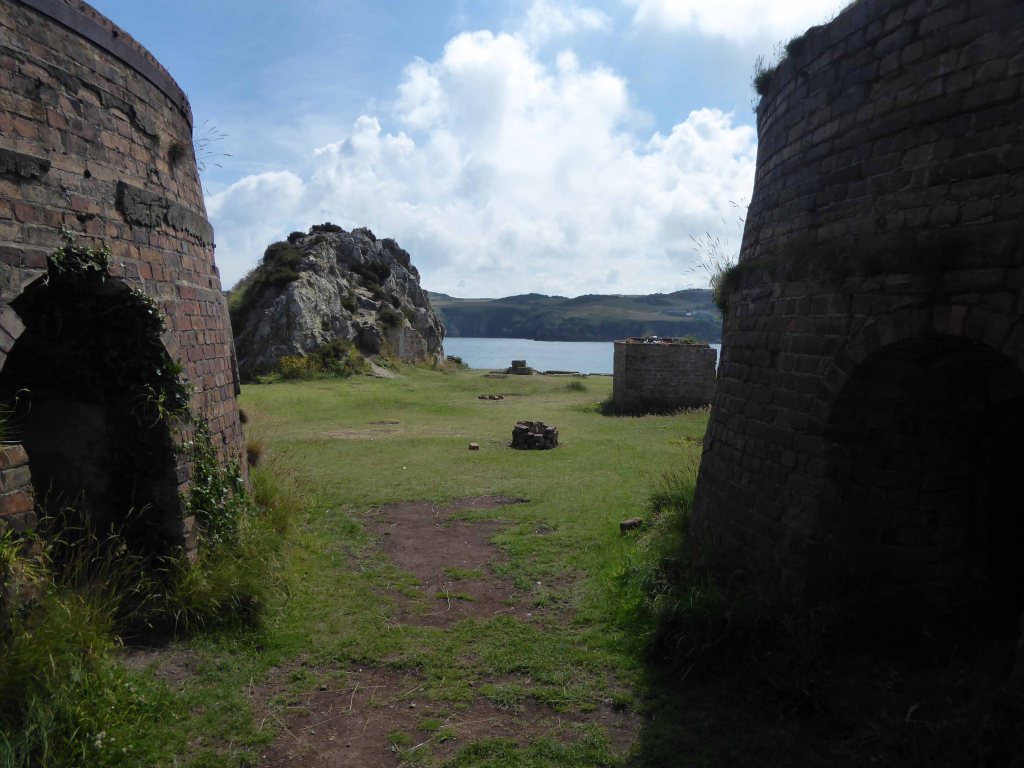
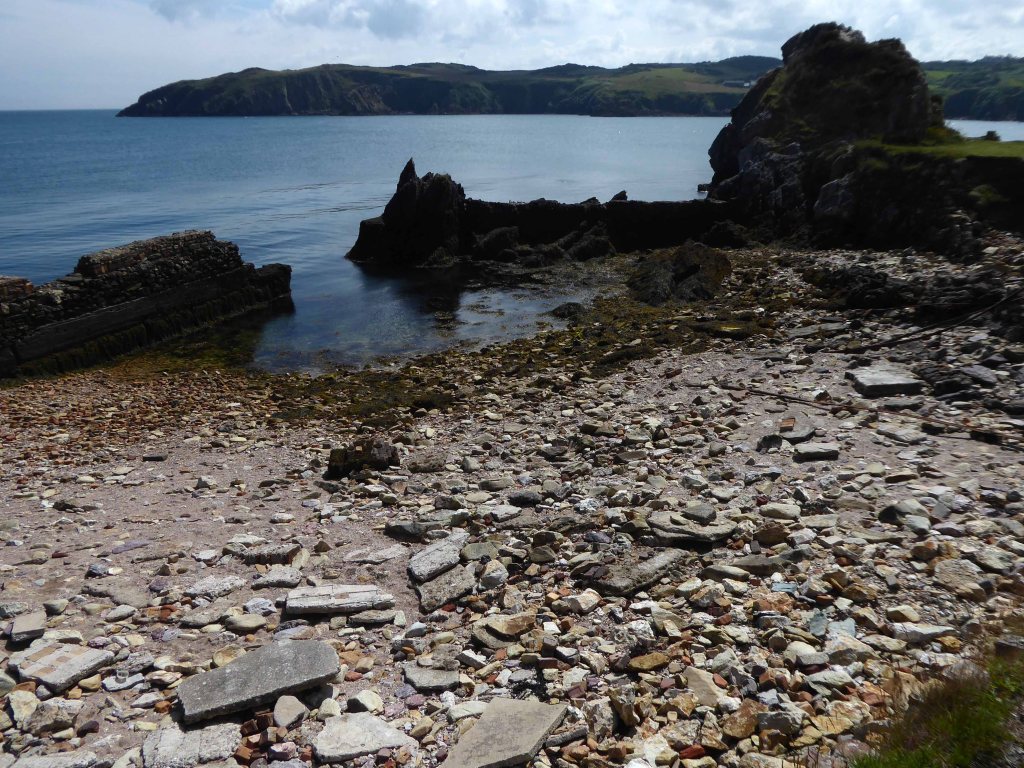
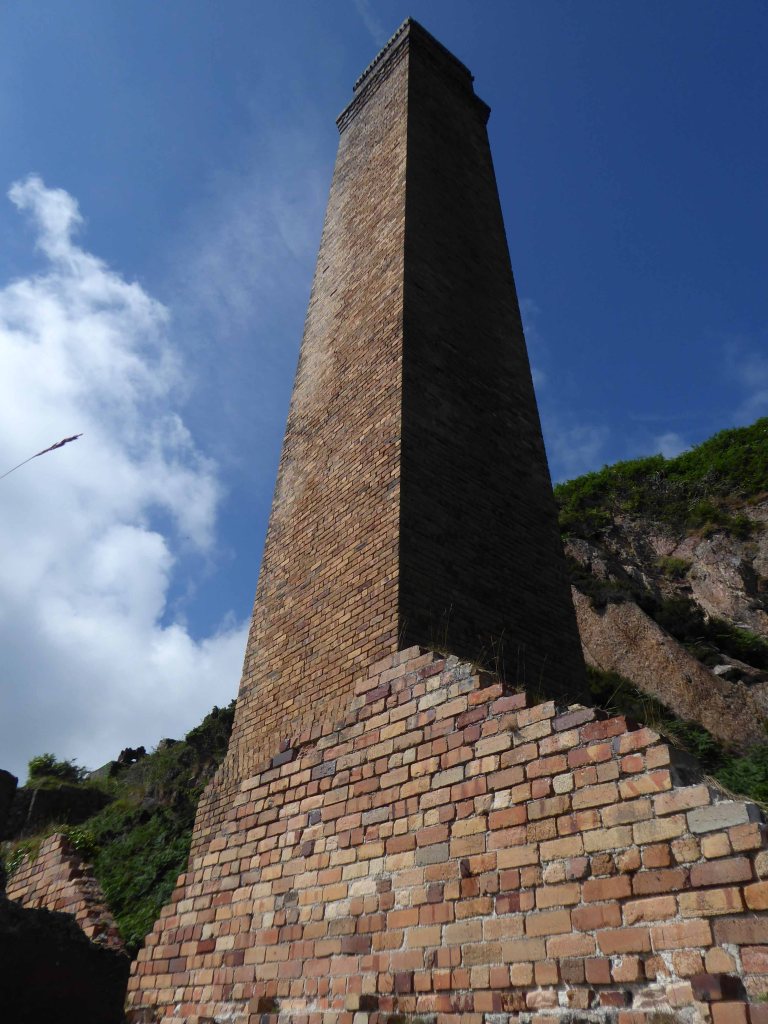
Located twixt Bull Bay and Cemaes Bay, accessed whilst walking the Anglesey Coastal Path.

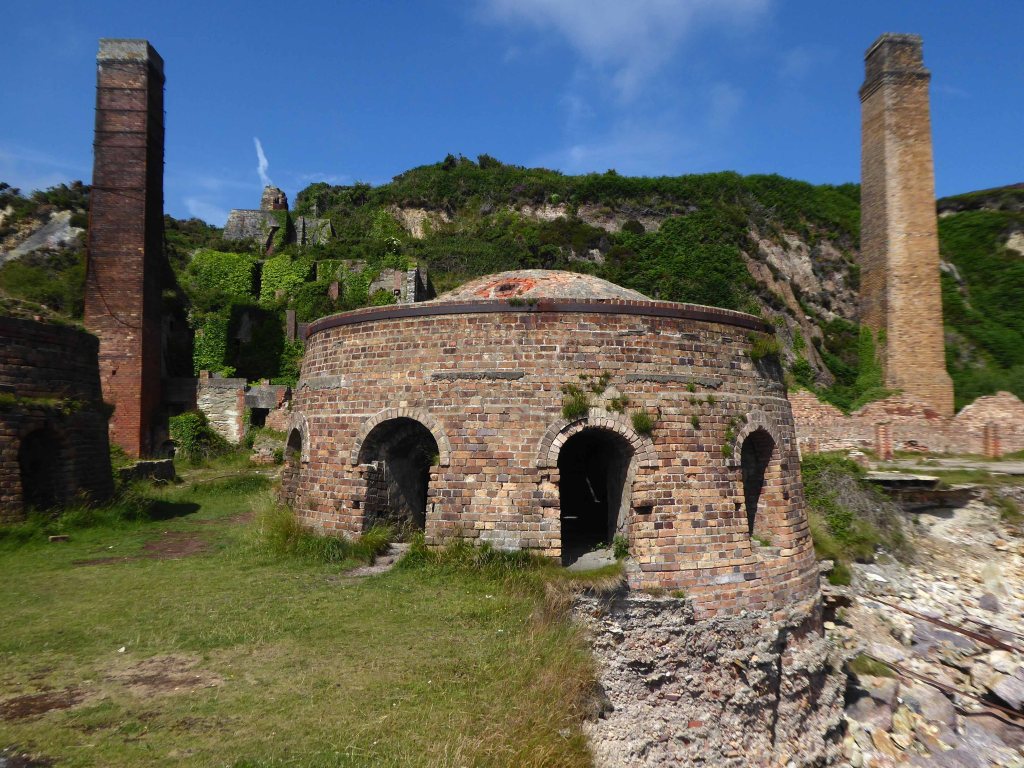
The area is rich in Quartzite, central to the production of Silica Bricks, which are resistant to high temperatures, much in demand at the height of the Industrial Revolution for lining steel furnaces.

The ore on the headland was first mined around 1850, with the ore being hewn out the living rock by hand.

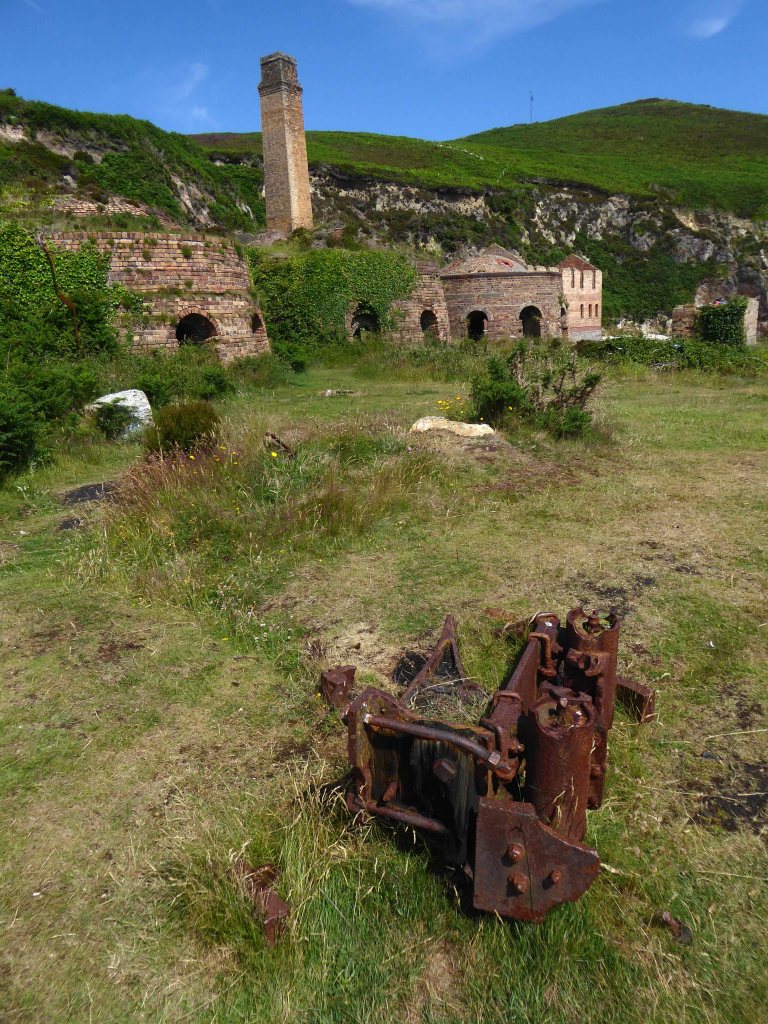
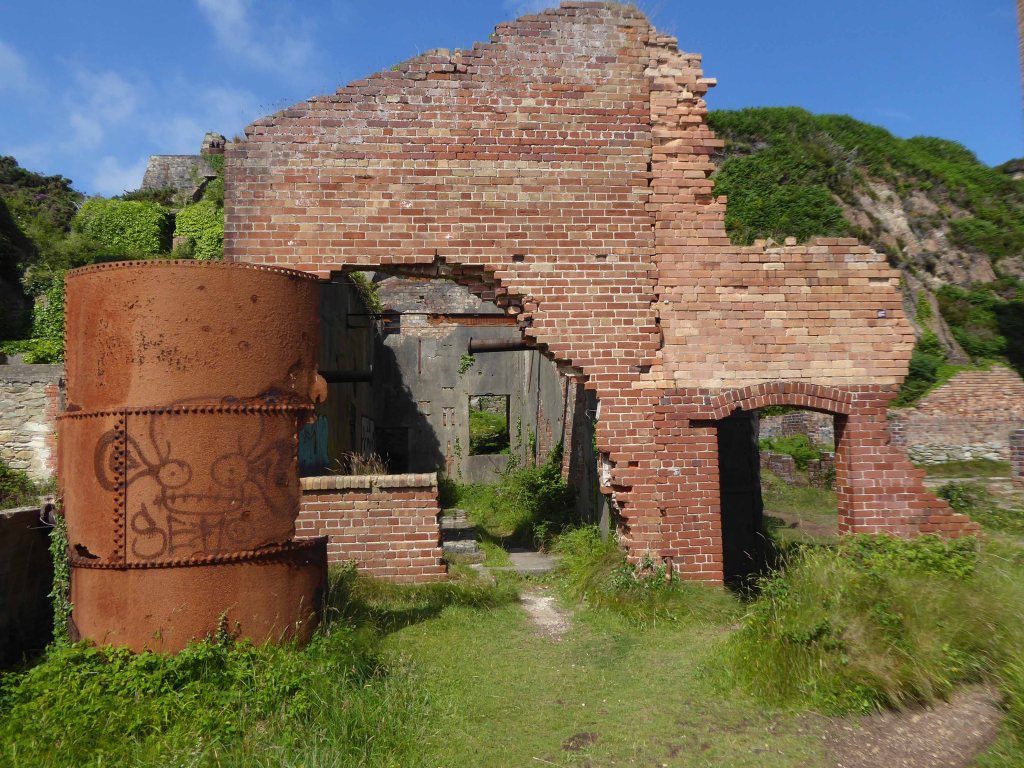
A little railway brought the ore to the cliff above the brick works, then lowered by gravity to the works below, where the rocks would be pummelled and rendered to a size that could be further processed.

Mining by manual endeavour lasted from around 1850 to 1914, the hazardous harbour and alleged poor quality products hastening the enterprises’s demise.

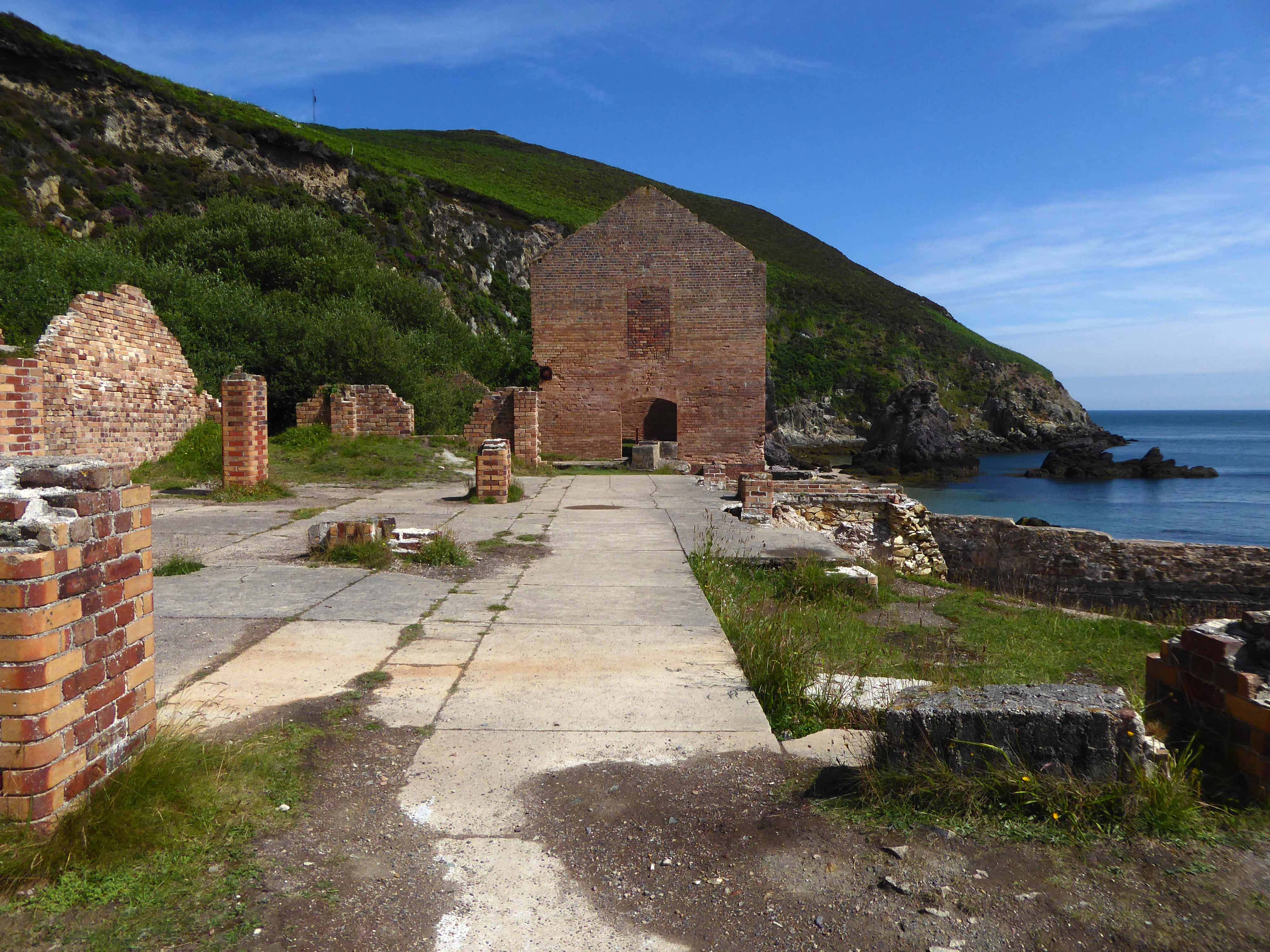
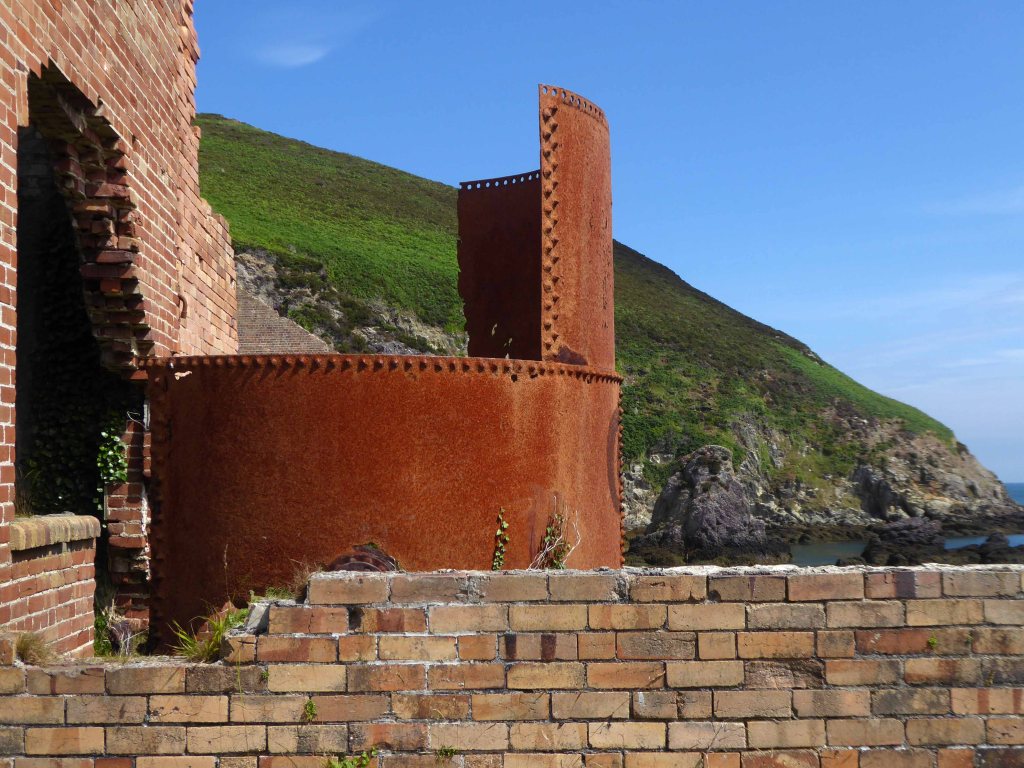
Porth Wen brickworks was designated as a scheduled monument by Cadw in 1986 and classified as a post-medieval industrial brickworks.

Further information.

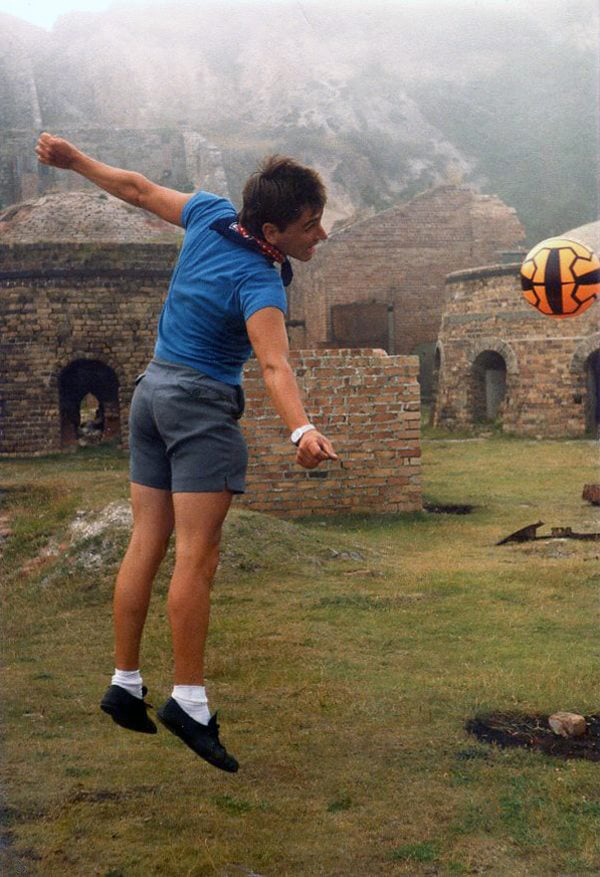
I first visited Porth Wen in the late Seventies, cycling to the nearest lane and walking across open fields.

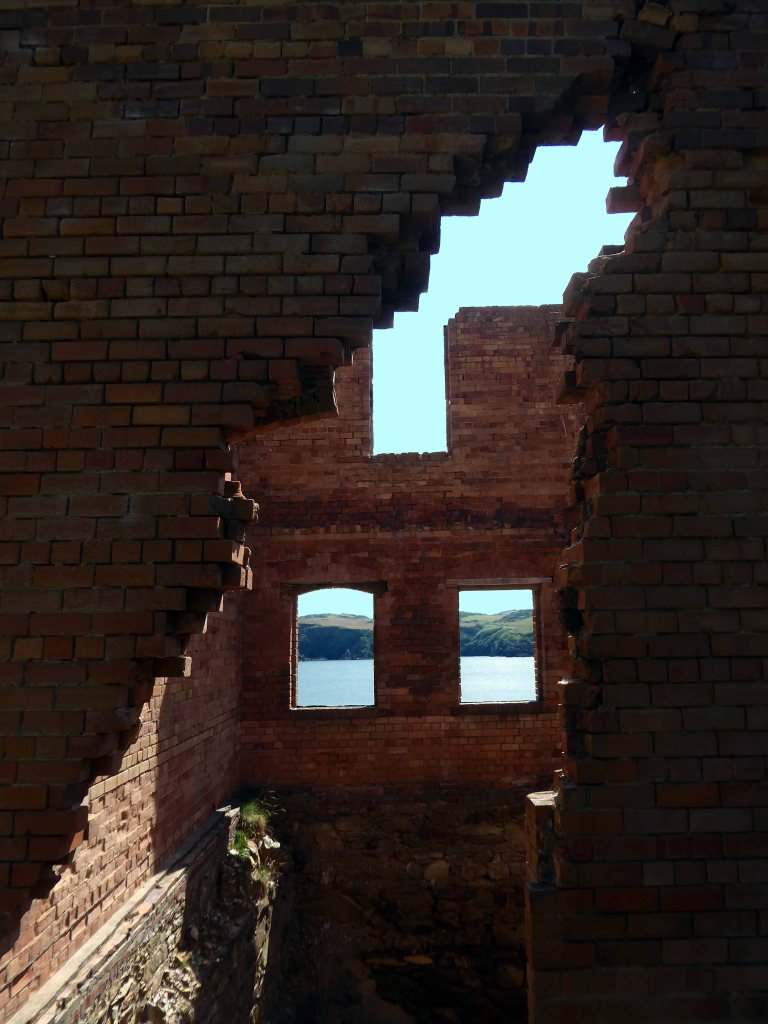
It remains as incongruous today, set amongst coastal agriculture and the shiny sea.

Take care it’s a slippery slope – and the owners forbid access to their private property.

Buxton Raceway – High Edge

About 340 million years ago, the area which is now the Peak District was covered by a warm, clear, shallow sea. The sea was full of microscopic shell-creatures, and on the sea bed there were several coral reefs and beds of shellfish. Over a long period, millions of years, these creatures lived and died in this area, gradually laying down a thick bed of calcium deposits from their shells up to a depth of 600m in places. This is now the rock which is known as Carboniferous Limestone and this rock lies under the whole of the Peak District. 

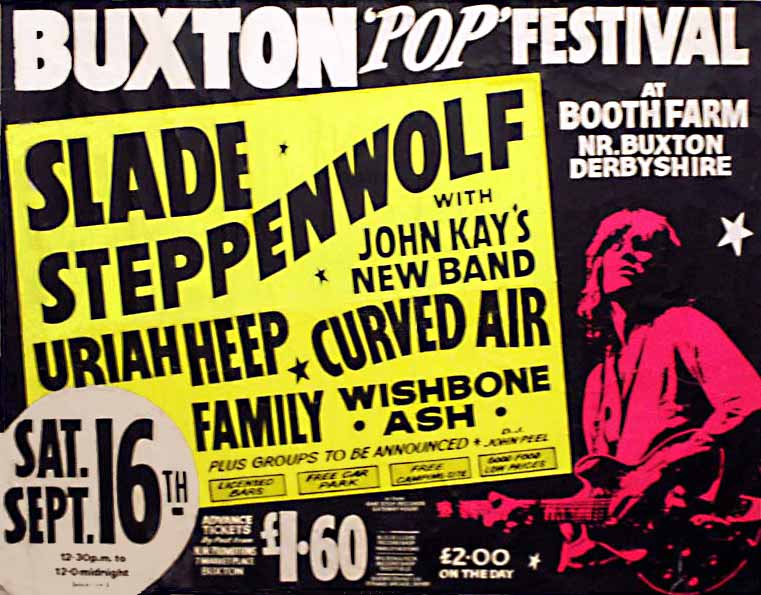
Then suddenly in 1972 the Buxton Rock Festival relocated from the nearby Pavilion Gardens to an area high atop the moors, on High Edge.

buxton-72-poster-2

Don’t recall rain but it was very cold at night. The beer tent was selling Party Seven cans of beer, with seven pints in them. The queues for them were so long you had to make an important decision one can or two? Unfortunately I chose the latter, while one wasn’t enough, two was too much for a sixteen year old. Part way through the second can, I got up to dance to Easy Livin’ by Uriah Heep and fell flat on my face – Tim Hardman

Then suddenly in 1974.

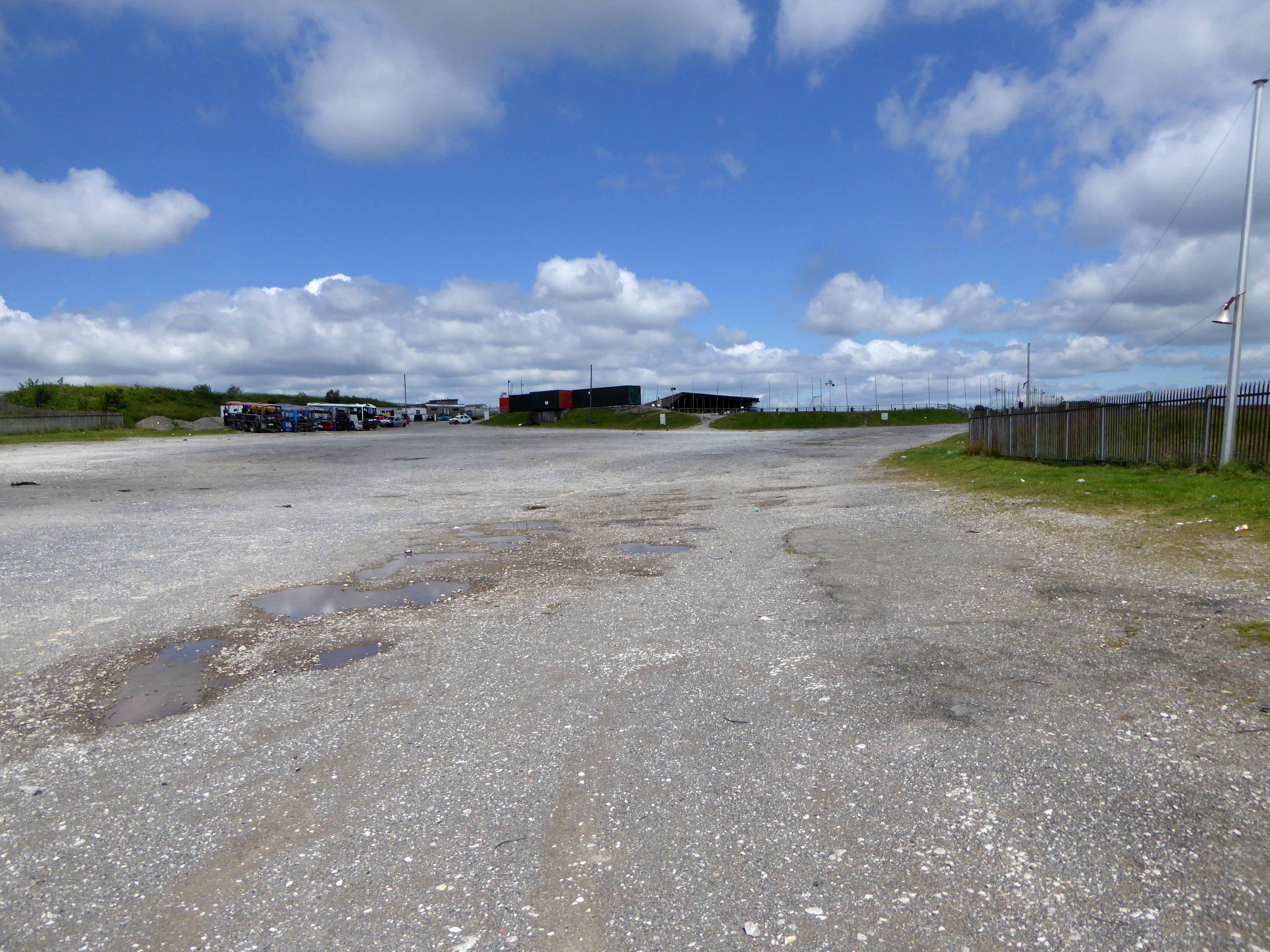
I raced at the first meeting at High Edge Raceway and competed in that first year when the track was just a bulldozed dirt oval with earth banks and tyres for protection. I remember going to the Quiet Woman pub in Earl Sterndale for the first drivers meeting to see if there would be enough support for racing to take place. The people who went included a group of disillusioned hot rodders seeking to get away from the Belle Vue promoter, others ranged from truckers and farmers to car-nuts who just wanted to race anything. The first meeting I well remember those earth banks because I spent most of my first race sat on one, I couldn’t get the car off the top where I had been shunted by another racer. I wasn’t a successful banger racer and I didn’t continue after that first year but I am glad that racing has kept going at the venue – Alan Inwood

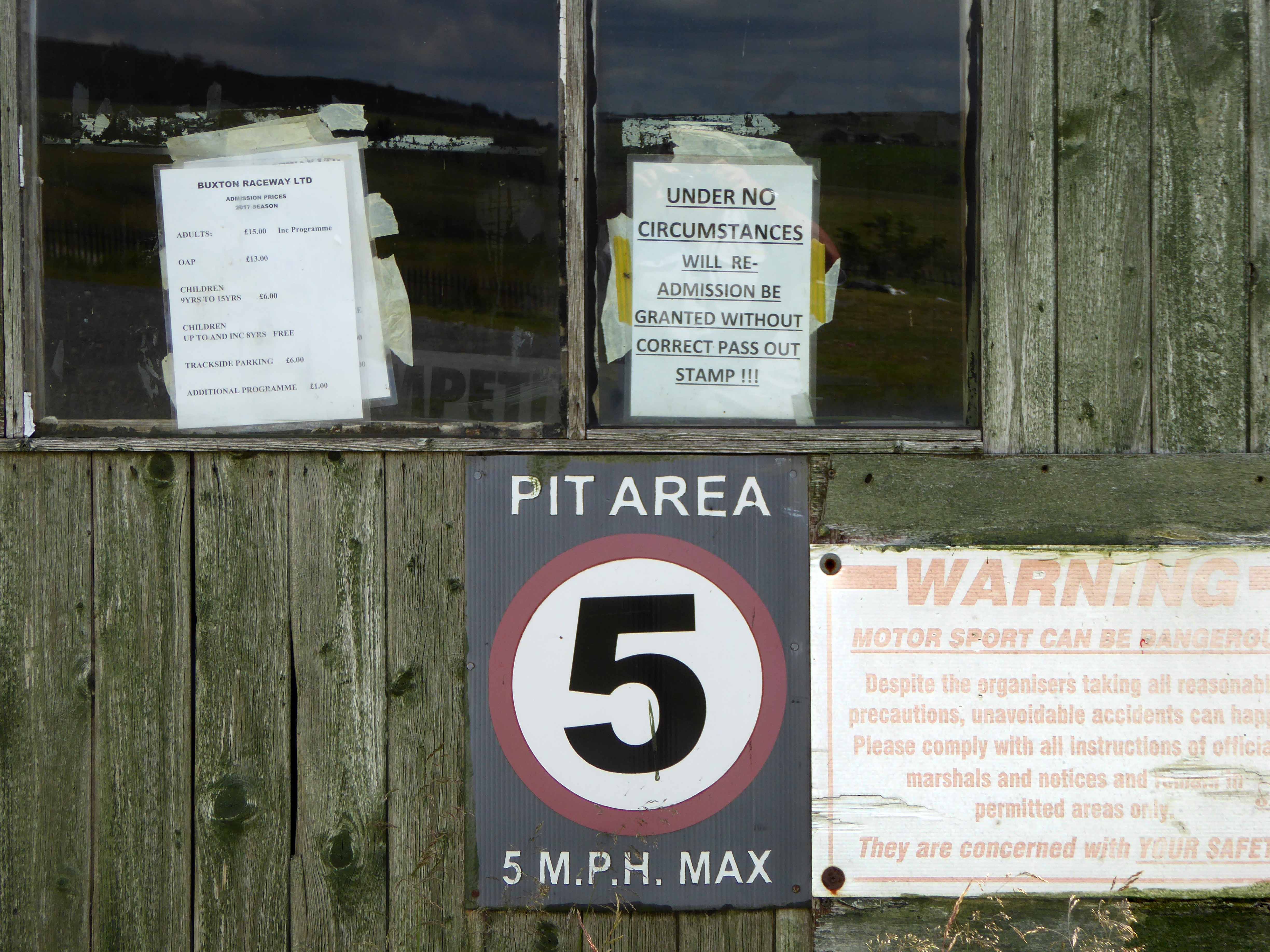
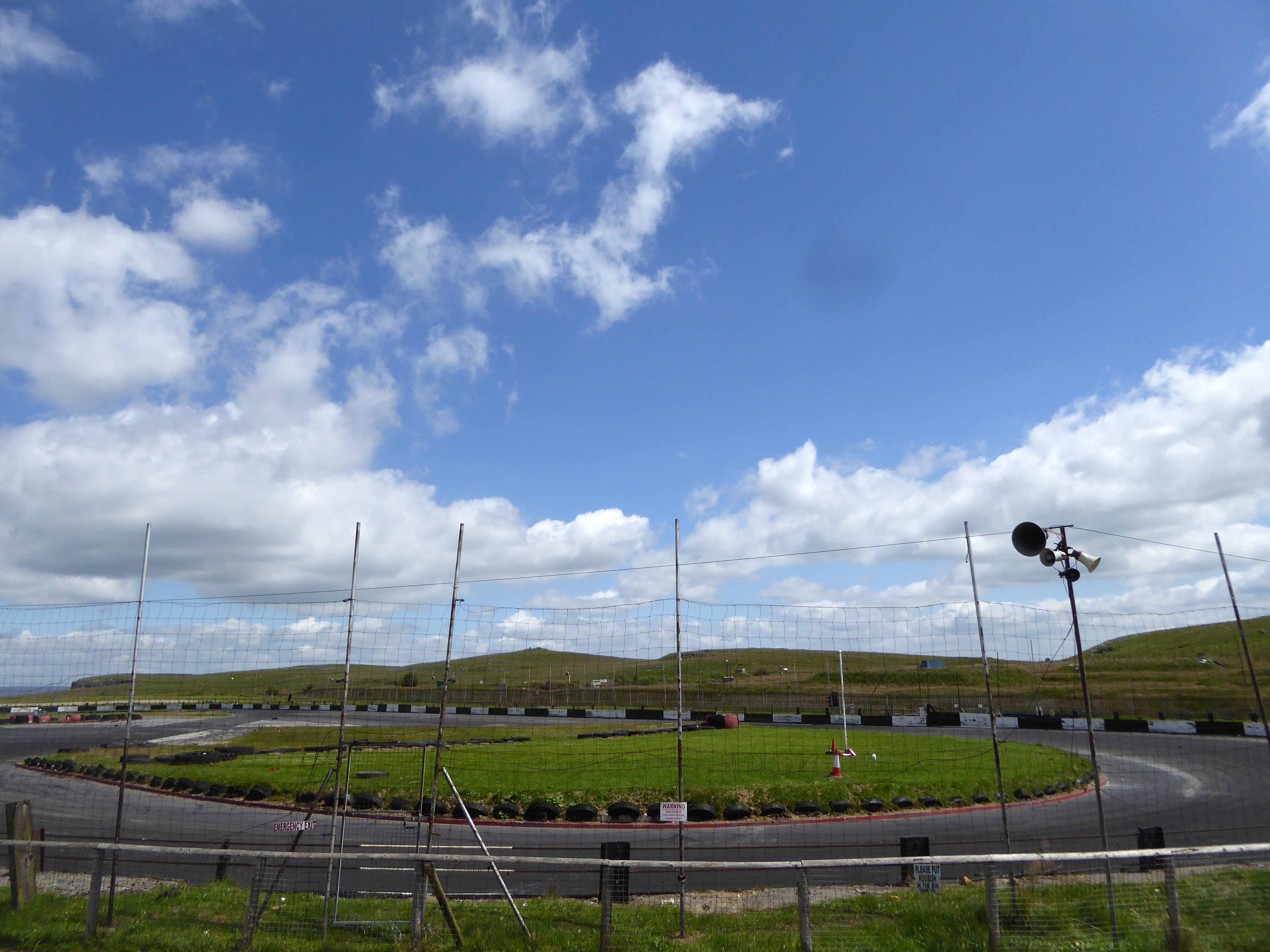
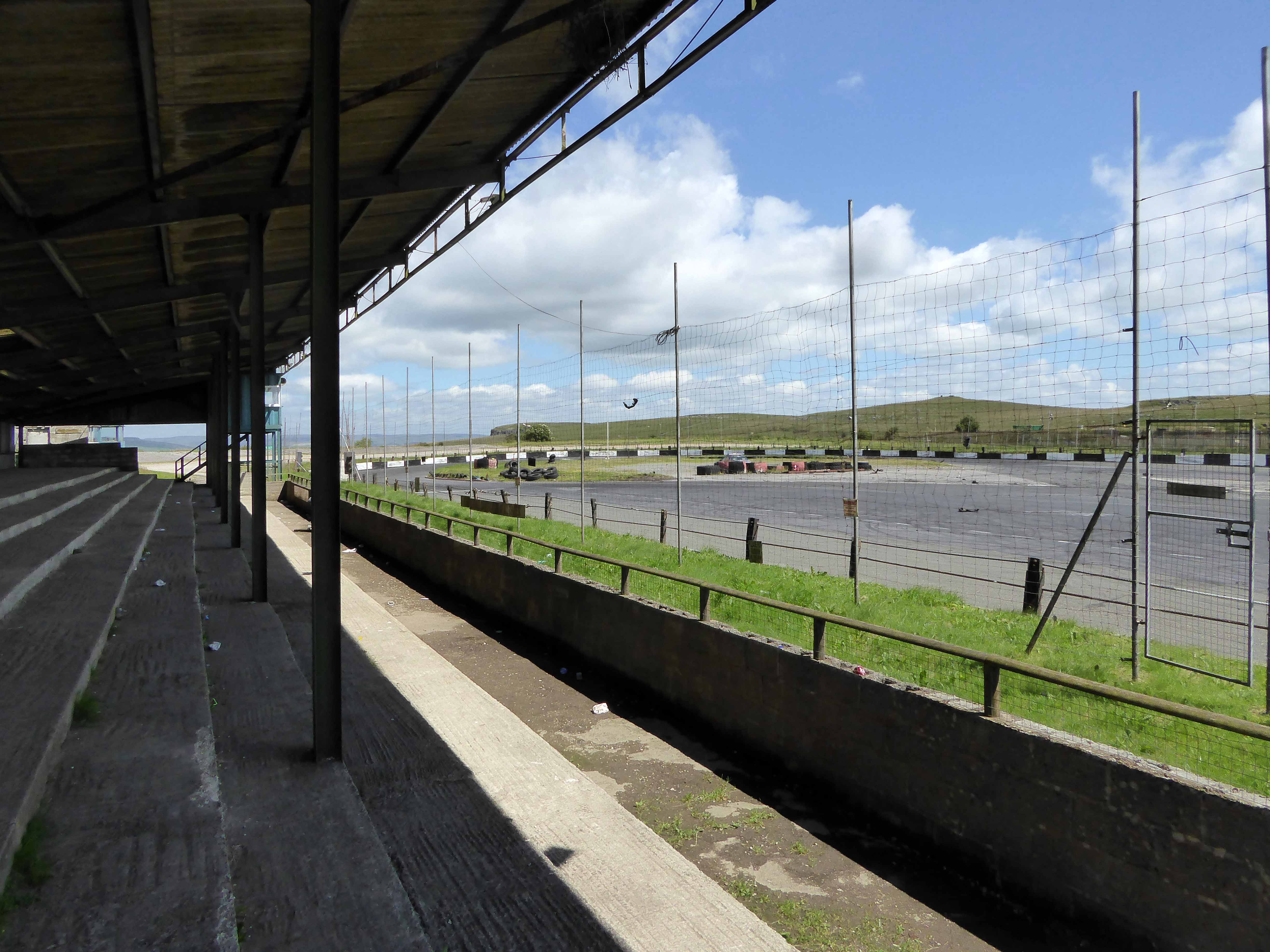
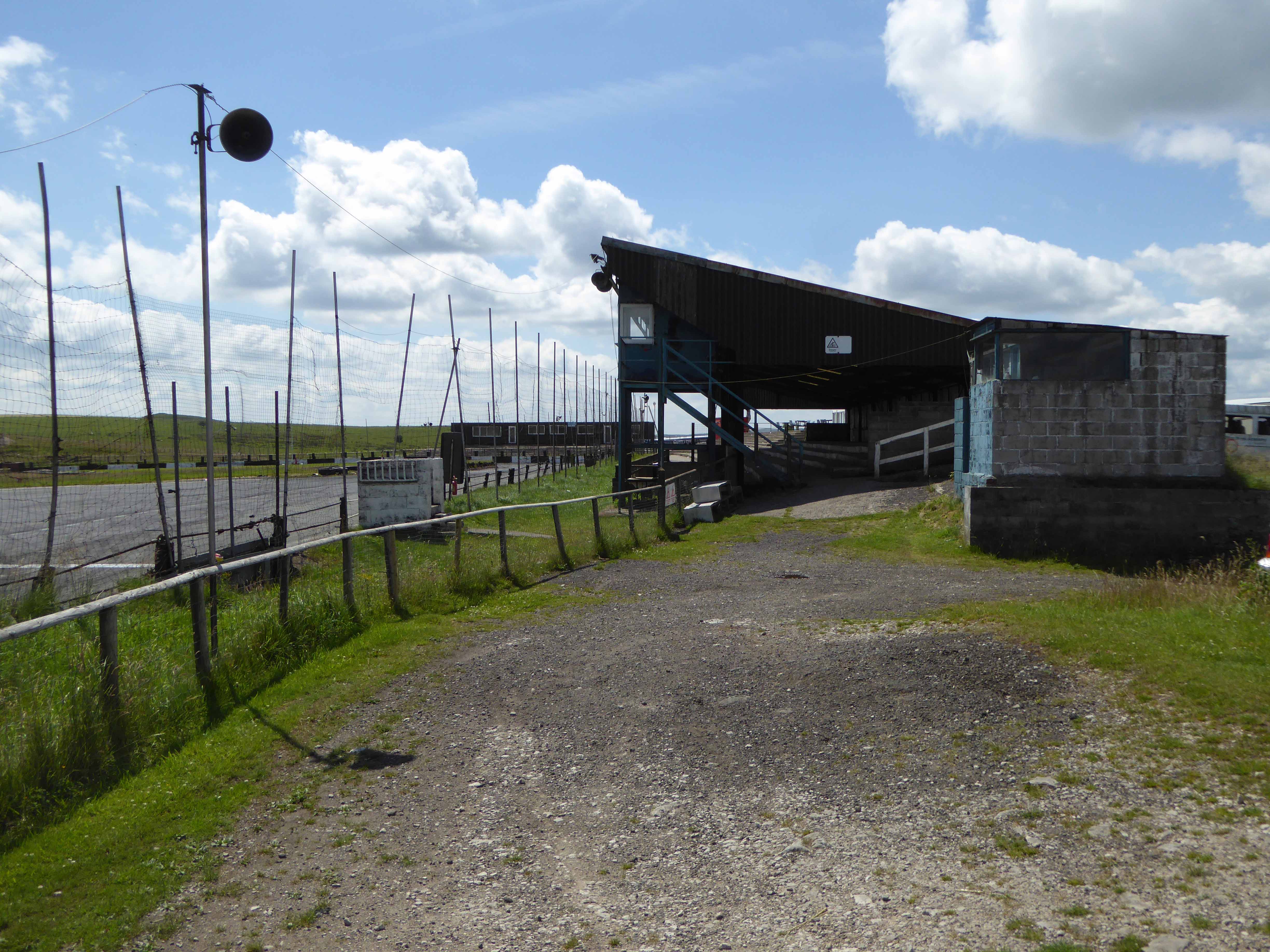
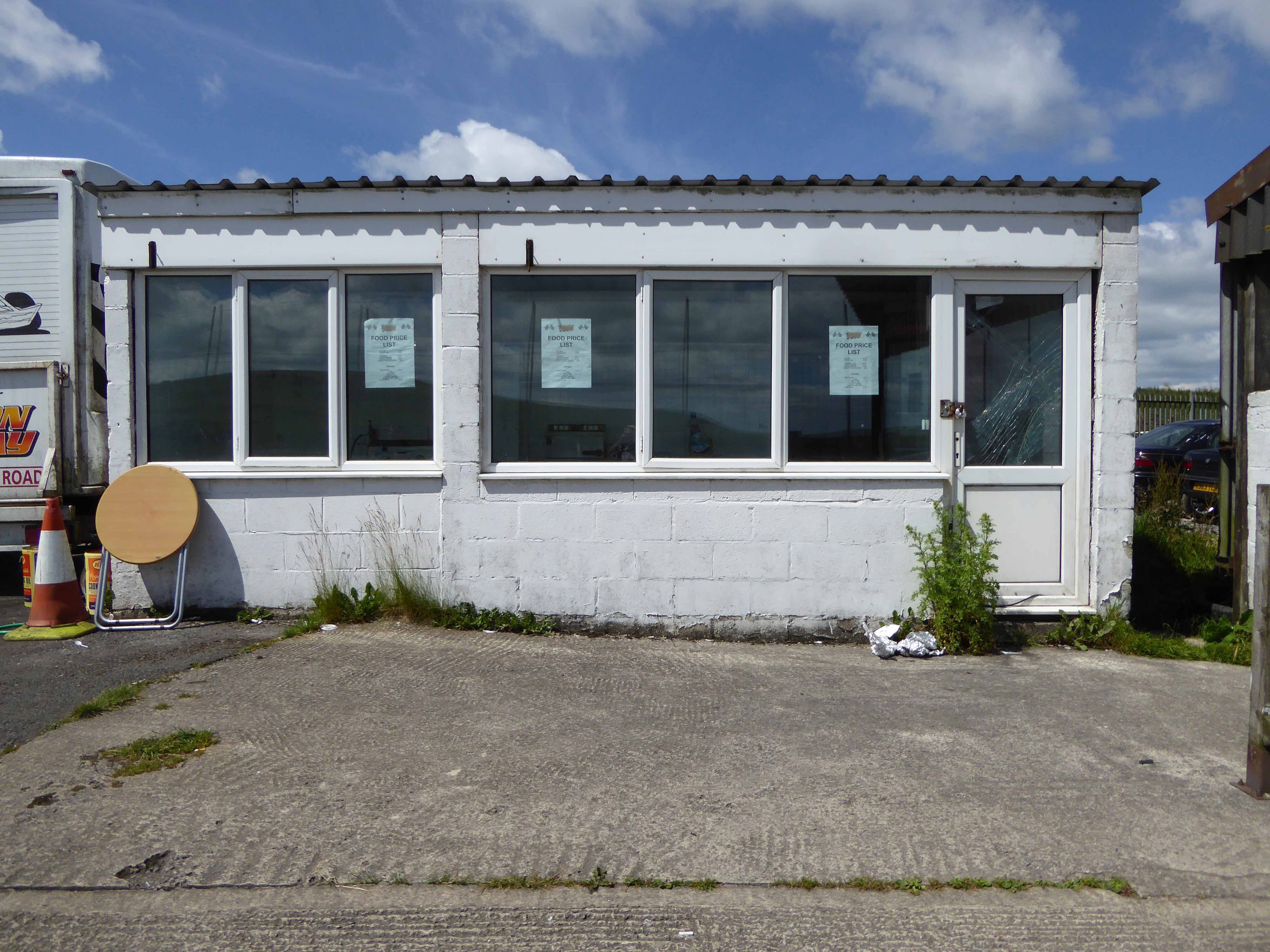
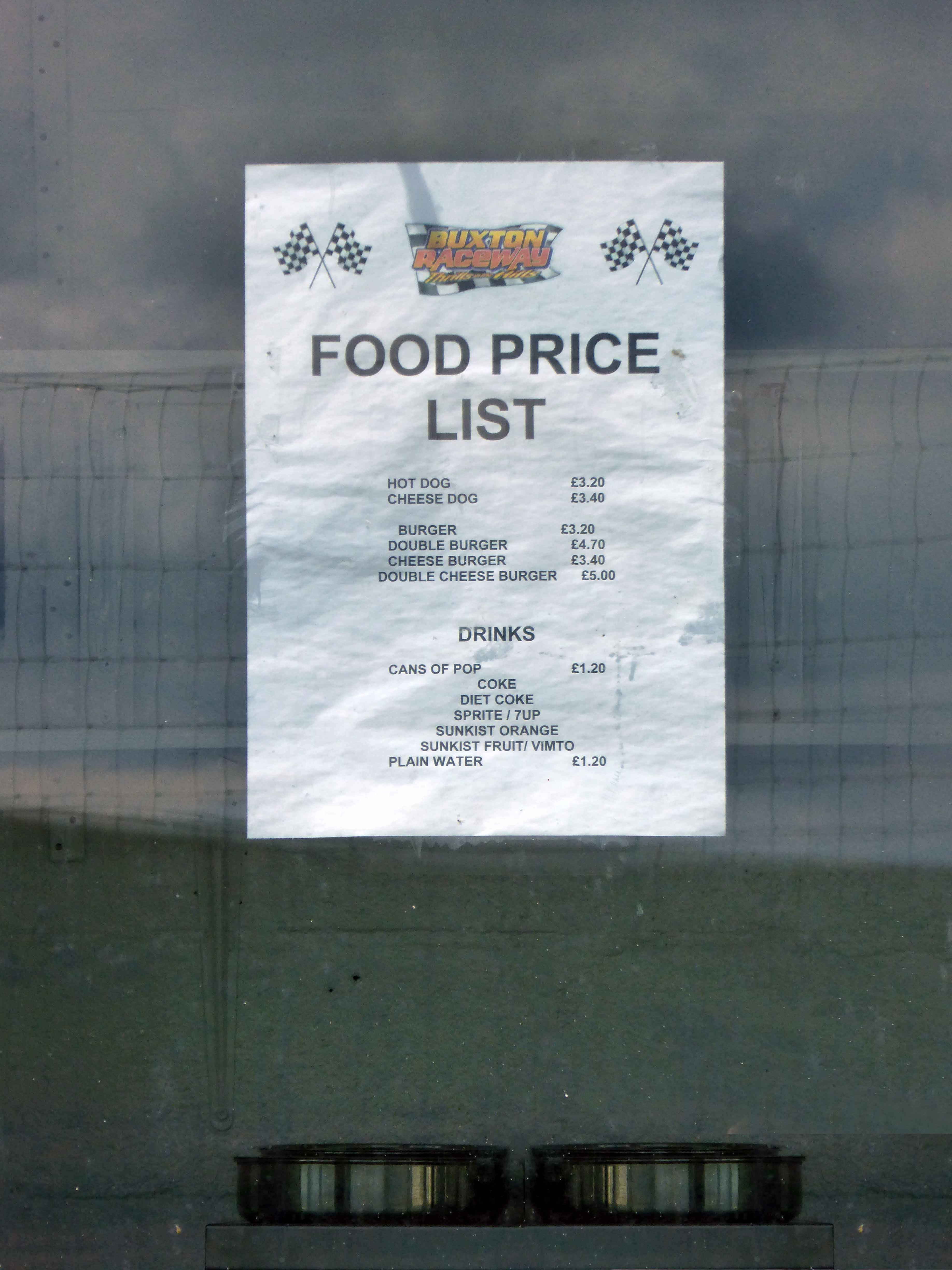
2017 and the track continues to grow and thrive currently trading as Buxton Raceway.
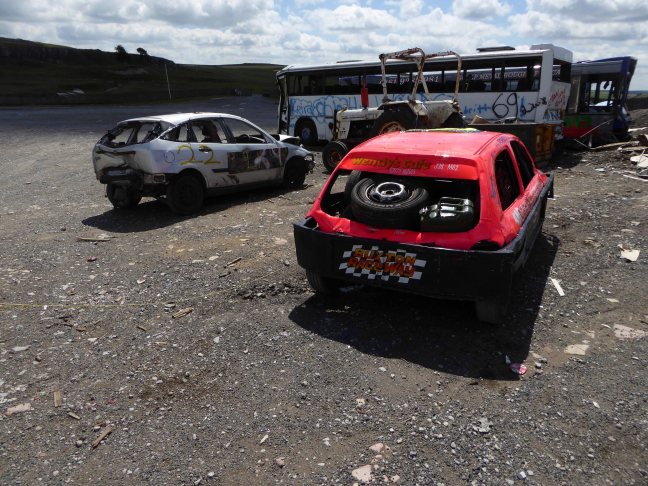
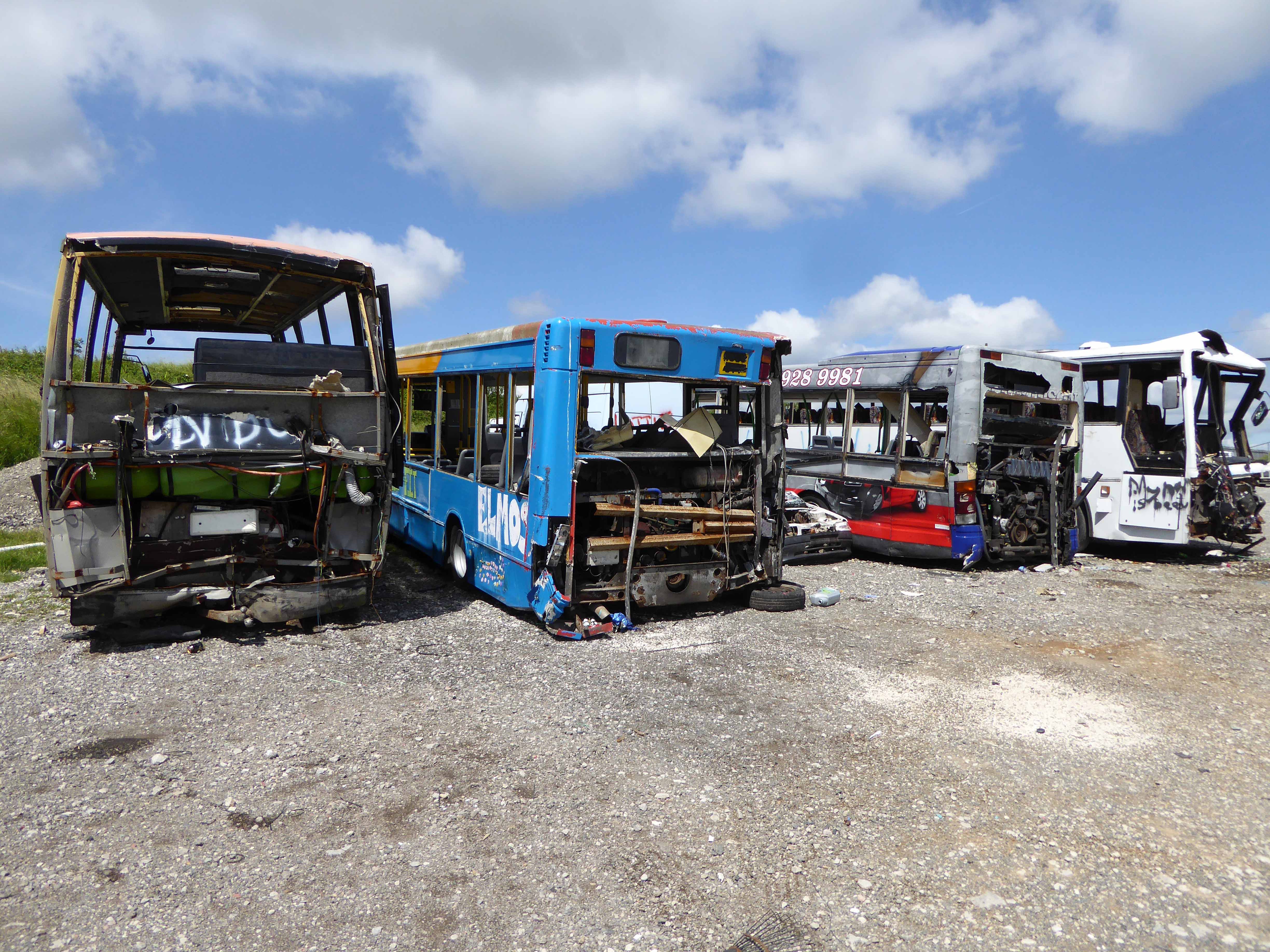
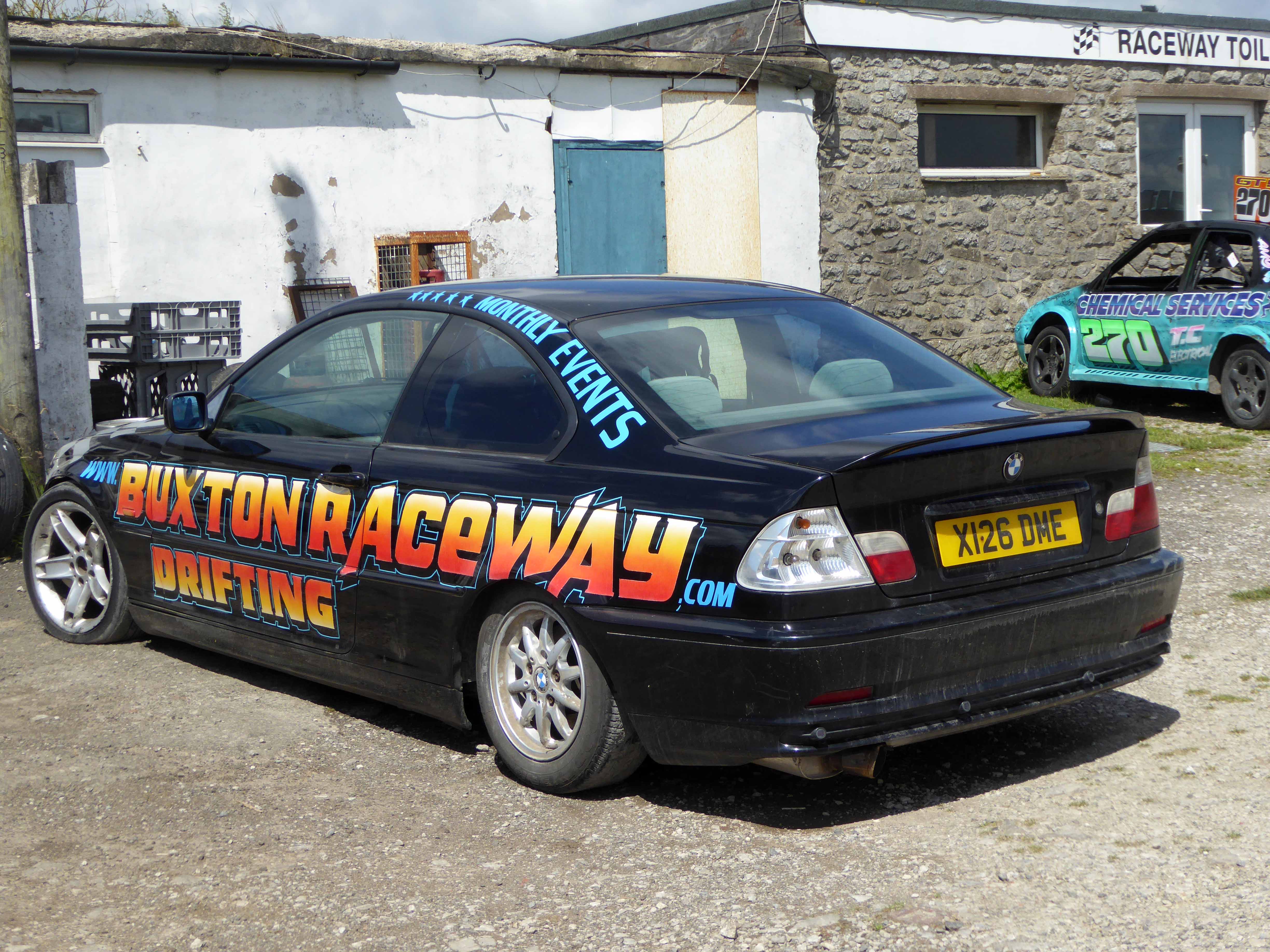
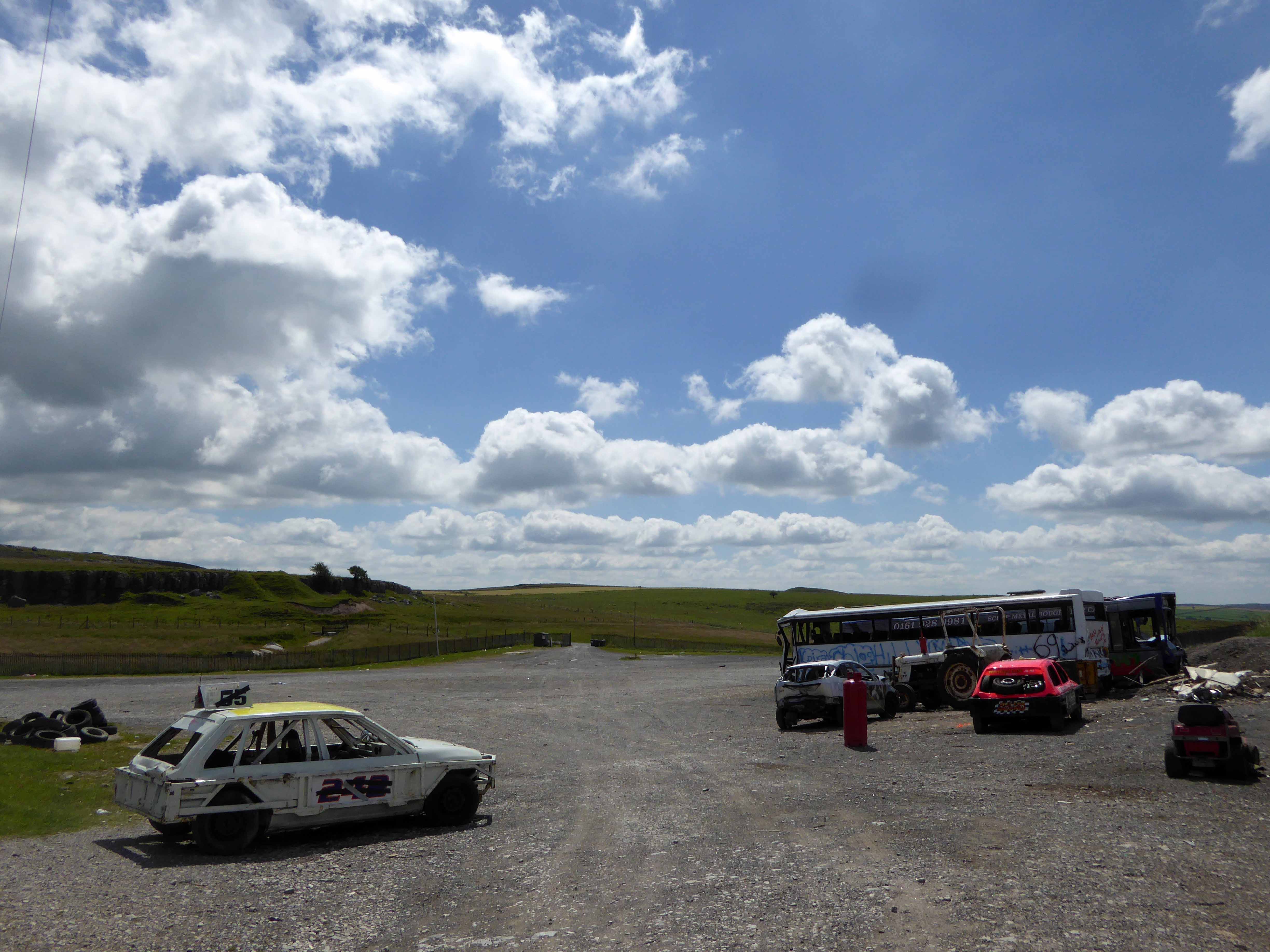
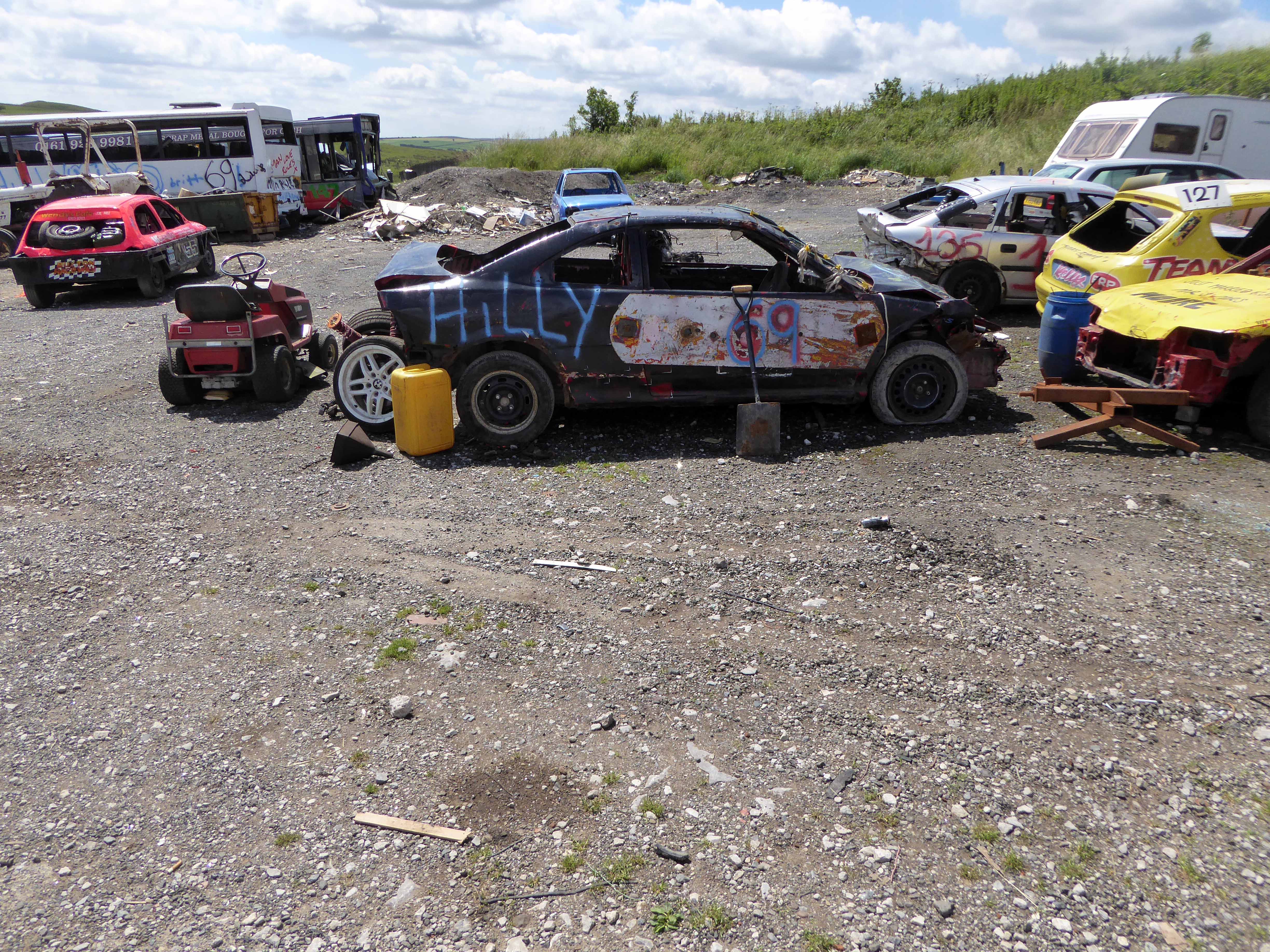
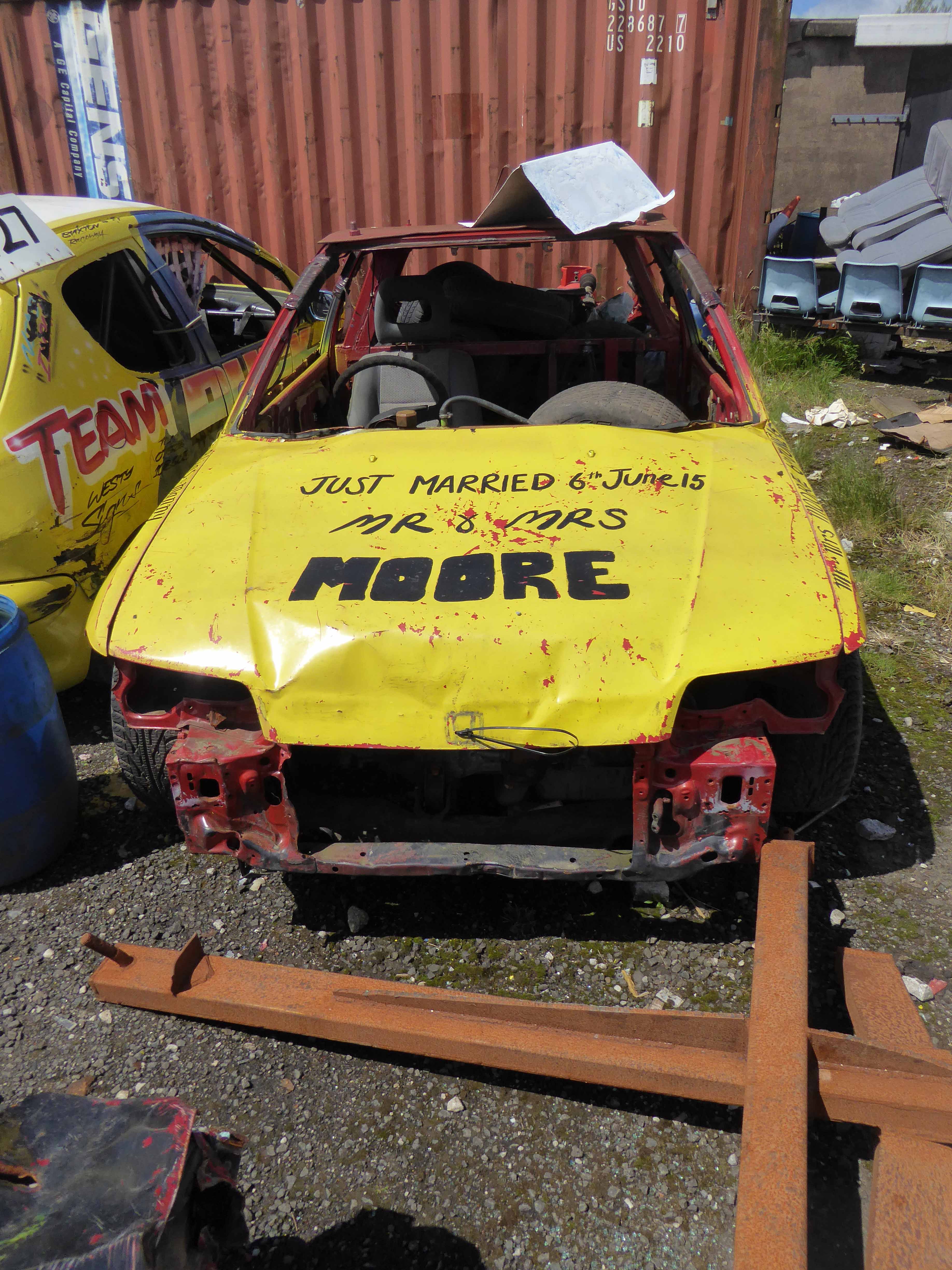
Offering a wide range of motor sports, racing anything with wheels and an engine, including bangers, buses and speedway bikes, being home to the Buxton Hitmen.
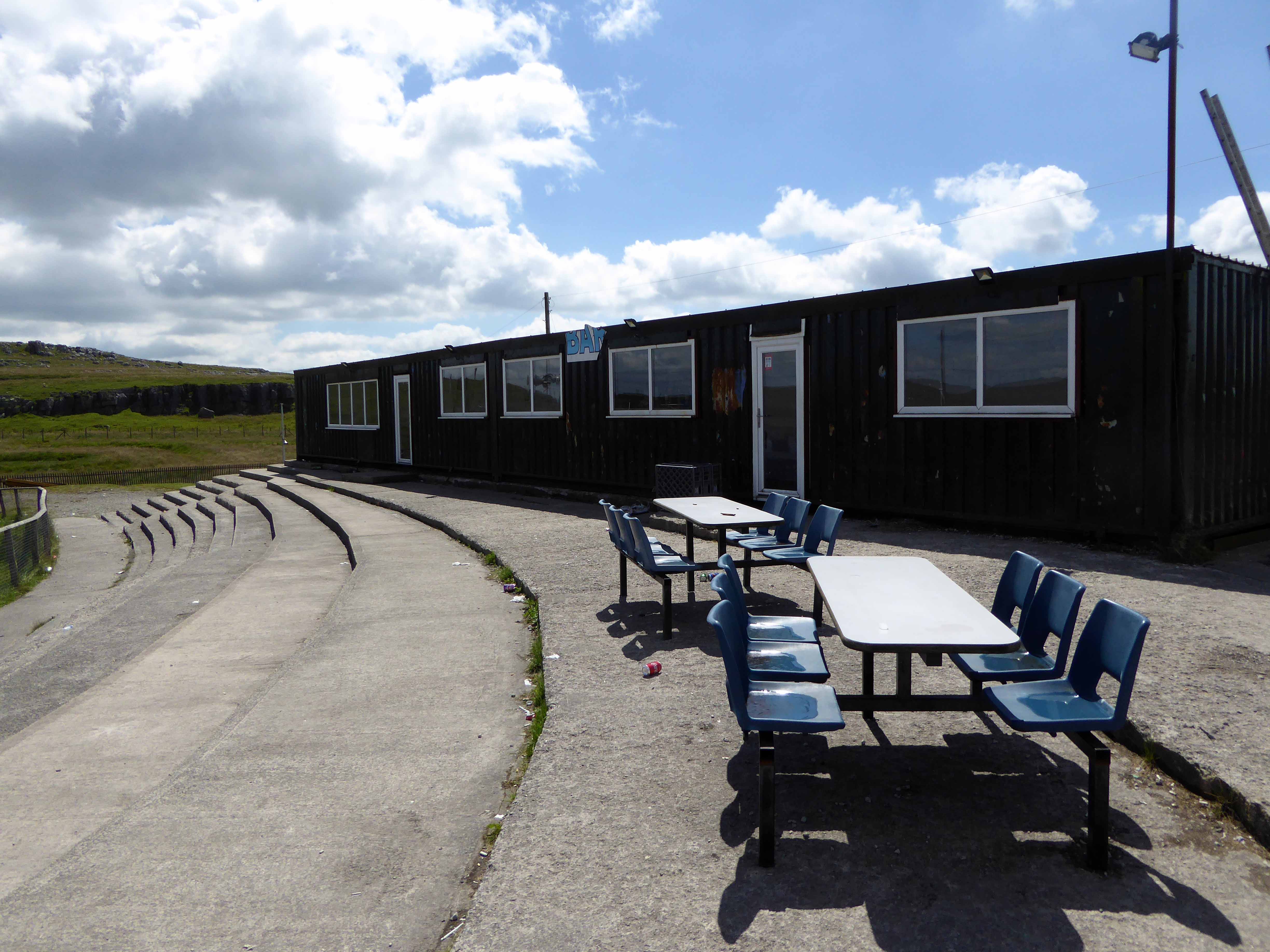
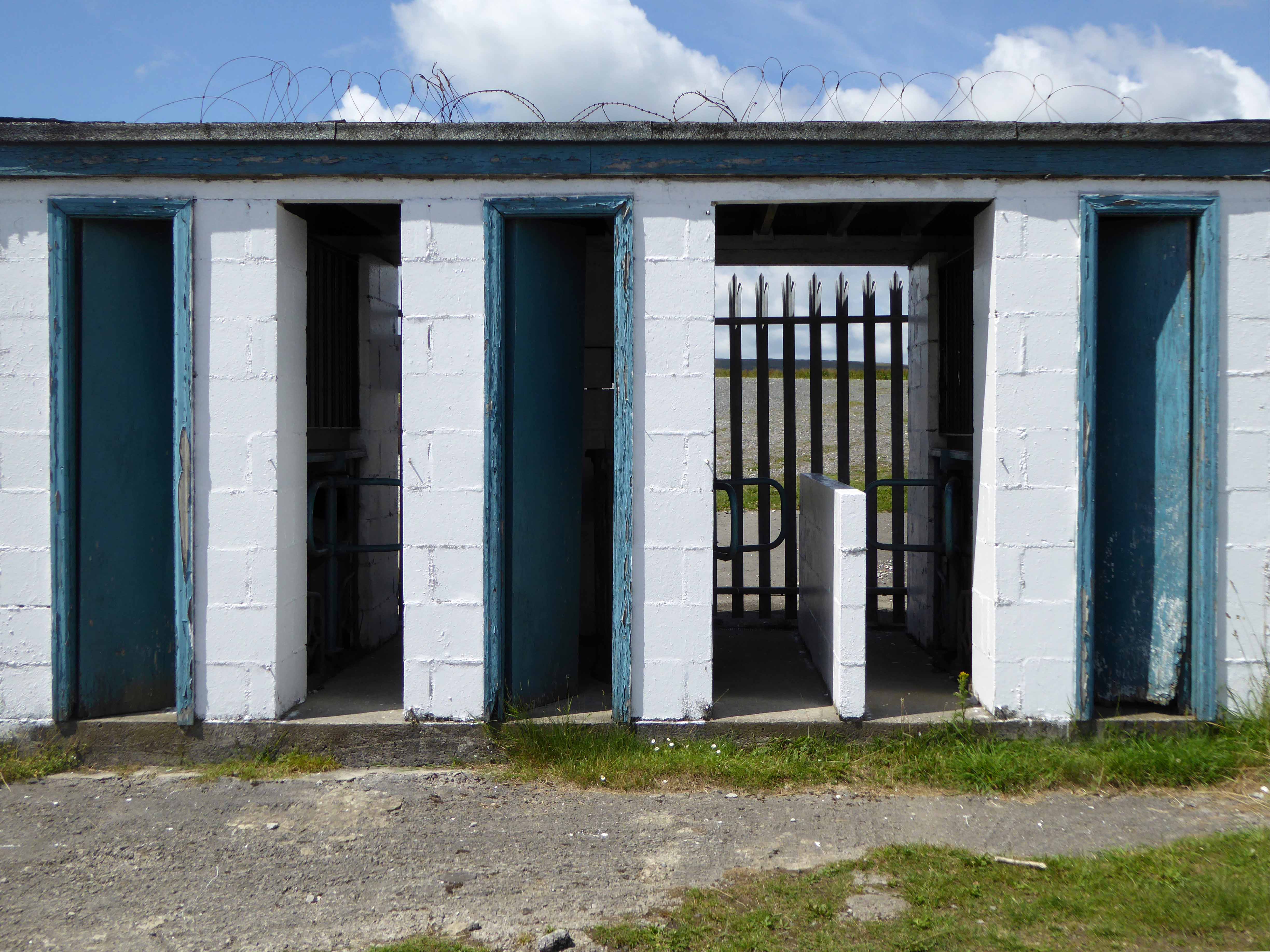
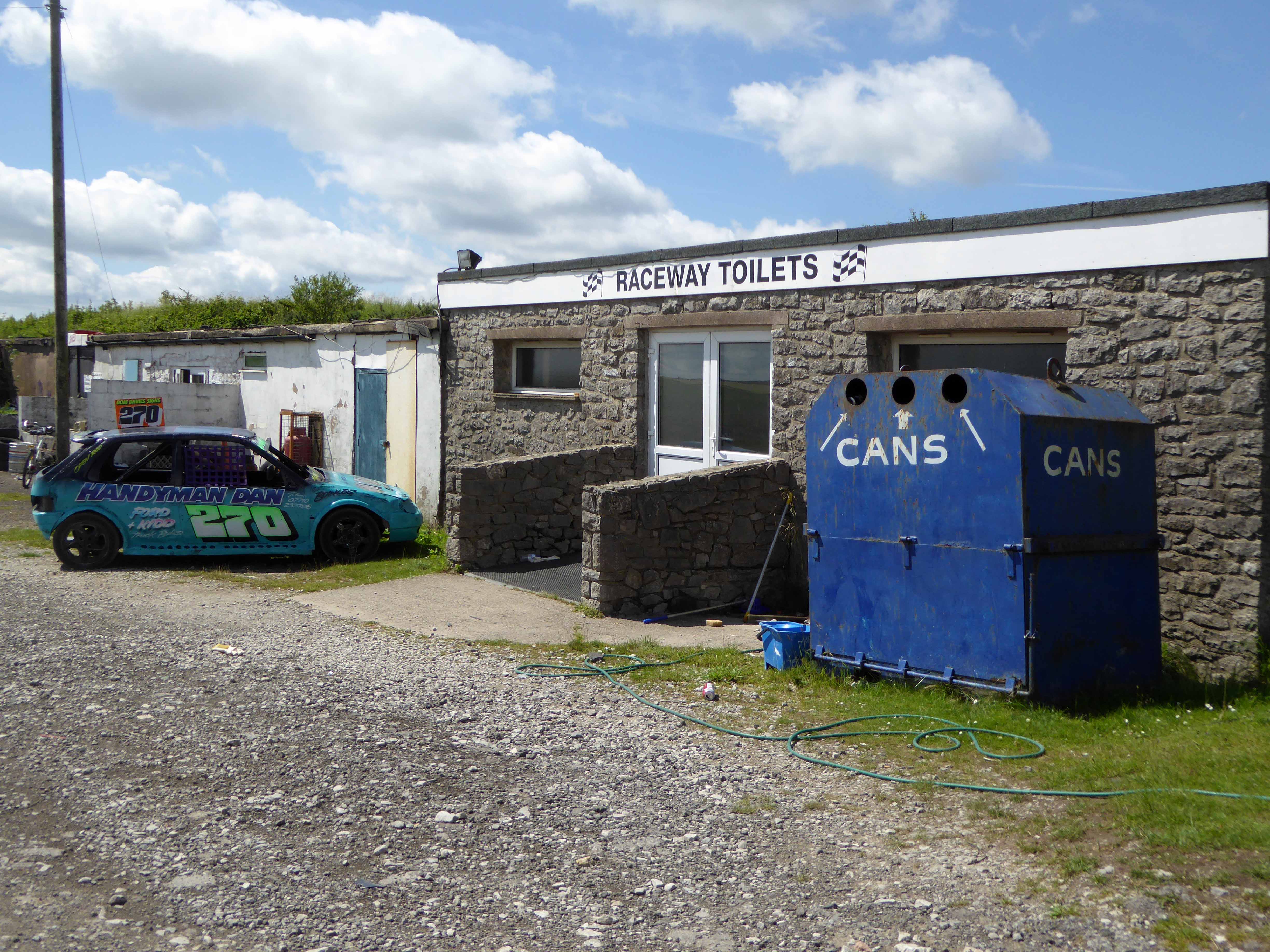
I often cycle or walk by and was privileged on this occasion to be given a guide tour by track worker, keen racer and self confessed car-nut Shane.
P1180181

Pop in if your passing, you won’t be disappointed.

P1180177

P1180178

P1180180

P1180183

P1180185

P1180186

P1180188

P1180189

P1180191

P1180195

P1180196

P1180197

P1180199

P1180200

P1180202

P1180203

P1180204


P1180206