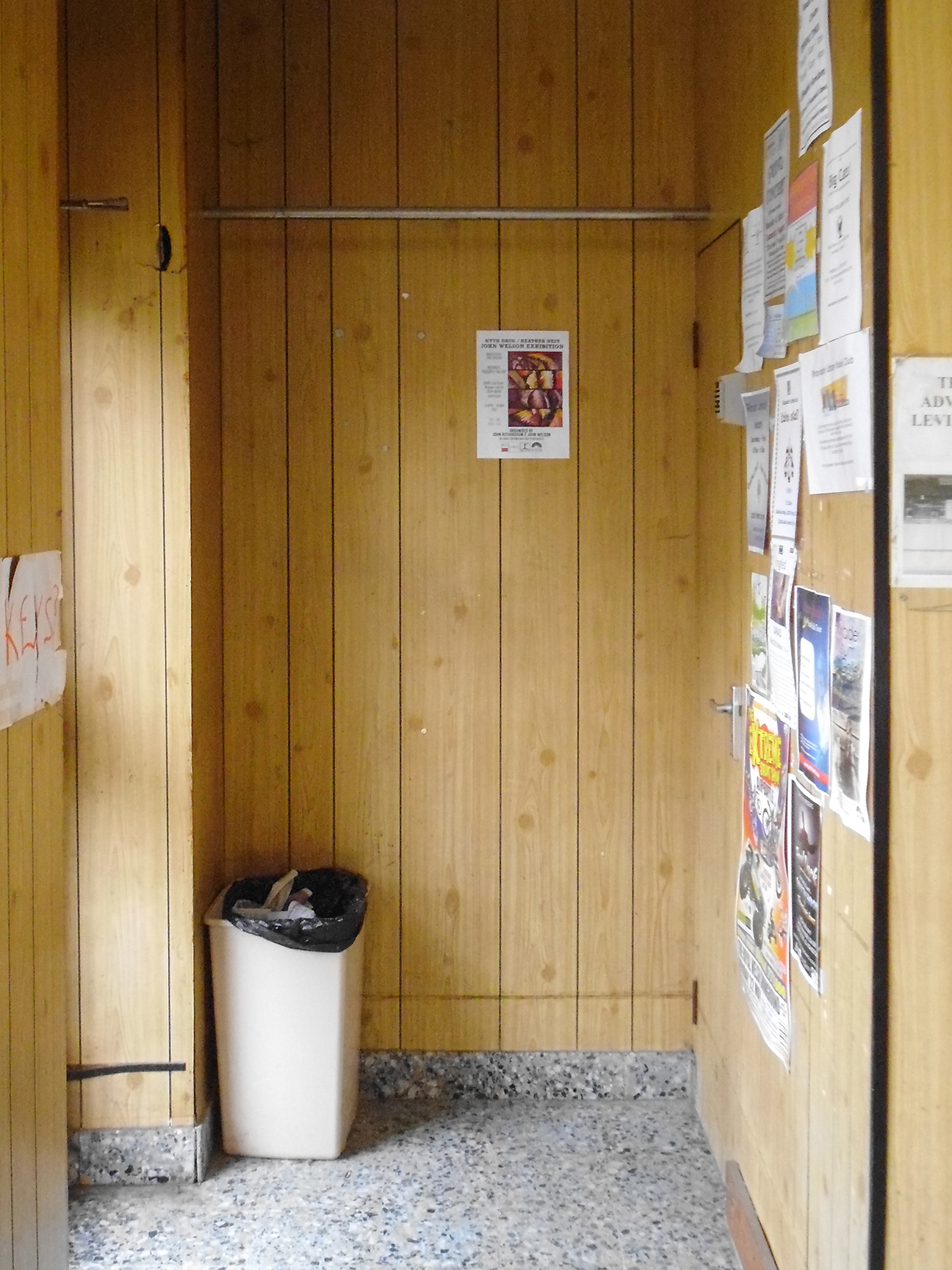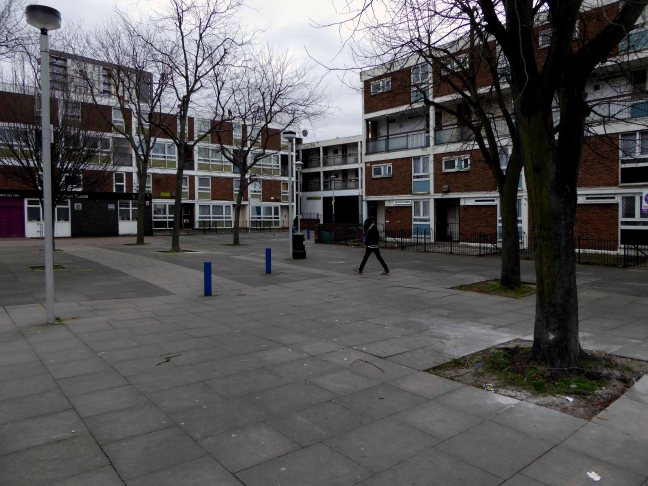
Lansbury Estate – London

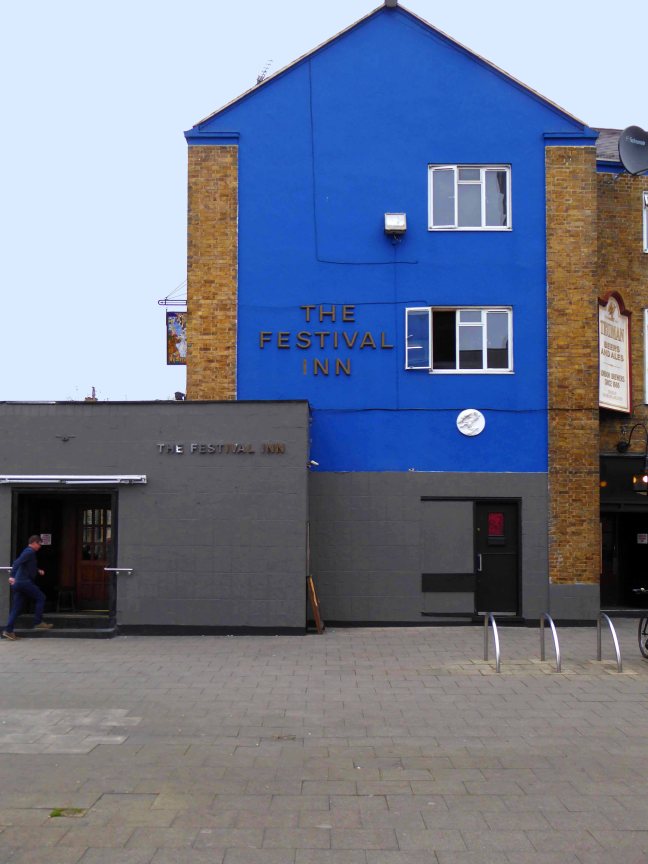
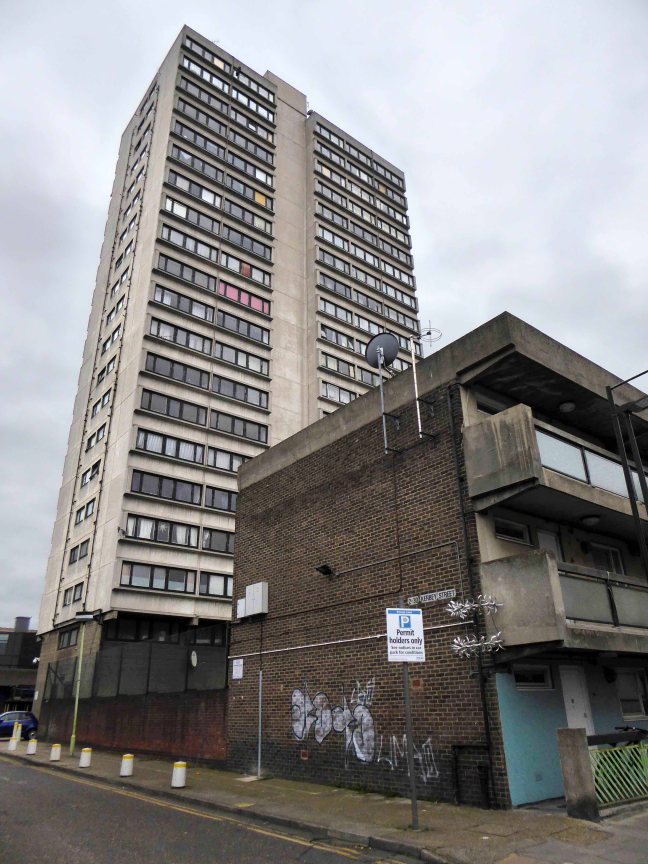
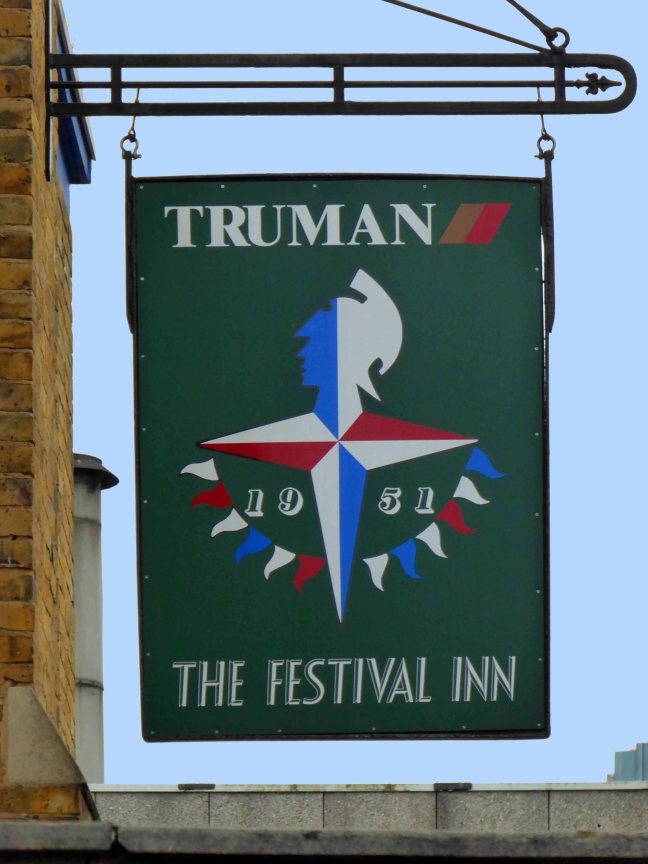
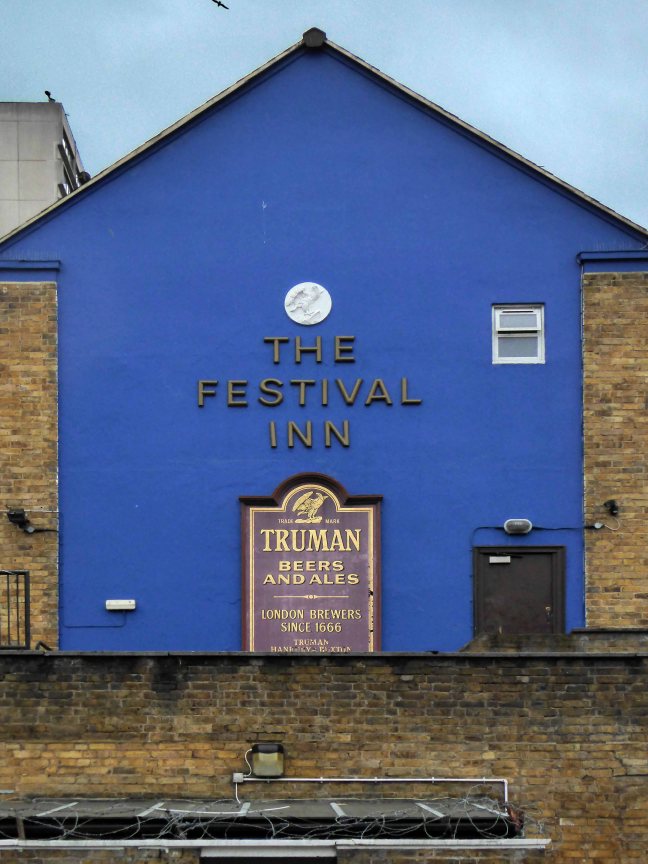
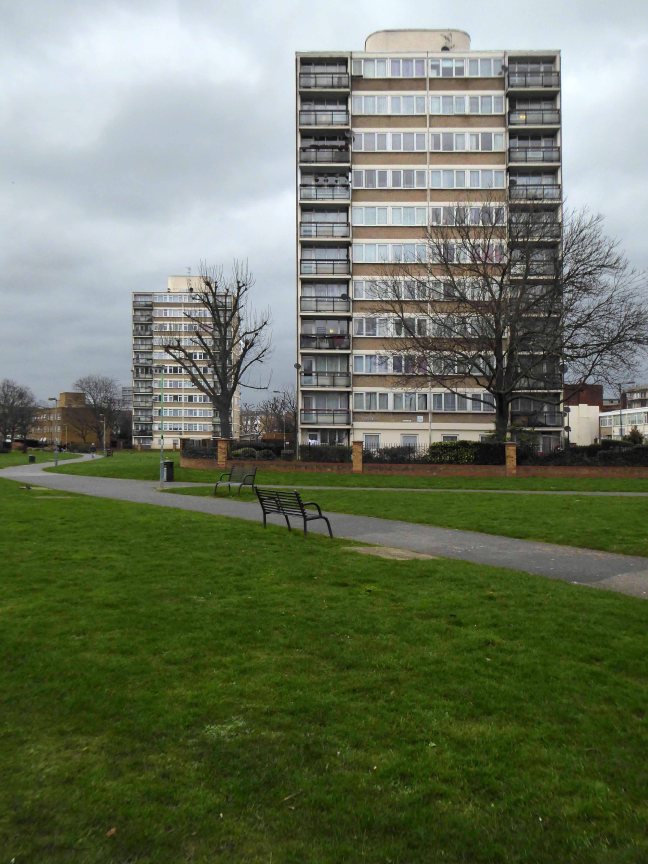
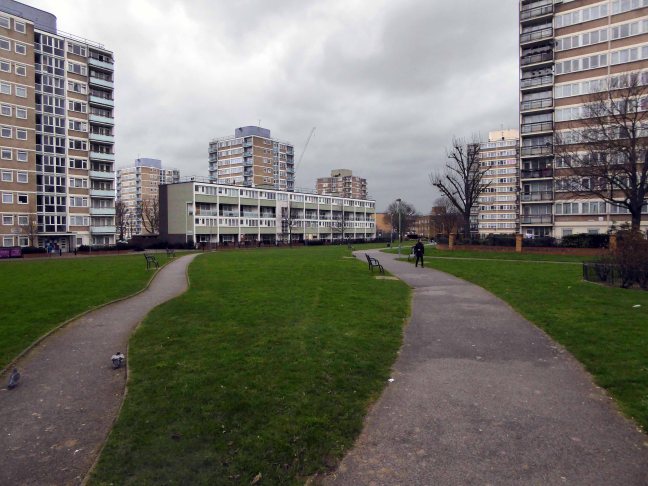
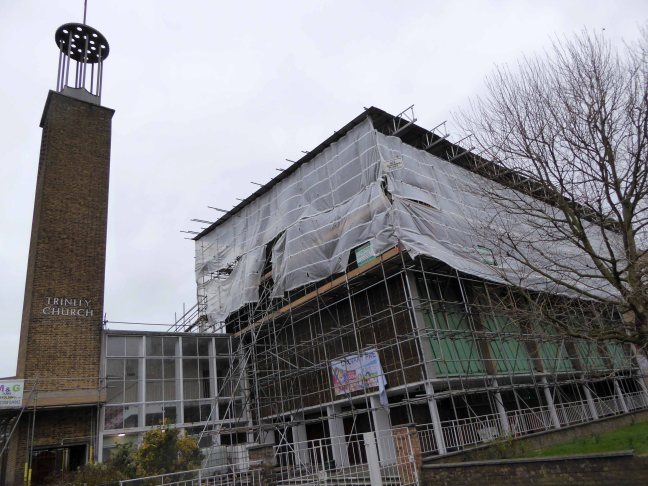
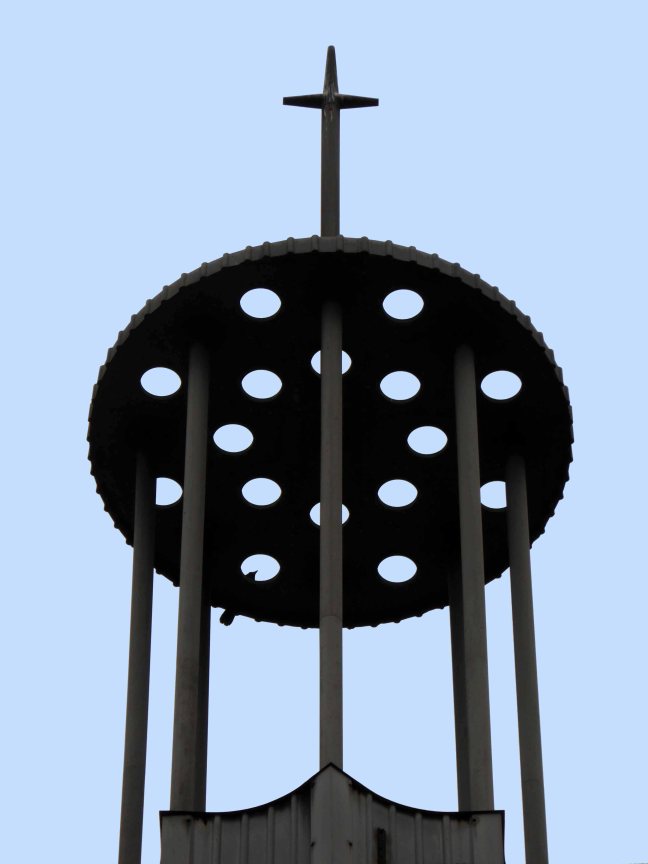
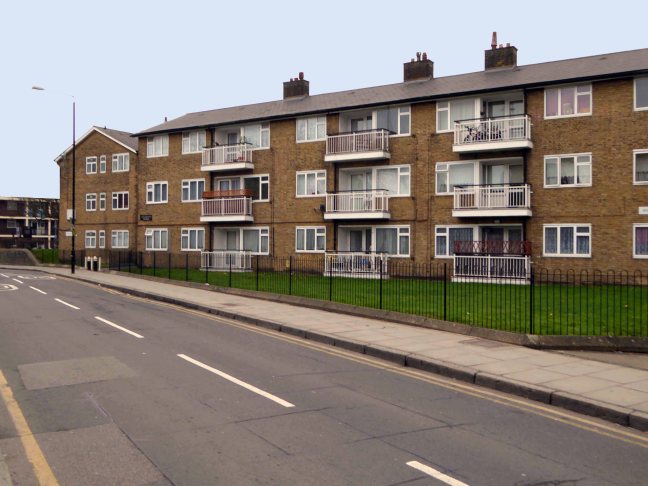
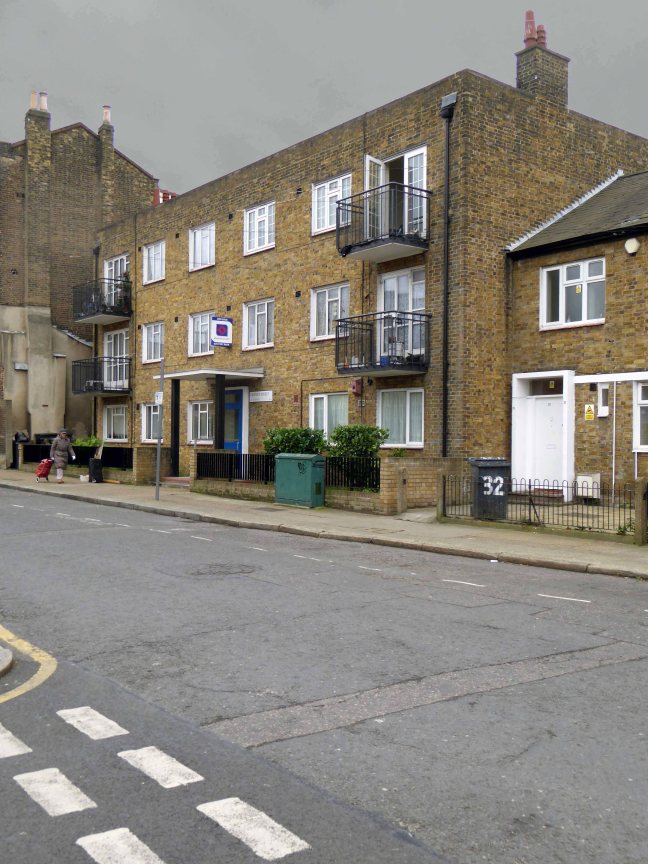
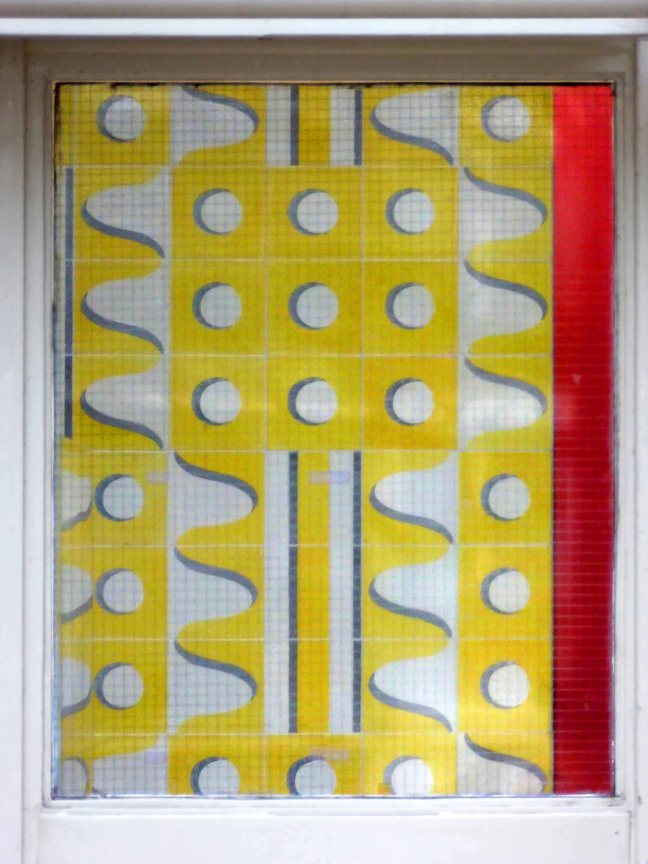
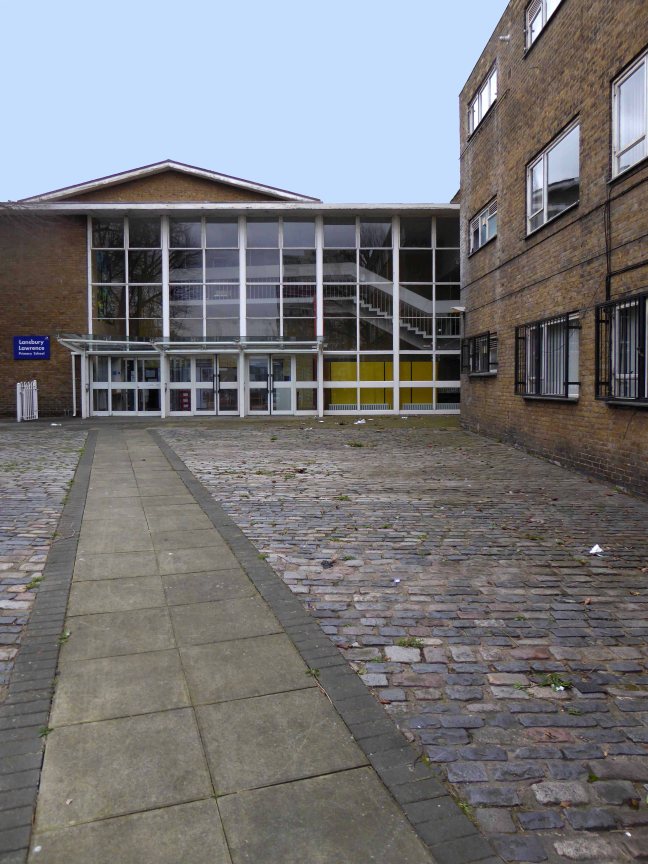
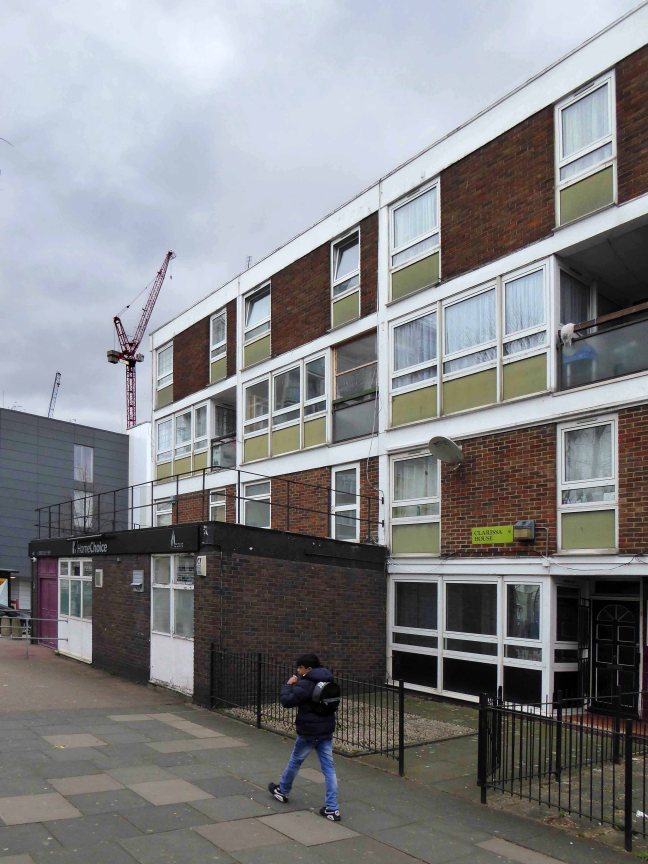
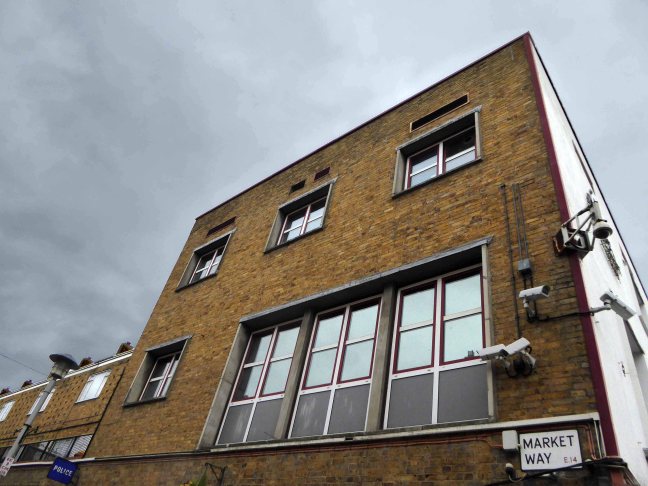
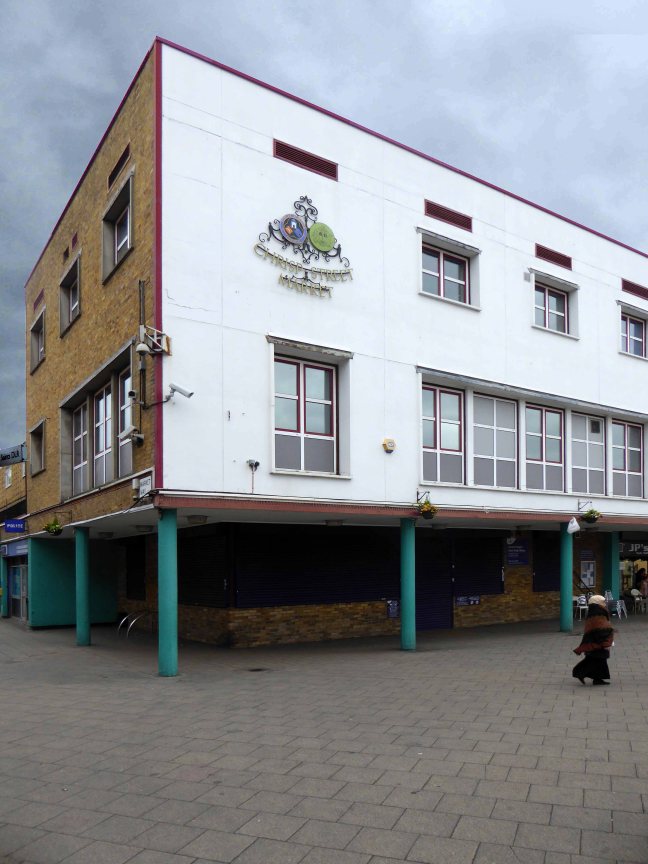
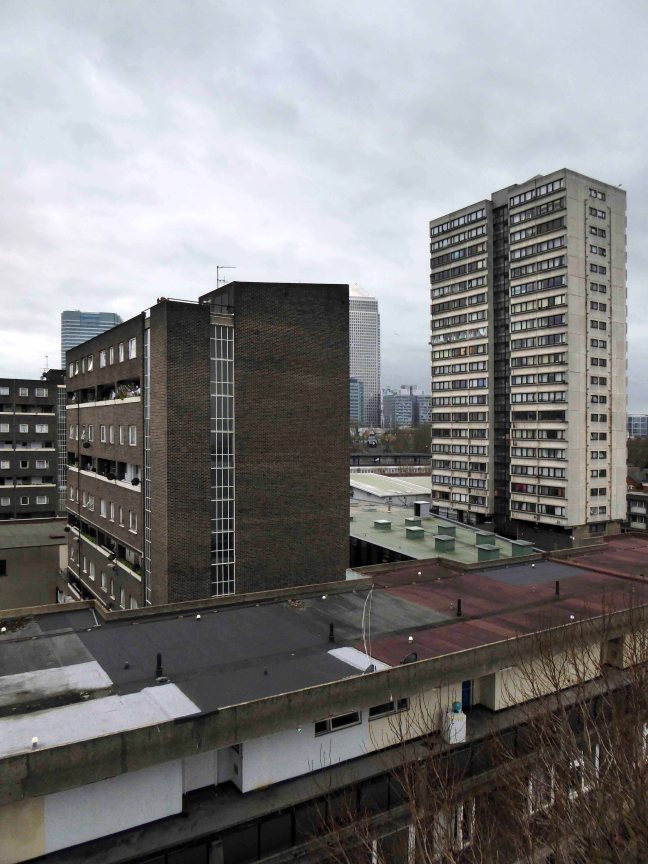
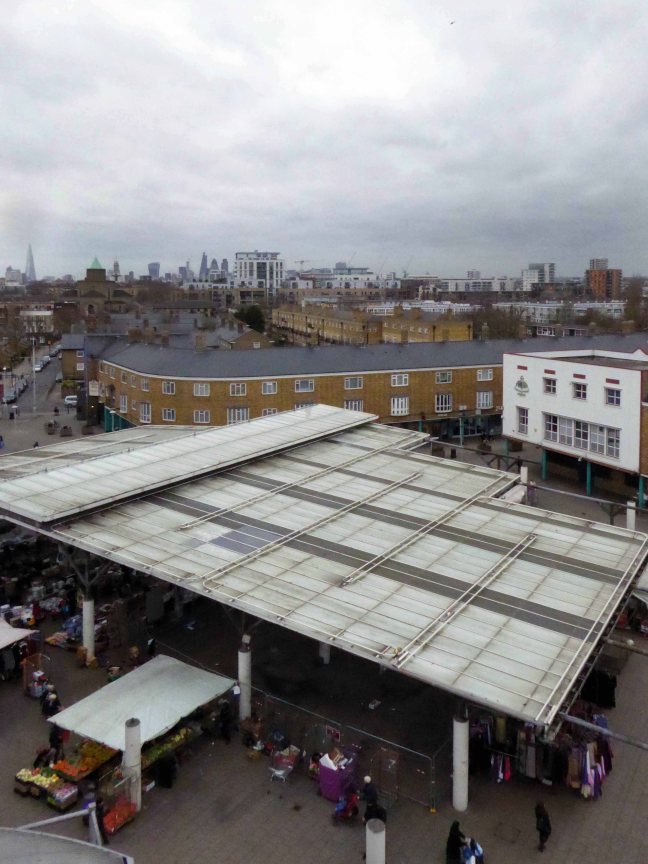
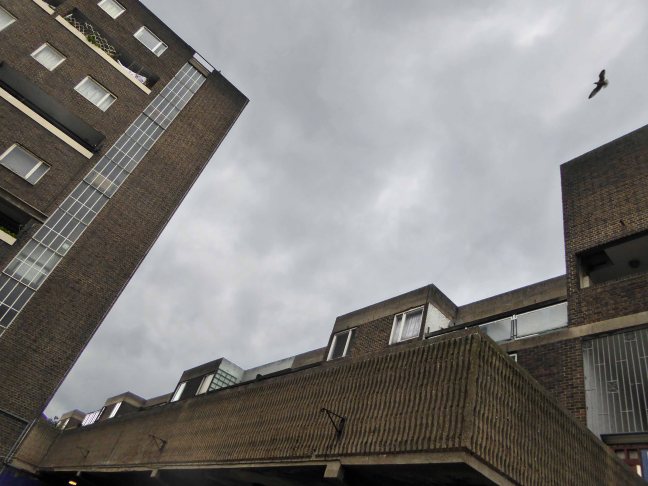
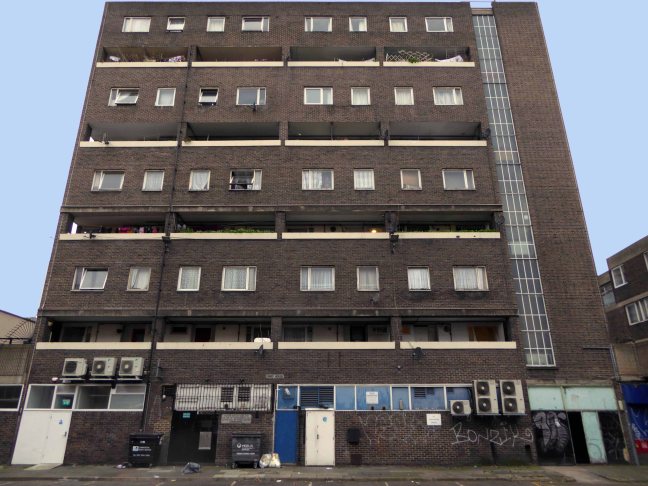
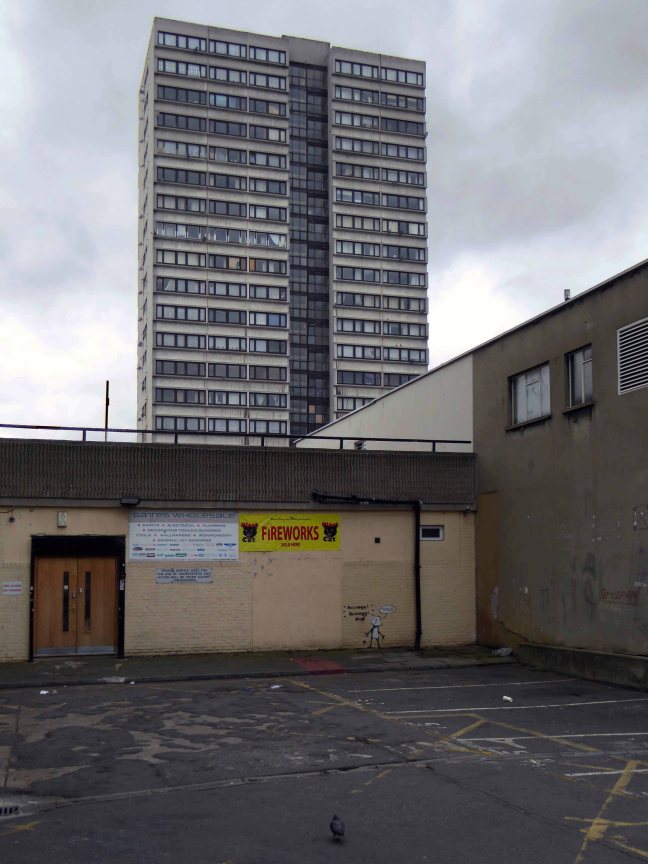
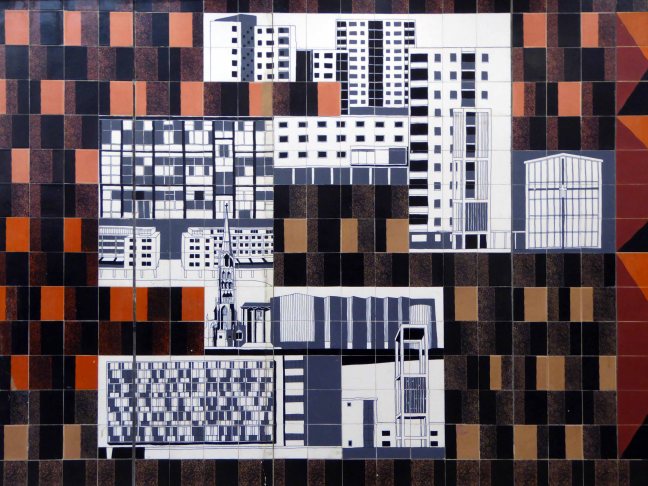
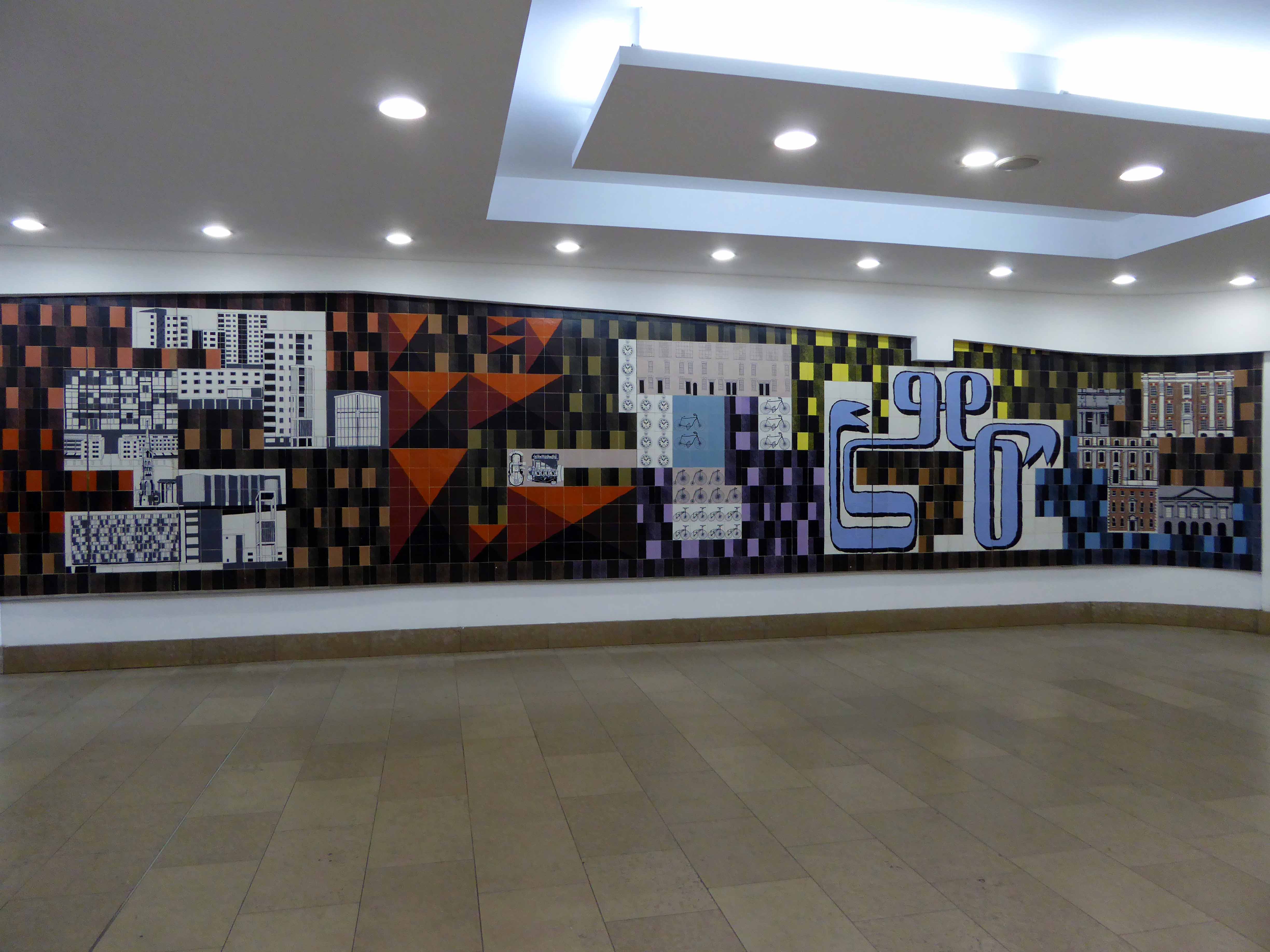
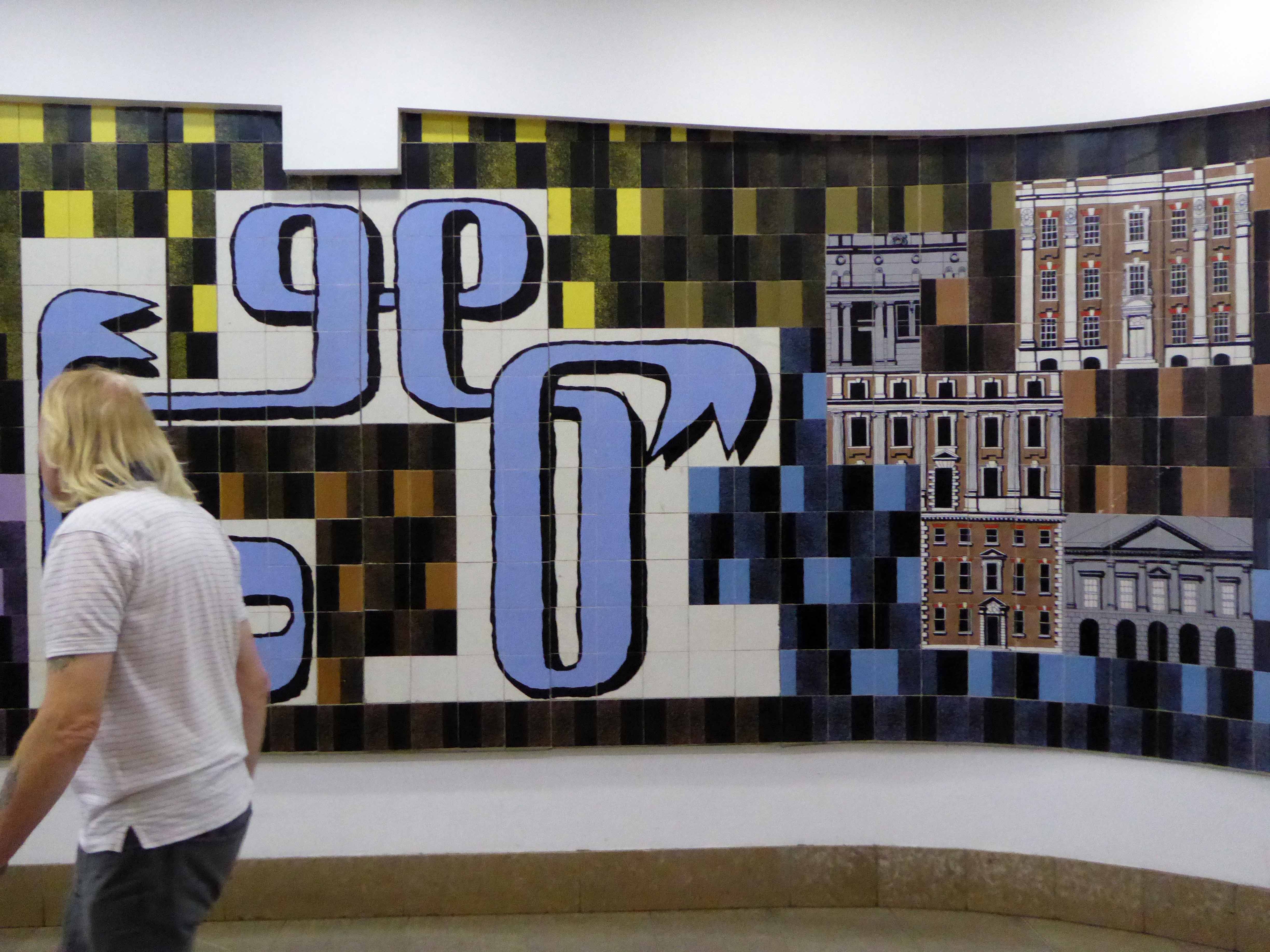
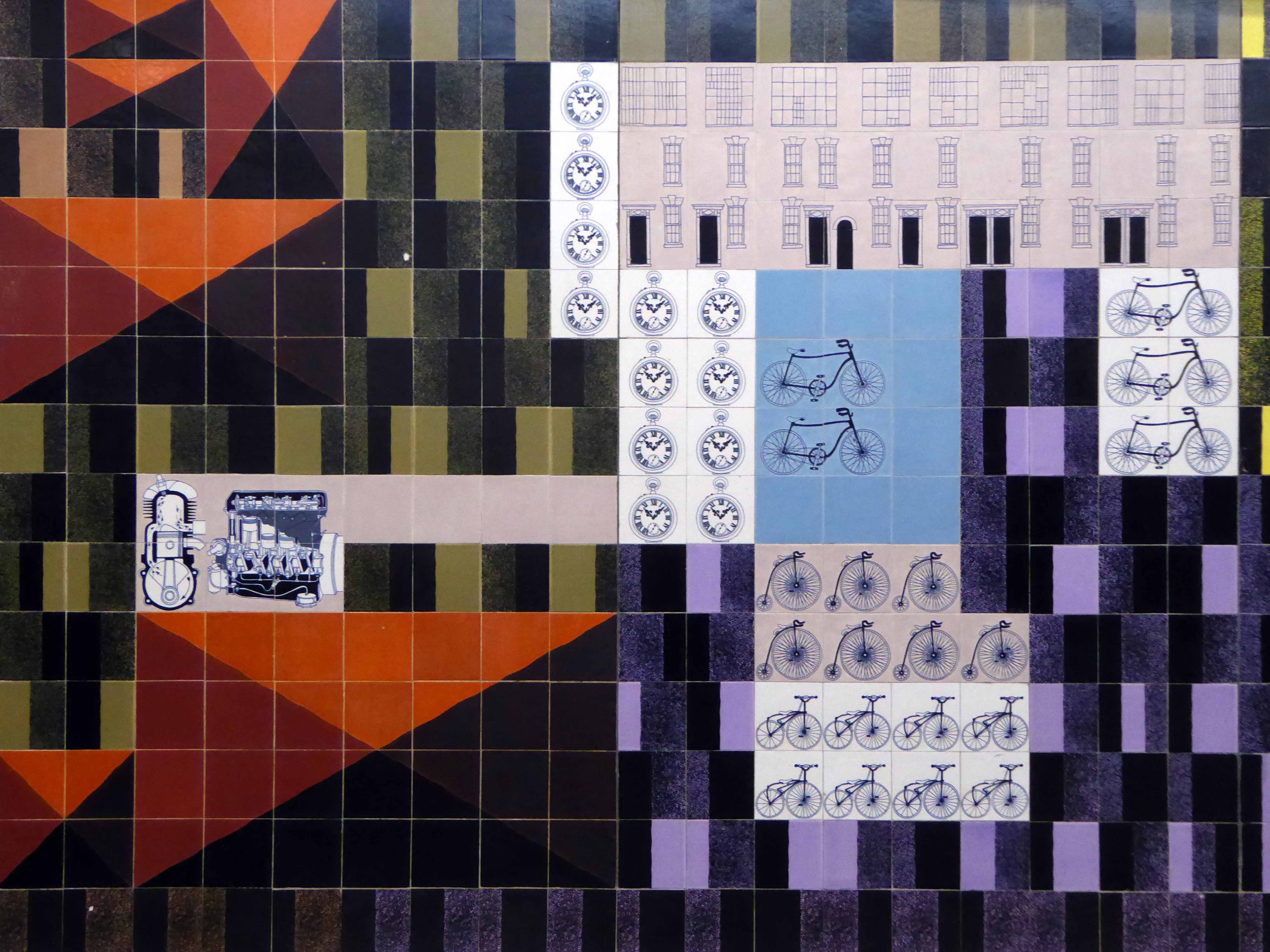
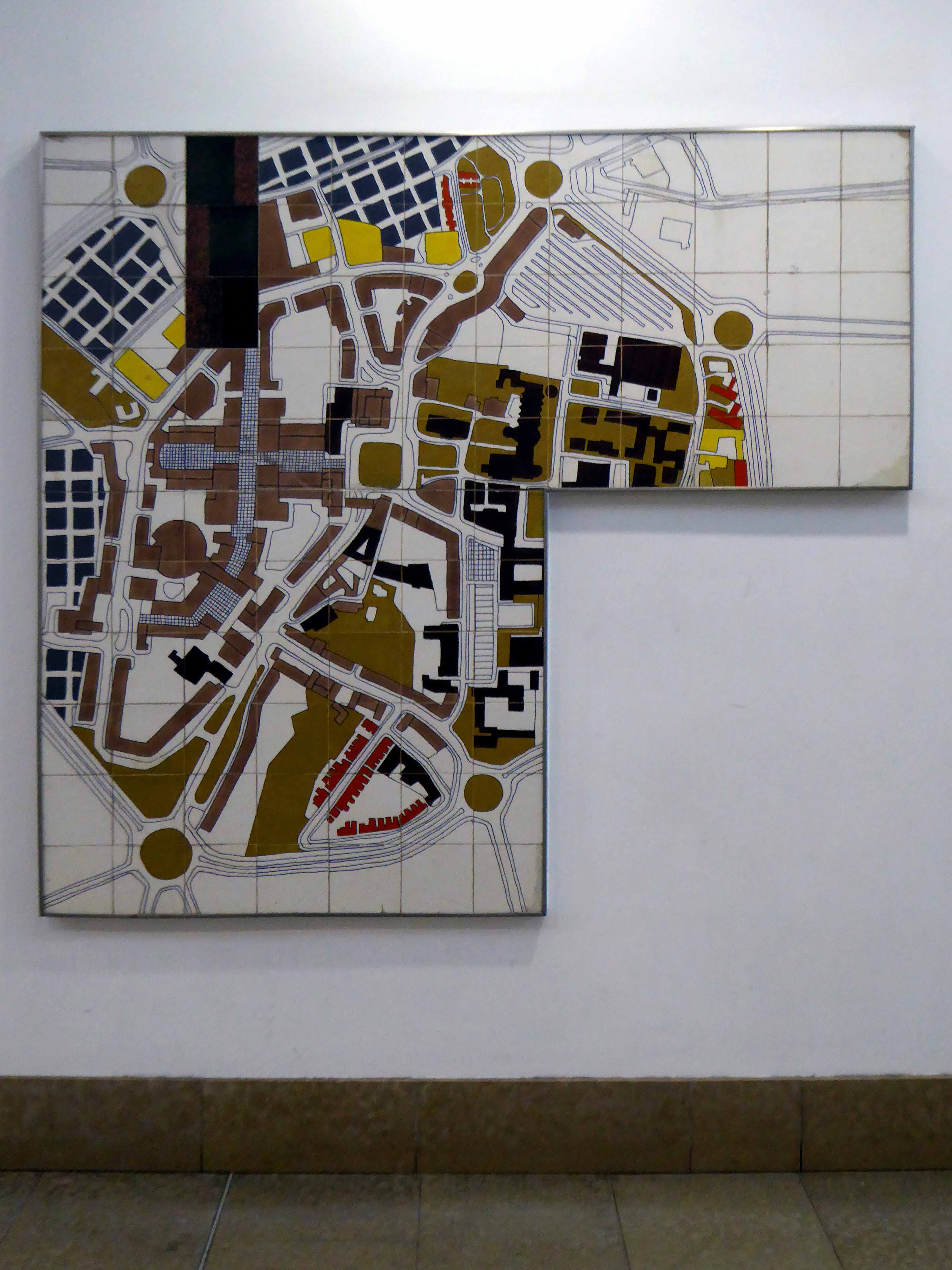
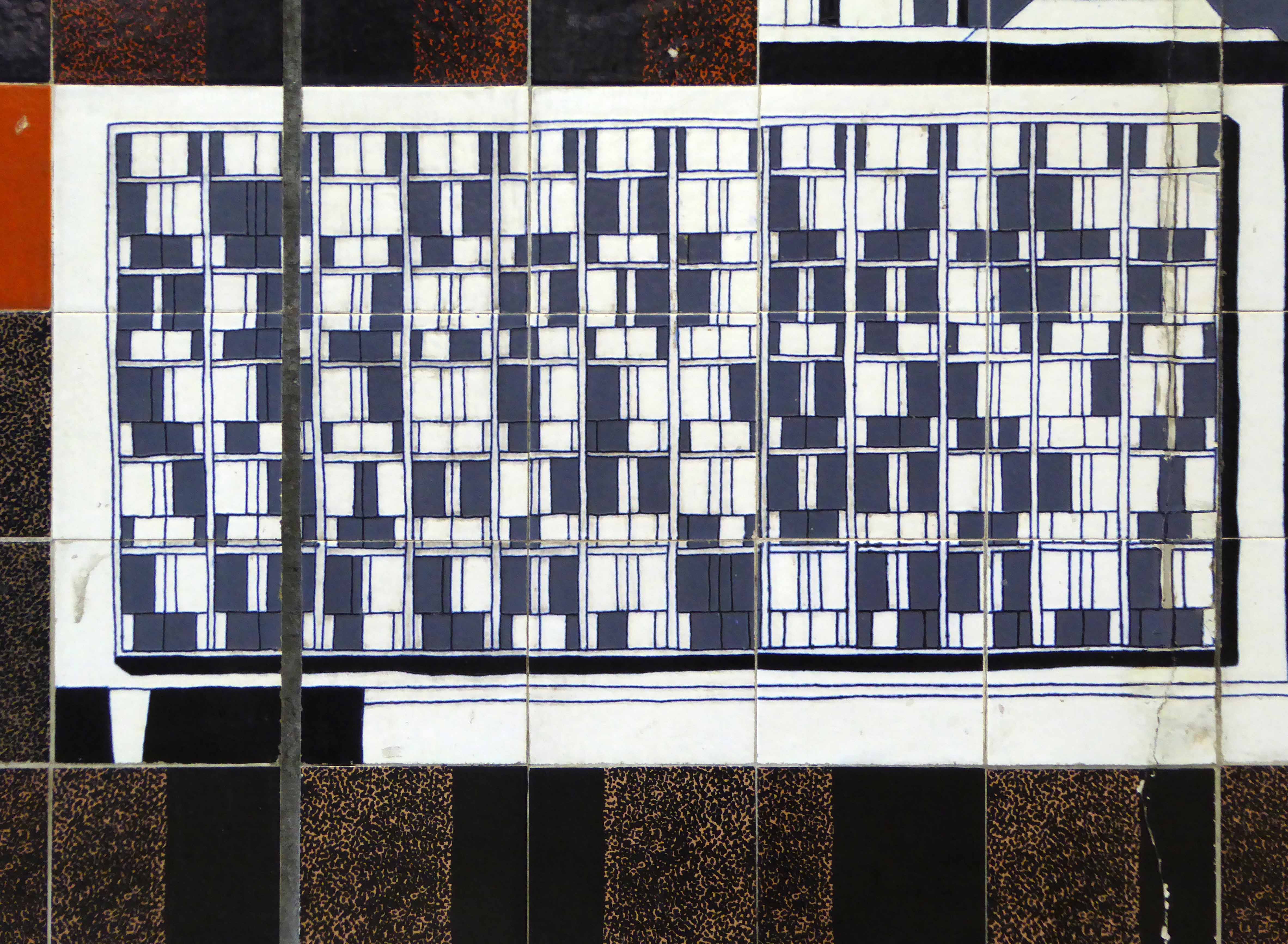
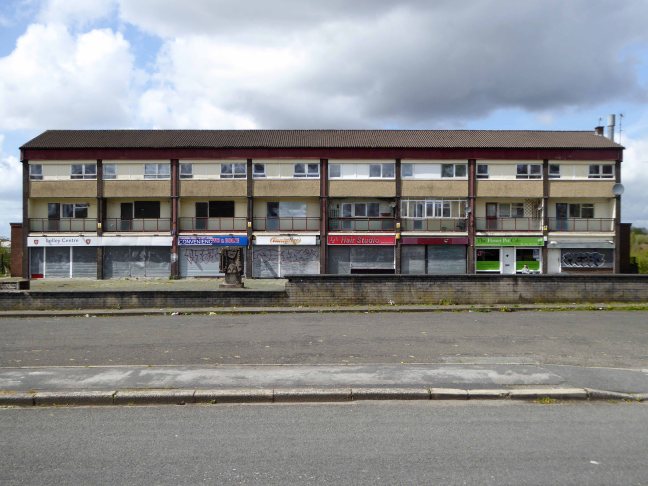
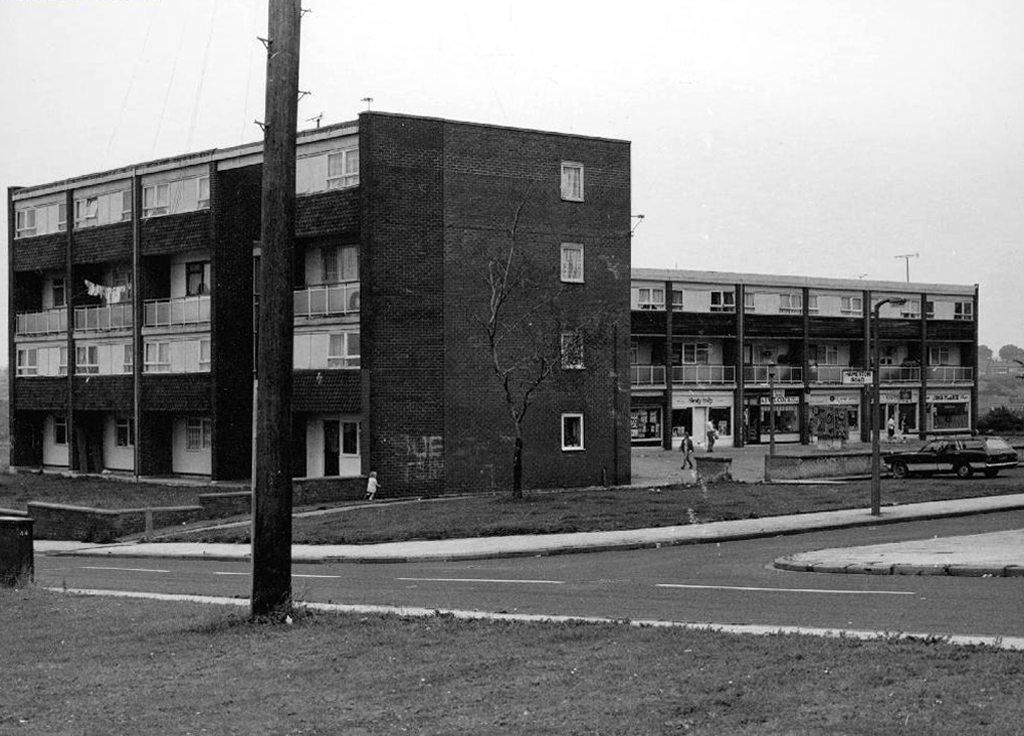
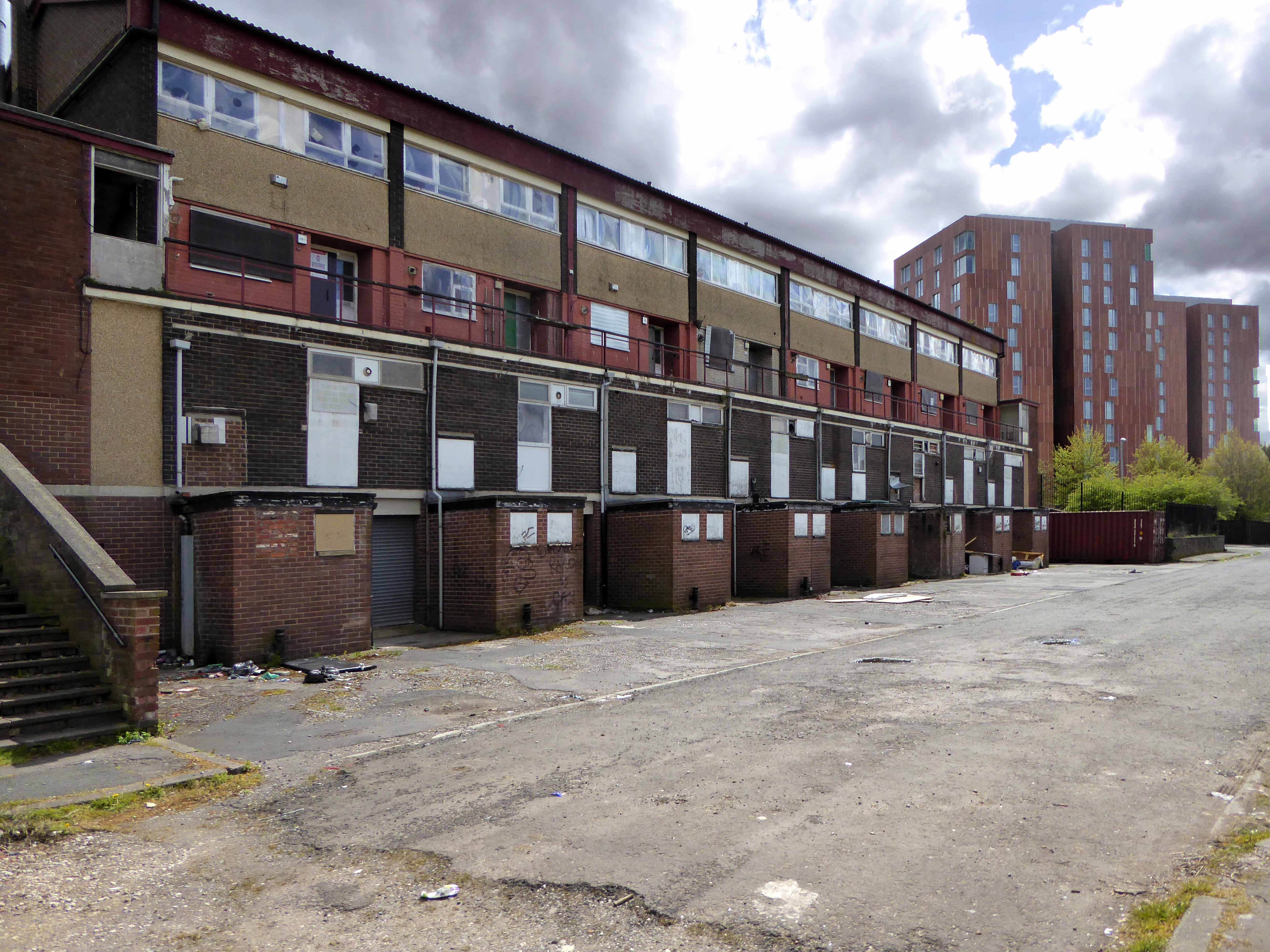
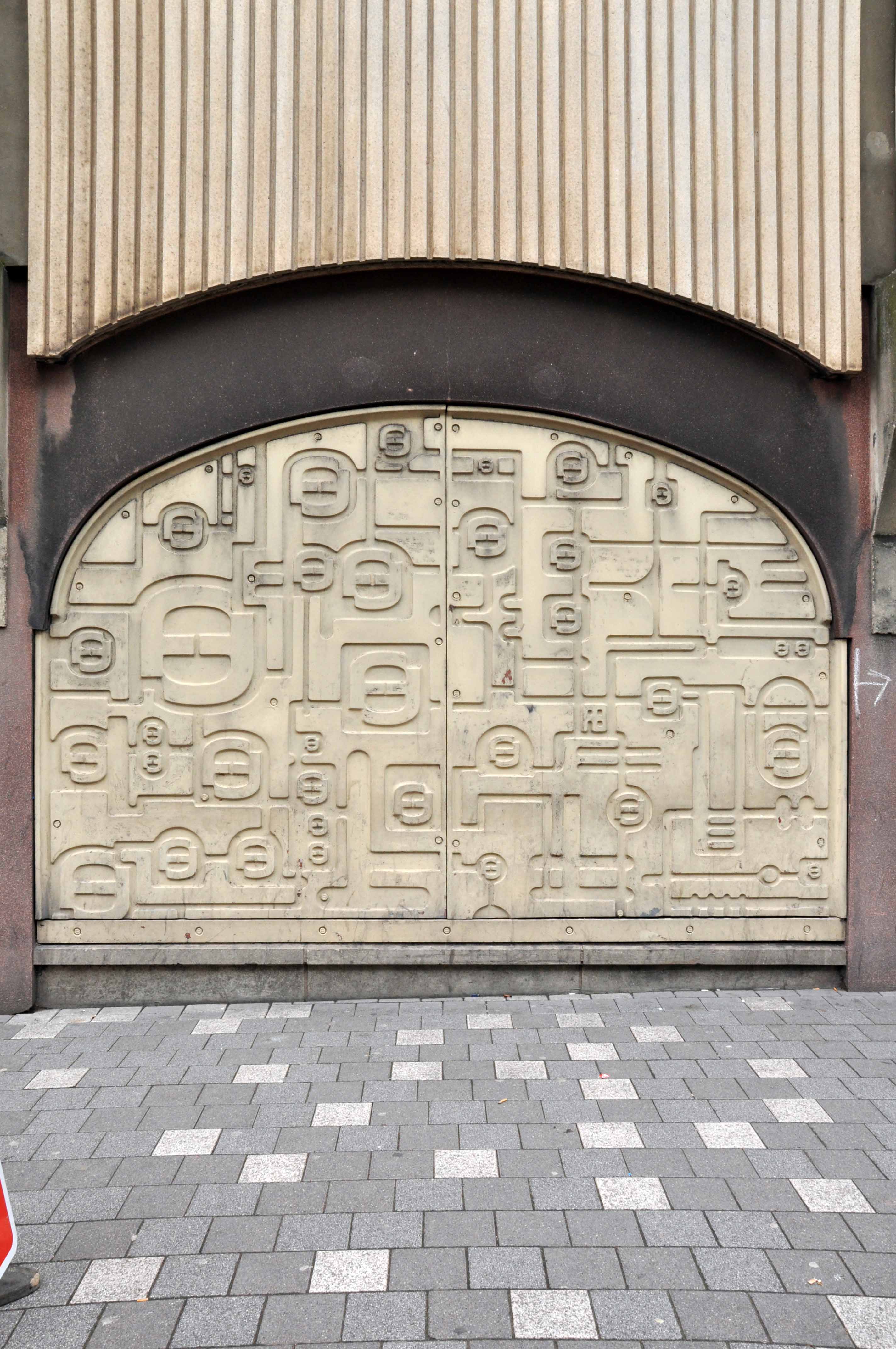
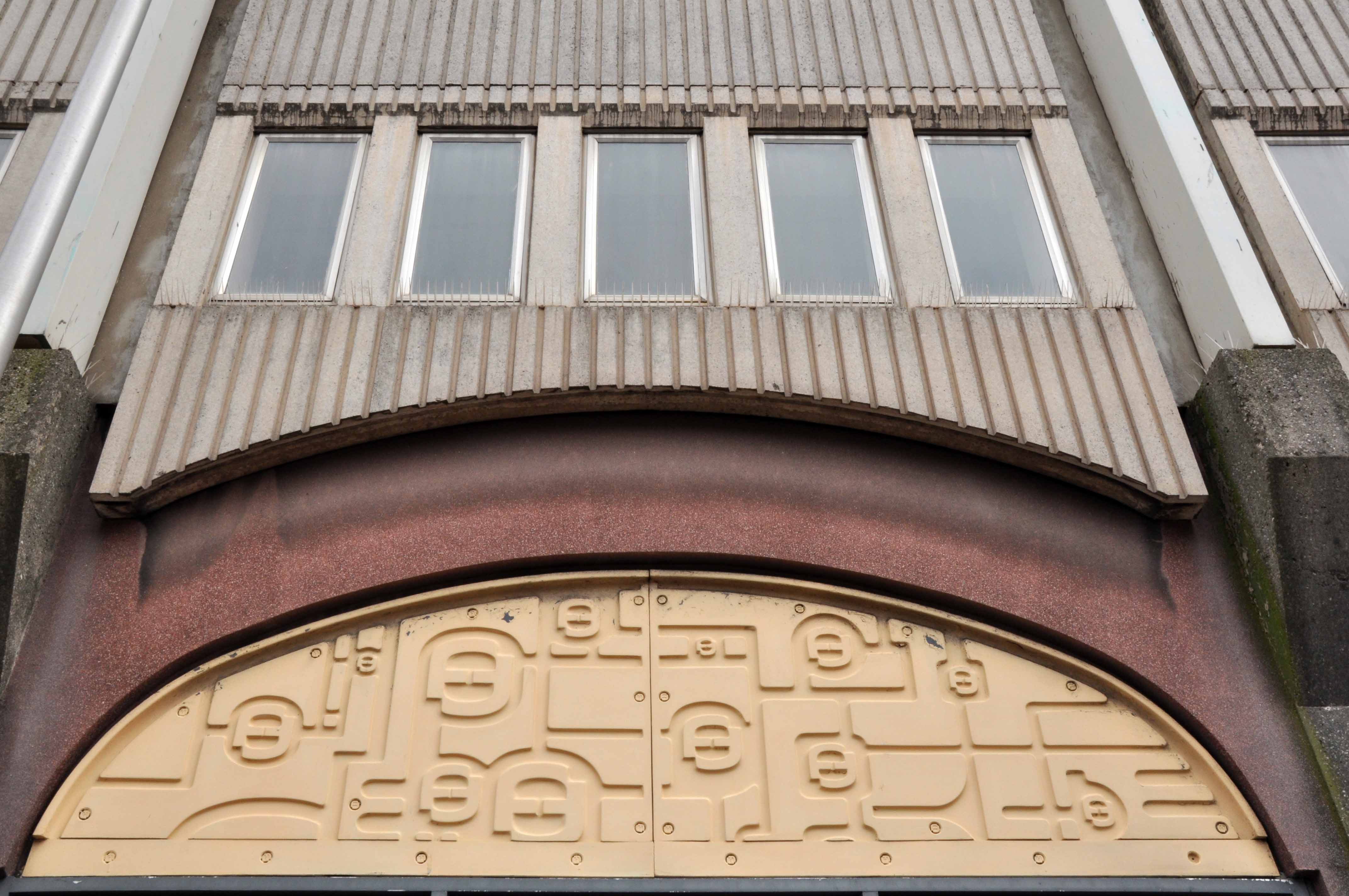
The Lansbury Estate, to the north of East India Dock Road, is the most important, largest and best-known council estate in Poplar. It demonstrates the different trends in post-war council house design and layout. The interest of the estate lies as much, if not more, in the story of its planning and construction, as in what was actually built. This is especially true of its first phase, which formed the basis of the Live Architecture Exhibition in the 1951 Festival of Britain.
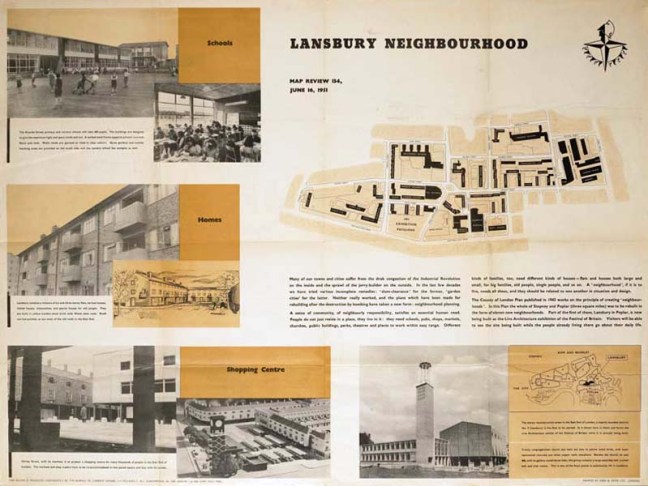
lansbury-neighbourhood-map-1951


Originally outlined in the 1943 plan for London, replacing the bomb damaged homes of displaced dockers, the estate has weathered well enough, though changes in demographics, the ever greater engulfing tide of gentrification and the containerisation of all ports, brings a fresh set of challenges and changes.

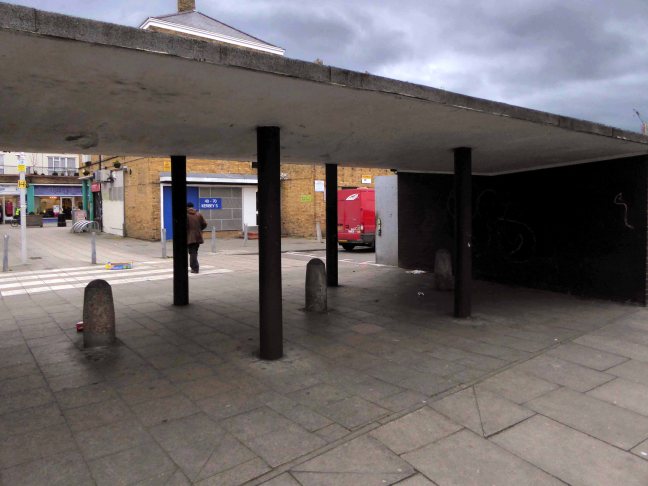
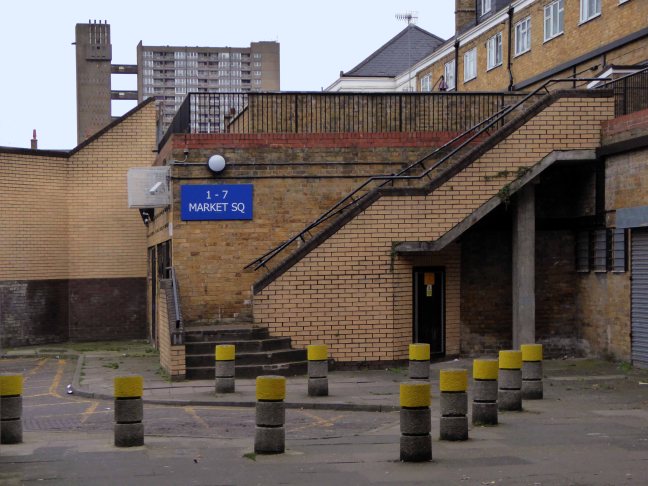
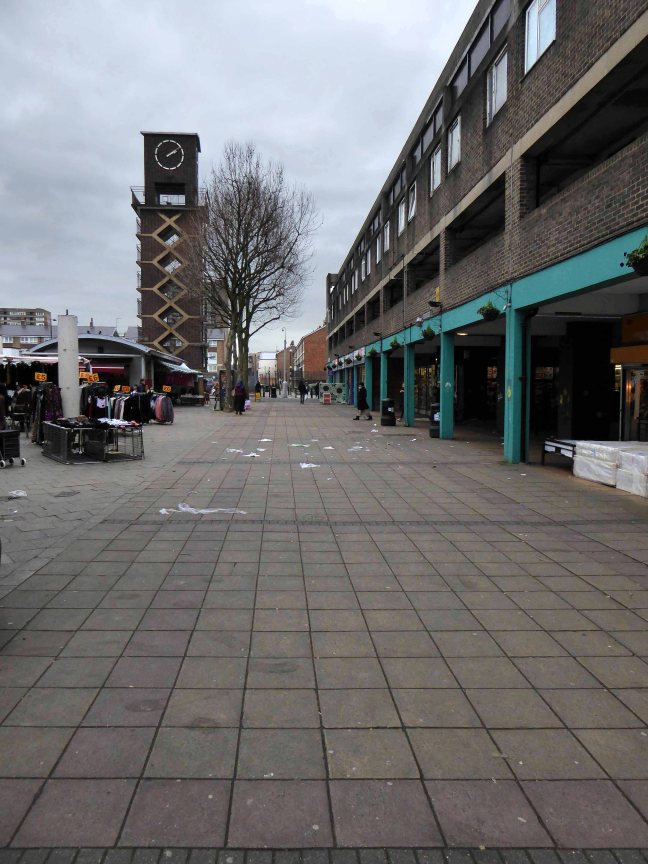
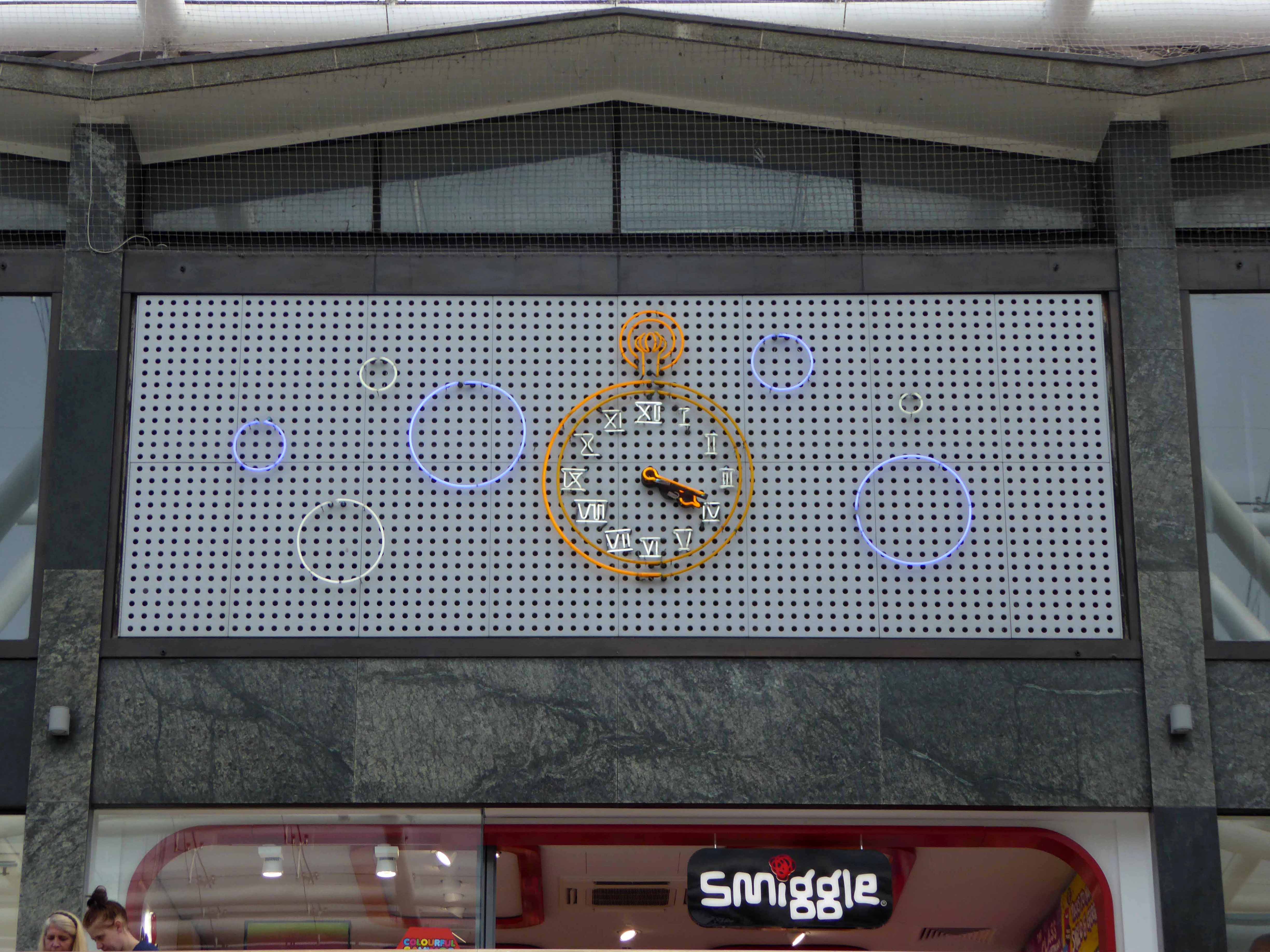
Go east – I visited the V&A Micro Museum, which has become a focus for residents’ and visitors’  memories and projections of a certain uncertain past and future. Arriving by the Docklands Light Railway, I was immediately drawn towards my destination, by the prominent Lansbury Tower, its clock patiently ticking away the time to and from 1951. Welcomed by staff and fellow travellers at the Chrisp Street Market site we began our tour at the heart of the Festival area – further details of which can be found here at Municipal Dreams.

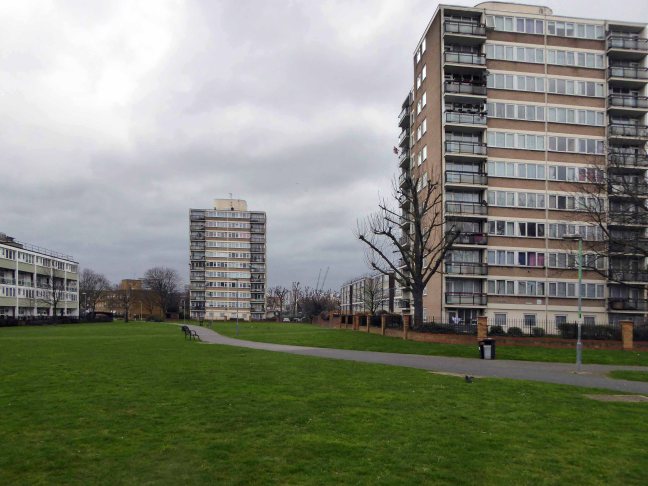
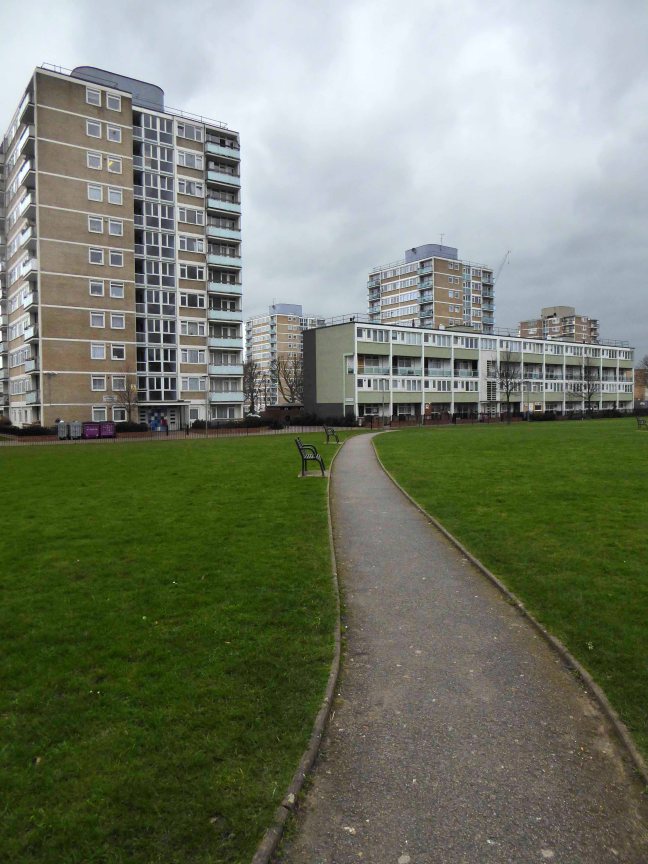
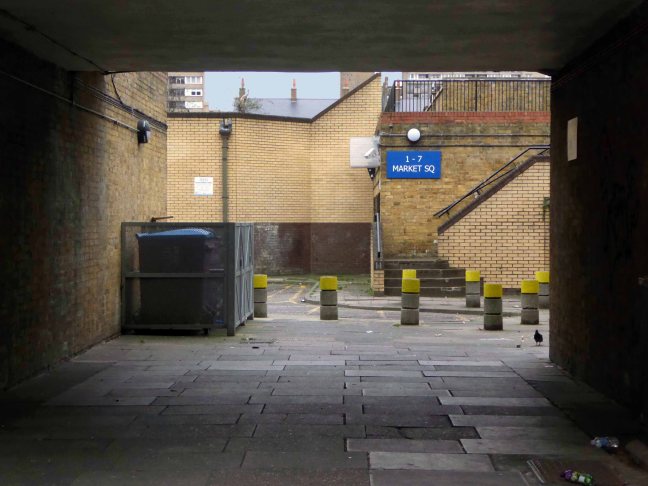
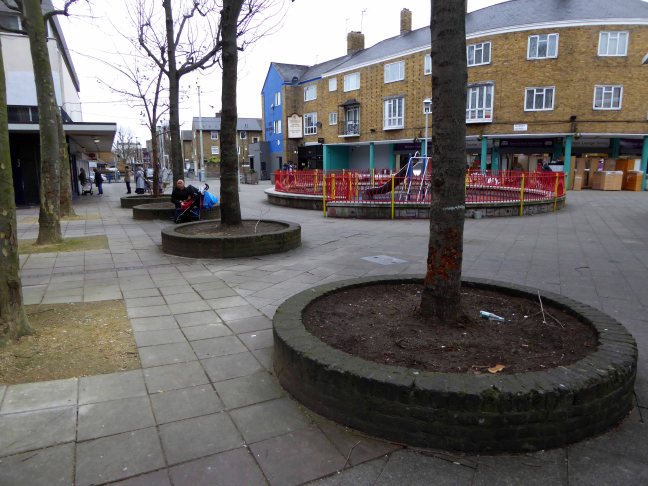
A mix of market, shops, Festival pub, warm cream London brick terraces and low rise, later tower blocks, schools, churches and open grassed communal areas. On a cold and getting colder late winter’s day, a smattering of residents went purposefully about their business.

Life goes on.

Next time everything’s going to be different.
P1130822 copy

P1130821 copy

P1130820 copy

P1130819 copy

P1130818 copy

P1130817 copy

P1130815 copy


P1130812 copy

P1130811 copy

P1130810 copy

P1130809 copy

P1130807 copy

P1130806 copy

P1130805 copy

P1130803 copy

P1130800 copy

P1130796 copy

P1130794 copy

P1130793 copy

P1130788 copy

P1130786 copy

P1130785 copy

P1130784 copy

P1130783 copy

P1130781 copy

P1130769 copy

P1130767 copy

P1130754 copy

P1130753 copy

P1130751 copy


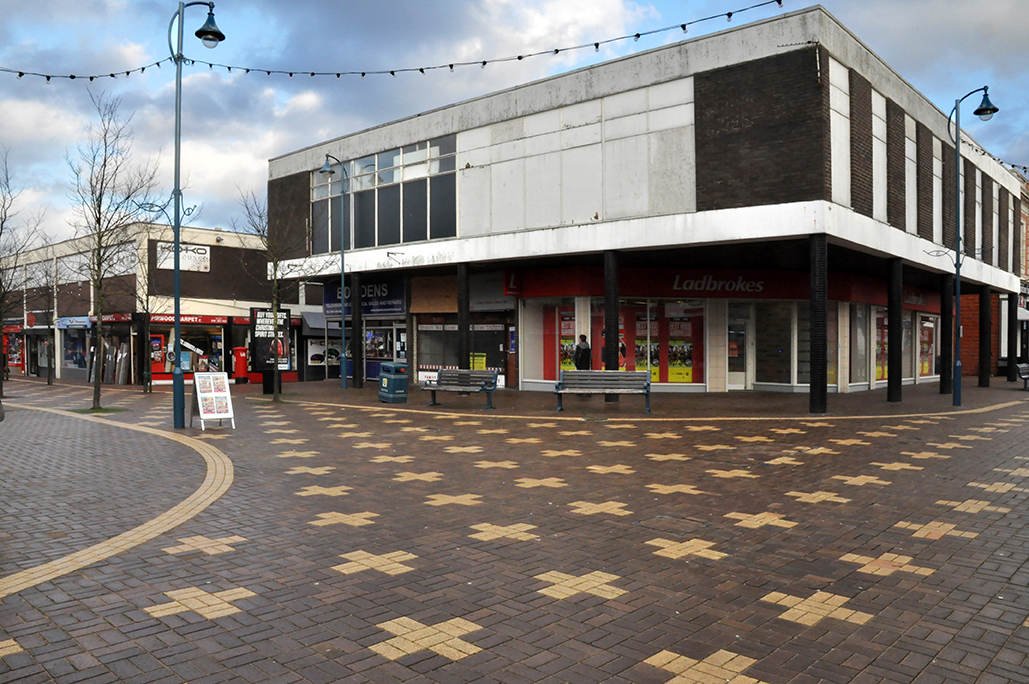
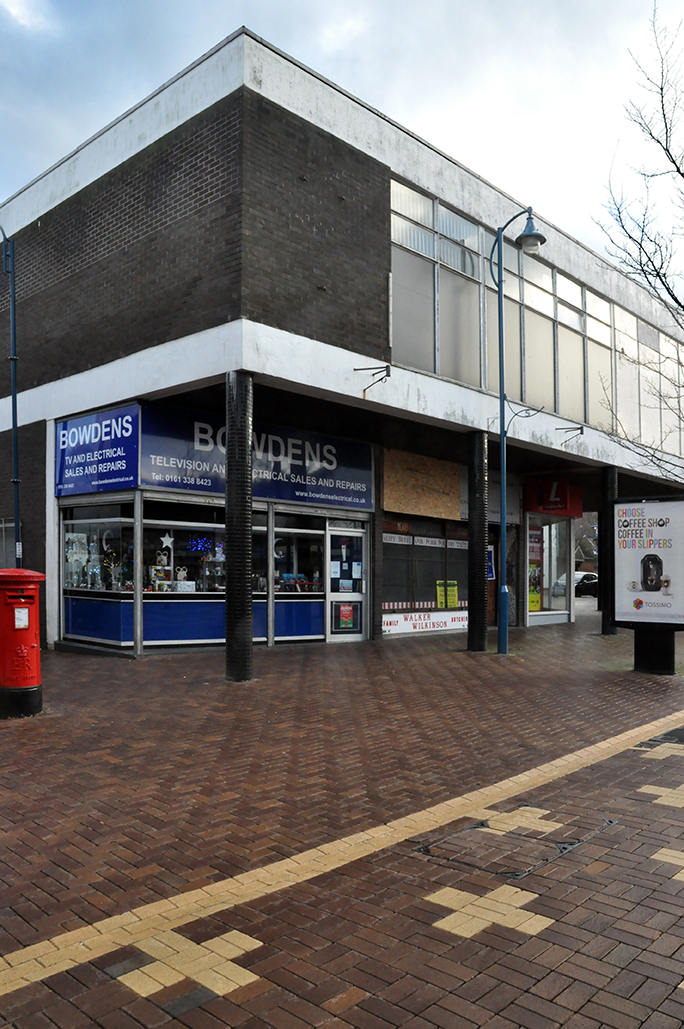
Concord Suite – Droylsden

There is little or no reference to this fine building on the whole world wide web – the wise people of Wikipedia tell us –

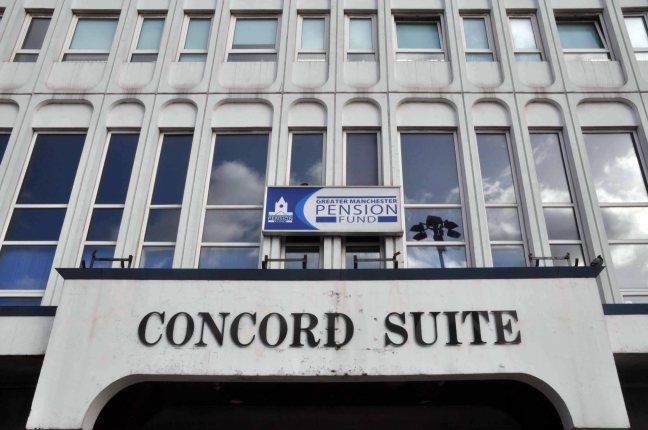
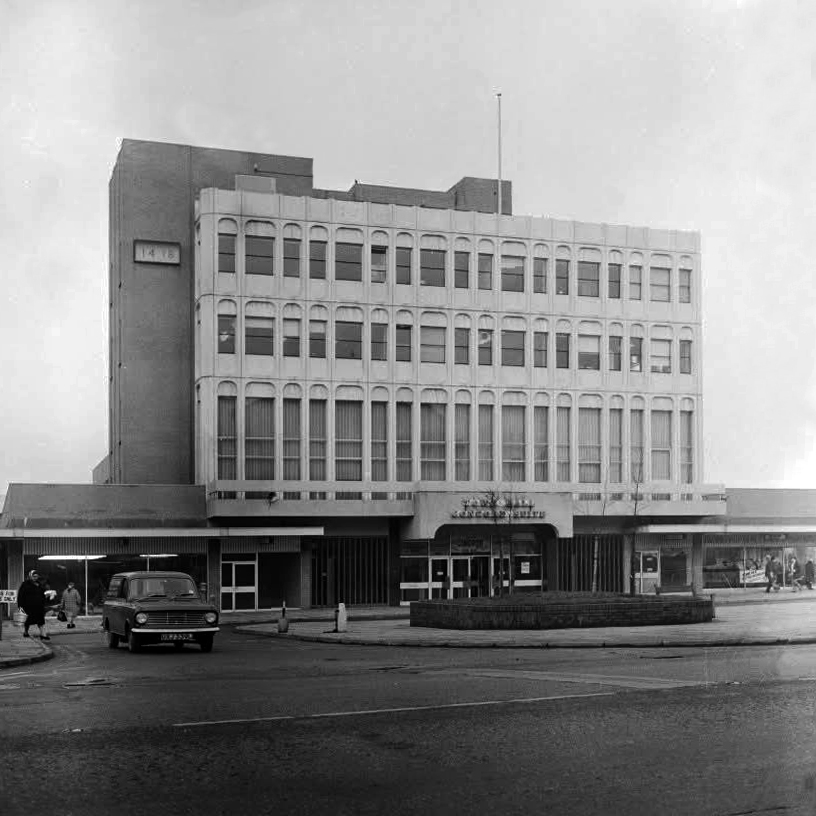
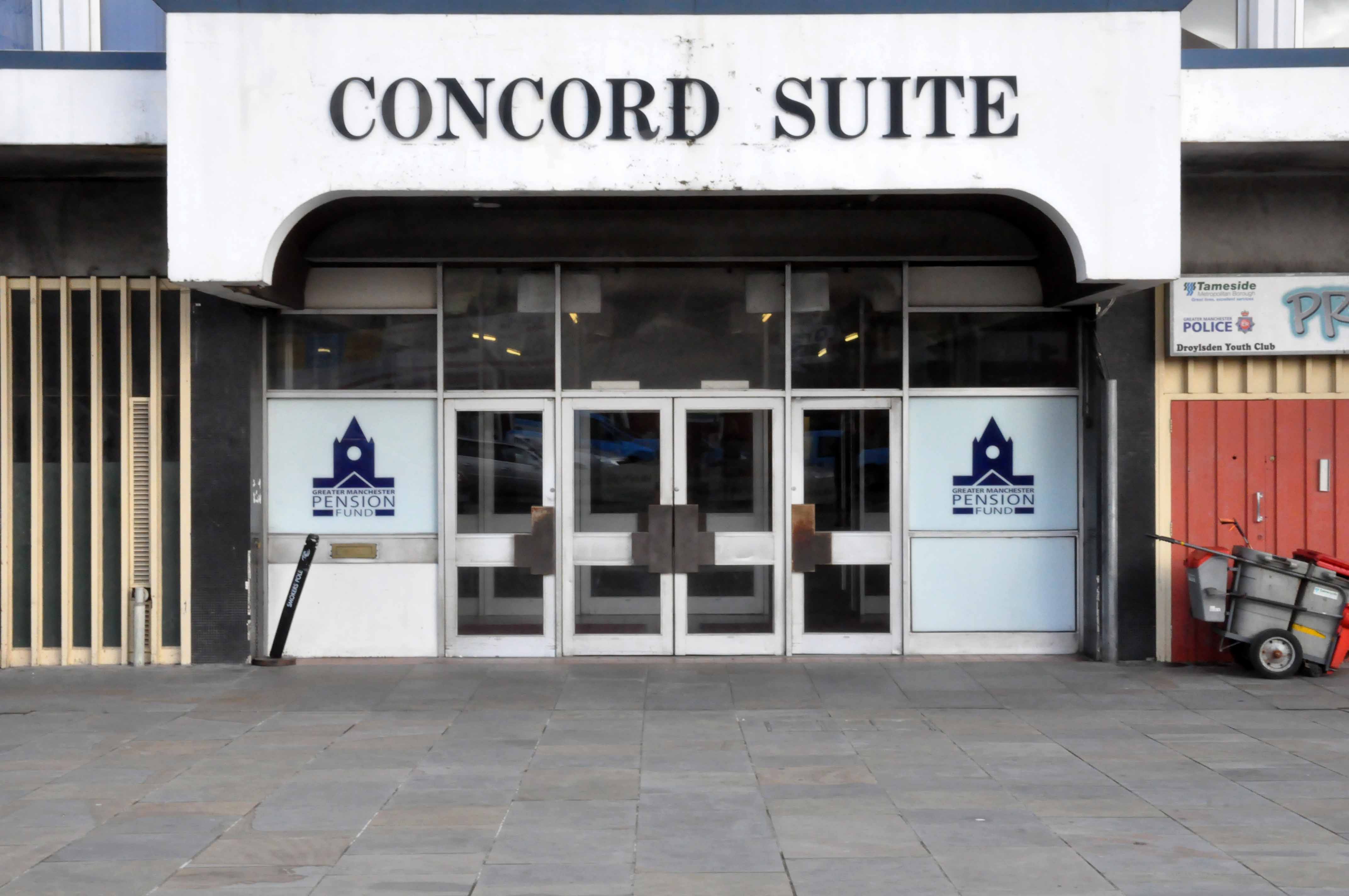
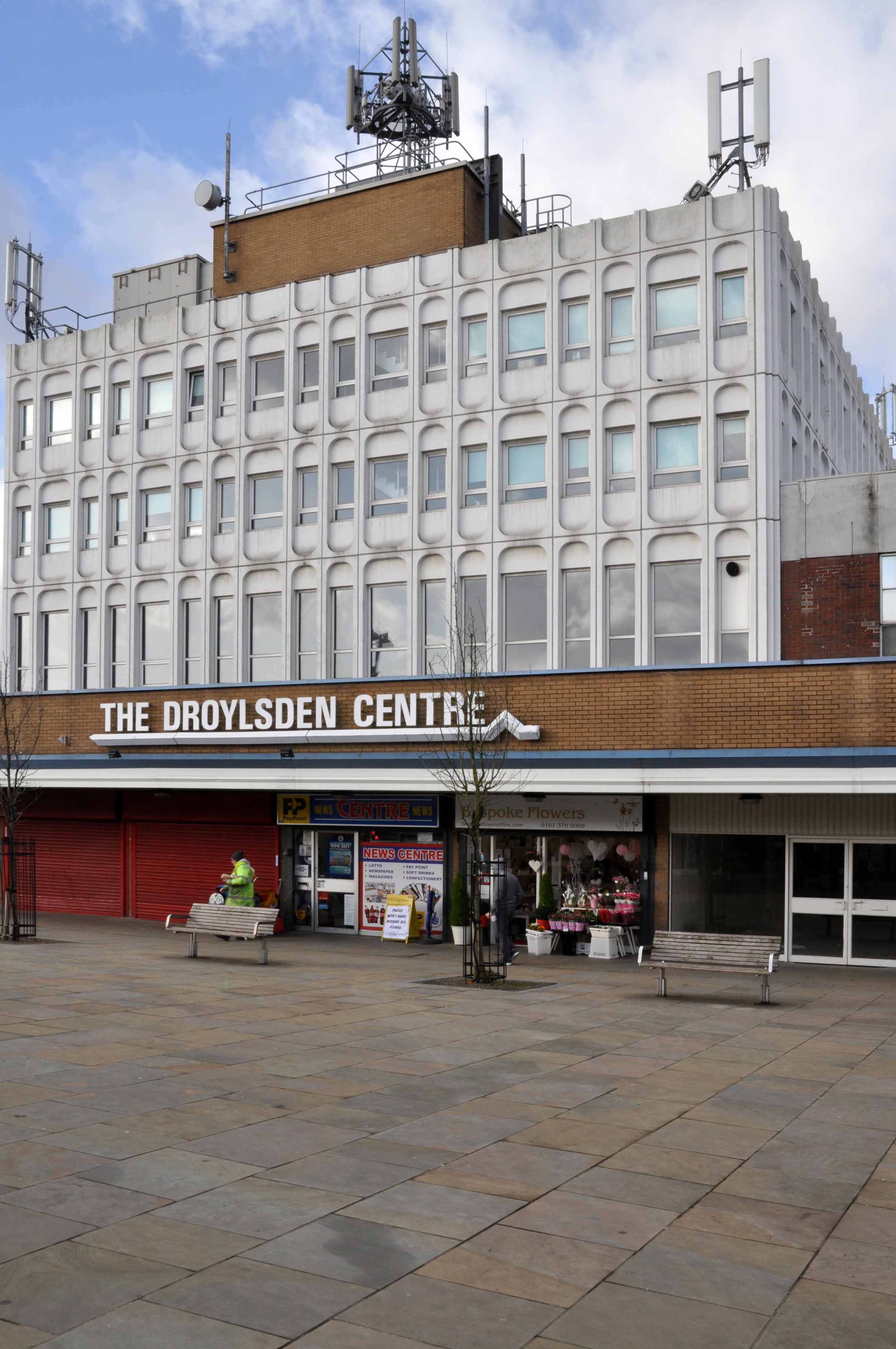
The Concord Suite was built in the early 1970’s to house Droylsden Council. The word Concord comes from the town’s motto Concordia, meaning harmony.

Today’s visit reveals the hard facts!

Architects: Bernard Engle & Partners – who are also responsible for Merseyway in Stockport.

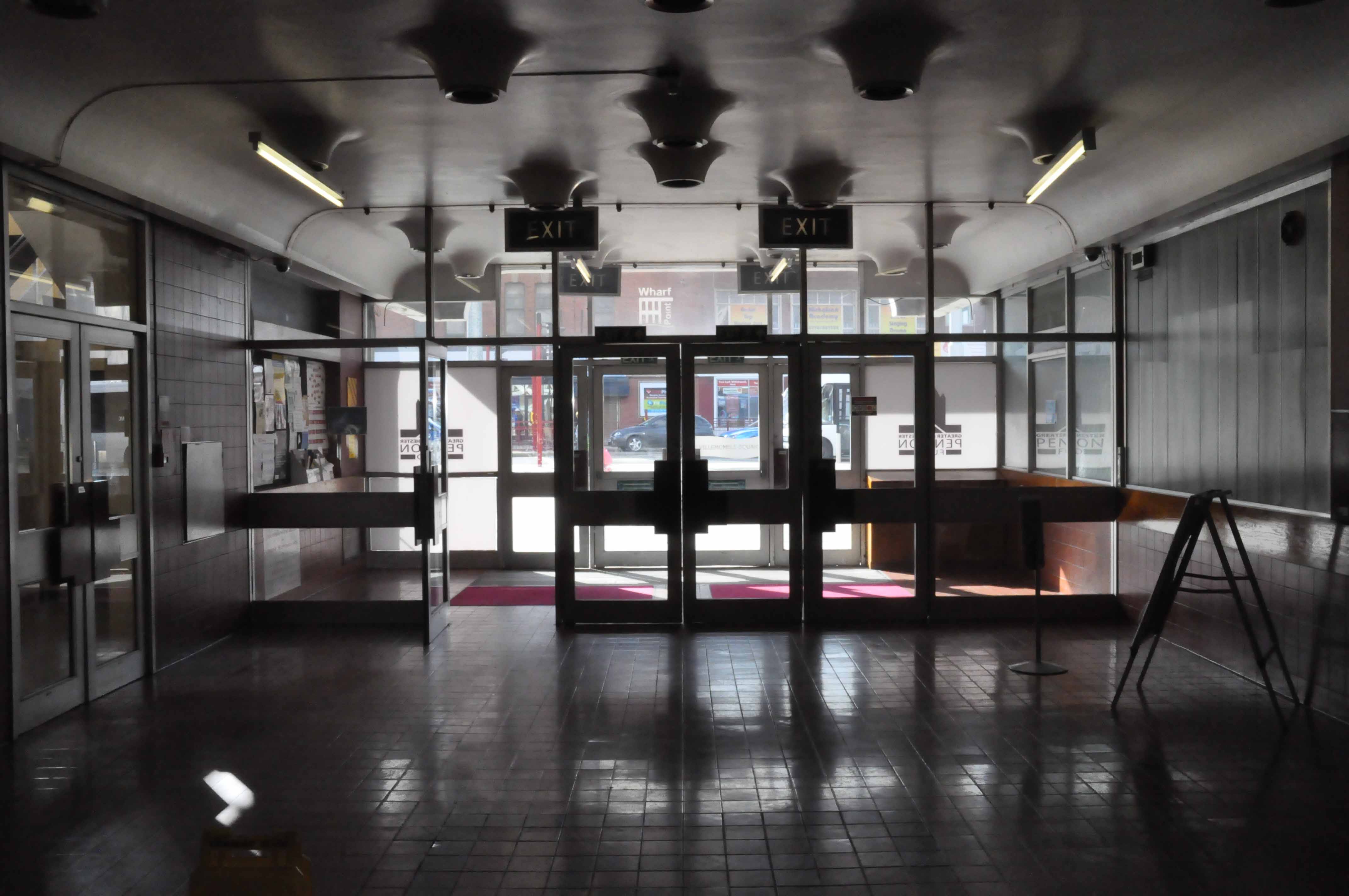
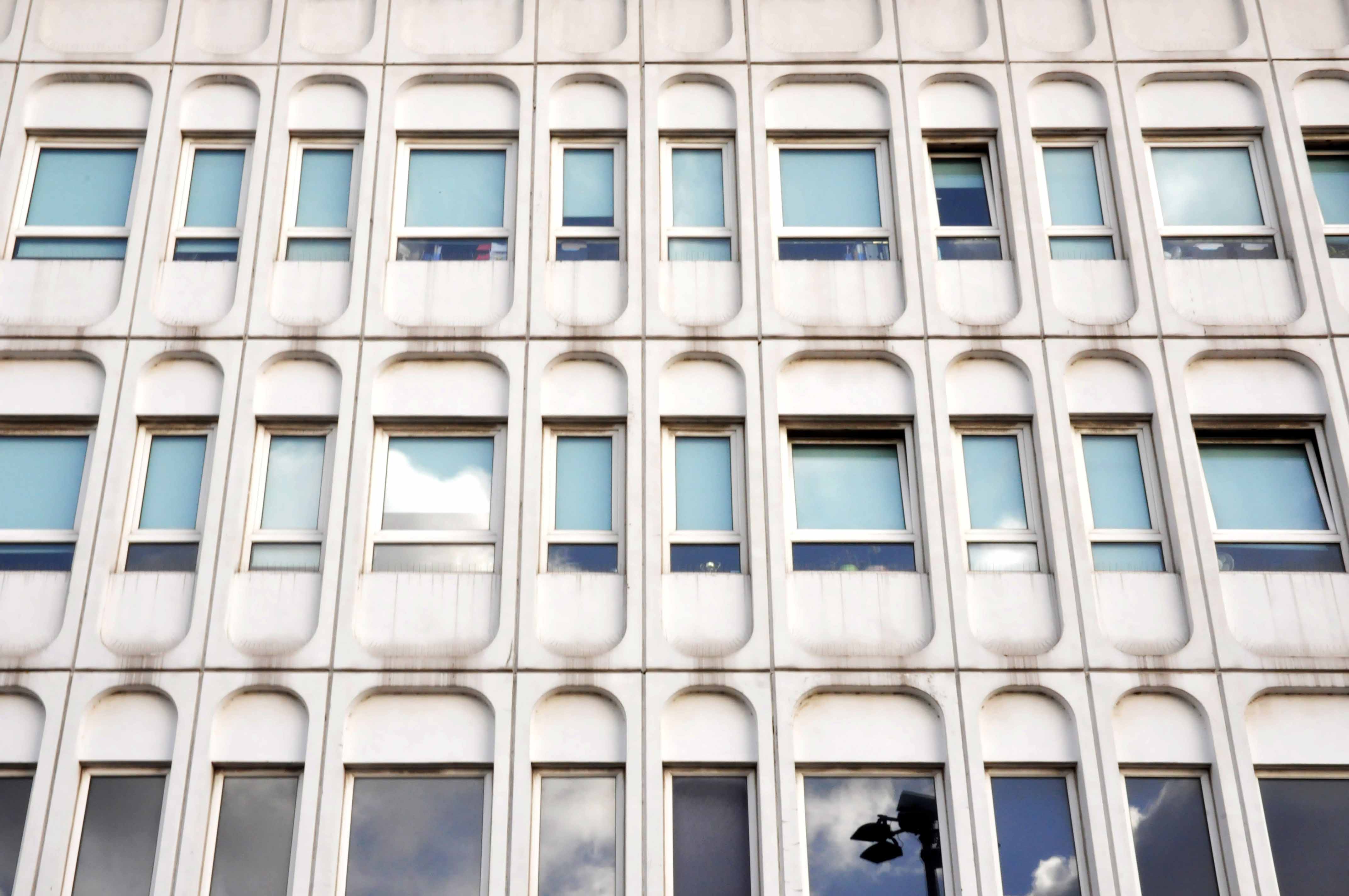
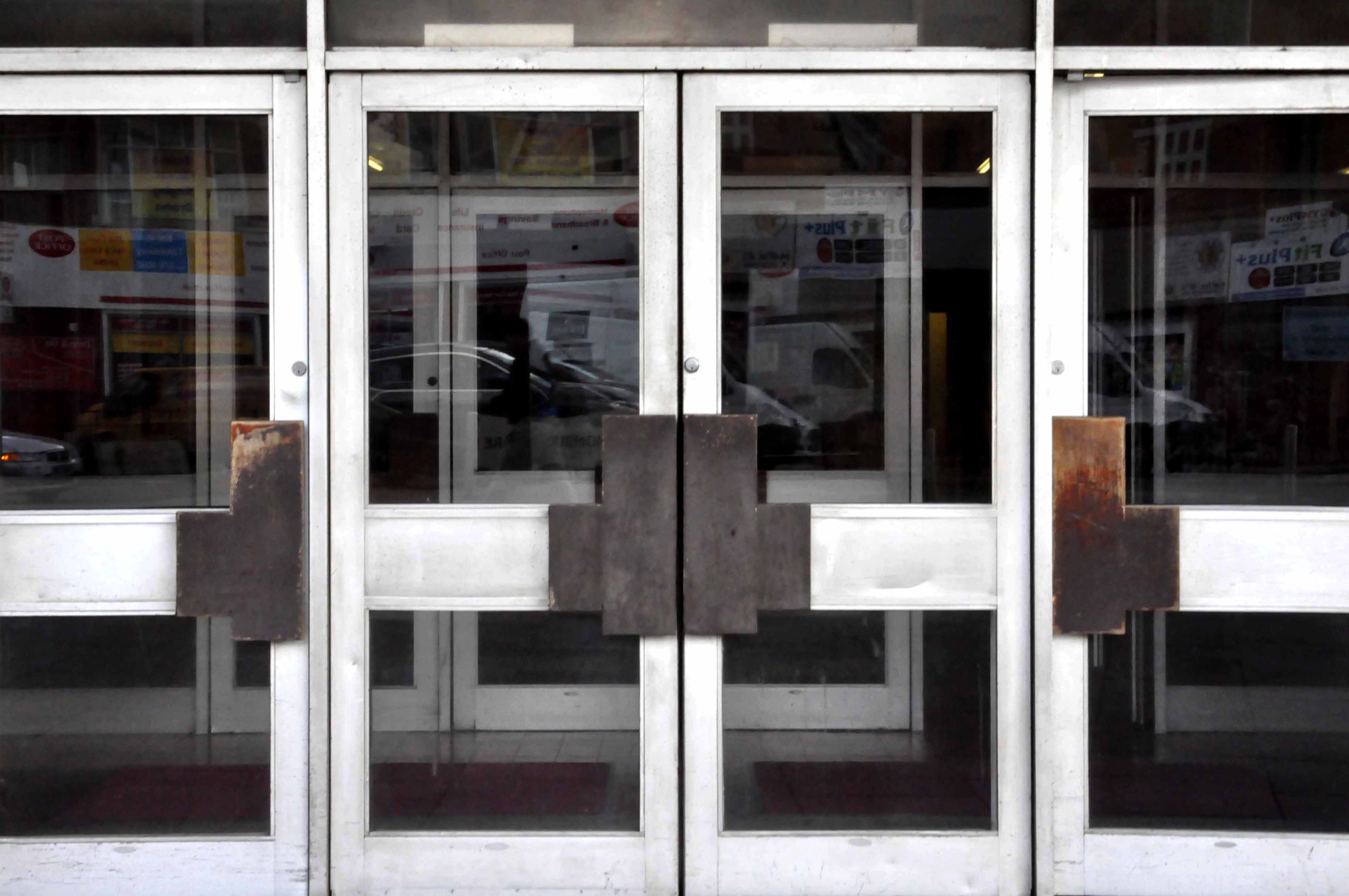
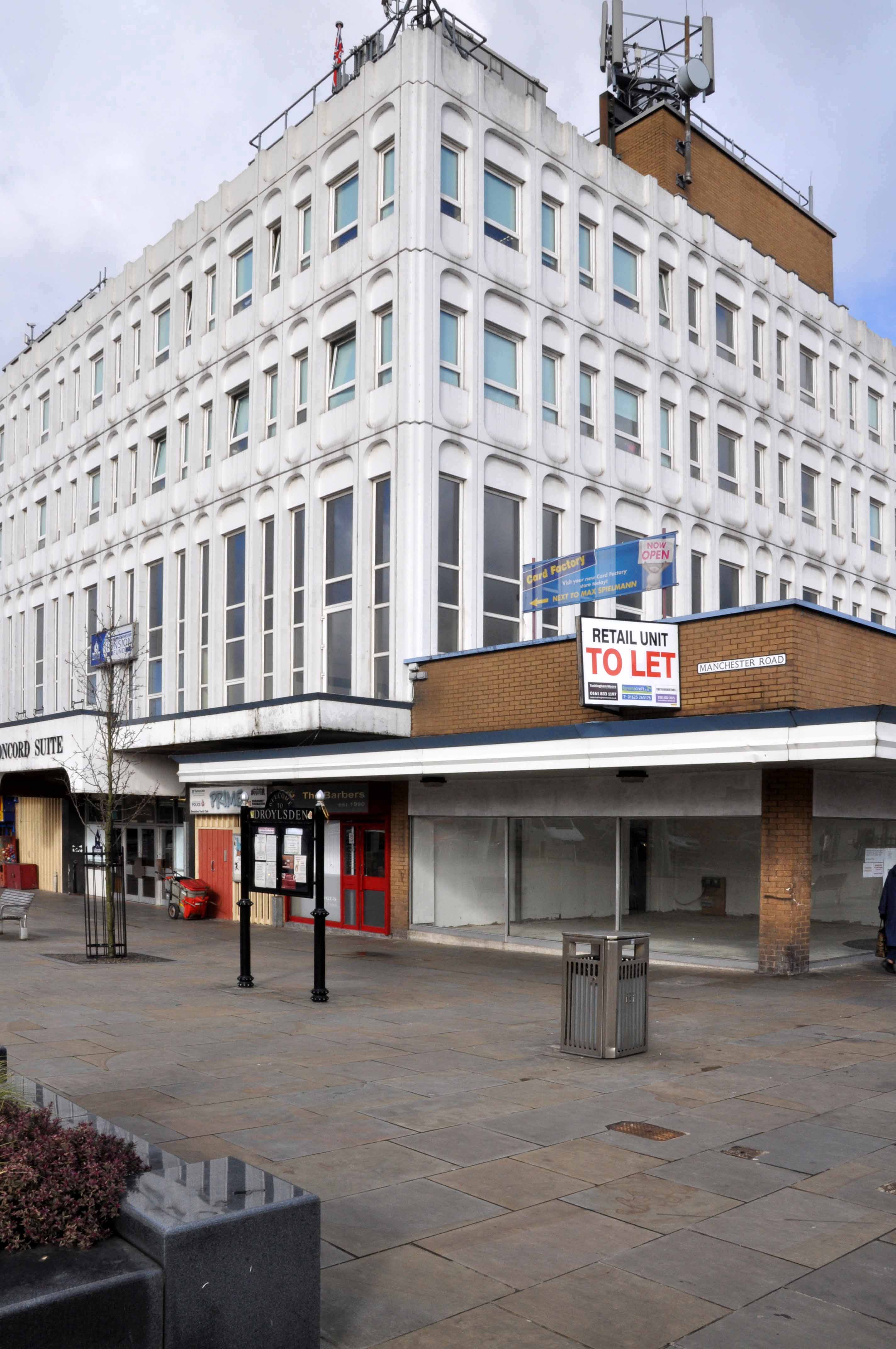
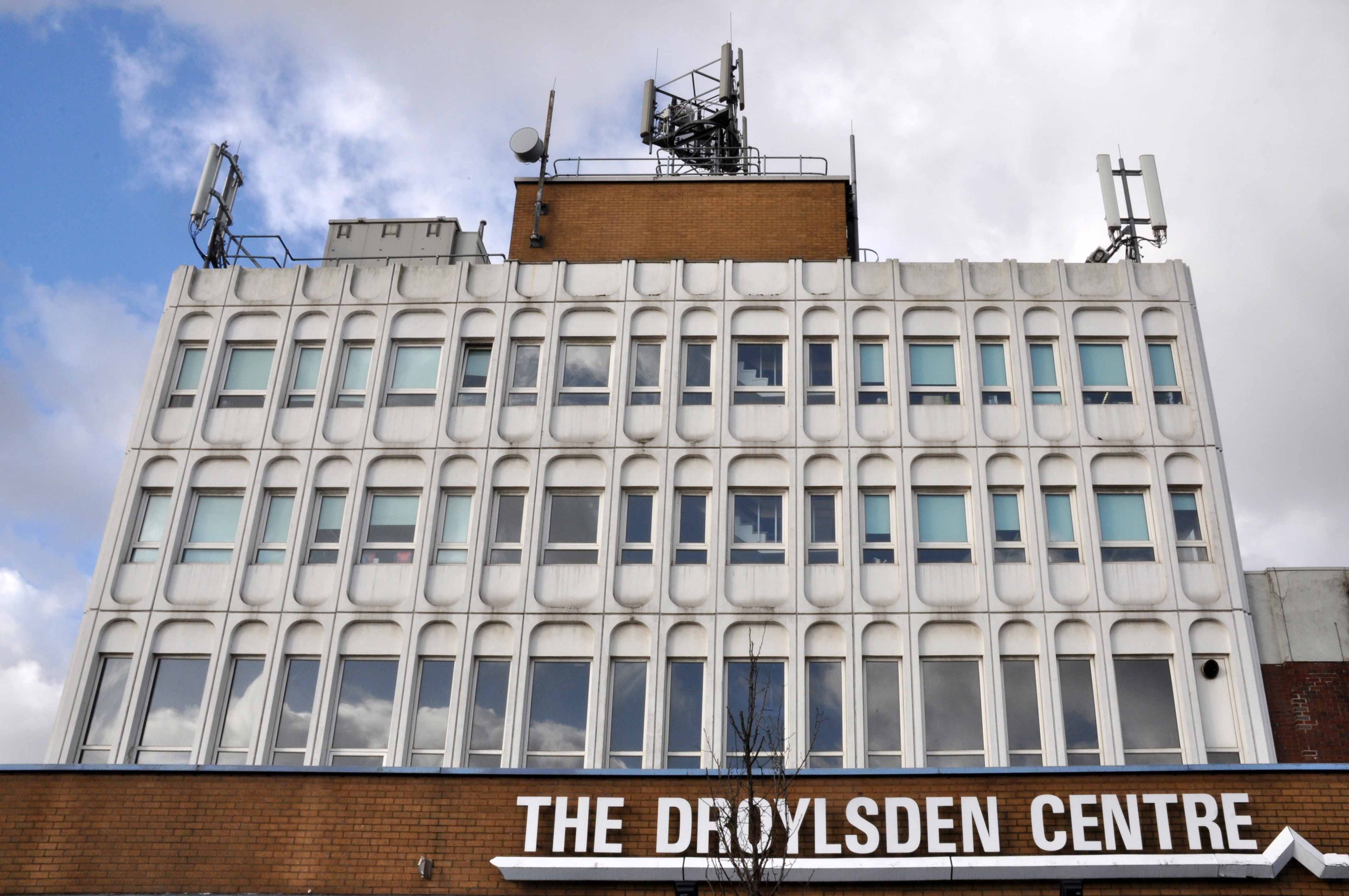
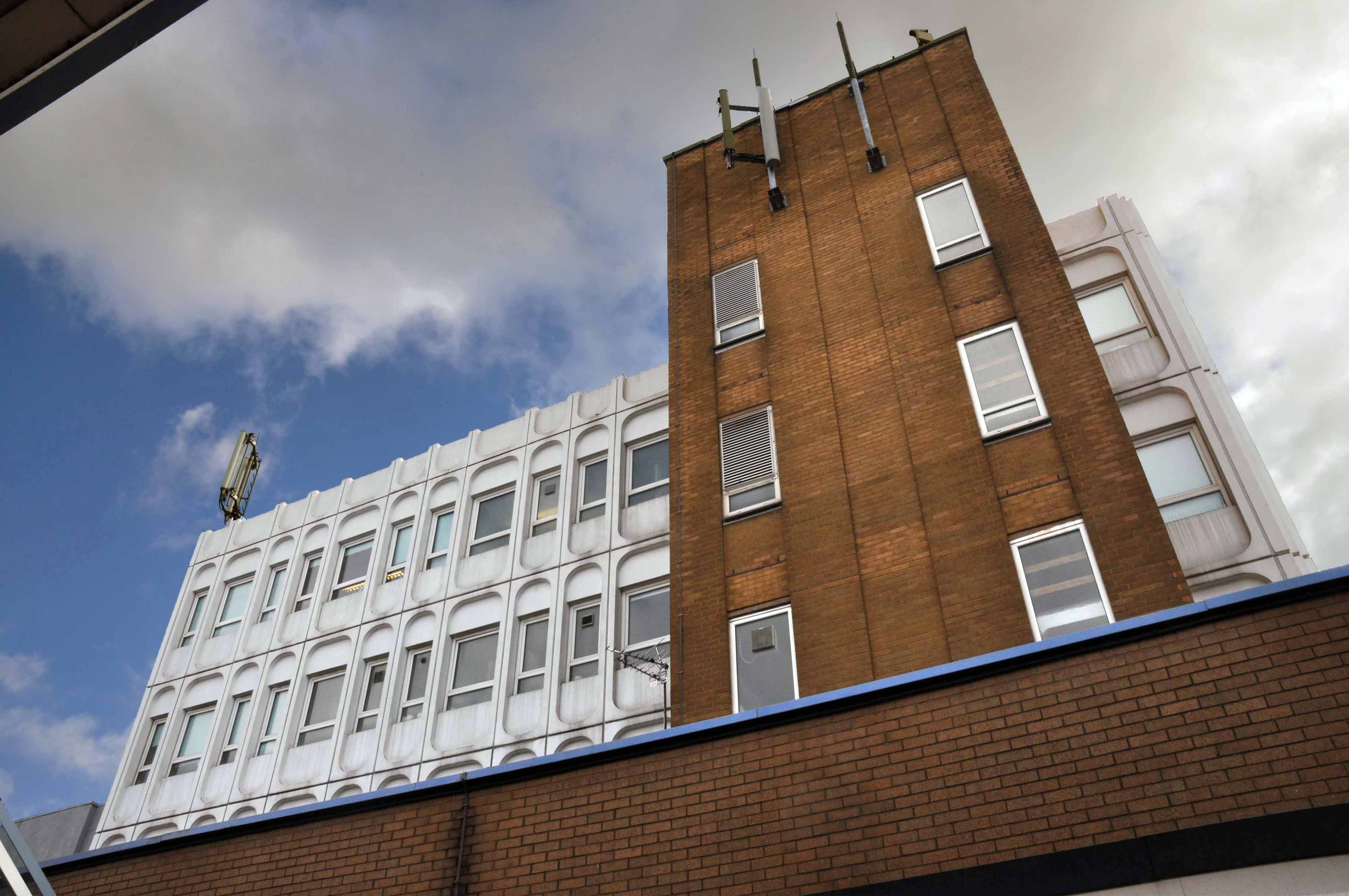
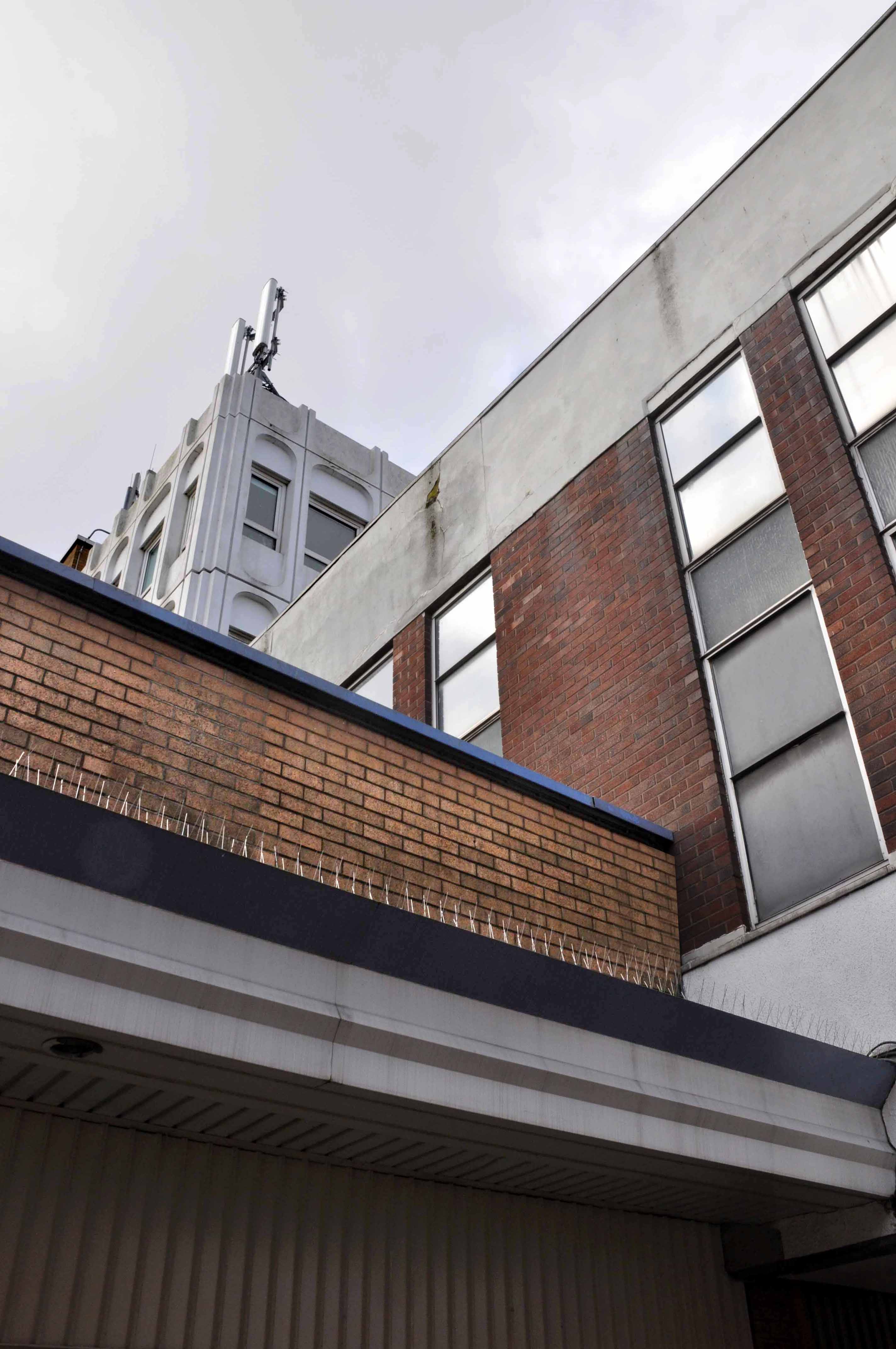
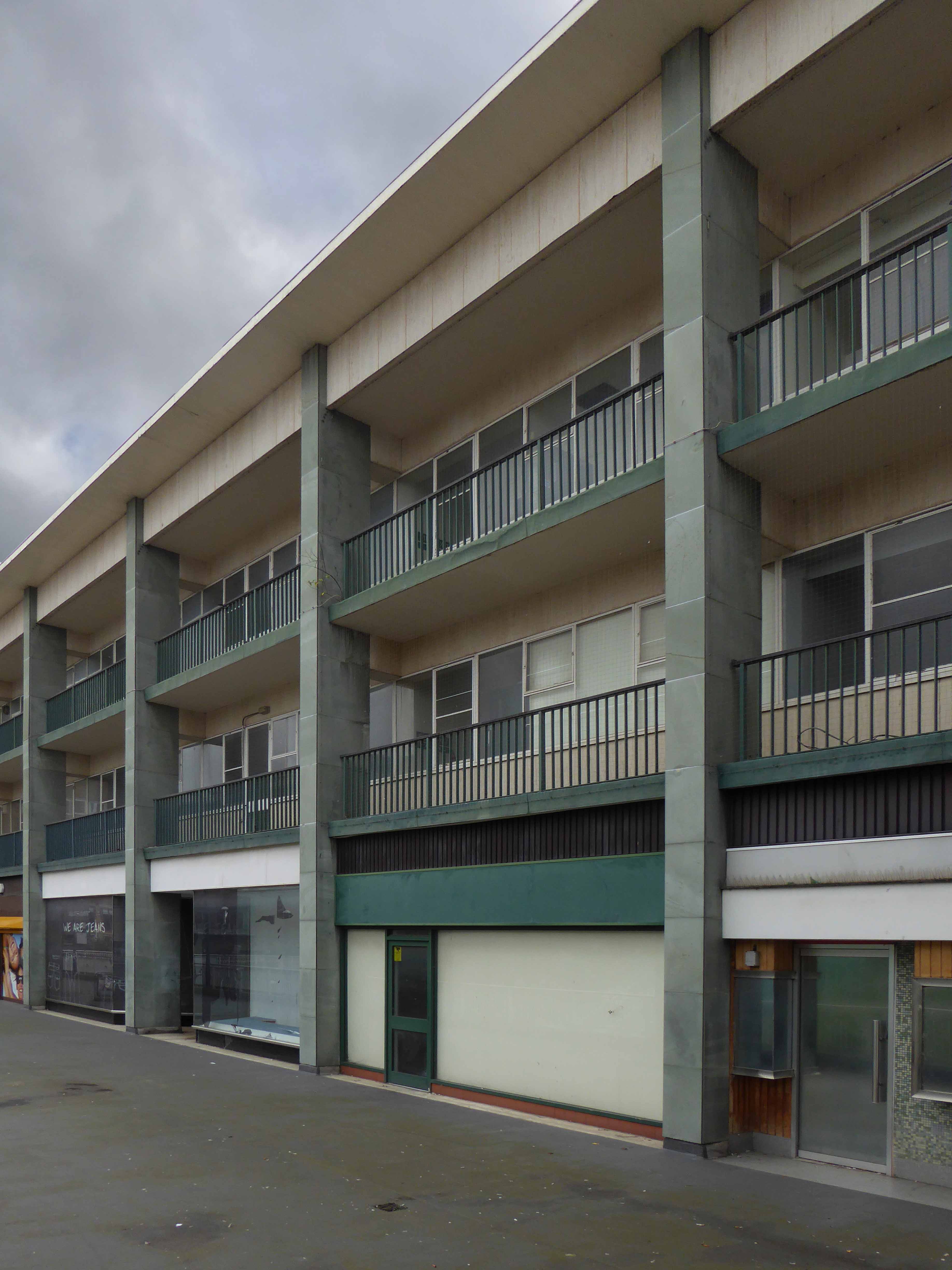
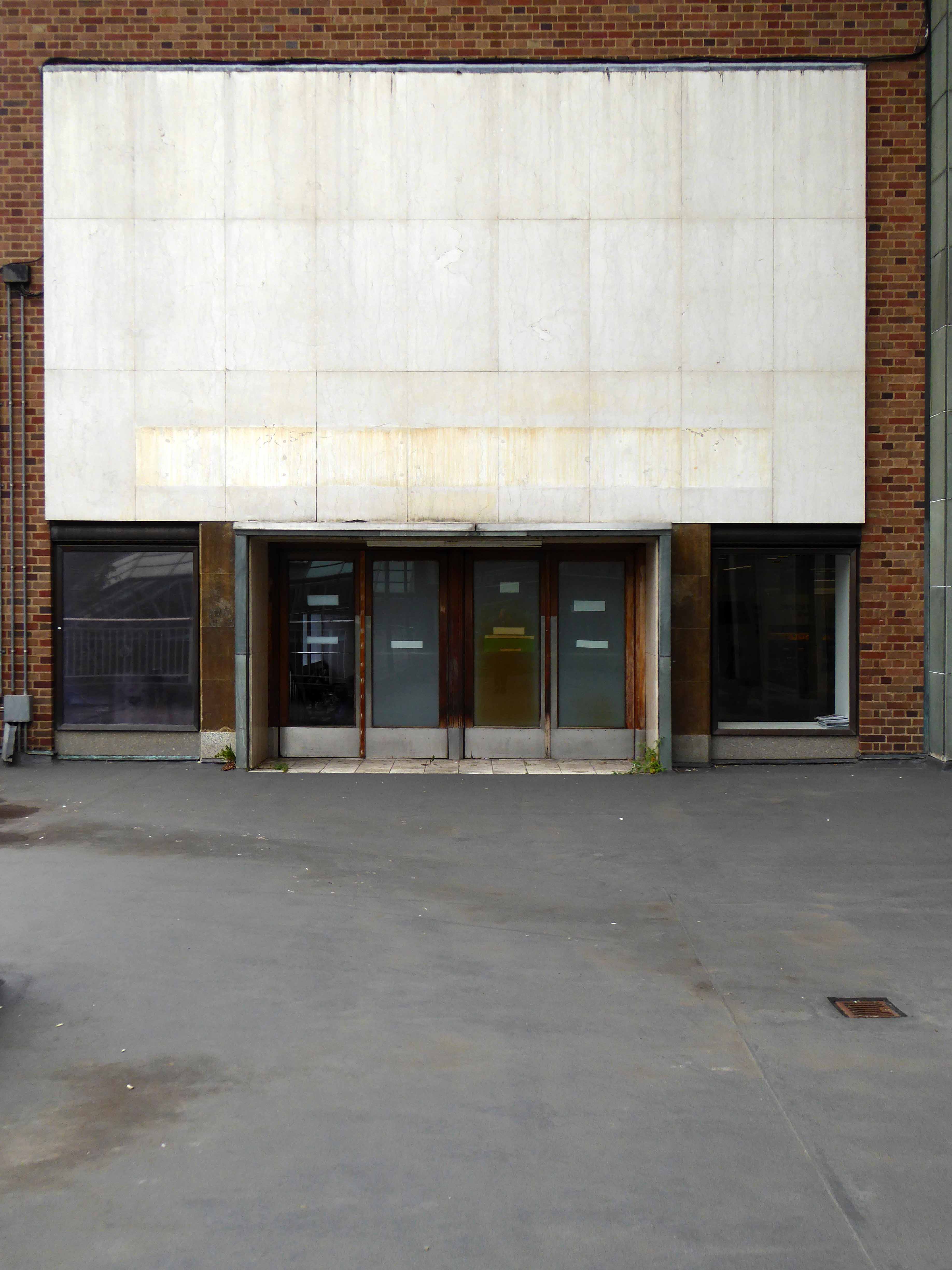
I’ve passed by for almost all of its life, marvelling at its white modular space age panels. The wide paved piazza frontage affords the lucky viewer a full appreciation of its futuristic whole, a giddy mix of brick, glass and concrete optimism. Civic architecture has never seemed so sunny.

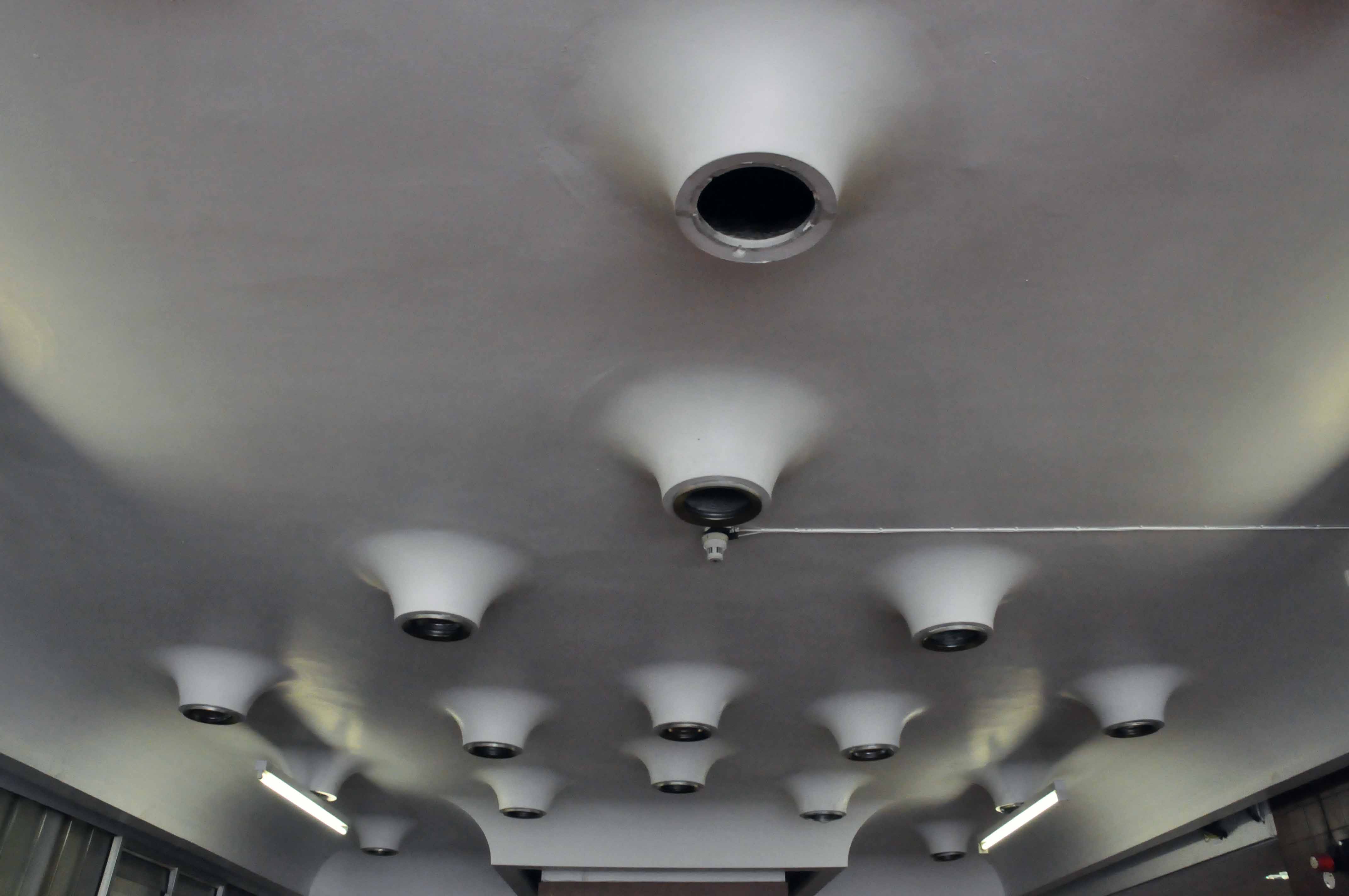
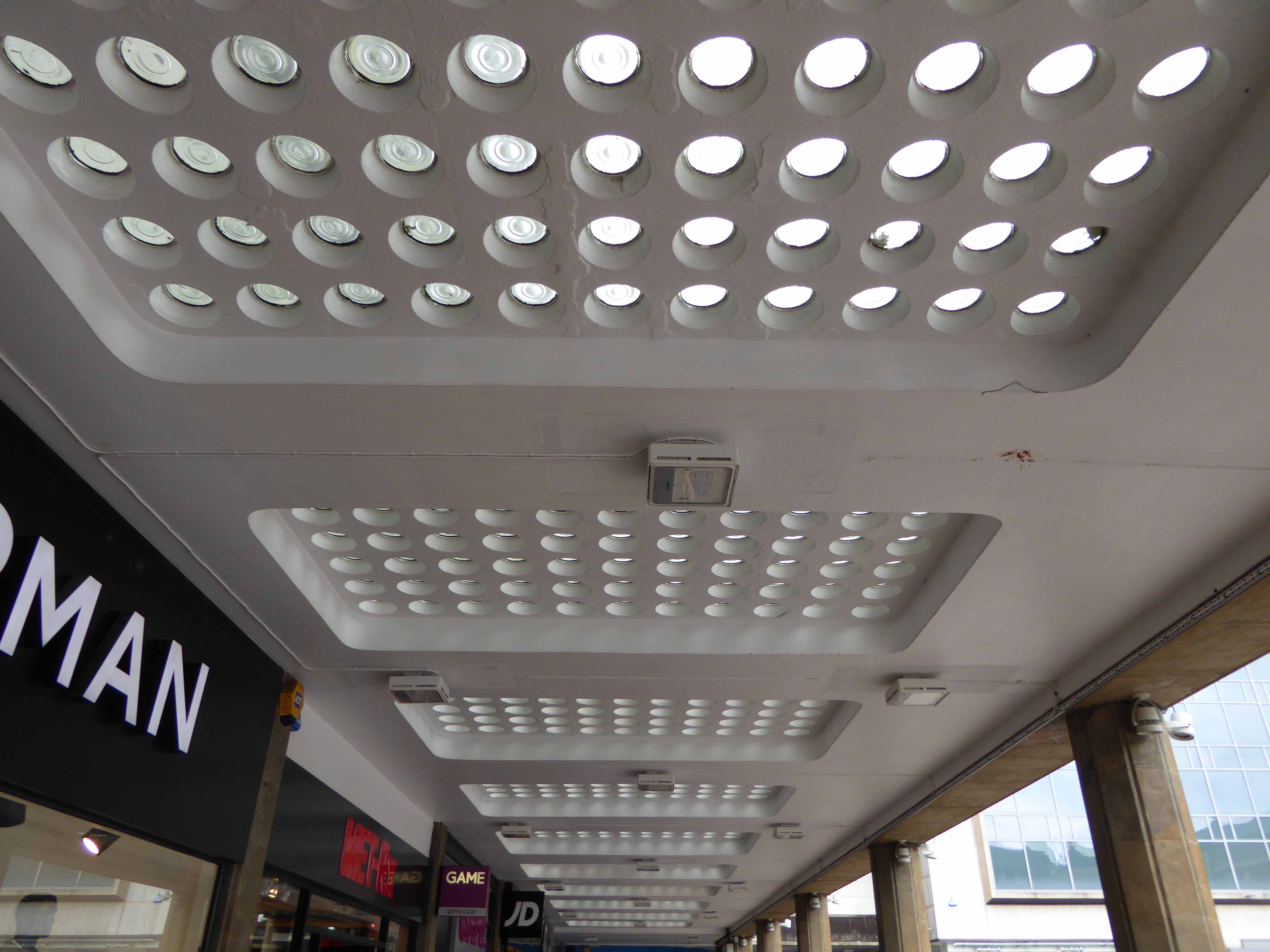
The interior lighting is straight out of 2001, white organic and fully functioning – the upstairs function room is available for functions at the junction of Market Street and Ashton New Road.

dsc_0415-copy
dsc_0417
dsc_0418-copy

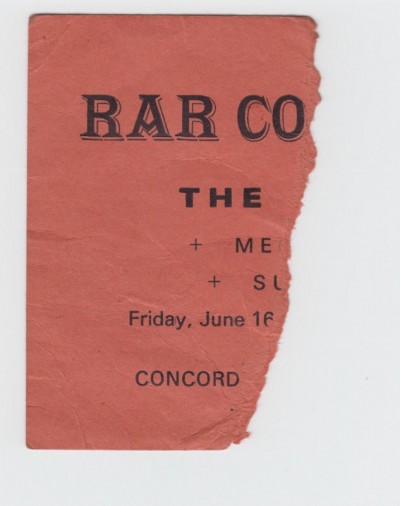
I saw The Fall there for the first time in 1978, suitably shambolic and suitably feisty.

1978-06-16_ticket-concordsuitedroylsden

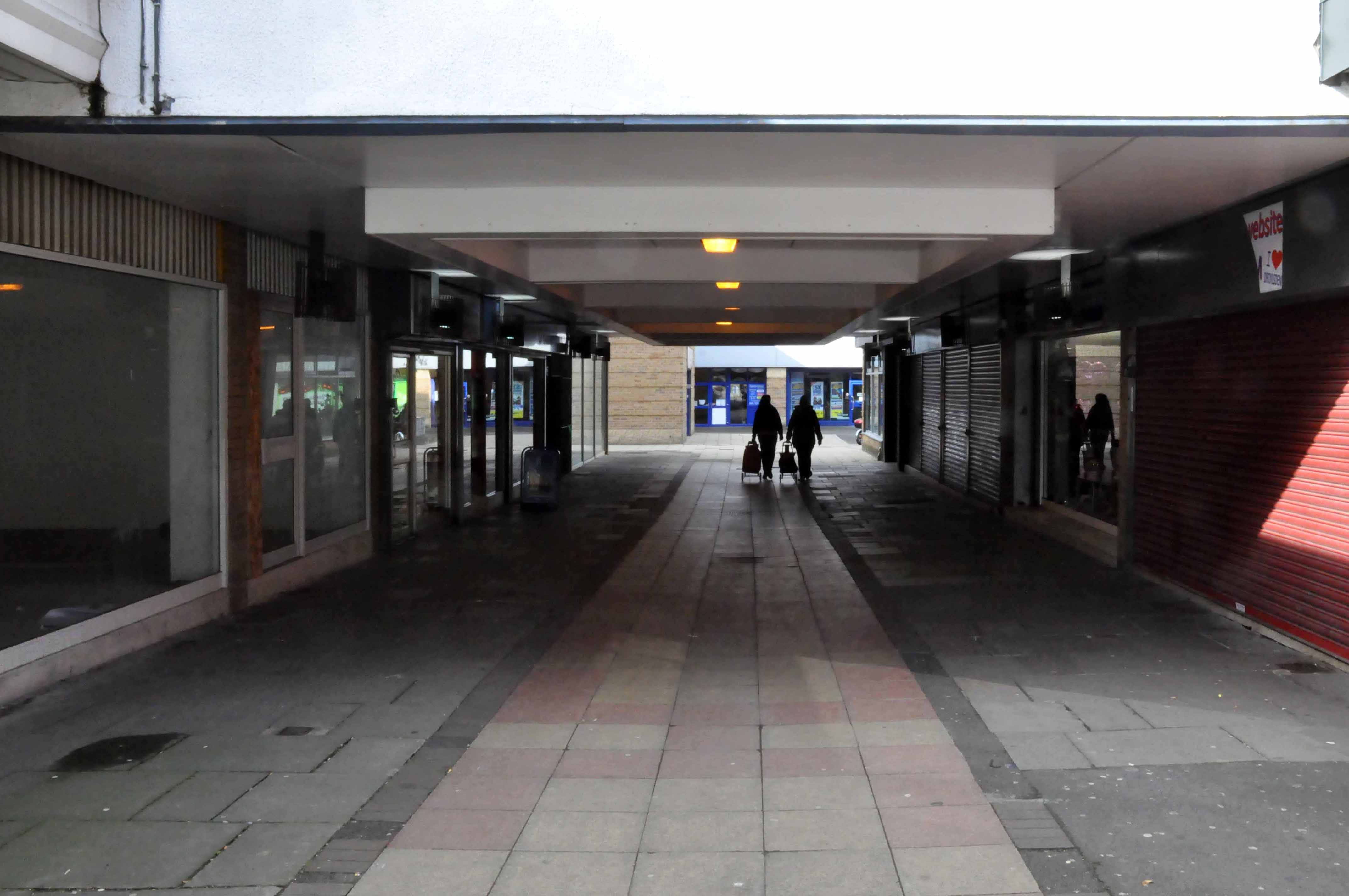
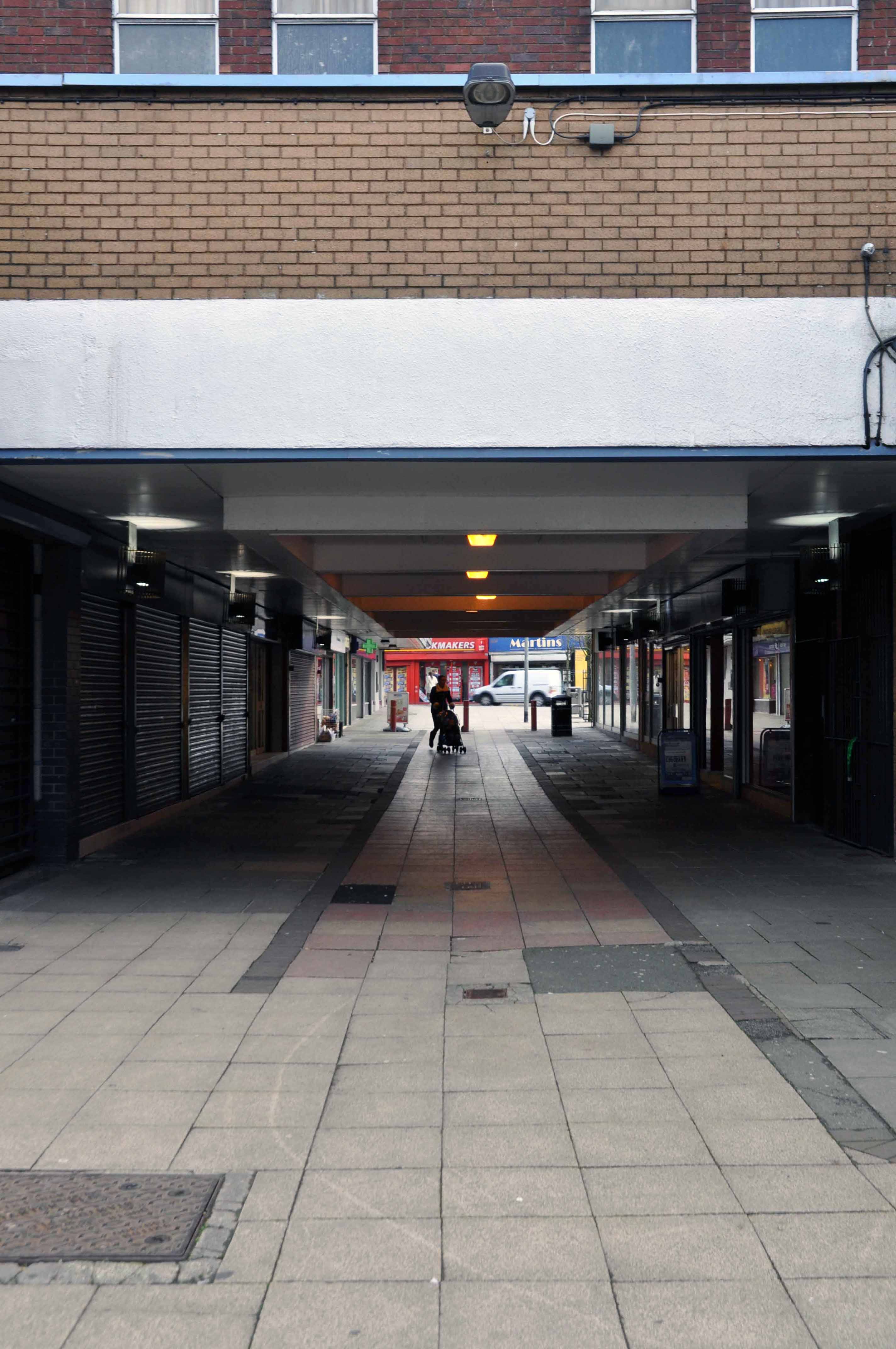
Renamed the Droylsden Centre on one side, it houses the regulation issue of charity shops and empty units. The main building is home to the Greater Manchester Pension Fund, soon to relocate to a new build across the road. The Concord will then provide a home for the workers leaving the now demolished Tameside Council Offices in Ashton.

The tram stops here.

dsc_0381
dsc_0375-copy
dsc_0377-copy
dsc_0379-copy
dsc_0383-copy
dsc_0380-copy
dsc_0389
dsc_0397-copy
dsc_0399
dsc_0400-copy
dsc_0401
dsc_0413-copy
dsc_0403
dsc_0409
dsc_0404
dsc_0407
dsc_0412-copy

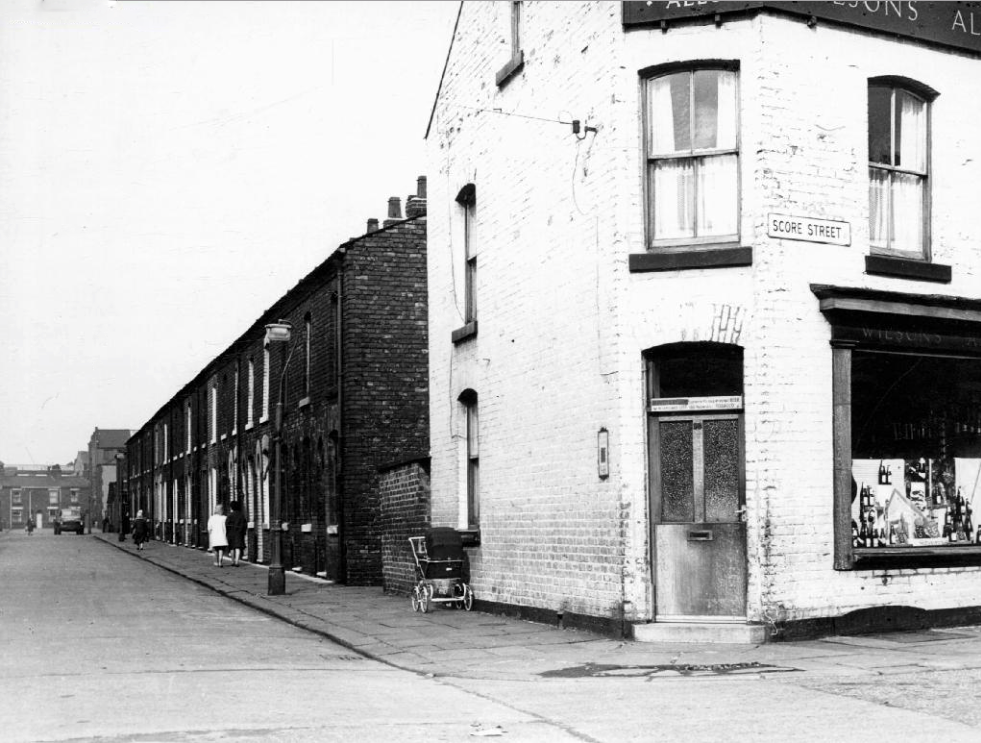
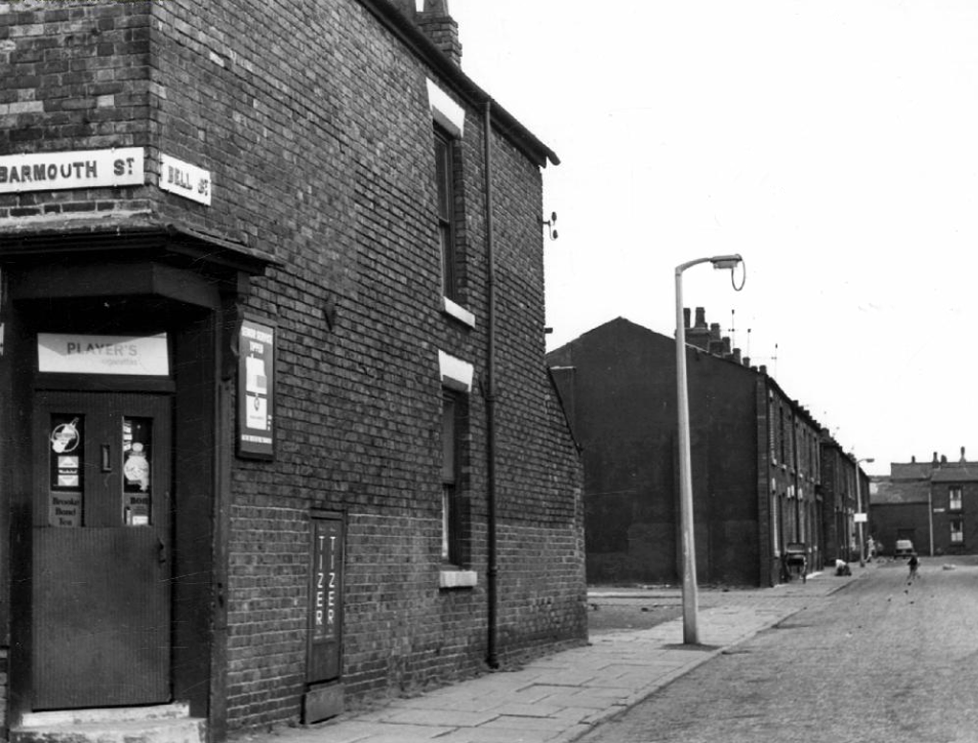
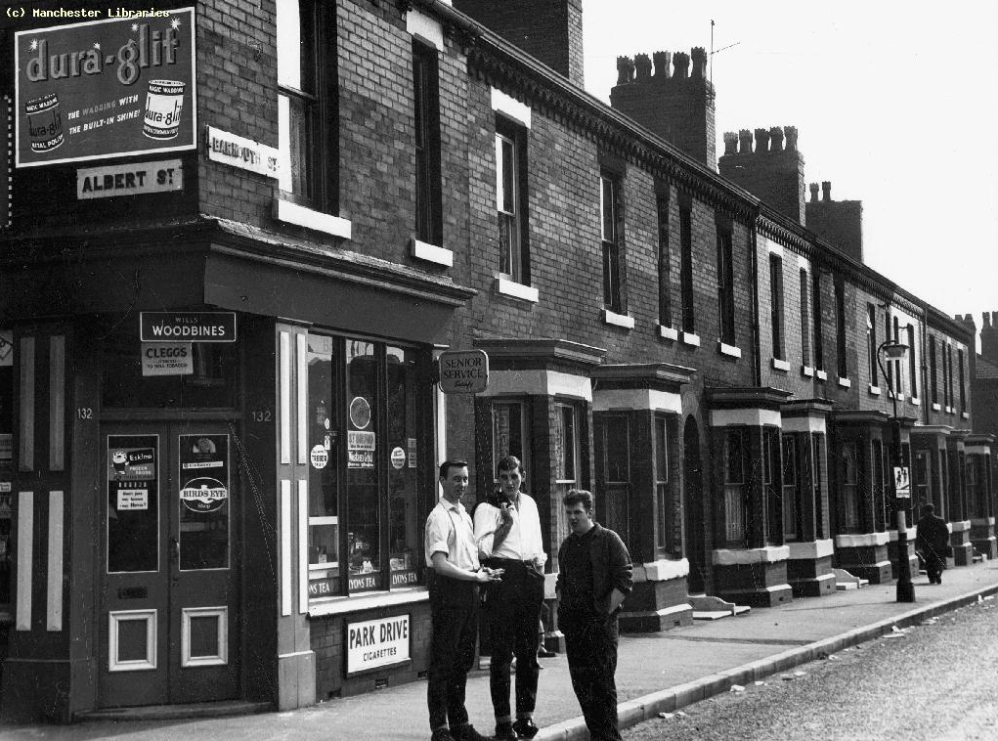
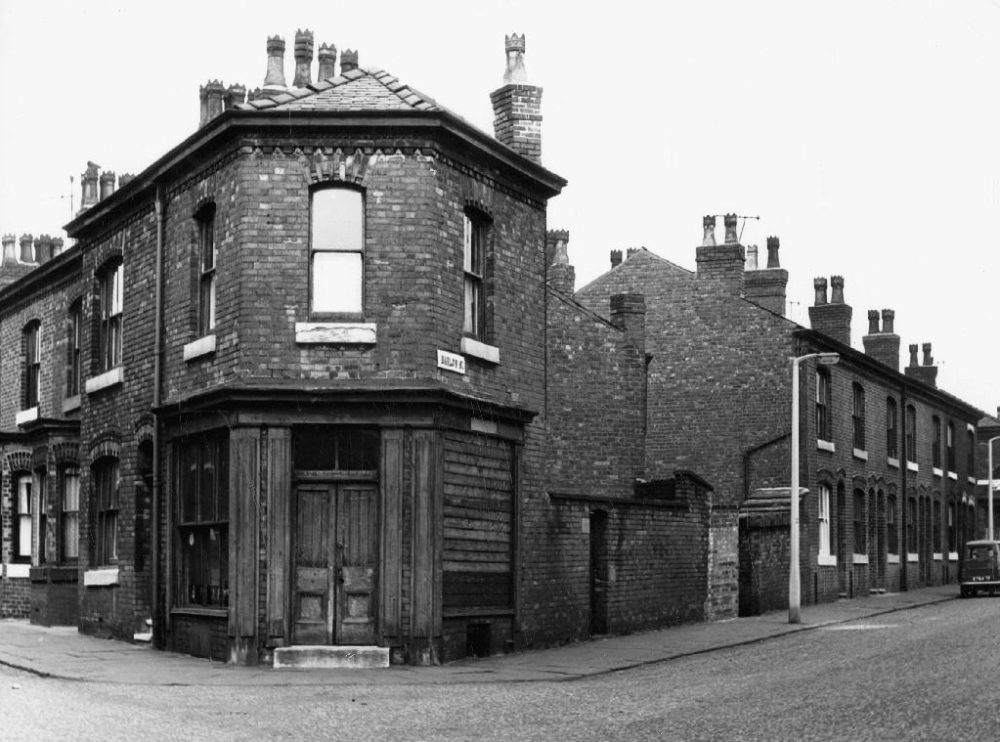
Barmouth Street – Bradford Manchester

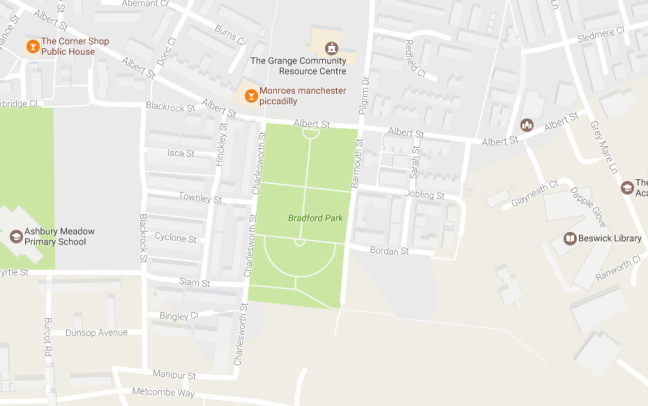
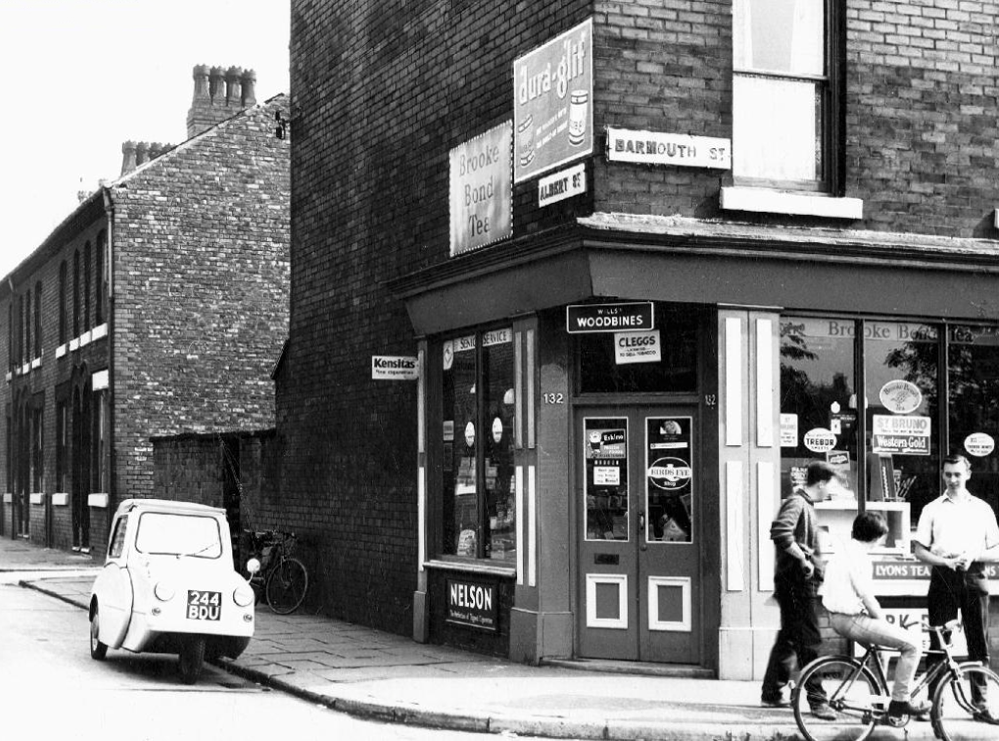
Once again I am following in the footsteps of Rita Tushinghan and the Taste of Honey film crew, this time my research has lead me to Barmouth Street, Manchester.

screen-shot-2017-02-11-at-14-42-03

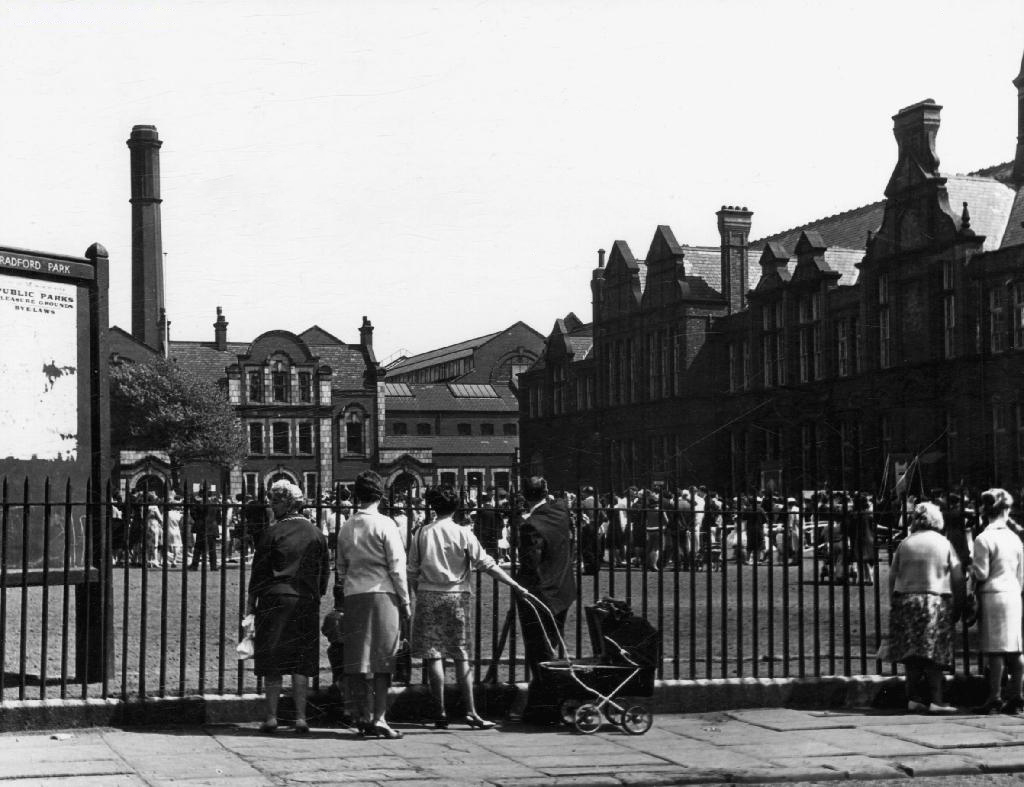
To the east of the city centre, Bradford Park School was the scene of the opening scene, Jo’s netball match. The school is now long gone, now the site of a much enlarged public park, as can be seen from the map above.

Shelagh Delaney, author of the original play on which the film was based, can be seen fleetingly in this opening scene, appearing momentarily over the games teacher’s shoulder.

screen-shot-2017-02-11-at-14-43-12

I have found one archive image of the school, as the scholars prepare for the annual Whit Walks, this along with many other community traditions and conventions, have all but disappeared from the streets of the city.

webmedia-php

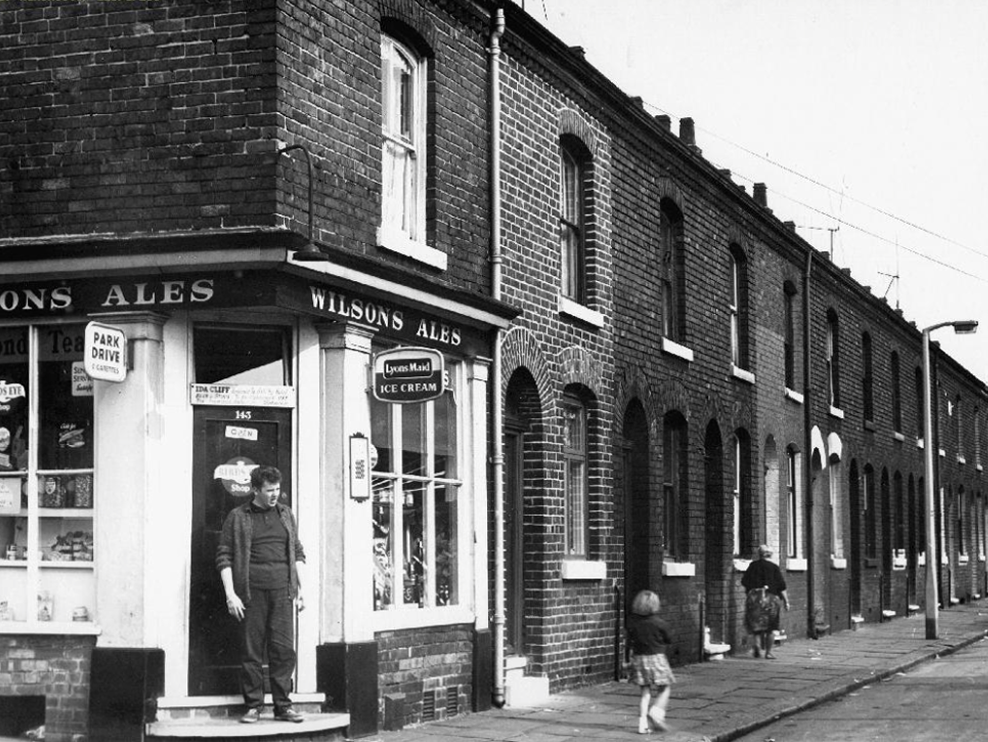
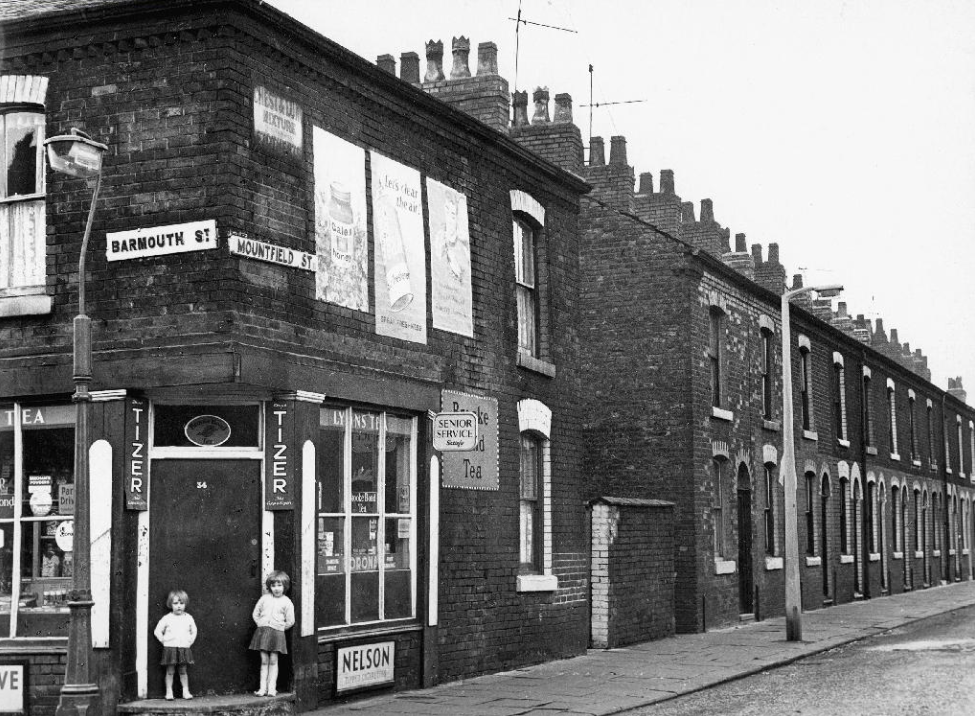
This was once a tight knit community, surrounded by industry, full employment and a short lived period of post-war growth and optimism.

A corner shop on very corner, though by the time I worked as a Mothers Pride van lad in the late sixties, many were already on their last legs. A lethal cocktail of closing factories, incipient supermarkets, and an urban renewal programme, which lead to slum clearance, would change the character of the area forever.

screen-shot-2017-02-08-at-11-59-09

screen-shot-2017-02-08-at-11-59-38

screen-shot-2017-02-08-at-12-02-21

screen-shot-2017-02-08-at-12-03-37

screen-shot-2017-02-08-at-12-04-58

screen-shot-2017-02-08-at-12-05-23

screen-shot-2017-02-08-at-12-06-37

screen-shot-2017-02-08-at-12-00-28

I am indebted to the photographic work of T Brooks who seems to have spent much of the mid Sixties documenting the streets, his pictures are now kept here in the Manchester Image Archives. Sadly I have found no further reference to him or his images, but have nothing but admiration for all those who pass unnoticed amongst us, camera forever poised.

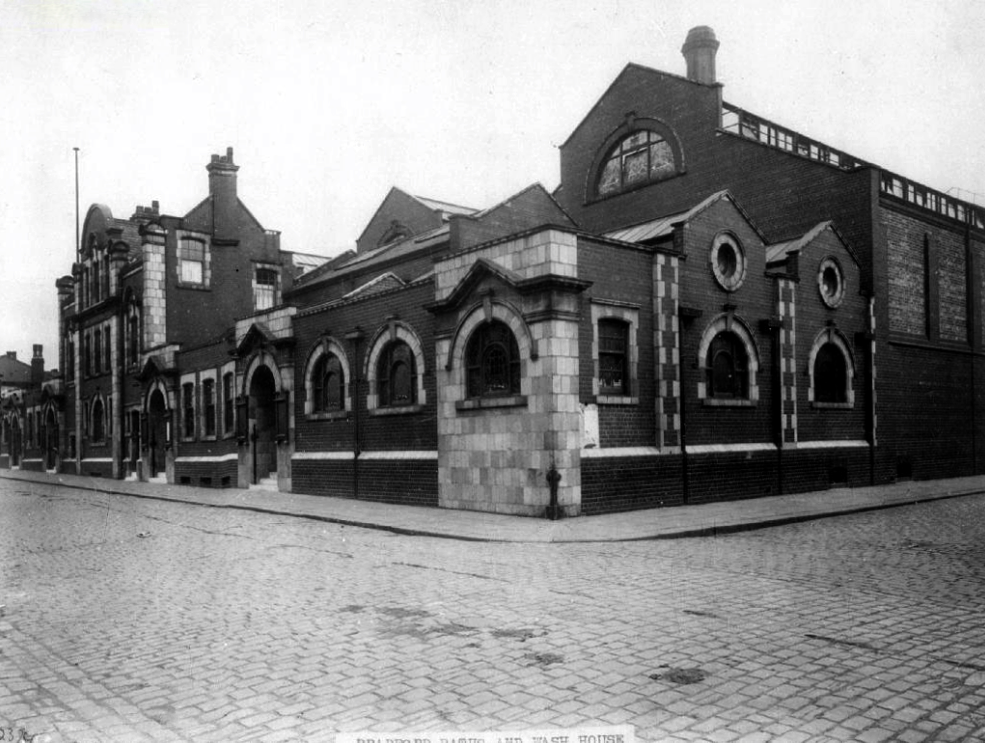
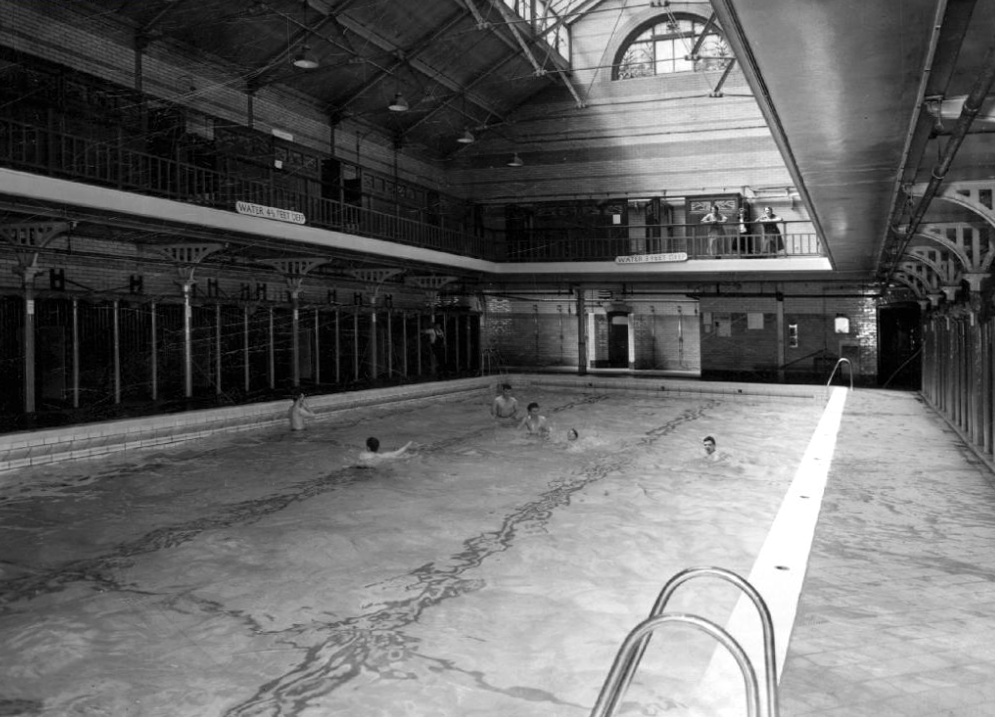
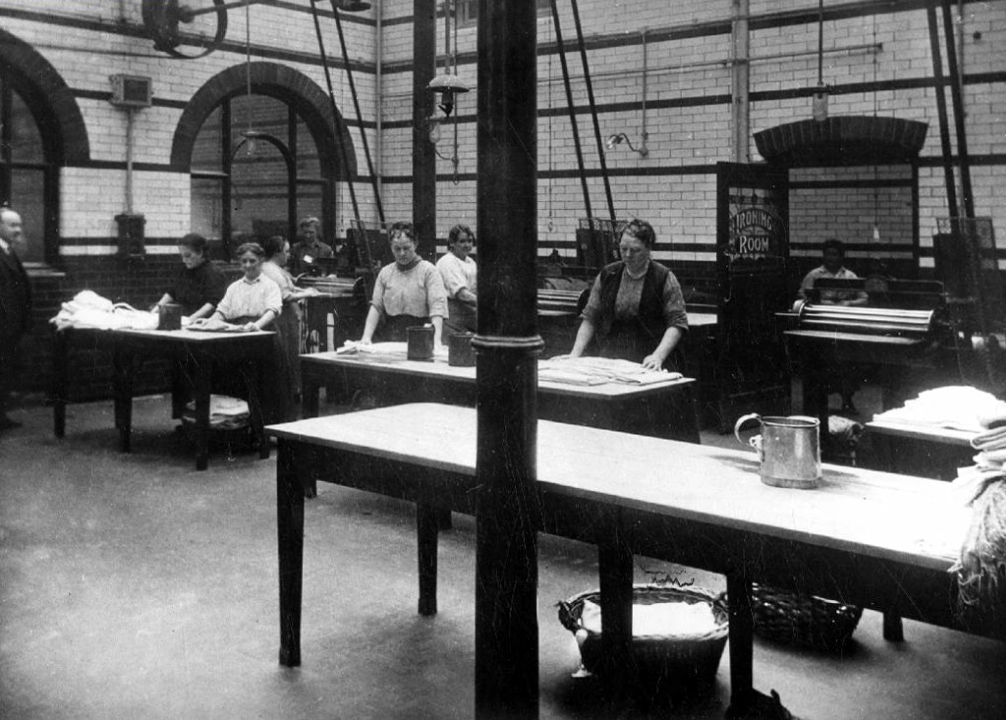
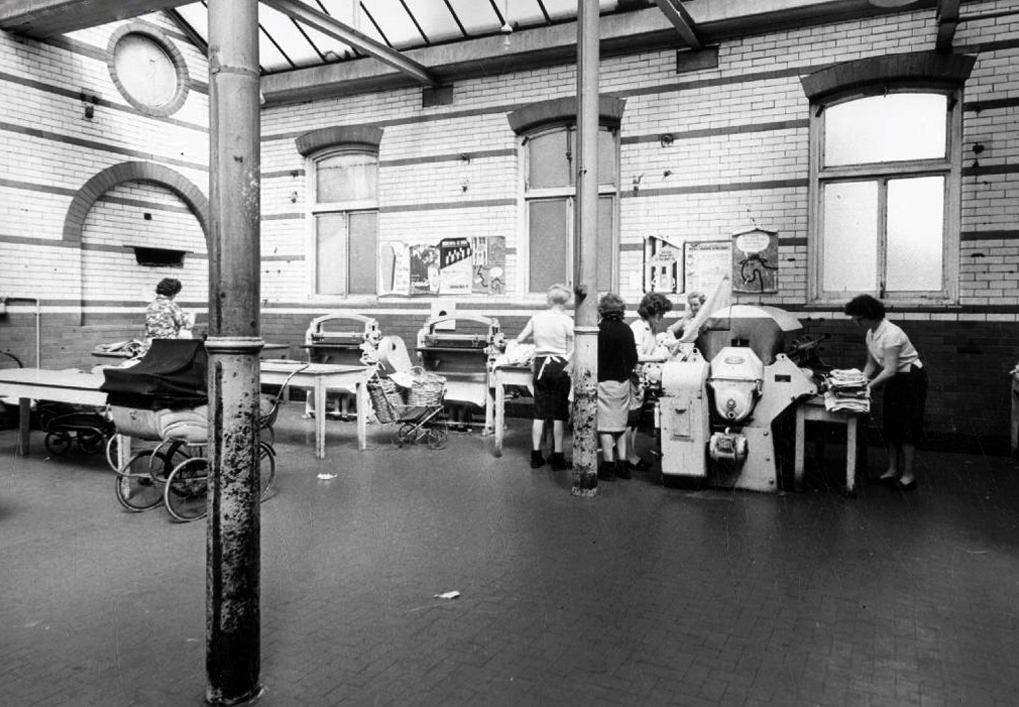
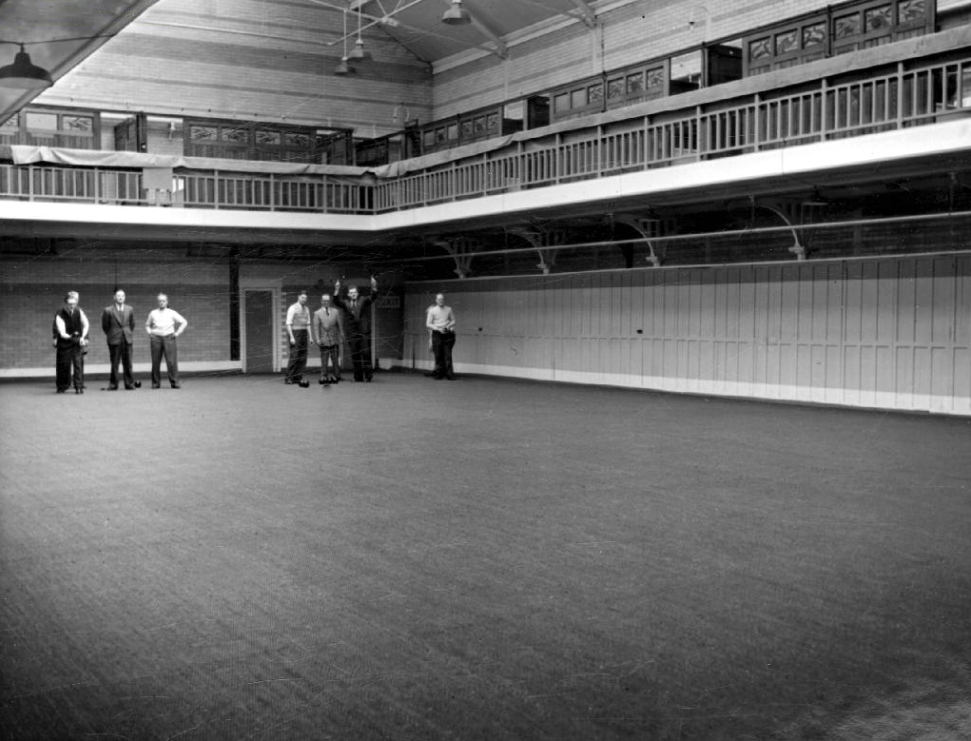
Central to the social and sanitary life of that that community were the Barmouth Street Baths and Washhouse, where citizens would swim, wash, dry, iron, chat convivially, and surprisingly – play bowls.

screen-shot-2017-02-08-at-12-08-14

screen-shot-2017-02-08-at-12-14-20

screen-shot-2017-02-08-at-12-17-35

screen-shot-2017-02-08-at-12-16-24

screen-shot-2017-02-08-at-12-15-54

Now long gone, along with the provision of local authority nursery care. There were similar low level pre-fabricated buildings dotted all over the city. Built quickly and cheaply, to provide for a growing population, of largely working-class families, with no shortage of work opportunities.

screen-shot-2017-02-08-at-12-07-54

screen-shot-2017-02-08-at-12-08-53

This was a time of great social change, a time which the film attempts to anticipate -a more diverse, and hopefully more tolerant time, a time of possibilities and opportunities for all.

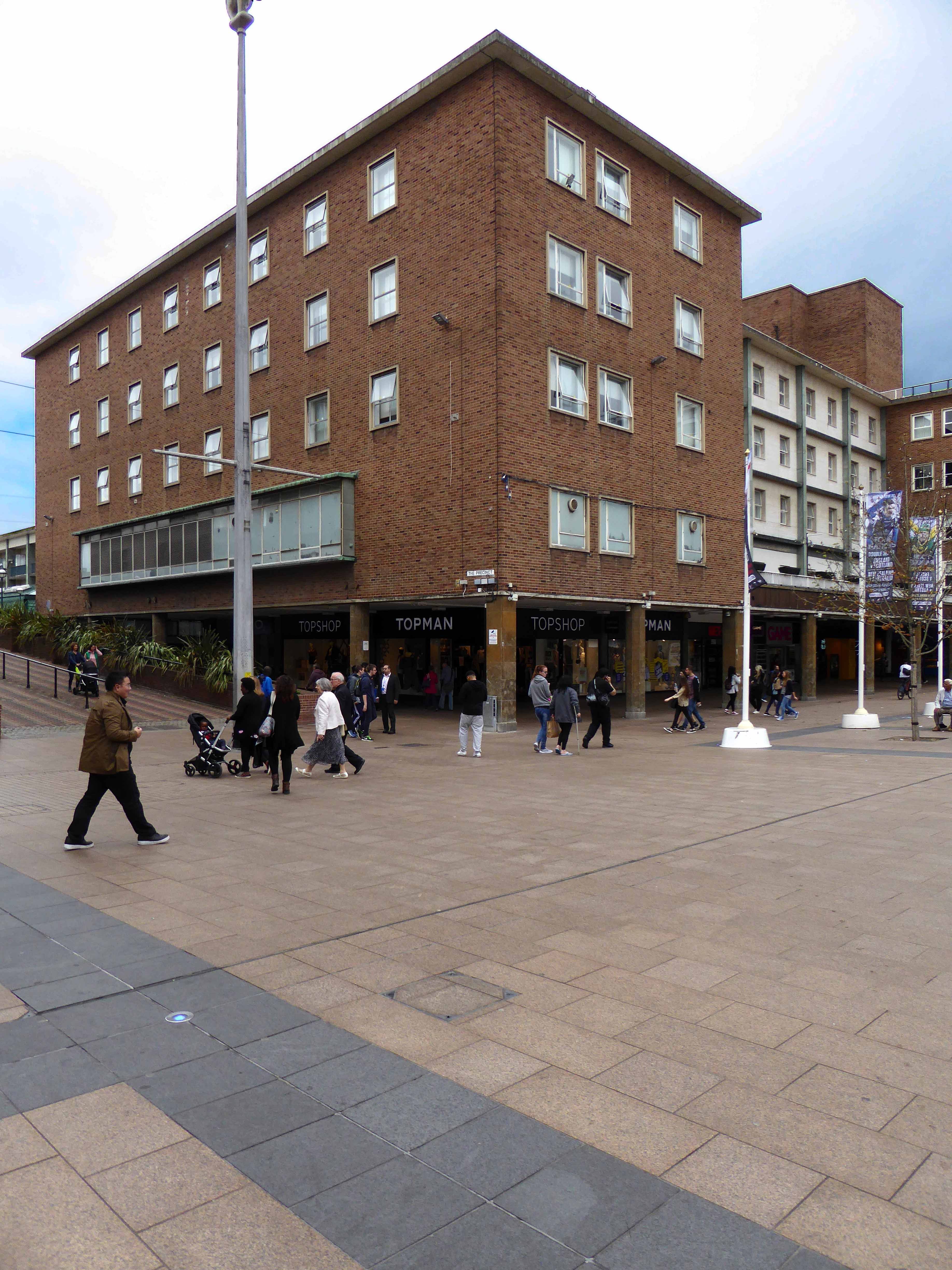
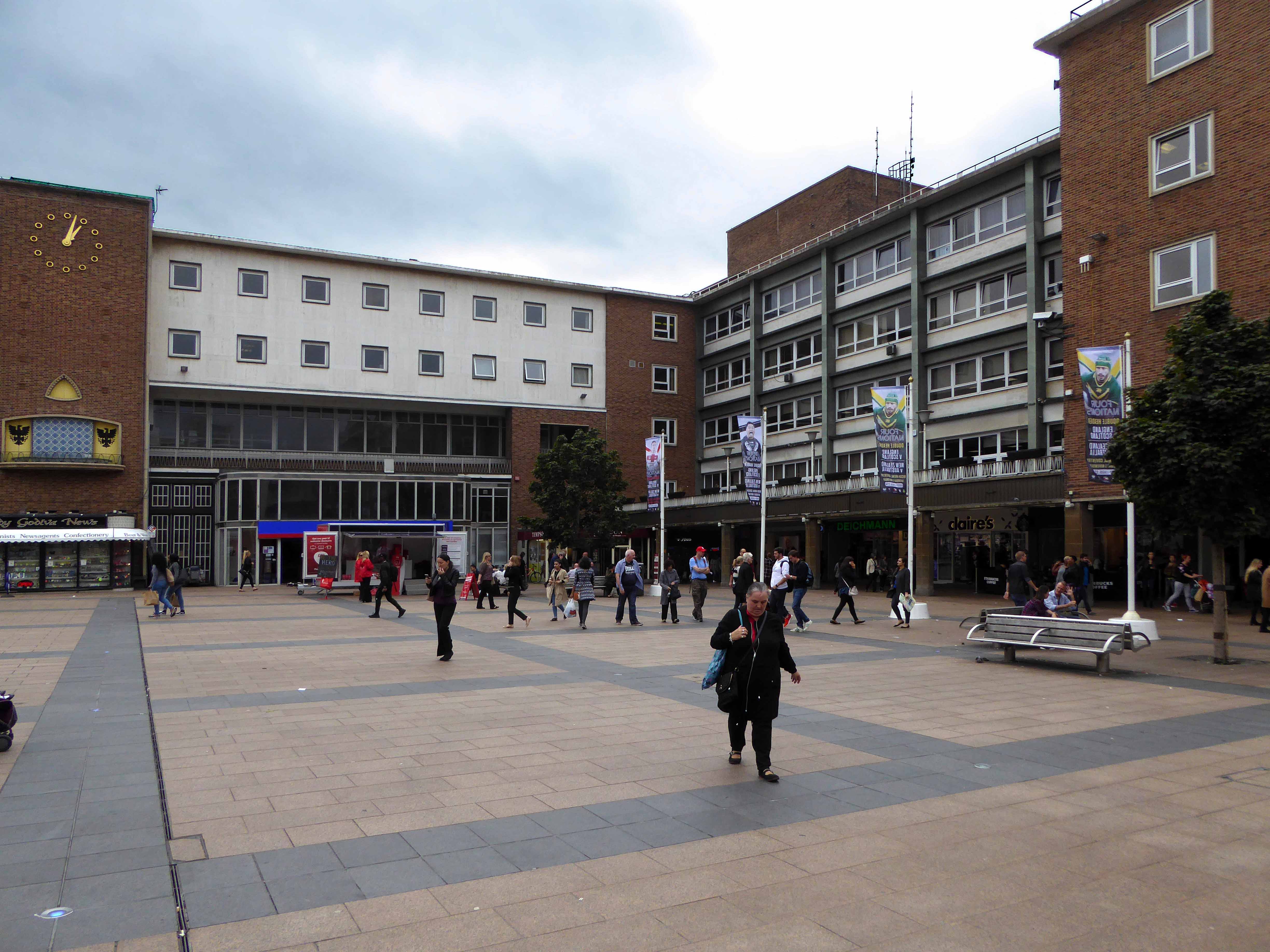
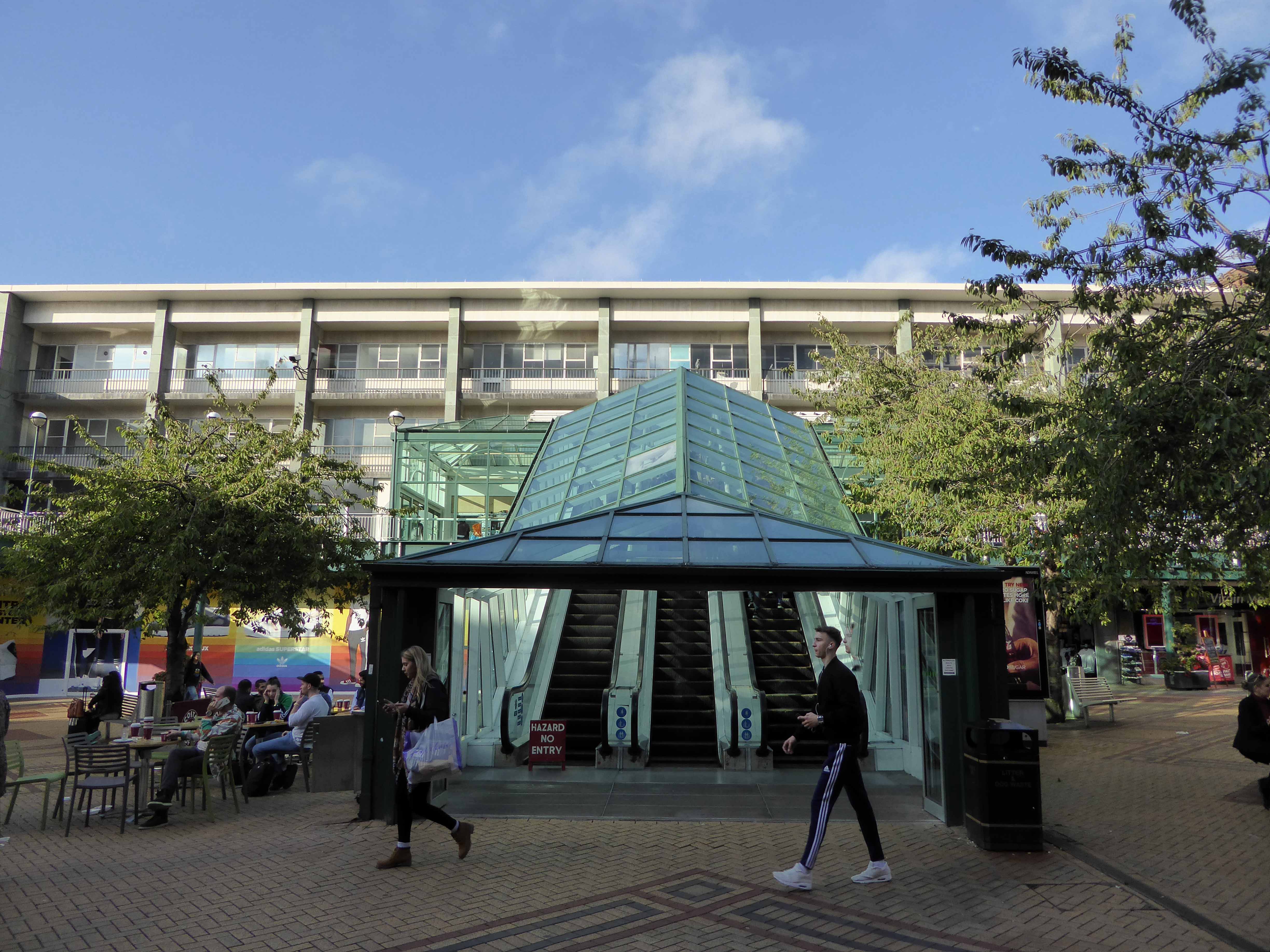
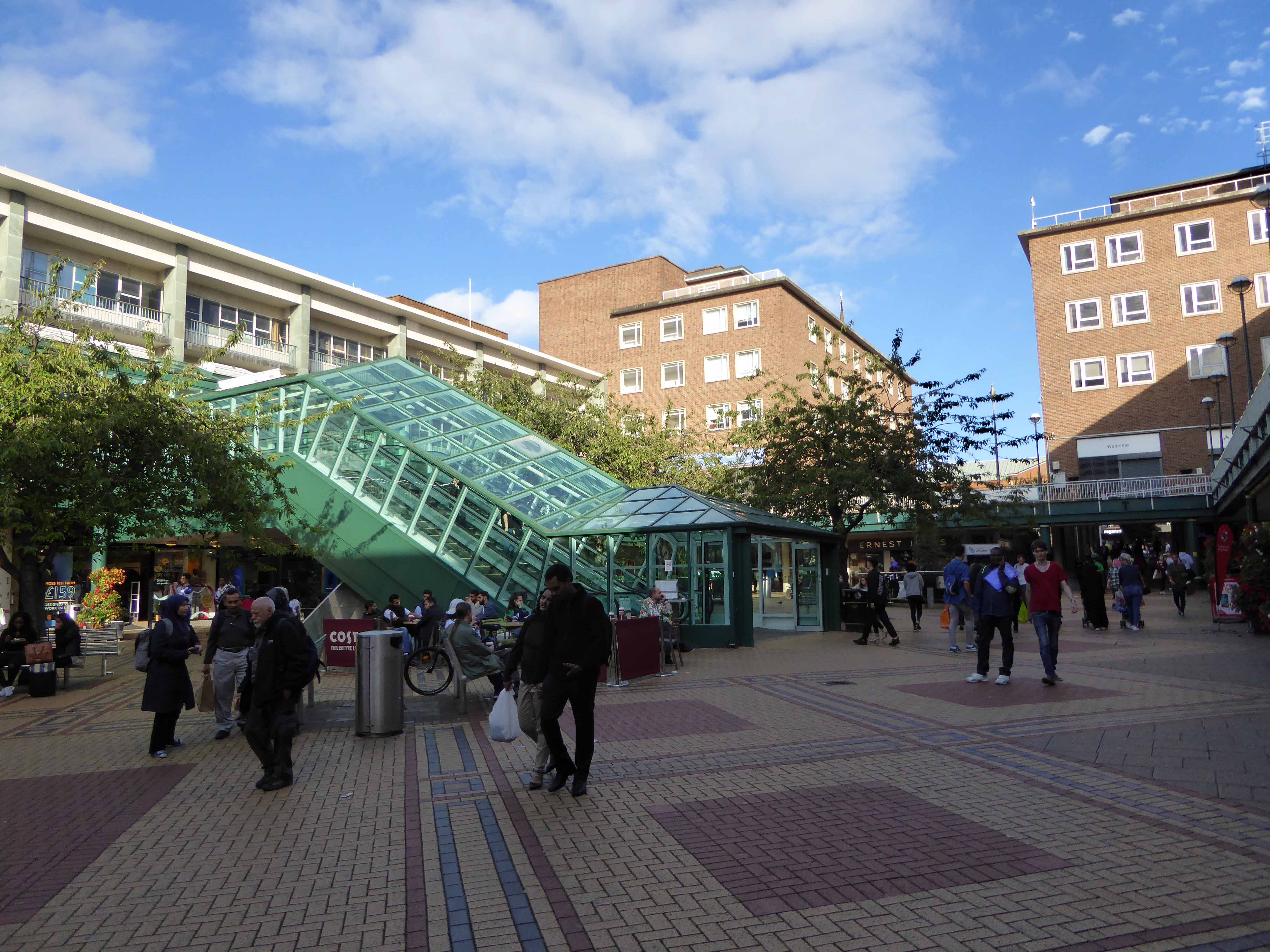
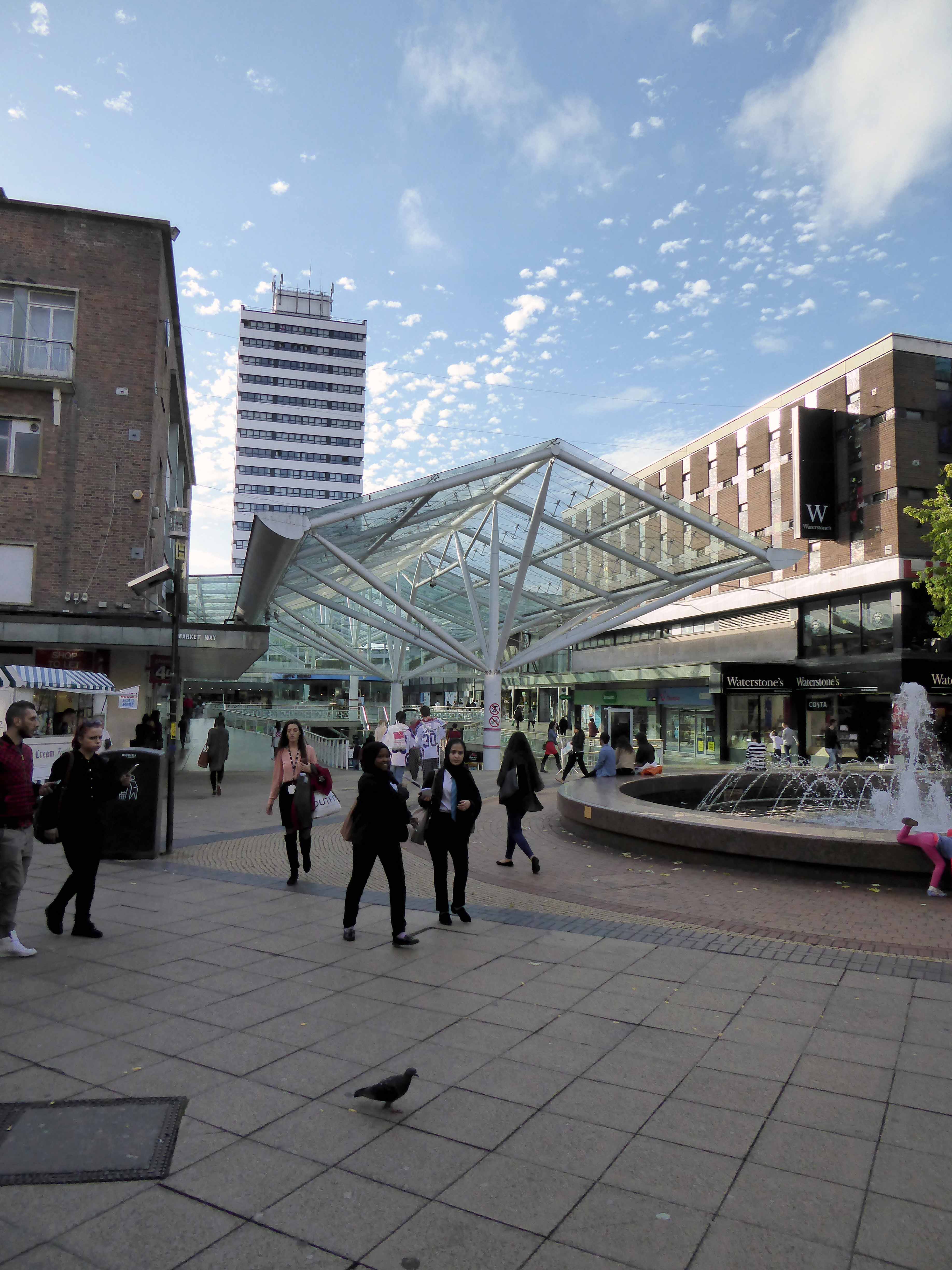
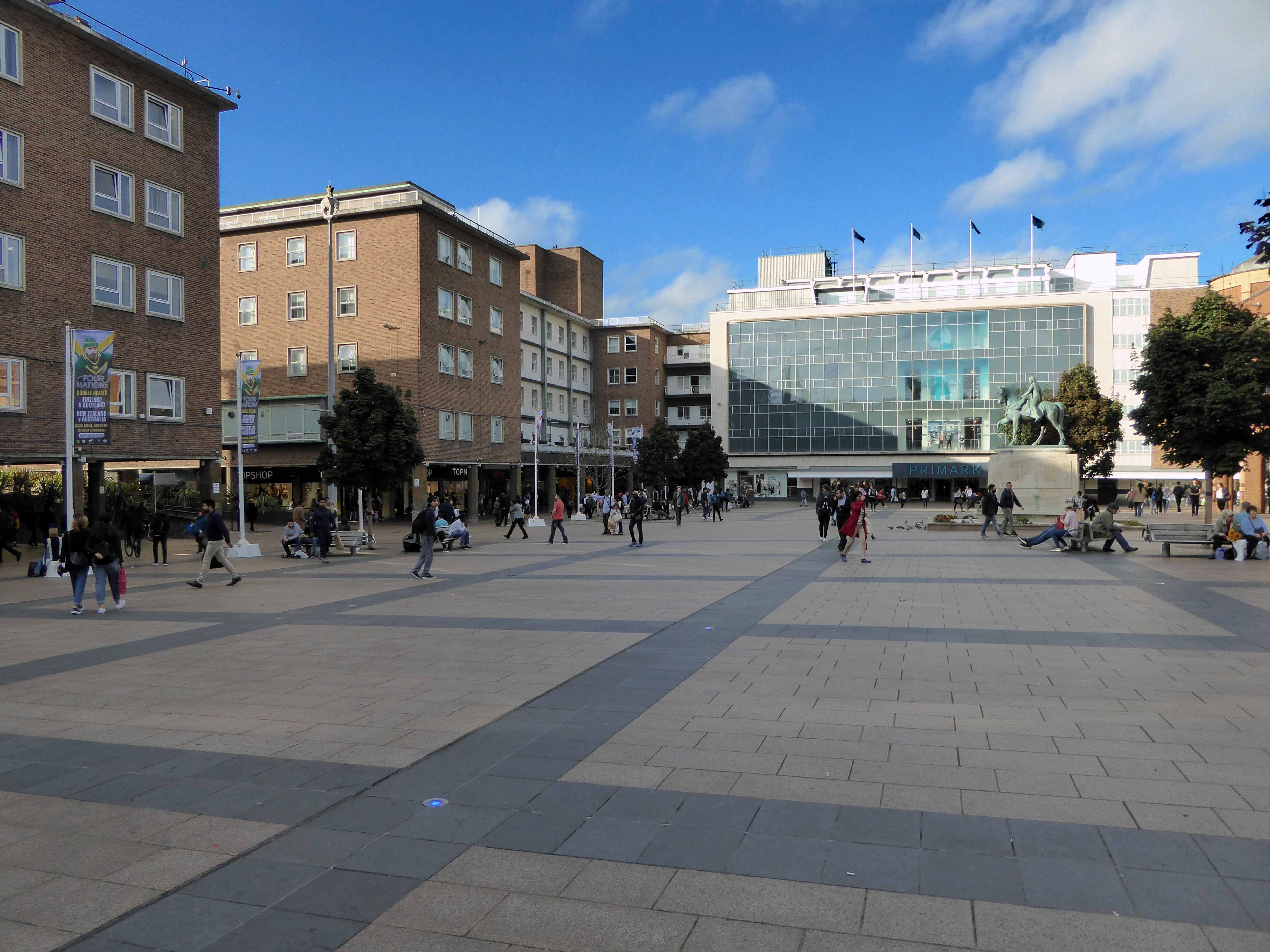
Coventry – Upper Precinct

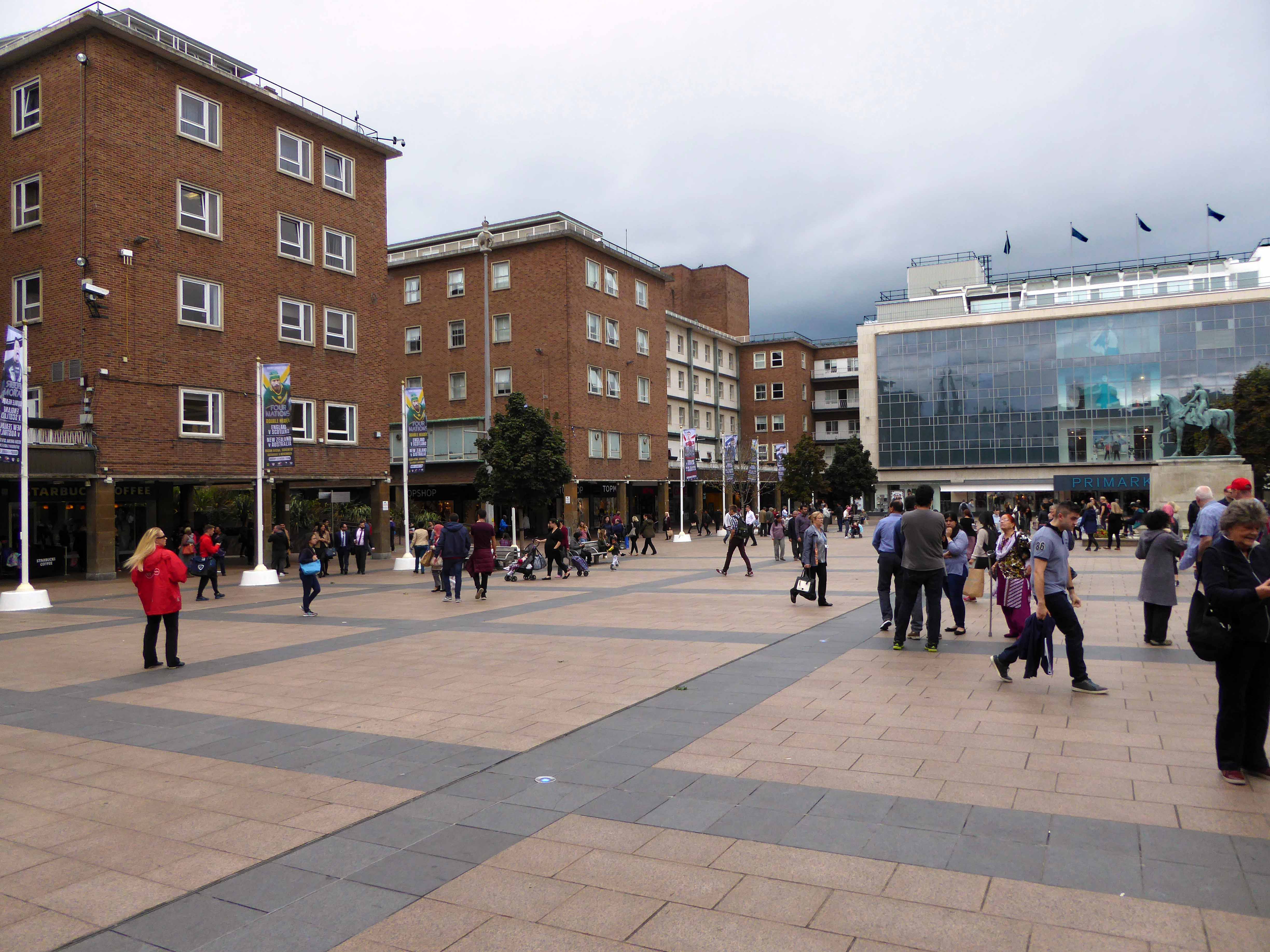
Here we are again wandering the pedestrianised precincts of Coventry  – having previously travelled by picture postcard and archival image.

Back to the future.

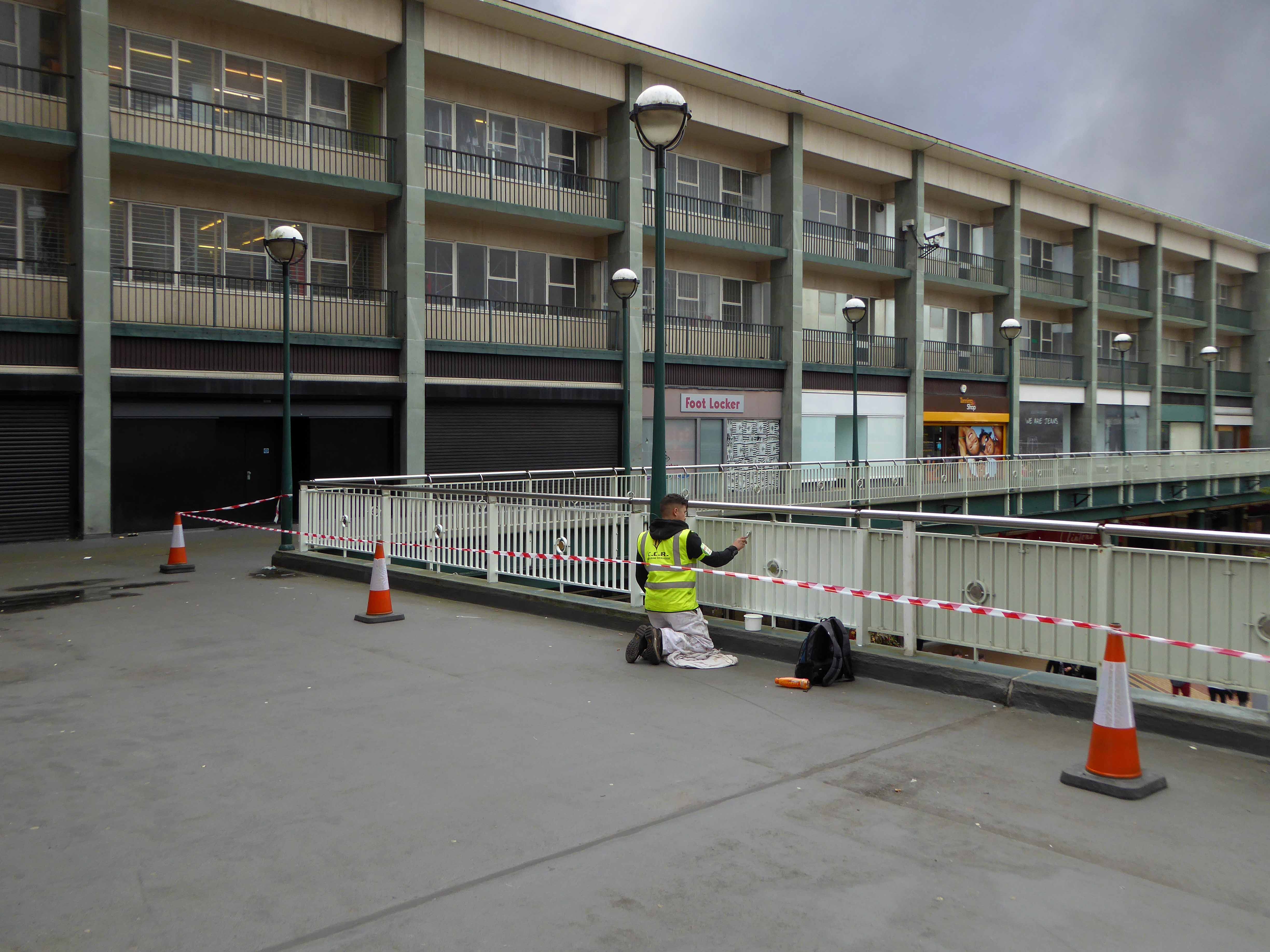
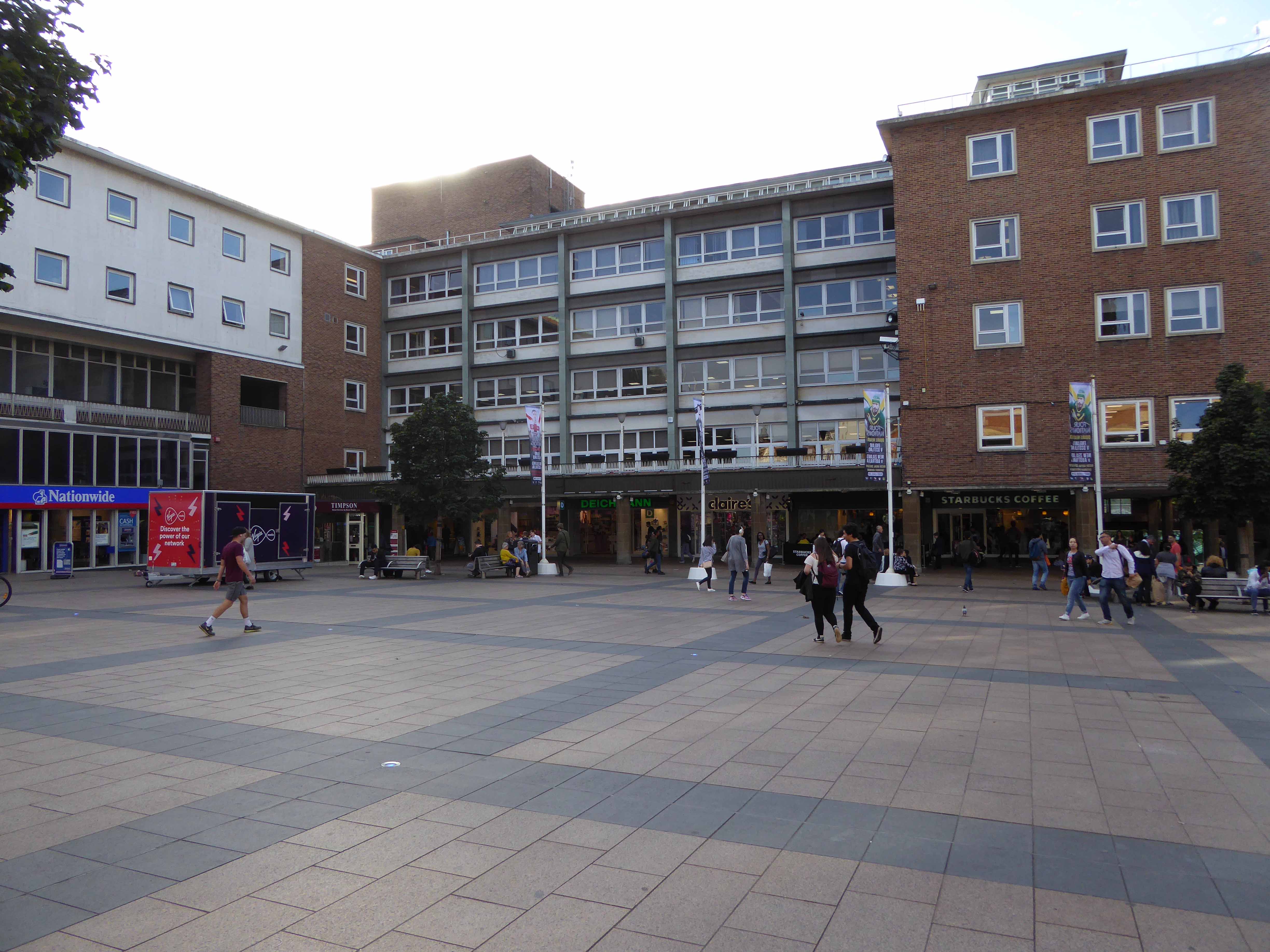
Today much of the original footprint and well-built brick, stone, glass and concrete structure prevails, with more recent retro fitted additions.

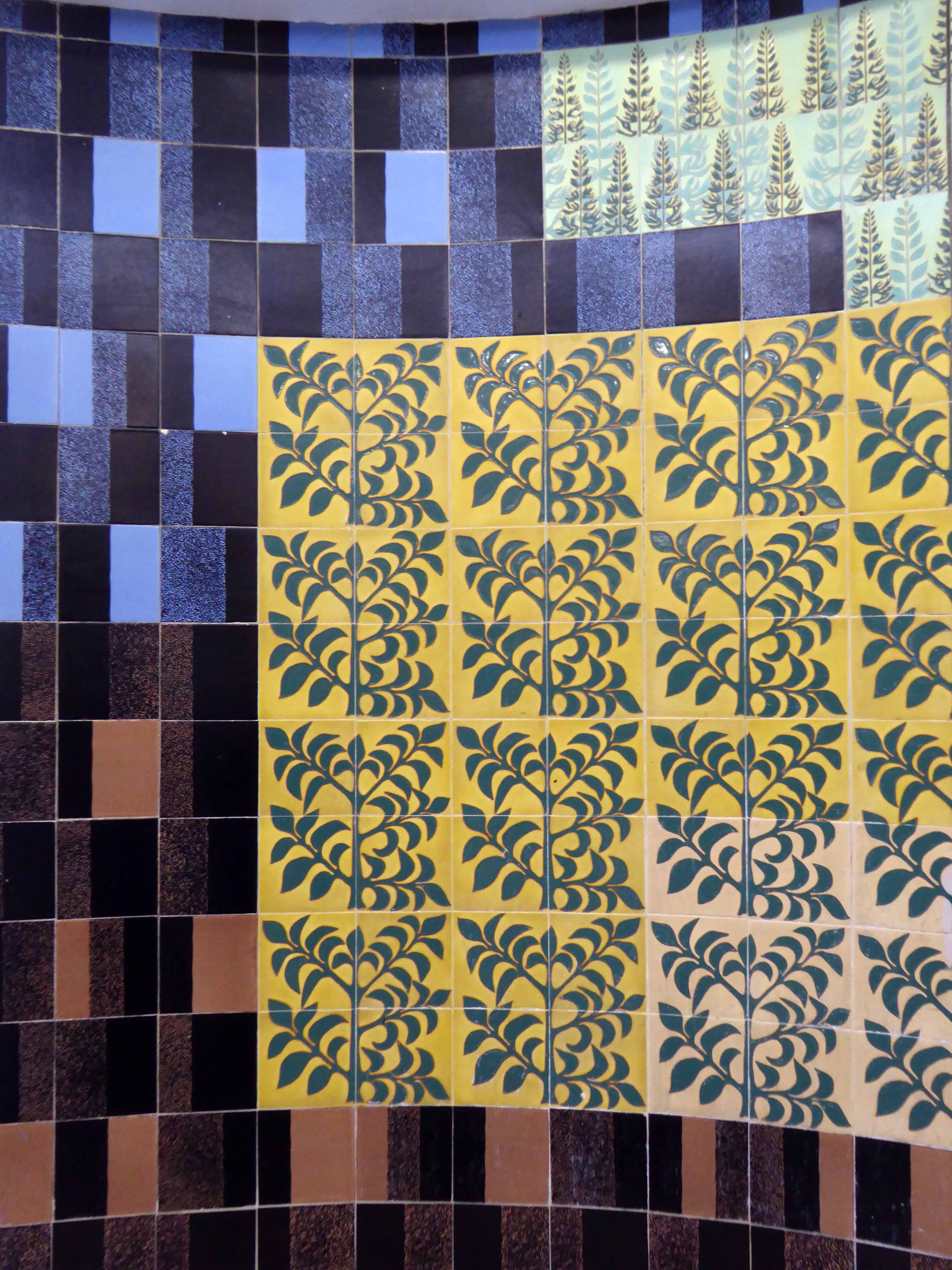
The Gordon Cullen mural has been renovated and re-sited.

Commissioned in 1957 on the recommendation of Arthur Ling – it was made by Carter’s Tiles of Poole.

Coventry Society

p1100005
p1100006
p1100009
p1100008
p1100013
p1100054
p1100055

Sadly only one of the neon sculptures, remains illuminated – they may have been listed by Historic England, they have certainly given them a coat of looking at. I myself was approached whilst working away by a crack squad of precinct management, questioning my methods and motives. I reassured them I was a serious student of post-war architecture and they allowed happily to go about my business – assuring me that I was following in the footsteps of HE.

p1100015

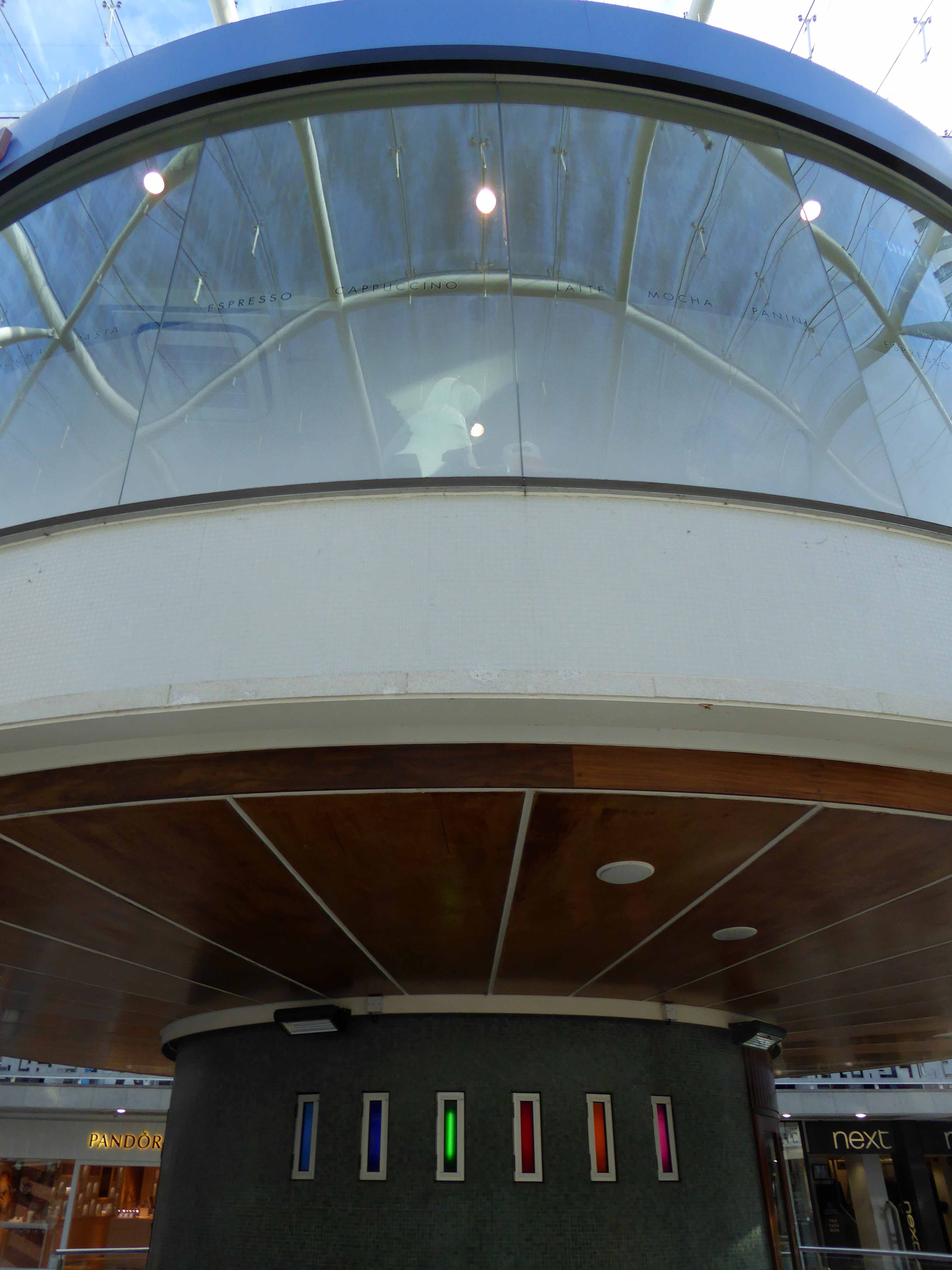
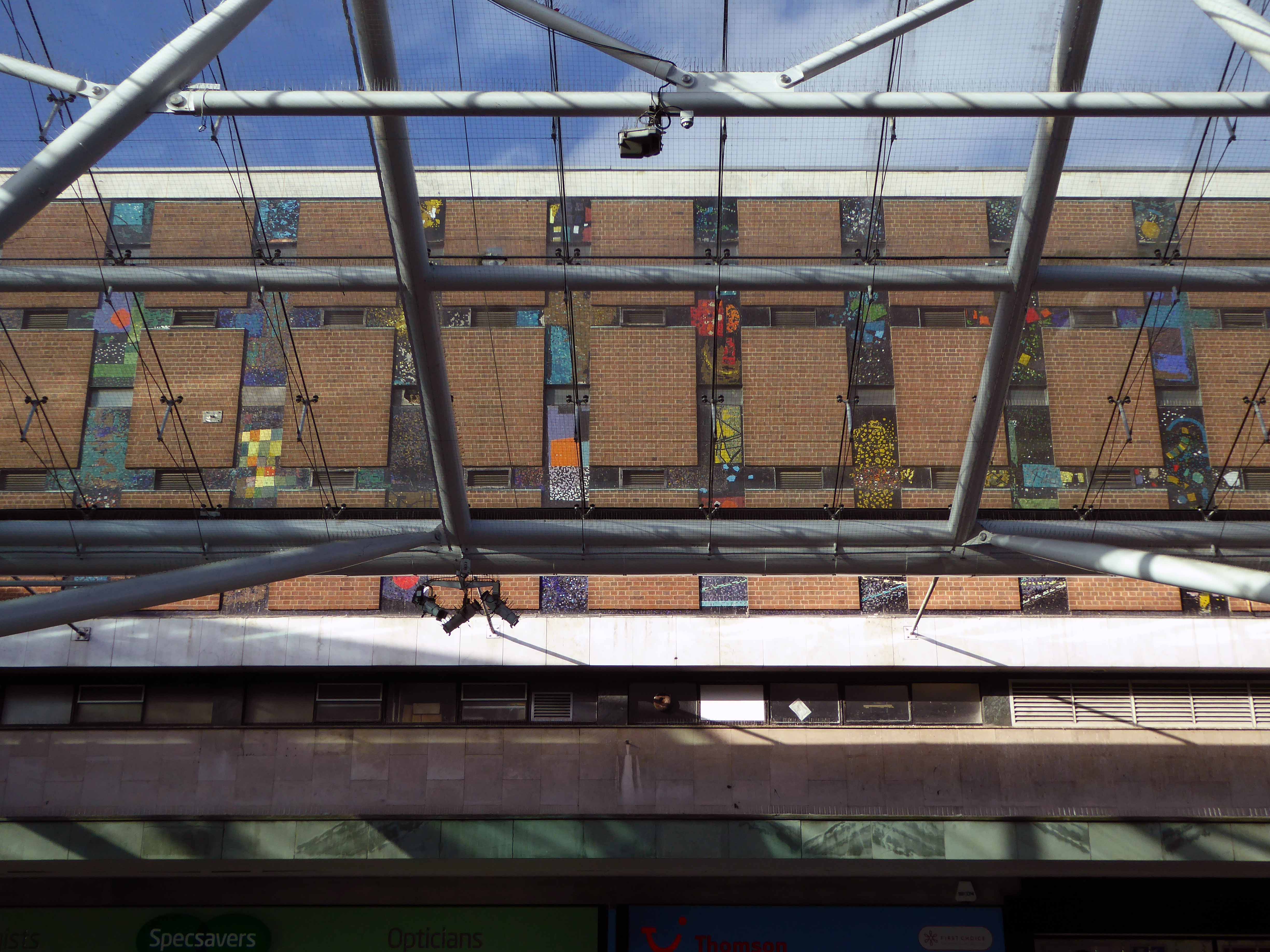
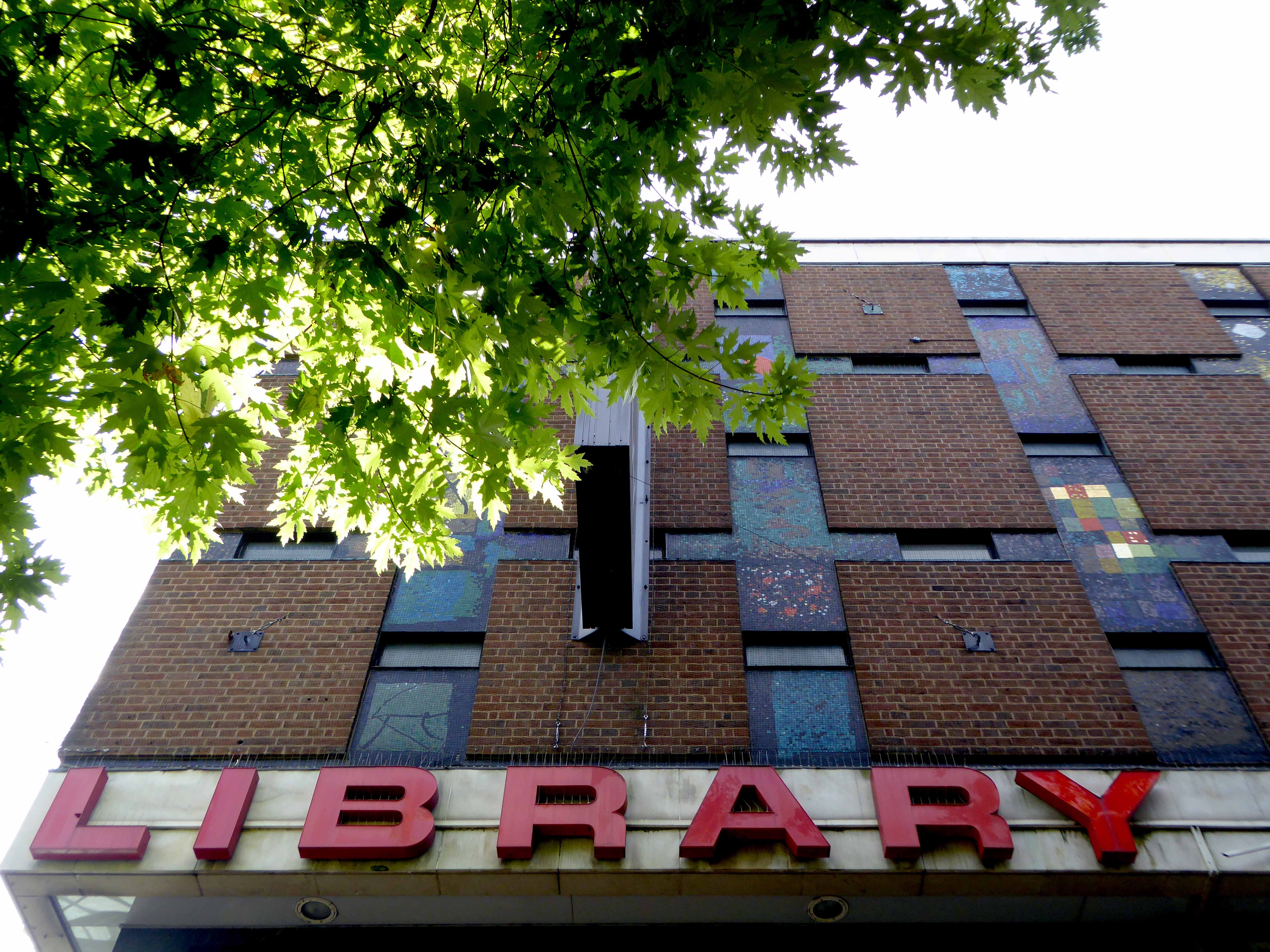
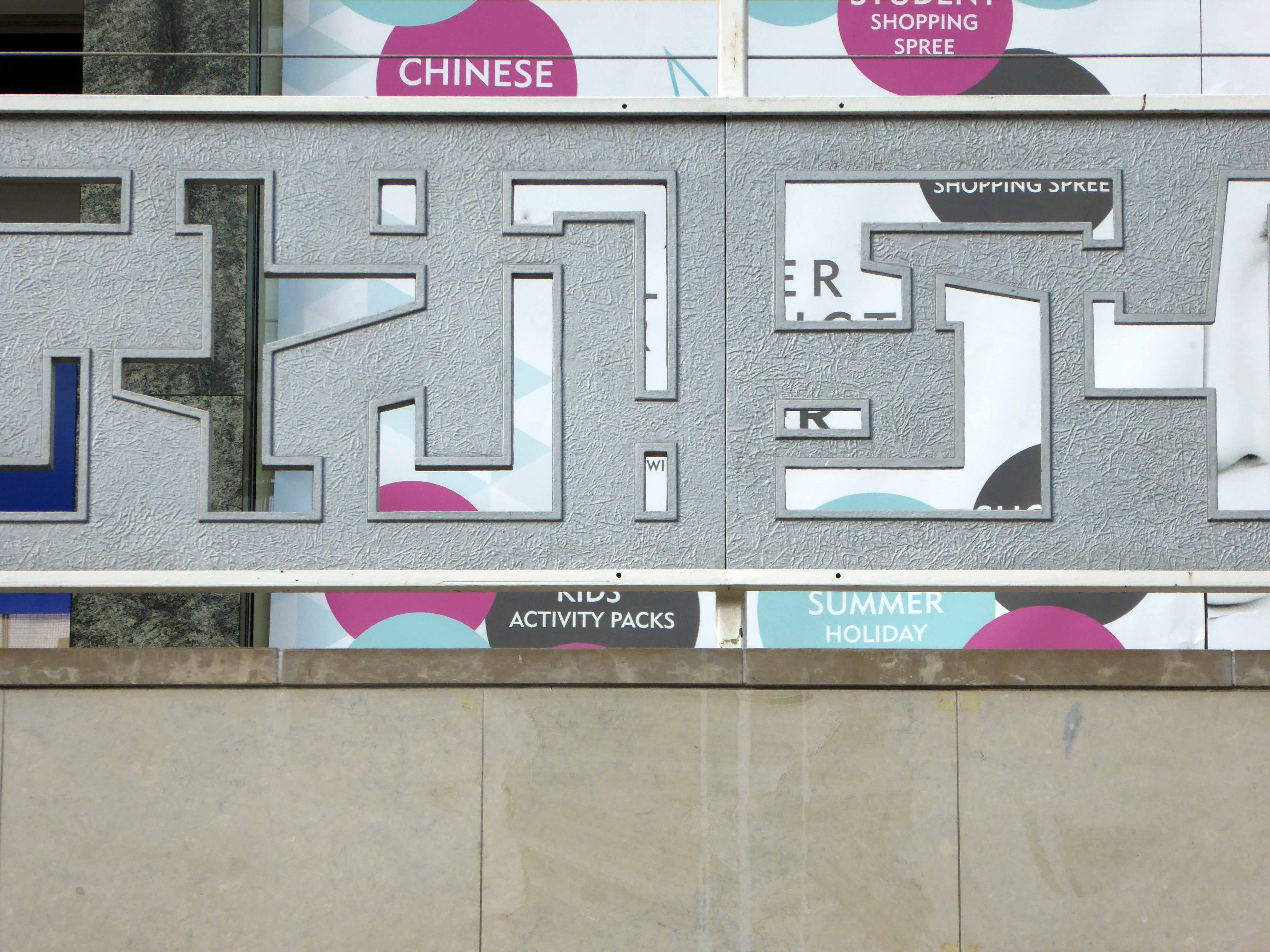
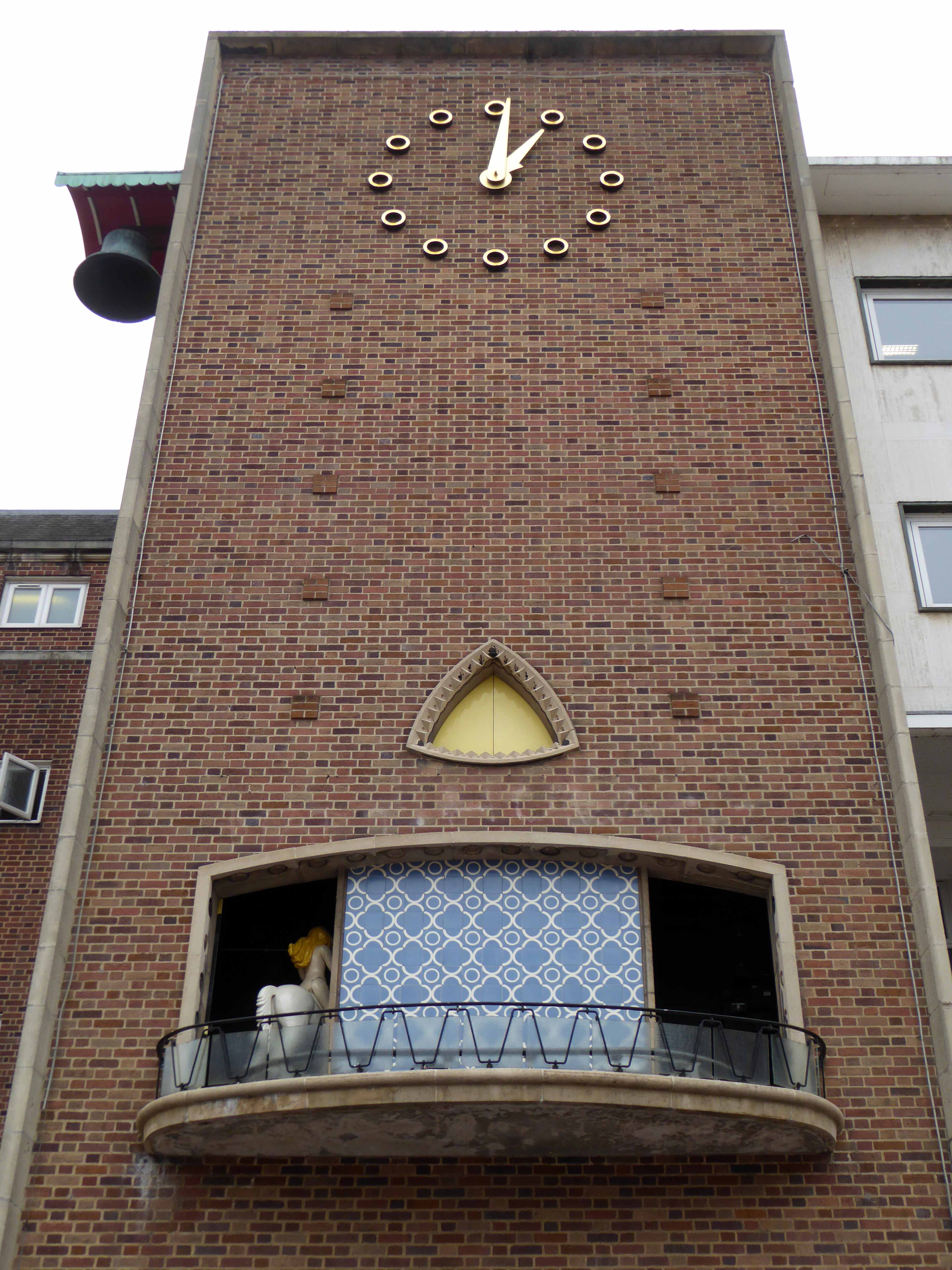
The elevated café, pierced screenwork, mosaics on the former Locarno, now Library and town clock are still every much in situ, Lady Godiva dutifully appearing on the hour, every hour with an ever attendant Peeping Tom for company.

p1100052
p1100039
p1100032
p1100016
p1090806
p1090807

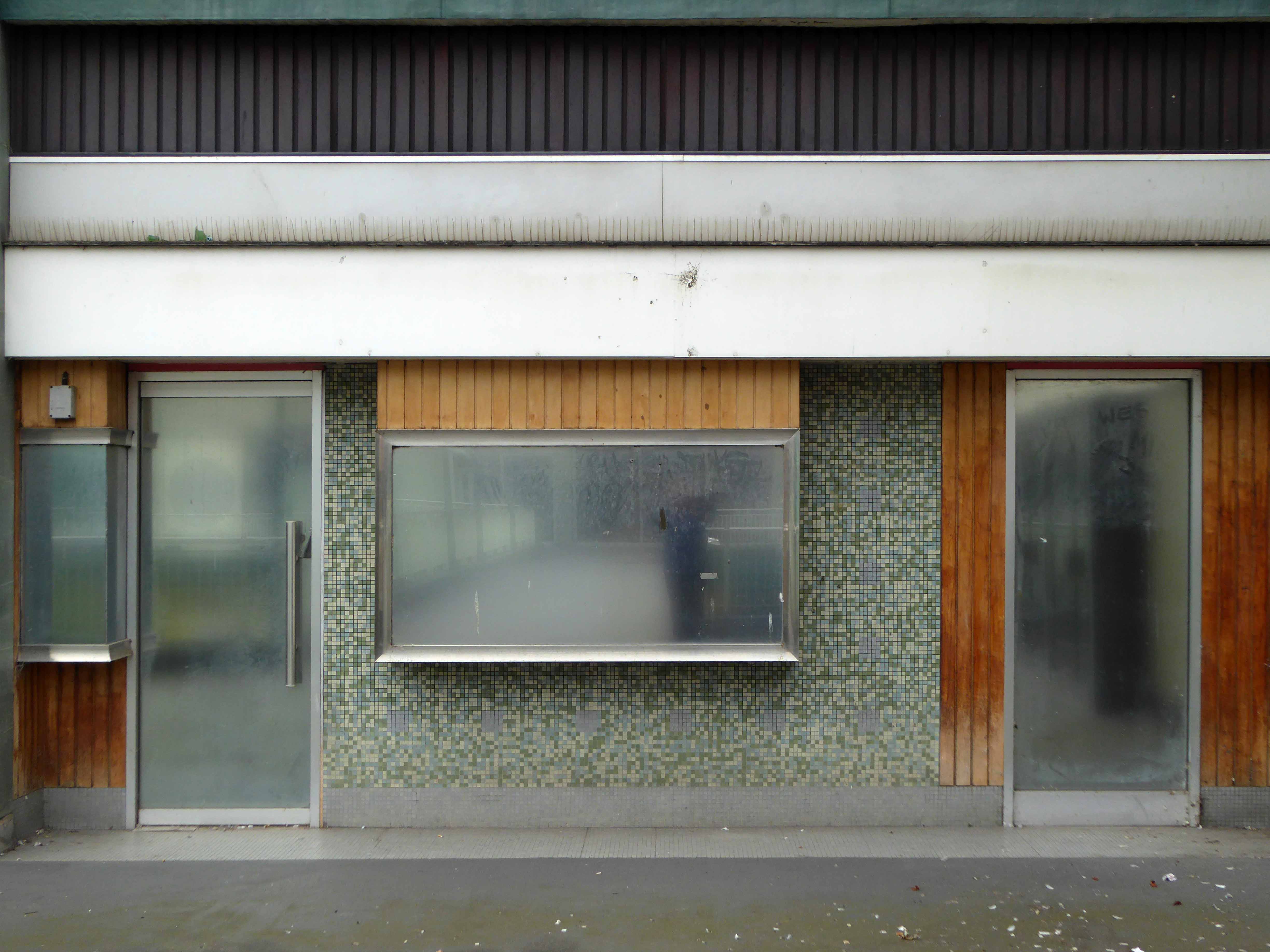
The area is well-used bustling busy, with a smattering of empty units which are sadly typical of most provincial town competing for custom and prosperity on the high street.

p1090808
p1090809
p1090810
p1090811
p1090812
p1090813
p1090814
p1090815
p1090817
p1100033
p1100034
p1100035
p1100036
p1100037
p1100038

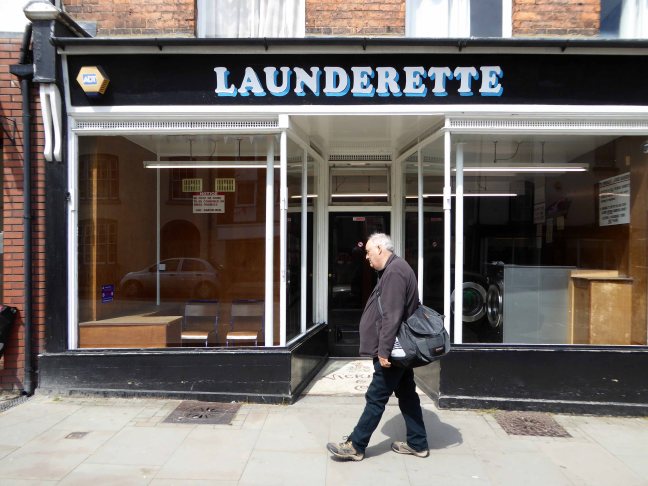
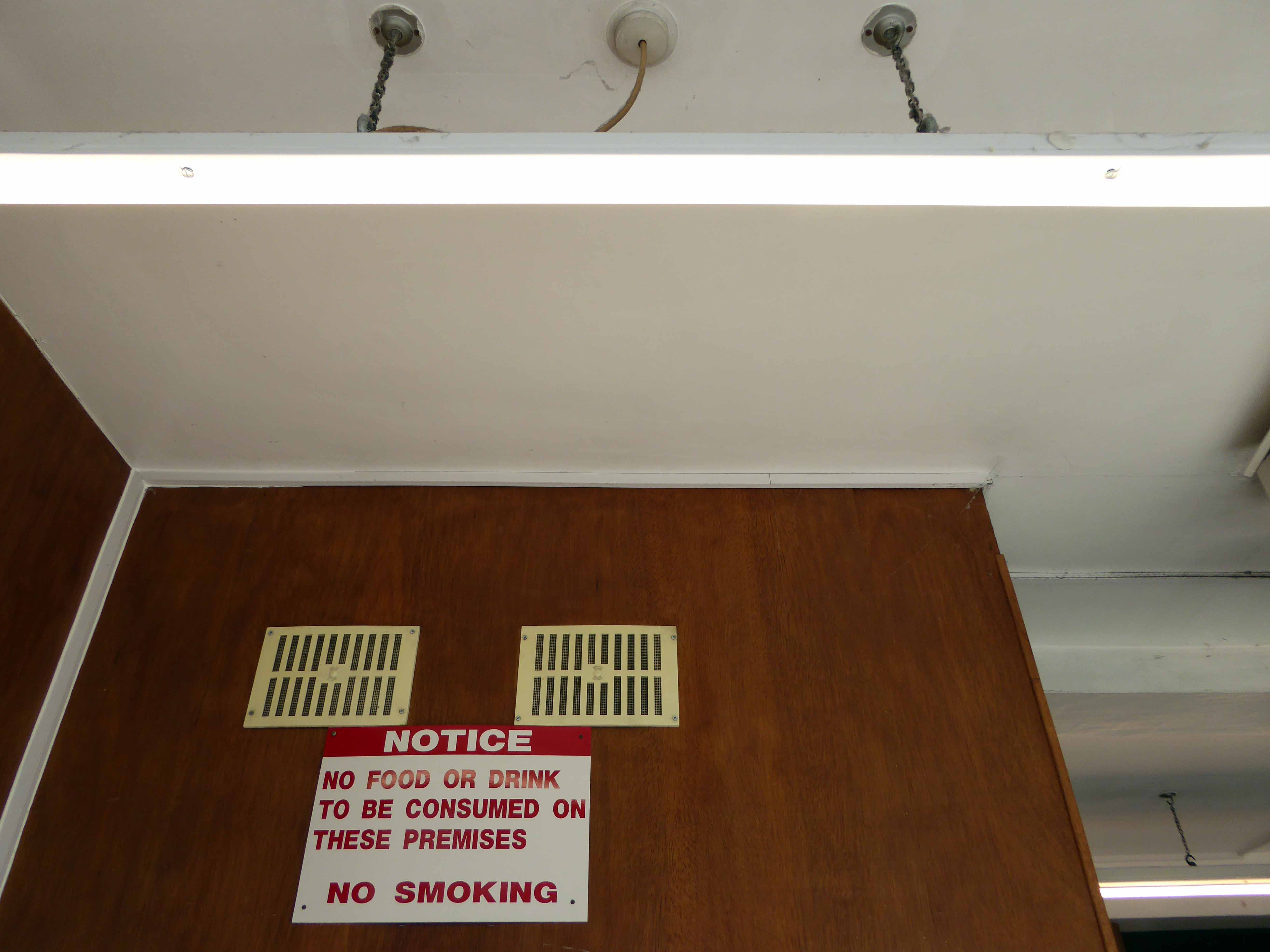
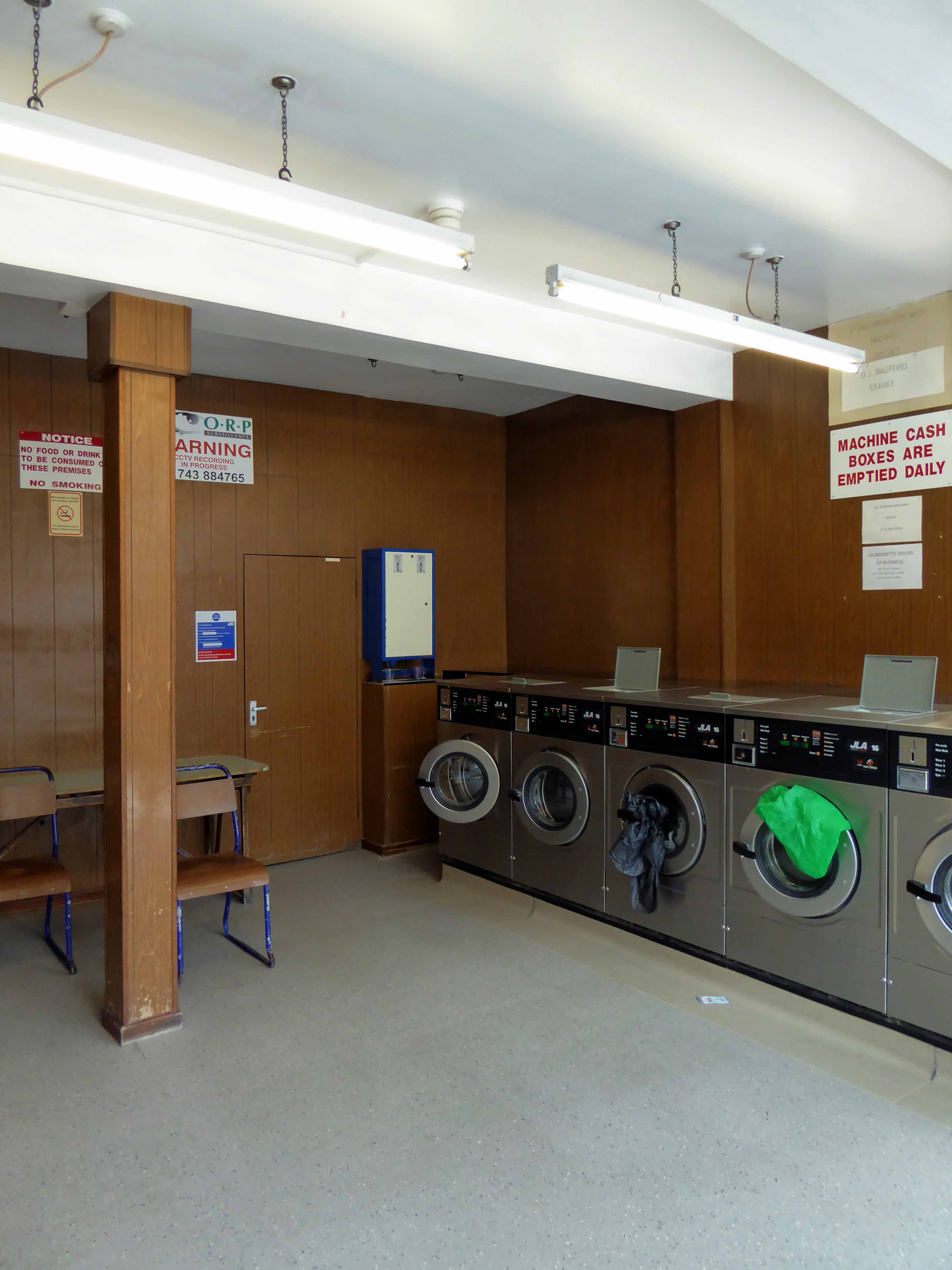
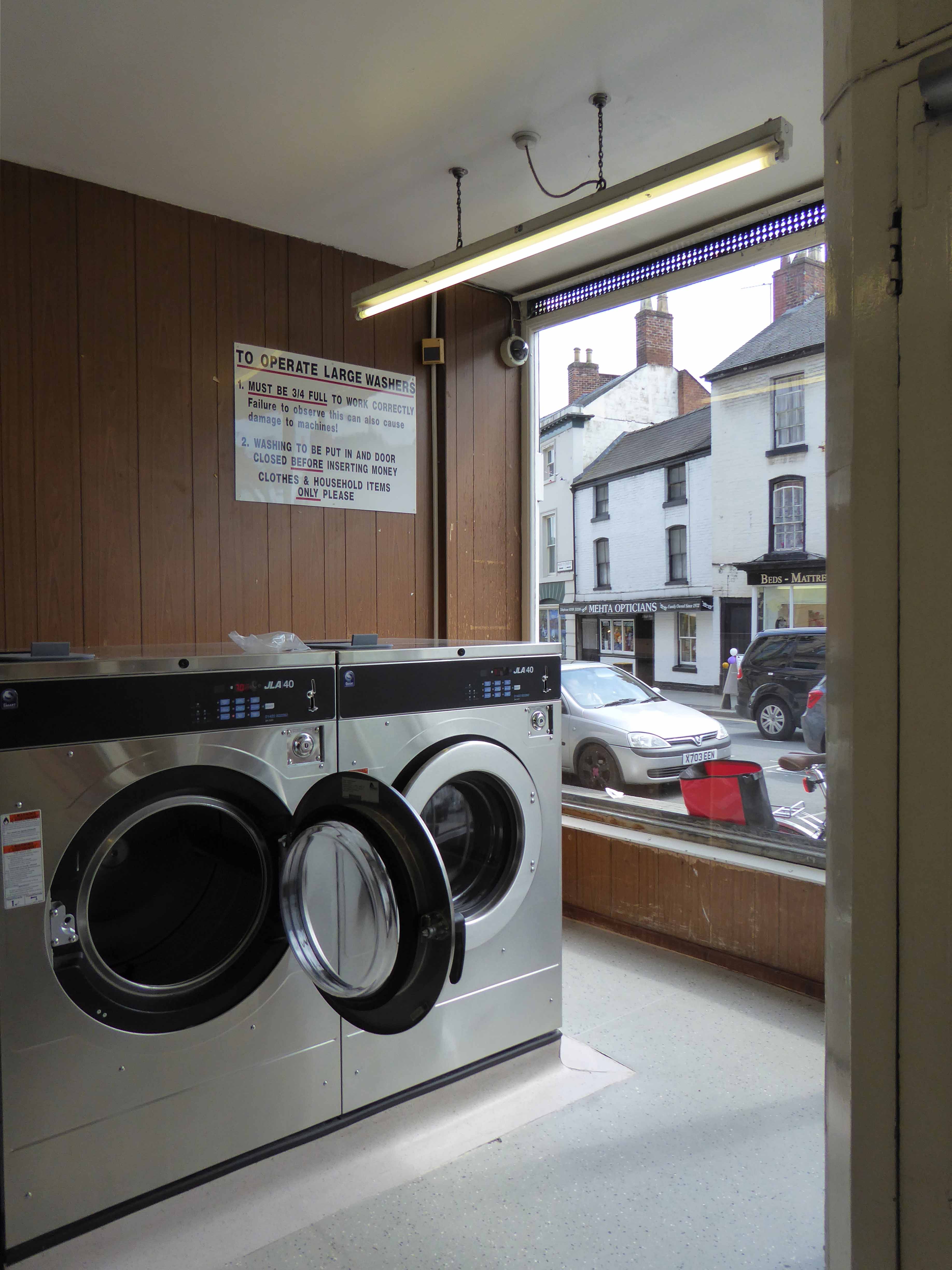
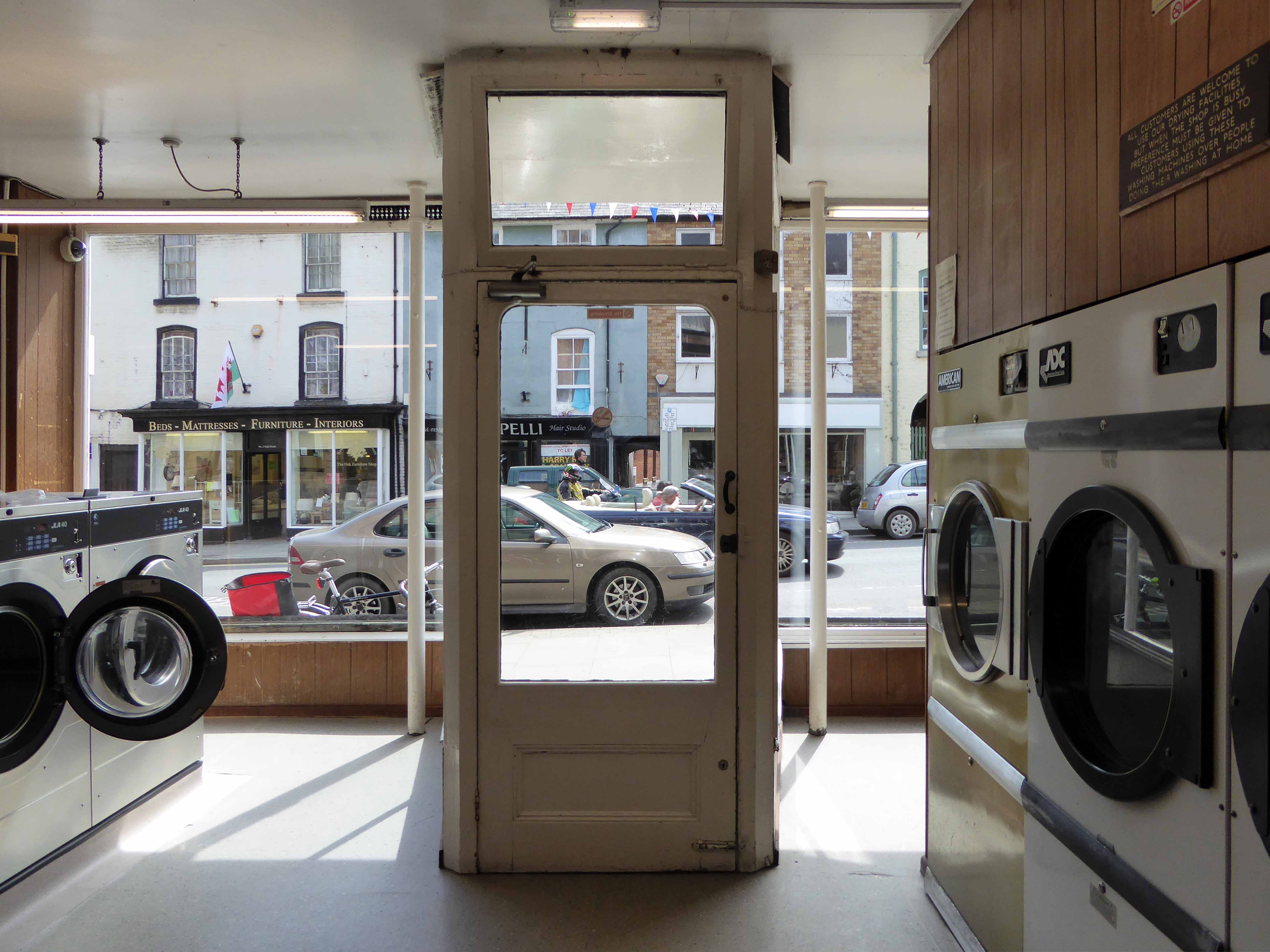
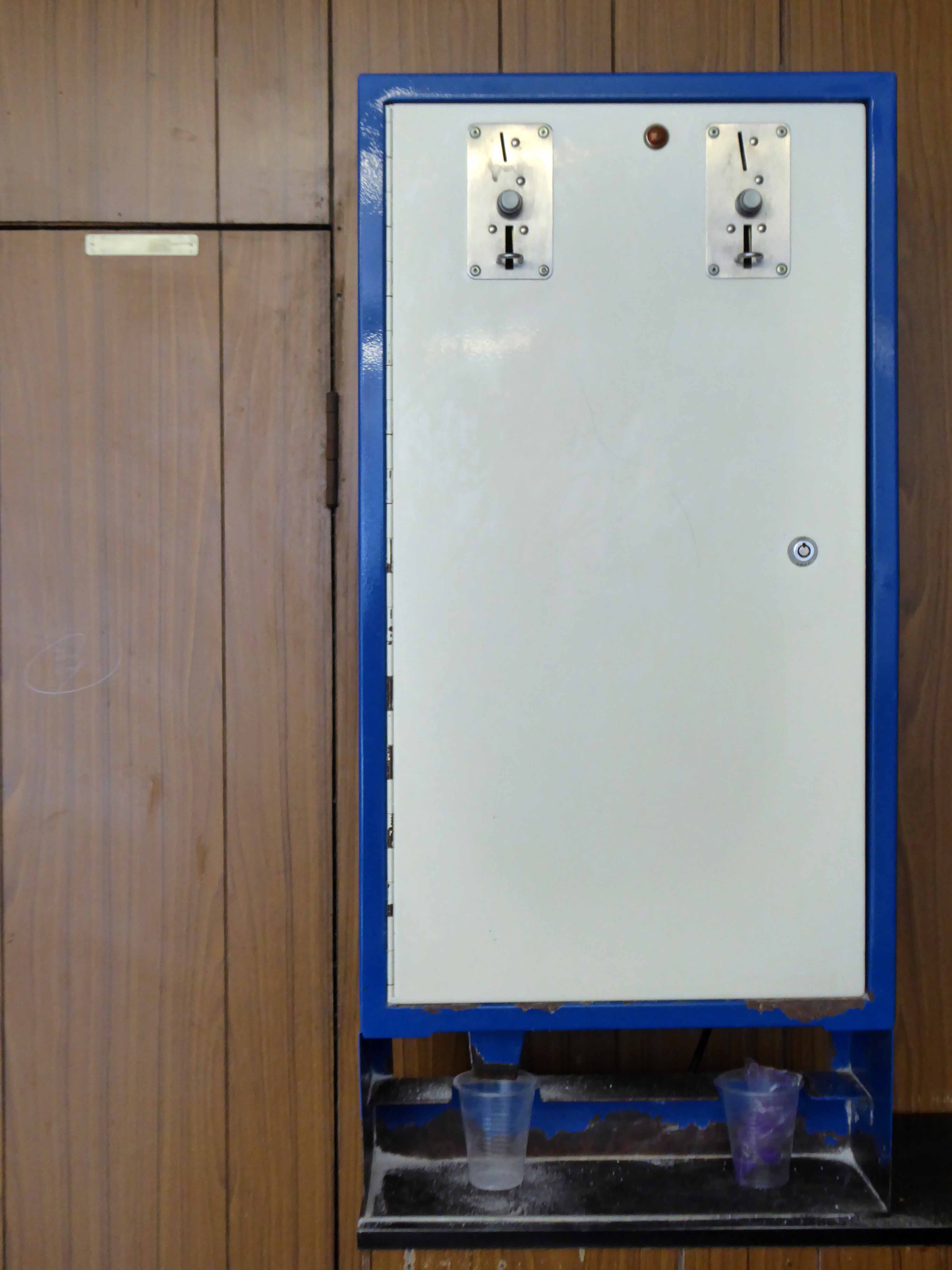
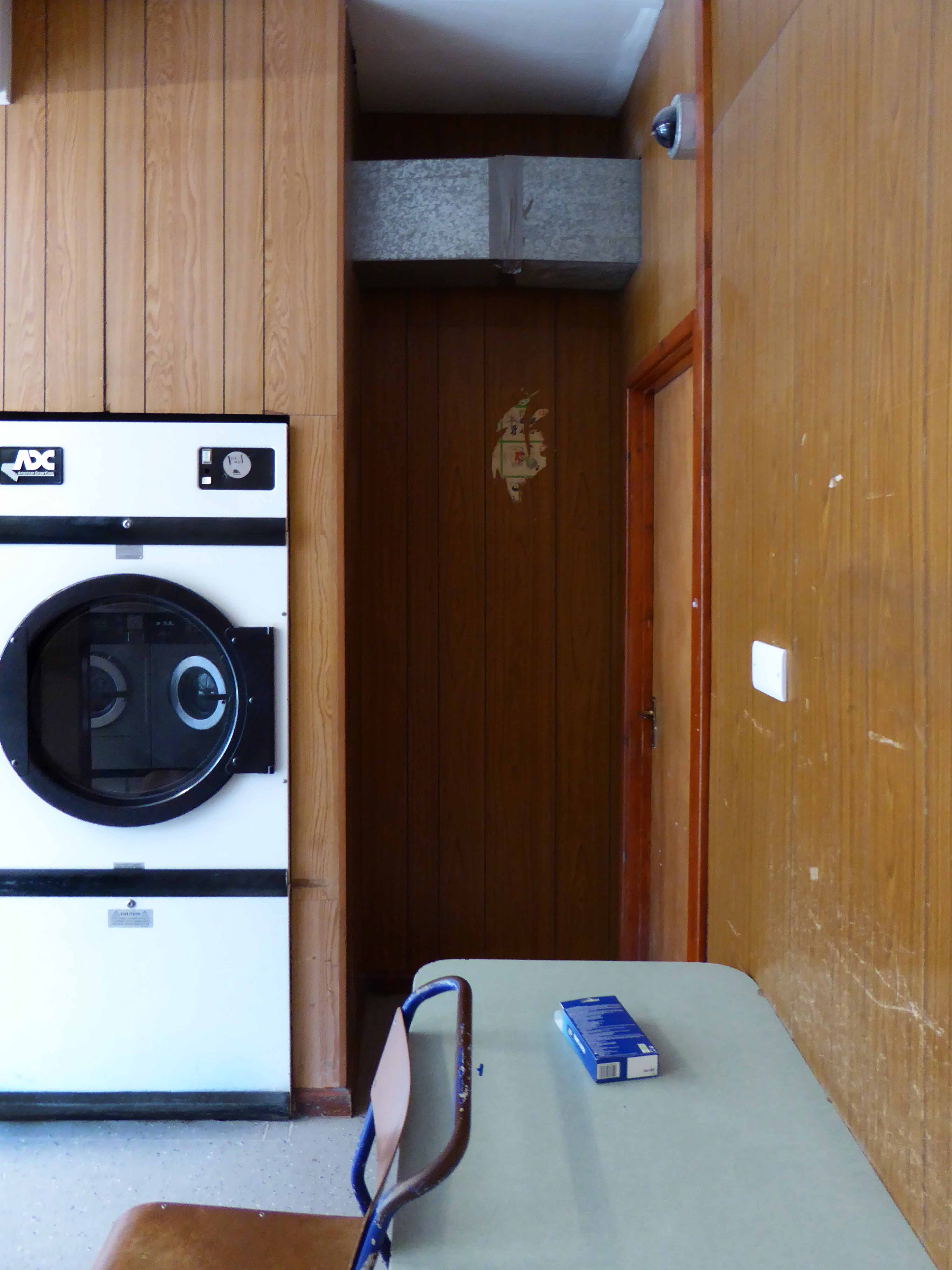
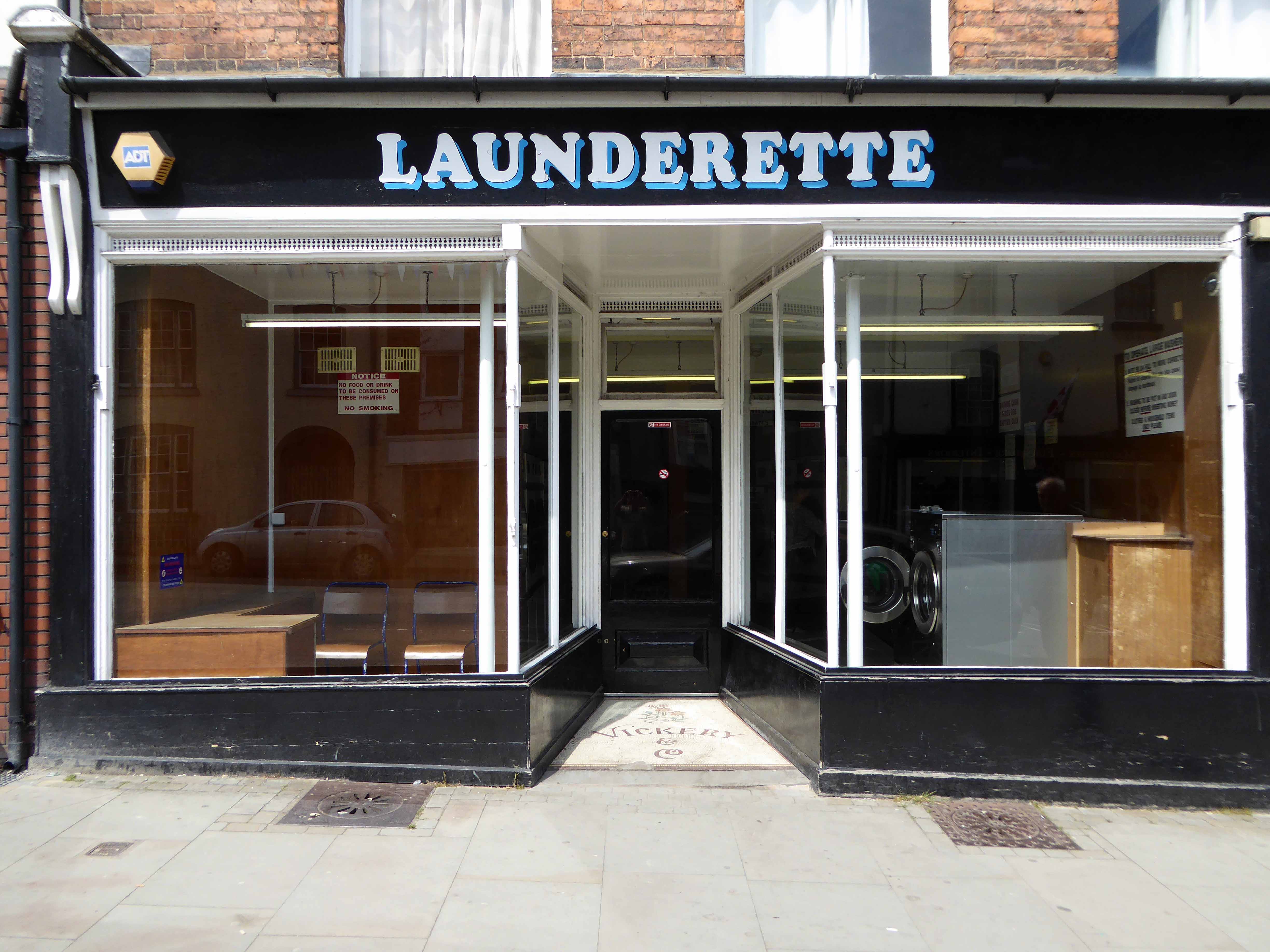
Laundrette – Welshpool

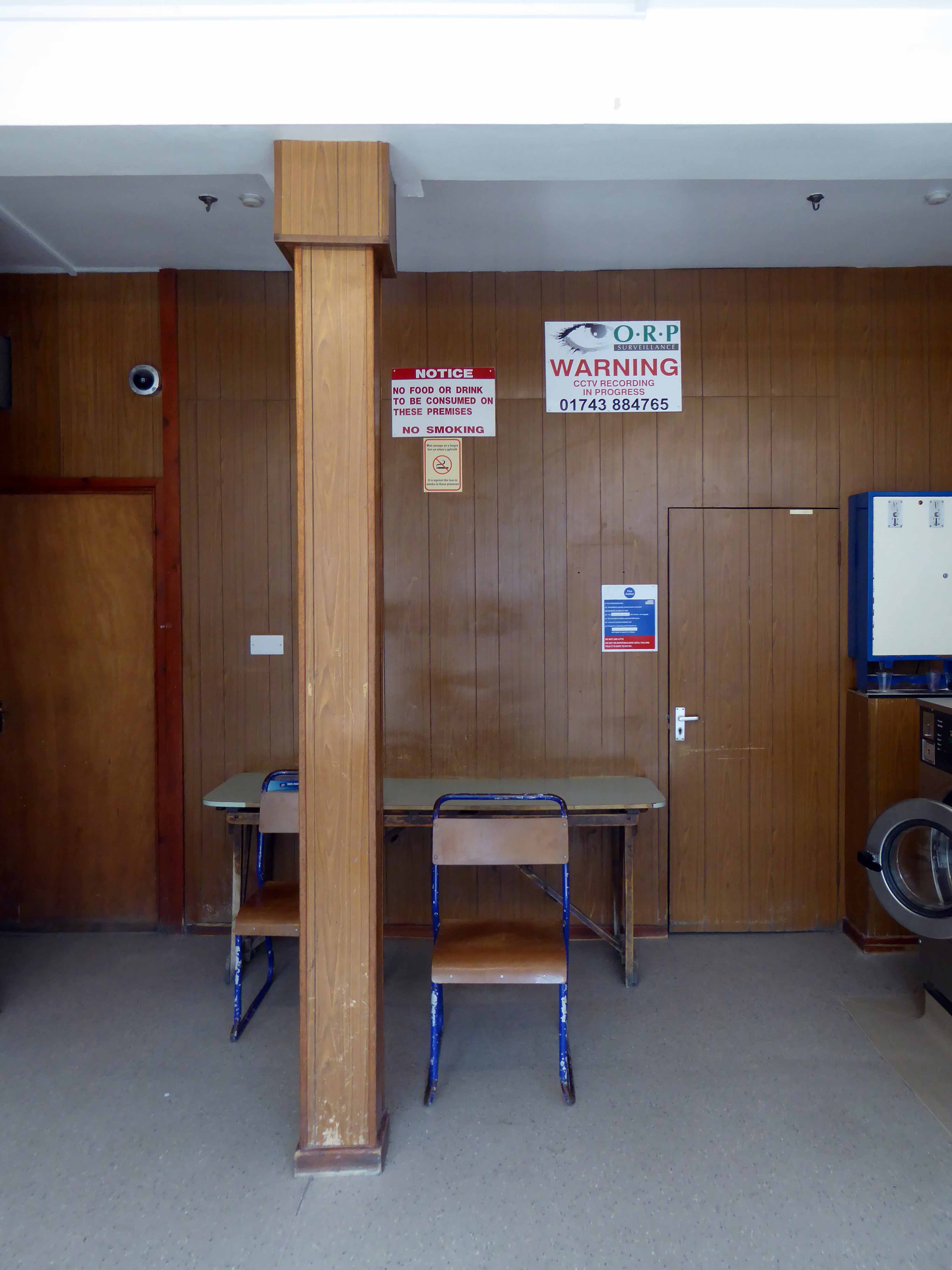
When walking the streets of Welshpool, one often finds oneself outside.

Outside a launderette.

I paused.

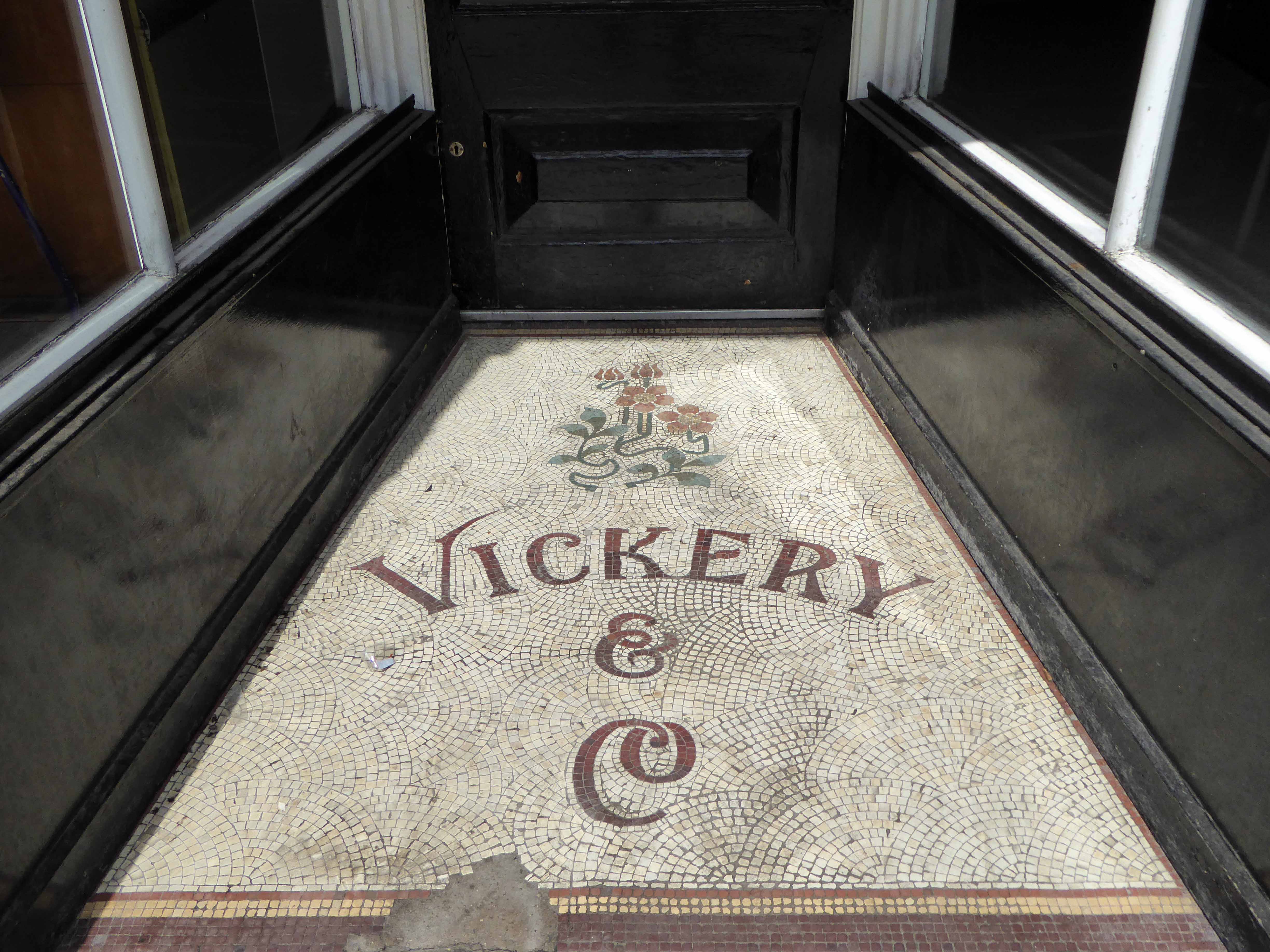
The porch was decorated by the most enchanting mosaic, Vickery and Co.

Hosiers, Hatters and Outfitters.

Politely, ever so politely, I asked the two local lads if they would step aside from their porch perch one moment, I snapped.

And walked on.

Upon my return, nobody was here, I hurriedly occupied the vacant space, with the expansive volume of my incurable curiosity.

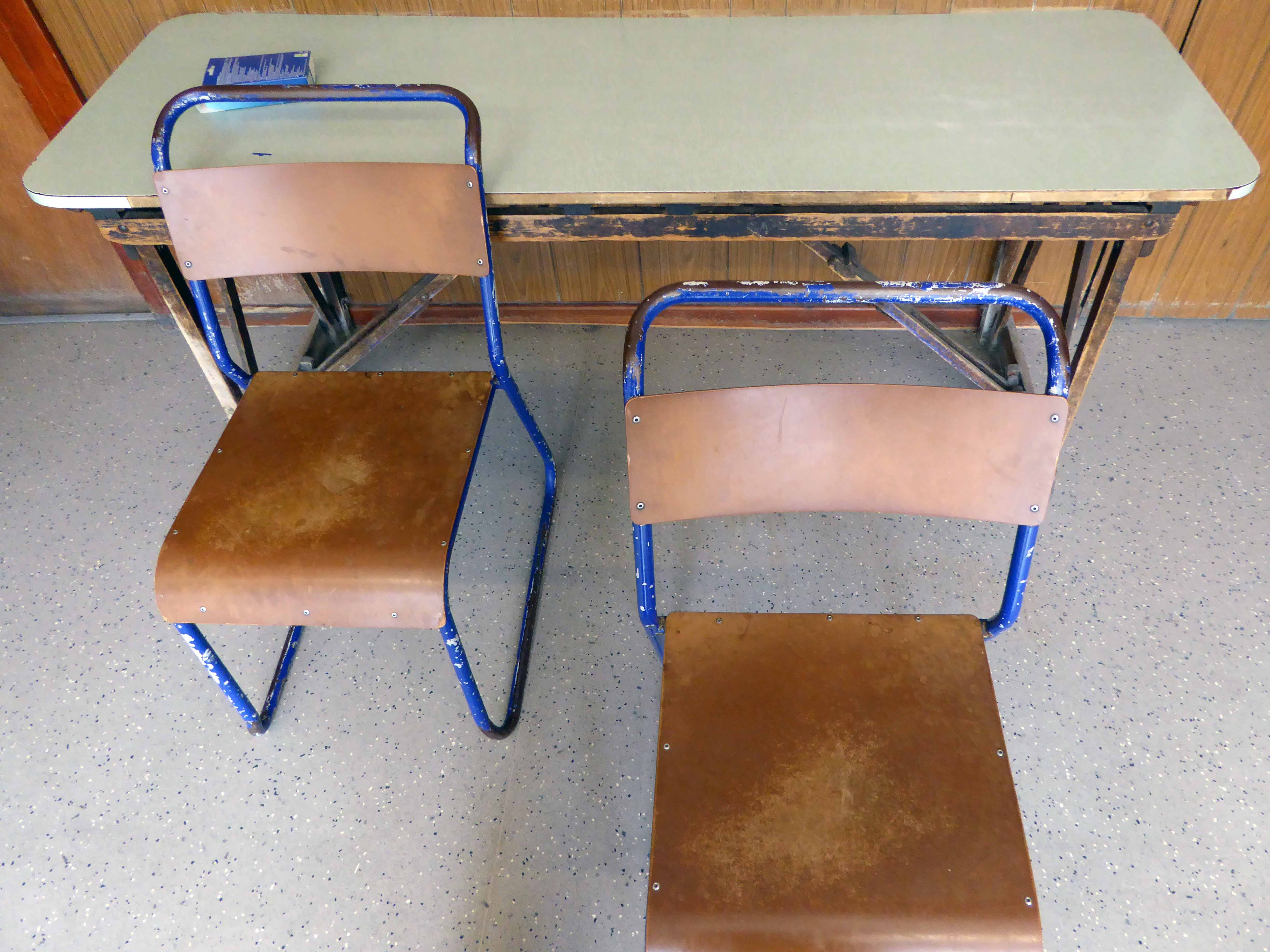
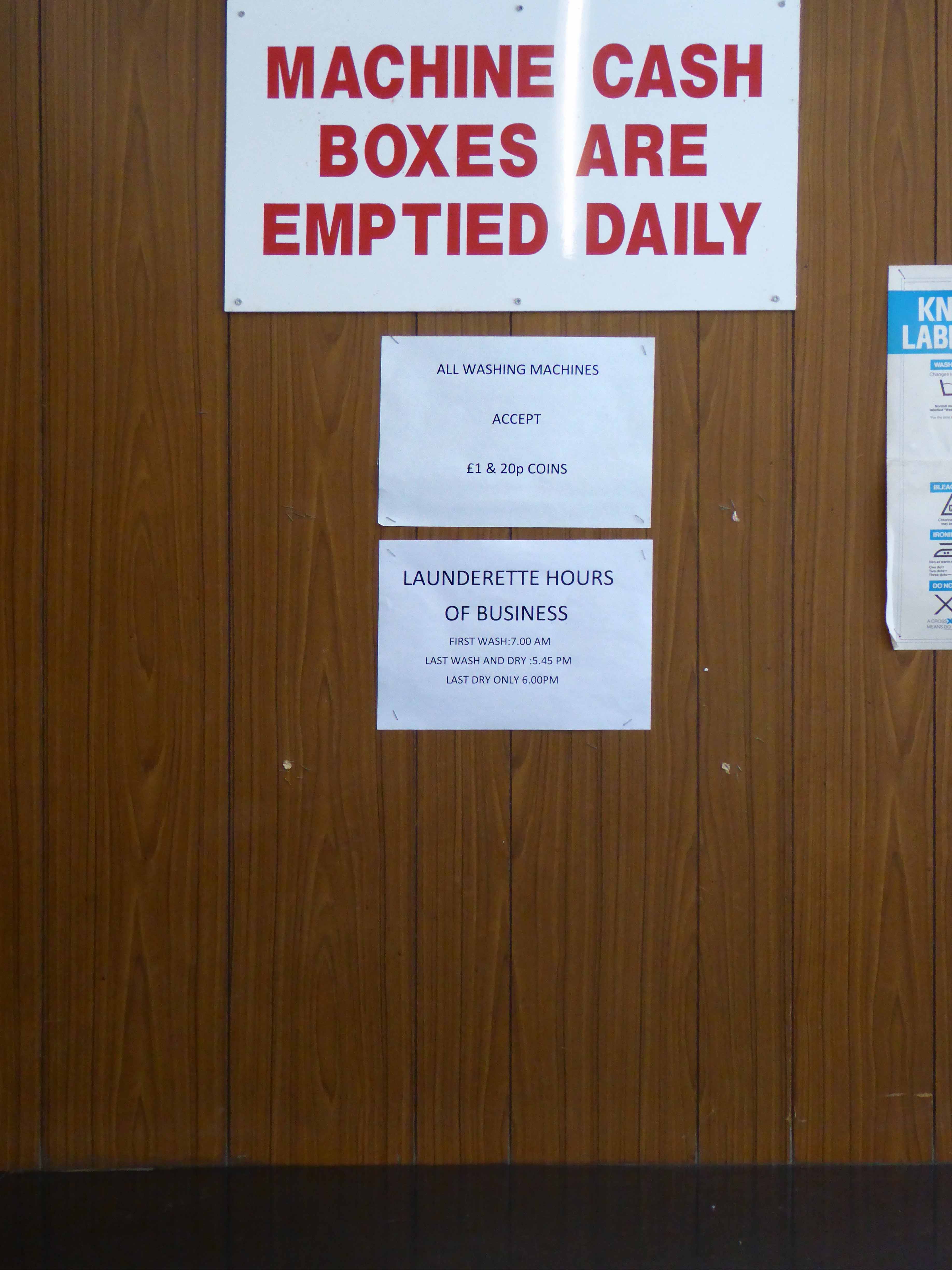
Here is what I found.

P1050847 copy

P1050848 copy

P1050849 copy

P1050850 copy

P1050851 copy

P1050852 copy

P1050853 copy

P1050854 copy

P1050855 copy

P1050856 copy

P1050858 copy

P1050859 copy

P1050860 copy

P1050861 copy

P1050862 copy

P1050863 copy

P1050864 copy

P1050865 copy

P1050866 copy

P1050867 copy


WH Smiths – Newtown Powys

Life is full of tiny delights.

Newtown, a town of tiny delights, my journey through Wales by bike took me there.

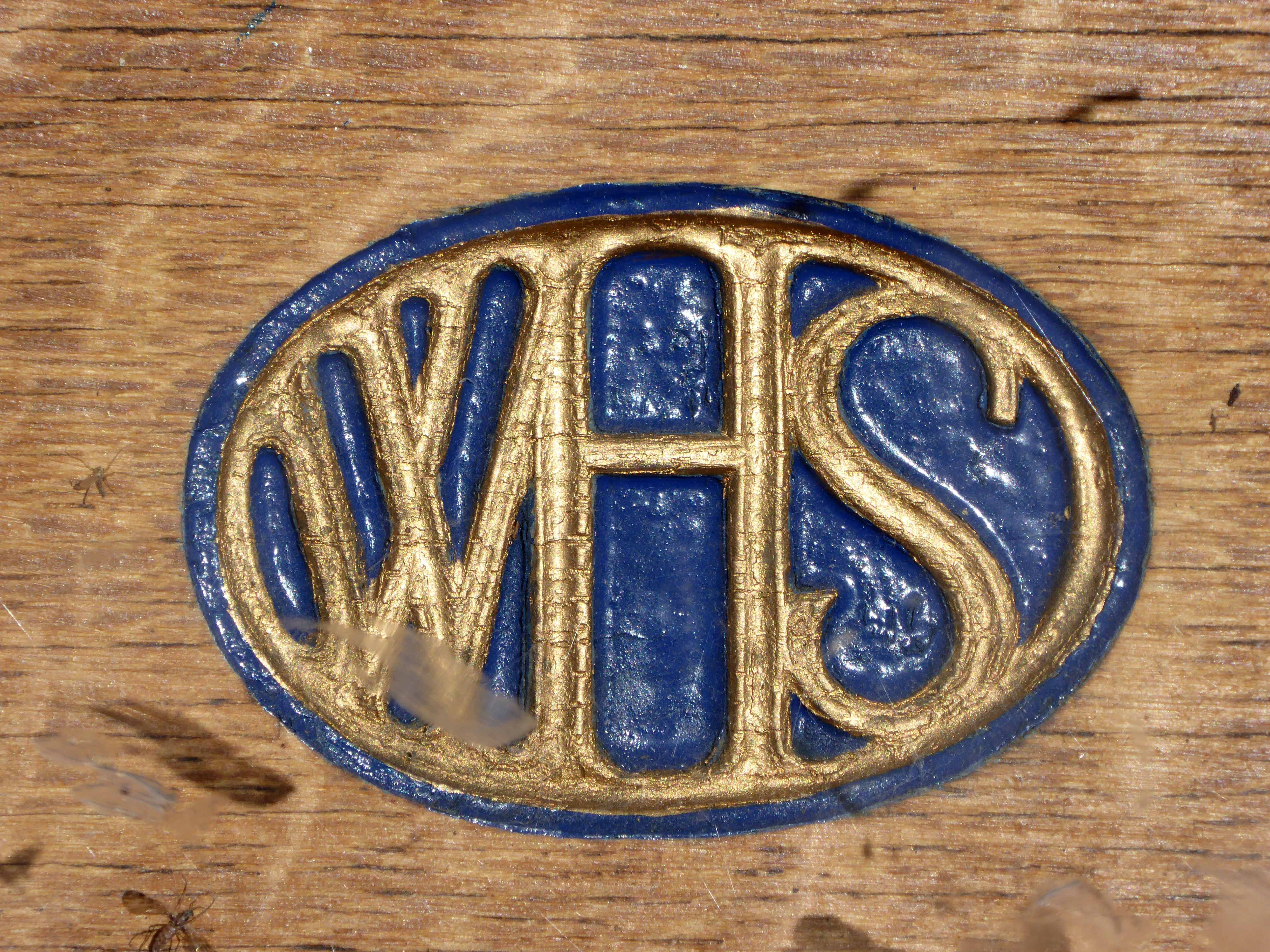
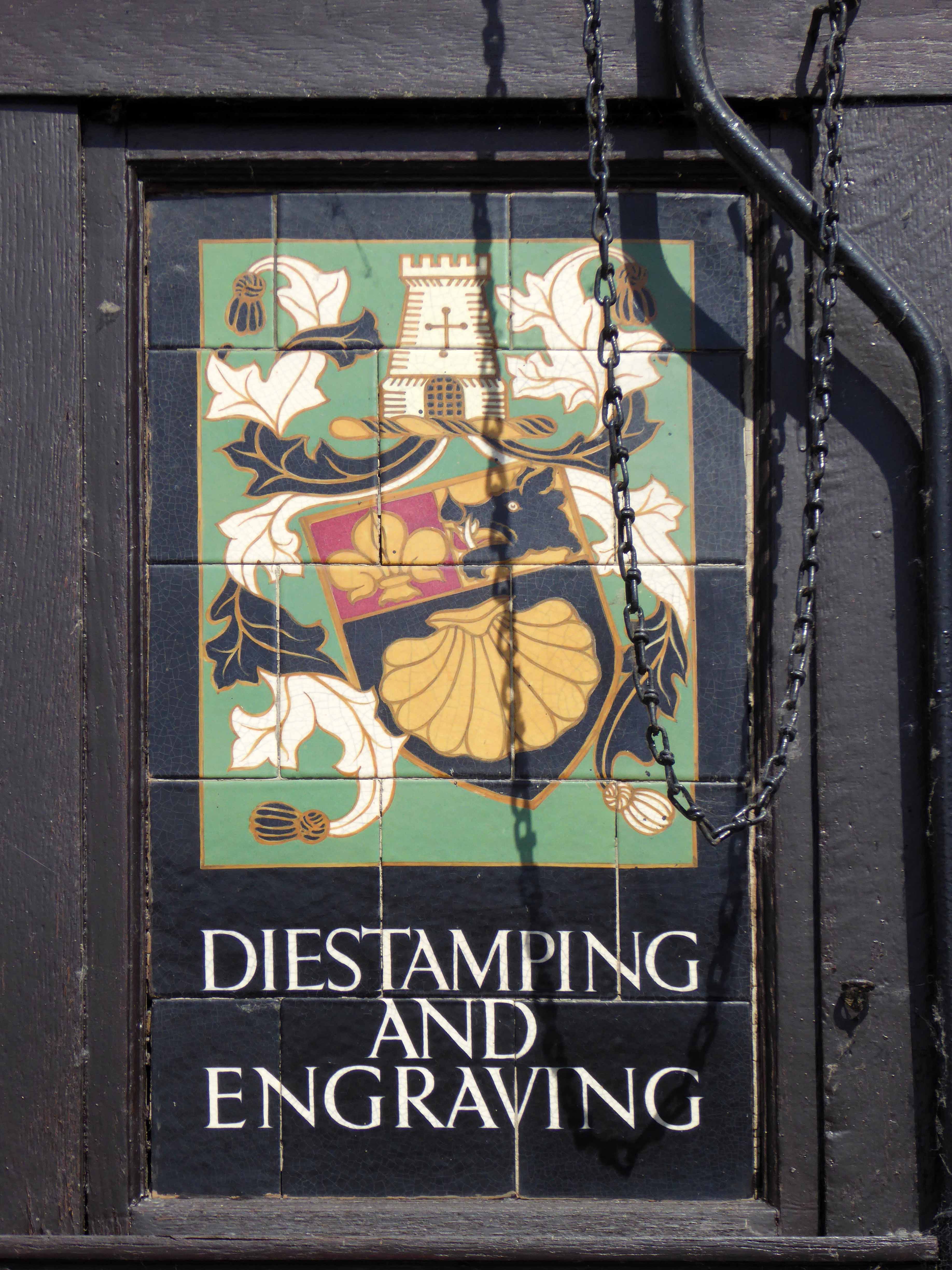
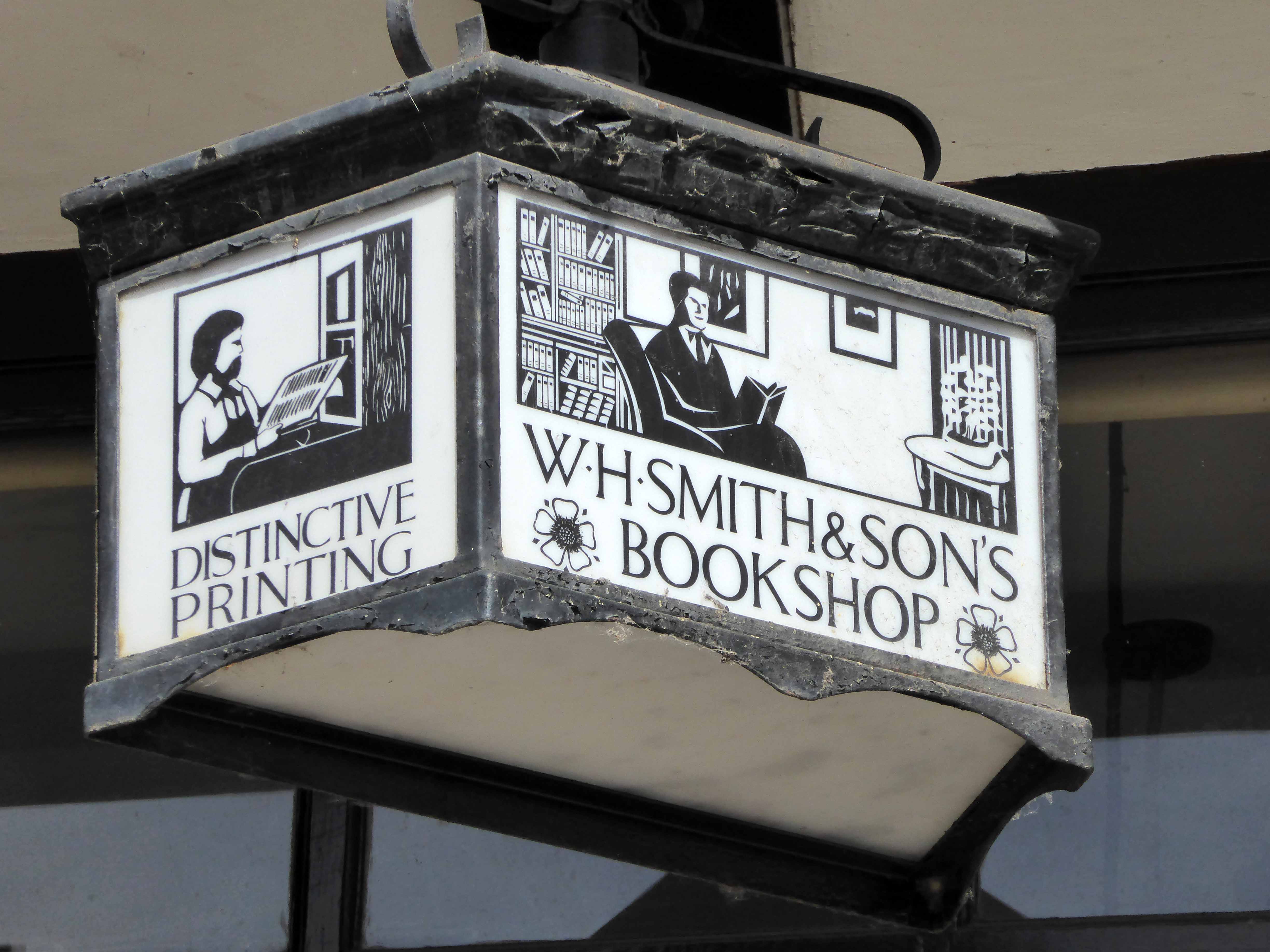
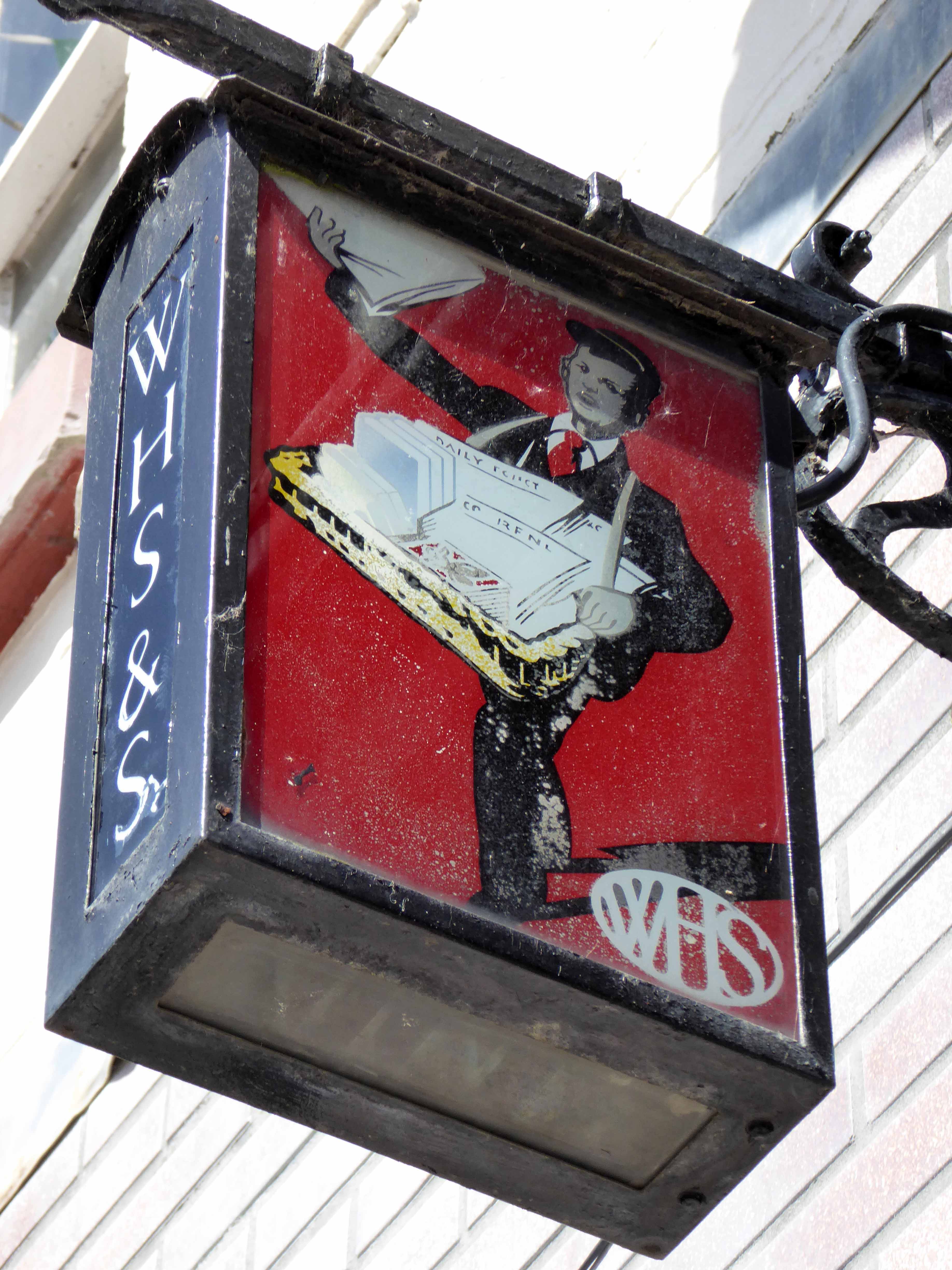
None more delightful and surprising than the branch of WH Smiths, its exterior adorned with the most beautiful of signs, tiles and lamps.

P1050808 copy

P1050802 copy

P1050804 copy

P1050807 copy

P1050811 copy

P1050805 copy

P1050834 copy

P1050803 copy

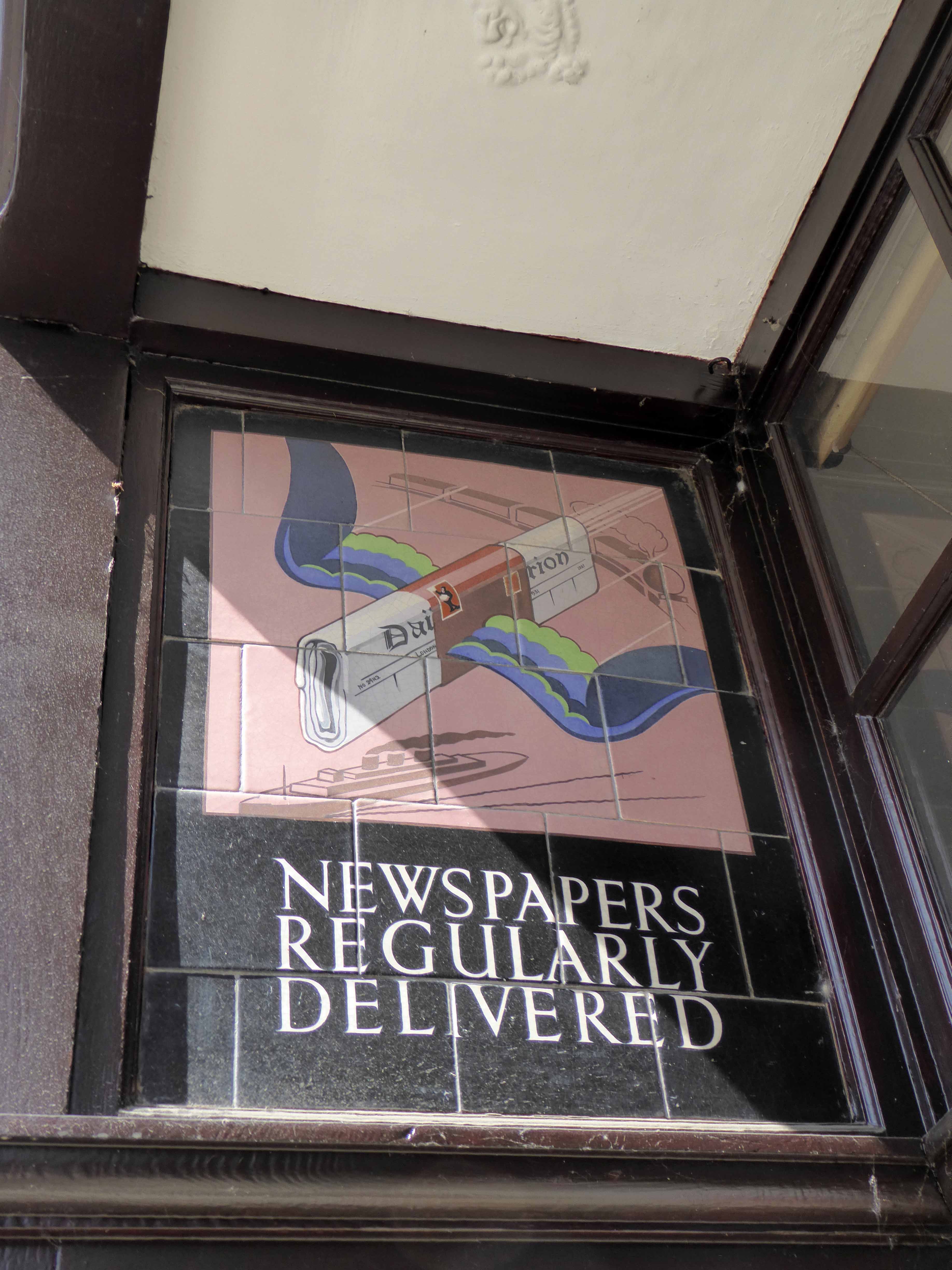
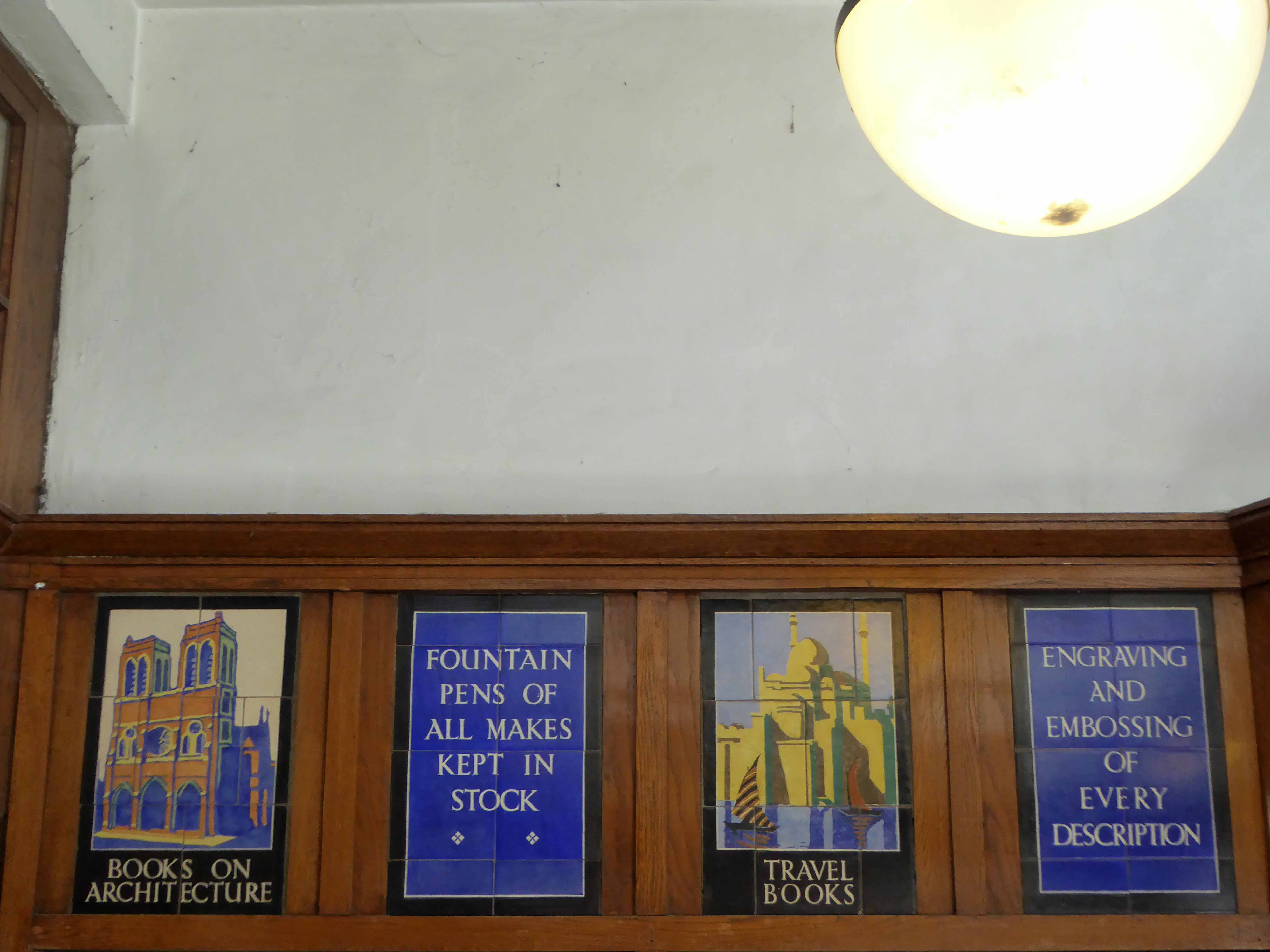
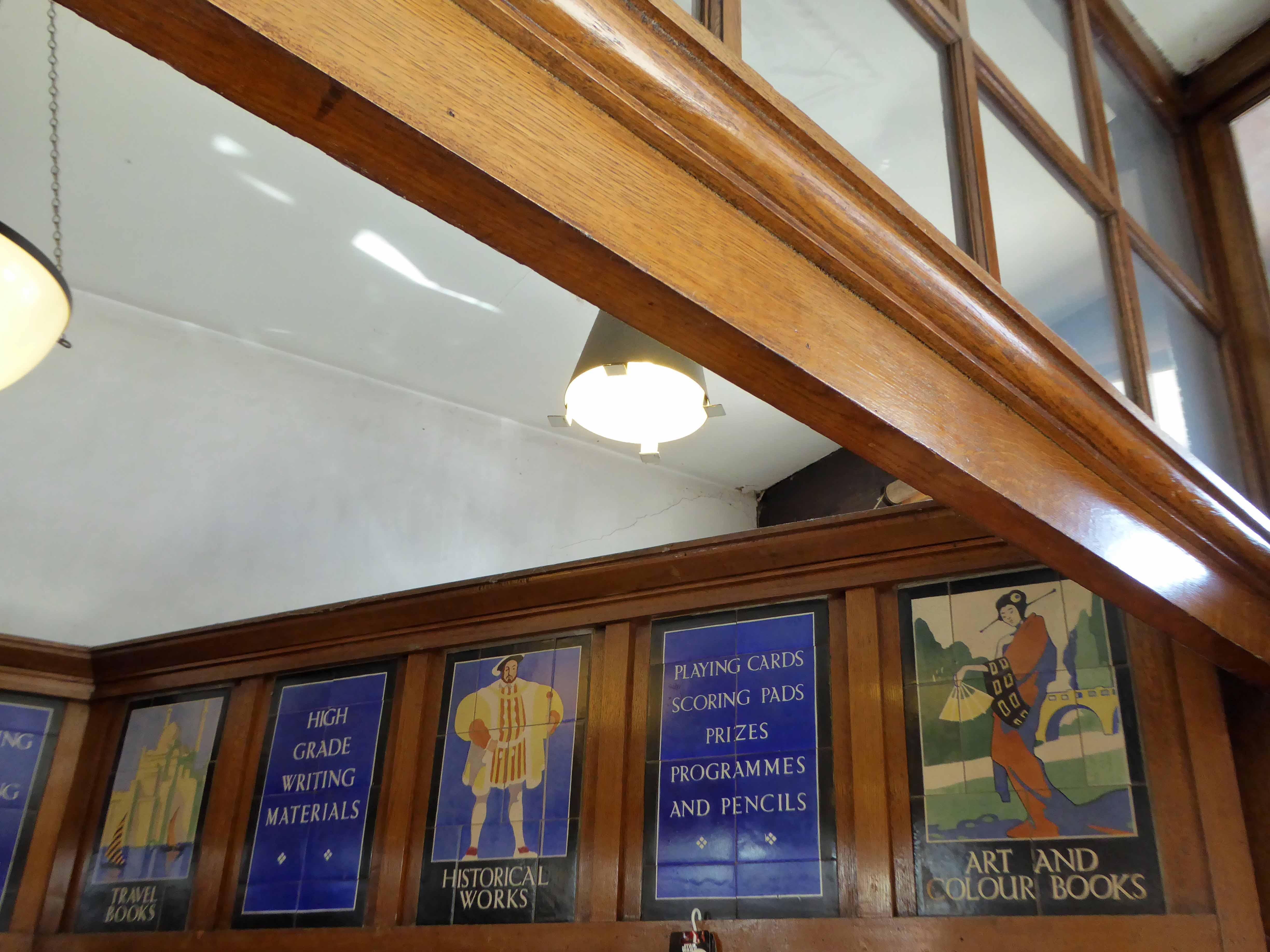
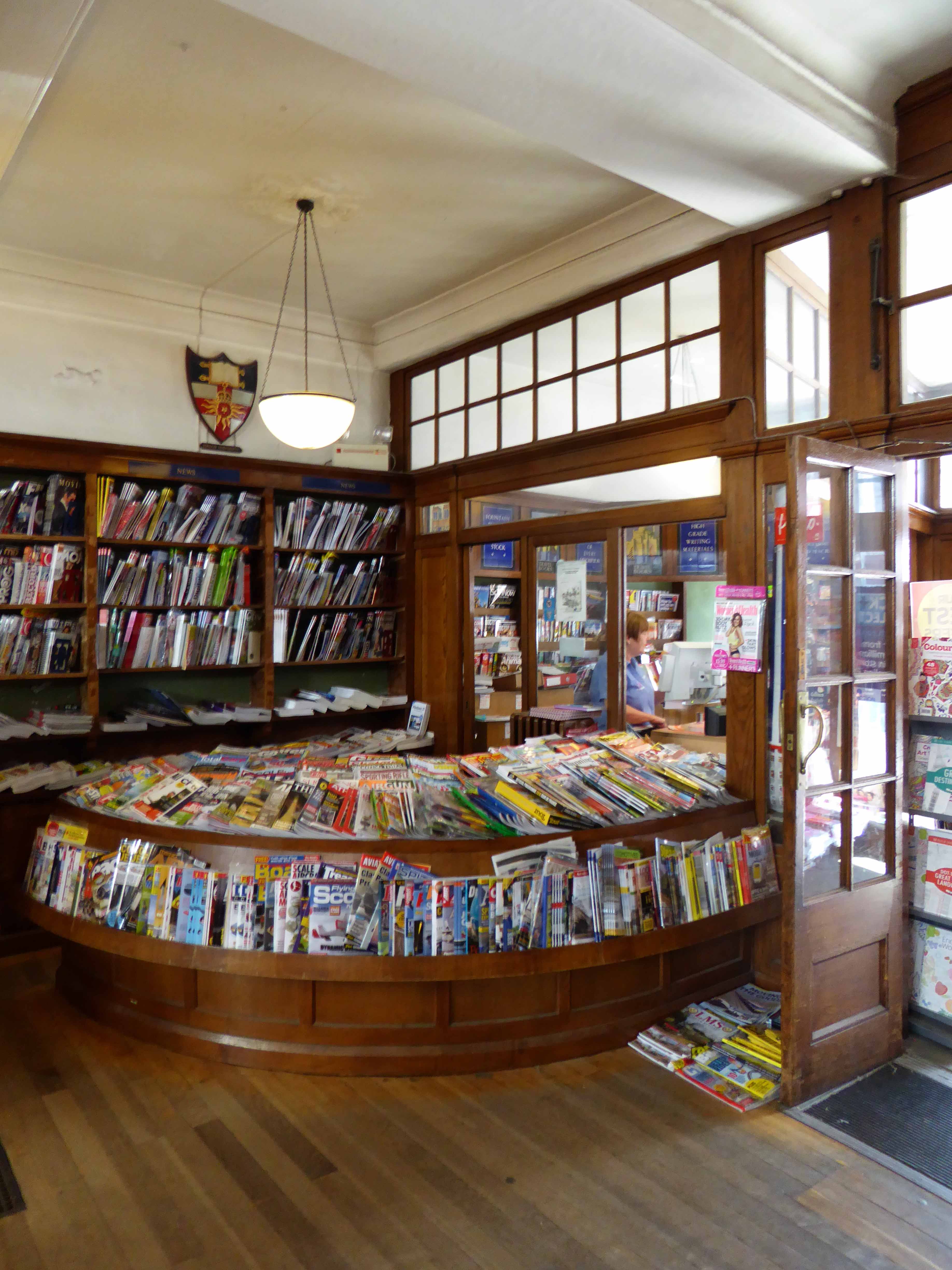
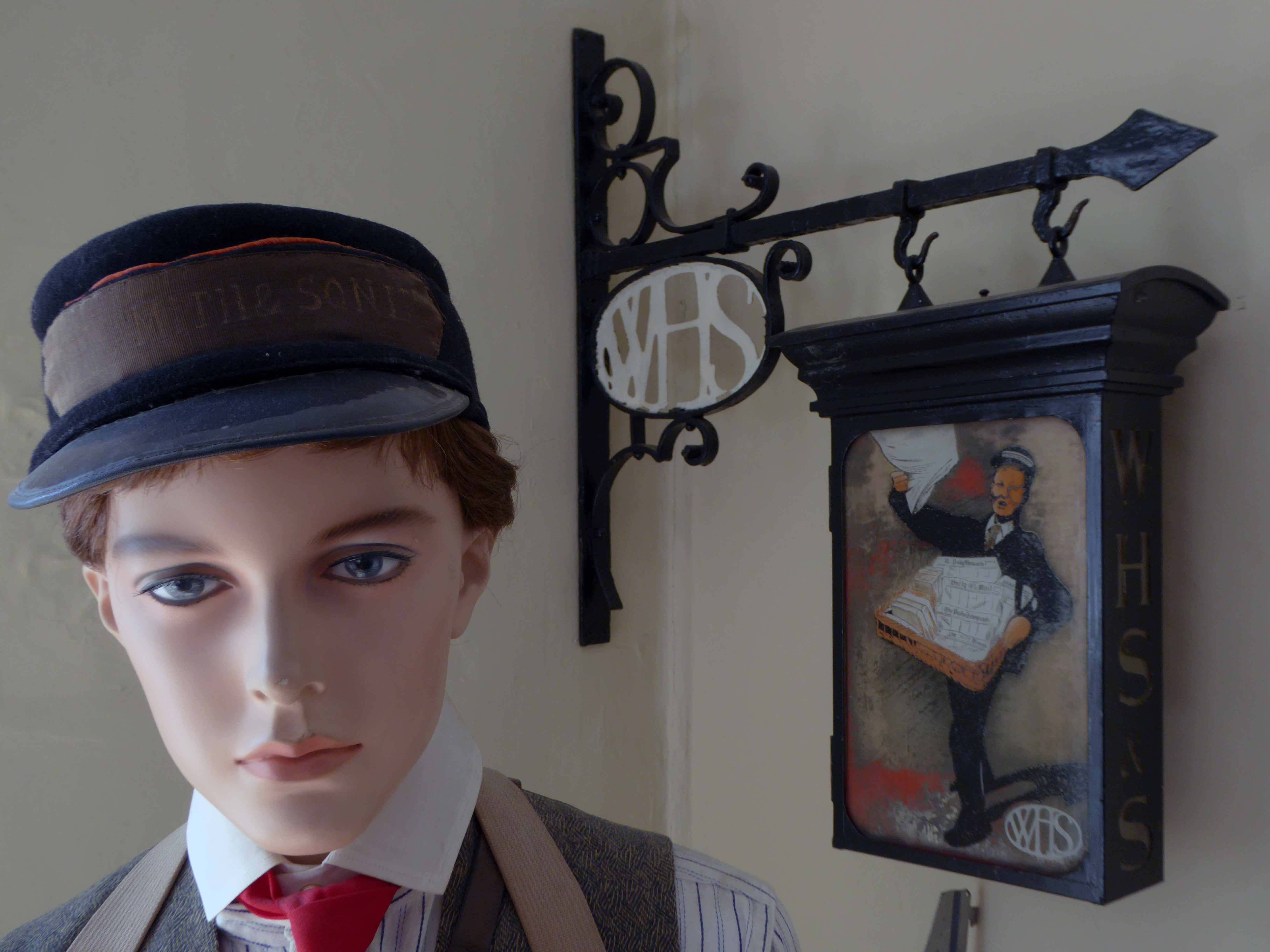
Curious, curiously I  explored further, the porch housed a newspaper and magazine stall with further tiled images.

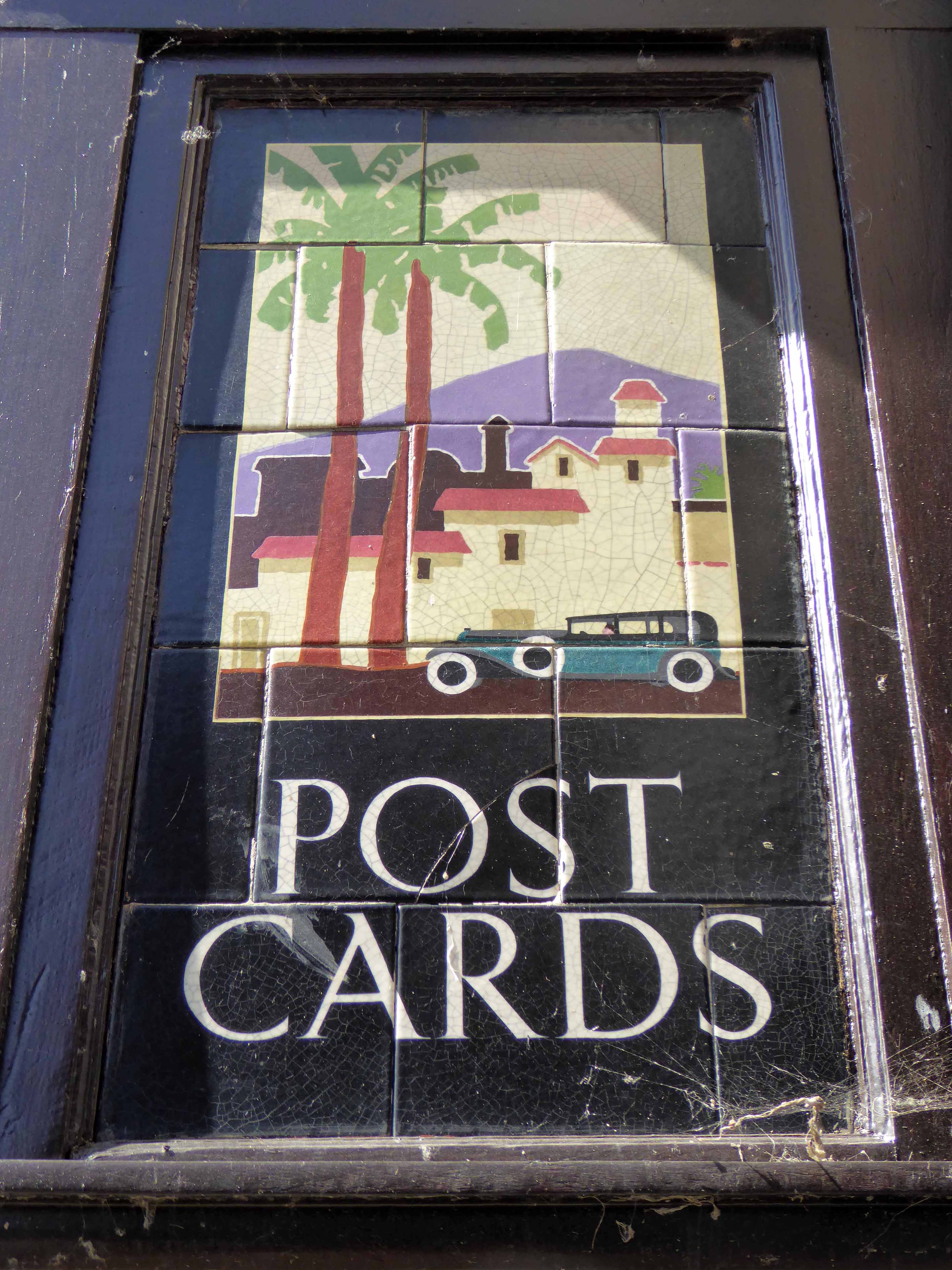
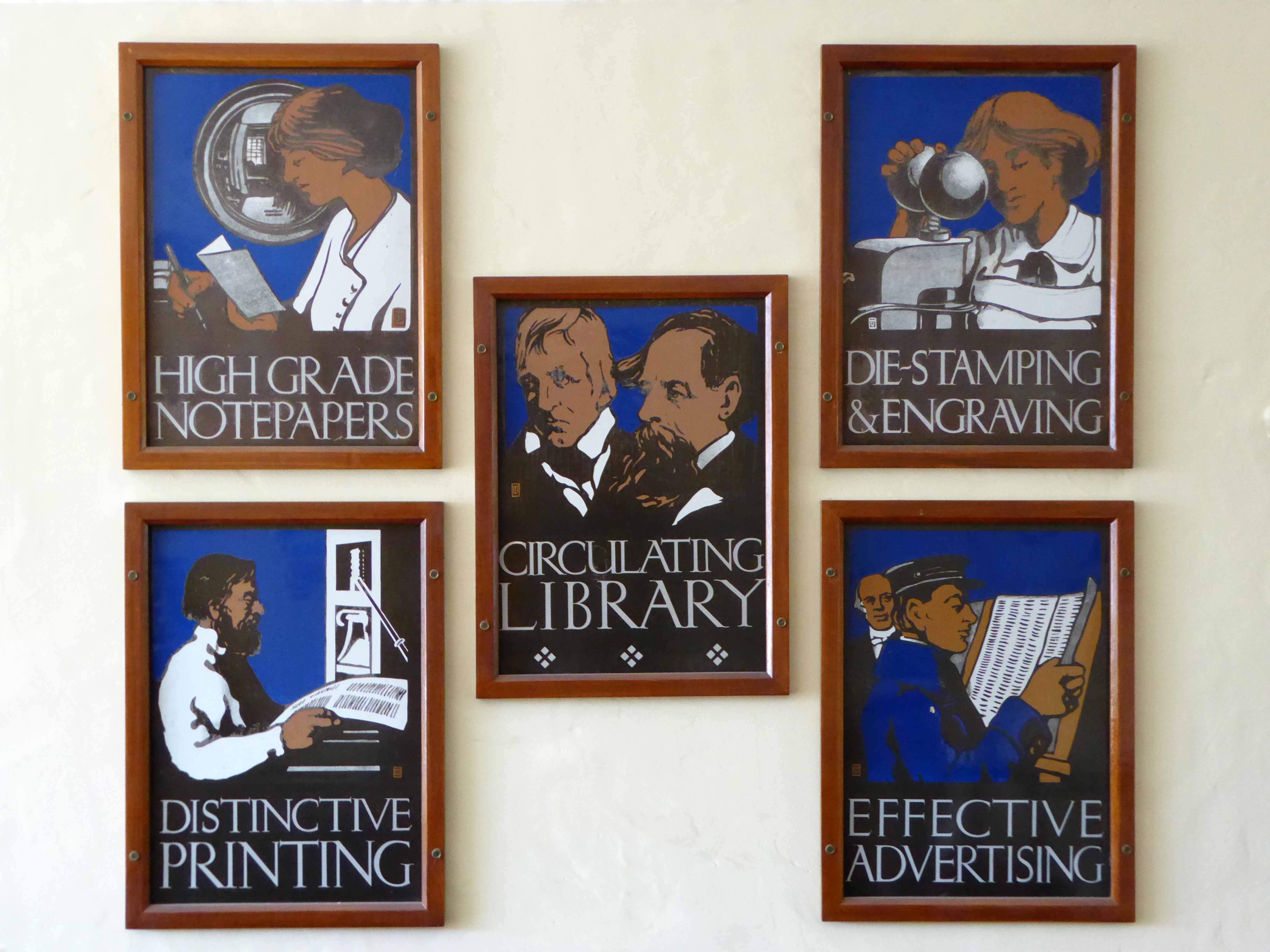
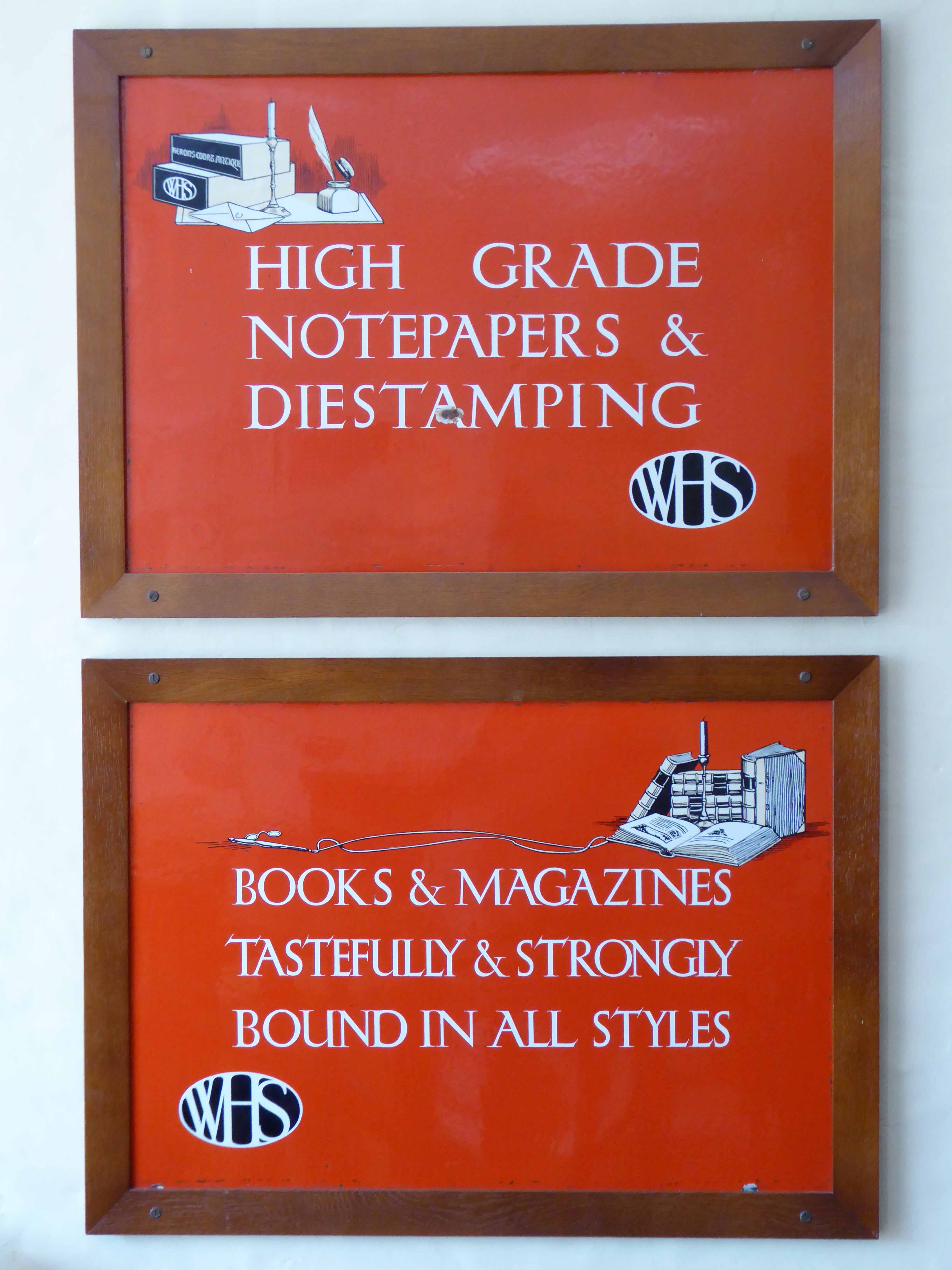
These tiles were made by Carter & Co. at their pottery works in Poole, Dorset in the 1920s. Commissioned by the retailer, they were installed in the entrance ways of a number of its branches. They were intended to advertise the wide selection of books and other items on sale, however their distinctive Art Deco style and the scenes depicted also expose a great deal about society at that time.

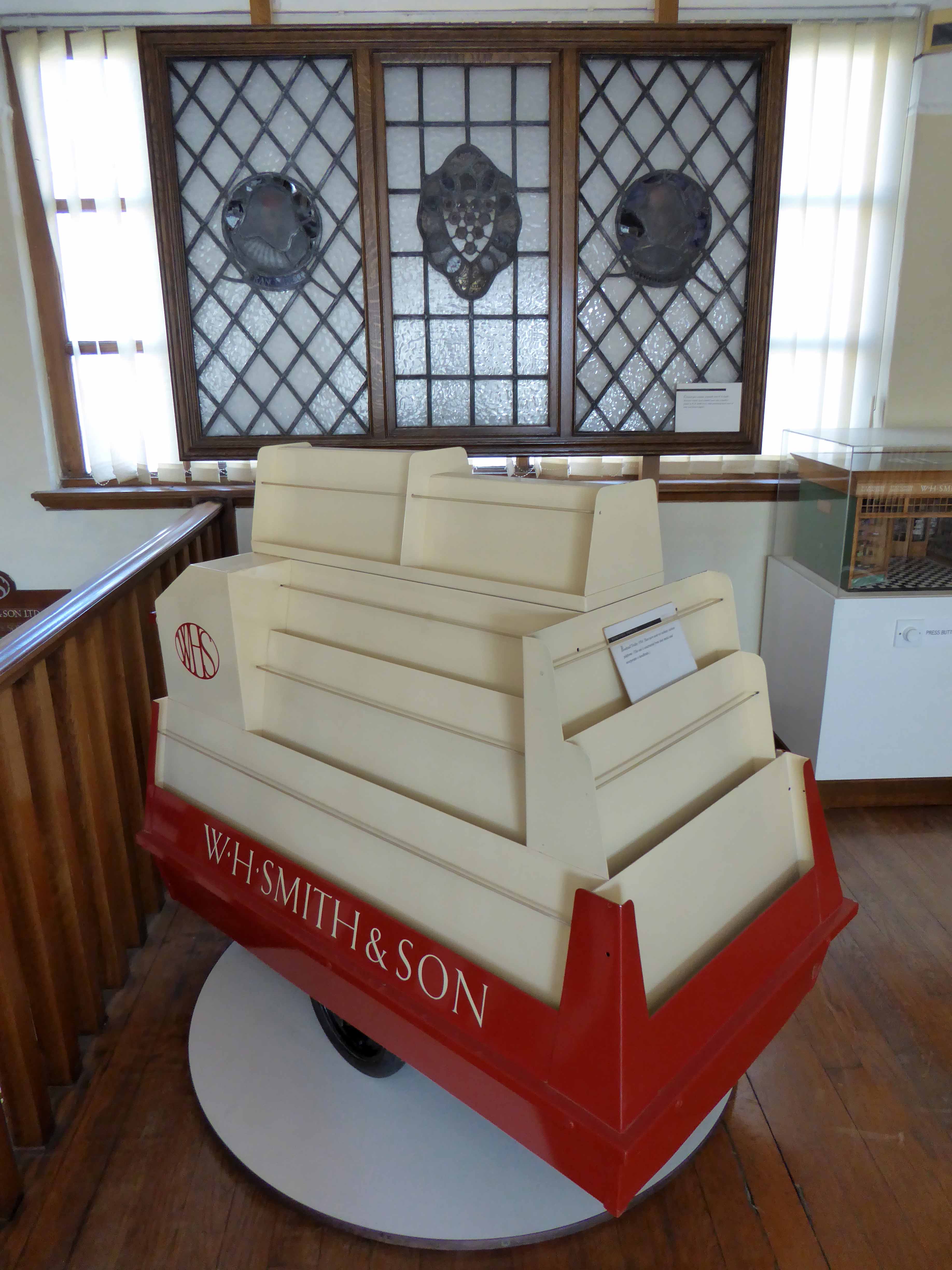
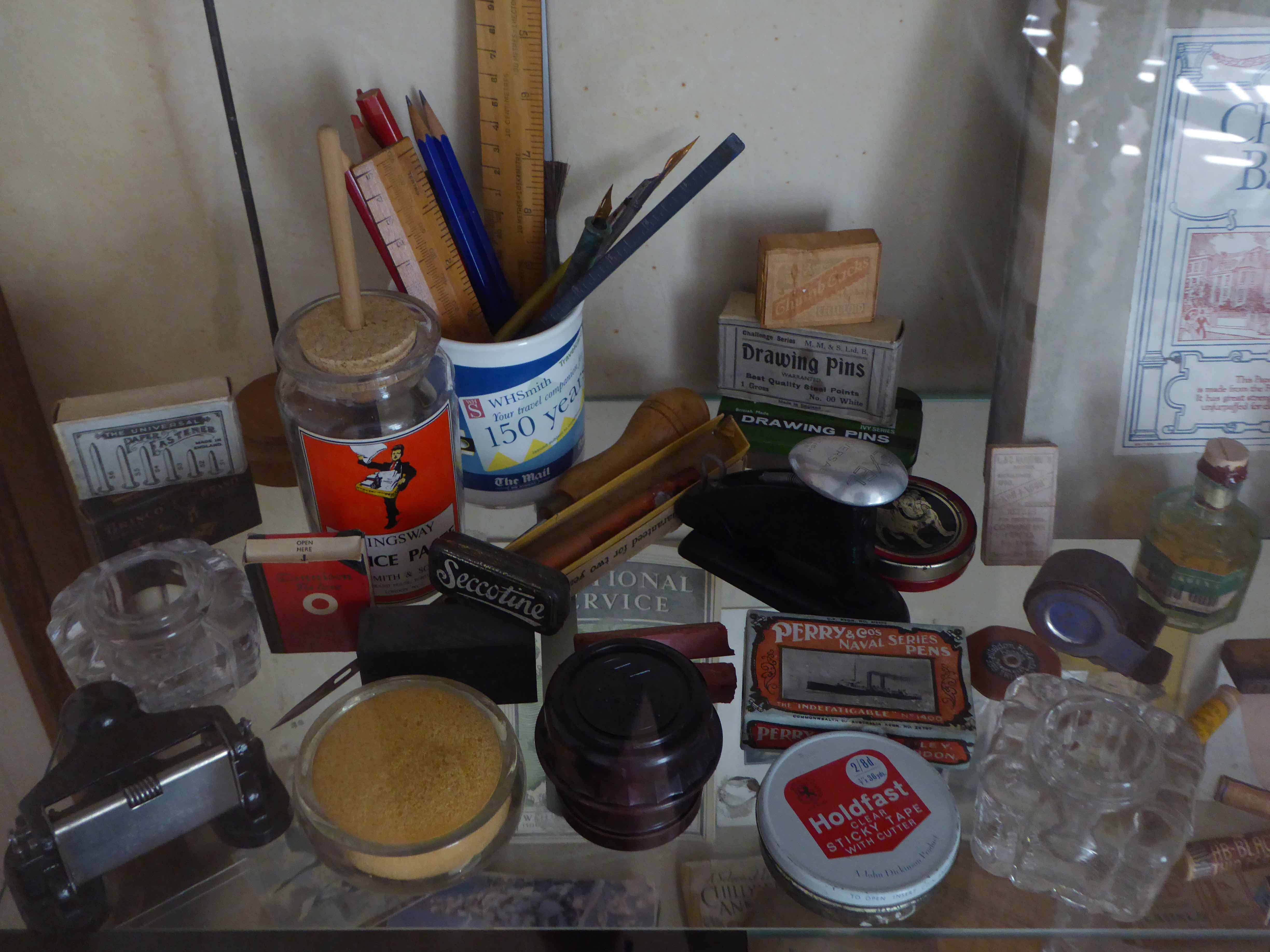
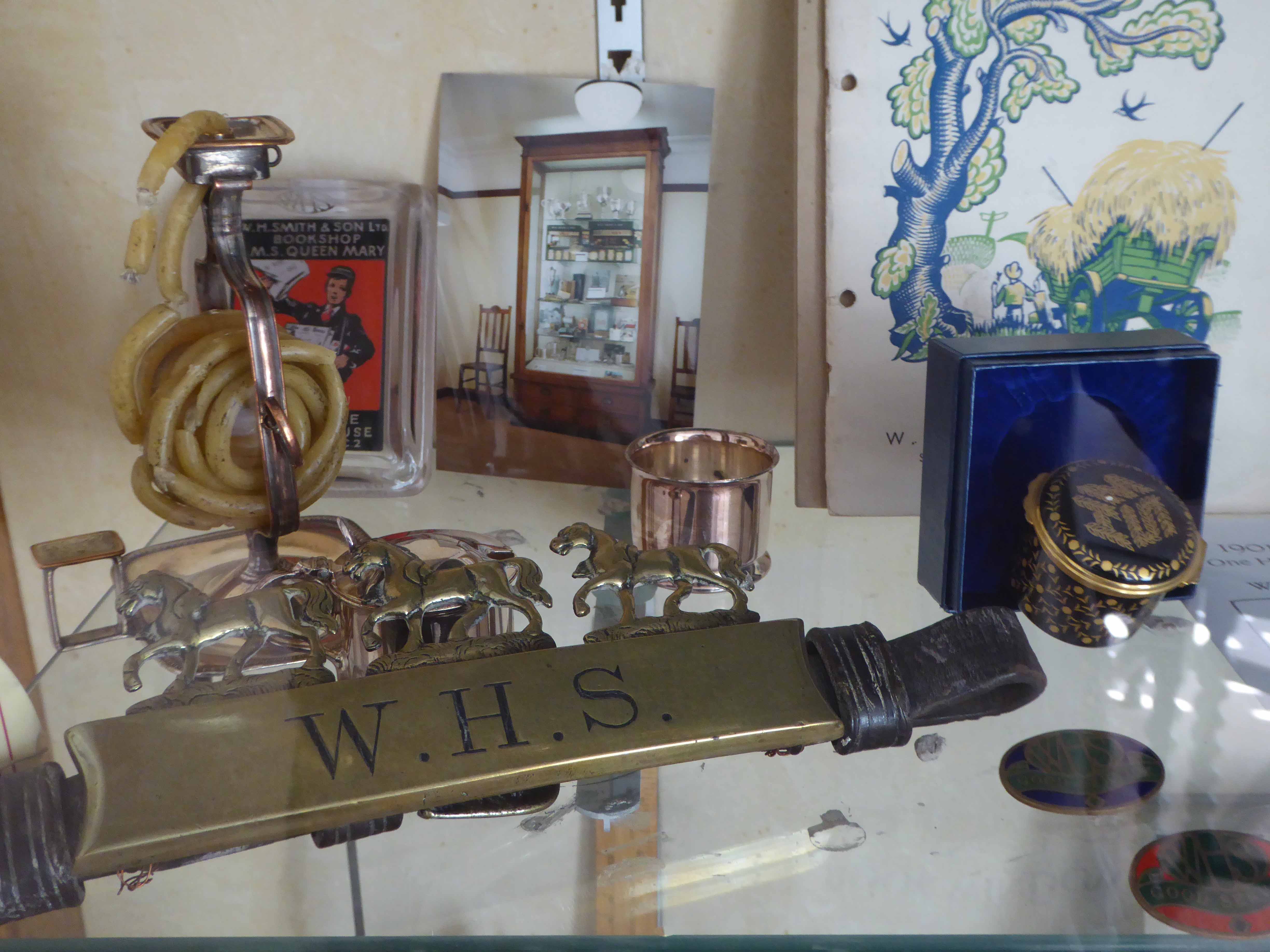
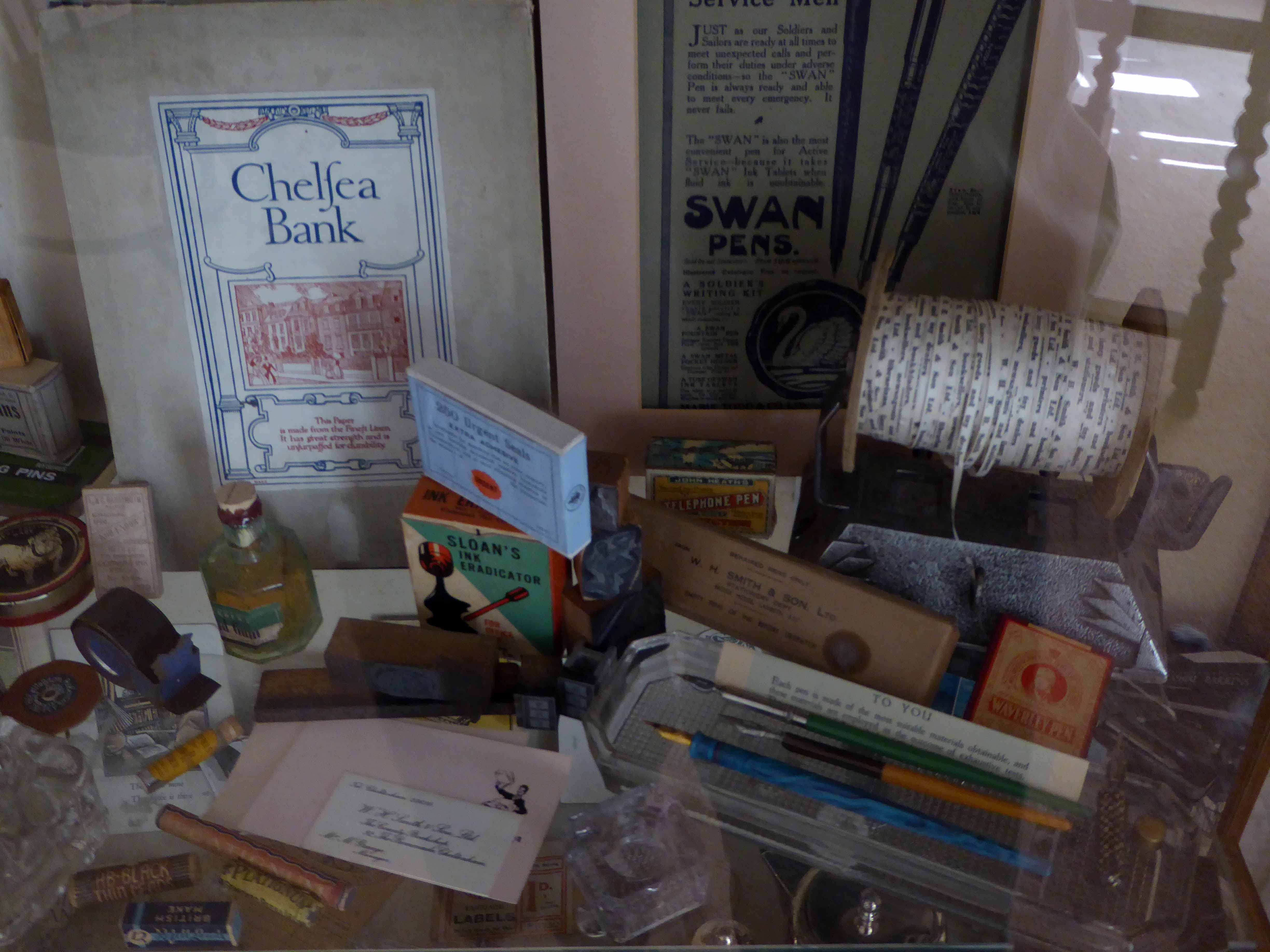
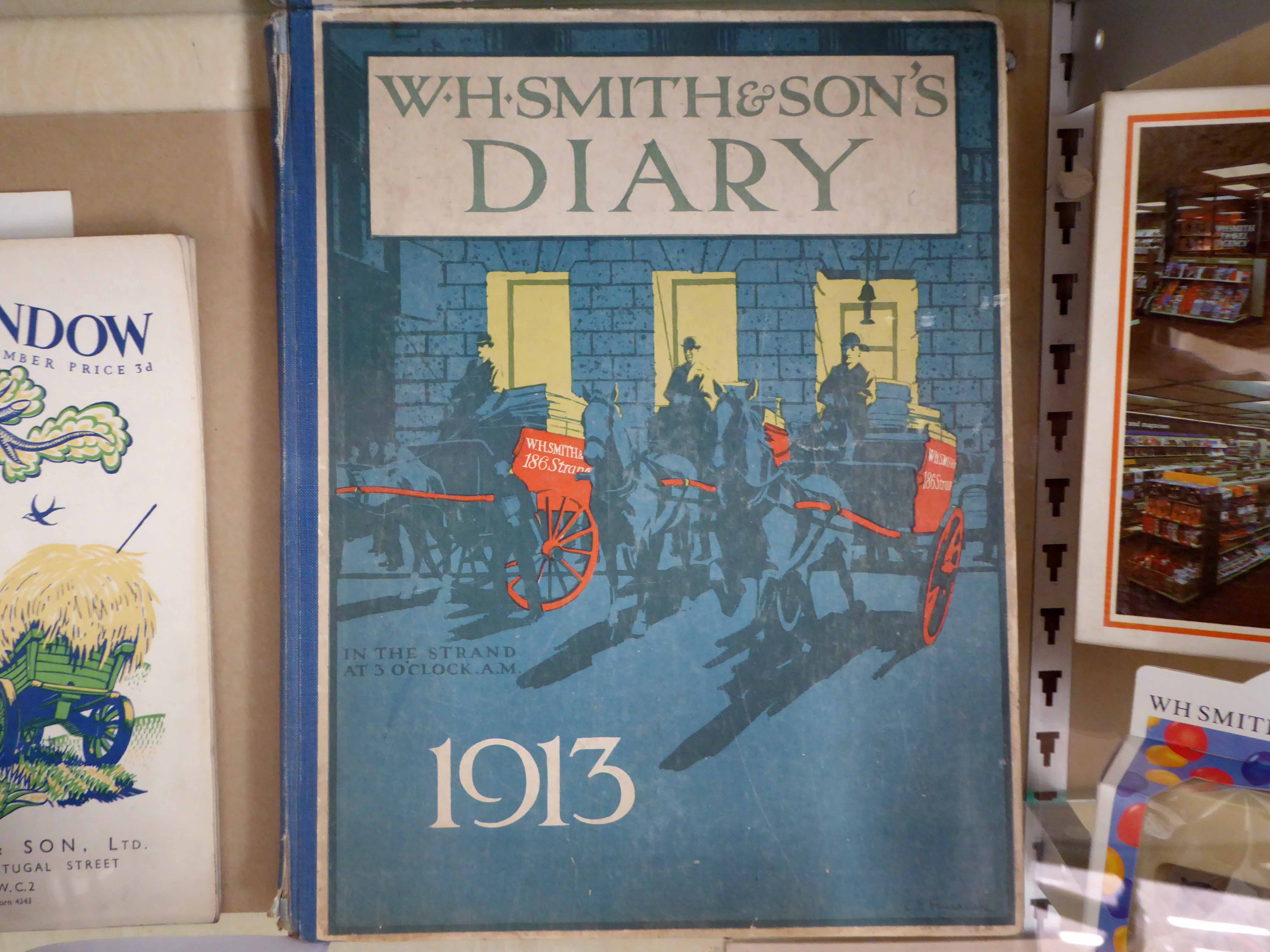
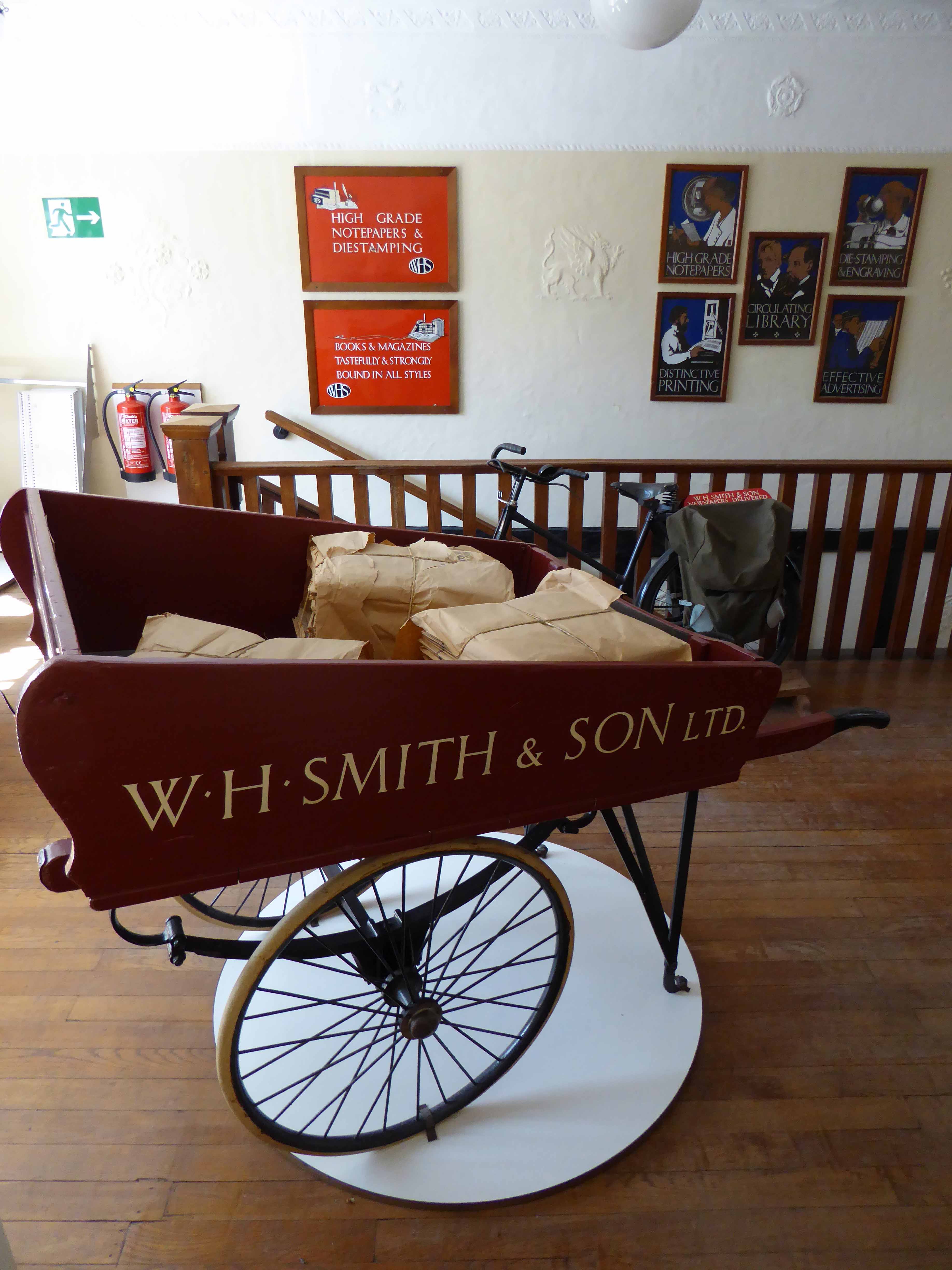
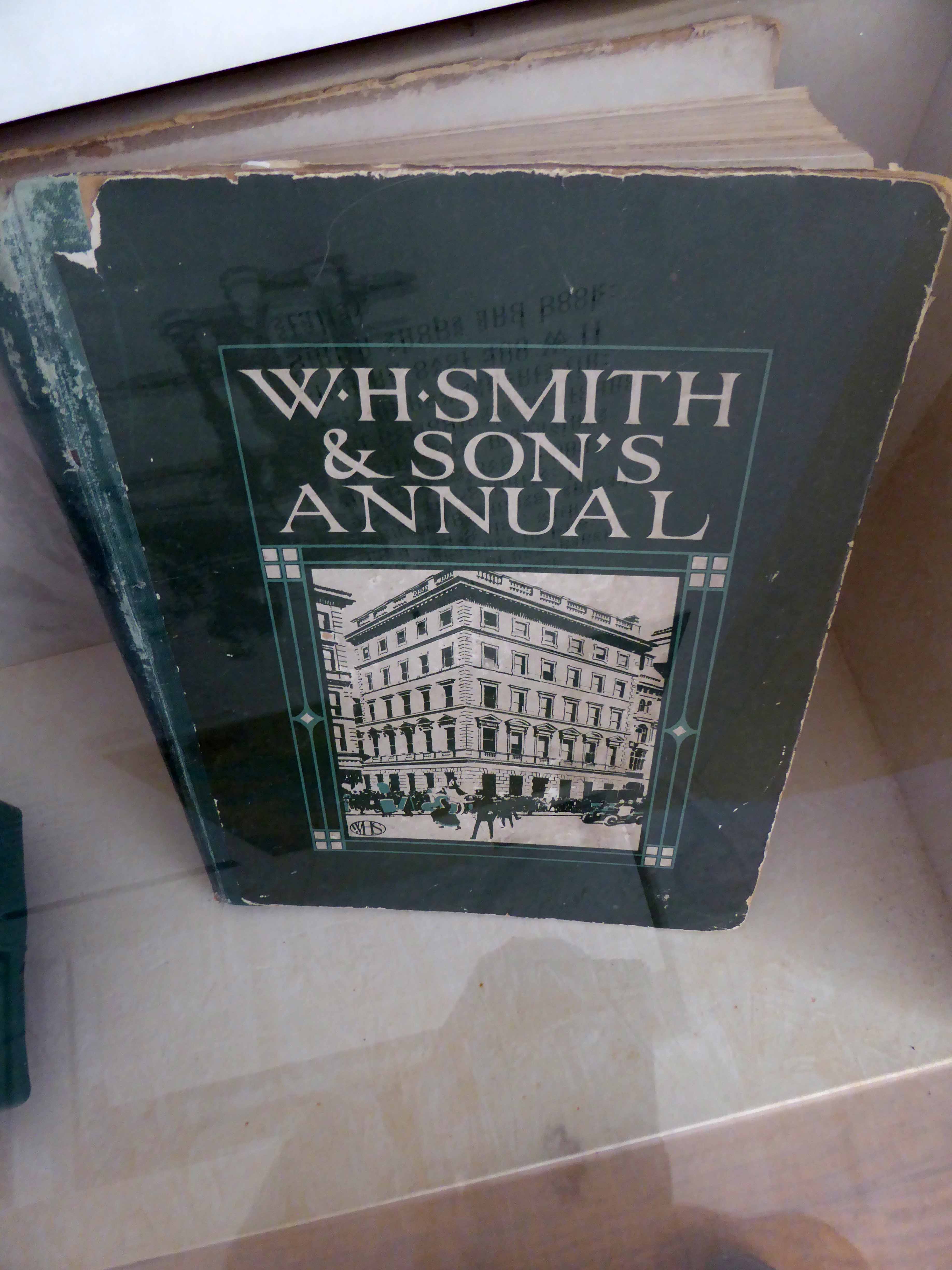
In subsequent decades, particularly during periods of refurbishment from the 1960s, many shops lost their decorative panels, either being removed or covered over. Only seven branches of WHSmith are known to have their tile panels intact, with a few surviving in private collections. Many tiles were rescued by WHSmith and these can now be seen in a museum housed in the Newtown branch in Powys. 

Further information

P1050813 copy

P1050814 copy

P1050832 copy

The staff were typically helpful and accommodating – directing me to the Museum upstairs – just pull the rope to one side.

Go take a look 

P1050820 copy

P1050822 copy

P1050823 copy

P1050824 copy

P1050825 copy

P1050826 copy

P1050827 copy

P1050828 copy

P1050829 copy

P1050830 copy

Eastford Square – Collyhurst

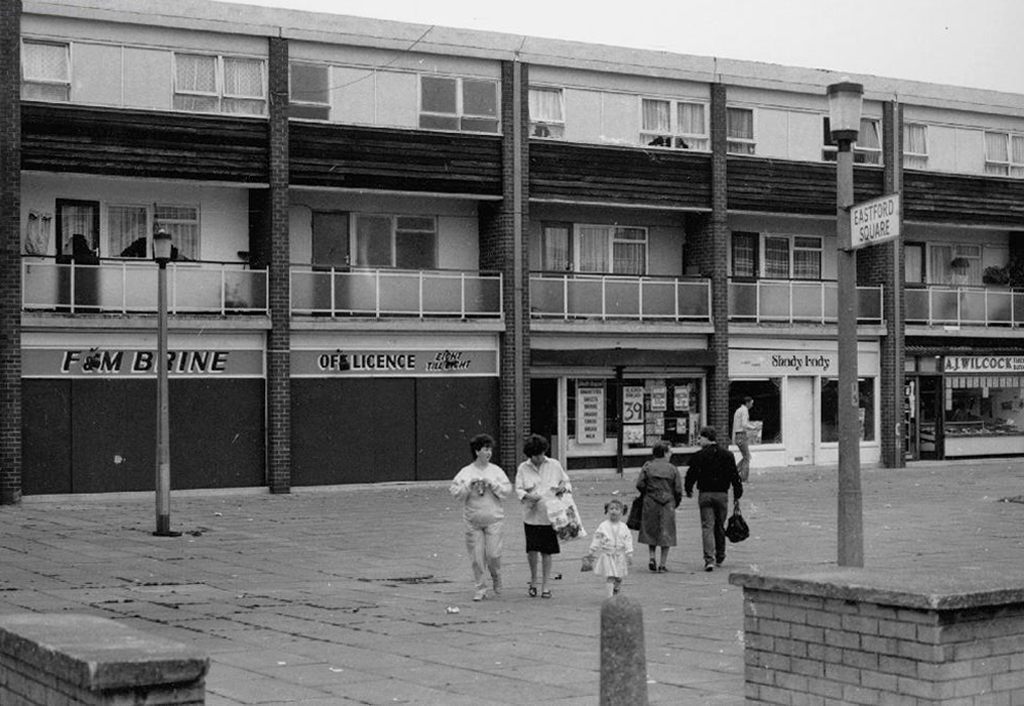
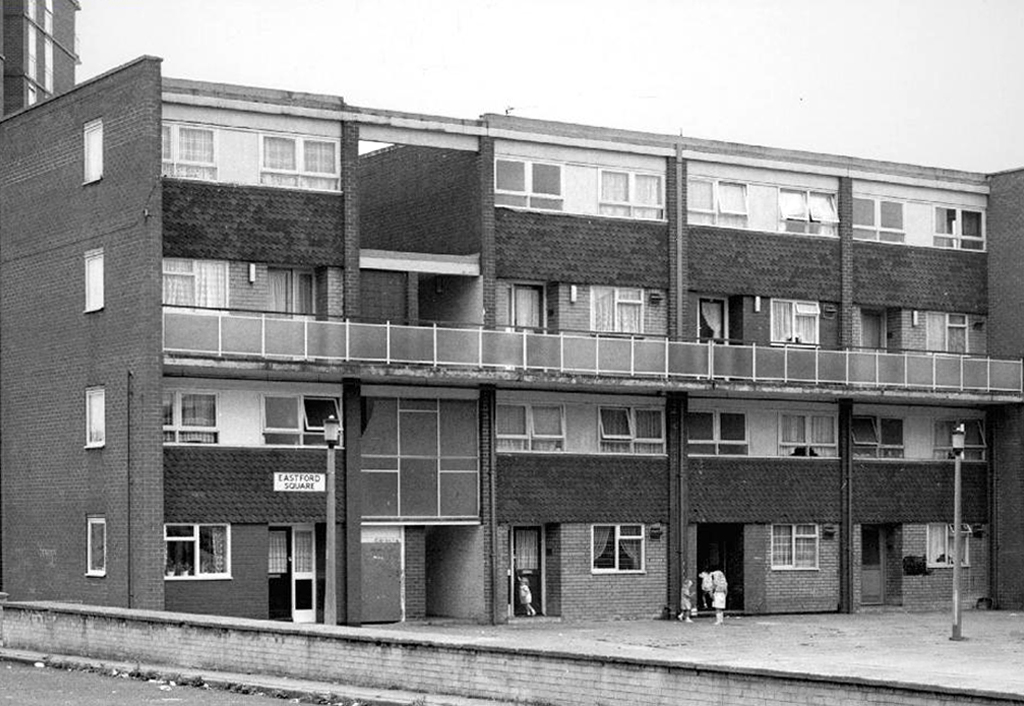
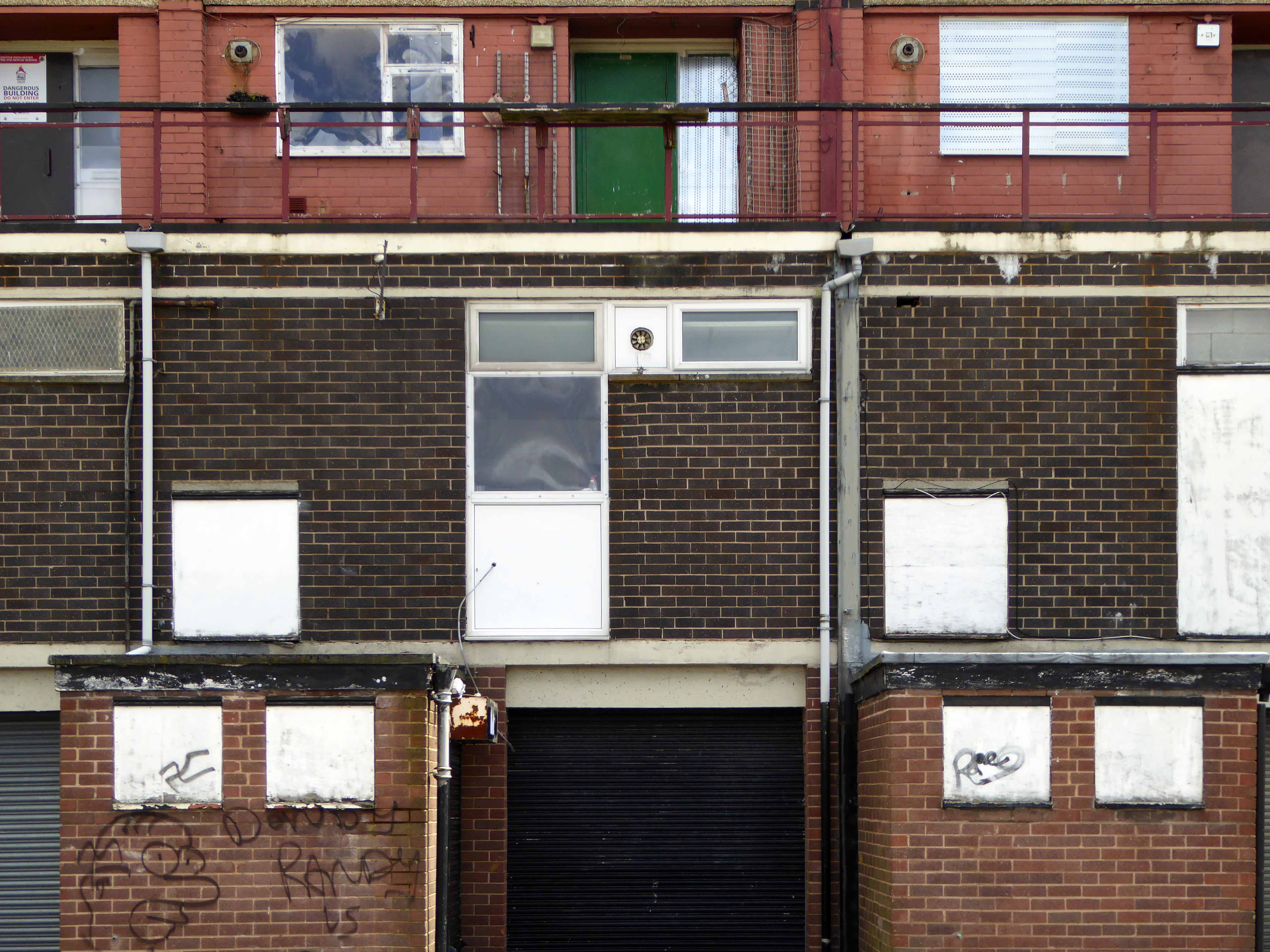
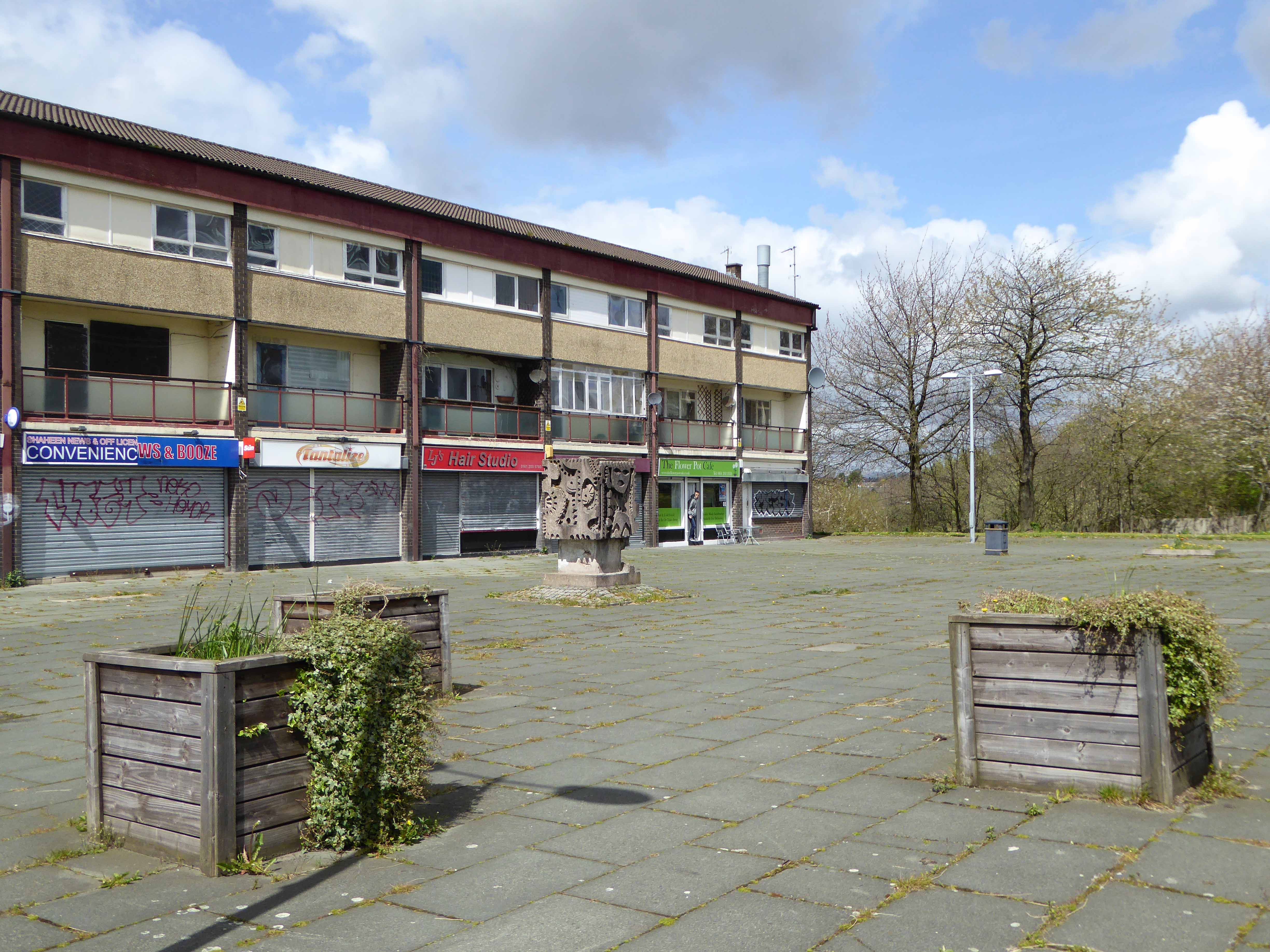
Once there were homes, postwar social housing.

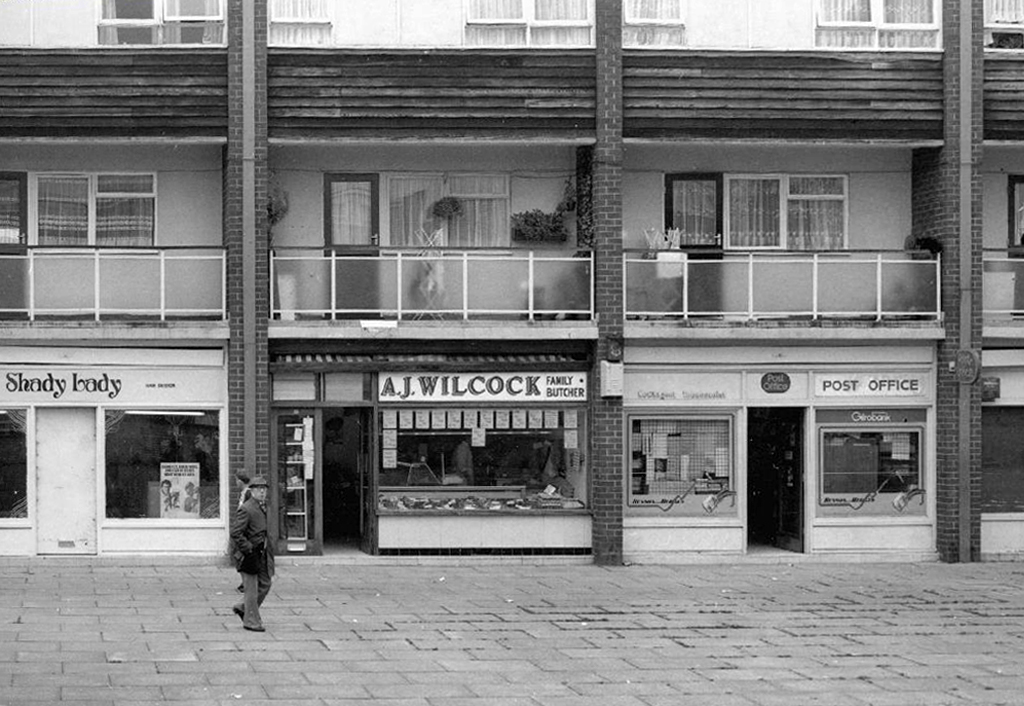
Once there were jobs, a measure of prosperity.

A settled community.

webmedia-1.php
webmedia-4.php
webmedia-2.php
webmedia-3.php

Time has not been kind to North Manchester, successive slumps, double-dip depressions, economic downturns, and centrally imposed recession hurts.

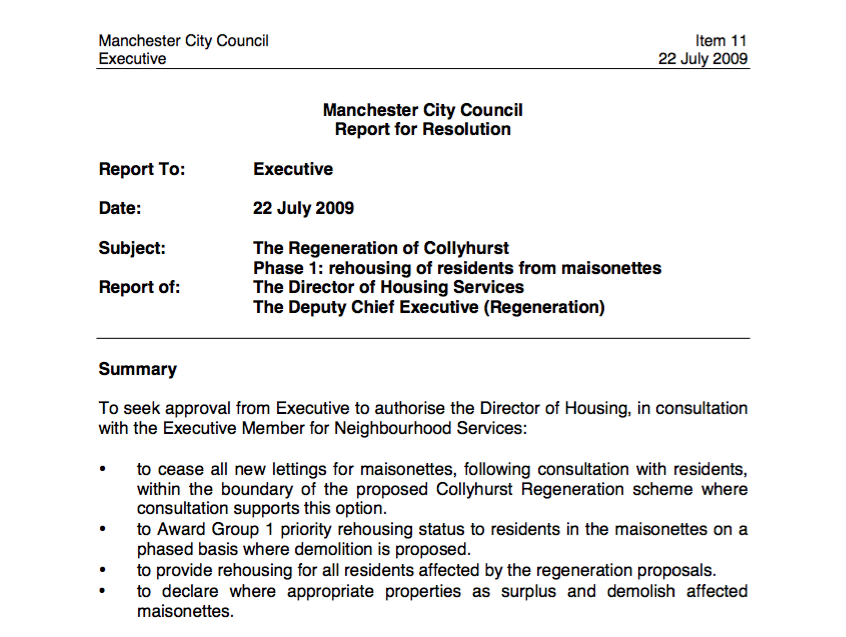
The local authority steps in, from 2009 the fate of Eastford Square is sealed.

Regeneration.Screen Shot 2016-05-06 at 16.39.43

Spells demolition.

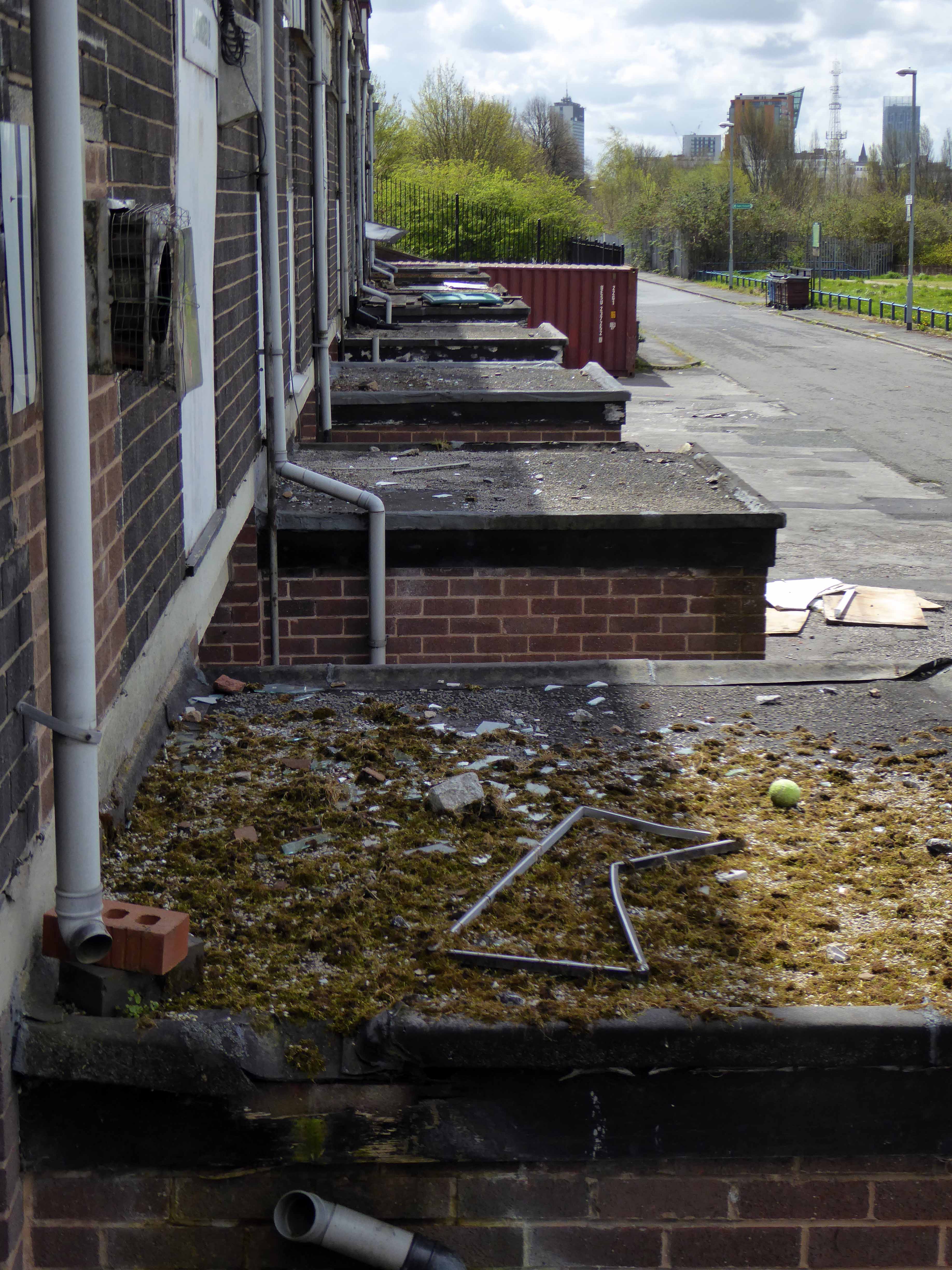
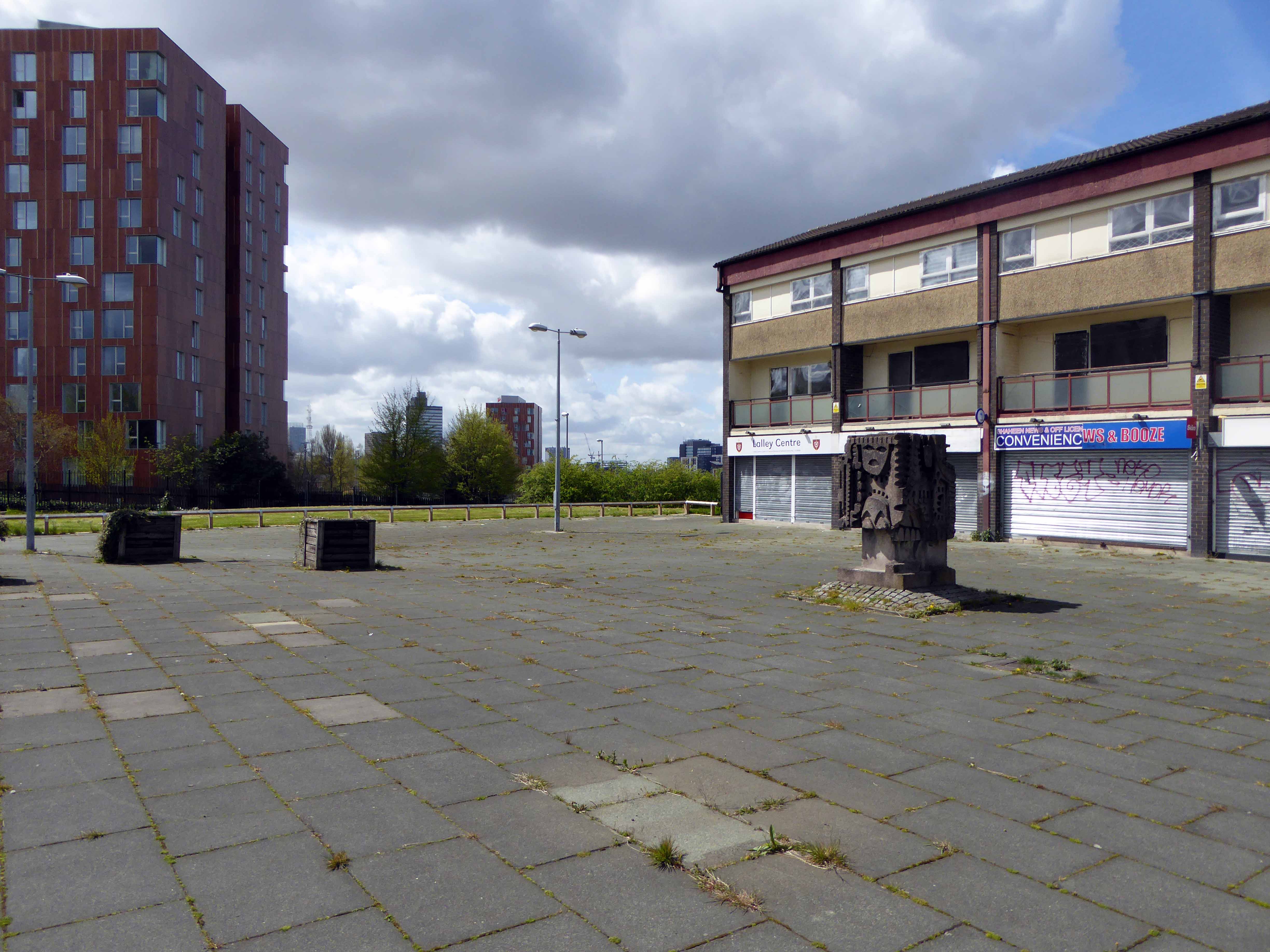
One wing is already gone, the maisonettes are tinned up.

P1040328 copy
P1040330 copy
P1040310 copy
P1040340 copy
P1040333 copy
P1040327 copy
P1040329 copy

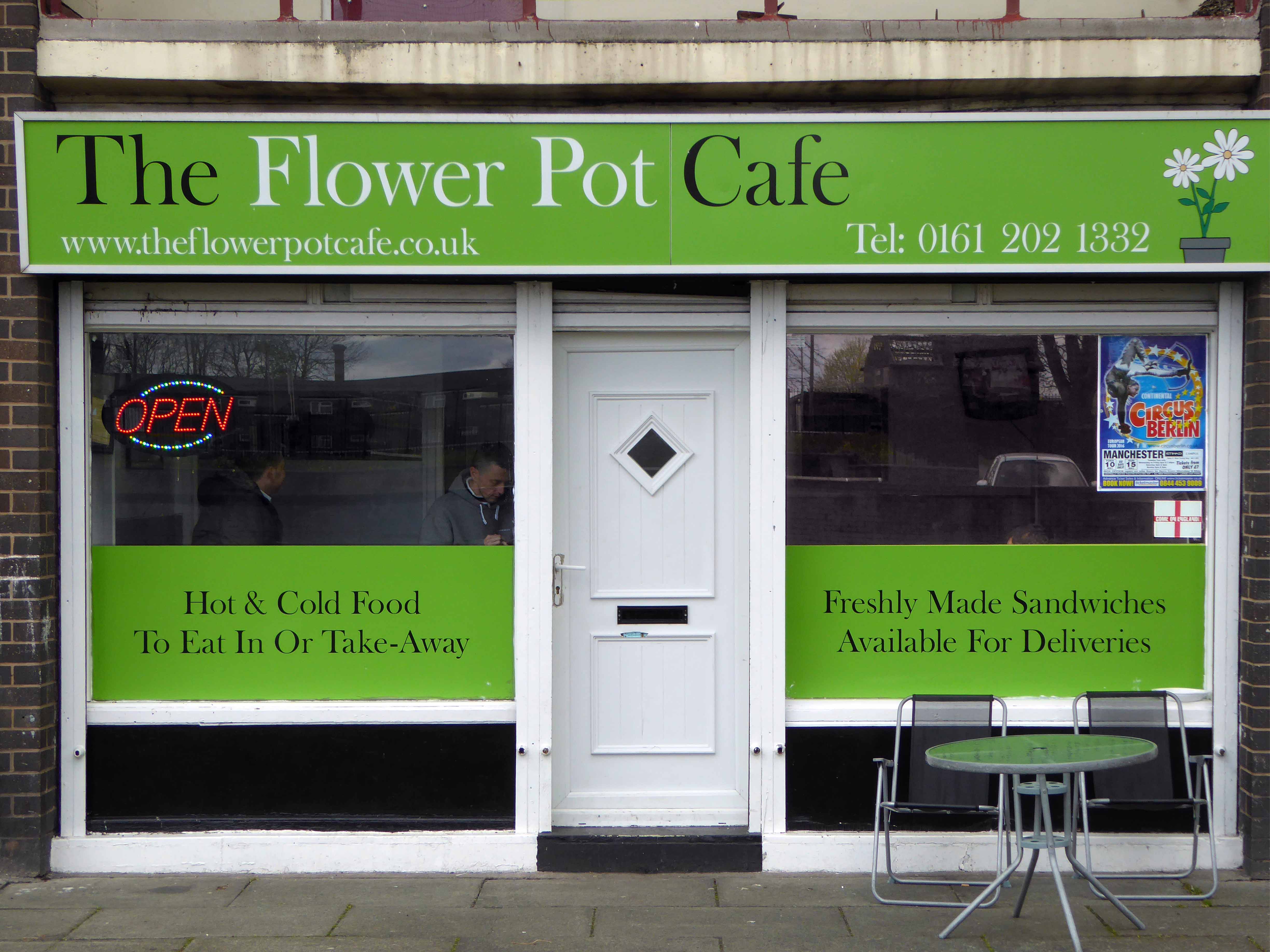
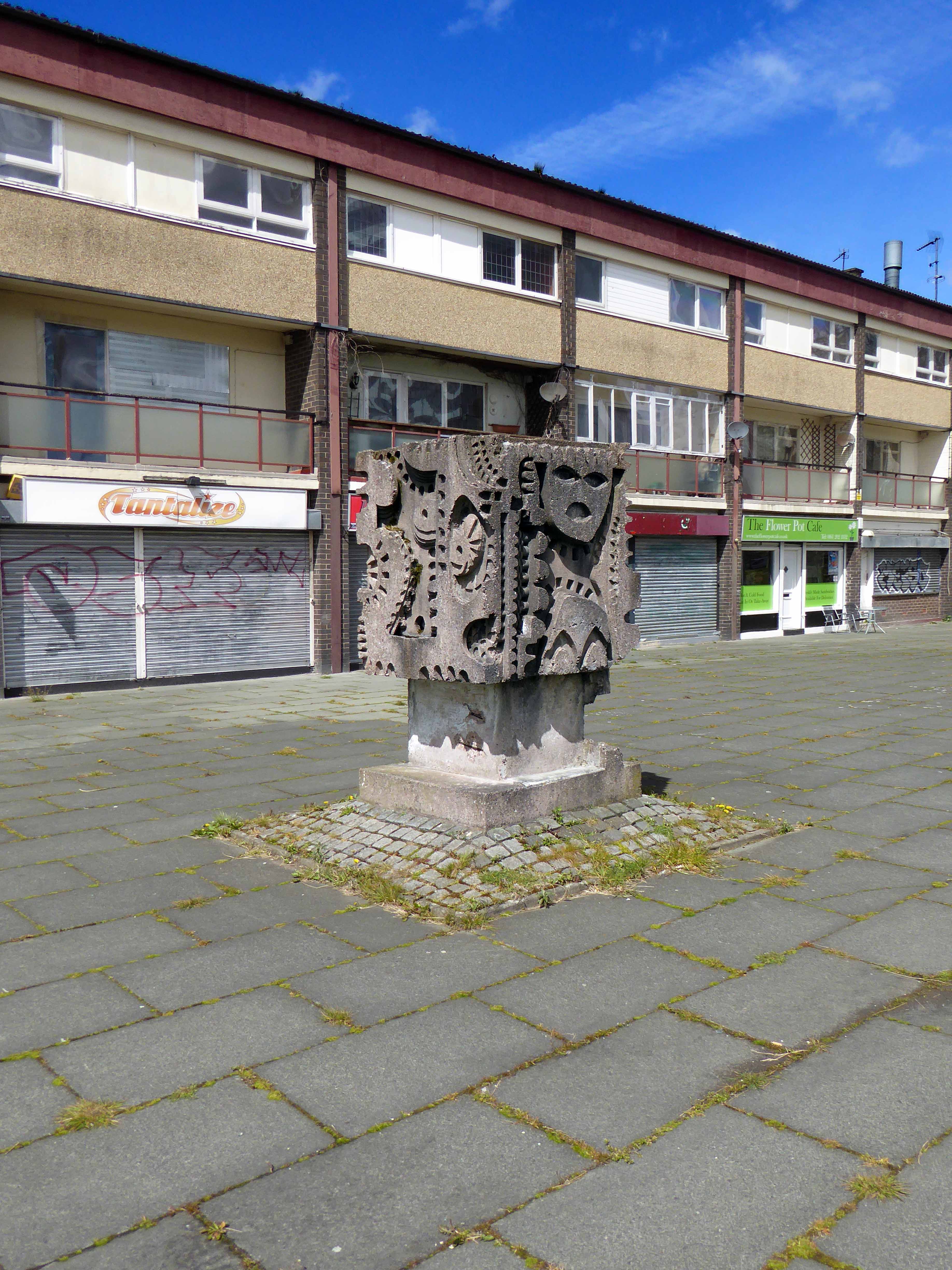
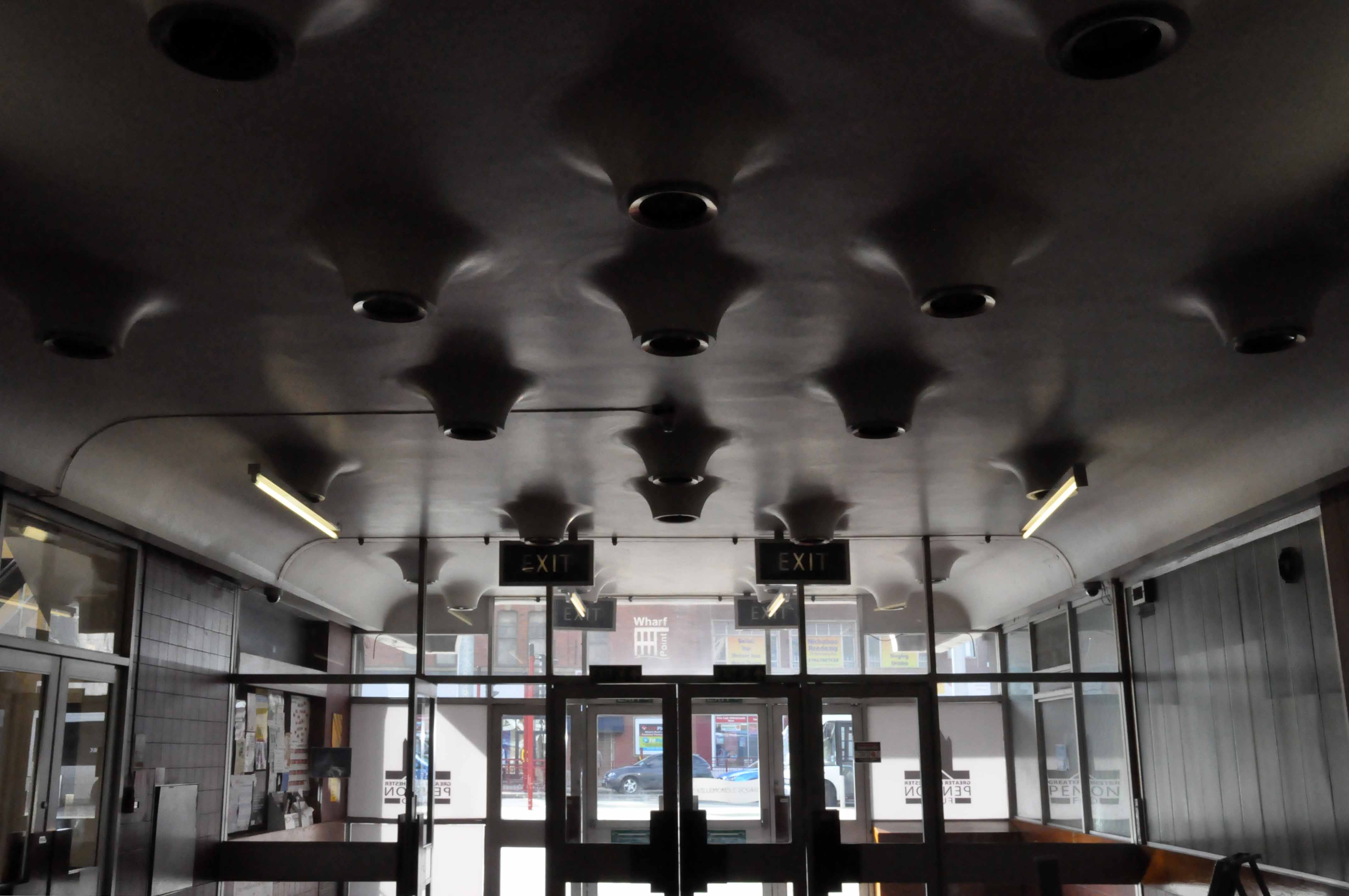
The Flower Pot Café, still fully functional, fed me well for £2, Lee the proprietor is living on borrowed time though, hoping for relocation within the new development.
P1040316 copy

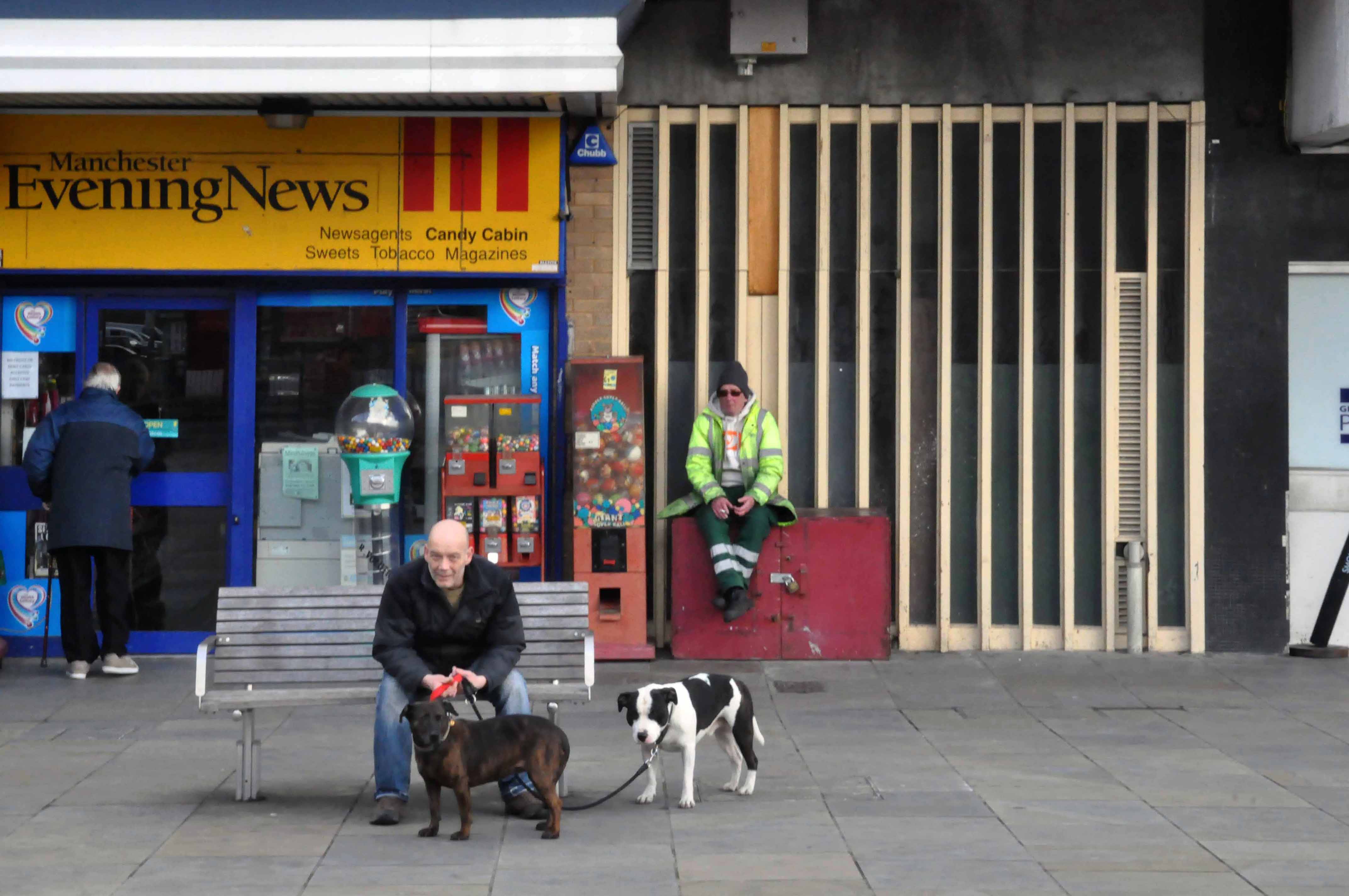
Other businesses have not survived the transition, awaiting CPO and who knows what.
P1040308 copy
P1040307 copy
P1040306 copy
P1040305 copy
P1040314 copy

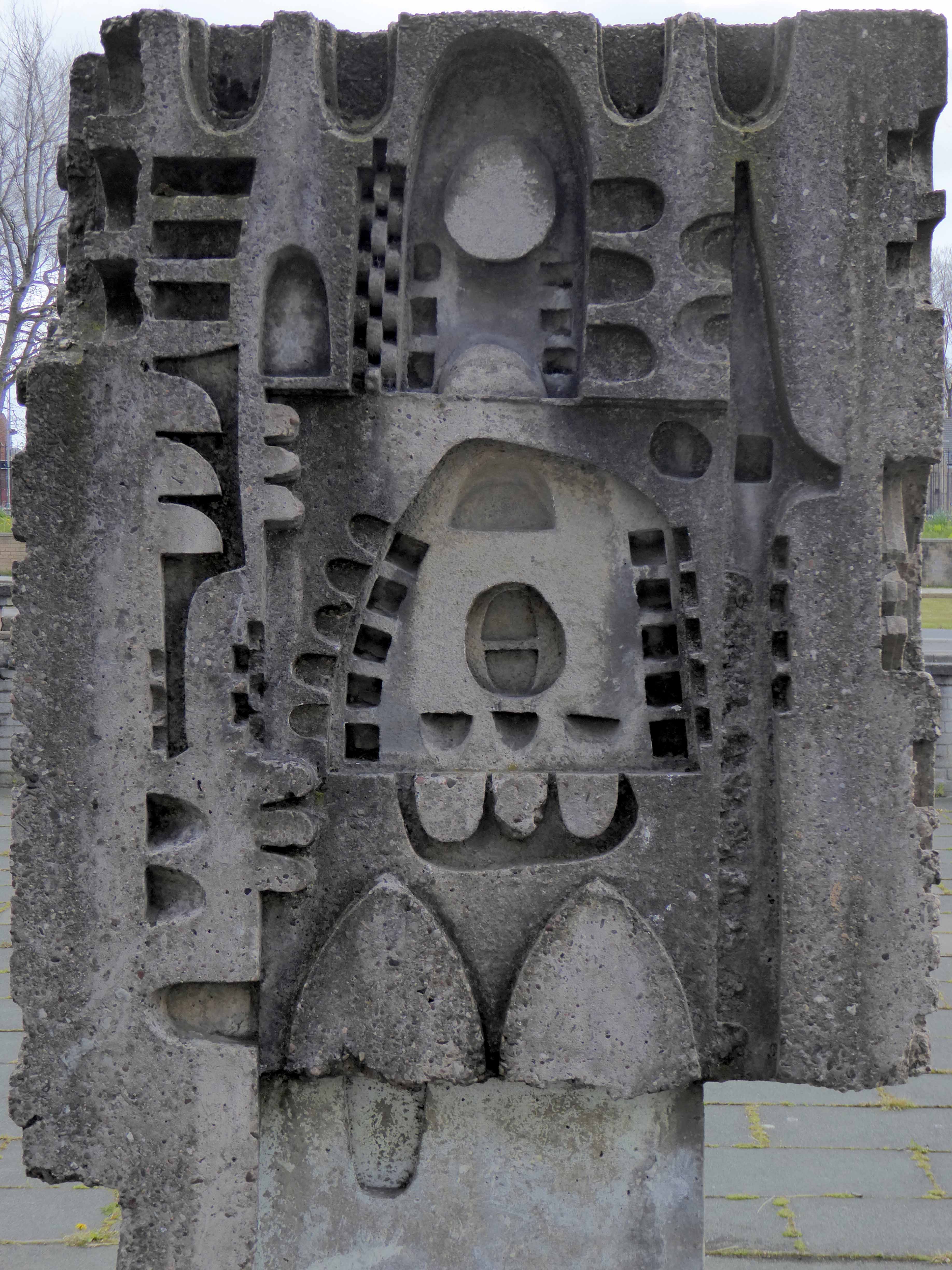
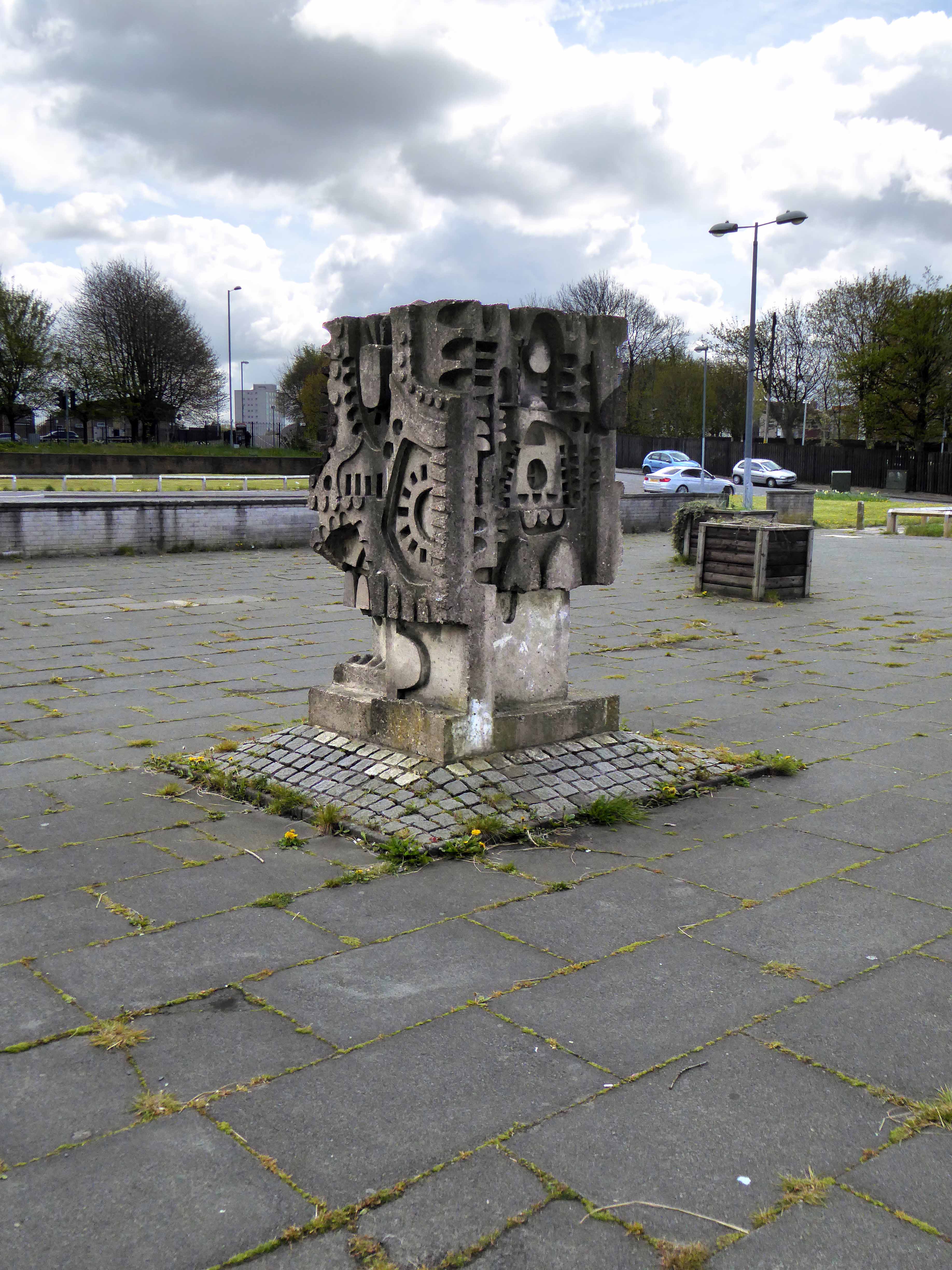
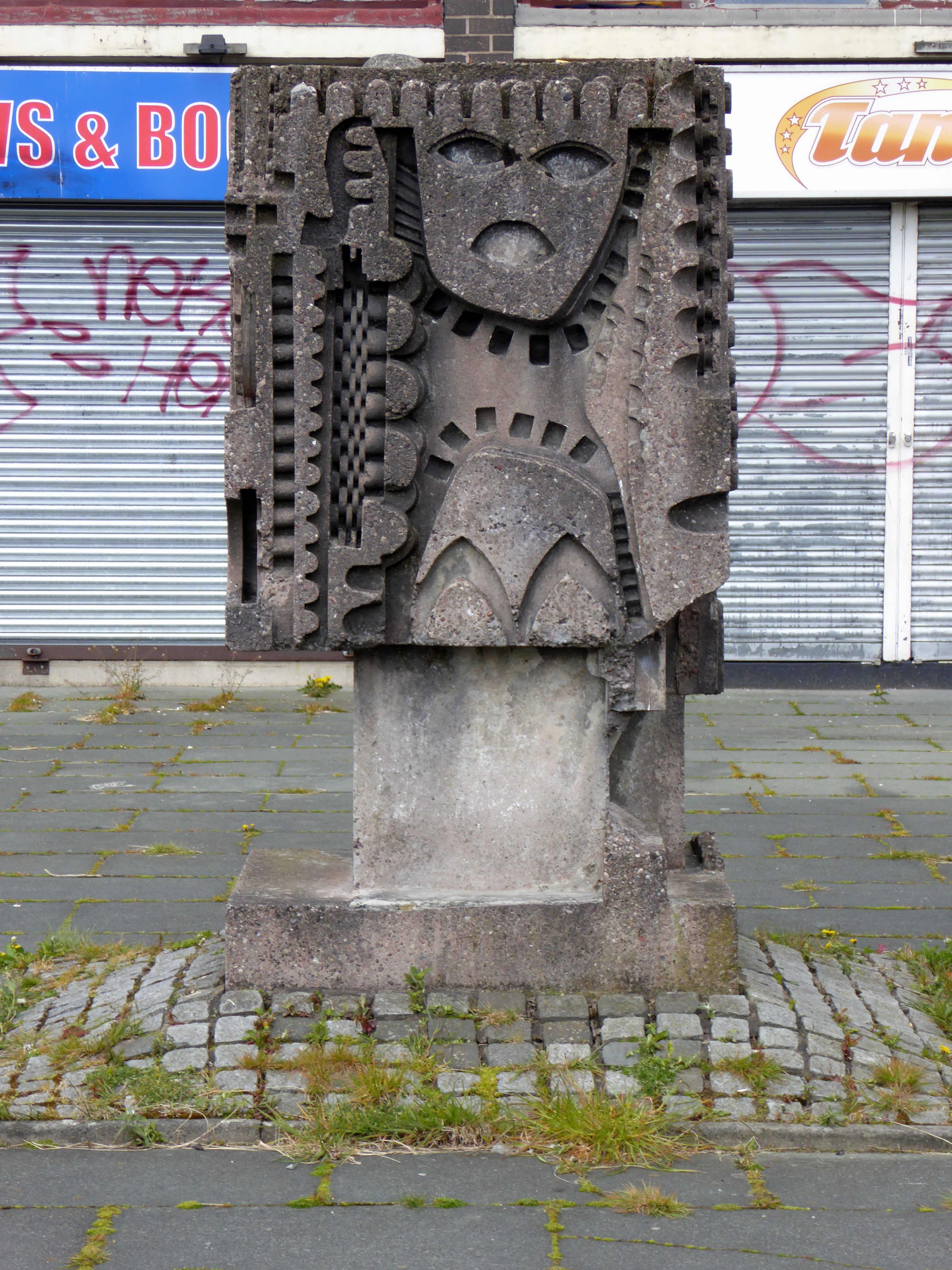
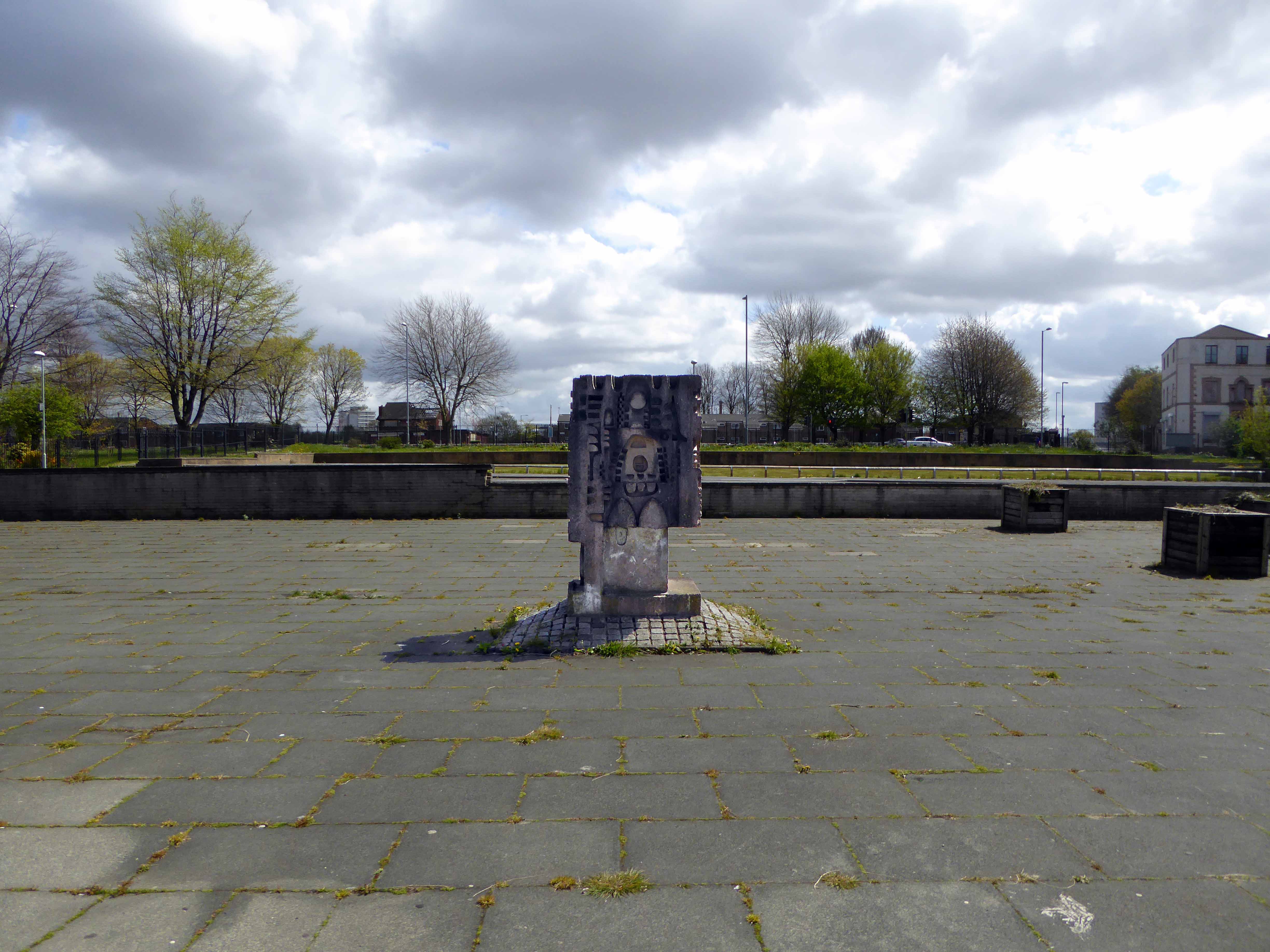
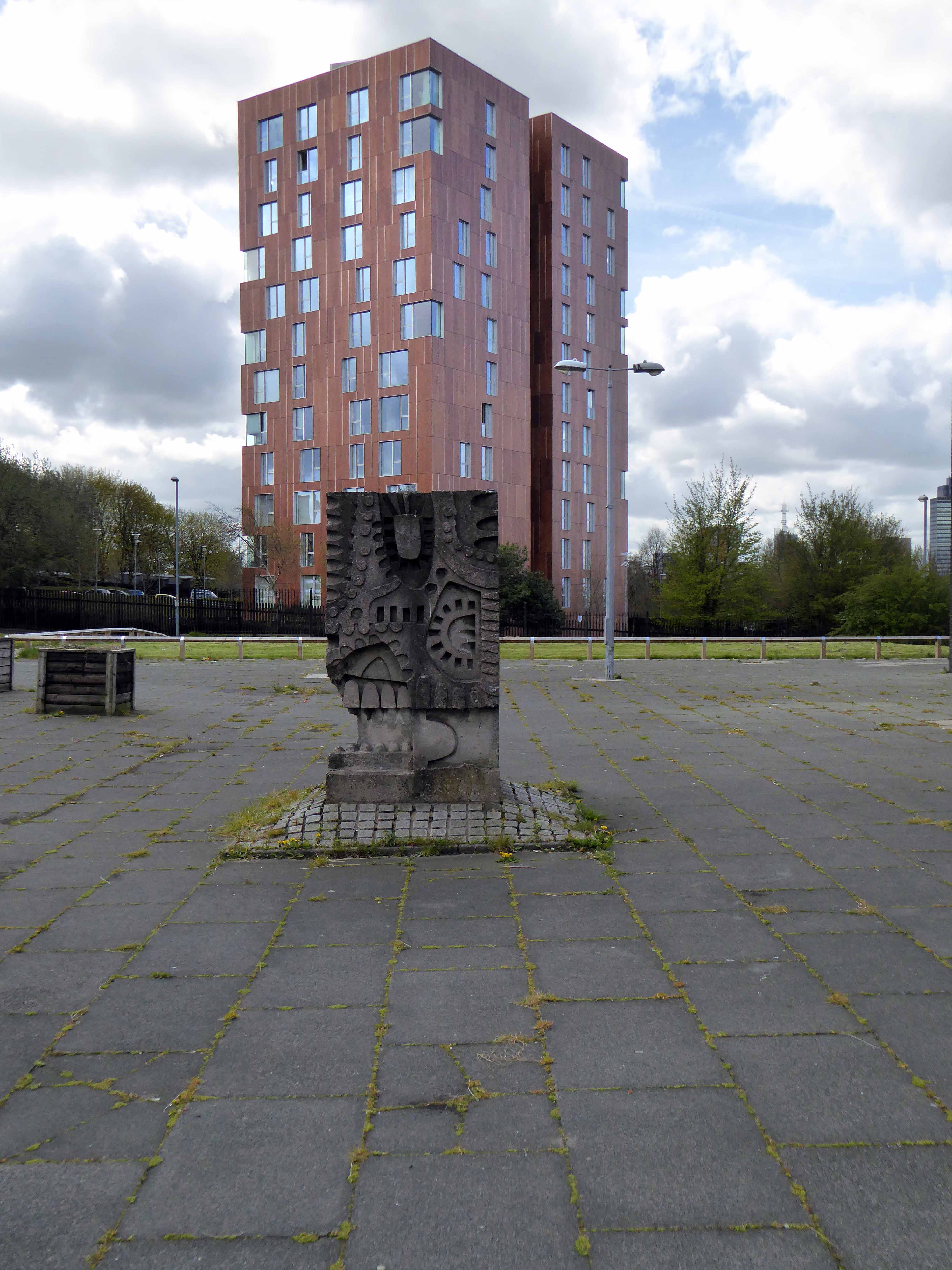
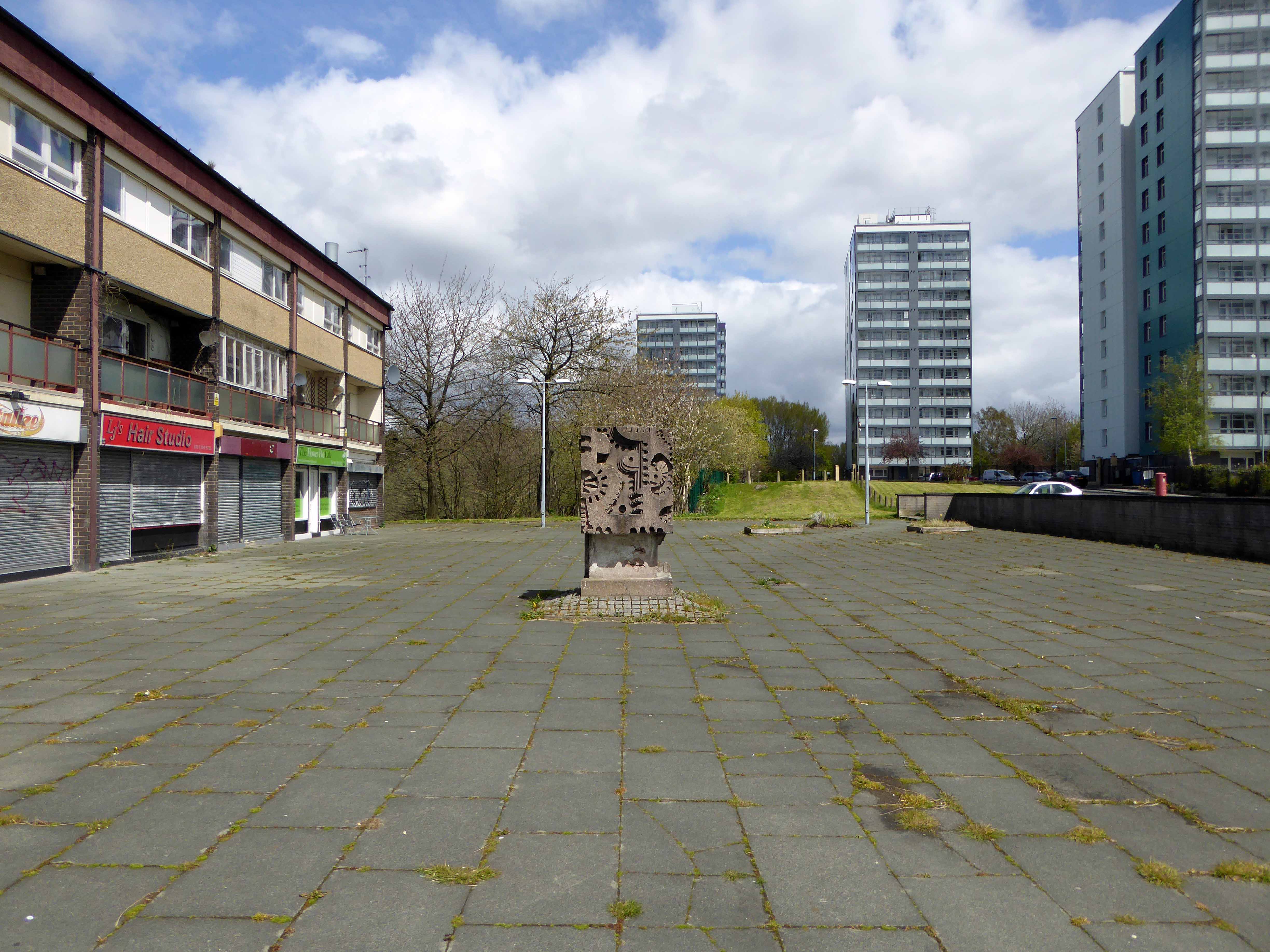
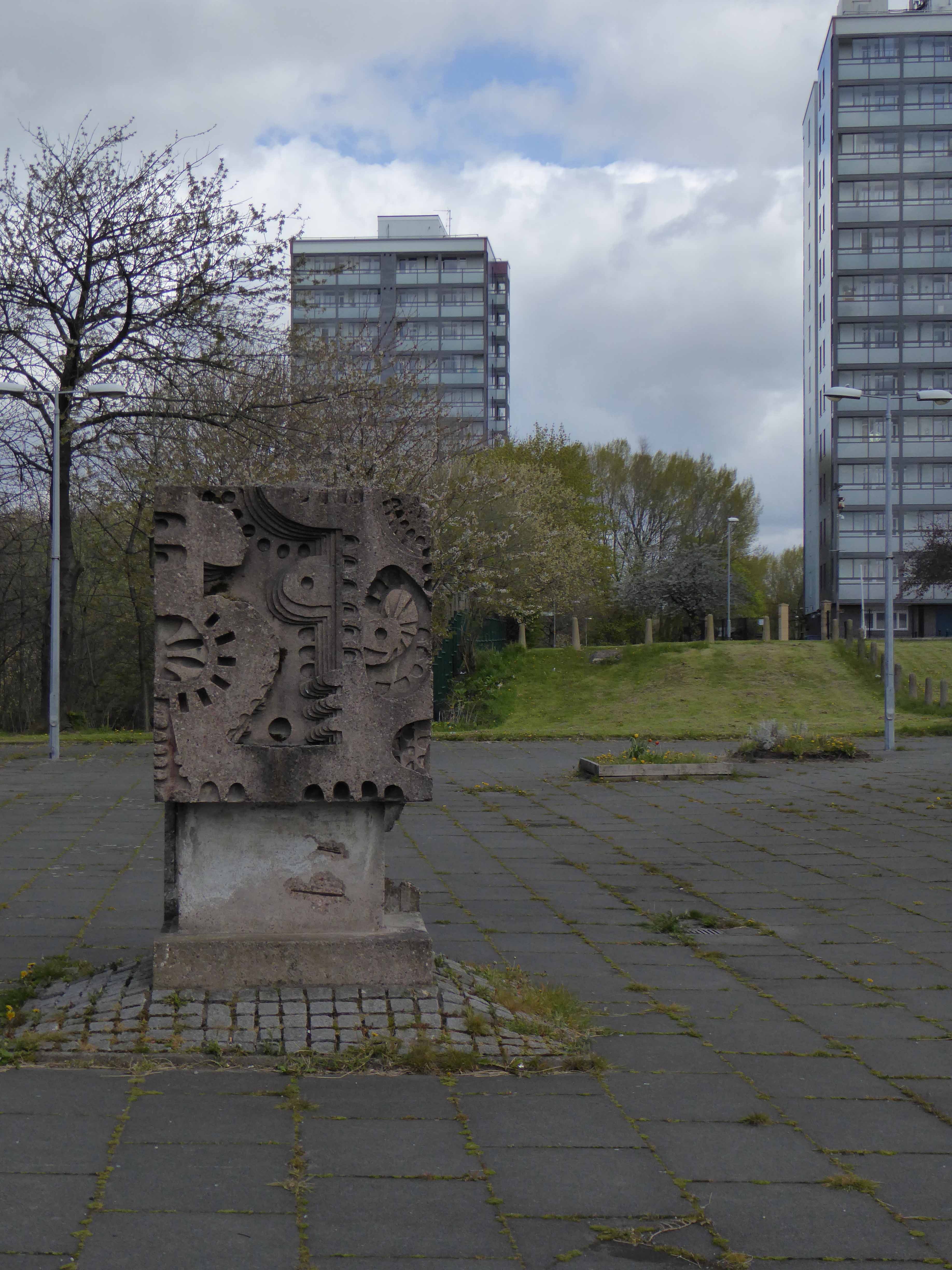
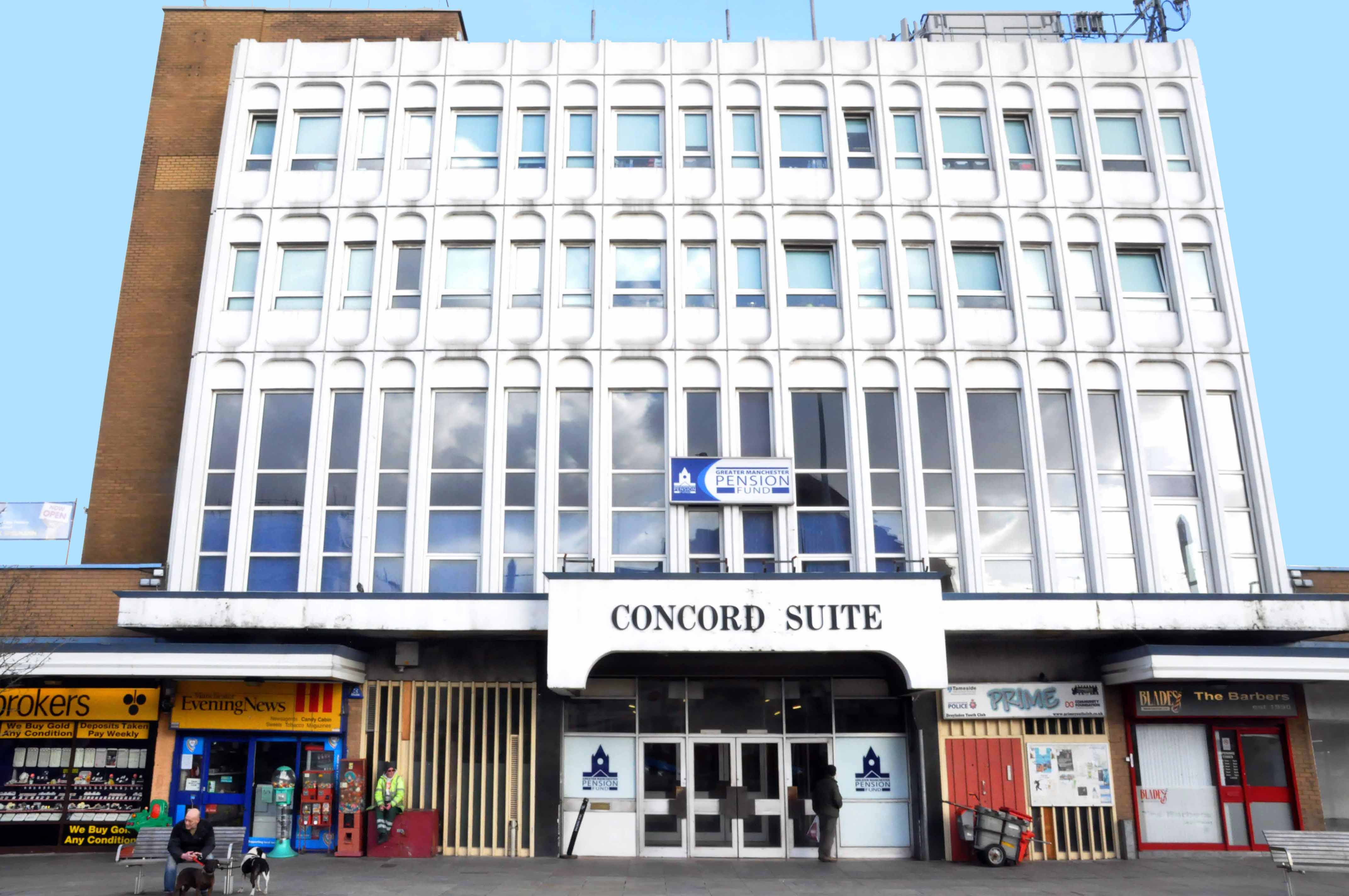
The square is blessed with a concrete sculpture, whose fate I hope is secured, somehow.
P1040294 copy
P1040293 copy
P1040296 copy
P1040295 copy

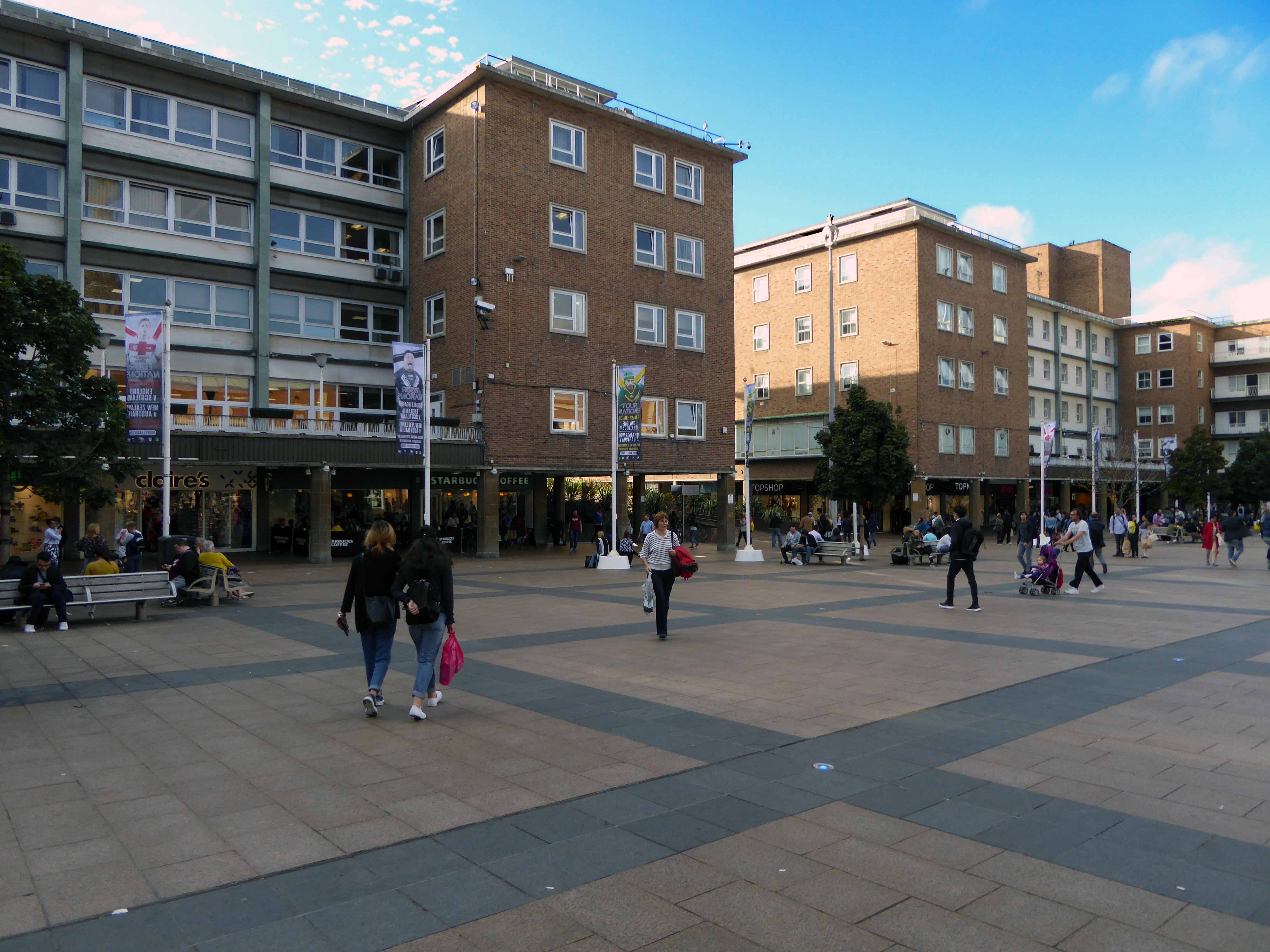
Possibly by William Mitchell – possibly not.
P1040297 copy
P1040304 copy
P1040303 copy
P1040321 copy
P1040292 copy
P1040313 copy
P1040298 copy
P1040301 copy
P1040300 copy

This as ever, is a time of change, I hope that the area and its current inhabitants live to tell the tale, rather than fall victim to the tide of gentrification, forcing them further afield.
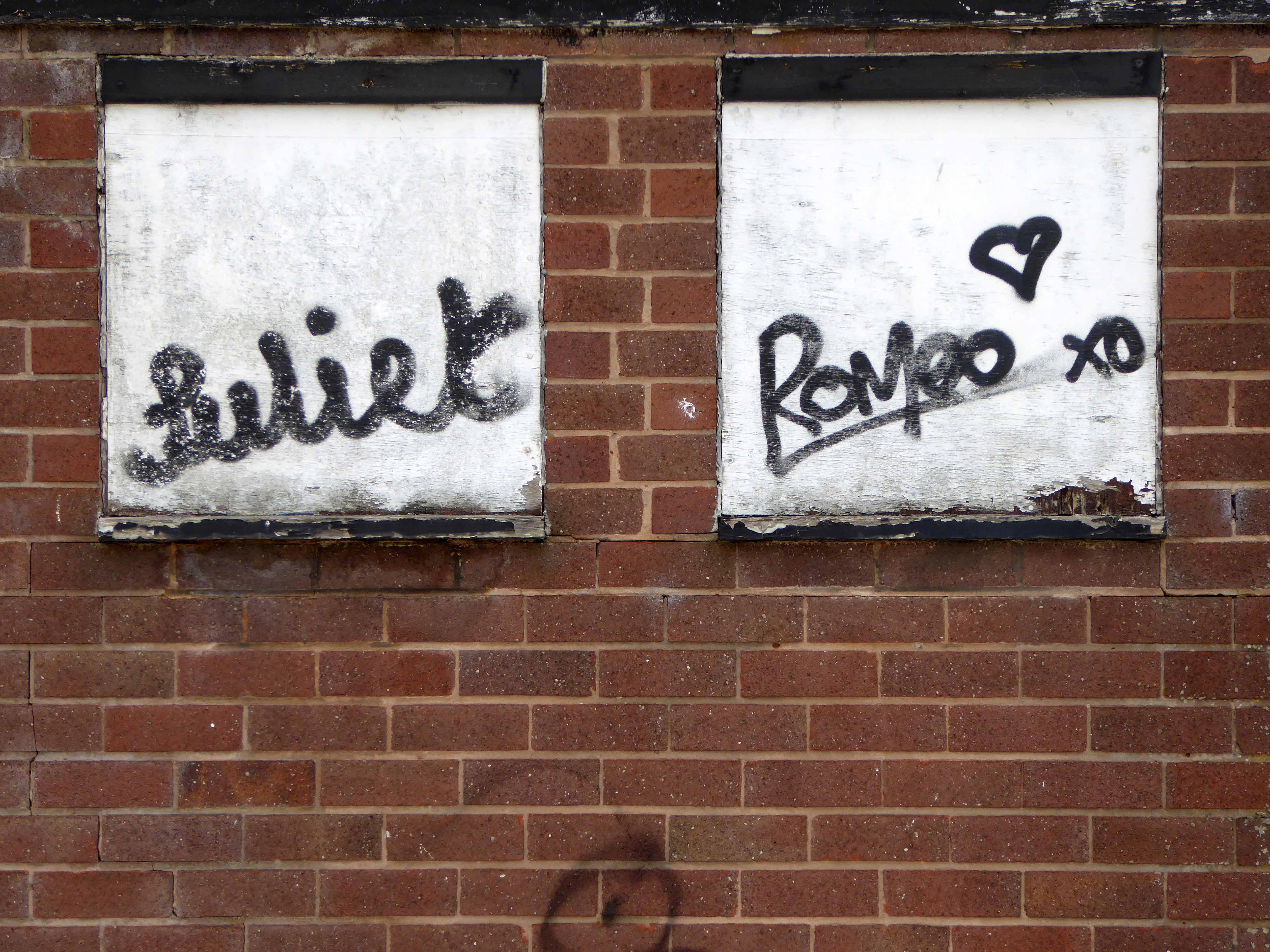
O Romeo Romeo, wherefore art thou Romeo?

P1040335 copy

Sheffield – Gallery Shops

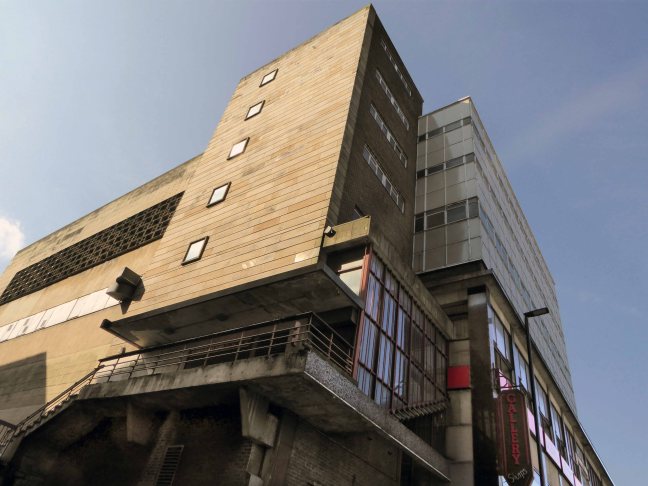
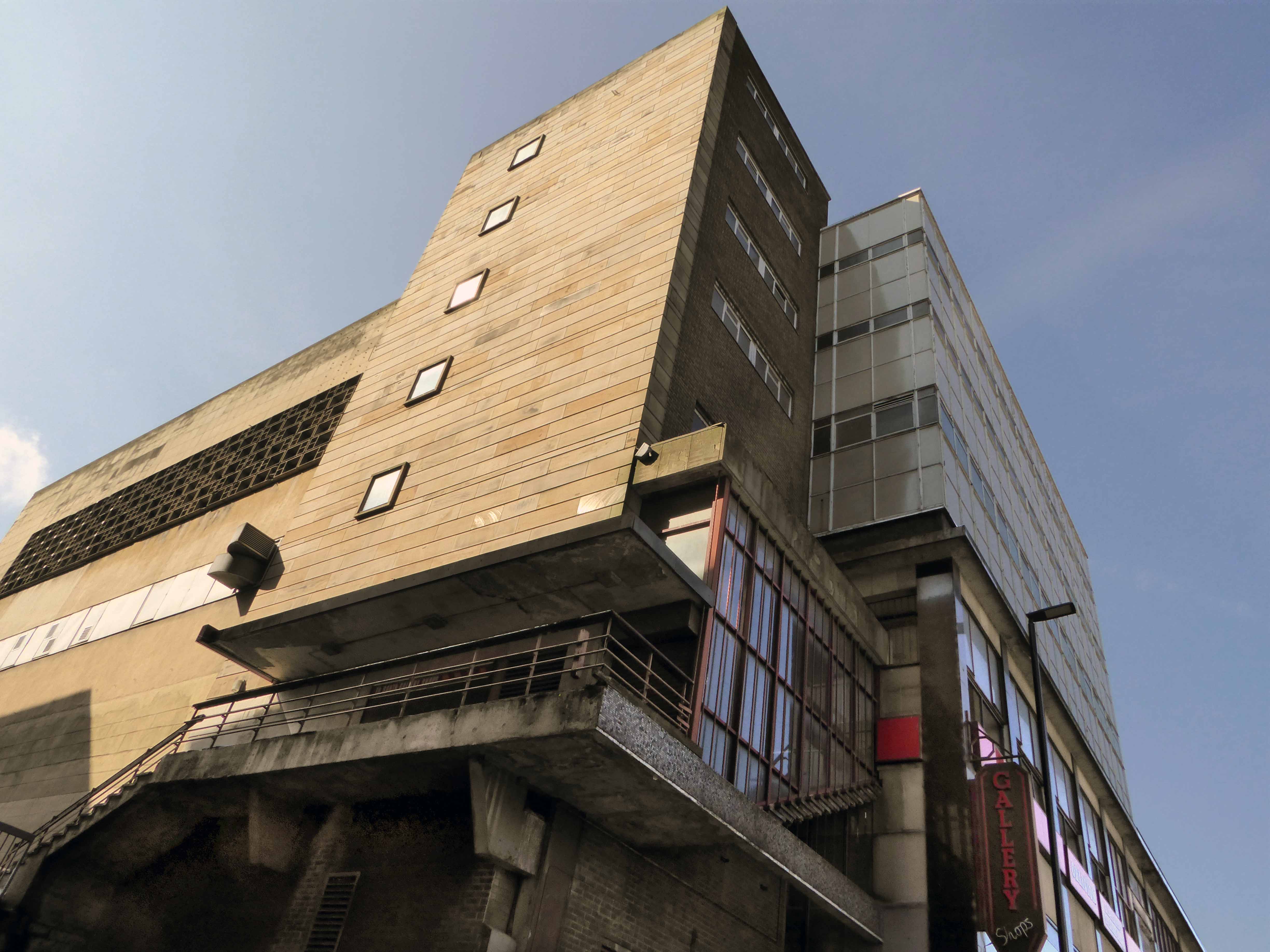
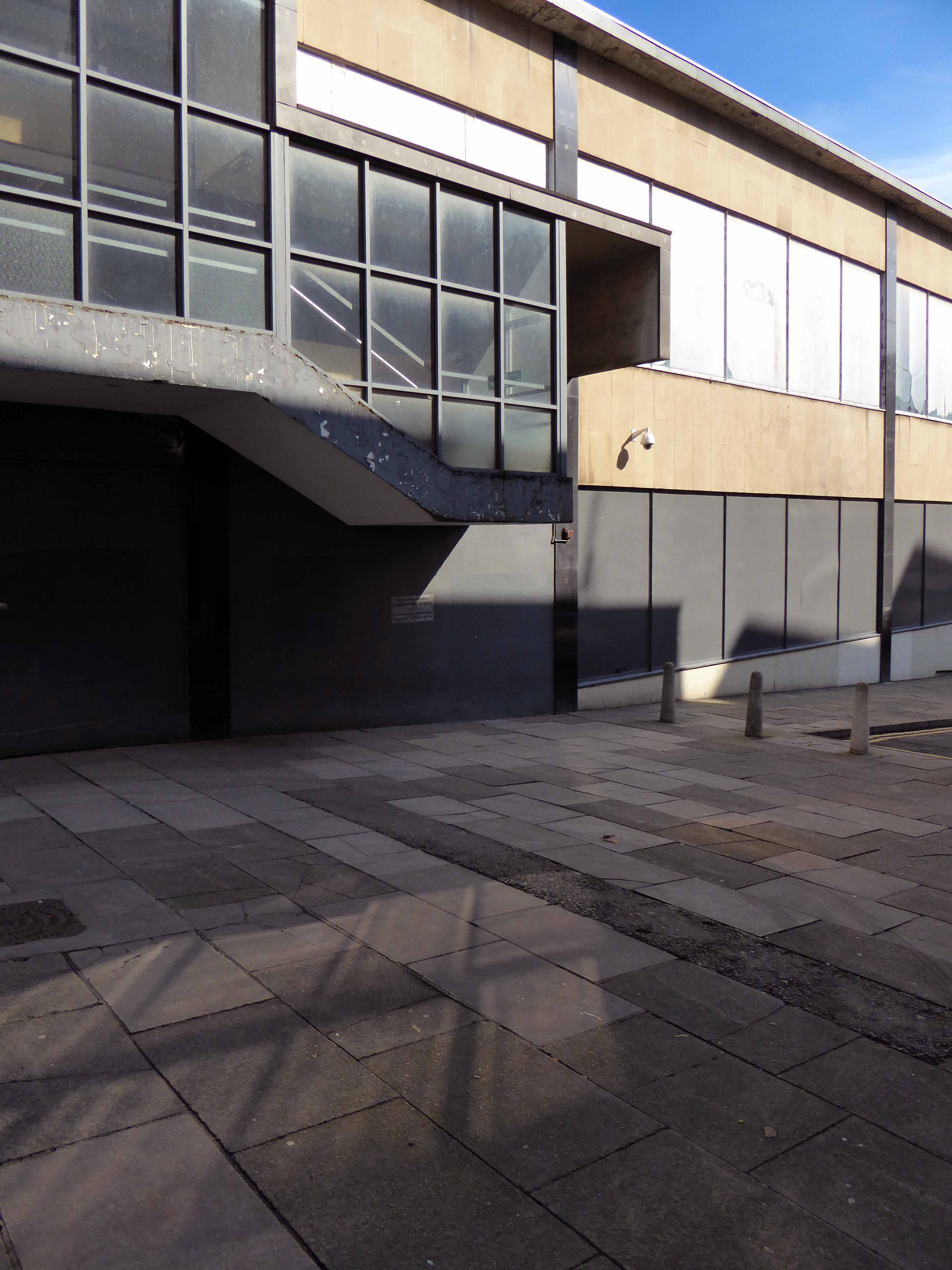
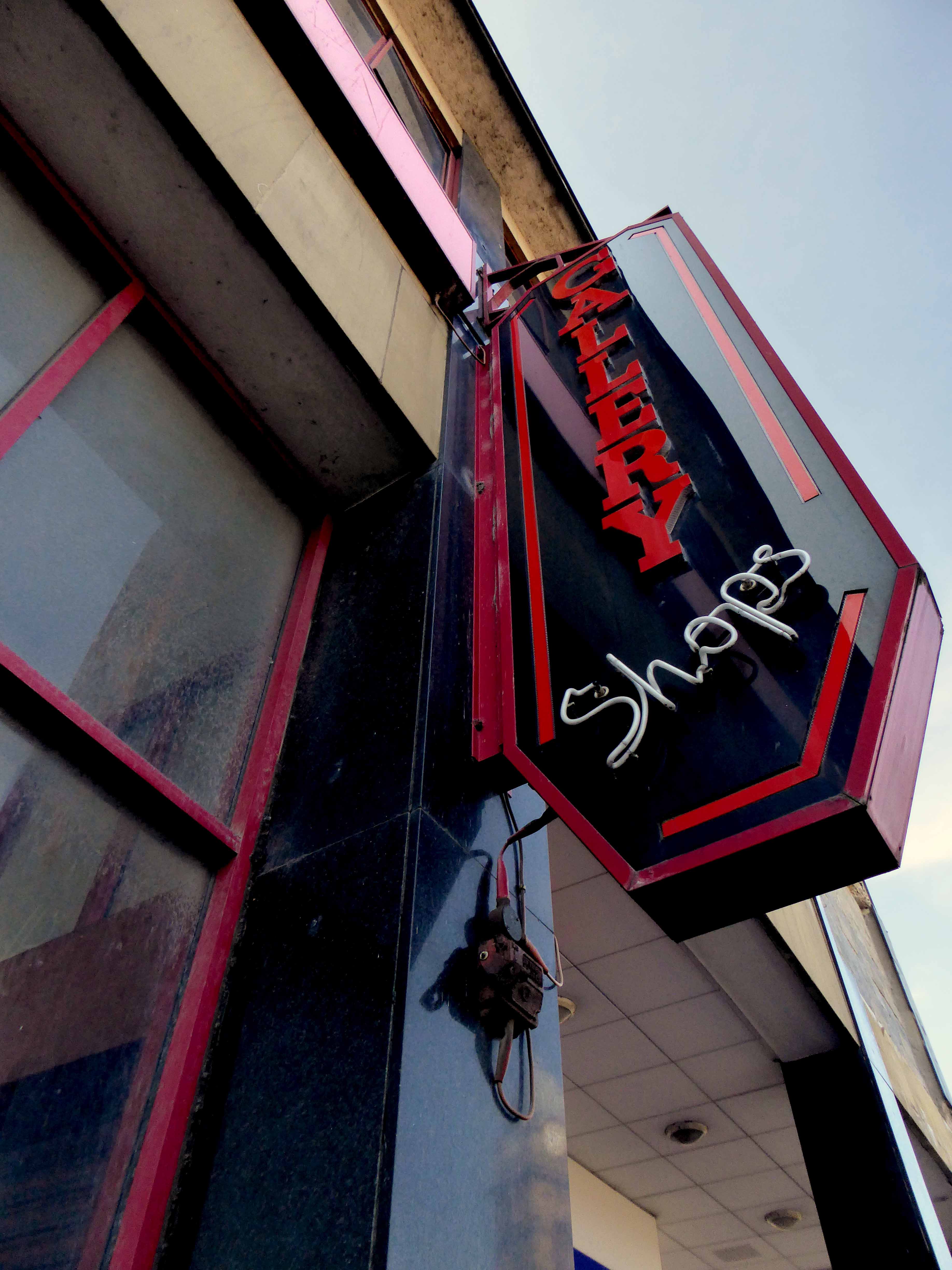
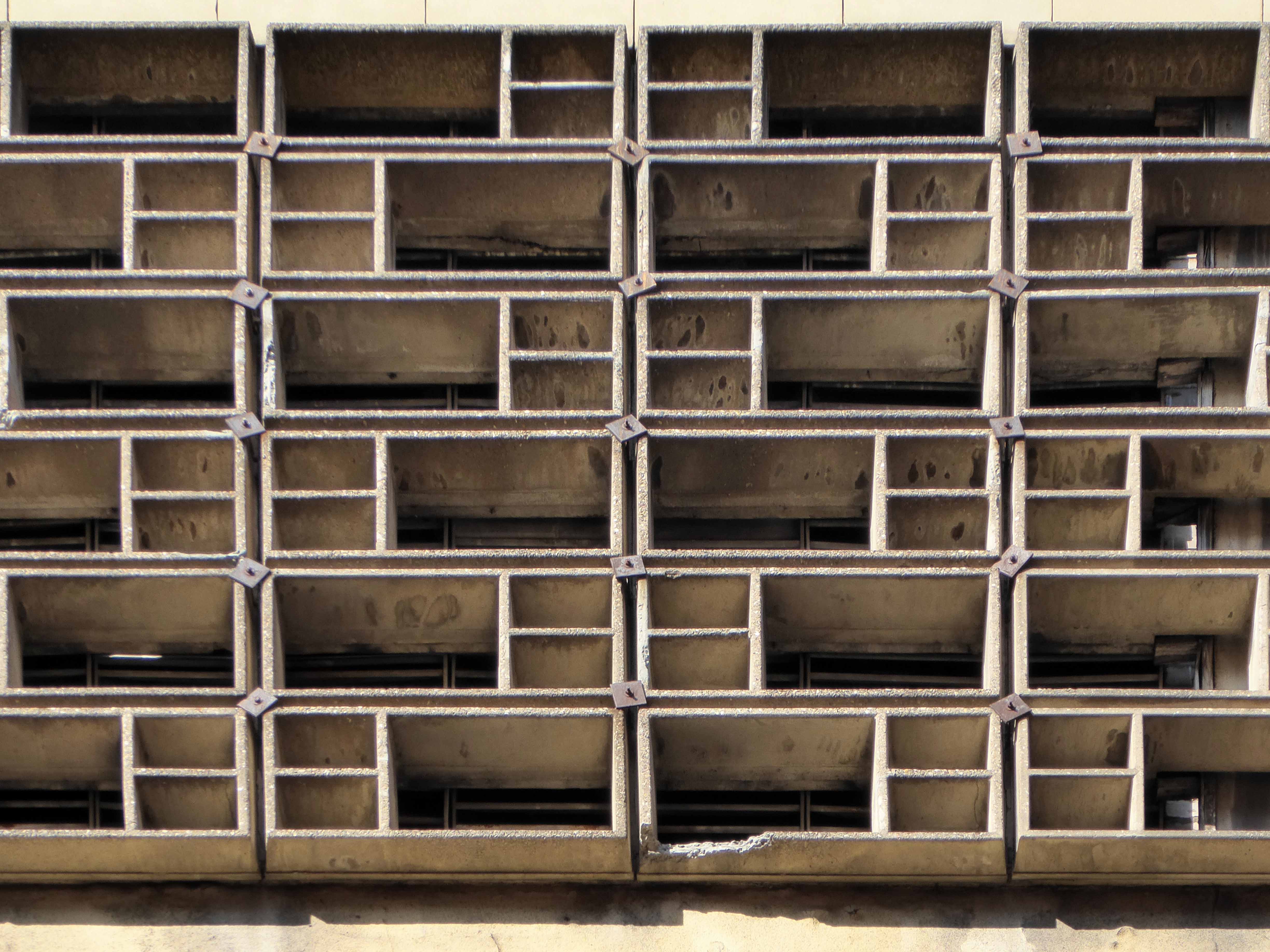
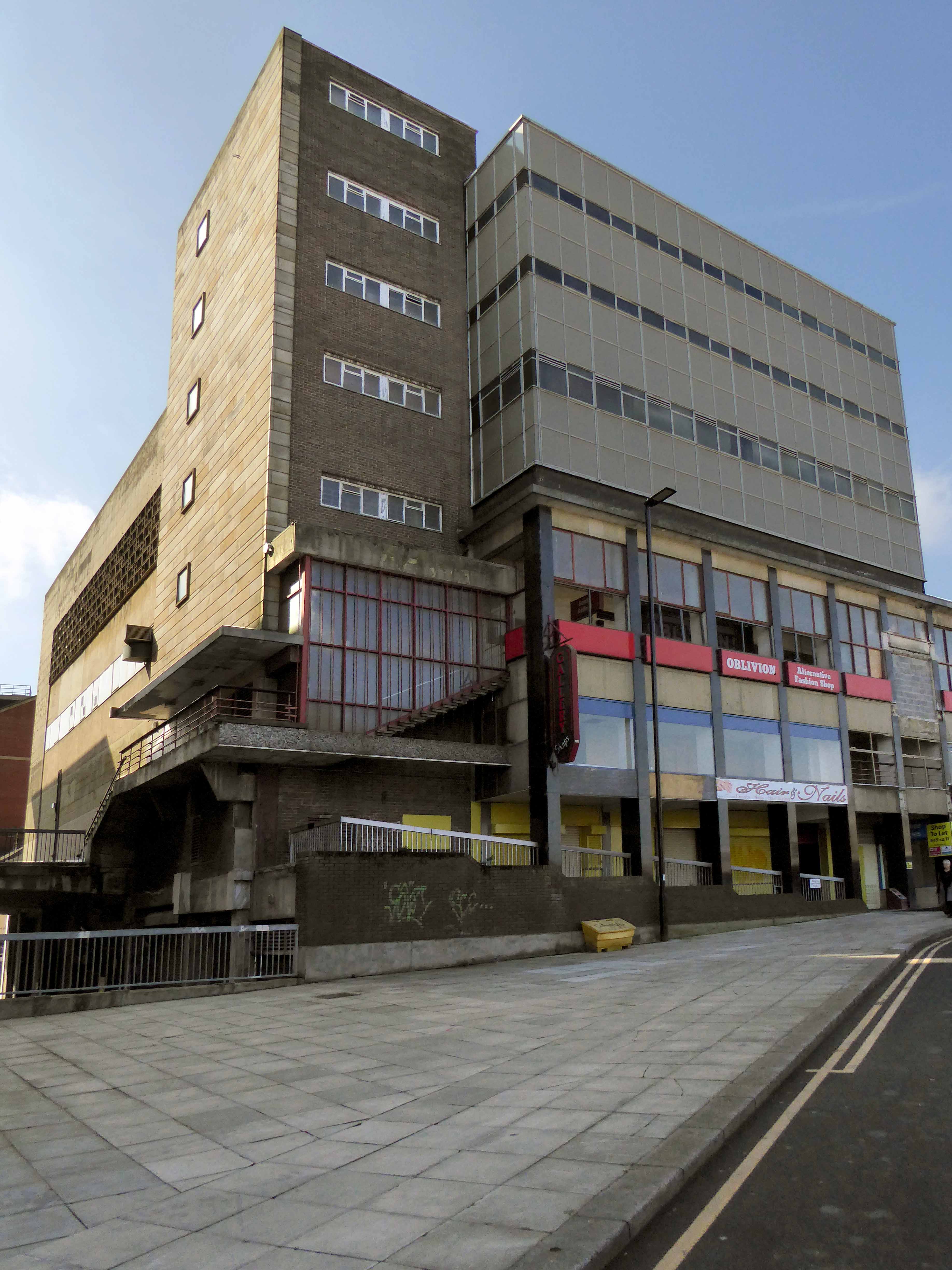
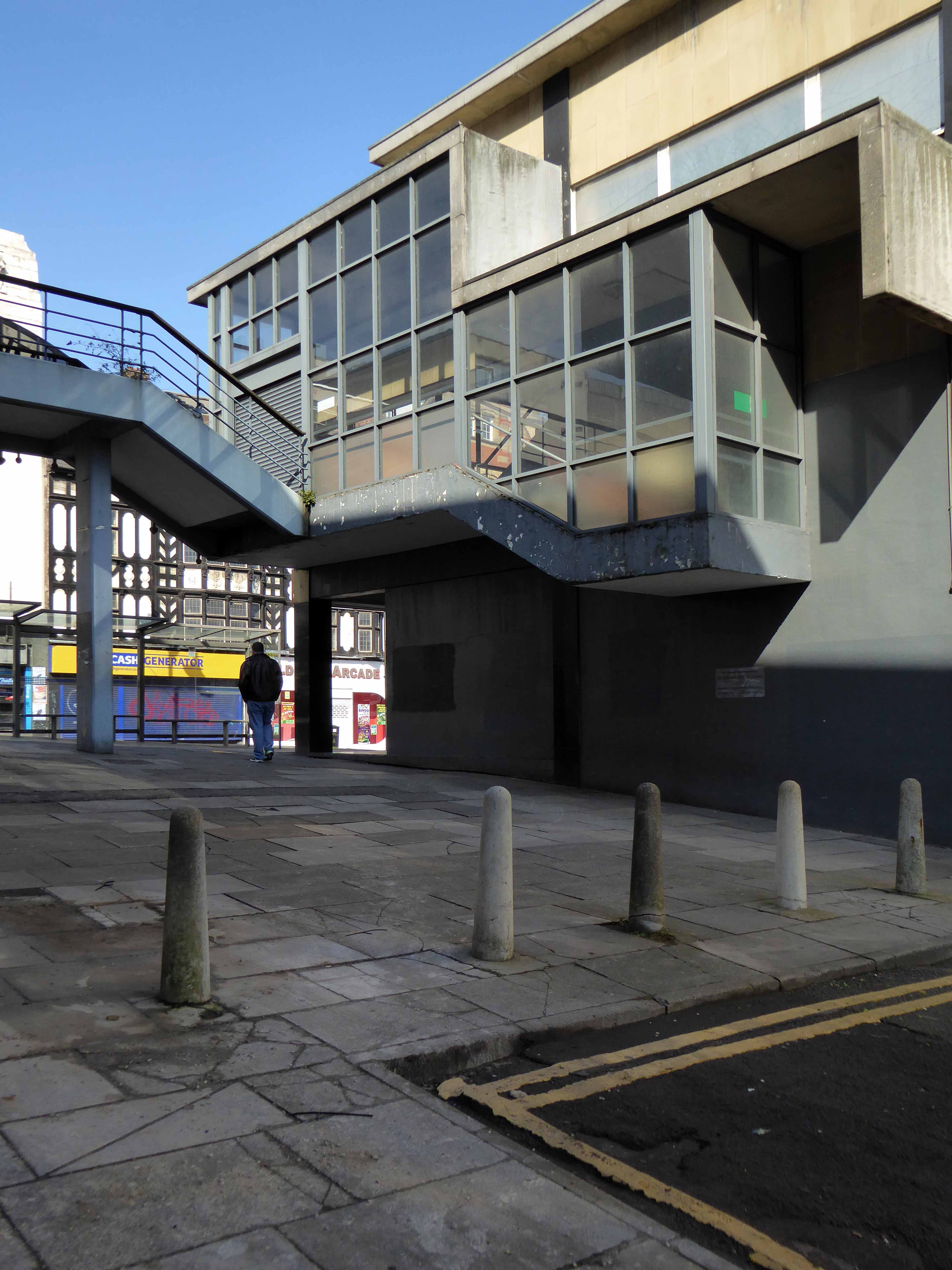
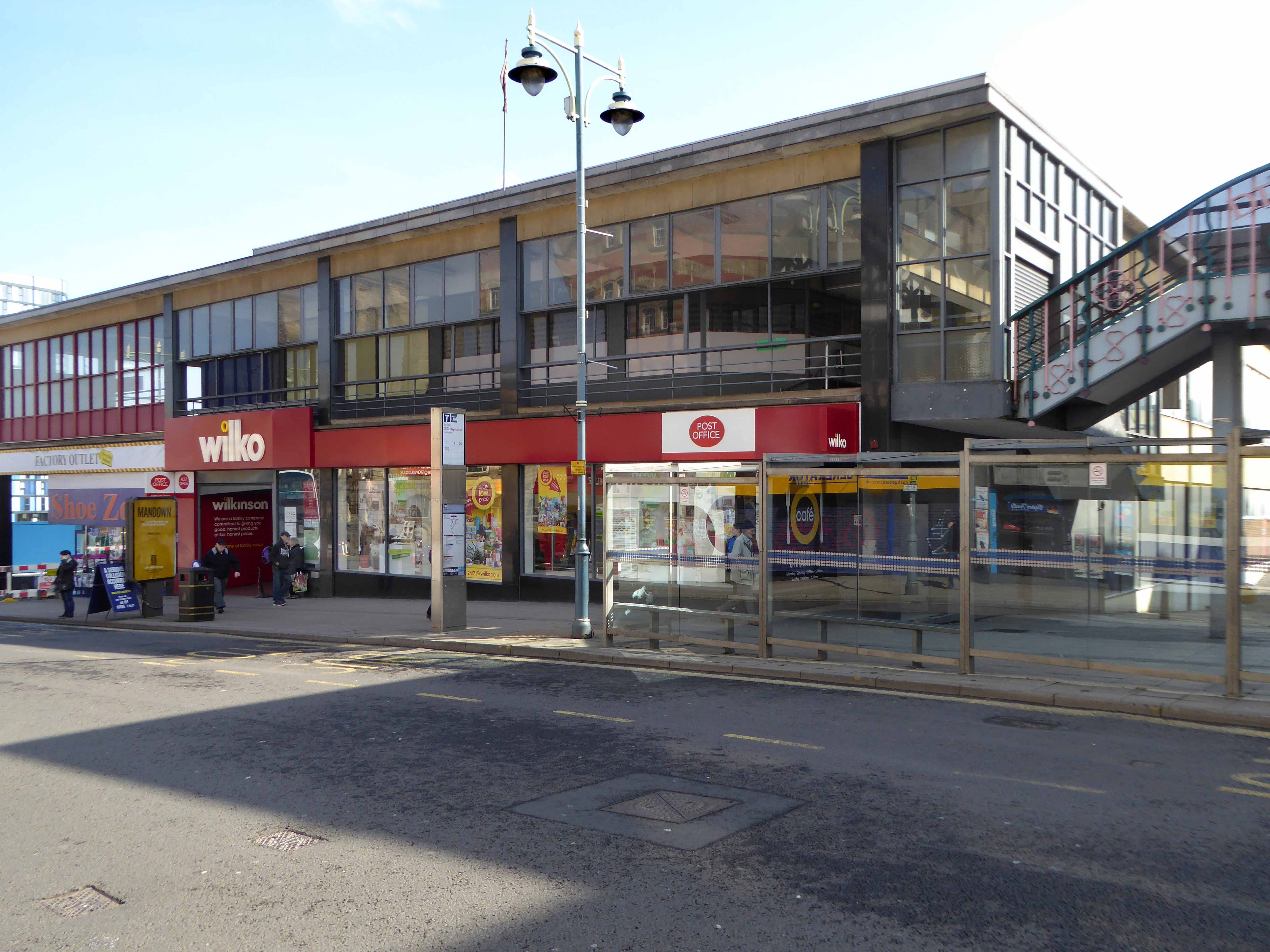
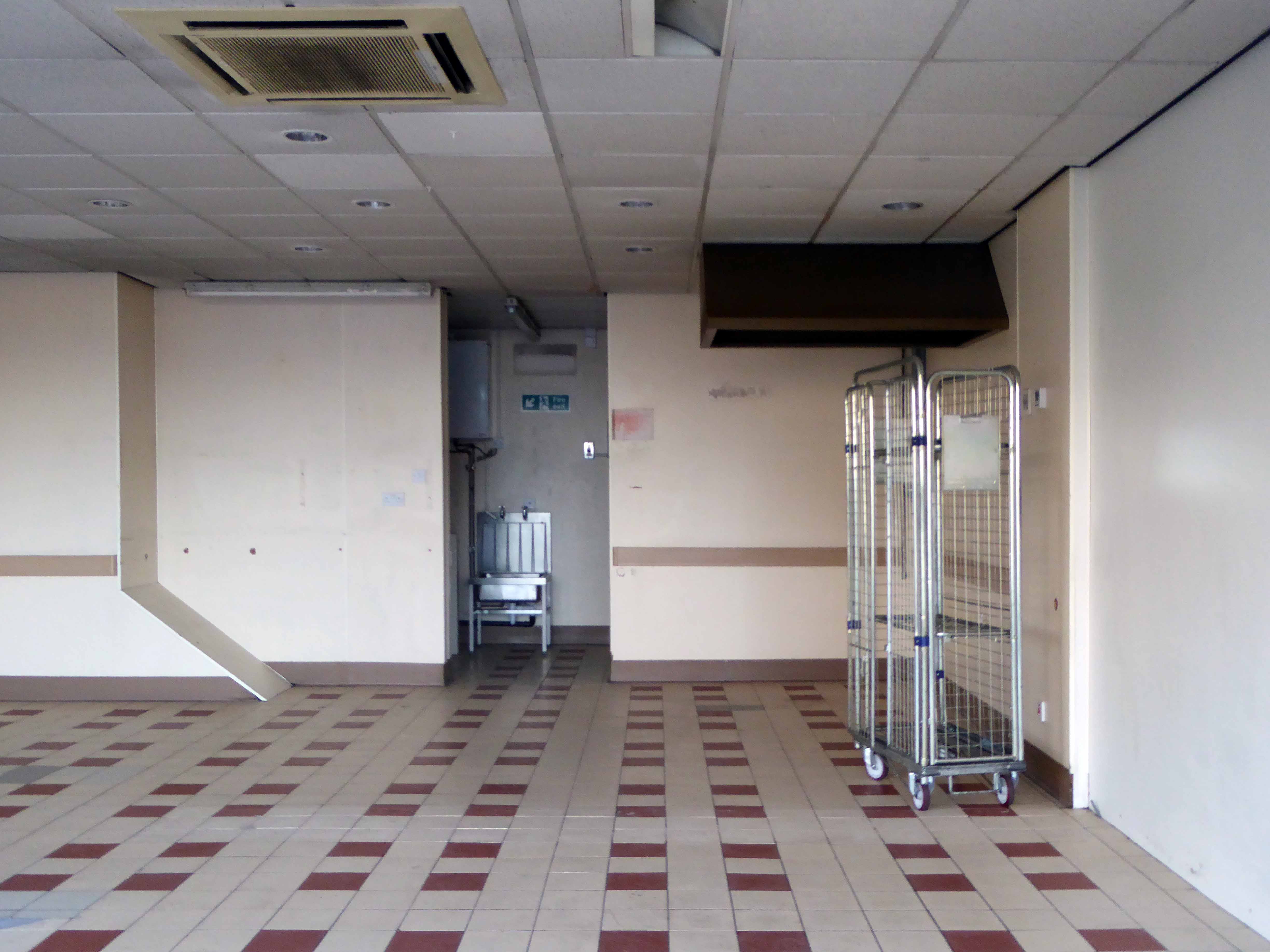
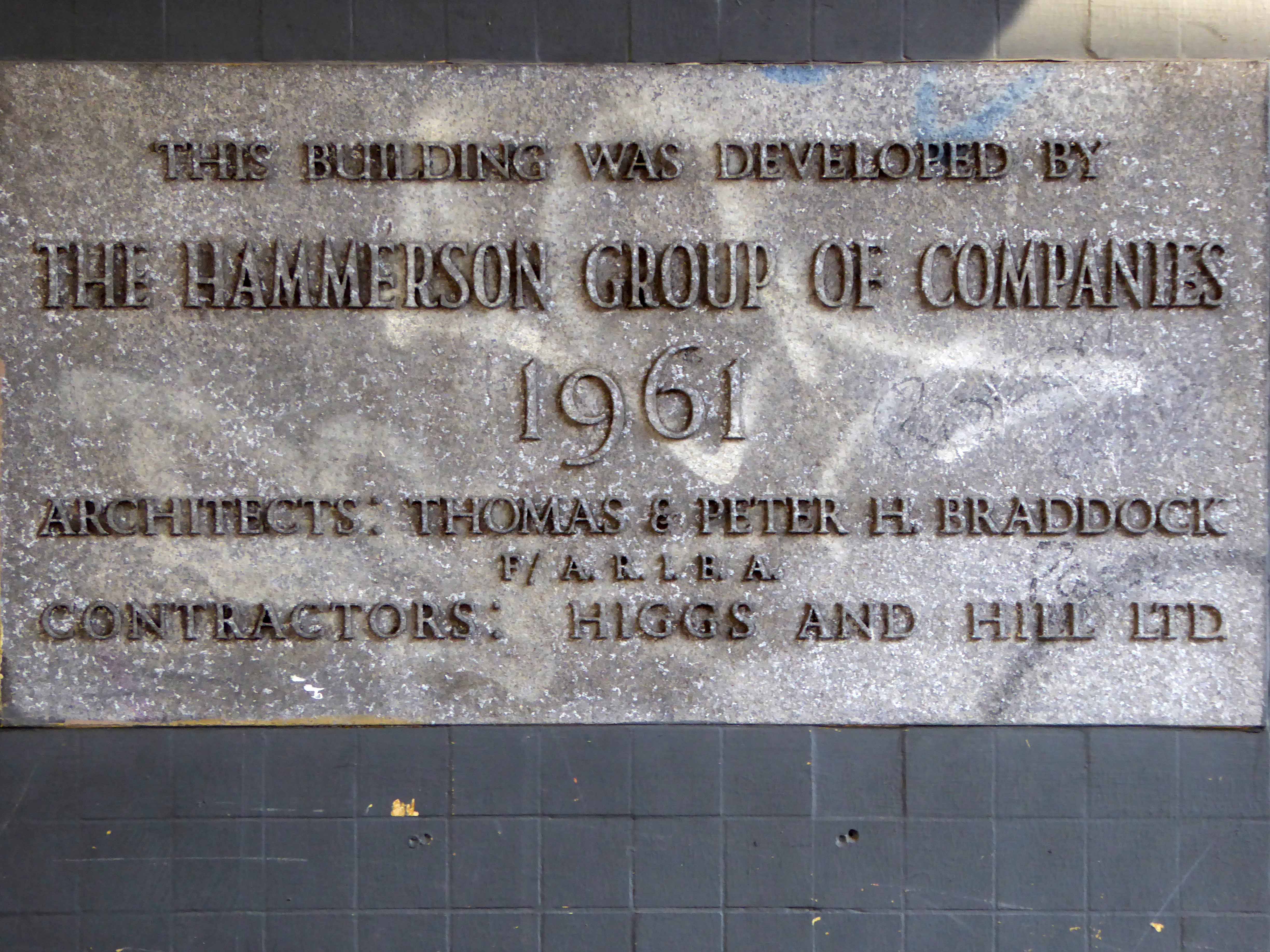
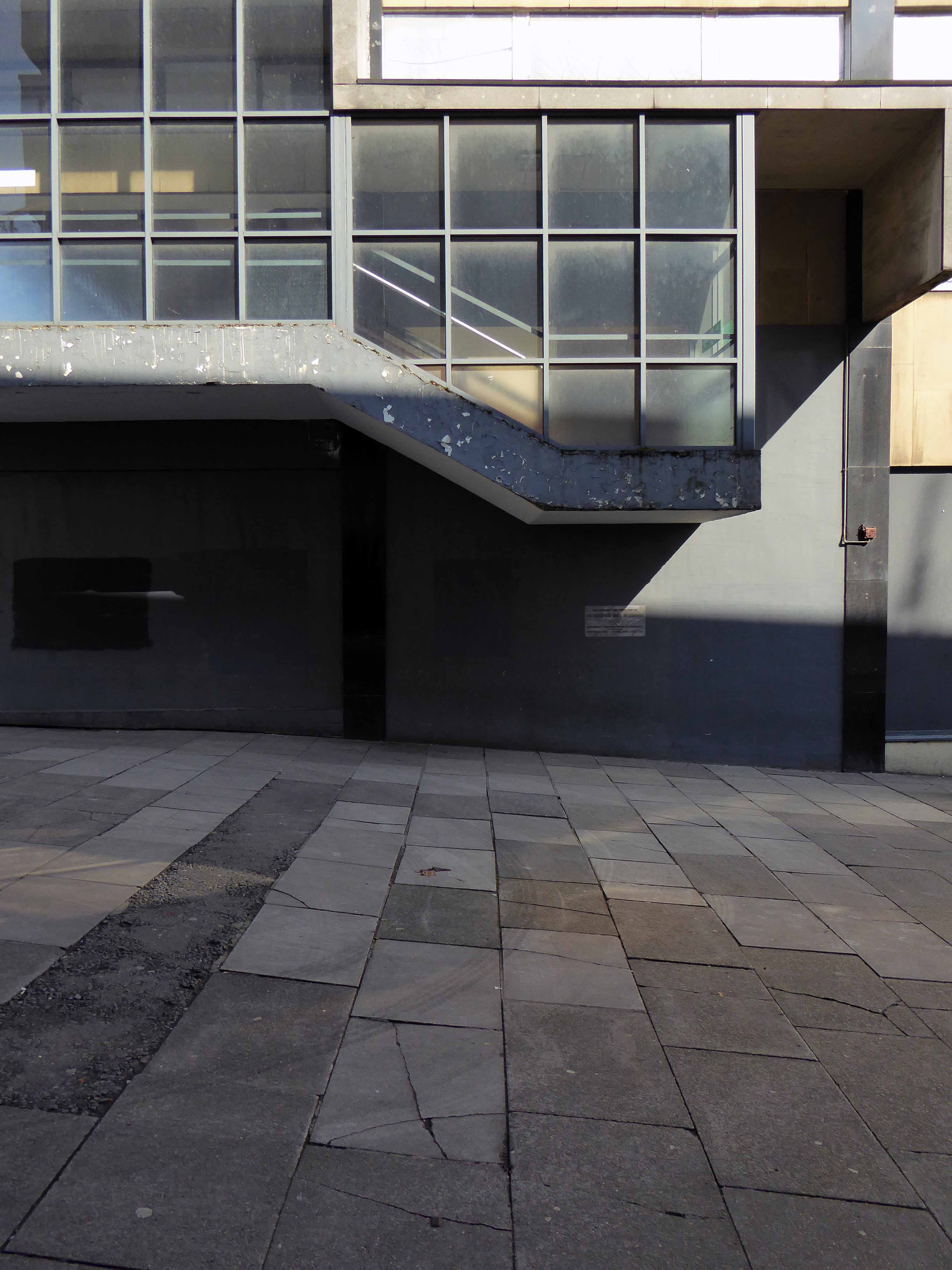
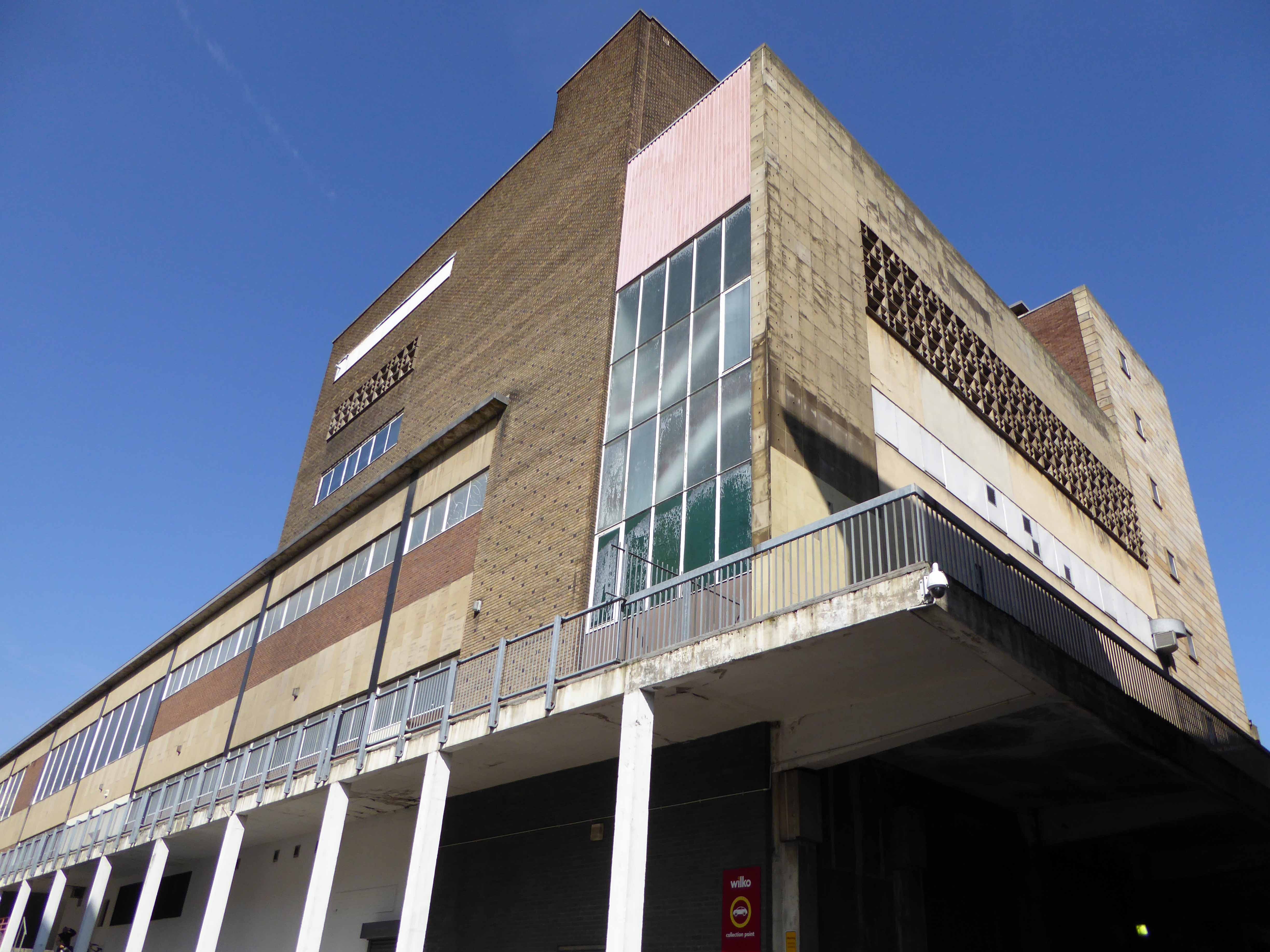
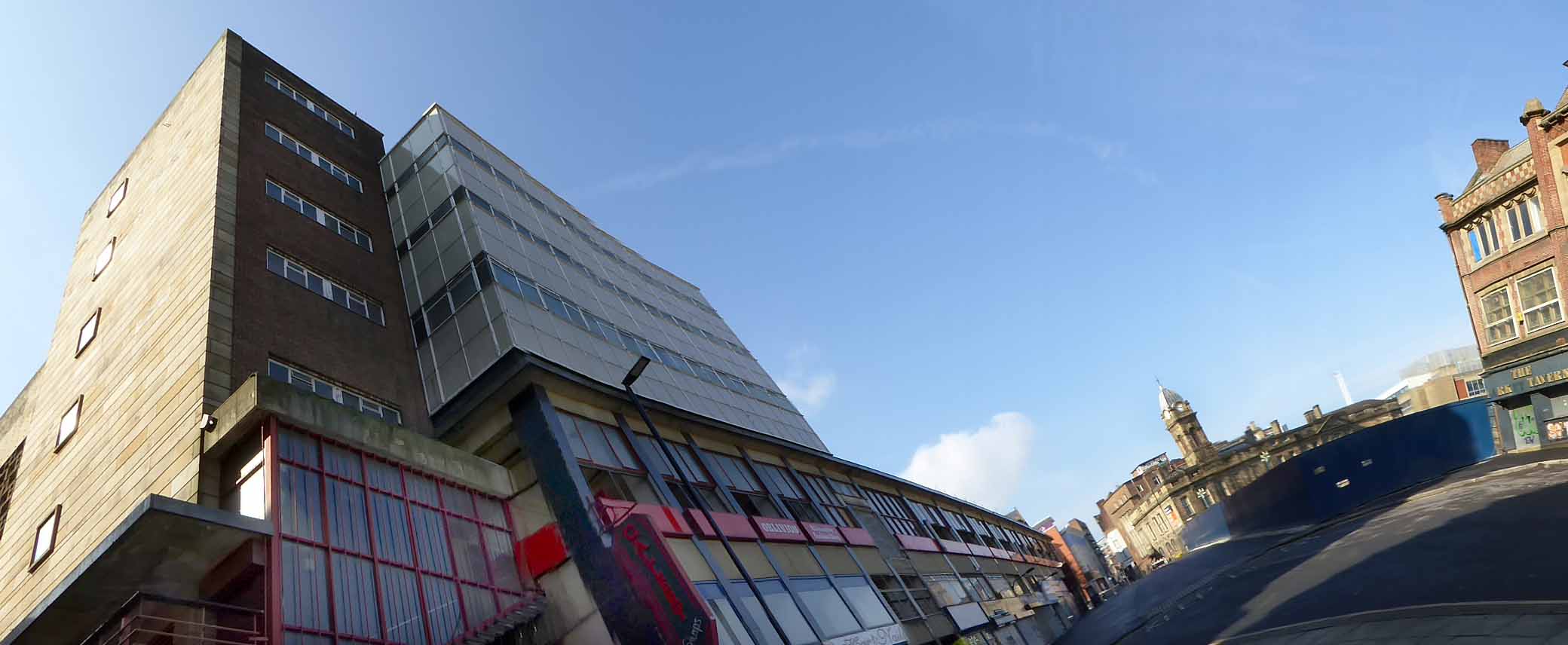
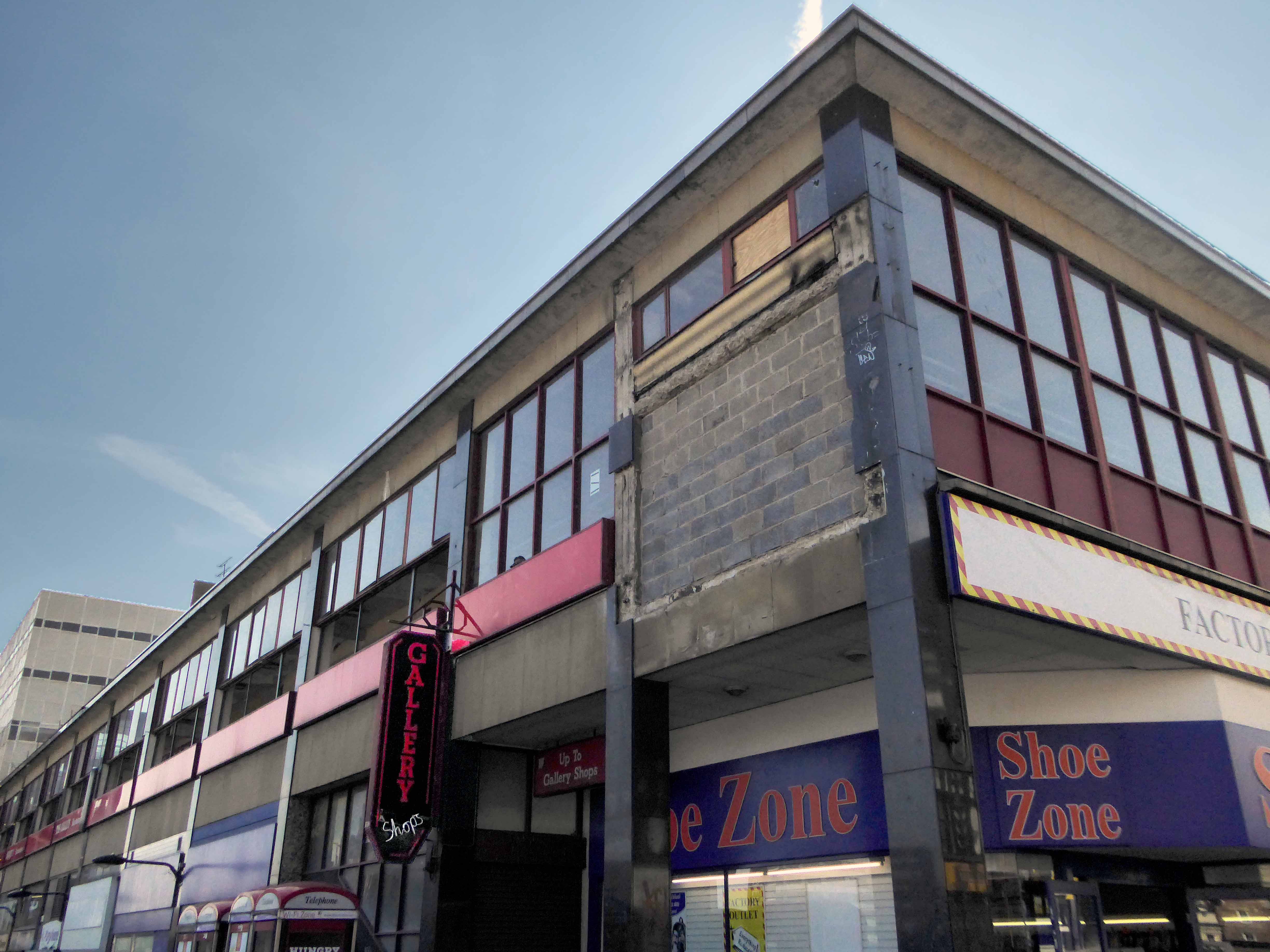
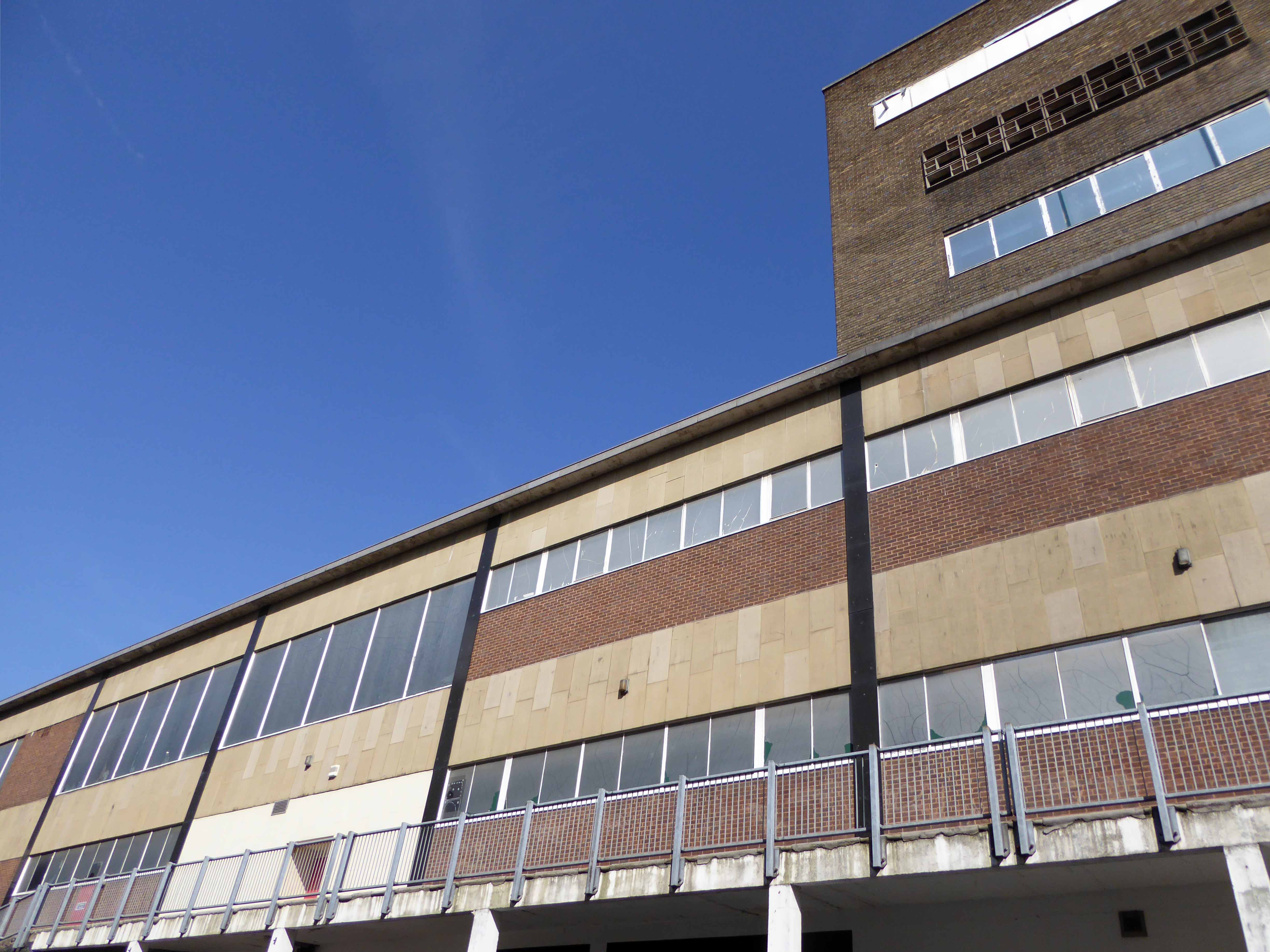
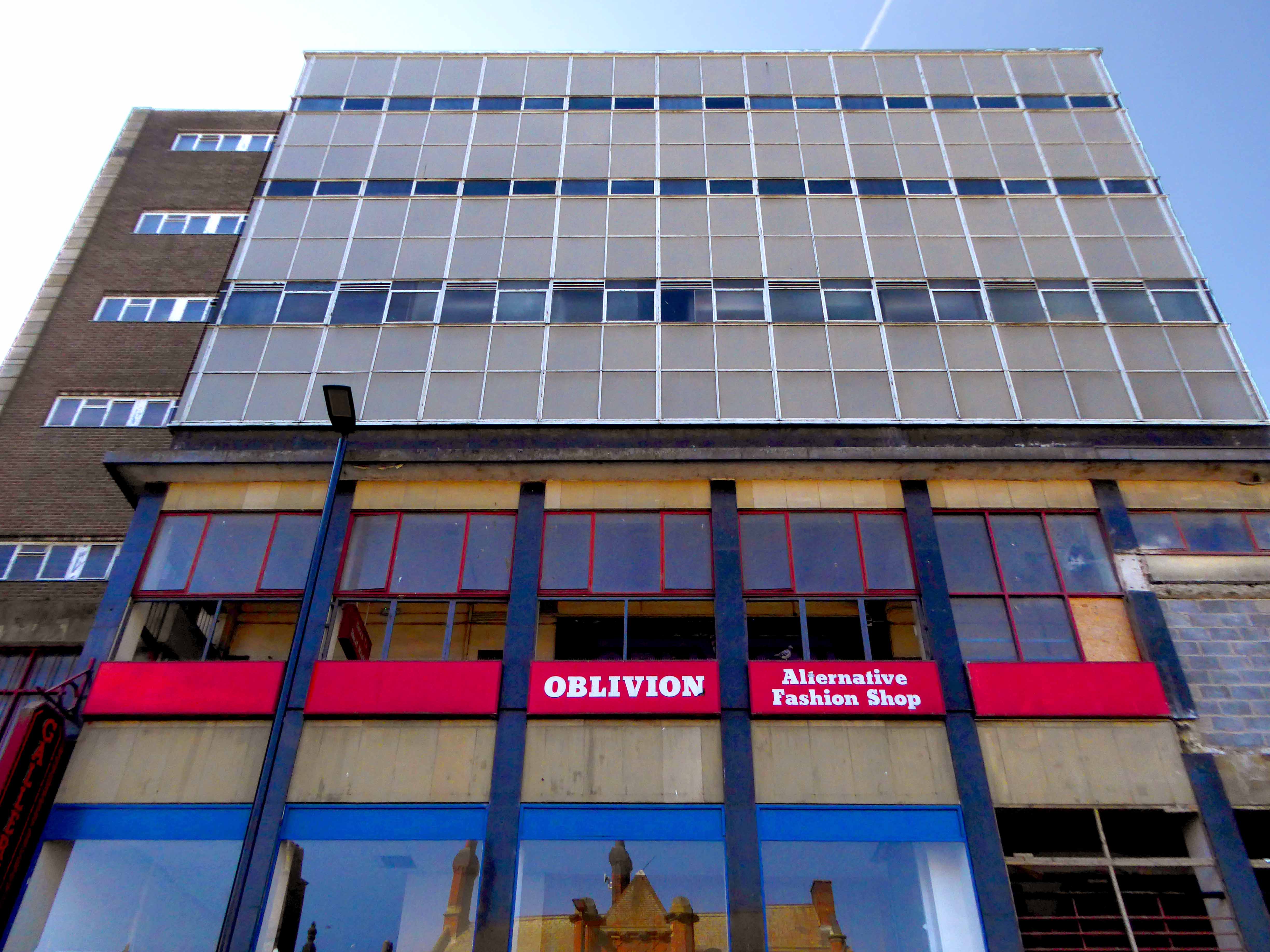
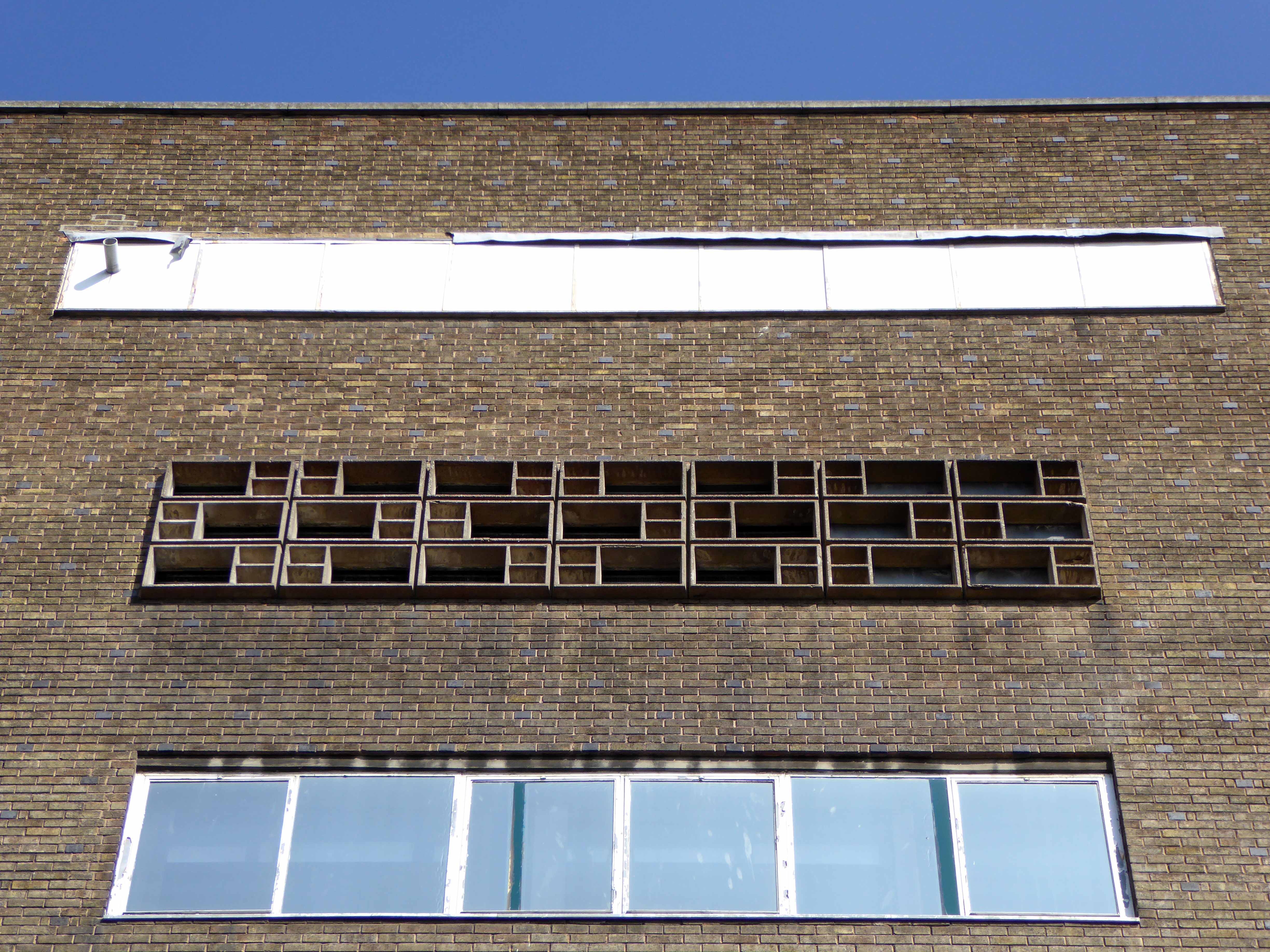
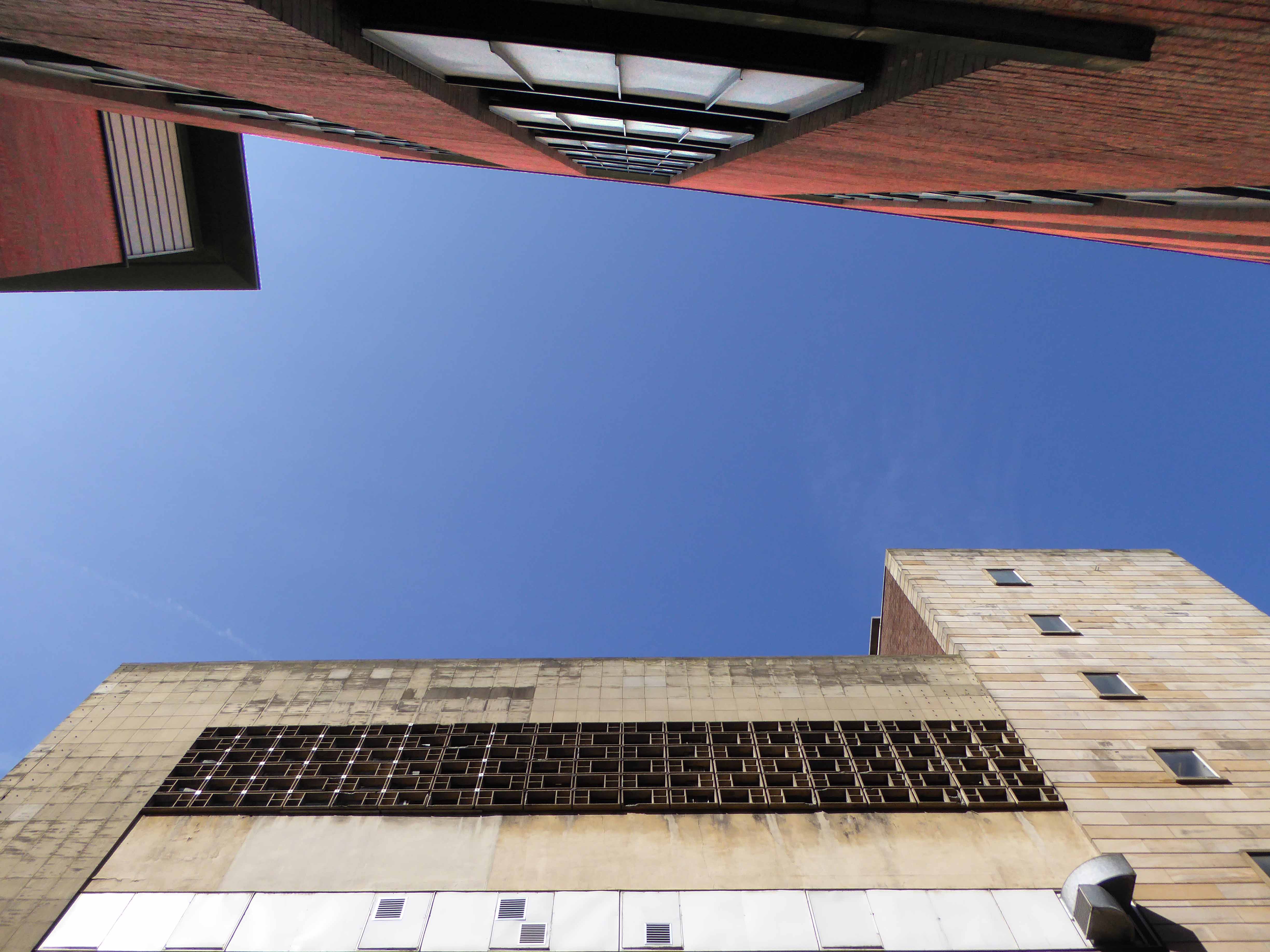
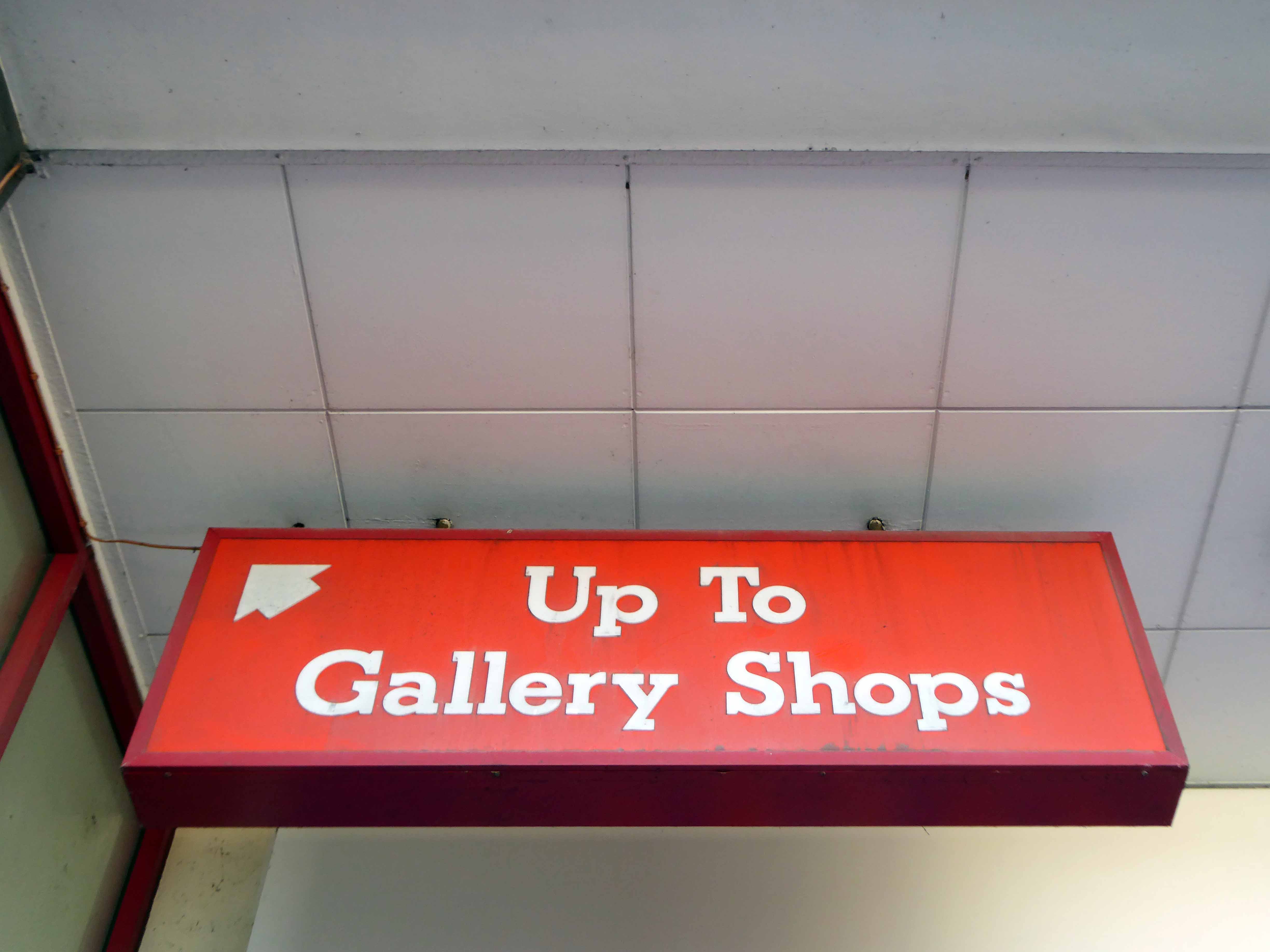
Once part of a larger retail complex, embracing the Castle Market area – regrettably demolished in 2015, the Gallery Shops are themselves, but a wrecking ball away from nothingness.

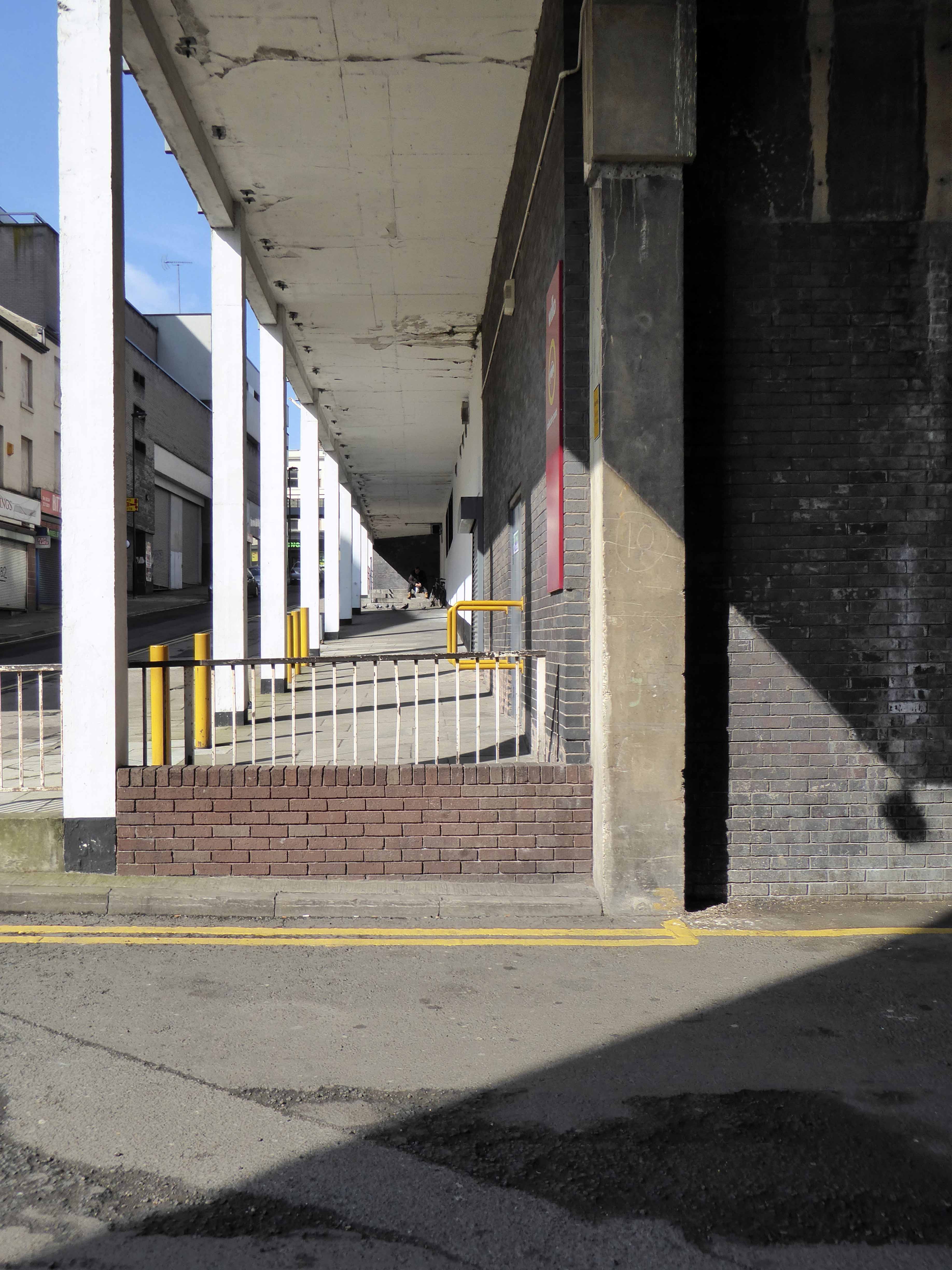
Linked by walkways, once populated by a multitude of rosy-cheeked, cheery shoppers, independent units and stalls operated in what was the better end of the High Street.

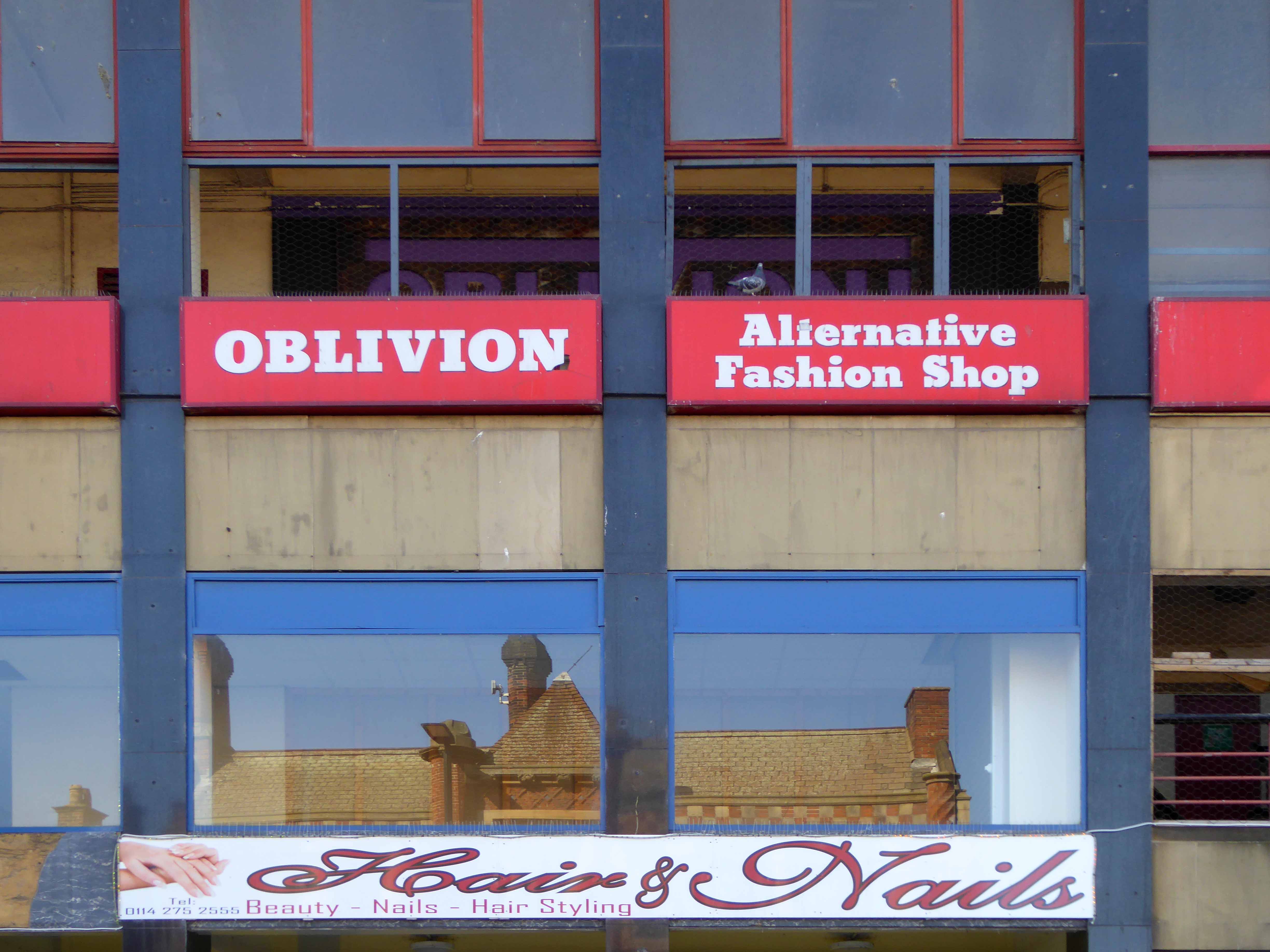
Over time, like many modern city the axis of energy shifts elsewhere, to newer more shiny developments – leaving hollow shells, echoing only to the footsteps of long gone ghosts.

Oblivion.

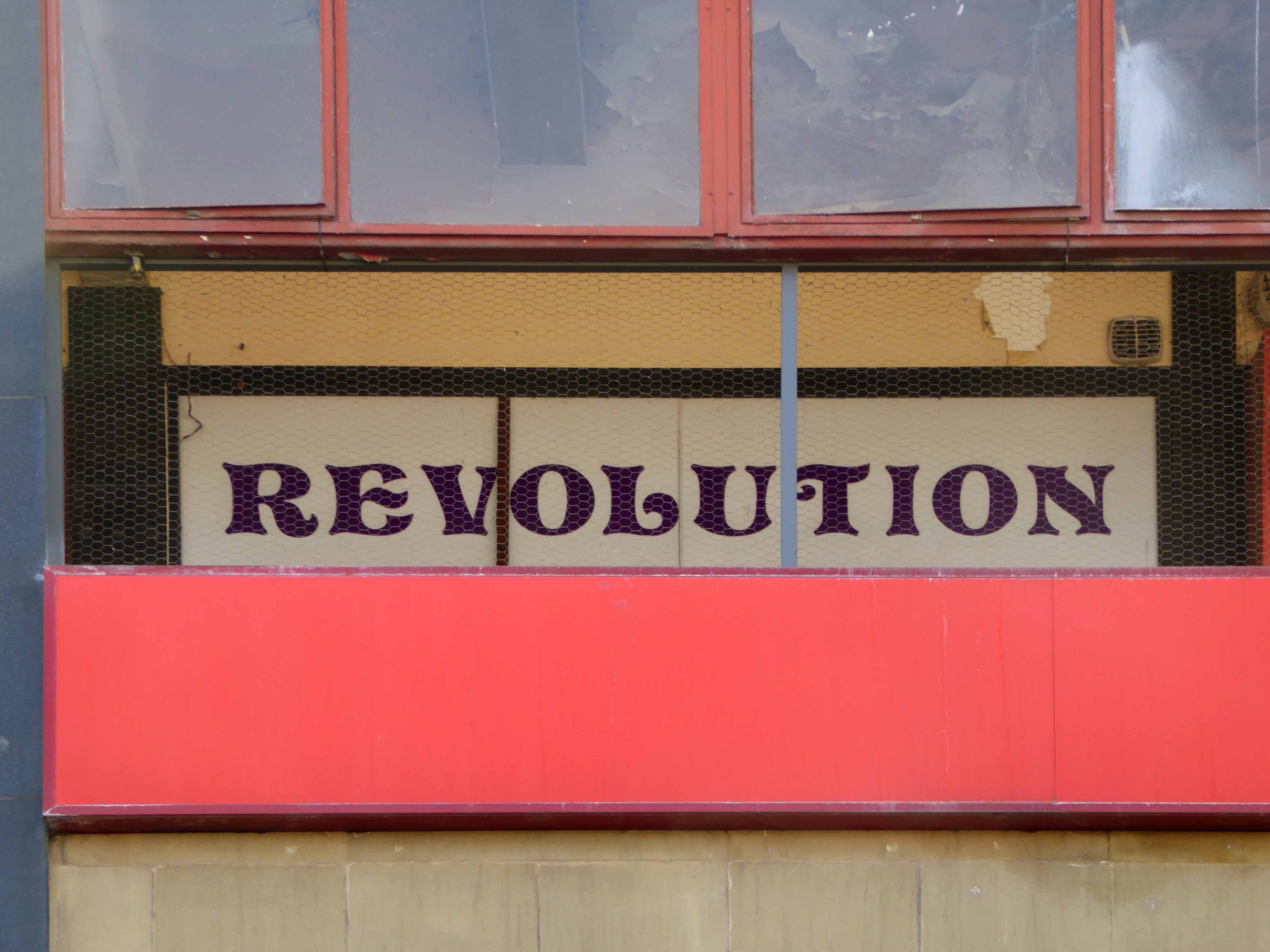
Revolution.

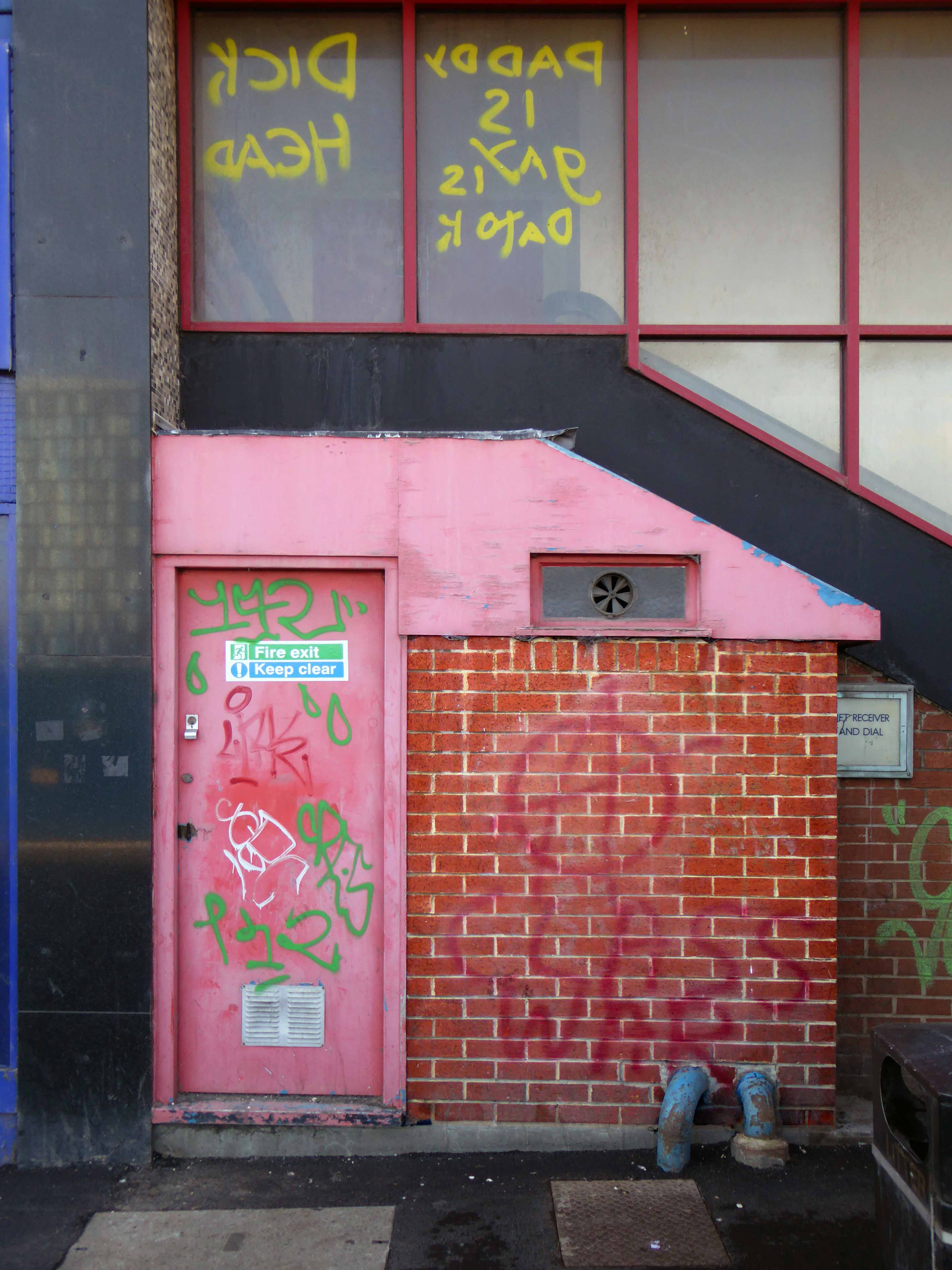
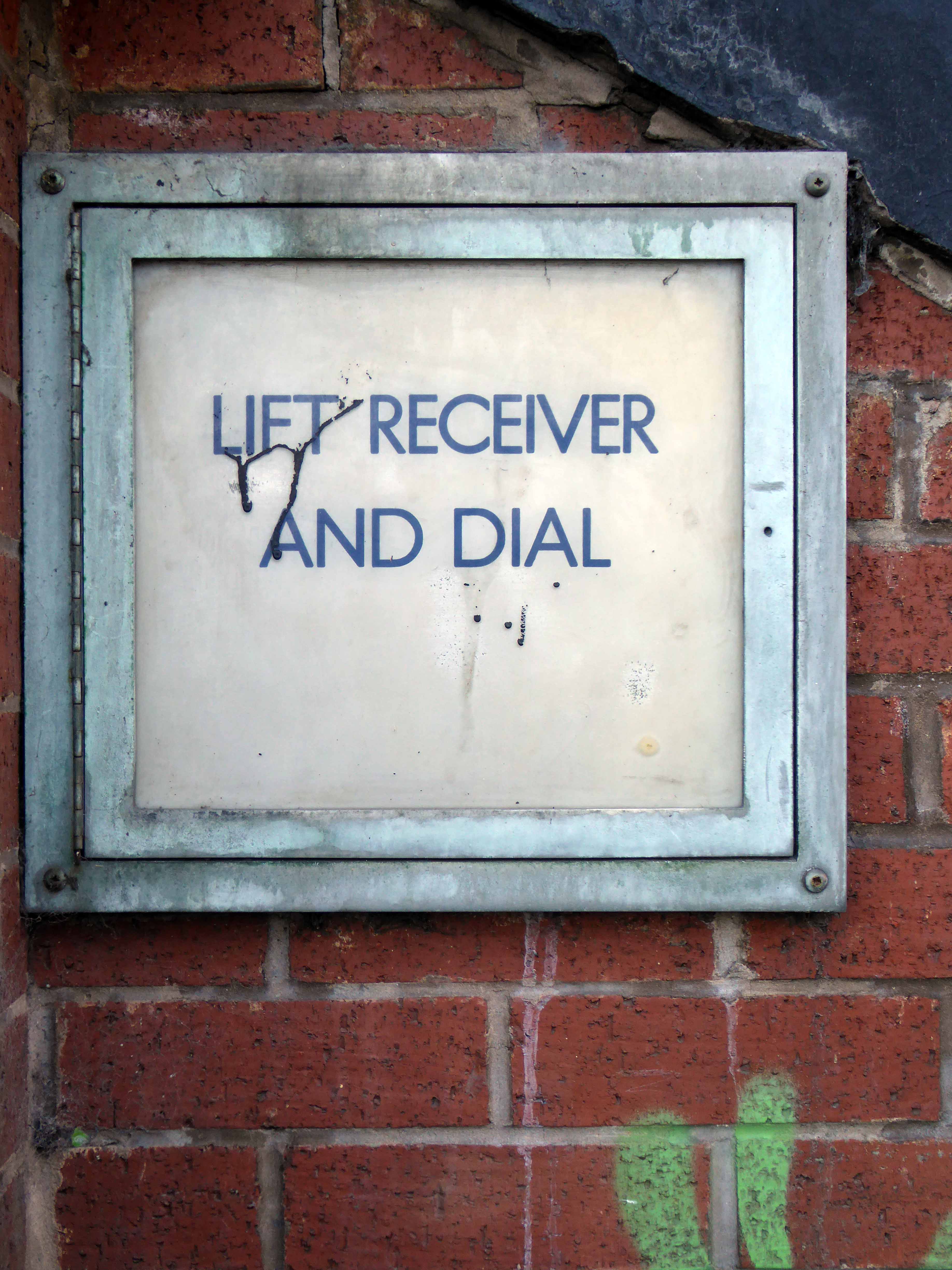
Lift receiver and dial.

P1030098 copy

P1030077 copy

P1030112 copy

P1030086 copy

P1030097 copy

P1030109 copy

P1030088 copy

P1030090 copy

P1030106 copy

P1030089 copy

P1030078 copy

P1030094 copy

P1030083 copy

P1030111 copy

P1030093 copy

P1030101 copy

P1030092 copy

P1030082 copy

P1030096 copy

P1030087 copy

P1030108 copy

P1030081 copy

P1030084 copy

P1030113 copy


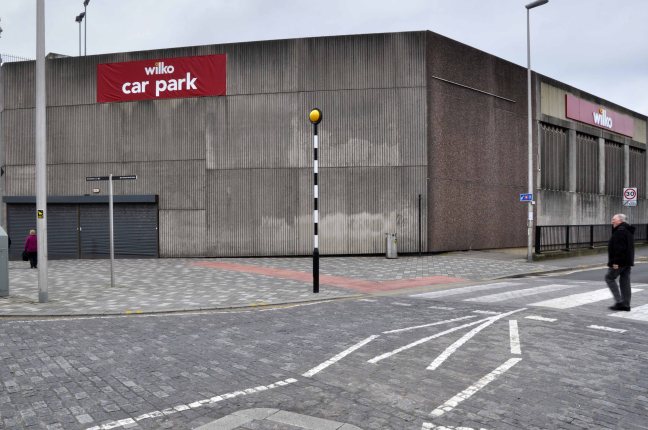
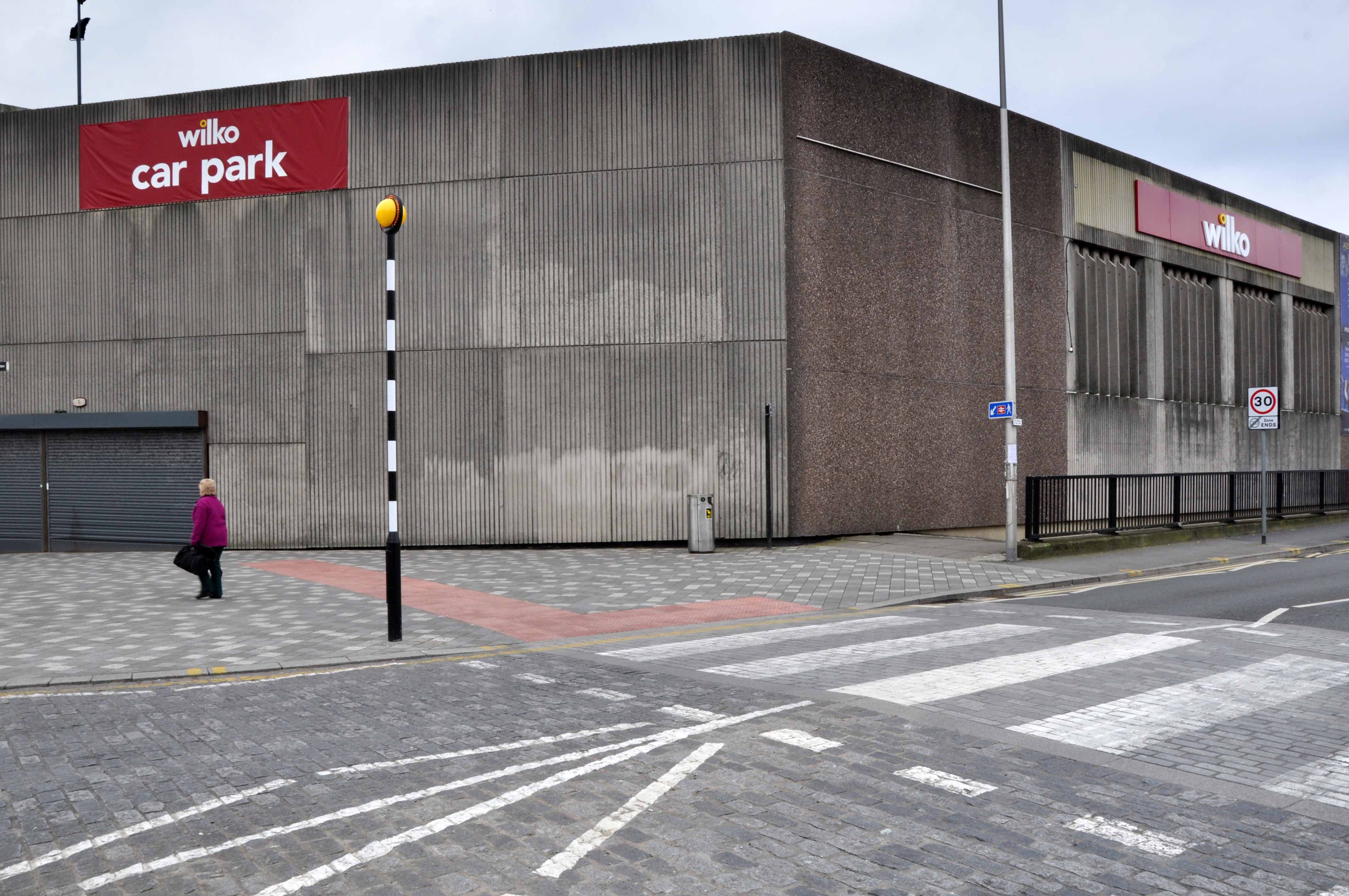
Wilko’s – Blackpool

Formerly the site of a much larger, much busier Blackpool North Station – a time when trains arrived sixteen coaches long.

As seen in this archive film of the 1940s.

Cars and closures caused the station to withdraw up the road, to its current much smaller site.

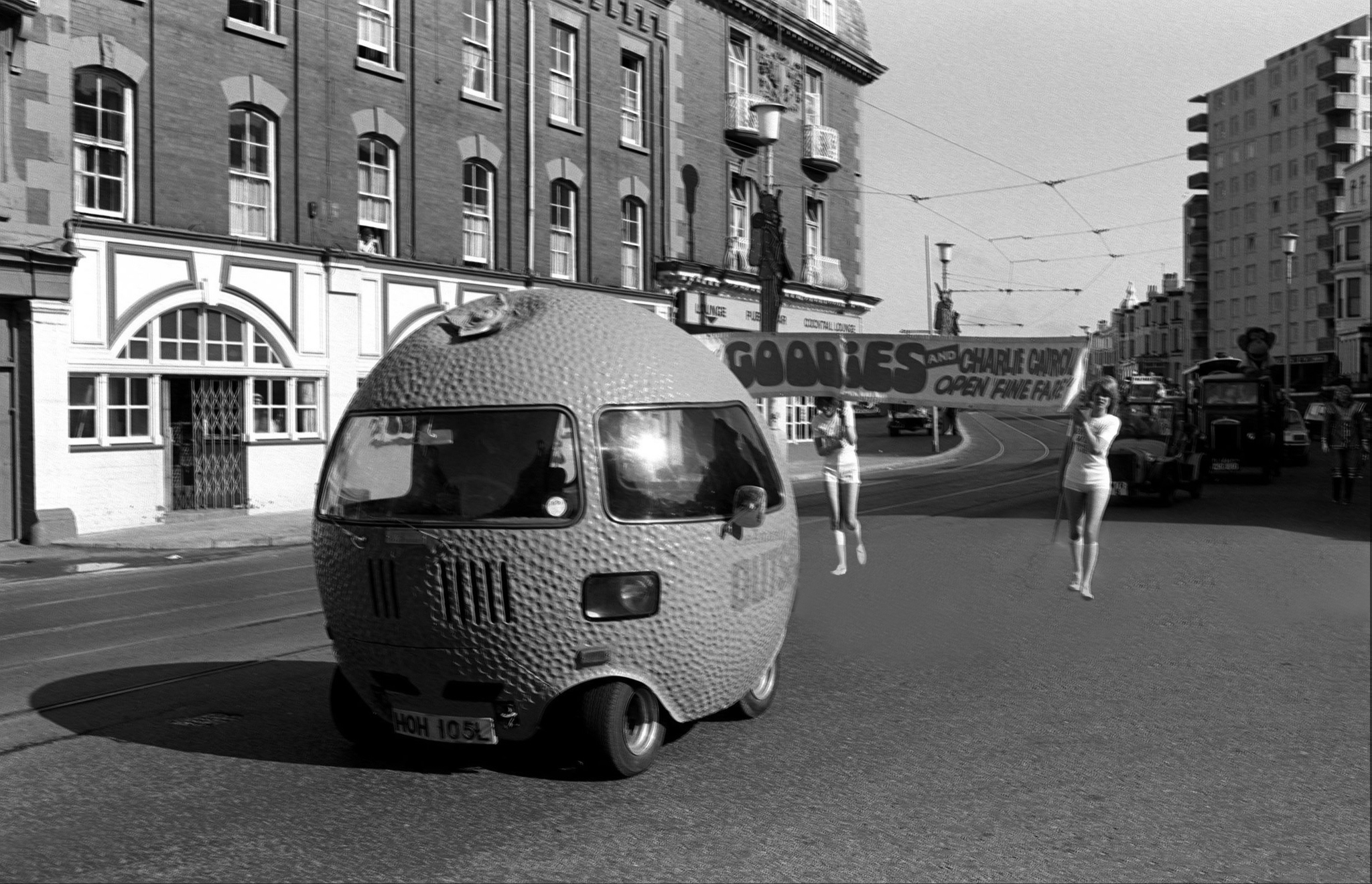
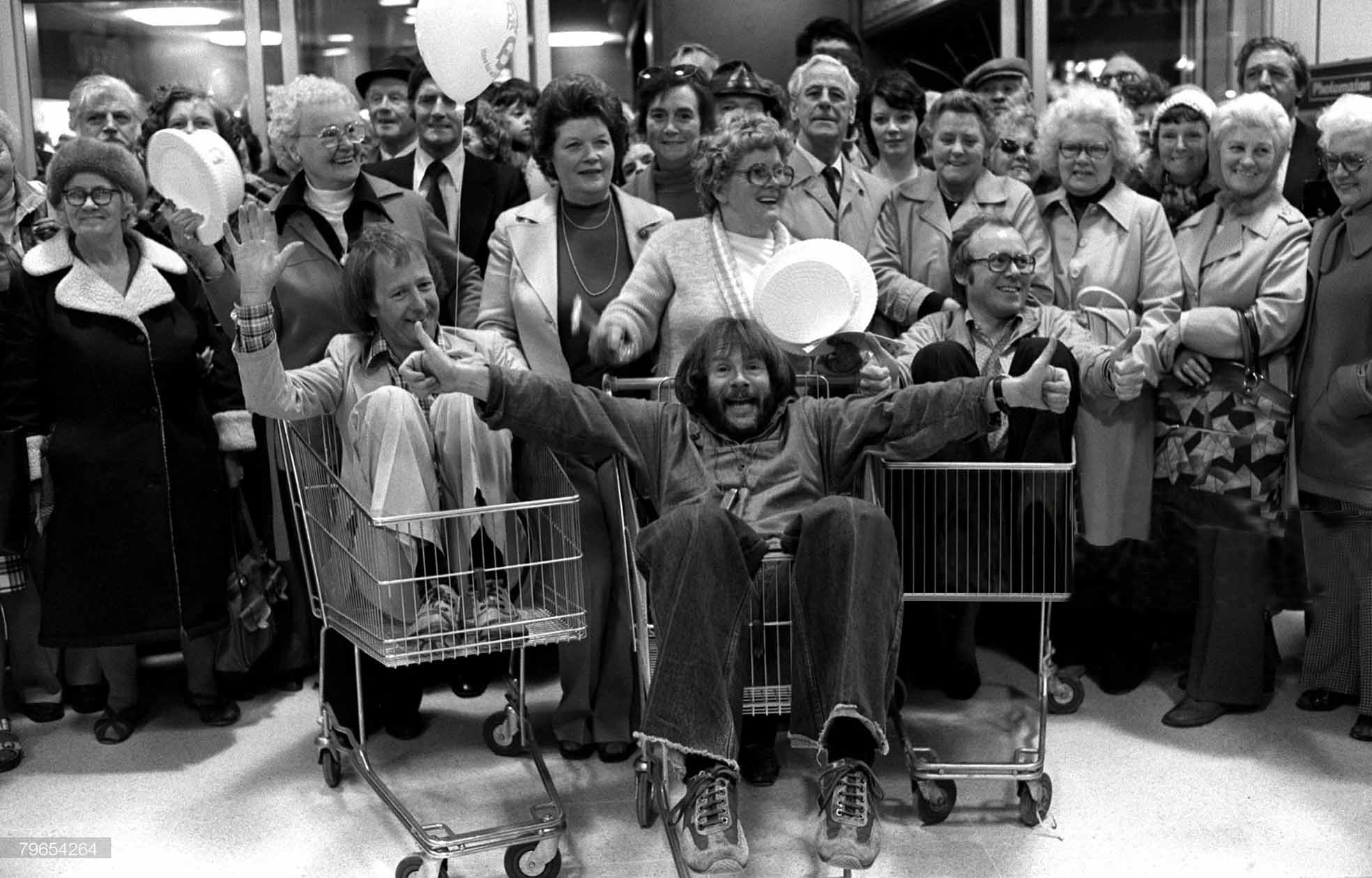
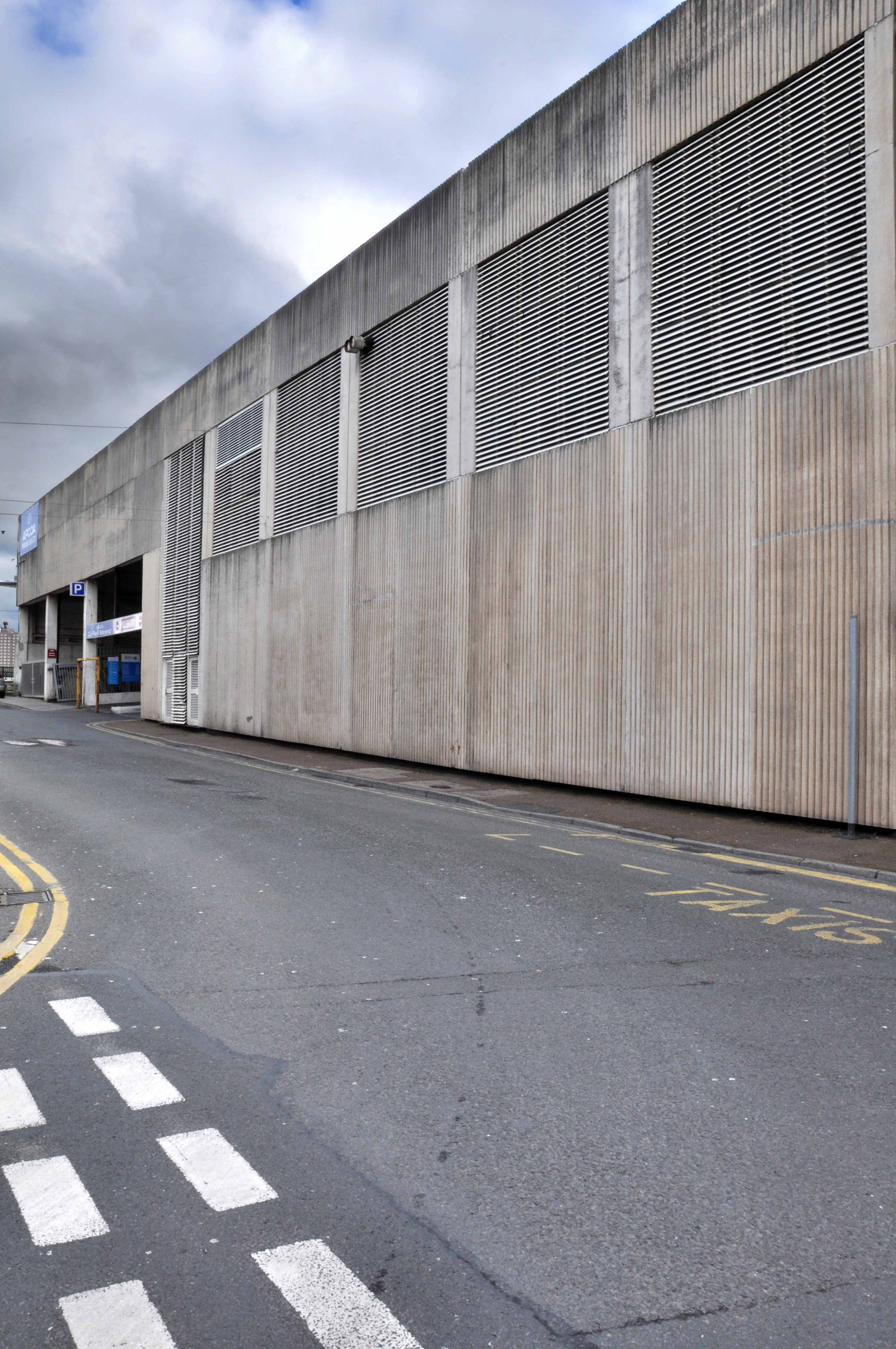
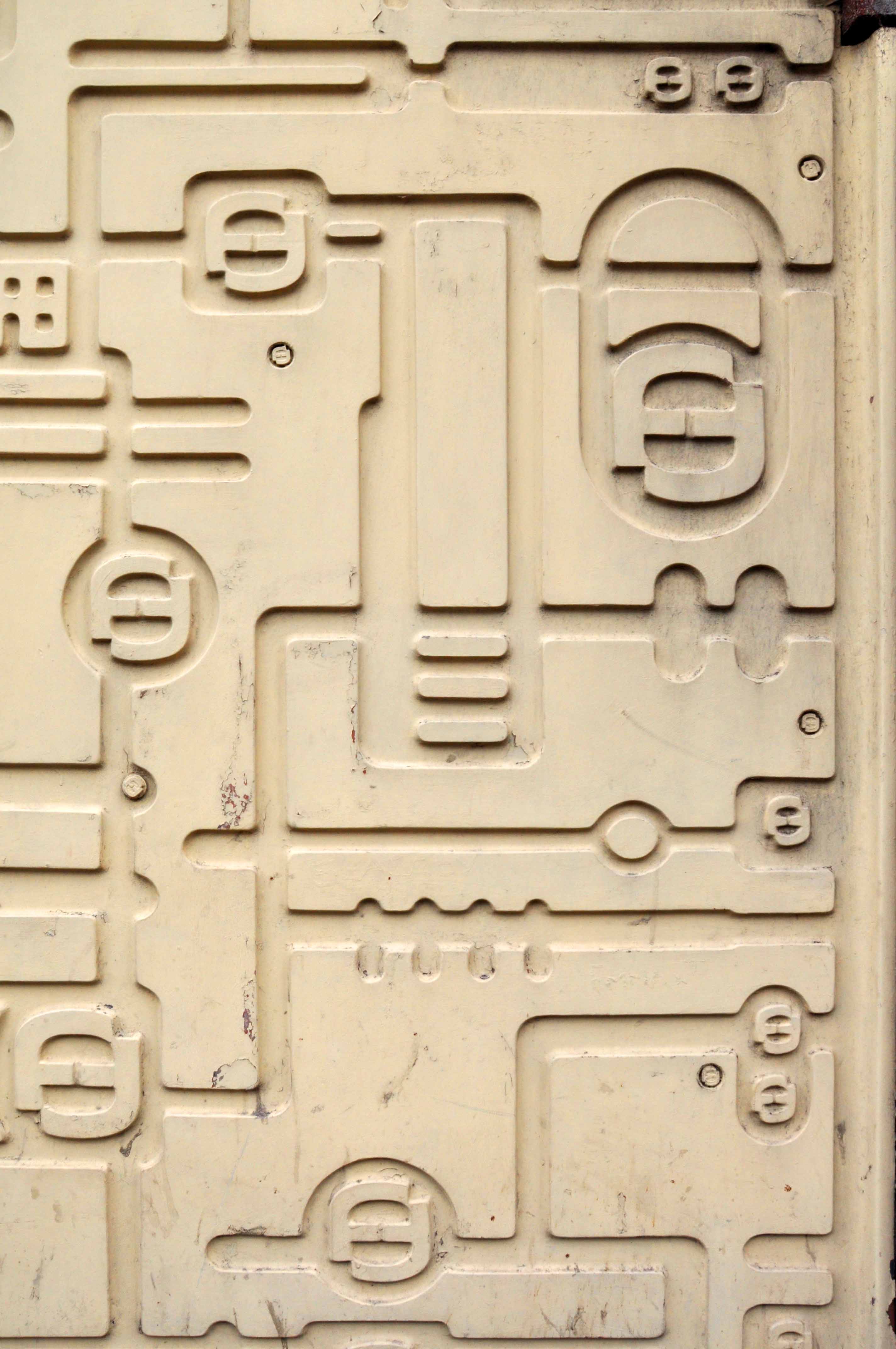
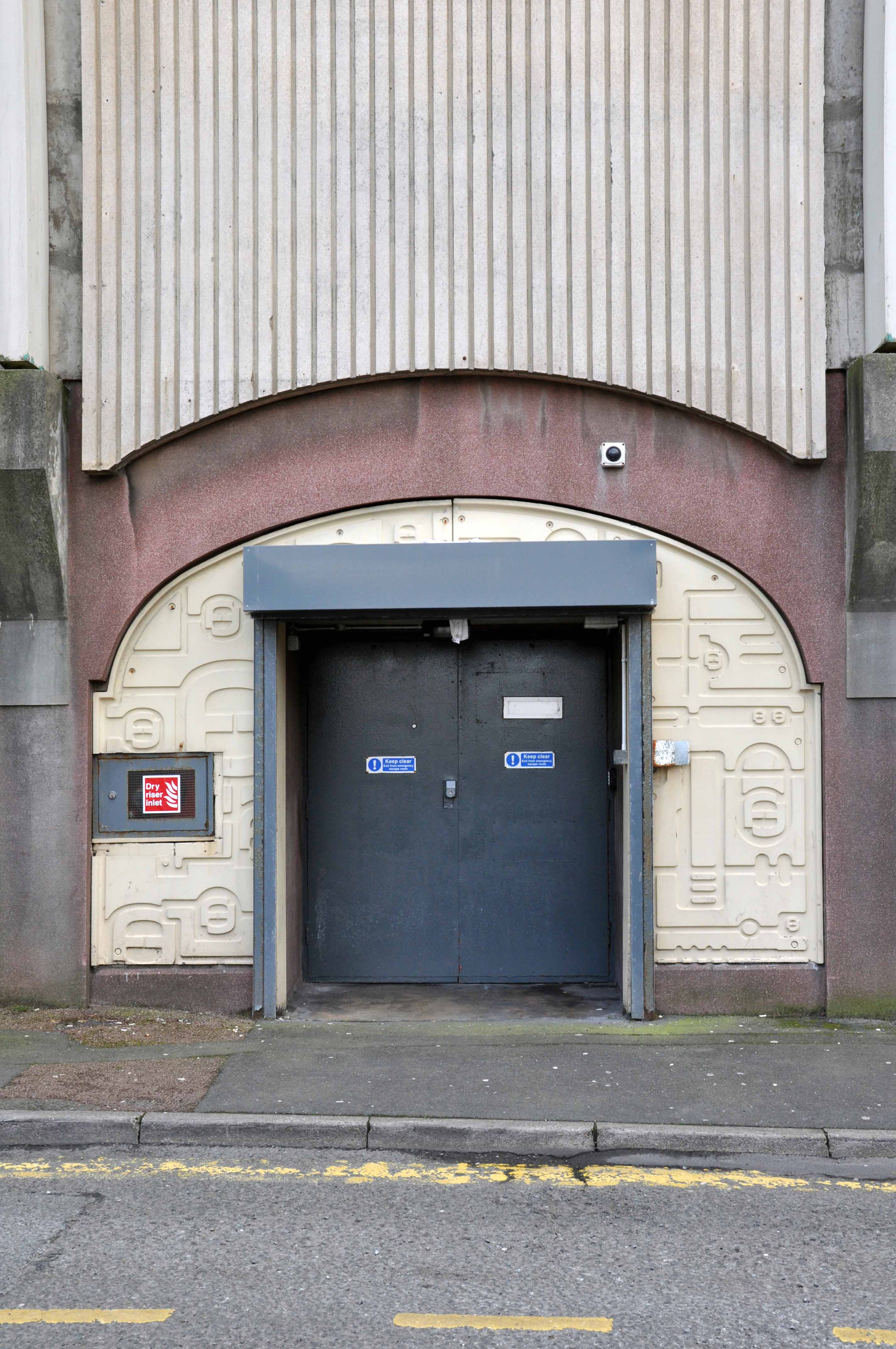
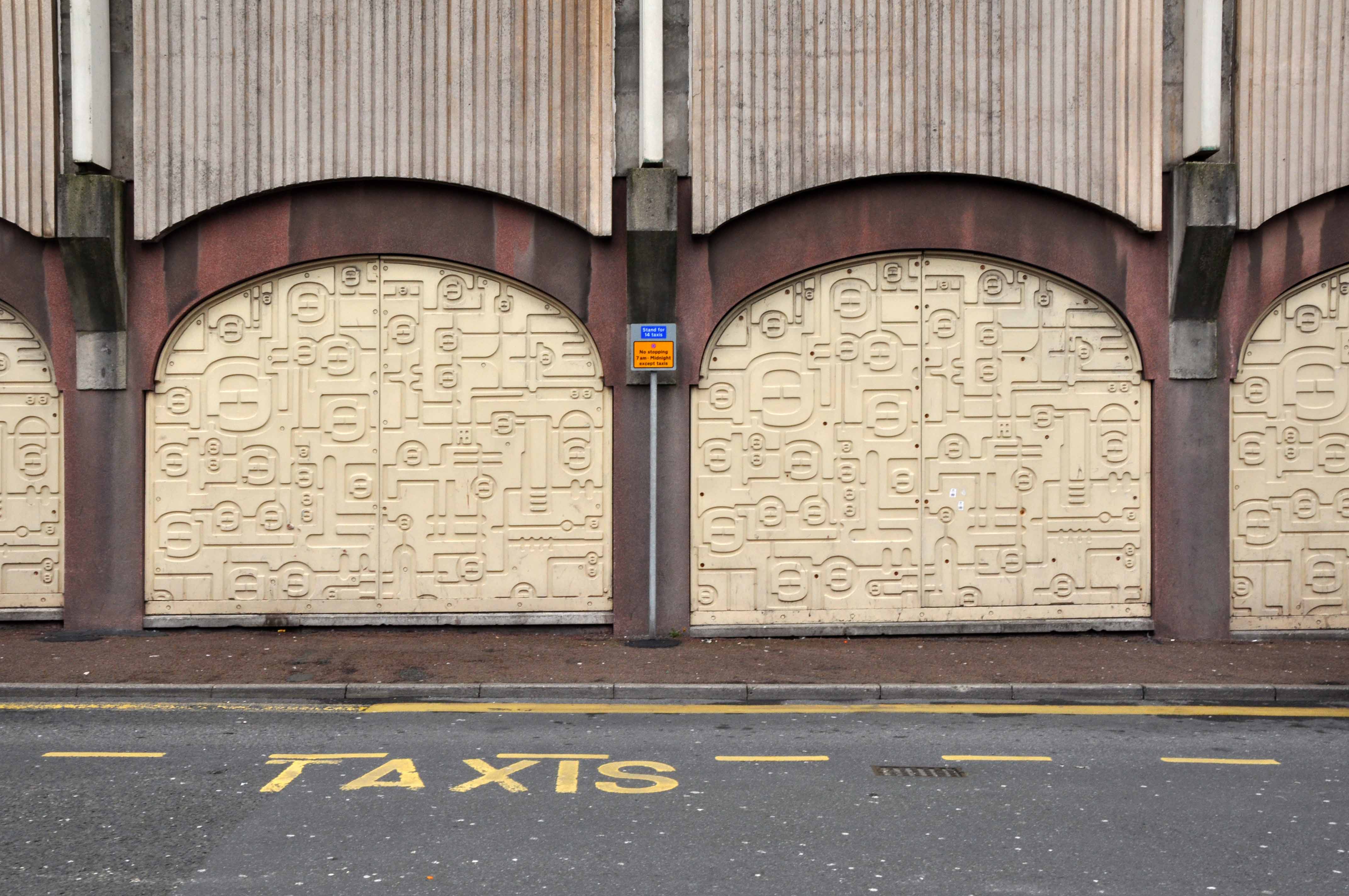
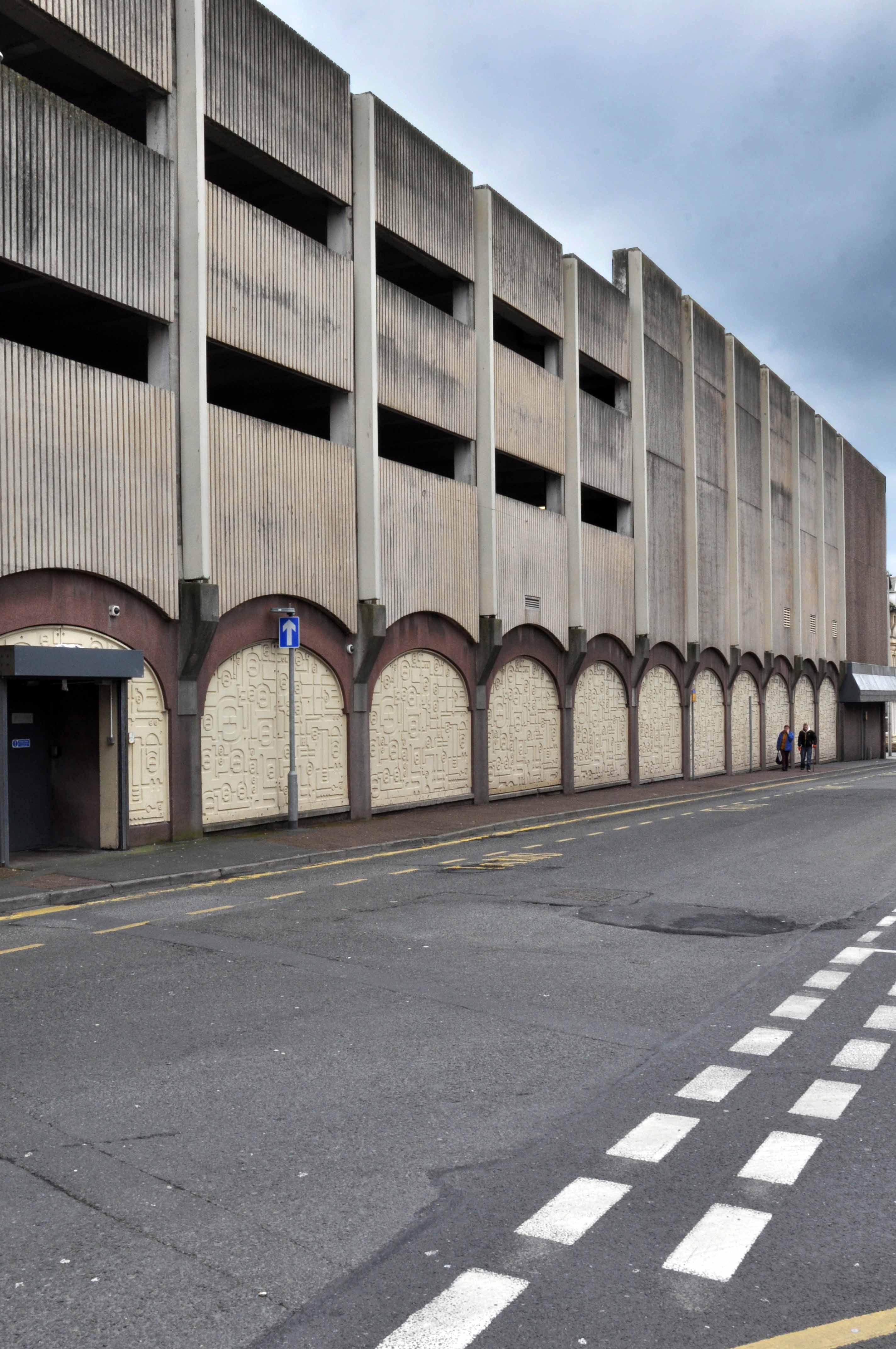
Subsequently Fine Fare arrives with a fanfare of moulded plastic panels, and cast concrete walls.

fine fare

Opened on May 22nd 1979 by the Goodies.

gettyimages-79654262-2048x2048-1

22-7-79

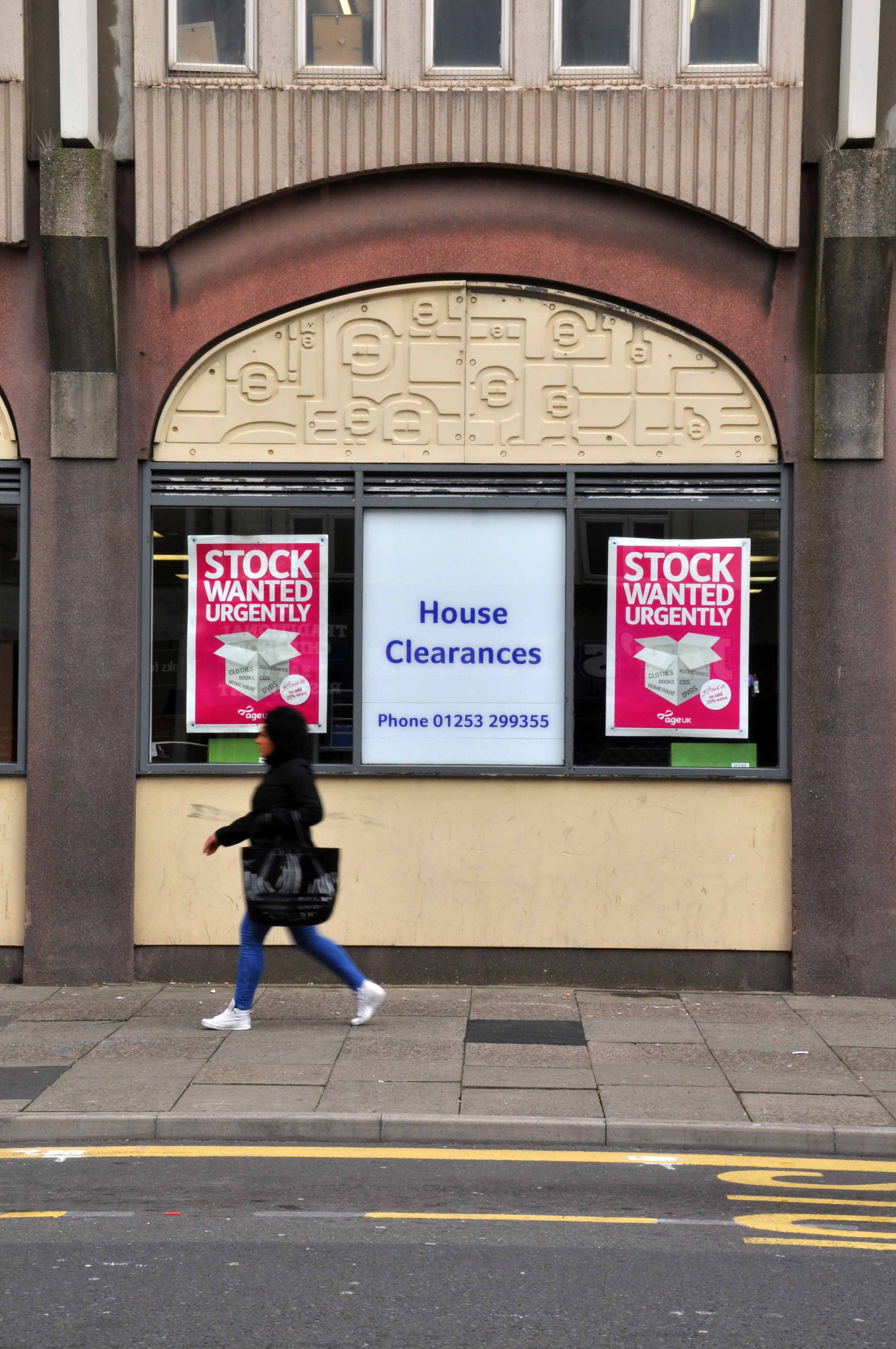
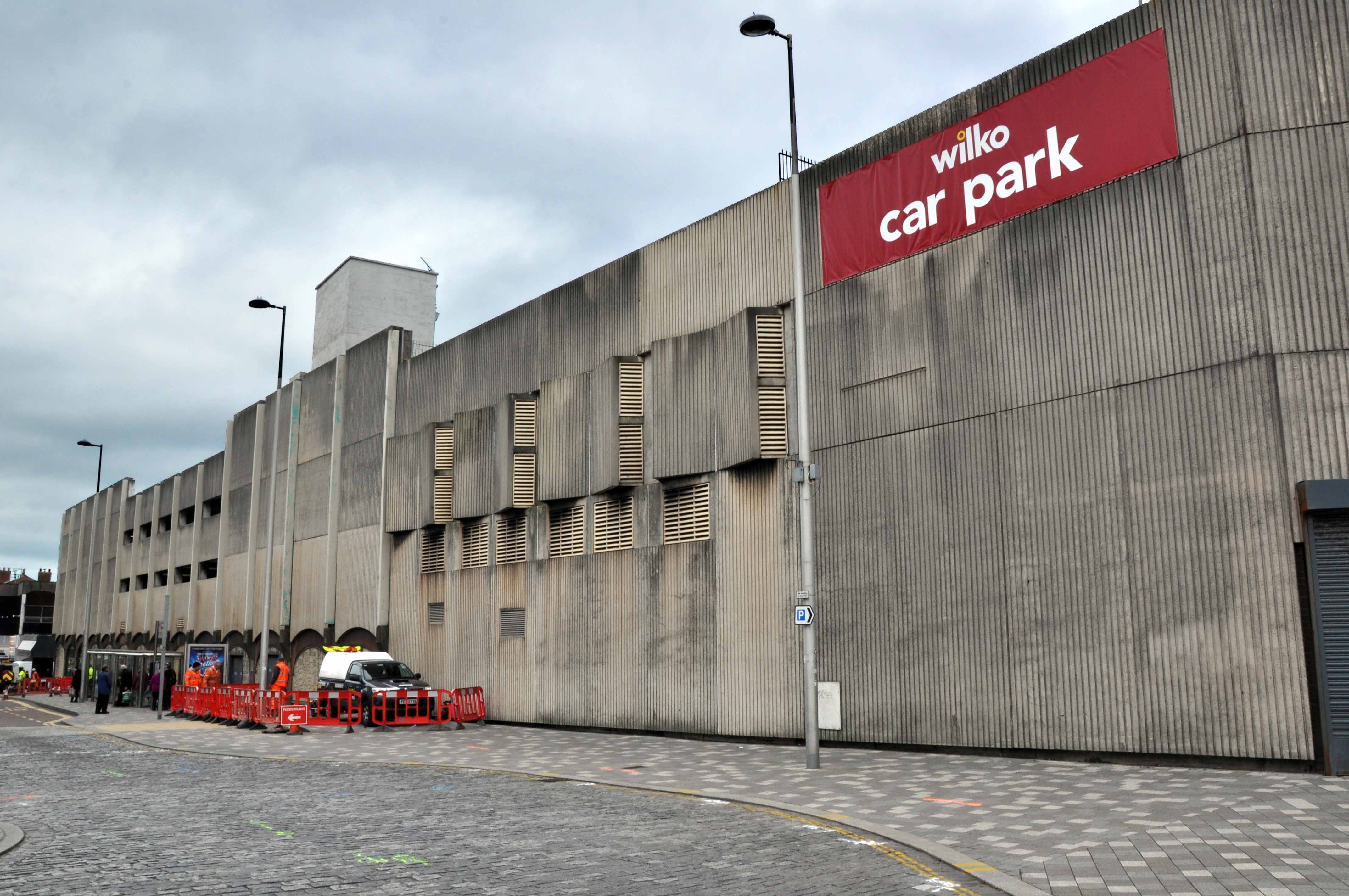
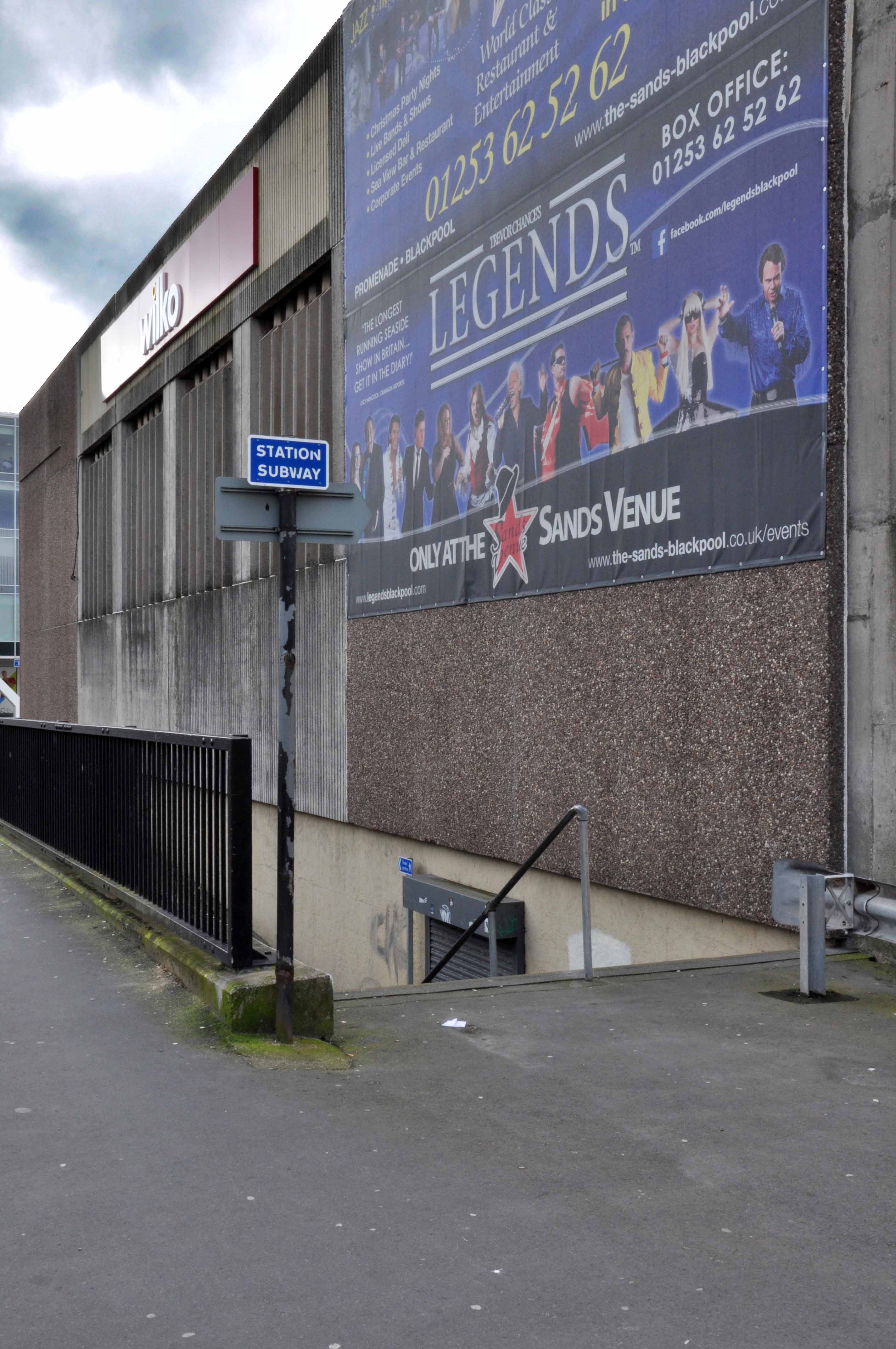
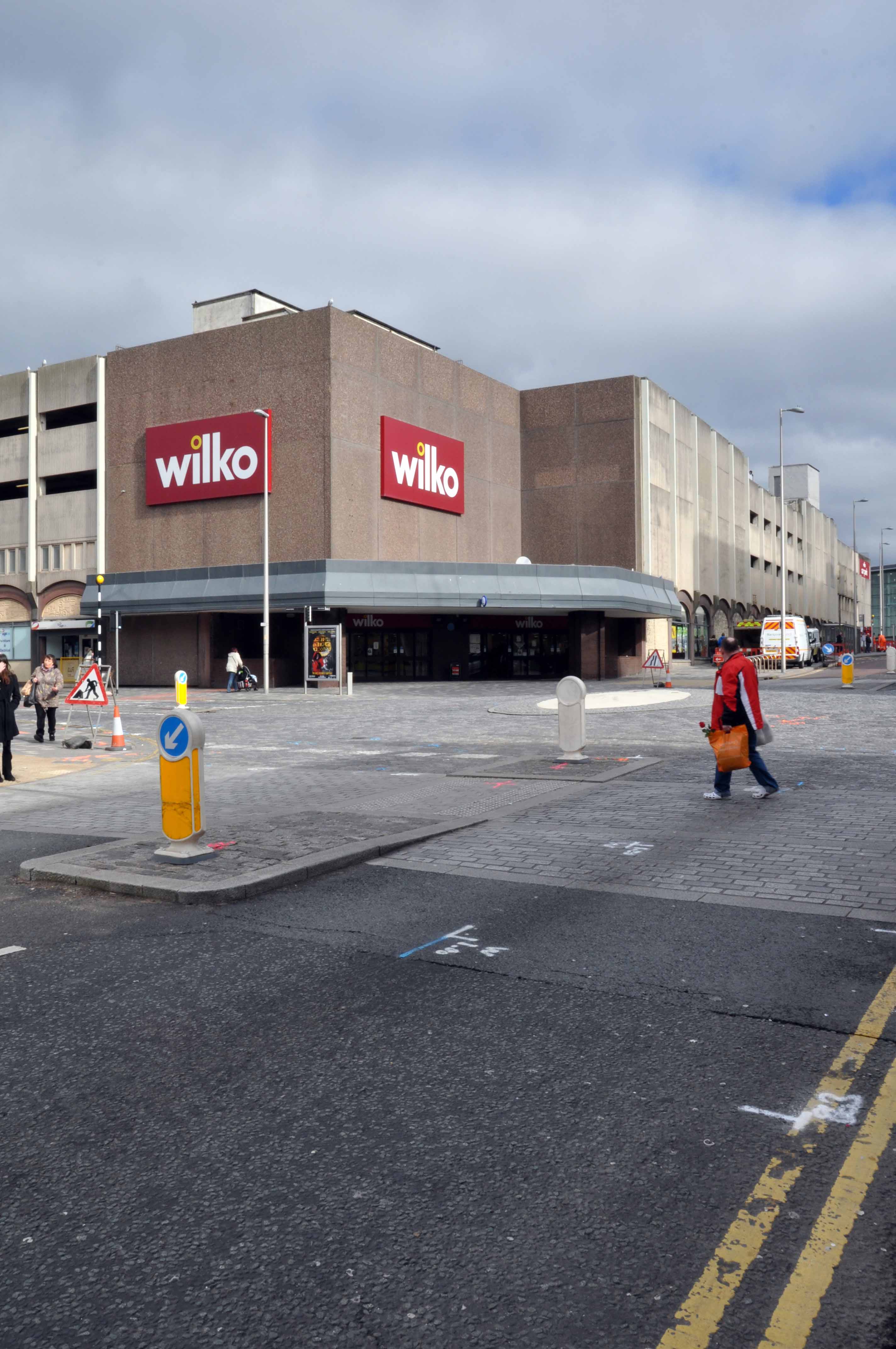
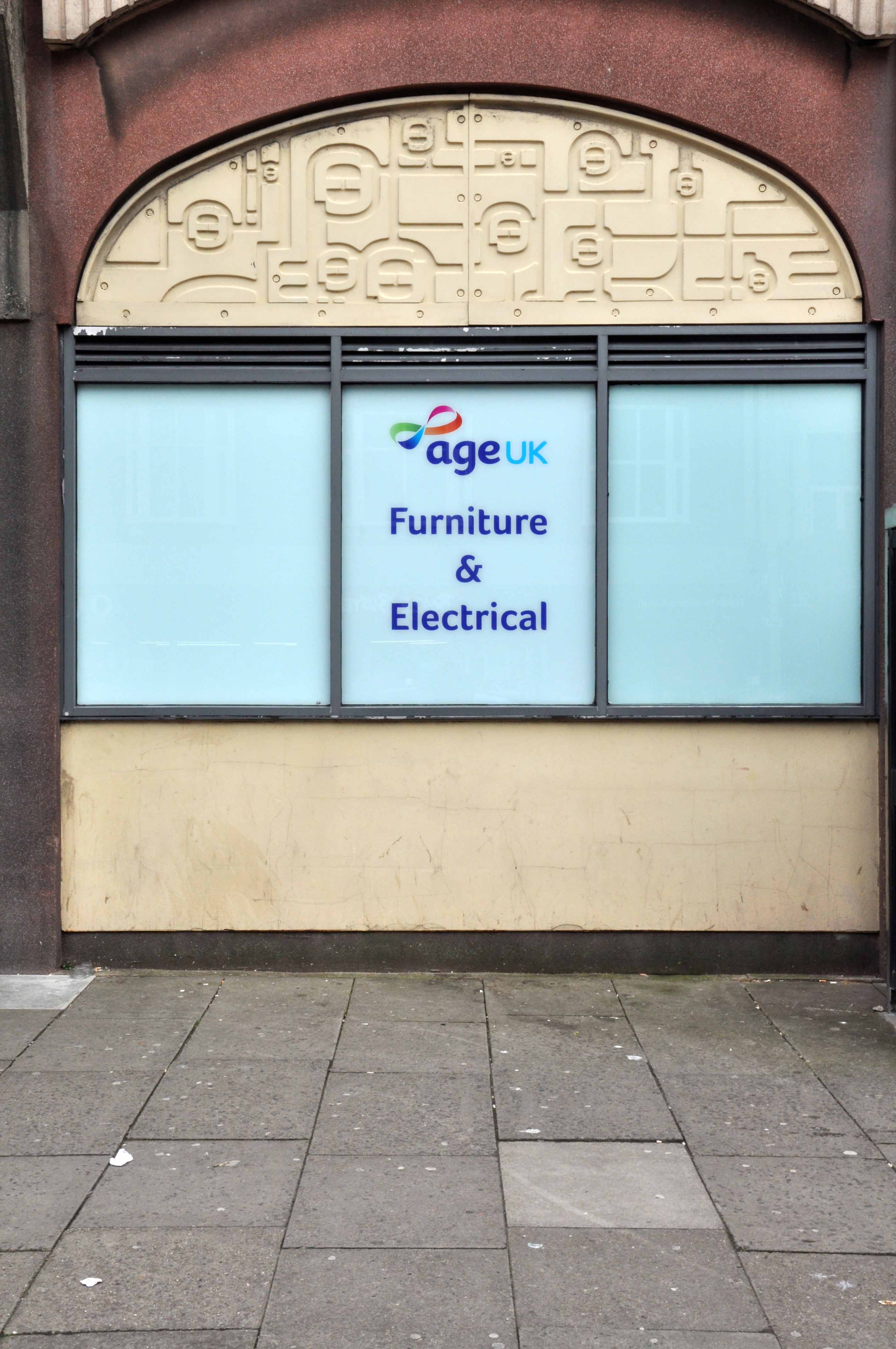
Superseded by Food Giant, Gateway, Dunnes Stores, Kwik Save and Somerfields – possibly others, currently Wilkinson’s Wilko Superstore and Age UK, retaining at all times the attractive integral car park.

Wilko is now to be relocated and the site redeveloped as part of the second phase of the £220m Talbot Gateway – whereby trams will link the promenade with the Station.

Possibly.

The tale is the typical mix of Council, Developer on/off, binary obfuscation, secrecy, smoke and mirrors.

Councillor Fred Jackson says:

“We are in talks with our development partner Muse but there is a confidentiality agreement so there is very little I can say.”

Whatever the outcome I do hope the panels are saved, having notified Historic England several weeks ago, I eagerly await their hurried and considered response…

In the meantime get y’self on the choo-choo to Blackpool North toot sweet, and have a gander at a fine Fine Fare plastic panel or two, before you can’t.

DSC_0003 copy

DSC_0005 copy

DSC_0009 copy

DSC_0015 copy

DSC_0007 copy

DSC_0008 copy

DSC_0014 copy

DSC_0006 copy

DSC_0026 copy

DSC_0023 copy

DSC_0027 copy

DSC_0020 copy

DSC_0022 copy

DSC_0028 copy

DSC_0324 copy

DSC_0035 copy

DSC_0032 copy

DSC_0019 copy

DSC_0021 copy

DSC_0039 copy

DSC_0033 copy

DSC_0017 copy

DSC_0018 copy

DSC_0024 copy

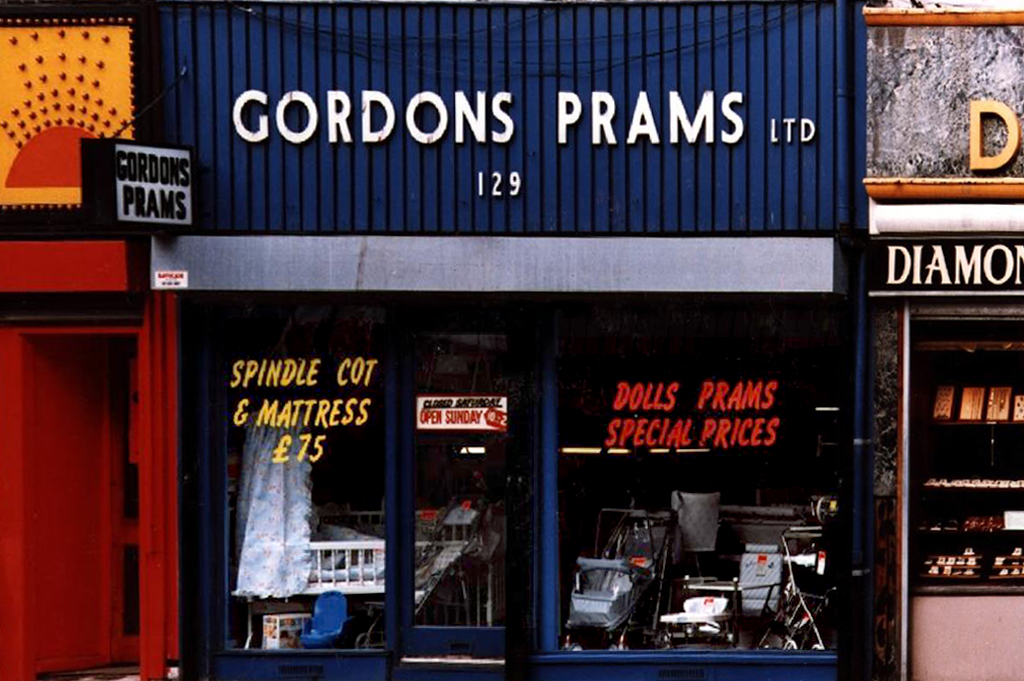
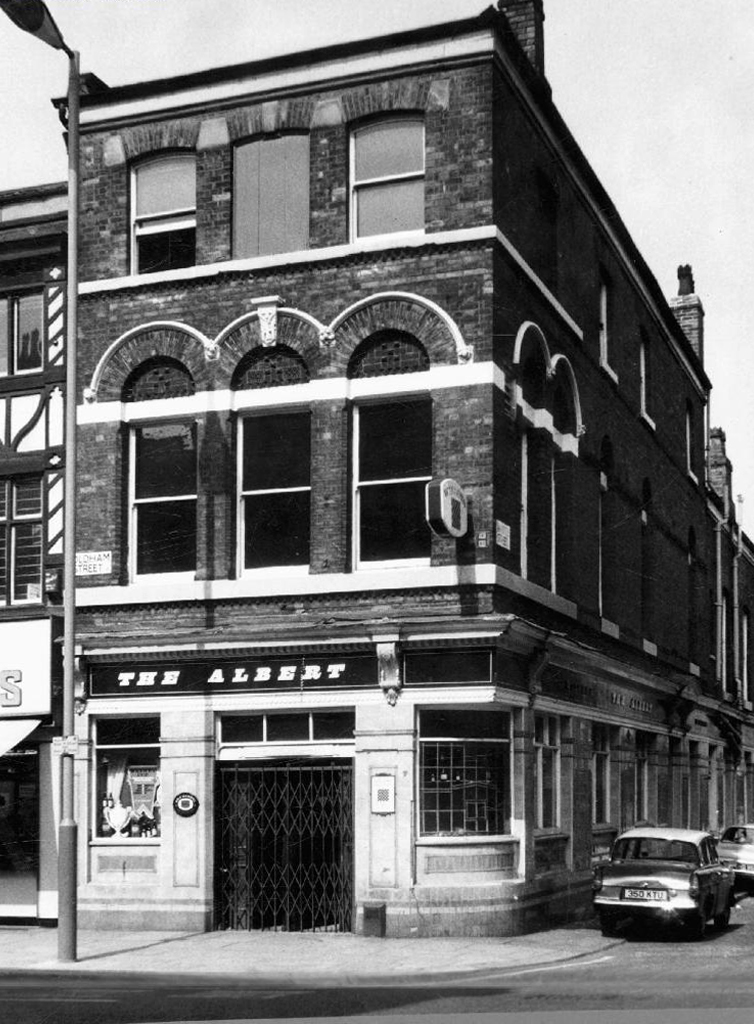
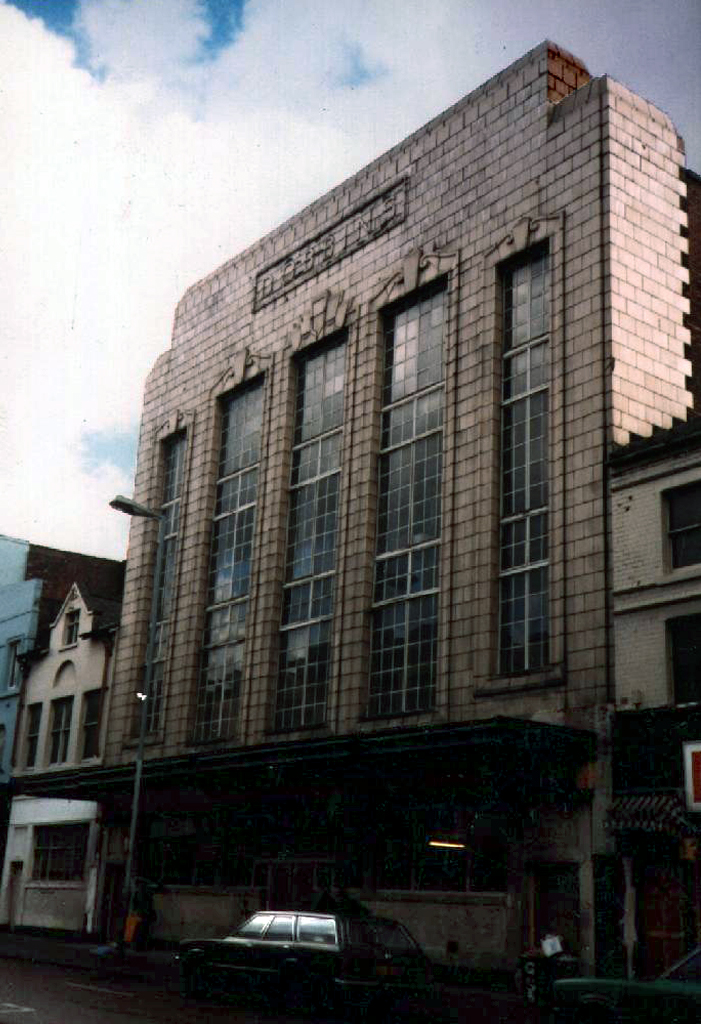
Oldham Street – Manchester

In the early 18th century, Oldham Street was apparently:

“An ill-kept muddy lane, held in place on one of its sides by wild hedgerows”.

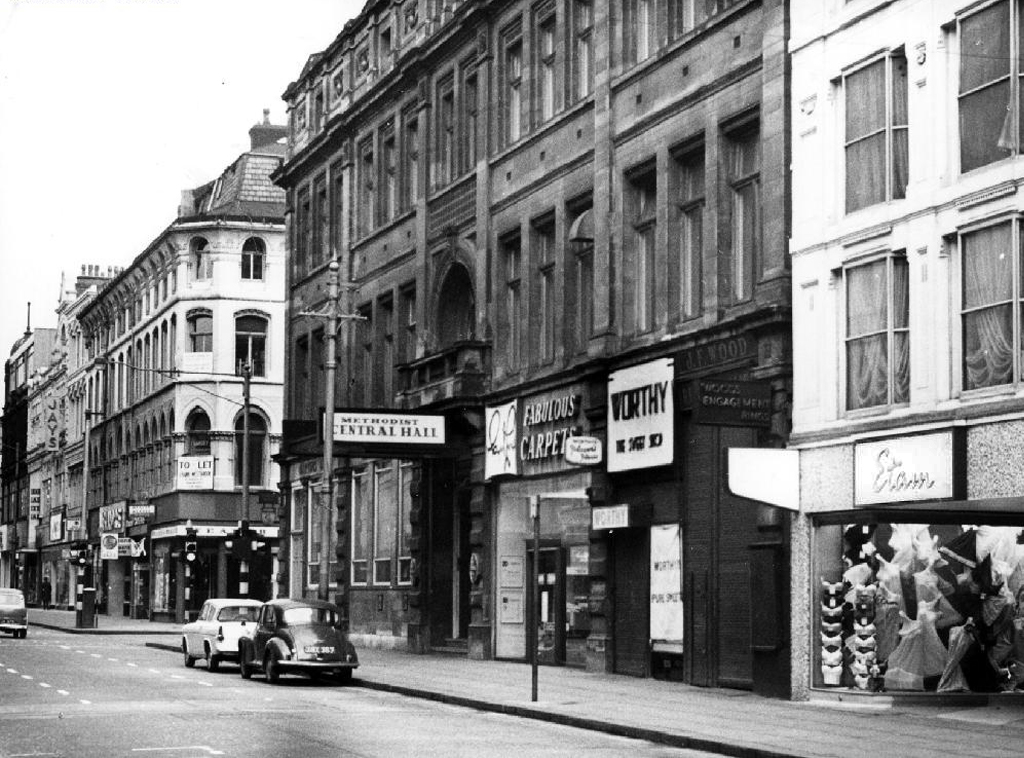
In 1772, a privately owned track which is now known as Oldham Street was given to the public. The road took its name from Adam Oldham rather than from the place name. He was an acquaintance of John Wesley, the founder of Methodism, which could account for the Oldham street location of the Methodist Chapel, opened by Wesley in 1781. Central Hall replaced the Chapel in 1885.

The area around Oldham Street became more affluent, with warehouses and shops, many of whose merchants lived within their shop premises. This is described by Isabella Varley, Mrs. Linnaeus Banks, a resident of Oldham Street, in her book The Manchester Man.

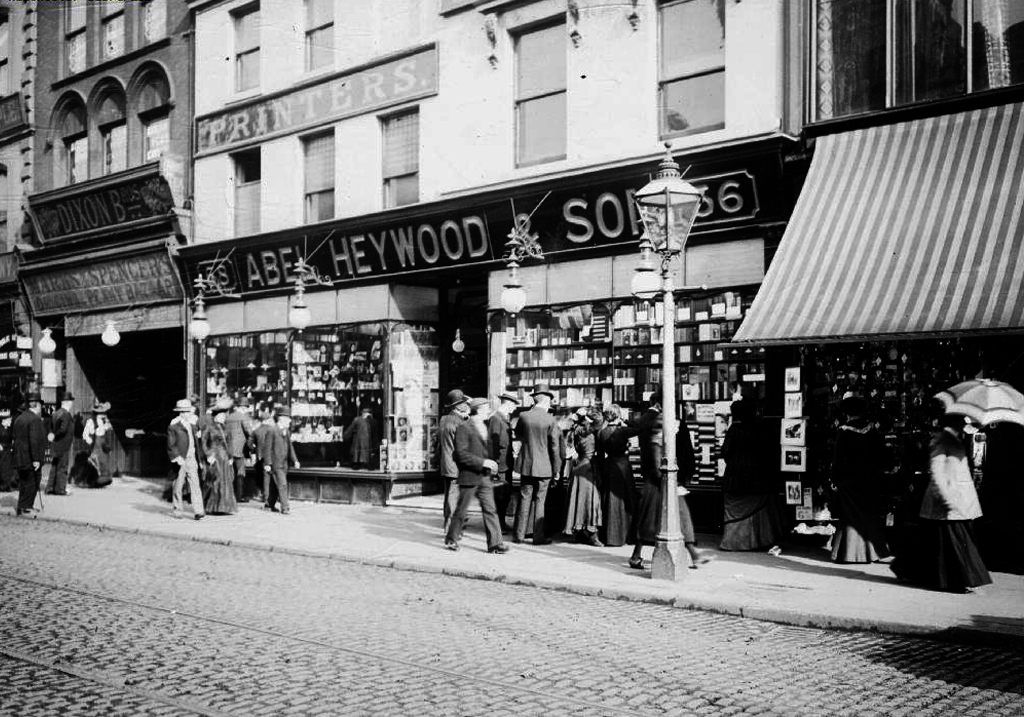
One Oldham Street shopowner mentioned by a number of writers is Abel Heywood, who spearheaded the mass distribution of books, supplying the whole country not only with penny novels, but also with educational books and political pamphlets. Heywood went on to become Mayor of Manchester.

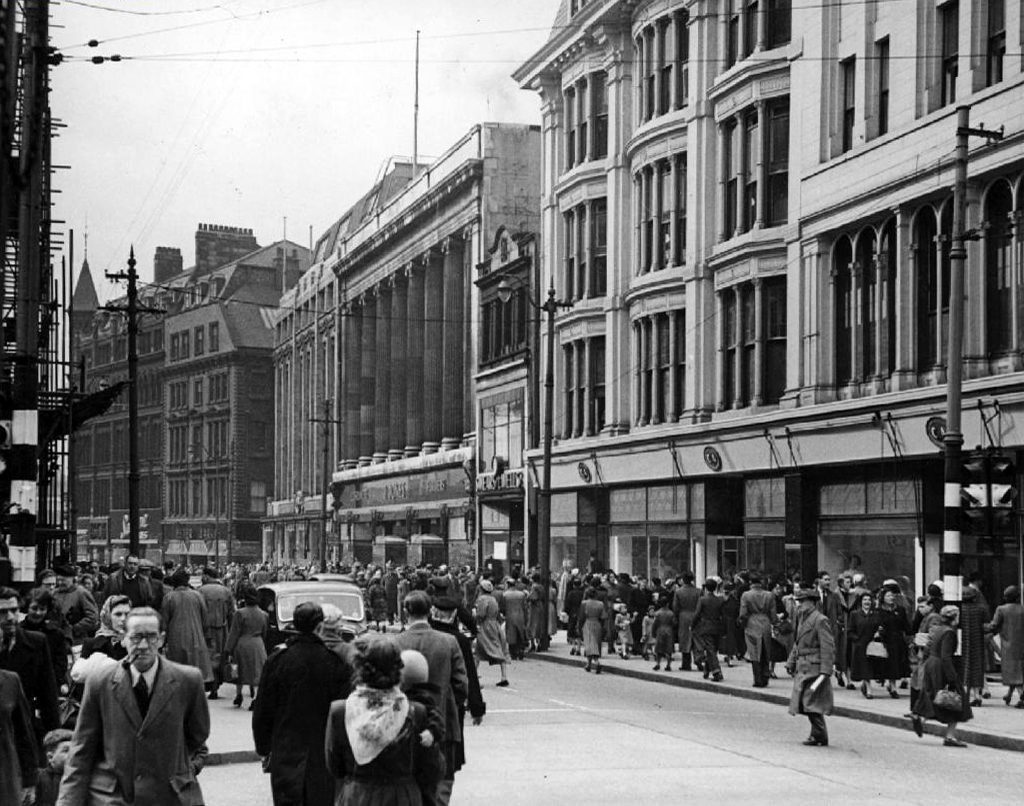
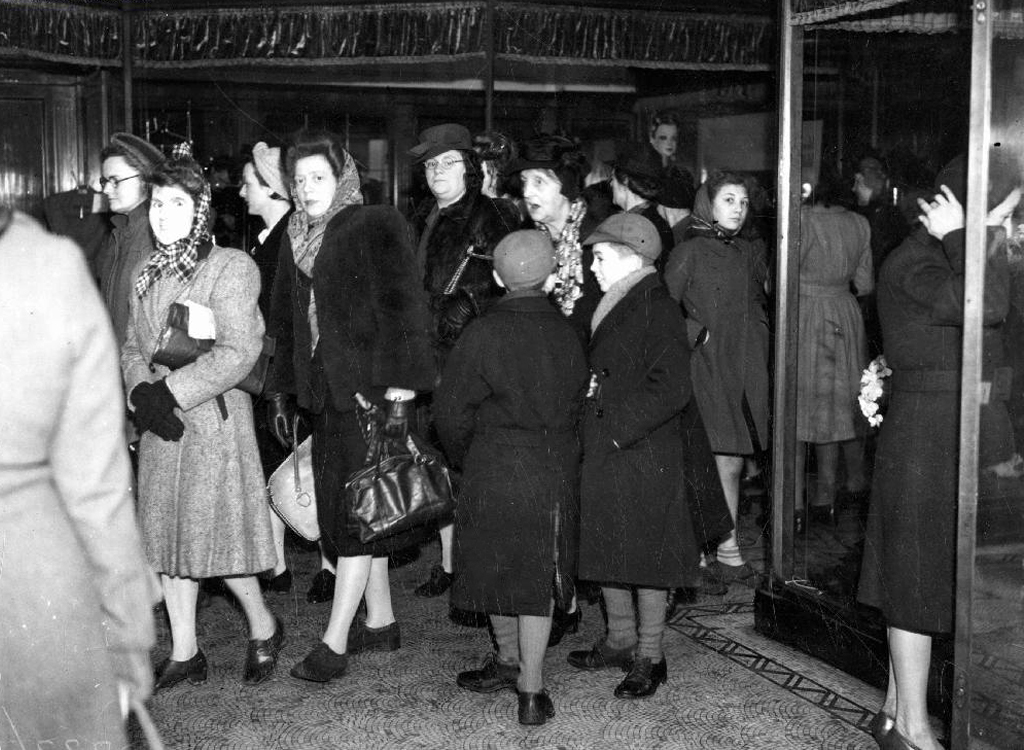
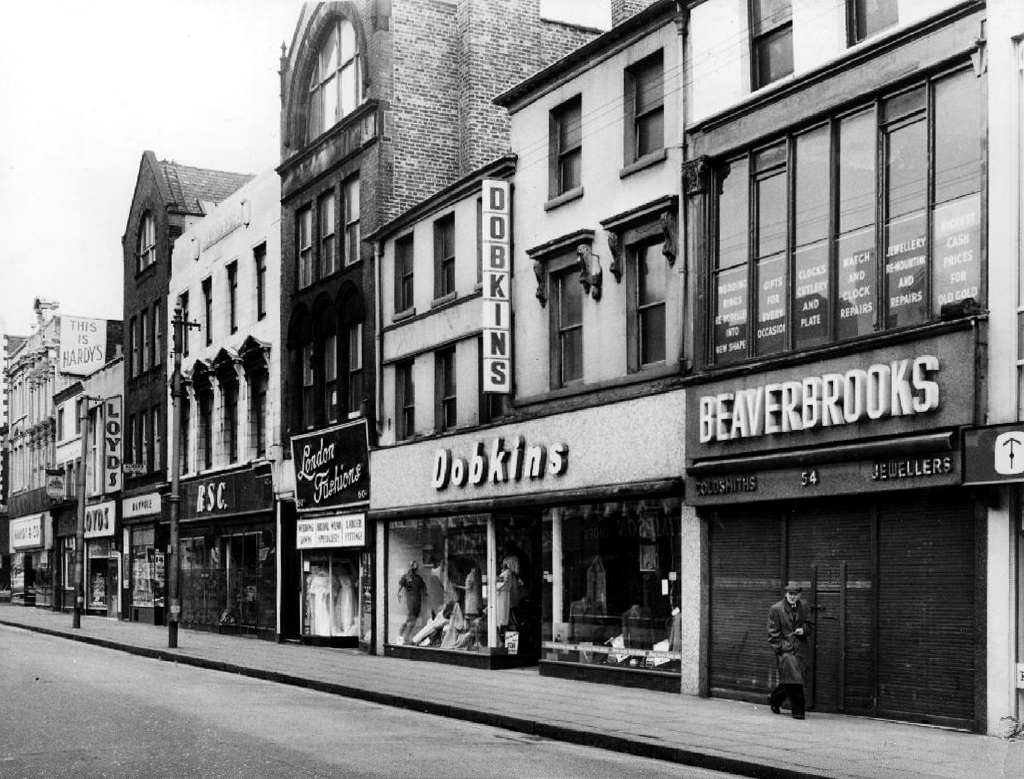
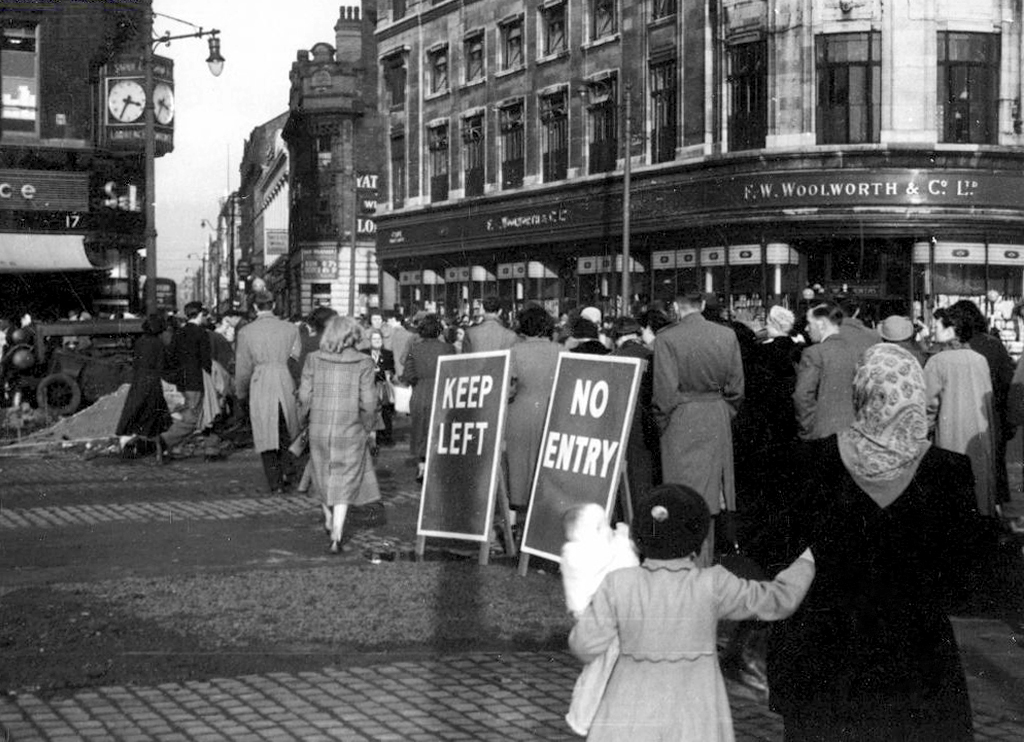
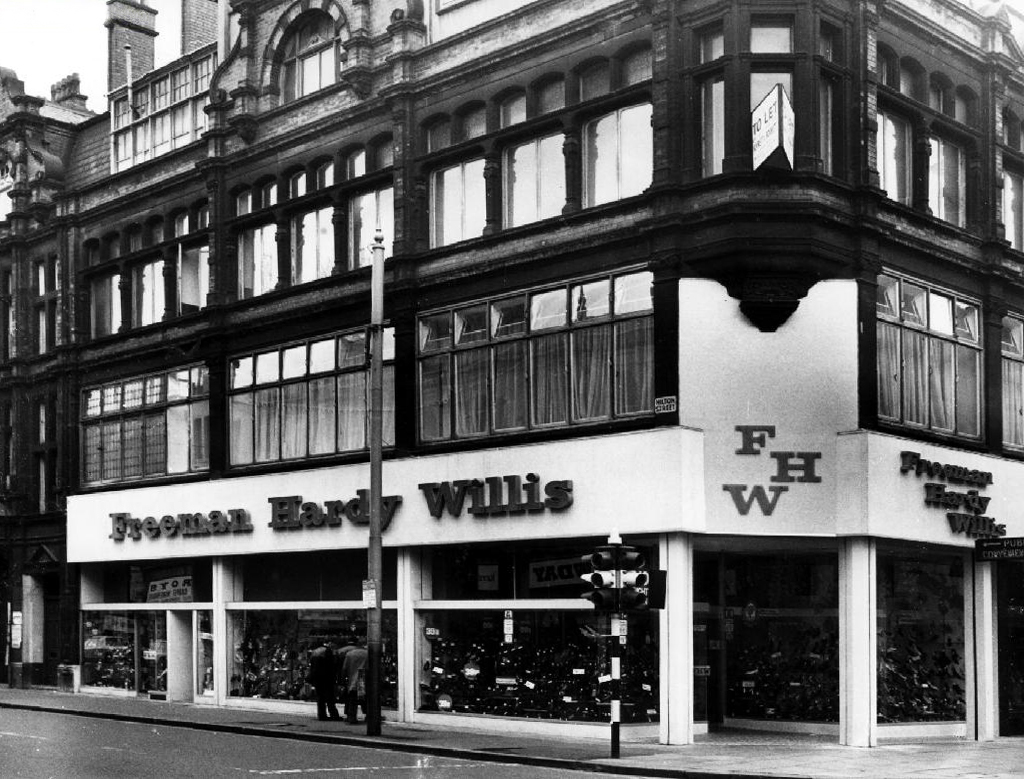
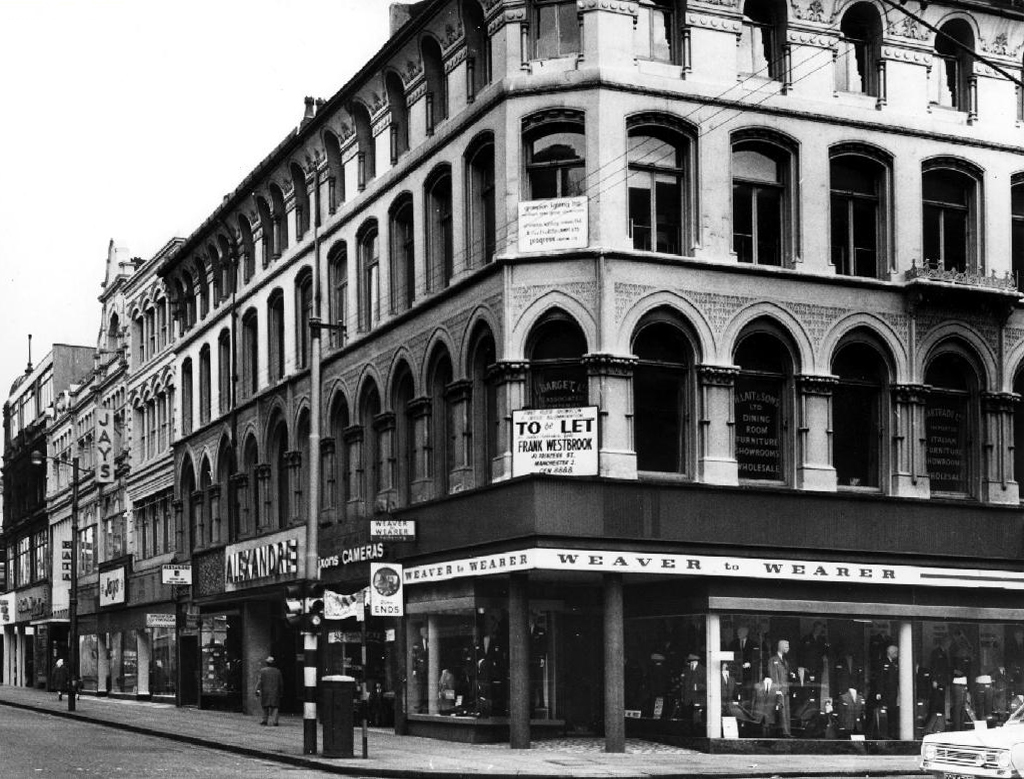
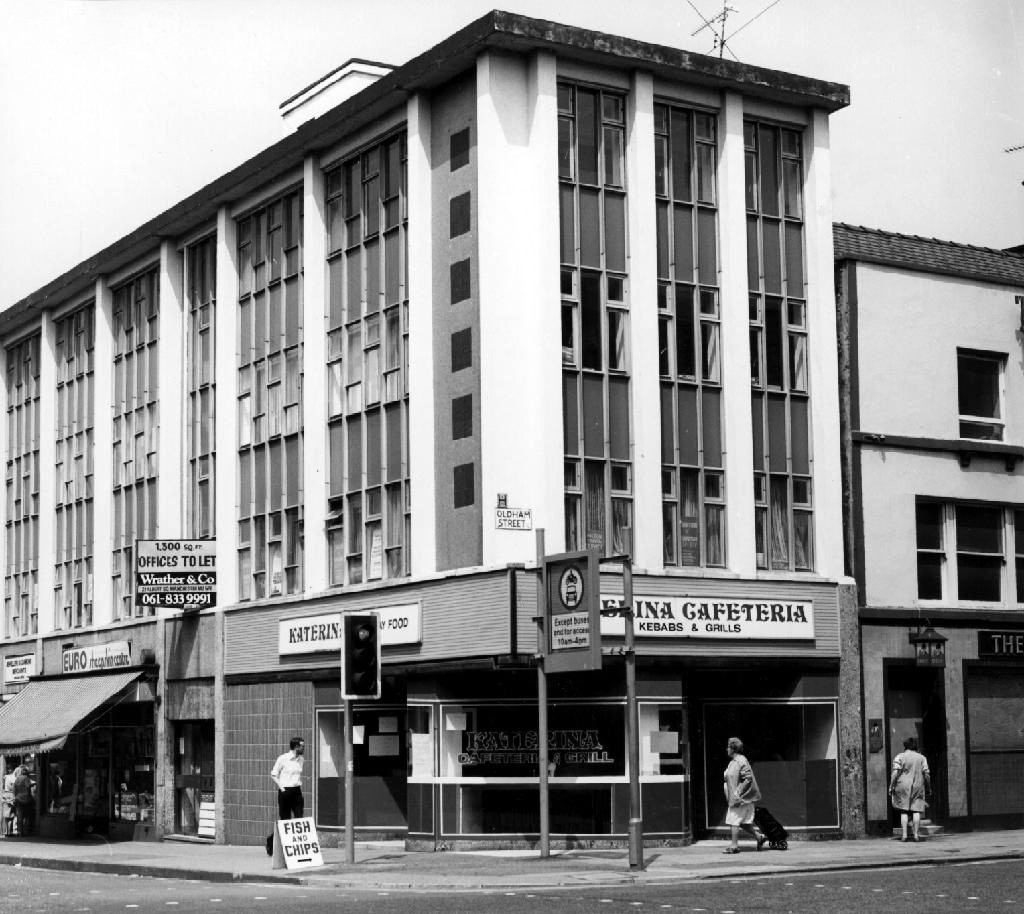
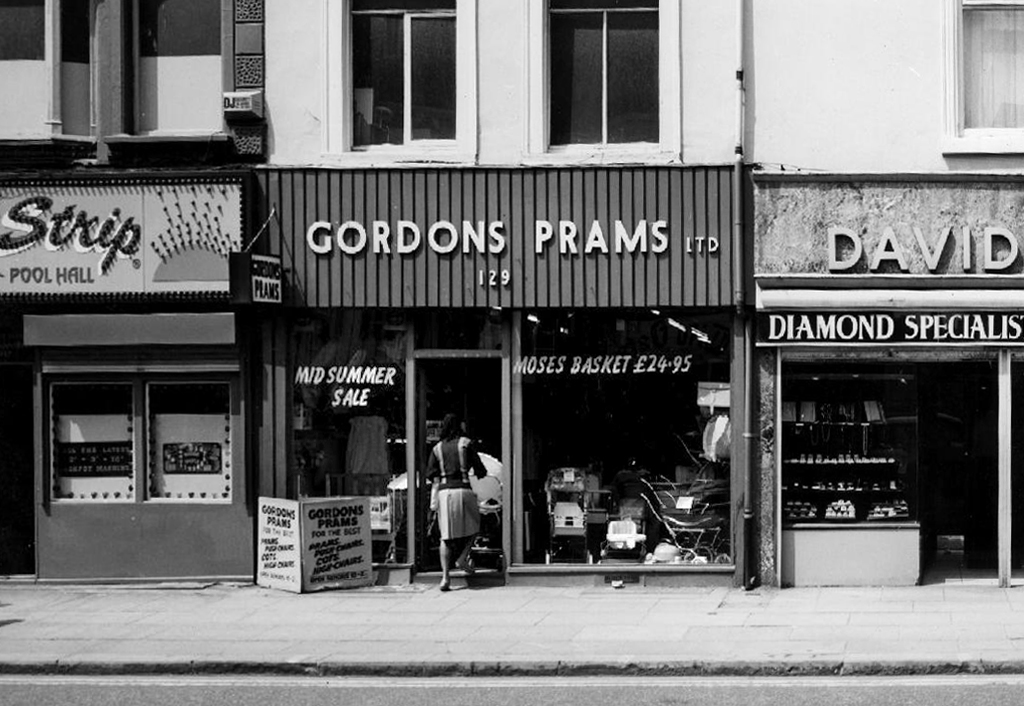
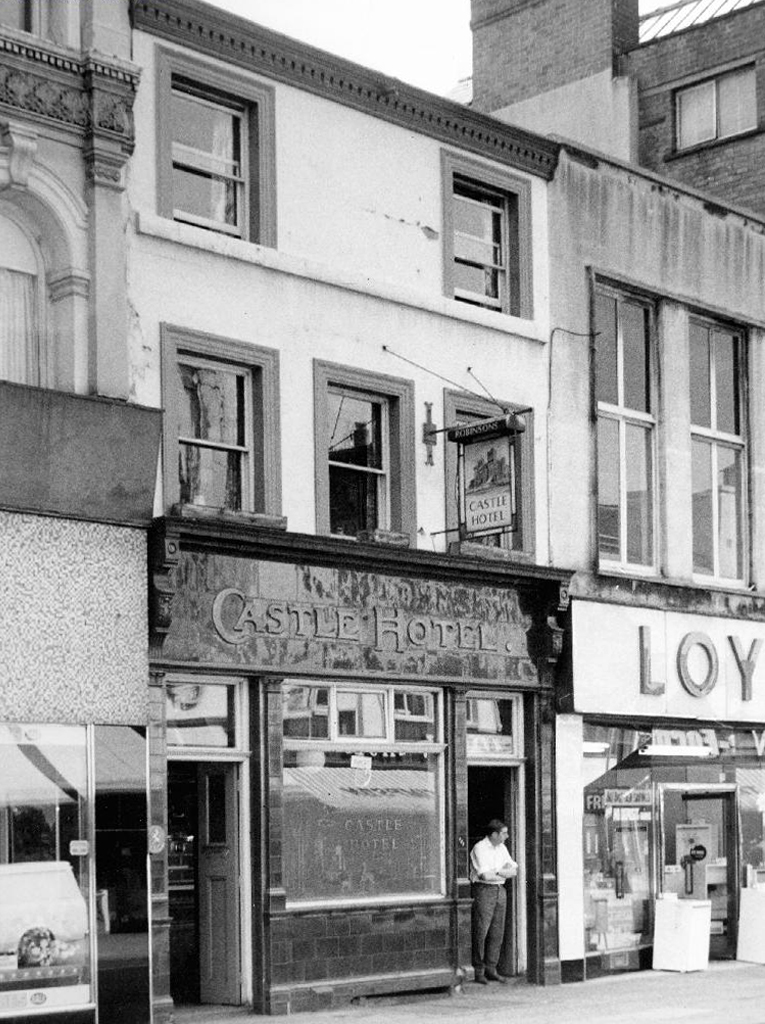
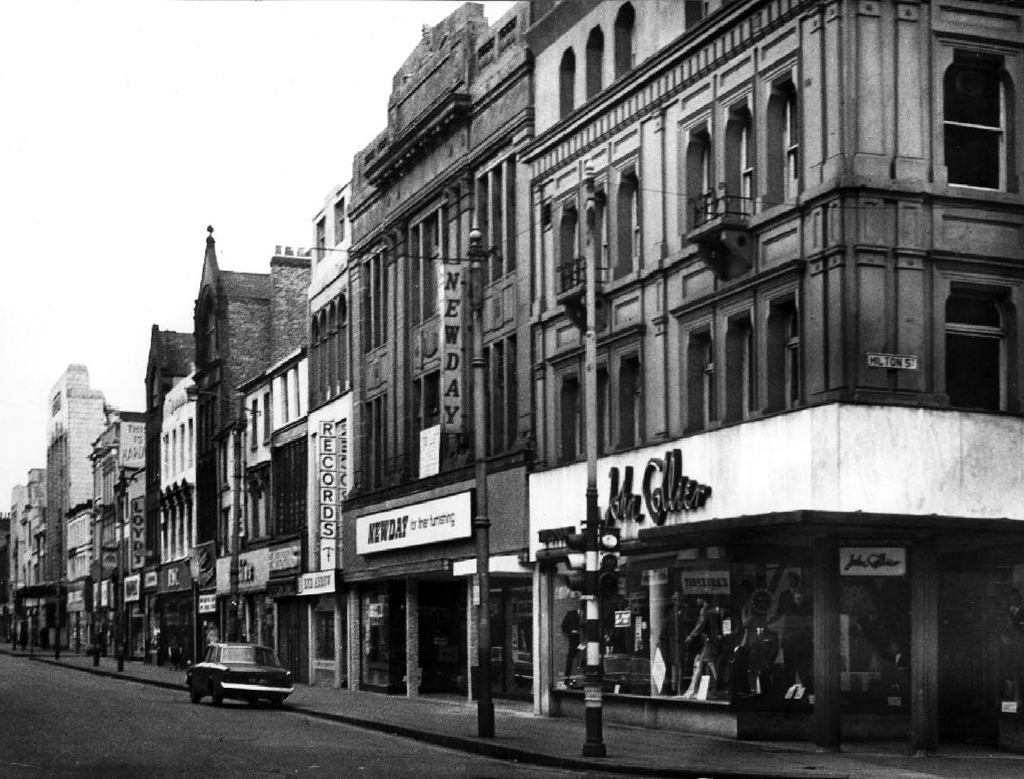
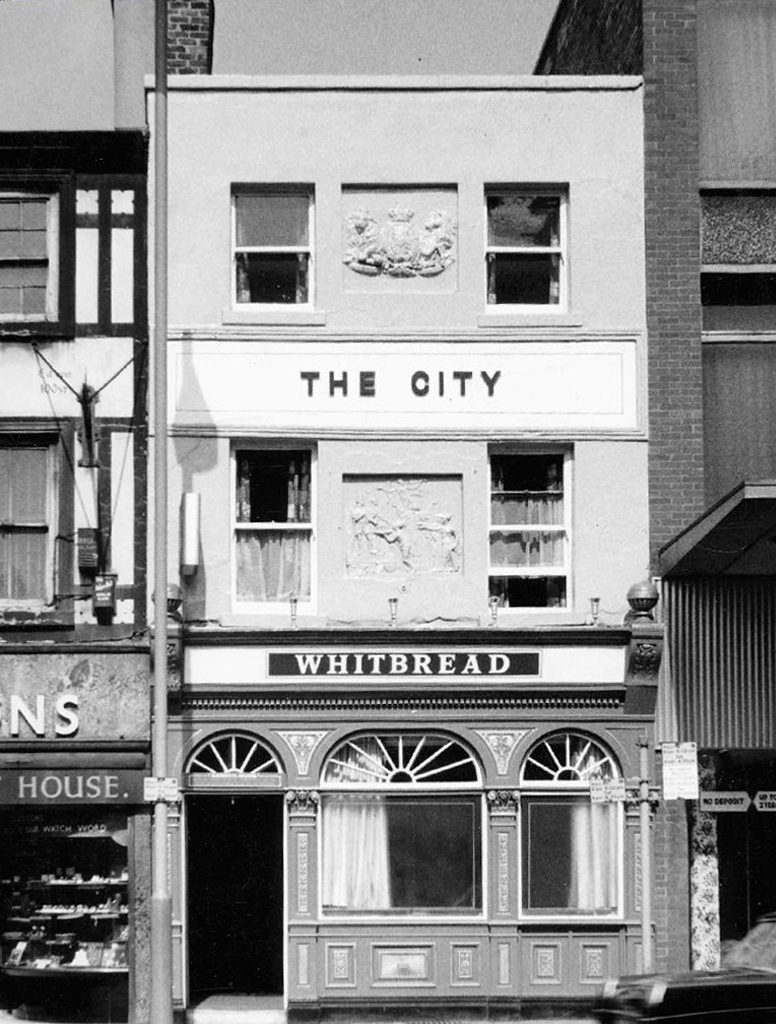
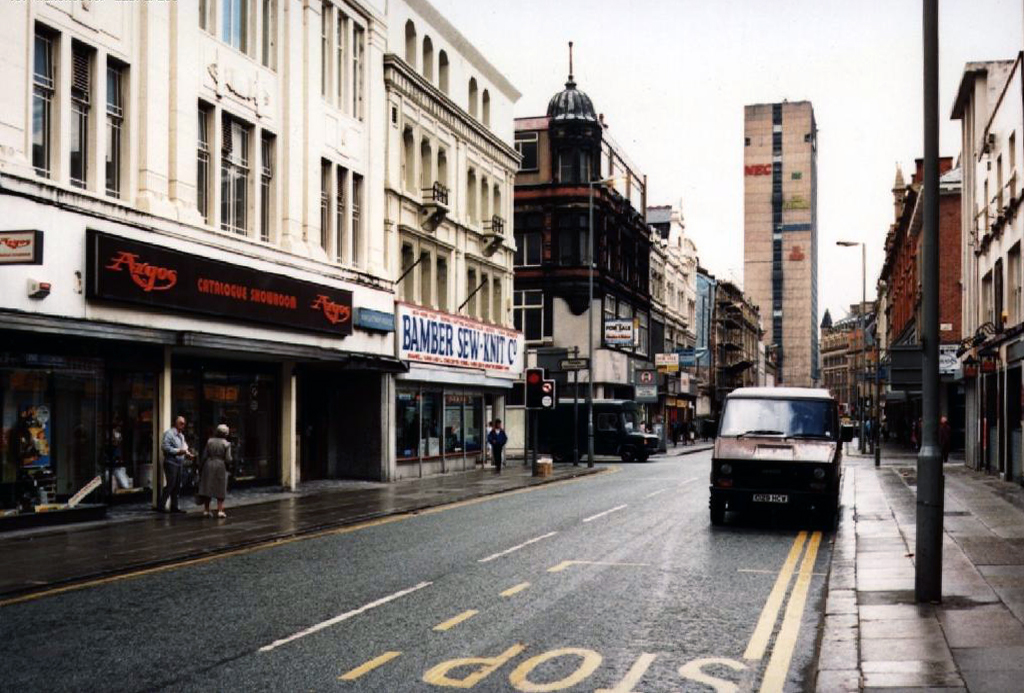
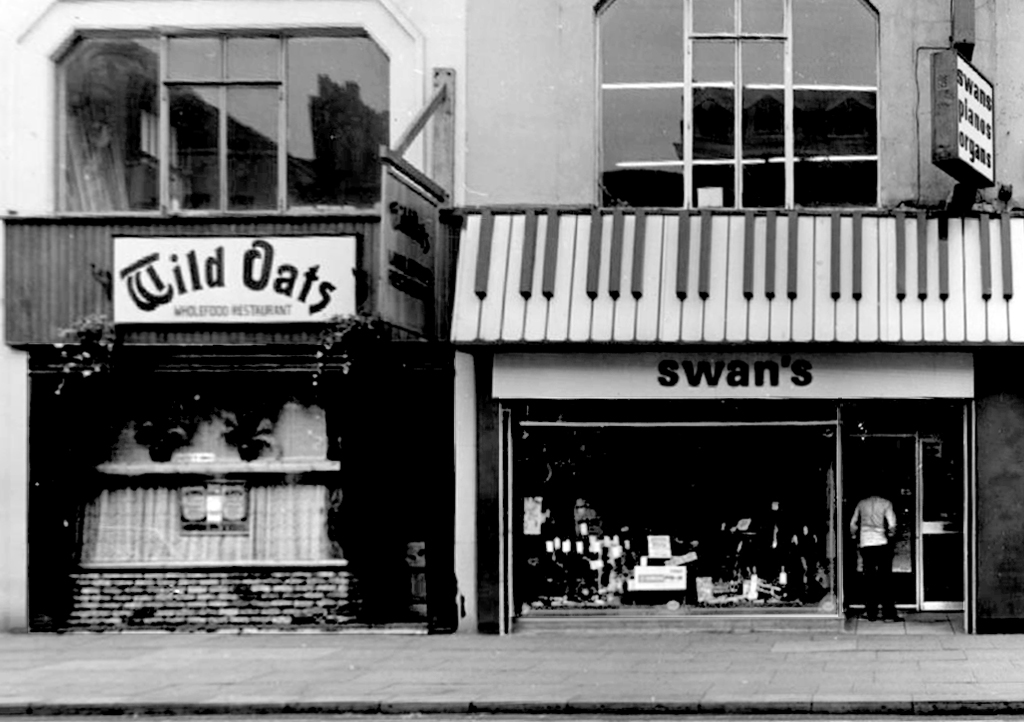
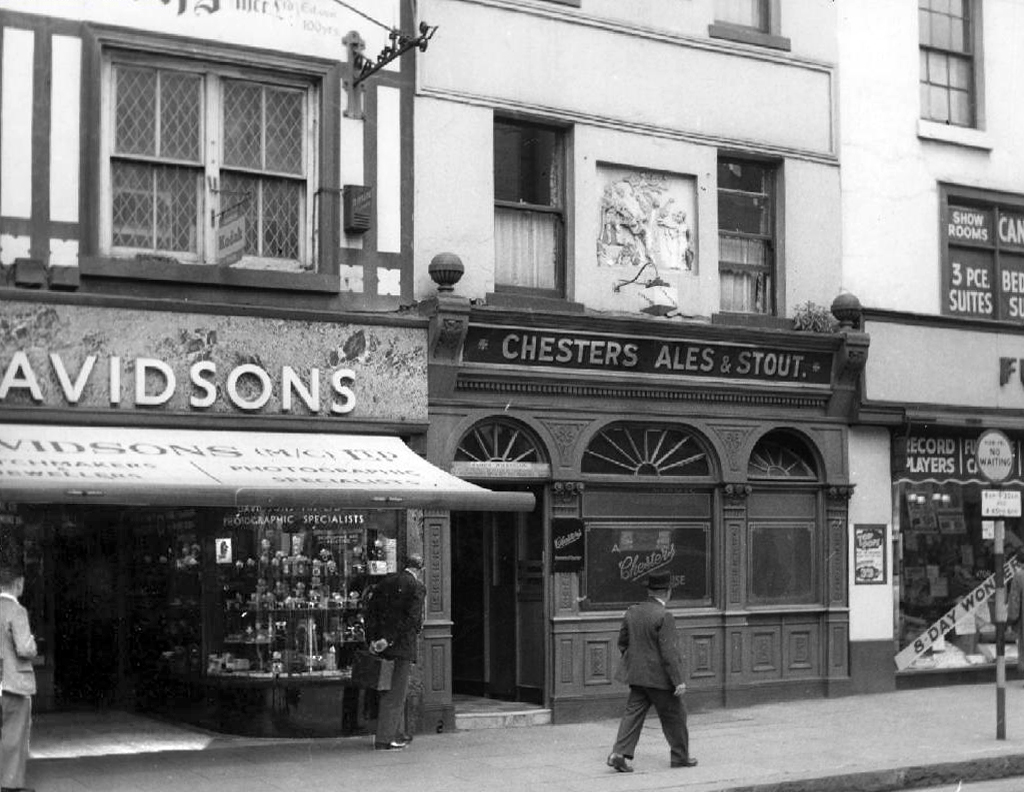
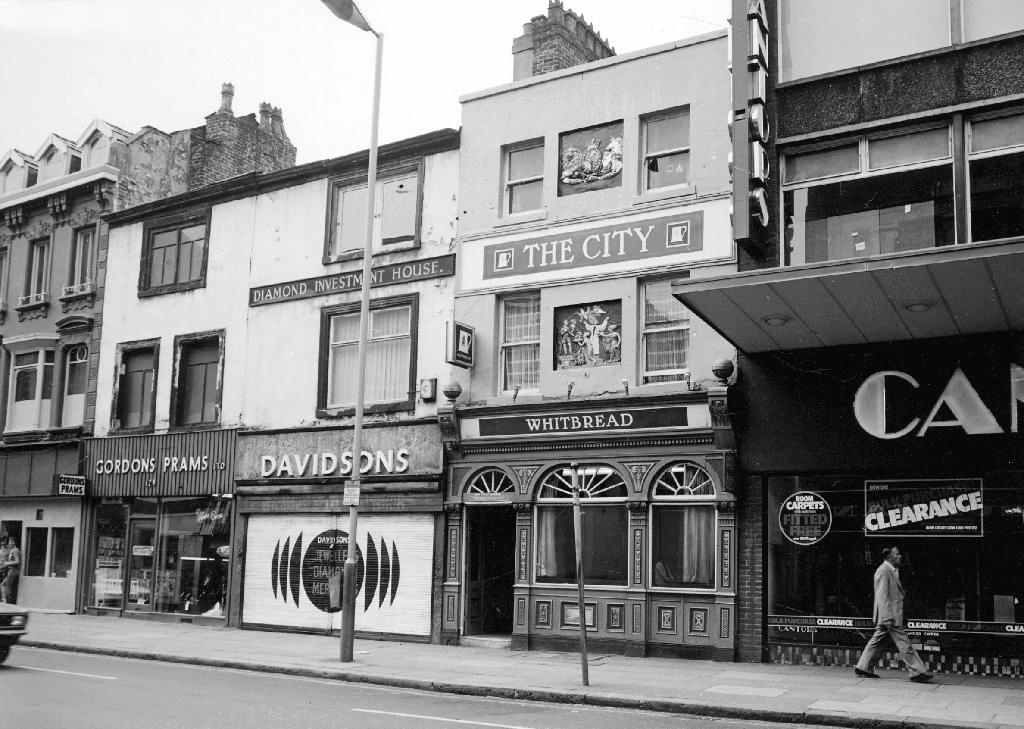
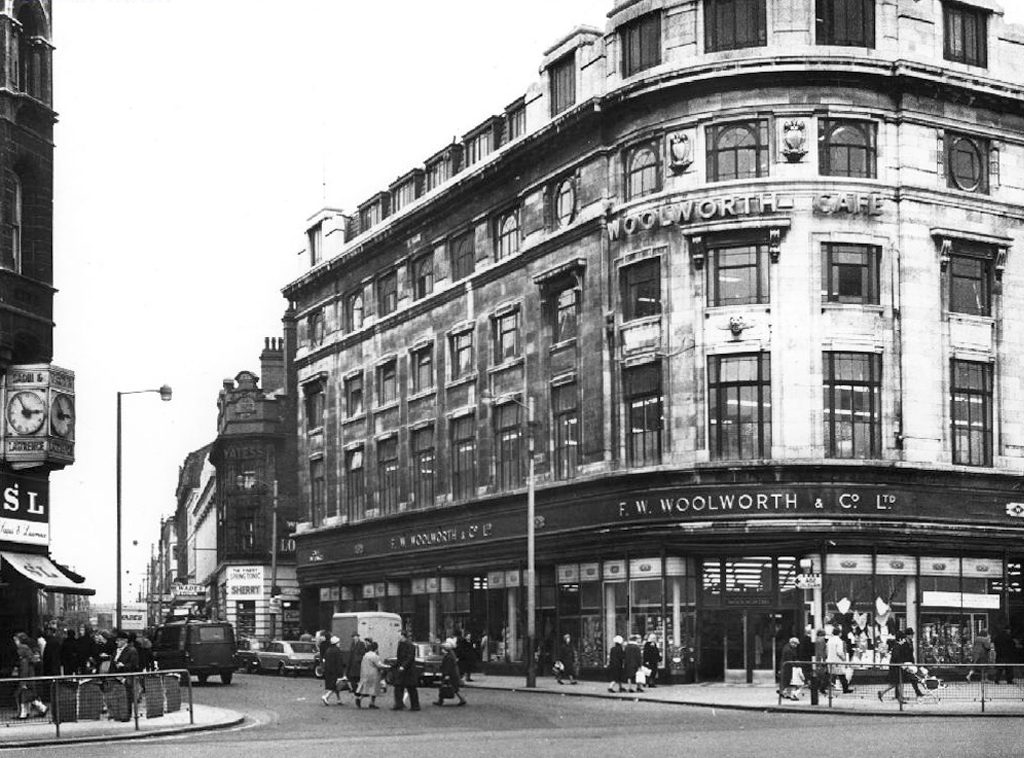
The general well to do, mix of hustle and bustle, pubs, warehousing, grand stores, smaller specialist shops and services continued into the 1970’s. Woolworths, C&A, Affleck and Browns, Cantors, Dobbins attracted a steady flow of happy shoppers, I loved the mongrel nature of the mixed use architecture.

The focus if the city centre then slipped away to the newly built Arndale and pedestrianised Market Street.

Oldham Street awaited a new sense of place and purpose.

With thanks to http://www.manchester.gov.uk/info/448/archives_and_local_history/326/historical_photographs_of_manchester


24

webmedia-8.php

22

18

image011

21

webmedia-5.php

webmedia.php

13

20

webmedia-12.php

16

17

webmedia-4.php

14

webmedia-2.php

webmedia-7.php

19

15

webmedia-9.php

webmedia-3.php

webmedia-6.php

webmedia-11.php

webmedia-10.php


Market Street – Manchester 2016

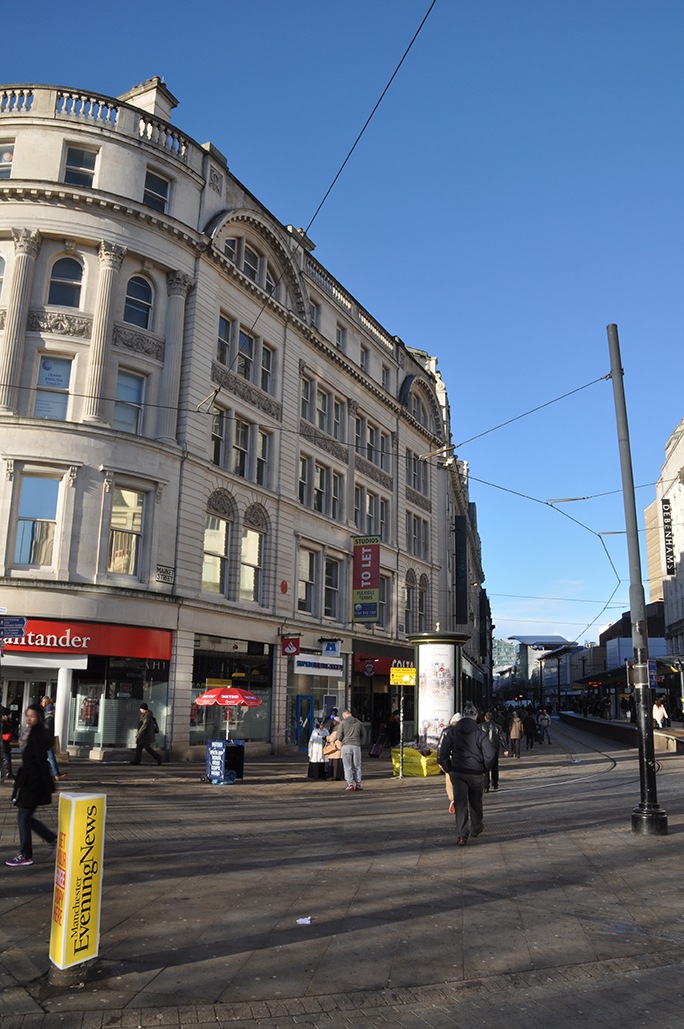
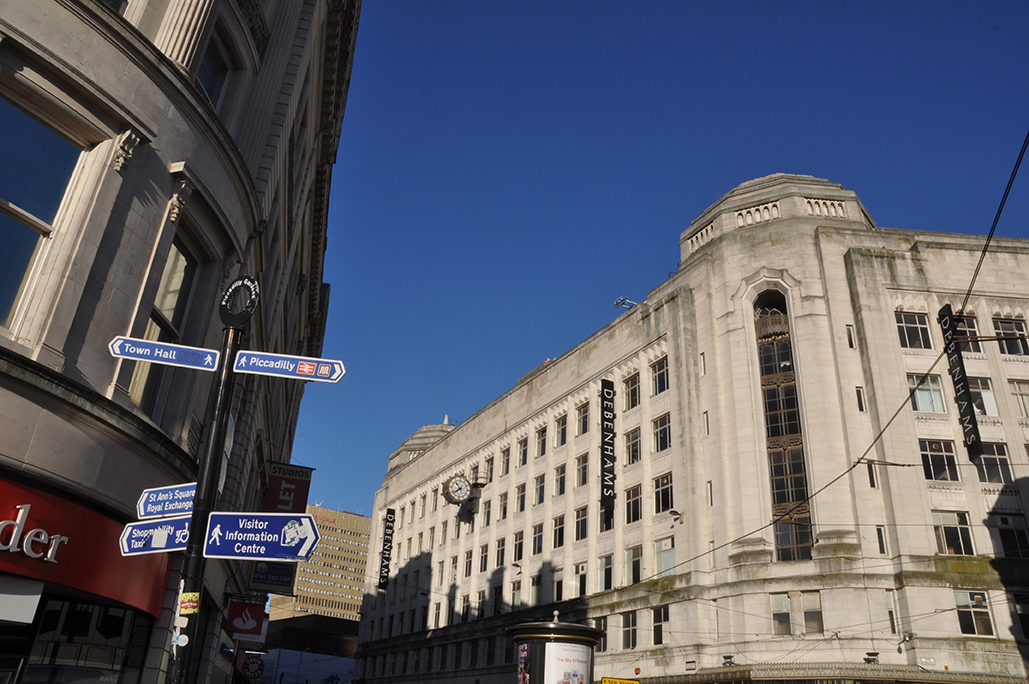
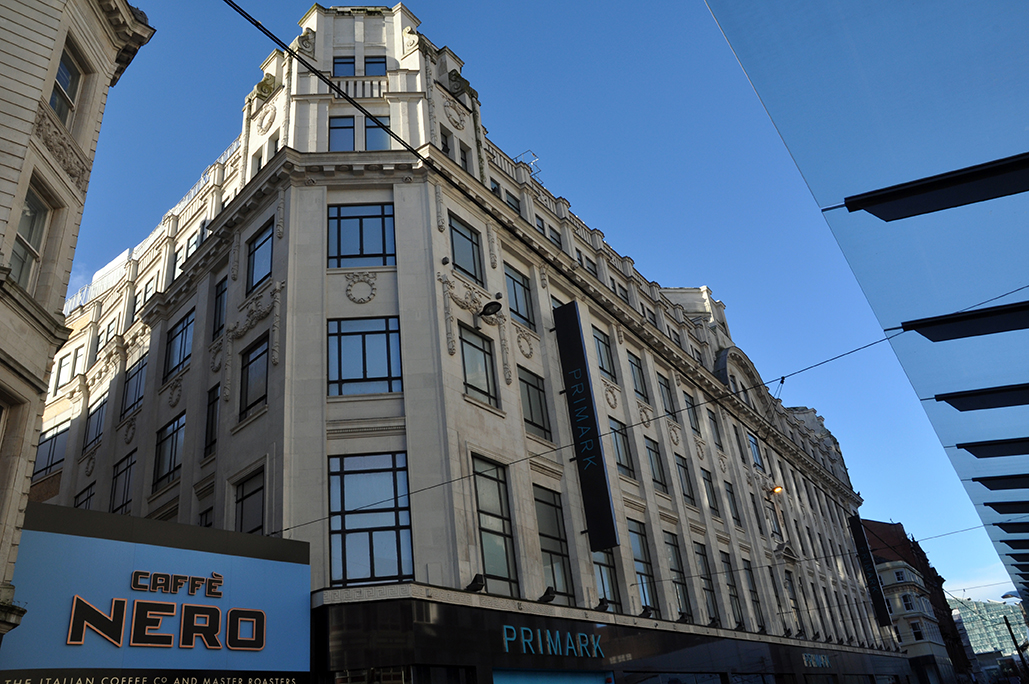
Following my previous post on Market Street, using archive material from the 60s and 70s, I was prompted to record the current state of the street.

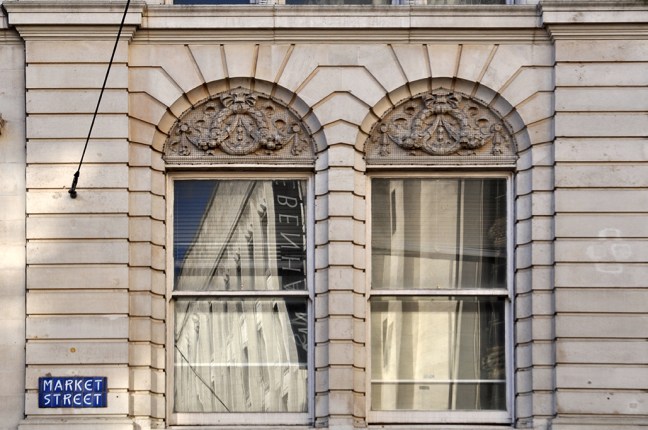
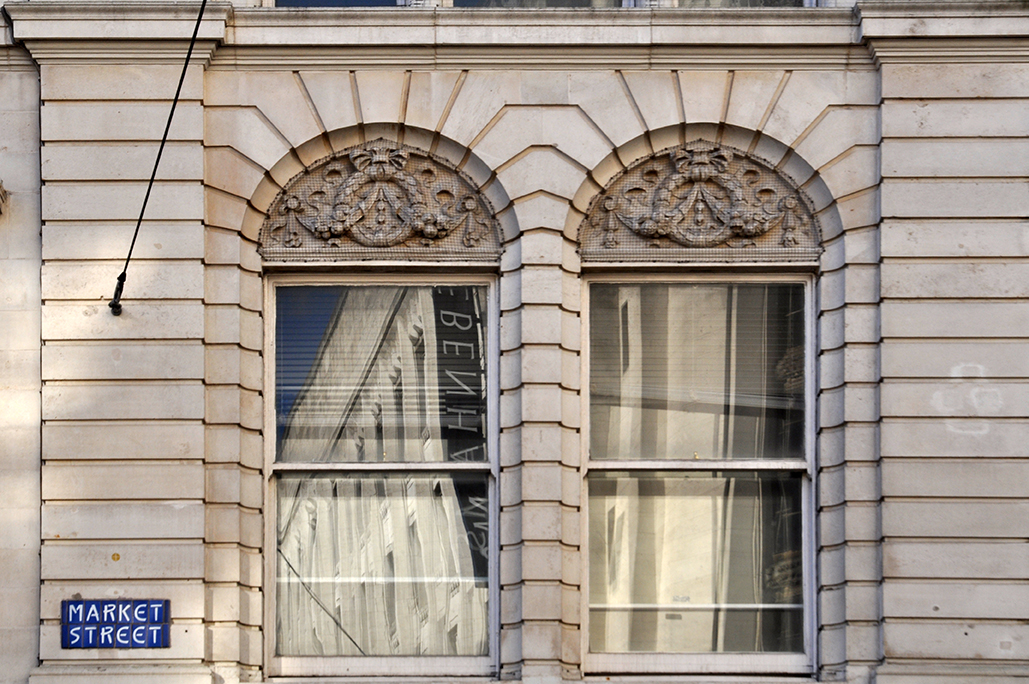
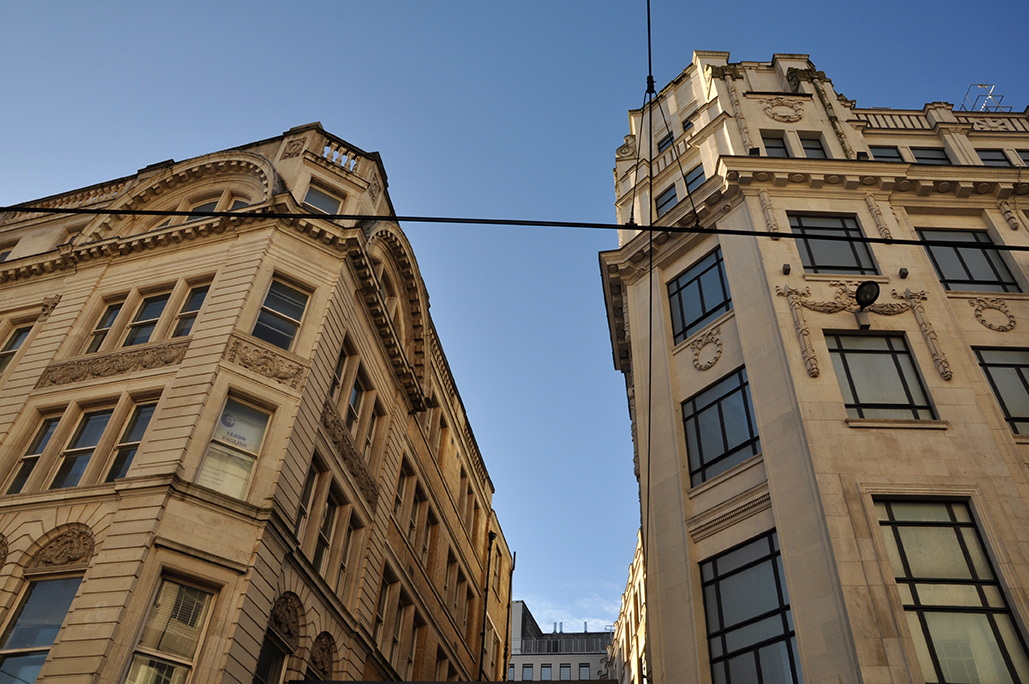
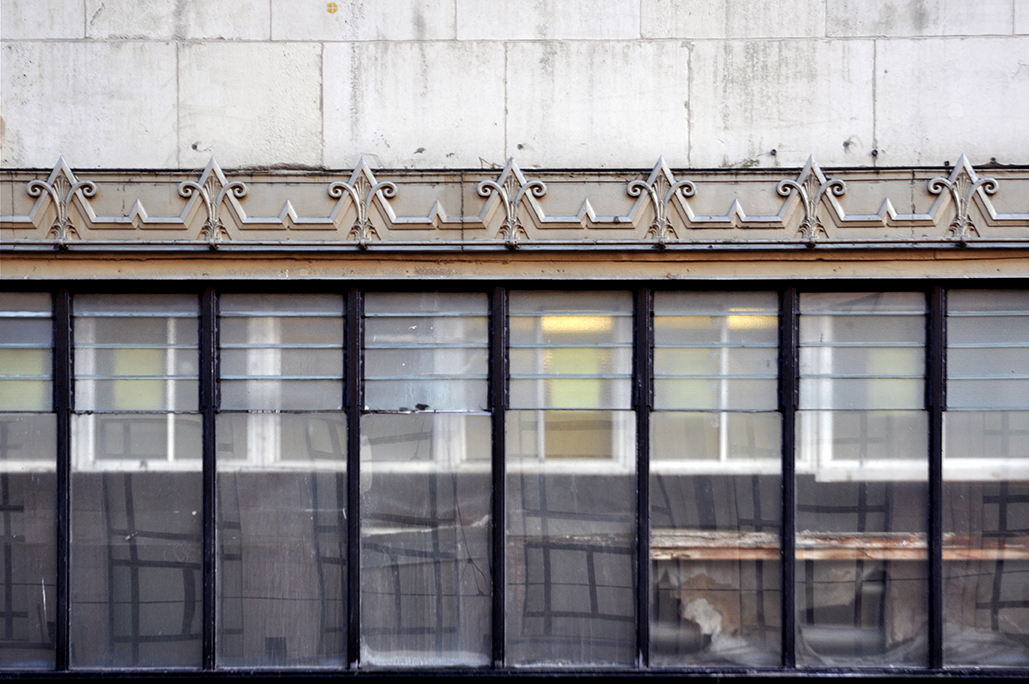
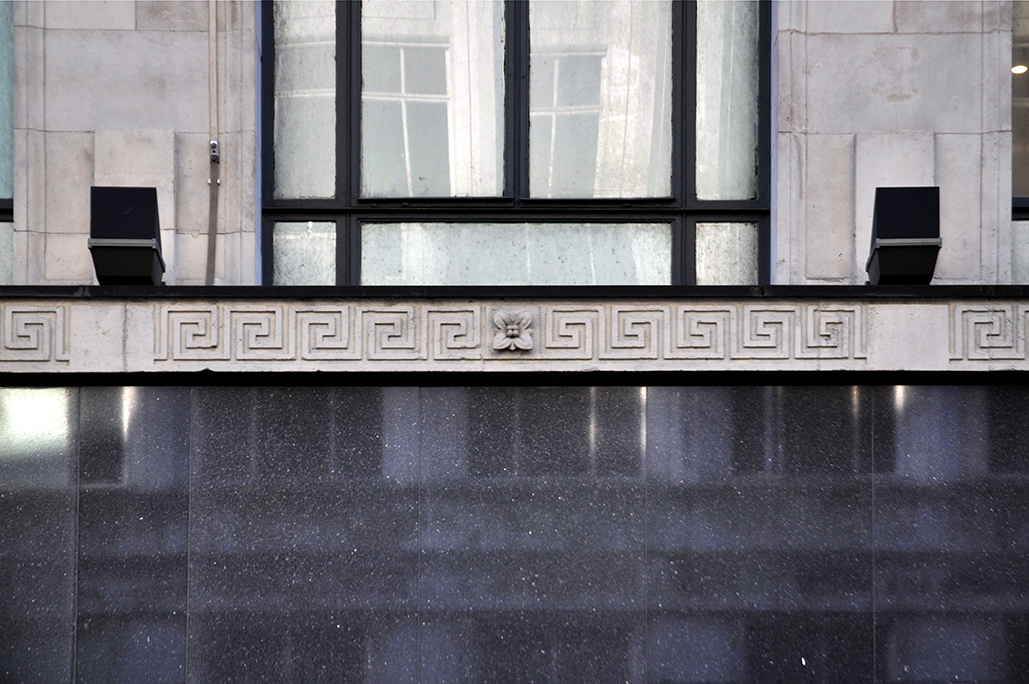
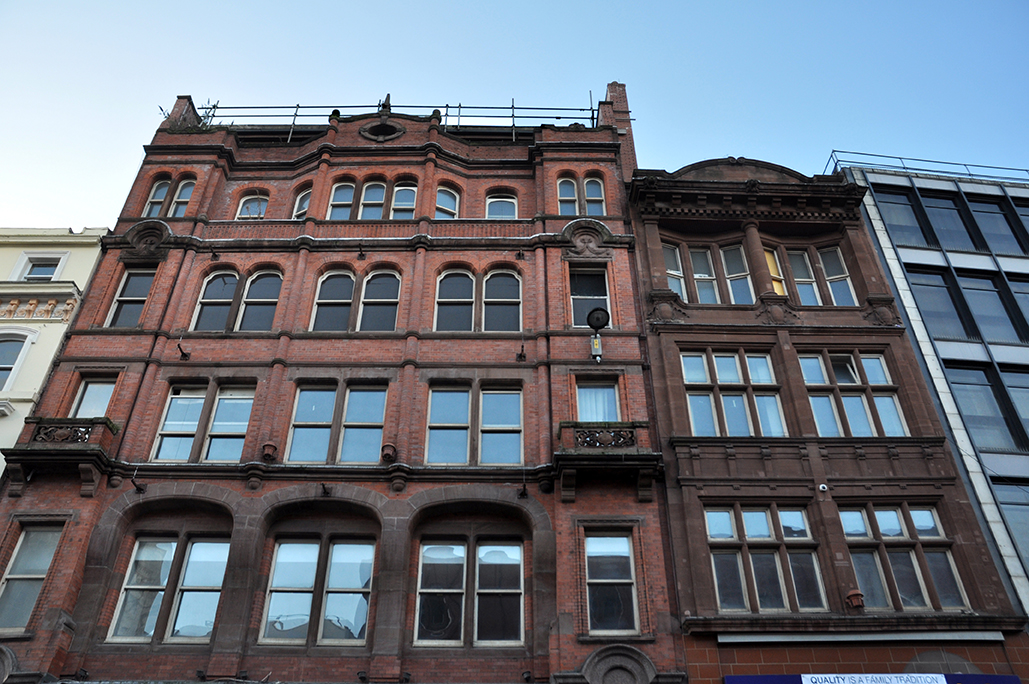
To the east is the Arndale, I chose to concentrate on the western elevation and the extant facades that chart a story from Victorian to Moderne – with a little rebuild, pastiche and grandiose Classicism in between.

See what you think, the sooty deposits have long been sandblasted away, much of the previous exciting noise and clutter, of above eye level signage ceases to shout, from just below the rooftops.

It’s a cleaner, leaner and possibly meaner world.

http://www.manchestereveningnews.co.uk/news/greater-manchester-news/manchesters-market-street-named-sixth-9421149

It always pays to look up – just don’t inadvertently bump into things.

Precinct – Stalybridge

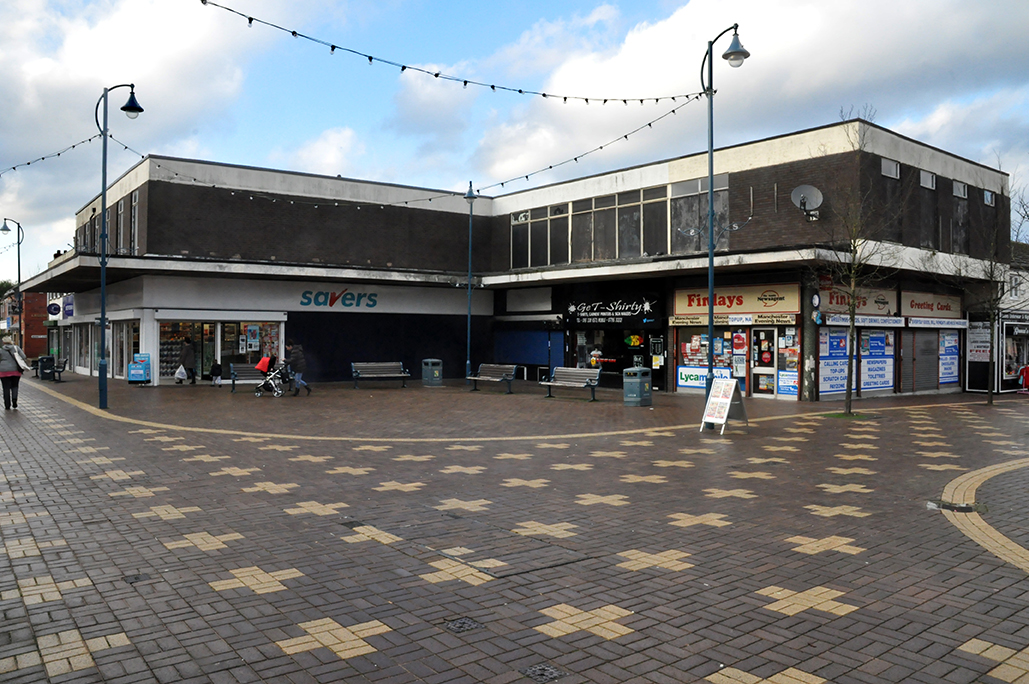
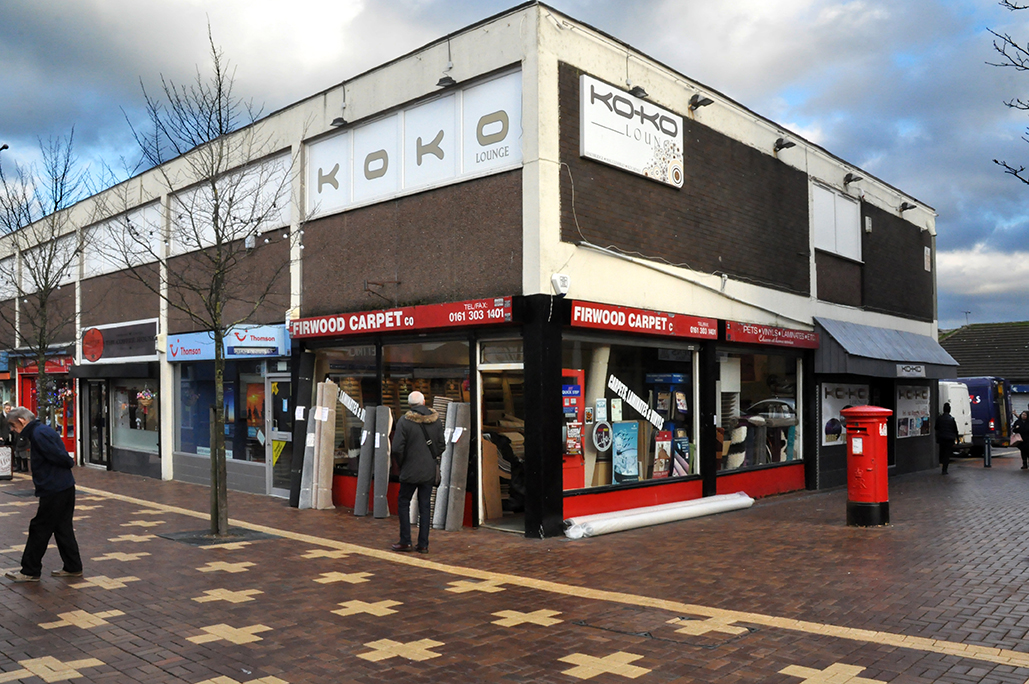
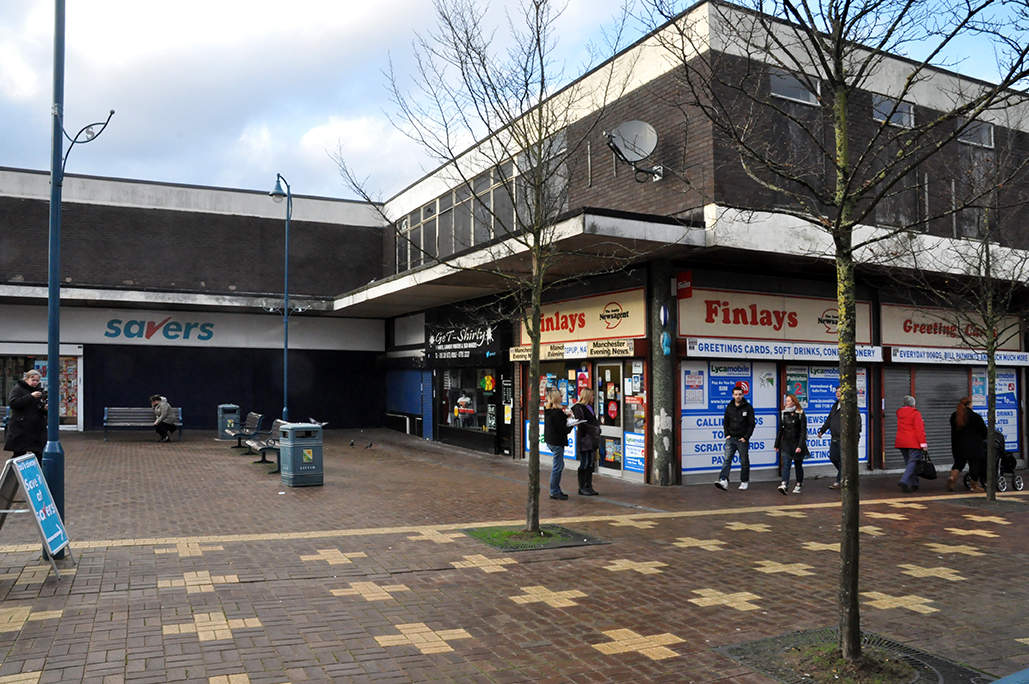
The dissipated filling, in an Aldi and Tesco sandwich, a flat roofed, concrete and brick sixties shopping development, a precinct.

Small towns typically comprise of several retail developments, of various vintages, chasing diminishing returns, in ever expanding rectangles.

Stalybridge is no exception, once a bustling mill town, it sought salvation in a hedonistic mini-break by the River Tame, party industry.

Stalyvegas.

The bright lights of the society of the spectacle, now extinguished, burnt brightly in Bar Liquid, Club Rififi, H2O and Amber Lounge.

Walking the streets today, a meagre spread of shoppers, hardened daytime drinkers and lost souls.

Bids were made for a Portas Pilot, Mary contrarily resisted.

The Northern Powerhouse hits the buffers.

The Buffet prevails.

DSC_0119 copy

DSC_0118 copy

DSC_0121 copy

DSC_0126 copy

DSC_0127 copy

DSC_0120 copy

DSC_0122 copy

DSC_0123 copy

DSC_0125 copy

DSC_0124 copy


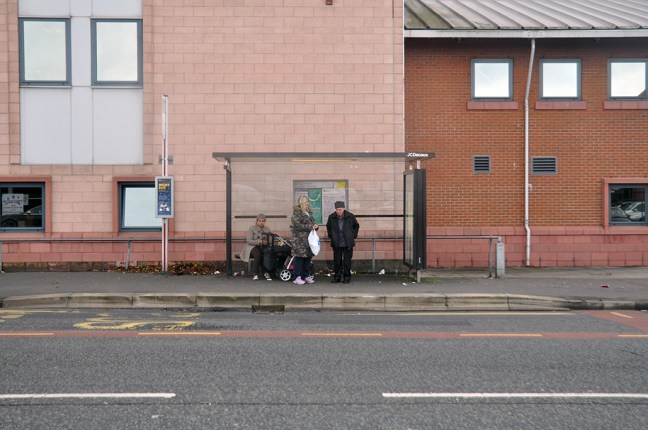
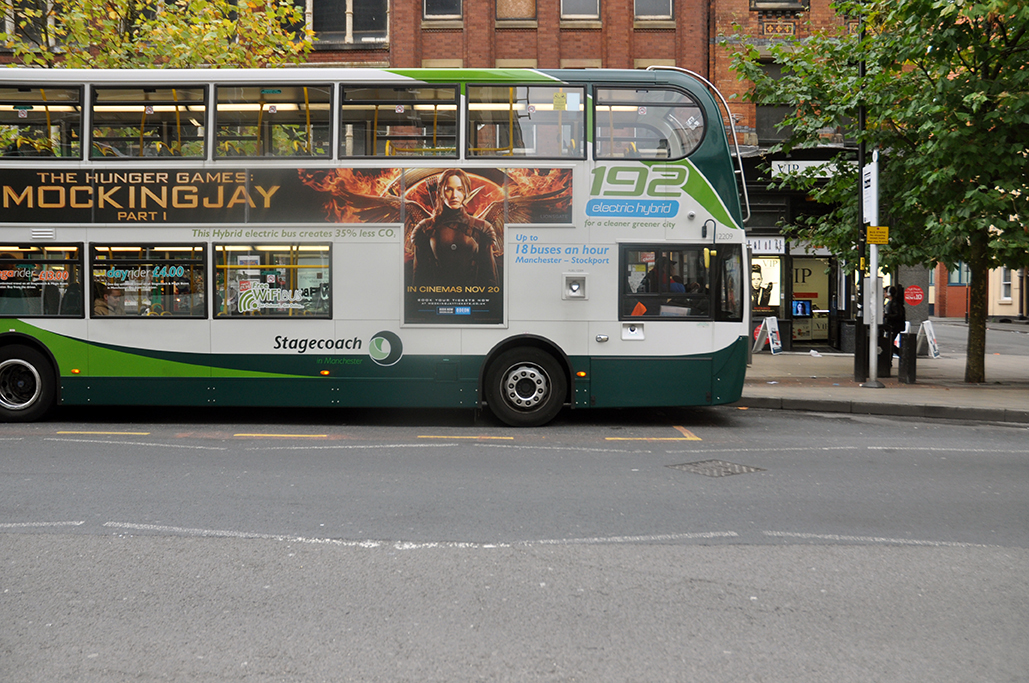
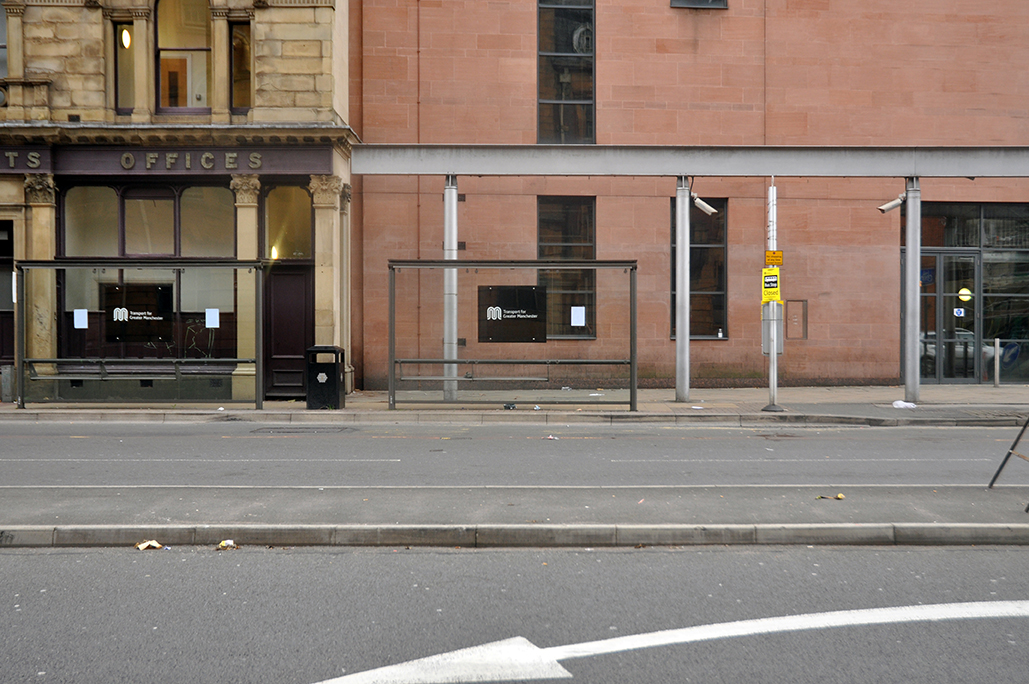
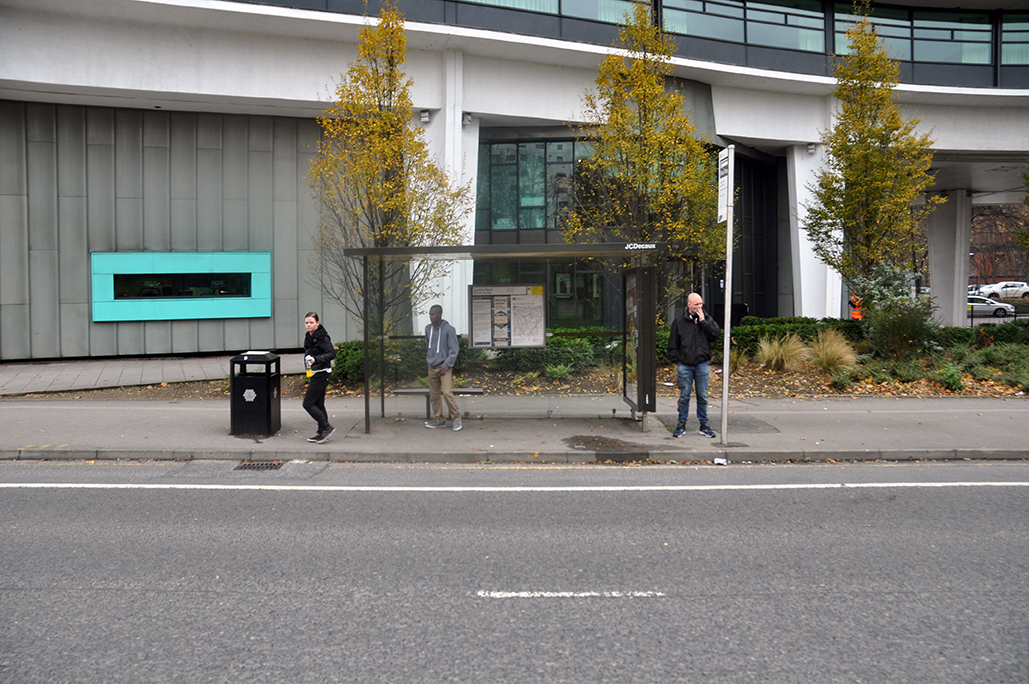
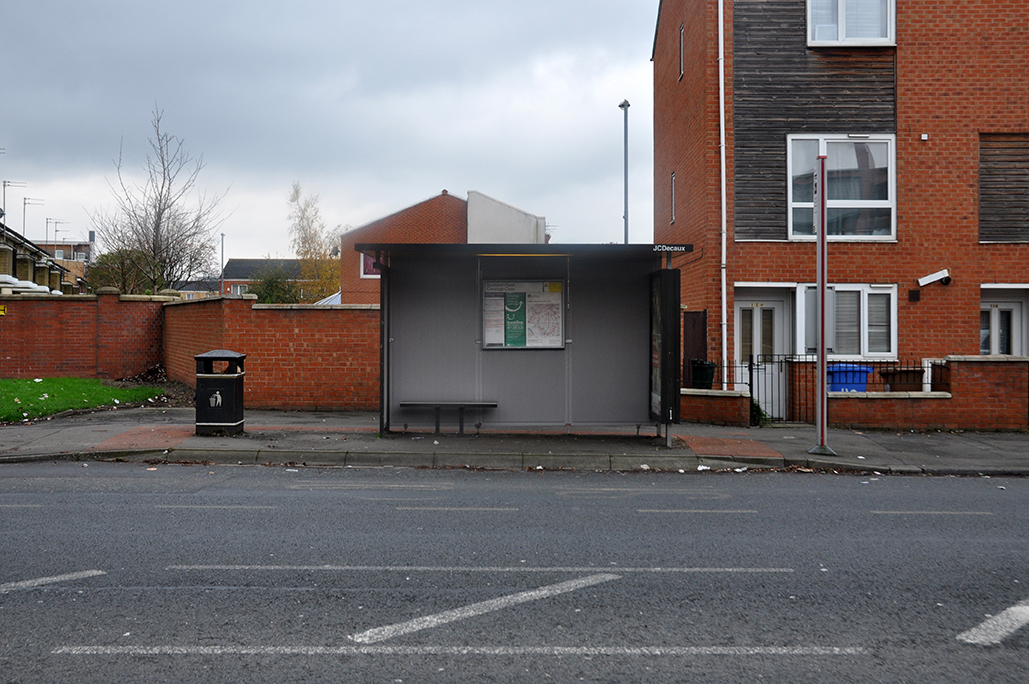
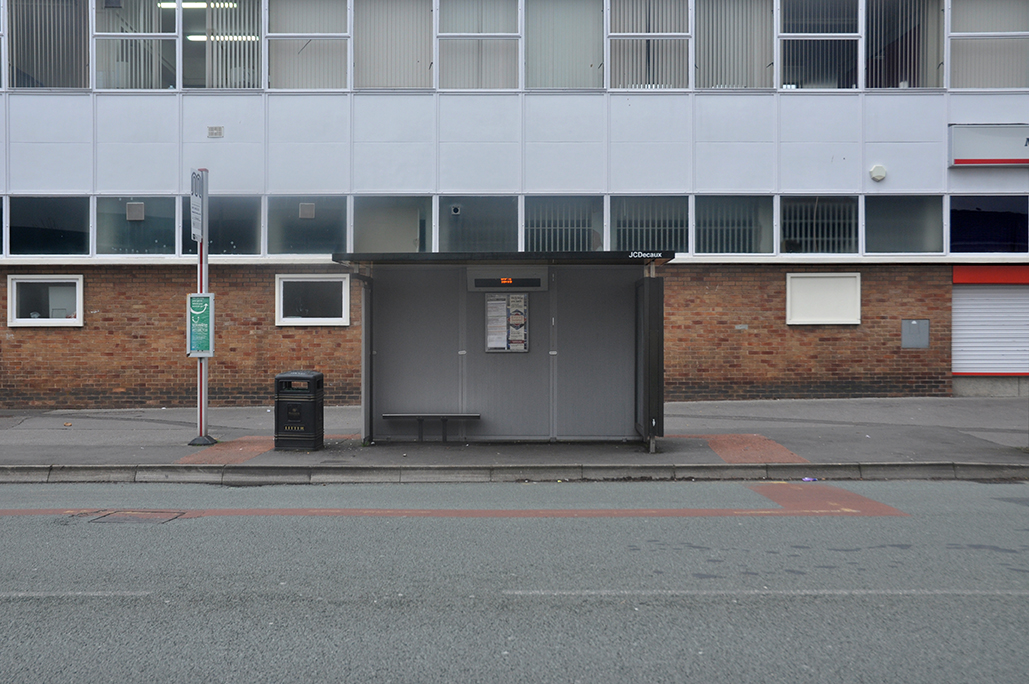
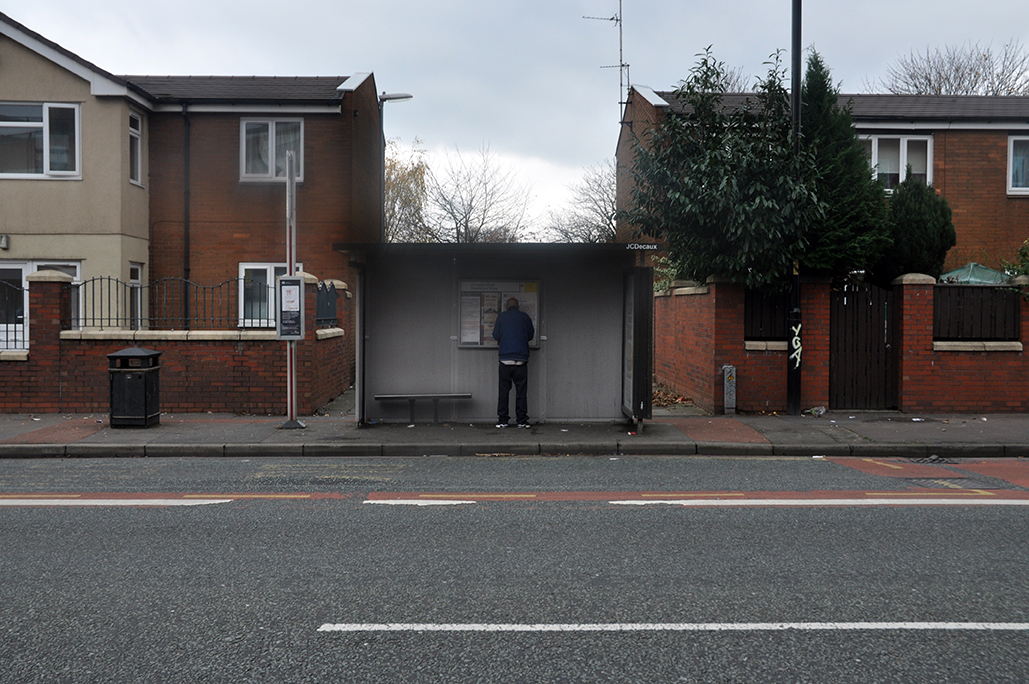
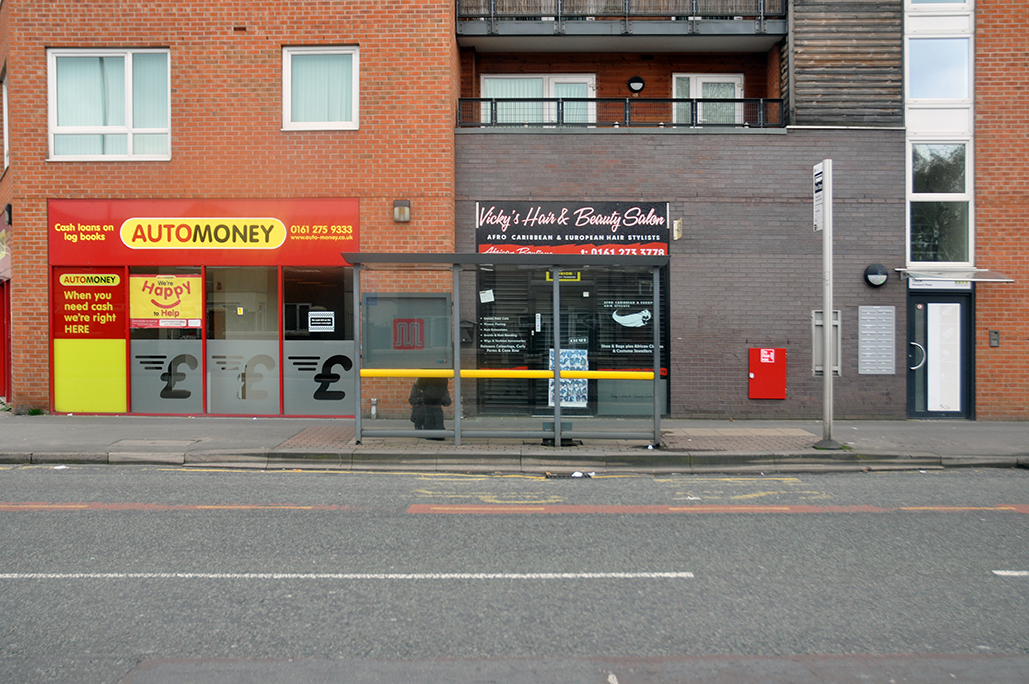
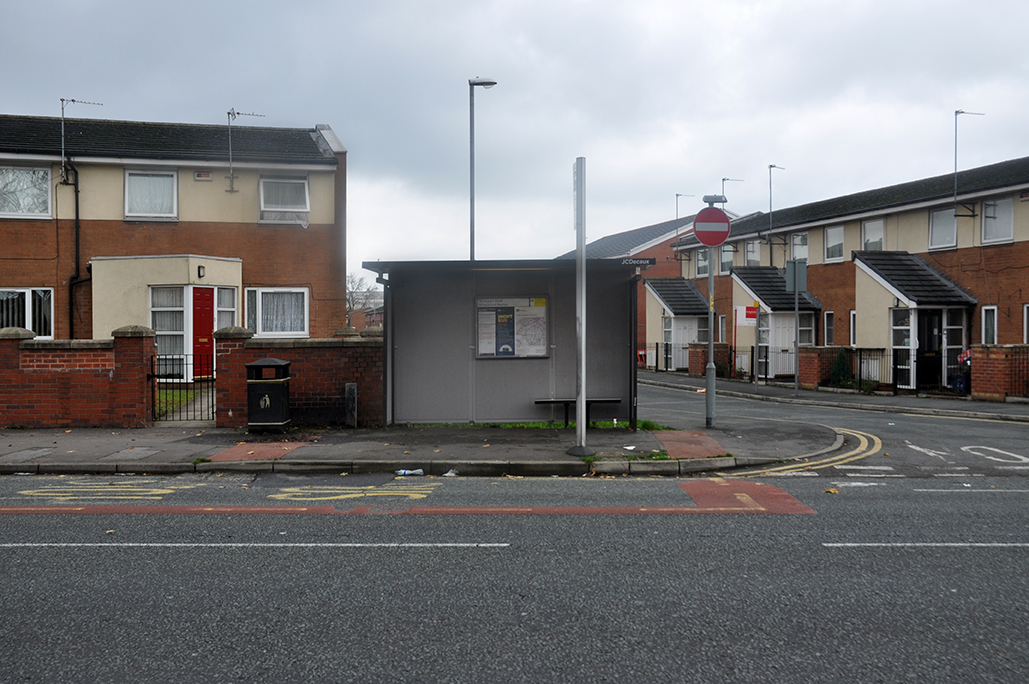
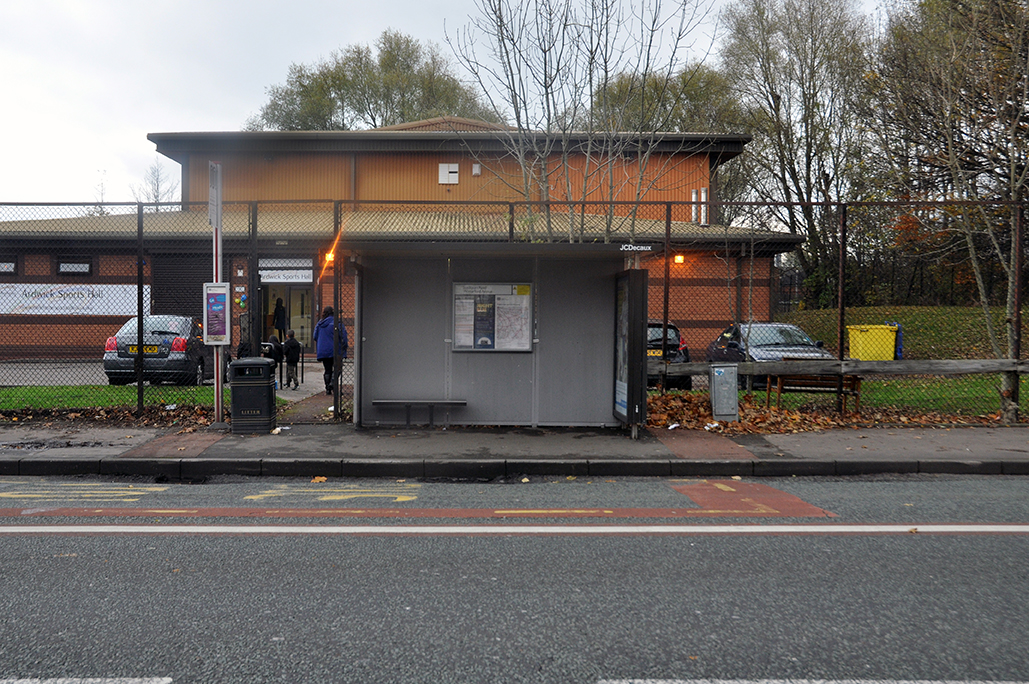
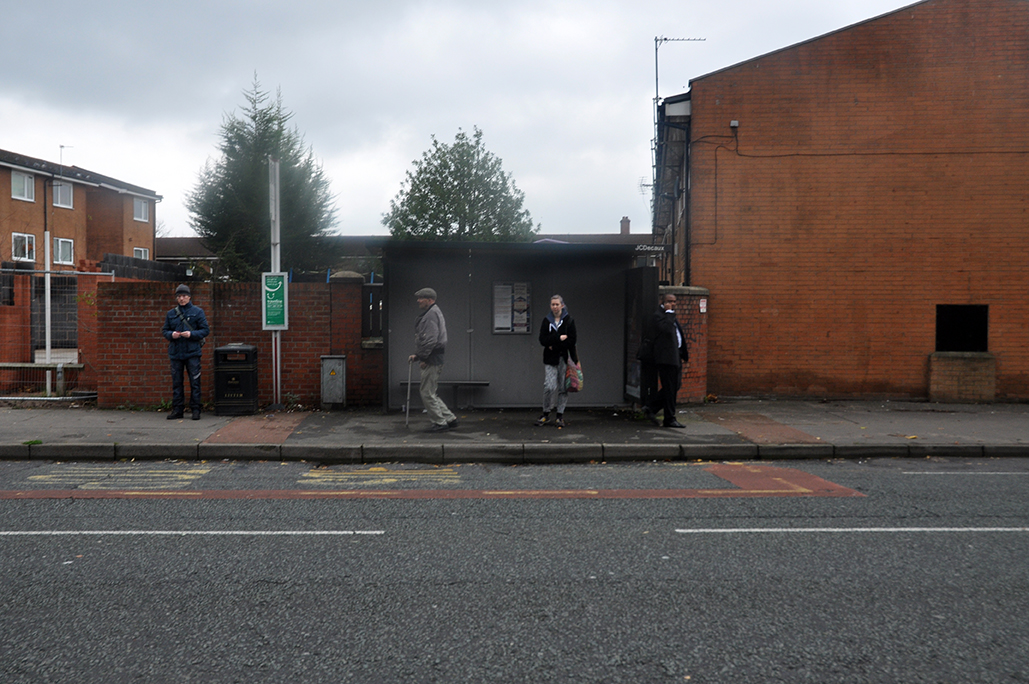
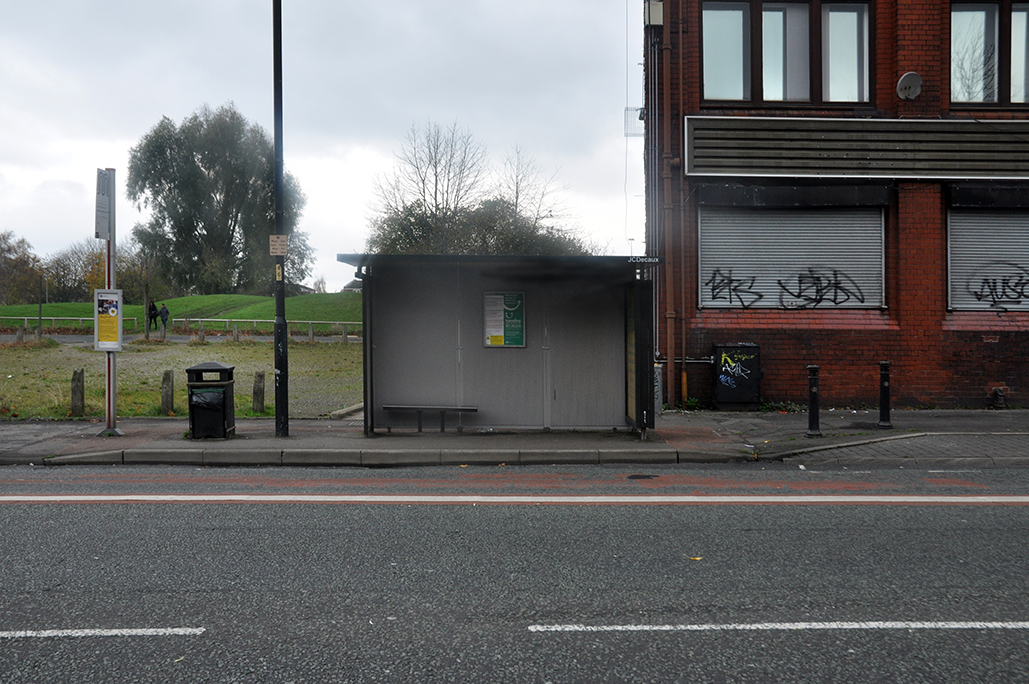
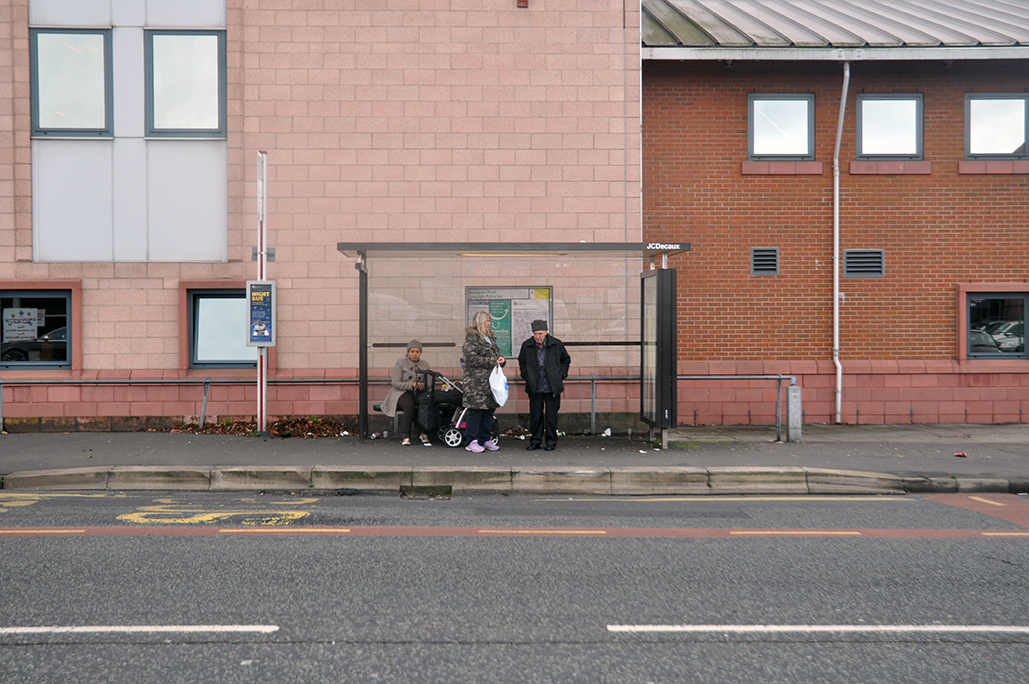
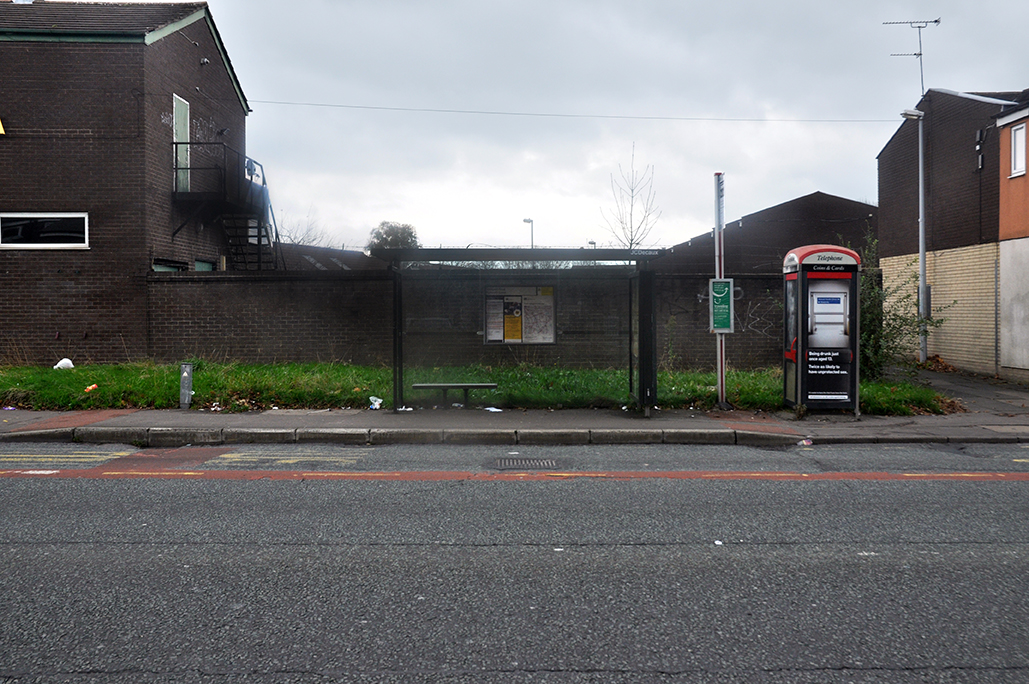
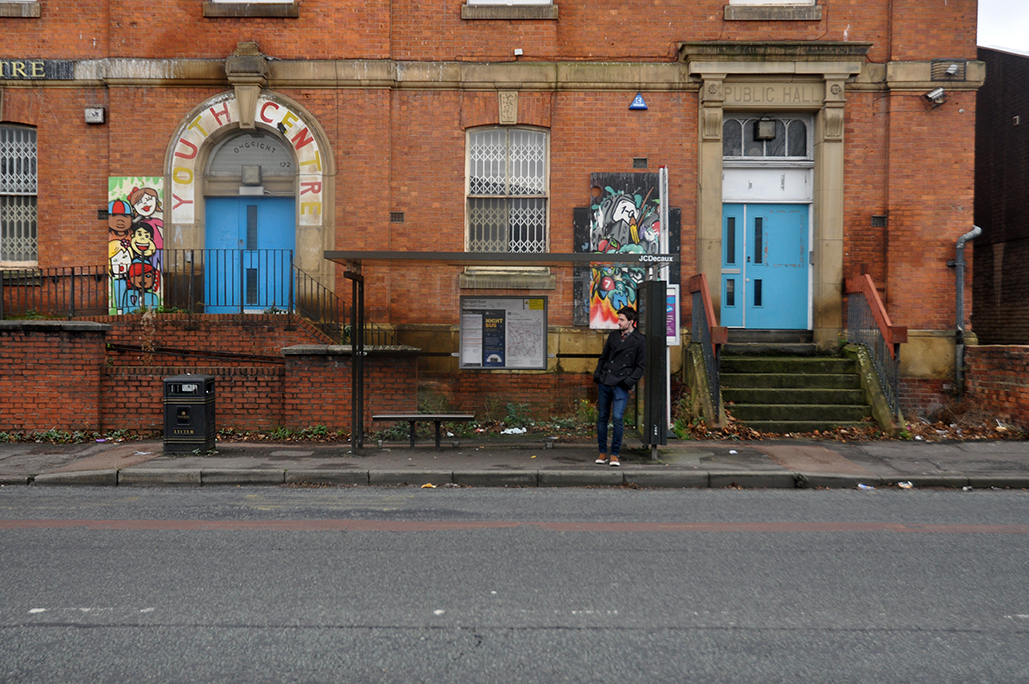
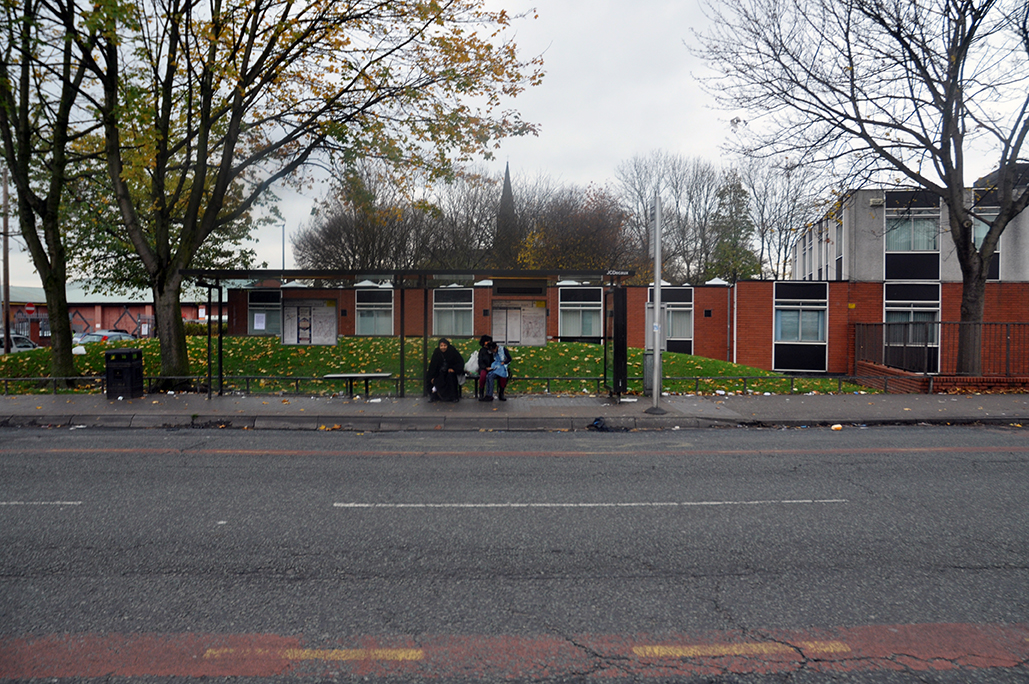
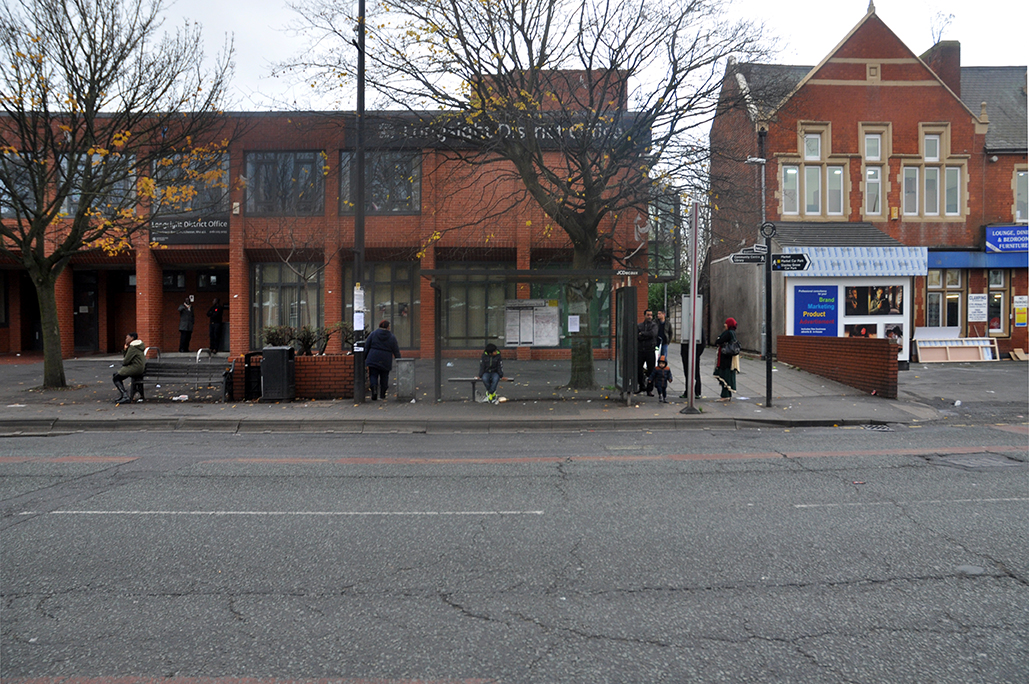
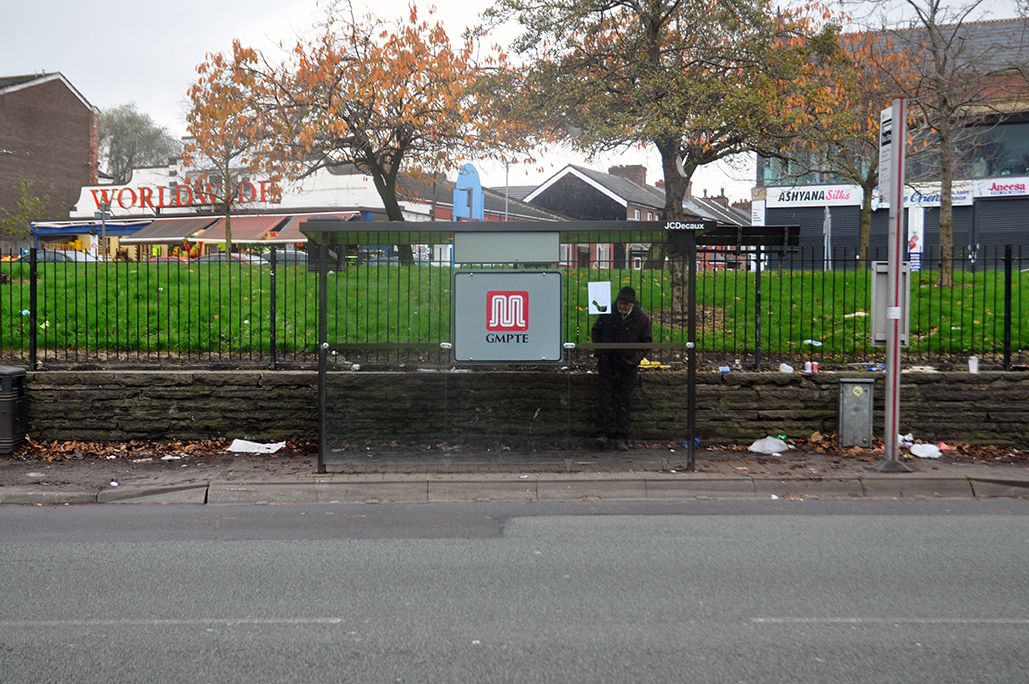
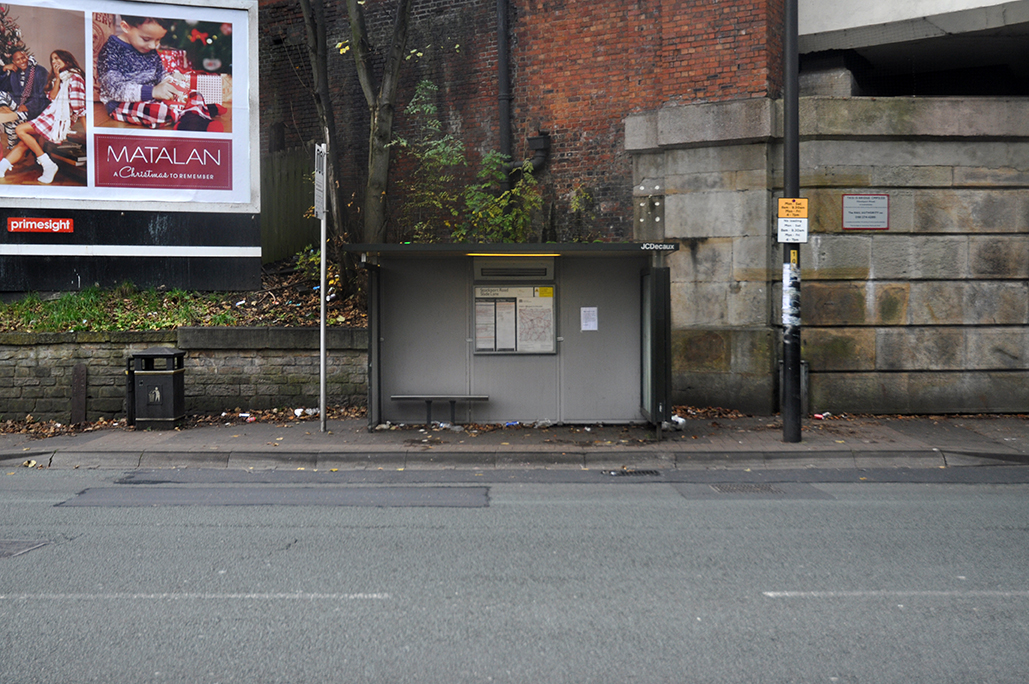
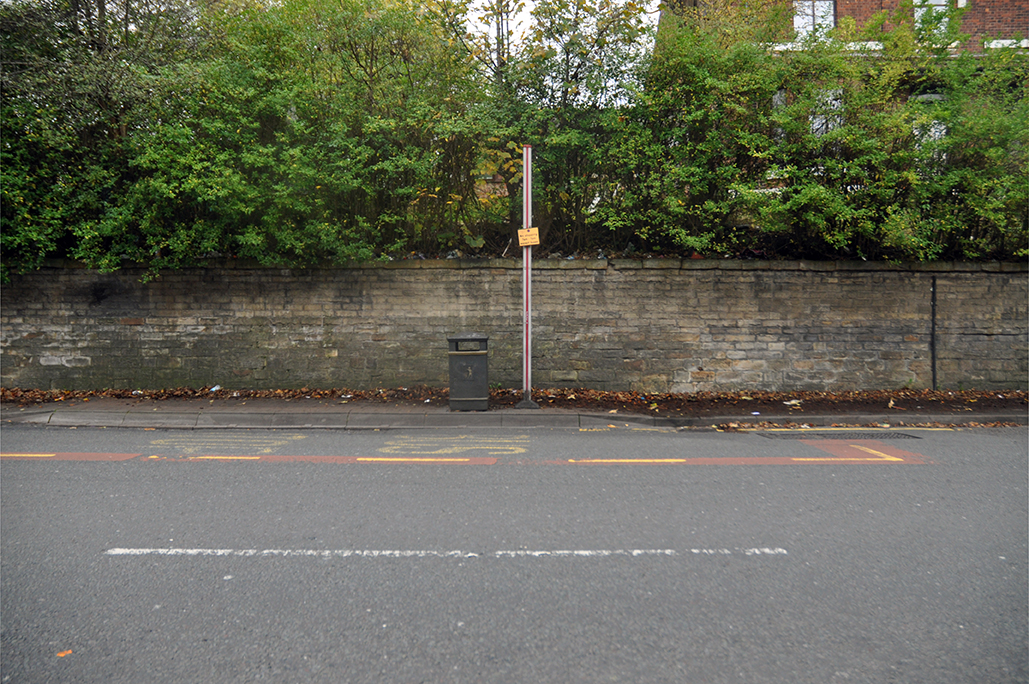
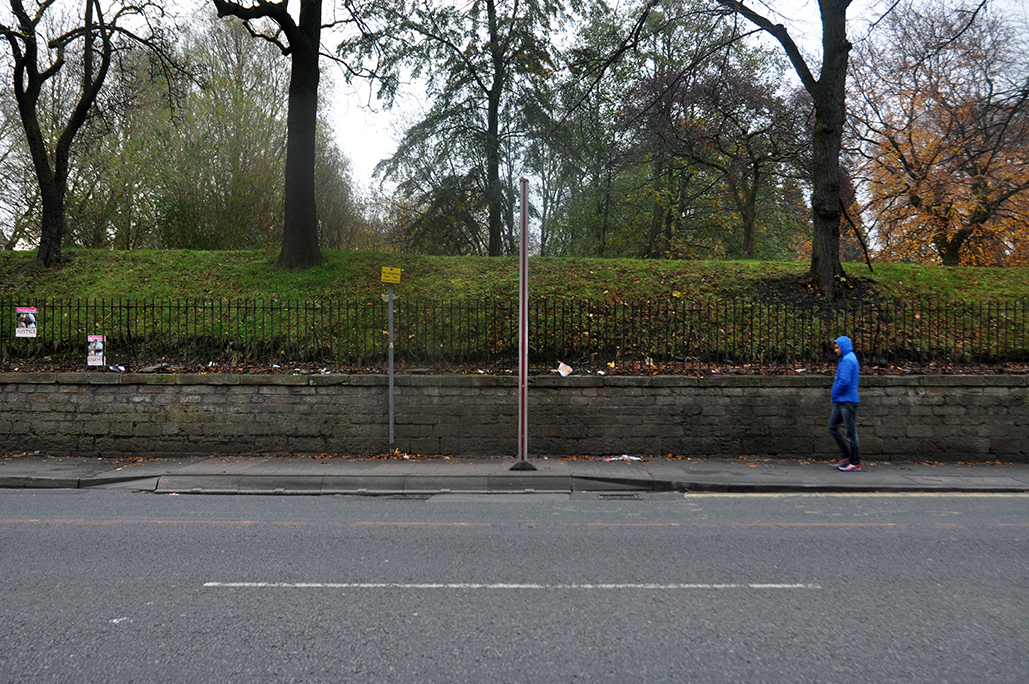
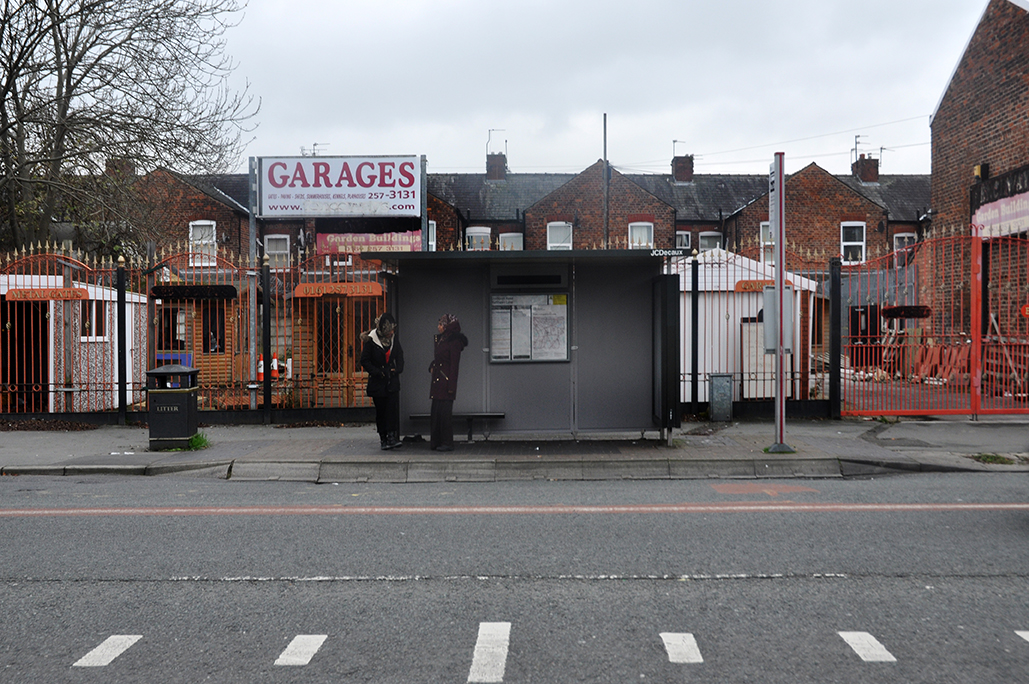
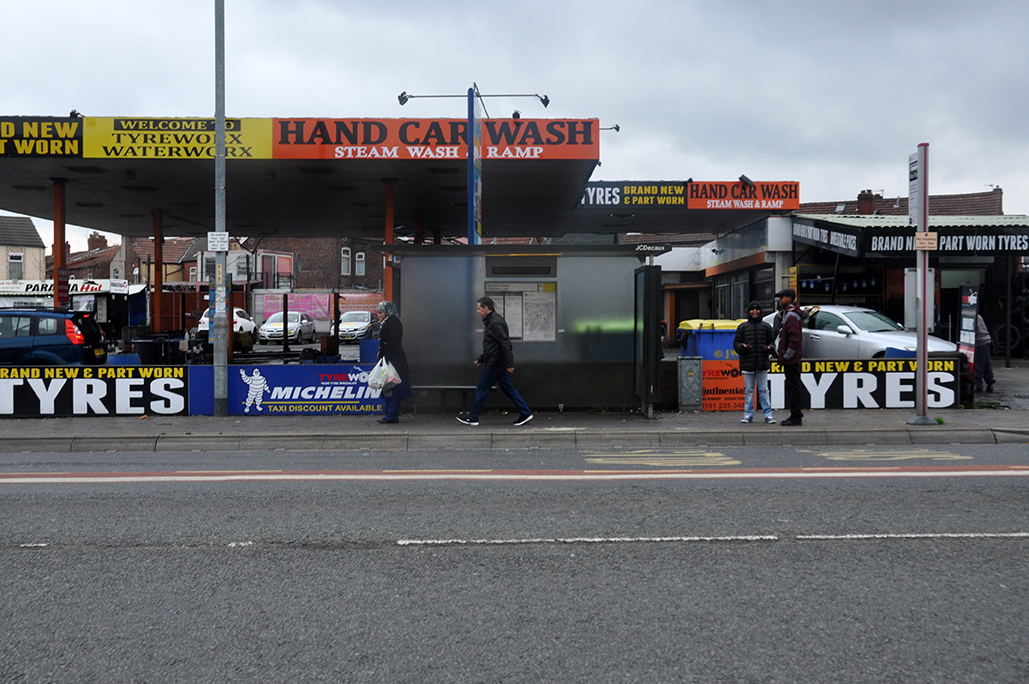
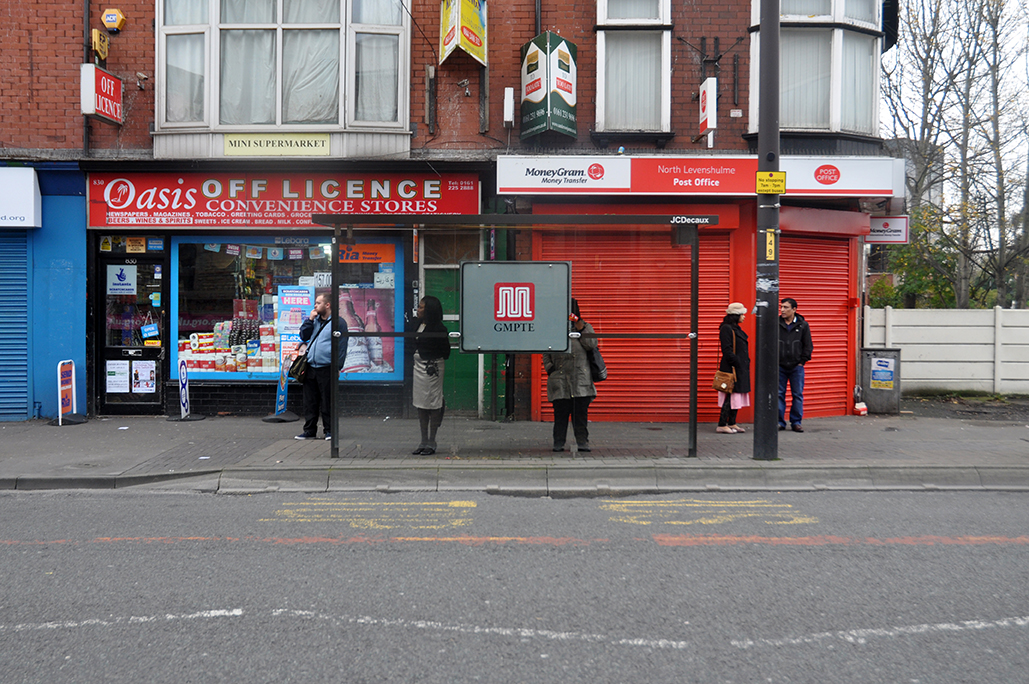
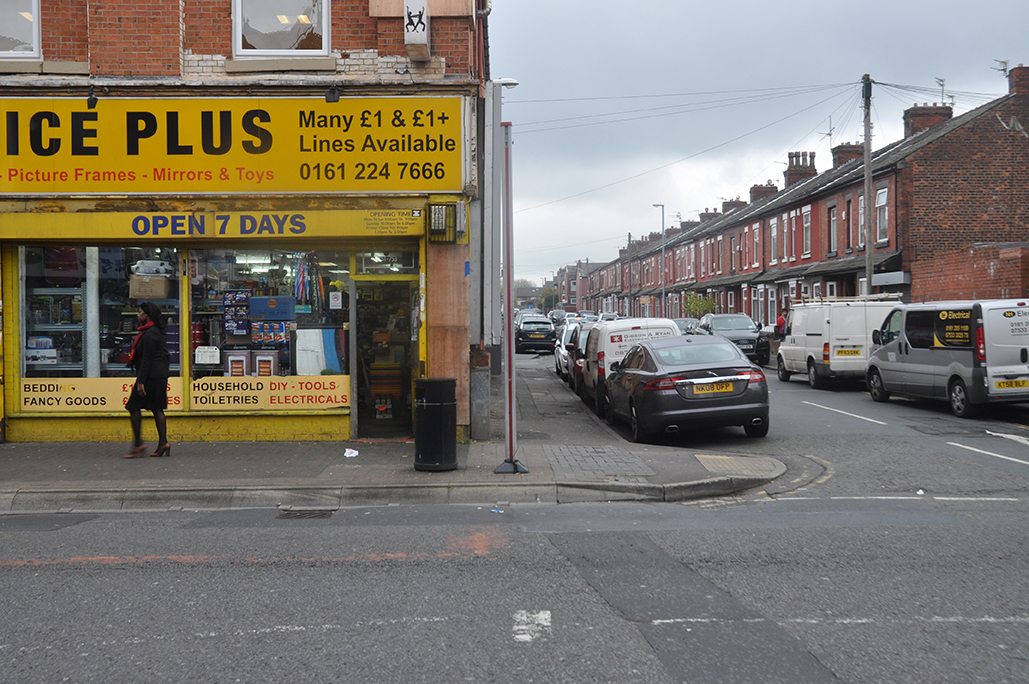
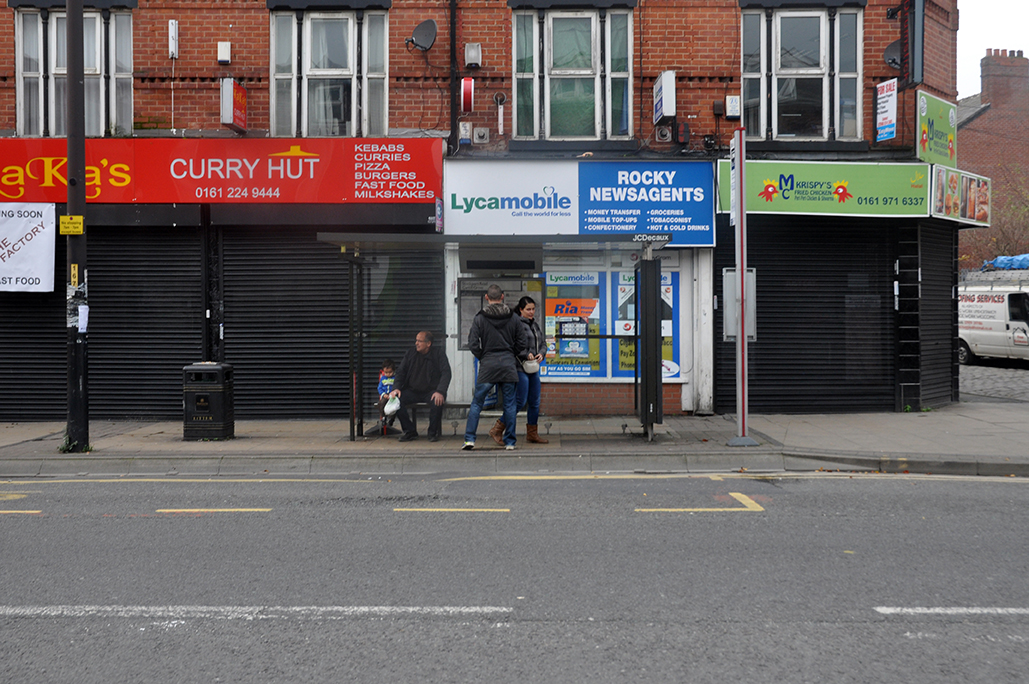
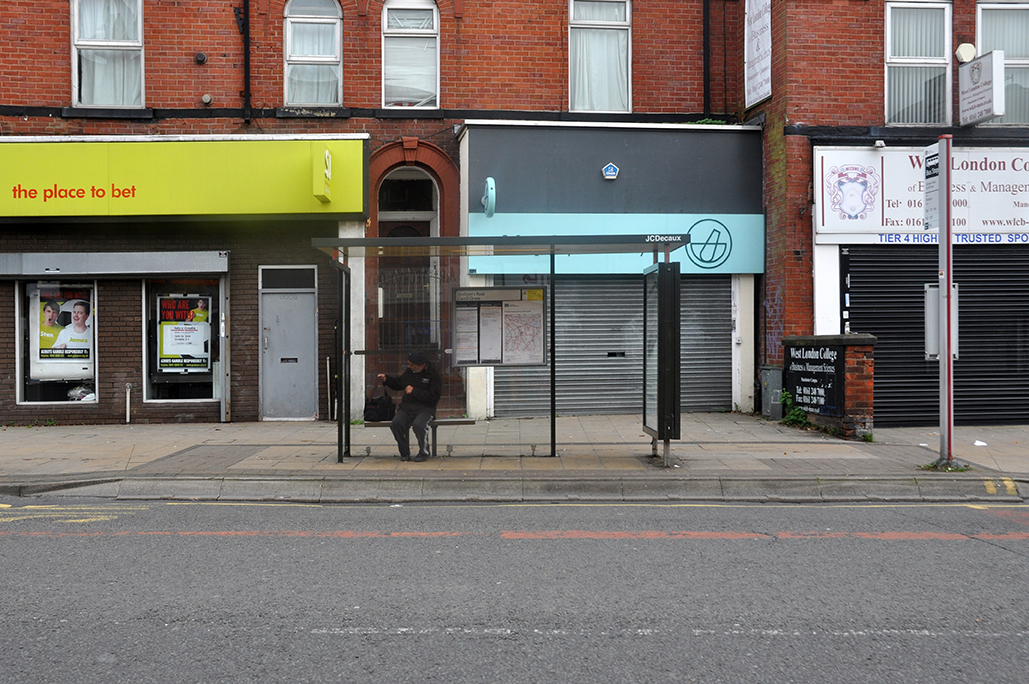
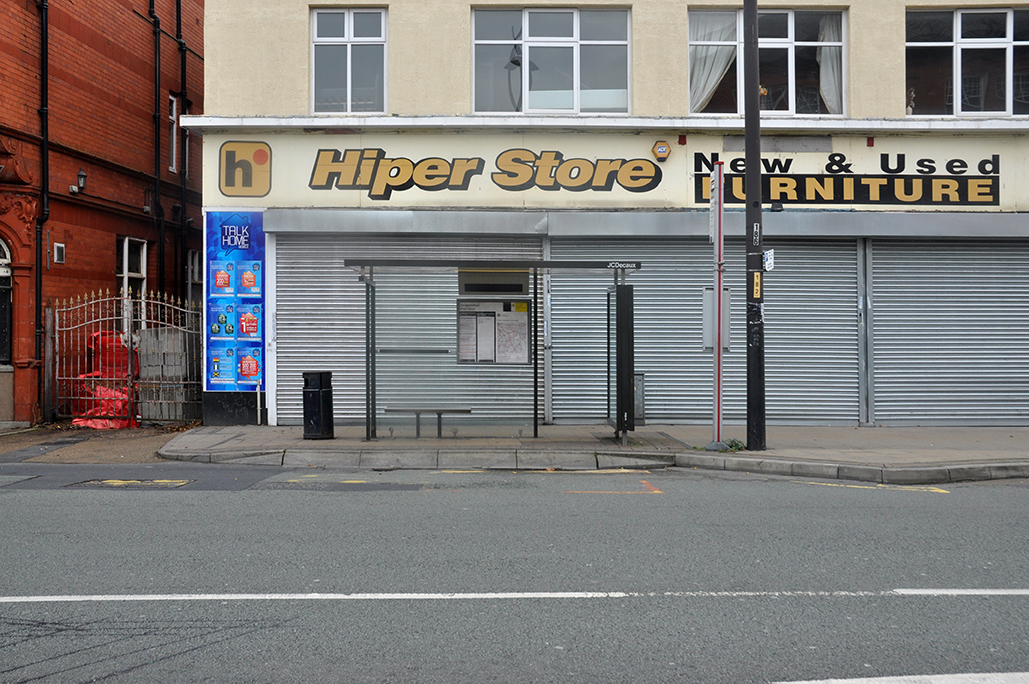
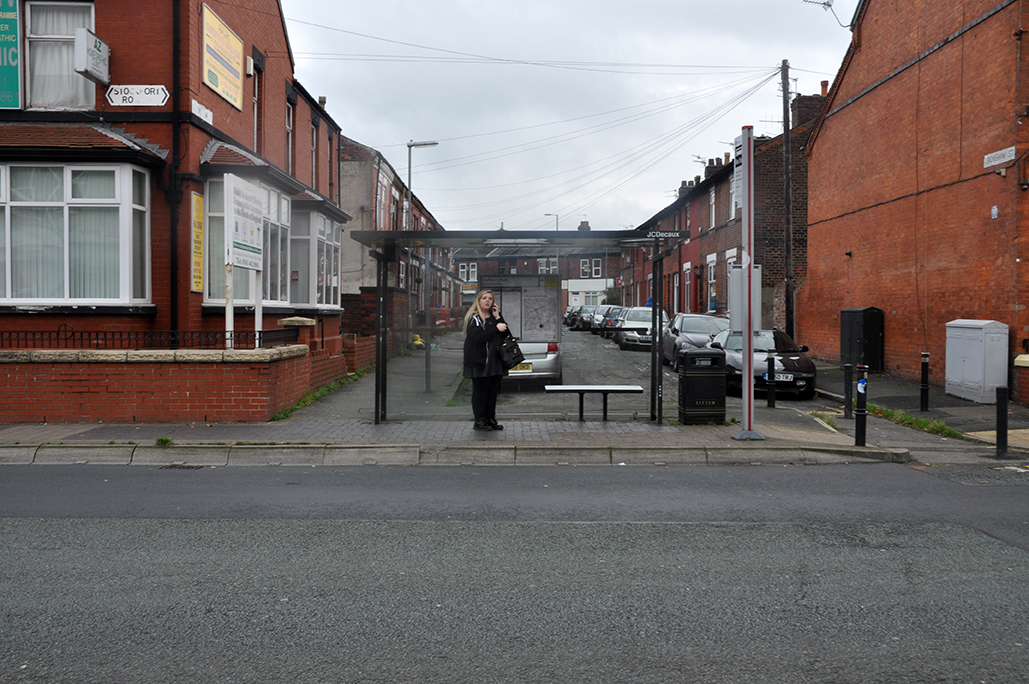
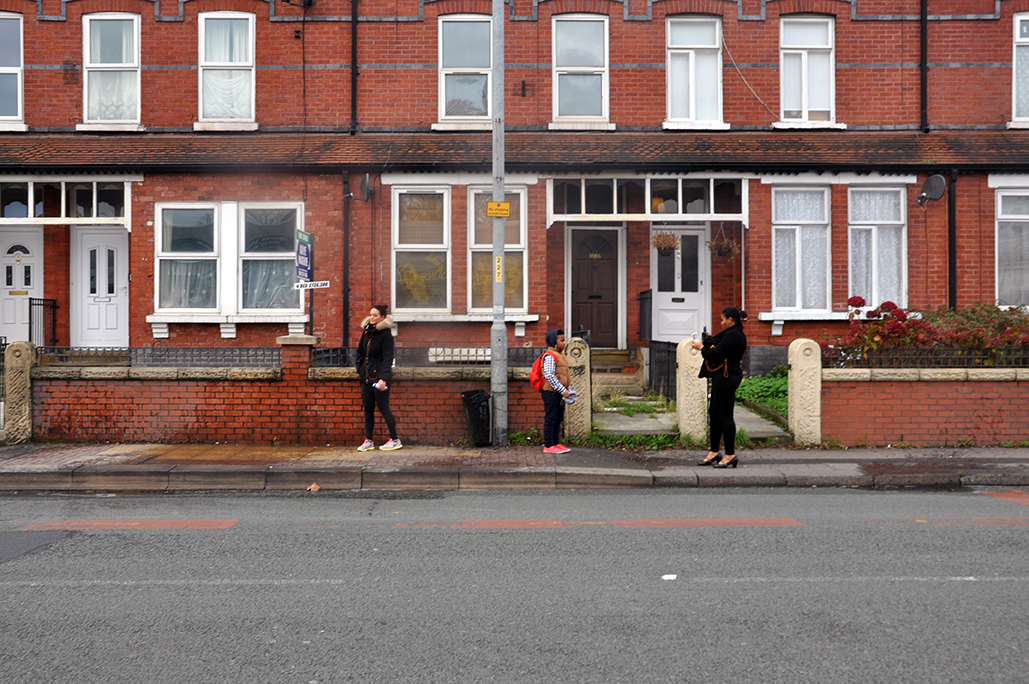
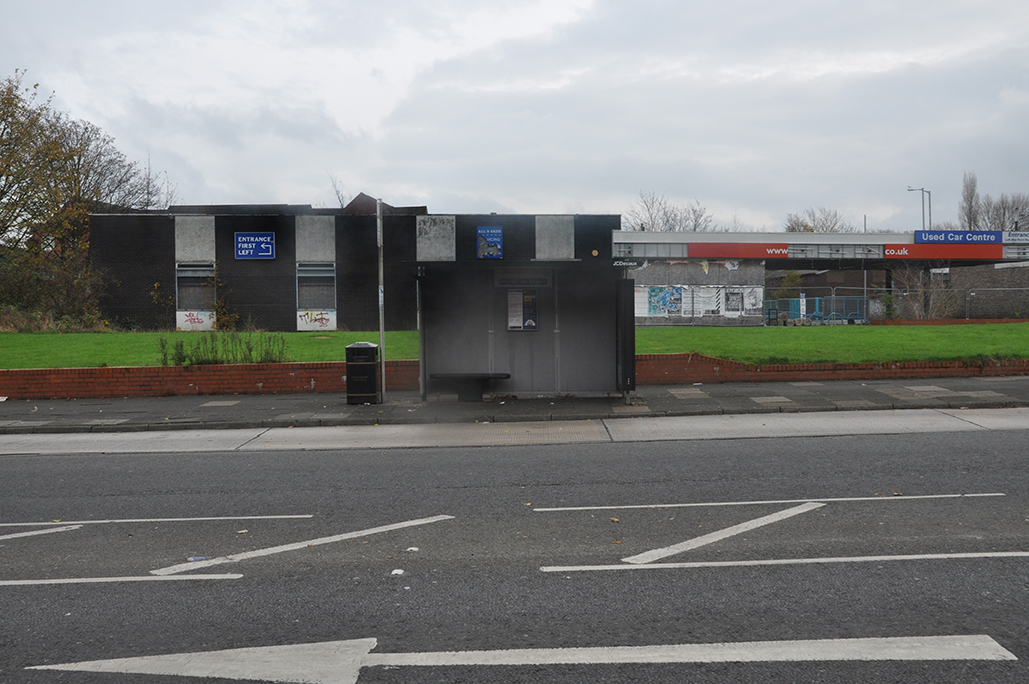
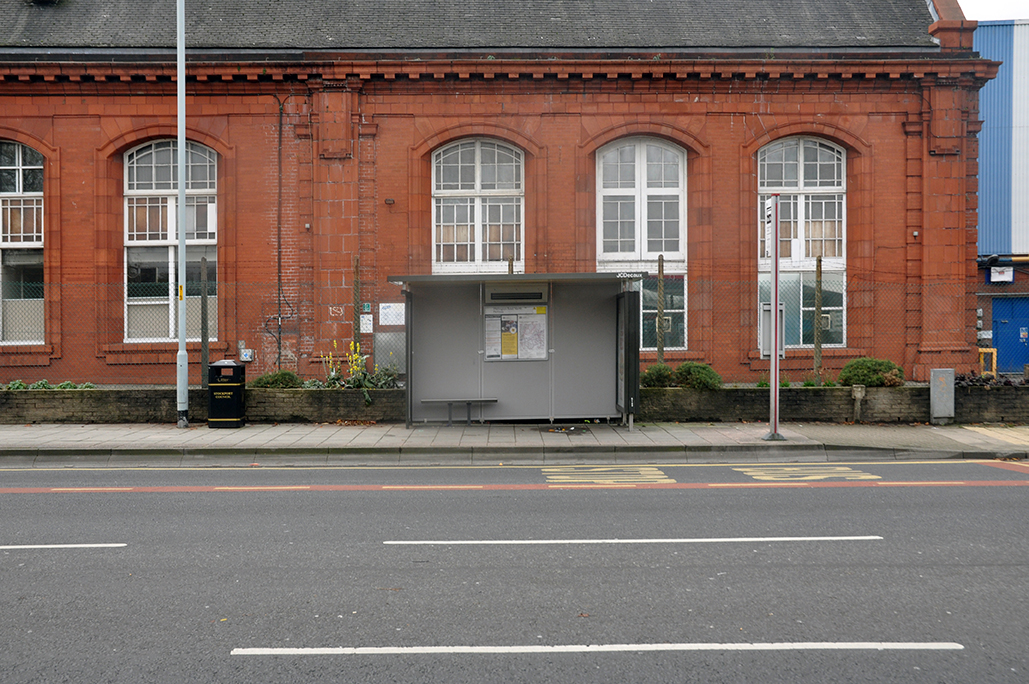
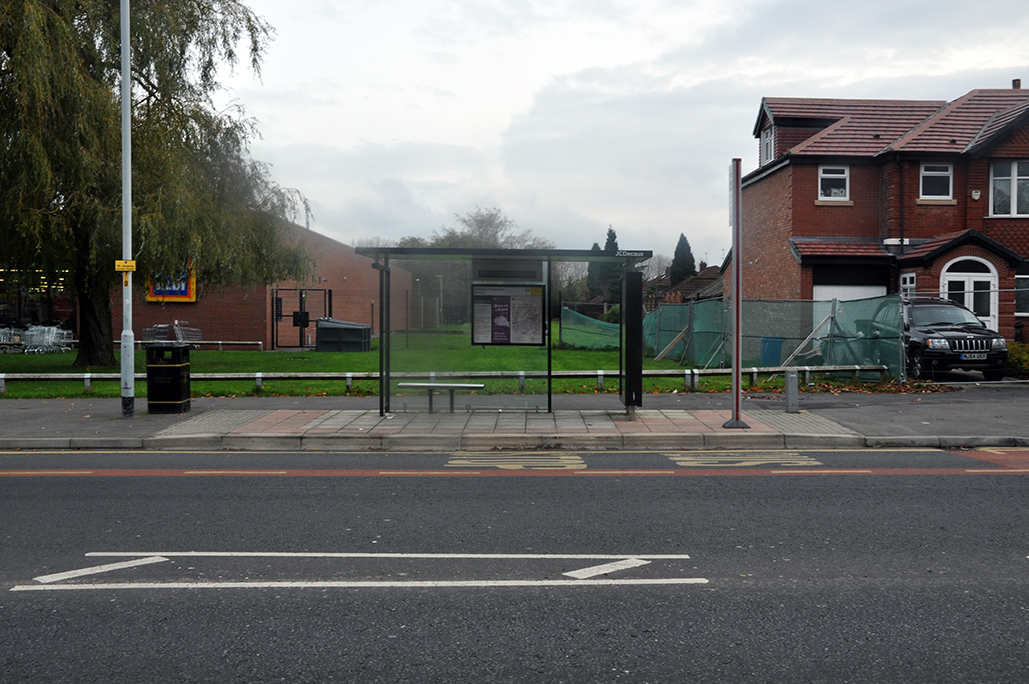
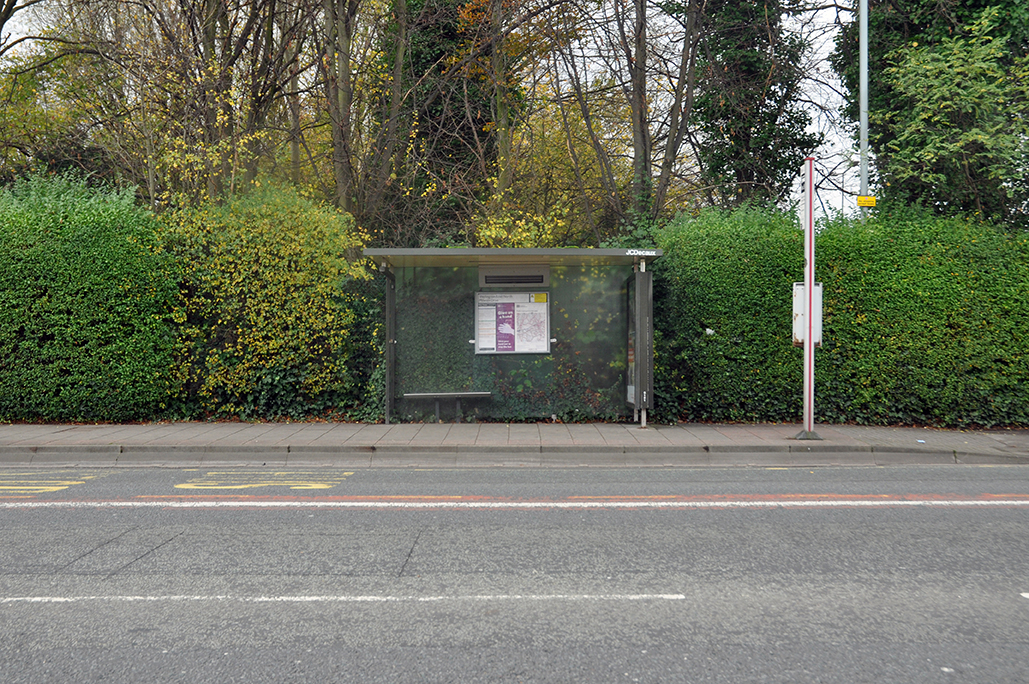
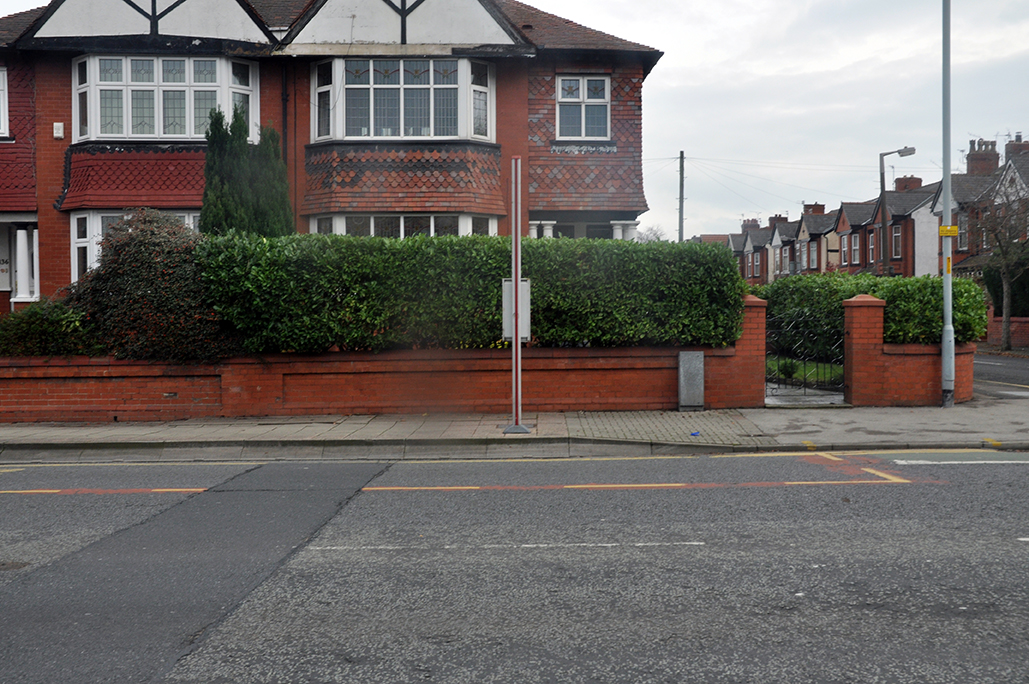
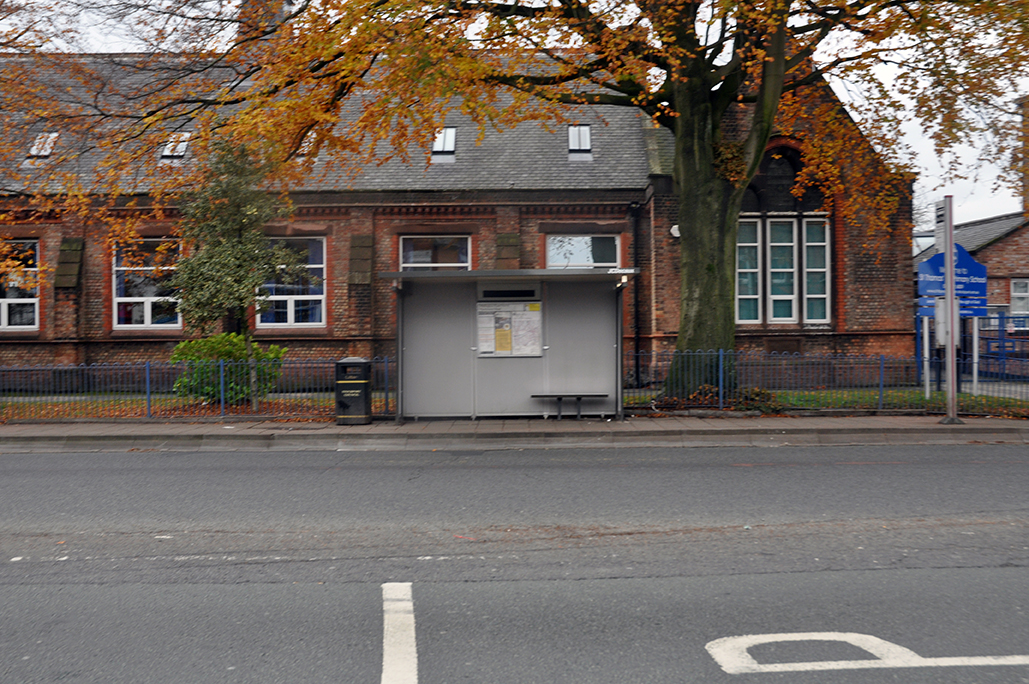
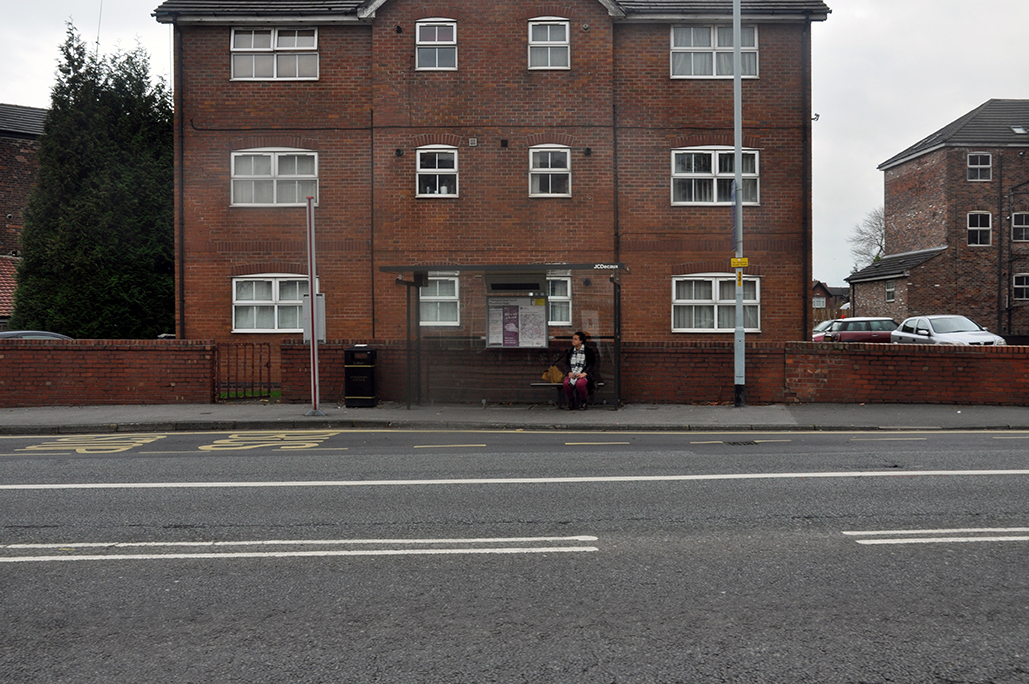
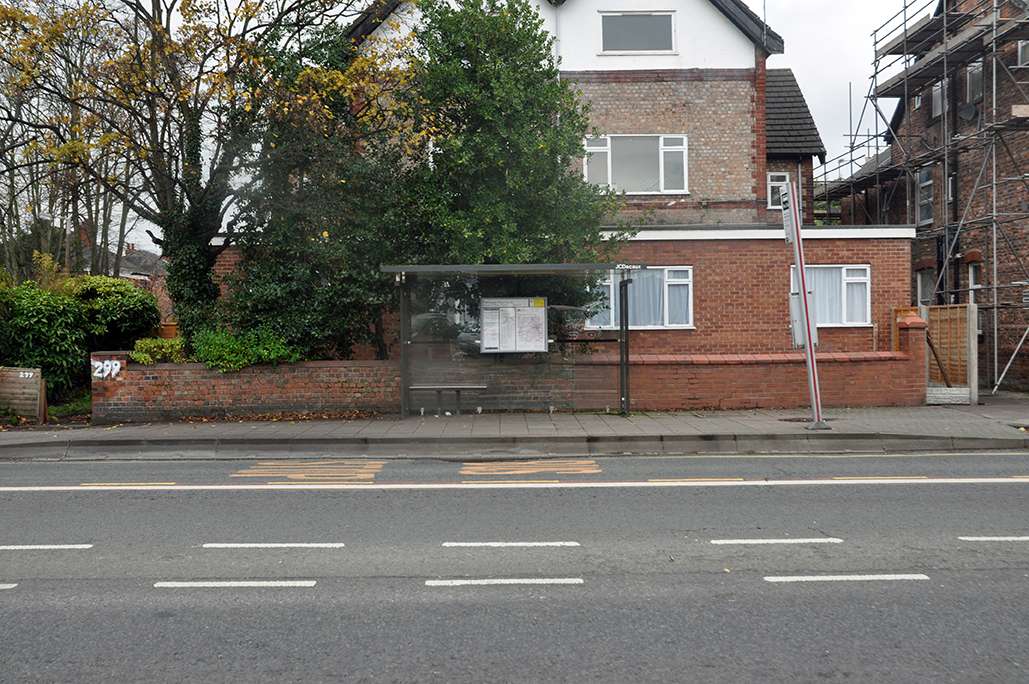
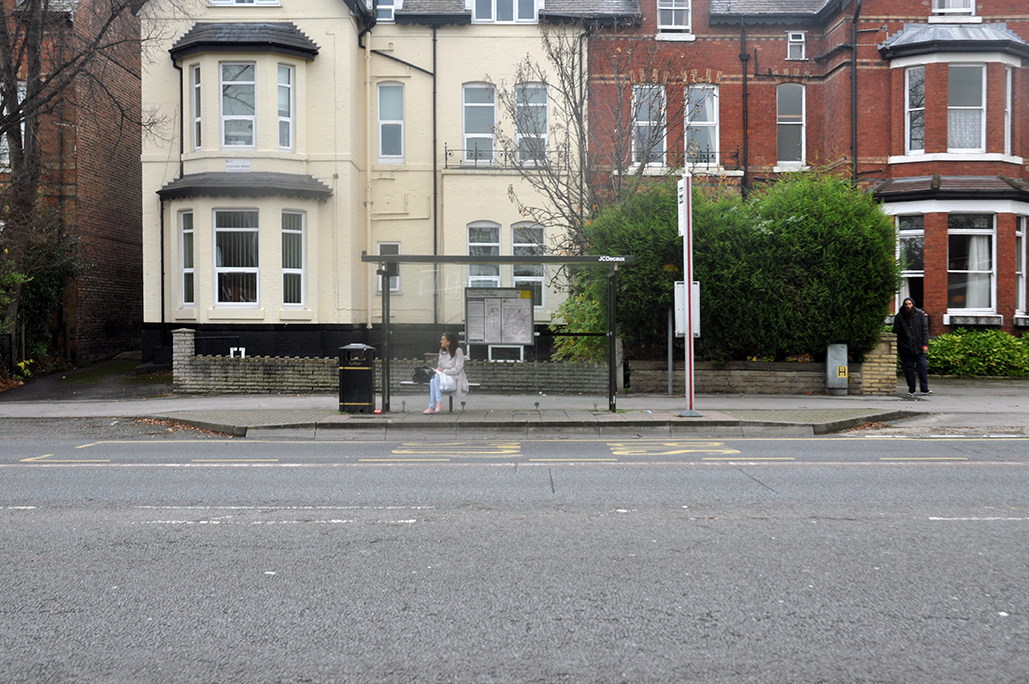
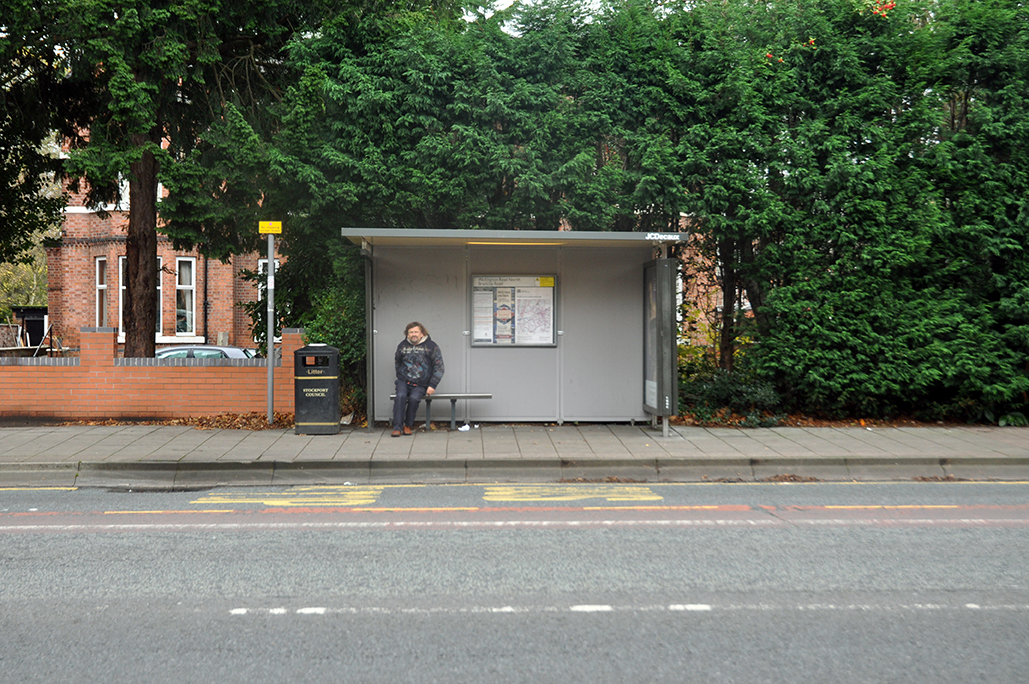
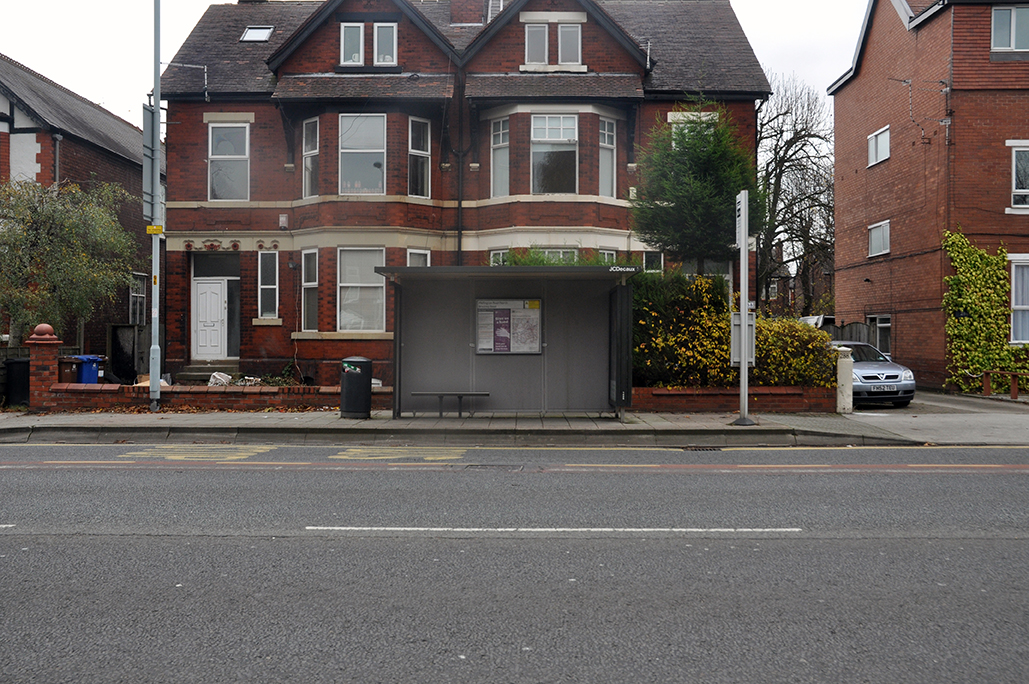
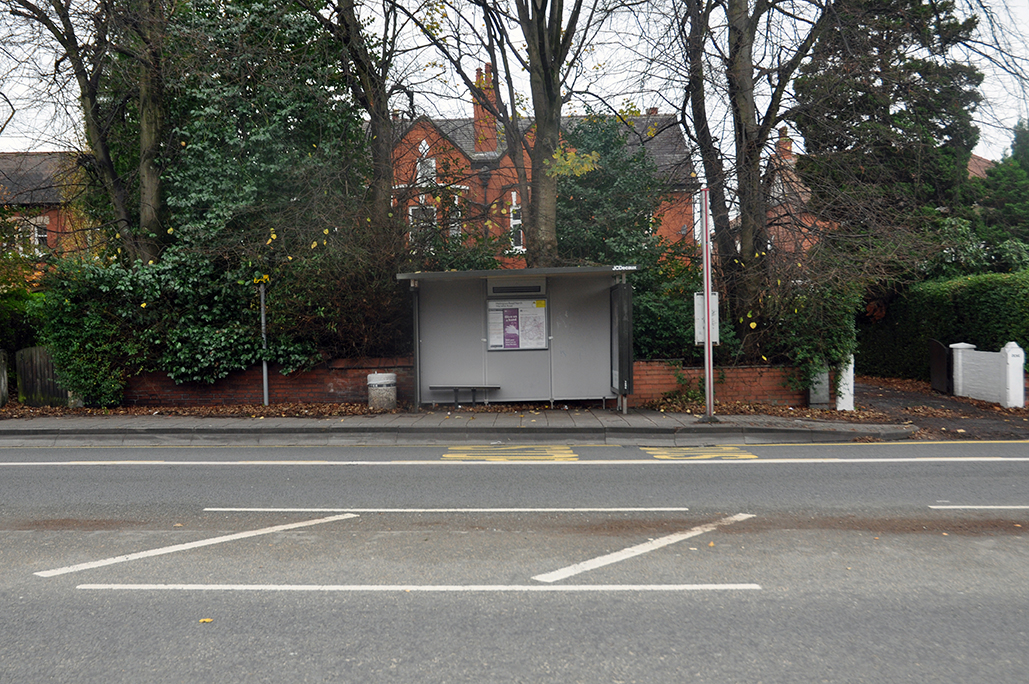
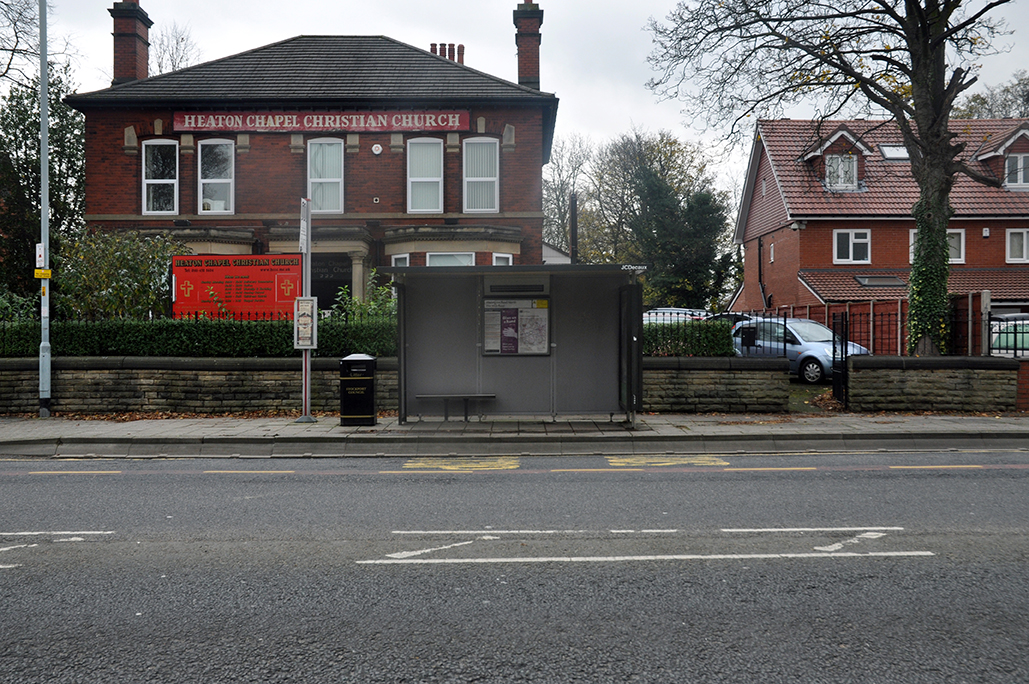
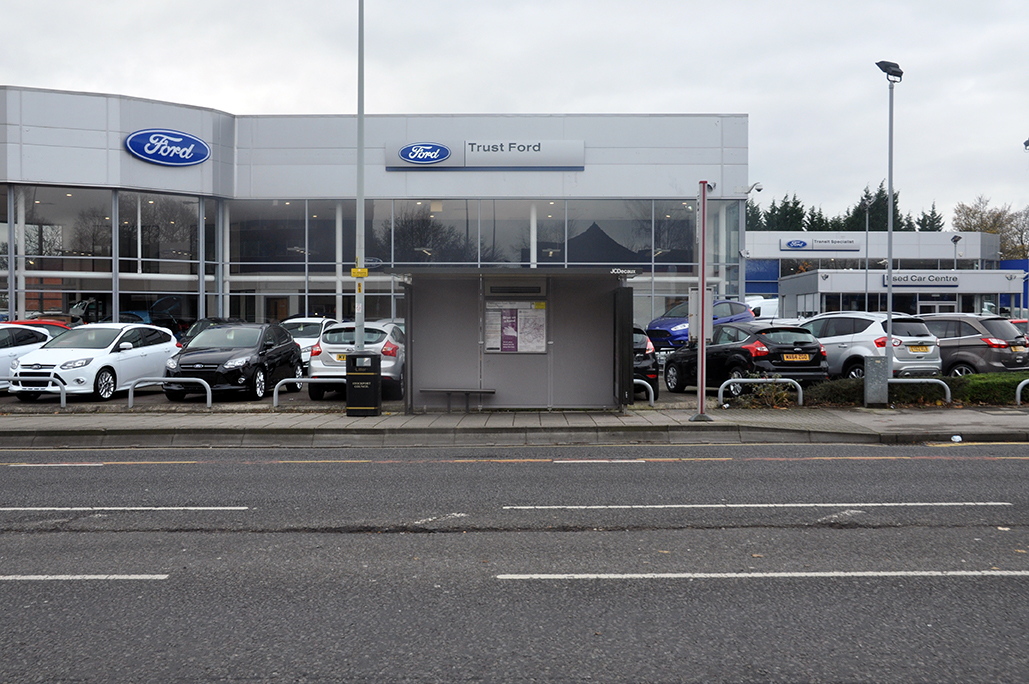
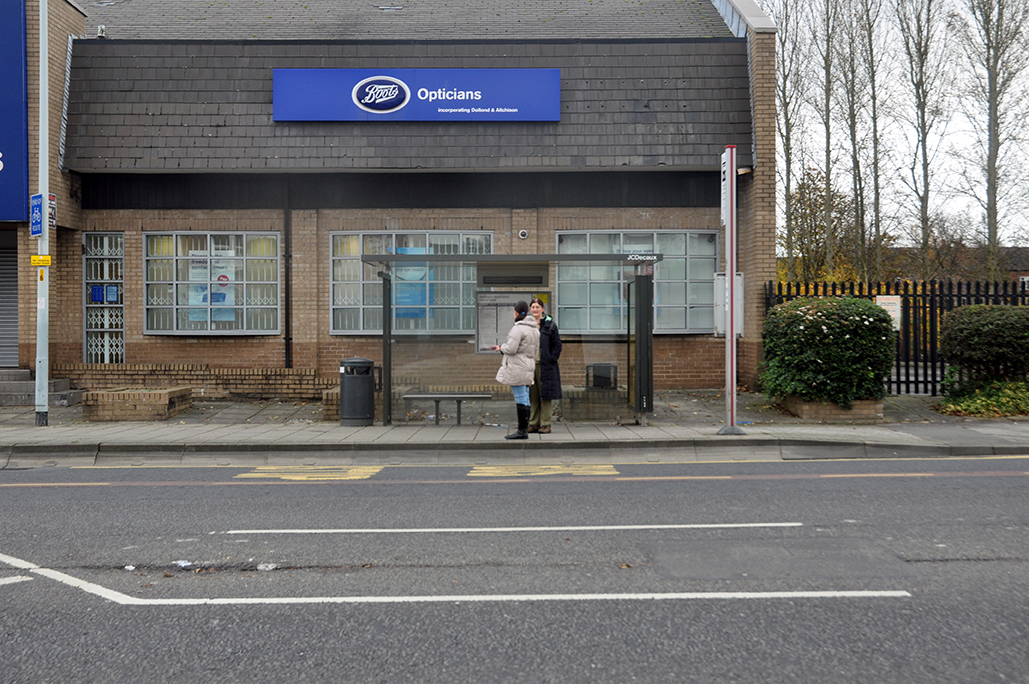
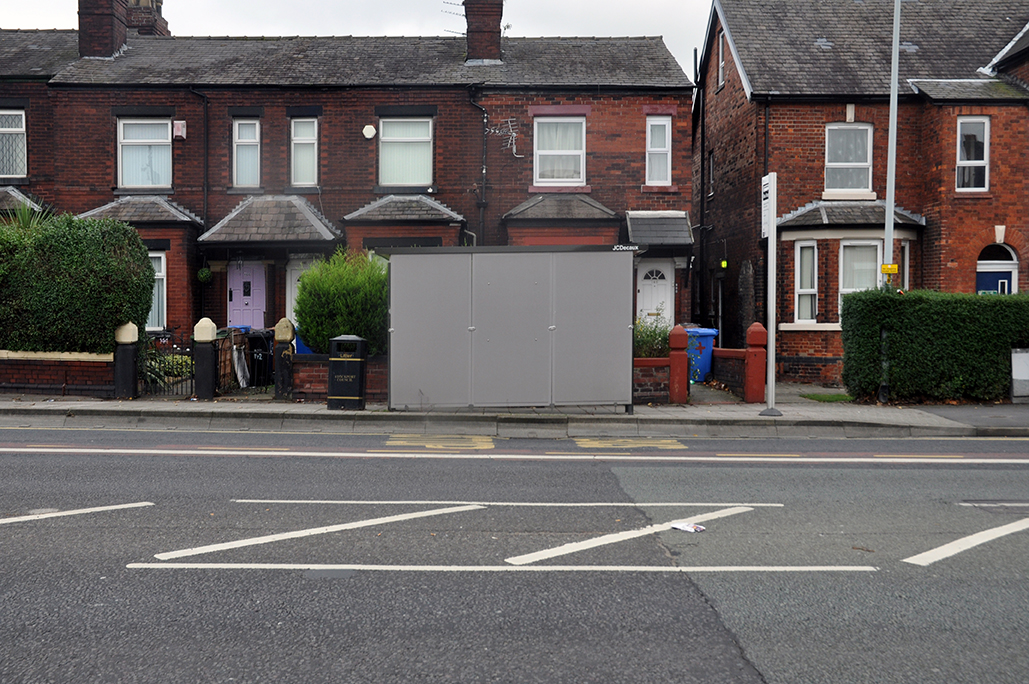
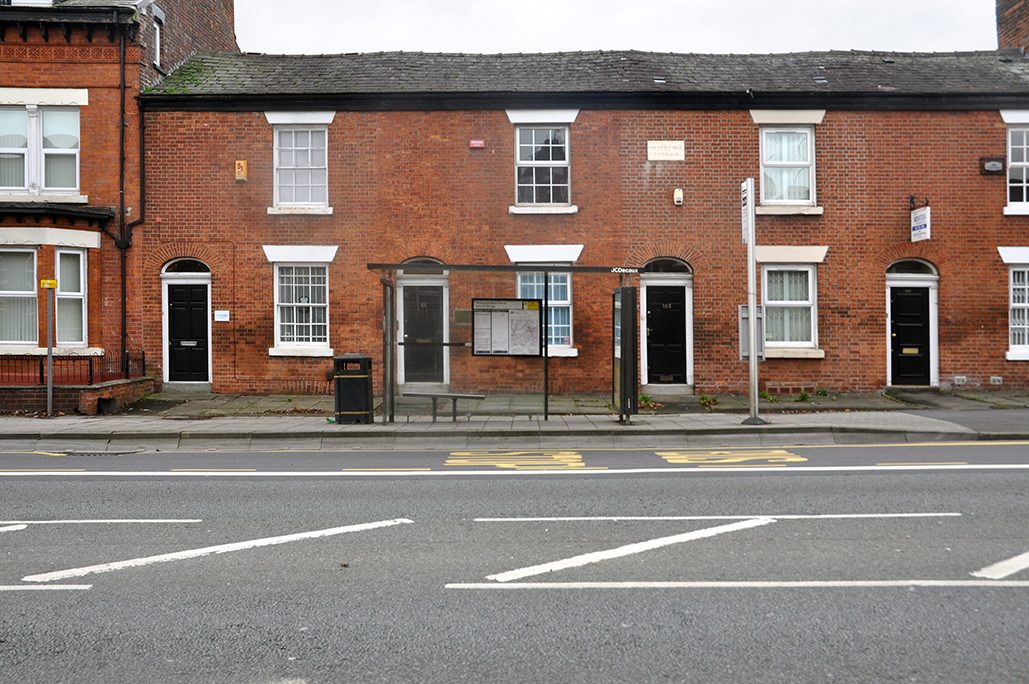
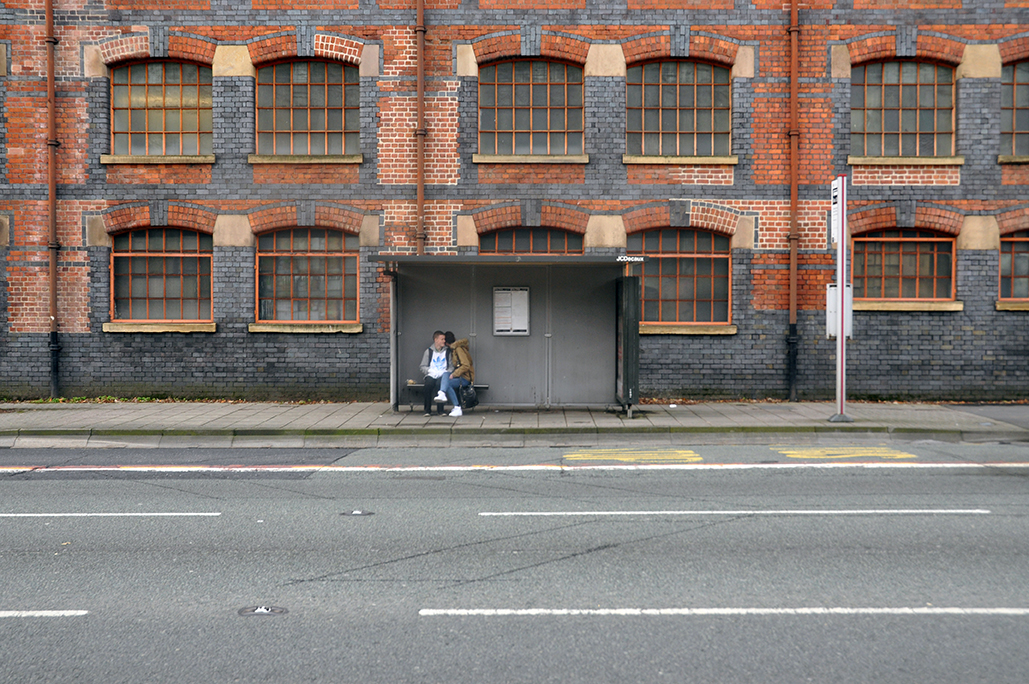
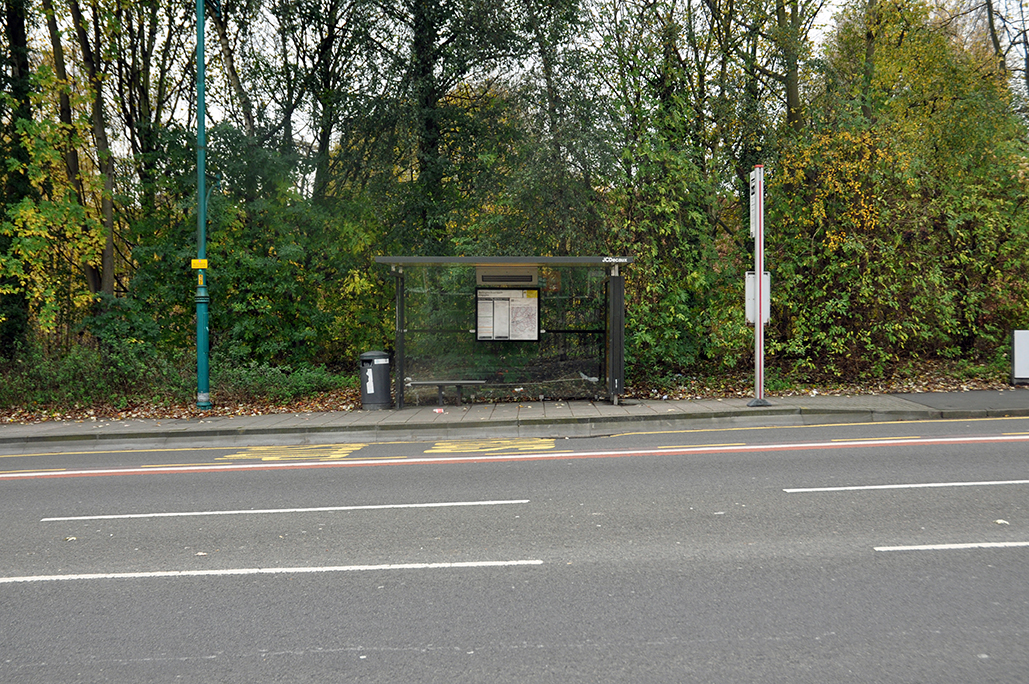
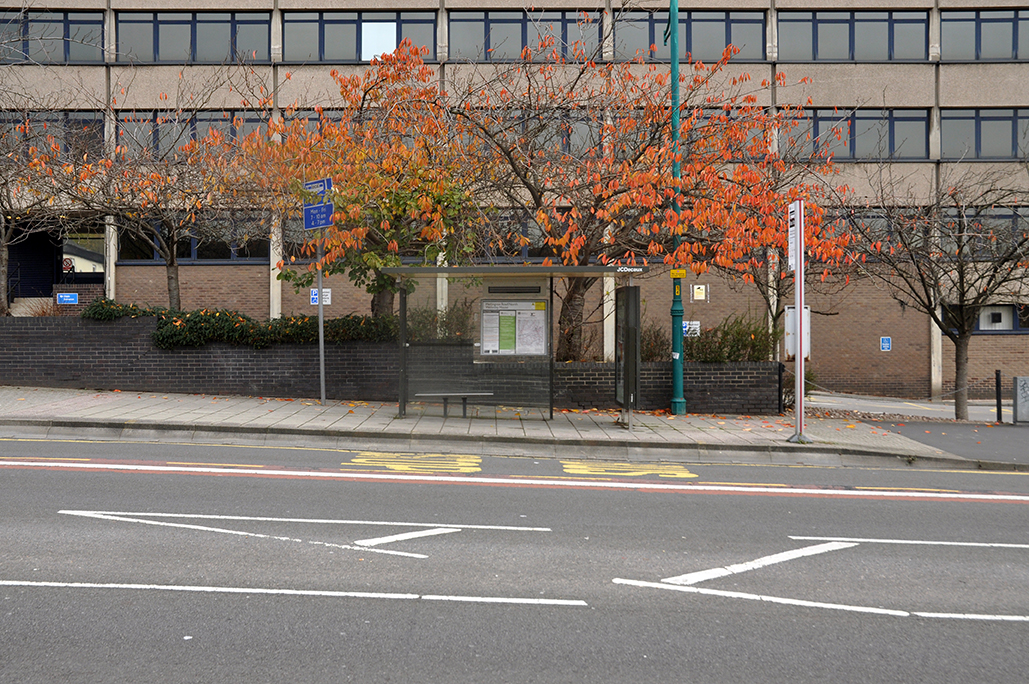
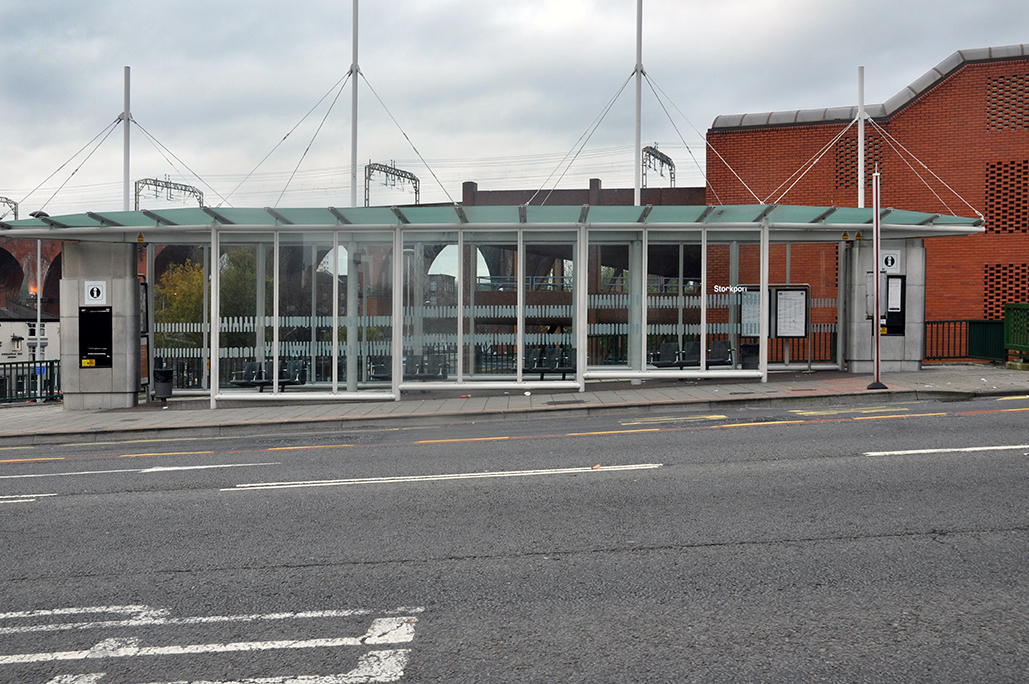
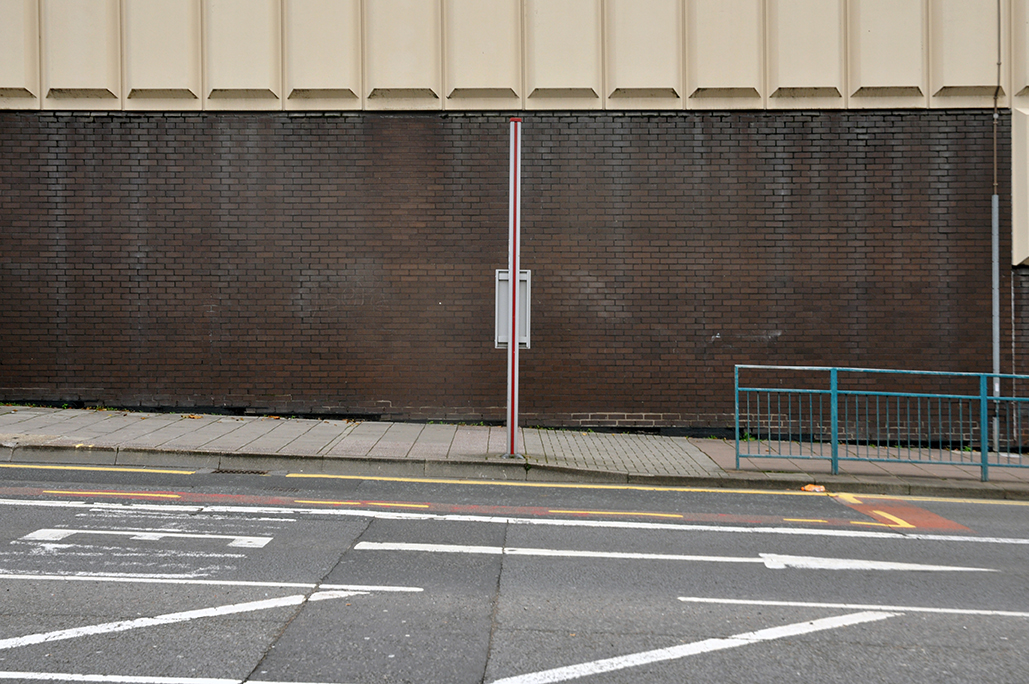
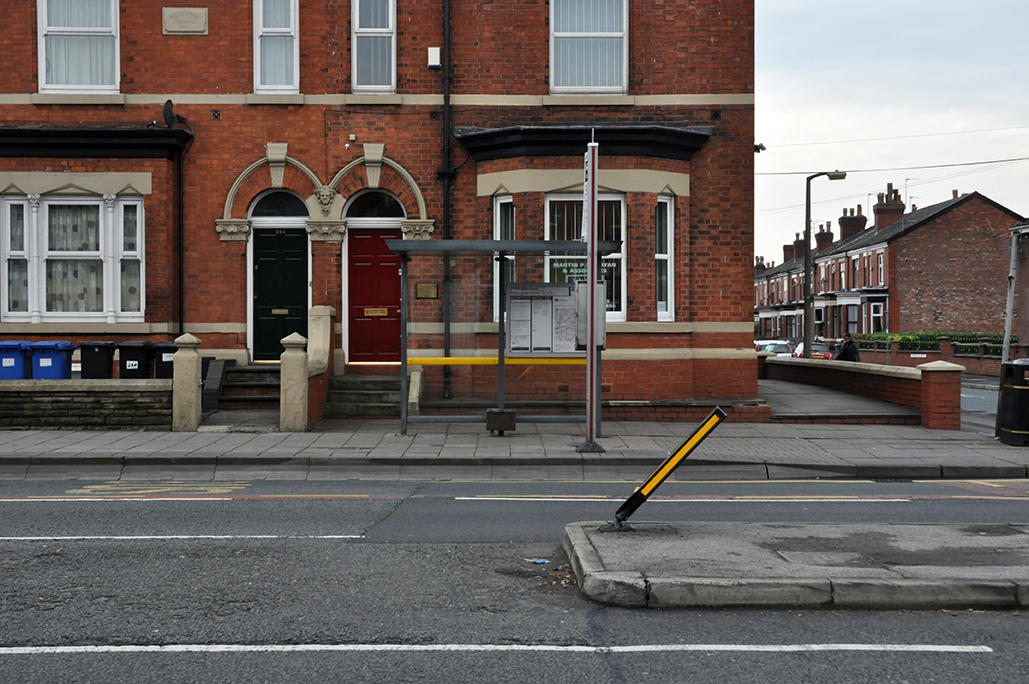
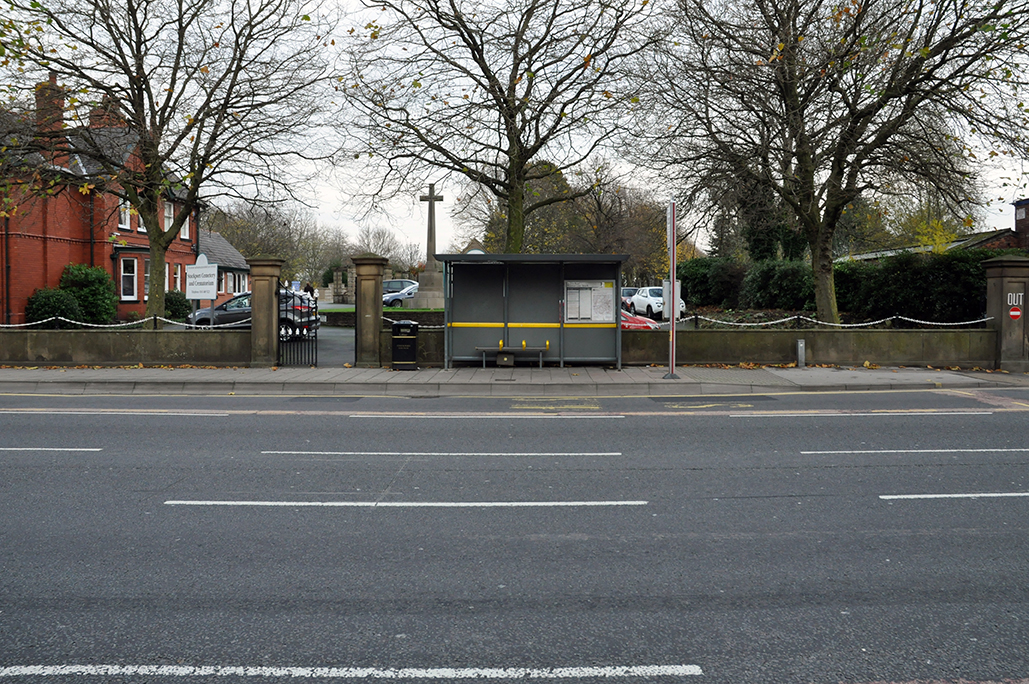
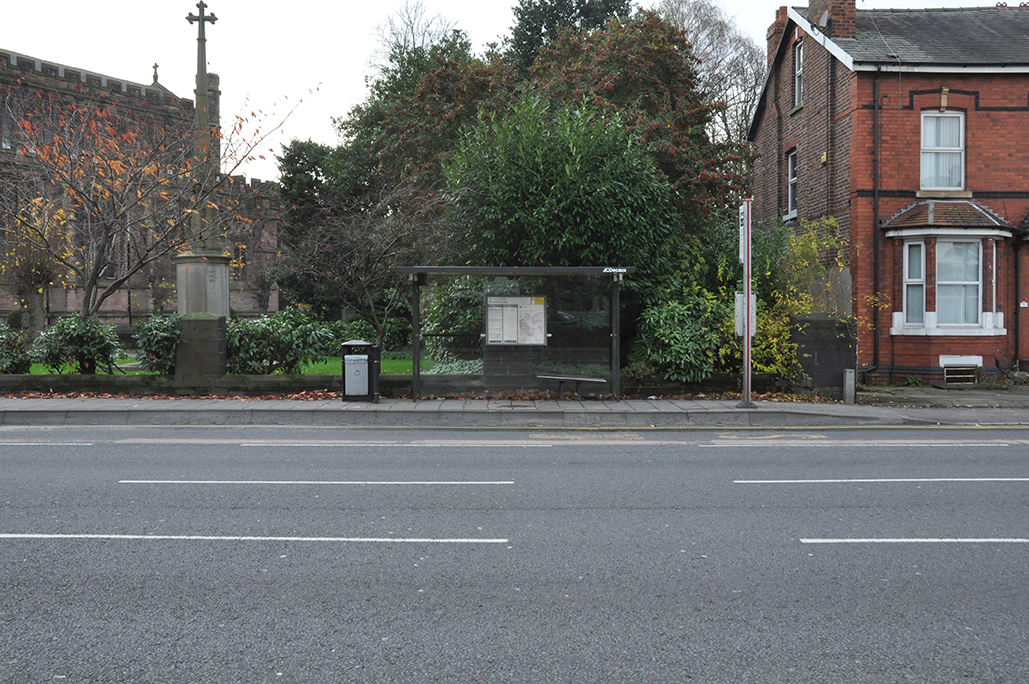
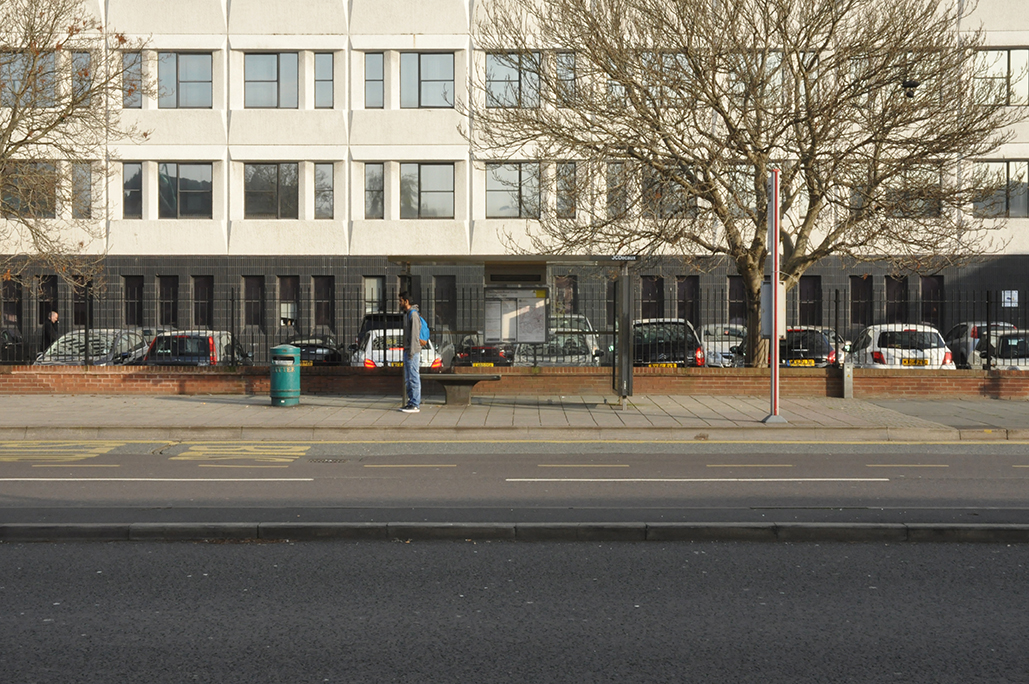
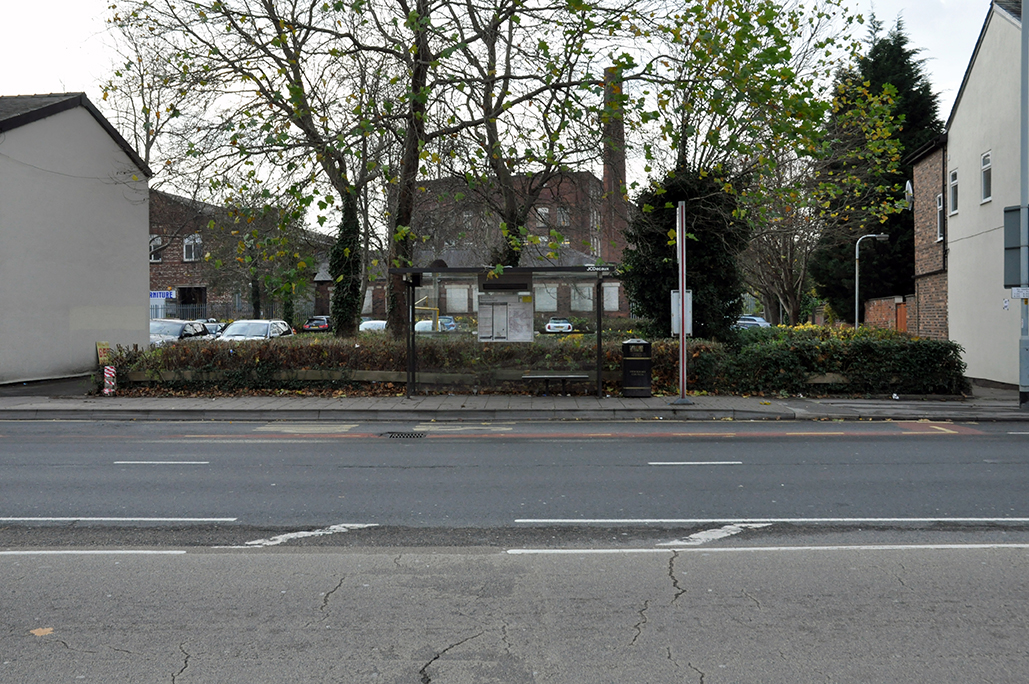
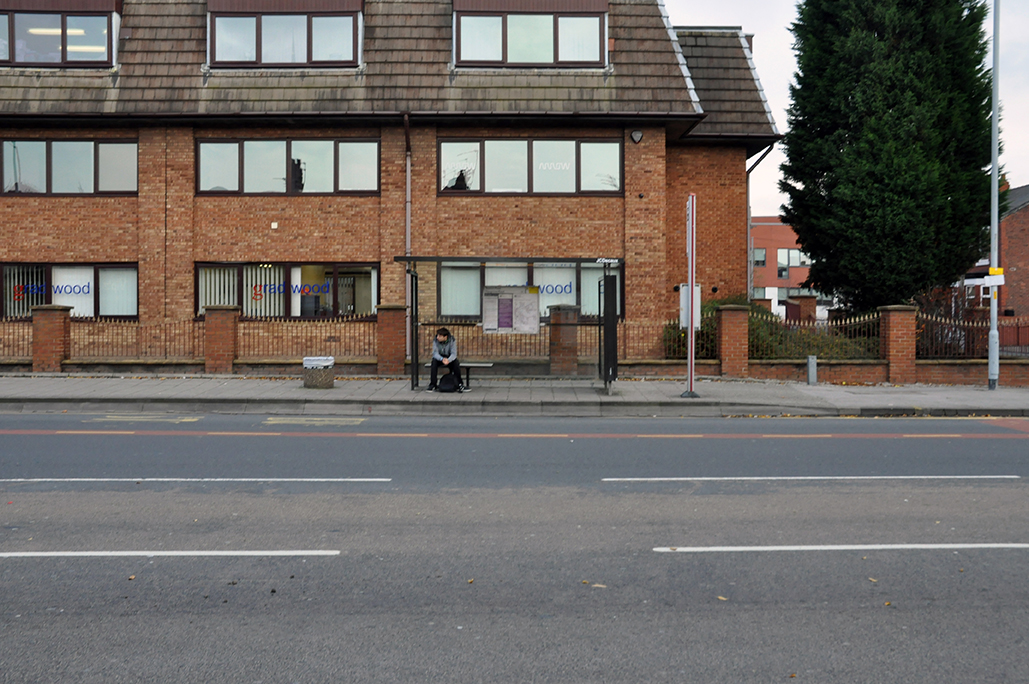
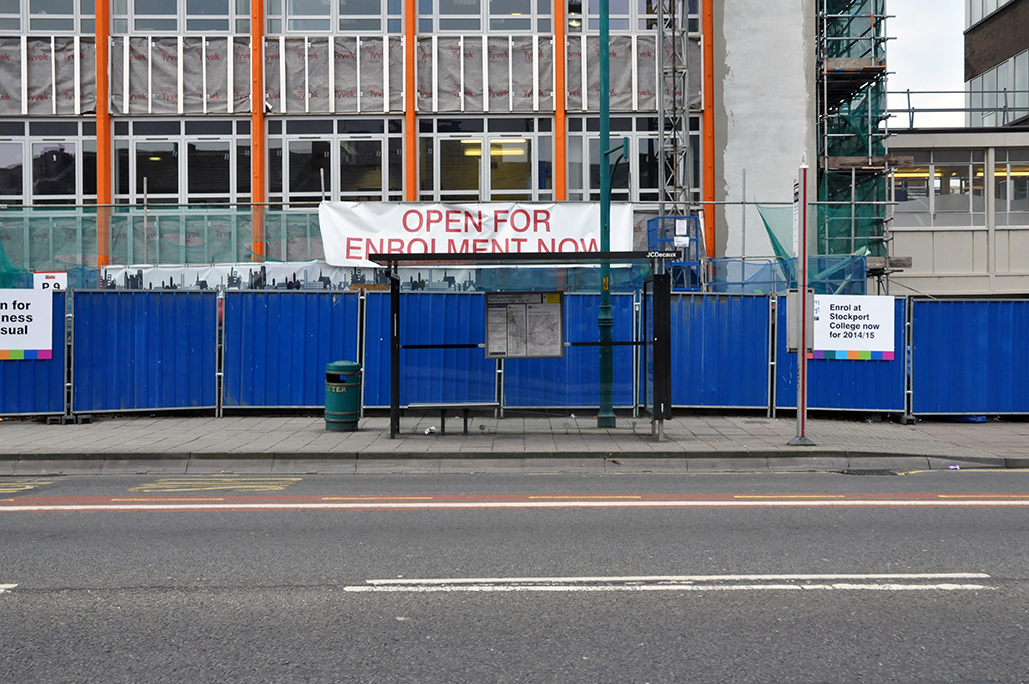
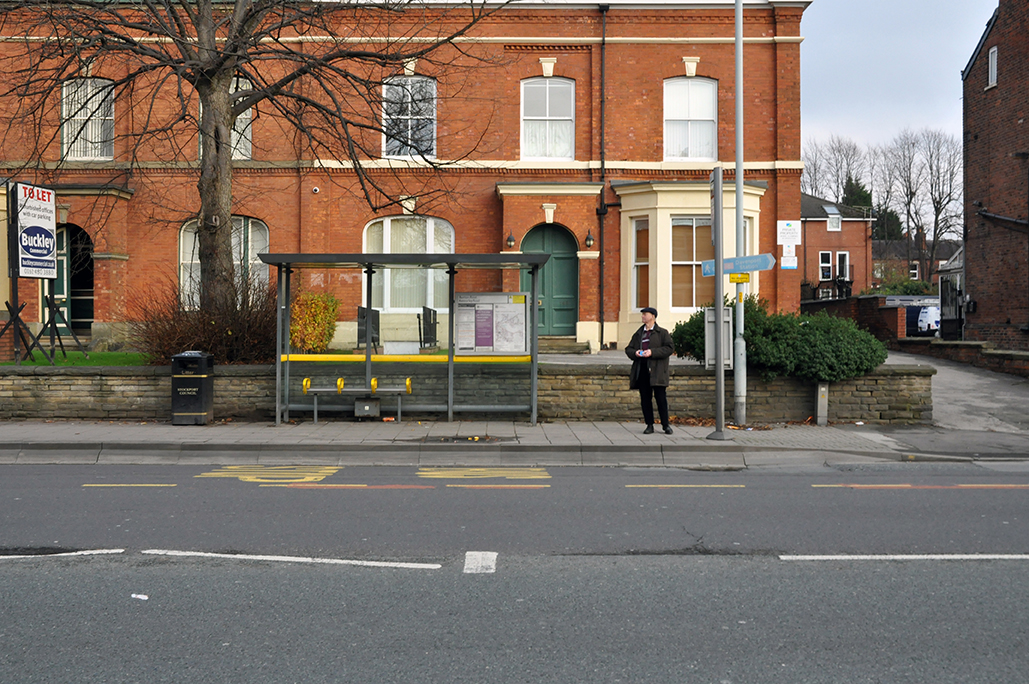
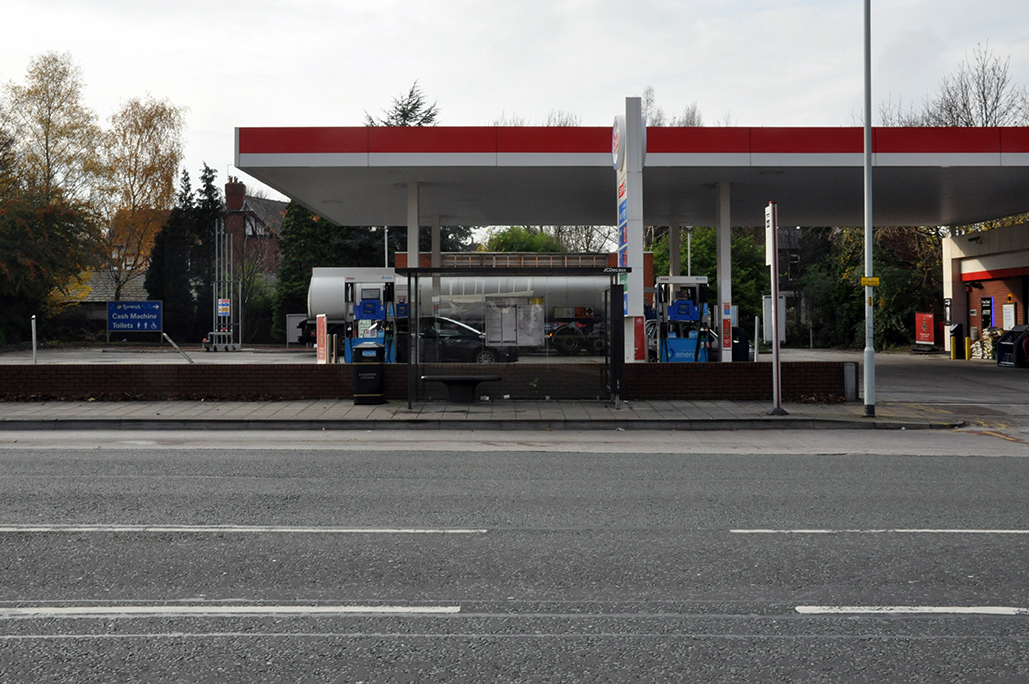
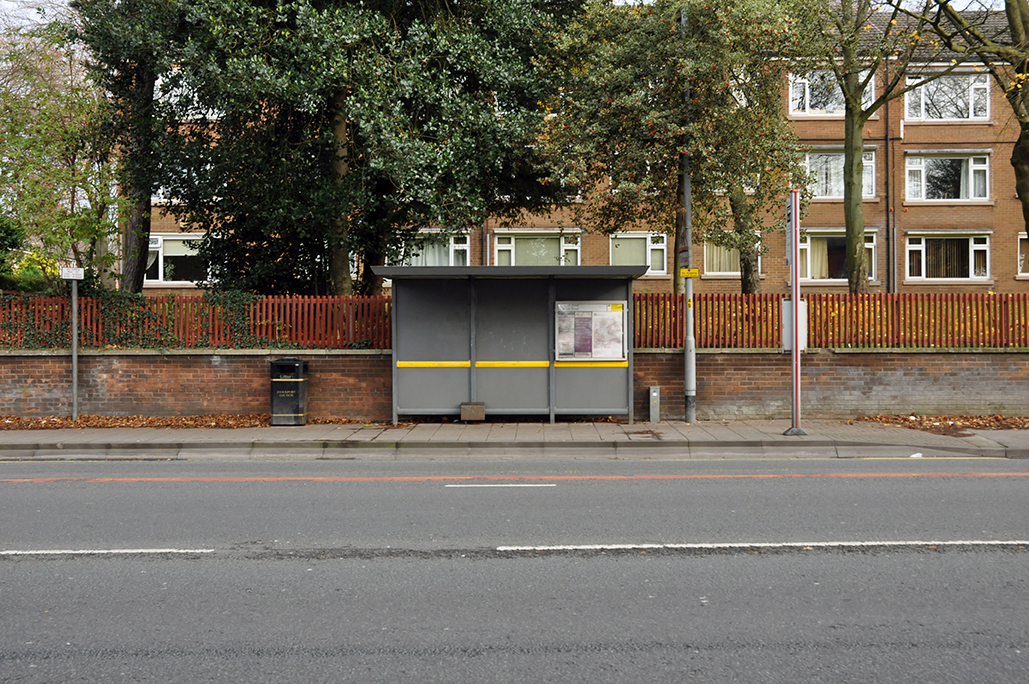
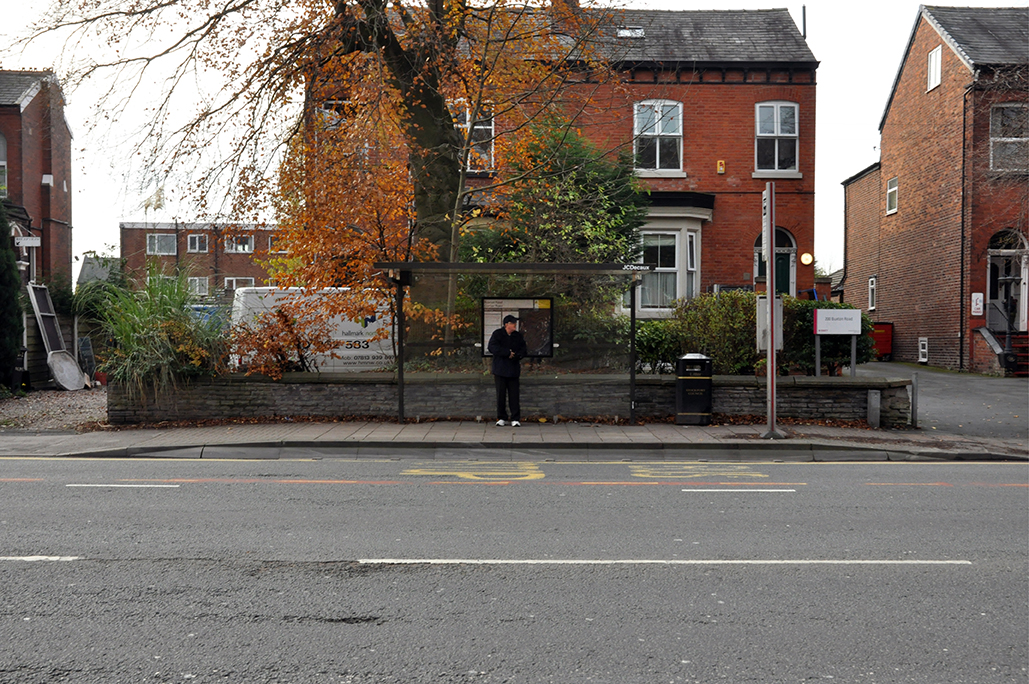
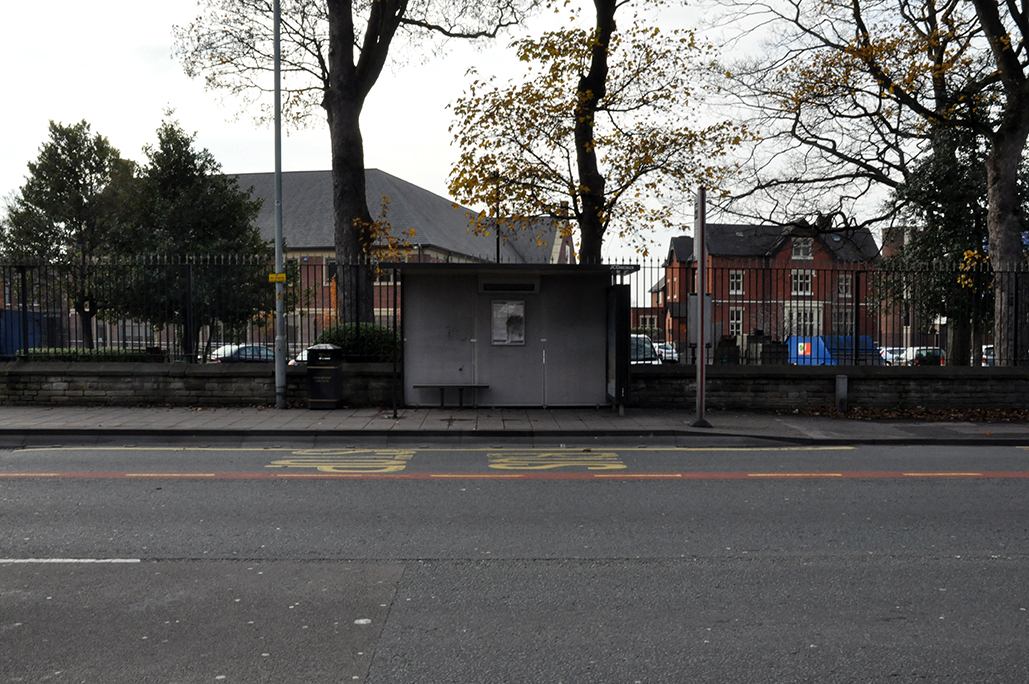
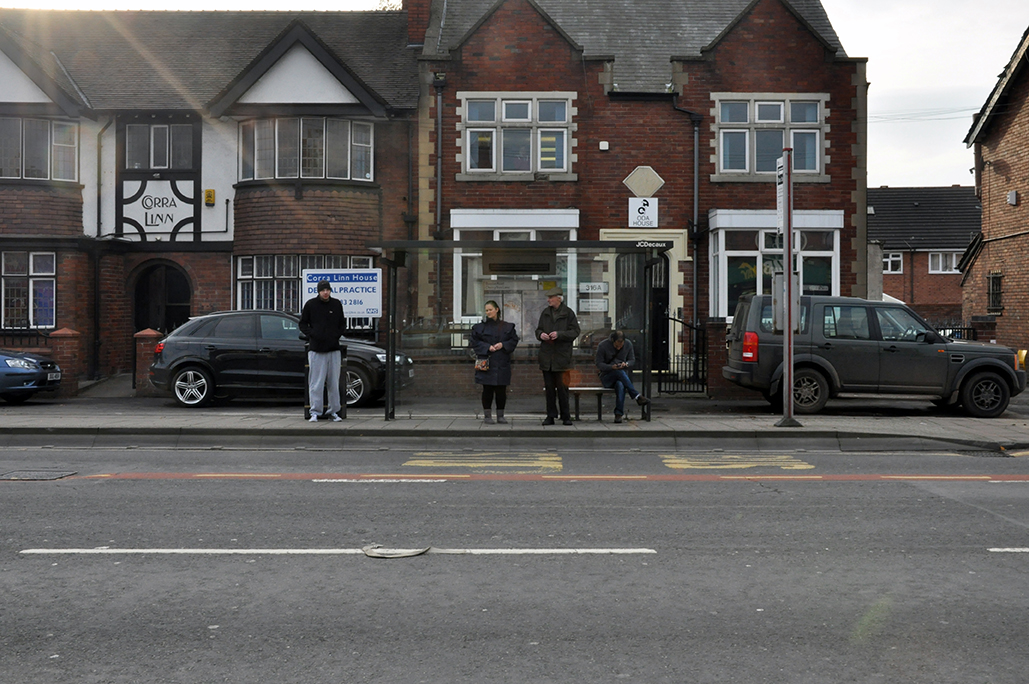
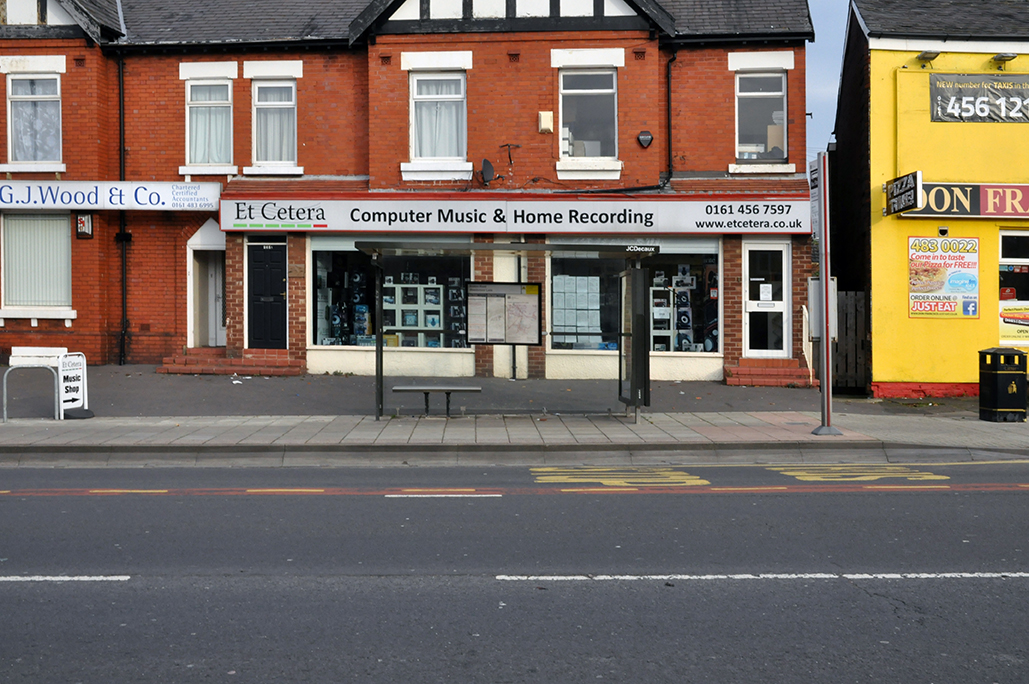
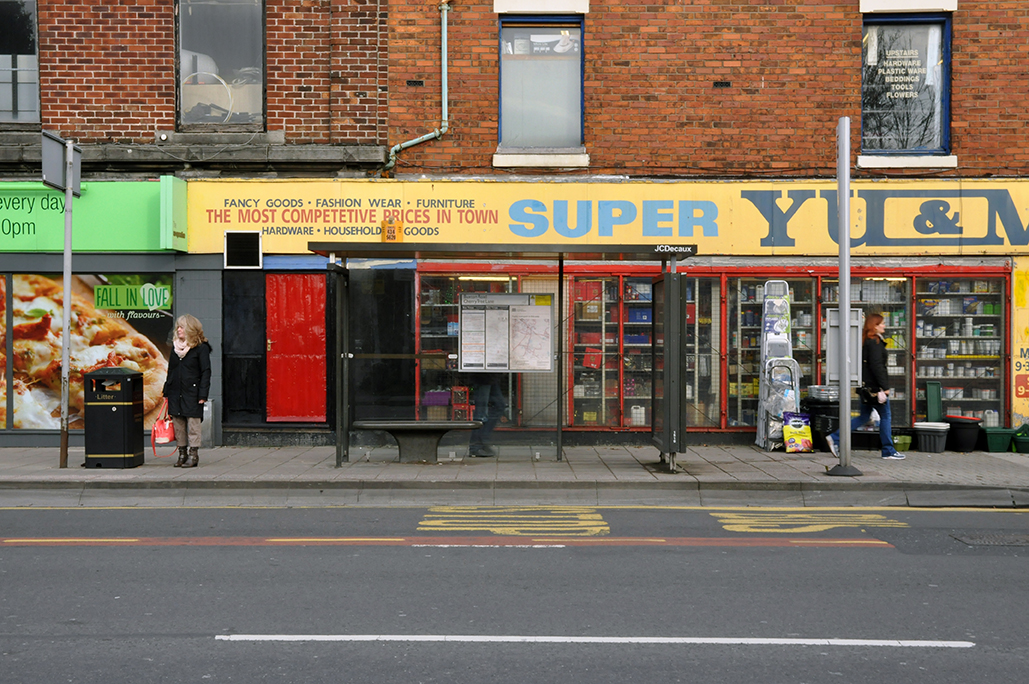
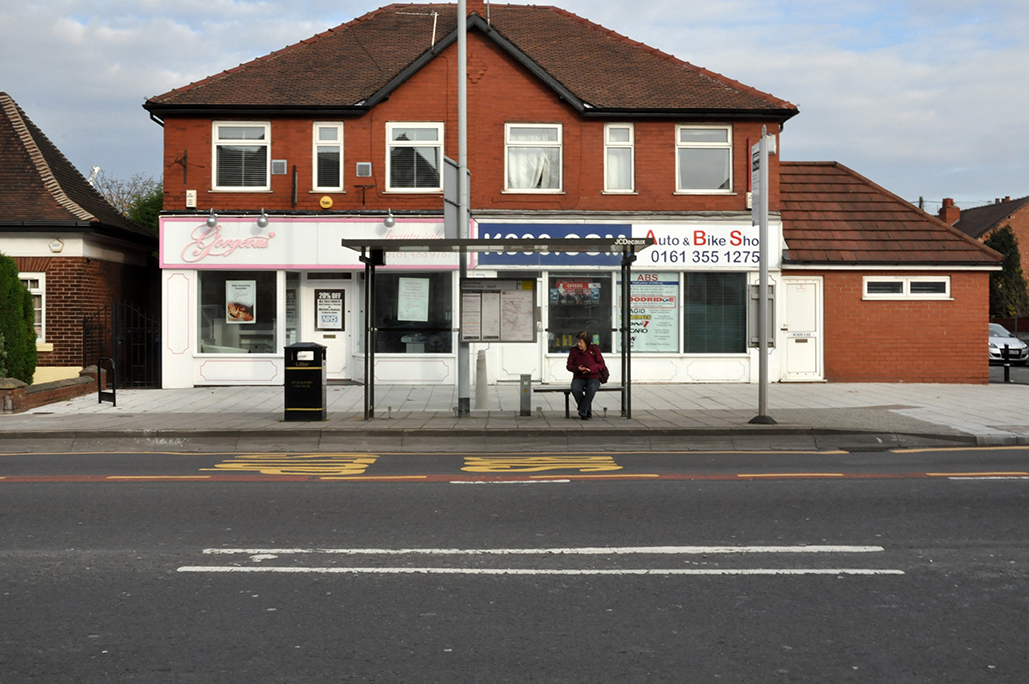
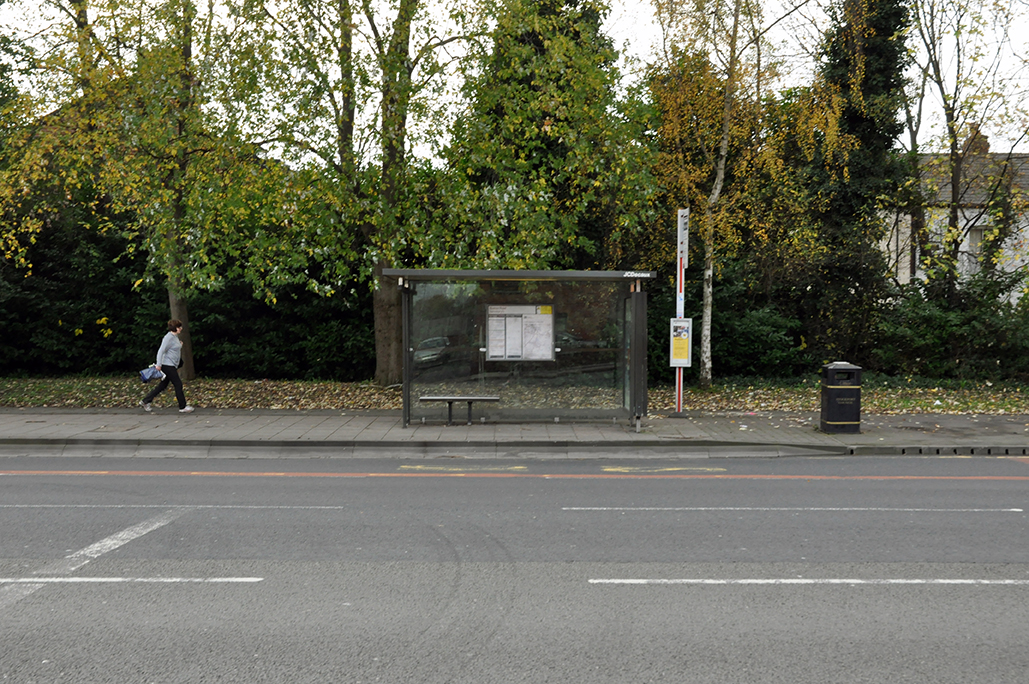
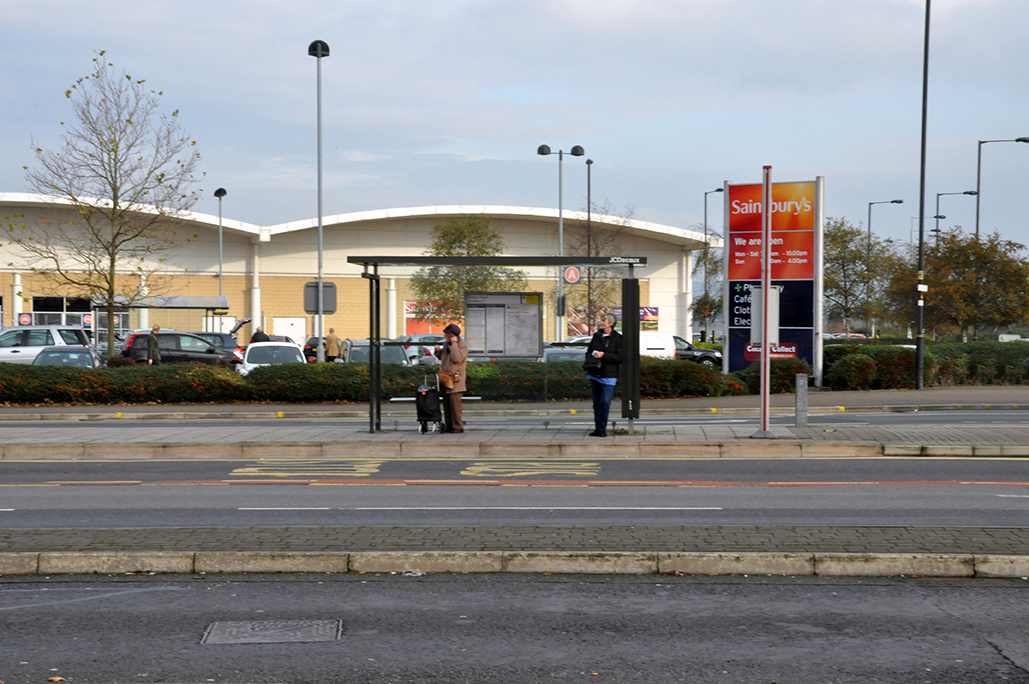
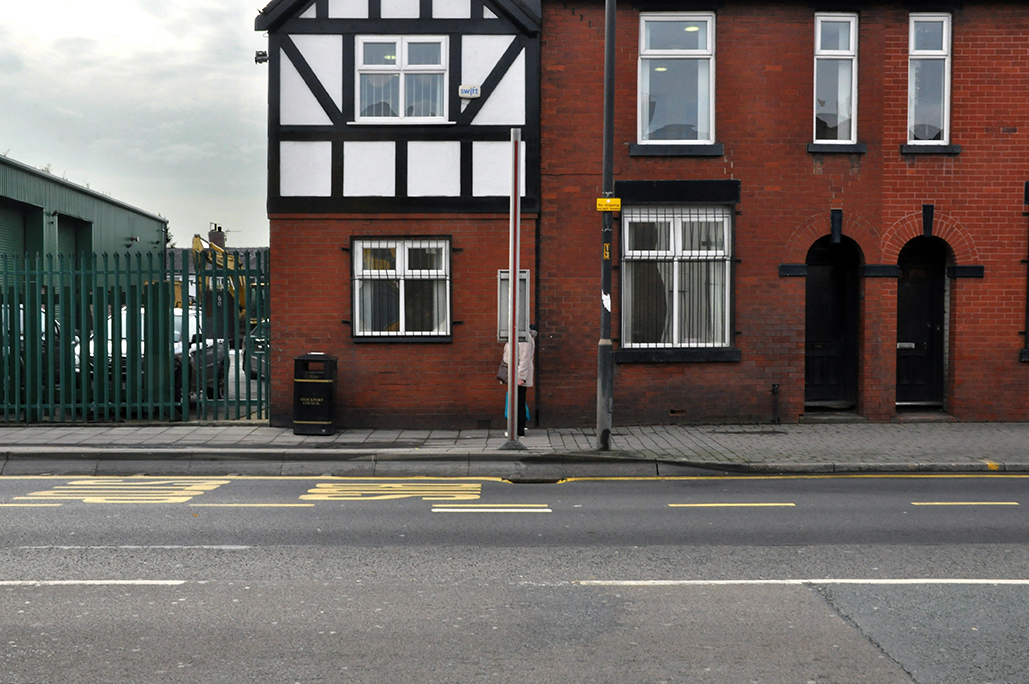
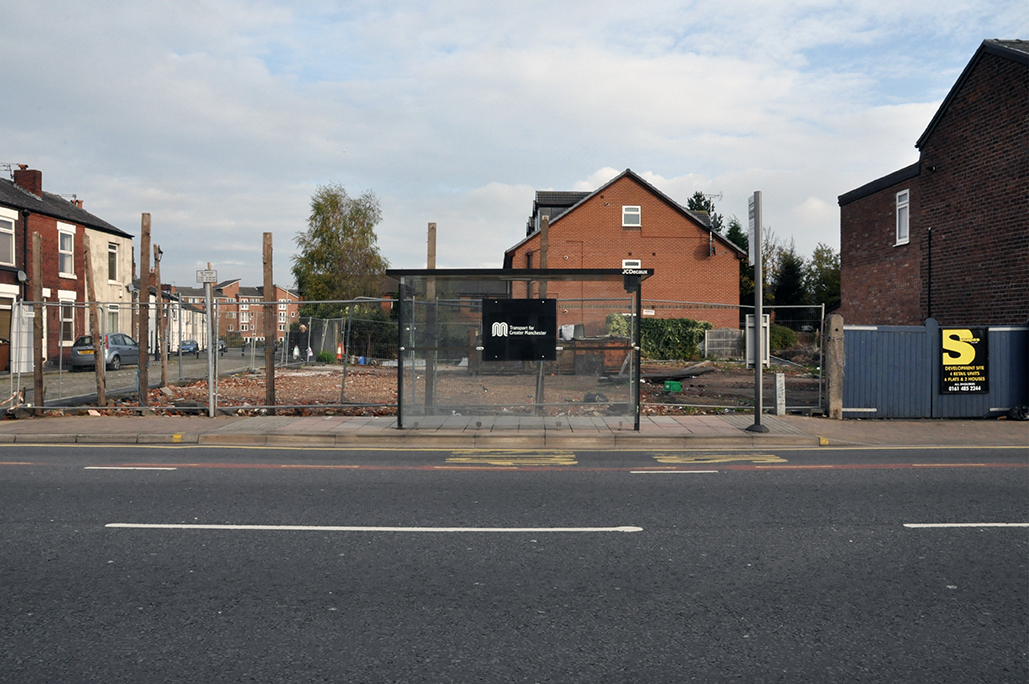
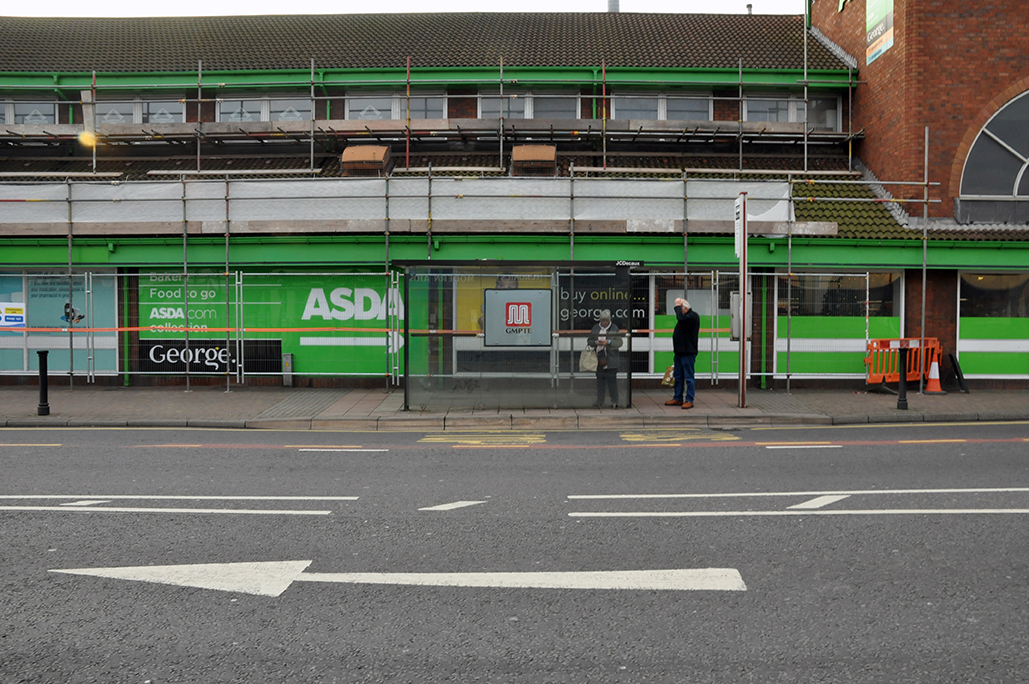
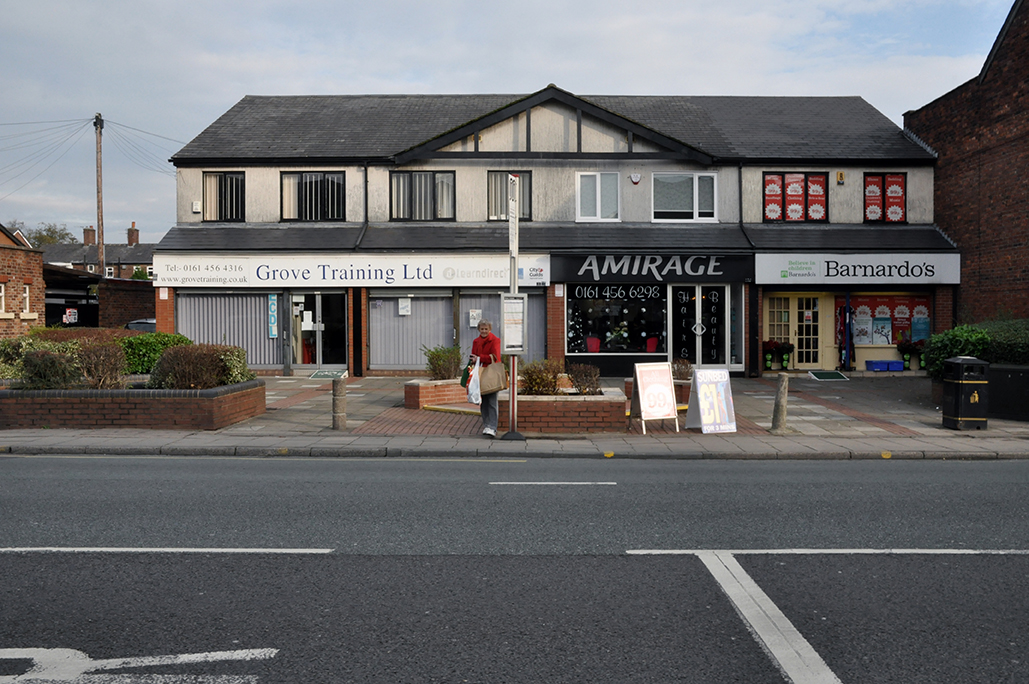
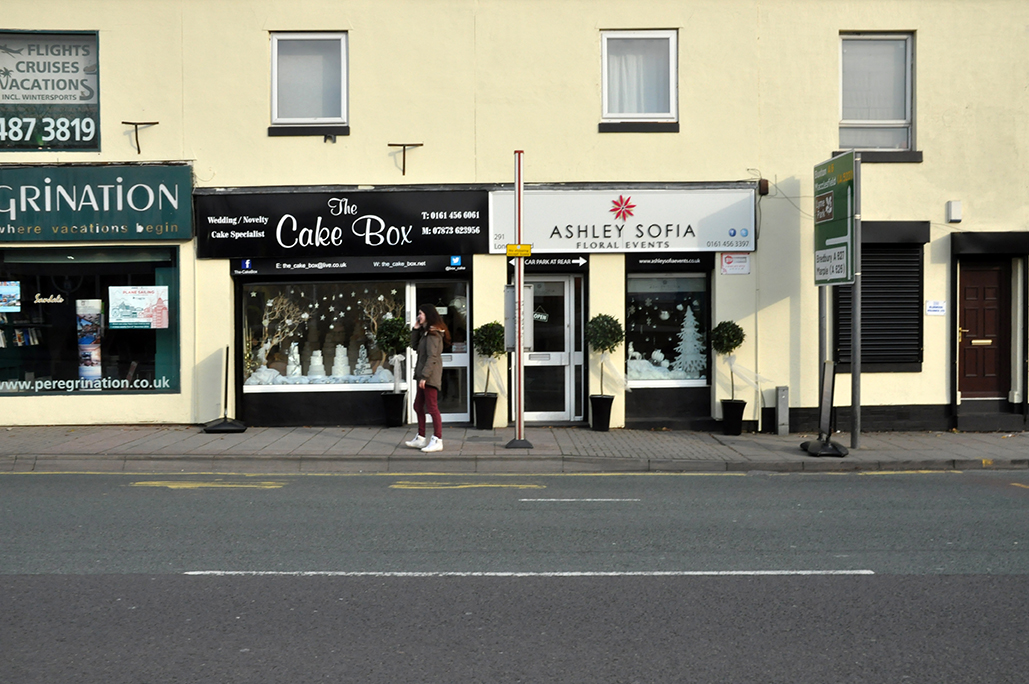
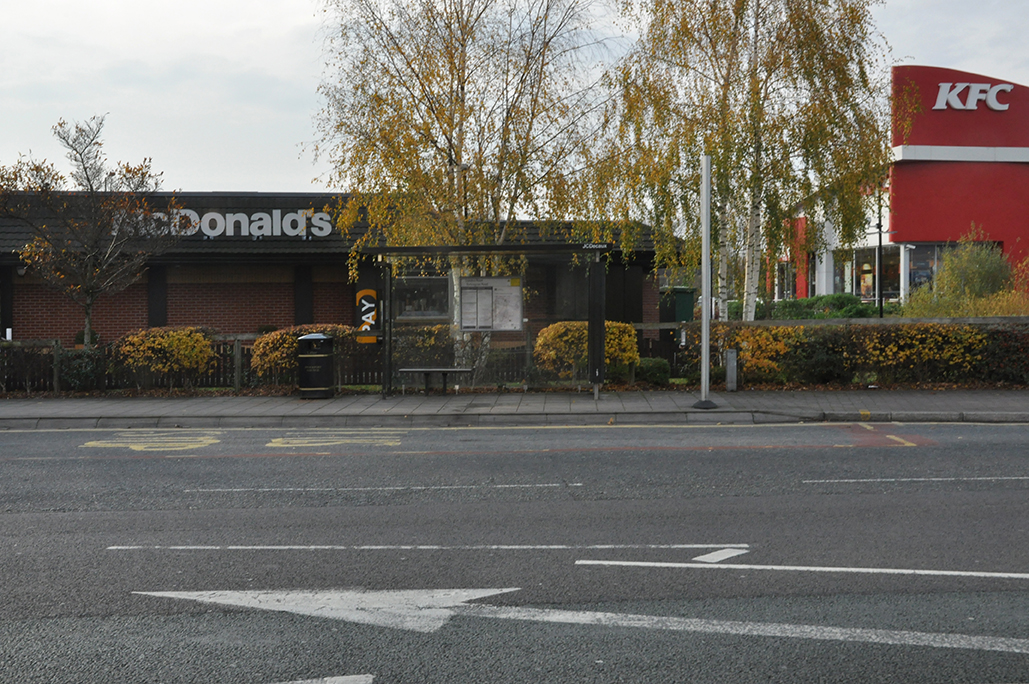
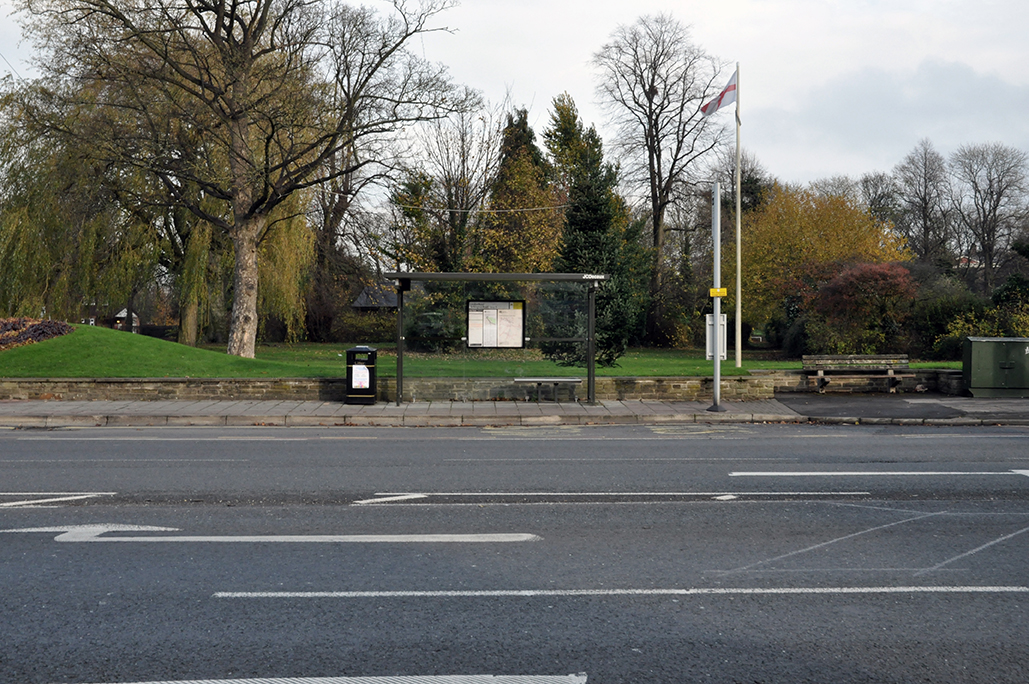
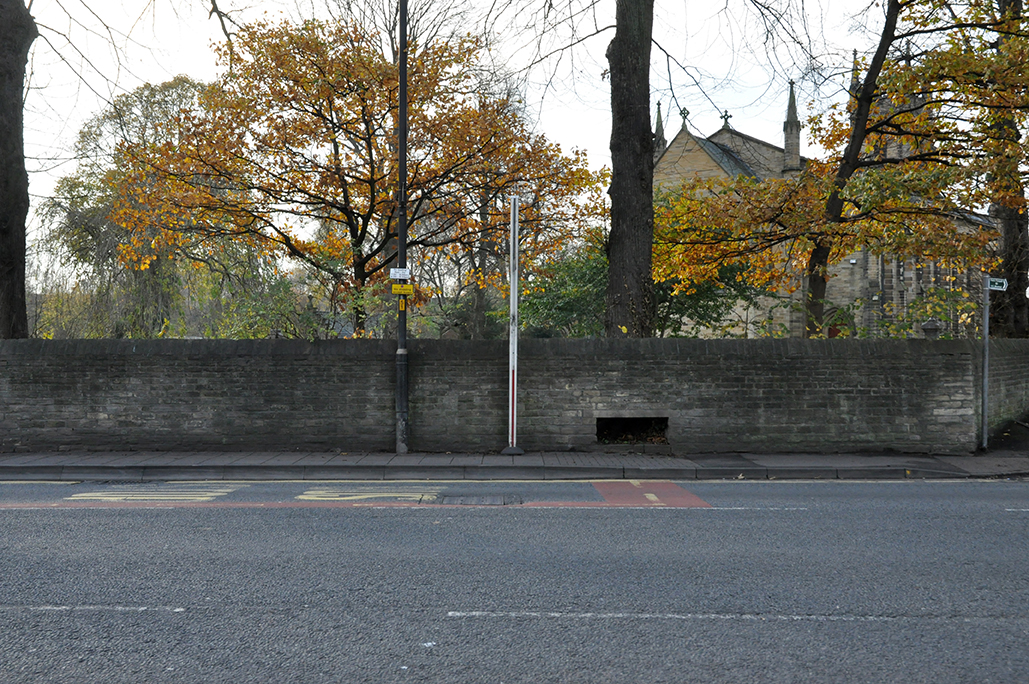
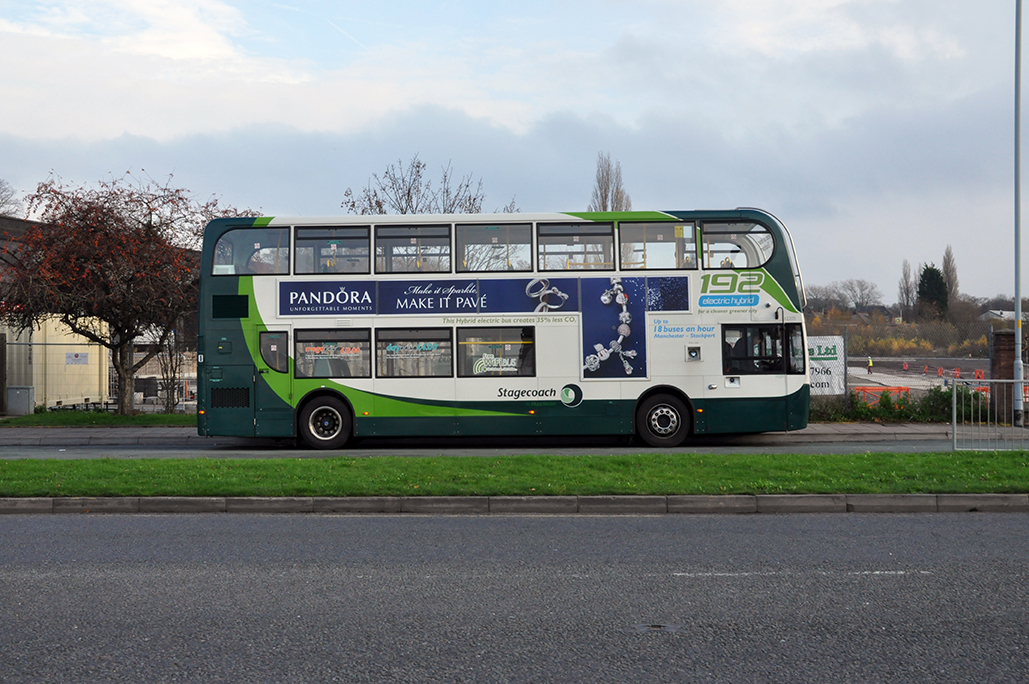
All 98 #192 Bus Stops

There there are 98 stops on the 192  route, between Manchester and Hazel Grove.

– I know because I walked them all.

Sunday morning roads relatively free of traffic.

Some stops peopled some not.

Zigzagging the A6 to record a consistent sequence.

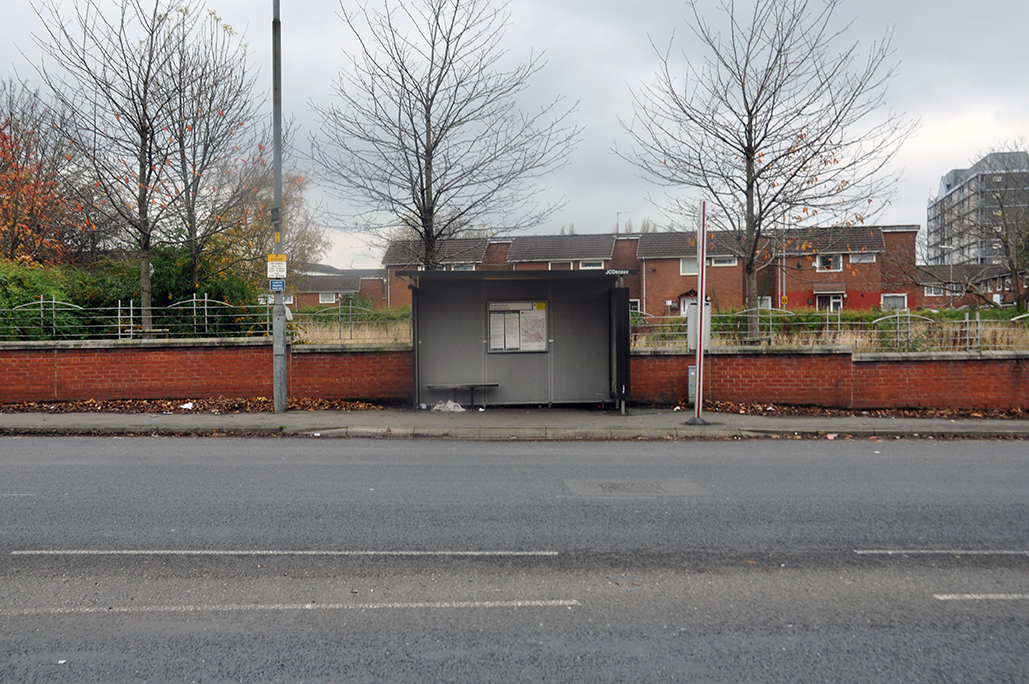
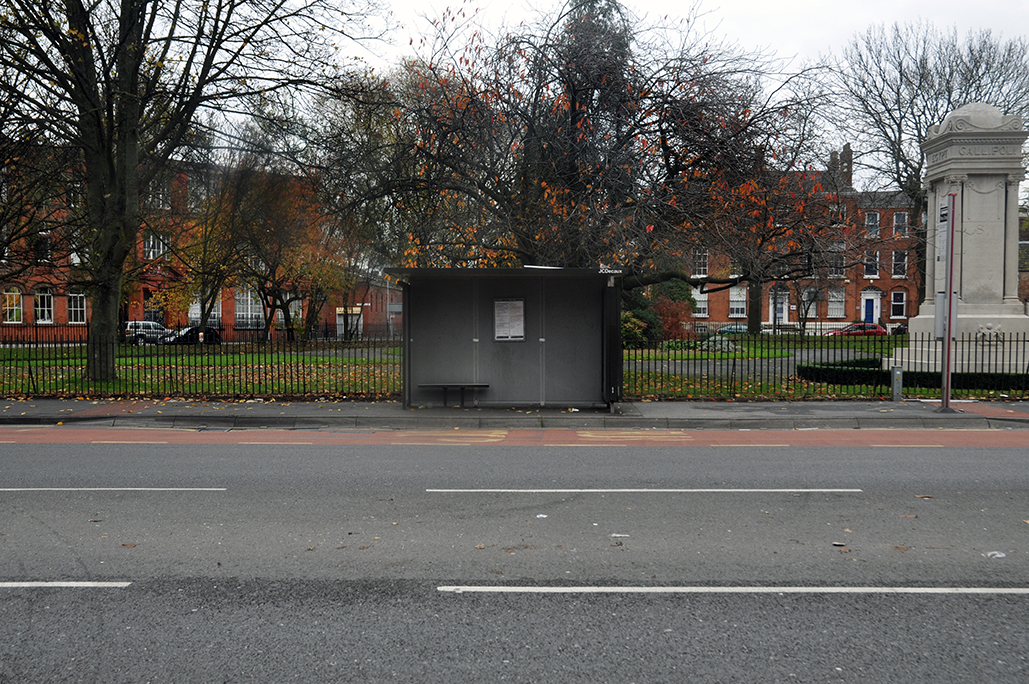
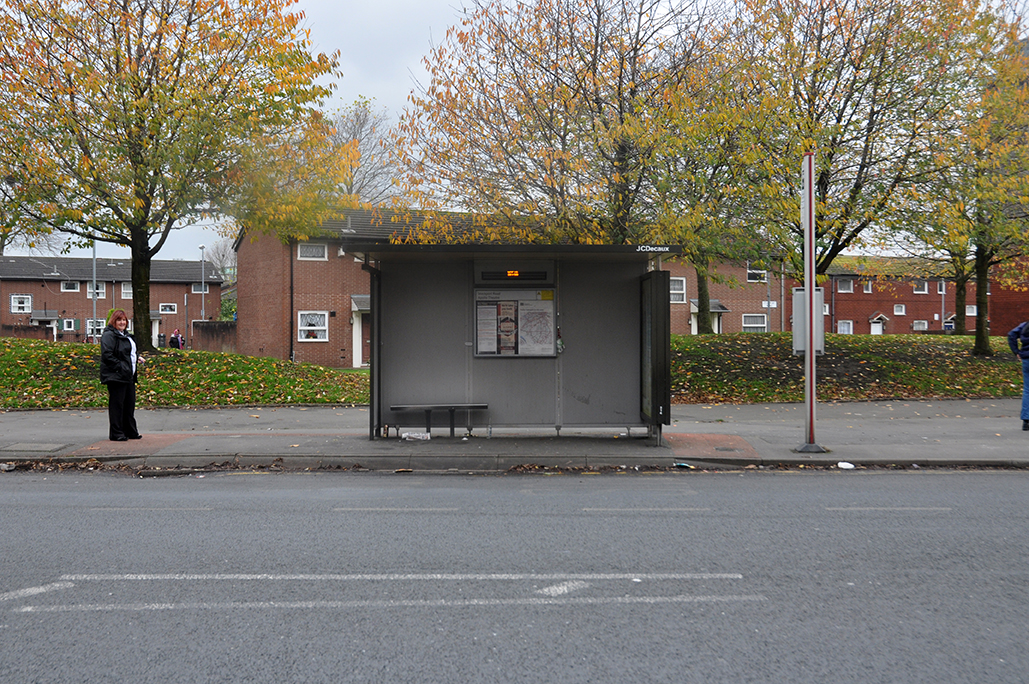
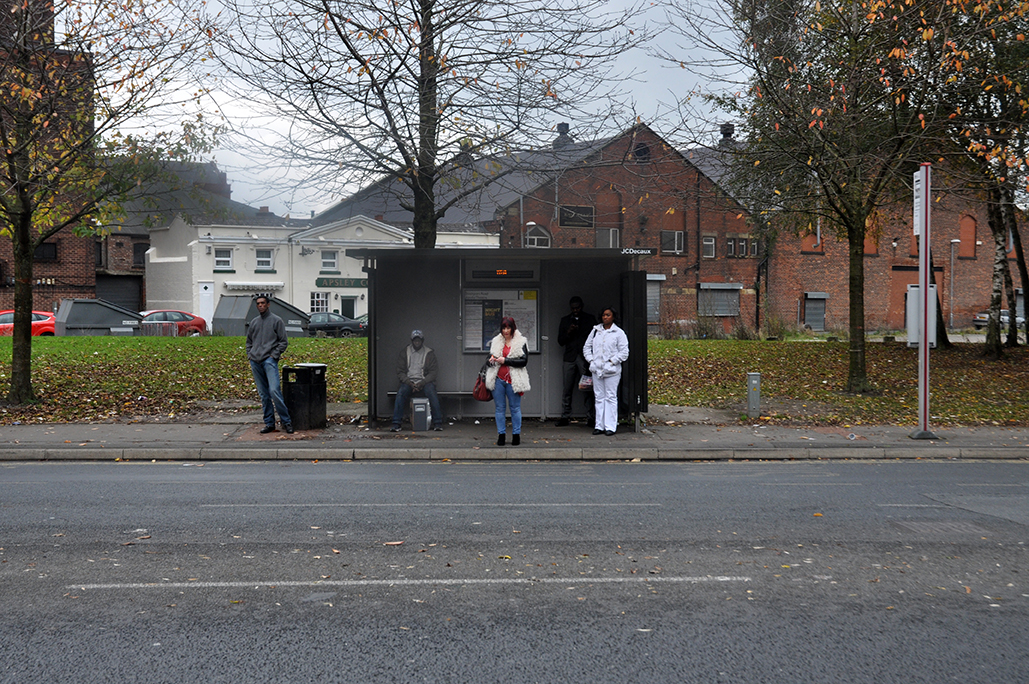
The bus stops here.

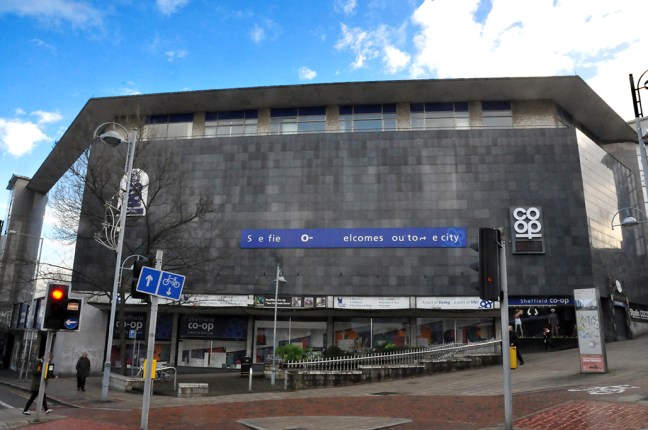
Castle House – Sheffield

I want it.

Historic England want it.

Hopefully you and the people of Sheffield want it,

– anyway it’s listed.

http://www.historicengland.org.uk/listing/the-list/list-entry/1393220

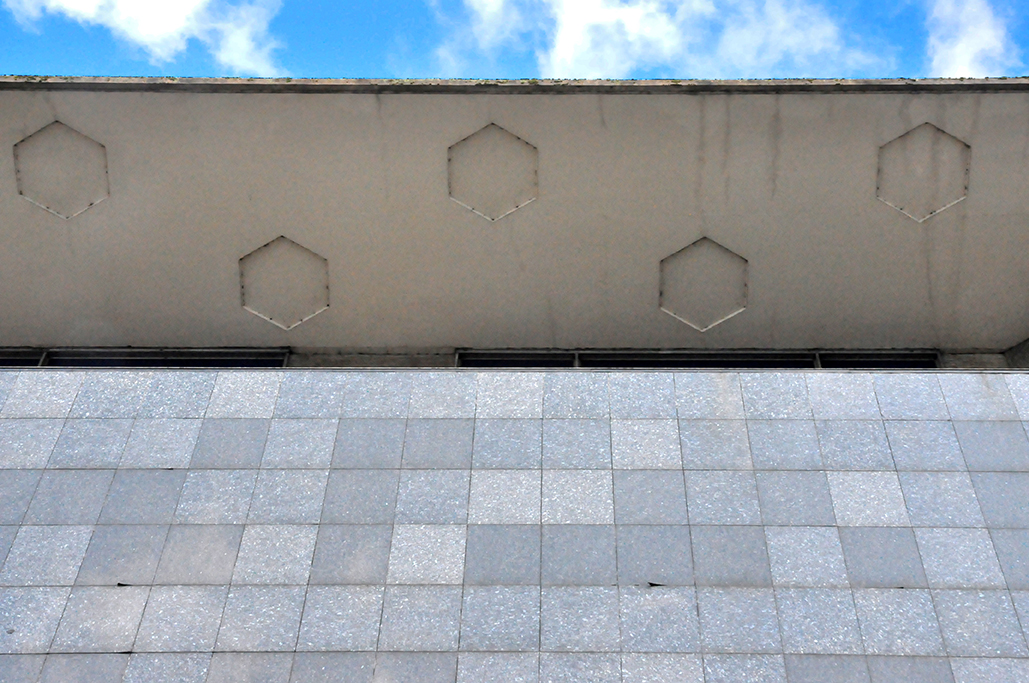
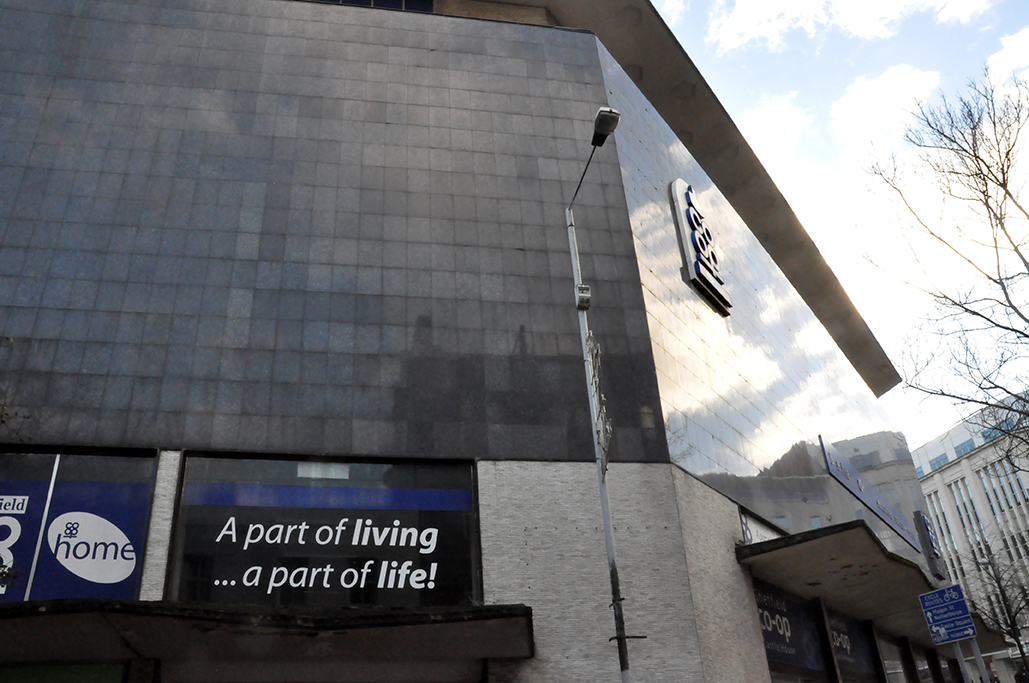
“1964 by George S Hay, Chief Architect for CWS, with interior design by Stanley Layland, interior designer for CWS. Reinforced concrete with Blue Pearl granite tiles and veneers, grey granite tiles and veneers, buff granite blocks, glass, and brick.”

The Liberal Democrat Council objected,  saying

“It could be a major barrier to regenerating Castlegate.”

http://www.sheffieldtelegraph.co.uk/what-s-on/saving-castle-house-controversial-listing-call-defended-1-453913#ixzz3sL3p5RAP

There is now the possibility of redevelopment as a creative hub.

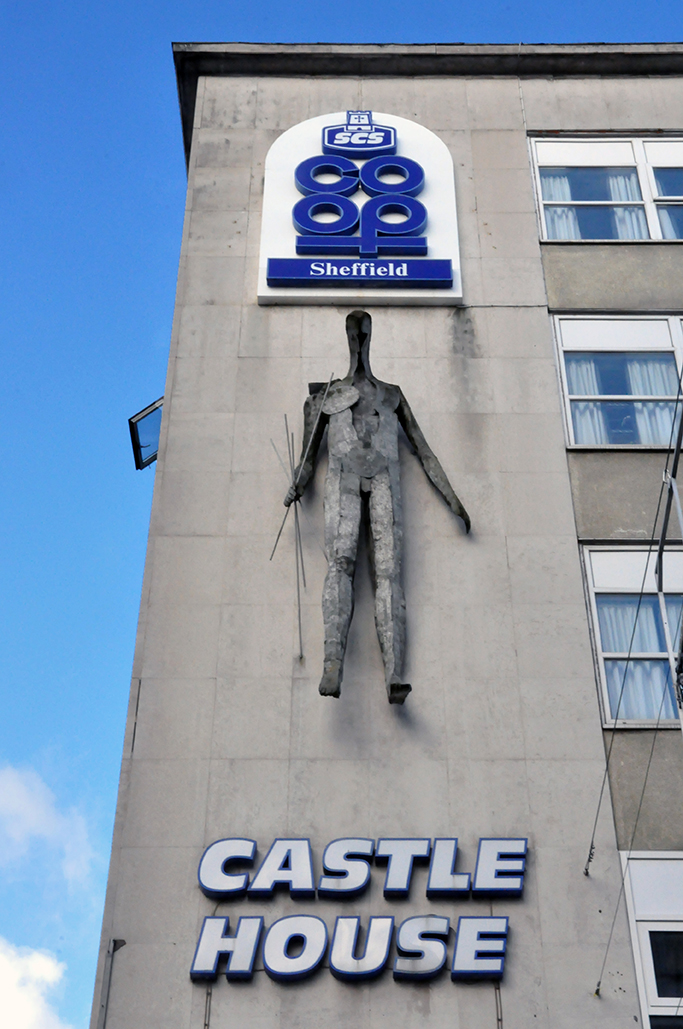
It was a Co-op on the grandest of scales.

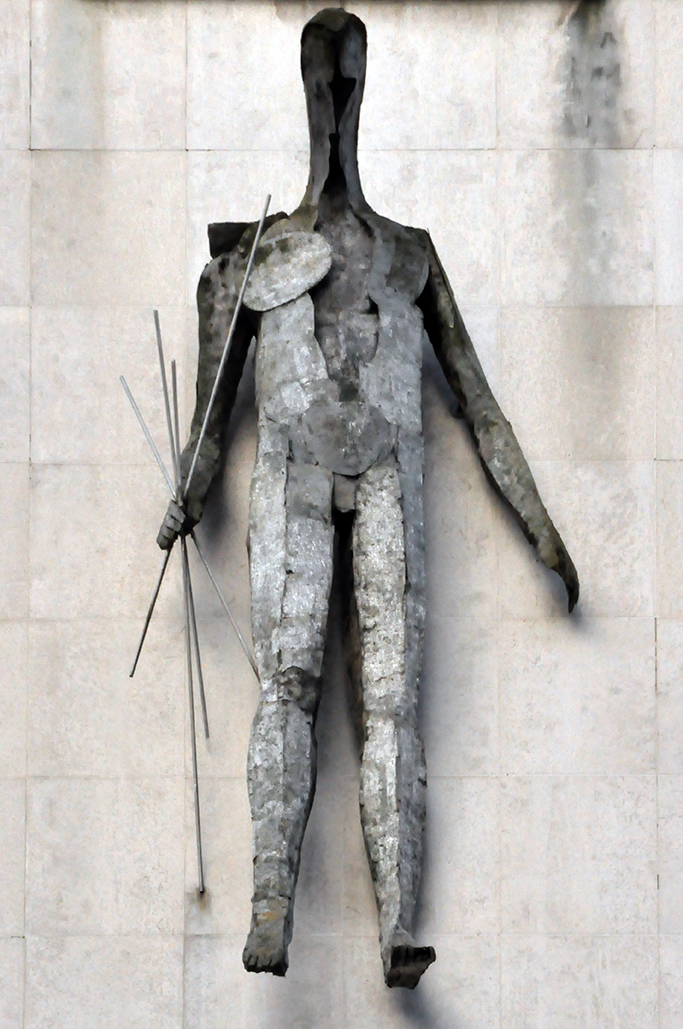
It has it all, public art, monolithic proportions and finish, bags of detail and scale in abundance. A fascinating building to explore and certainly one that fills my little heart with joy in superabundance

A building of period distinction, it deserves its preservation.

We do not require another patch of steel and wilfully wayward clad nowheresville non- architecture, replete with aspirational retail agogo.

Go see it soon!

Hastings – Arthur Green’s

Facing happily out to sea, hard by Hastings promenade, sits Arthur Green’s, former menswear shop of some considerable distinction. Currently operating as an antiques centre, the whole of the perfectly preserved, period interior is now listed by English Heritage.

A mosaic porch and glass lined vestibule, invite you into a palace of dark hardwood fittings, capacious drawers, glass fronted cabinets, and an ornately carved cashiers booth, all topped off and lit by crystal chandeliers.

Few such example still exist intact, their contents usually ripped out, ripped off and reinstalled in chi-chi overpriced, cosmopolitan boutiques – suits you sir?

I think not!

My thanks to the helpful and patient staff who informed and facilitated my mooching.

Take a walk along the front – pop in.

P1020506 copy

P1020523 copy

P1020510 copy

P1020521 copy

P1020522 copy

P1020526 copy

P1020512 copy

P1020511 copy

P1020520 copy

P1020508 copy

P1020529 copy

P1020518 copy

P1020509 copy

P1020530 copy

P1020505 copy

P1020515 copy

P1020507 copy

P1020516 copy

P1020514 copy

P1020513 copy

P1020528 copy

Llanidloes – Shopfronts

In the heart of Wales, former centre of the flannel industry, stands Llanidloes.

Through civic pride, love and local doggedness, the decorative shopfront prevails unabashed.

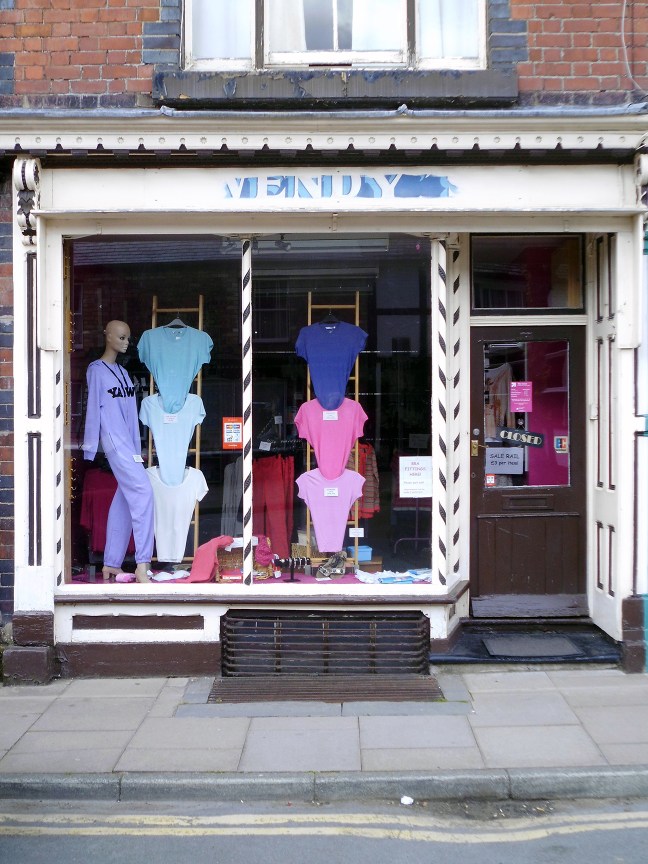
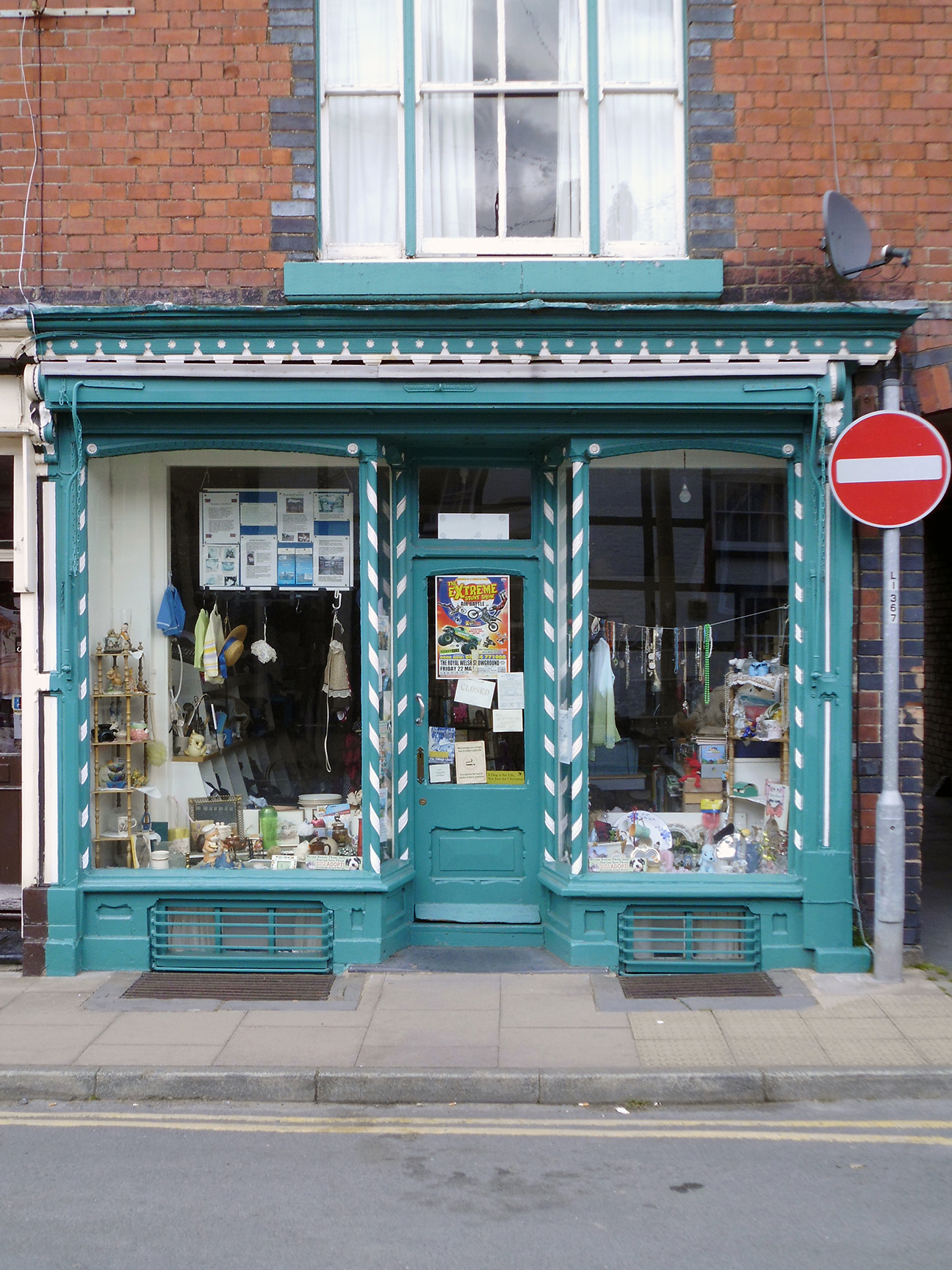
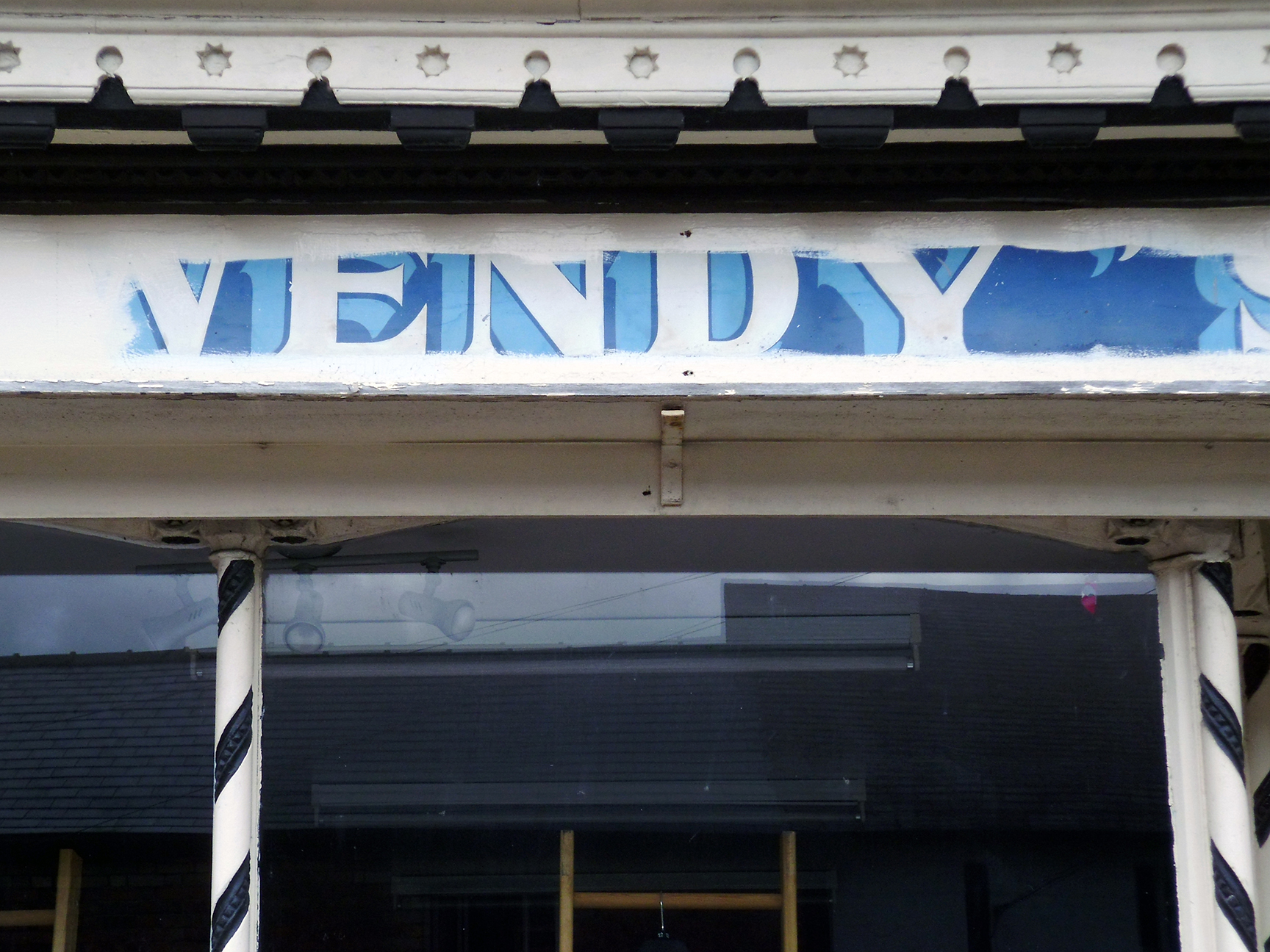
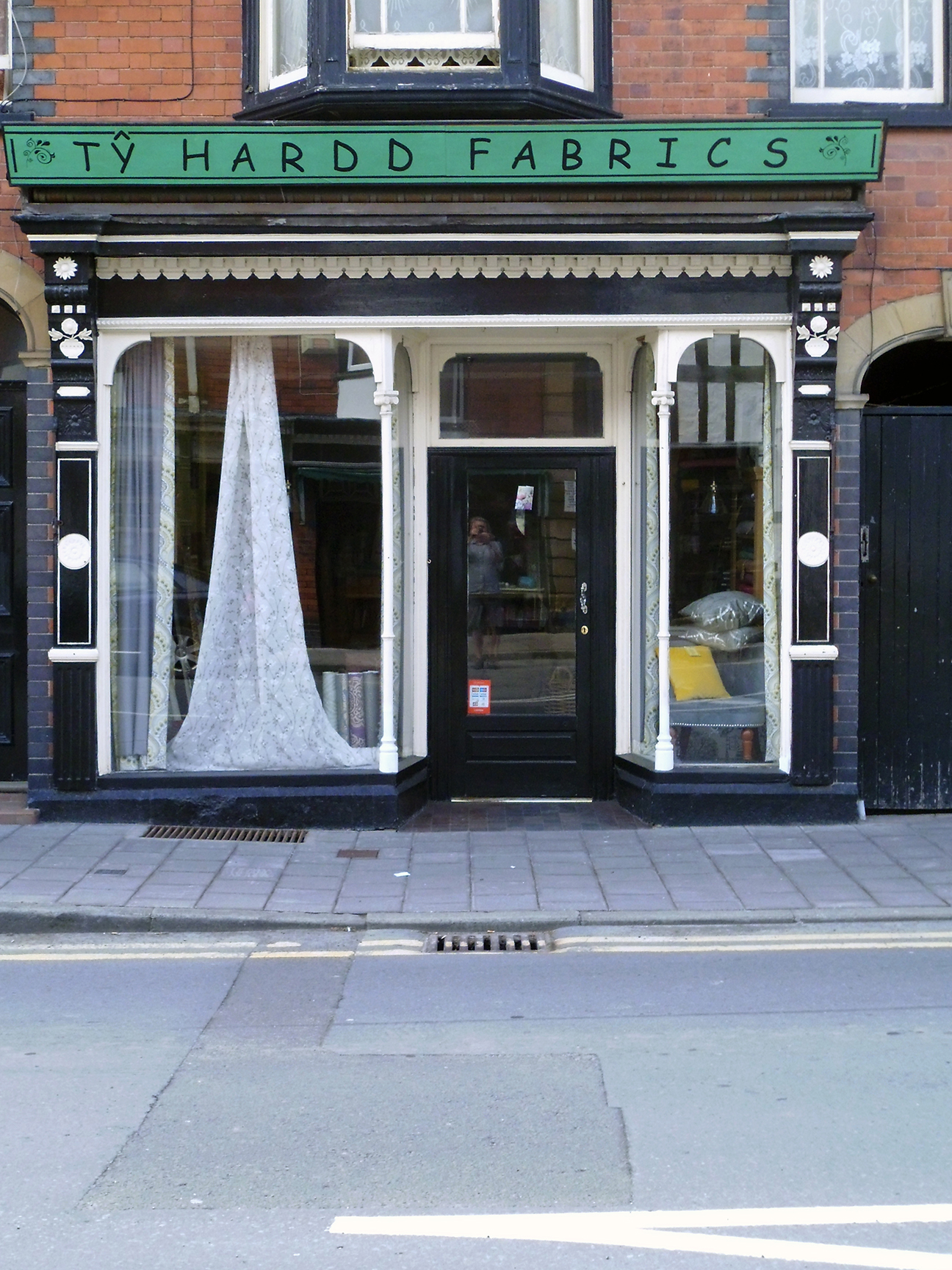
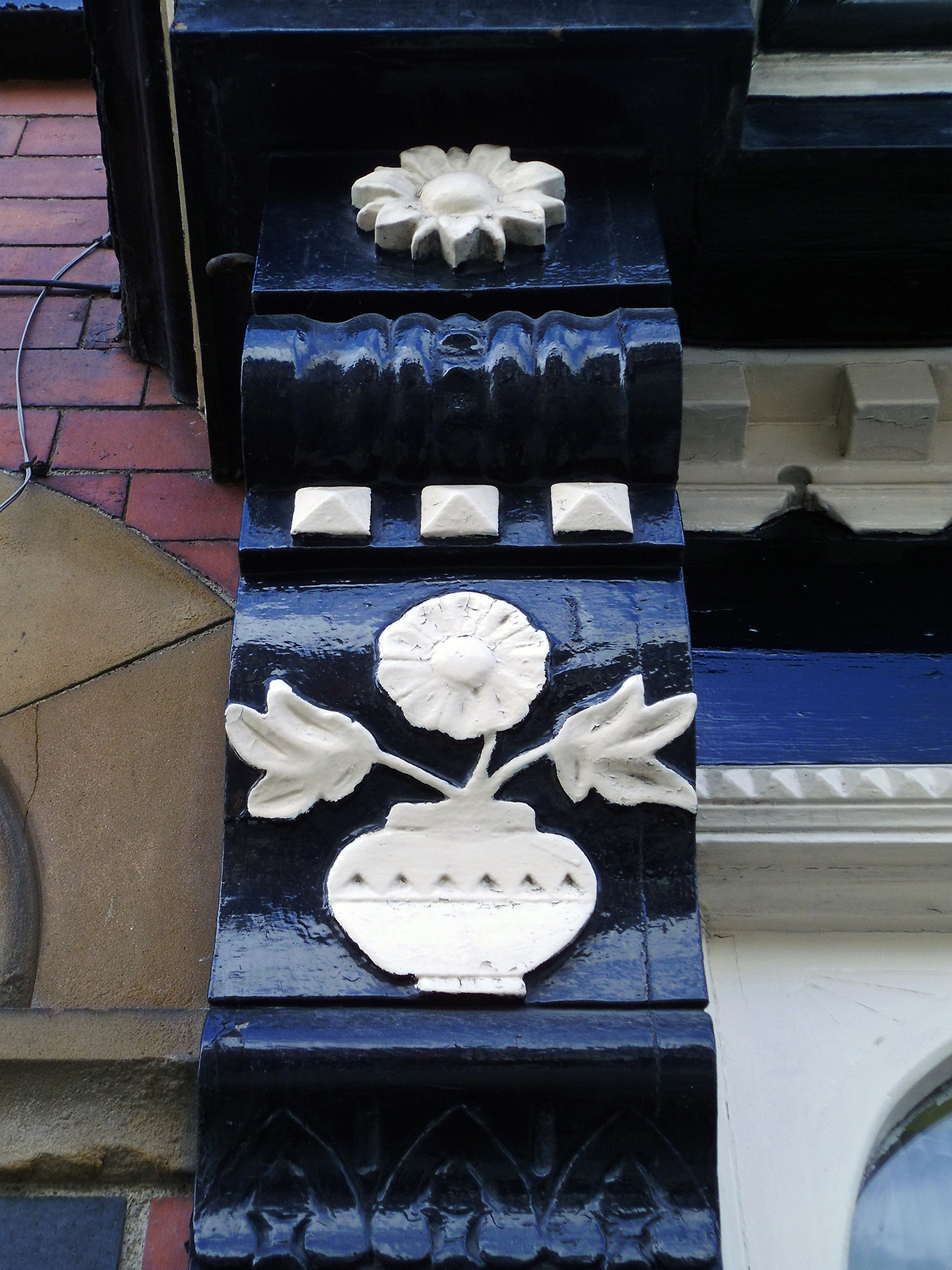
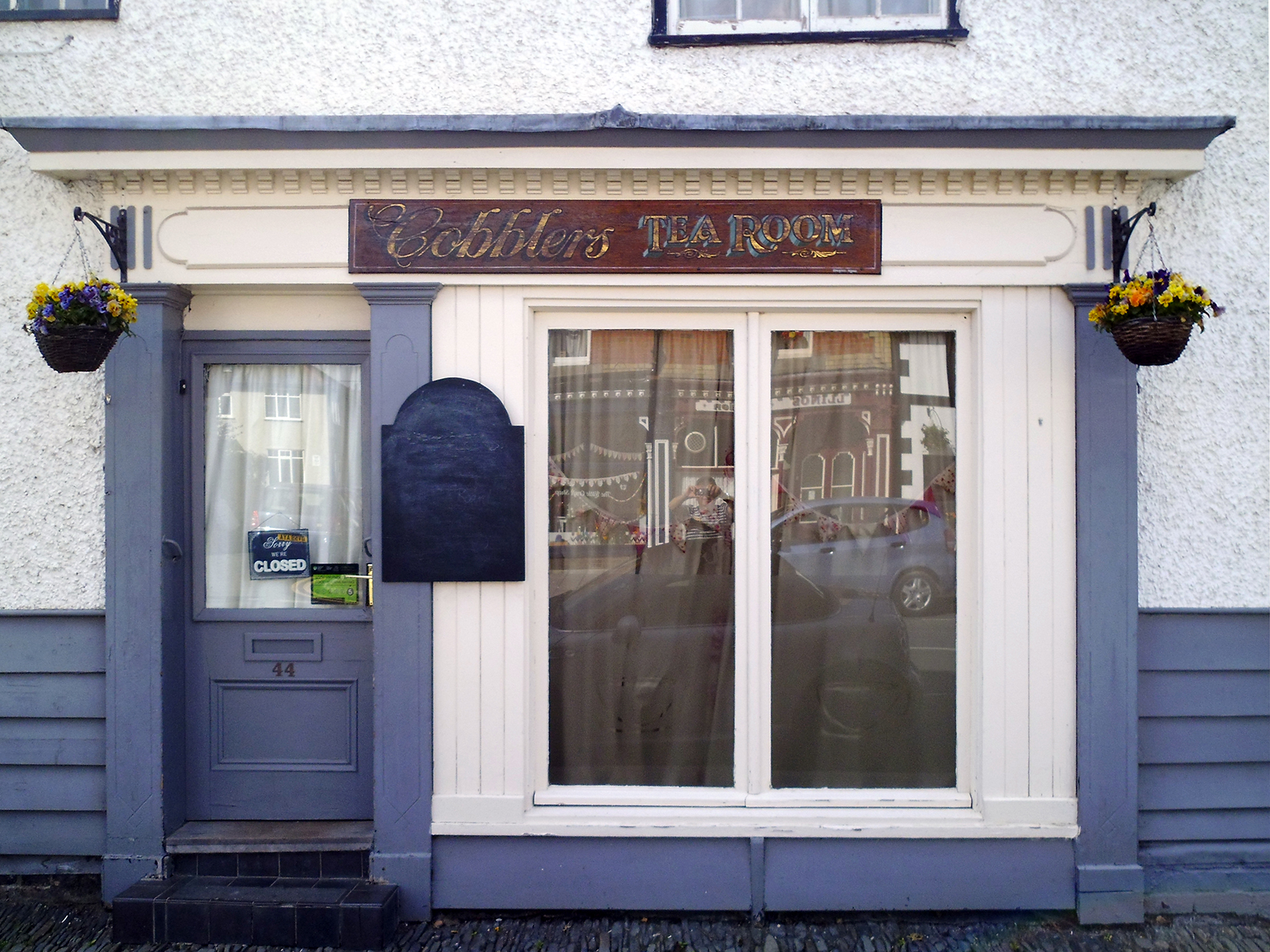
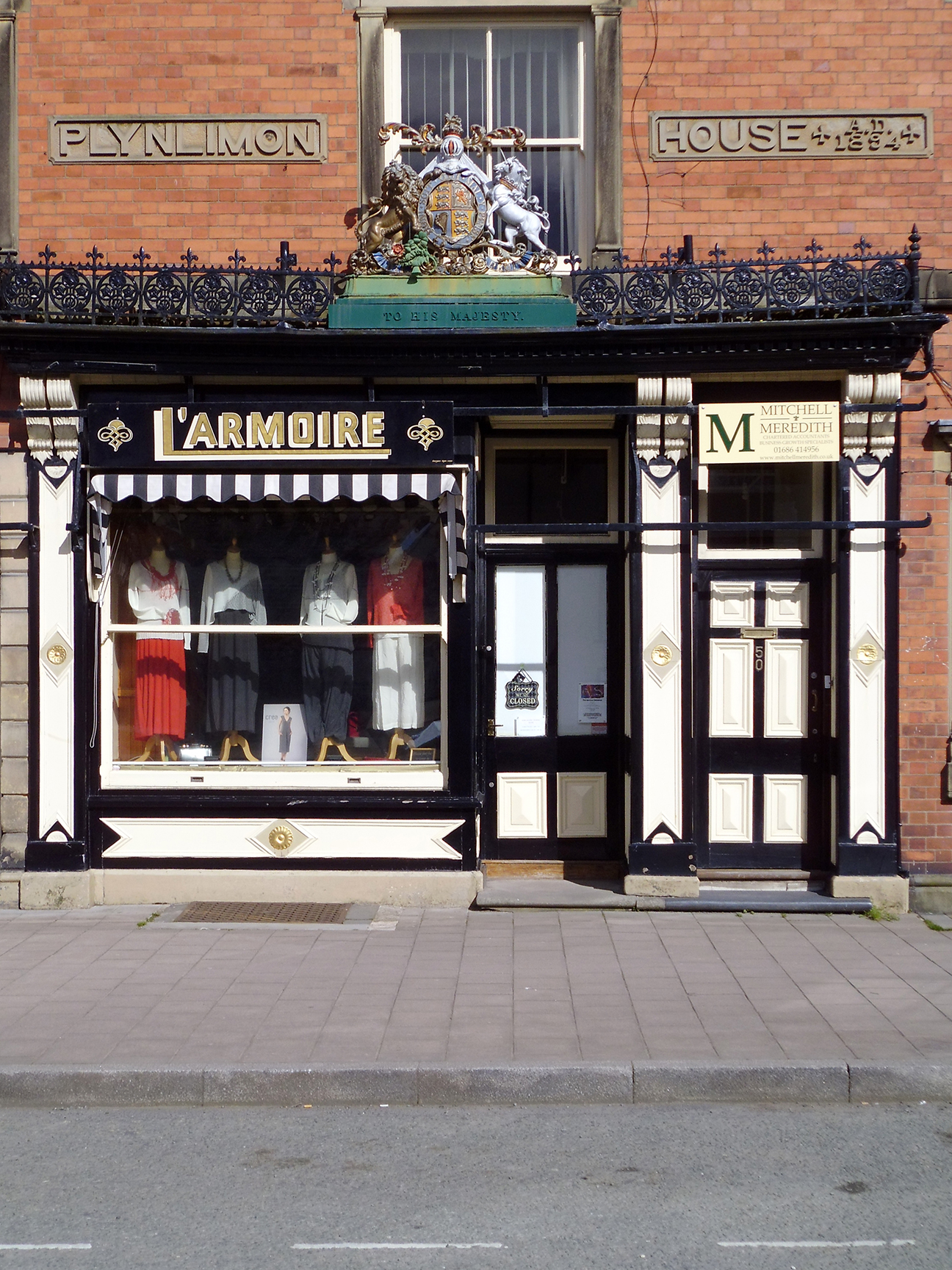
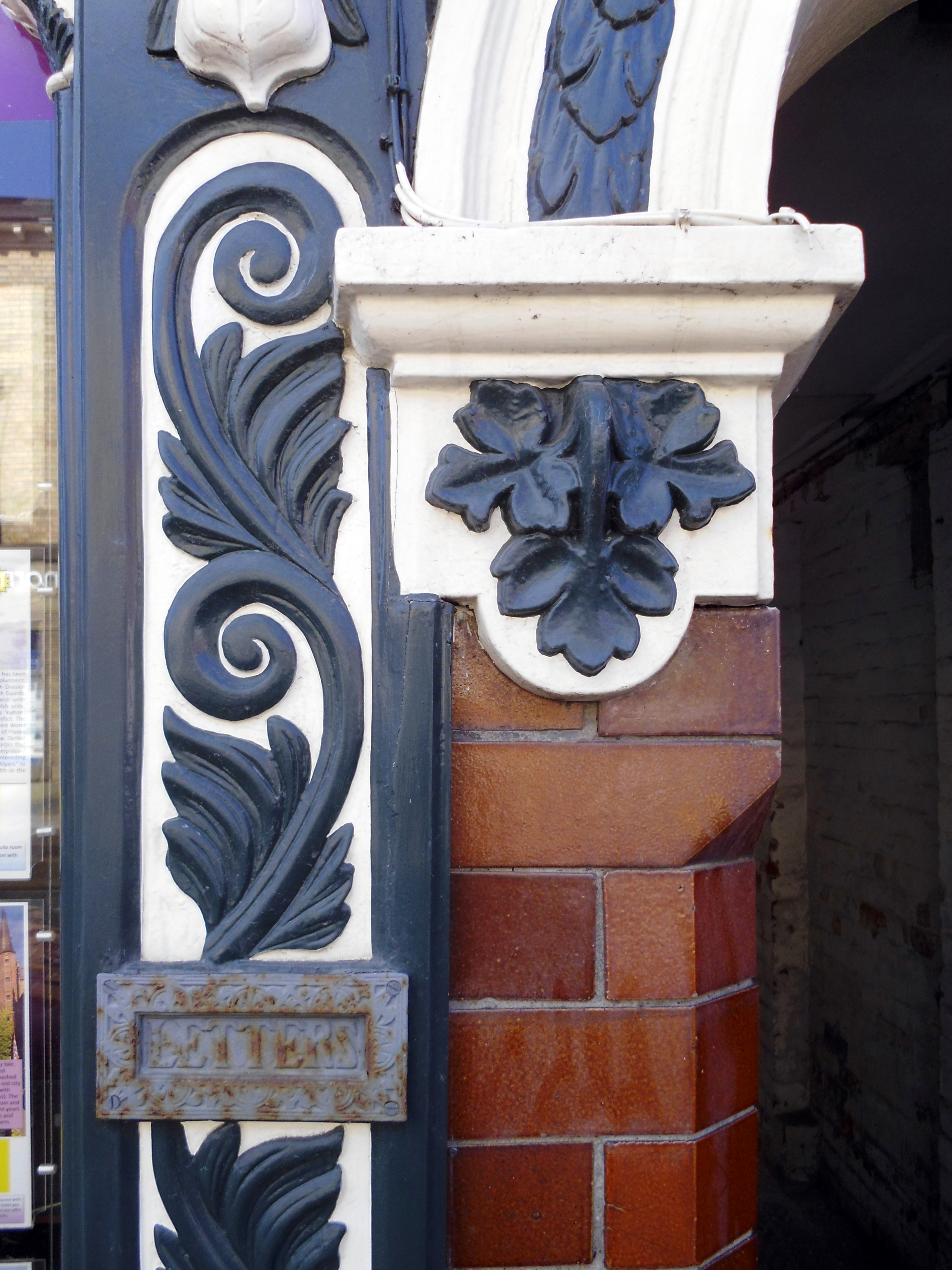
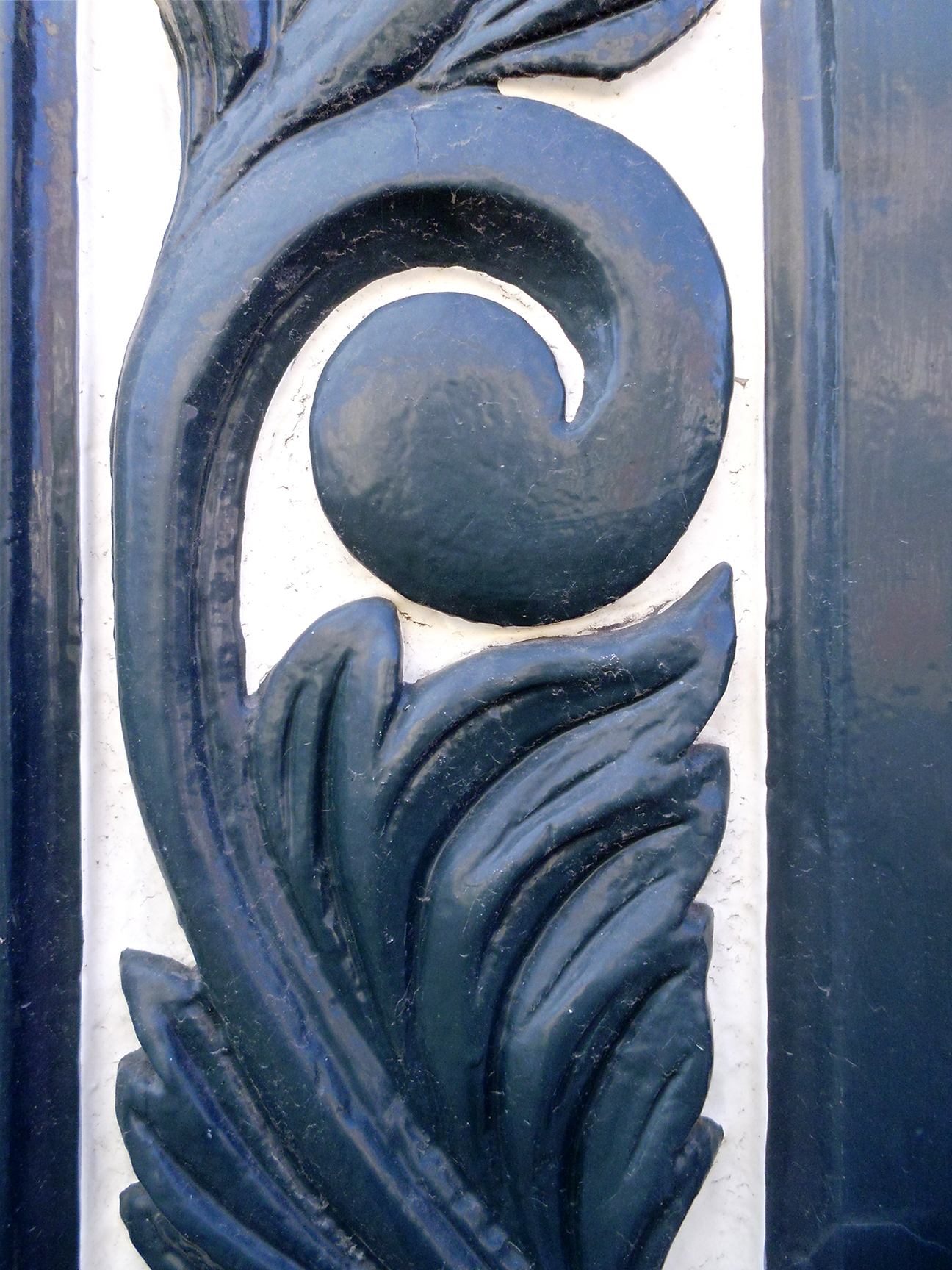
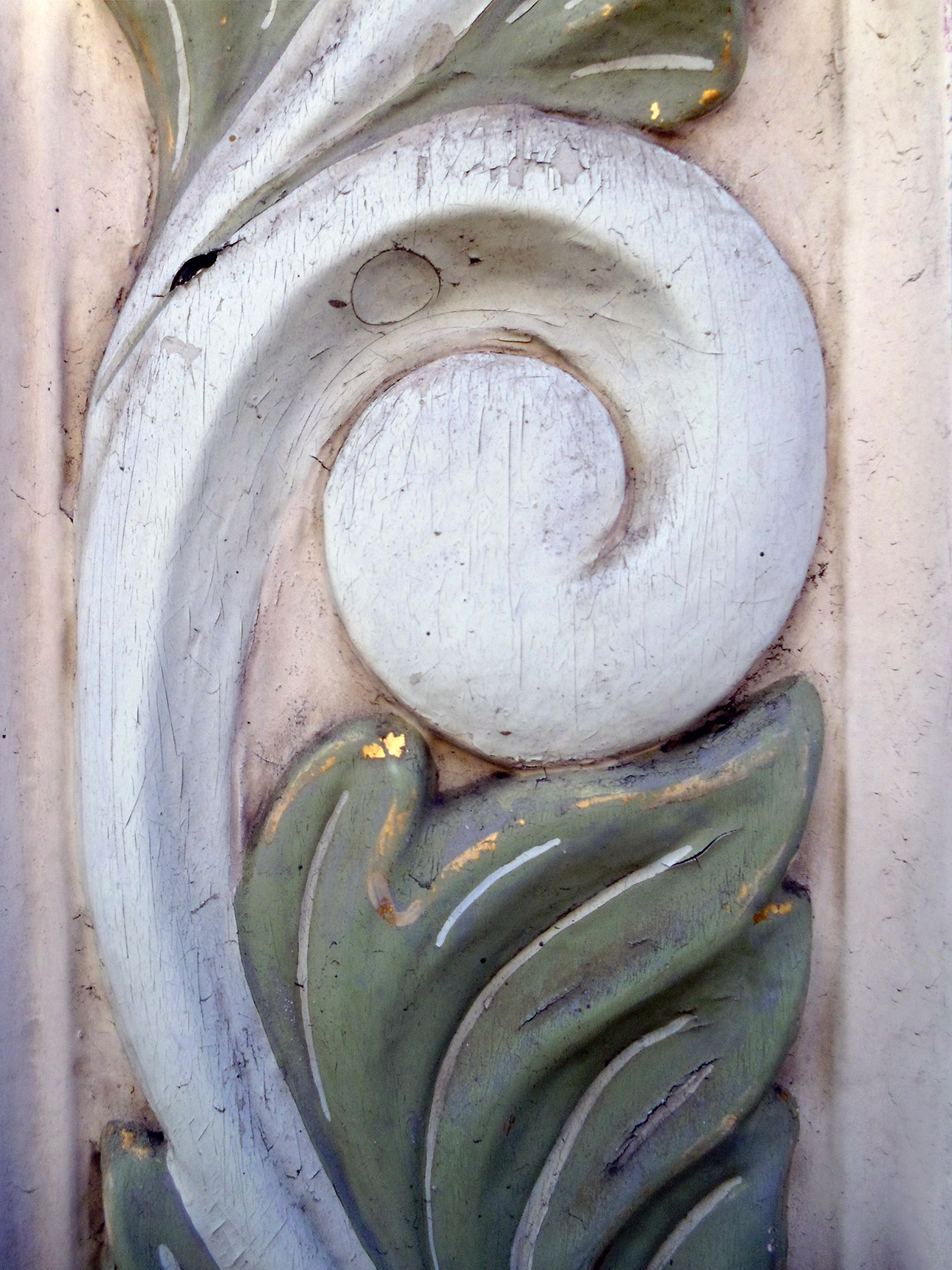
The finest selection of carved and moulded wooden filigree, hand painted signs, large open panes, tile work and the odd suspended folk-art sheep, adorn substantial Victorian properties, rich in the market town tradition of controlled opulence. A varied typology, the majority continuing to trade, the odd domestic conversion retaining its retail characteristics, whilst maintaining its modesty, behind tightly drawn net curtains.

Go take a look.

P1070185 copy

P1070187 copy

P1070188 copy

P1070190 copy

P1070197 copy

P1070198 copy

P1070199 copy

P1070205 copy

P1070206 copy

P1070207 copy

P1070208 copy

P1070224 copy

P1070225 copy

P1070227 copy

P1070228 copy

P1070229 copy

P1070230 copy

P1070231 copy

P1070232 copy

P1070233 copy

P1070234 copy

P1070235 copy

P1070236 copy

P1070238 copy

P1070239 copy

P1070240 copy

P1070241 copy

P1070242 copy

P1070243 copy

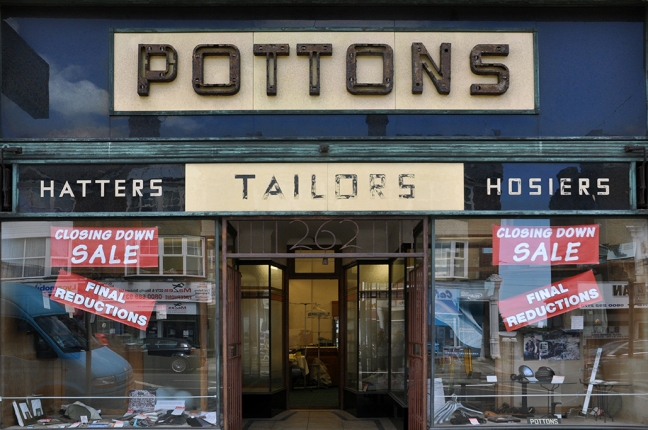
Pottons – Cliftonville Margate

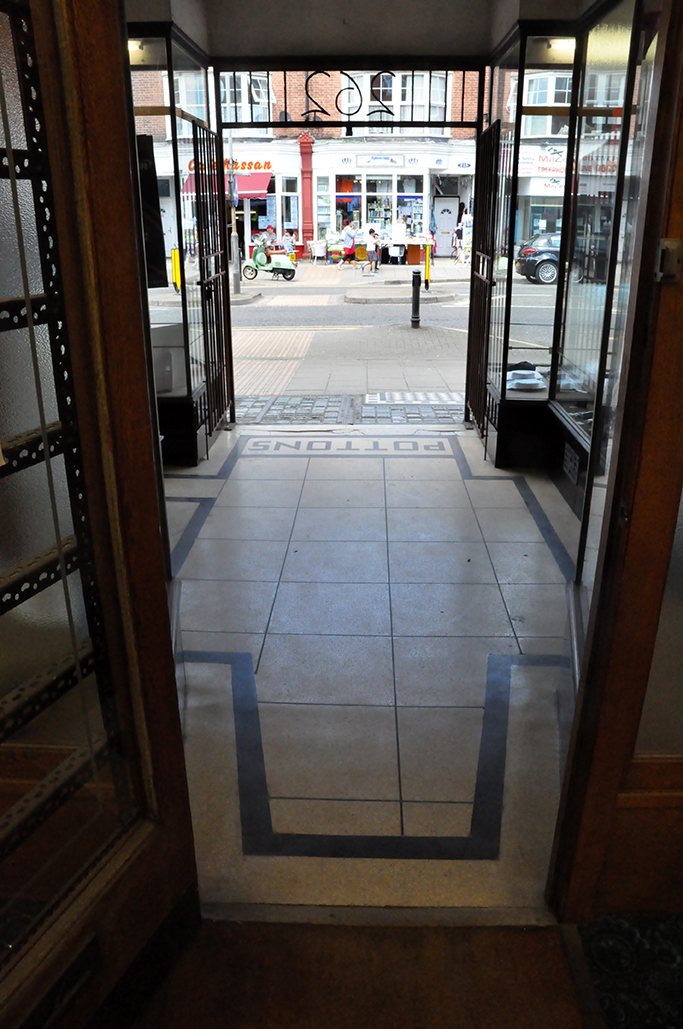
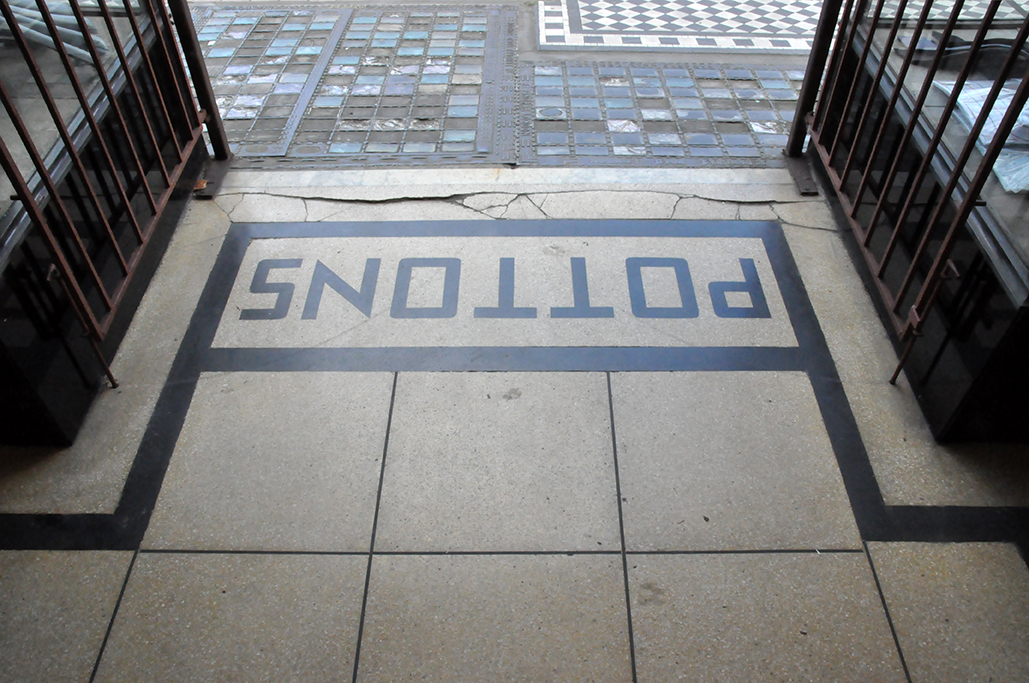
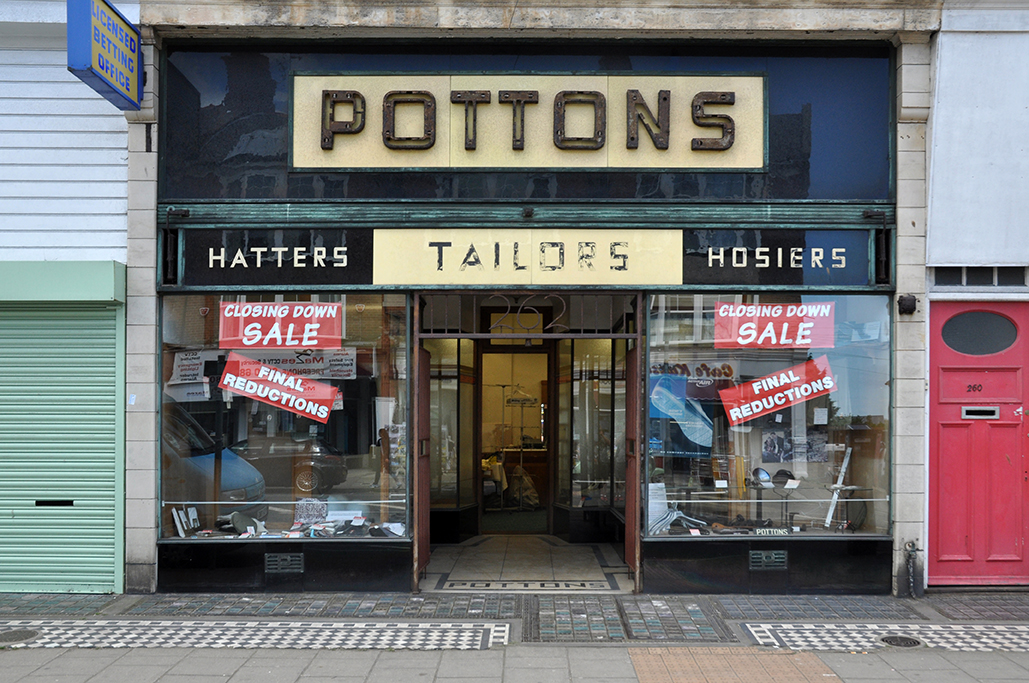
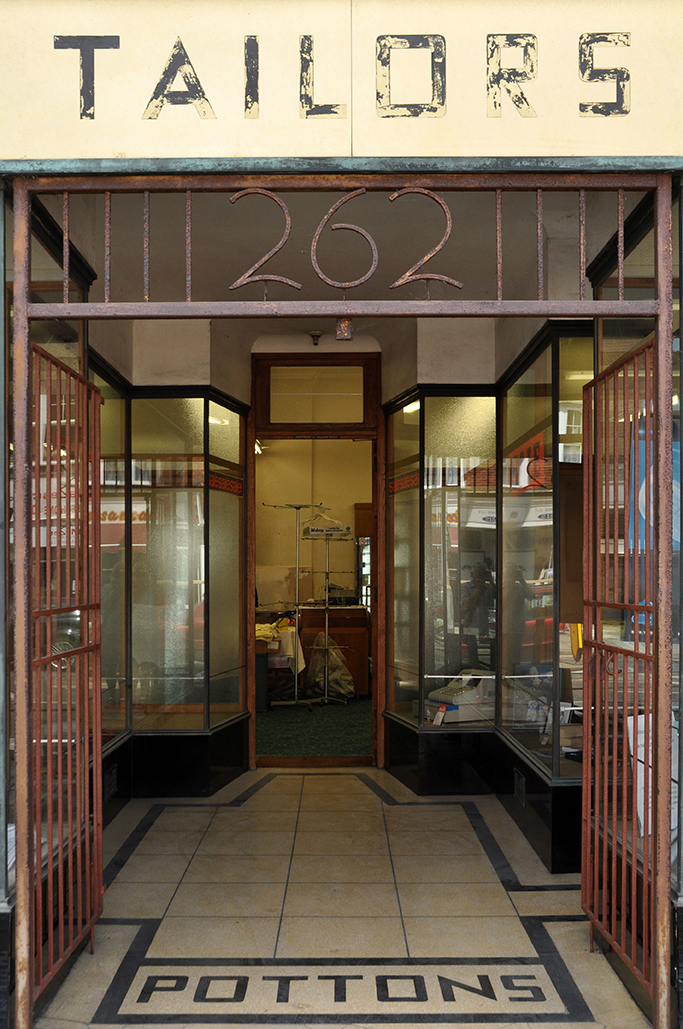
Should you, as I did wander down Northdown Road, Cliftonville, you will chance upon Pottons at 262.

By now however, ingress is more than somewhat inhibited.

It’s closed.

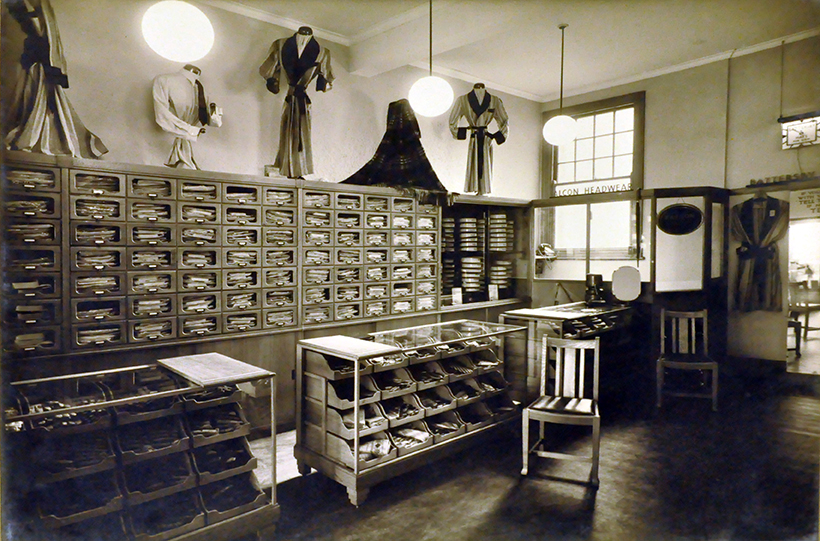
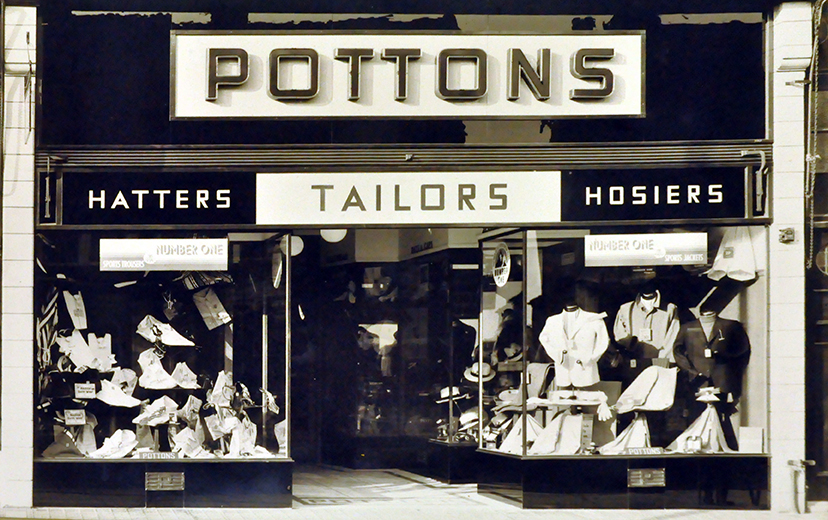
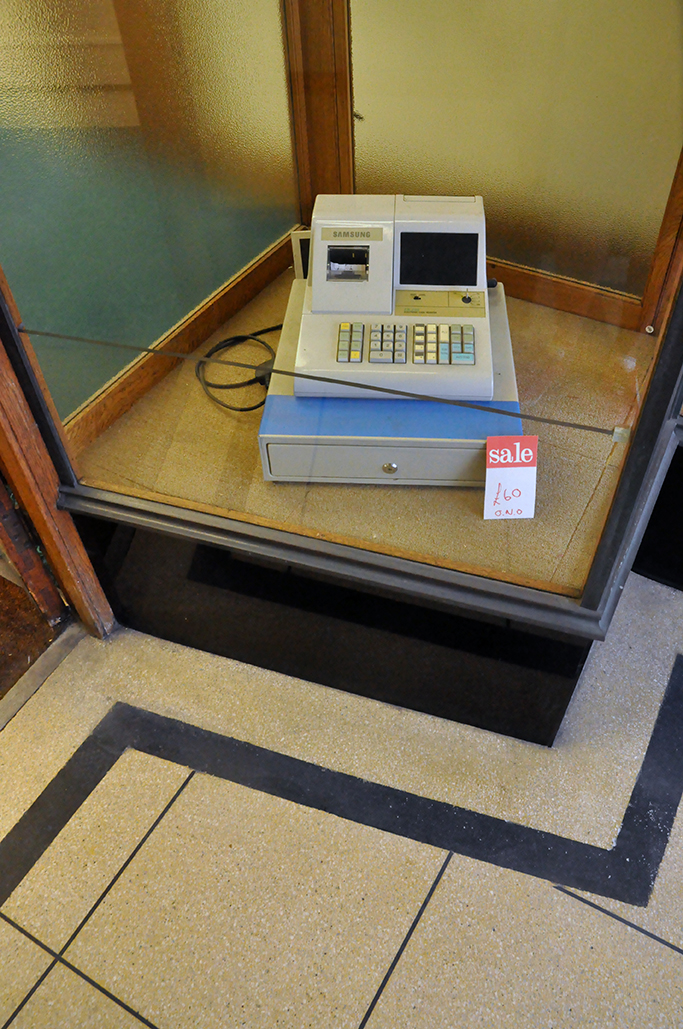
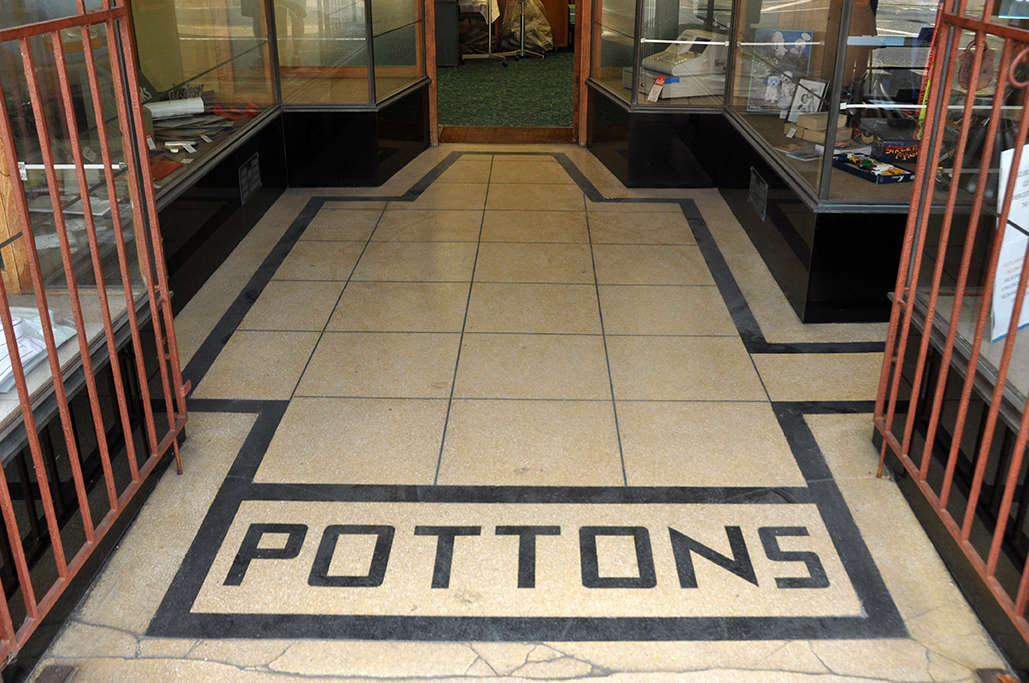
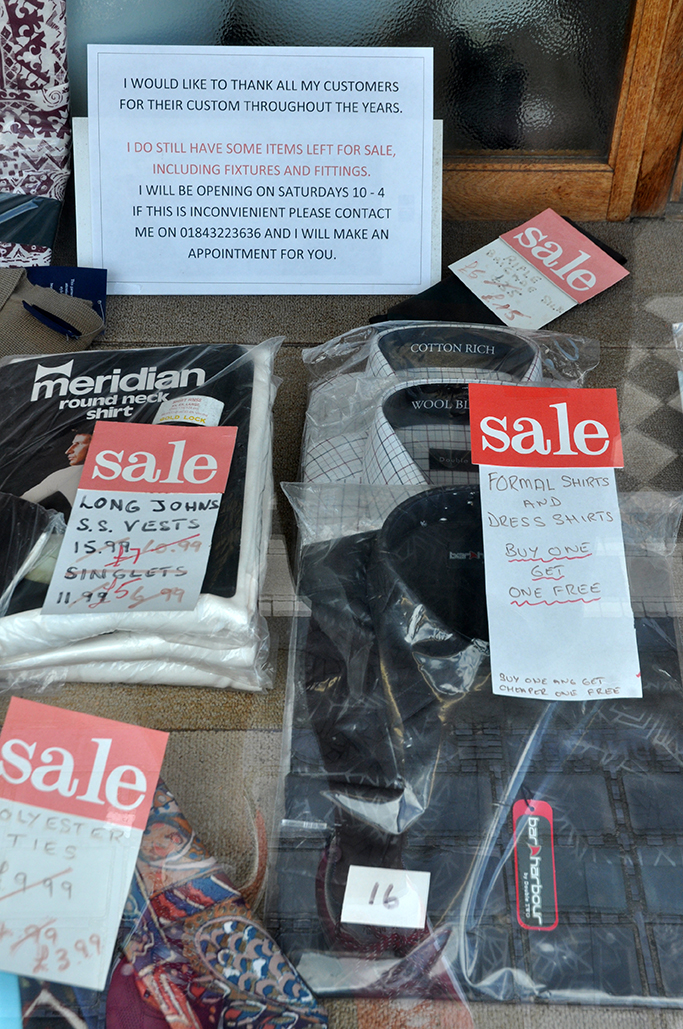
The most exciting and extant period fascia, once gave way to oak fittings and fixtures festooned with all manner of menswear, exotic and plain accoutrements, now inaccessible.

It’s gone.

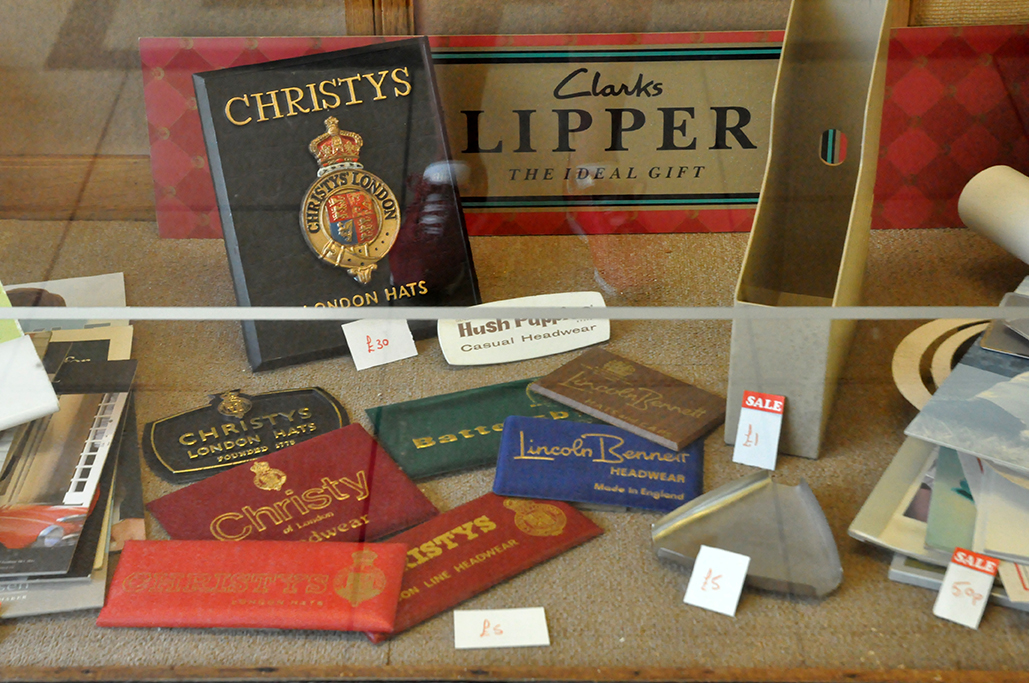
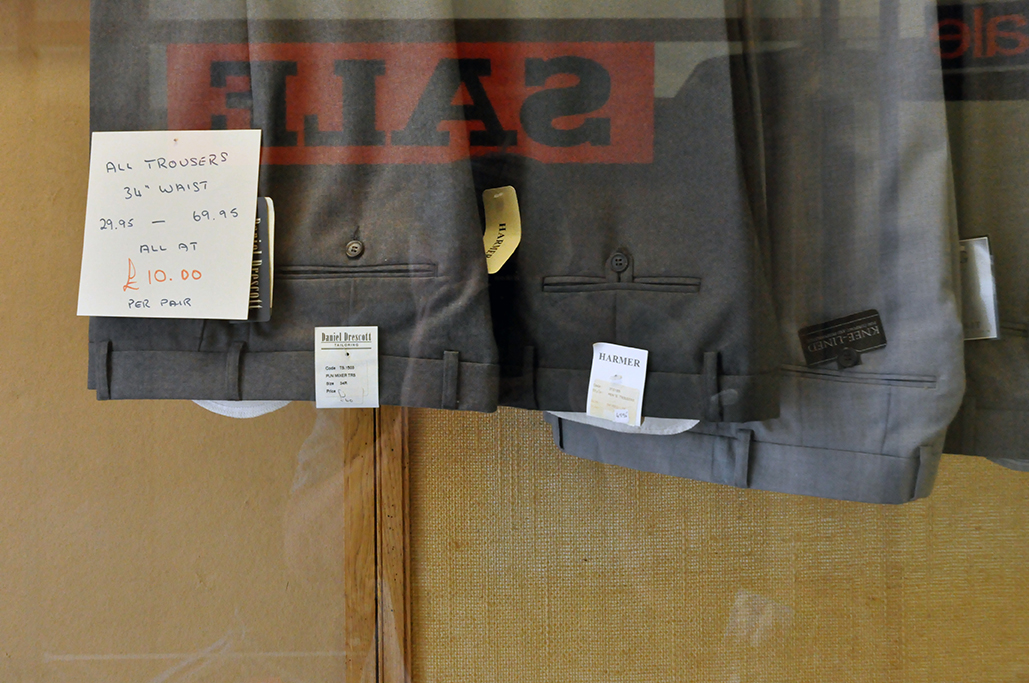
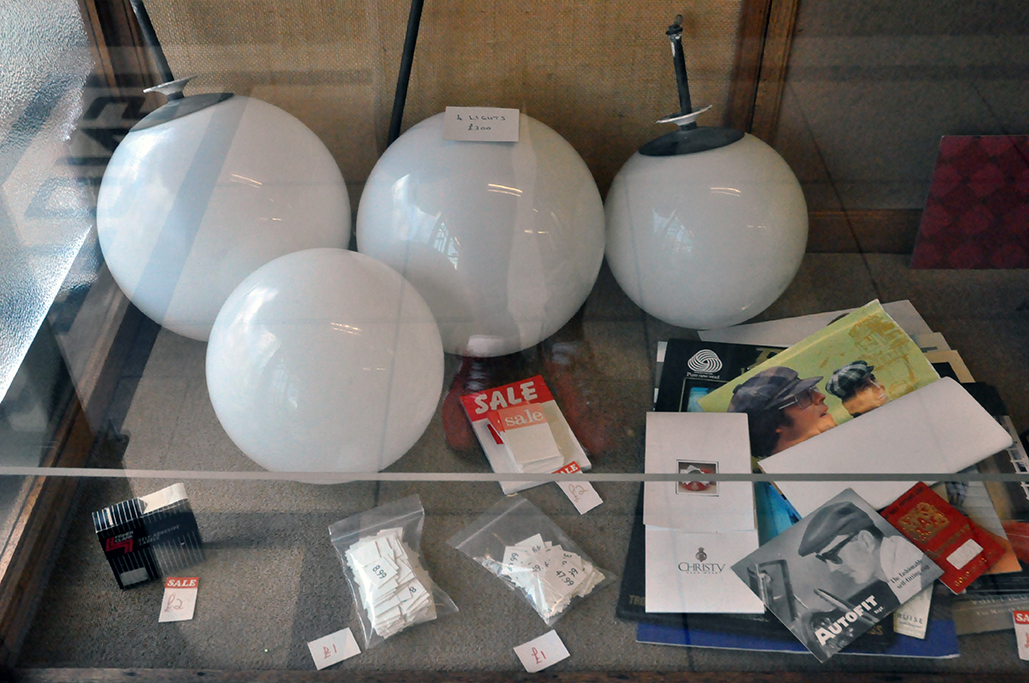
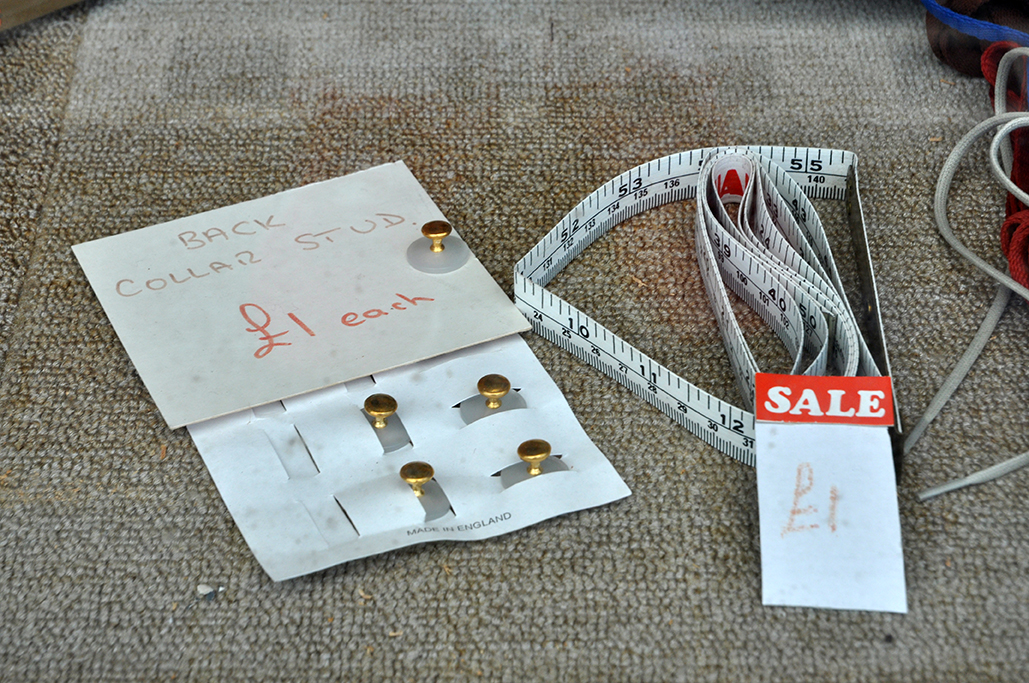
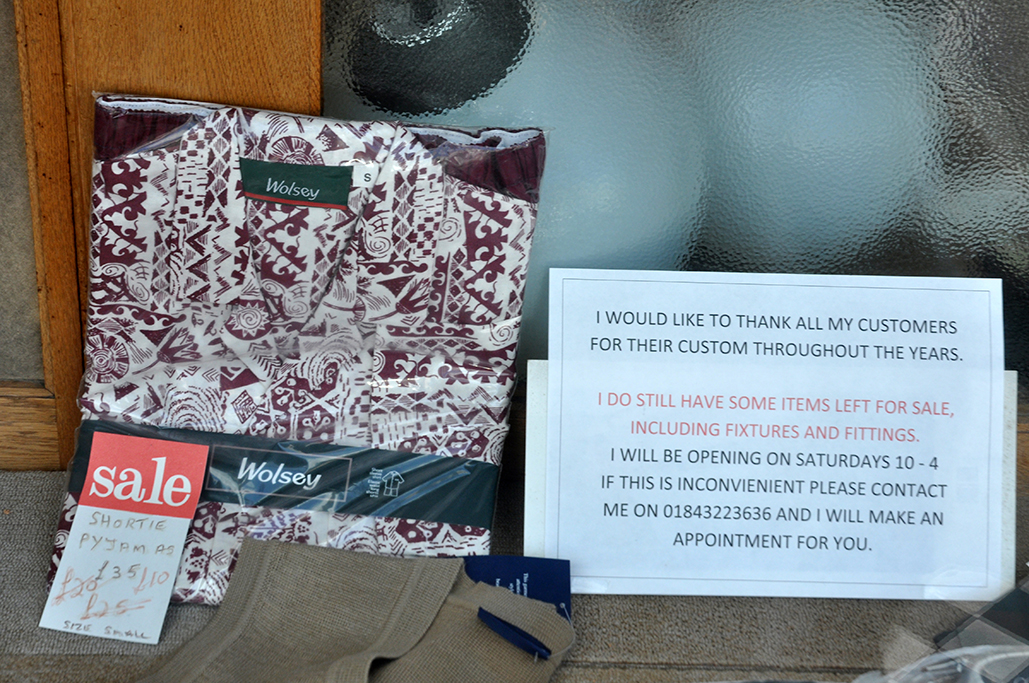
A few sad remnants were on sale, administered in their final days by Lorraine, employed for 35 years in a family business, whose trade had once included made to measure, fine millinery and quality accessories for the discerning gent around town.

No more.

DSC_0298 copy

DSC_0299 copy

DSC_0300 copy

DSC_0302 copy

DSC_0293 copy

DSC_0294 copy

DSC_0306 copy

DSC_0307 copy

DSC_0308 copy

DSC_0309 copy

DSC_0310 copy

DSC_0311 copy

DSC_0312 copy

DSC_0319 copy

DSC_0322 copy

DSC_0324 copy

DSC_0326 copy

DSC_0327 copy

DSC_0329 copy

DSC_0330 copy

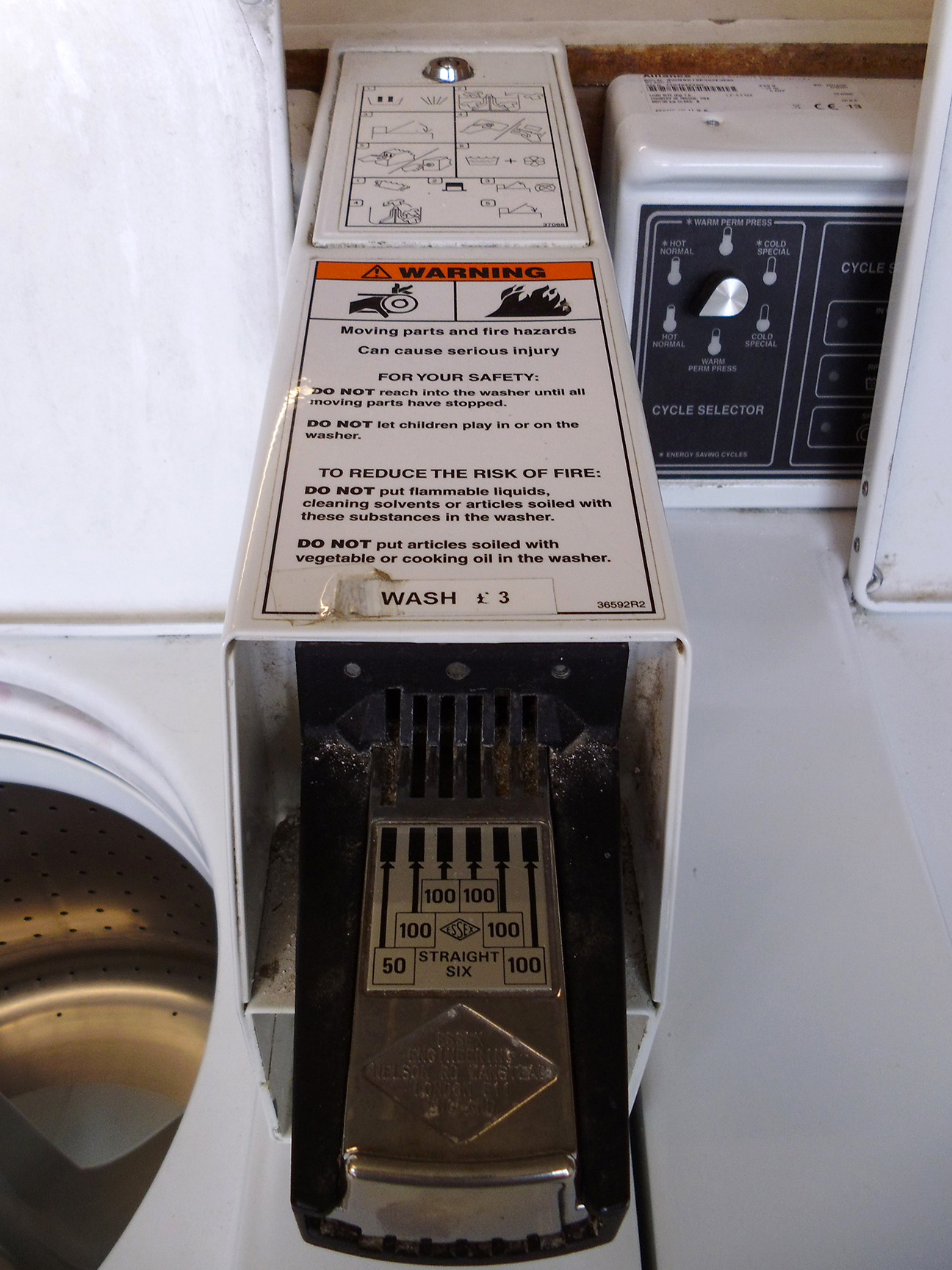
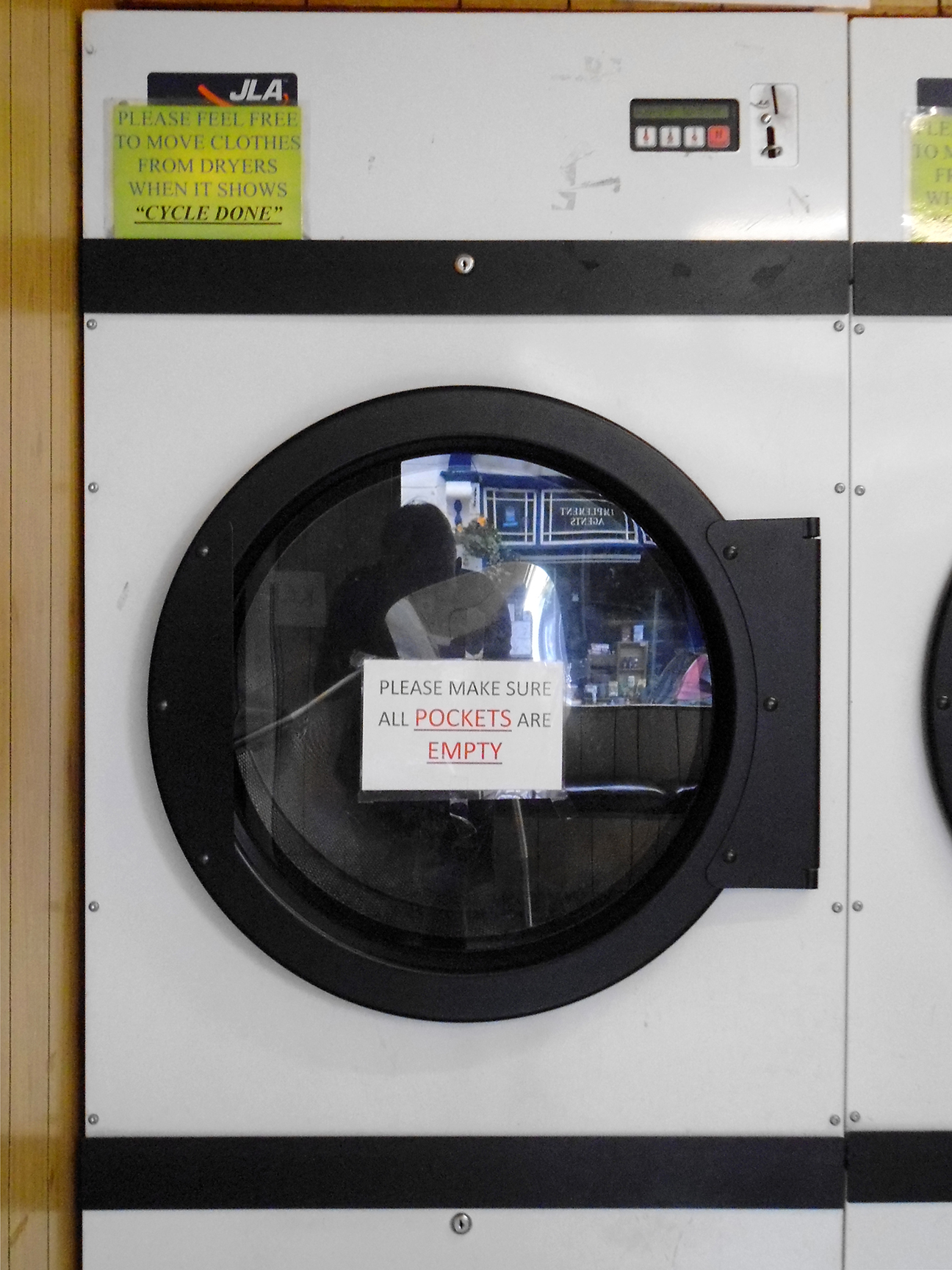
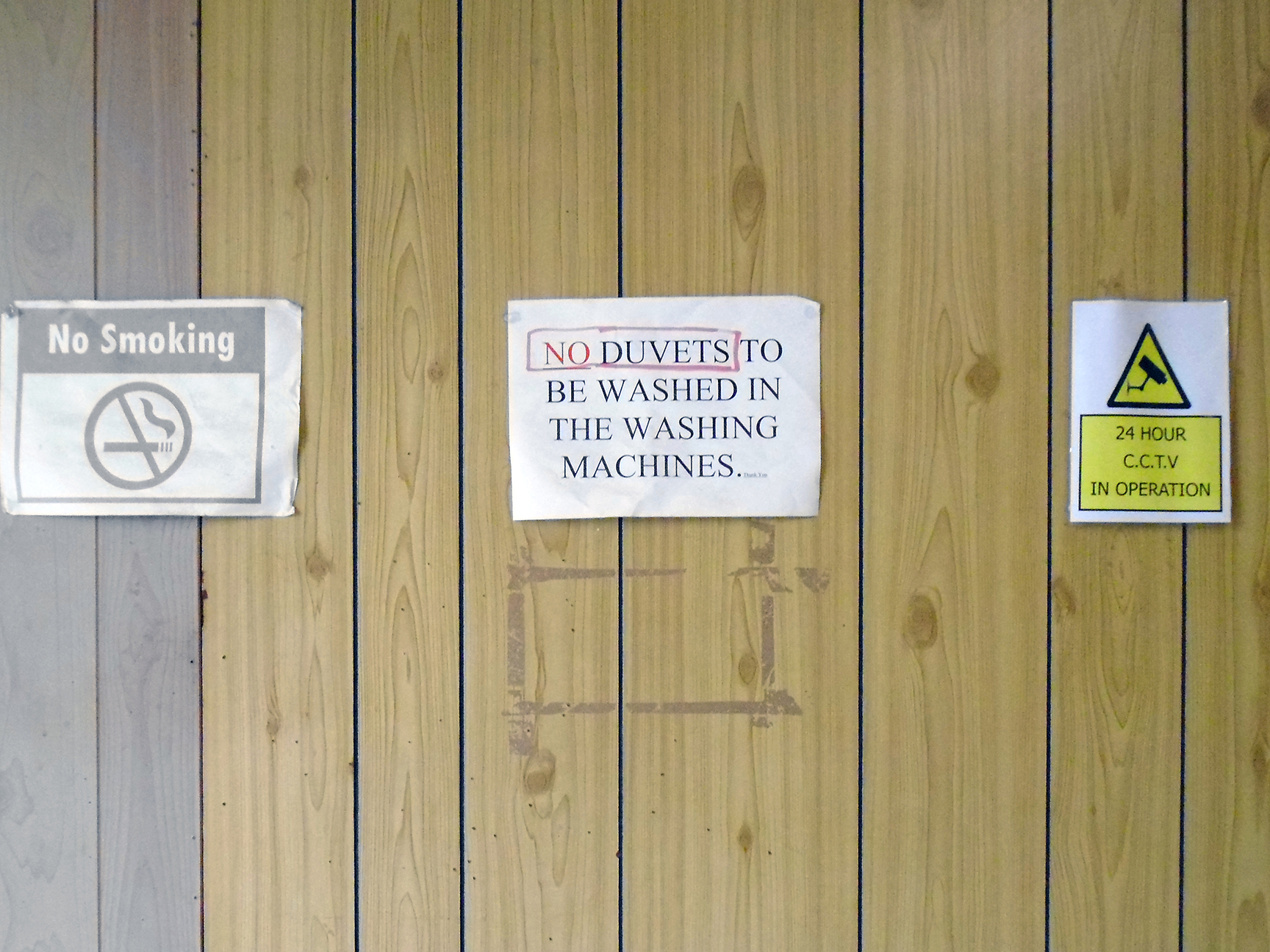
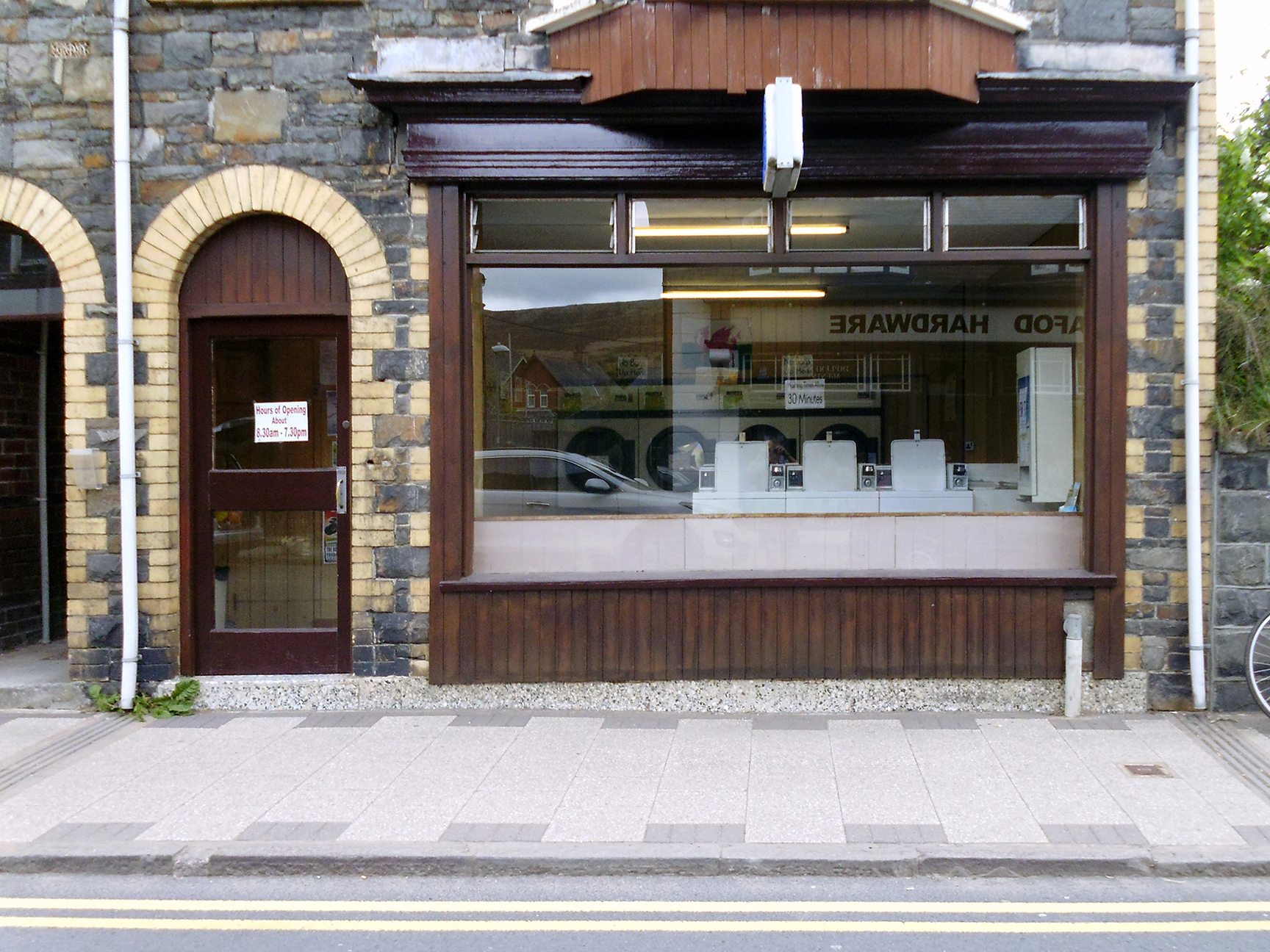
Laundrette – Rhayader

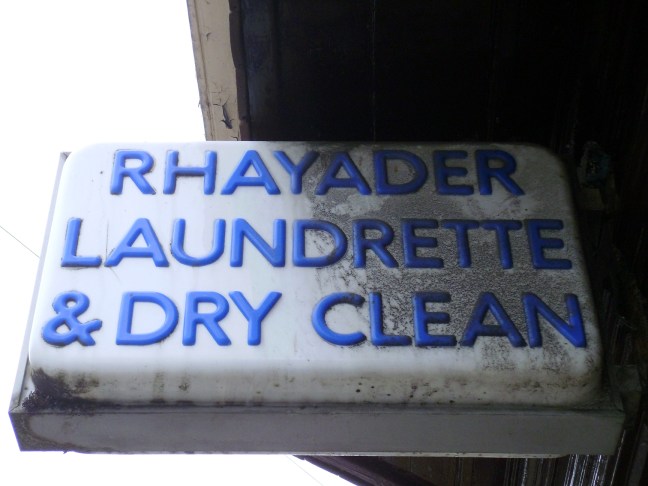
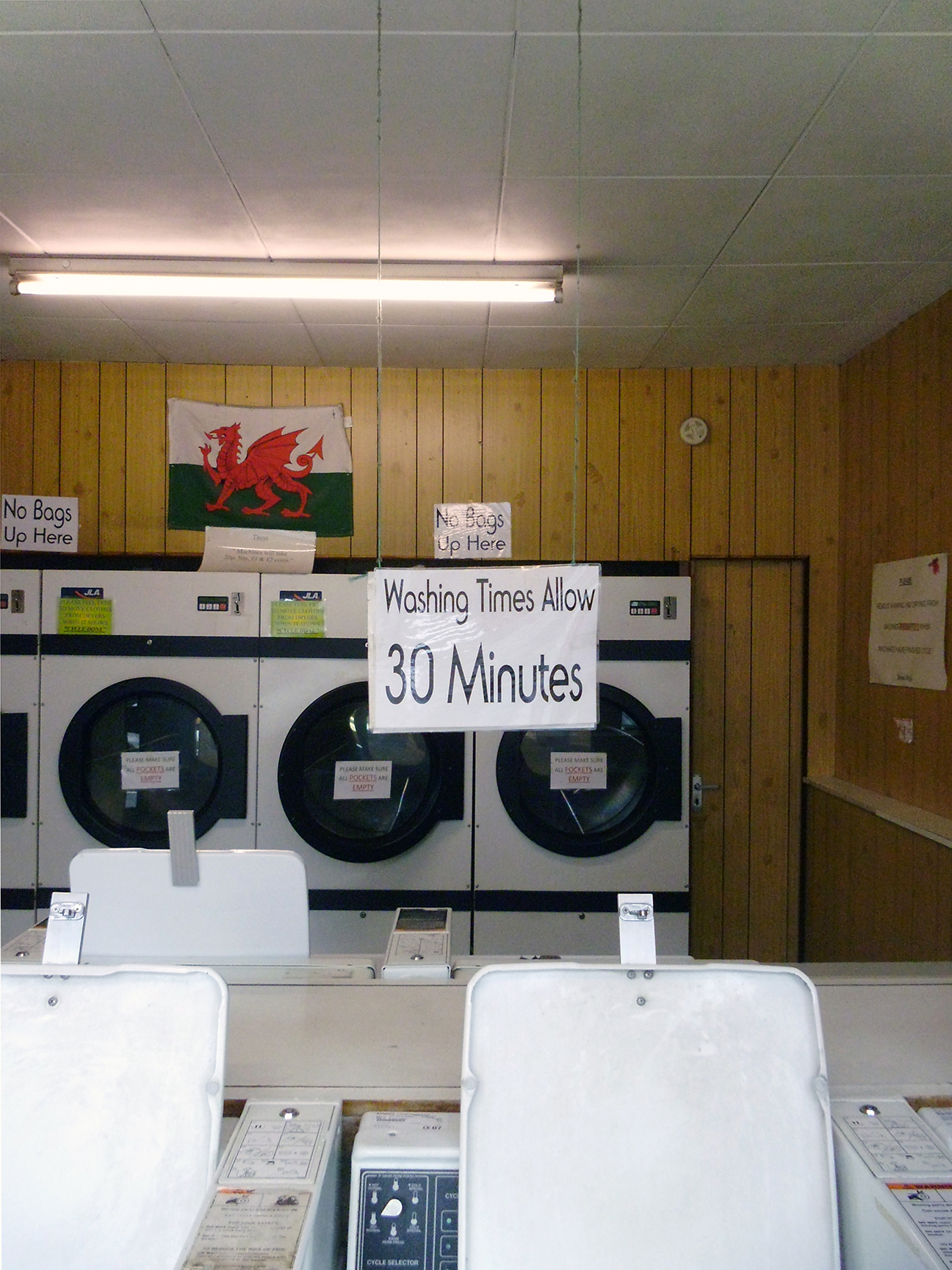
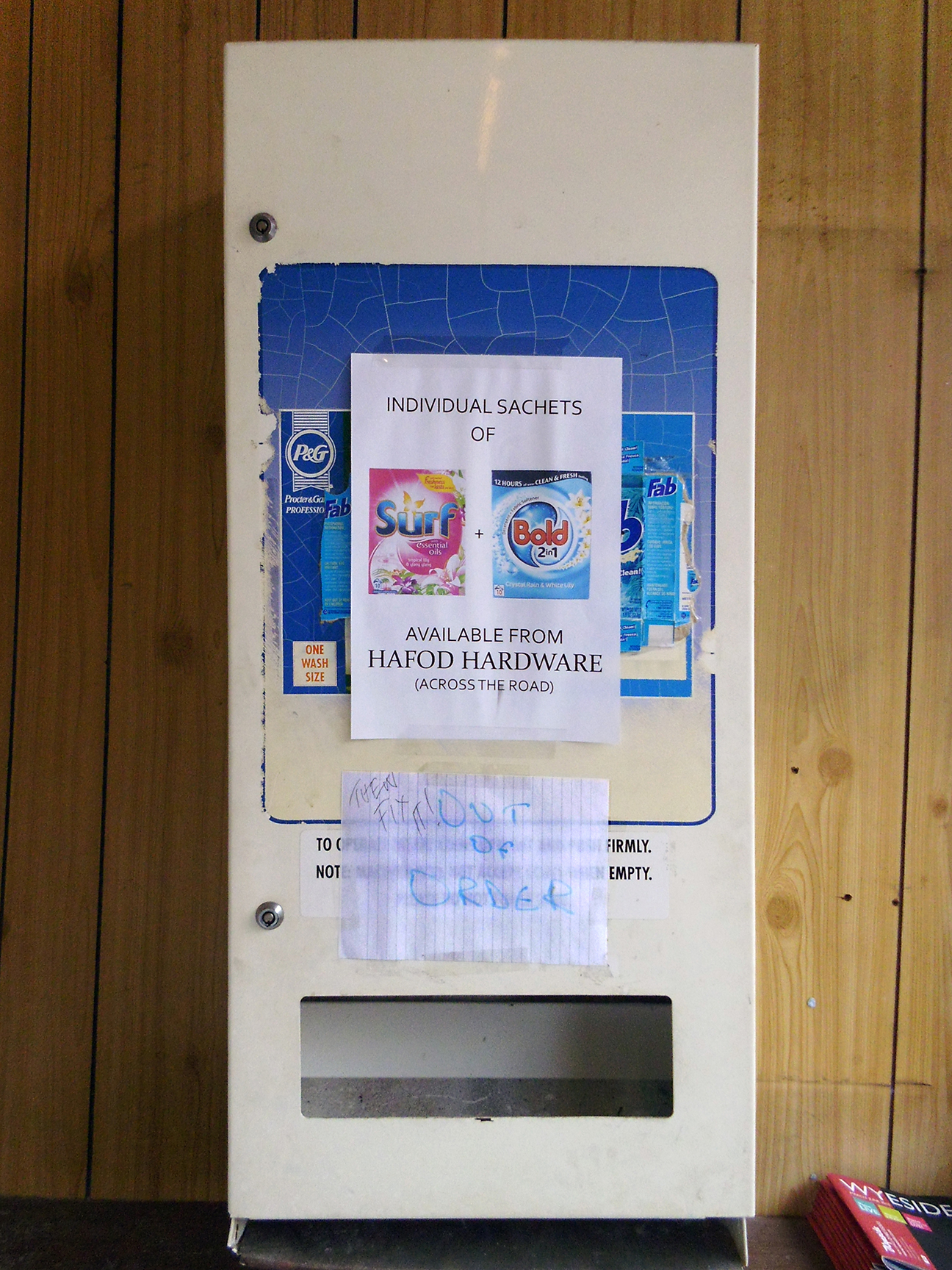
There is a sign.

An Illuminated sign.

There are signs.

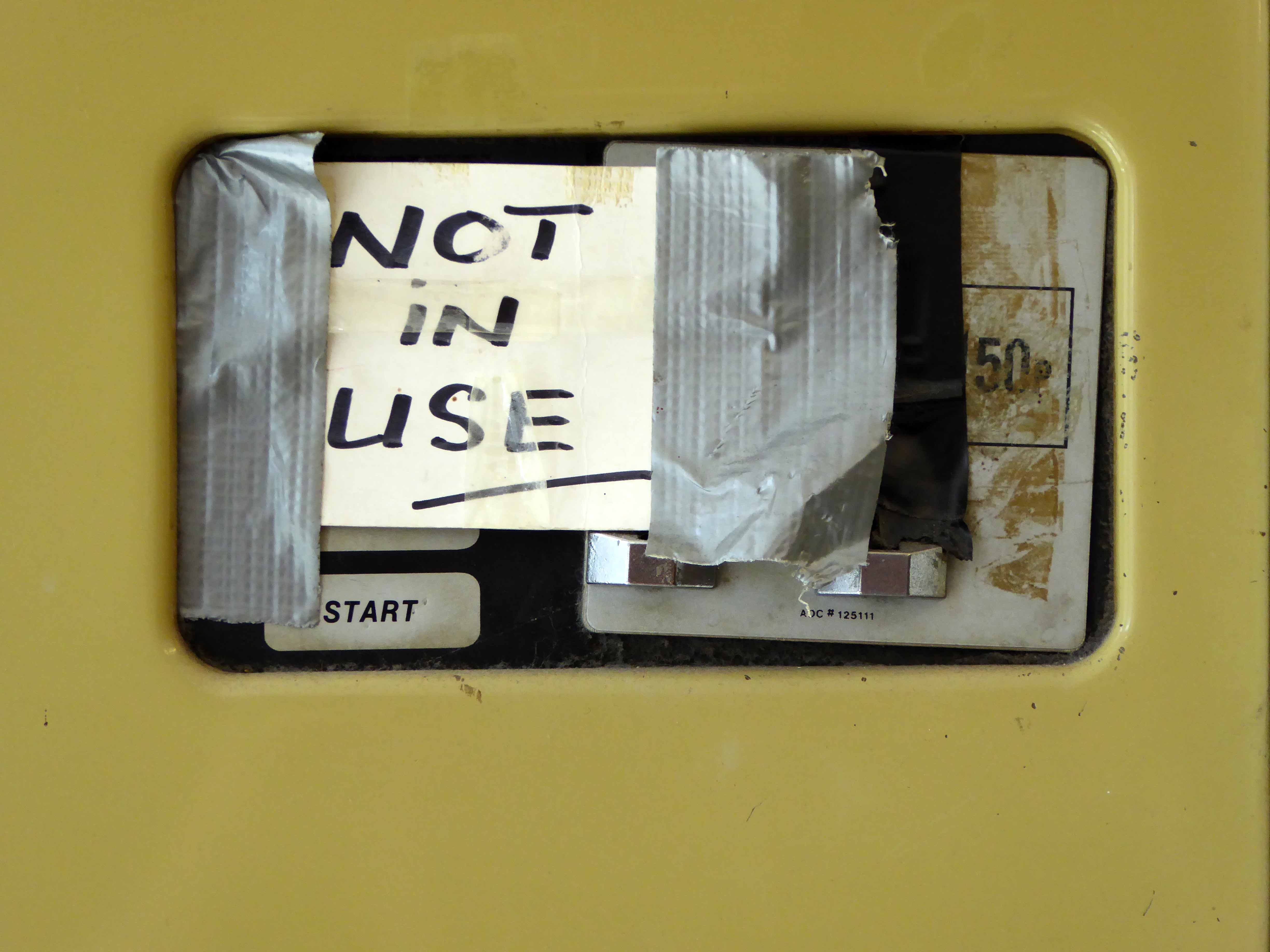
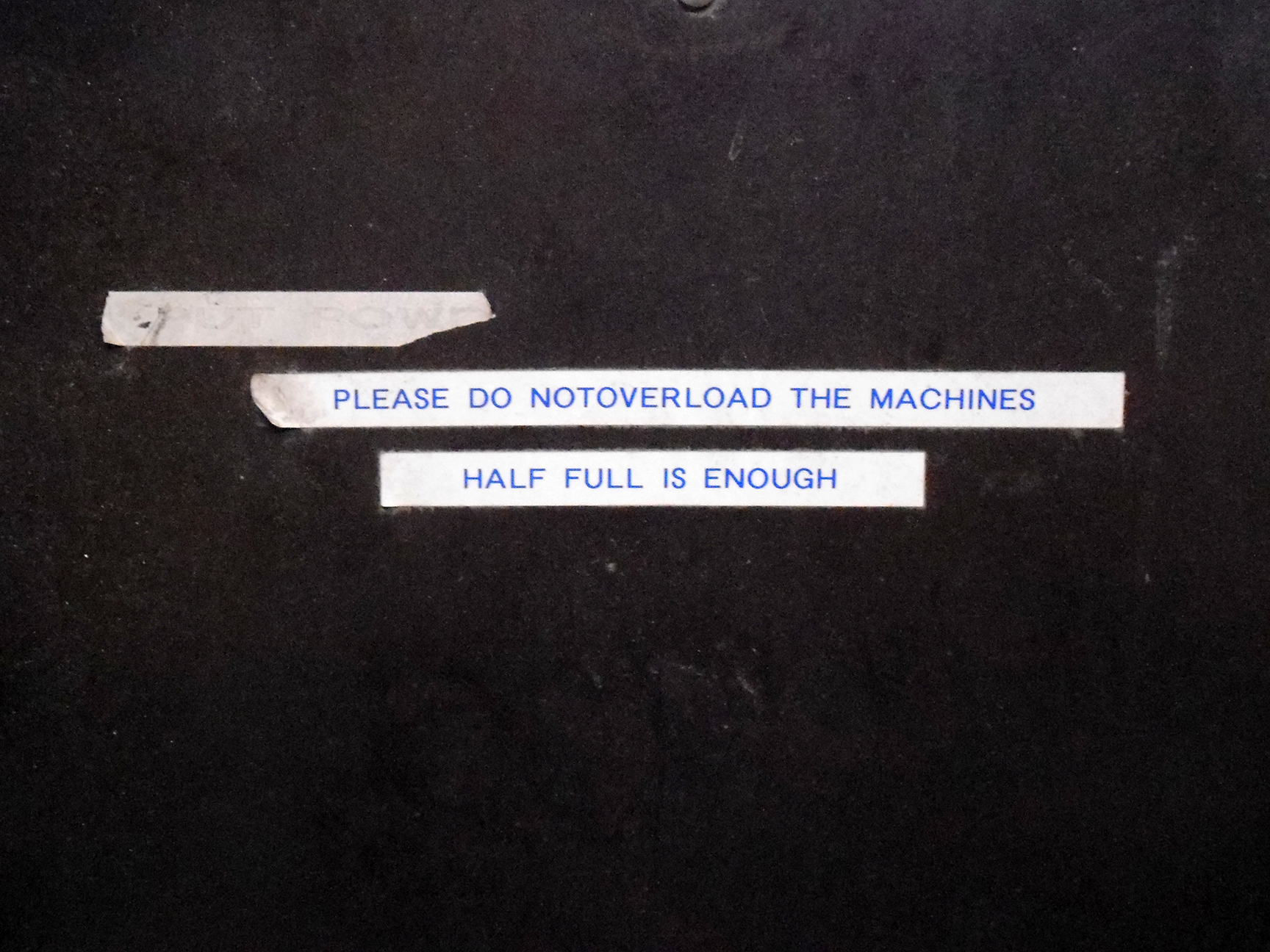
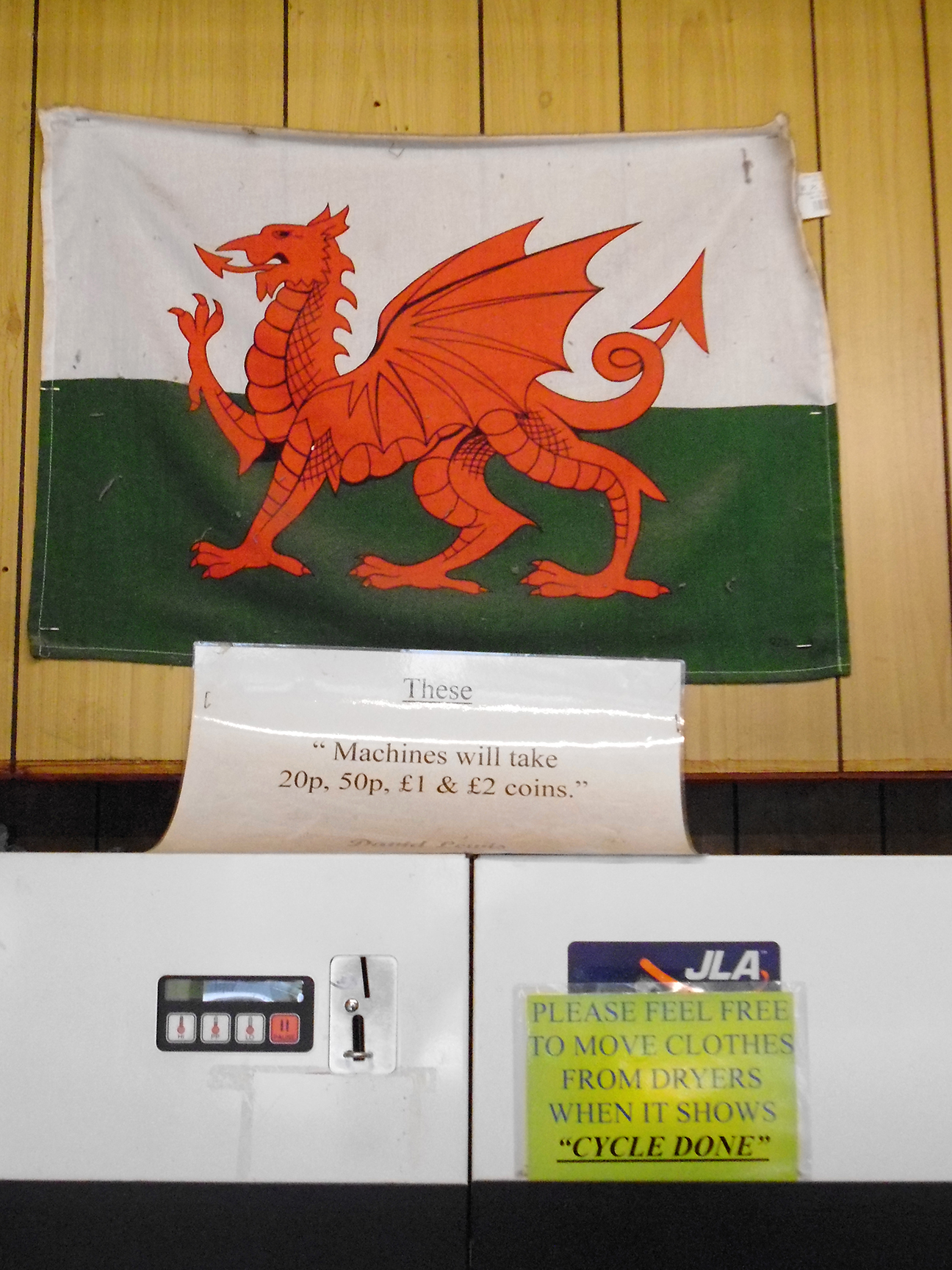
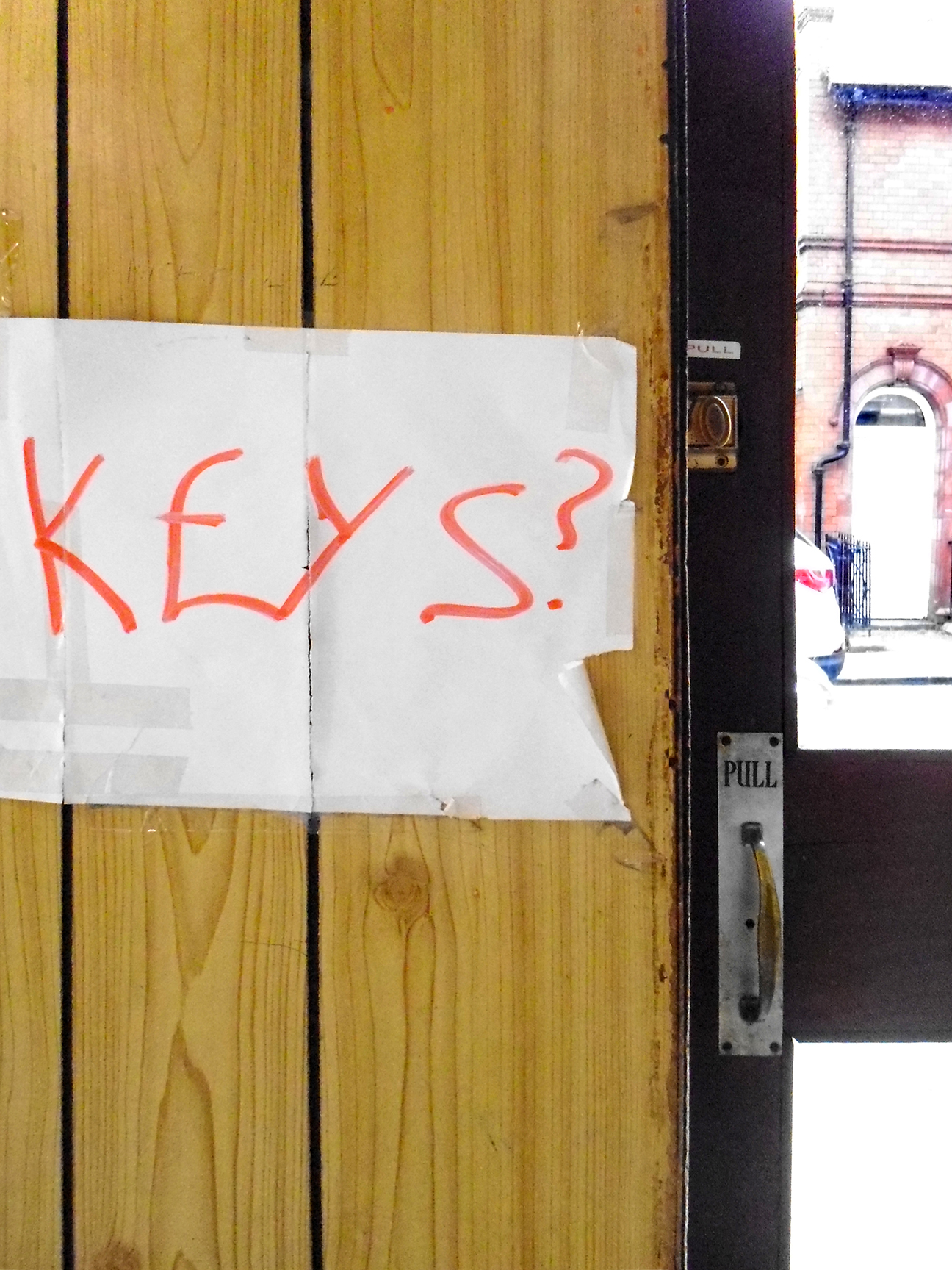
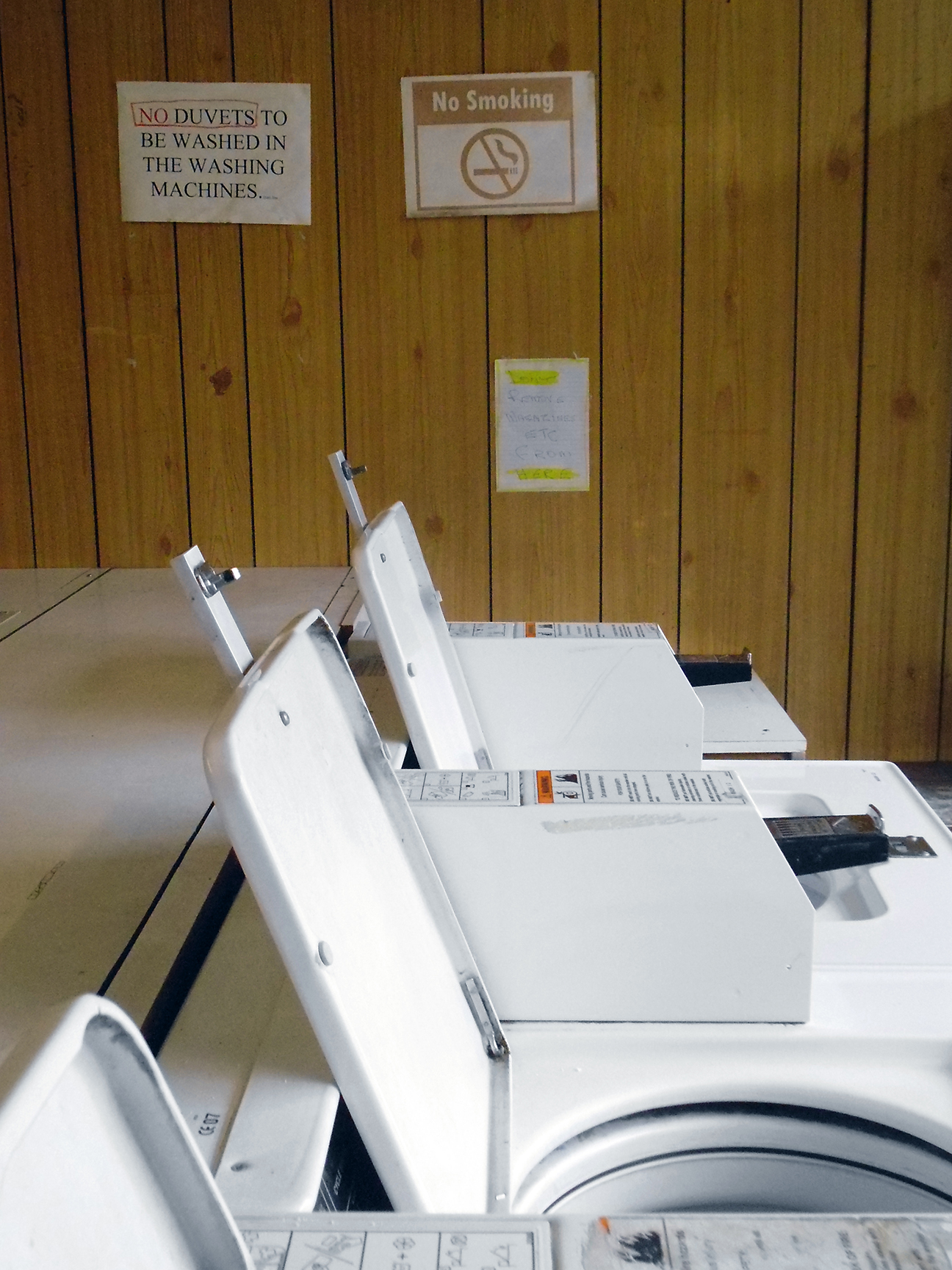
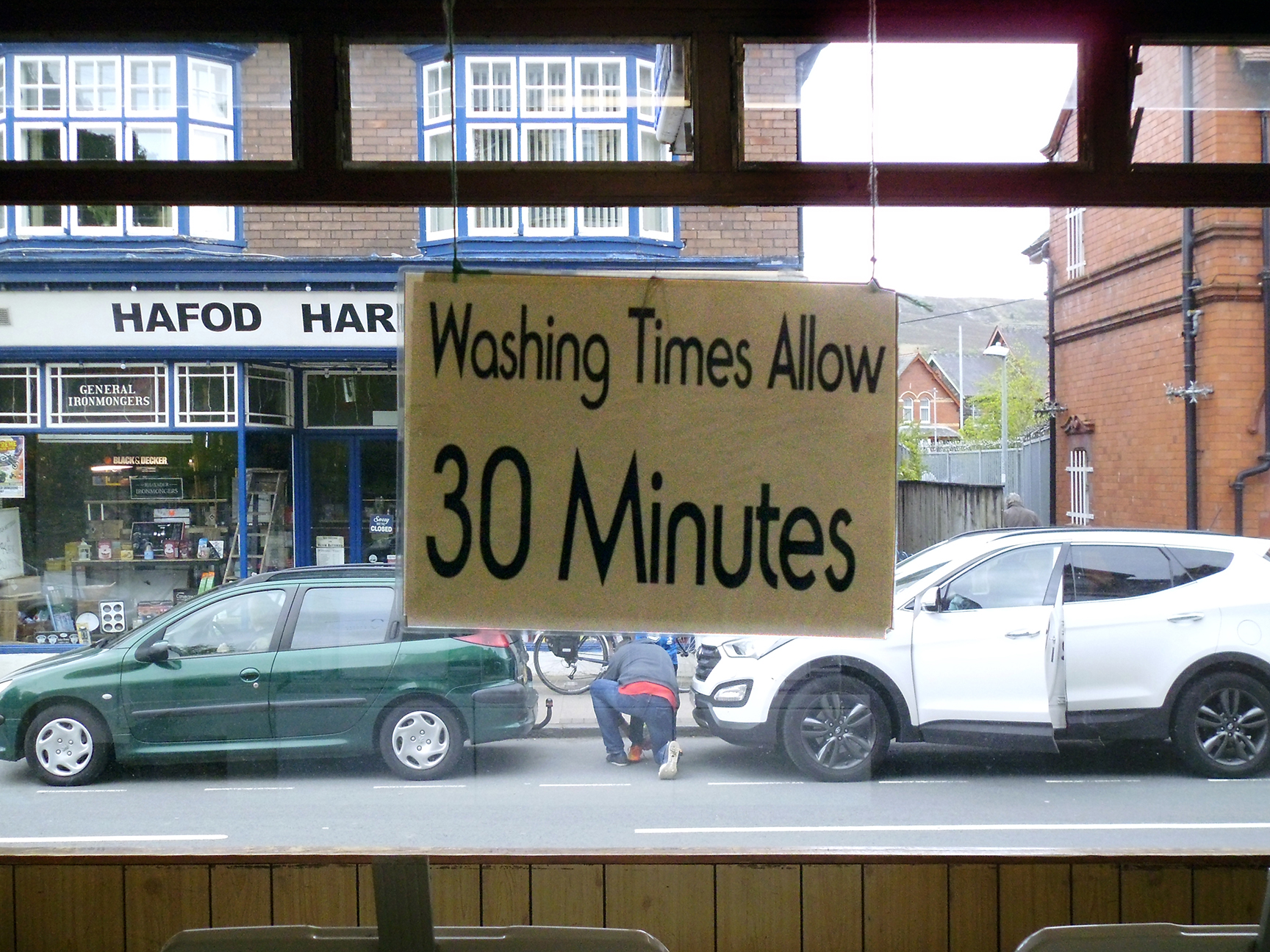
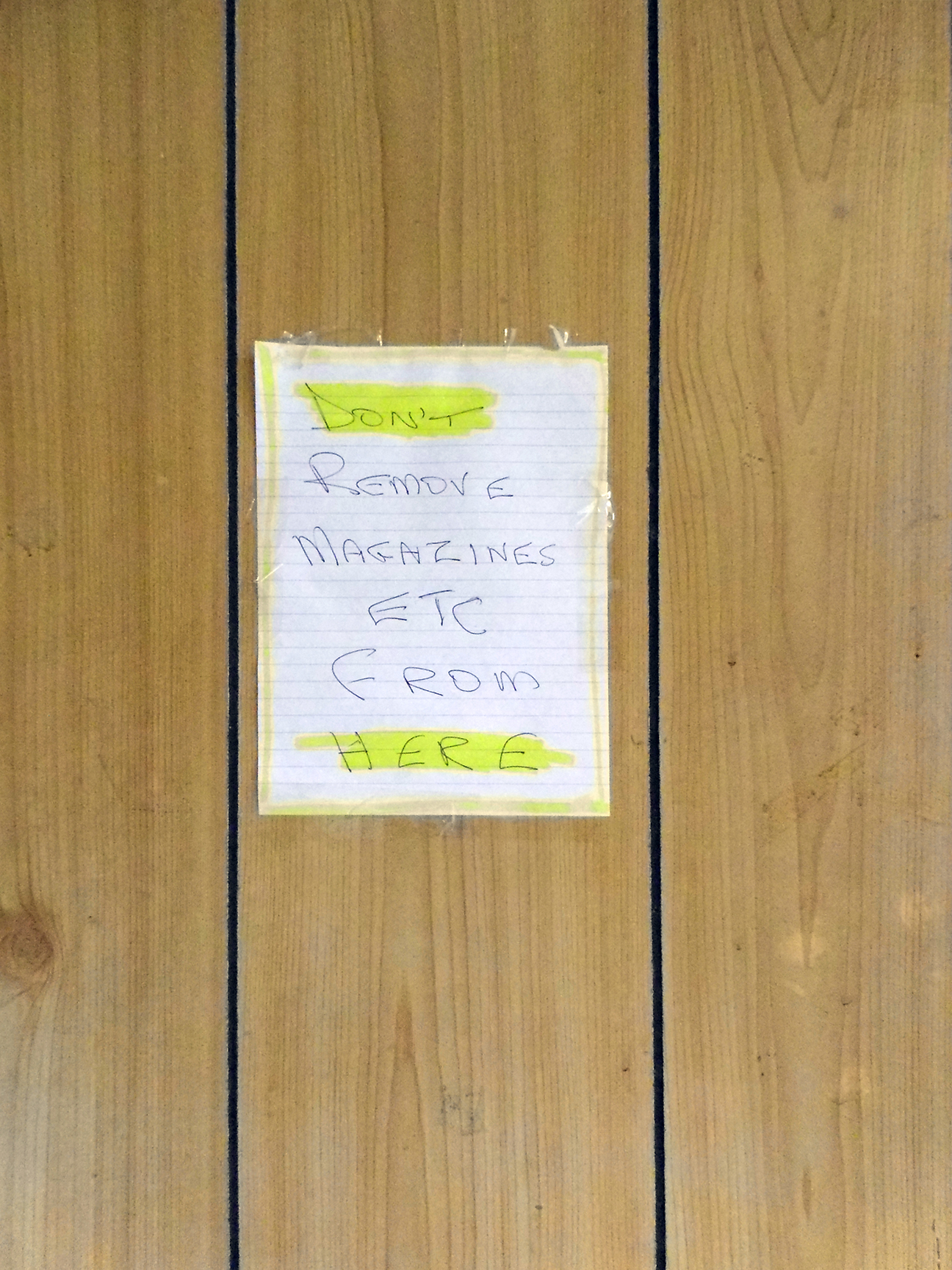
Handwritten signs – notices, instructions, scribbled hurriedly, underlined, highlighted, boxed for emphasis.

Taped up.

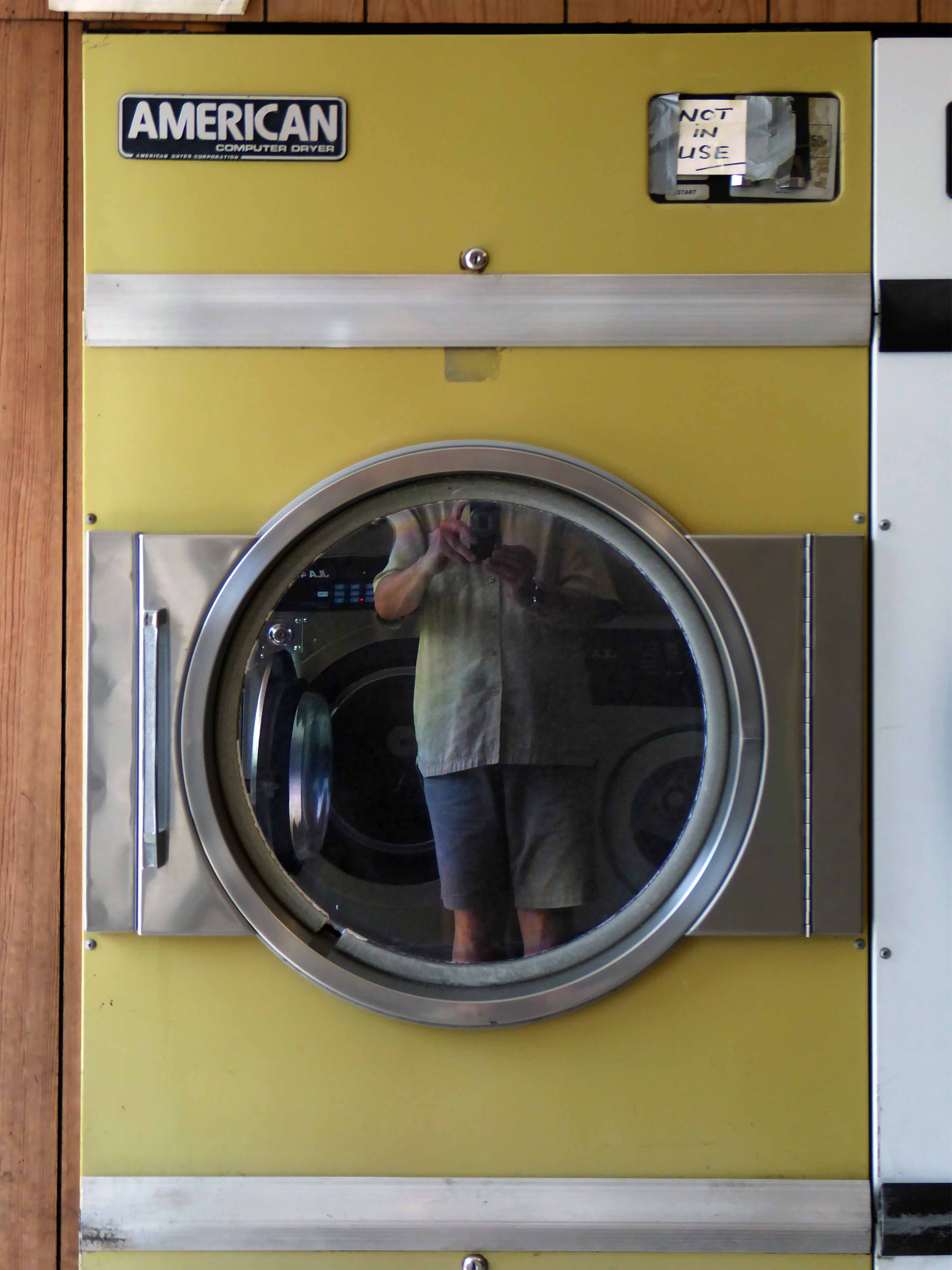
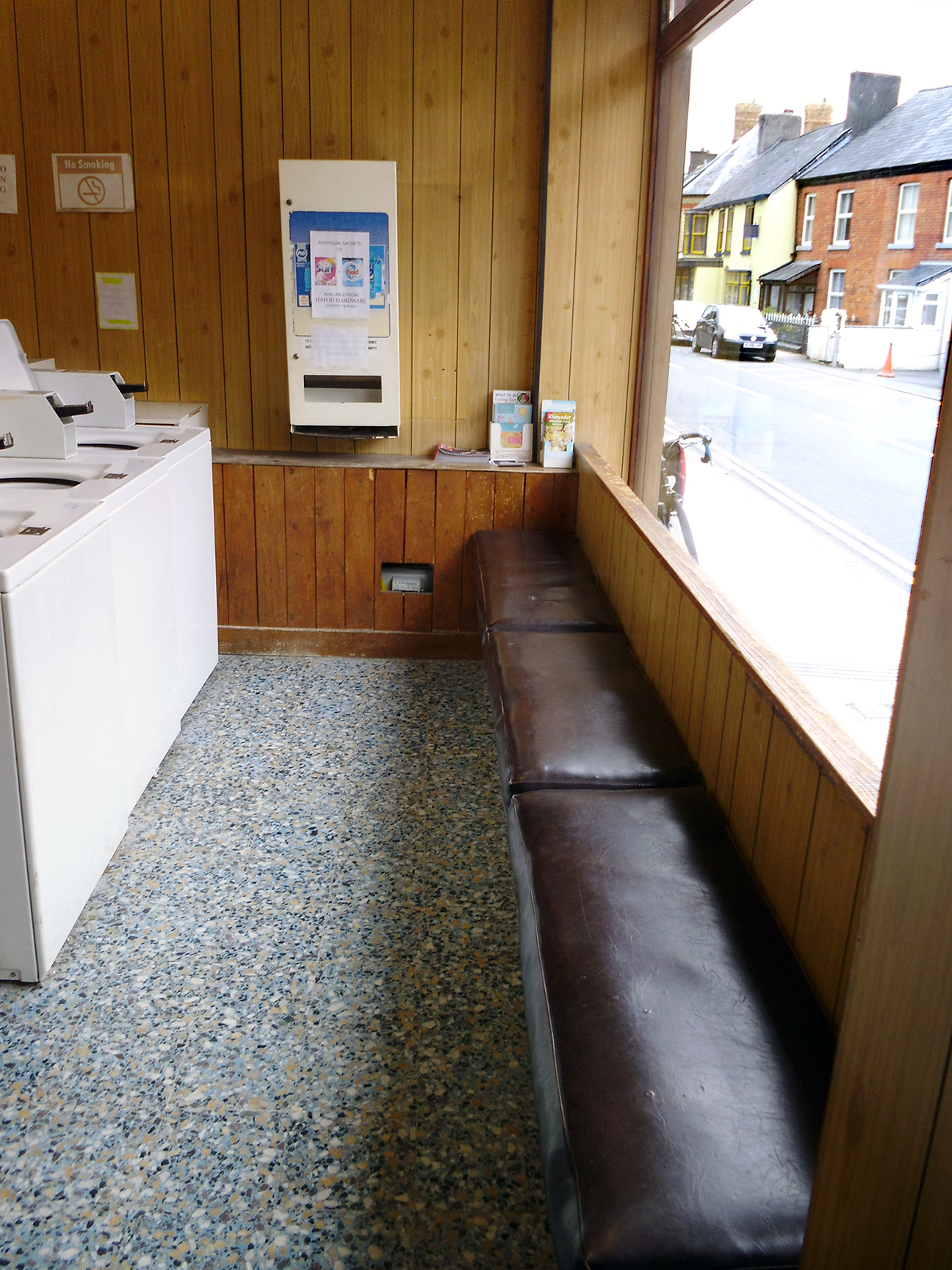
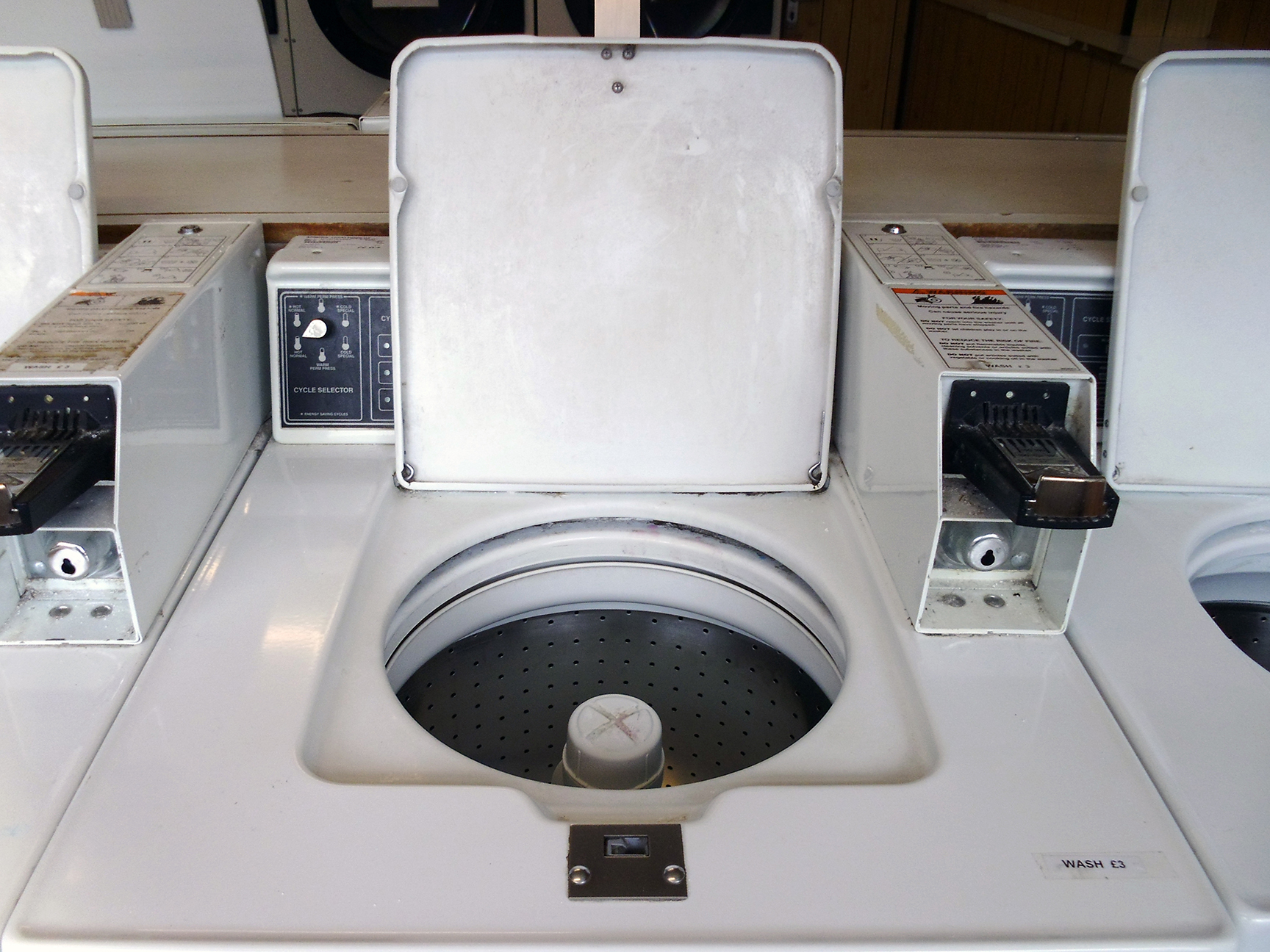
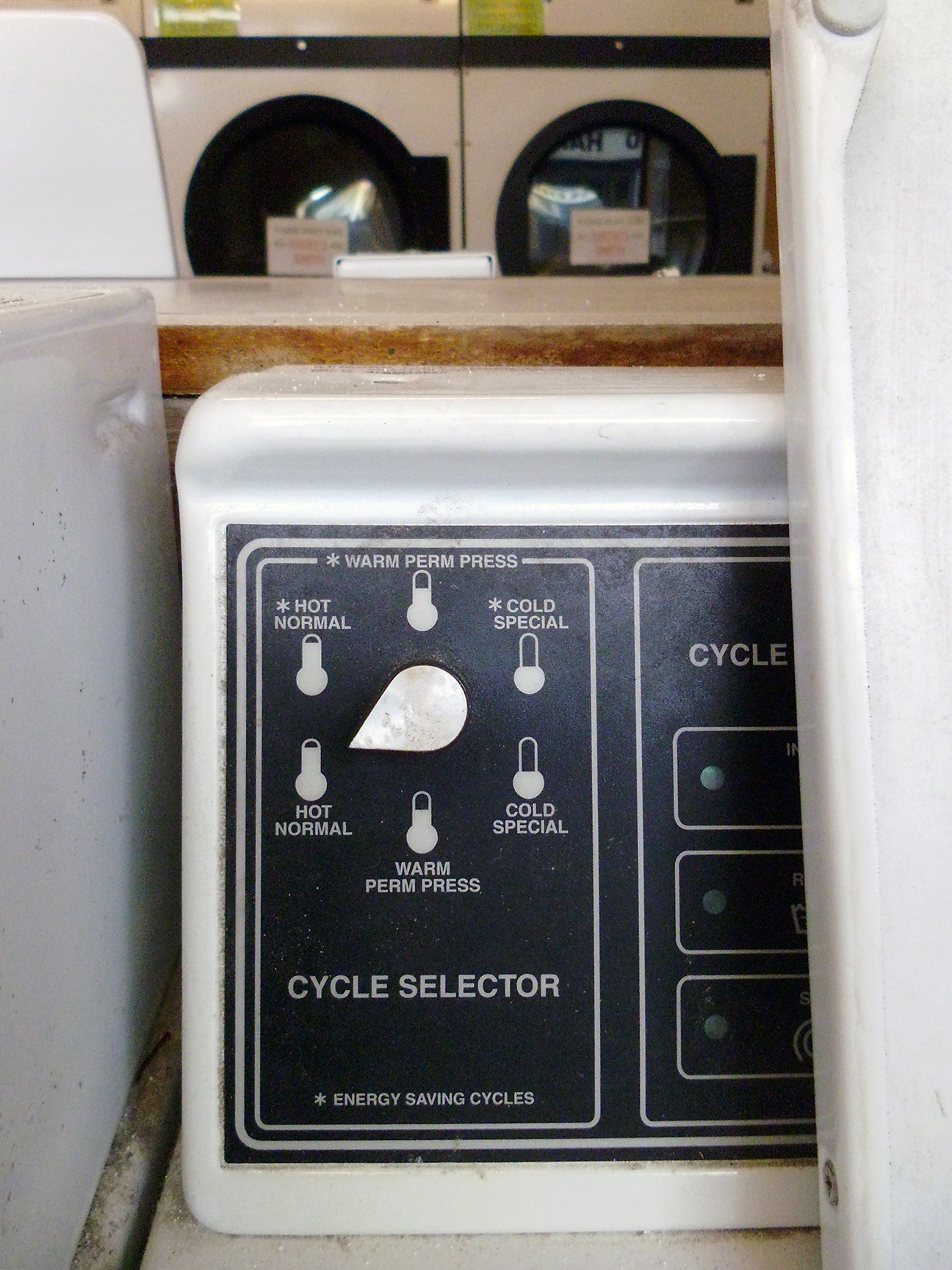
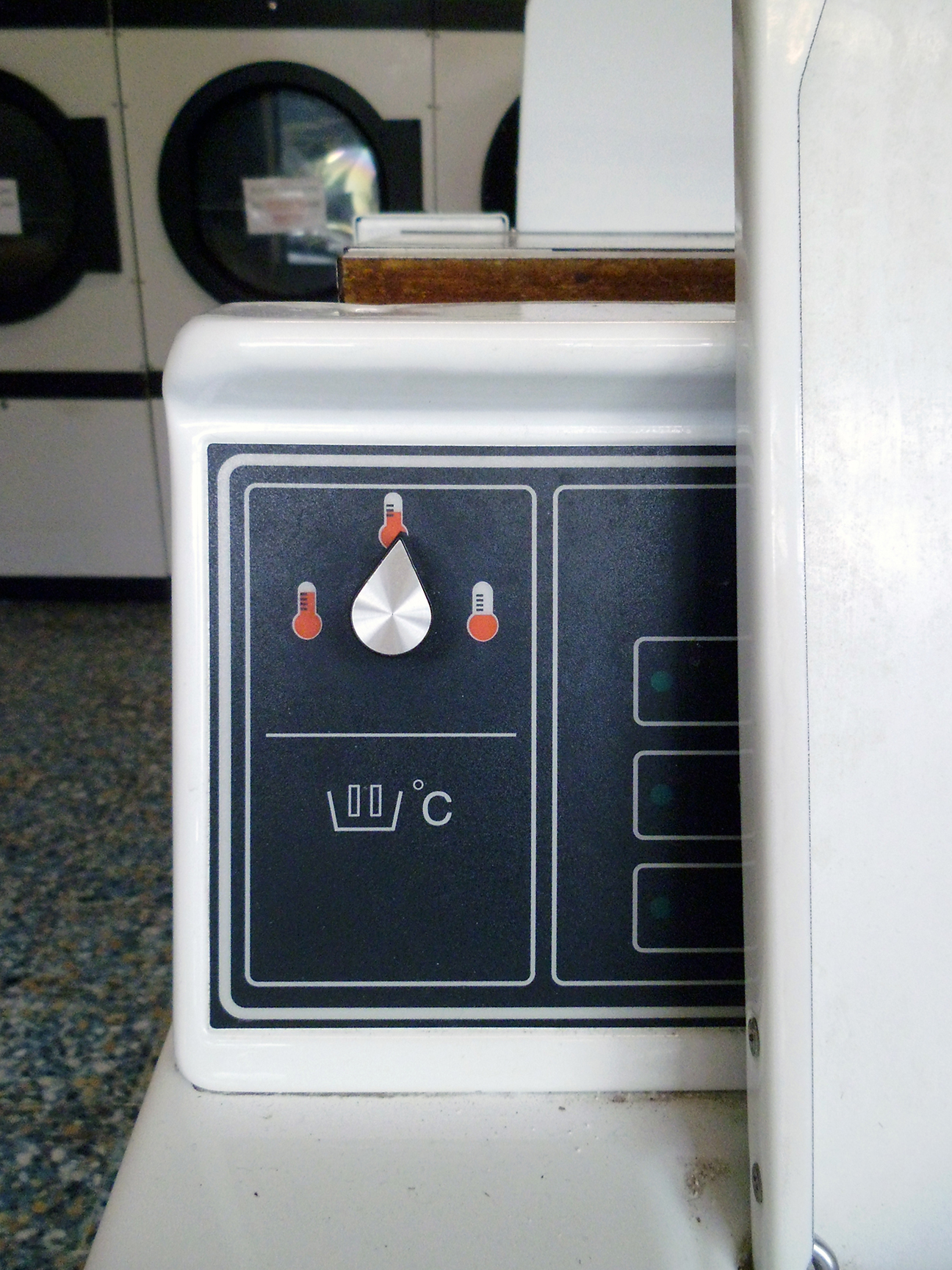
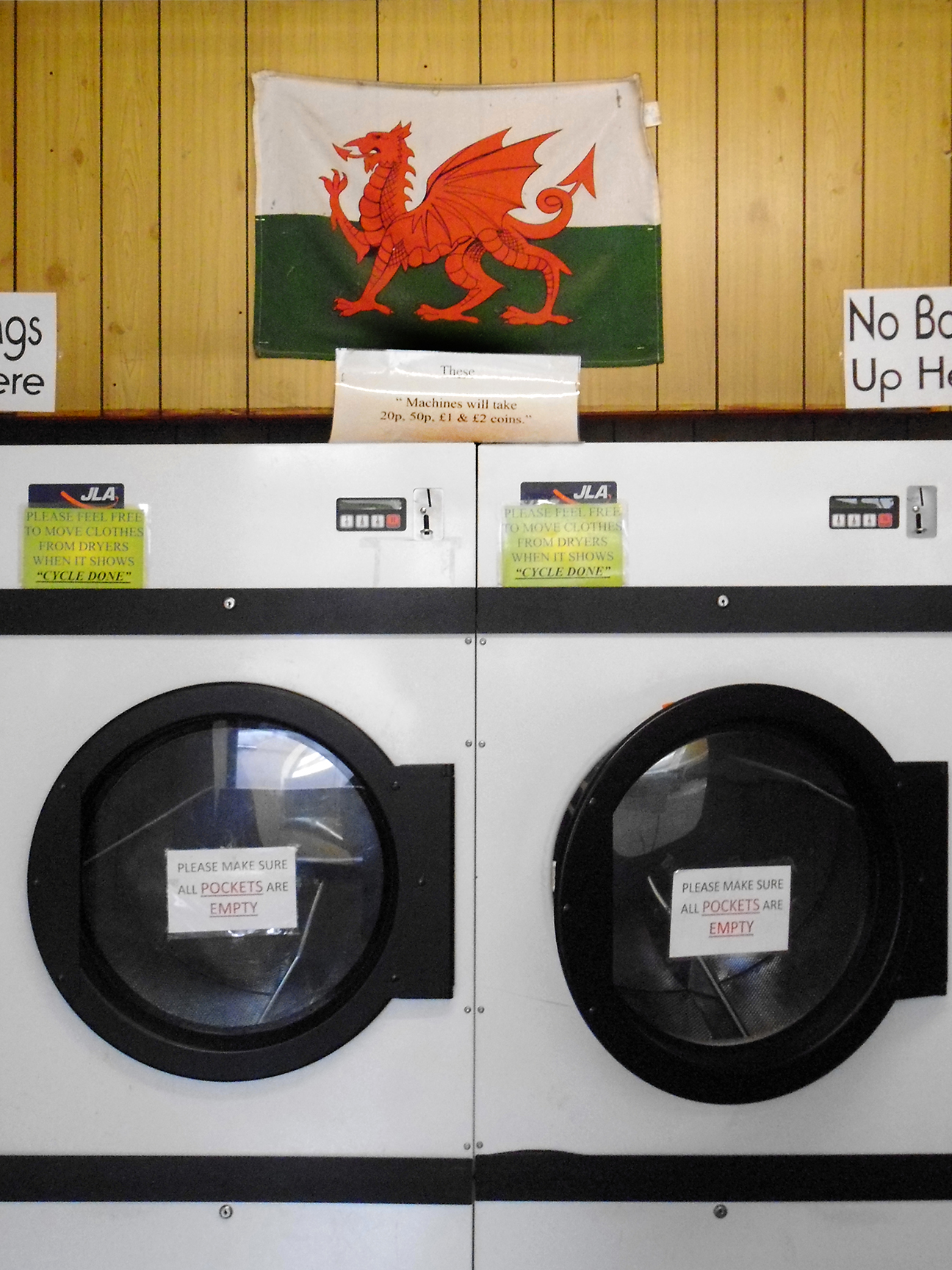
There are machines, top loaders, best left half empty.

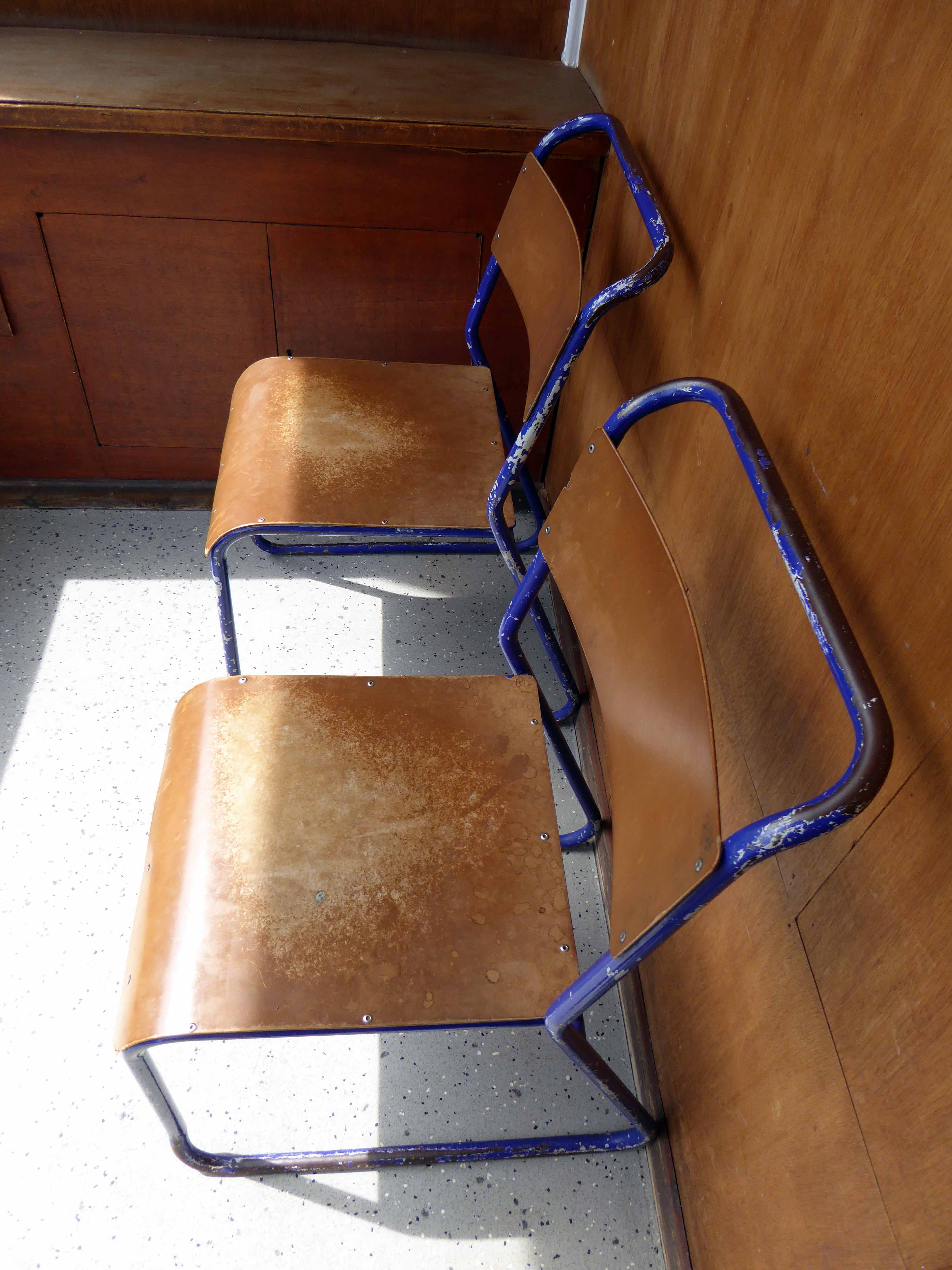
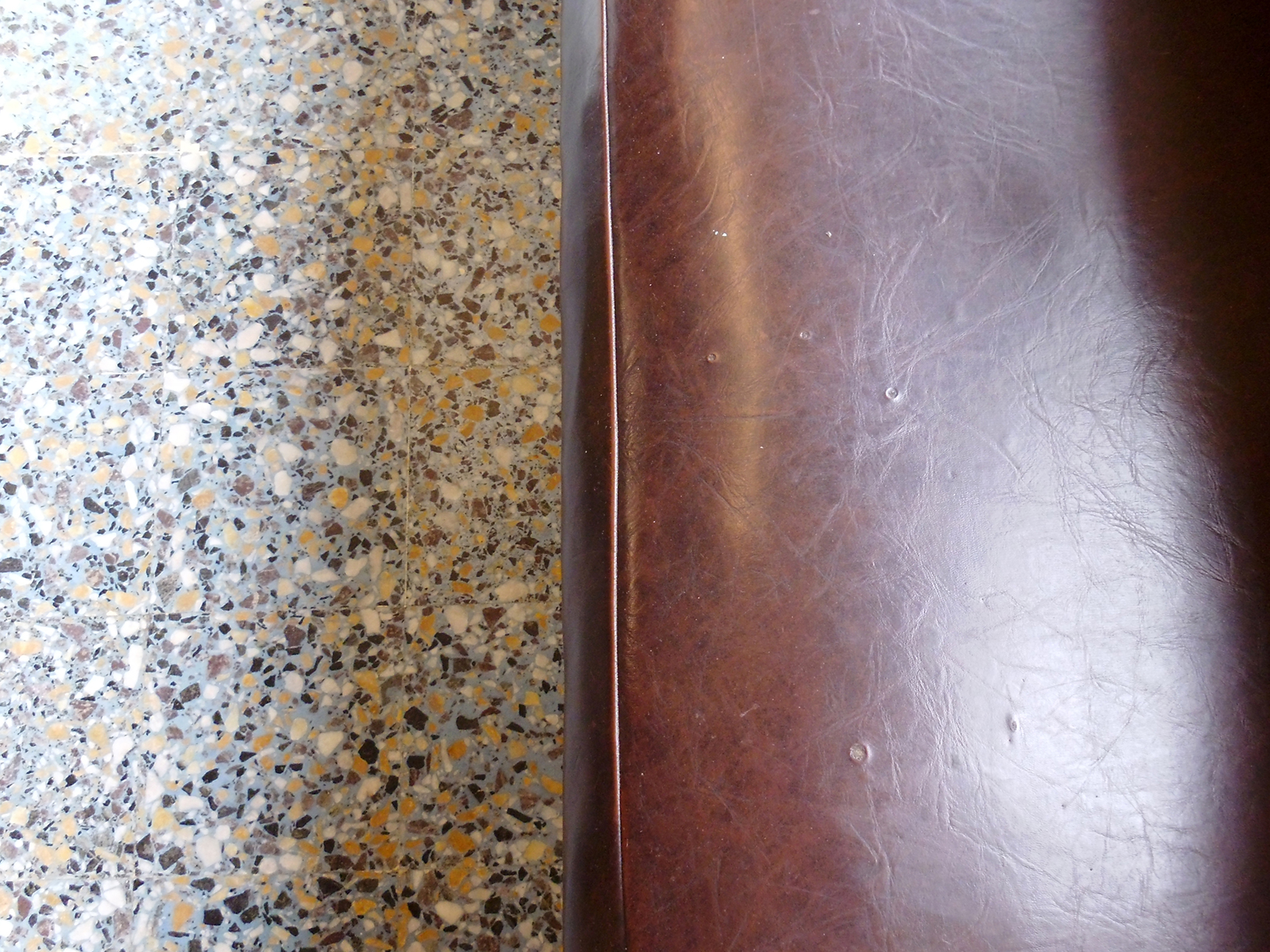
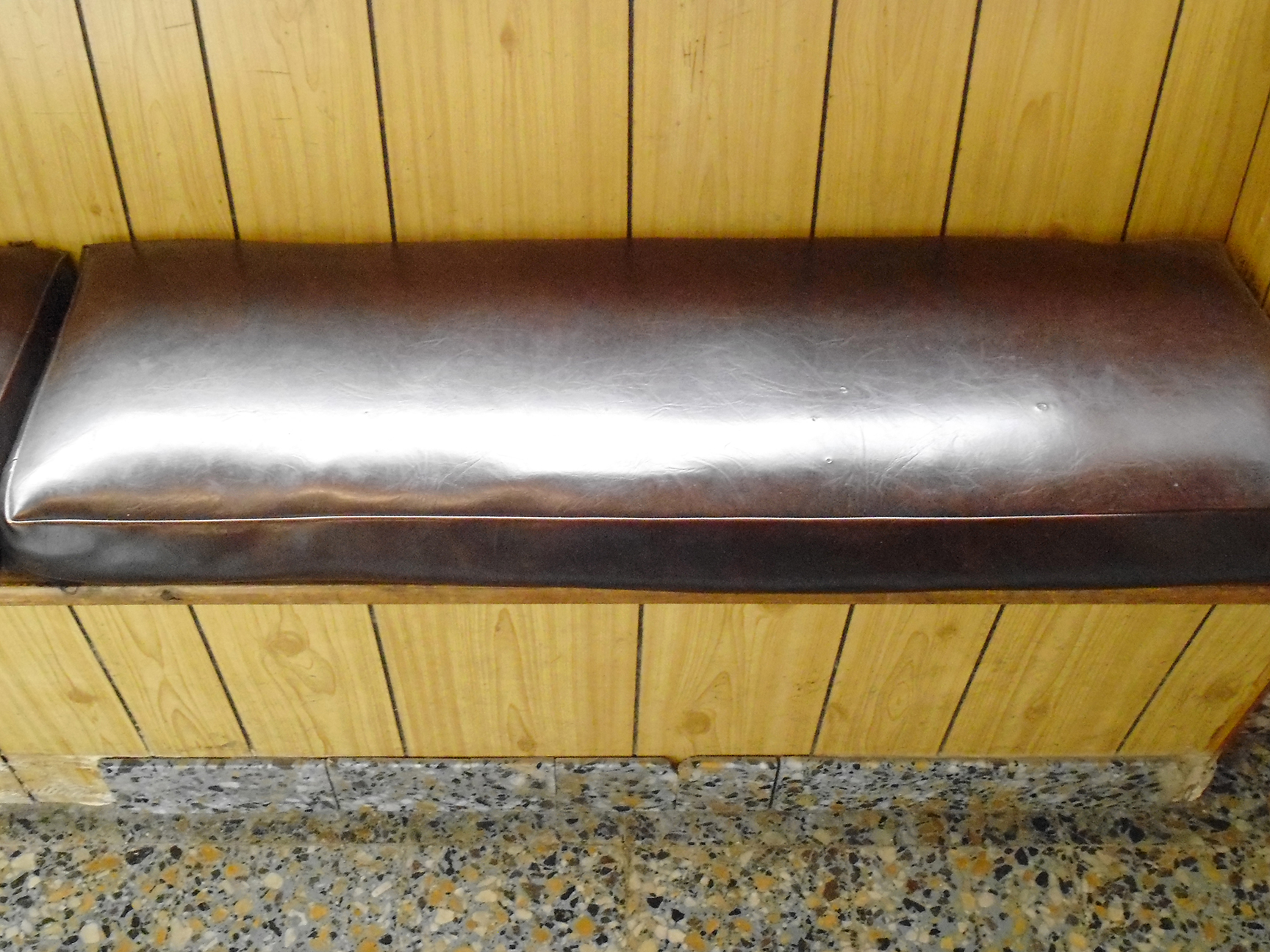
Terrazzo floor, leatherette banquette.

Out of disorder comes out of order.

P1070160 copy

P1070139 copy

P1070143 copy

P1070144 copy

P1070151 copy

P1070147 copy

P1070153 copy

P1070142 copy

P1070159 copy

P1070140 copy

P1070156 copy

P1070154 copy

P1070145 copy

P1070163 copy

P1070141 copy

P1070162 copy

P1070165 copy

P1070148 copy

P1070150 copy

P1070161 copy

P1070149 copy

P1070155 copy

P1070146 copy

P1070152 copy

P1070157 copy

P1070164 copy

Close the door when you leave