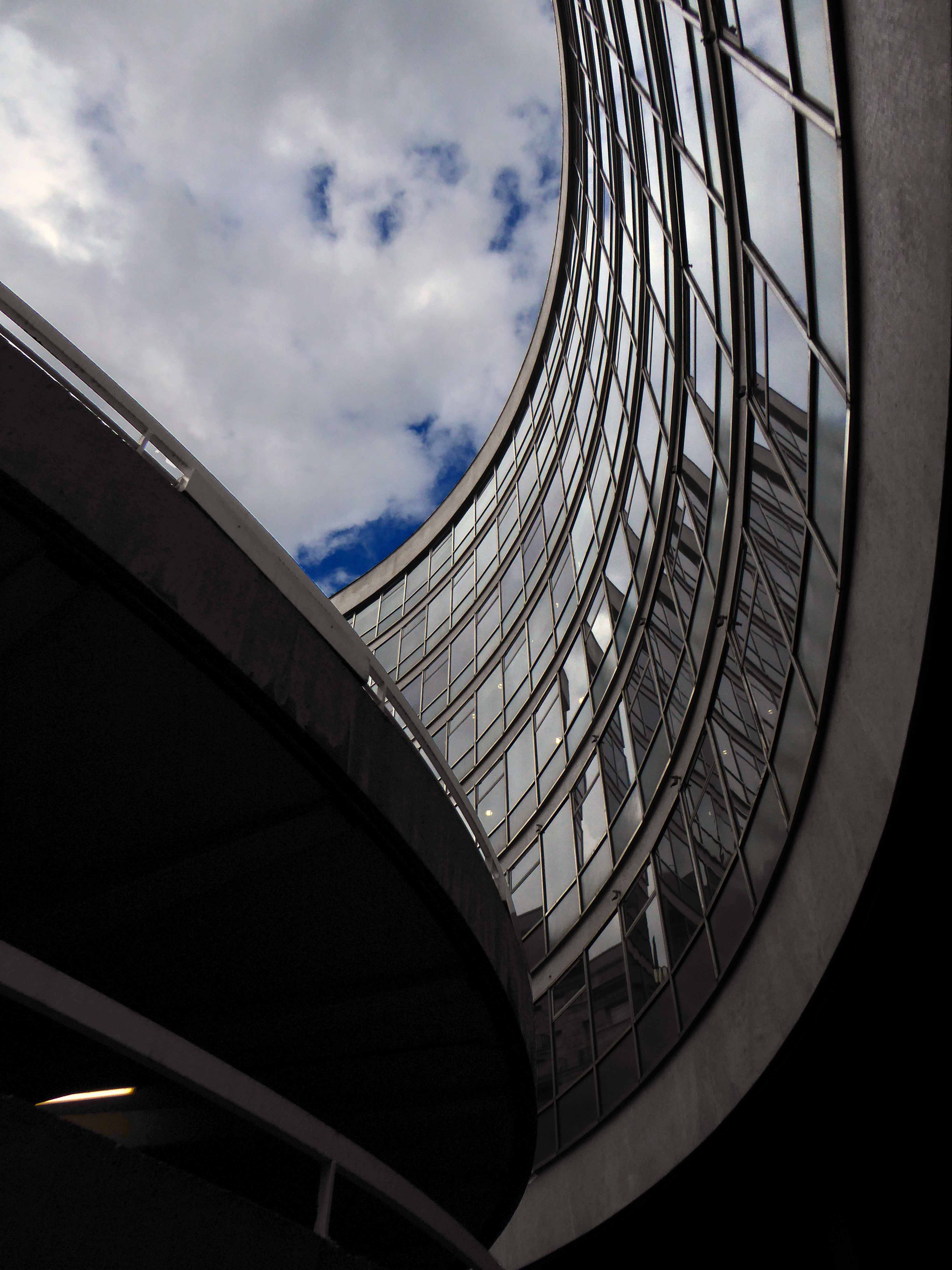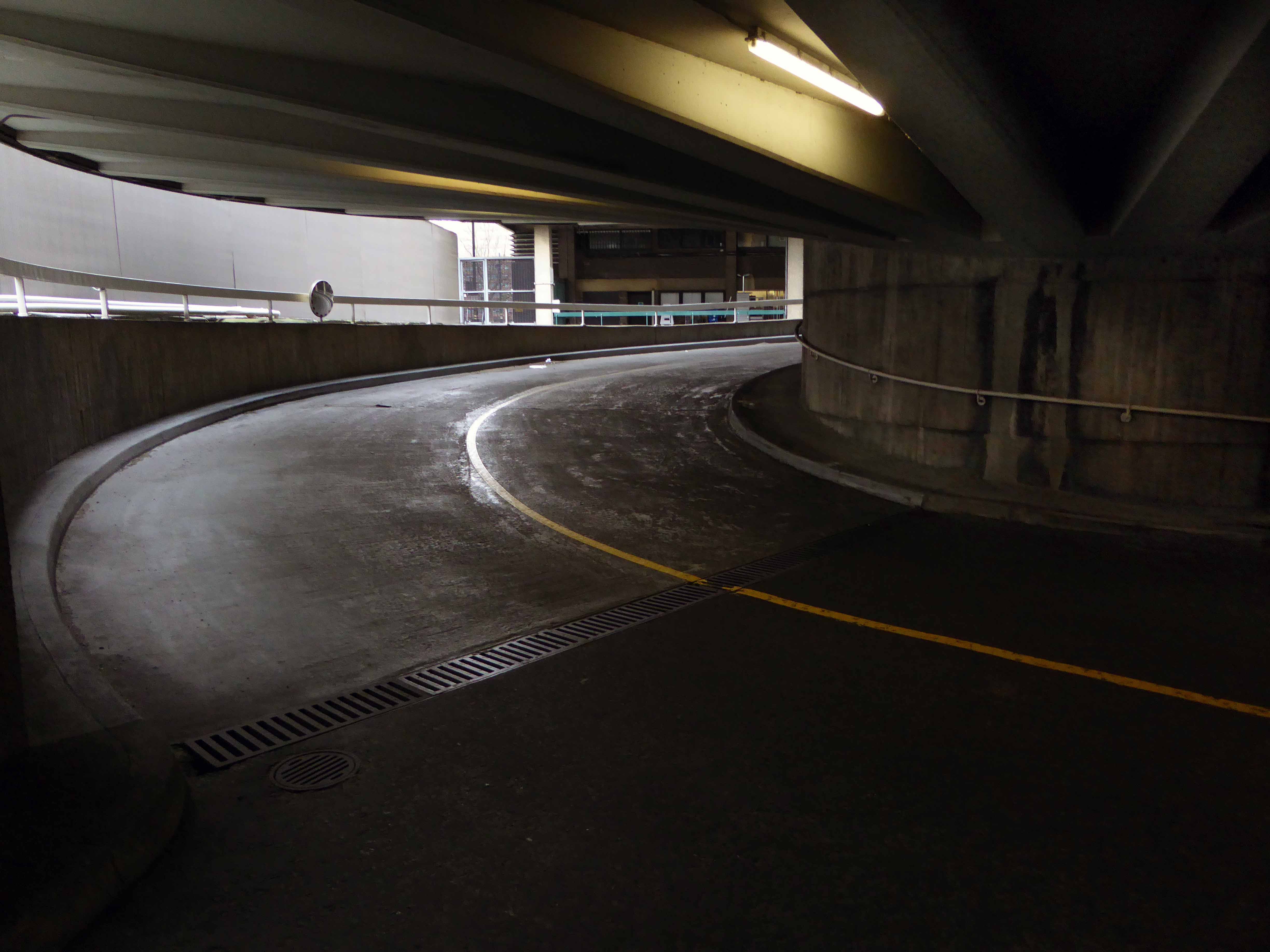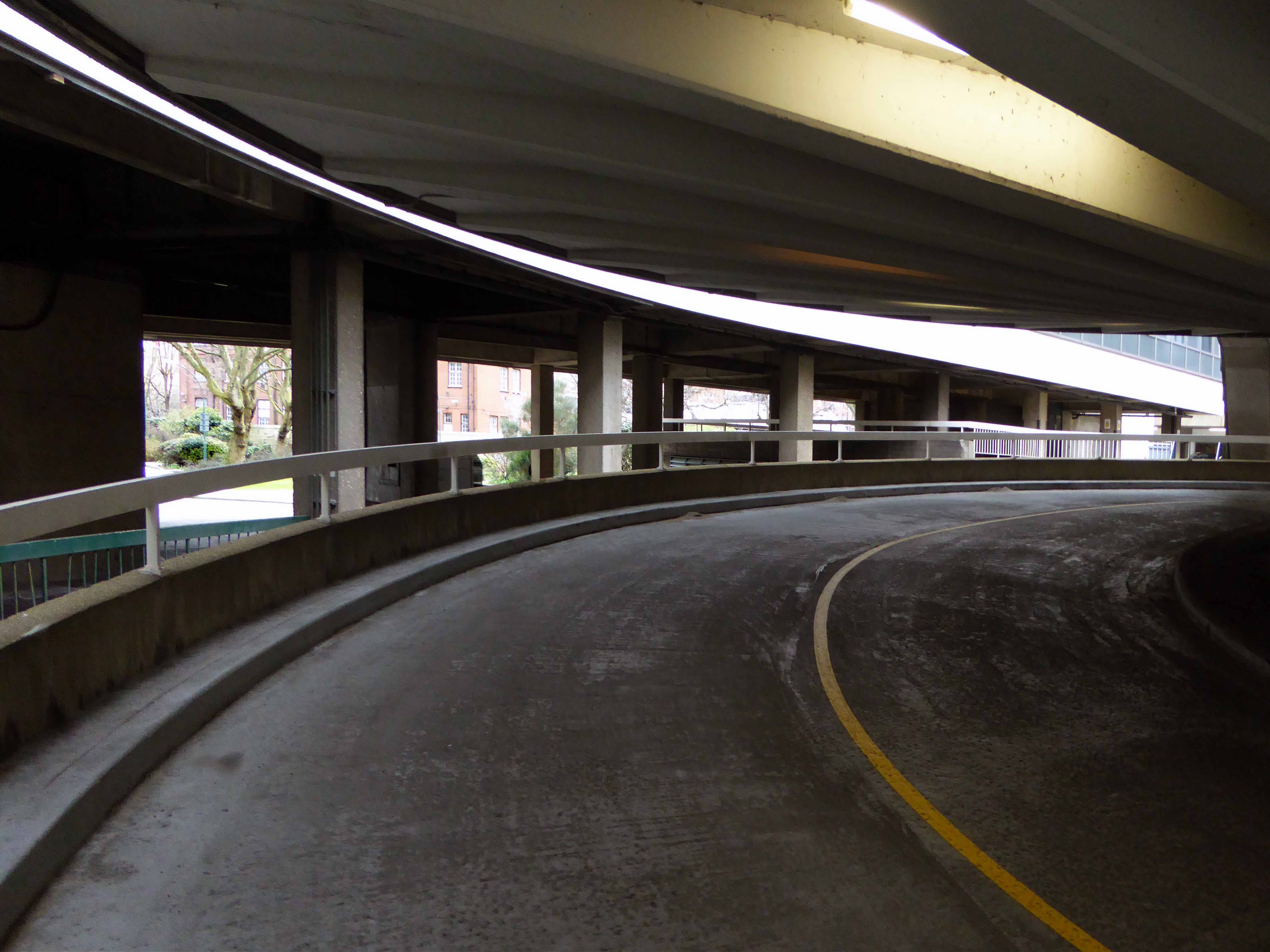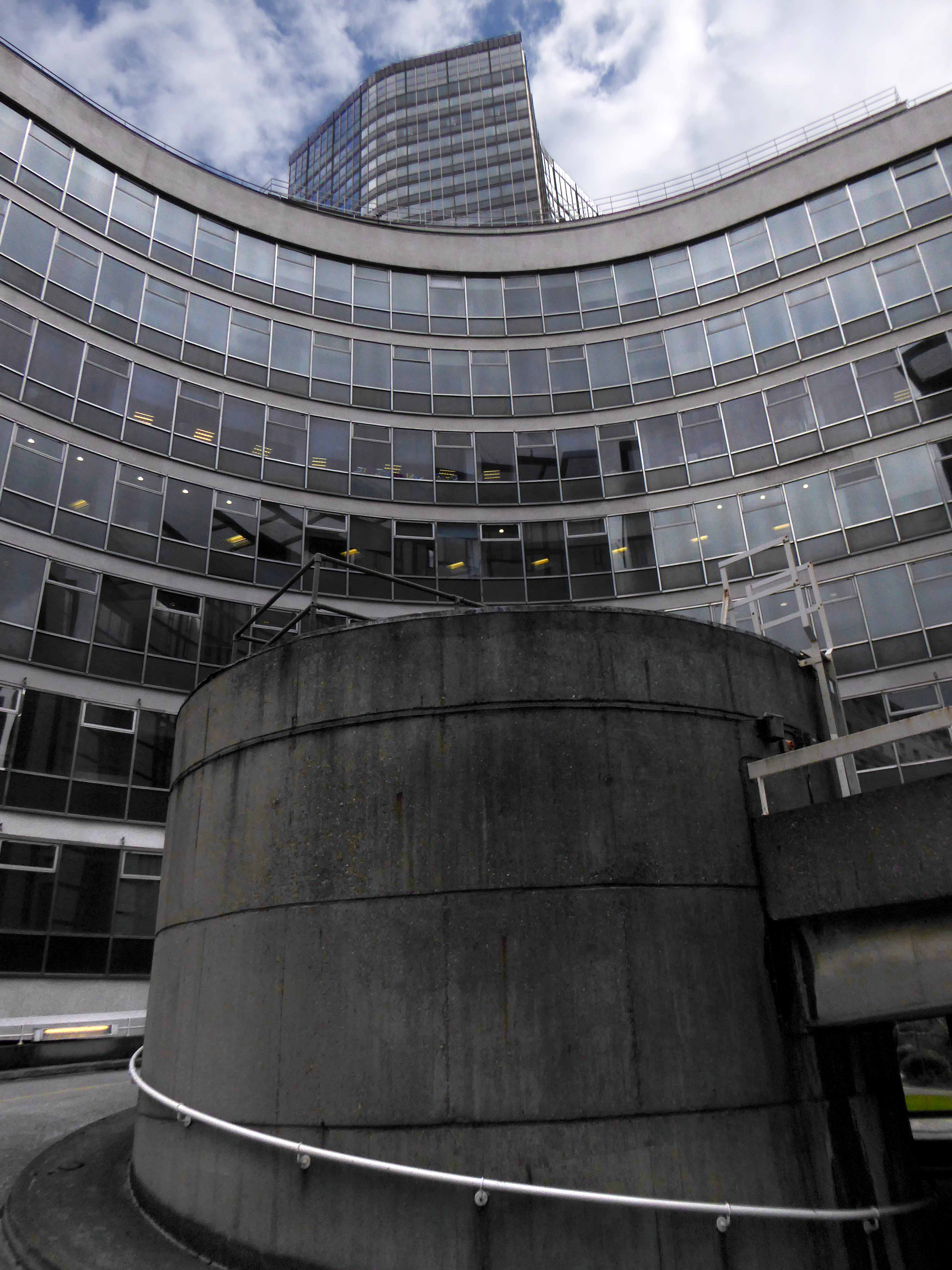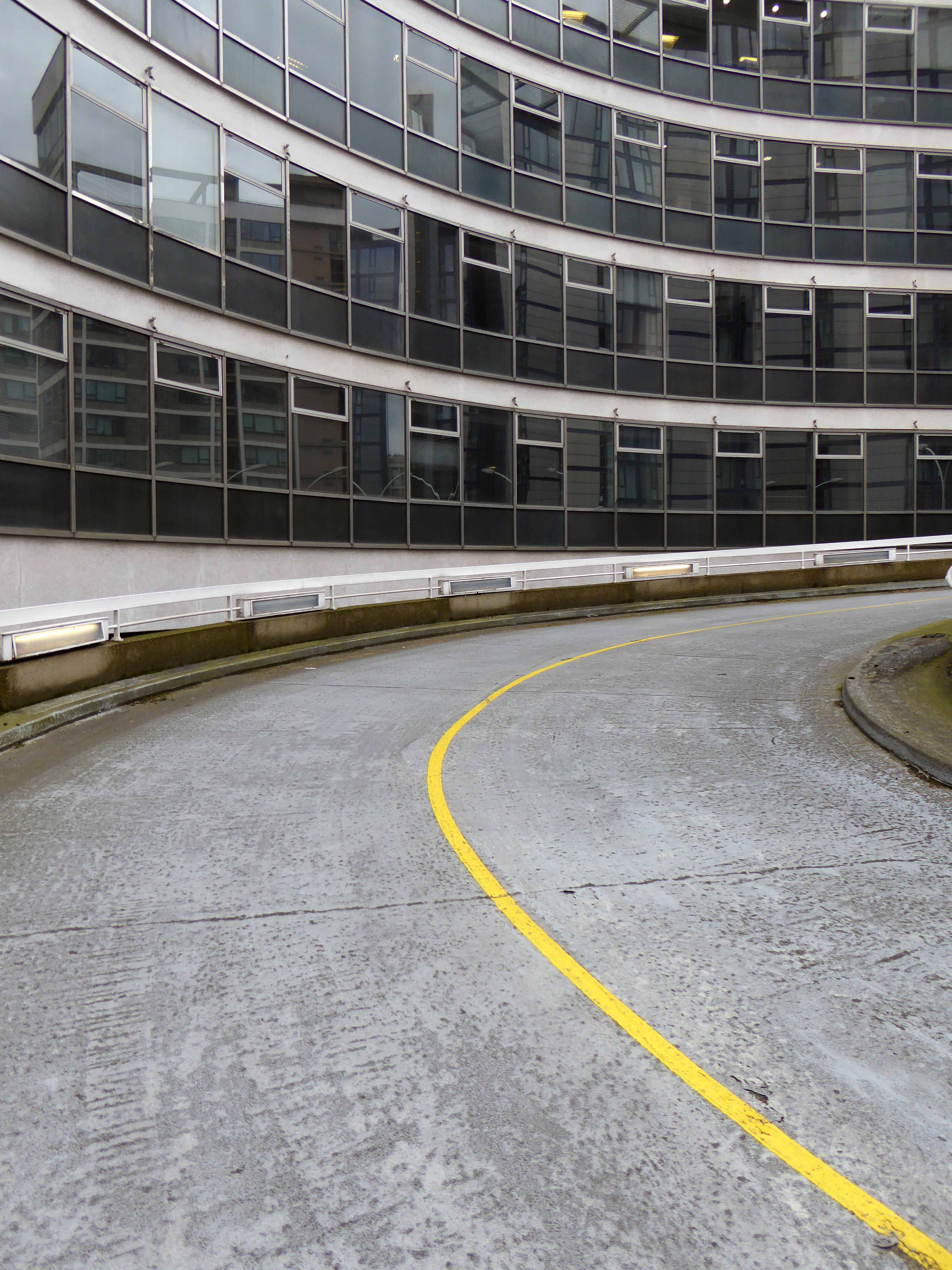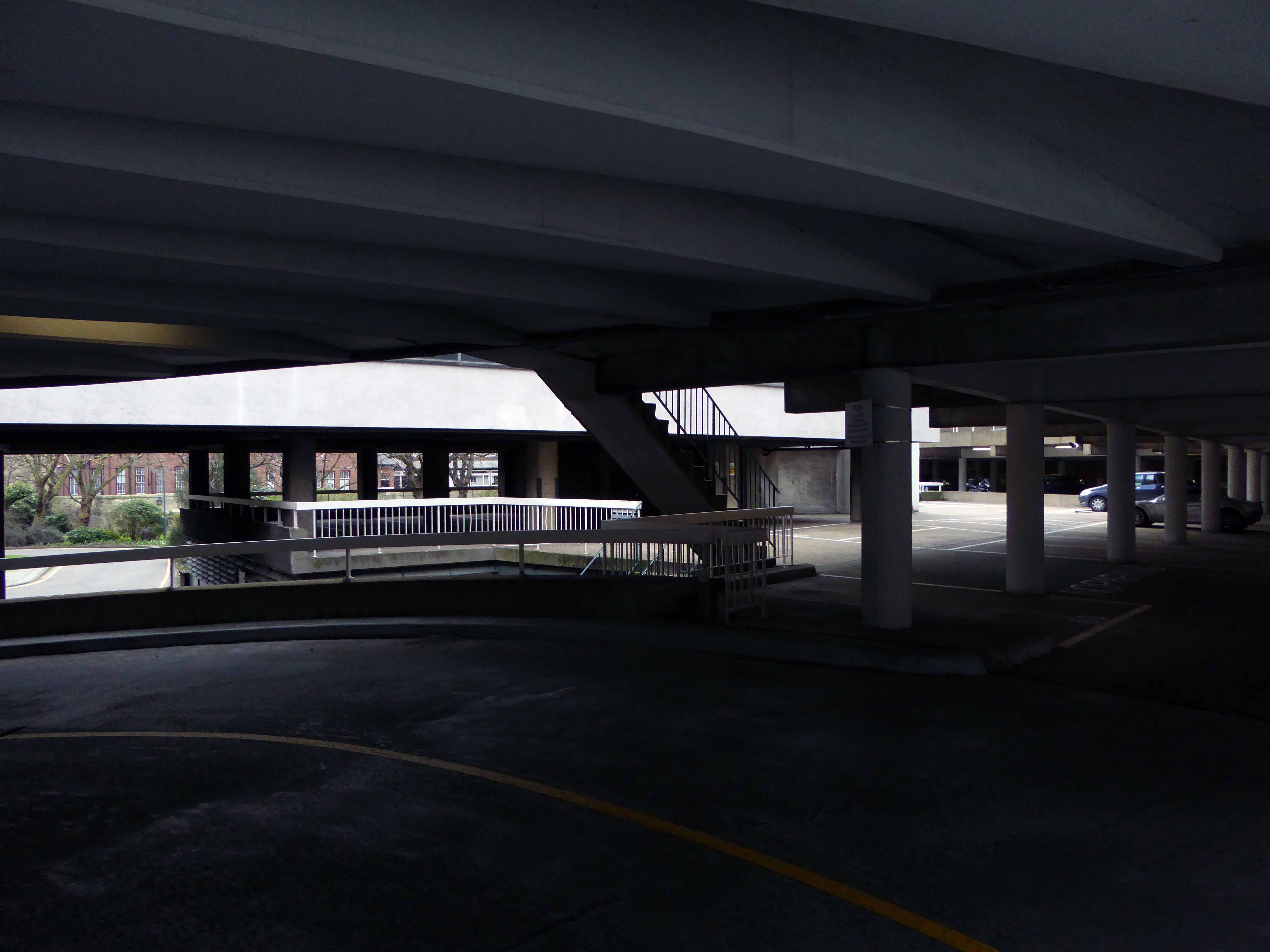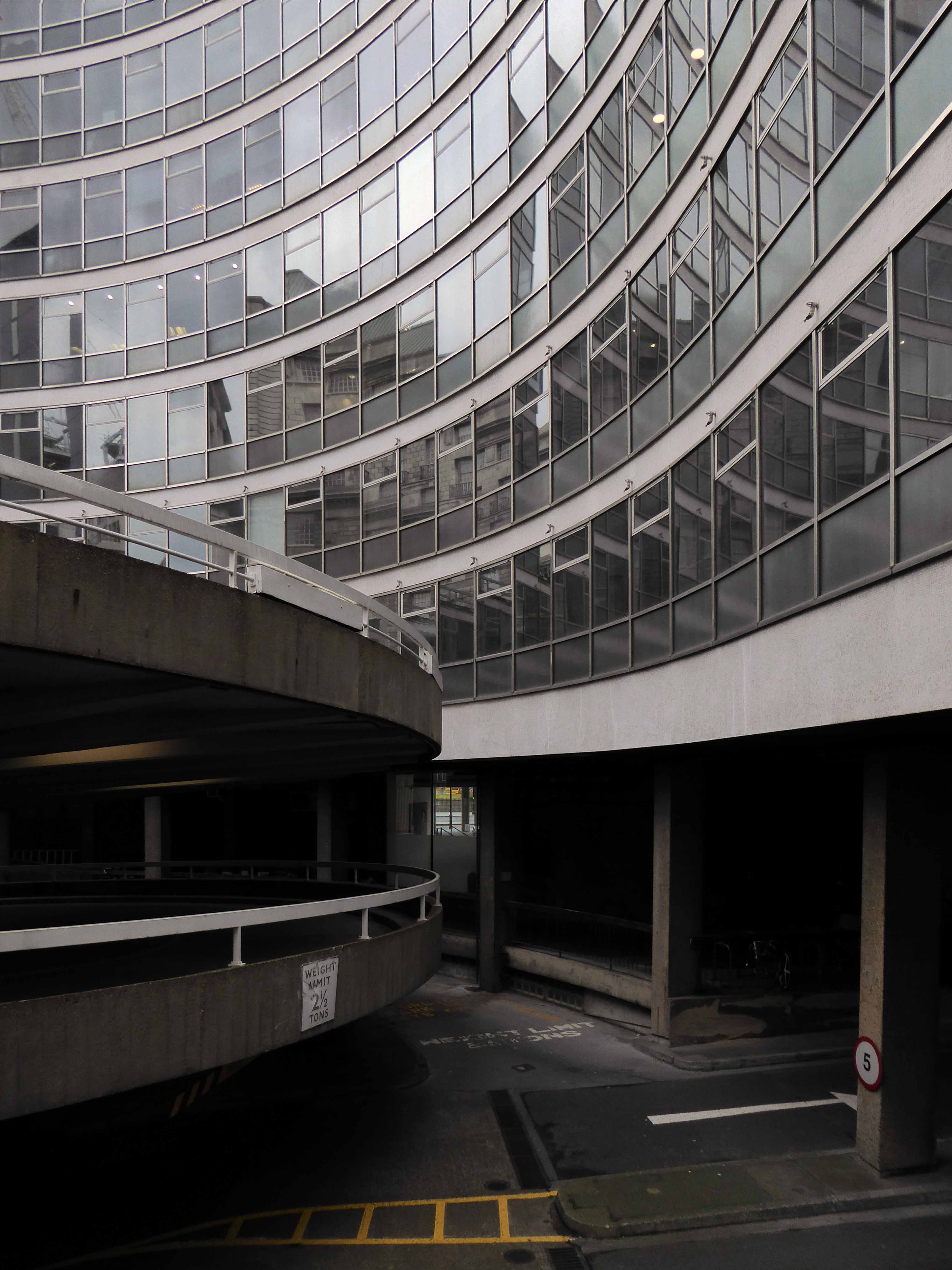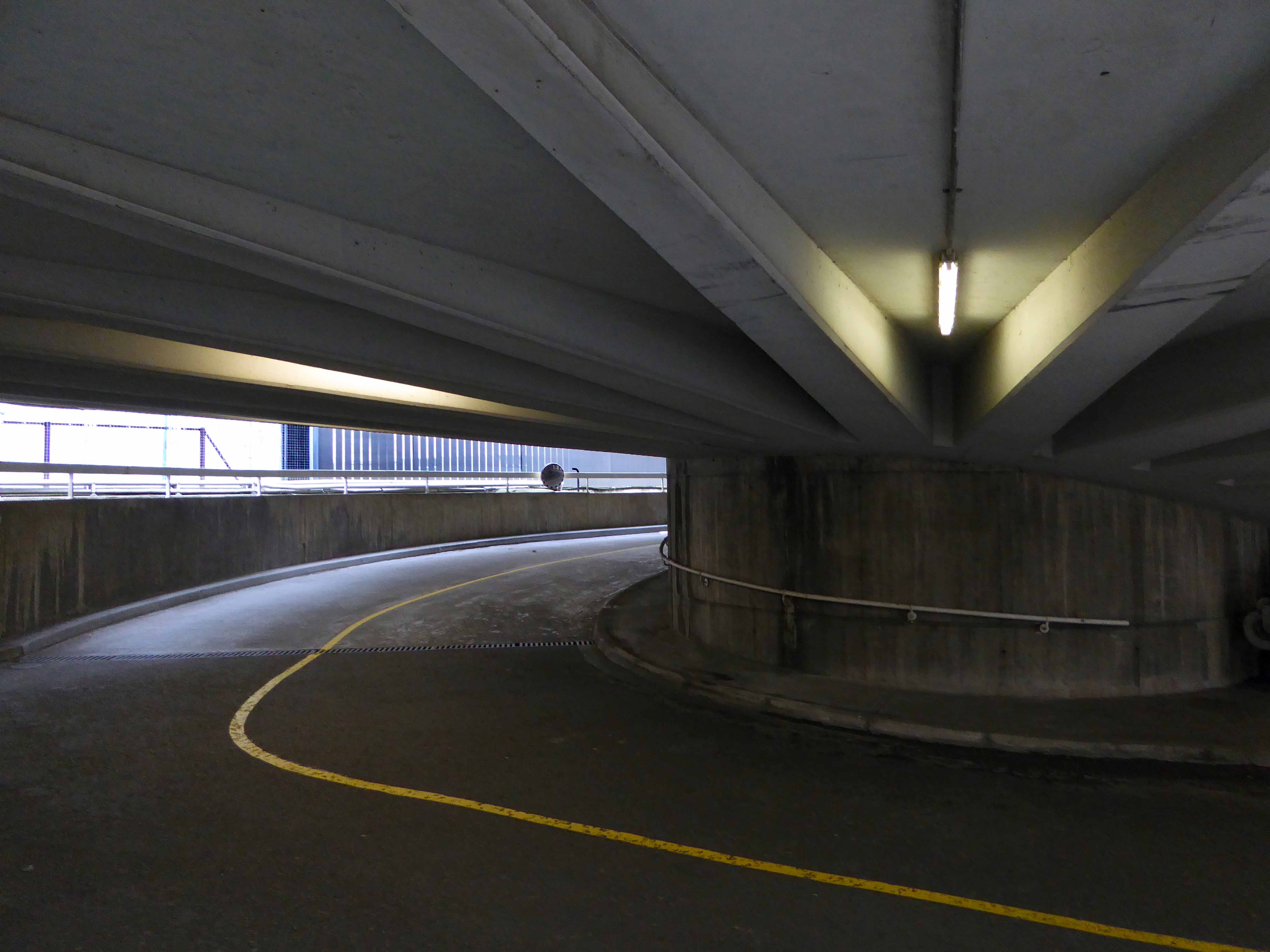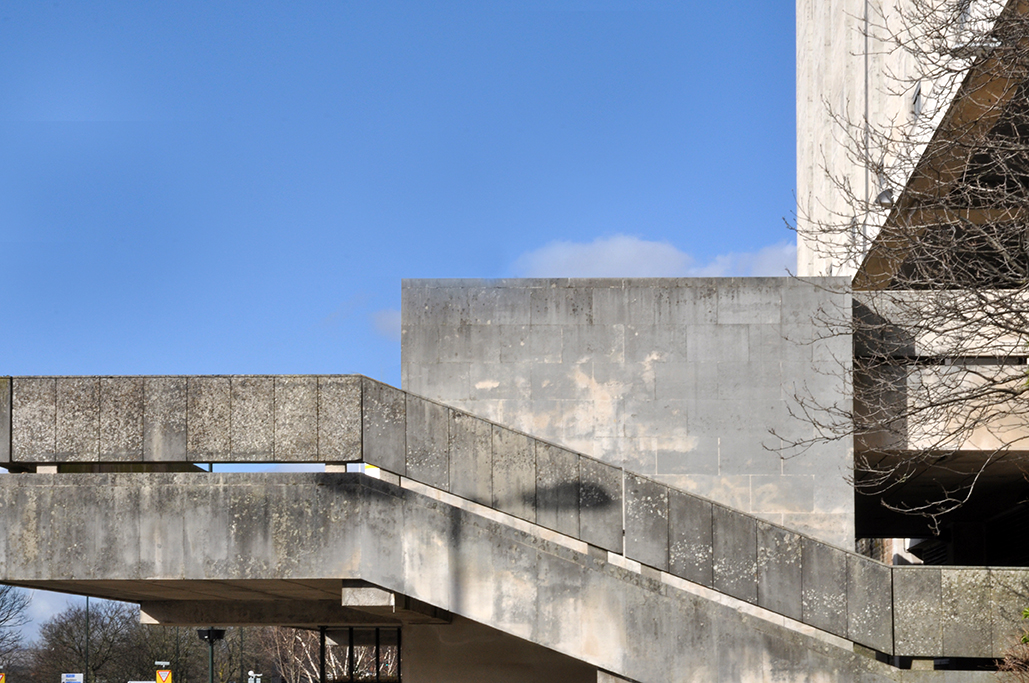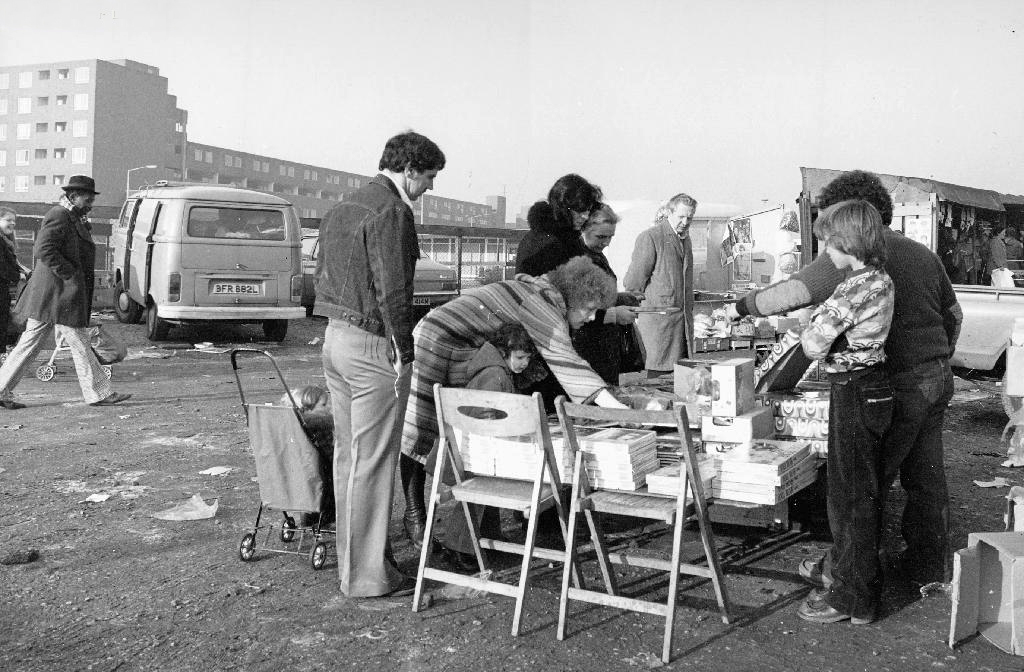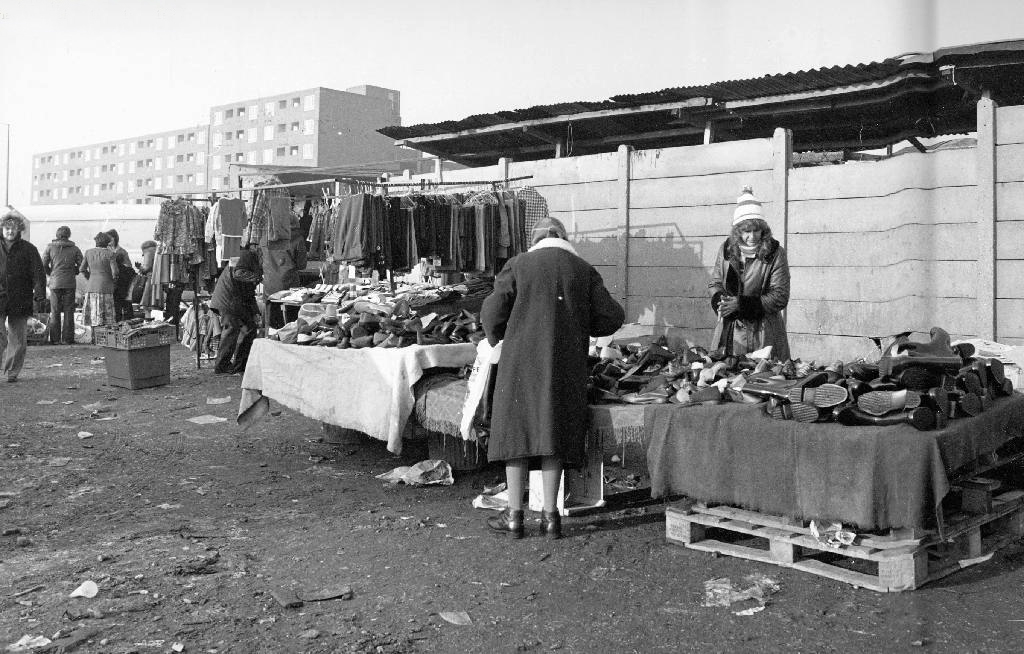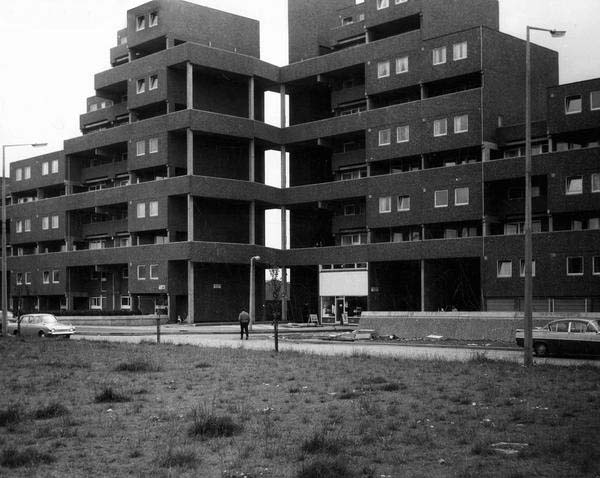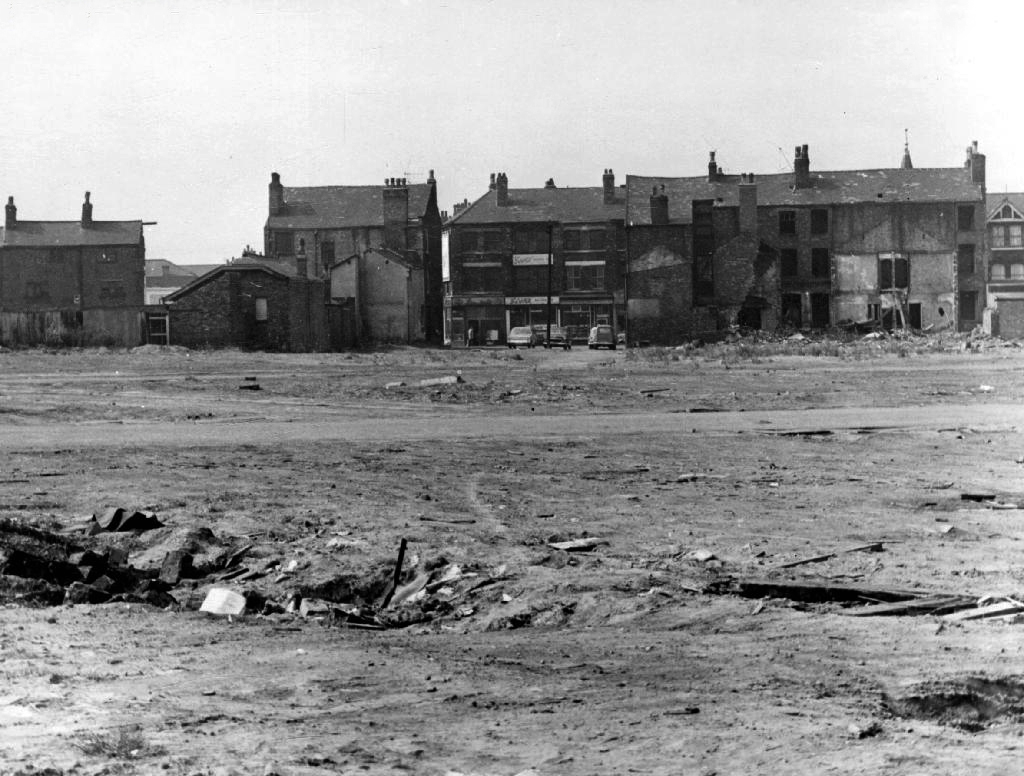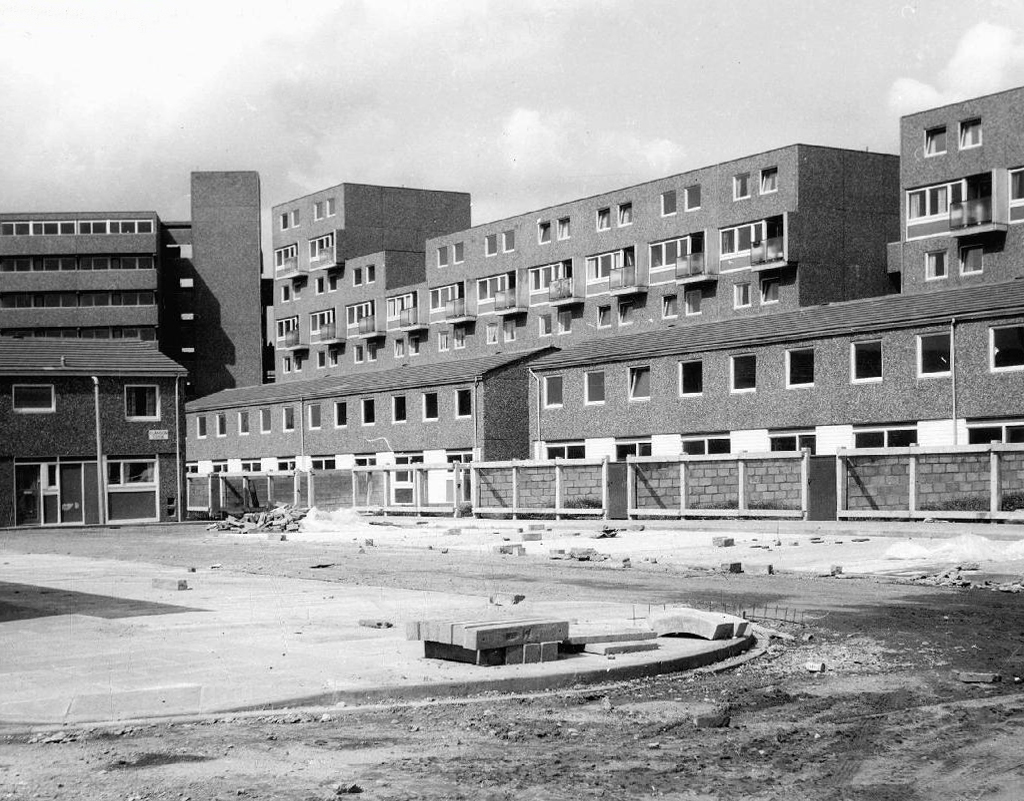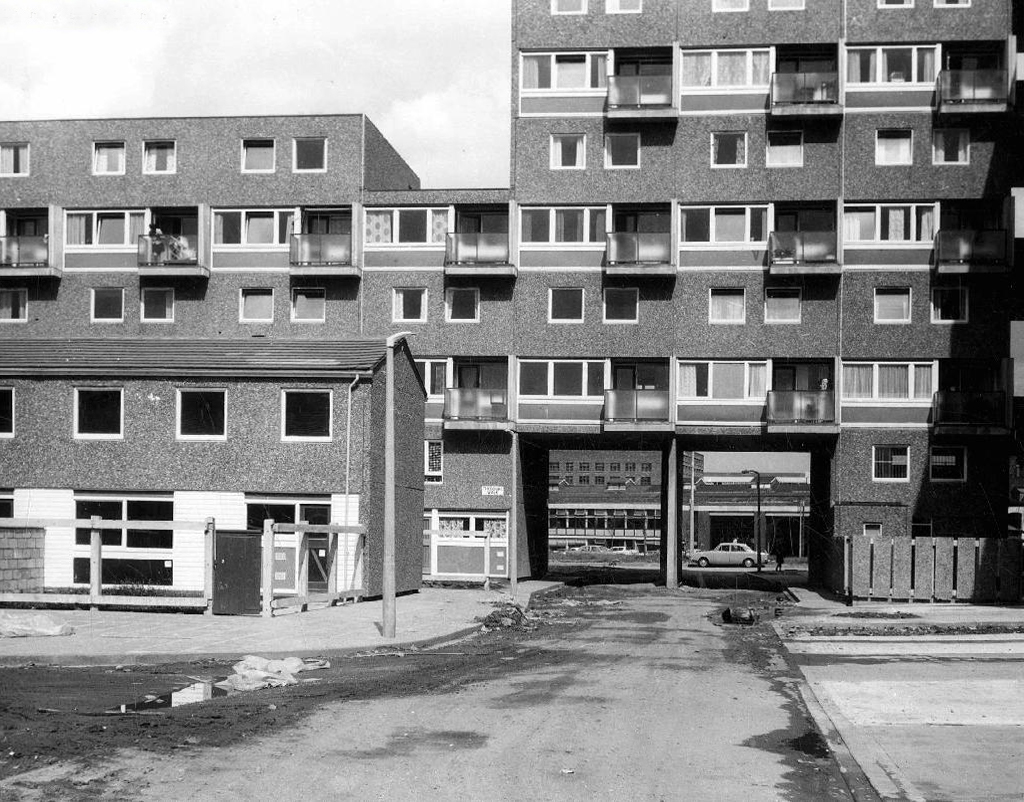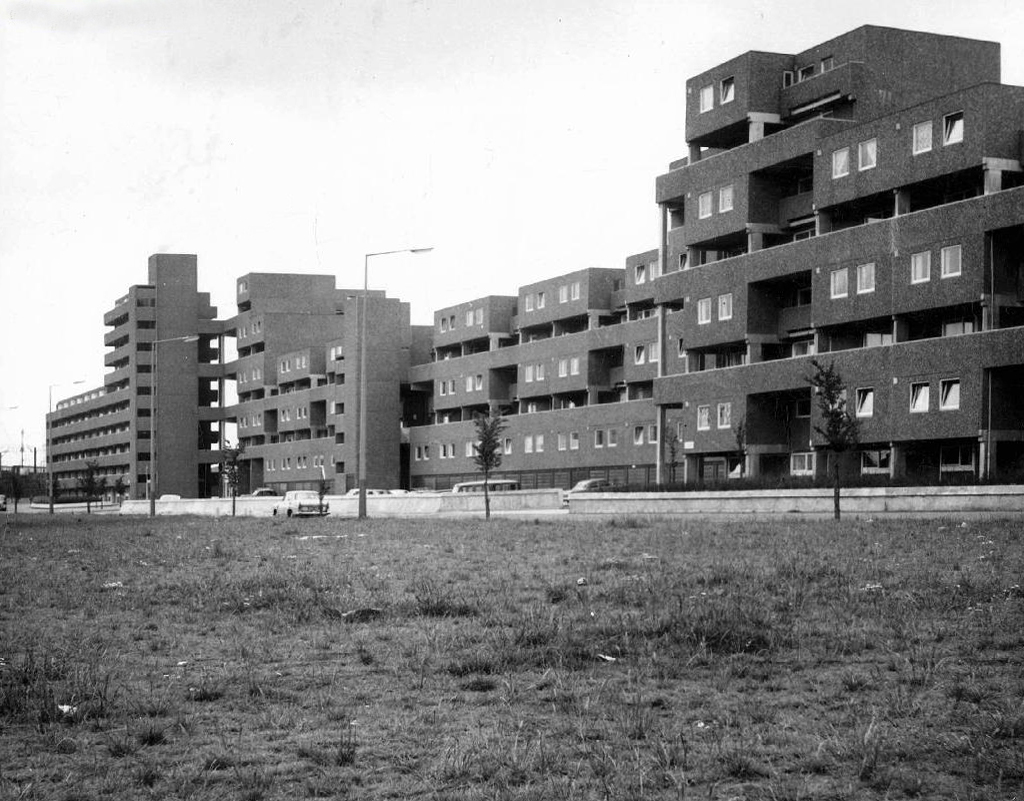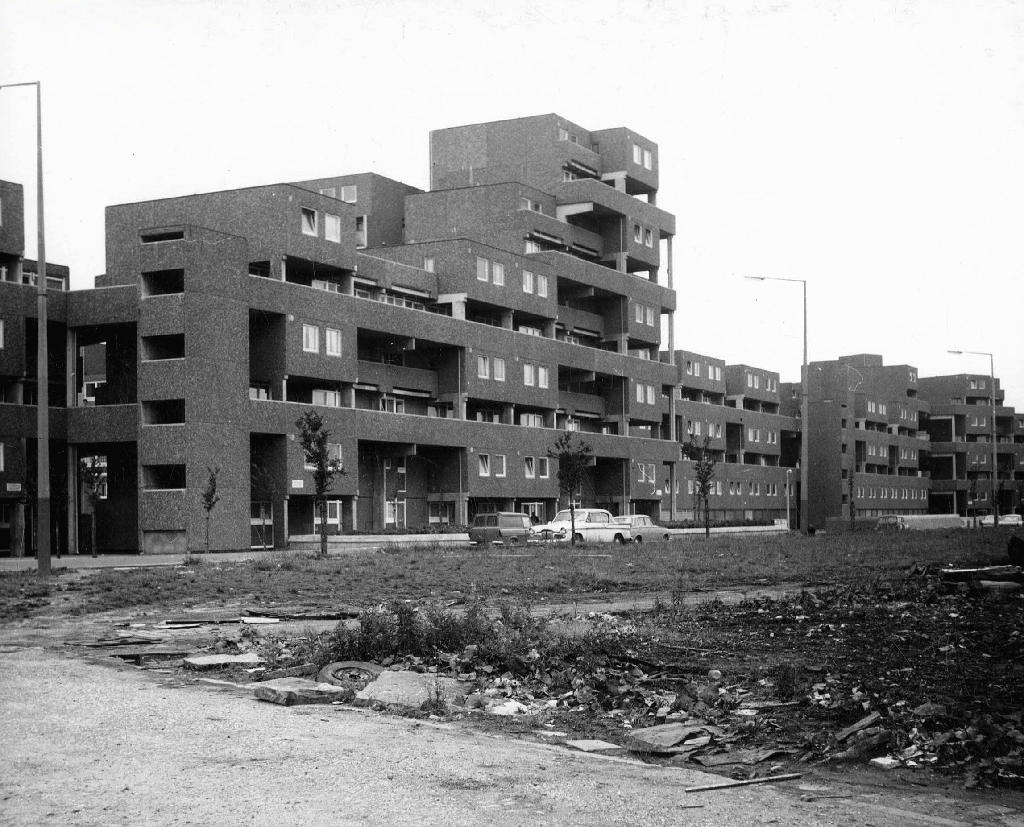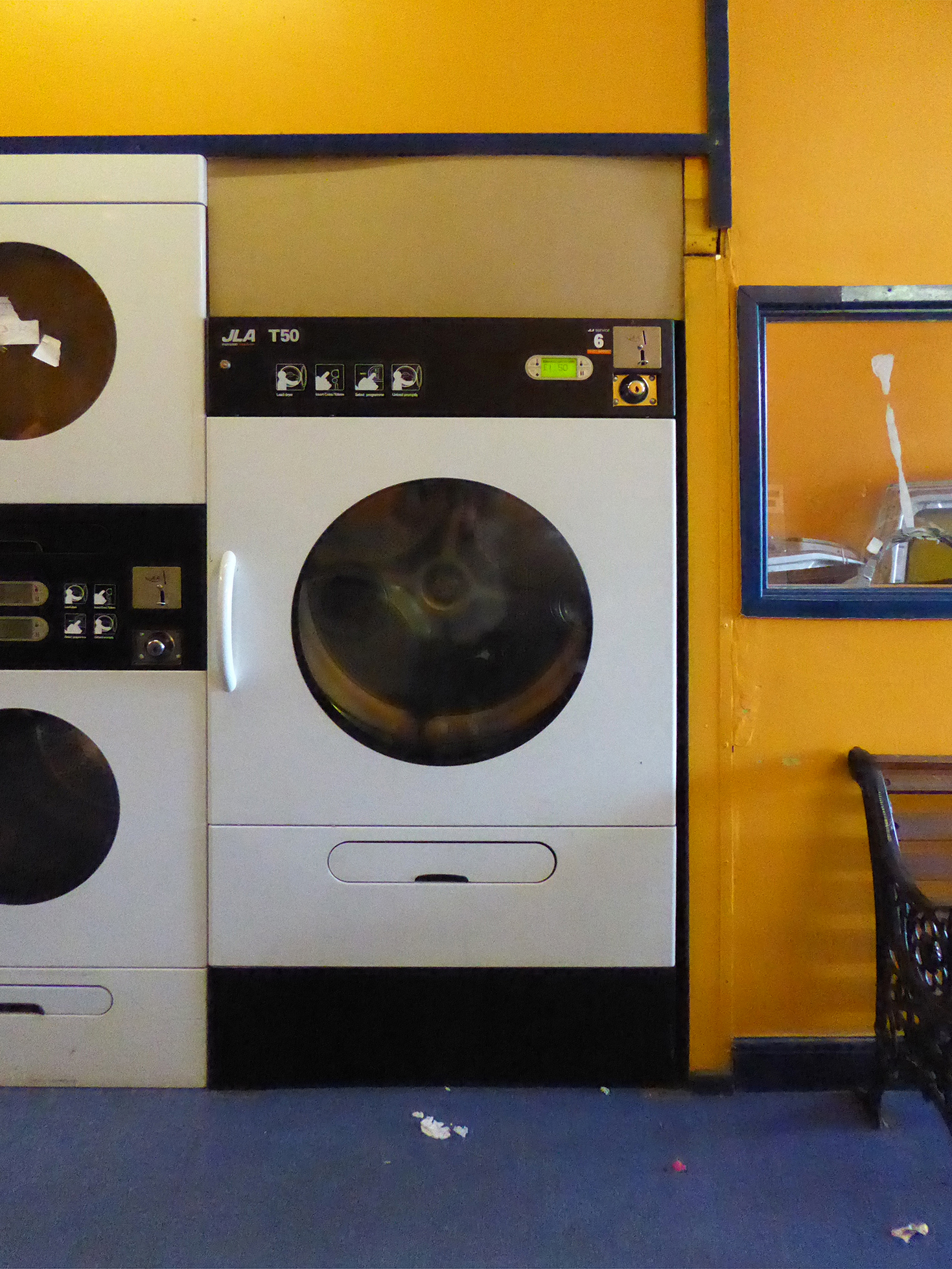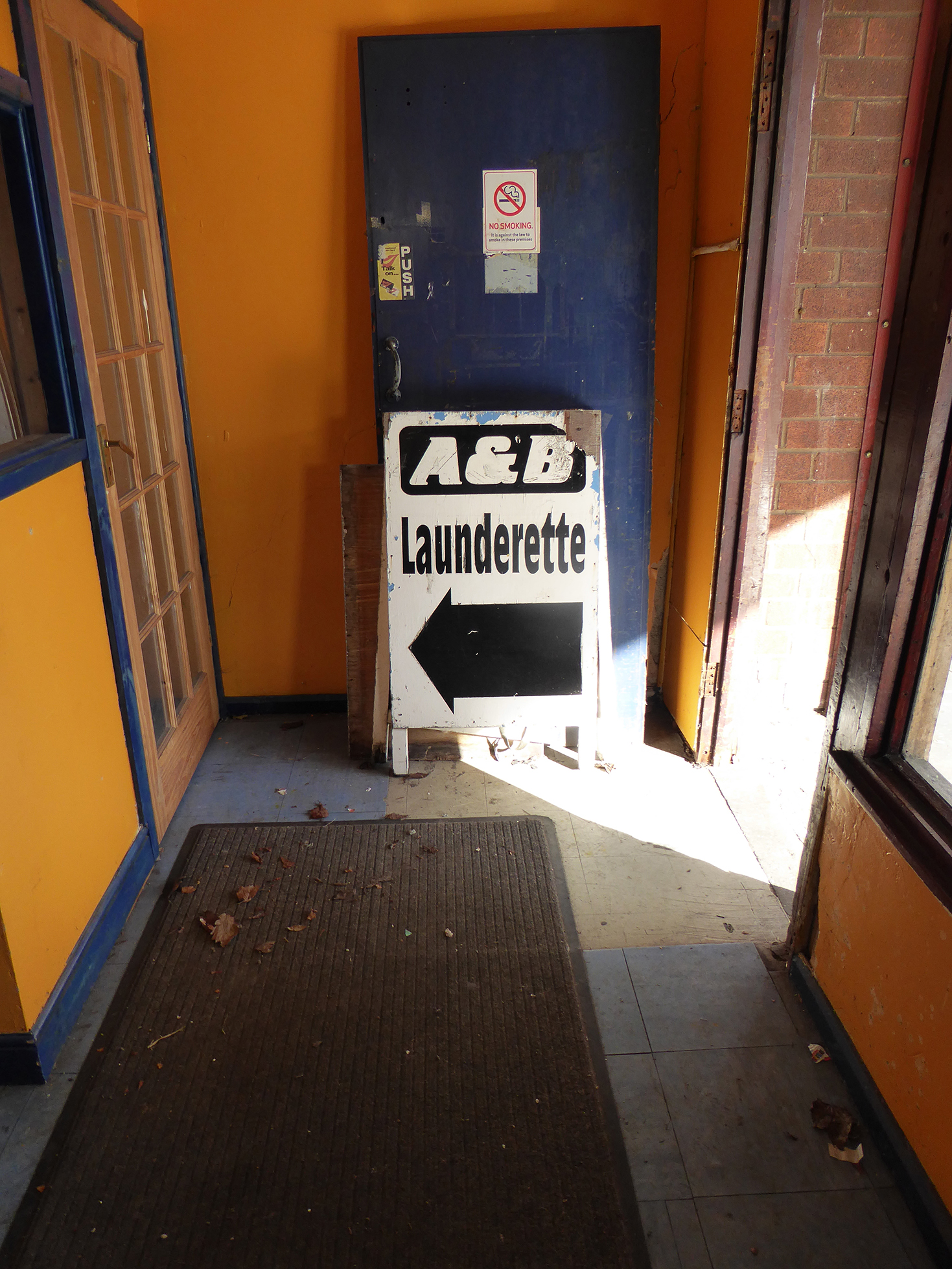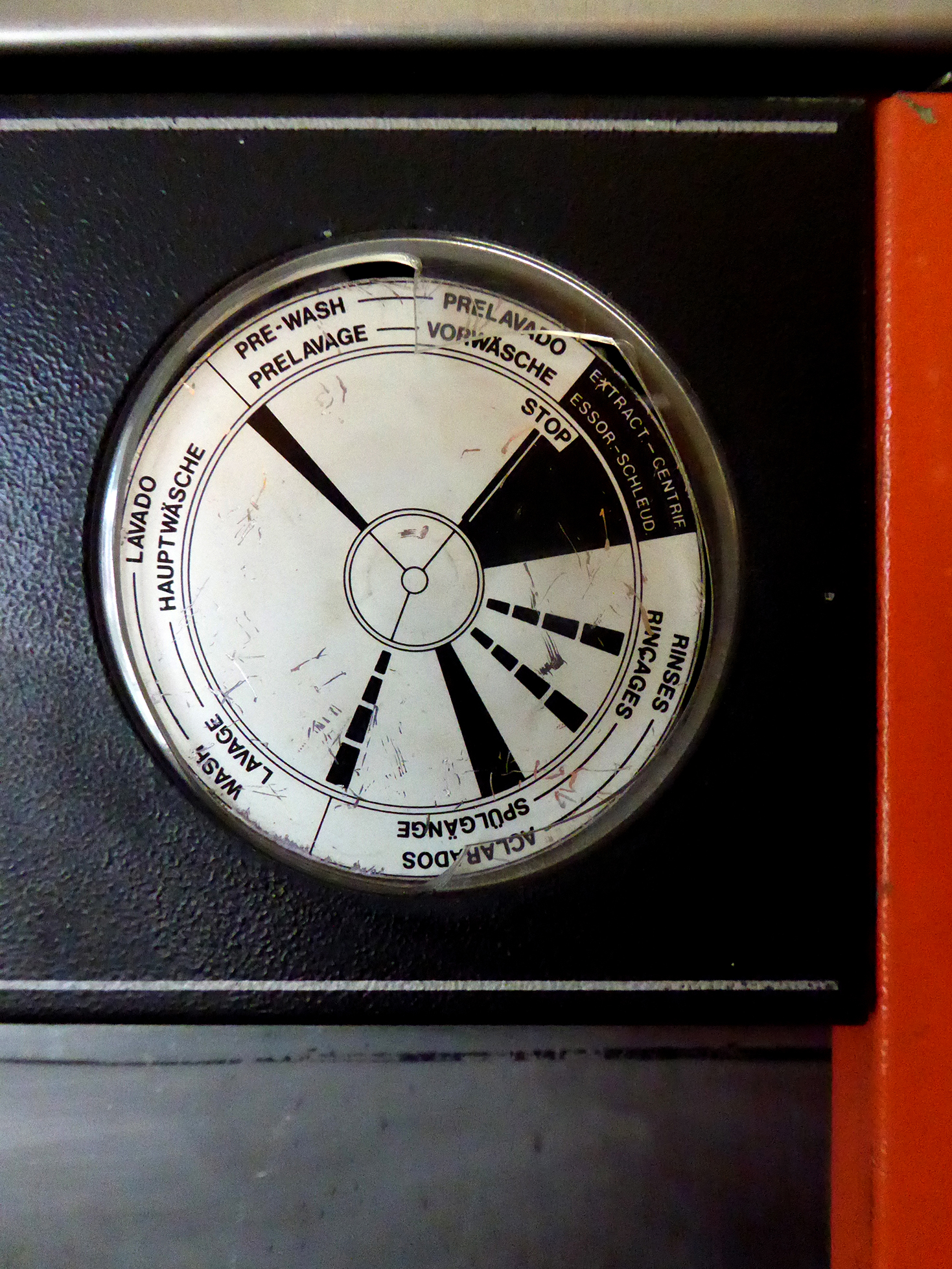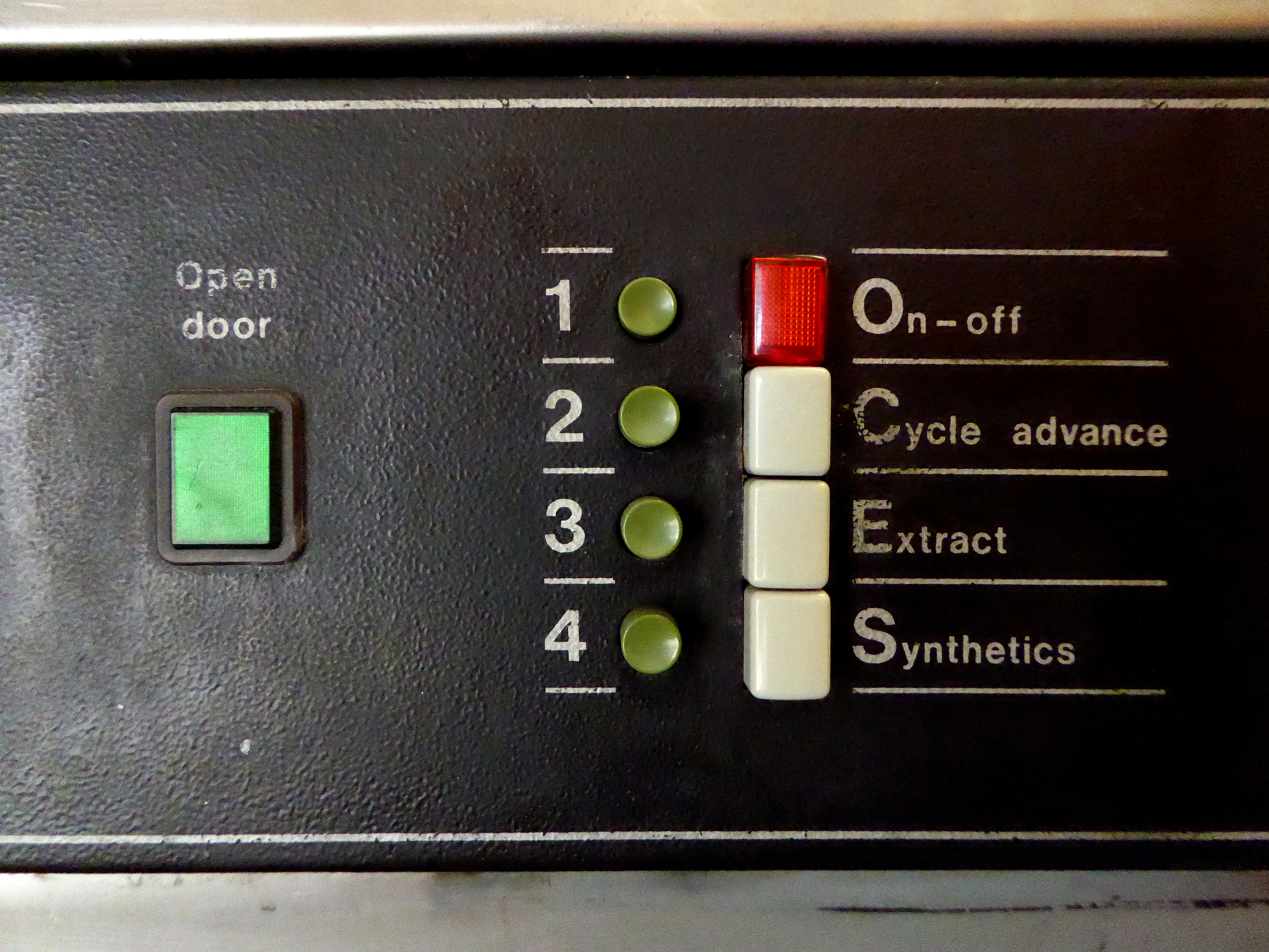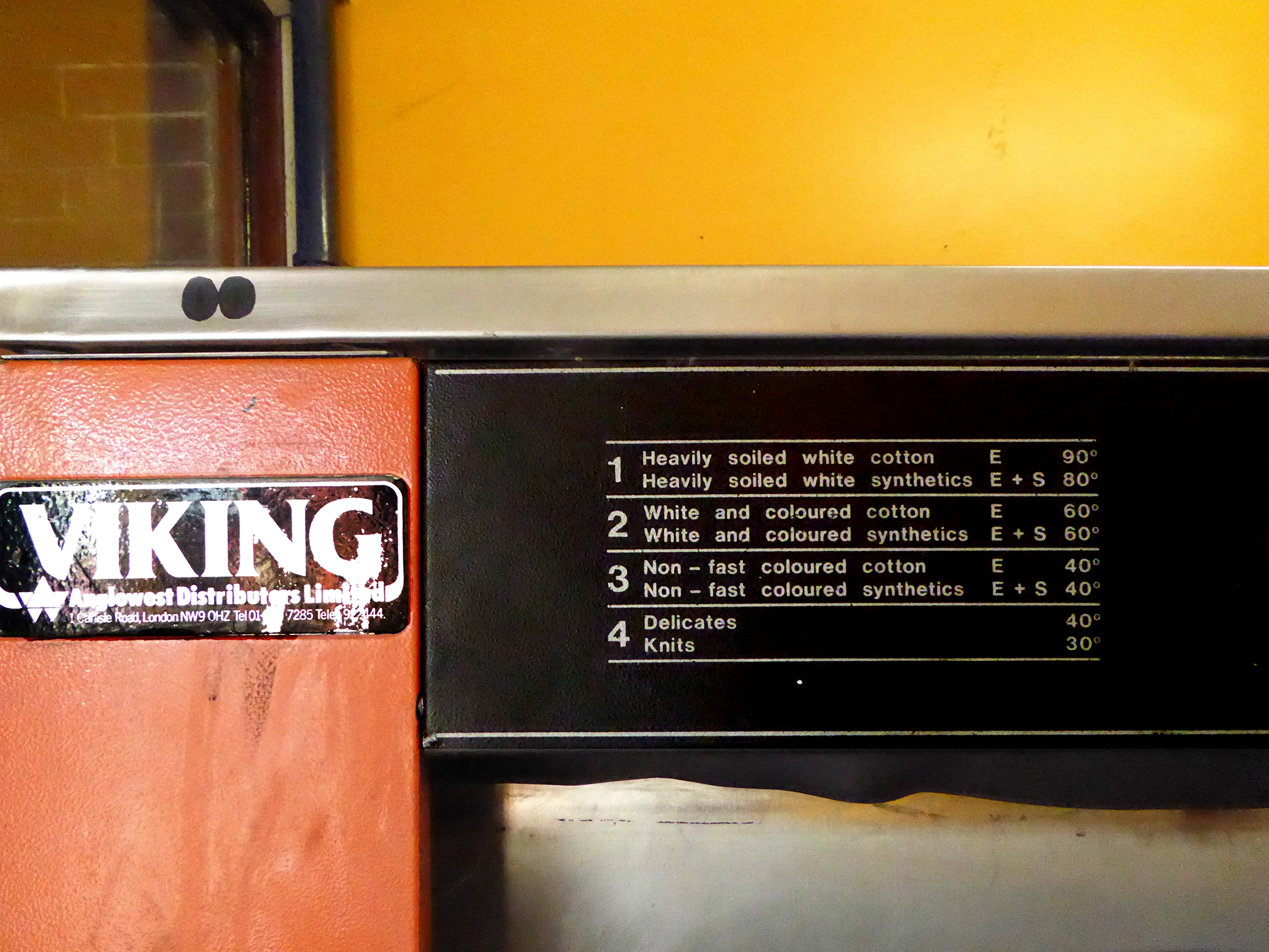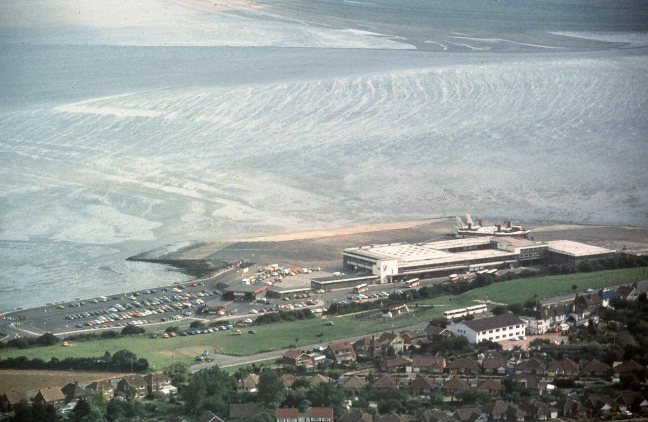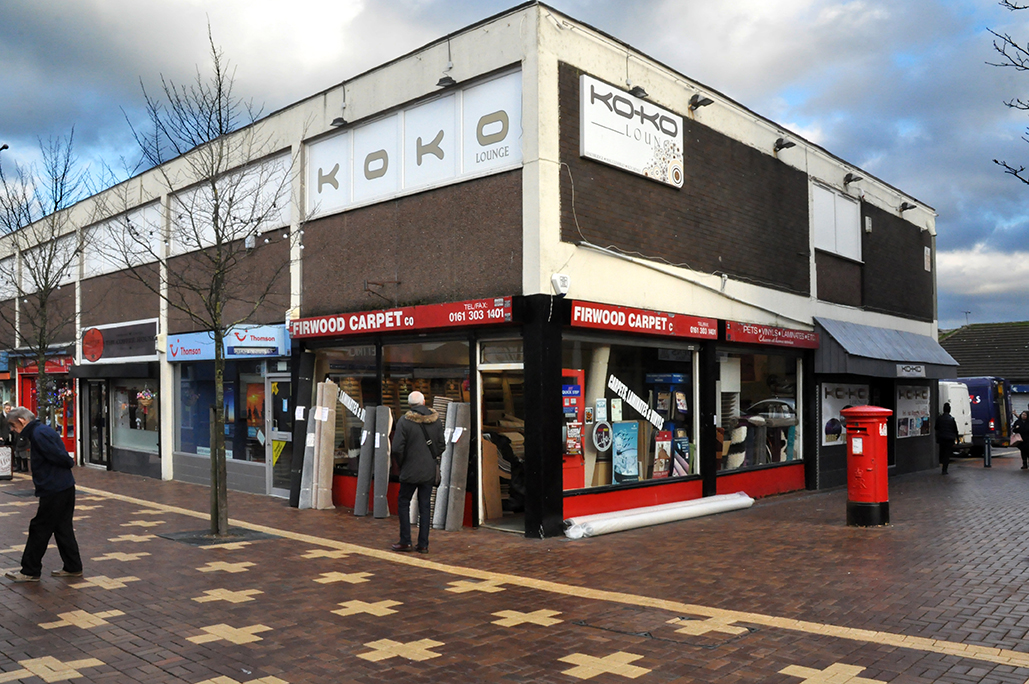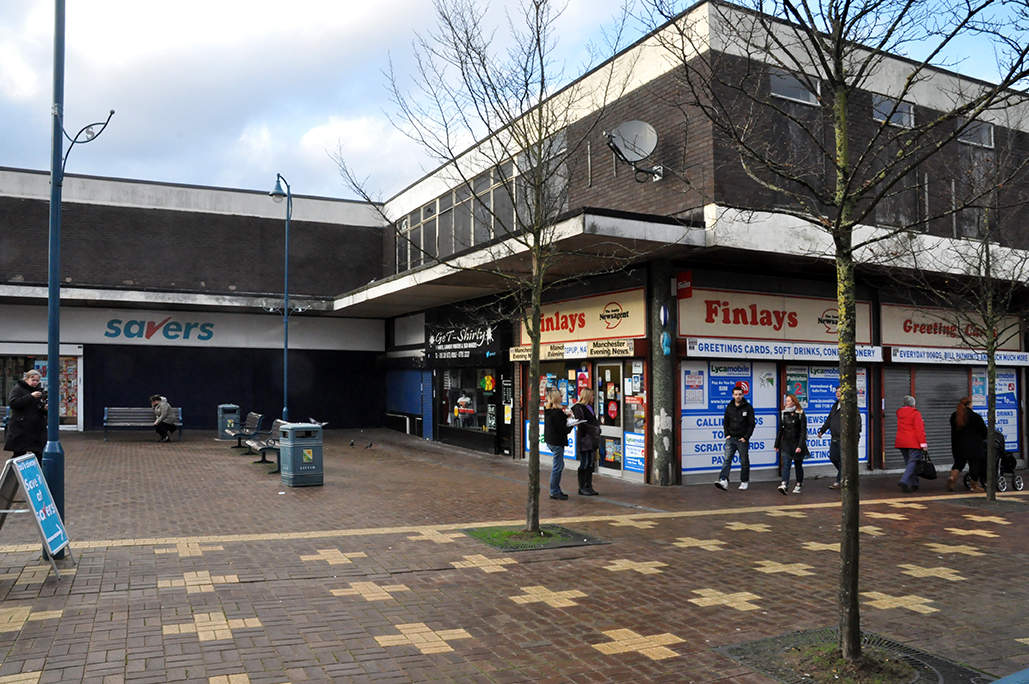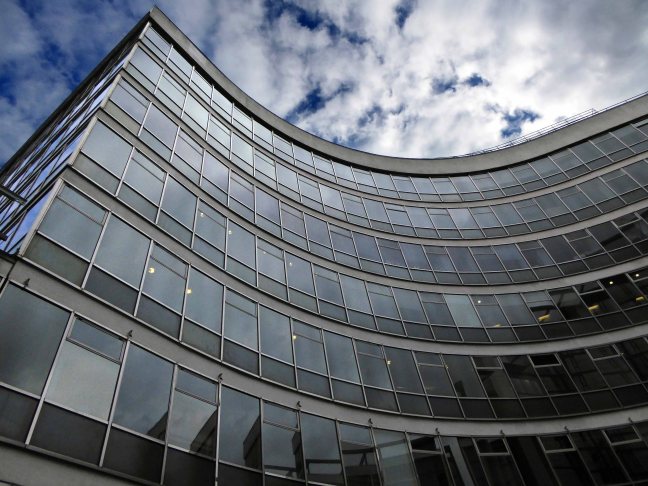
Pegwell Bay Hoverport

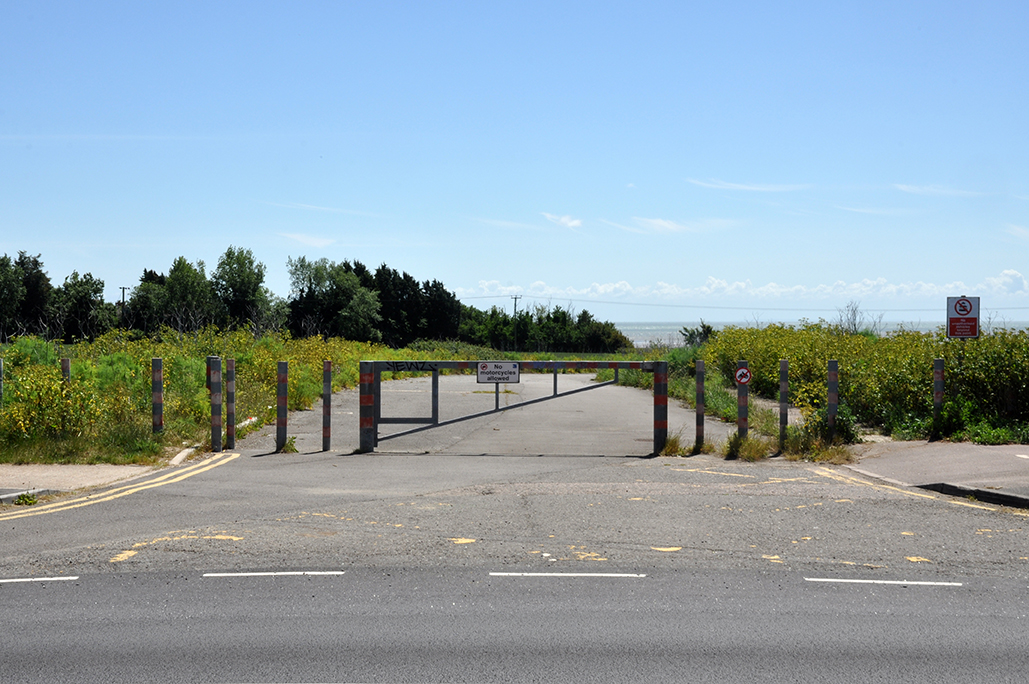
Once, for a very, very  long time indeed there was a shoreline, then sure enough, eventually there was a Hoverport – then there wasn’t.

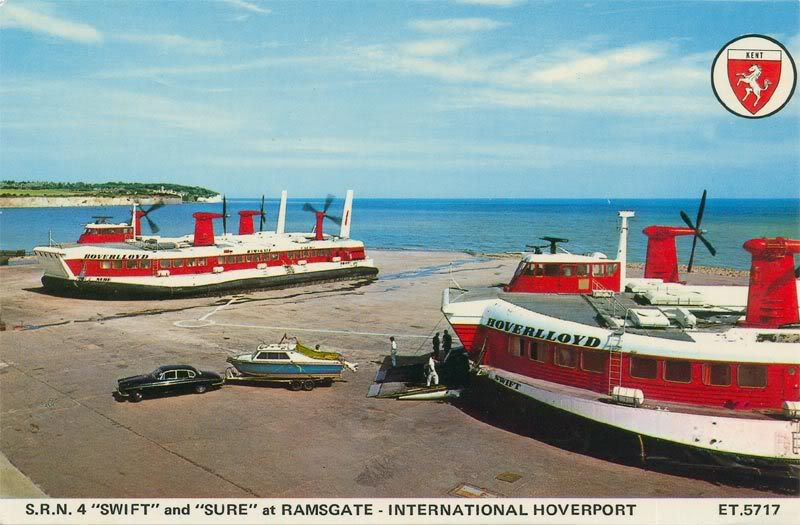
Opened in 1969 just outside Ramsgate along the Kent coast, Hoverlloyd a Swedish owned company began a cross-channel hovercraft service to Calais.

Along came Prince Philip:

http://www.britishpathe.com/video/prince-philip-opens-hovercraft-at-ramsgate

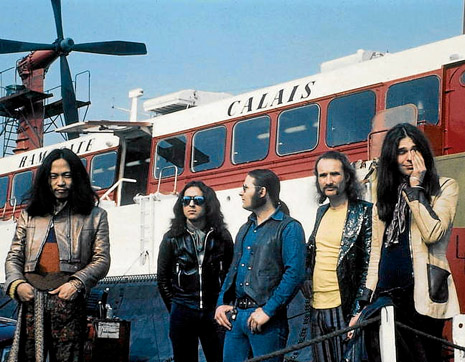
Can came:

germanrocknight0909141

And went:

lsrn49

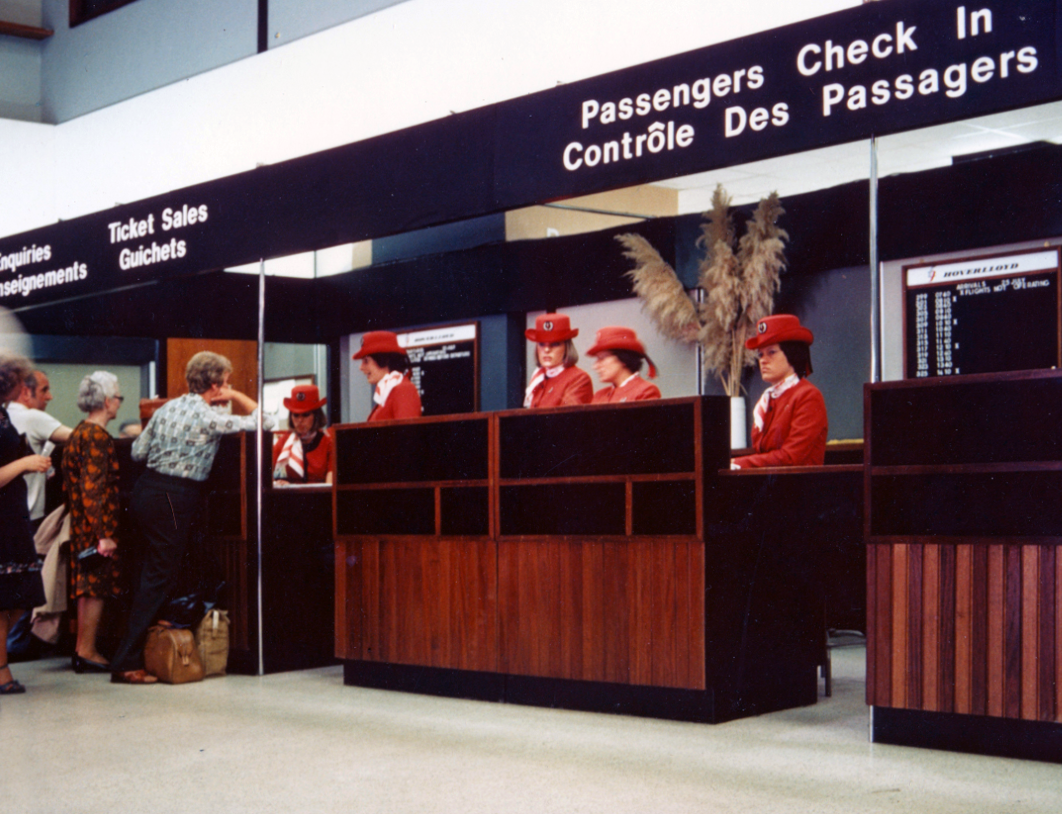
The passengers’ every need was attended to with alacrity and style.

“As a Stewardess your appearance was paramount, a beautician would come in during training to teach us how to apply make up.”


Screen Shot 2016-01-31 at 15.25.22


But it simply wasn’t enough.

The life of Christopher Cockerell’s bold British invention, was short and bumpy.

Genevieve Payne, a former stewardess:

“I remember the summer of 1979 as a year of really bad weather and rough seas.”

“I was working on a craft in a force 8, so on this day we were literally hitting the ceiling, passengers were throwing up everywhere.”

“One lady became hysterical I had to slap her to calm her down.”

By the 1980’s Pegwell and the hovercraft were in terminal terminus decline.

ramsgate_hoverport_car-entrance-03

It’s a lot less bother without a hover.

ramsgate_hoverport_terminal-05

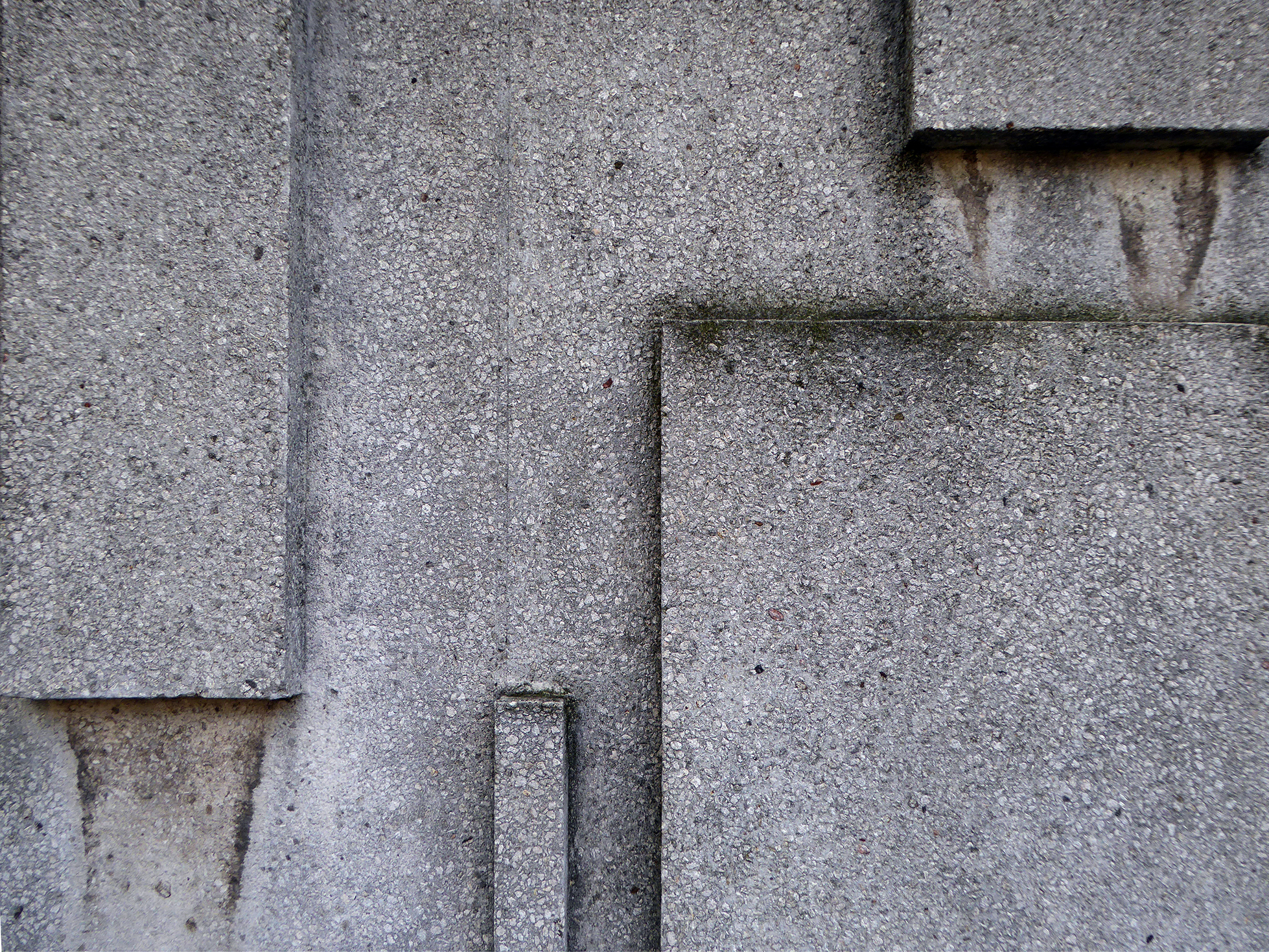
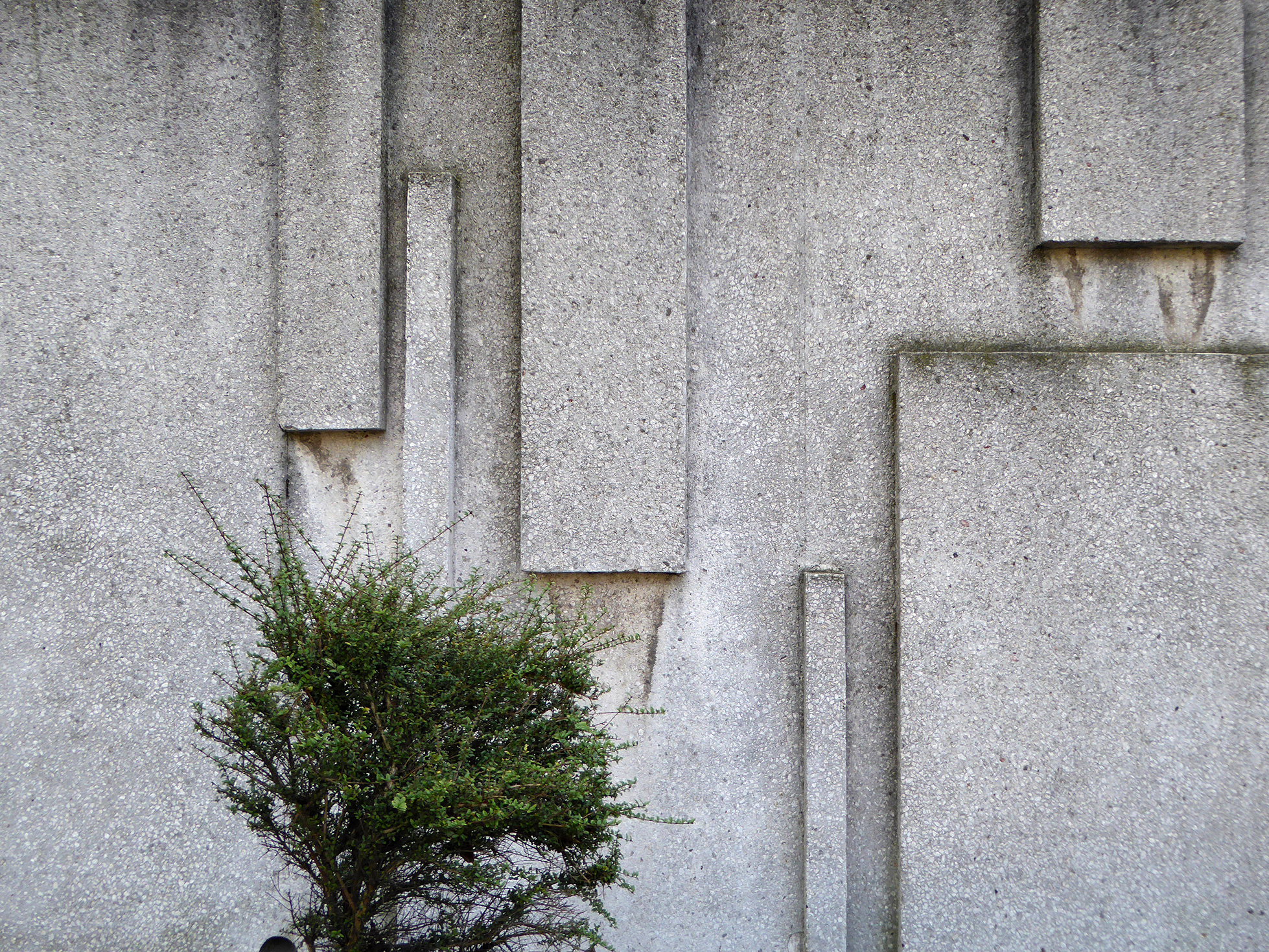
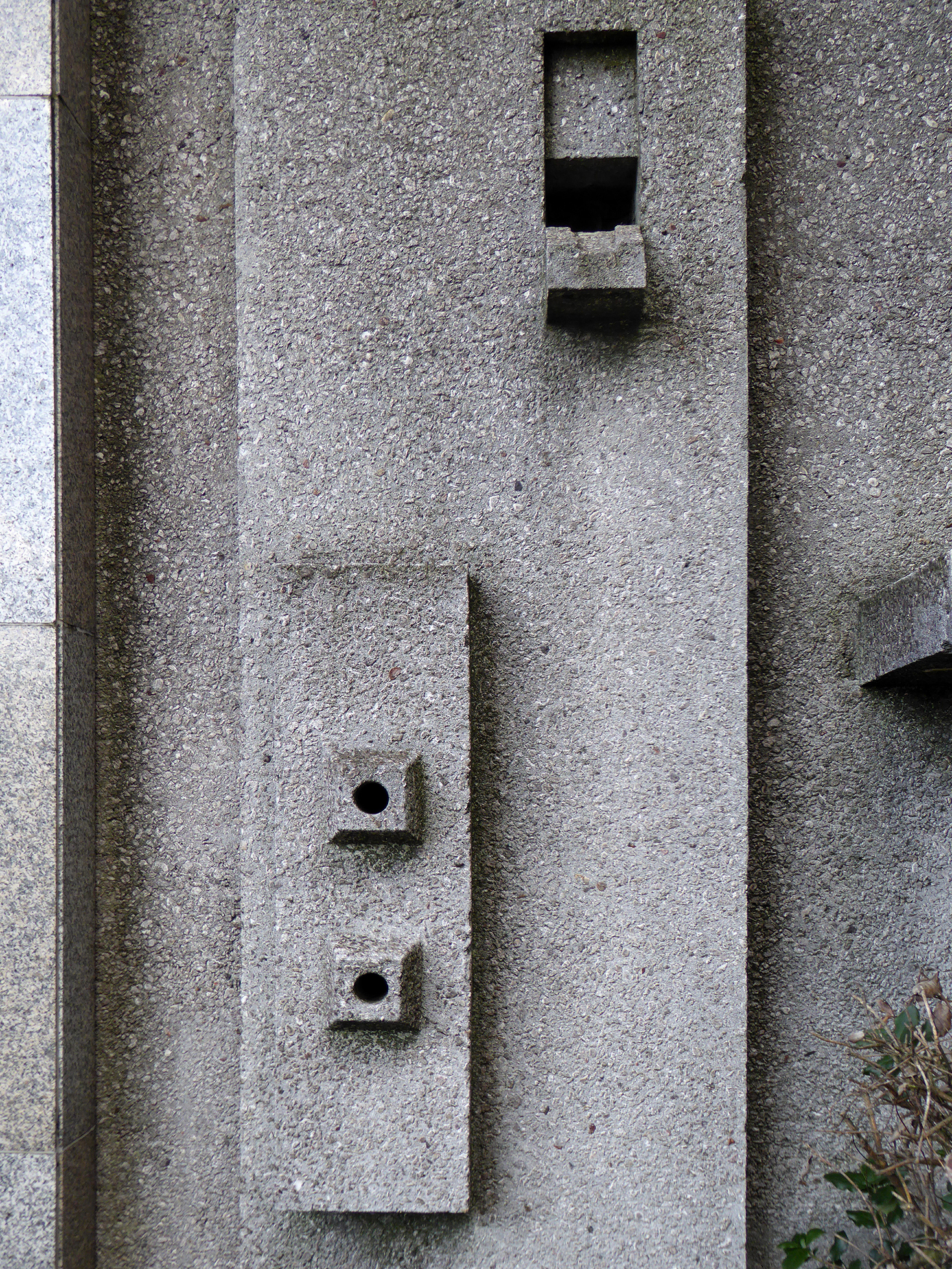
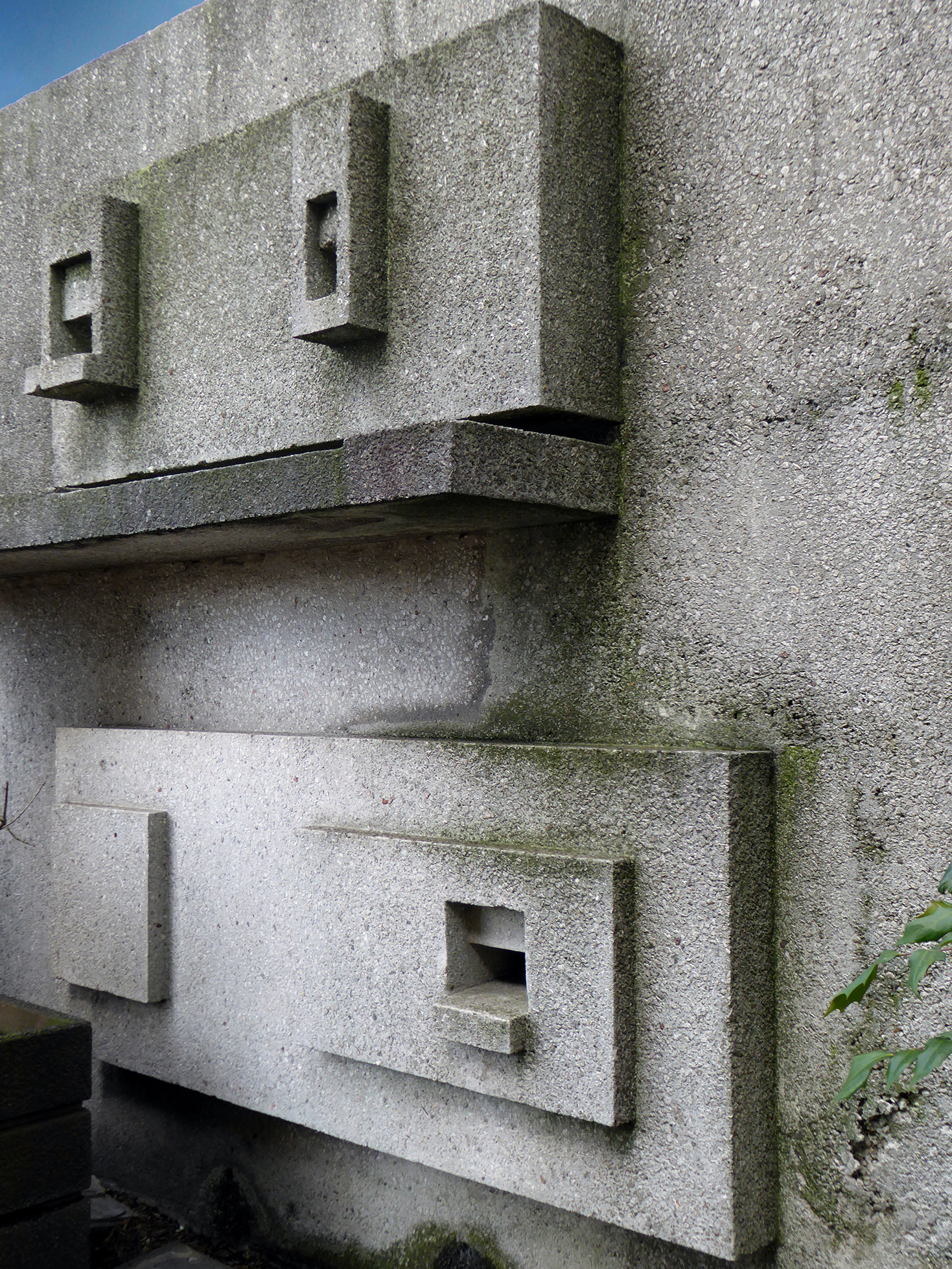
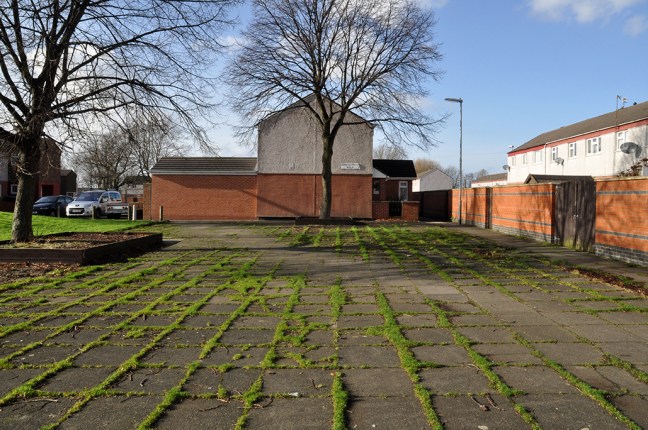
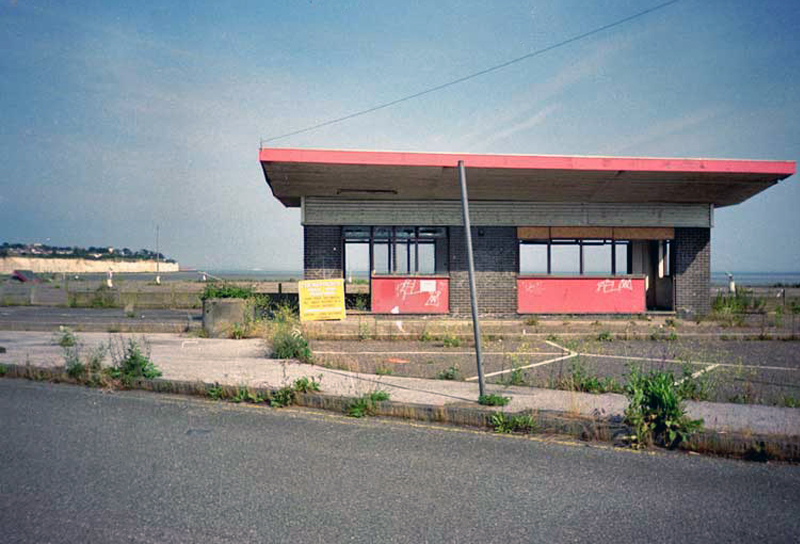
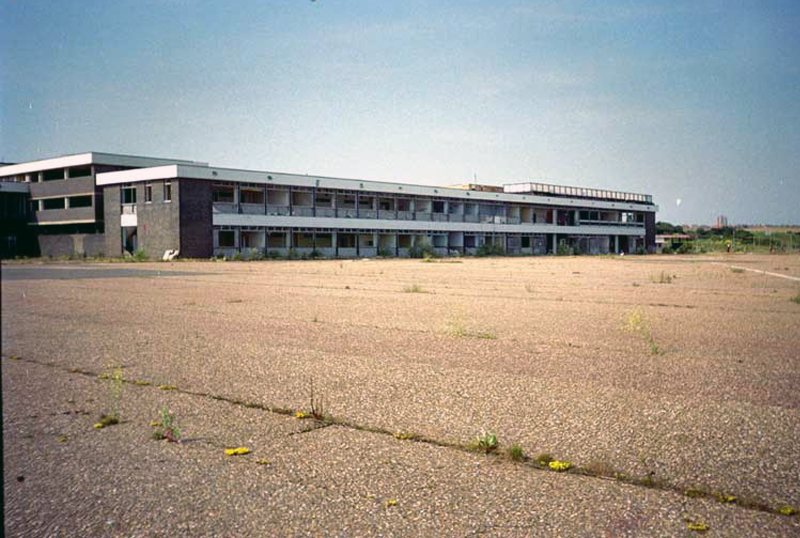
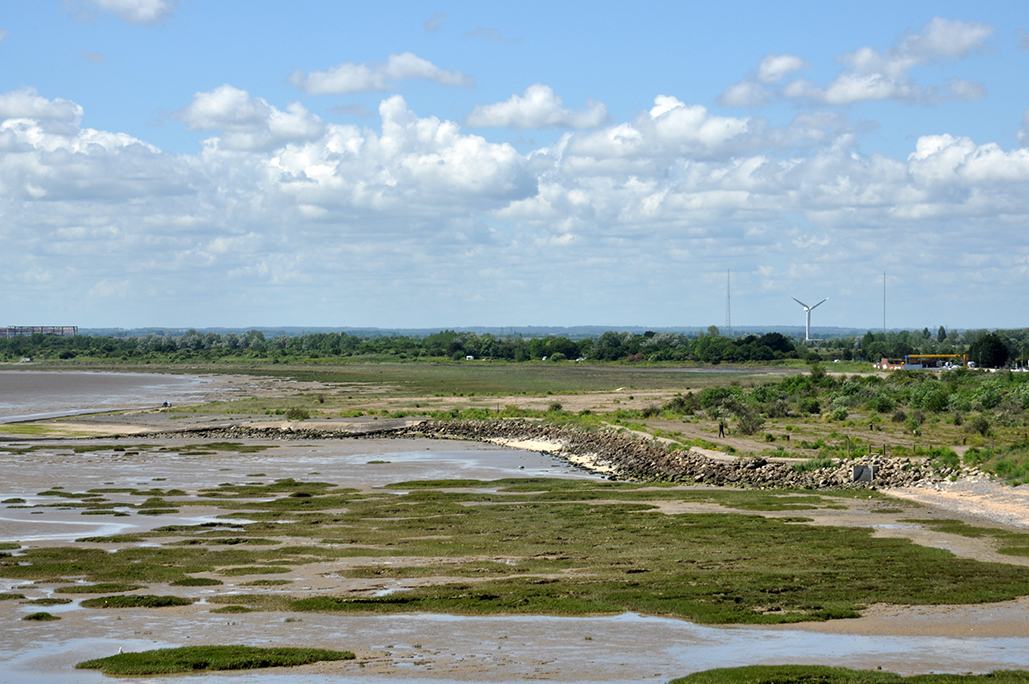
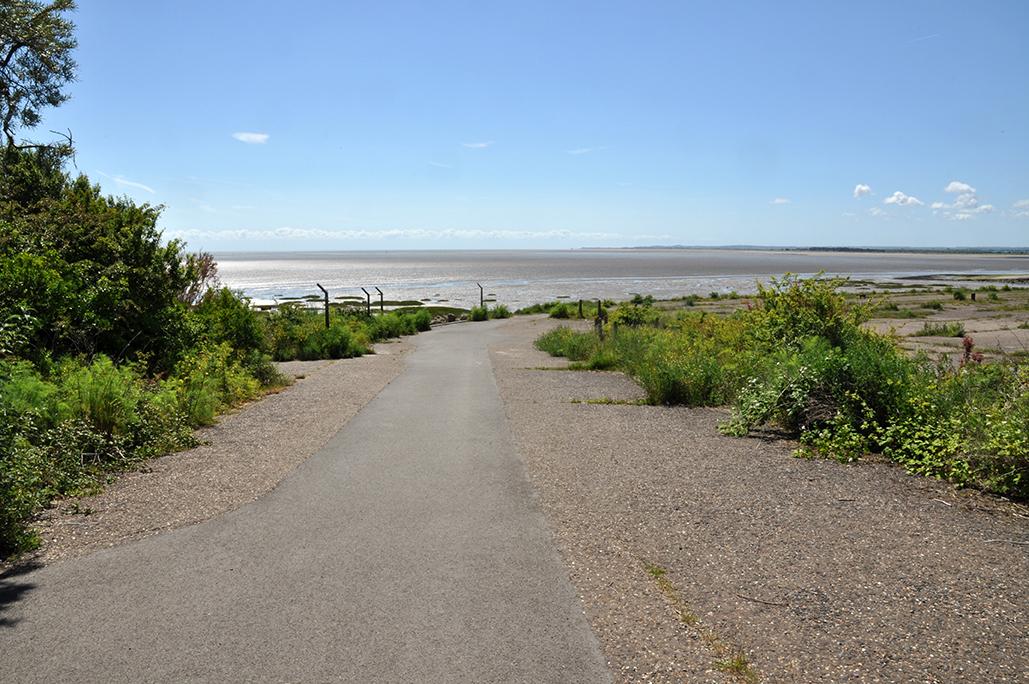
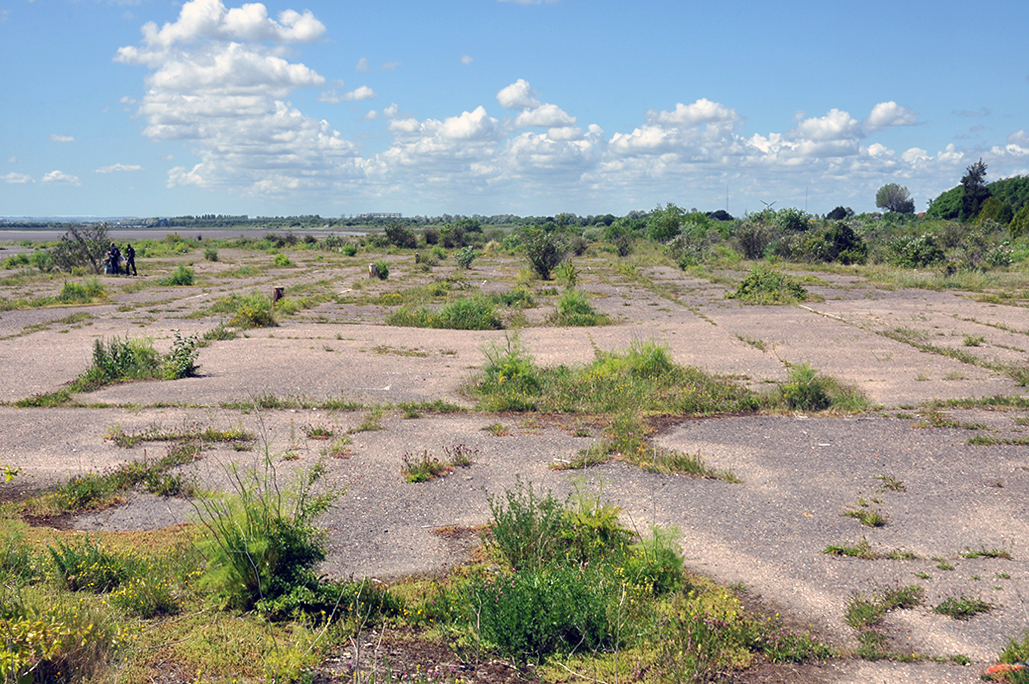
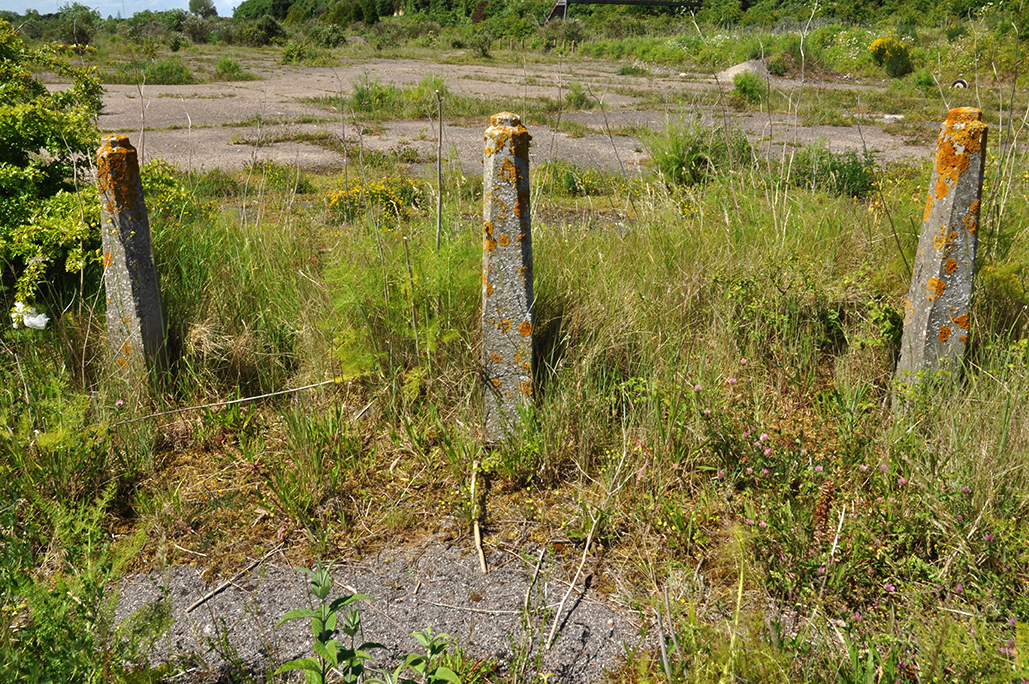
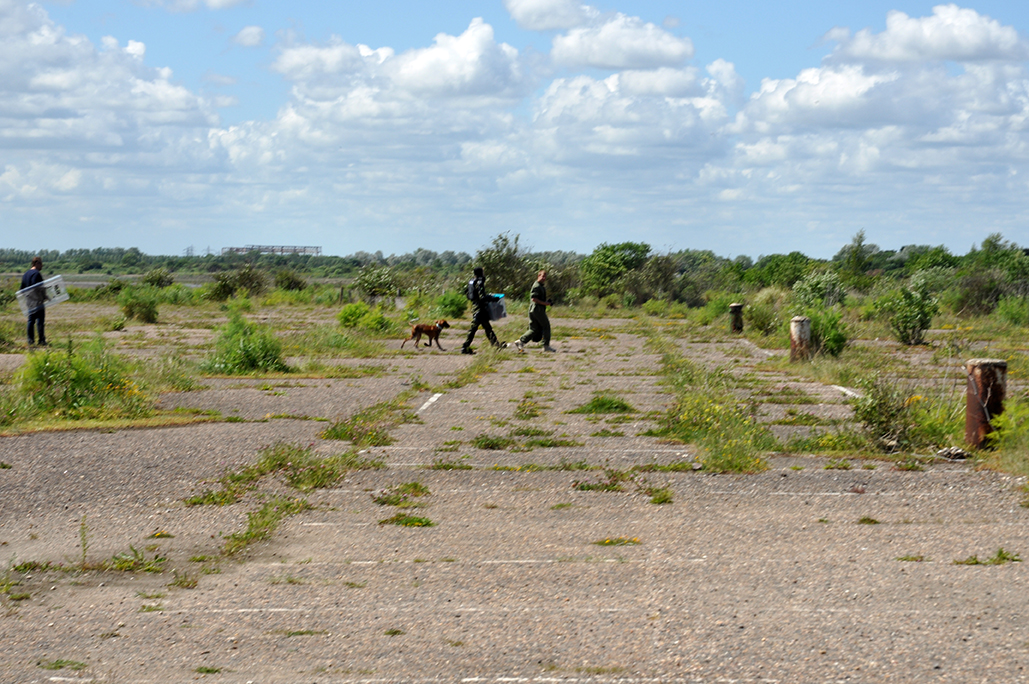
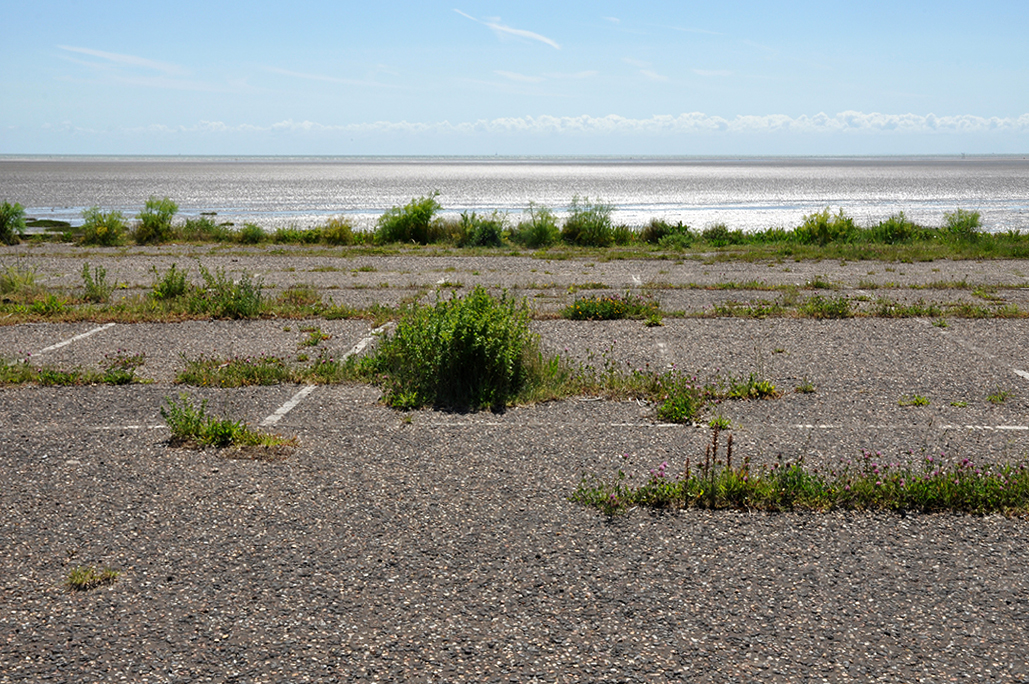
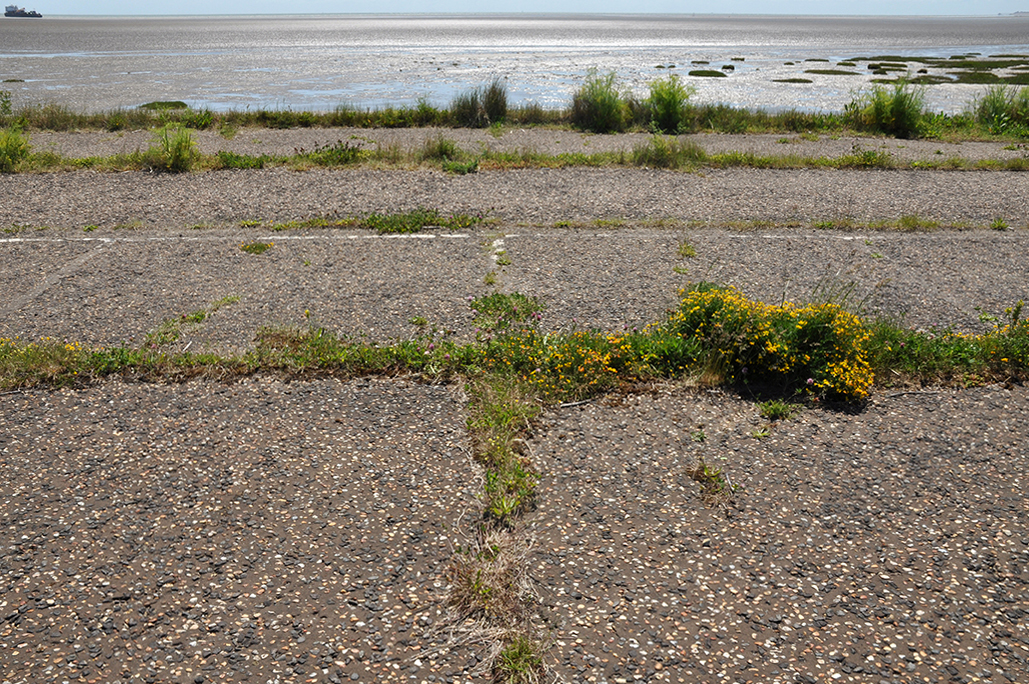
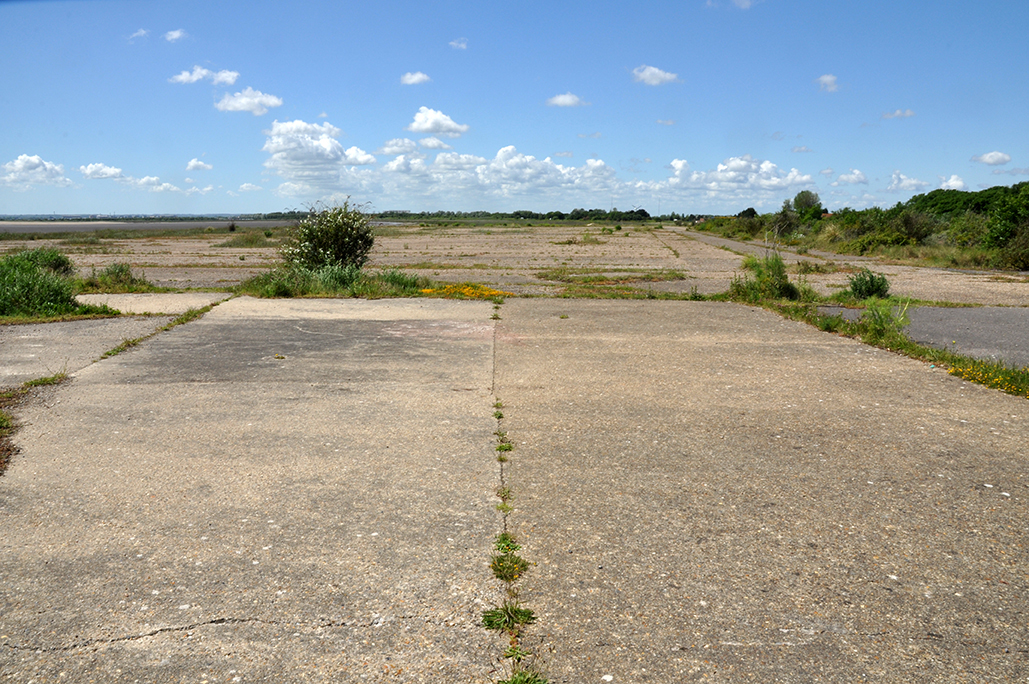
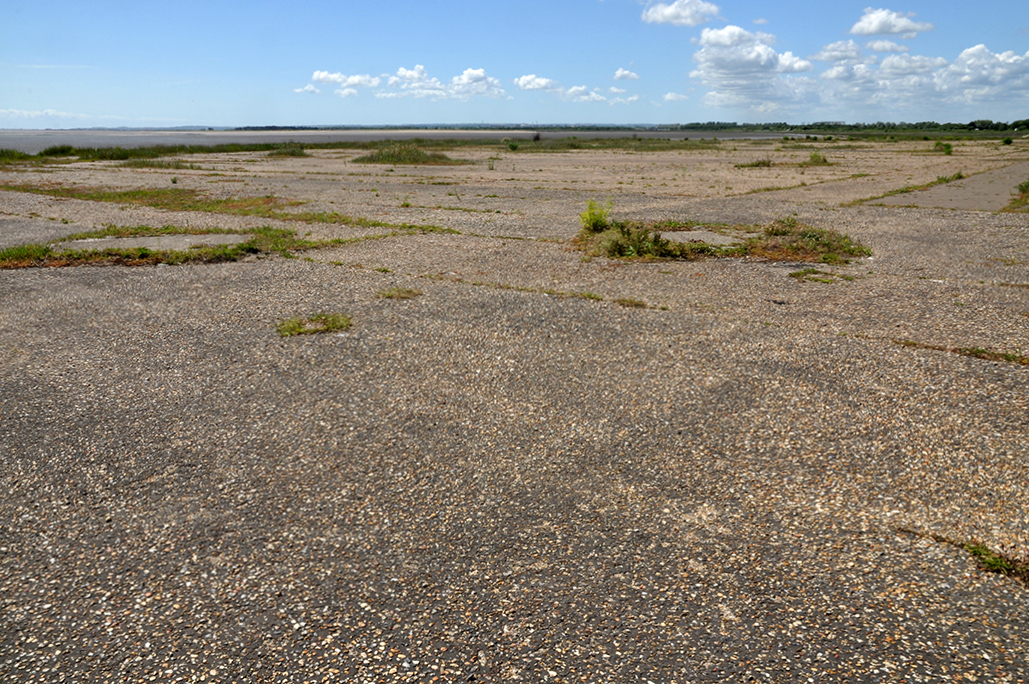
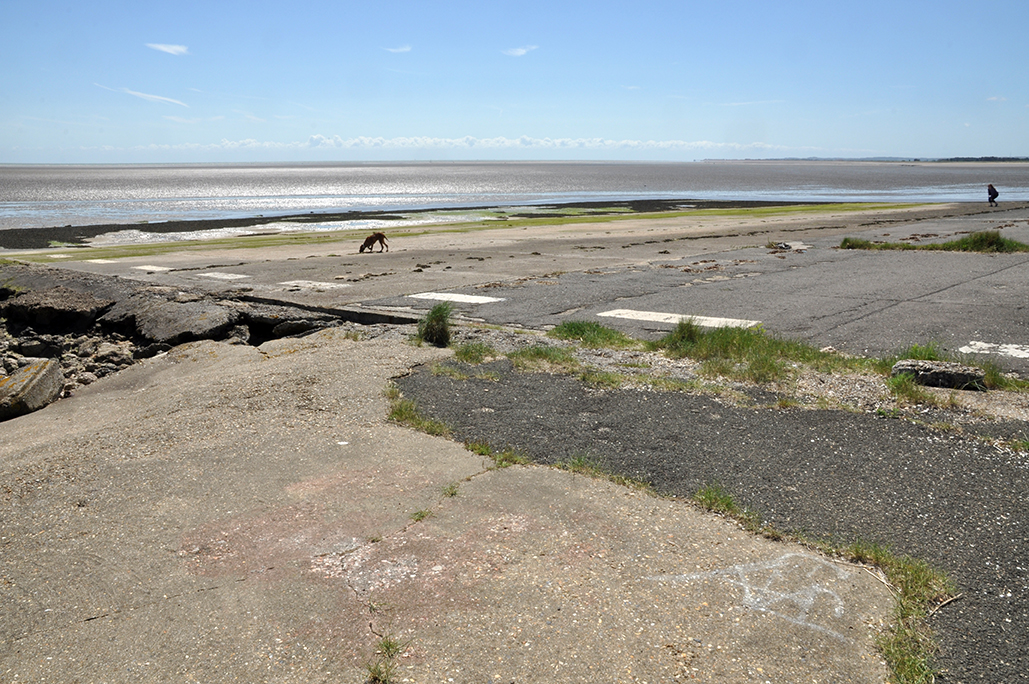
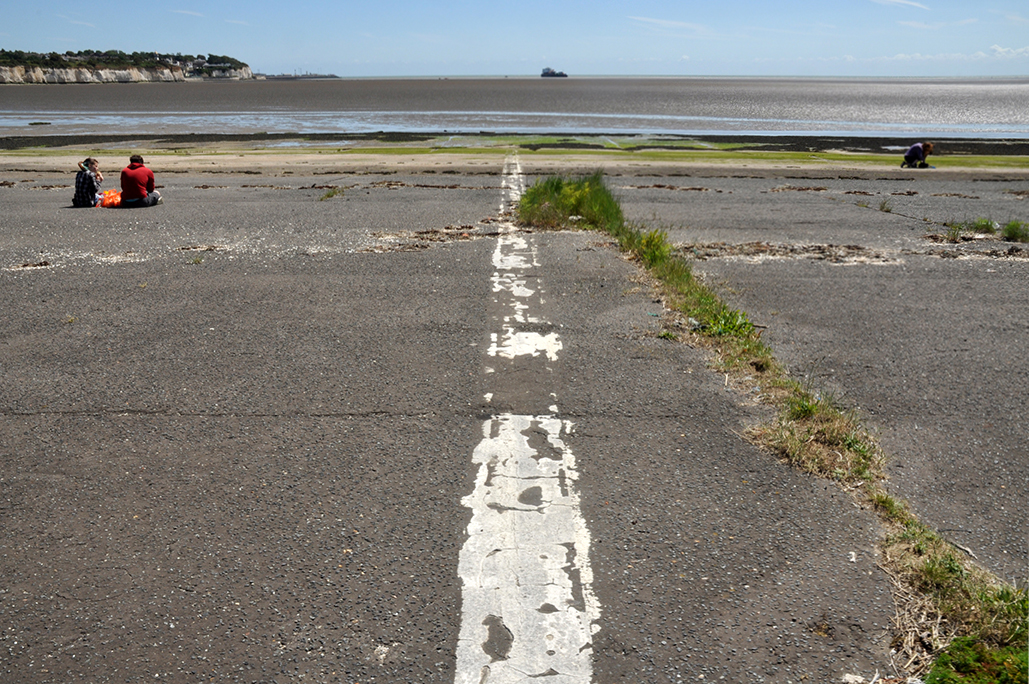
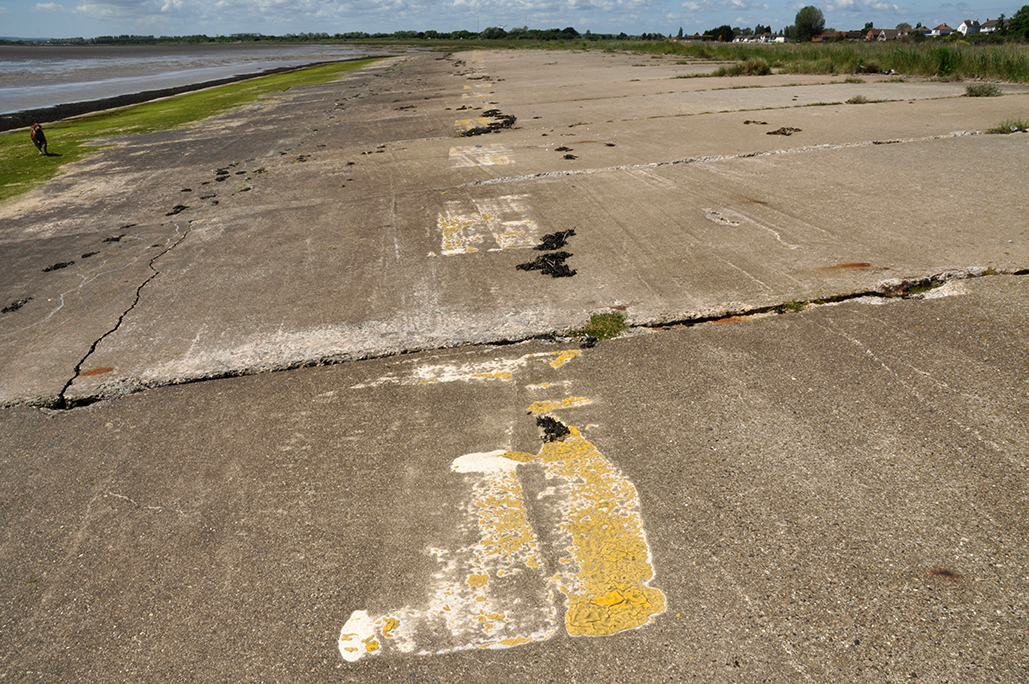
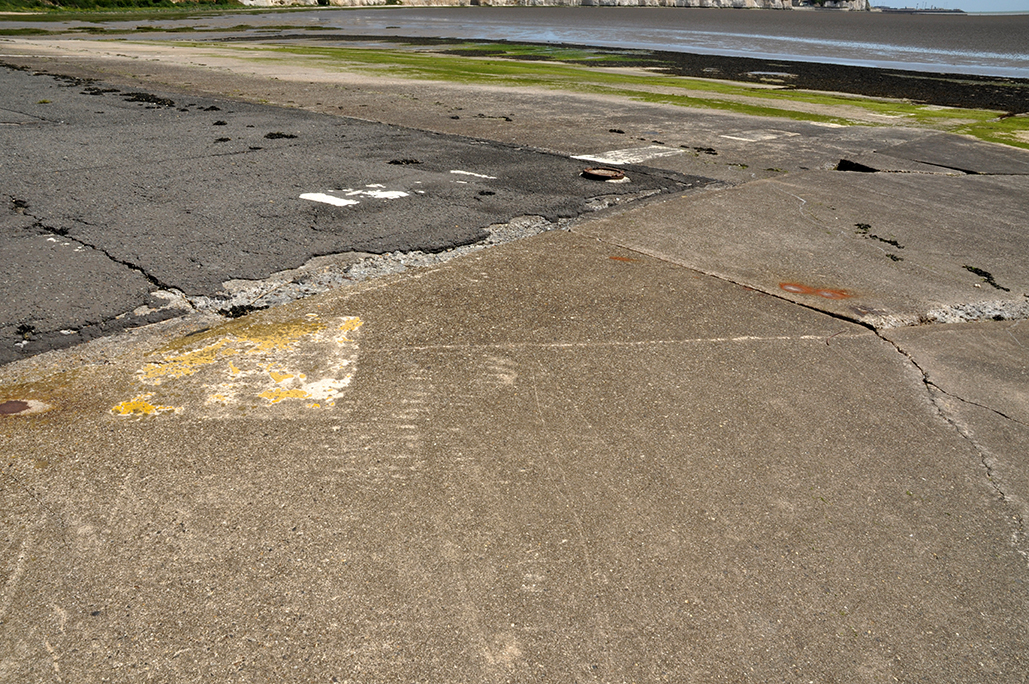
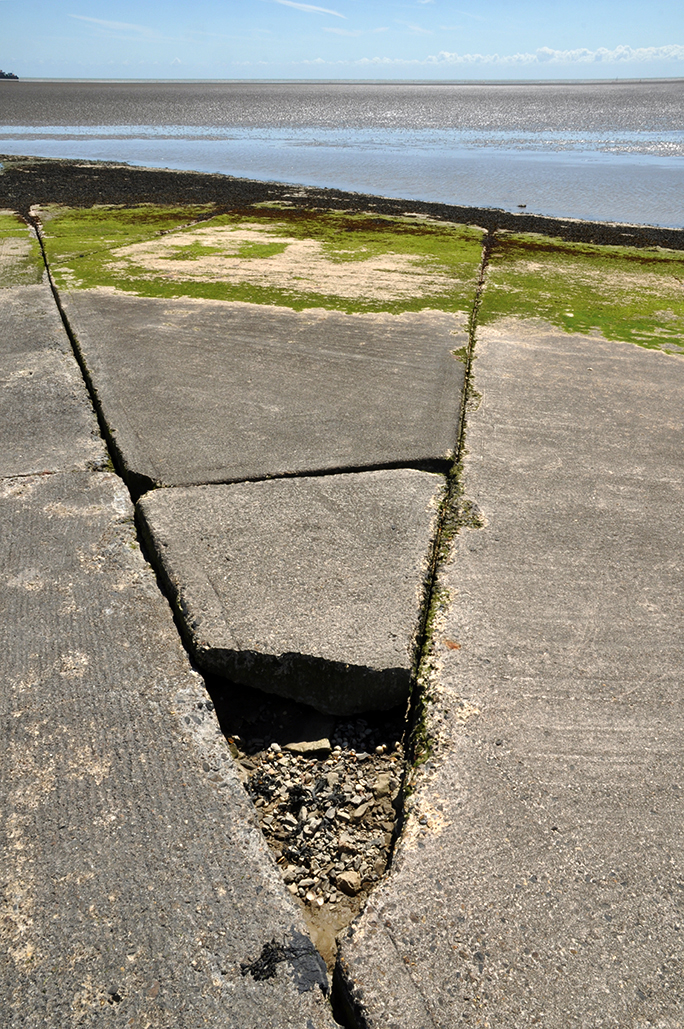
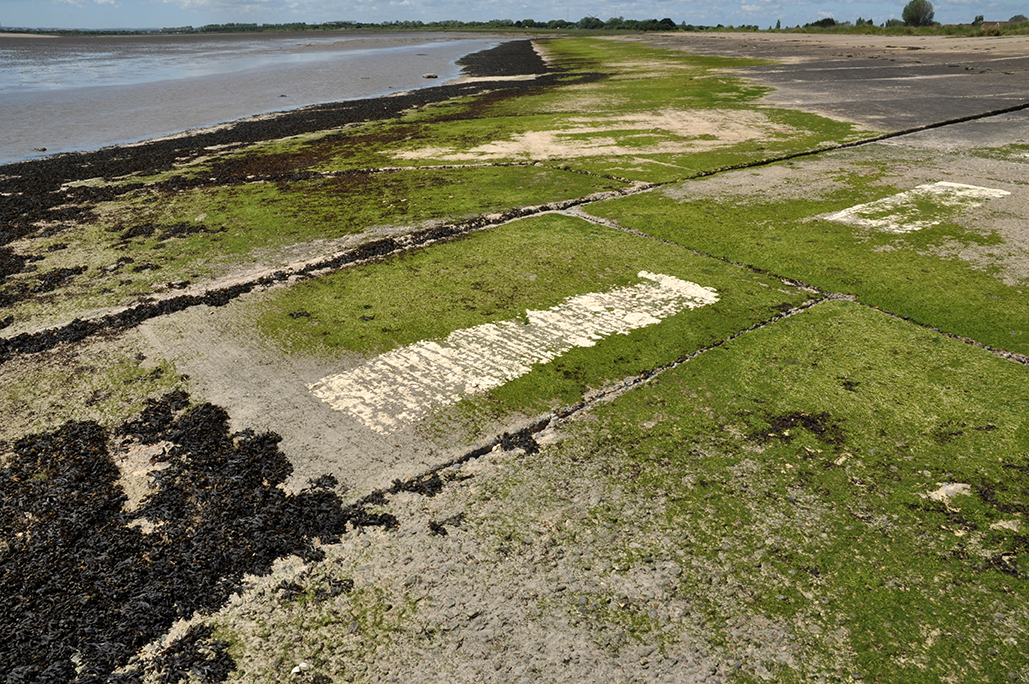
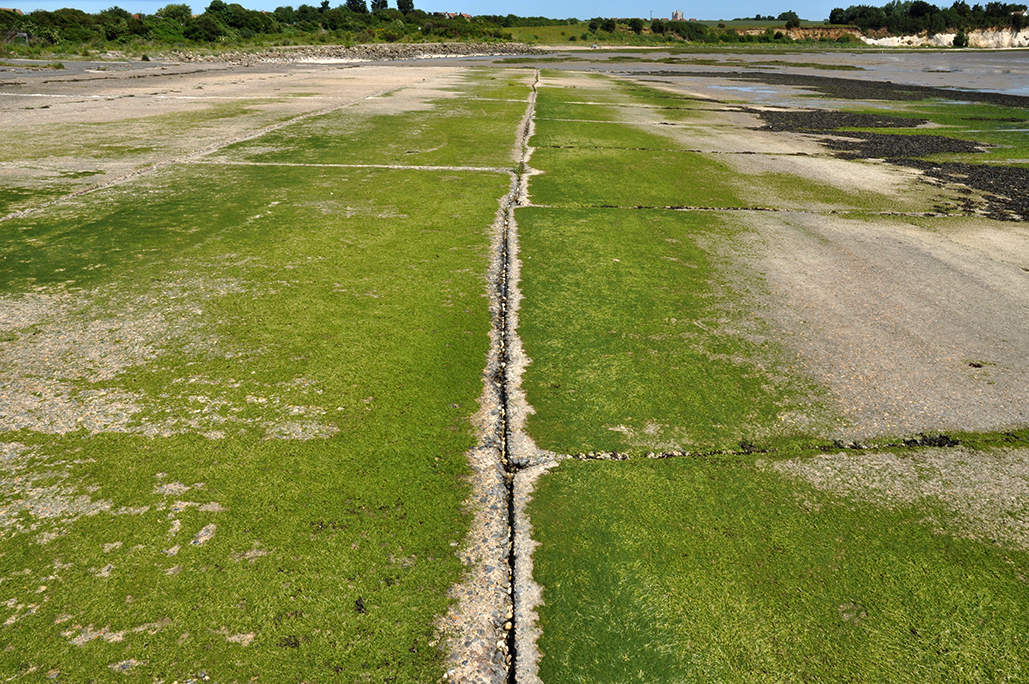
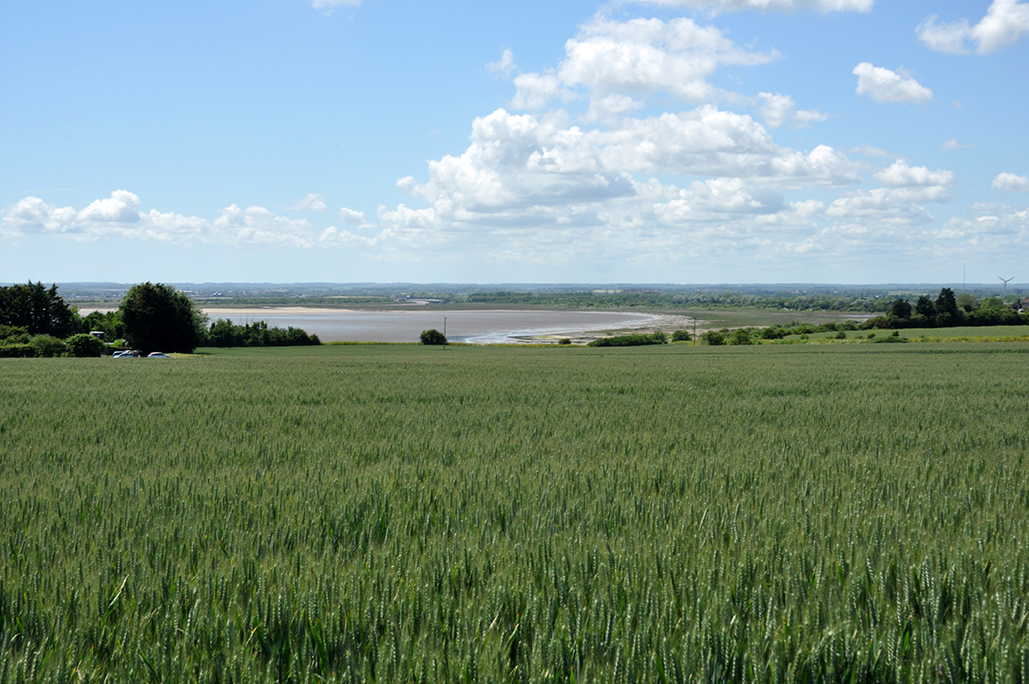
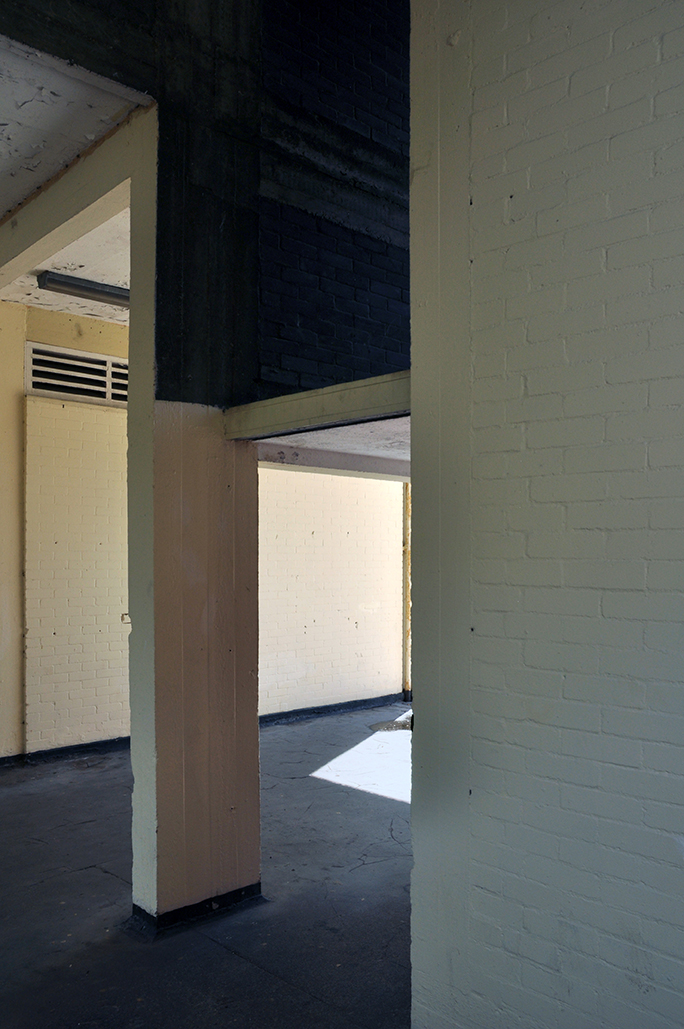
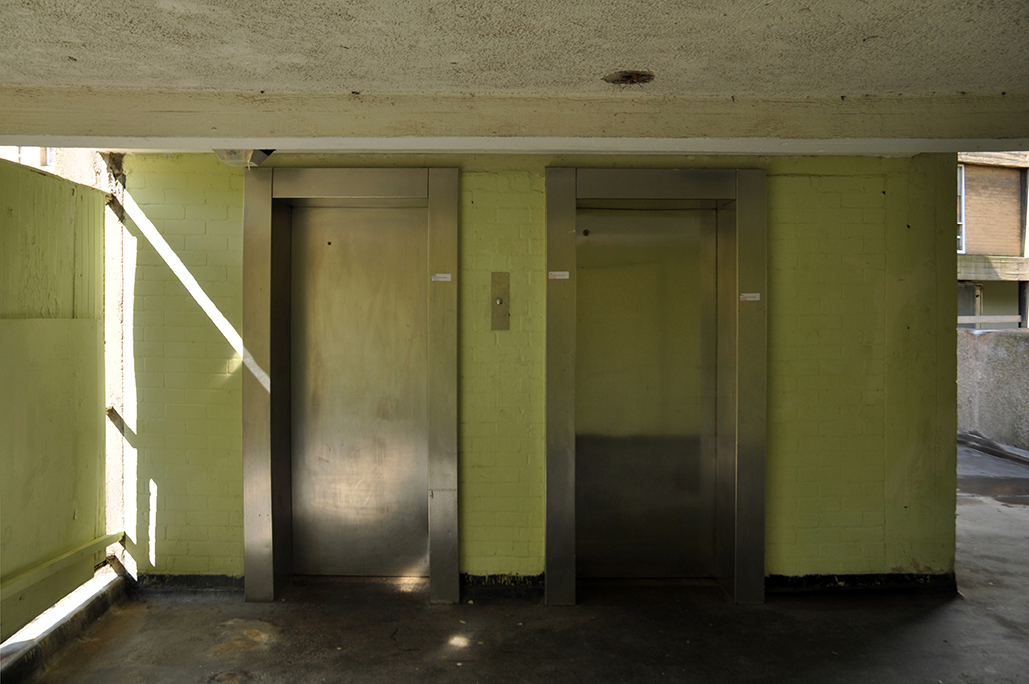
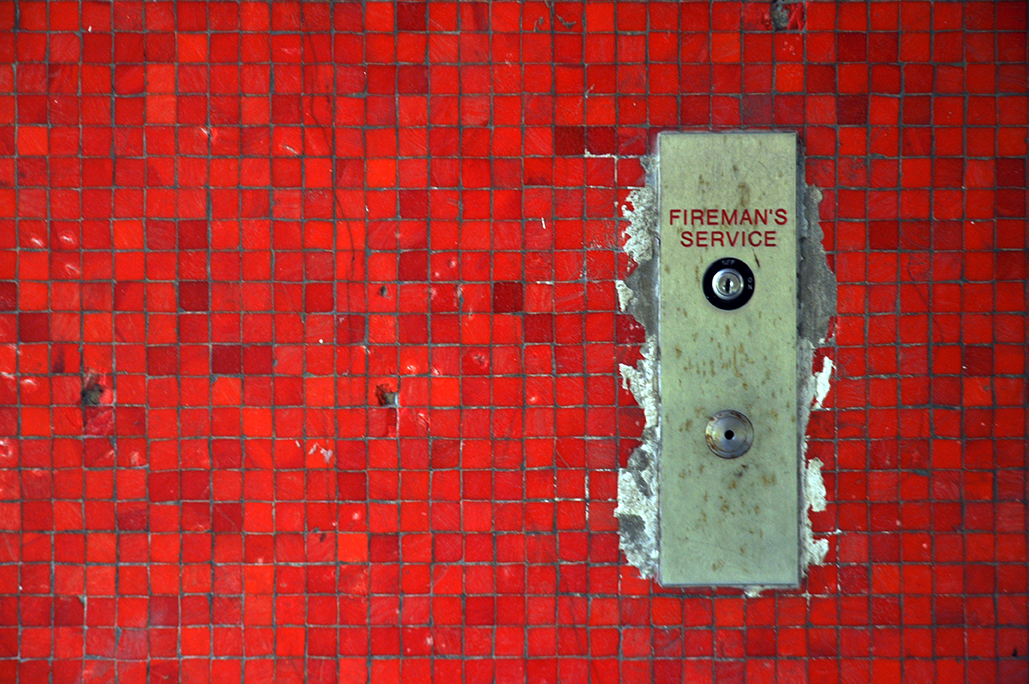
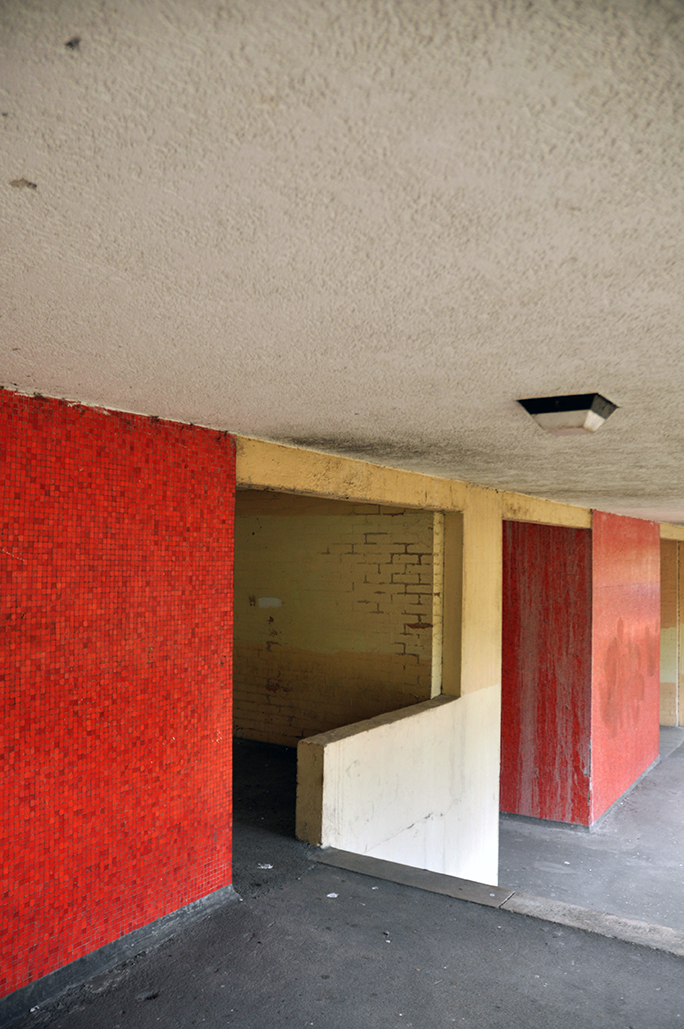
What prevails is the shoreline, a concrete landing skirt and the slow process of reclamation, as nature decides that the council is quite right to decide to create a nature reserve.

Thanks to and for further information http://www.hoverlloyd.org/index.html

Here it is today:

DSC_0698 copy

DSC_0701 copy

DSC_0703 copy

DSC_0704 copy

DSC_0705 copy

DSC_0707 copy

DSC_0708 copy

DSC_0709 copy

DSC_0713 copy

DSC_0714 copy

DSC_0715 copy

DSC_0718 copy

DSC_0721 copy

DSC_0723 copy

DSC_0724 copy

DSC_0726 copy

DSC_0728 copy

DSC_0732 copy

DSC_0742 copy

DSC_0744 copy


Oldham Street – Manchester 2016

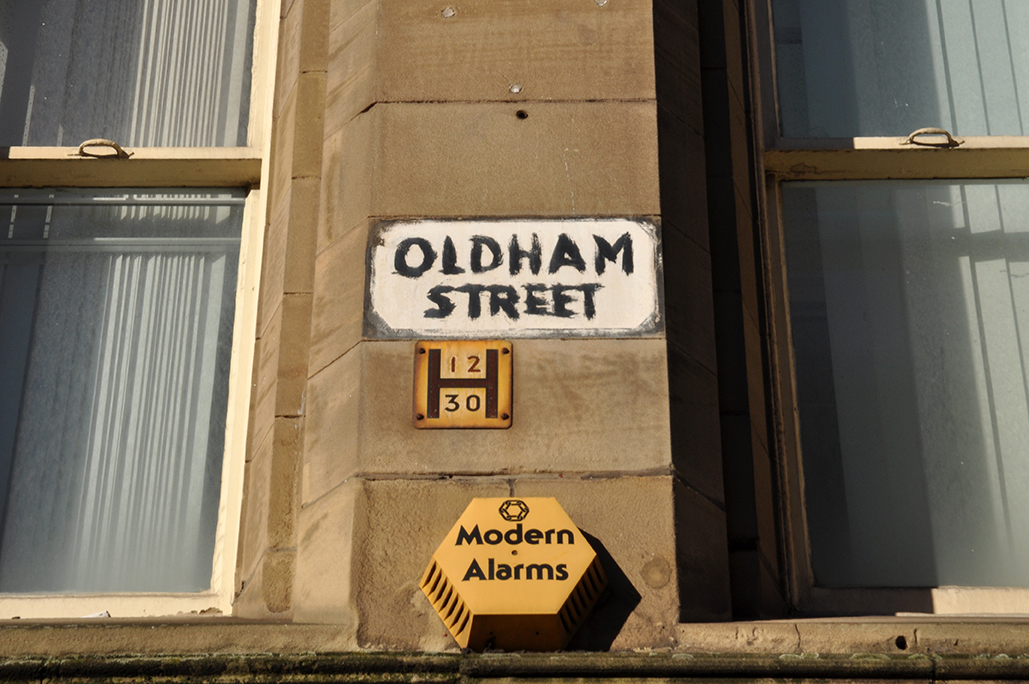
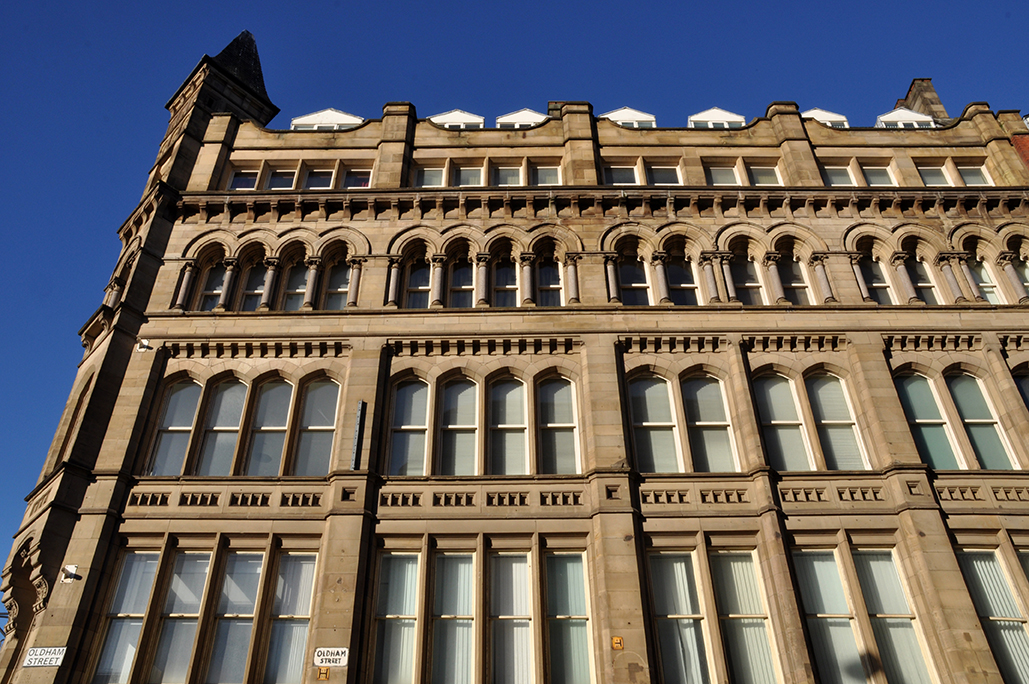
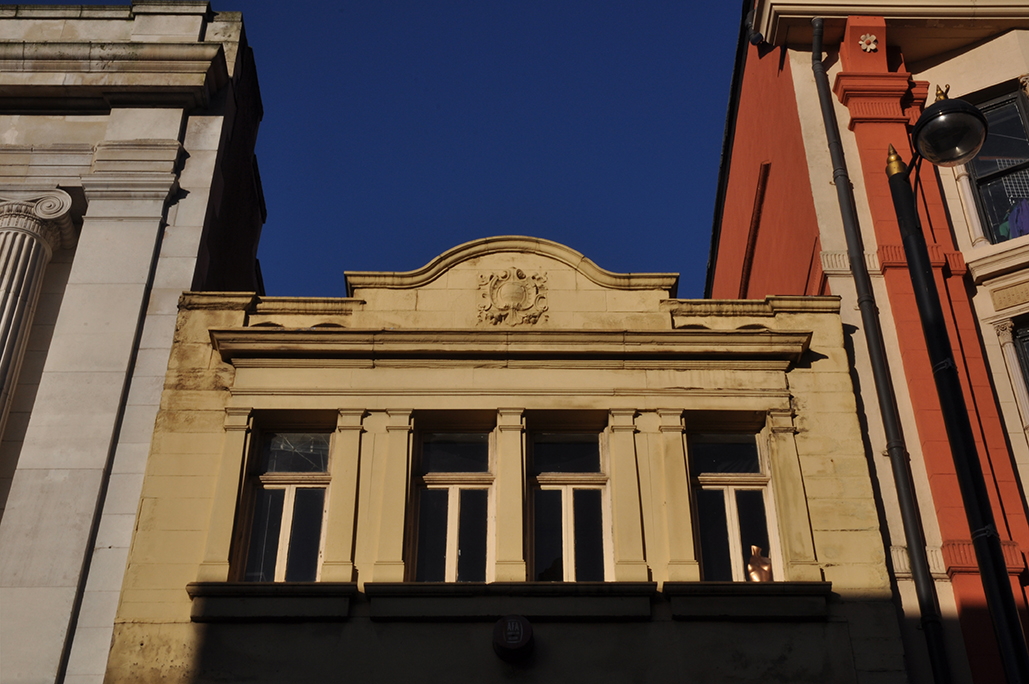
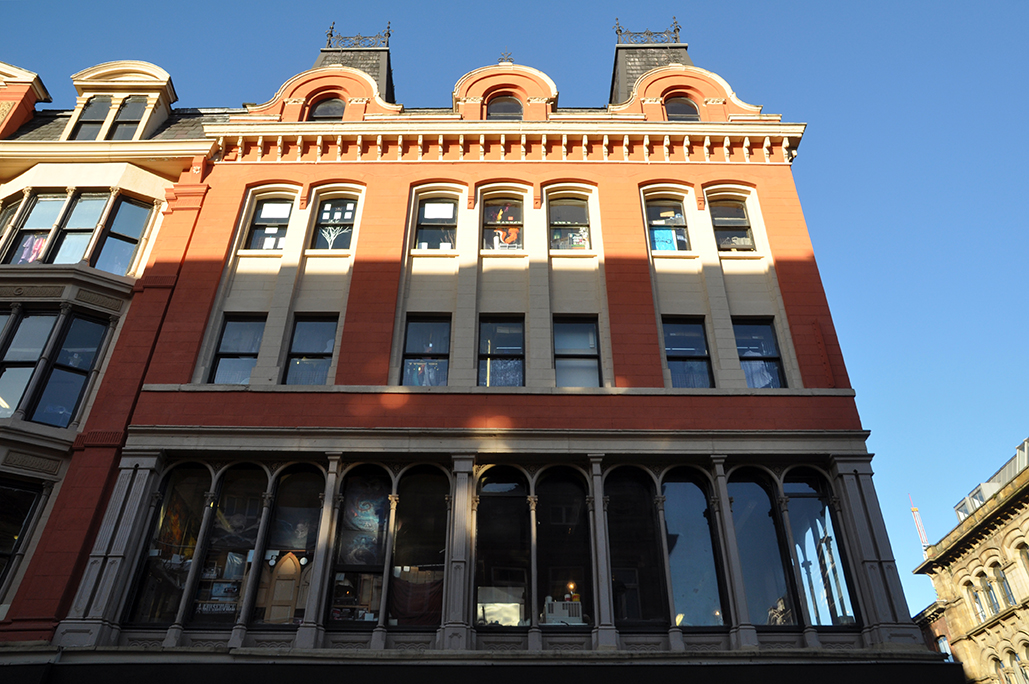
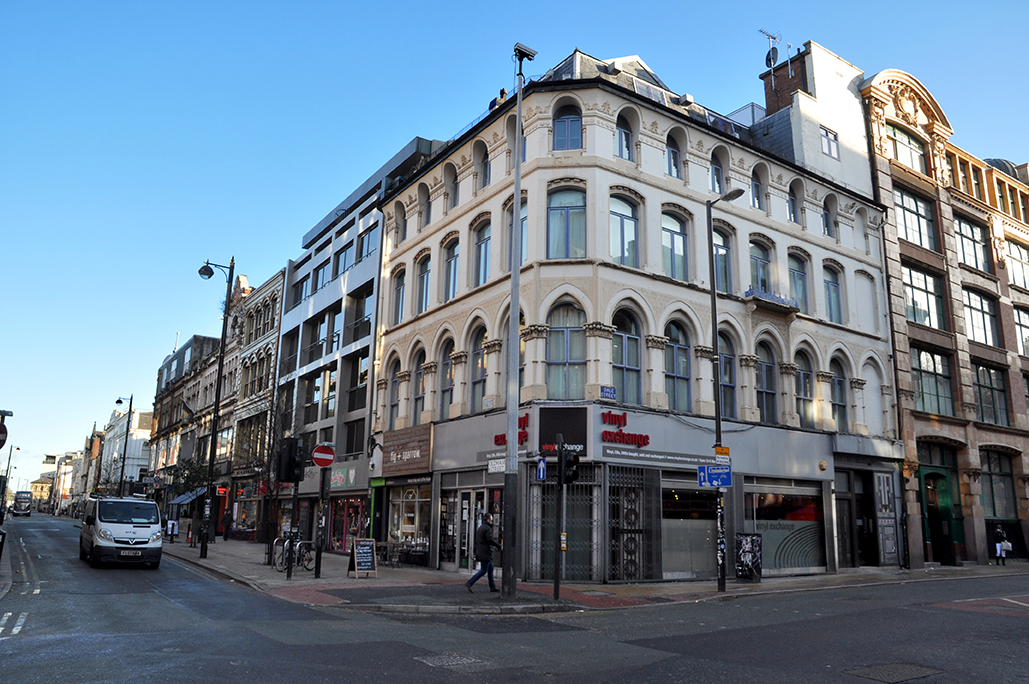
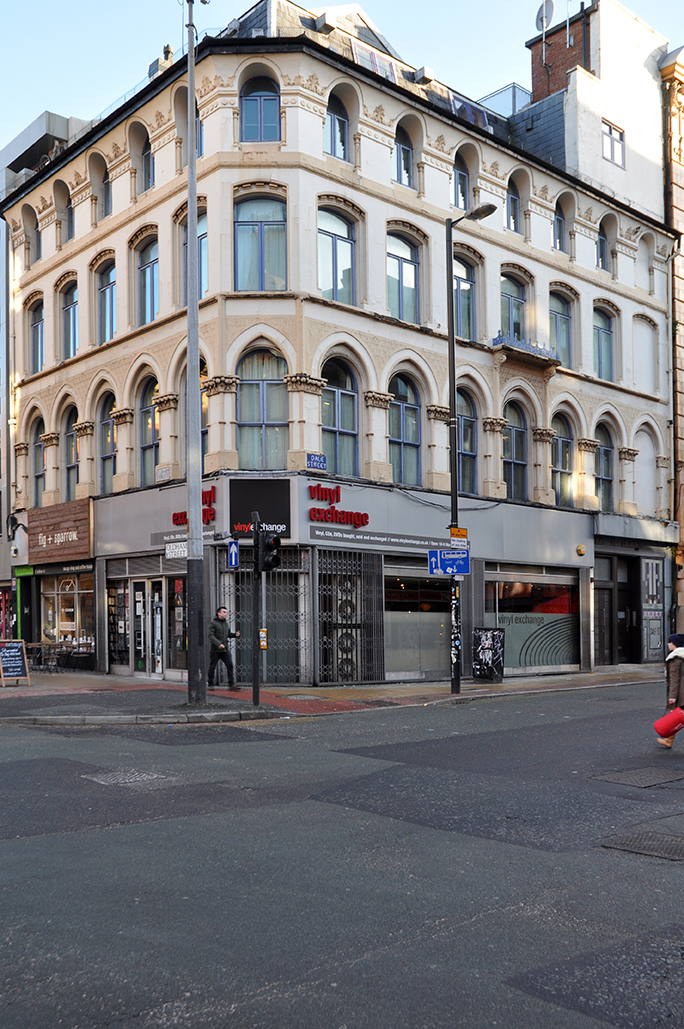
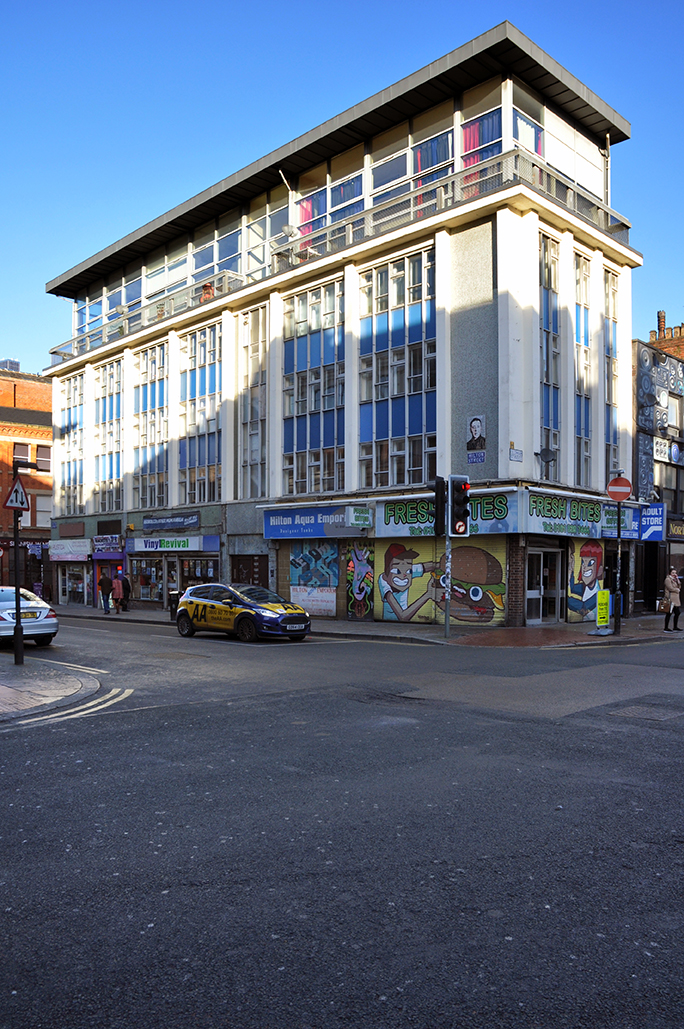
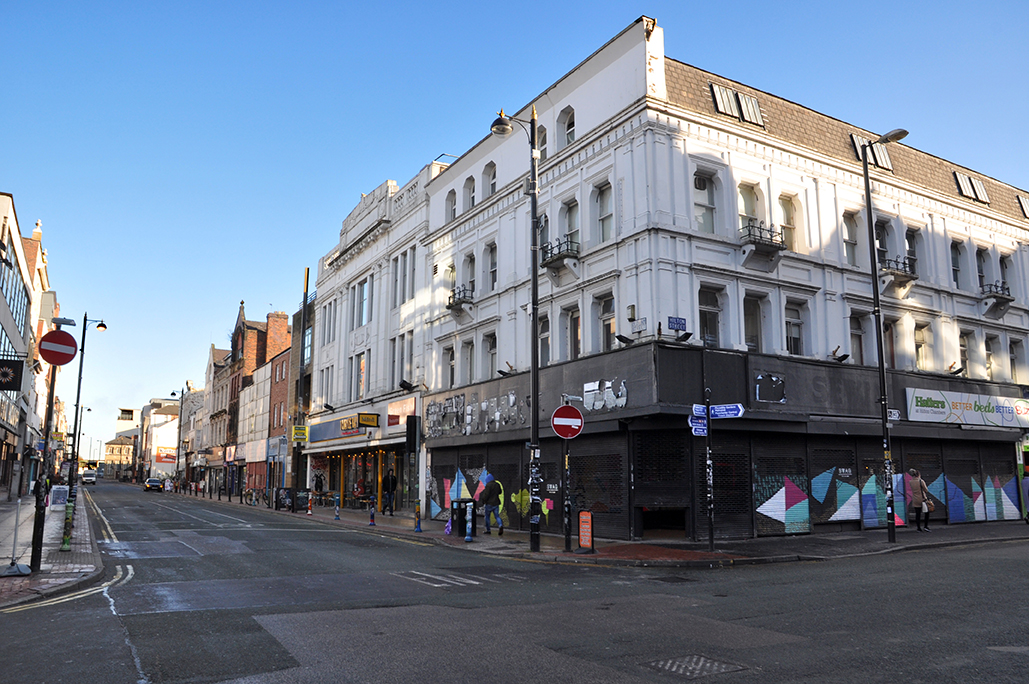
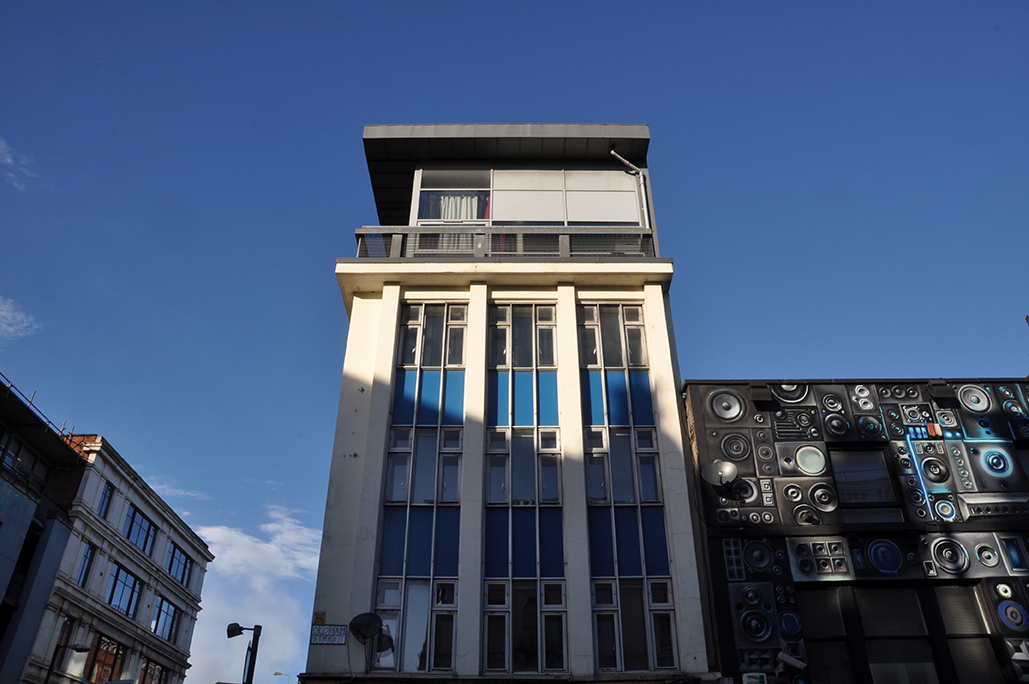
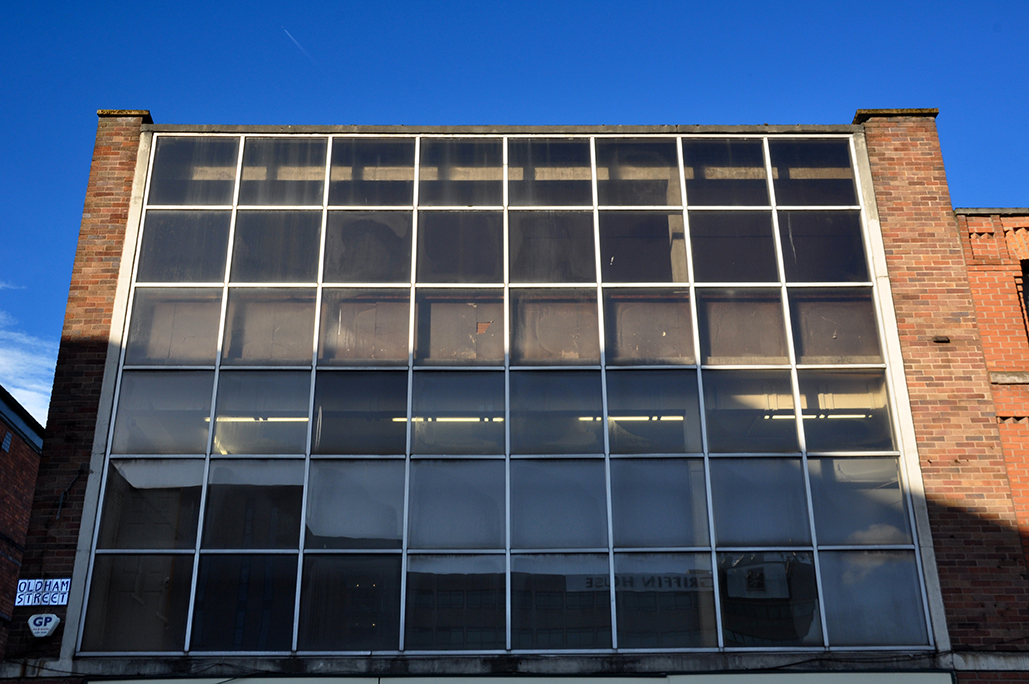
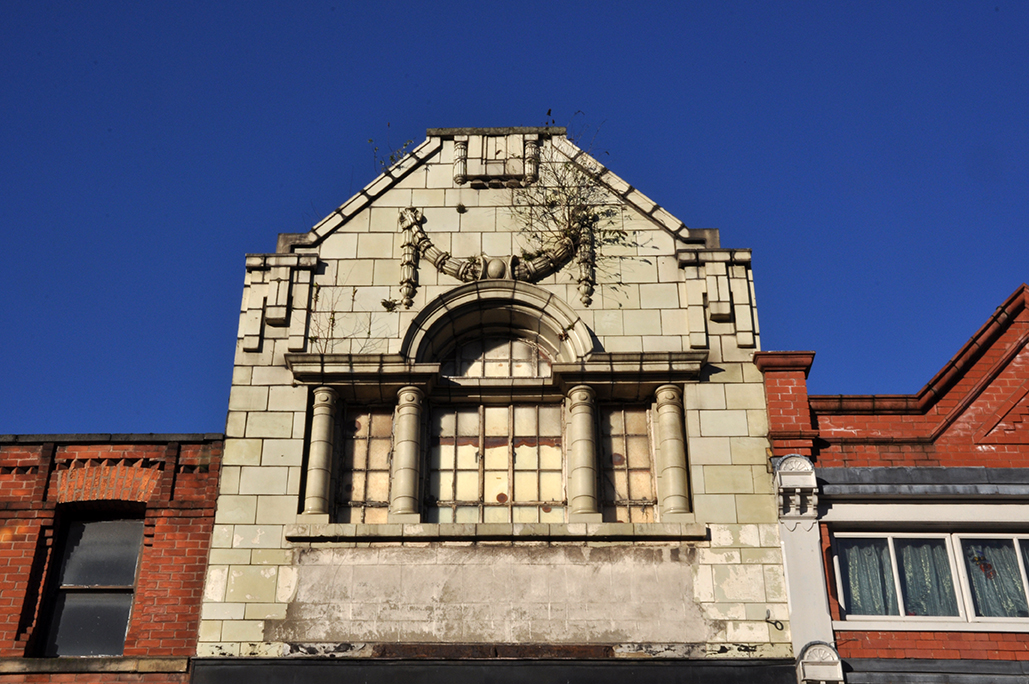
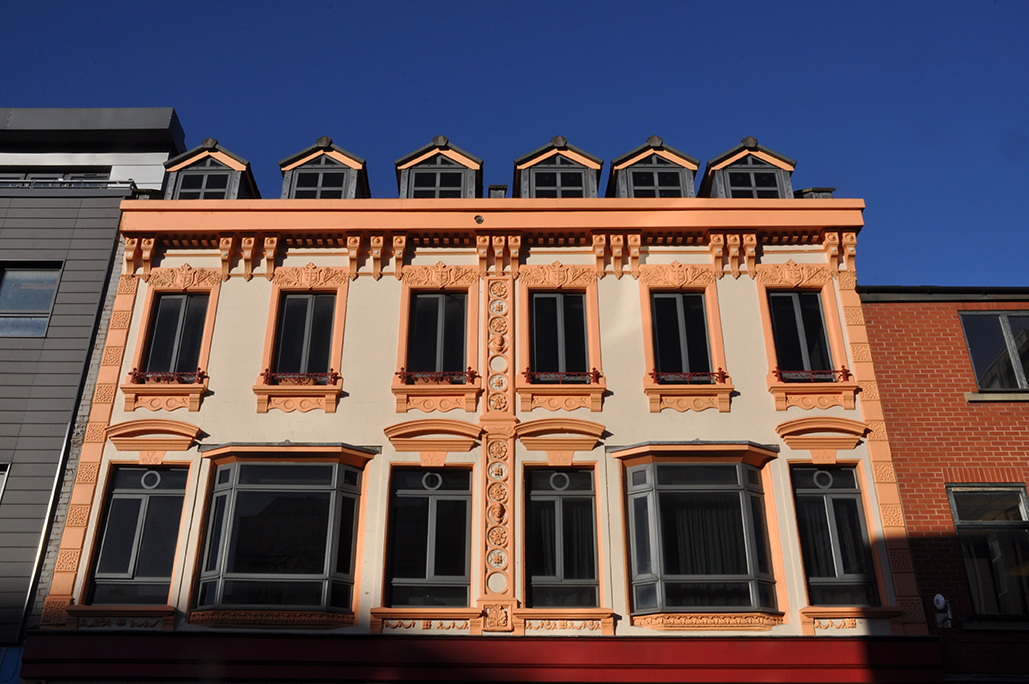
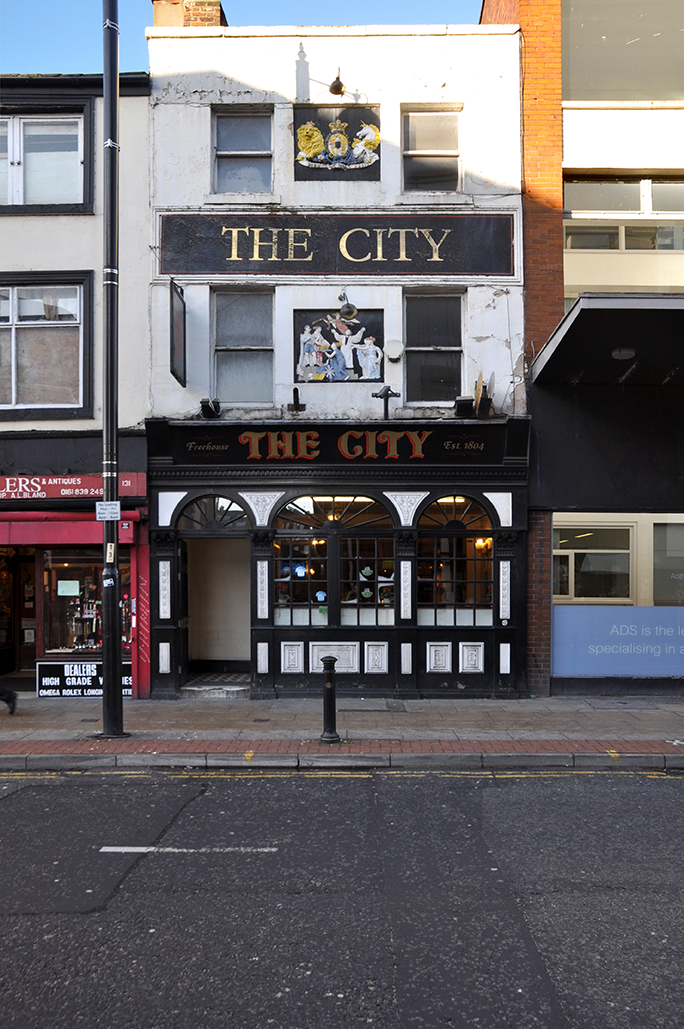
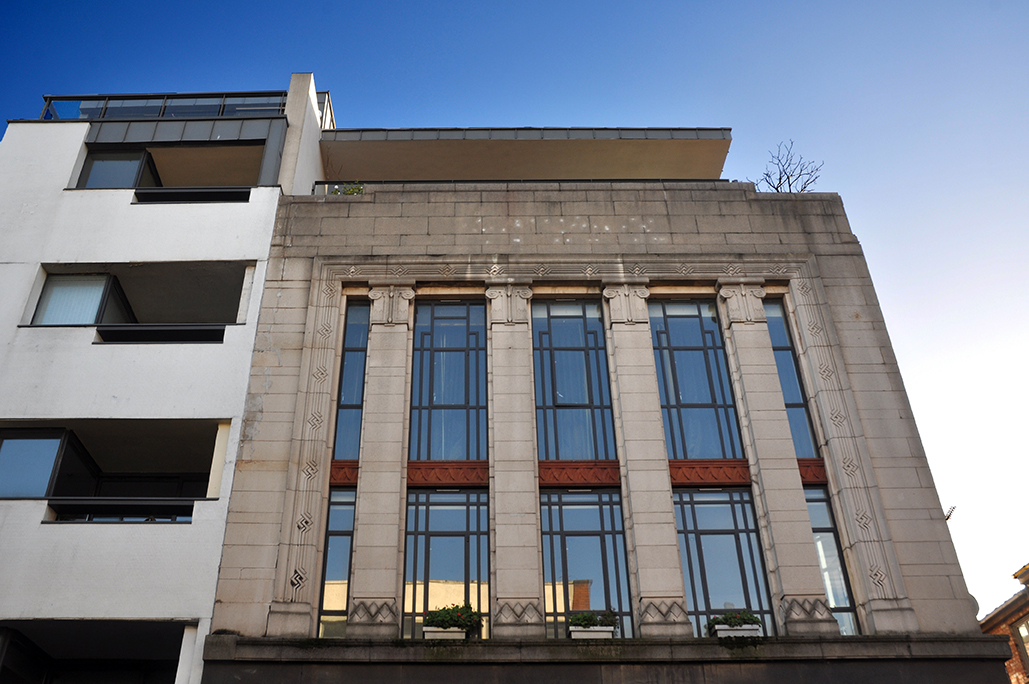
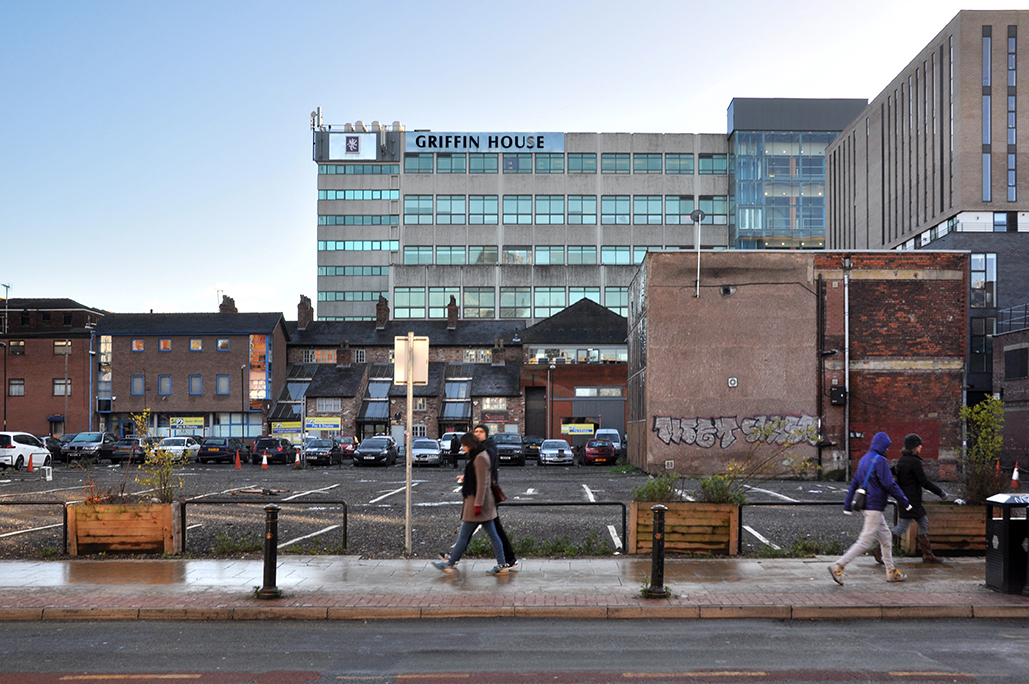
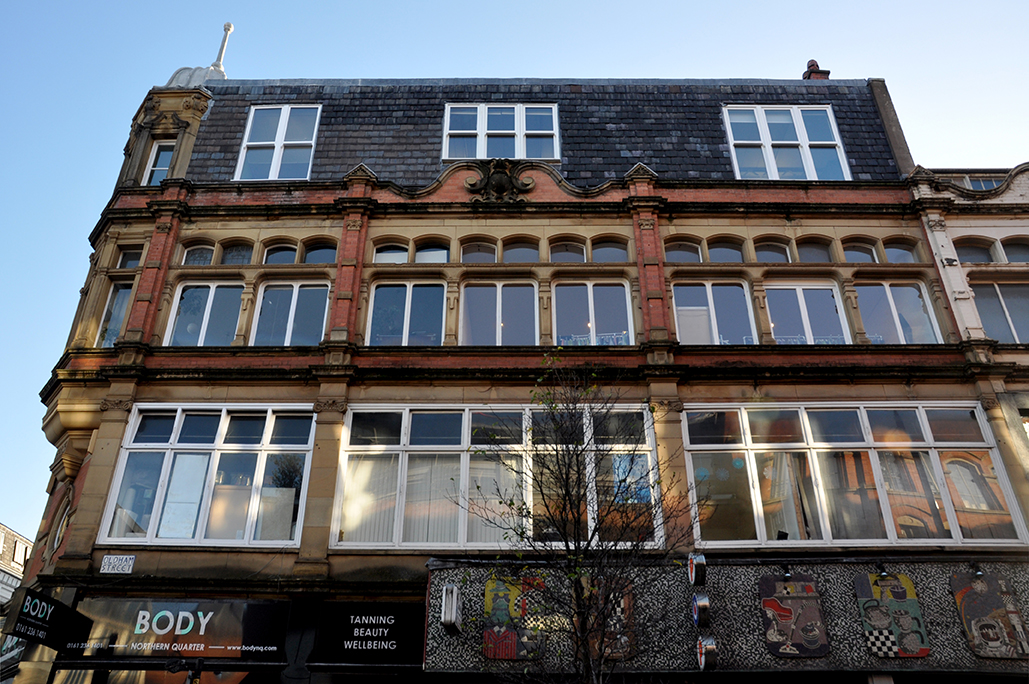
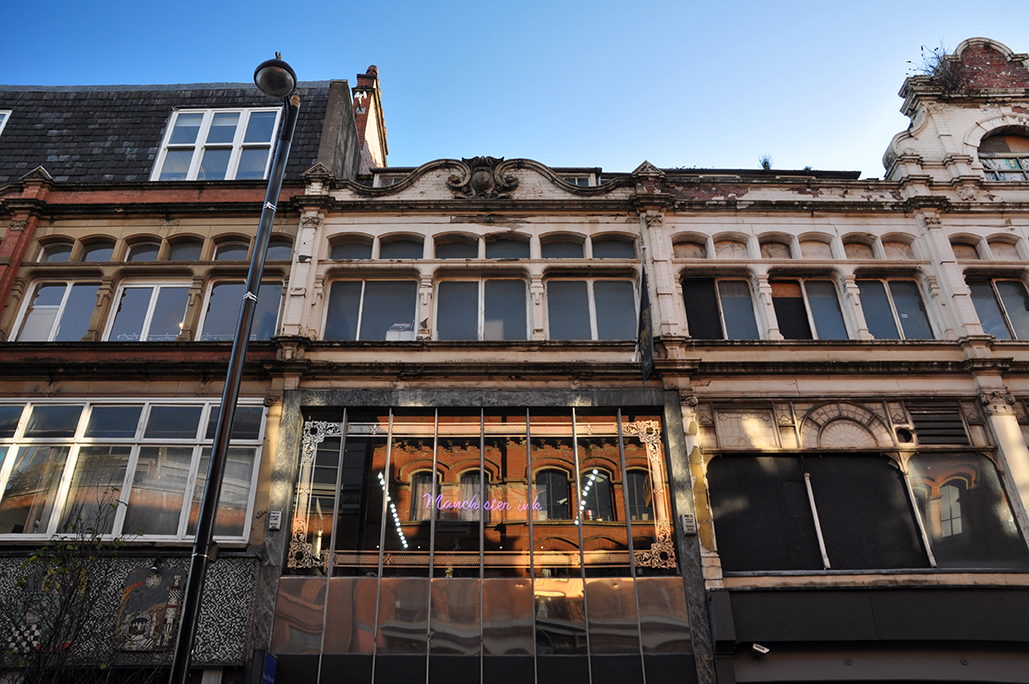
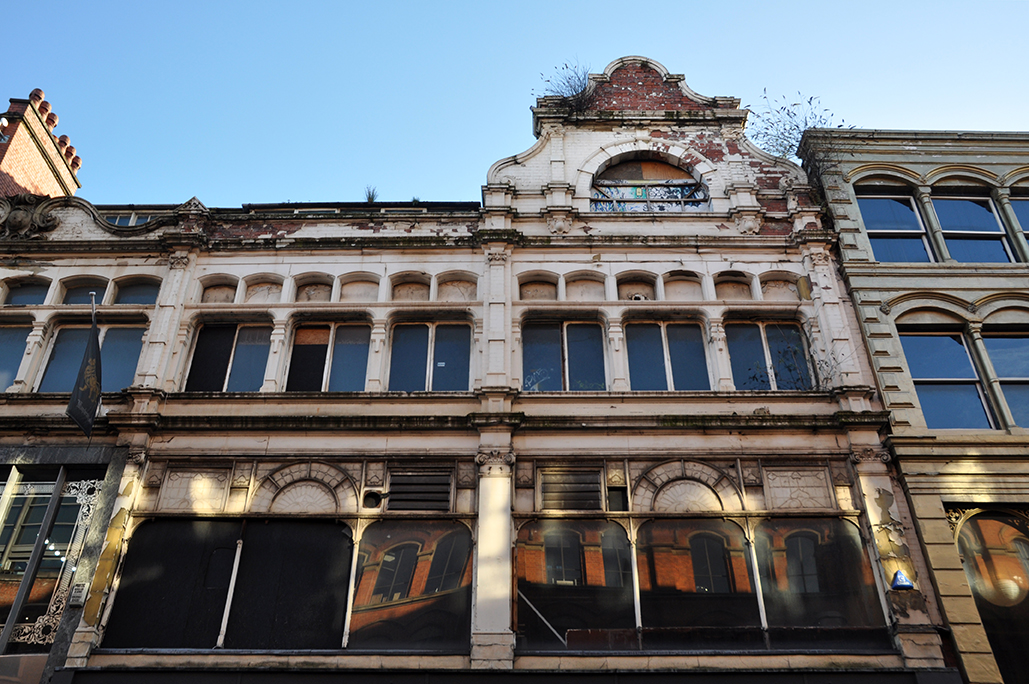
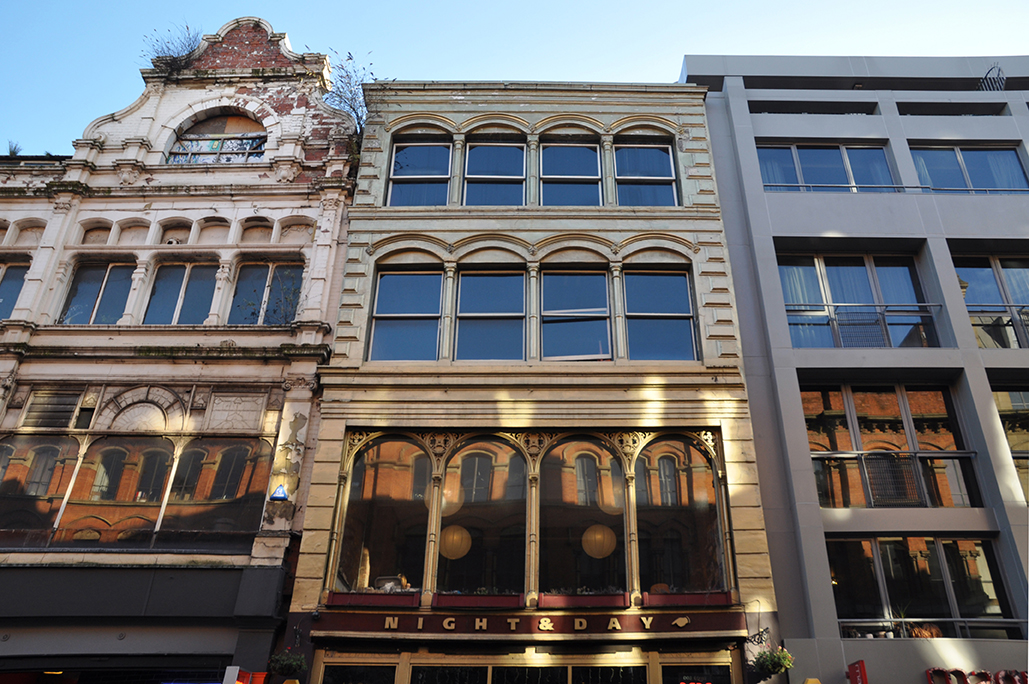
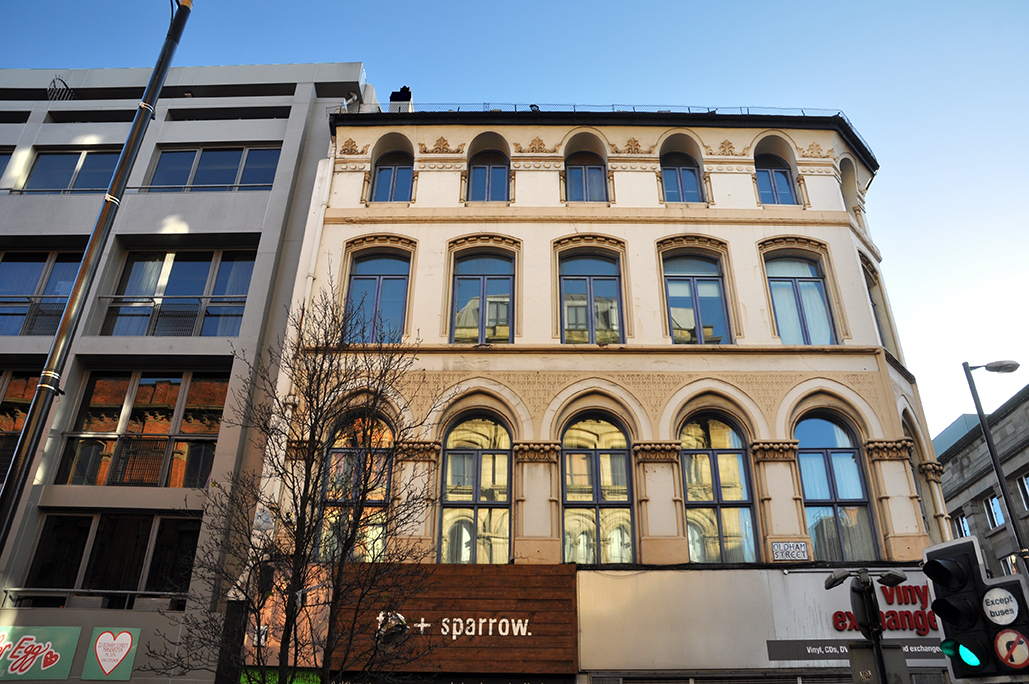
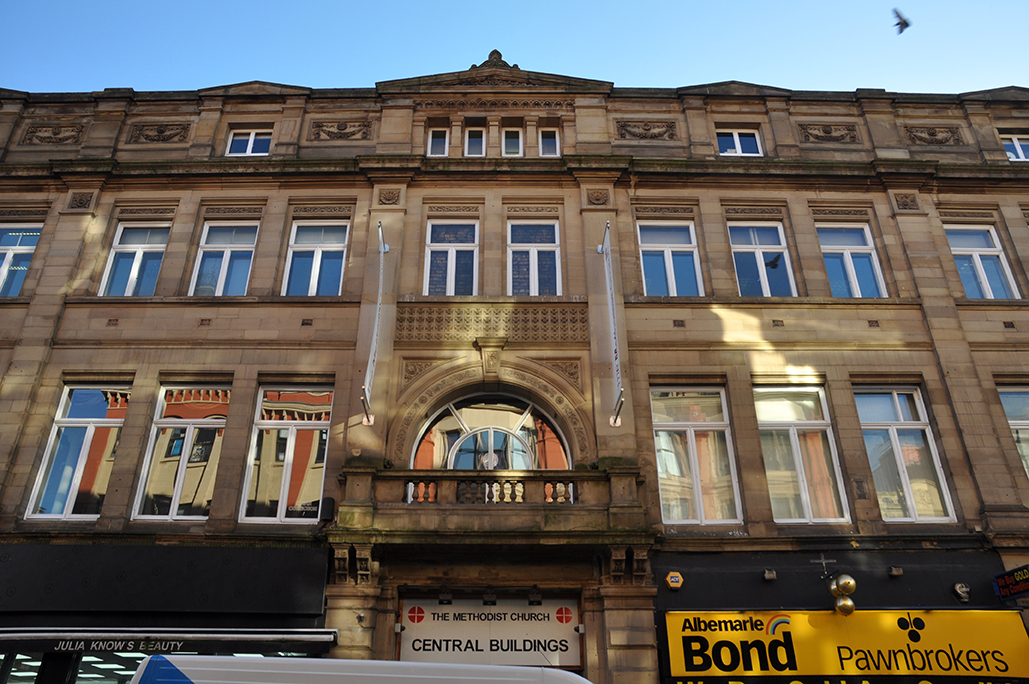
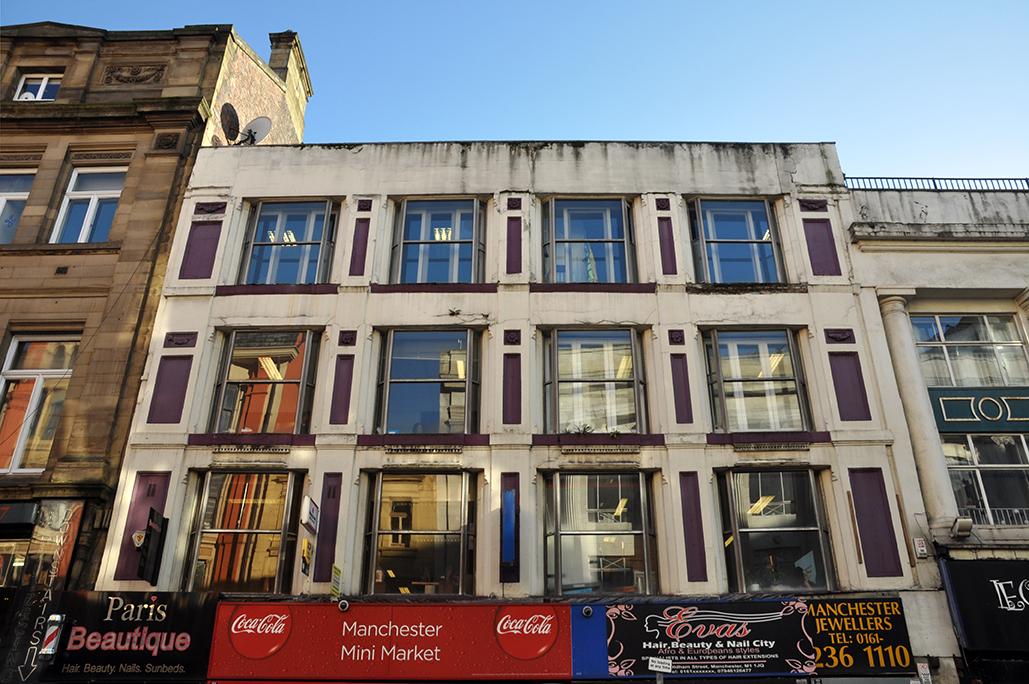
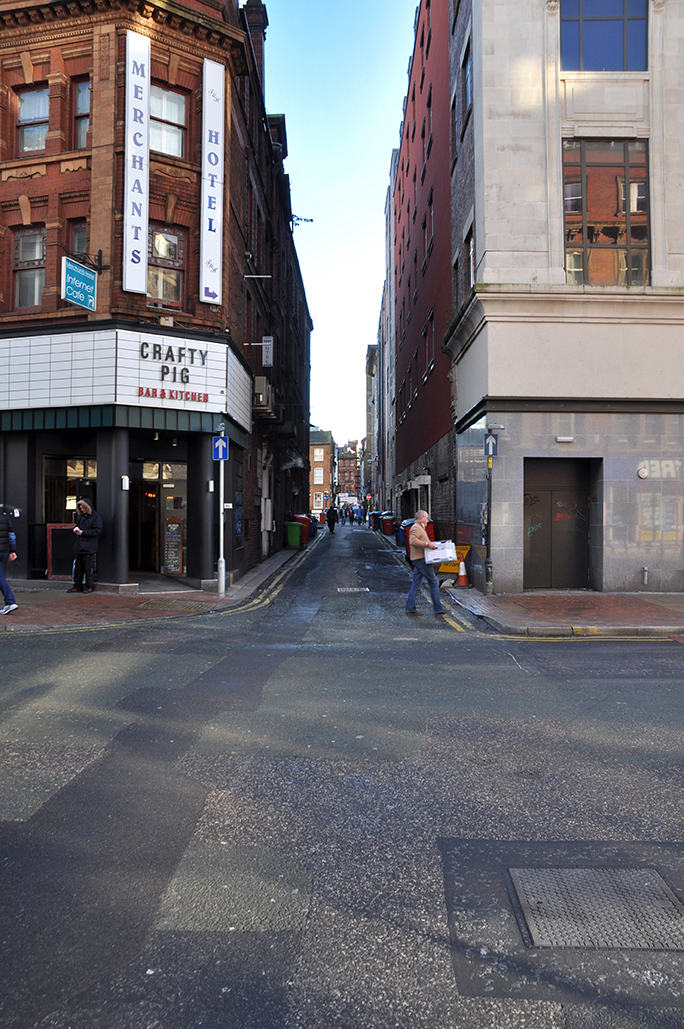
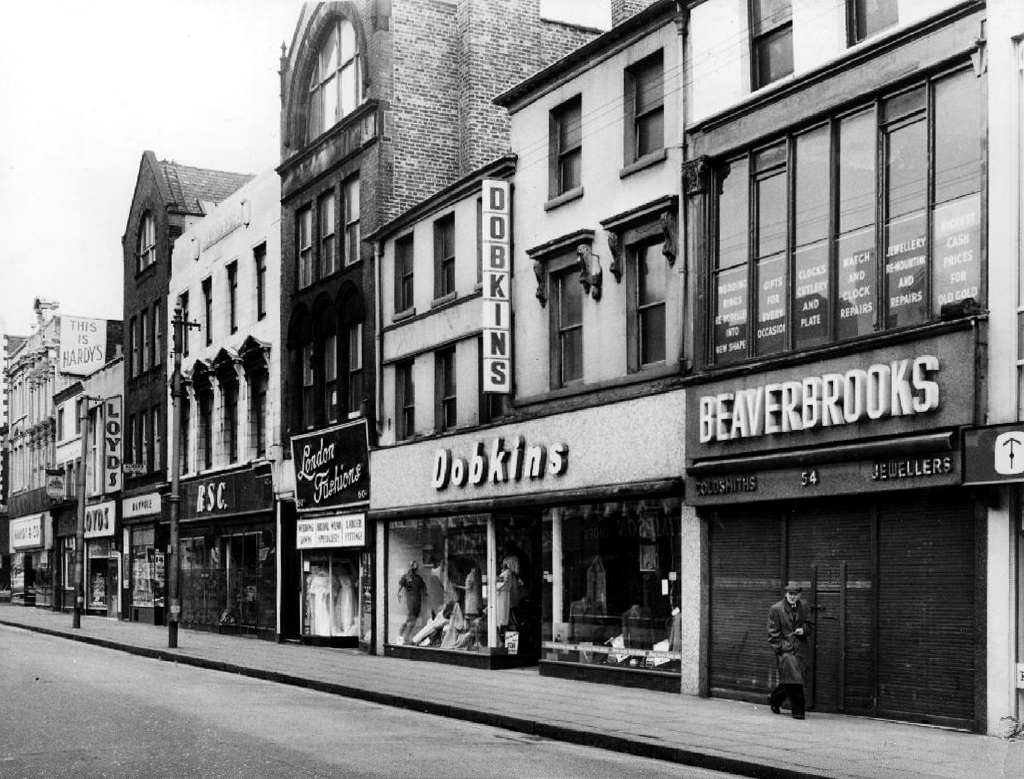
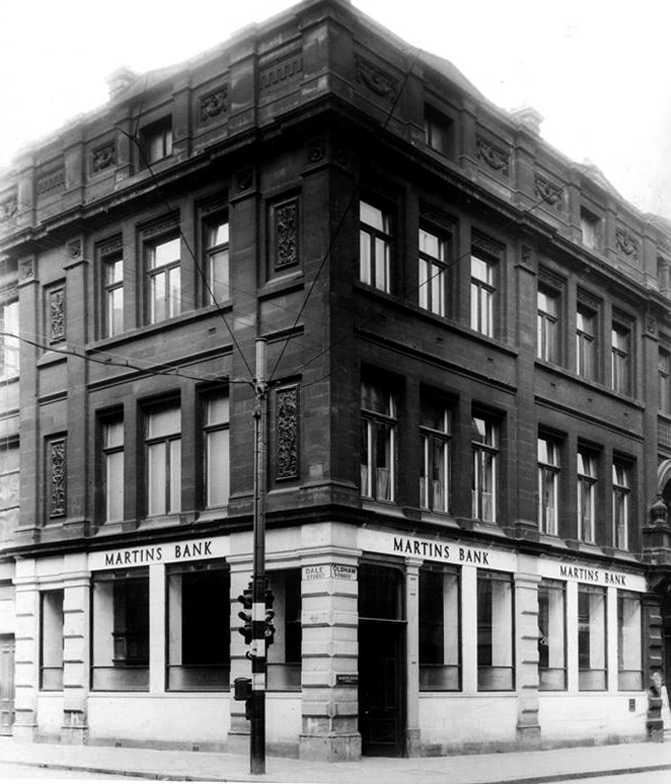
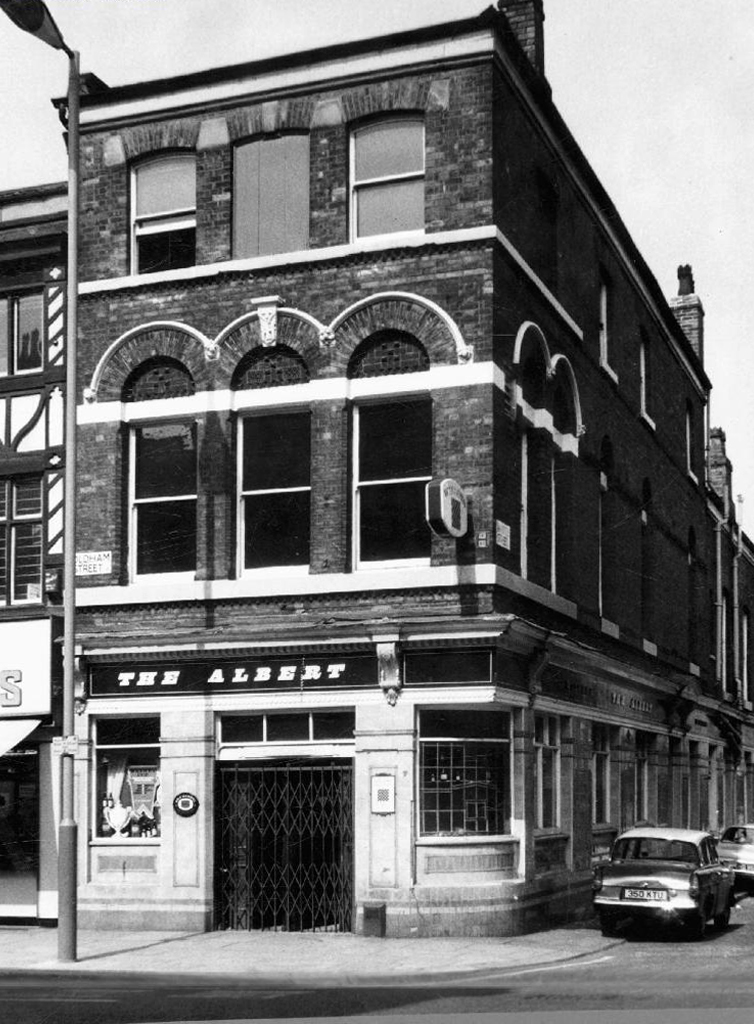
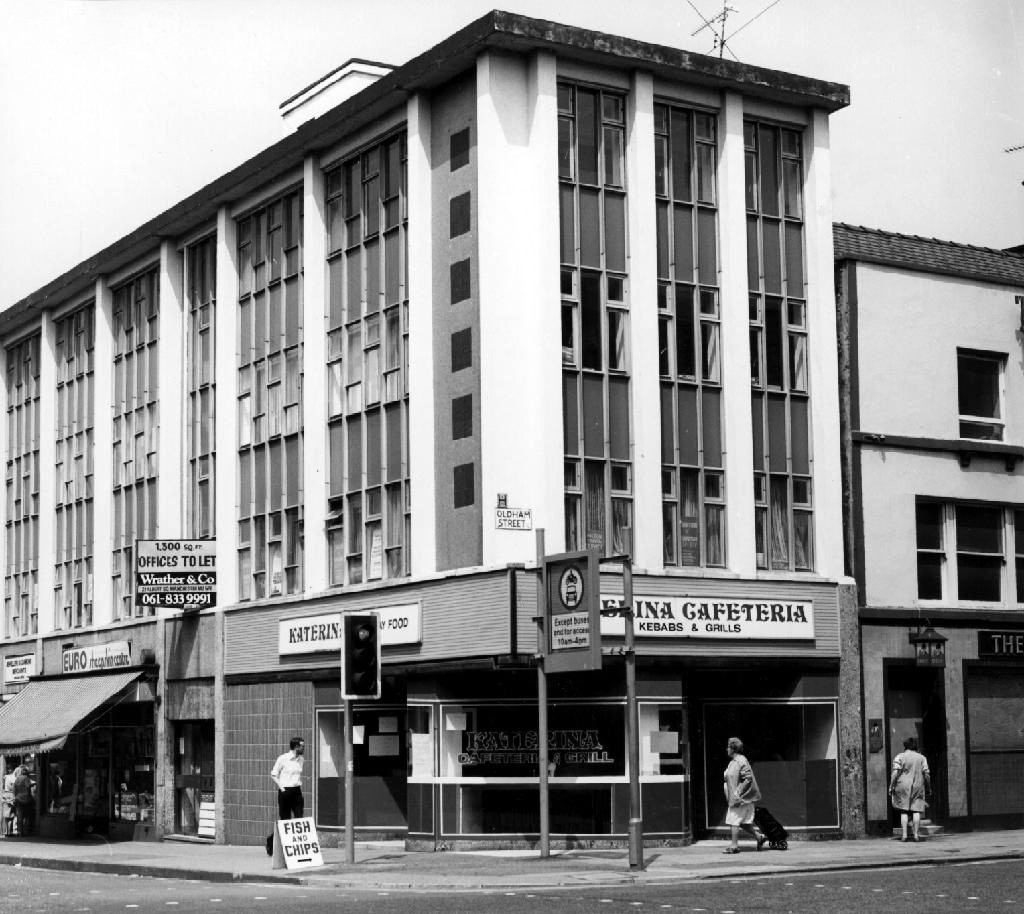
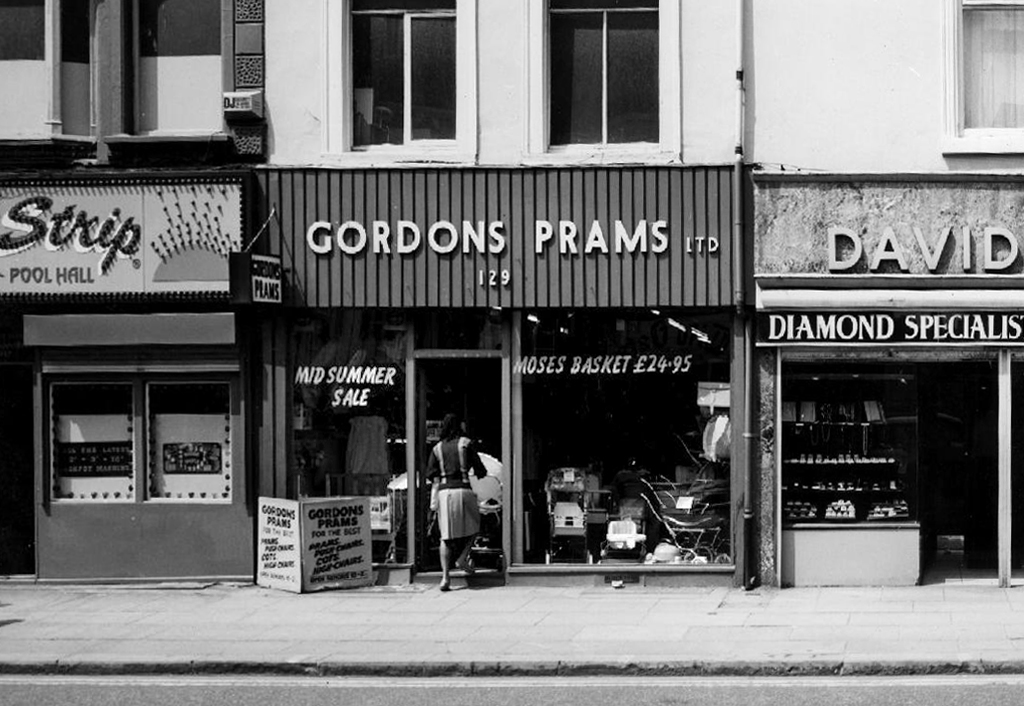
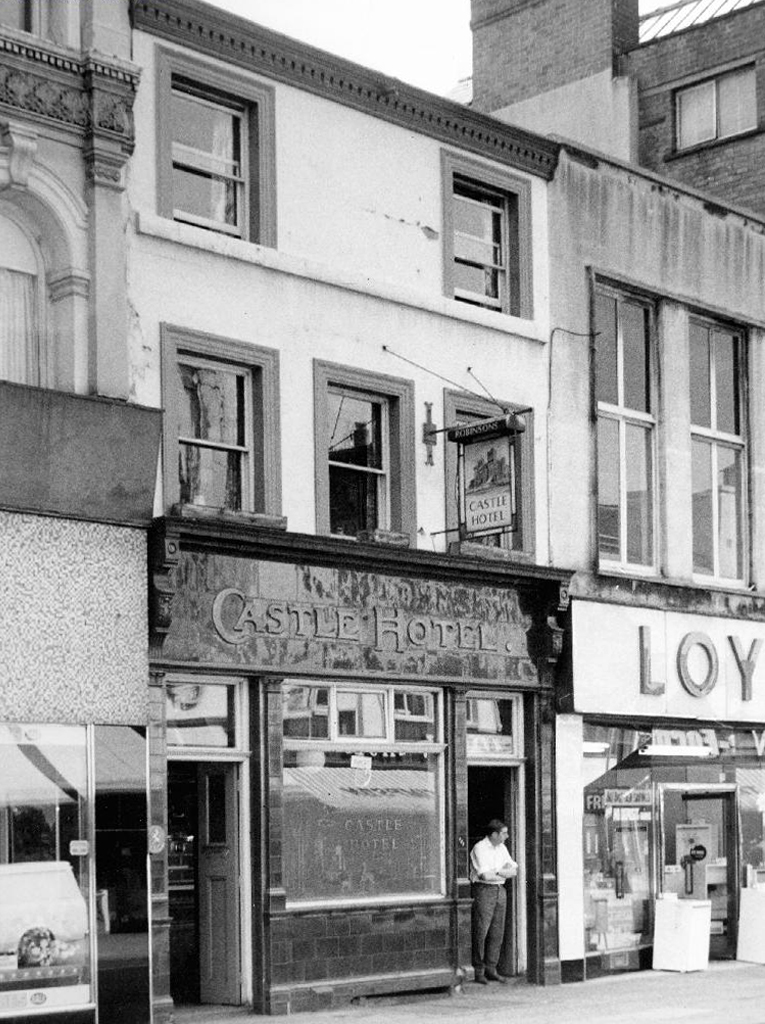
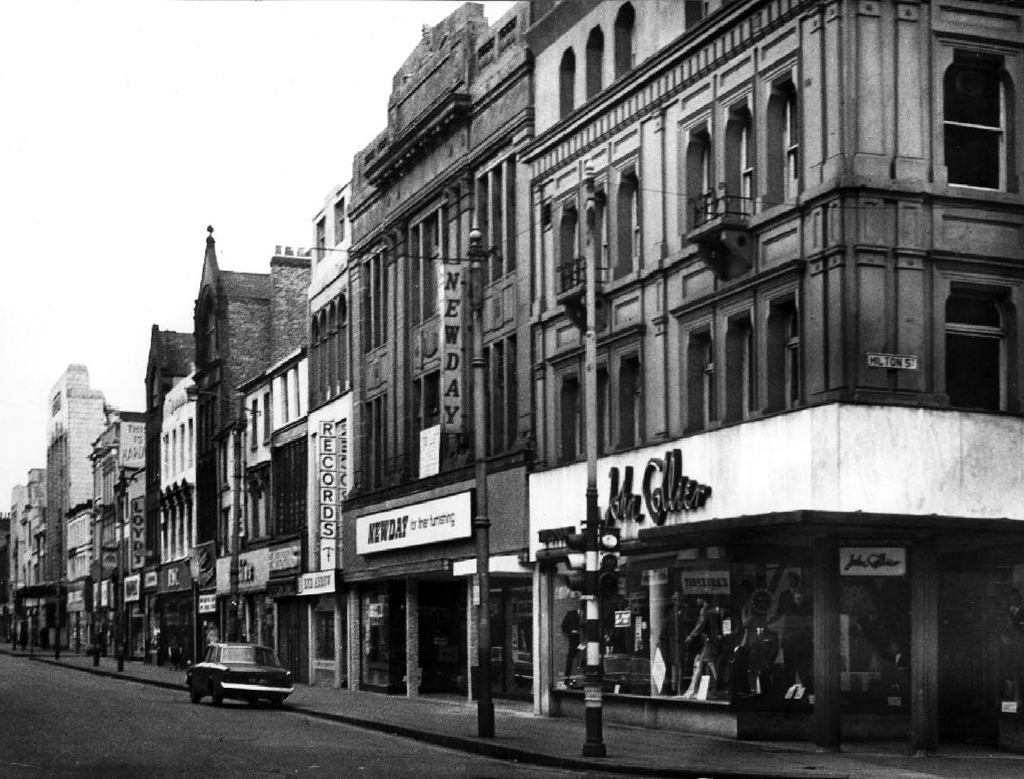
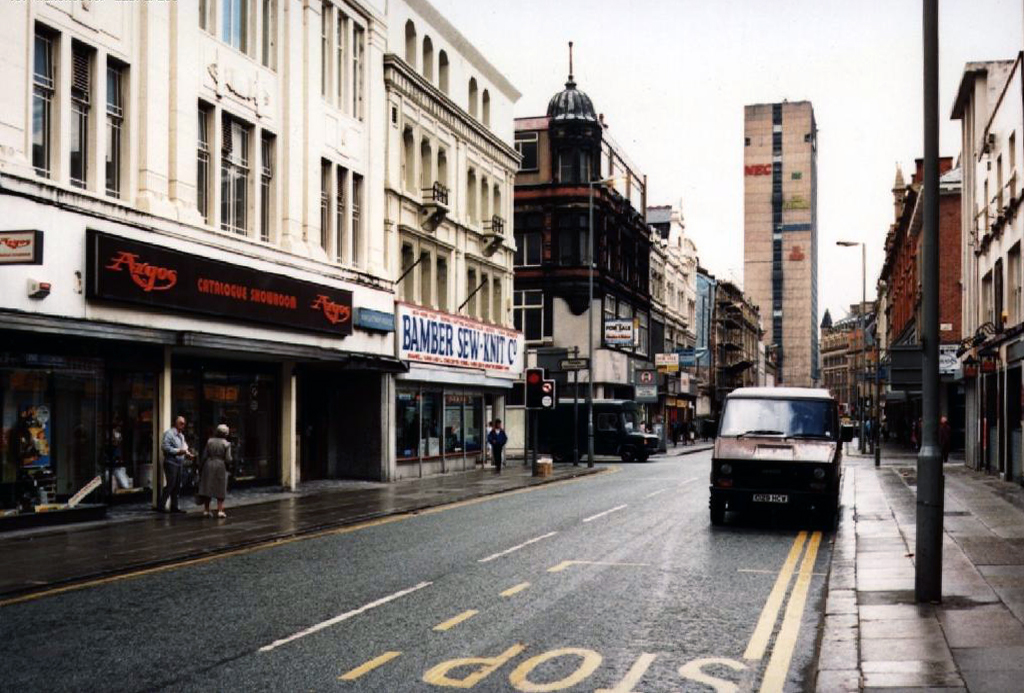
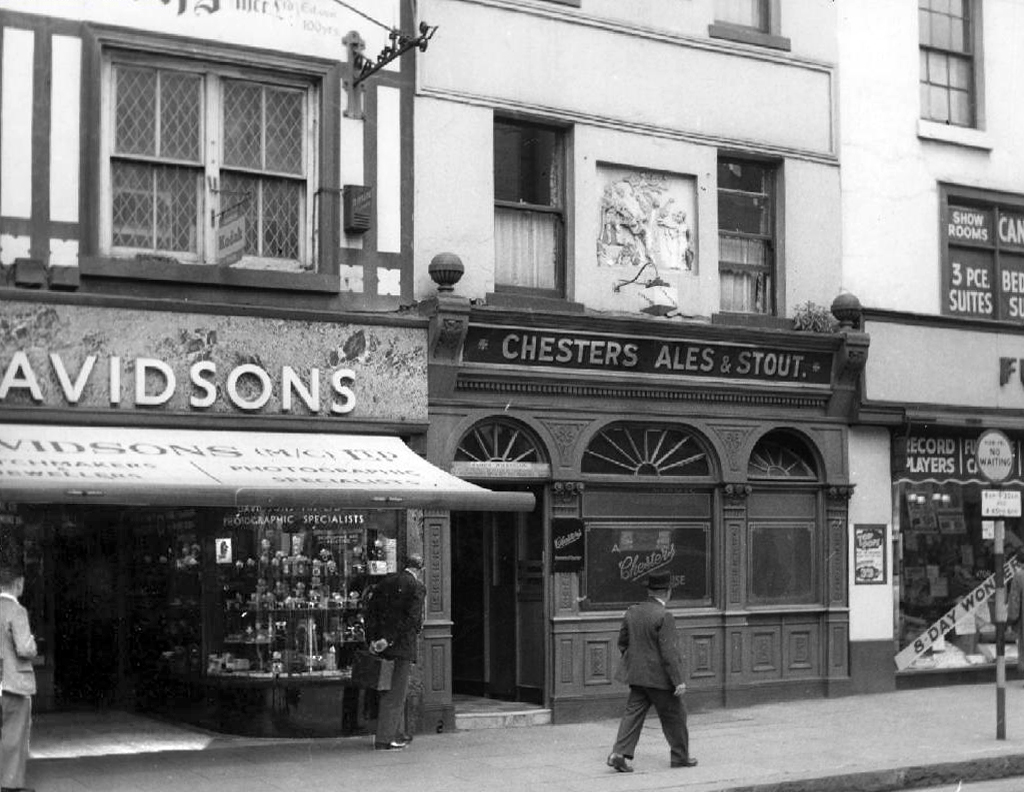
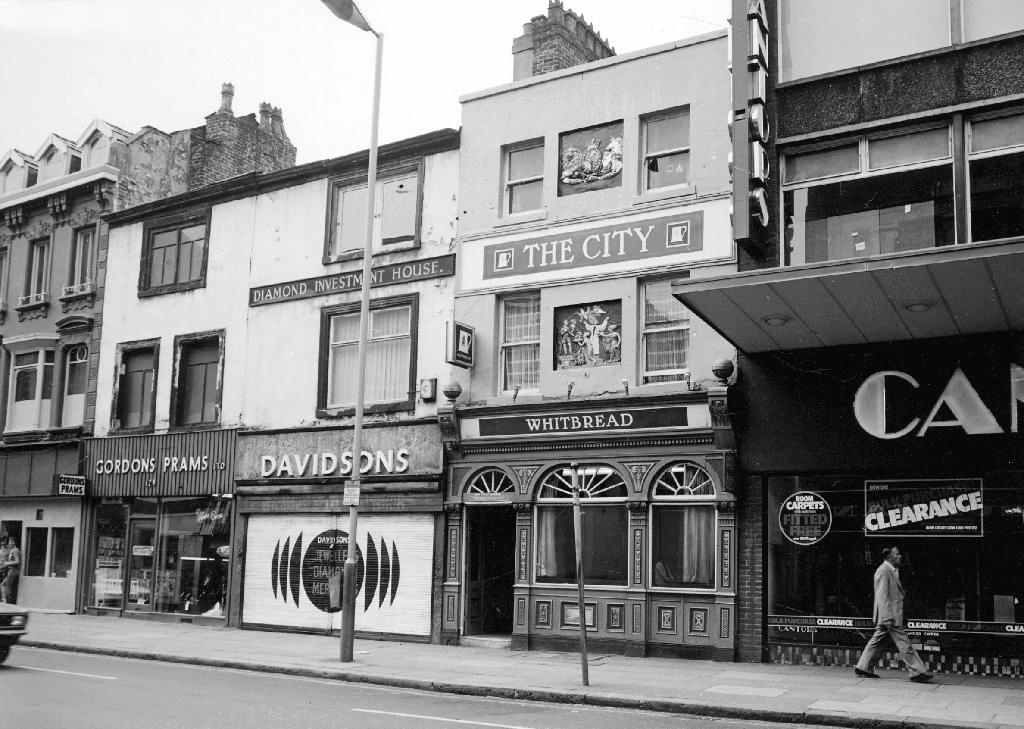
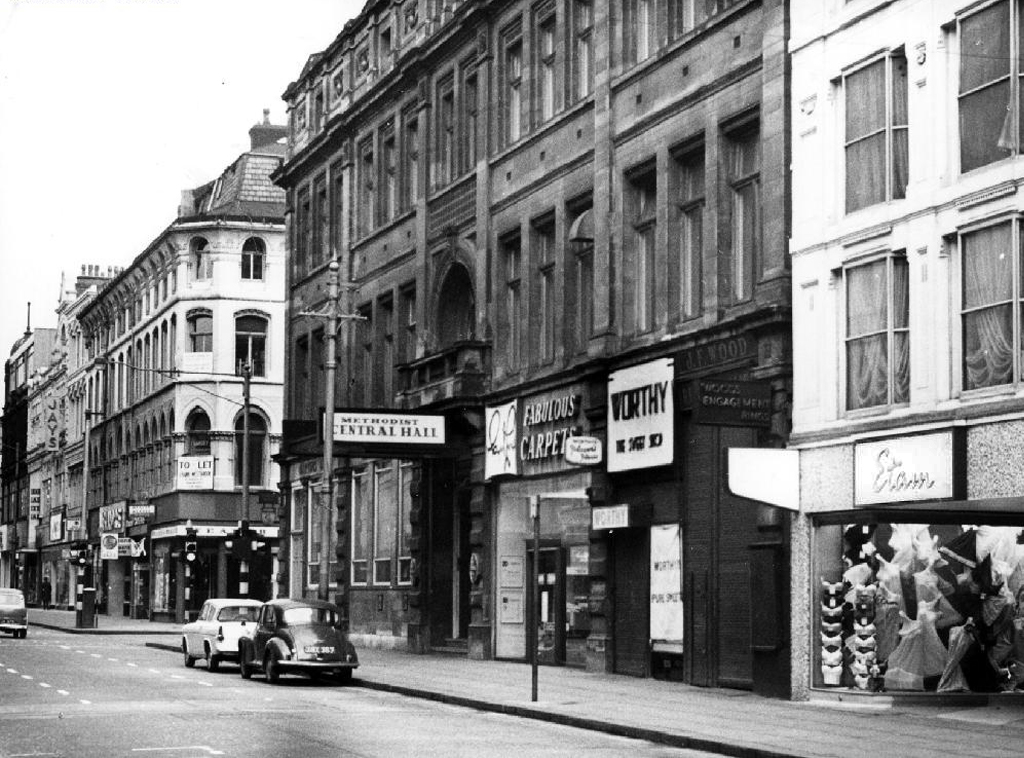
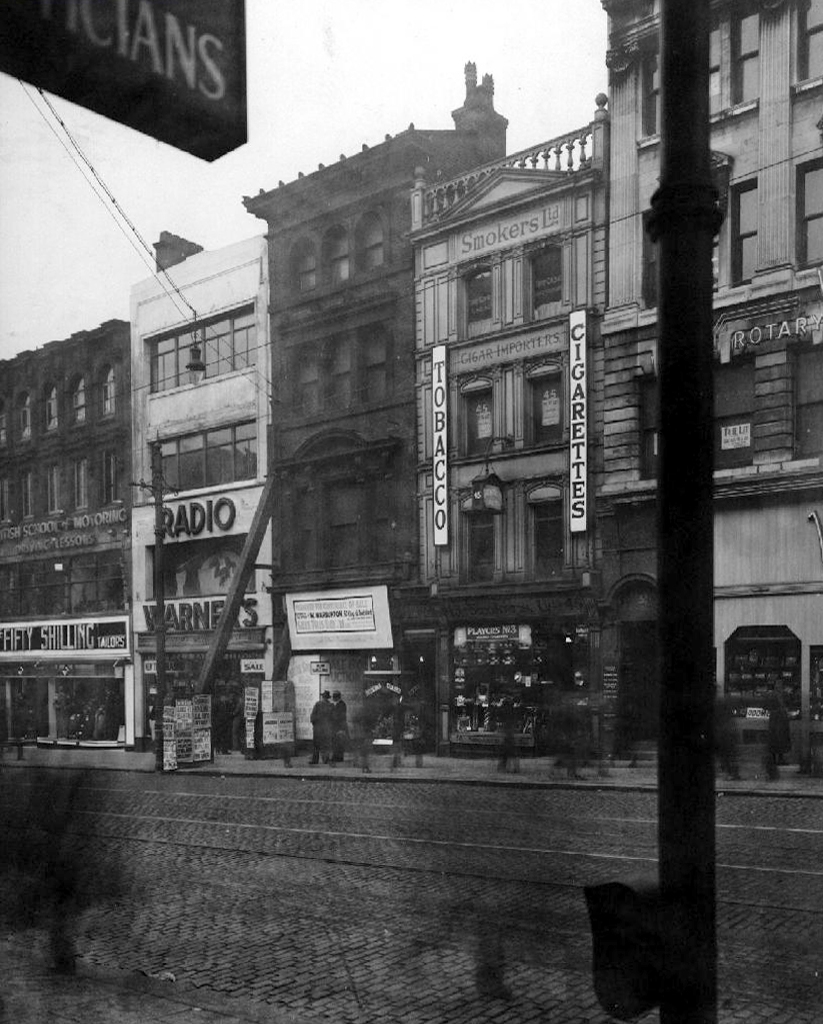
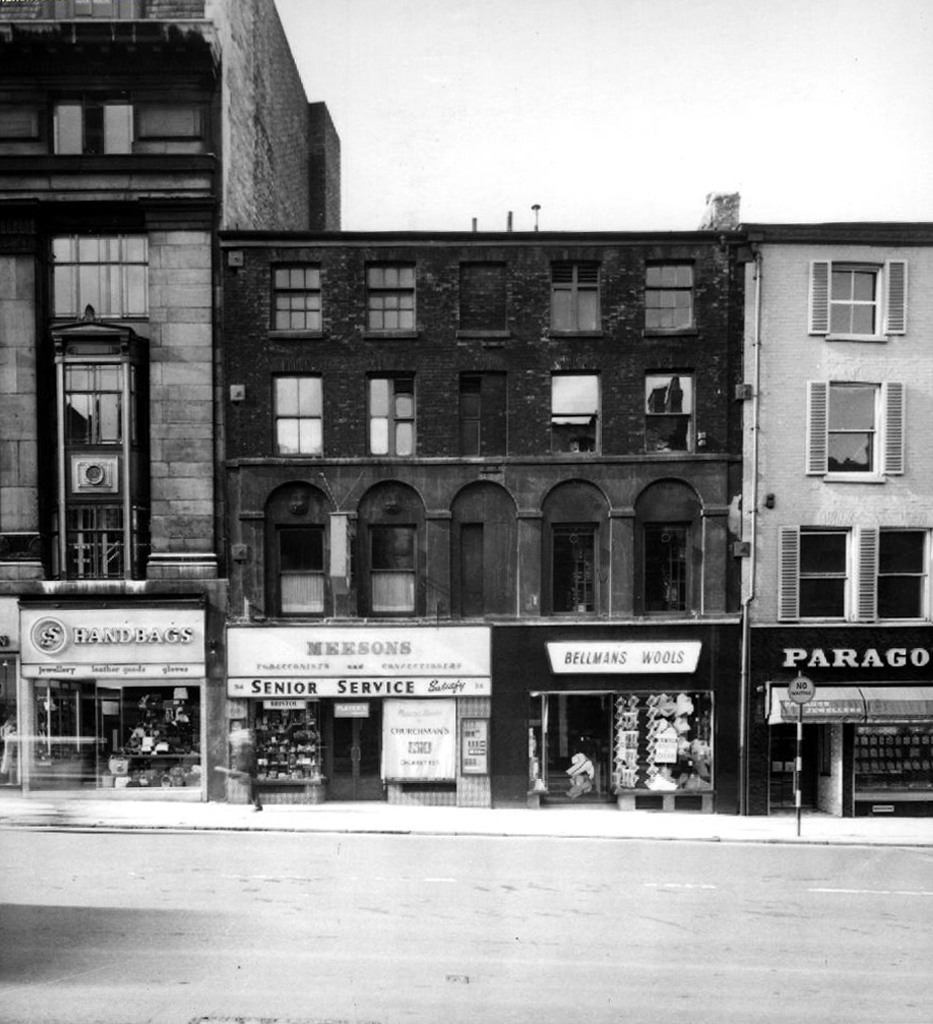
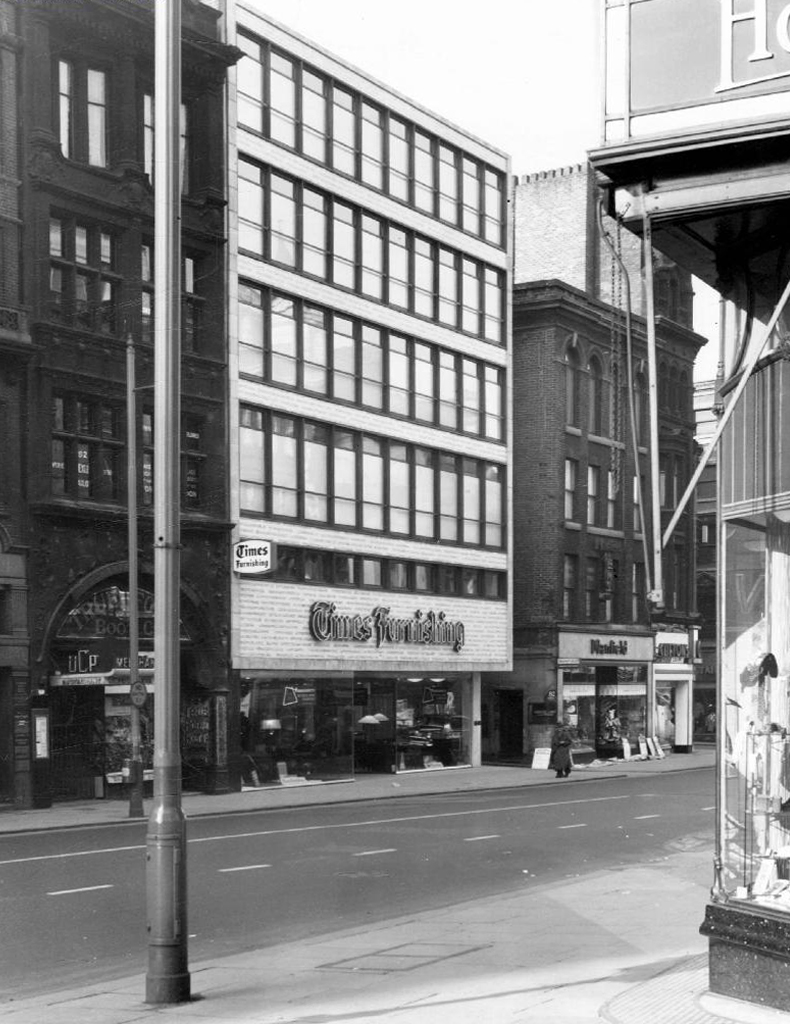
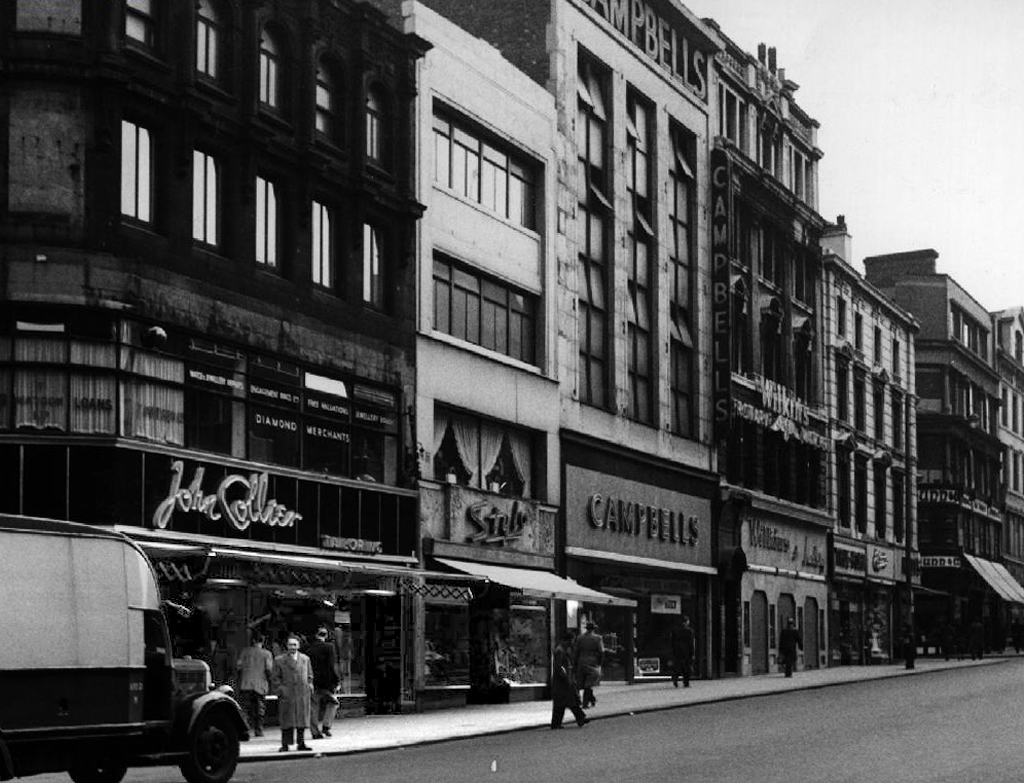
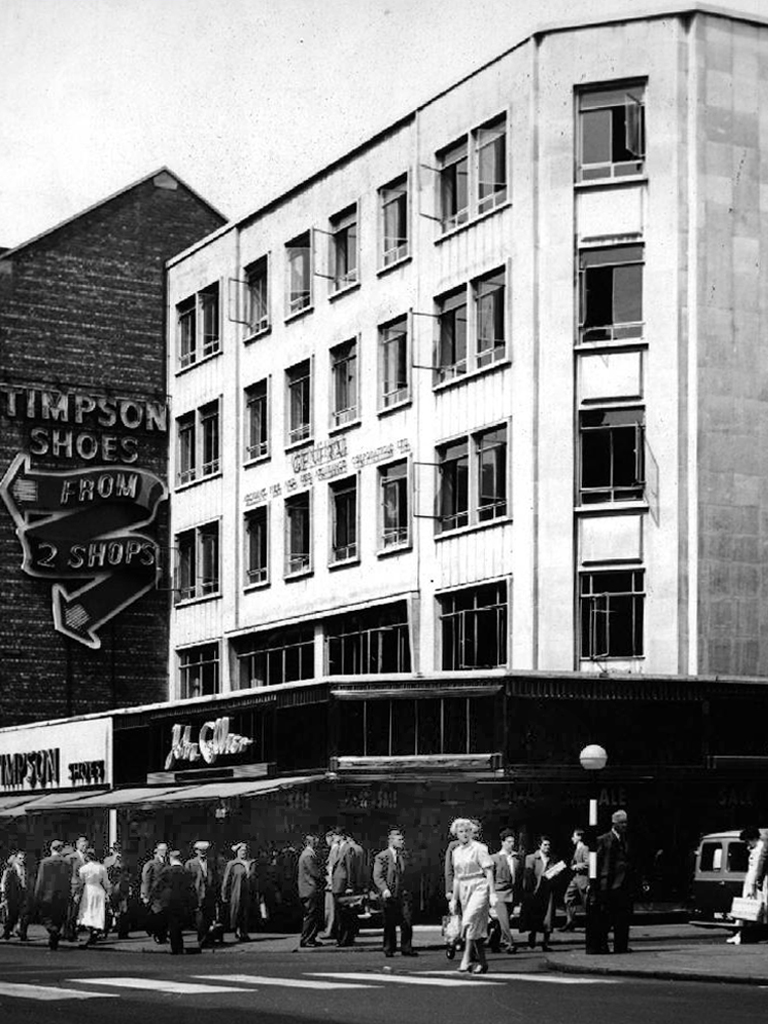
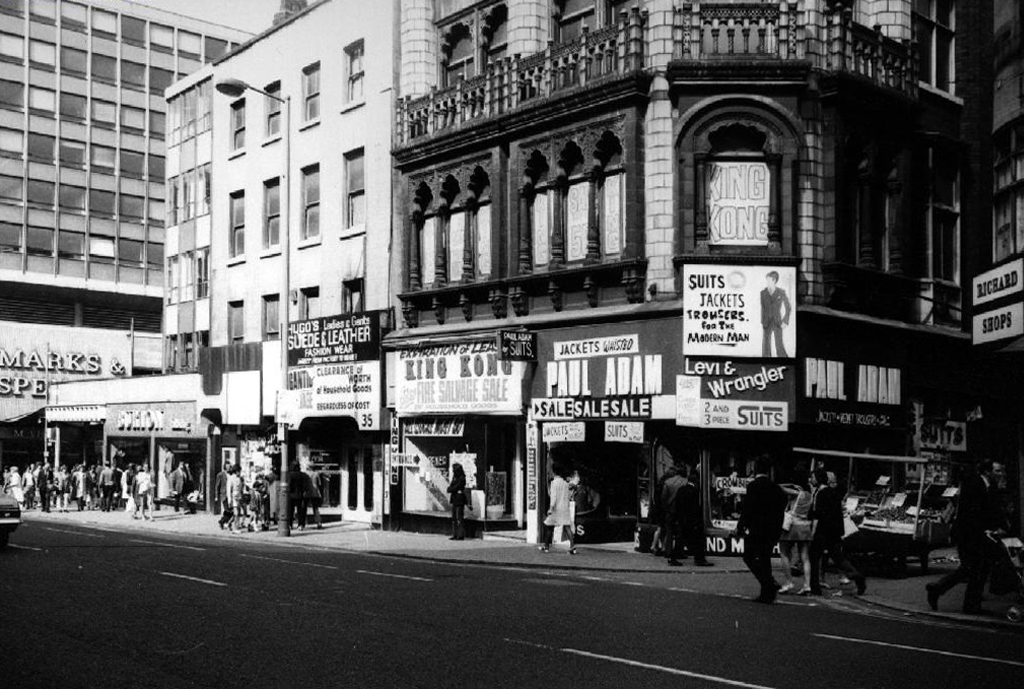
Following my previous post of archival images of Oldham Street, I took a walk along its length a week ago, to record what remained of the post war past.

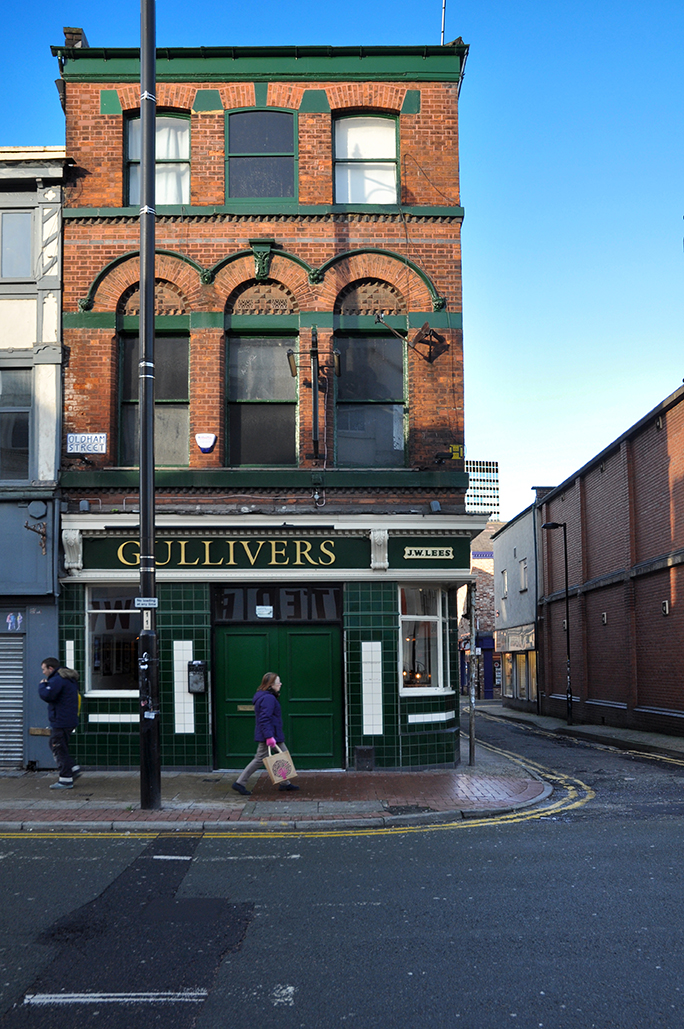
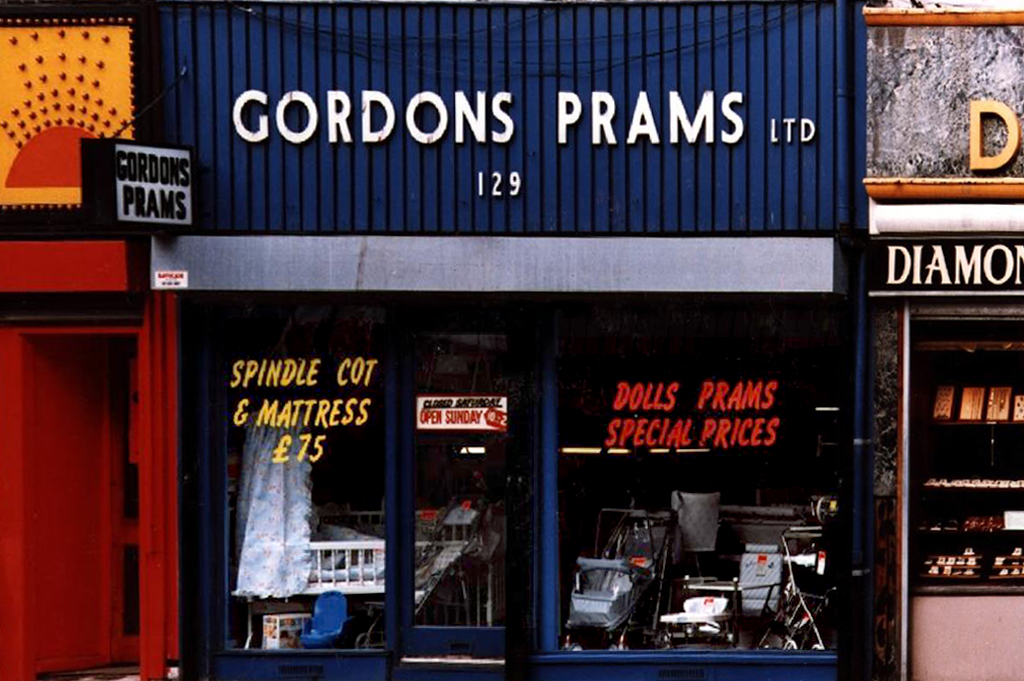
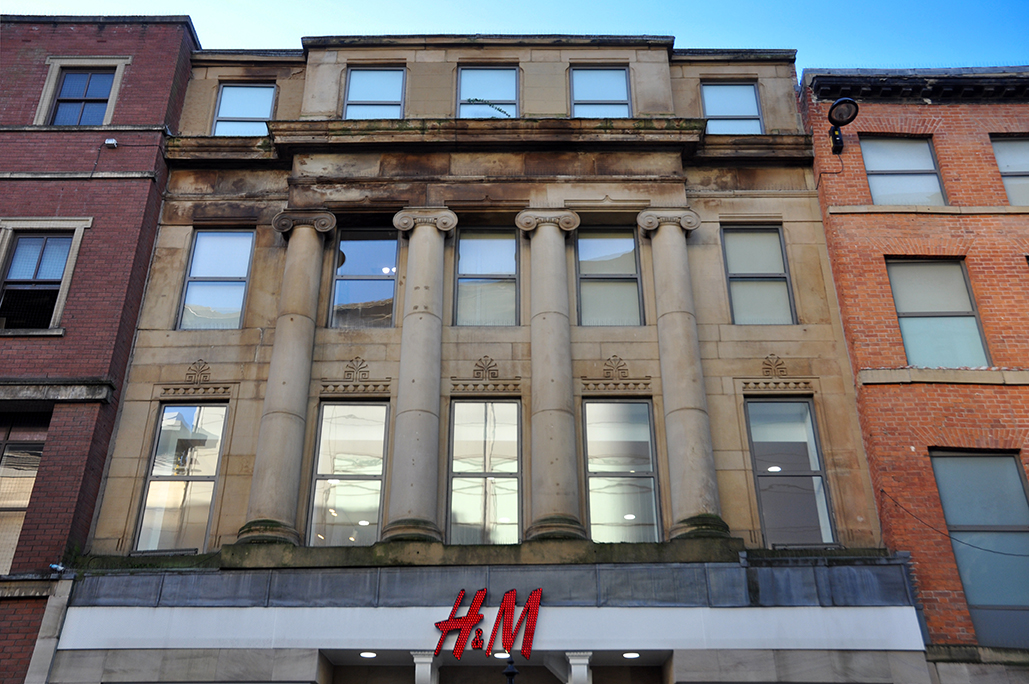
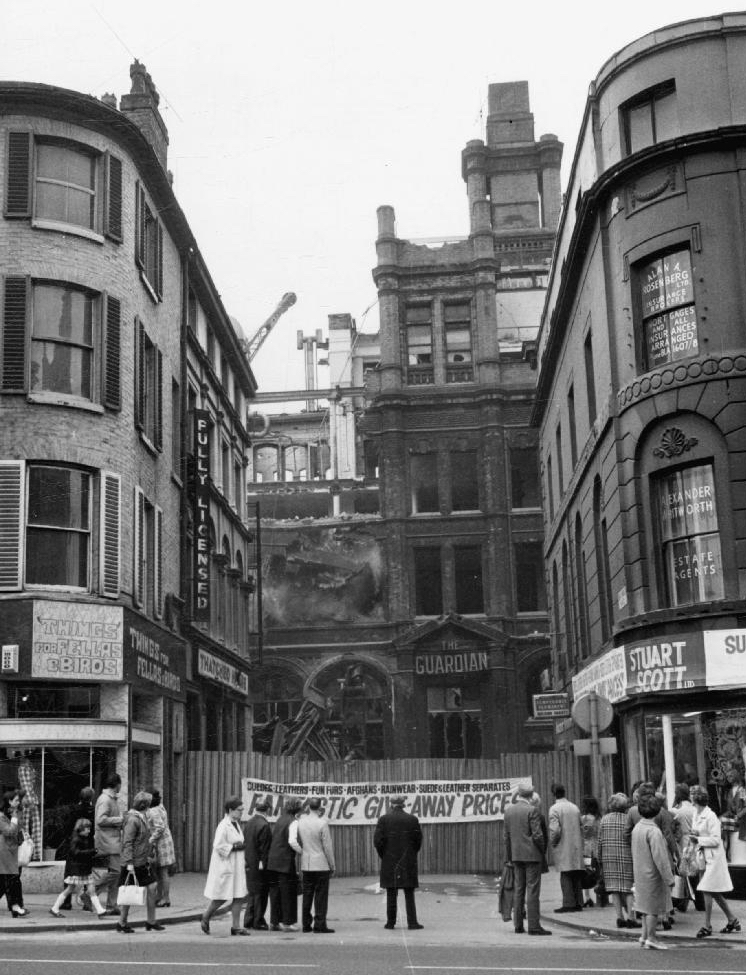
Gone again the blackened façades, exuberant and differentiated signage.

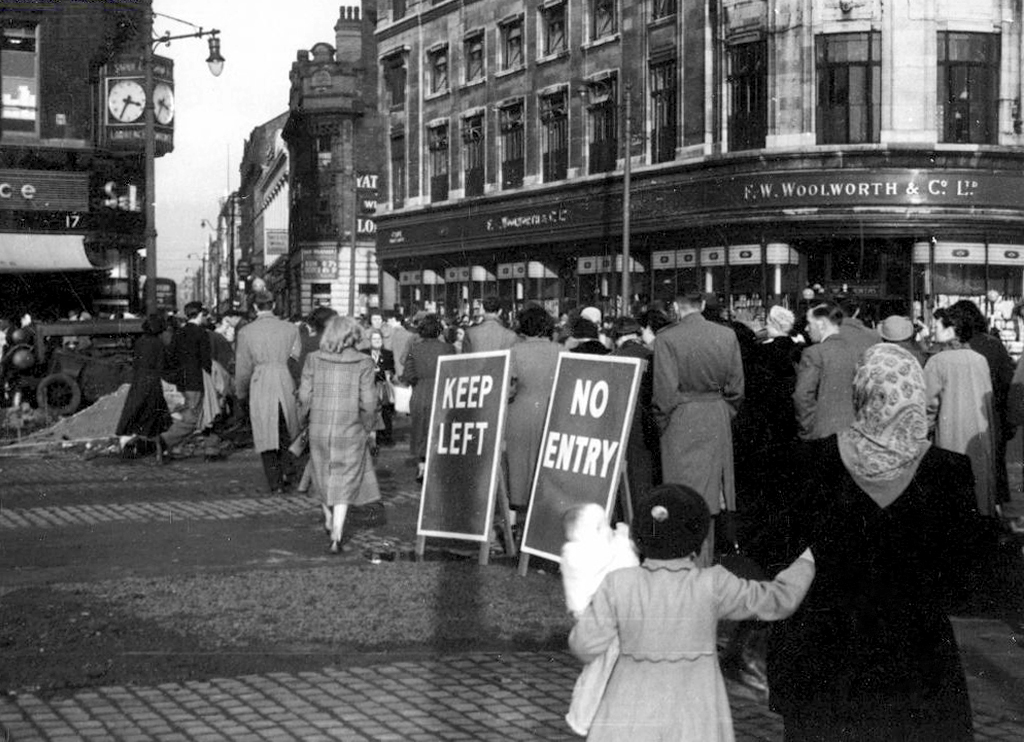
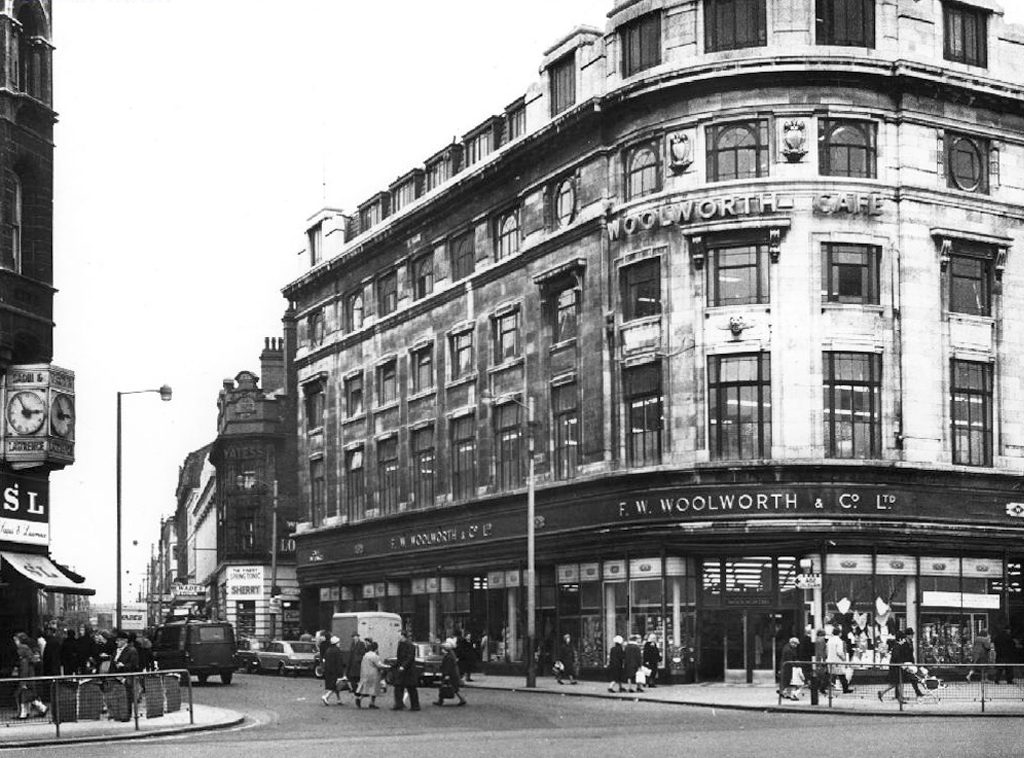
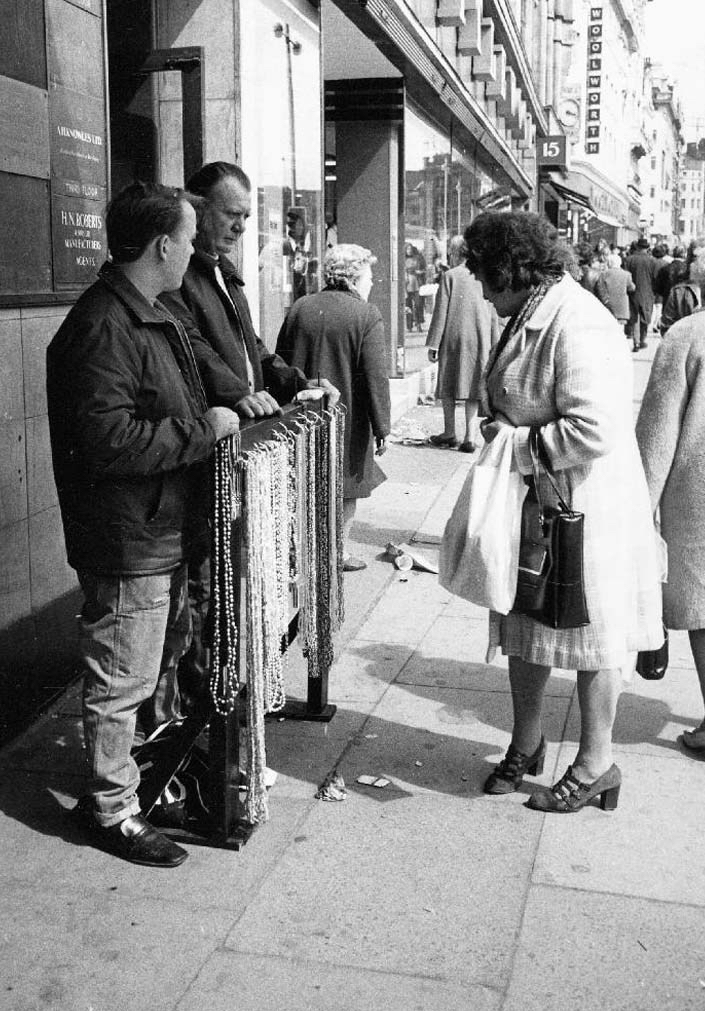
Woolworth’s burnt out long ago, never to return, exit also C&A, don’t forget your coat and hat.

Affleck’s – same name different place.

Yates’s three down none to go, the last all-in is all out.

Three pubs prevail, some serving craft ale to the not so crafty.

Methodist Main Hall is mainly well-used and well, loved.

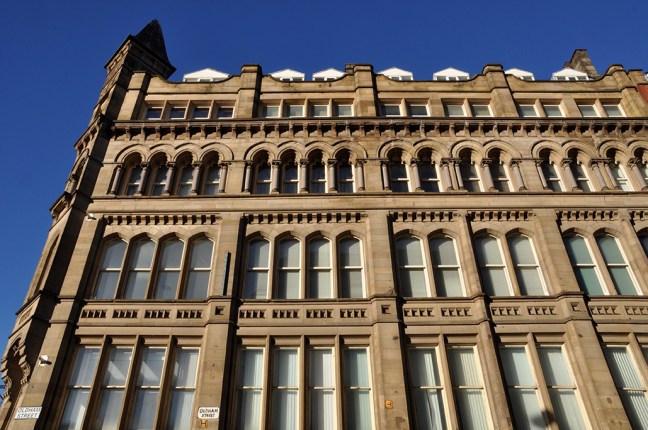
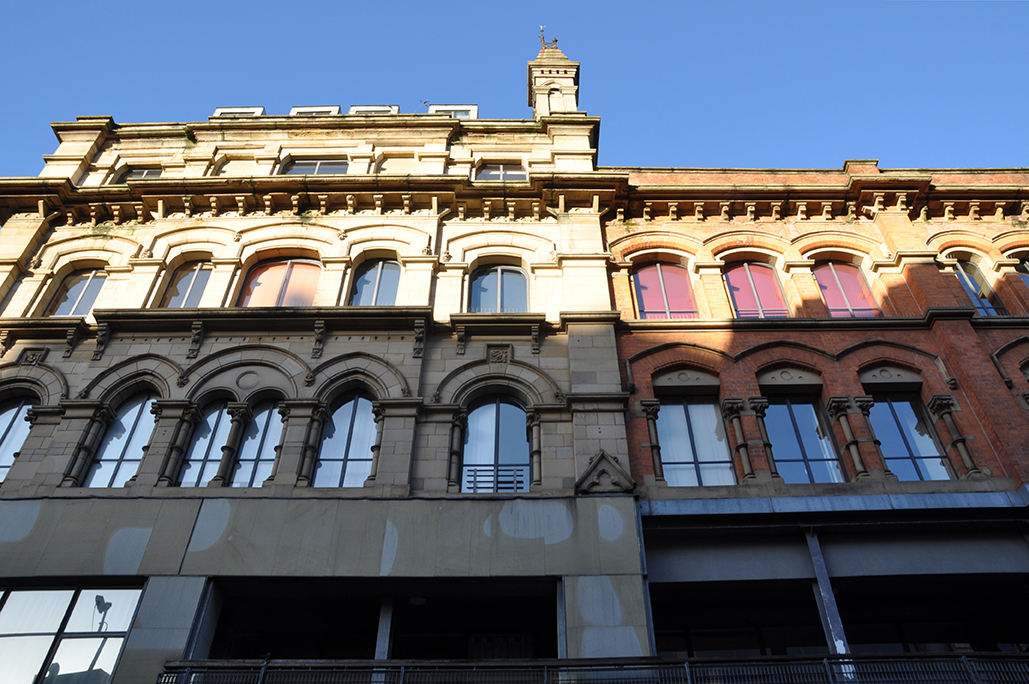
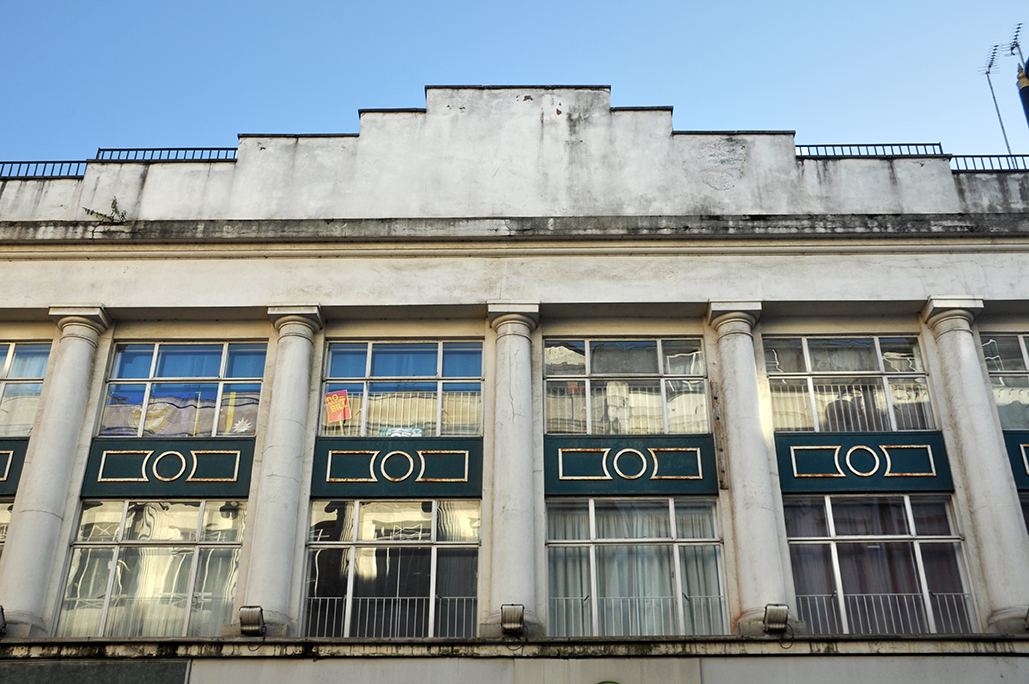
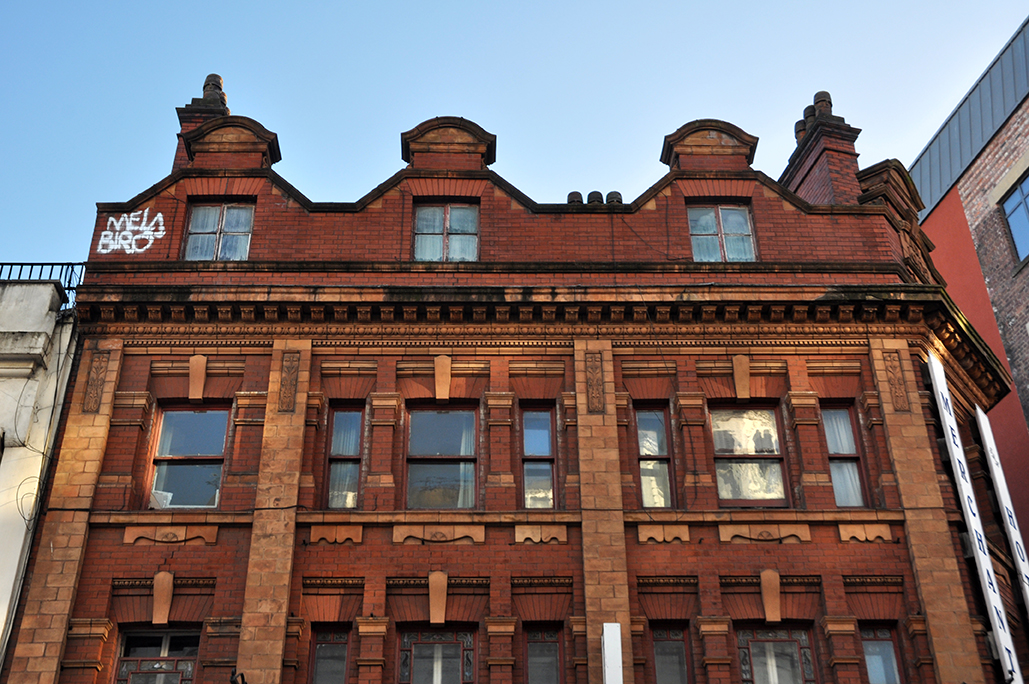
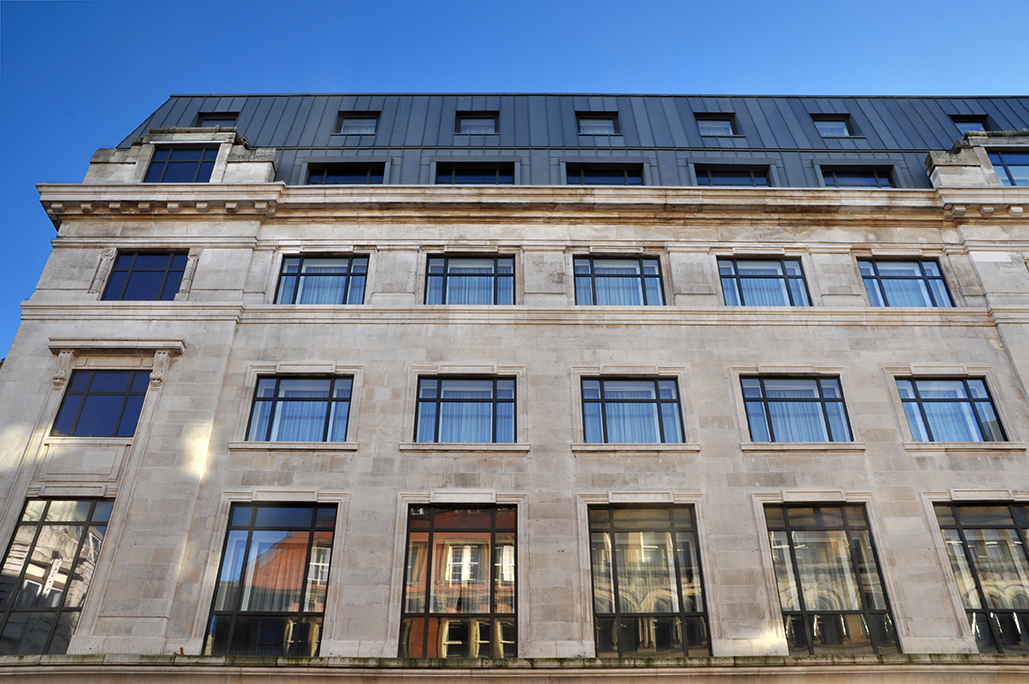
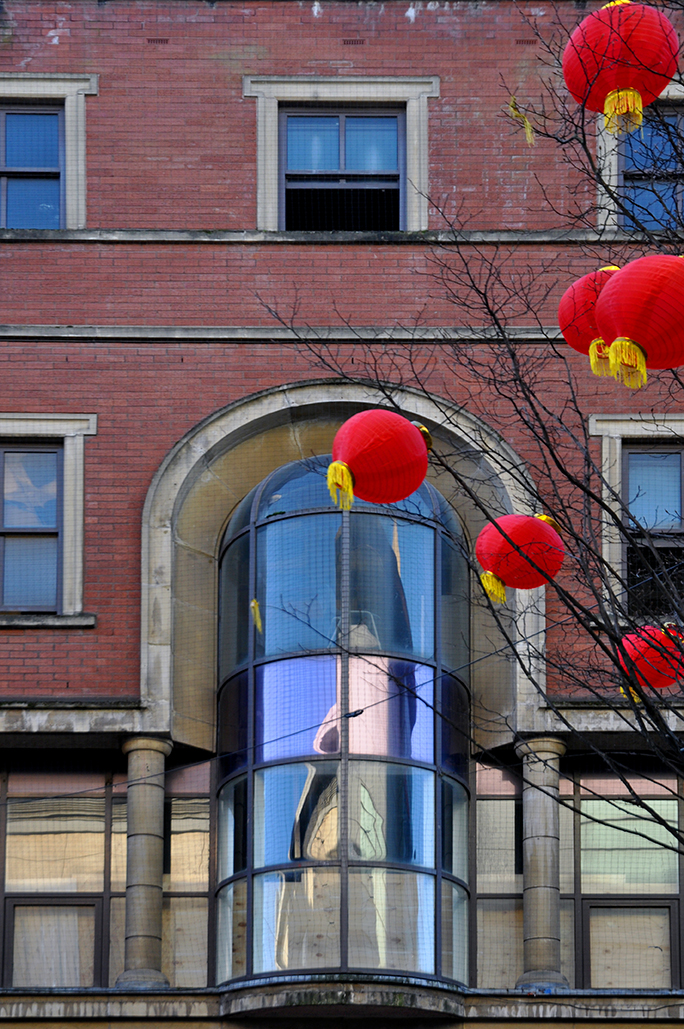
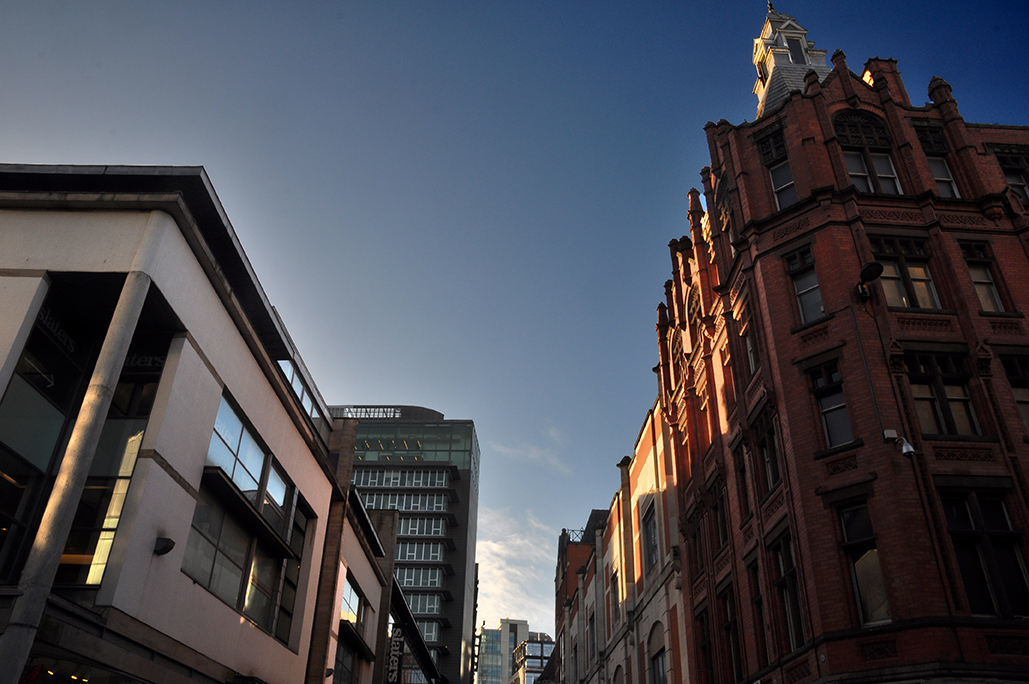
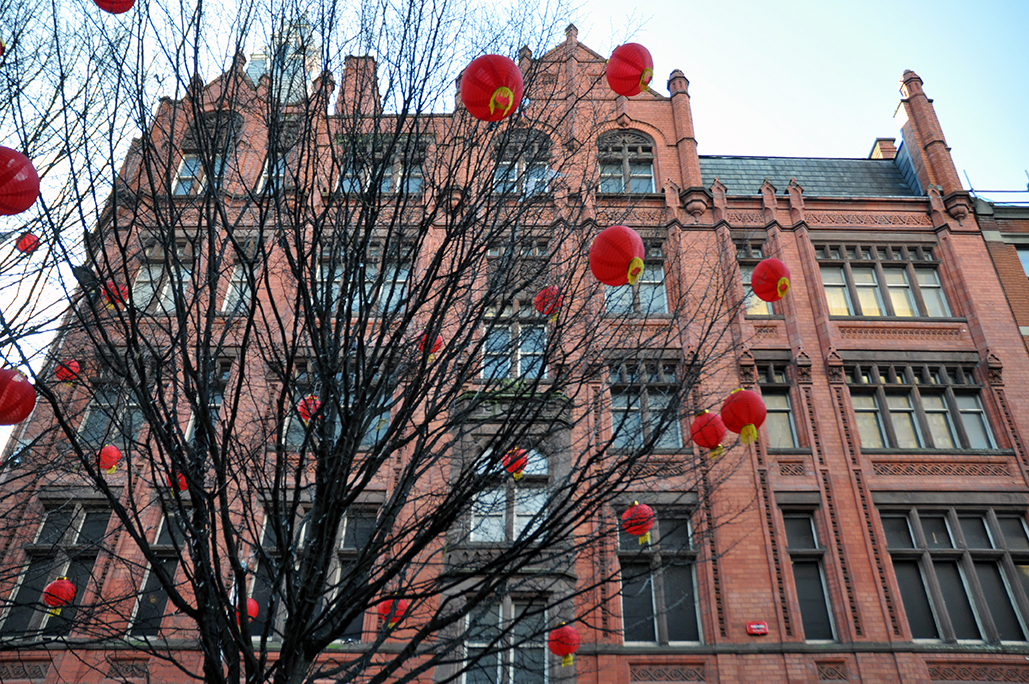
In low Winter light the upper floors dance in shadow and sun-glow, against a brighter than bright blue sky.

A crazy range of saw-toothed roof tops colliding.

Oldham Street survives.


Oldham Street – Manchester

In the early 18th century, Oldham Street was apparently:

“An ill-kept muddy lane, held in place on one of its sides by wild hedgerows”.

In 1772, a privately owned track which is now known as Oldham Street was given to the public. The road took its name from Adam Oldham rather than from the place name. He was an acquaintance of John Wesley, the founder of Methodism, which could account for the Oldham street location of the Methodist Chapel, opened by Wesley in 1781. Central Hall replaced the Chapel in 1885.

The area around Oldham Street became more affluent, with warehouses and shops, many of whose merchants lived within their shop premises. This is described by Isabella Varley, Mrs. Linnaeus Banks, a resident of Oldham Street, in her book The Manchester Man.

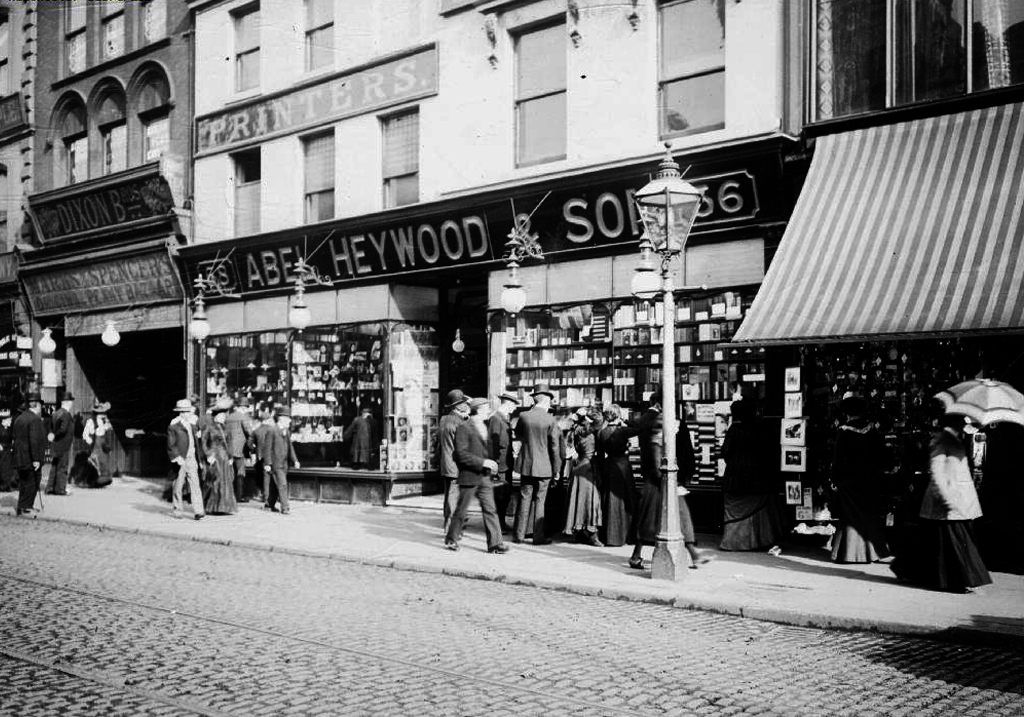
One Oldham Street shopowner mentioned by a number of writers is Abel Heywood, who spearheaded the mass distribution of books, supplying the whole country not only with penny novels, but also with educational books and political pamphlets. Heywood went on to become Mayor of Manchester.

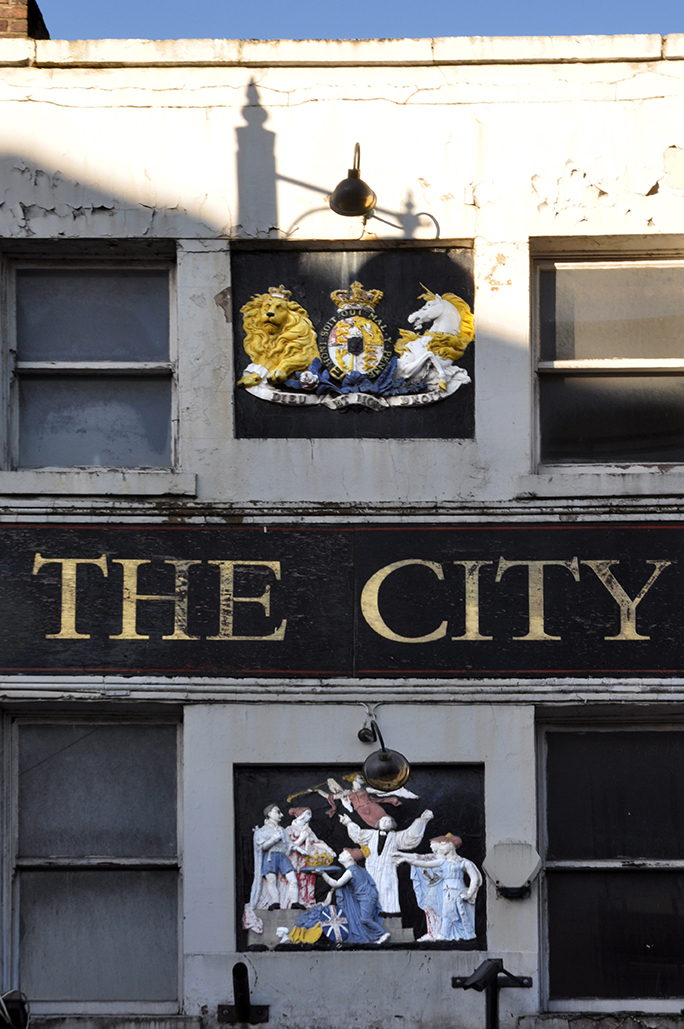
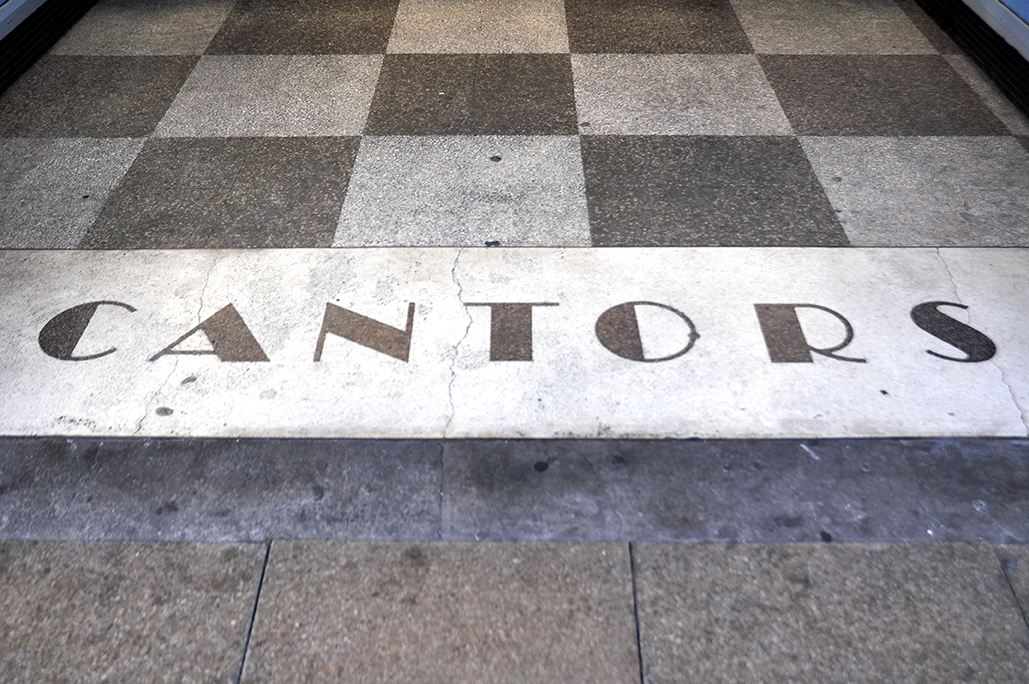
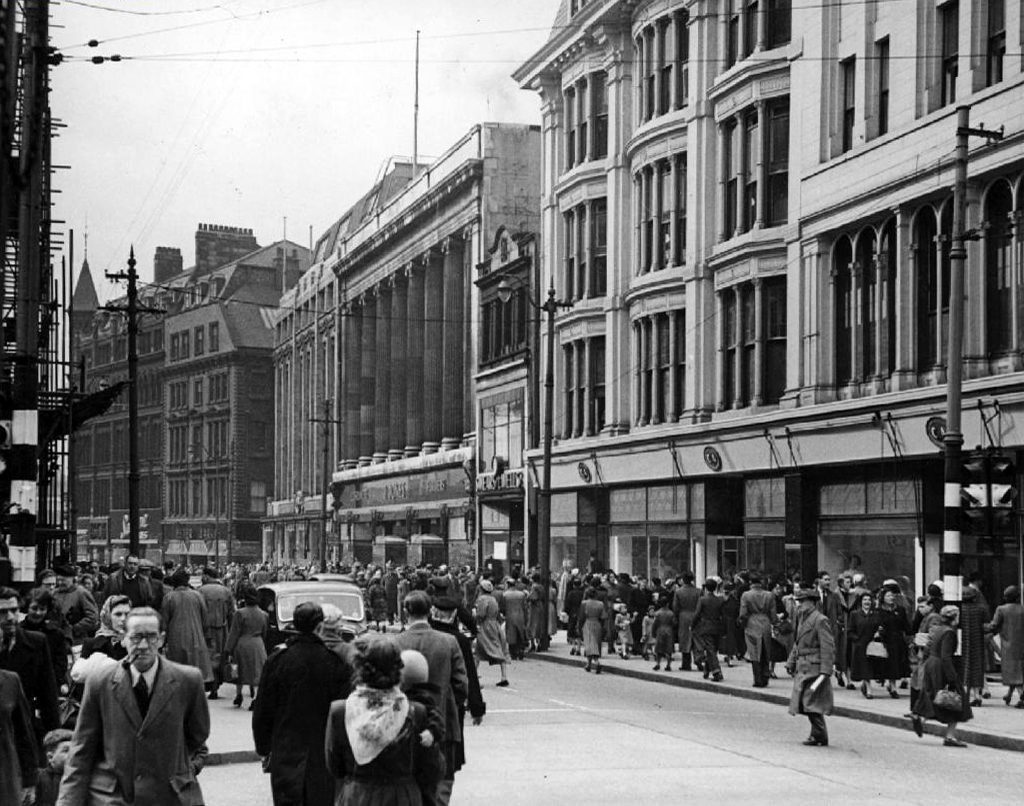
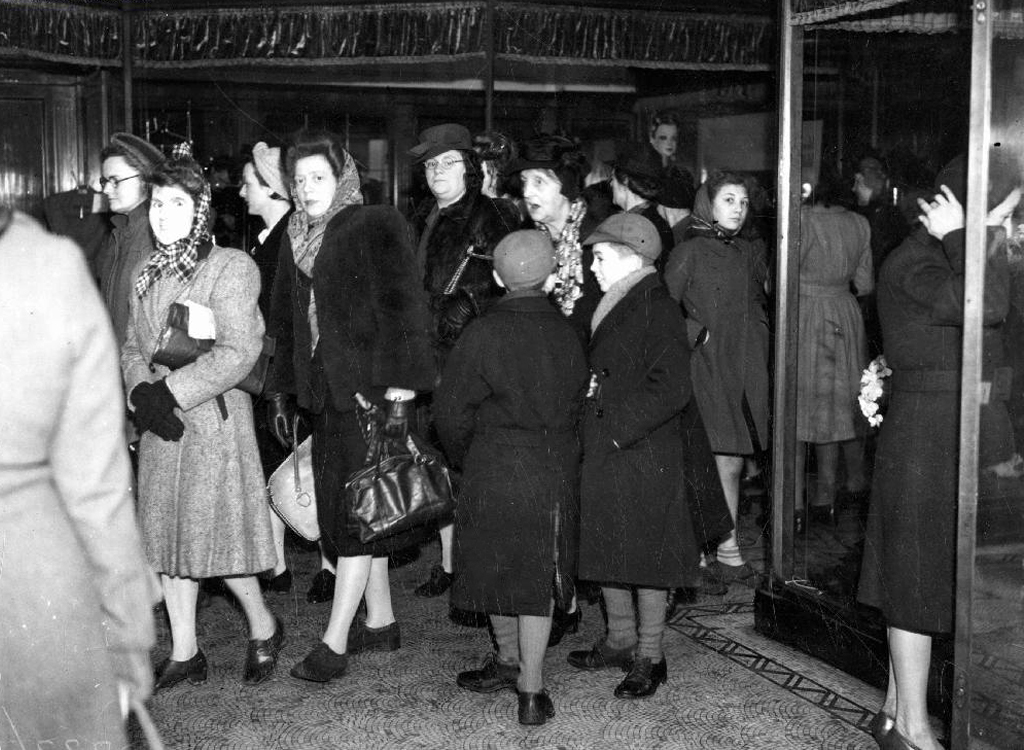
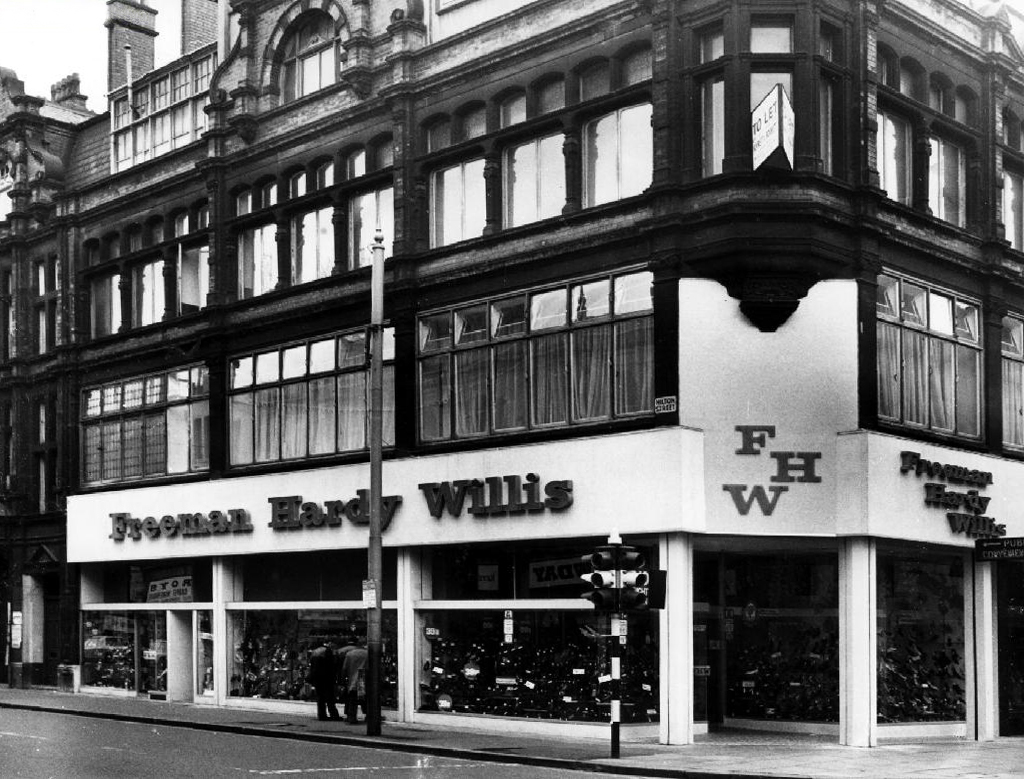
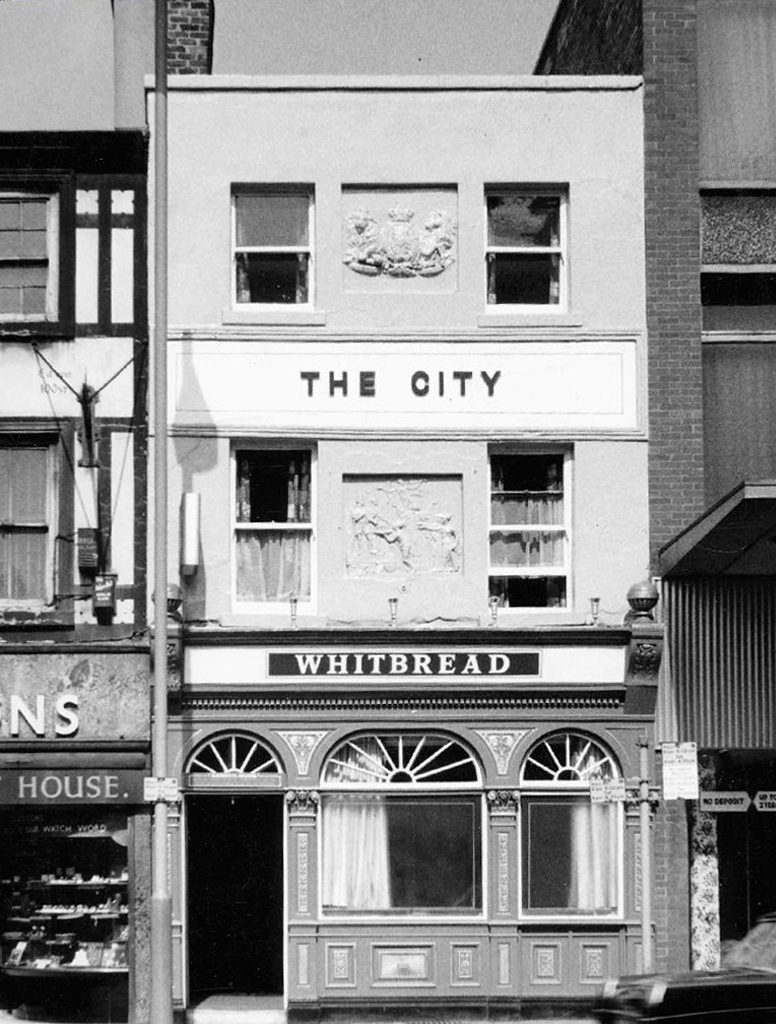
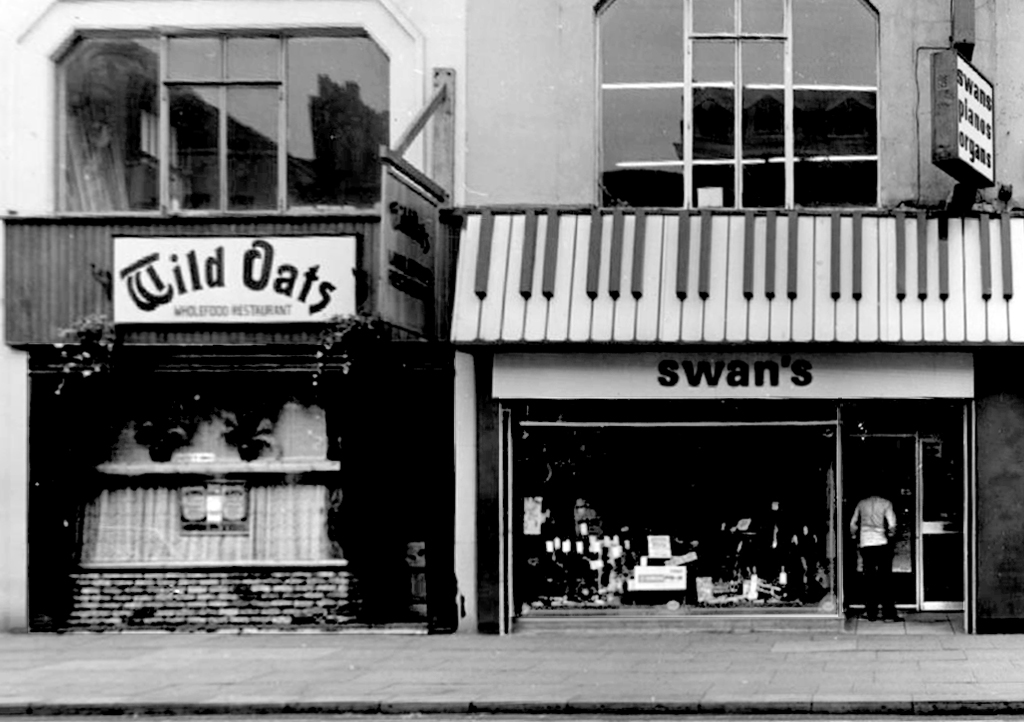
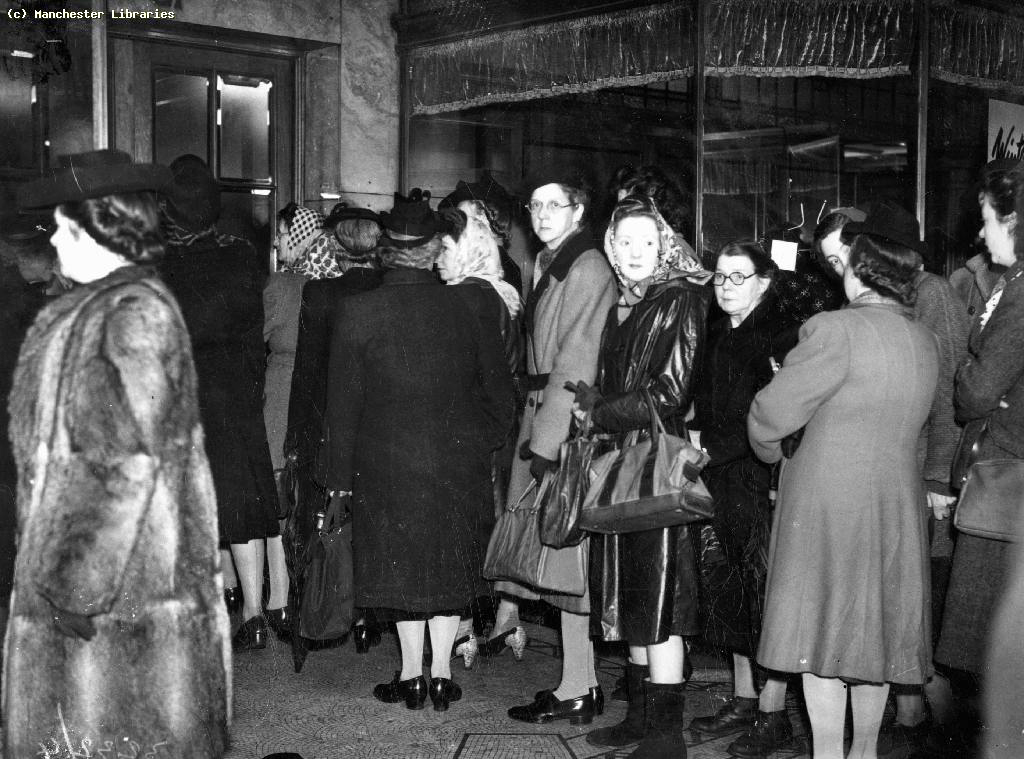
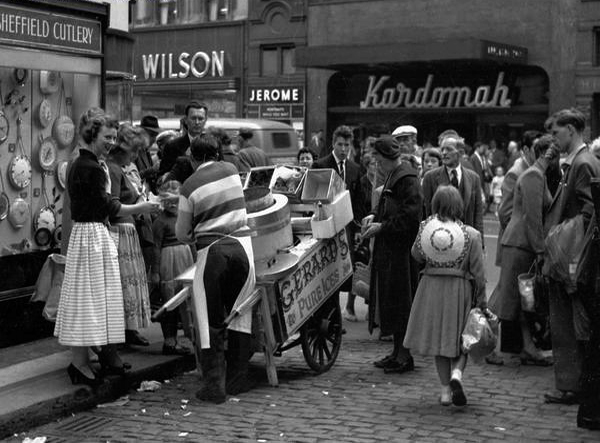
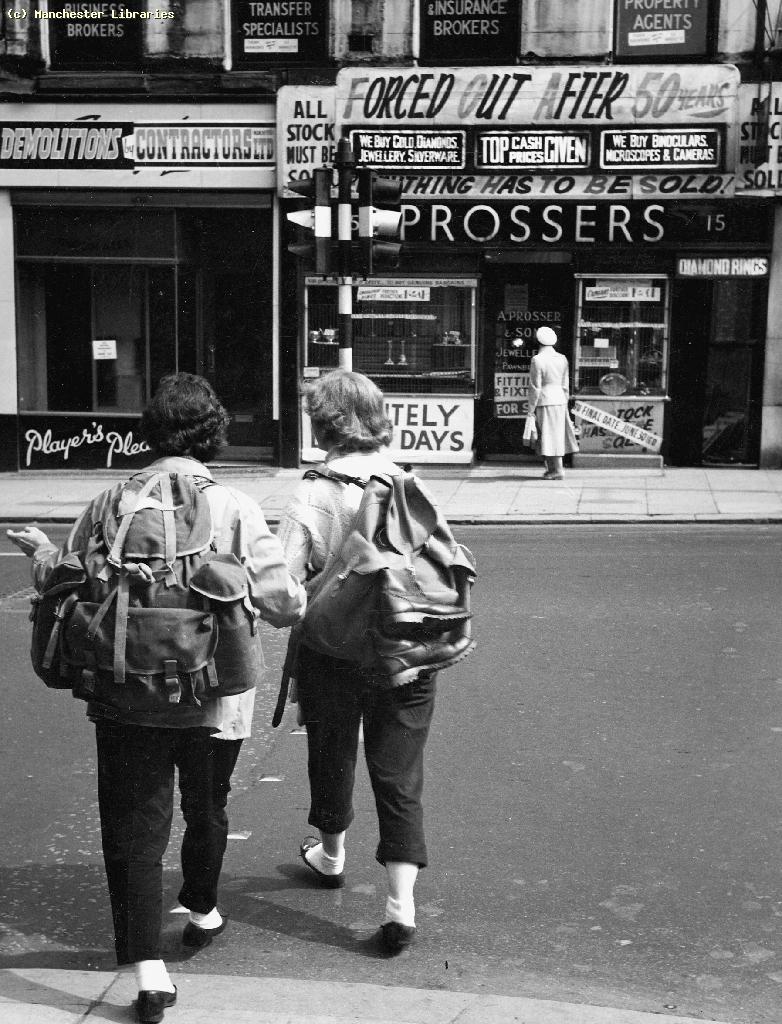
The general well to do, mix of hustle and bustle, pubs, warehousing, grand stores, smaller specialist shops and services continued into the 1970’s. Woolworths, C&A, Affleck and Browns, Cantors, Dobbins attracted a steady flow of happy shoppers, I loved the mongrel nature of the mixed use architecture.
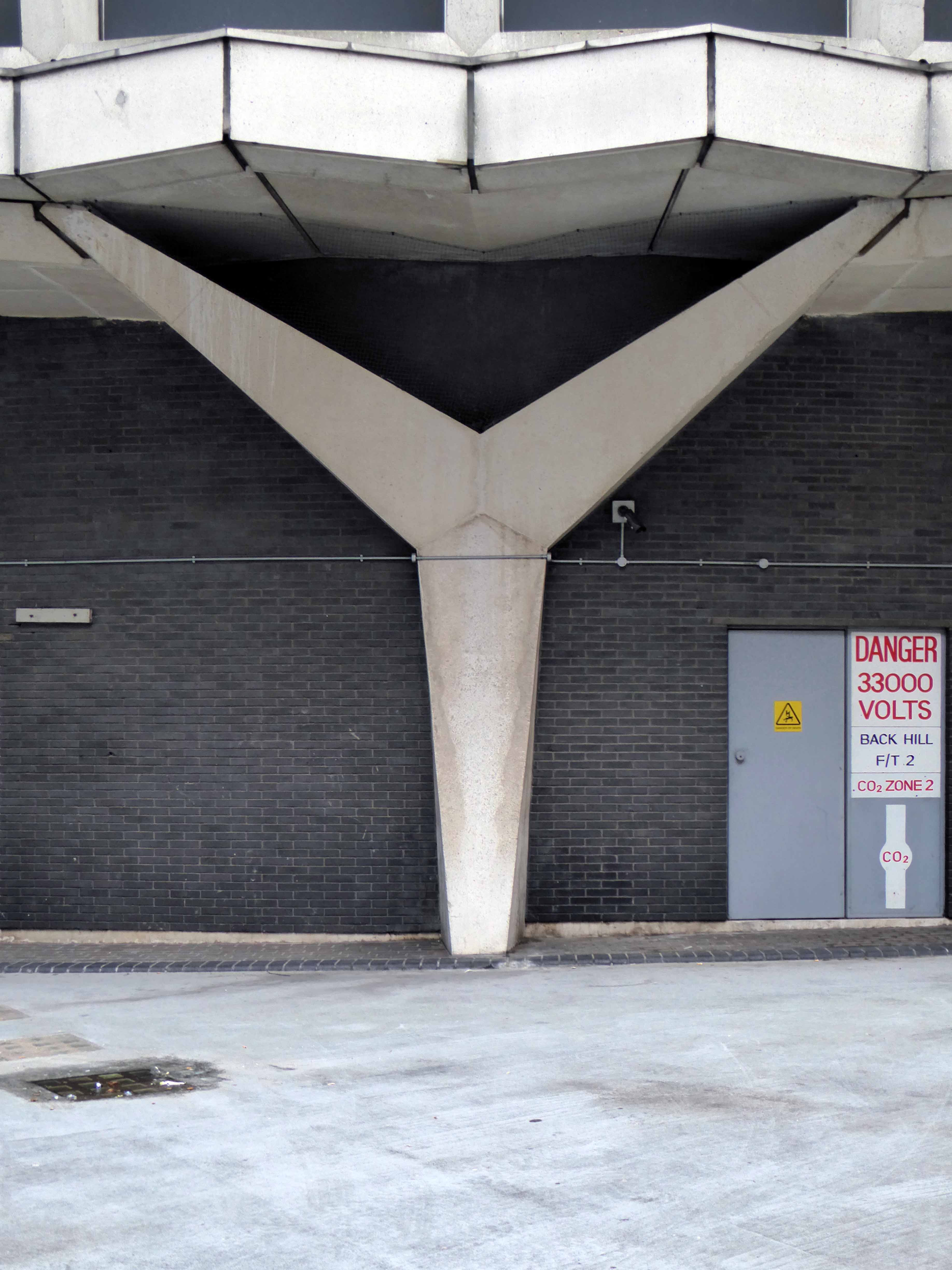
The focus if the city centre then slipped away to the newly built Arndale and pedestrianised Market Street.

Oldham Street awaited a new sense of place and purpose.

With thanks to http://www.manchester.gov.uk/info/448/archives_and_local_history/326/historical_photographs_of_manchester


24

webmedia-8.php

22

18

image011

21

webmedia-5.php

webmedia.php

13

20

webmedia-12.php

16

17

webmedia-4.php

14

webmedia-2.php

webmedia-7.php

19

15

webmedia-9.php

webmedia-3.php

webmedia-6.php

webmedia-11.php

webmedia-10.php


Market Street – Manchester 2016

Following my previous post on Market Street, using archive material from the 60s and 70s, I was prompted to record the current state of the street.

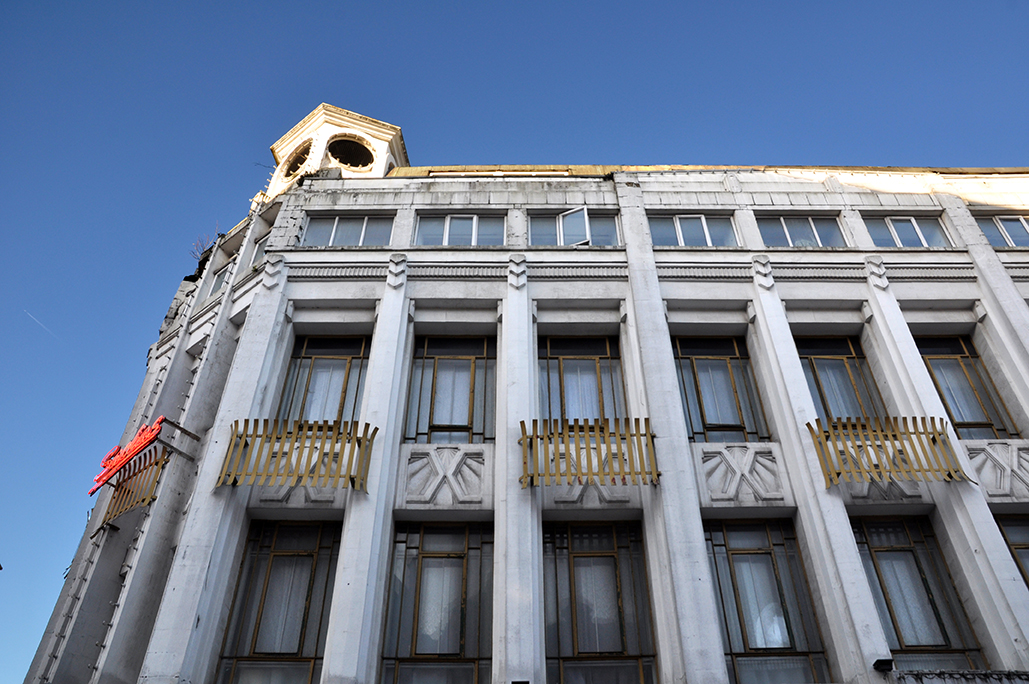
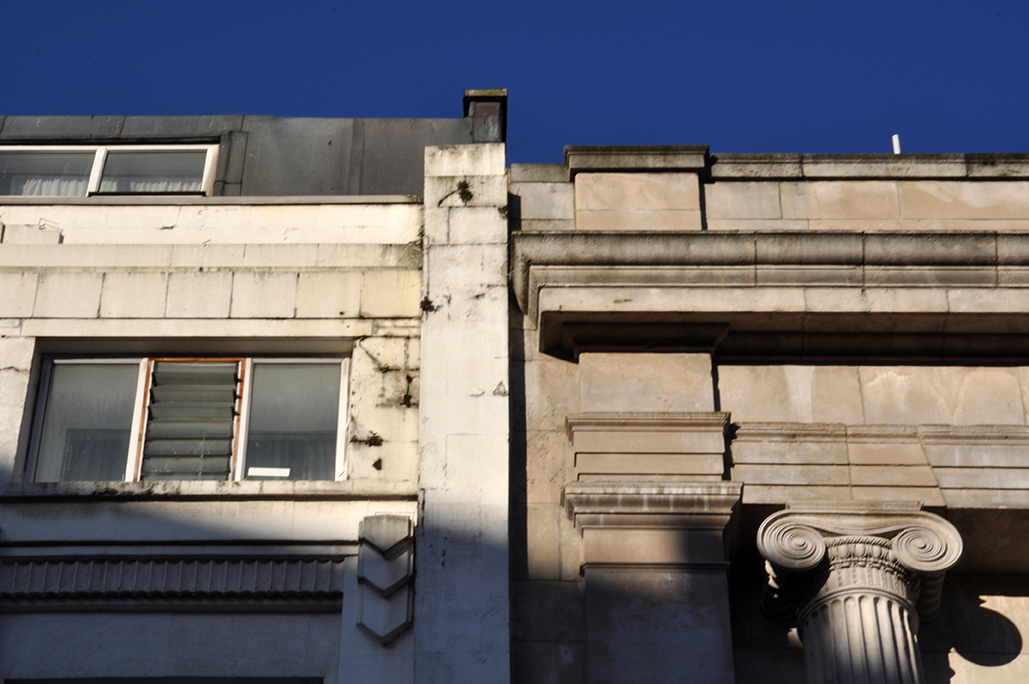
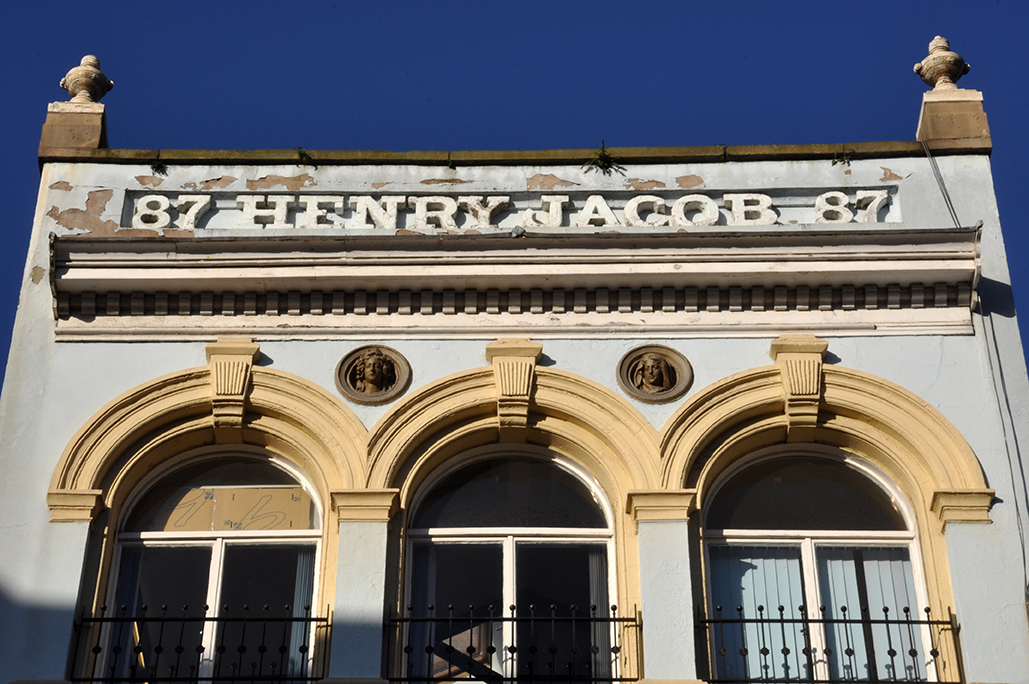
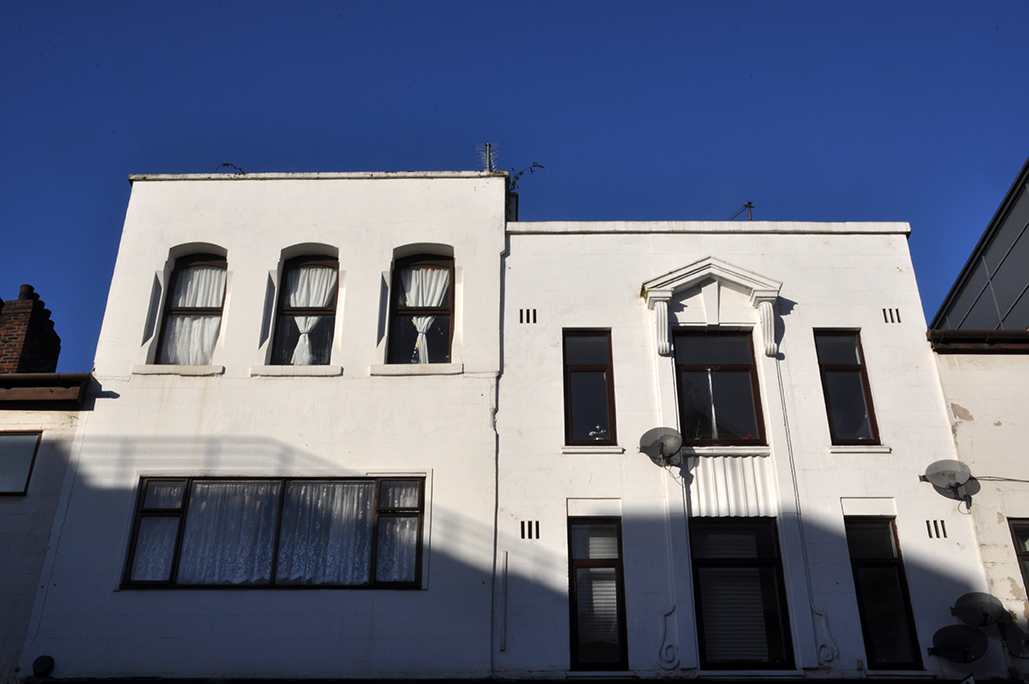
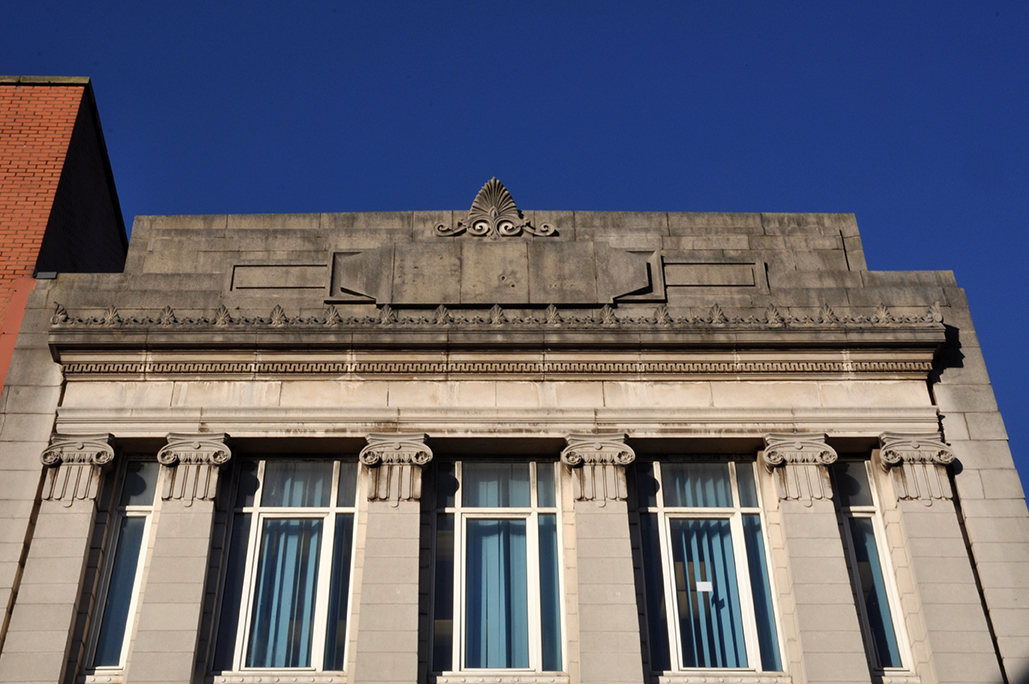
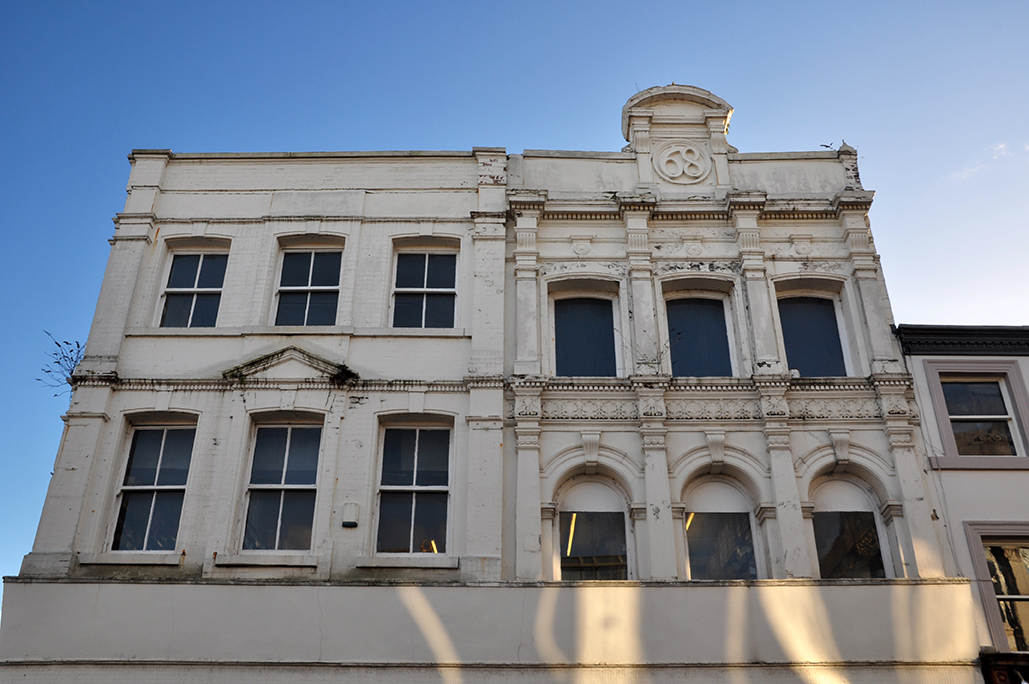
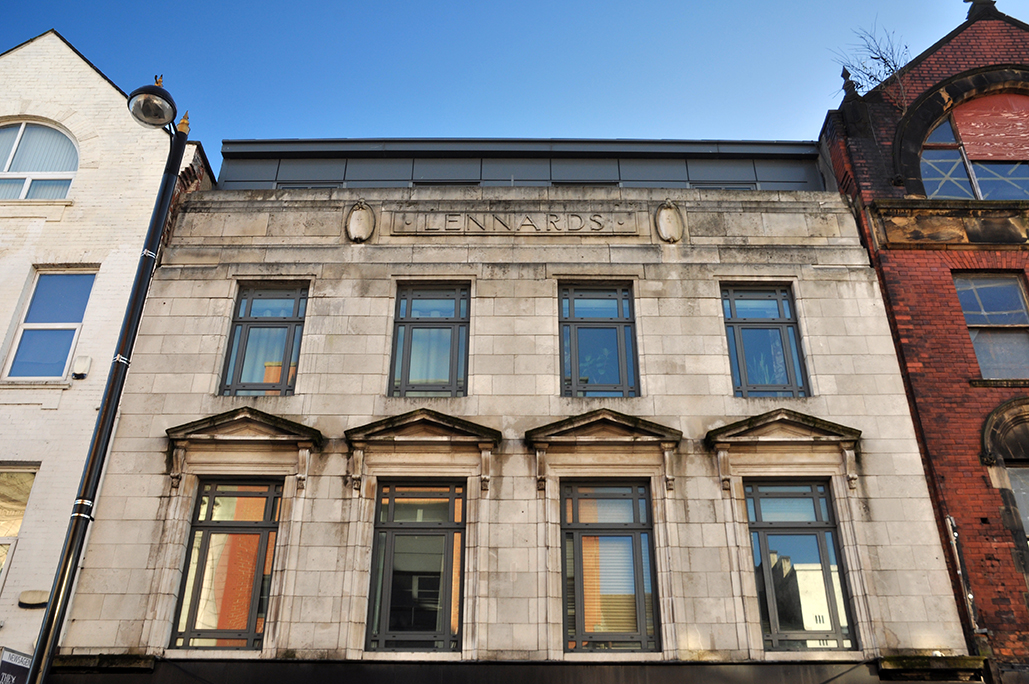
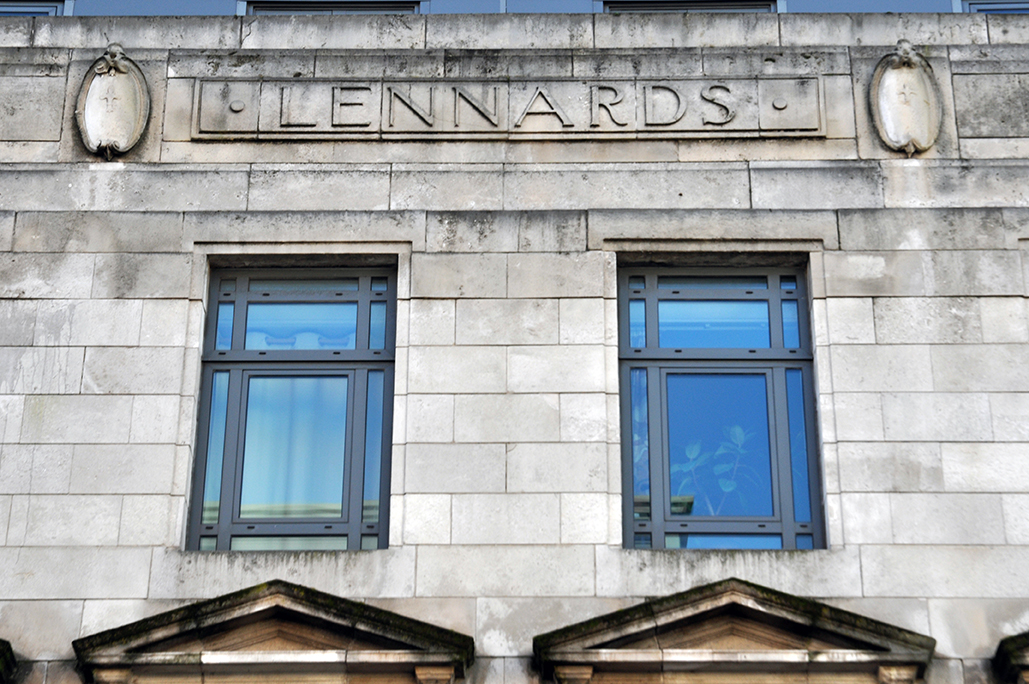
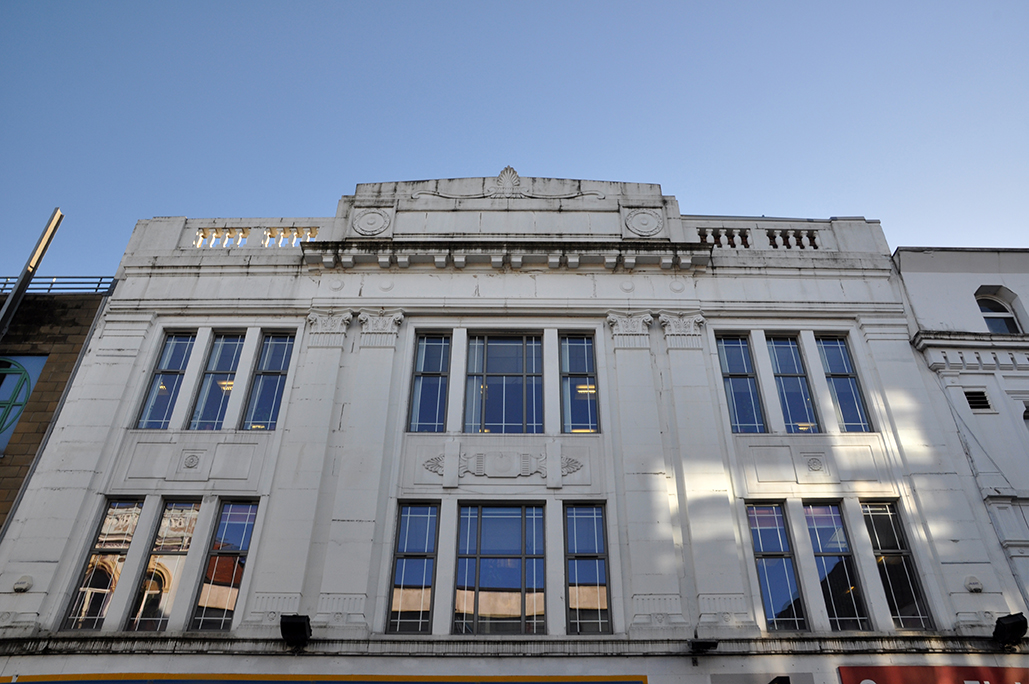
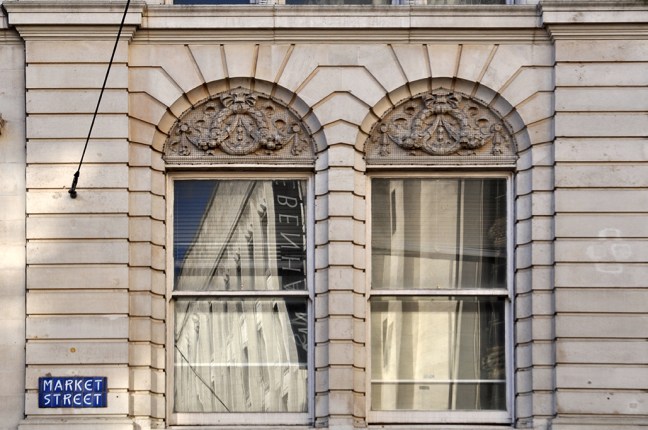
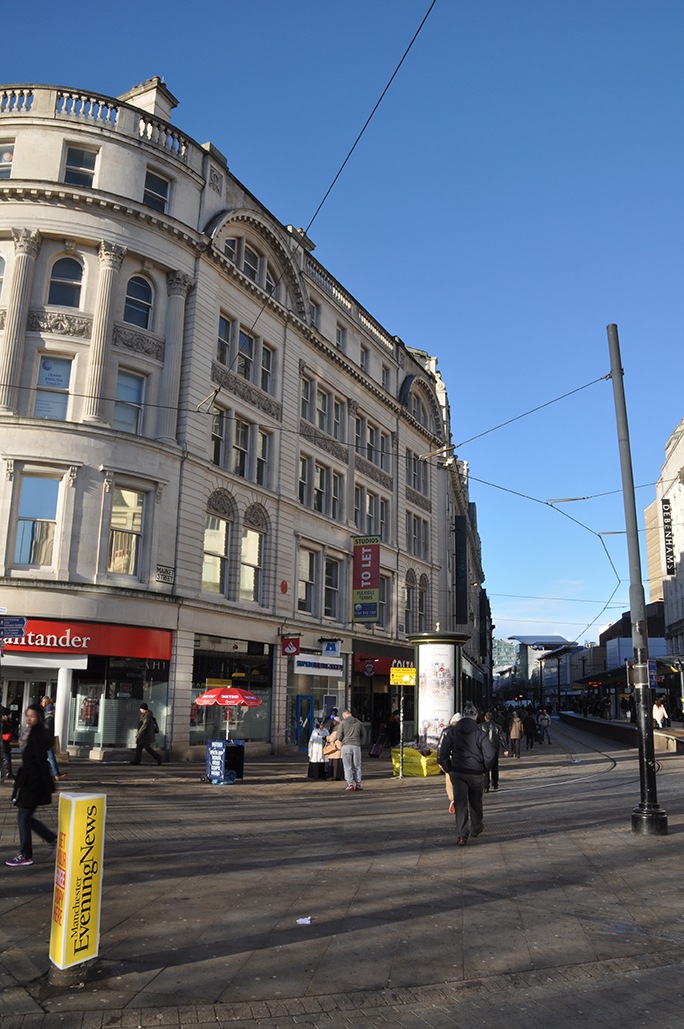
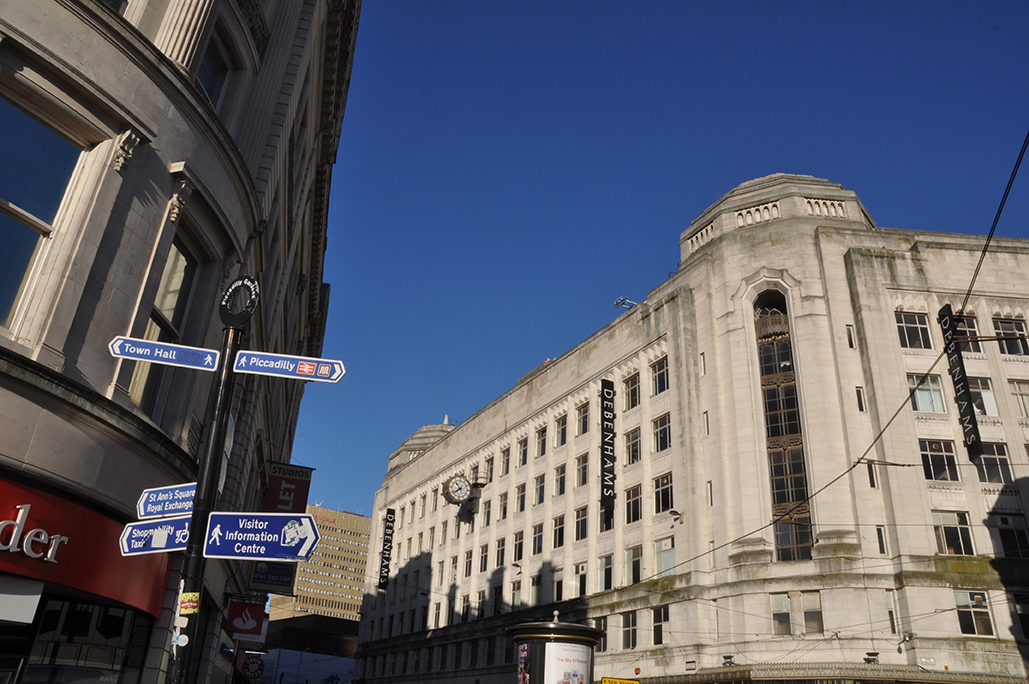
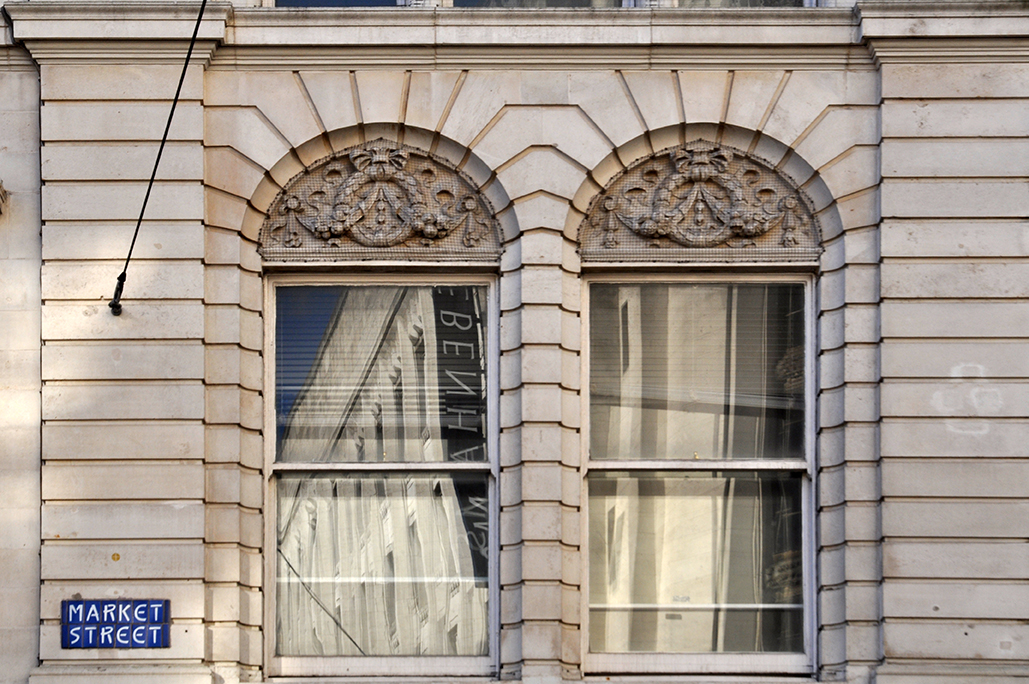
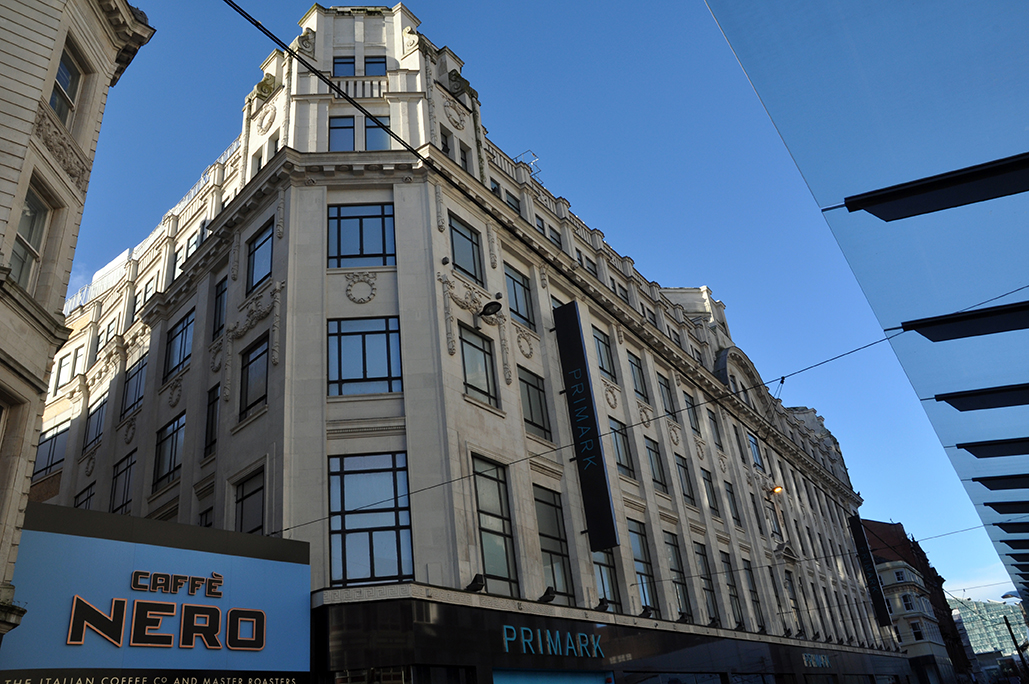
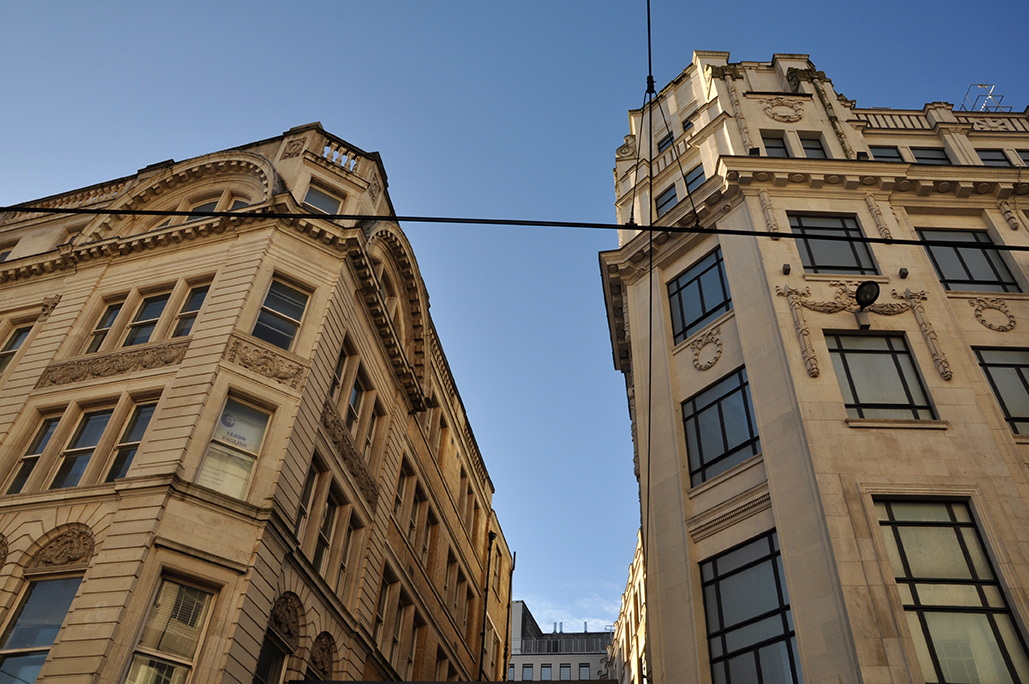
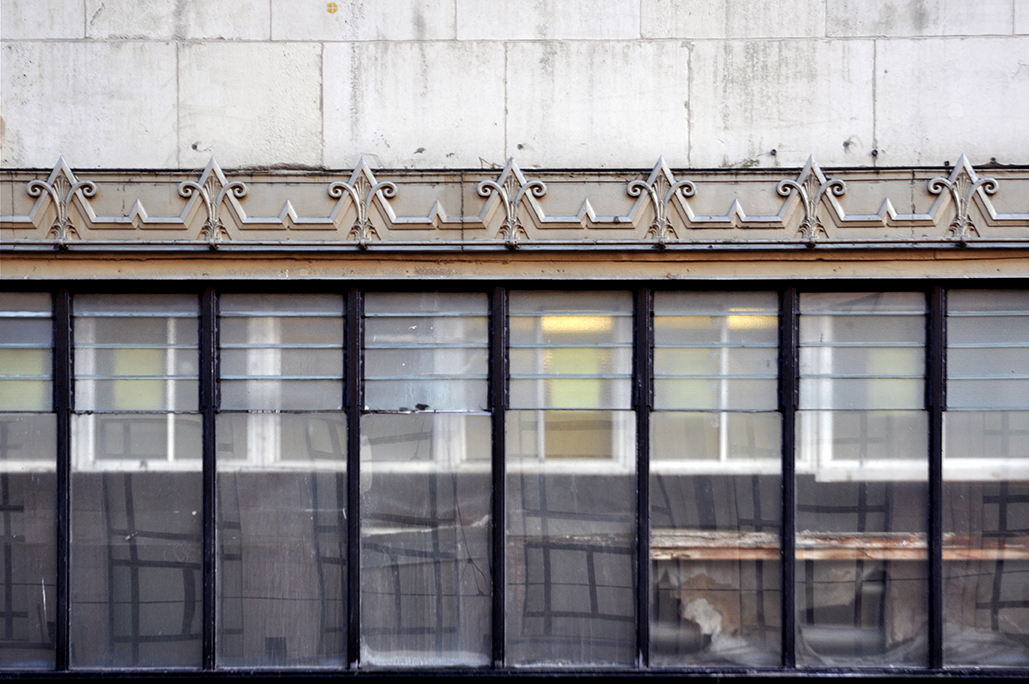
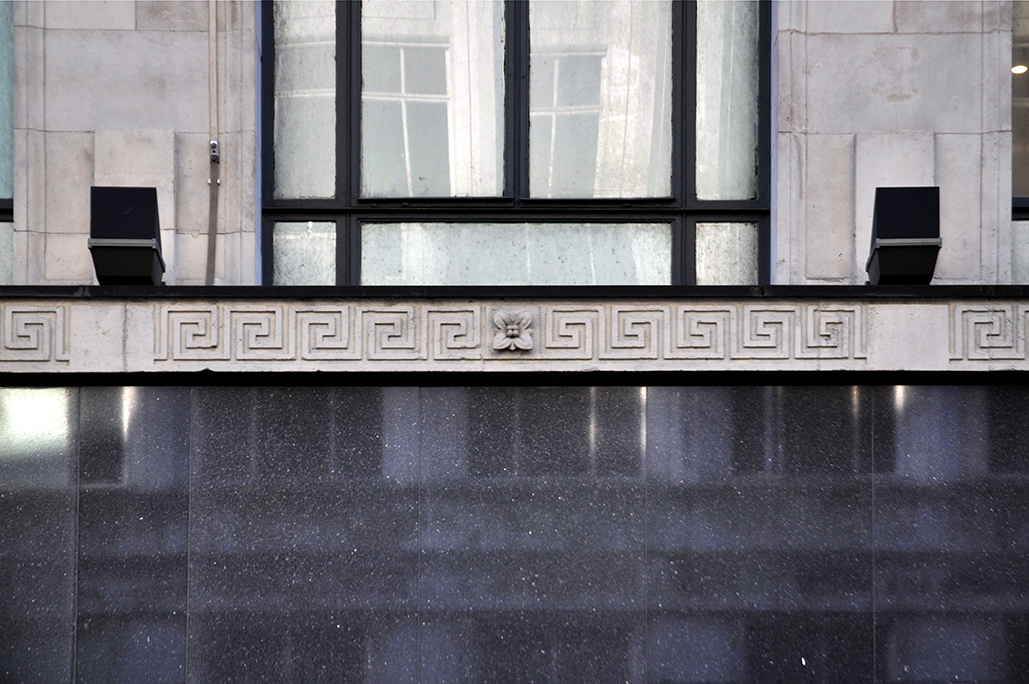
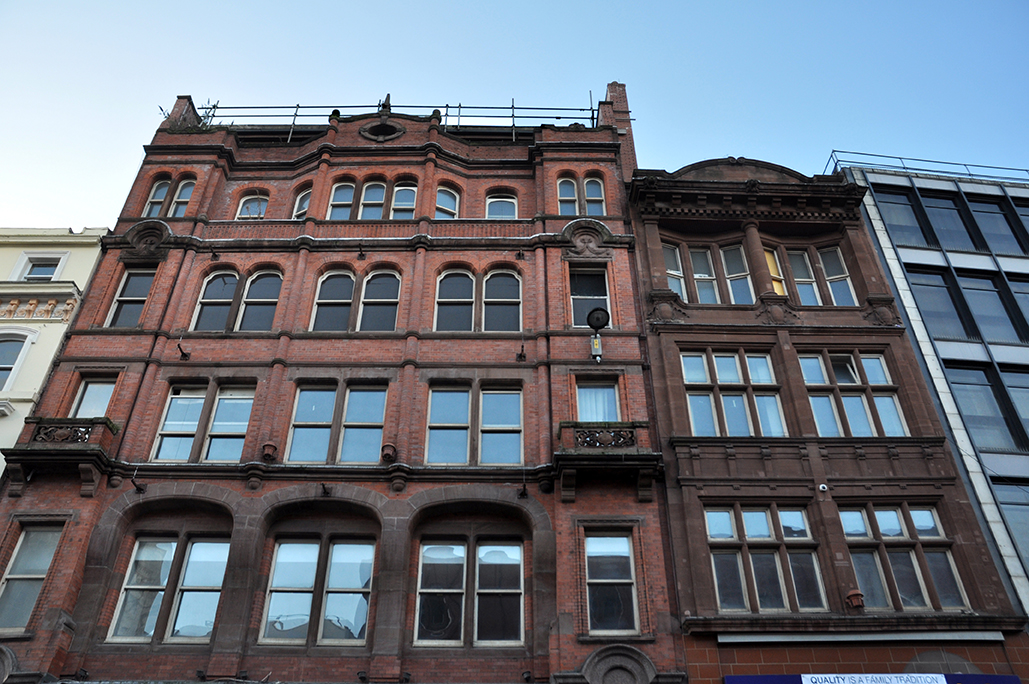
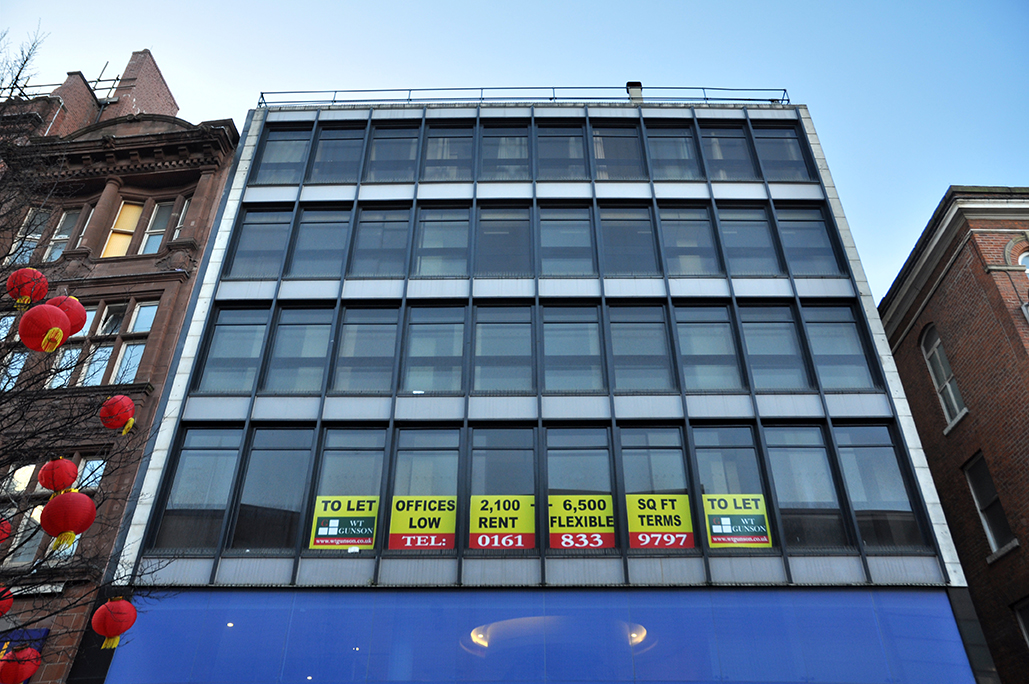
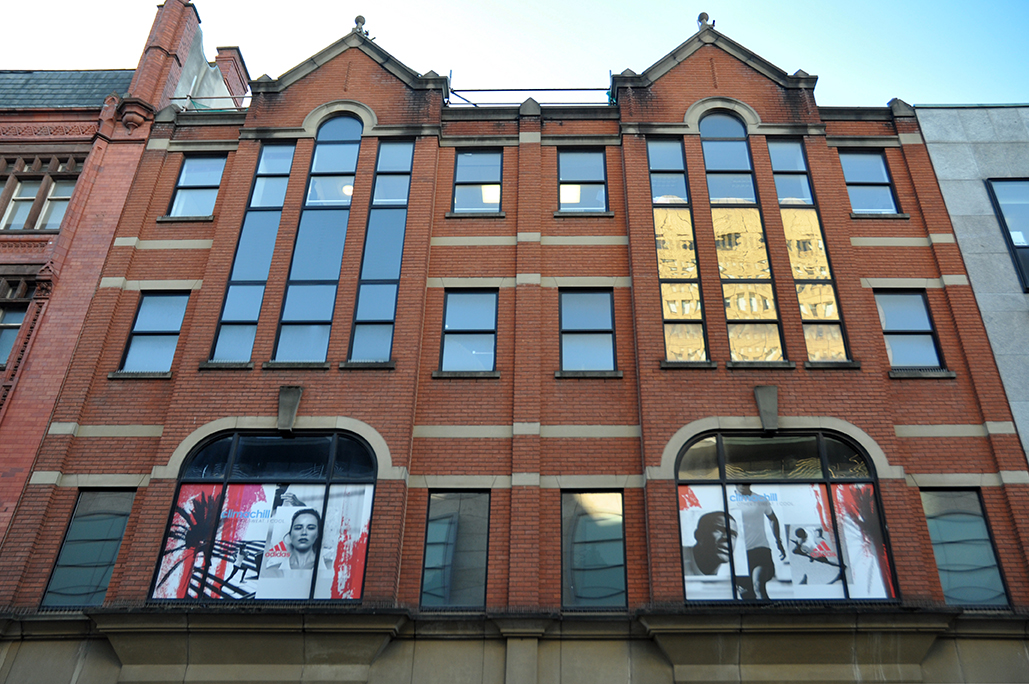
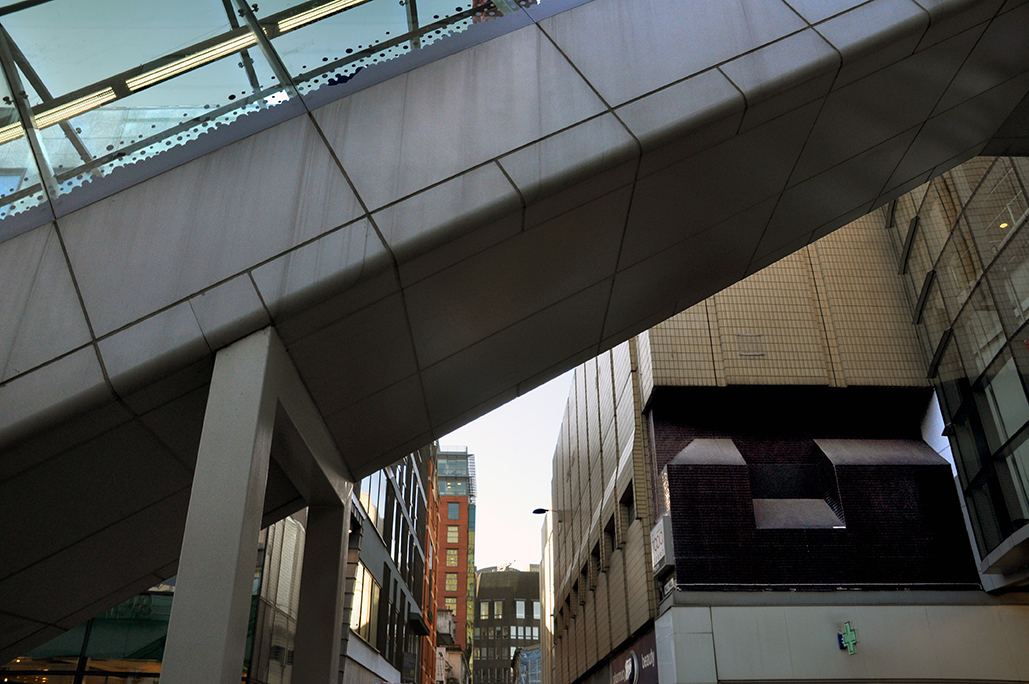
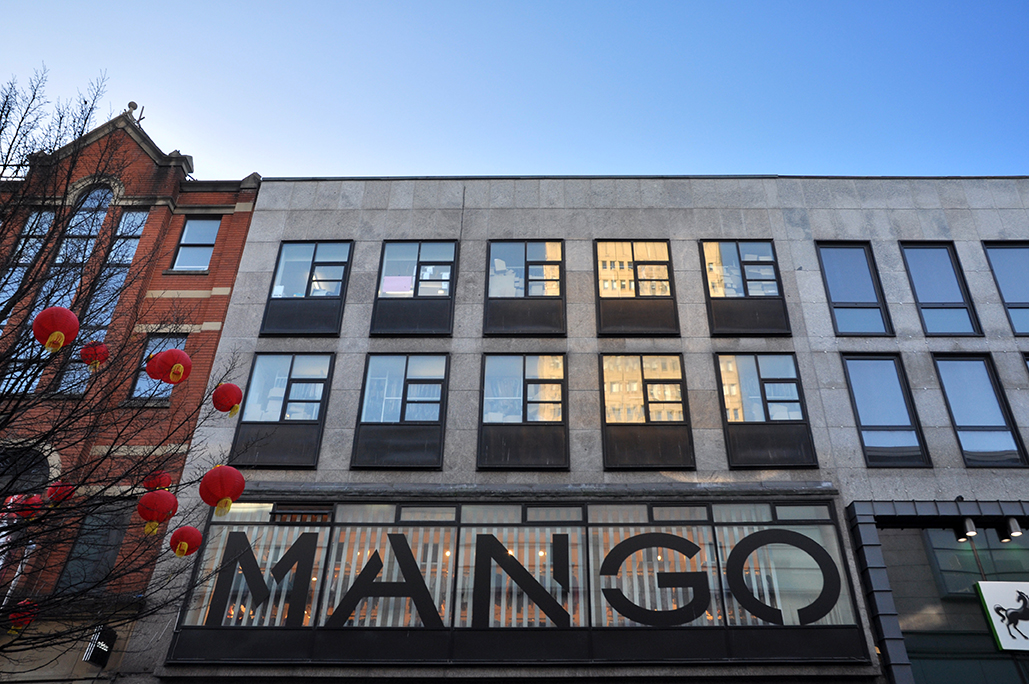
To the east is the Arndale, I chose to concentrate on the western elevation and the extant facades that chart a story from Victorian to Moderne – with a little rebuild, pastiche and grandiose Classicism in between.

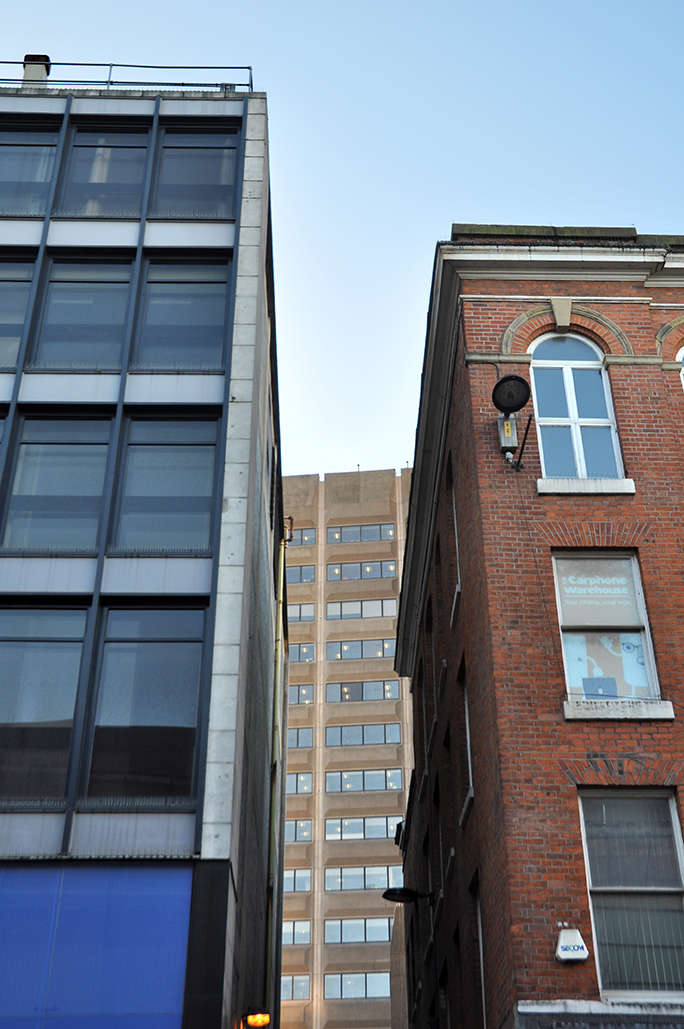
See what you think, the sooty deposits have long been sandblasted away, much of the previous exciting noise and clutter, of above eye level signage ceases to shout, from just below the rooftops.

It’s a cleaner, leaner and possibly meaner world.

http://www.manchestereveningnews.co.uk/news/greater-manchester-news/manchesters-market-street-named-sixth-9421149

It always pays to look up – just don’t inadvertently bump into things.

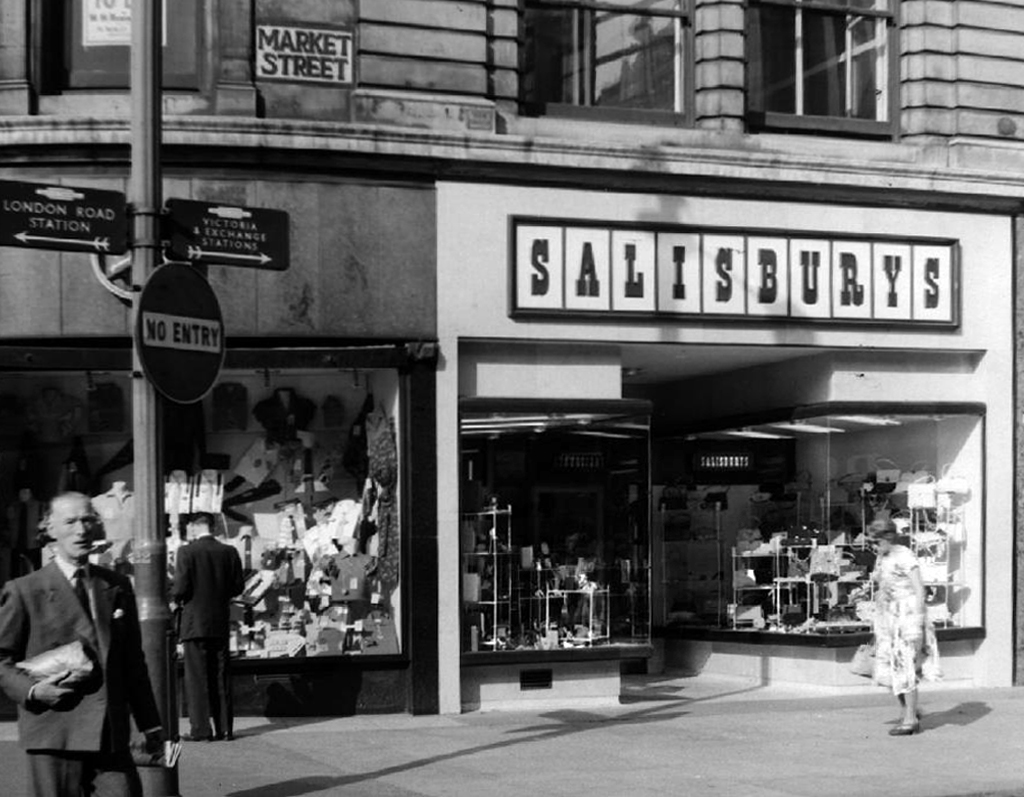
Market Street – Manchester

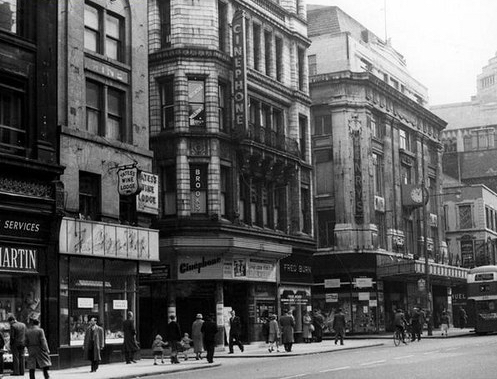
cinephone2

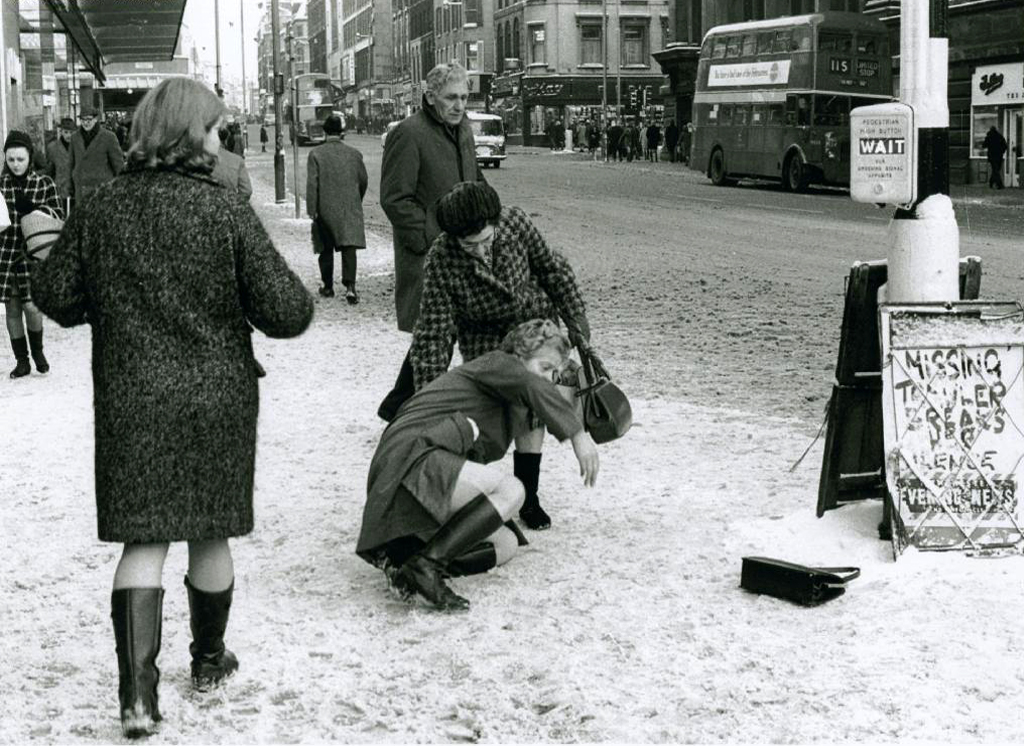
City streets are by their nature subject to movement and change, things literally come and go – in milliseconds, days and decades. People and places are shaped by the forces of function and fashion, economics and history.

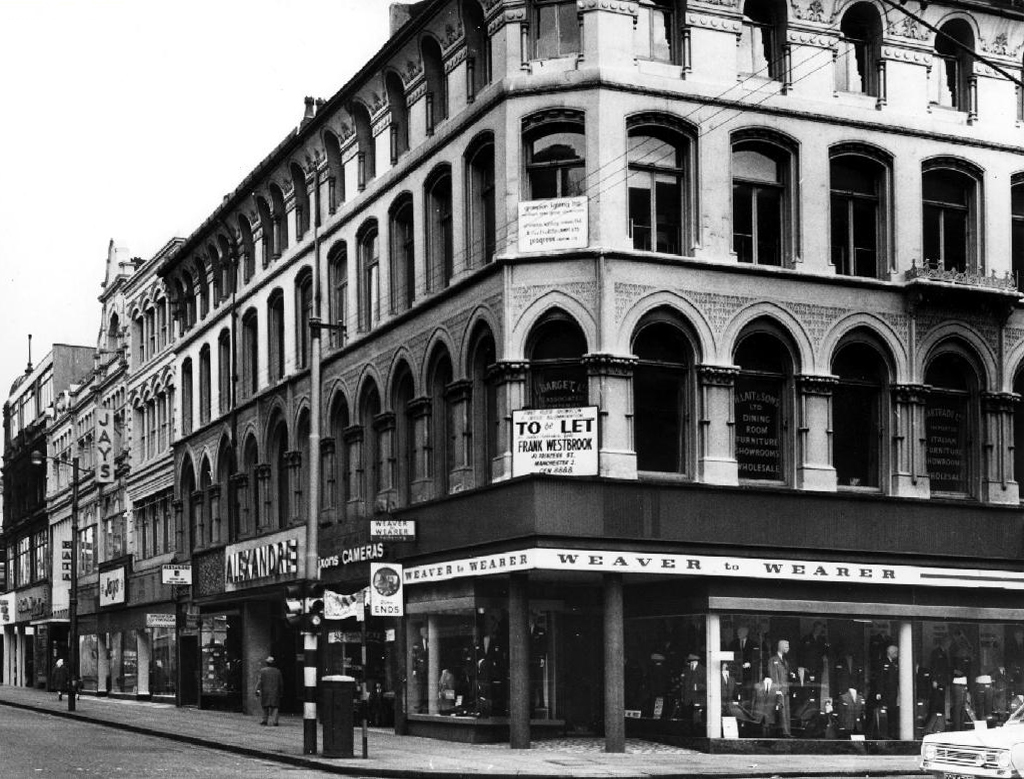
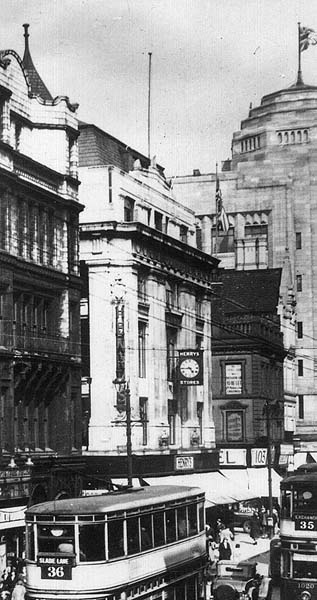
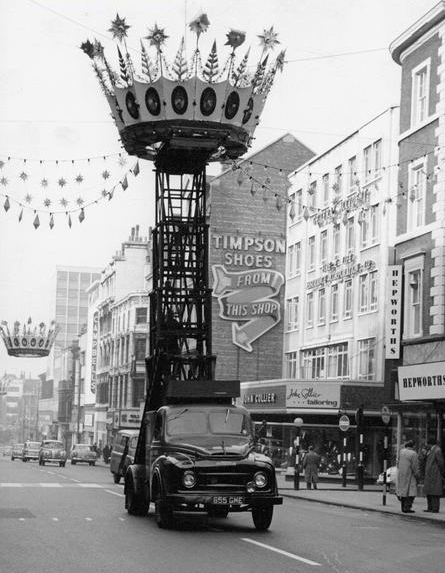
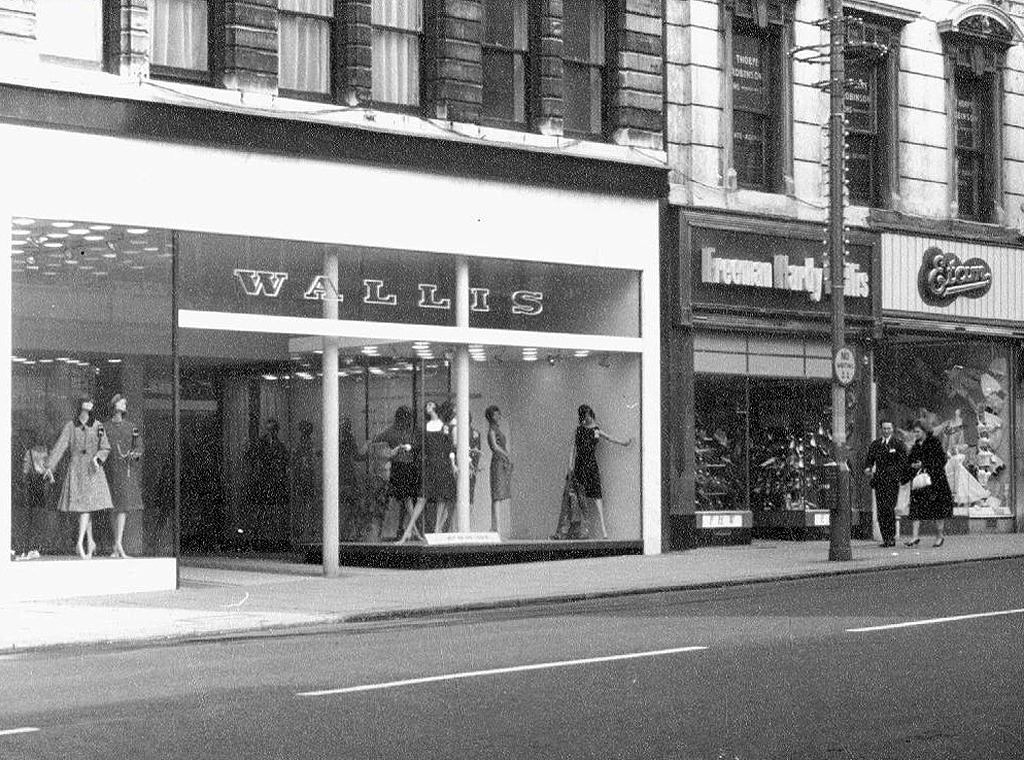
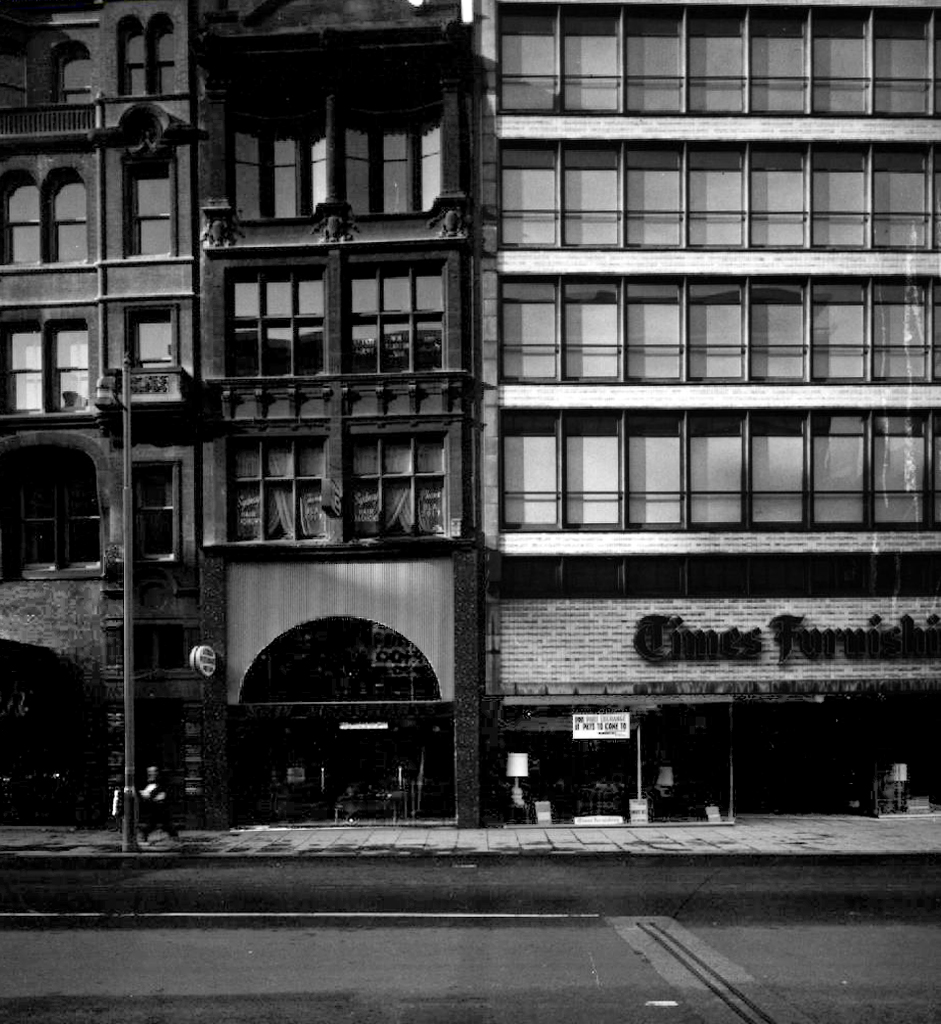
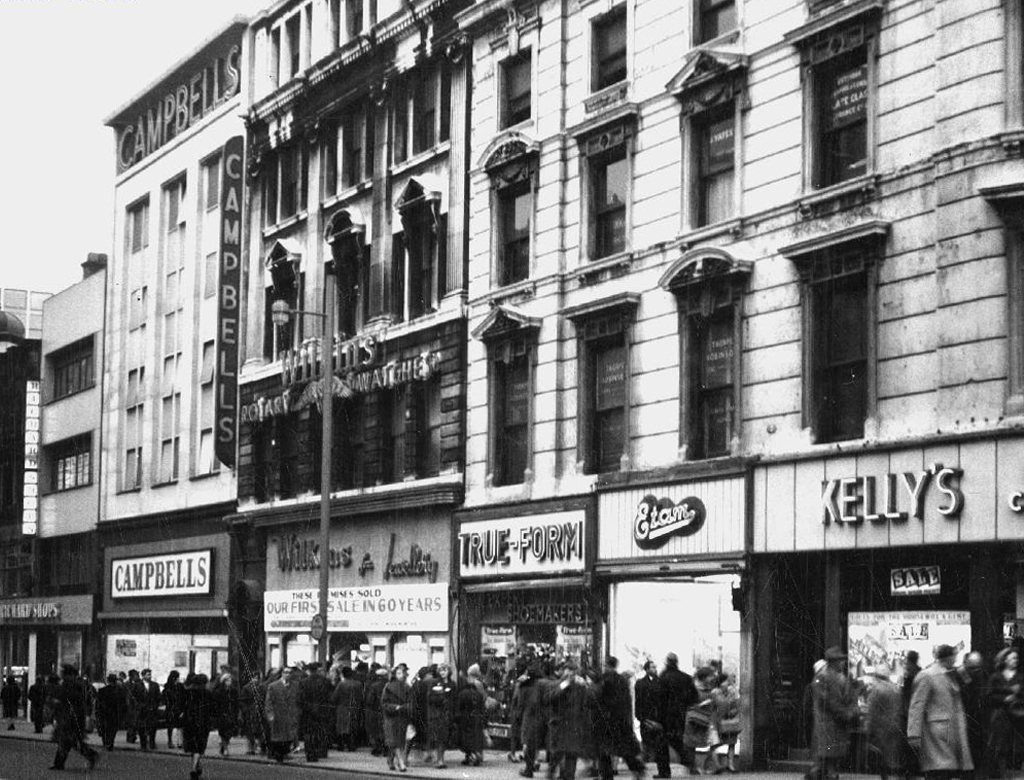
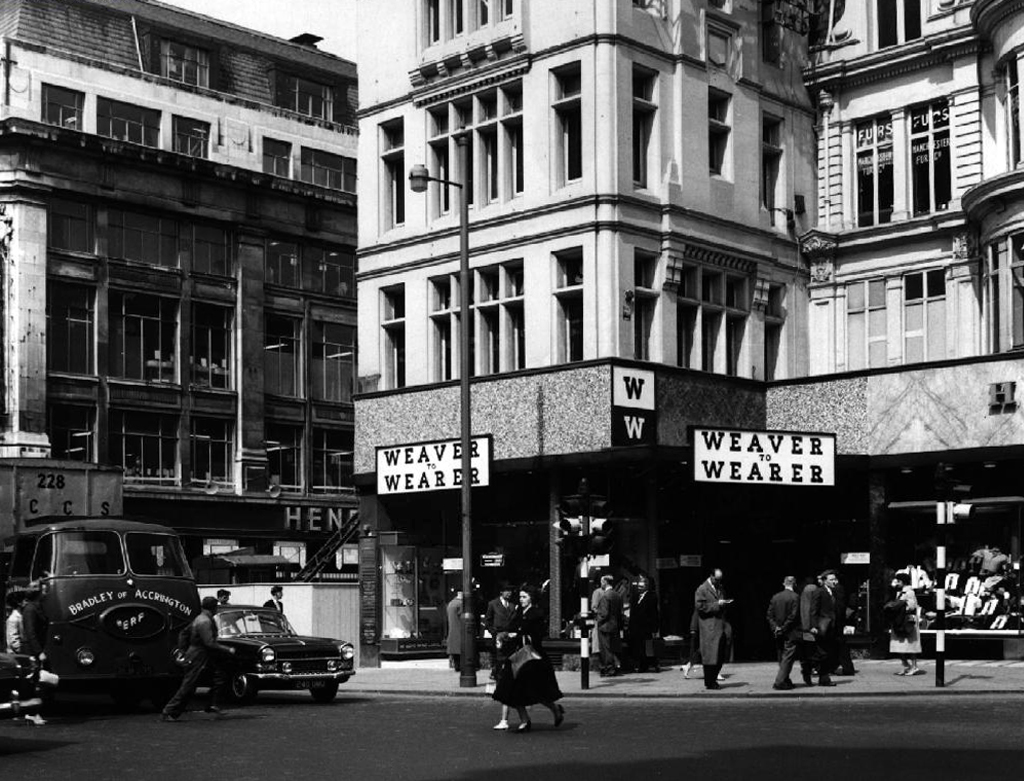
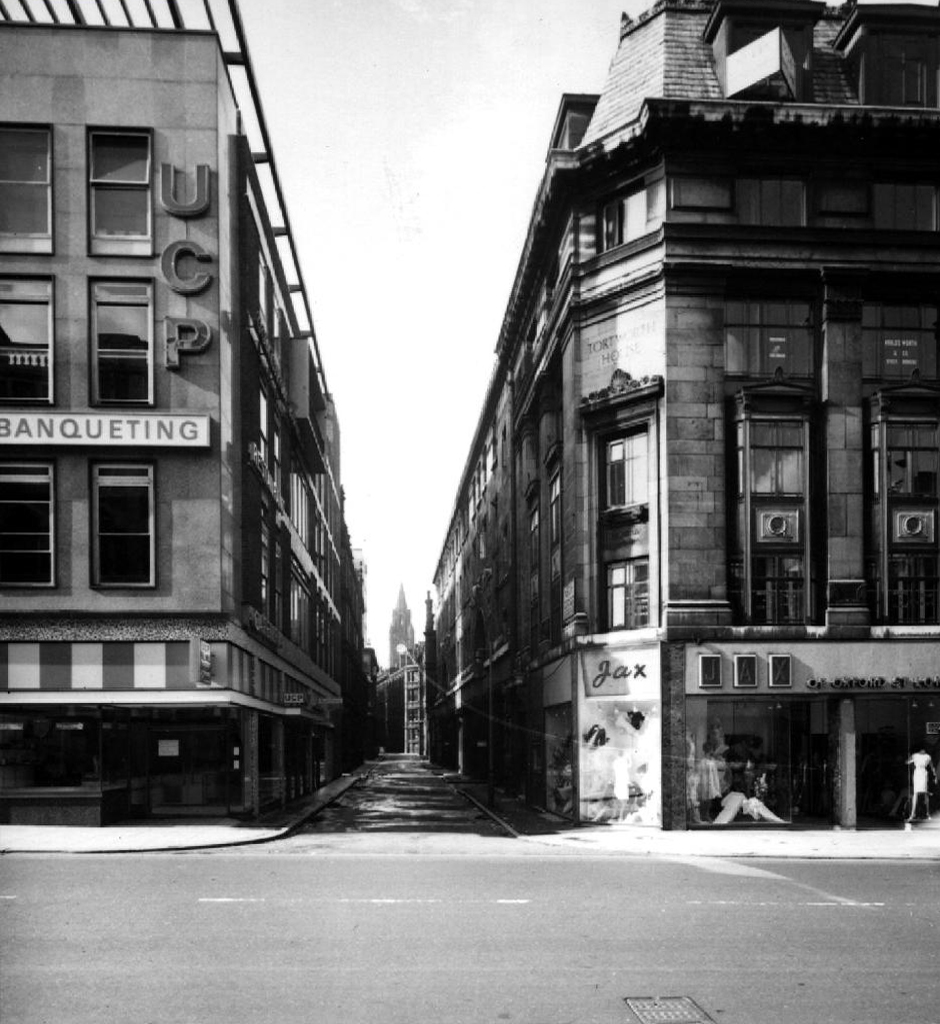
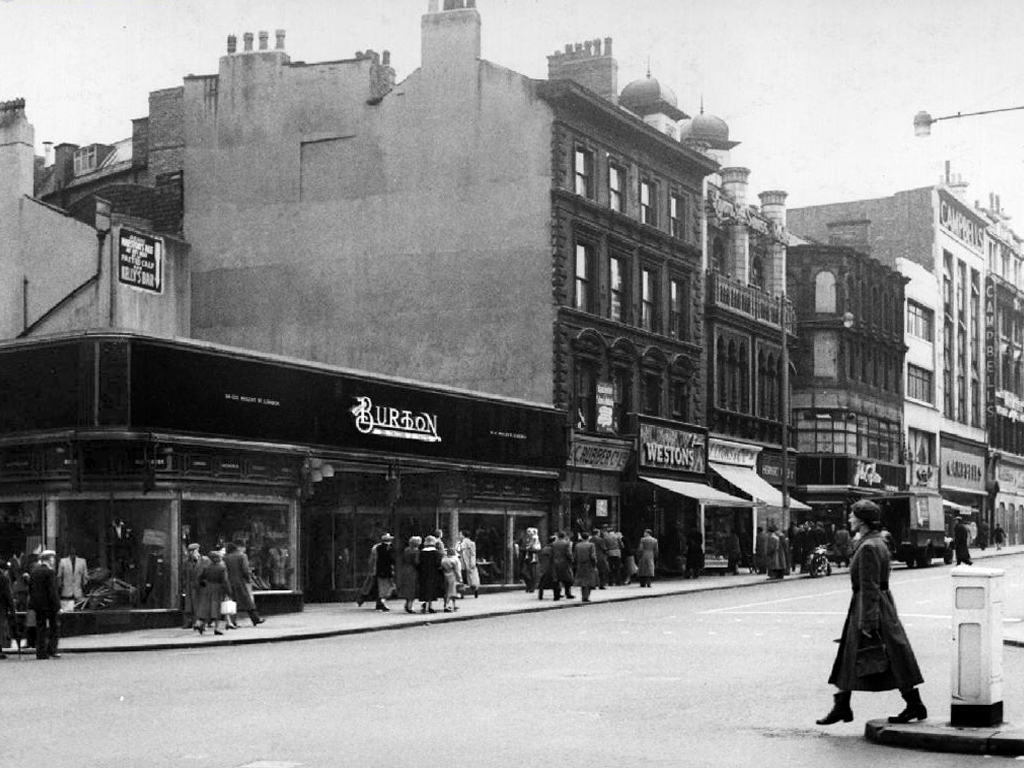
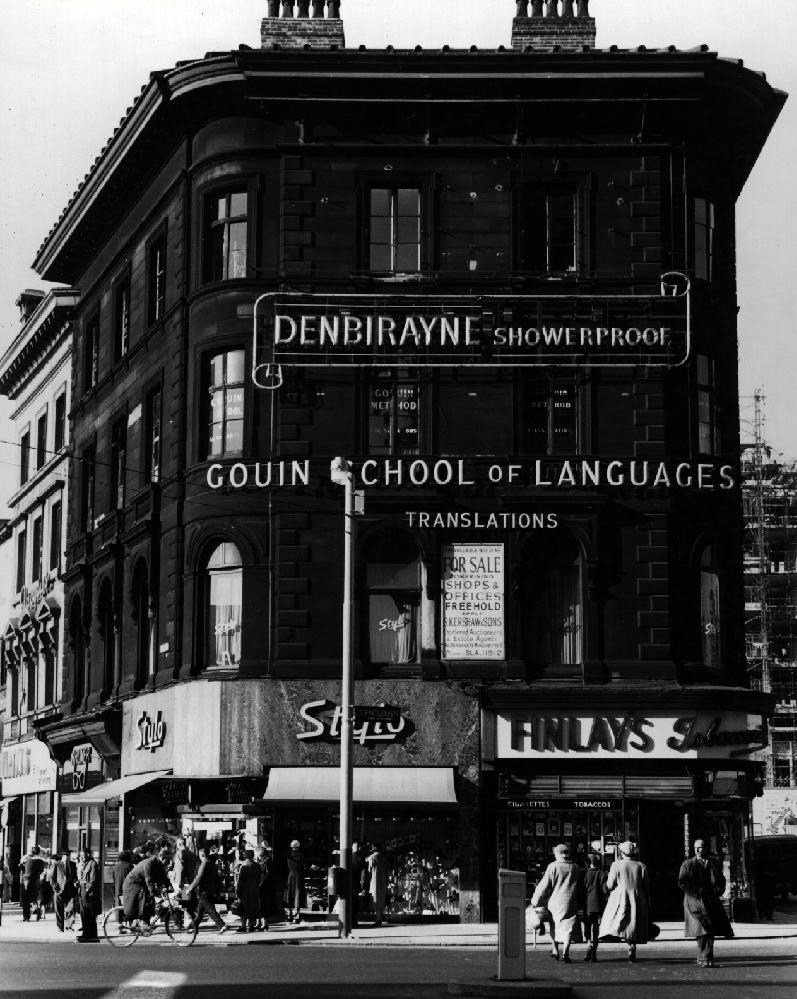
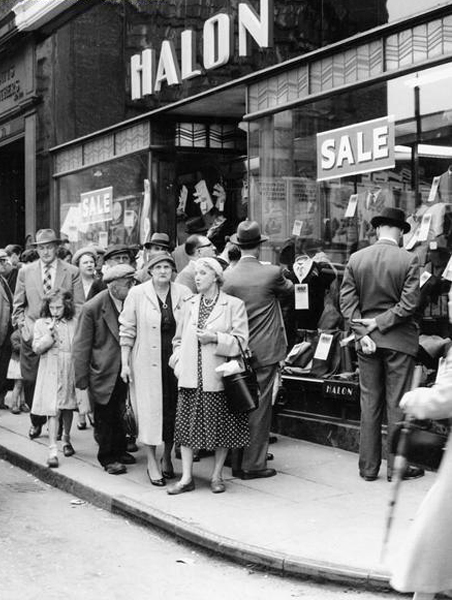
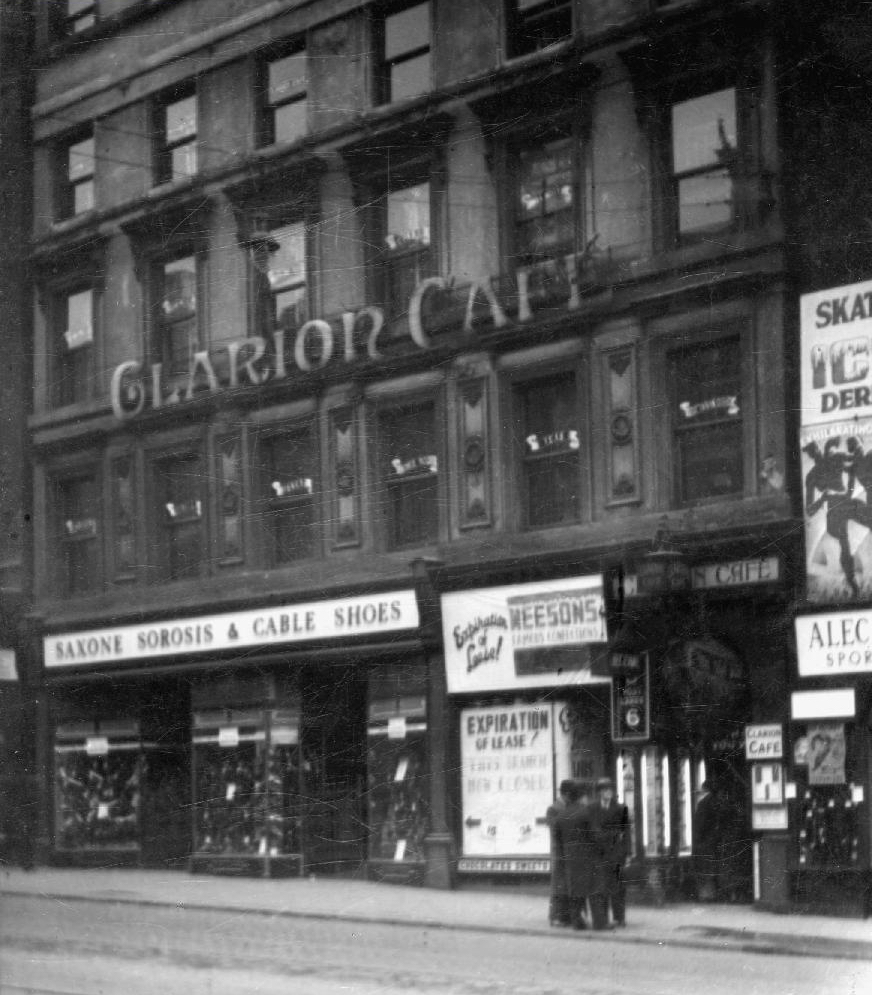
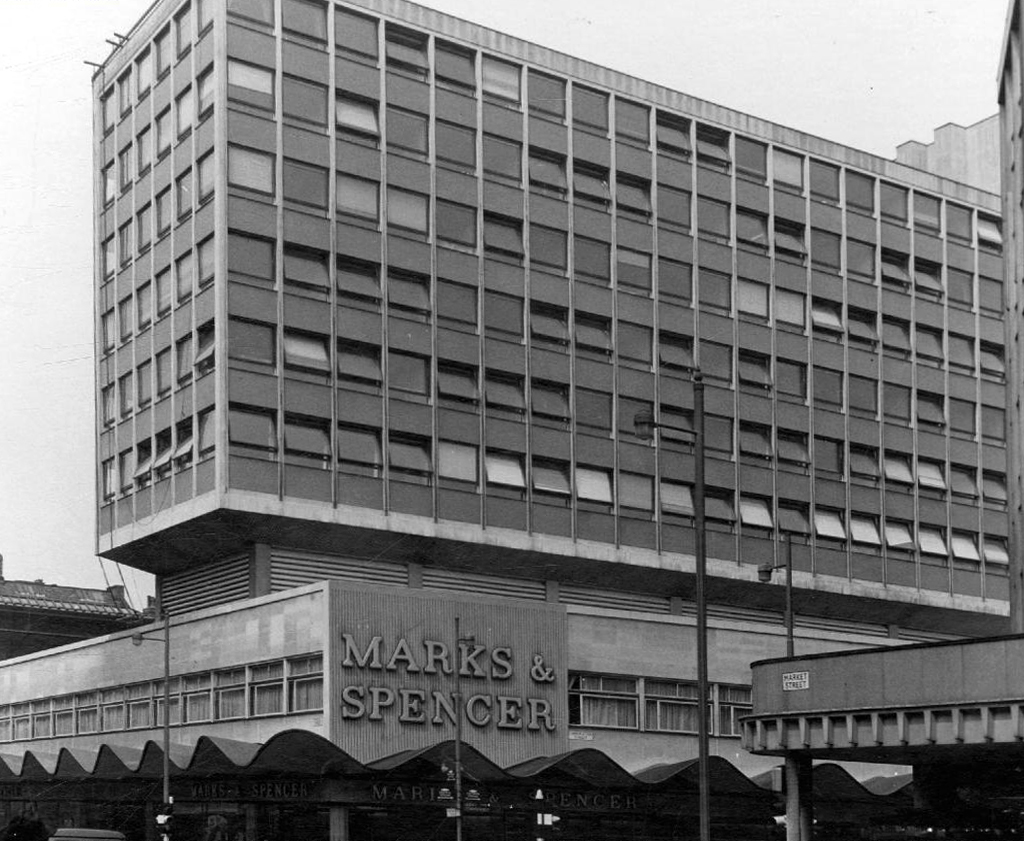
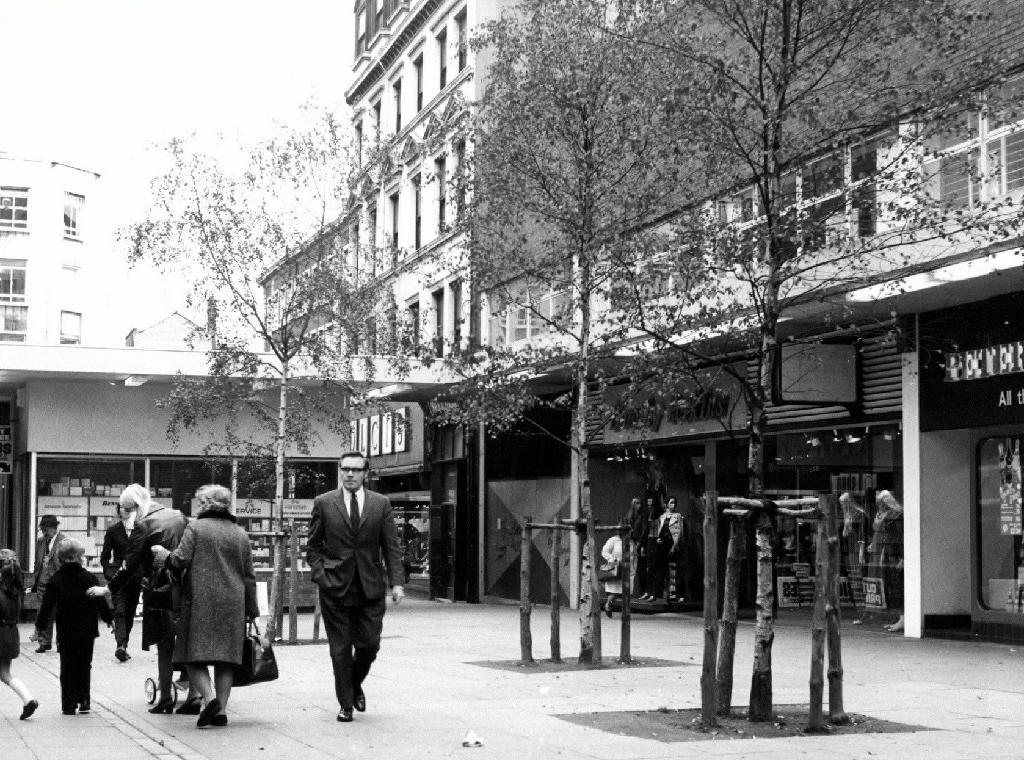
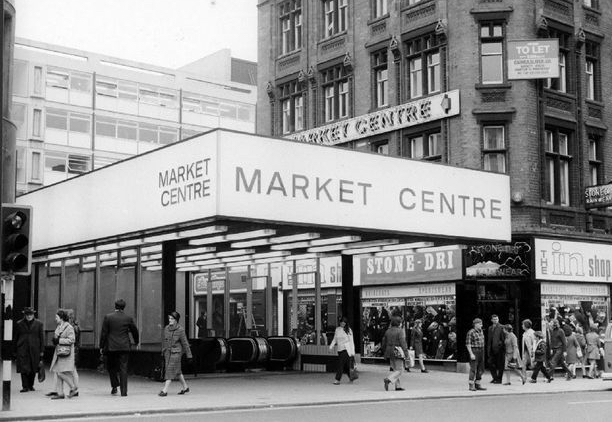
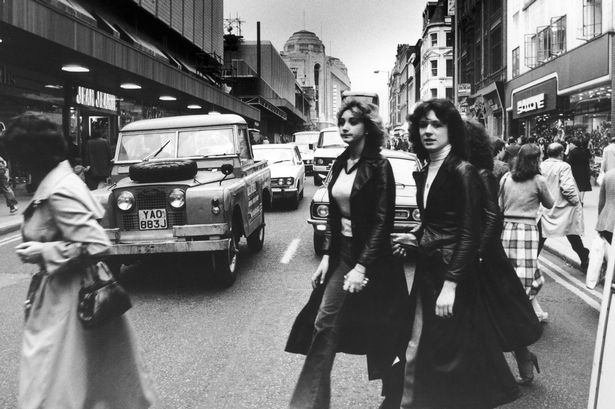
Before the Arndale,  pre-pedestrianisation, Market Street, from the Fifties until the Seventies, was one of Manchester’s key arterial, retail thoroughfares. Mixing mixed traffic, shops, cafés and restaurants, bars, cinemas, offices and administration.

The architectural skyline, had the raggedy silhouette, of a century of build and rebuild.

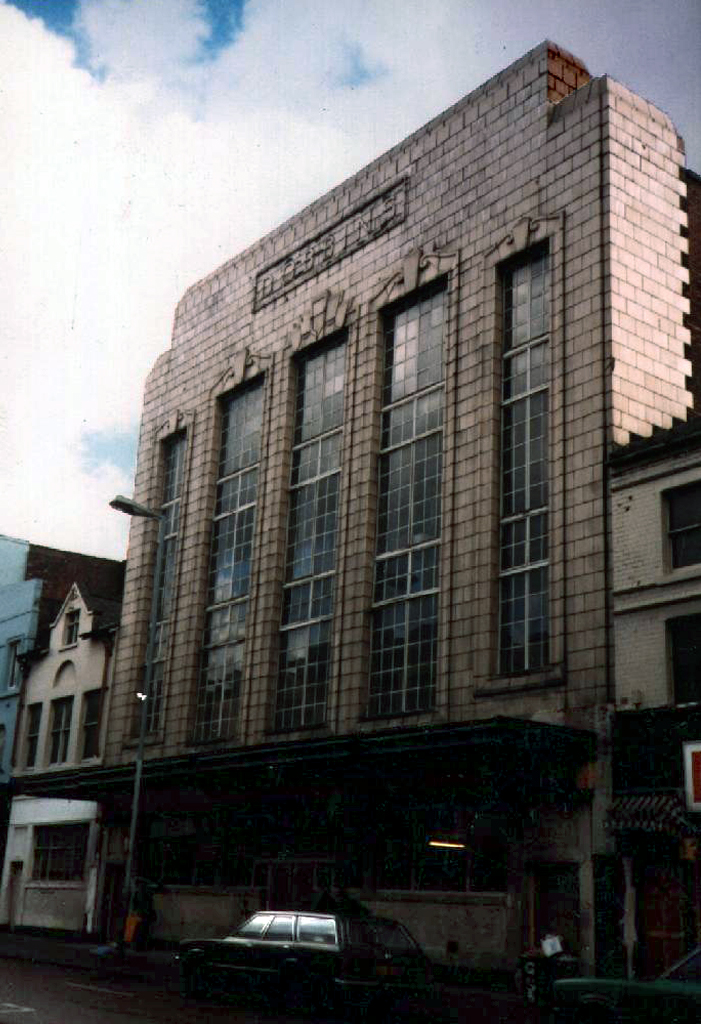
Lower your eyes, there’s Classical, Gothic, Baroque, local Rococo, Deco, Moderne and Modern – that’s right Madam no two the same, four for a pound, get it while you can.

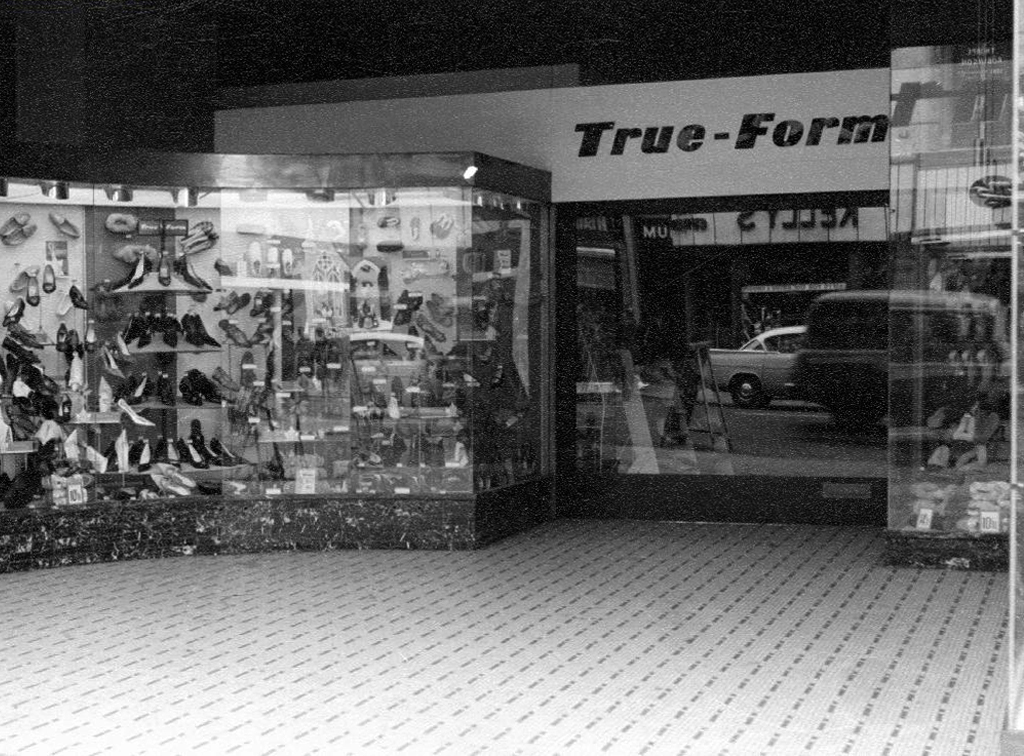
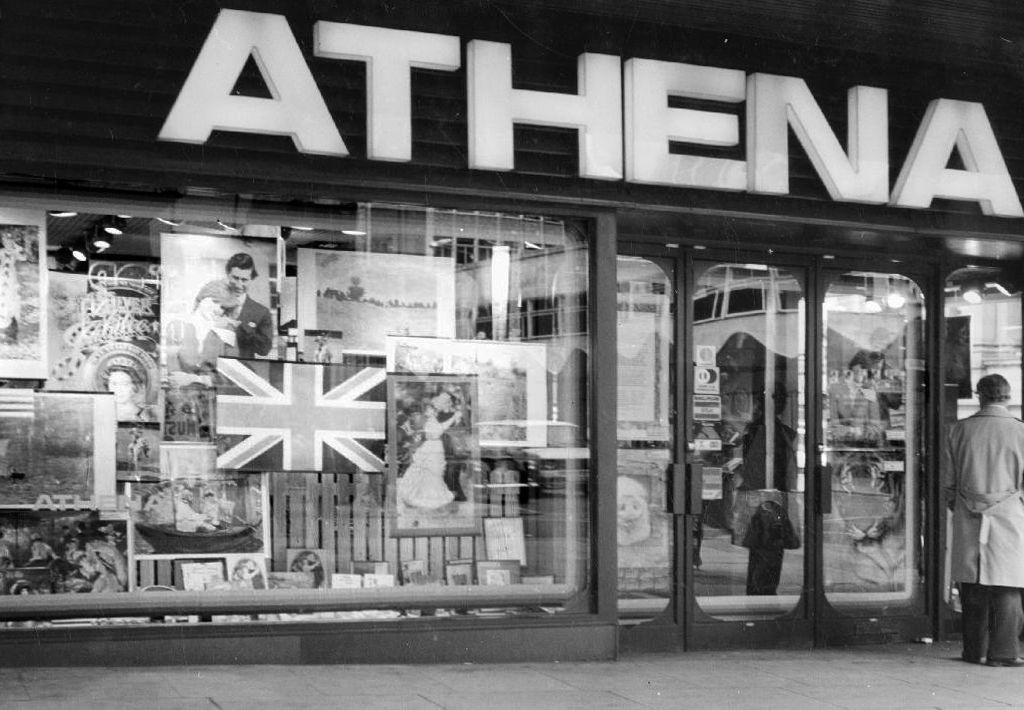
Lower still, things are still never still, a riot of colour in black and white Vitrolite.

Neon abounds, the names are never changed to protect the innocent.

Local traders are slowly replaced by national and international multinationals.

You have nothing to lose but but your chain-store now.


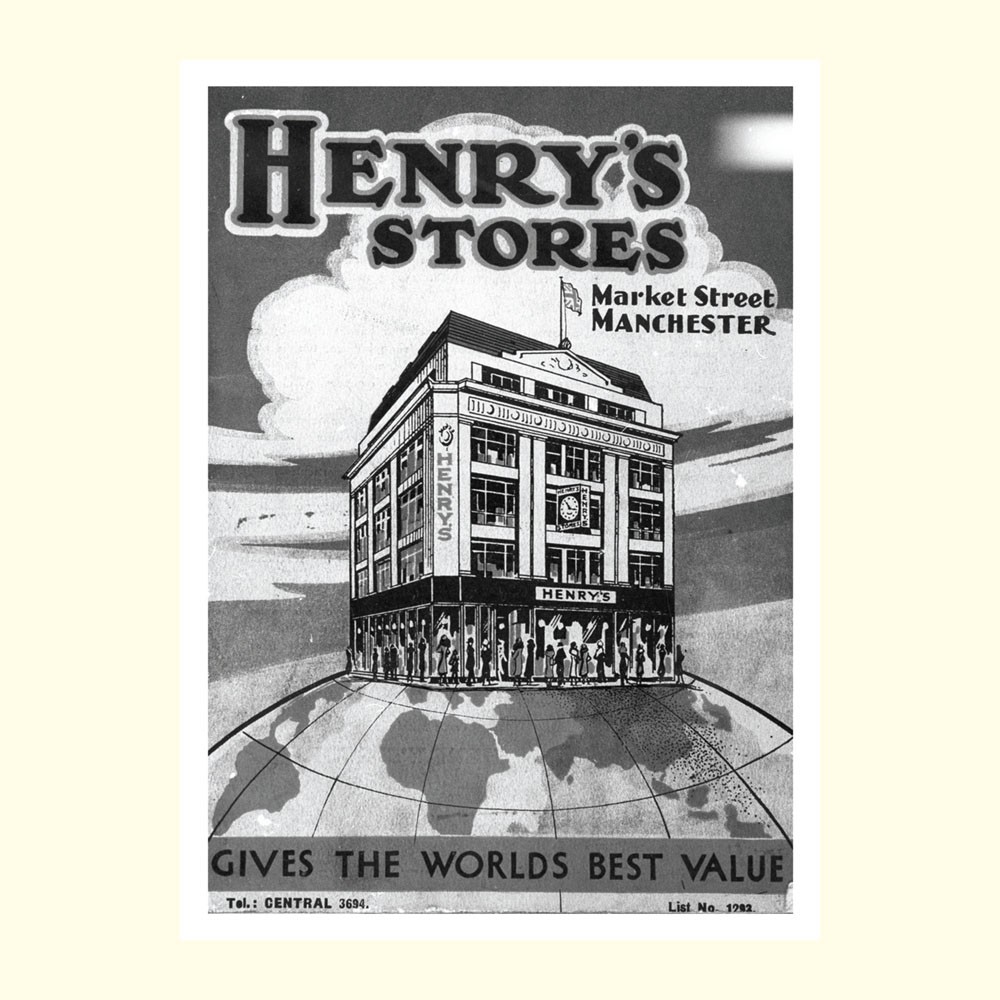
ront-page-from-henry-s-stores-catalogue.-398-p

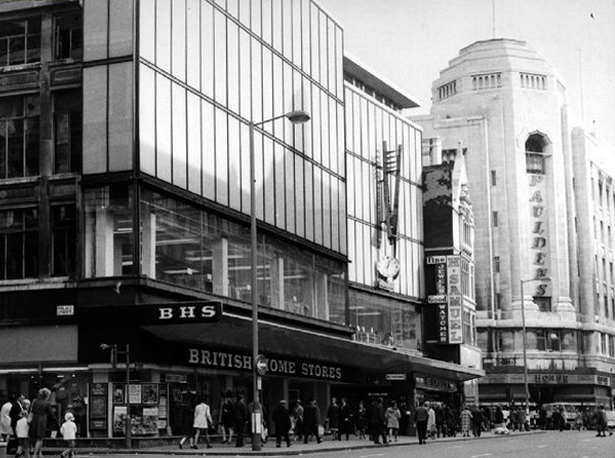
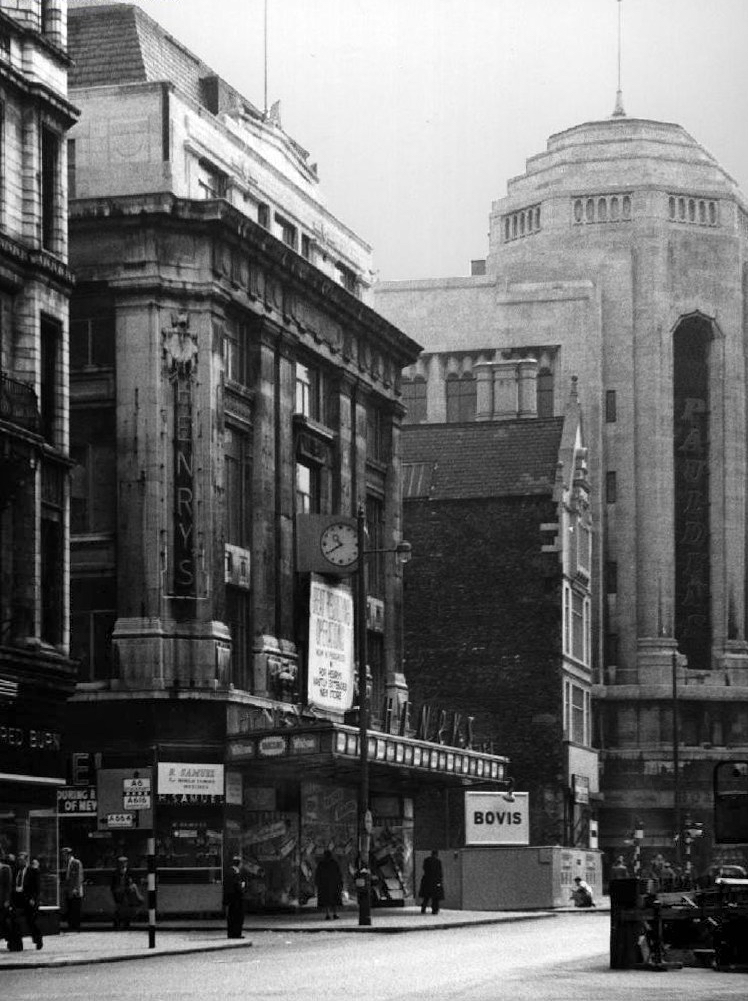
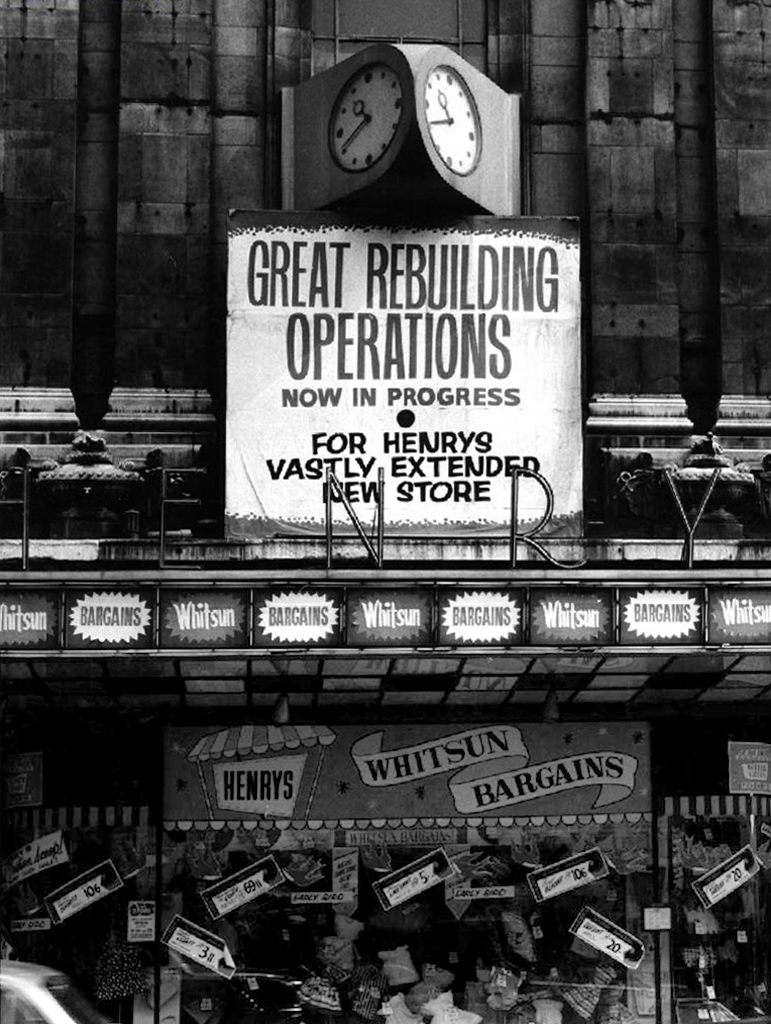
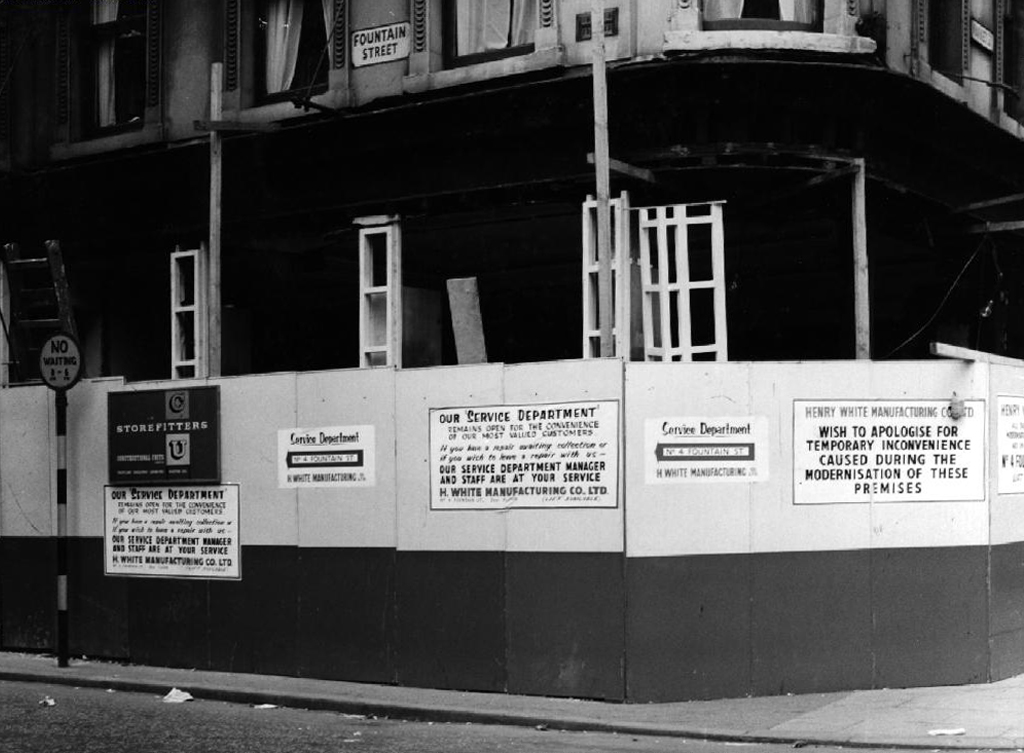
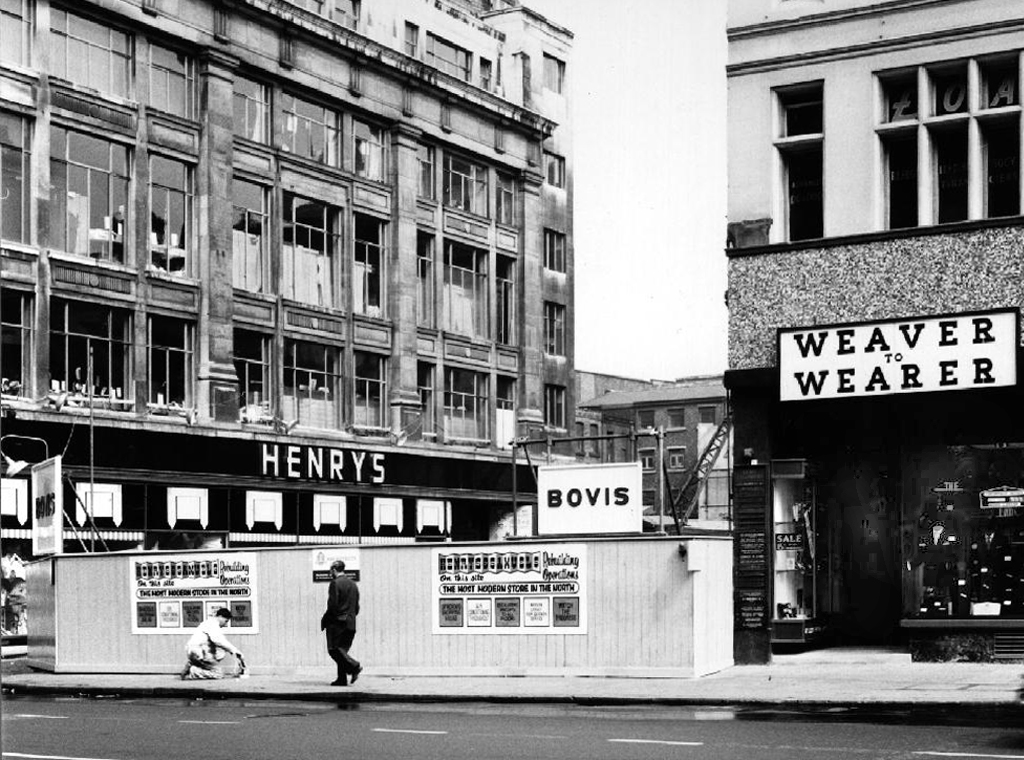
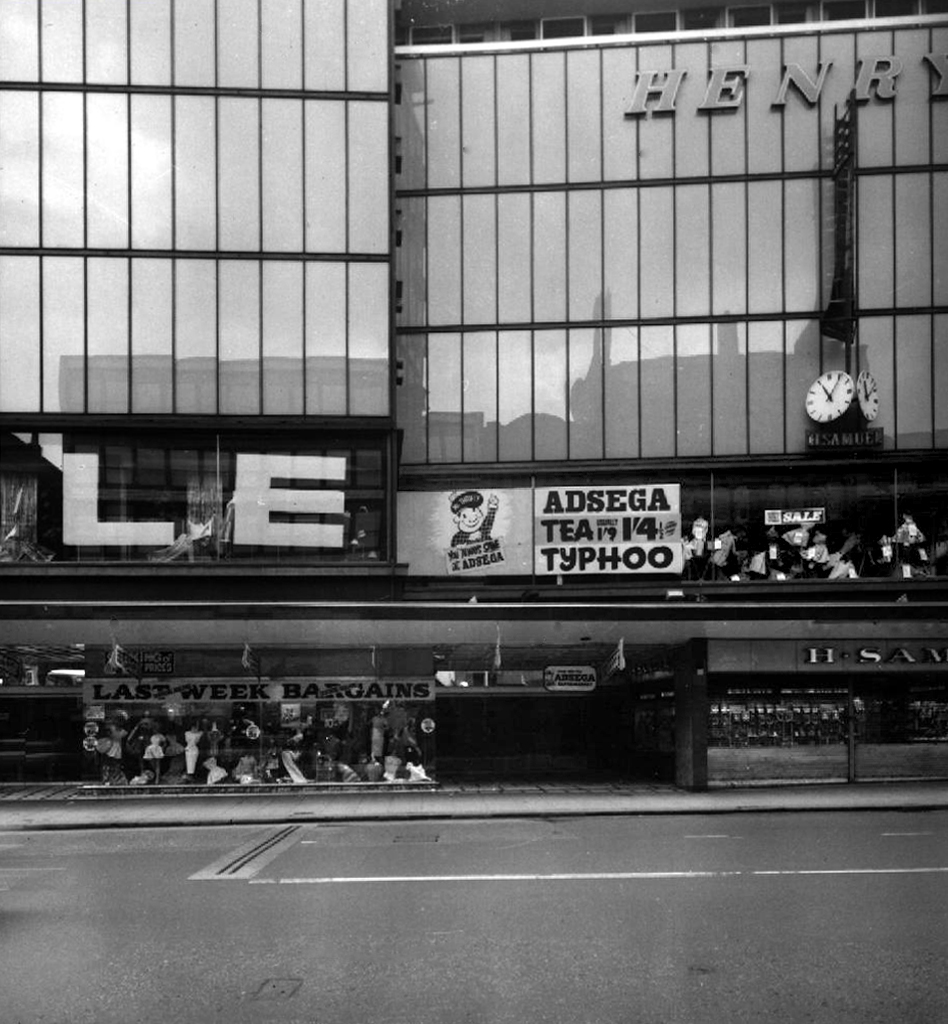
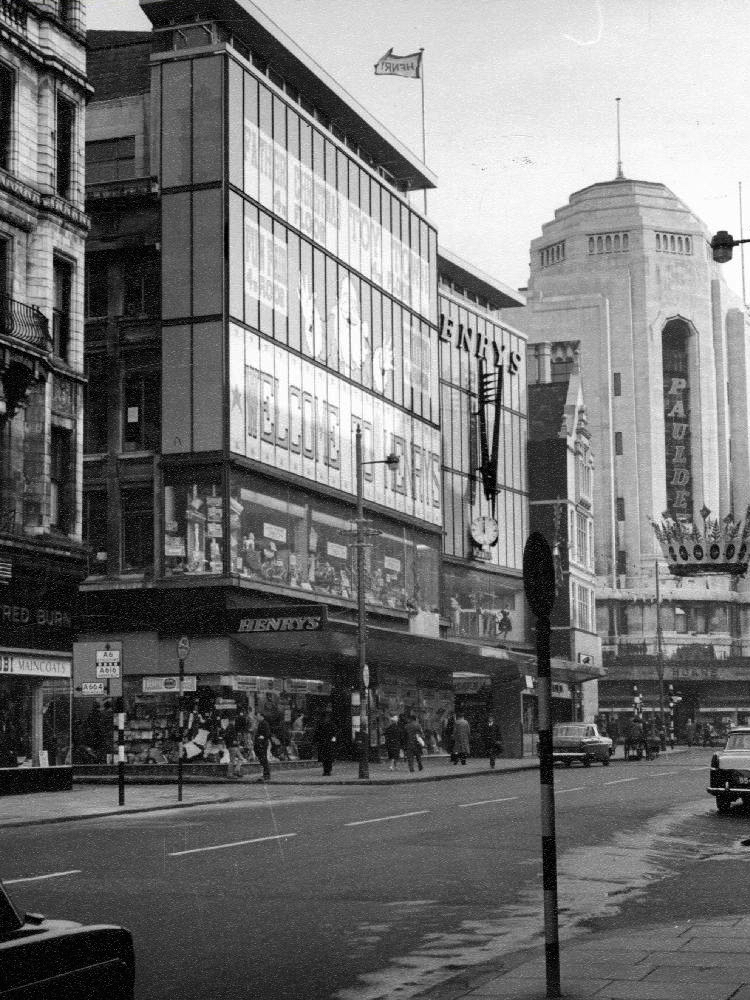
Henry Cohen came to Manchester around 1880. In 1910 he opened a men’s clothing outlet at the corner of Market Street called the Smart Outfitting Company. Having turned down a chance to join Marks and Spencer, he eventually built his department store in Market Street which opened in 1923. Henry’s Stores was redeveloped in the early 60’s acquiring an extension and a unifying Modernist façade, the site and store was acquired by BHS in the mid 60’s.

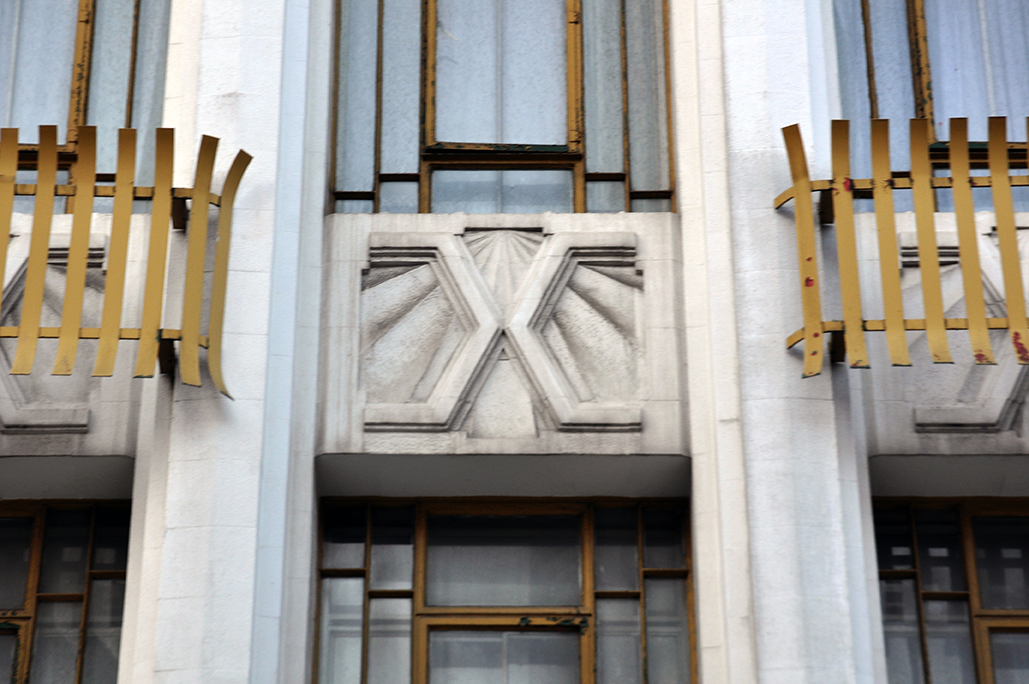
Rylands Building is a Grade II listed building in the building was originally built as a warehouse by the Rylands textile company which was founded by John Rylands. The building was designed by the eminent Manchester architects, Fairhursts, in an Art Deco style. It is clad in Portland stone and features a decorative corner tower and eclectic ‘zig zag’ window lintels.

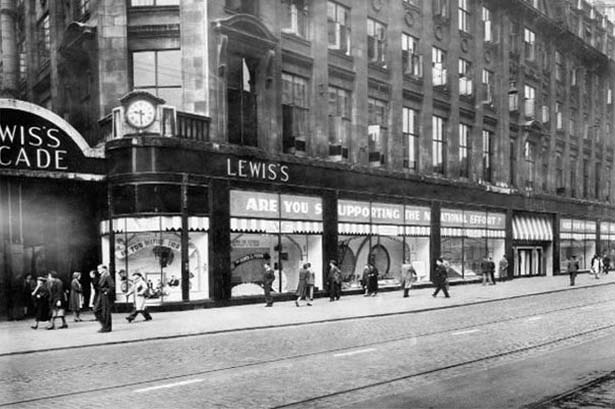
Following a fire, in 1957, which totally destroyed the premises of Paulden’s Department Store, in All Saints, the company acquired the Rylands warehouse building and converted it to a store. This was then a direct rival to the Lewis’s store, on the opposite side of Market Street. In 1973 Debenhams, the owner of Pauldens rebranded the store in their name. Since that time it has remained Debenhams.

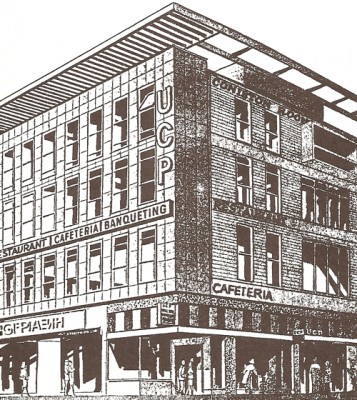
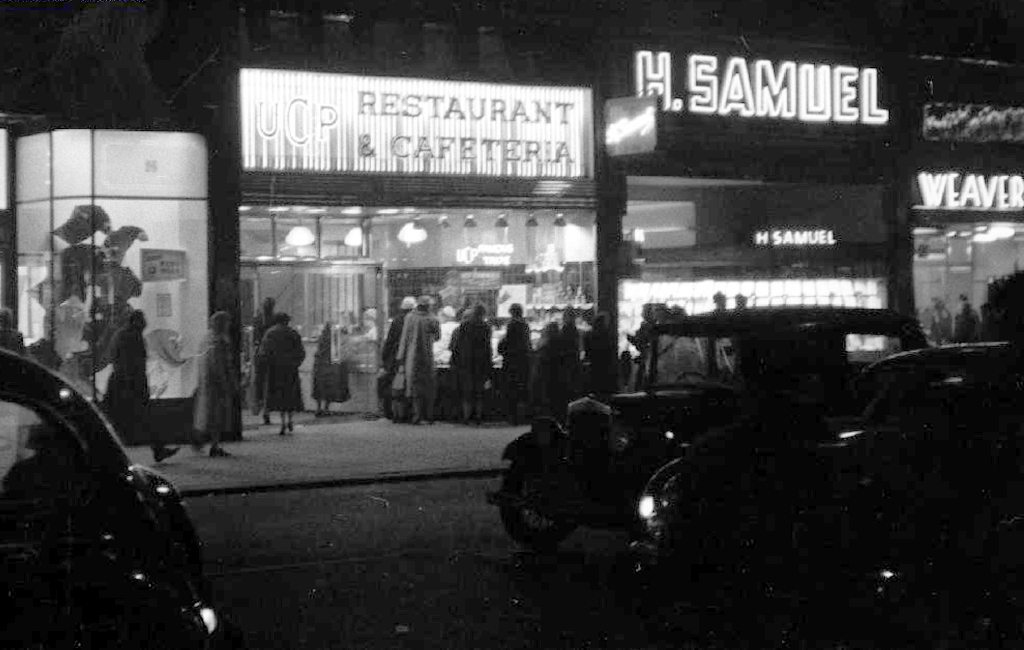
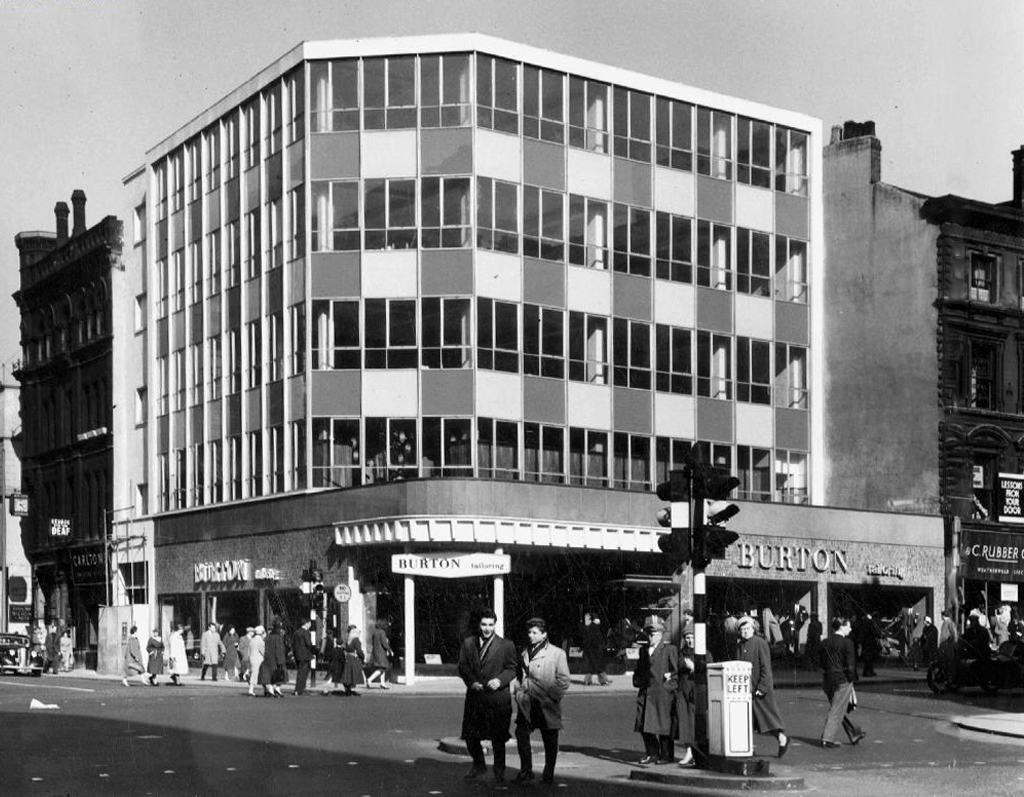
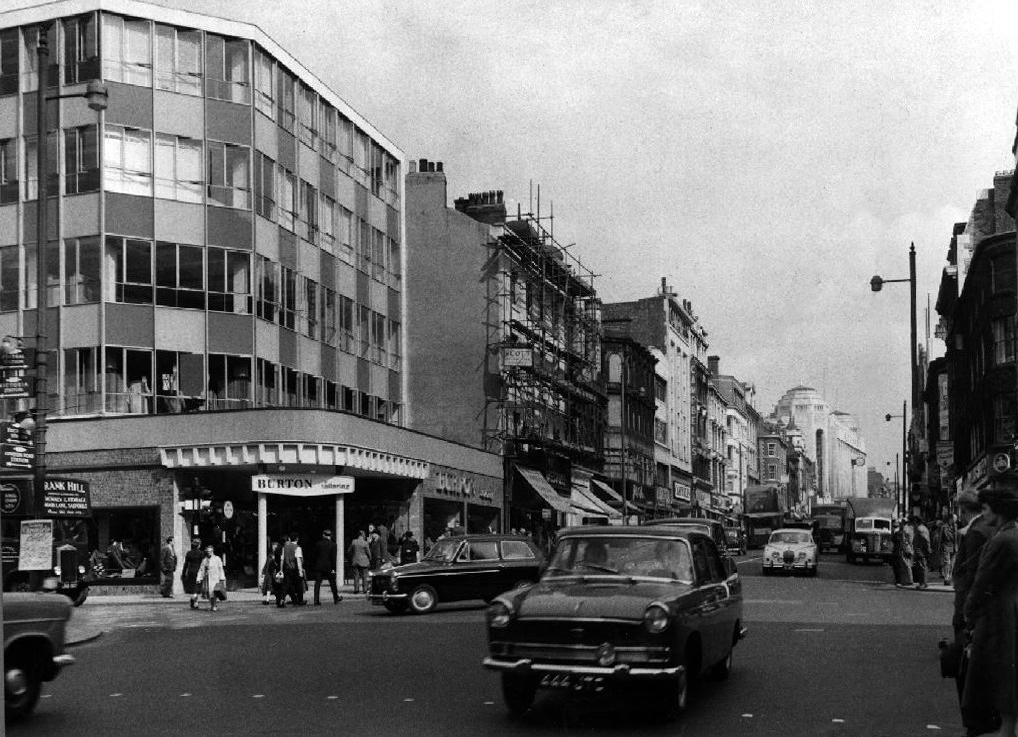
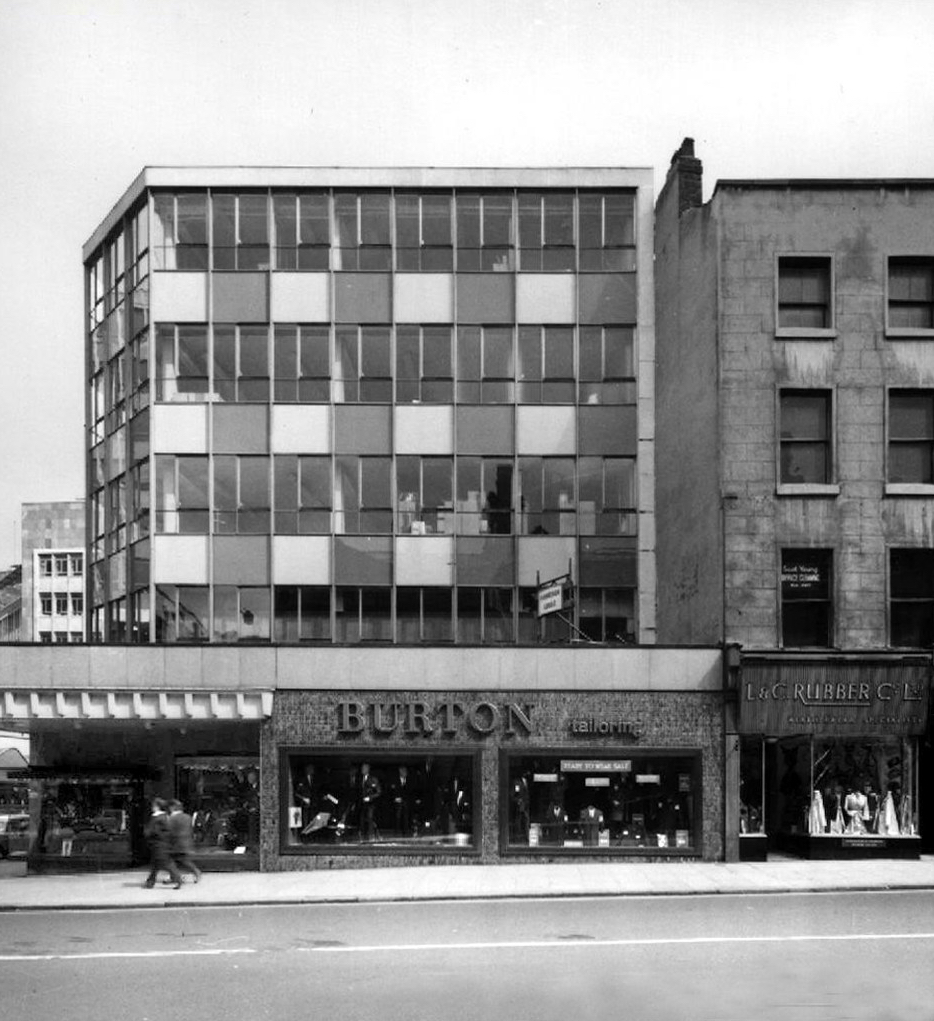
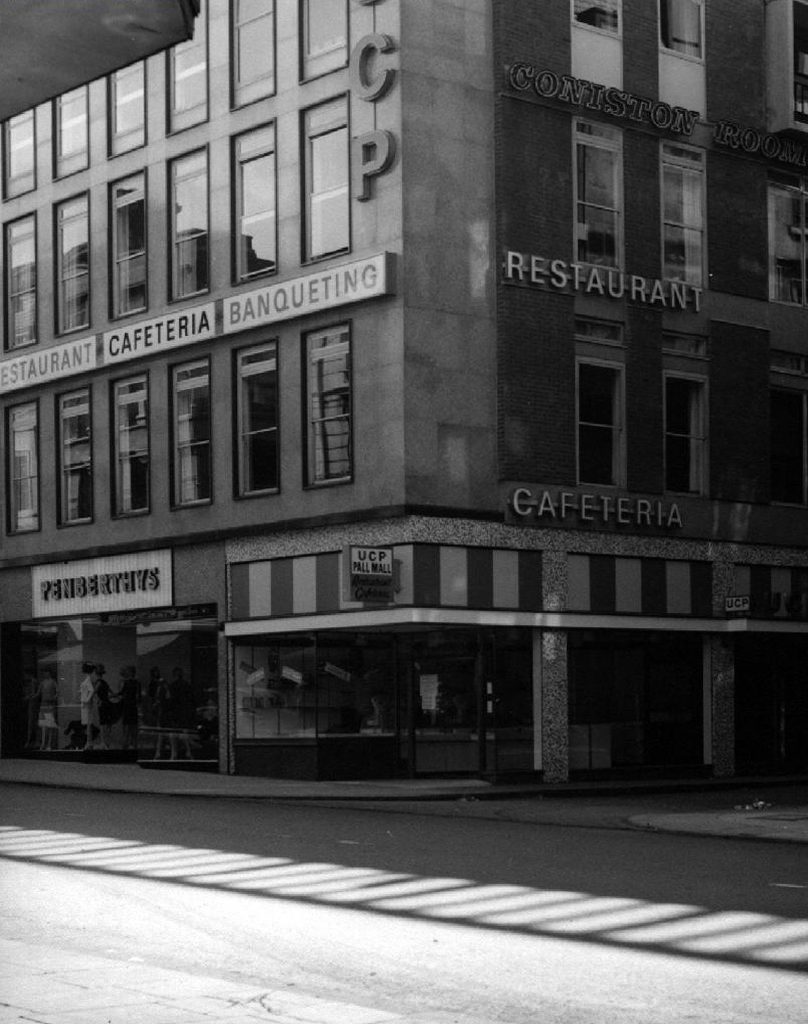
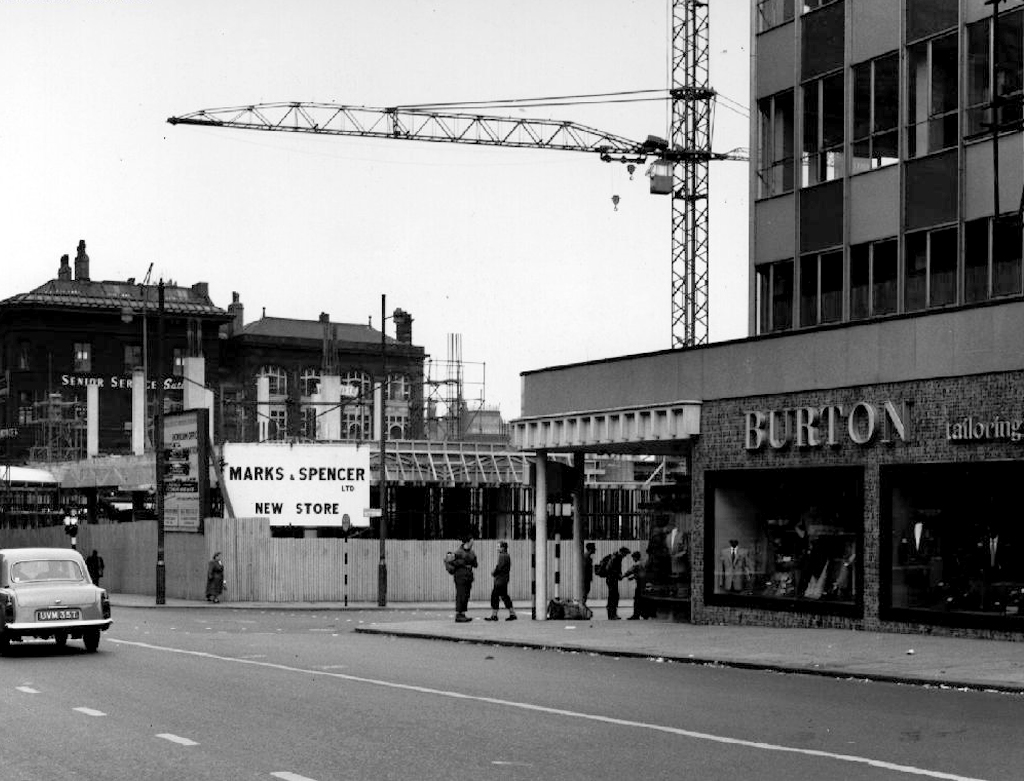
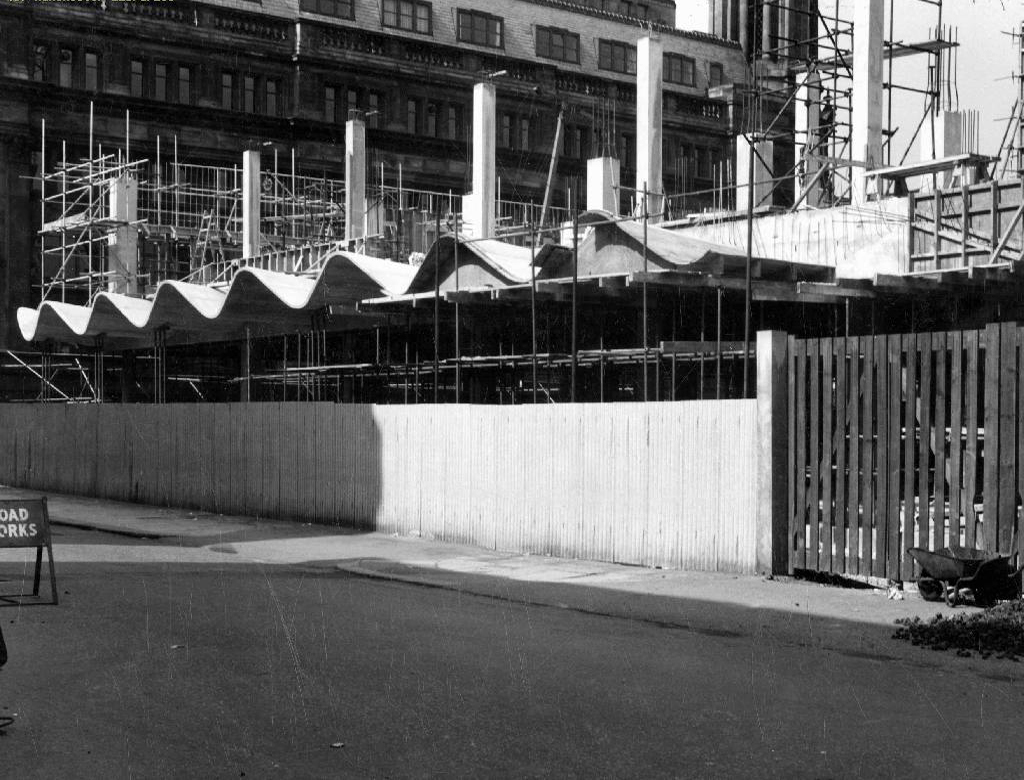
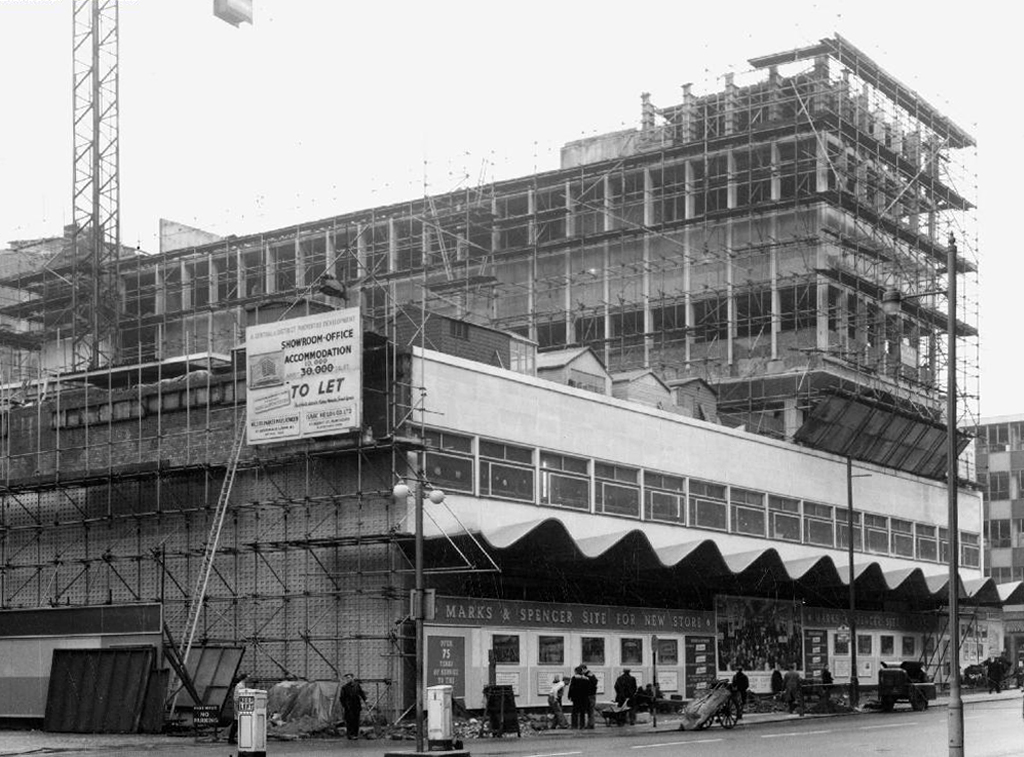
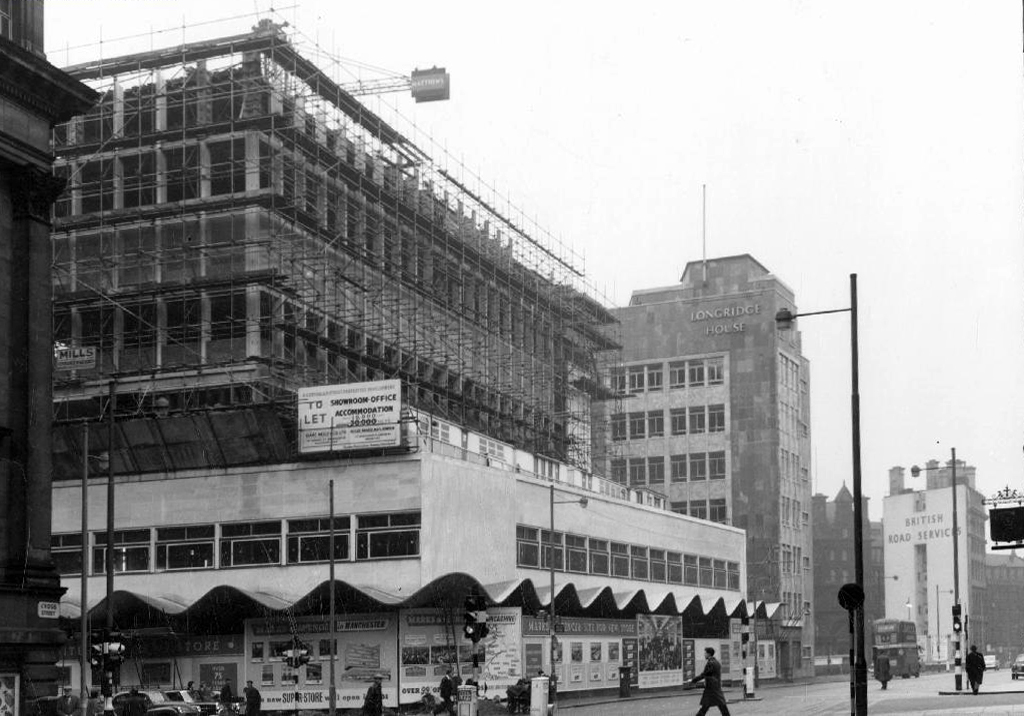
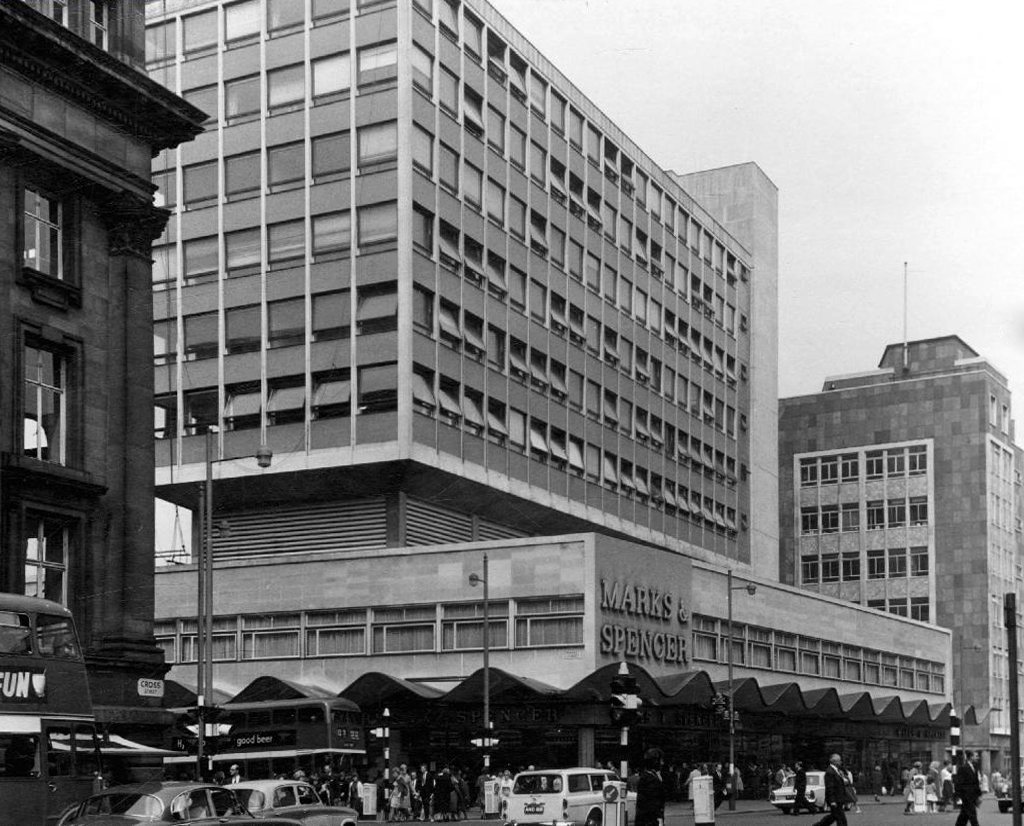
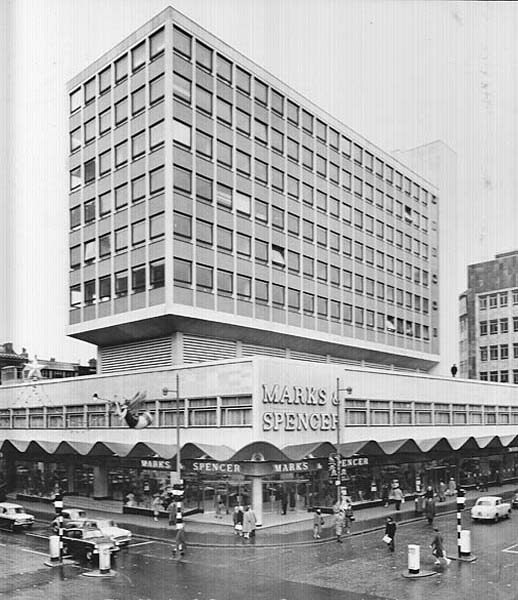
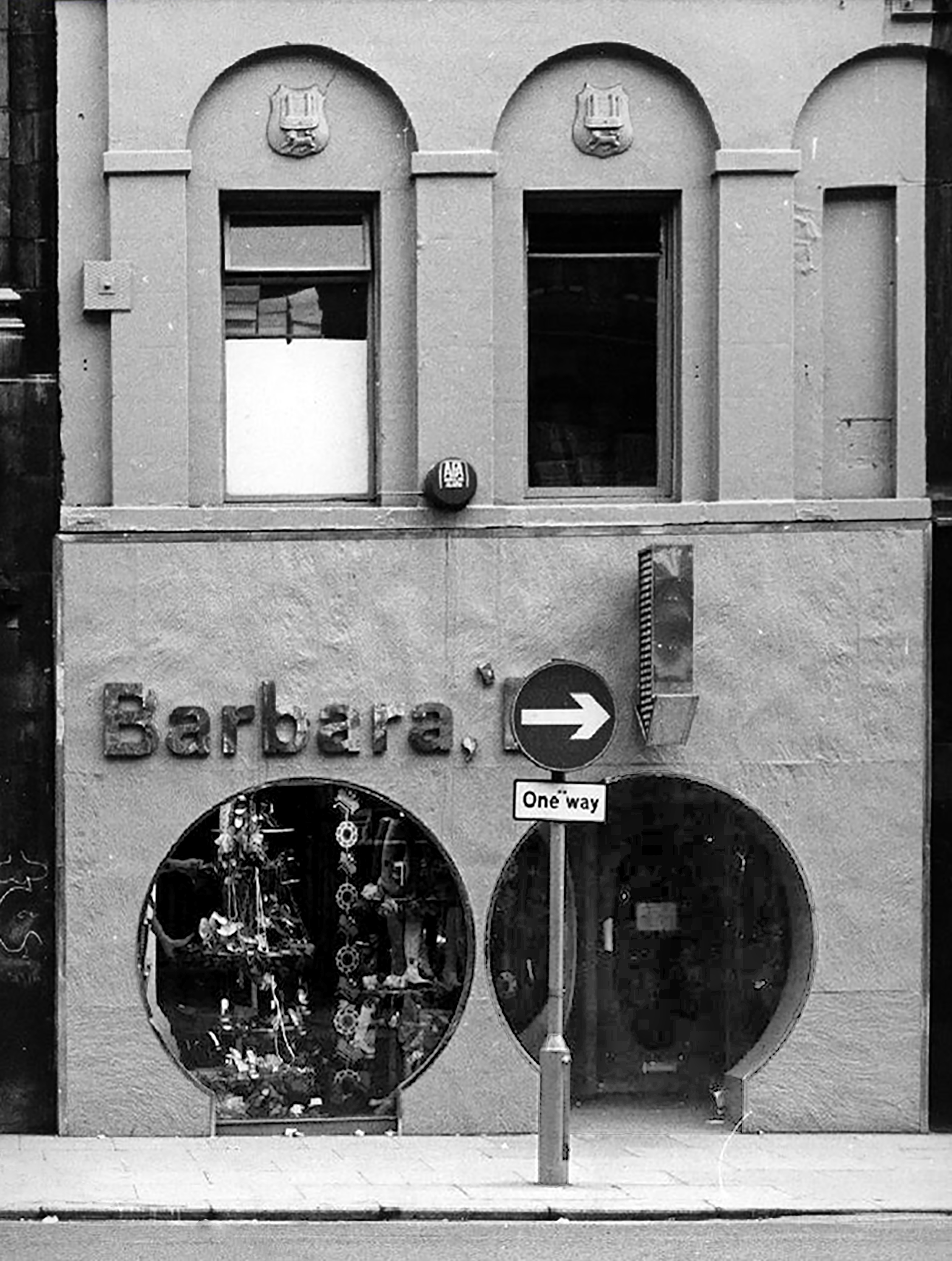
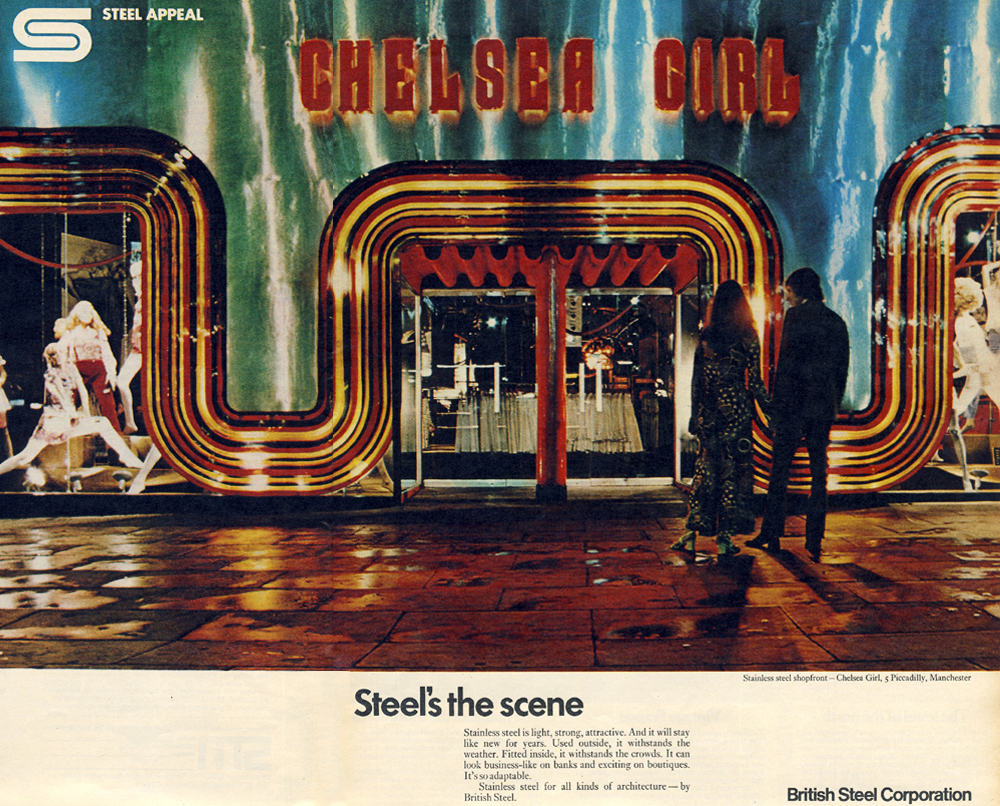
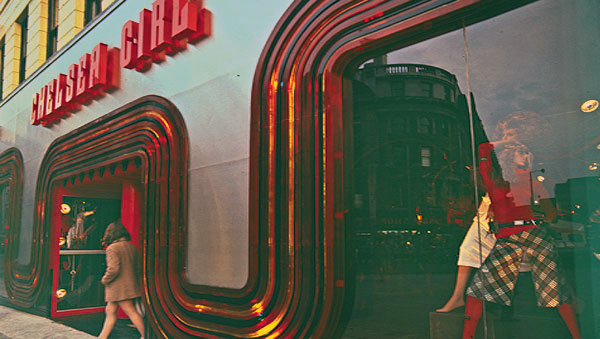
Marks and Spencers and Burton’s both undertook extensive Modernist building in the early 60’s on on the Corporation Street site, neither have survived. The Chelsea Girl steel frontageUCP Restaurant beloved of the Manchester Modernists, Kardomah Café and countless other landmarks are long gone. Lewis’s has become Primark.

The double indignity of the Arndale and a bomb have changed things forever.
Nothing stands still – this is Market Street.

With thanks to http://images.manchester.gov.uk/index.php?session=pass

lewis-1940

8.jpeg

henry's

7

10

9

3

webmedia-4-php.jpeg

a-z

14

webmedia-23-php.jpeg

webmedia-6.php

webmedia-26.php

16

webmedia-9.php

18

5

webmedia-10.php

webmedia-7.php

webmedia-1.php

2.jpeg

4.jpeg

webmedia-11.php

webmedia-3.php

13

webmedia-8.php

webmedia-12.php

15

webmedia-13.php

webmedia-15-php.jpeg

6

webmedia-2.php

1.jpeg

19

webmedia.php

20.jpeg

webmedia-5.php

webmedia-22-php.jpeg

webmedia-24-php.jpeg

5220807822_fcafda48e6.jpg

11

webmedia-17.php

webmedia-18.php

webmedia-19.php

webmedia-20.php

Marksandspencer1962

webmedia-21.php

12

17

webmedia-9.jpg

steels-the-scene-chelsea-girl

Chelsea Girl

p_00484389


Liverpool – The New Penny Farthing

89 Roe St – tucked into the side of the sprawling St John’s Centre car park and a cosily withdrawn corner of the Royal Court Theatre.

The New Penny Farthing.

DaqY5aKW4AAr_2R

A name which instantly evokes arcane loose change and strange bicycles.

Each time as I pass I’m drawn in, yet never enter.
Amazed by the array of ever changing signage, happy hours abound.
It’s a happy house, we’re happy here.

A dark drinking den awaits within, the daytime drinker abides, imbibing.

Stay new.

P1030207 copy

P1030209 copy

P1030829 copy

P1030206 copy

P1030828 copy

P1030215 copy

P1050539 copy

P1030208 copy

P1030203 copy

P1050537 copy

P1030835 copy

P1030213 copy

P1030830 copy

P1030832 copy

P1030216 copy

P1030214 copy

P1030210 copy

P1030205 copy

P1030833 copy

P1030211 copy

P1050536 copy

P1030831 copy

P1030838 copy

P1030212 copy

P1030834 copy

P1000715 copy

P1030837 copy

P1050538 copy


Park Hill – Sheffield

An estate with a chequered career.

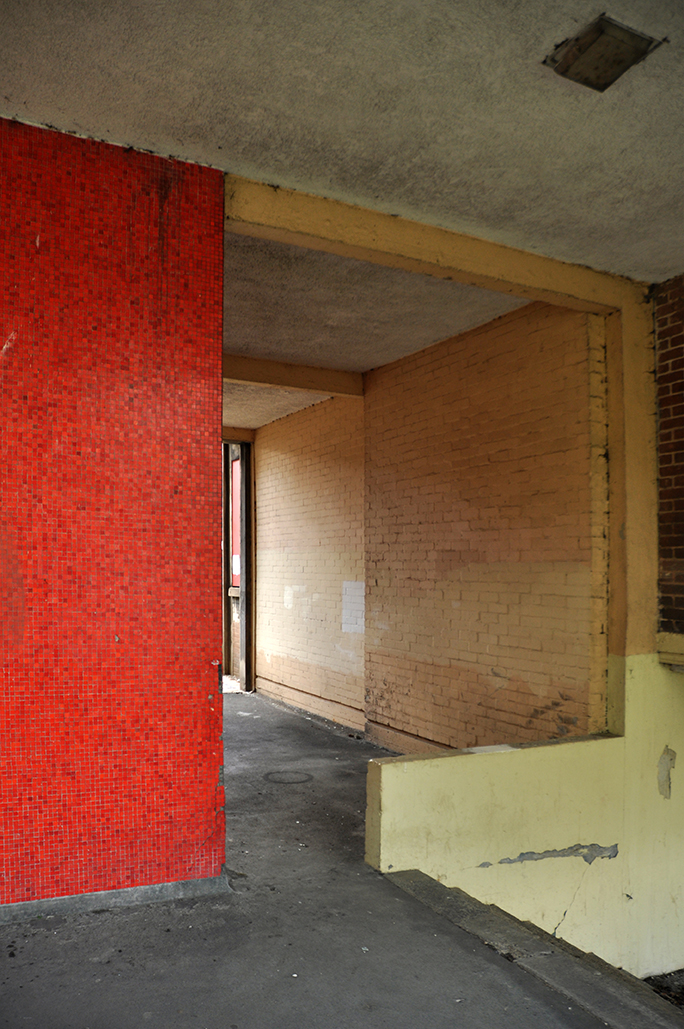
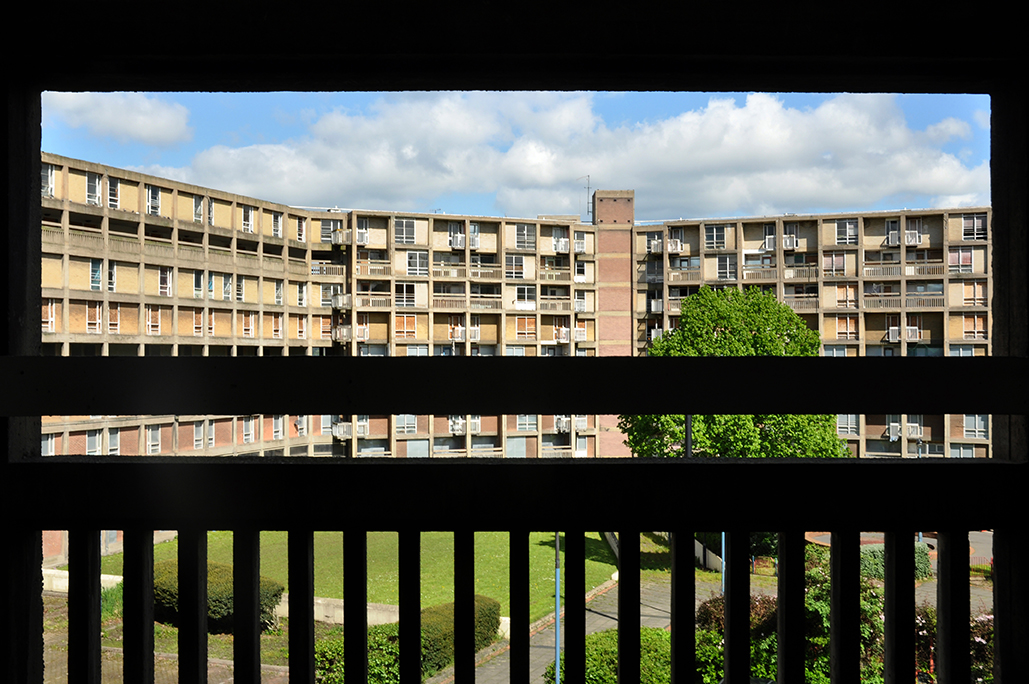
Once a beacon of Modernist design, now a listed concrete grid, in arrested decline, an essay in status and stasis, high above the city of Sheffield.

A handful of former residents of the once acclaimed social housing, cling to the western edge.

Phase one of the Urbansplash redevelopment has carefully coloured in a portion of the eastern corner, then exited, their cladding tucked tightly under their arms.

Impasse.

All tinned up with nowhere to go, to walk the walkways, is to enter a ghost town, where no tumbleweeds tumble. Billy the corporation cleaner is happy to work alone, sweeping the empty spaces.

“Some don’t like working up here, I don’t mind my own company. Even if there was just one resident left, we’d still have to keep the place in order. You’d love my house, it’s an Army Barracks in the centre of town. Wife’s the caretaker, been in her family for three generations.”

billy

This is the second of three visits I have made from across the Pennines.

Mark – “Why are all these photographers coming here from Manchester?”

Screen Shot 2015-12-13 at 04.57.05


“Been here some time, this is the second flat I’ve had, just missed out on one of the new ones though. Had this one nine years. Bloke threw himself off last week, he had a wife kids, parked up and just jumped.”

Take a look around.

DSC_0168

DSC_0071

DSC_0017

DSC_0170

DSC_0175

DSC_0008

DSC_0020

DSC_0116

DSC_0074

DSC_0093

DSC_0029

DSC_0165DSC_0106

DSC_0164

DSC_0101

DSC_0159

DSC_0051

DSC_0091

DSC_0047

DSC_0112

DSC_0145

DSC_0099

DSC_0026

DSC_0140


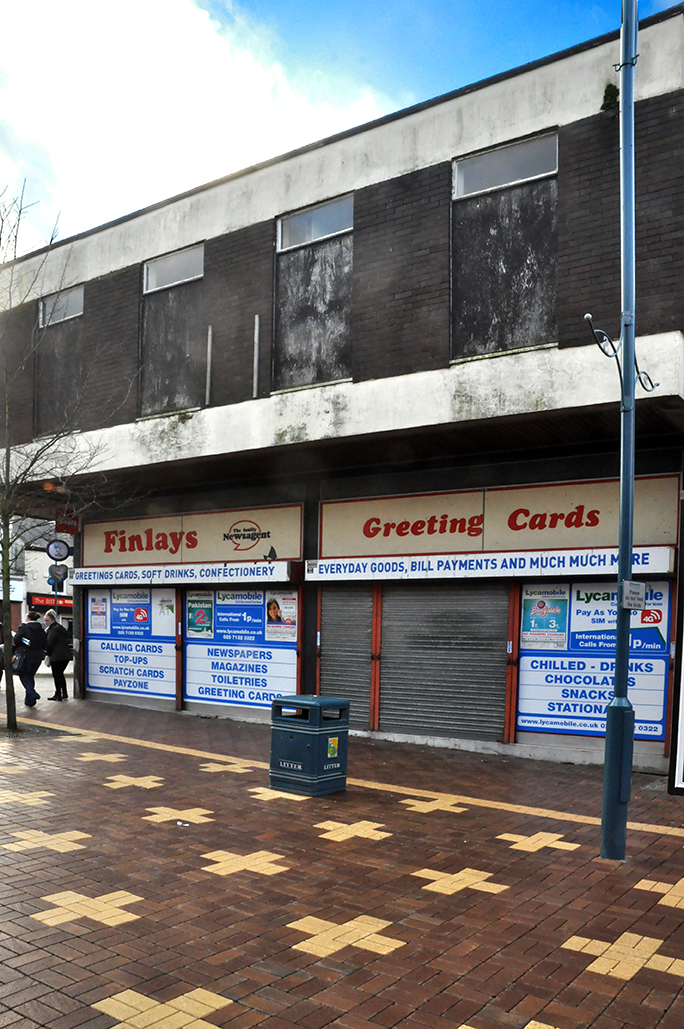
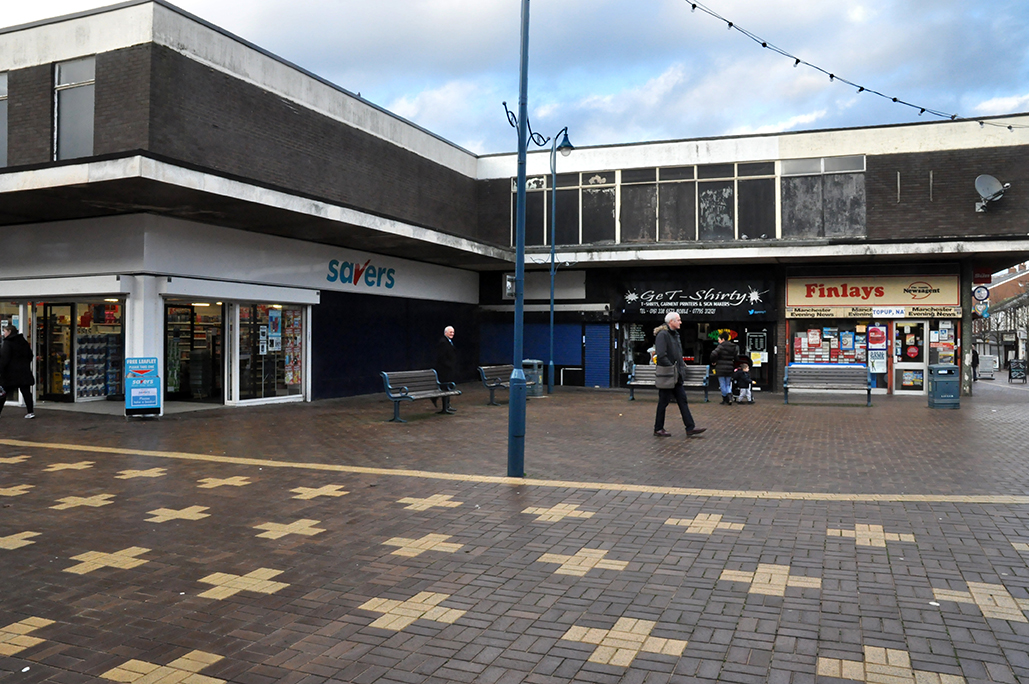
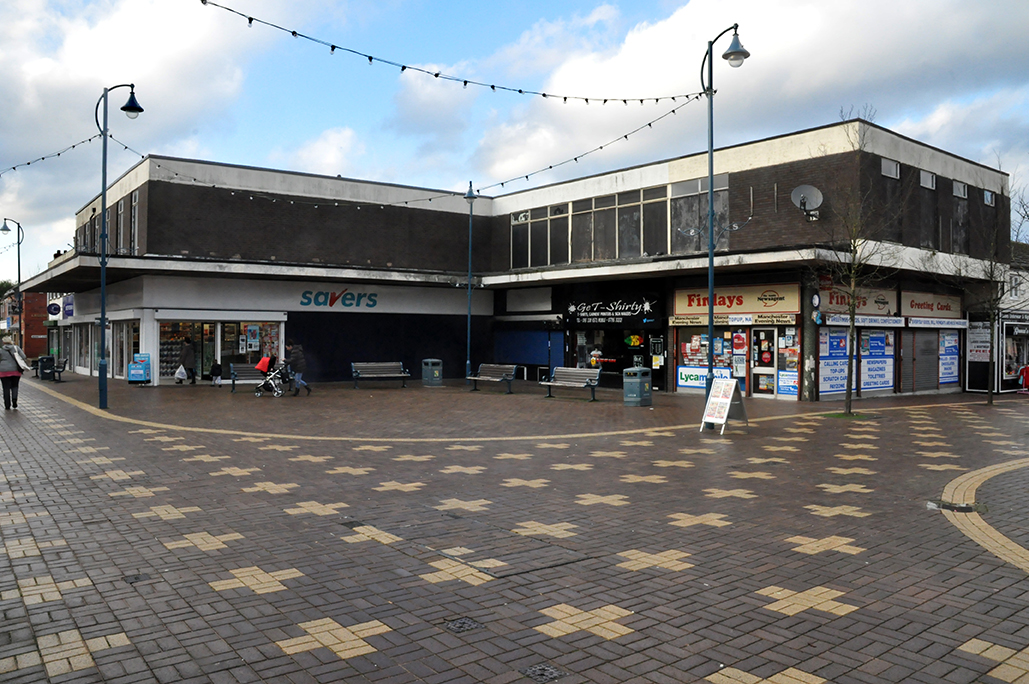
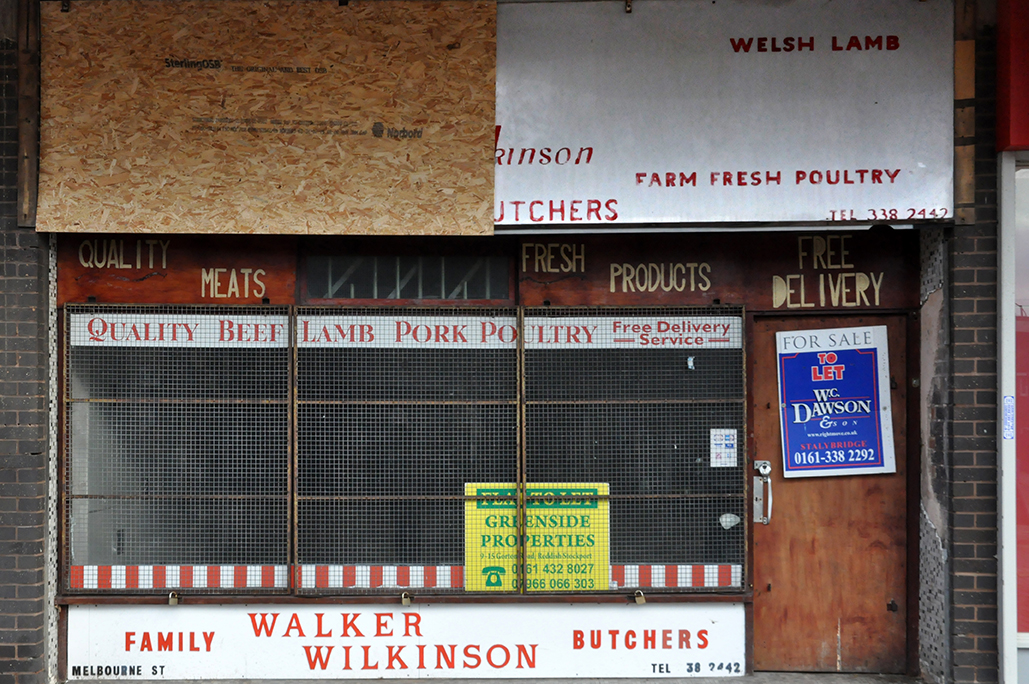
Precinct – Stalybridge

The dissipated filling, in an Aldi and Tesco sandwich, a flat roofed, concrete and brick sixties shopping development, a precinct.

Small towns typically comprise of several retail developments, of various vintages, chasing diminishing returns, in ever expanding rectangles.

Stalybridge is no exception, once a bustling mill town, it sought salvation in a hedonistic mini-break by the River Tame, party industry.

Stalyvegas.

The bright lights of the society of the spectacle, now extinguished, burnt brightly in Bar Liquid, Club Rififi, H2O and Amber Lounge.

Walking the streets today, a meagre spread of shoppers, hardened daytime drinkers and lost souls.

Bids were made for a Portas Pilot, Mary contrarily resisted.

The Northern Powerhouse hits the buffers.

The Buffet prevails.

DSC_0119 copy

DSC_0118 copy

DSC_0121 copy

DSC_0126 copy

DSC_0127 copy

DSC_0120 copy

DSC_0122 copy

DSC_0123 copy

DSC_0125 copy

DSC_0124 copy


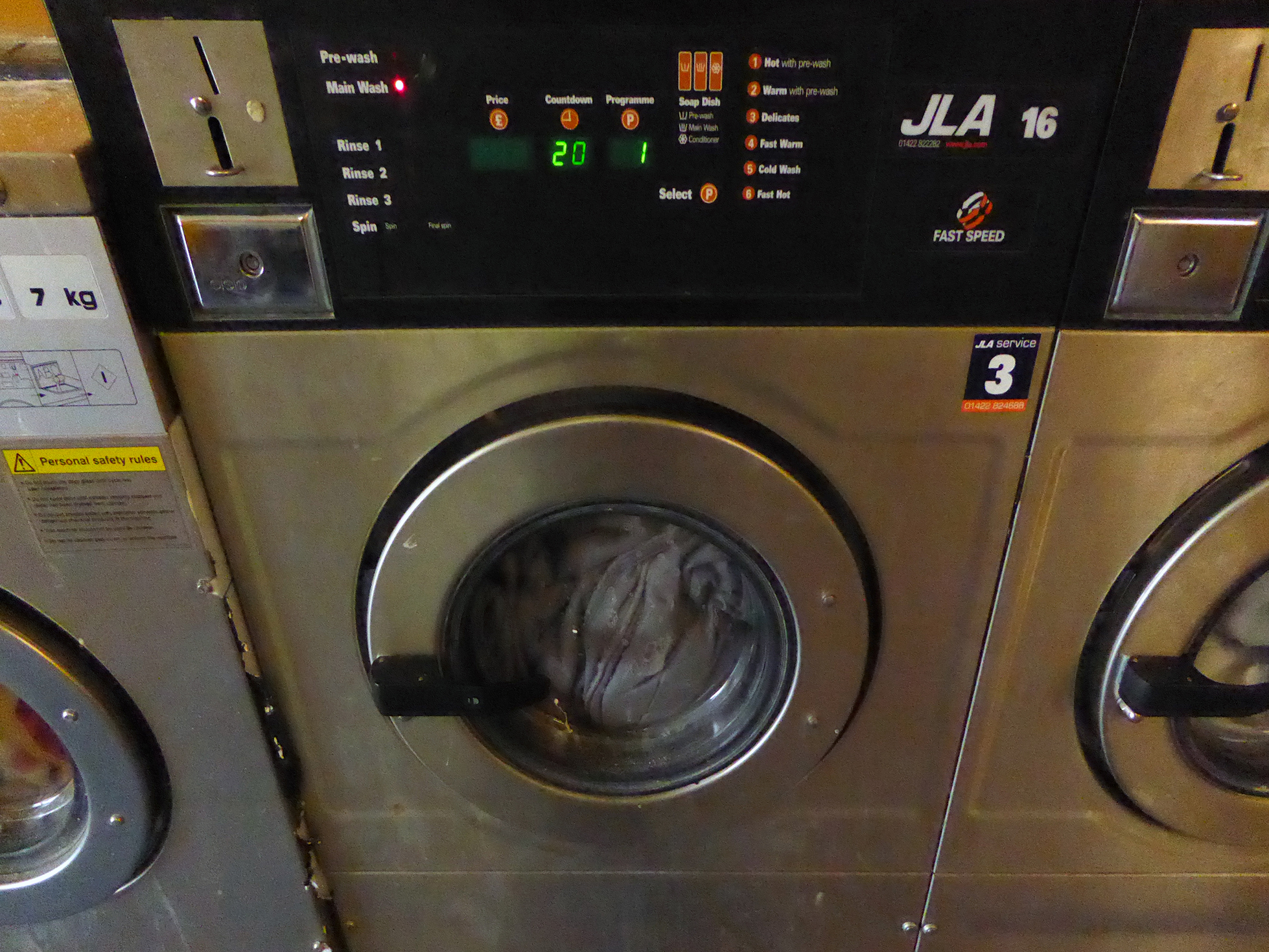
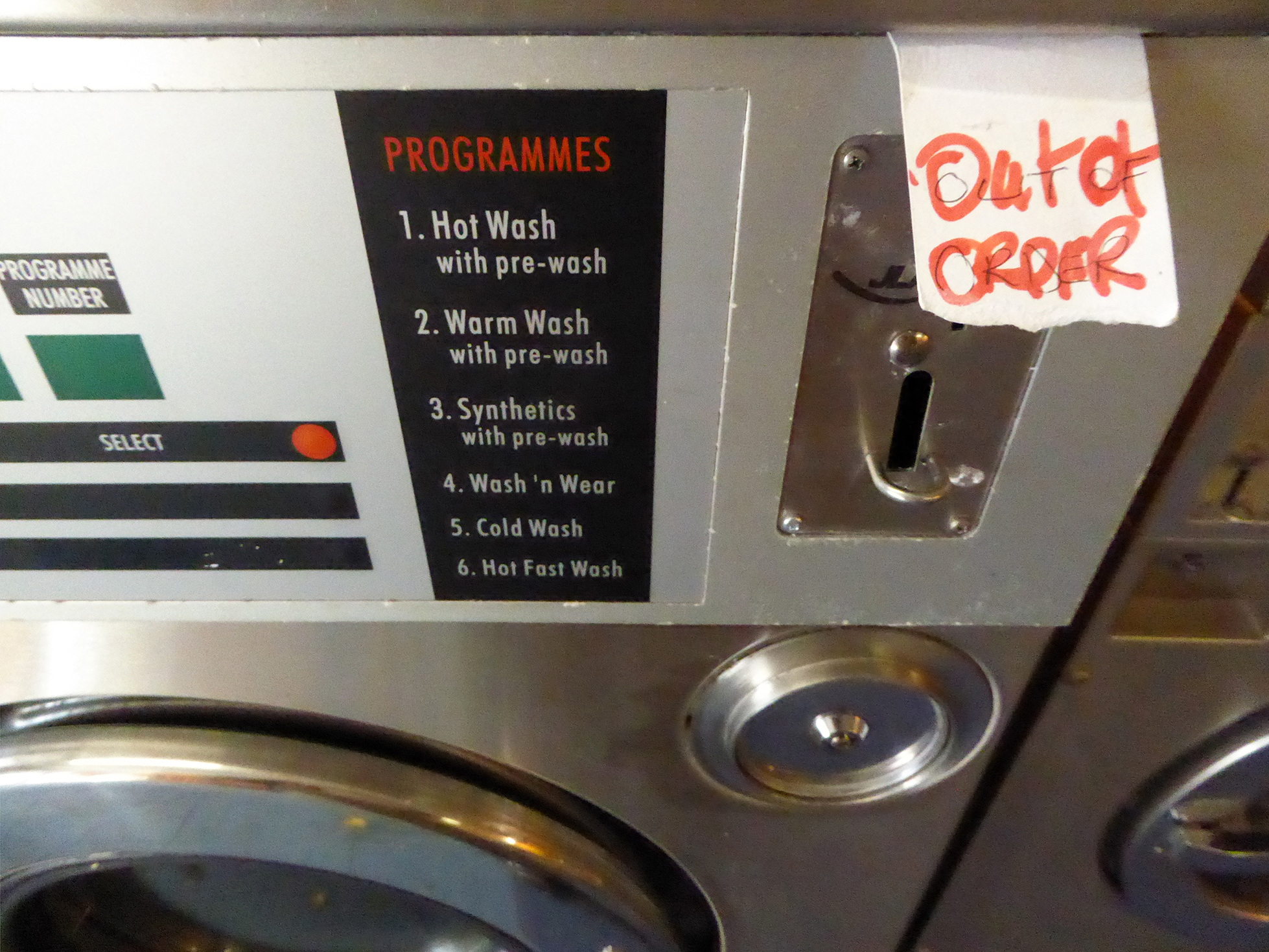
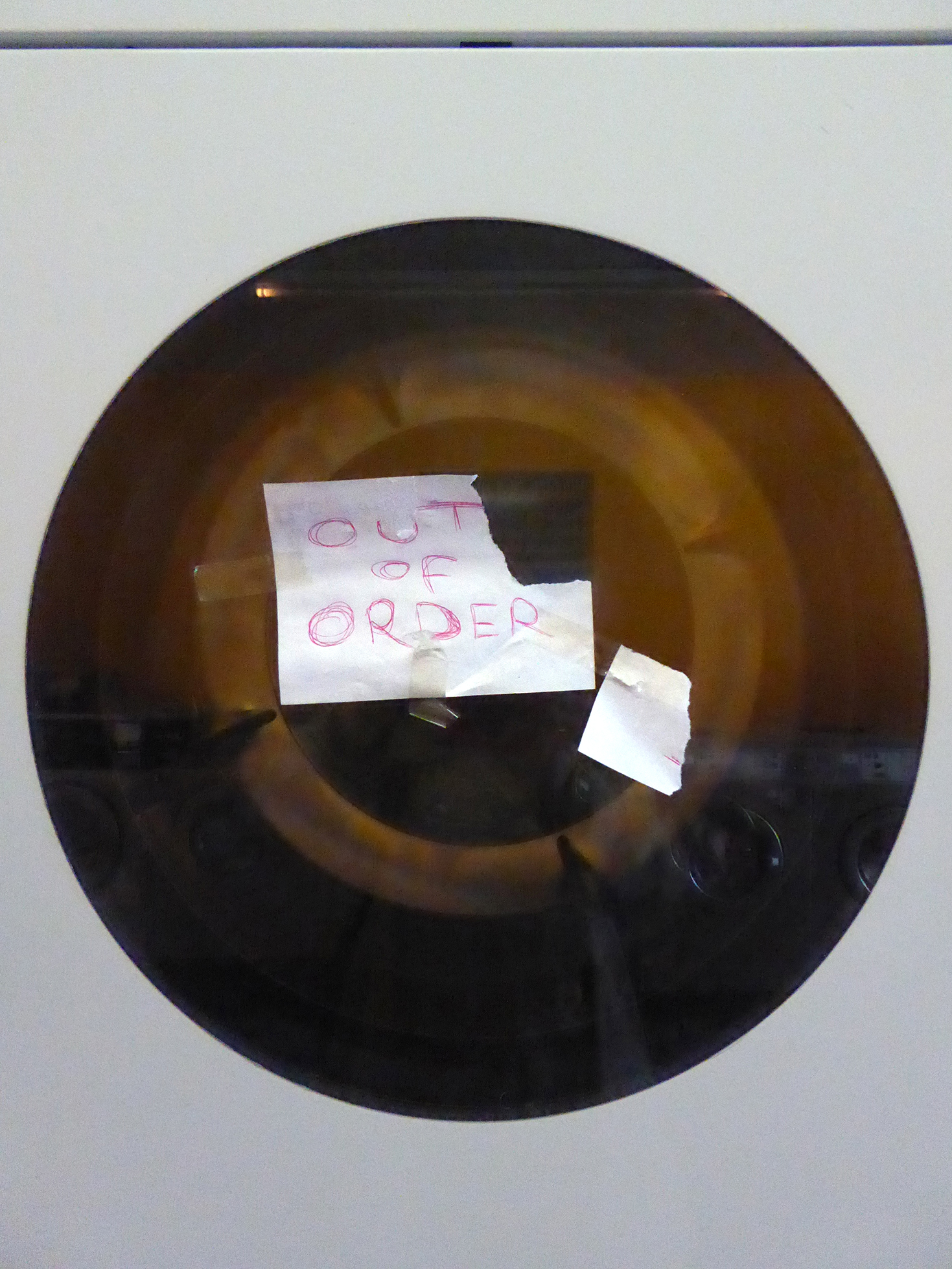
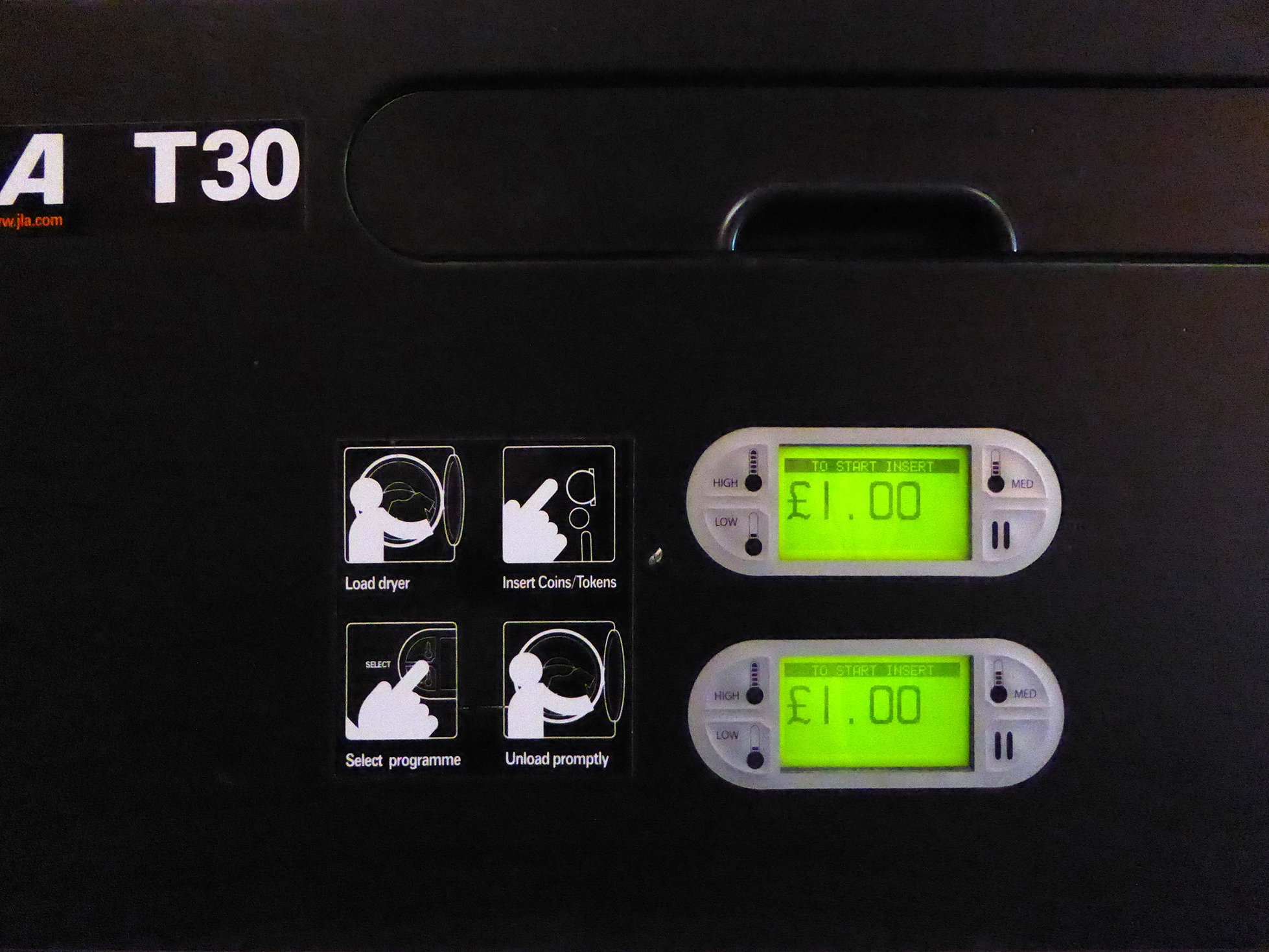
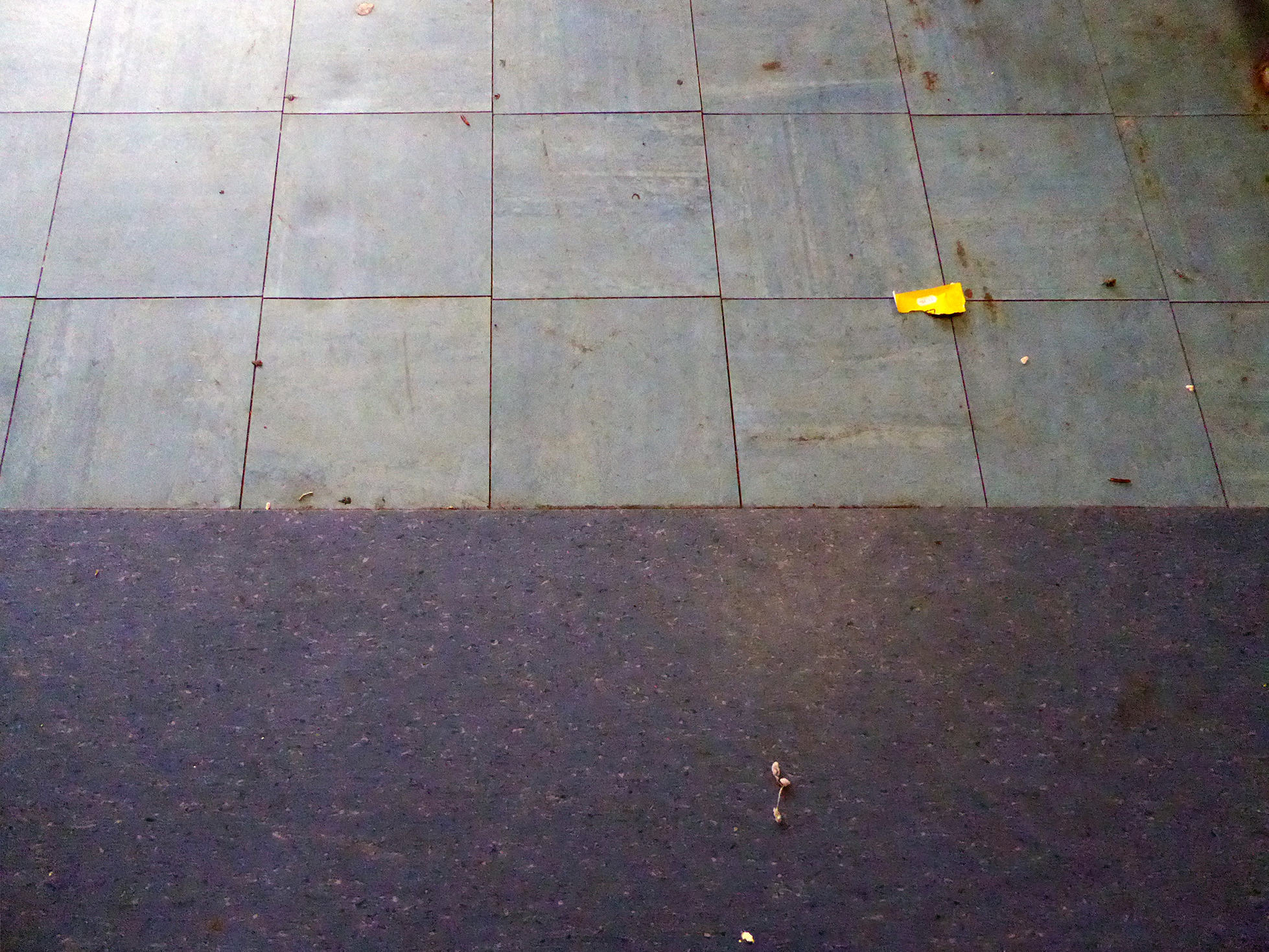
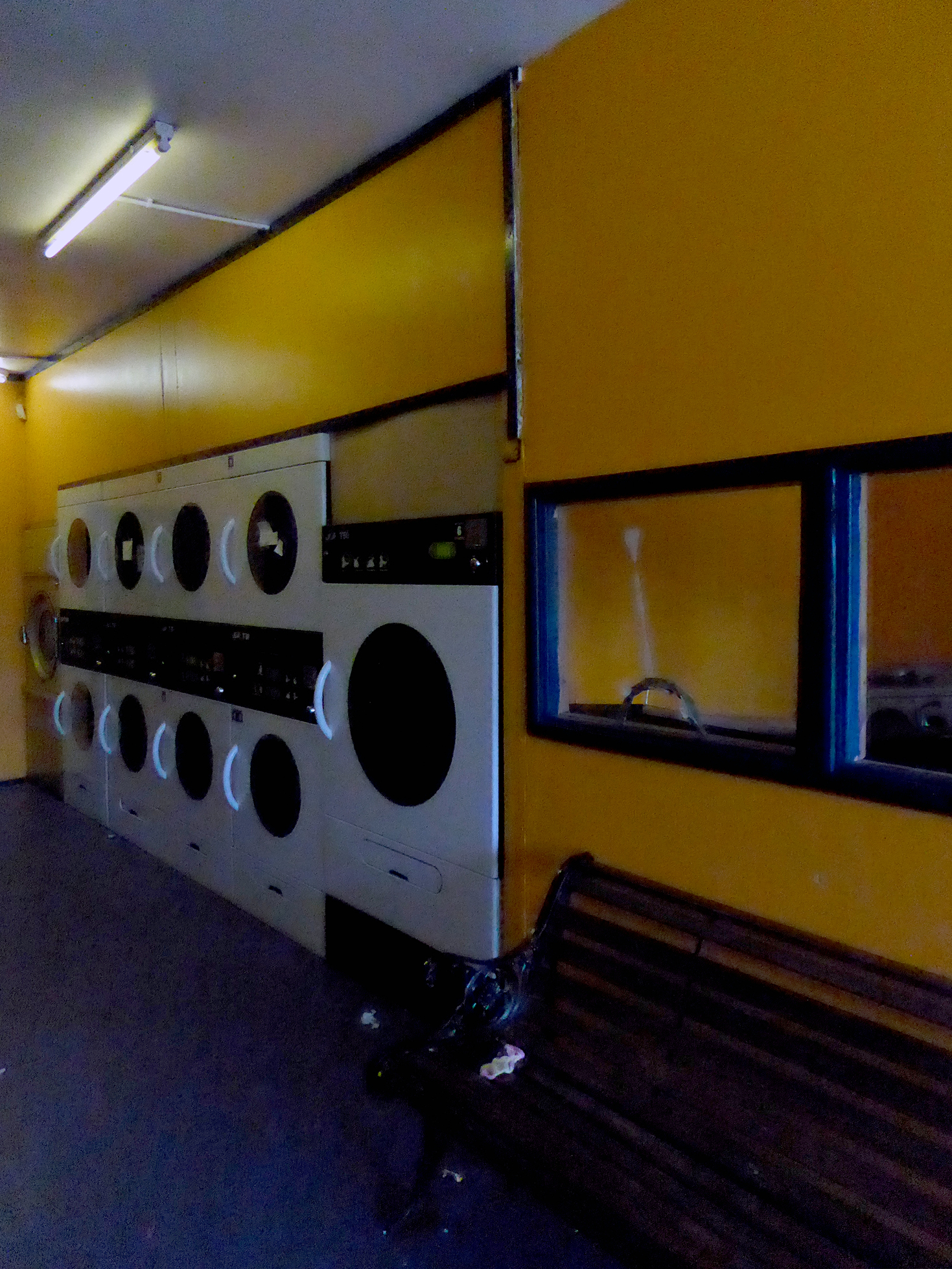
Launderette – Stalybridge

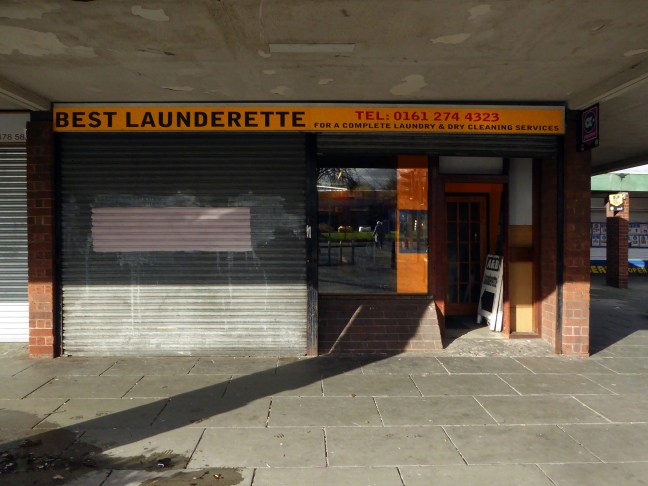
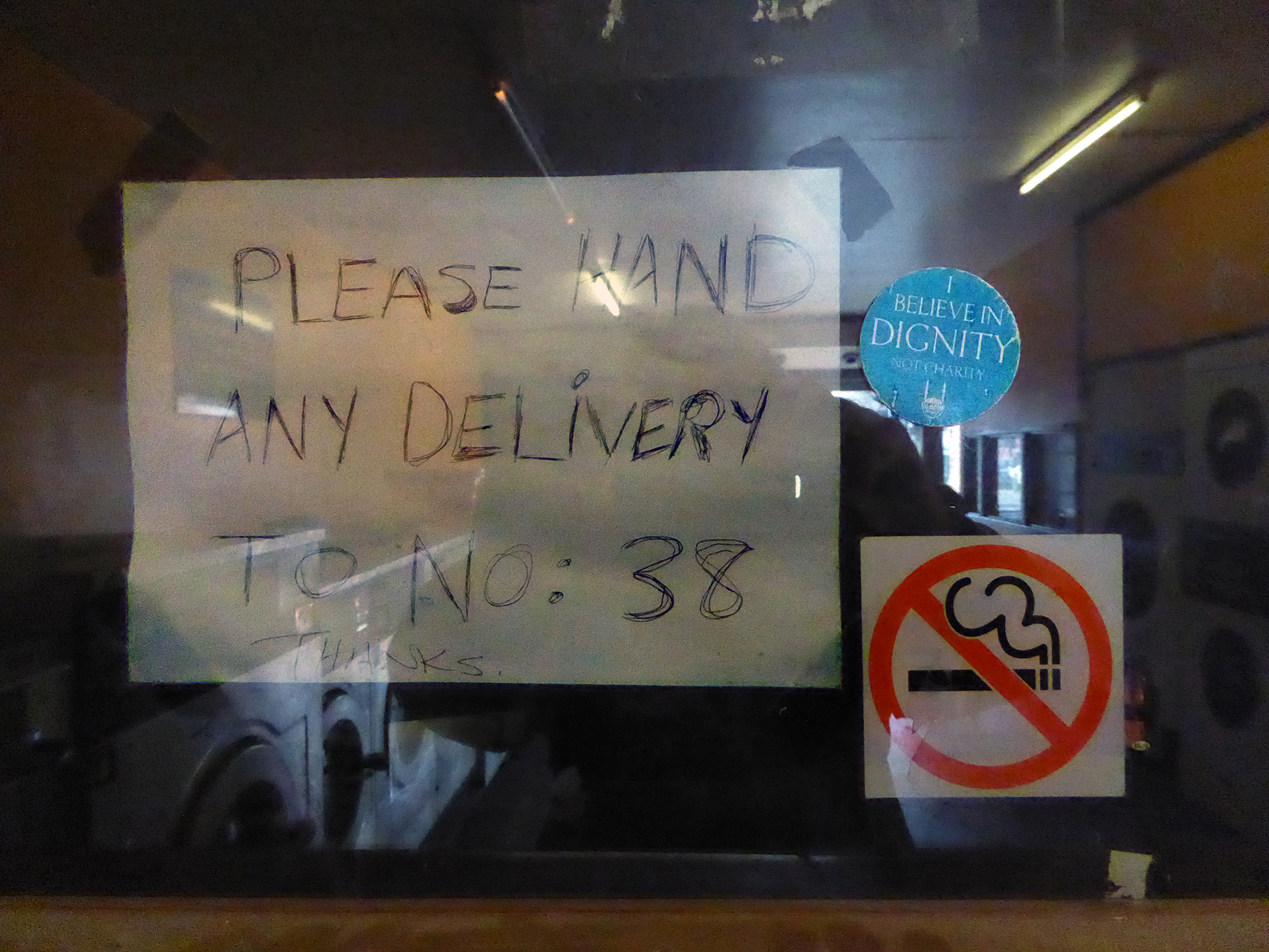
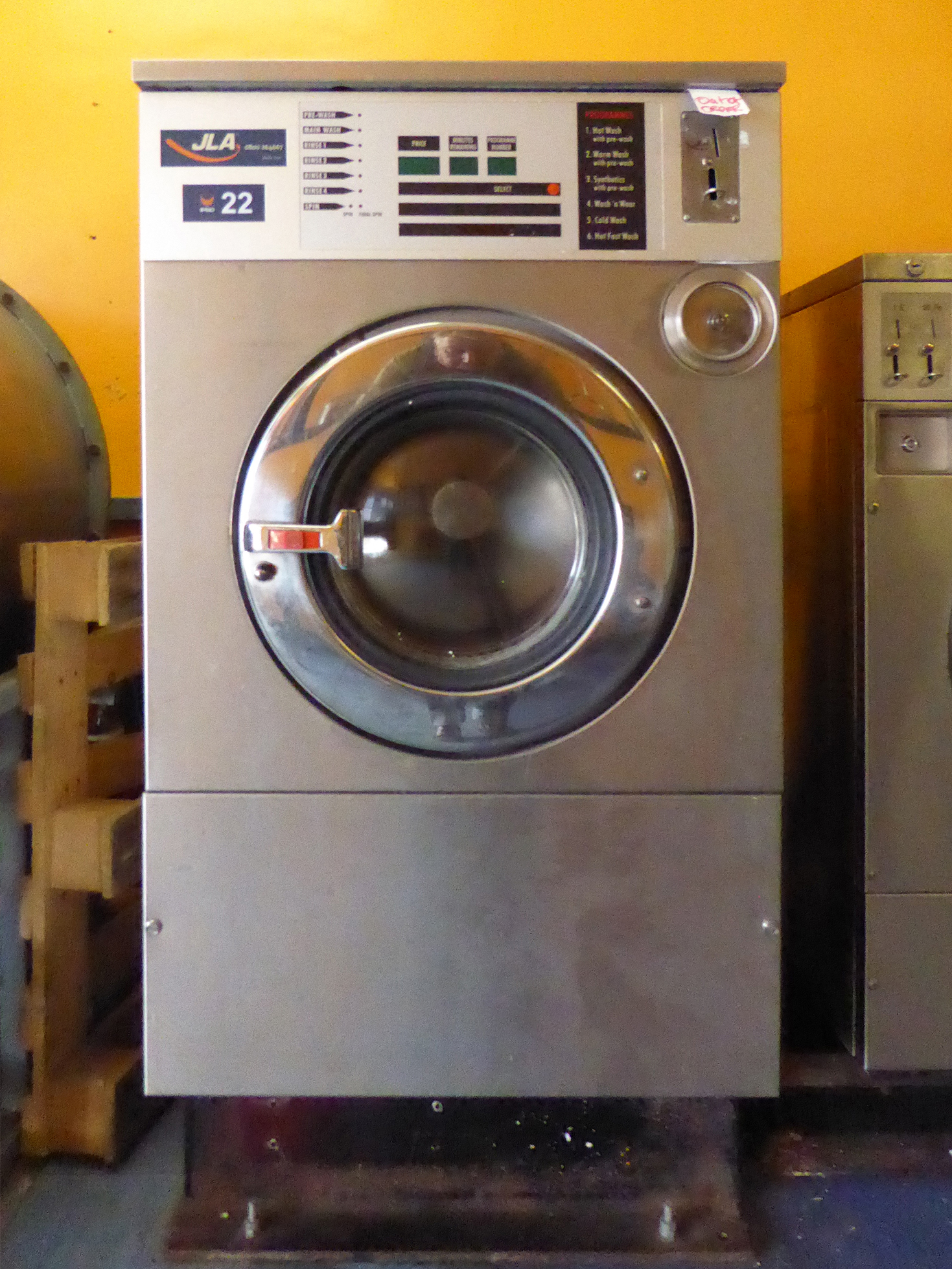
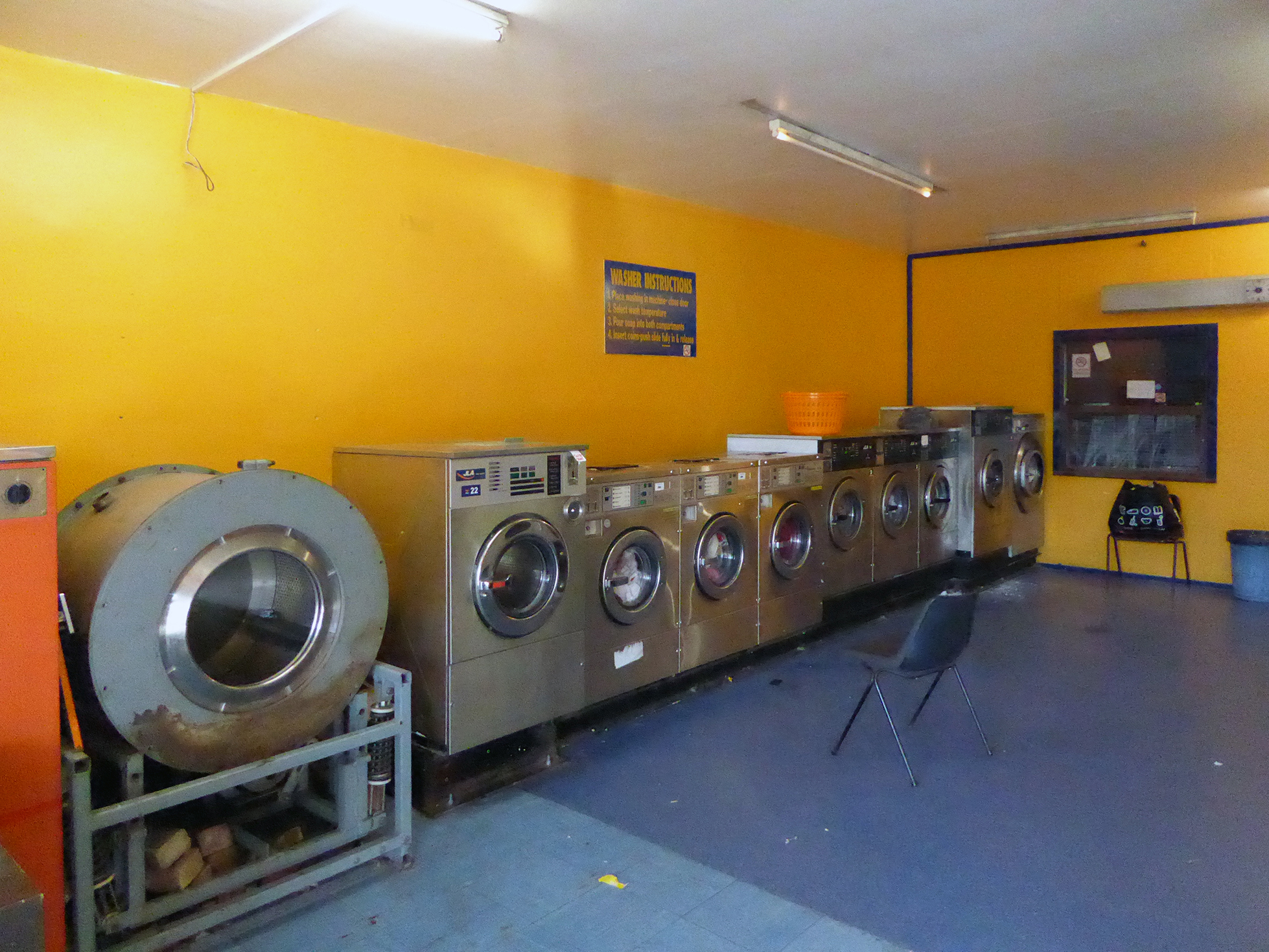
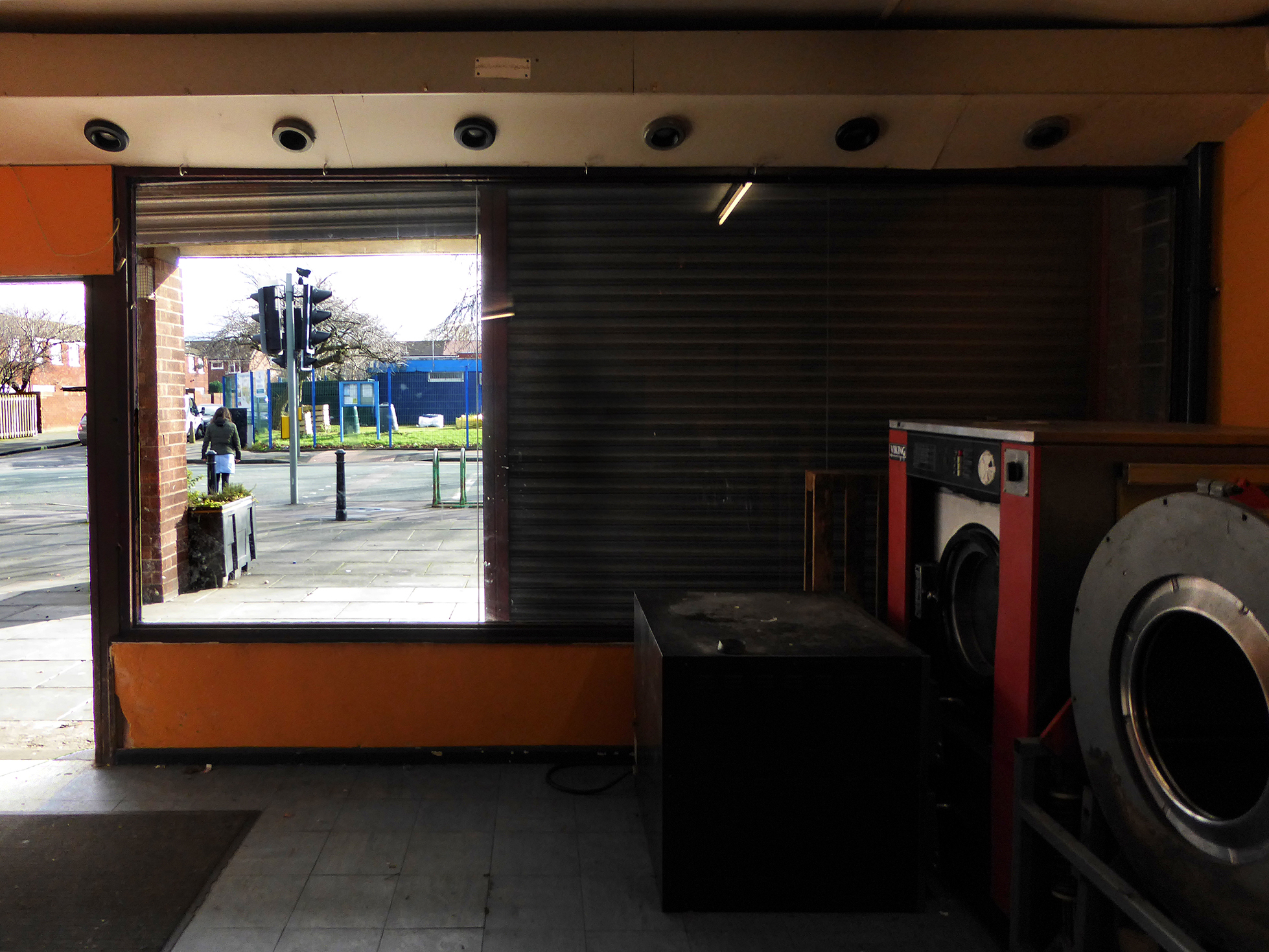
Tucked away in an arcade, far from Arcadian – not far from Baz’s Off Licence.

The launderette.

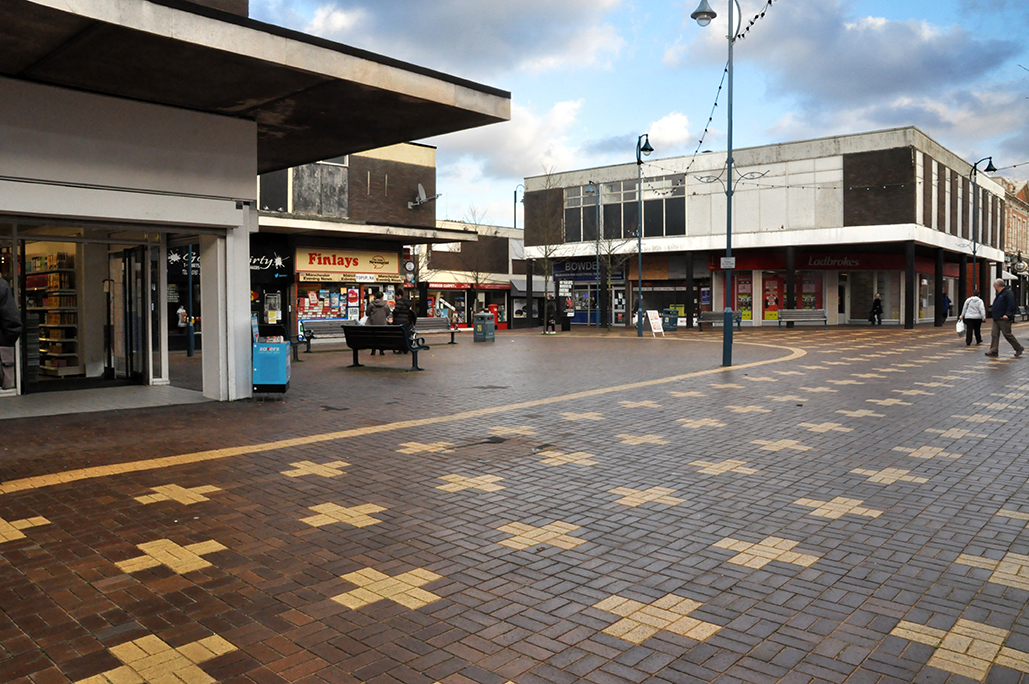
Yet another testament to the partial persistence of industrial technology.

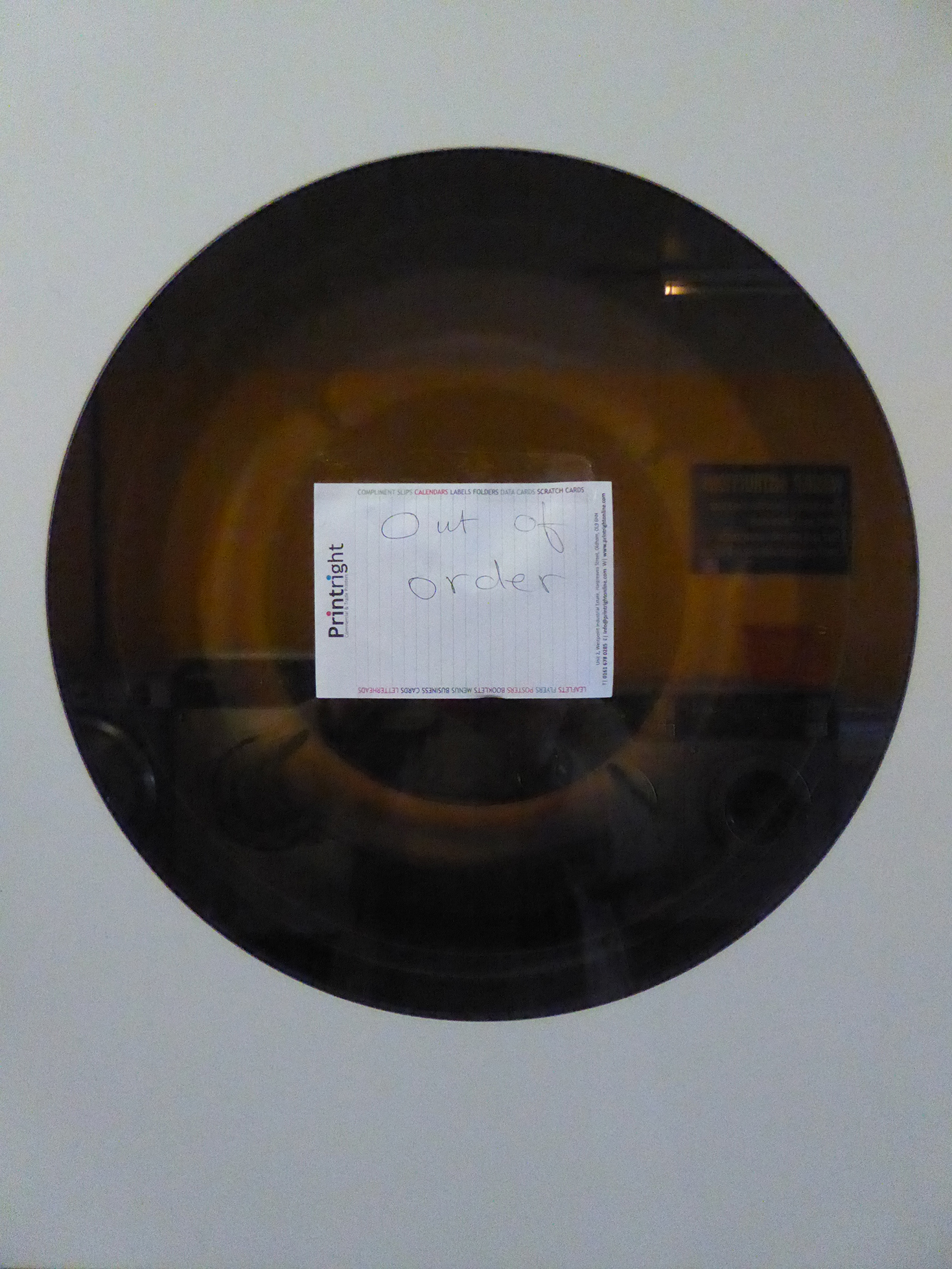
No Longer in Use.

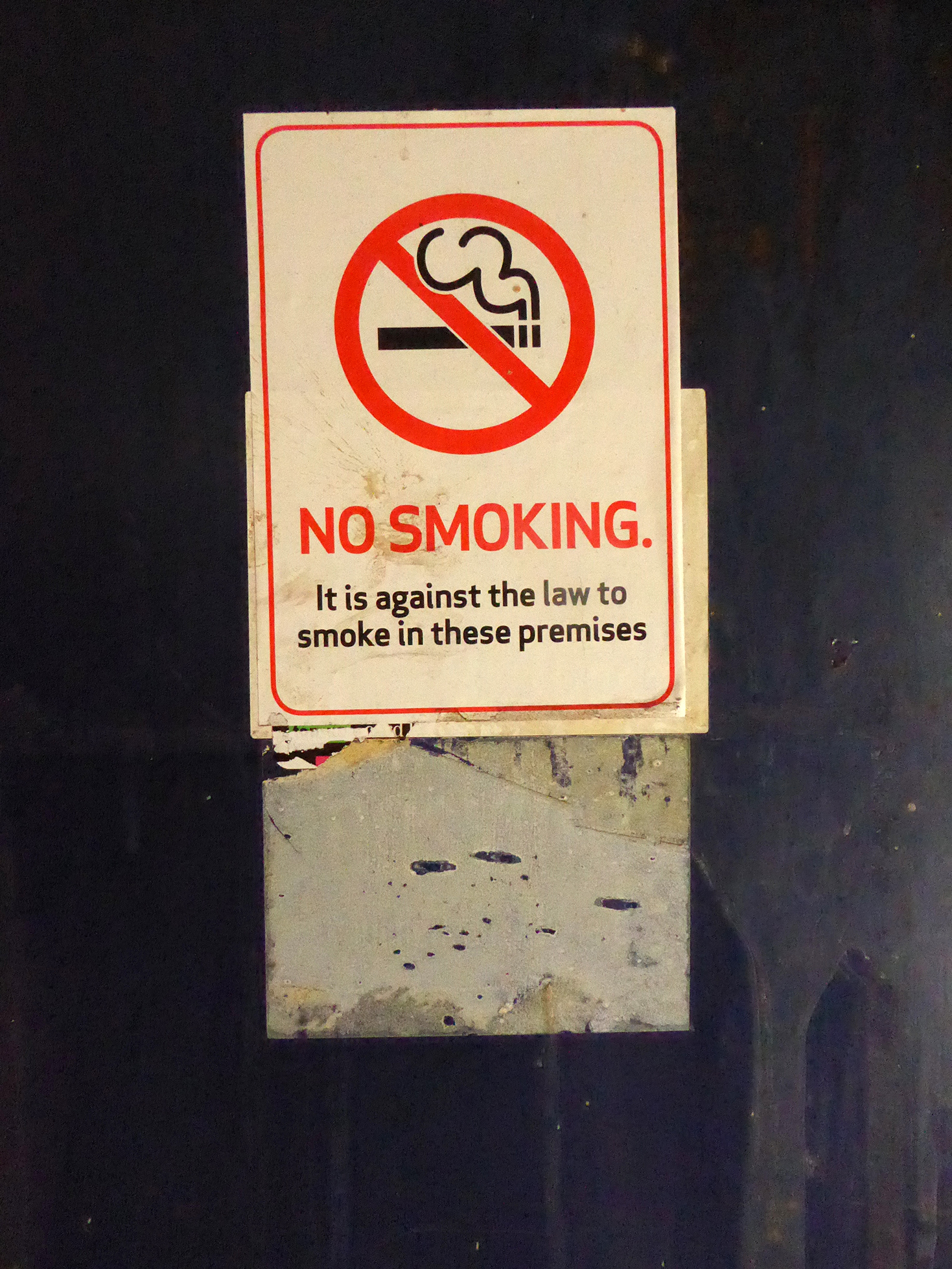
A happy hotch-potch of signs, surfaces and sixties design.

Informal formica, stripped bare strip lighting, wobbly laminate walls.

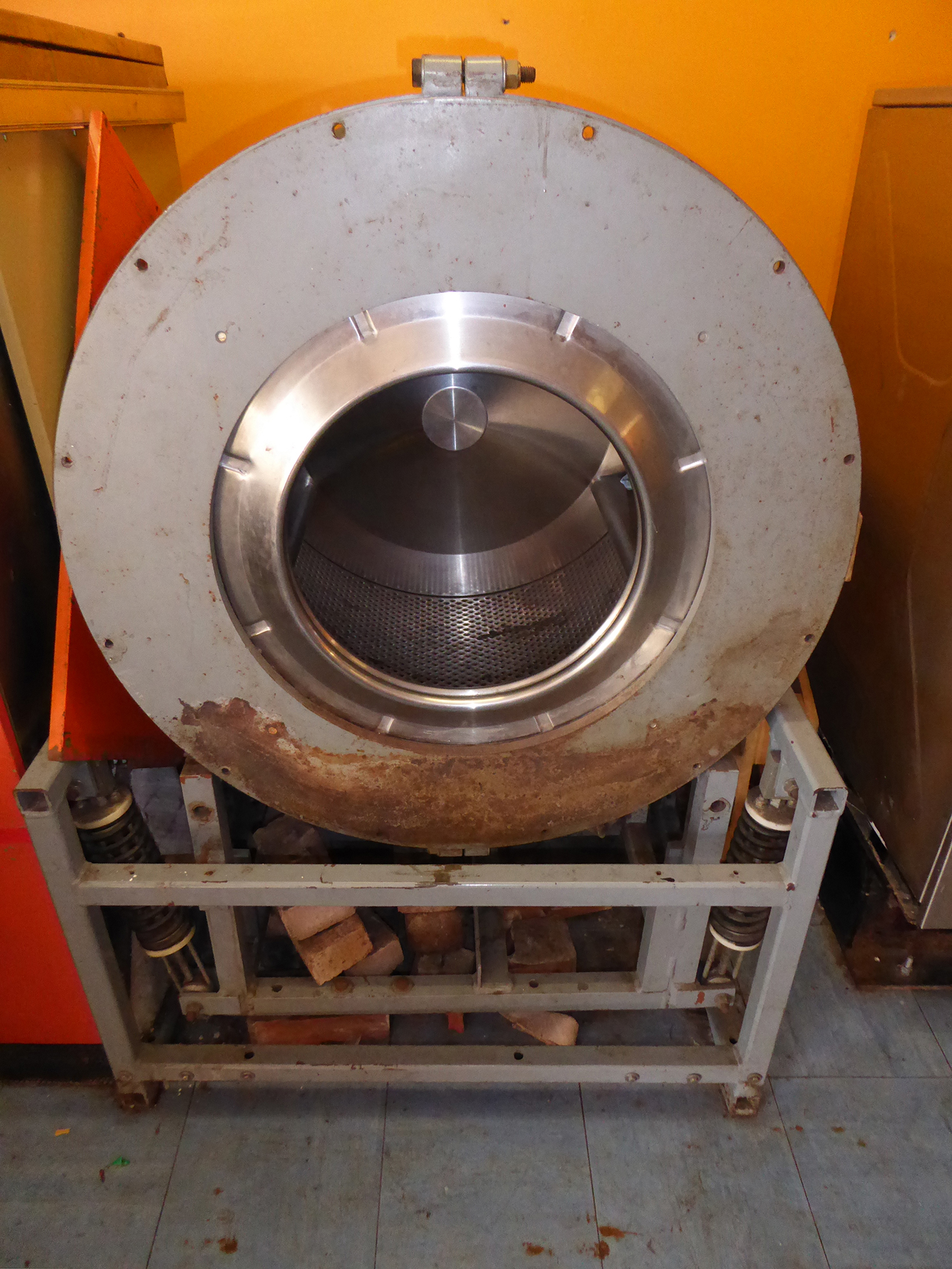
Watch and wait, whilst the World and your washing whirl.


DSC_0073 copy

DSC_0074 copy

DSC_0075 copy

DSC_0072 copy

DSC_0098 copy

DSC_0084 copy

DSC_0076 copy

DSC_0091 copy

DSC_0089 copy

DSC_0096 copy

DSC_0088 copy

DSC_0078 copy

DSC_0086 copy

DSC_0080 copy

DSC_0094 copy

DSC_0082 copy

DSC_0081 copy

DSC_0097 copy

DSC_0083 copy

DSC_0077 copy

DSC_0101 copy

DSC_0100 copy

DSC_0085 copy

DSC_0079 copy

DSC_0092 copy

DSC_0090 copy

DSC_0093 copy

DSC_0102 copy


Ups ‘n’ Downs – Stockport

Ups ‘n’ Downs, it’s had its share of ups and downs.

Quite literally – the former Wellington Inn has an upside facing onto the busy A6 Wellington Road, and a downside opening onto Mersey Square.

27972749_557518087936232_7728145189045588891_n

27858056_557516154603092_2607525642965010439_n

27750183_557516157936425_5371938937434776142_n

27972829_557516197936421_3119942482090205920_n

Its fortunes similarly something of a rollercoaster ride, from busy town centre pub, to edgy pseudo-club, populated by late night uniformed bus drivers, swaying on the metre square dance floor.

Latterly something of a disco party bus, going nowhere fast.

Known variously as Glitz, Bentley’s and the Bees Knees.

Finally, partial occupation by a forlorn pound shop – defying economic trends by closing.

An architectural curiosity and a blank faced, gap toothed greeting to the Town’s visitors, there is talk of conversion to flats under the council’s stewardship.

It seems like up to me.

DSC_0003

DSC_0017

DSC_0006

DSC_0004

DSC_0021

DSC_0019

DSC_0016

DSC_0005

DSC_0008

DSC_0020

DSC_0014

DSC_0013

DSC_0007

DSC_0032

DSC_0002

DSC_0012

DSC_0028

DSC_0023

DSC_0001

DSC_0010

The Whetstone – Sheffield

Confusion

Fusion

Confusion

Imagine

A single storey brick built street corner boozer, it’s not so hard to do.

It’s Sheffield let’s call it the Whetstone, how appropriate.

Bored?

How about the Moorfoot Tavern?

Sounds classy, that’ll do.

Well it did until it didn’t, somehow it migrates south, then west.

Paris Texas – how about Rome Mexico Yorkshire?

El Paso it is then –


All 98 #192 Bus Stops

There there are 98 stops on the 192  route, between Manchester and Hazel Grove.

– I know because I walked them all.

Sunday morning roads relatively free of traffic.

Some stops peopled some not.

Zigzagging the A6 to record a consistent sequence.

The bus stops here.

State House – Liverpool

Standing on the corner watching all the world go by.

Reflecting on and reflecting it’s older neighbours.

State House Dale Street.

“Built 1962 to the designs of Edmund Kirby & Sons. It has an assertive service tower, apparently clad in polished granite. Unusually, above the entrance is a concrete slab with a relief depicting what looks like a coat of arms above the building’s name. Kirby’s practice moved into the building for a time.”

Three well proportioned volumes – a central service tower, main block and outriding, lower level base.

An exciting conflation of grids, contrasting in scale and finish.

As ever – go see for y’self.

Higson’s Offices – Liverpool

127 Dale Street, corner of North Street, just by the Ship and Mitre, across from the Queensway Tunnel entrance?

Yes that’s the one, Liverpool’s most remarkable, least remarked upon building.

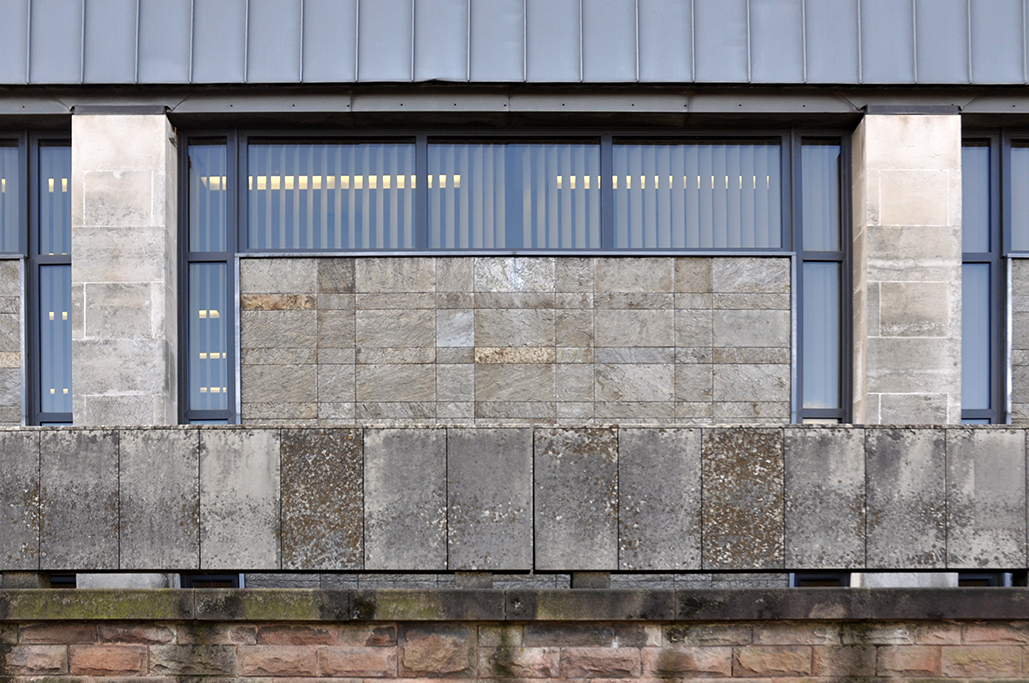
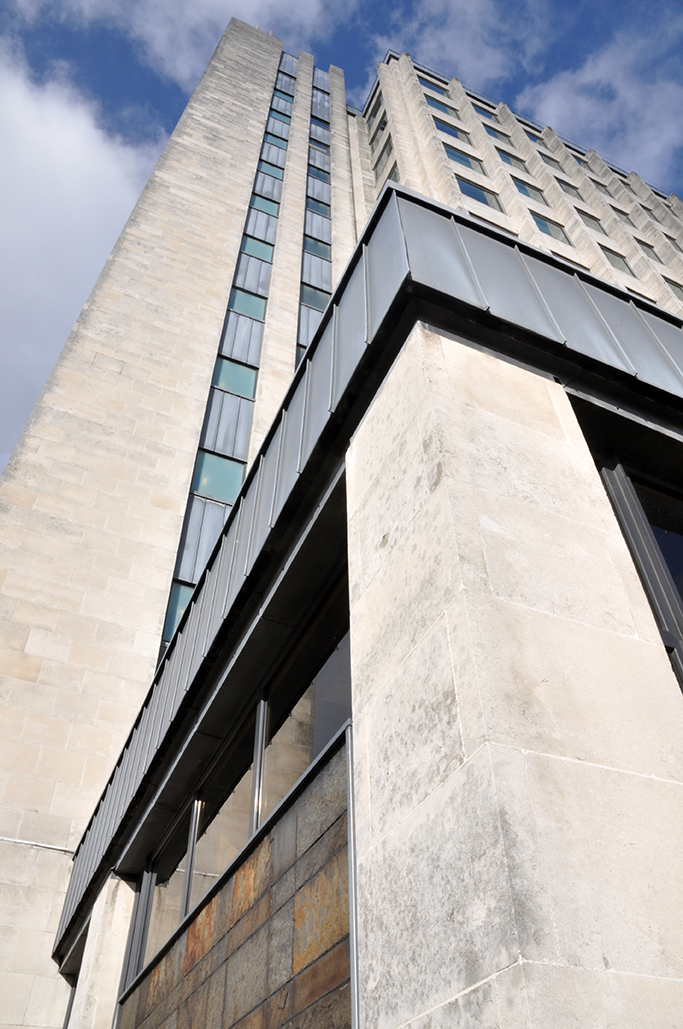
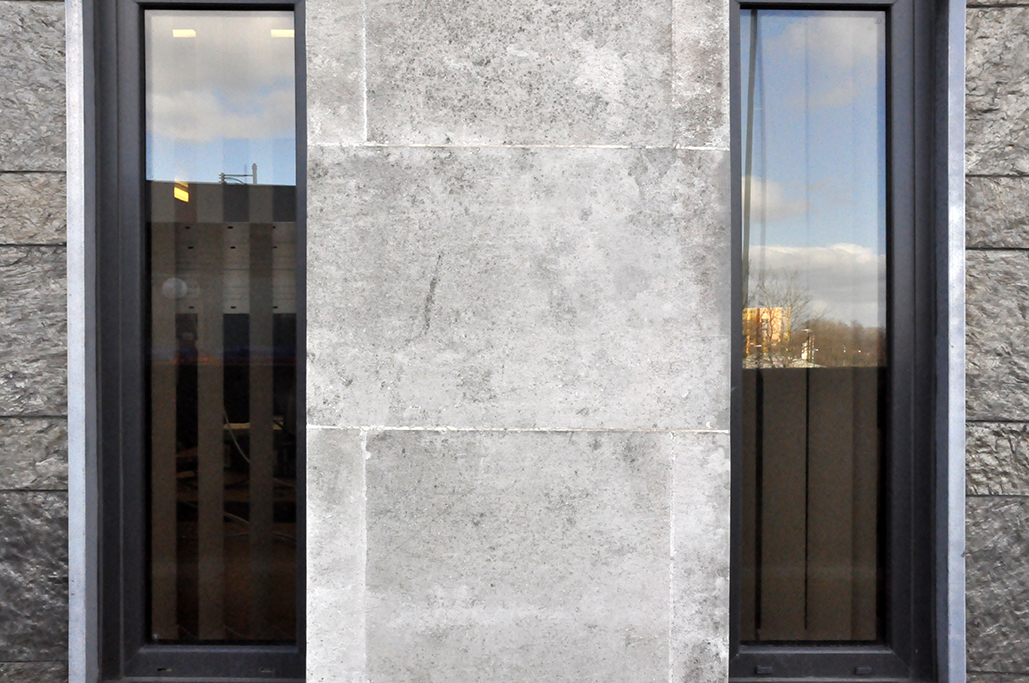
So clean, so modern, so new, a delightful grid of materials, glass, steel, polished marble, brick and patinated beaten metal.

Stand back and wonder, move in and sigh with delight.

As I went about my snappy business, I was approached by a local – Mark.

Surprised by my curiously, up close, slow scrutiny of the building, he went on to explain that he was familiar with the architect Derek Jones who had worked on the design for Ormrod and Partners in 1964.

Formerly home to Higson’s Brewery offices, now housing the Merseyside Museums administration and design teams, the exterior is largely intact.

So am I.

Go take a look.

P1030856 copy

P1030852 copy

P1030863 copy

P1030853 copy

P1030854 copy

P1030860 copy

P1030862 copy

P1030867 copy

P1030859 copy

P1030855 copy

P1030868 copy

P1030858 copy

P1030861 copy

P1030857 copy

P1030866 copy


Castle House – Sheffield

I want it.

Historic England want it.

Hopefully you and the people of Sheffield want it,

– anyway it’s listed.

http://www.historicengland.org.uk/listing/the-list/list-entry/1393220

“1964 by George S Hay, Chief Architect for CWS, with interior design by Stanley Layland, interior designer for CWS. Reinforced concrete with Blue Pearl granite tiles and veneers, grey granite tiles and veneers, buff granite blocks, glass, and brick.”

The Liberal Democrat Council objected,  saying

“It could be a major barrier to regenerating Castlegate.”

http://www.sheffieldtelegraph.co.uk/what-s-on/saving-castle-house-controversial-listing-call-defended-1-453913#ixzz3sL3p5RAP

There is now the possibility of redevelopment as a creative hub.

It was a Co-op on the grandest of scales.

It has it all, public art, monolithic proportions and finish, bags of detail and scale in abundance. A fascinating building to explore and certainly one that fills my little heart with joy in superabundance

A building of period distinction, it deserves its preservation.

We do not require another patch of steel and wilfully wayward clad nowheresville non- architecture, replete with aspirational retail agogo.

Go see it soon!

Moore Street Electricity Substation – Sheffield

Moments from the centre of the City, bordered by dual carriageways and a substantial roundabout, sits a most remarkable building.

What is it?

It’s almost unfathomable.

A carpark lacking entrance and exit, abattoir, contemporary art space?

No – an electrical substation, on such a colossal scale as to relieve you temporarily, of a gasp or two.

Finished entirely in unfinished concrete, a great volume, broken by vertical and horizontal lines, punctuated by intermittent abutments.

Accessed externally via a most extraordinary glazed and enclosed staircase.

Wisely Historic England have had the site listed:

https://historicengland.org.uk/listing/the-list/list-entry/1415383

“Electricity substation. 1968 to designs by consulting architects Jefferson, Sheard and Partners, Sheffield, led by Bryan Jefferson, in association with the Regional Civil Engineers’ Department of the CEGB North East Region. Contractors, Longden & Sons Ltd, Sheffield. Reinforced concrete frame with board-marked finish with formwork bolt marks, construction and daywork joints emphasized, concrete floor slabs, blue engineering facing bricks, cladding panels of Cornish granite aggregate.”

Go see for yourself, if you don’t believe my eyes.

DSC_0035 copy

DSC_0057 copy

DSC_0036 copy

DSC_0037 copy

DSC_0031 copy

DSC_0059 copy

DSC_0041 copy

DSC_0042 copy

DSC_0039 copy

DSC_0034 copy

DSC_0043 copy

DSC_0033 copy


Hexagon Tower – Blackley Manchester

Manchester Orbital – a coach trip around the outer and upper limits of the city’s Modernist Architecture.

Organised by the Manchester Modernist Society

http://www.modernist-society.org

“Seifert’s corporate buildings were regularly bold, those in Manchester no exception, but this is perhaps the most monolithic of his North-West schemes. The site, in a depression adjacent the River Irk in Blackley, was formerly owned by ICI, by whom the building was commissioned. At one time, a four storey ICI laboratory building by émigré architect Serge Chermayeff also stood close. Here, the simple massing, formed by the junction of horizontal and vertical volumes, bears several of Seifert and Partners trademark gestures; the hexagonal geometries, the cut away sections of wall to form entrance ways between structural elements, and the repetitive facade. The end wall is reminiscent of Tolworth Tower, also by Seifert. The tower and podium configuration is a product of the brief; the machine hall had to be at ground level and have no construction above. The narrow tower has no internal columns, the structural grid is mirrored in the services arrangement and the two co-exist outside the usable volume of the laboratory space, in the walls and floor. This solution is expressed in the deep reveals of the main façade, services travel vertically between the window modules. Whilst somewhat hidden, the building reveals itself fantastically from elevated vantage points, the tram south from Bowker Vale station being one such location. Originally it was intended that four of these towers would be built and run along the river valley in some sort of massive futurist domino arrangement.”

With thanks to Mainstream Modern

http://www.mainstreammodern.co.uk/casestudies.aspx/Detail/72/hexagon-tower

DSC_0013

DSC_0023

DSC_0026

DSC_0017

DSC_0030

DSC_0032

DSC_0024

DSC_0045

DSC_0044

DSC_0029

DSC_0025

DSC_0027

DSC_0043

DSC_0046

DSC_0038

DSC_0036

DSC_0018

Marine Court – St Leonards on Sea

It’s ever so easy to fall in love with a building, that’s ever so lovable.

So much of its time and place – a perfect piece of Seaside Moderne.

Sun soaked and whiter than white, against almost clear blue southern skies.

A luxury liner beached and beloved, now returned to showroom condition.

Go see for y’self.

http://www.modernistbritain.co.uk/post/building/Marine+Court/

Washeteria – Hastings

Don’t forget to forget.

Big is not large, not small.

This is a dirty blue,  washed-out pale yellow, Alice in Wonderland un-wonderful land.

Time will not stand still – you’re in a spin, oh what a spin that you’re in.

Walk in, wash and wish.

DSC_0424 copy

DSC_0439 copy

DSC_0429 copy

DSC_0431 copy

DSC_0438 copy

DSC_0441 copy

DSC_0436 copy

DSC_0434 copy

DSC_0428 copy

DSC_0444 copyDSC_0445 copy

DSC_0427 copy

DSC_0430 copy

DSC_0432 copy

DSC_0435 copy

DSC_0443 copy

DSC_0442 copy

Launderette – London Road St Leonards

Mid blue linoleum tiles, patched here there.

And everywhere.

Signs

Everywhere.

In an uncertain universe, you can almost always rely on the launderette, to guide you on life’s soapy journey, through a complex series of immutable do’s and don’ts, arrows, slots, buttons and bows.

Giant is the new big is the new large.

I feel so small.

P1020467 copy

P1020466 copy

P1020482 copy

P1020469 copy

P1020472 copy

P1020475 copy

P1020478 copy

P1020477 copy

P1020487 copy

P1020479 copy

P1020471 copy

P1020481 copy

P1020476 copy

P1020470 copy

P1020473 copy

P1020474 copy

P1020480 copy

P1020468 copy

P1020483 copy

P1020484 copy

P1020485 copy

P1020486 copy