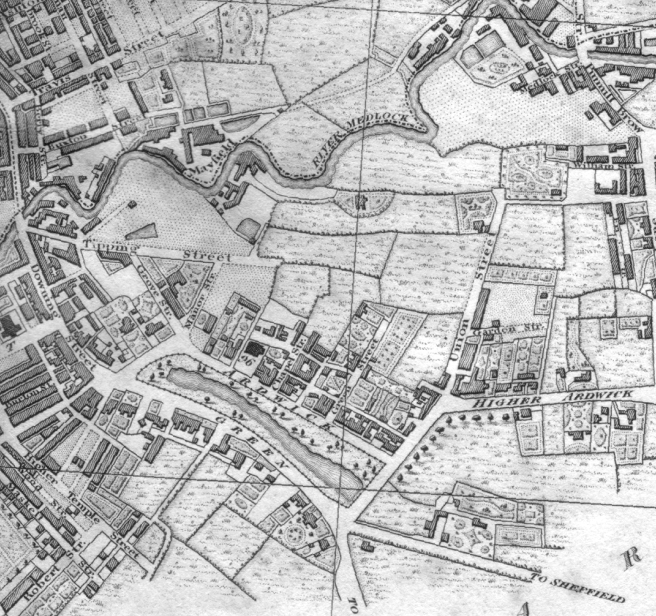
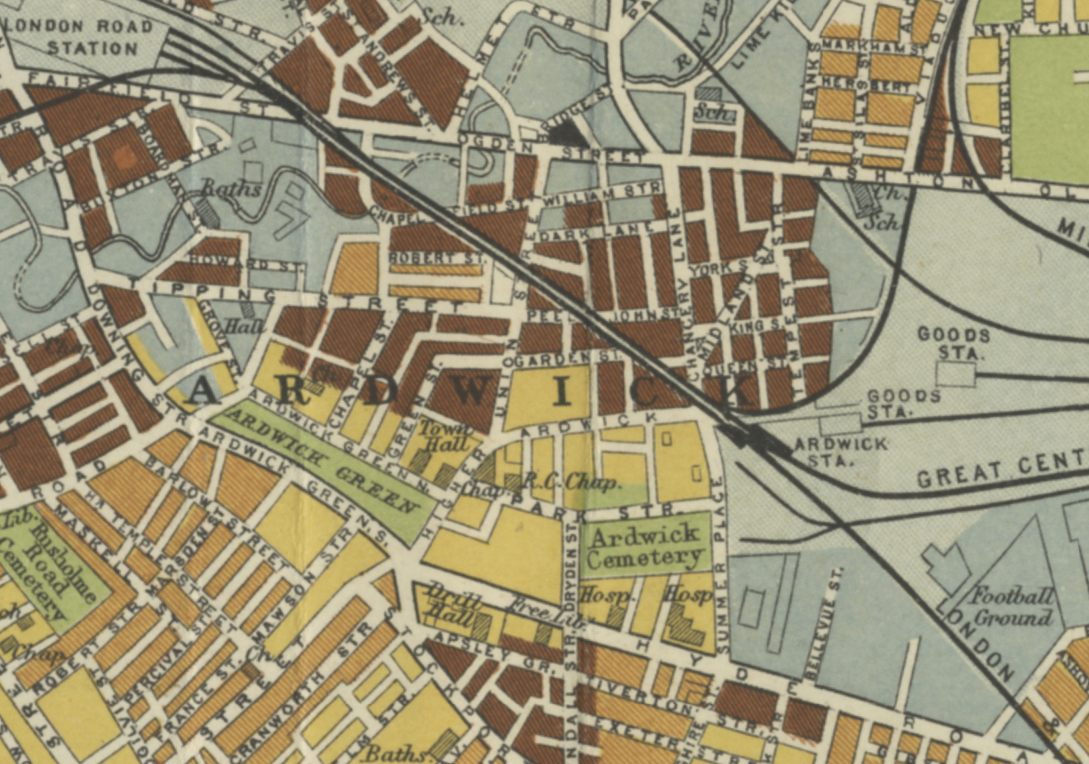
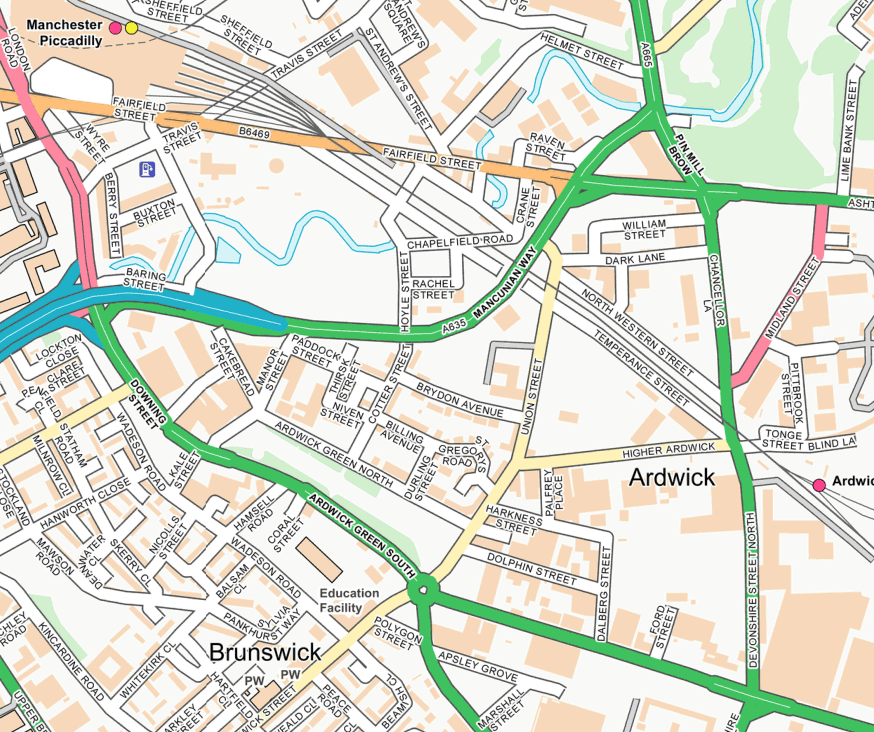
Ardwick Walk Again

1824

1904

2025

Previously in February 2022 I walked the fair streets of Ardwick.

Three and a bit years on it was time to see what had been coming and going on.

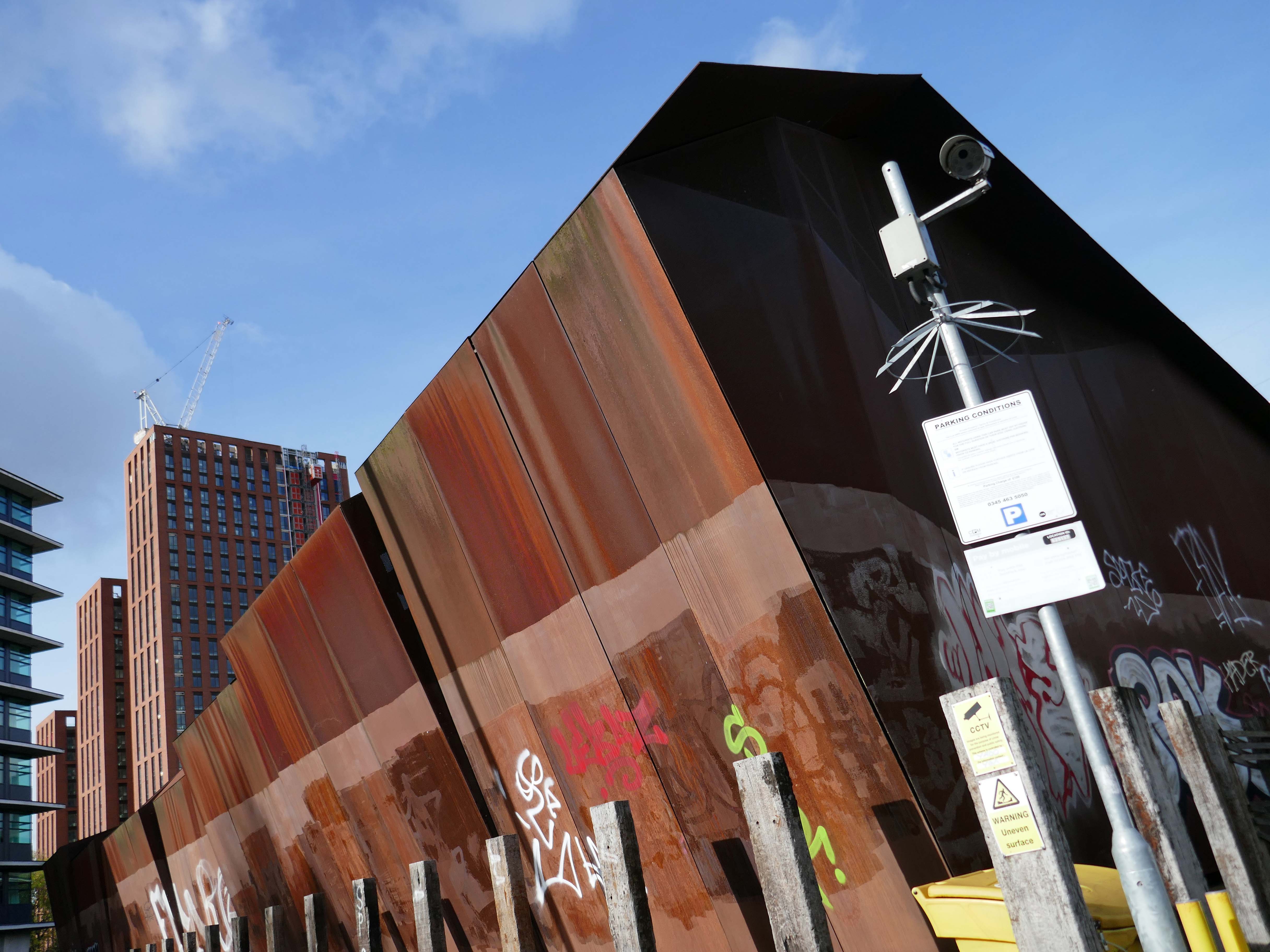
The Central Manchester Primary Substation on Travis Street is still there.

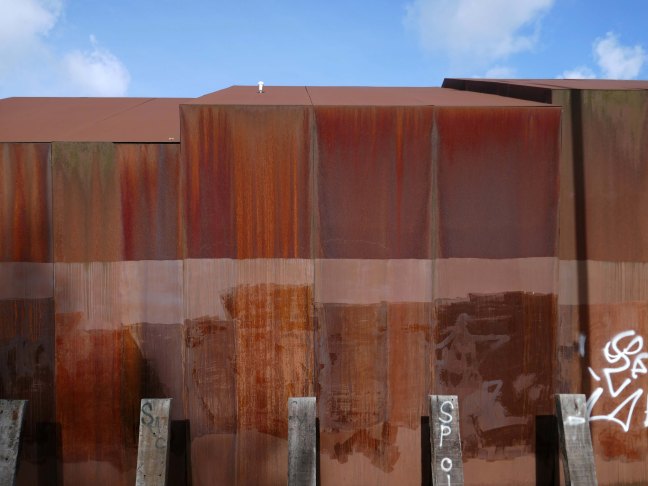
The building was cladded with a COR-TEN® steel envelope, the nature of which was relatively complex.

Corten steel sets itself apart due to the inclusion of unique alloying elements: chromium, nickel, copper and added phosphorous which gives the steel its self-protecting properties.

Architect: Walker Simpson
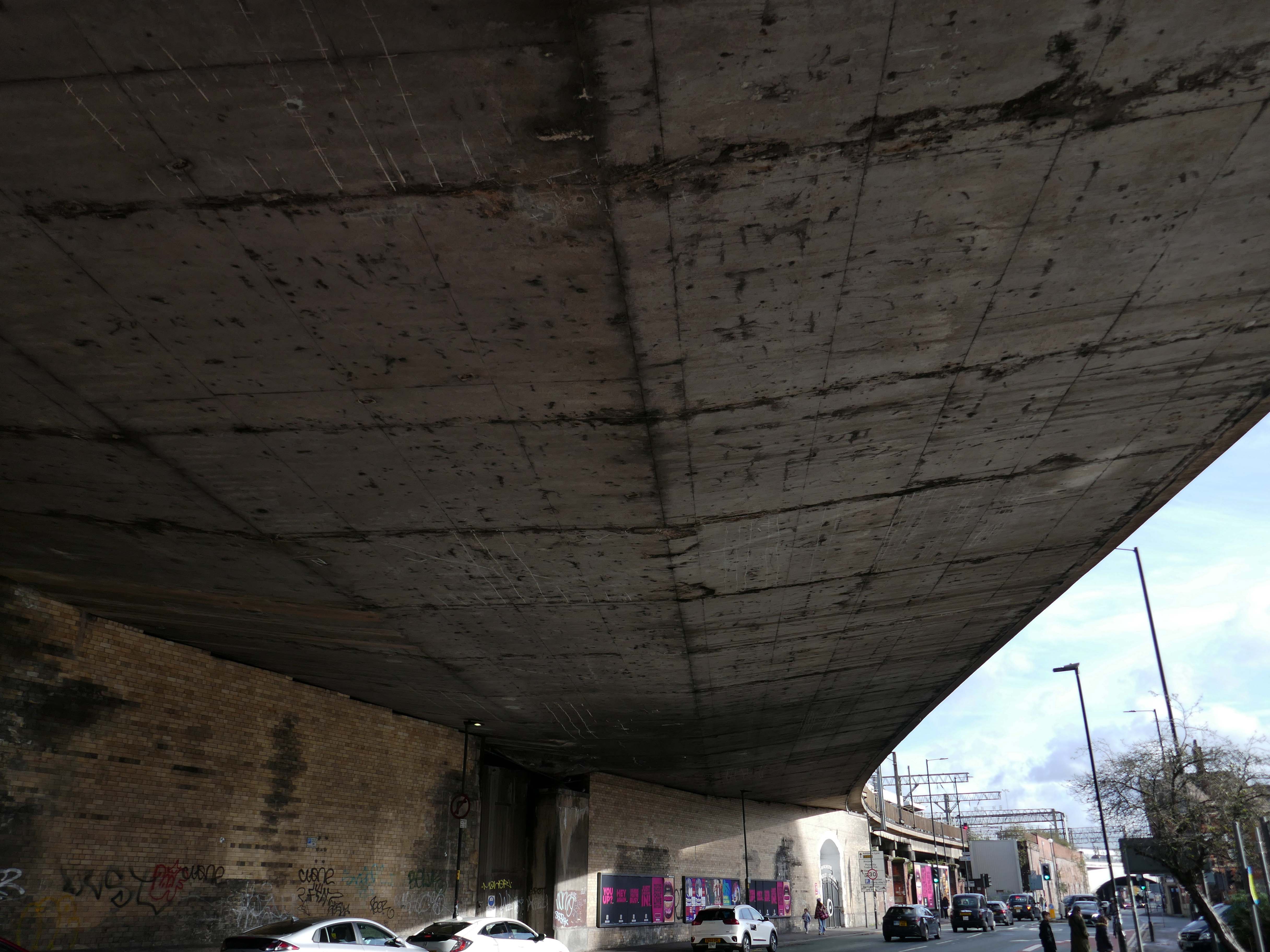
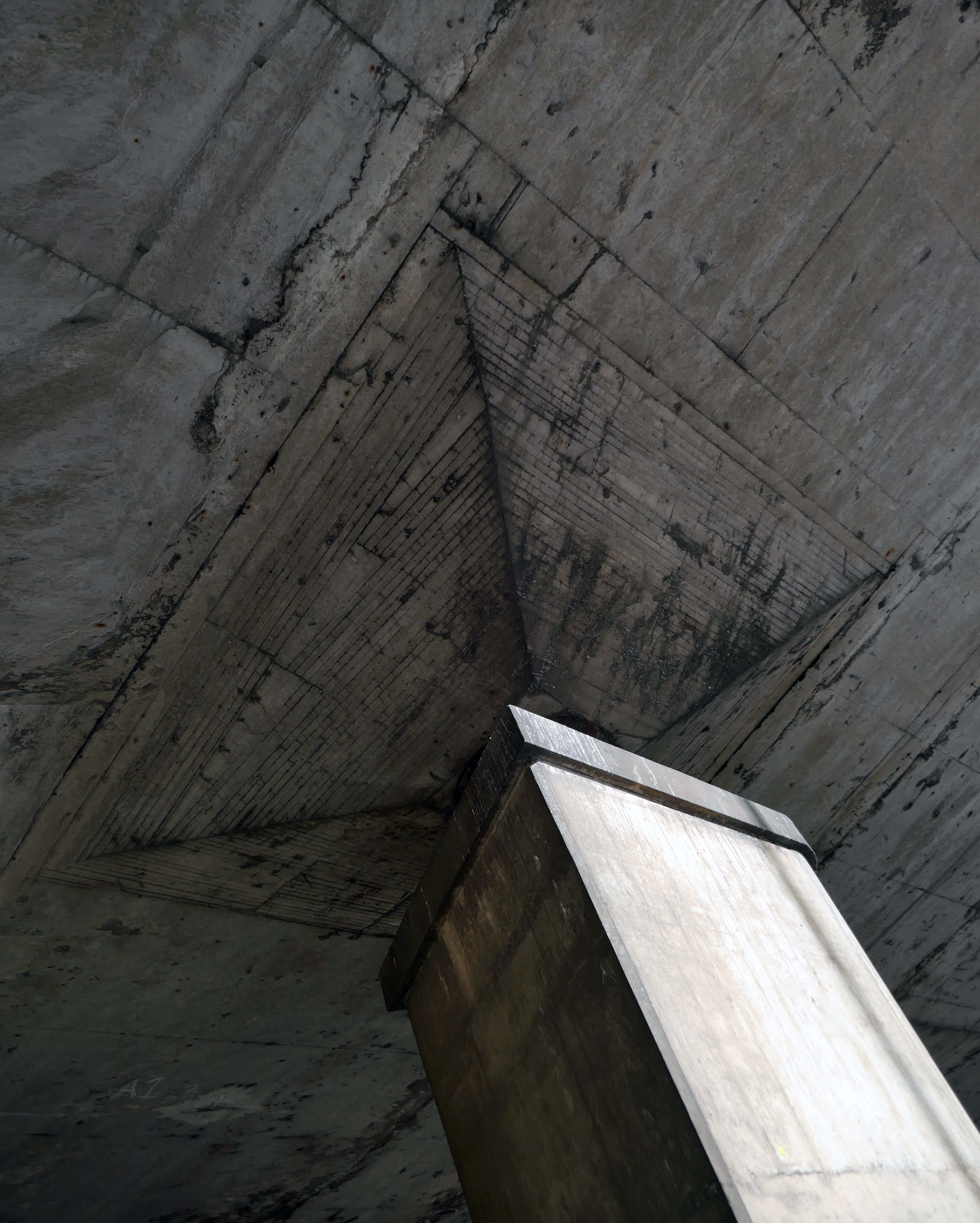
Immediately adjacent are Platforms Thirteen and Fourteen, bridged over the roadway by this vast concrete construction.

Platform 14 is primitive, I understand totally from an infrastructure standpoint because it’s on a bypass line on a bridge, but it gets too overcrowded and is windswept. The rest of the station is ok. Platforms 13/14 have not changed in 40 years, grim.
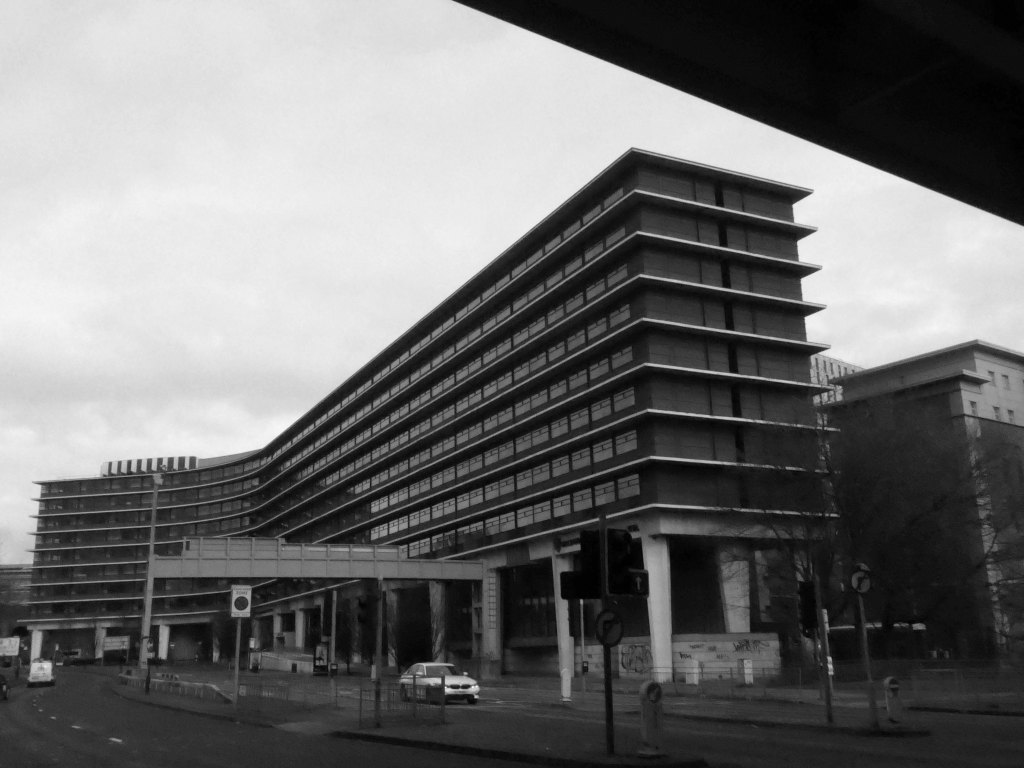
We the pass to the former BT Building – architects JW Hammond 1973.

Originally conceived as a hotel, there were no takers at the time, so it became the BT HQ.

Currently Marriot Hotel Piccadilly

Comprising 338 rooms, Manchester Marriott Hotel Piccadilly is near a shopping district, a 10-minute ride from Etihad Stadium. Offering a location right in the centre of a beautiful neighbourhood, this comfortable hotel boasts a lounge bar along with city views.
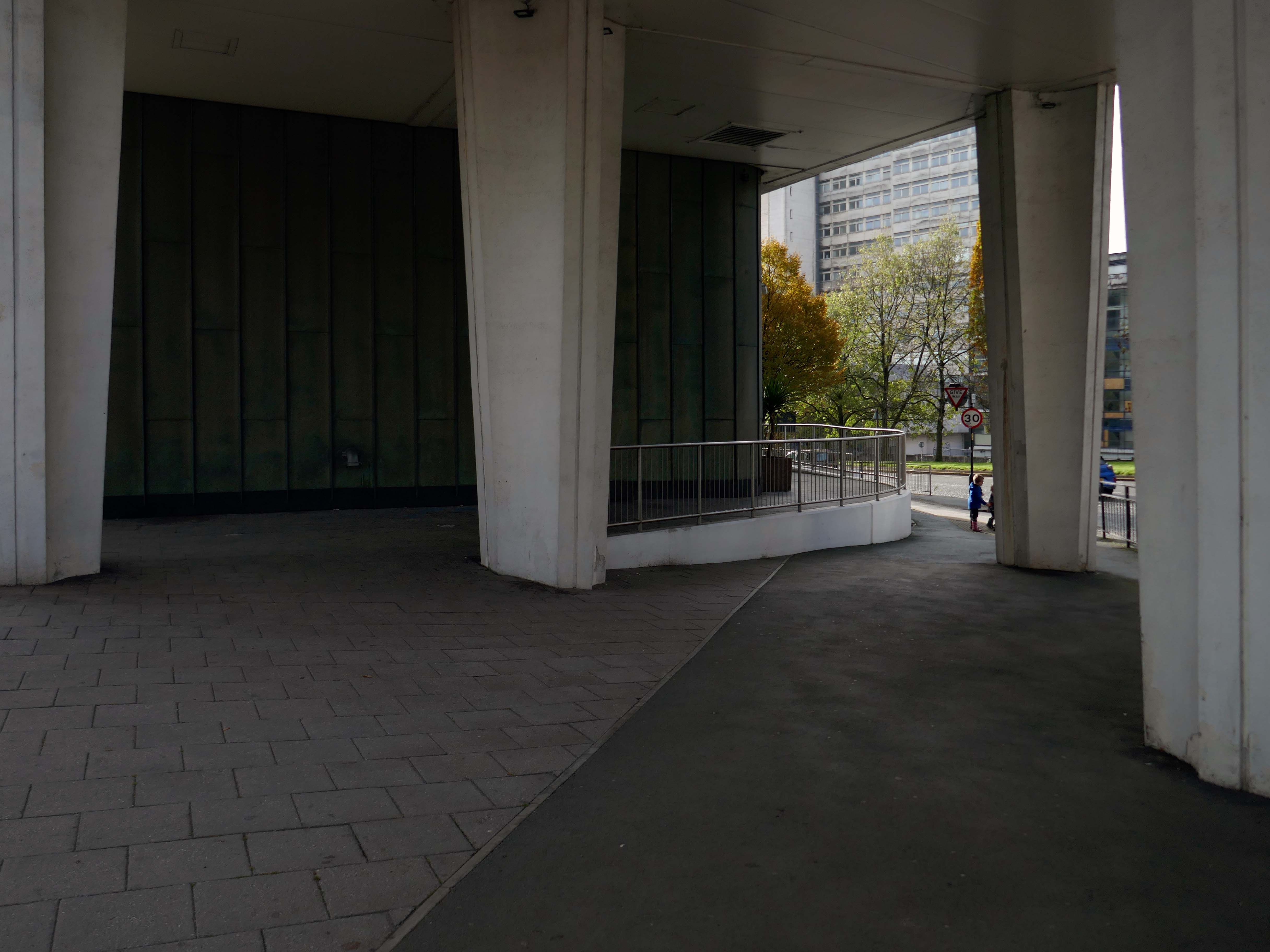
It is supported on the most magnificent piloti.
Over the road the Holloway Wall 1968 – Grade II listed but its remodelling is in the air.

The developer’s architects now propose to ‘reimagine’ the artwork and incorporate it into the foyer of the new office building. However, this ‘reimagining’ requires large sections of the artwork to be removed by cutting away and ‘folding’ around 30% of the sculpture.
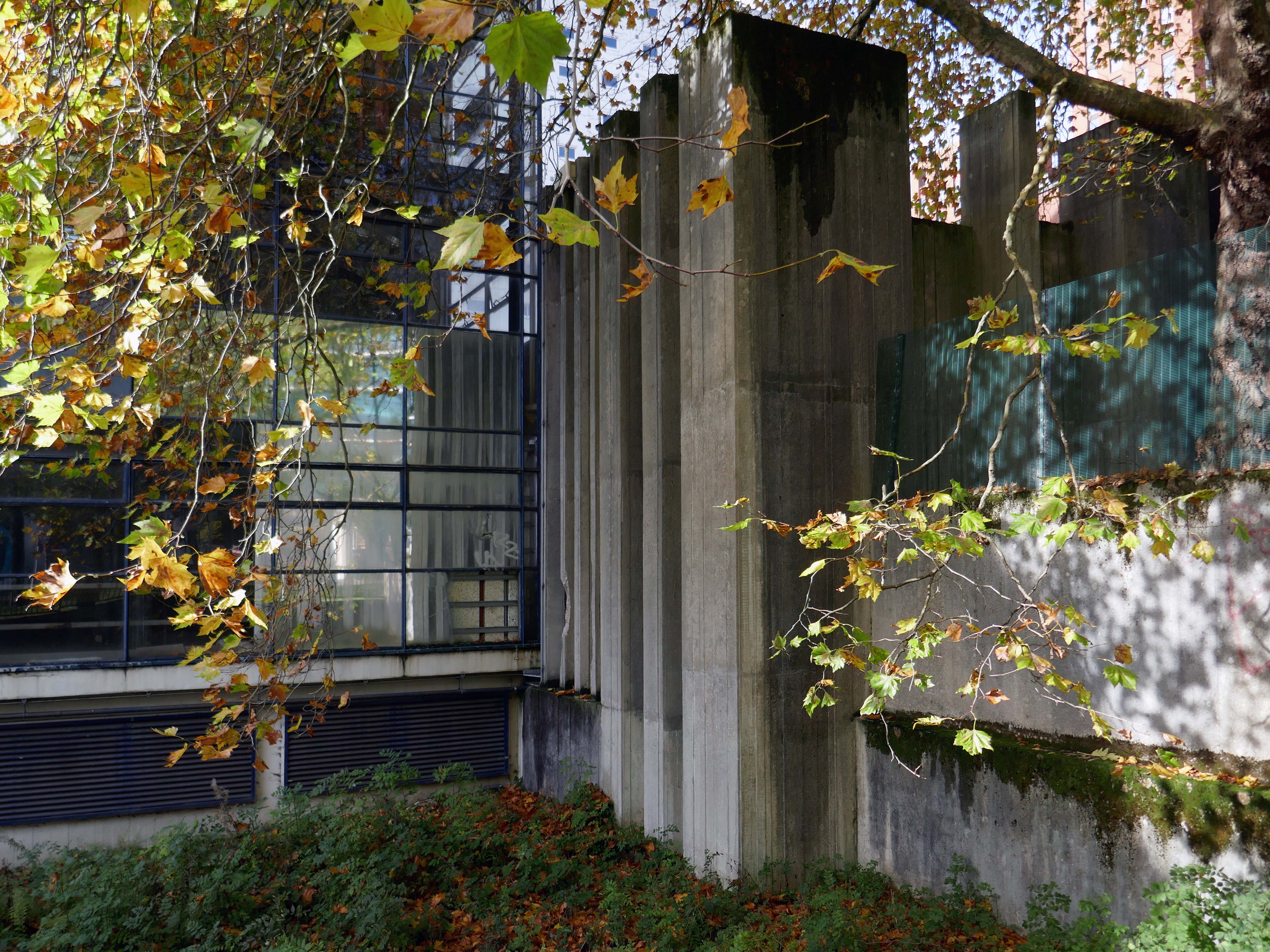
Modernist

The remainder of the UMIST site is also under threat – only the Renold Building is listed and to be retained intact.

Lecture Theatre, along with the Maths and Sciences Building.
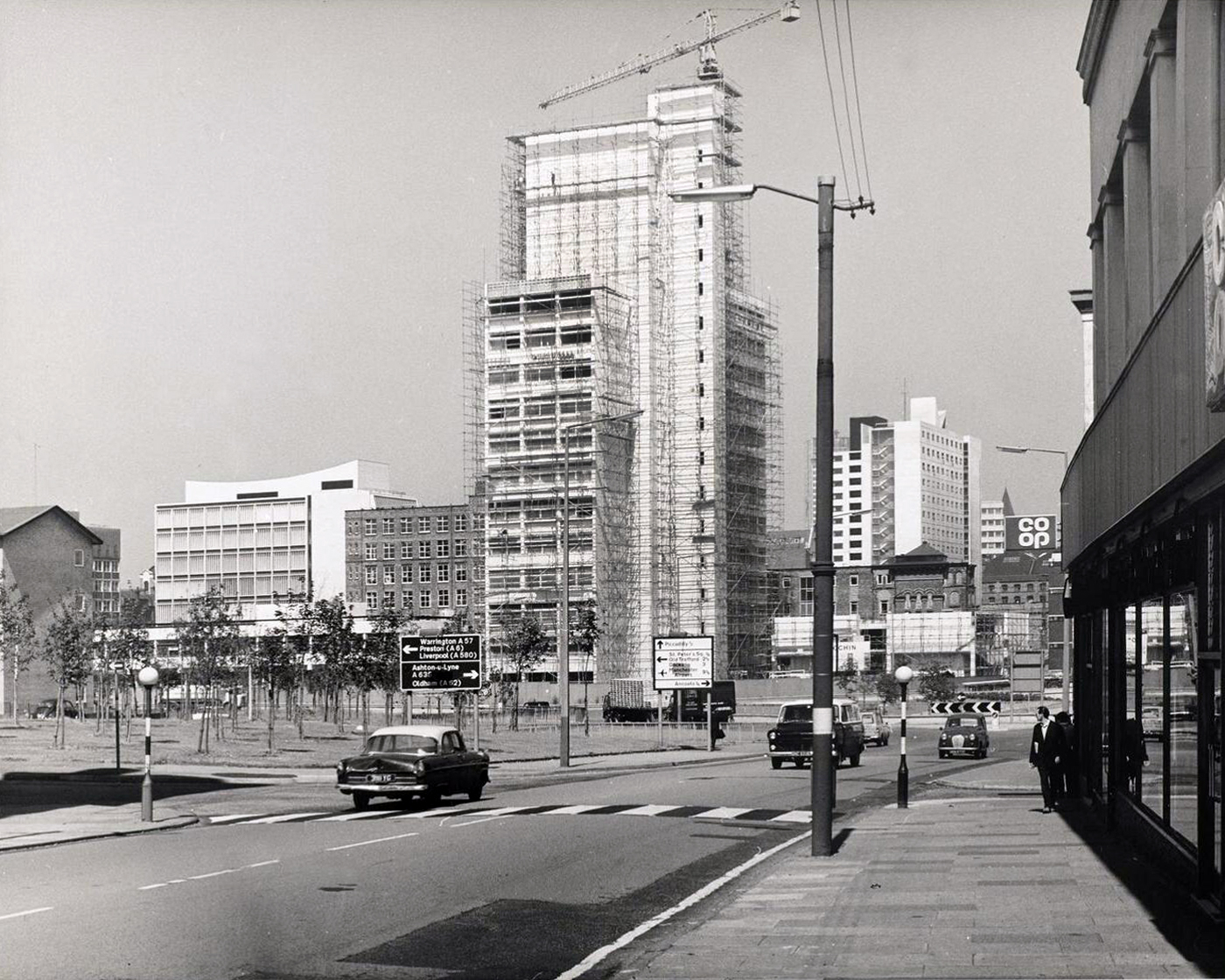
Seen here under construction before the arrival of the Mancunian Way extension.
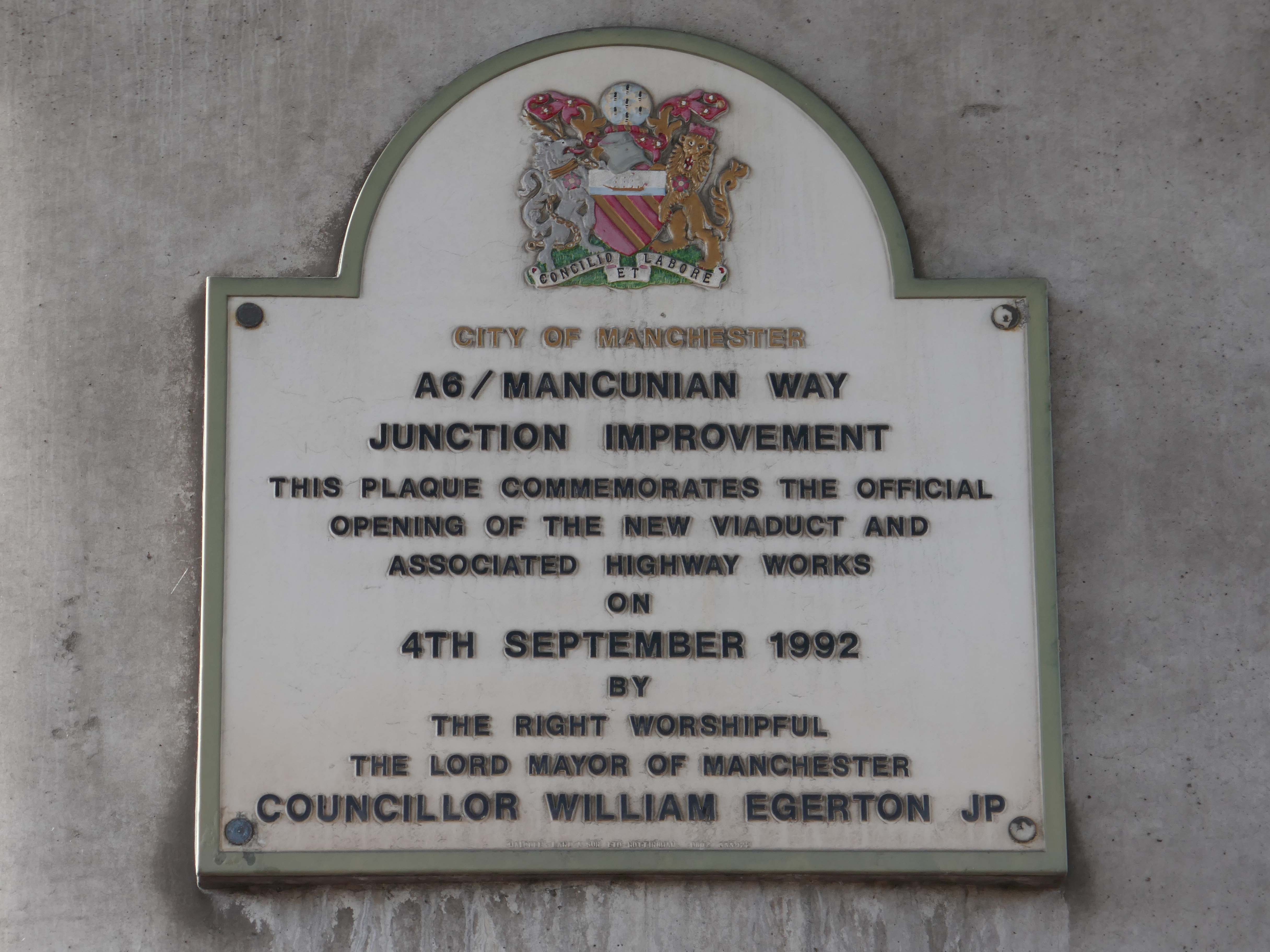
The Mancunian Way extension opened in 1992.
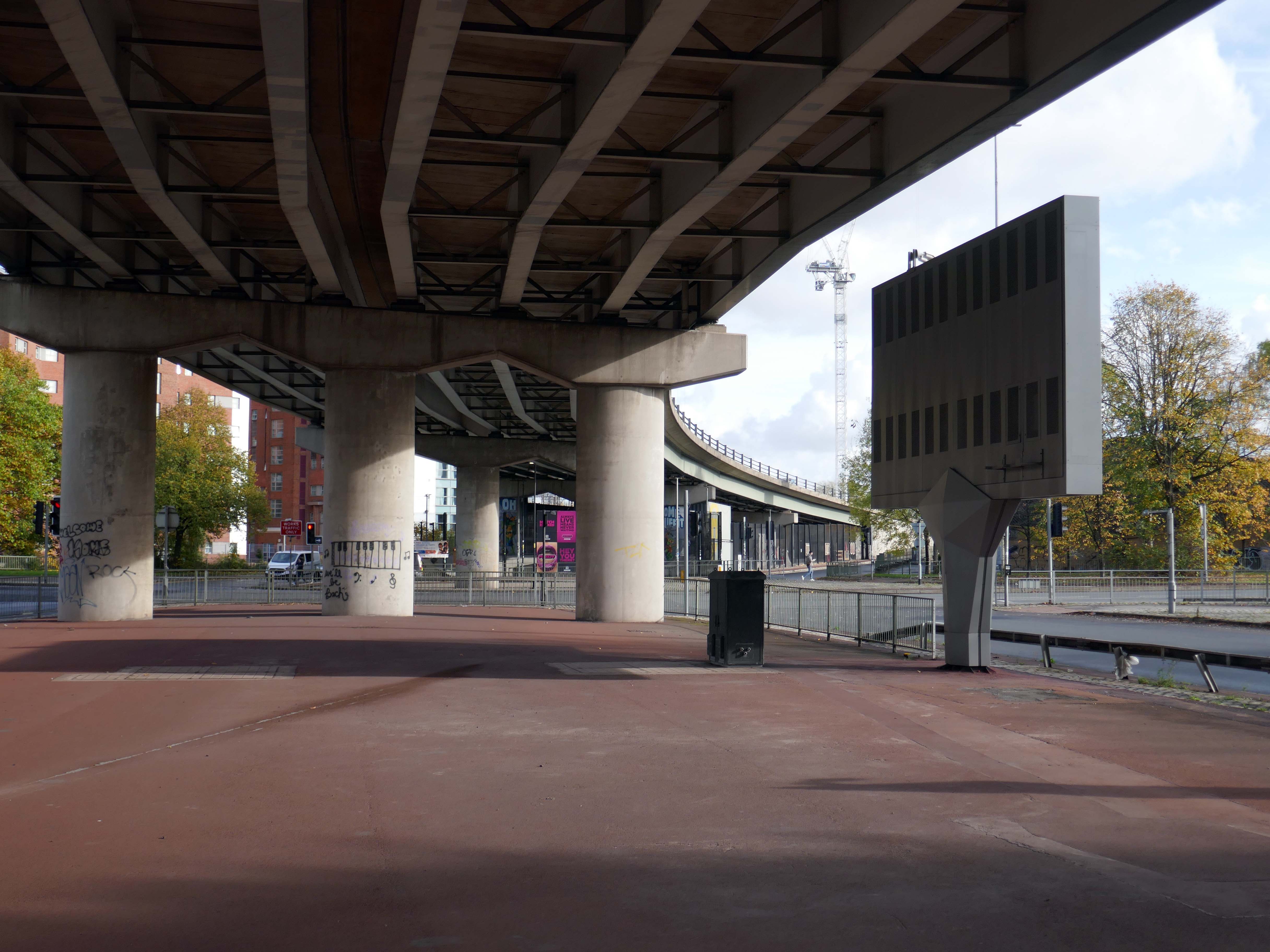
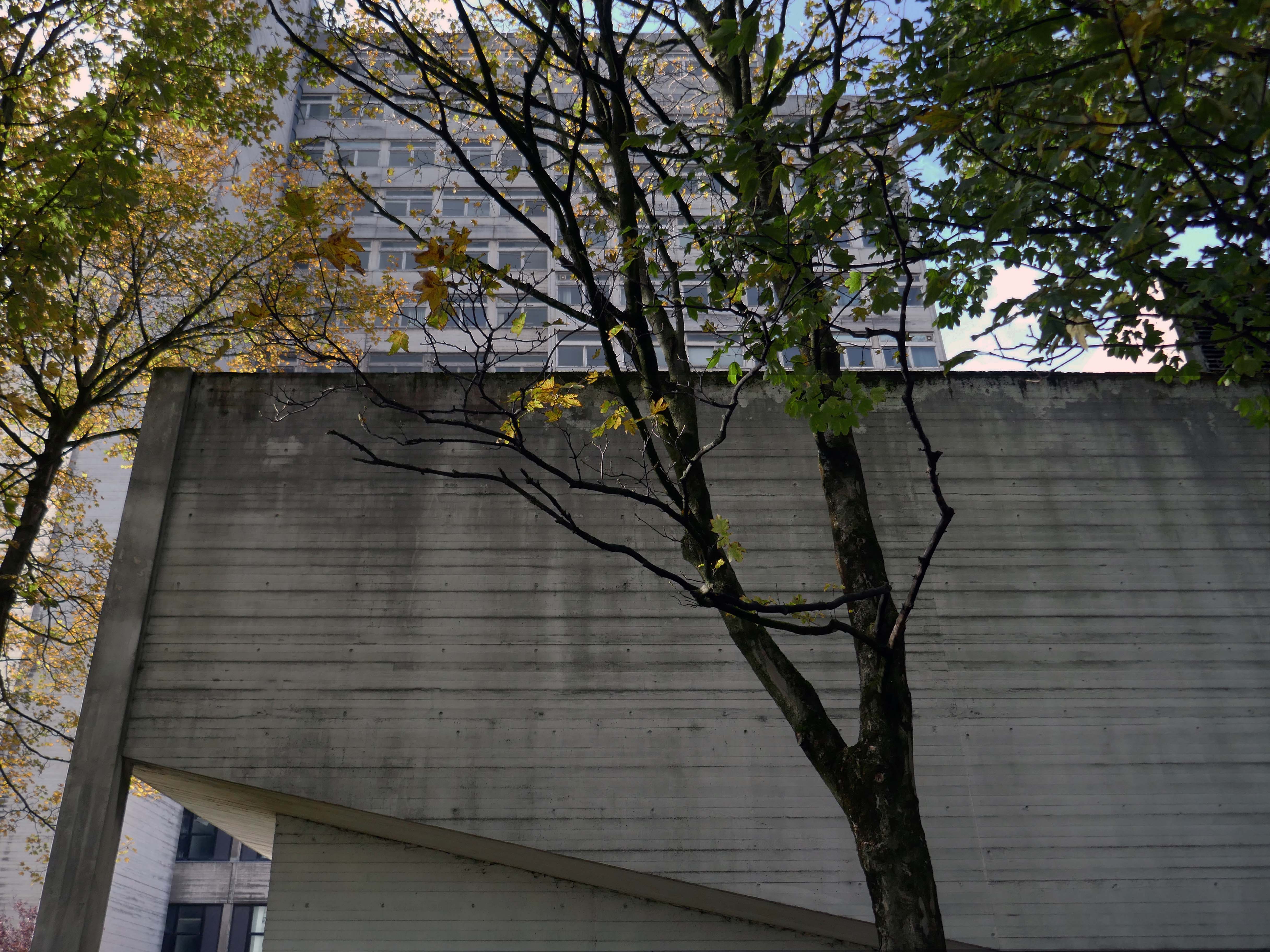
From beneath the roadway we can see the Ferranti Building.
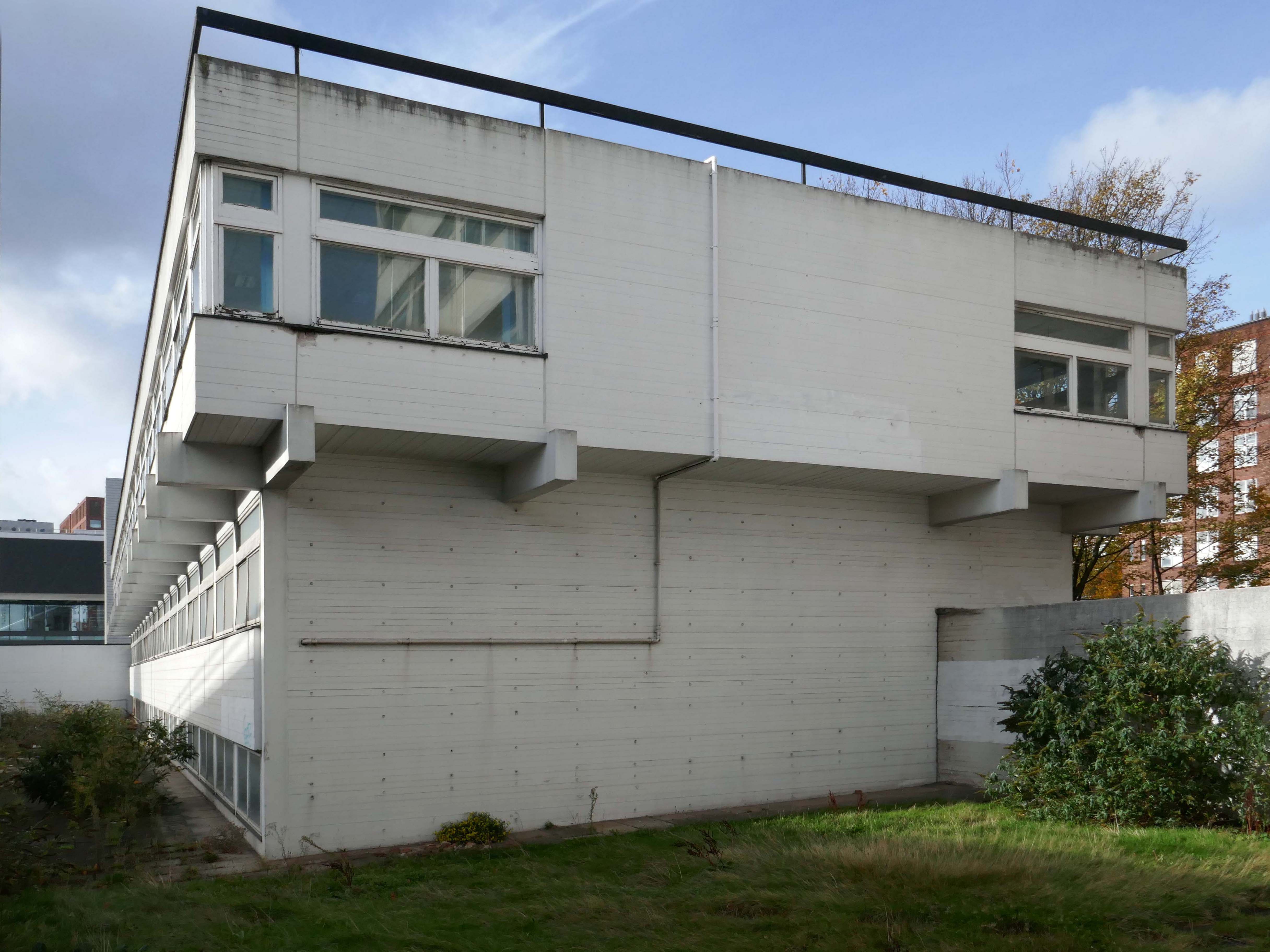
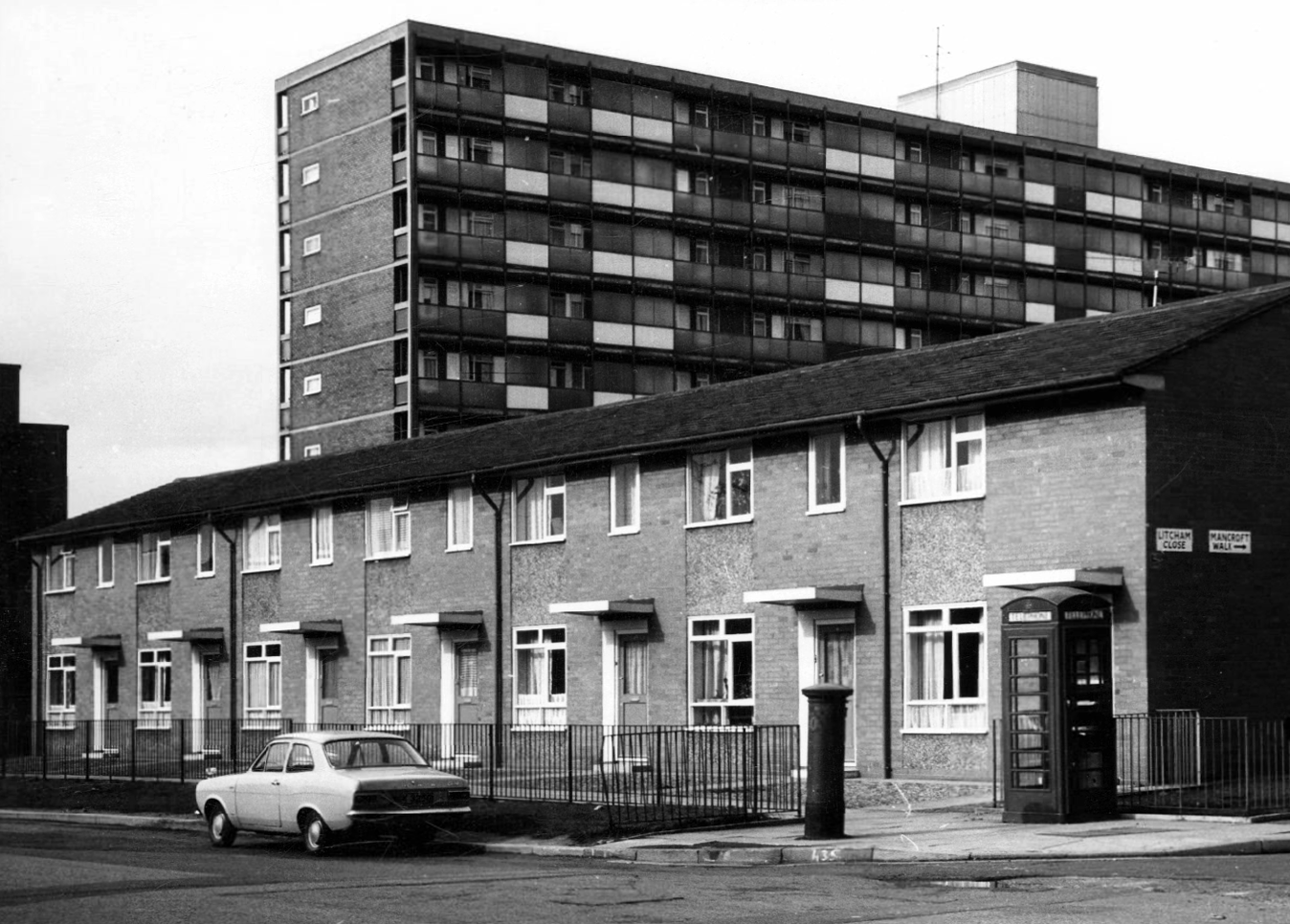
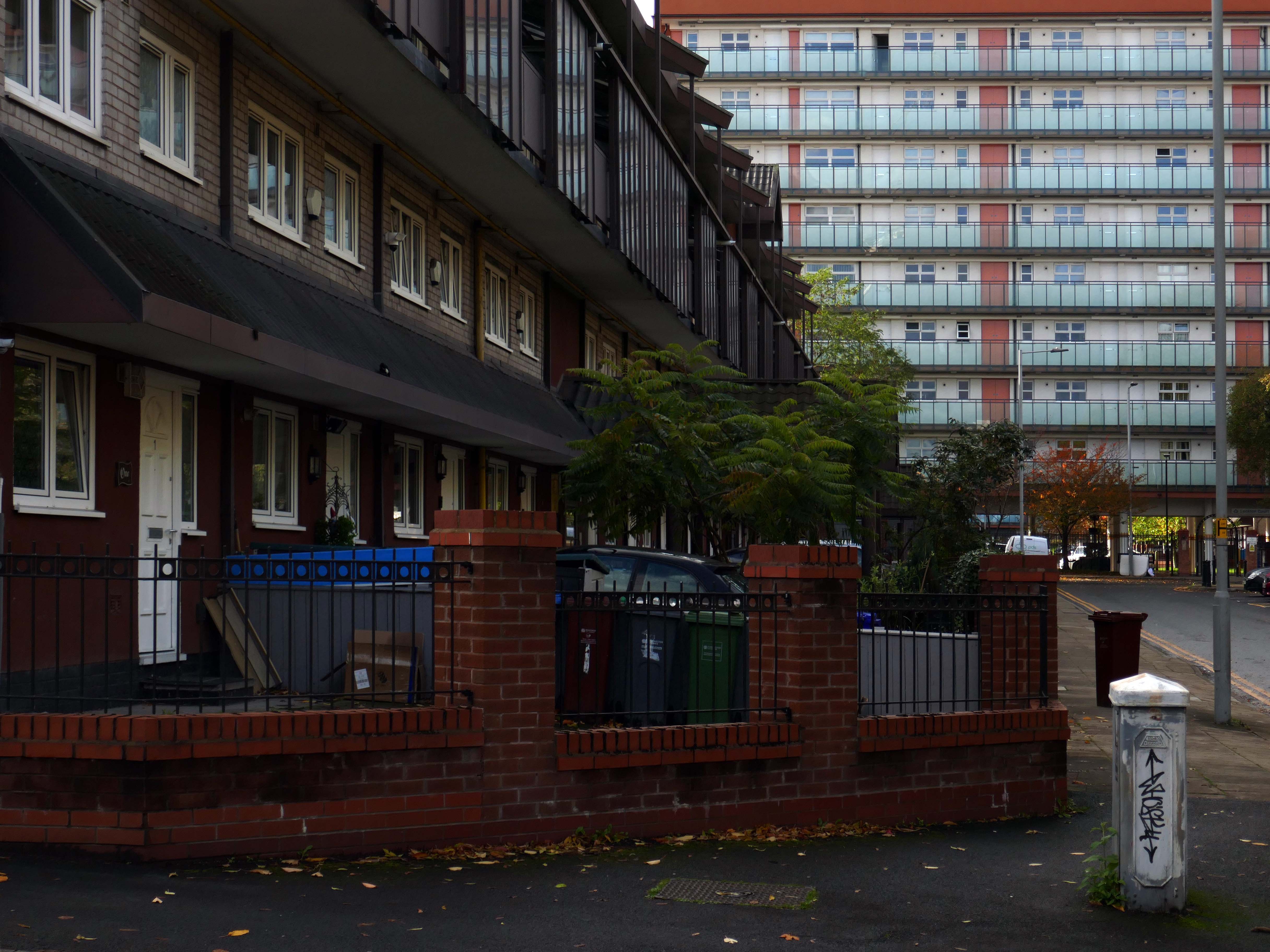
Crossing over to see the Brunswick Estate, built in the Sixties and Seventies and recently refurbished.

S4B is a partnership leading the £106m regeneration of Brunswick, Manchester. The Brunswick Regeneration PFI is a combination of government funding, private investment and expertise that will revitalise Brunswick. Improvements will include council home refurbishments, new homes for sale and to rent and an improved neighbourhood design.
Pro Manchester

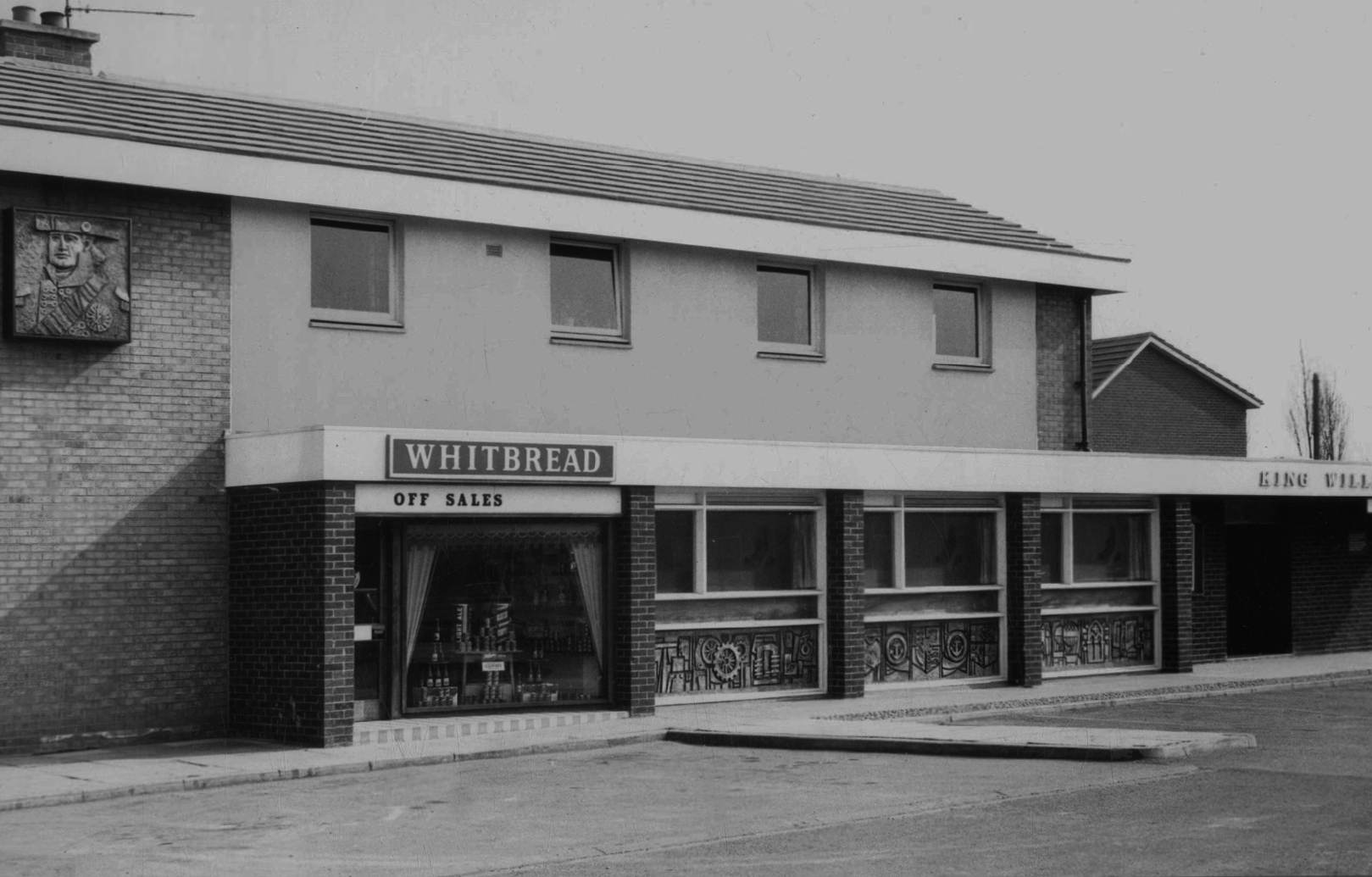
Long gone lost estate pub from the estate – King William IV a former Chesters then Whitbread estate pub was built in 1967. Closed in 1996 when it was converted to residential property. It had a brief spell 1991 to 1995 as brewery premises for the Dobbin’s West Coast Brewery, during this period the interior was stripped out to accommodate the brewery paraphernalia.
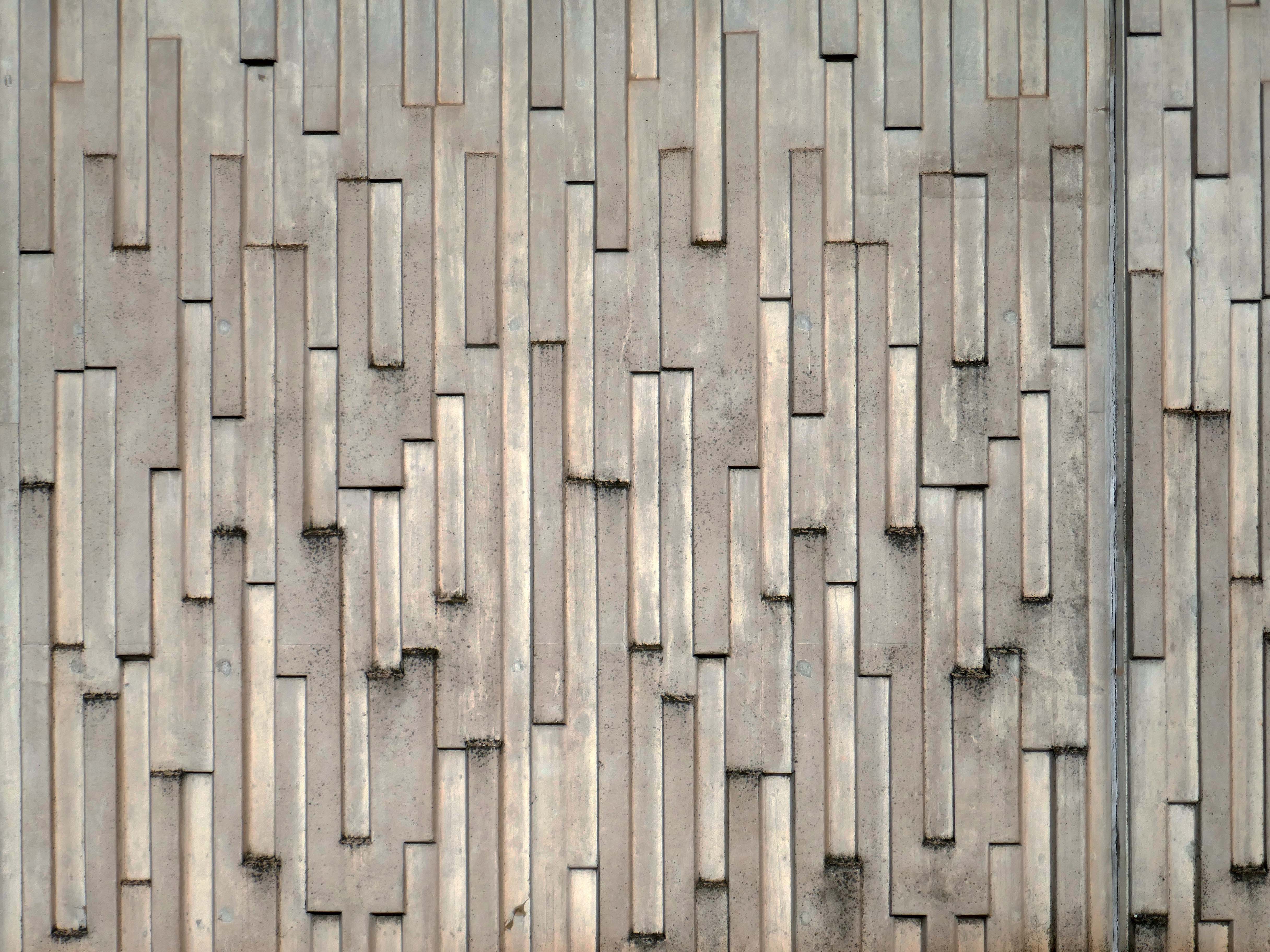
We take a jog around the block to see the concrete relief that clads the road ramp.
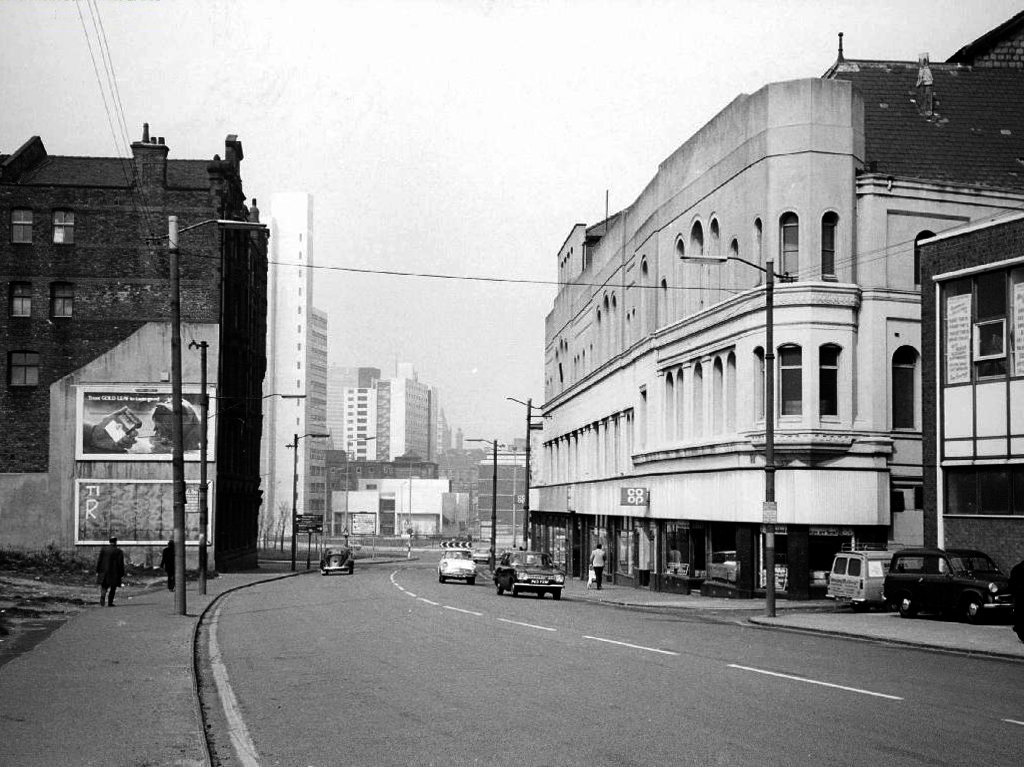
Where there was once a giant Cooperative Store there is now a light industrial and retail estate.
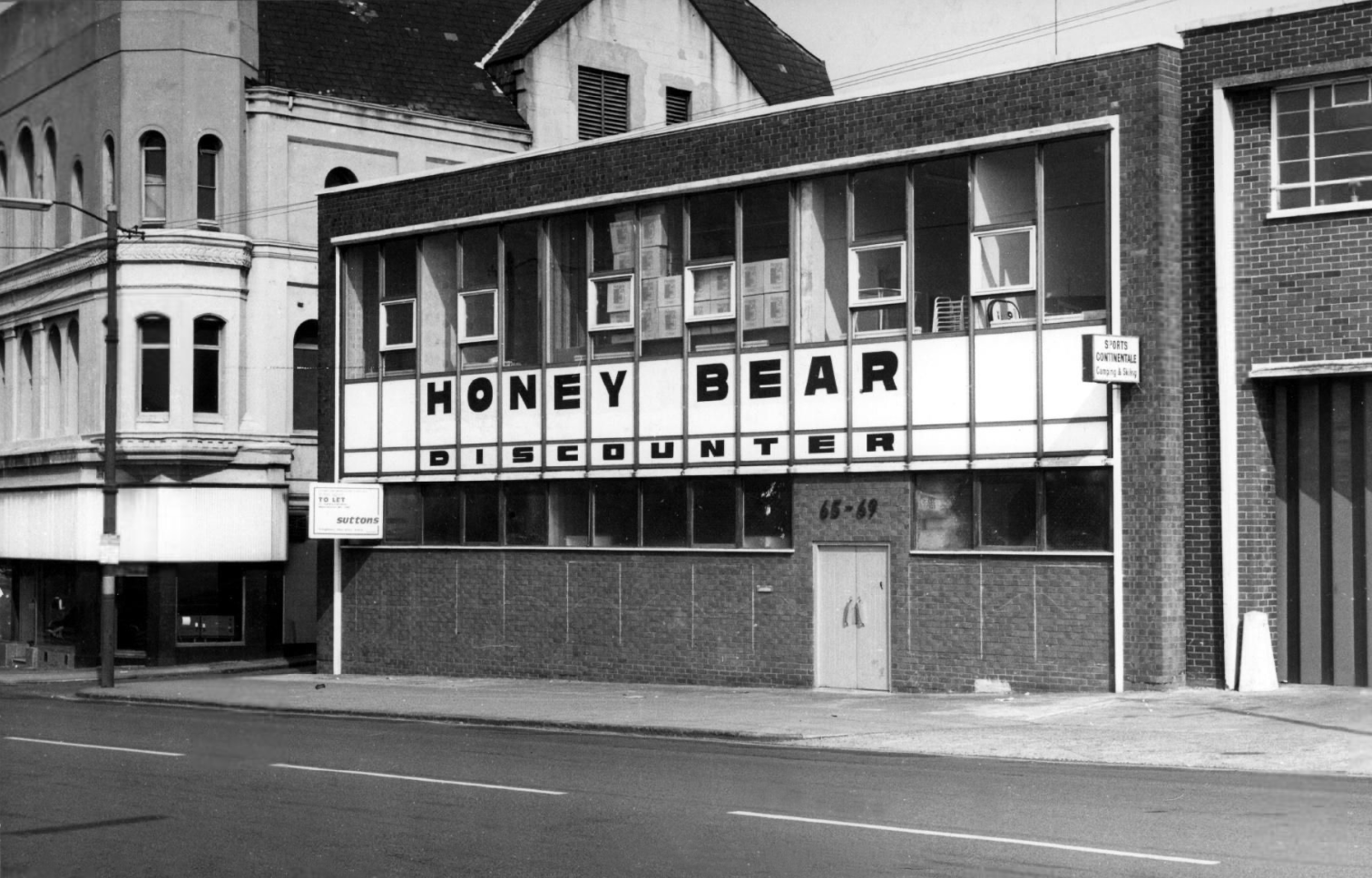
And the Honey Bear Discounter has become Spirit Studios.
And the Barracks has become the Fabric Church.

The Diocese of Manchester has been working in partnership with the Church Revitalisation Trust to open Fabric Church and refurbish the building, following a successful bid to the Church of England’s Strategic Mission and Ministry Investment Board.
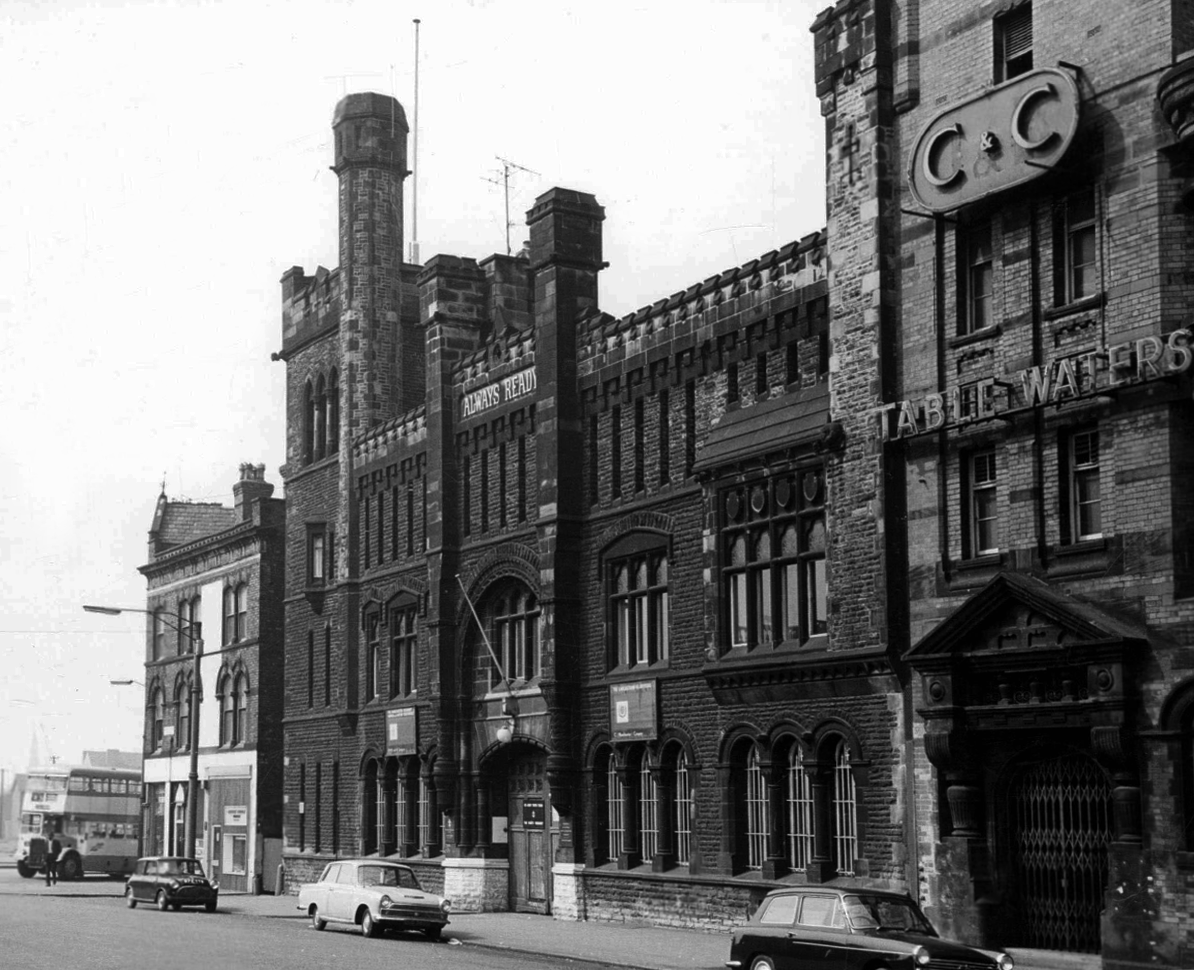
We’re excited to be working alongside Fabric Church on the transformation of the Grade II listed former Ardwick Barracks in Manchester. This ambitious refurbishment project will see the historic site reimagined as a vibrant community hub, featuring a new worship hall, community café, offices, meeting spaces, and more.
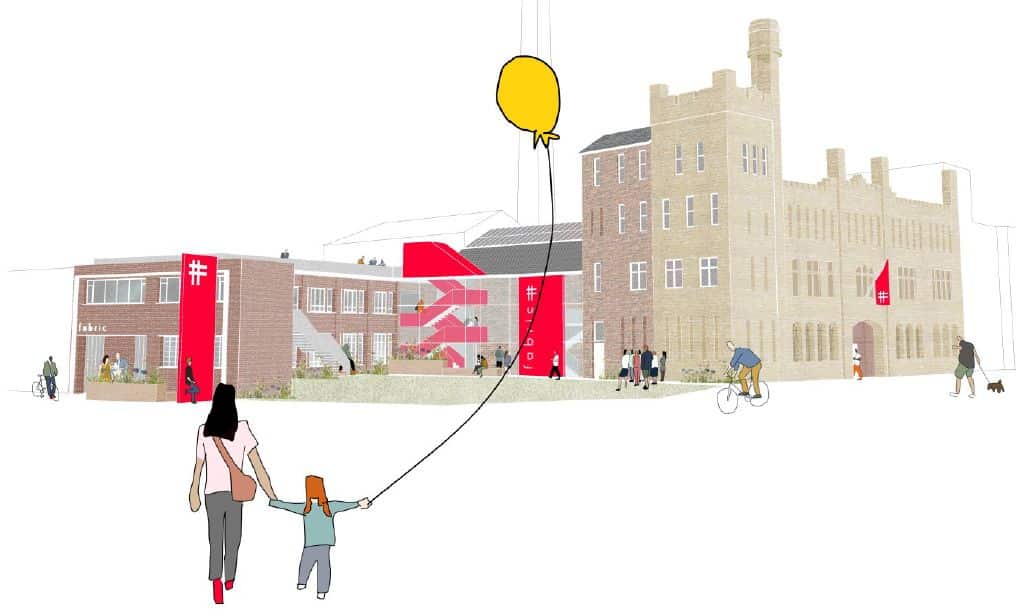
Hexaconsulting

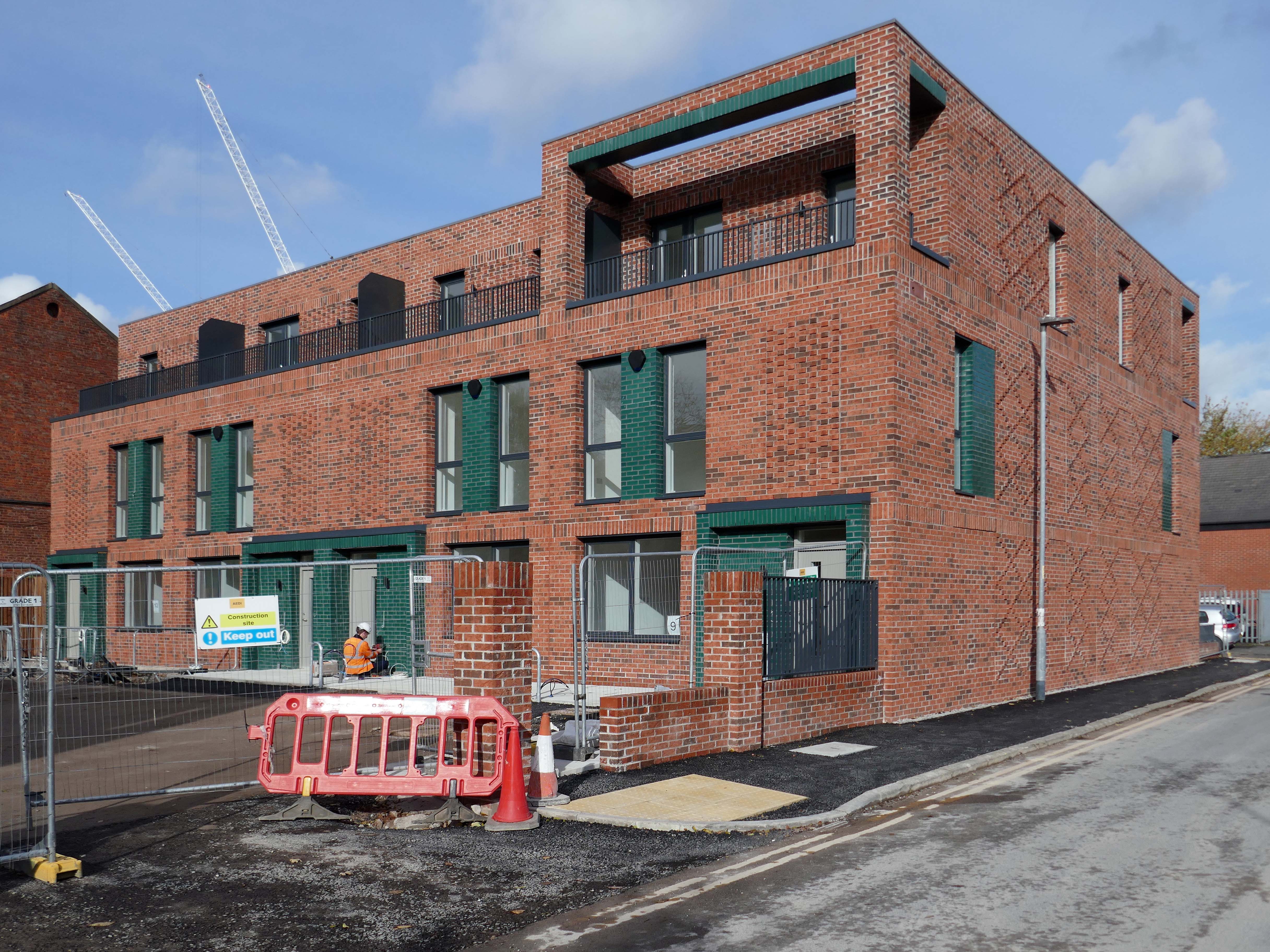
Alongside Ardwick Green Park there are new housing developments nearing completion.

Ardwick Green combines contemporary design with great light infused spaces, offering stylish homes with a modern twist, private parking, outdoor spaces and a welcoming community atmosphere an urban retreat that truly feels like home.

With the city just moments away, living at Ardwick Green will give homeowners easy access to Manchester City Centre and beyond with its vibrant social scene, bustling business landscape and extensive transport network on your doorstep. 
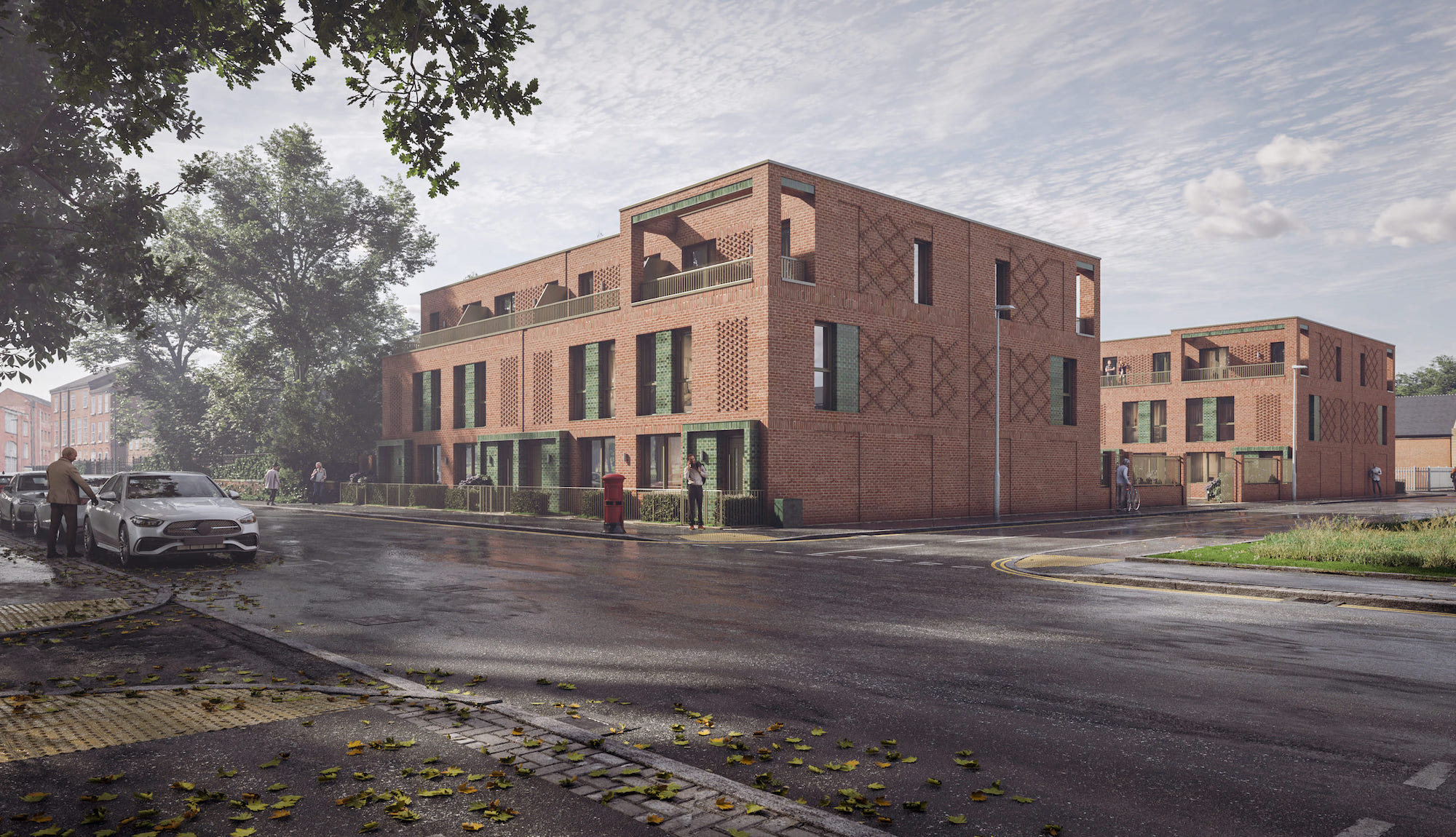
Step Places

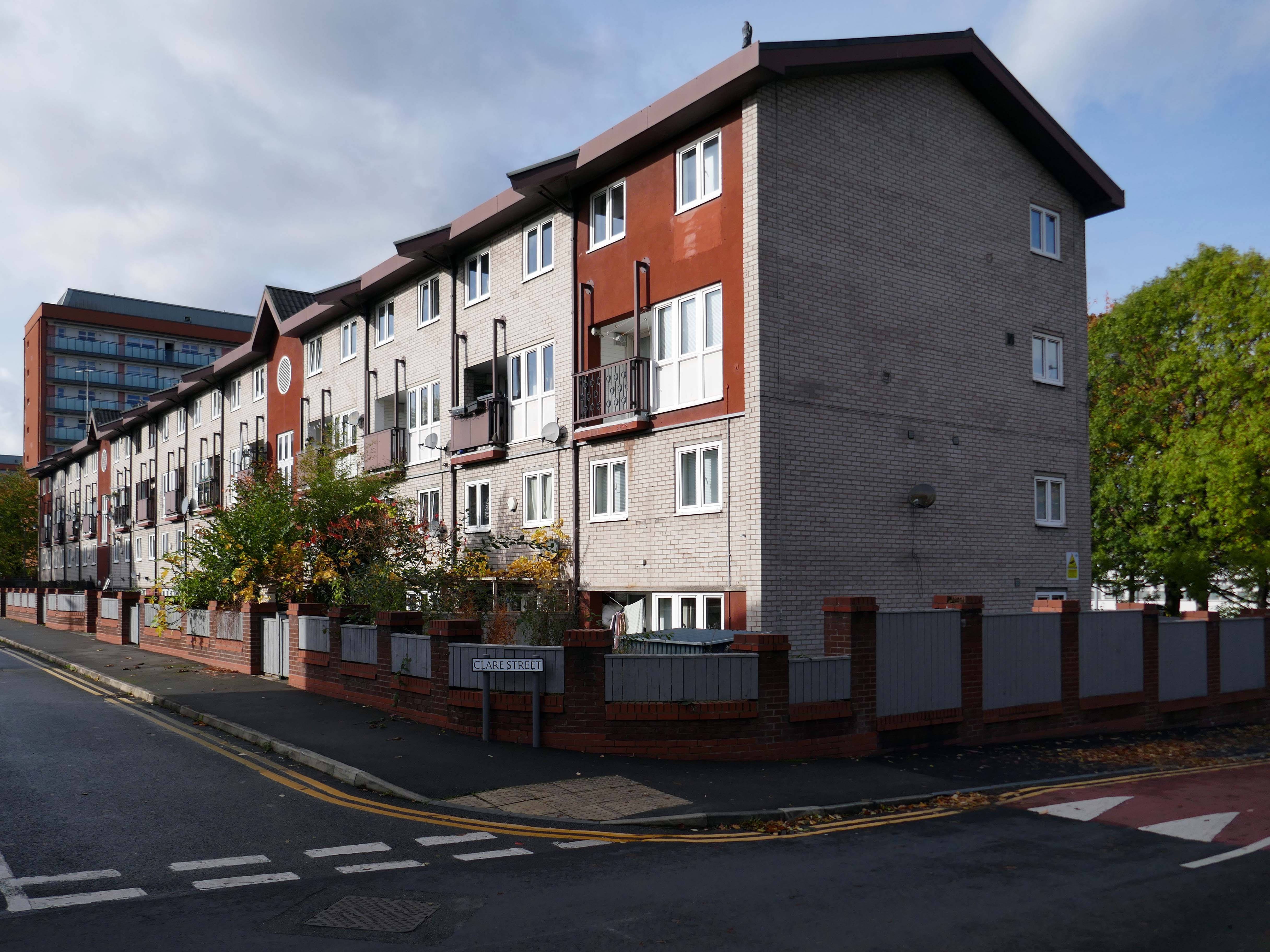
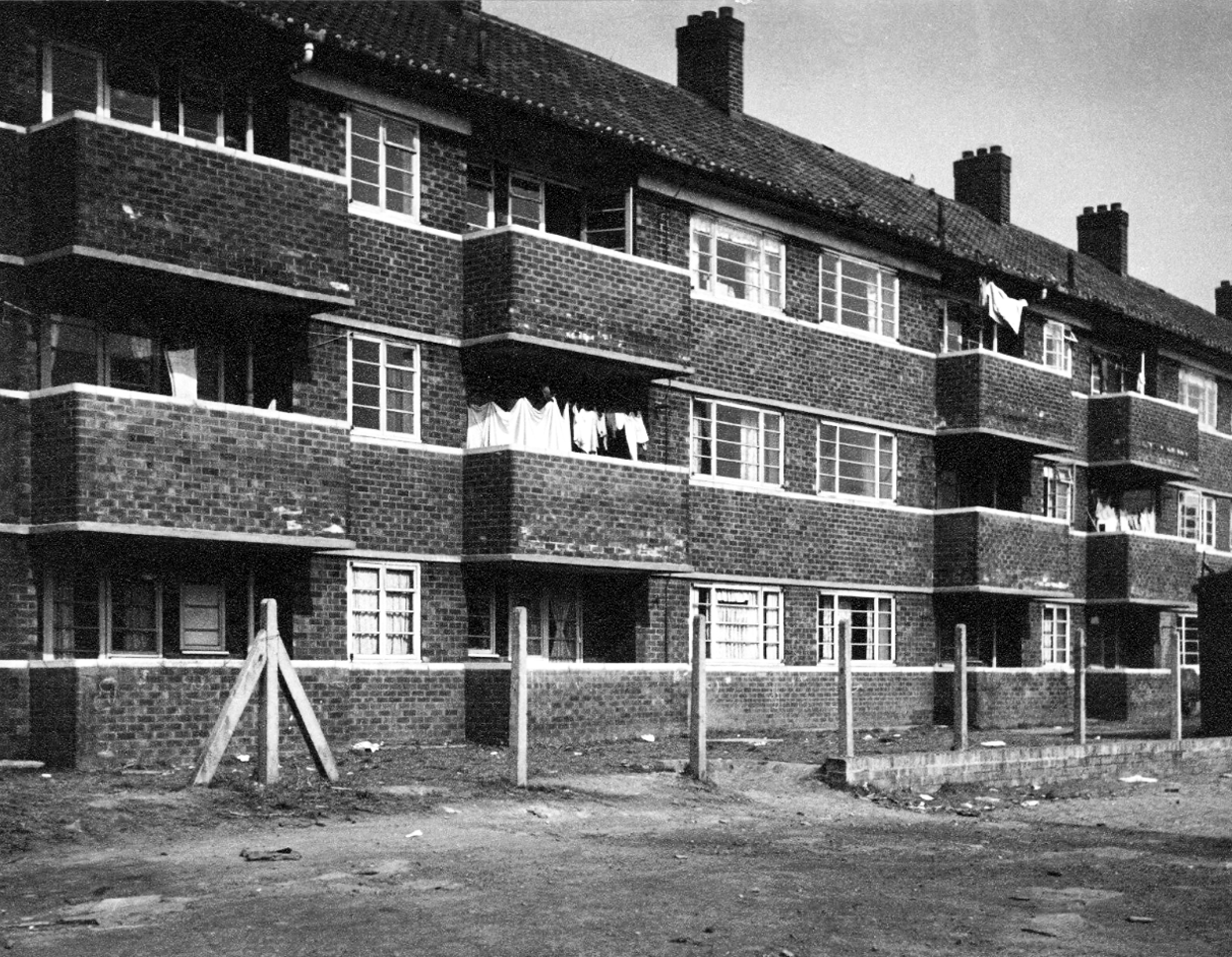
The area is home to a mixed and mongrel bunch of homes.
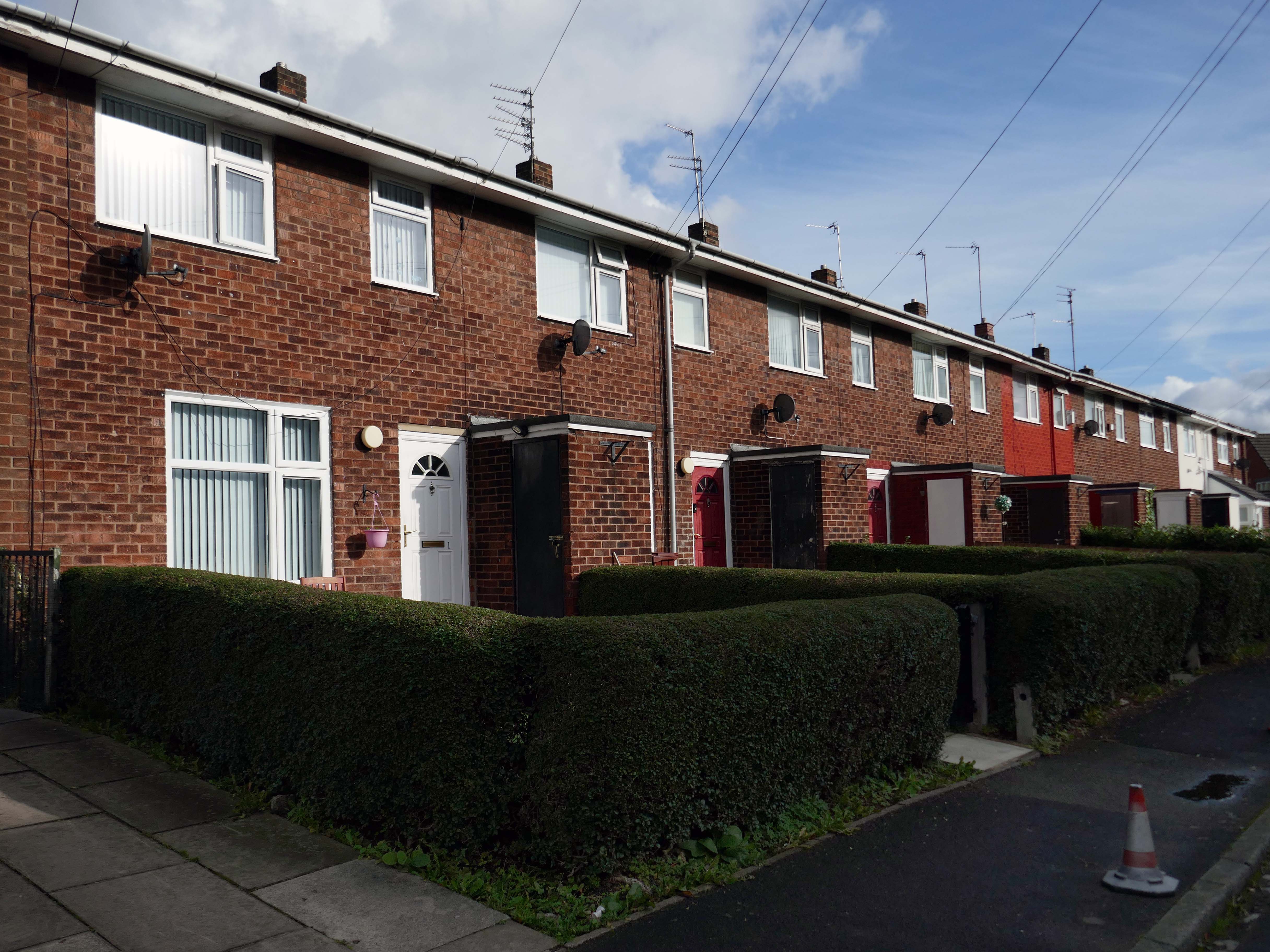
Though these interwar flats, seen here in 1956, are now long gone.
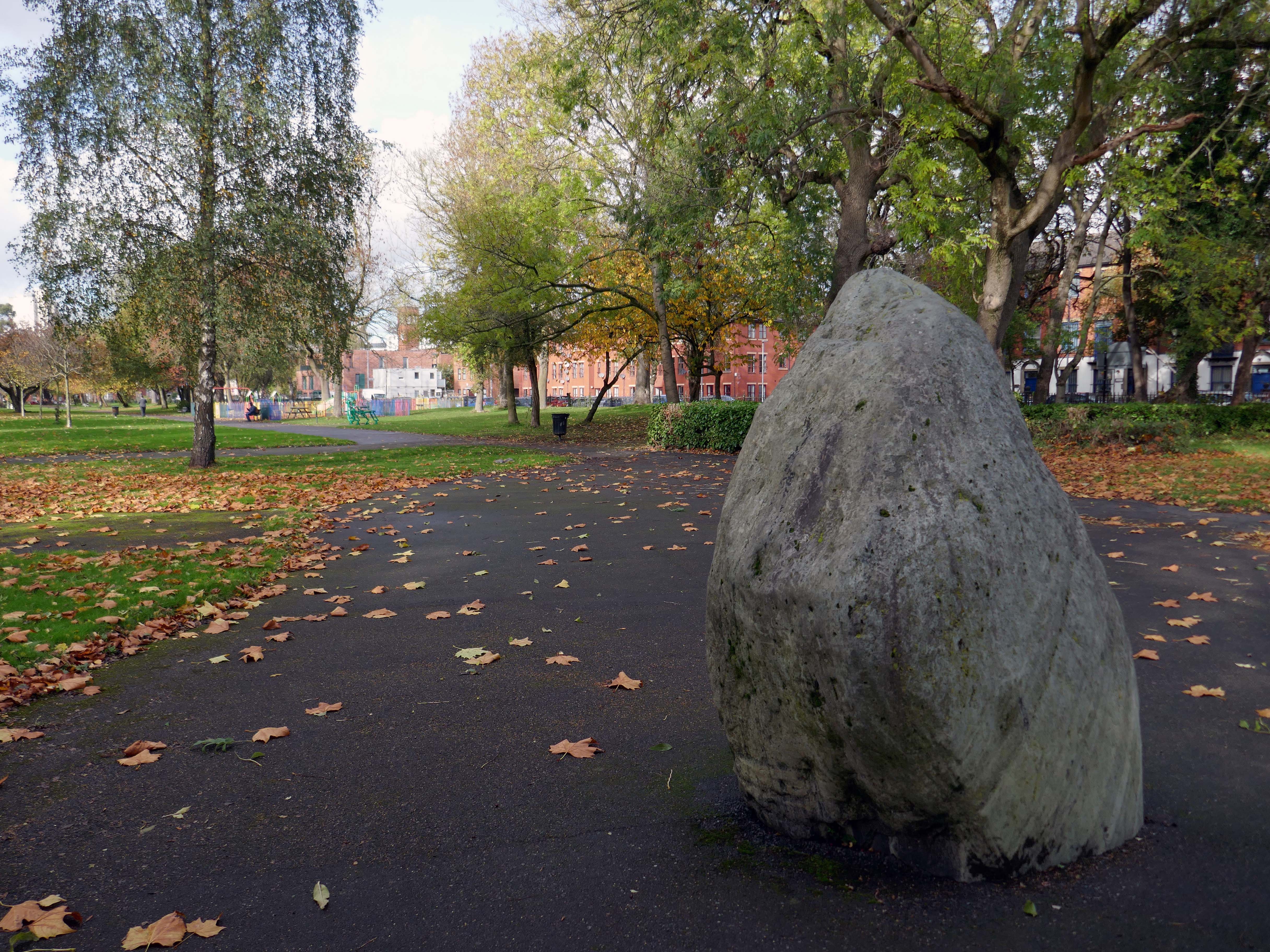
Within the park is a glacial erratic, which arrived following the Last Glacial Period .

Without which much of what we understand as the modern age would possibly not now exist.

It appears to be green slate from the Lake District, the native underlying rock in this part of Manchester is a red sandstone.
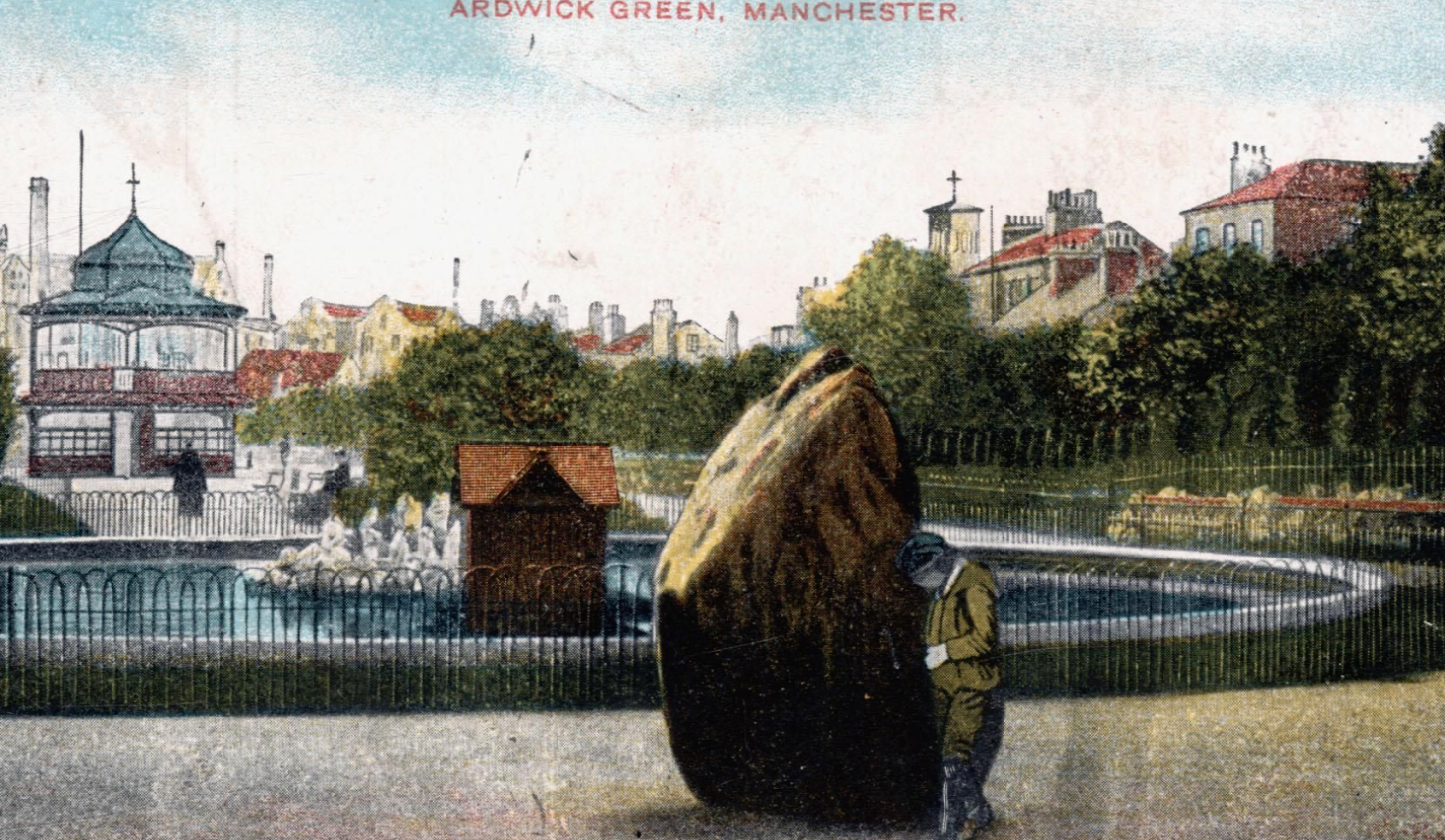
Postcard of 1906

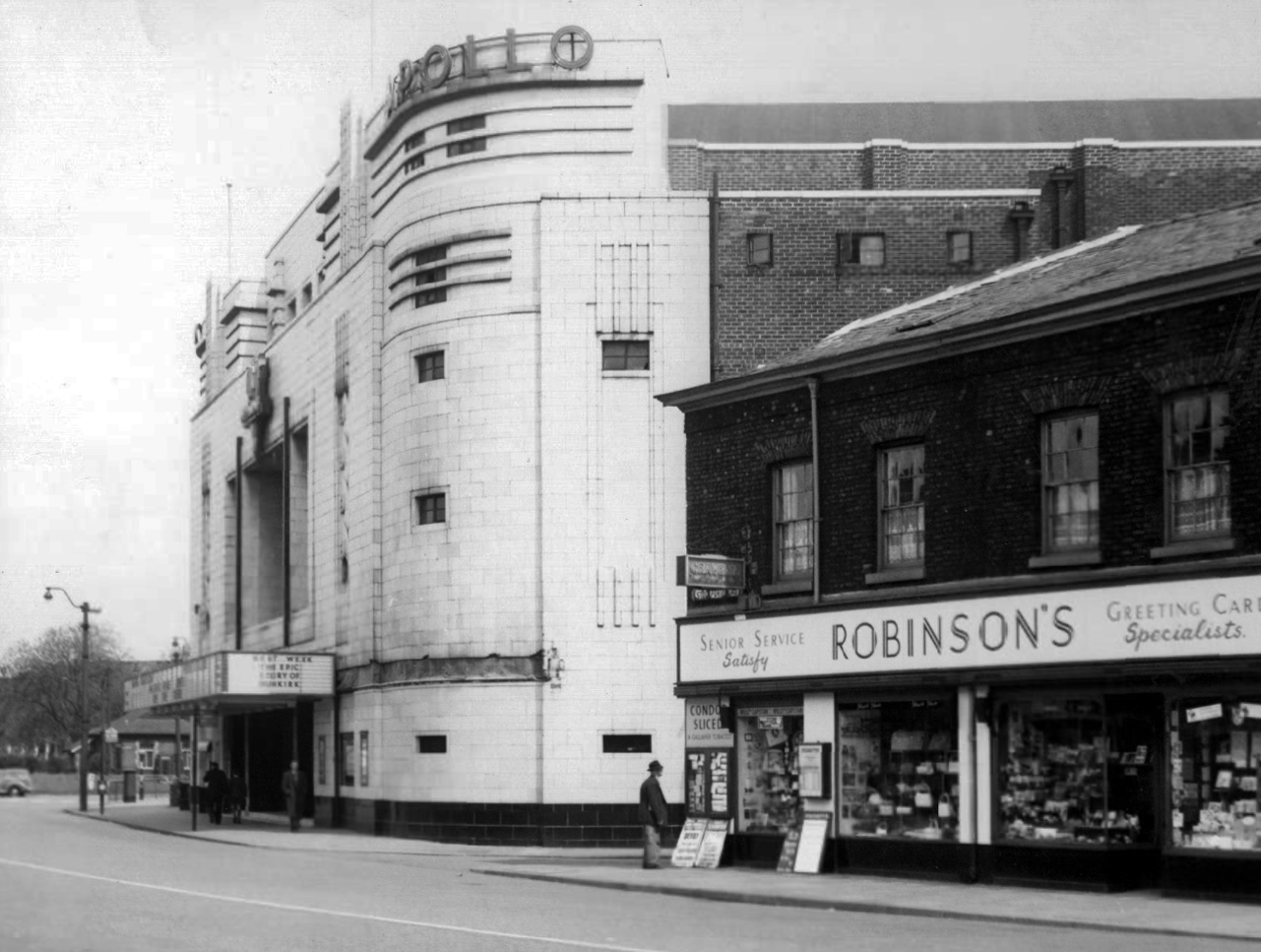
The Apollo of course prevails. – seen here in 1958

Architects: Peter Cummings Alex M Irvine

Opened on 29th August 1938 the interior decorations were carried out by noted interior designers Mollo & Egan with the Holophane lighting designed by R Gillespie Williams.
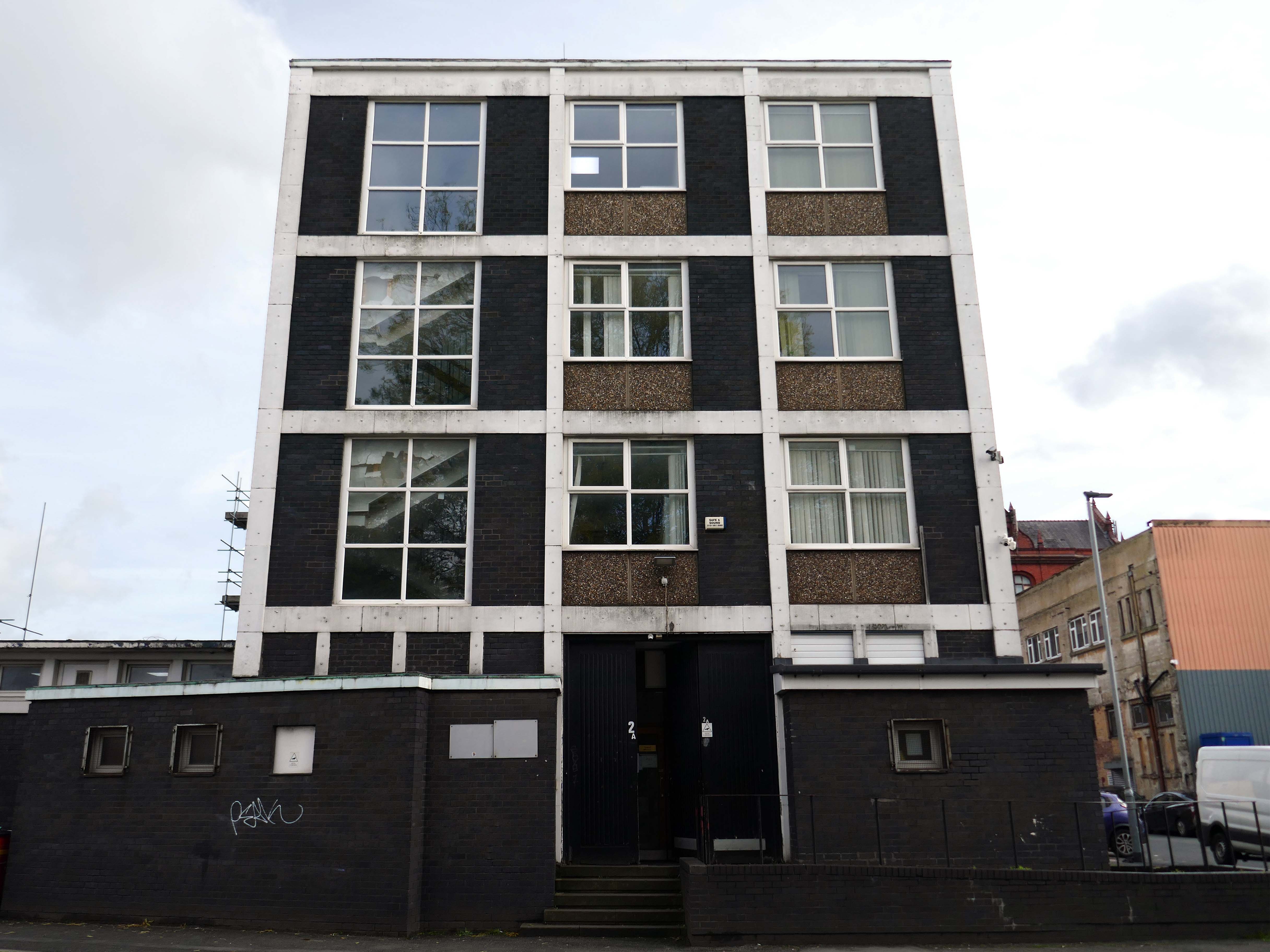
This Sixties municipal building remains a mystery.
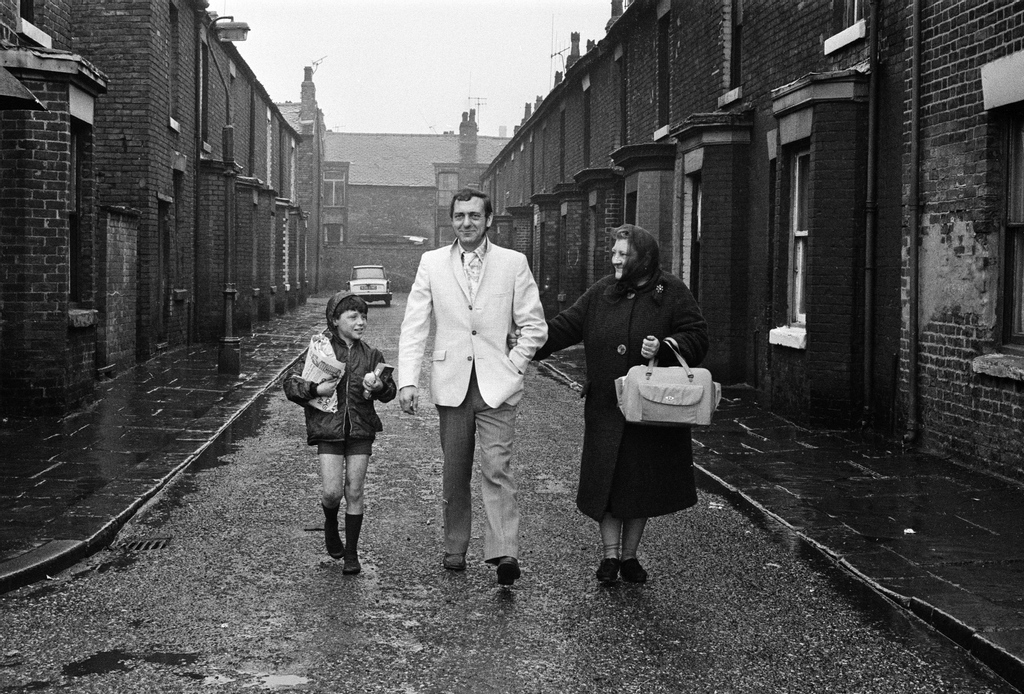
Actor Harry H Corbett visiting his childhood area in 1969, he lived on Earl Street and later in Wythenshawe.
Clacton to Great Yarmouth

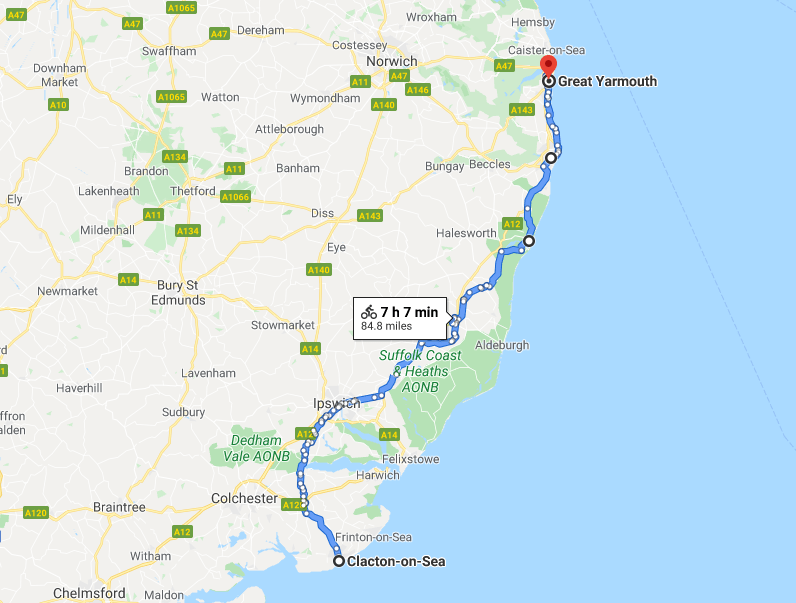
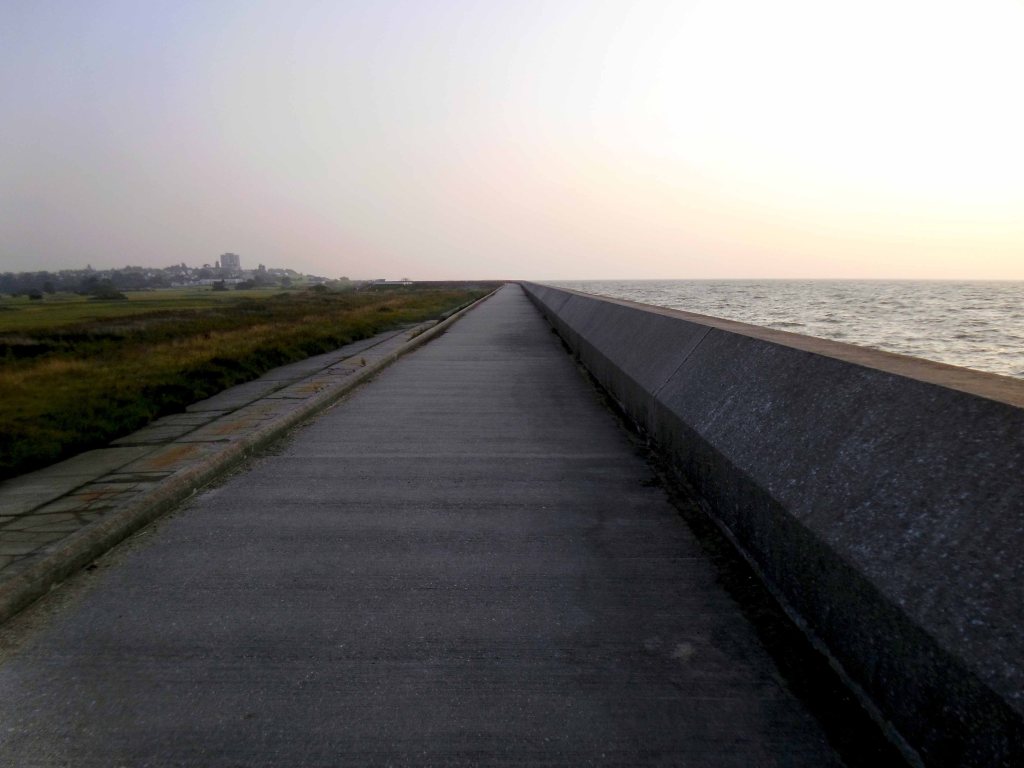
Day four Thursday 4th September 2014 – leaving Clacton on Sea for Frinton on Sea is the equivalent of crossing continents, time zones, aesthetic and social sensibilities.

Leaving the razzle-dazzle, frantic fish and chip frazzle, for the sedate repose of germ free Frinton.

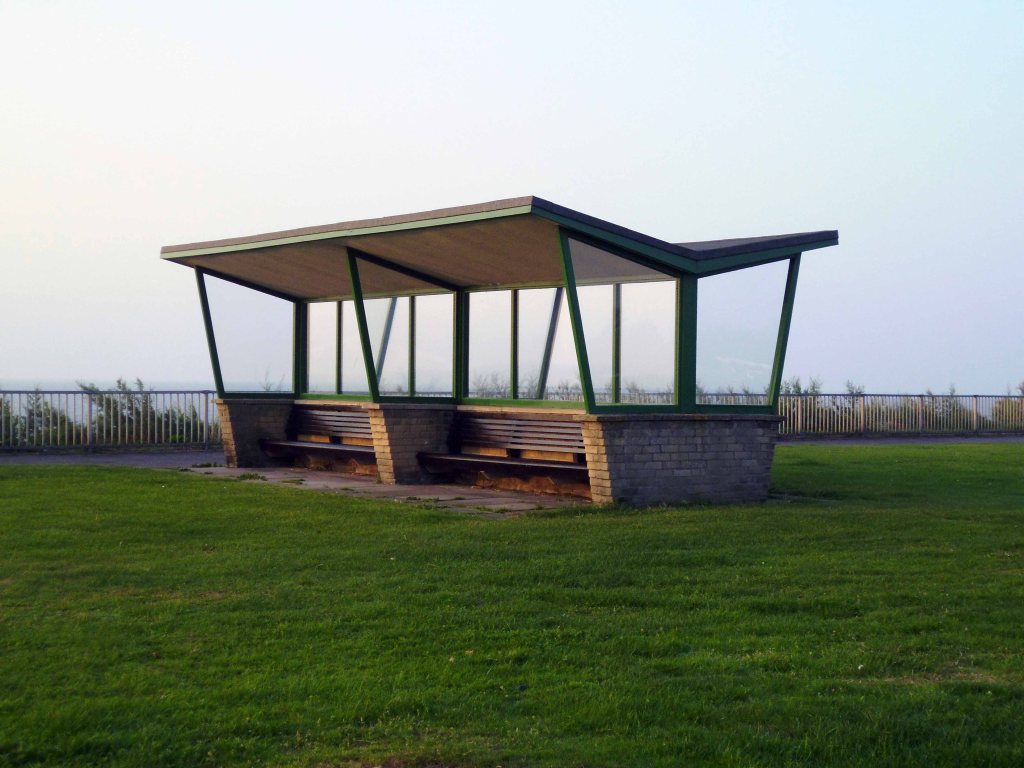
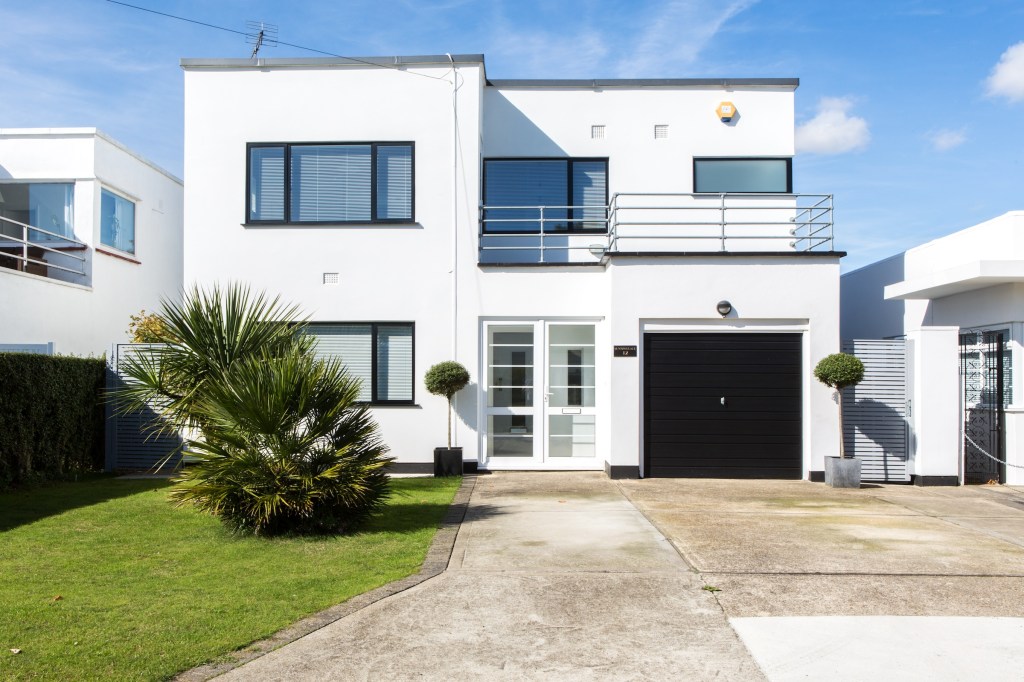
Green sward and restrained modernist shelters adorn the foreshore.
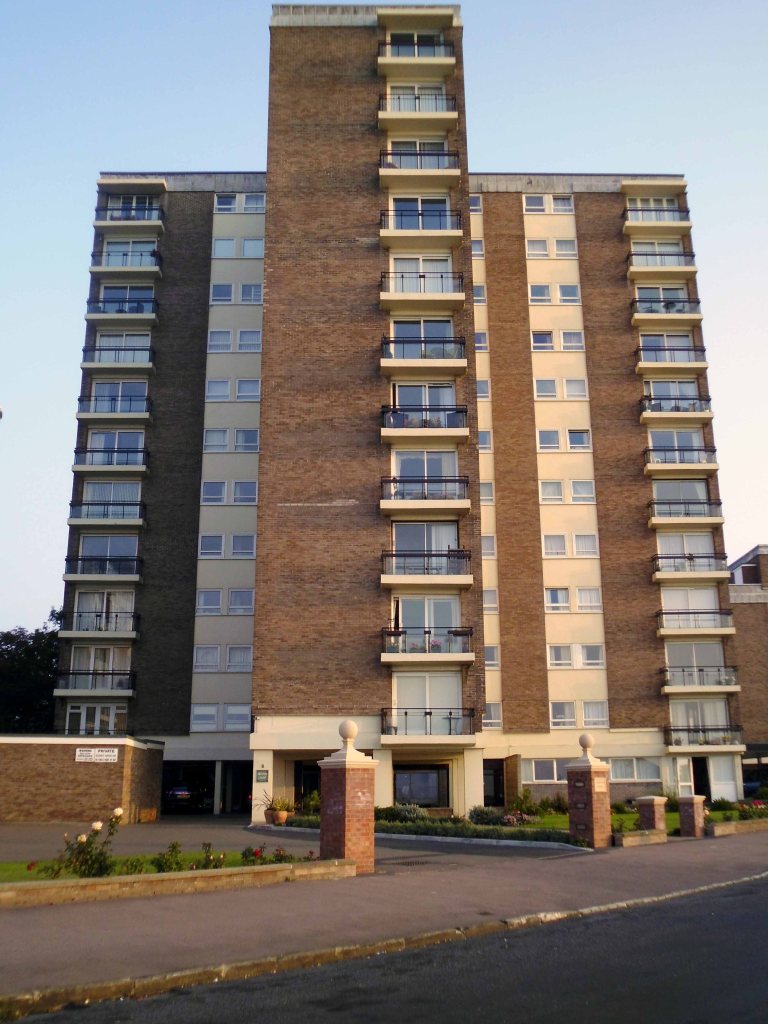
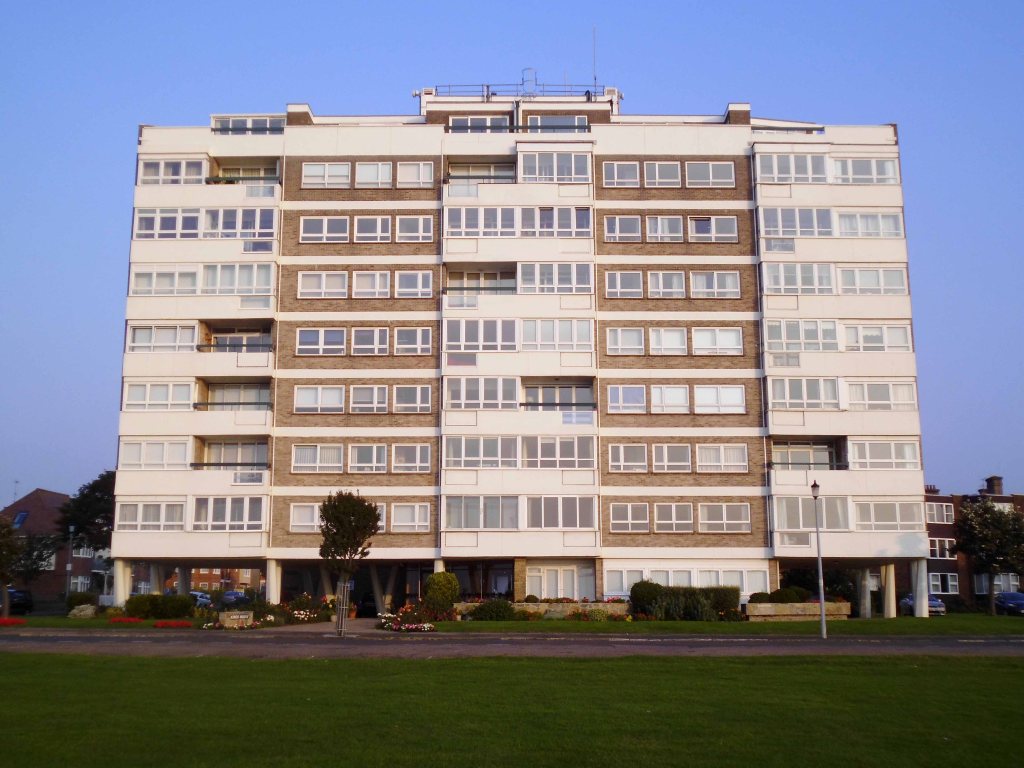
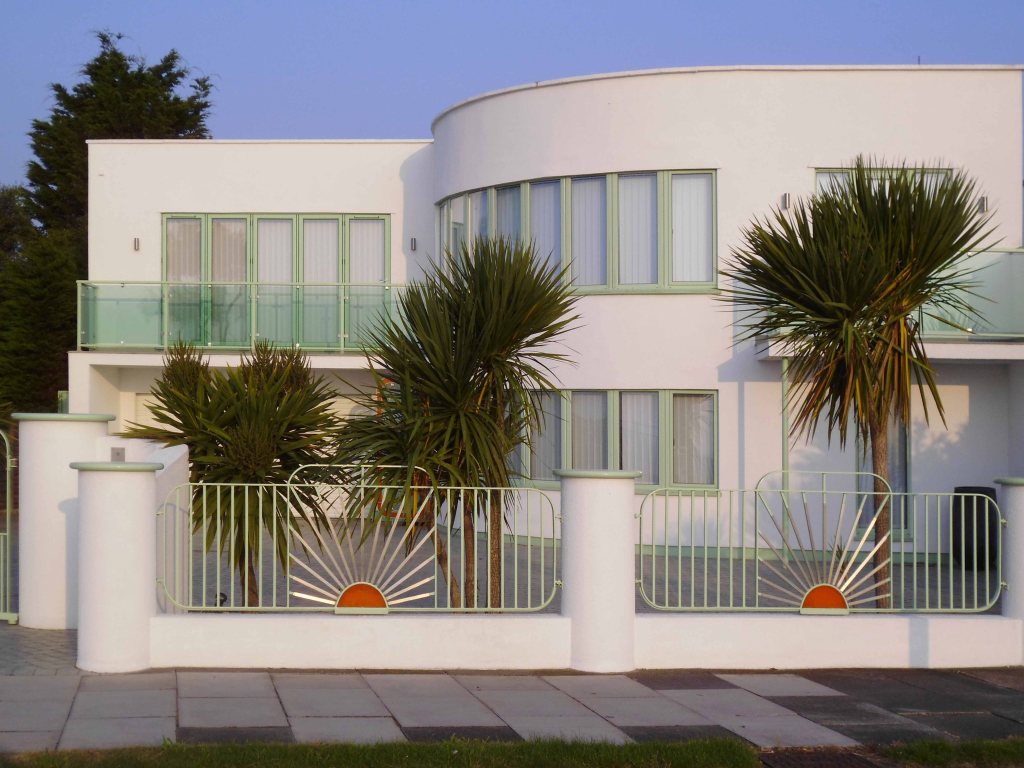
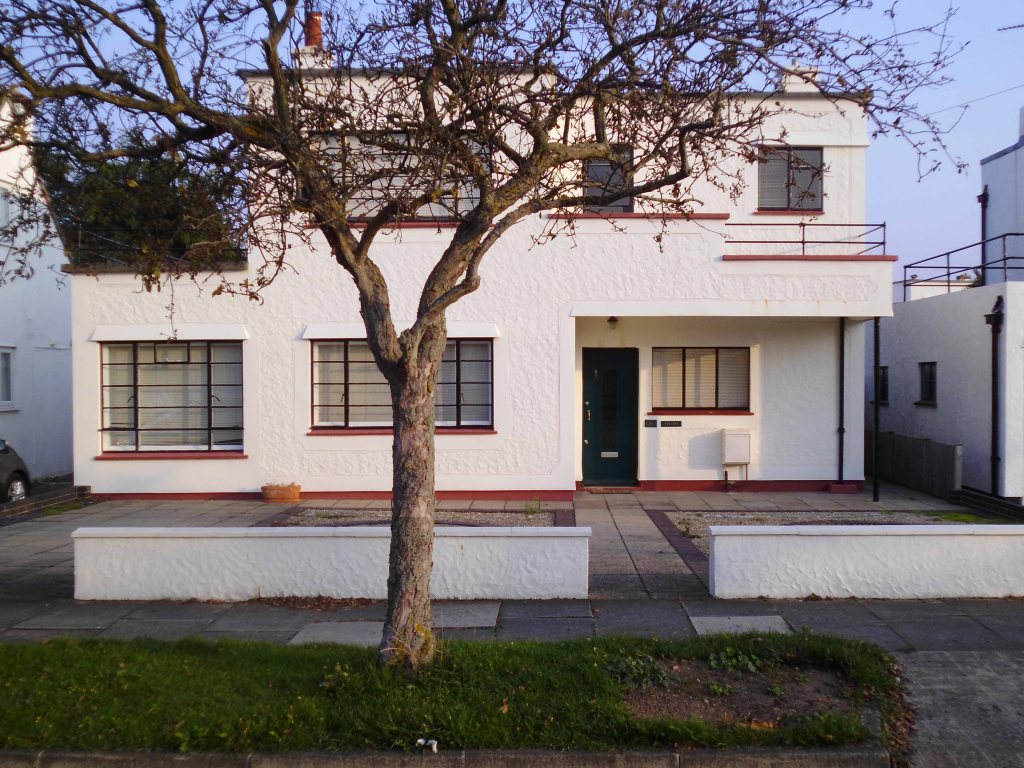
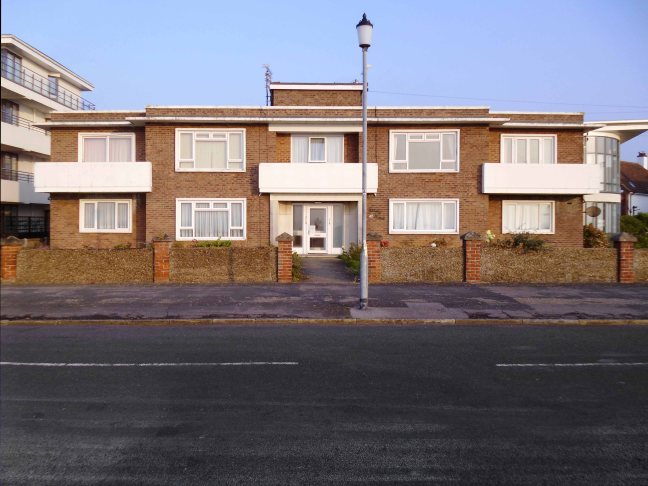
I love the bold optimism of Maritime Moderne – the bright eyed, forward looking window grid of these fine flats.
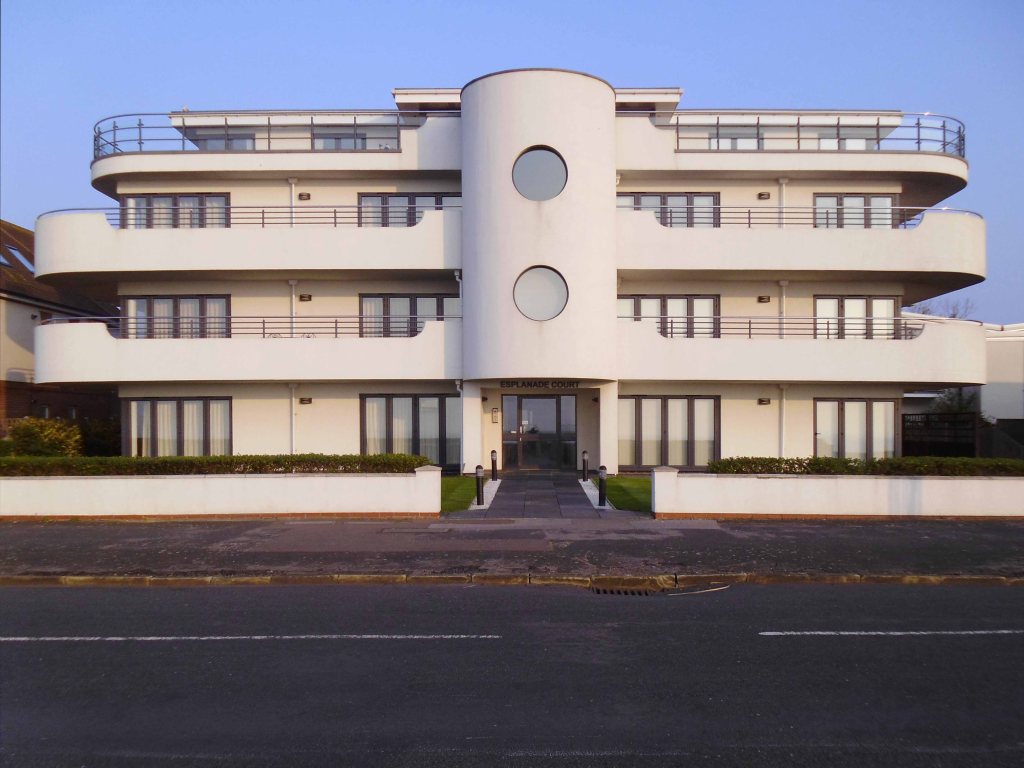
I have a cautious admiration for the faux Deco newcomers.

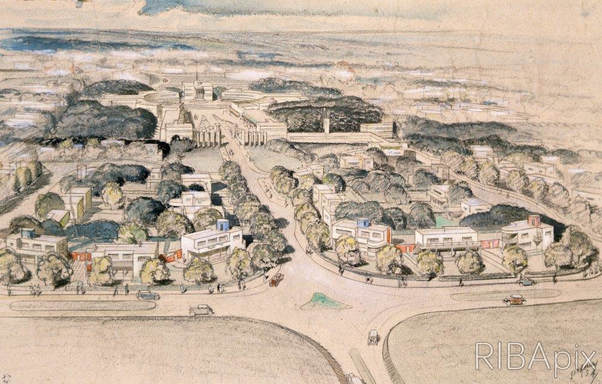
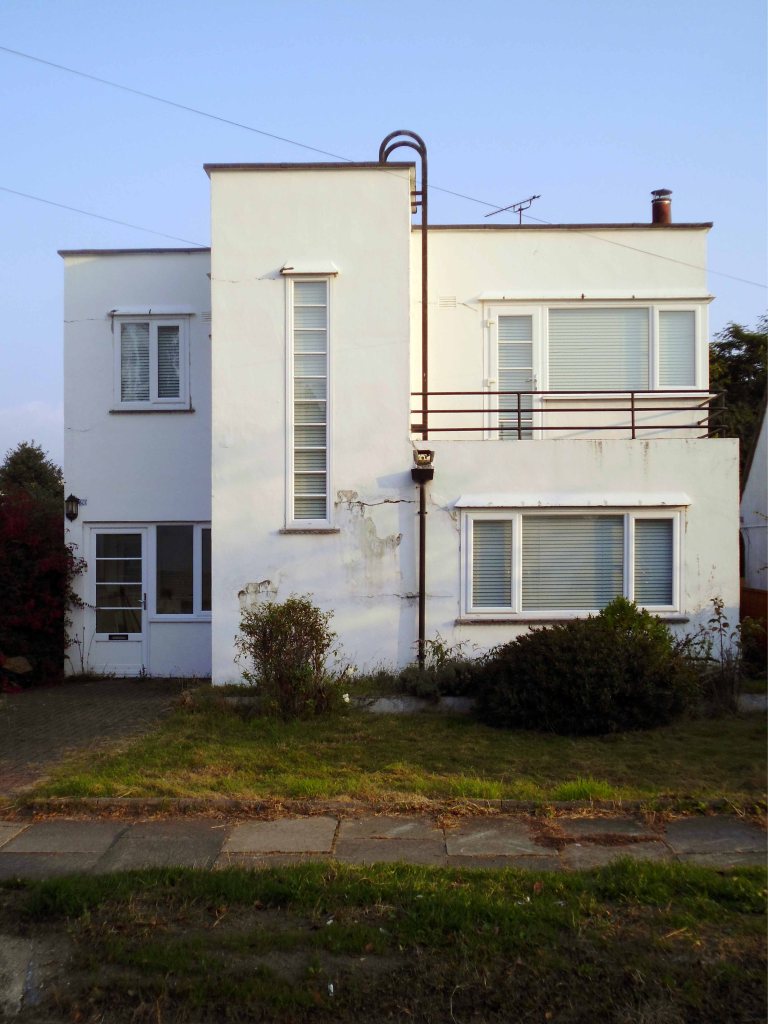
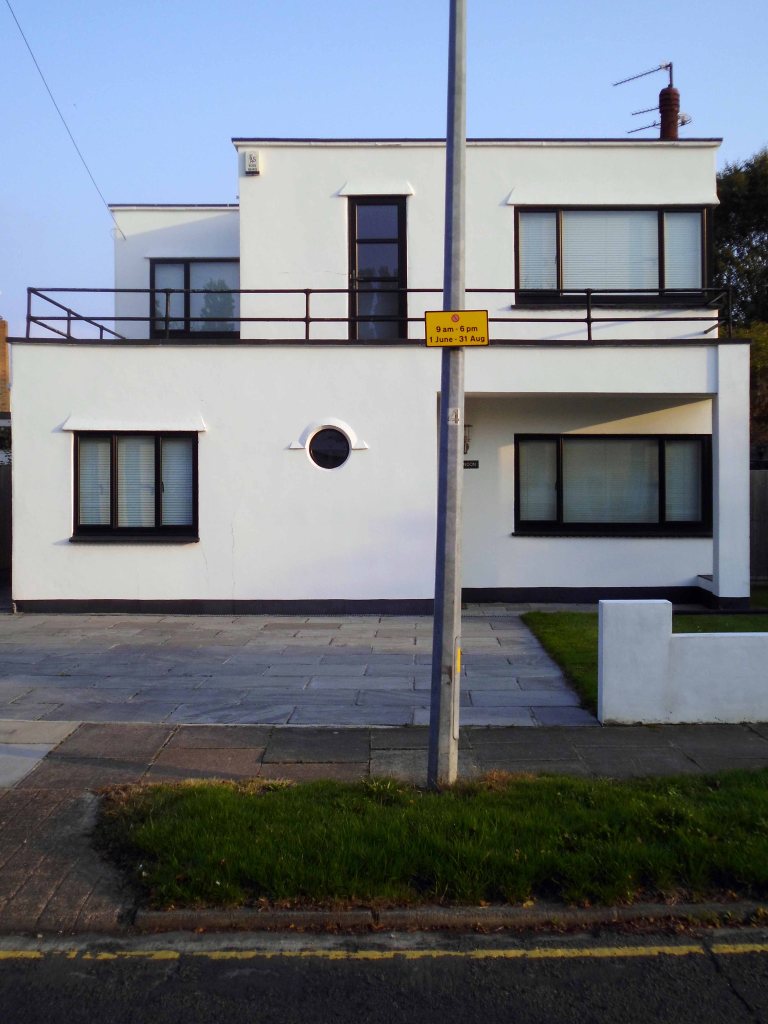
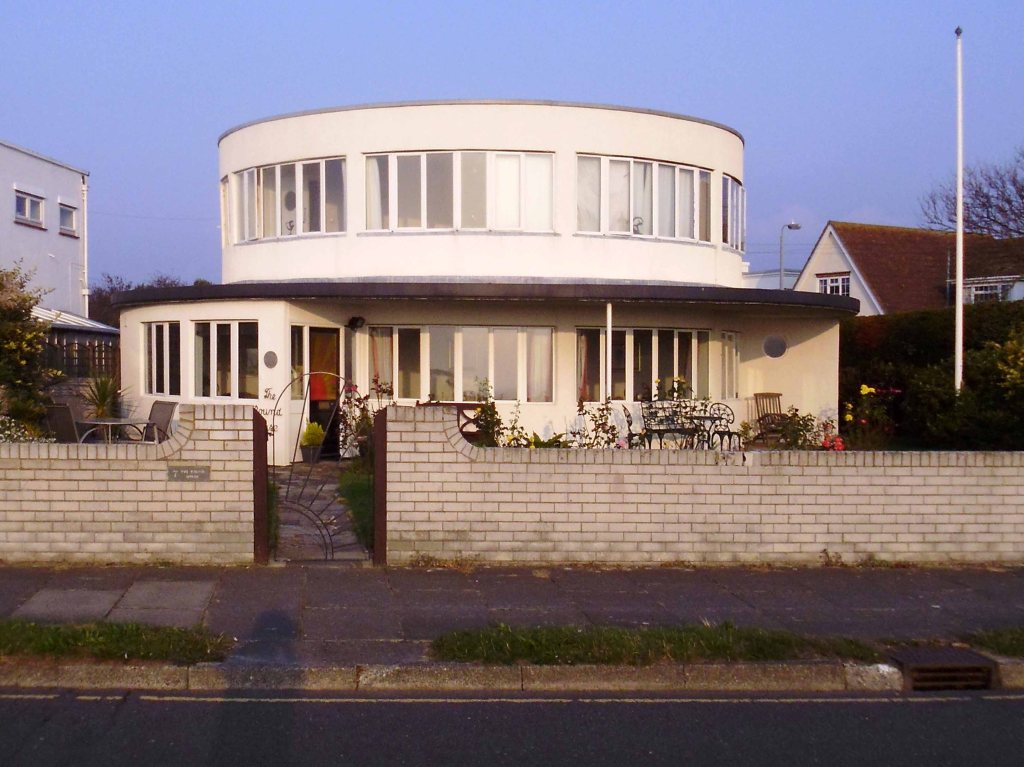
The modernist estate was attempted many times in the interwar years; visions of rows of fashionable white walled, flat roofed houses filled developers eyes. In practice the idea was less popular with potential house buyers. In the Metro-Land suburbs of London, estates were attempted in Ruislip and Stanmore, with a dozen houses at most being built. One estate that produced more modernist houses than most, albeit less than planned, was the Frinton Park estate at Frinton-on-Sea on the Essex coast.

Oliver Hill was known for his house designs, which spanned styles from Arts and Crafts to Modernist. Hill was to draw up a plan for 1100 homes, as well as a shopping centre, luxury hotel and offices. The plan was for prospective buyers to buy a plot and then engage architects to design their new house from a list of designers drawn up by Hill. The list featured some of the best modernist architects working in Britain at the time; Maxwell FryWells Coates, F.R.S. Yorke and Connell, Ward & Lucas.

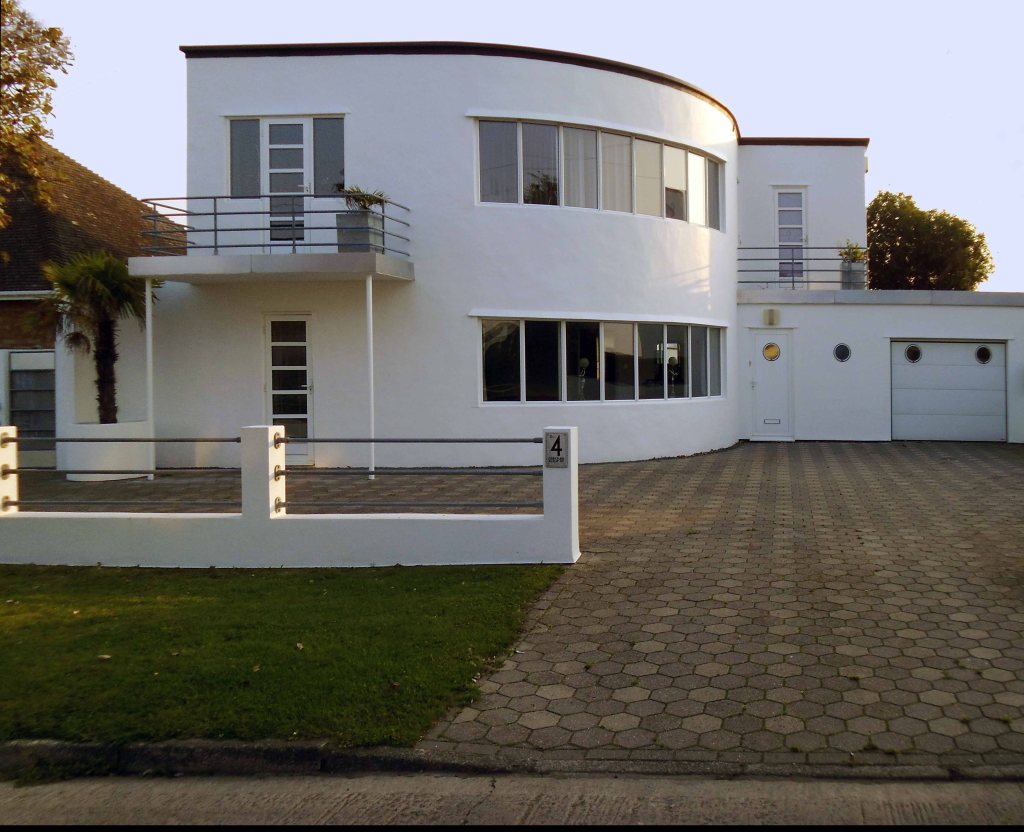
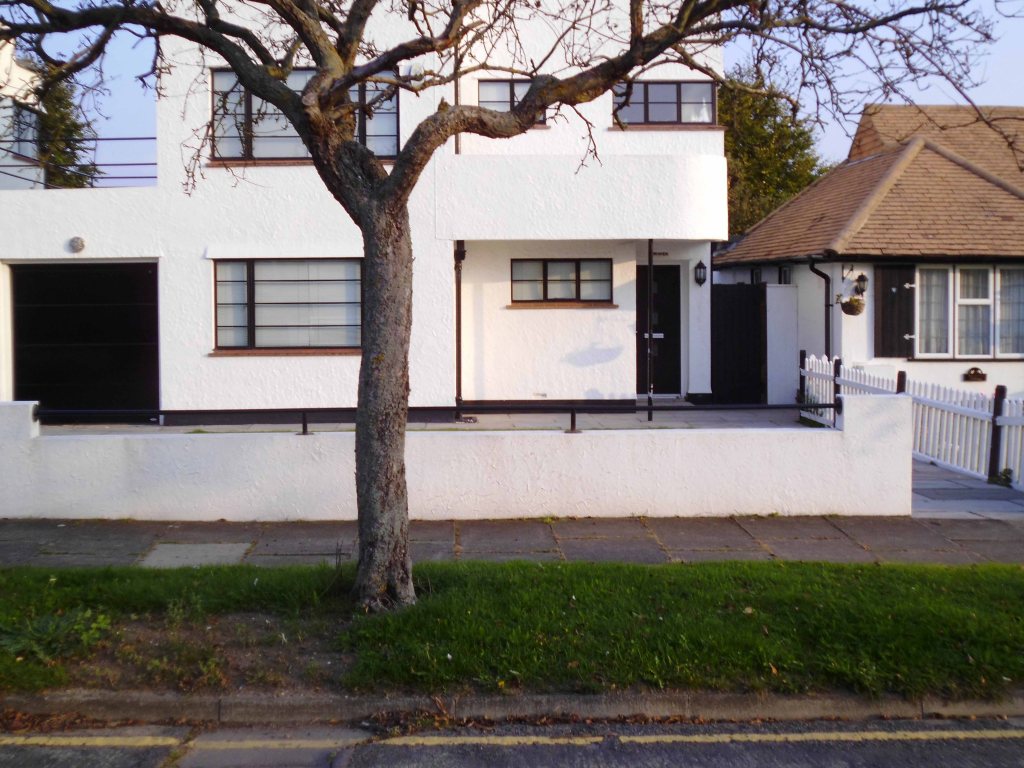
As wonderful as this sounds today, the buying public of 1935 did not quite agree. The majority of potential buyers were apparently put off by the Estates insistence on flat roofs and modernist designs. Plan B was to build a number of show homes to seduce the public into buying the modernist dream. Of 50 planned show homes, around 25 were built, with about 15 more houses built to order. The majority of these were designed by J.T. Shelton, the estates resident architect, with a number designed by other architects like Hill, Frederick Etchells, RA Duncan and Marshall Sisson.

Modernism in Metroland

One million four hundred thousand pounds later

Nine hundred and fifty thousand pounds

These survivors are now much sought after residences.

The Modern House

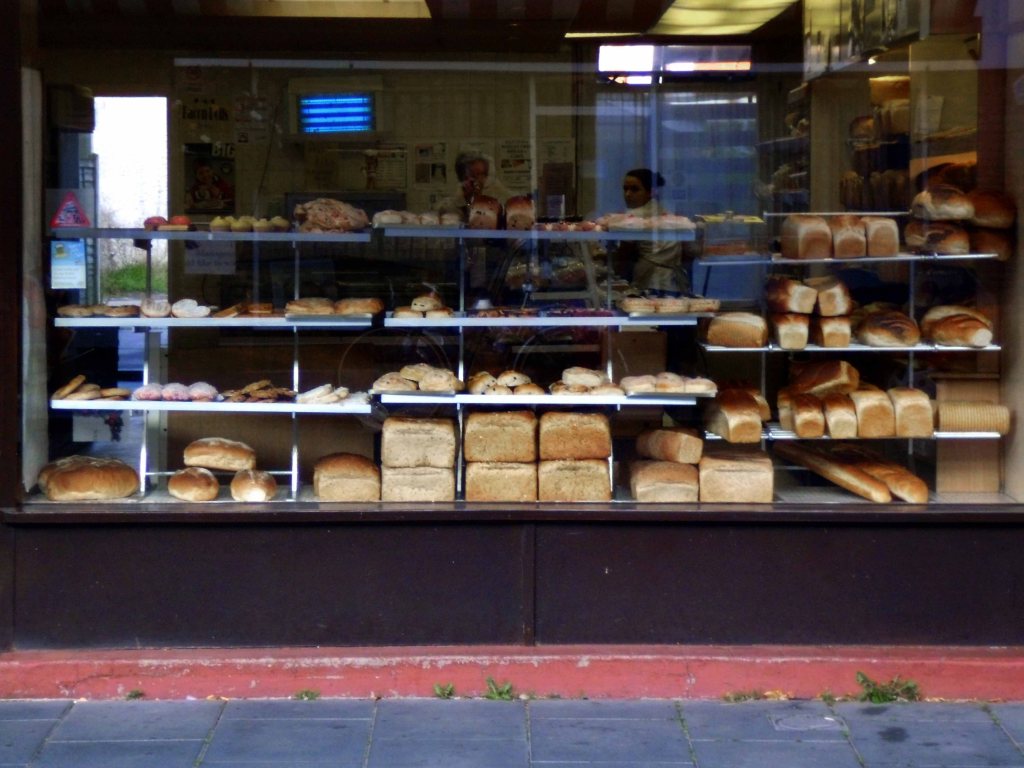
The town is also home to this traditional confectioners – Lilley’s Bakery.

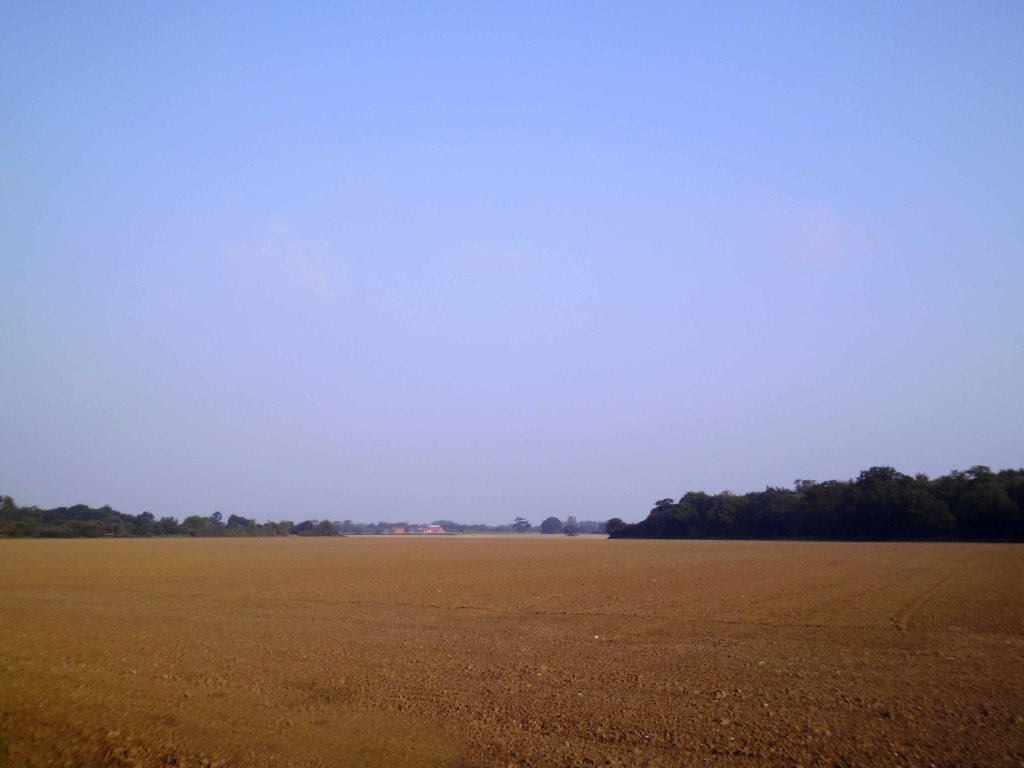
Leaving the coast for pastures new – well, a ploughed field actually.

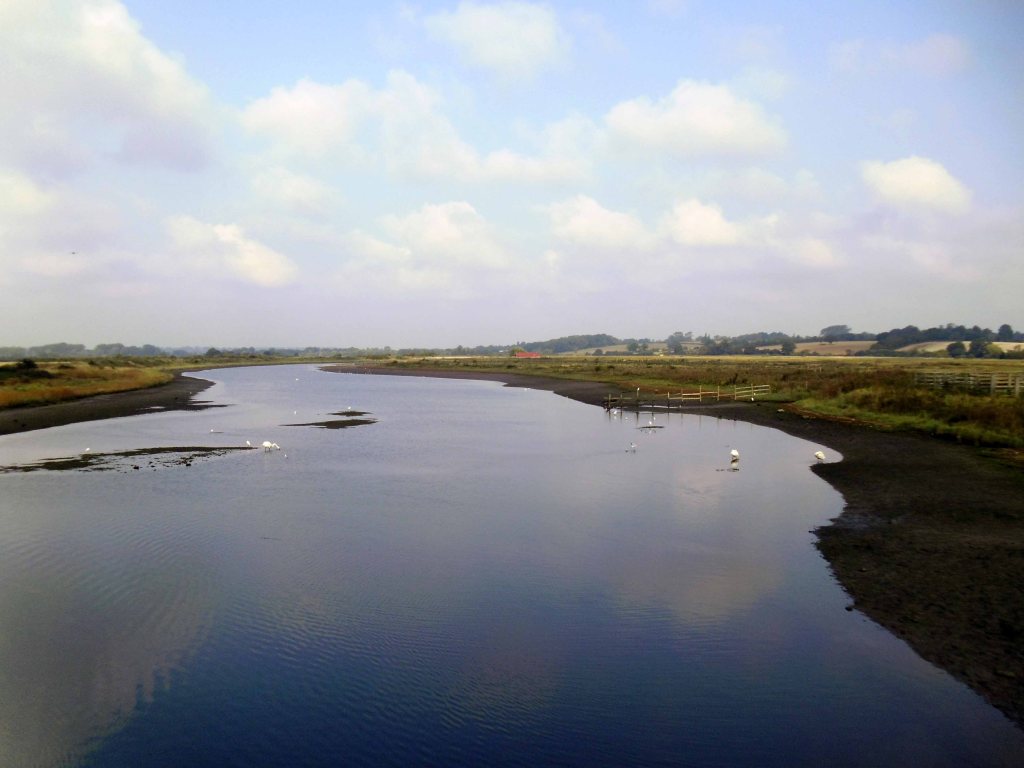
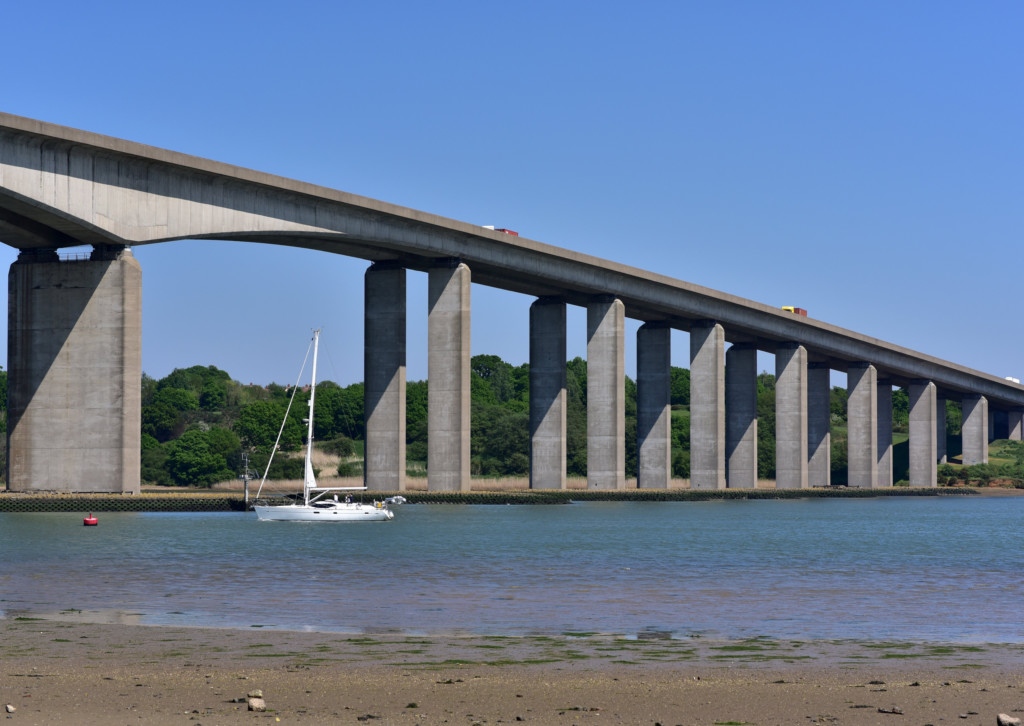
Crossing the River Orwell over the Orwell Bridge on my way to Ipswich.

The main span is 190 metres which, at the time of its construction, was the longest pre-stressed concrete span in use in the UK. The two spans adjacent to the main span are 106m, known as anchor spans. Most of the other spans are 59m. The total length is 1,287 metres from Wherstead to the site of the former Ipswich Airport. The width is 24 metres with an air draft of 43 metres; the bridge had to be at least 41 metres high. The approach roads were designed by CH Dobbie & Partners of Cardiff. 

The bridge is constructed of a pair of continuous concrete box girders with expansion joints that allow for expansion and contraction. The girders are hollow, allowing for easier inspection, as well as providing access for services, including telecom, power, and a 711mm water main from the nearby Alton Water reservoir.

The bridge appears in the 1987 Cold War drama The Fourth Protocol, in which two RAF helicopters are shown flying under it, and at the end of the 2013 film The Numbers Station.

Wikipedia

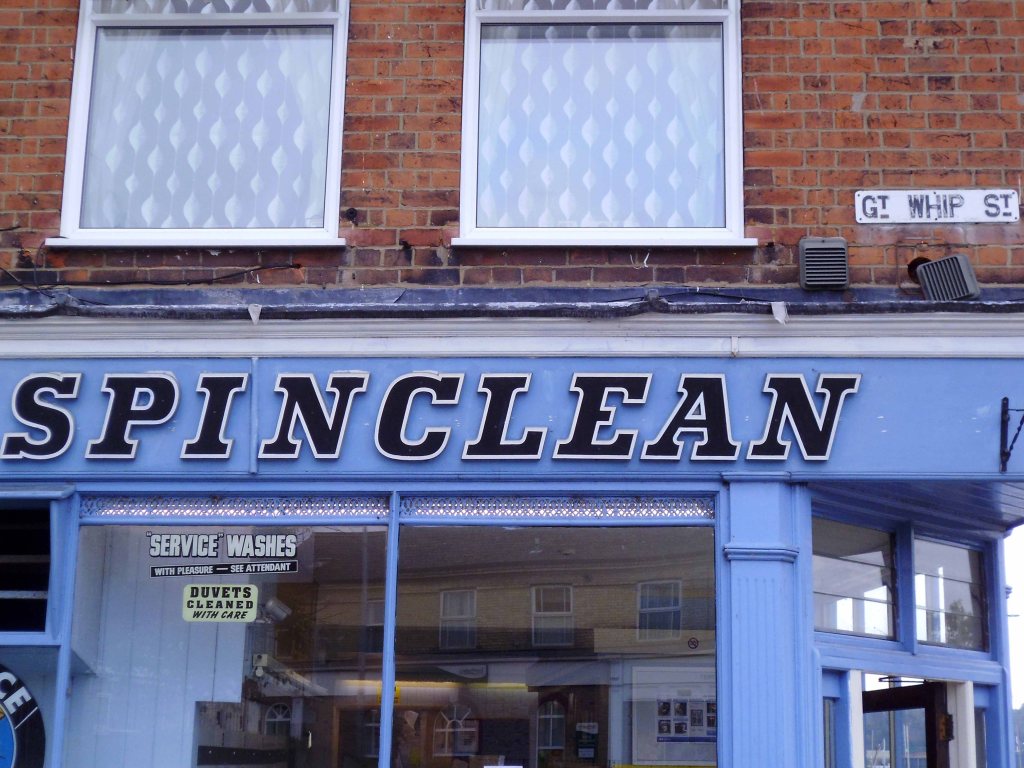
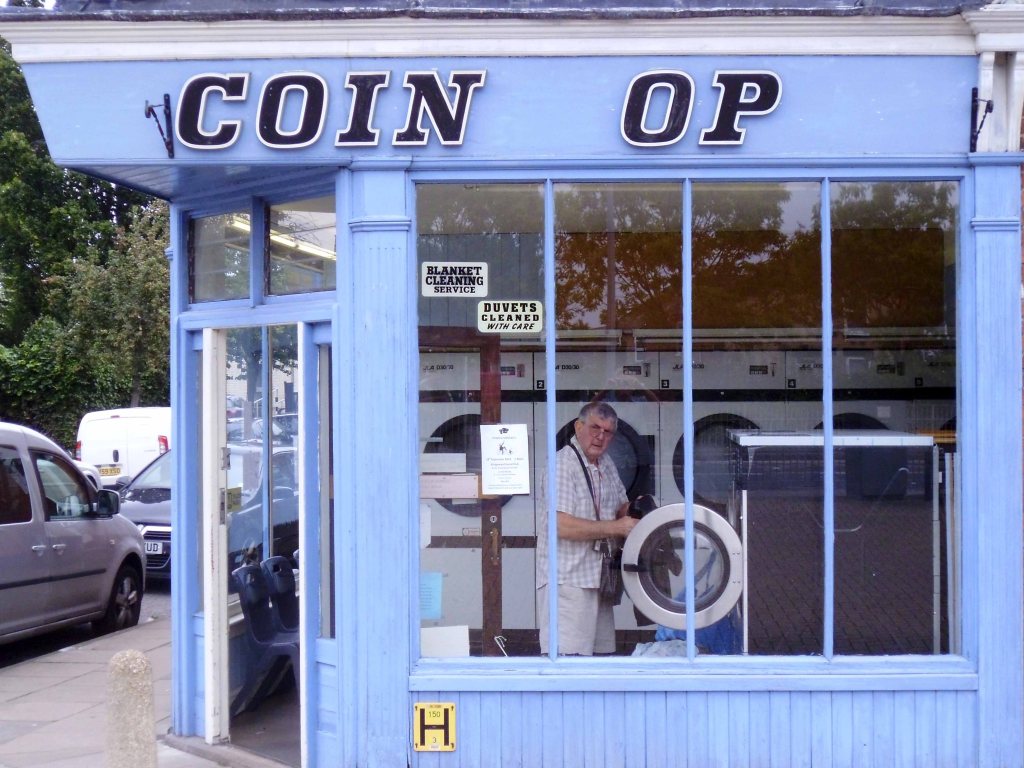
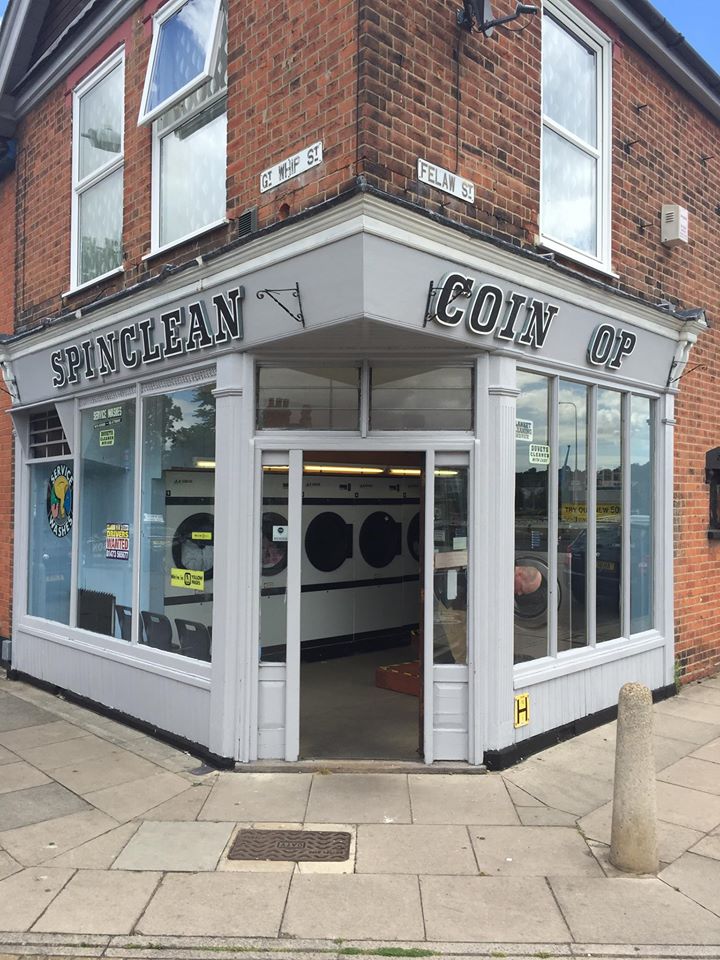
Time for a Stymie Bold Italic stop – much to the obvious consternation of an over cautious customer.

It seems to still be extant – but with a tasteful coat of subdued grey paint according to its Facebook page.

Having completed this journey in 2016, then reacquainting myself in 2020, I have little recollection of visiting Ipswich, but I did, yet there are no snaps.

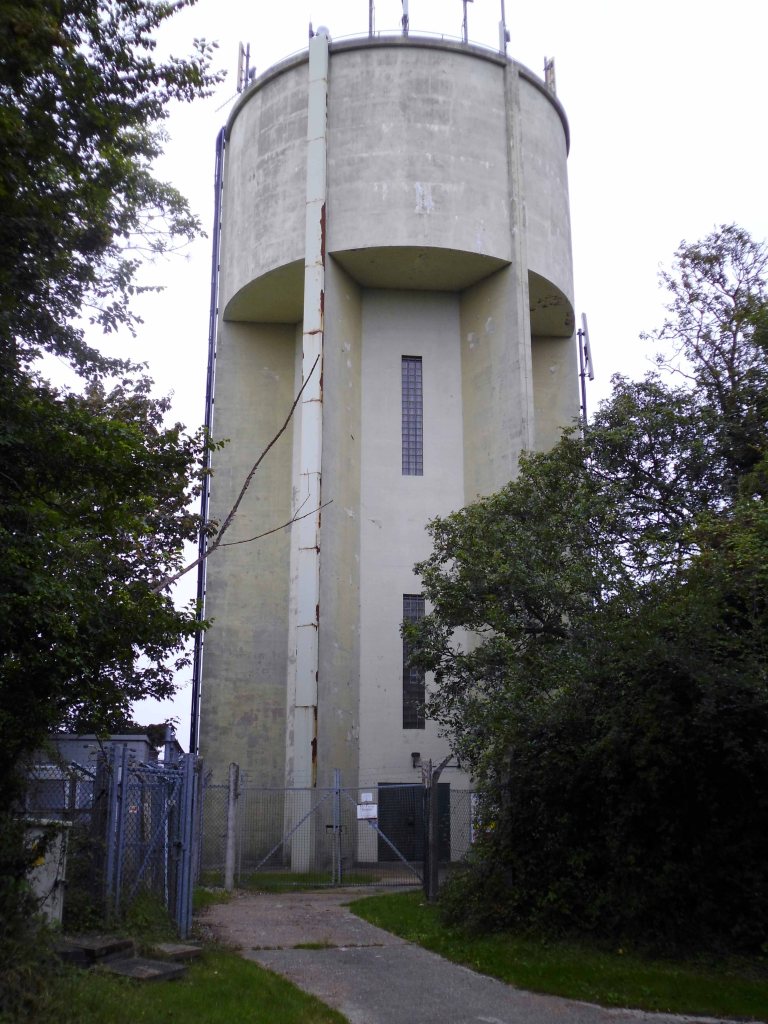
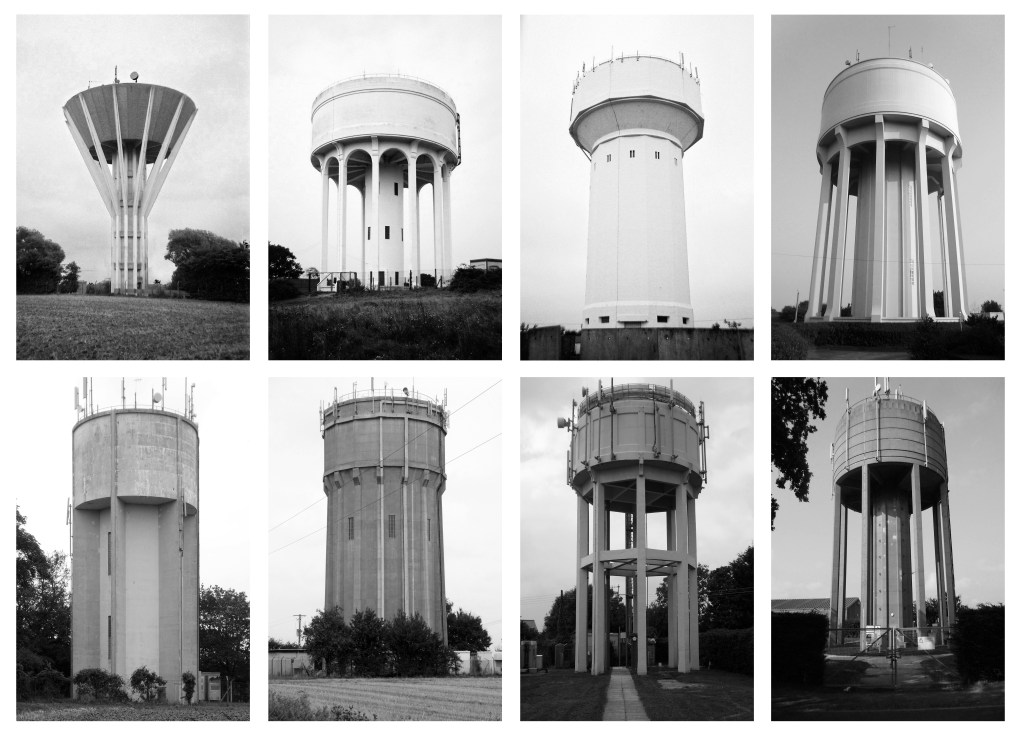
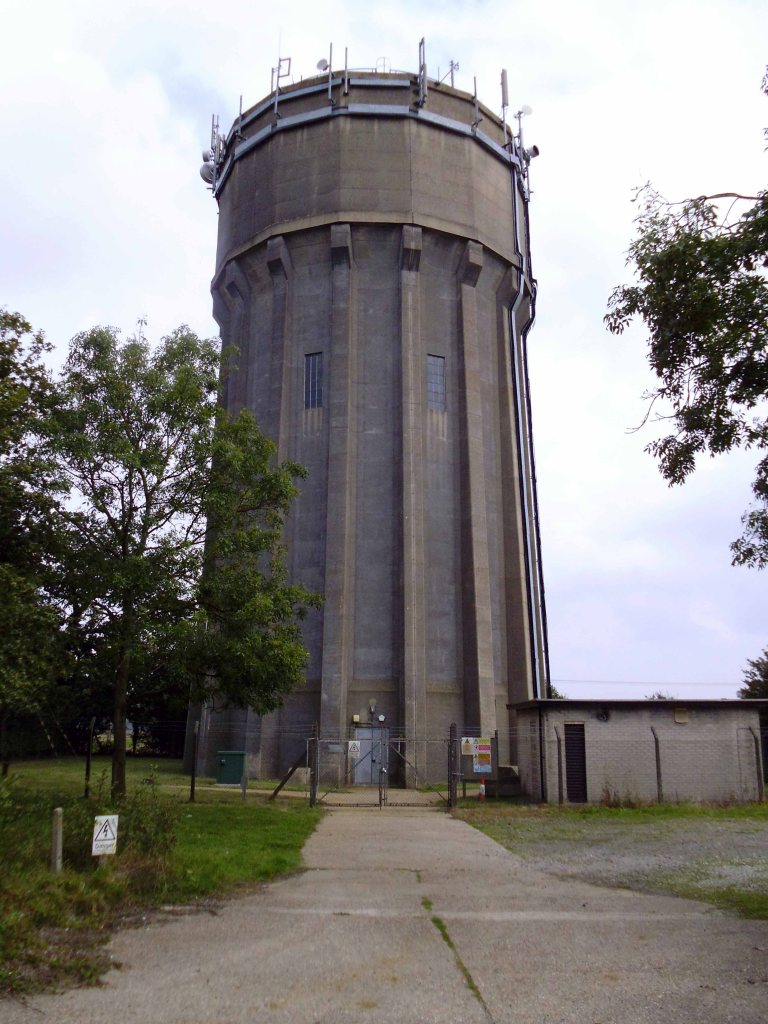
I photographed this and several other water towers, precisely where, I could not honestly say.

Suffice to say that it is somewhere – as is everything else.

An admiring nod to Bernd and Hilla Becher.

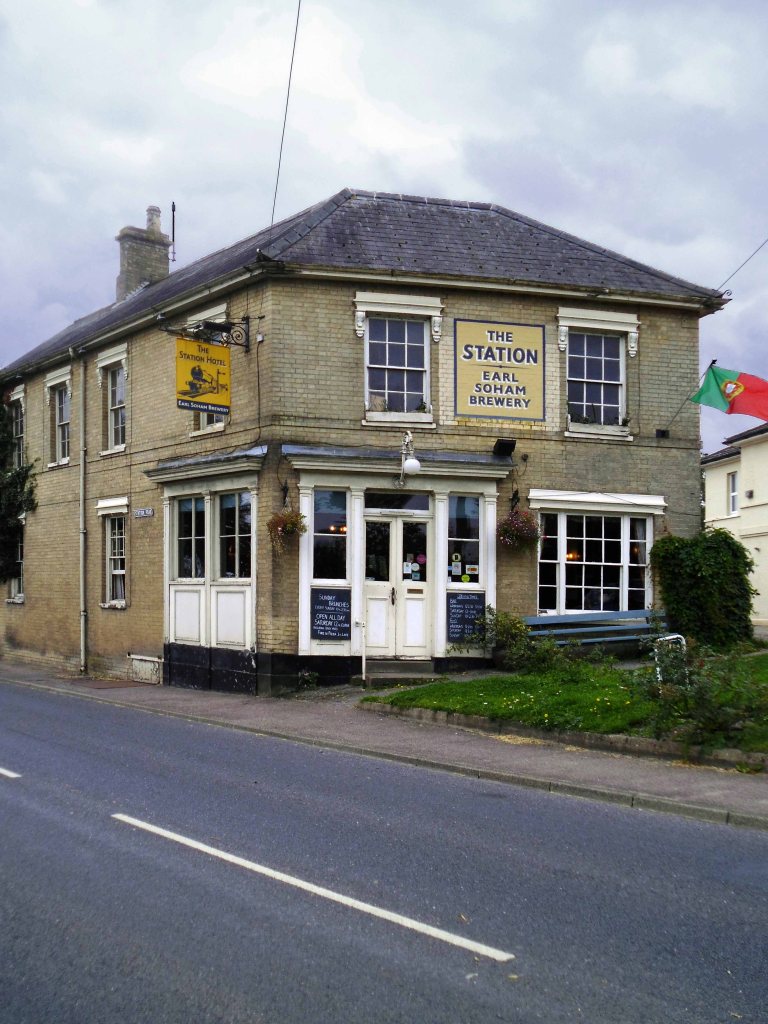
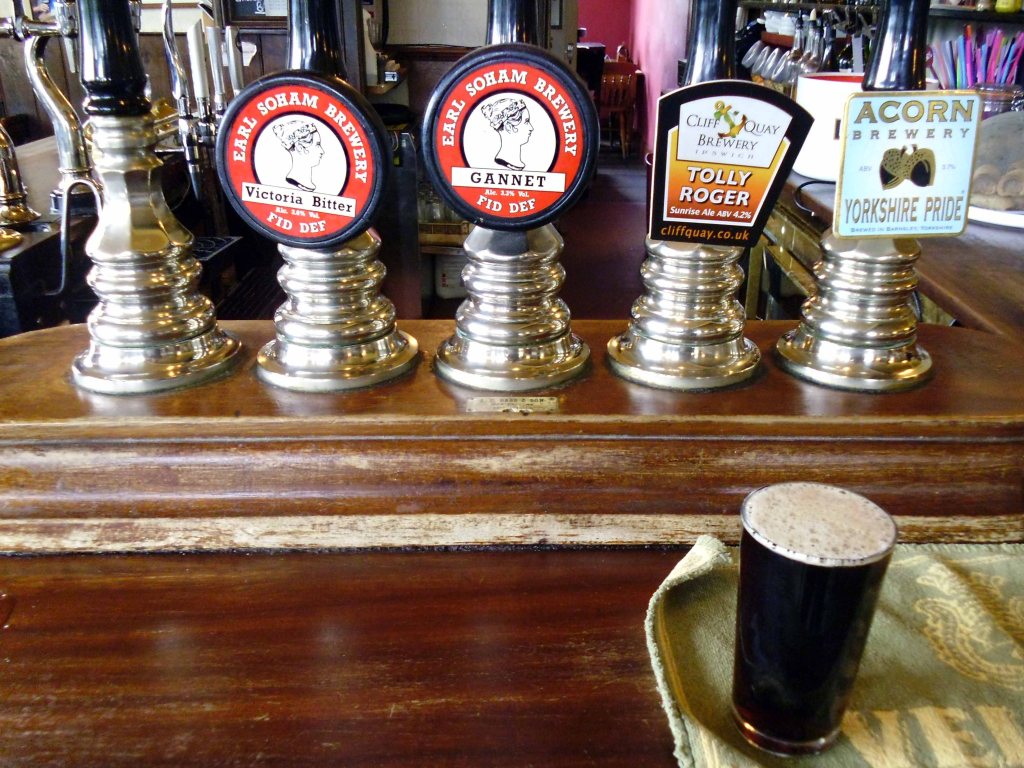
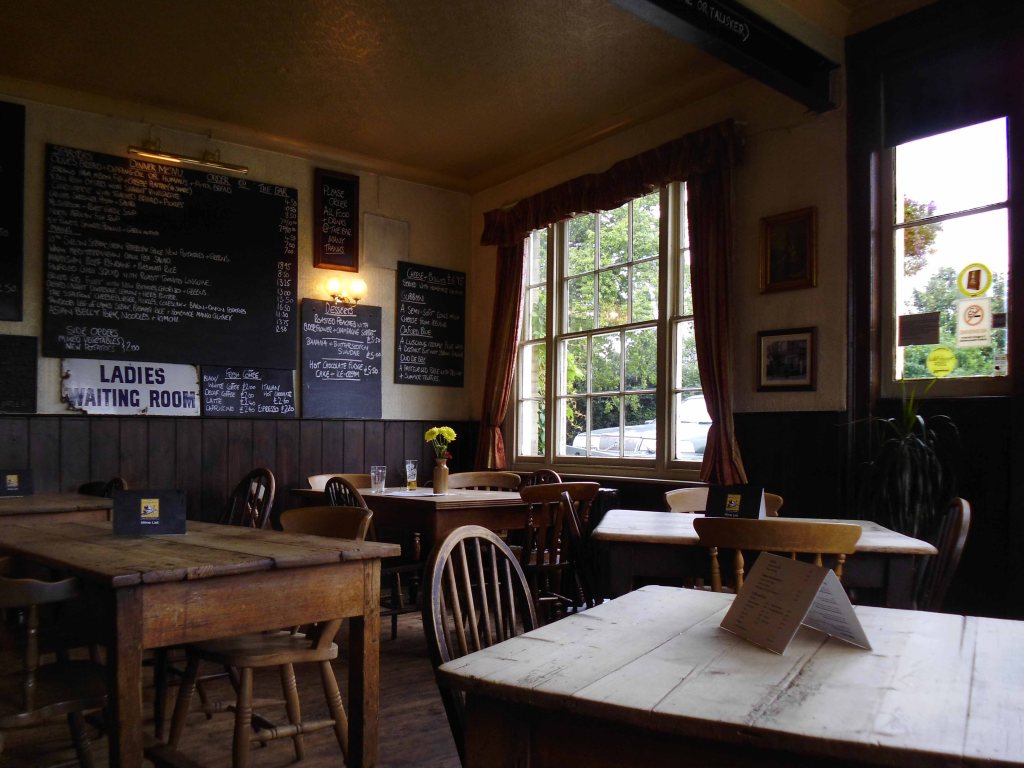
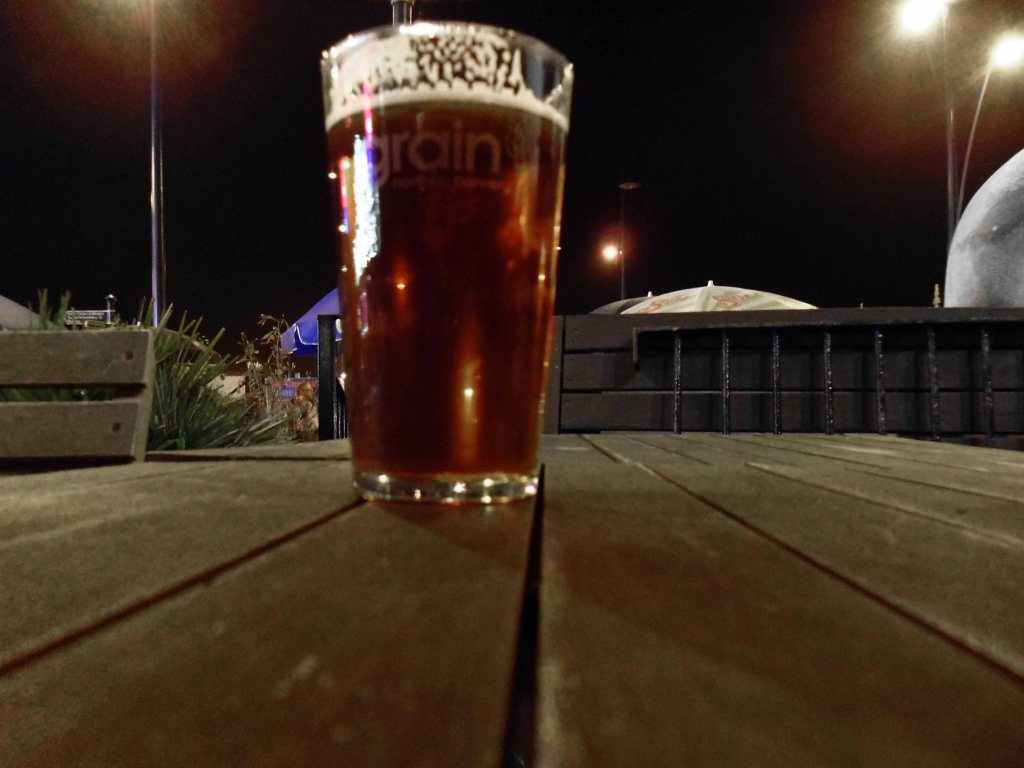
This the only time that I chose to have a glass of beer whilst awheel, normally waiting until the evening – I couldn’t resist this charming looking brew pub in Framlingham.

Earl Soham is a village close by, on the A1120. The Earl Soham Brewery beers started out in  life being brewed in local man Maurice’s old chicken shed. You may be pleased to hear they have a slightly more sophisticated set-up now, without forgetting their humble roots.

If you haven’t tasted them before, we think you’ll be as delighted with them as our regulars, and you can be guaranteed of a warm welcome if you come to try them out.

The Station

The sort of wayside boozer where I could have easily idled away an hour or two – hopefully I’ll pass by again some time and linger longer.

Another water tower – somewhere.

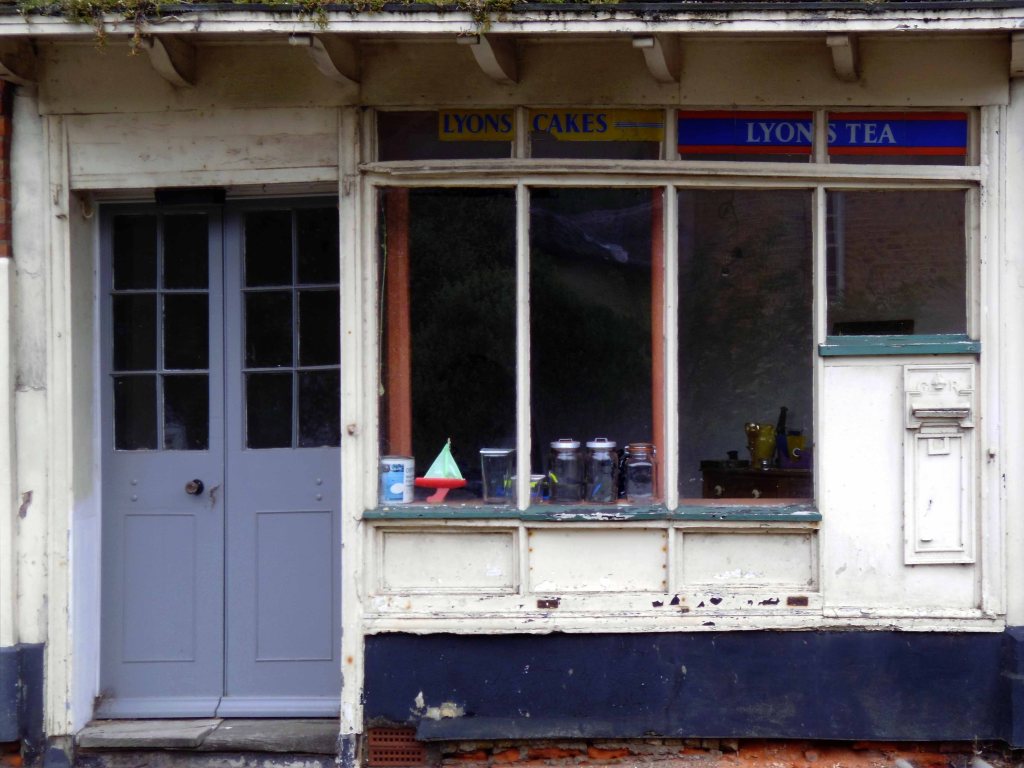
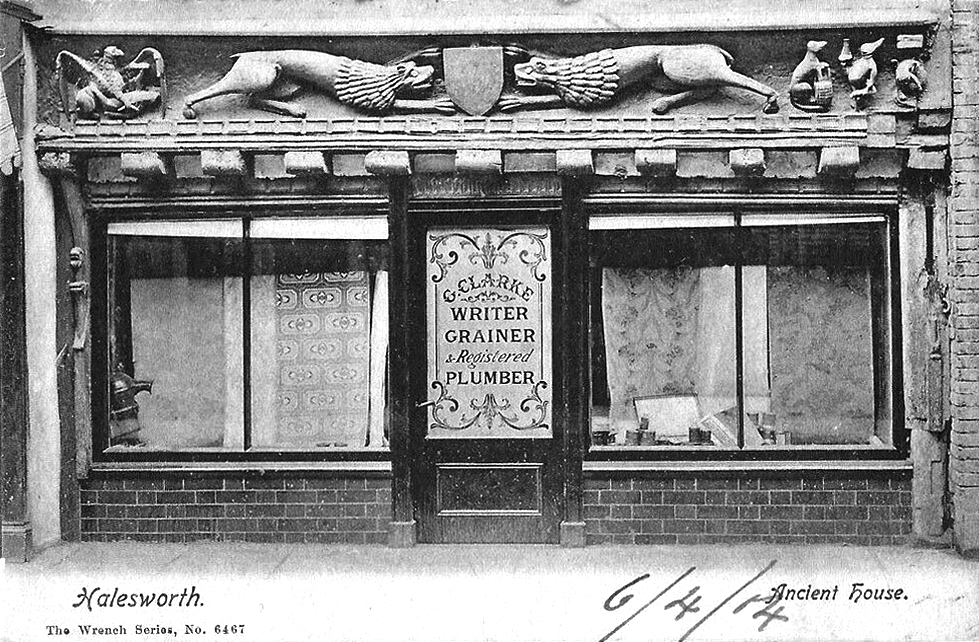
The most enchanting of shop fascias.

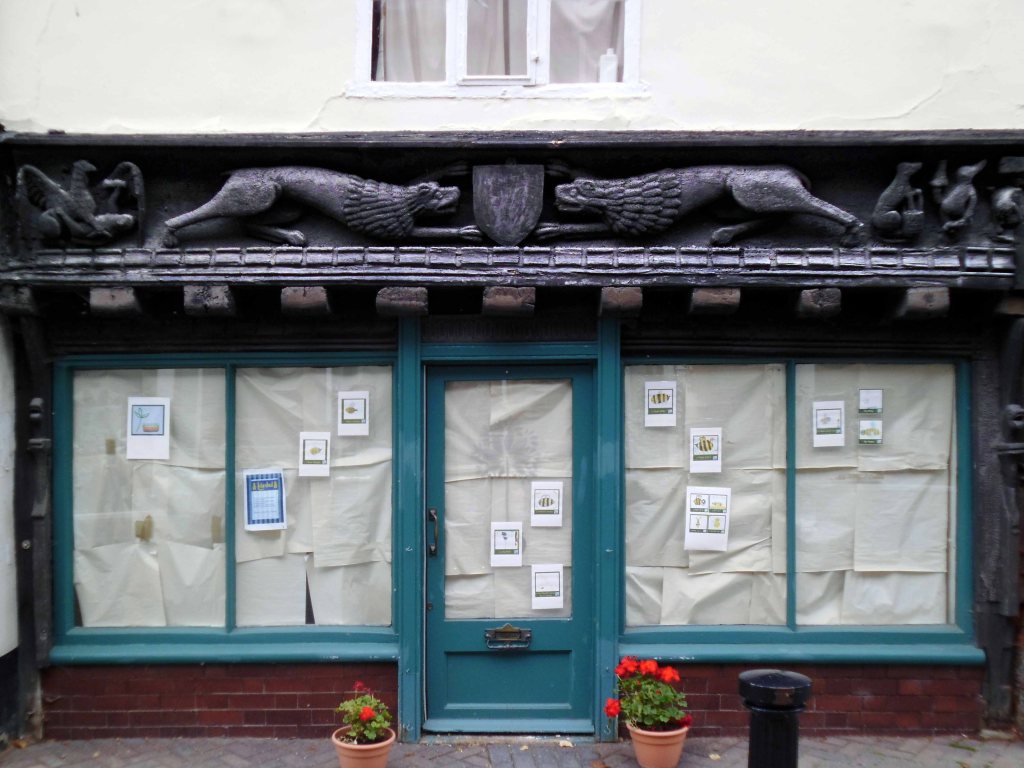
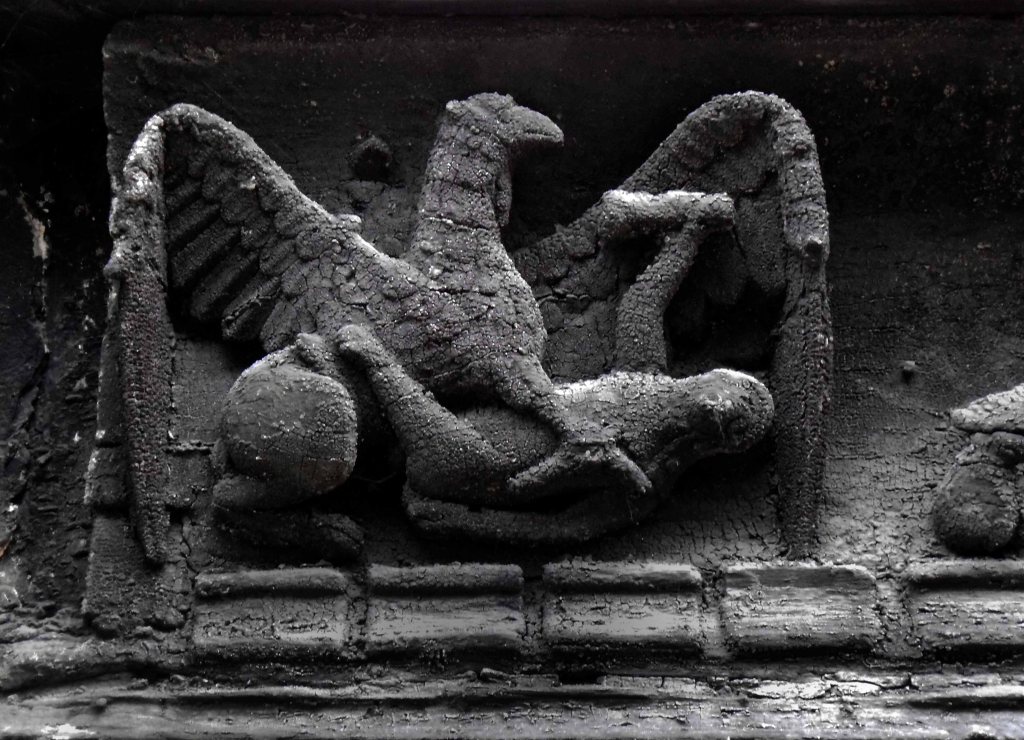
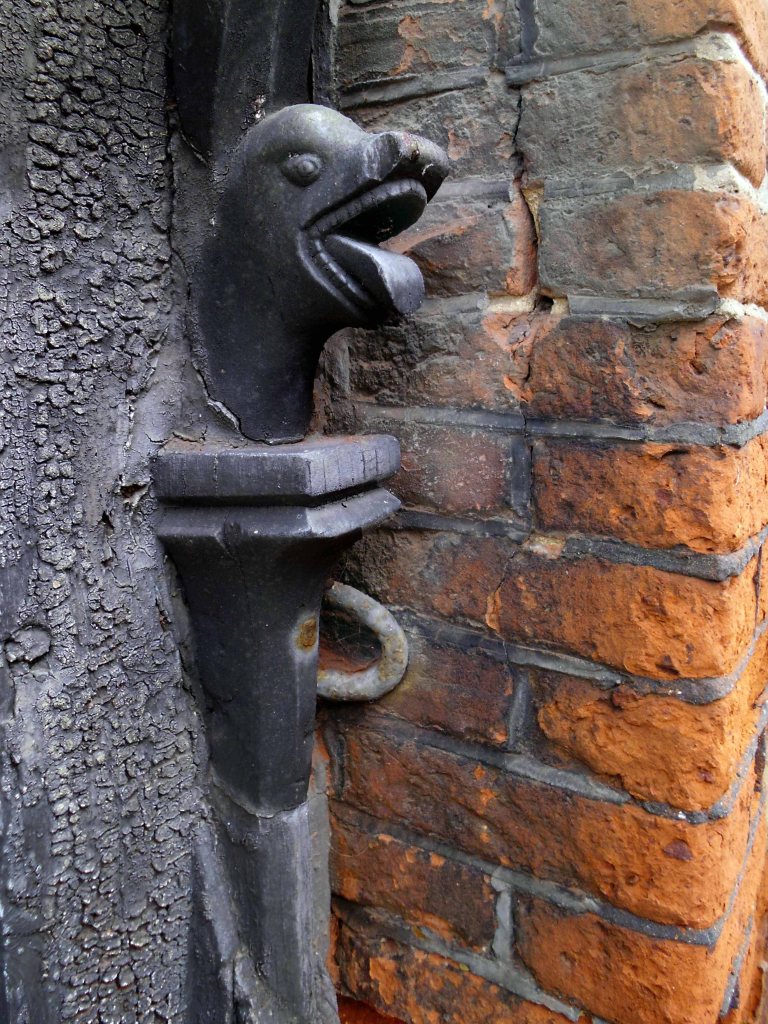
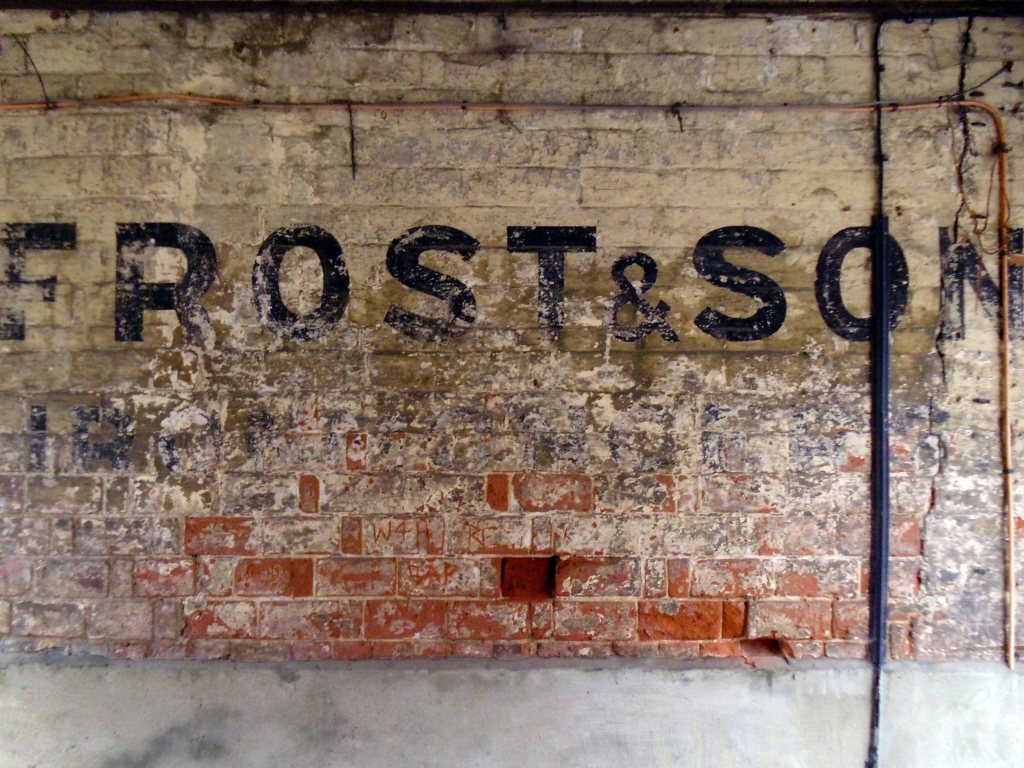
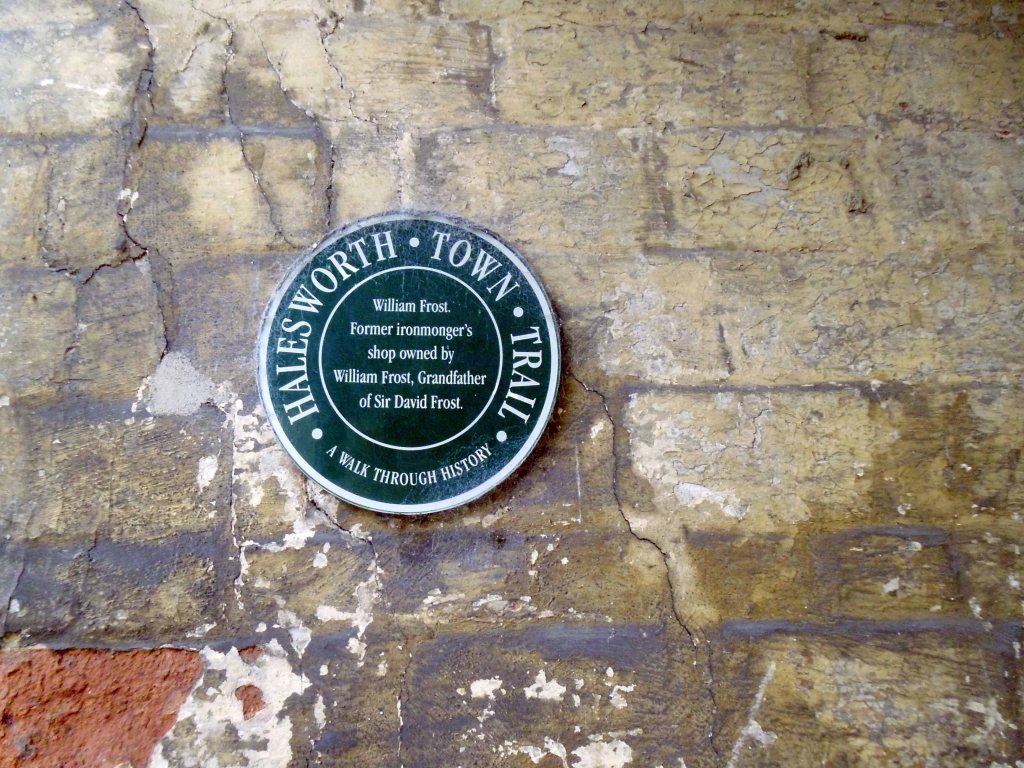
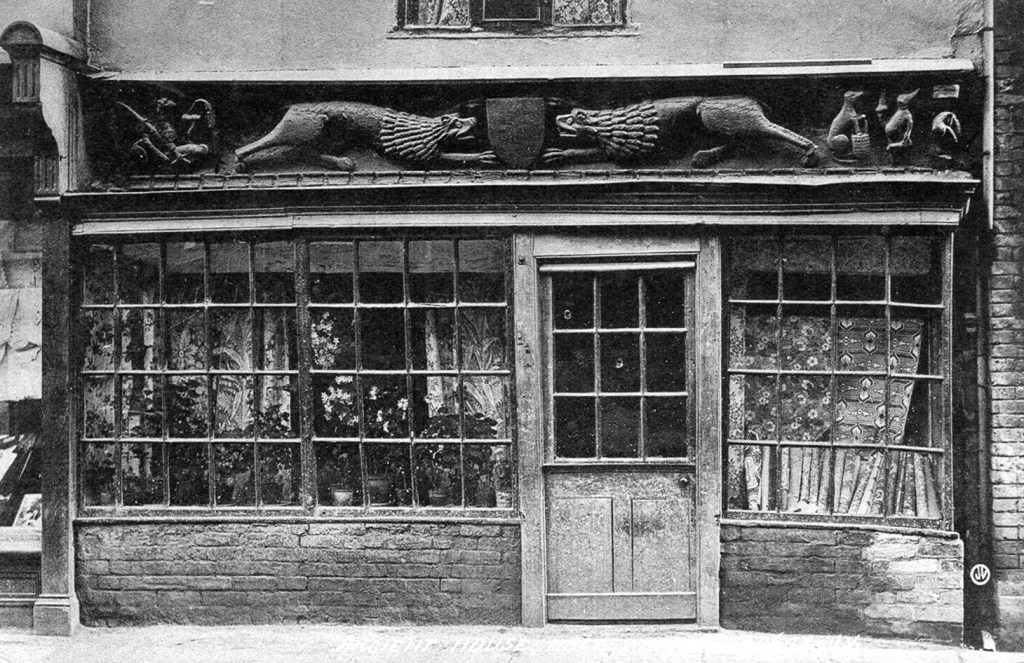
Something of a curiosity – David Frost’s father’s ironmongers in Halesworth – and the Ancient House with its ancient carving.

The bressumer beam at the front of the is linked with Margaret de Argentein in the late 14th and 15th century, it is believed t it could have been a manor or toll house. 

Currently trading as a Bistro with paranormal problems;

Things in the window were swaying the other day and when we went to stop them they almost fought back.

I’ve seen two ghosts in the kitchen. One was clearly a man, the other was when I thought my daughter was over my shoulder but when I looked around she wasn’t there, and we were the only two in the building.

Eastern Daily Press

The long and ever so slightly winding road of the lowlands, sad eyed.

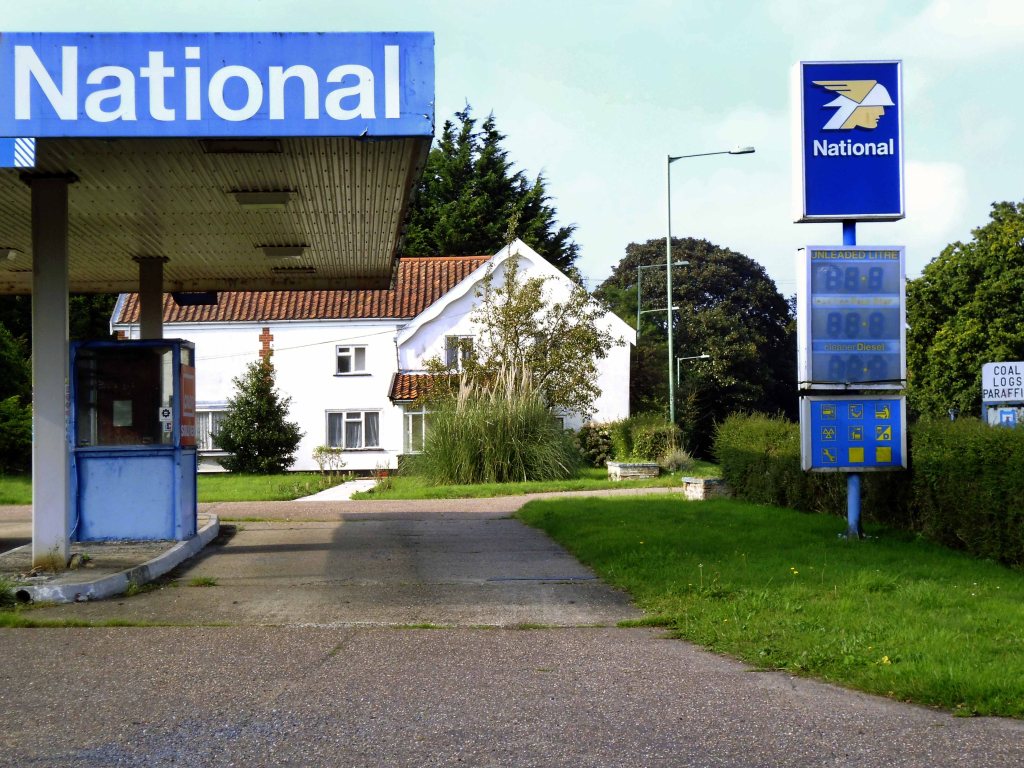
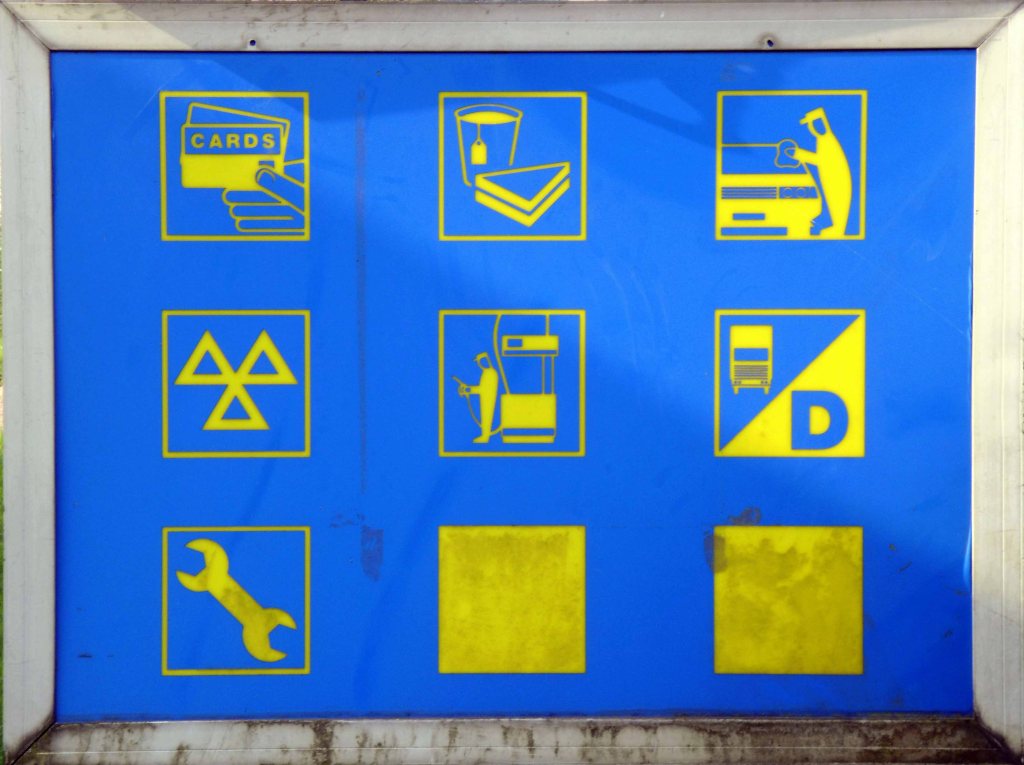
Service station highlight of the tour – with its National graphic identity intact.

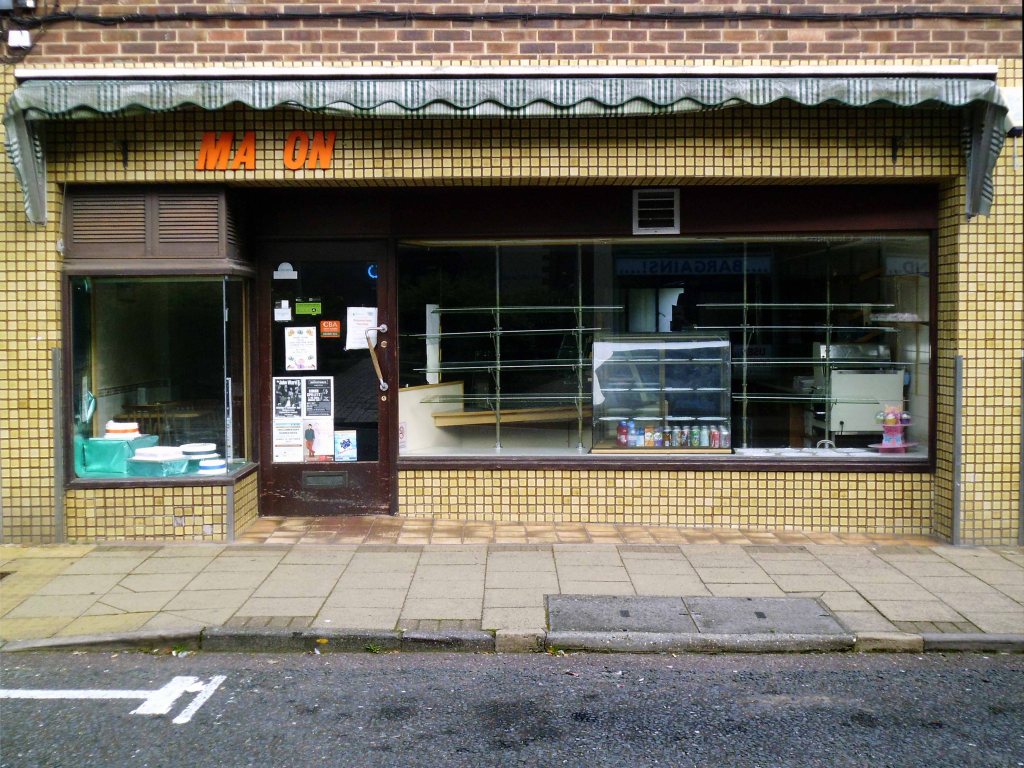
A no longer a bakers bakery.

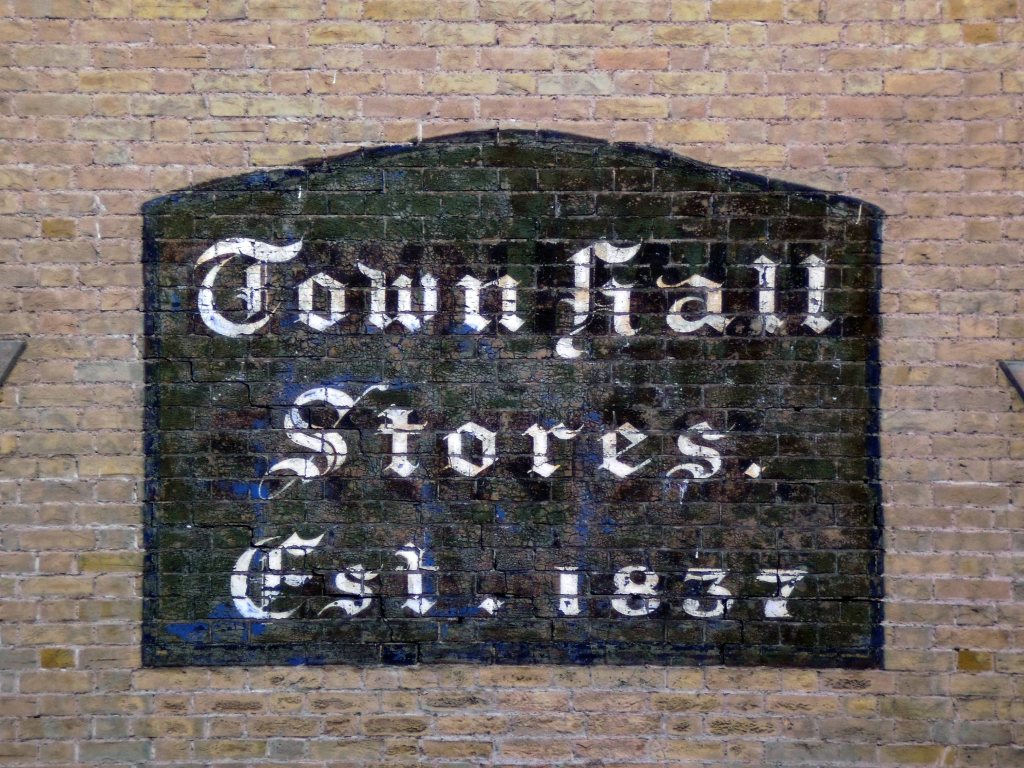
Ghost sign.

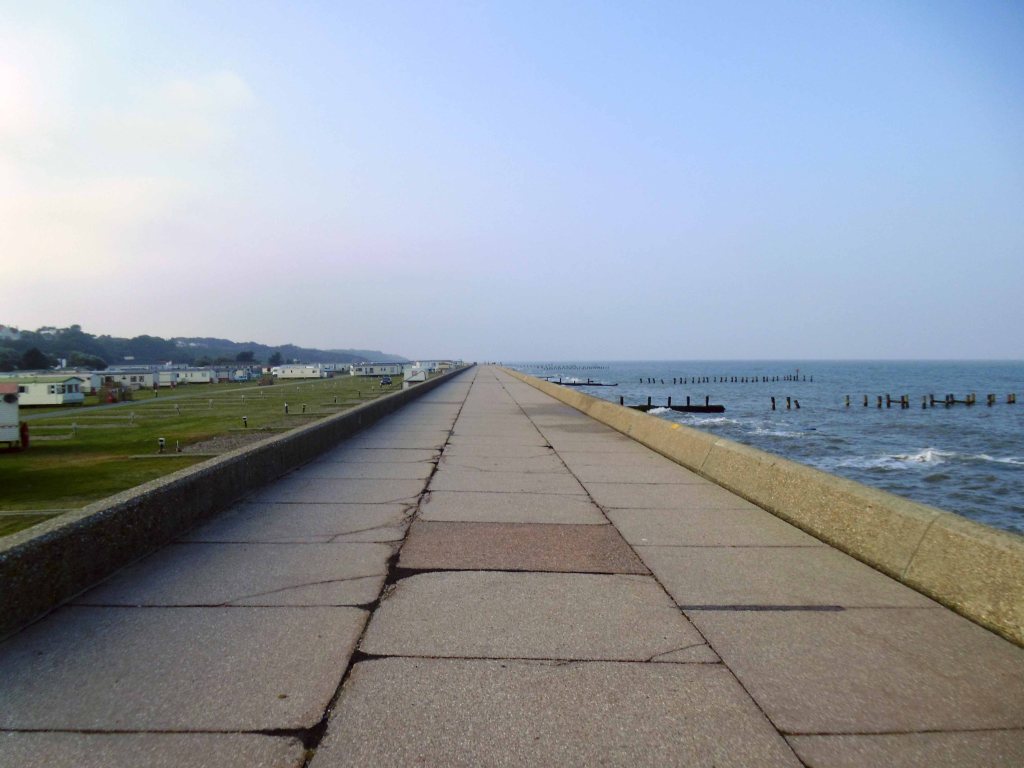
All at sea again – caravans to the left of us, sea to the right of us, onwards onwards.

The eternal puzzle of the paddling pool.

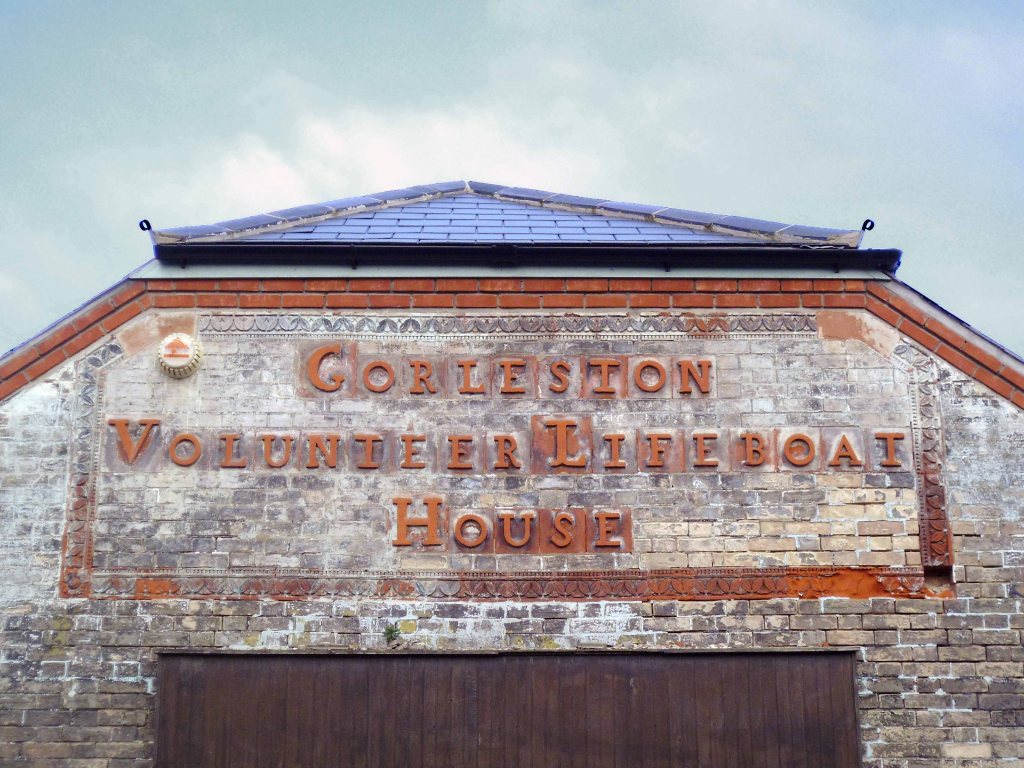
Terracotta tiling on the Lifeboat House.

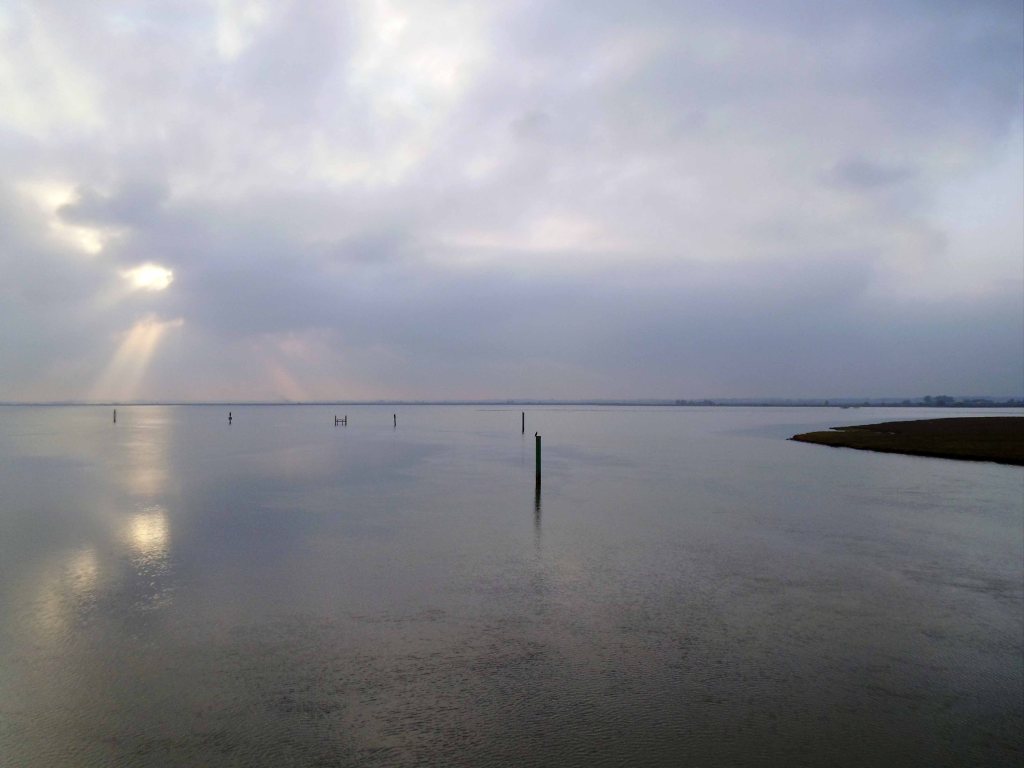
Crossing the estuary of the River Yare – yeah, yeah!

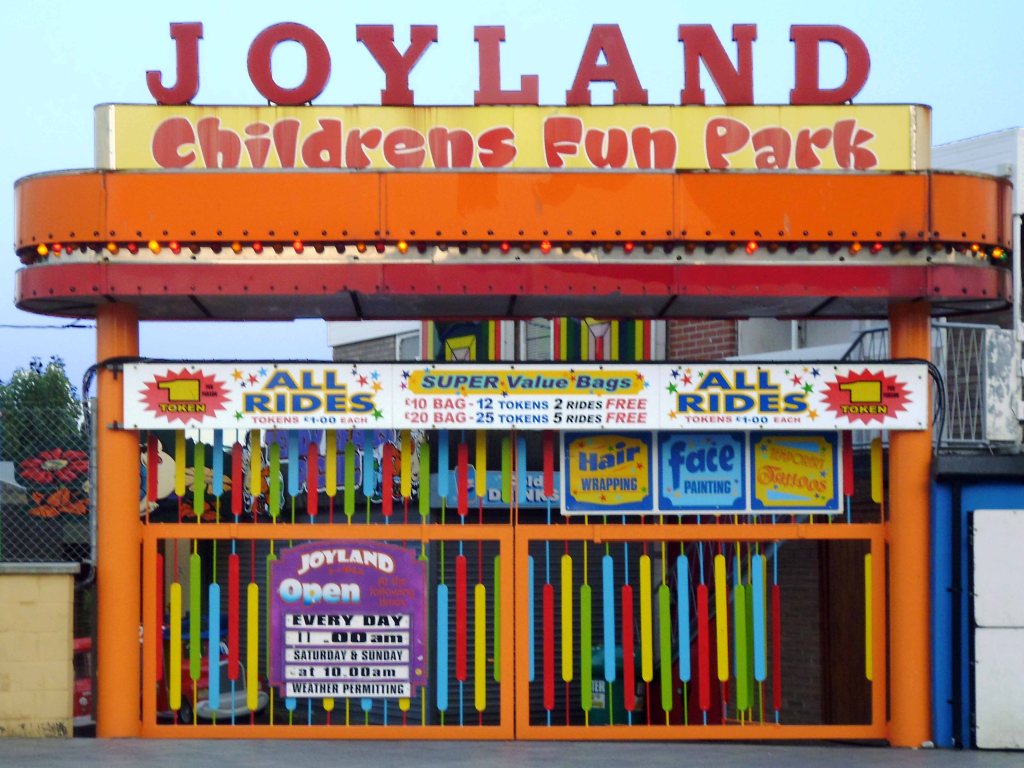
Finally arriving in Joyland.

Rides include the world famous Snails and Tyrolean Tub Twist.

A huge toy town mountain incorporates the Spook Express kiddie coaster, Jet Cars and Neptune’s Kingdom undersea fantasy ride, Pirate Ship, Major Orbit, Balloon Wheel and Skydiver complete the rest of the rides.

Hungry – why not grab a bite at the American Diner.

I actually went to the Wetherspoons.

Though the town is full of tiny pubs.

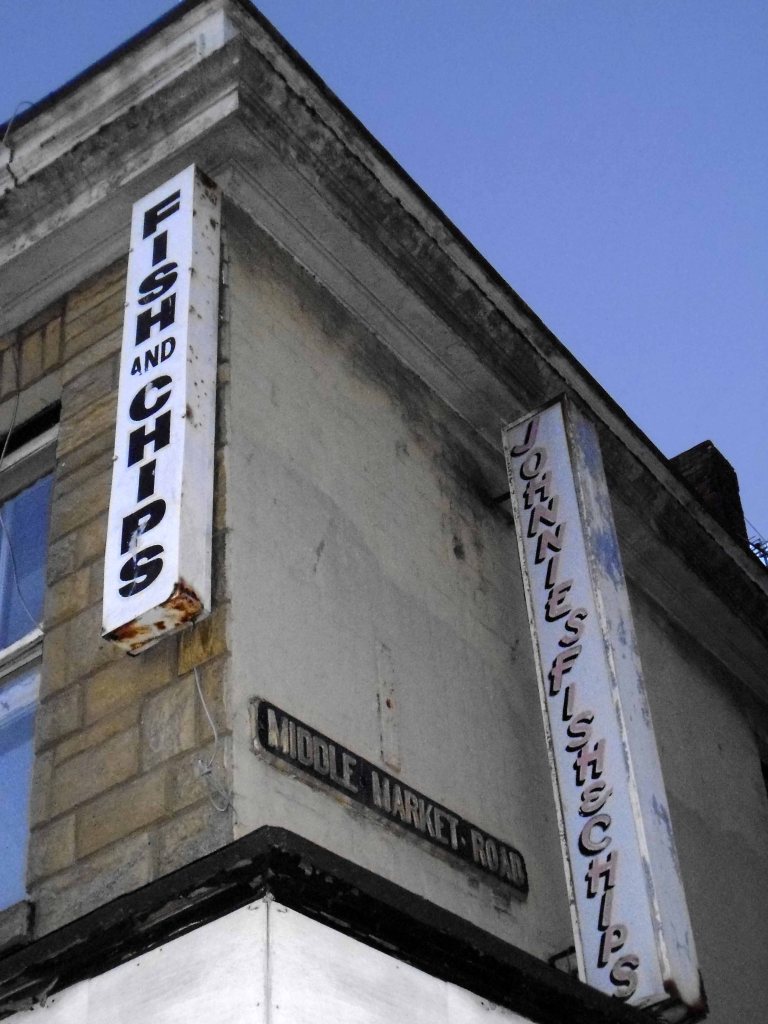
And a chippy.

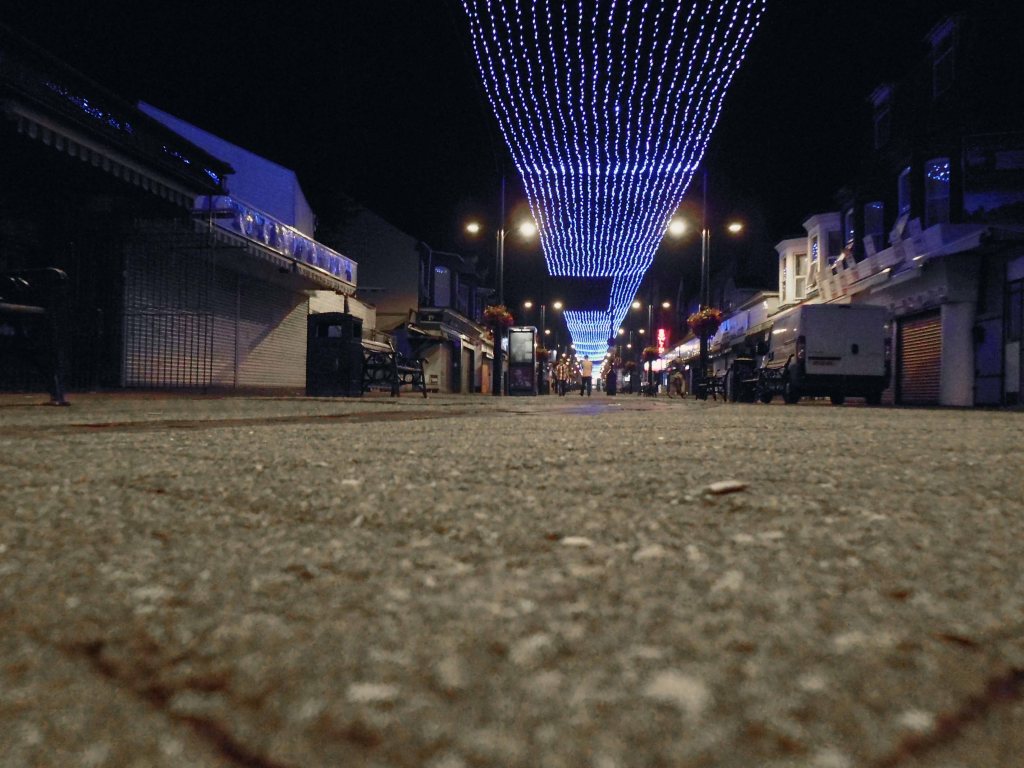
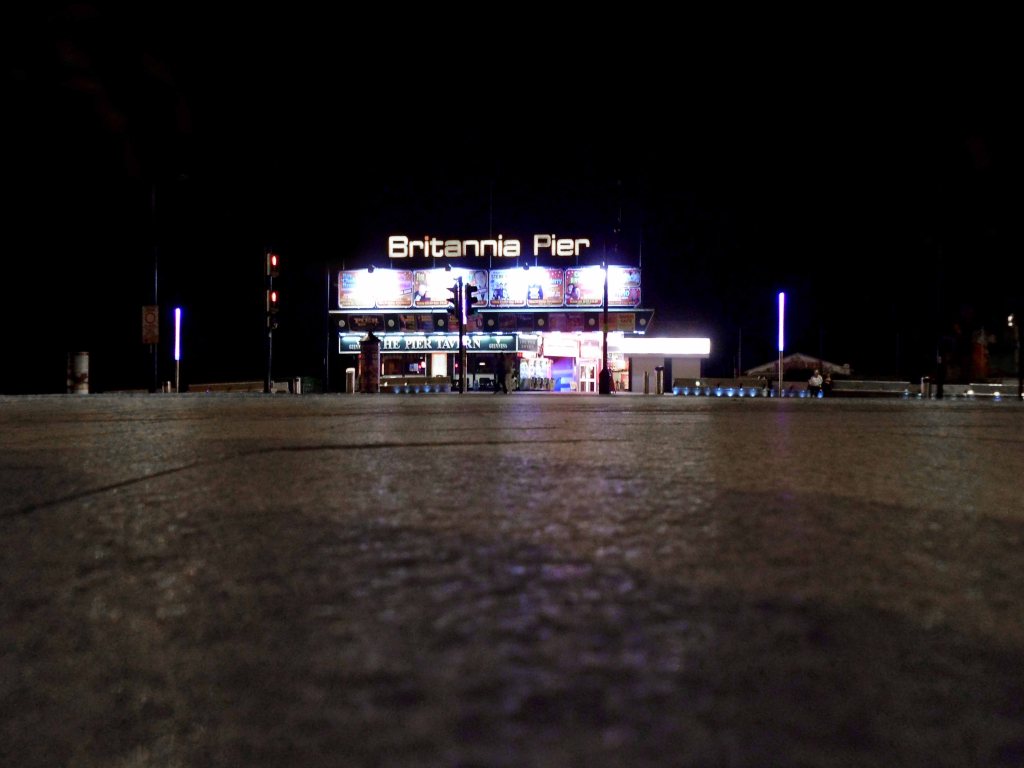
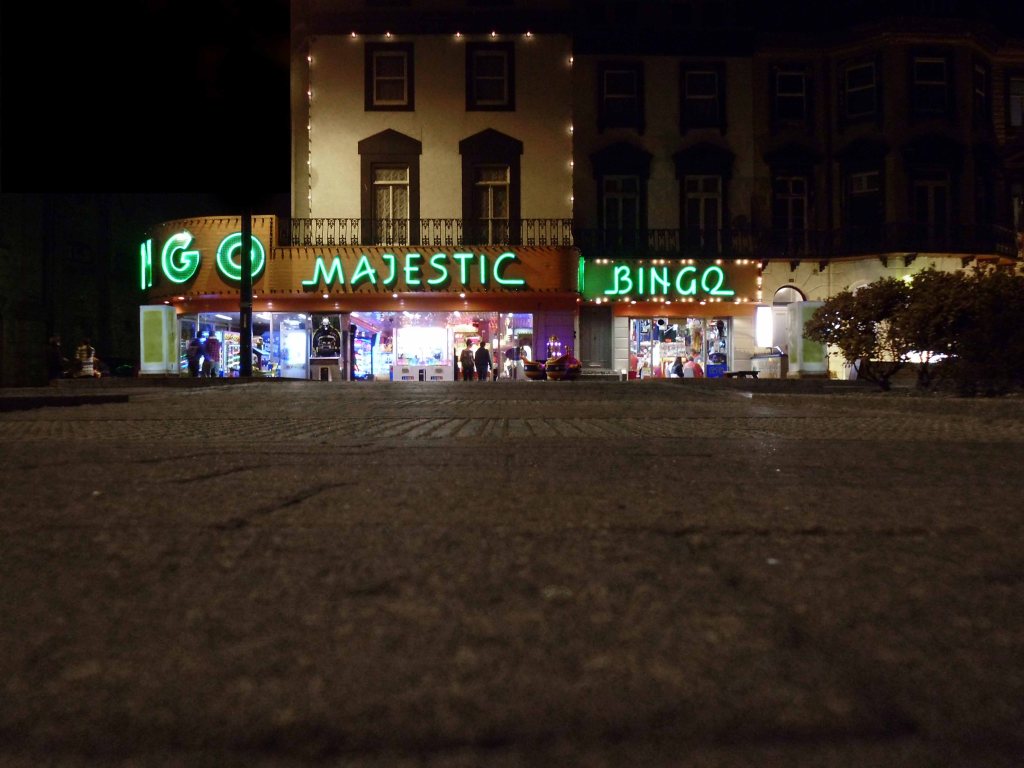
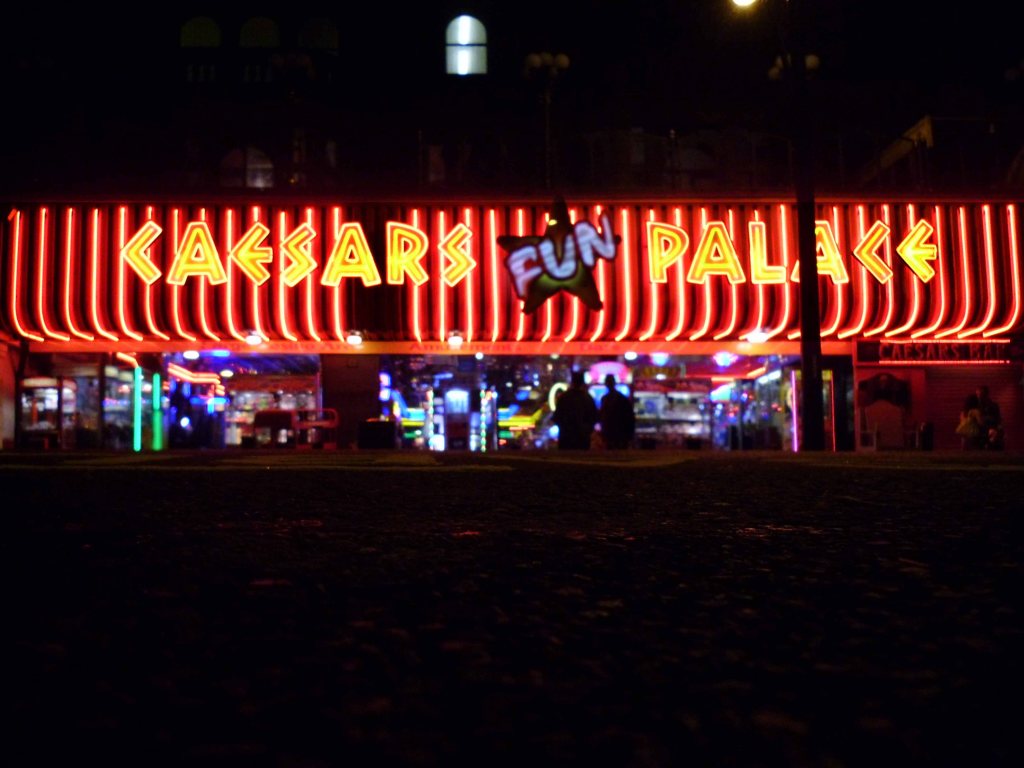
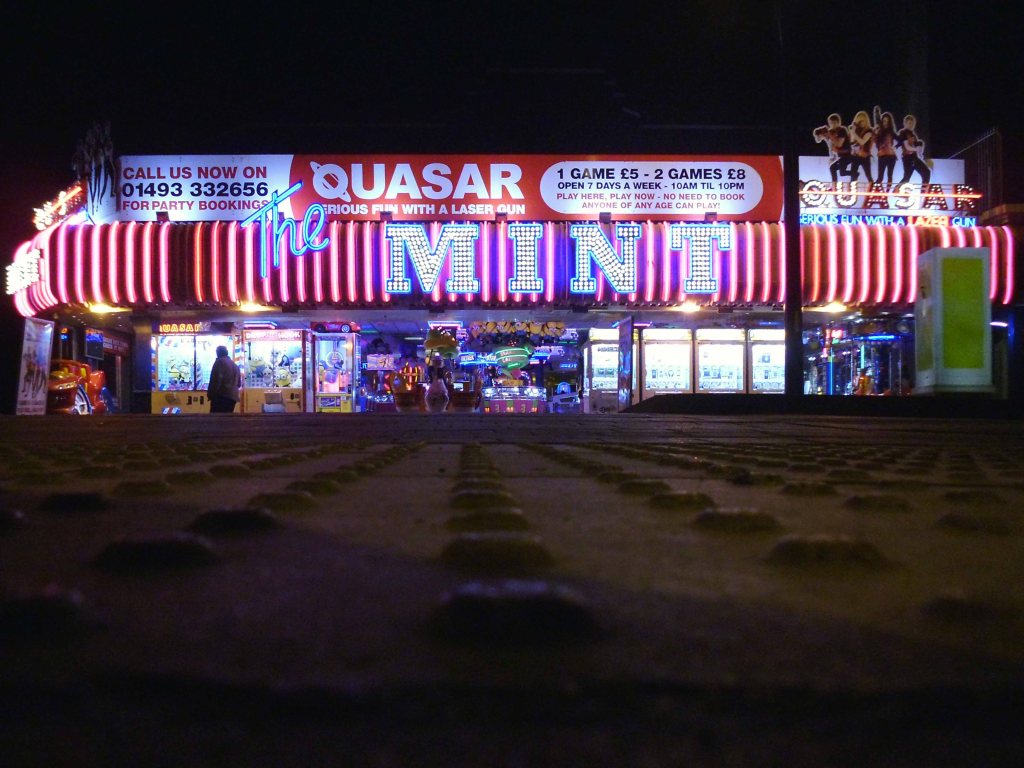
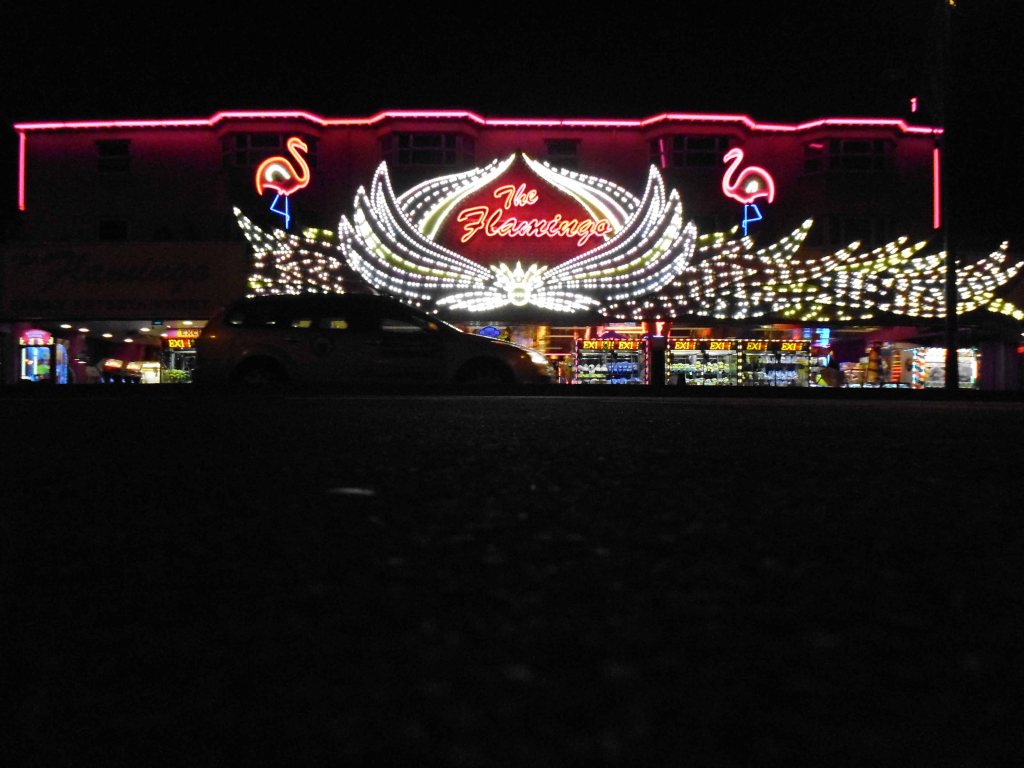
I wandered the highway byways and promenade of Great Yarmouth, all alone in a neon nightmare!

Finally settling down for a pint or two – again.

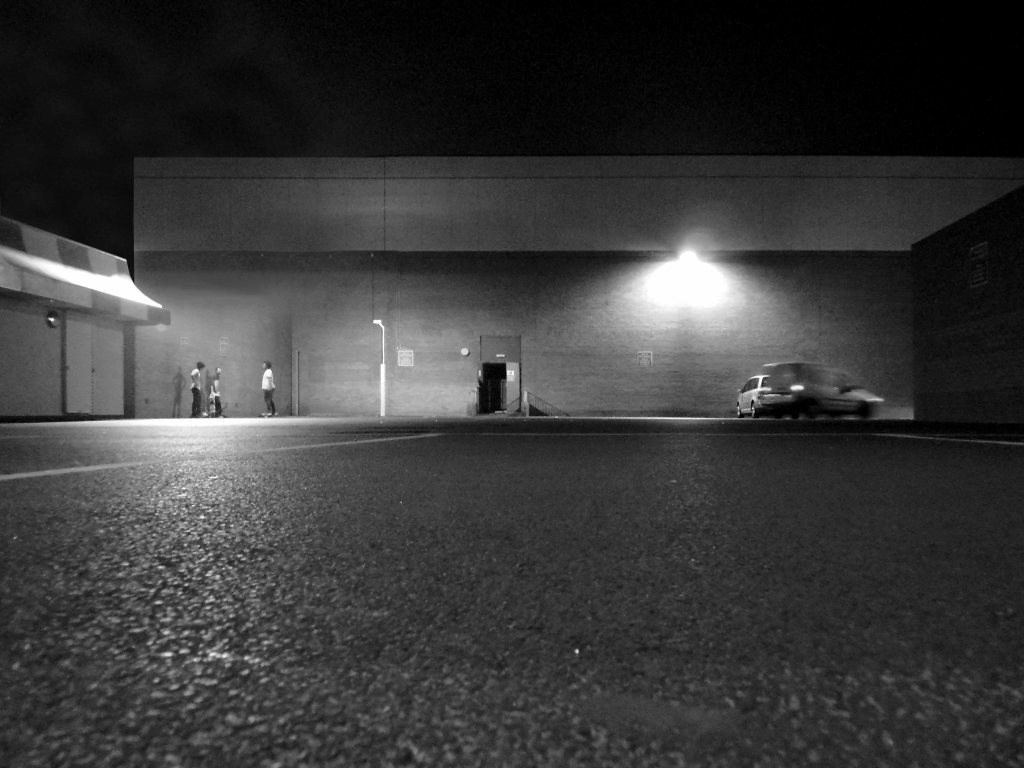
Lastly encountering the late night skaters.

Night night.

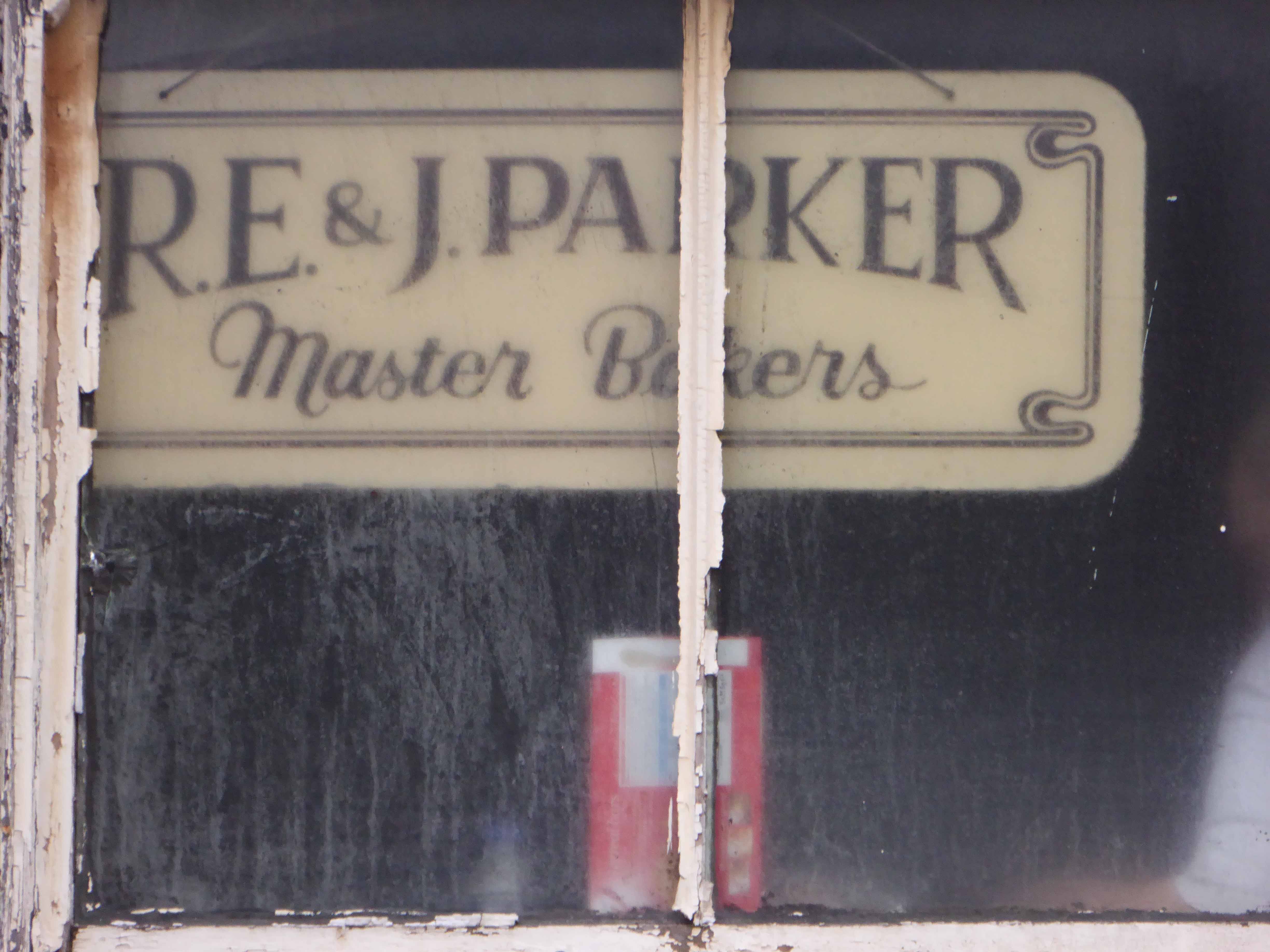
R.E & J. Parker Bakers – Leigh

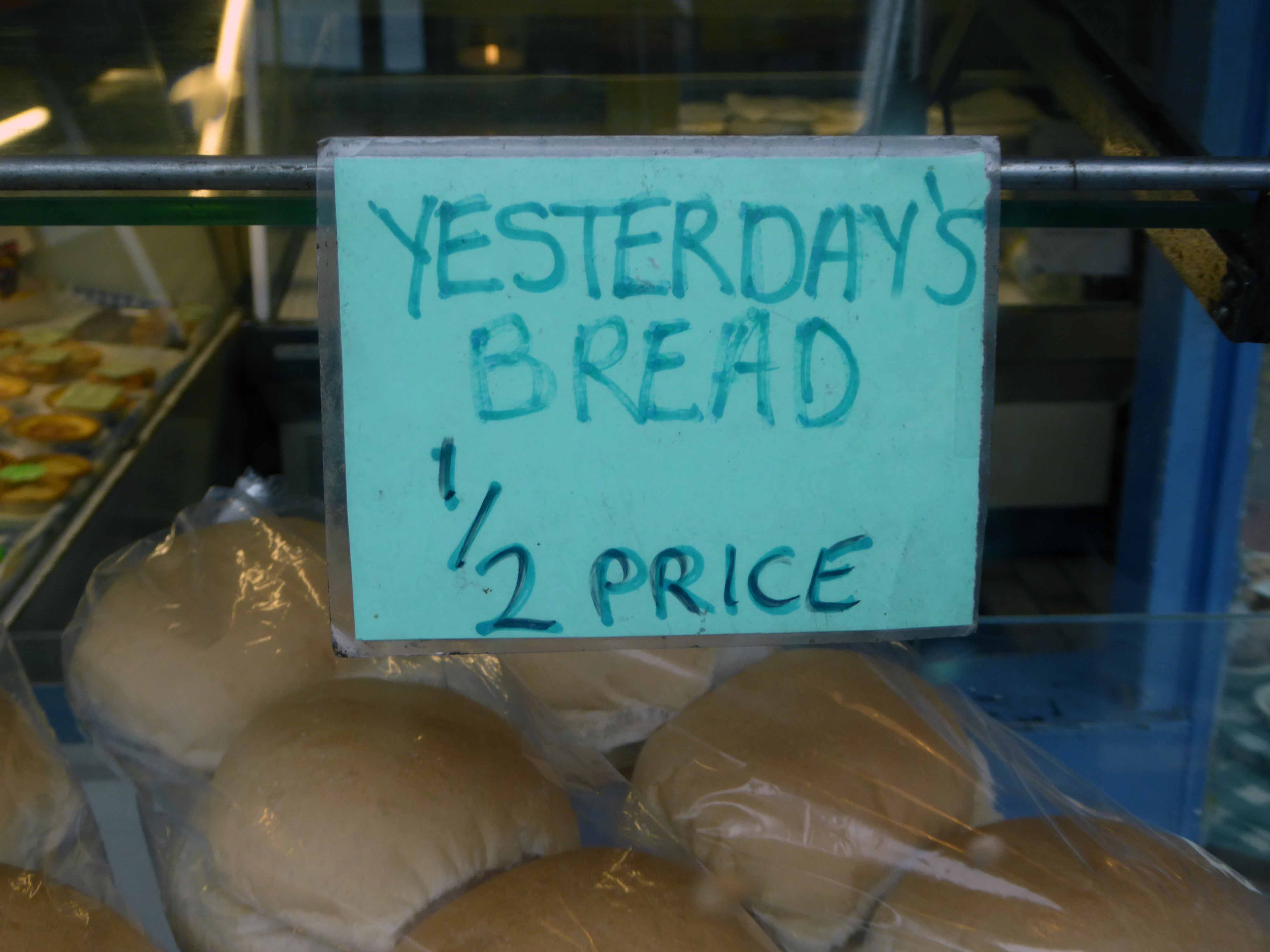
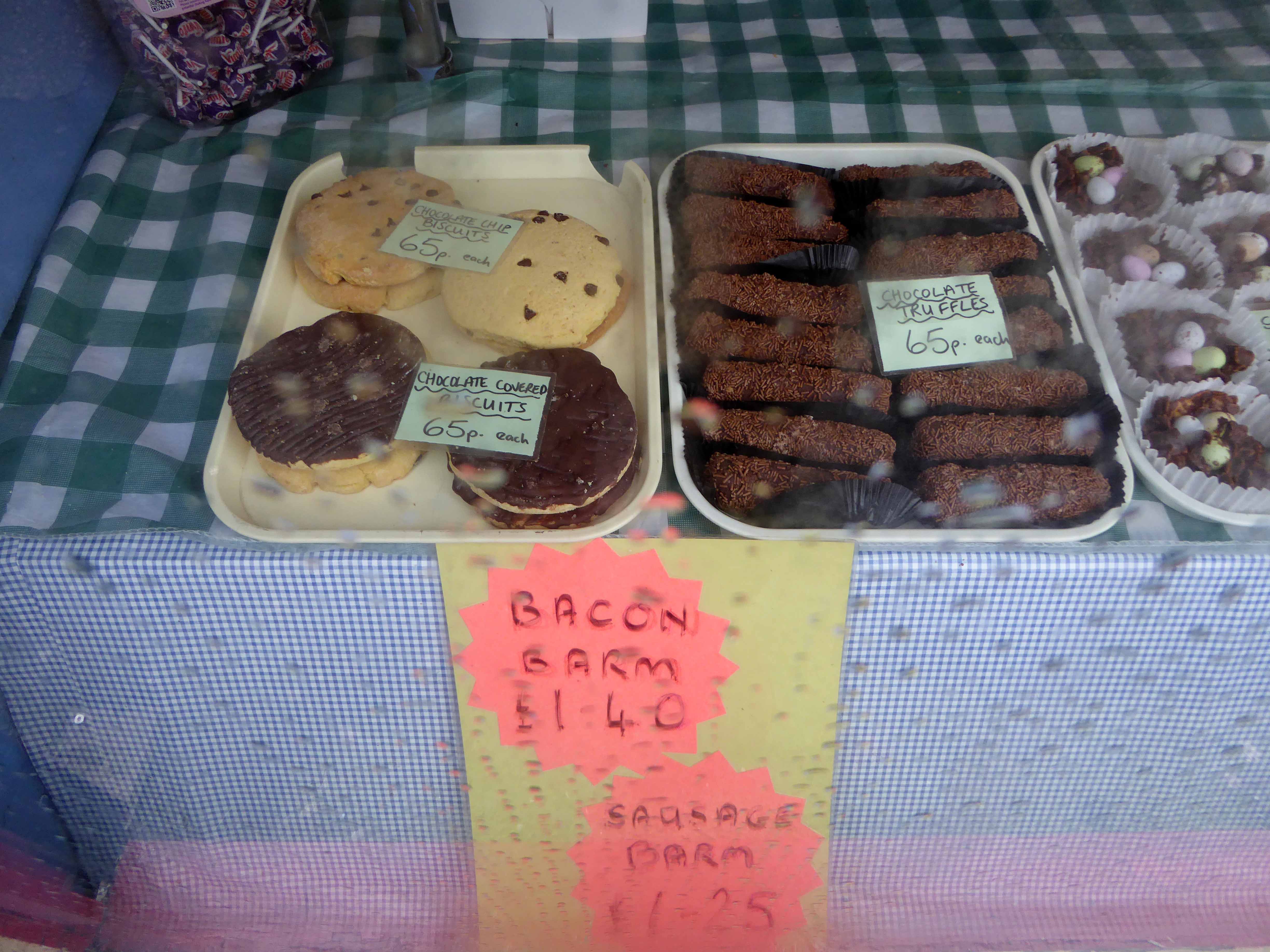
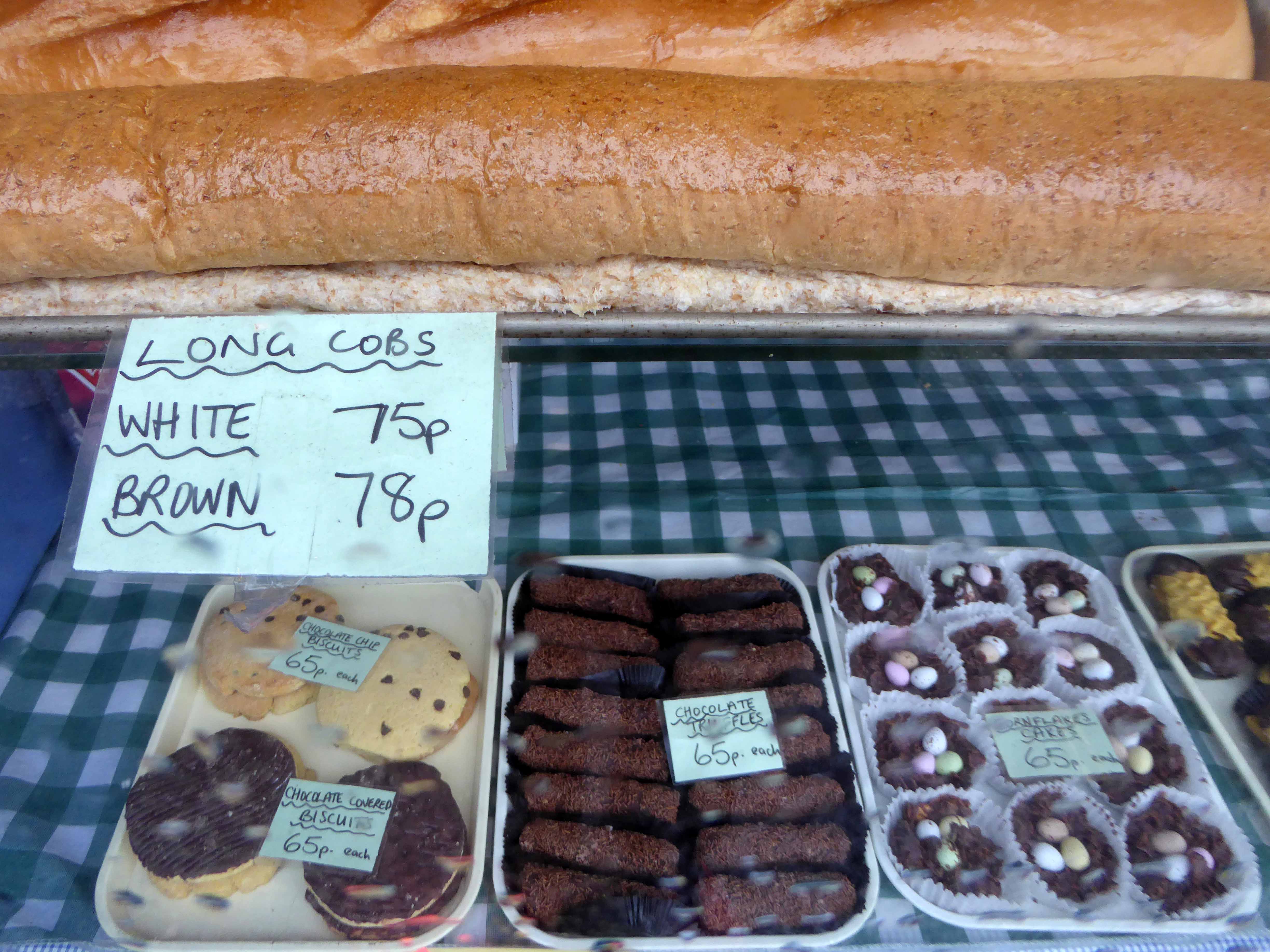
I do have a particular penchant for pâtisserie – though close in spirit to their Euro equivalents, the vernacular bakers of the North are by comparison, sadly now a seldom seen, rare and precious breed.

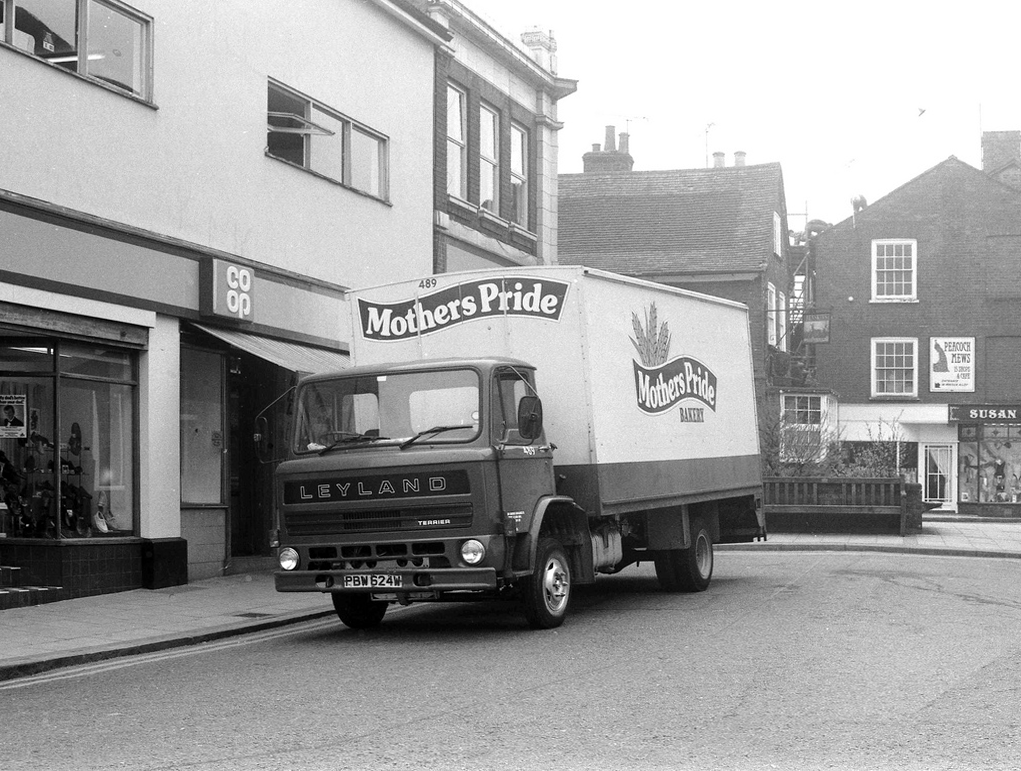
My dad’s three sisters Alice, Jenny and Lydia all trained as confectioners, and he himself was a van man for Mother’s Pride. In my turn I worked as a van lad at their Old Trafford base.

Screen Shot 2018-01-16 at 11.21.08


Flour, eggs, sugar and fat are in my blood.

In their way the growth of the mass-market bakers, along with the motor car and supermarket hegemony sealed the fate of the local bread, cake and pie shop, along with the demise of the associated skills and attendant early morning work patterns. When I visited Cochrane’s in Audenshaw, it was clear that their youngsters no longer wished to take on the family baking business. So the once unremarkable sight of remarkable rows of fancies, growlers and tarts, is now a thing of familiar folk memory, rather than a sweet and savoury reality.

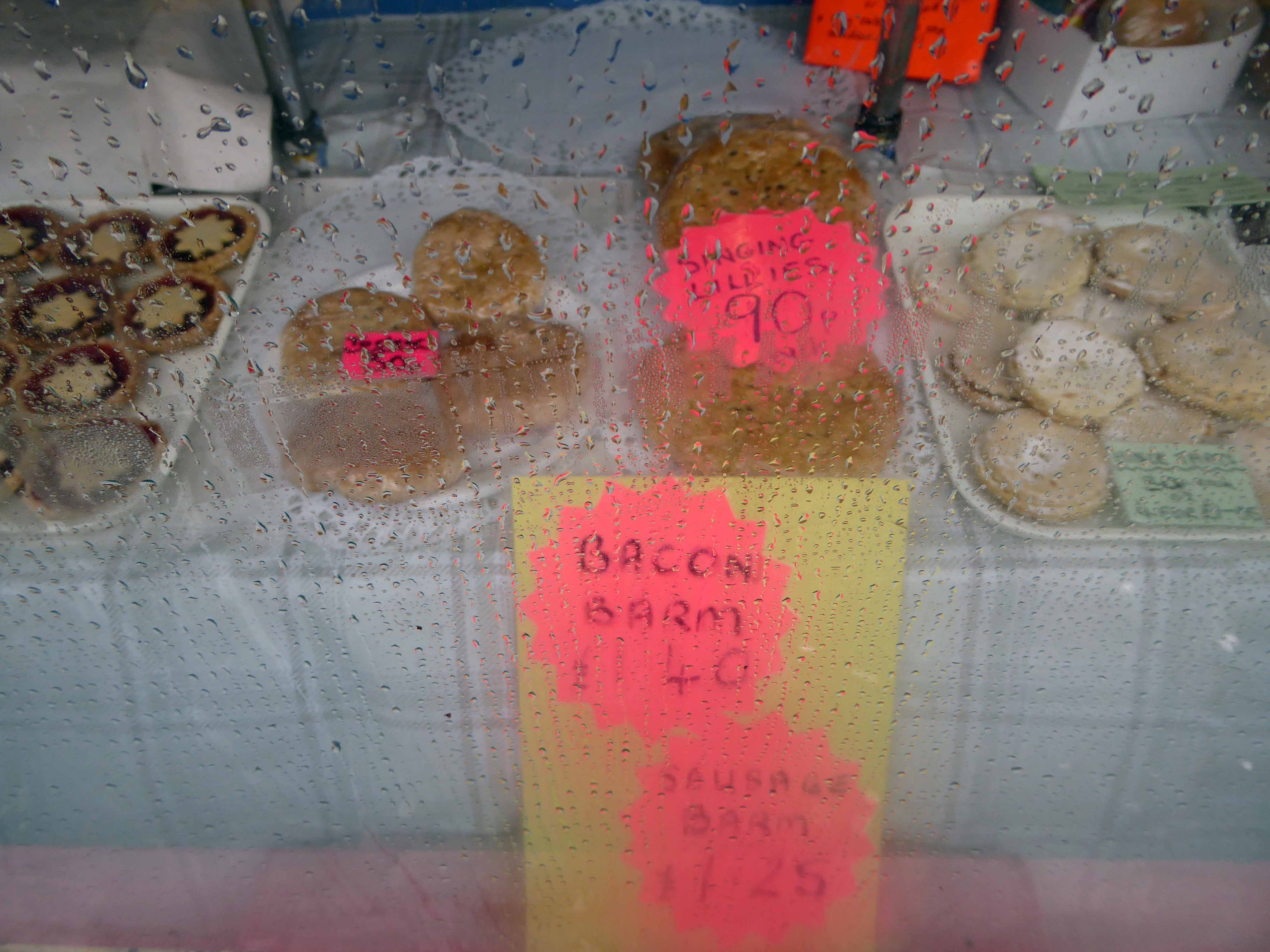
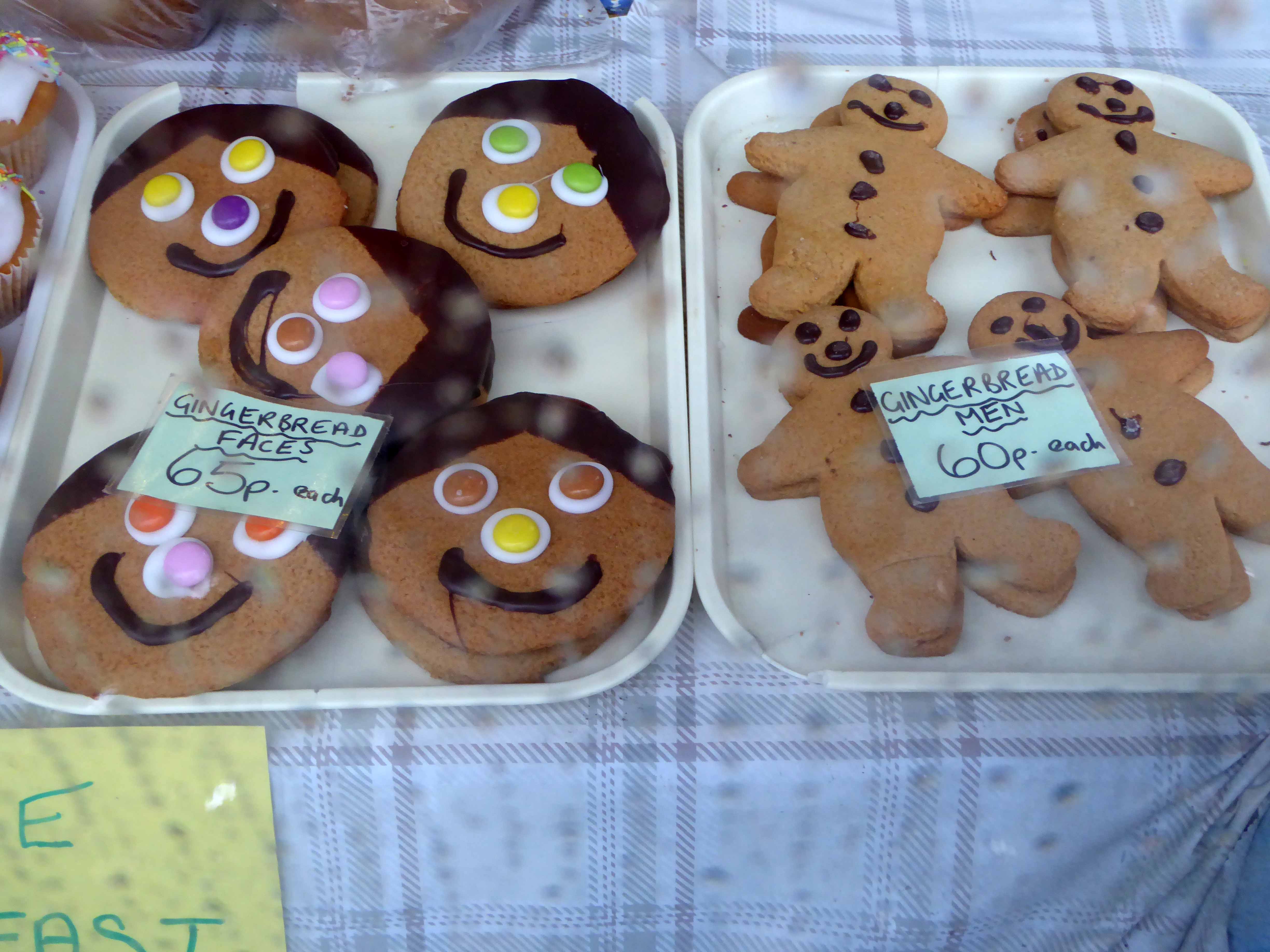
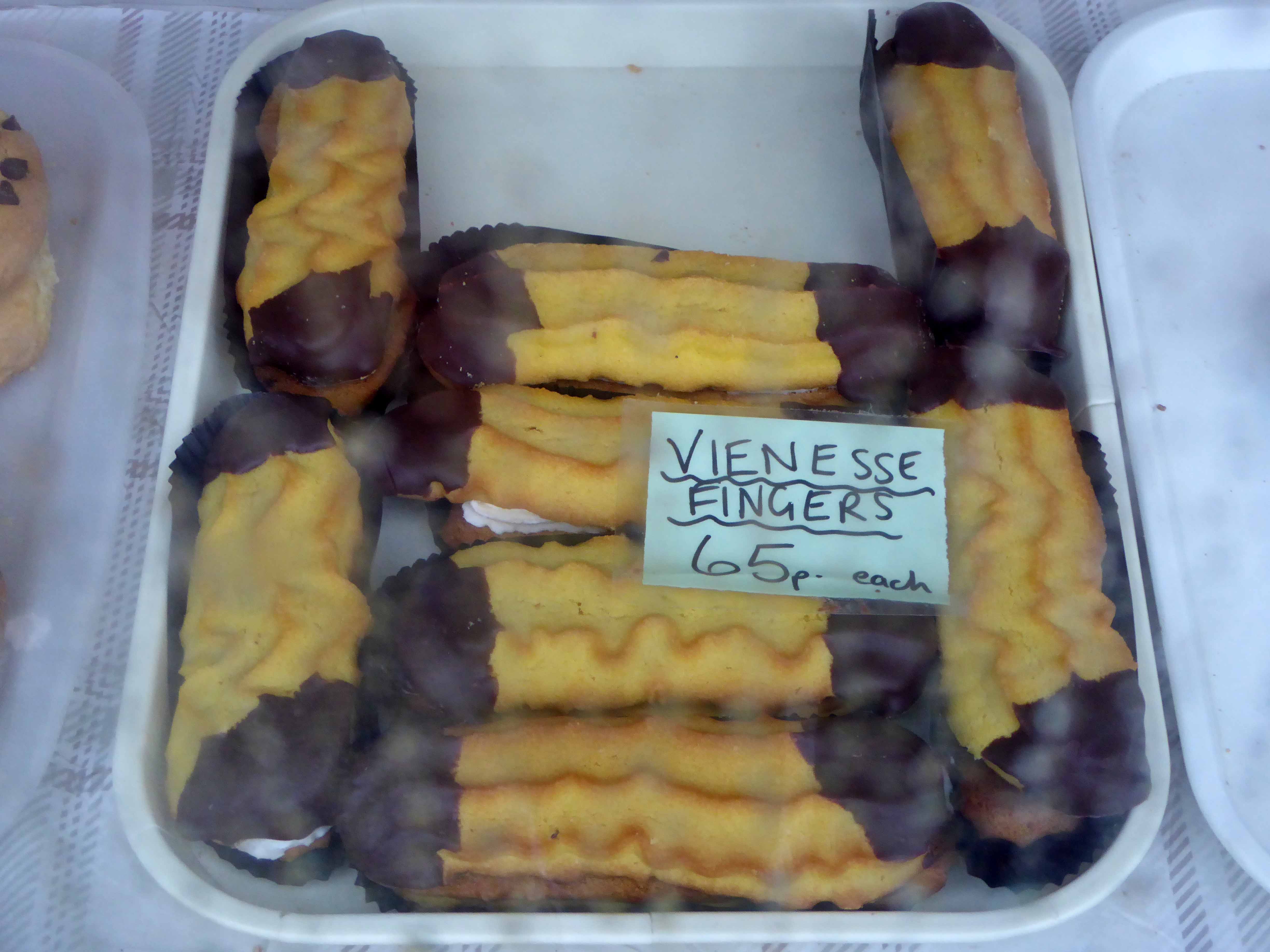
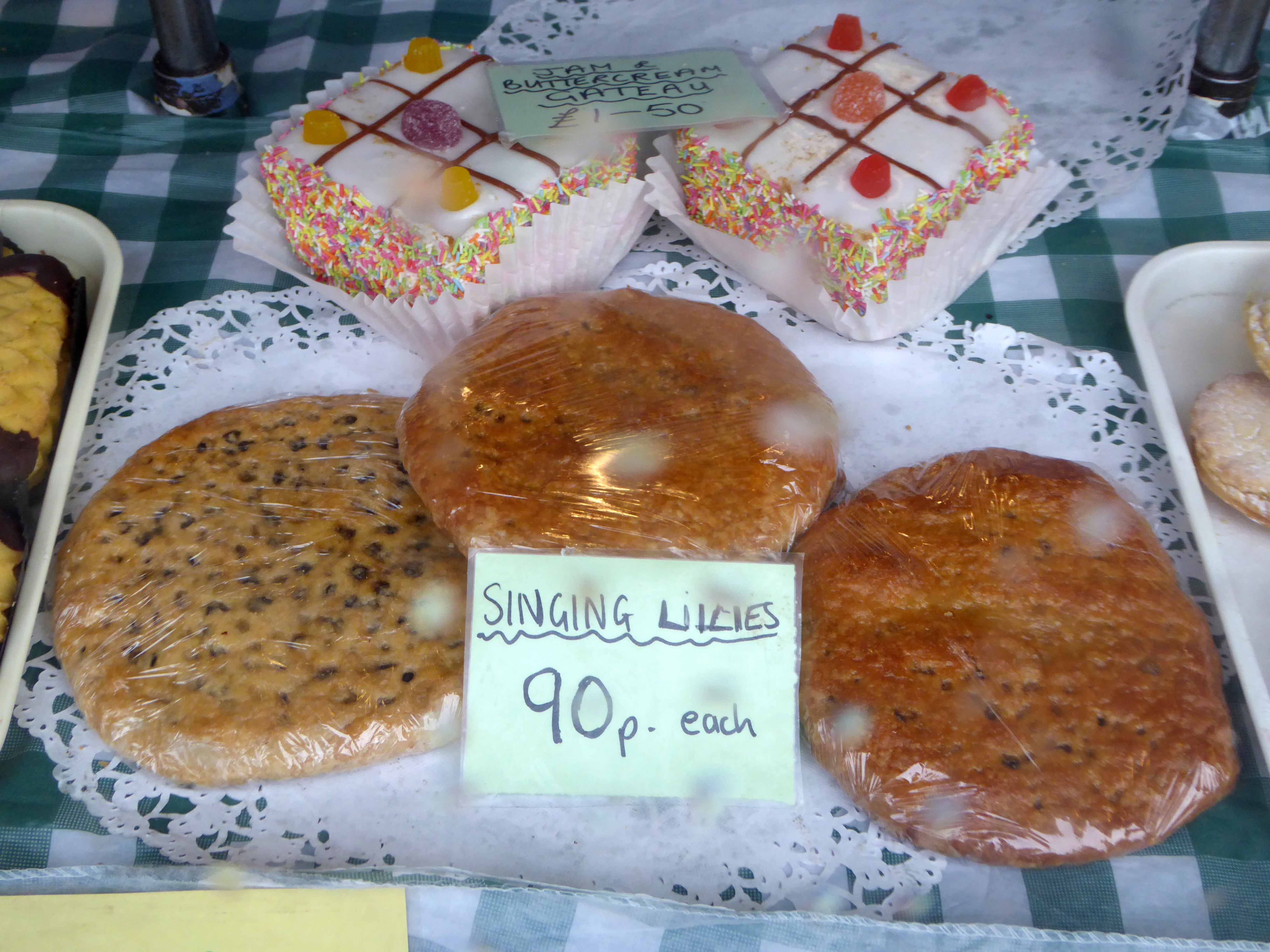
On both of my visits to Leigh I have passed Parker’s – the windows warm from the freshly baked confectionery – including the almost unique Singing Lily – sweet double crust pies, a large circle of shortcrust pastry folded over dried fruit and rolled until the fruit is visible, sugared and baked.

Next time I’ll go in and try one or two treats – get it while you can.

P1120865 copy

P1120868 copy

P1120869 copy

P1120870 copy

P1120871 copy

P1220700

P1220701

P1220702

P1220703

P1220704

P1220705

P1220706