The Whetstone – Sheffield

Confusion

Fusion

Confusion

Imagine

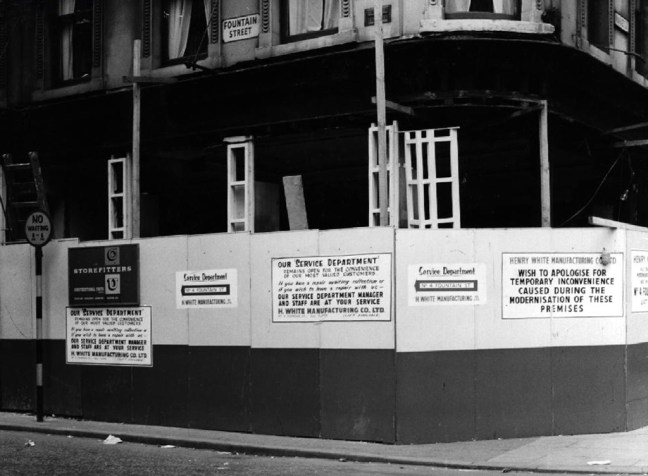
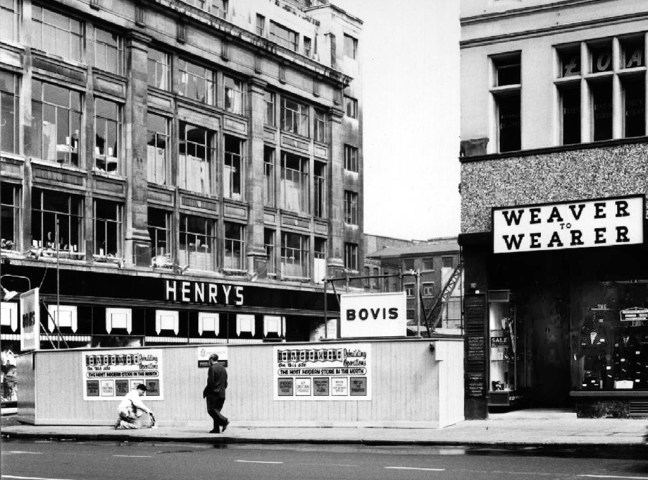
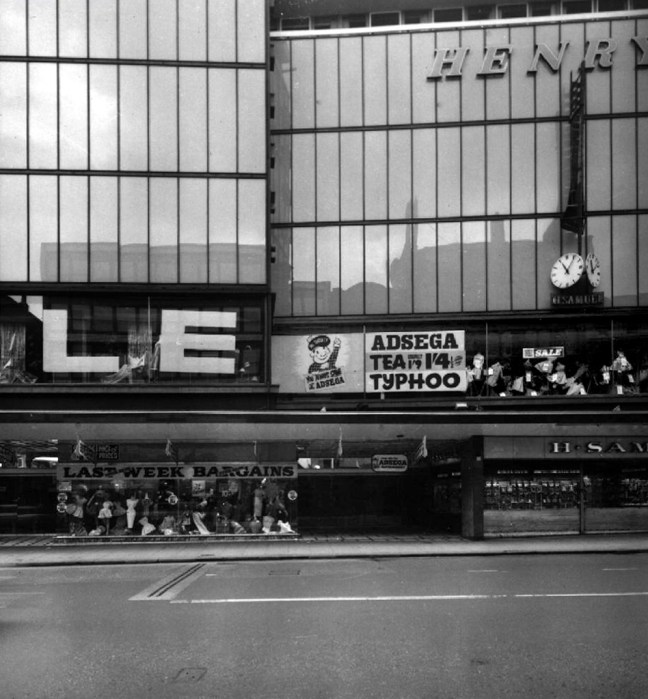
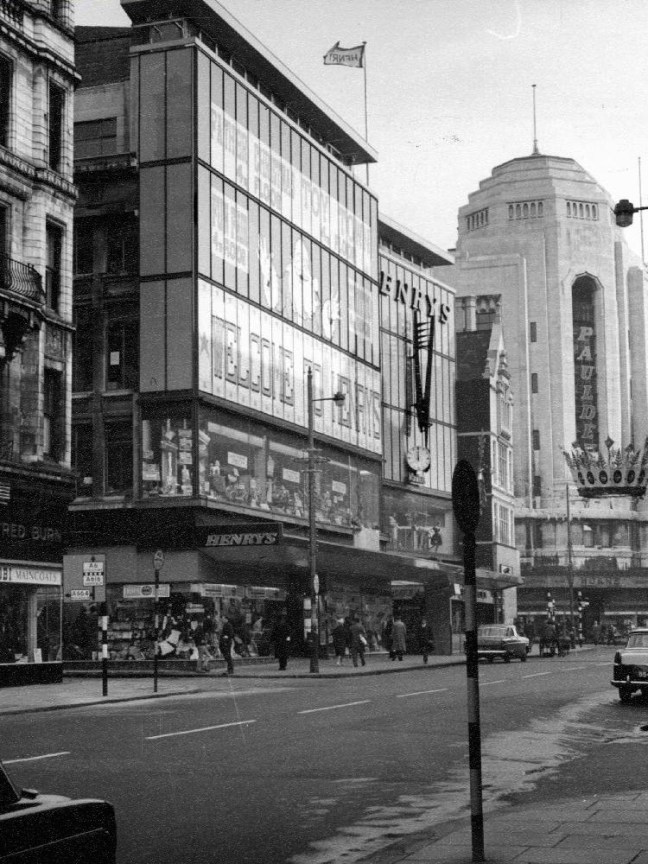
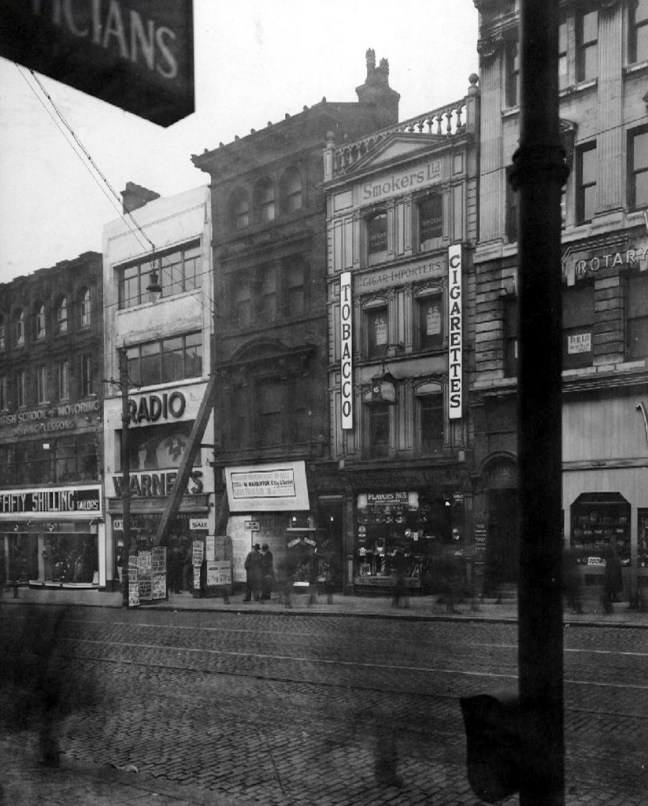
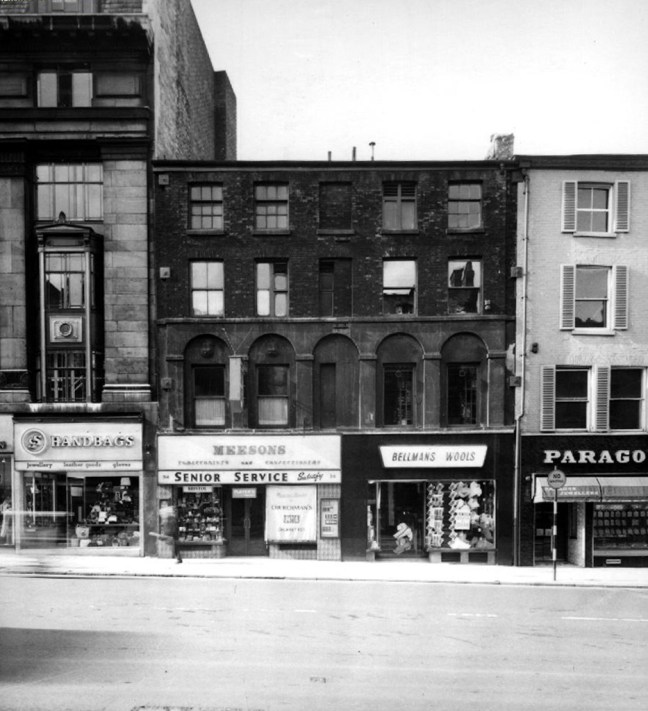
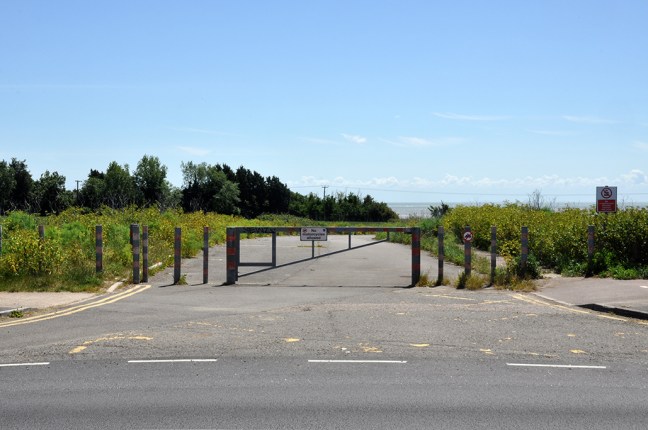
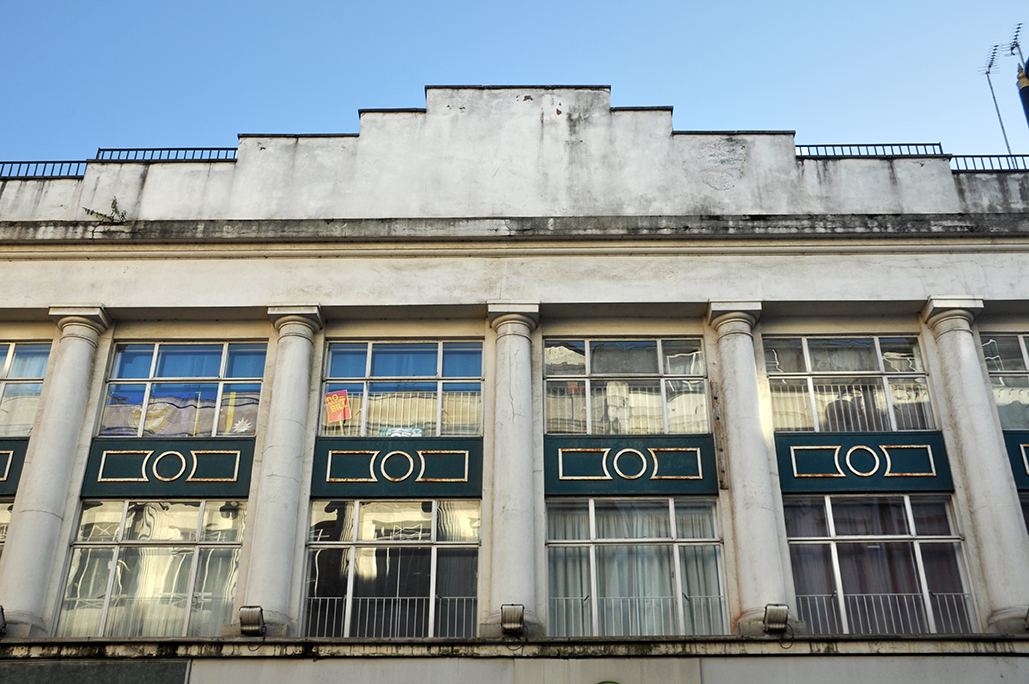
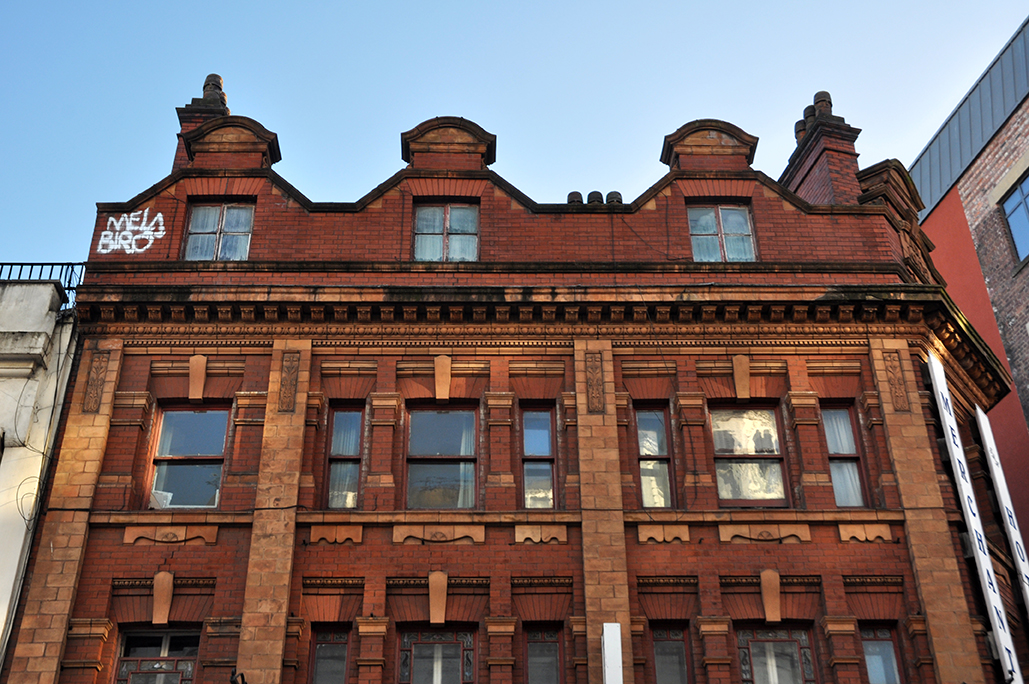
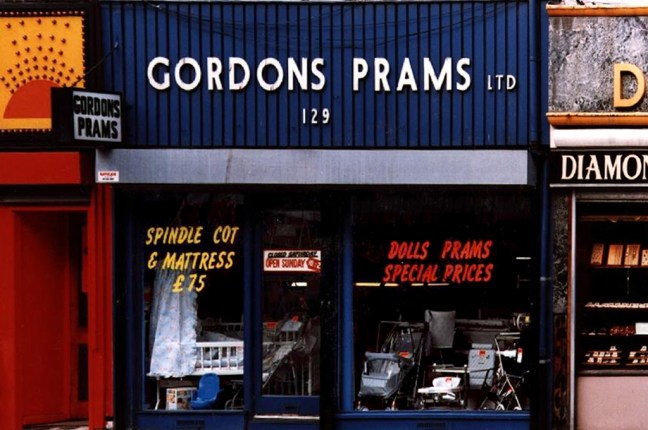
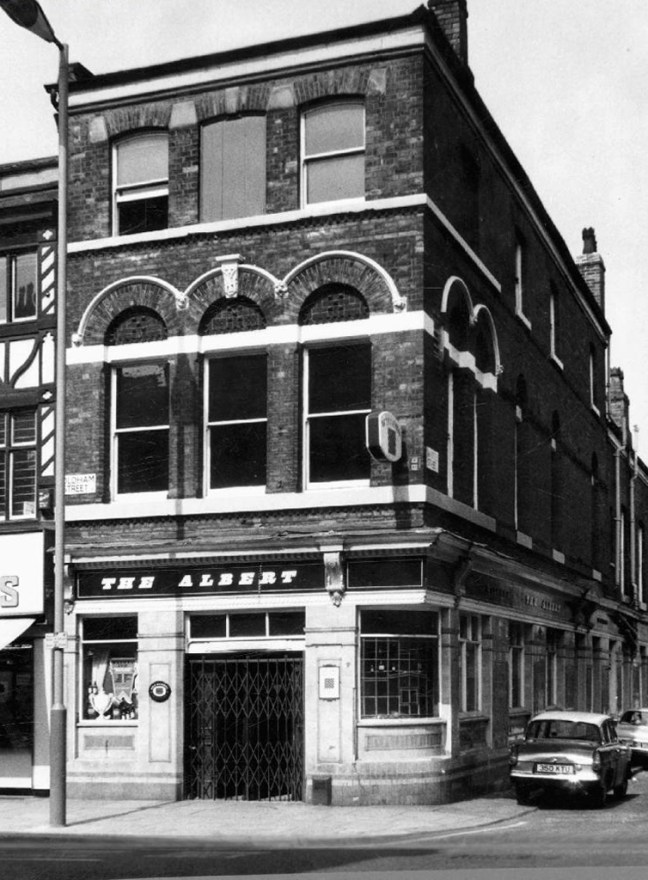
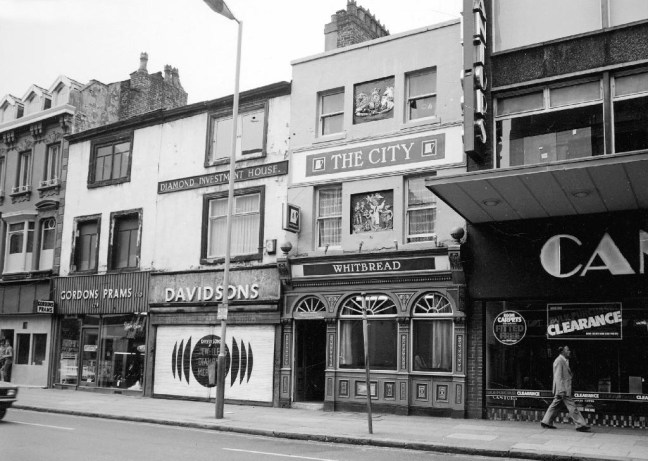
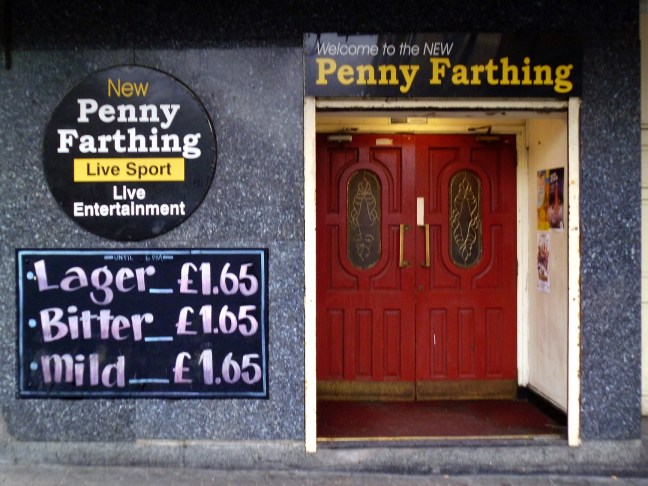
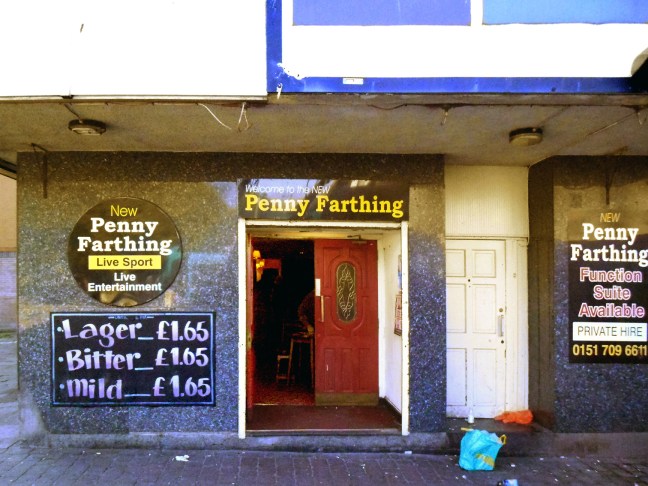
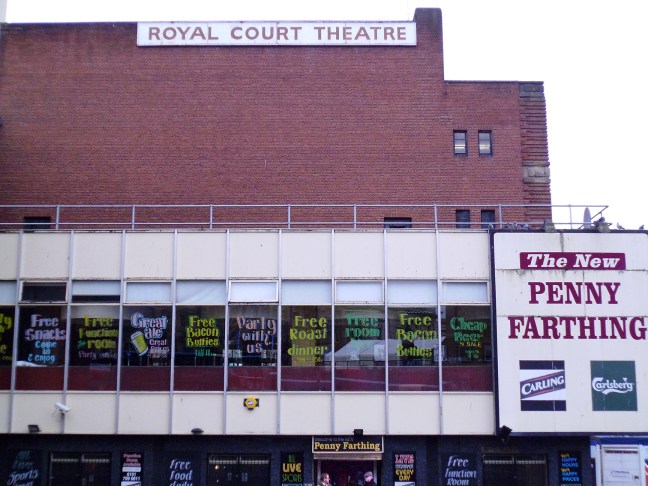
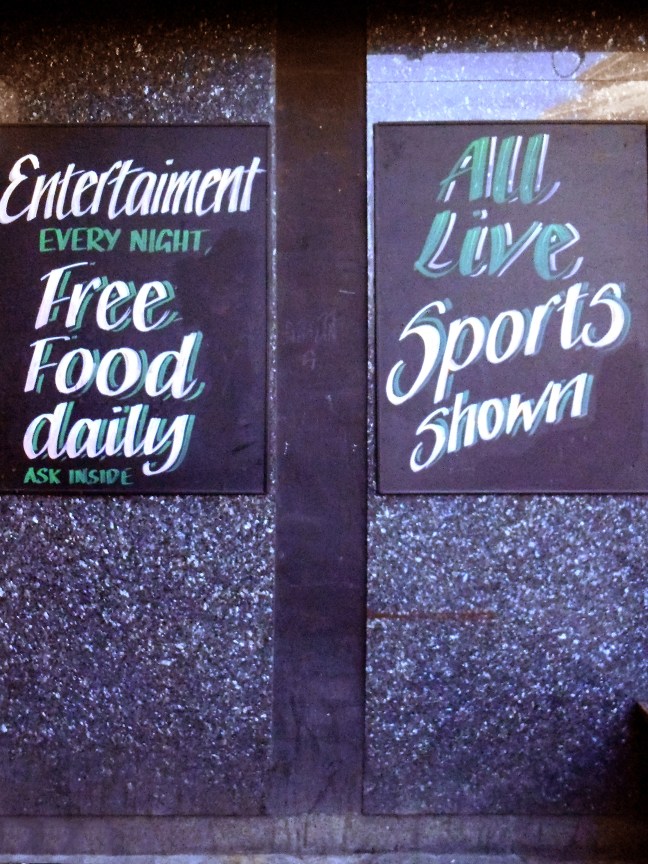
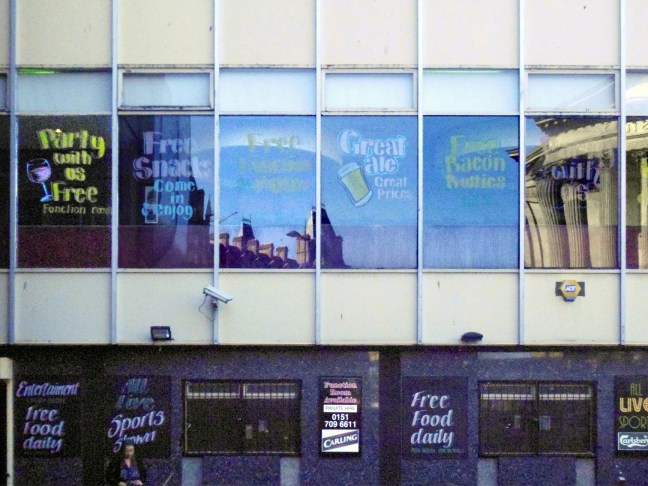
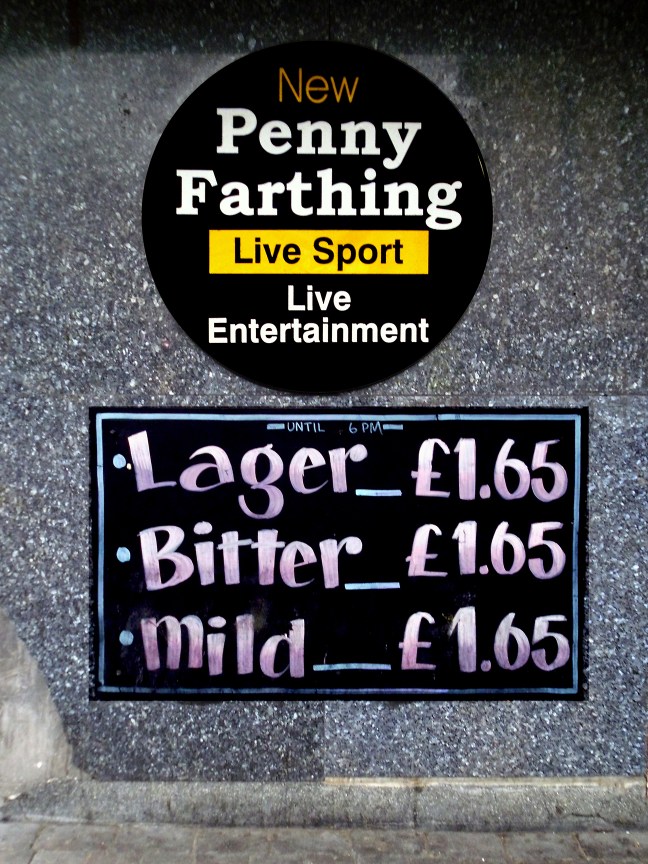
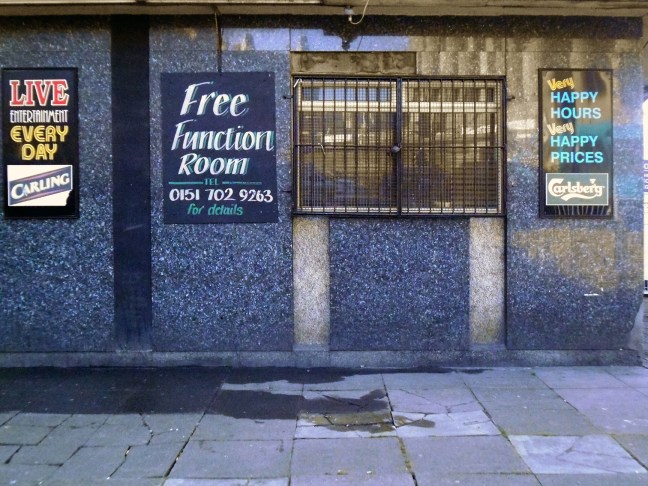
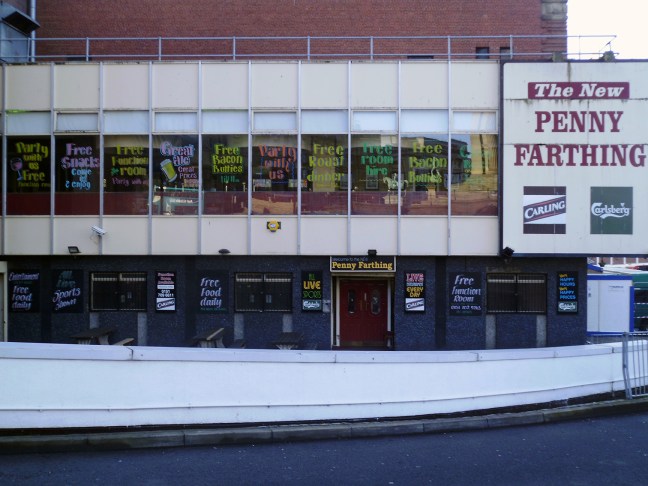
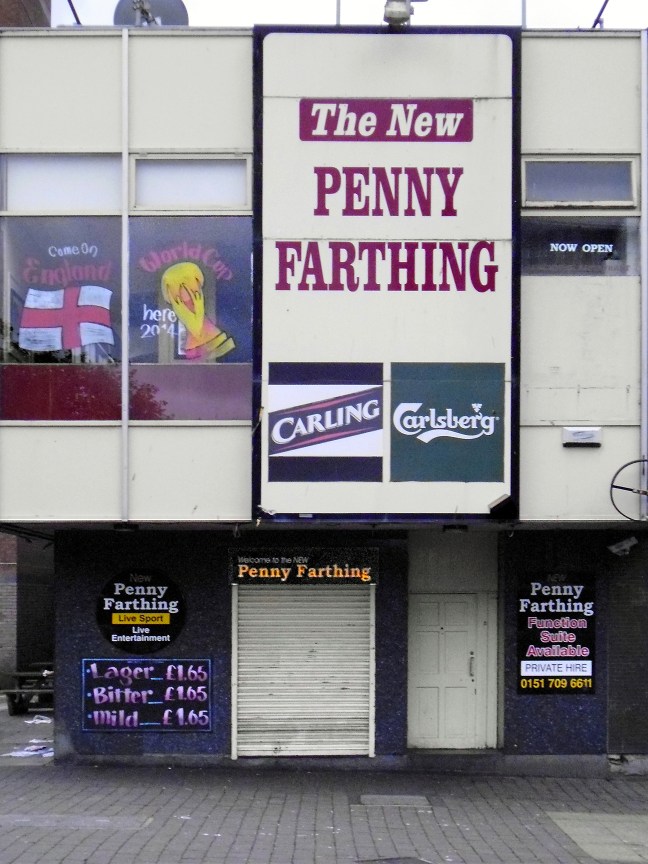
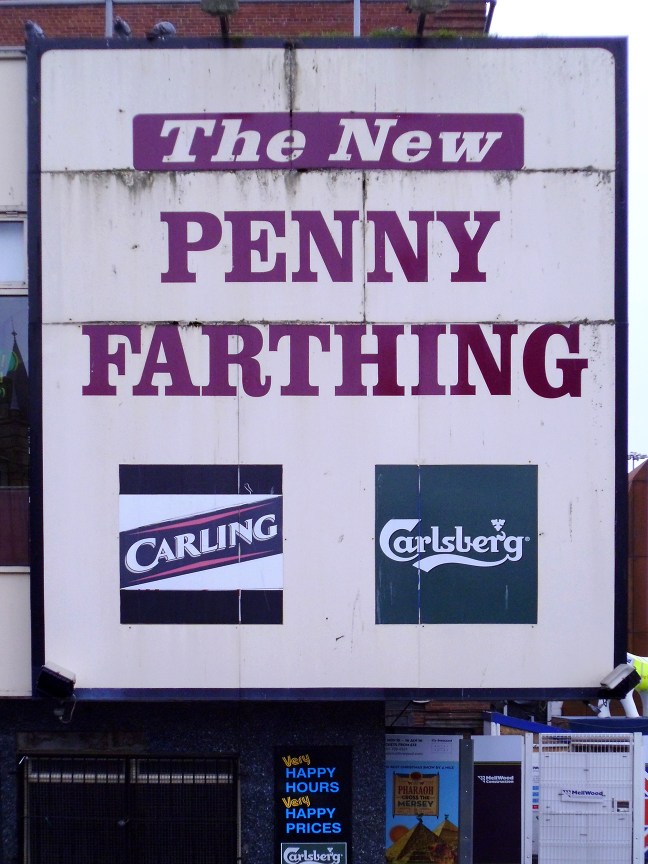
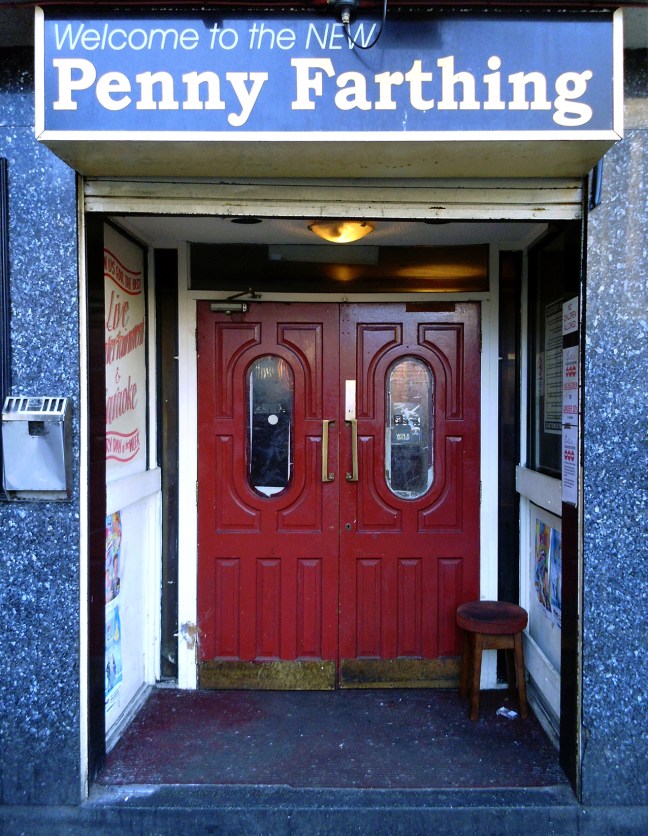
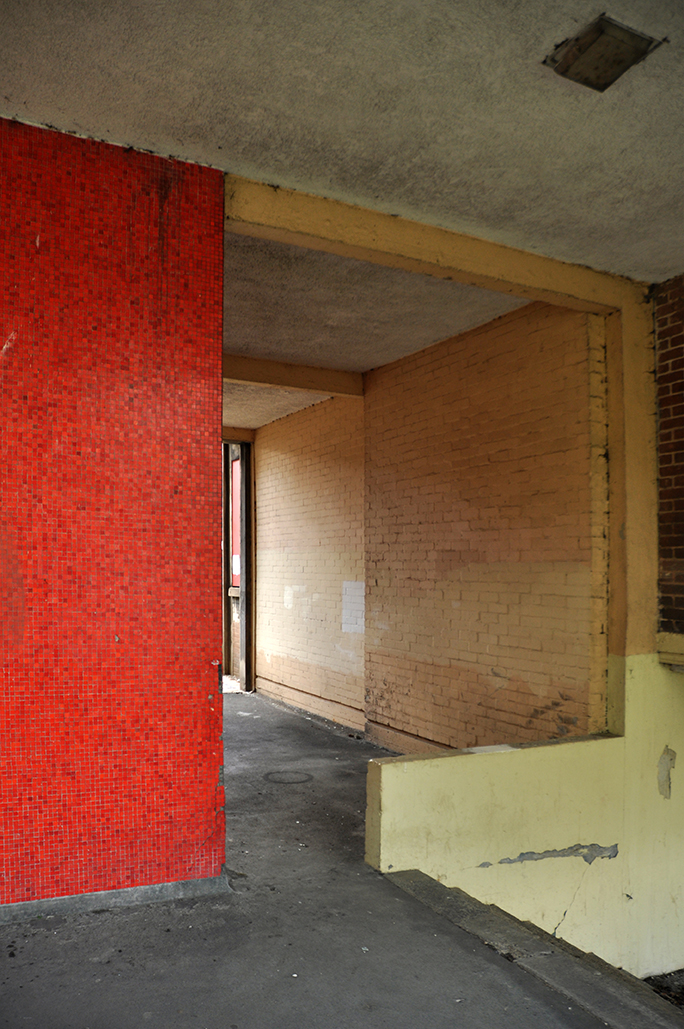
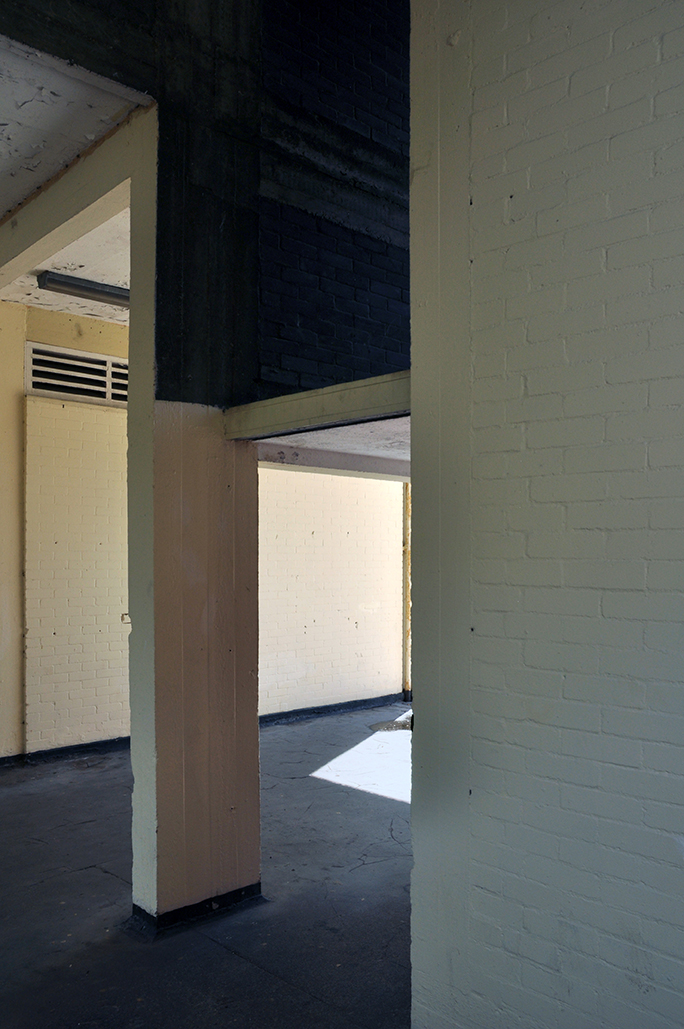
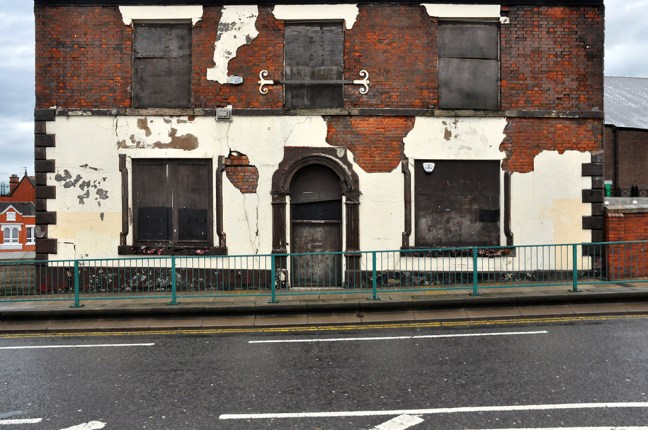
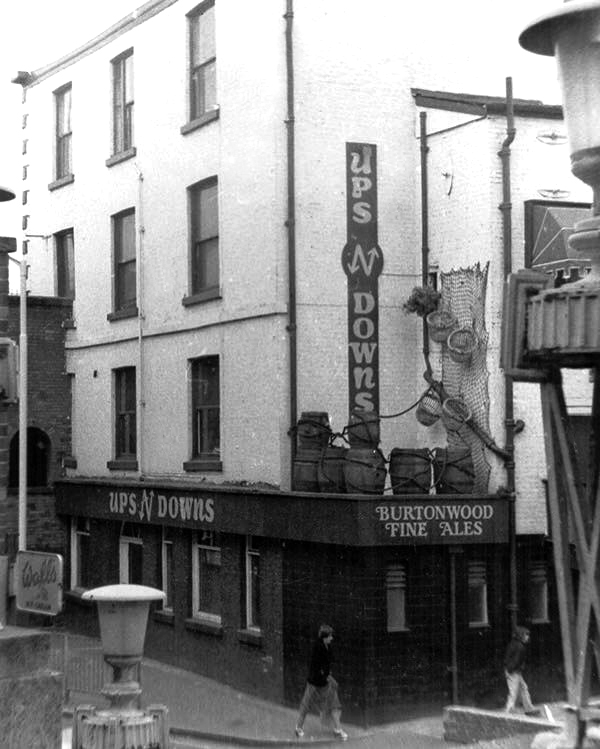
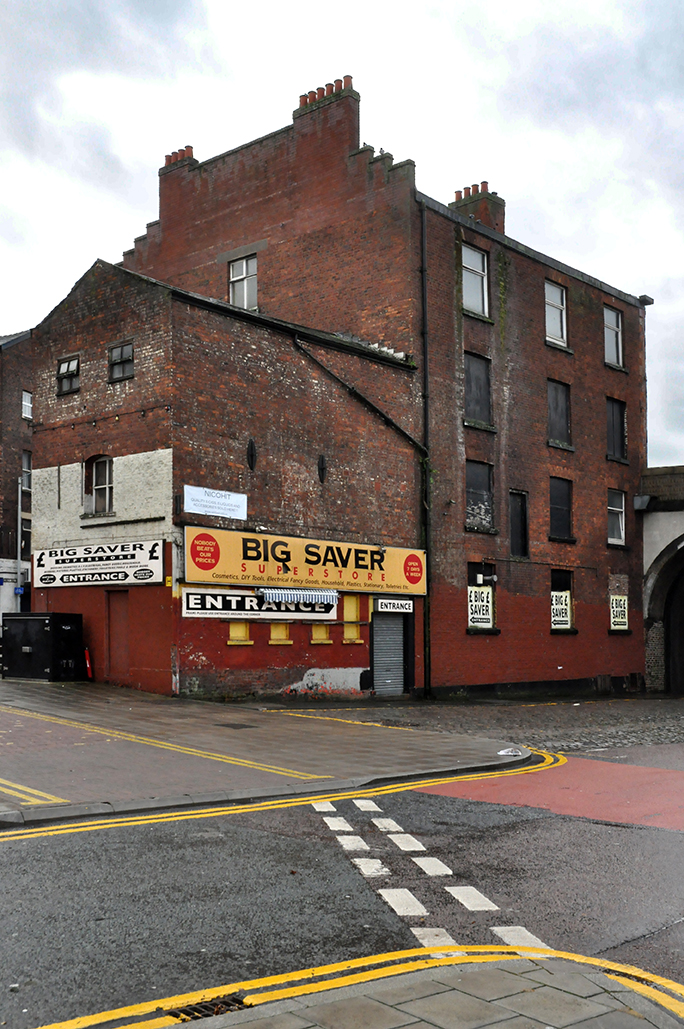
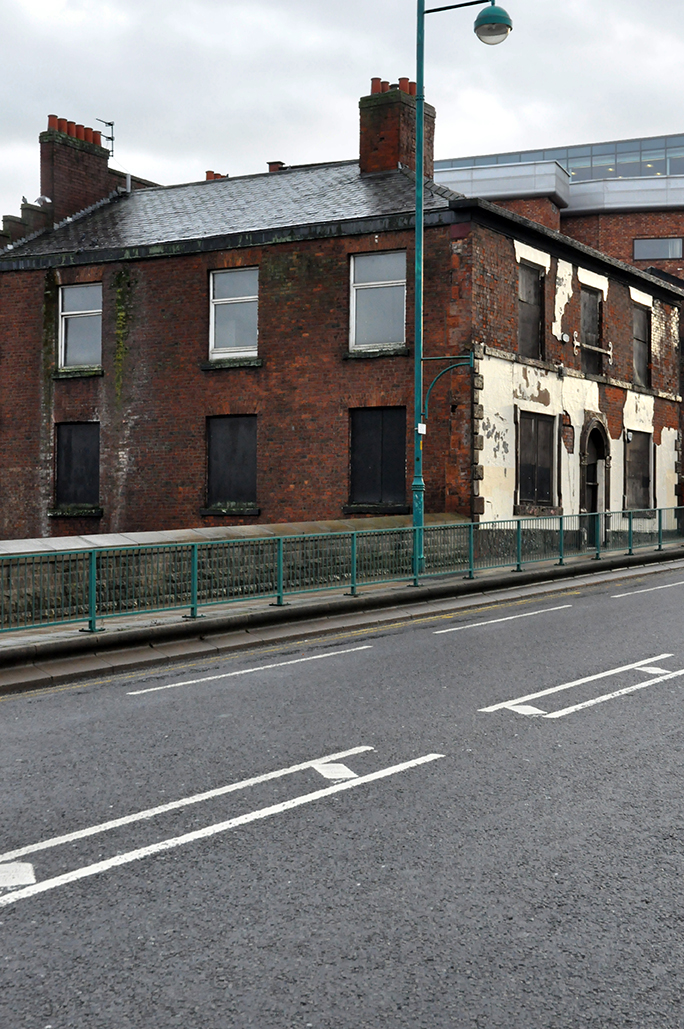
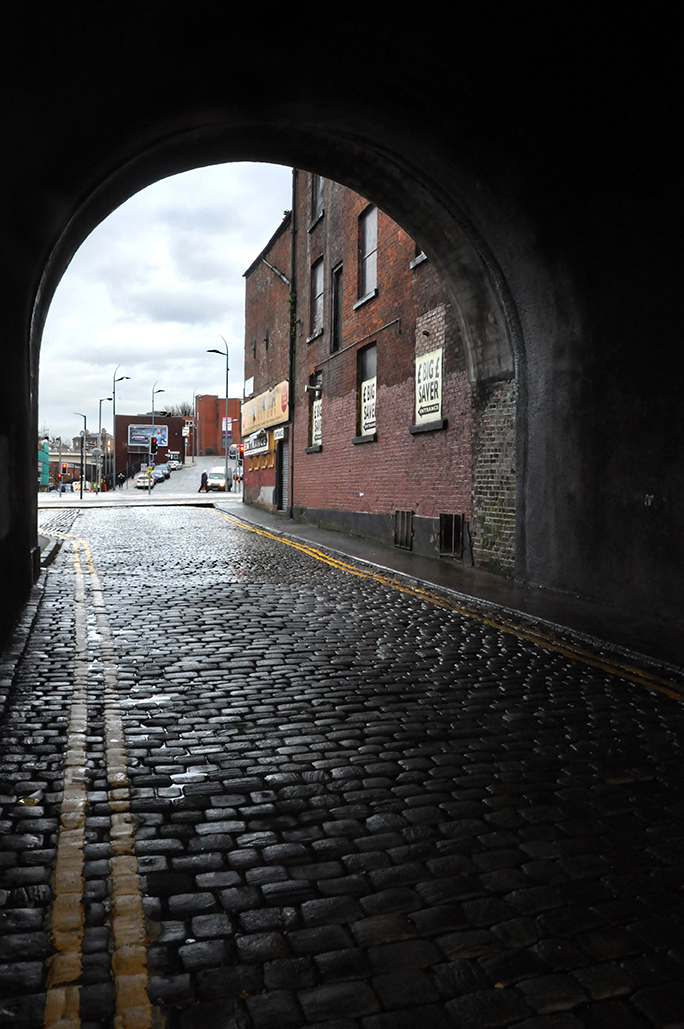
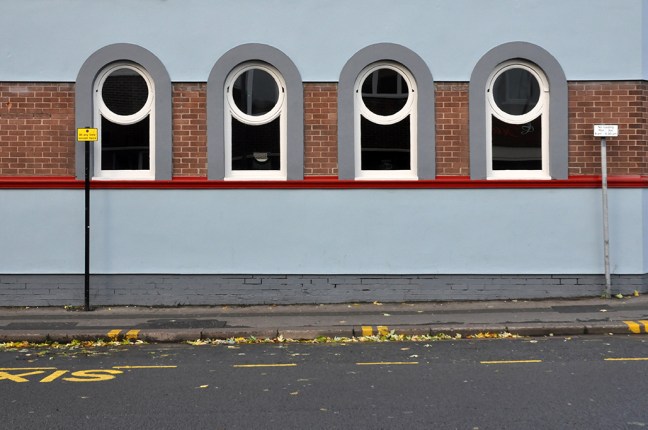
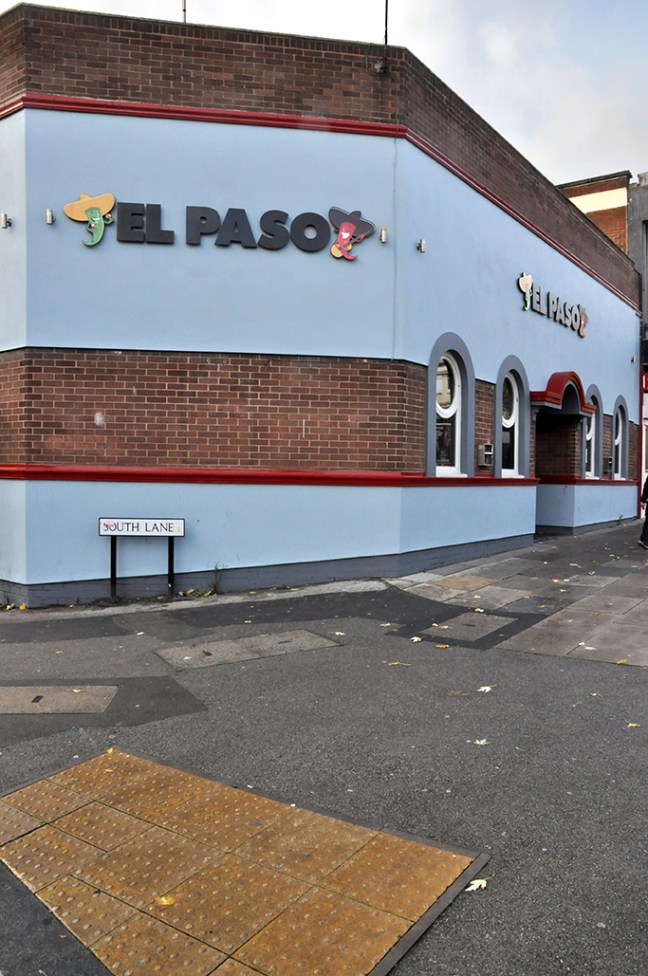
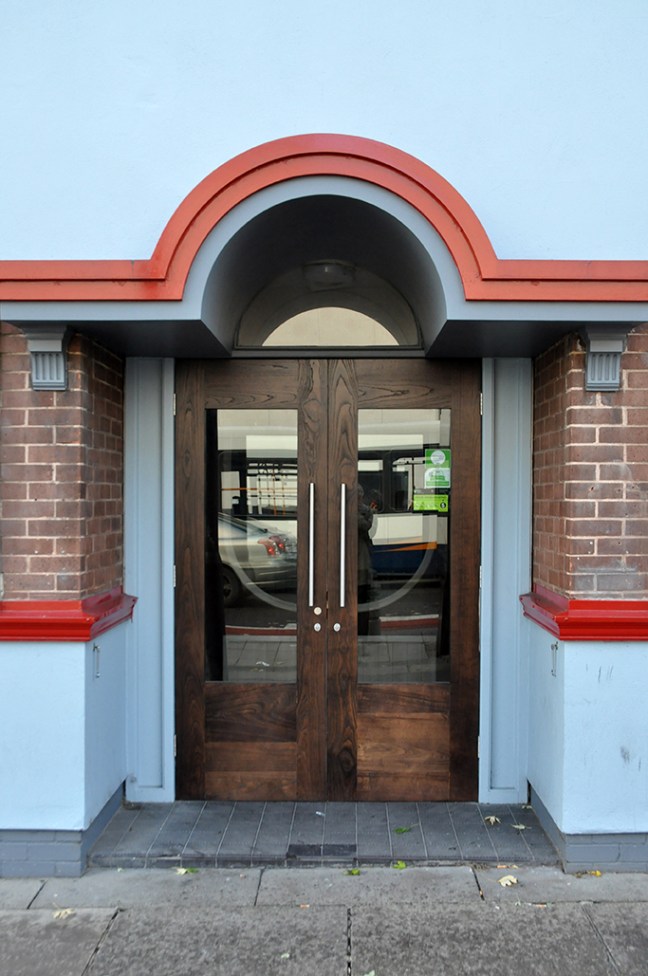
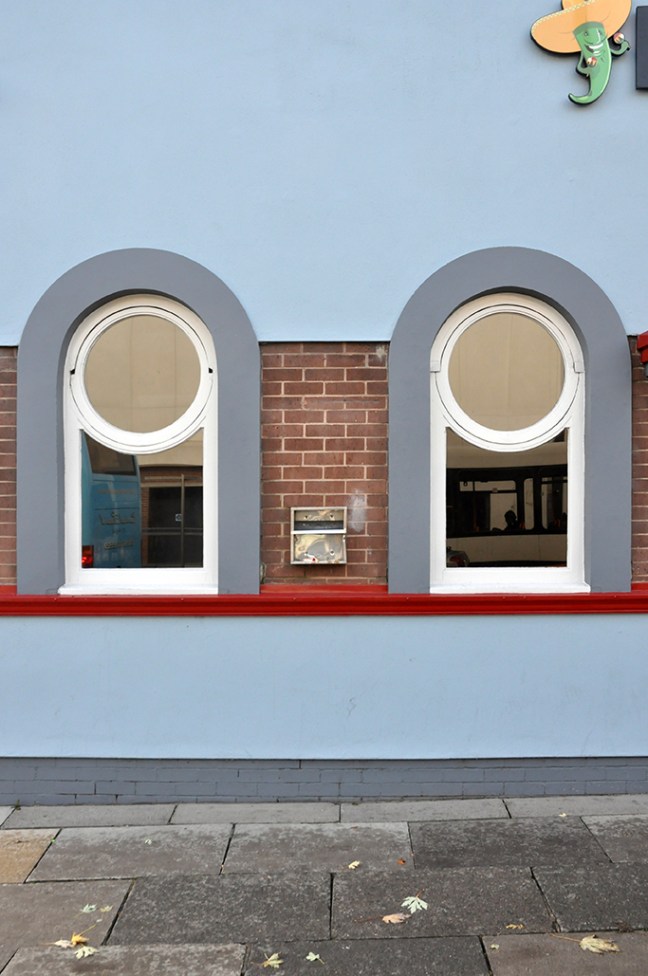
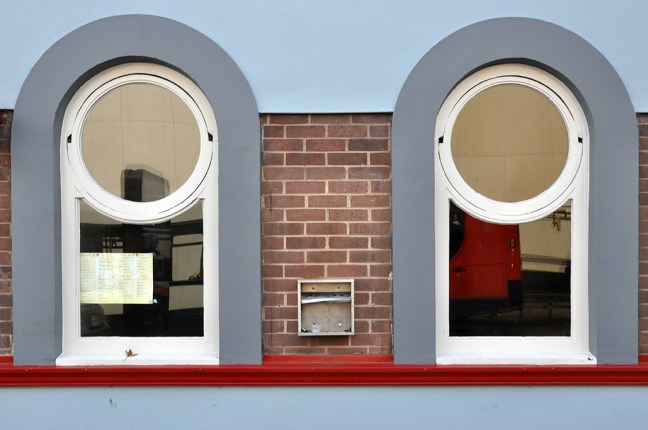
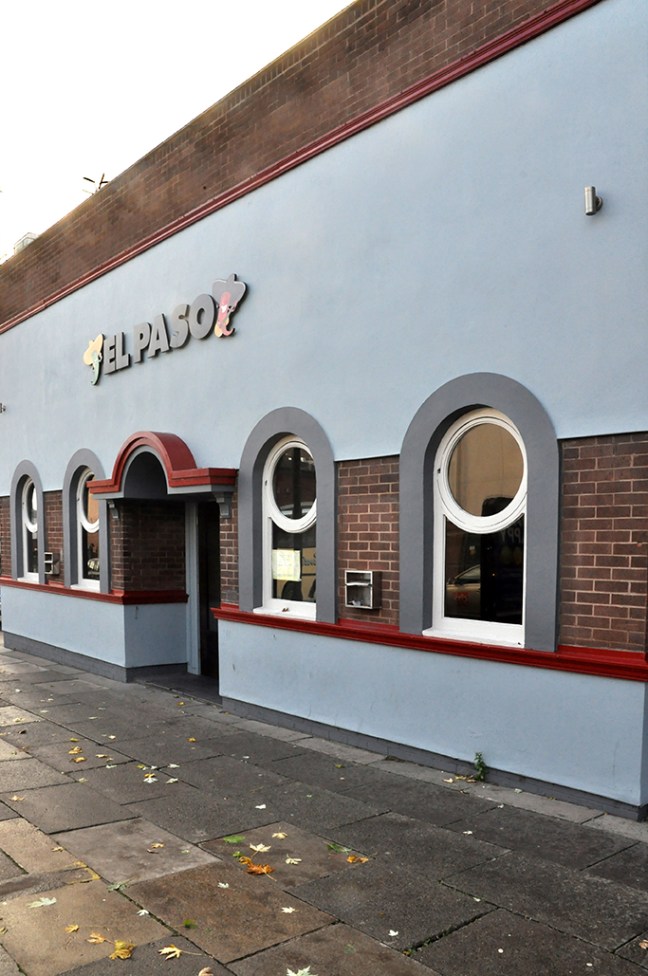
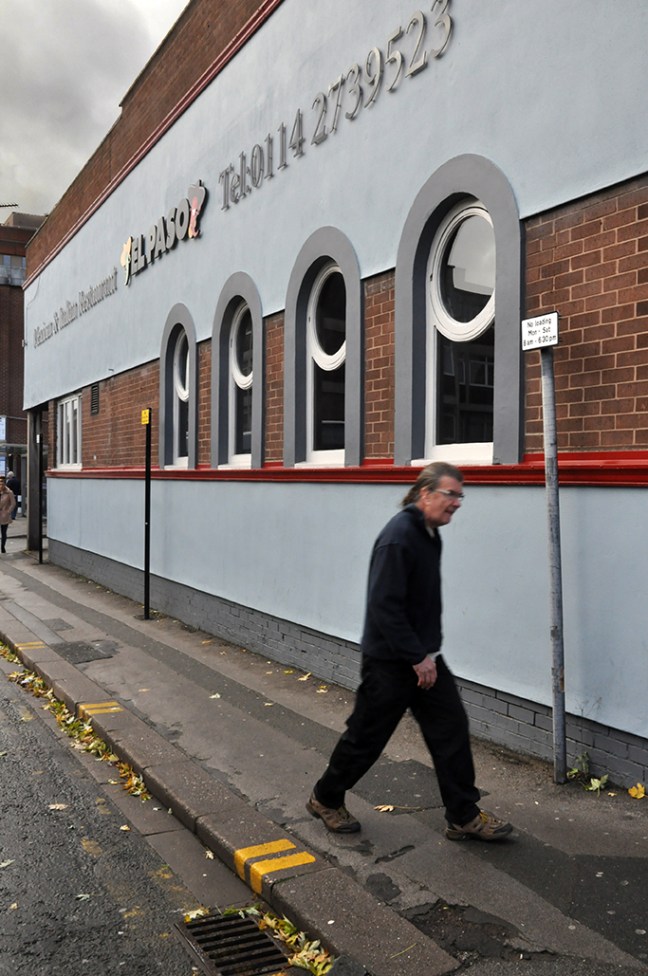
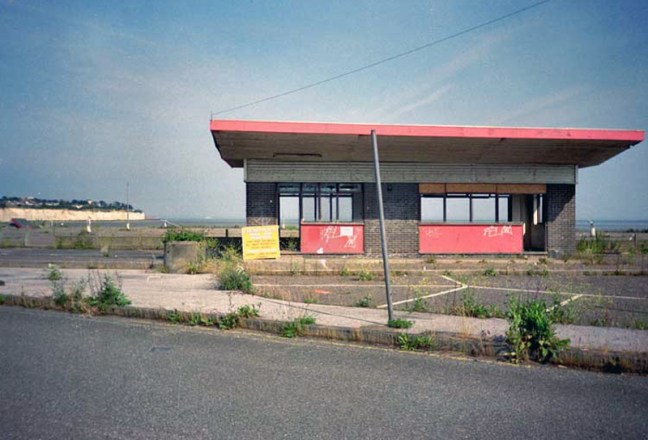
A single storey brick built street corner boozer, it’s not so hard to do.

It’s Sheffield let’s call it the Whetstone, how appropriate.

Bored?

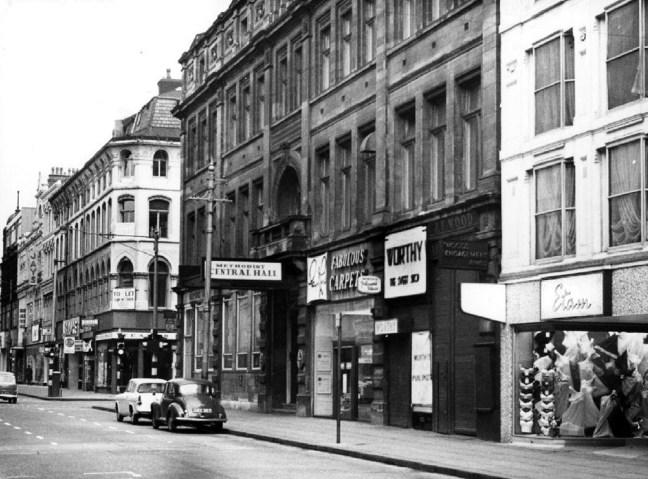
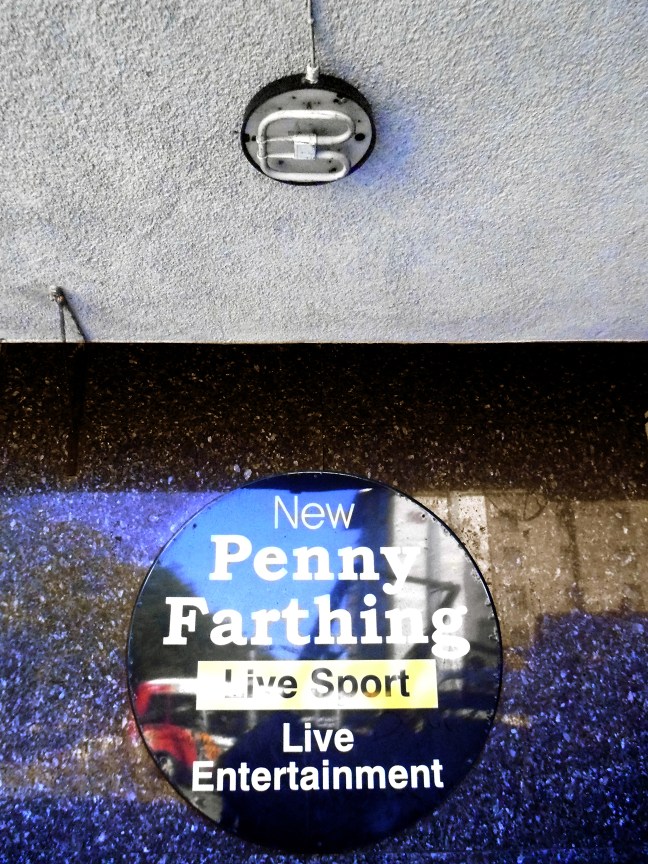
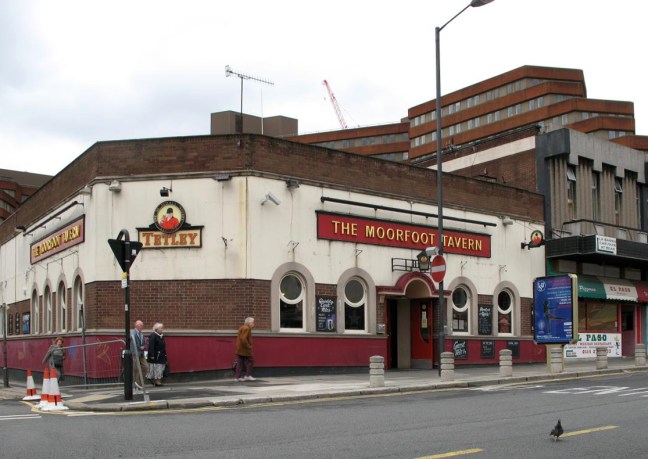
How about the Moorfoot Tavern?

Sounds classy, that’ll do.

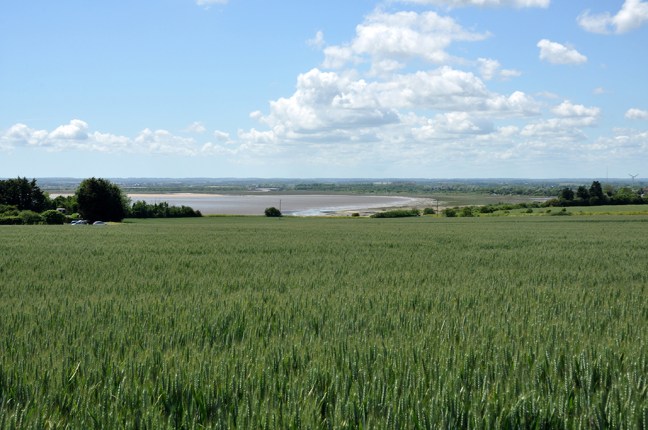
Well it did until it didn’t, somehow it migrates south, then west.

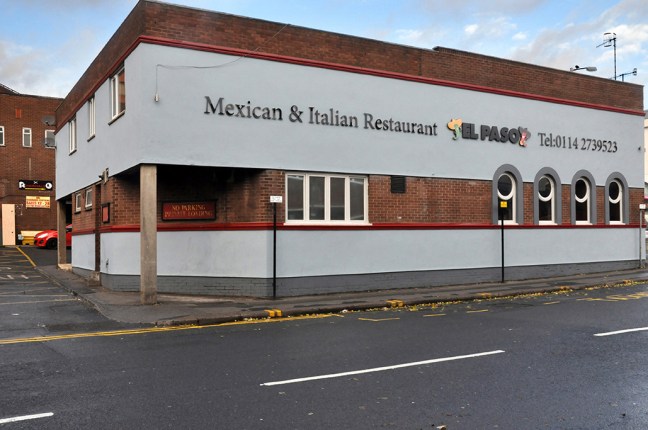
Paris Texas – how about Rome Mexico Yorkshire?

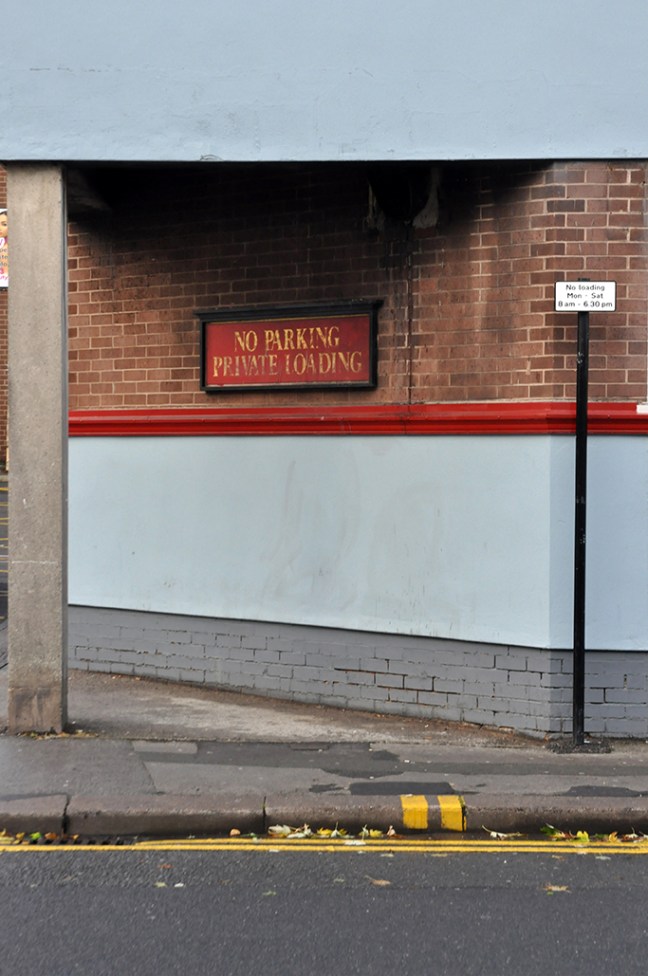
El Paso it is then –


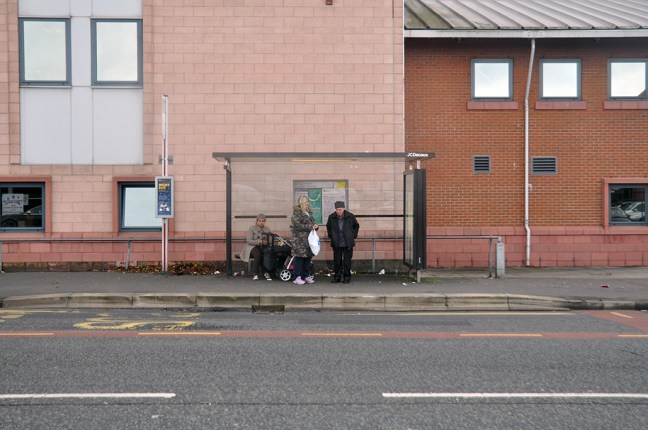
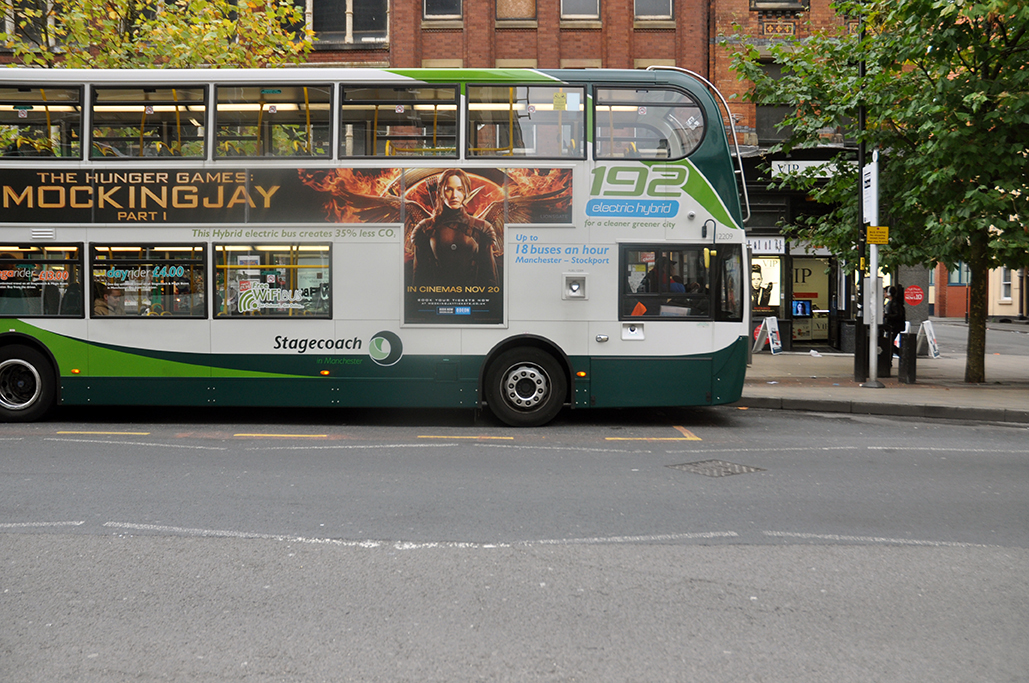
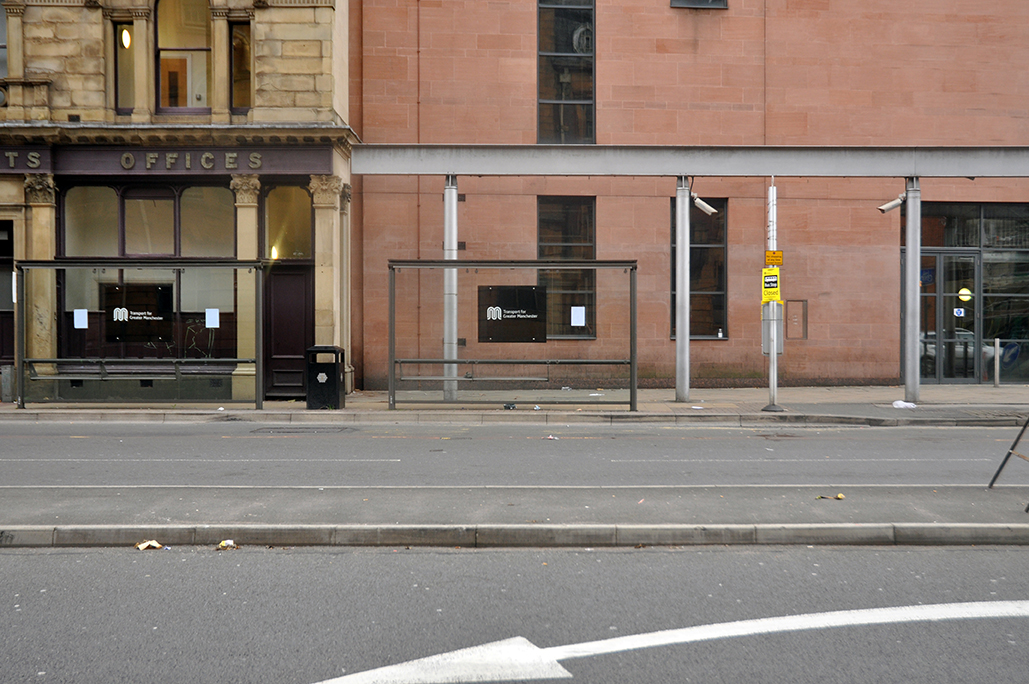
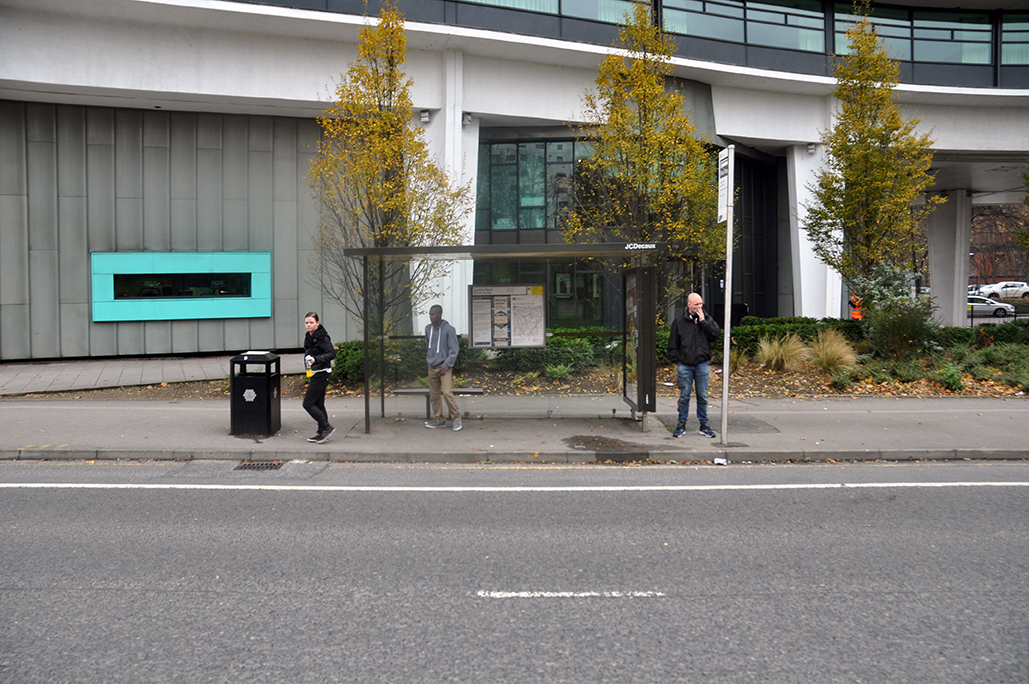
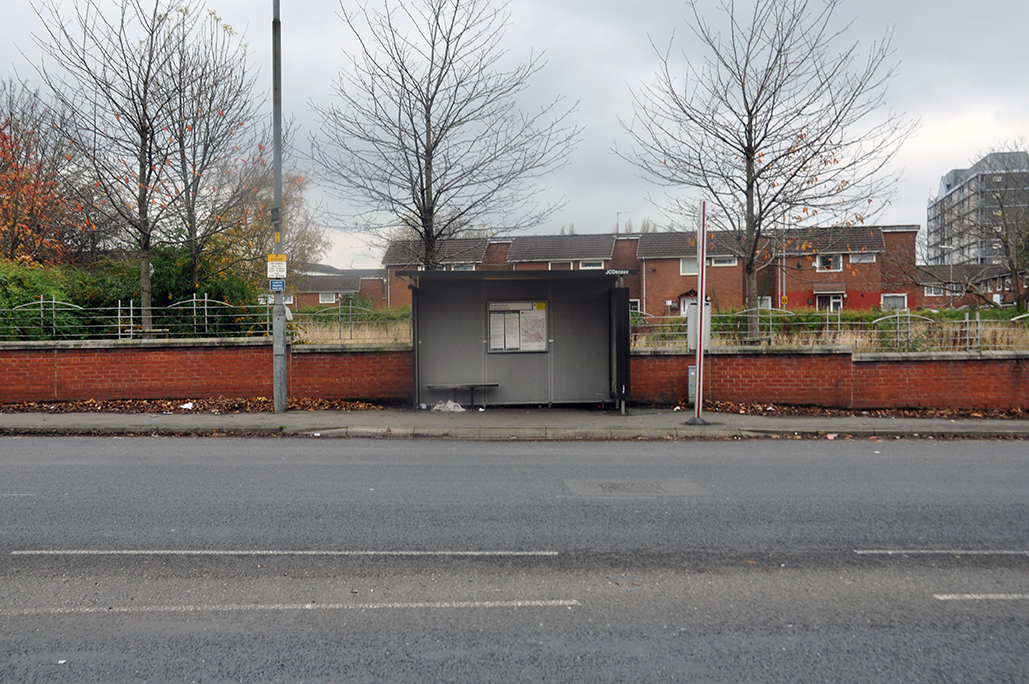
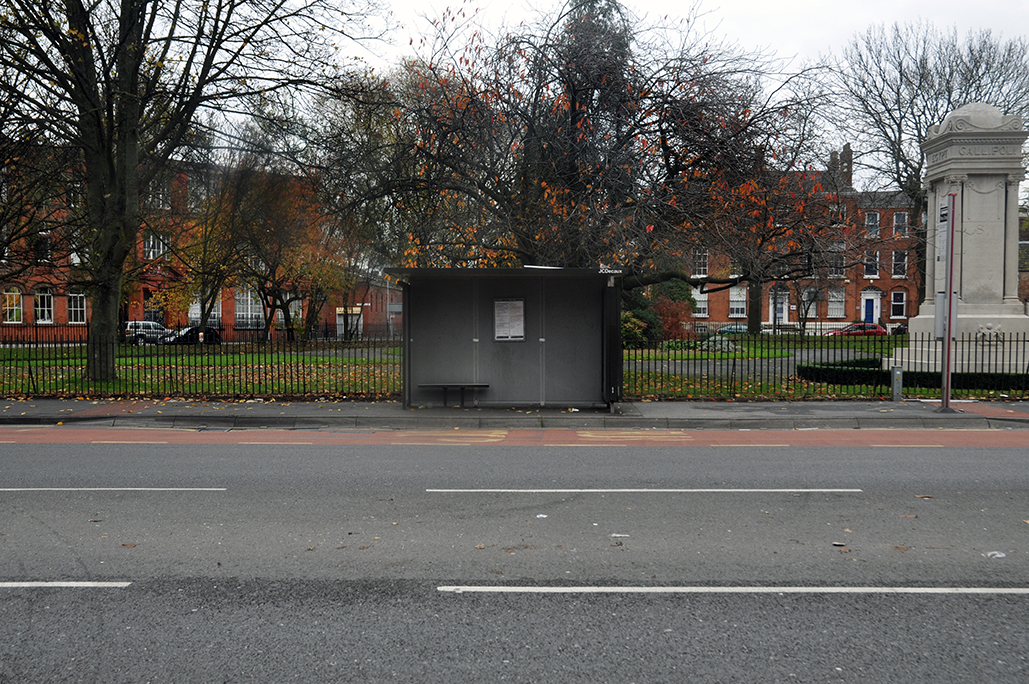
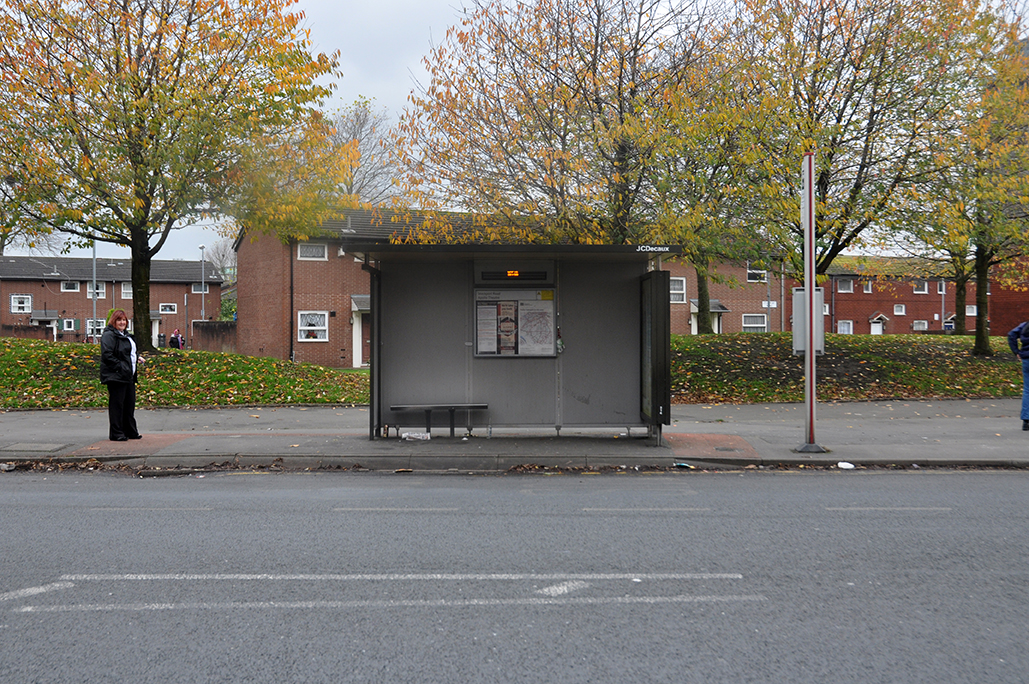
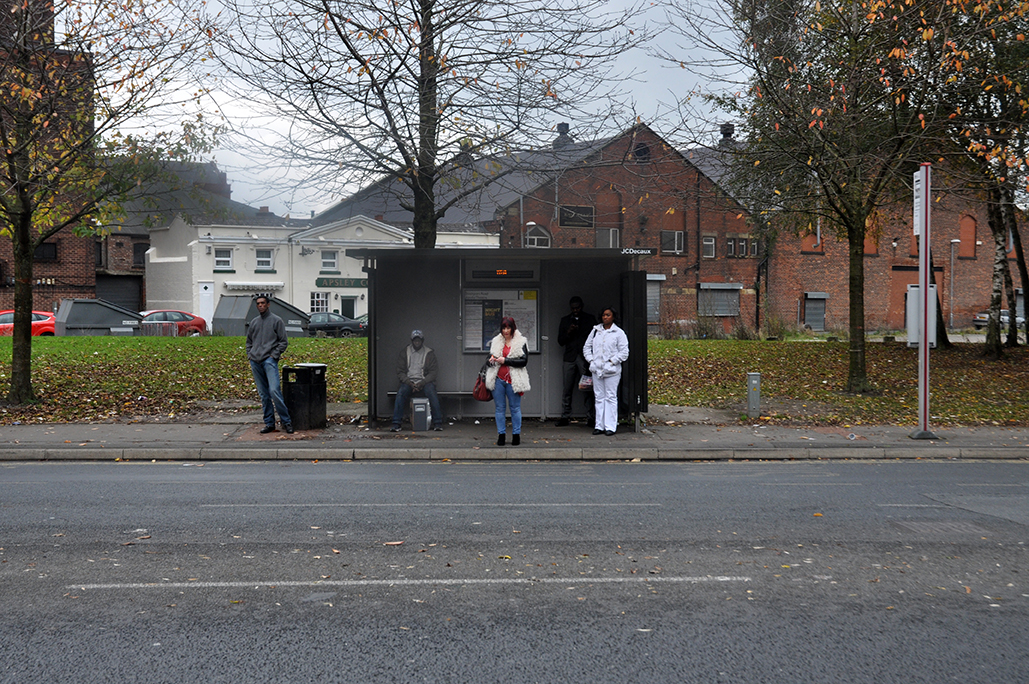
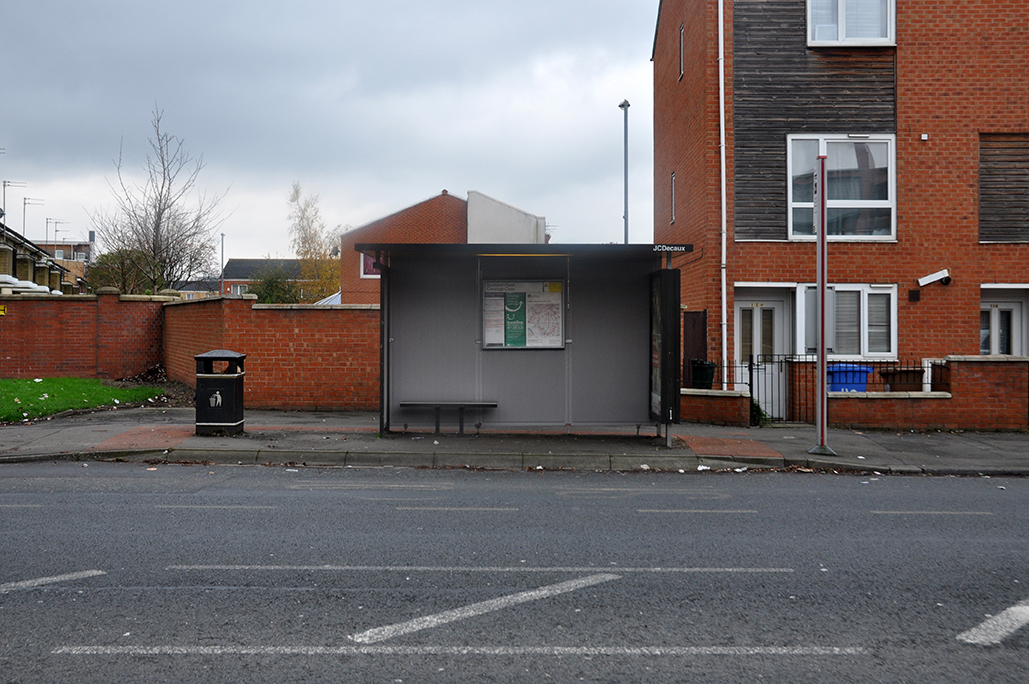
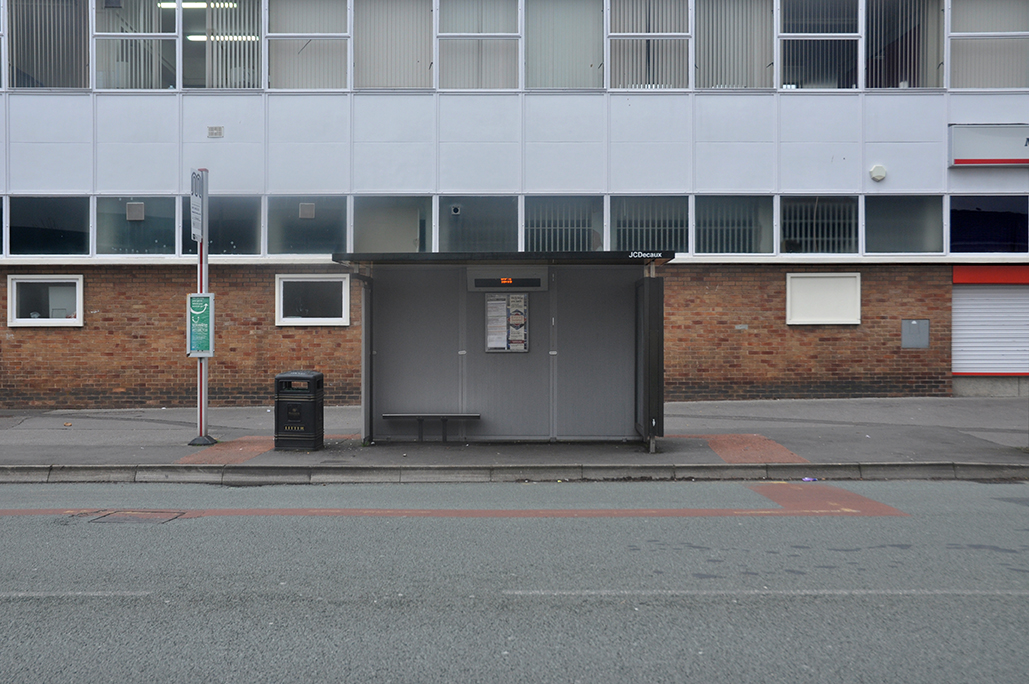
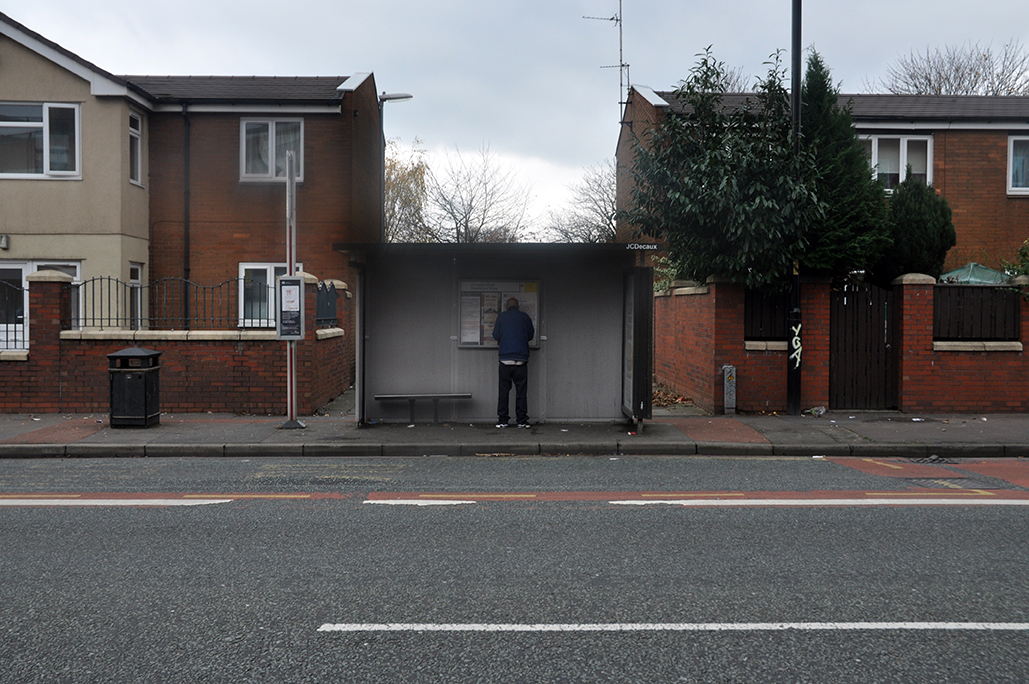
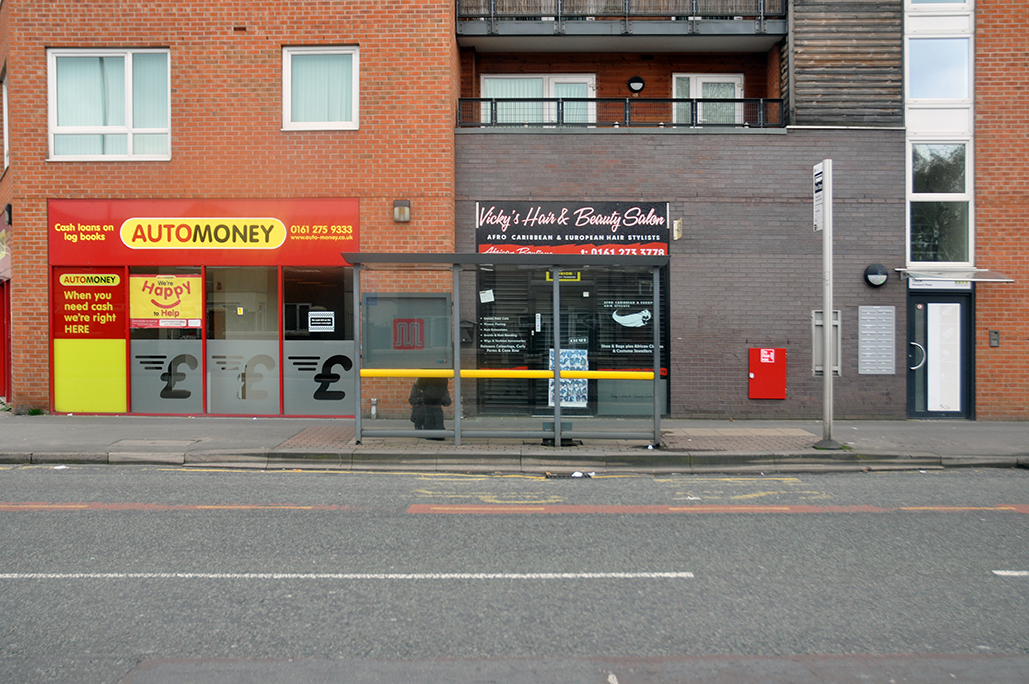
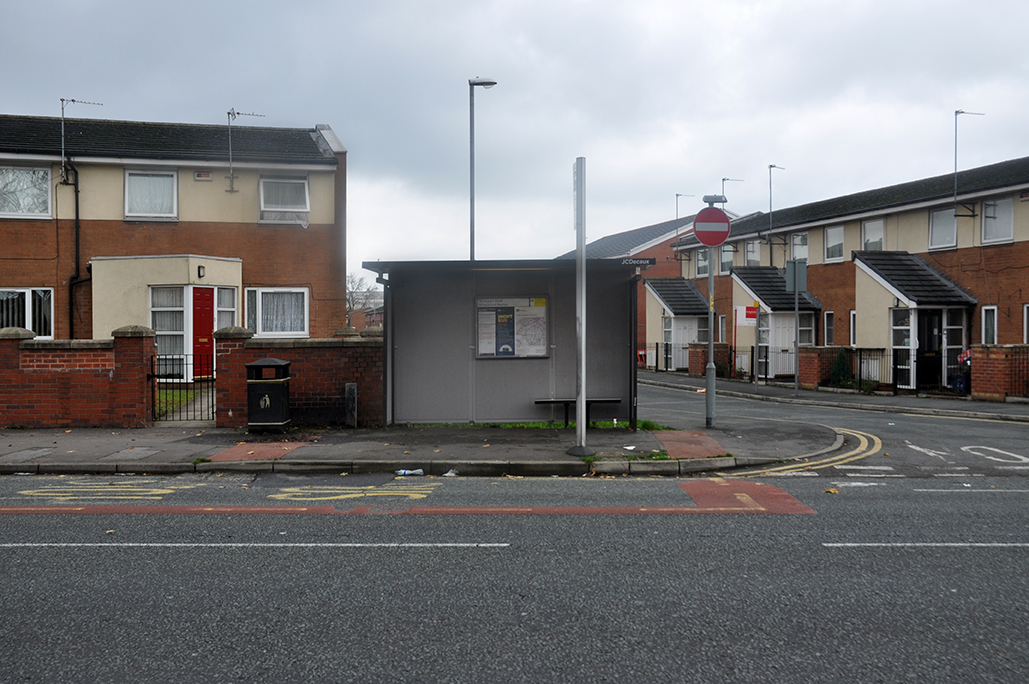
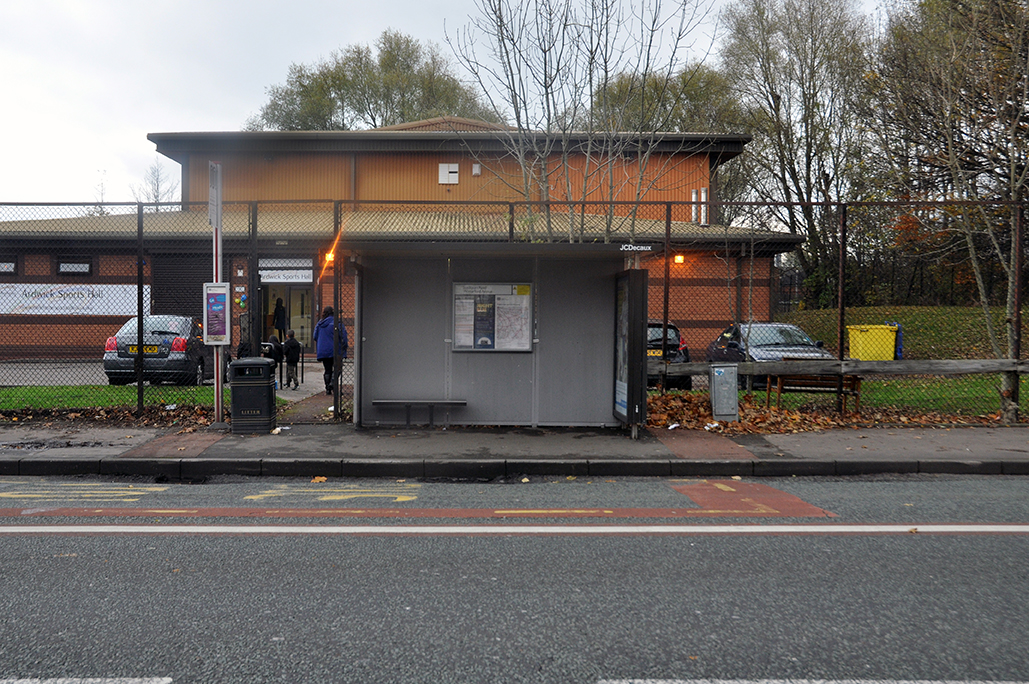
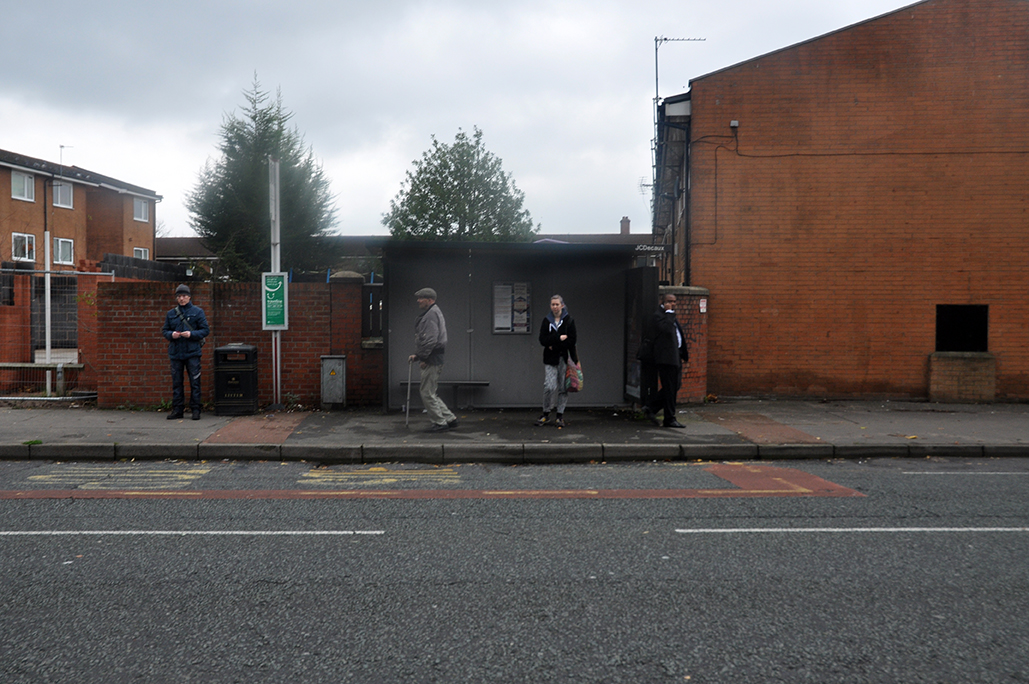
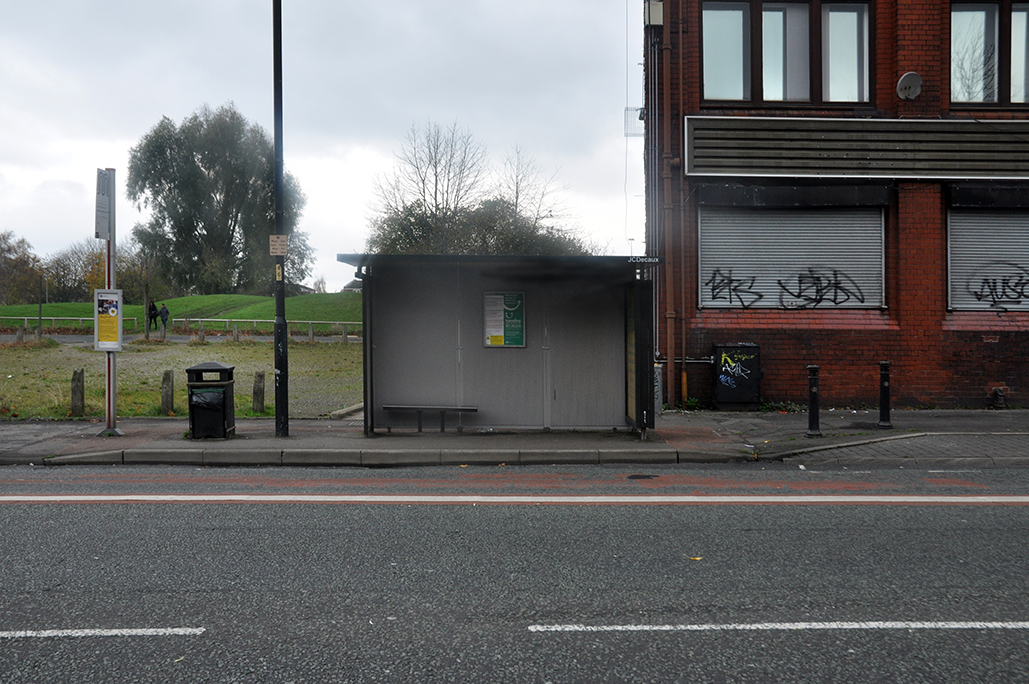
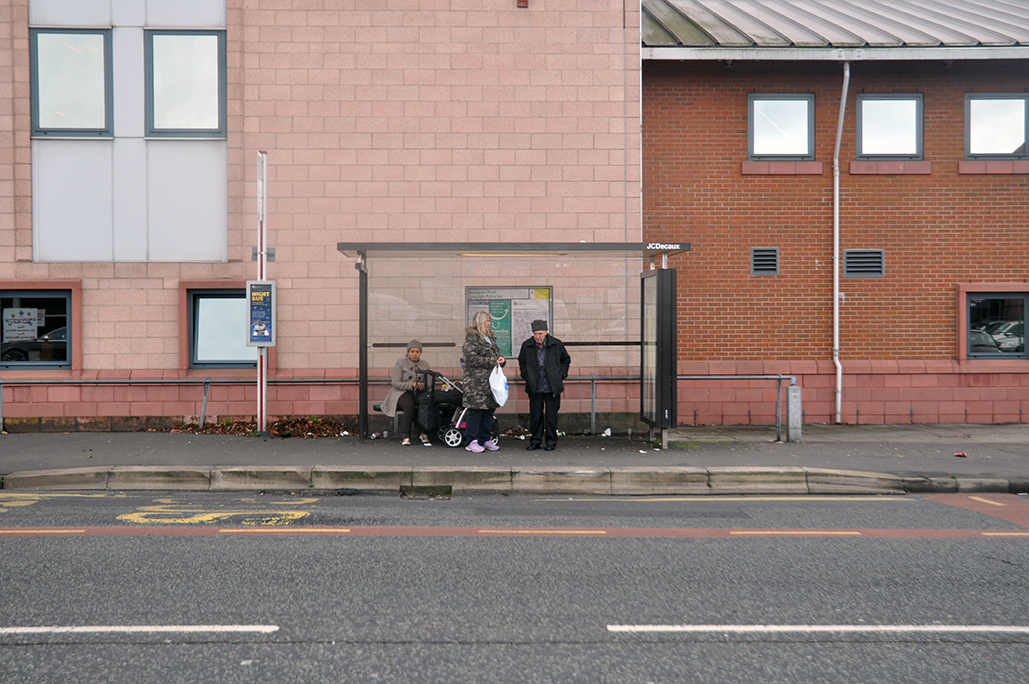
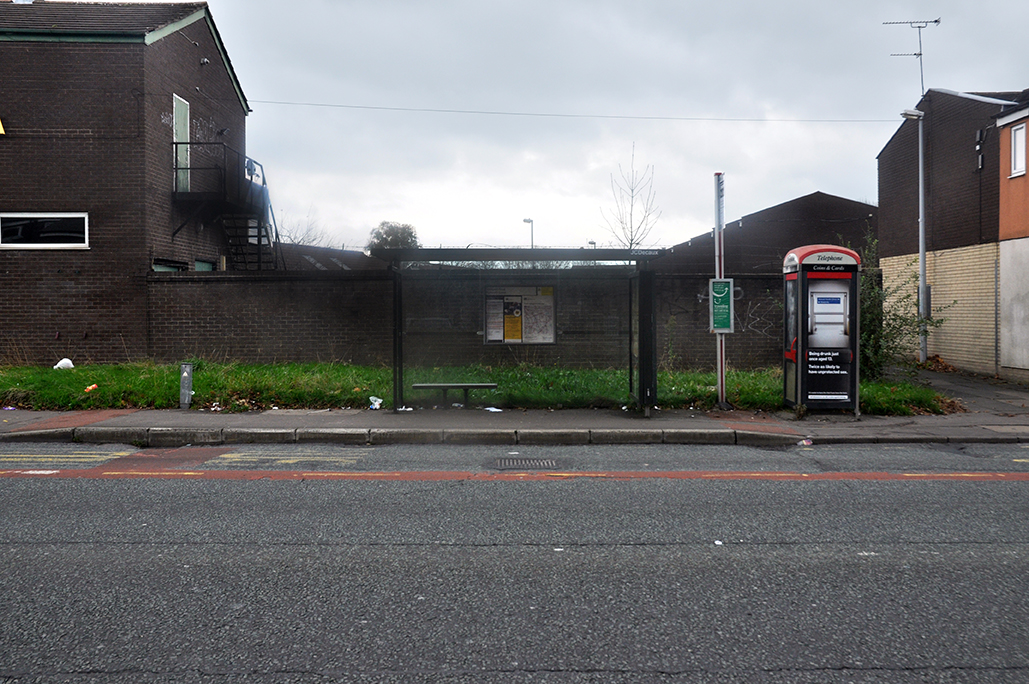
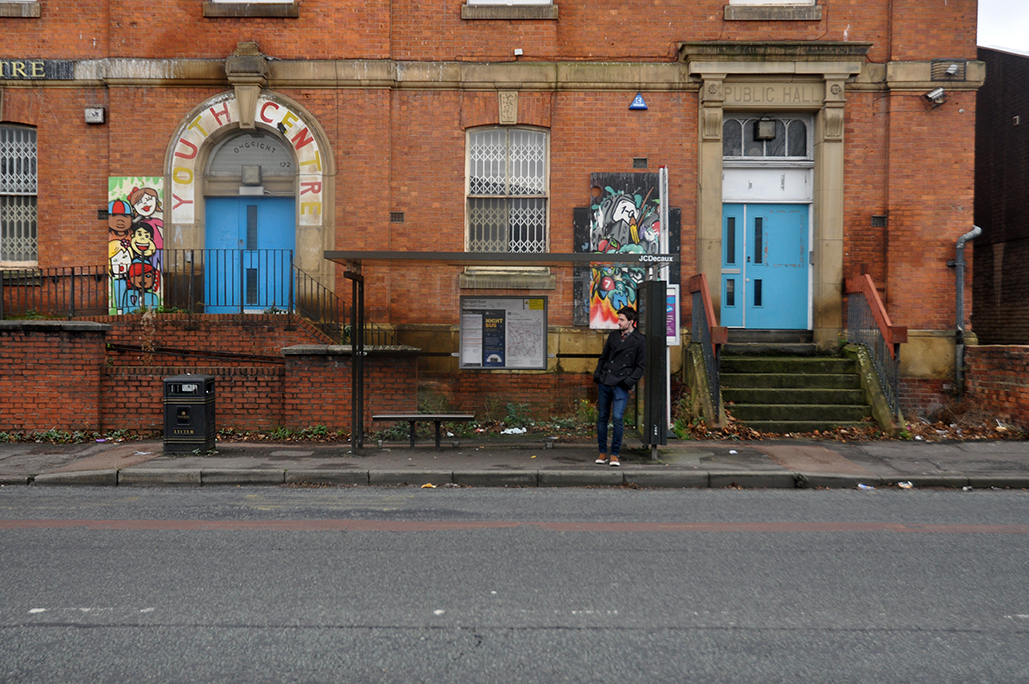
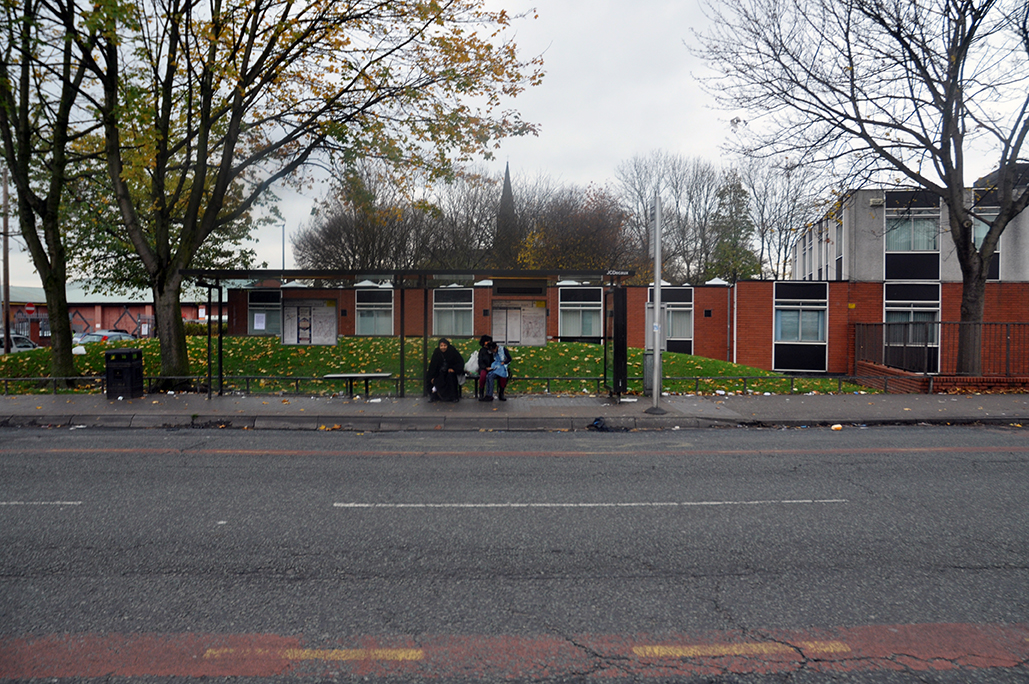
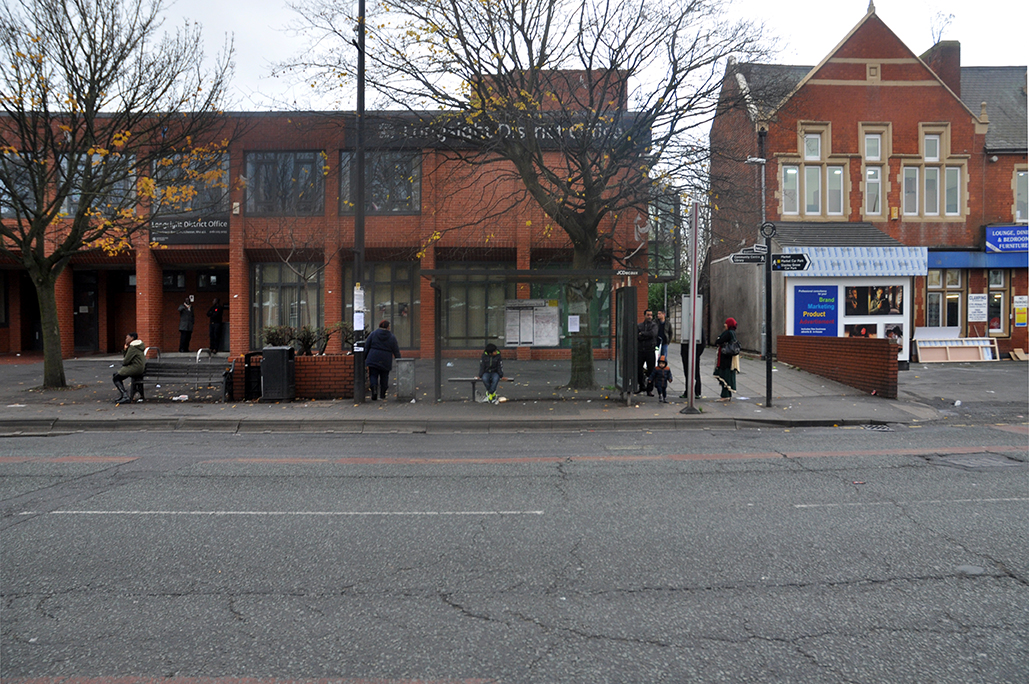
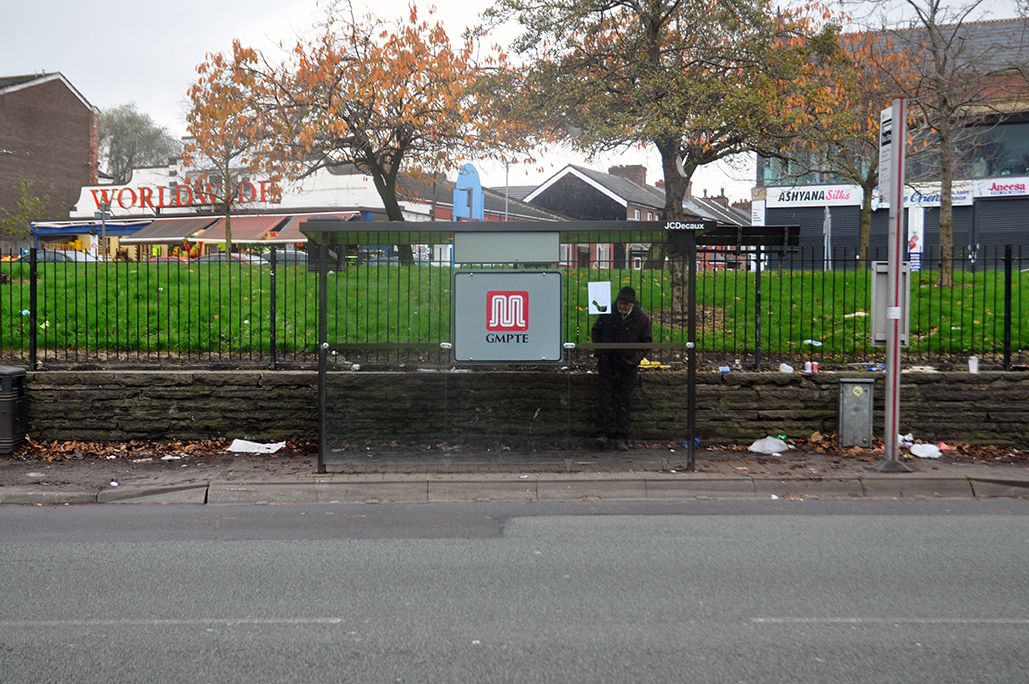
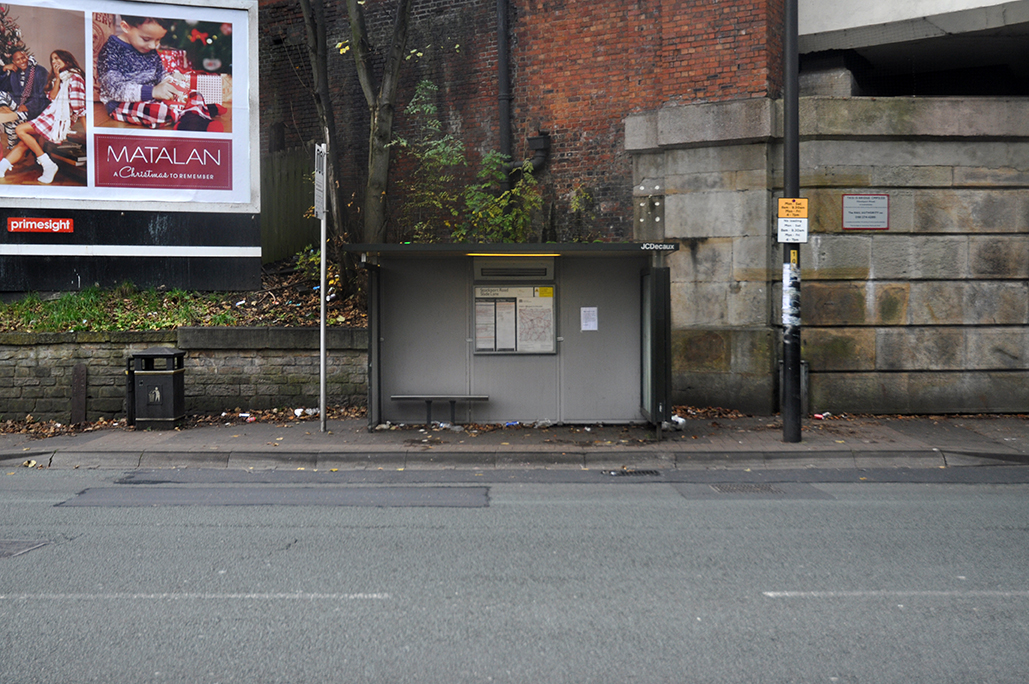
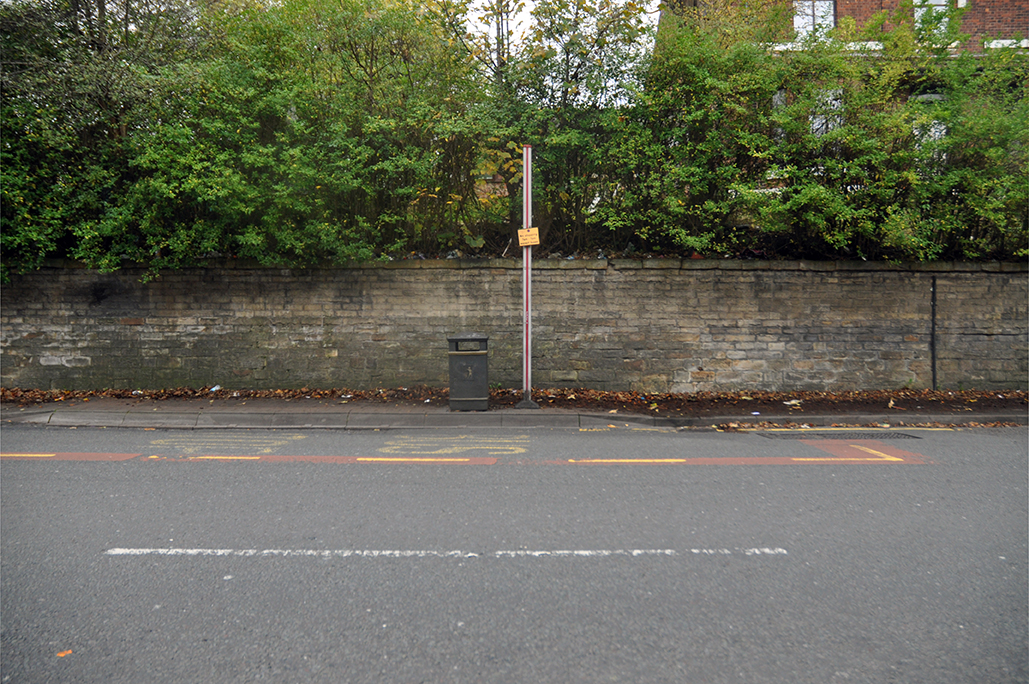
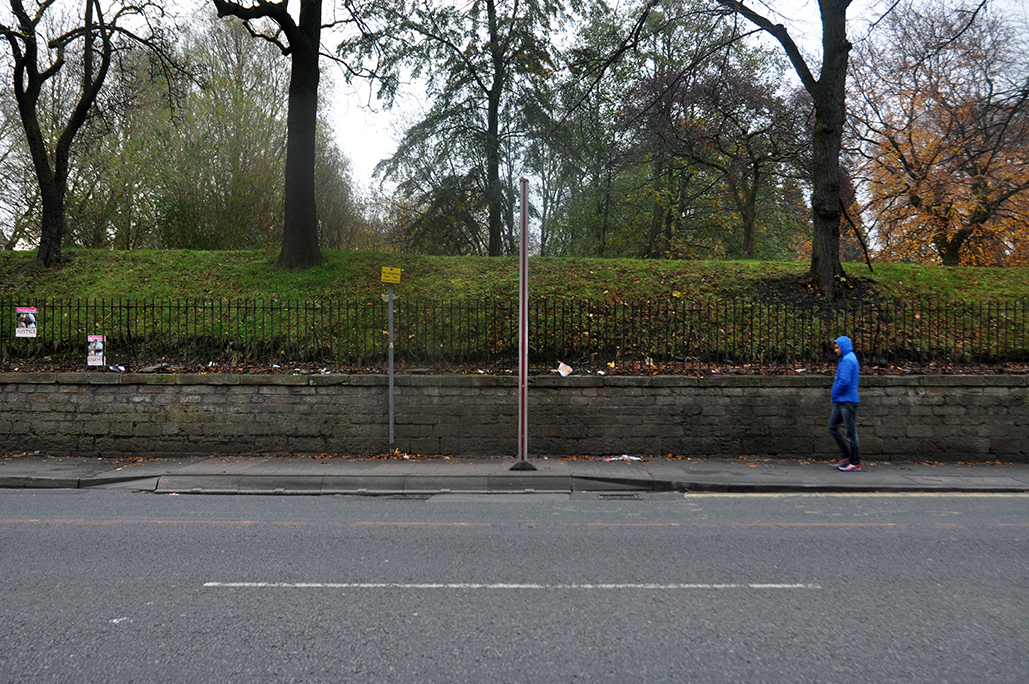
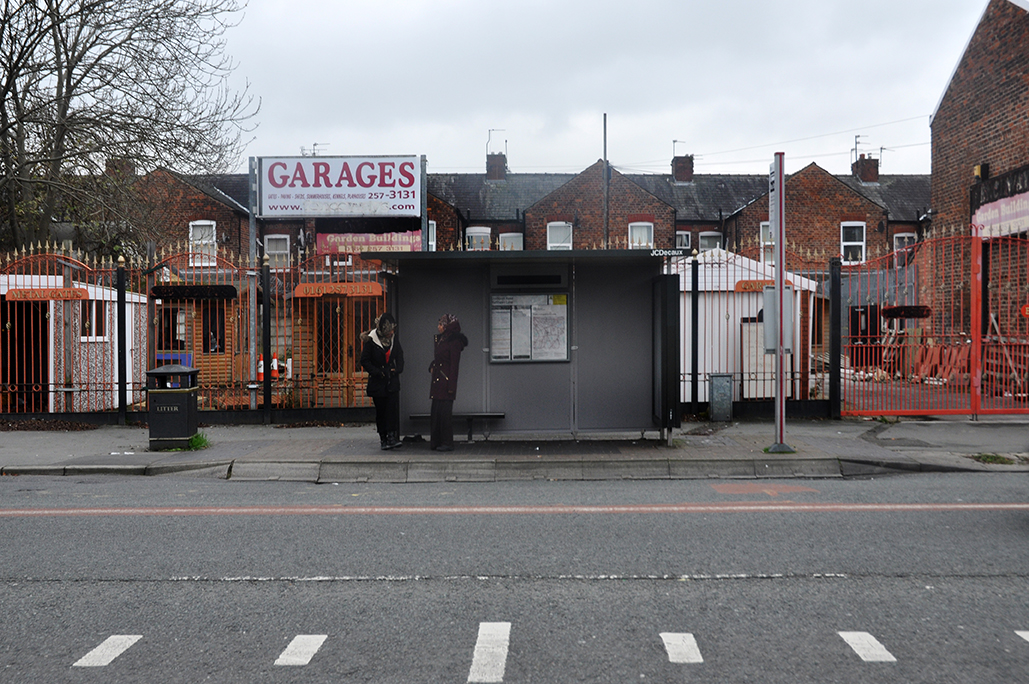
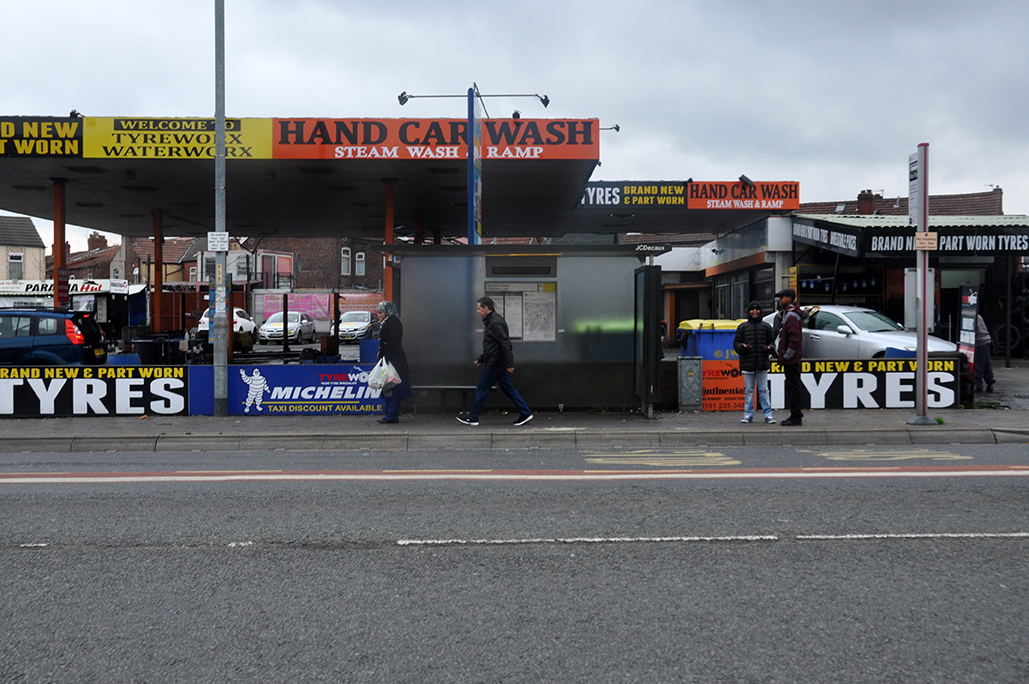
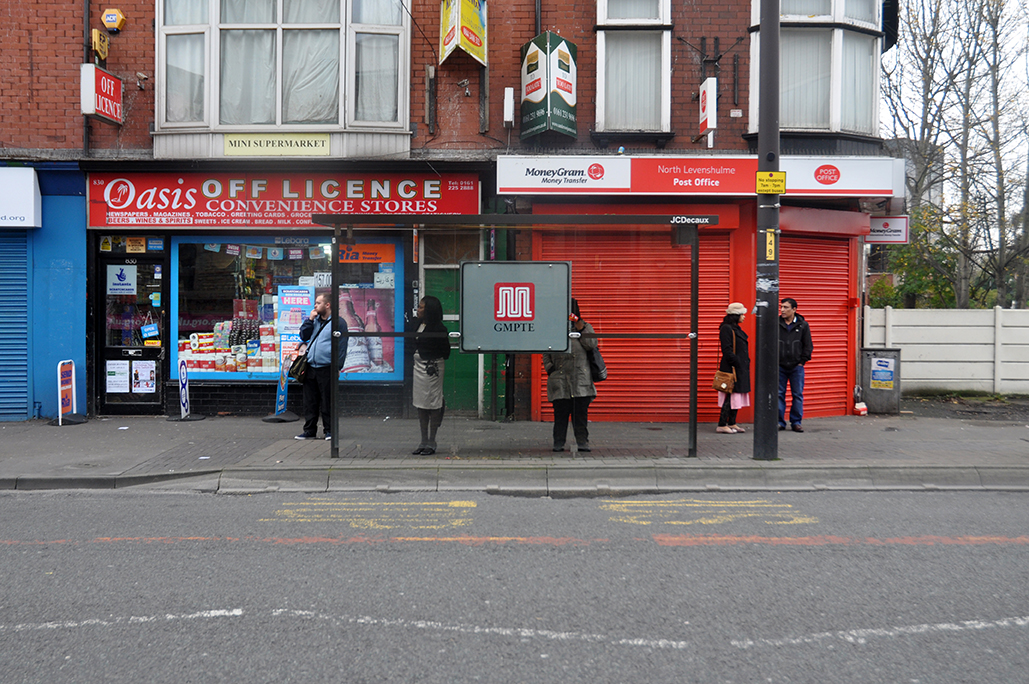
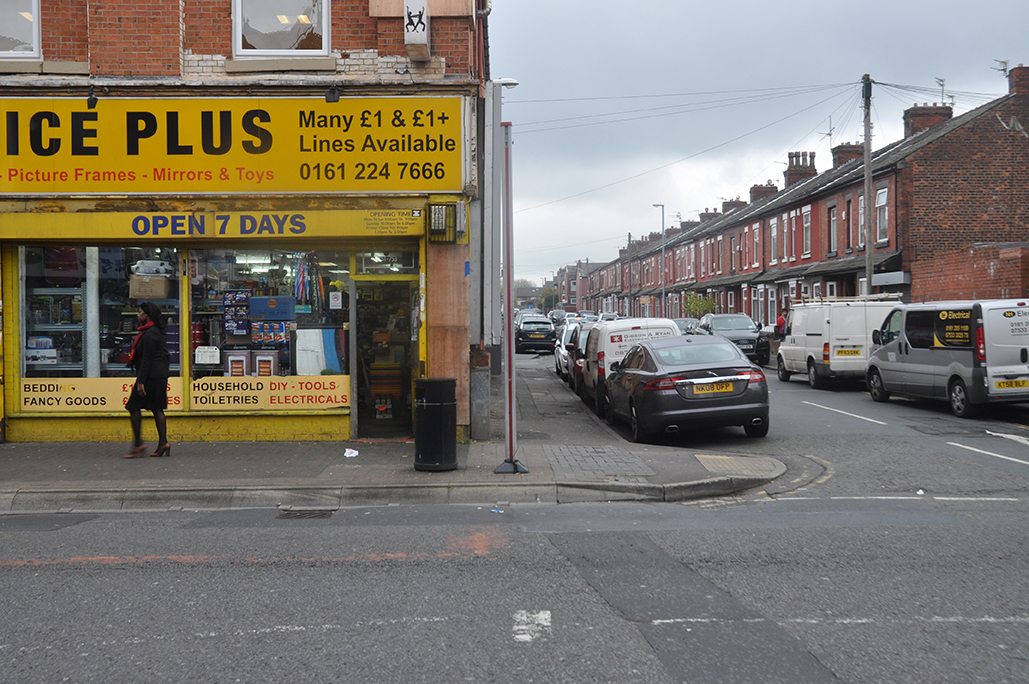
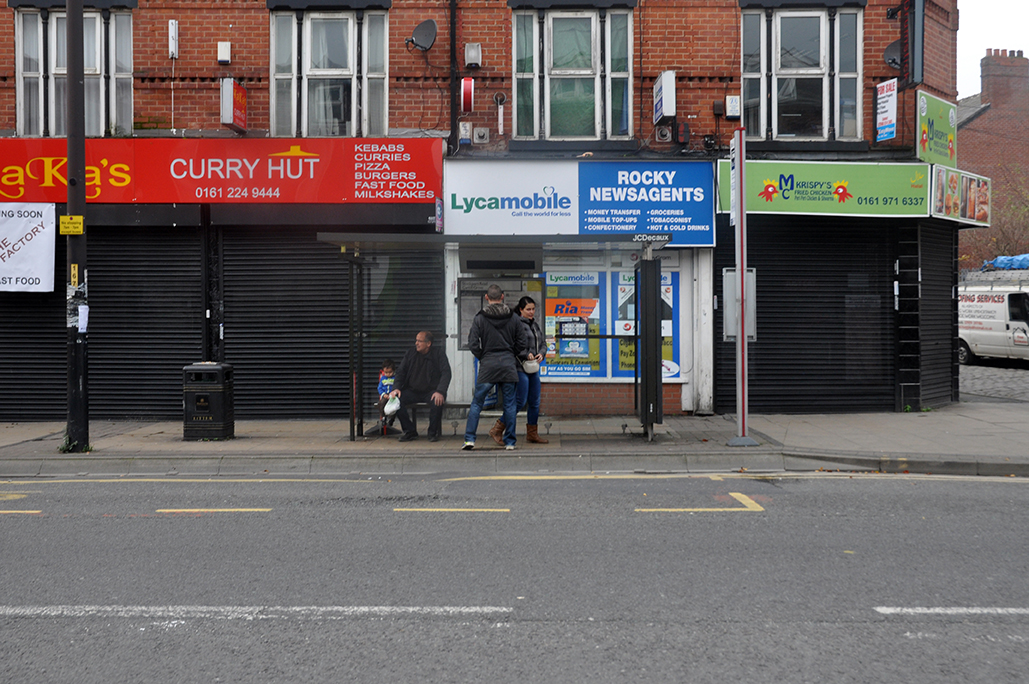
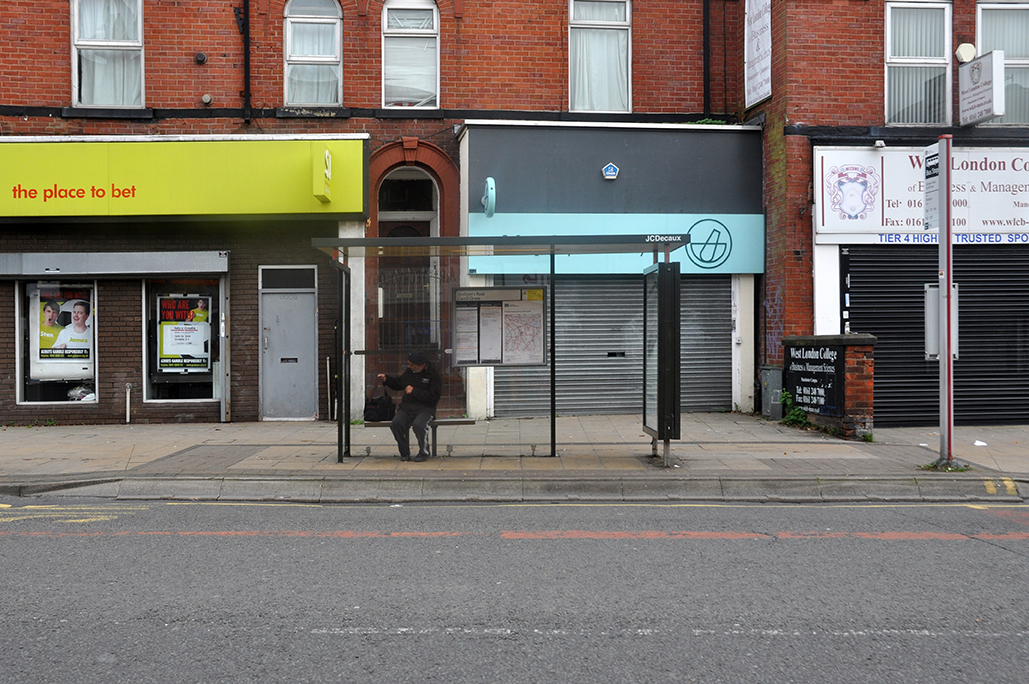
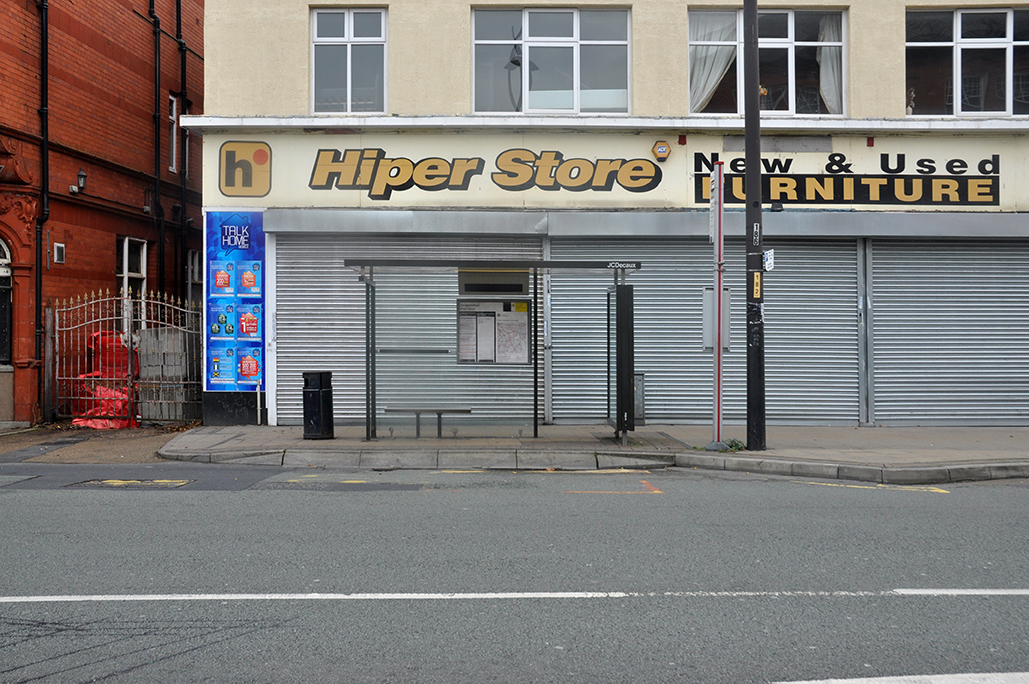
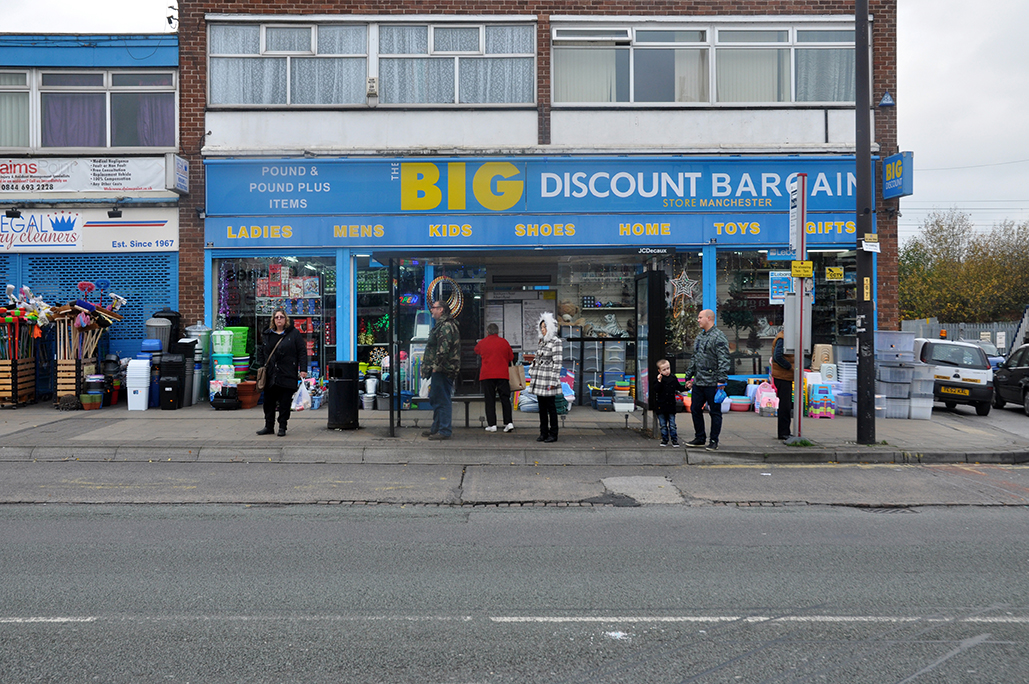
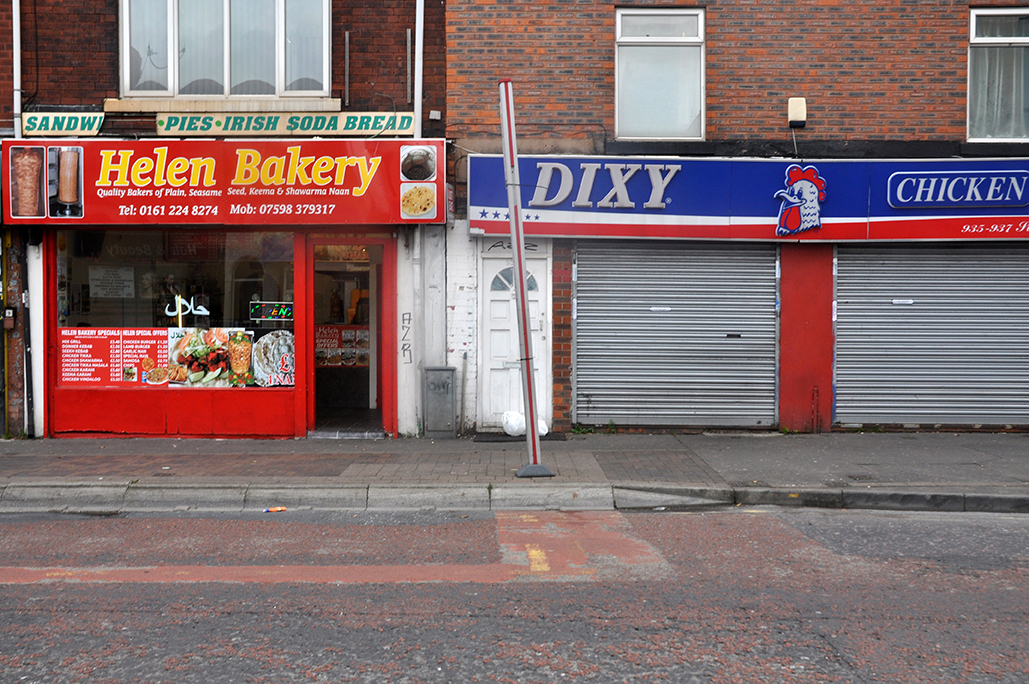
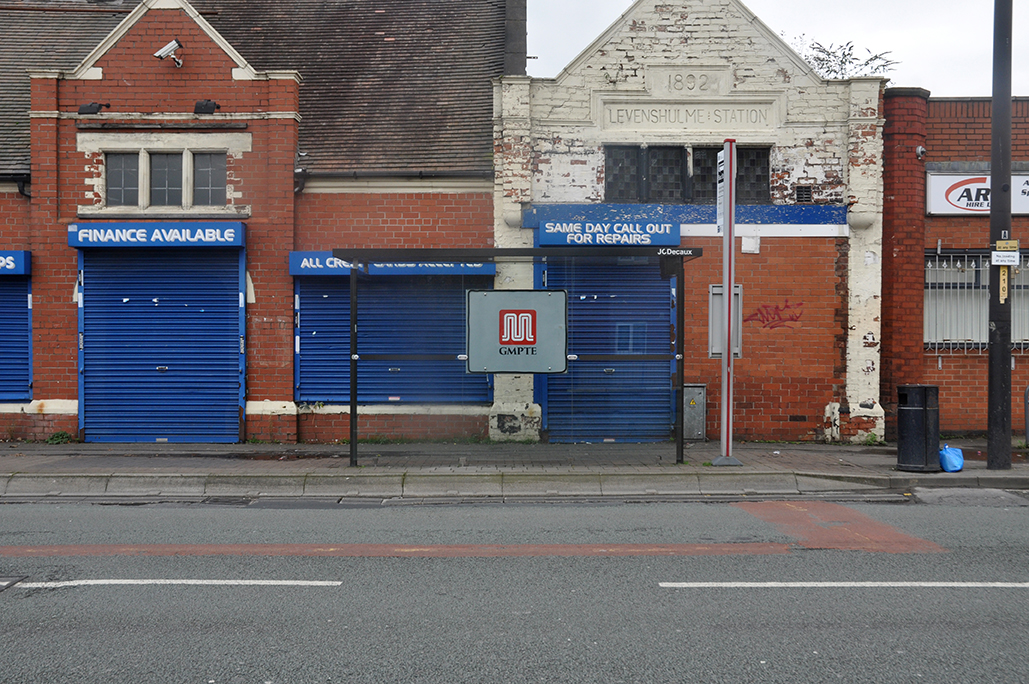
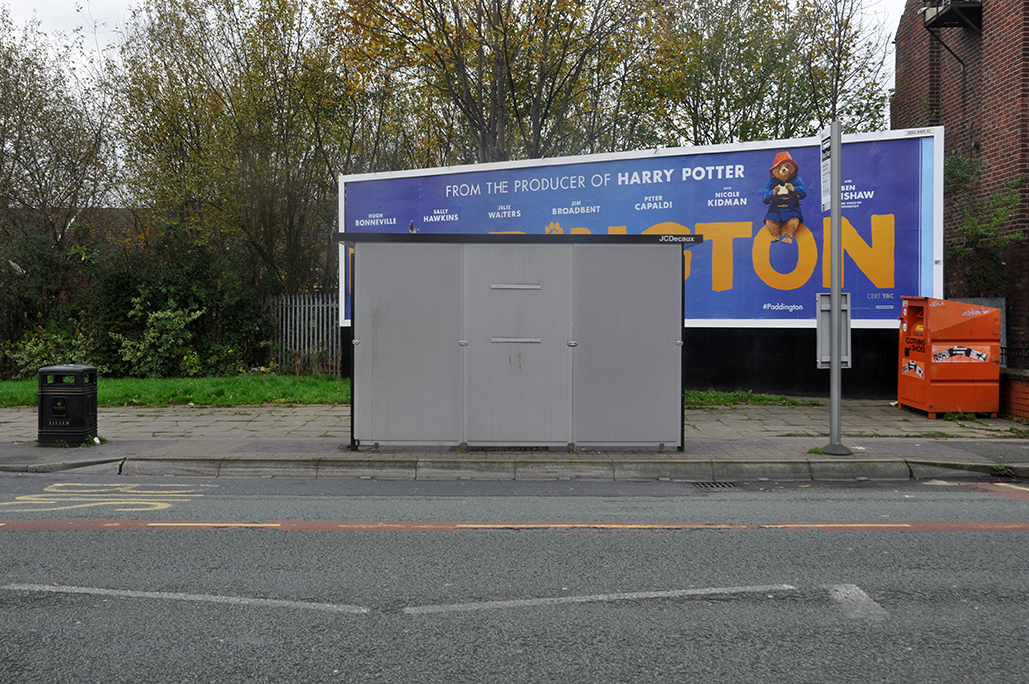
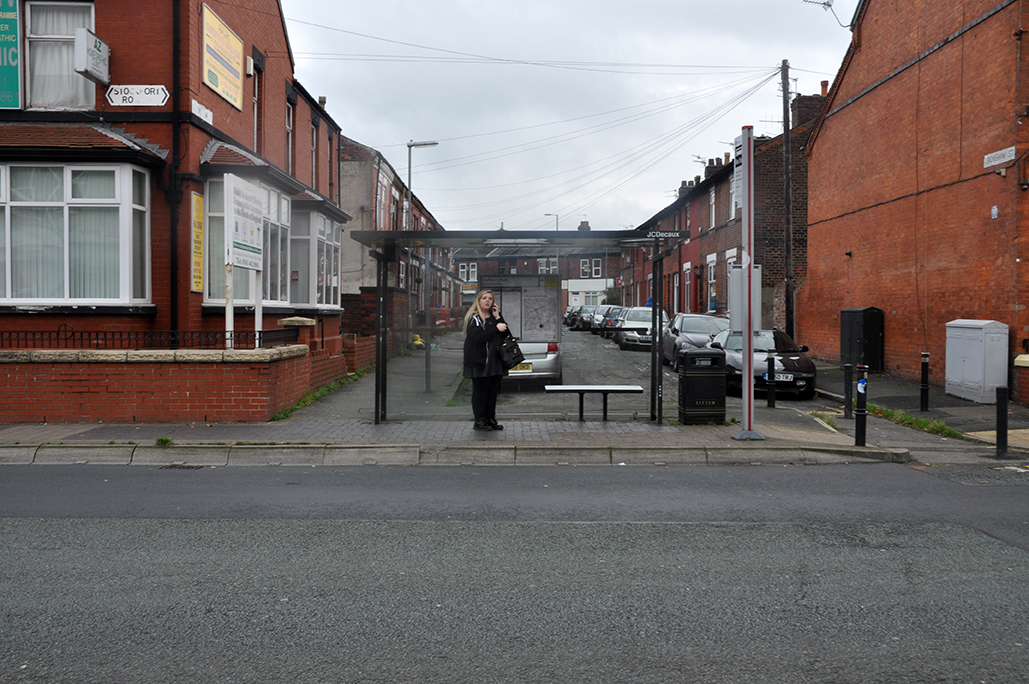
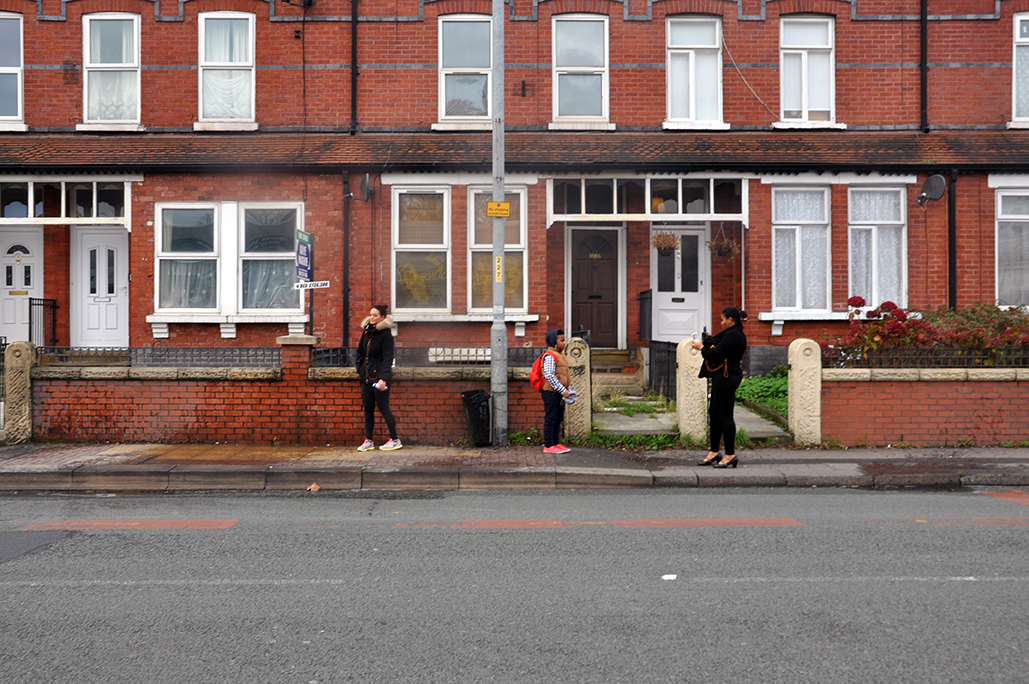
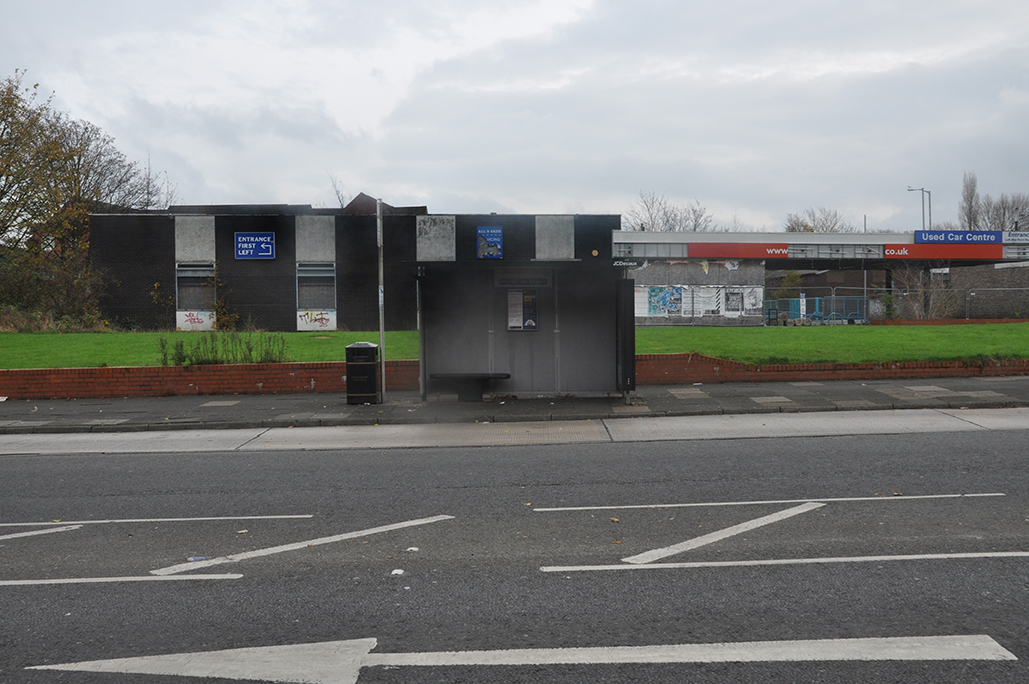
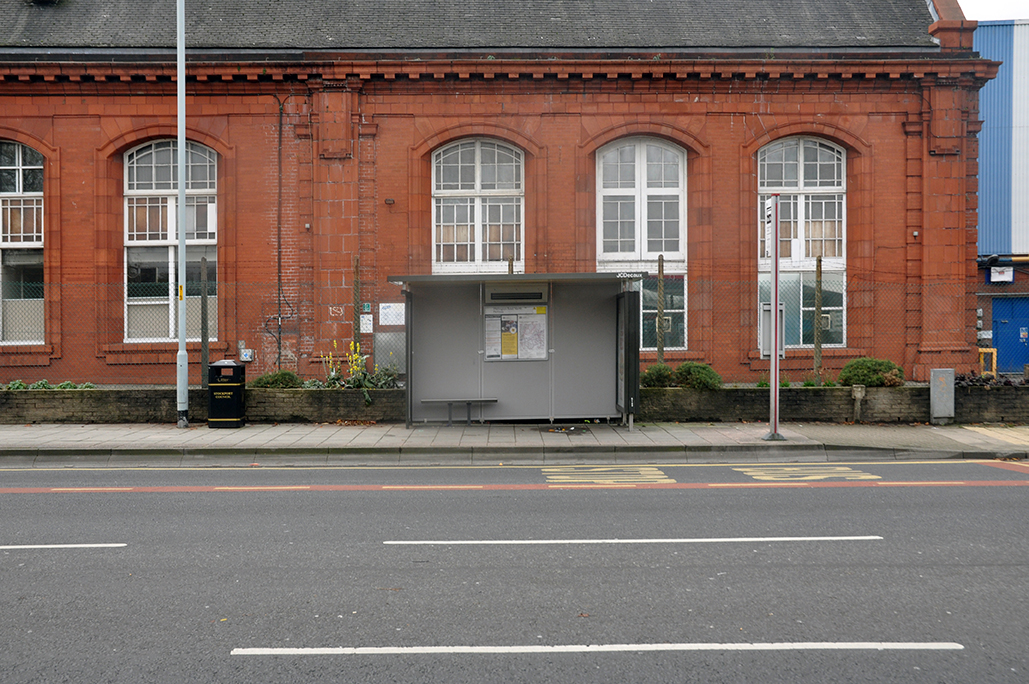
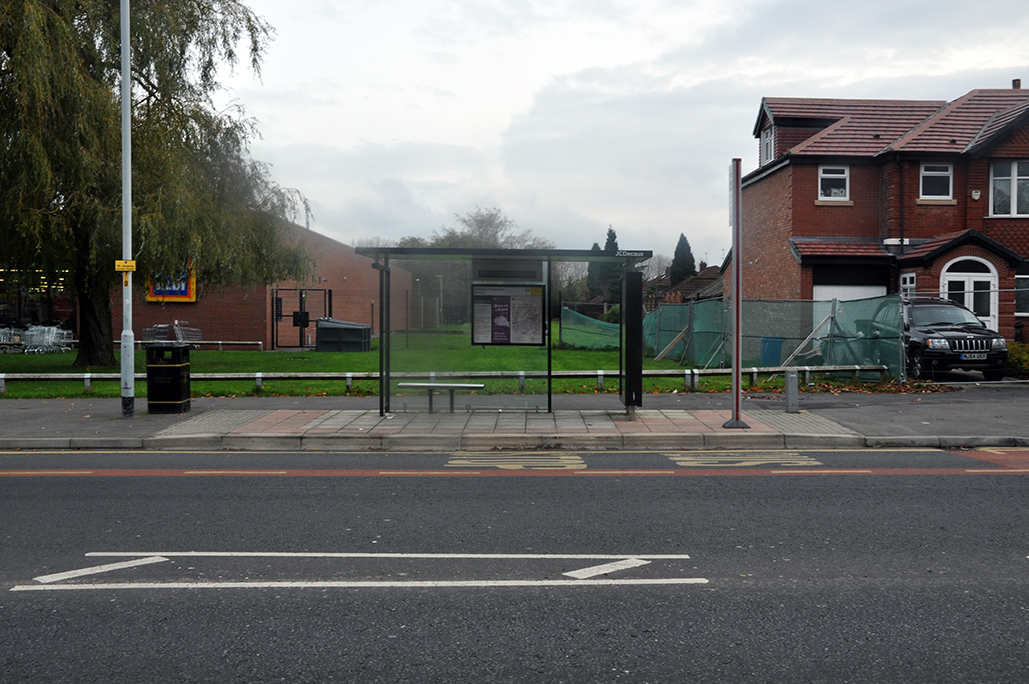
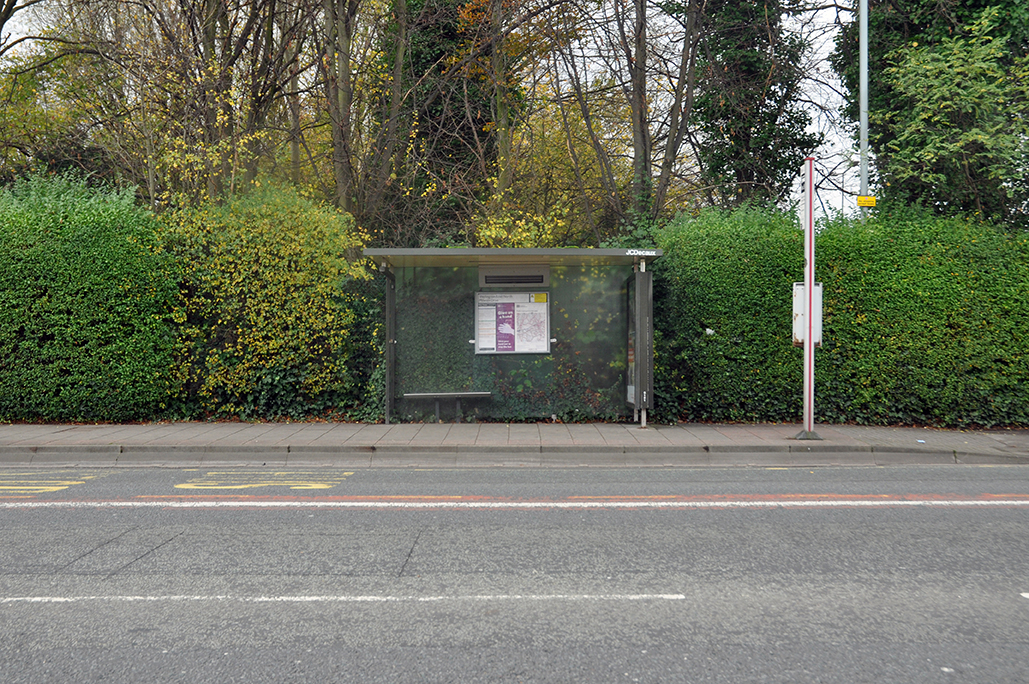
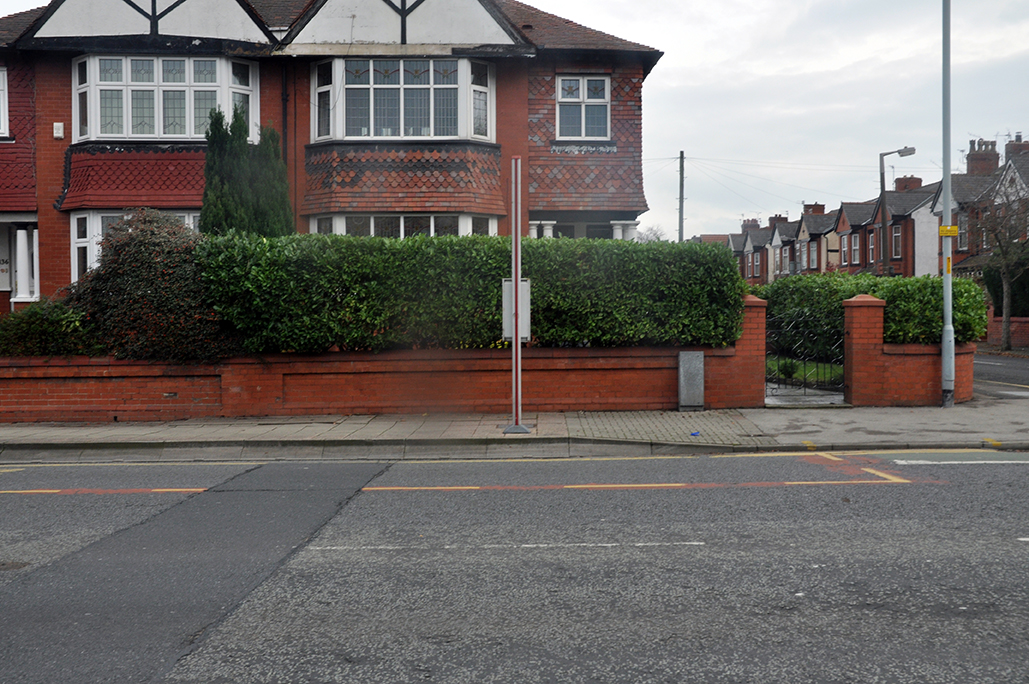
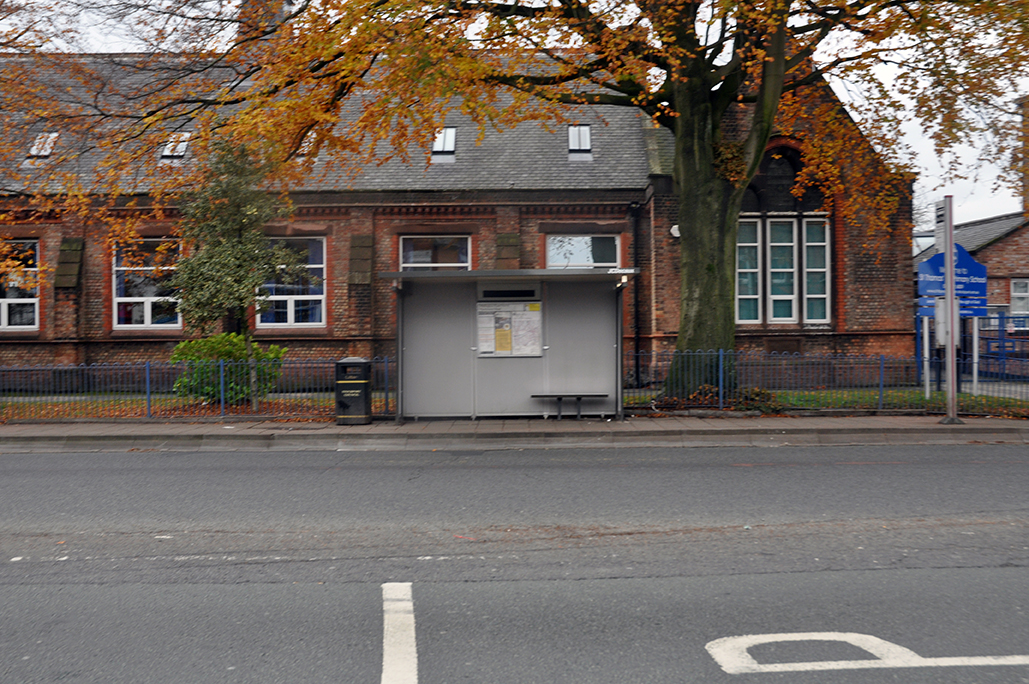
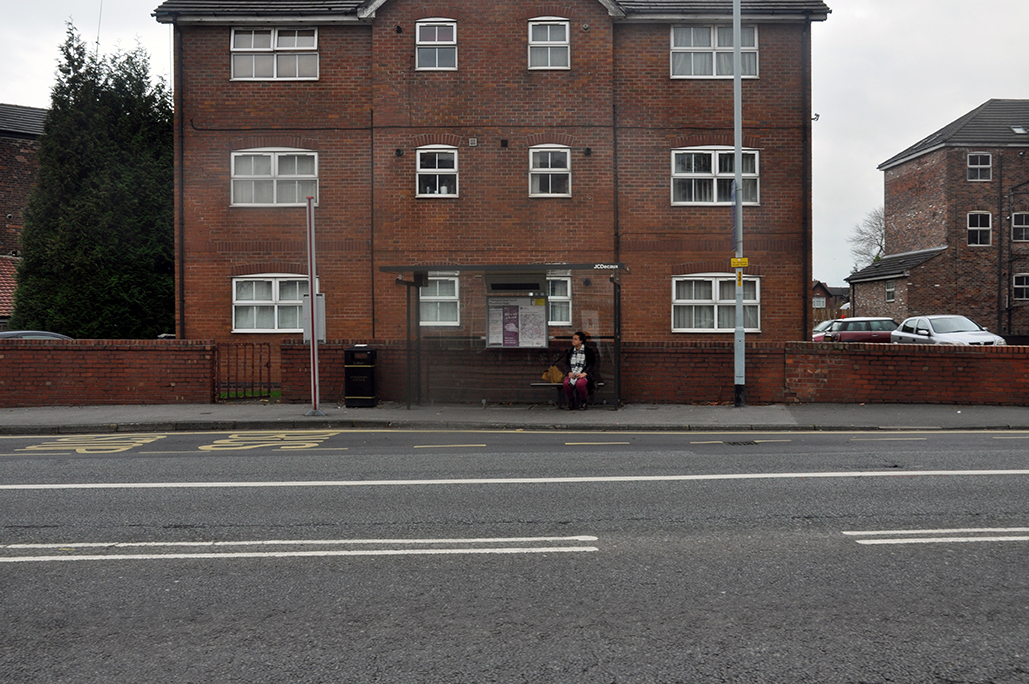
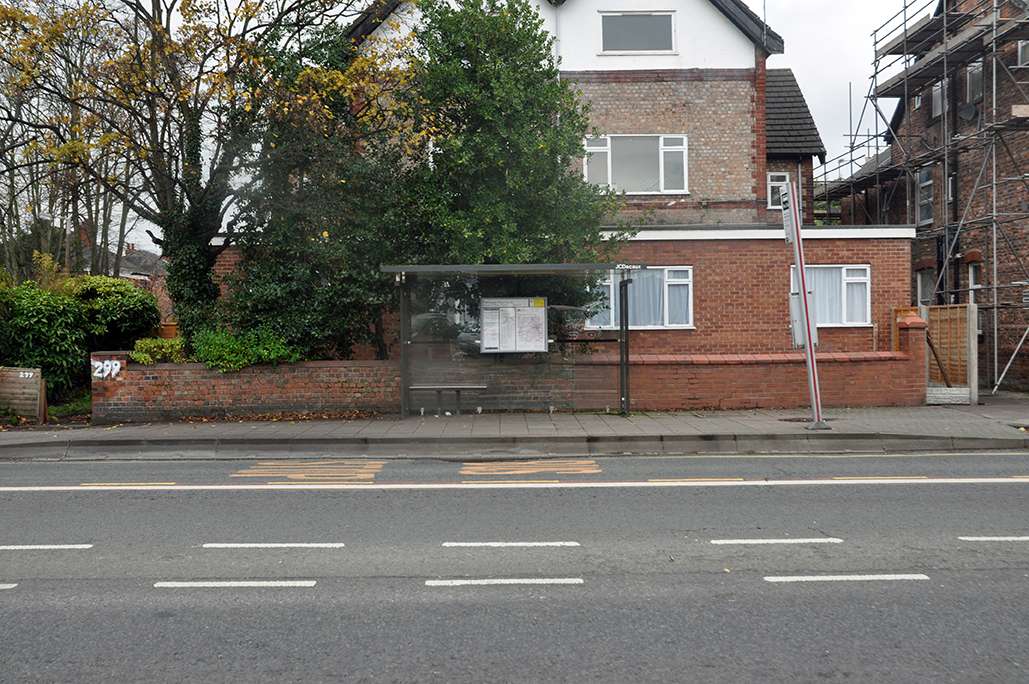
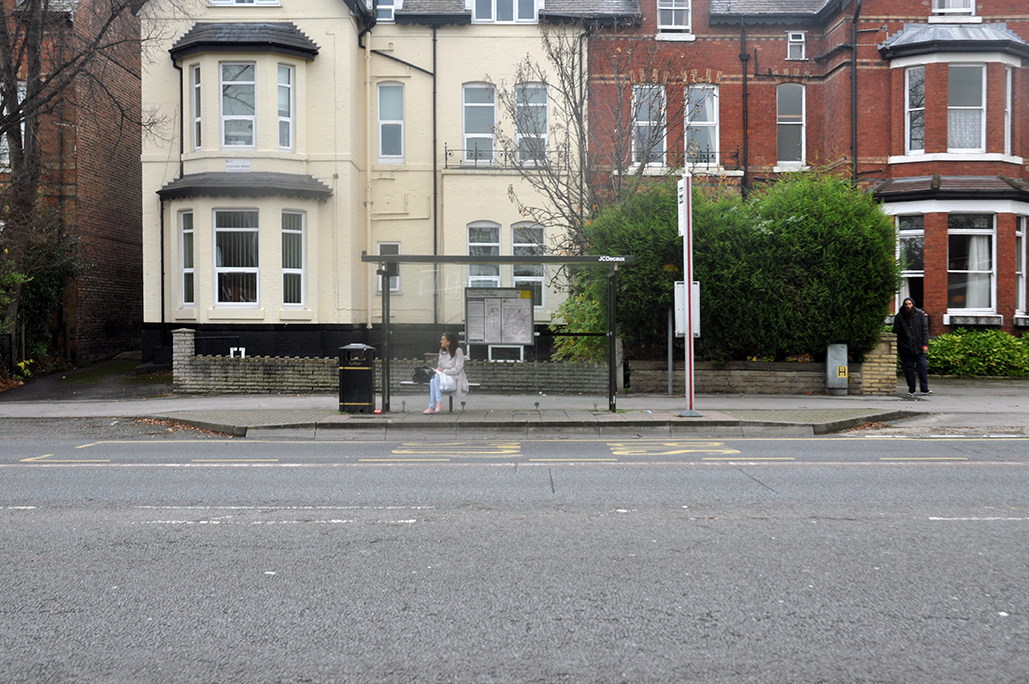
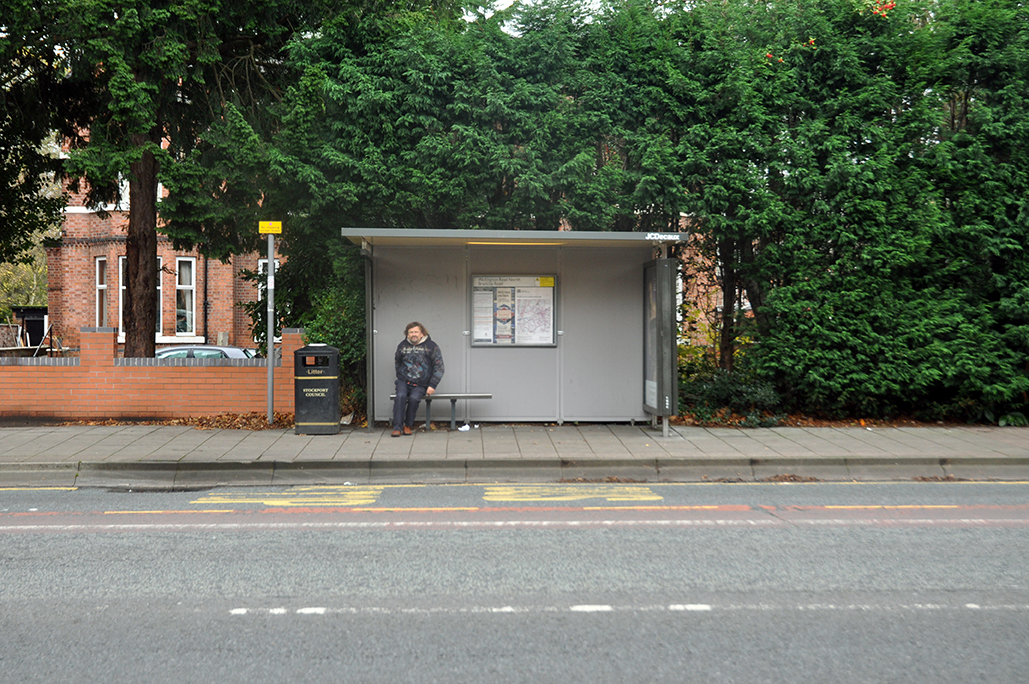
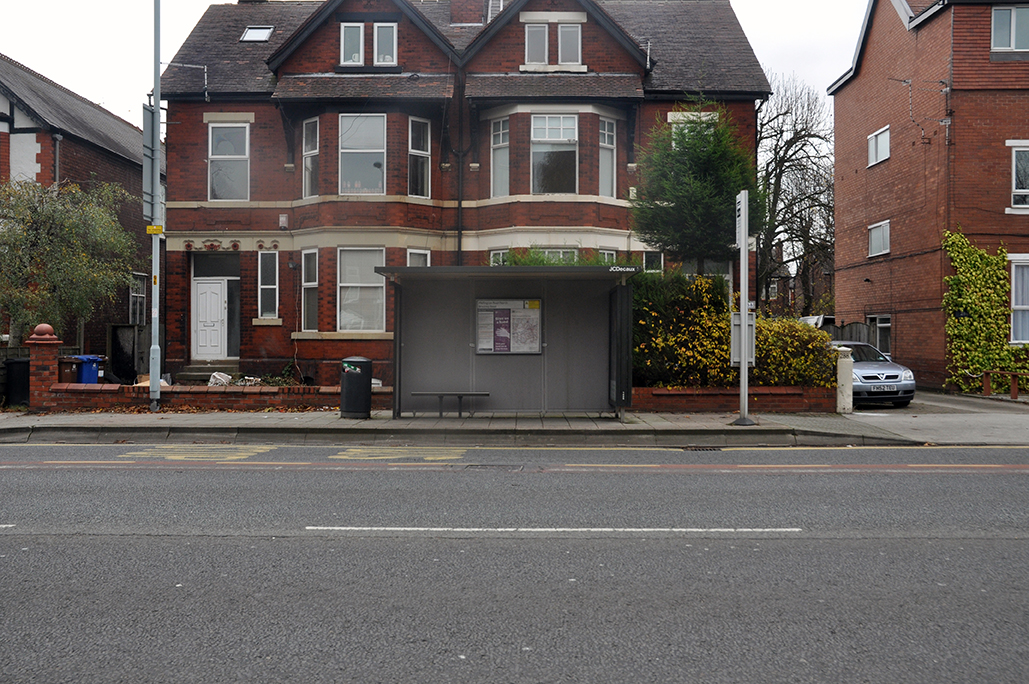
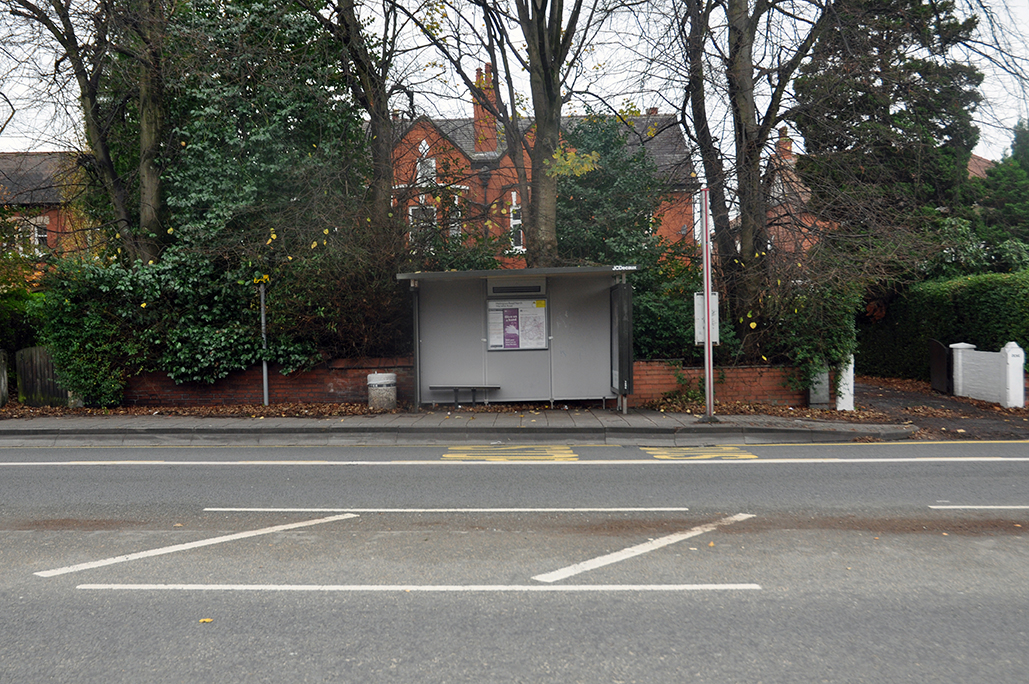
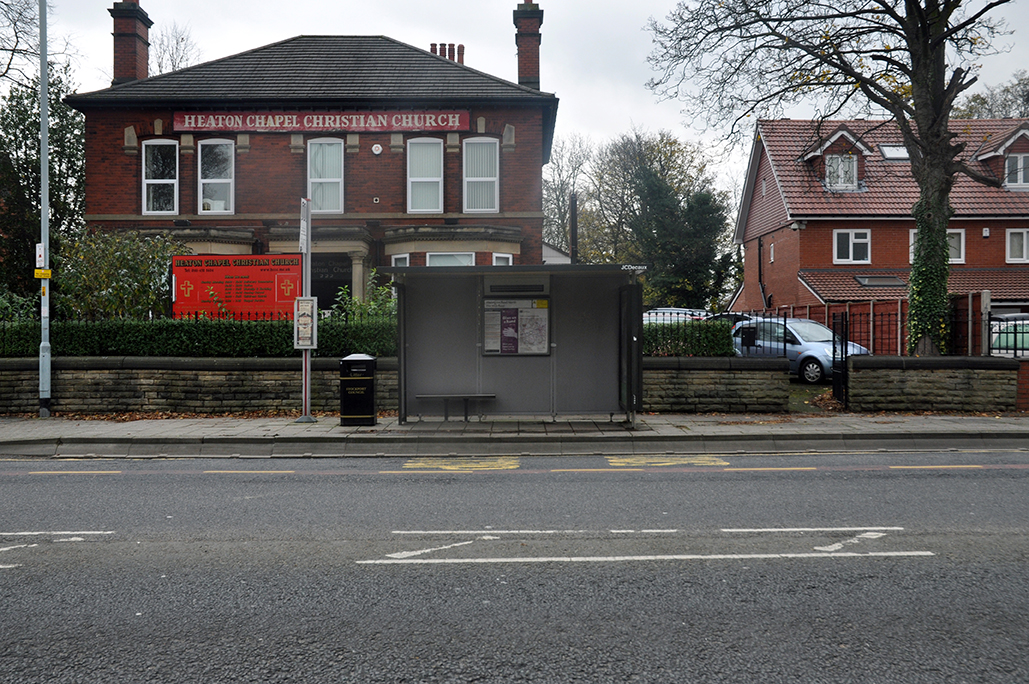
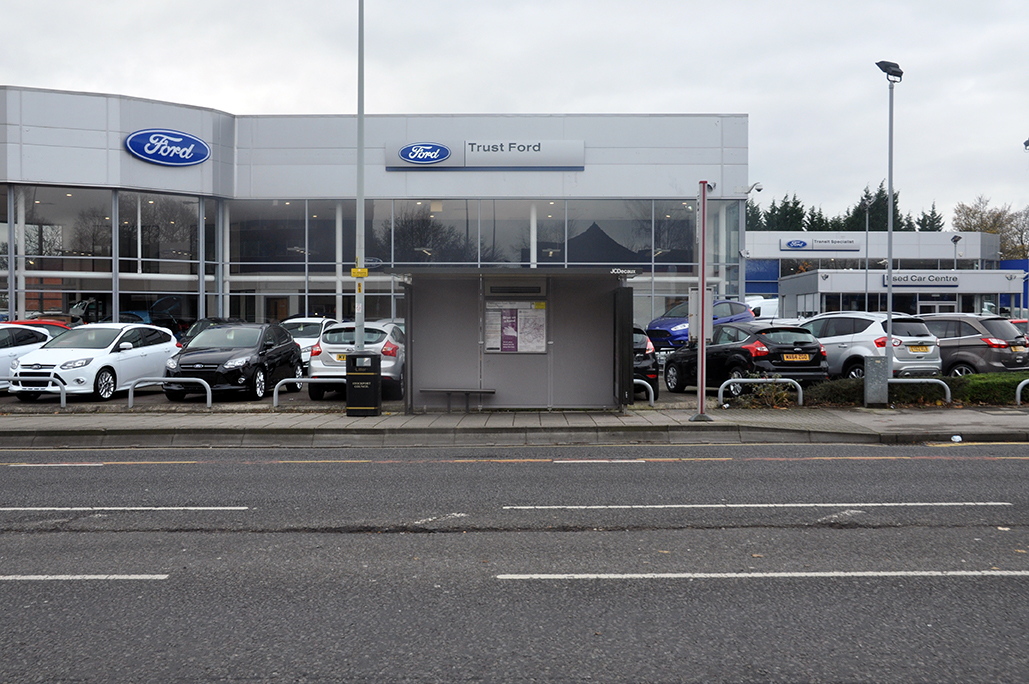
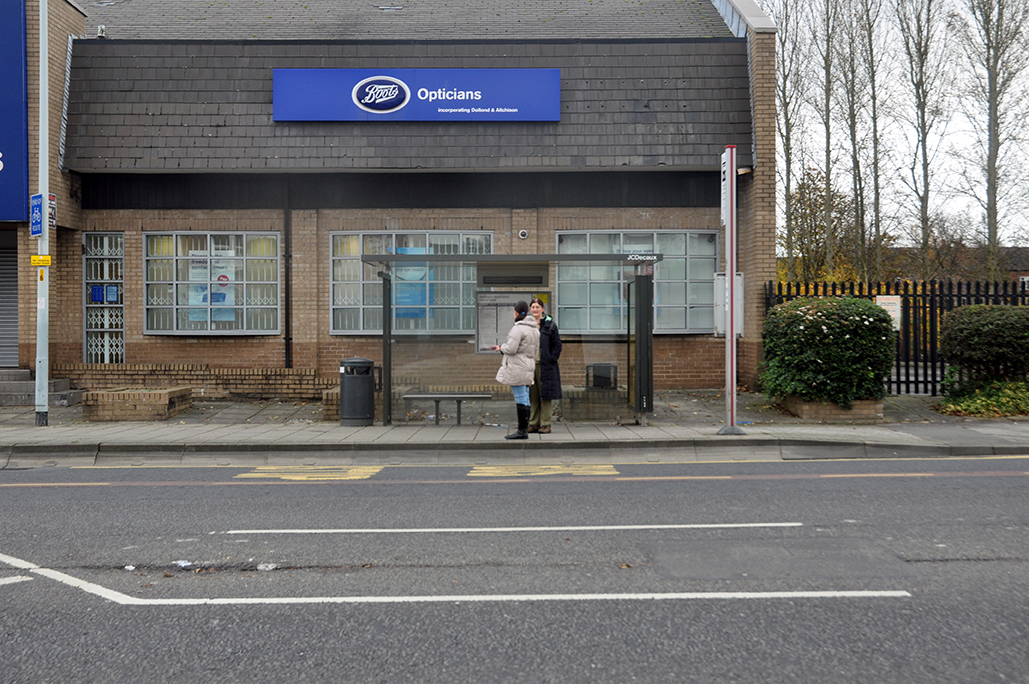
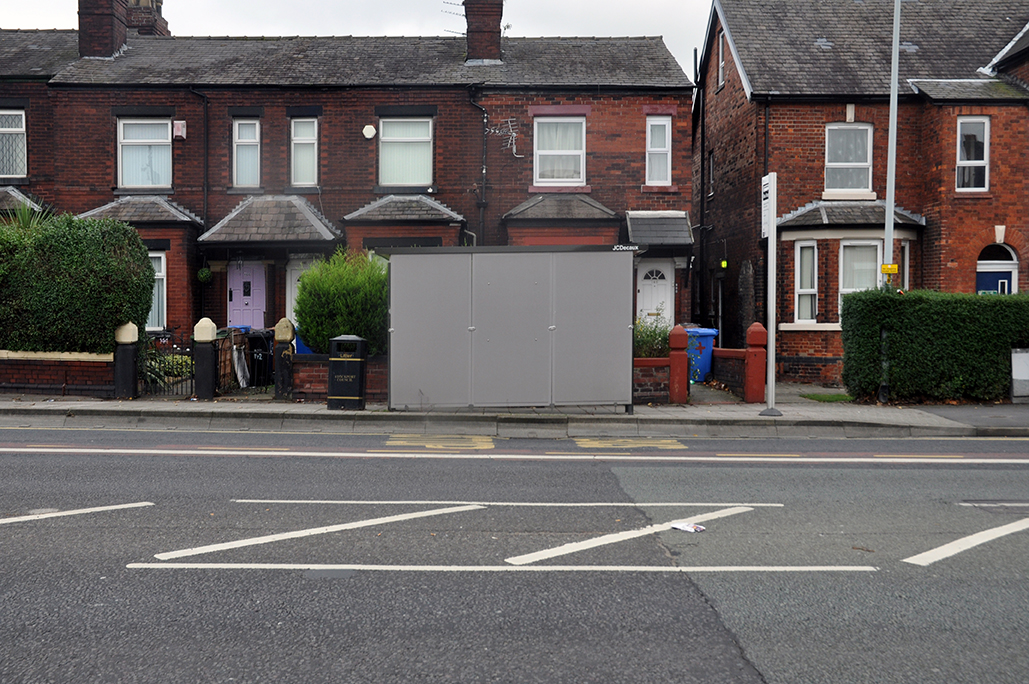
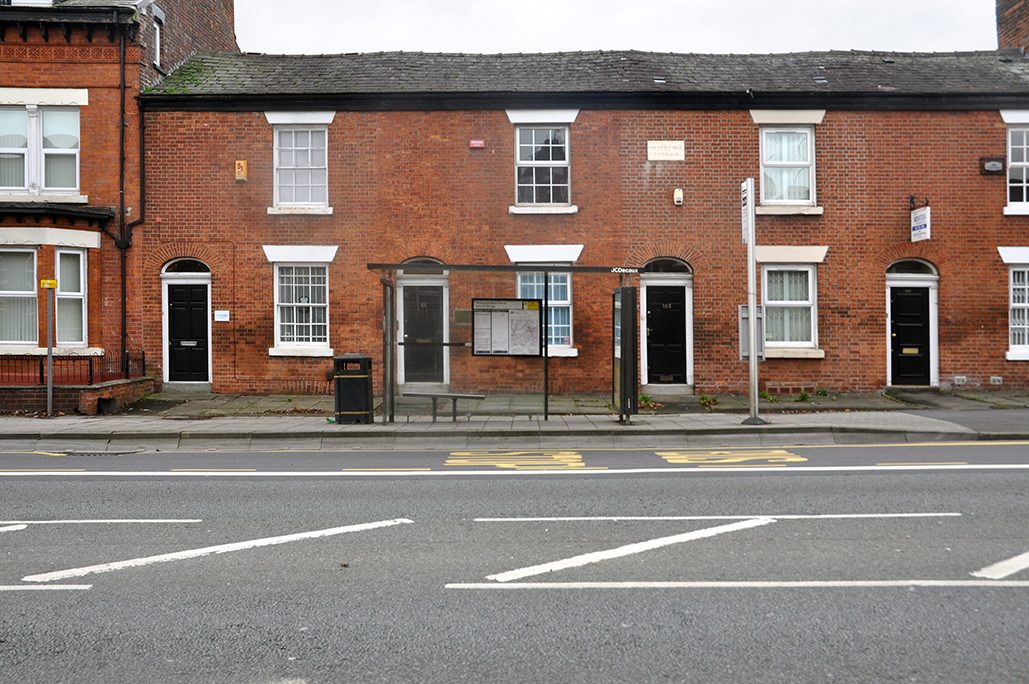
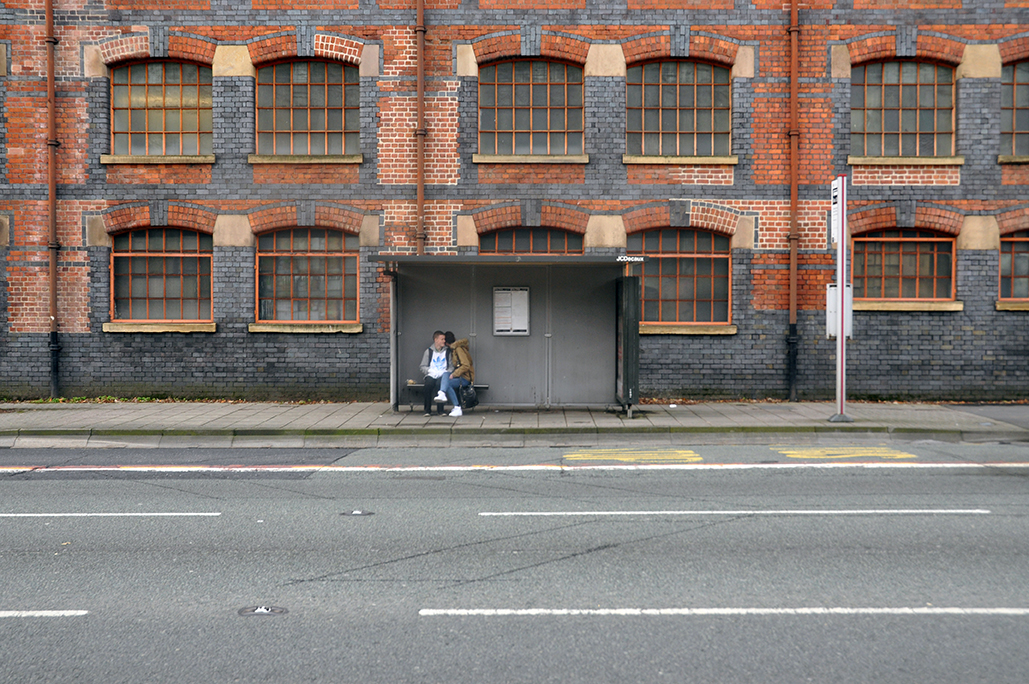
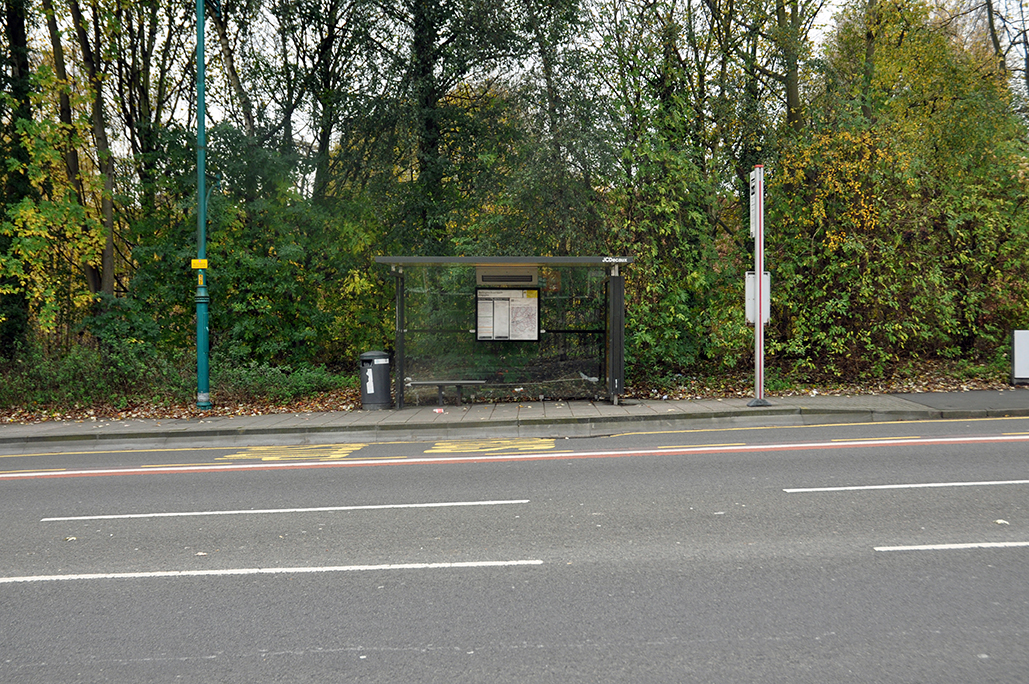
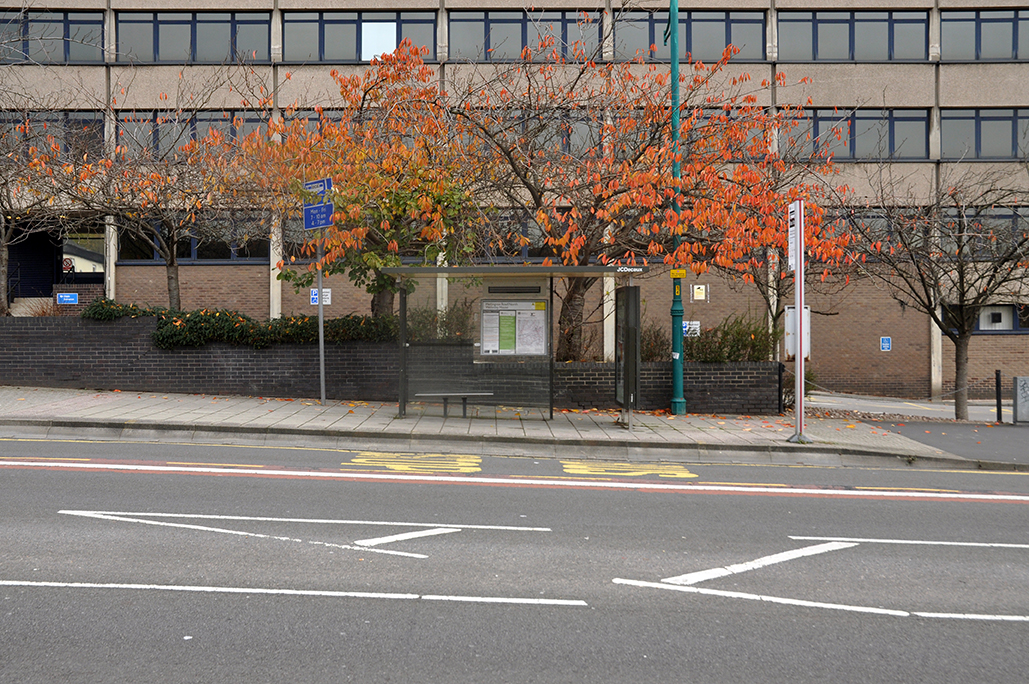
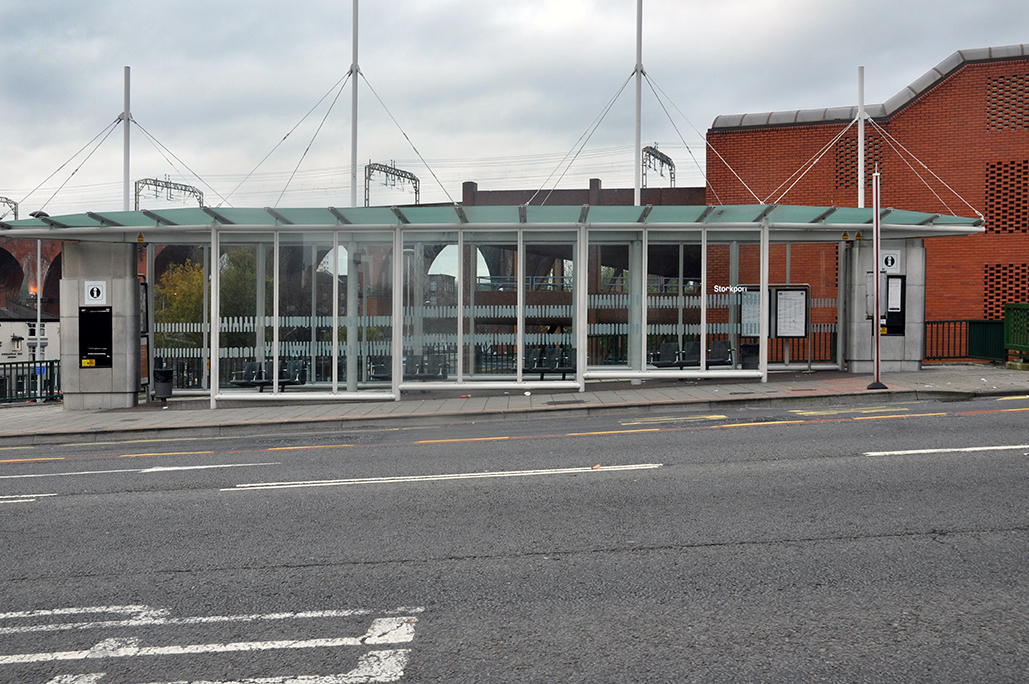
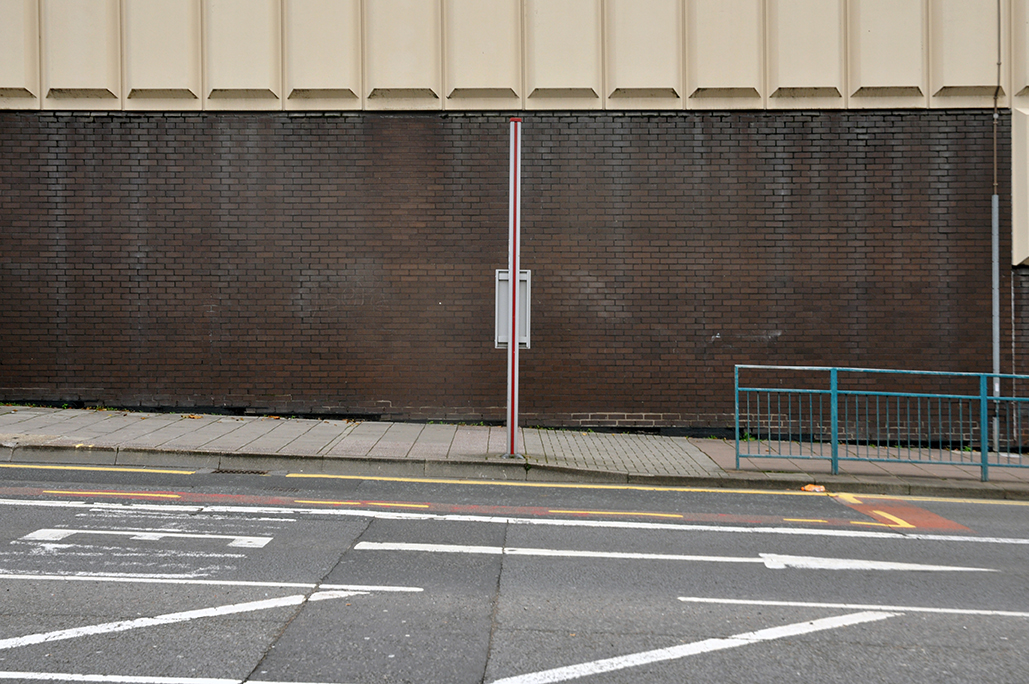
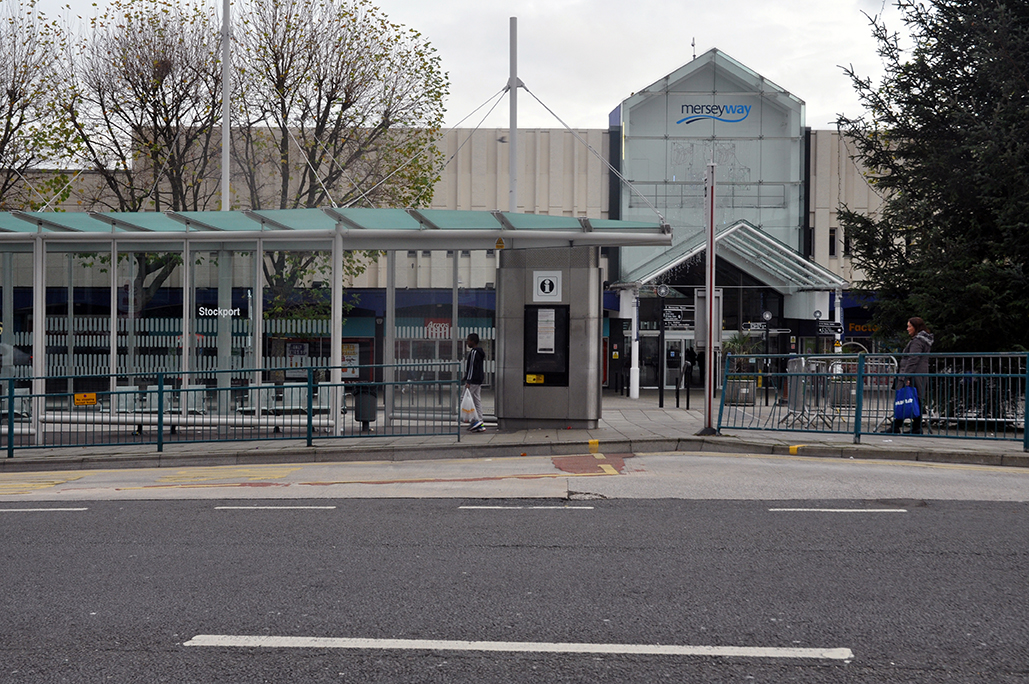
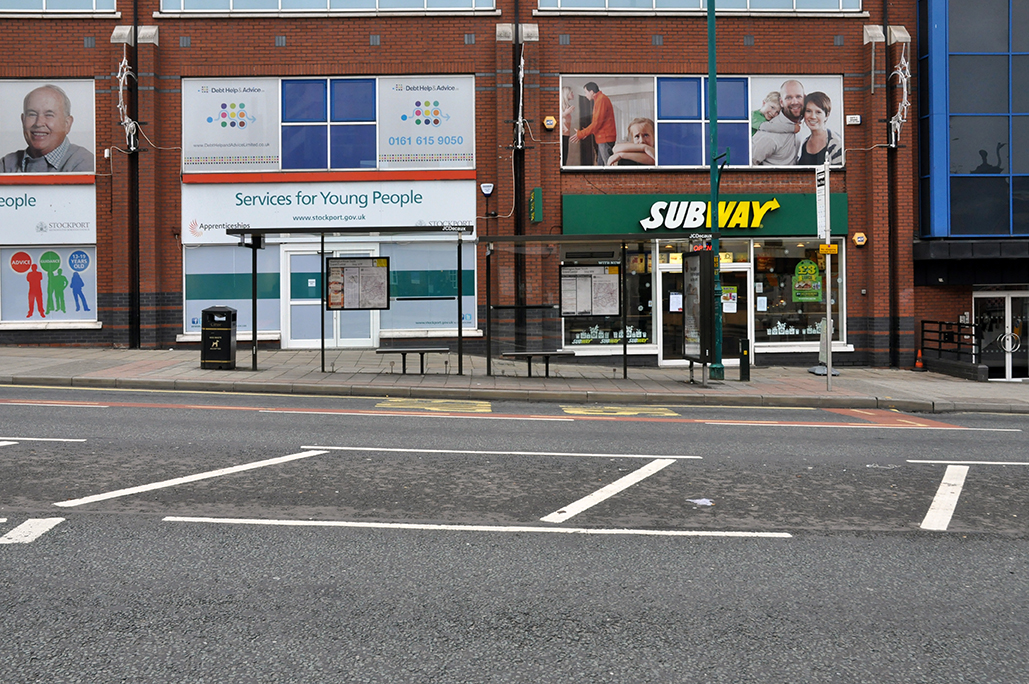
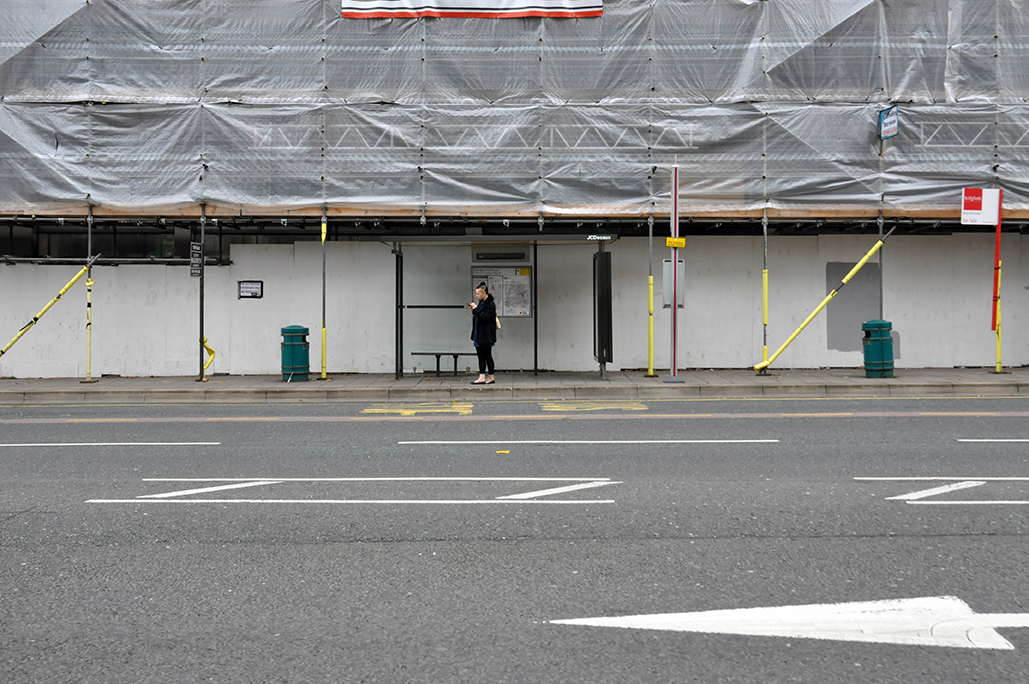
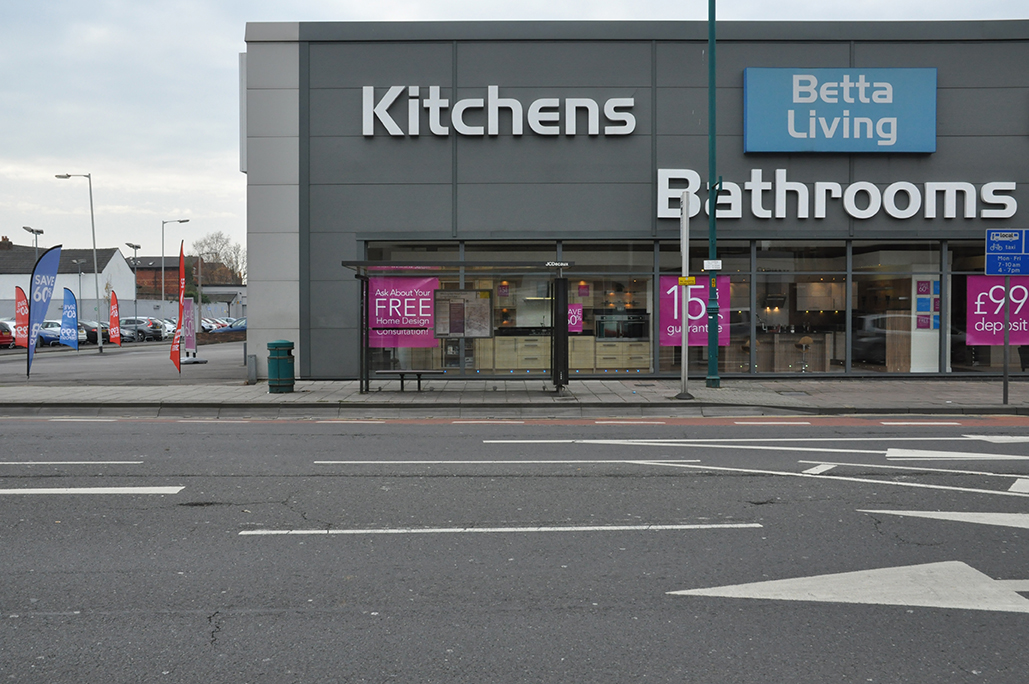
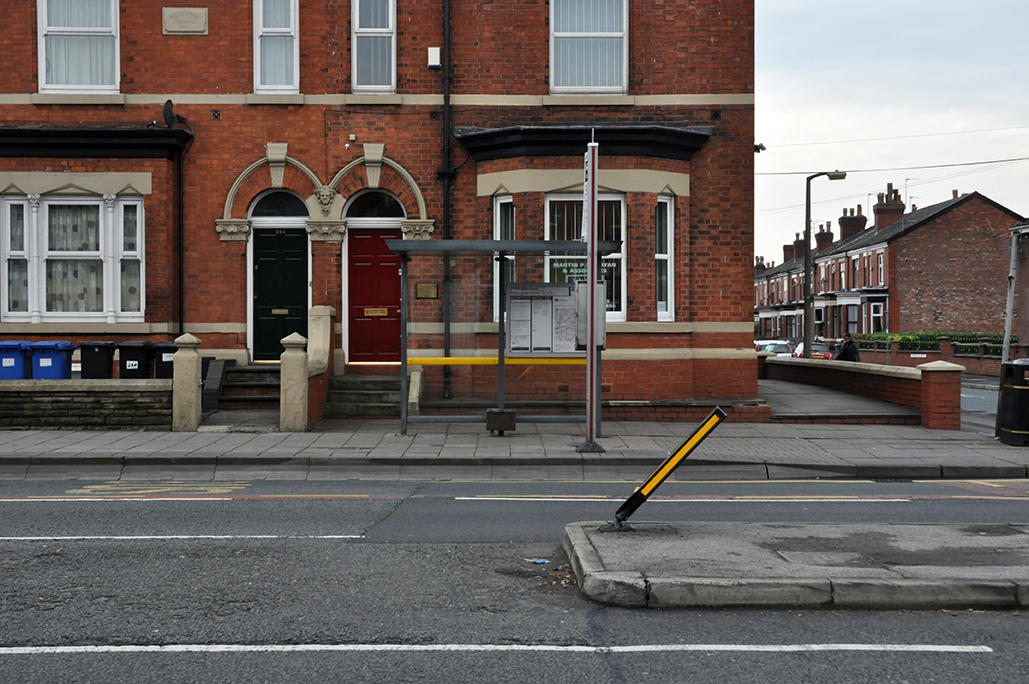
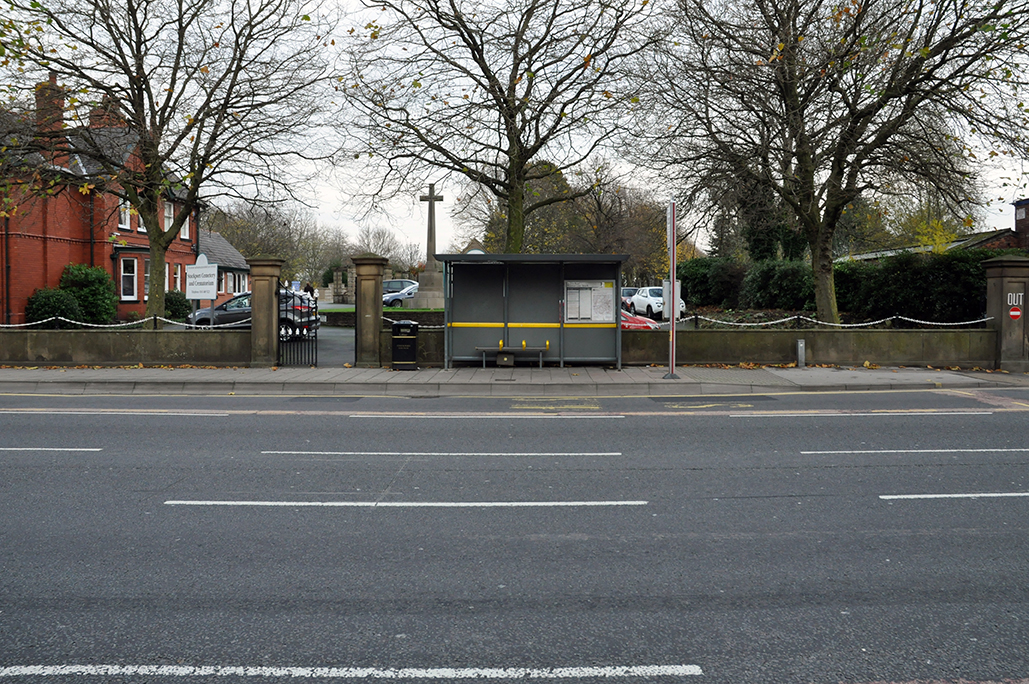
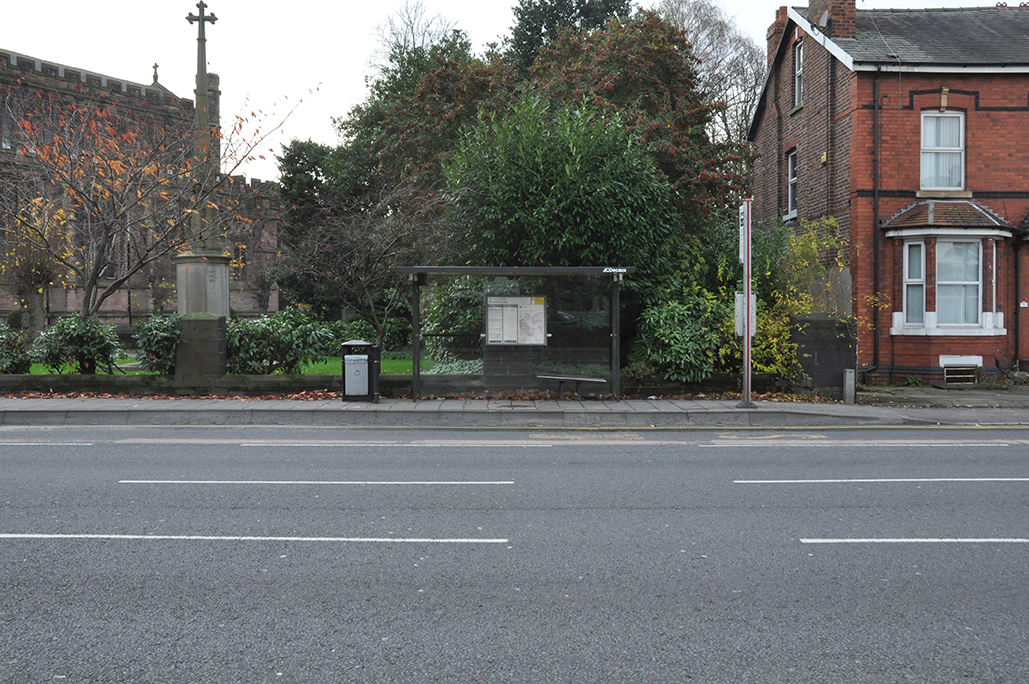
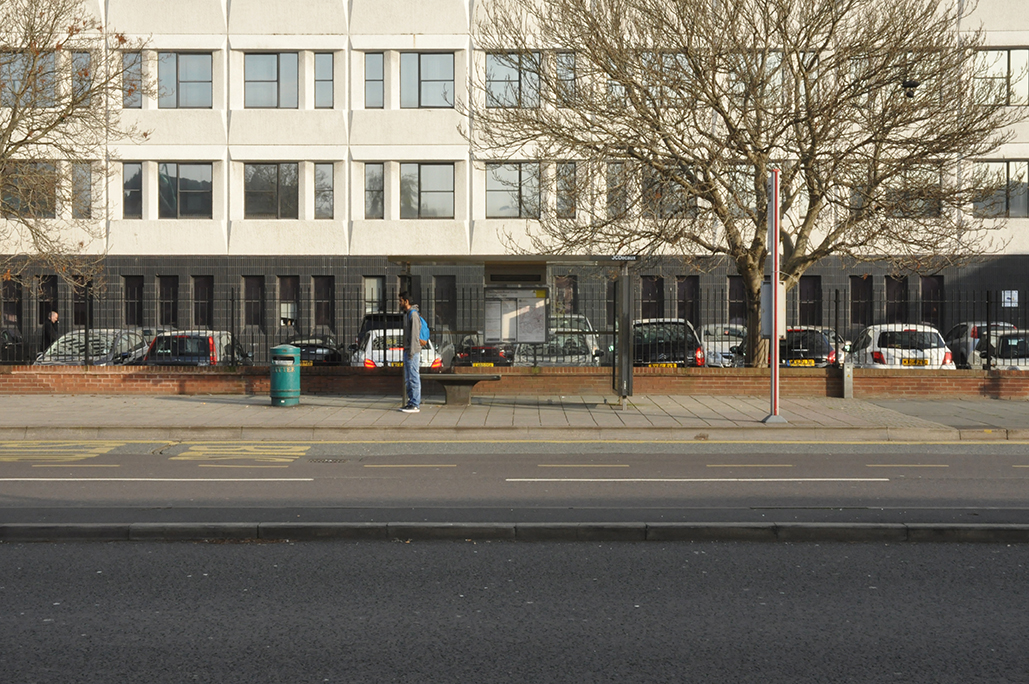
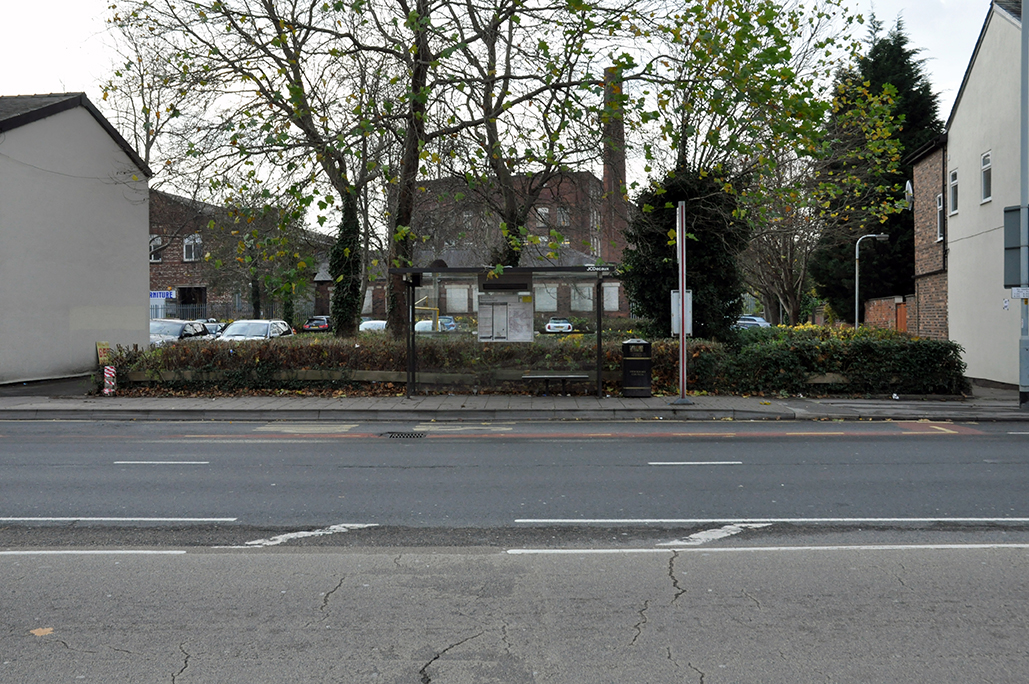
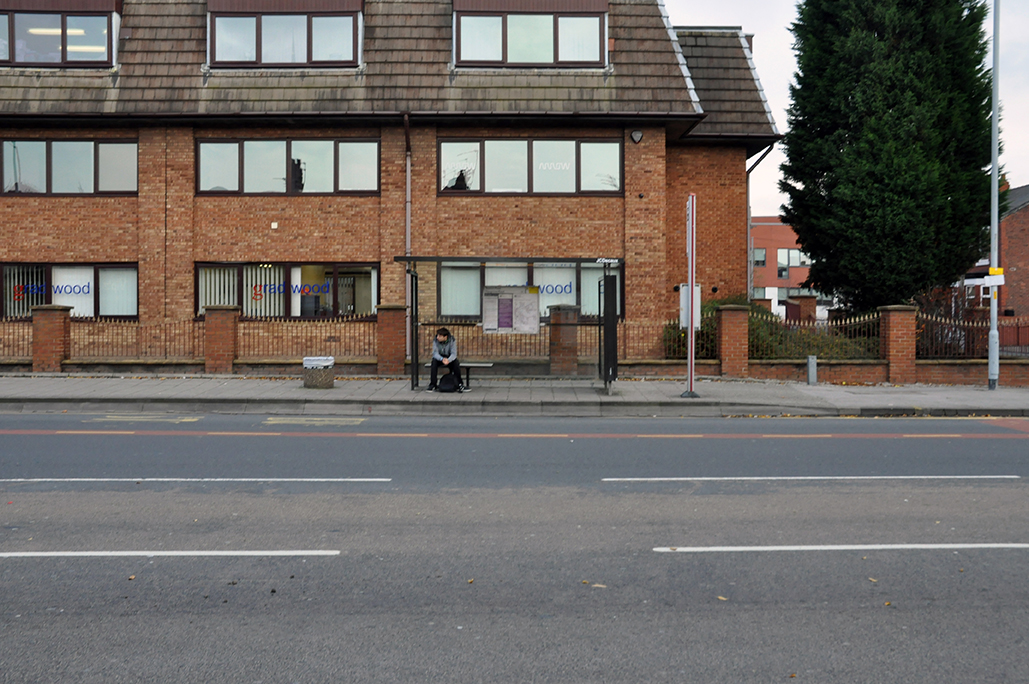
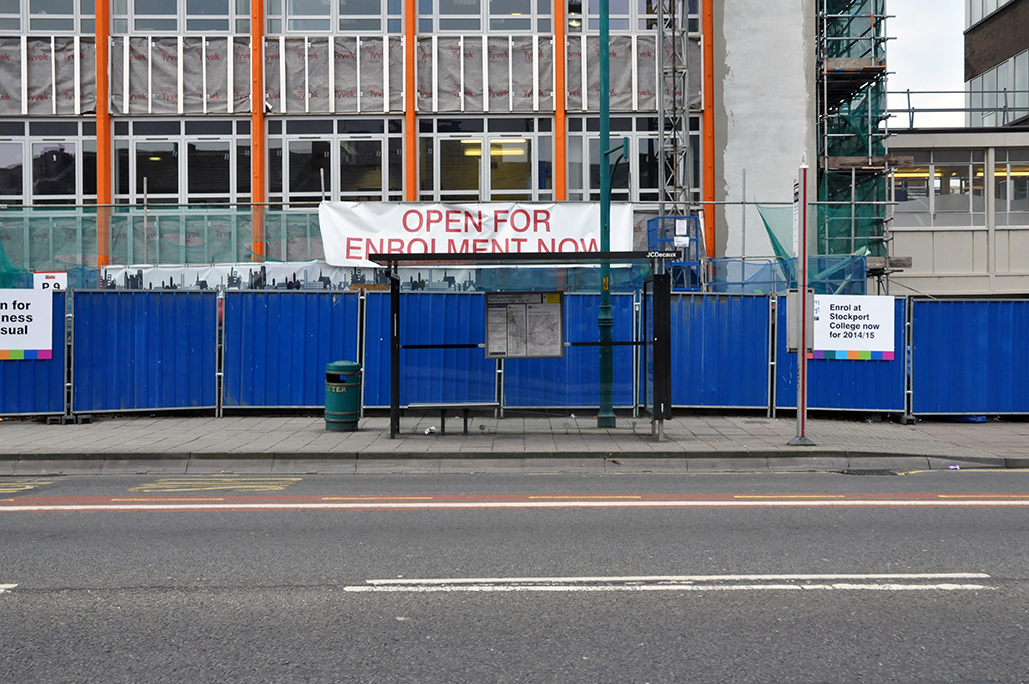
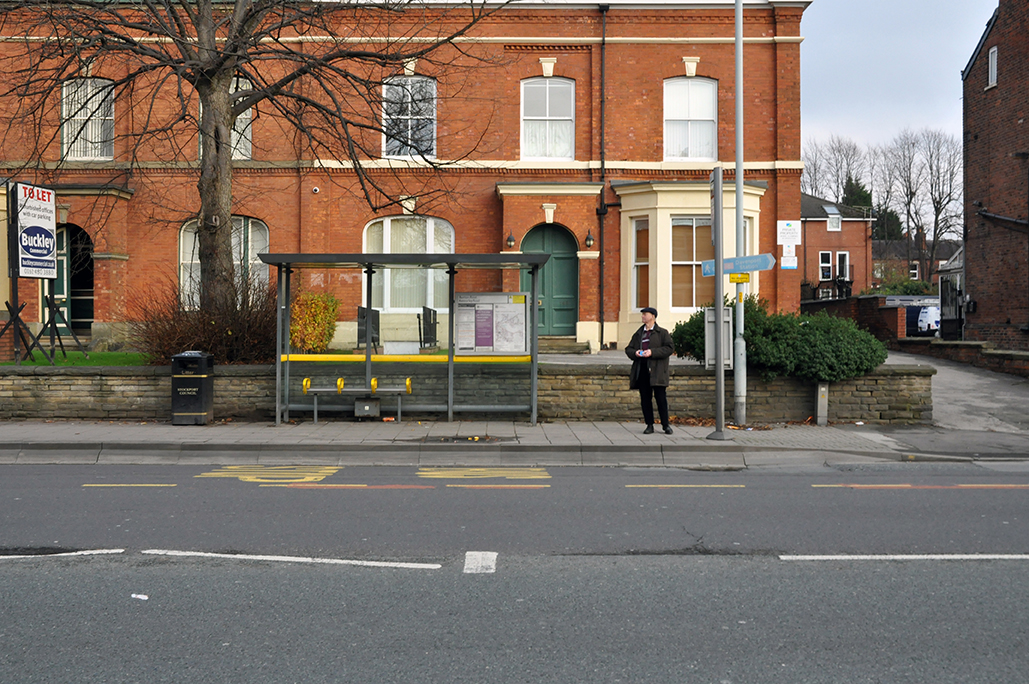
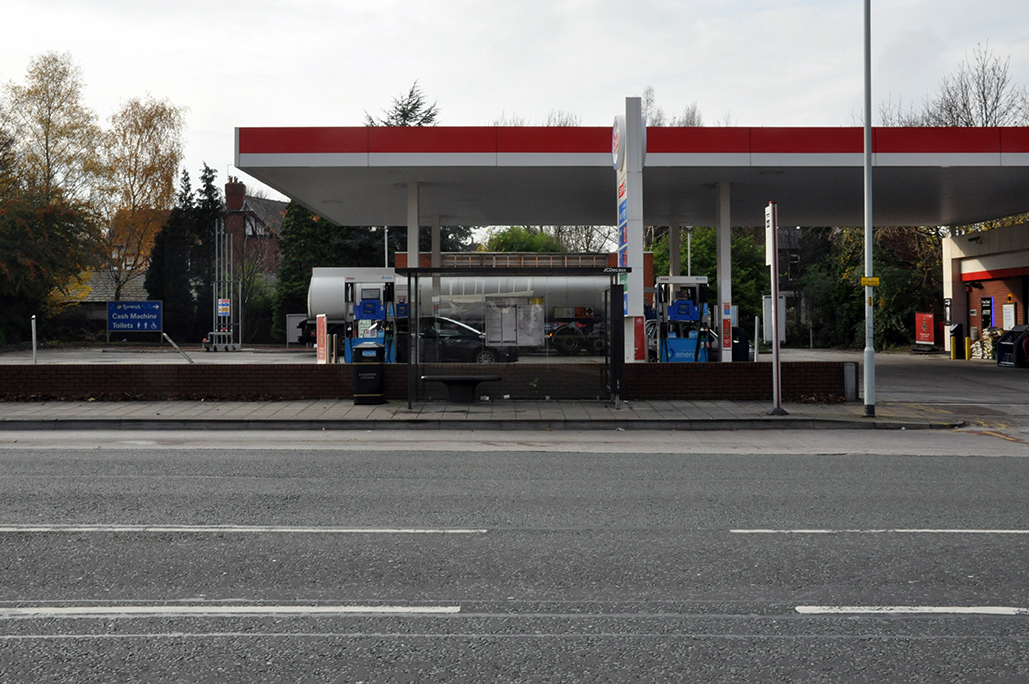
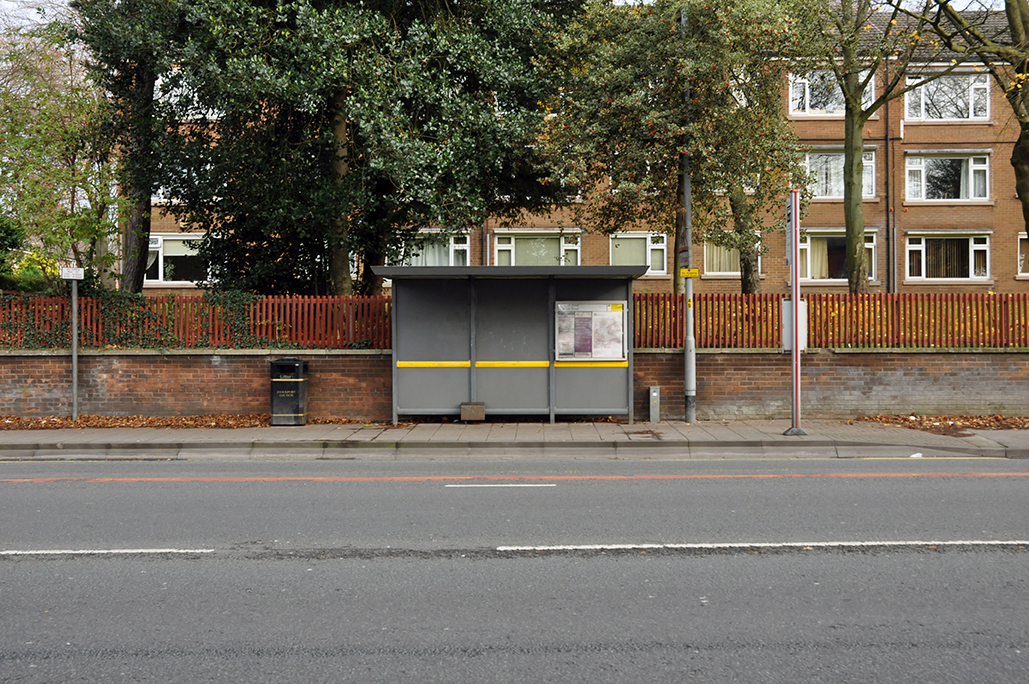
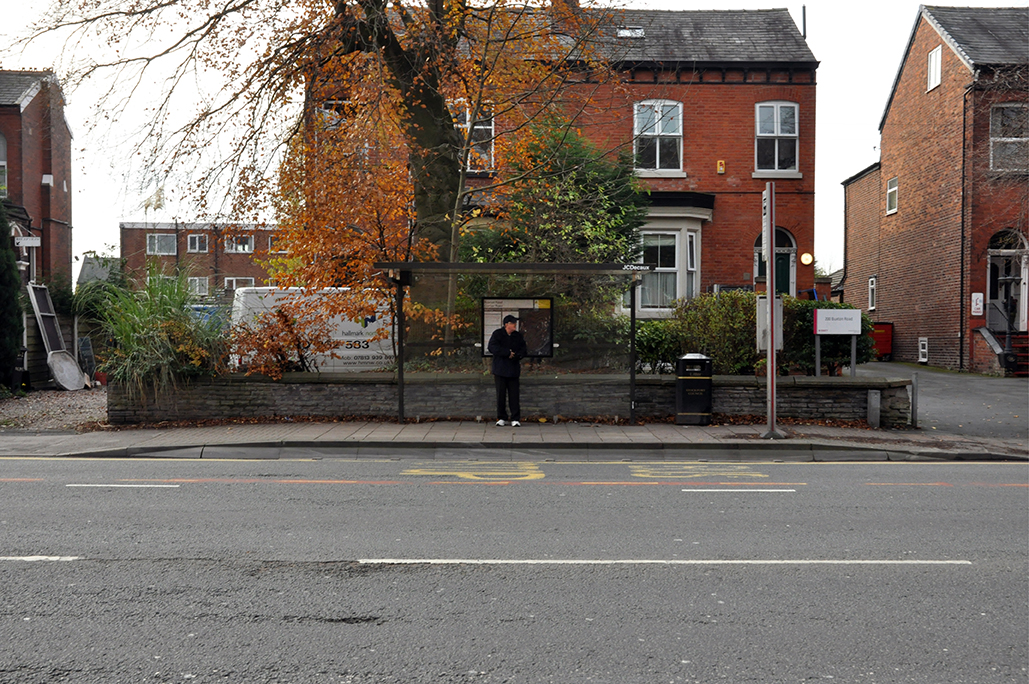
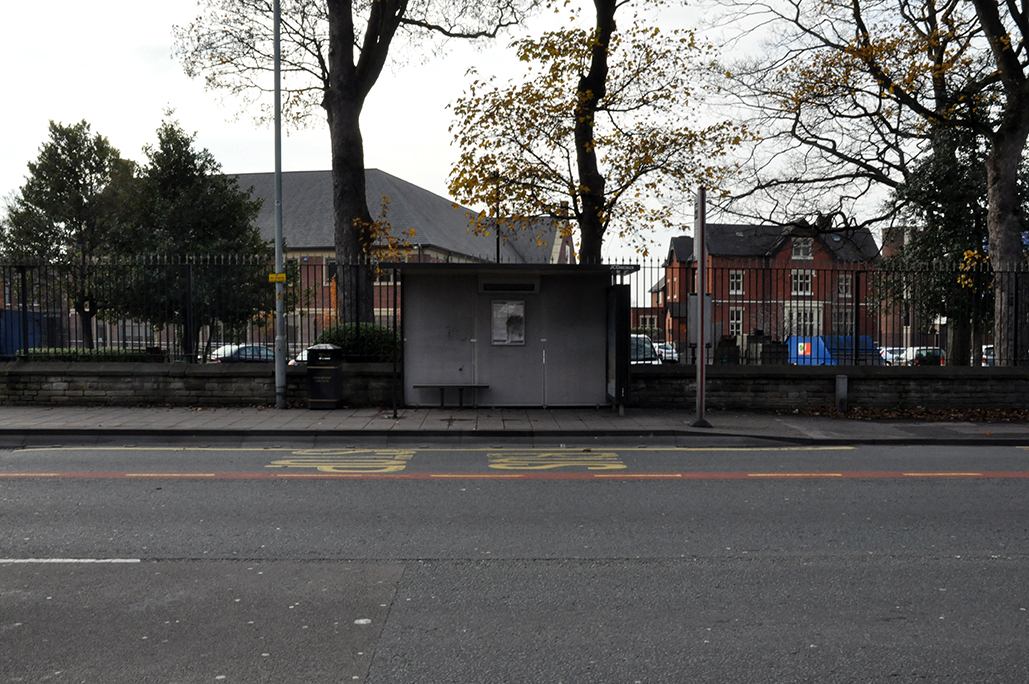
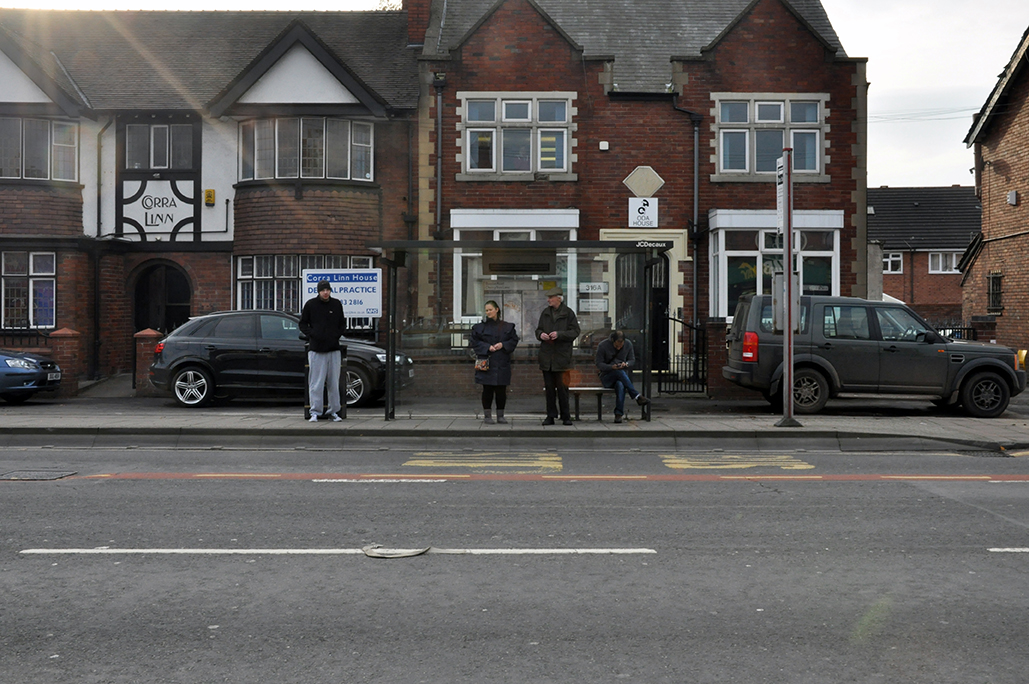
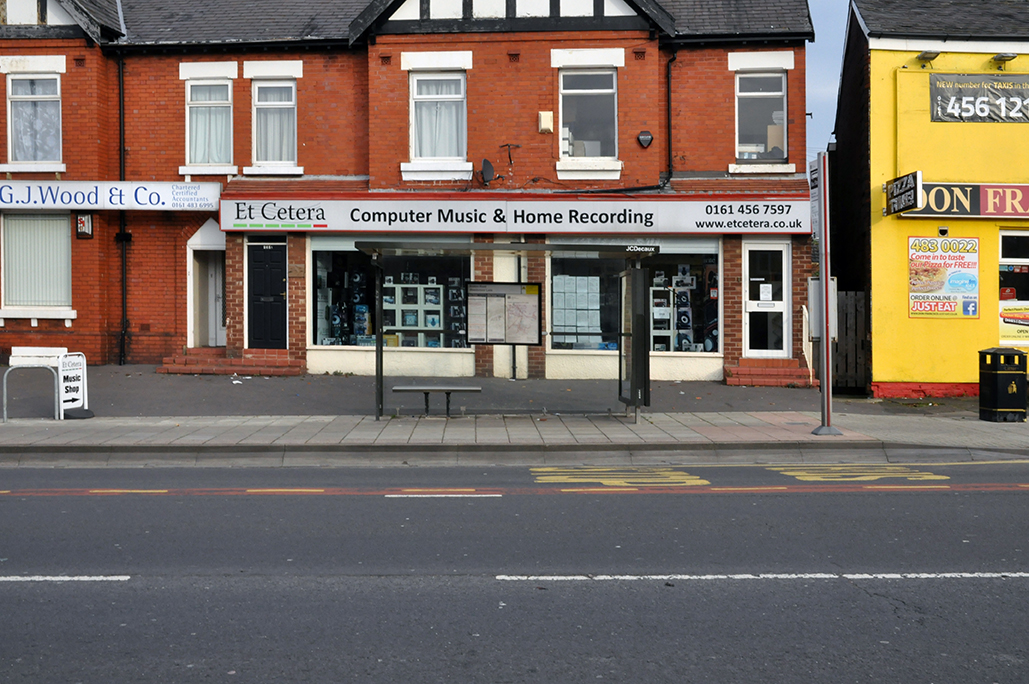
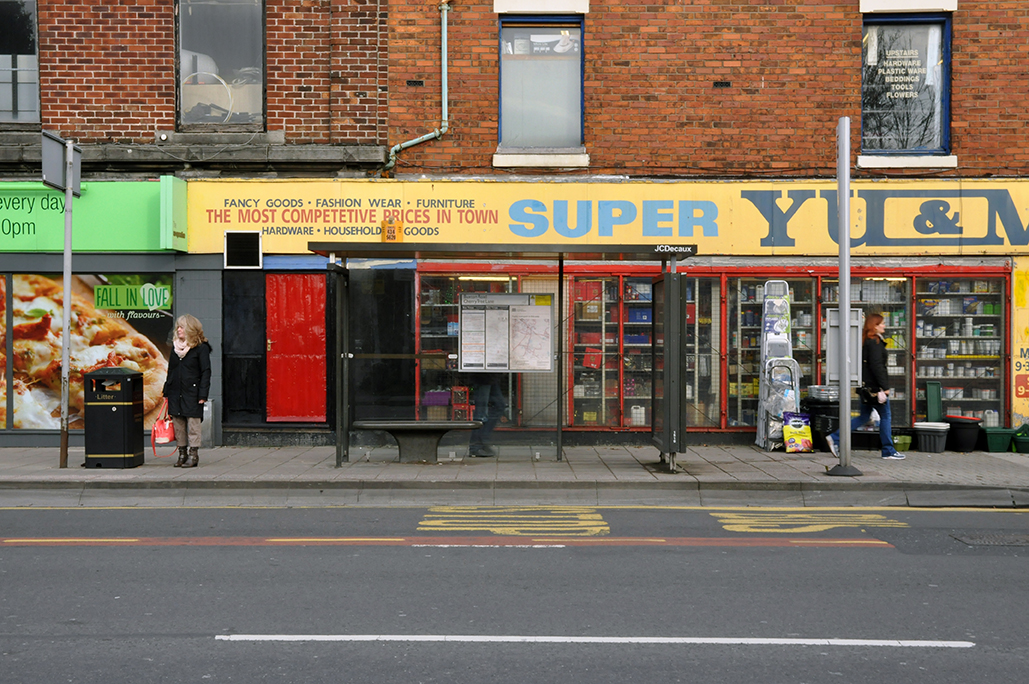
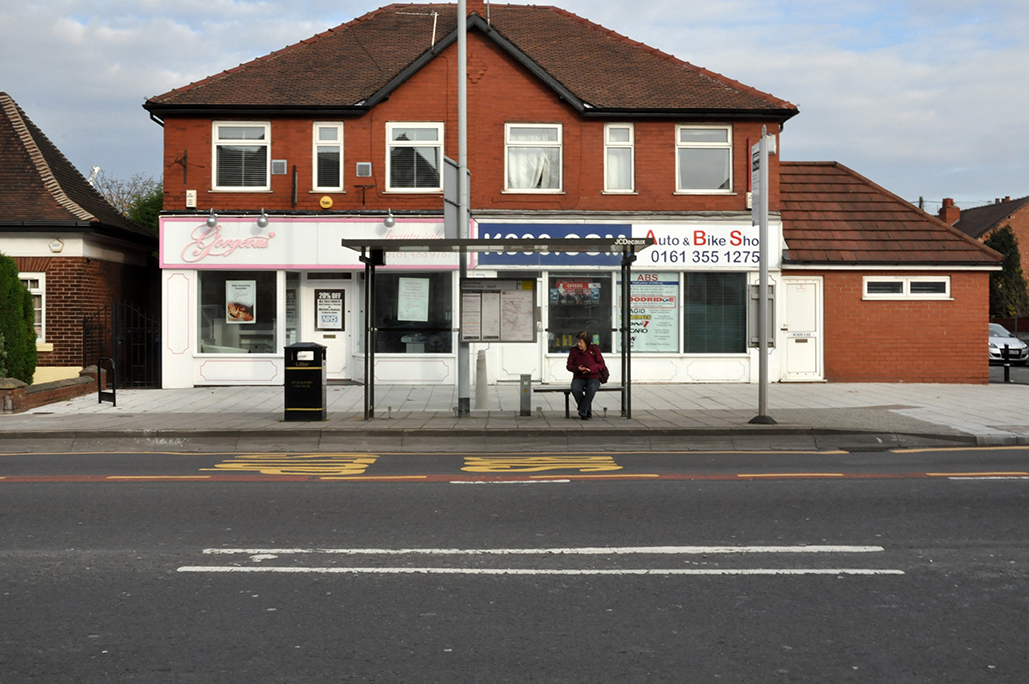
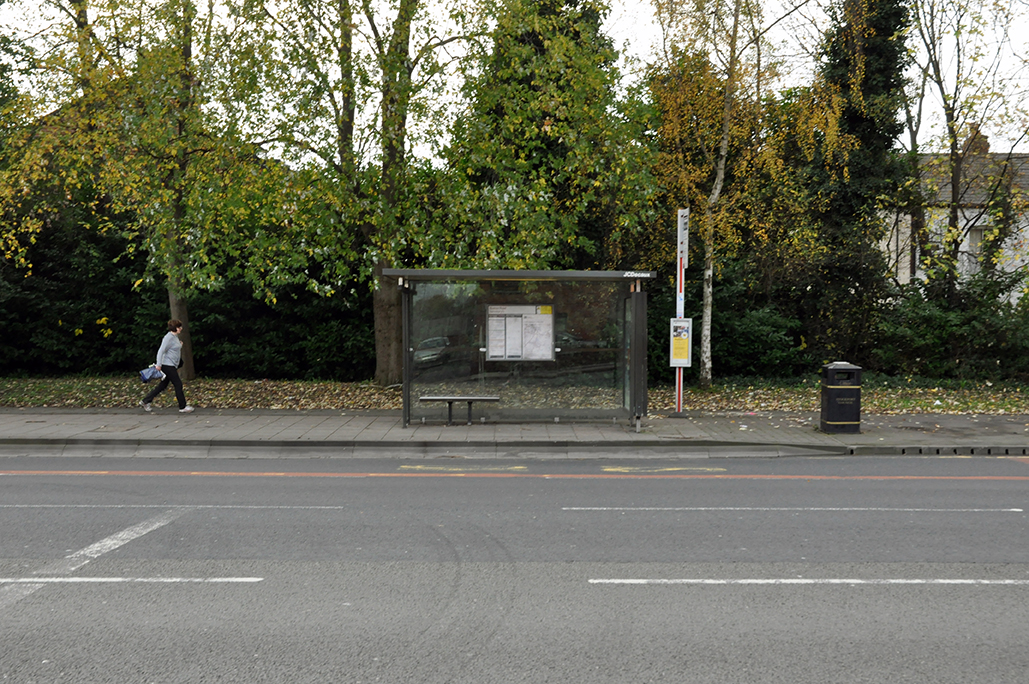
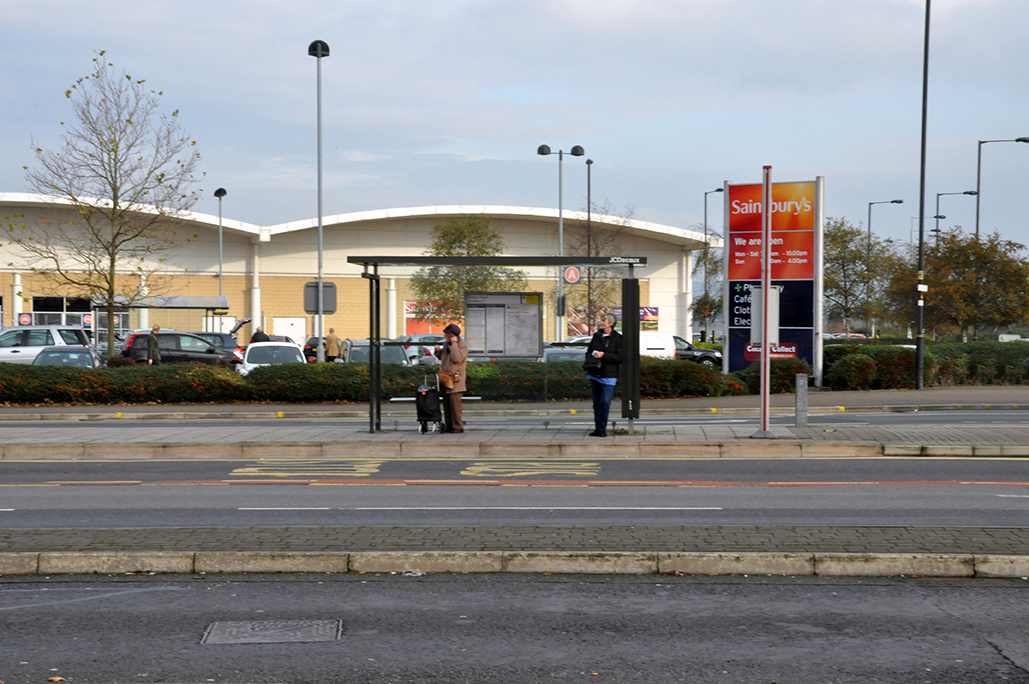
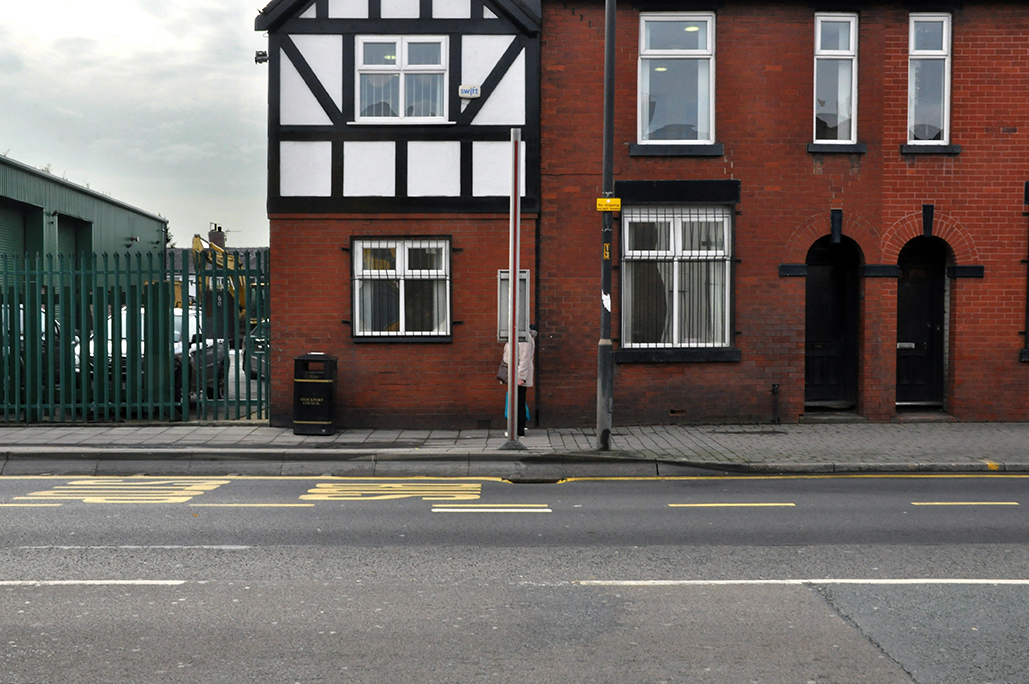
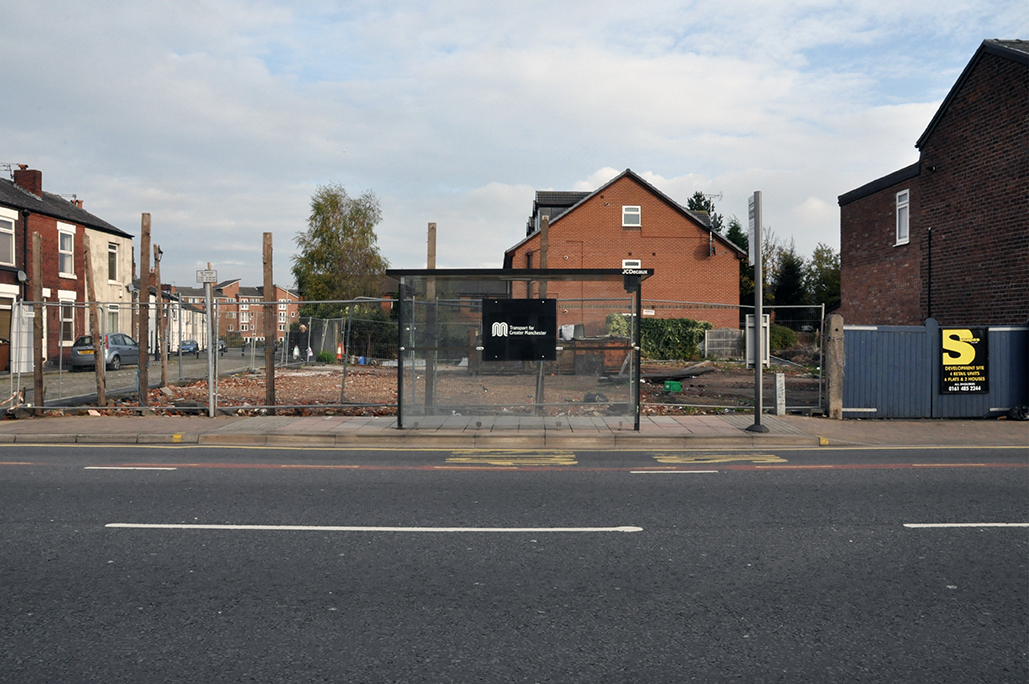
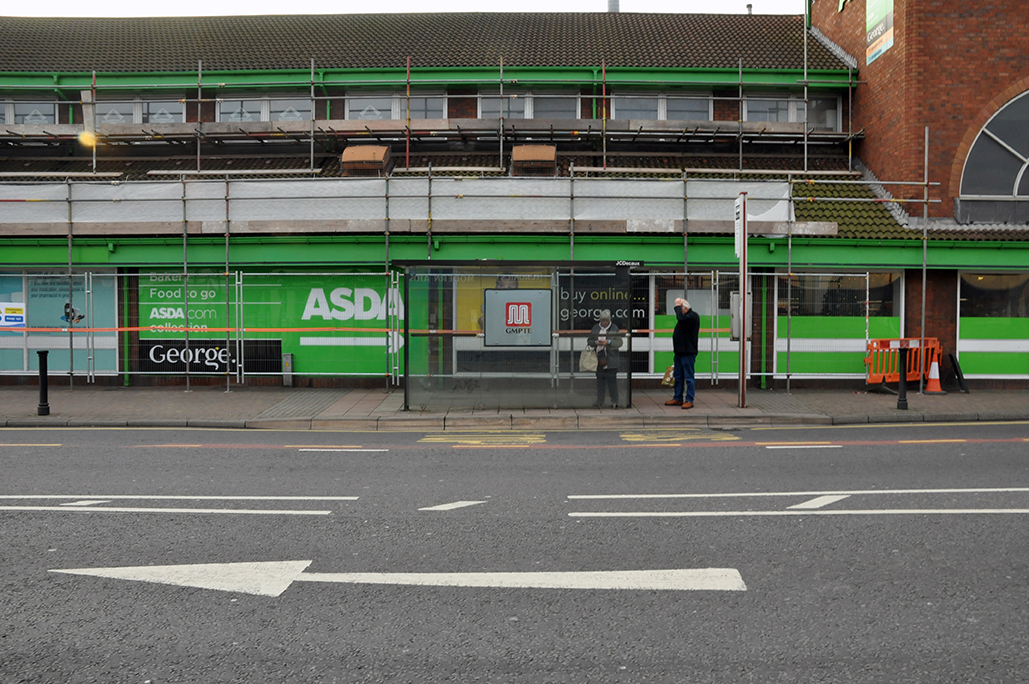
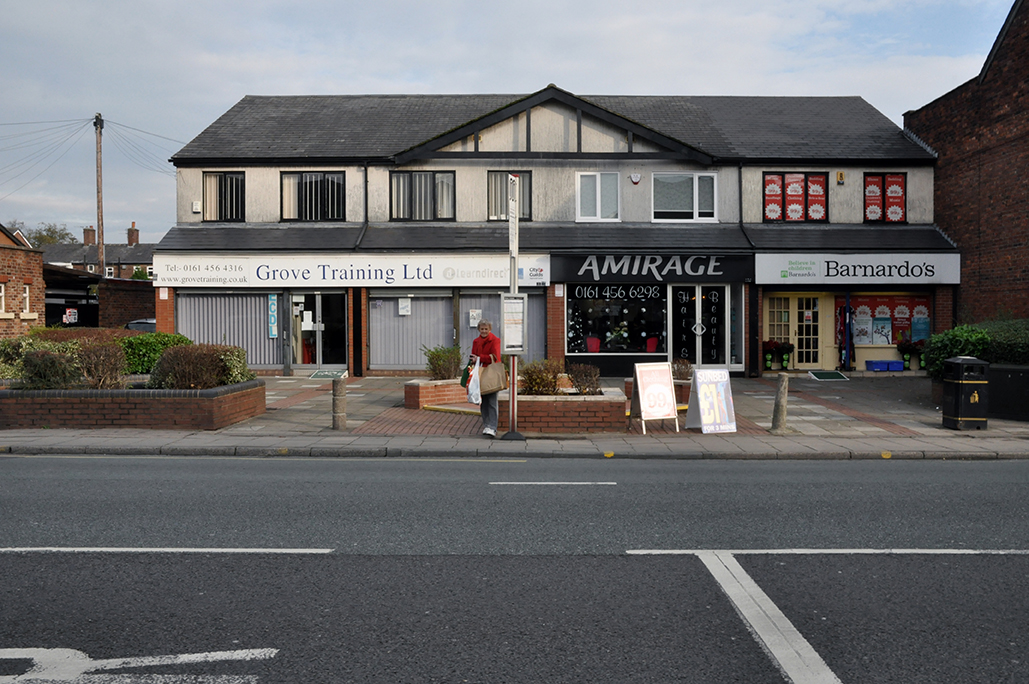
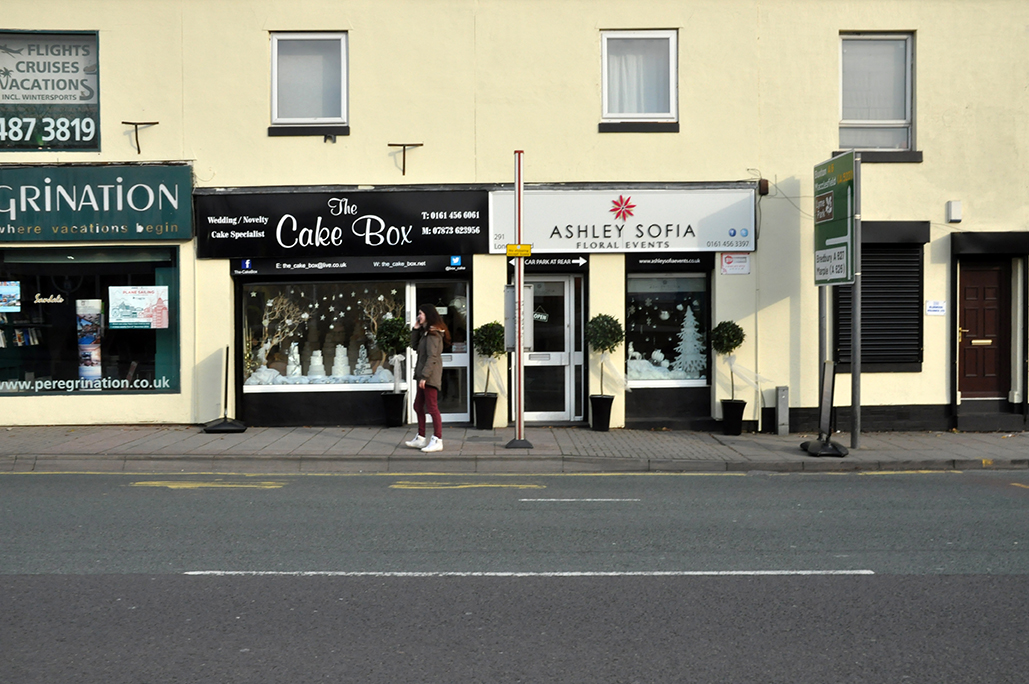
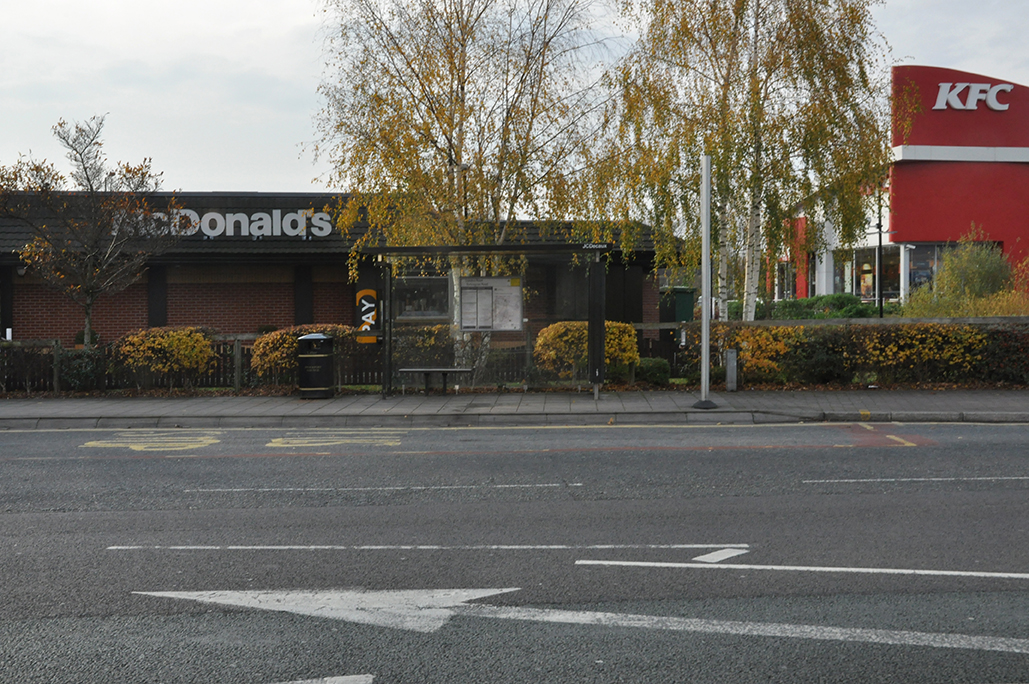
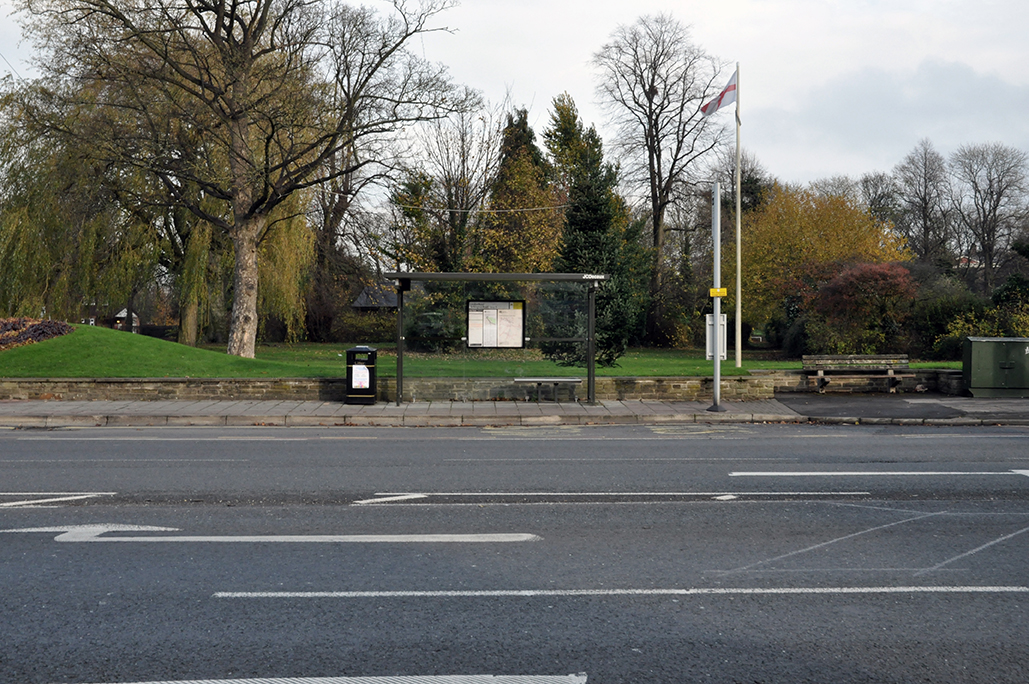
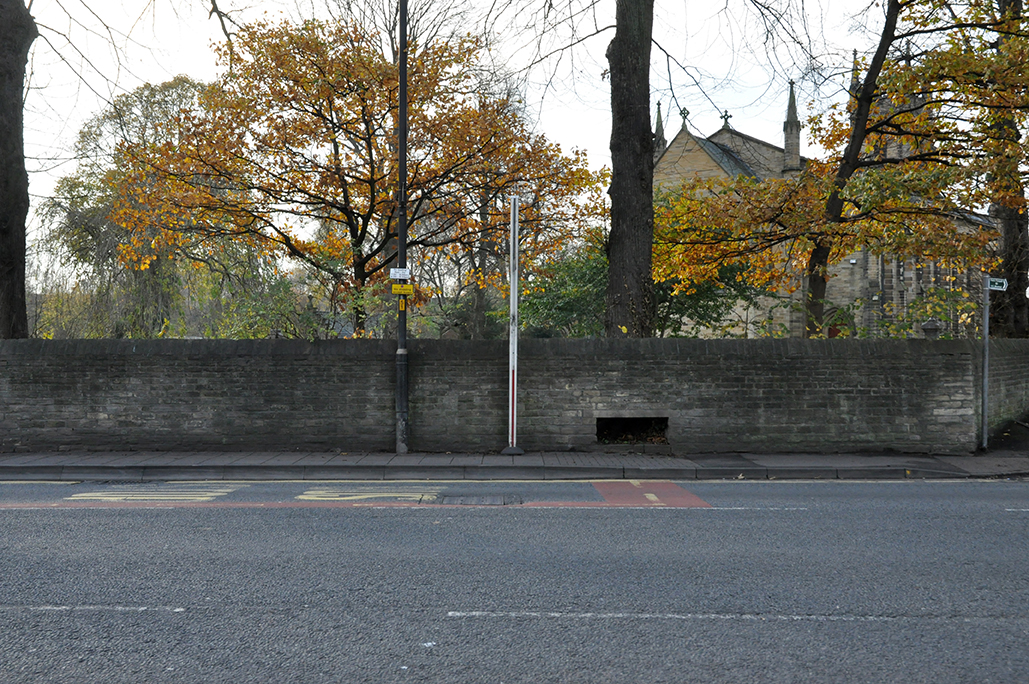
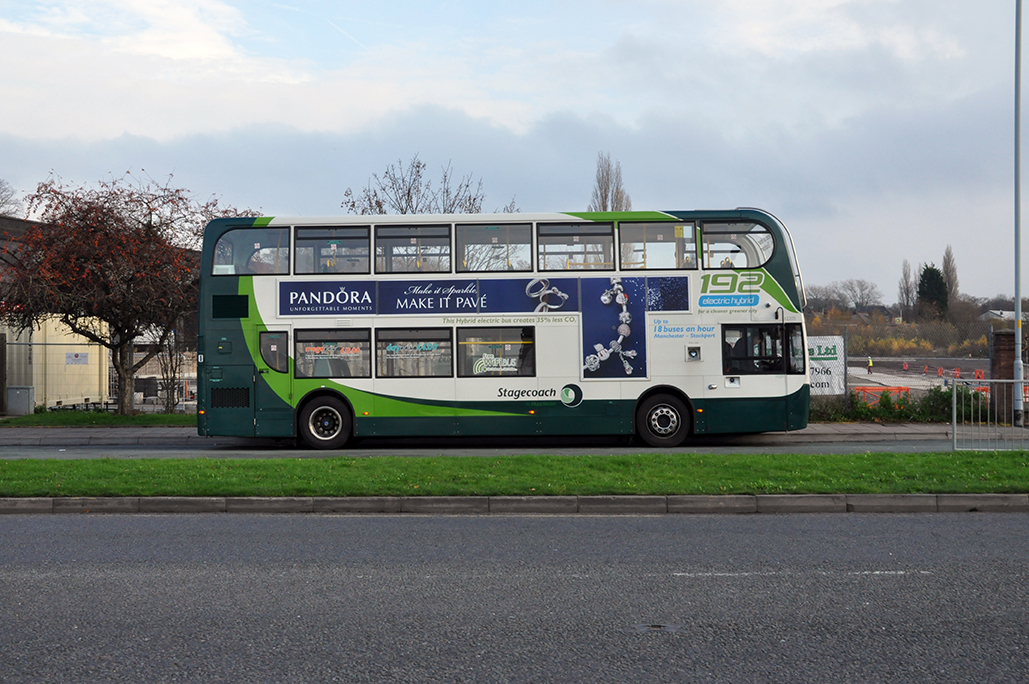
All 98 #192 Bus Stops

There there are 98 stops on the 192  route, between Manchester and Hazel Grove.

– I know because I walked them all.

Sunday morning roads relatively free of traffic.

Some stops peopled some not.

Zigzagging the A6 to record a consistent sequence.

The bus stops here.

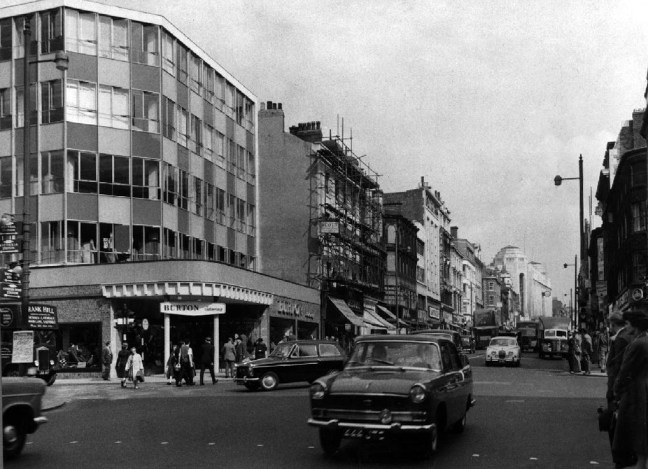
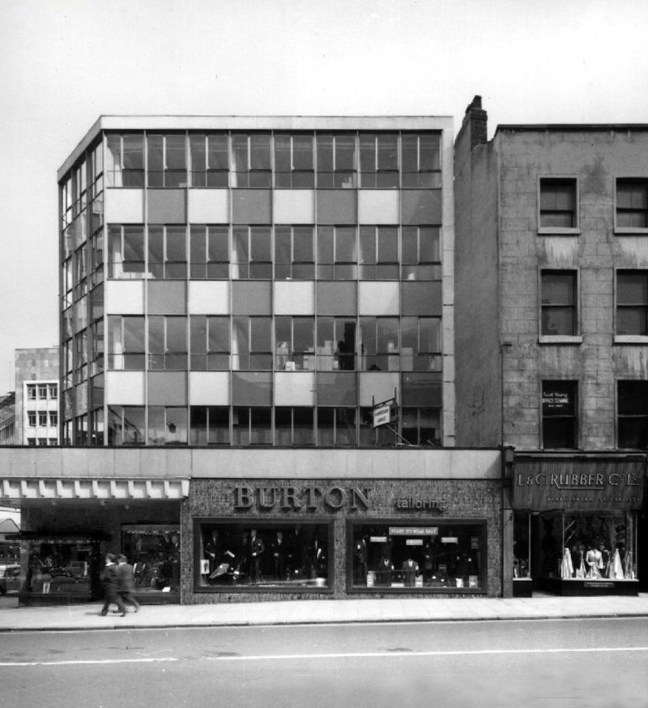
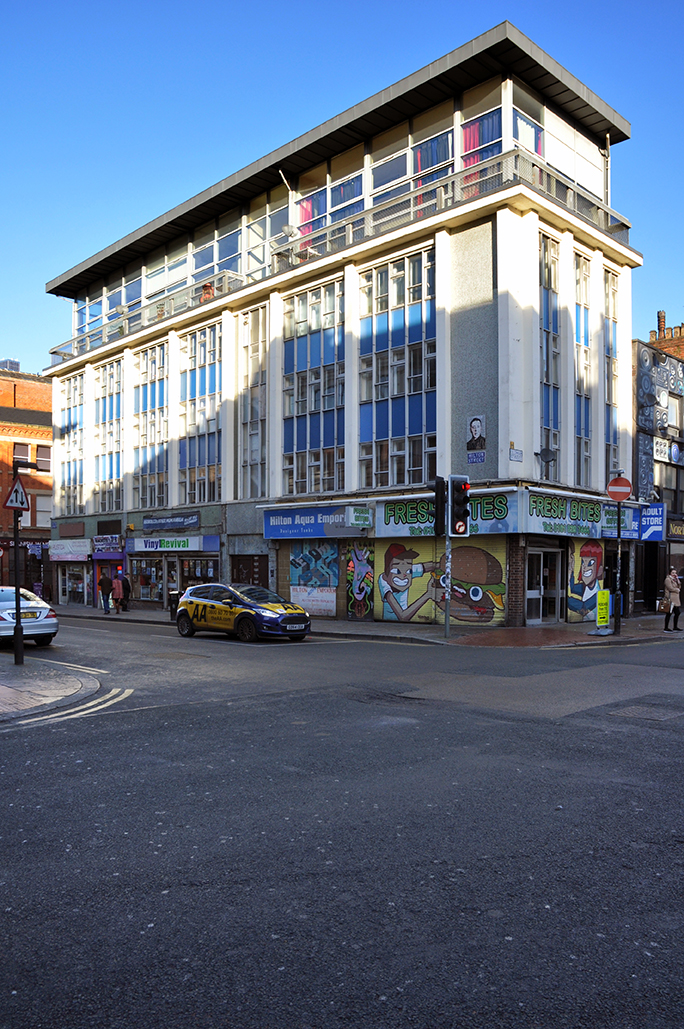
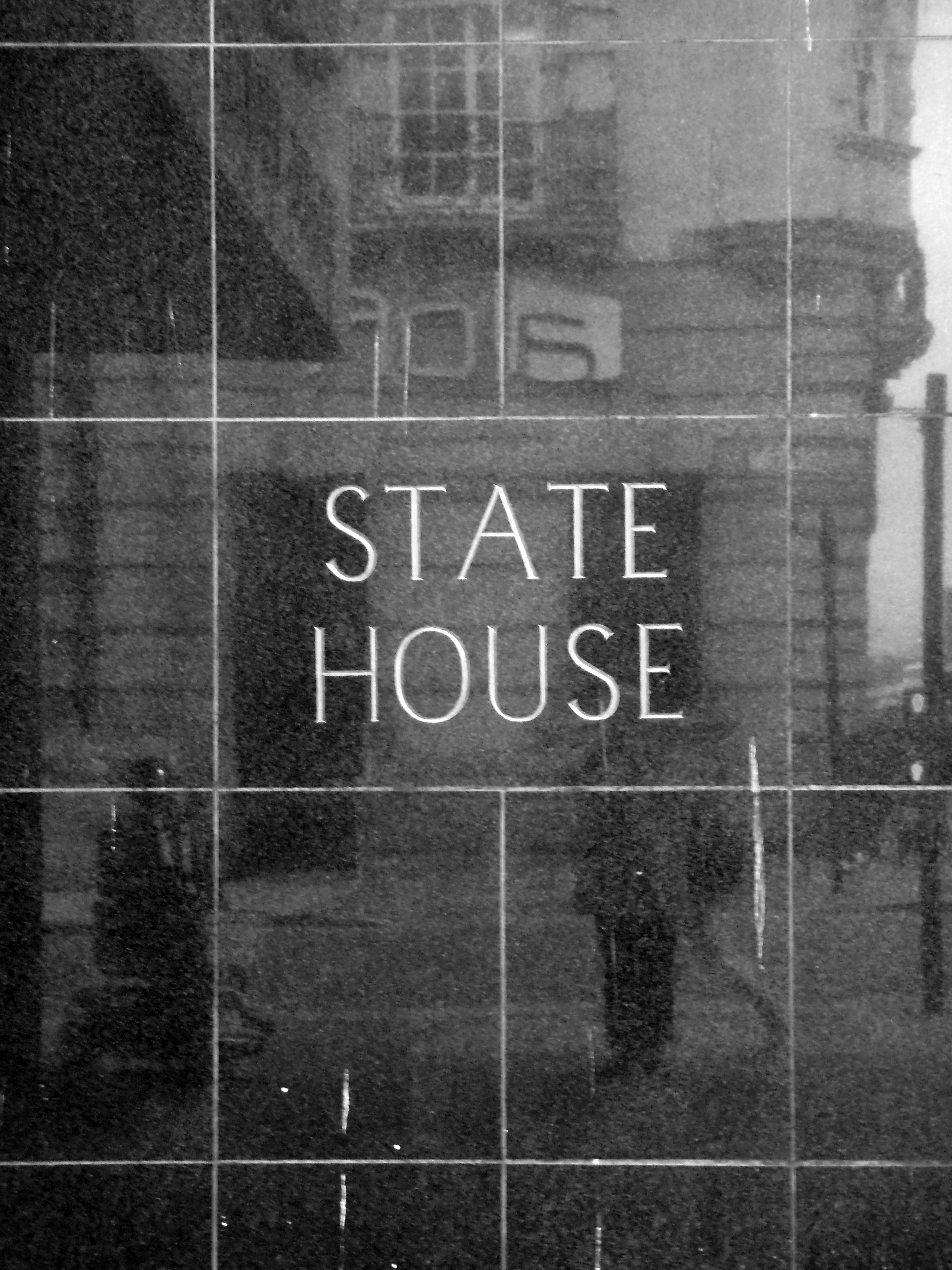
State House – Liverpool

Standing on the corner watching all the world go by.

Reflecting on and reflecting it’s older neighbours.

State House Dale Street.

“Built 1962 to the designs of Edmund Kirby & Sons. It has an assertive service tower, apparently clad in polished granite. Unusually, above the entrance is a concrete slab with a relief depicting what looks like a coat of arms above the building’s name. Kirby’s practice moved into the building for a time.”

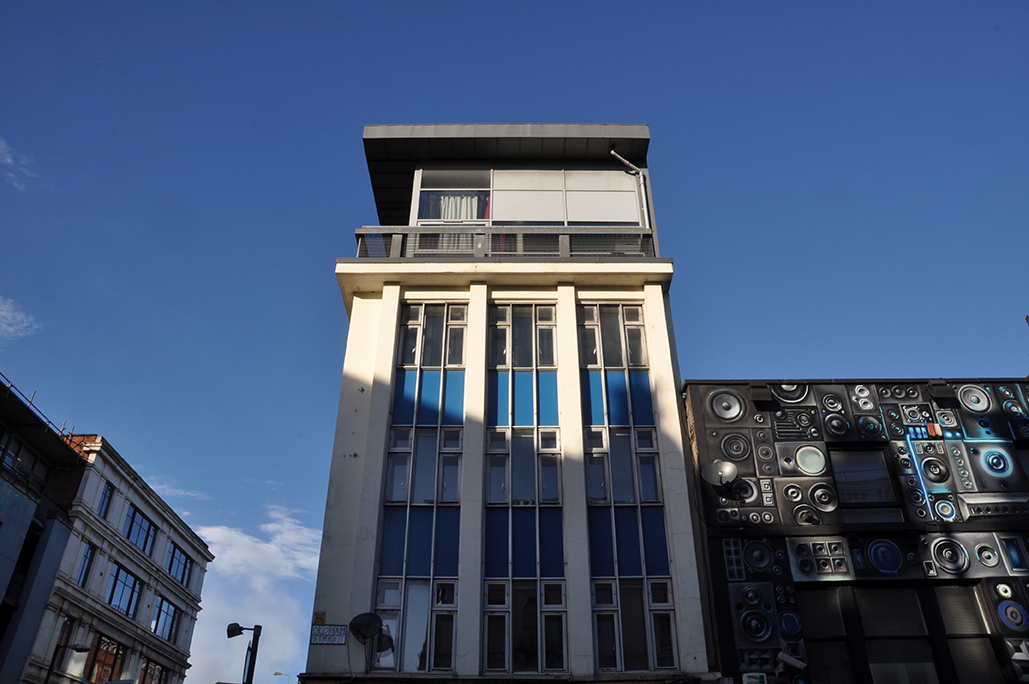
Three well proportioned volumes – a central service tower, main block and outriding, lower level base.

An exciting conflation of grids, contrasting in scale and finish.

As ever – go see for y’self.

Higson’s Offices – Liverpool

127 Dale Street, corner of North Street, just by the Ship and Mitre, across from the Queensway Tunnel entrance?

Yes that’s the one, Liverpool’s most remarkable, least remarked upon building.

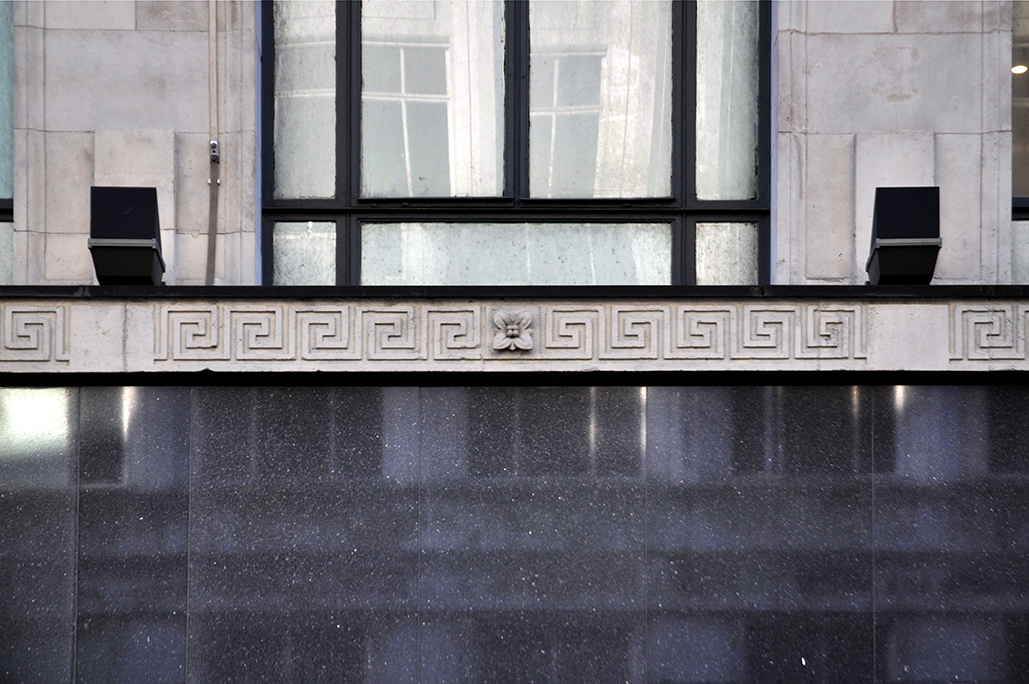
So clean, so modern, so new, a delightful grid of materials, glass, steel, polished marble, brick and patinated beaten metal.

Stand back and wonder, move in and sigh with delight.

As I went about my snappy business, I was approached by a local – Mark.

Surprised by my curiously, up close, slow scrutiny of the building, he went on to explain that he was familiar with the architect Derek Jones who had worked on the design for Ormrod and Partners in 1964.

Formerly home to Higson’s Brewery offices, now housing the Merseyside Museums administration and design teams, the exterior is largely intact.

So am I.

Go take a look.

P1030856 copy

P1030852 copy

P1030863 copy

P1030853 copy

P1030854 copy

P1030860 copy

P1030862 copy

P1030867 copy

P1030859 copy

P1030855 copy

P1030868 copy

P1030858 copy

P1030861 copy

P1030857 copy

P1030866 copy


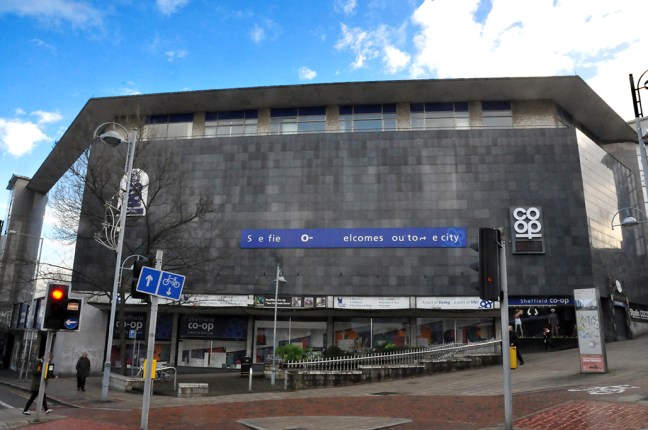
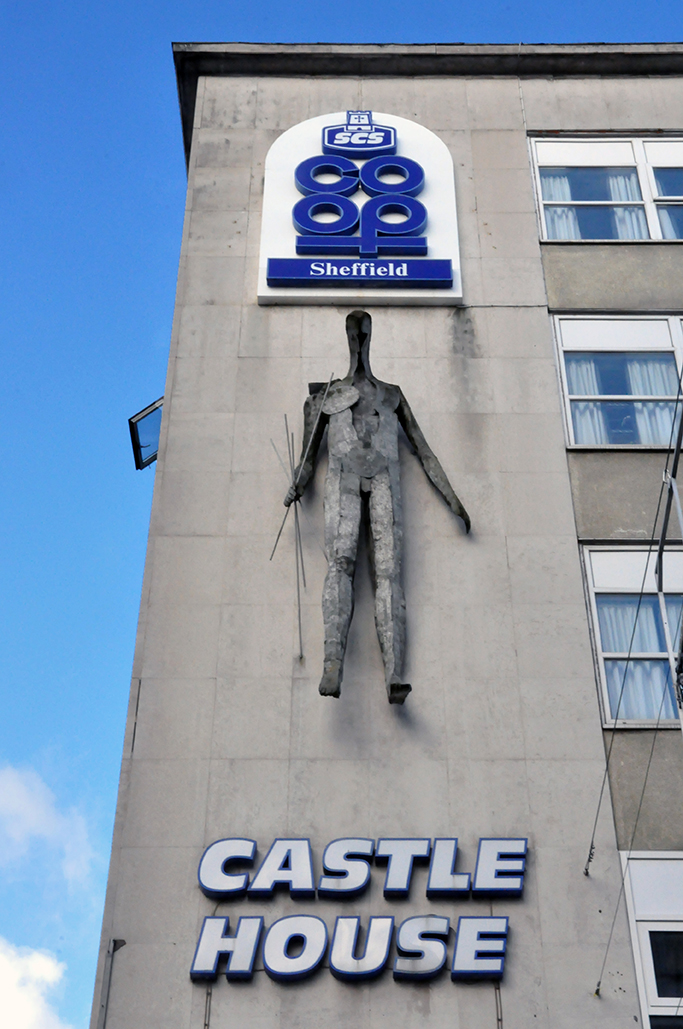
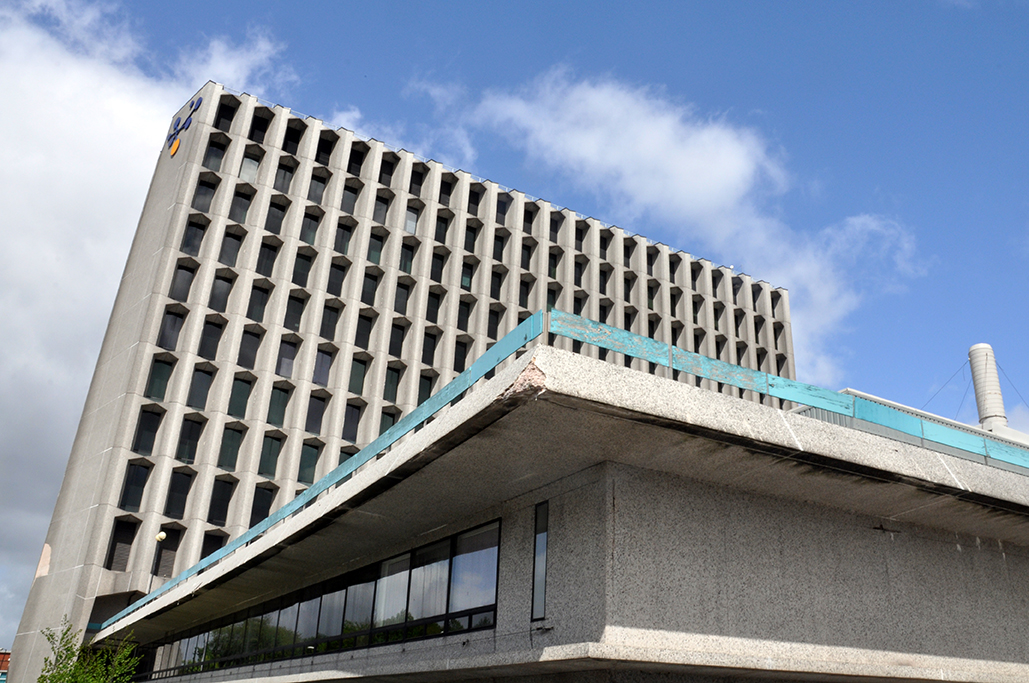
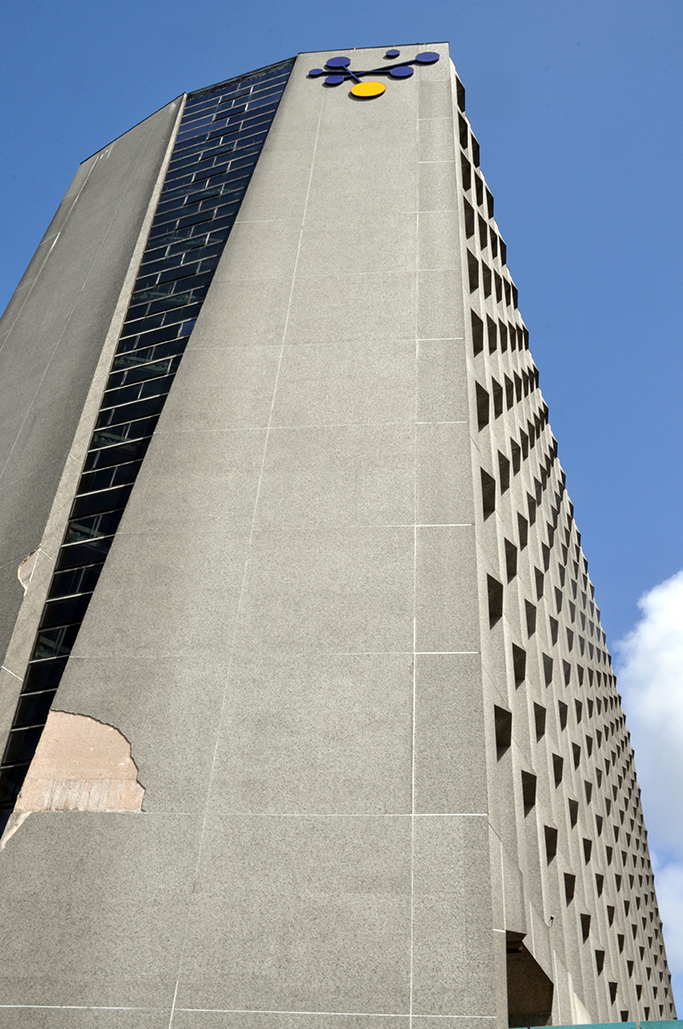
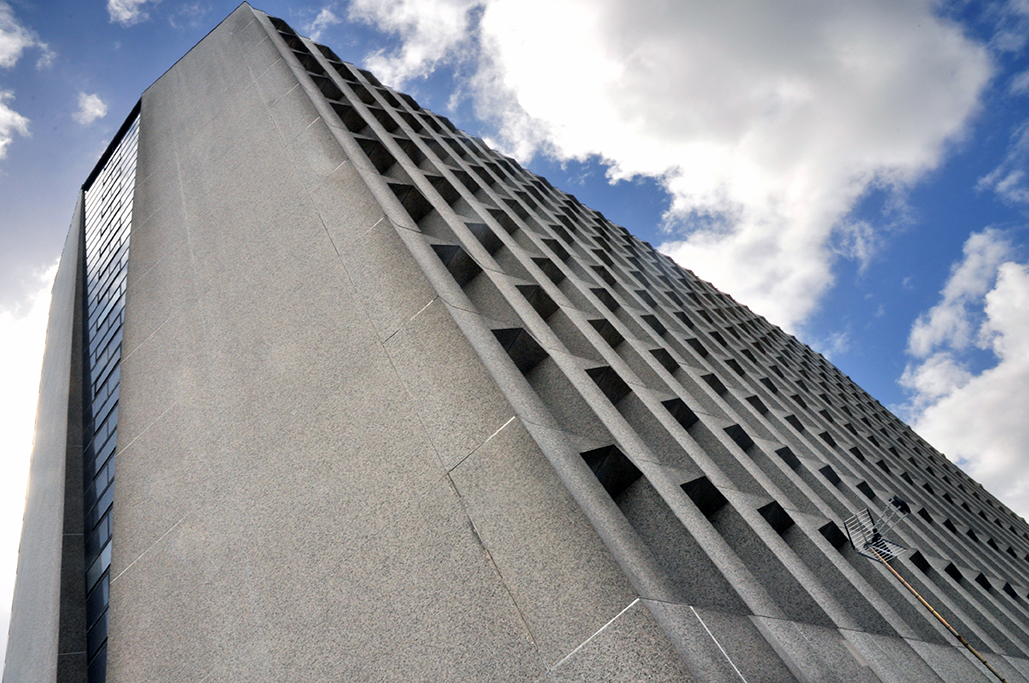
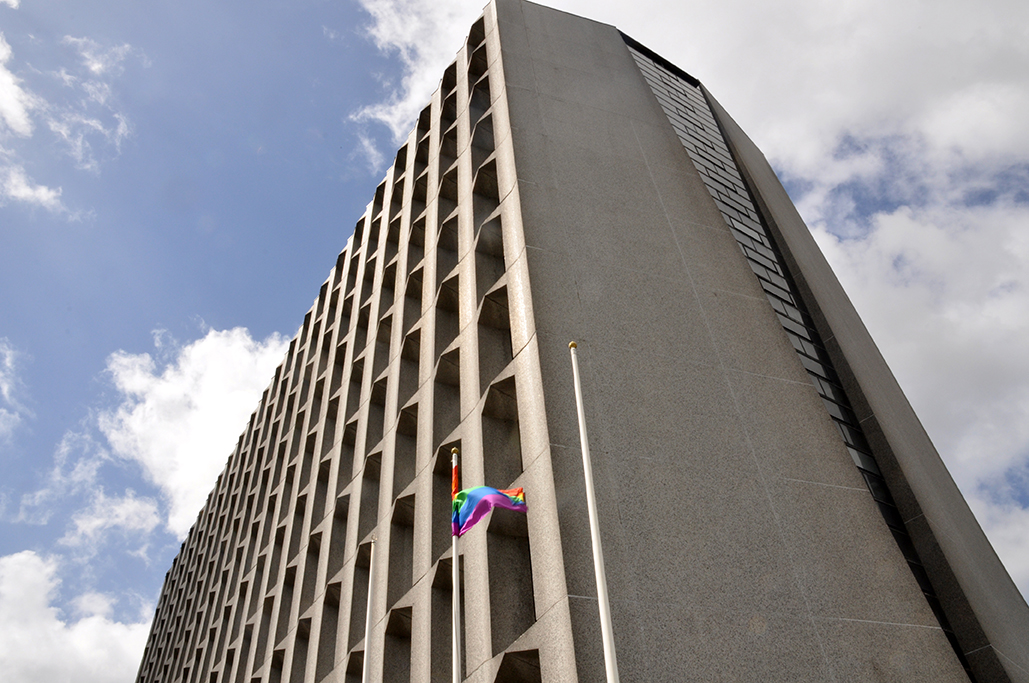
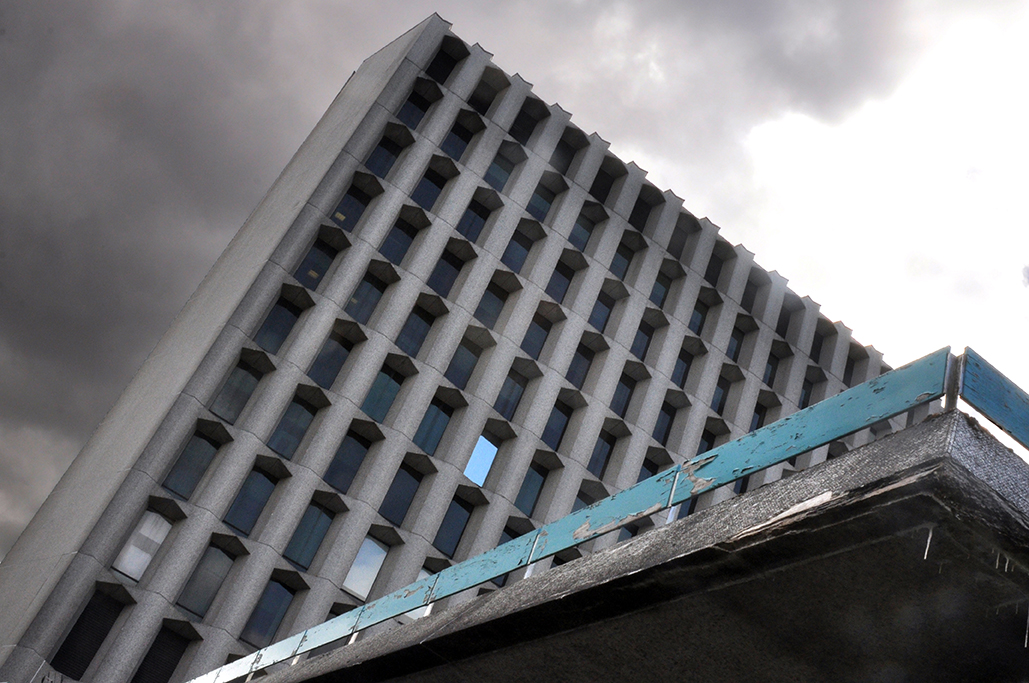
Castle House – Sheffield

I want it.

Historic England want it.

Hopefully you and the people of Sheffield want it,

– anyway it’s listed.

http://www.historicengland.org.uk/listing/the-list/list-entry/1393220

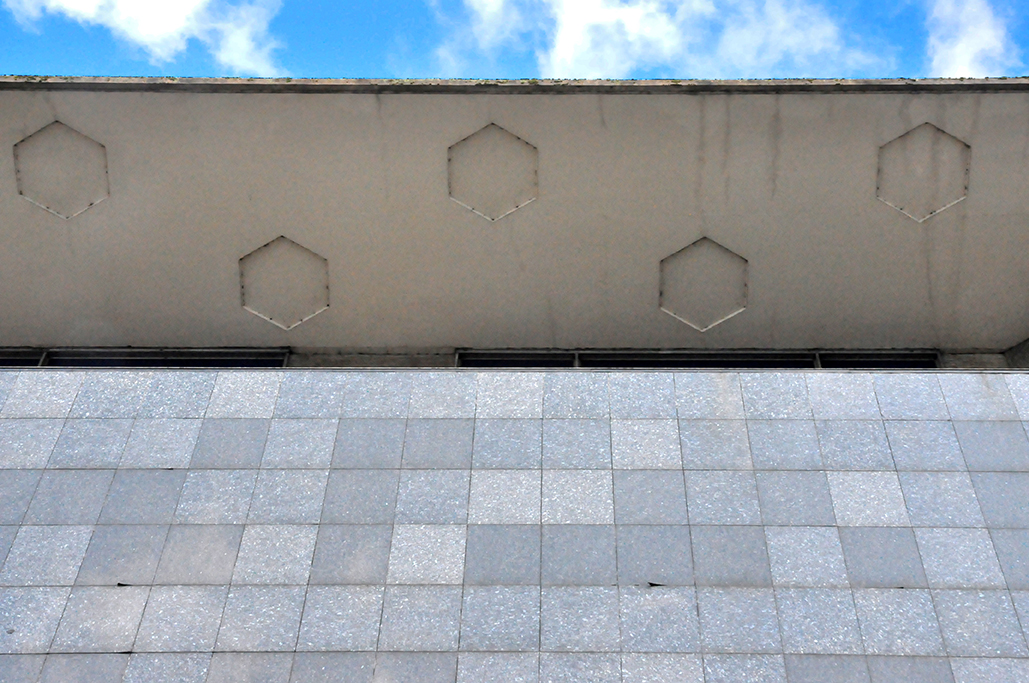
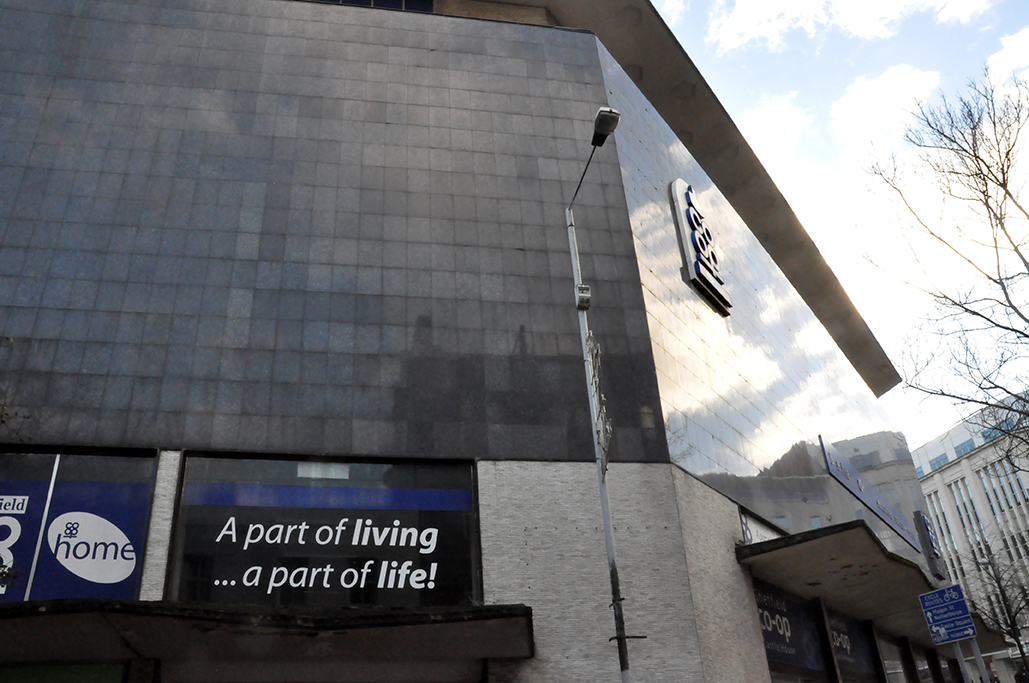
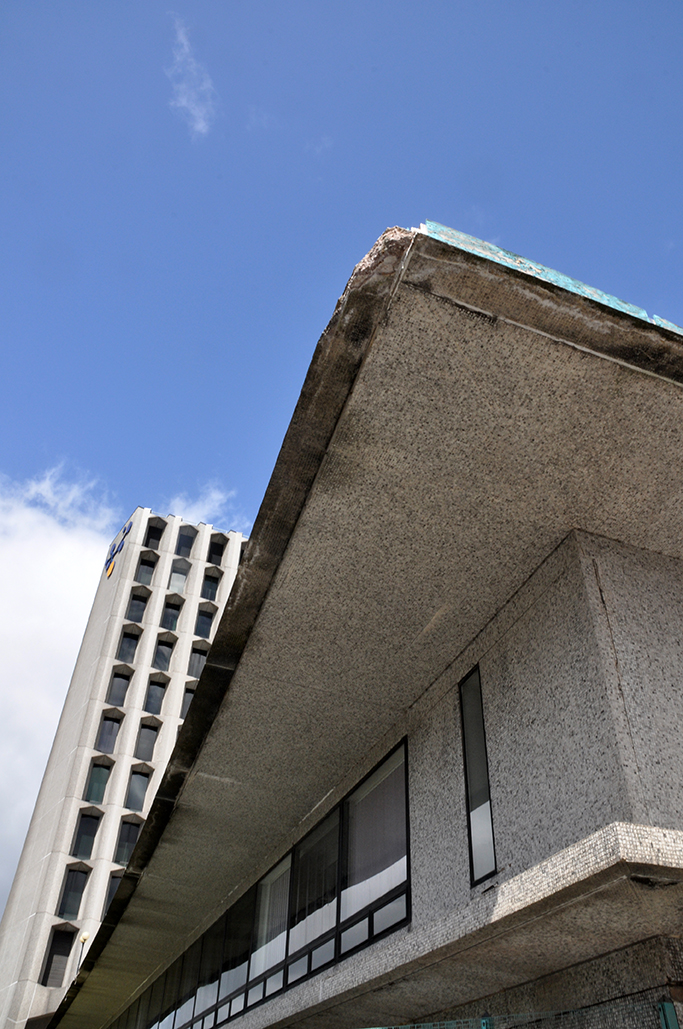
“1964 by George S Hay, Chief Architect for CWS, with interior design by Stanley Layland, interior designer for CWS. Reinforced concrete with Blue Pearl granite tiles and veneers, grey granite tiles and veneers, buff granite blocks, glass, and brick.”

The Liberal Democrat Council objected,  saying

“It could be a major barrier to regenerating Castlegate.”

http://www.sheffieldtelegraph.co.uk/what-s-on/saving-castle-house-controversial-listing-call-defended-1-453913#ixzz3sL3p5RAP

There is now the possibility of redevelopment as a creative hub.

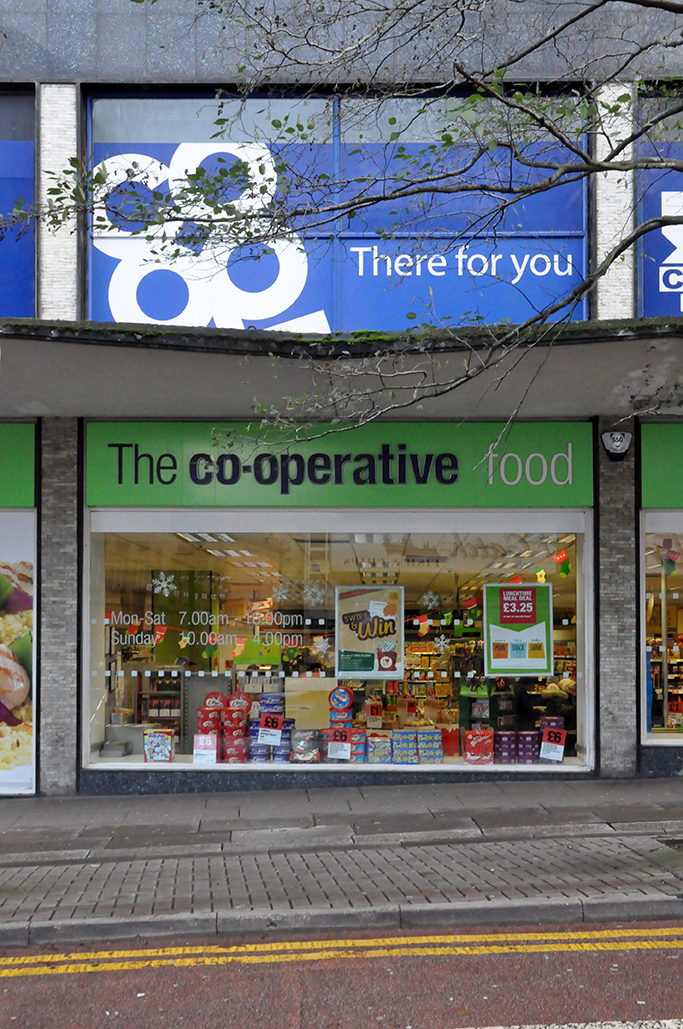
It was a Co-op on the grandest of scales.

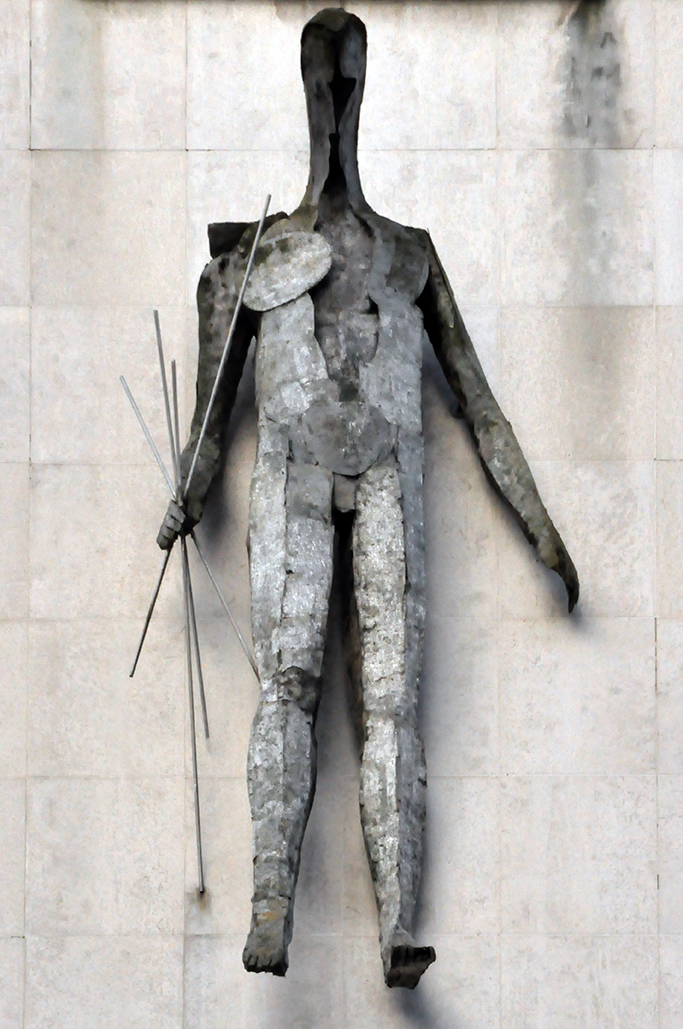
It has it all, public art, monolithic proportions and finish, bags of detail and scale in abundance. A fascinating building to explore and certainly one that fills my little heart with joy in superabundance

A building of period distinction, it deserves its preservation.

We do not require another patch of steel and wilfully wayward clad nowheresville non- architecture, replete with aspirational retail agogo.

Go see it soon!

Moore Street Electricity Substation – Sheffield

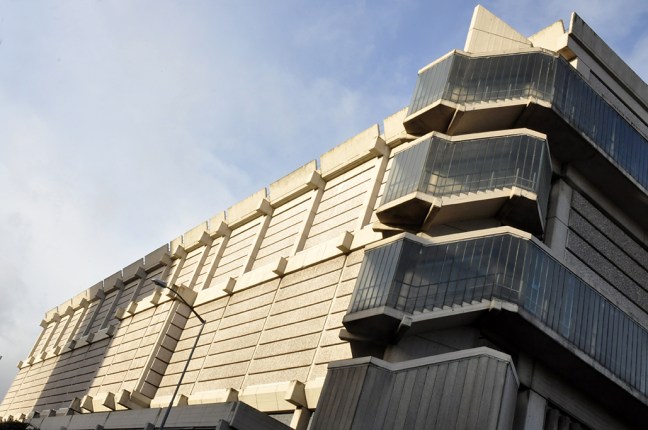
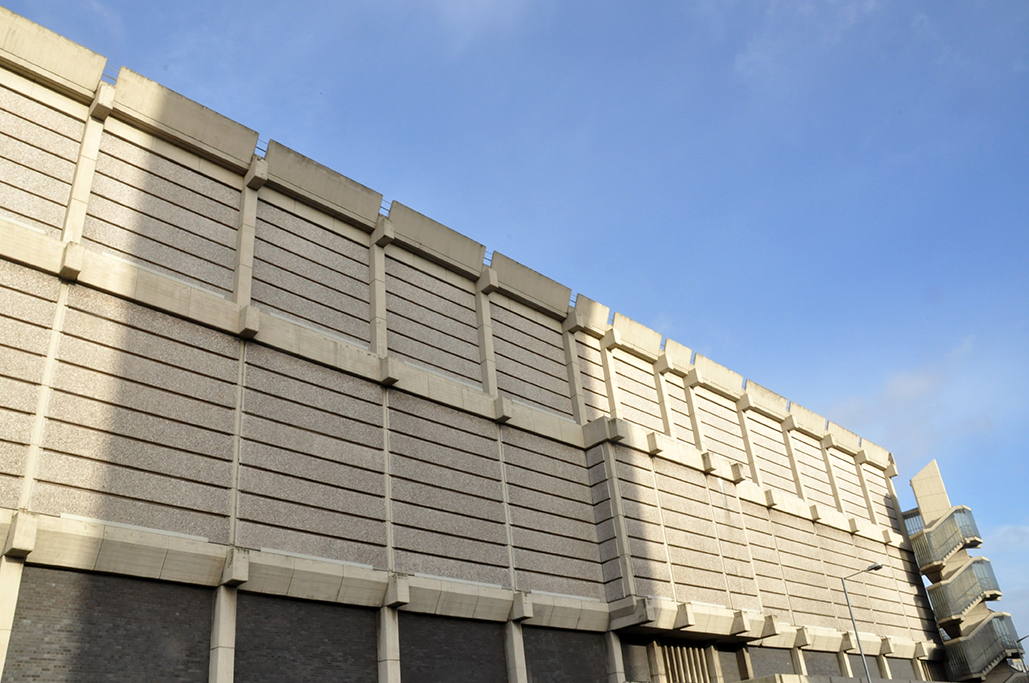
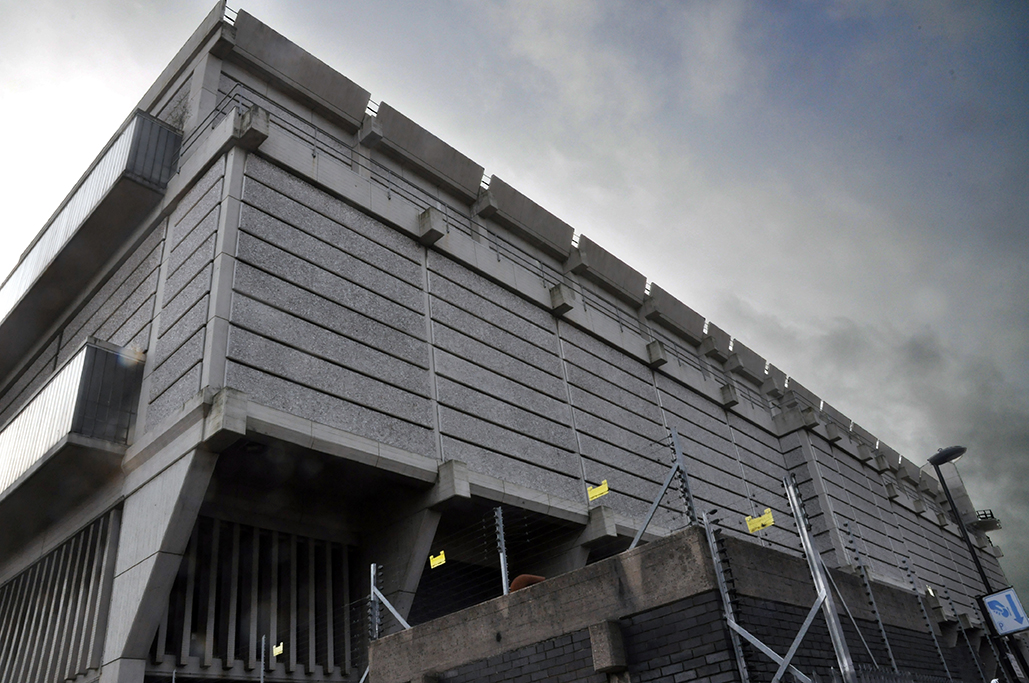
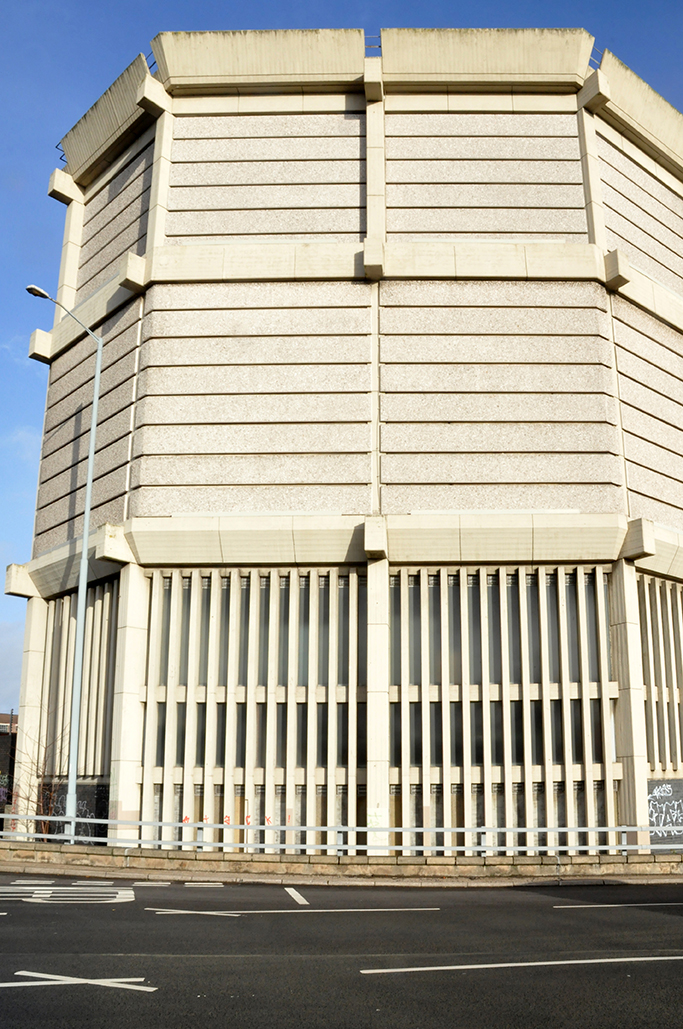
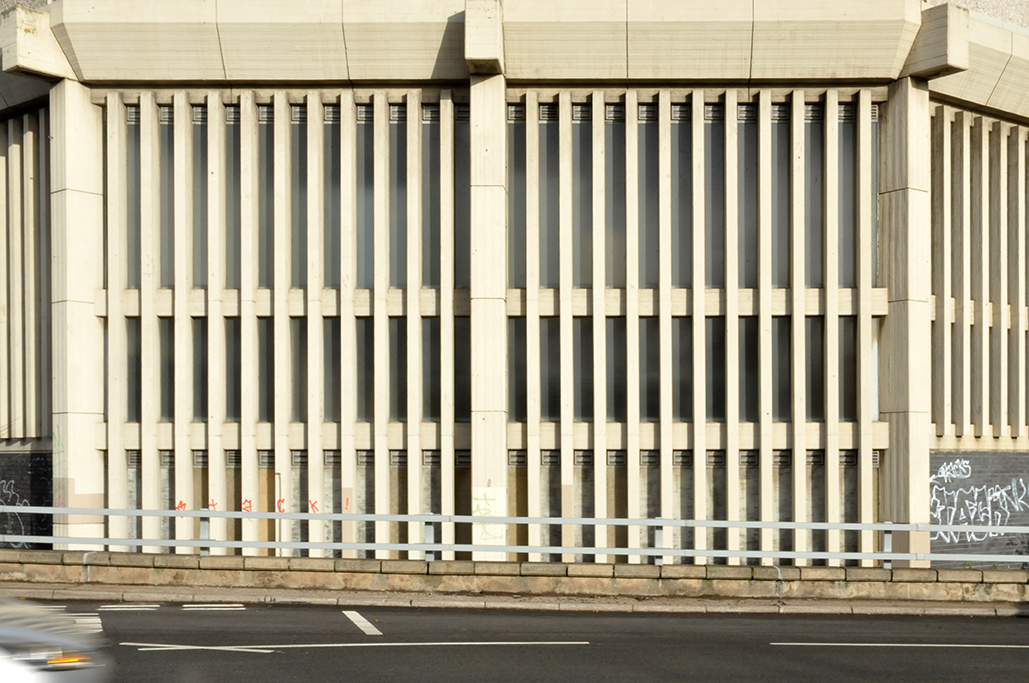
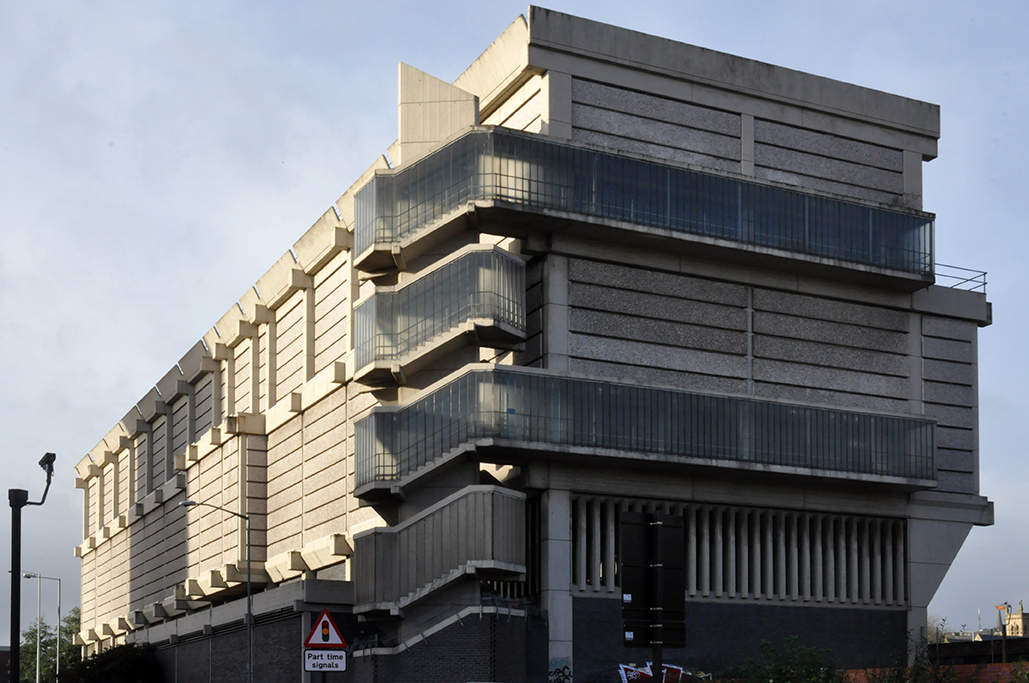
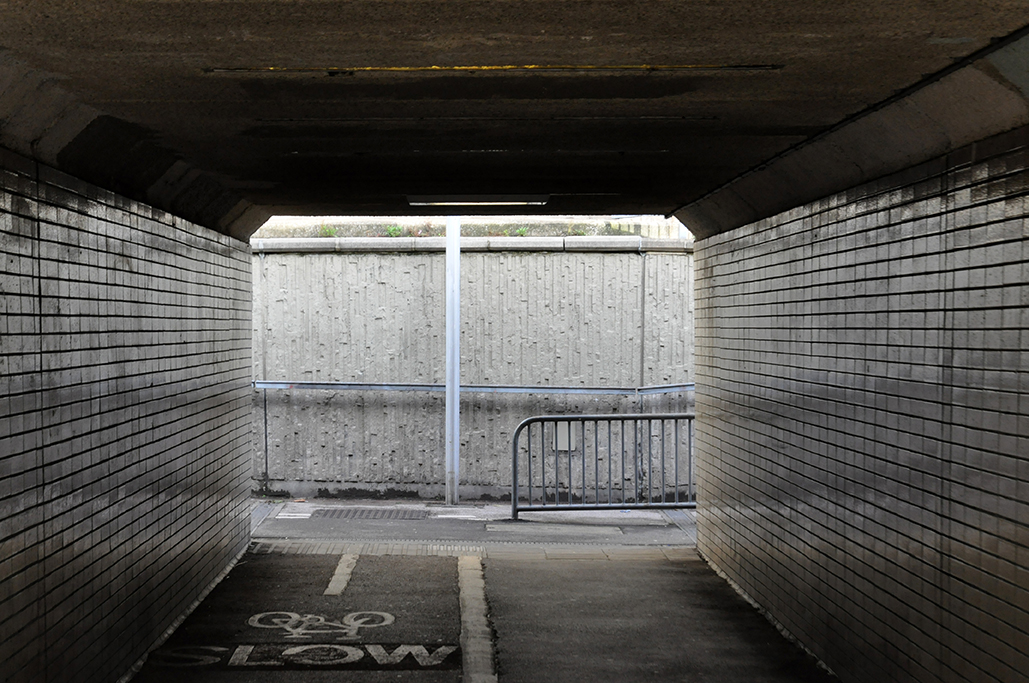
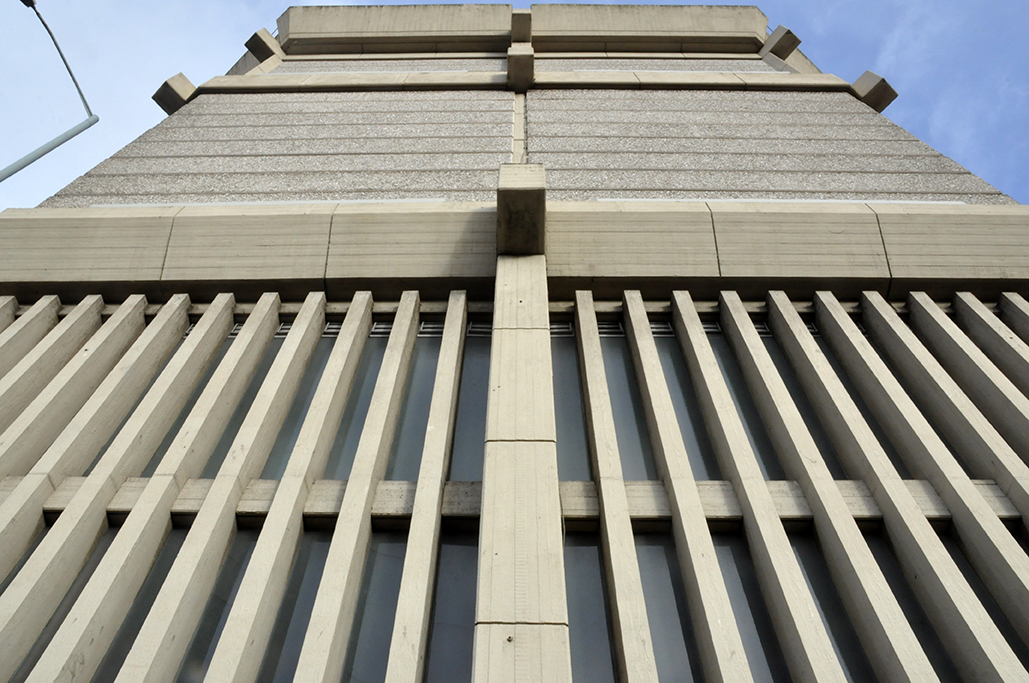
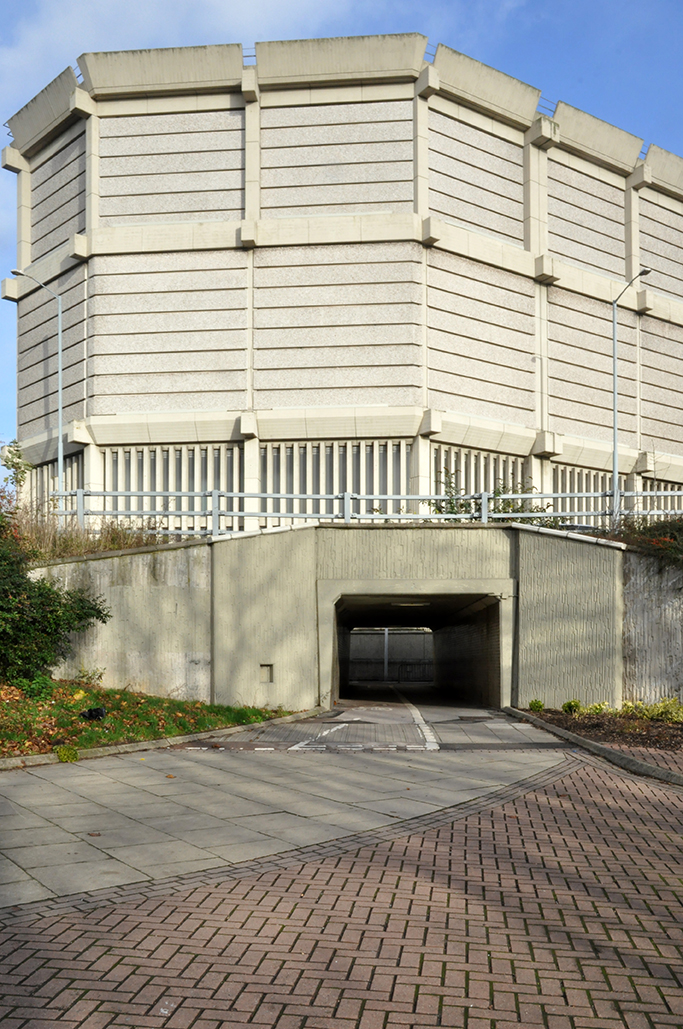
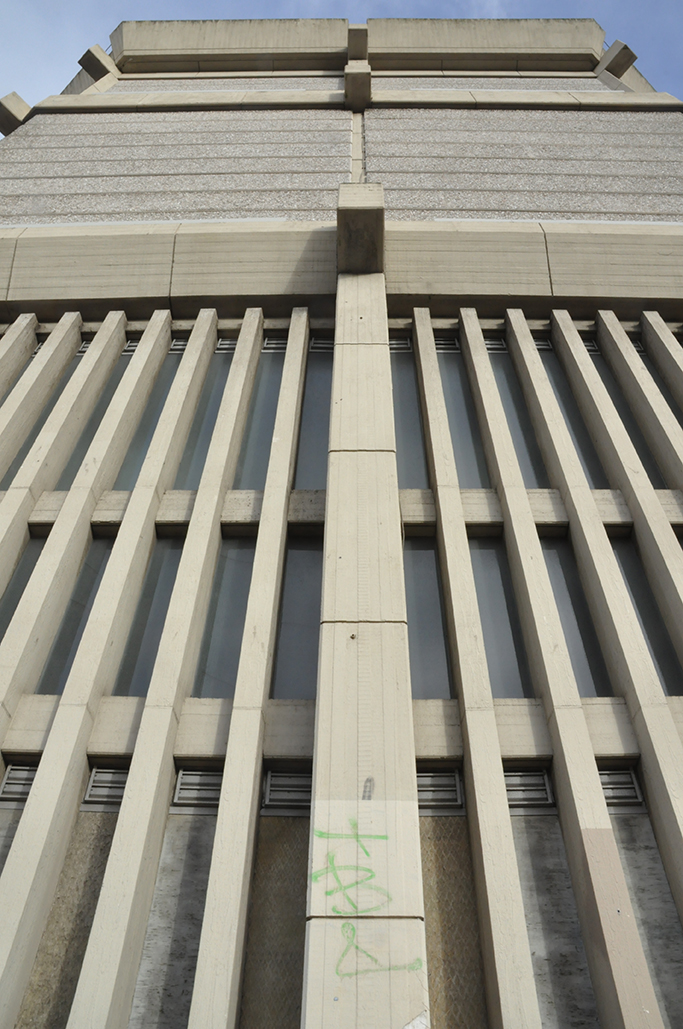
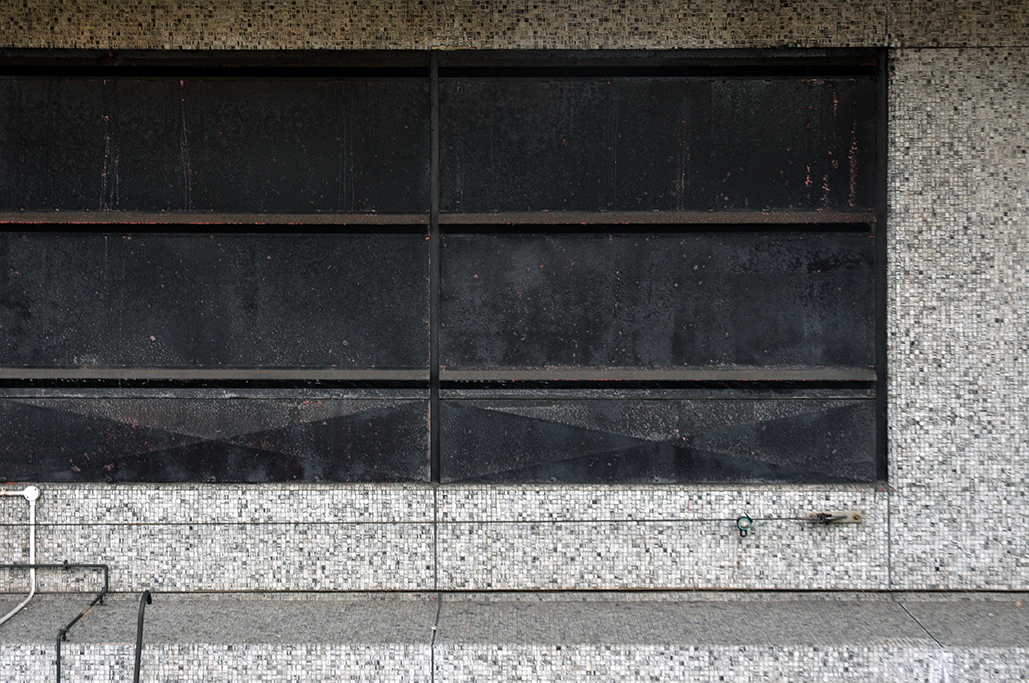
Moments from the centre of the City, bordered by dual carriageways and a substantial roundabout, sits a most remarkable building.

What is it?

It’s almost unfathomable.

A carpark lacking entrance and exit, abattoir, contemporary art space?

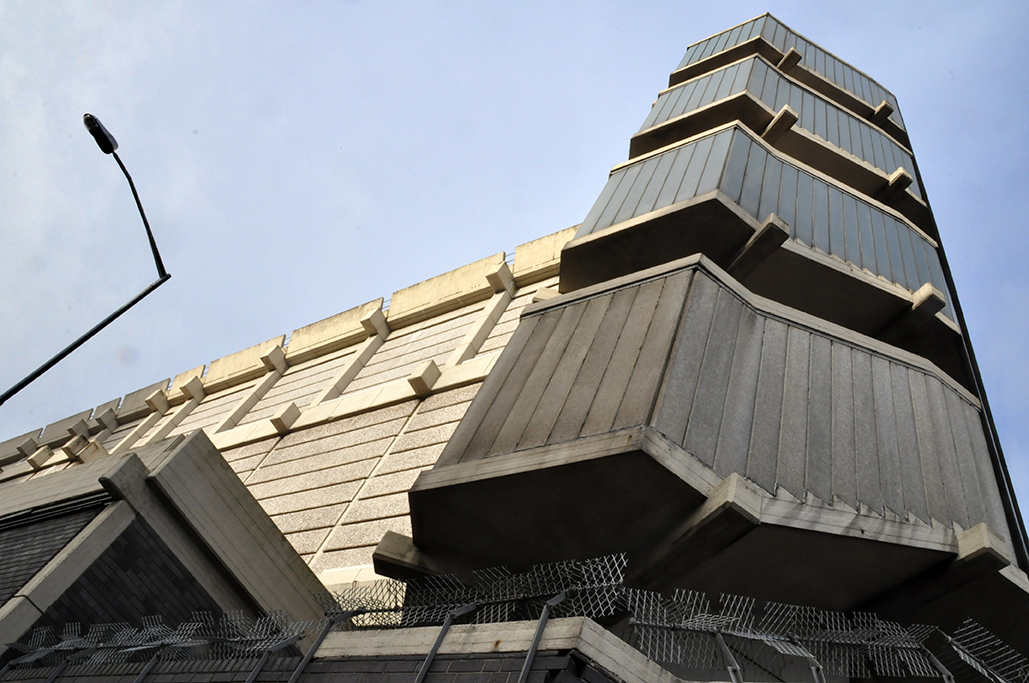
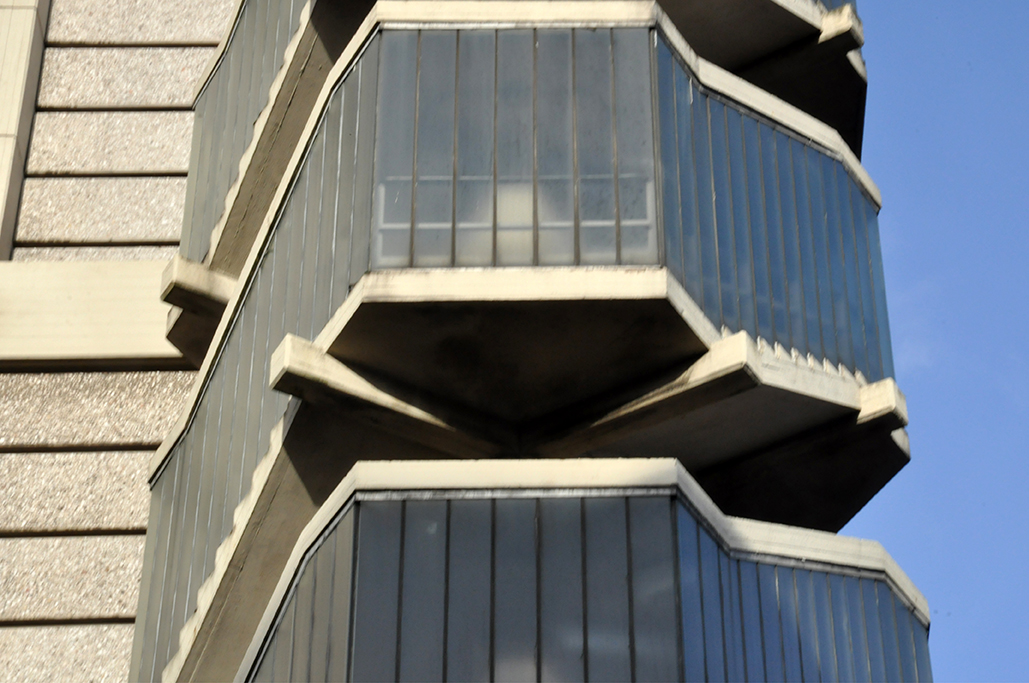
No – an electrical substation, on such a colossal scale as to relieve you temporarily, of a gasp or two.

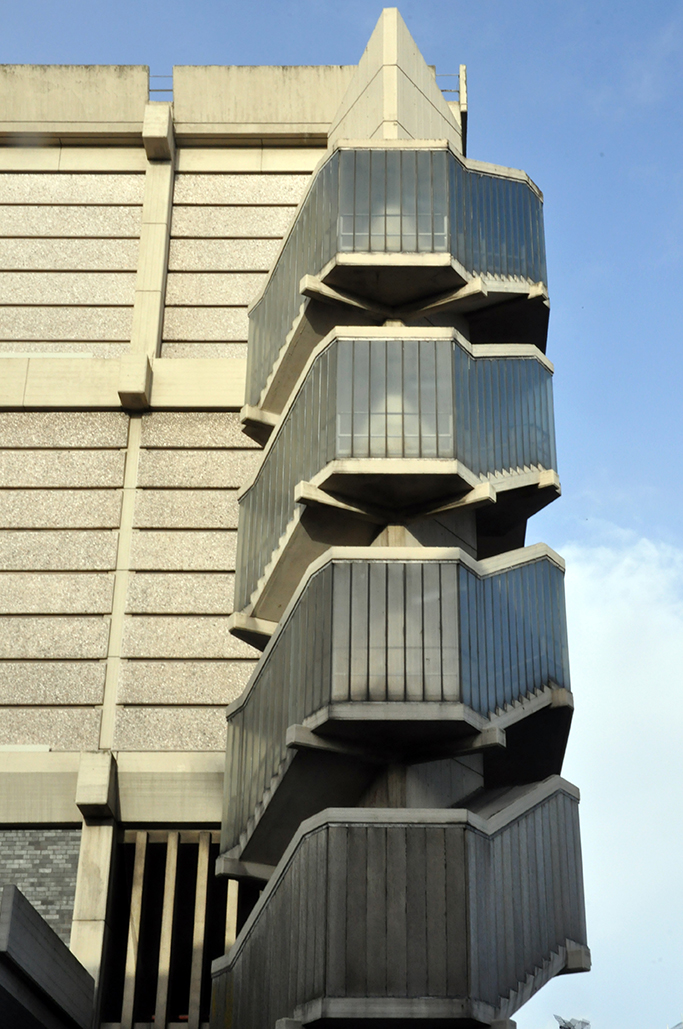
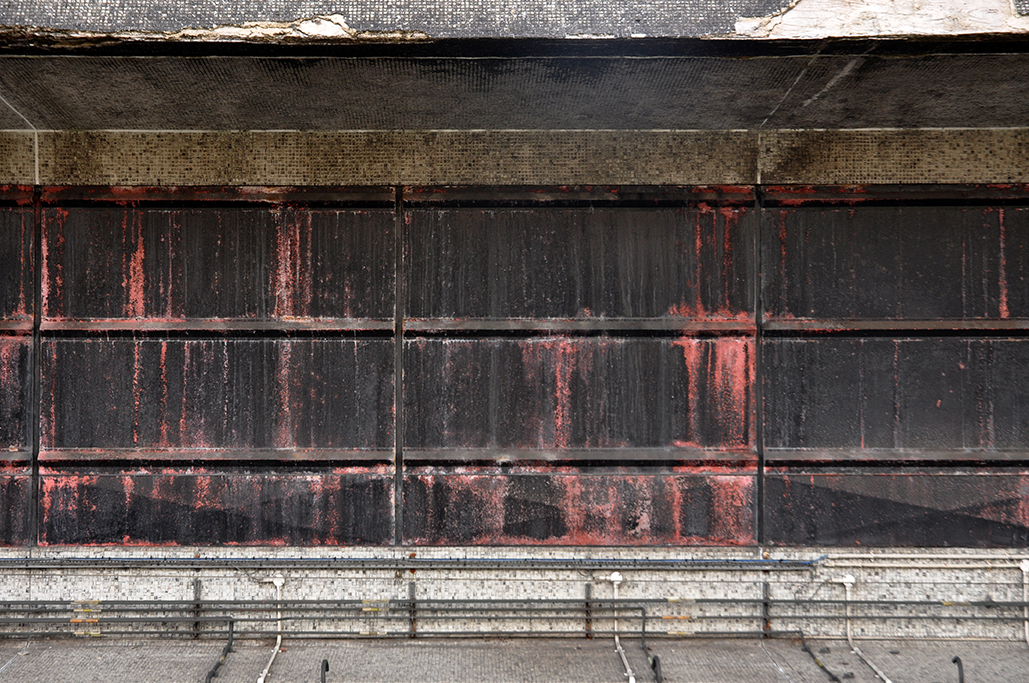
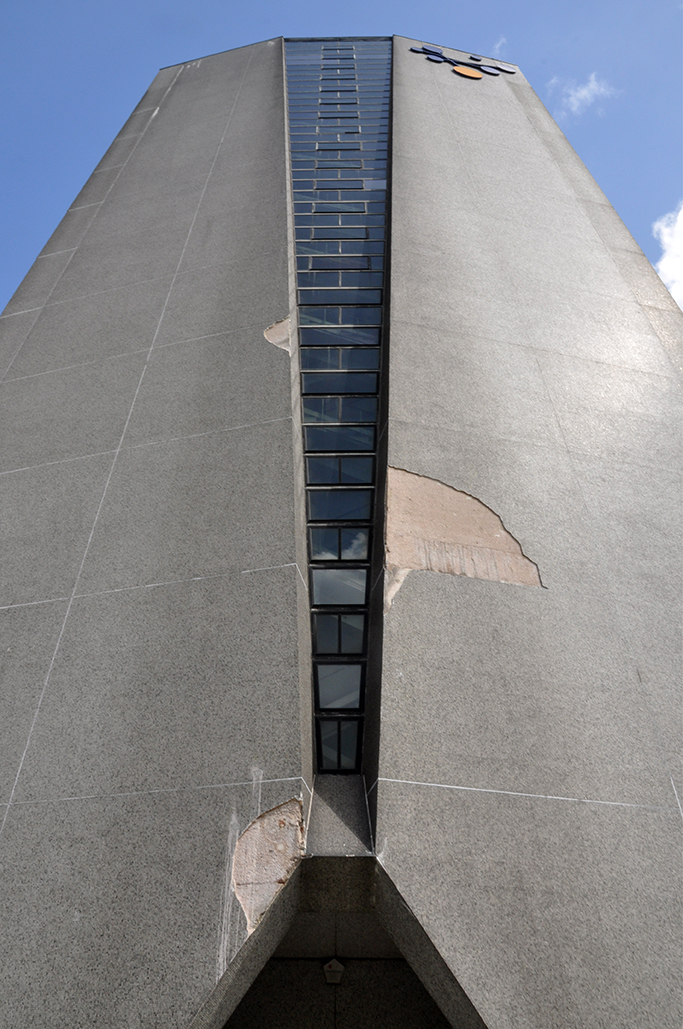
Finished entirely in unfinished concrete, a great volume, broken by vertical and horizontal lines, punctuated by intermittent abutments.

Accessed externally via a most extraordinary glazed and enclosed staircase.

Wisely Historic England have had the site listed:

https://historicengland.org.uk/listing/the-list/list-entry/1415383

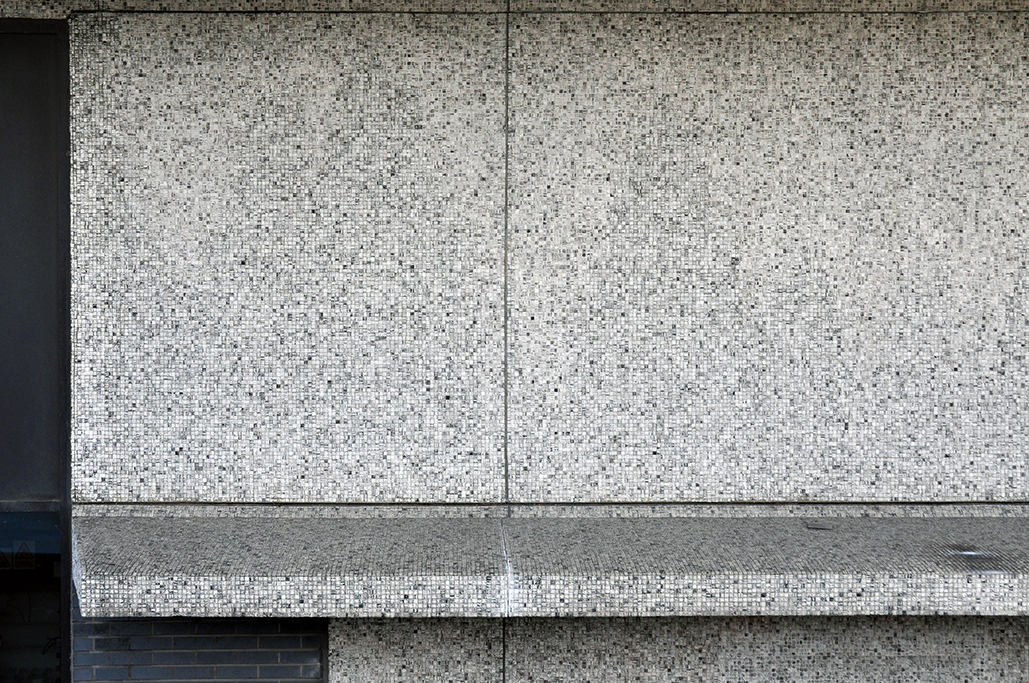
“Electricity substation. 1968 to designs by consulting architects Jefferson, Sheard and Partners, Sheffield, led by Bryan Jefferson, in association with the Regional Civil Engineers’ Department of the CEGB North East Region. Contractors, Longden & Sons Ltd, Sheffield. Reinforced concrete frame with board-marked finish with formwork bolt marks, construction and daywork joints emphasized, concrete floor slabs, blue engineering facing bricks, cladding panels of Cornish granite aggregate.”

Go see for yourself, if you don’t believe my eyes.

DSC_0035 copy

DSC_0057 copy

DSC_0036 copy

DSC_0037 copy

DSC_0031 copy

DSC_0059 copy

DSC_0041 copy

DSC_0042 copy

DSC_0039 copy

DSC_0034 copy

DSC_0043 copy

DSC_0033 copy


Hexagon Tower – Blackley Manchester

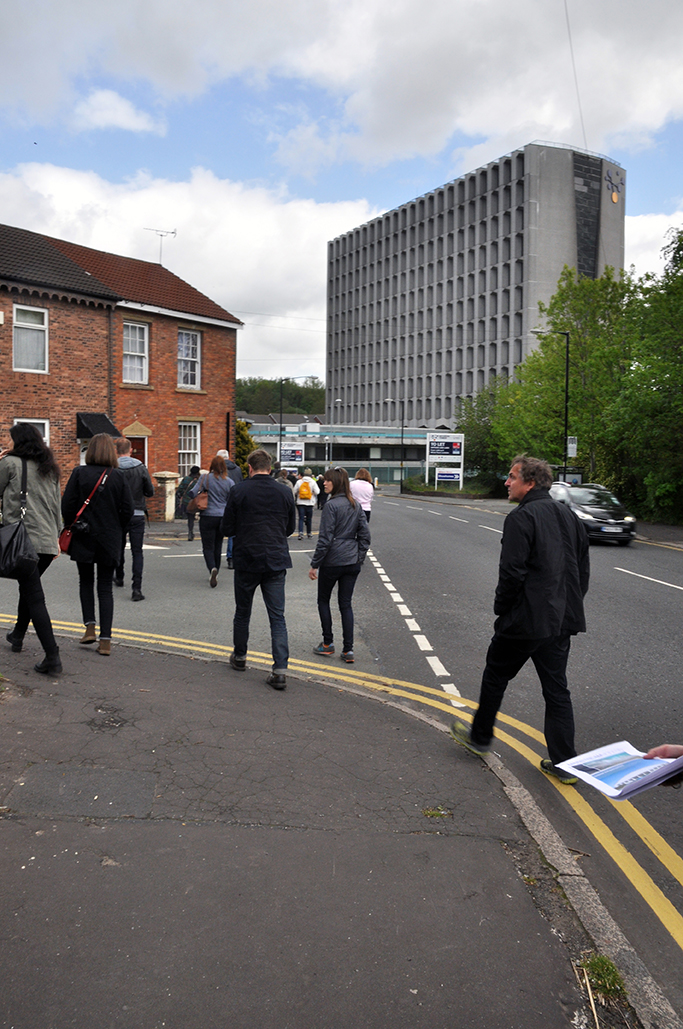
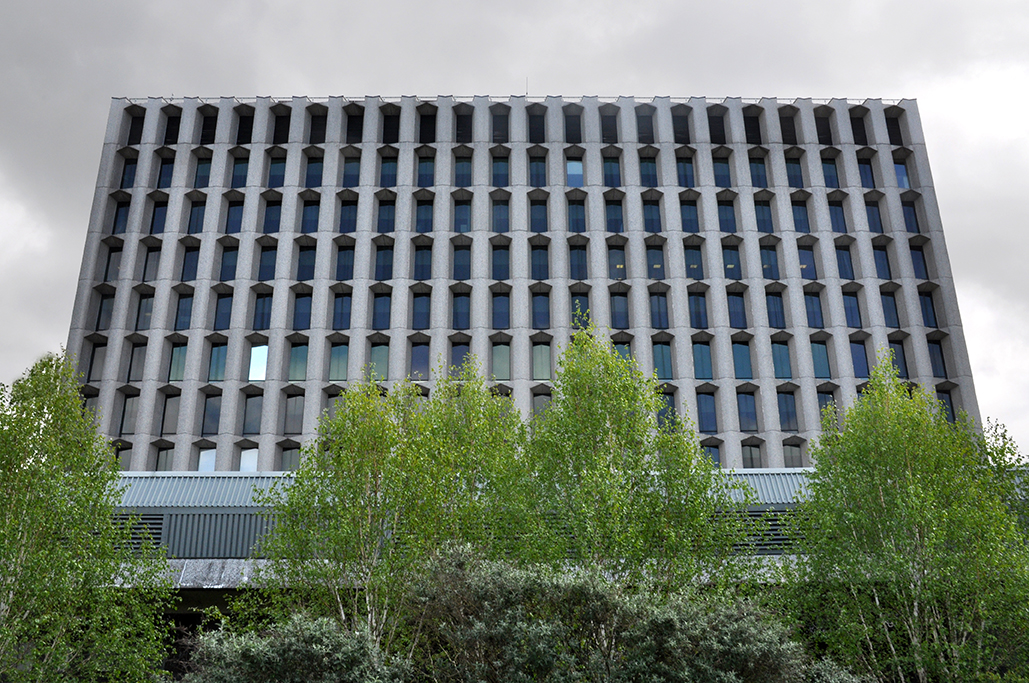
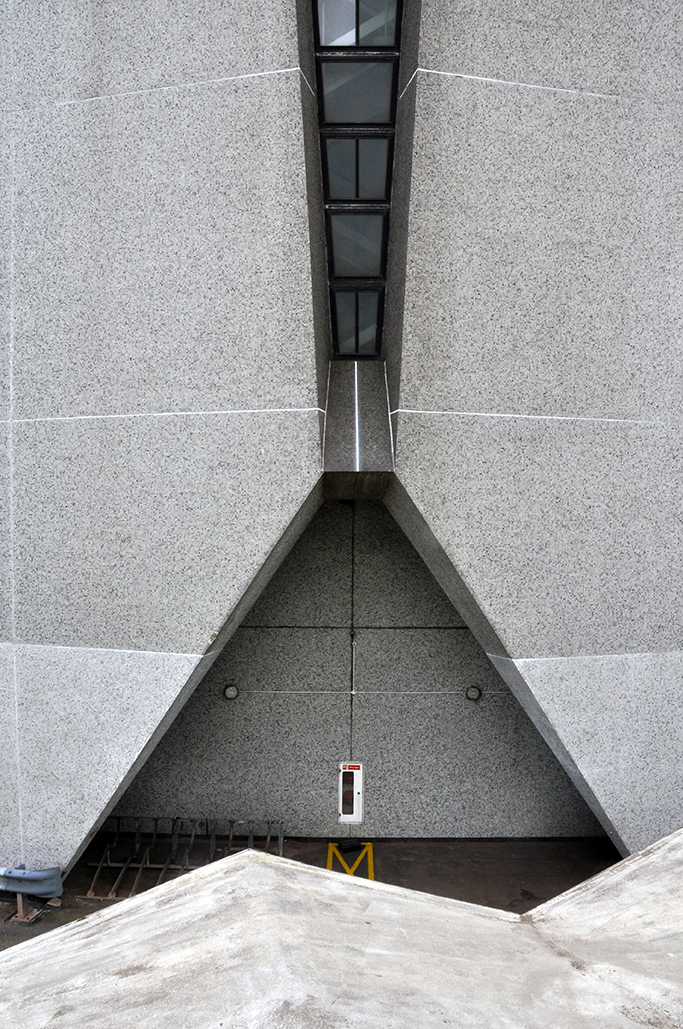
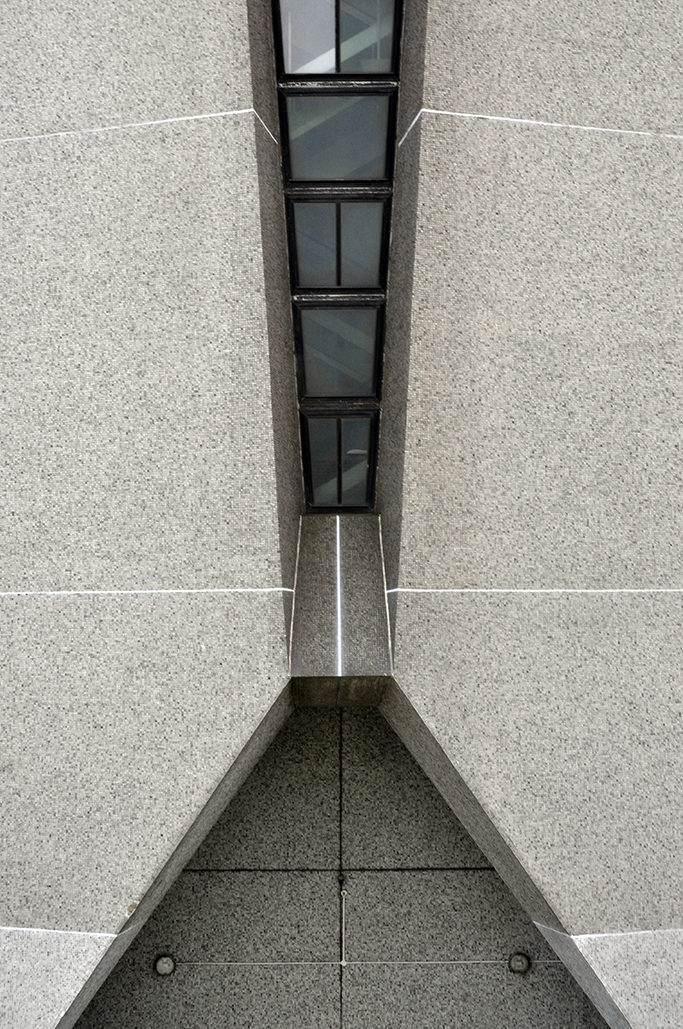
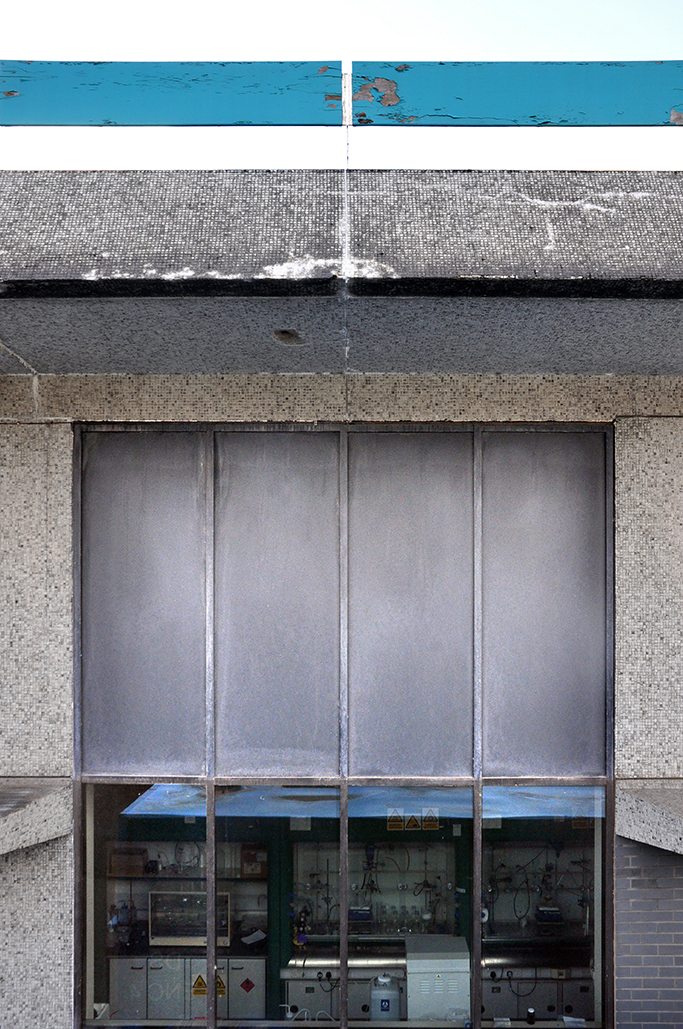
Manchester Orbital – a coach trip around the outer and upper limits of the city’s Modernist Architecture.

Organised by the Manchester Modernist Society

http://www.modernist-society.org

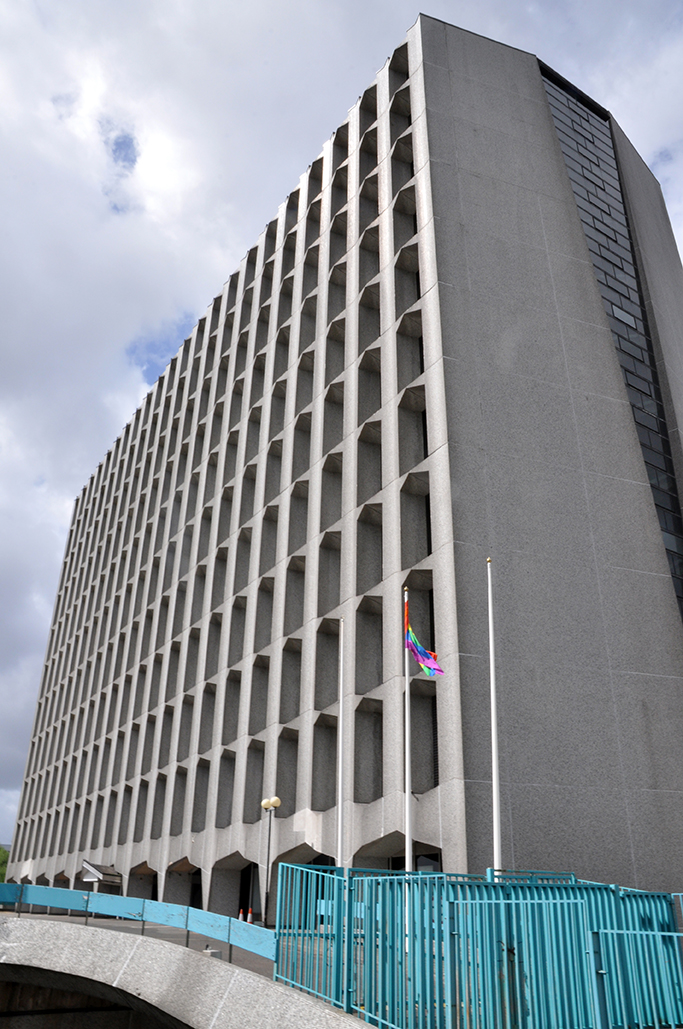
“Seifert’s corporate buildings were regularly bold, those in Manchester no exception, but this is perhaps the most monolithic of his North-West schemes. The site, in a depression adjacent the River Irk in Blackley, was formerly owned by ICI, by whom the building was commissioned. At one time, a four storey ICI laboratory building by émigré architect Serge Chermayeff also stood close. Here, the simple massing, formed by the junction of horizontal and vertical volumes, bears several of Seifert and Partners trademark gestures; the hexagonal geometries, the cut away sections of wall to form entrance ways between structural elements, and the repetitive facade. The end wall is reminiscent of Tolworth Tower, also by Seifert. The tower and podium configuration is a product of the brief; the machine hall had to be at ground level and have no construction above. The narrow tower has no internal columns, the structural grid is mirrored in the services arrangement and the two co-exist outside the usable volume of the laboratory space, in the walls and floor. This solution is expressed in the deep reveals of the main façade, services travel vertically between the window modules. Whilst somewhat hidden, the building reveals itself fantastically from elevated vantage points, the tram south from Bowker Vale station being one such location. Originally it was intended that four of these towers would be built and run along the river valley in some sort of massive futurist domino arrangement.”

With thanks to Mainstream Modern

http://www.mainstreammodern.co.uk/casestudies.aspx/Detail/72/hexagon-tower

DSC_0013

DSC_0023

DSC_0026

DSC_0017

DSC_0030

DSC_0032

DSC_0024

DSC_0045

DSC_0044

DSC_0029

DSC_0025

DSC_0027

DSC_0043

DSC_0046

DSC_0038

DSC_0036

DSC_0018

Manchester – Tanzaro House

A chance meeting with two aged cordial bottles, a little nudge in the right direction from Christine Studley-Yates, encouragement from Natalie Ainscough, and learned guidance from this erudite site:

http://manchesterhistory.net/manchester/outside/tanzaro.html

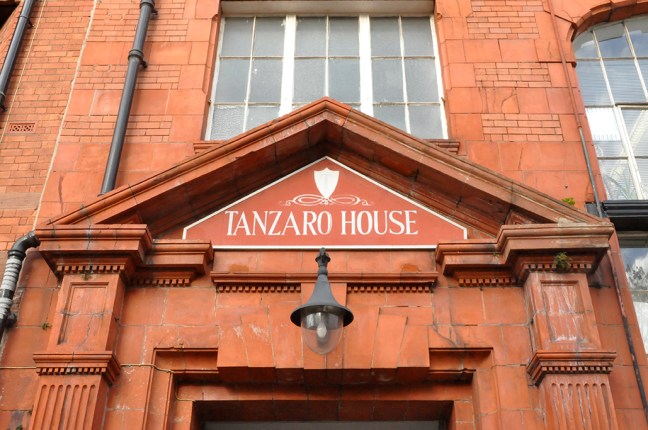
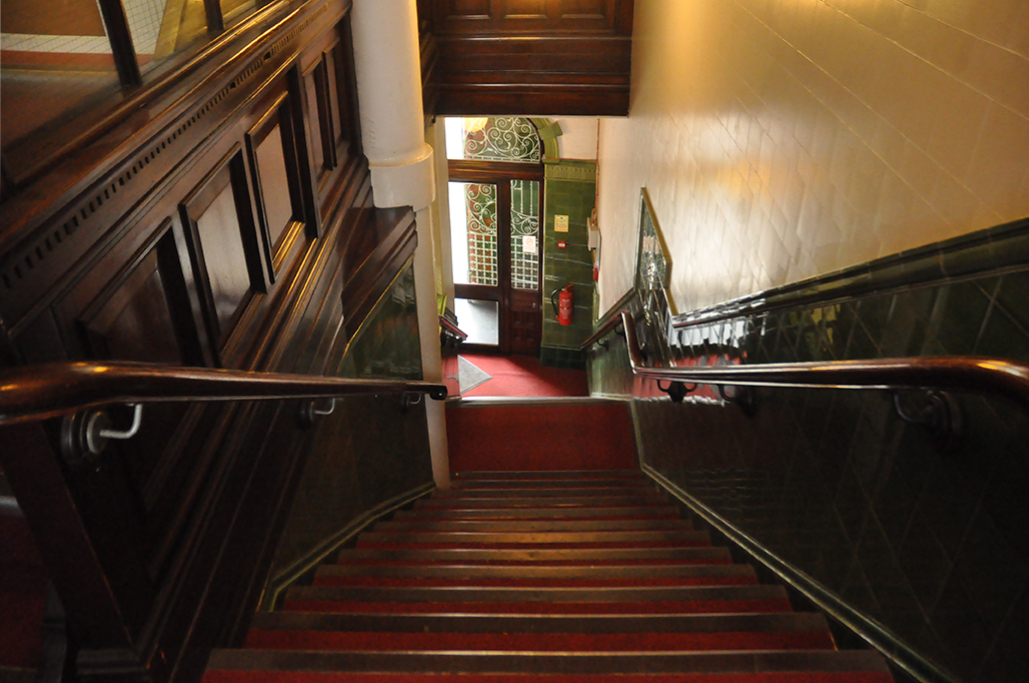
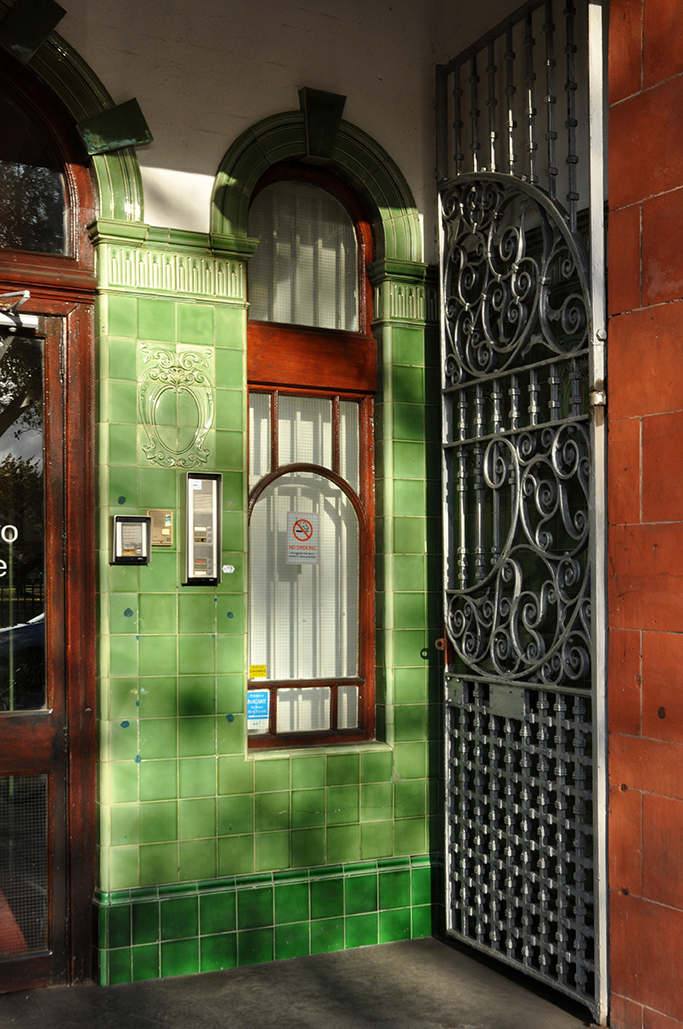
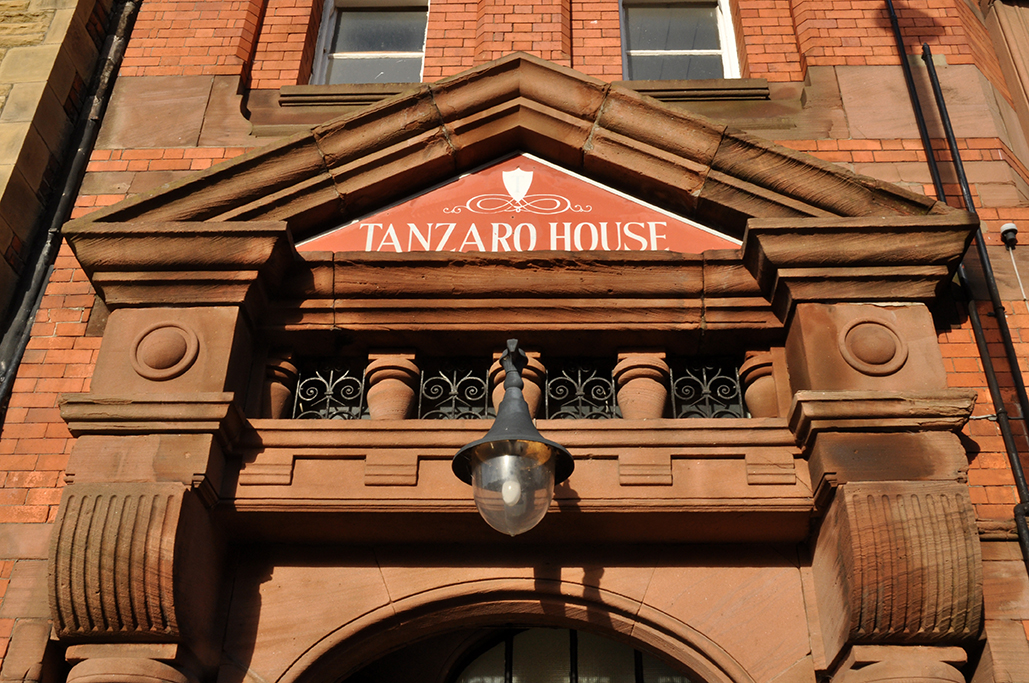
Here we are on the edge of Ardwick Green, outside Tanzaro House, former home of Jewsbury and Brown – J&B.

So called as many of their soft drinks were branded Tanzaro.

tanzaro ad

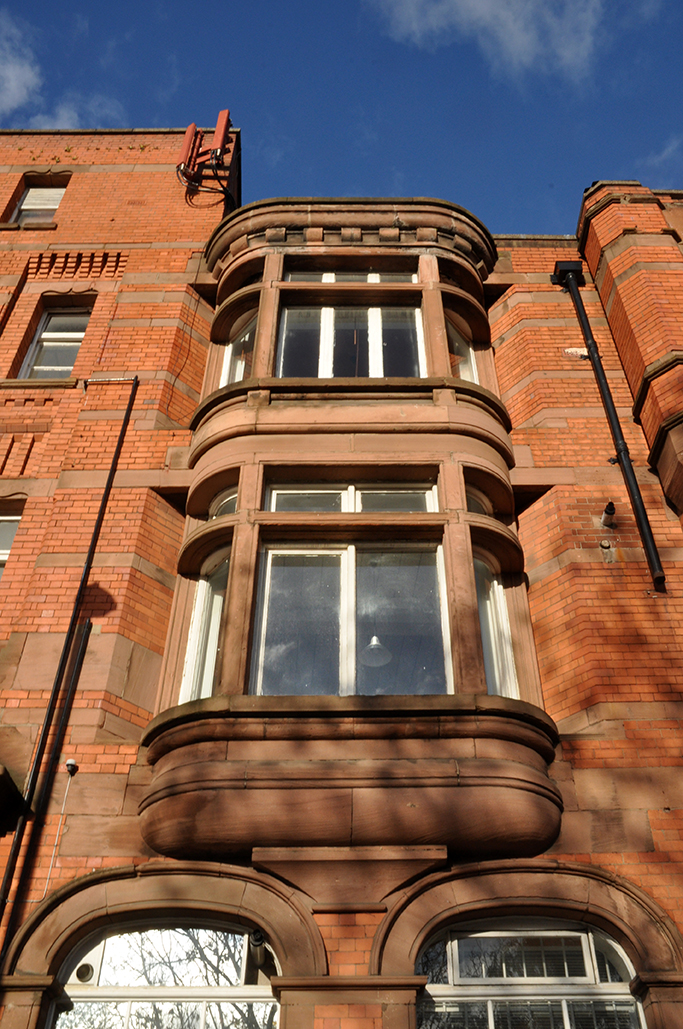
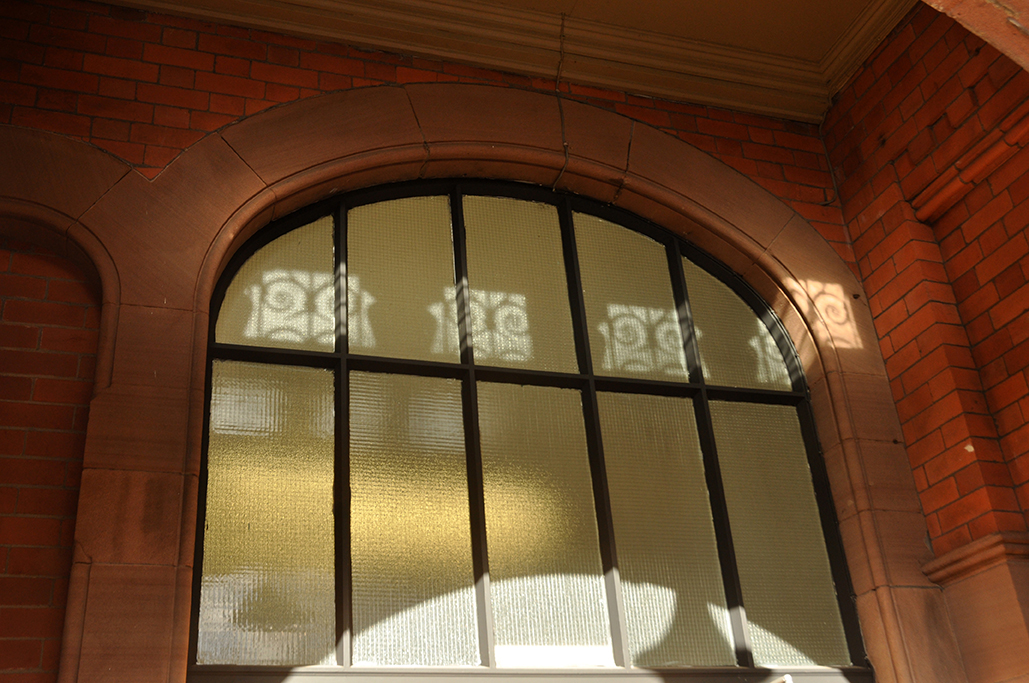
J&B are long gone, bought out by Schweppes in 1964 – the building is now home to a range of photographic, clothing and design studios. Happily the majority of the internal and external architectural features remain intact.

It stands in a small corner of Manchester, surrounded by a rich variety of architectural styles, by the side of a well-used public park – take a trip down there, just a moment away from the city centre.

DSC_0033 copy 2

DSC_0010 copy

DSC_0028 copy

DSC_0015 copy

DSC_0003 copy

DSC_0004 copy

DSC_0030 copy

DSC_0022 copy

DSC_0031 copy

DSC_0021 copy

DSC_0034 copy

DSC_0014 copy

DSC_0012 copy

DSC_0035 copy

DSC_0024 copy

DSC_0009 copy

DSC_0026 copy

DSC_0013 copy

DSC_0017 copy

DSC_0037 copy

DSC_0018 copy

DSC_0008 copy

DSC_0011 copy

DSC_0016 copy

The Tudor Café – Stockport

On Lower Hillgate, almost next door to where it used to be, there stands The Tudor Café.

Almost where it has almost always stood.

Other businesses have come and gone, happily it prevails.

The cheapest tastiest grub in town.

An interior festooned with tea towels.

Tables polka dotted, teas hot.

Signs inside and out, some of them inside out.

Greetings from Gdansk.

DSC_0025 copy

DSC_0026 copy

DSC_0046 copy

DSC_0030 copy

DSC_0024 copy

DSC_0045 copy

DSC_0053 copy

DSC_0043 copy

DSC_0034 copy

DSC_0039 copy

DSC_0032 copy

DSC_0051 copy

DSC_0040 copy

DSC_0037 copy

DSC_0063 copy

DSC_0059 copy

DSC_0029 copy

DSC_0060 copy

DSC_0064 copy

DSC_0041 copy

DSC_0052 copy

DSC_0065 copy

DSC_0061 copy

DSC_0062 copy

DSC_0058 copy

DSC_0049 copy

Post Office Tower

The man from BT he says “No!”

I only asked.

Everyone’s life is towered over by one obsessive dream or other.

So why not have an overpowering, towering dream of a Tower?

I asked to come in, he said no.

What was once ours, opened in 1965 by PM Harold Wilson at the behest of Tony Benn, was sold by PM Margaret Thatcher.

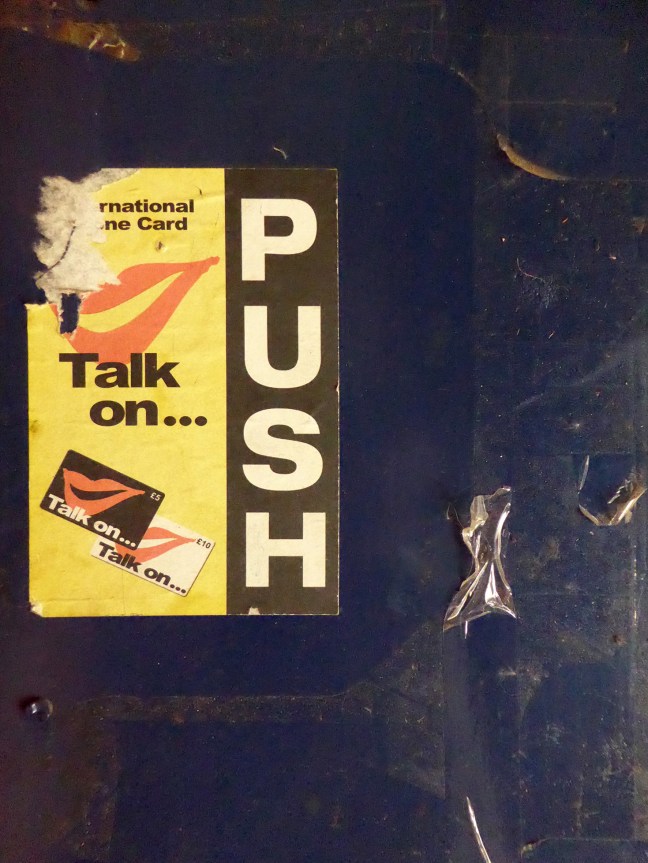
– “It’s good to talk.”

It’s bad to gift ownership of other peoples’ towers to other people, in the name of “popular capitalism.”

So I dry my eyes, pick myself up and engage in an immersive therapy, absorbing the visual culture of the seemingly unobtainable Tower – like an eternally embittered Rapunzel in reverse.

Marine Court – St Leonards on Sea

It’s ever so easy to fall in love with a building, that’s ever so lovable.

So much of its time and place – a perfect piece of Seaside Moderne.

Sun soaked and whiter than white, against almost clear blue southern skies.

A luxury liner beached and beloved, now returned to showroom condition.

Go see for y’self.

http://www.modernistbritain.co.uk/post/building/Marine+Court/

Washeteria – Hastings

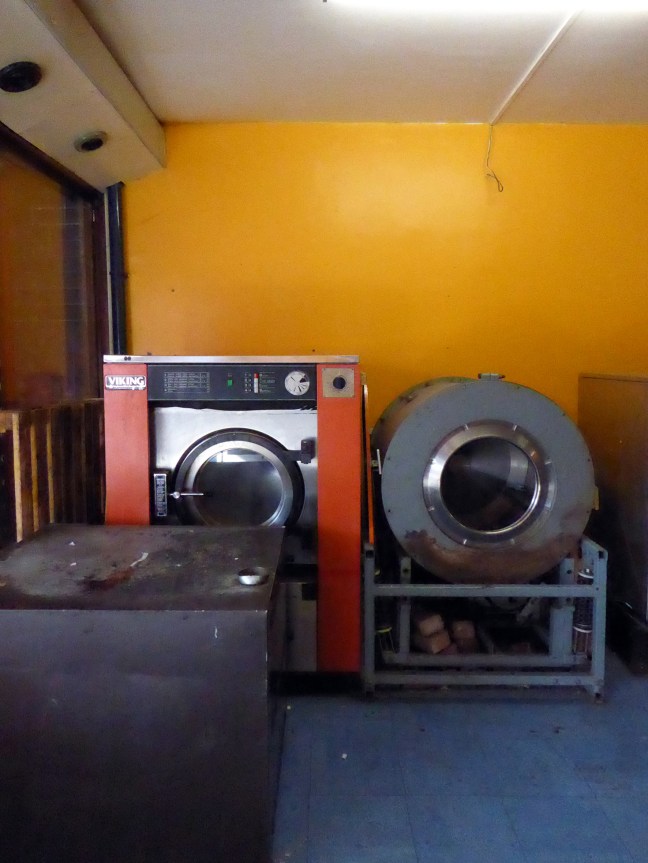
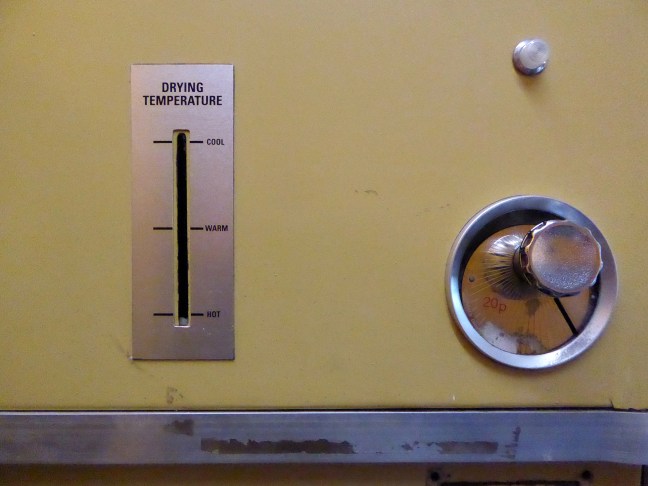
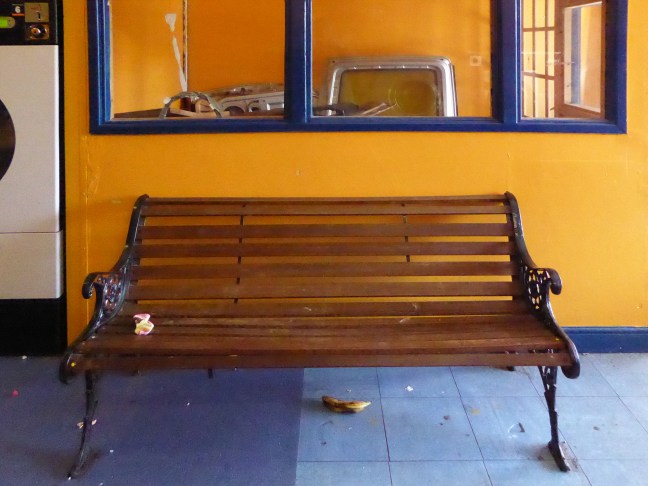
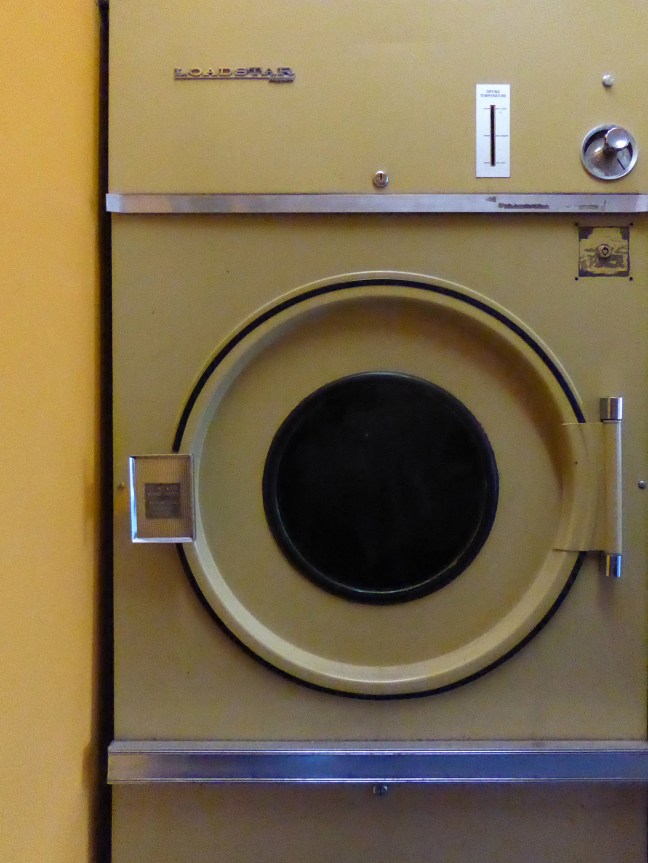
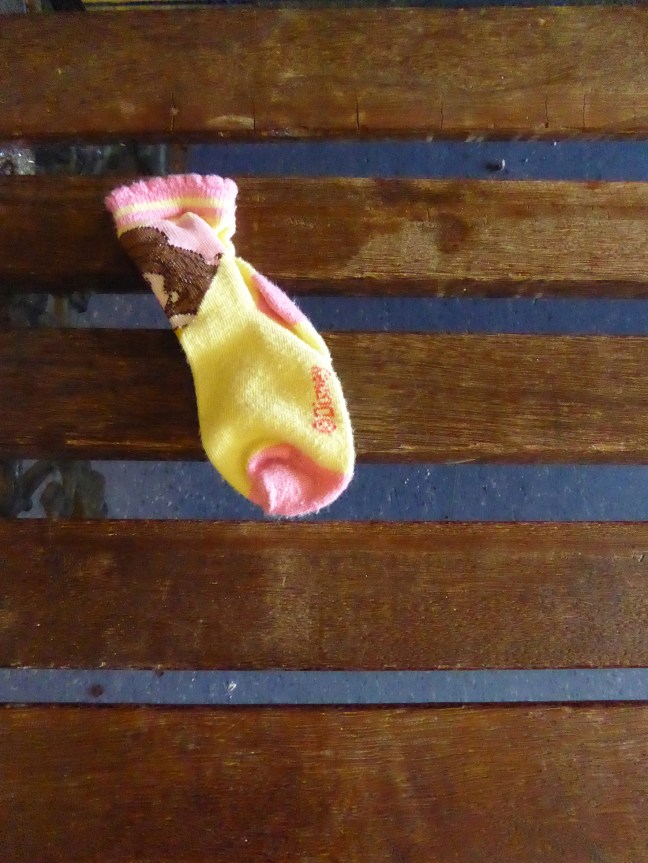
Don’t forget to forget.

Big is not large, not small.

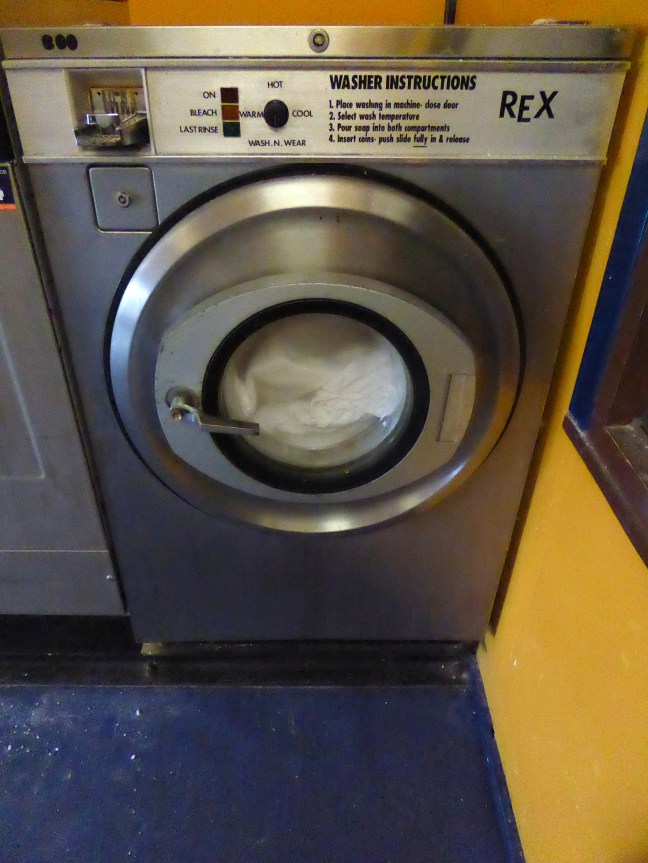
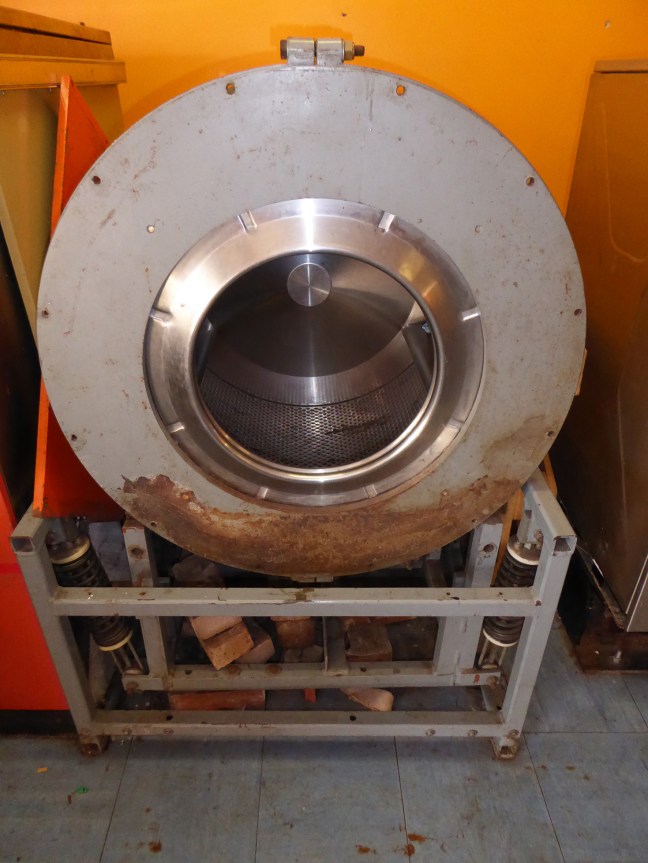
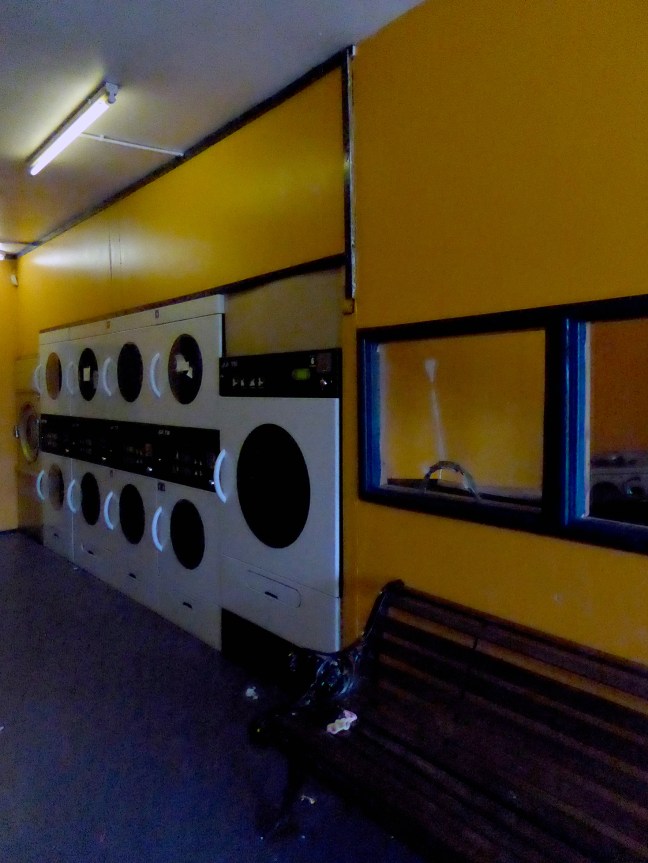
This is a dirty blue,  washed-out pale yellow, Alice in Wonderland un-wonderful land.

Time will not stand still – you’re in a spin, oh what a spin that you’re in.

Walk in, wash and wish.

DSC_0424 copy

DSC_0439 copy

DSC_0429 copy

DSC_0431 copy

DSC_0438 copy

DSC_0441 copy

DSC_0436 copy

DSC_0434 copy

DSC_0428 copy

DSC_0444 copyDSC_0445 copy

DSC_0427 copy

DSC_0430 copy

DSC_0432 copy

DSC_0435 copy

DSC_0443 copy

DSC_0442 copy

Hastings – Arthur Green’s

Facing happily out to sea, hard by Hastings promenade, sits Arthur Green’s, former menswear shop of some considerable distinction. Currently operating as an antiques centre, the whole of the perfectly preserved, period interior is now listed by English Heritage.

A mosaic porch and glass lined vestibule, invite you into a palace of dark hardwood fittings, capacious drawers, glass fronted cabinets, and an ornately carved cashiers booth, all topped off and lit by crystal chandeliers.
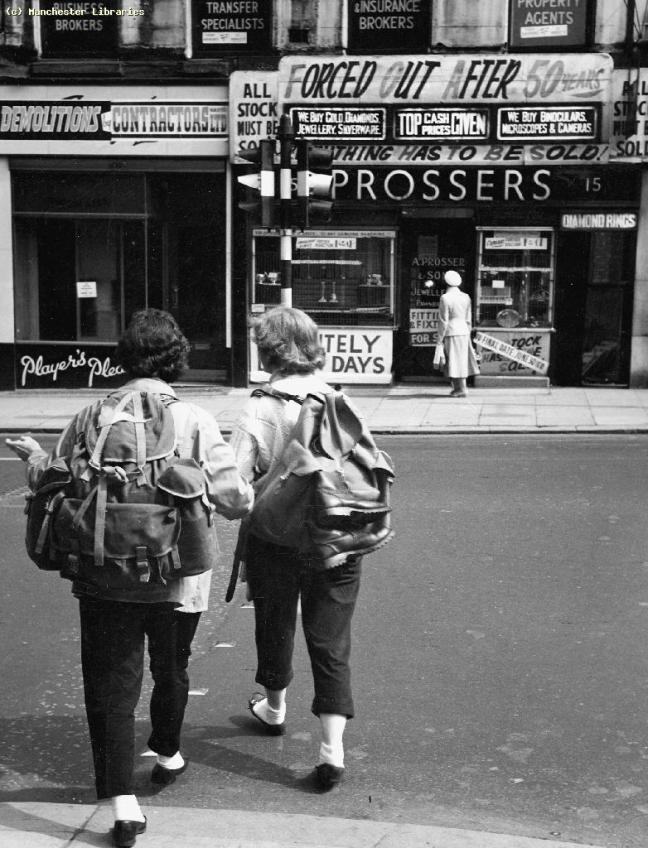
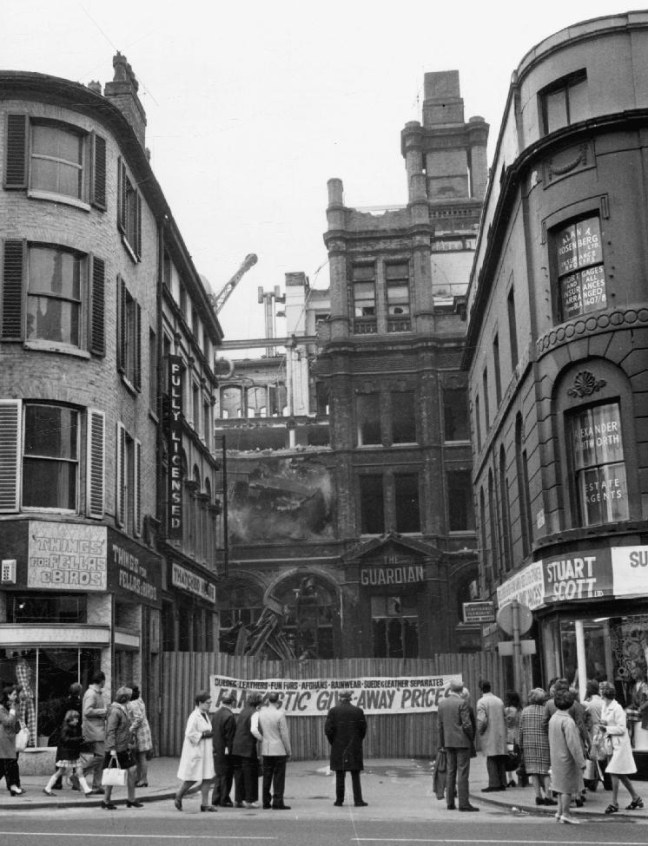
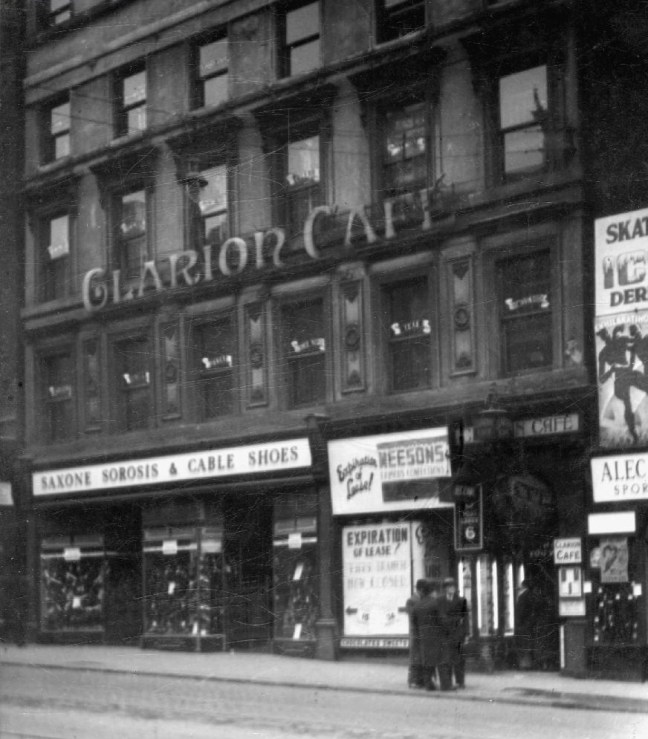
Few such example still exist intact, their contents usually ripped out, ripped off and reinstalled in chi-chi overpriced, cosmopolitan boutiques – suits you sir?

I think not!

My thanks to the helpful and patient staff who informed and facilitated my mooching.

Take a walk along the front – pop in.

P1020506 copy

P1020523 copy

P1020510 copy

P1020521 copy

P1020522 copy

P1020526 copy

P1020512 copy

P1020511 copy

P1020520 copy

P1020508 copy

P1020529 copy

P1020518 copy

P1020509 copy

P1020530 copy

P1020505 copy

P1020515 copy

P1020507 copy

P1020516 copy

P1020514 copy

P1020513 copy

P1020528 copy

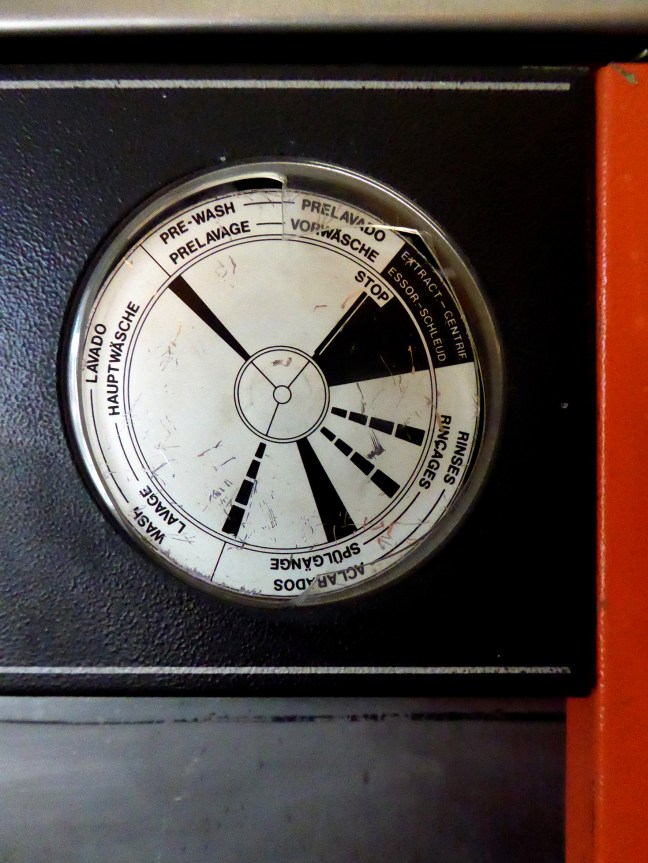
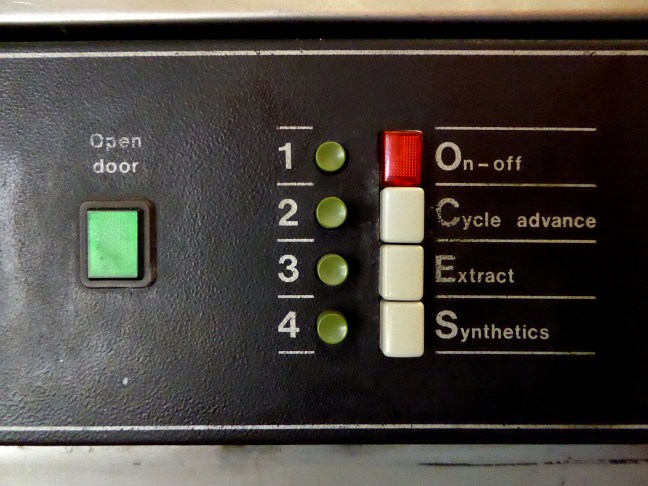
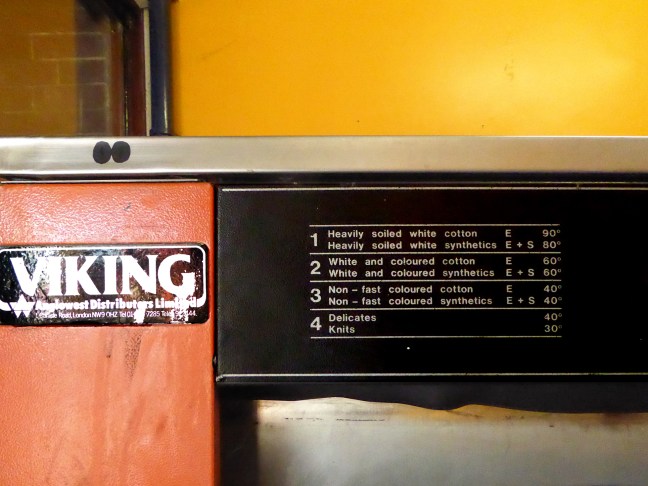
Launderette – London Road St Leonards

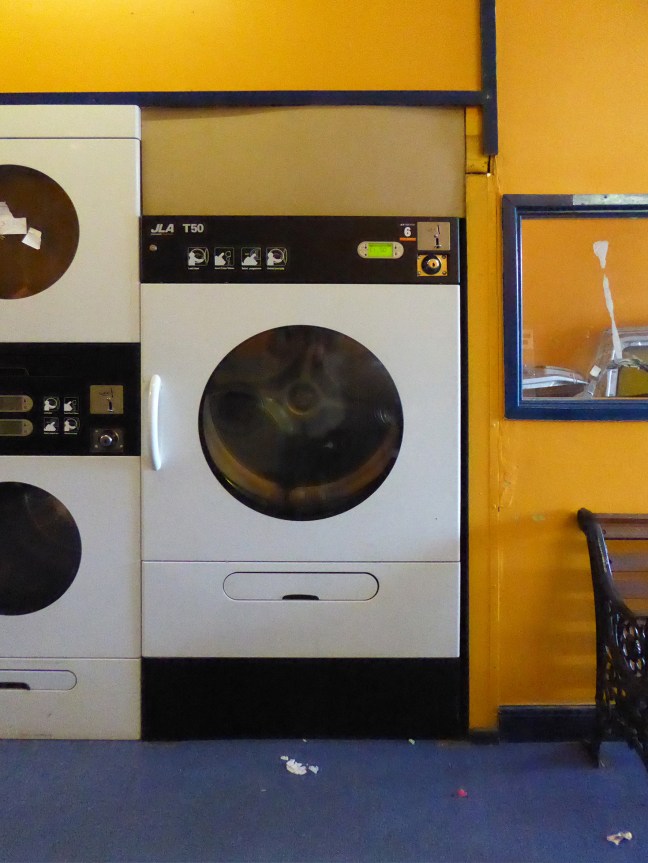
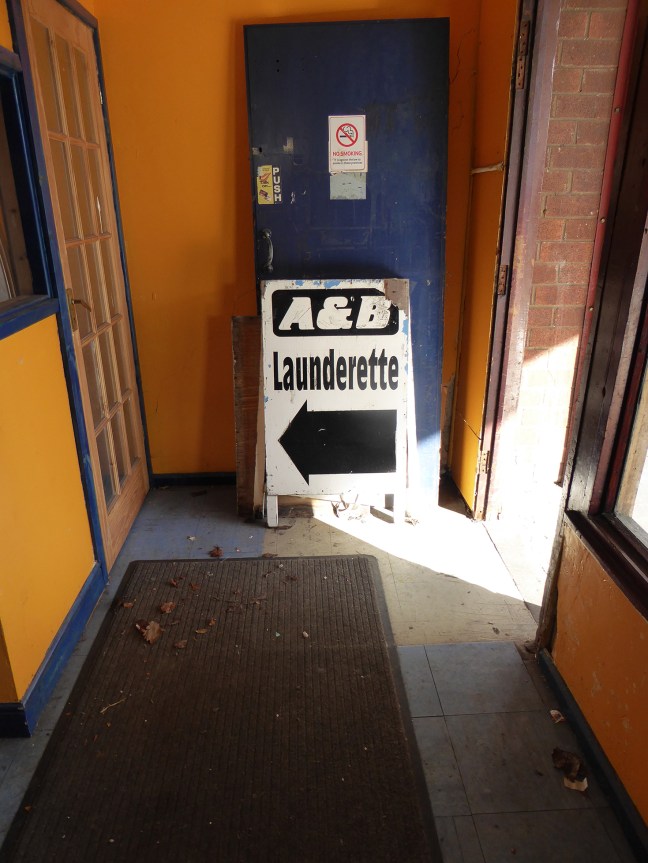
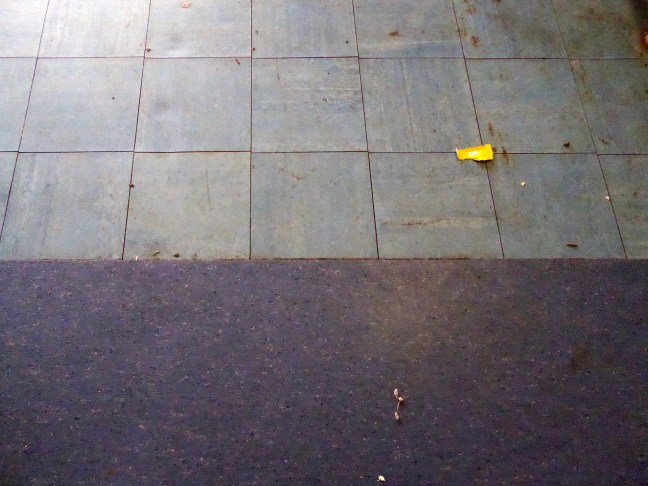
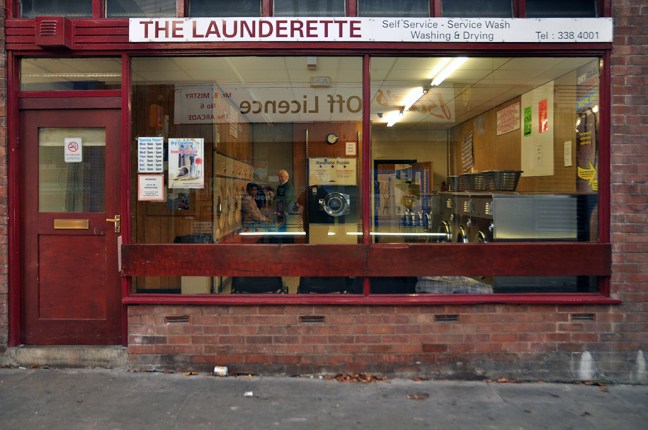
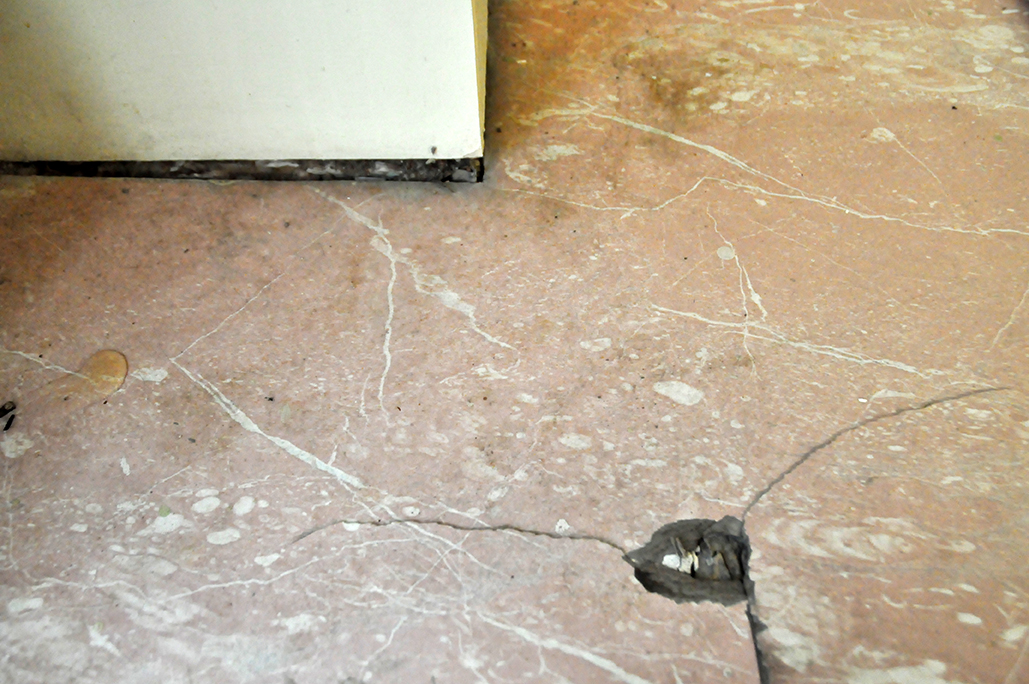
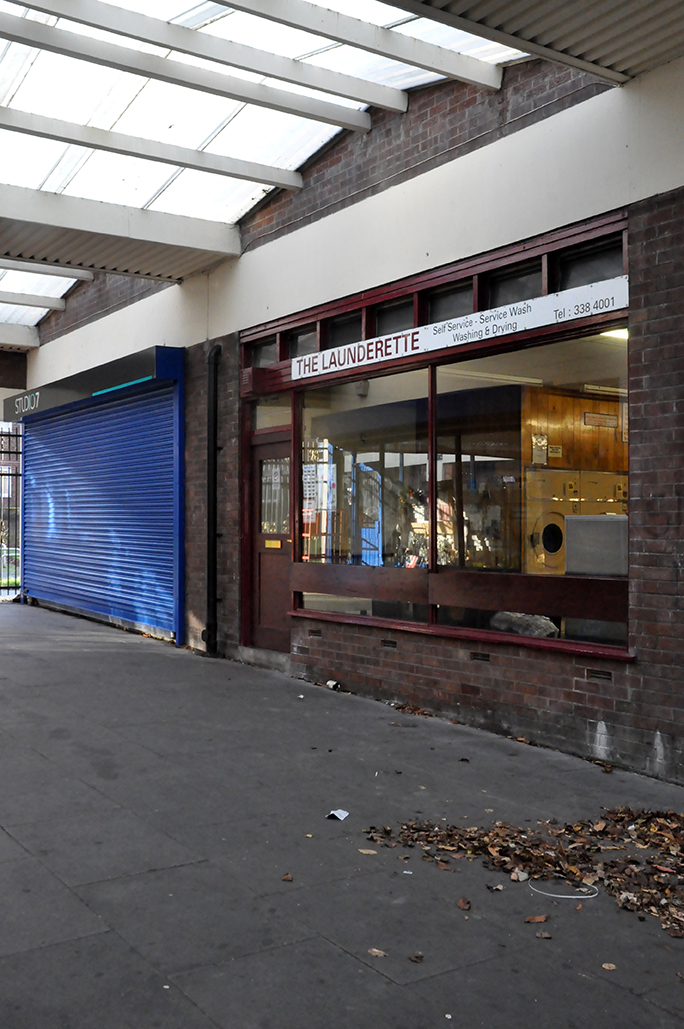
Mid blue linoleum tiles, patched here there.

And everywhere.

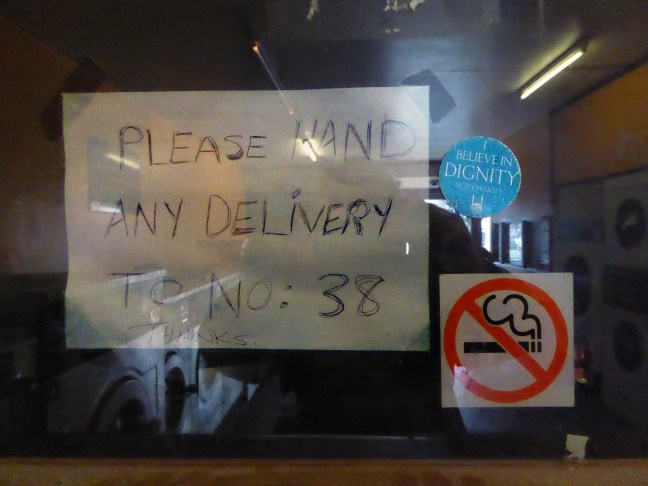
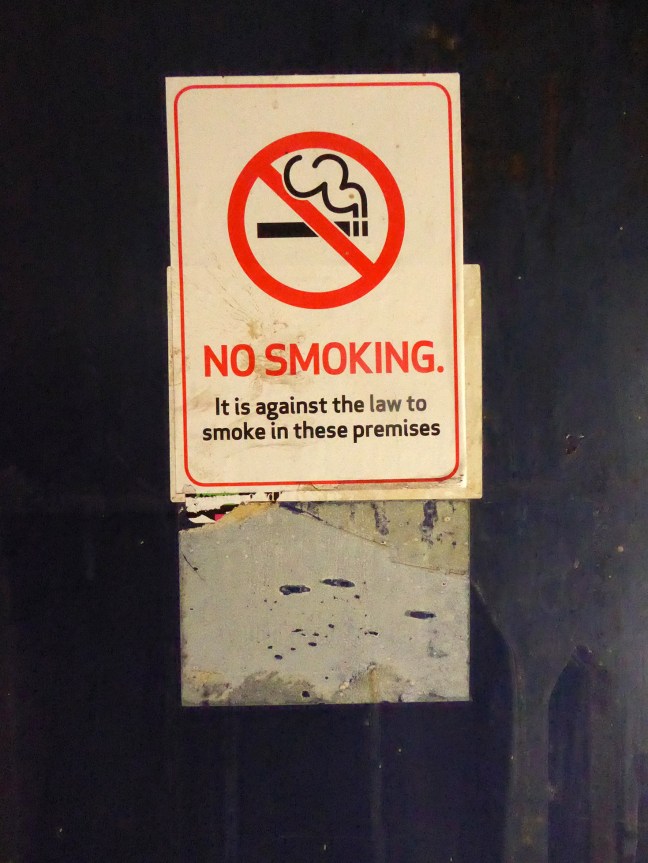
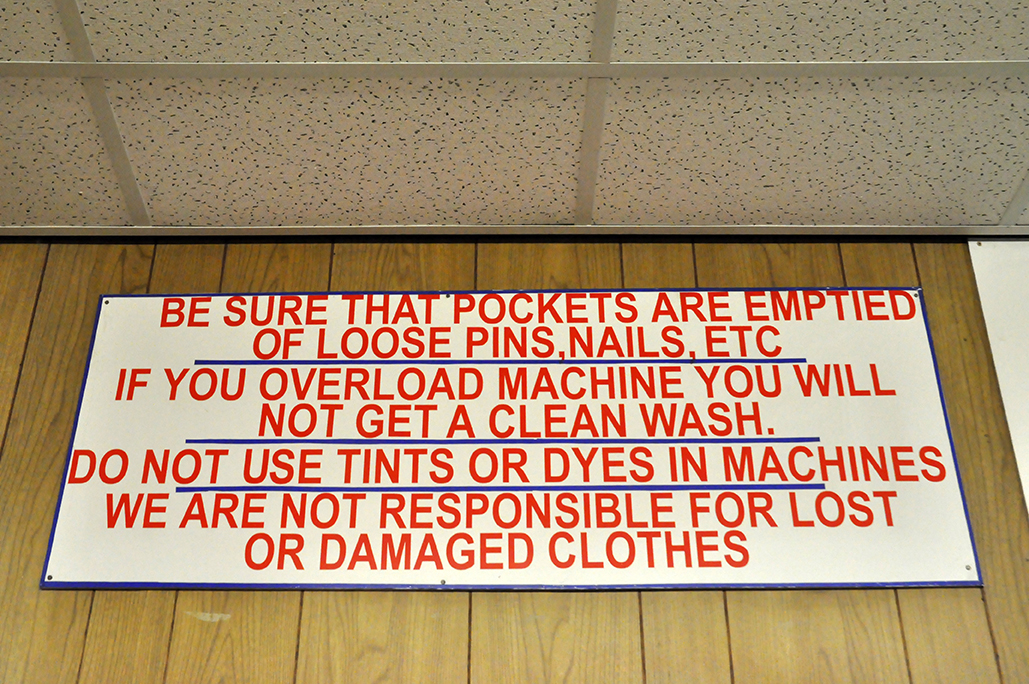
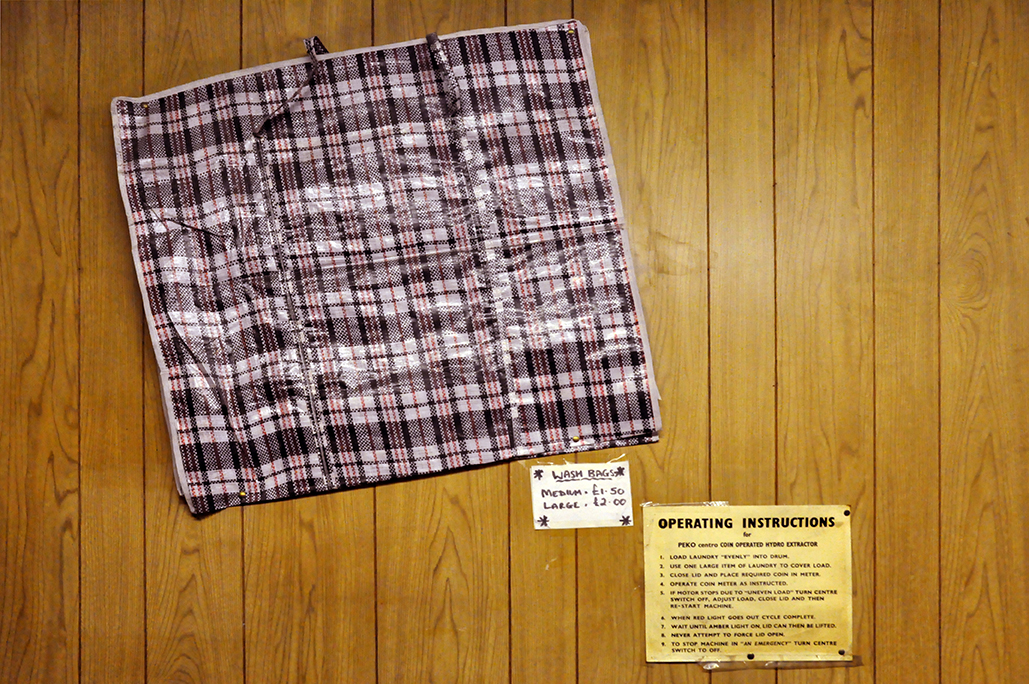
Signs

Everywhere.

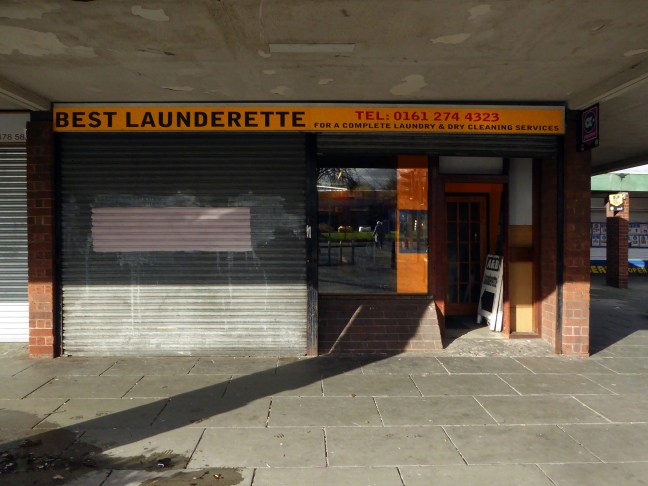
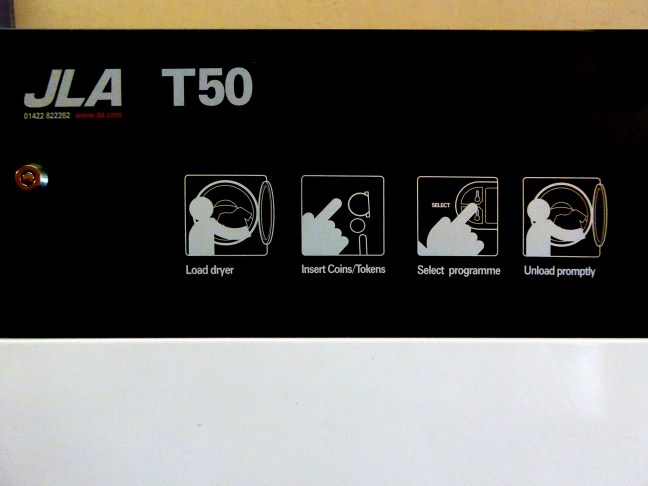
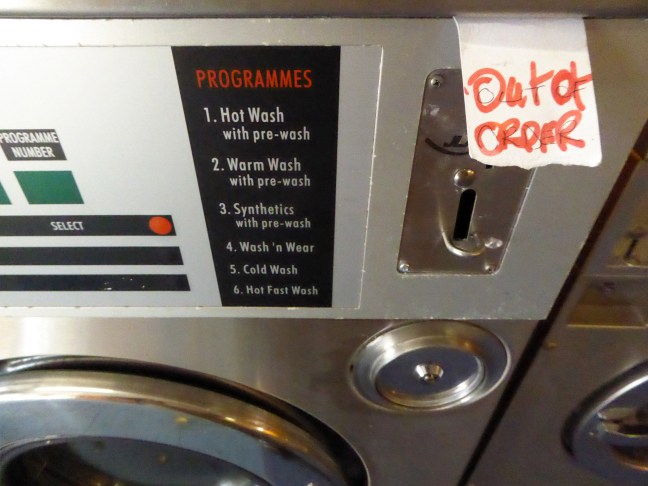
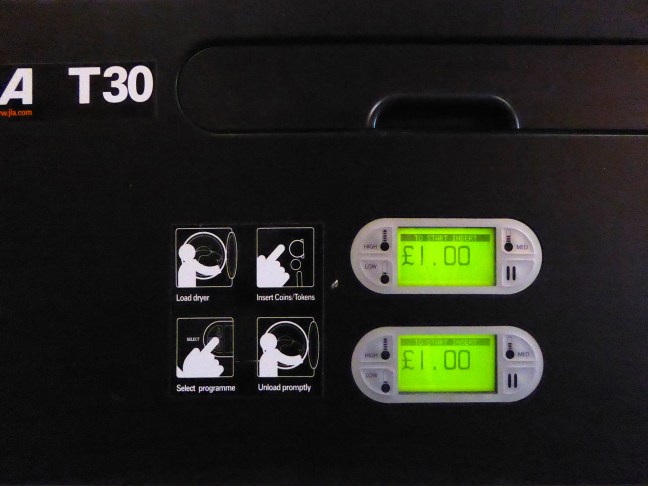
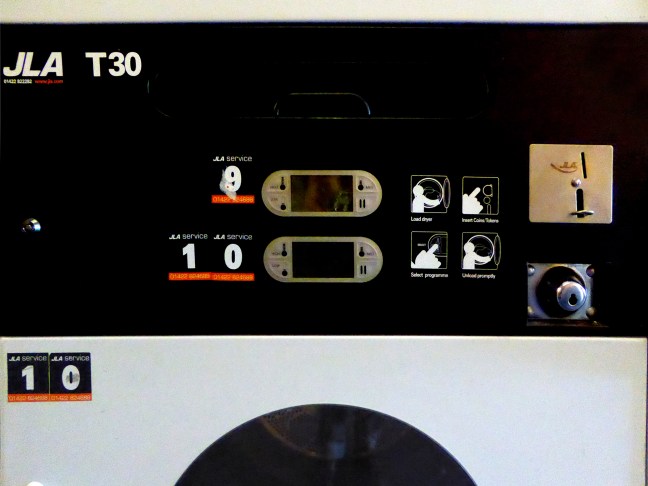
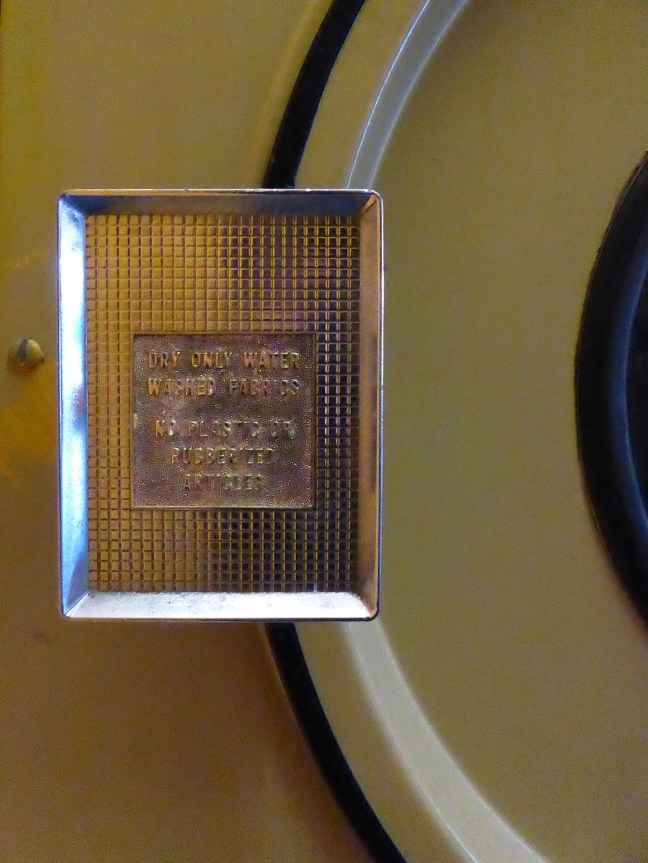
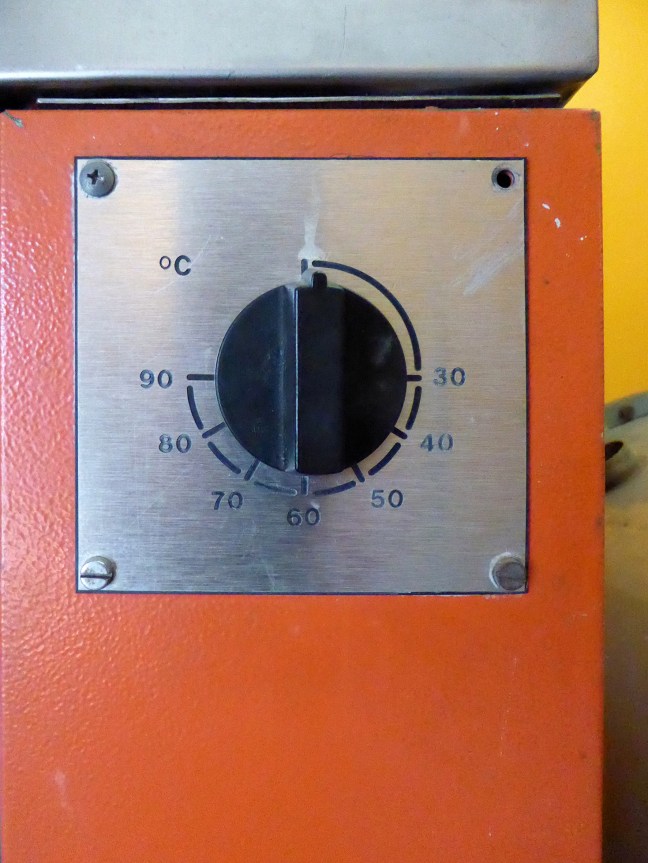
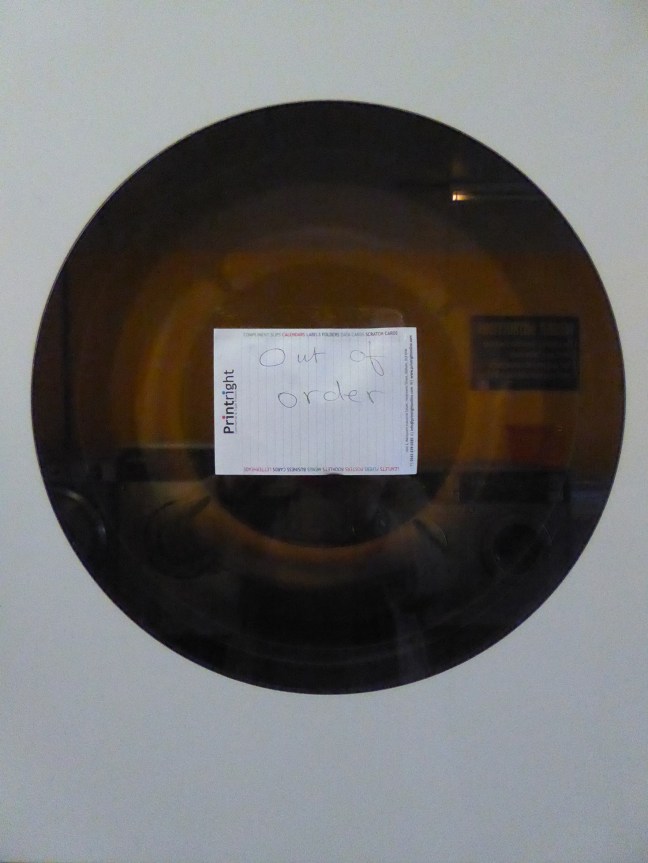
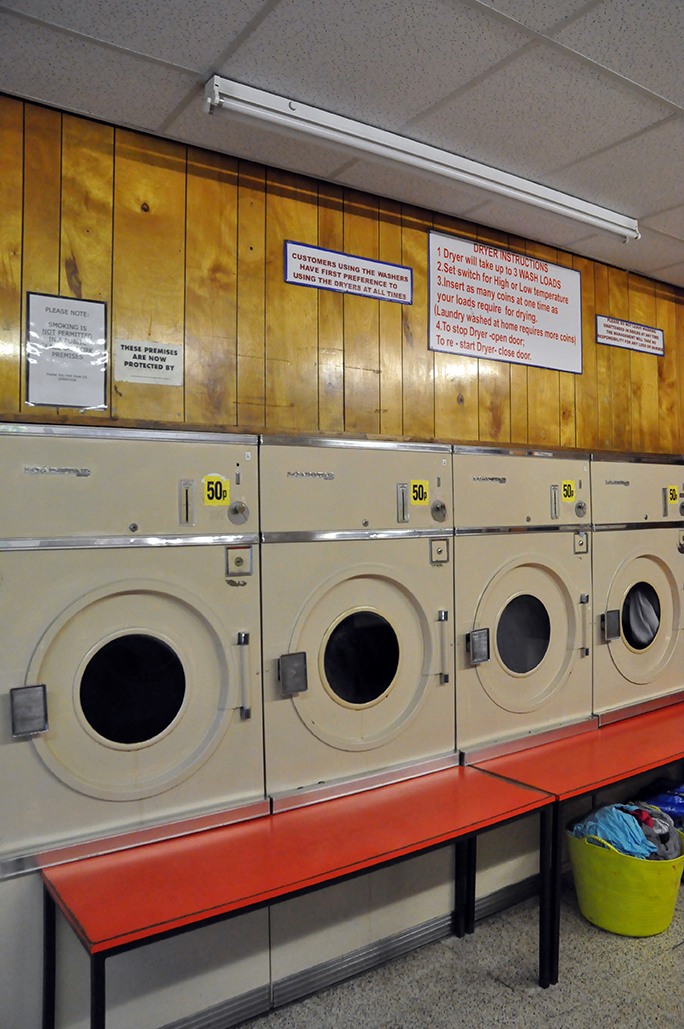
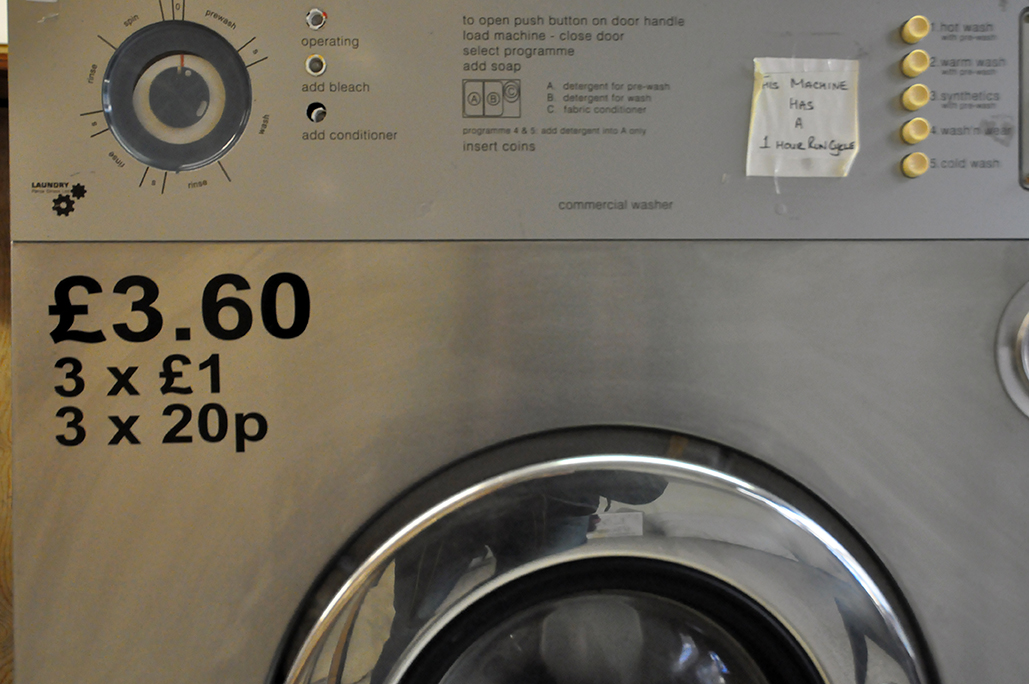
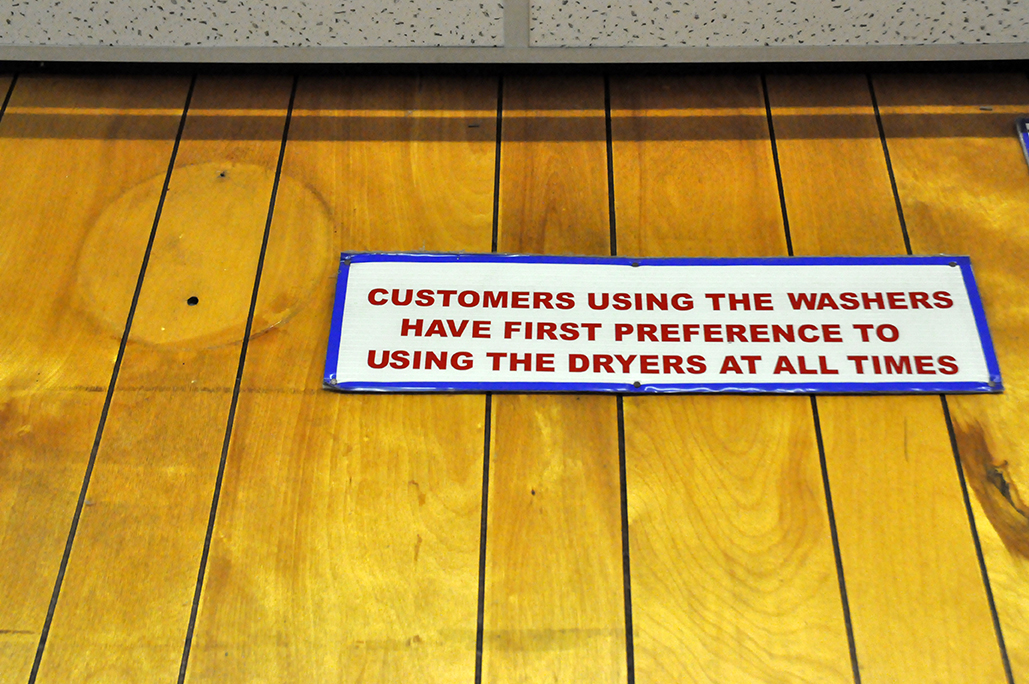
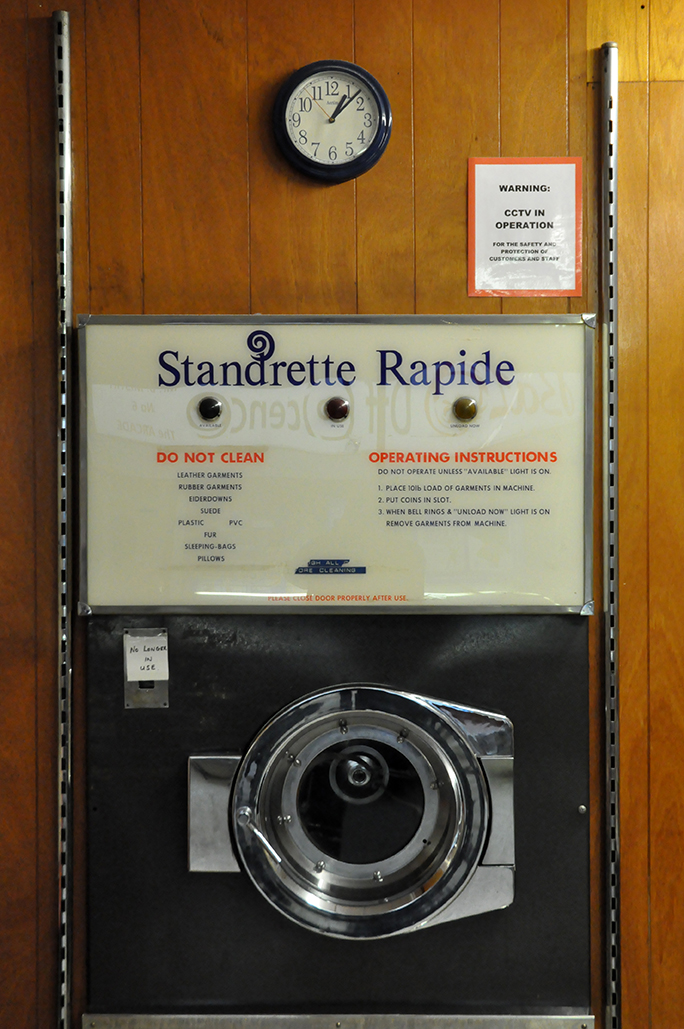
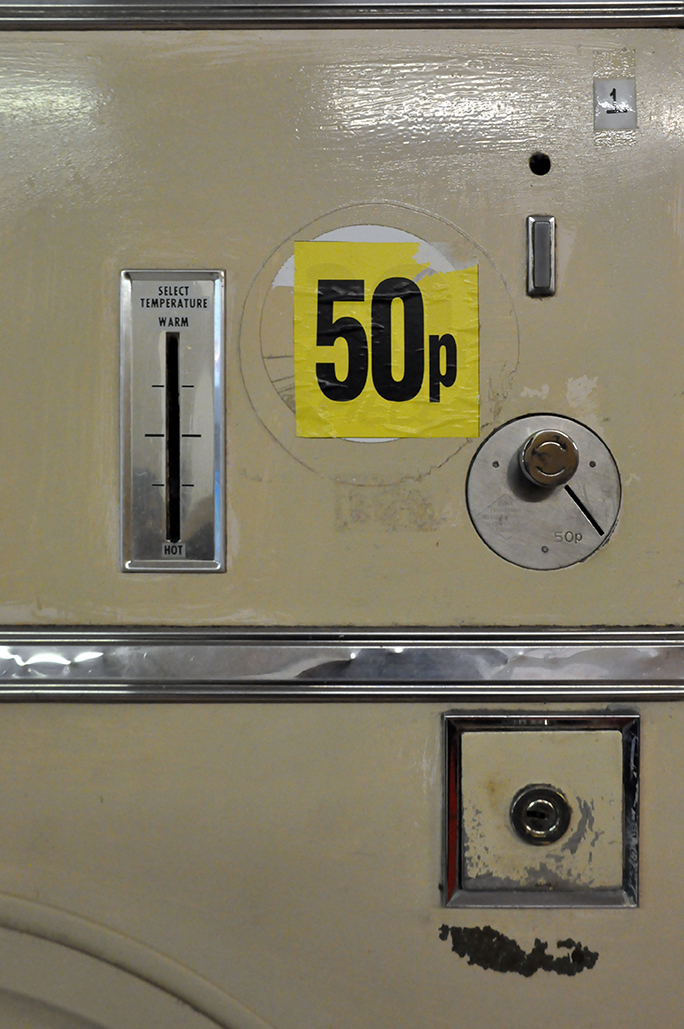
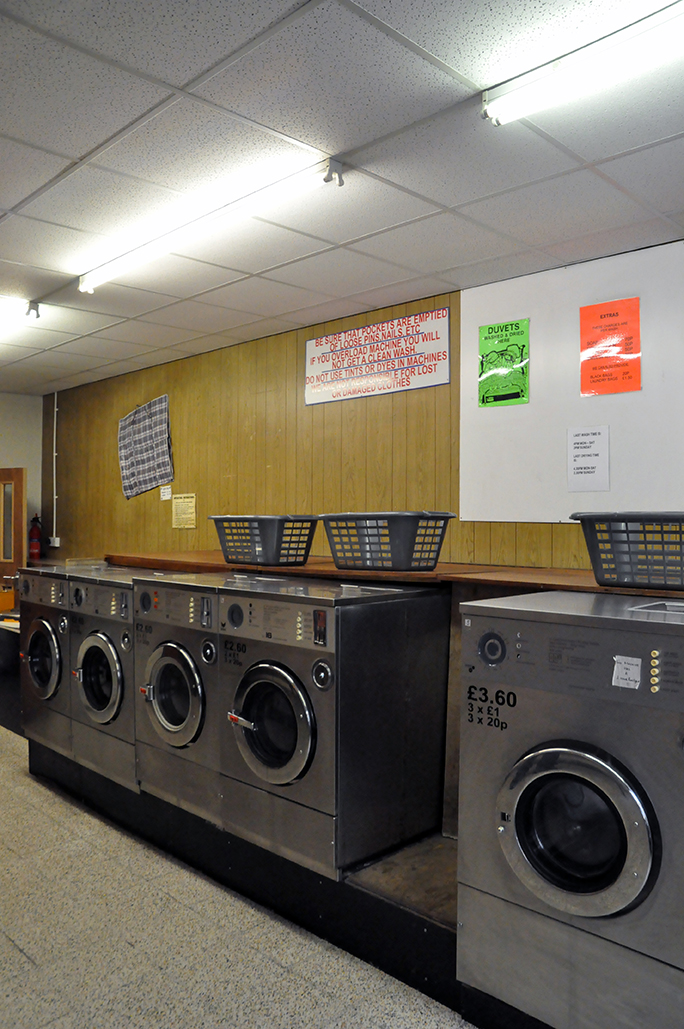
In an uncertain universe, you can almost always rely on the launderette, to guide you on life’s soapy journey, through a complex series of immutable do’s and don’ts, arrows, slots, buttons and bows.

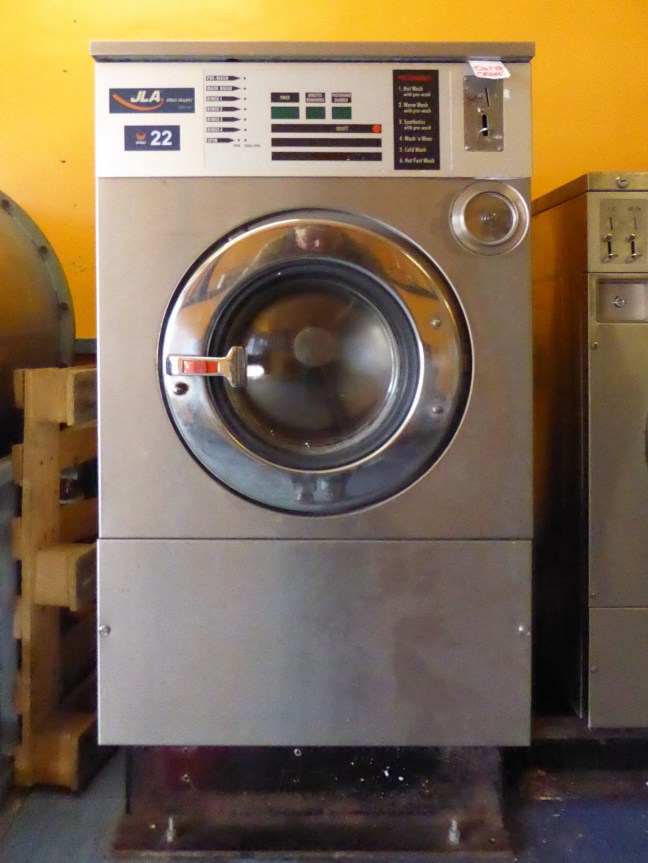
Giant is the new big is the new large.

I feel so small.

P1020467 copy

P1020466 copy

P1020482 copy

P1020469 copy

P1020472 copy

P1020475 copy

P1020478 copy

P1020477 copy

P1020487 copy

P1020479 copy

P1020471 copy

P1020481 copy

P1020476 copy

P1020470 copy

P1020473 copy

P1020474 copy

P1020480 copy

P1020468 copy

P1020483 copy

P1020484 copy

P1020485 copy

P1020486 copy

The Wash Inn – Hastings

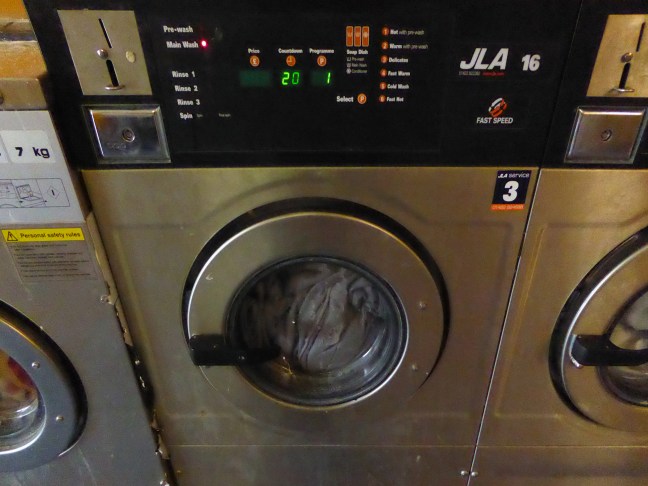
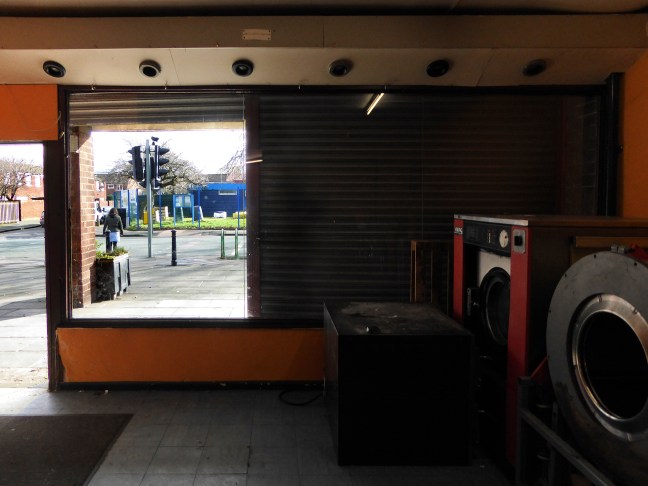
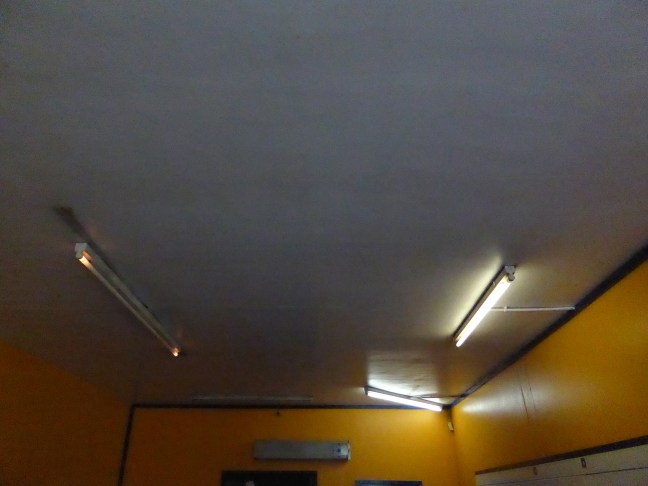
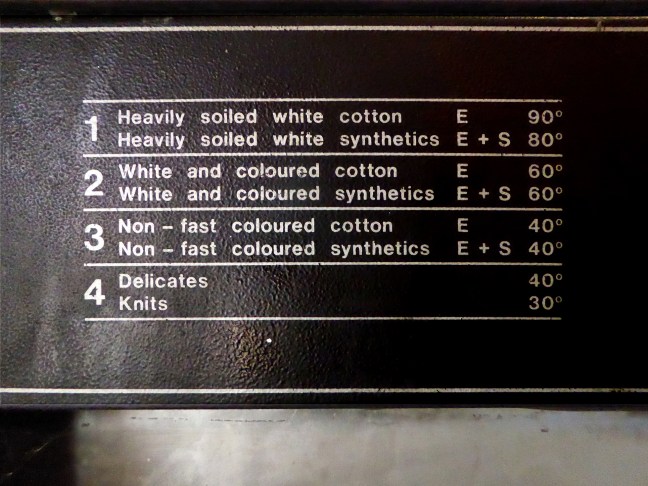
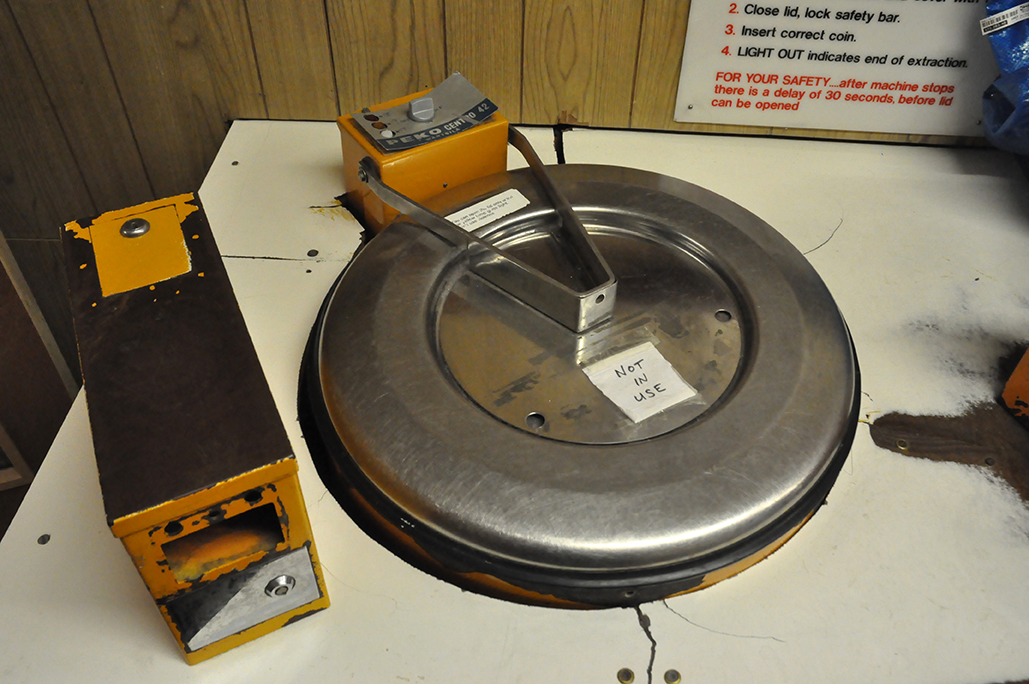
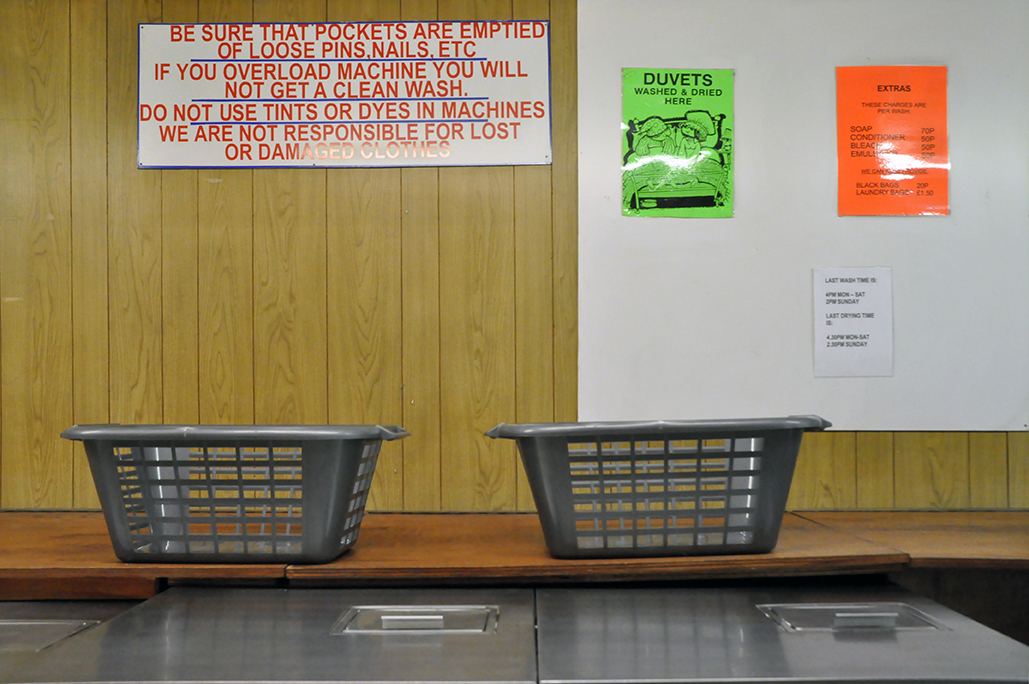
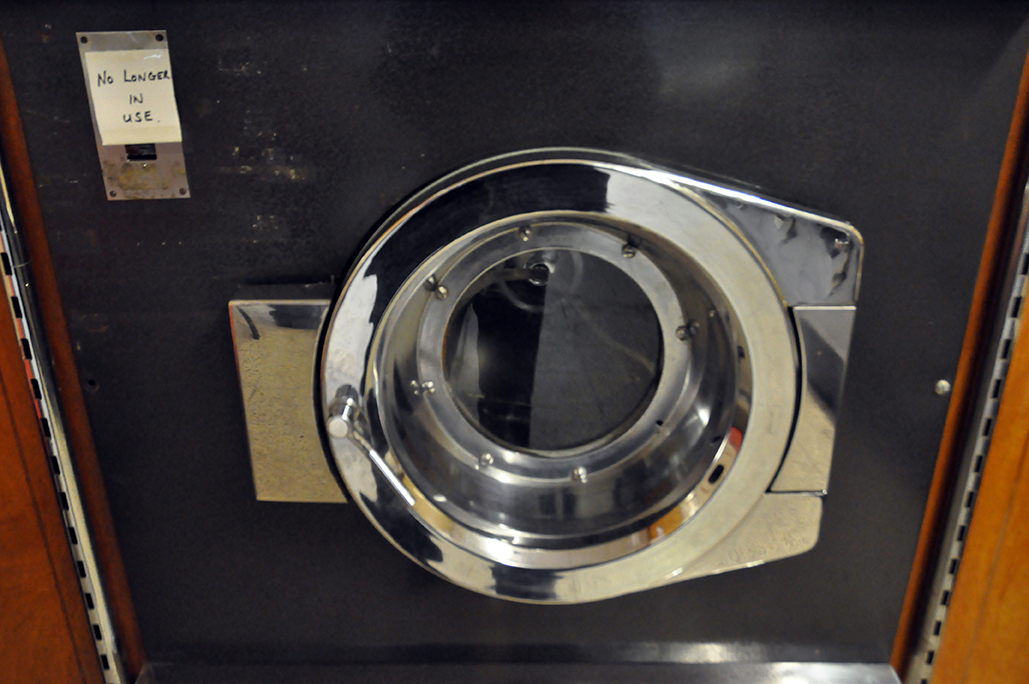
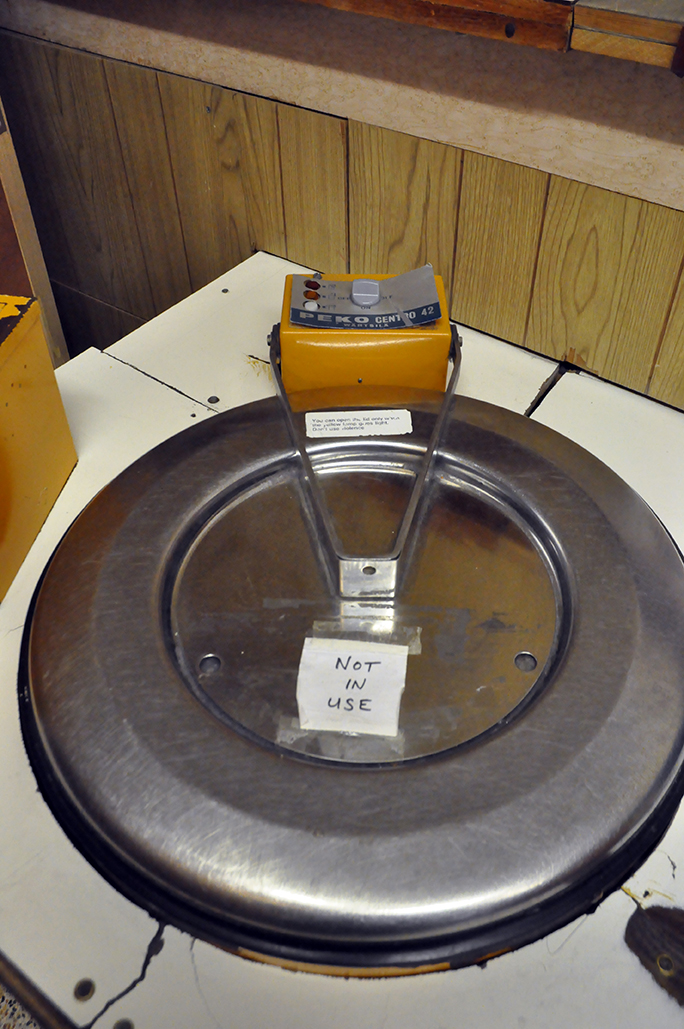
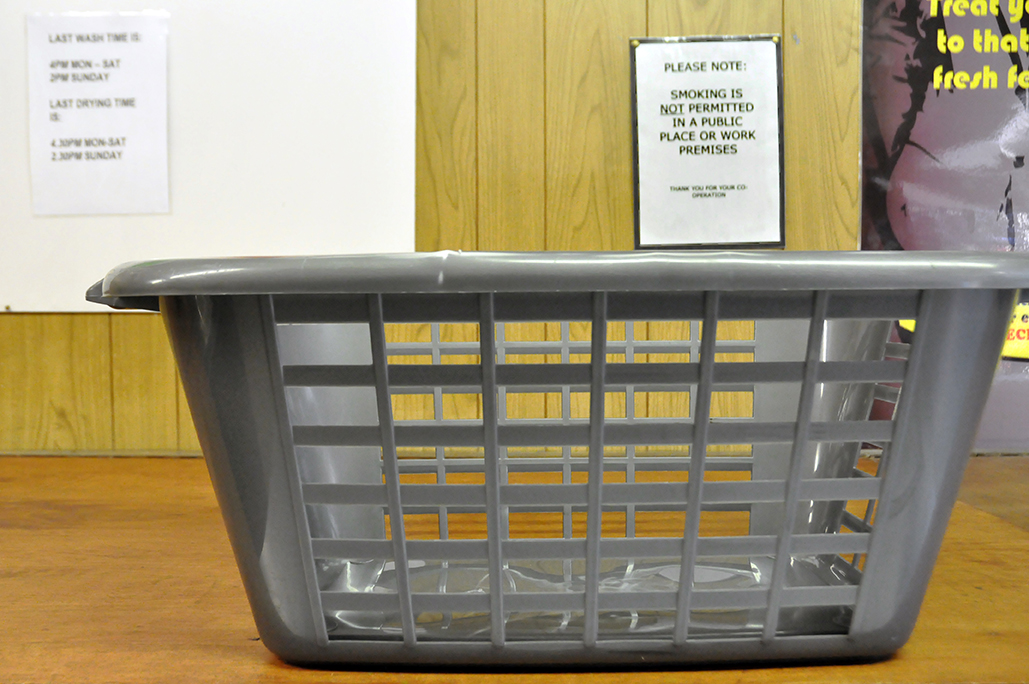
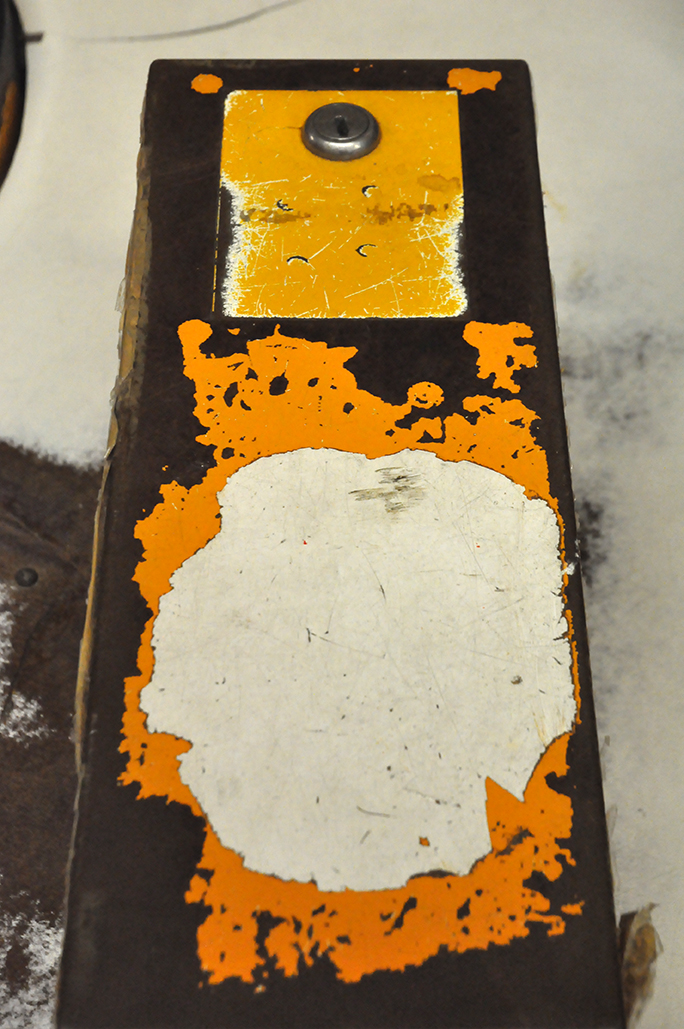
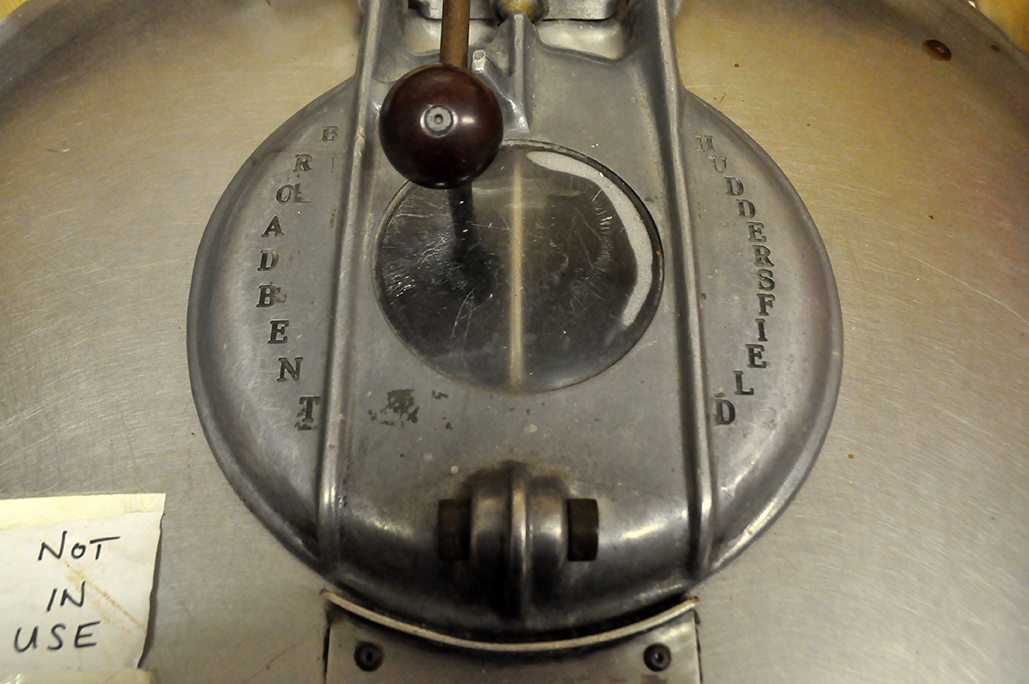
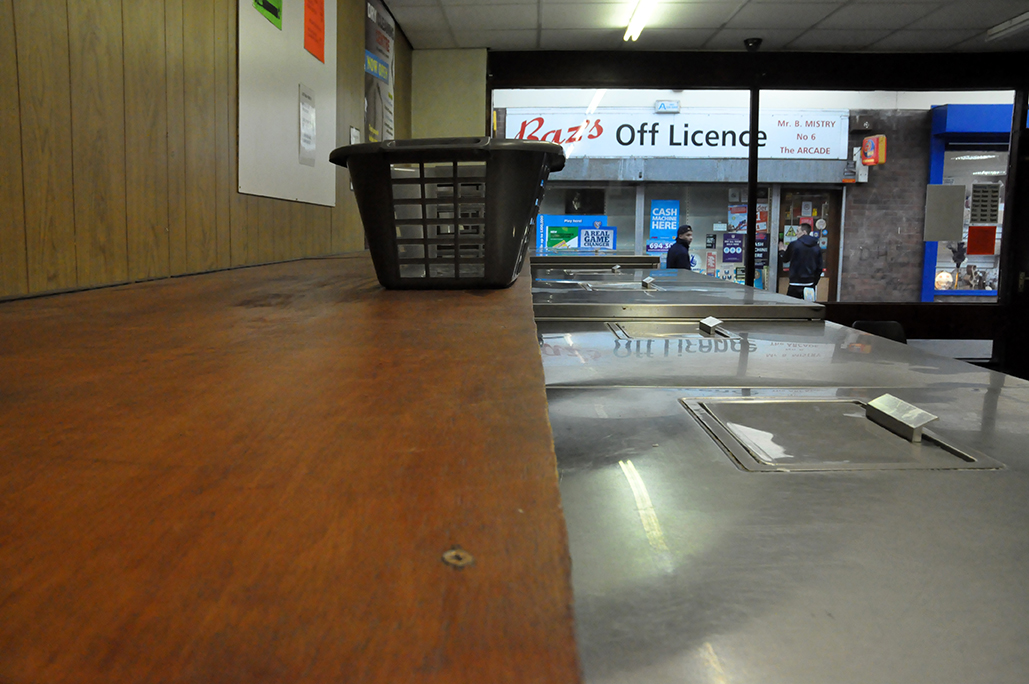
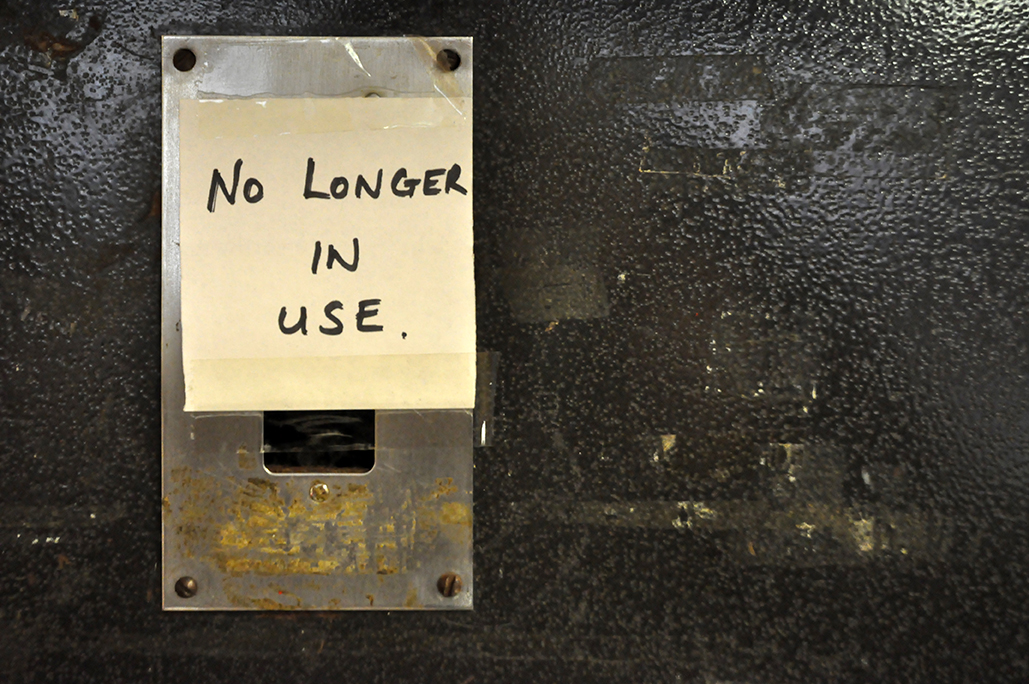
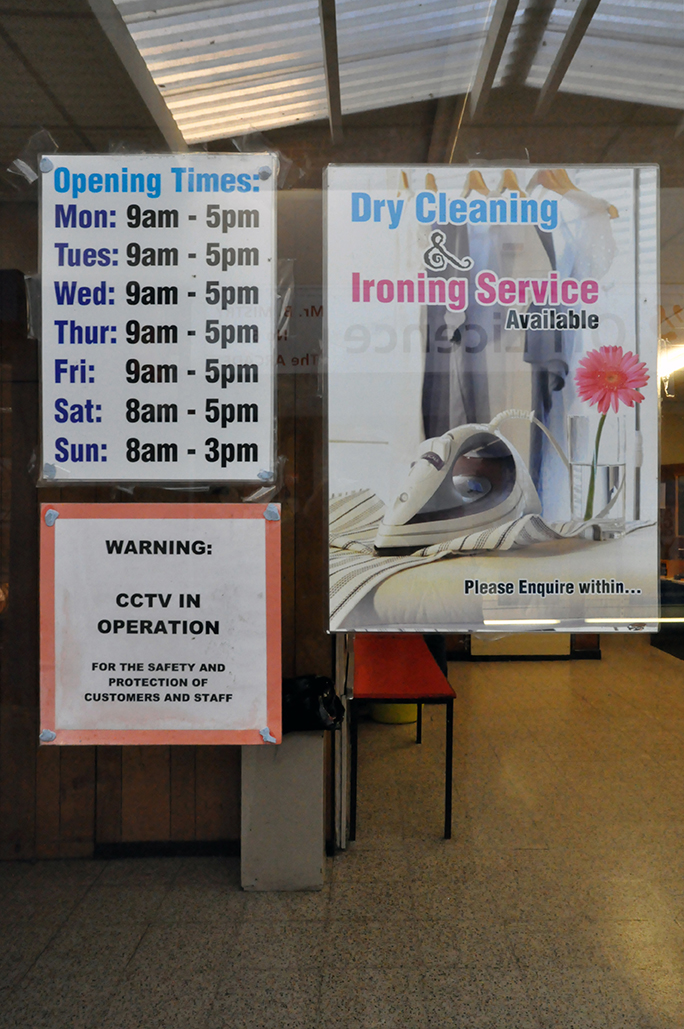
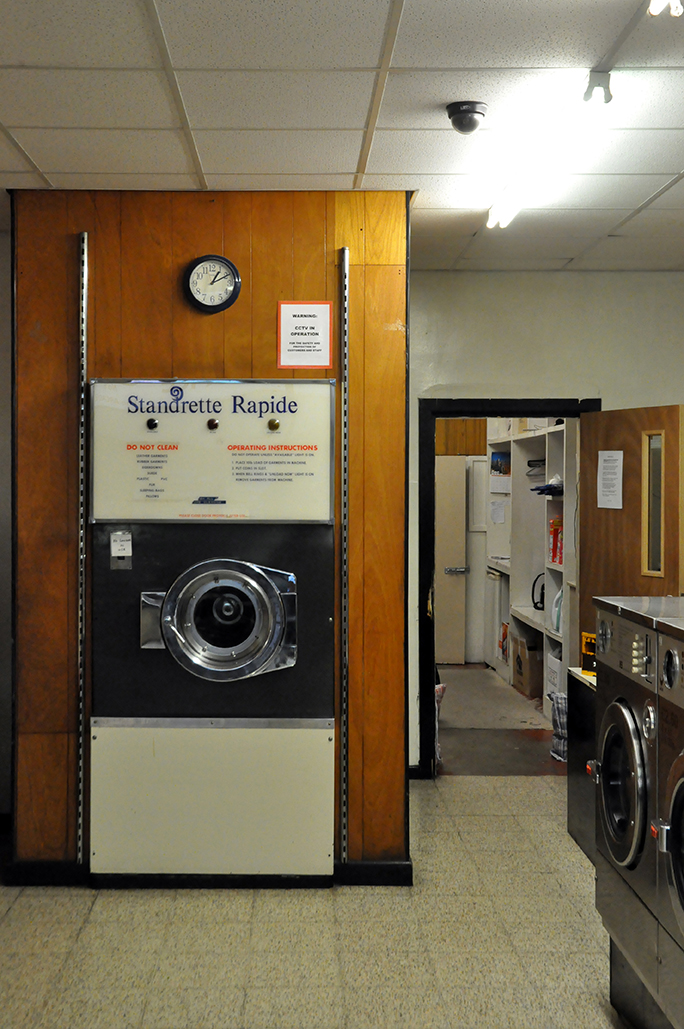
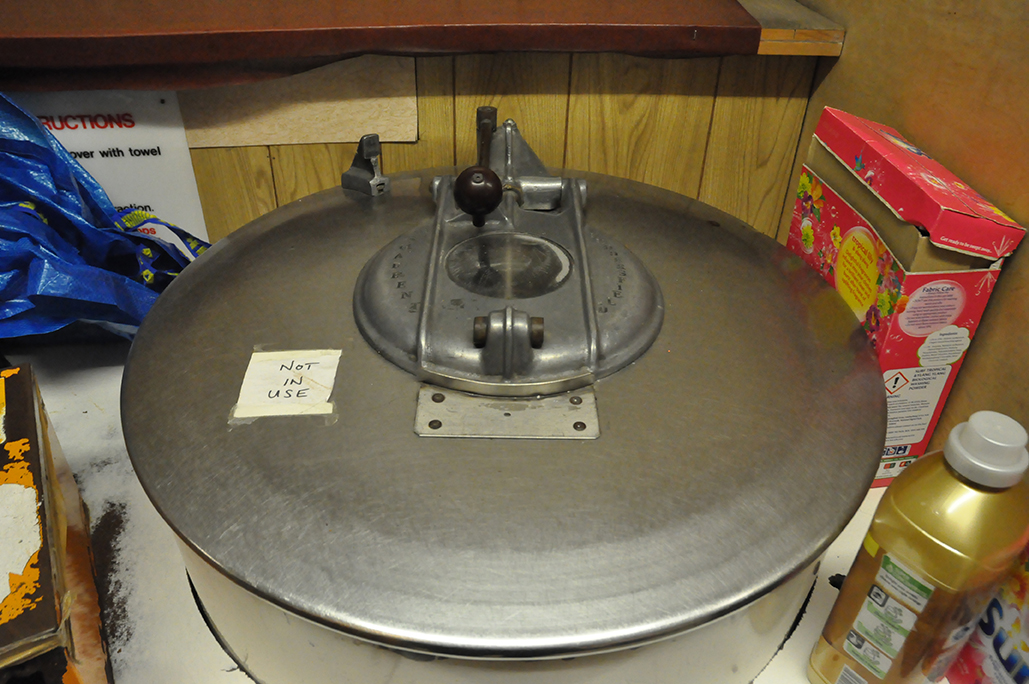
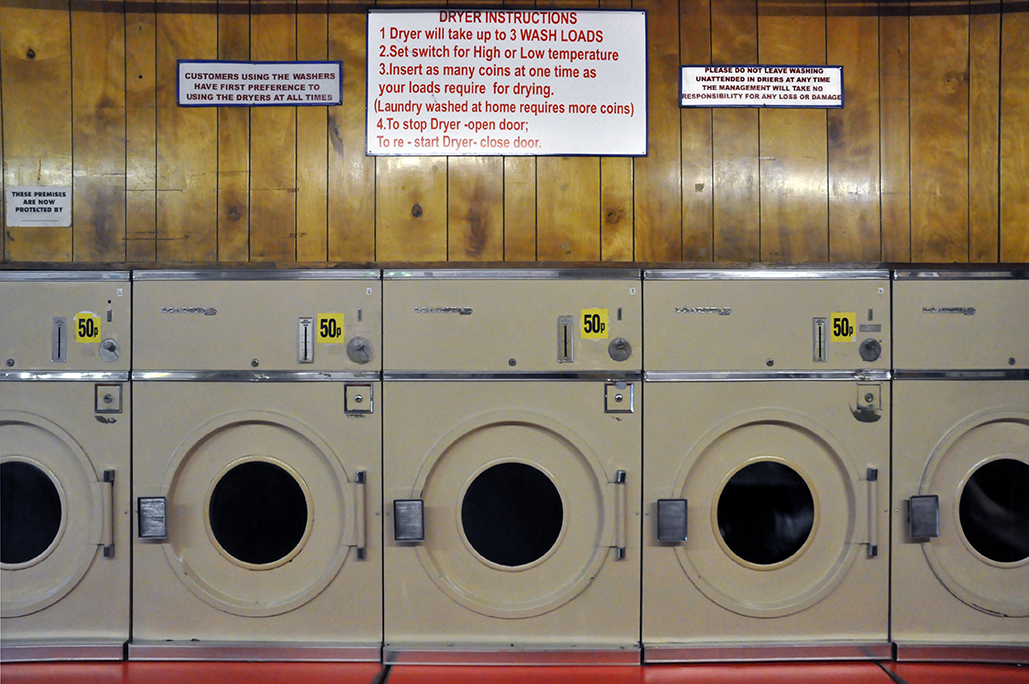
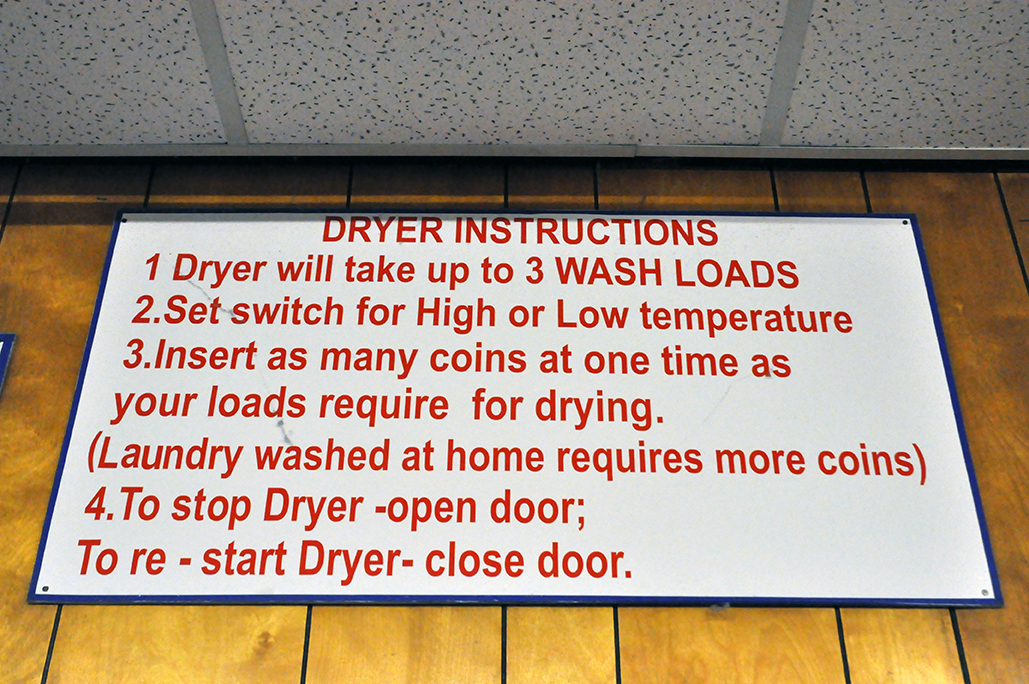
Standing alone in an unattended laundrette can be a chilling experience, a heightened state of awareness abounds, accentuating that all pervasive absence of presence.

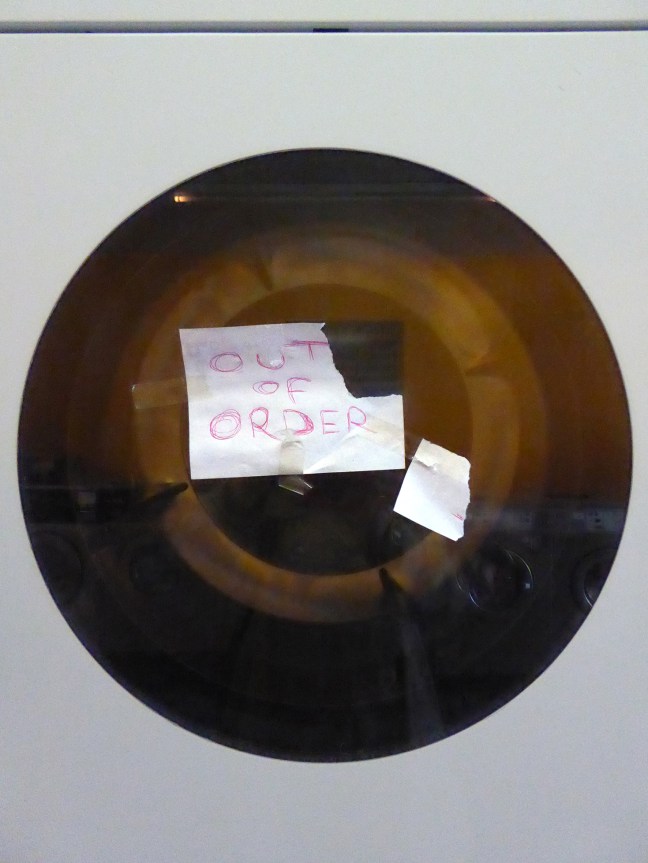
The unseen hand, that write the notes, that speak to you in emphatic hurried caps, pinned or taped precisely on the walls.

The ghosts of clothes, still warm, now gone.

A Proust defying amalgam of aromas, that almost fills the air.

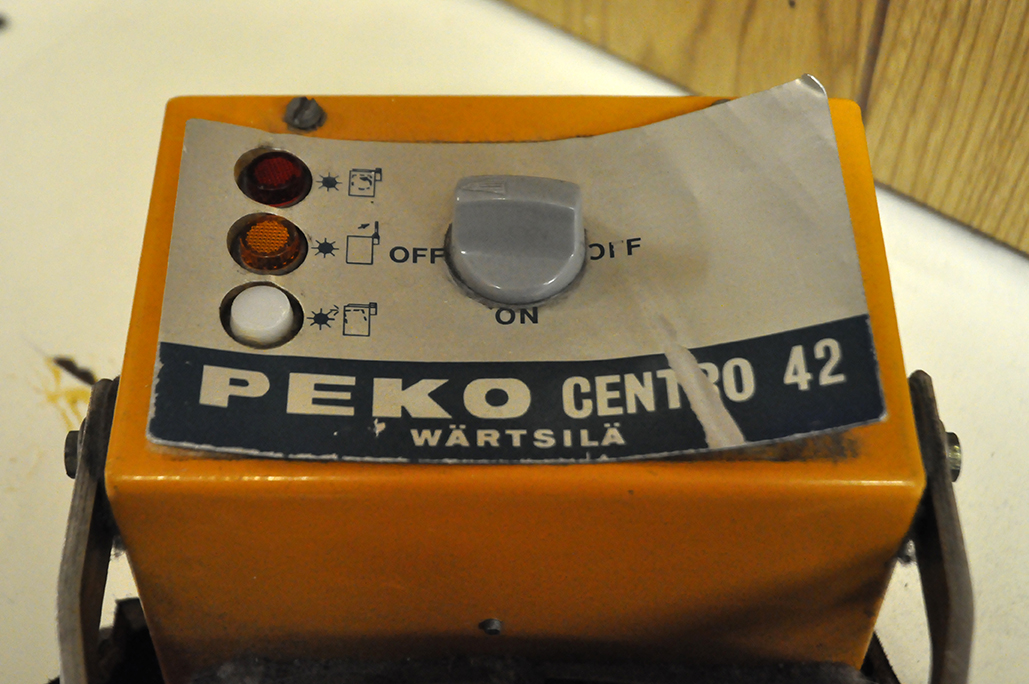
Just you and a series of slots, demotic instructions, care worn utilitarian surfaces and time.

Wash Inn get out.

Pevensey – Oyster Bungalows

Hardly by accident, passing Pevensey Bay by bike one sunny summer’s day, hurriedly intent on catching up with old friends.

Having visited here some years ago, under the guidance of pal Pauline, I was as ever, over eager to renew our previously brief acquaintance.

There they were waiting patiently, to the left of a long straight road, running parallel to the adjacent shore.

Oyster Bungalows – so called for their cylindrical form and formerly scalloped barge boards.

Holiday homes the work of designer / architect: Martin & Saunders Limited built: 1937 – 1939.

Small and perfectly formed, they all seem to have suffered the indignities of ageing none to gracefully.

Subject to the whims of fashion and the uPVC expediency of our age.

Typically no two are the same, variegated planting, neglect and graceless addenda grace the previously pristine homes.

For all that, their diminutive charm remains undiminished.

My spirits lifted as I strolled by, inevitably yours will too.

Okehampton – Car Wash and Go

Early morning on the A30 out of Okehampton and something is beginning to stir.

Two inscrutable Romanians and a curious garrulous traveller are going about their respective business.

They – filling buckets and arranging a complex array of cleaning fluids.

Me –  just mooching with a compact camera.

Initially expressing an understandable resistance to my snappy ways, their consent was granted, following a series of complex hand gestures, smiles, and an open and honest request.

Moments later my job was done and theirs had just begun.

Wash and go!

P1010258 copy

P1010268 copy

P1010262 copy

P1010264 copy

P1010269 copy

P1010254 copy

P1010265 copy

P1010256 copy

P1010261 copy

P1010259 copy

P1010267 copy

P1010263 copy

P1010260 copy

P1010257 copy

P1010266 copy

Llanidloes – Shopfronts

In the heart of Wales, former centre of the flannel industry, stands Llanidloes.

Through civic pride, love and local doggedness, the decorative shopfront prevails unabashed.

The finest selection of carved and moulded wooden filigree, hand painted signs, large open panes, tile work and the odd suspended folk-art sheep, adorn substantial Victorian properties, rich in the market town tradition of controlled opulence. A varied typology, the majority continuing to trade, the odd domestic conversion retaining its retail characteristics, whilst maintaining its modesty, behind tightly drawn net curtains.

Go take a look.

P1070185 copy

P1070187 copy

P1070188 copy

P1070190 copy

P1070197 copy

P1070198 copy

P1070199 copy

P1070205 copy

P1070206 copy

P1070207 copy

P1070208 copy

P1070224 copy

P1070225 copy

P1070227 copy

P1070228 copy

P1070229 copy

P1070230 copy

P1070231 copy

P1070232 copy

P1070233 copy

P1070234 copy

P1070235 copy

P1070236 copy

P1070238 copy

P1070239 copy

P1070240 copy

P1070241 copy

P1070242 copy

P1070243 copy

Stoke on Trent – The Glebe

Hard by Stoke Minster stands the only pub in the area I care to visit, tucked in a cosy corner by the Civic Centre, five minutes from the station, barely time to work up a thirst.

Carefully and skilfully refurbished, exquisite original semi circles of stained and painted glass depicting the months of the year – though there is no February, the lower panes a recent addition.
A tiled floor and broad stripped floorboards beneath your feet.

Sympathetically furnished, plainly, simply appropriate to a pub with pride.

In being a pub.

We and the afternoon sun, spill lazily in, in time for a pint.

It’s delicious so we have another

And another.

http://www.joulesbrewery.co.uk/pubs/pub_details.php?id=9