Sheffield Modernists

The outline of a presentation for Photonorth – November 16th 2023.

I was asked to talk about the photographs which Sean Madner had selected for exhibition on behalf of the Sheffield Modernists.

Illustrating a wide range of building types in and around Sheffield sheltering beneath the broad umbrella of Modernism.

By way of context the photographs are all Topographic in nature –  in which a landscape subject is photographed, devoid of people, framed orthogonally and lacking artifice or effect.

Practiced most famously by the 1970s New Topographics photographers, including Robert Adams, Lewis Baltz, Nicholas Nixon, and Bernd and Hilla Becher.

Bernd and Hilla’s photographs lead us to:

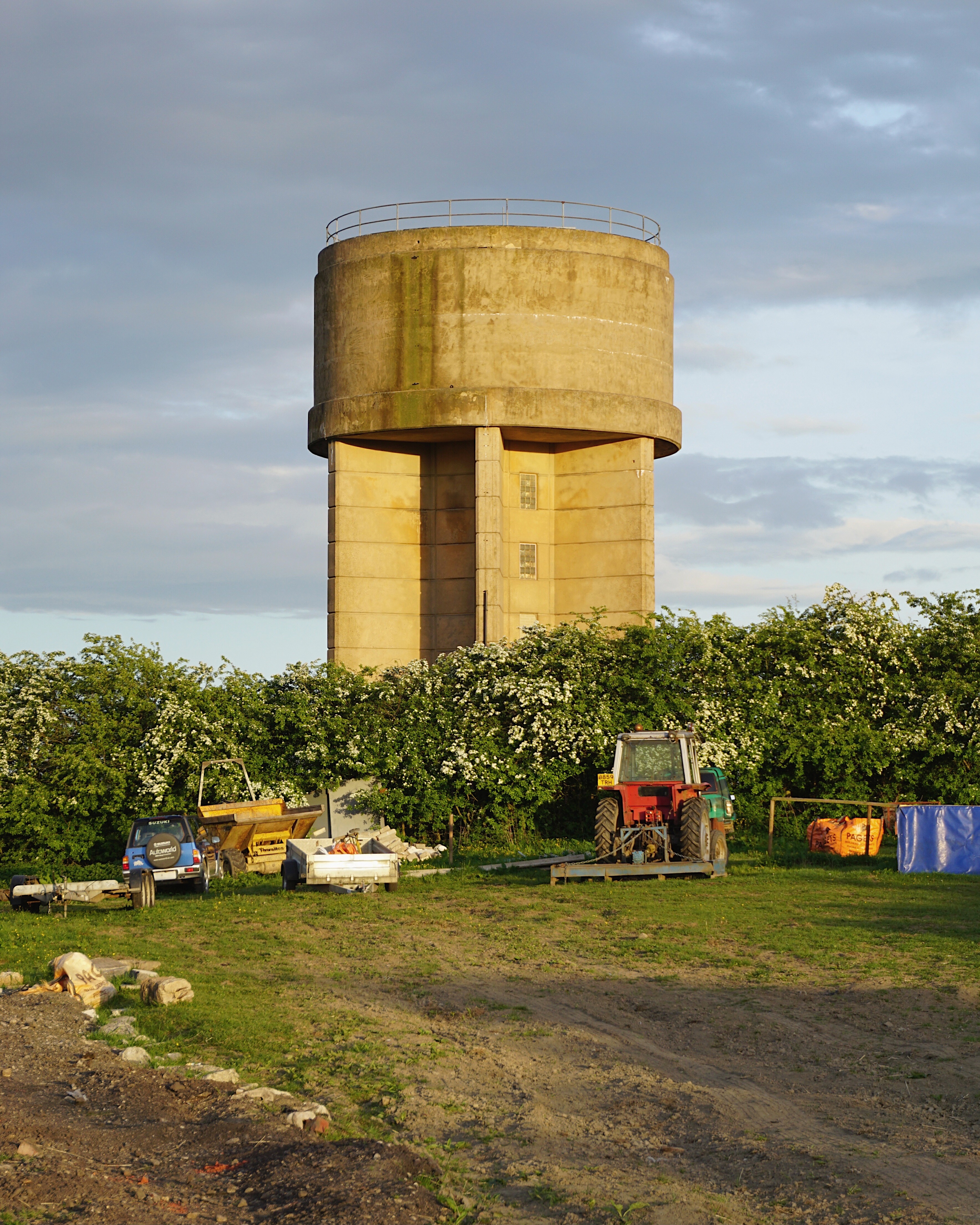
1 Potter Hill Water Tower

The British Water Tower Appreciation Society
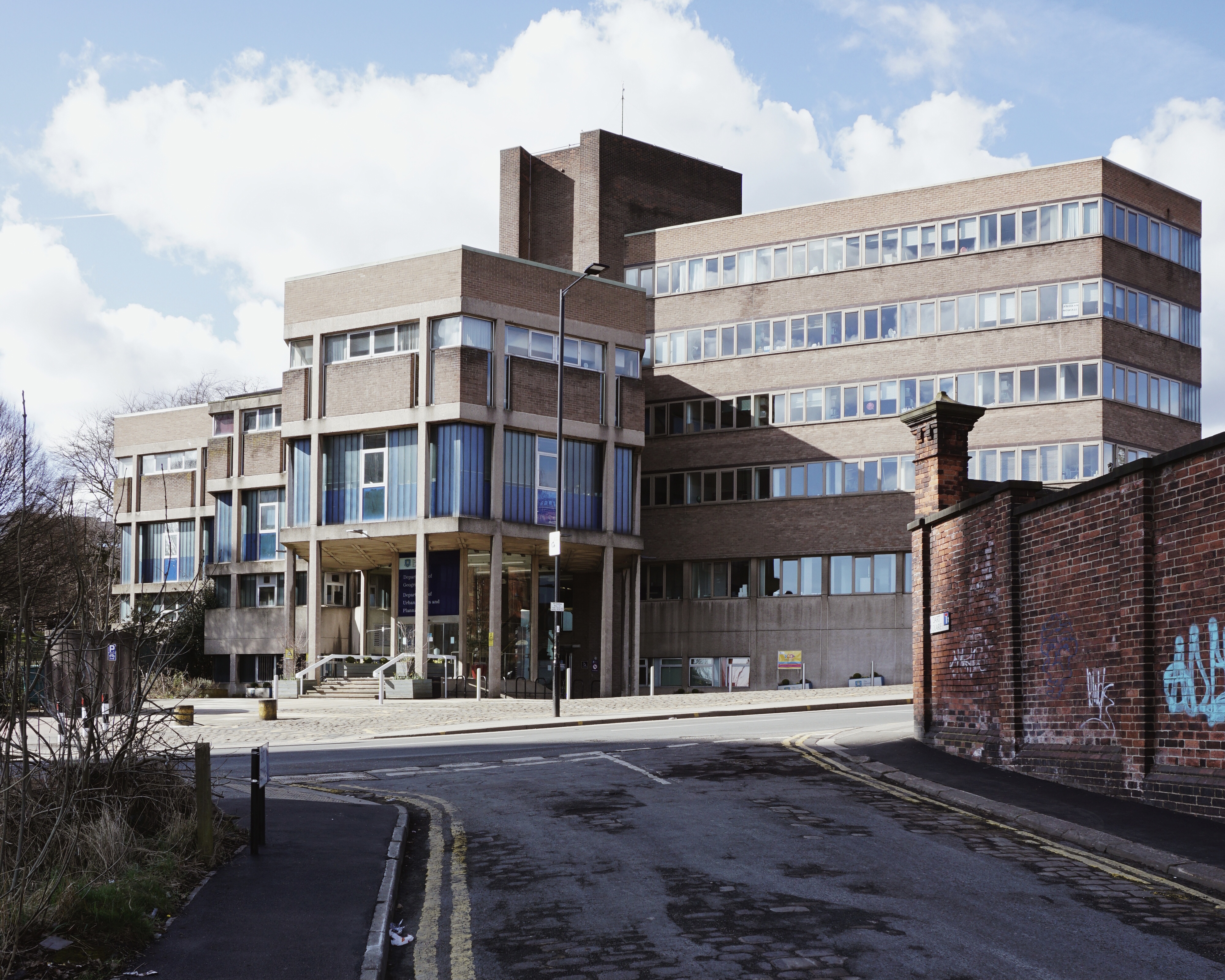
2 Geography Building 1970 Sir William Whitfield

Alterations made 2022
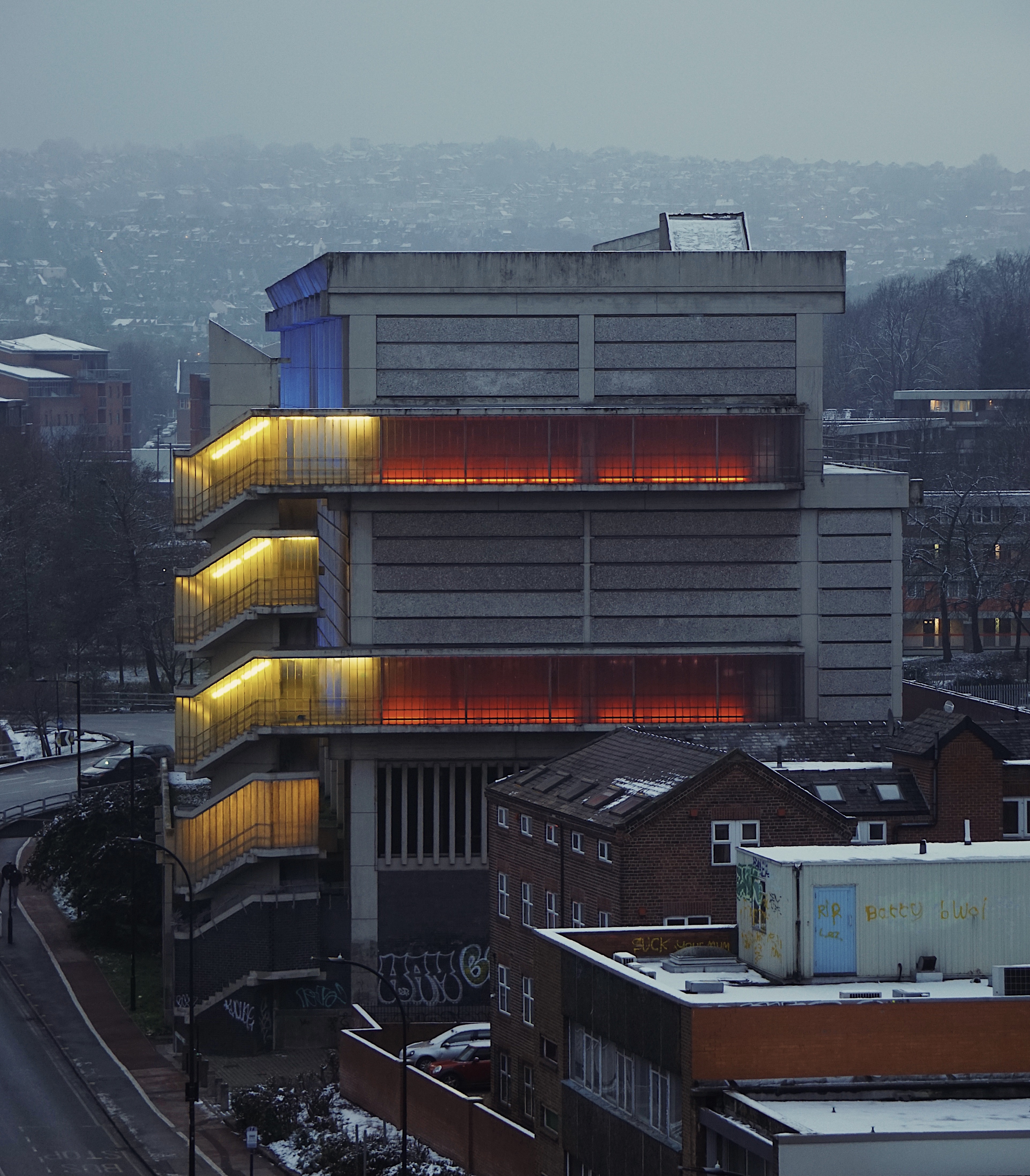
3 Moore Street Substation 1968 Jefferson Sheard

Owen Hatherley describes it as:

A shocking paroxysm of a building, an explosion in reinforced concrete, a bunker built with an aesthete’s attention to detail, a building which is genuinely Brutalist in both senses of the term.
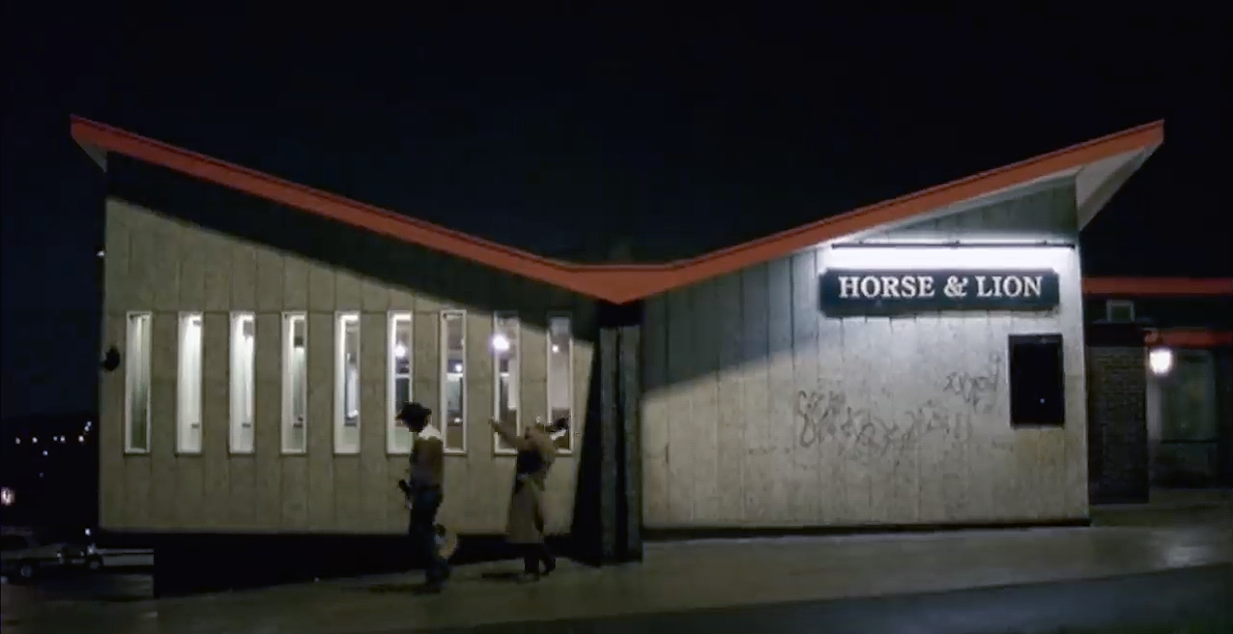
4 Horse and Lion Pub – Bass Charringtons

Prime example of a so-called Estate Pub.

With a hyper parabolic roof a doubly-curved surface that resembles the shape of a saddle, that is, it has a convex form along one axis, and a concave form on along the other.
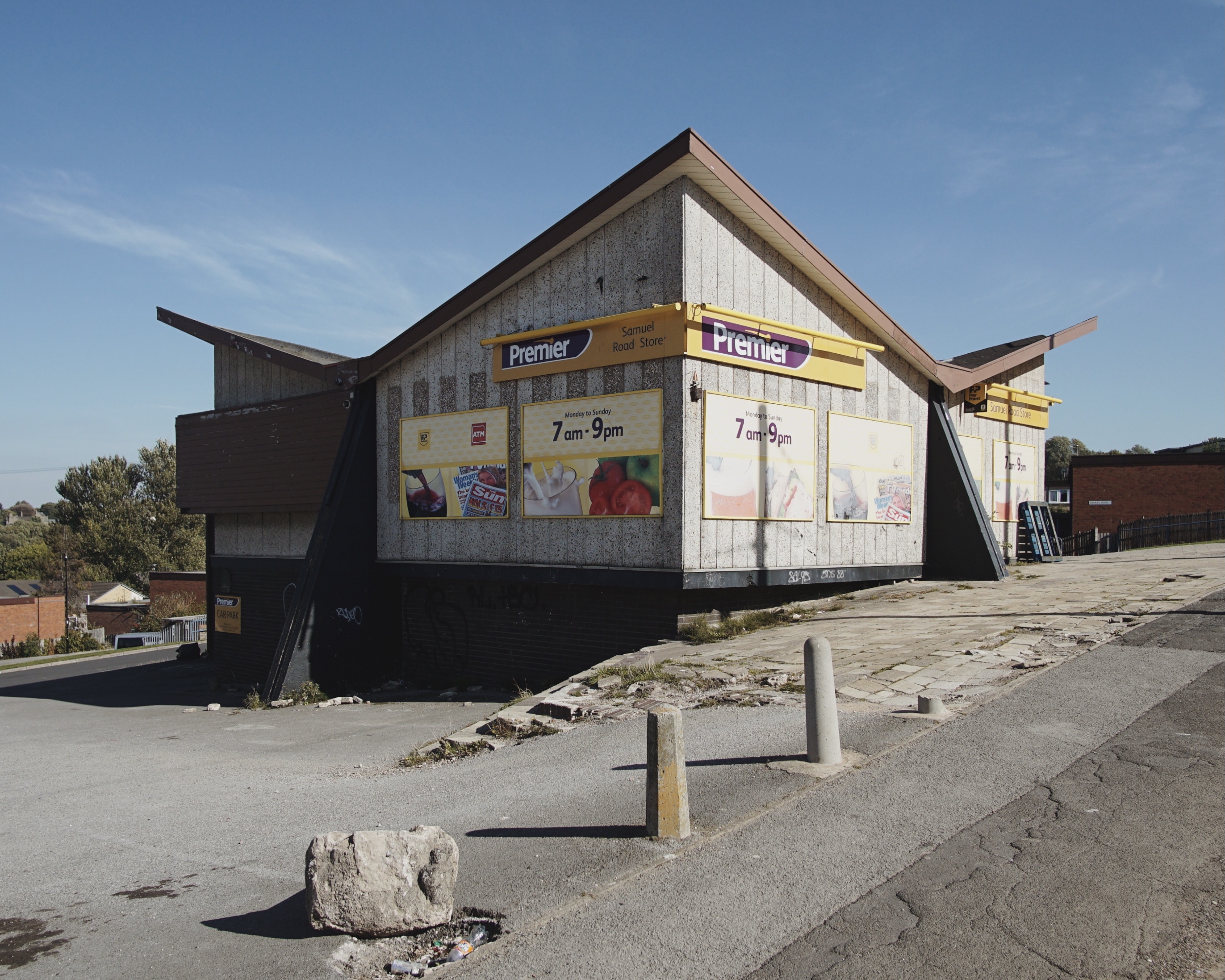
Featured in the video for the Arctic Monkeys’ 2006 number one hit – When the Sun Goes Down at 1.21.
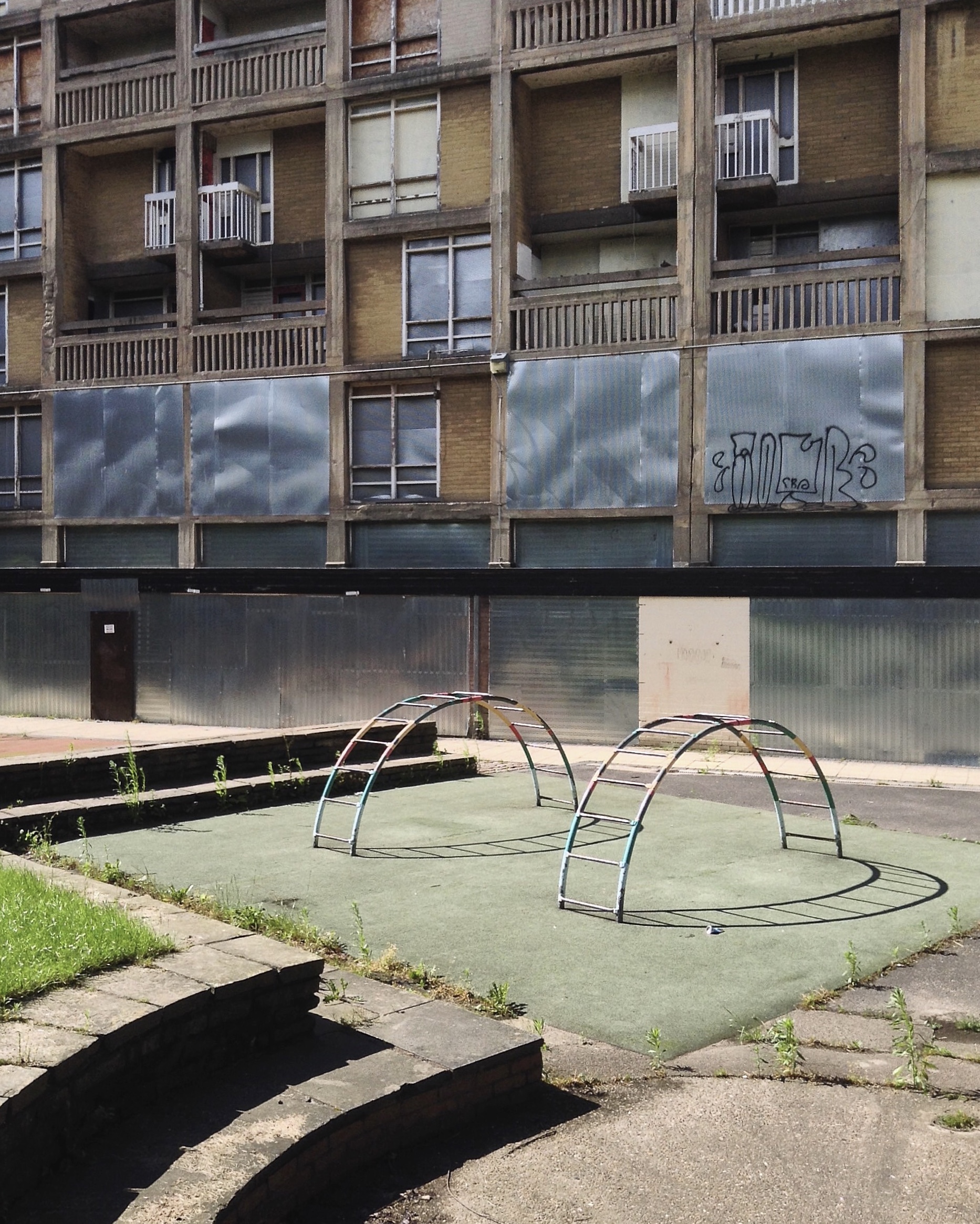
5 Park Hill – 1957 and 1961 Jack Lynn and Ivor Smith under the supervision of JL Womersley, 

Grace Owen Nursery – with two Wicksteed climbing frames

The Play Ground should not be put in a corner behind railings, but in a conspicuous and beautiful part of a Park, free to all, where people can enjoy the play and charming scenery at the same time; where mothers can sit, while they are looking on and caring for their children.

Charles Wicksteed
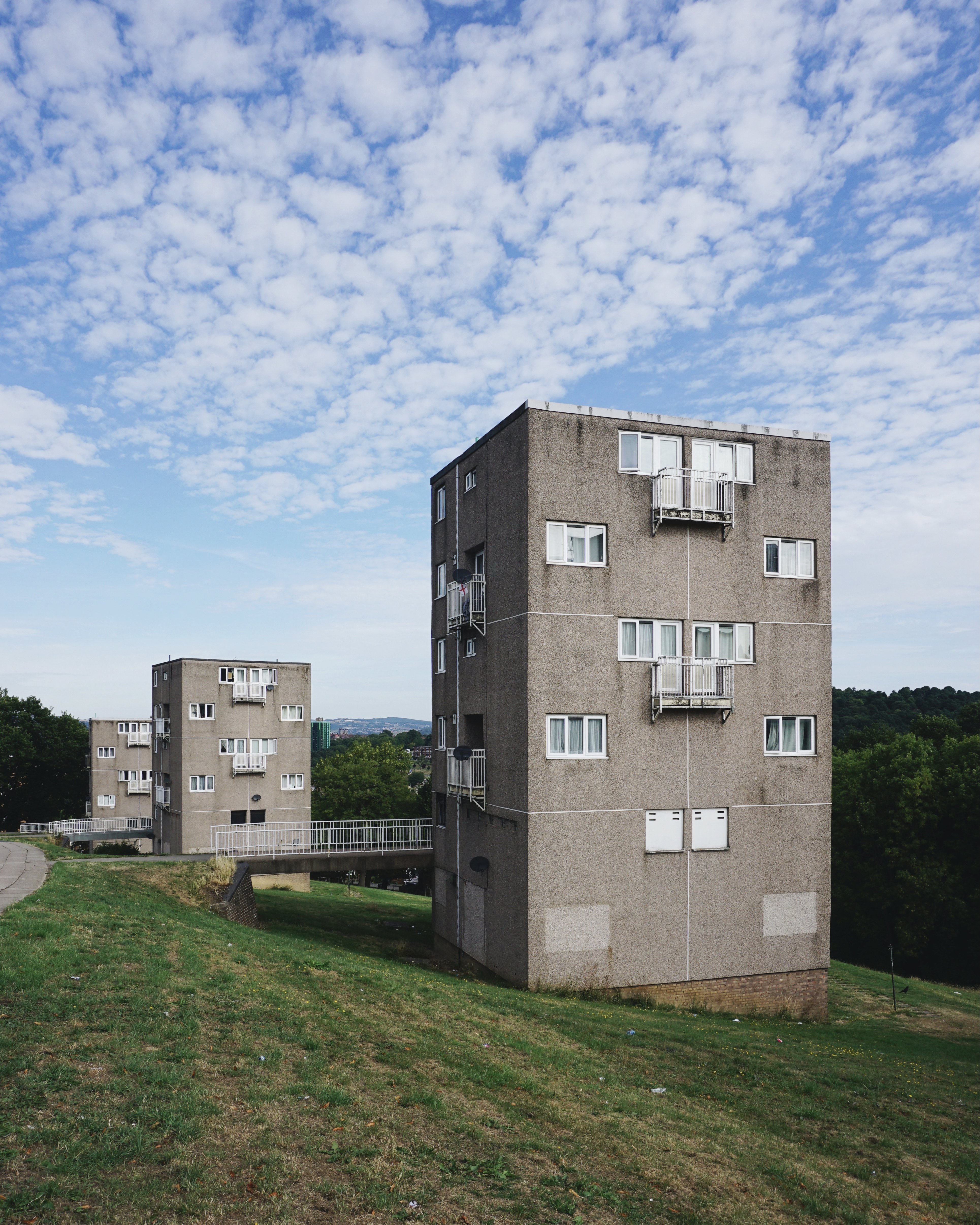
6 Gleadless Estate 1963 Lewis Wormersley City Architect

The Sheffield Blitz in December 1940 killed almost 700 and damaged some 82,000 homes, over half the city’s housing stock. As the city looked to rebuilding, its 1952 Development Plan estimated the need to replace 20,000 unfit homes and build a further 15,000 to cater for the natural increase of population.

Supreme, but often overlooked, achievement … is the Gleadless Valley Estate which combined urban housing types and the natural landscape so effectively that it still looks stunning, especially on a bright winter’s day.

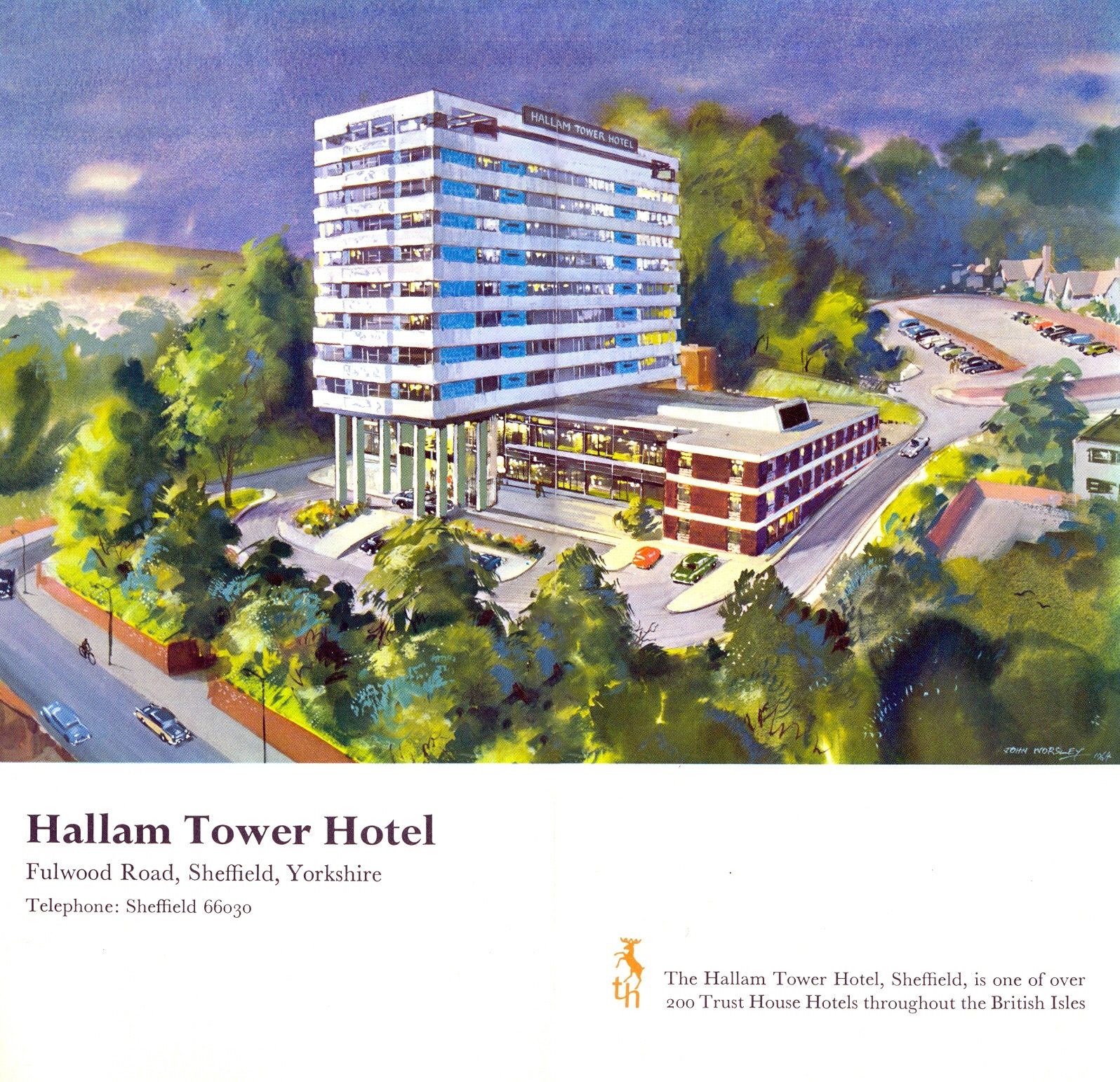
7 Hallam Tower Hotel 1965 Nelson Foley of Trust House Architectural Department

It opened officially on 24th March 1965 and was the first luxury hotel to be built in the north of England since the Second World War. The exterior was designed to complement Sheffield’s post-war modernist developments; the interior by Colefax and Fowler of Mayfair offered warm, gay colours to contrast with the black and grey tones of the city.

8 Hope Cement Works

The plant started its first full year of production in 1929 

The plant was located at Hope, because it is at the edge of where carboniferous limestone of the Monsal Dale Group, meets Edale Shale, the two main components of finished cement.

Since 1951, when the Peak District National Park was created, most of the outbound traffic from the plant has been exported by rail.
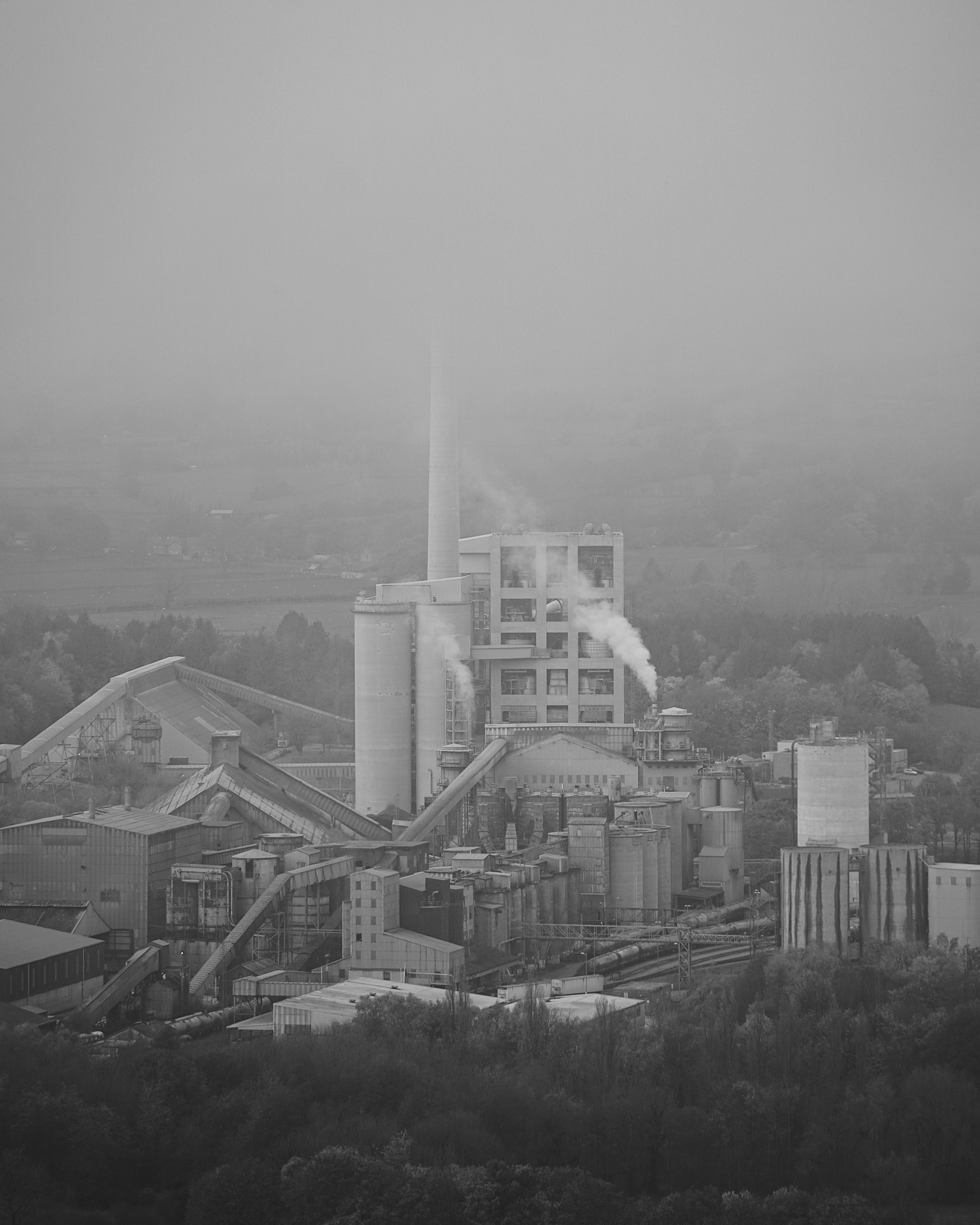
As seen in the Channel 4 TV ident.

The same location used in Shelagh Delaney’s A taste of Honey.
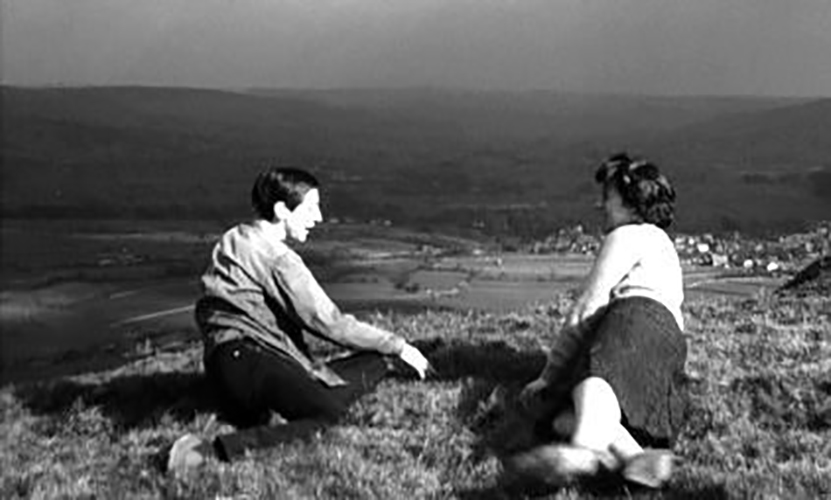
9 Droppingwell FootbridgeWest Riding County Architect Colonel Stuart Maynard

Colleagues in the team included Bill Varley, Ron Bridle, Sri Sriskandan and FA Joe Sims. The team was responsible for the introduction of a great deal of new computing technology into bridge design, as well as for some of the most imaginative bridge engineering going on anywhere in the country. Their design efforts were supported by close involvement in research and testing work, for example, on half-joints and concrete hinges. All the above named engineers went on to considerable seniority, some in the Department of Transport, and Sims and Bridle in particular have published various papers and contributed to books on the history of Britain’s motorway development.

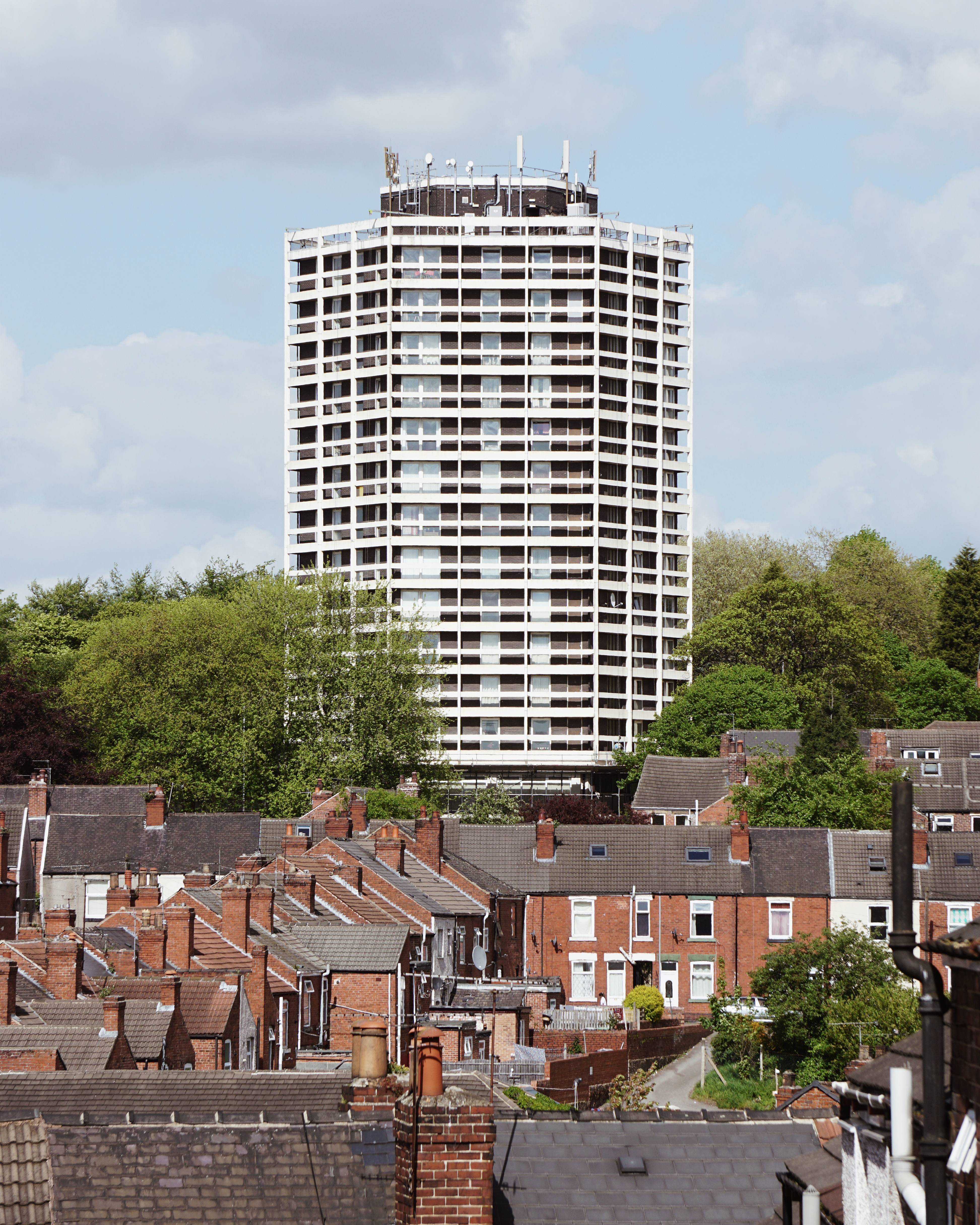
10 Beeversleigh Rotherham 1968-71 Main contractors J Finnegan 

It’s thirteen storeys high – housing forty eight dwellings.
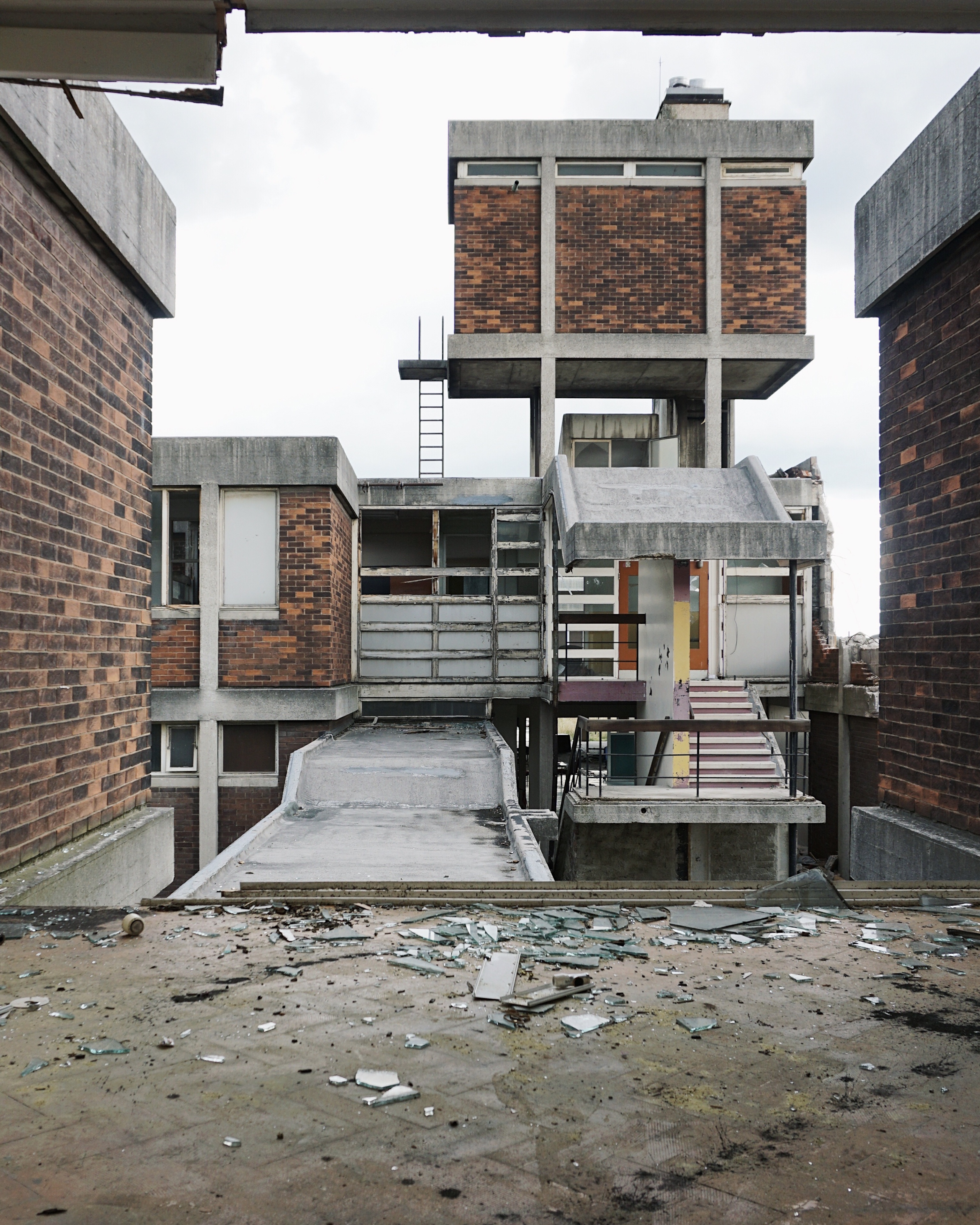
11 Park House School 1964 Lyons Israel Ellis Gray

Listed in 2017 – then demolished.
12 Magistrates Court 1978 B Warren City Architect

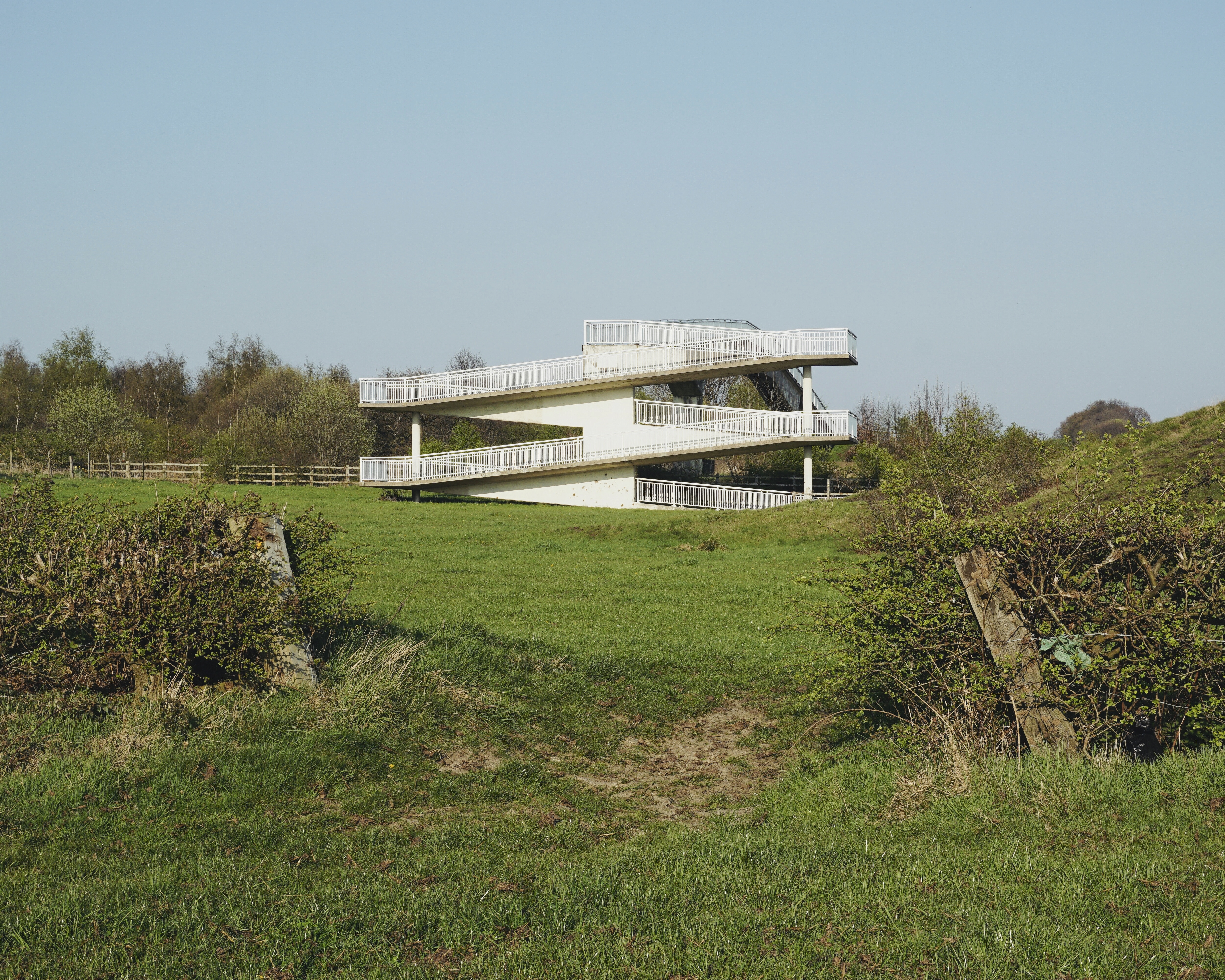
13 Smithy Wood Footbridge

Built using a structure developed by EM Wincher in Pittsburgh 1930.
14 Westfield Estate Mosborough

Formerly Waterthorpe Farm Estate a rural township which was subsumed by Sheffield’s expanding housing schemes.

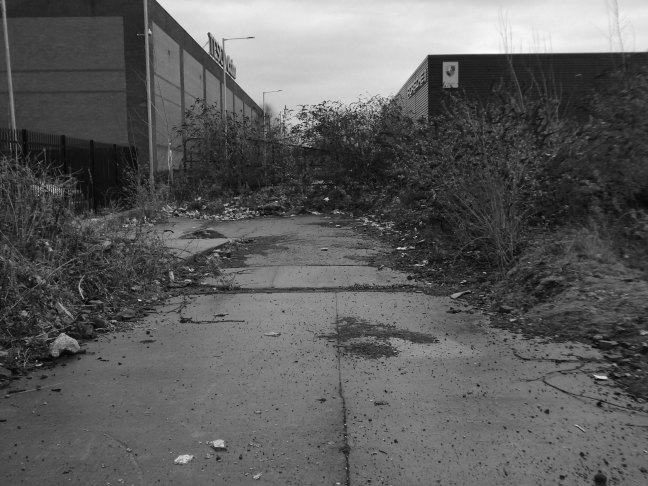
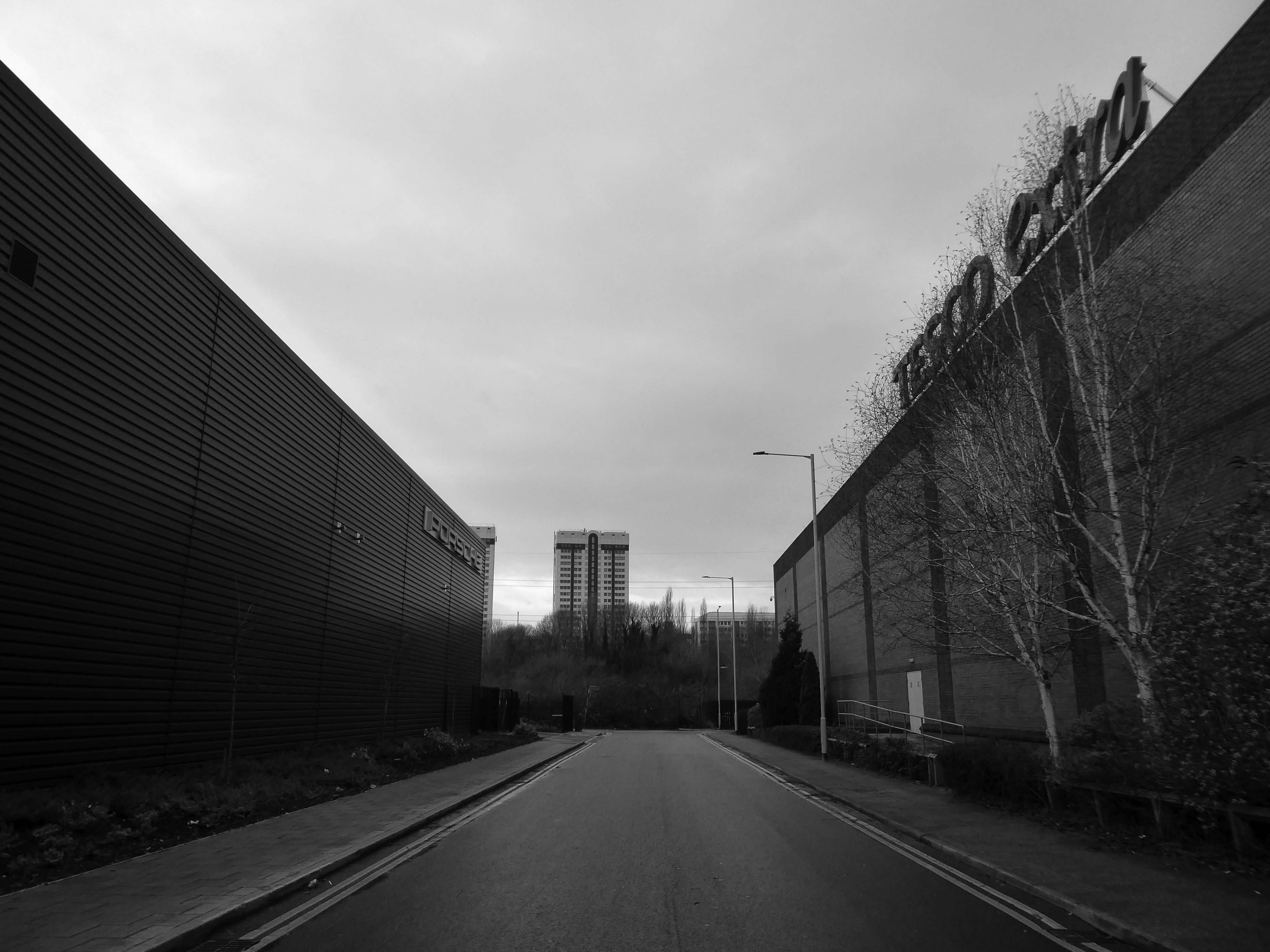
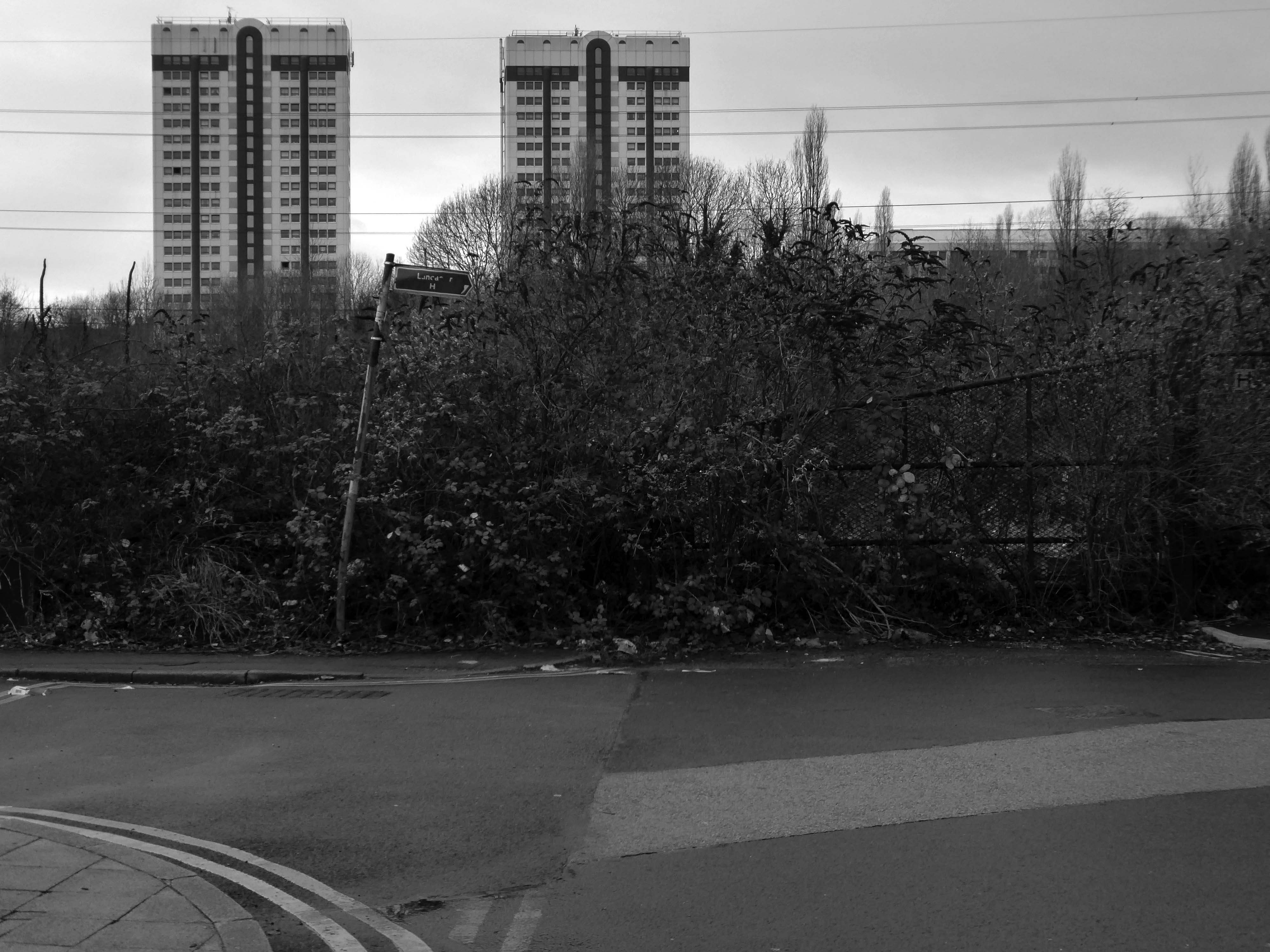
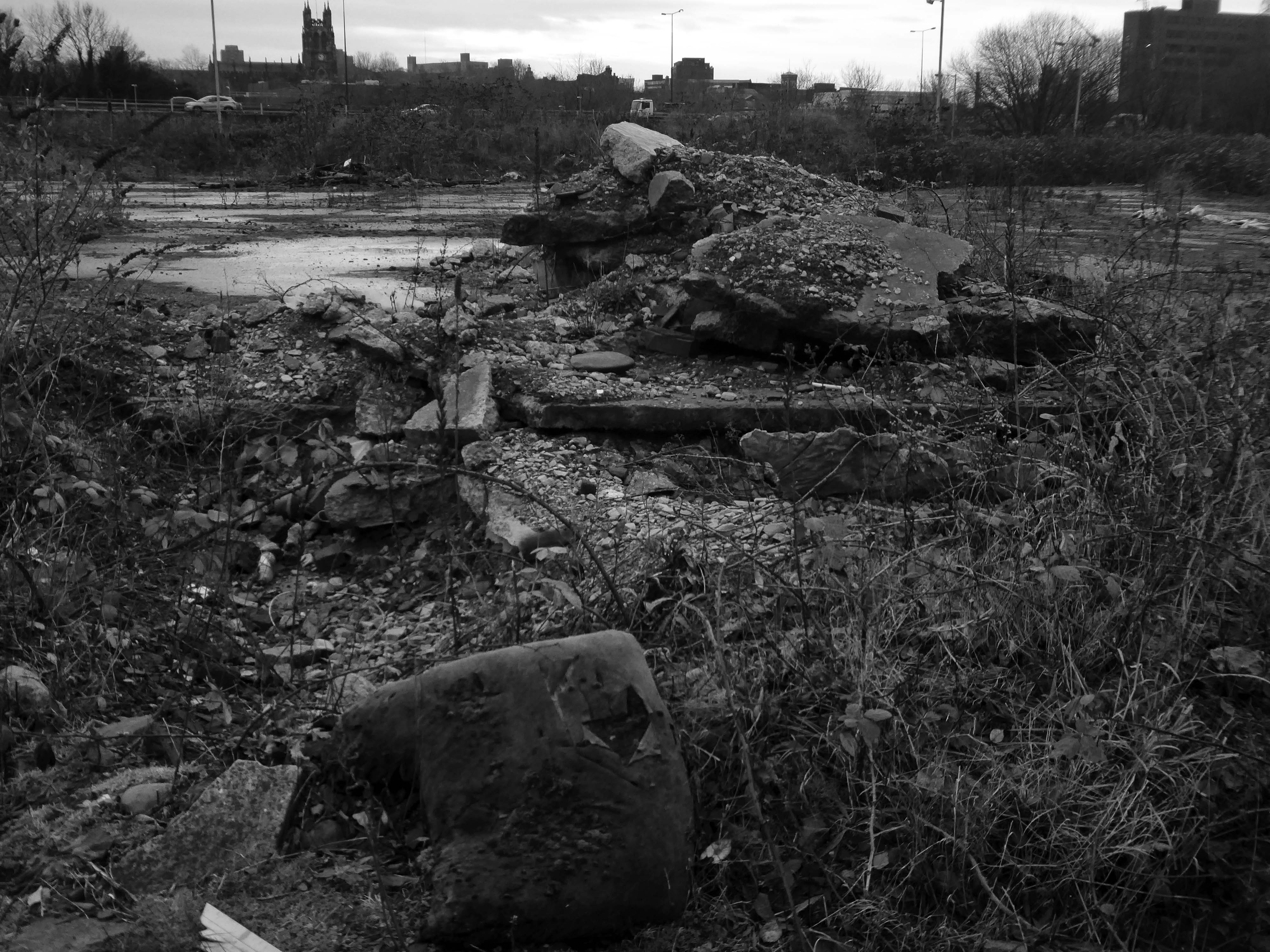
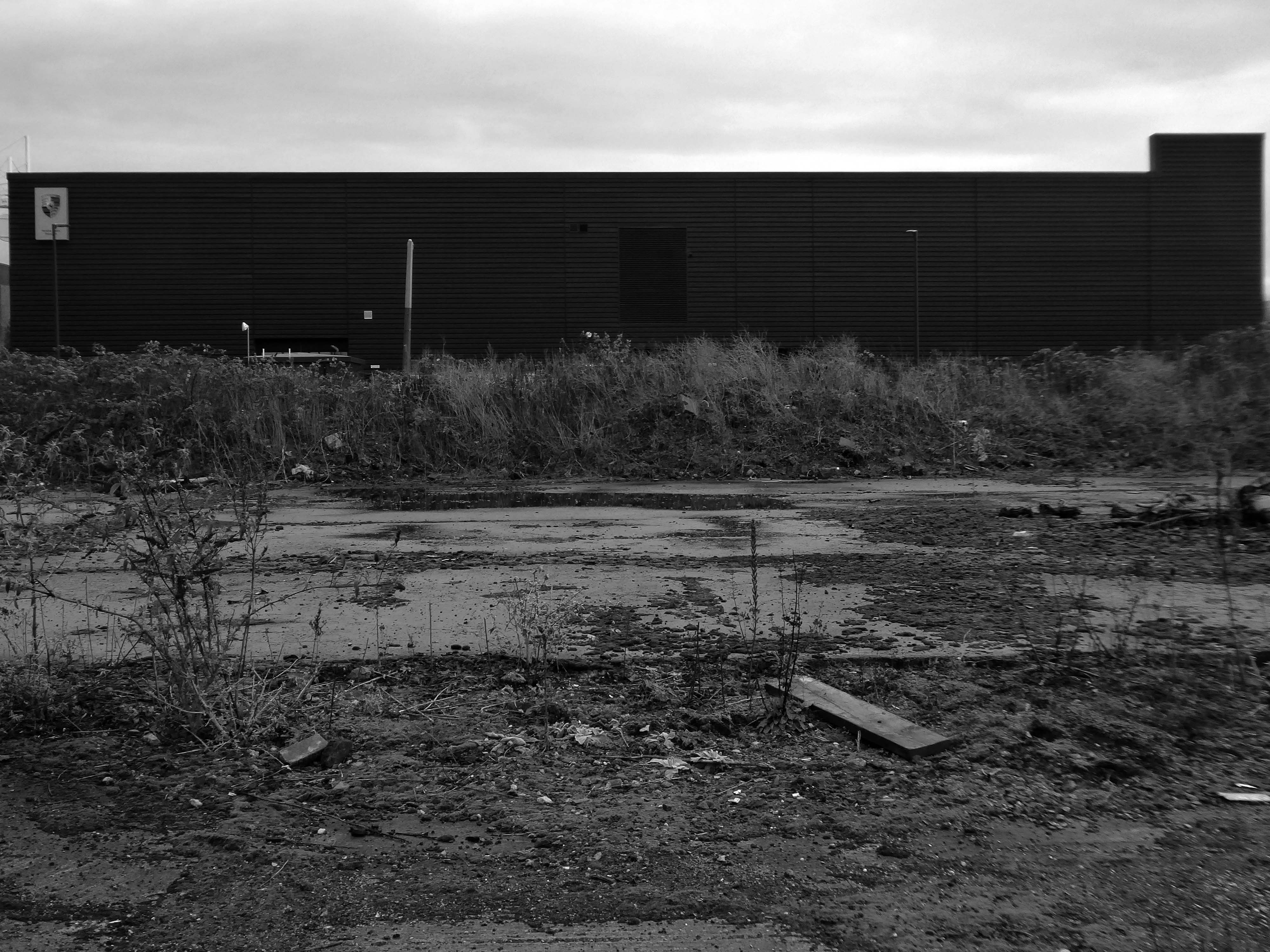
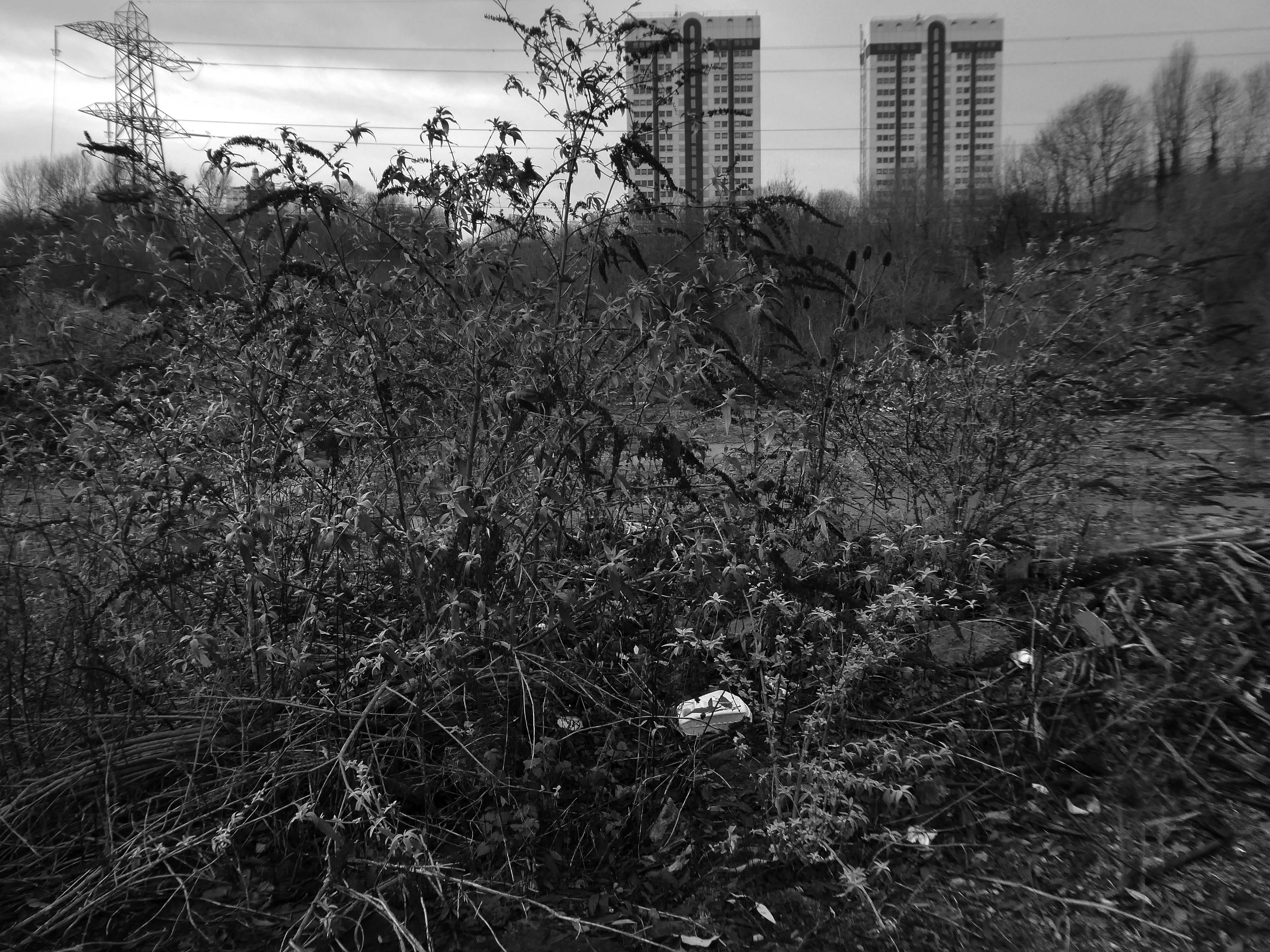
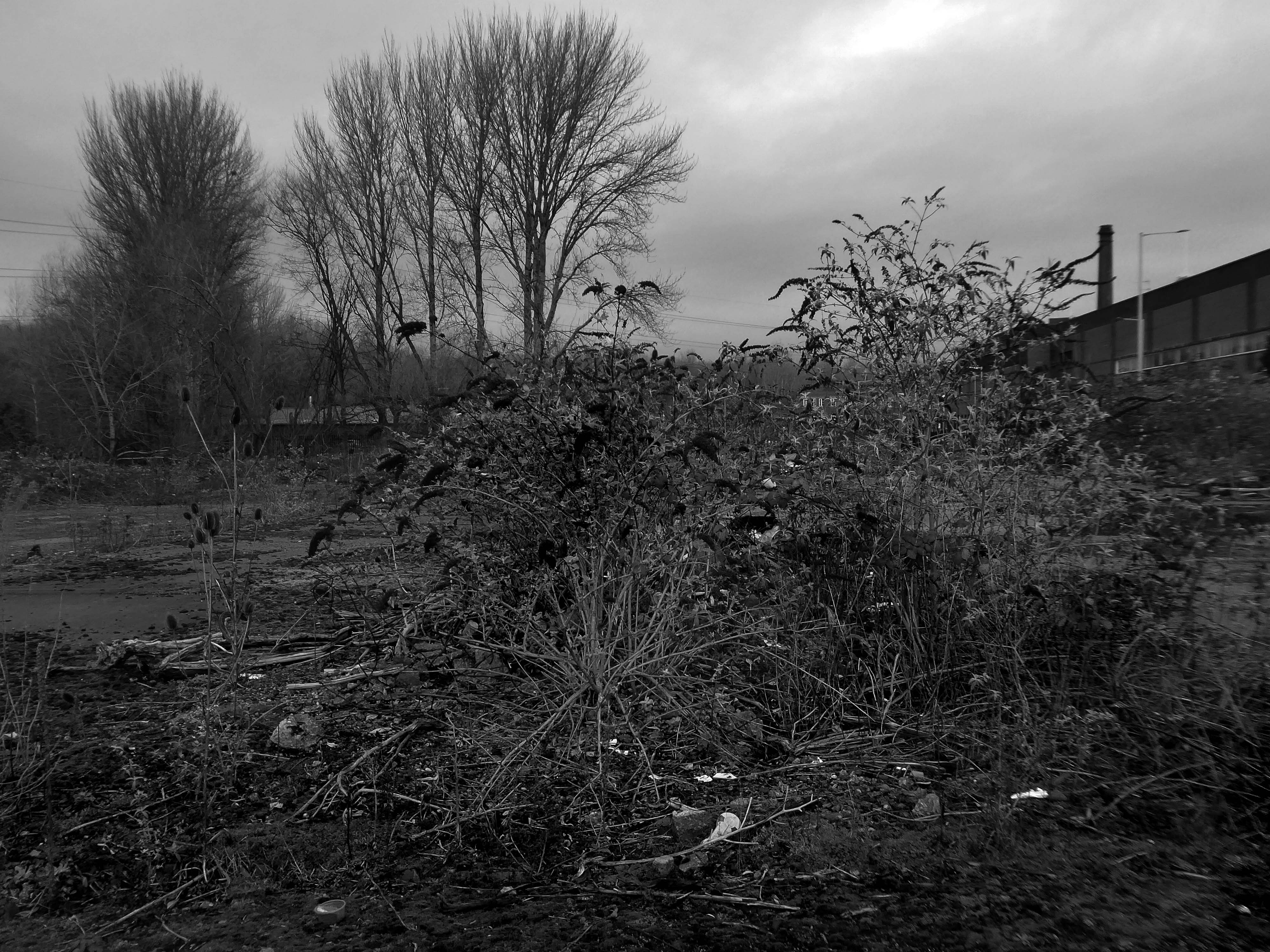
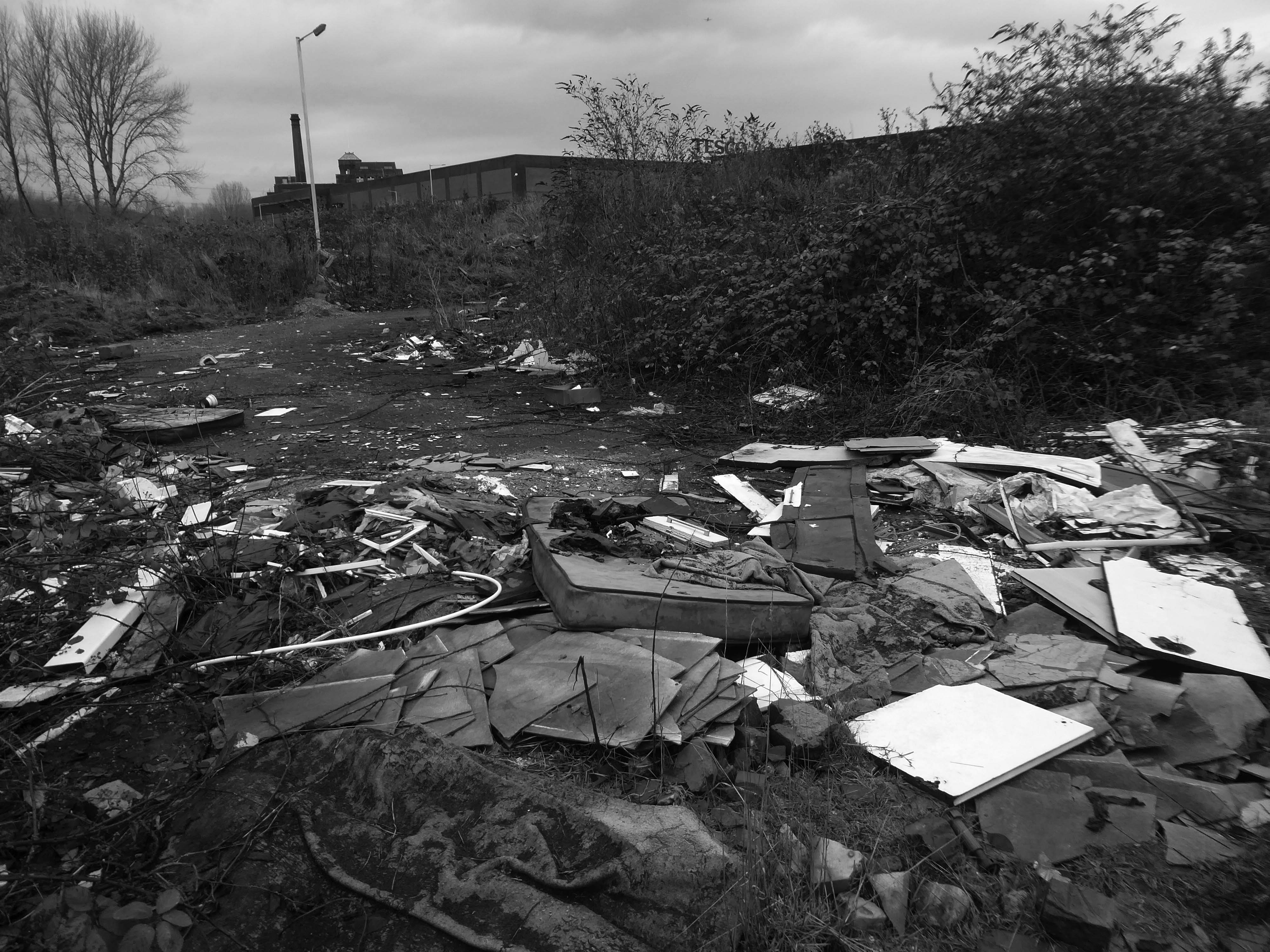
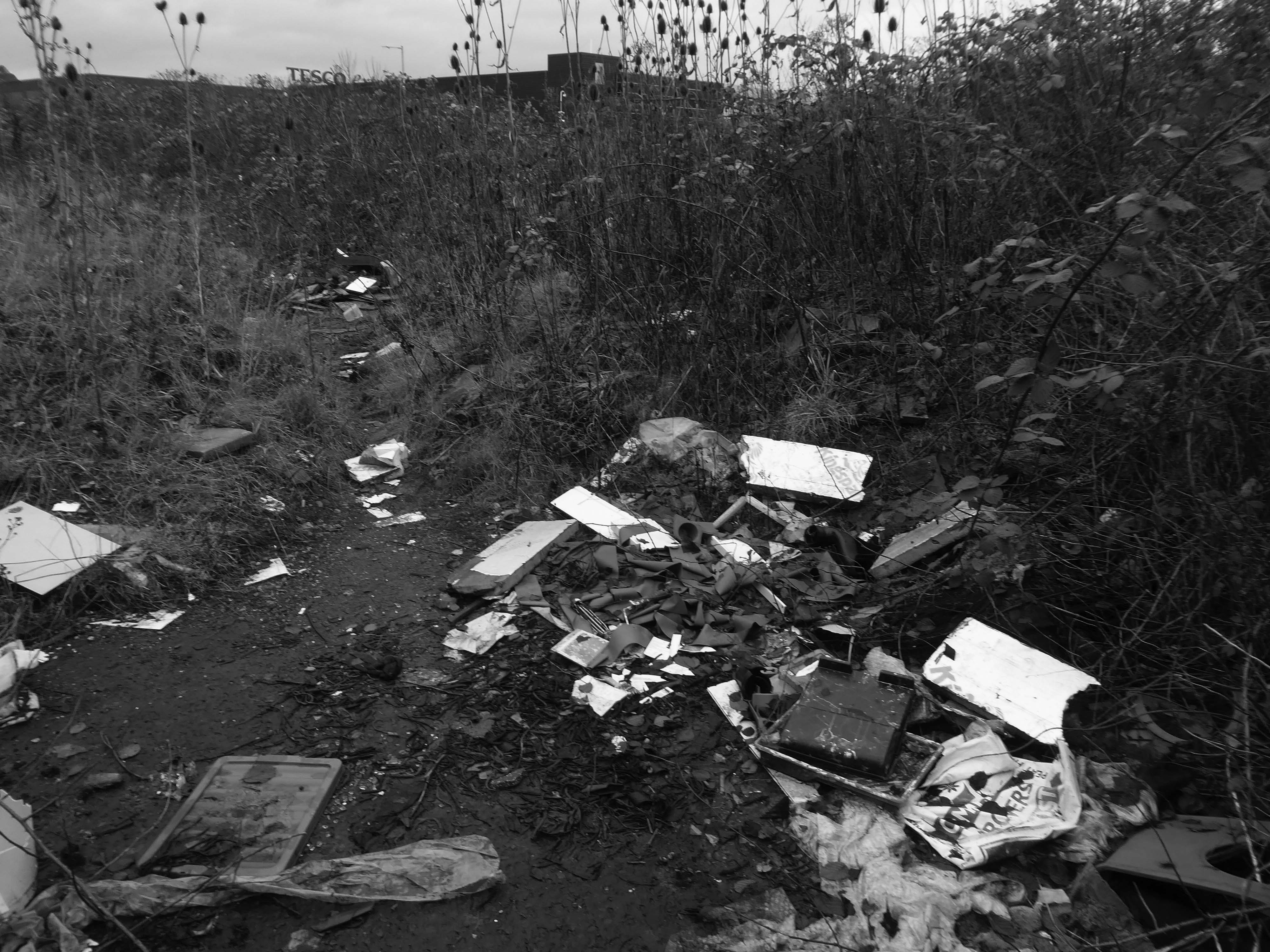
Portwood – 2023

Where are we?

We once were lost, but are we saved?

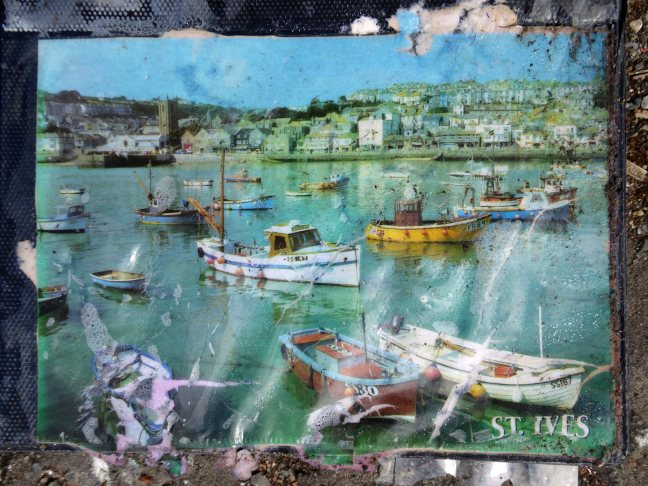
A remnant from a discarded photographic album locates us in Cornwall.

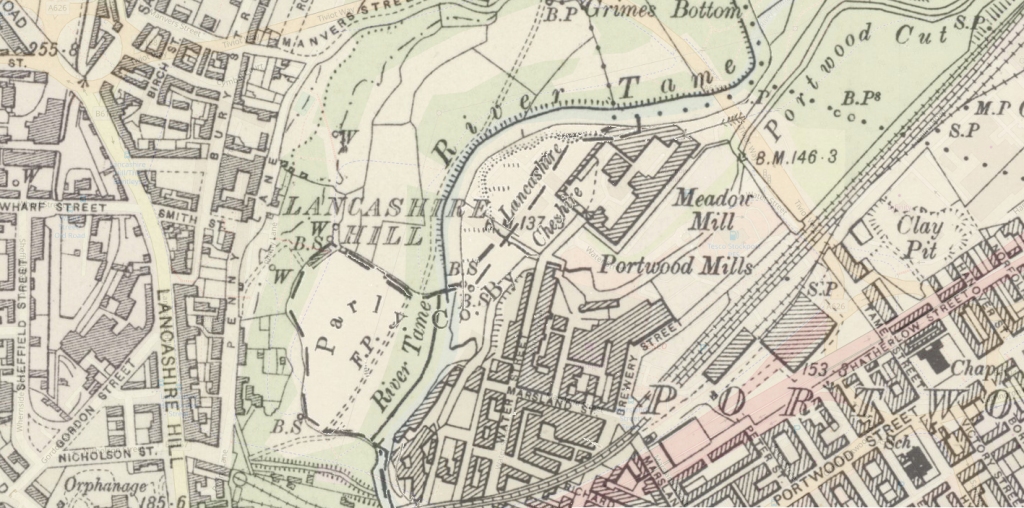
The Ordnance Survey places us at the heart of the Industrial Revolution.

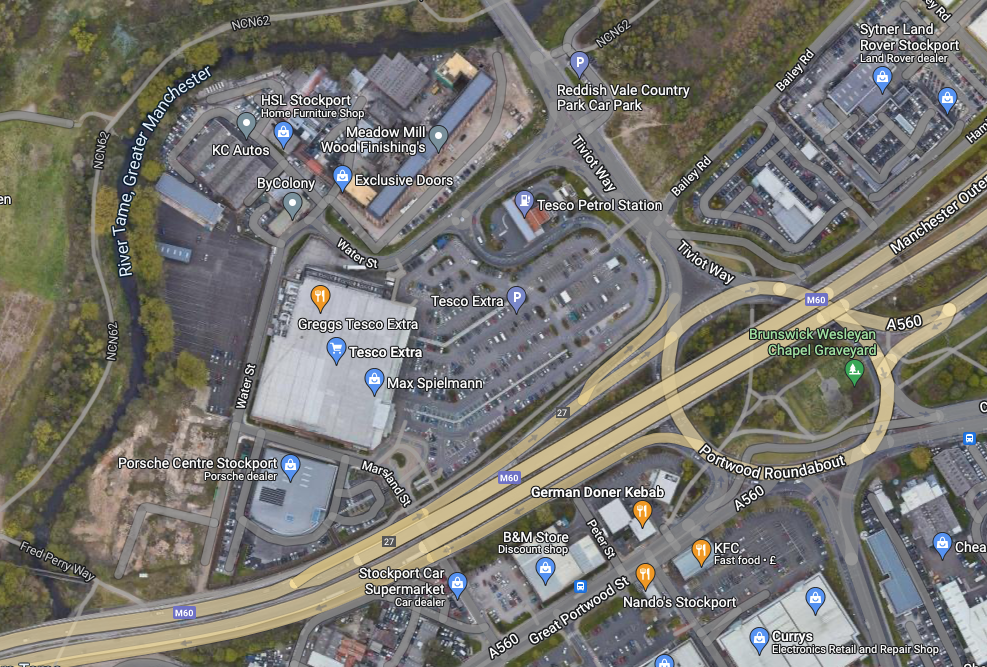
Now we are in the shadow of Tesco Extra and a recently opened Porsche dealership.

As of 2022, the supermarket chain had a brand value of roughly 9.91 billion US dollars.

Porsche Automobile Holding SE net worth as of January 2023 is 16.51 US dollars.

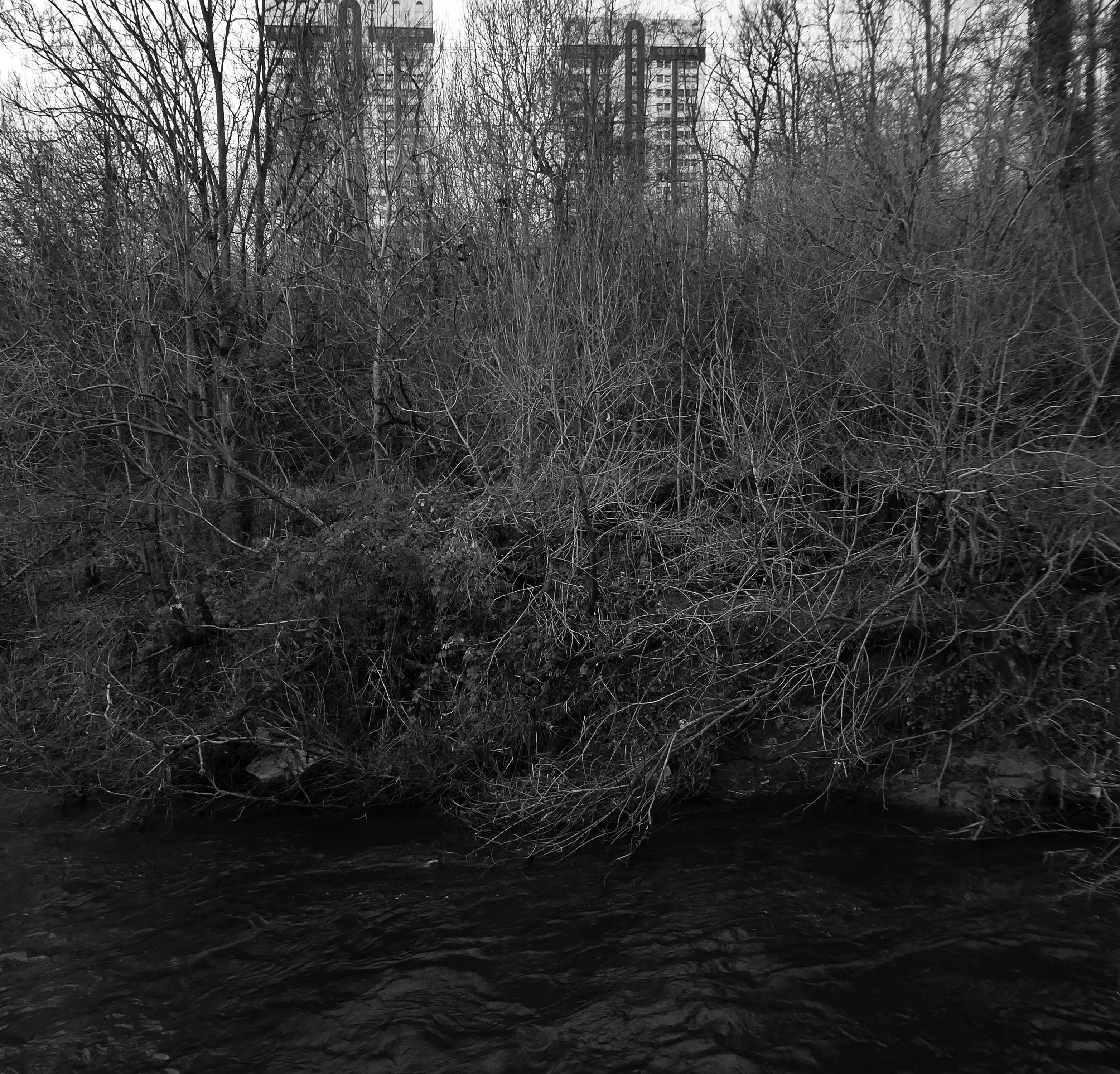
By the side of the River Tame and the M60 Motorway

The 19th-century industrial concentrations in the above-named urban areas resulted in the Tame being a much polluted waterway. As well as industrial pollution from the dyes and bleaches used in textile mills, effluent from specialised paper-making cigarette papers, engineering effluents, including base metal washings from battery manufacture, phenols from the huge coal-gas plant in Denton, rain-wash from roads and abandoned coal spoil heaps there was also the sewage effluent from the surrounding population. Up to two-thirds of the river’s flow at its confluence with the Goyt had passed through a sewage works. The anti-pollution efforts of the last thirty years of the 20th century have resulted in positive fauna distributions.

Wikipedia

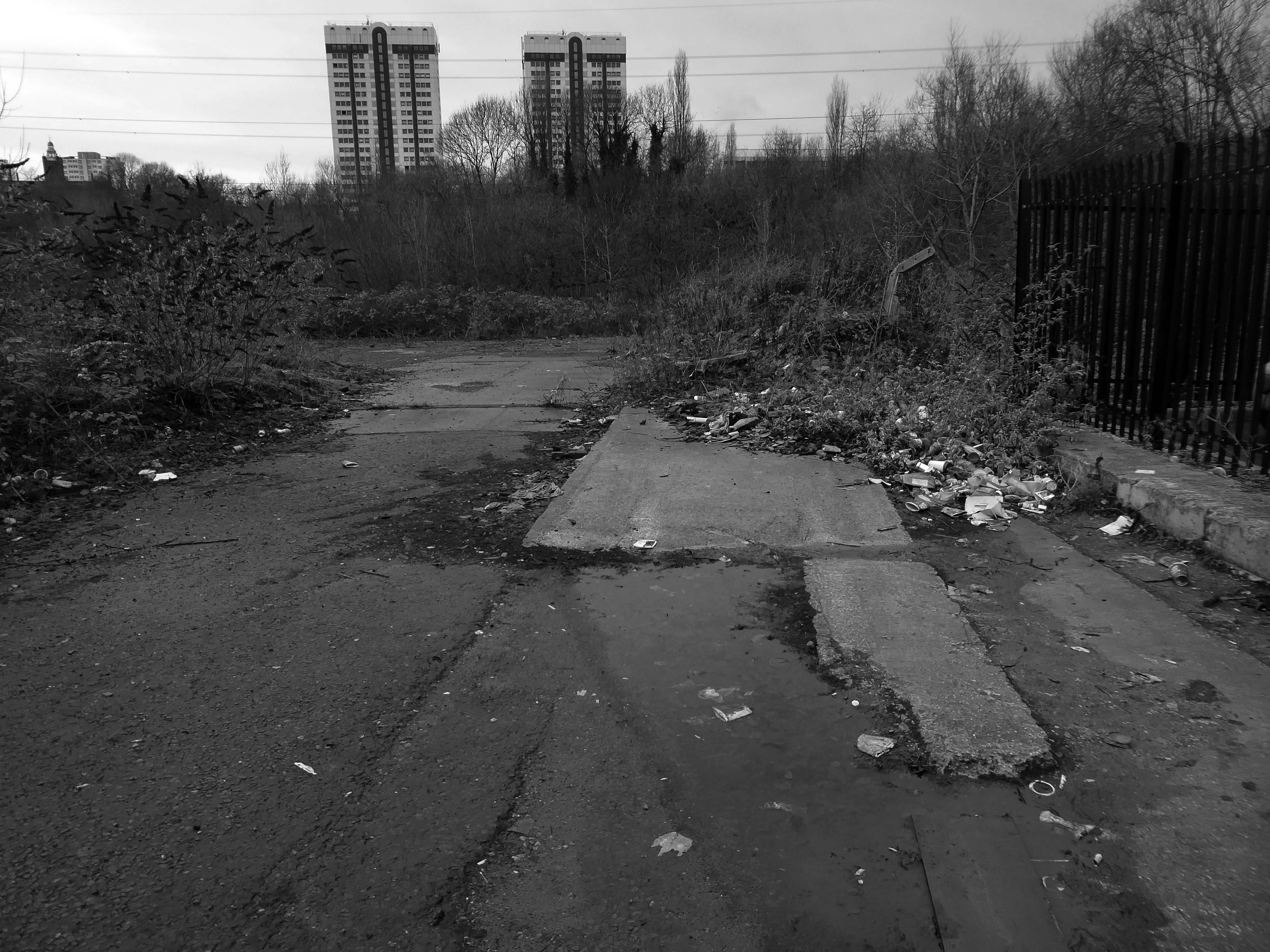
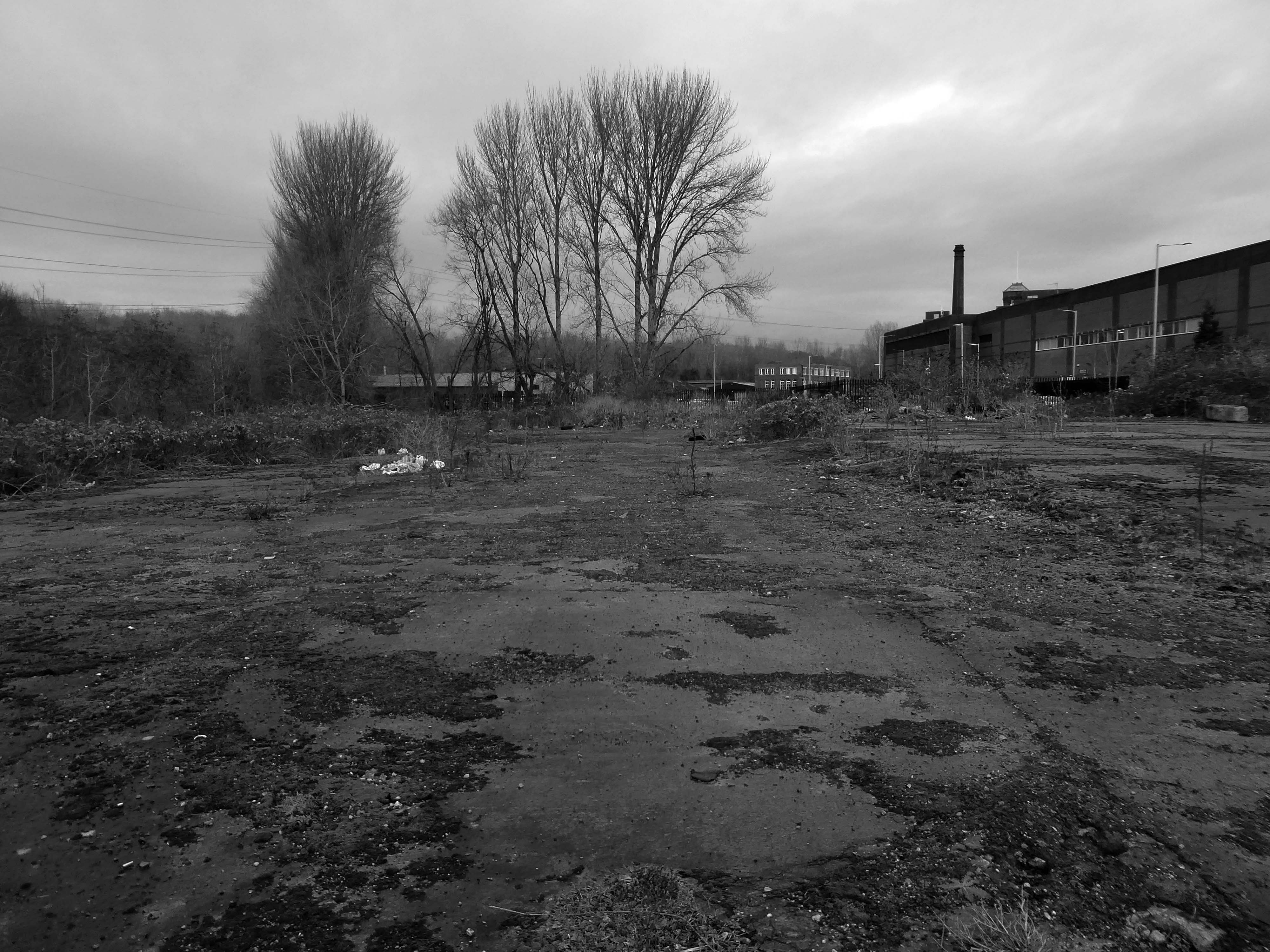
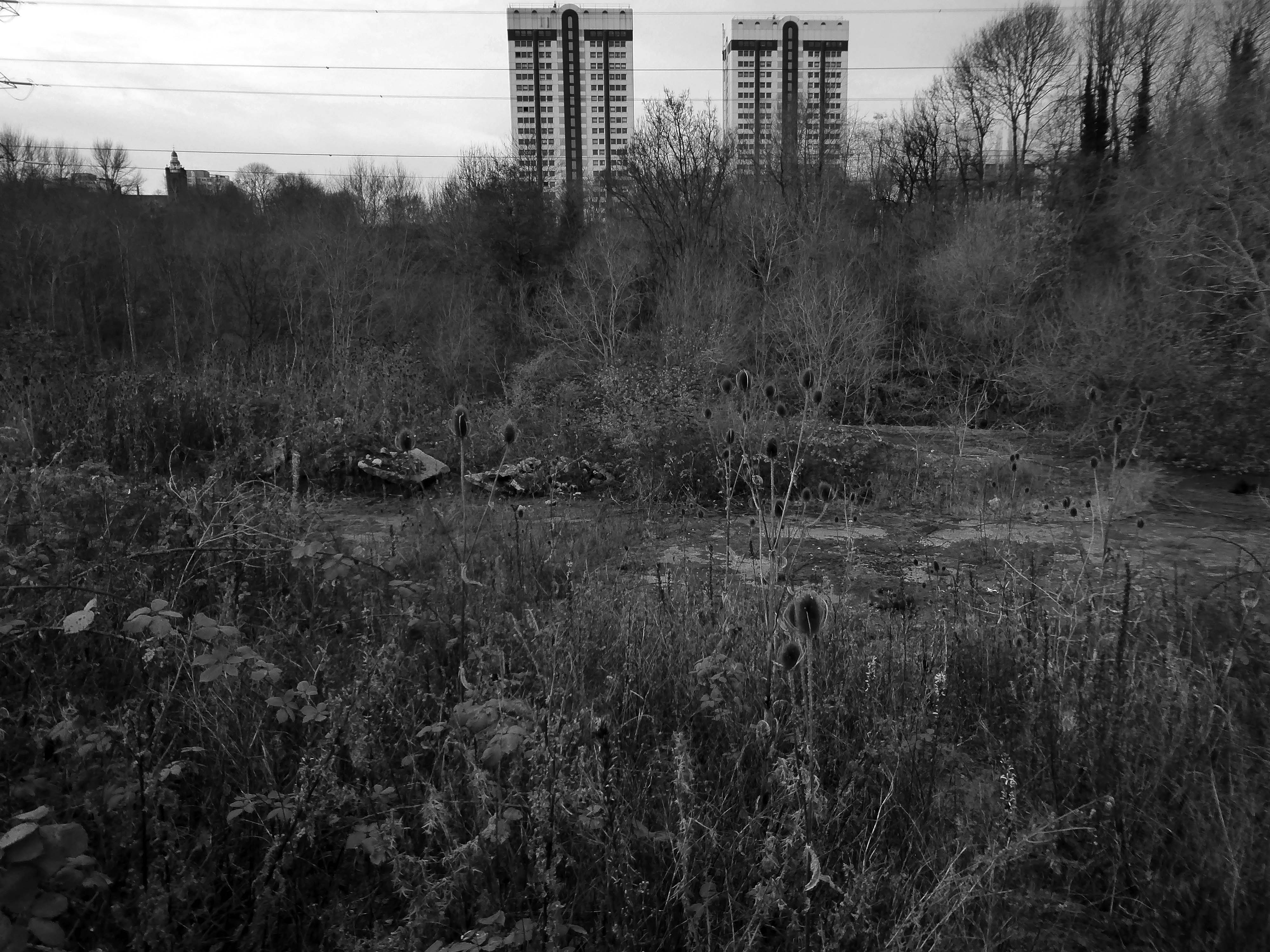
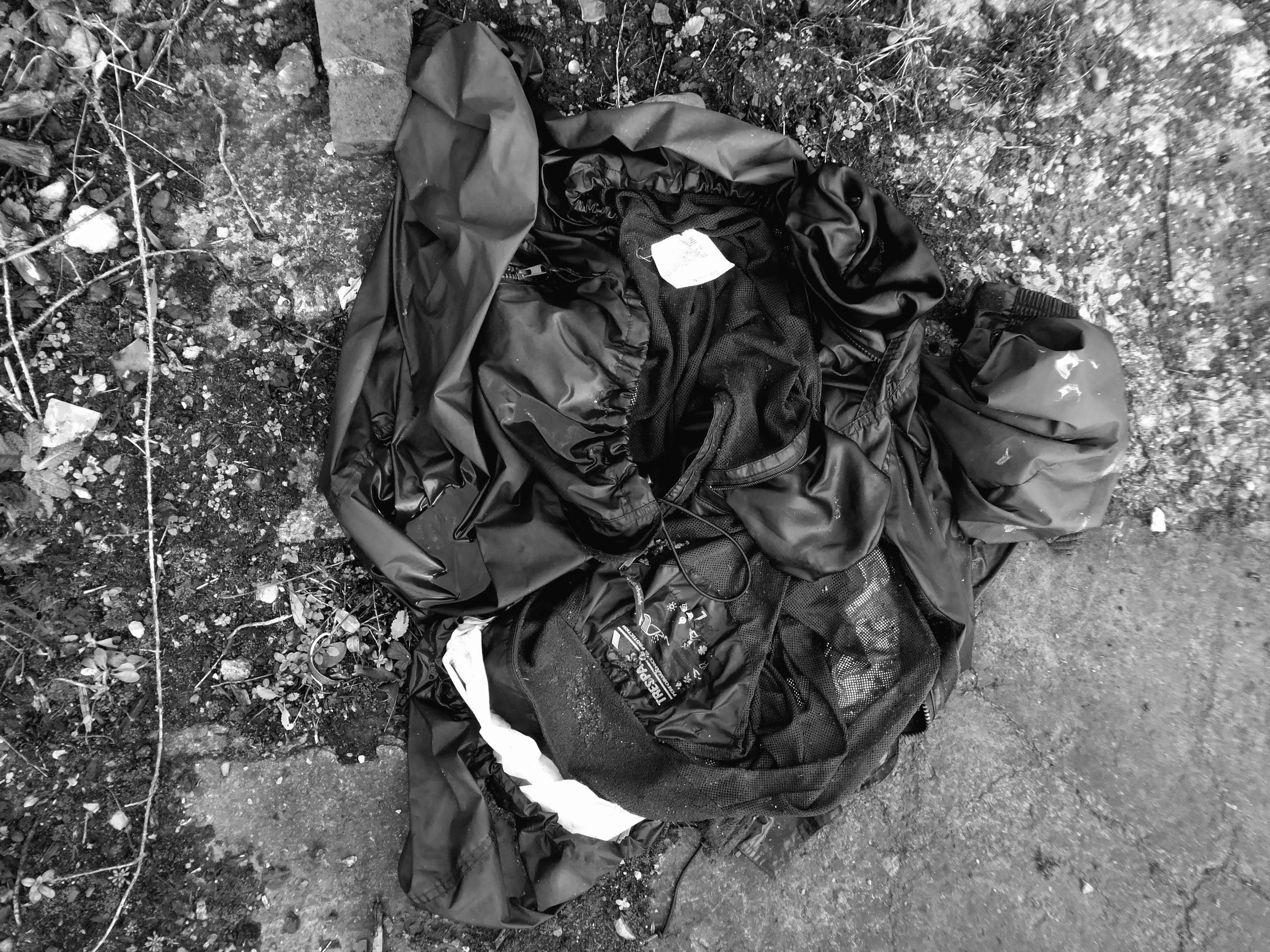
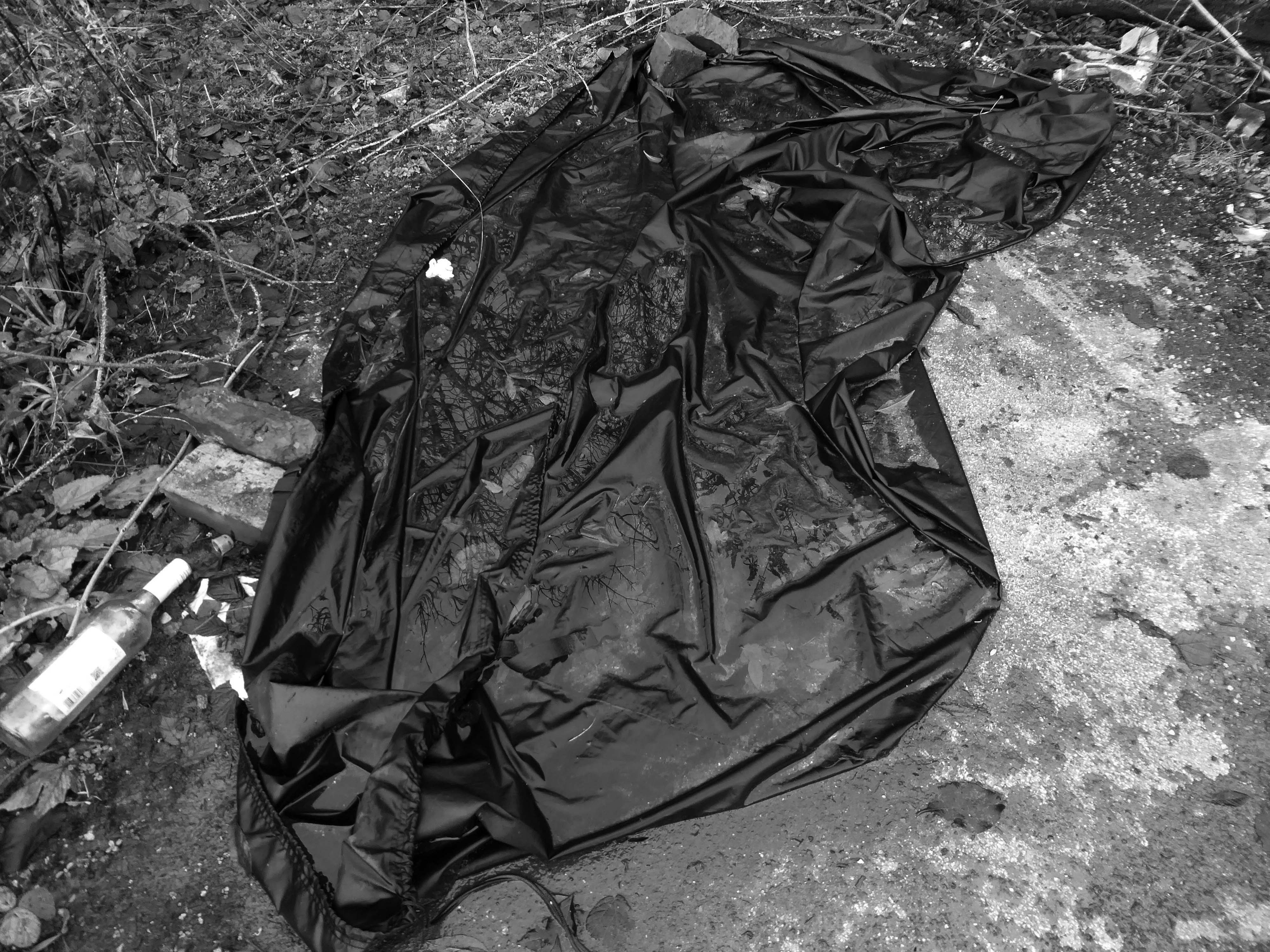
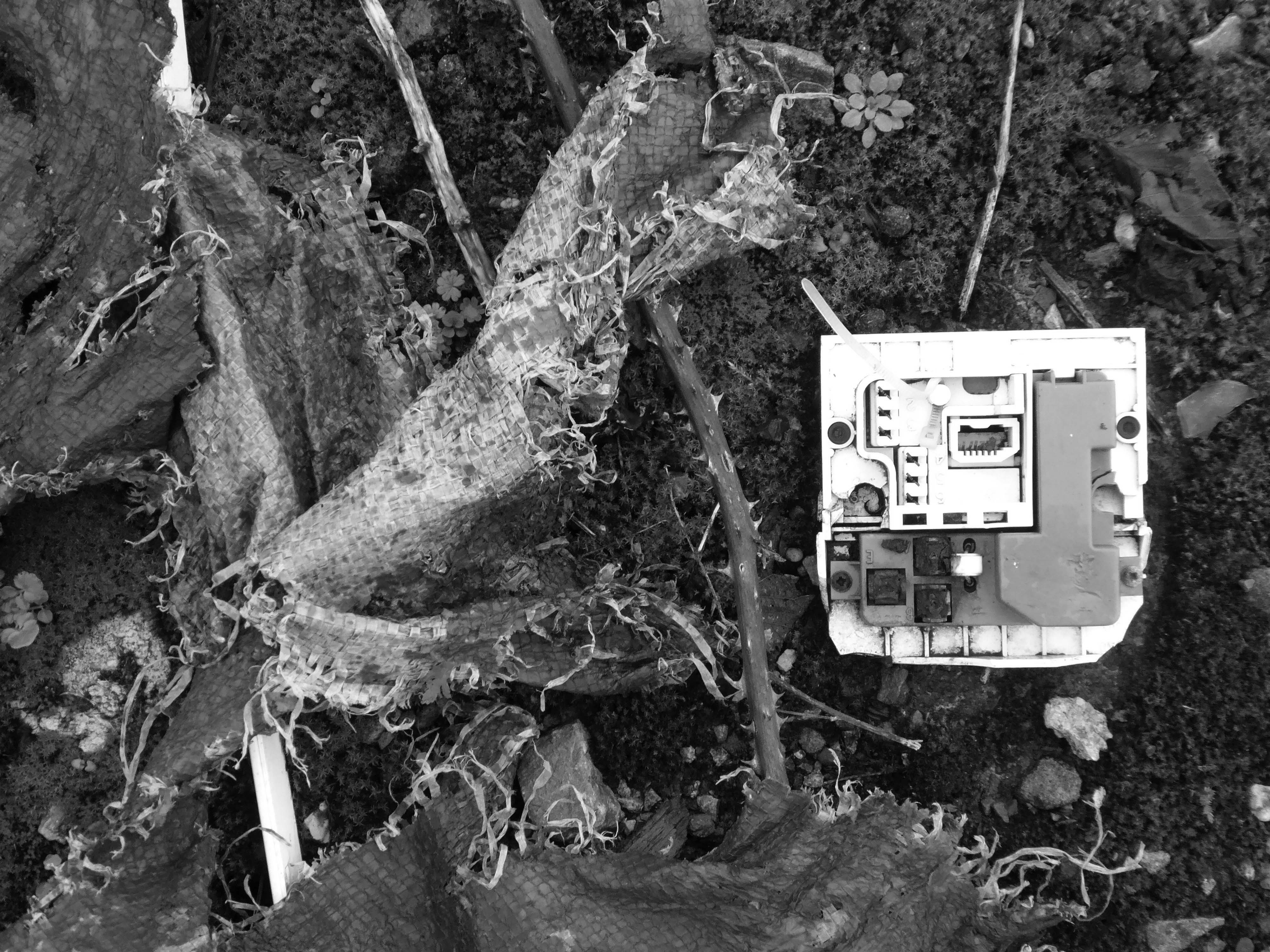
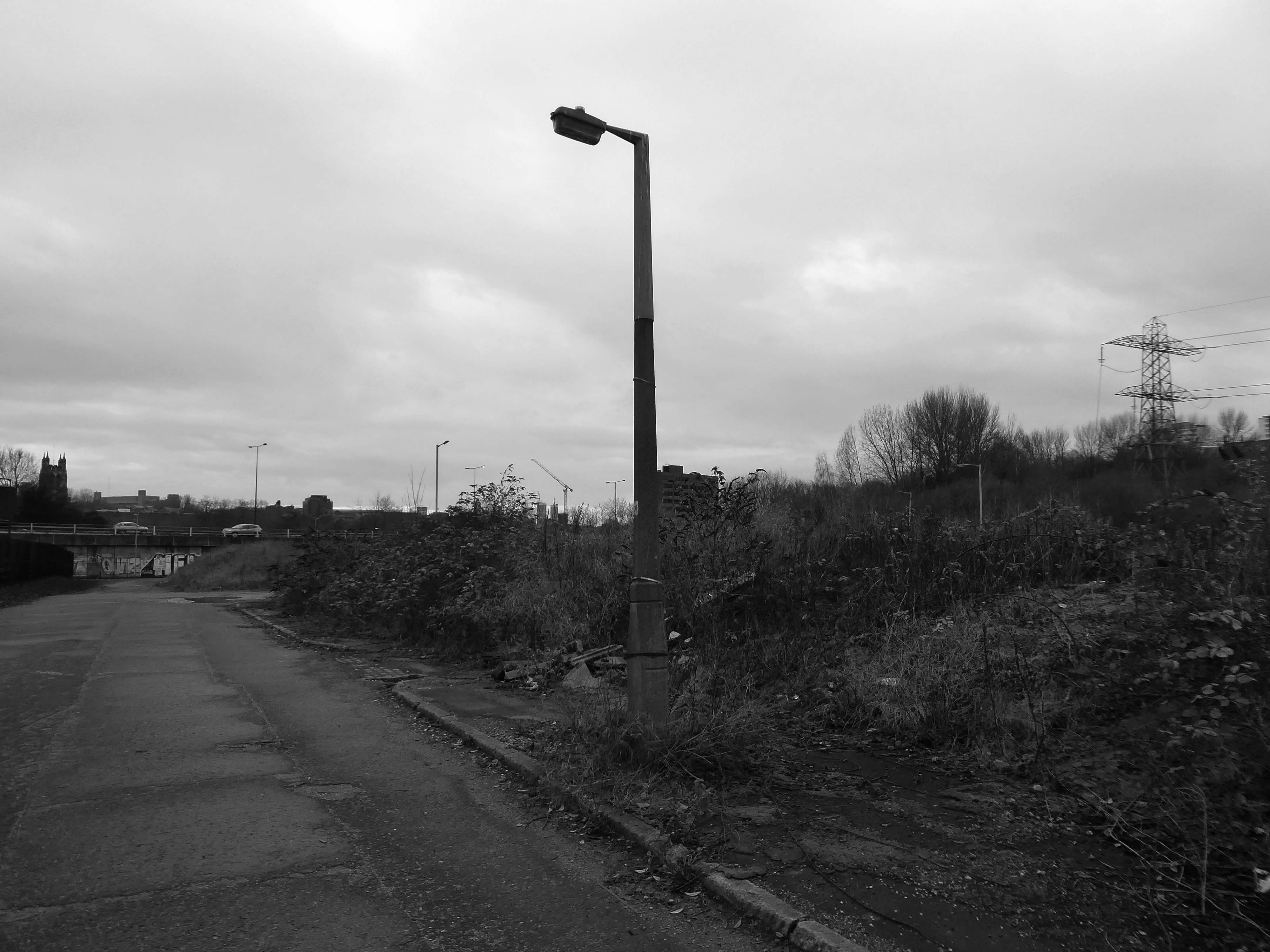
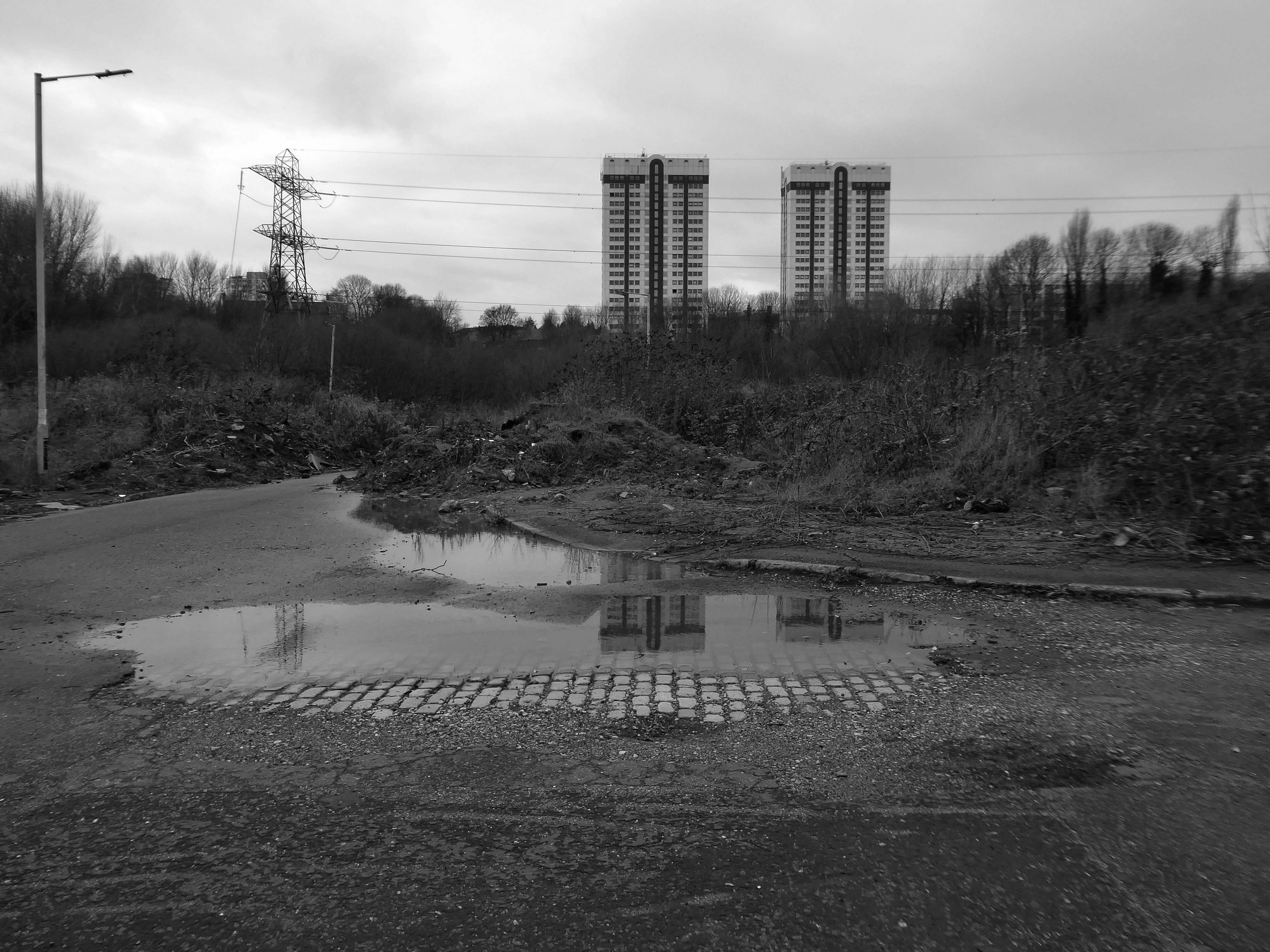
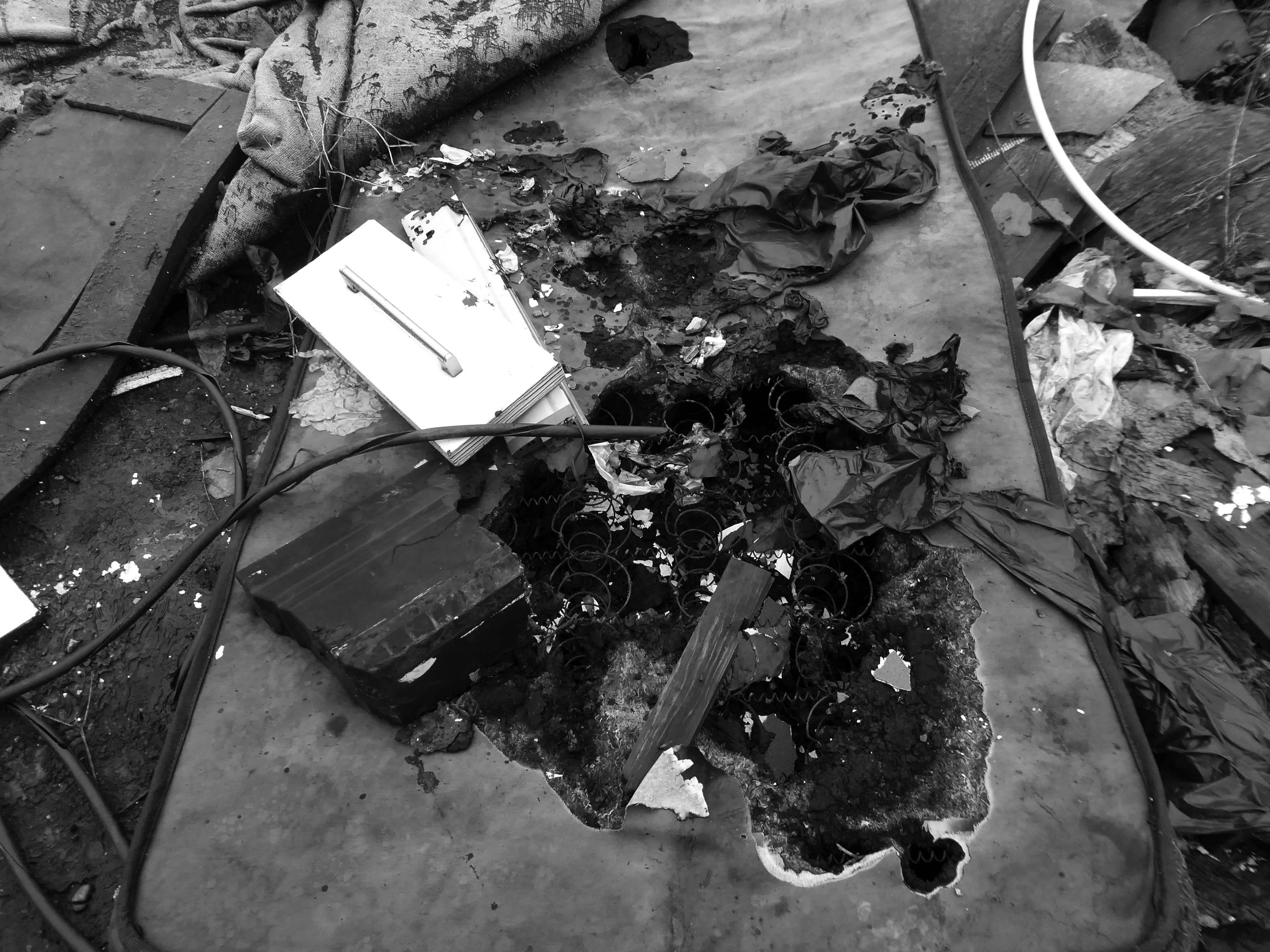
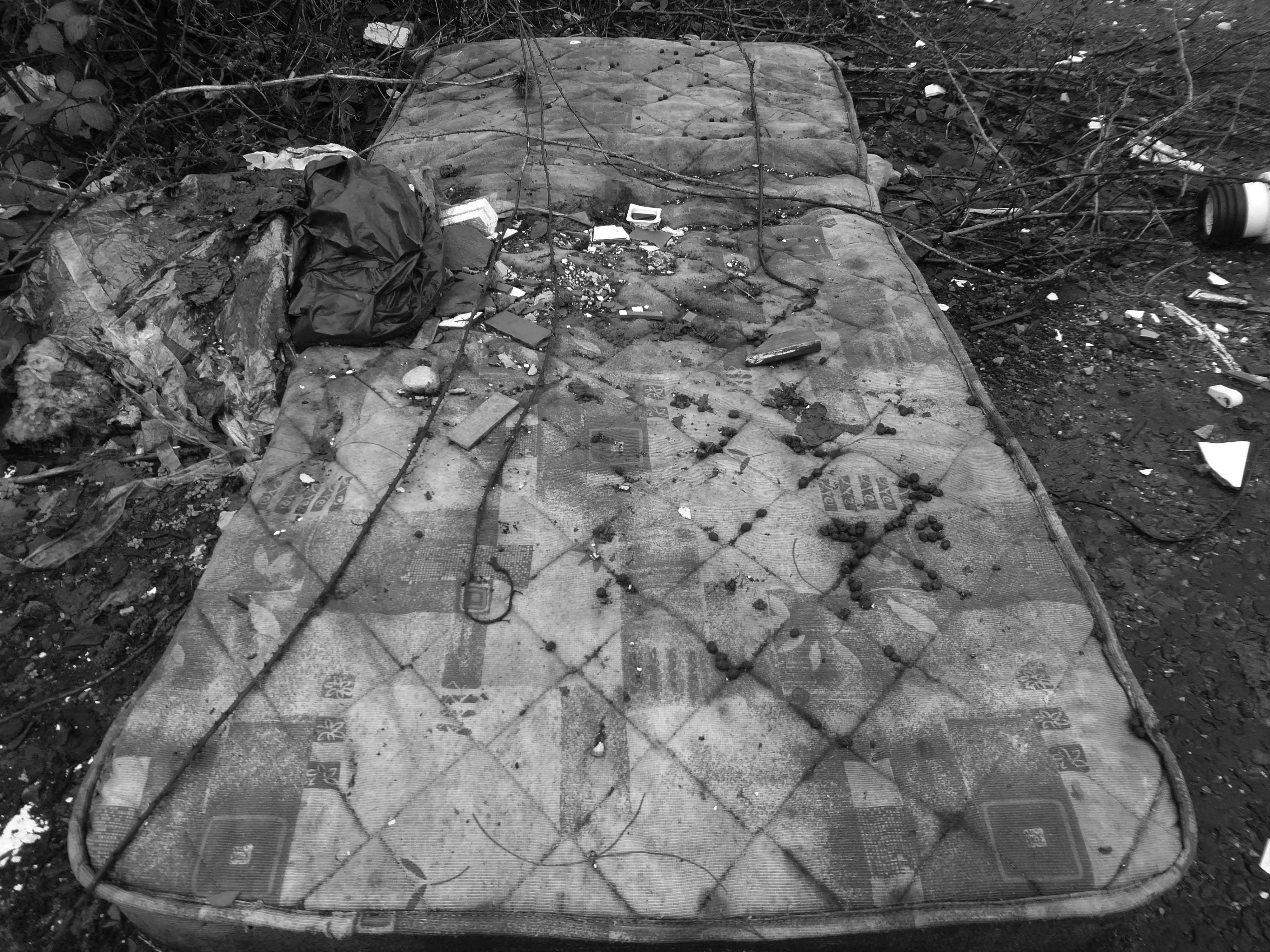
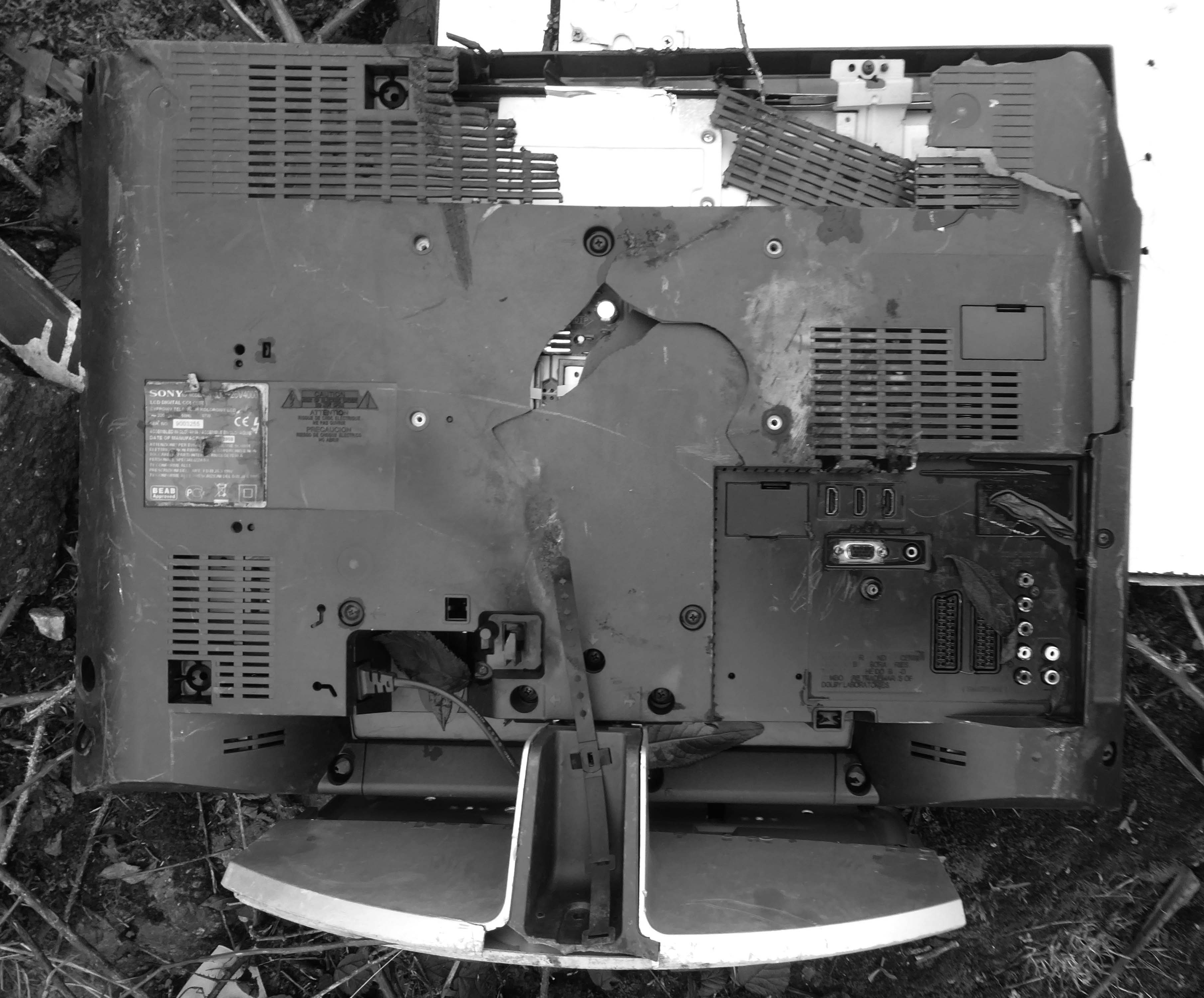
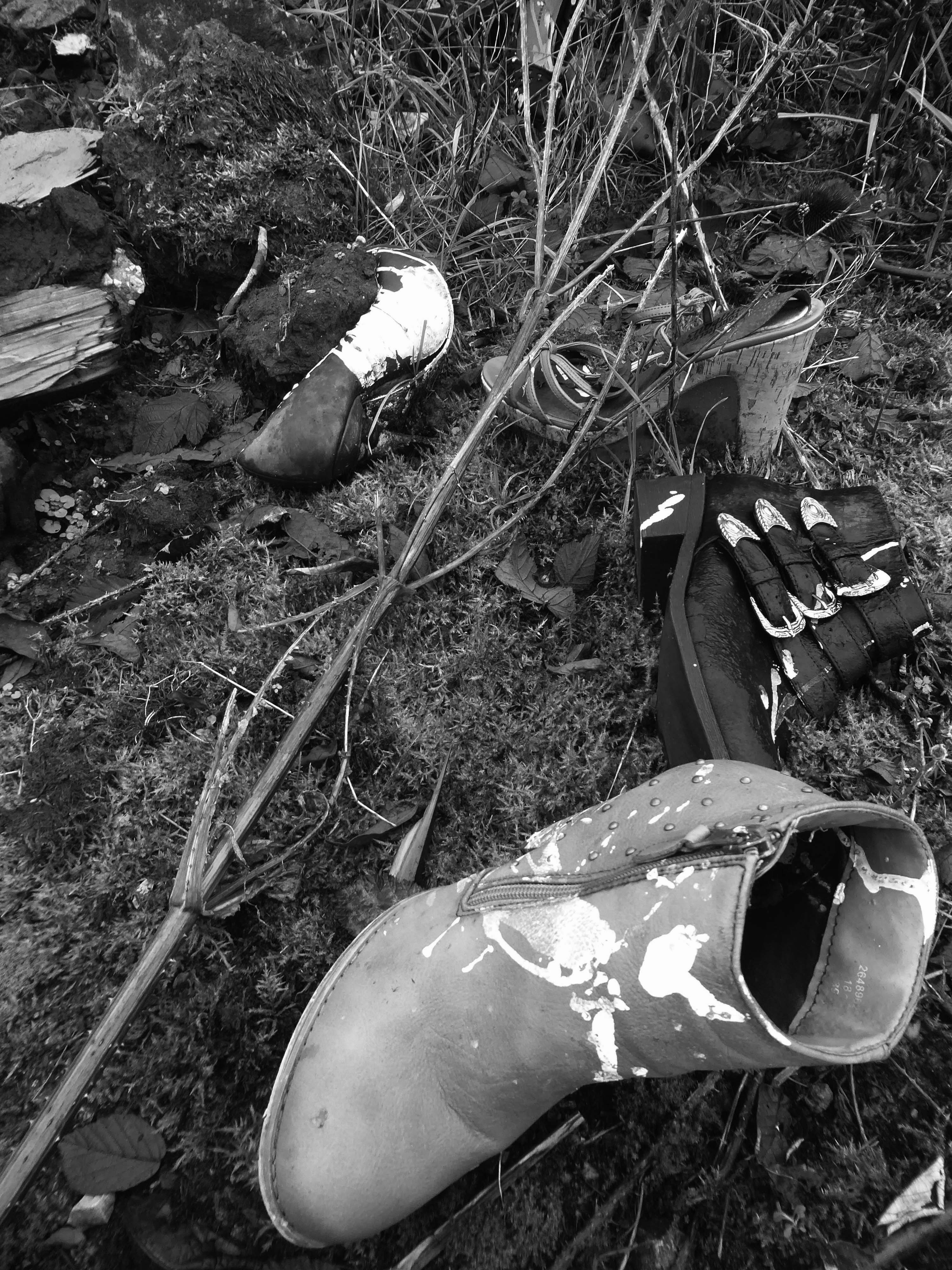
There is a plot of land to the left of Porsche which remains undeveloped, I often walk around this area, what would have once been for myself and others the place of childhood high jinx.

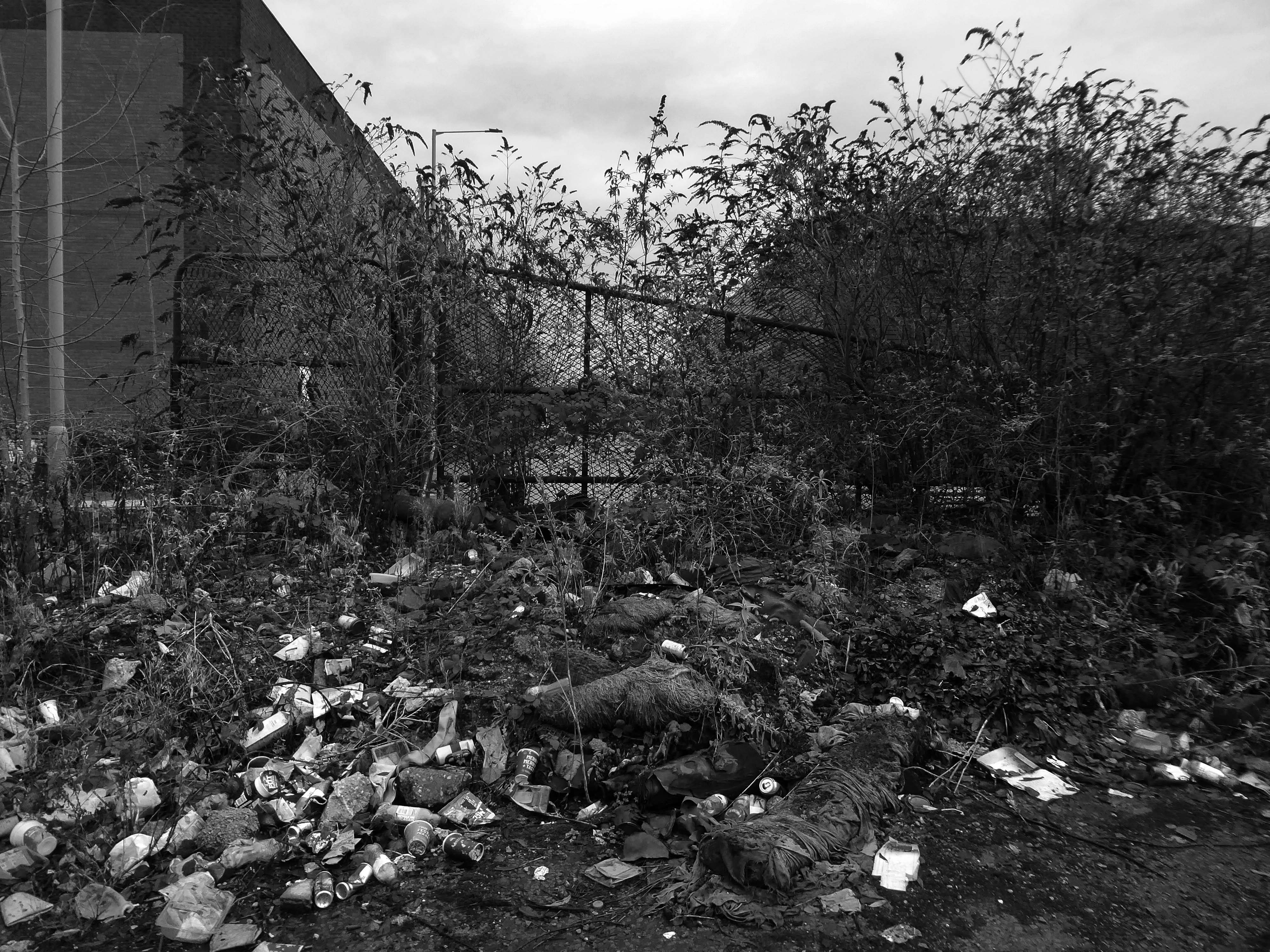
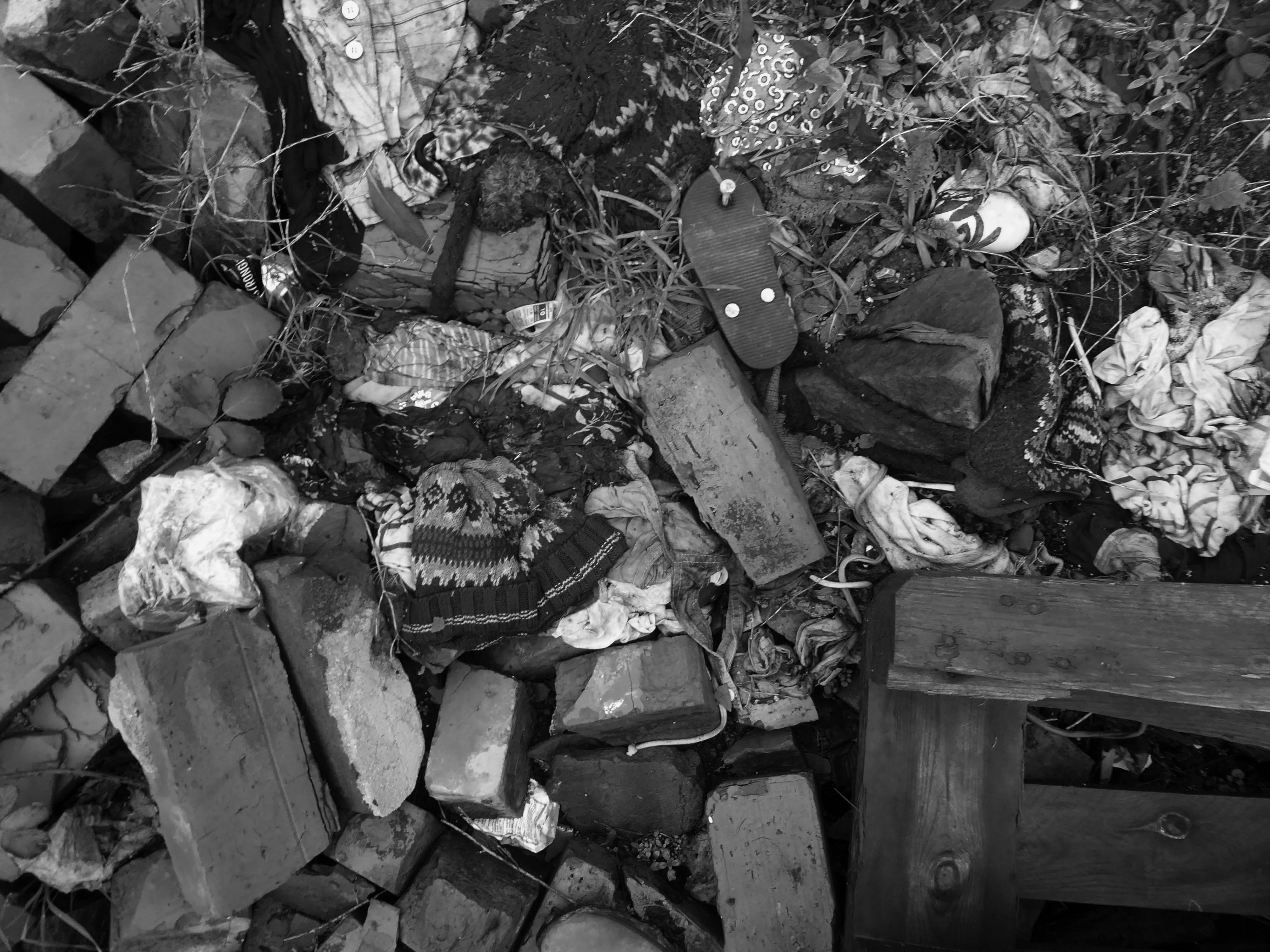
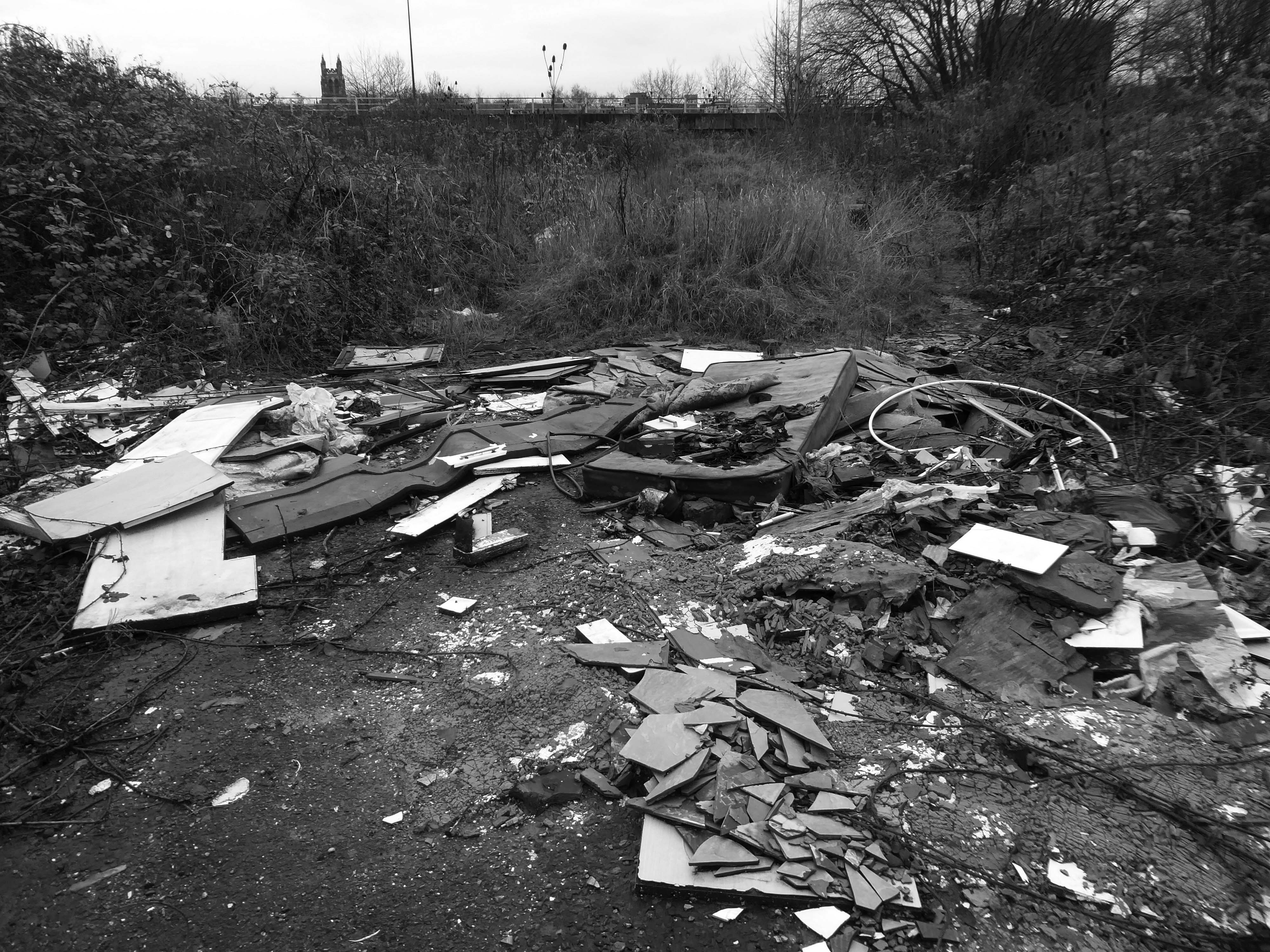
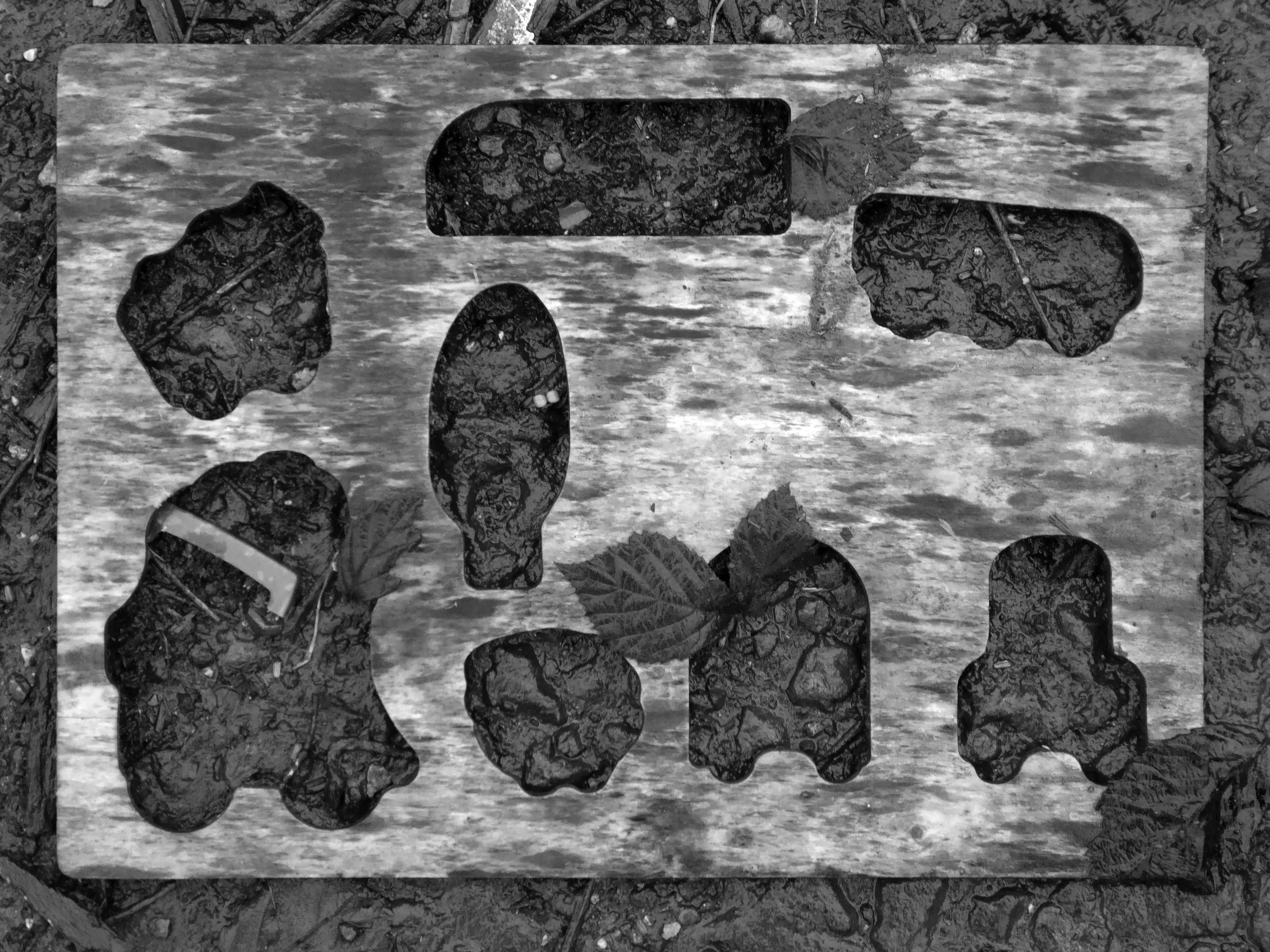
Now it is the domain of the fly-tipper, the home of the homeless, a war zone for a species which has declared war upon itself.

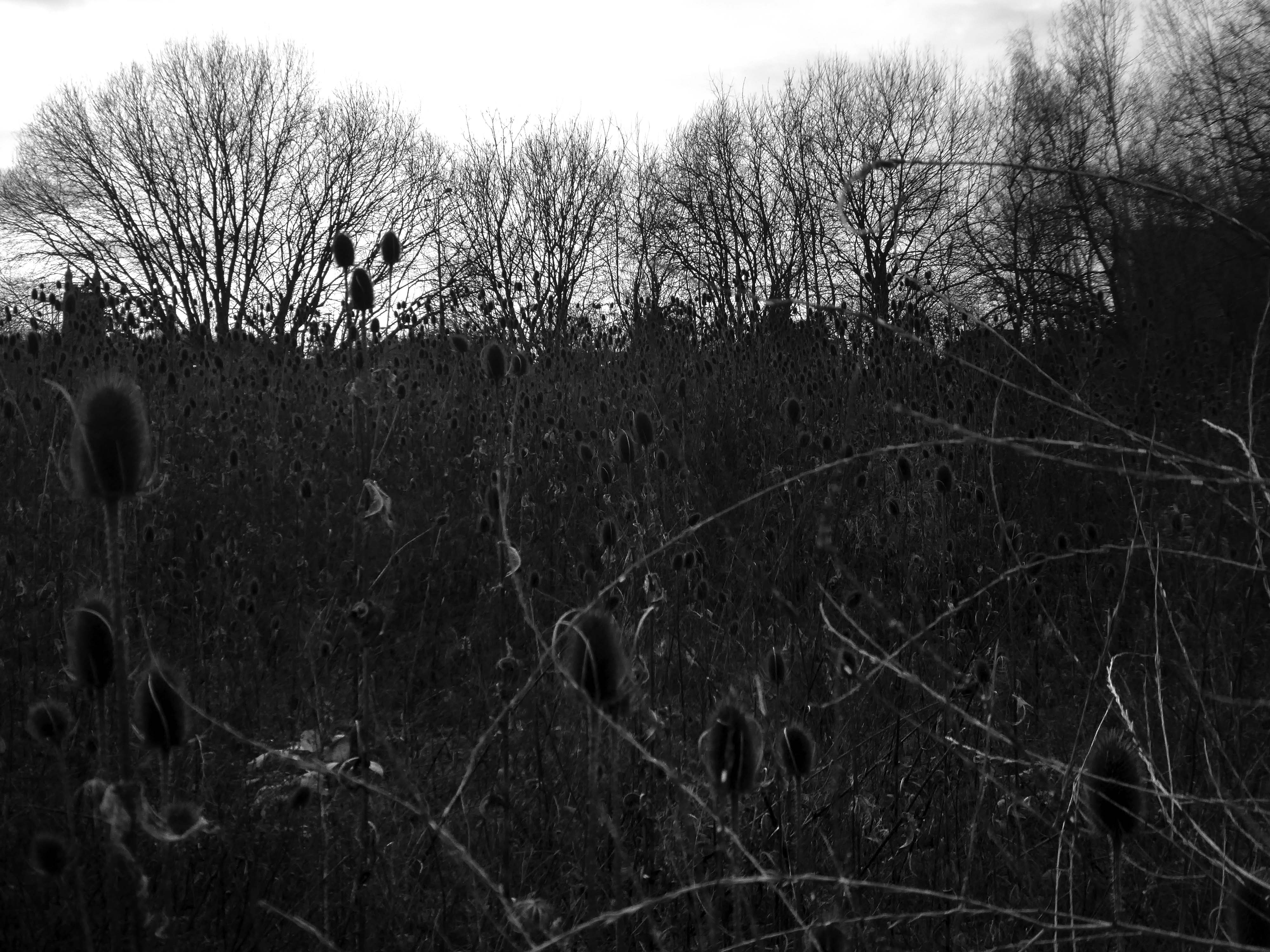
A desert of detritus, interpolated with tangles of brambles, seas of teasels and the ubiquitous buddleia.

This is the unofficial showroom for the unofficial Anthropocene Epoch – always crashing in a different car, during increasingly unseasonal weather, the superabundance of abundance.

It seems that the sun may set on us, before the sun finally sets.

Let’s take a peep at Portwood.

Game over.

Vehicle use affects our whole quality of local life. Traffic can be dangerous and intimidating, dividing communities and making street life unpleasant, whilst air pollution and traffic noise can make urban living uncomfortable.

Environmental Protection UK

The impacts of mass consumption are: Misuse of land and resources, exporting pollution and waste from rich countries to poor countries, obesity due to excessive consumption, a cycle of waste, disparities and poverty.

Global Issues

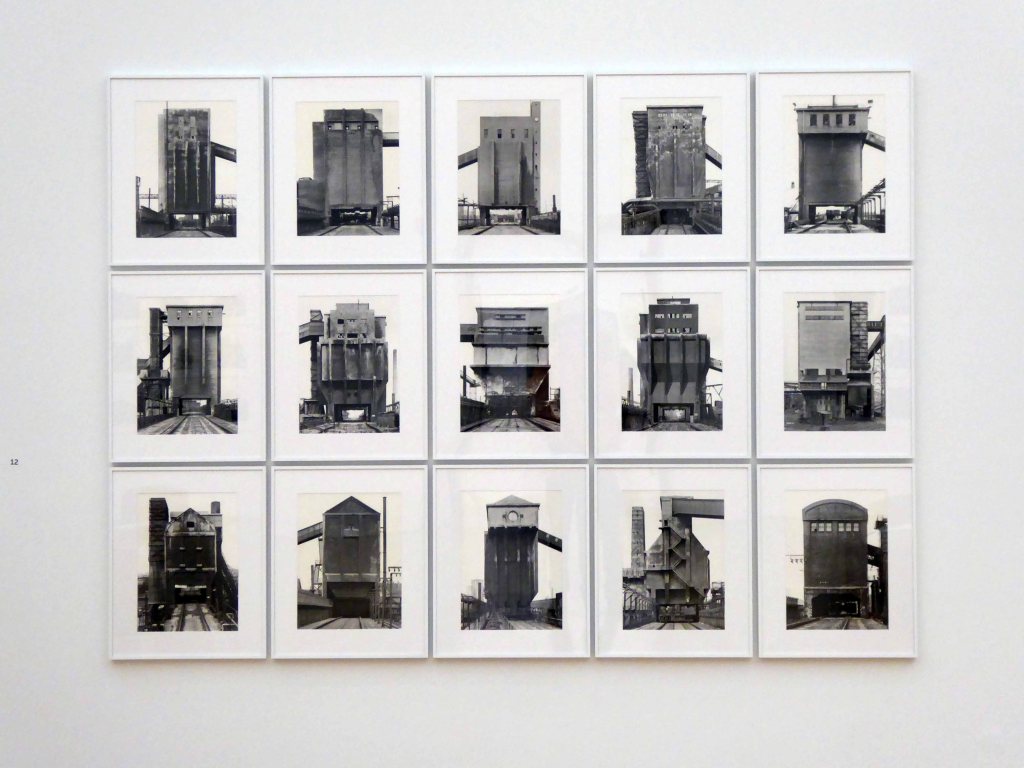
Bernhard und Hilla Becher – Cardiff

I have admired the work of Bernhard and Hilla Becher ever since seeing their photographs in the one and only Tate at the time, in old London town.

An early example, possibly twelve small black and white prints of pit head winding gear, assembled in a three by four grid.

I became intrigued by the notion of serial art and typology, later in the seventies working as a Systems printmaker.

Very much in the tradition of Max Bill and Richard Paul Lohse.

In more recent years I have worked as a documentary photographer, at time paying homage to Bernhard and Hilla.

By placing several cooling towers side by side something happened, something like tonal music; you don’t see what makes the objects different until you bring them together, so subtle are their differences.

So on hearing of their exhibition at the National Museum of Wales in Cardiff, I excitedly booked my train ticket from Manchester.

Saturday 29th February 2020 – an auspicious Leap Year – knowingly taking a leap into the known unknown.

Braving the imminent threat of Storm Jorge.

I was given the warmest of welcomes by the gallery staff, spending a good while chatting to James, a fellow enthusiast.

My first surprise was the Bechers’ drawings, painting and notebooks.

A revelation.

Then onwards into two large, light spaces, with the work – actual Becher archive prints, displayed with the reverence that they deserve.

Given space to breath, in a calm contemplative area.

With a quiet attentive audience.

So here that are in situ – worth the wait, worth the train ticket, worth the two way seven hour rail trip. Seeing the prints close up reading the exposure, the thrill of the dodge and burn, a lifetime’s ambition realised.

Thanks to all.

Hull to Hessle – Humber Estuary Walk

Overcast and grey – heading headlong into the prevailing westerly.

This is just the day to walk from Hull to Hessle.

From the recently renovated early morning, empty piazzas of Hull Marina to the foot of the Humber bridge.

To the left the interminable rippling brown surface of the river, relentlessly heading out to sea.

To the right a modern melange of working docks – shipping aggregates and timber, hither and thither.

The vacant haunts of fisher folk no longer casting nets, forever and a day.

Disused and decayed warehousing, betrayed by the coming of the container, home now to the Urbex snapper and itinerate tagger.

Out of town retail parks fuelled by debt.

Dried up reed beds swaying beneath the weight of the wind.

The suspended bed of the bridge, floating high above the waters, far below.

Take a walk with me now.

On The Waterfront – Llandudno

A welwyd eisoes.

I’ve been here before, as have others before me.

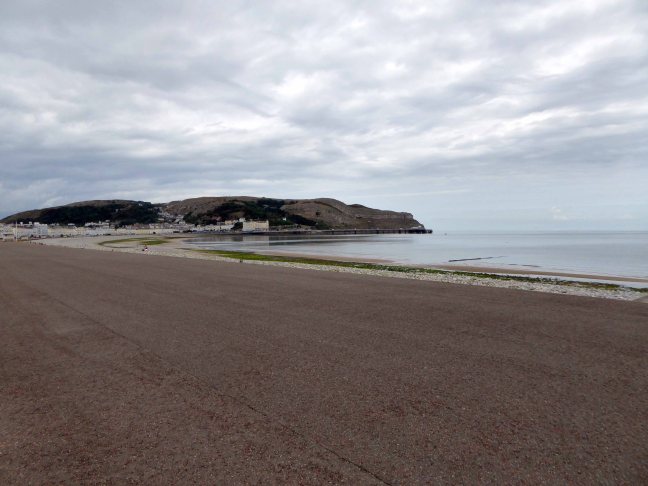
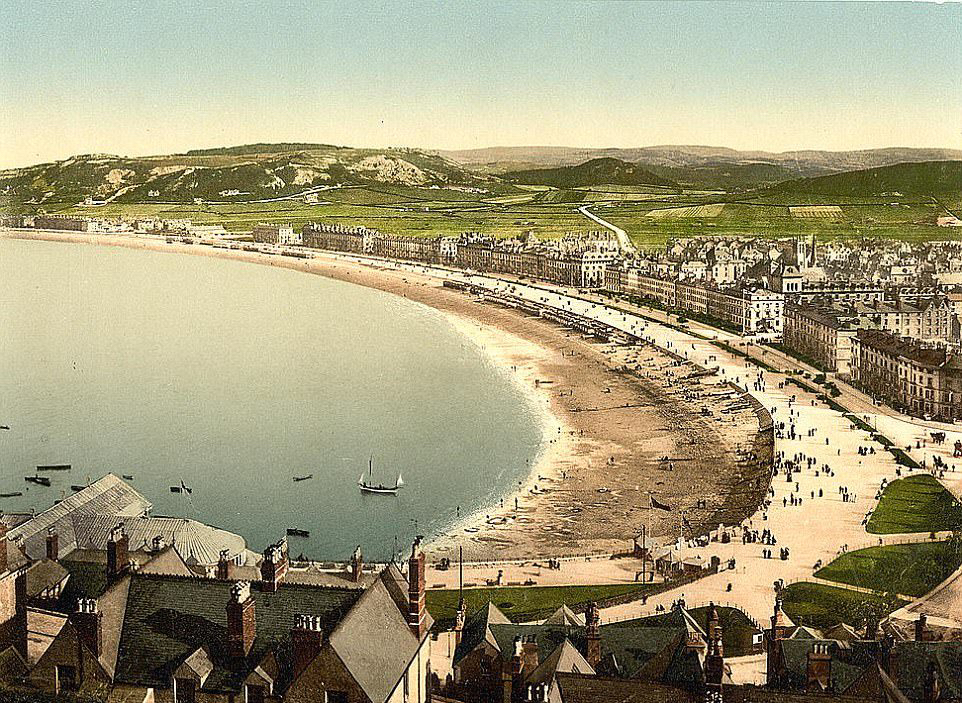
The town of Llandudno developed from Stone Age, Bronze Age and Iron Age settlements over many hundreds of years on the slopes of the limestone headland, known to seafarers as the Great Orme and to landsmen as the Creuddyn Peninsula.

Some years later.

In 1848, Owen Williams, an architect and surveyor from Liverpool, presented landowner Lord Mostyn with plans to develop the marshlands behind Llandudno Bay as a holiday resort. These were enthusiastically pursued by Lord Mostyn. The influence of the Mostyn Estate and its agents over the years was paramount in the development of Llandudno, especially after the appointment of George Felton as surveyor and architect in 1857.

4358C48B00000578-0-image-m-113_1503056487584

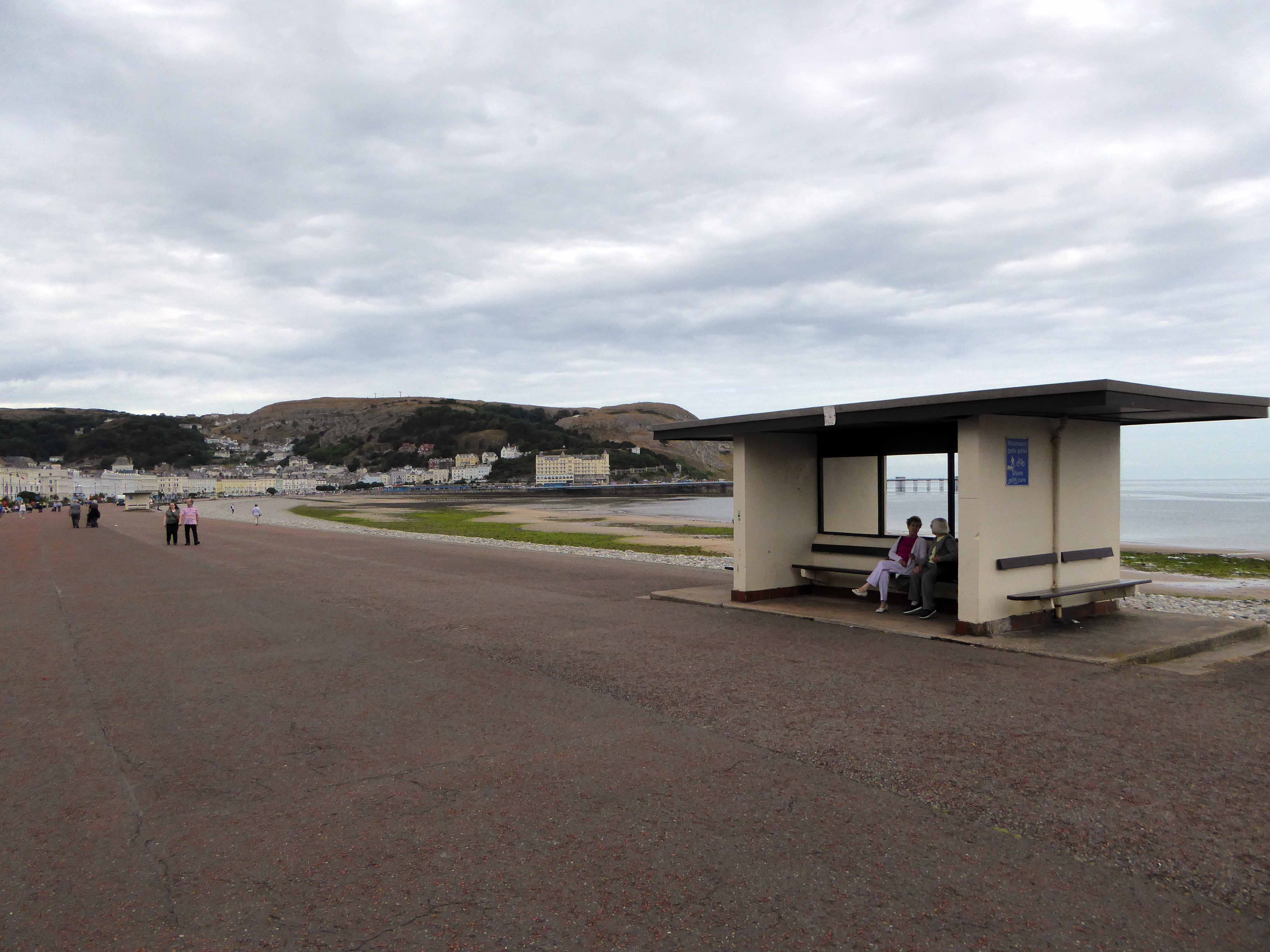
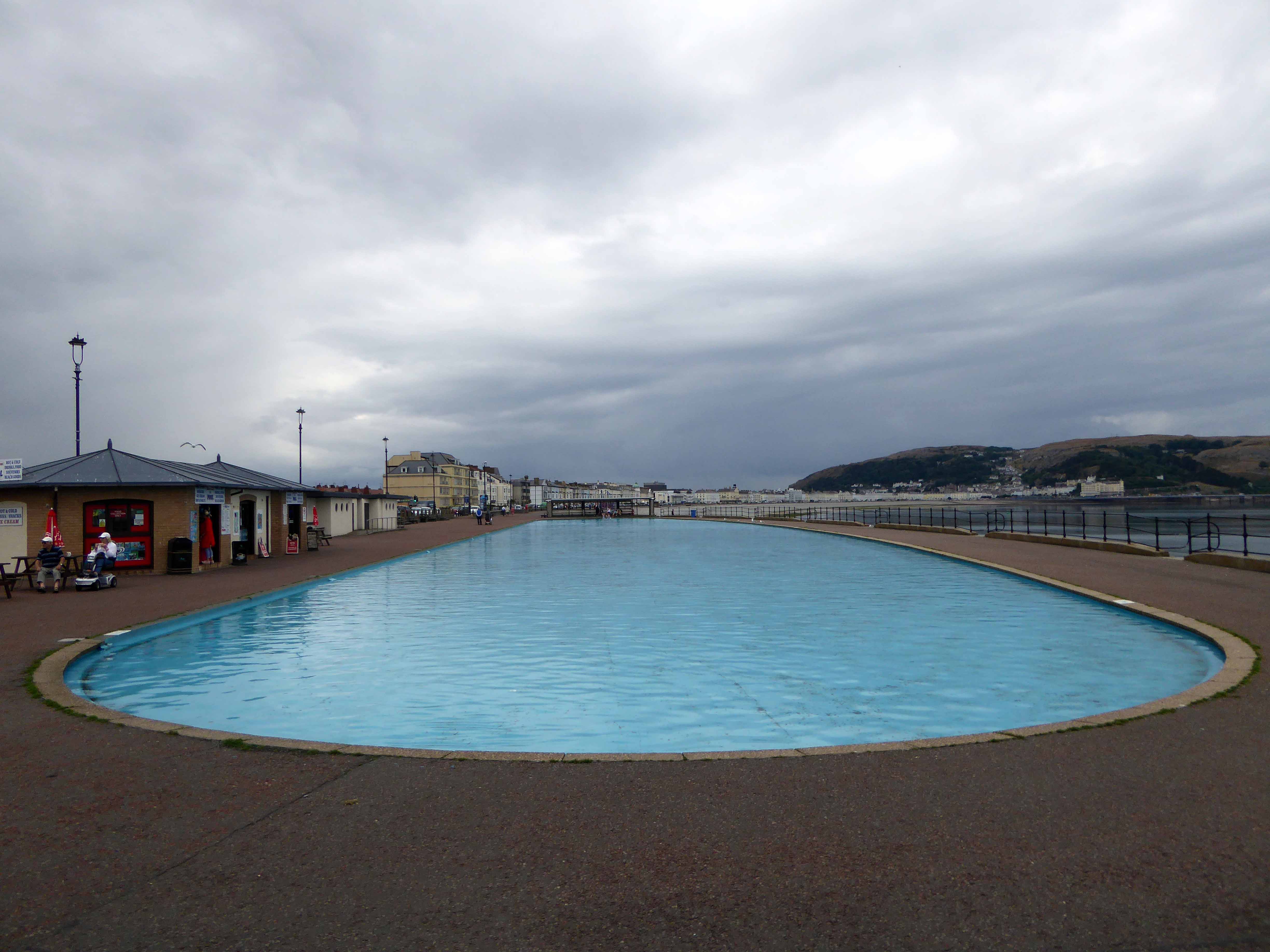
The edge of the bay is marked by concrete steps and a broad promenade, edging a pebbled beach which arcs from Orme to Orme.

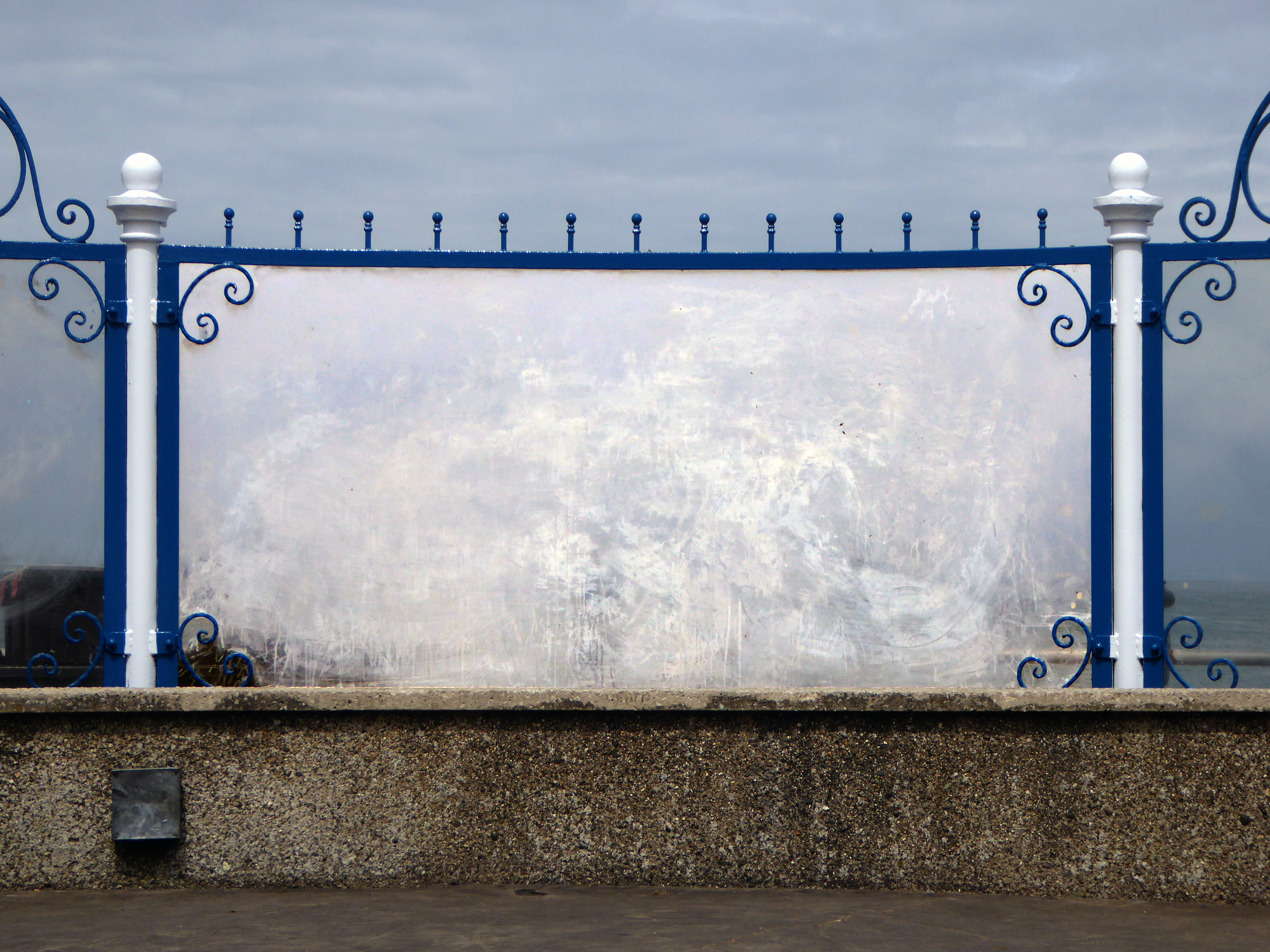
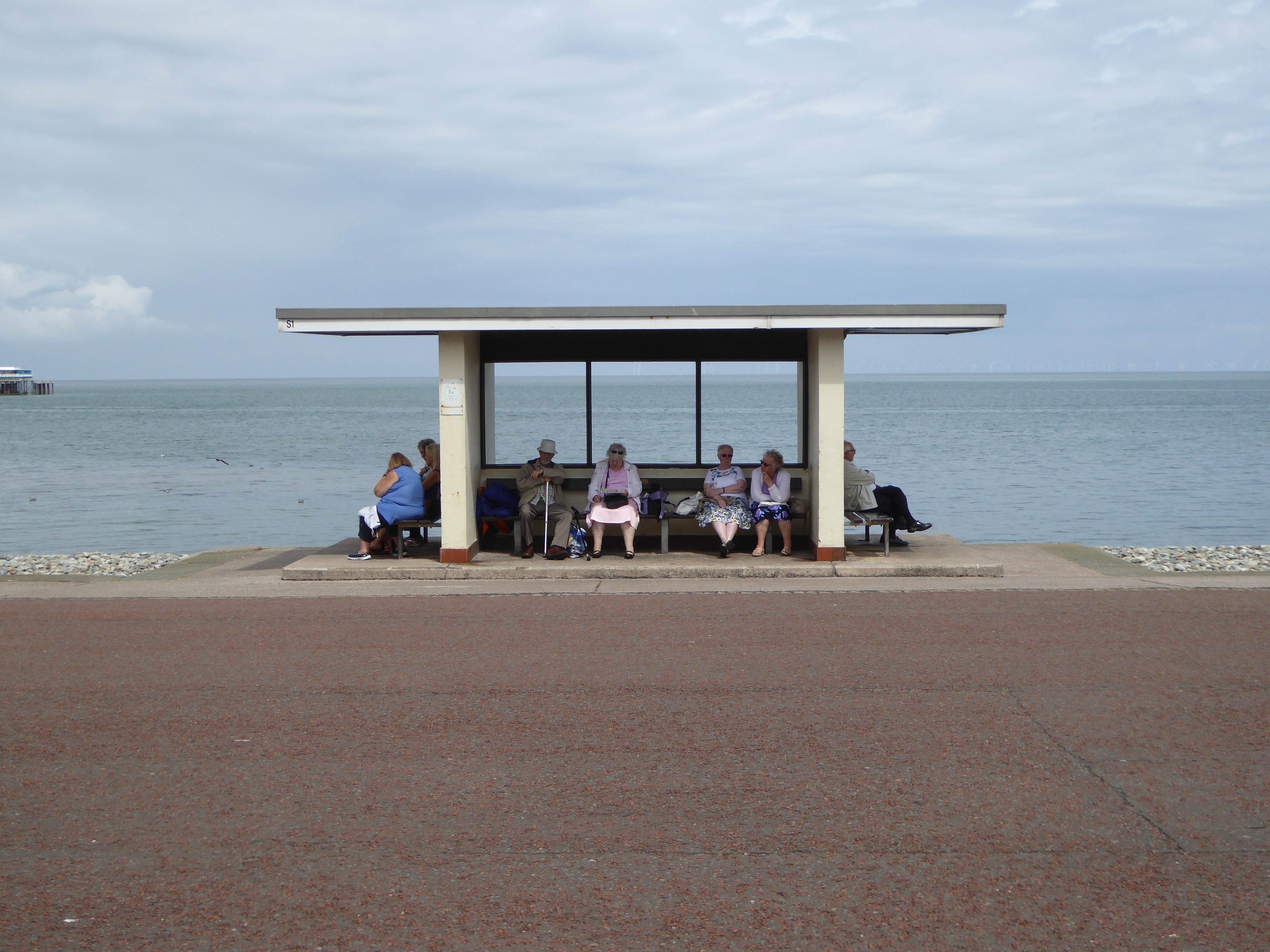
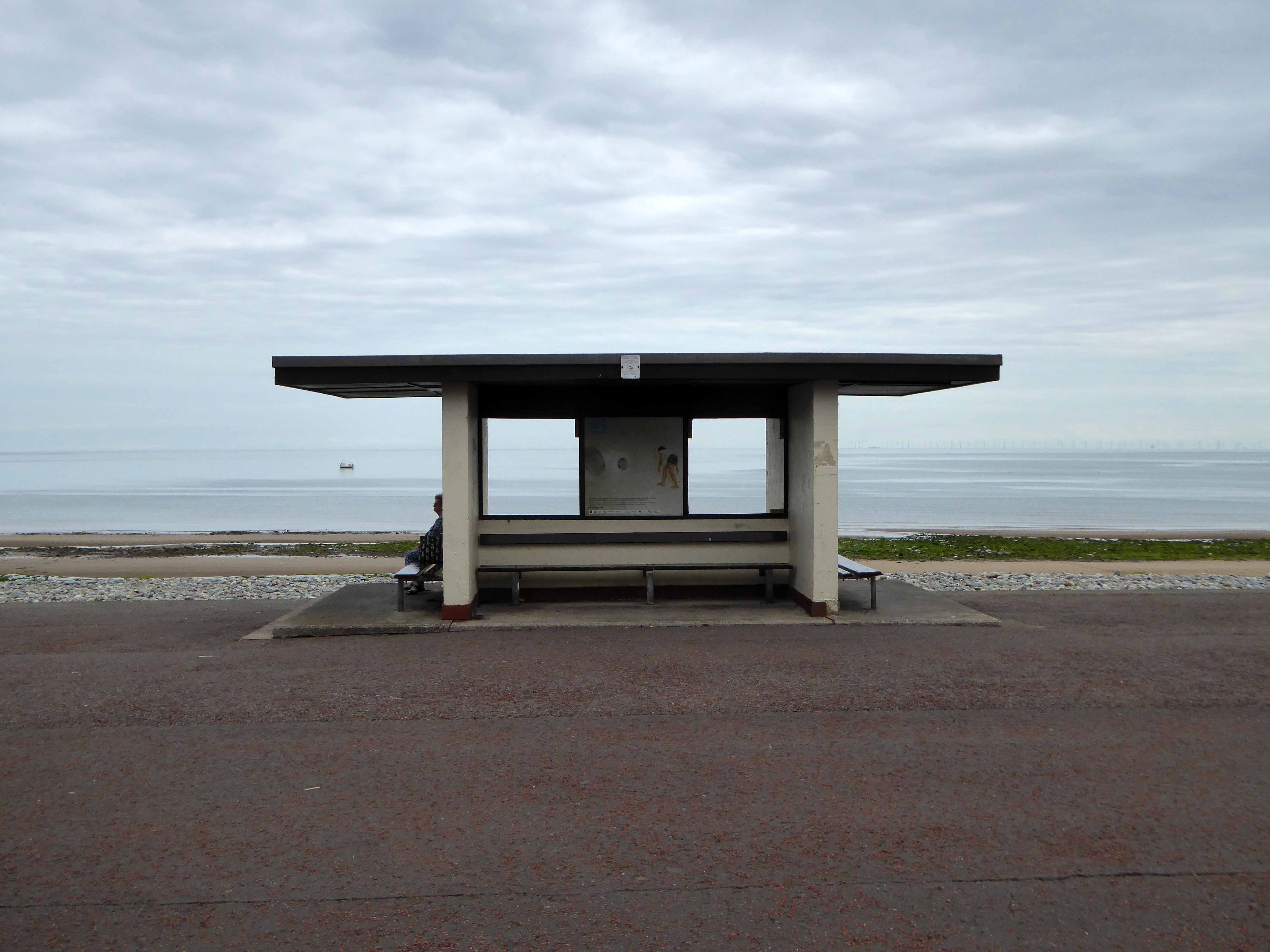
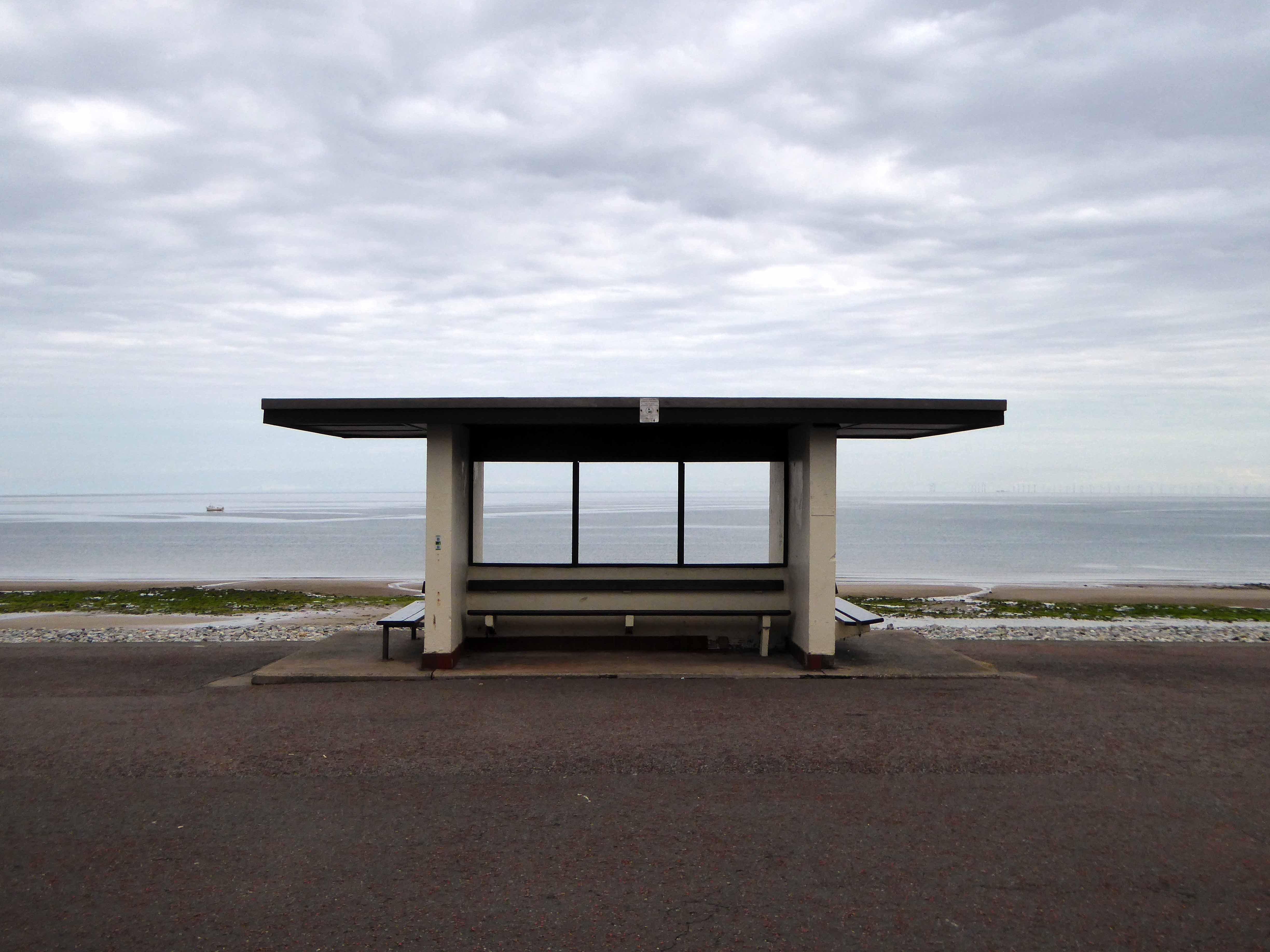
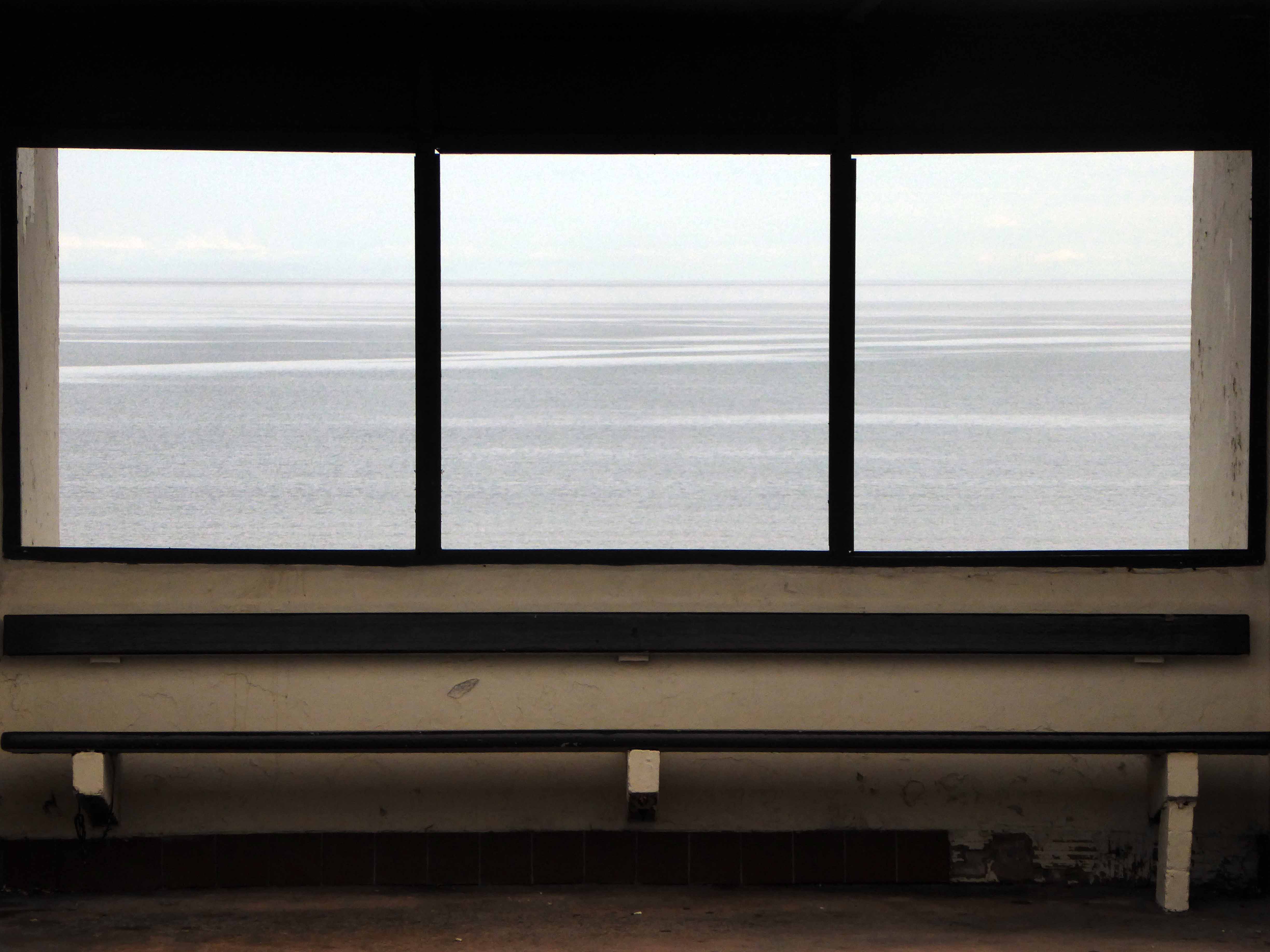
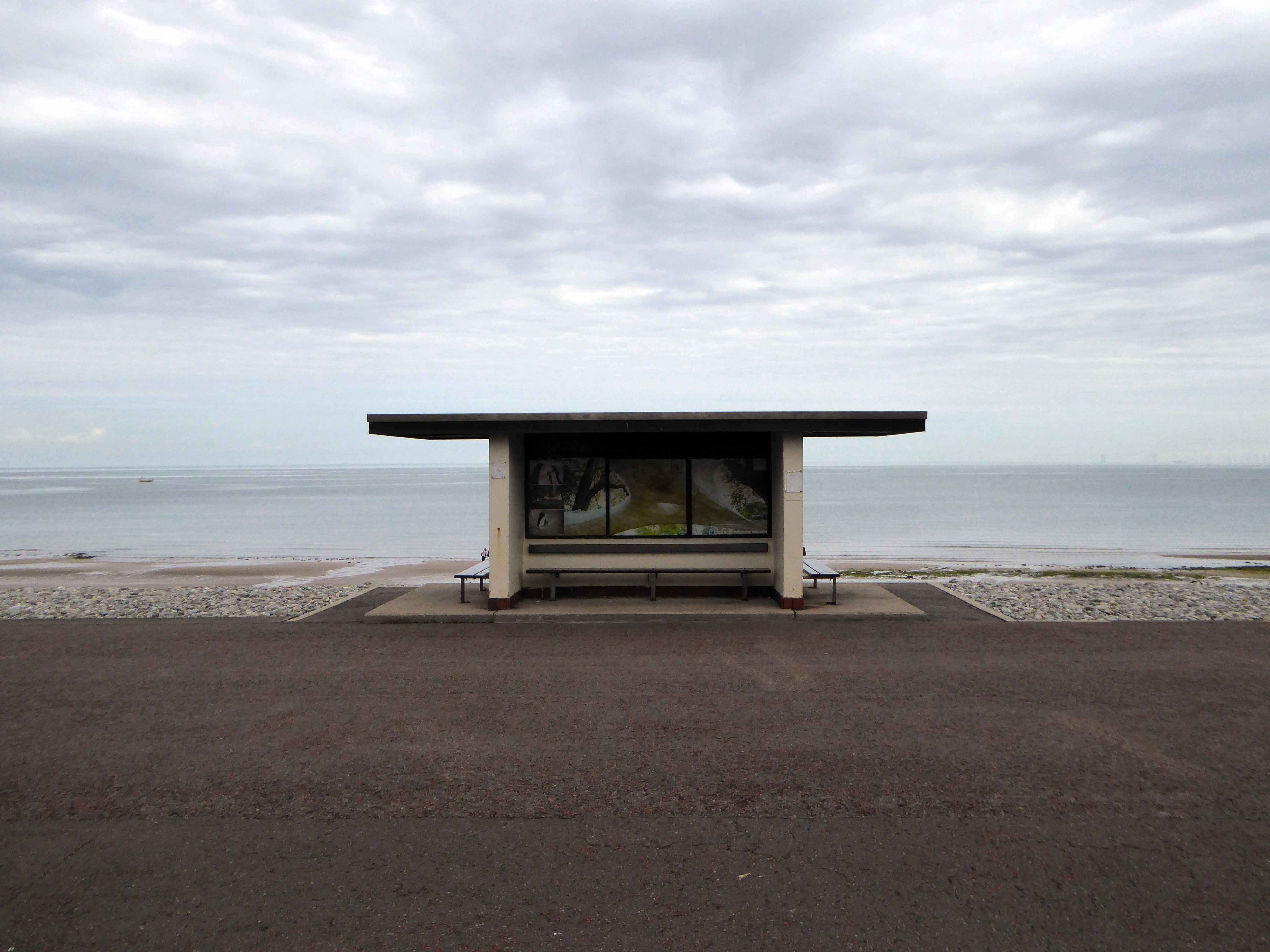
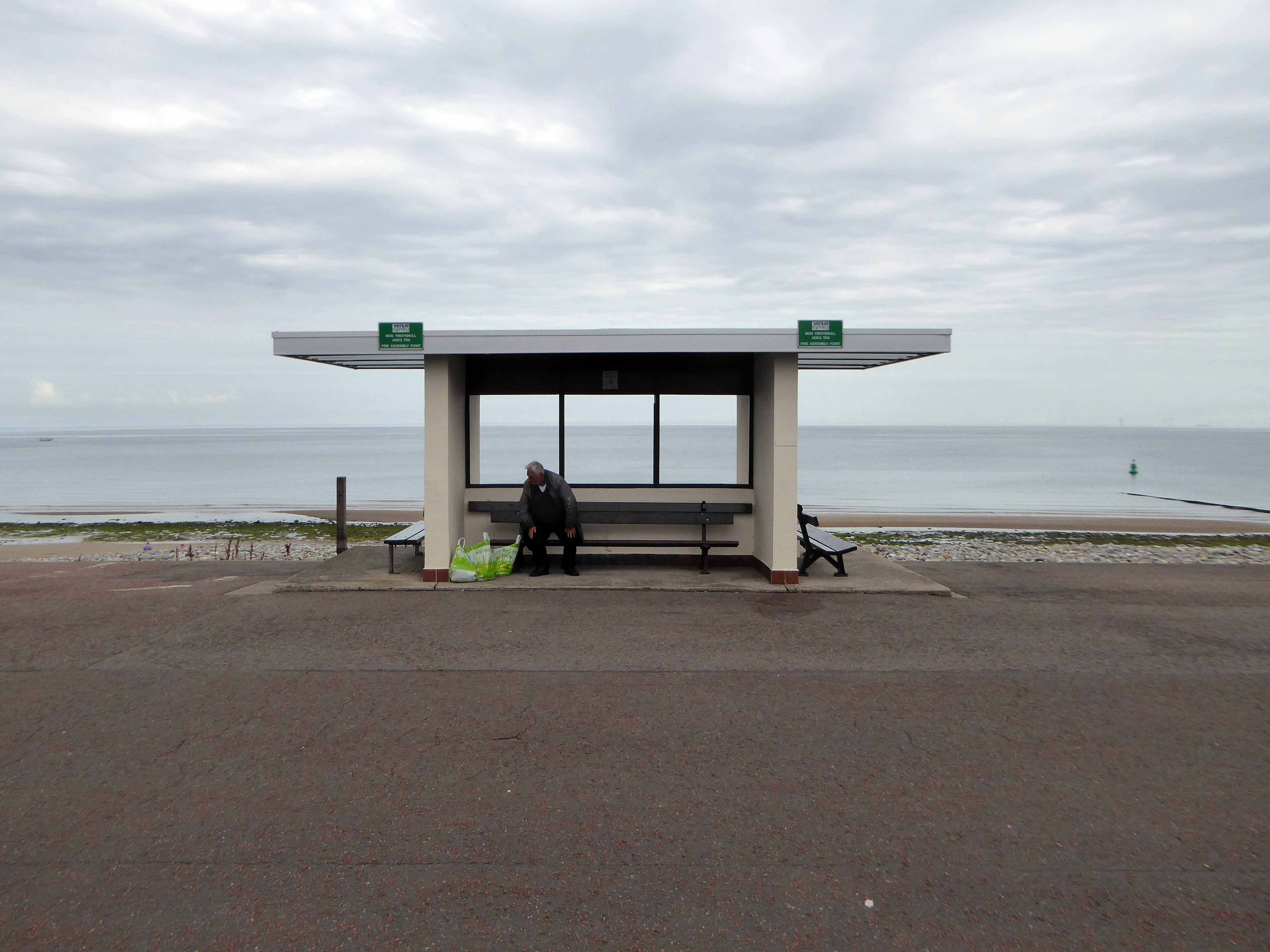
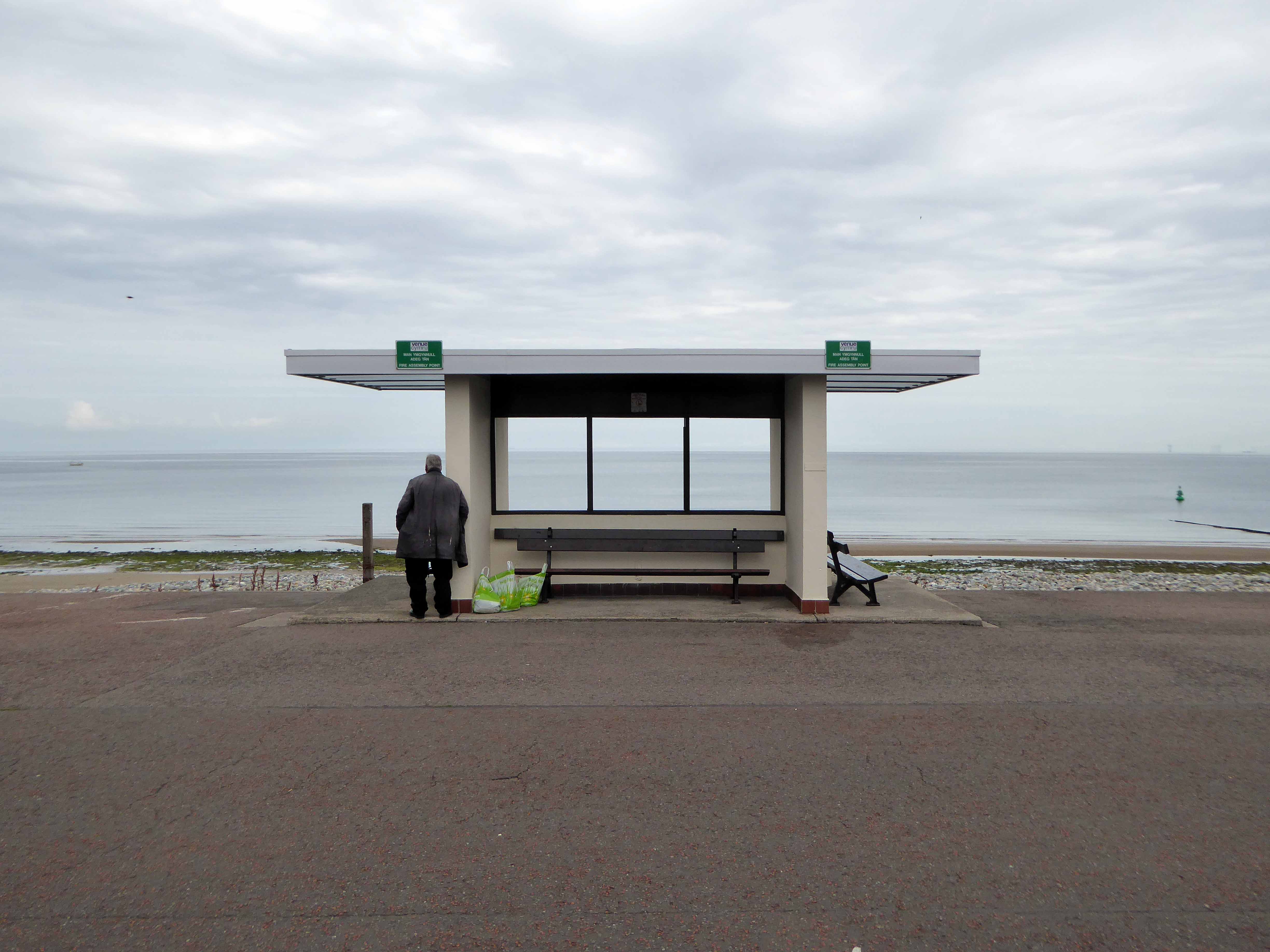
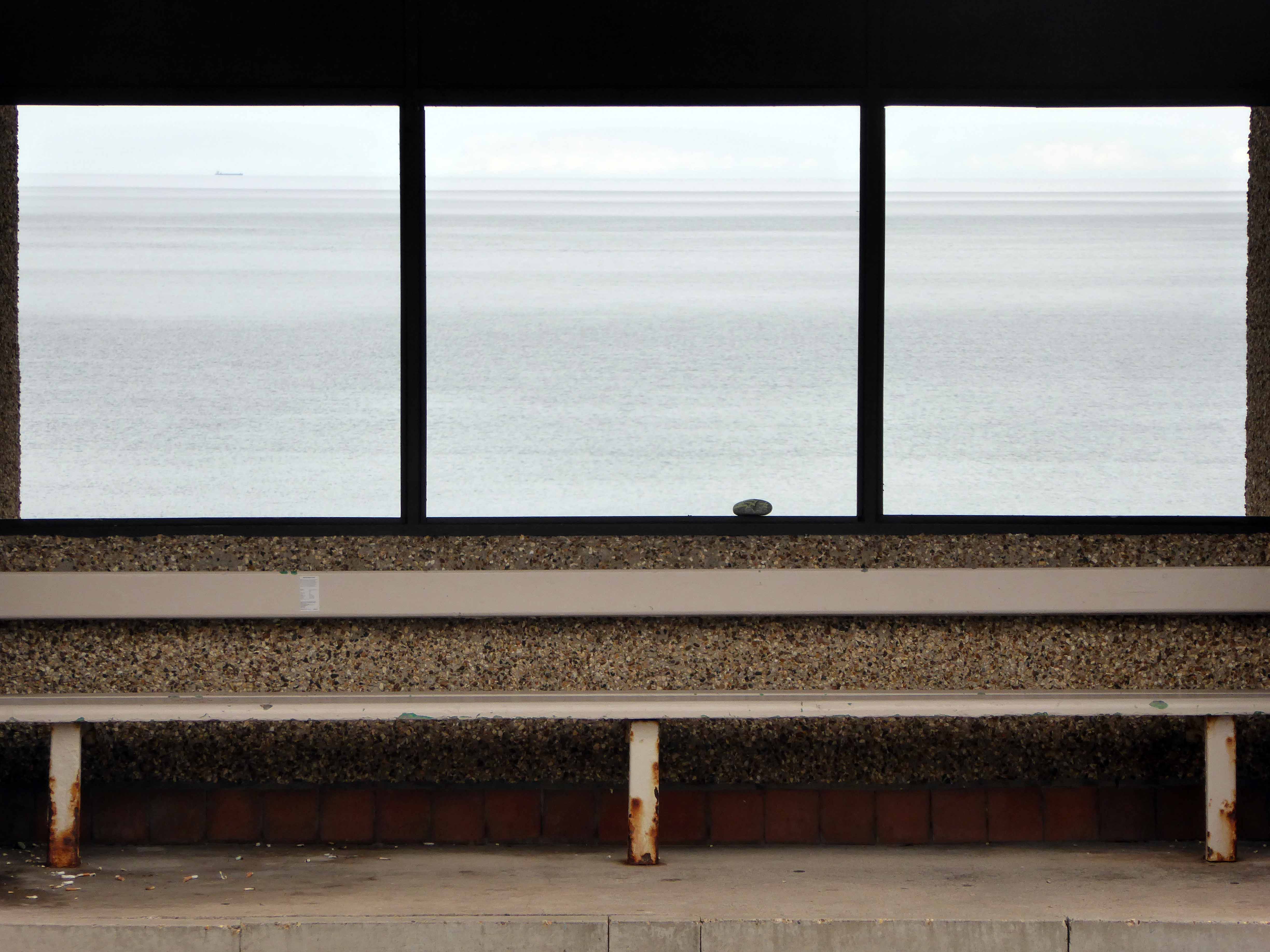
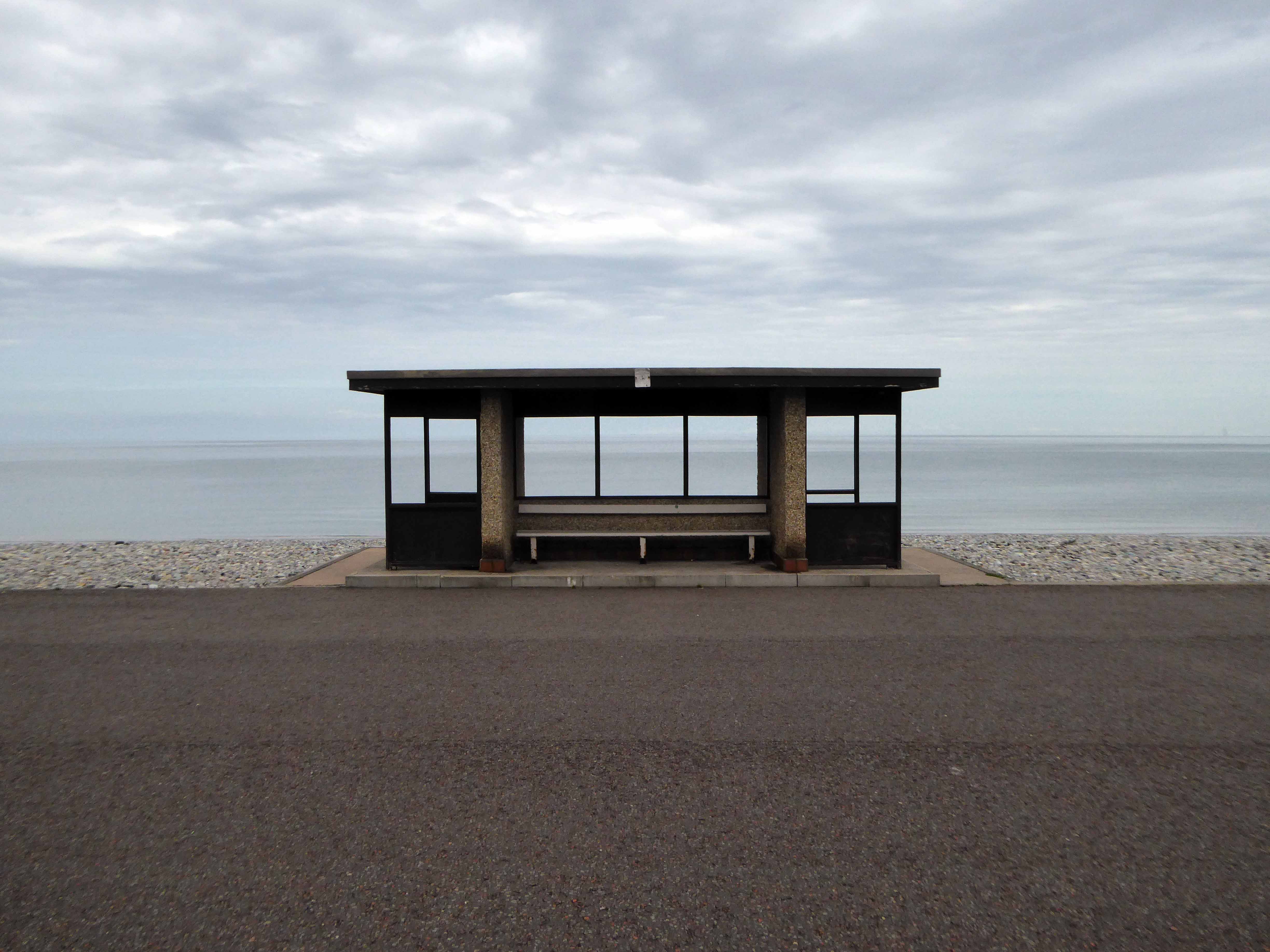
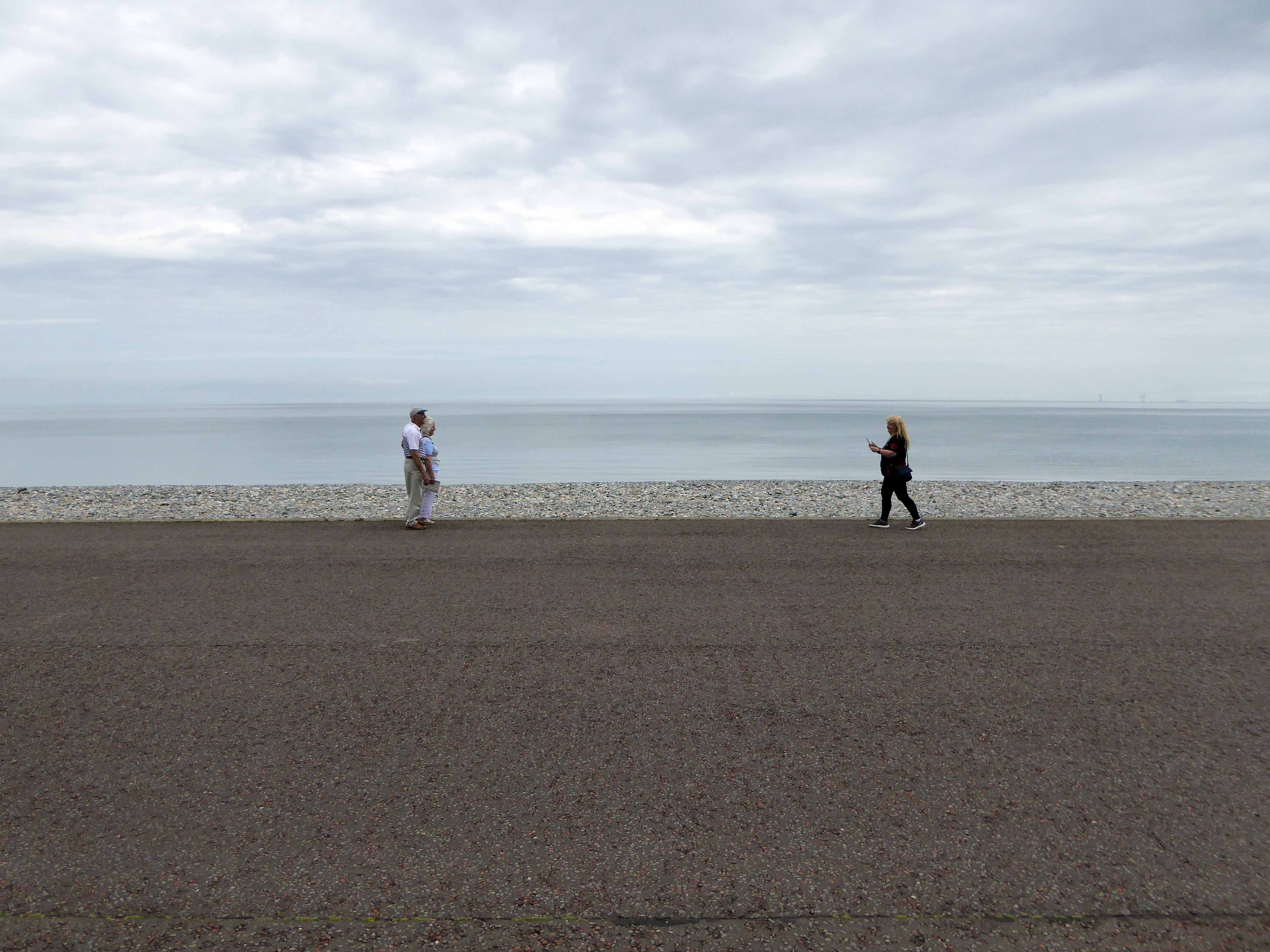
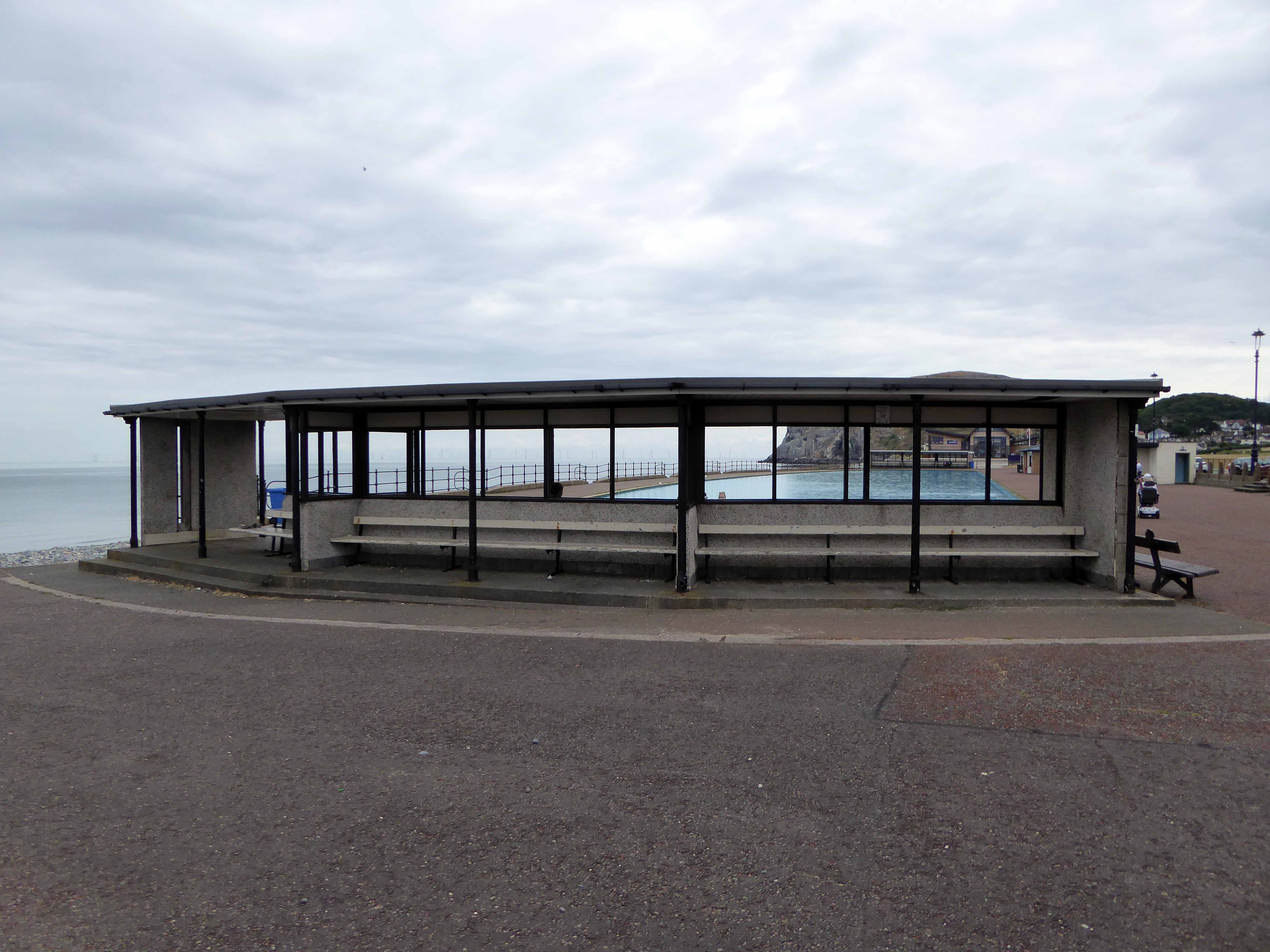
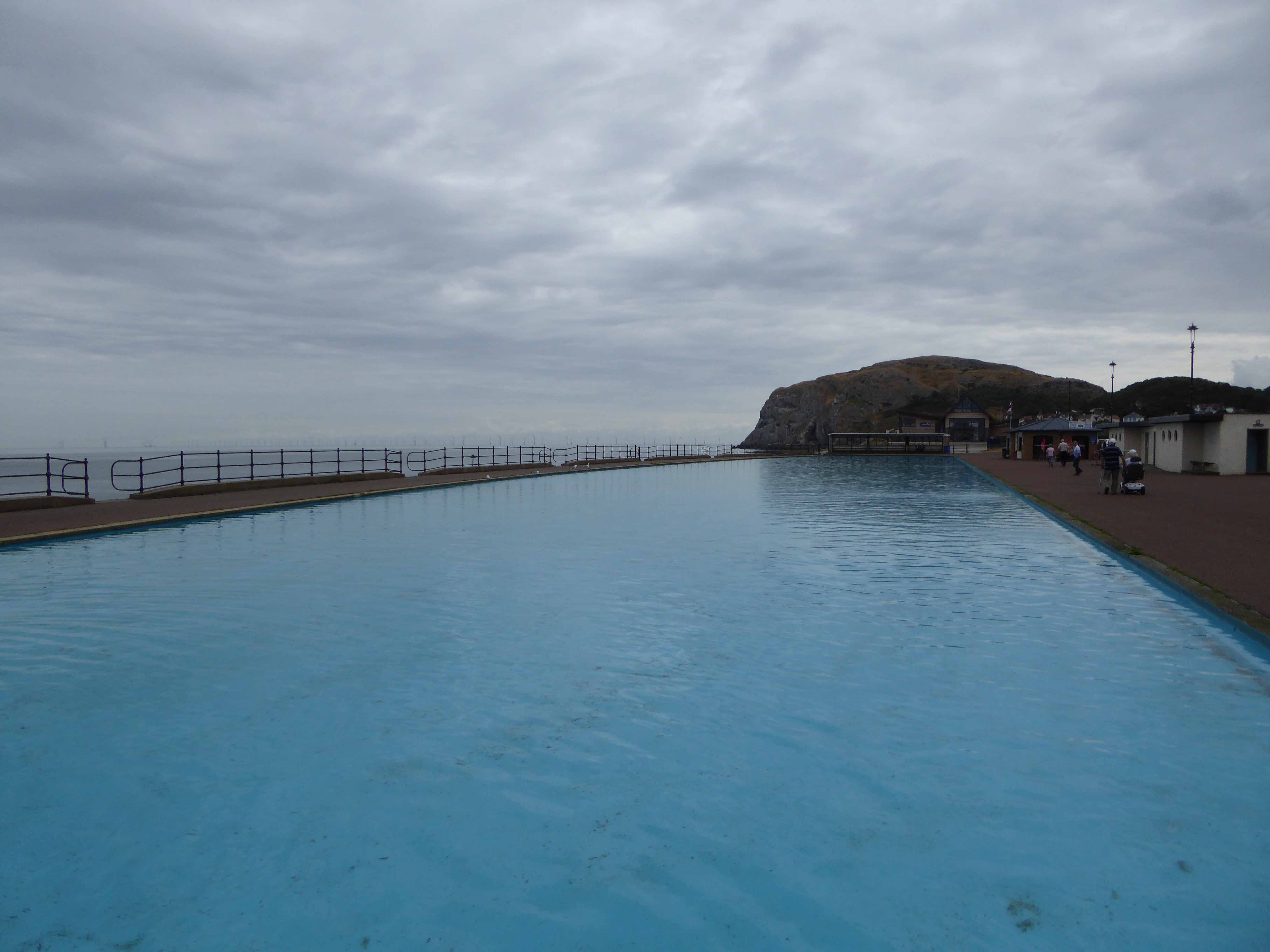
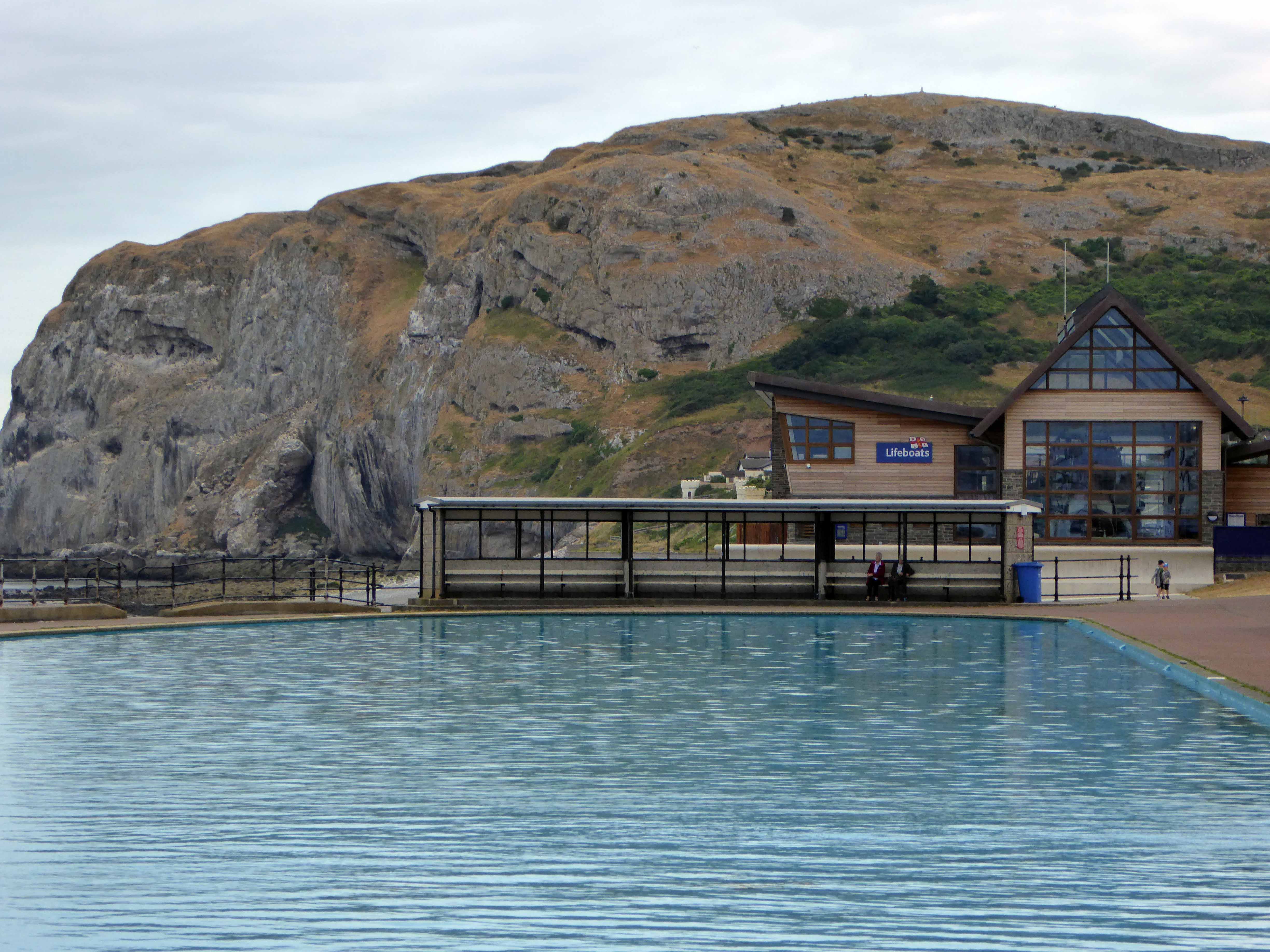
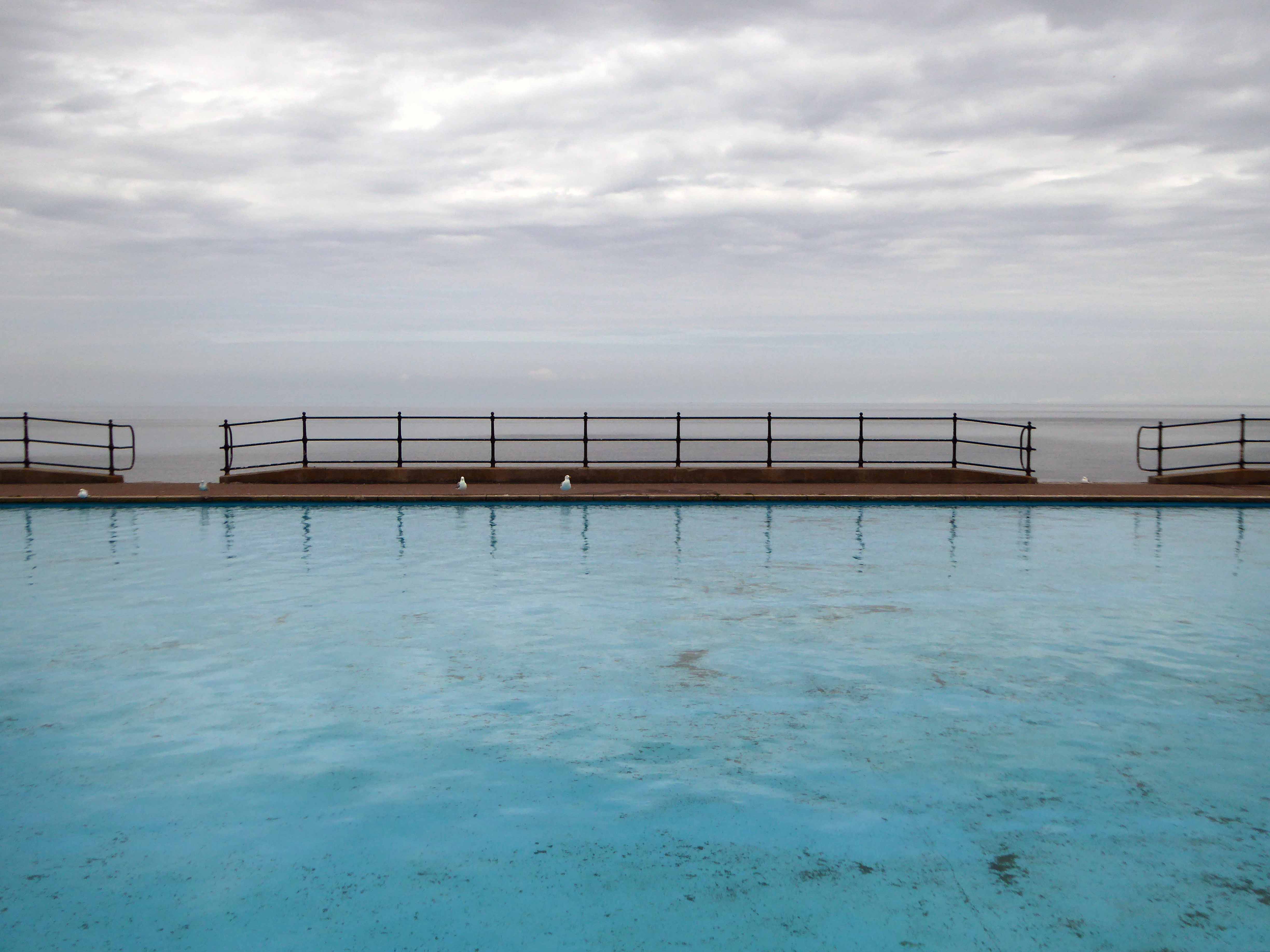
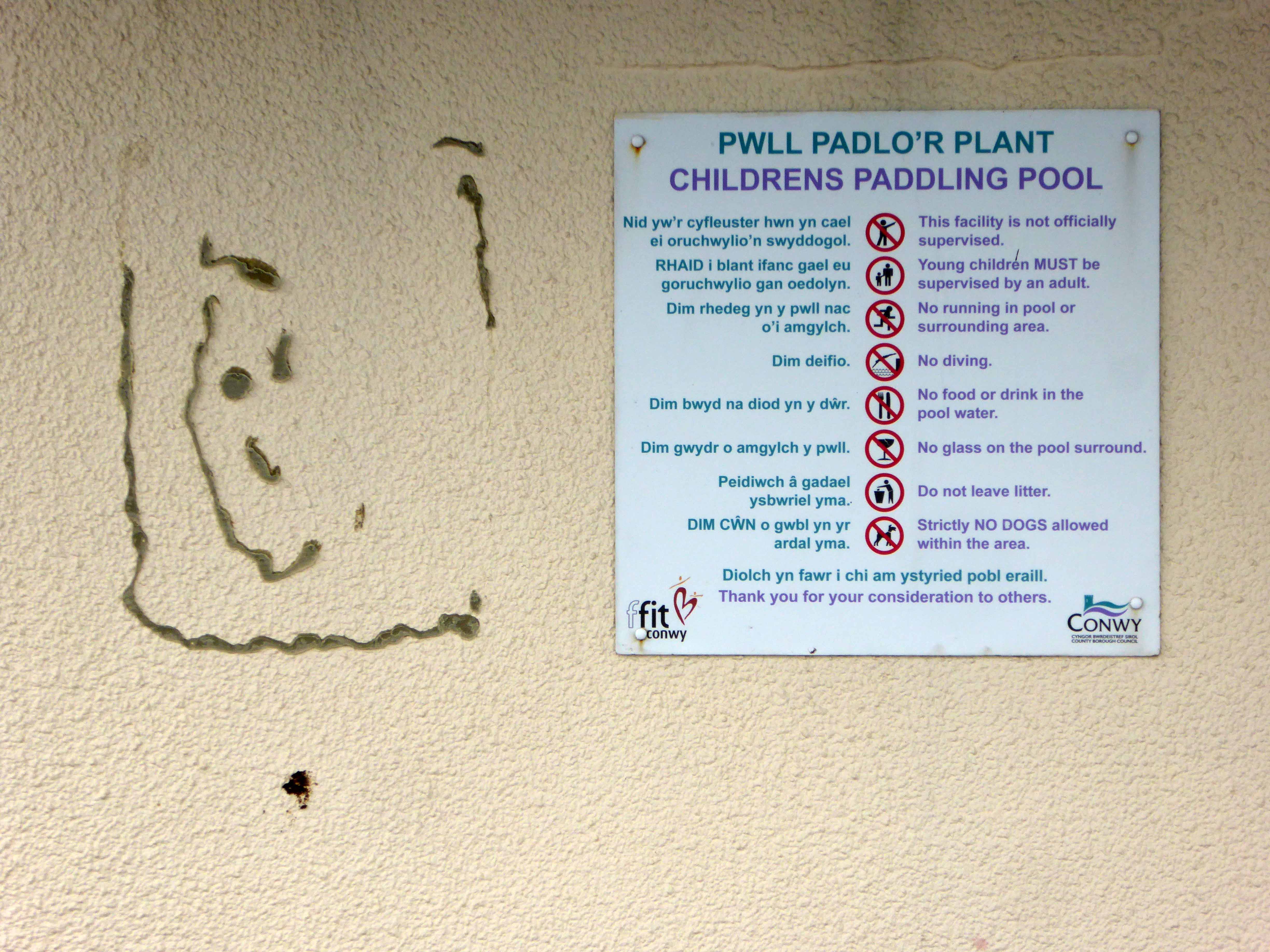
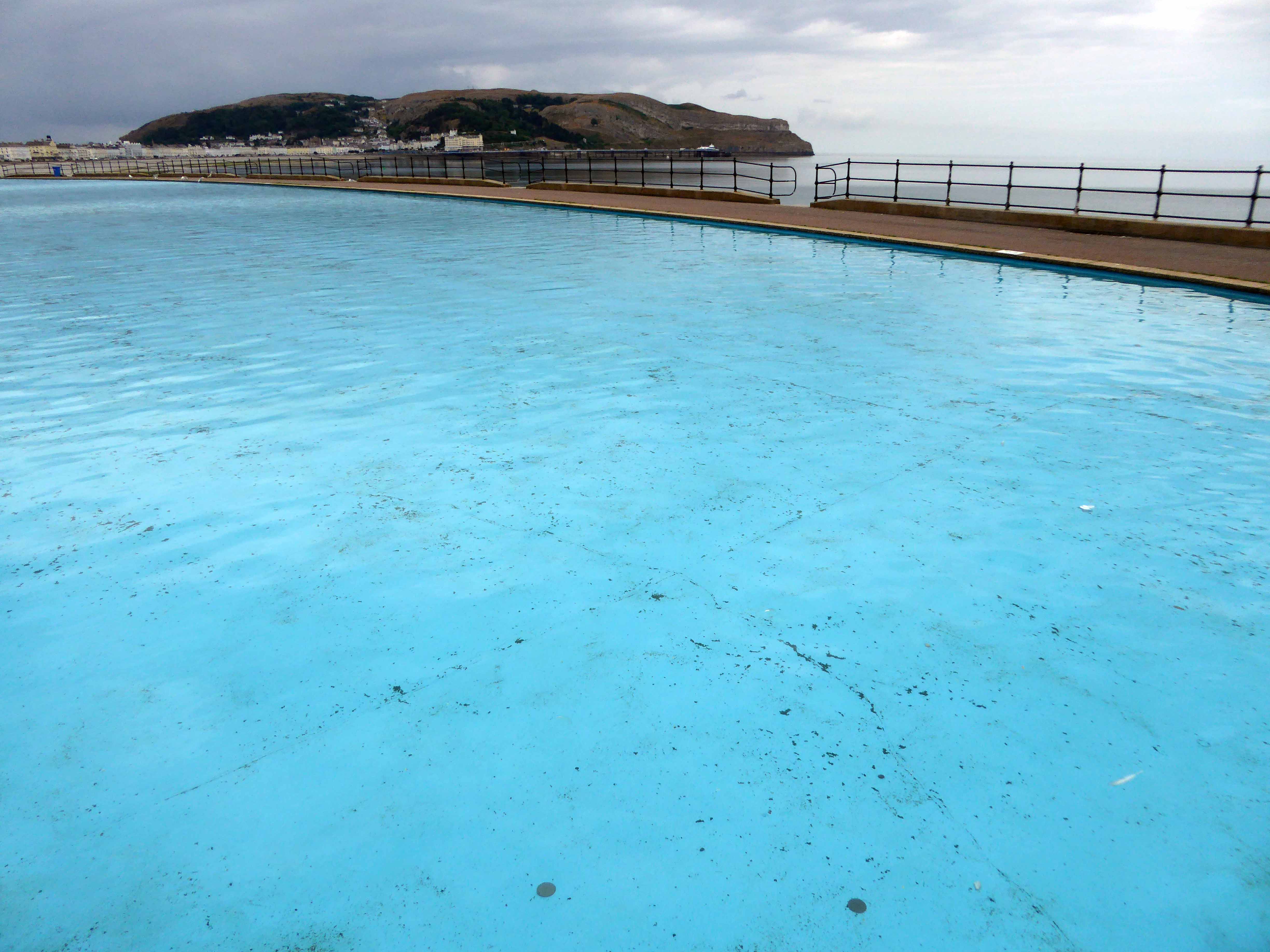
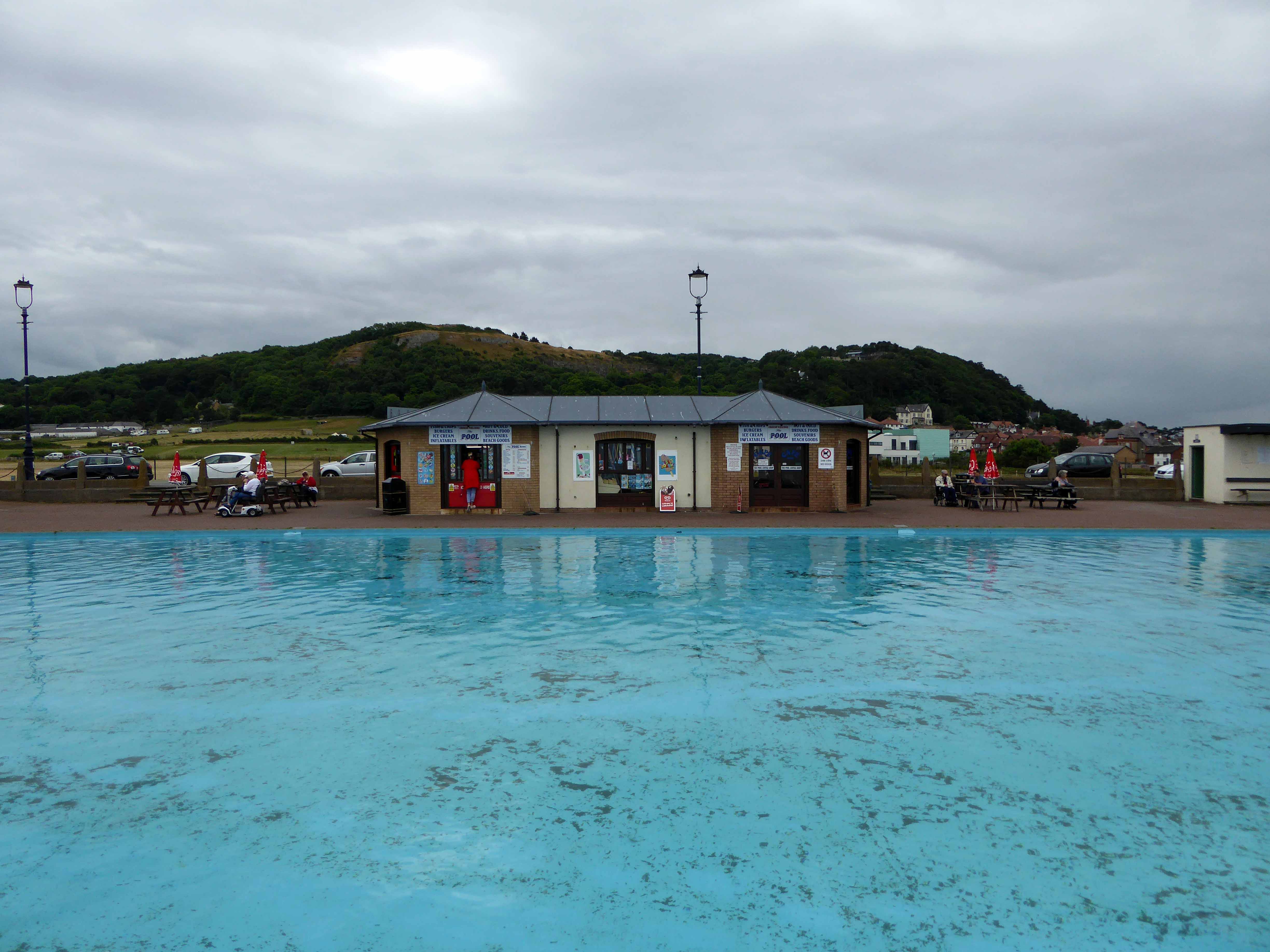
Walk with me now and mark the remarkable shelters, paddling pools and bandstand screens, along with the smattering of people that people the promenade.

P1270521

P1270522

P1270445

P1270447

P1270448

P1270449

P1270450

P1270453

P1270456

P1270458 1

P1270460 1

P1270461

P1270463

P1270465

P1270466

P1270467

P1270469

P1270470

P1270471

P1270473

P1270476

P1270477

P1270481

P1270482

P1270484

P1270485