Stafford Walk

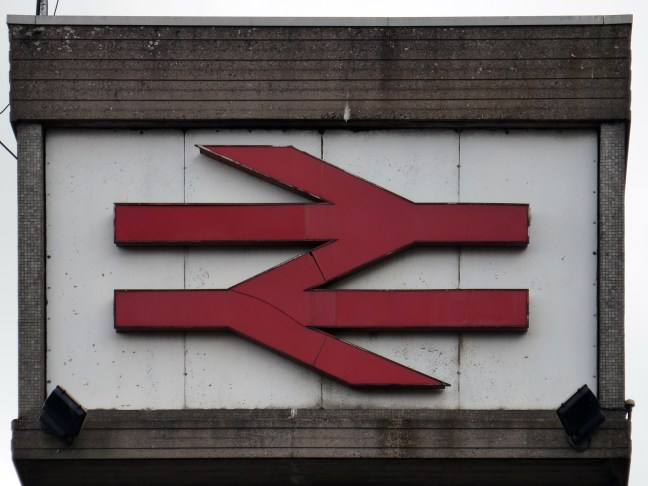
To begin at the beginning – we arrive at Stafford Railway Station.
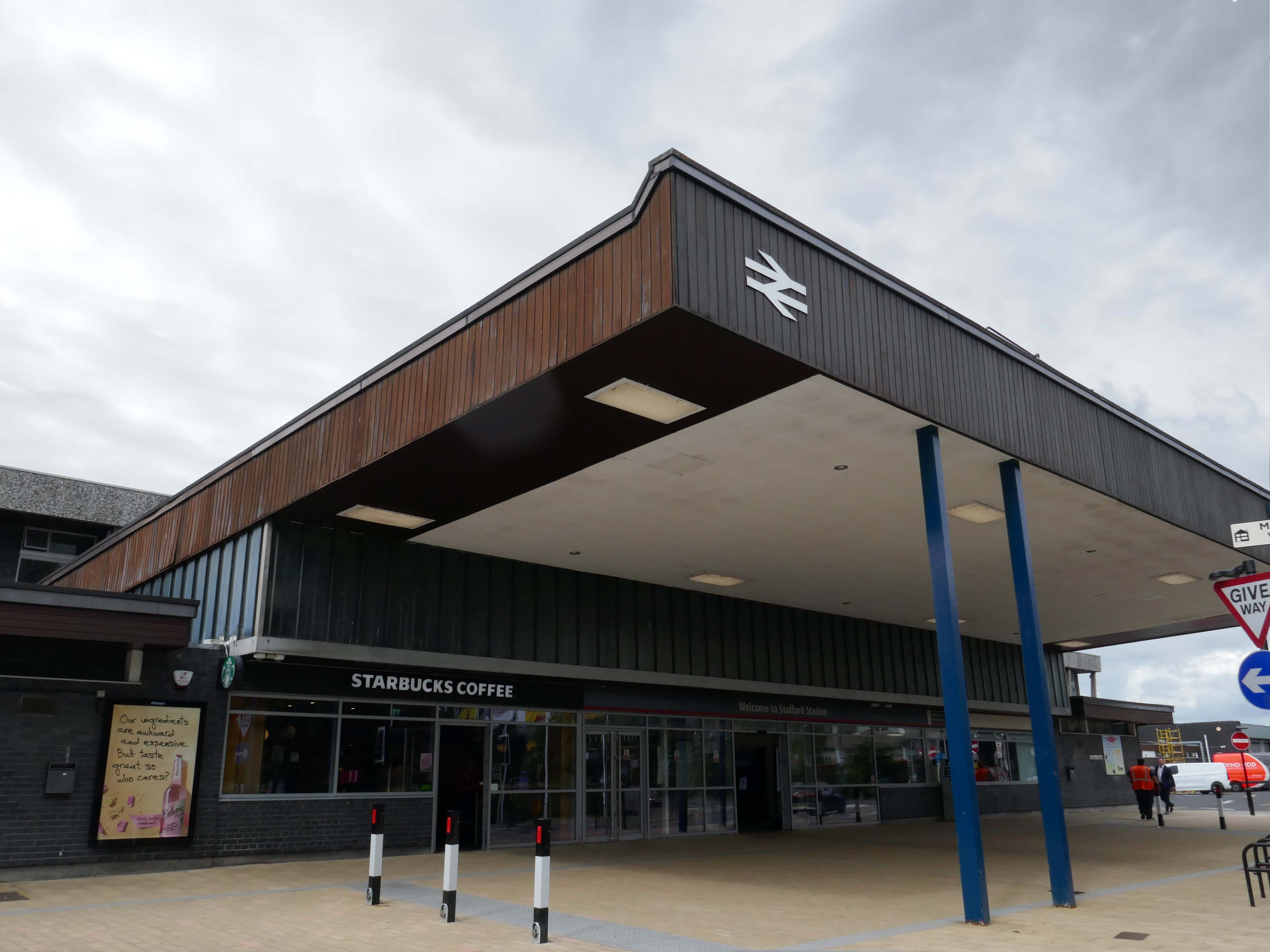
The current station was built in 1962, by the architect William Robert Headley, as part of the modernisation programme which saw the electrification of the West Coast Main Line.
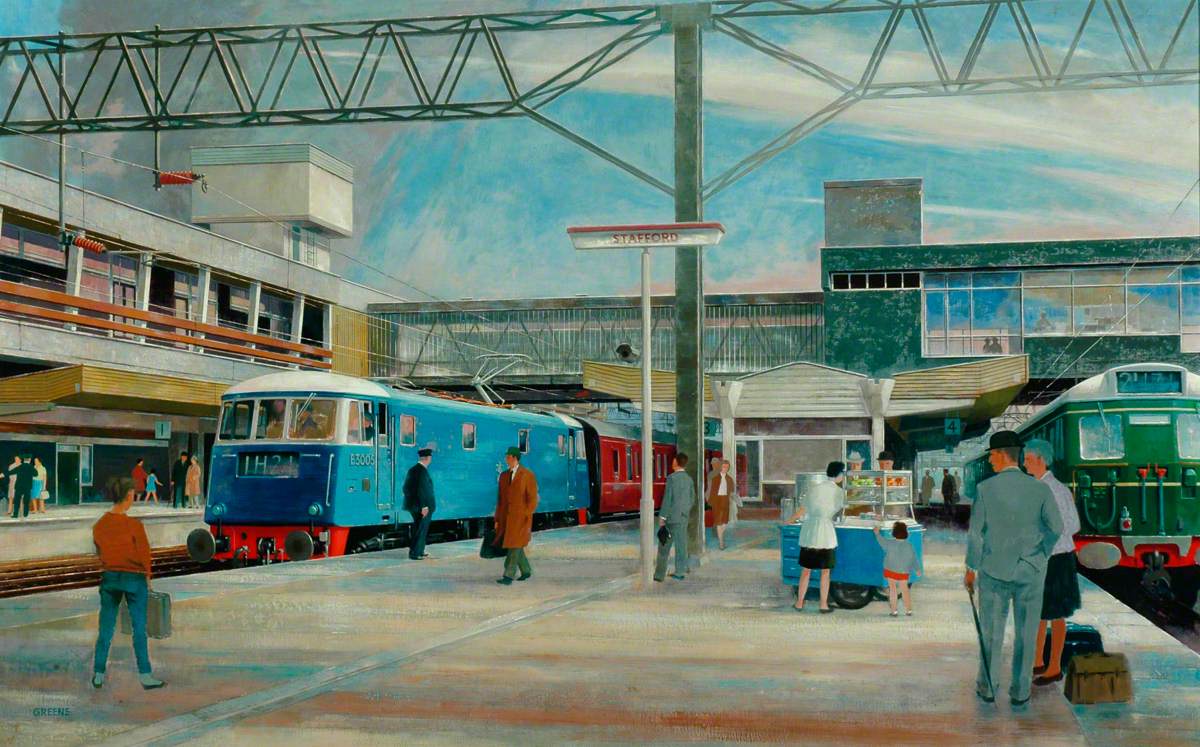
Illustration: John Greene

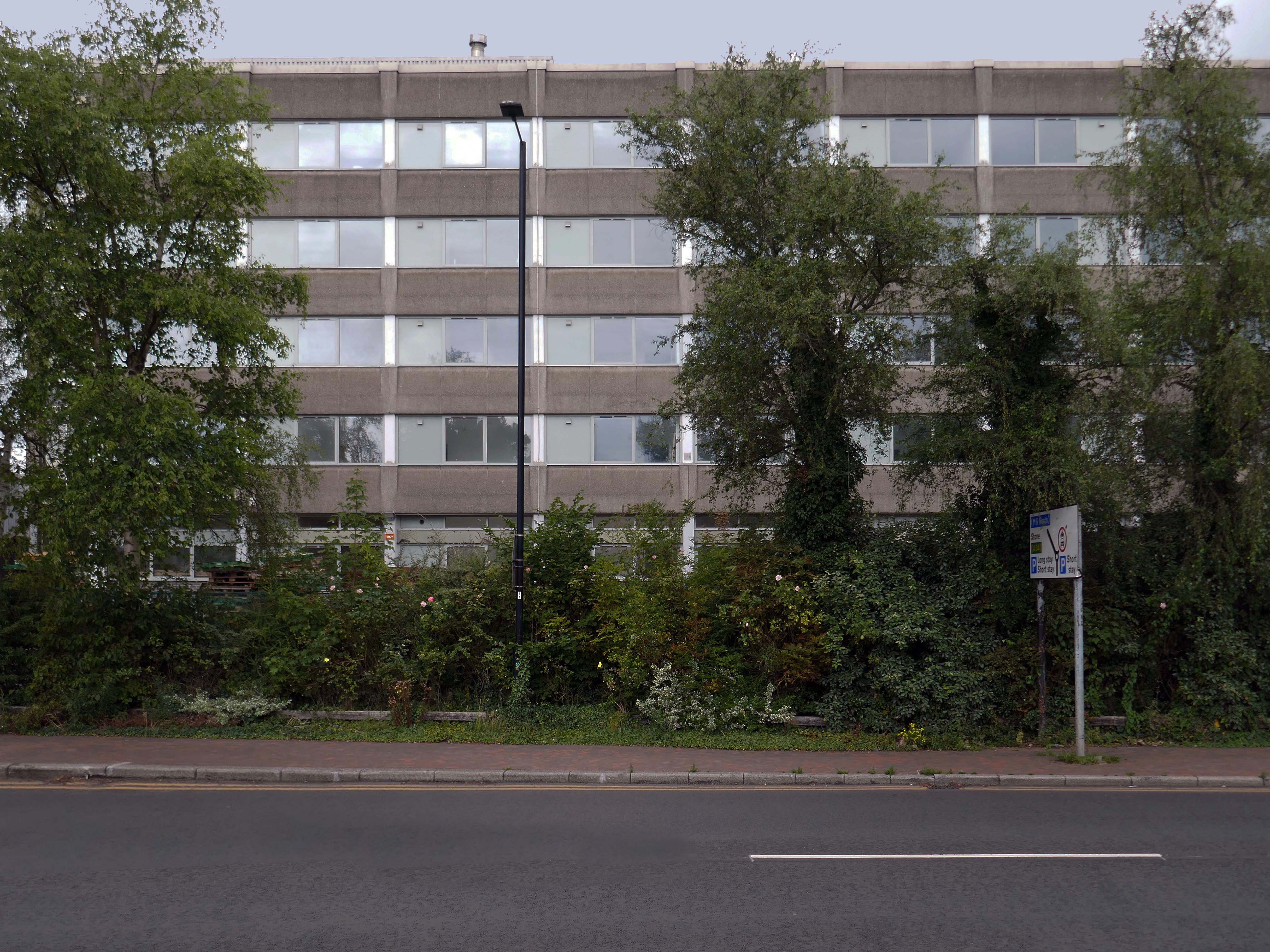
On leaving the station there is an as yet partially un-let Sixties office block to let – Victoria Park House.
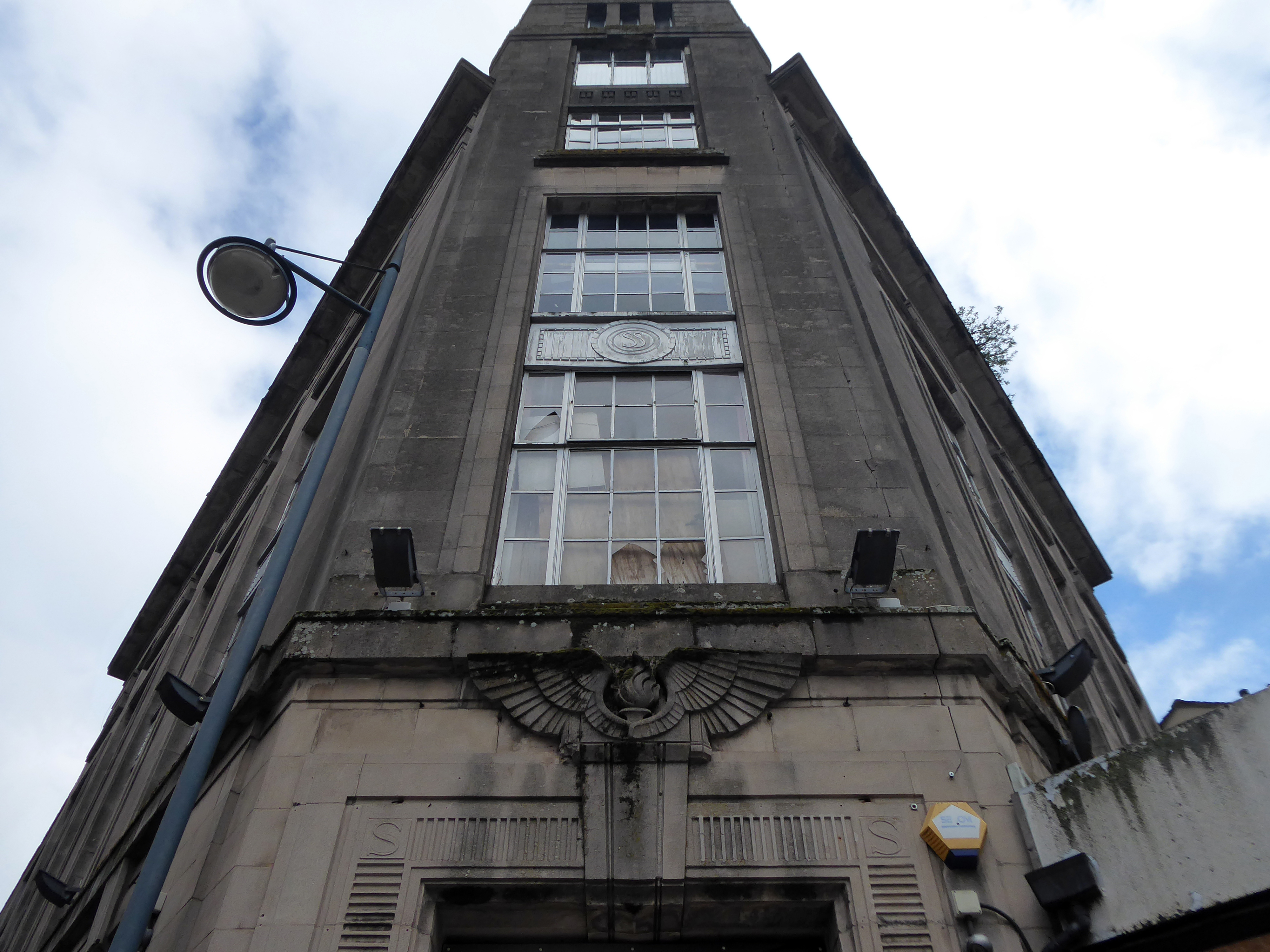
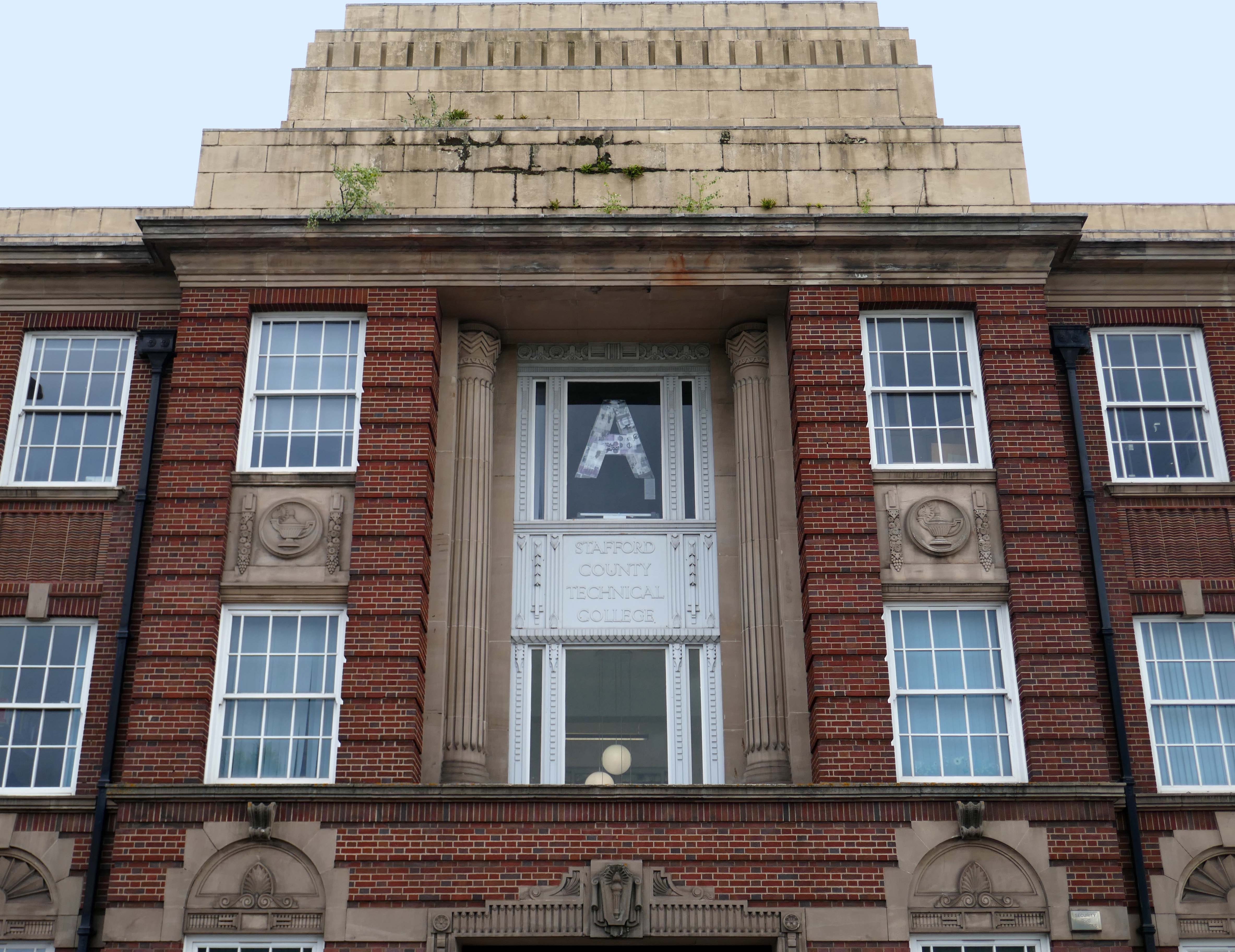
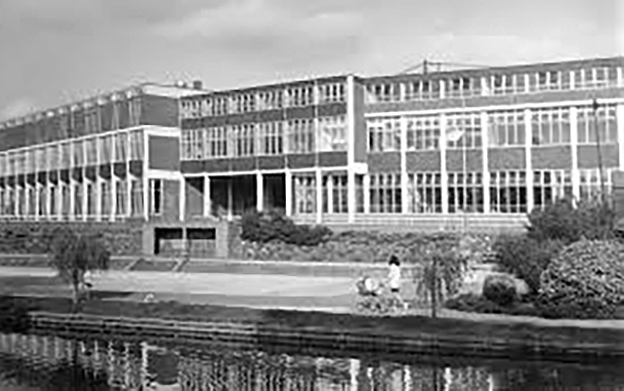
Onward to the County Technical College 1937 Grade II Listed – interior completed 1946.

The shell of the building was completed in 1937, after which it was used as an American army hospital during the war, then completed afterwards. 
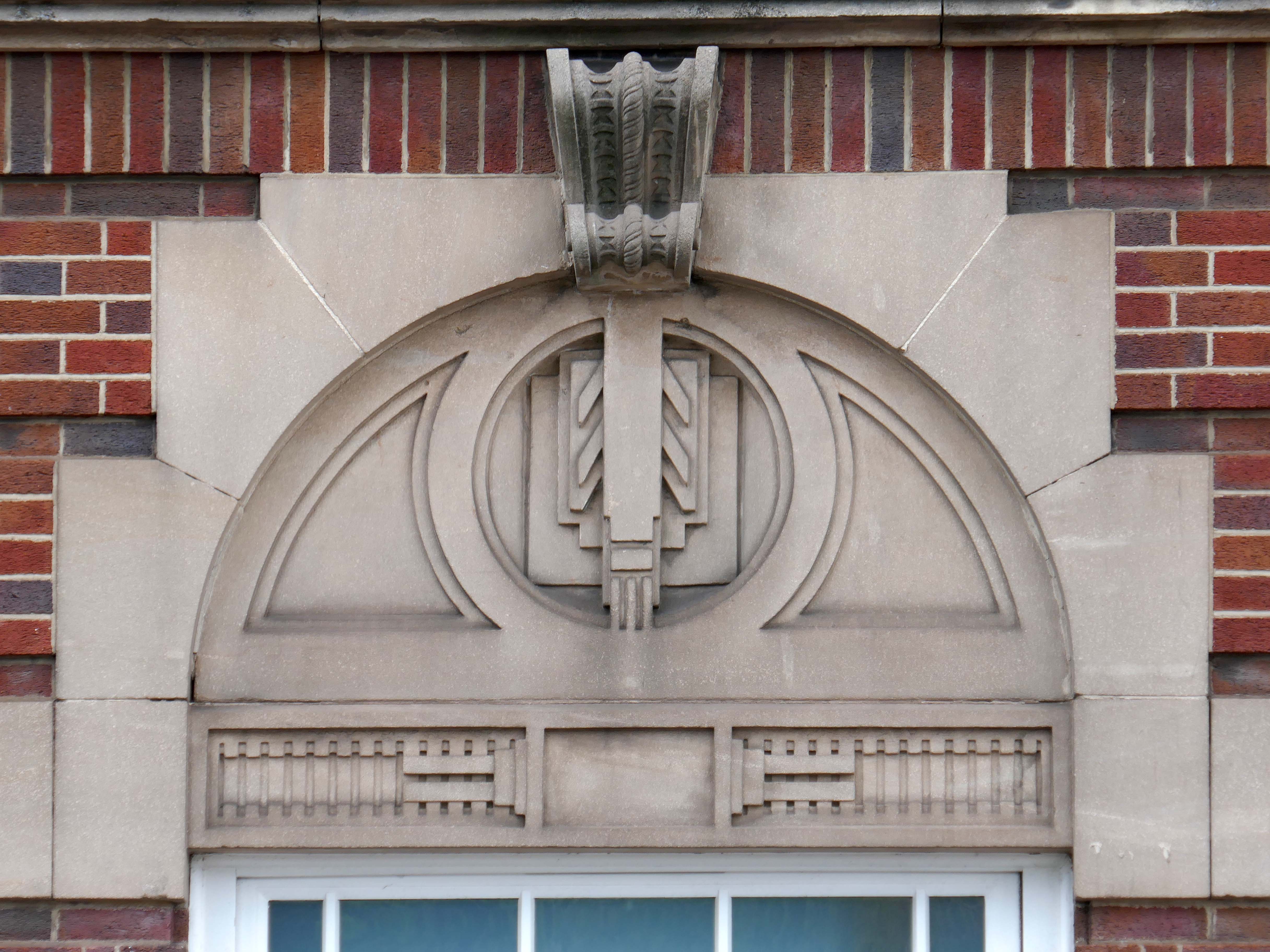
Heavily loaded with Art Deco details.
The new £28m three-storey Skills & Innovation Centre at Stafford College, completed in August 2023, was one of the first further education college schemes to be delivered under the DfE framework and a pathfinder scheme for delivery in accordance with the Further Education Output Specification. The new Centre is equipped with cutting-edge equipment and state-of-the-art facilities for construction, engineering and hybrid / electric vehicle maintenance facilities, as well as IT rich seminar suites and open learning break-out spaces along with a 4-court sports hall, a fully-equipped gym and a flexible 300-seat auditorium.
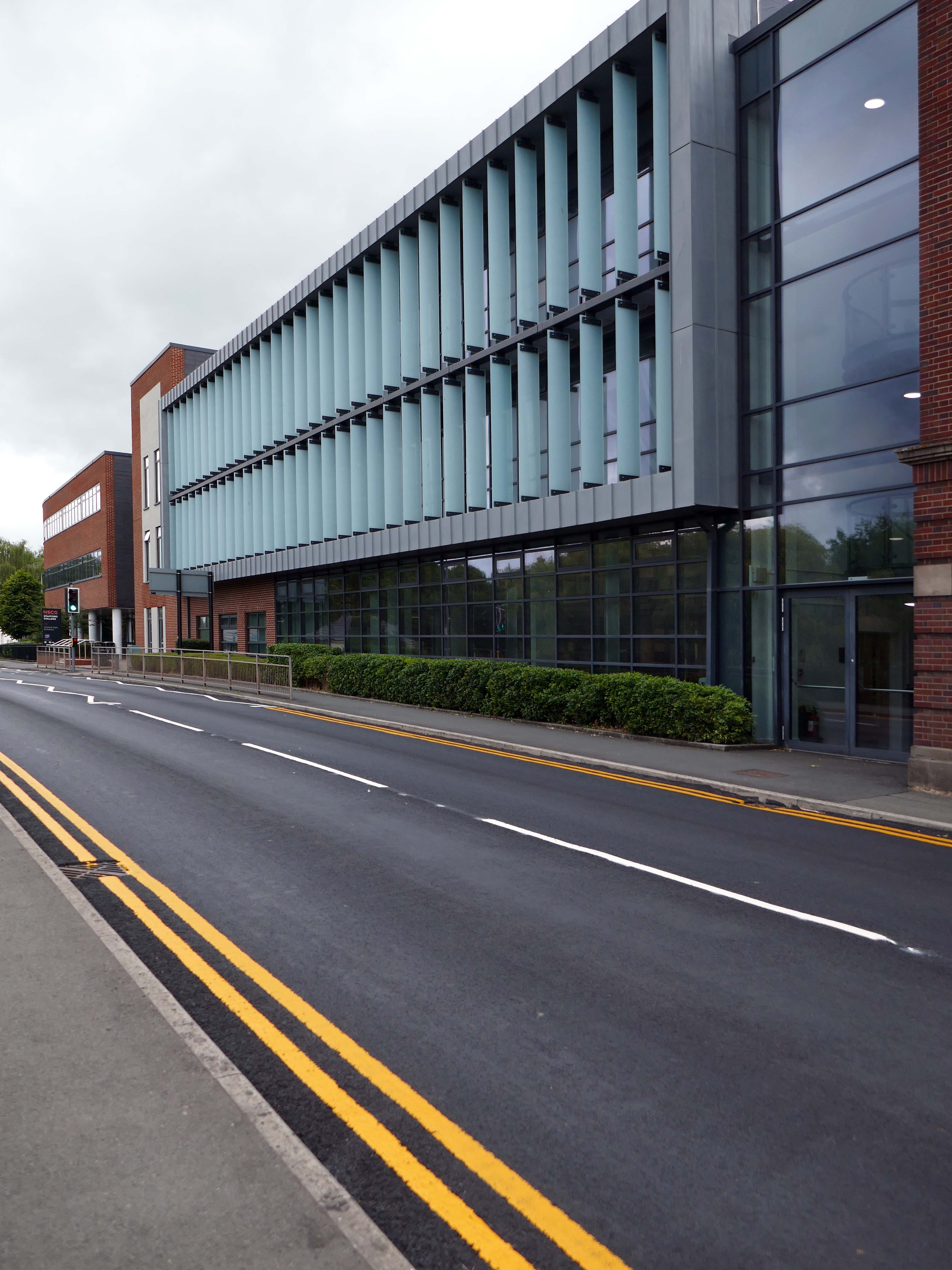
Ellis Williams

A 1970’s block was demolished to make way for the new development.
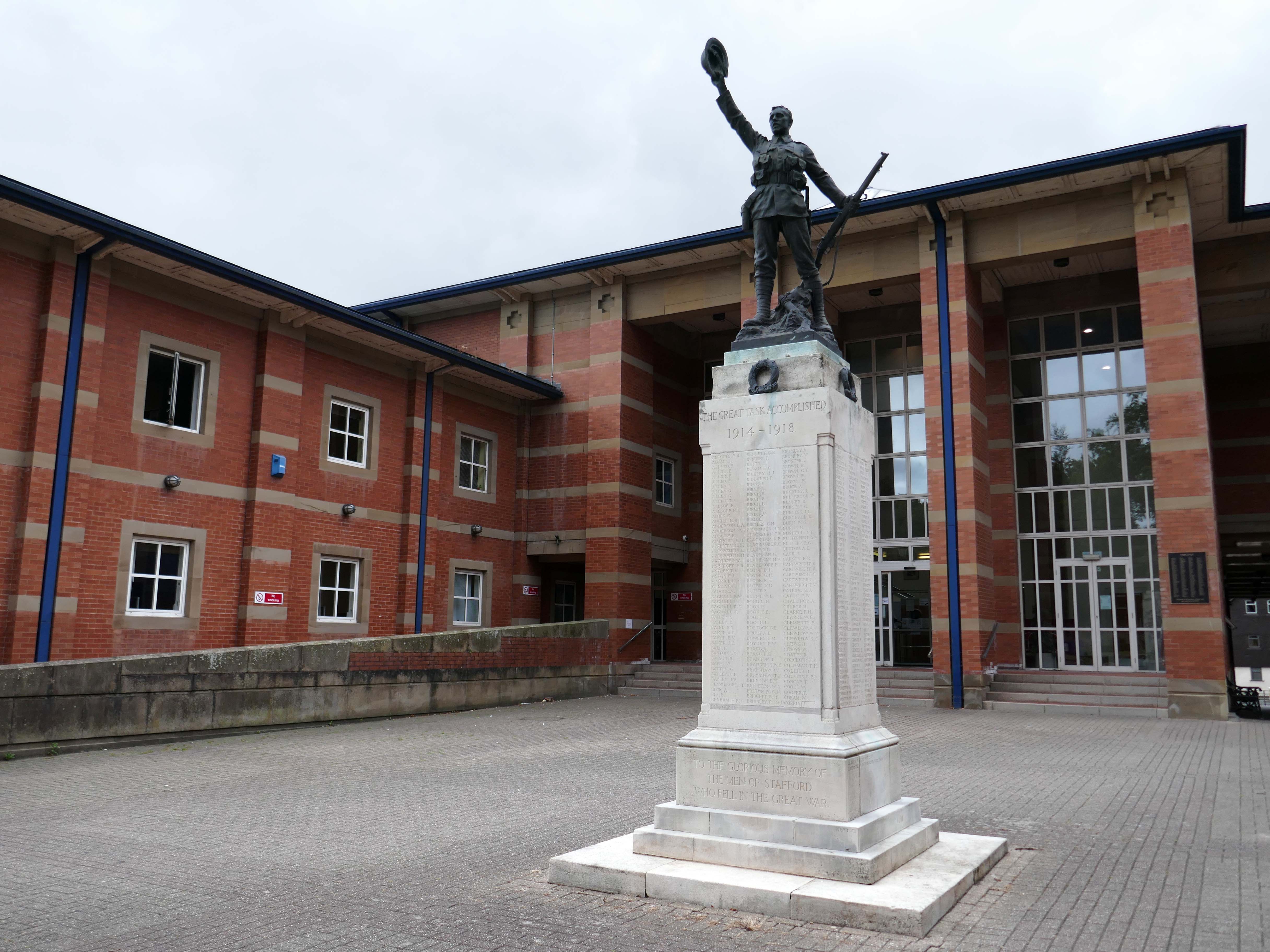
Almost everywhere we go we find a PoMo Crown Courts 1991 – architects: Associated Architects of Birmingham, cost of £10.4 million.

The war memorial of 1922 is by Joseph James Whitehead.
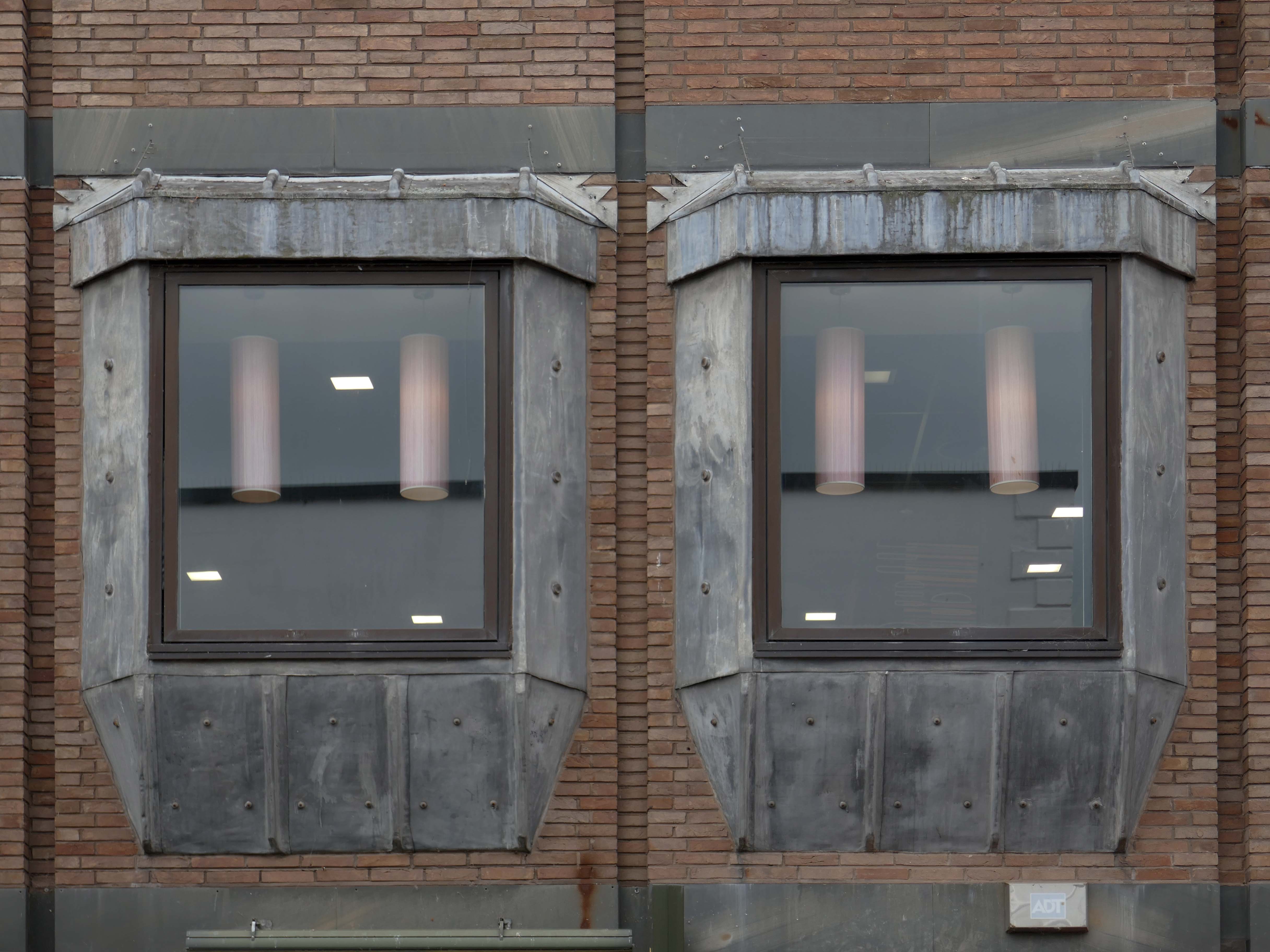
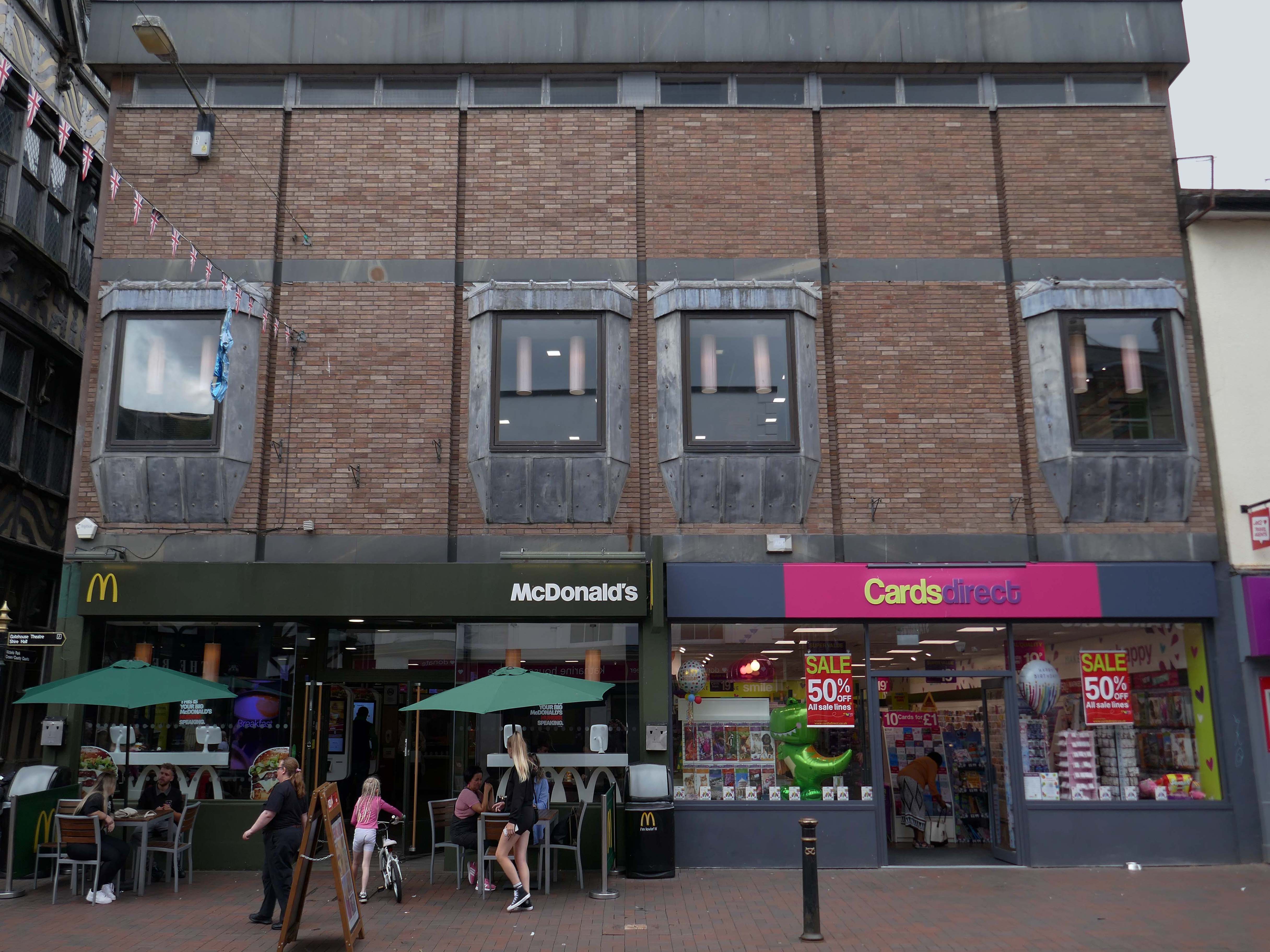
Sneaking through the alley to and before the McDonalds – one many more recent buildings with jetted lead clad bays.

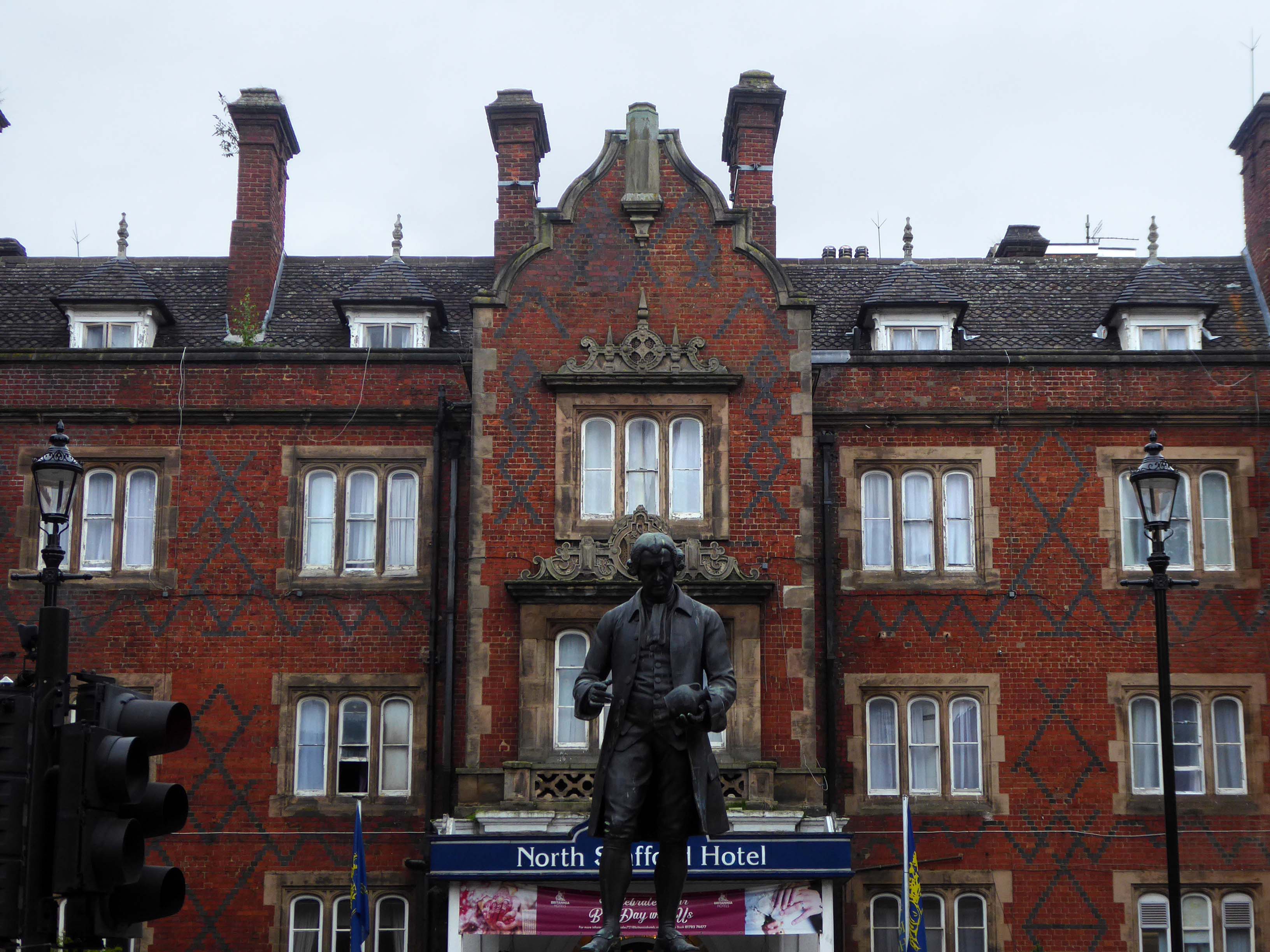
Keeping the town Tudor one bay at a time..
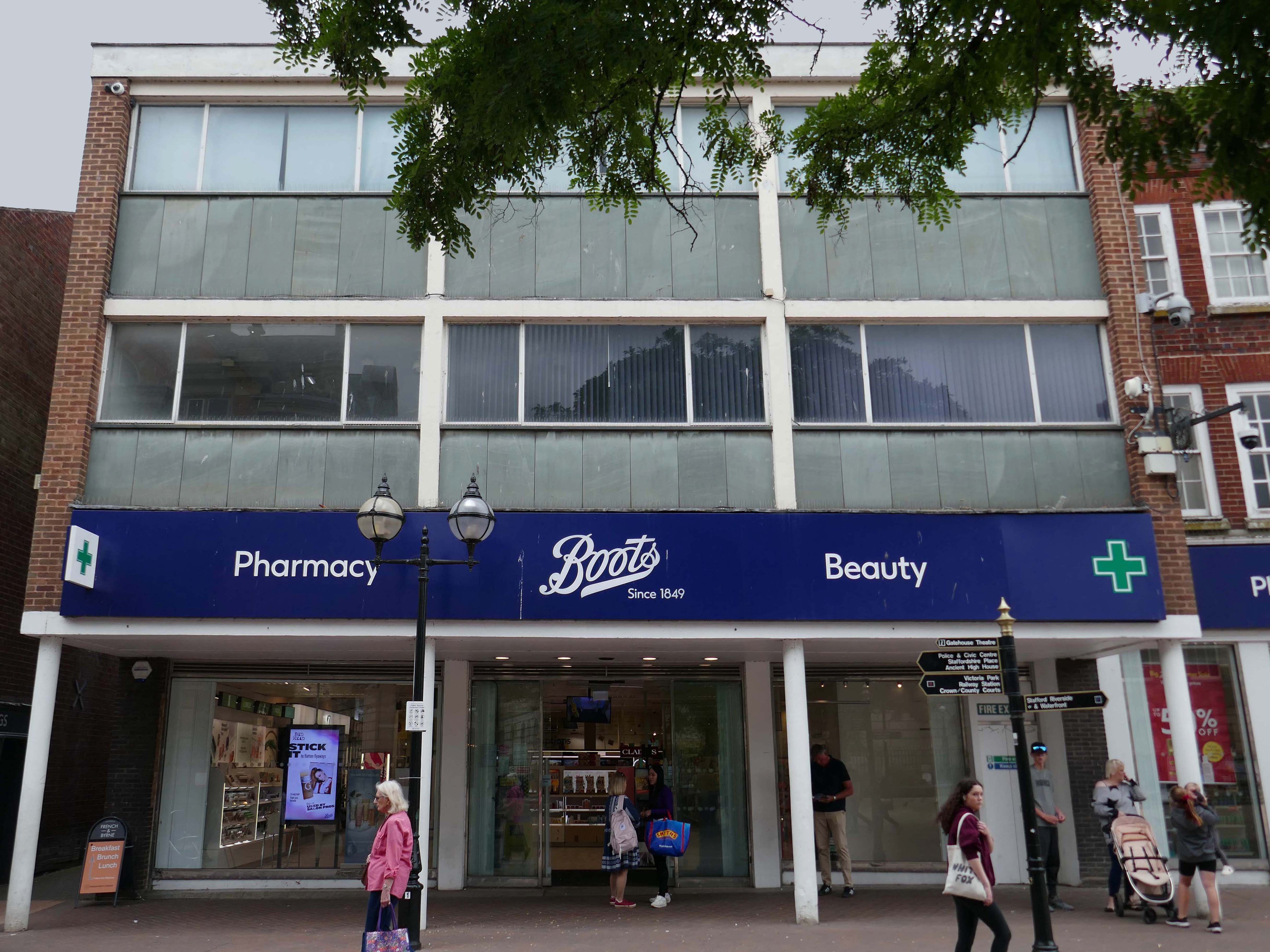
Further along a Sixties Boots.
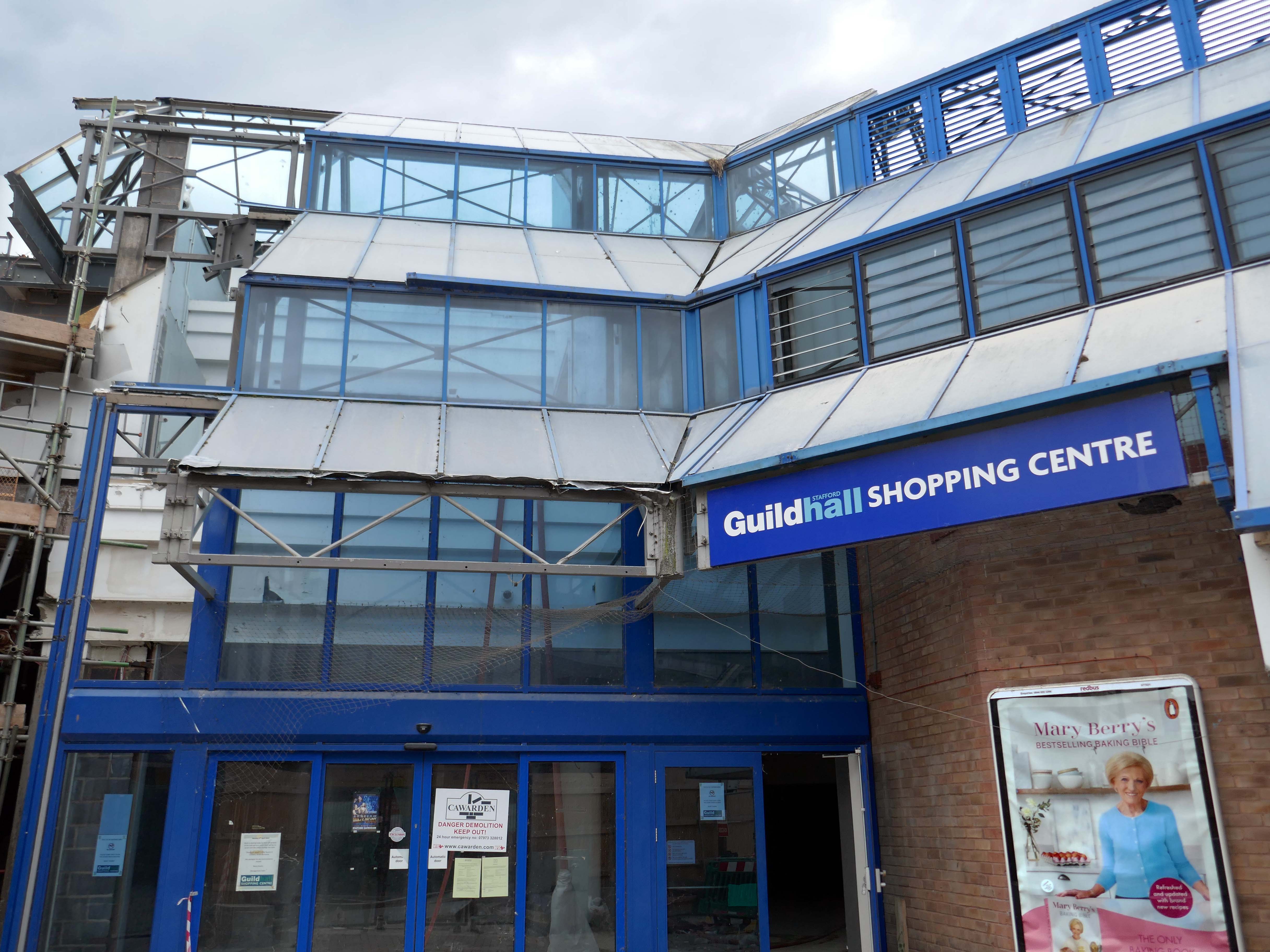
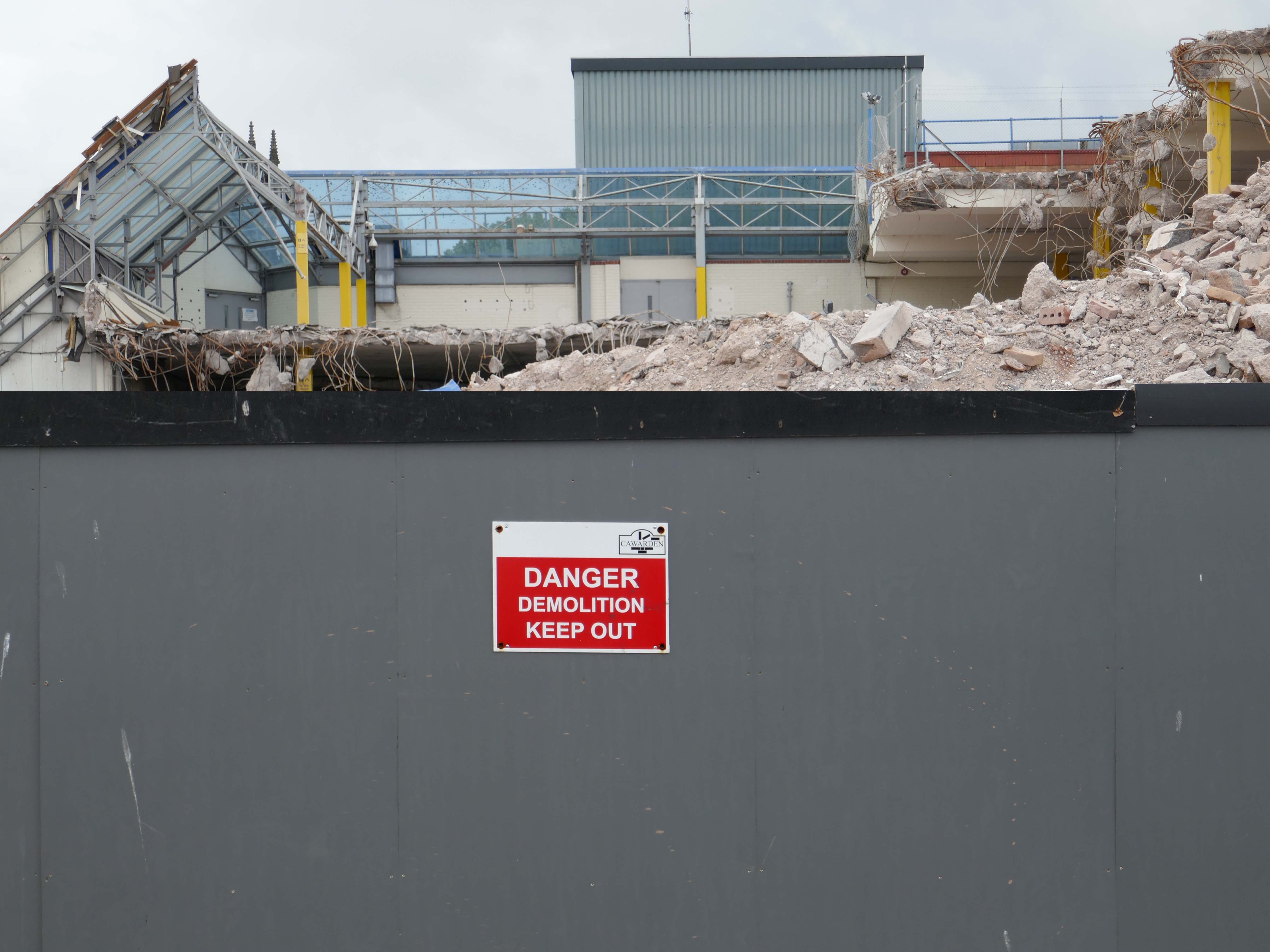
The Classical stone frontage of the Guildhall Shopping Centre.
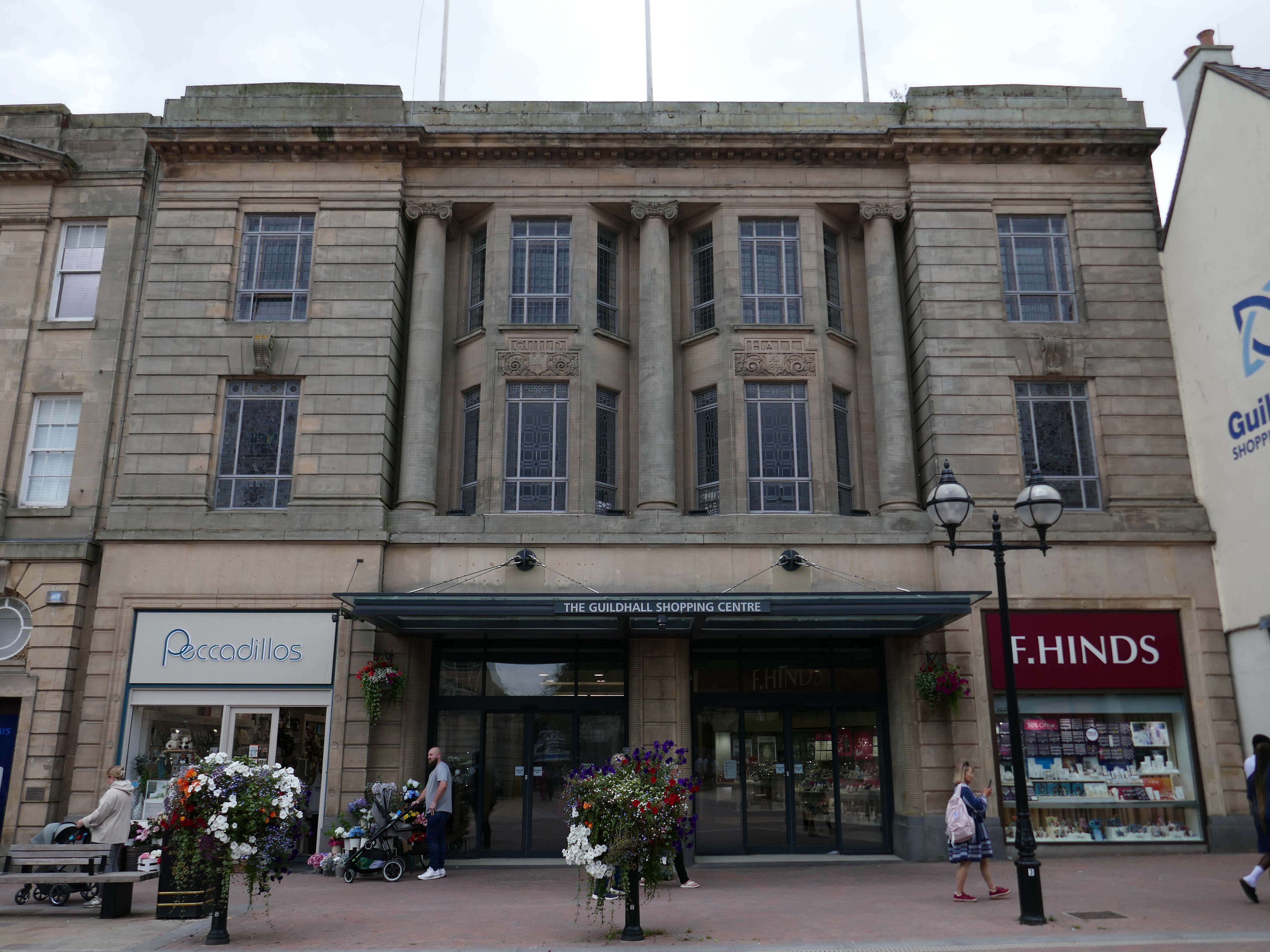
Working with Mercia Real Estate, Glancy Nicholls Architects have designed a contextual mixed-use scheme in the heart of Stafford Town Centre, within the footprint of a disused shopping centre. This includes the regeneration of the 1930’s Guildhall building that serves as the main entrance to the shopping centre and the listed Market Square building. 
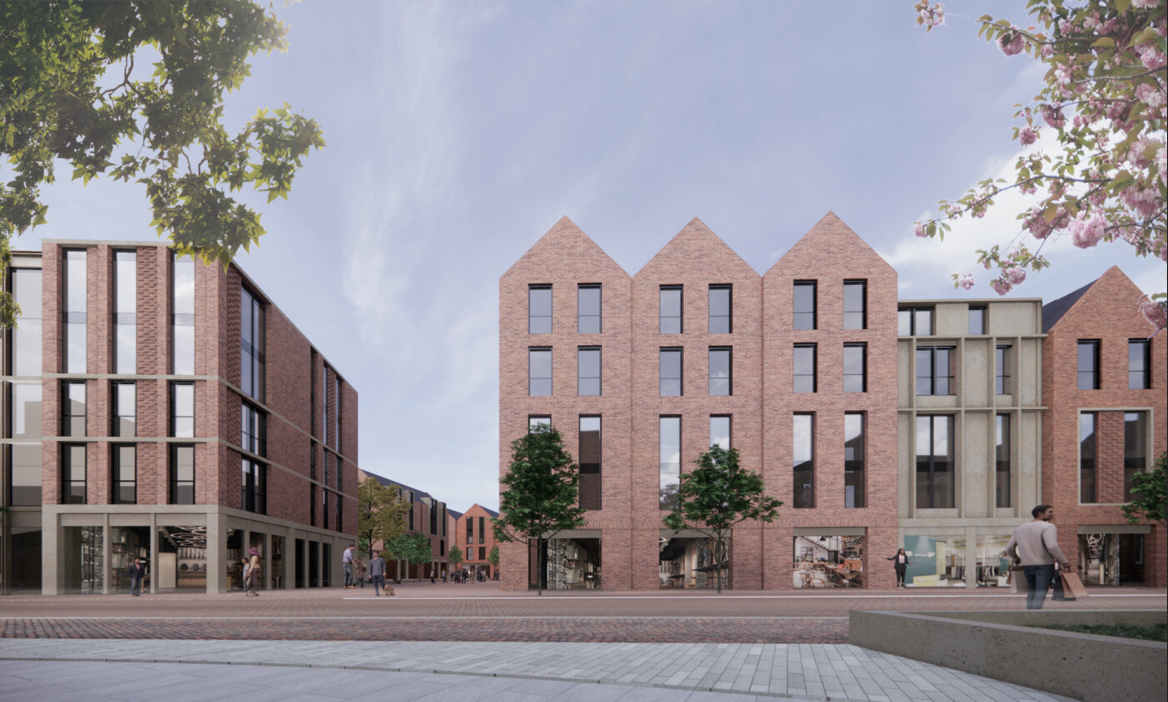
Glancy Nicholls

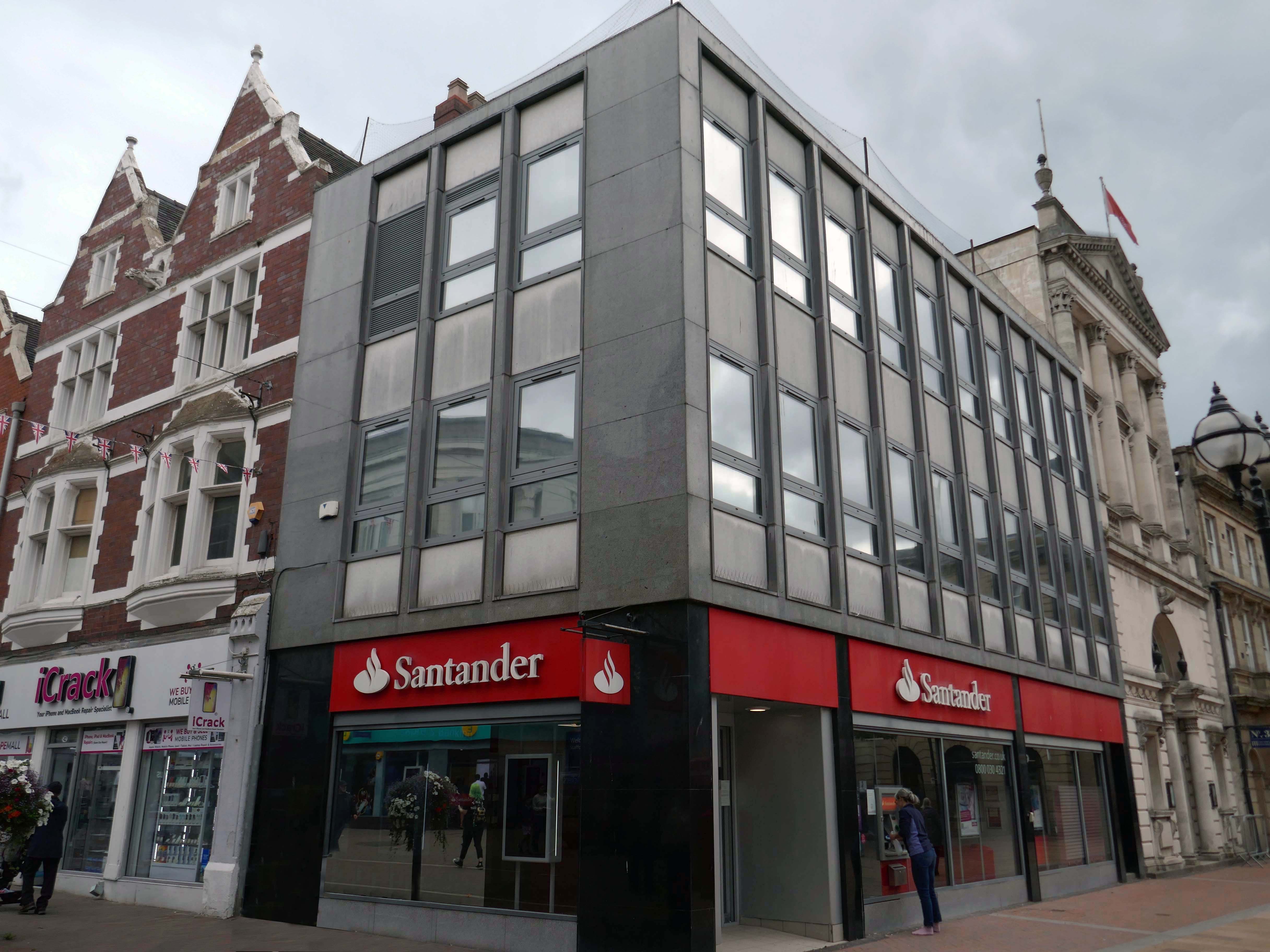
On the corner a Santander Bank

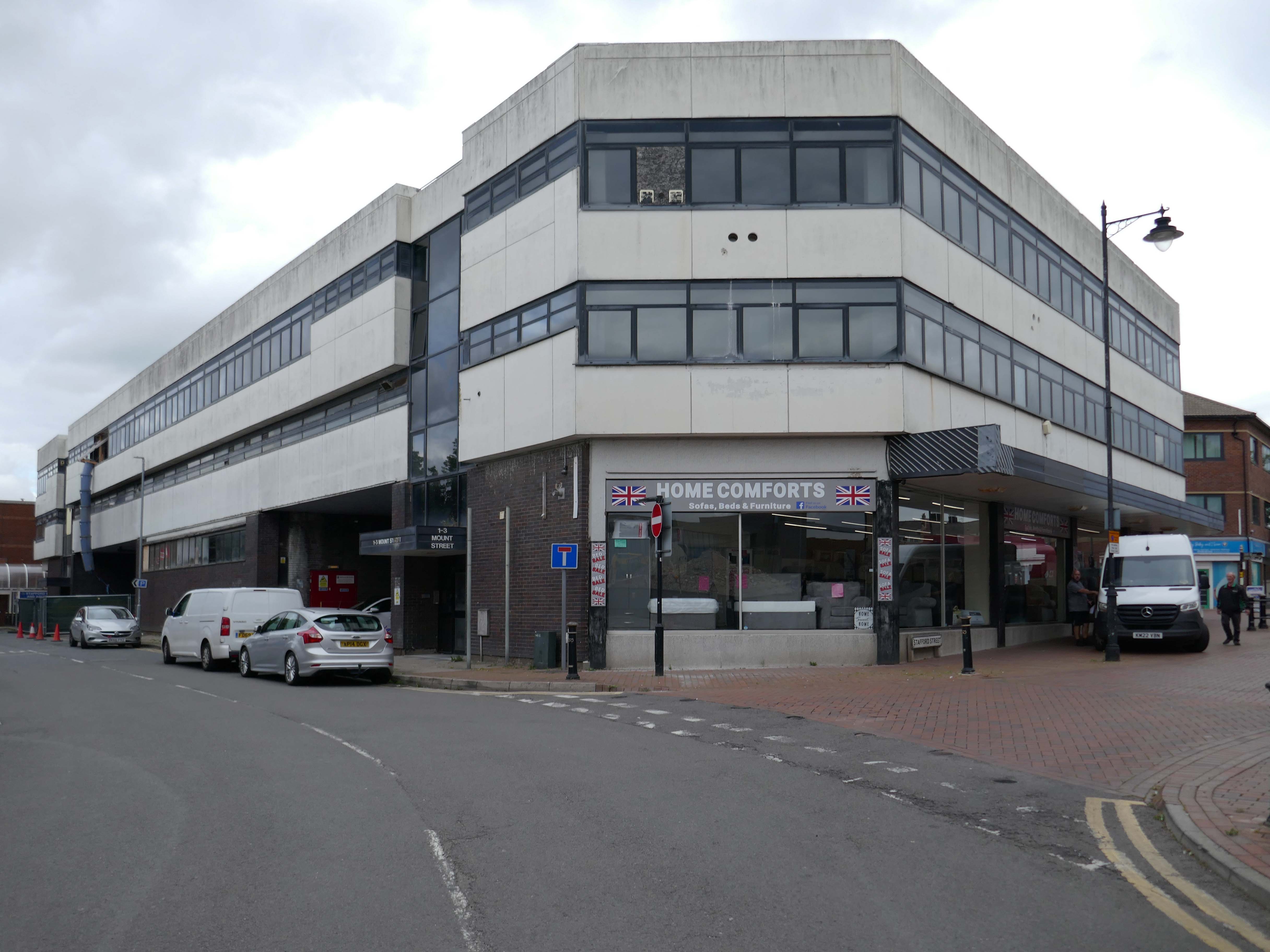
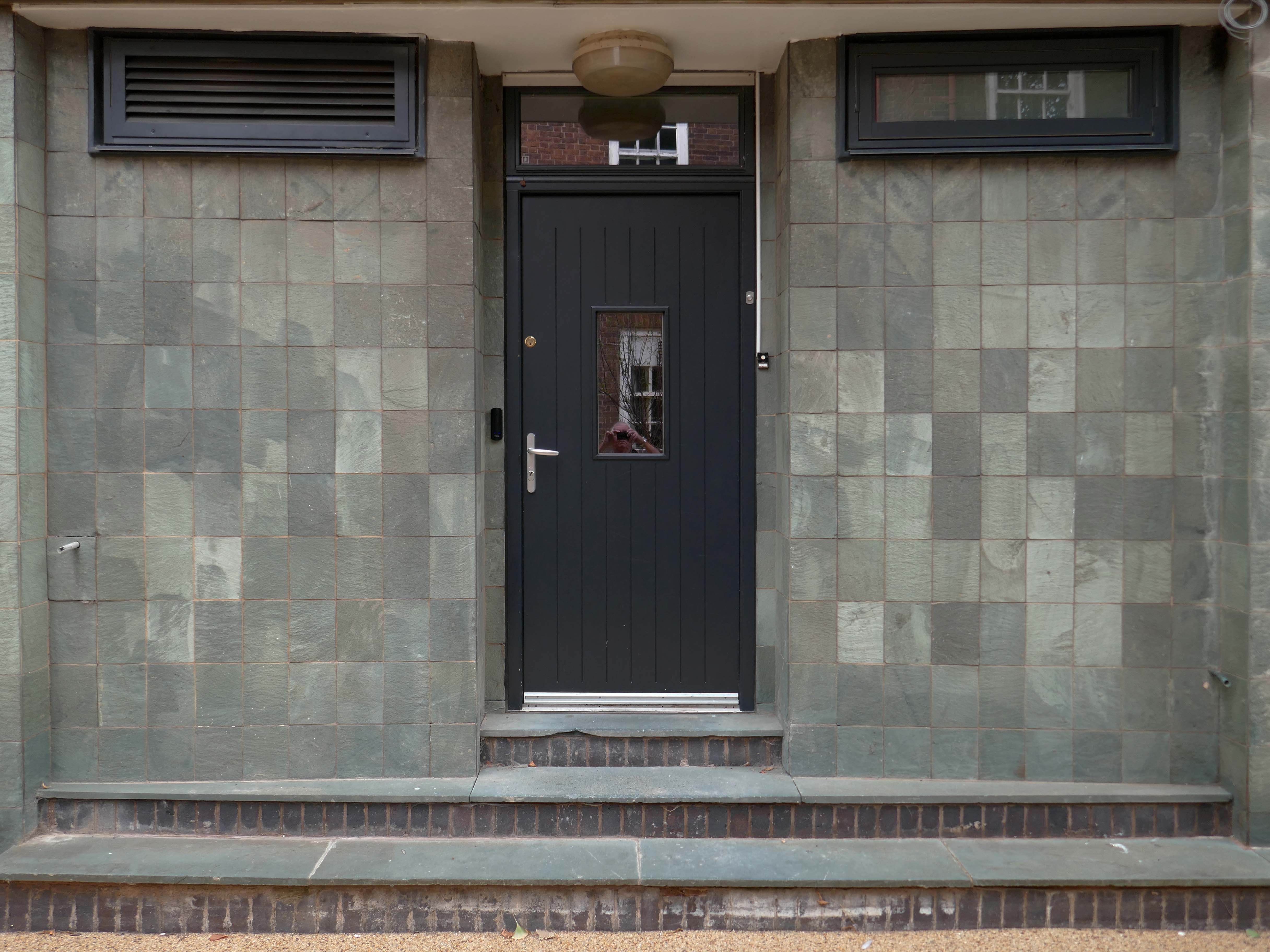
Across the way an understated Burton’s.
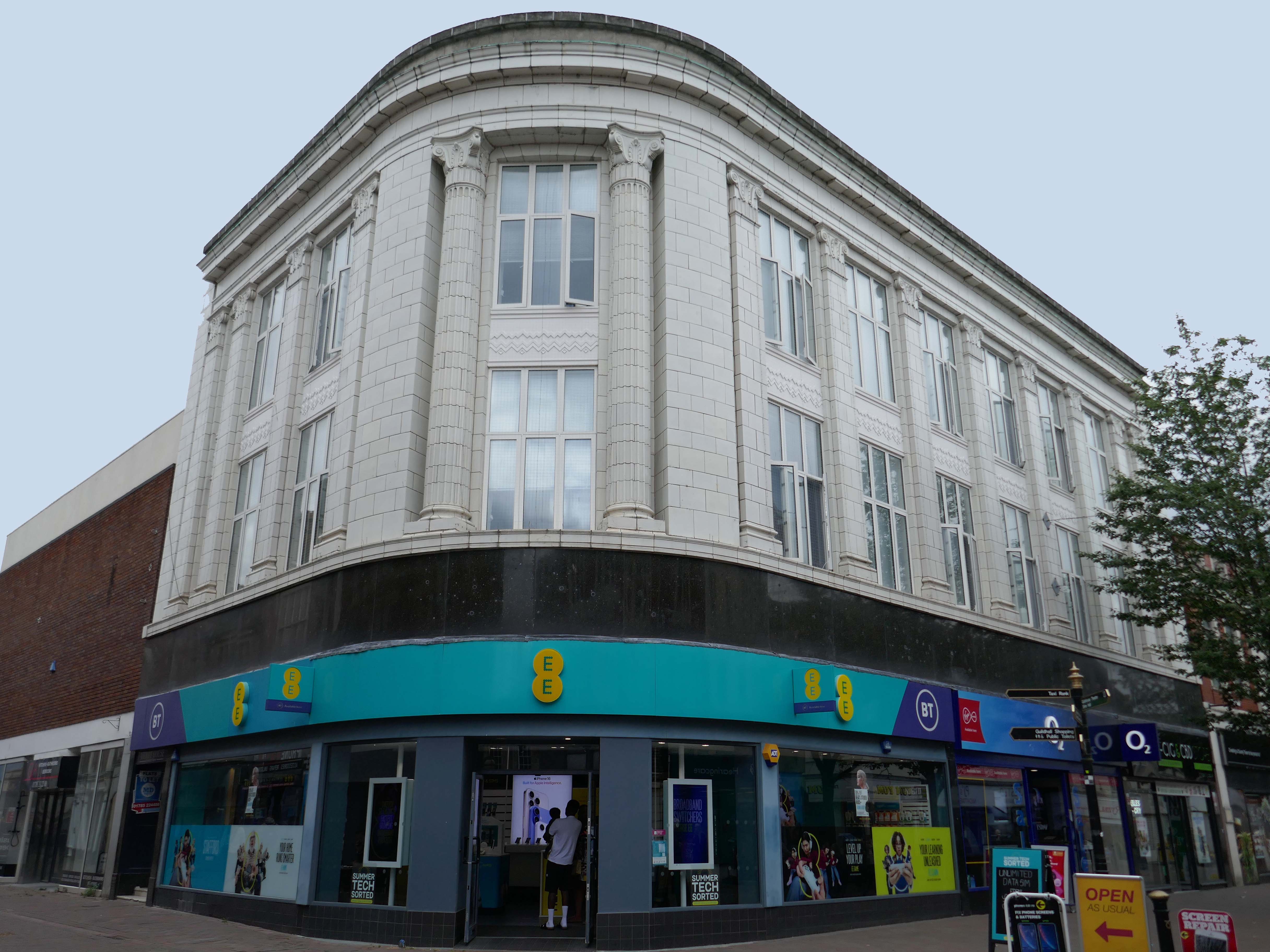
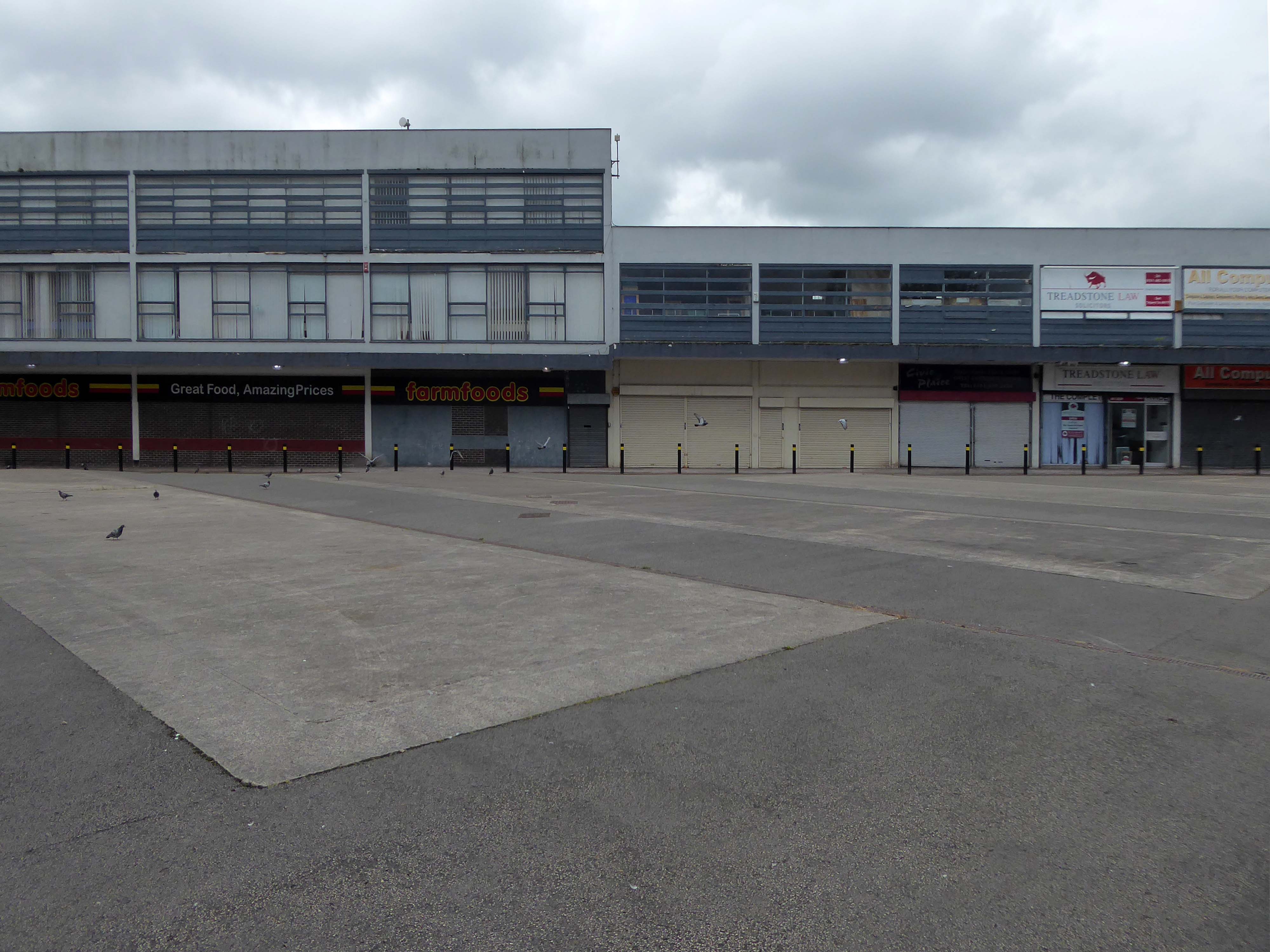
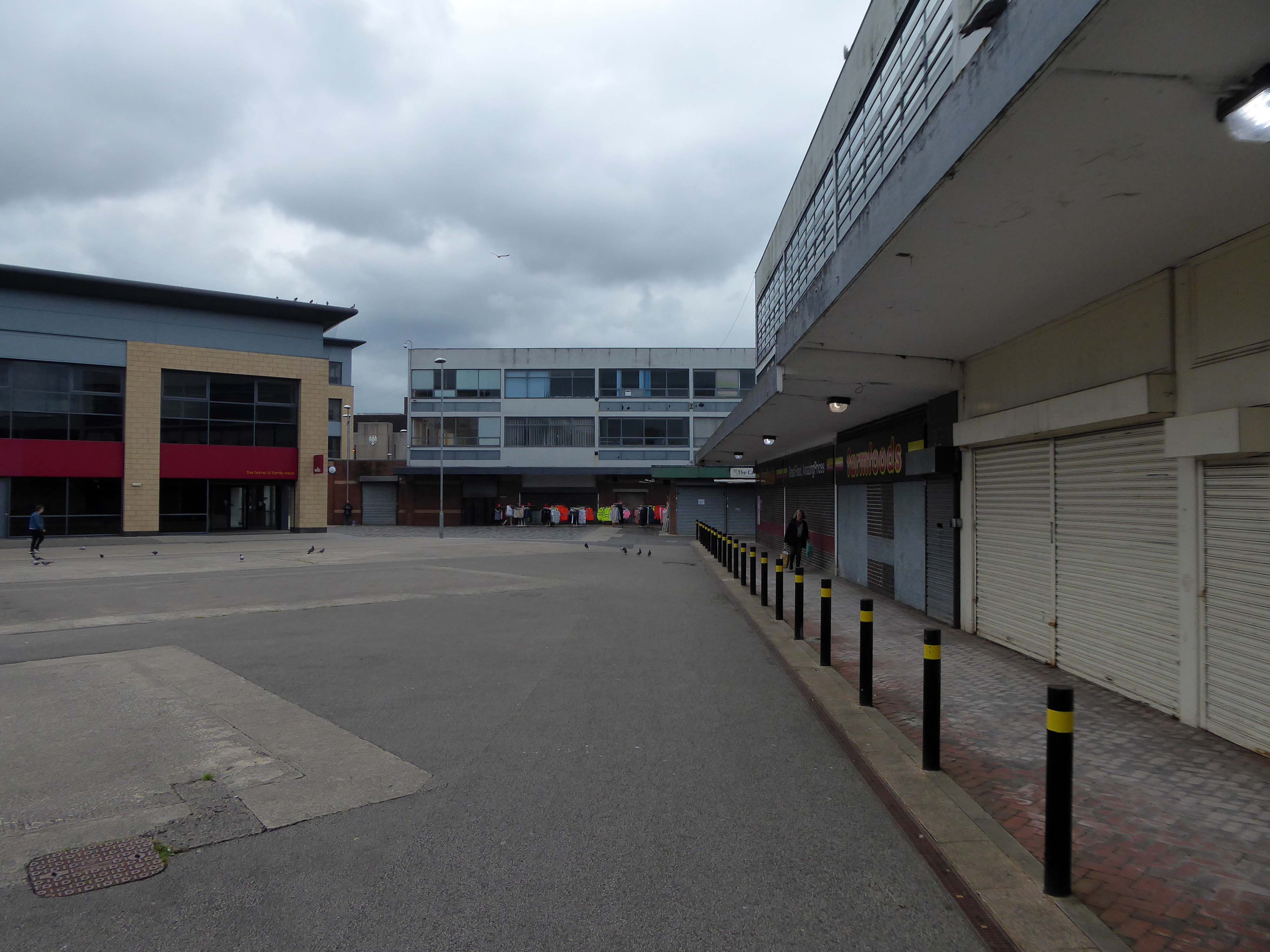
Around the corner a somewhat neglected retail development.
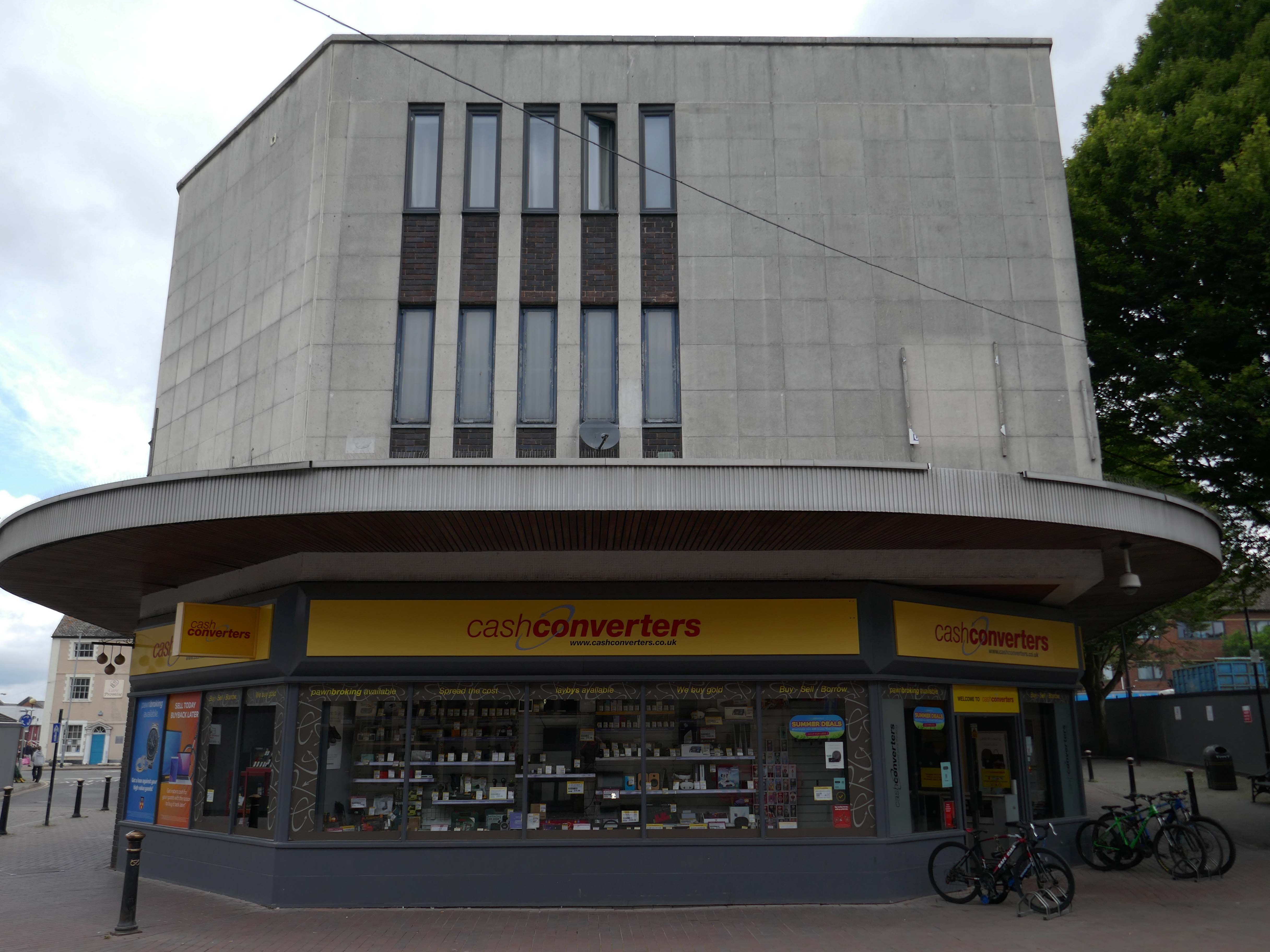
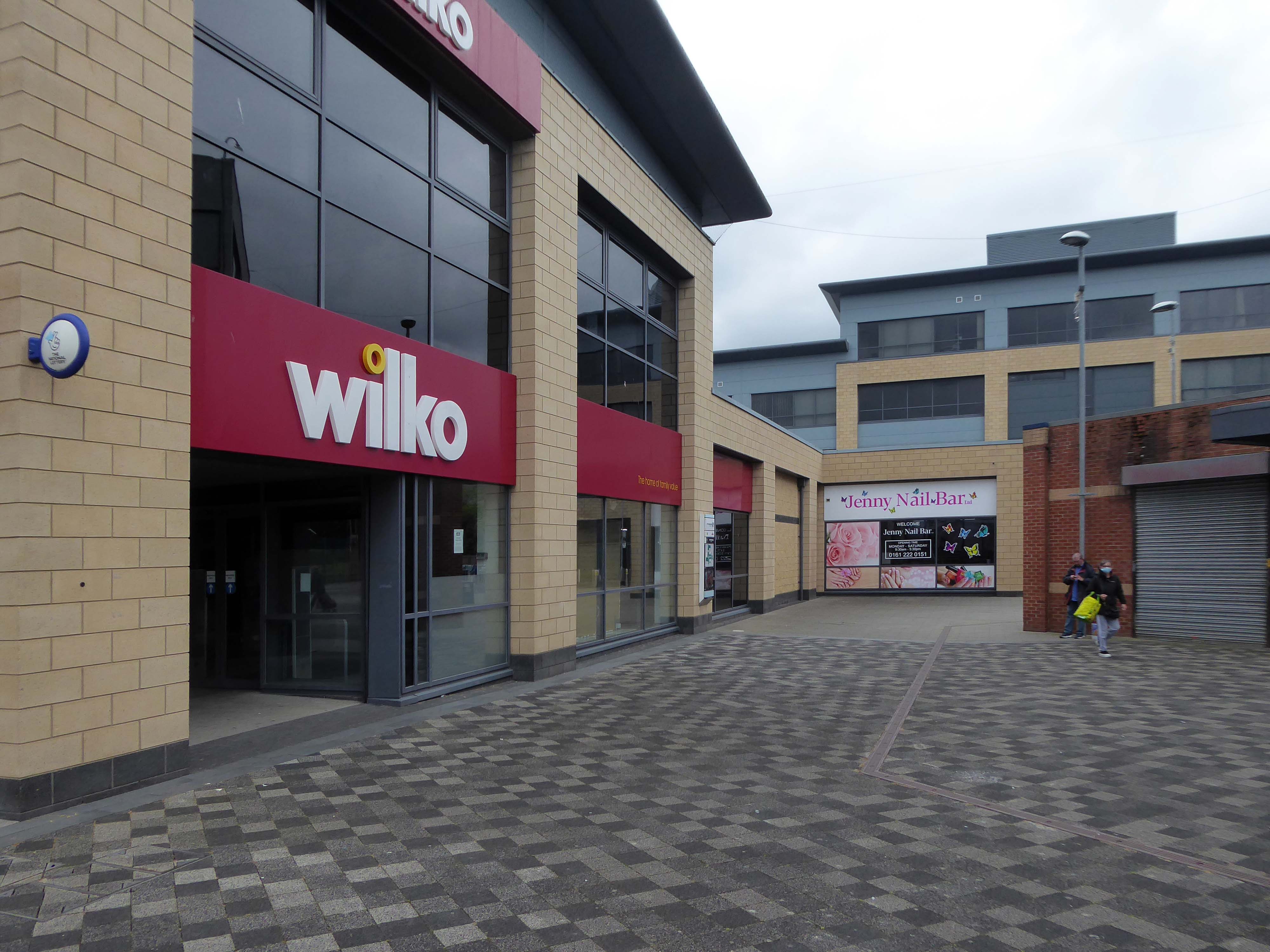
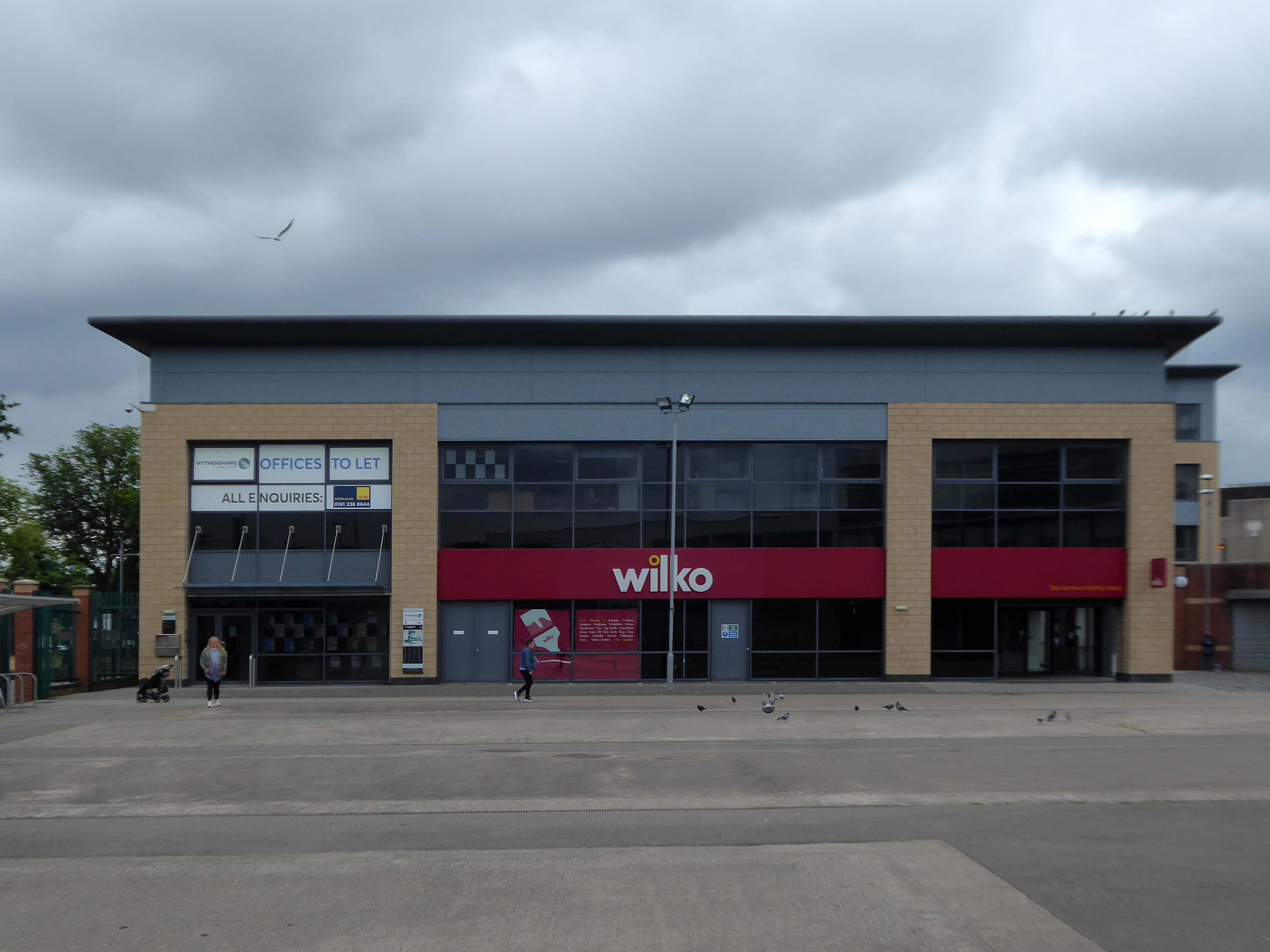
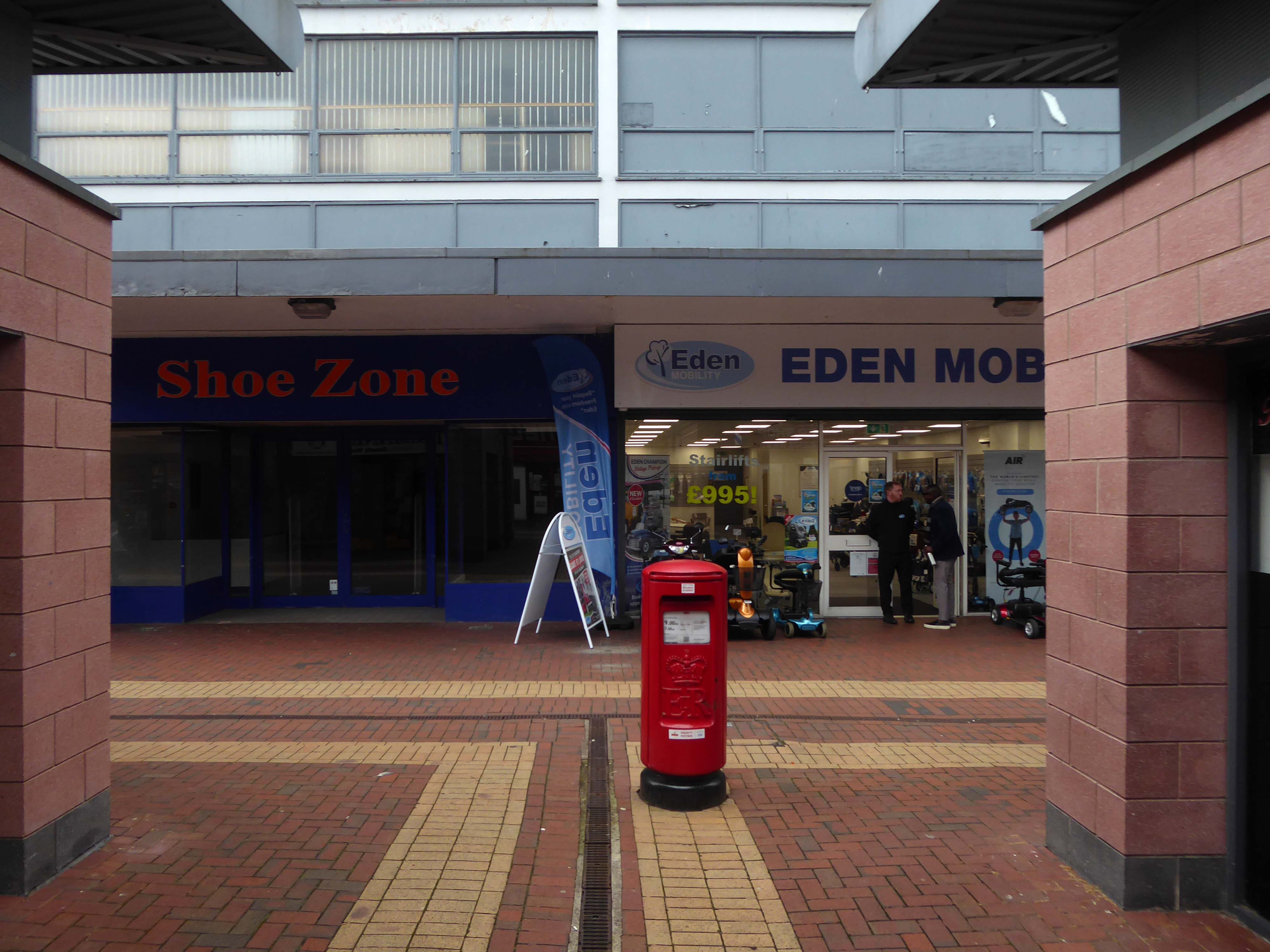
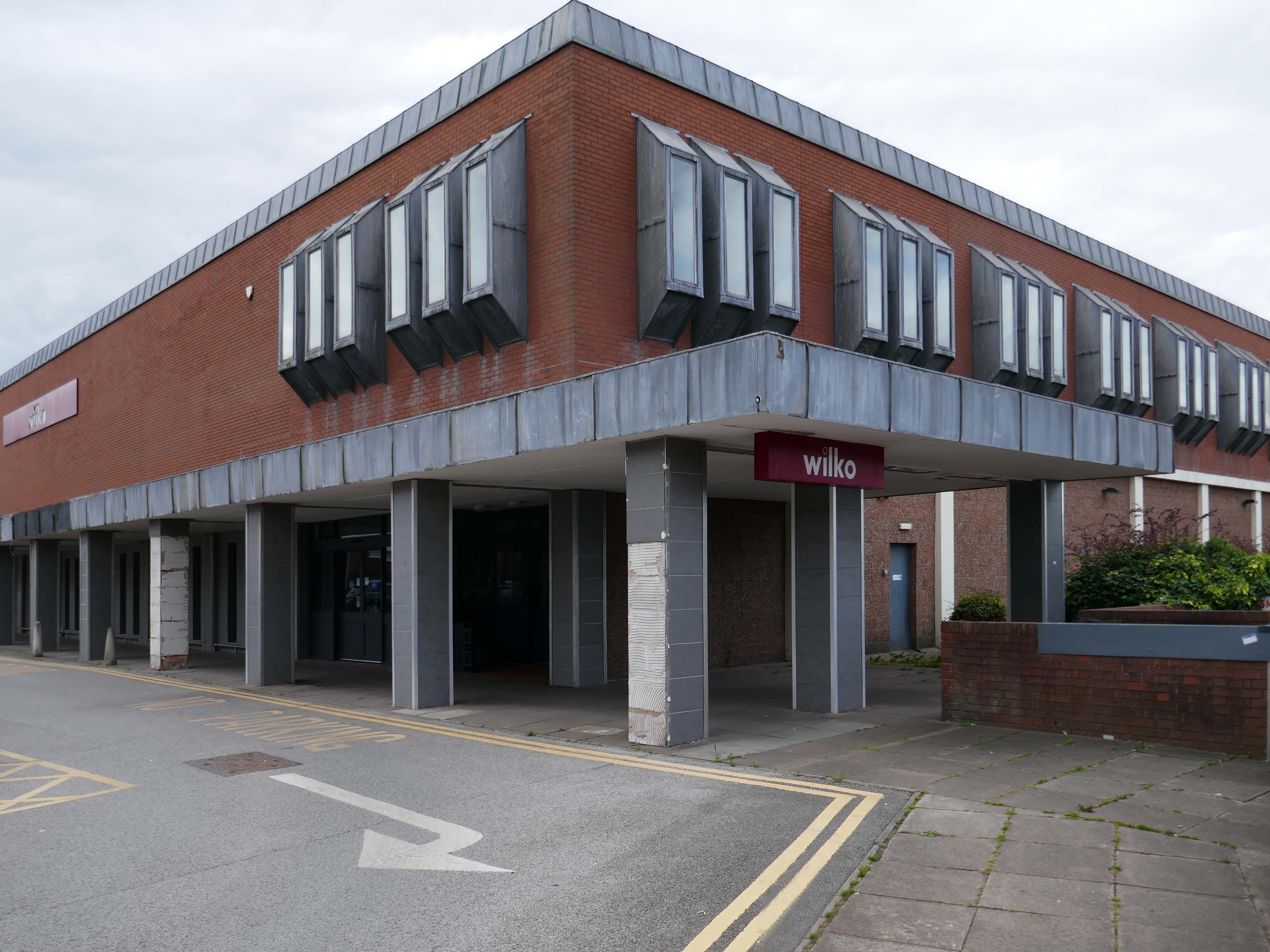
And a long lost Wilko.
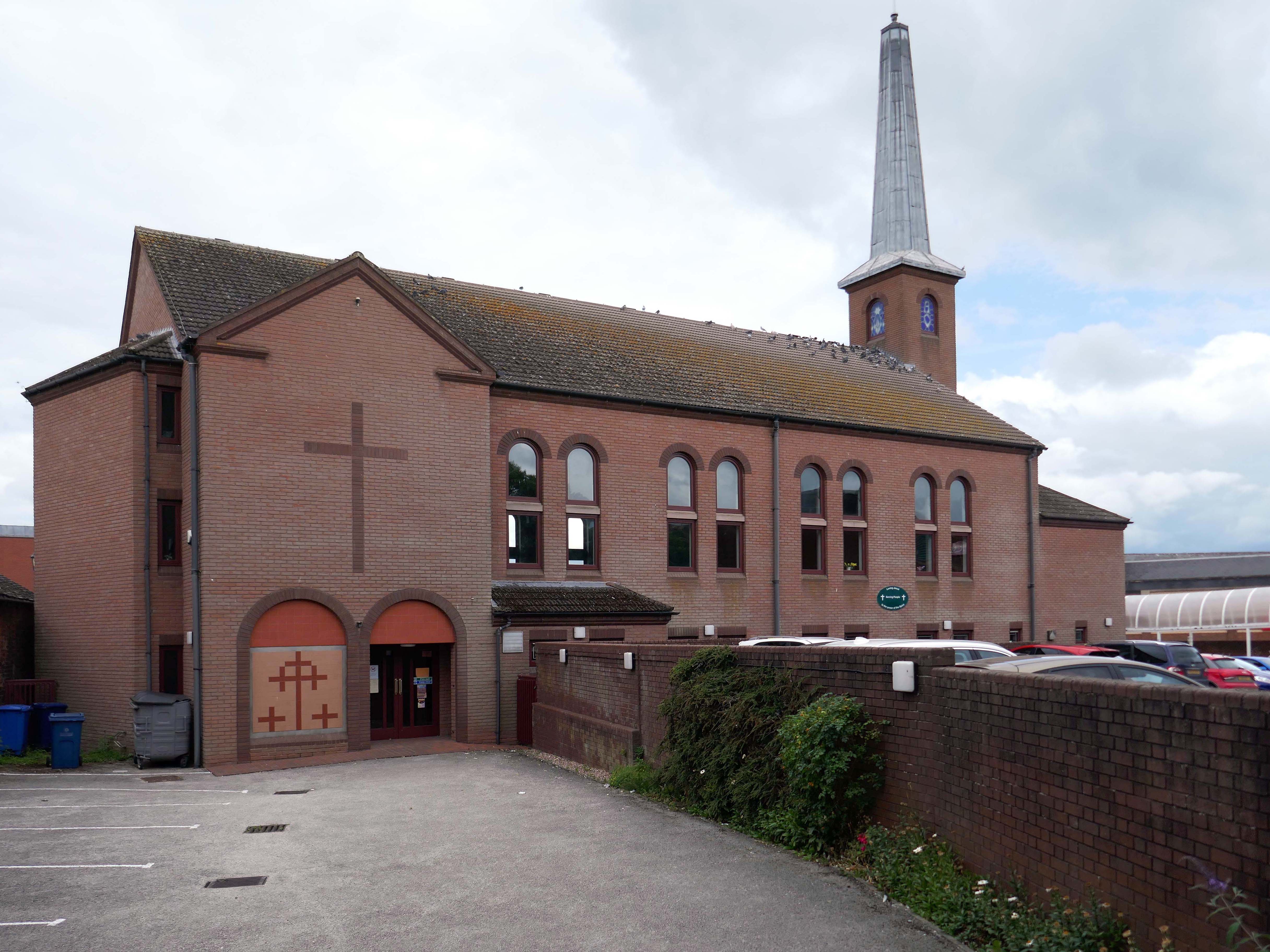
Amidst it all the curious time warp that is Trinity Church 1988.

It is used by Methodist and United Reformed Church congregations.
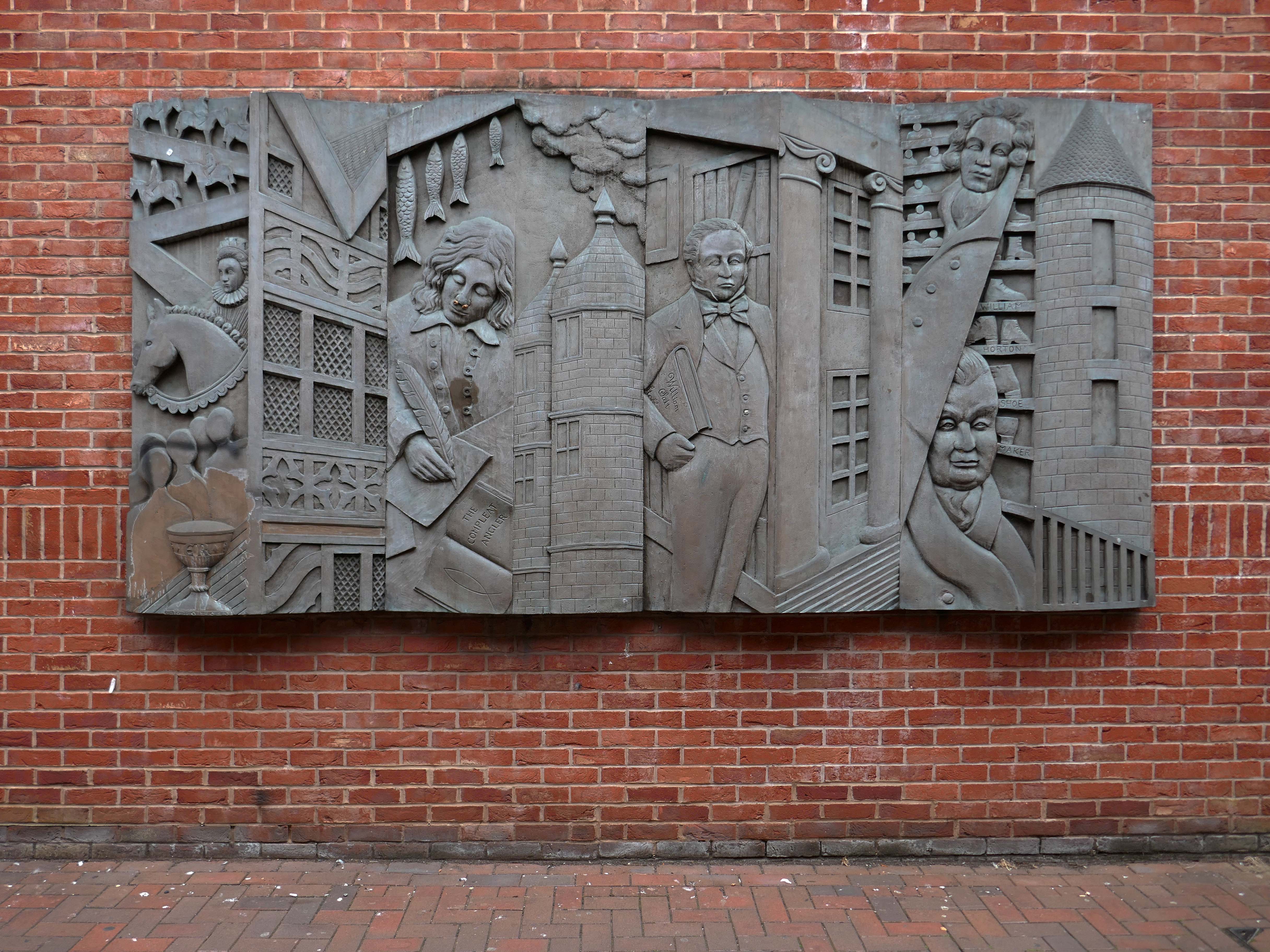
Tucked away in a minor maze of retail a piece of figurative commemorative public art by Glynis Owen Jones, entitled Stafford Faces.
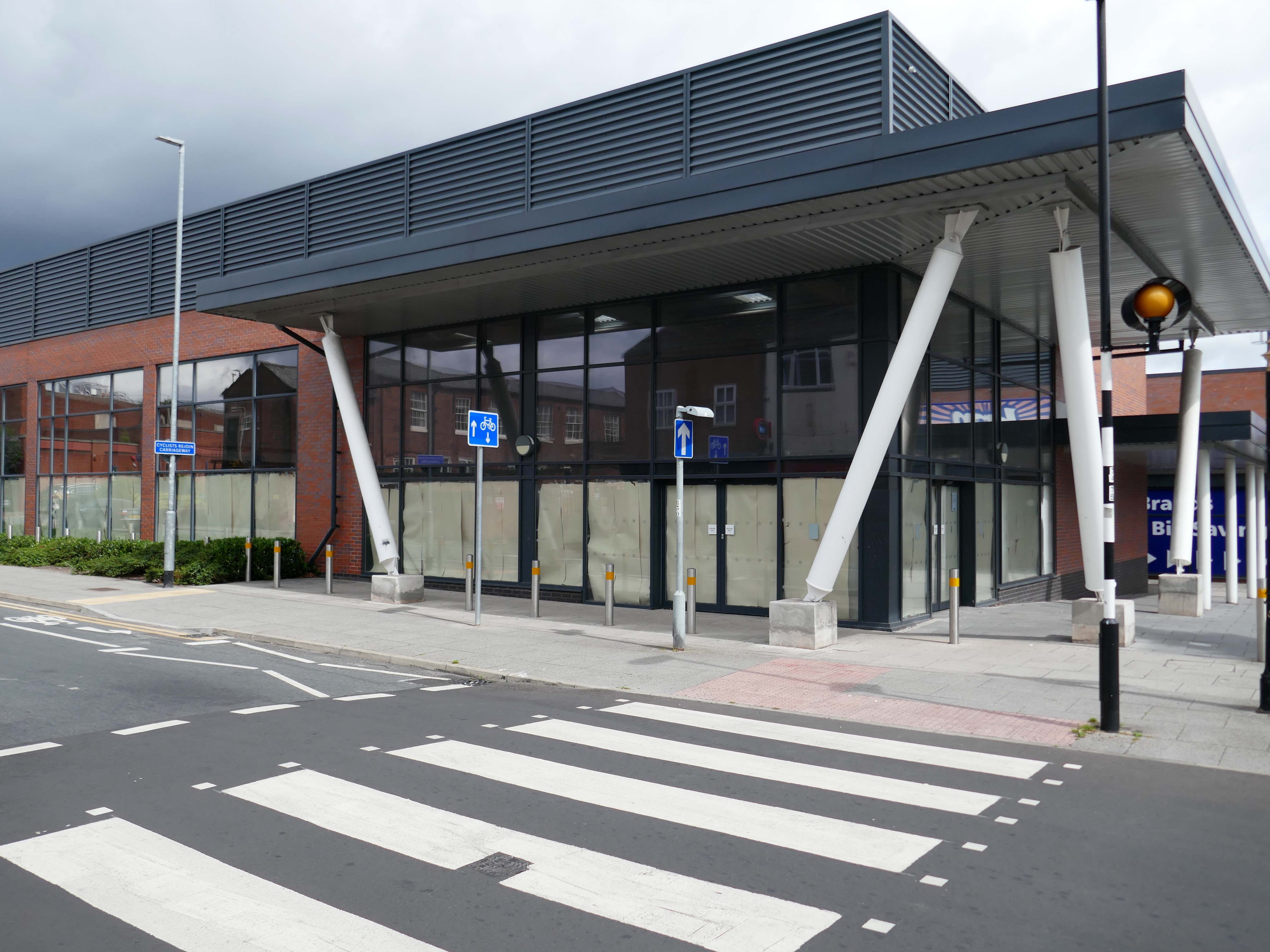
Around the corner a big B&M.
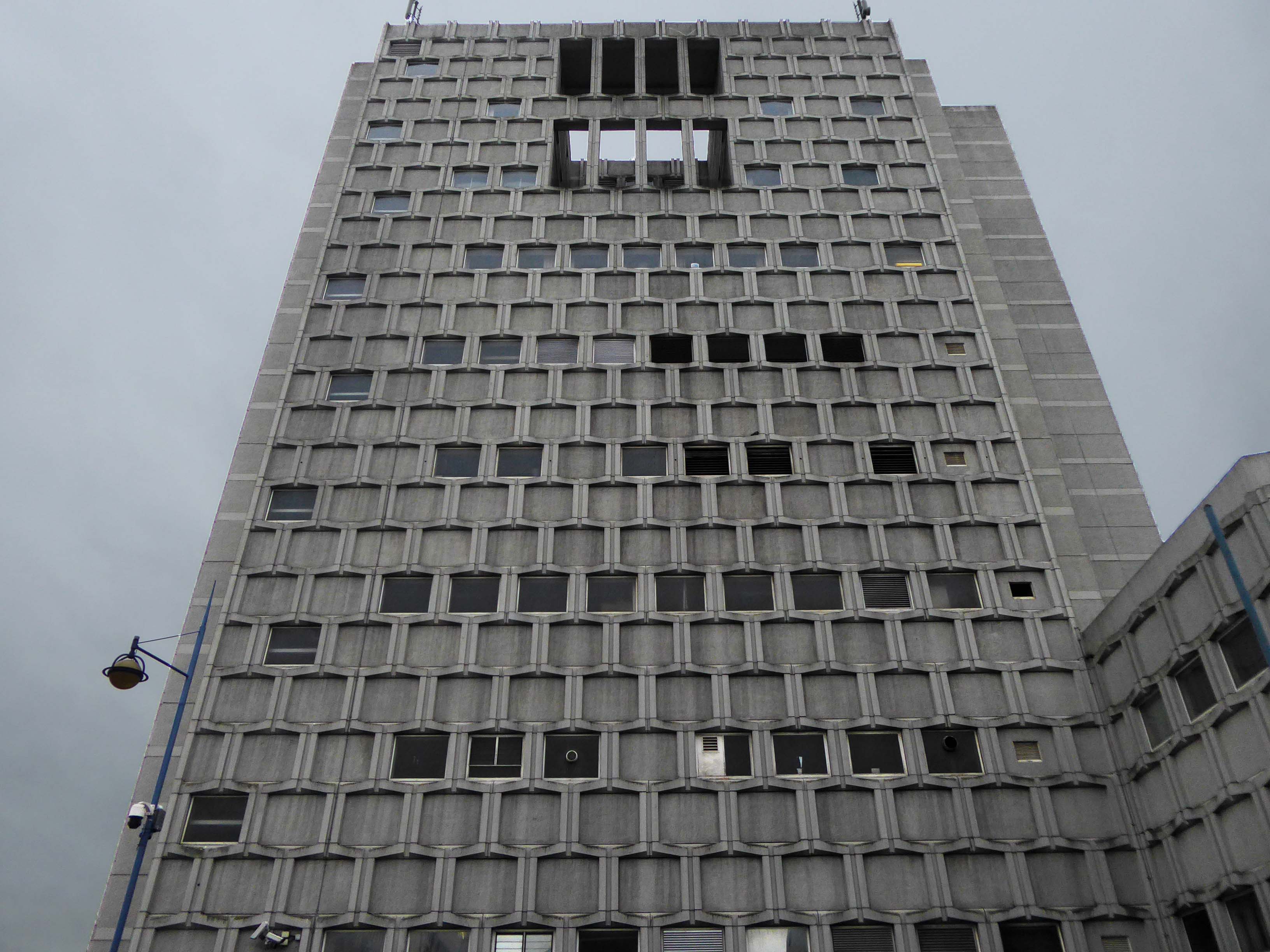
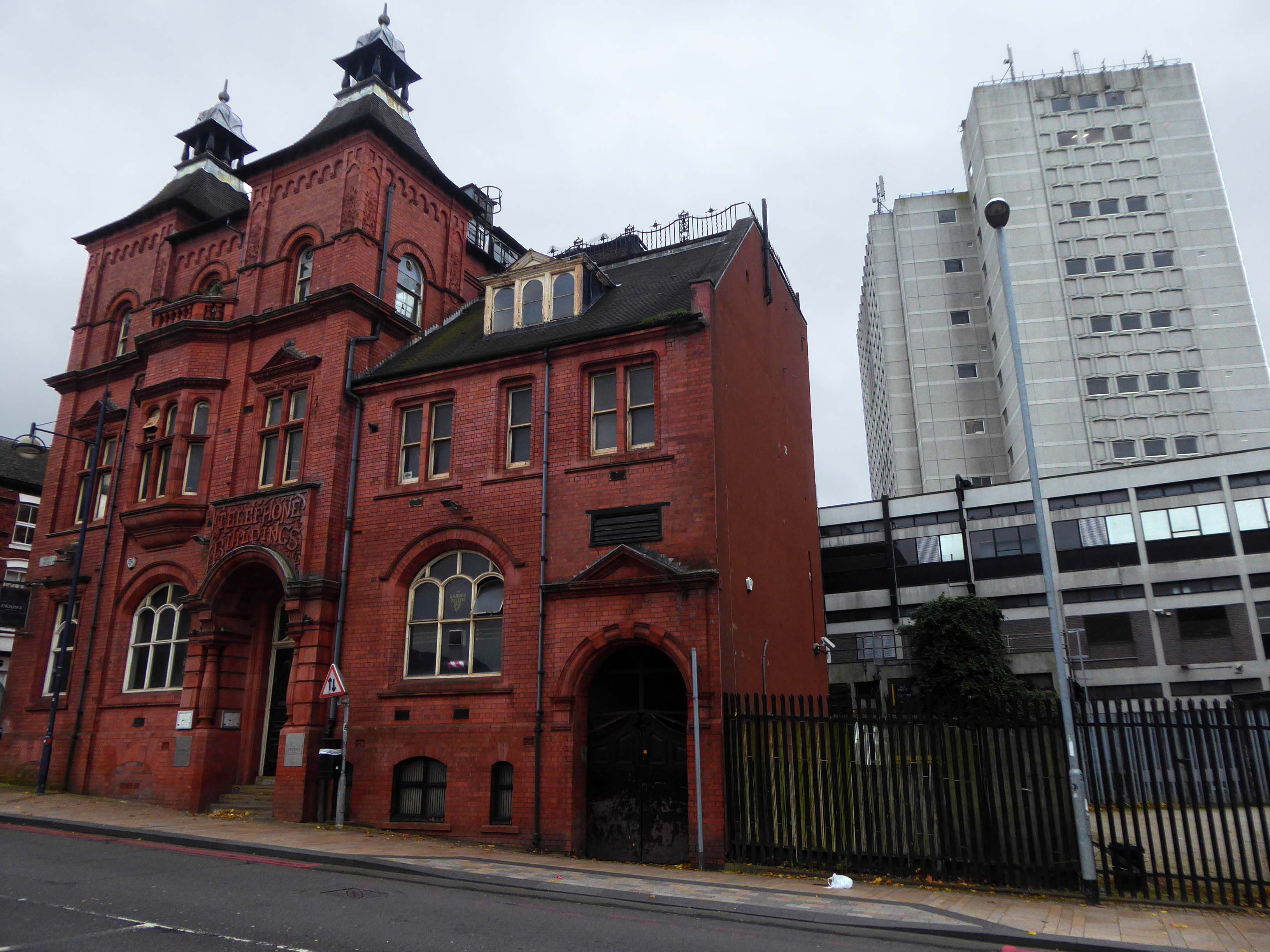
Further along a brick FoB Telephone Exchange of 1959.
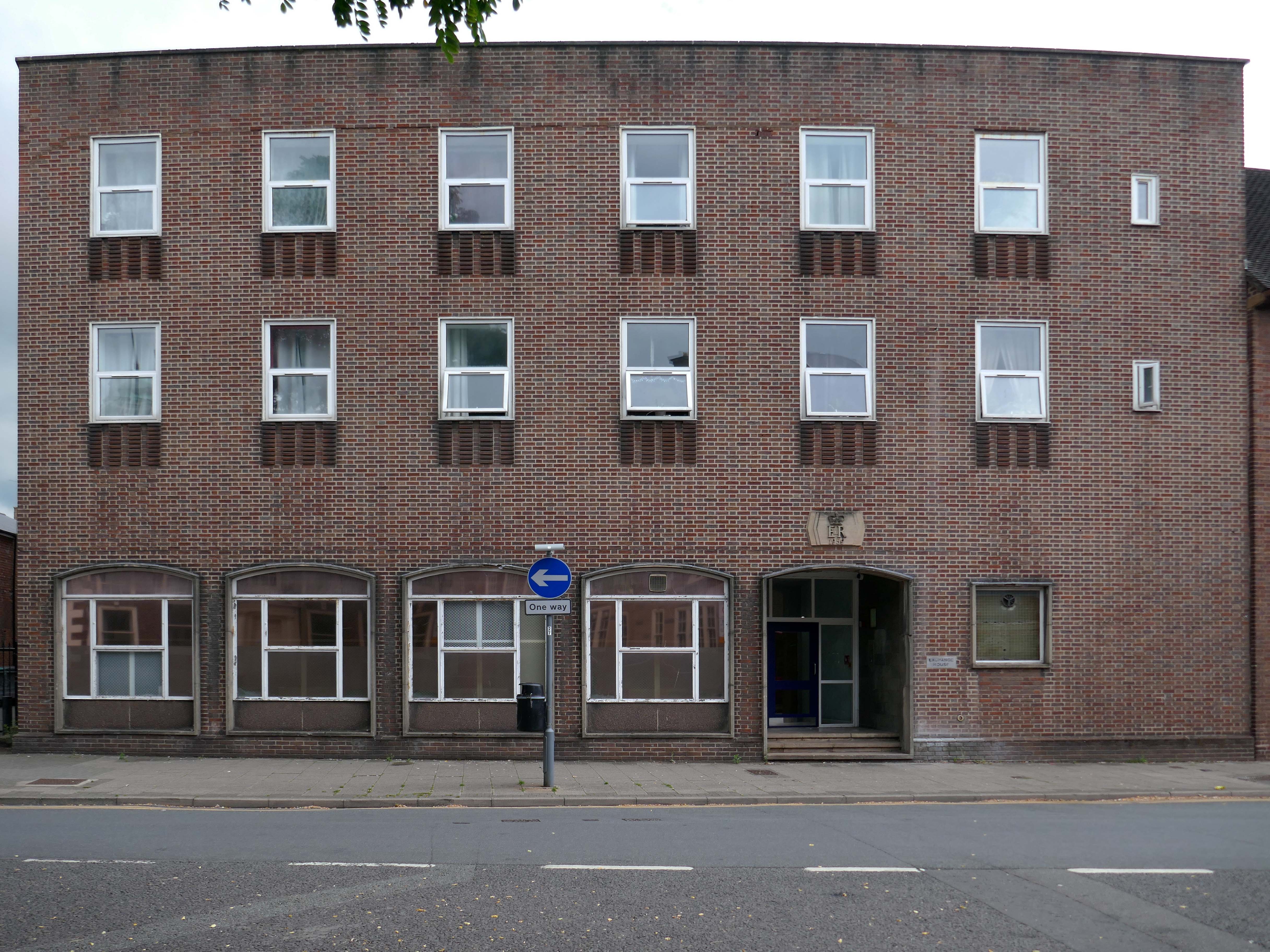
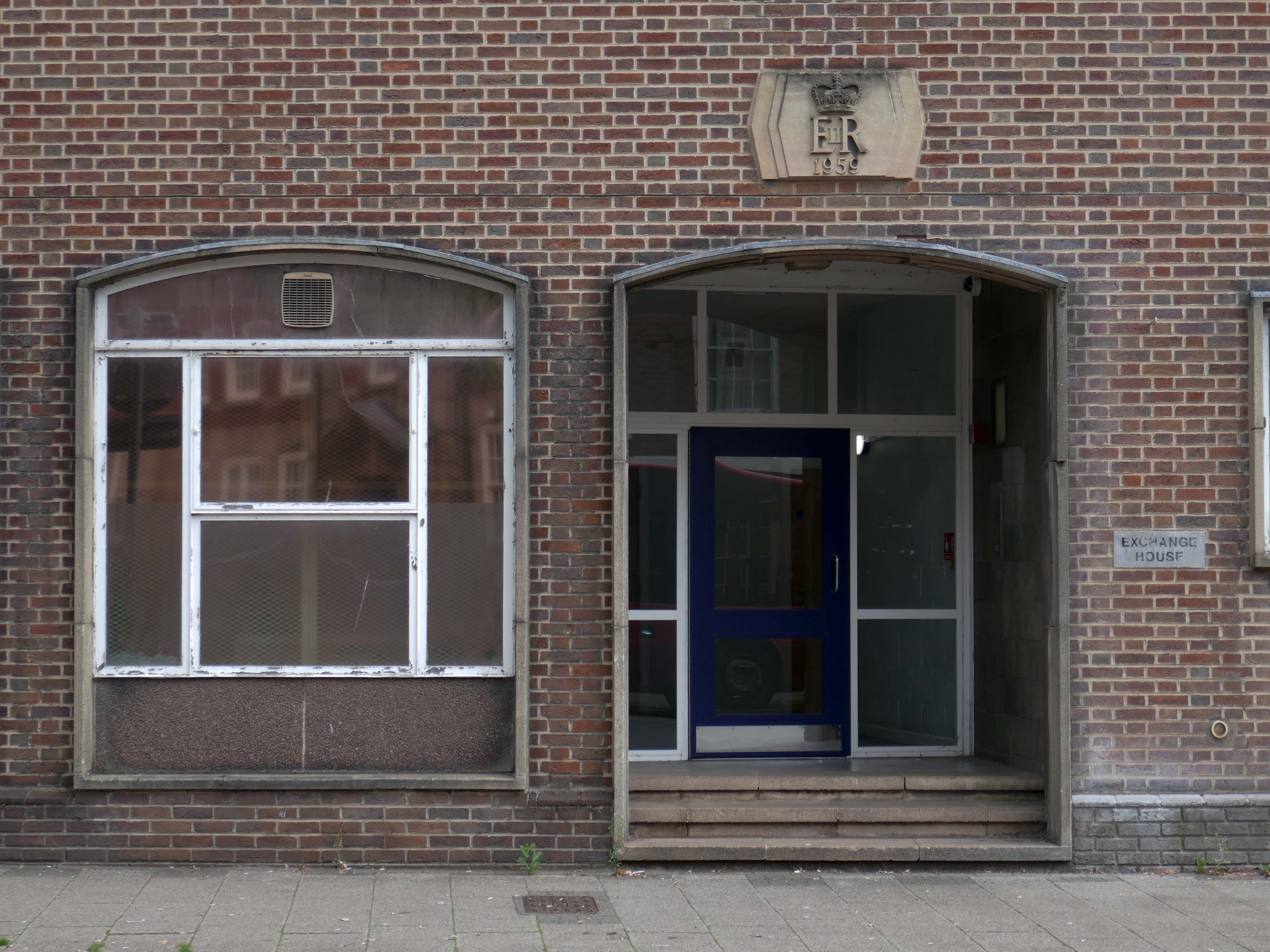
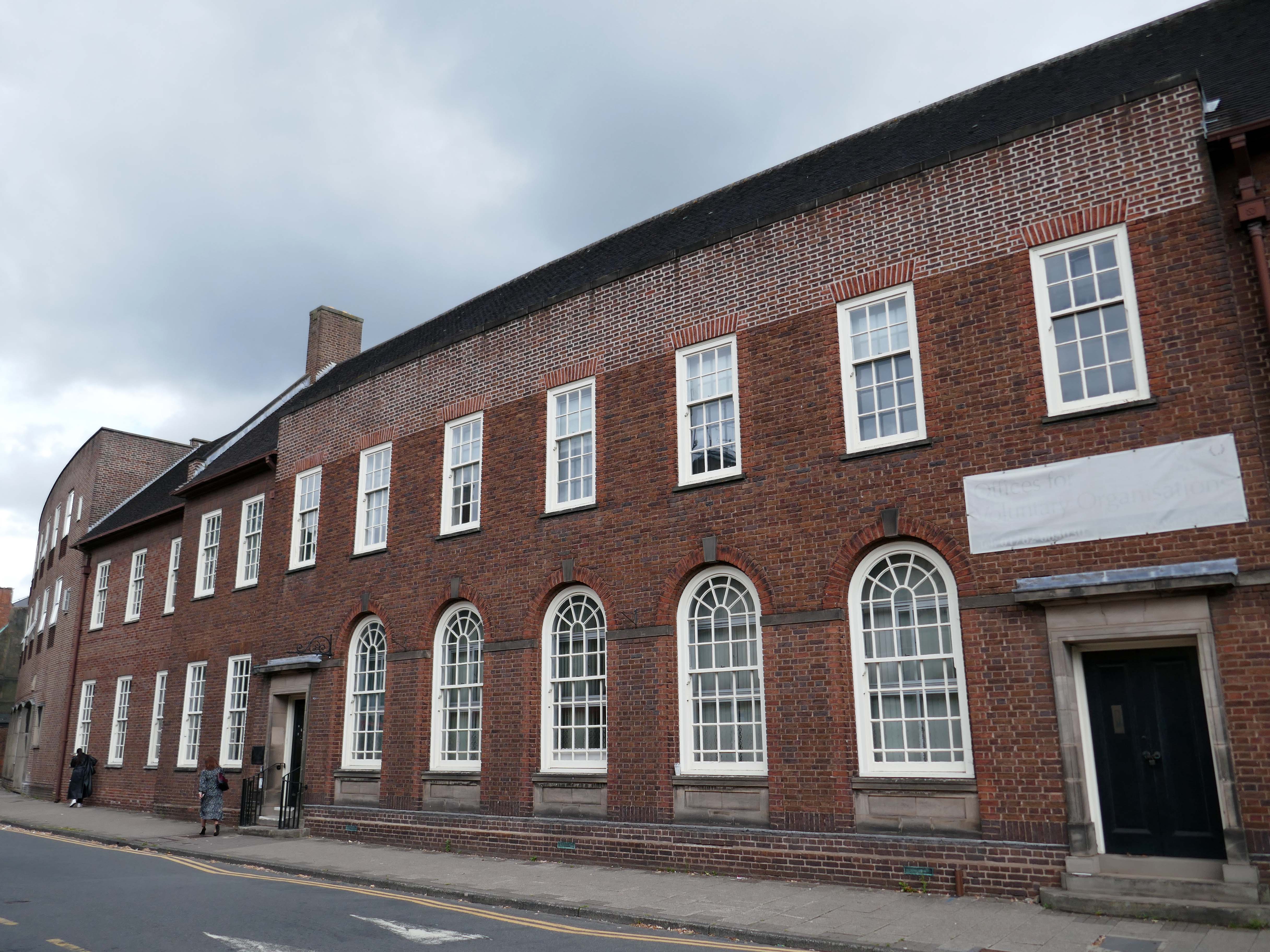
Adjoined by the County Records building.

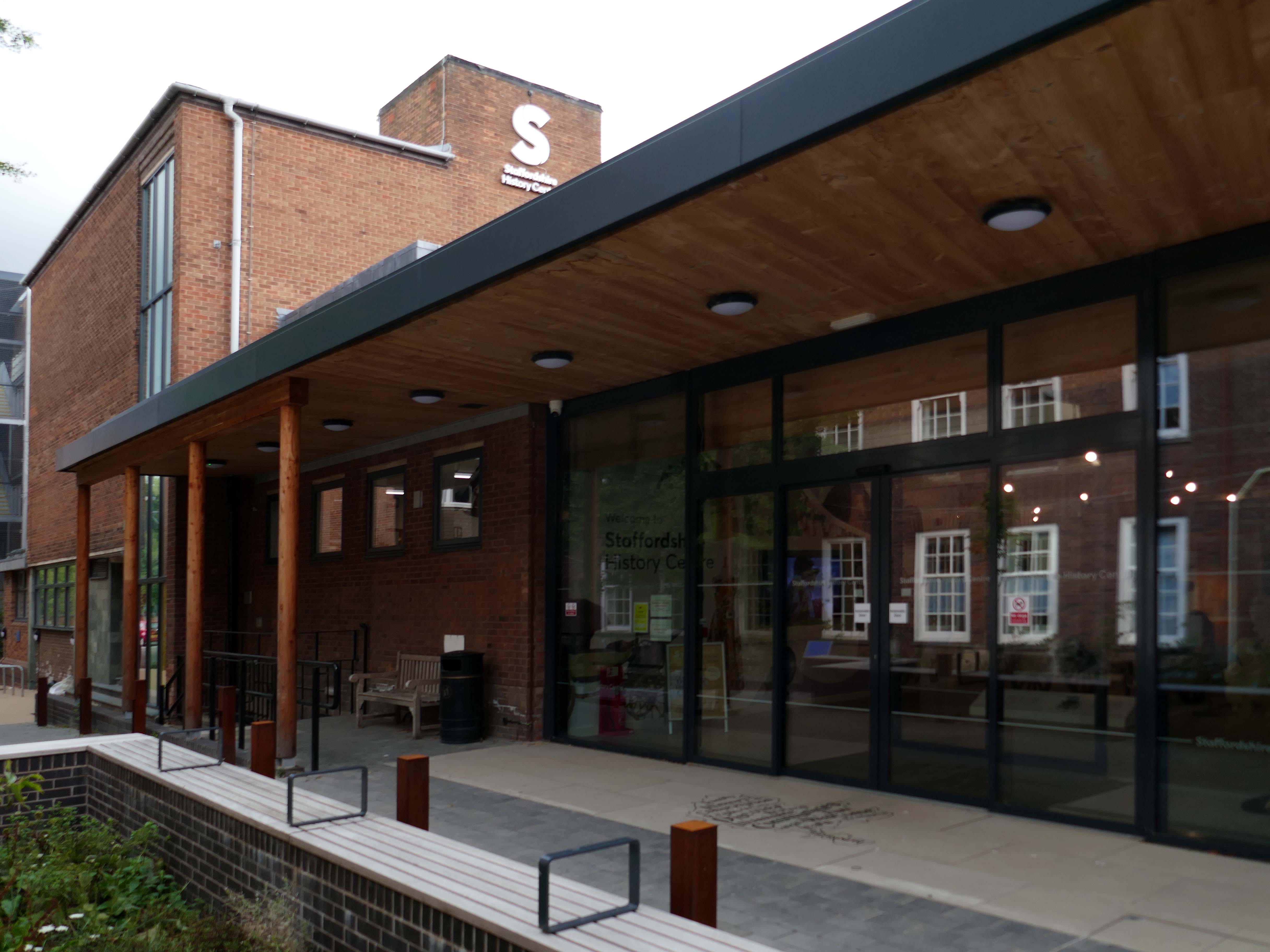
Pringle Richards Sharratt Architects have been appointed by Staffordshire County Council to create a new History Centre for Staffordshire and Stoke on Trent.

The new £4m centre will be located on Eastgate Street in Stafford and will hold historical records and collections up to 1,000 years old.

The scheme will help to provide a rejuvenated service combining the existing Records Office building and William Salt Library, in Stafford and provide a welcoming destination for all of those with an interest in local history. This will include bringing on to the Stafford site the Lichfield Records Office and aspects of the County museum.
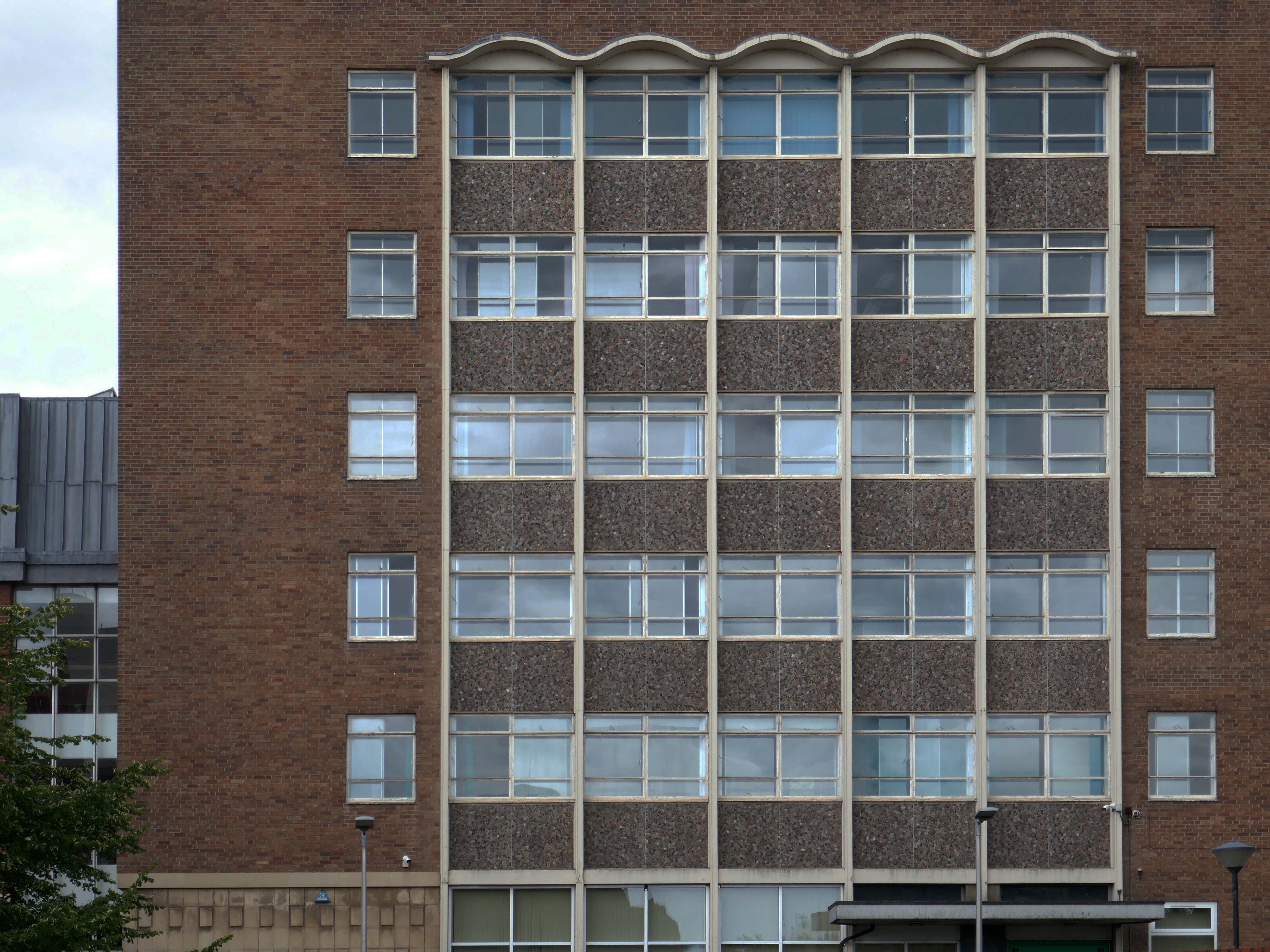
Further FoB in the Civic Building.
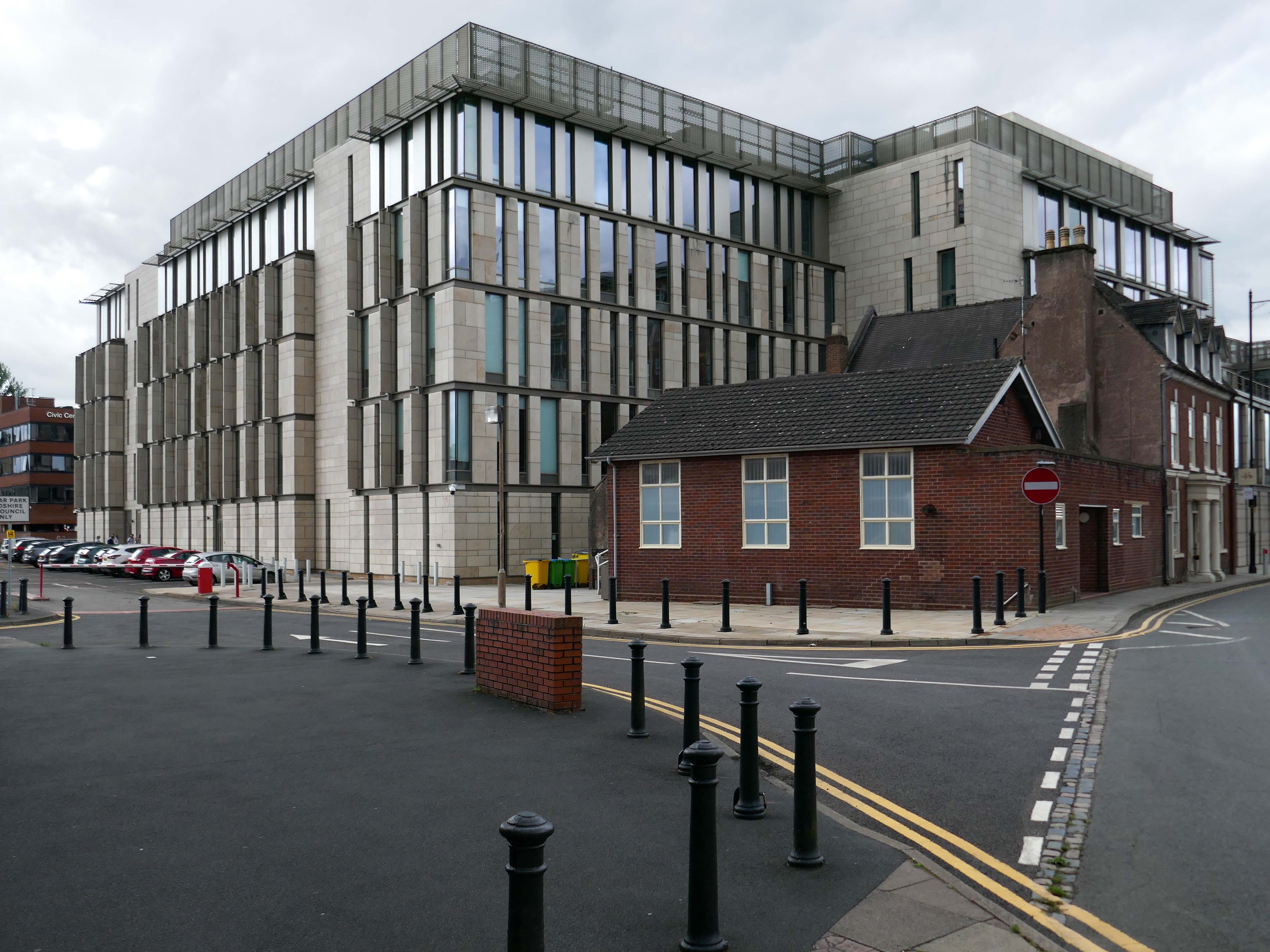
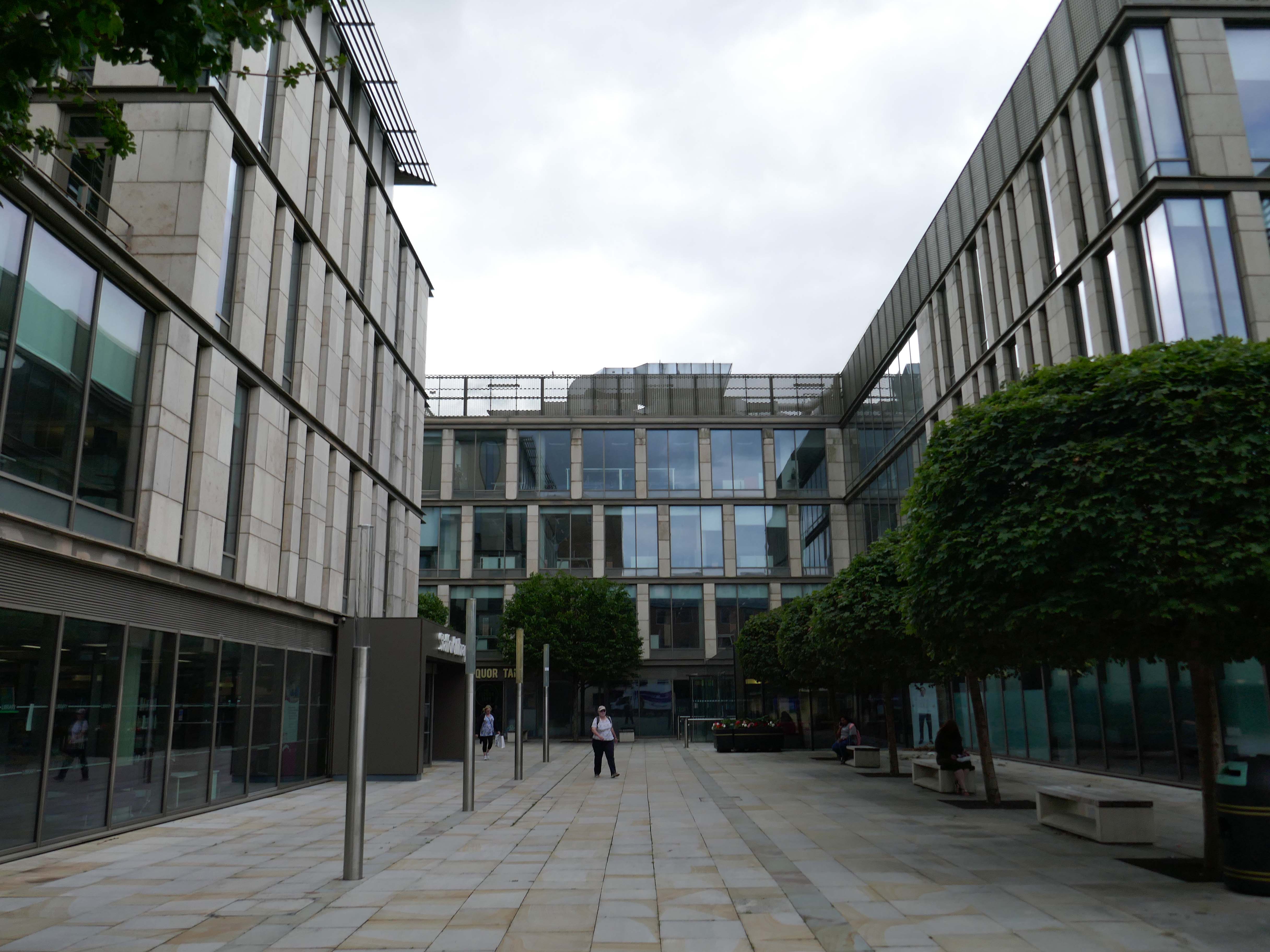
Close by the Staffordshire Place a civic and retail mixed use development.

Our scheme delivers 135,000 ft2 of high quality contemporary office space across two buildings linked by a new town square. The ground floor incorporates a mix of retail and leisure uses around
a sequence of smaller public spaces to maximise the amount of visible active frontage and create a natural extension to the town centre.

Sustainability issues fundamentally informed the design approach, from mitigating energy consumption to ‘future proofing’ the finished building. The building achieves a BREEAM ‘Excellent’ rating and a European Energy Performance of Buildings Directive Rating ‘A’.
3D Reid

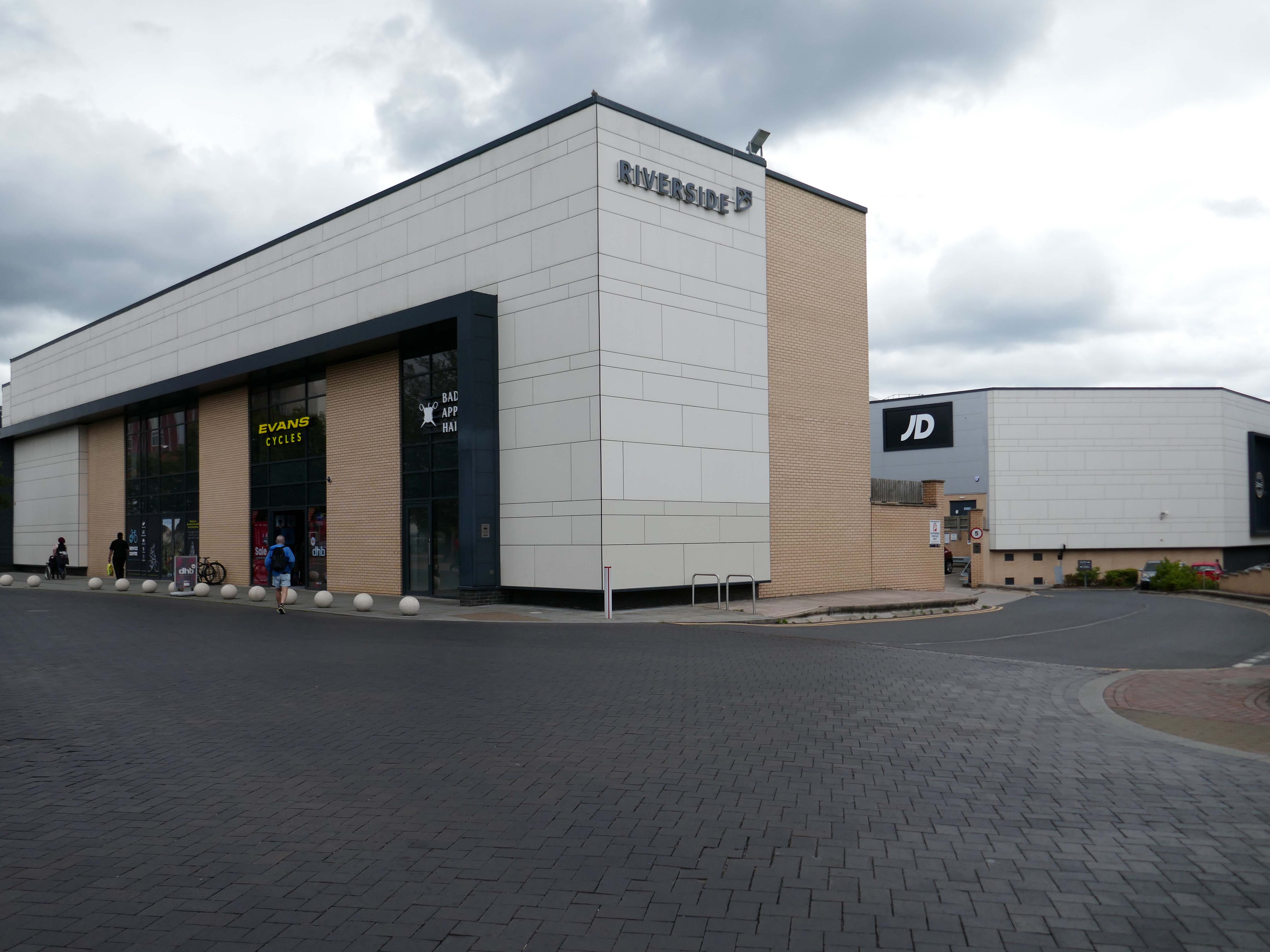
Surprise surprise another retail development Riverside.

£70m riverside town centre retail and leisure development in the heart of Stafford. The 230,000 sq. ft. scheme anchored by M&S will deliver 18 retail units arranged over ground and first floors, five leisure units and a six-screen cinema to complement and strengthen the town centre economy and create new businesses and jobs.
Harris Partnership

Stafford’s £100 million Riverside development was officially launching today with two high street chains open for business on August 4th 2016.

None of this can detract from the monolithic complex Telephone Exchange.
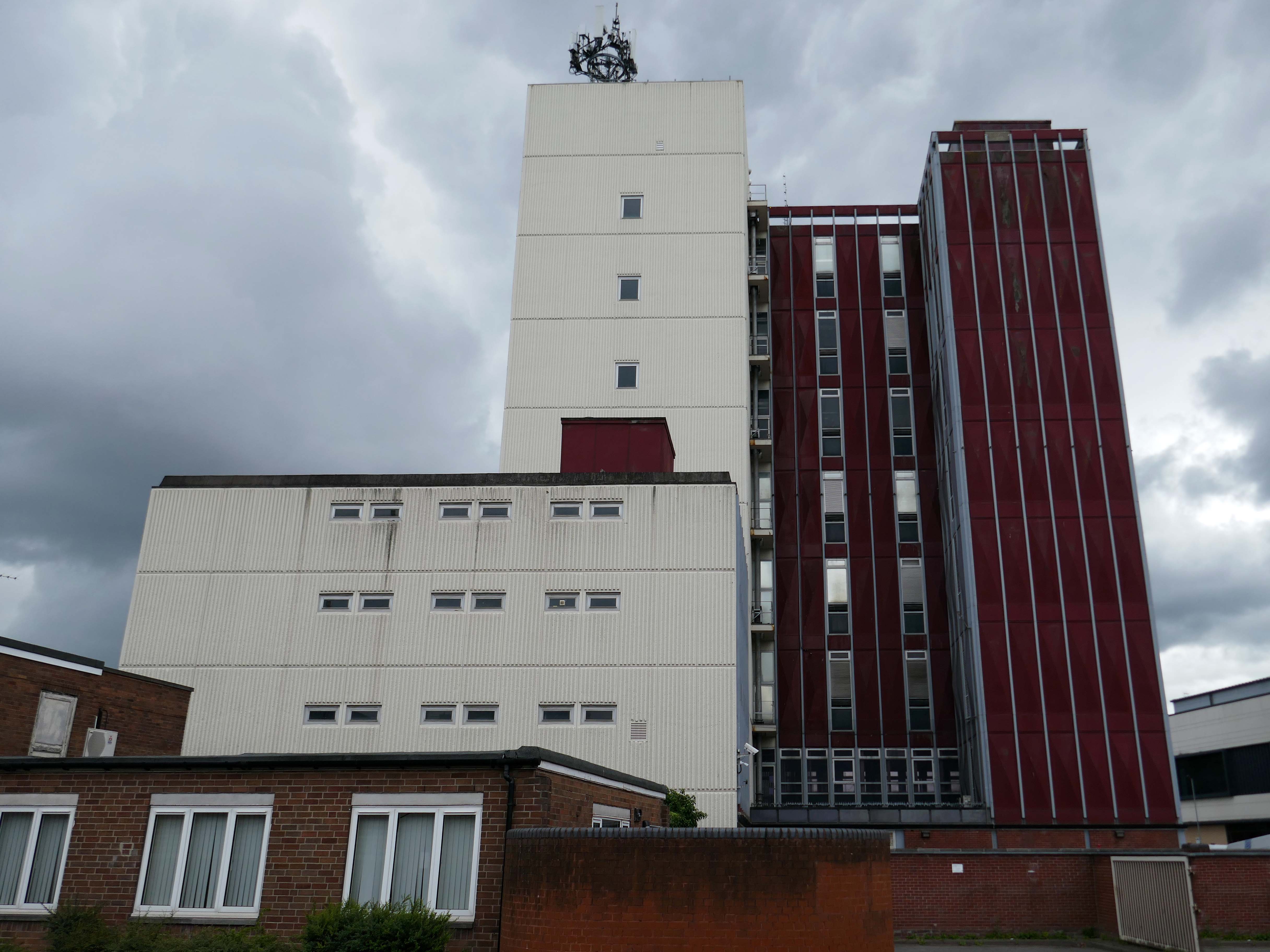
Onwards across the main road past the Asda and up the road to Pennycrofts Court.
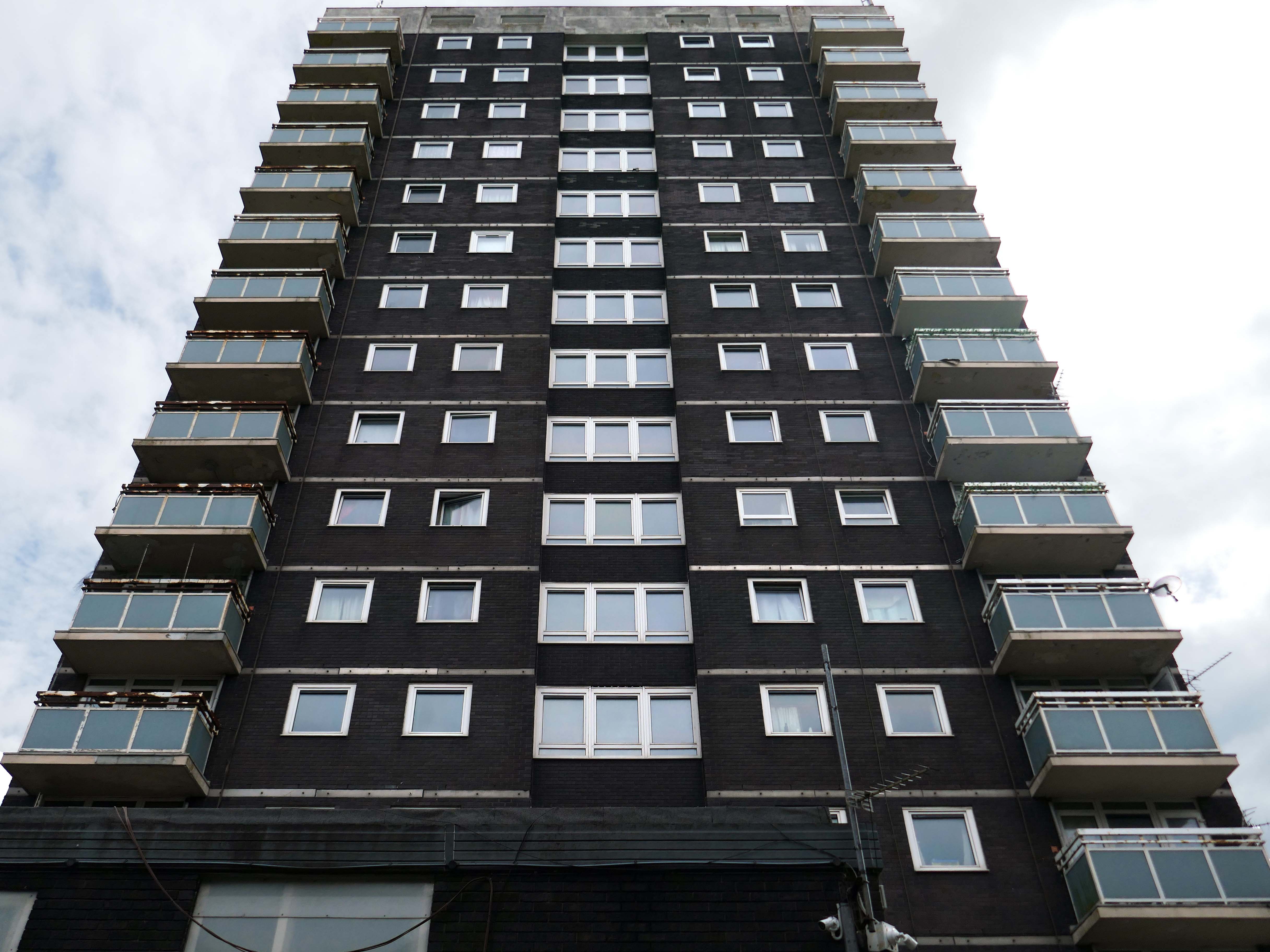
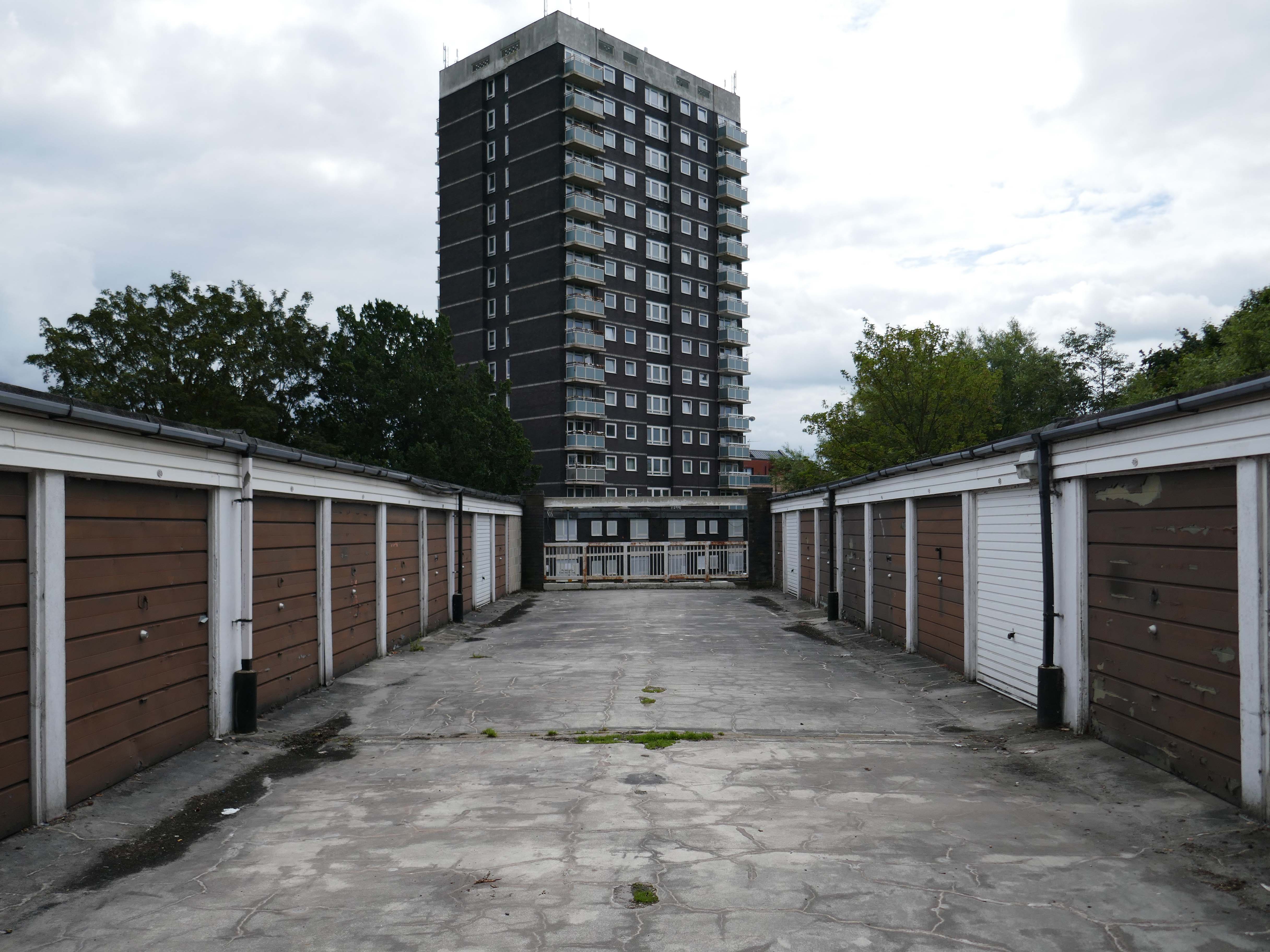
Featuring a split level garage facility.
The just around the corner this little corner of Vienna in Stafford – Corporation Street Flats.
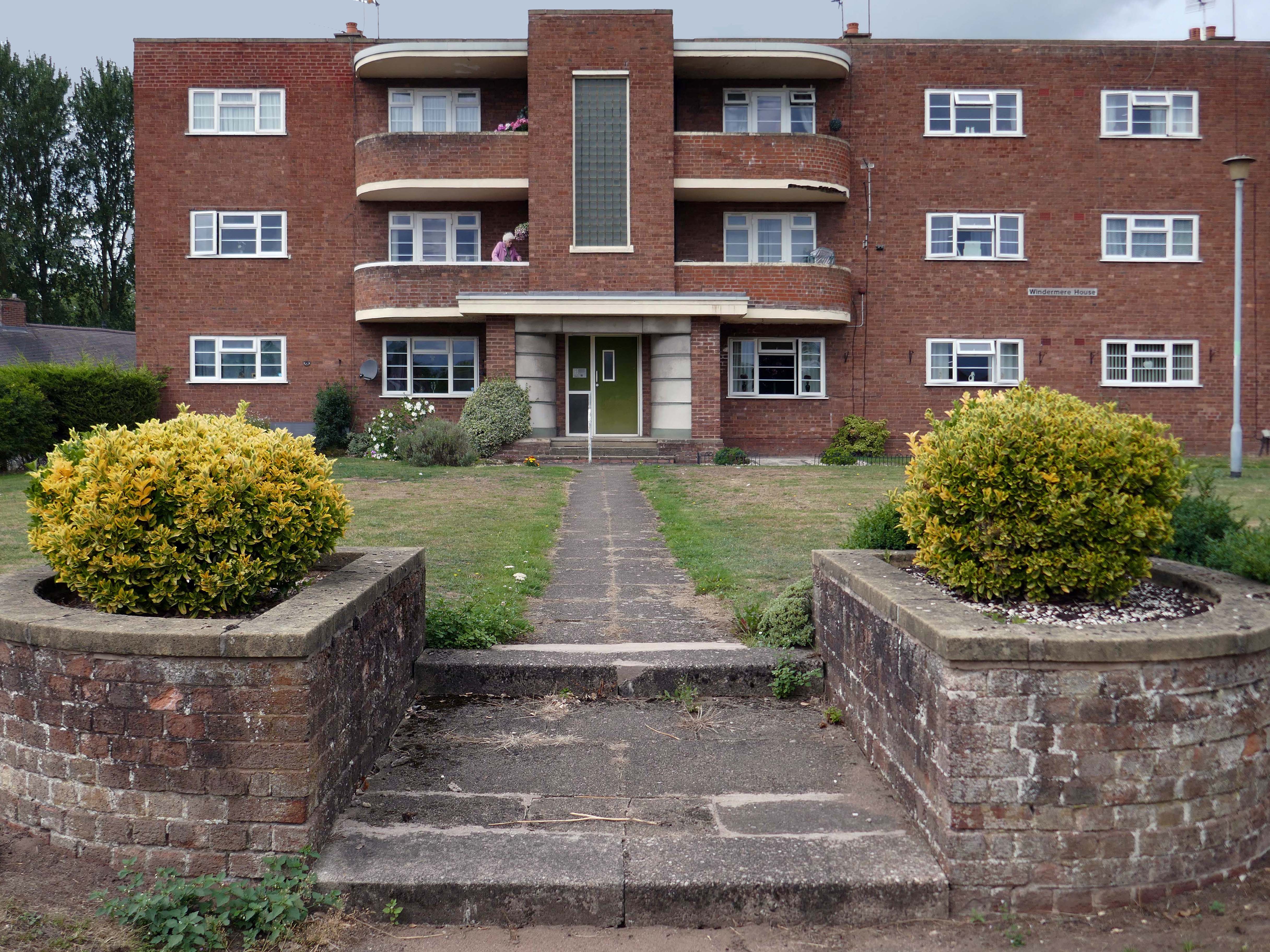
Coniston, Windemere and Rydal were among the first council homes to be built in Stafford, between 1951-52, under the direction of County Architect CM Coombes.

The flats were built as a result of The Housing – Financial and Miscellaneous Provisions Act 1946, which gave subsidies to local authorities to provide social housing. The expansion of the Borough Council’s civic duties included the employment of County Architects, in this case CM Coombes FRIBA, to whom these flats are attributed. 

54 flats were built in total, to a distinctly Modernist design, and their appearance and setting are very well preserved.

Let’s head back into the town centre – to the Grade II Listed Picture House 1914

Architectural alterations made by: Captain Fred Campbell in 1930.
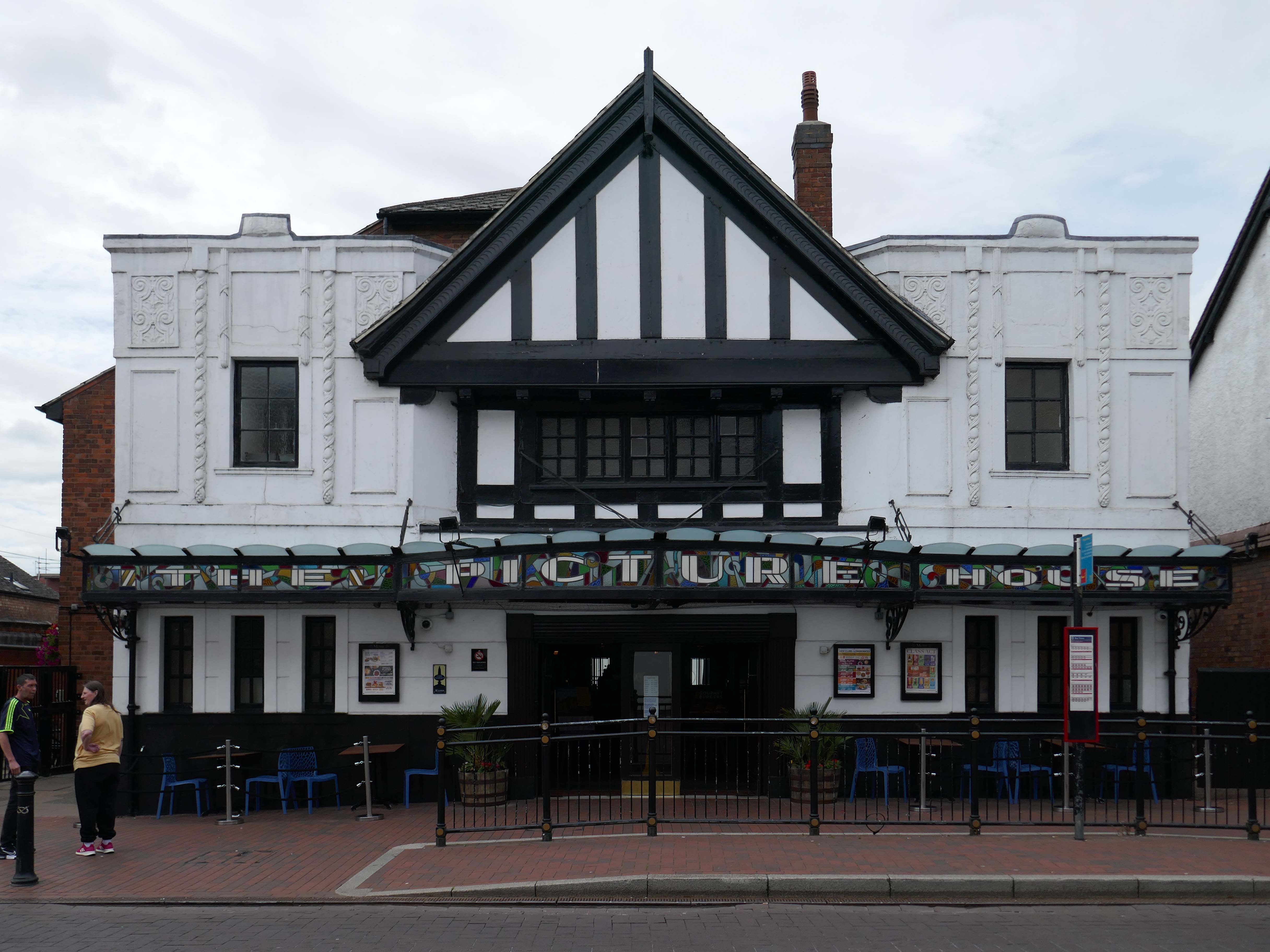
The Picture House was closed on 30th March 1995 after a three week run of Disclosure starring Michael Douglas, there were seventy eight attending the final performance.

Cinema Treasures.

Close by the former Odeon

Architects: Roland Satchwell 1936
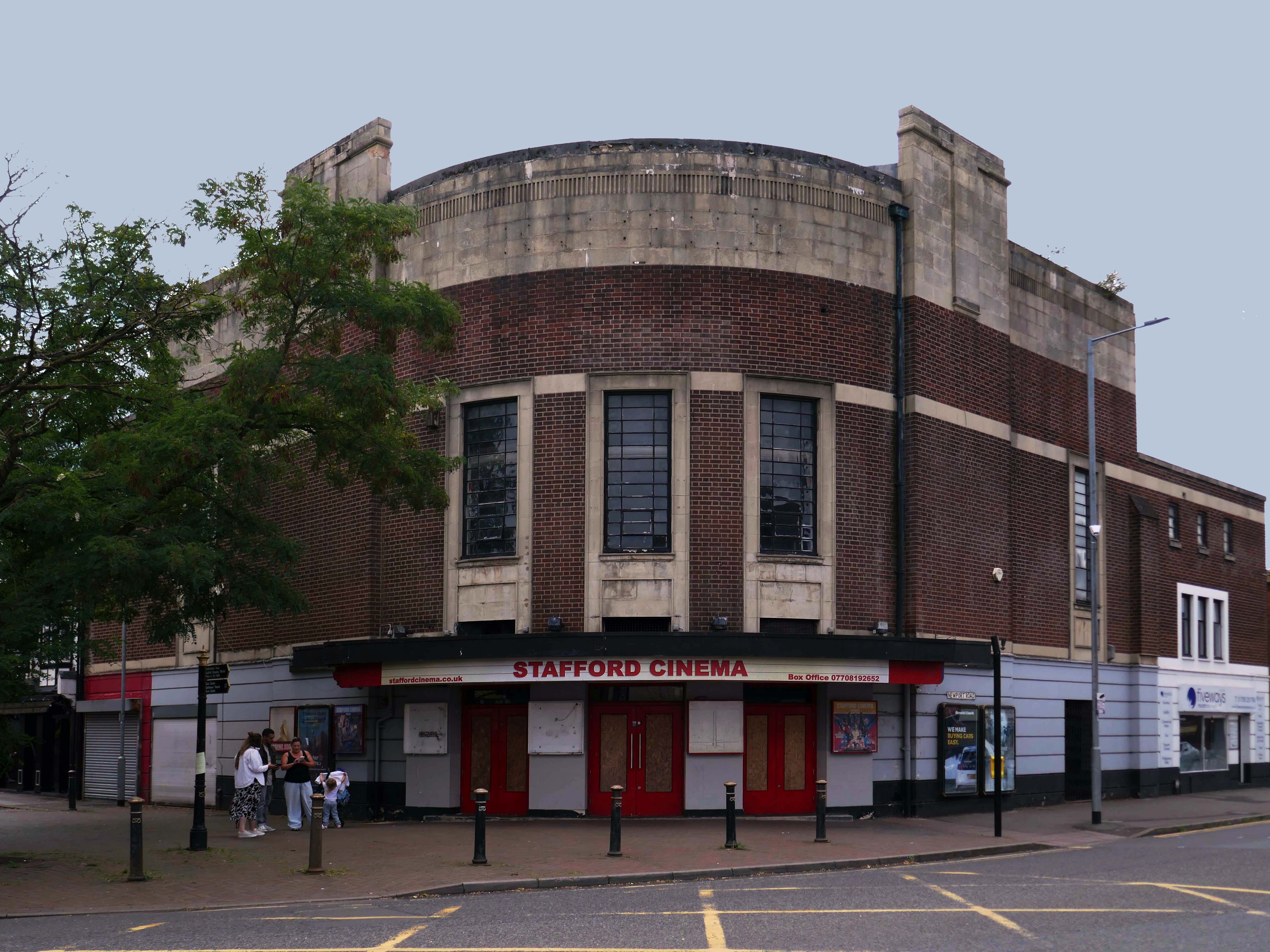
It was disposed of by the Rank Organisation in July 1981 and was taken over by the Hutchinson Leisure Group who re-named it Astra Cinema. In December 1981 it was tripled with 435 seats in the former stalls and two mini cinemas in the former circle seating 170 and 168.

In 1988 it was taken over by Apollo Cinemas and re-named Apollo Cinema. The downstairs cinema was closed and became a bingo club for a couple of years, during which time the two mini cinemas in the former circle remained open. The bingo operation gave way to films again in 1990 and all three screens were again open, with seating for 305, 170 and 164. In January 2014 it was taken over by the Curzon Cinemas chain and renamed Stafford Cinema.

It was closed on 18th December 2017 with Star Wars:The Last Jedi.
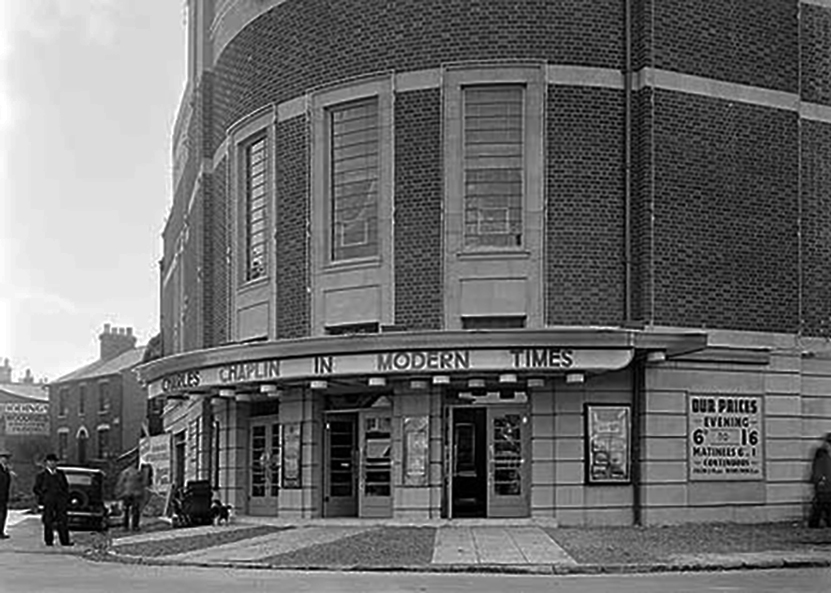
Cinema Treasures

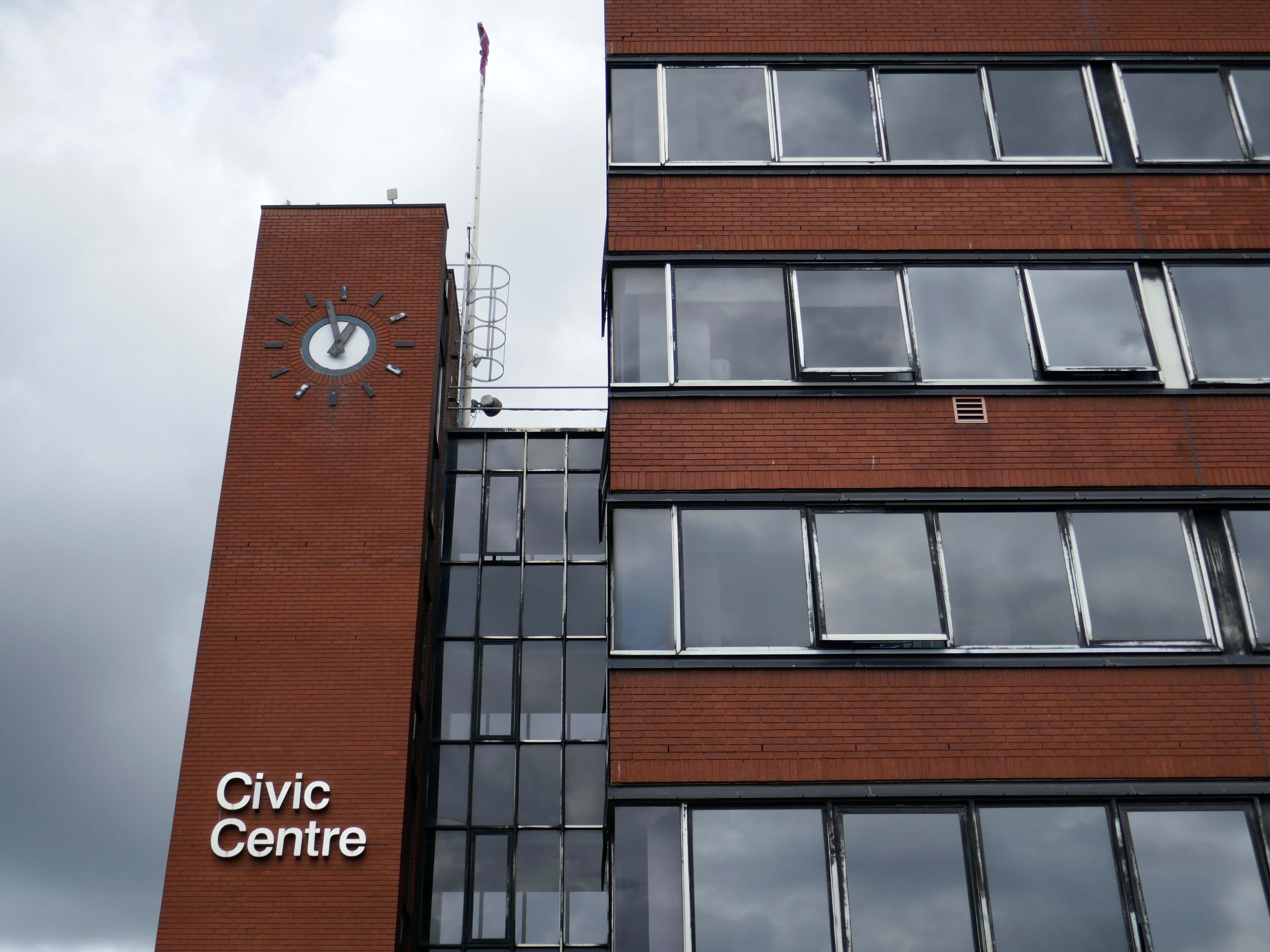
Onwards but backwards to the Civic Centre.
Tiled mural by Brian Lambert 1979
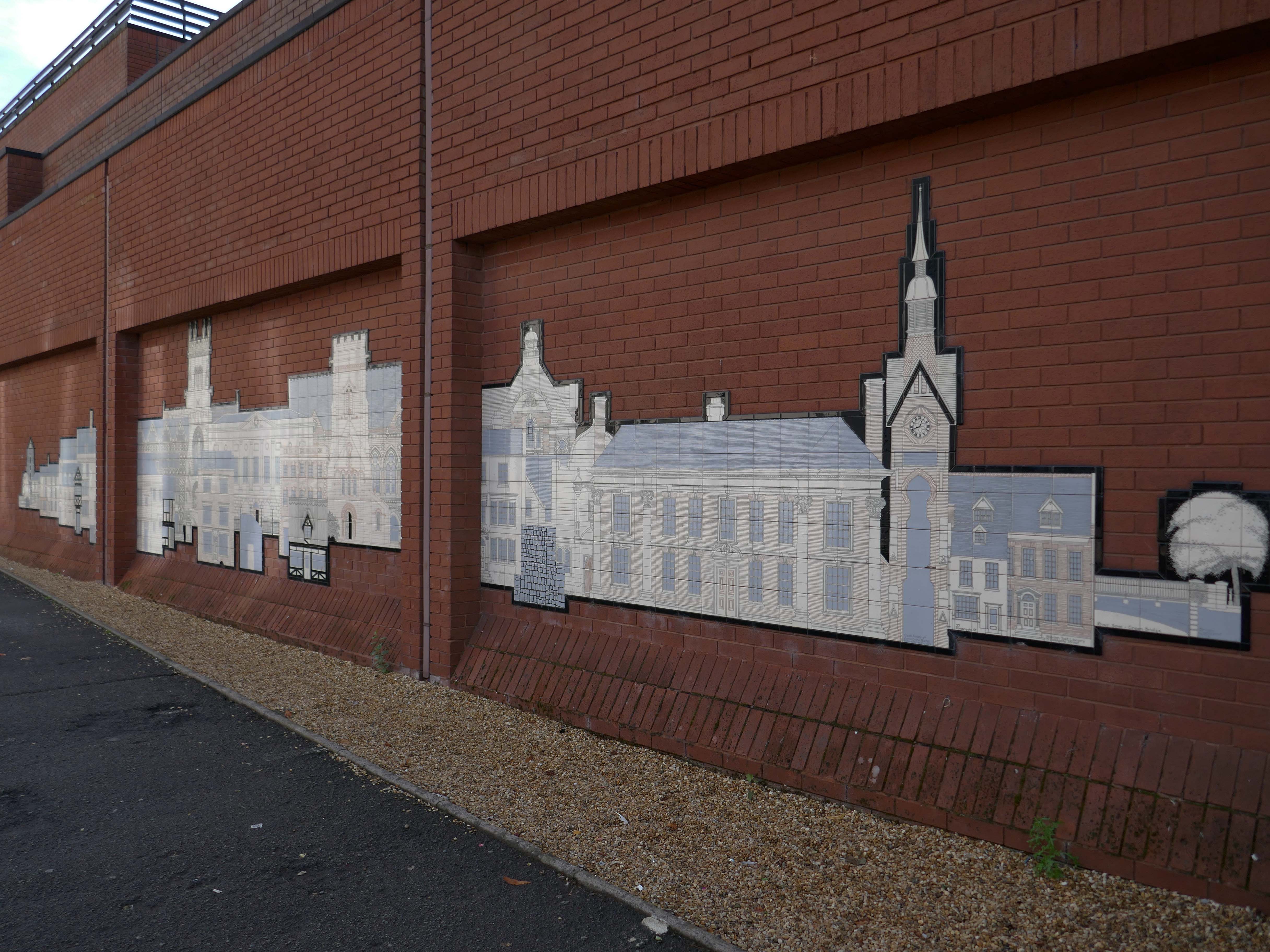
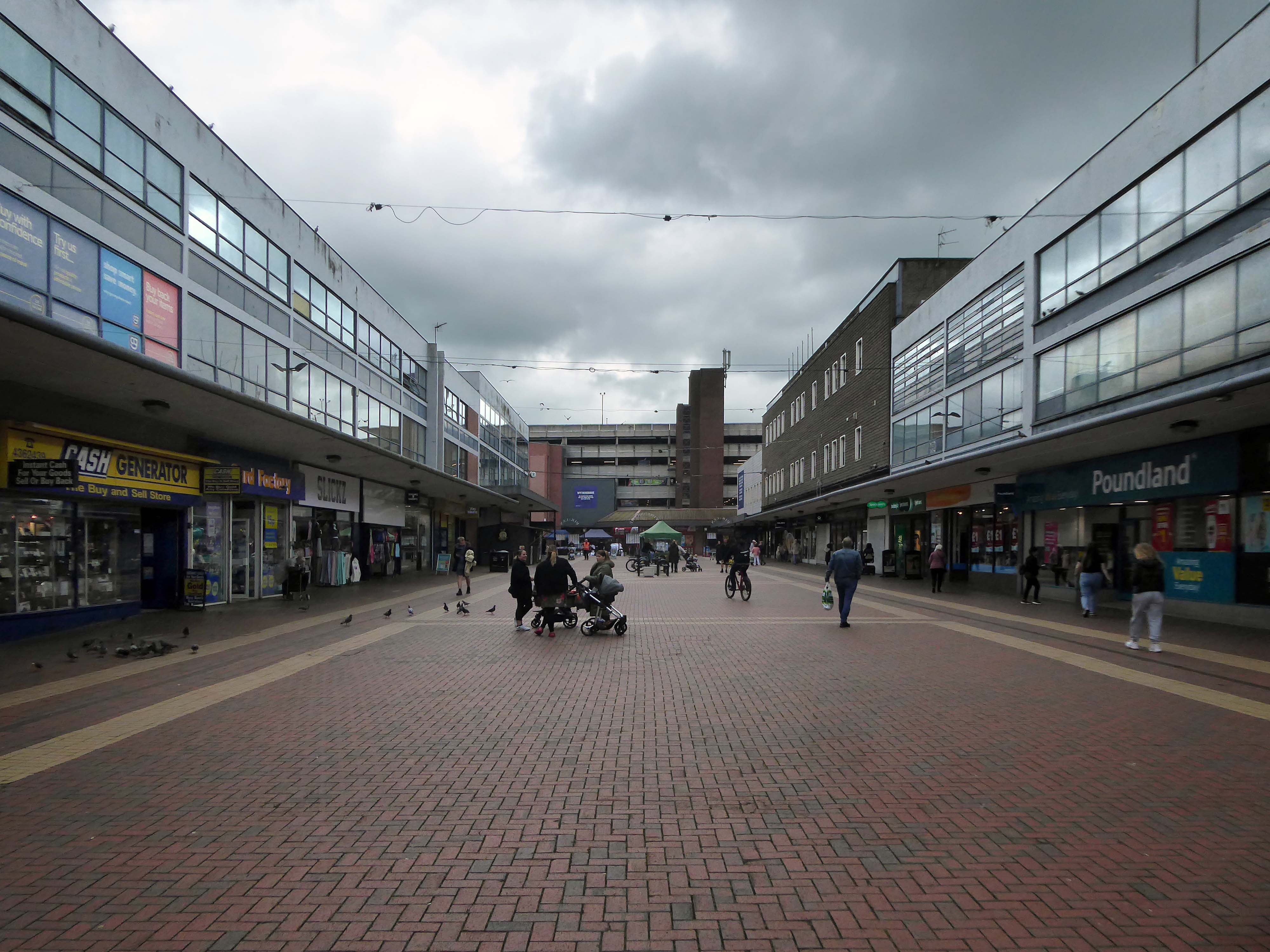
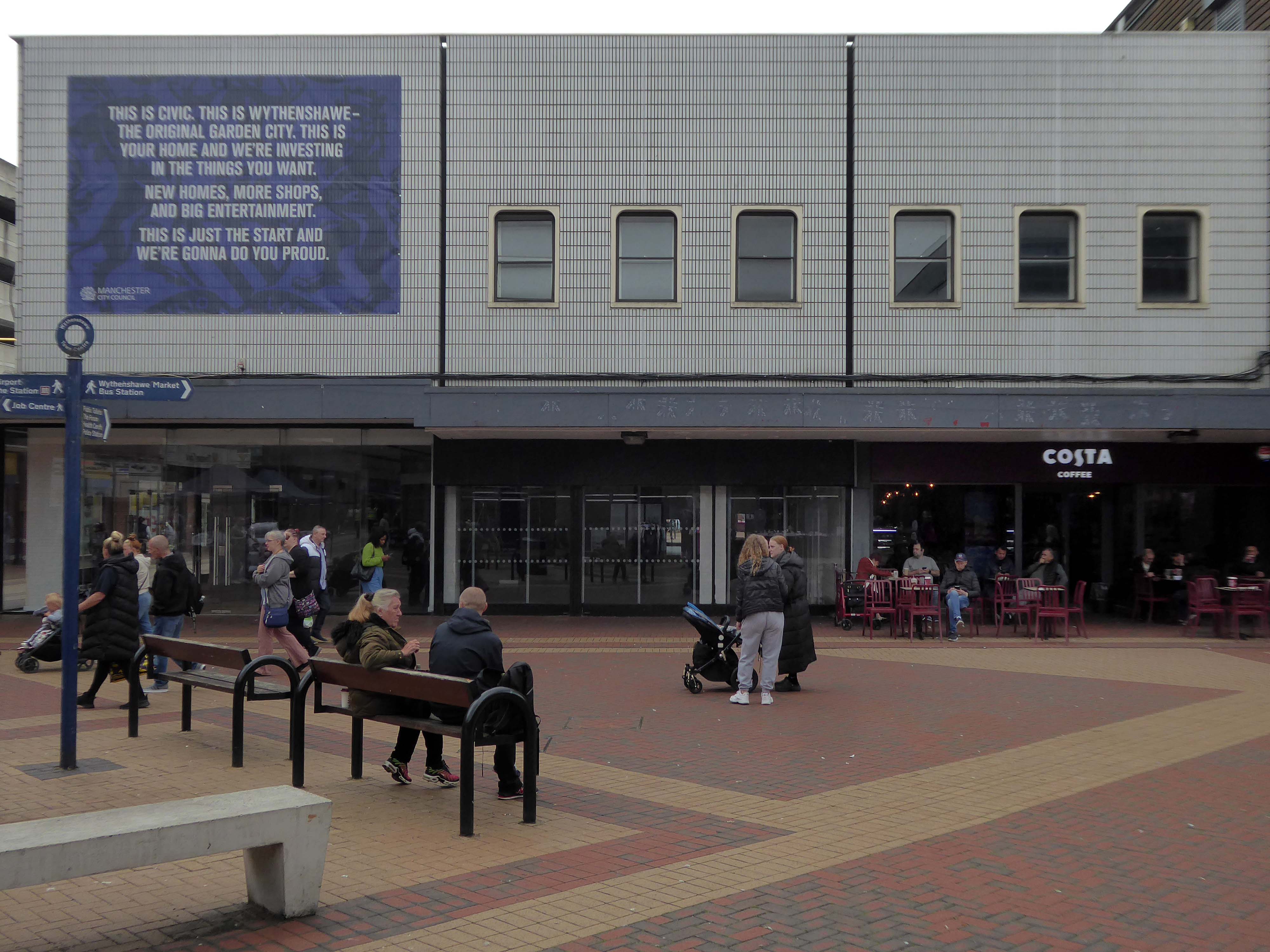
Finally arriving at this lively aggregate gable.
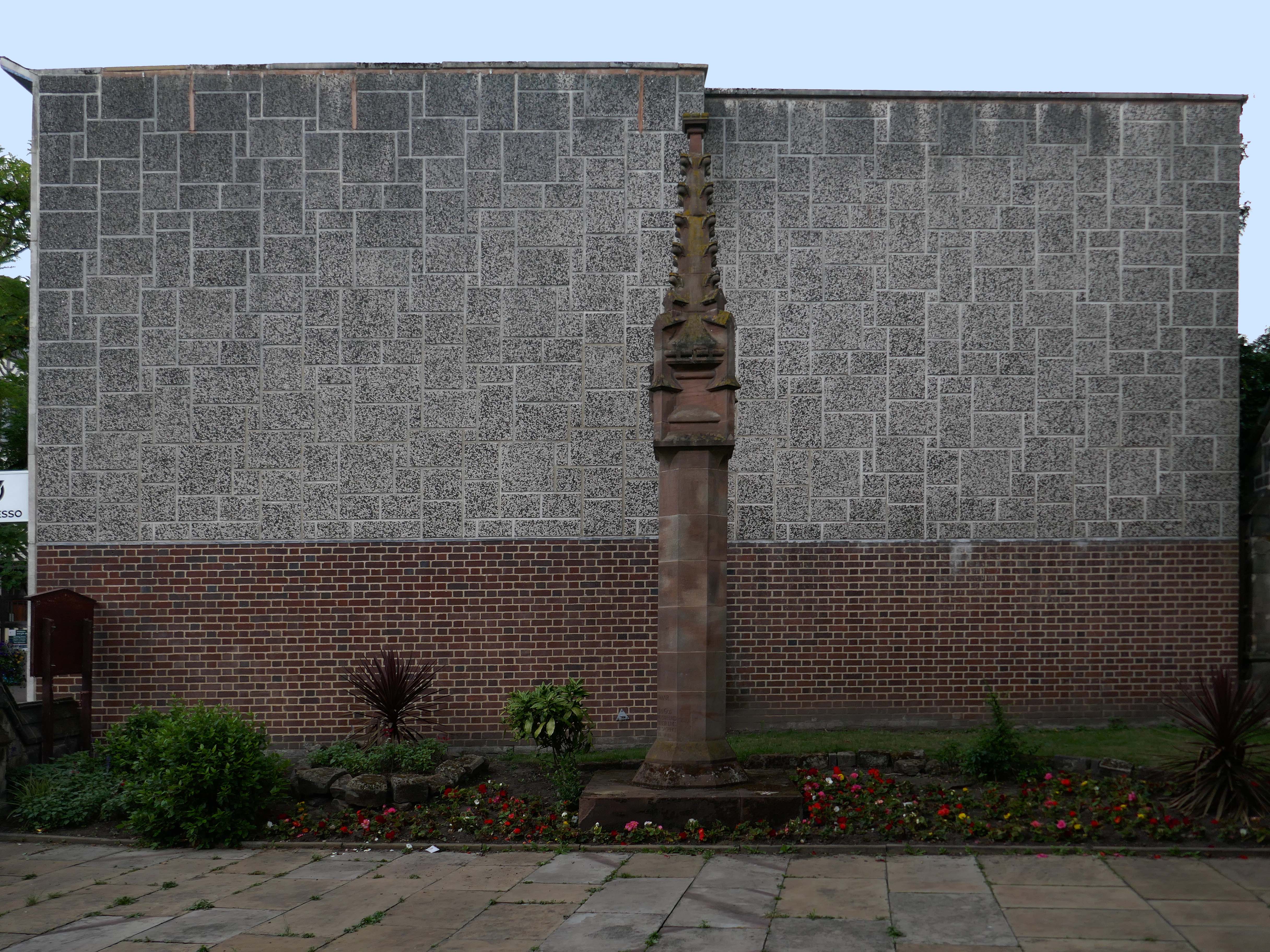
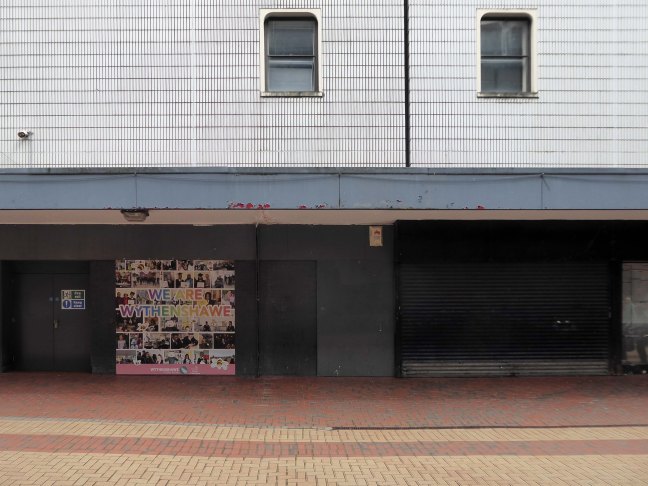
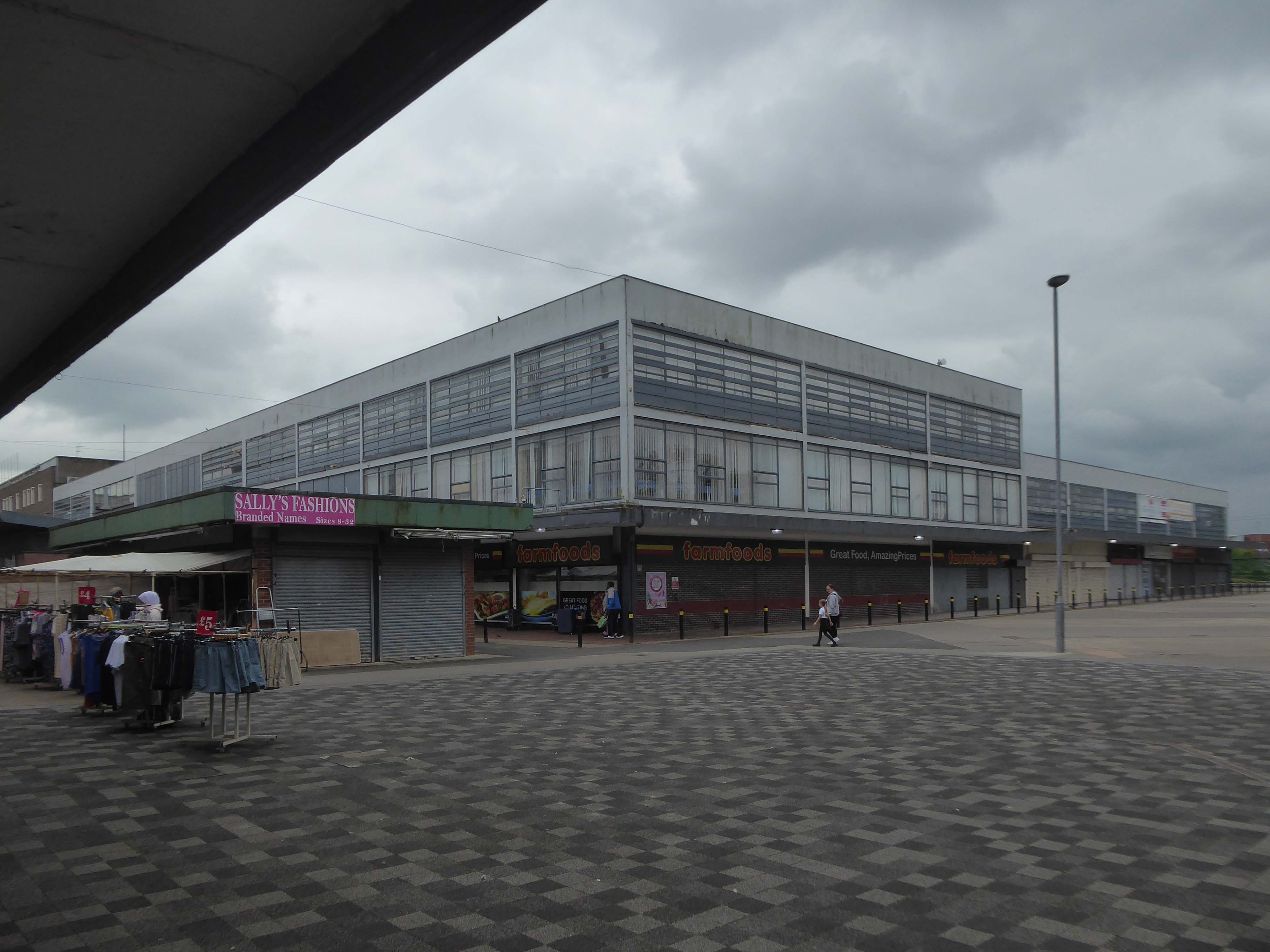
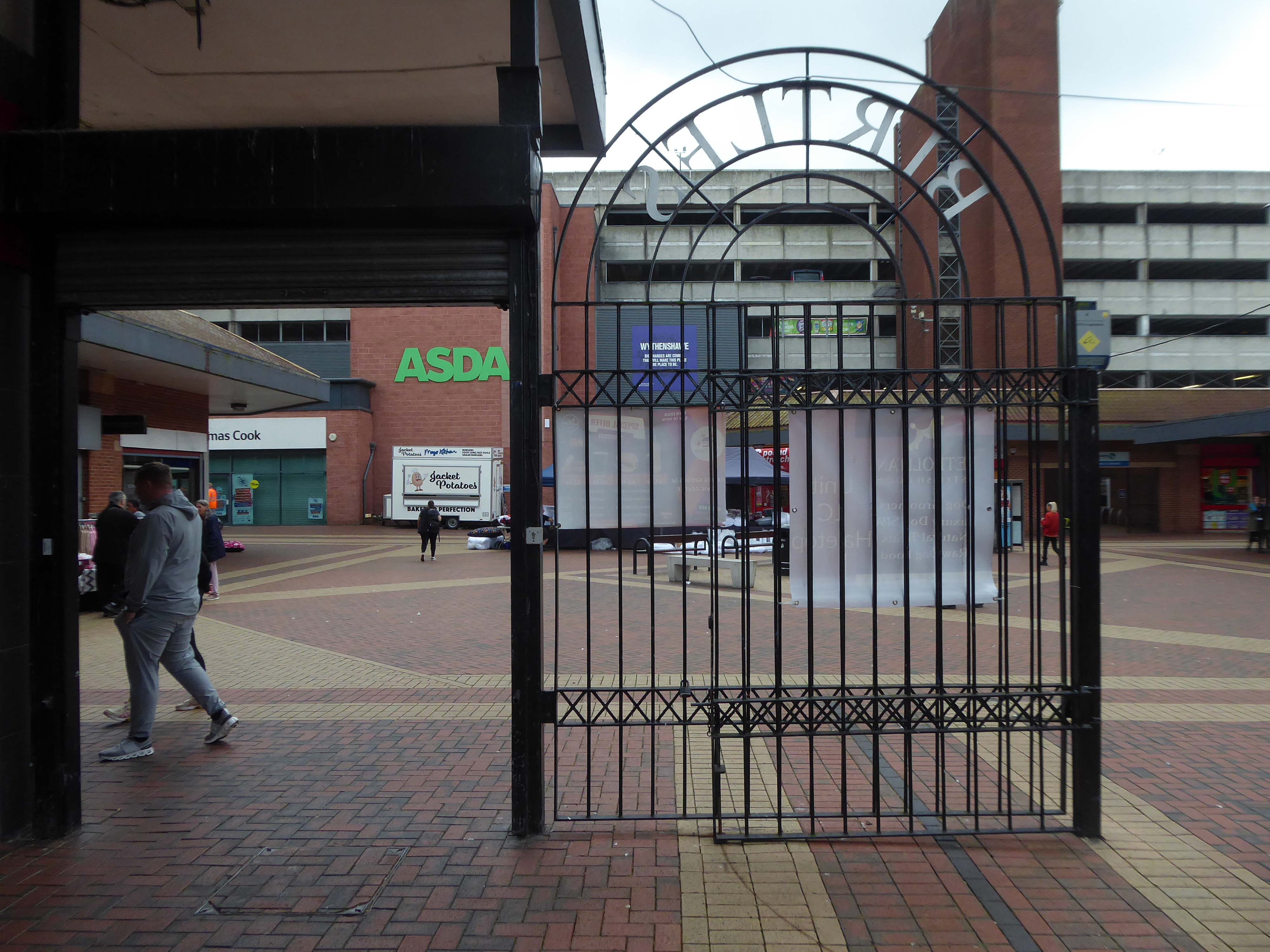
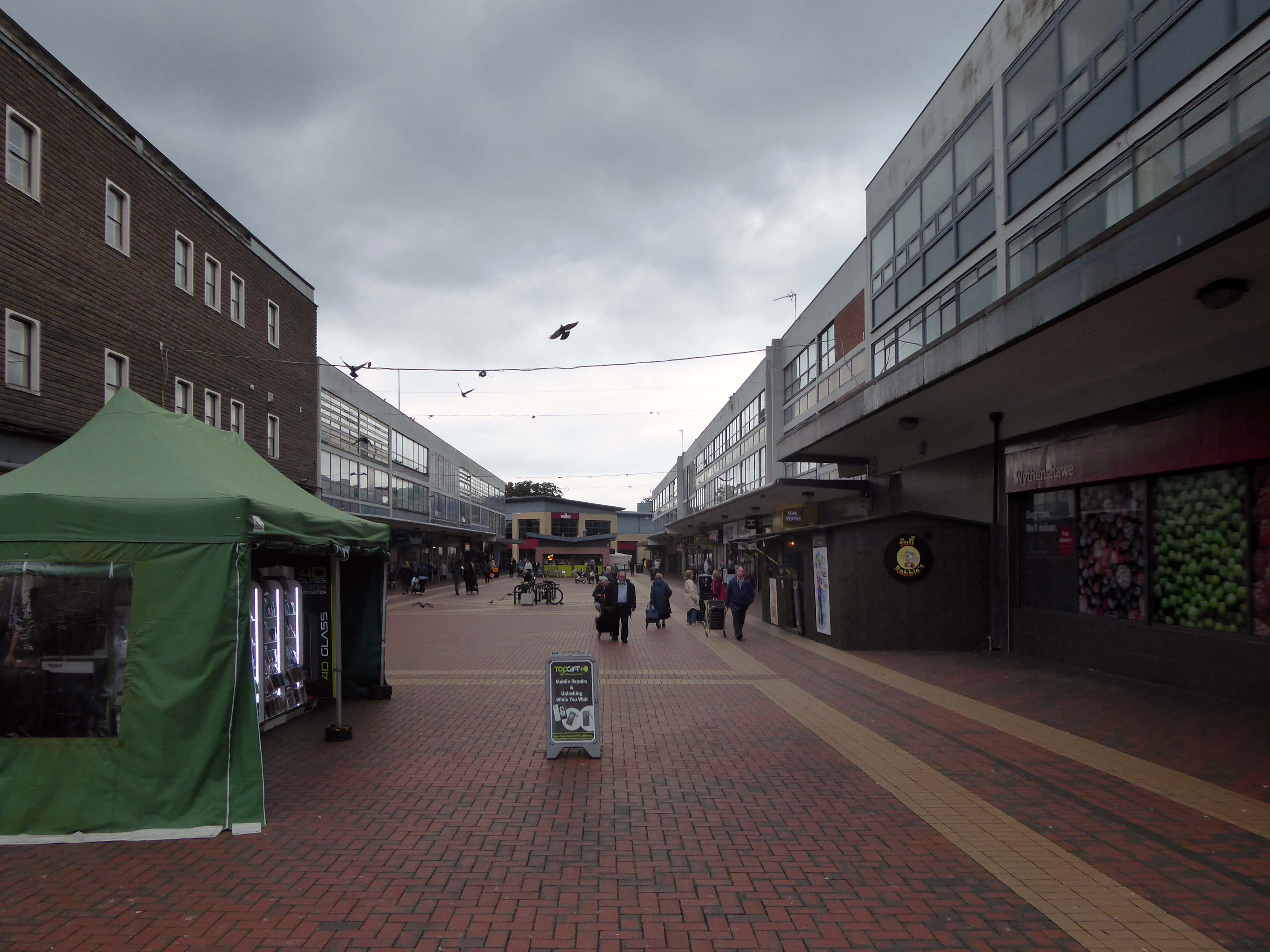
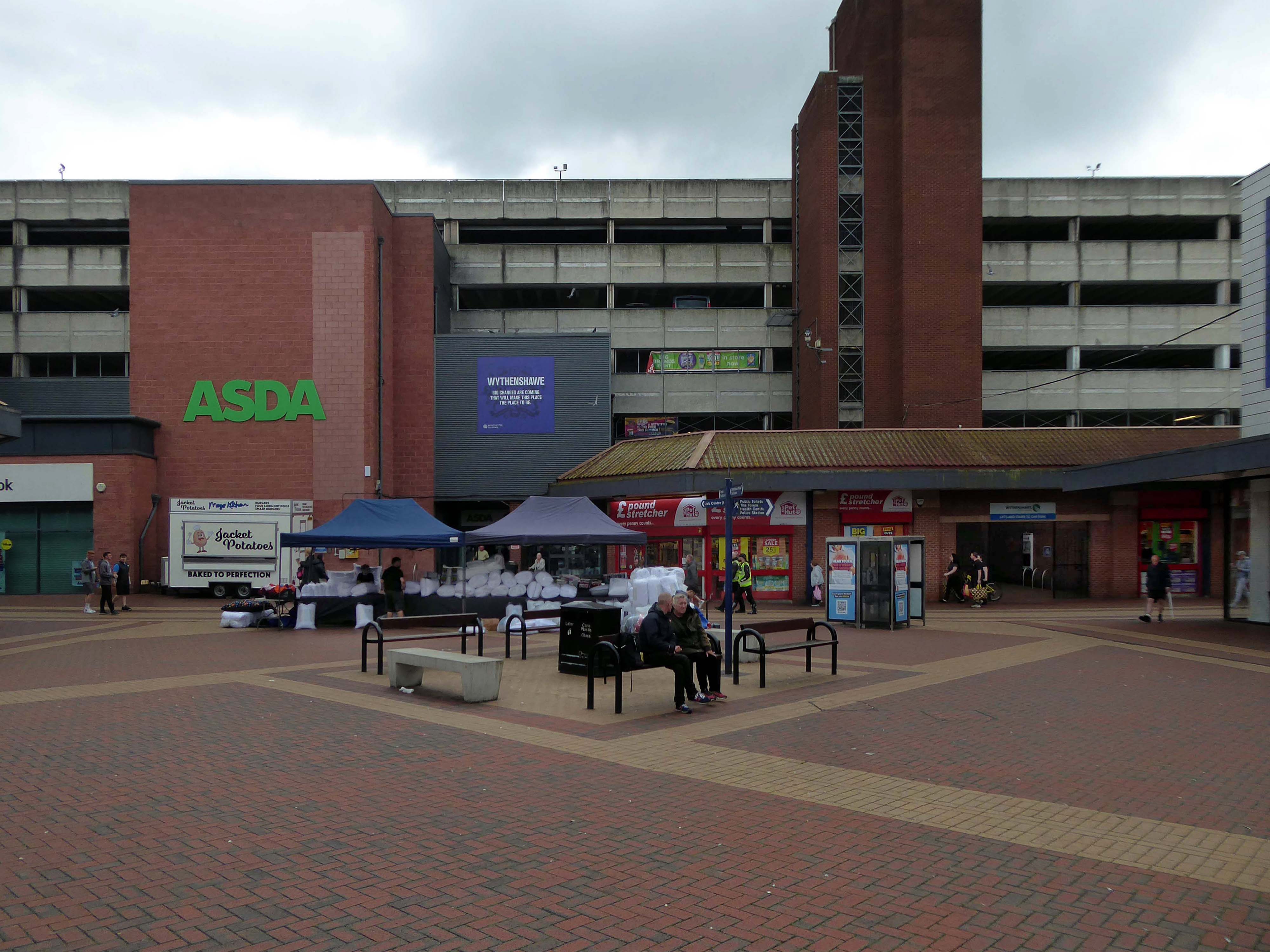
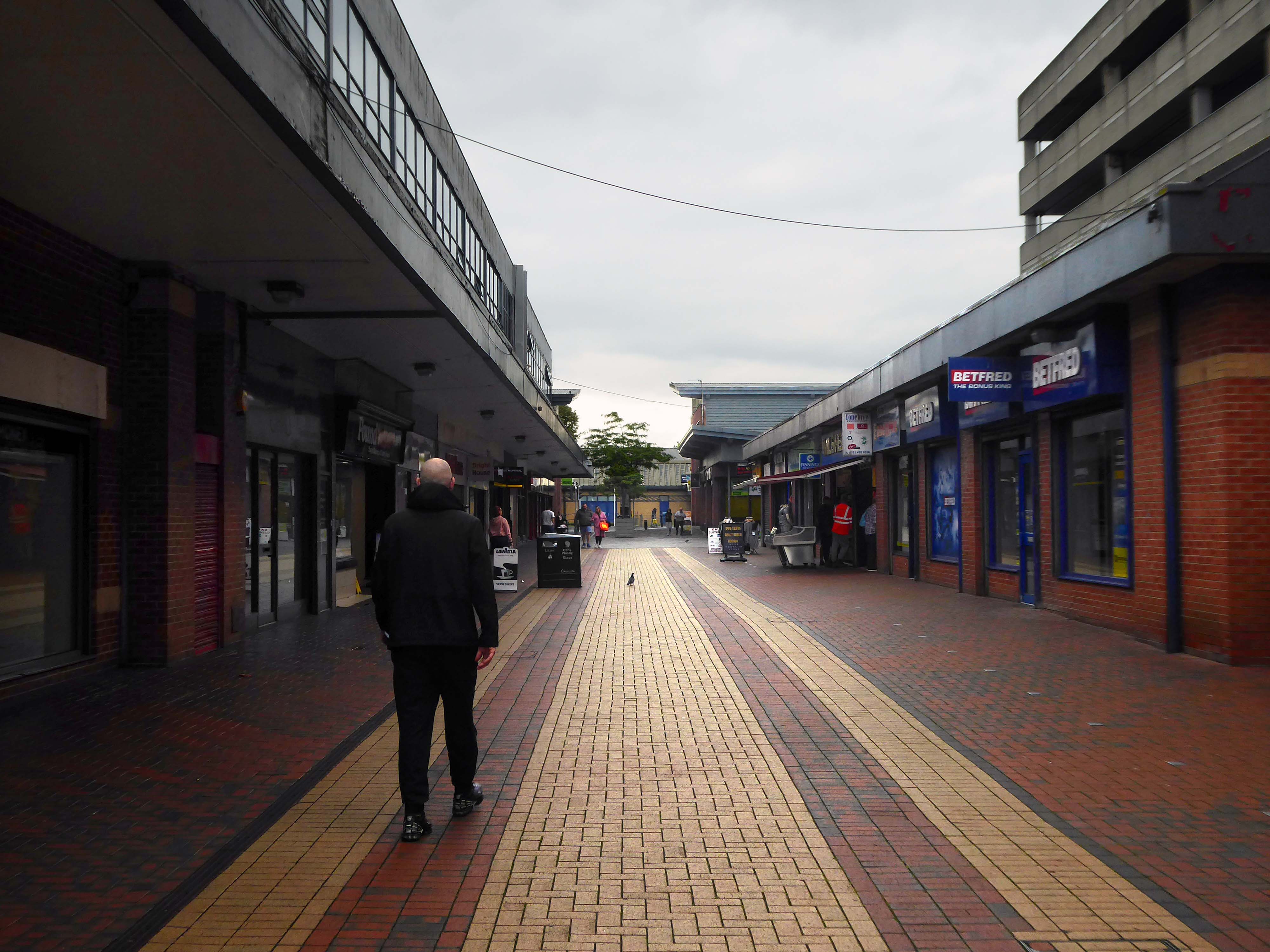
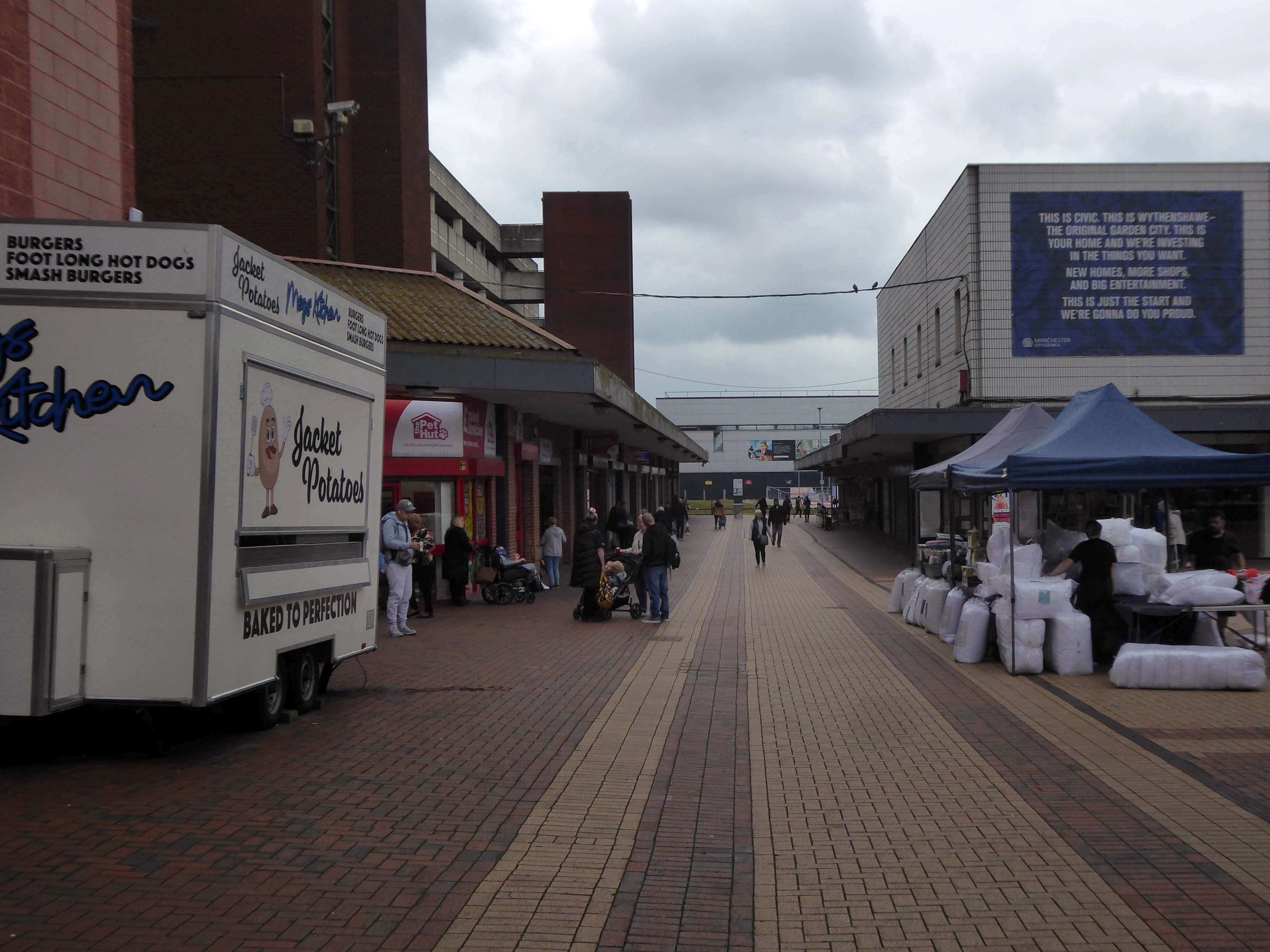
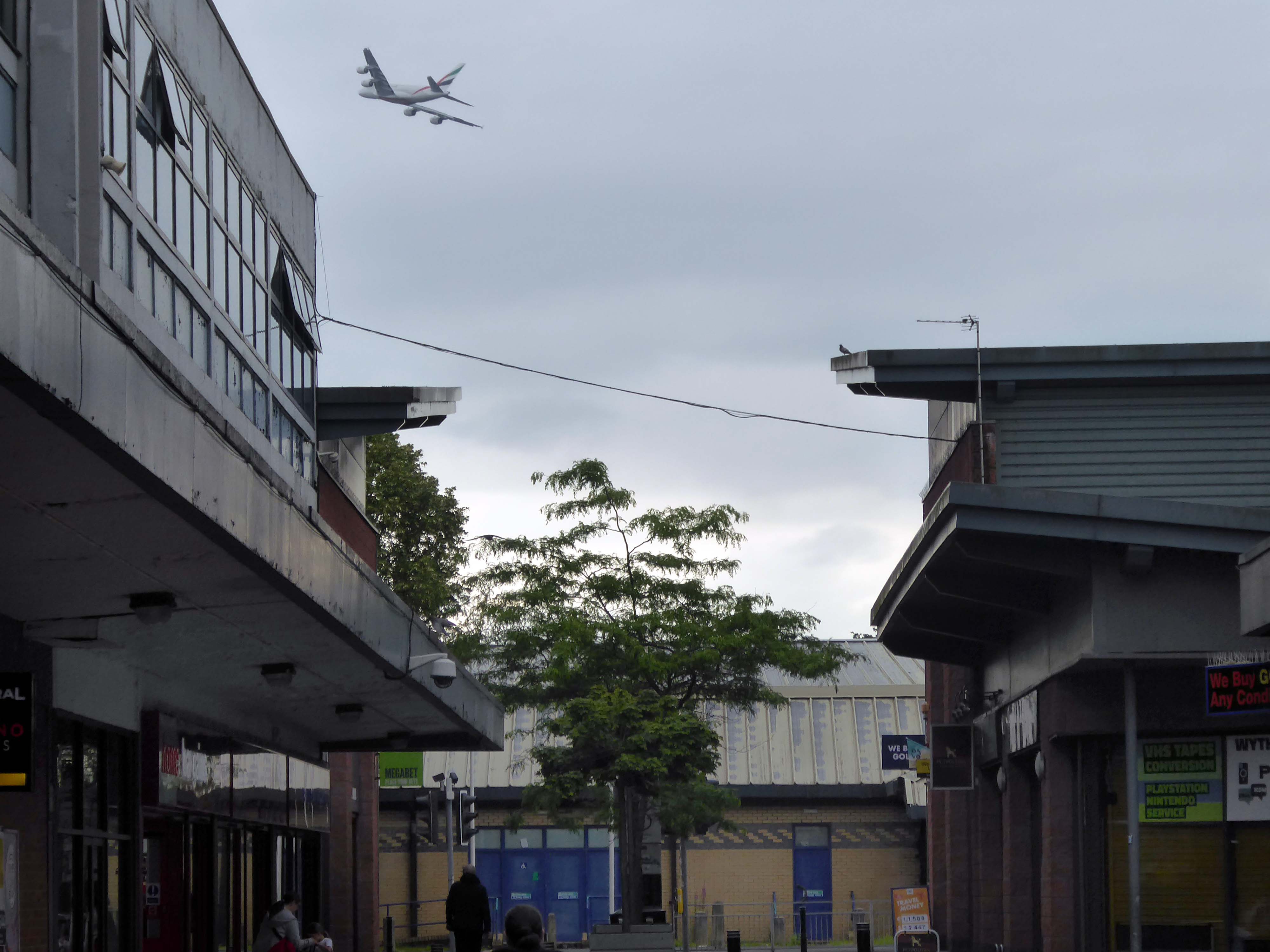
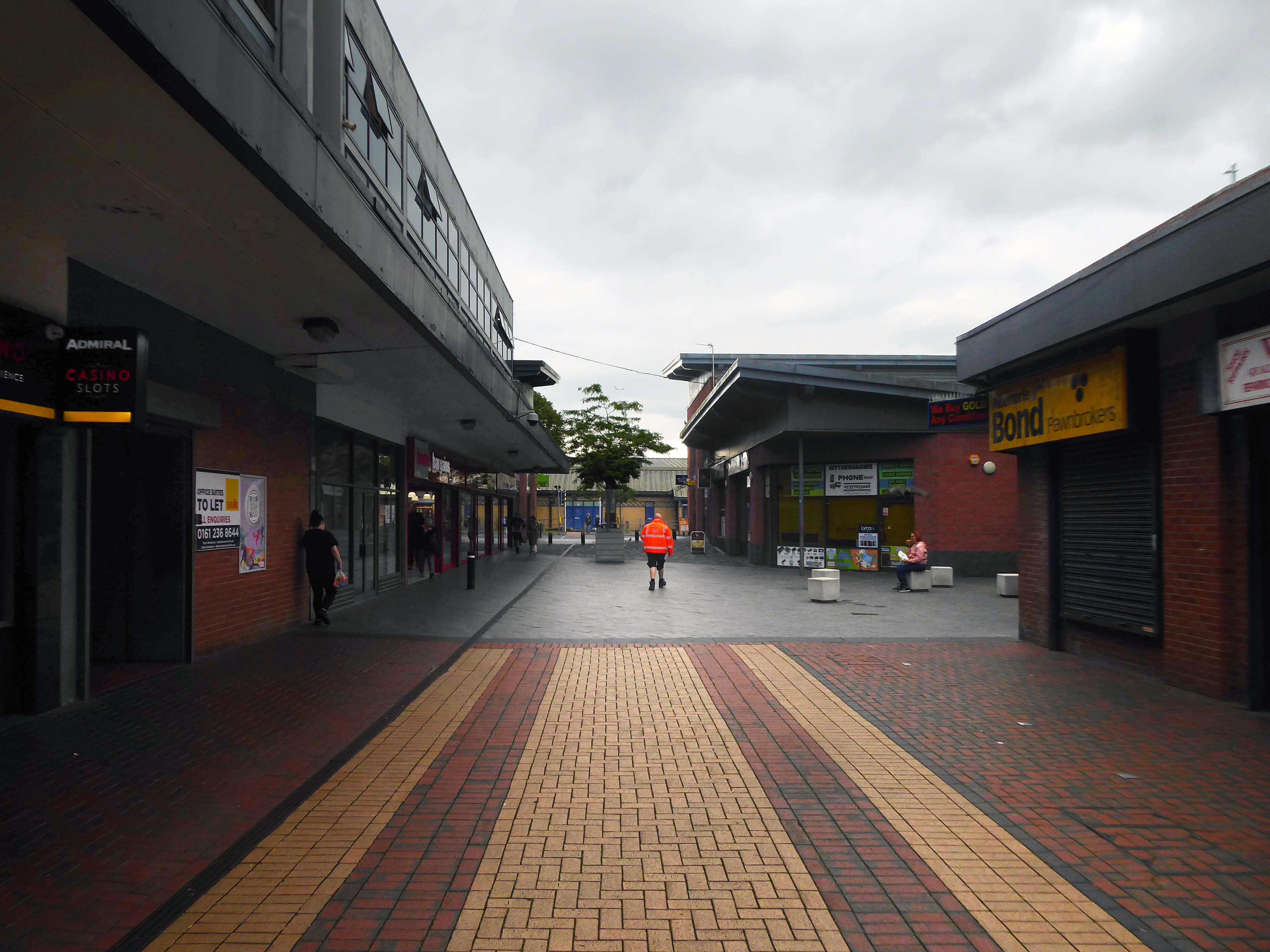
Civic Wythenshawe 2024

I wrote about the history of Civic in 2020.

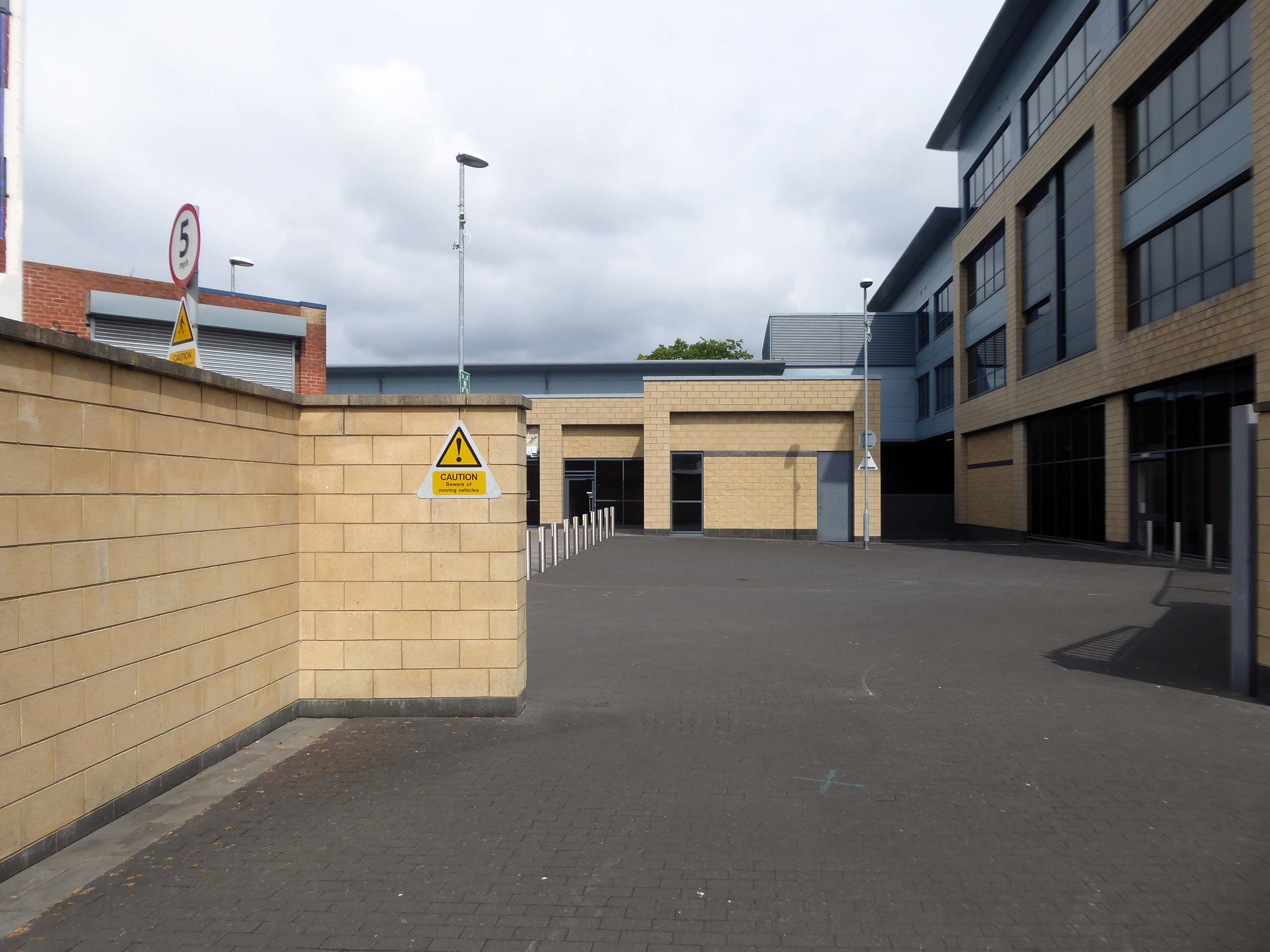
Also visiting the multi-storey car park yesterday.

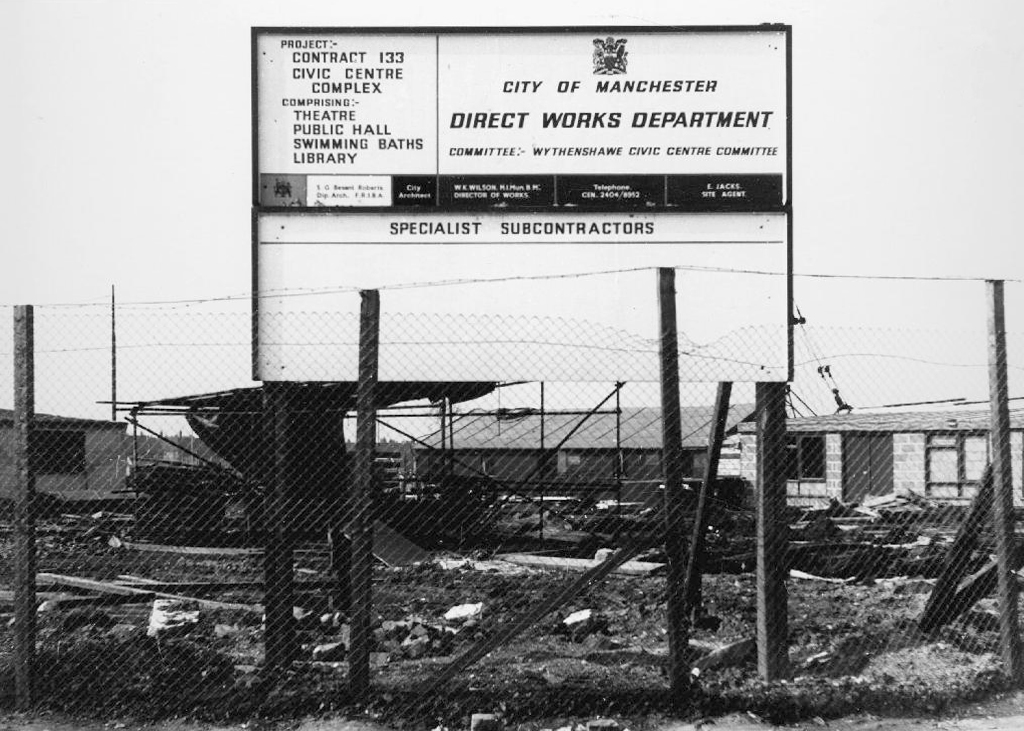
The work of Manchester City Architect Sydney George Besant-Roberts and his team.

Work began in the interwar years, and continued following the hiatus of 1939-45. The shopping centre named the Civic Centre was open in 1963, the actual Civic Centre containing a swimming pool, theatre, public hall and library in 1971.

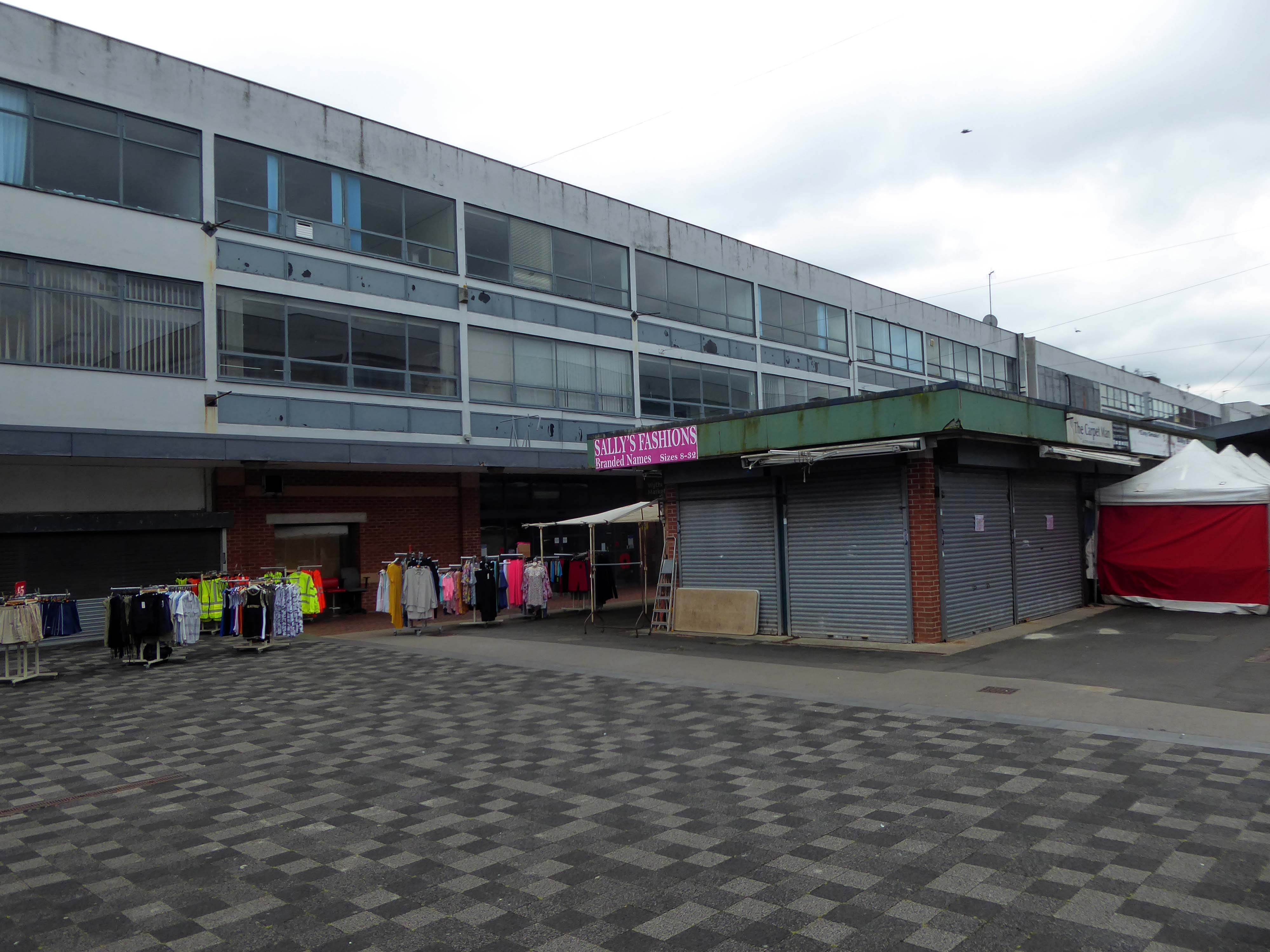
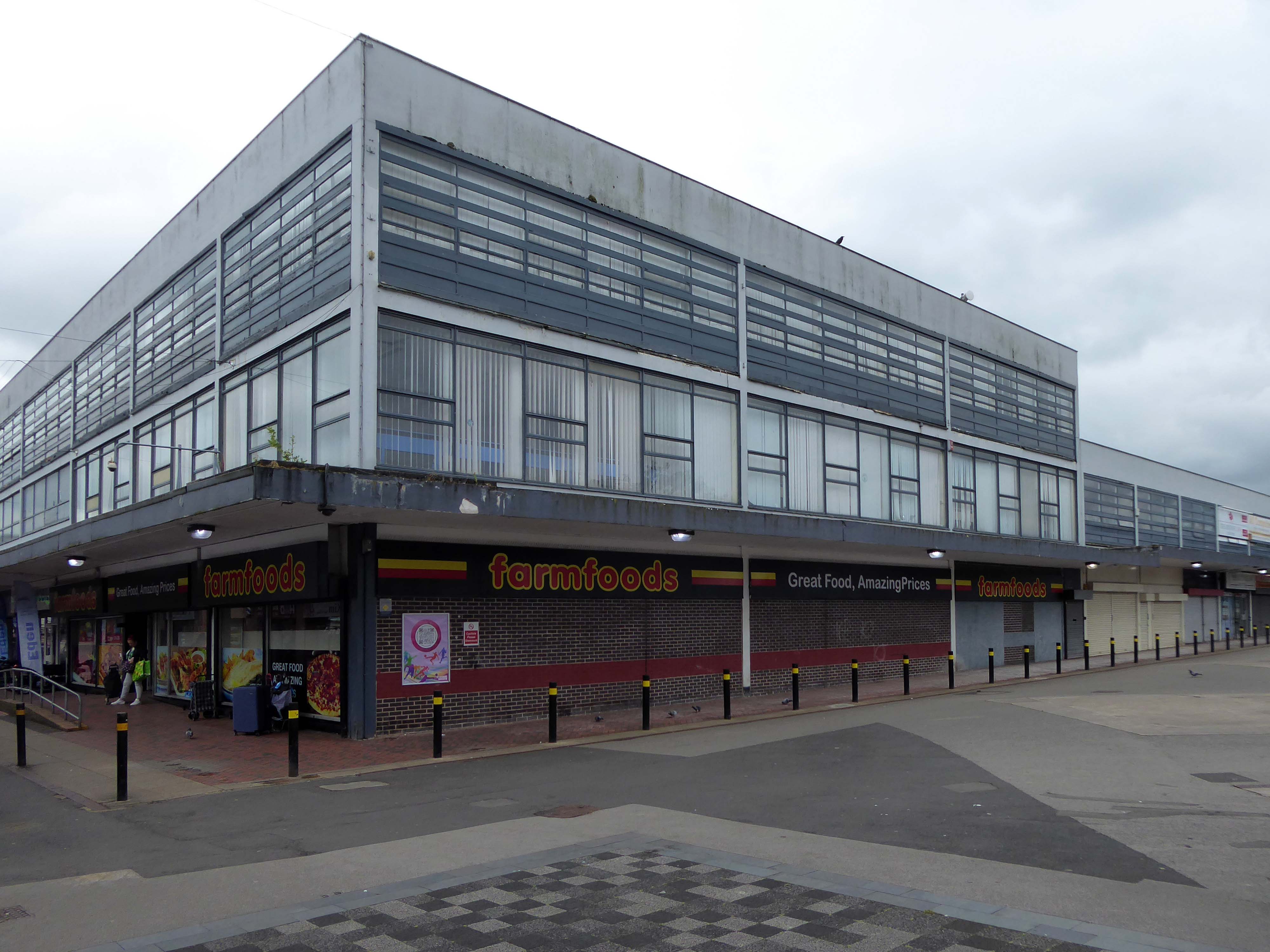
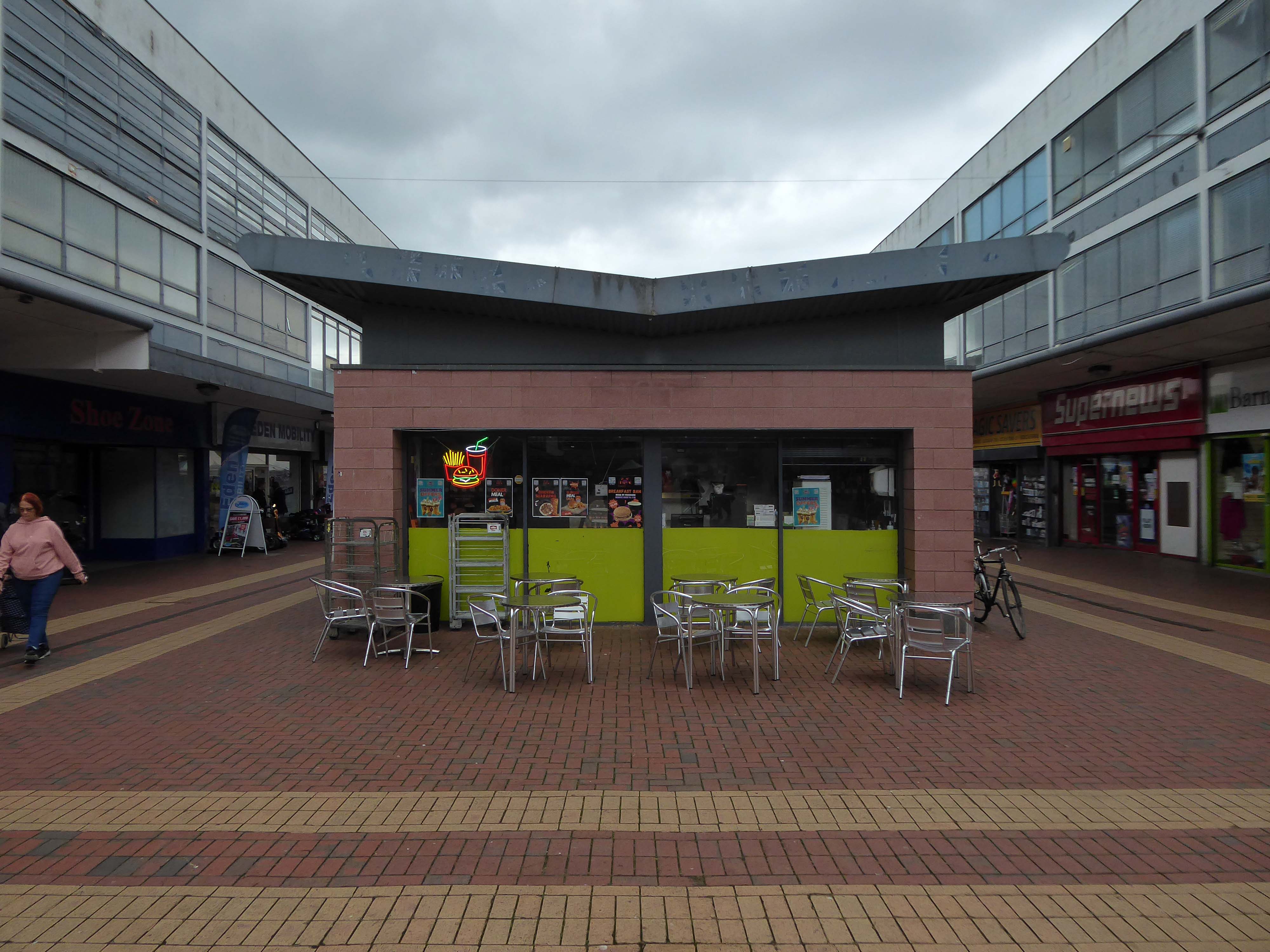
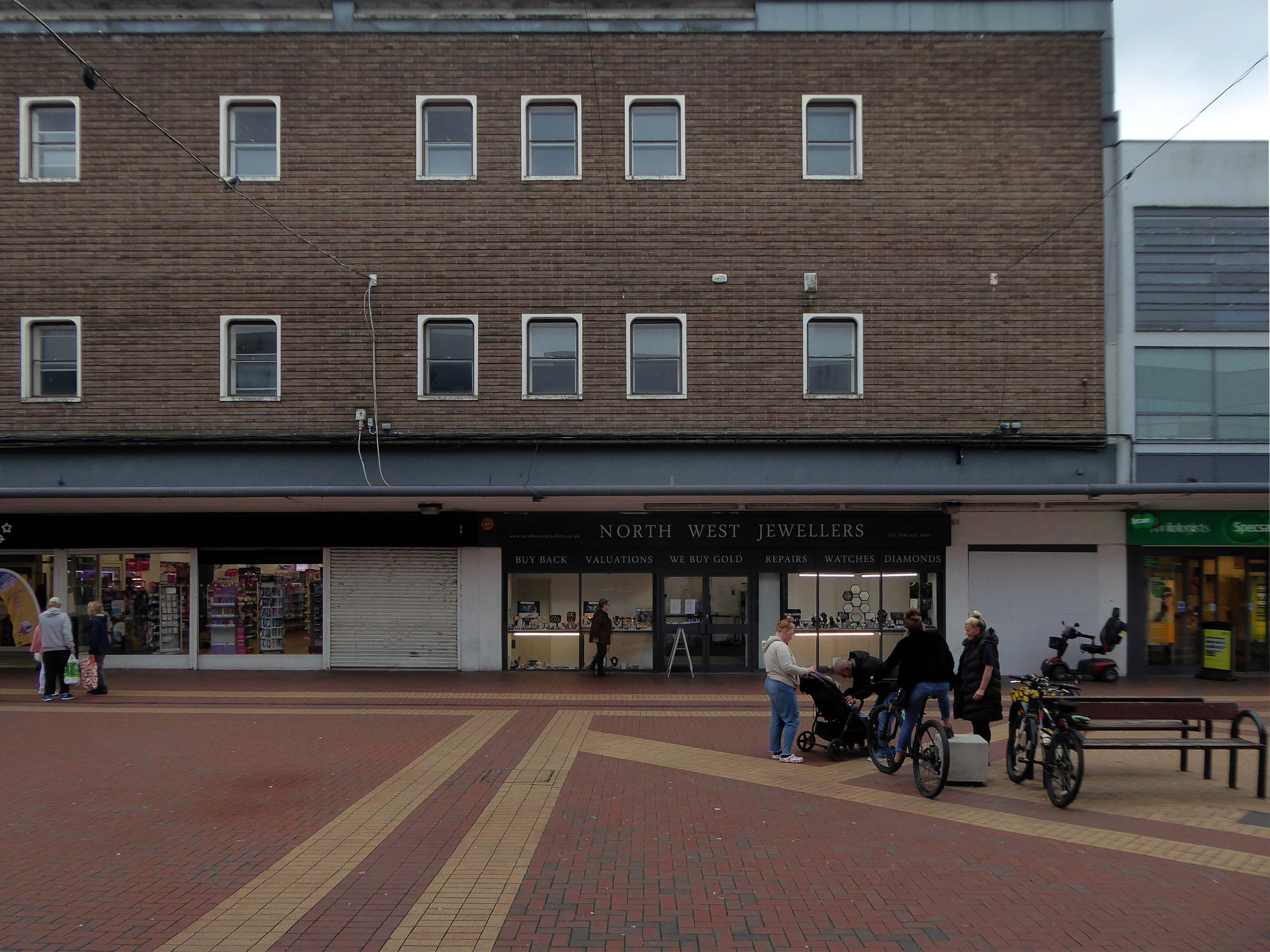
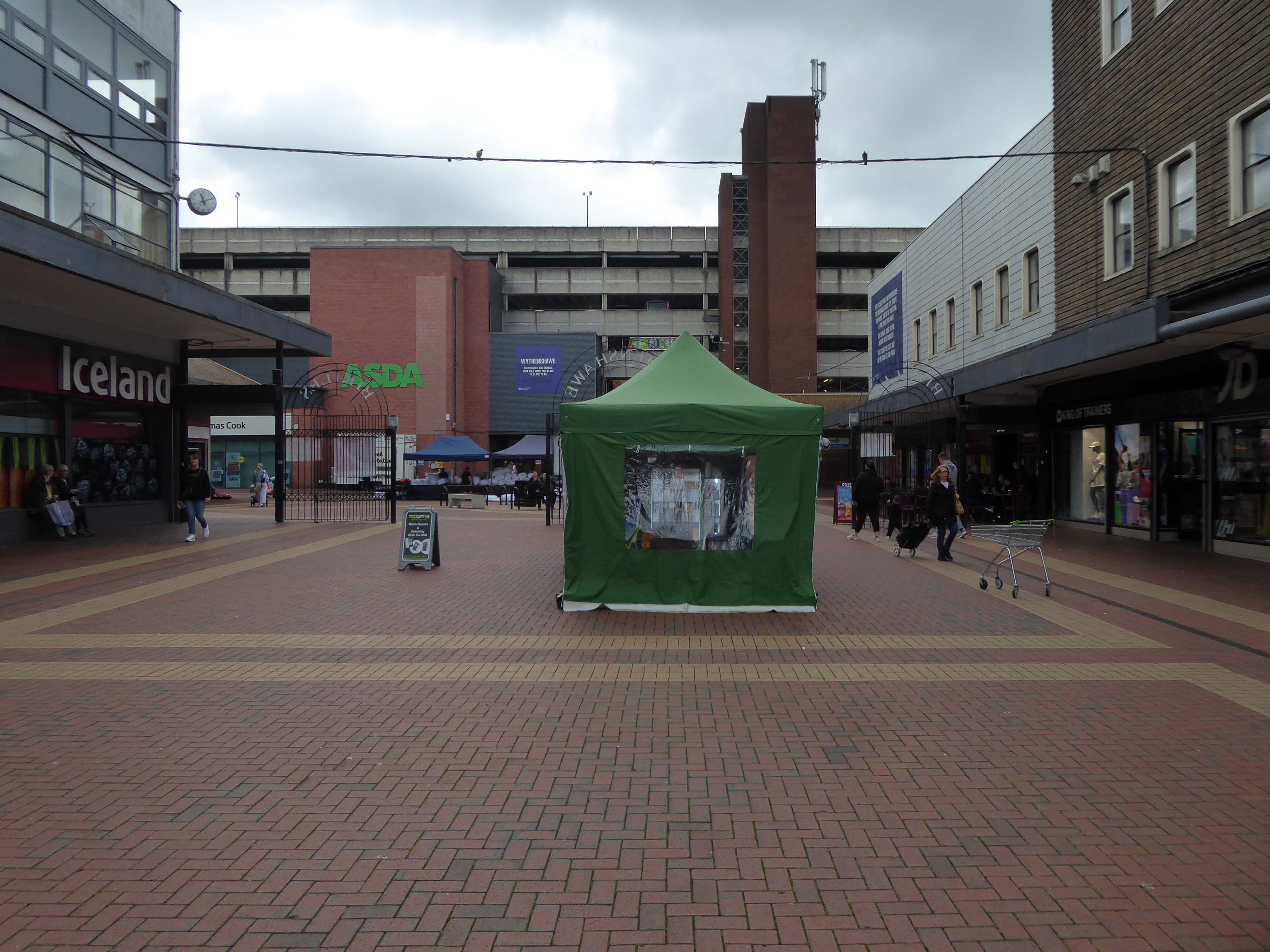
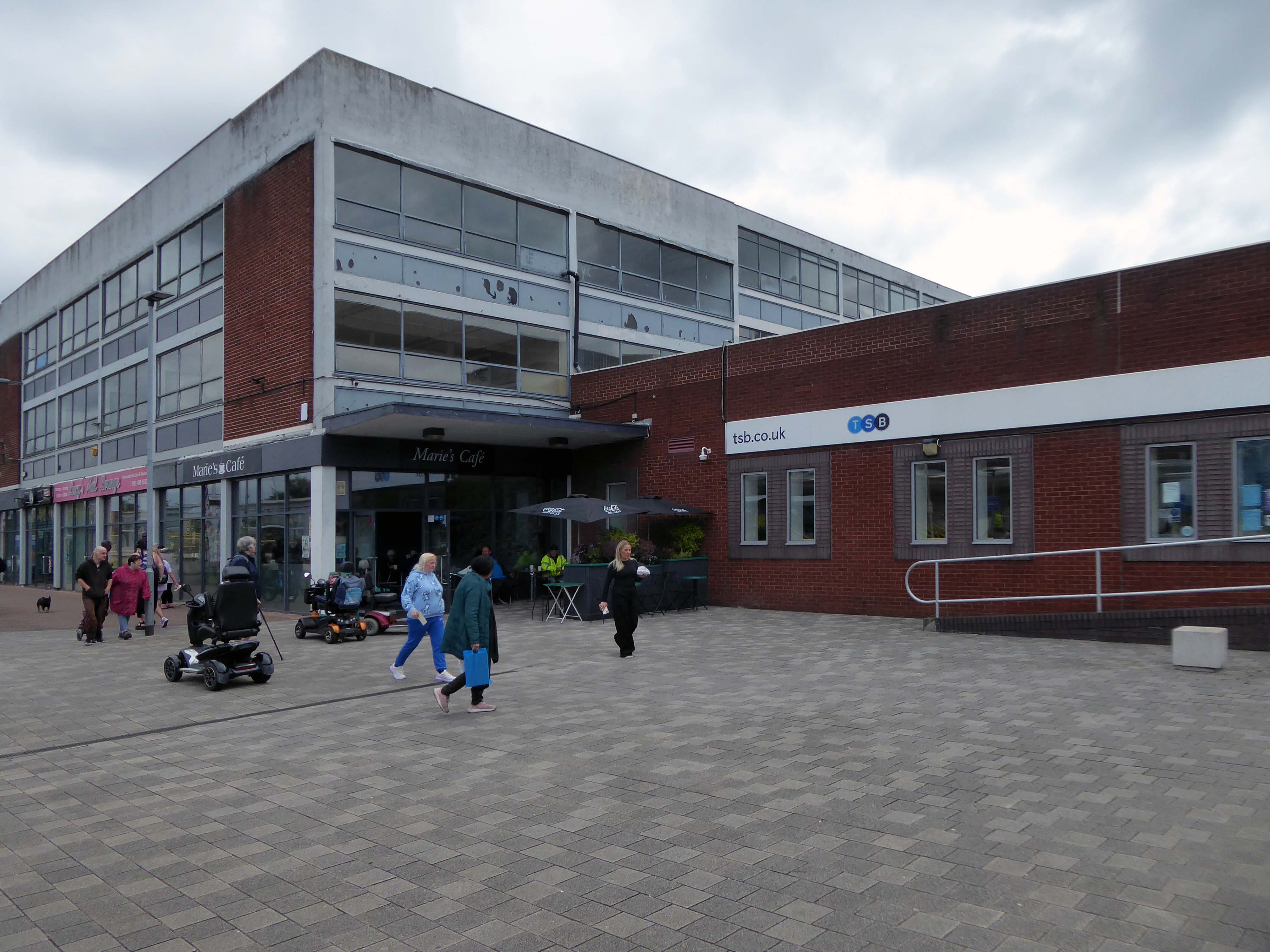
Here I am again four years later, taking a look at how it looks today.

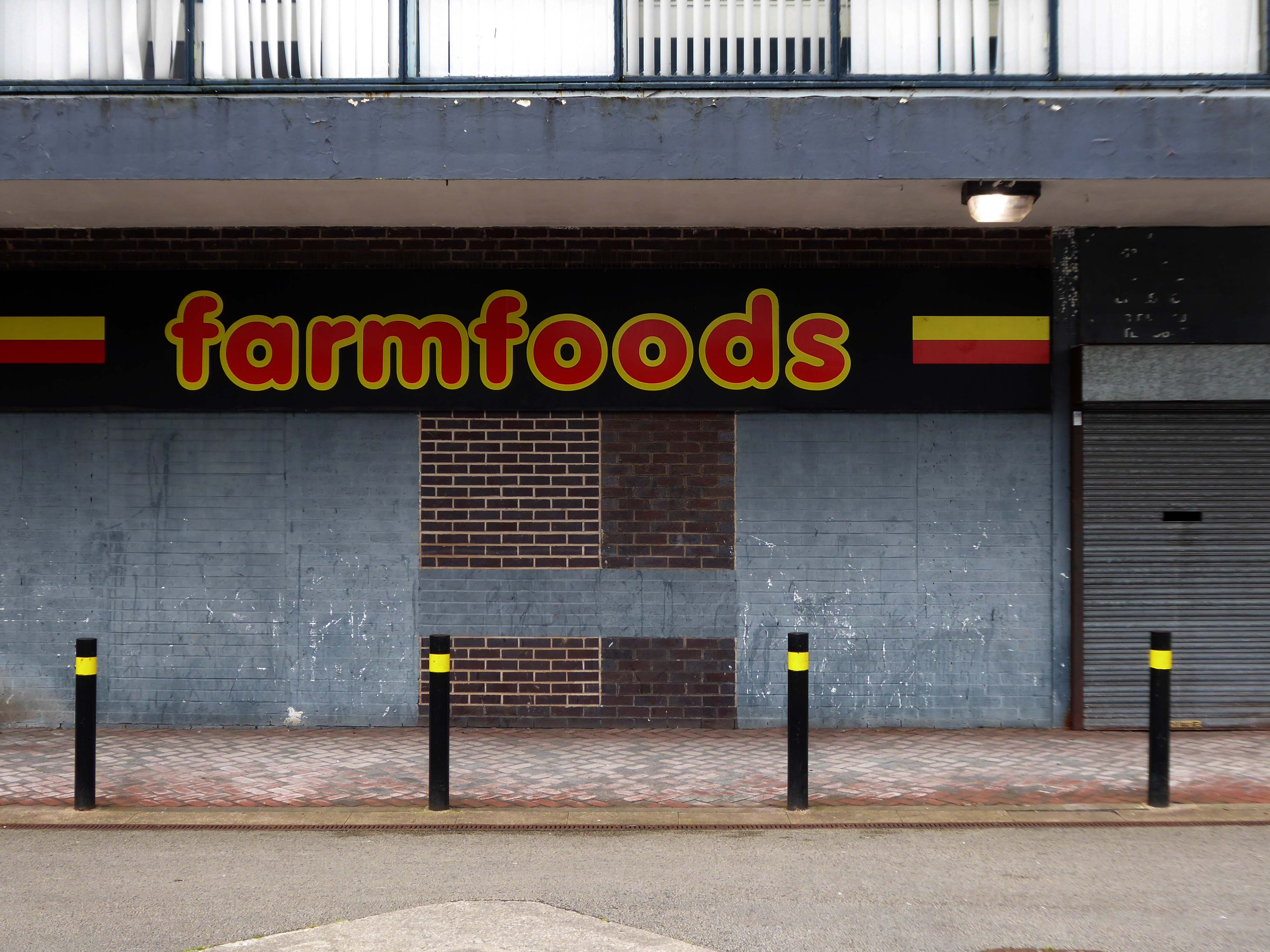
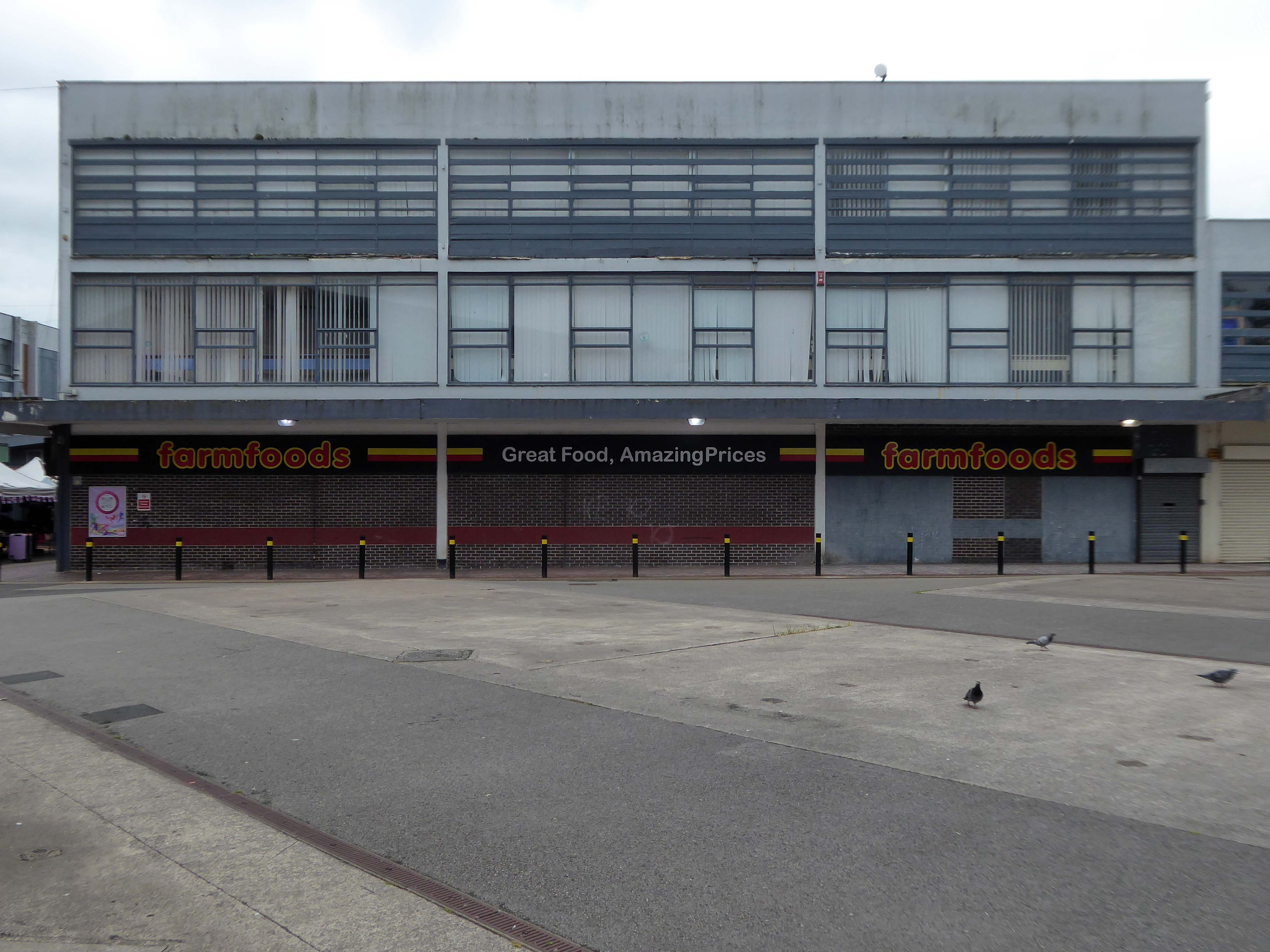
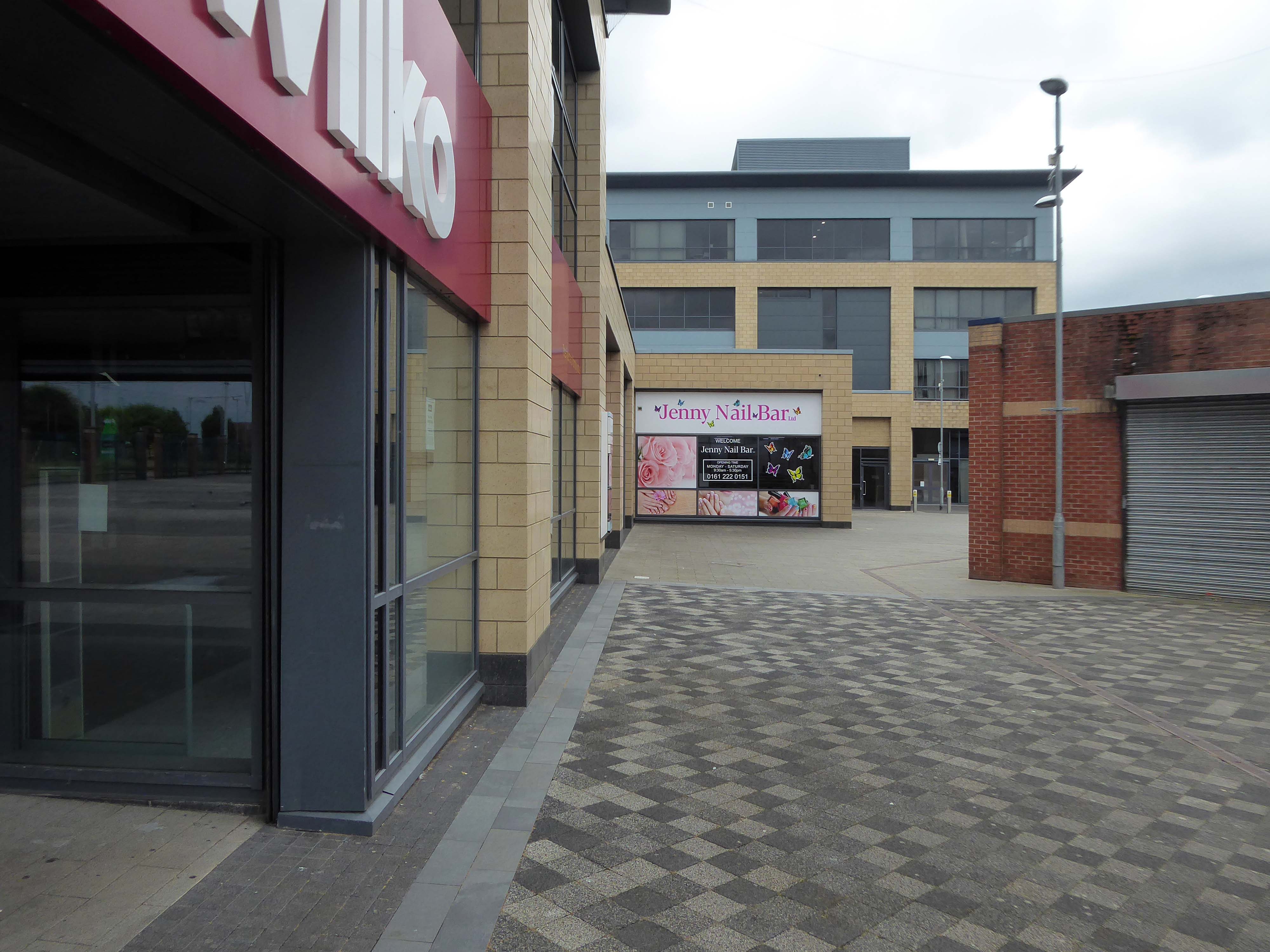
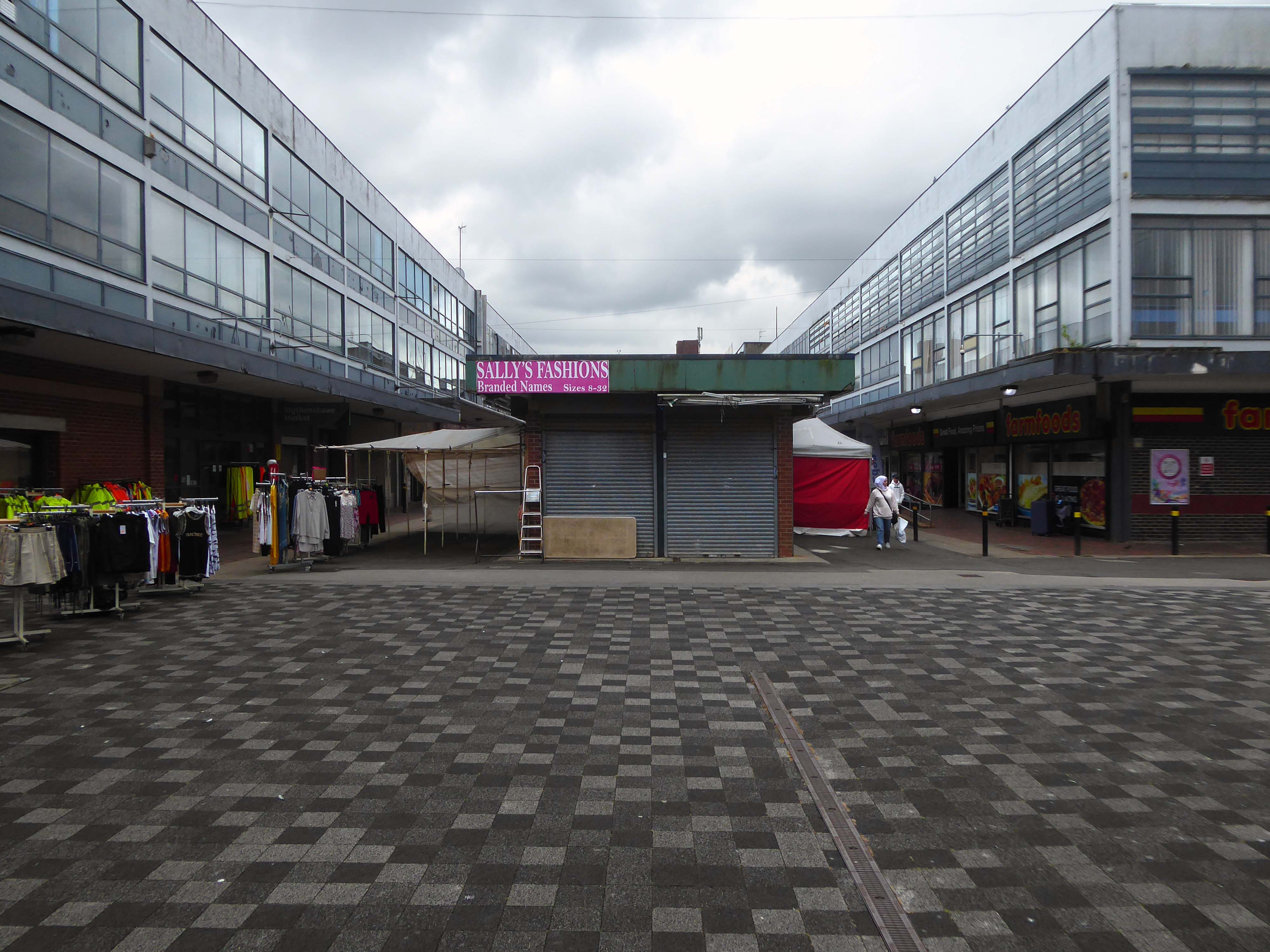
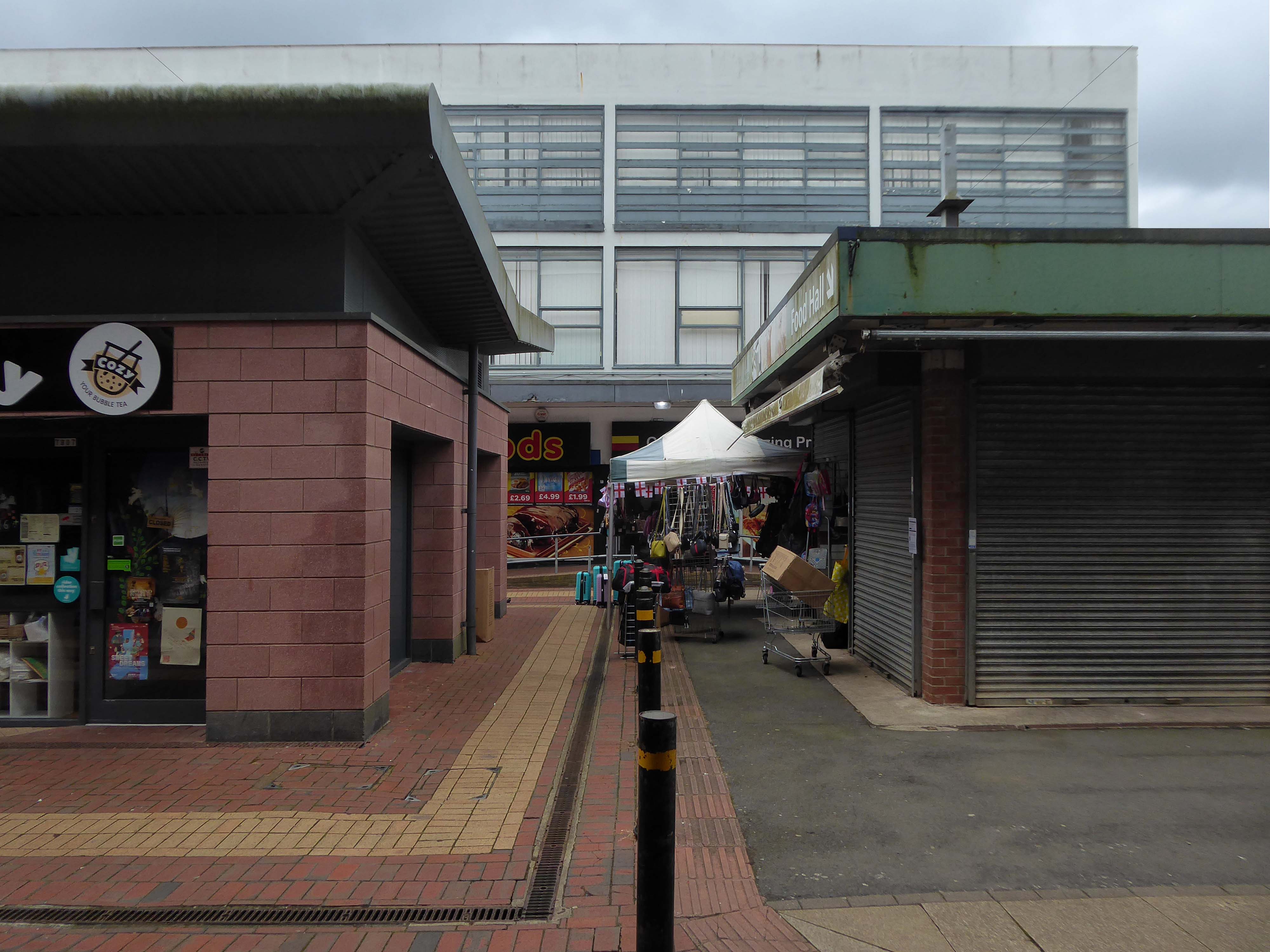
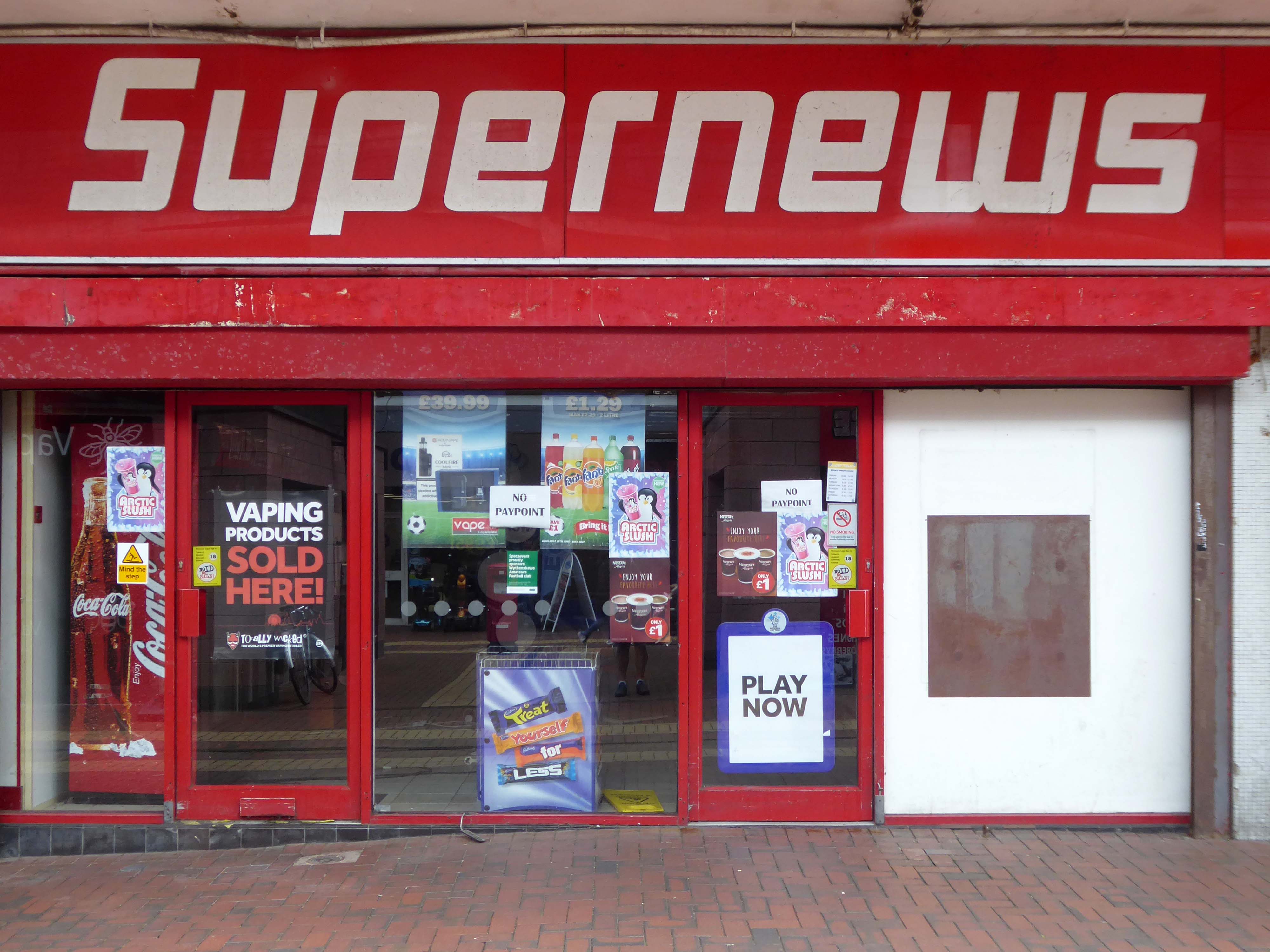
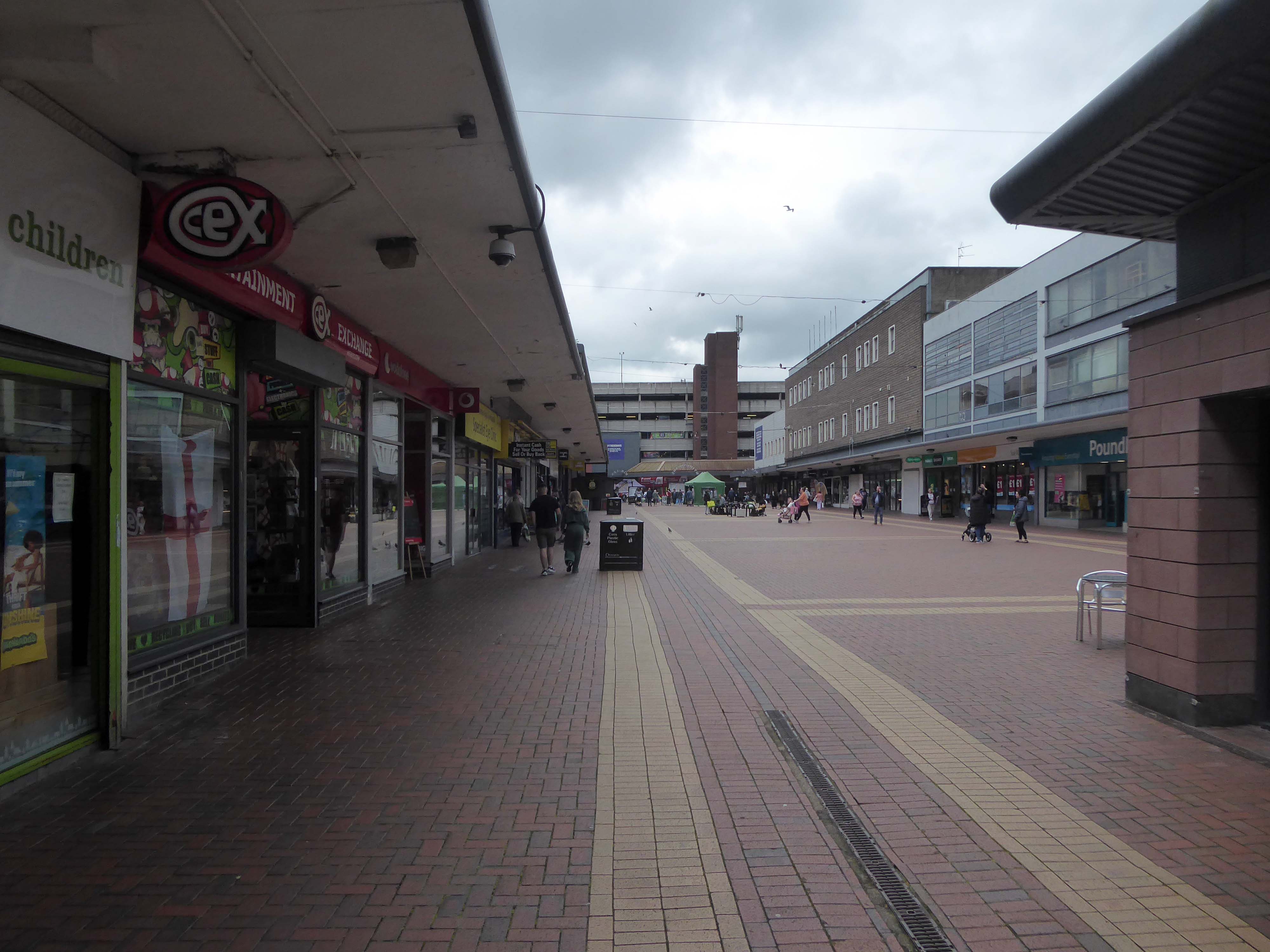
ASDA remains the anchor store, Wilko having left a Wilko sized hole in the precinct. On an overcast Friday morning there was sufficient footfall to sustain the wide variety of smaller shops and larger retail chains. As with many other towns within the central Manchester orbit, the easy proximity fills those busy trams and buses, which are leaving the area.

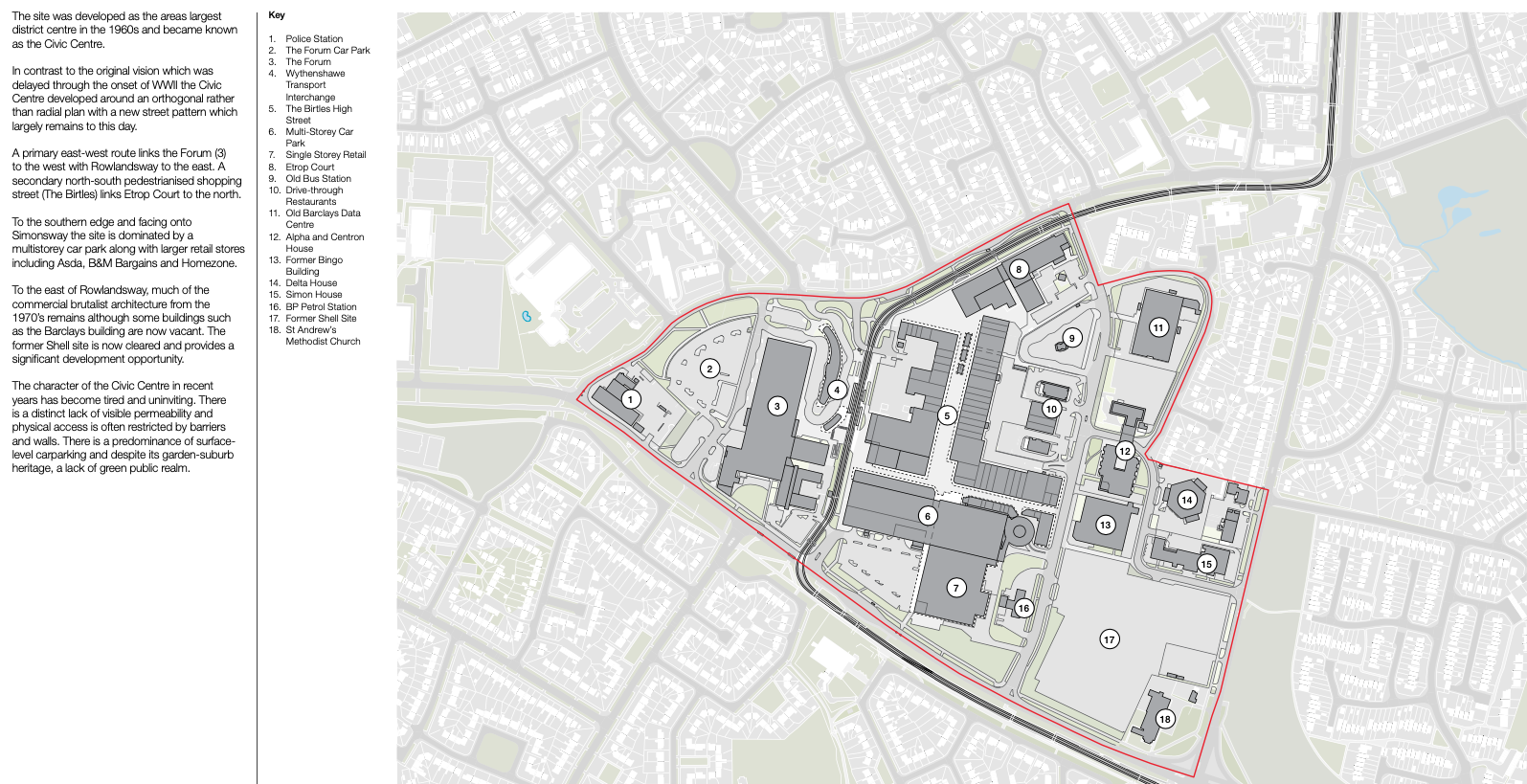
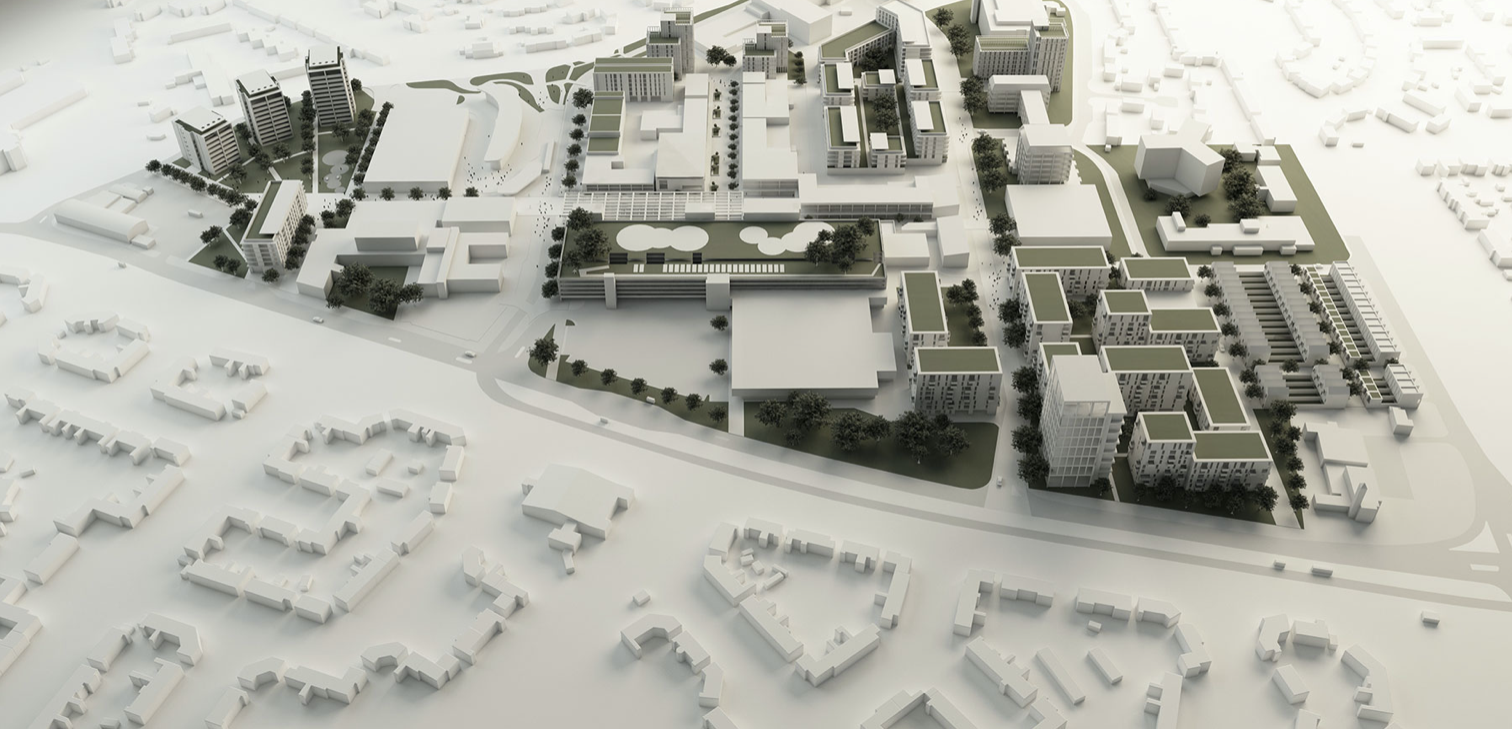
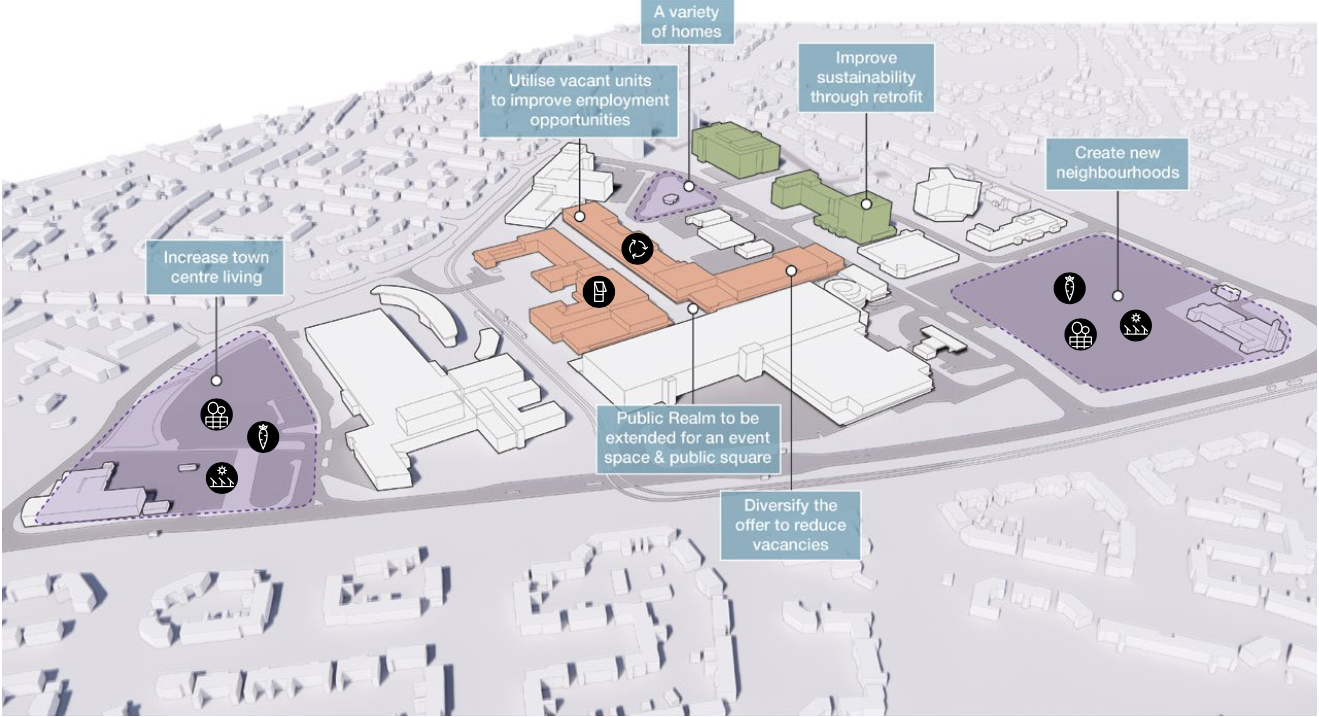
There are plans in place to regenerate the area, in the form of a Masterplan – which can be downloaded here.

Between 1991-2002 there have been some architectural changes, including new stores and office developments. Some of the interventions included significant adaptions which further increased retail into the existing buildings high street.

The interventions included significant adjustments to the multi-storey car park with the aim of reducing parking numbers whilst providing additional lettable space. Further Transport Hub Arrival commercial development was created to the north of the site with the construction of Etrop Court, despite there being significant commercial vacancy across other parts of the estate.

Whilst there has been significant incremental intervention, the character of the area has
not fundamentally changed from its founding concept. However the cumulative impact of the various changes have had a negative impact on the functionality and suitability of place, so much so that the centre is in many ways no longer fit- for purpose.

The site today is surrounded by surface car parks, with a total of around 2,500 car parking spaces, 1,700 of which are contained within the multi-storey car park. Many of the retail units, the upper floor office spaces along the Birtles and Hale Top, and buildings to the east are vacant.

Typically, the levels of vacancy are consistent with the changing demands of the high street, where typically modern and successful retail centres are now more diversified and focussed on creating a visitor or destination-based experience. In this sense, we anticipate a need to diversify the high street and to promote a smaller more concentrated retail core, whilst supplementing the offer with more meanwhile and permanent uses and activities based on culture, food and creative workplace.

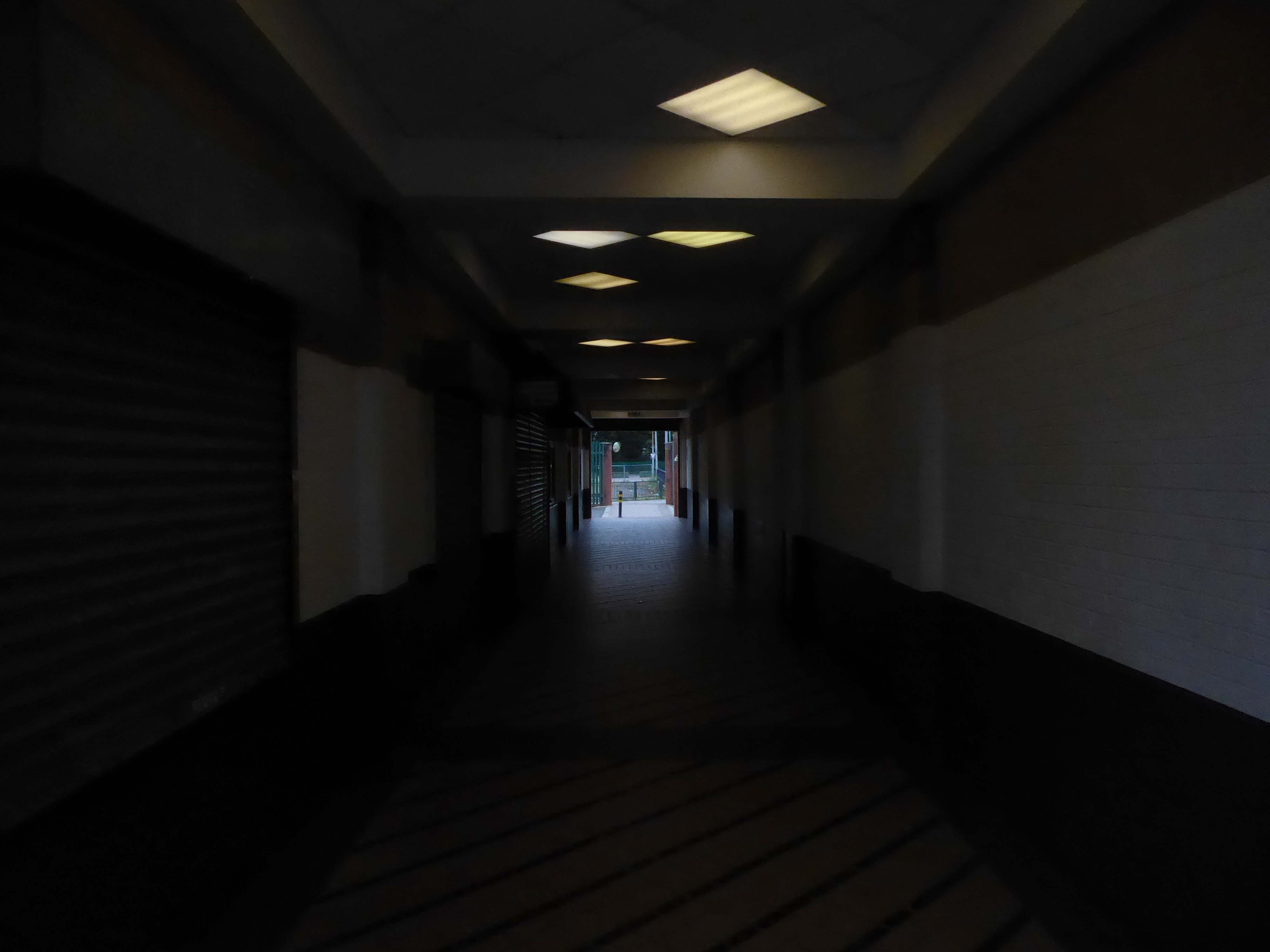
The gateway to the Civic Centre on arrival from the Transport Interchange is very poor. Access to the high street isn’t obvious and the route through to the high street isn’t clear. Much of the site is surrounded by fencing, barrier and gates and whilst they are open during the day, they are locked at night to prevent vandalism. This barricaded aesthetic does nothing to promote an easily accessible and family friendly environment as well as preventing any opportunity to promote a much needed night- time economy.

Currently, the Civic Centre appears to only cater for those with a need to visit for a particular purpose, rather than capitalising on an opportunity to create a place to visit and dwell.

Stoke Walk

We begin by doffing our caps to Josiah Wedgwood – who along with countless other unsung heroes defined Stoke on Trent as the heart of the pottery industry.

Stoke is polycentric, having been formed by the federation of six towns in 1910.

It took its name from Stoke-upon-Trent where the main centre of government and the principal railway station in the district were located. 

Hanley is the primary commercial centre.

The other four towns are Burslem, Tunstall, Longton, and Fenton.

Wikipedia

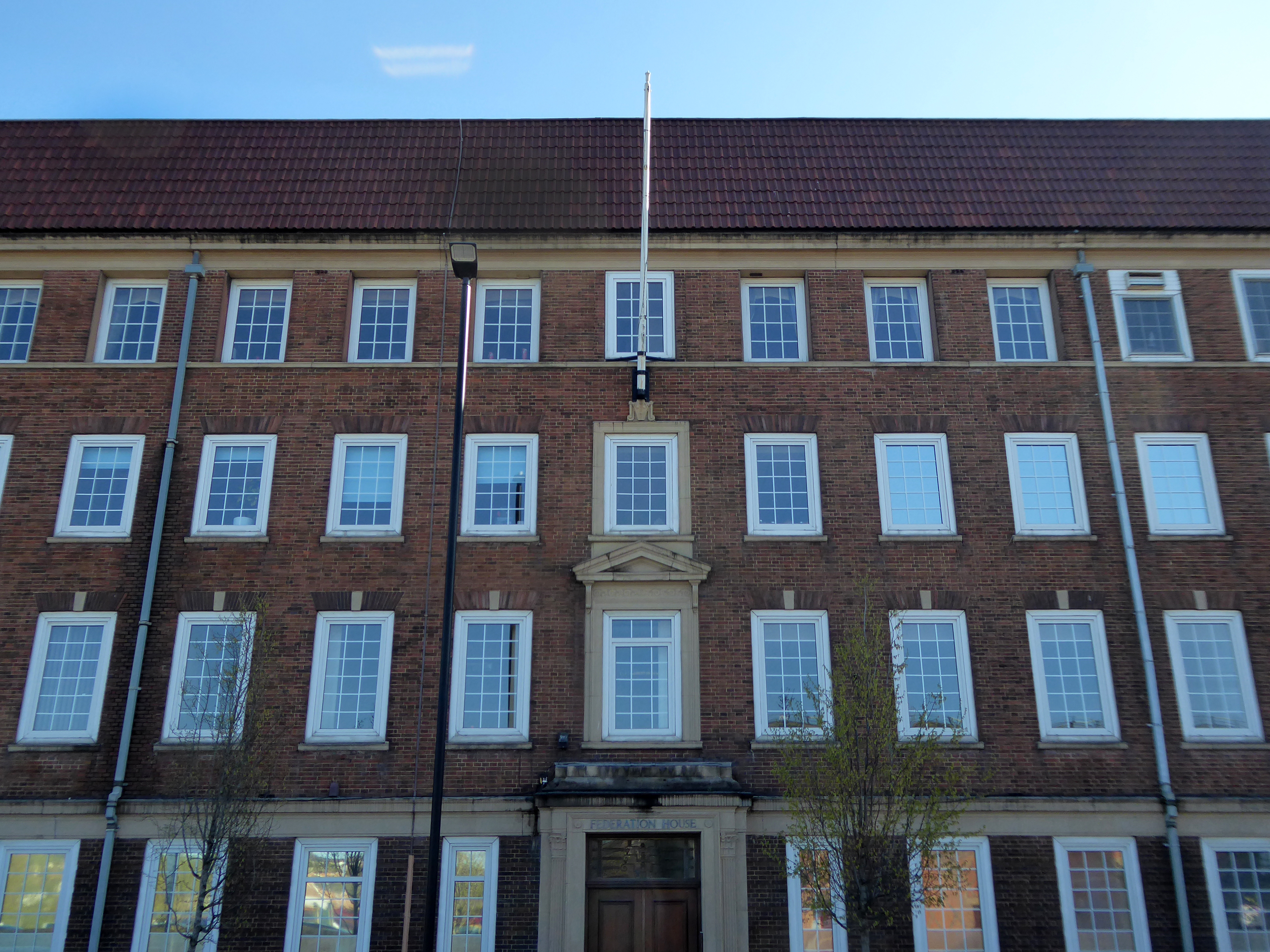
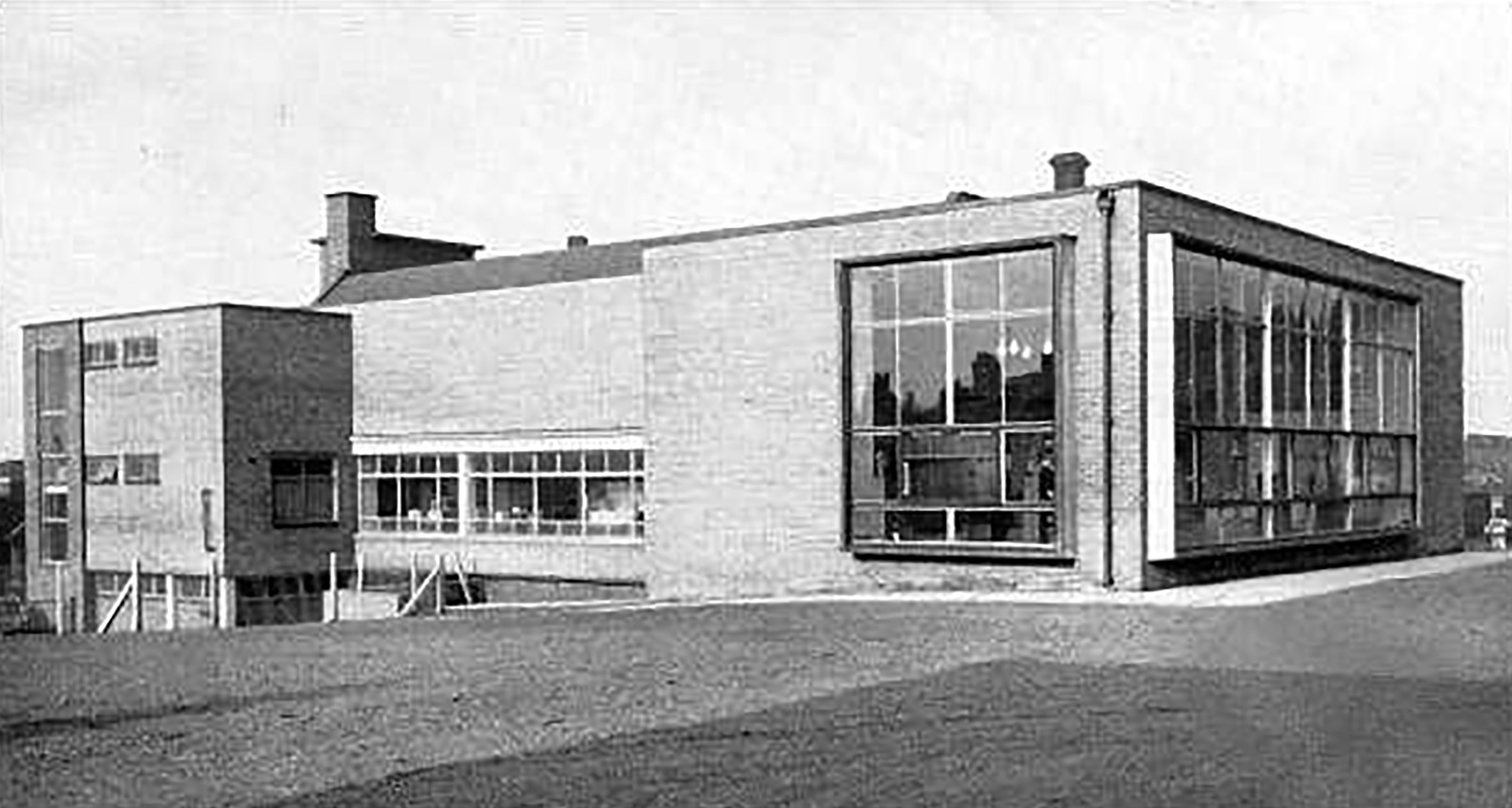
First up Federation House architects: Wood Goldstraw Yorath 1930 – described as Art Deco.

Built to house the British Pottery Manufacturers’ Federation now multiple occupancy.

Around the corner to the Staffordshire University.

Staffordshire University was founded in 1914 as a polytechnic intistution, and was officially given University Status on 16 June 1992. Our University is famous for its forward-thinking approach, and has become a figurehead for its vocational and academic teaching, innovative grasp of industry, and student employability.

Although our campus continues to expand to create dynamic opportunities, we are proud of our heritage in the great city of Stoke-on-Trent. Steeped in the history of ceramic manufacture and production, industry in Stoke-on-Trent has been fuelled by Staffordshire University for over 100 years.

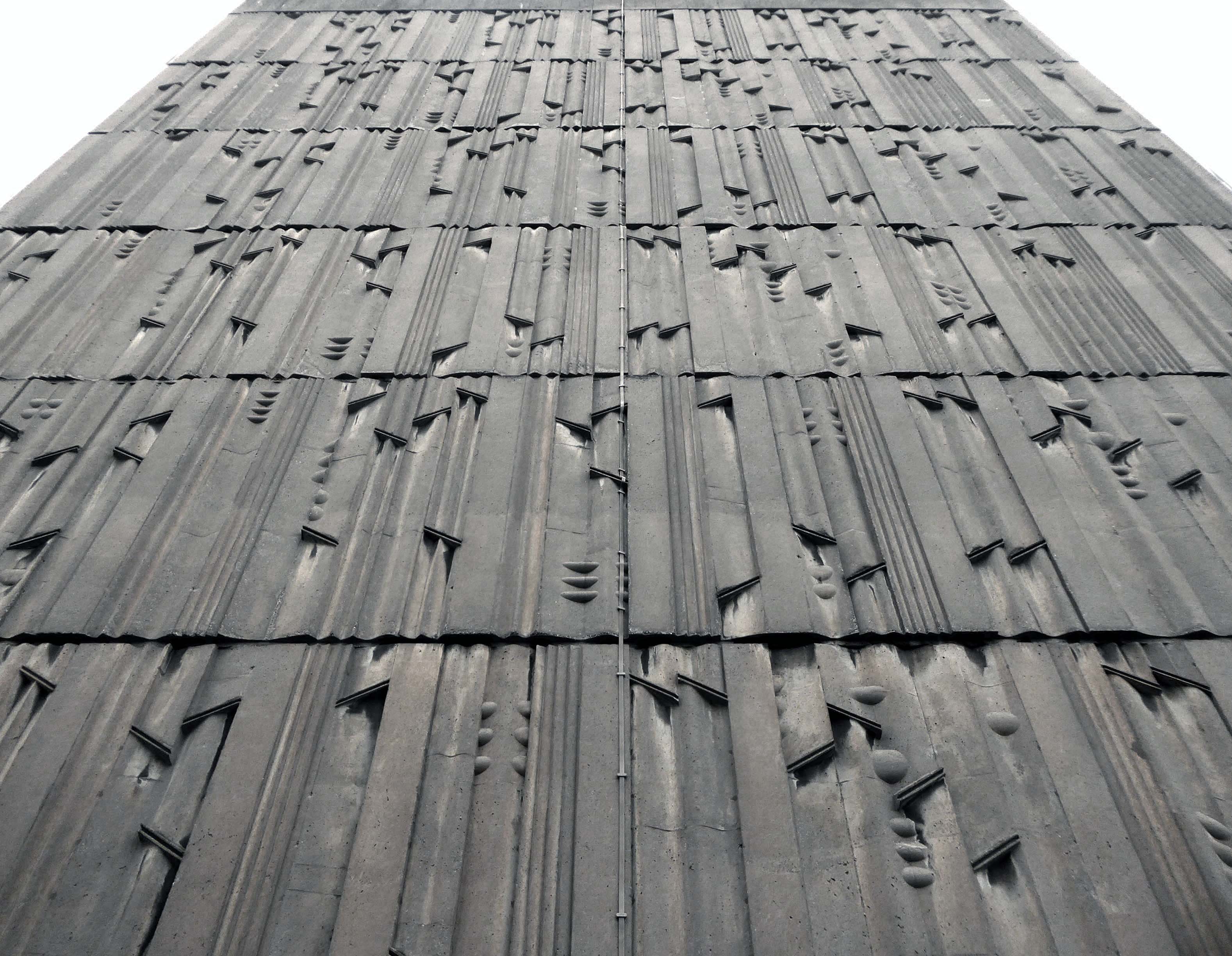
The Flaxman Building 1970 was designed by City Architect Thomas Lovatt and built by the City Works Department – the last public works assignment before competitive tendering opened up public restrictions to private enterprise.

Named for to Wedgwood’s famous modeller the classical artist, John Flaxman RA 1755-1826. 

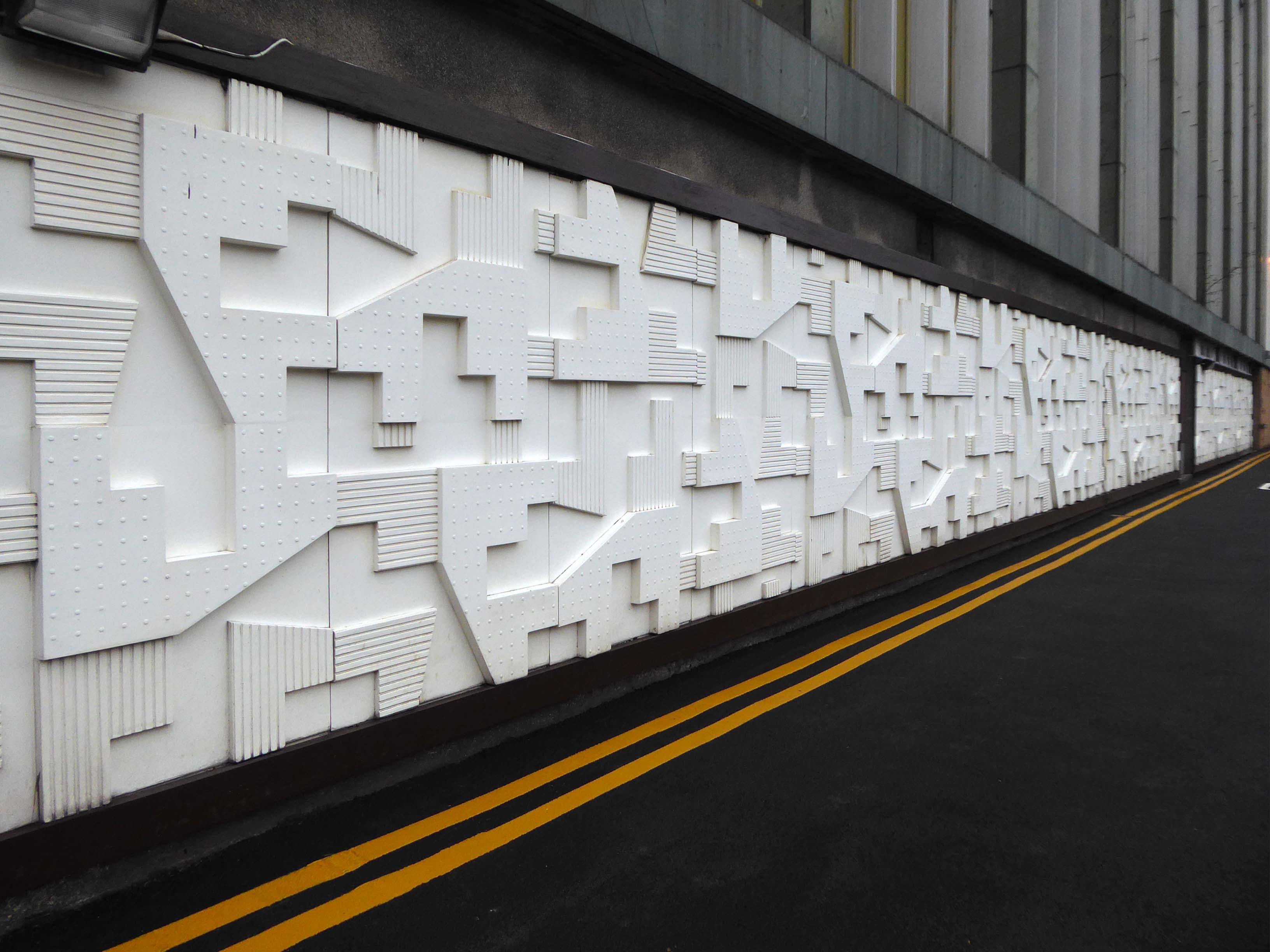
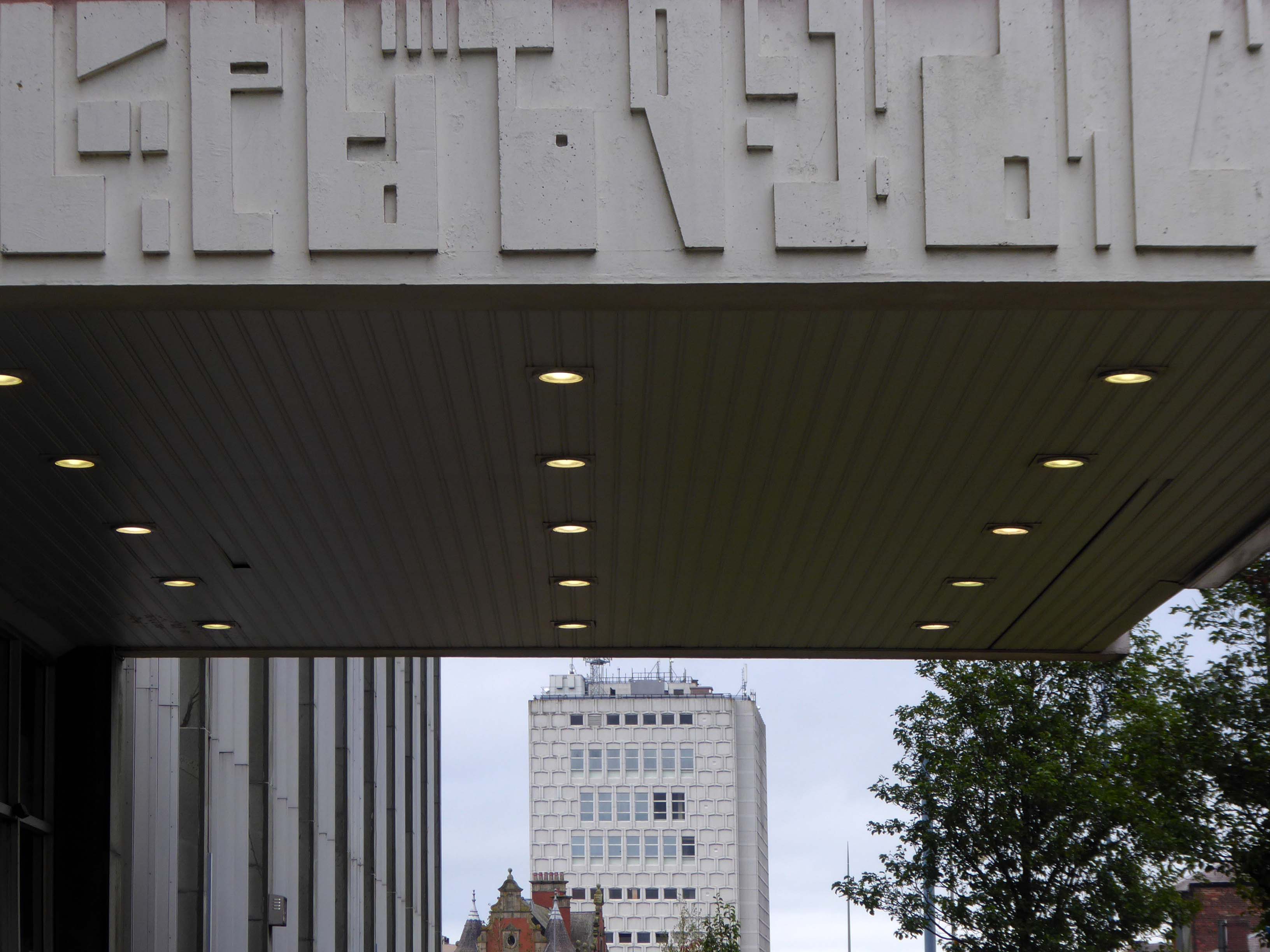
This concrete is very much in the style of William Mitchell – though there is no record of attribution.

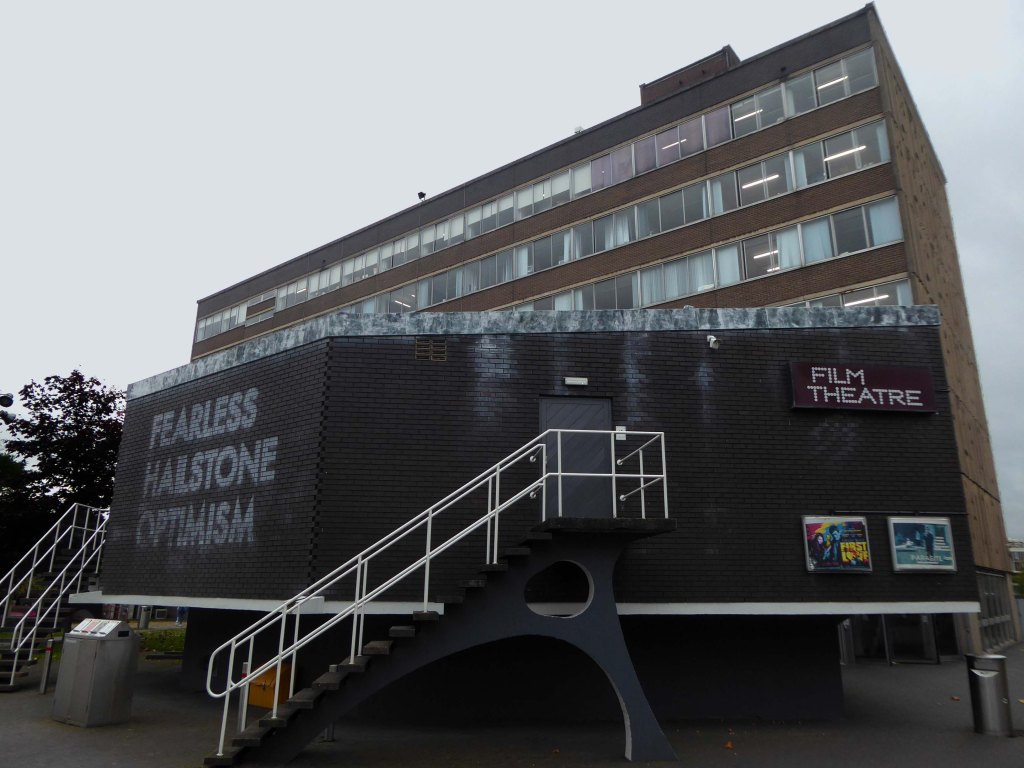
The Regional Film Theatre opened in College Road, on the premises of North Staffordshire Polytechnic now Staffordshire University in 1974.

The North Staffordshire Film Society moved there to screen films one evening a week, while the Film Theatre operated on three nights a week. 

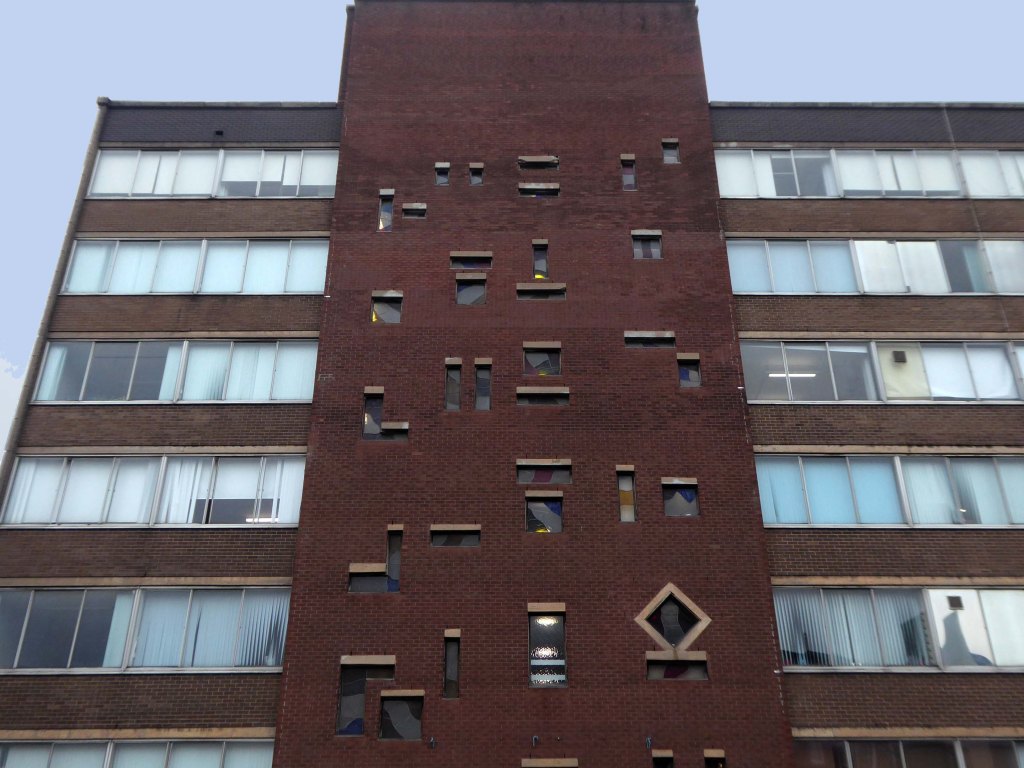
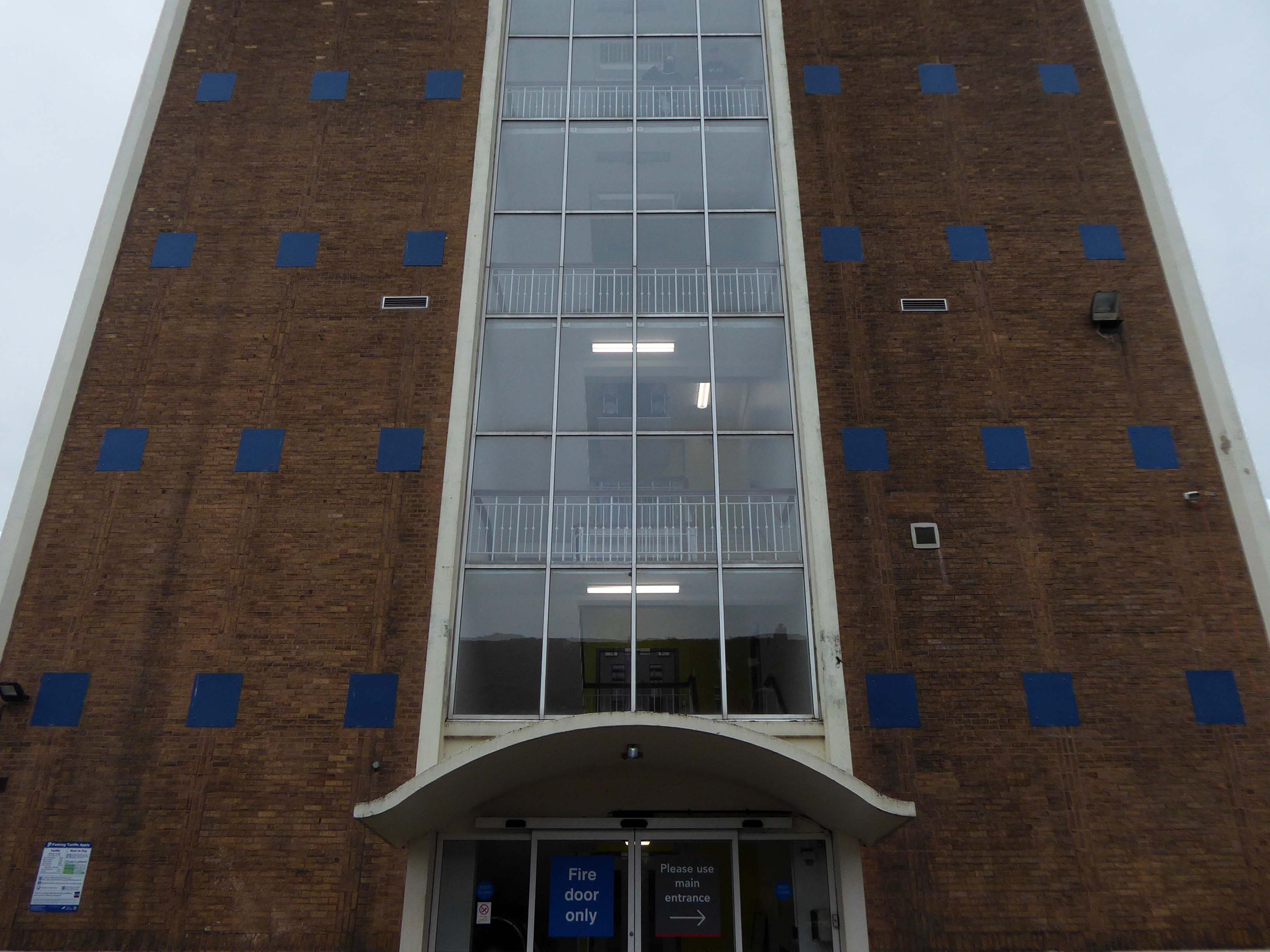
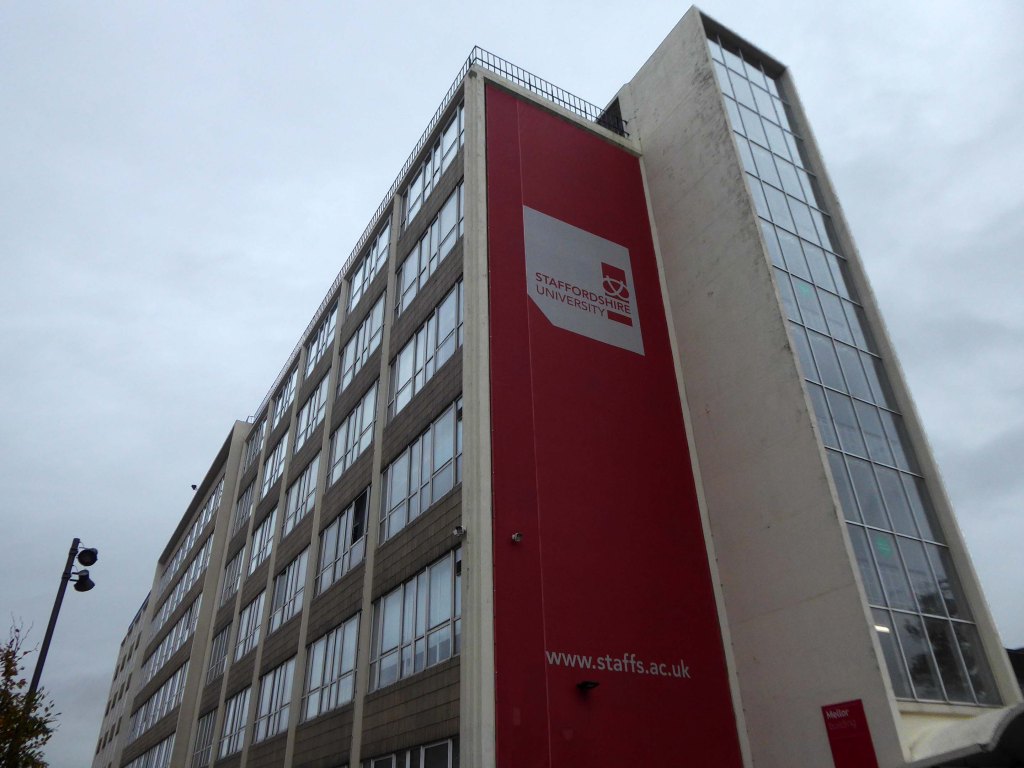
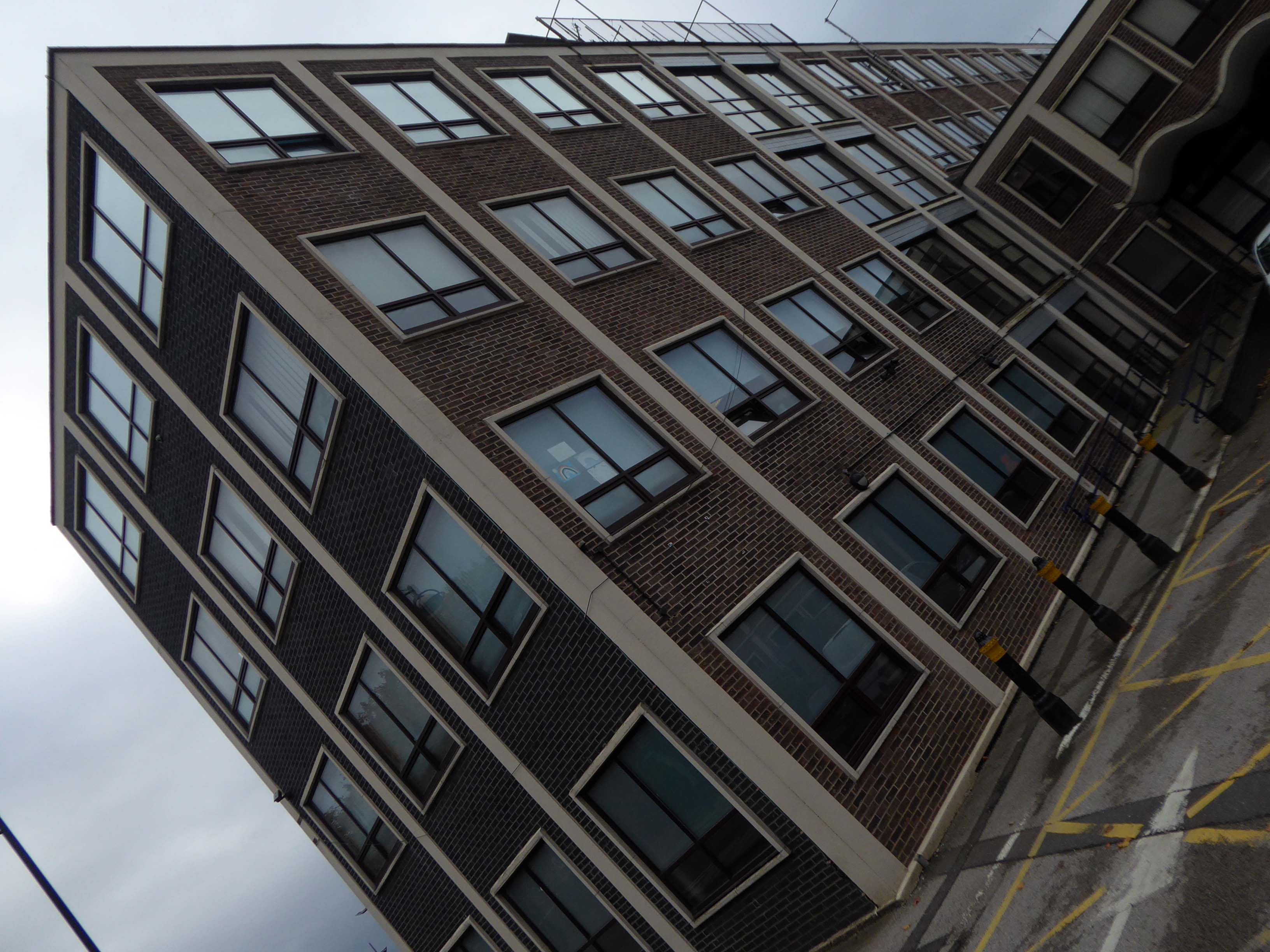
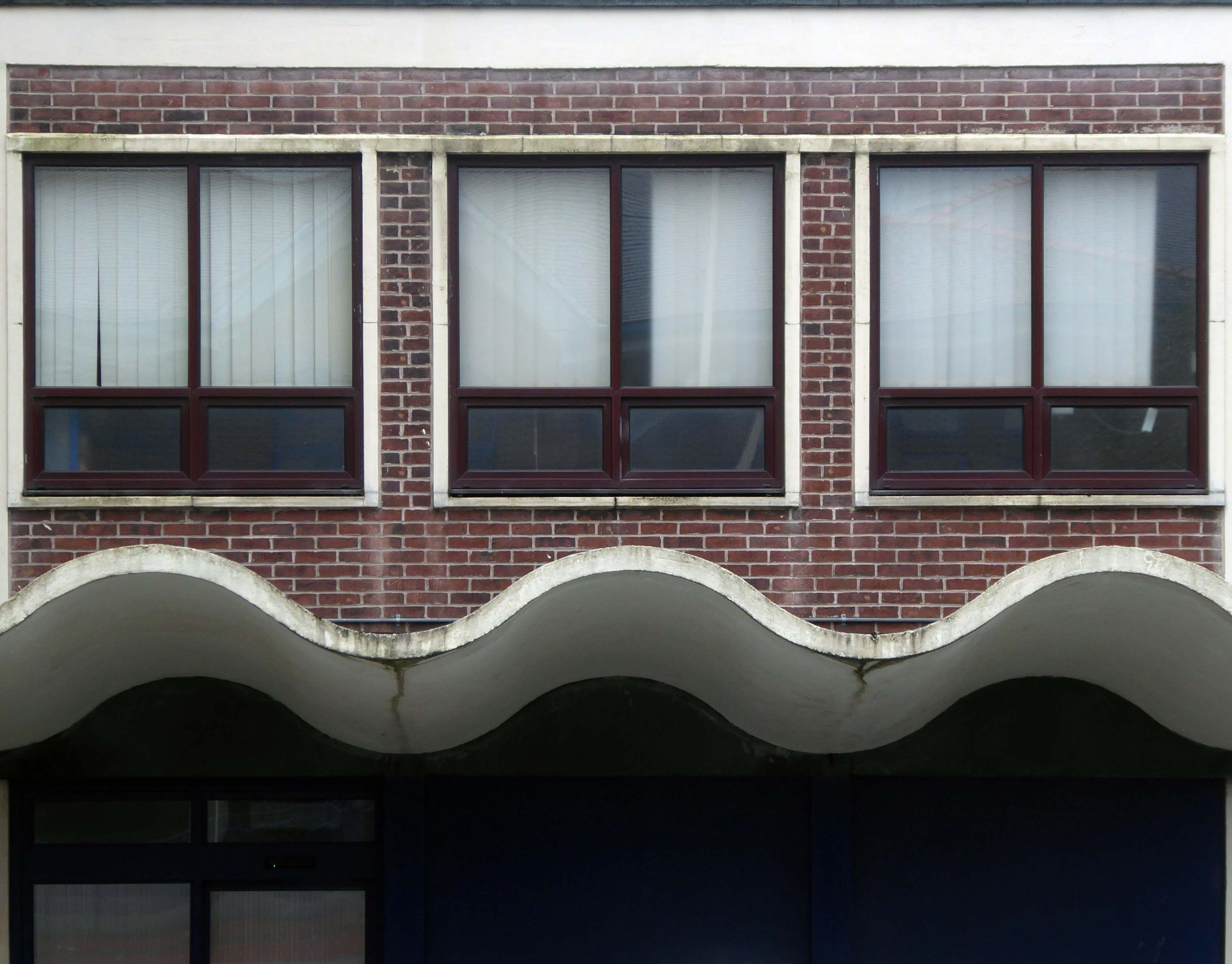
Across the way is the assertive slab tower of the 1950’s Mellor Building with its curvy cantilevered porch cover.

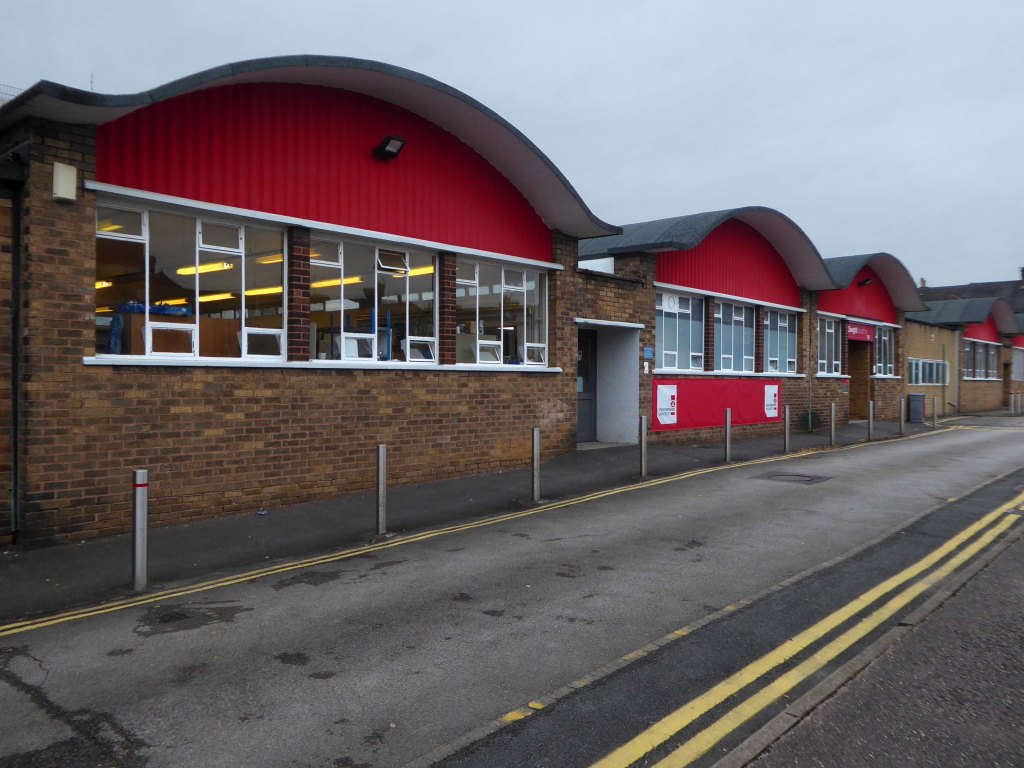
Out back is the wavy roofed Dwight Building.

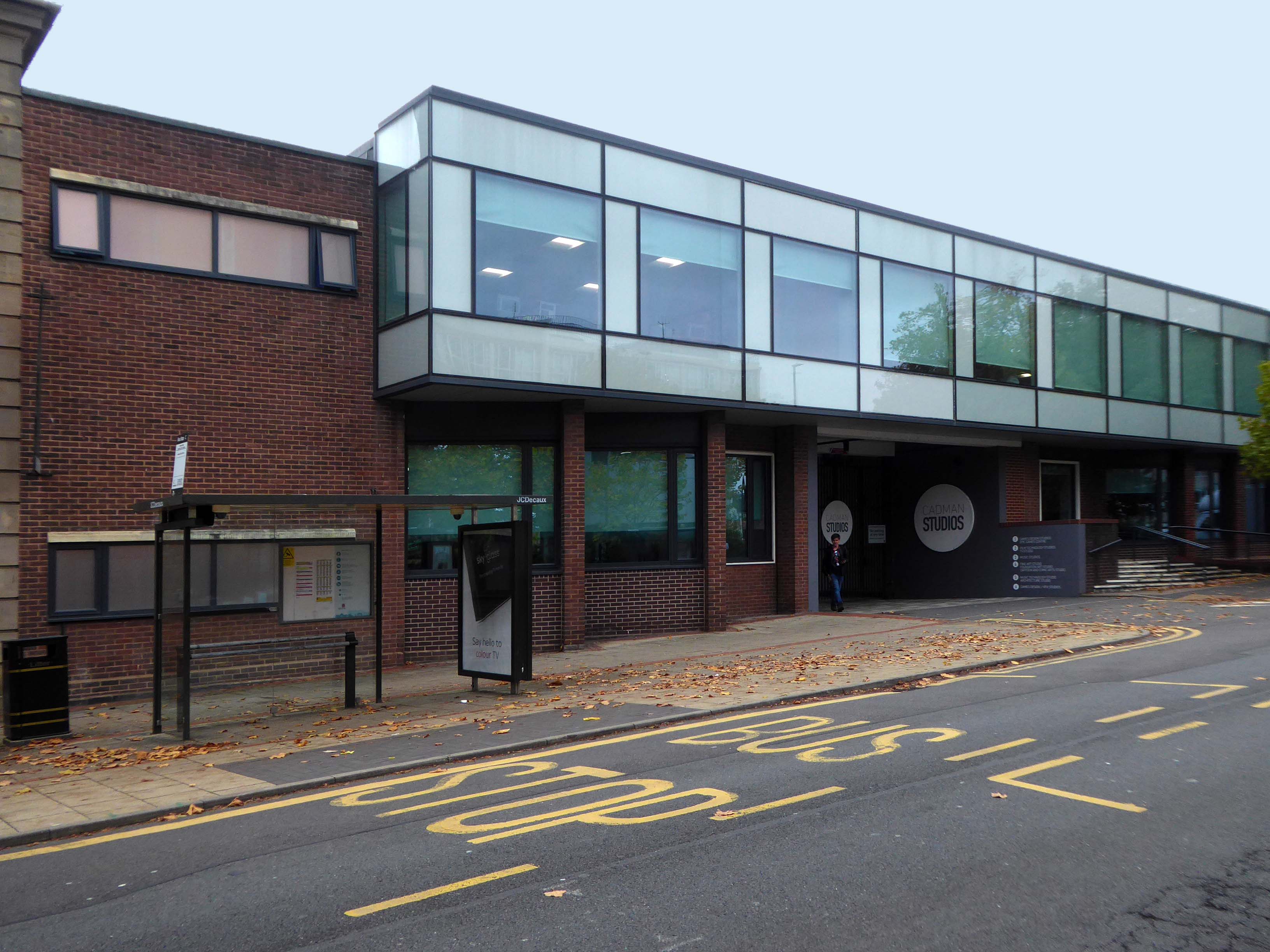
Over the road the new build of the Cadman Studios 2016 ABW Architects.

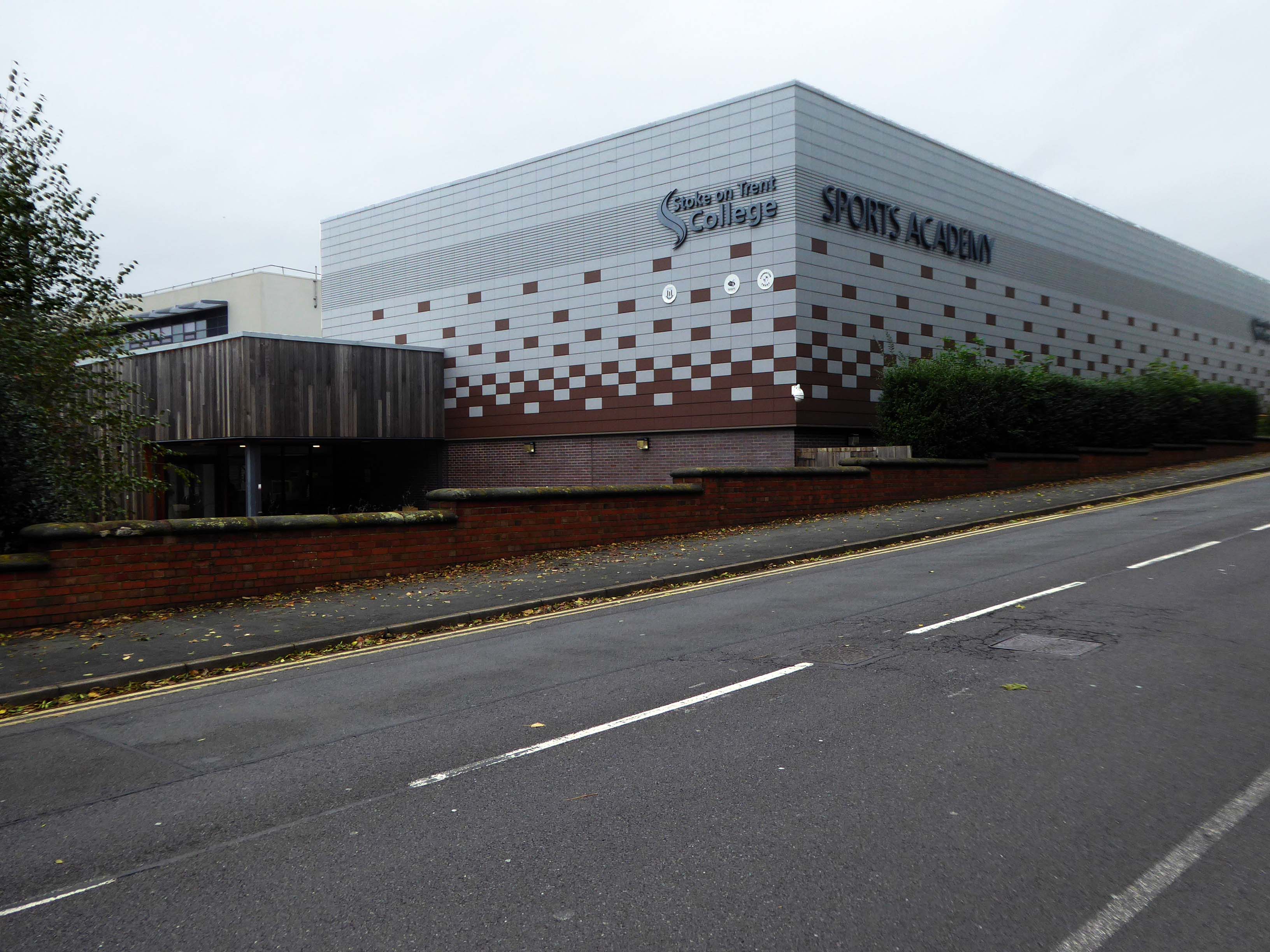
Walking towards Hanley we come upon the newly built Stoke on Trent College and Sports Academy.

Only one block of the original build remains.

Photograph – 28 Days Later

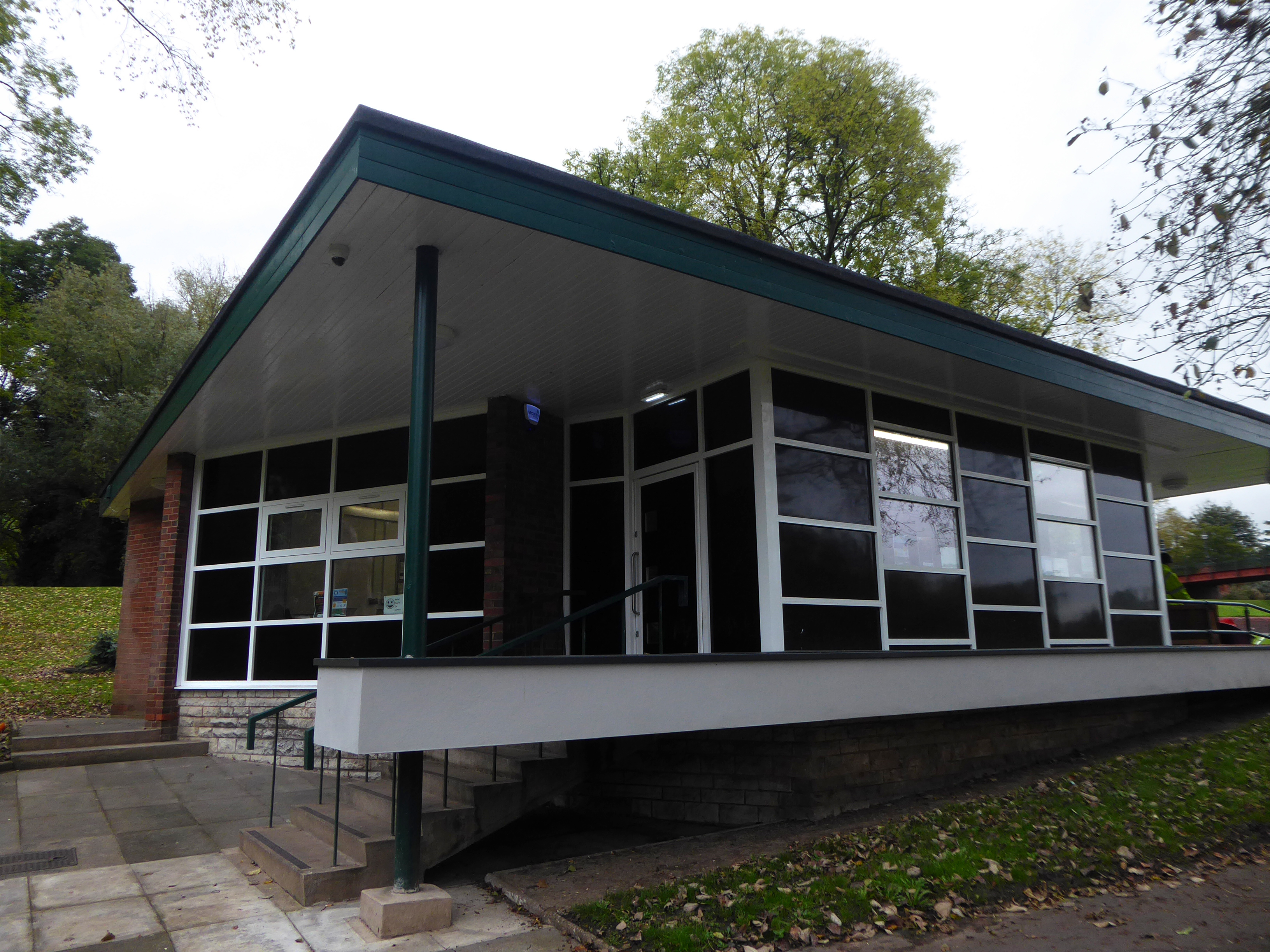
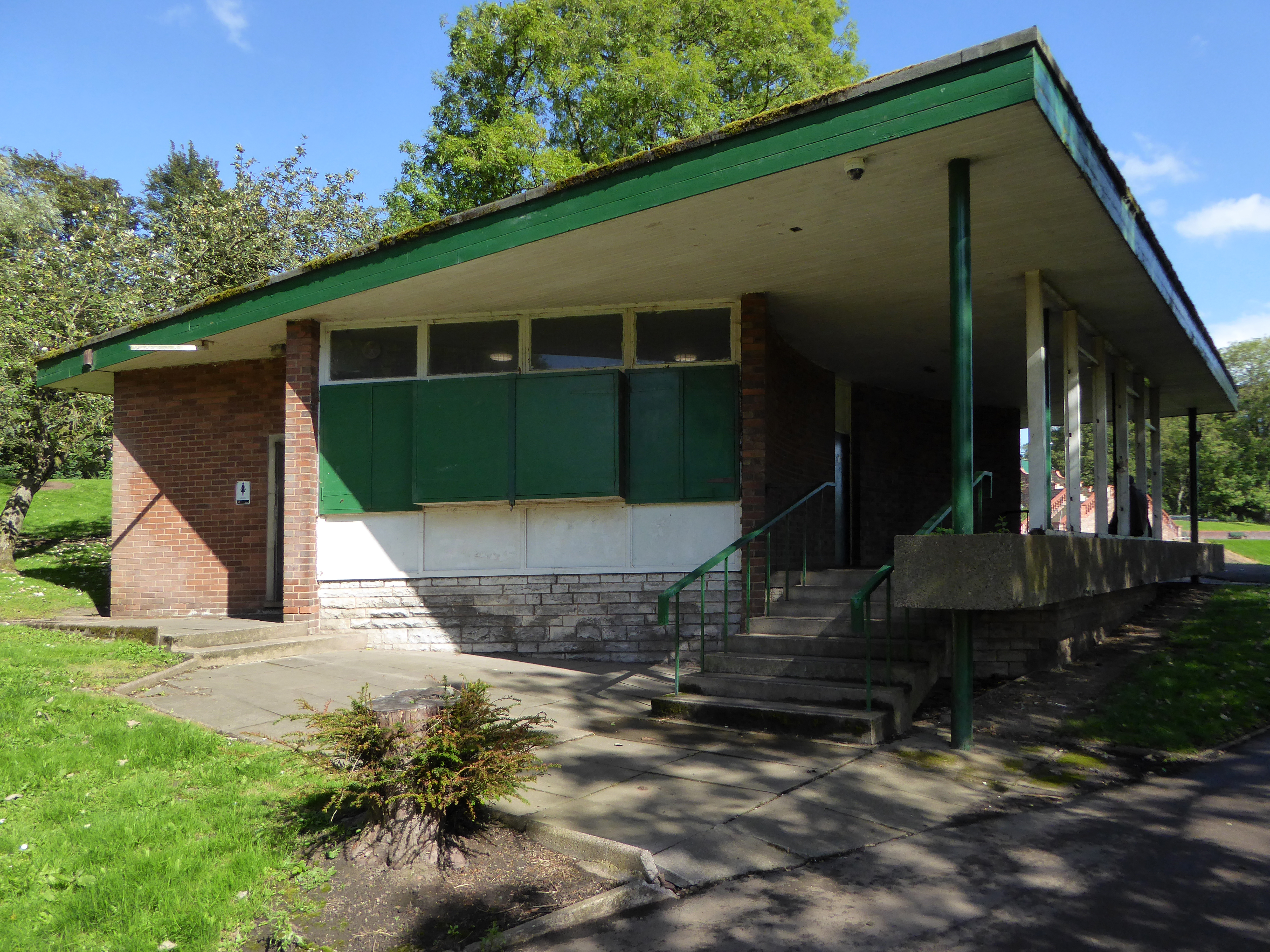
Tucked away in Hanley Park is this period building.

It has been refurbished and the walkway enclosed since my previous visit.

hanley park was laid out in the 1890s by Thomas Hayton Mawson the pavilion of 1896 is by his associate Dan Gibson.

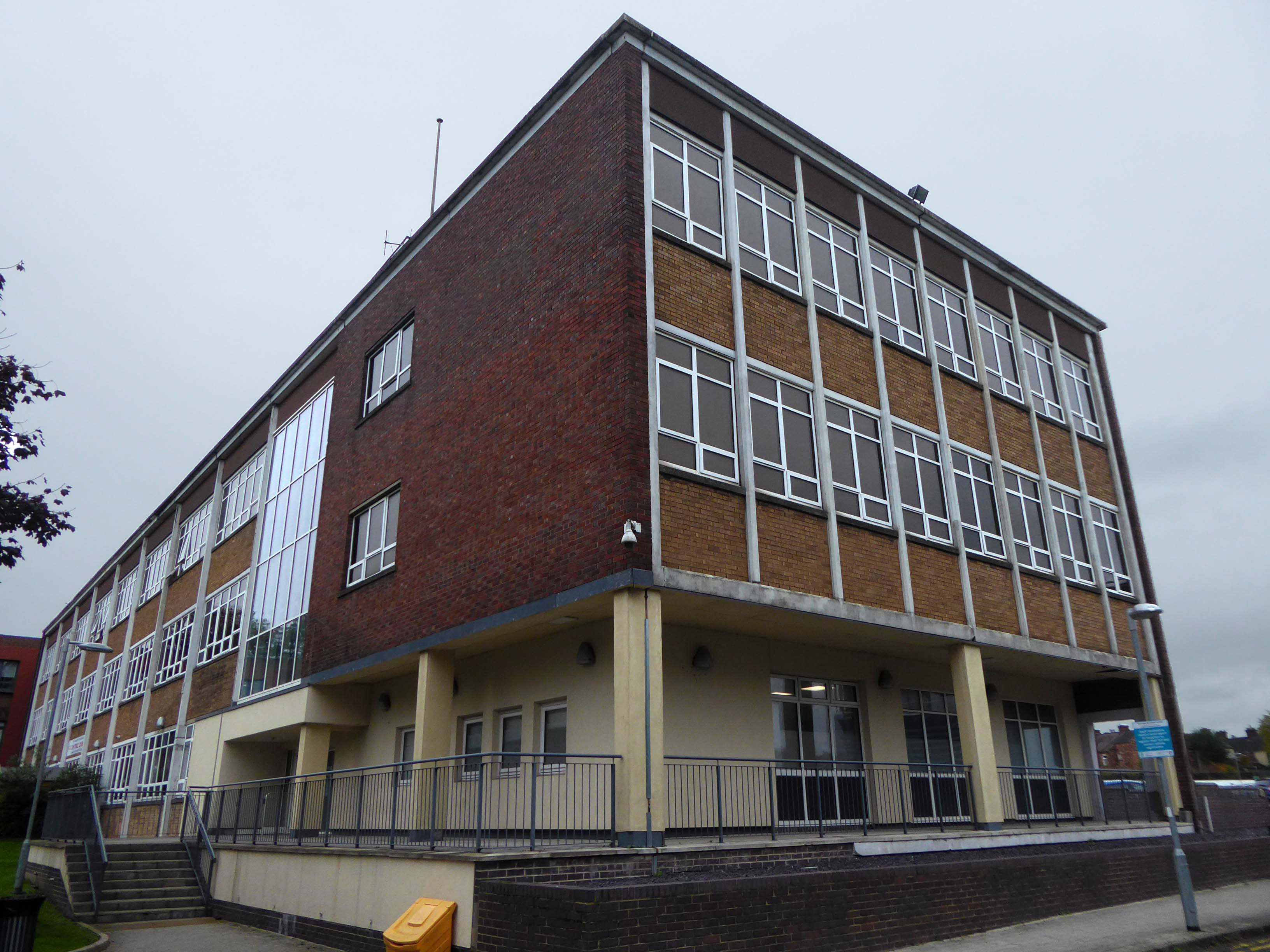
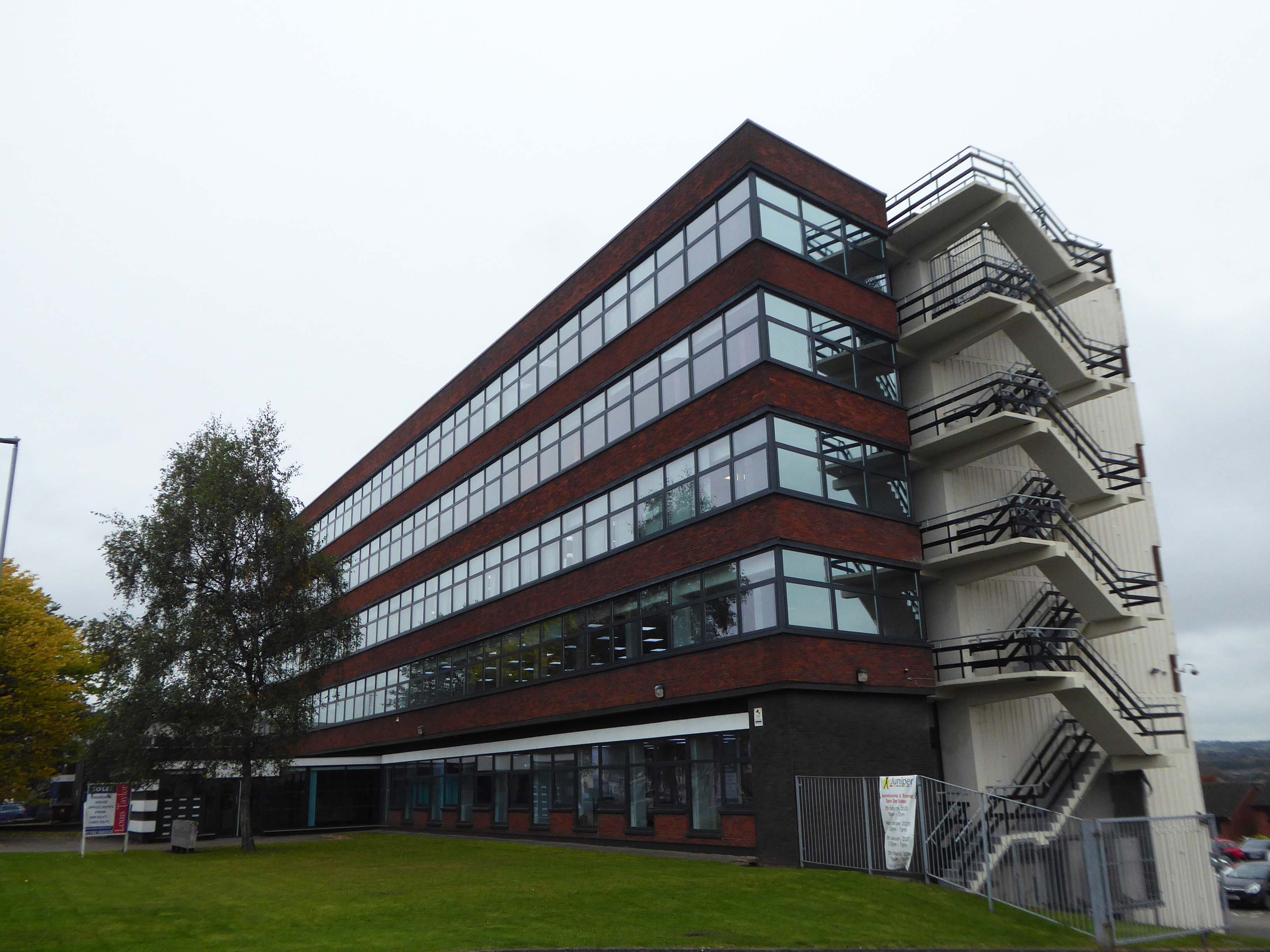
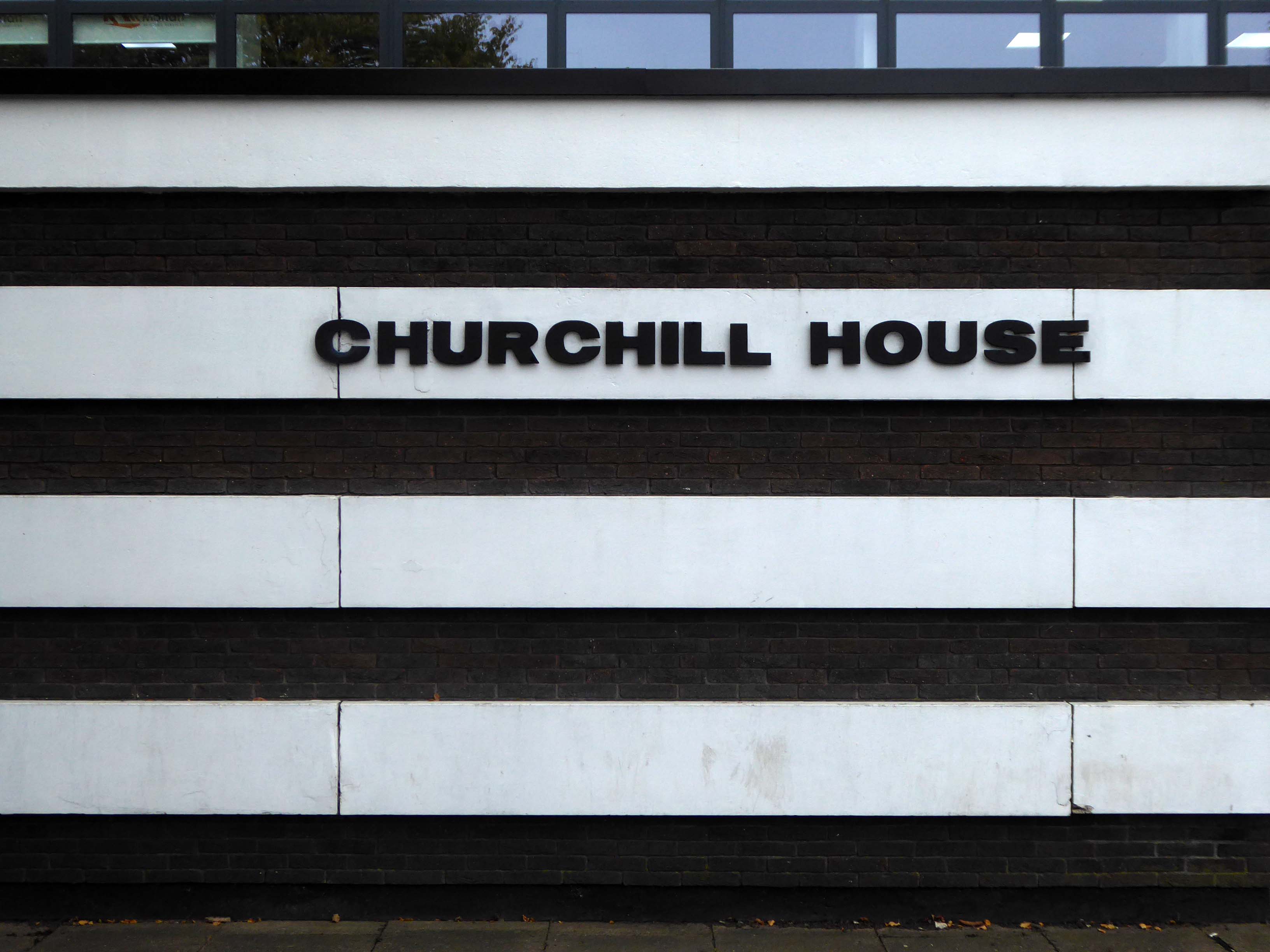
Further along the way we come upon Churchill House with its distinctive fire escape.

And original architectural signage.

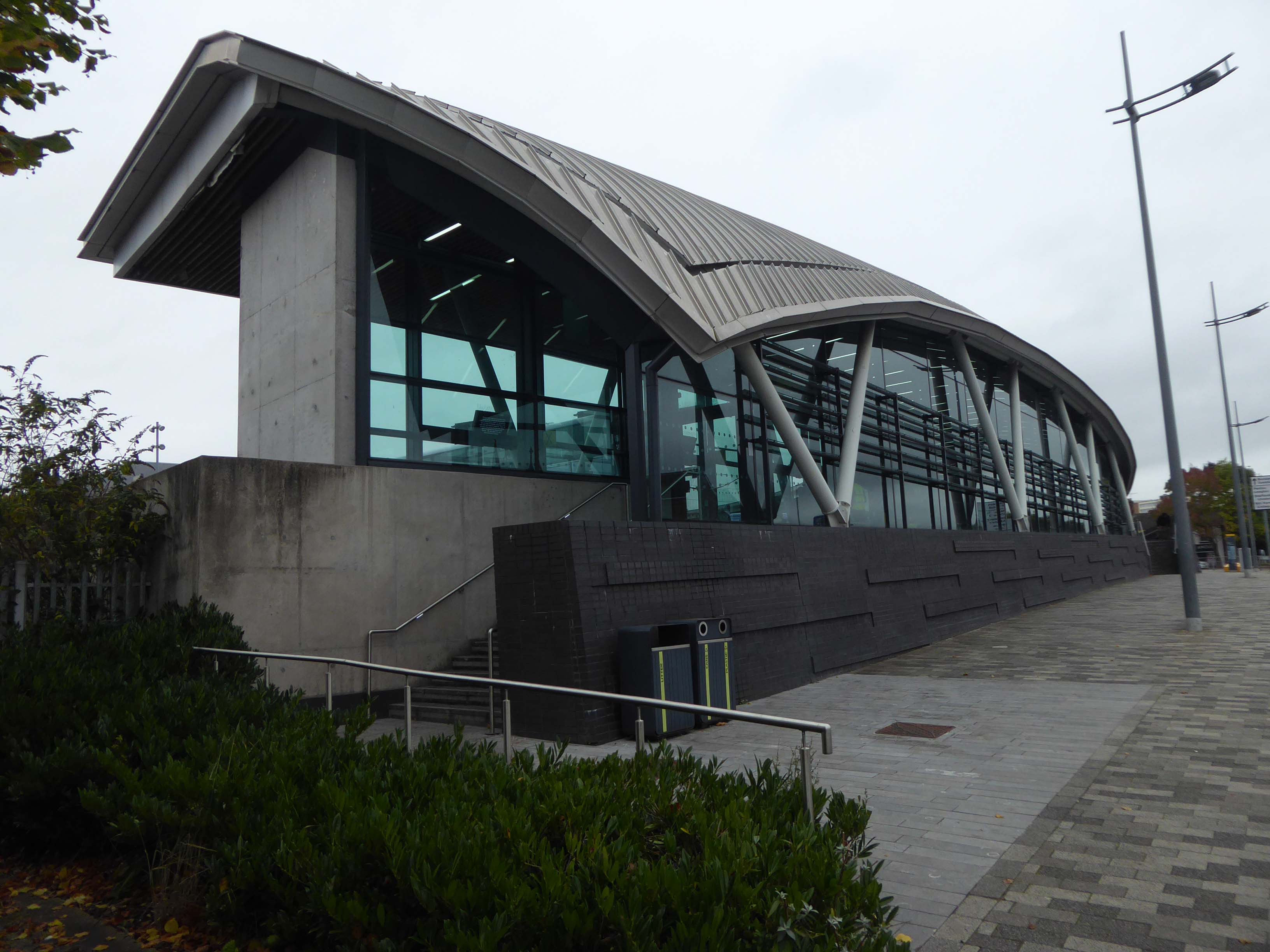
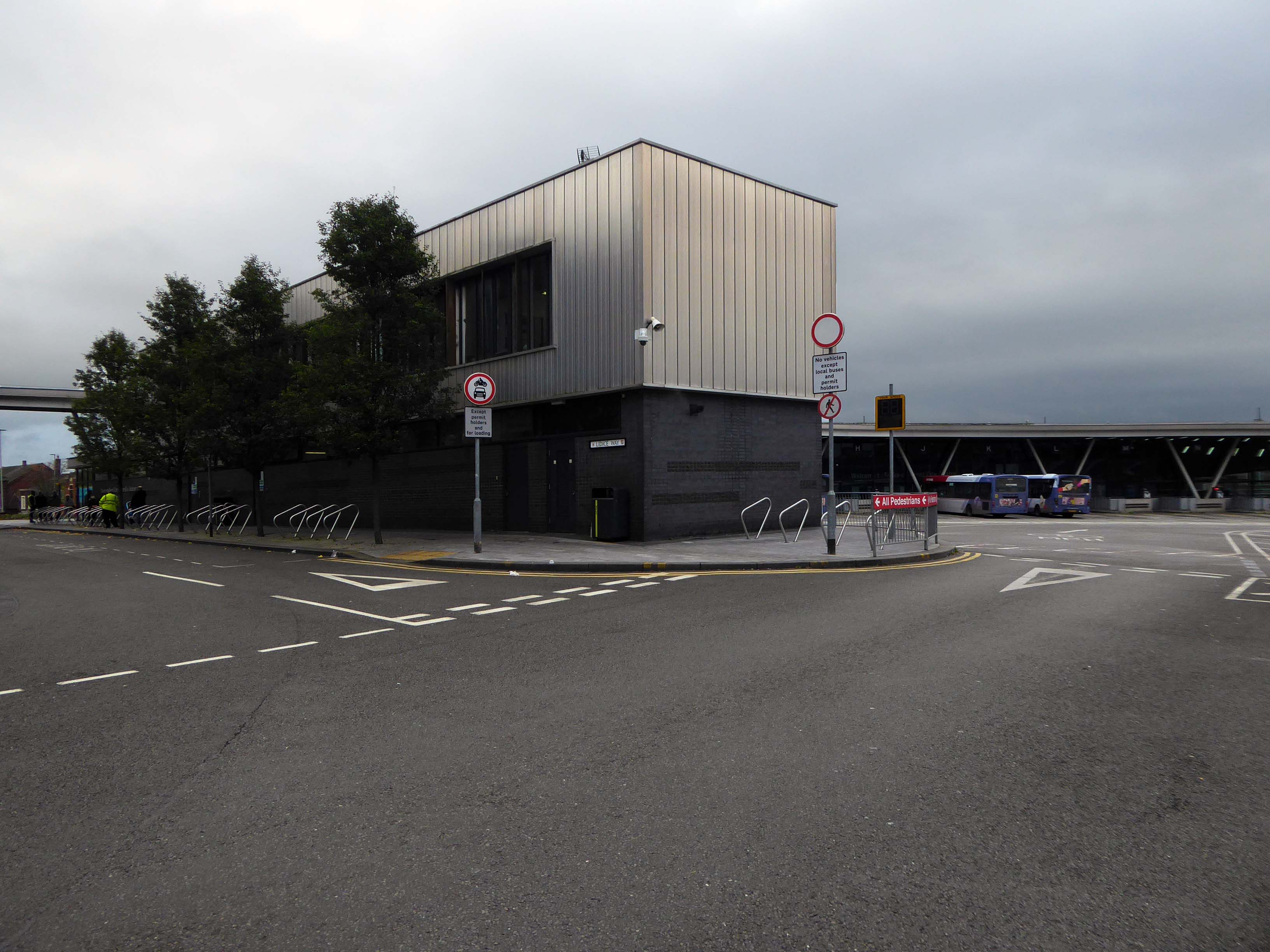
Crossing the inner ring road to the sweeping canopy of the Hanley Bus Station Architects Grimshaw engineers Arup.

Wrapping a corner site, the canopy rises and falls to create a mutable form: appearing as a shimmering, contemporary shield to the south, and a welcoming timbered environment to the north with sweeping views to Victorian Hanley.

Tapered down at the ends to shelter waiting passengers from the prevailing wind, the roof extends beyond the station edge to connect with the neighbouring public plaza.

Sitting atop a Staffordshire blue brick plinth with a Carlow blue limestone concourse, the station adopts materials that are resonant in this area. Its gracefully sweeping canopy belies the challenging site constraints, which were carefully resolved to accommodate the difficult routing of buses, the creation of a safe, sheltered environment for passengers and drivers, and a sloping site underpinned by clay and coal.

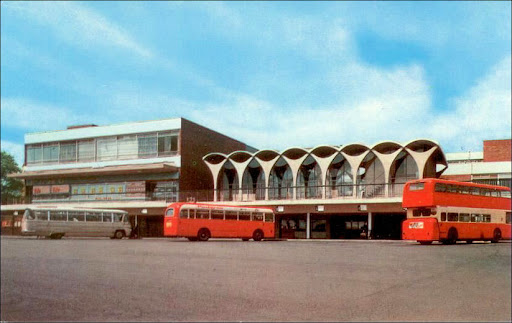
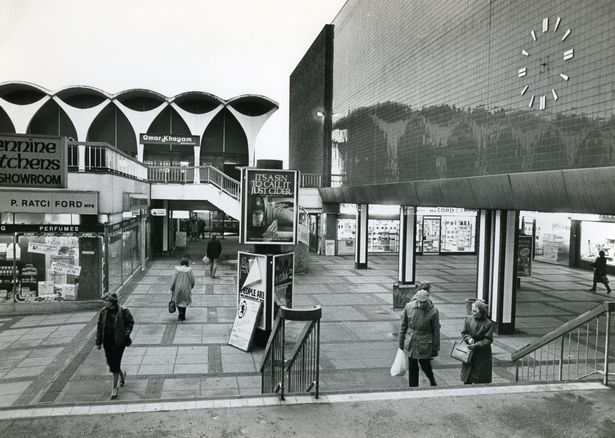
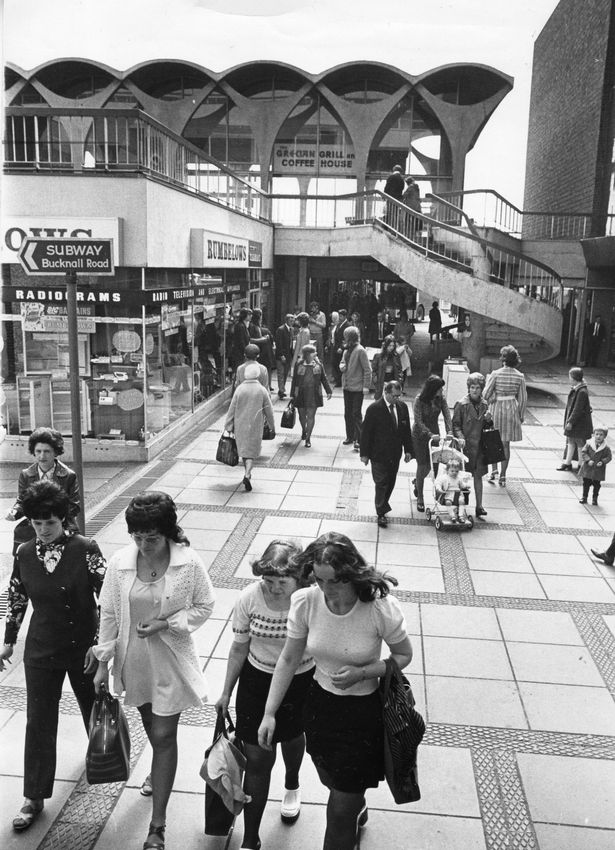
The former bus station and precinct long gone.

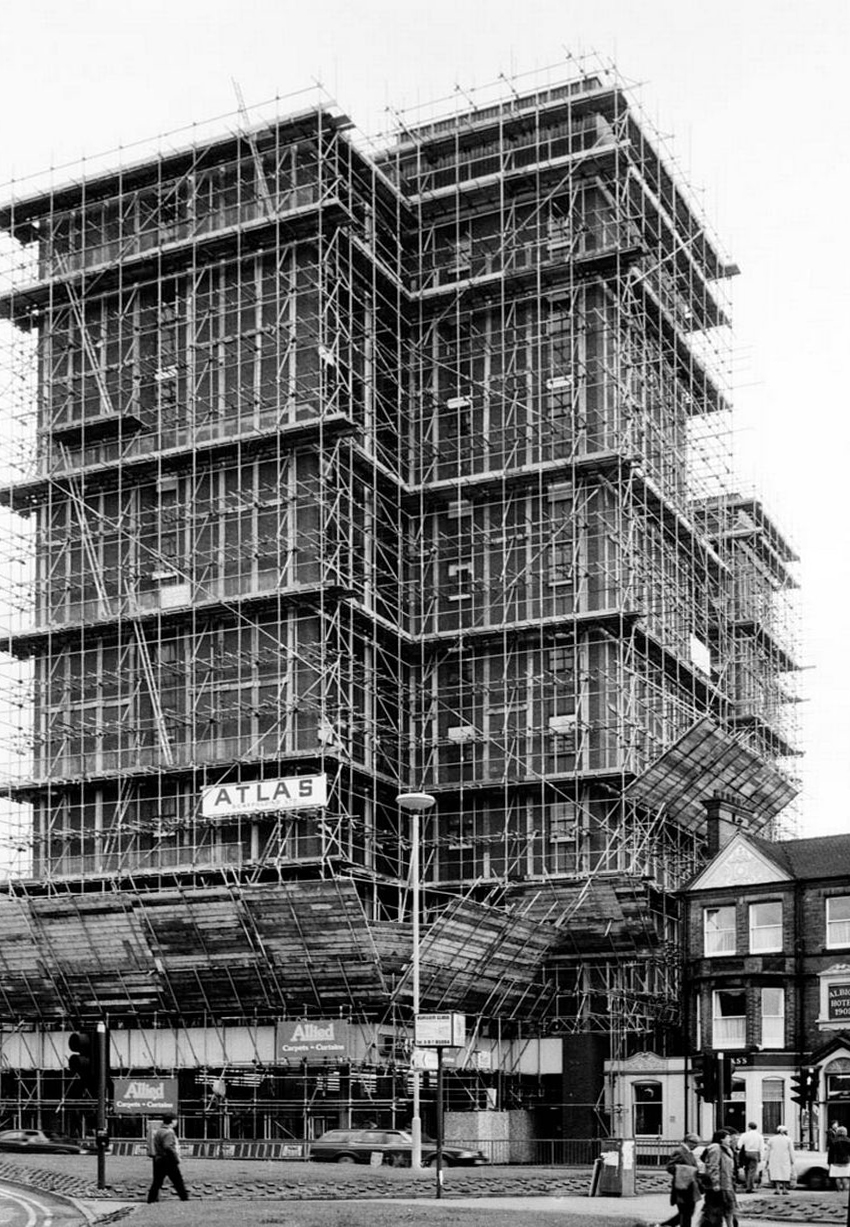
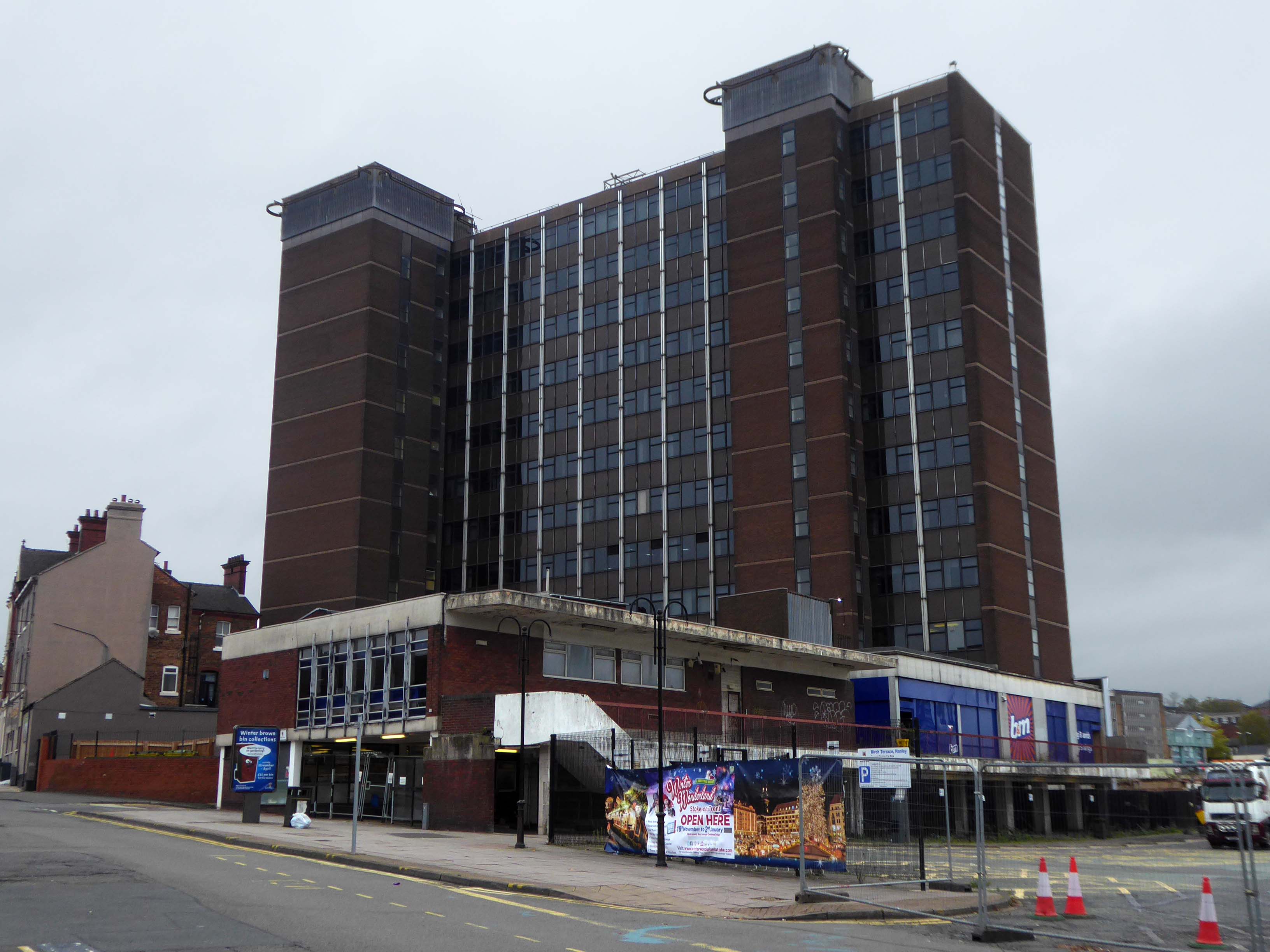
Above the former bus station looms Blackburn House home to HMRC, an imposing brown brick behemoth.

Photo James Morgan

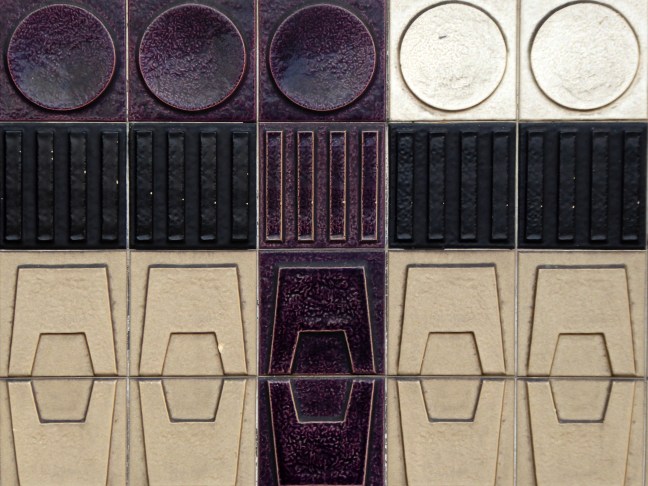
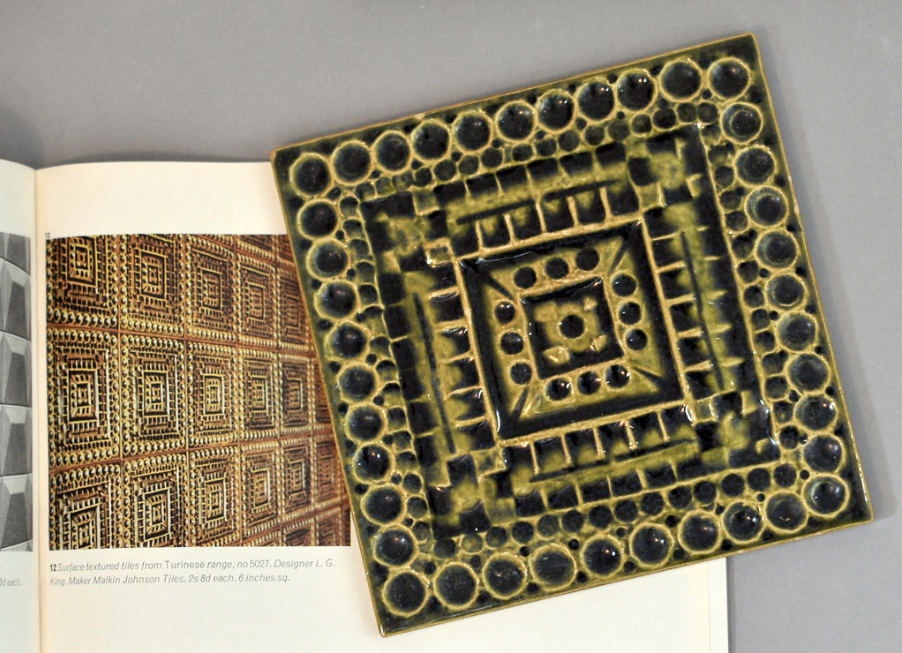
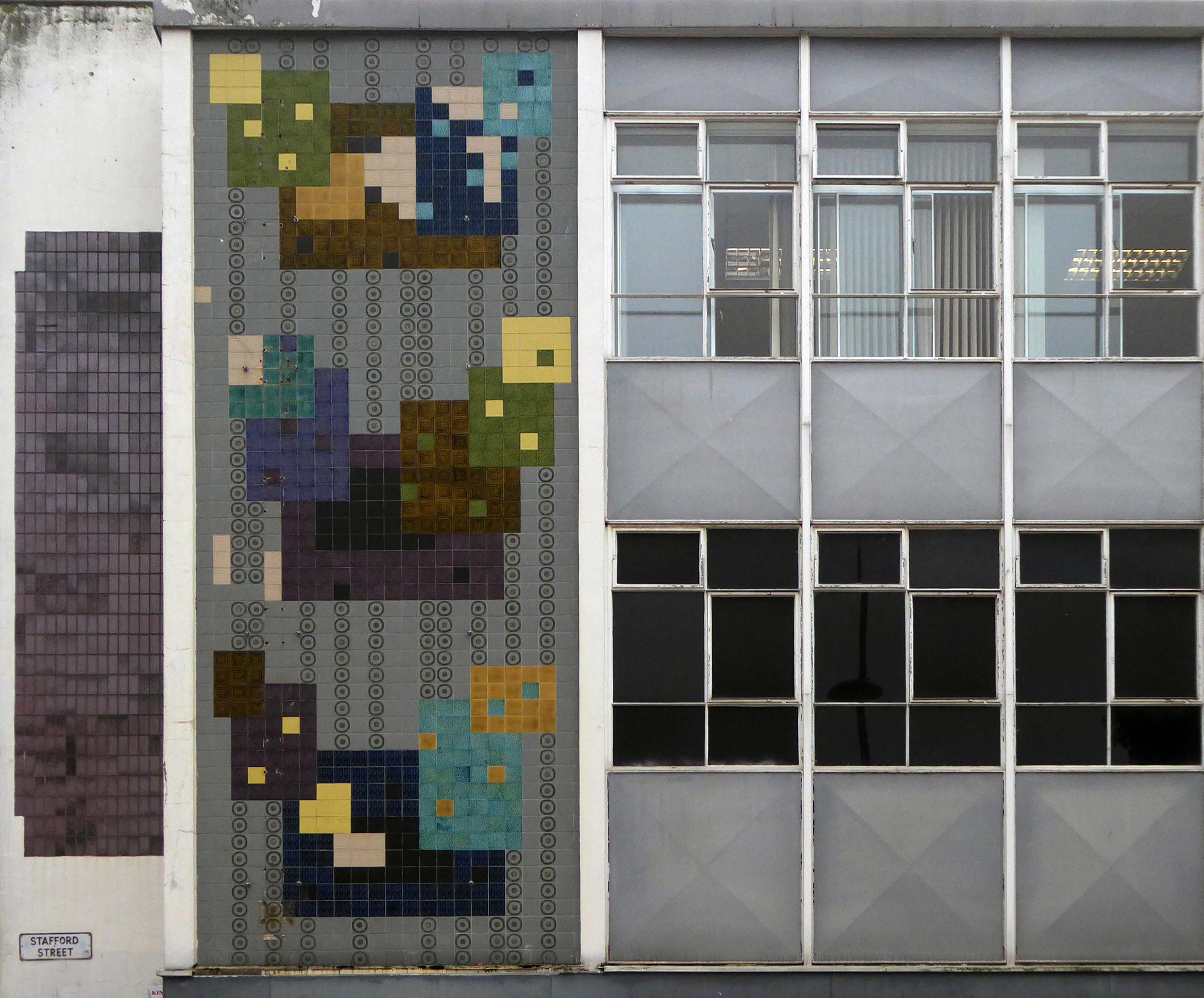
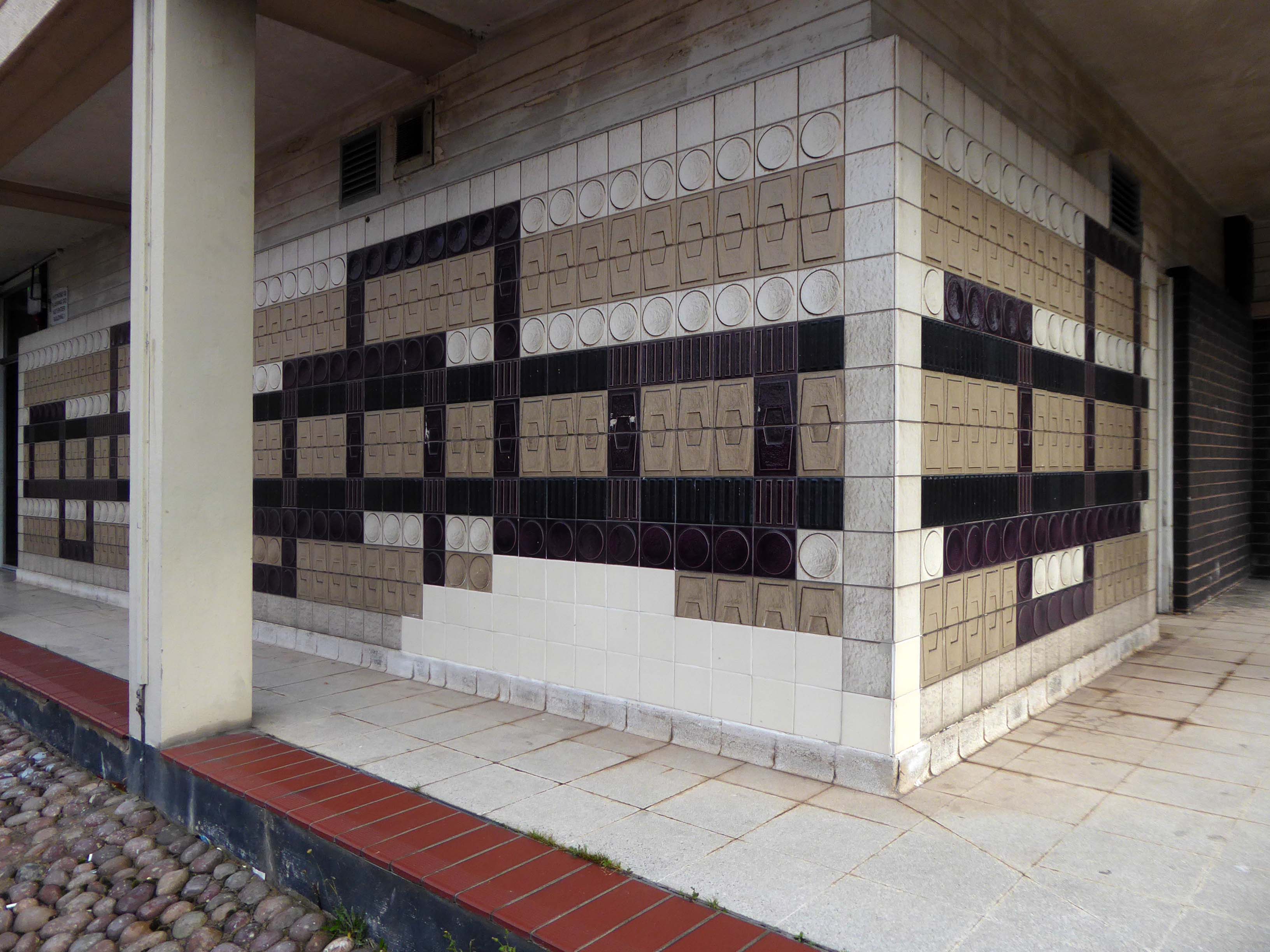
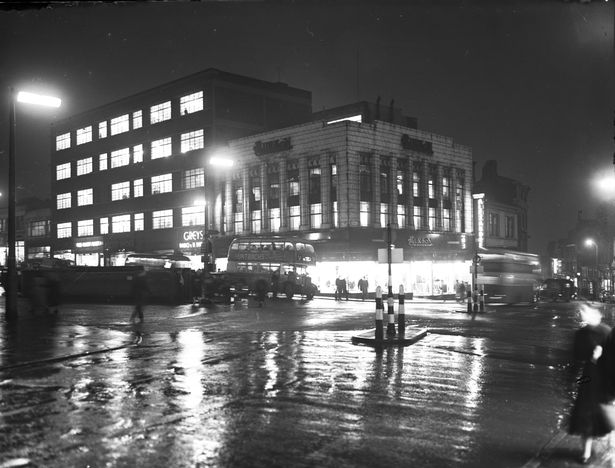
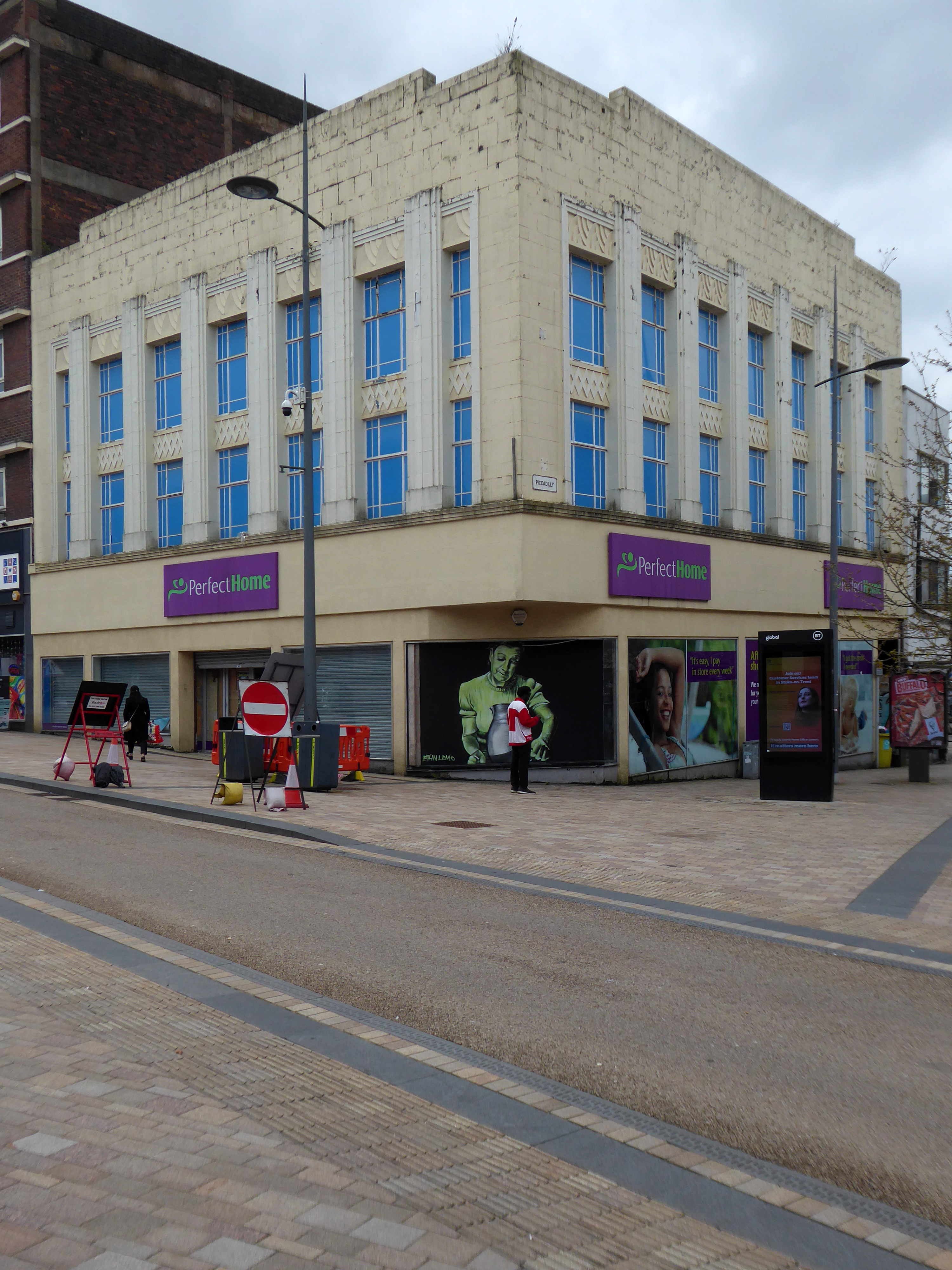
Previously C&A currently Wilko – adorned with these enchanting Tiles.

This little-noticed panel is composed of six inch surface-textured tiles in a variety of muted tones, mainly greens, purples and blues, some with geometric reliefs. The mural is unusual because it is one of the few surviving installations produced by Malkin Tiles; at least one of the motifs is from their ‘Turinese’ range marketed during 1961-8 and designed by Leonard Gladstone King, Malkin’s art director.

Tile Gazetteer

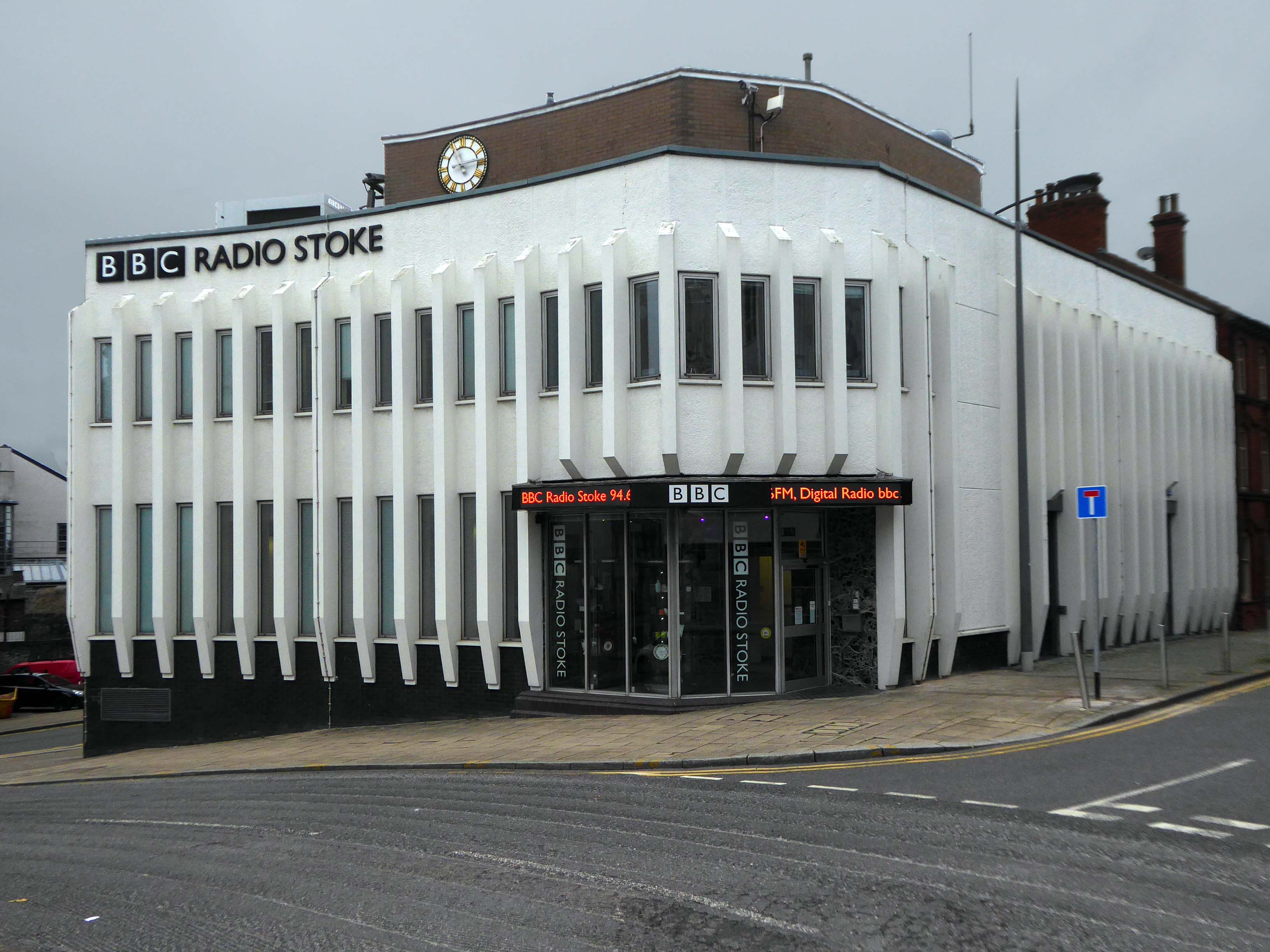
Over the road Radio Stoke HQ 1968 – formerly home to Hanley Economic Building Society.

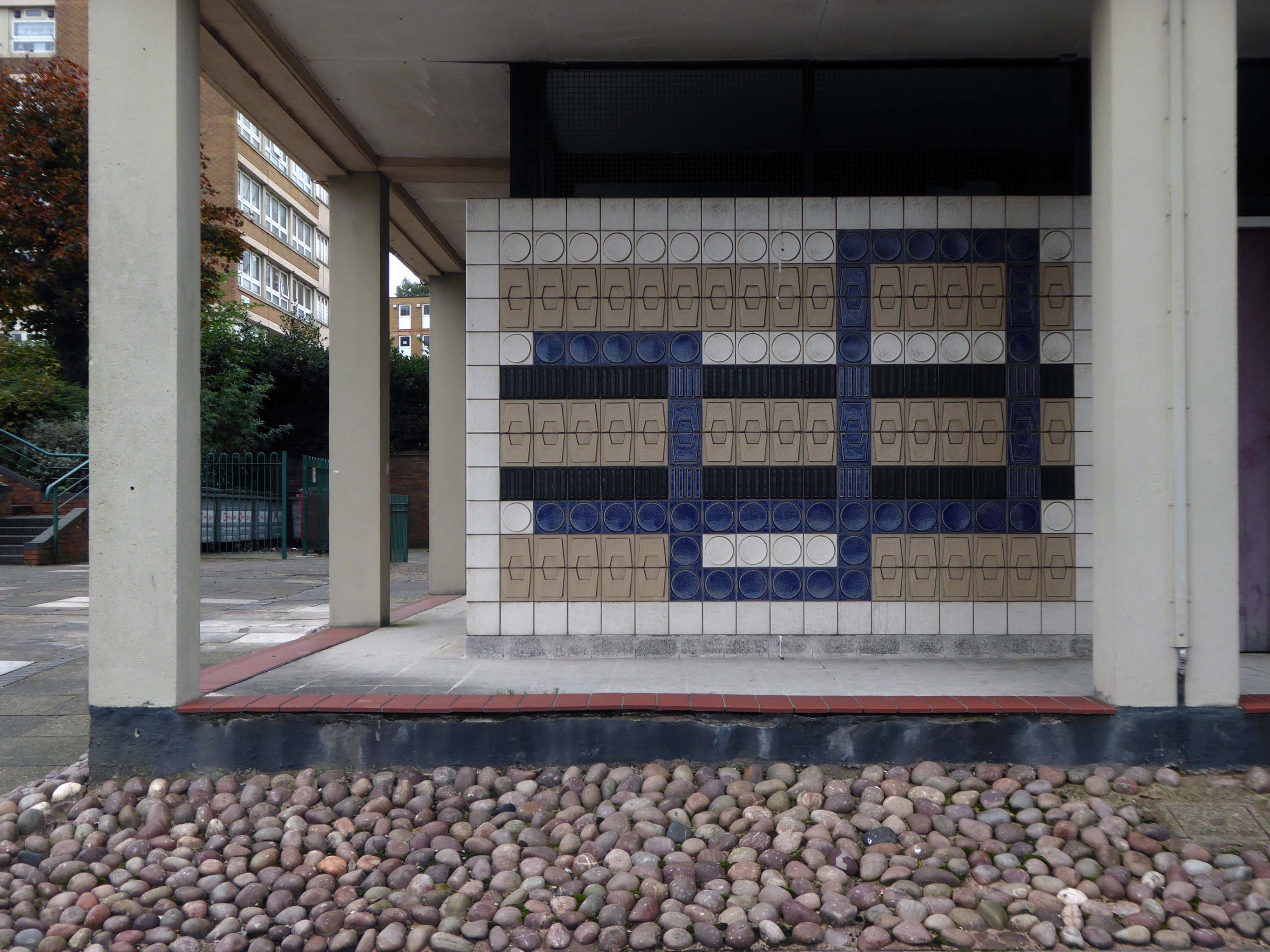
Crossing back through town and over the ring road to look at some tiles.

Malkin Tiles of Burslem

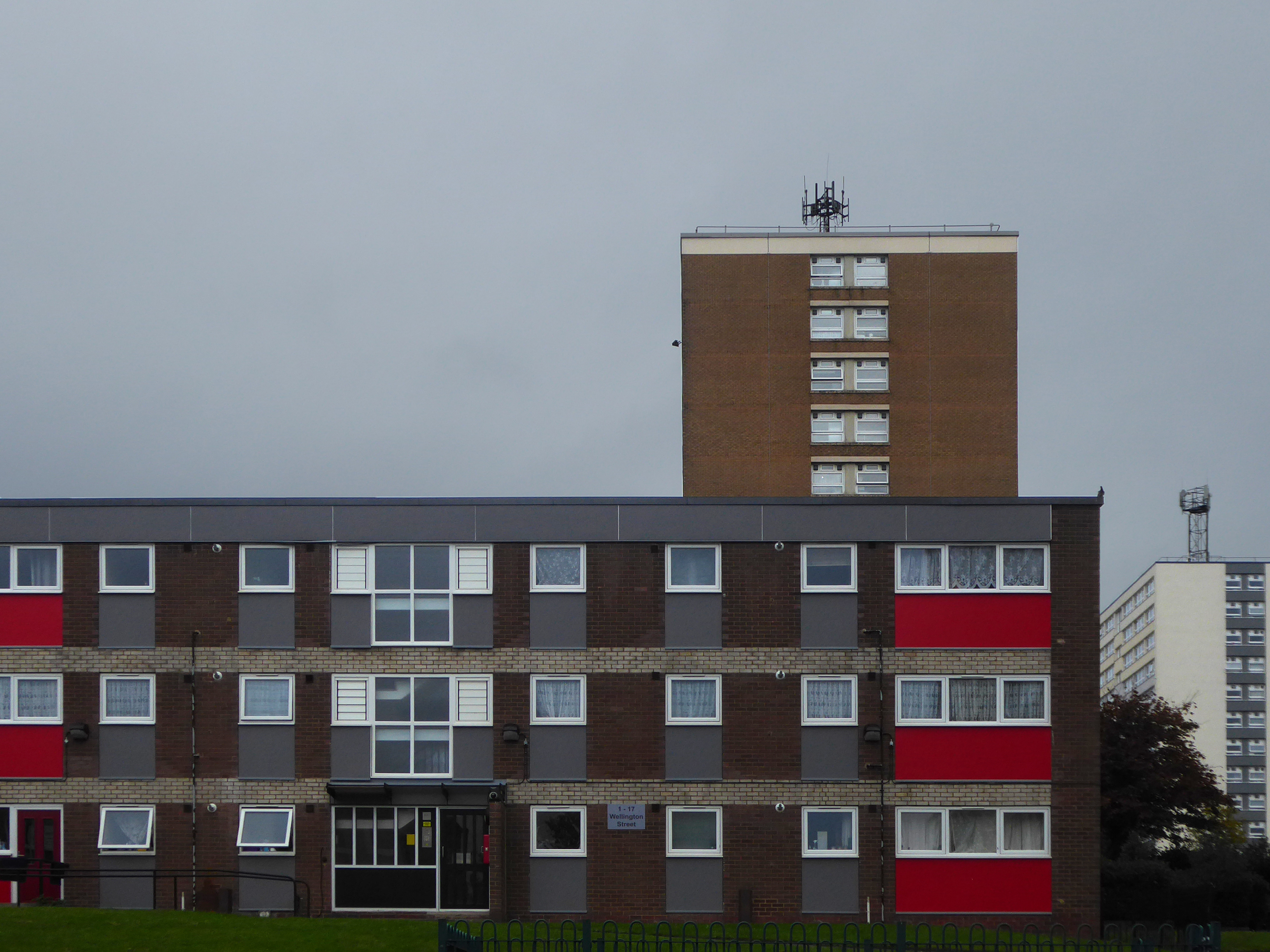
Attached to some towers.

Surrounded by housing.

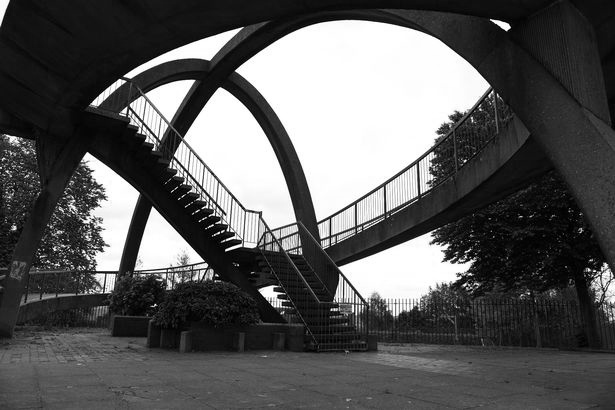
But missing this bridge – which was demolished in 2020.

Back into town again to look at the Burton’s.

Photo: Stoke Sentinel

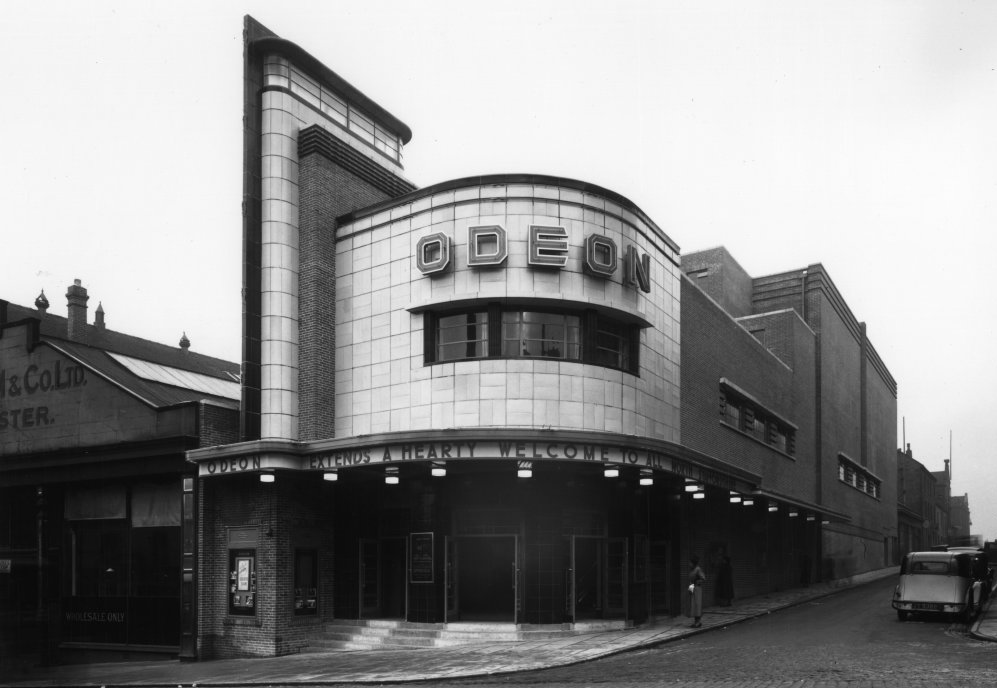
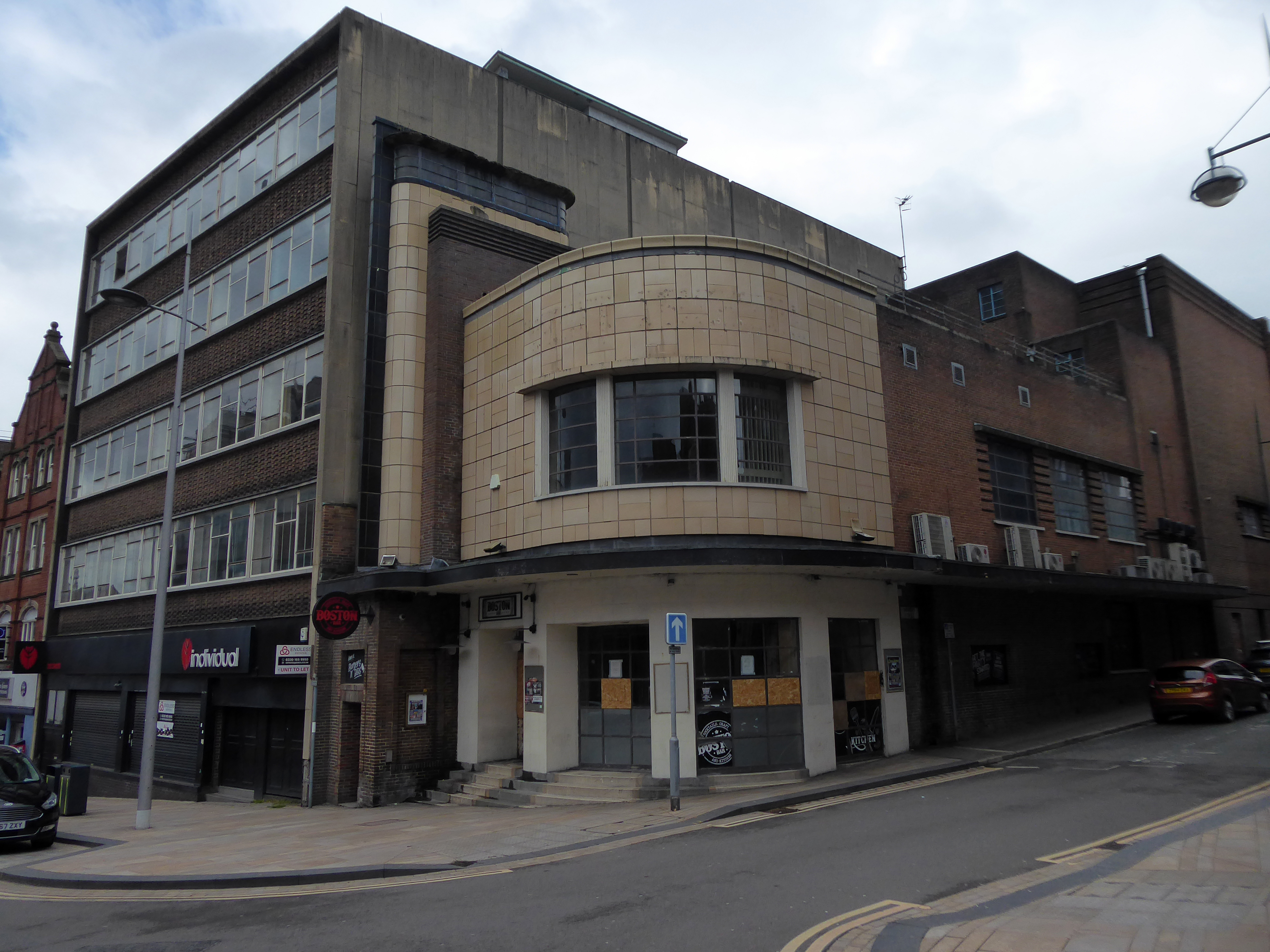
Odeon Cinema – architects: Arthur J Price and Harry Weedon 1938

The Odeon was one of the original cinemas in the Oscar Deutsch chain of Odeon Theatres Ltd. It was opened on 13th February 1938 with Max Miller in “Educated Evans”. It had a very small entrance at the corner of Trinity Street and Foundry Street, with a slender fin tower on the left side, and clad in cream faience tiles. The bulk of the auditorium was along Foundry Street, and seating was provided for 1,036 in the stalls and 544 in the circle. Decoration was in a typical Odeon style, with several troughs across the ceiling containing concealed lighting.

The Odeon was closed by the Rank Organisation on 15th November 1975 with Roger Daltrey in Tommy. The auditorium decoration was stripped out in the early-1980’s, and by 1982 it was used for storage, when on 4th August 1982, it was partially damaged in a fire, although the main shell of the building was not damaged. By 1991, the building was standing derelict.

By 1999, a bar was operating in the former foyer area. By 2003, the former auditorium had been brought back to use as a Chicago Rock Café. In 2008, the building had become a bar & nightclub named Revolution, with the former foyer in use as a bar named The Base.

In December 2021 plans were announced to demolish part of the former Odeon Theatre to build flats.

Cinema Treasures

Photo: RIBA Pix 1937

Next door the former Stoke Sentinel newspaper offices.

You simply cannot miss the BT Hanley Tower.

And its elderly listed relation of 1900.

Up toward the Potteries MuseumJR Piggott City Architect 1956.

It has undergone extensive exterior reworking by Wood Goldstraw Yorath

Including the brick mural Industries of the Potteries 1981 Sculptor: G H Downing Designer: Frank Murrier

And recent extension of 2021.

Designed by Glancy Nicholls Architects, the team worked collaboratively through the SCAPE framework to design a 3,800 square foot extension. The facility includes bespoke structural glazing, which enables the Spitfire to be viewed from outside of the museum.

Morgan Sindall Construction

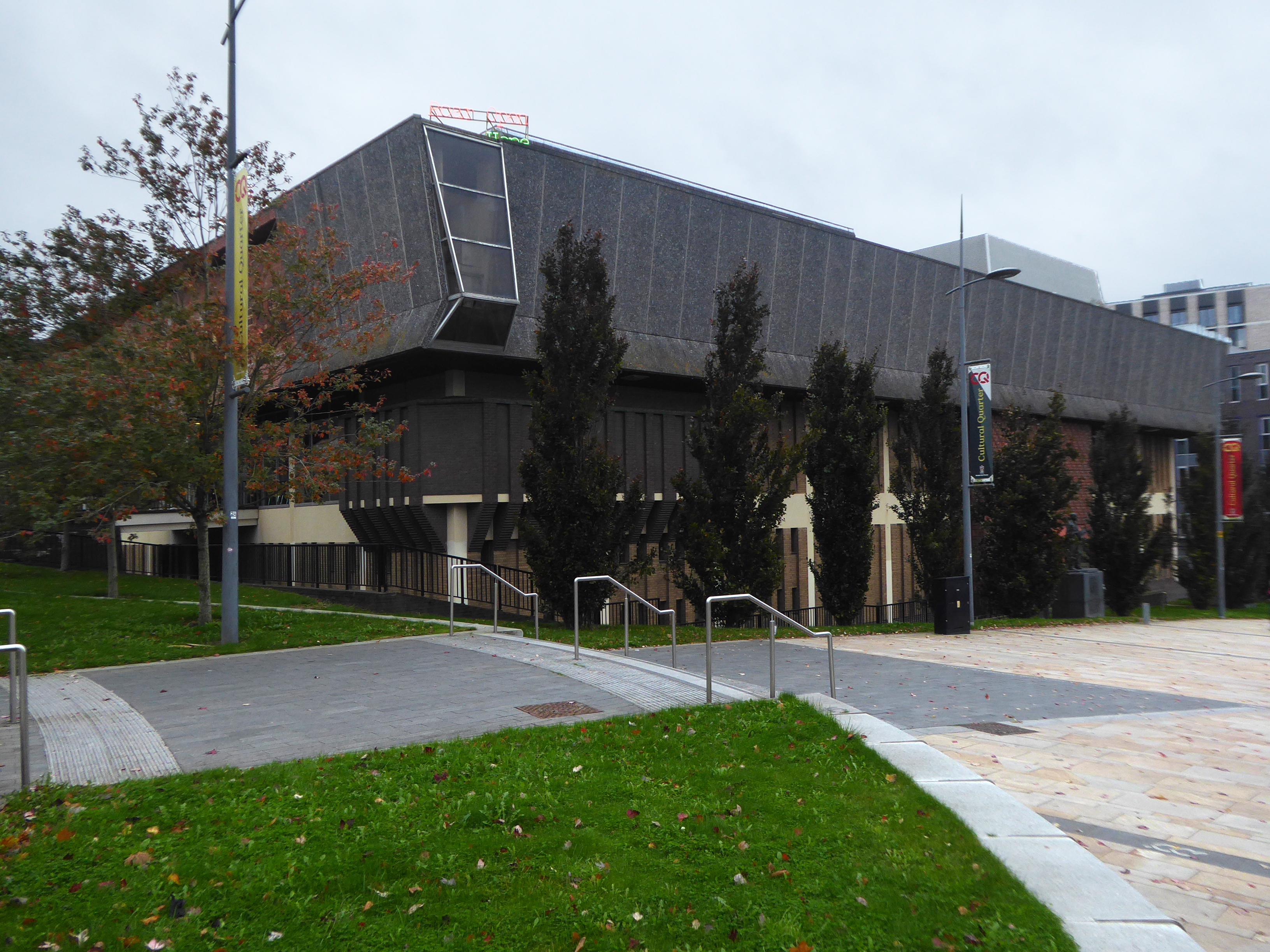
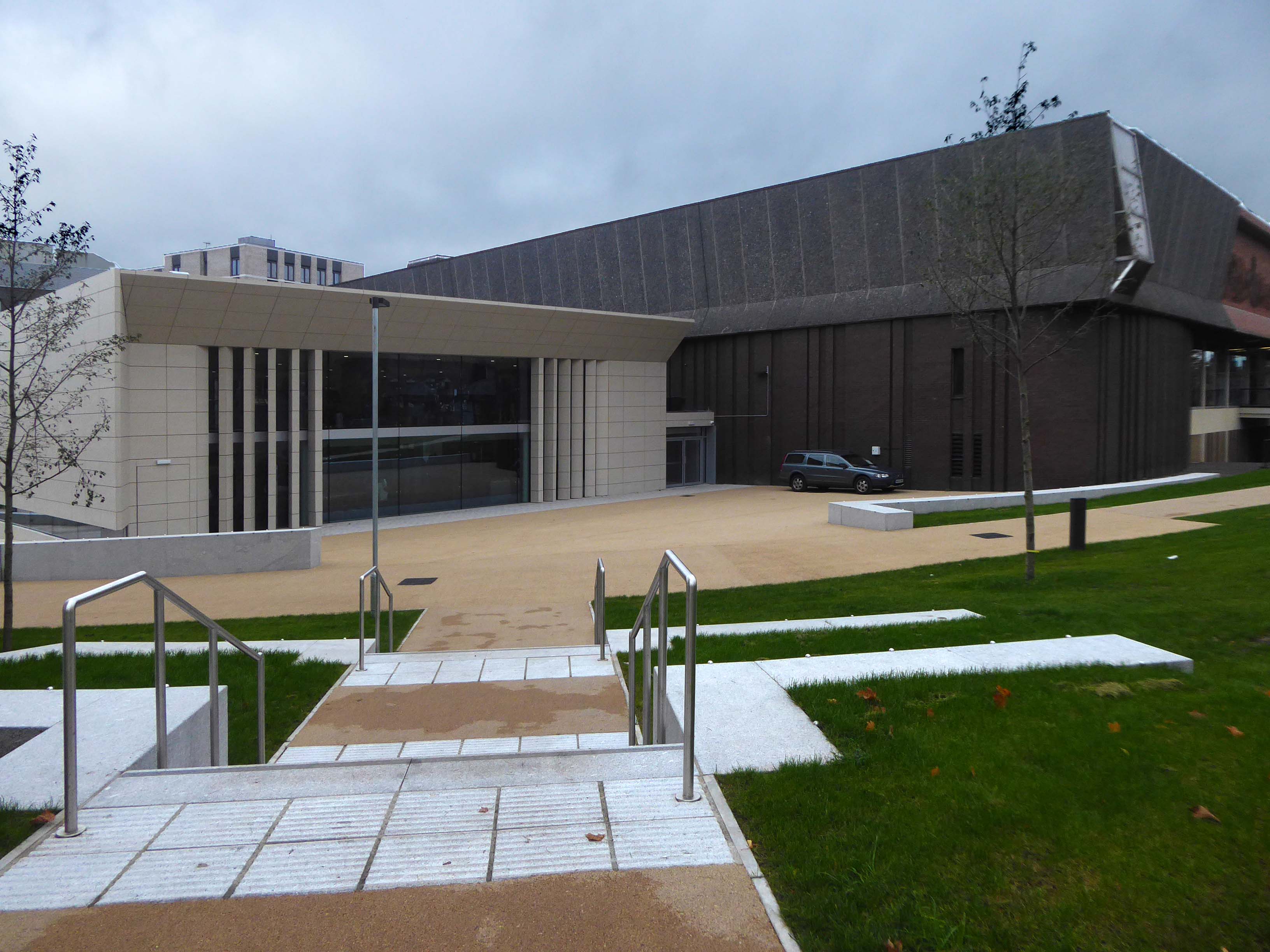
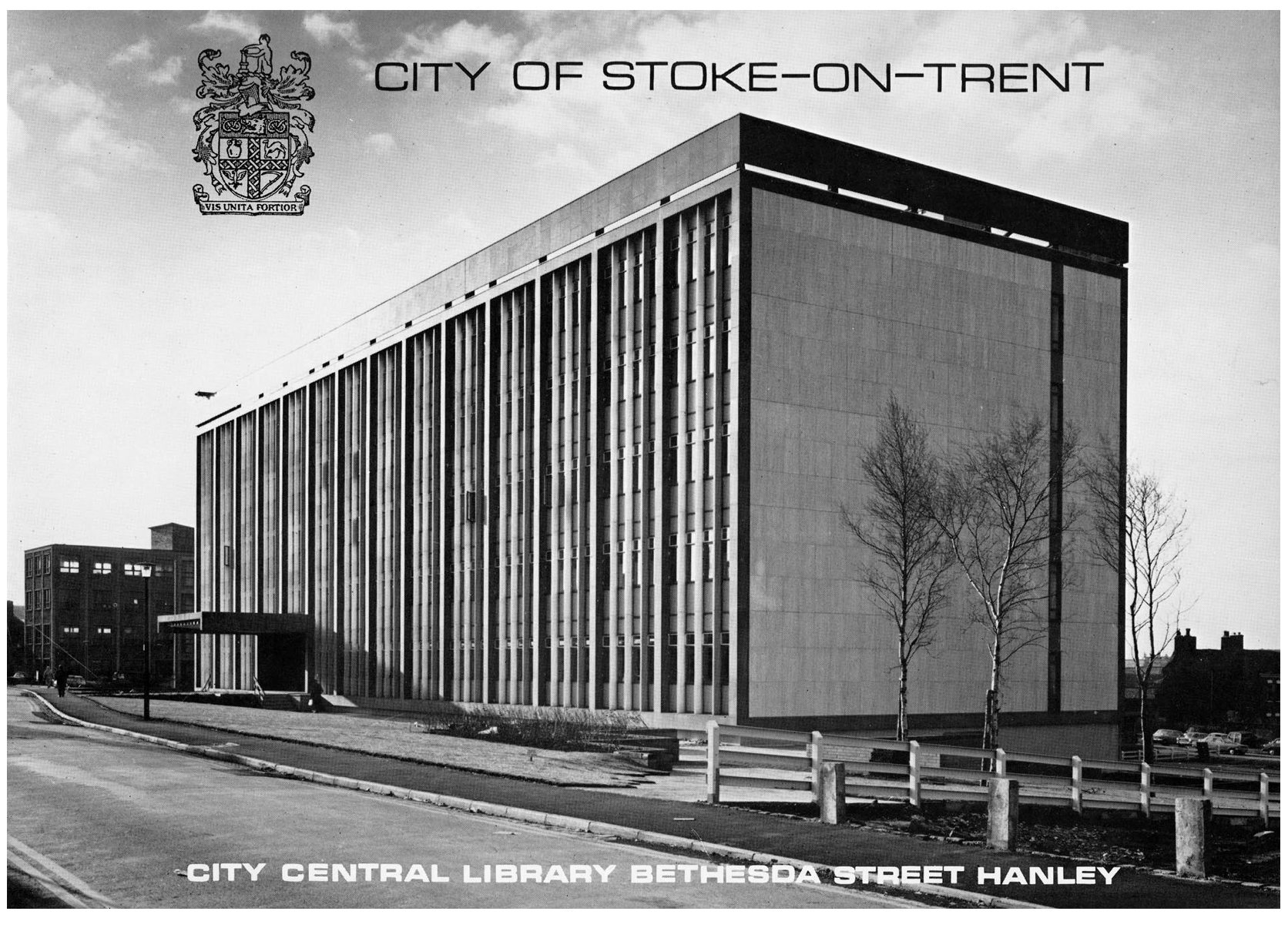
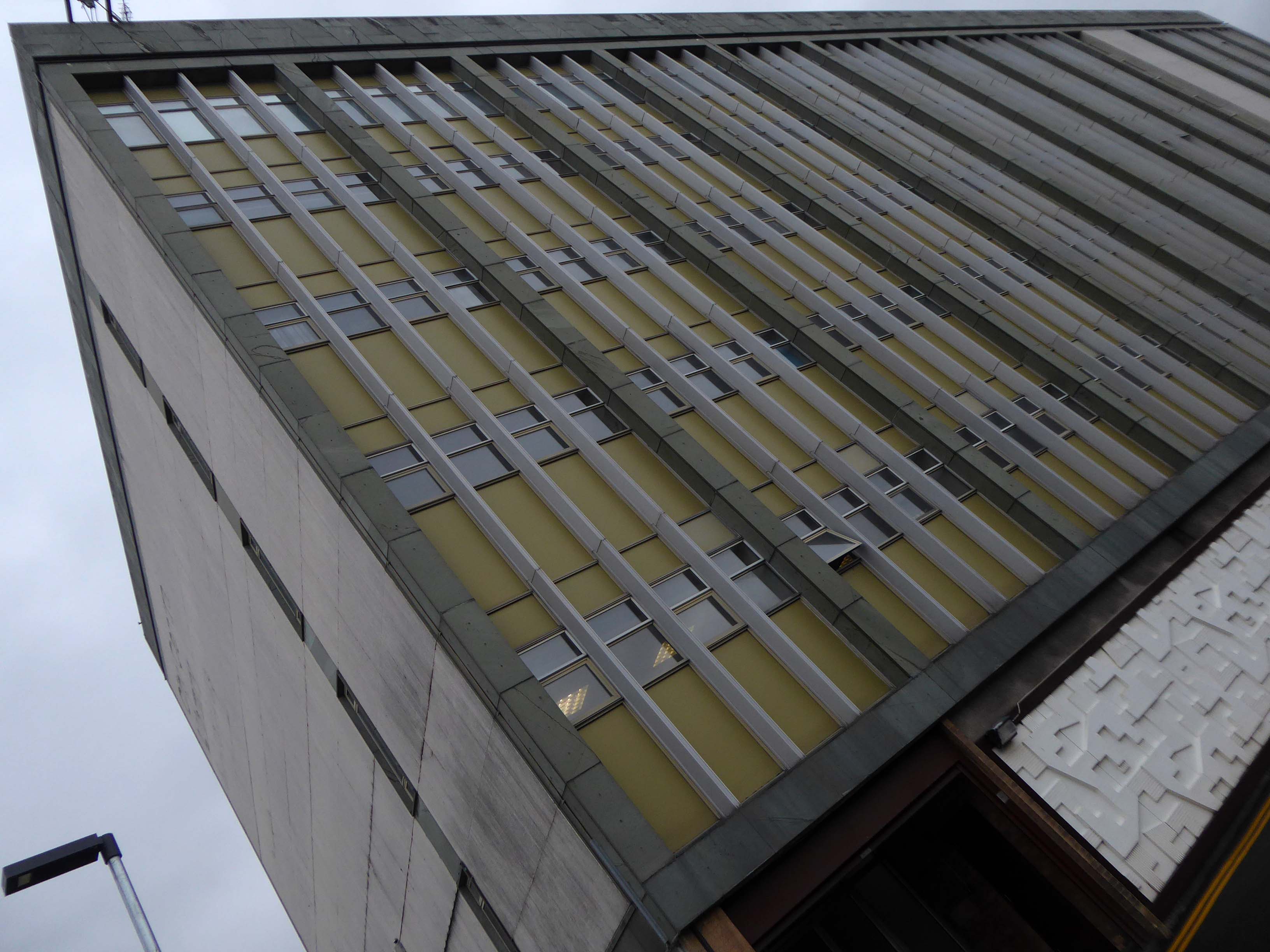
Next door the City Library and Archive 1968-70 by JW Plant City Architect.

The Archive is moving next door to the Museum.

With its its ultra smart relief out back and around the front cantilevered canopy.

Next door the former Cop Shop with the final wavy feature of the day – all yours for a cool £1,500,000

Bonny Street Police Station – Blackpool

We are here are again – you Bonny Street bobbies, it seems, are not.

Departed for pastures new – to Marton near to the big Tesco. 

As well as a front counter, the new headquarters provides a base for some of the local policing and immediate response teams, an investigations hub and 42 custody cells.

Live Blackpool

On my previous visit I was in fact apprehended by a uniformed officer, perturbed by my super-snappy happy behaviour. Following a protracted discussion, I convinced the eager young boy in blue, that my intentions were entirely honourable.
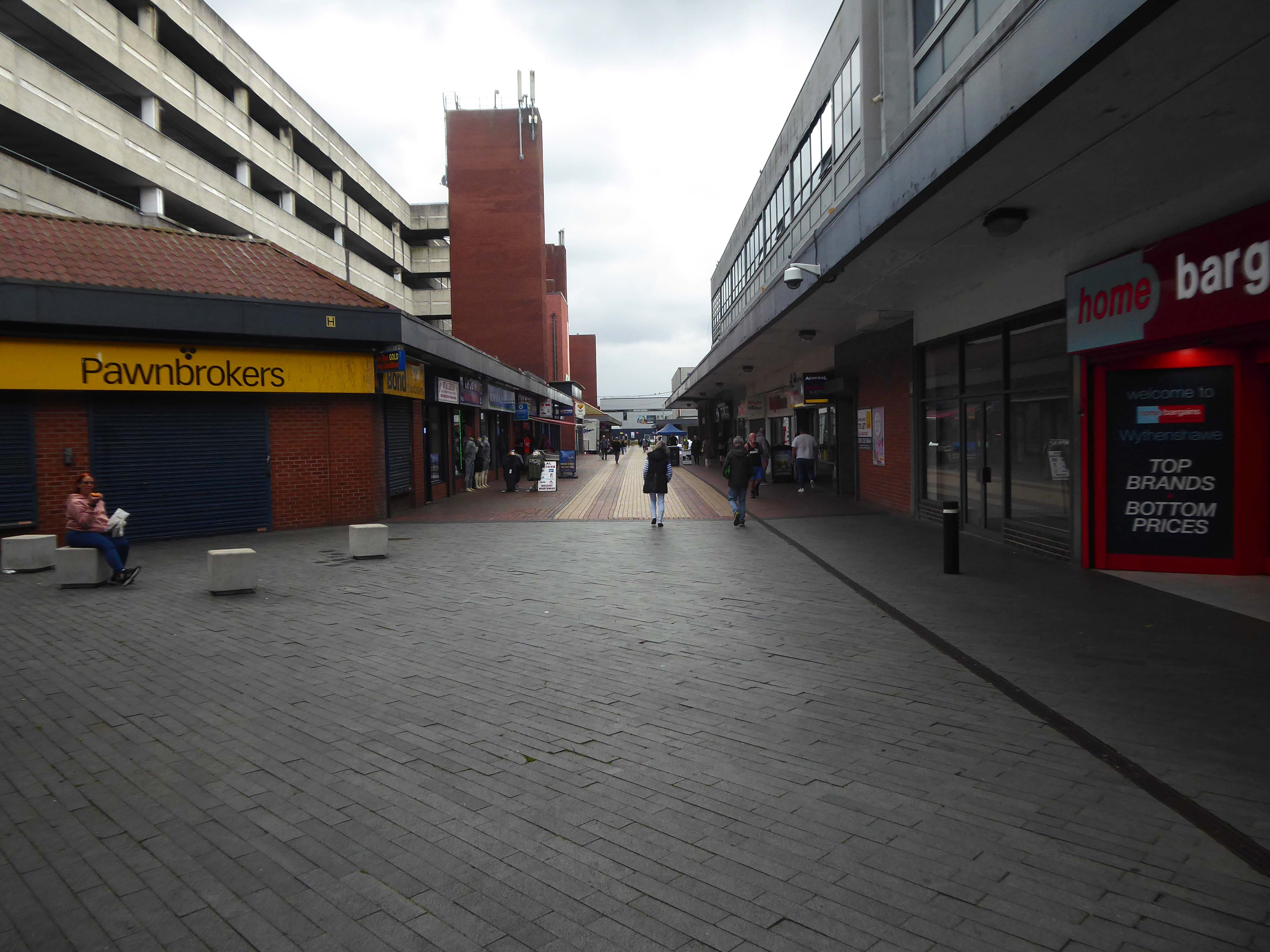
Having visited the Morecambe site un-accosted.

And witnessed Bury’s demise.

I’m something of a Roger Booth aficionado, largely still at large.

Whilst Richard Brook is something of an expert.

Suffice to say I pay a visit to see my old pal the cop shop, whenever I find myself in town, stop to chat and snap – how are things, what’s happening?

Blackpool Central that’s what!

It seems that you are to become an Alien Diner.

Themed bar and event restaurant concept with roller coaster service, hourly special effects shows and exploration tours.

The £300m Blackpool Central development will bring world-class visitor attractions to a landmark site on the famous Golden Mile. Along with new hotels, restaurants, food market, event square, residential apartments and multi-storey parking.
Chariots of the Gods inspires the masterplan for the long-awaited redevelopment. It’s the global publishing phenomenon, written by Swiss author Erich Von Däniken. Exploring alien encounters and unsolved mysteries of ancient civilisations.

Chariots Of The Gods will be the main theme for Blackpool Central. Including the anchor attraction – the UK’s first flying theatre.
A fully-immersive thrill ride that will create the incredible sensation of human flight.
Time it seems changes everything, stranger than fiction.

The Bonny Street Beast’s days are numbered – your local Brutalist pal is no more, wither Wilko’s?

Your piazza planters are waterlogged.

Your lower portals tinned up.

Your curious sculptural infrastructure sunken garden neglected and forlorn.

Your low lying out-rigger stares blankly yet ominously into space.

Likewise your tinted windows.

Your subterranean car park access aromatic and alienating.

So farewell old pal, who knows what fate awaits you, I only know you must be strong.

Not until we have taken a look into the future shall we be strong and bold enough to investigate our past honestly and impartially. 

How often the pillars of our wisdom have crumbled into dust! 
 

Erich von Däniken