Adelphi Picture Theatre – Attercliffe

Vicarage Road Sheffield  S9 3RH

Architects: William Carter Fenton

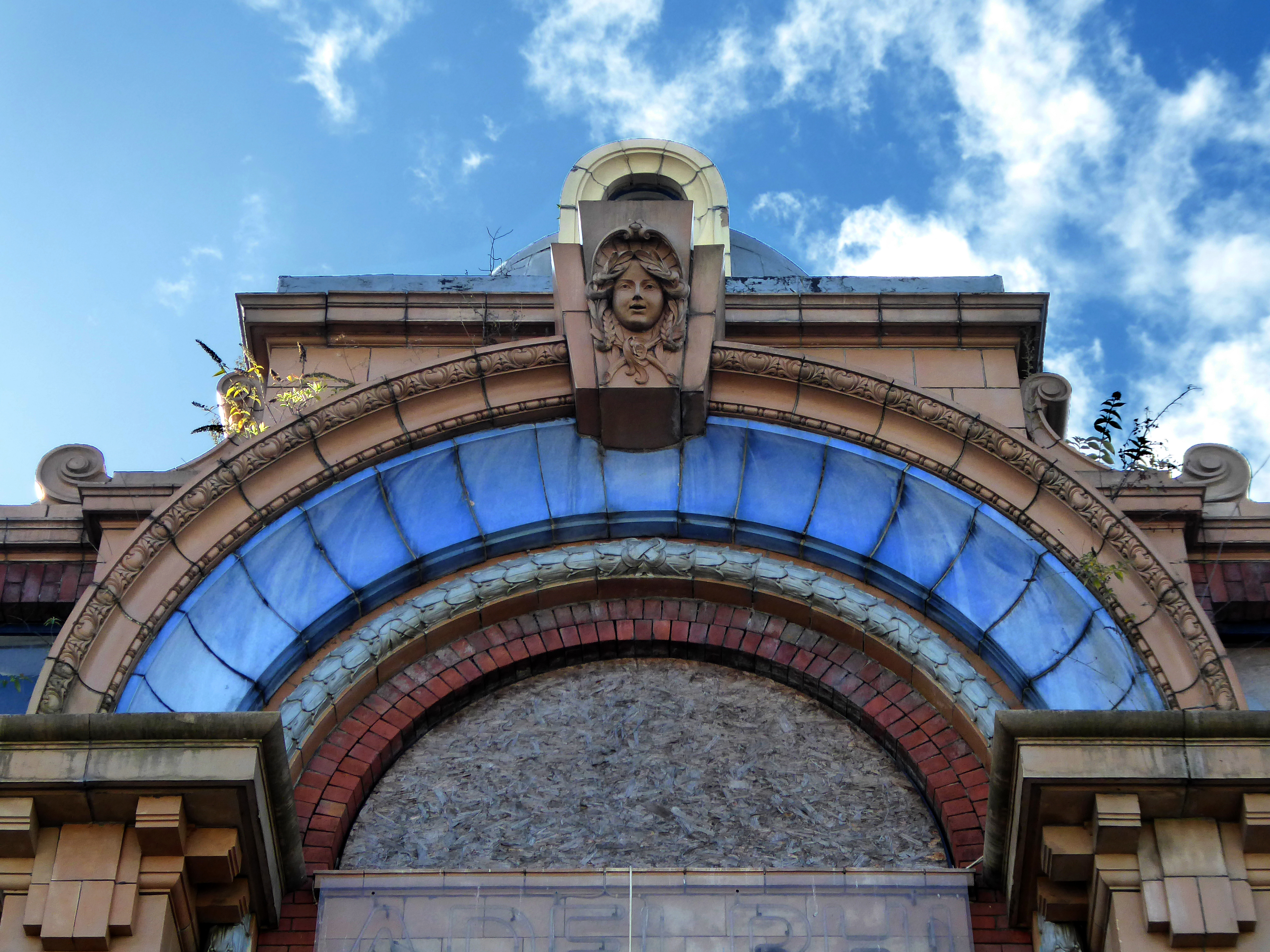
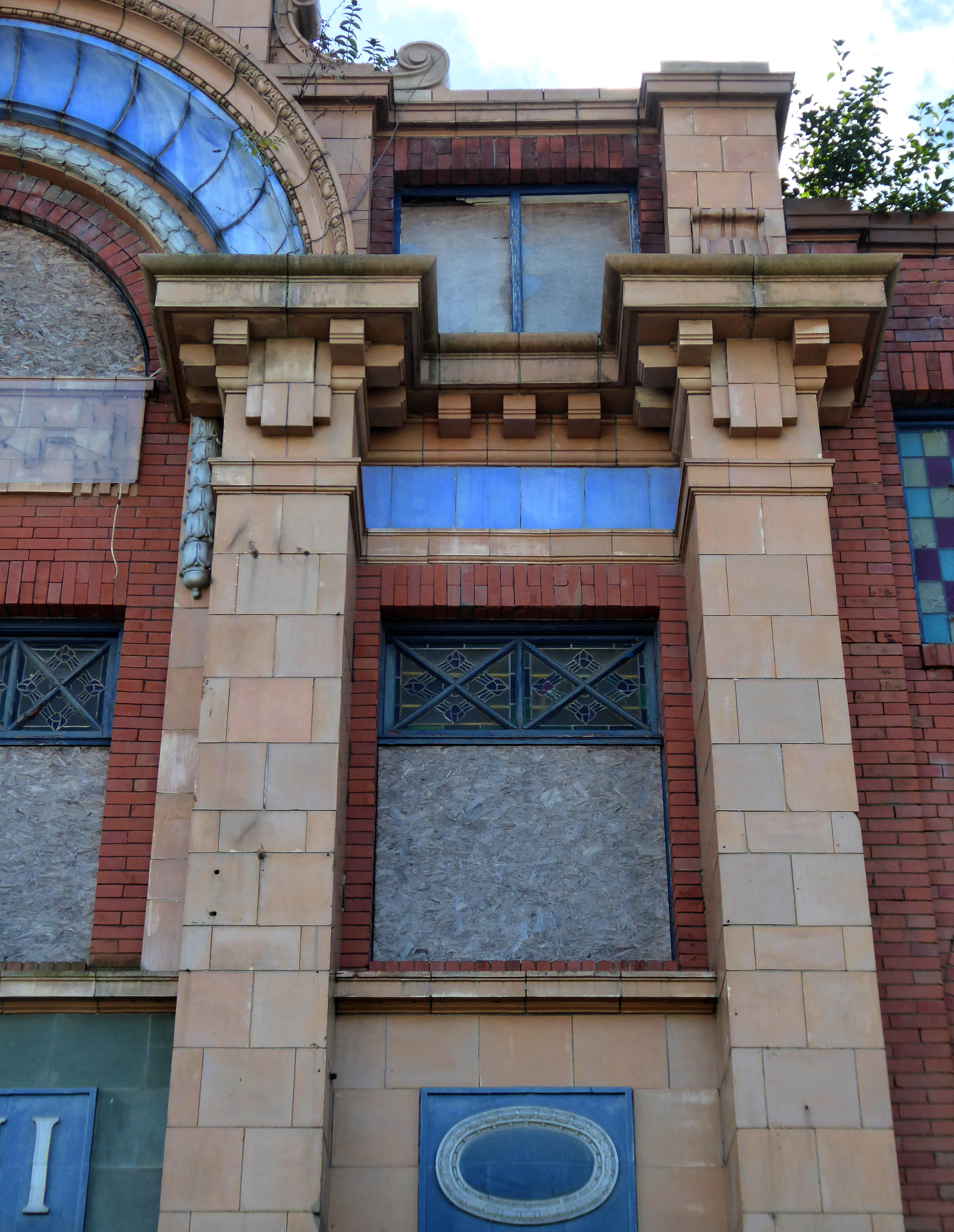
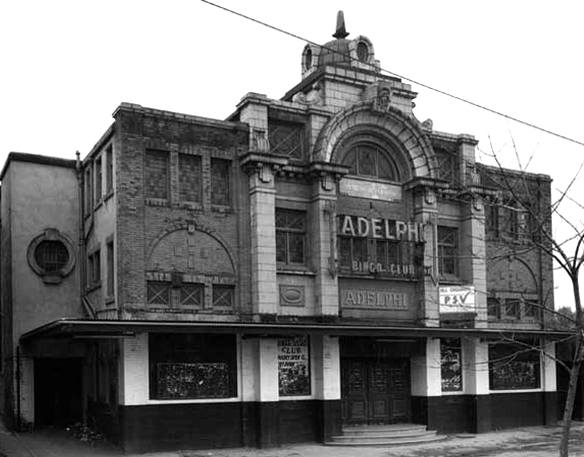
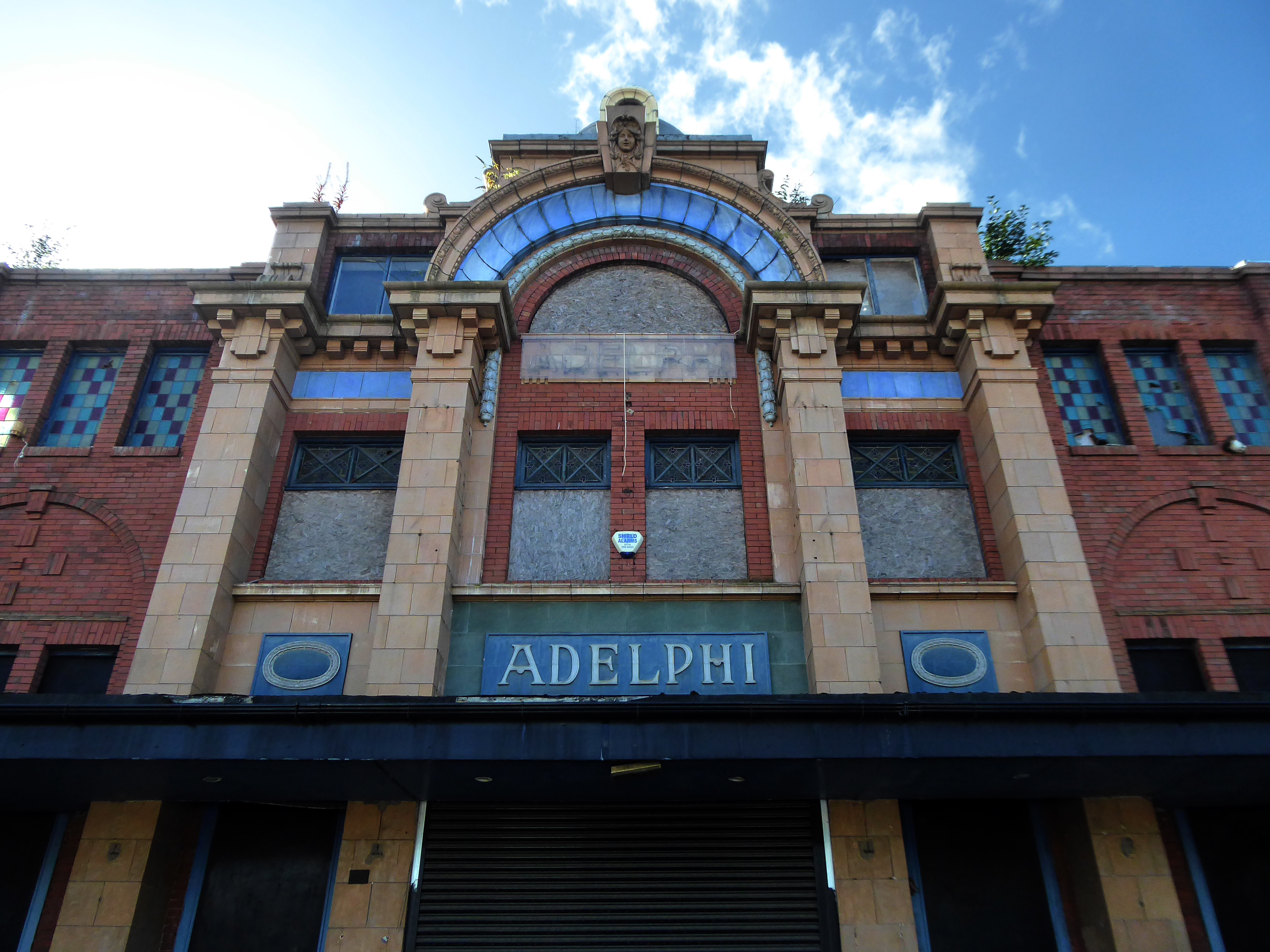
The Adelphi Picture Theatre is located in the Attercliffe district in the east of Sheffield. It opened on 18th October 1920 with Irving Cummings in Auction of Souls. The red brick building has buff and blue coloured terracotta enrichments on the façade, especially on the small turret dome over the entrance, which also has stained glass windows.

Seating in the auditorium was provided in stalls and circle, and the projection box was located in the rear stalls, underneath the circle. The cinema was in reverse, and patrons entered the auditorium from behind the screen. The decoration includes pilasters, a segment-arched panelled ceiling and a moulded proscenium arch with a central crest which is flanked by torches. The circle has a lattice-work plaster front.
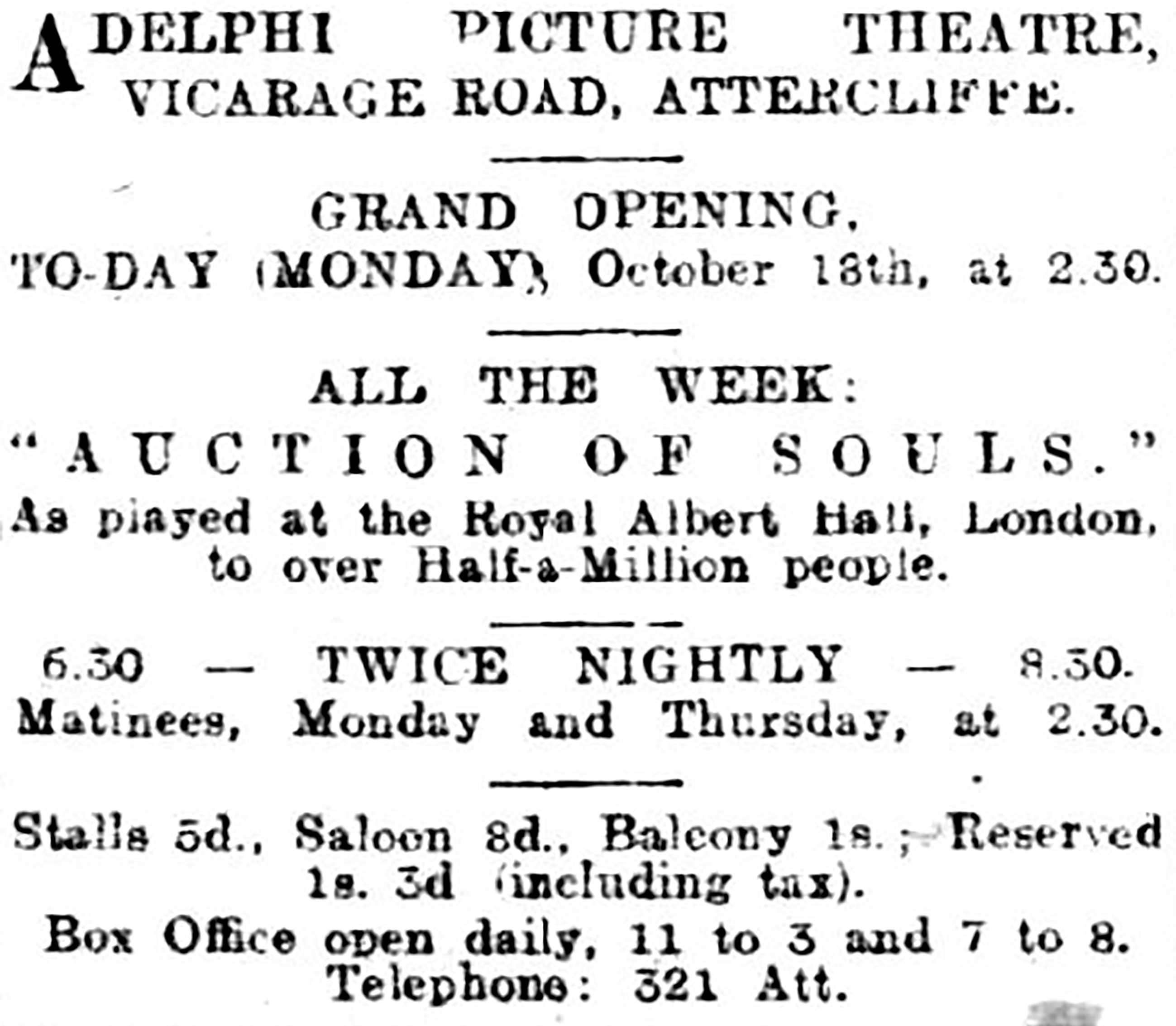
Single photo enhanced with easyHDR 3.15.2: Adelphi 1920 10 18.jpg

It underwent some restoration in 1936 and a re-decoration in August 1939. It received some bomb damage during the second week of the blitz and was closed for around a month. It received further renovation in August 1946. It remained an independently operated cinema throughout its cinematic life and was usually tied in with the Coliseum Cinema on Spital Hill.

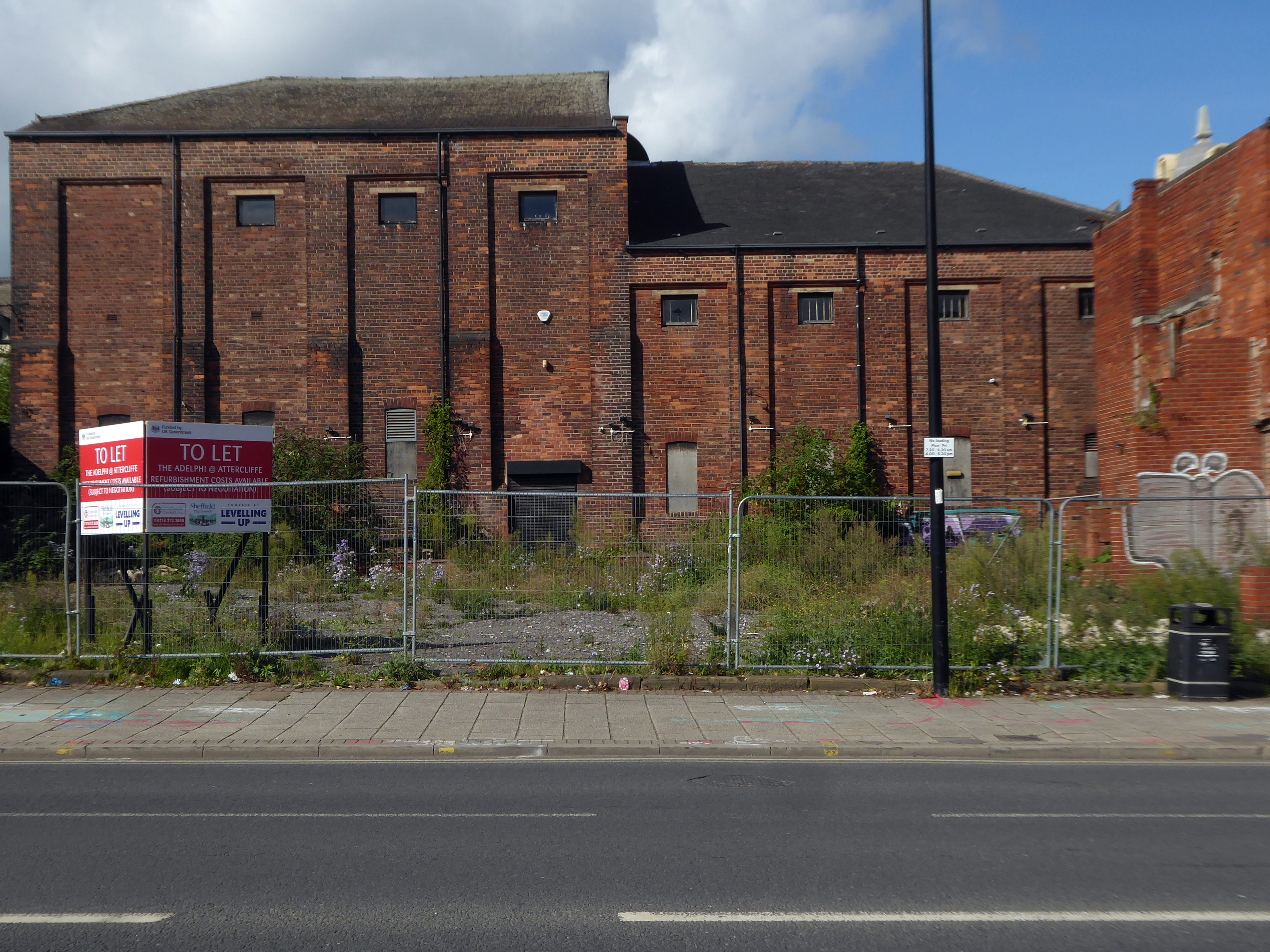
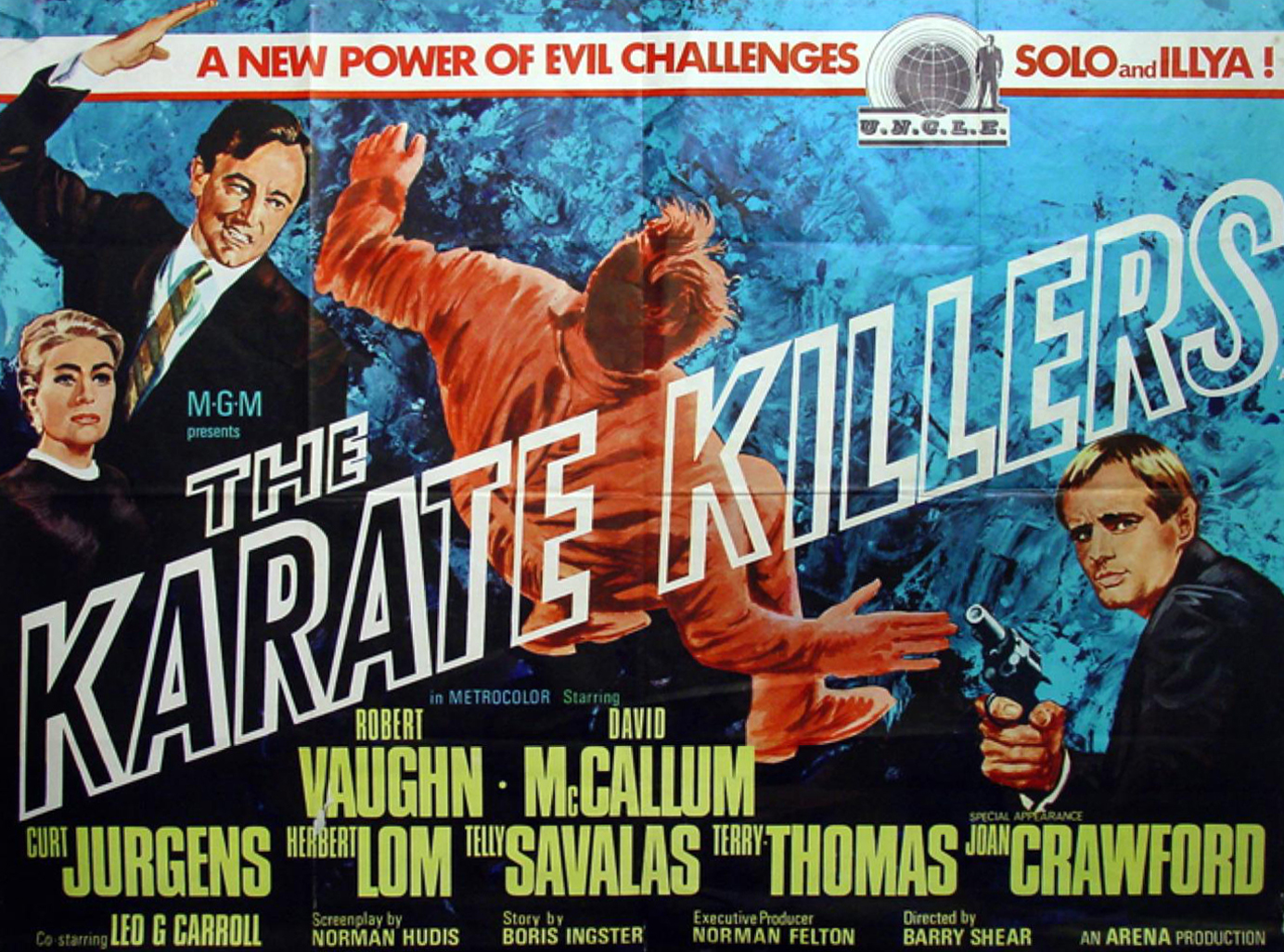
The Adelphi Picture Theatre closed on 28th October 1967 with Robert Vaughn in The Karate Killers and Glenn Ford in The Rounders. It became a bingo club, last operated by the independent Walkers Bingo. After this closed in around 1995 it became a nightclub and since March 2000 was converted into a music teaching centre. This closed in 2006, and the building stood unused, and by 2013, it was in use as a storage facility. It was announced in November 2022 that the city council were seeking to purchase the building to renovate and convert it into a community centre.

Since early 1996, the Adelphi Picture Theatre was designated a Grade II Listed building by Historic England.

Cinema Treasures

Just the other day I came across an old ticket stub issued by The Savoy in Heaton Moor.
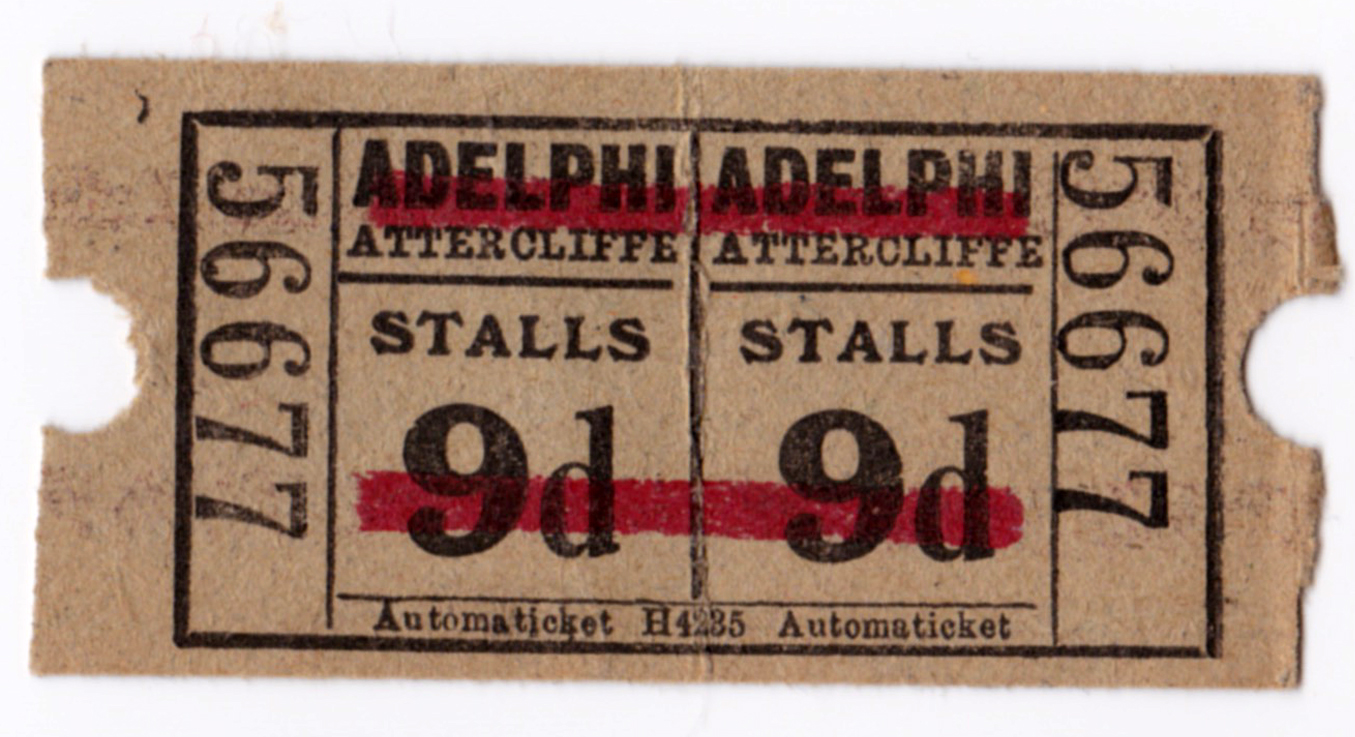
They used a Automaticket machine, but with dead stock tickets.
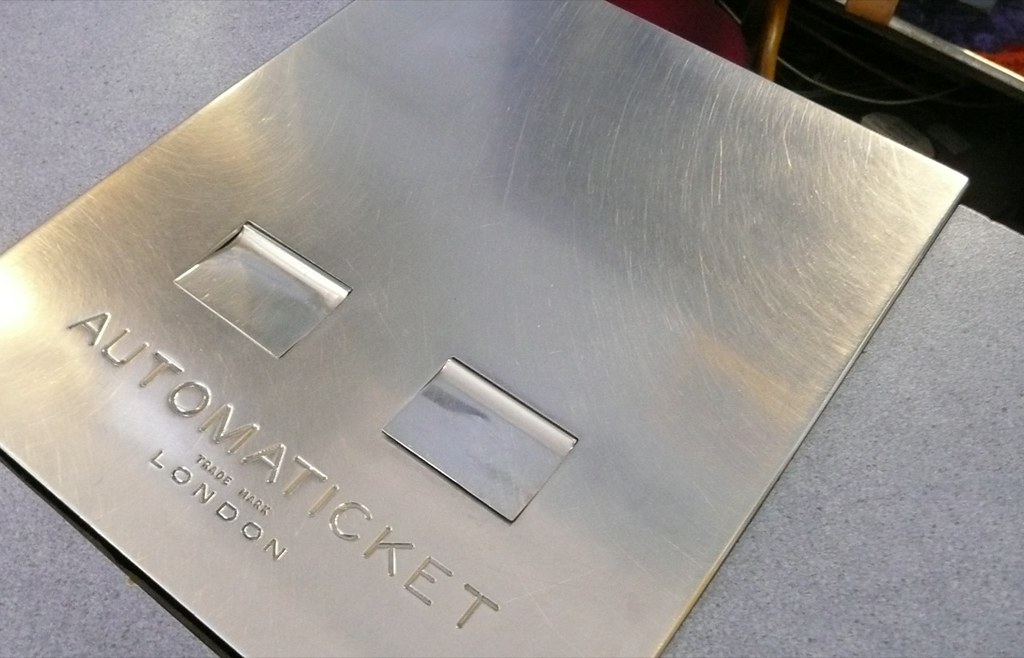
Evolving from being gear and lever driven, to powered by electric motors, these ticketing machines served as somewhat of an industry standard for over eighty years.

While there are still a few of these machines in use, the theatre industry generally abandoned such ticketing systems, in favor of computerized ticketing, by the late 1980’s.

Cinelog

The striking art deco – sic. building later hosted Sheffield’s famous Gatecrasher club nights, among other events, and was also used as a music teaching centre.

It sat empty from 2006 until 2013 and has since been used only for storage.
Sheffielder

My dad was a regular at The Adelphi during the war years. He remembers that the showings were always like a theatre with two matinees during the week and two evening showings everyday unlike the continuous showing at other cinemas and a children’s matinees on a Saturday.

He and his friends had six seats booked on Q row for every Monday and Saturday night as more often than not the films ran for three nights Mon, Tues and Wed, then a new picture Thurs, Fri, and Sat – no show on a Sunday. Occasionally a good film, now known as a blockbuster, would run for longer; if this was the case they just put up with seeing it twice.

The cost of the film was 4d or 6d upstairs, the cinemas in town were dearer.

Called up in February 1944 he did not return to Attercliffe until his first leave from the army a week before VE day in 1945. He returned from Germany, said hello to his Mum and Dad, dropped off his kit bag then caught the tram the three stops to the Adelphi where he knew his friends would be. The smartly dressed commisioner, in blue with plenty of gold braid, standing outside immediately recognised him even in army uniform. He showed him in telling him the lads were all there. He crouched in the aisle next to his friends and caused quite a commotion once he was spotted – he has no memory of the film showing but great memories of the reunion to this day.

Sheffield History

It was bought by Sheffield City Council earlier this year, as part of the Attercliffe Levelling Up project, and has now gone on the market as the council seeks someone to revive the Grade II-listed building as a vibrant cultural hub.
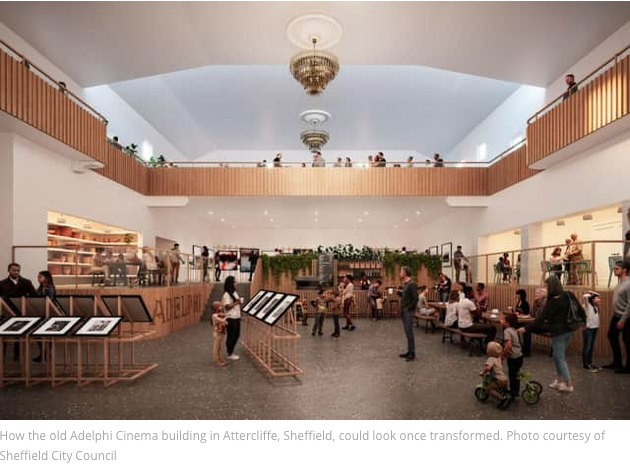
Councillor Ben Miskell, chair of the council’s Transport, Regeneration and Climate Policy Committee, said:

We’re thrilled to announce the Adelphi Cinema building in Attercliffe is now on the market and we’re eager to hear from interested parties. The building forms one part of our ambitious plans for the area which will all come together to breathe new life into the community.

These were taken by me in September 2023.
The Adelphi has a Burton’s for company.
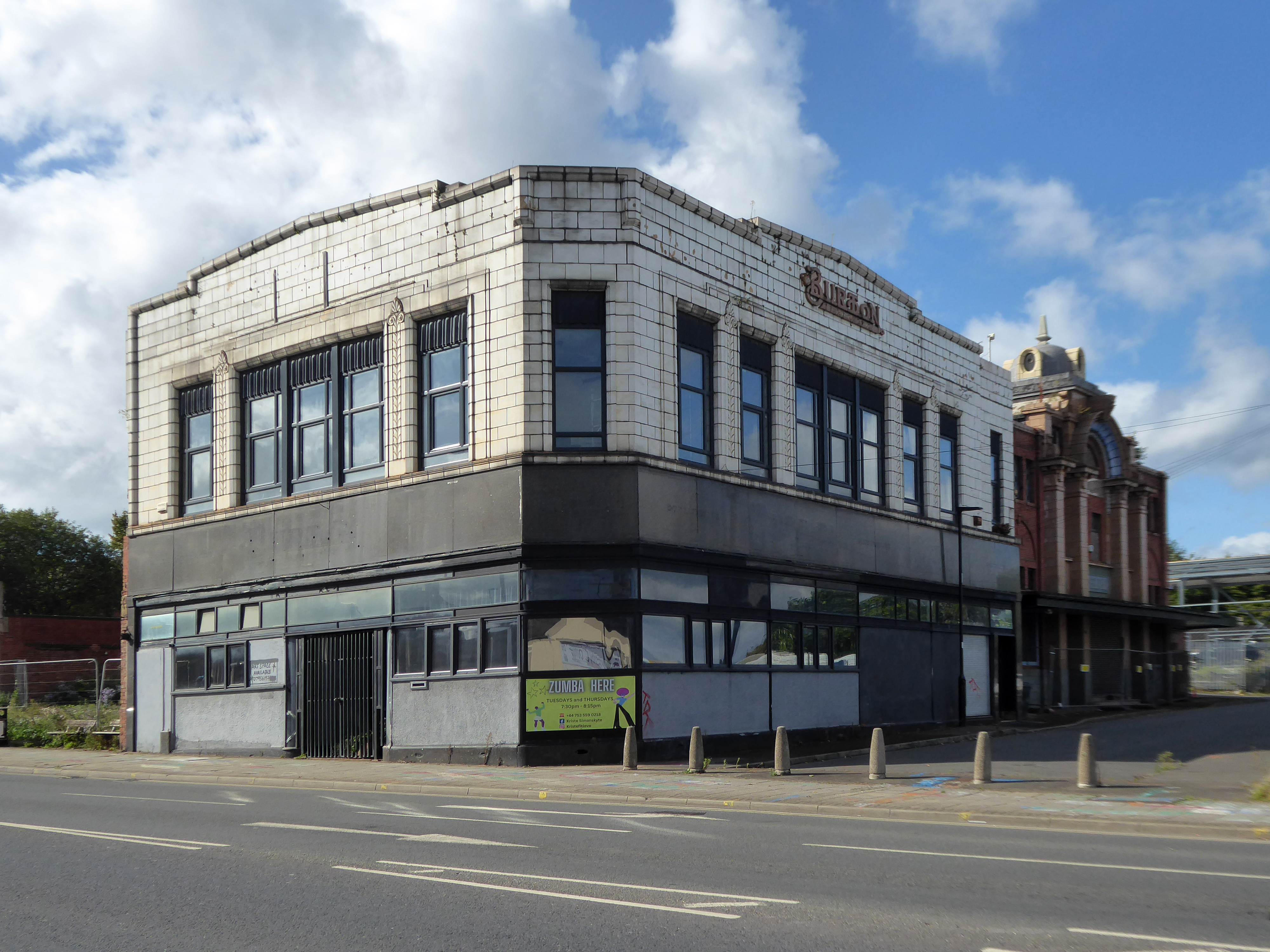
Photo: David Edge April 2024

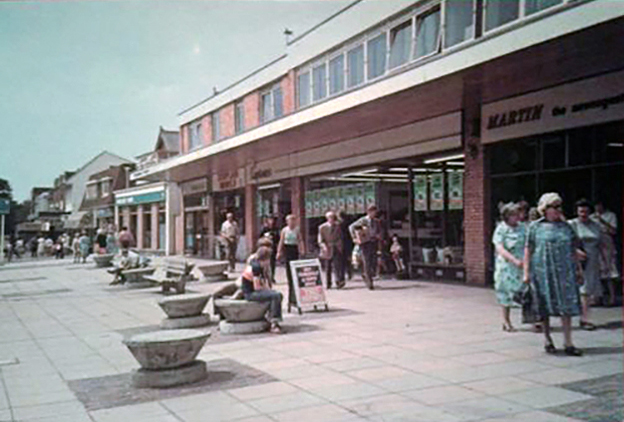
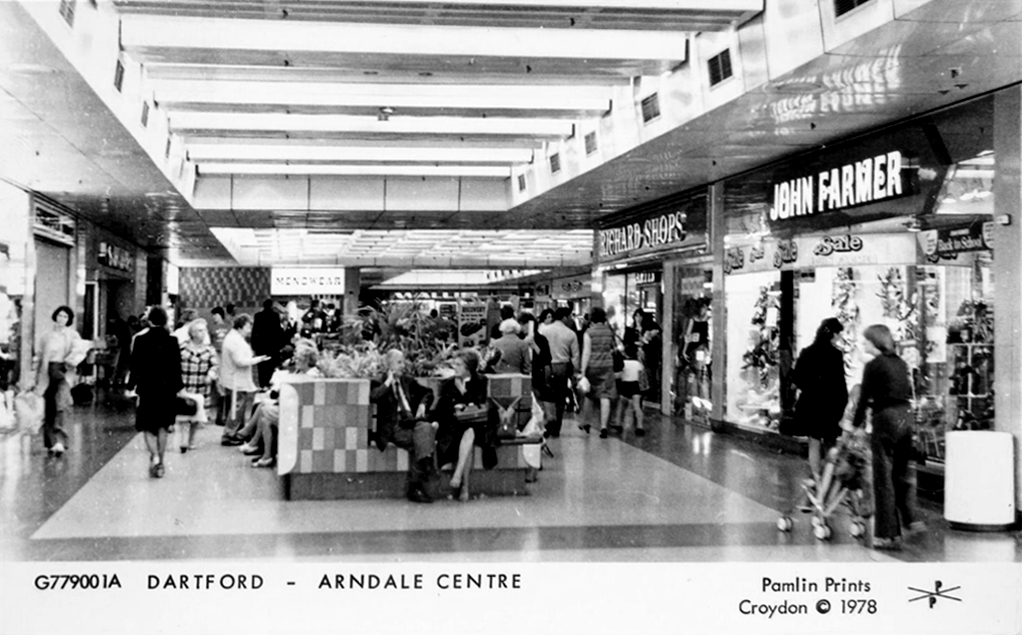
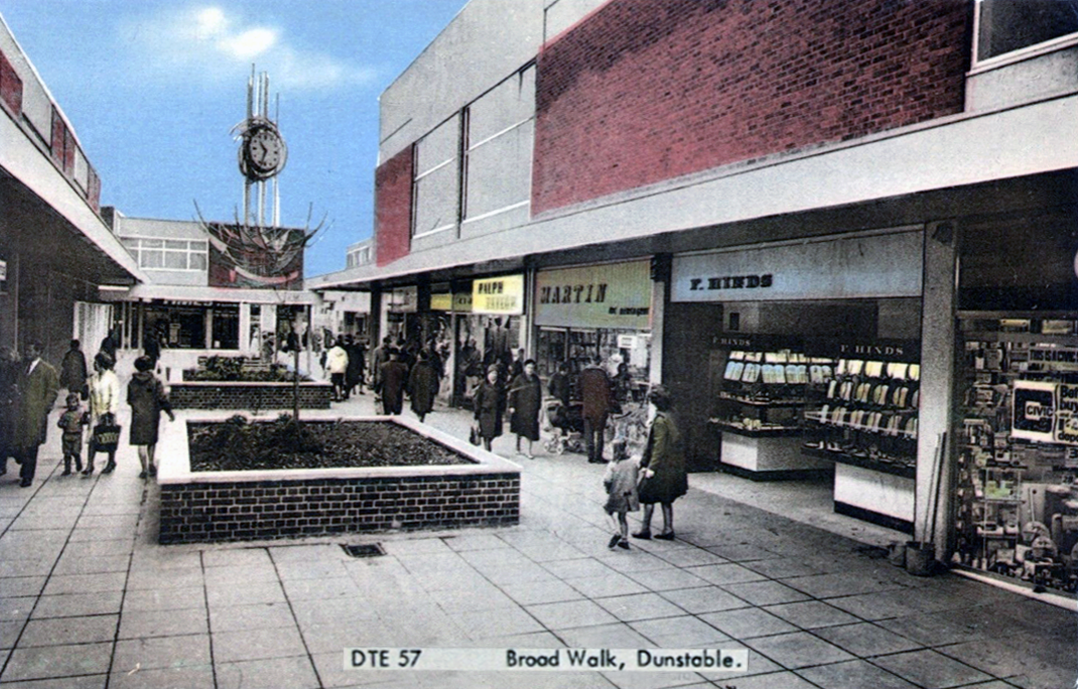
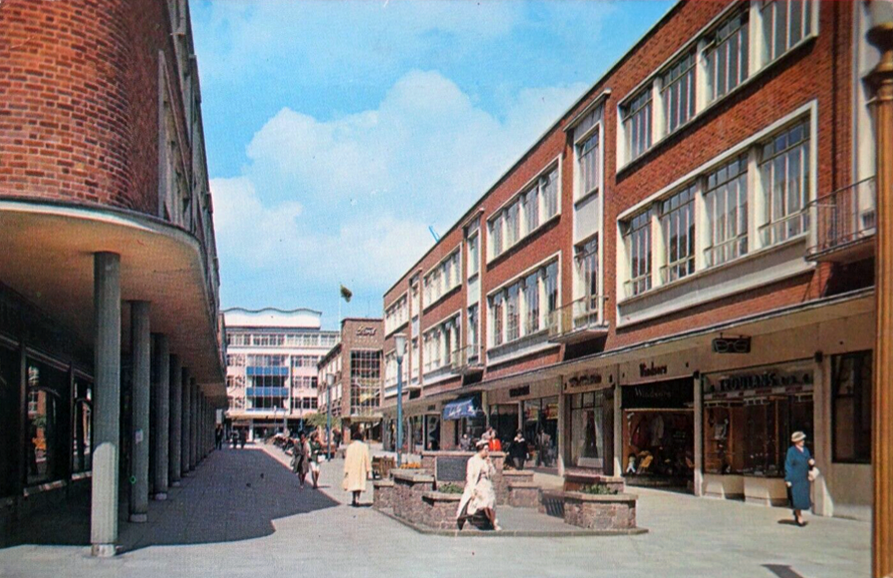
Shopping Precincts – Once More

It all began way back when I was a raw youth living in Ashton under Lyne – the precinct was our playground, cycling and running, often against the grain, up and down the travelator.

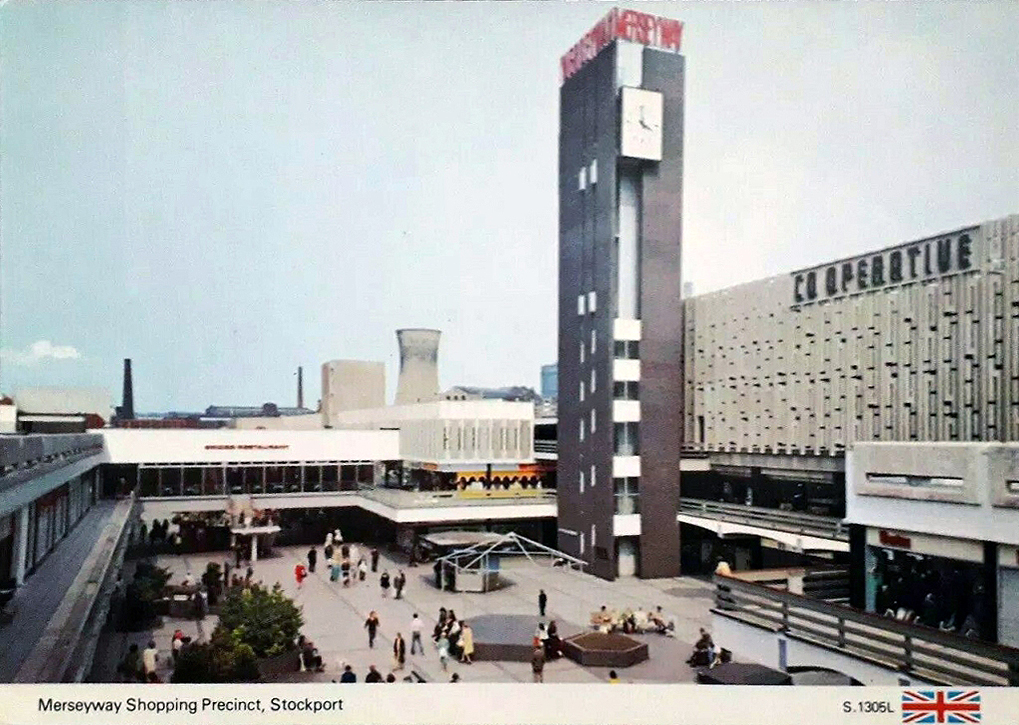
Some sixty years later I am still enthralled by the nation’s shopping precincts – including the very local Merseyway.

There have been two previous postcard posts – Shopping Precincts – UK and Shopping Precincts – UK Again.

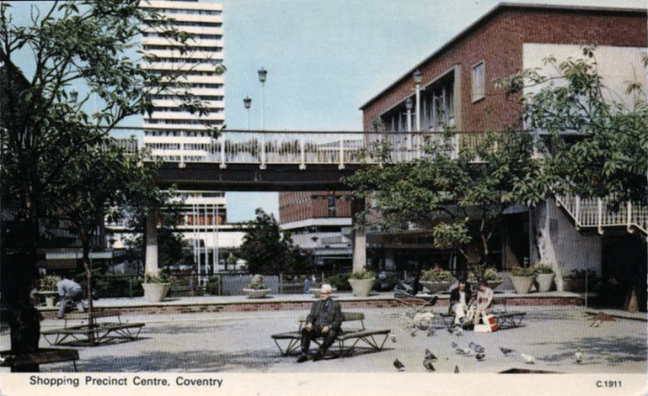
Plus visits to various locations Hanley, Preston, Salford, Coventry, Billingham and Swinton.

So on a wet day in May, why not trawl the internet in search of old pastures new – when the shopping world really was new.

Come with me now on an alphabetical tour of the country’s finest precinct postcards.

Sadly many of these sites may well have been subsequently remade and remodelled, or even demolished.

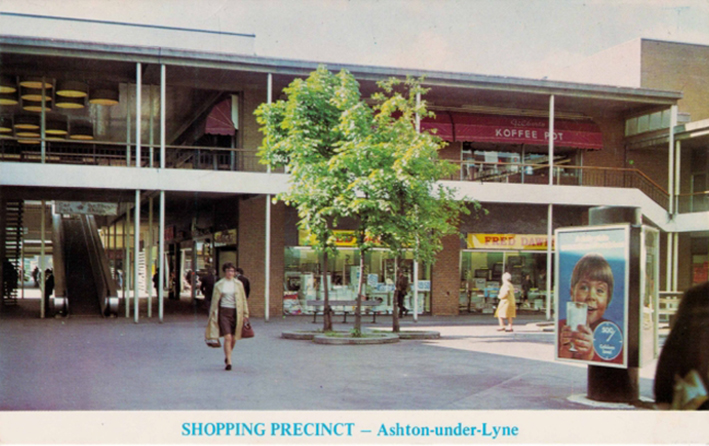
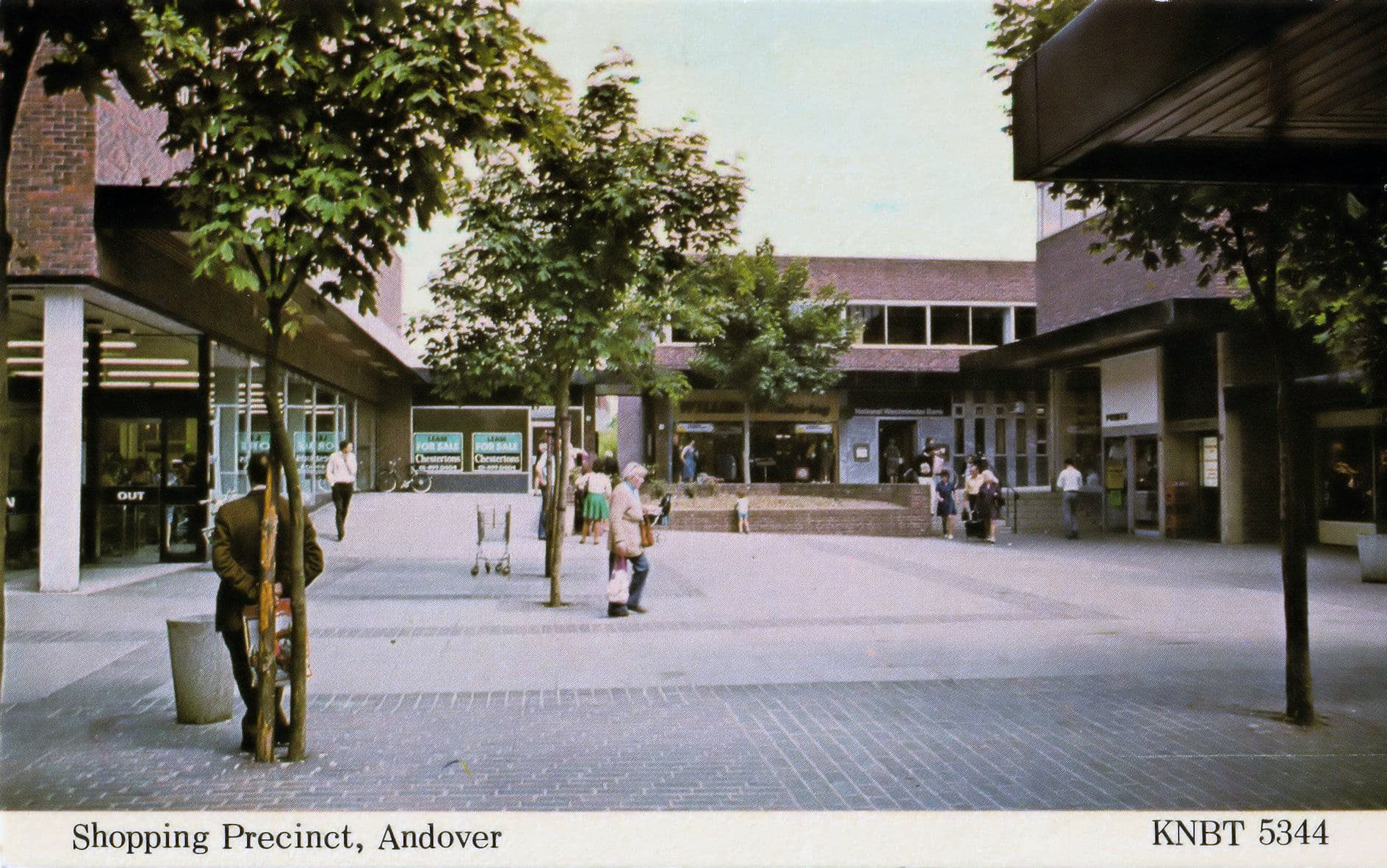
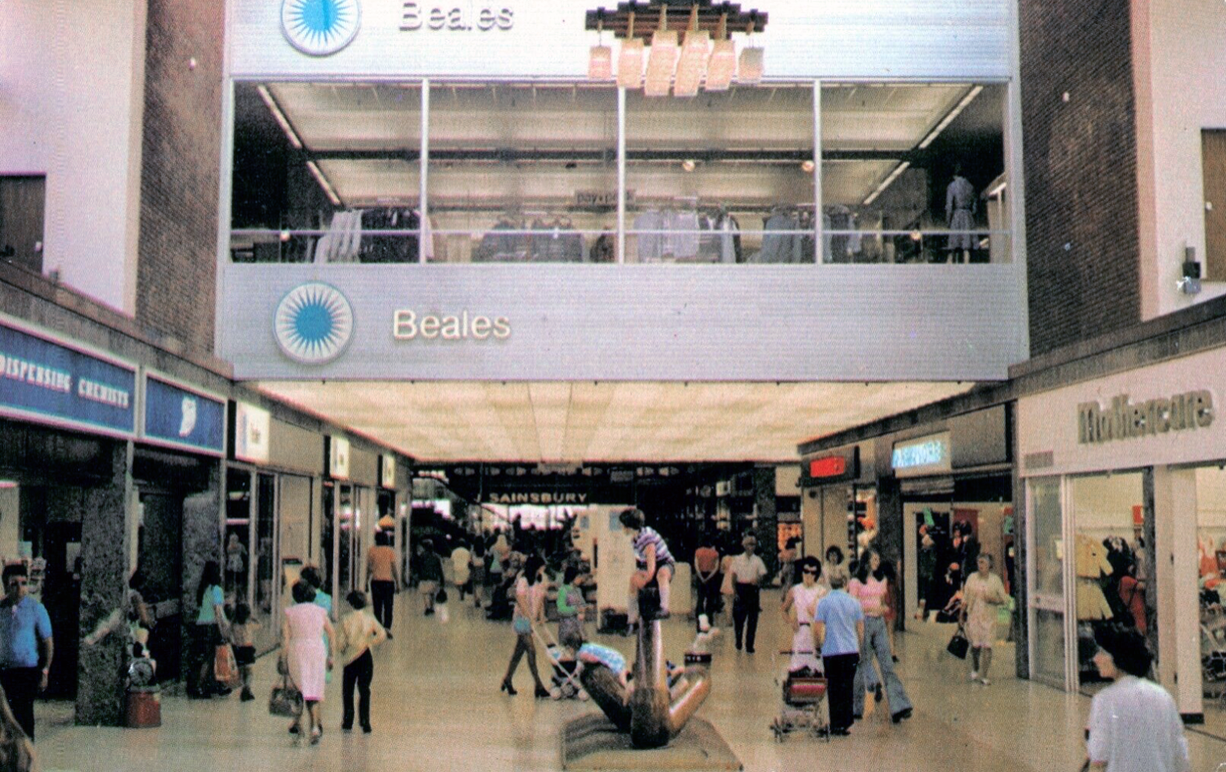
Andover

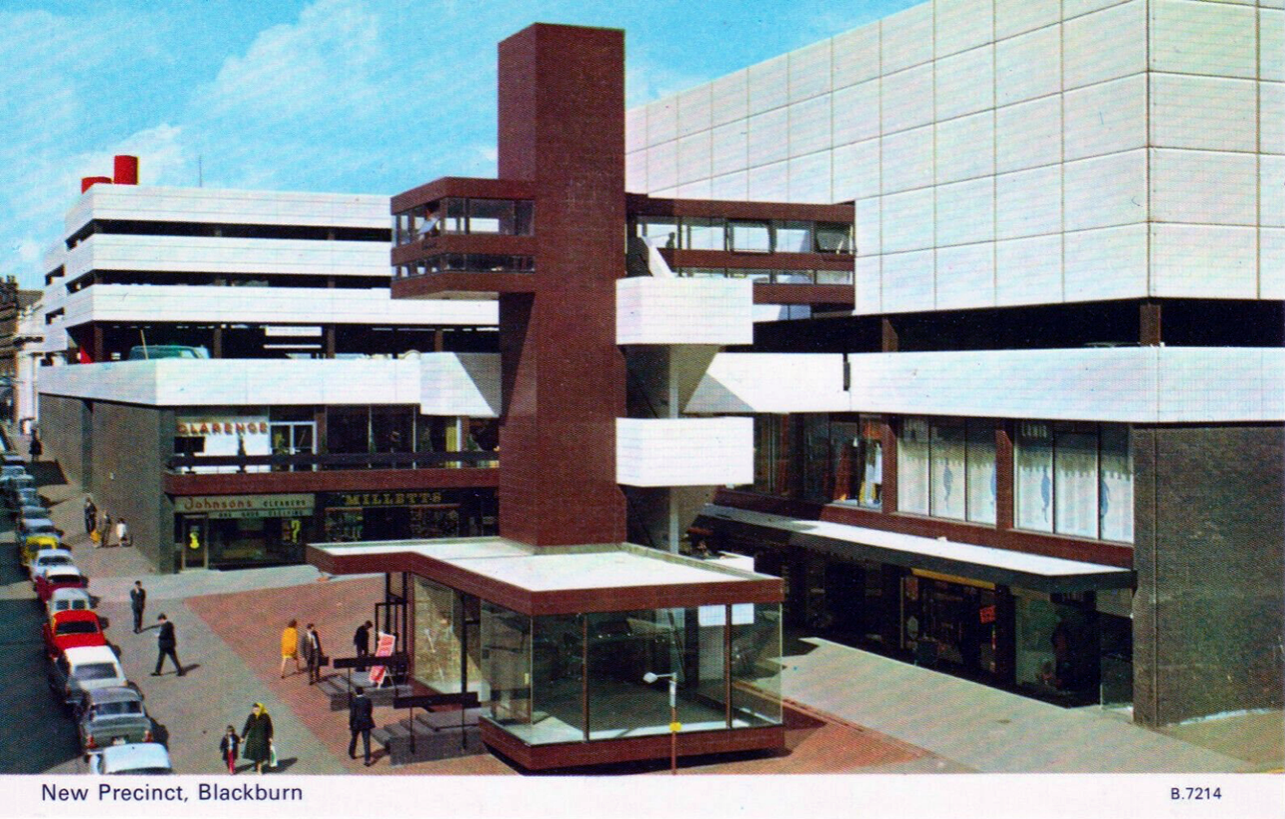
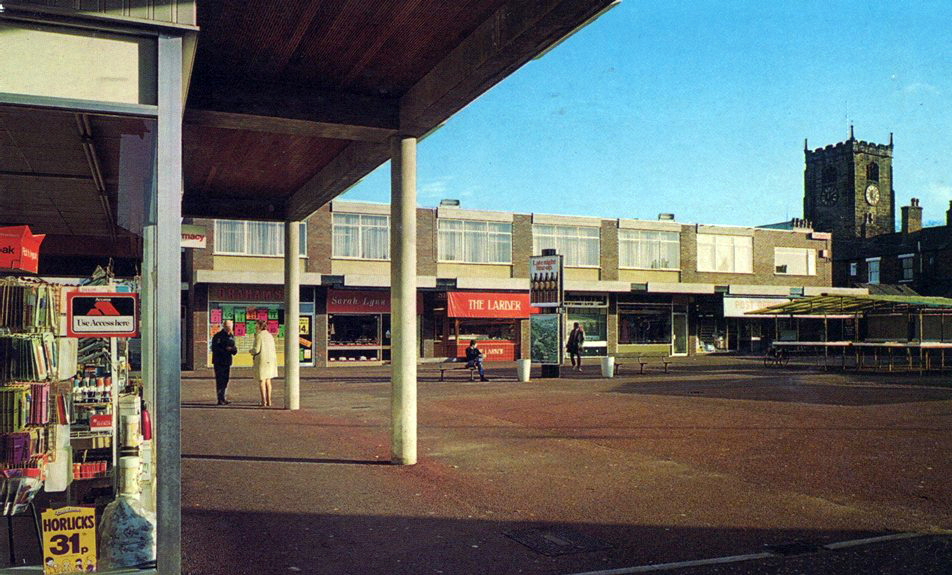
Blackburn

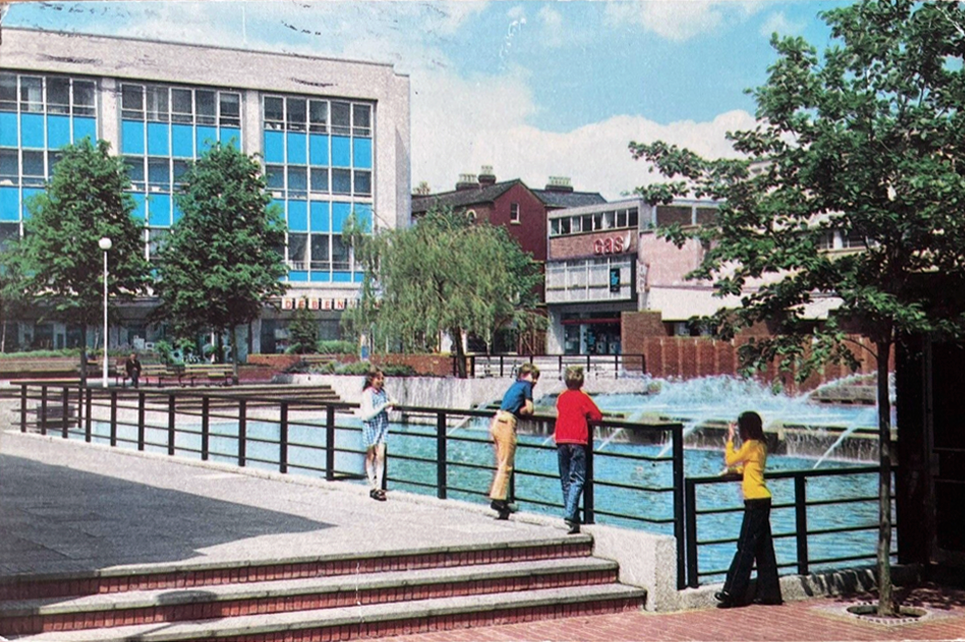
Burton on Trent

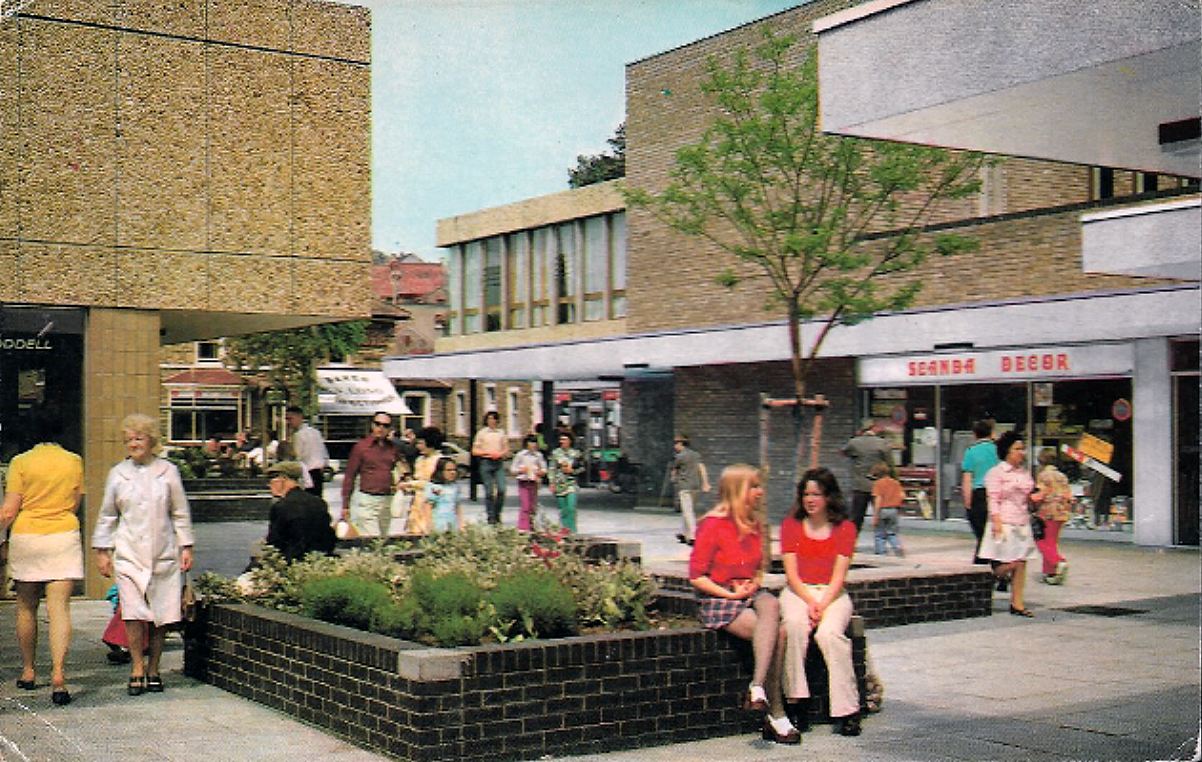
Chandlers Ford

Chester

Coventry

Cowplain

Dartford

Dunstable

Exeter

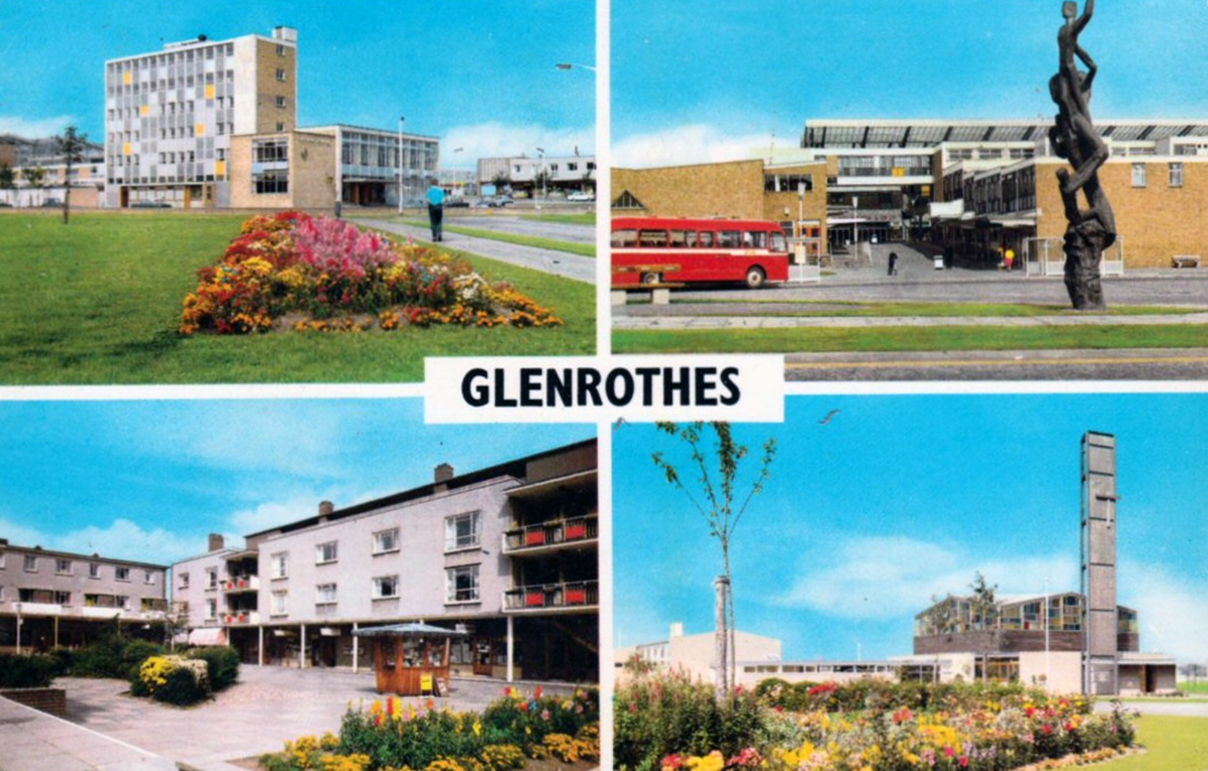
Glenrothes

Gloucester

Hanley

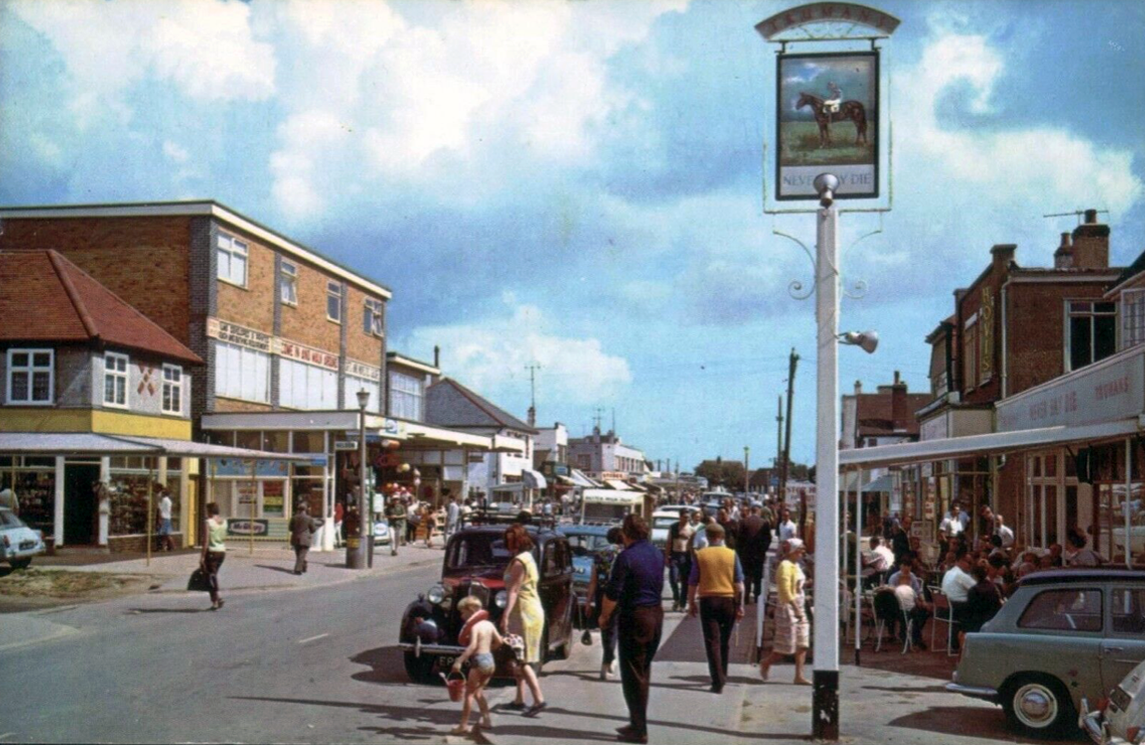
Jaywick

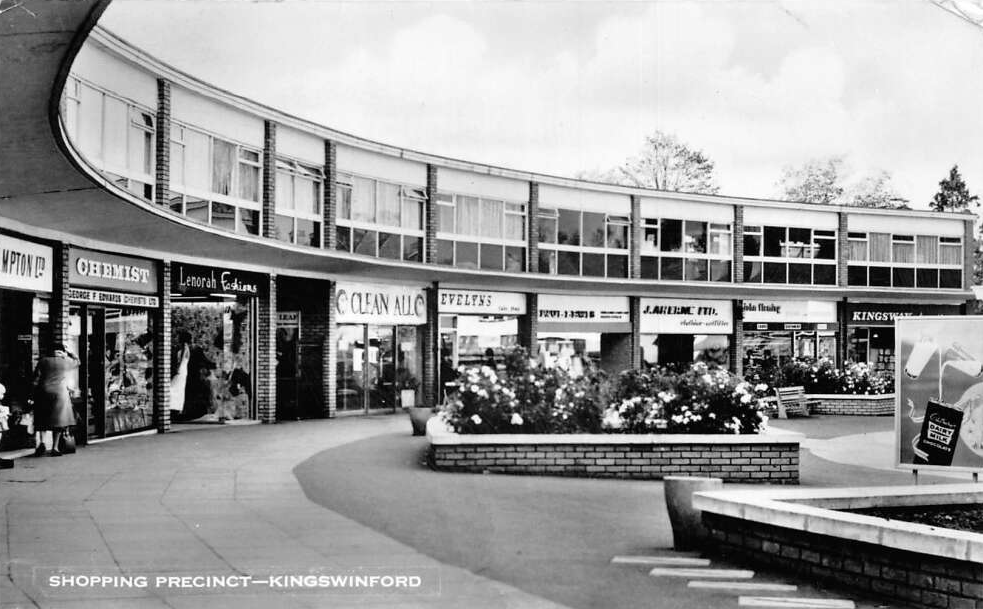
Kingwinsford

Leyland

Poole

Portishead

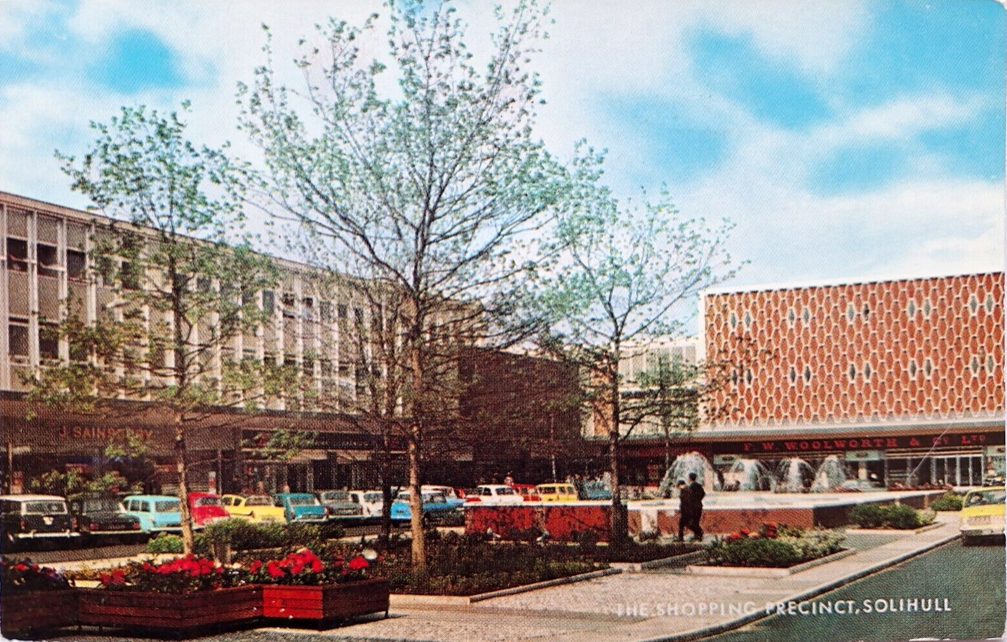
Solihull

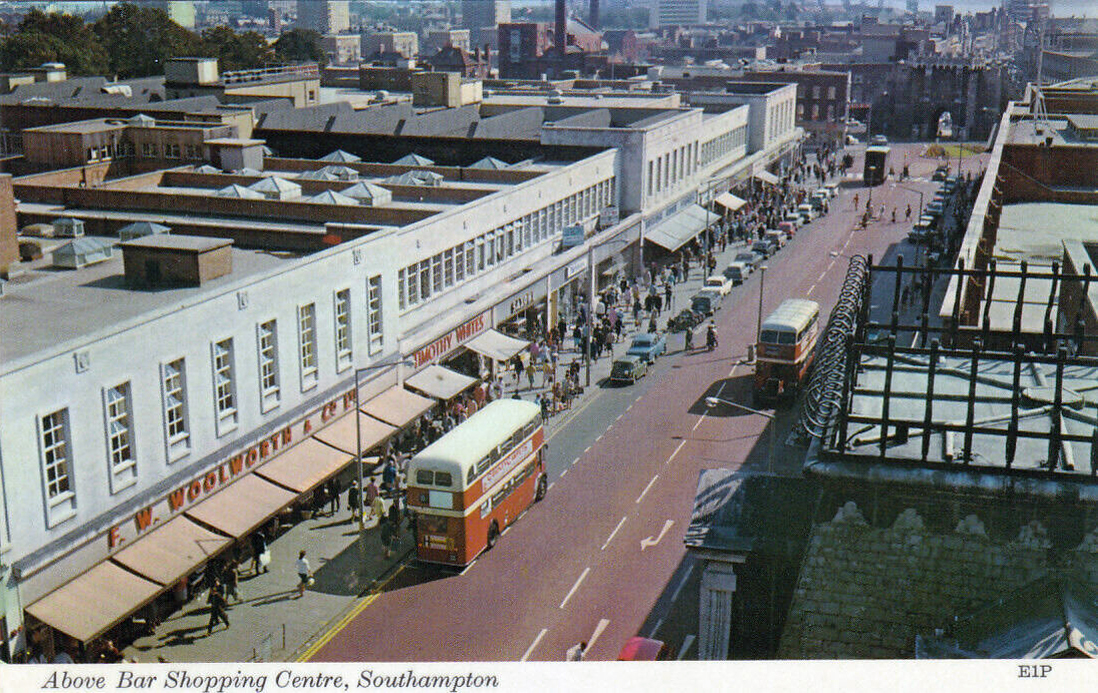
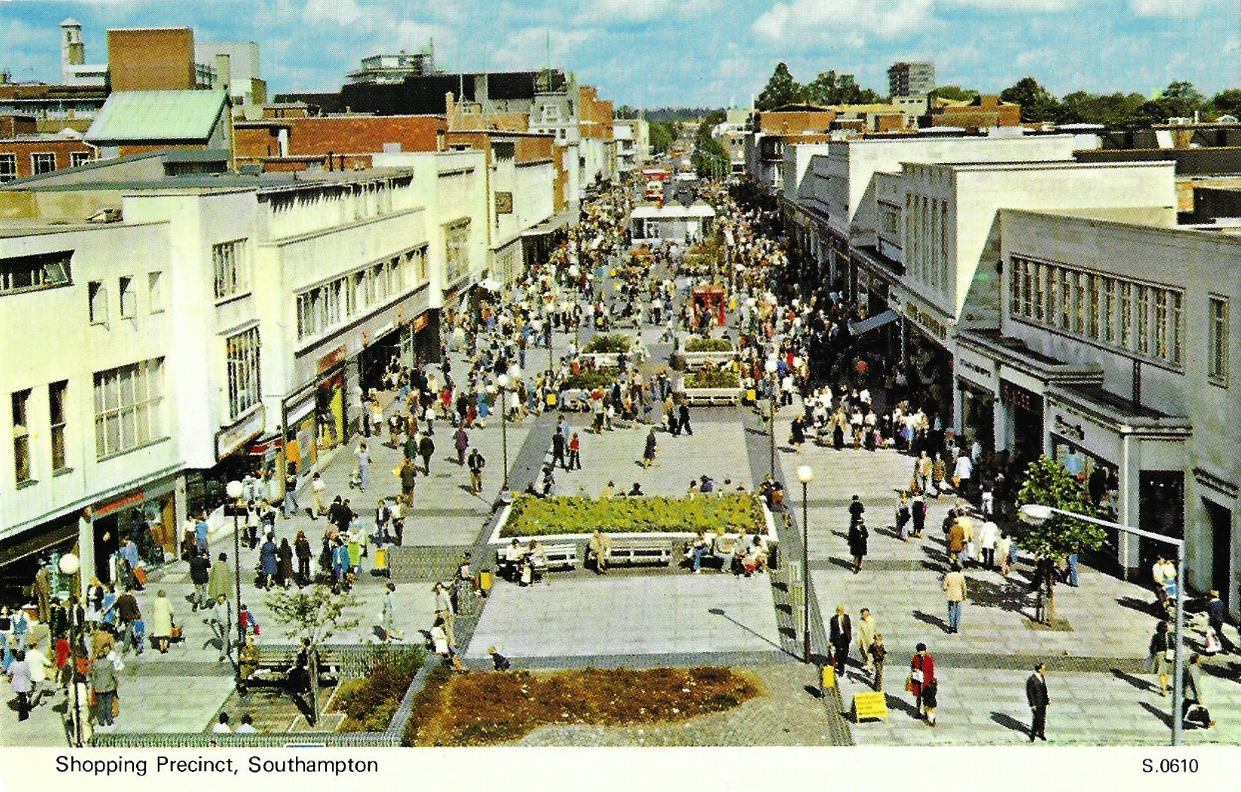
Southampton

Stenhousemuir

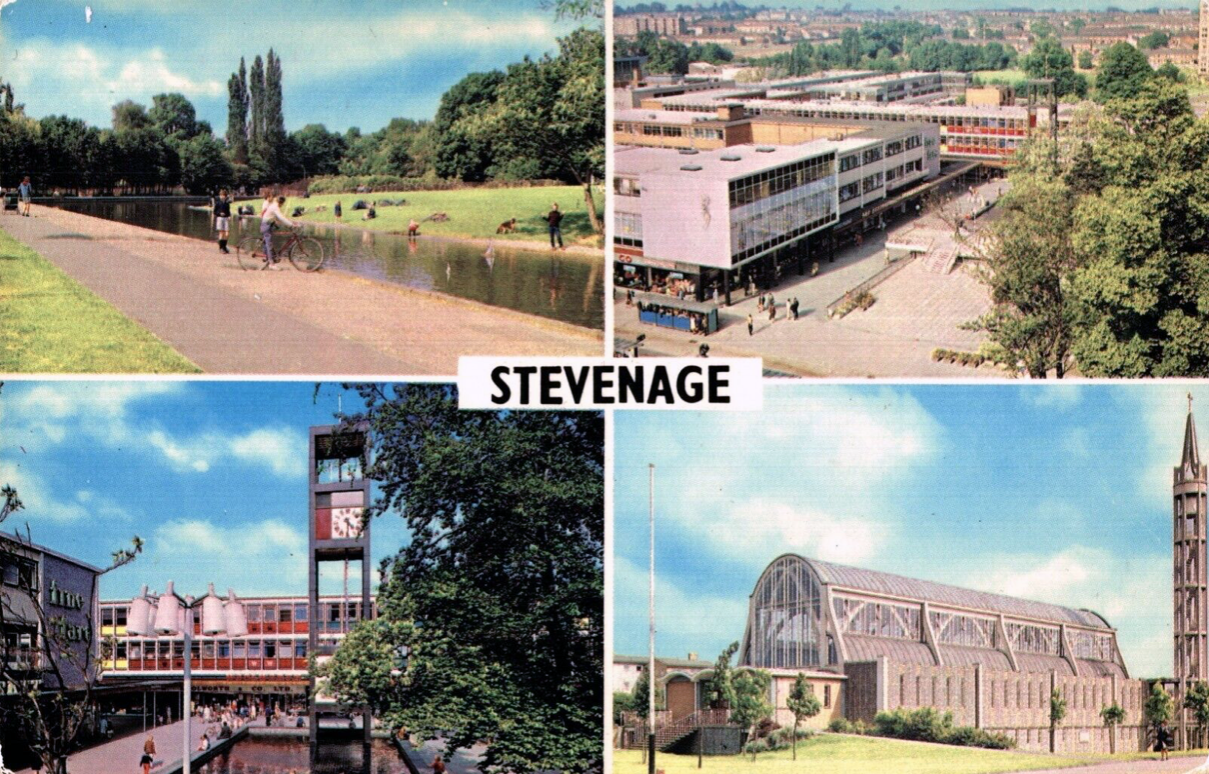
Stevenage

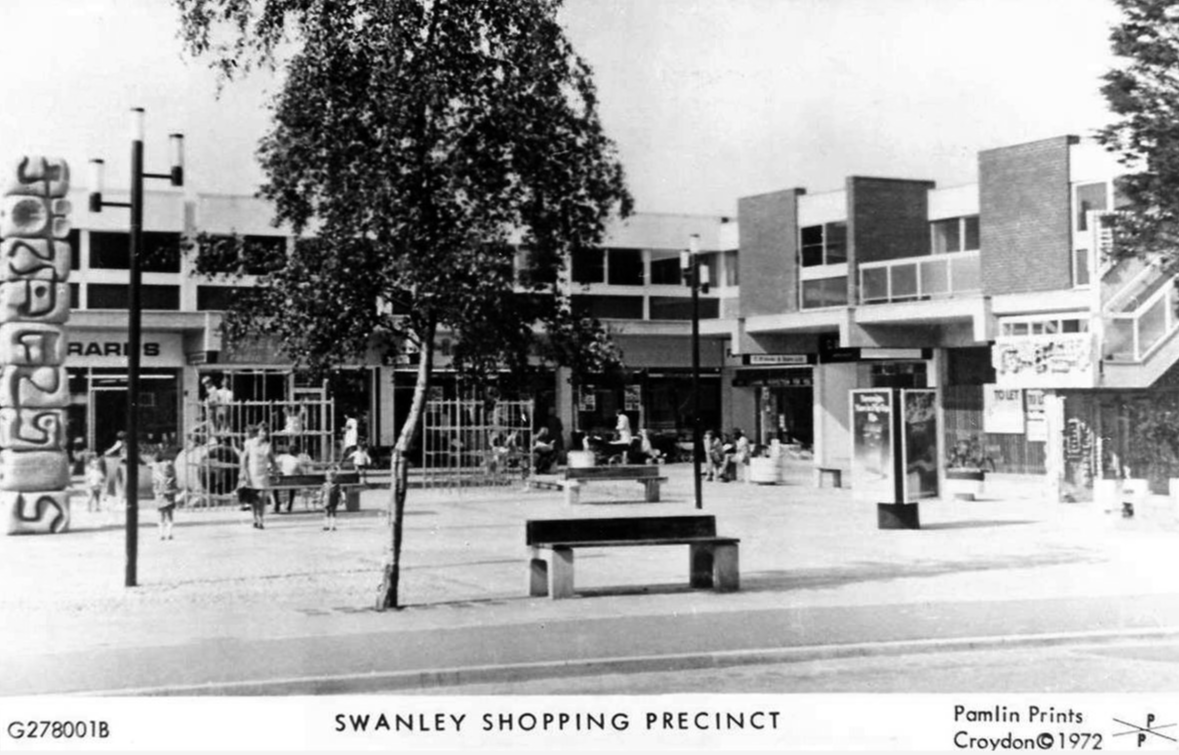
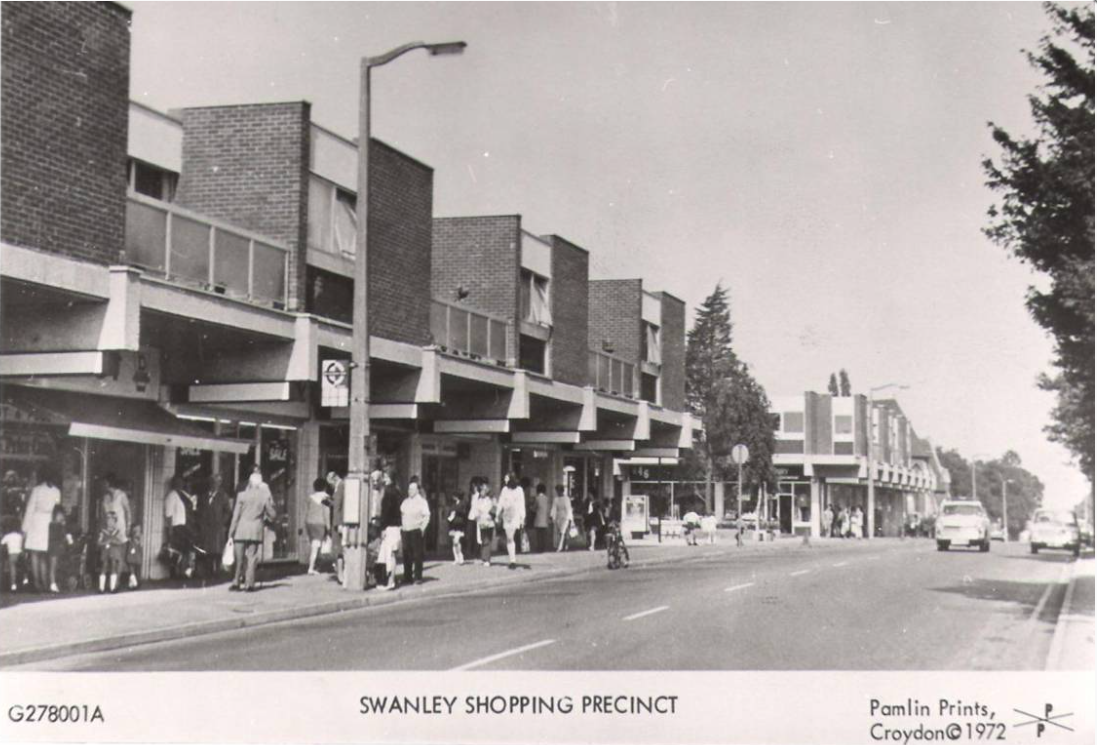
Swanley

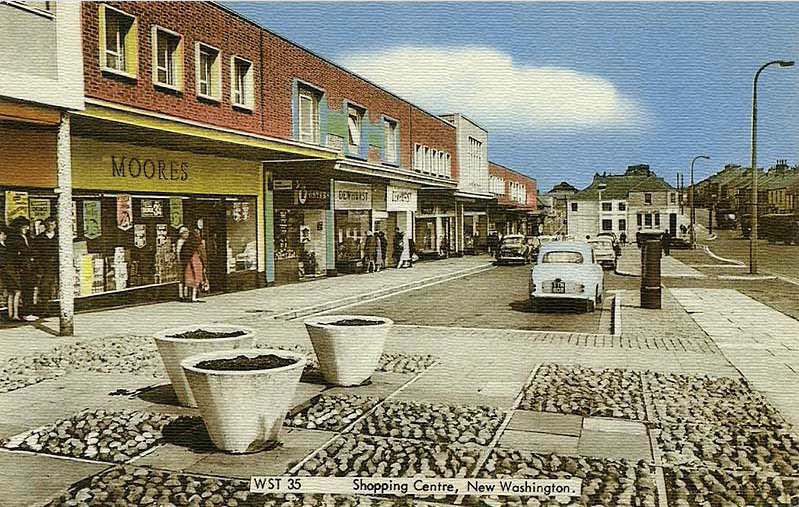
New Washington

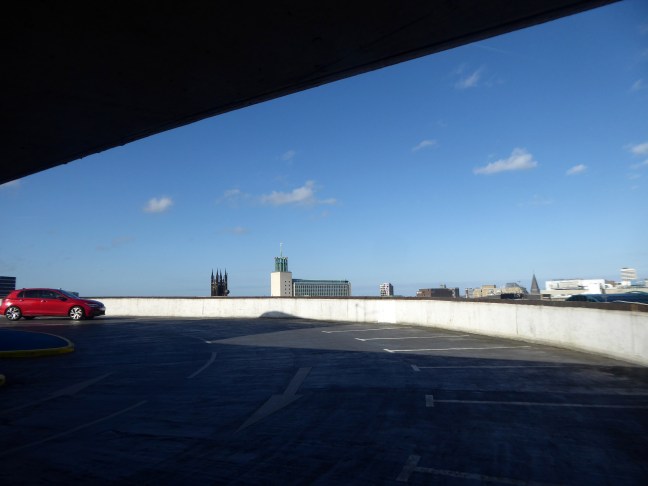
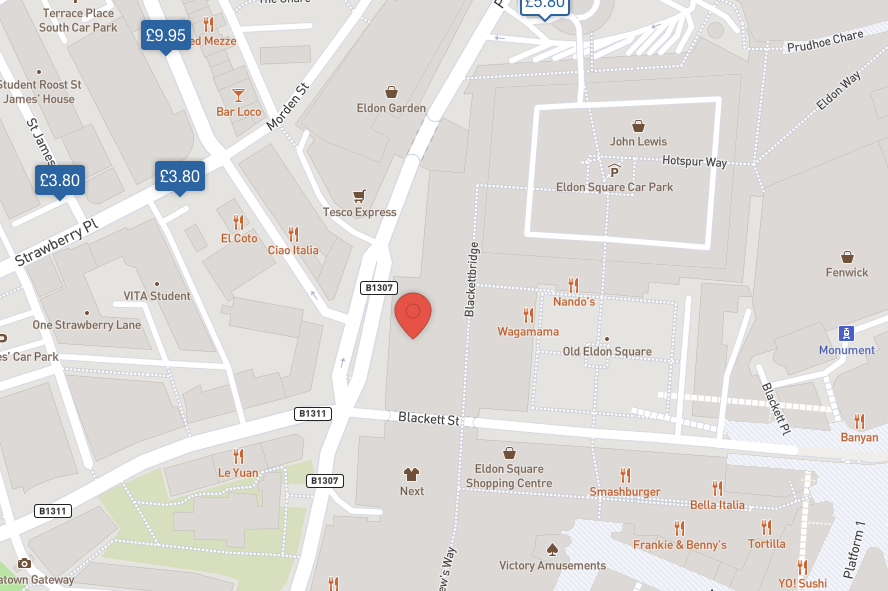
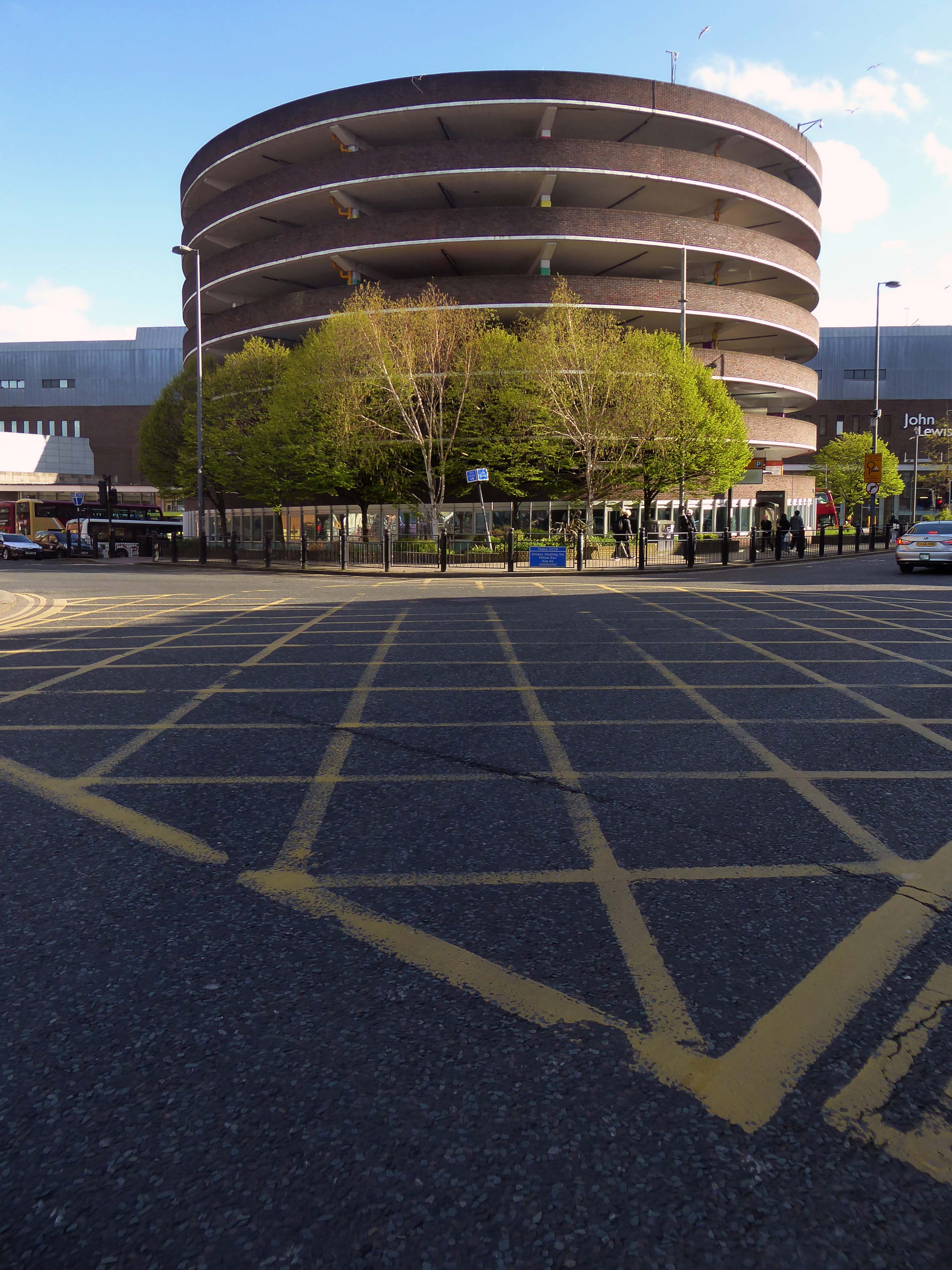
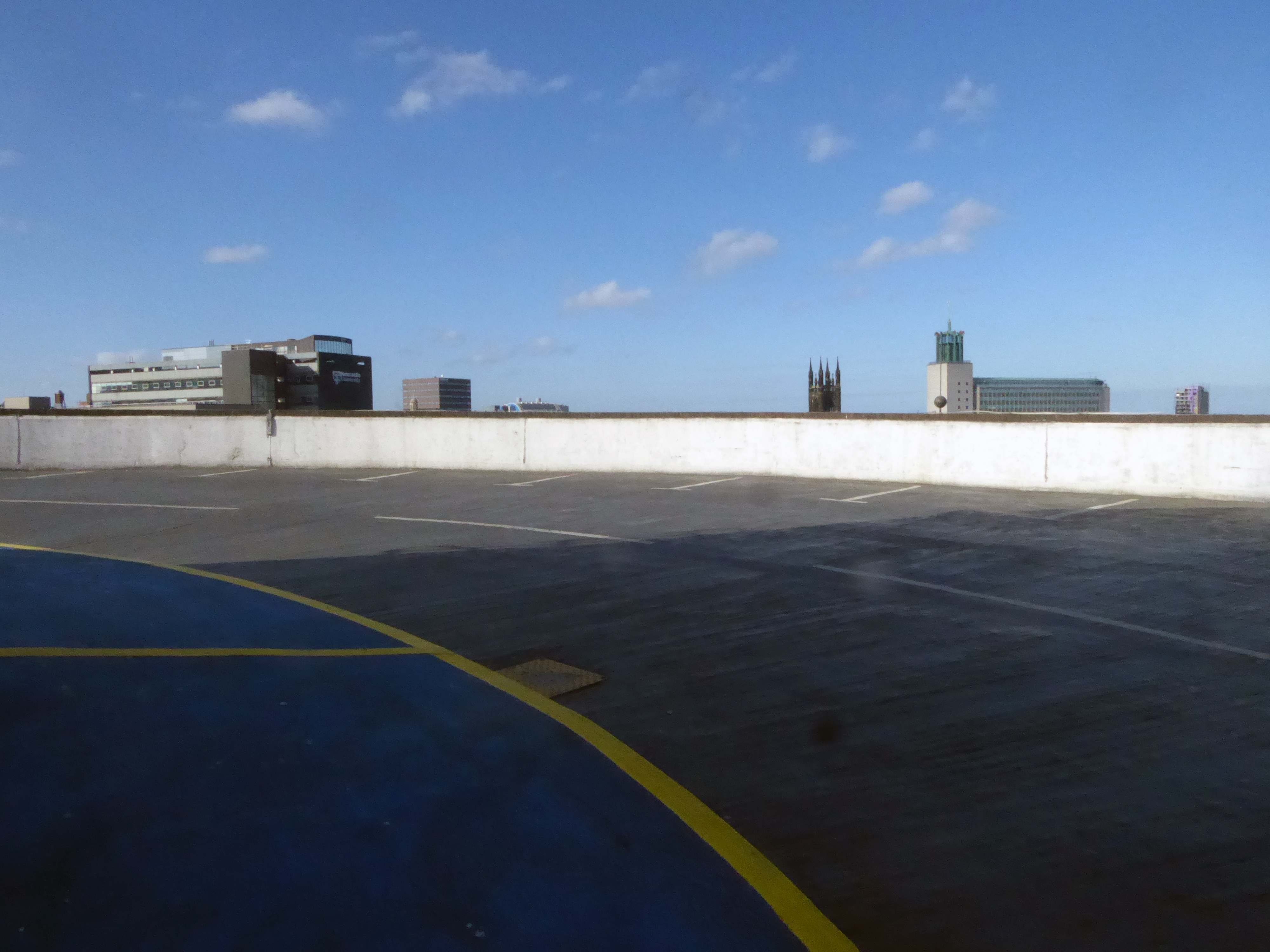
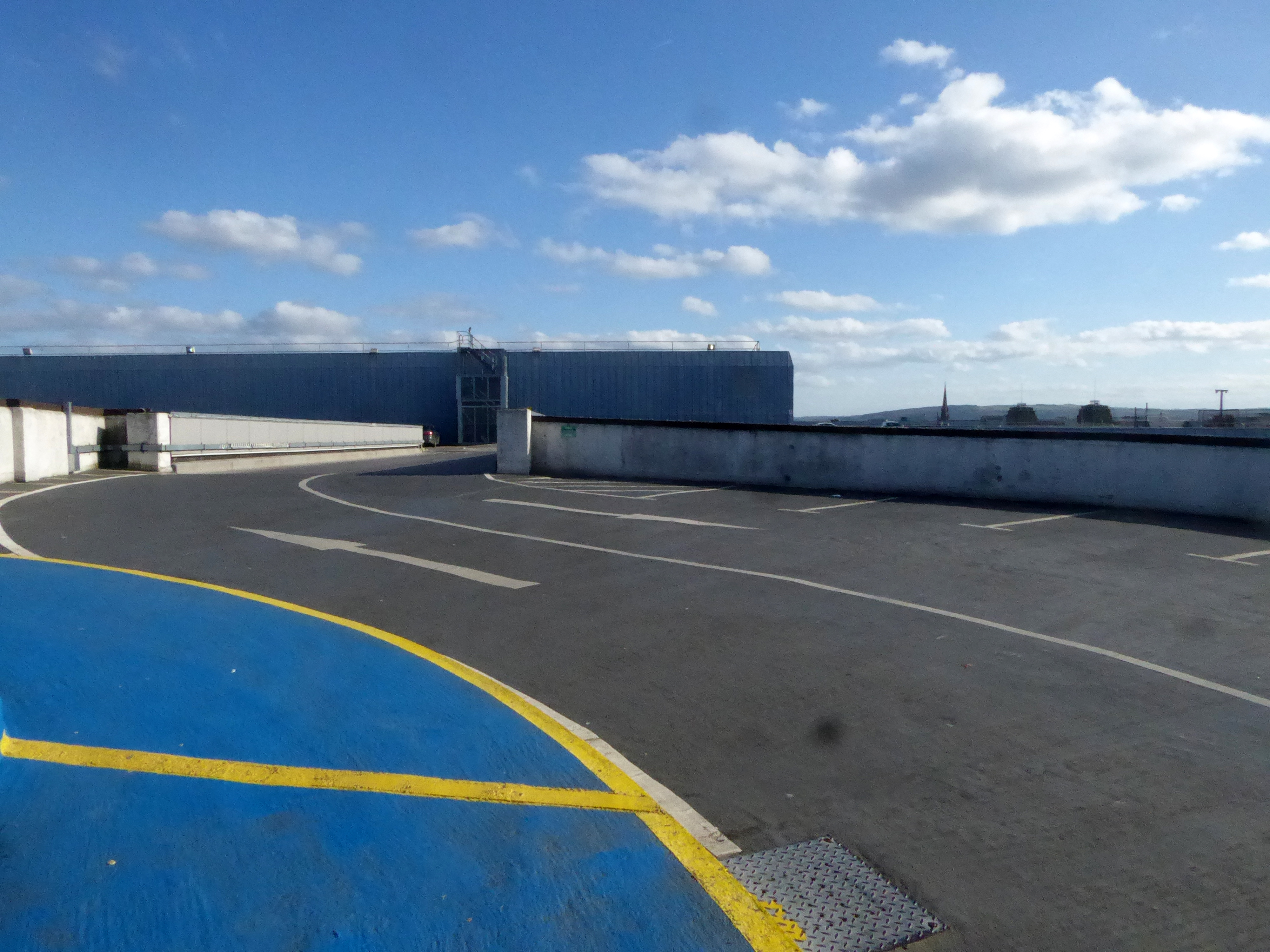
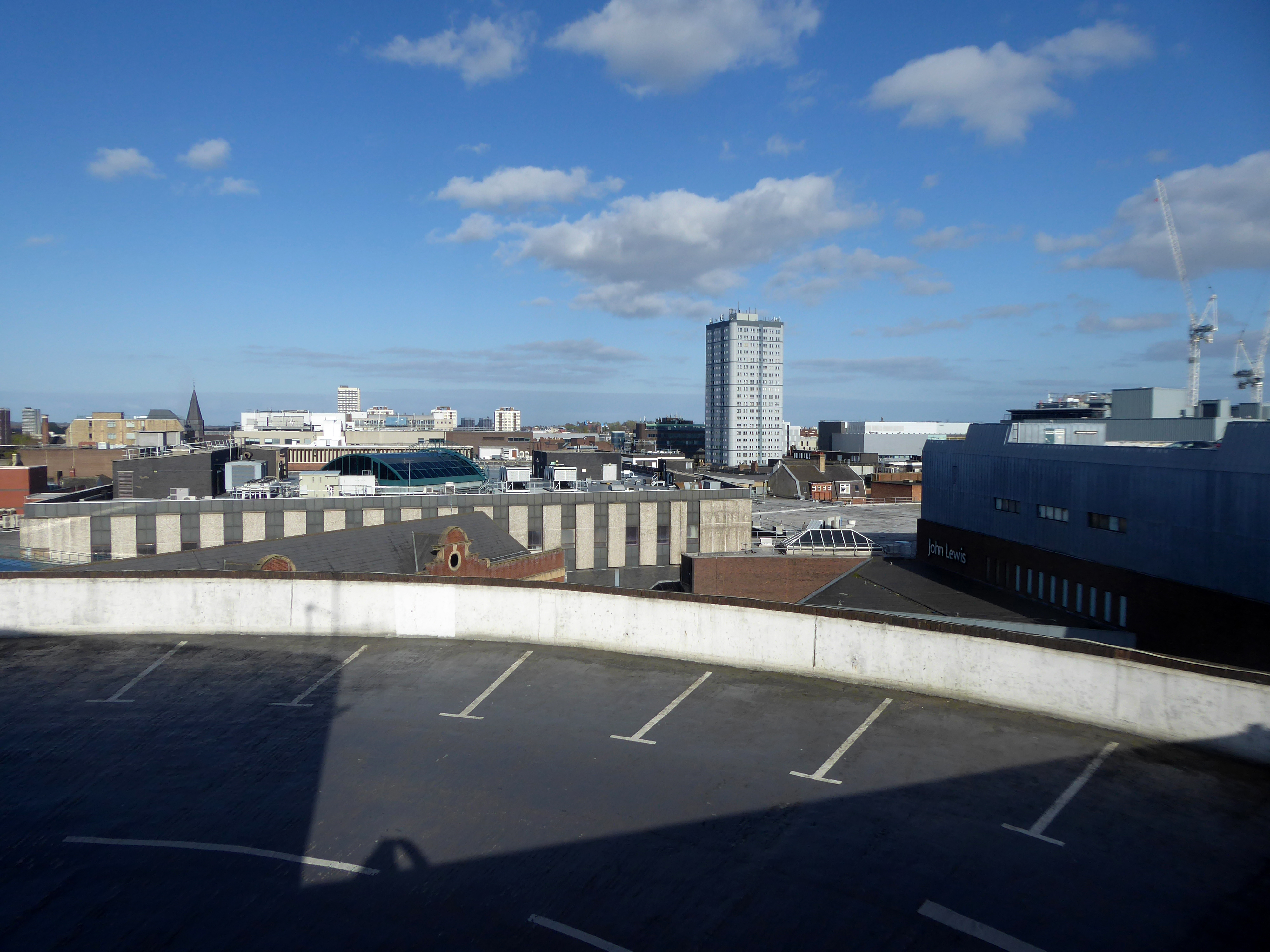
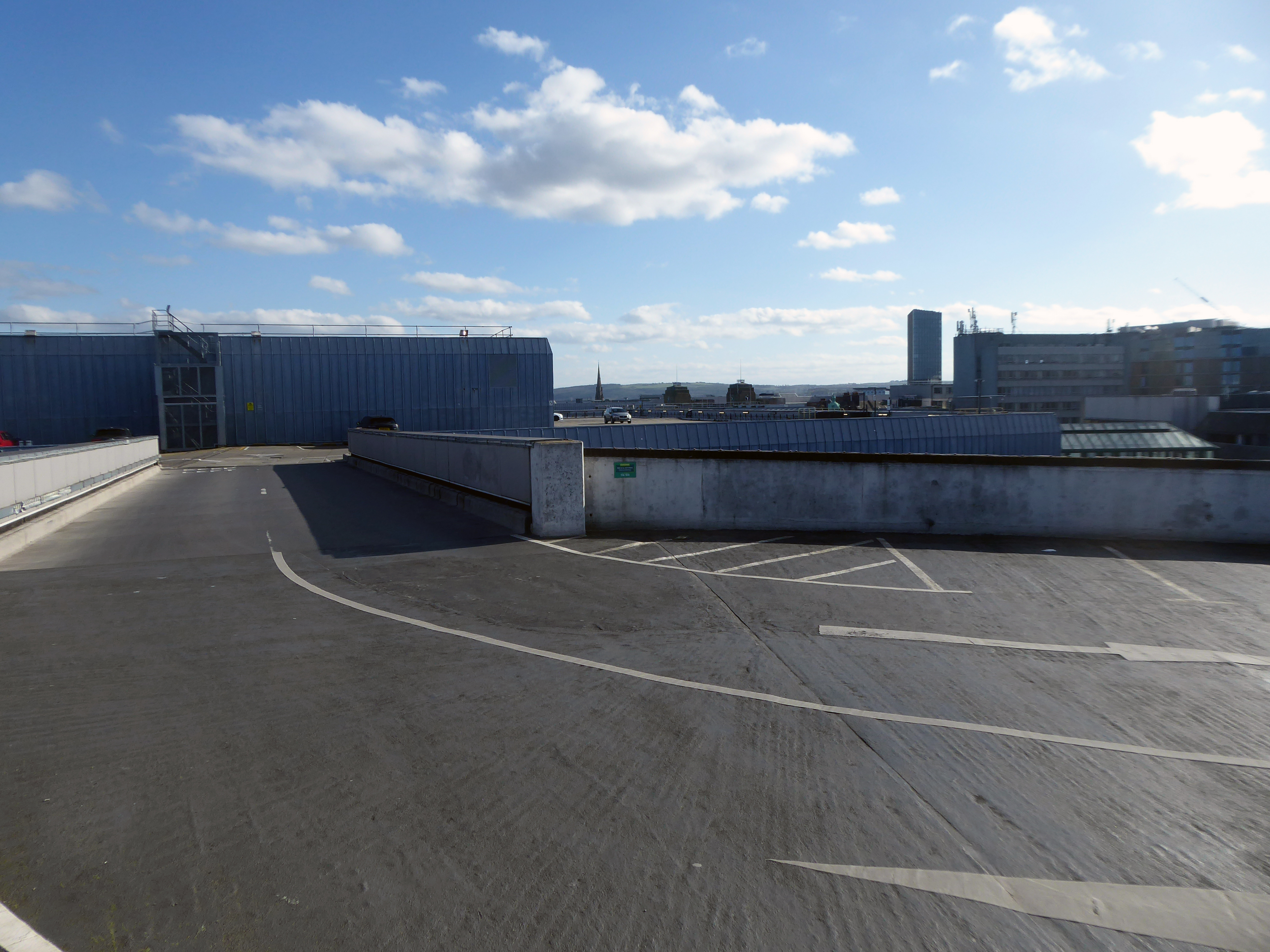
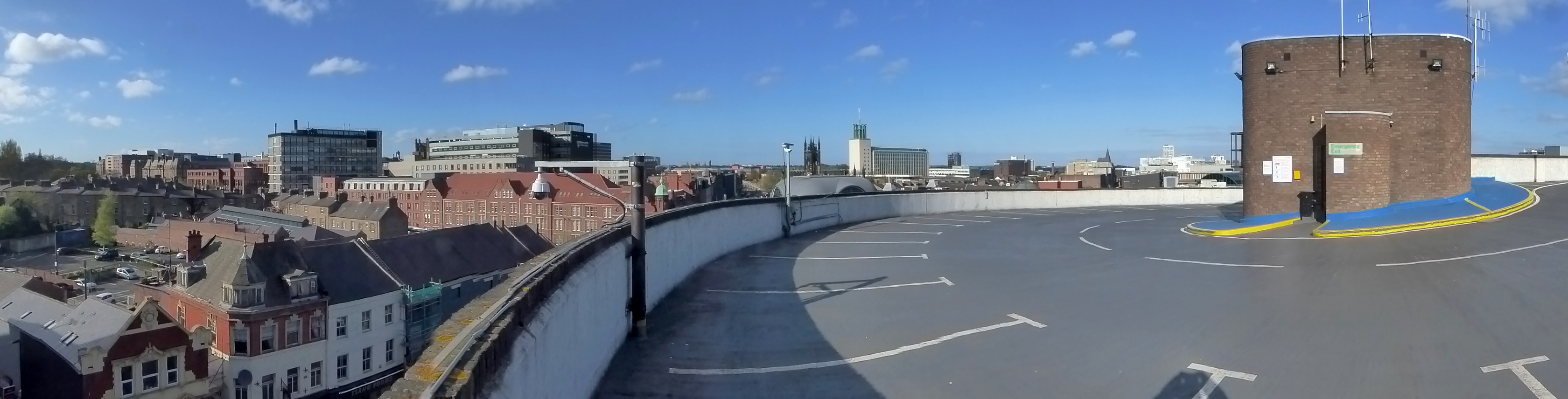
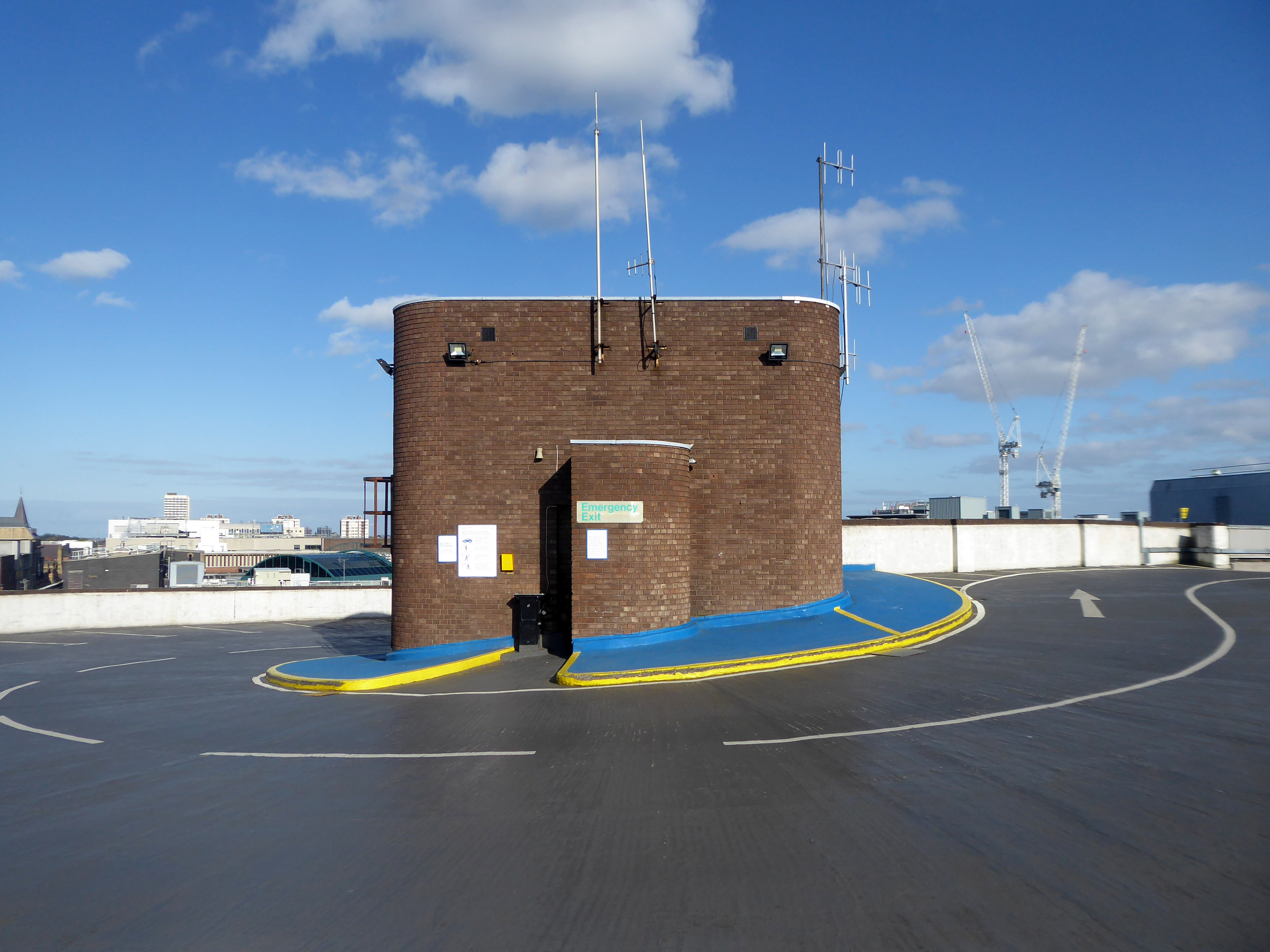
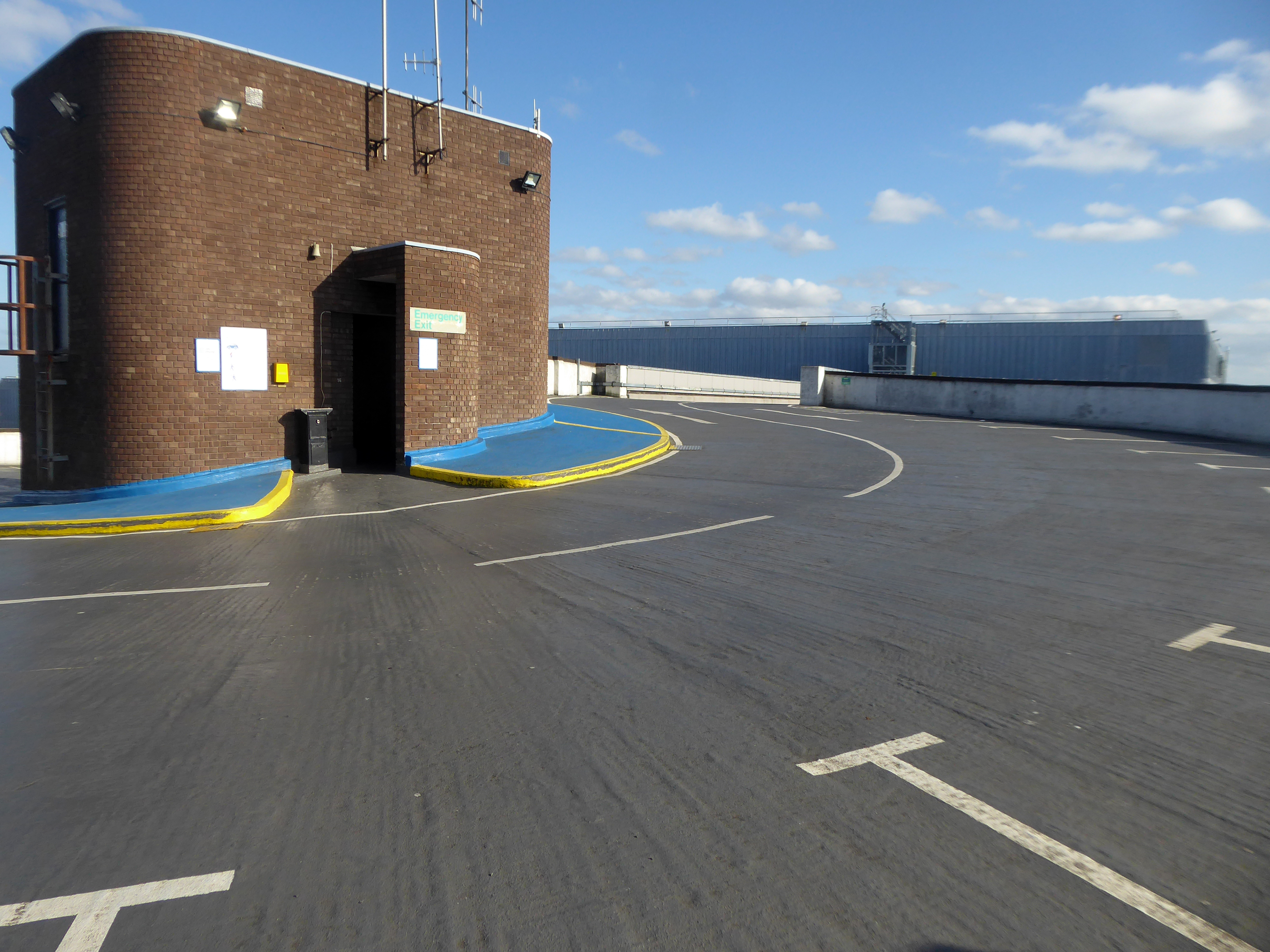
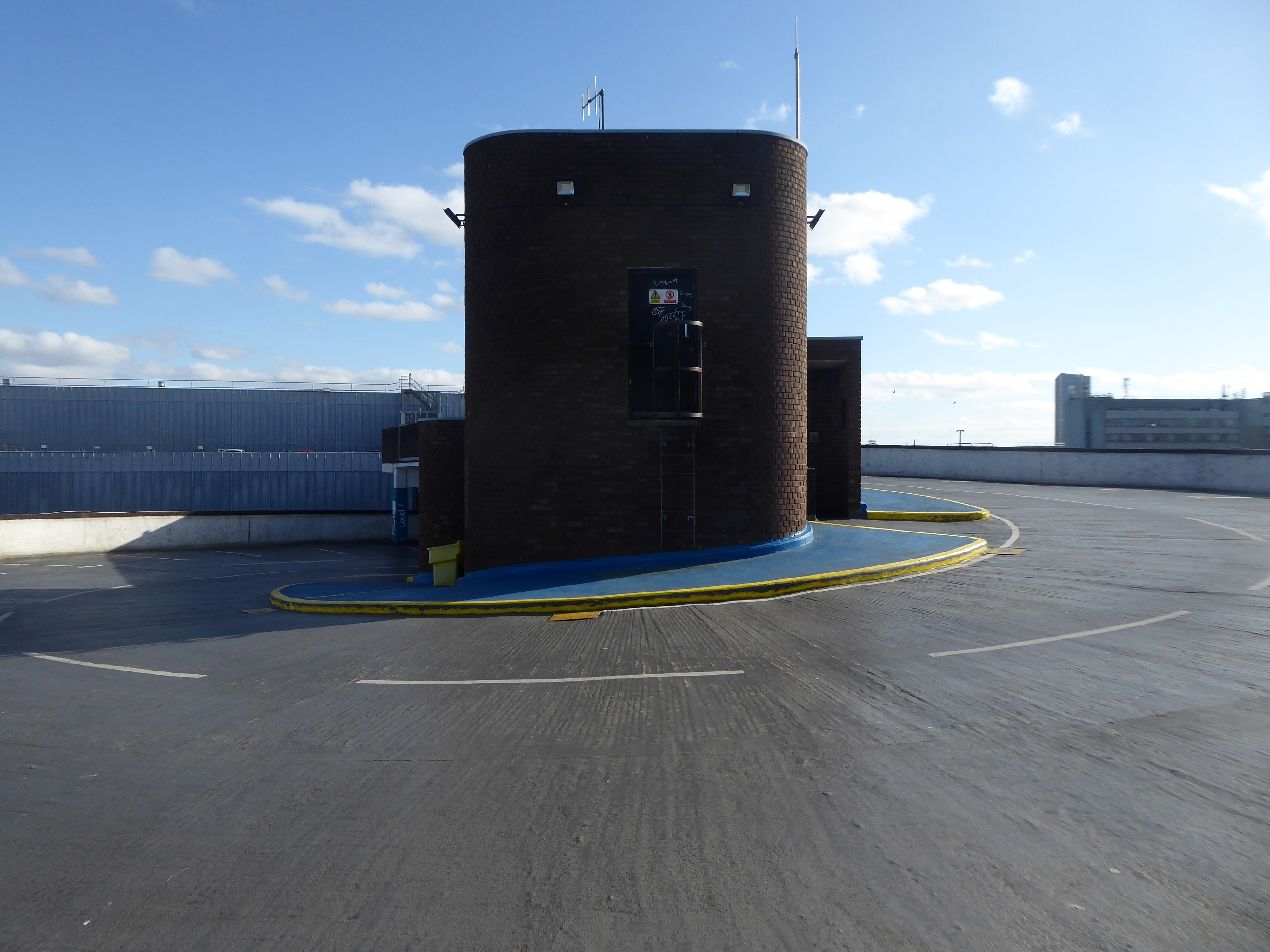
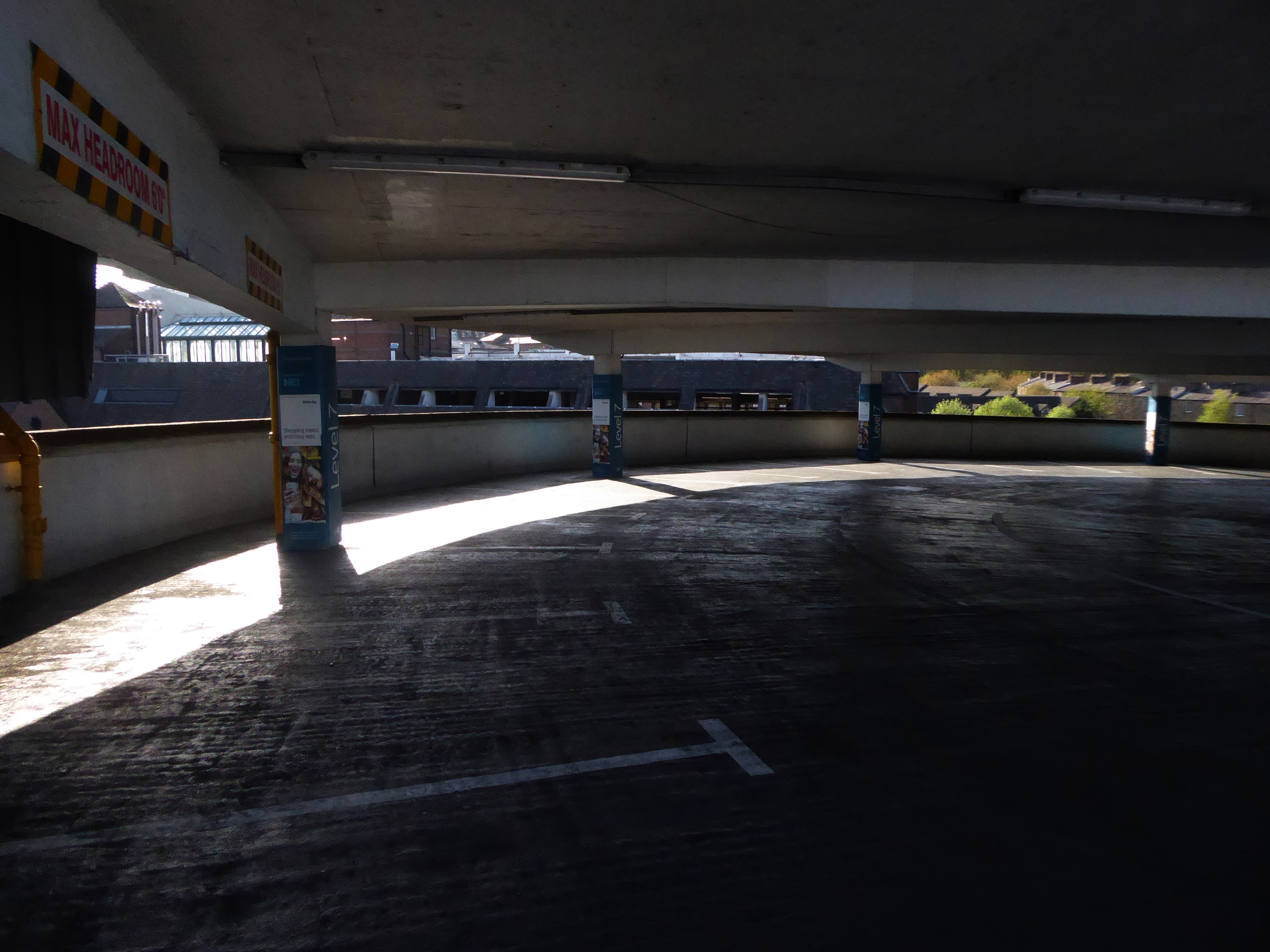
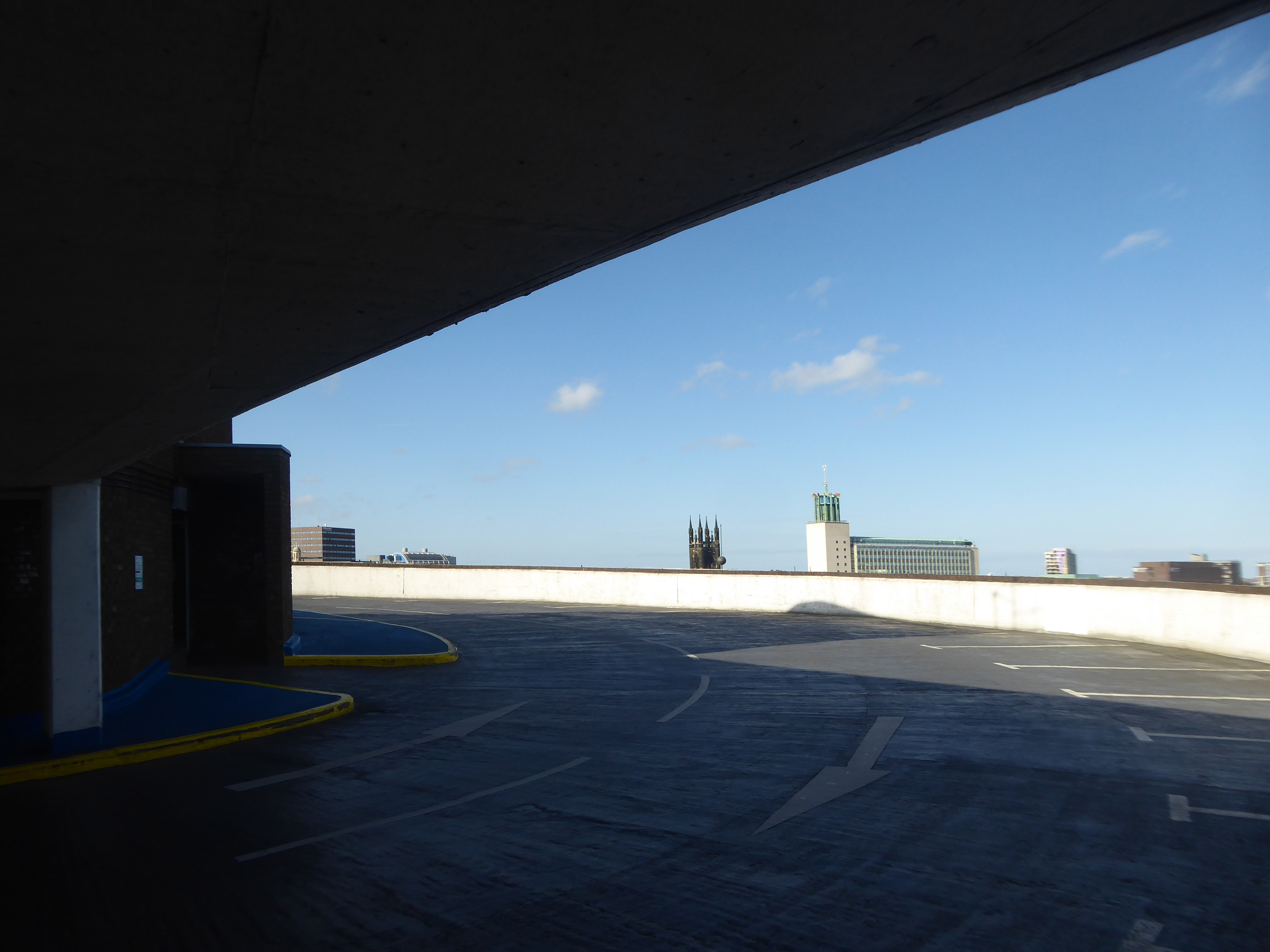
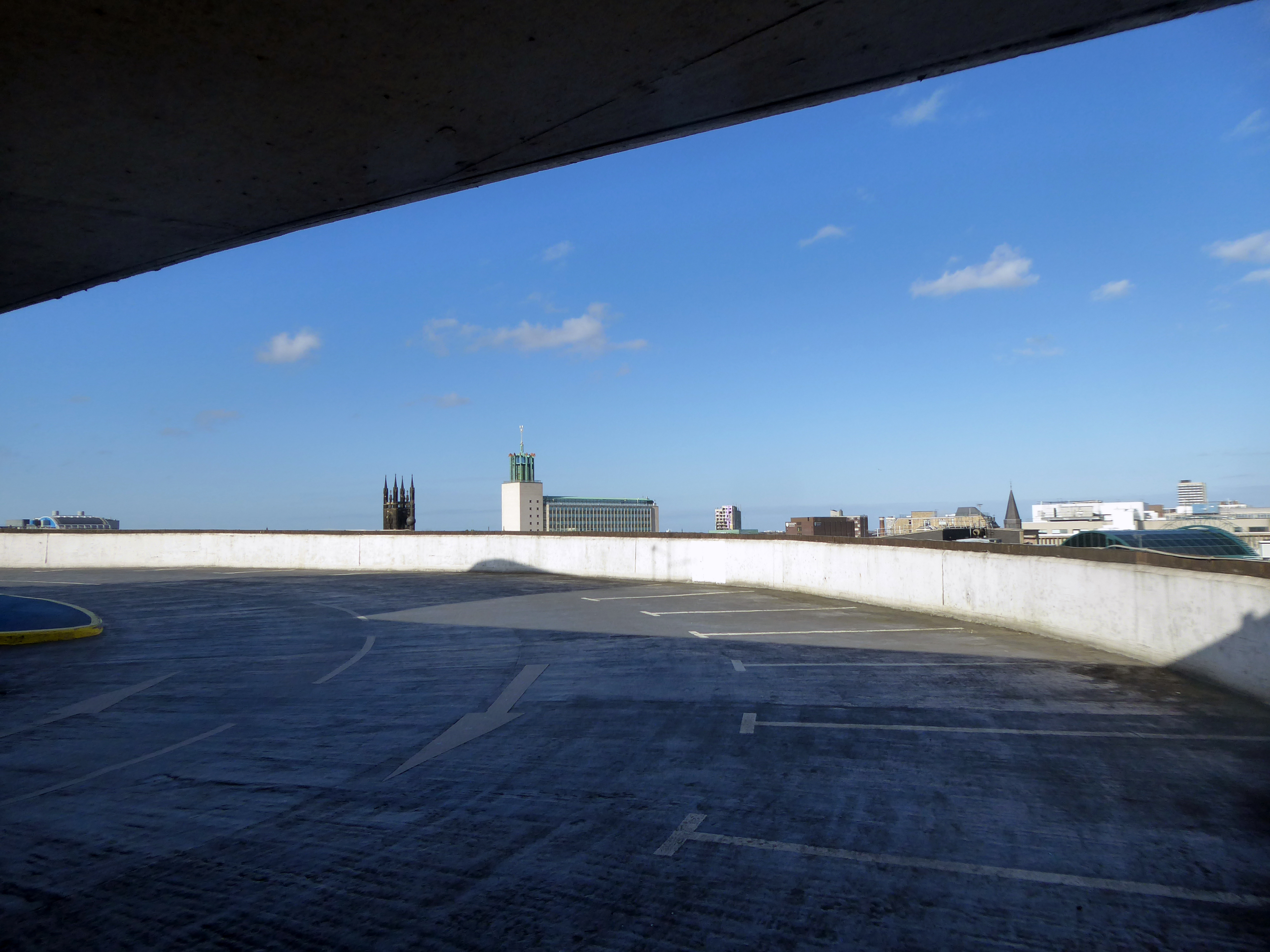
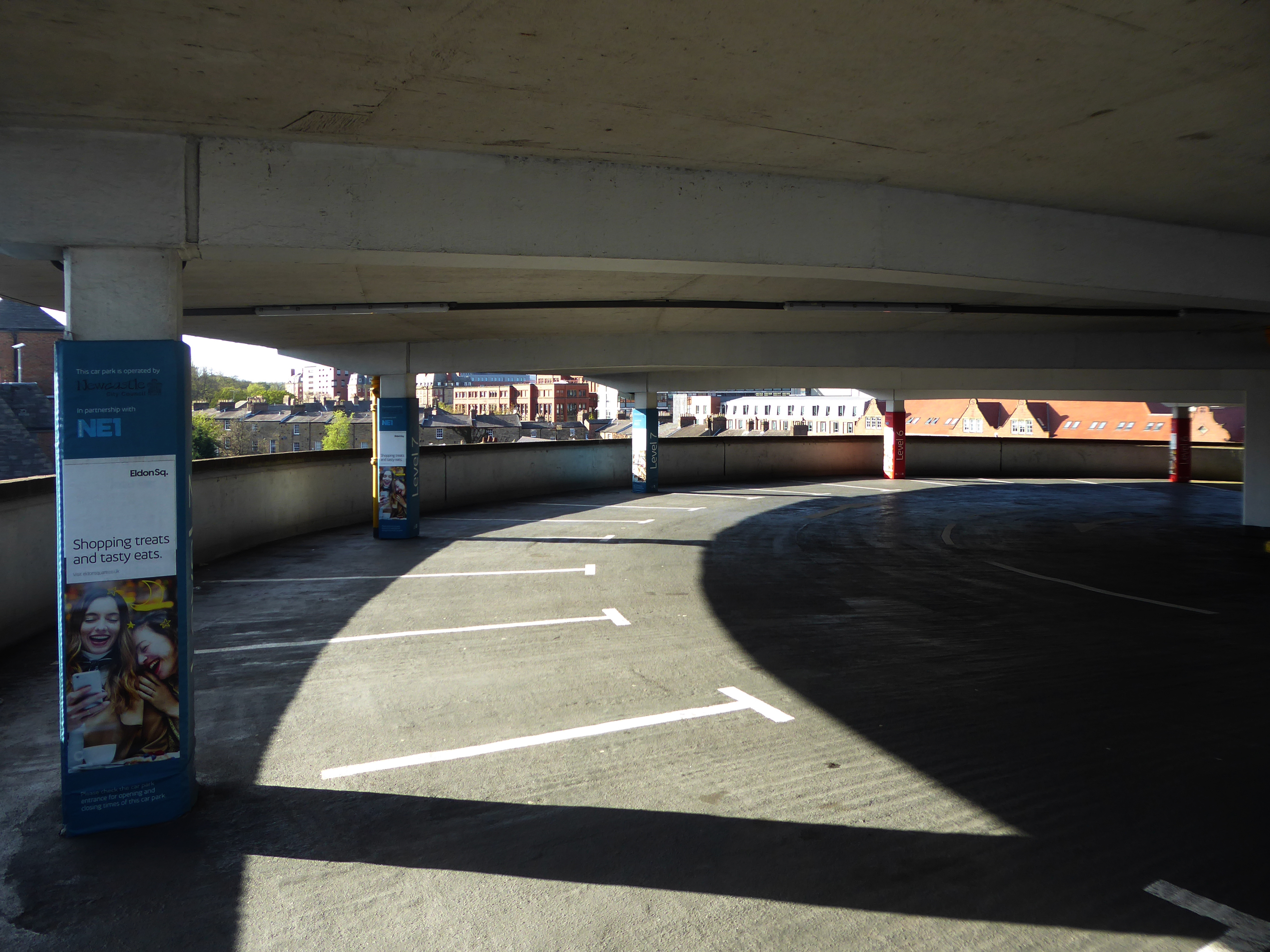
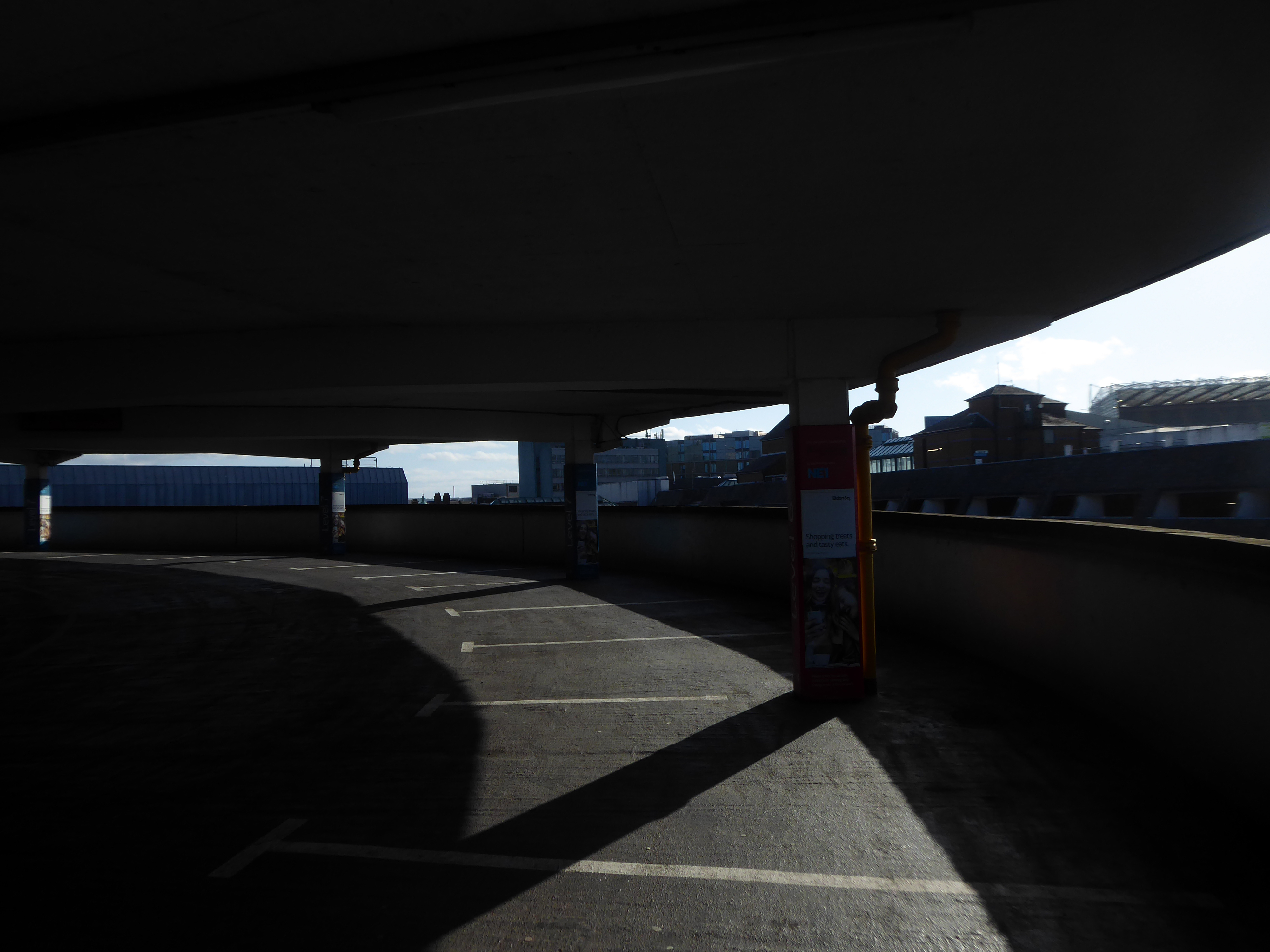
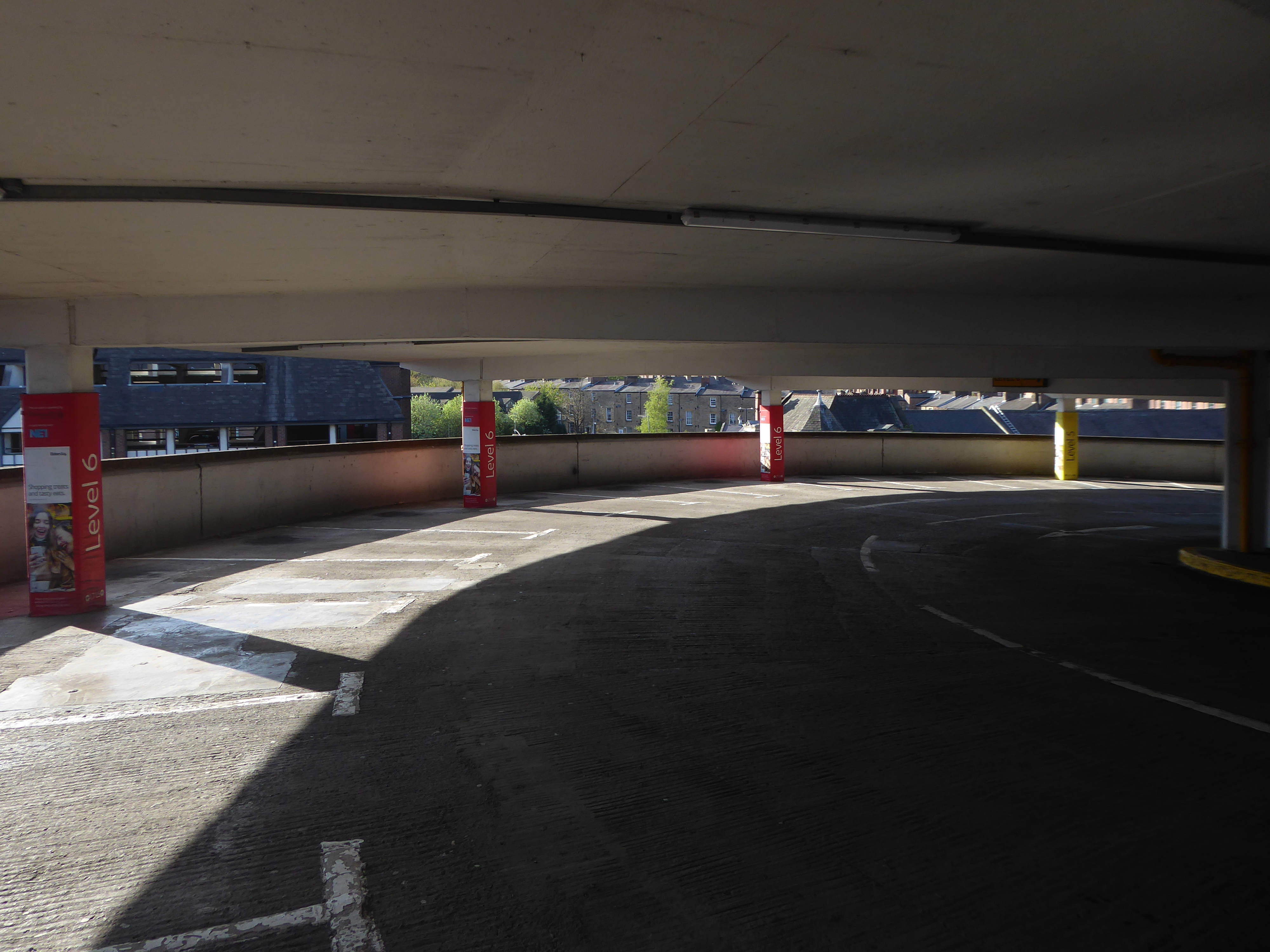
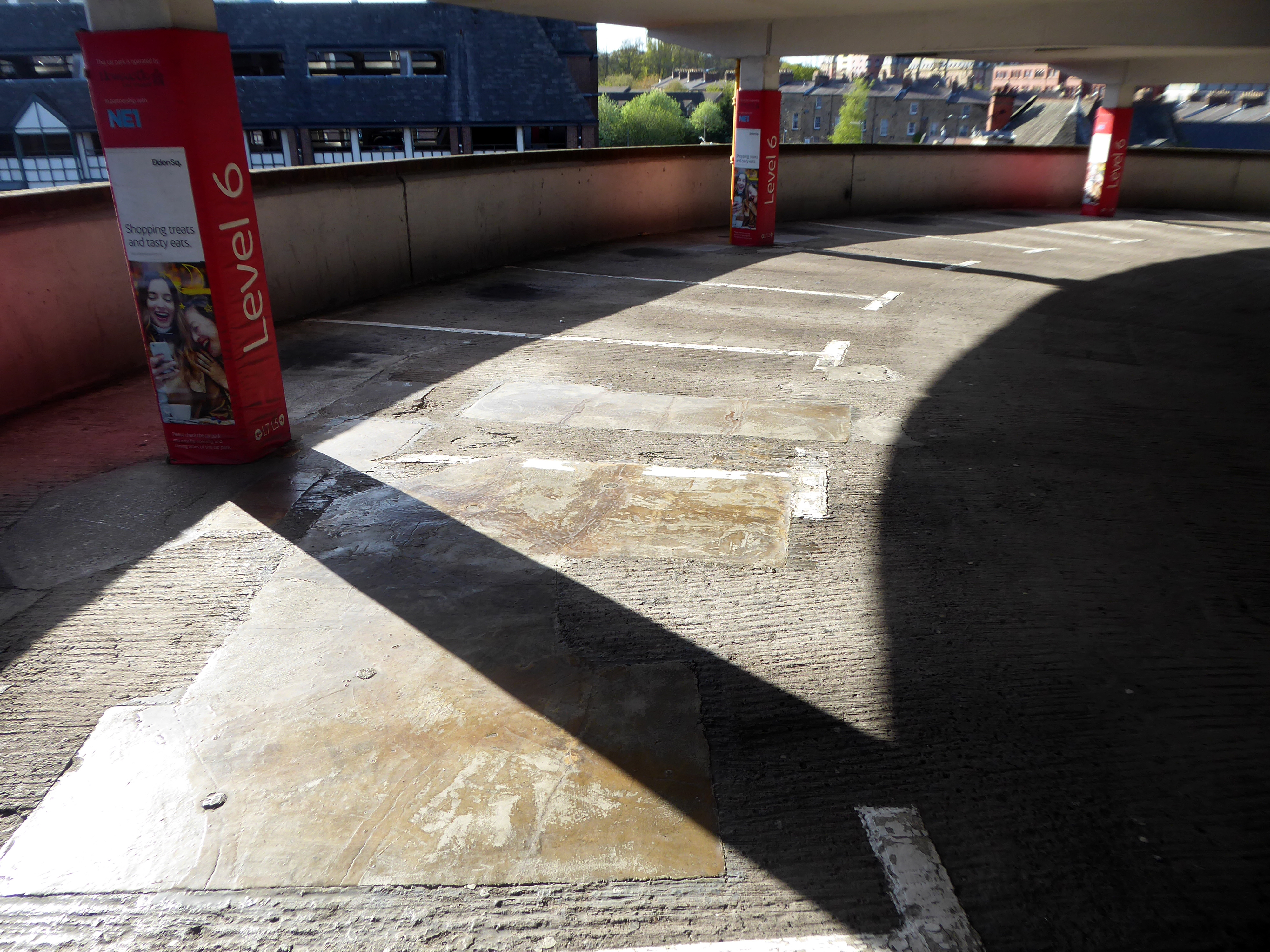
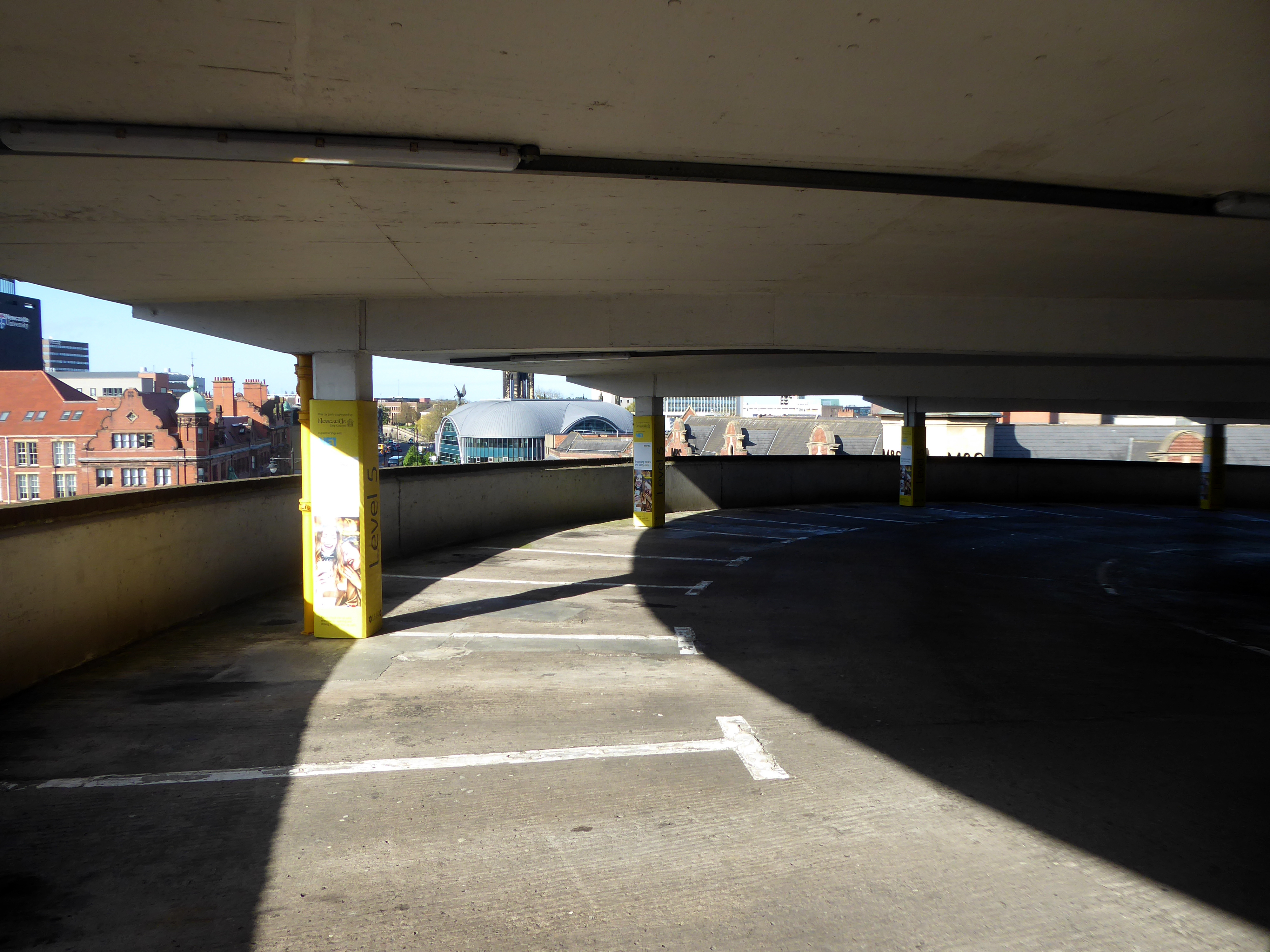
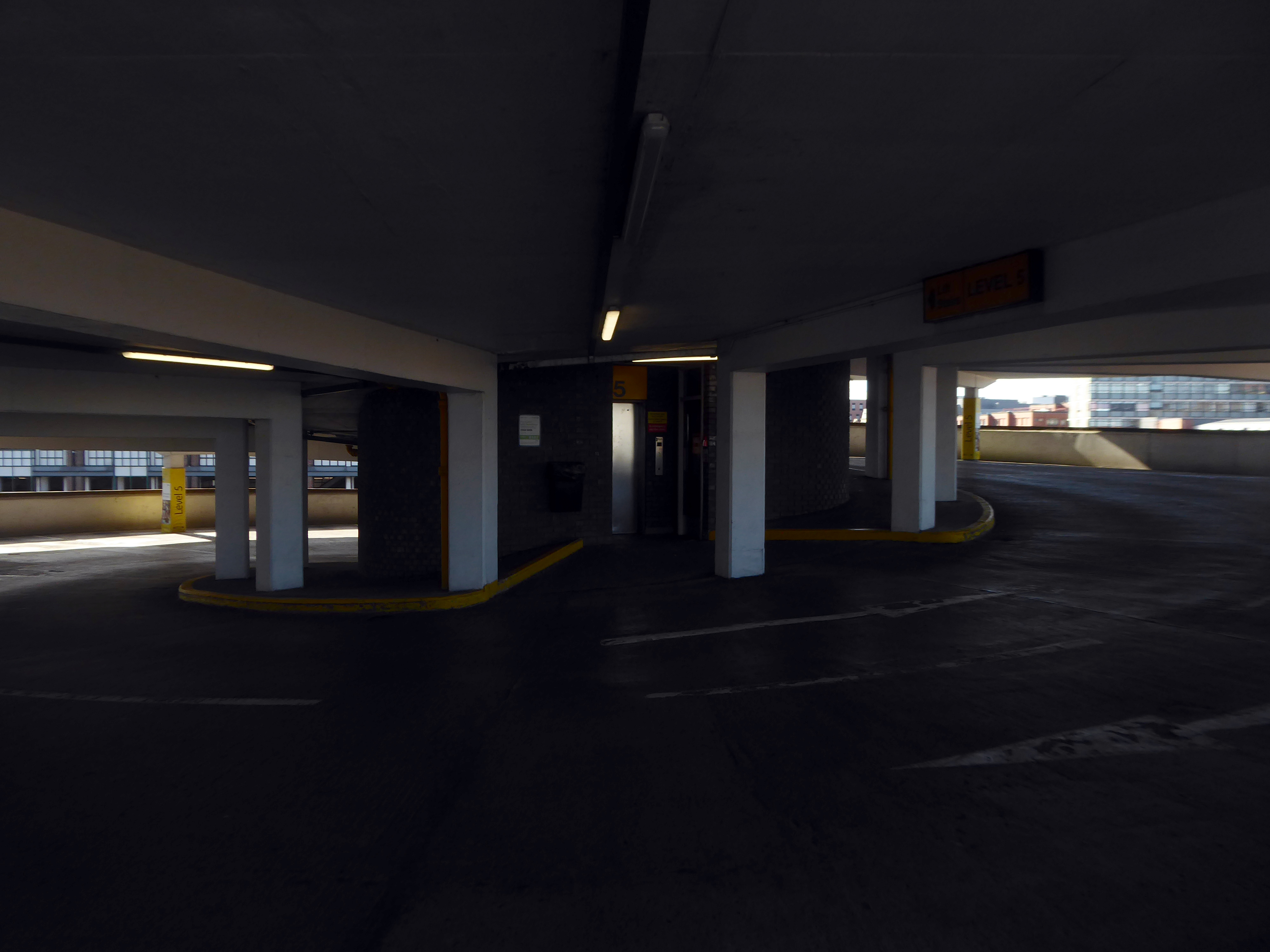
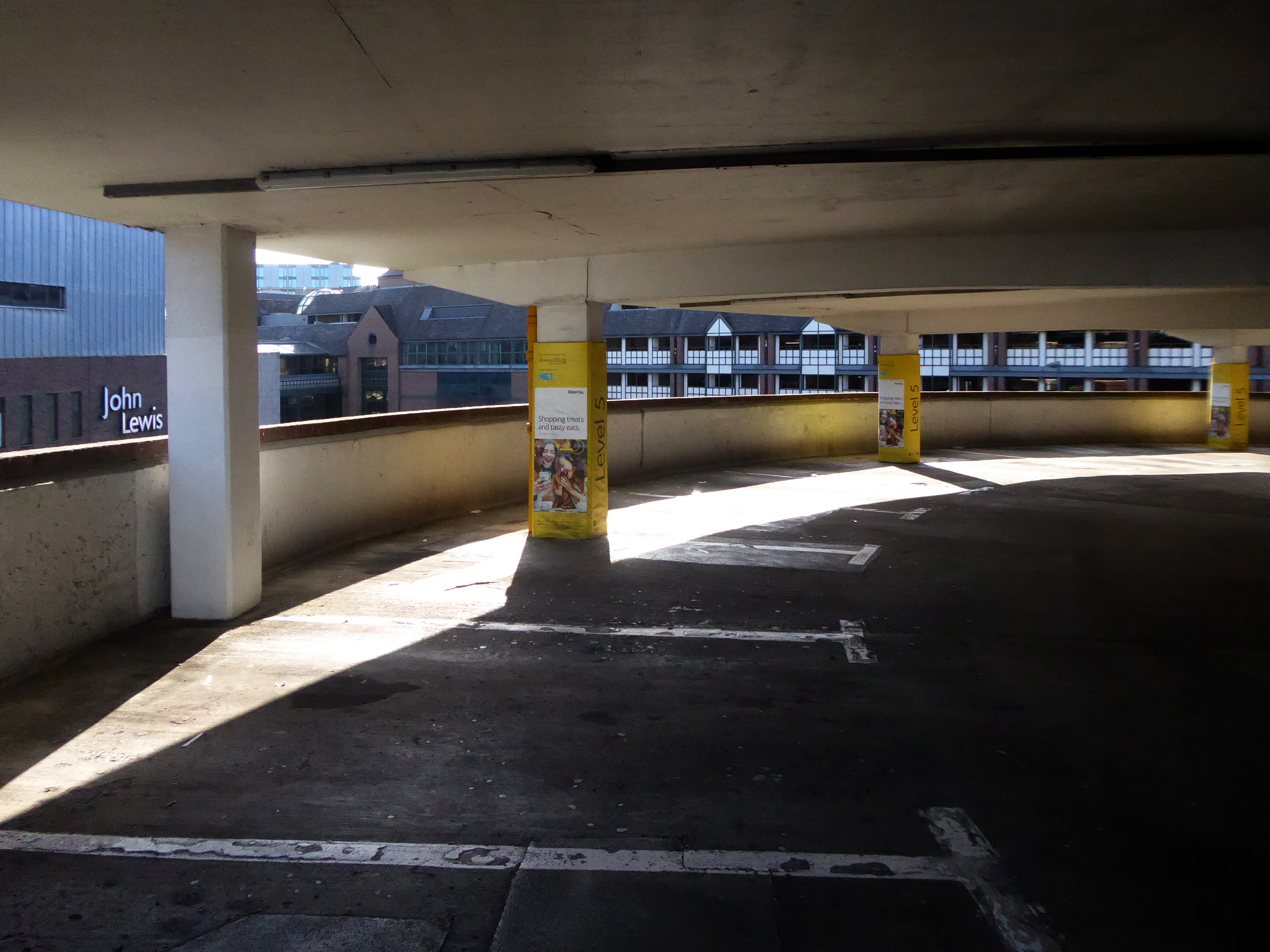
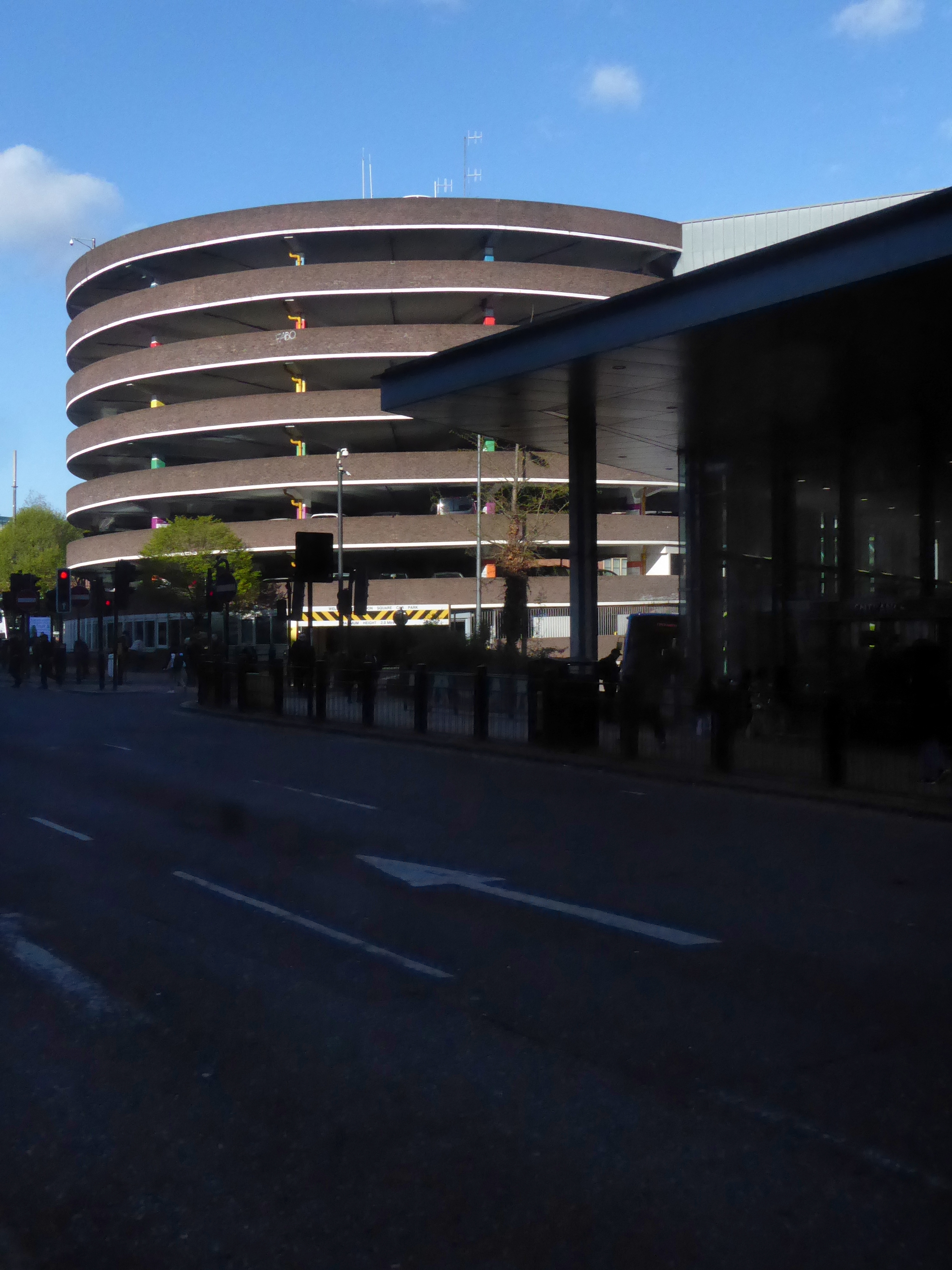
Car Park – Eldon Square

Eldon Square Percy Street Newcastle upon Tyne NE1 7RZ

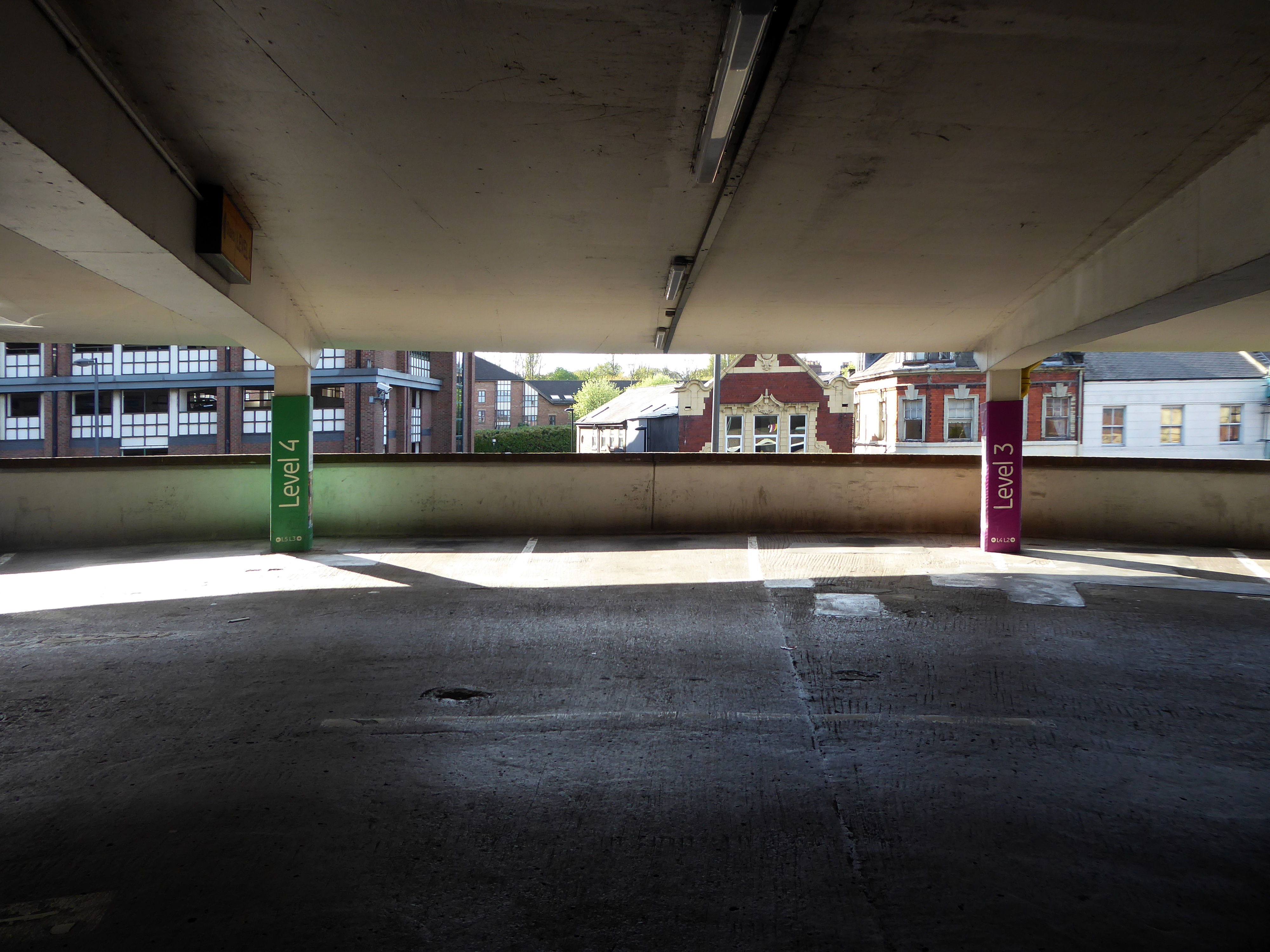
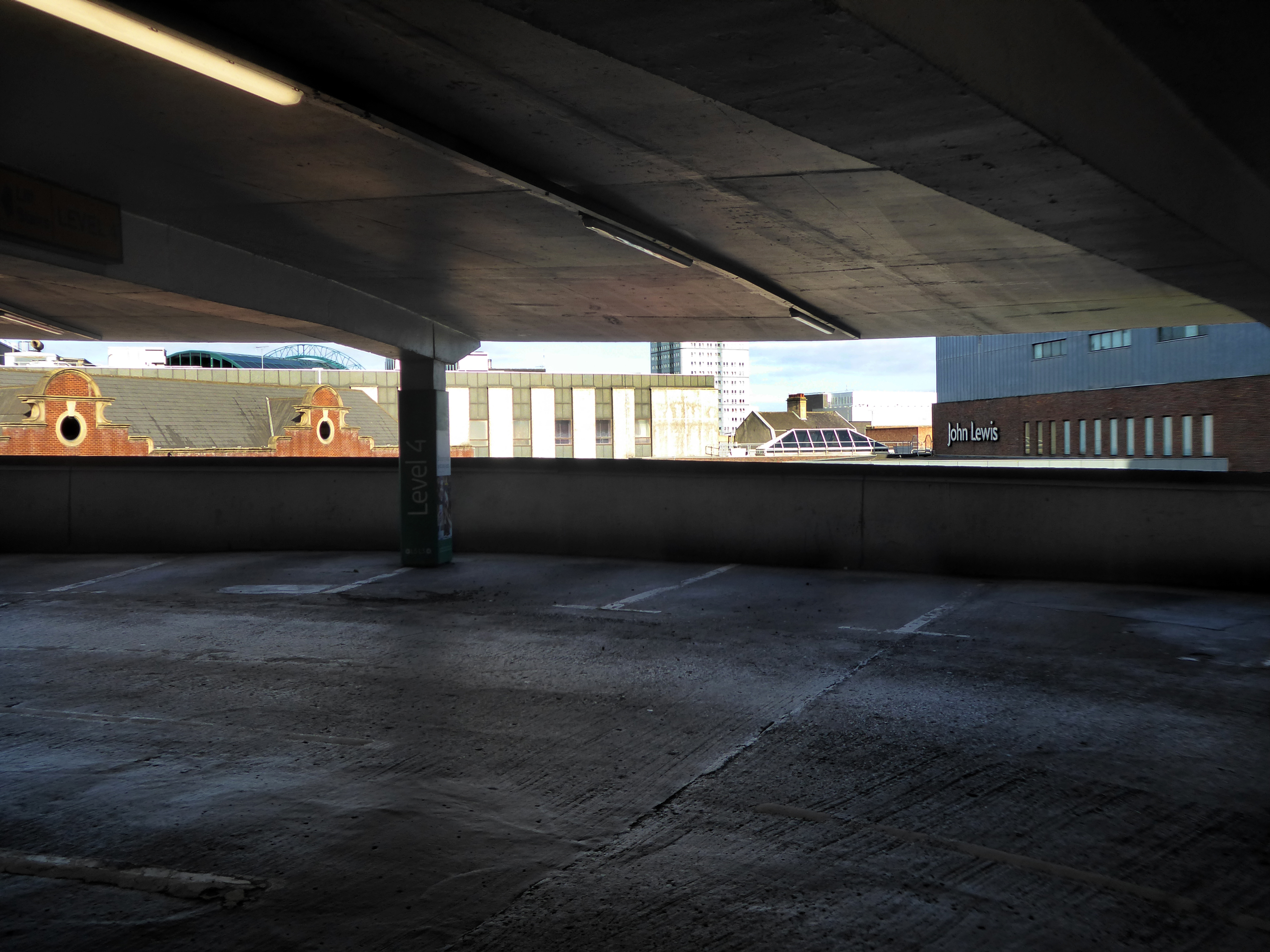
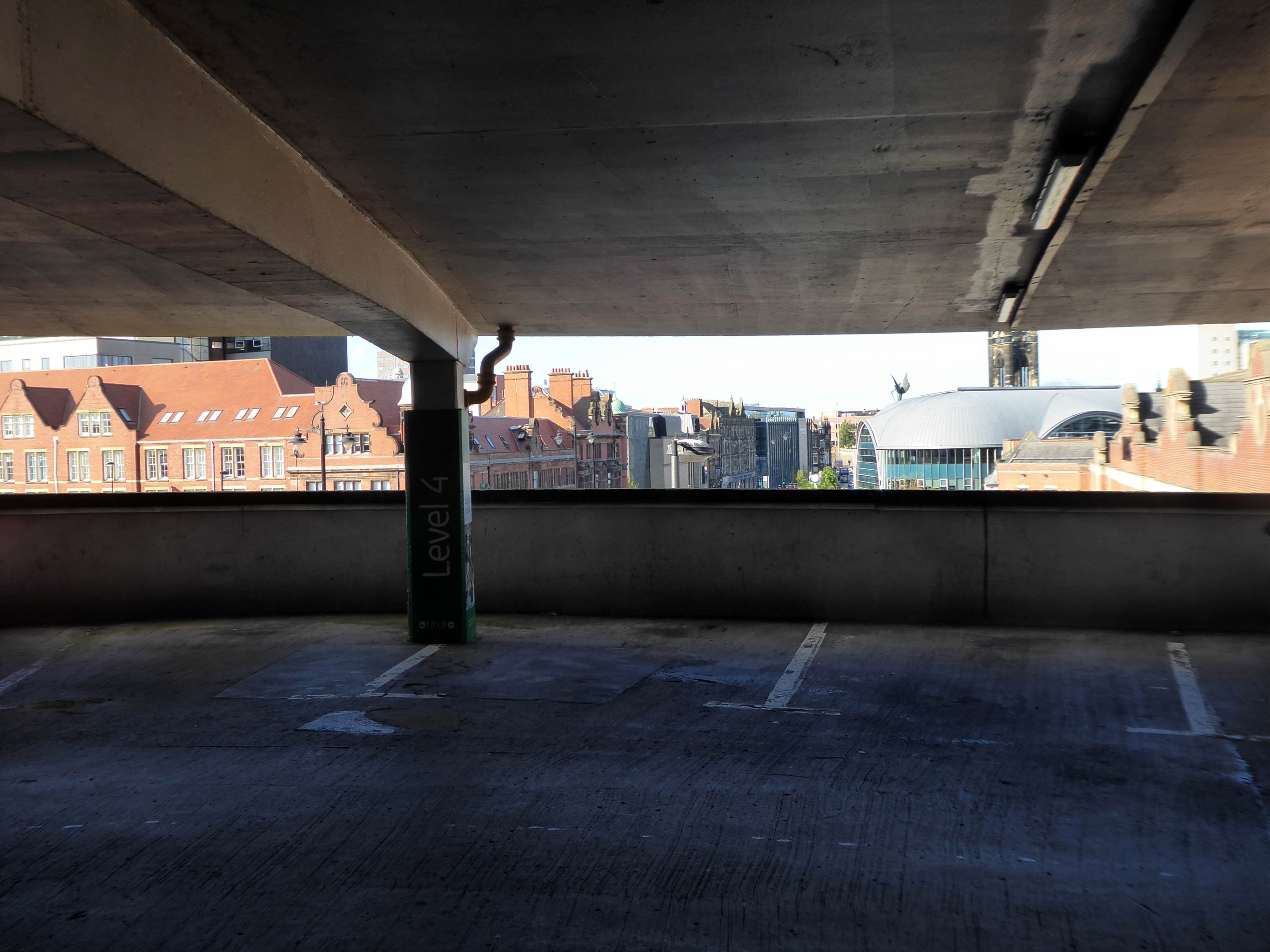
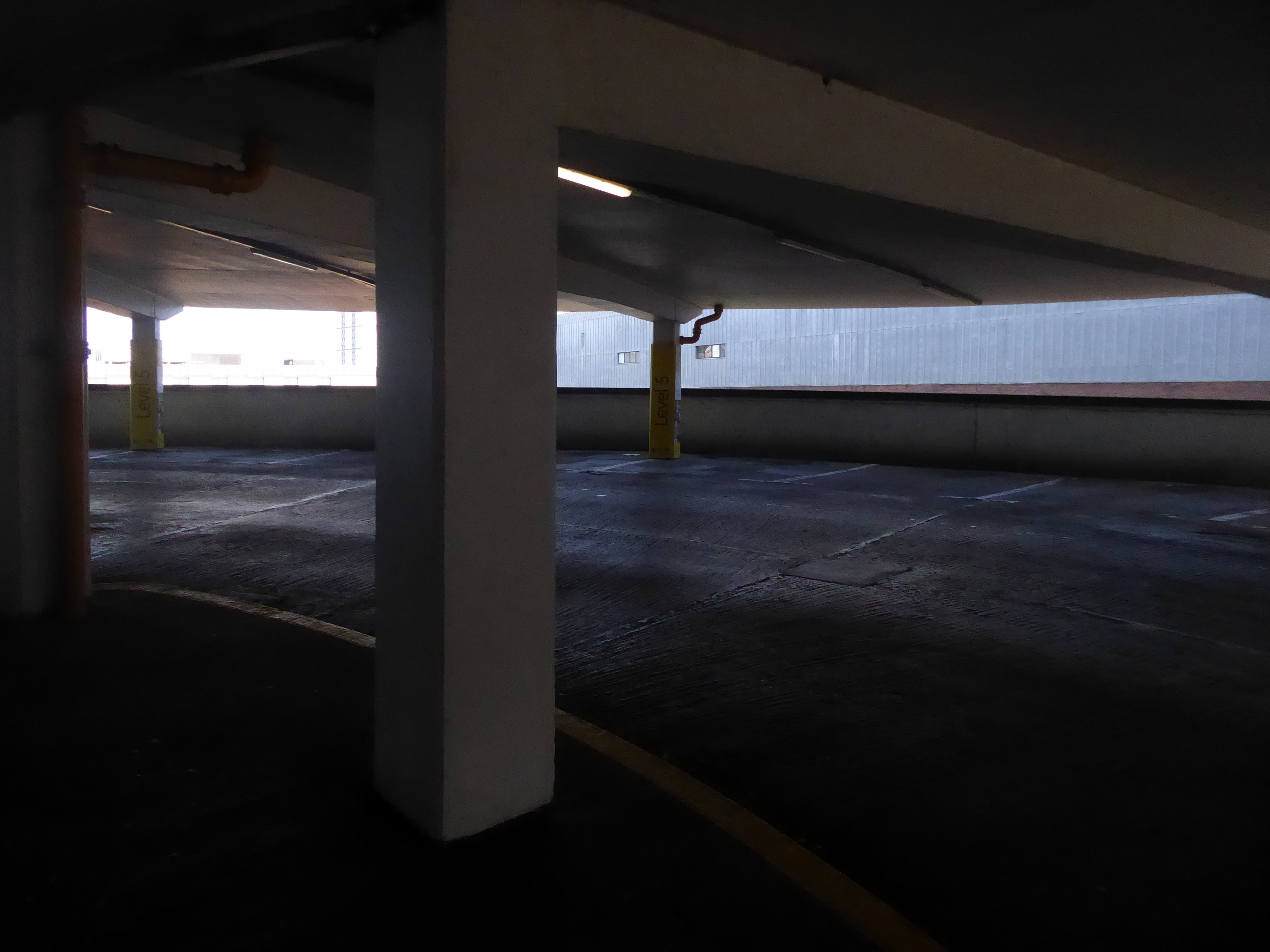
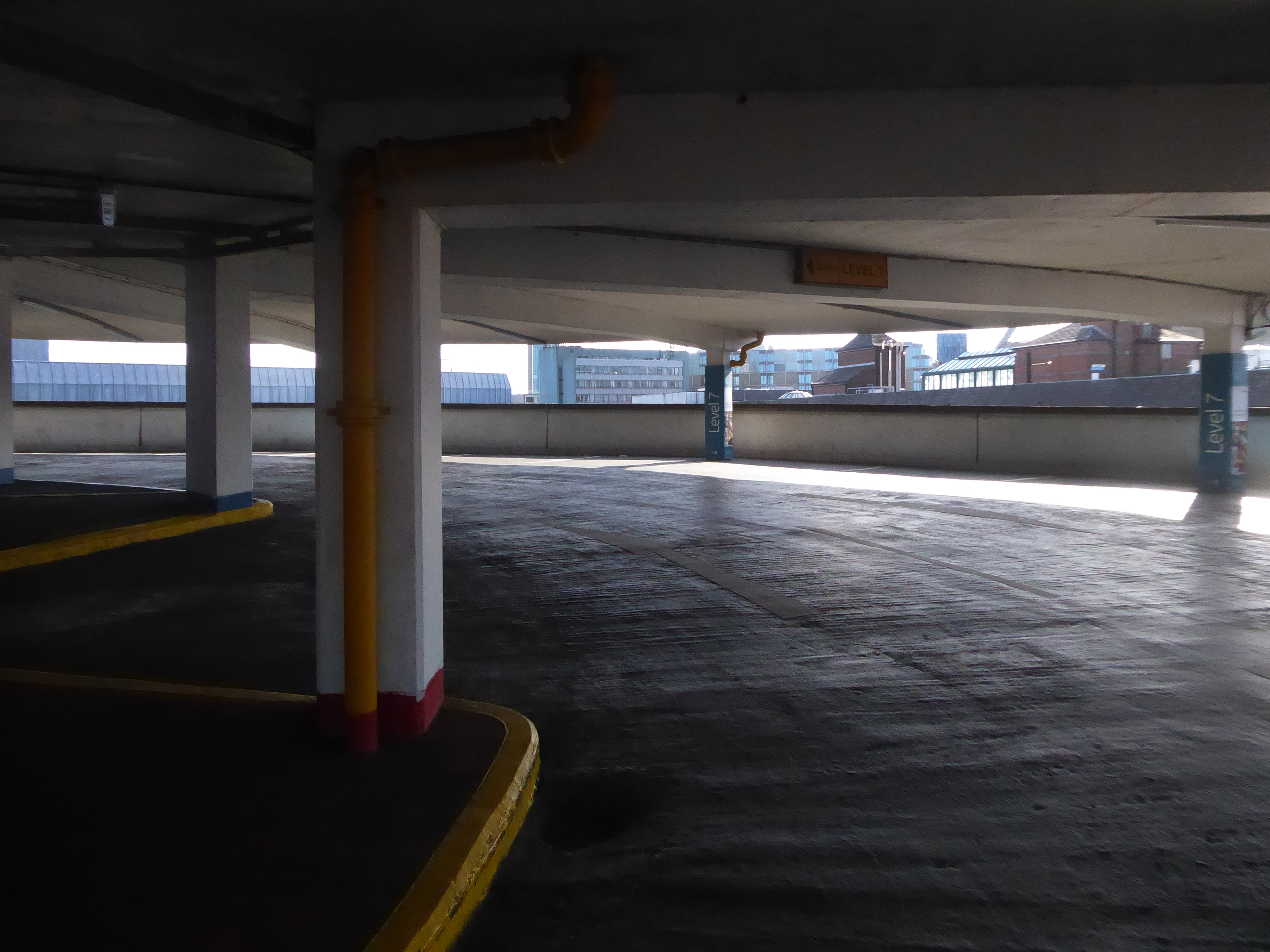
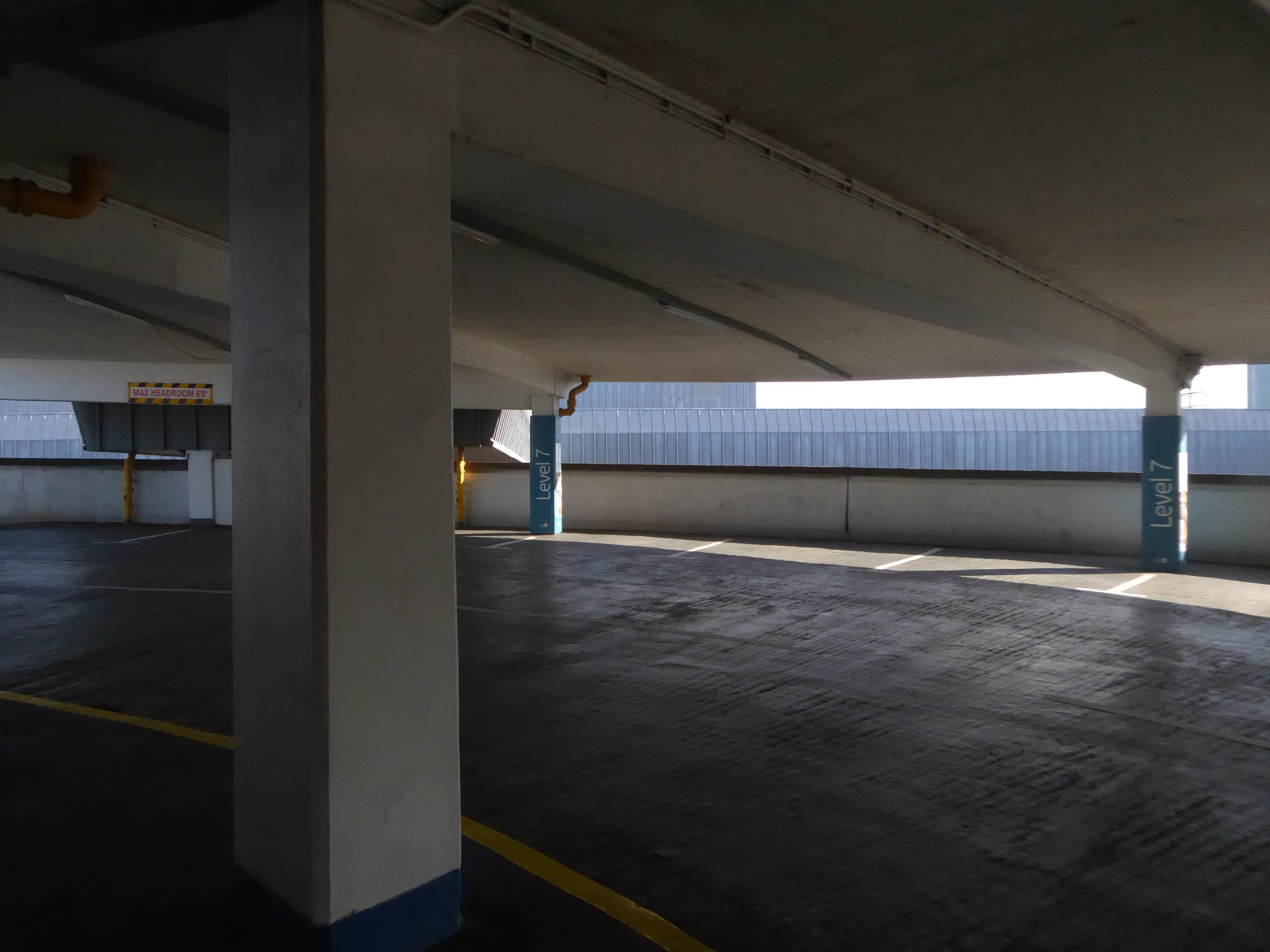
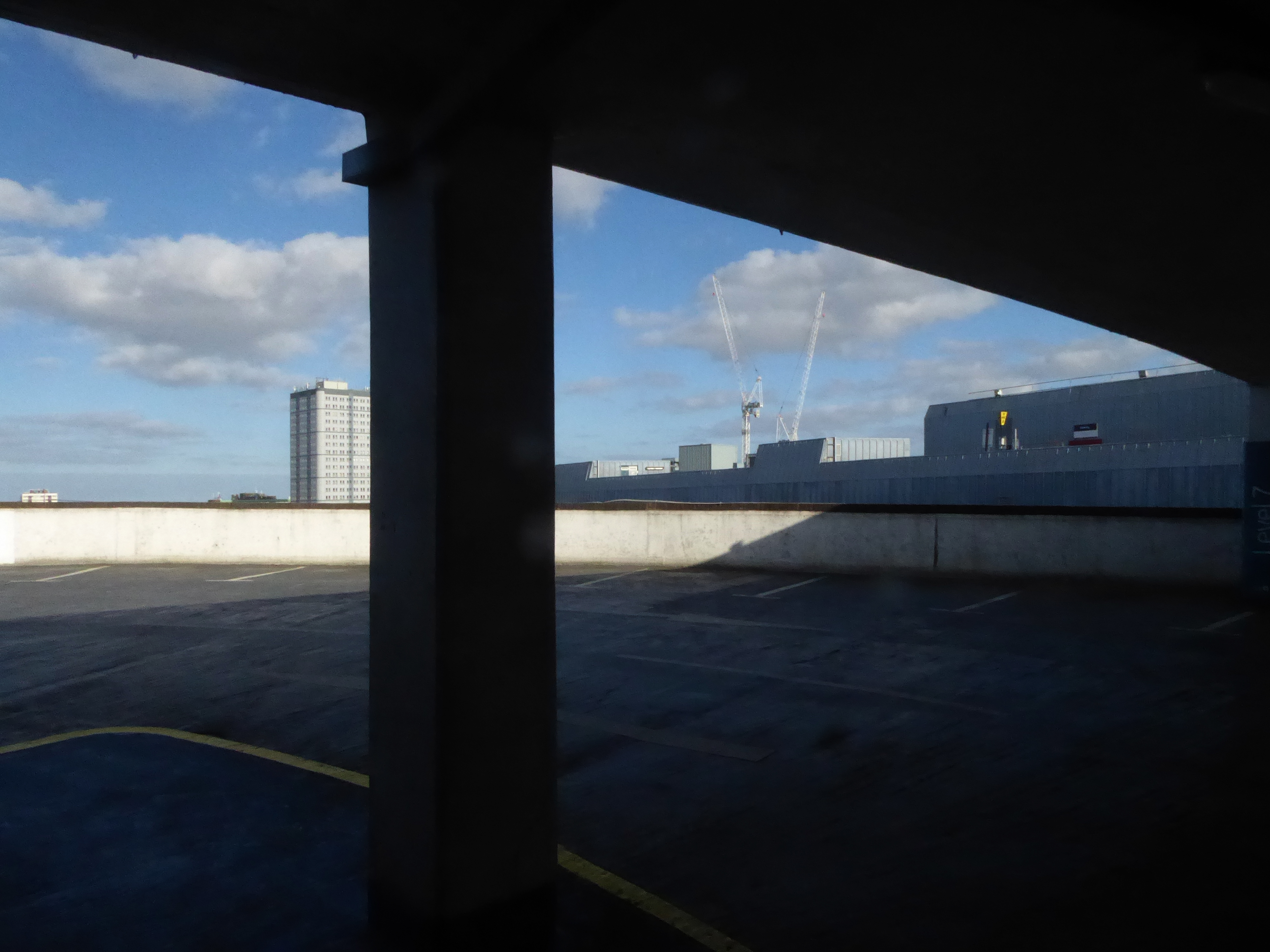
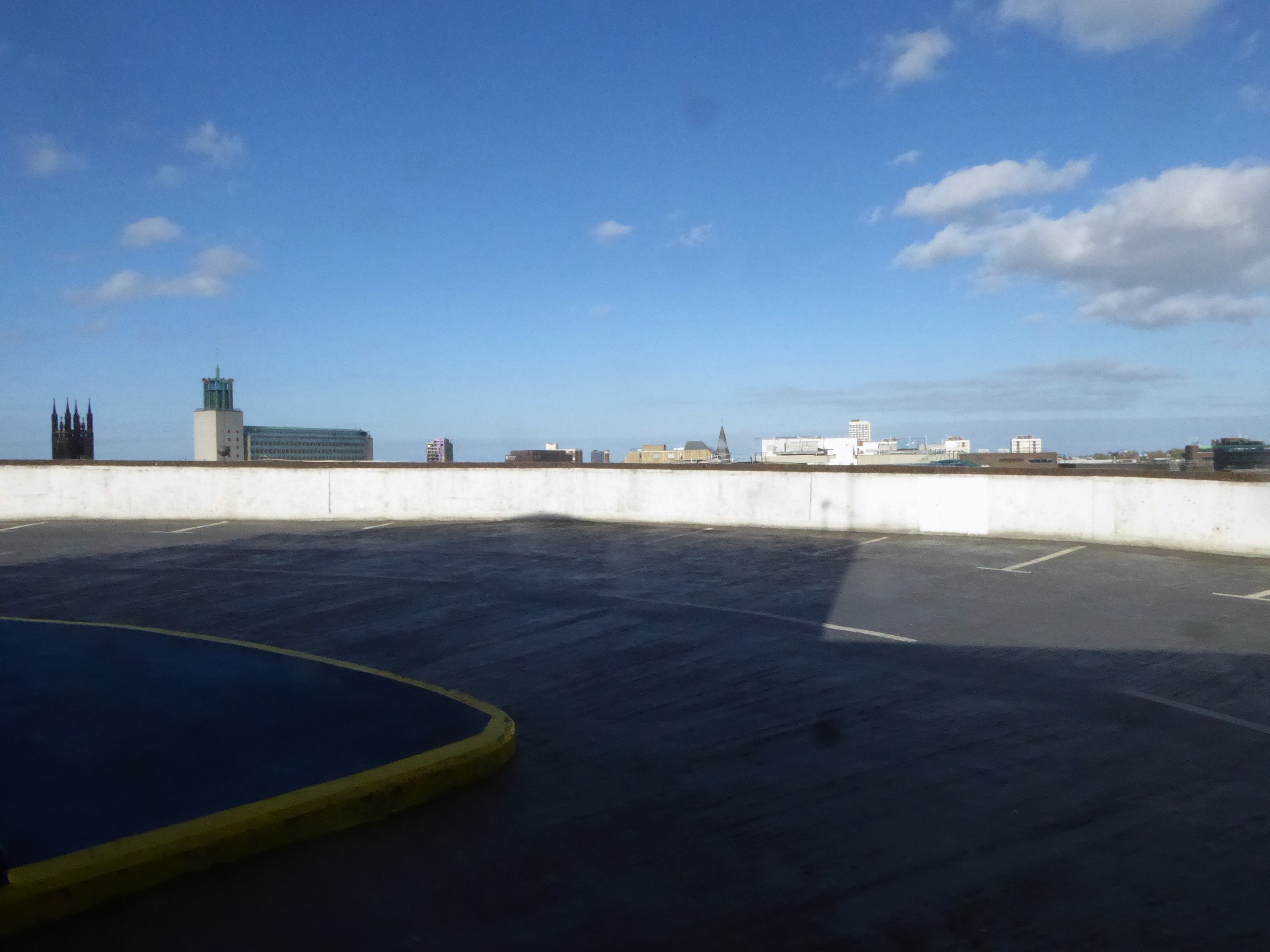
Well here we are in Newcastle again exploring a car park – last time was the Manors.

We are a walkway and a walk away at Eldon Square – a great big drum of a spiral ramped cylinder.

So well worth a look – by walking the ramp with outside in, and inside out views.

Concrete Coast – Bridlington

The last post on the concrete coast was from Filey

Now we’re heading south to Bridlington and beyond.

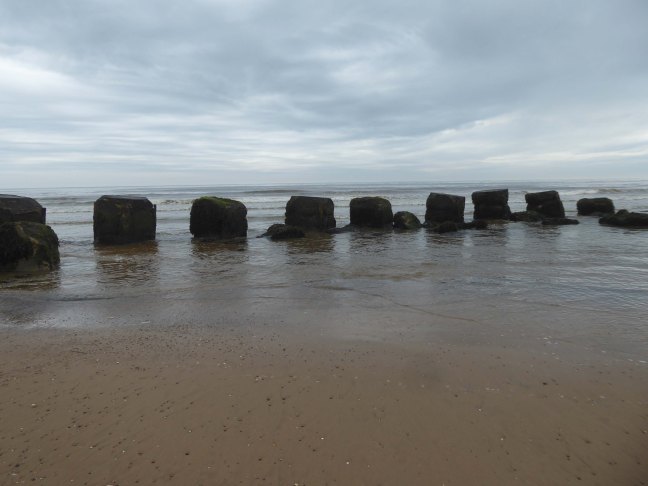
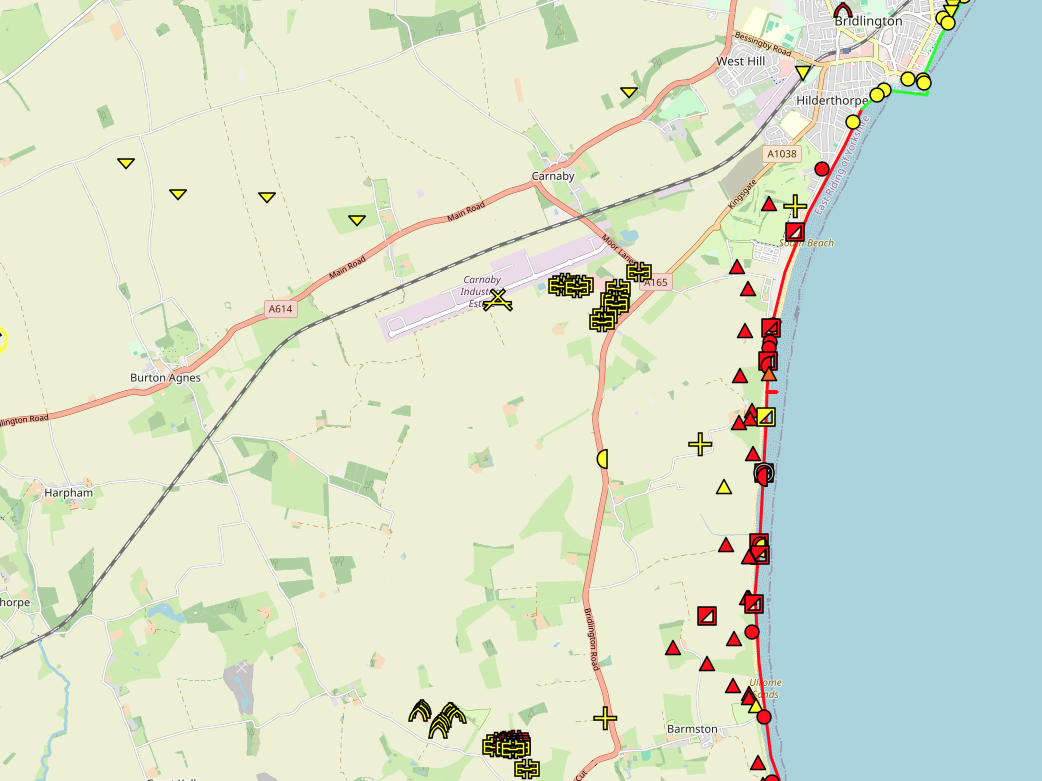
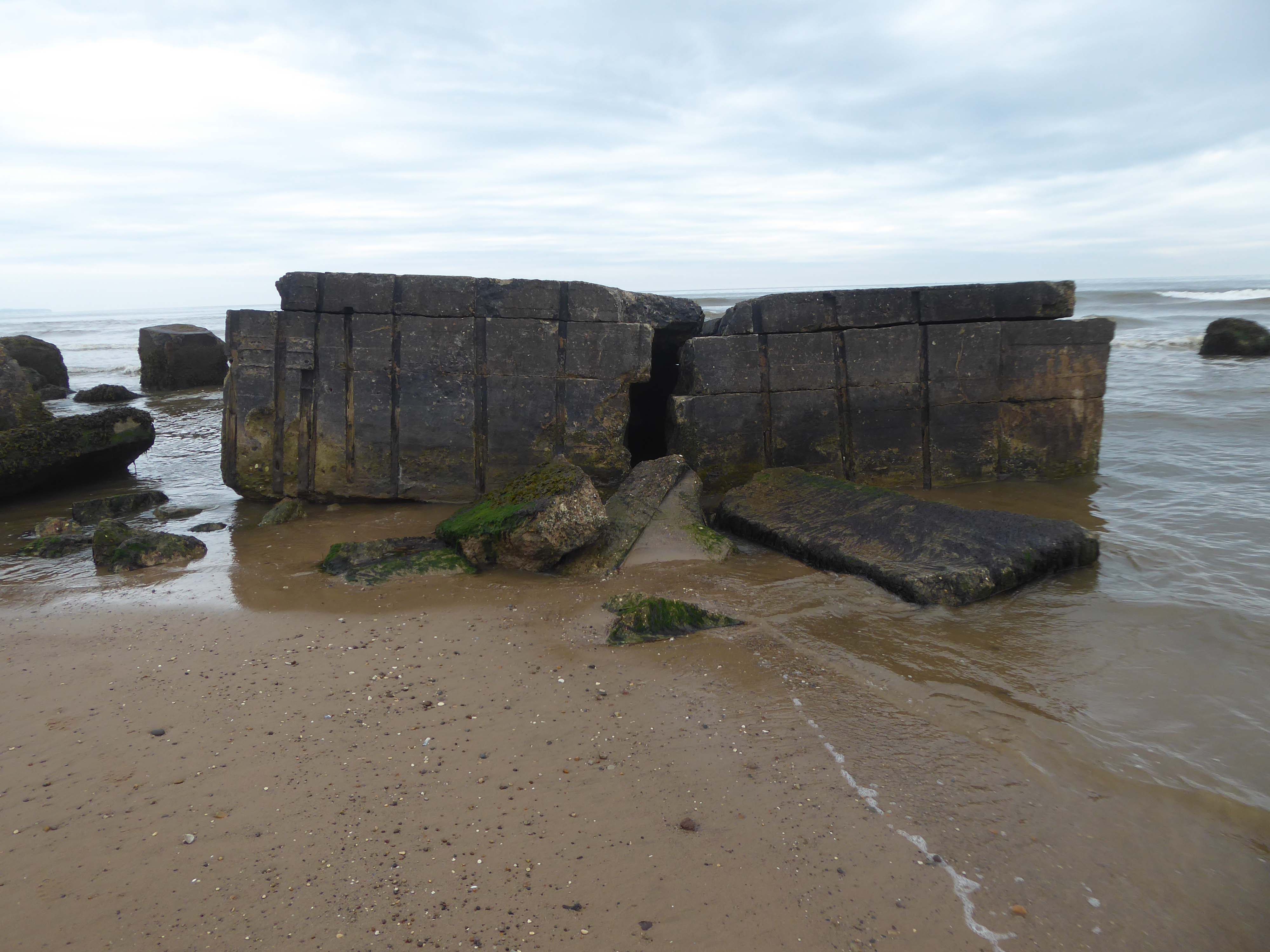
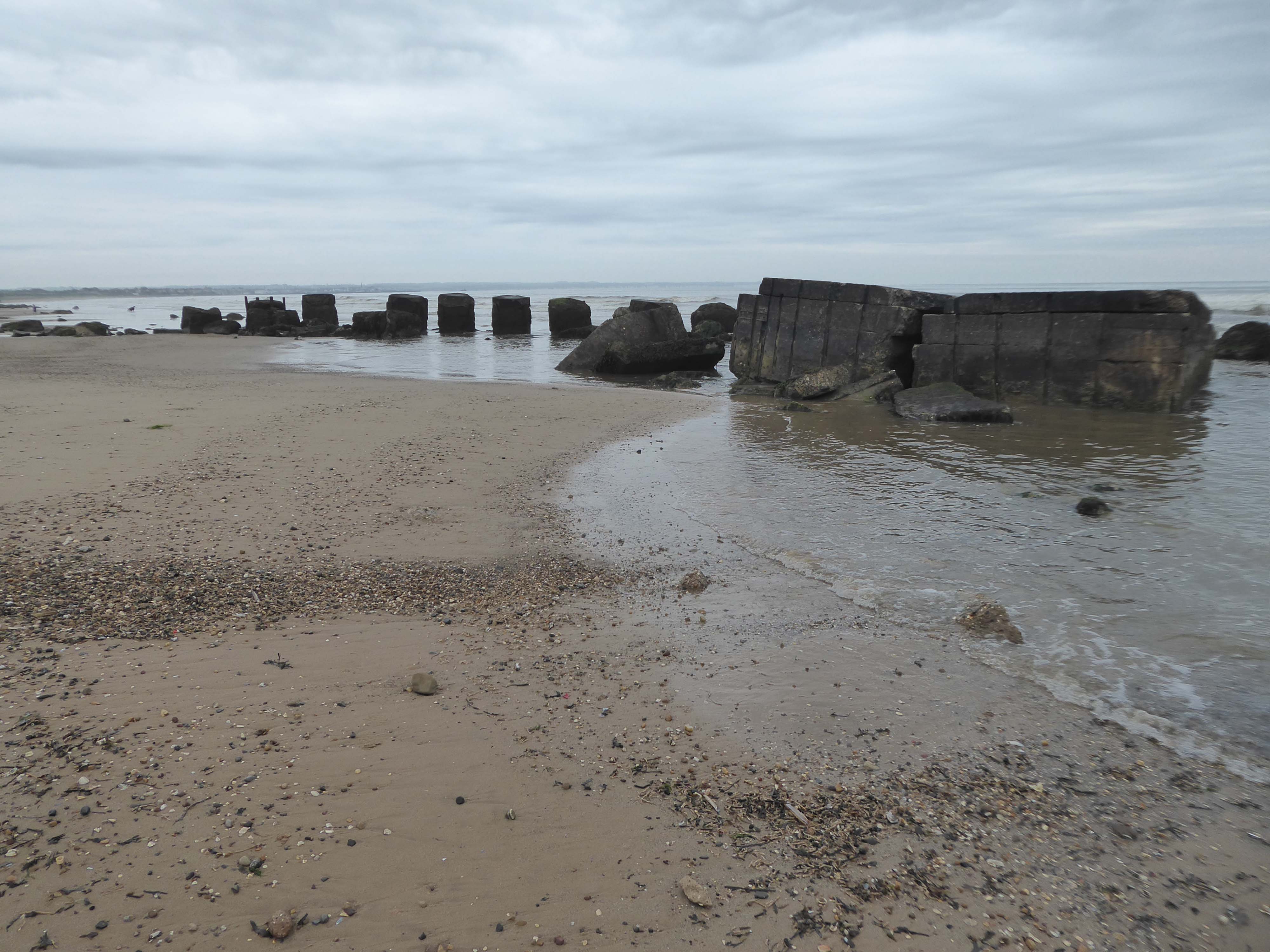
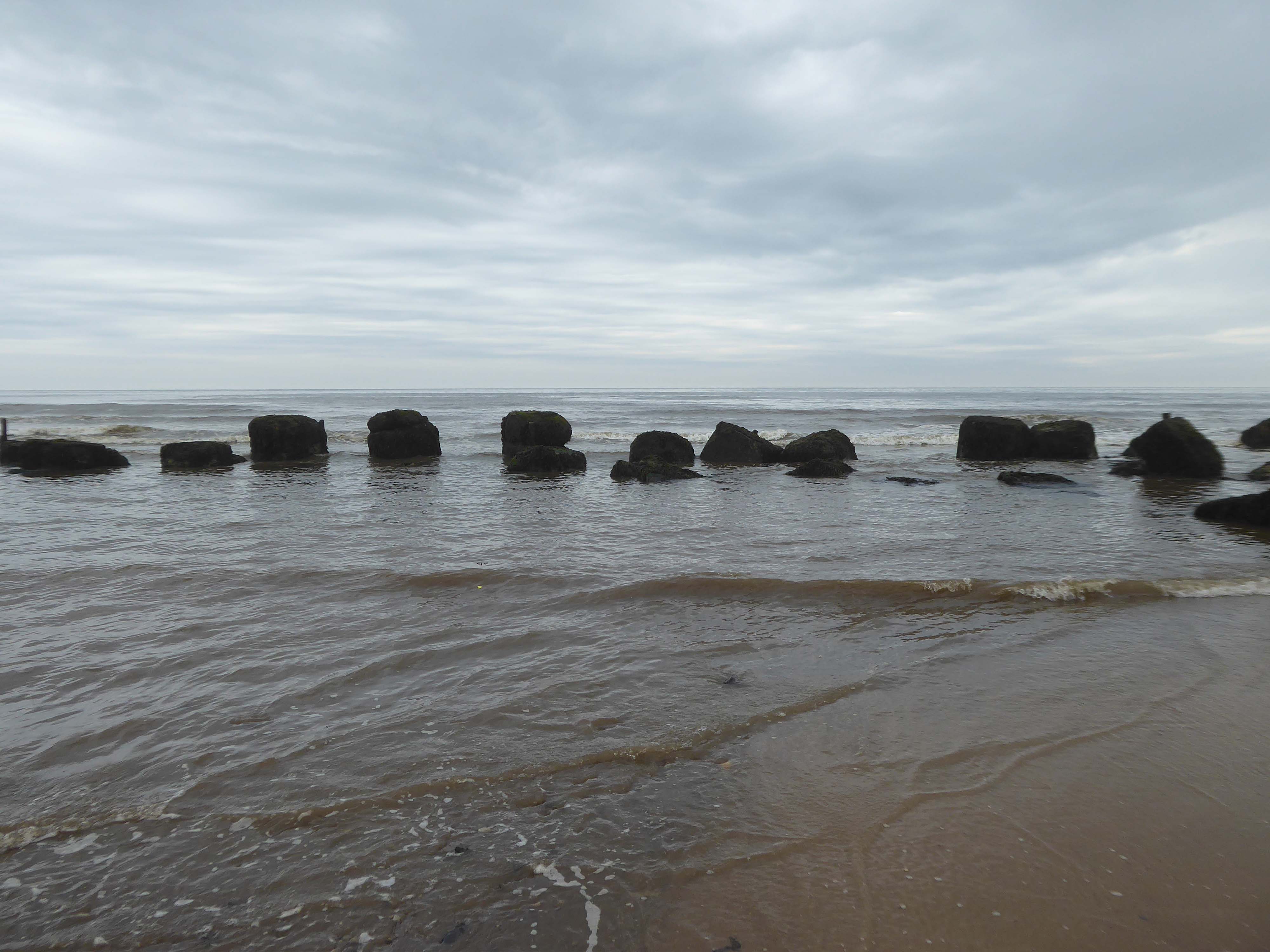
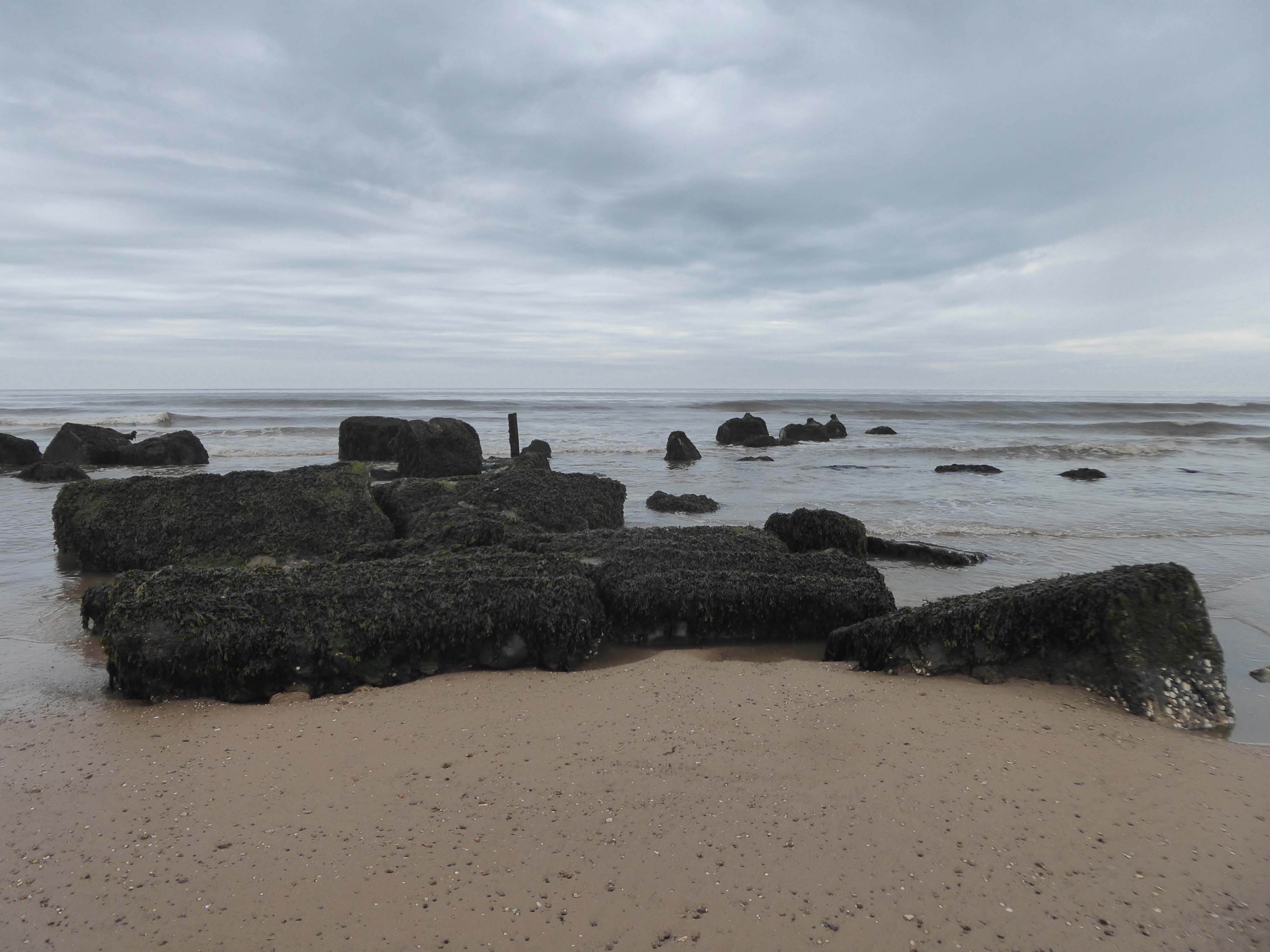
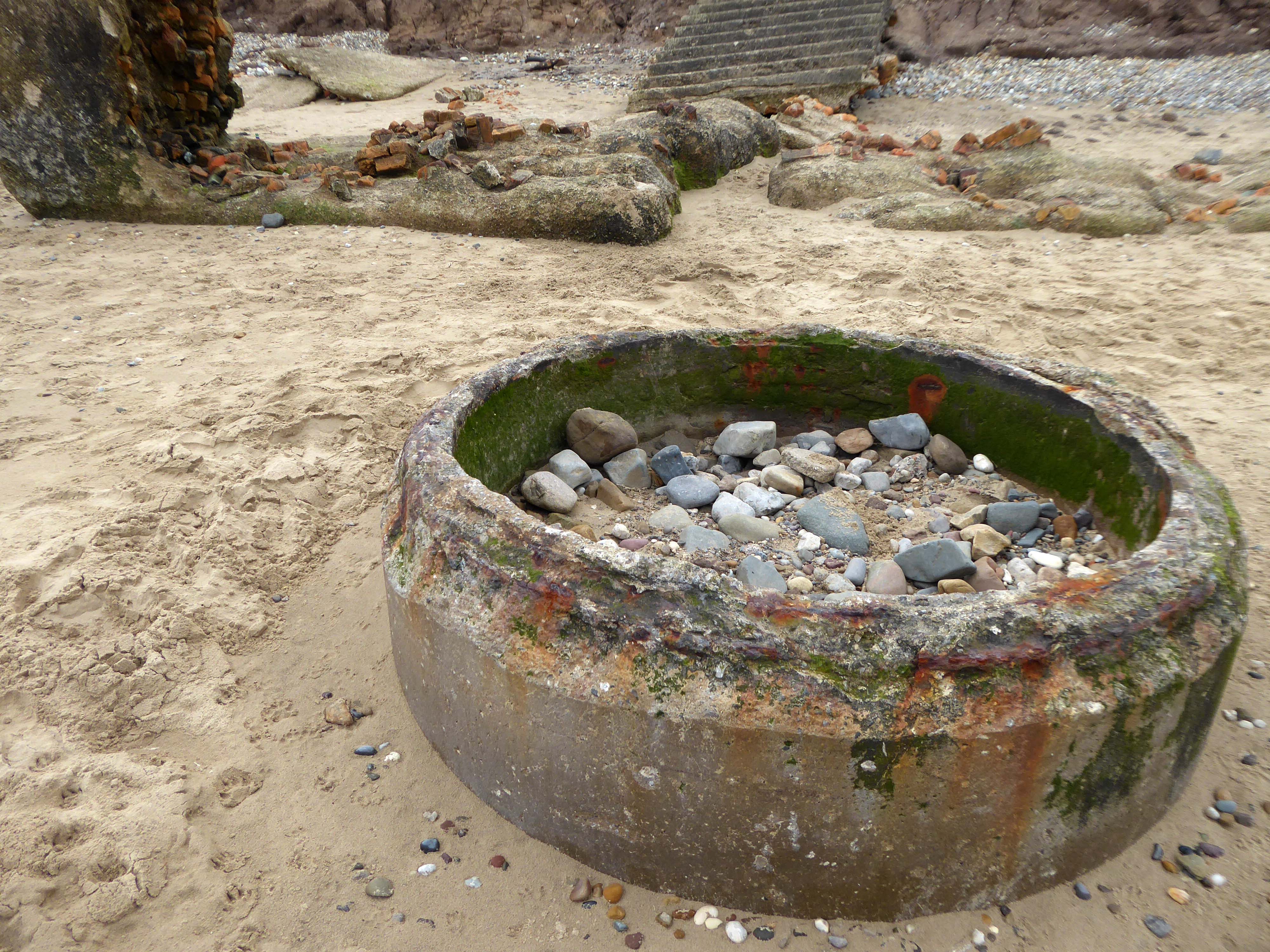
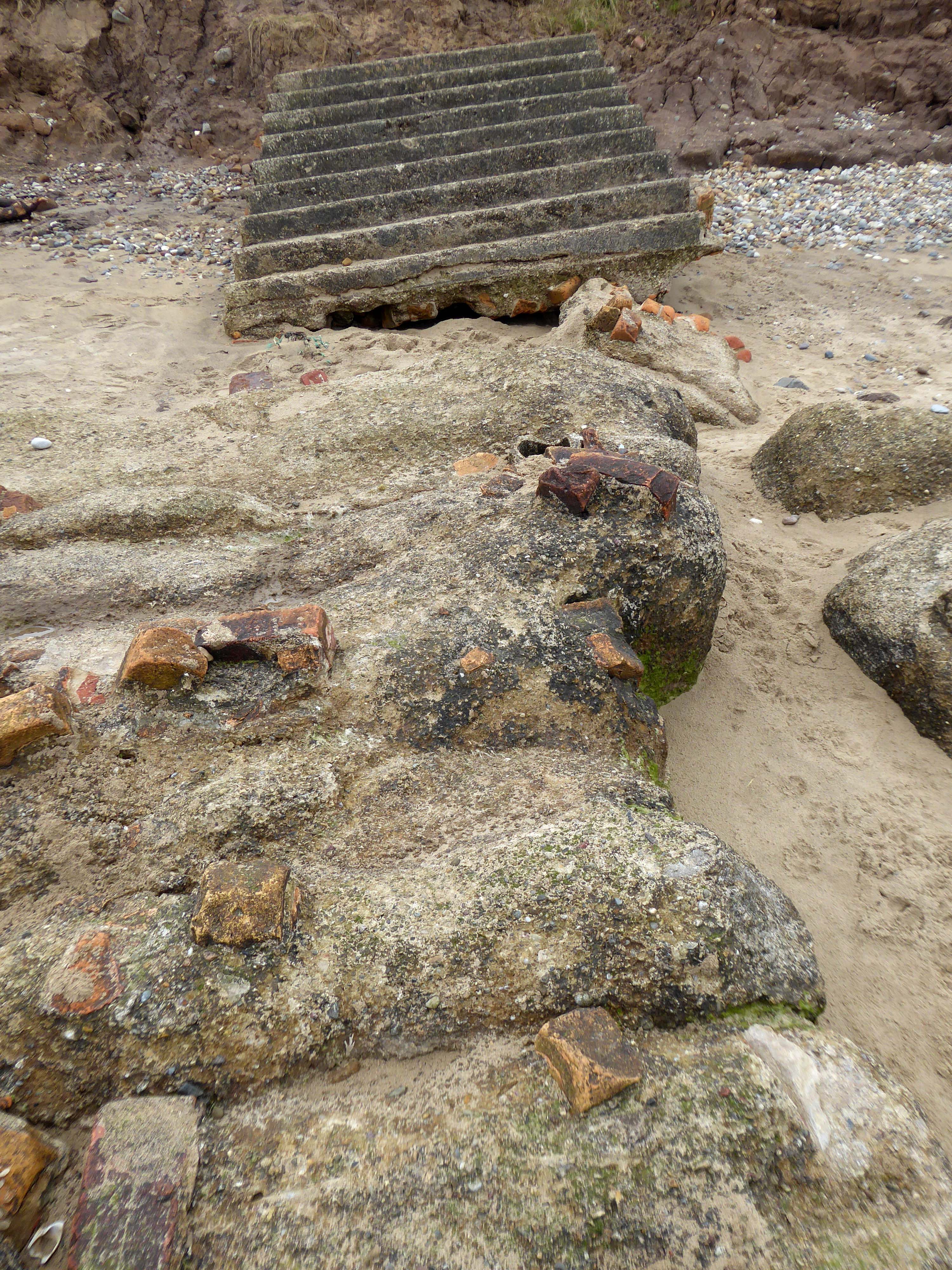
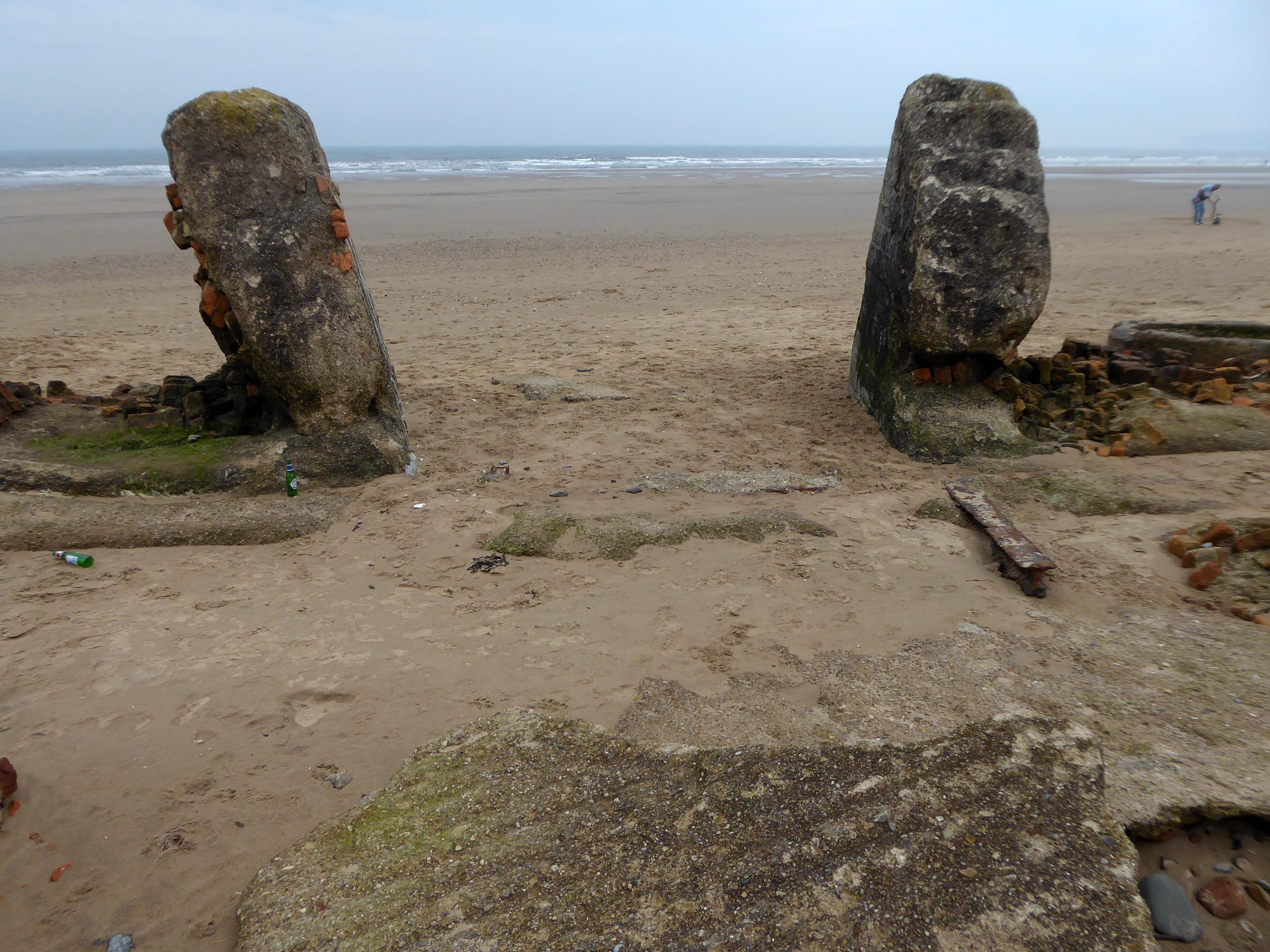
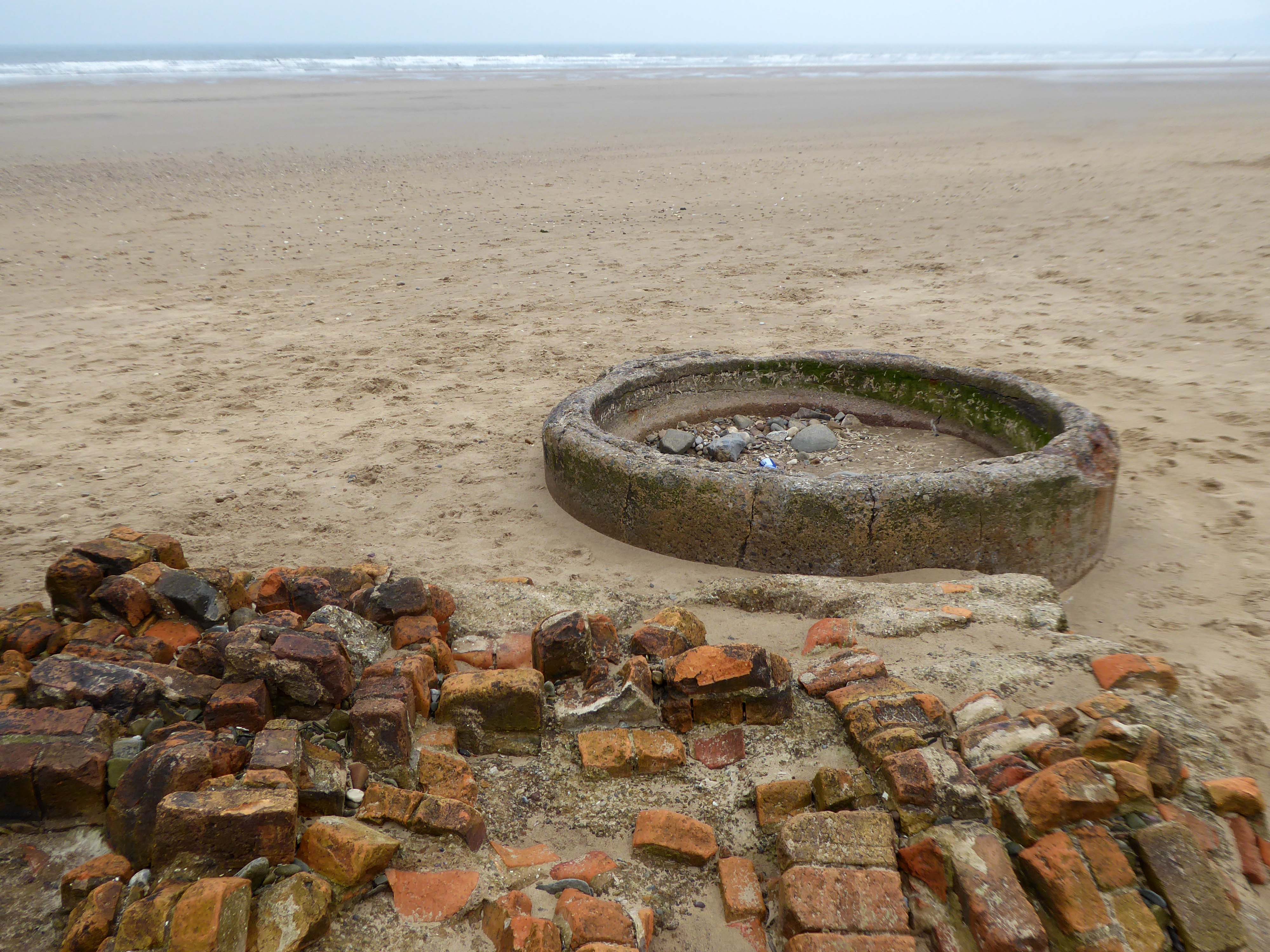
Where we find another dense cluster of sea defences, some but not all extant.

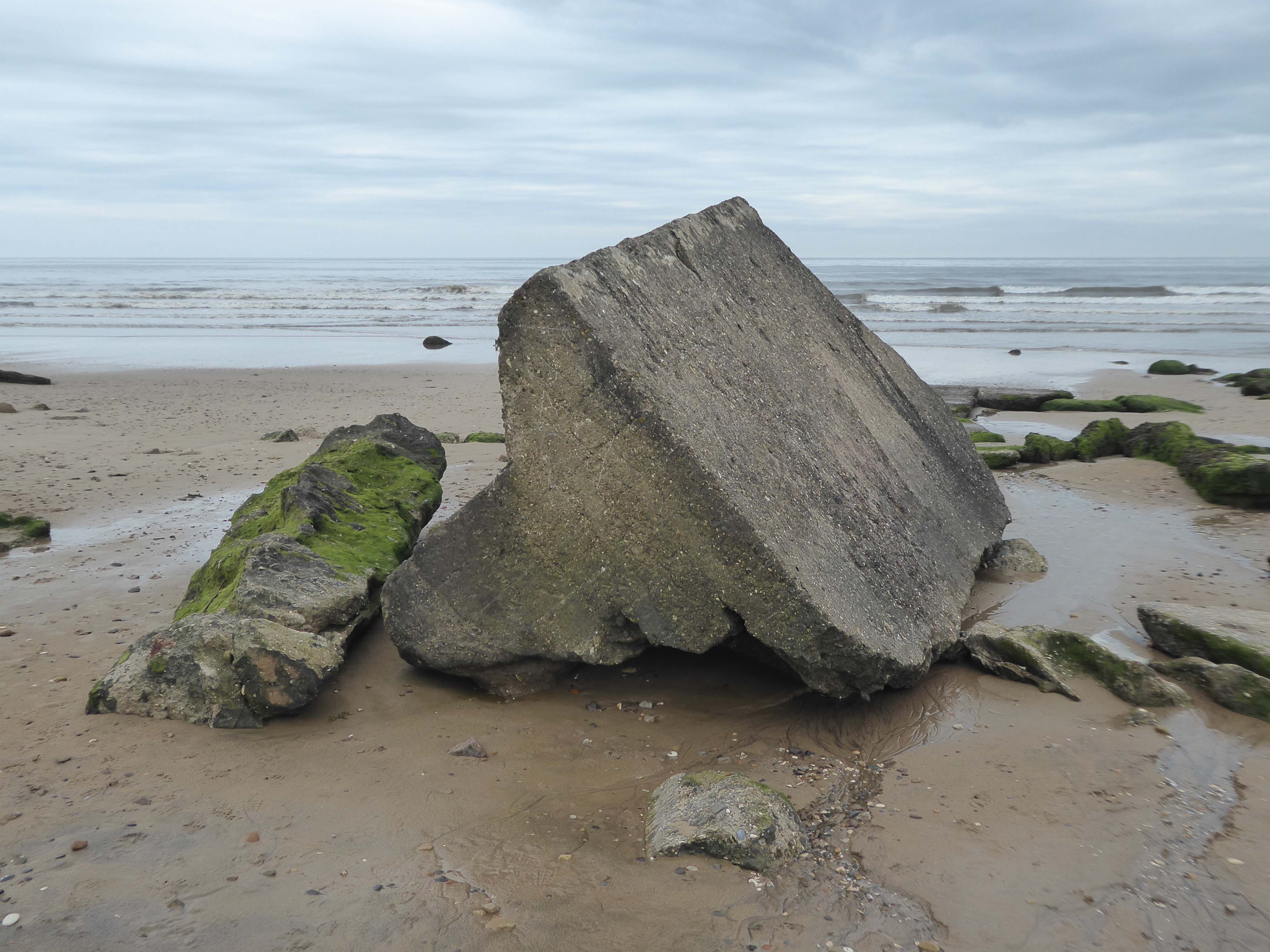
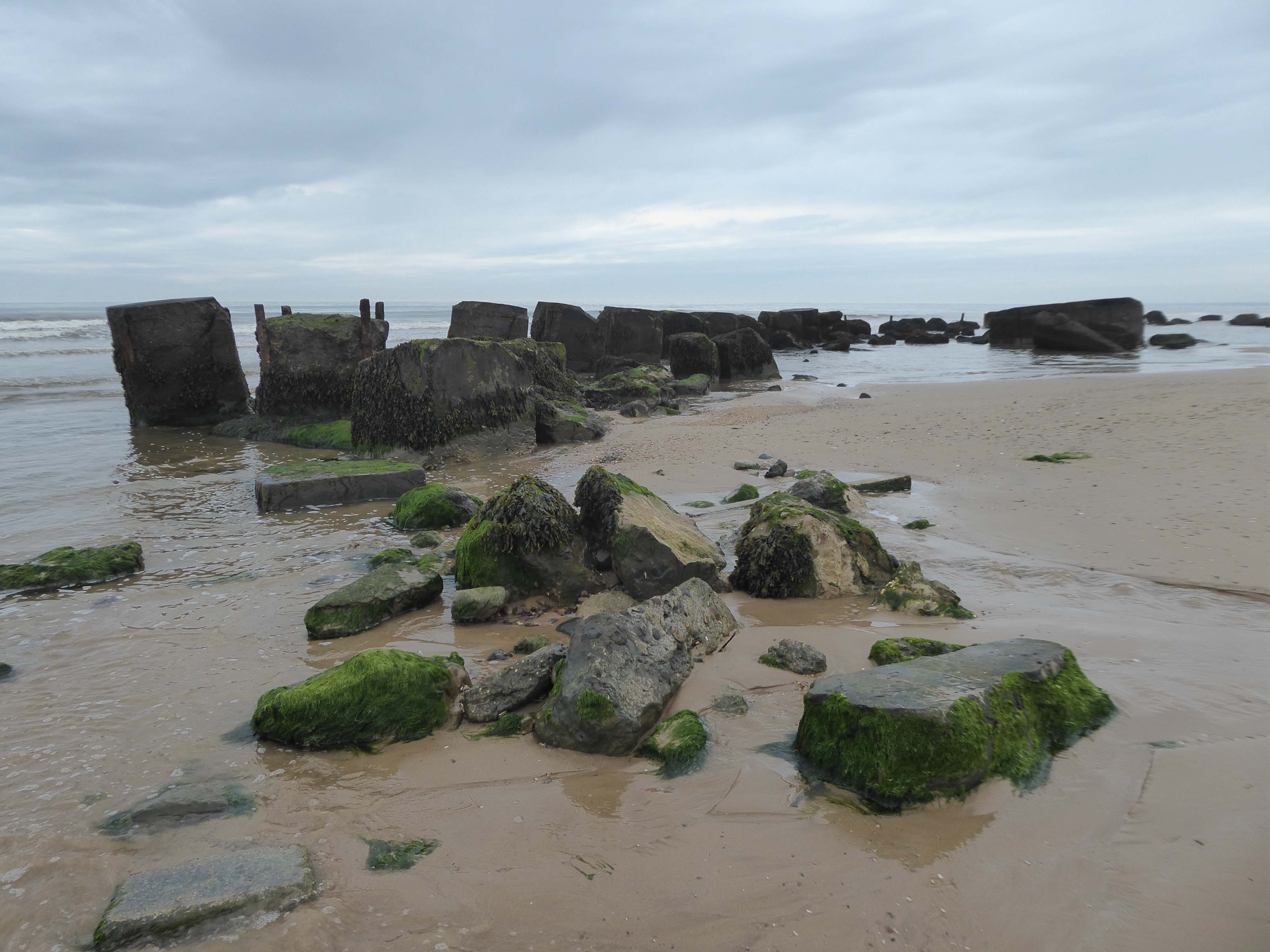
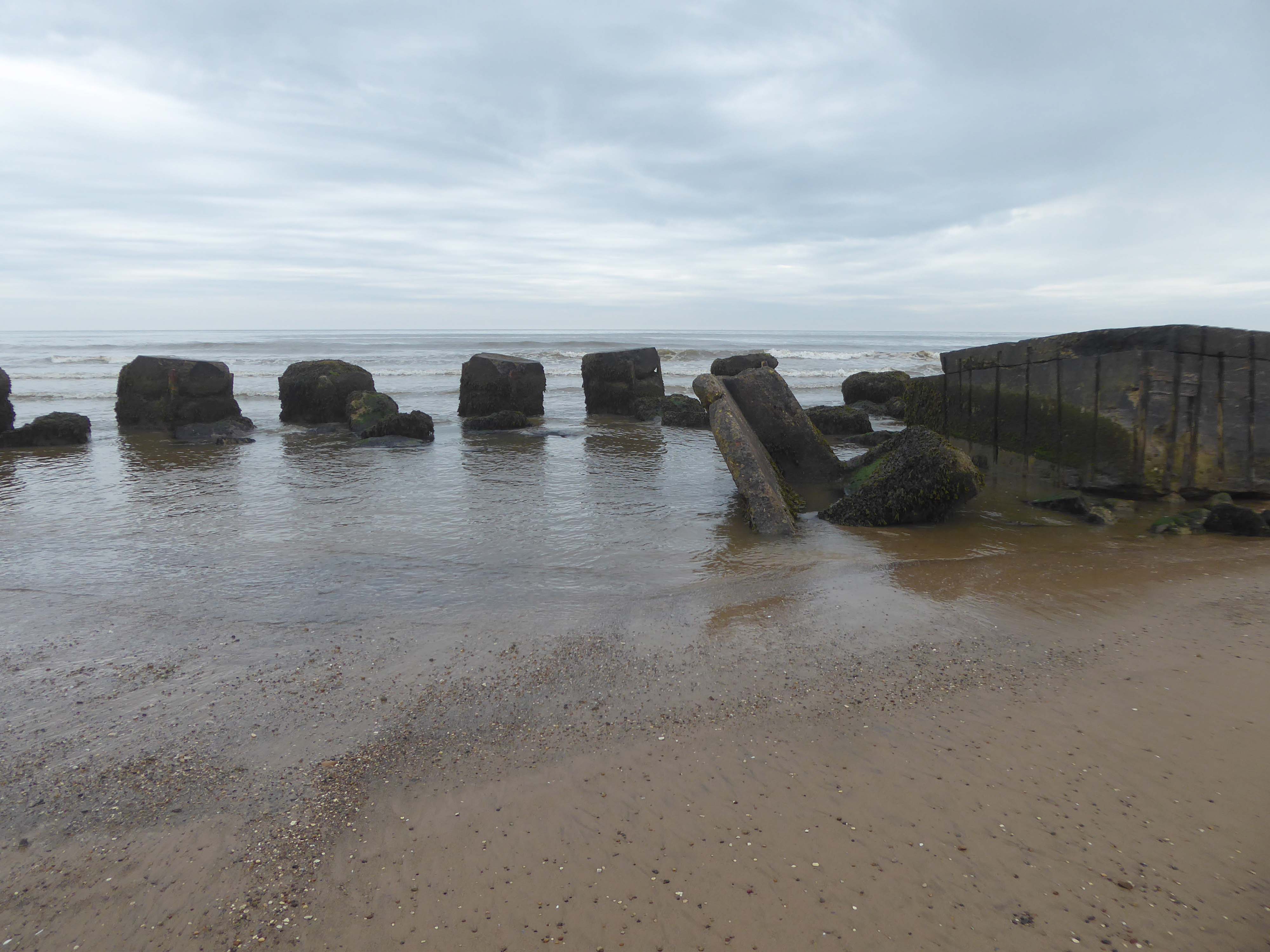
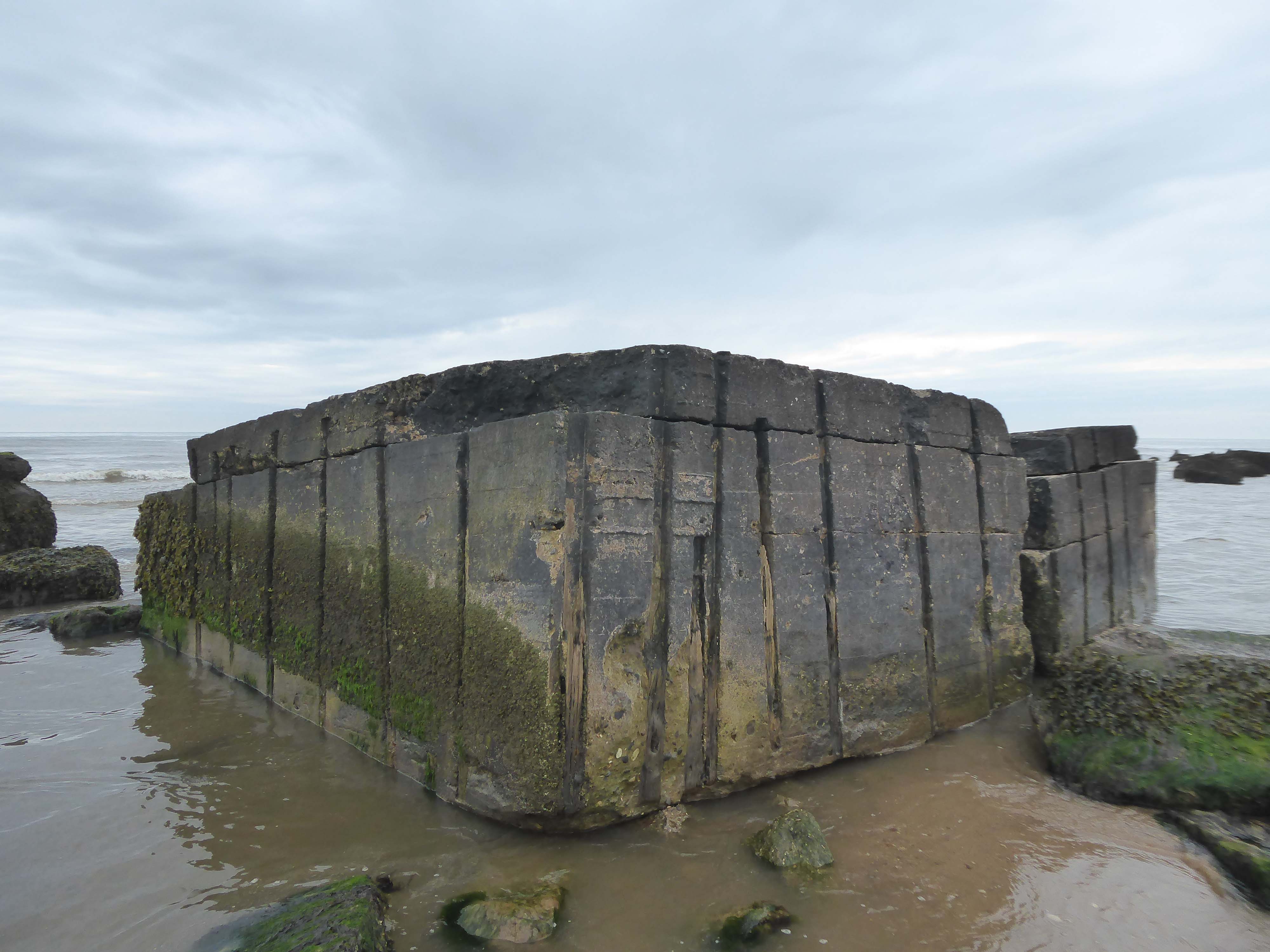
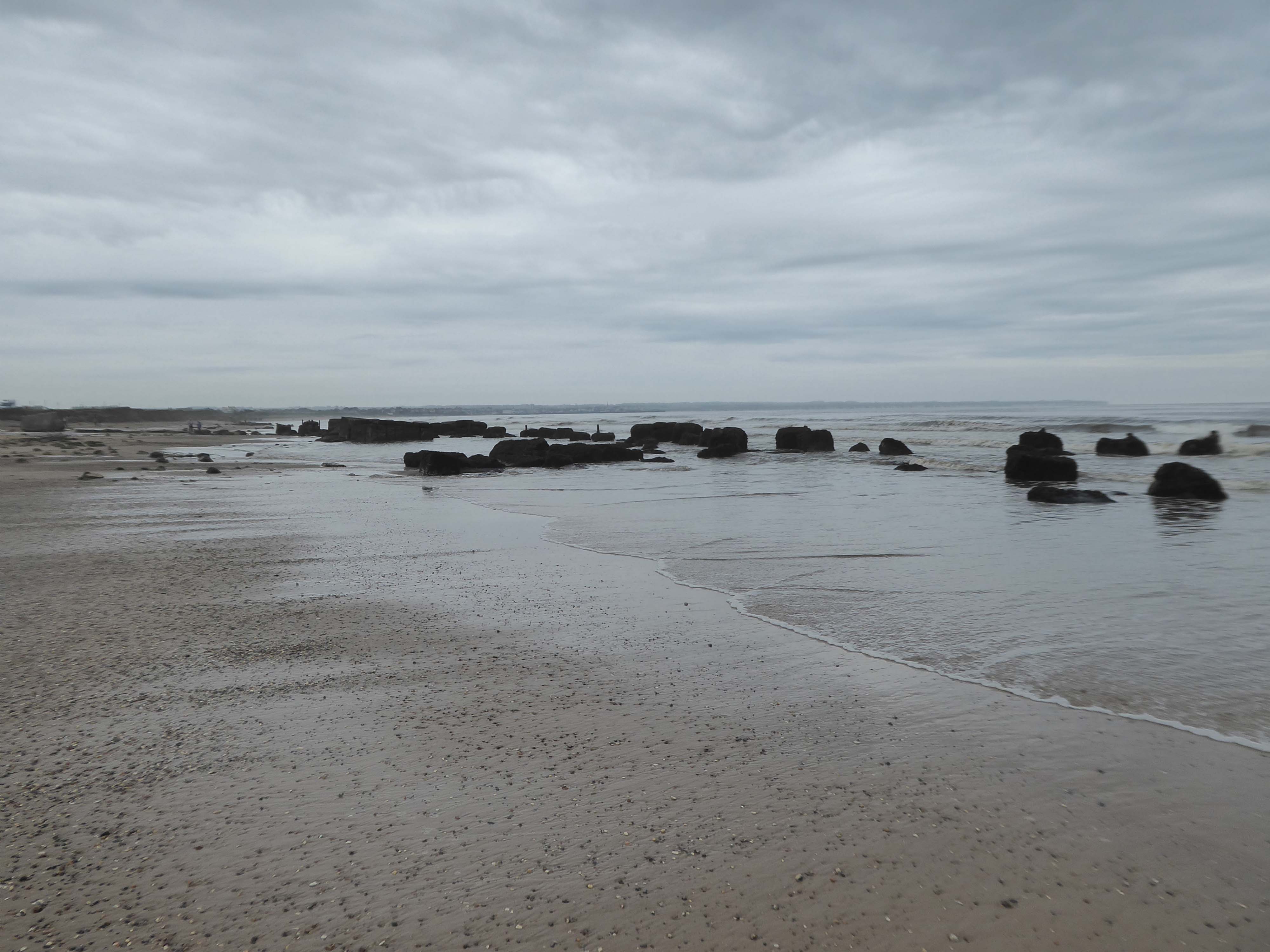
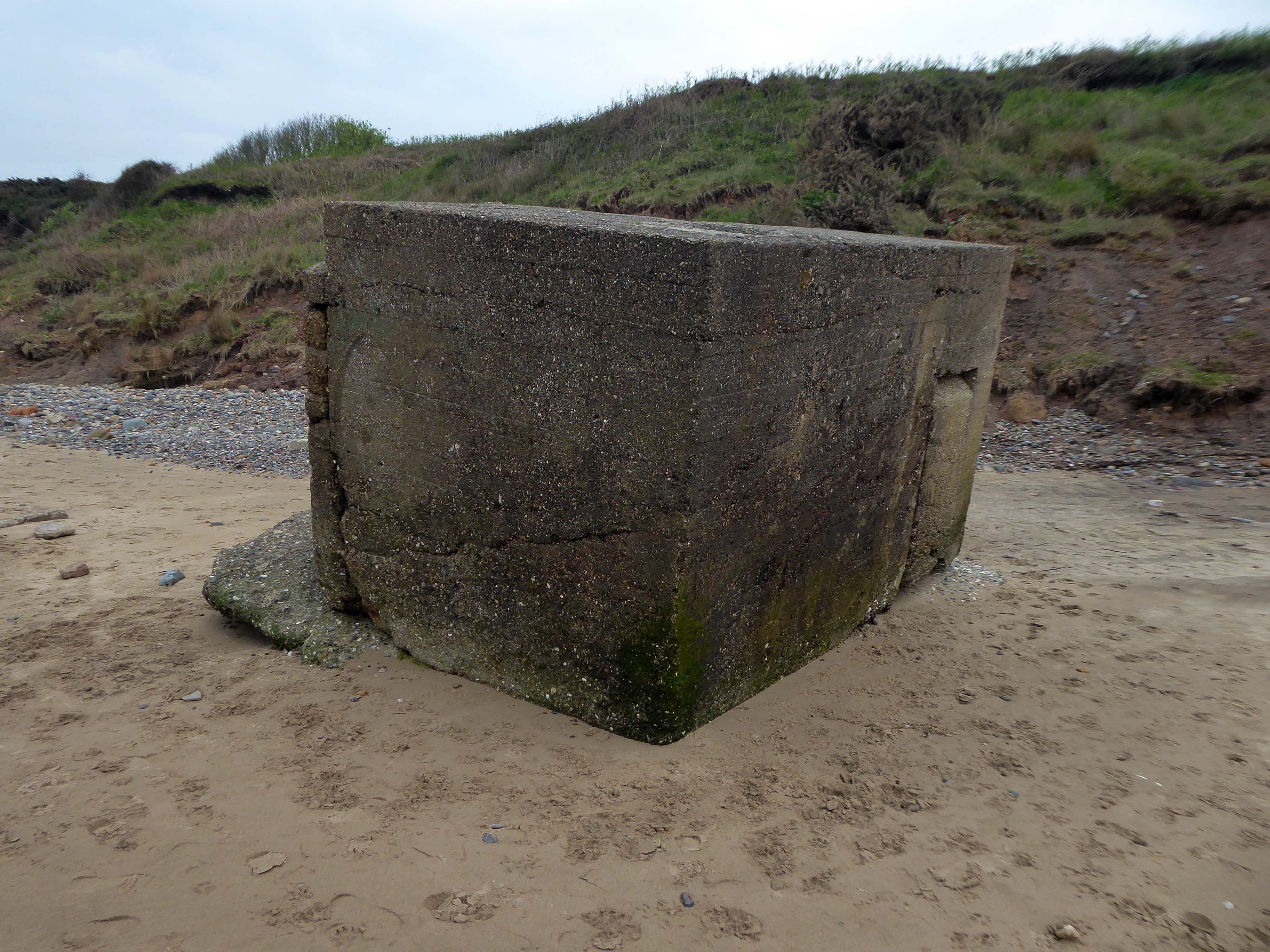
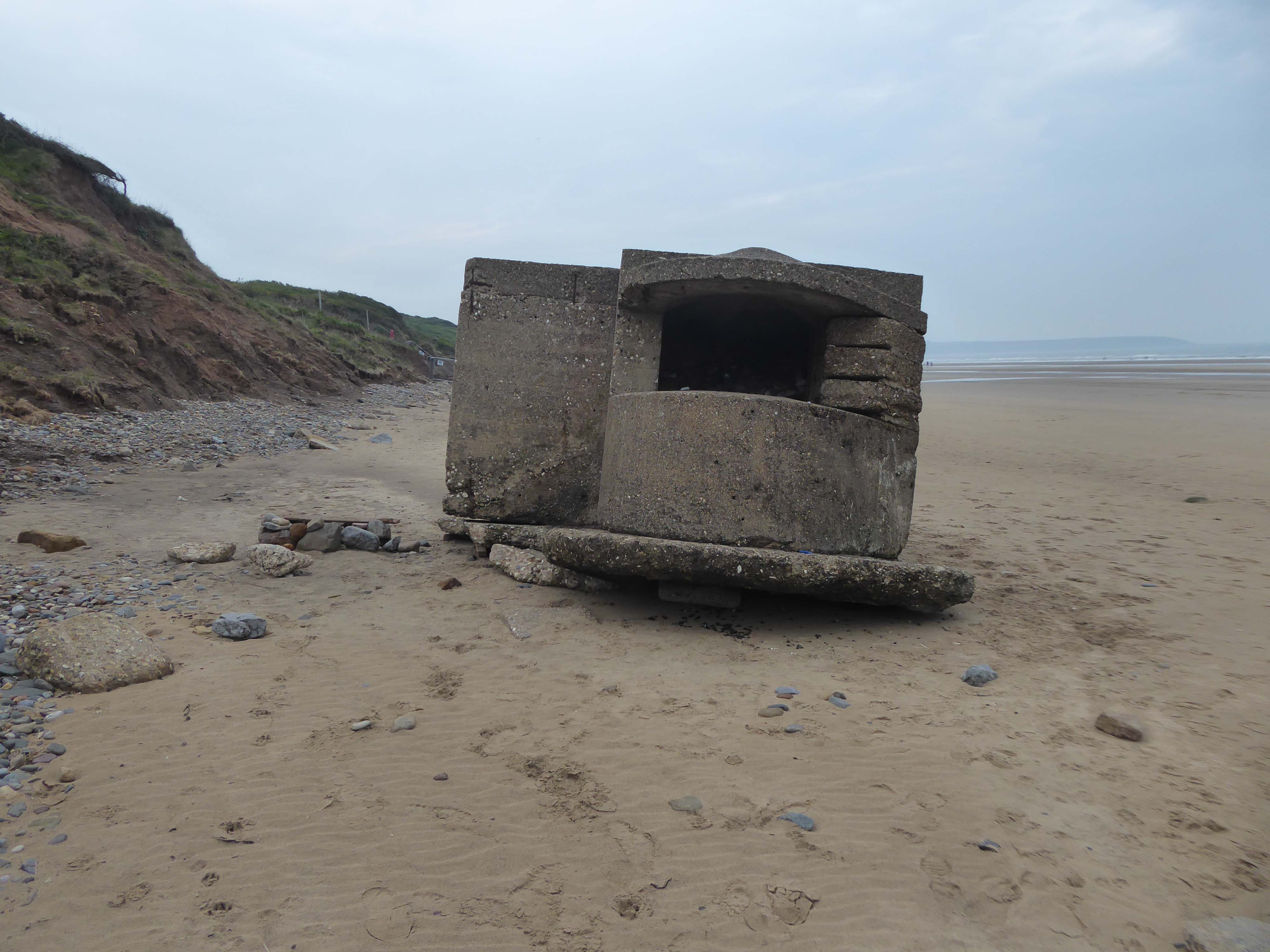
After the south coast, both East Anglia and the Yorkshire Coastline were identified as vulnerable to invasion. Bridlington Bay, was and ideal location for an invasion; flat sandy beaches for amphibious landing crafts, above the foreshore flat landscapes perfect for tanks and gliders to land, an isolated small population with only the residence of Bridlington close by and finally the control of an established port at Bridlington, once it was under German control. According to the Defence of Britain Survey undertaken in the Late 90’s, Northern Command had some of the best defend beaches in the country, this includes Bridlington.

Citizan

eDoB

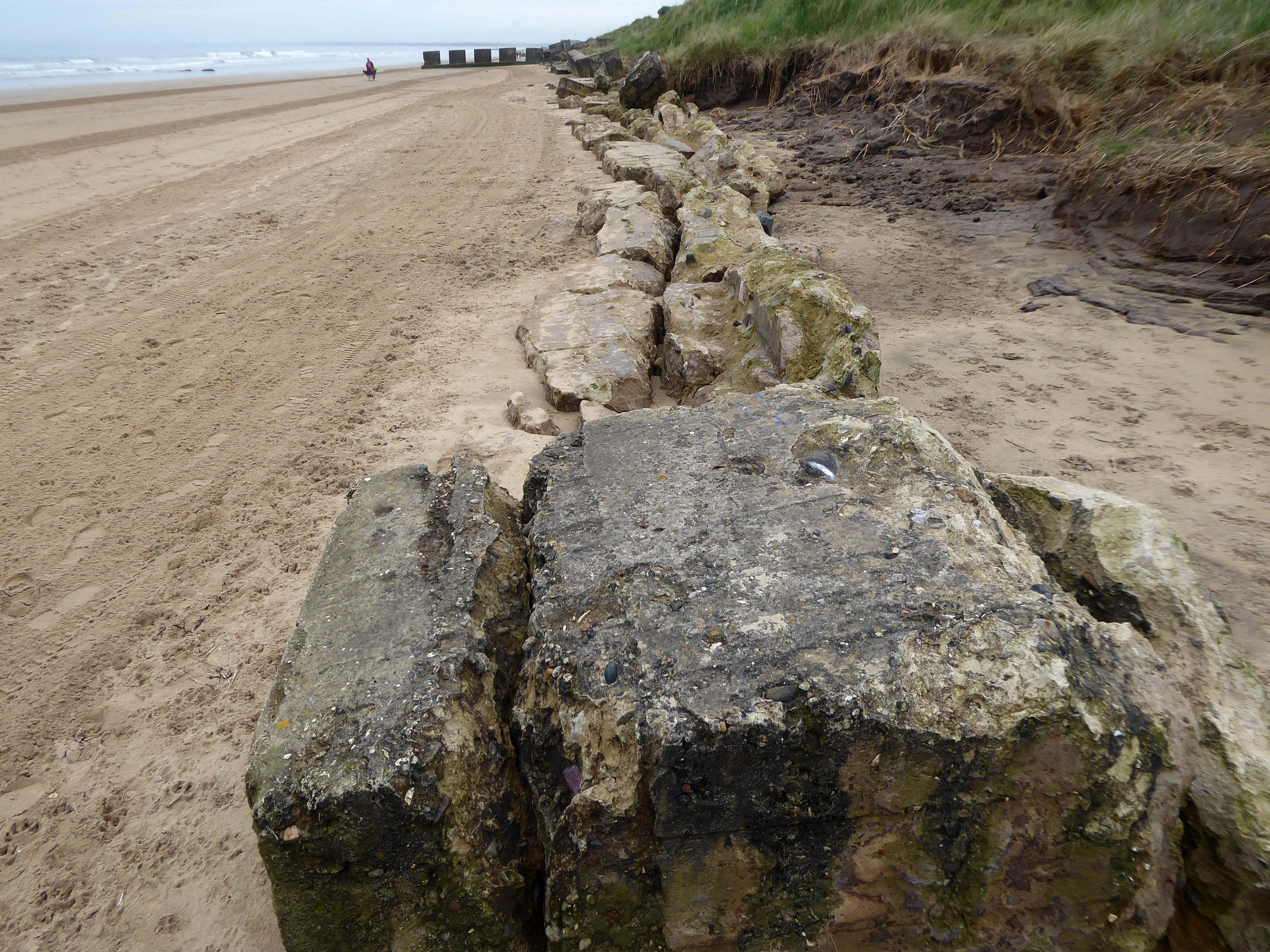
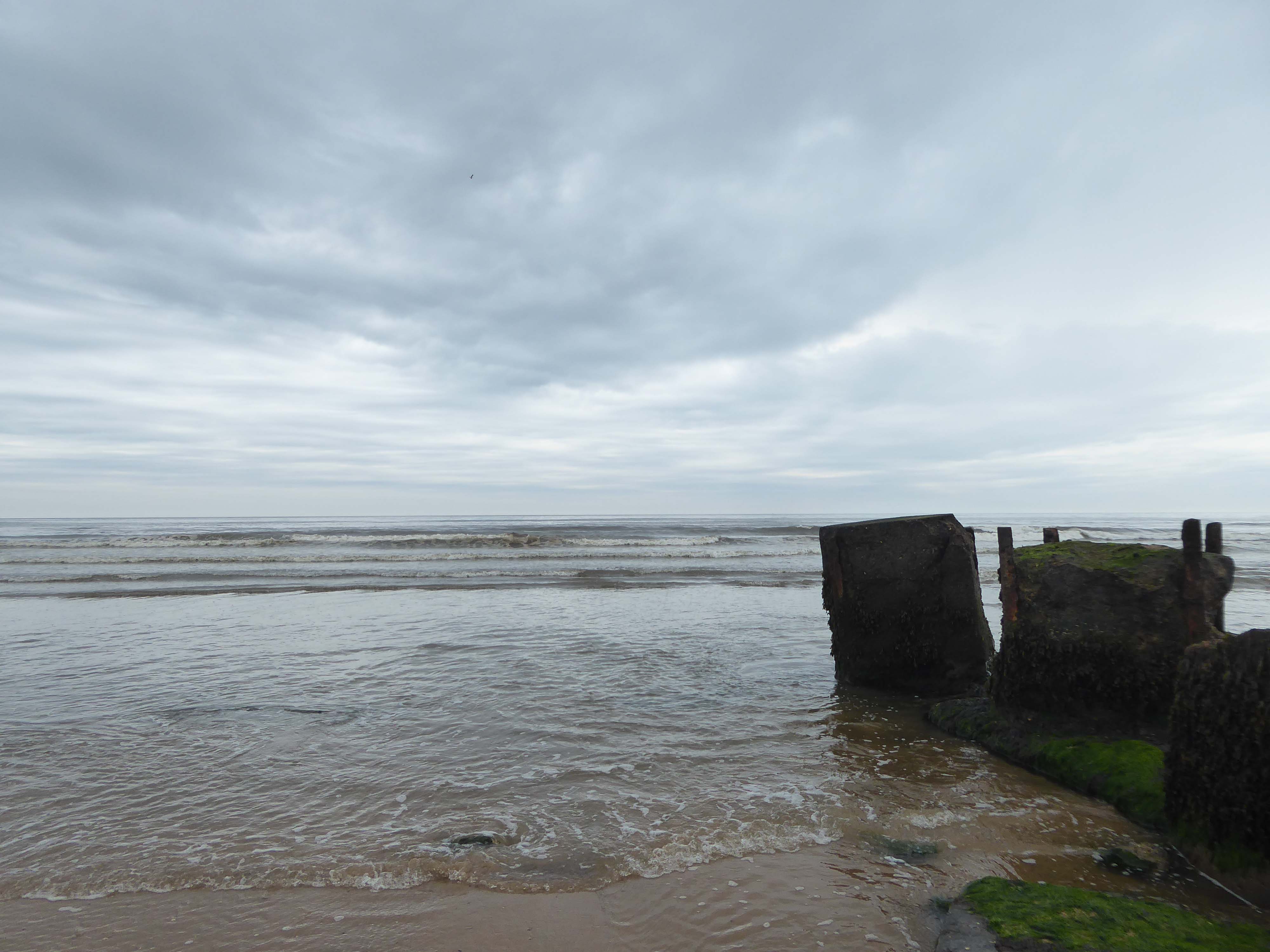
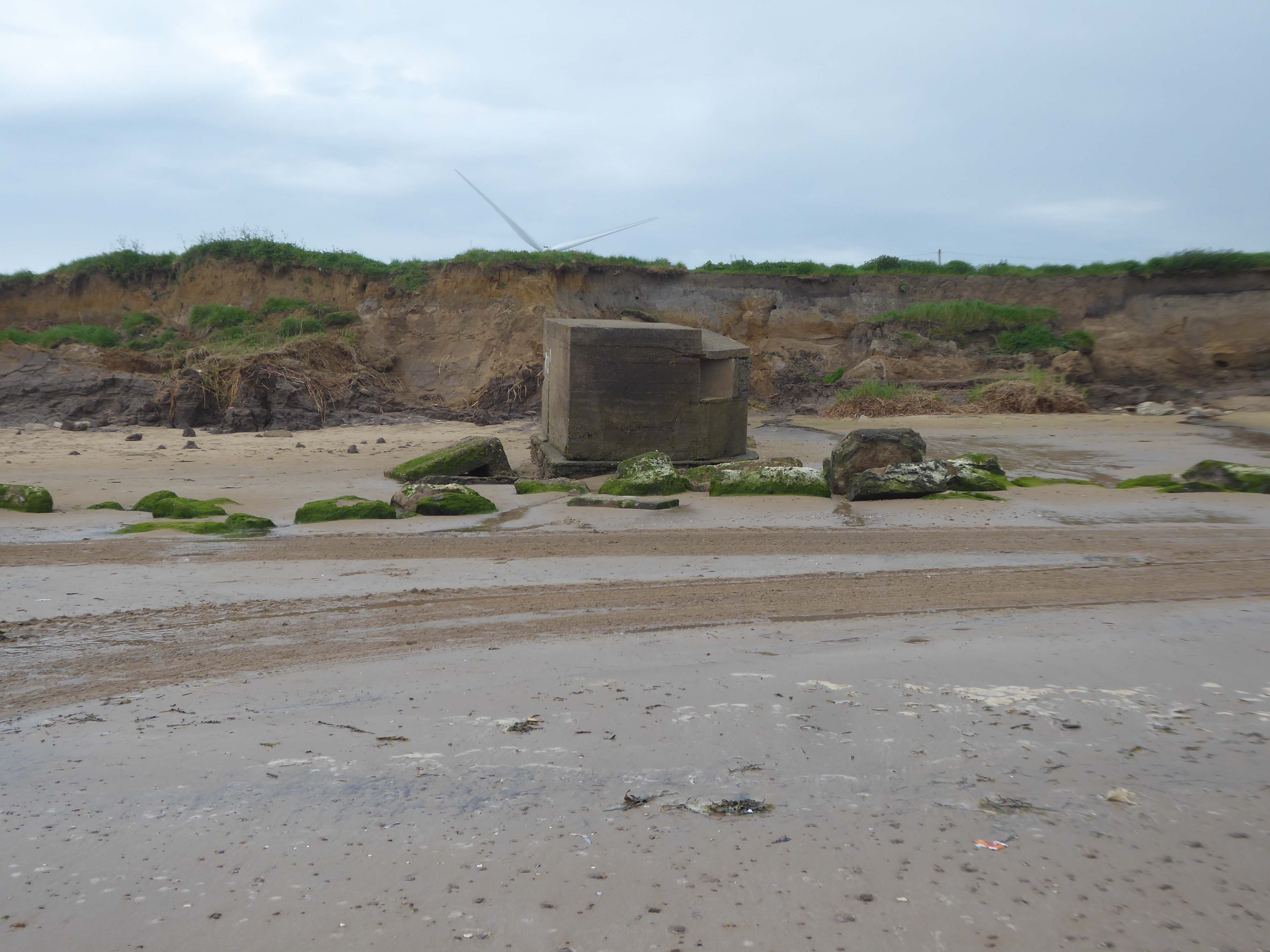
Here there are forces, past and present, at work shaping the landscape and the manmade addenda.

The remorseless waves, wind and rain eroding the coastal clay and contorted concrete.

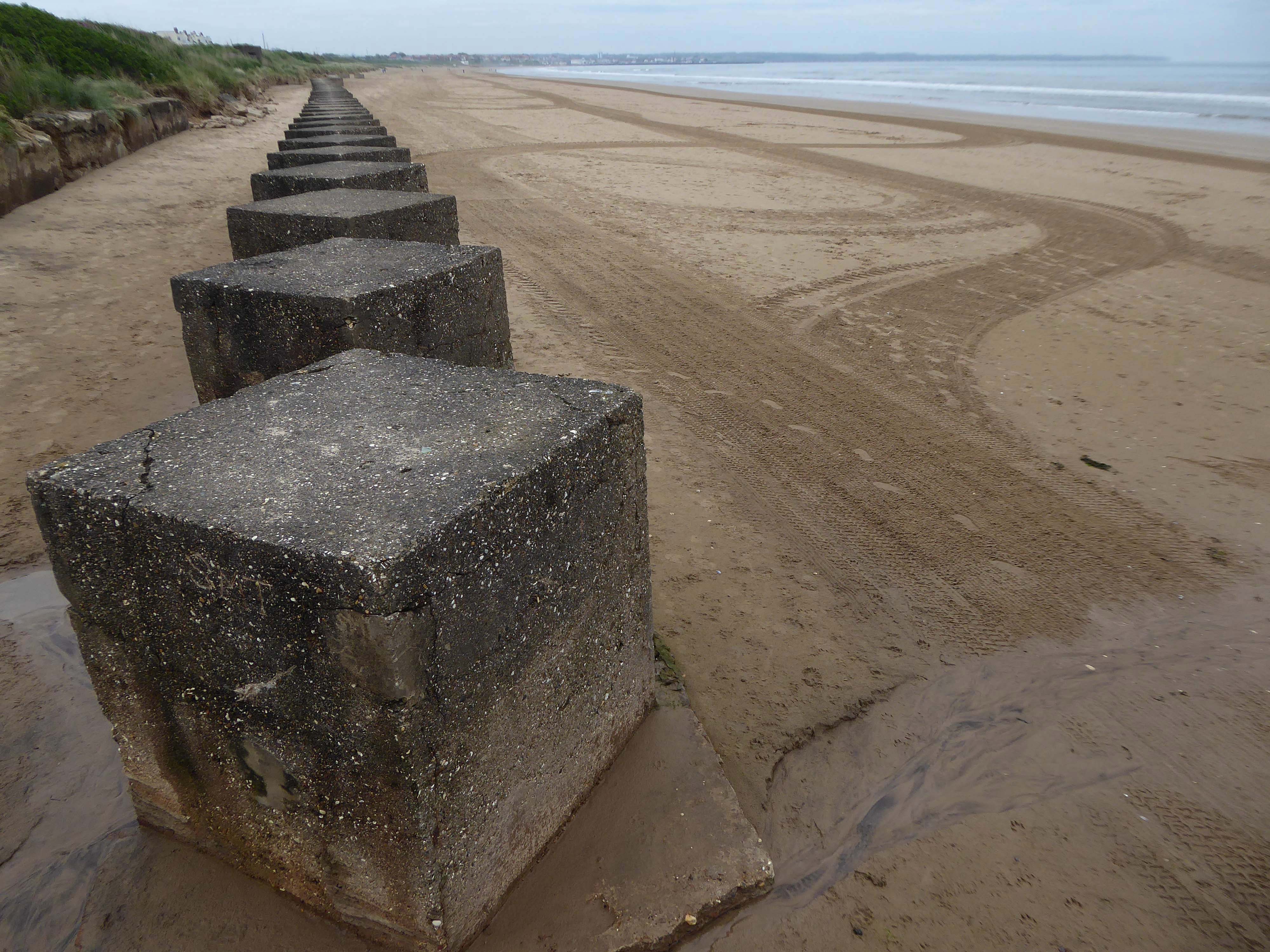
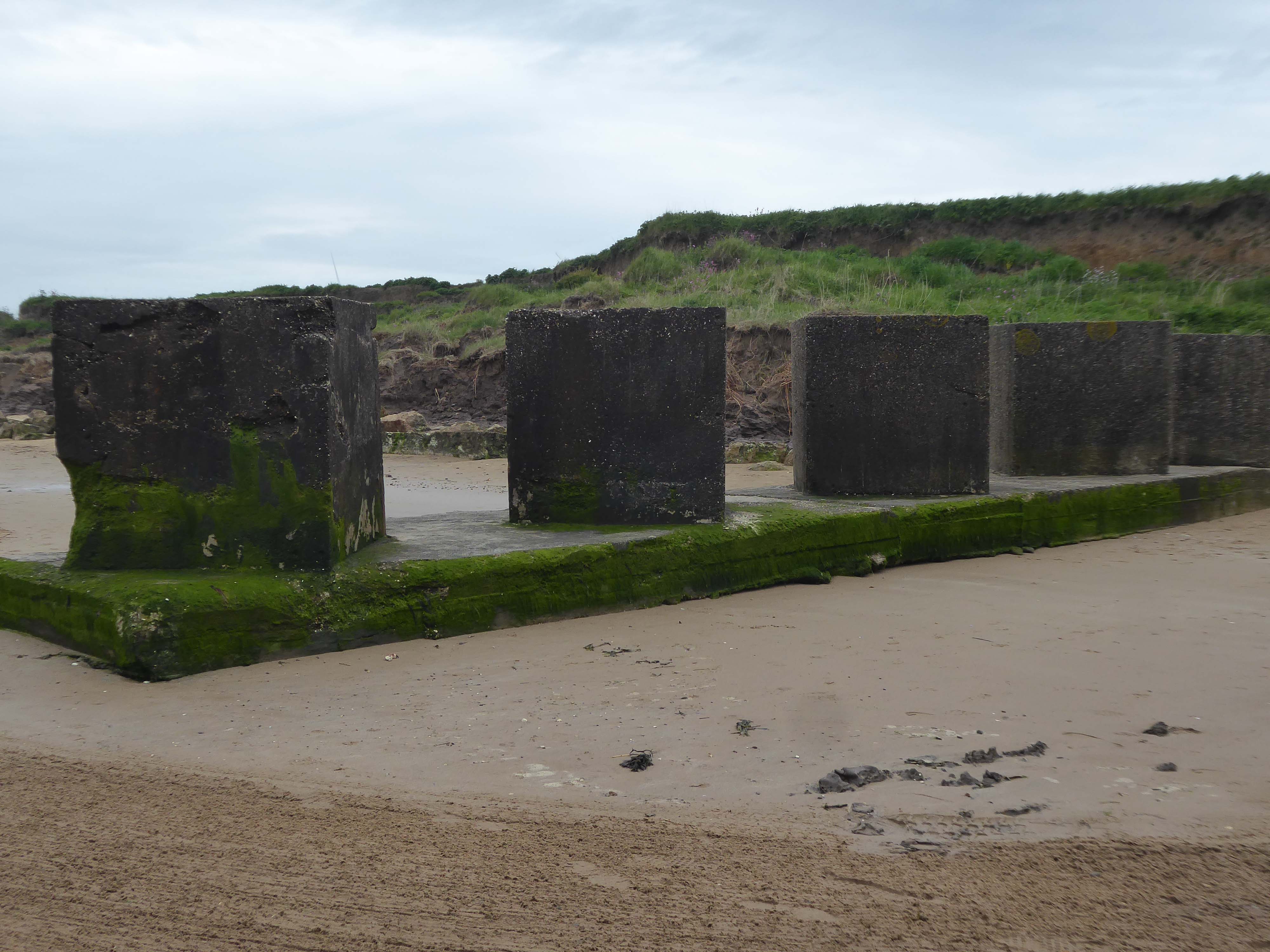
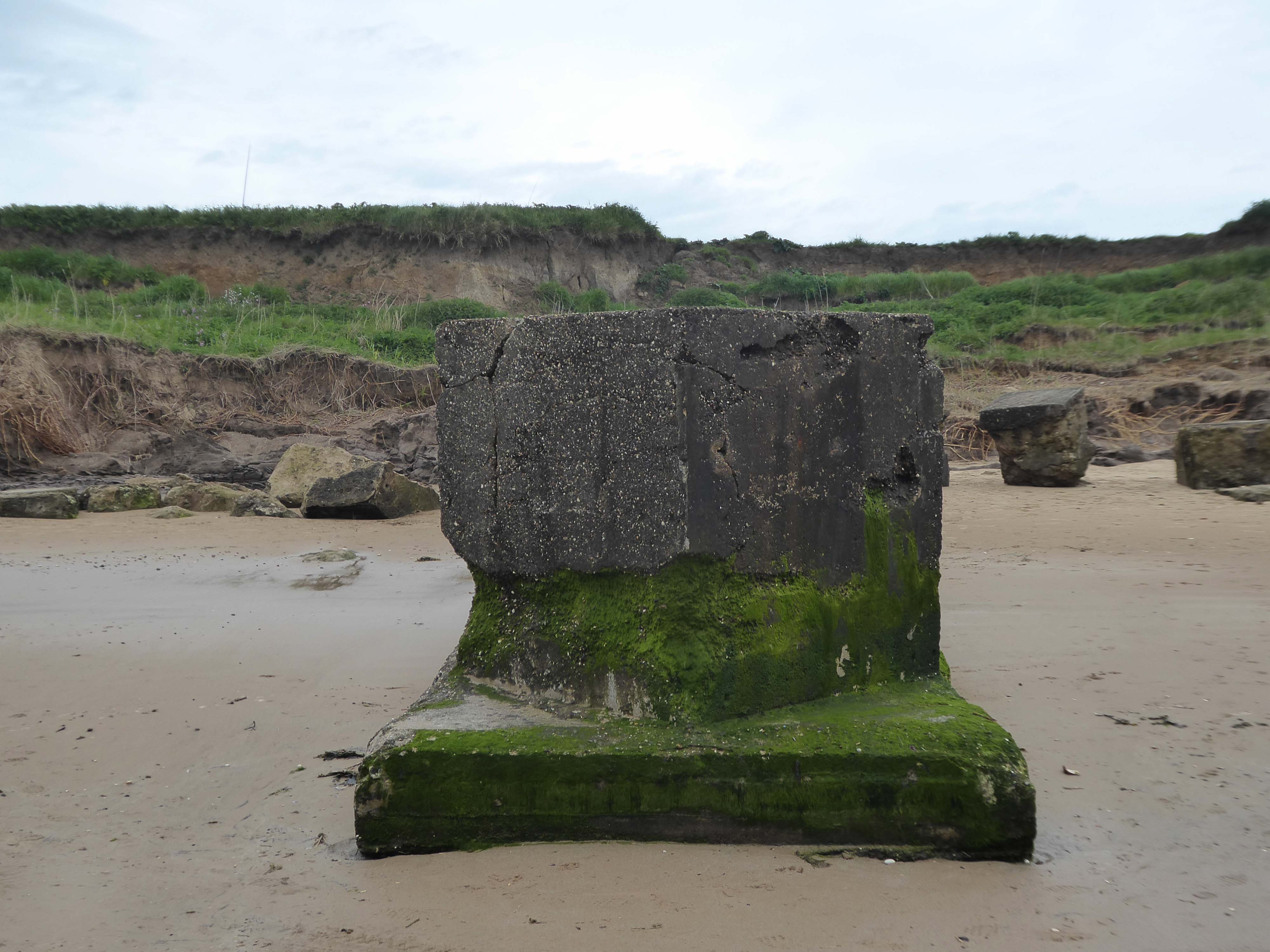
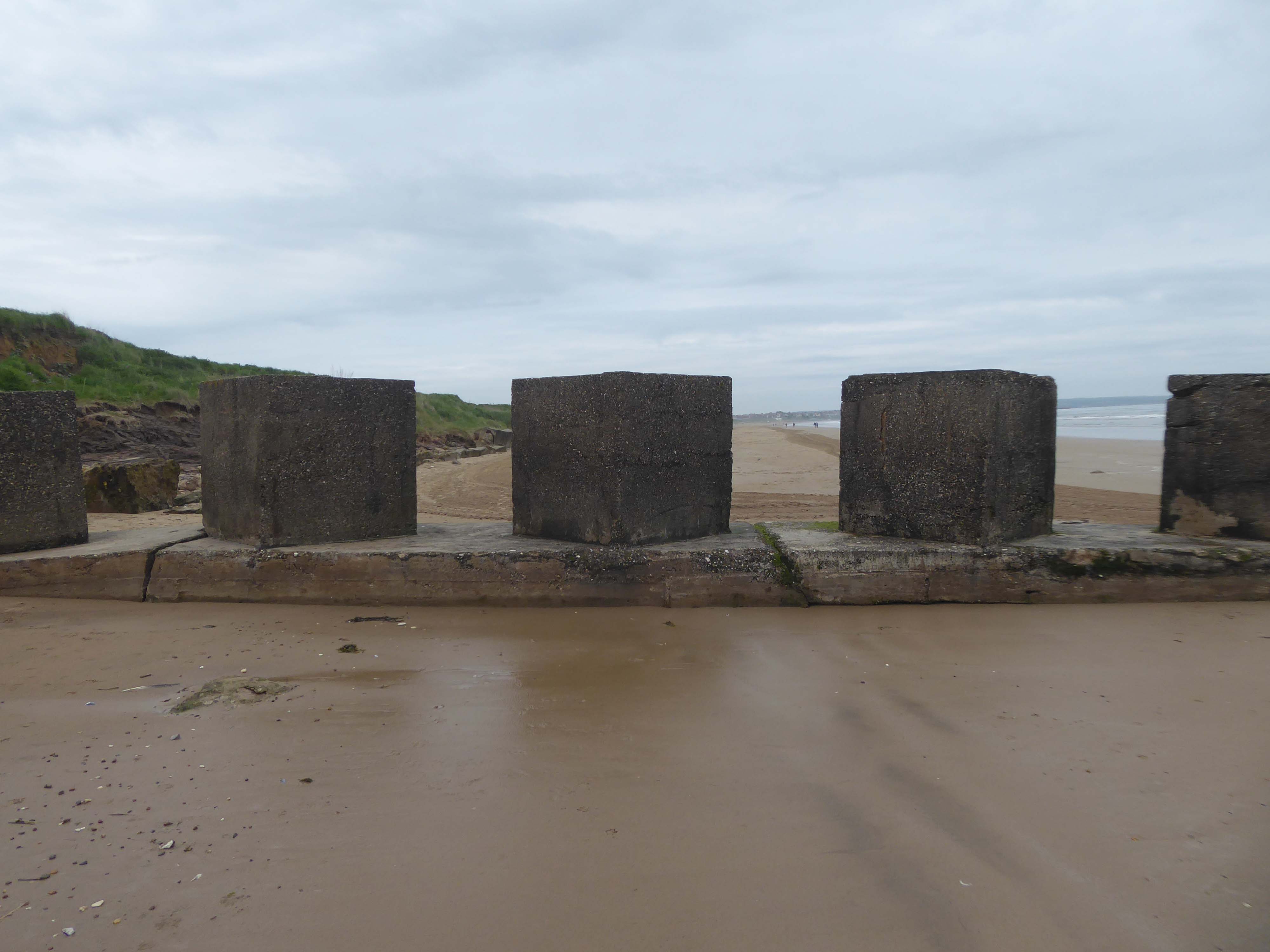
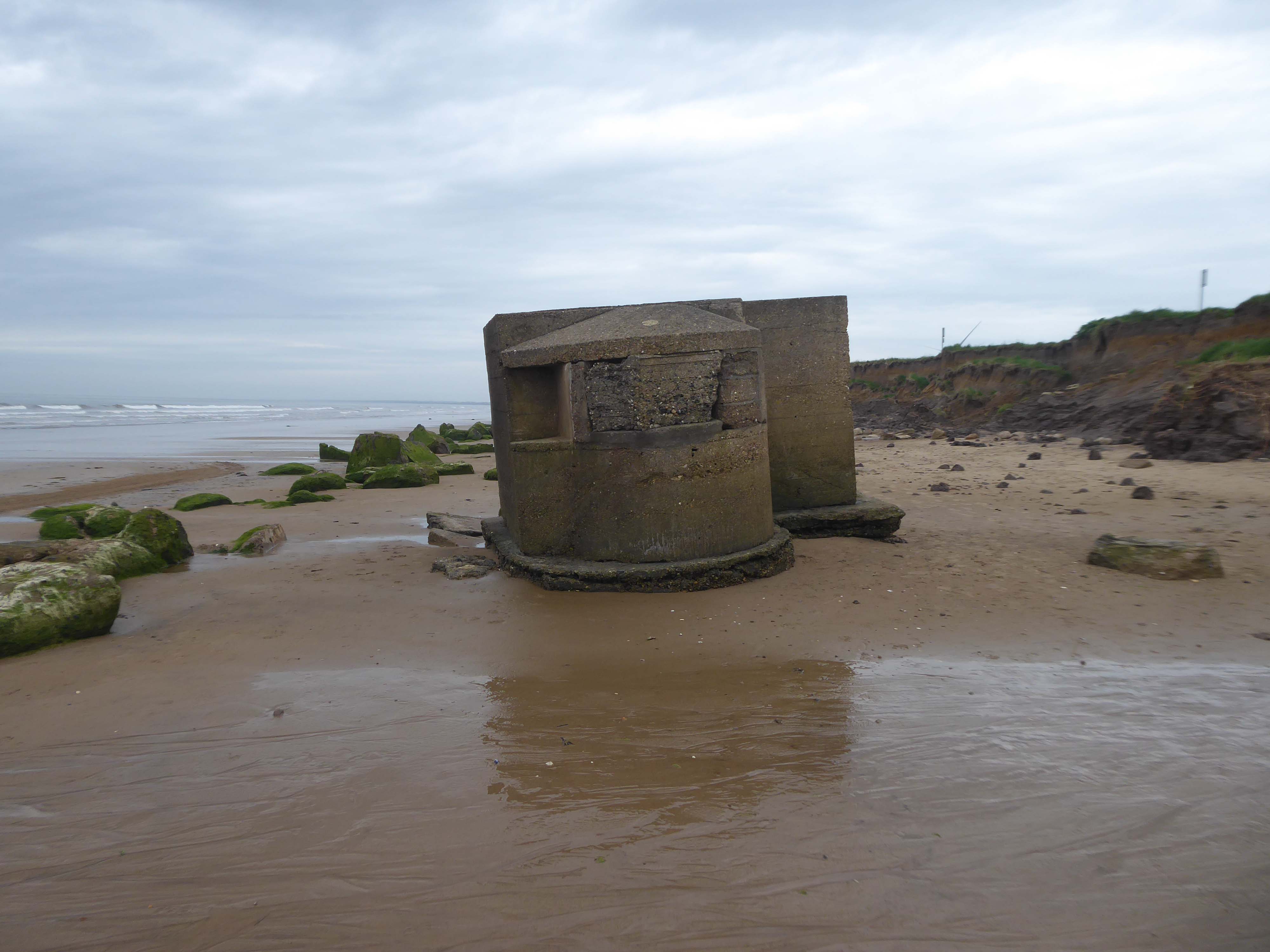
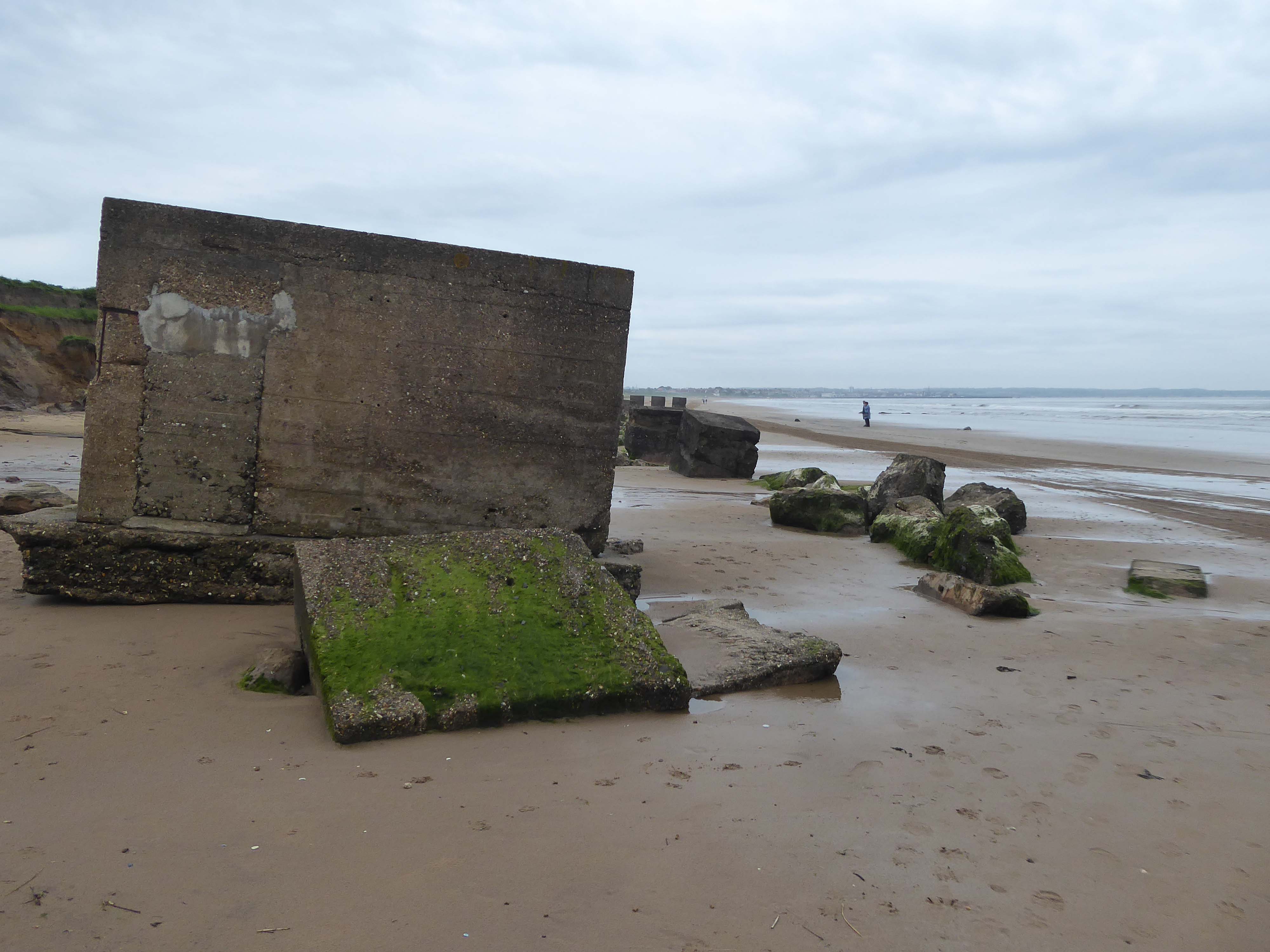
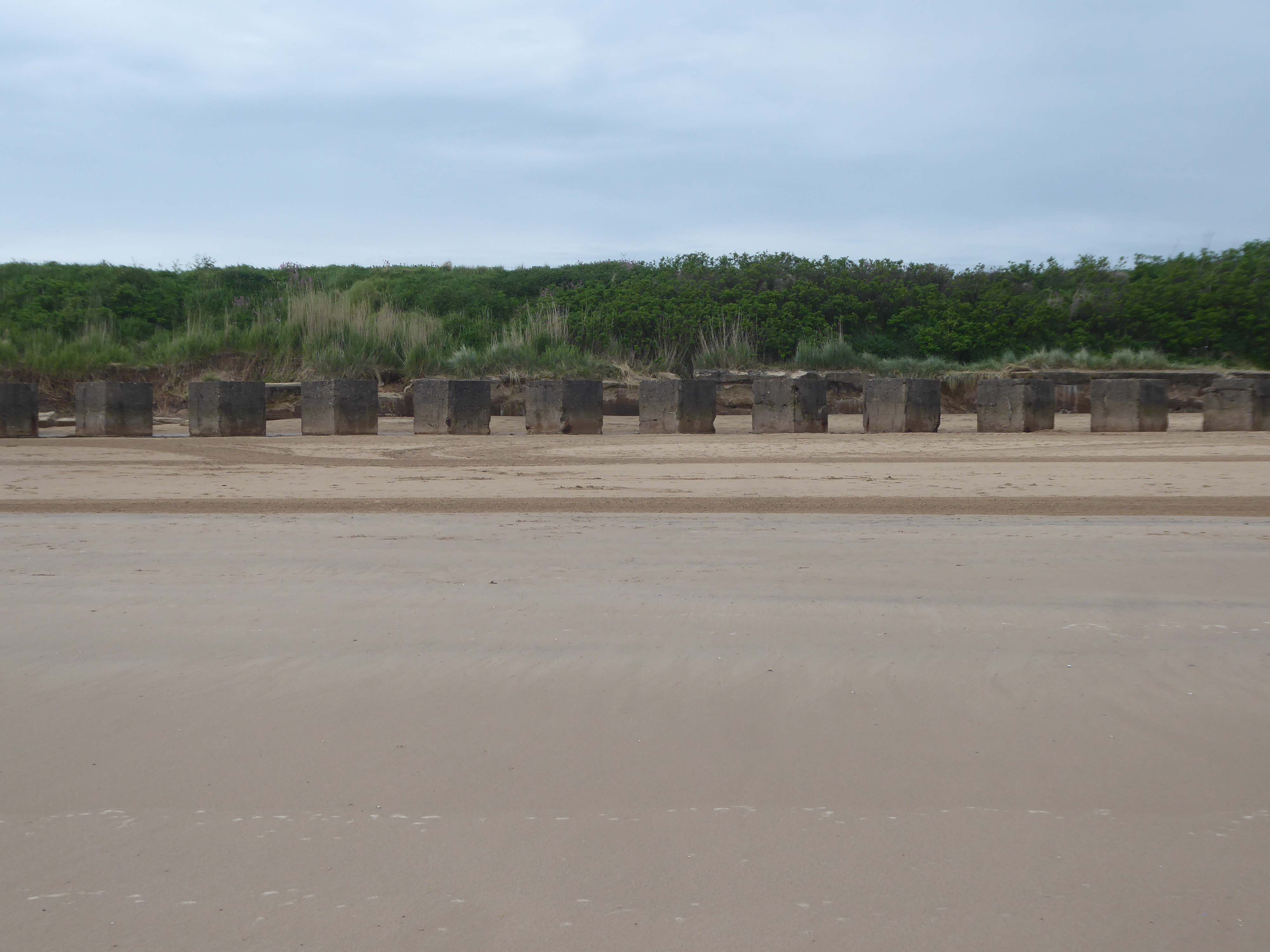
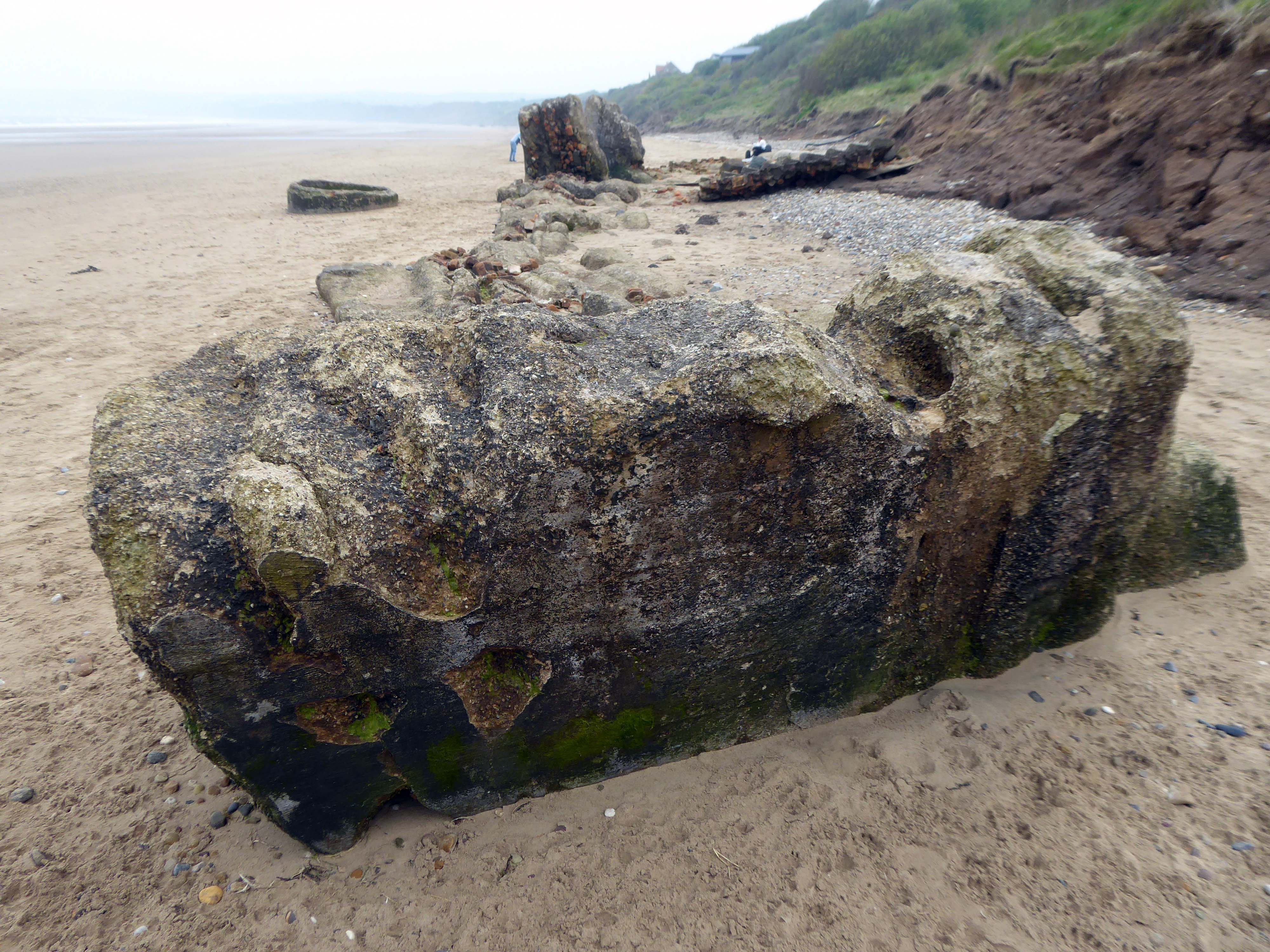
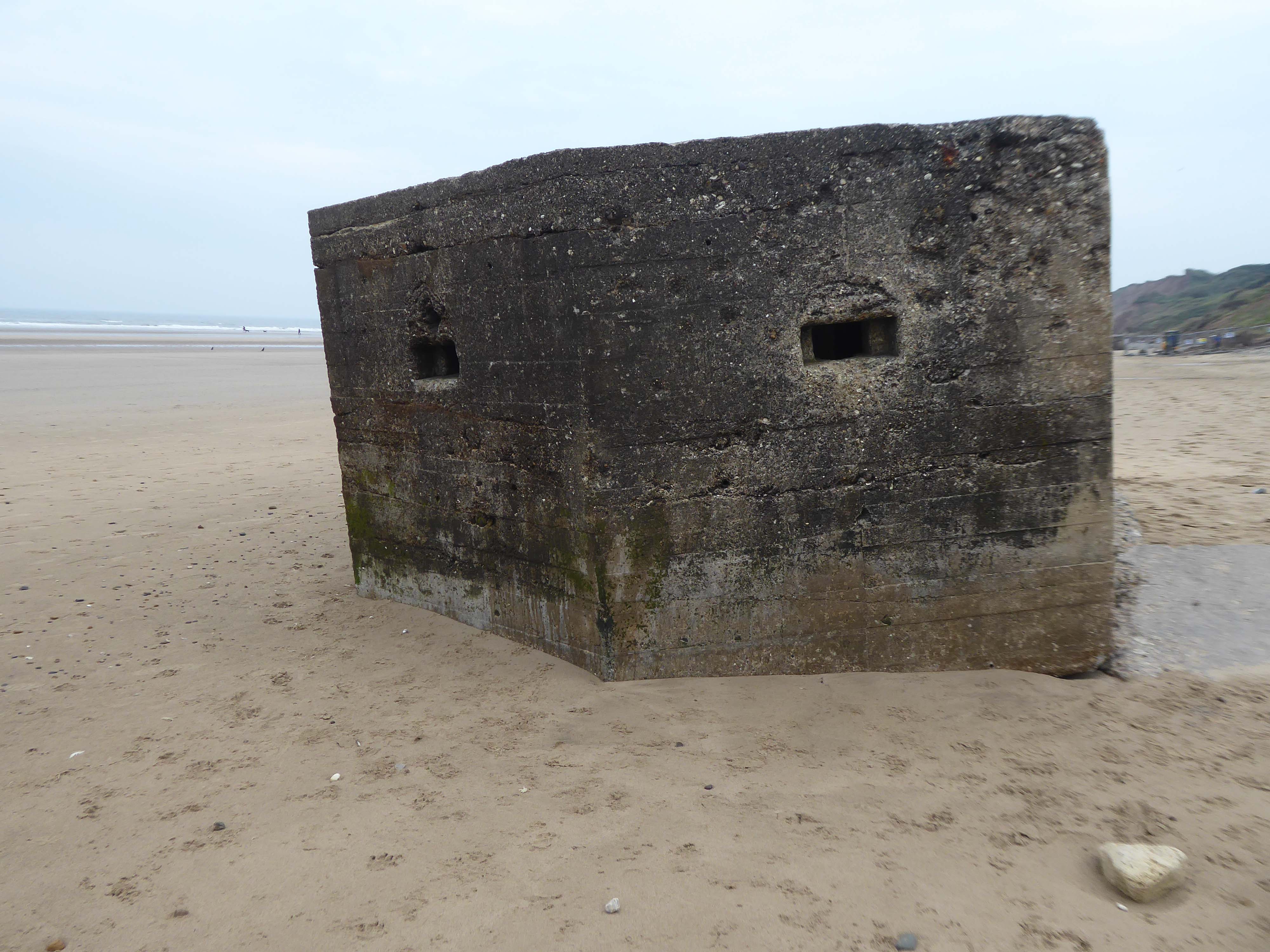
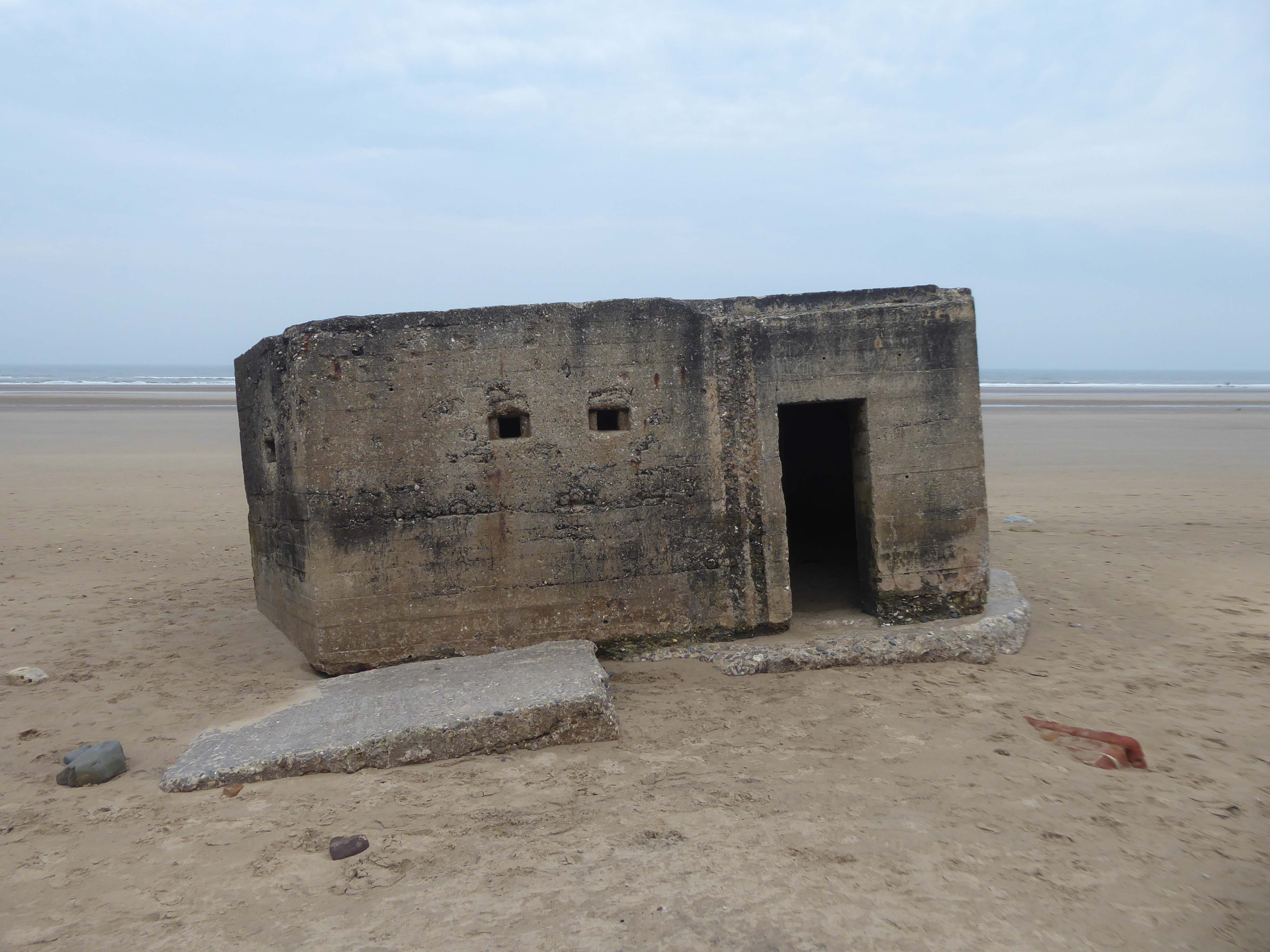
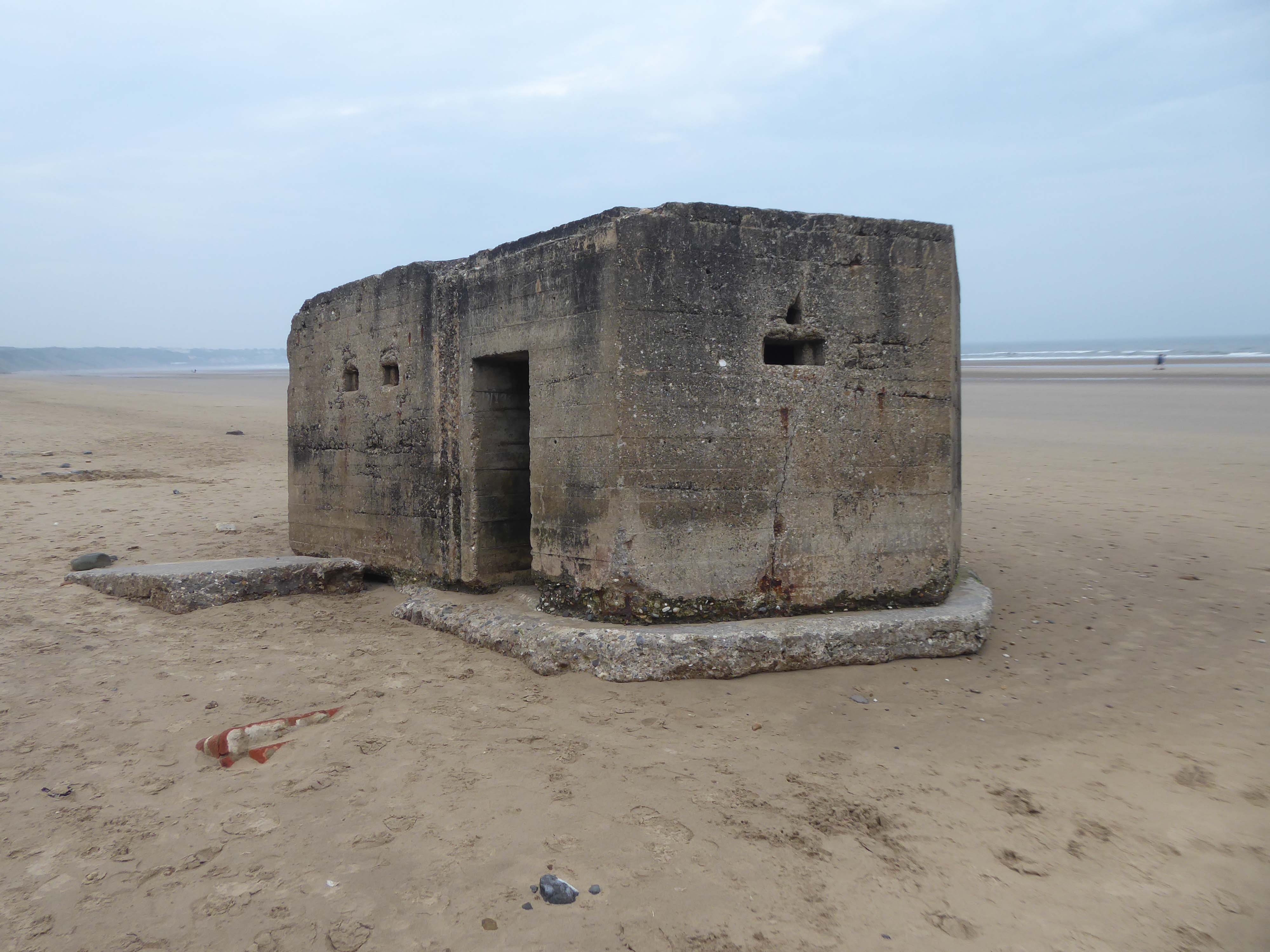
Anti-tank blocks line the foreshore here; with deep foundation they are meant to be so immovable that tanks cannot go through them and rather have to go over them, exposing the weakly armour undersides of the tanks, which can then be fired at. The anti-tank blocks are arranged in batches of both parallel and perpendicular to the sea, which helps to divide up the beach and channel enemies towards the pillboxes and into fire.

Citizan

Coastal Concrete – Filey

Once more unto the beach, dear friends, once more, or close the wall up with our English dead. 

Having visited Cayton Bay last year I ventured forth last week, to Filey and beyond.

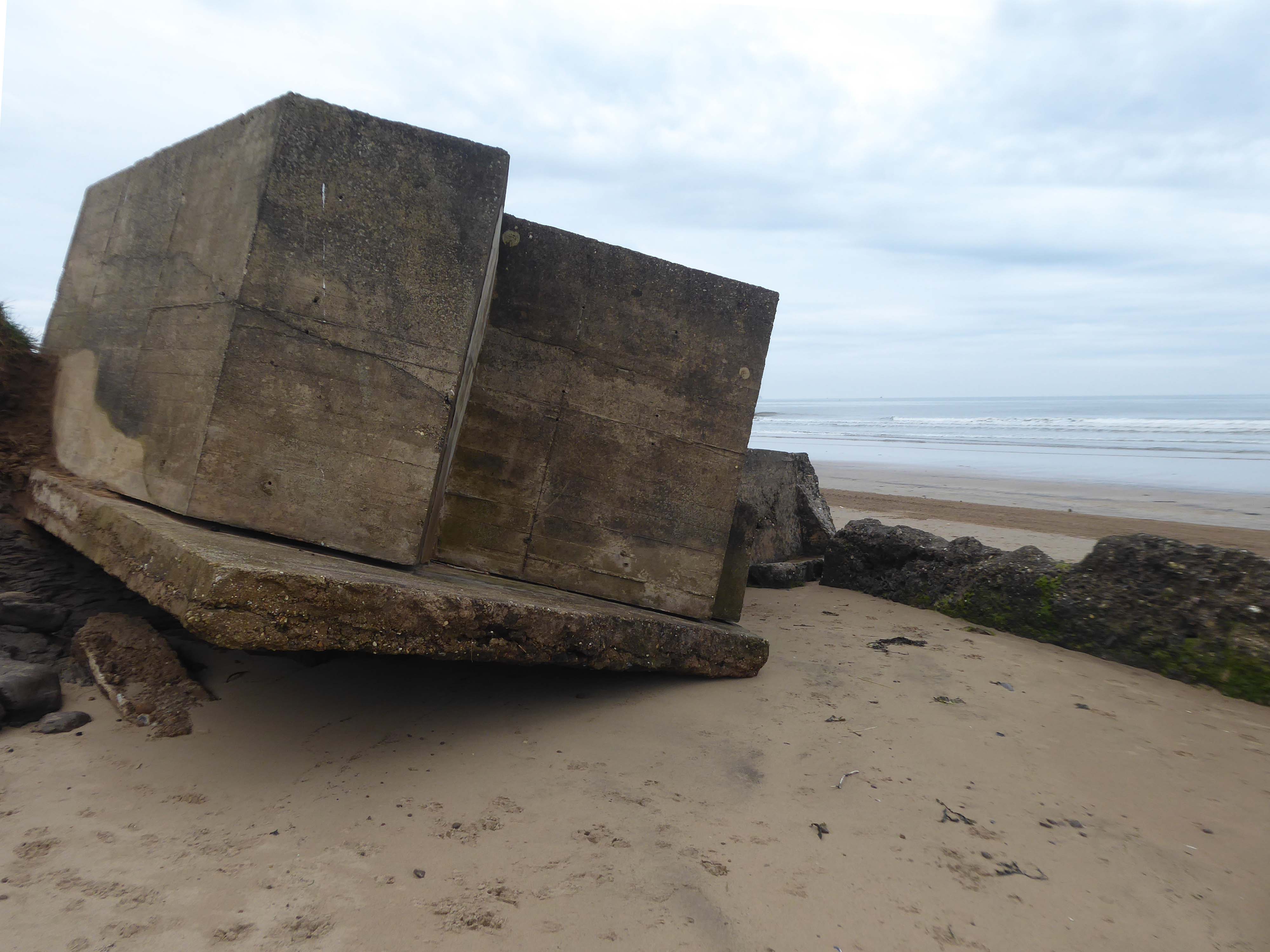
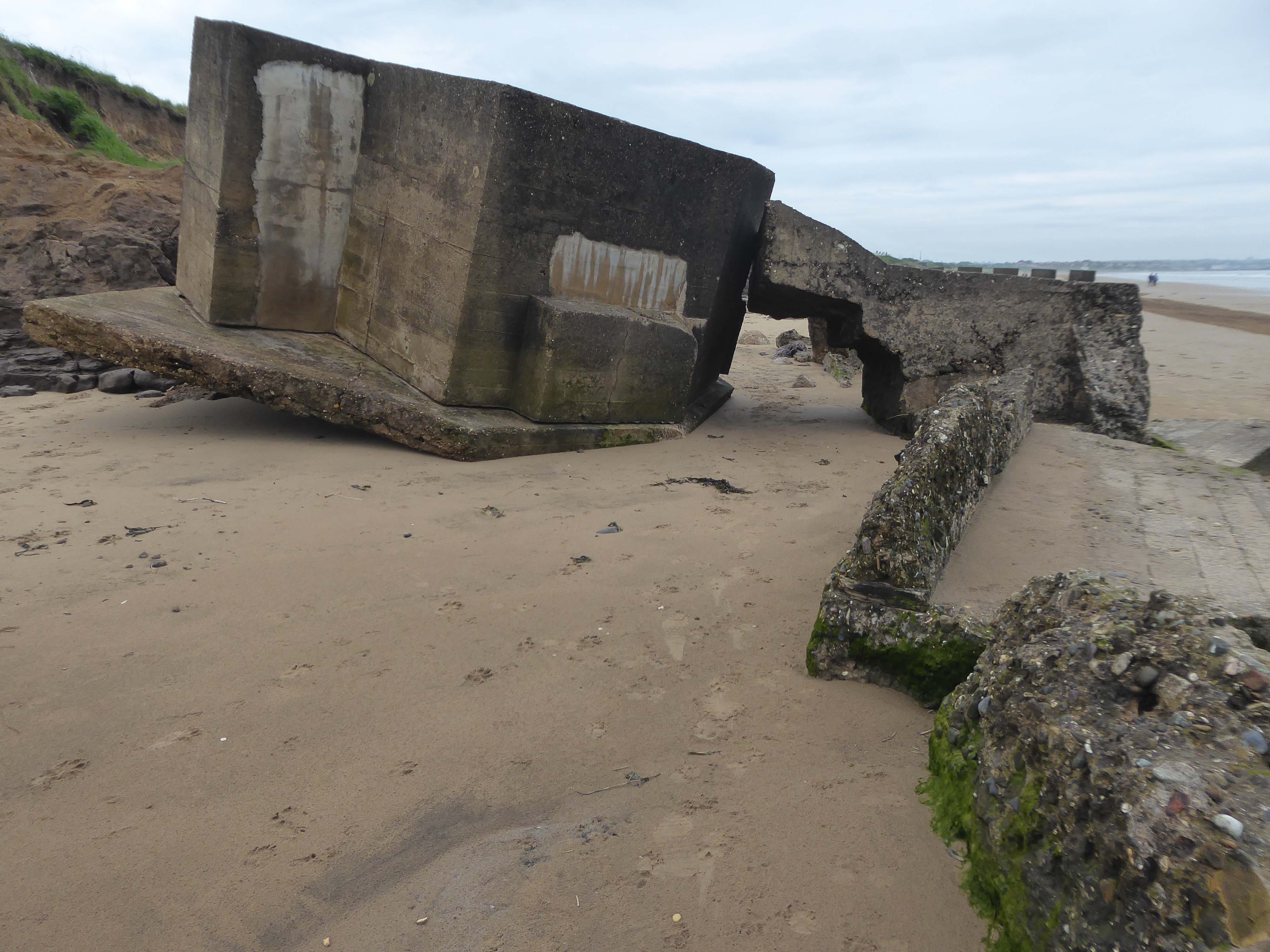
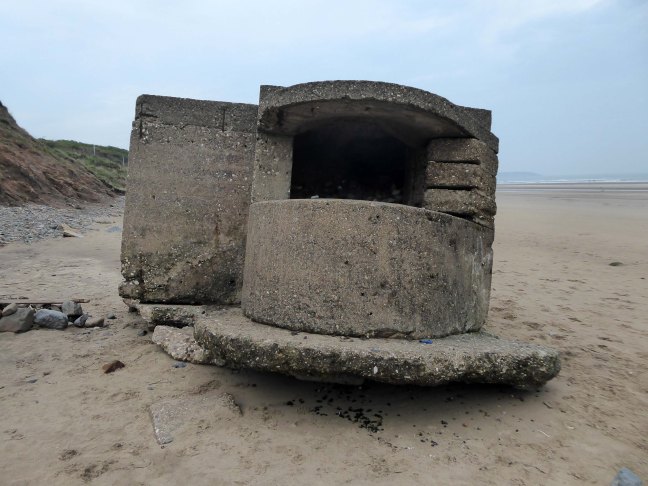
The shore toward Hunmanby Gap when faced with the threat of invasion, was home to a plethora of coastal defences, formed from raw concrete between the years 1941 and 1942, along with attendant armed forces.

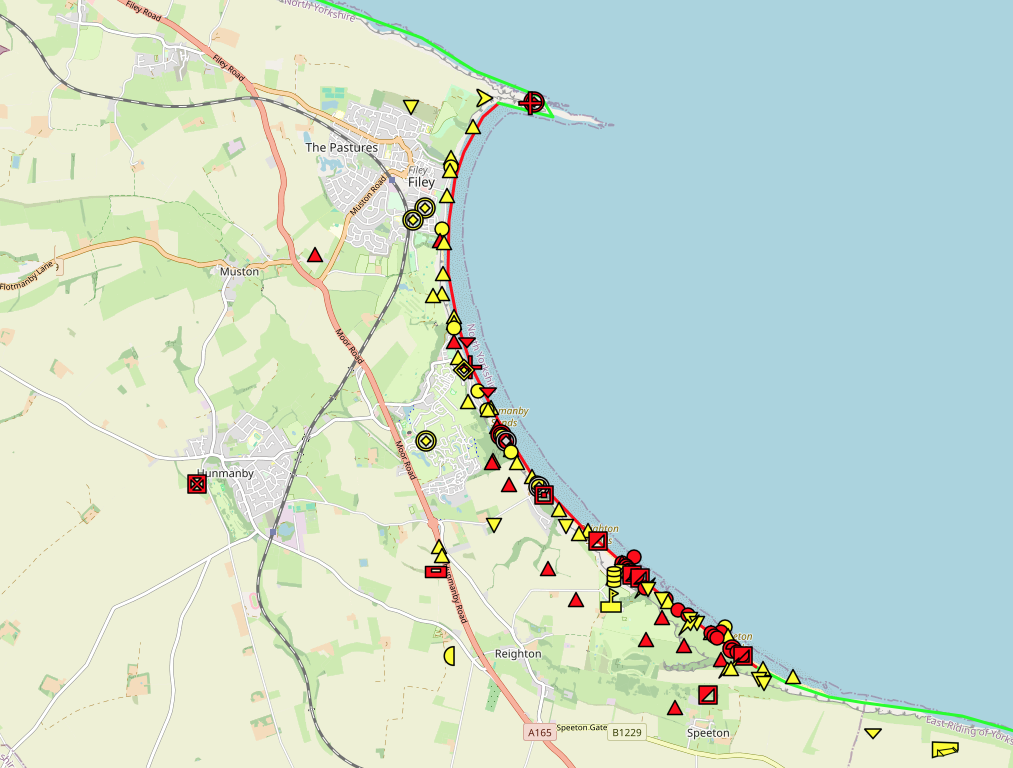
Map – eDoB online

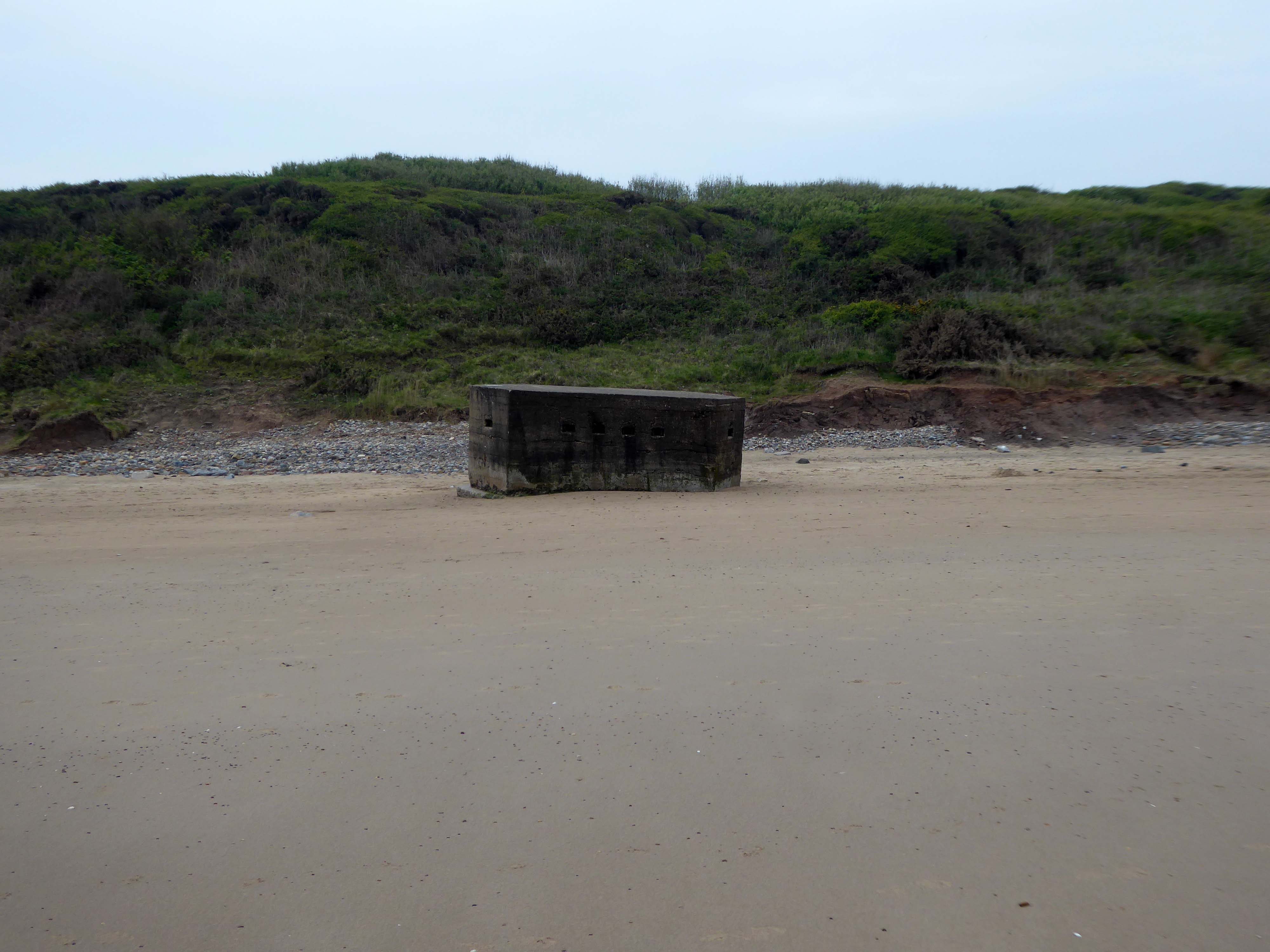
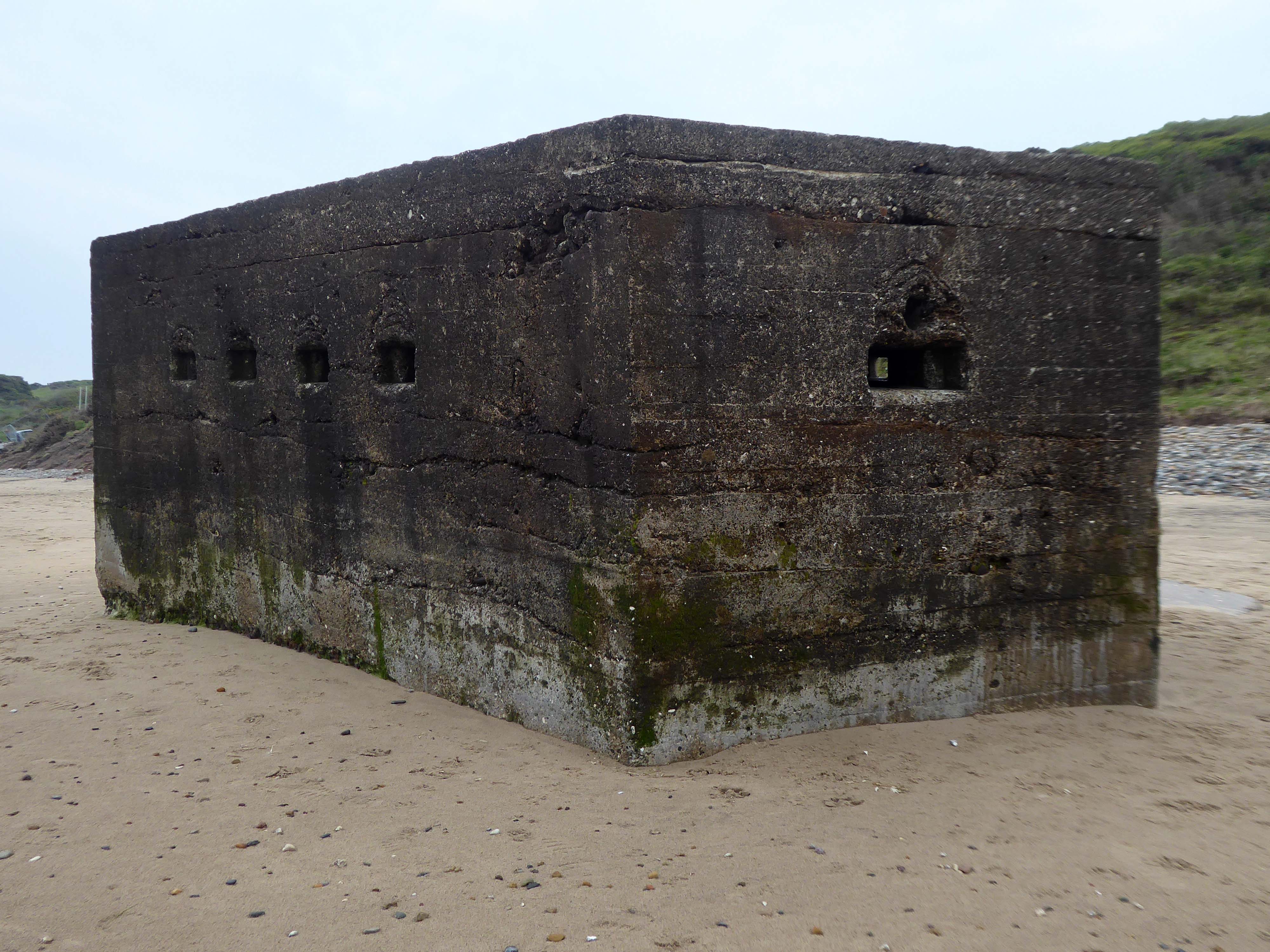
Pill boxes, anti-landing trenches, anti-tank obstacles, beach lights, coastal batteries, flame fourgasses, gun emplacements and machine gun posts were clustered along the coast.

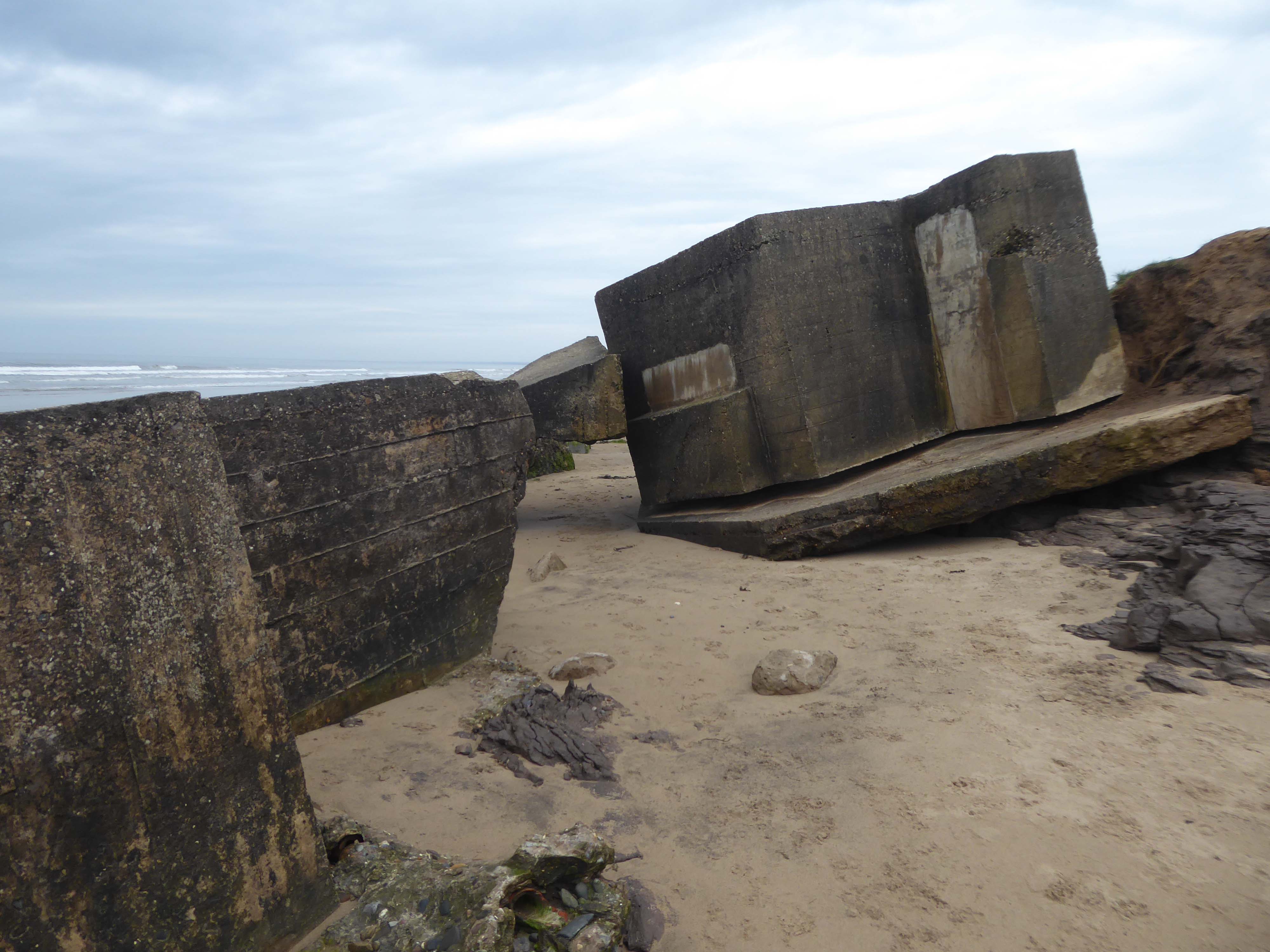
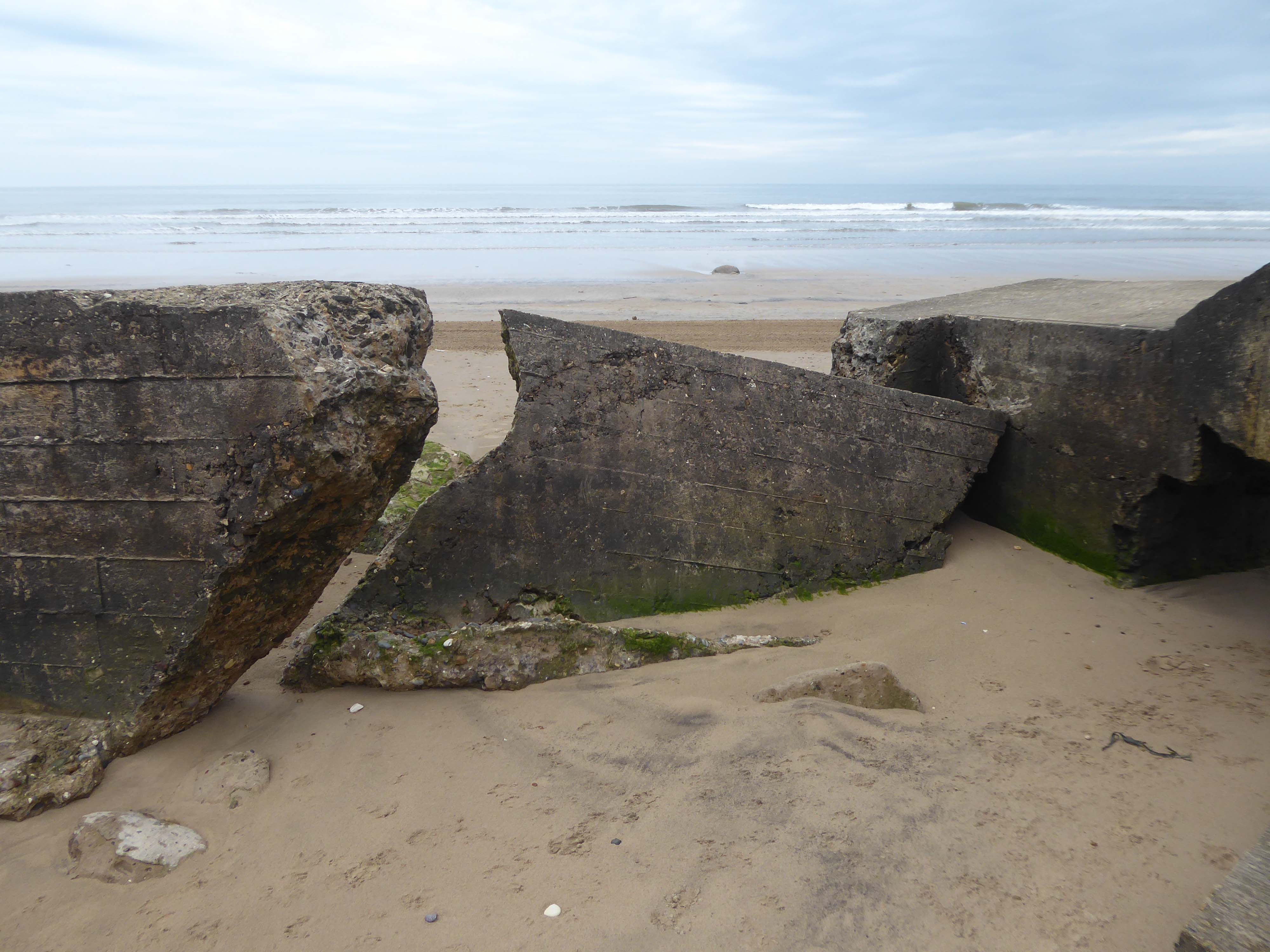
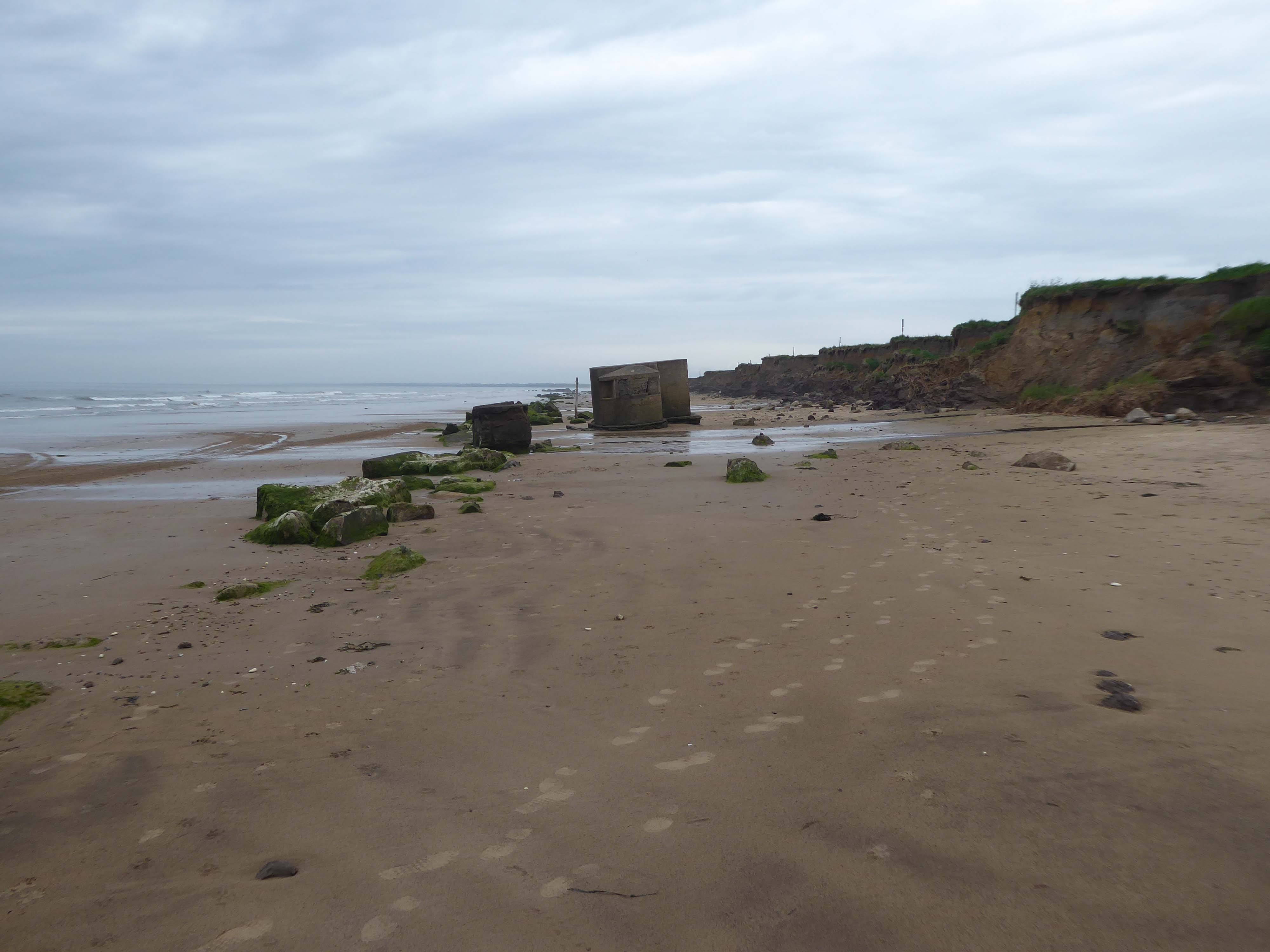
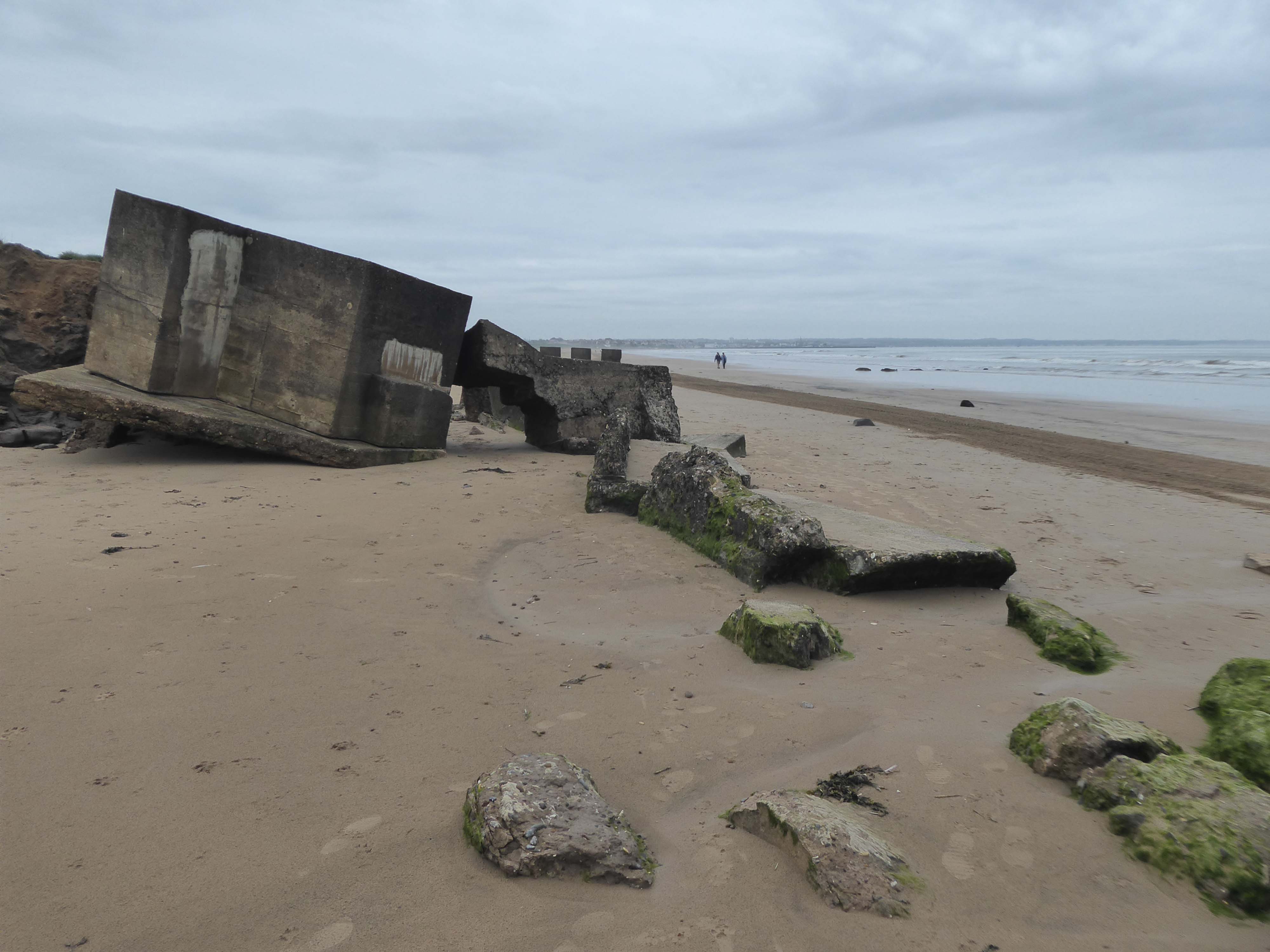
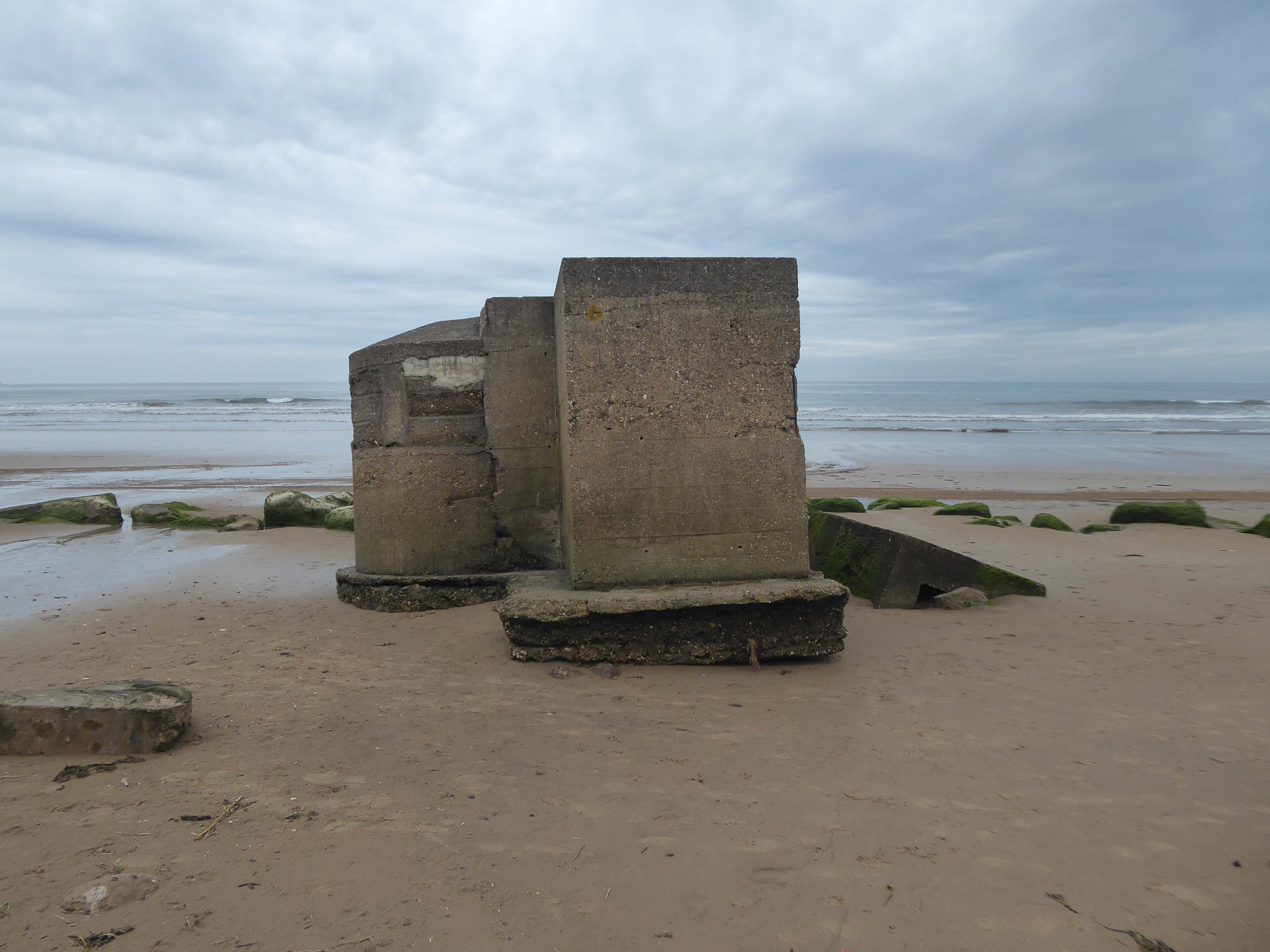
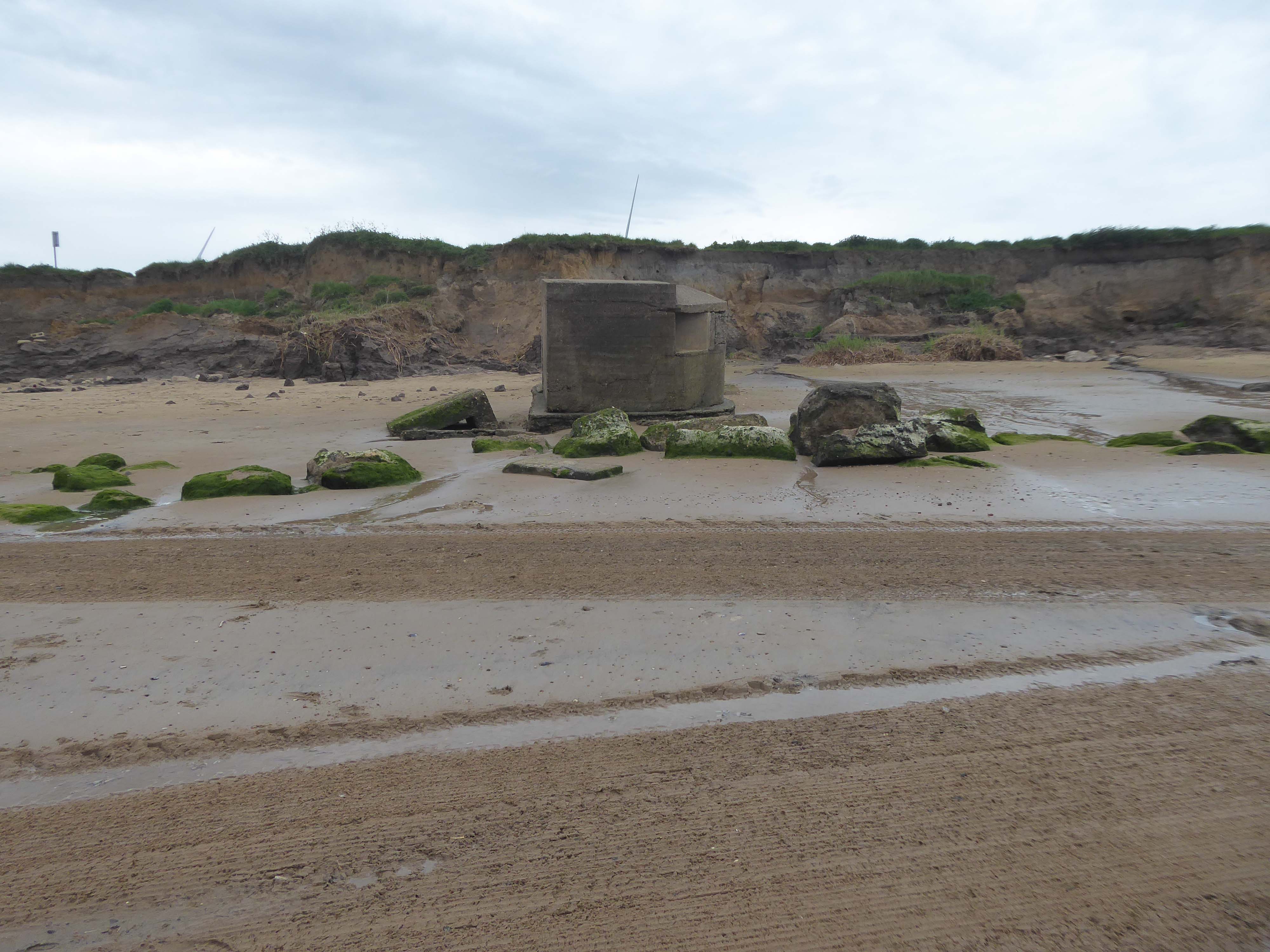
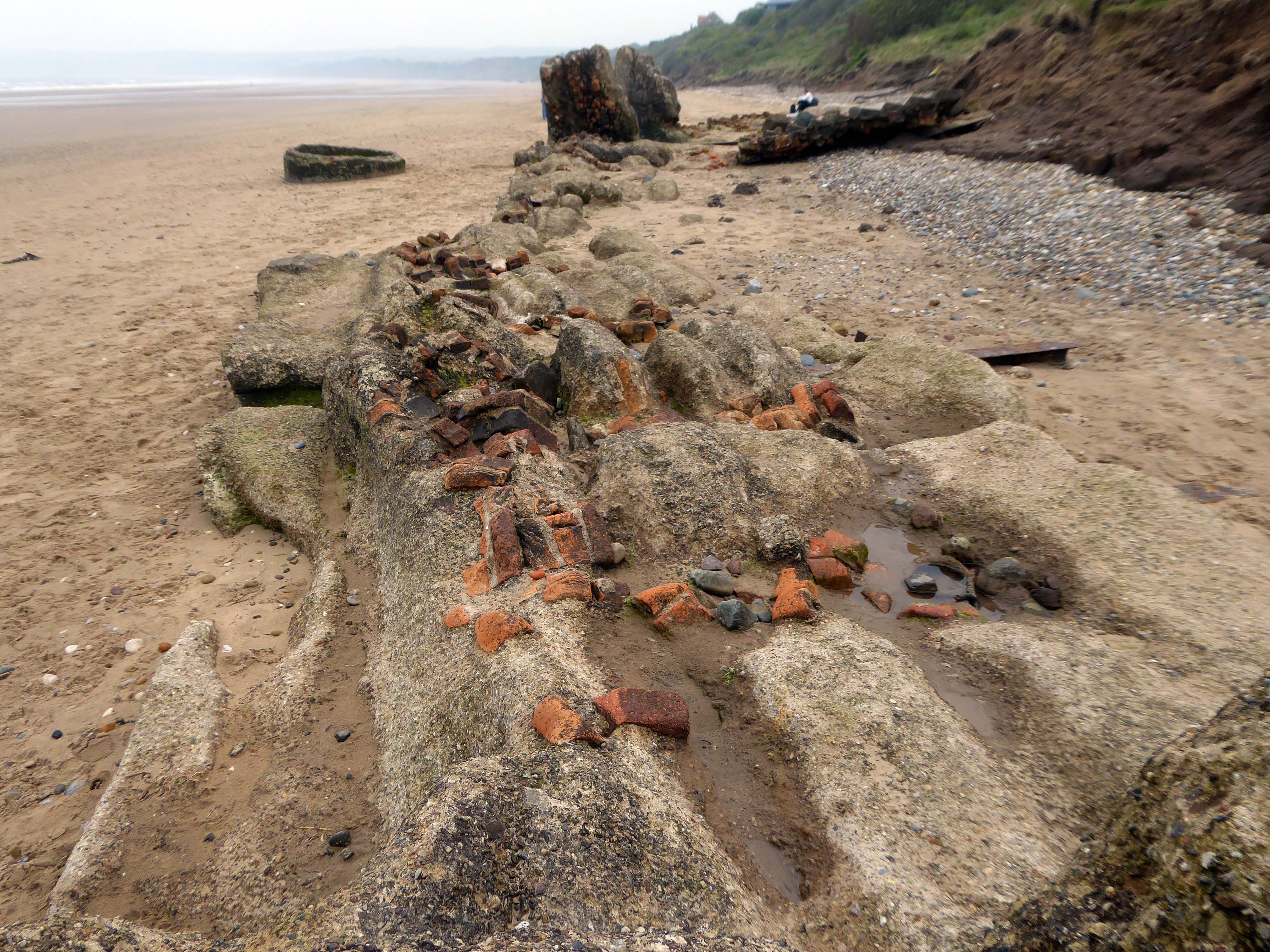
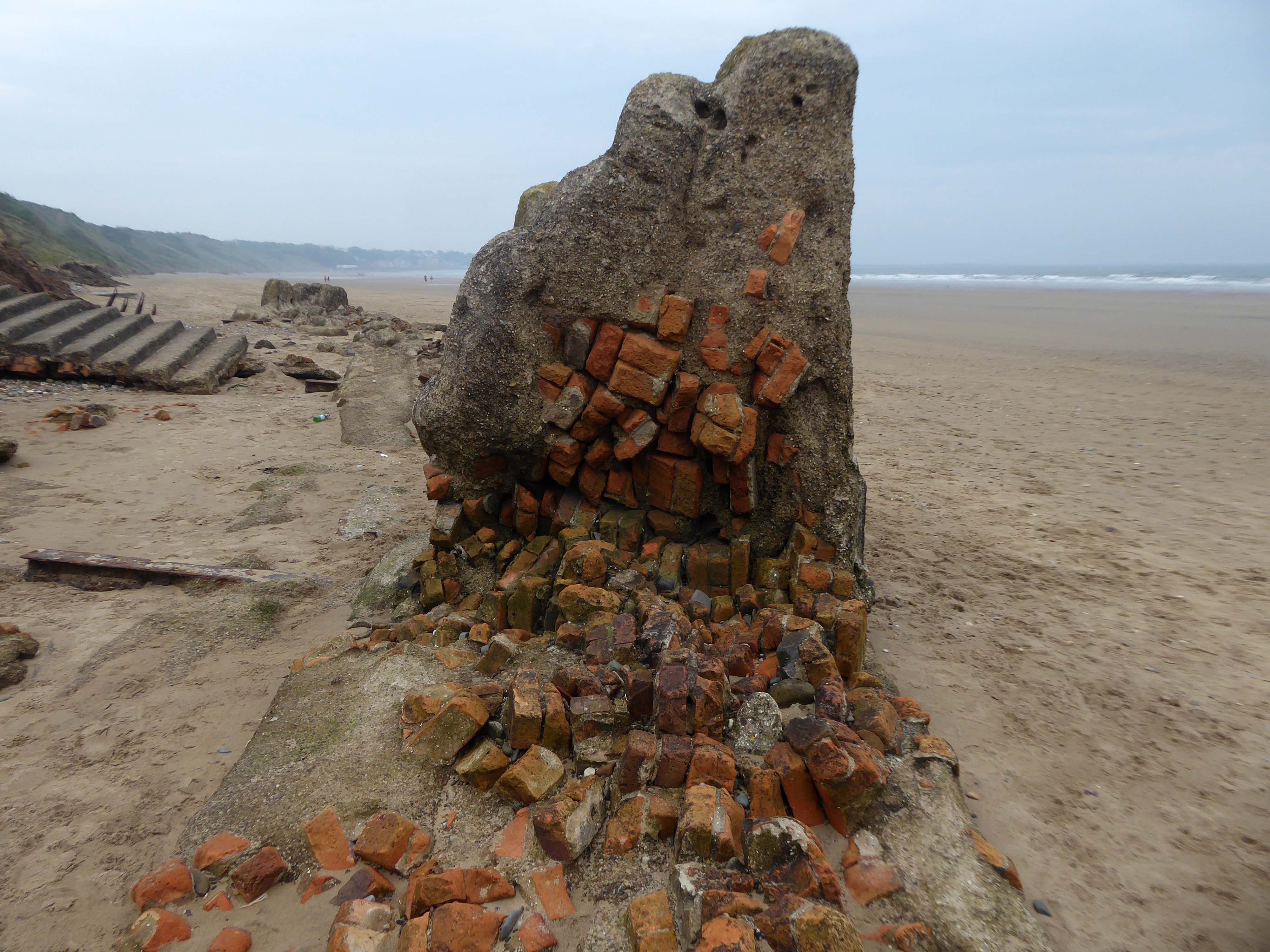
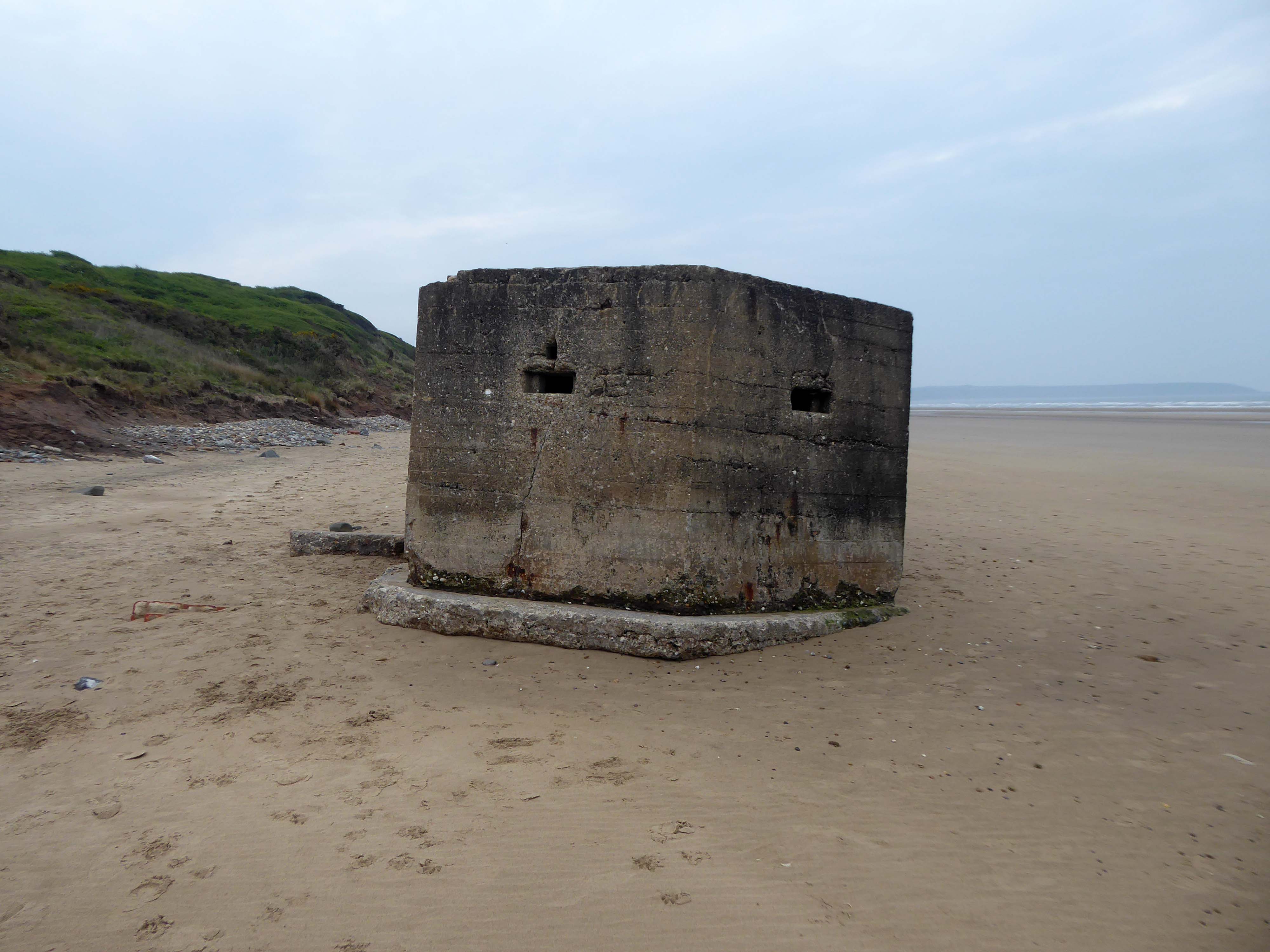
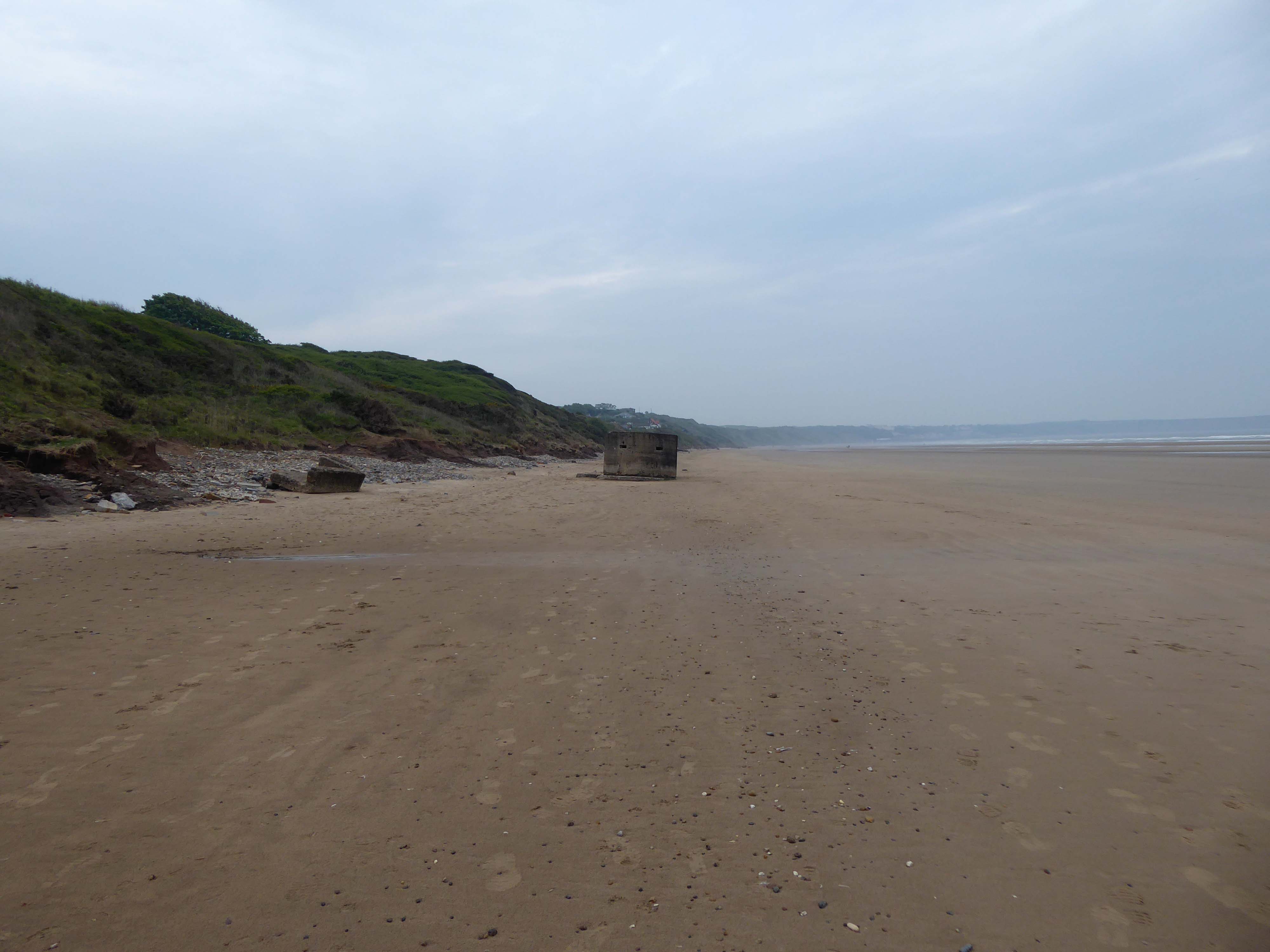
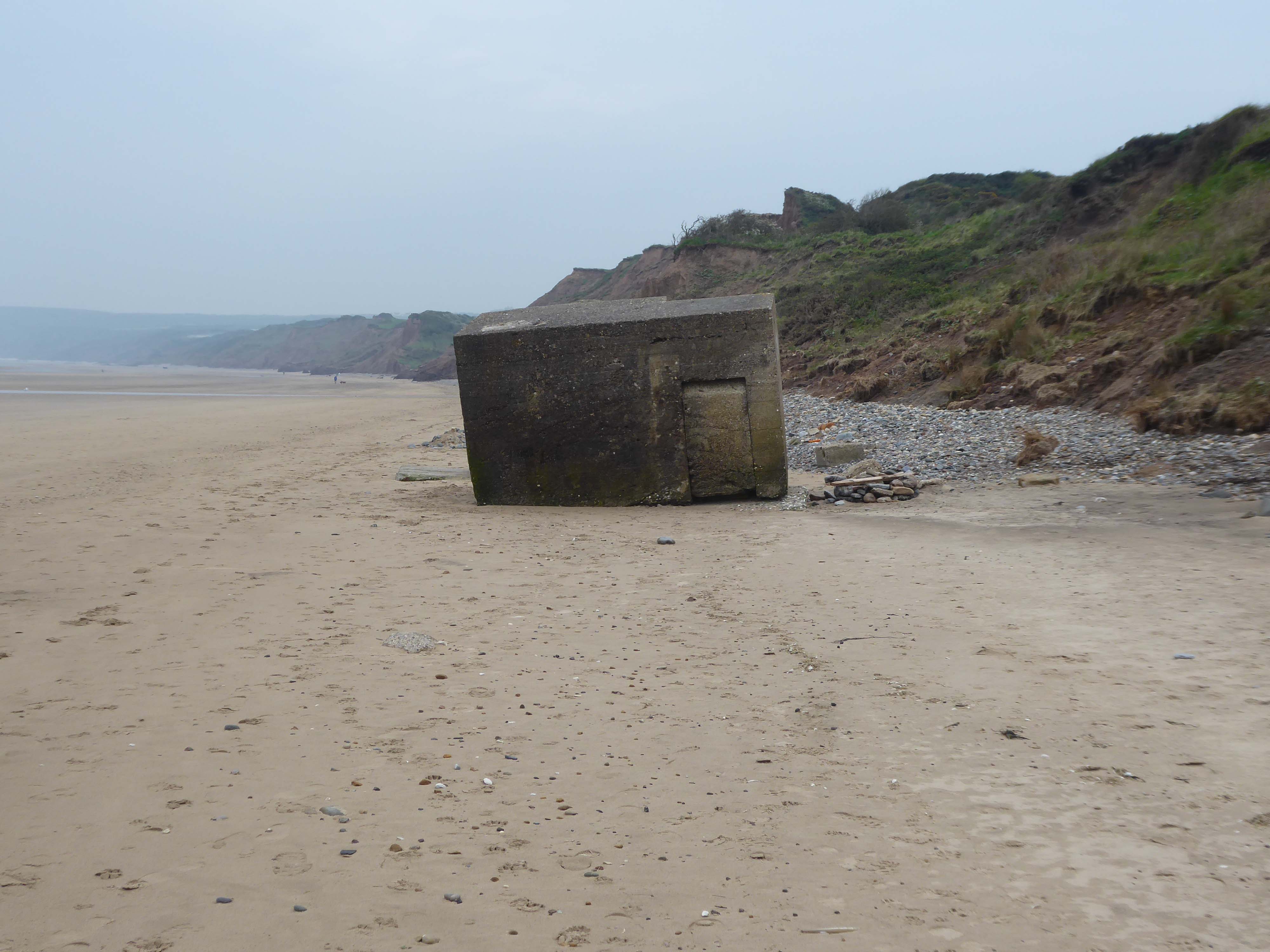
The majority have subsequently been removed, a few are extant – slipping from their cliff-top positions, as the soft clays have been eroded.

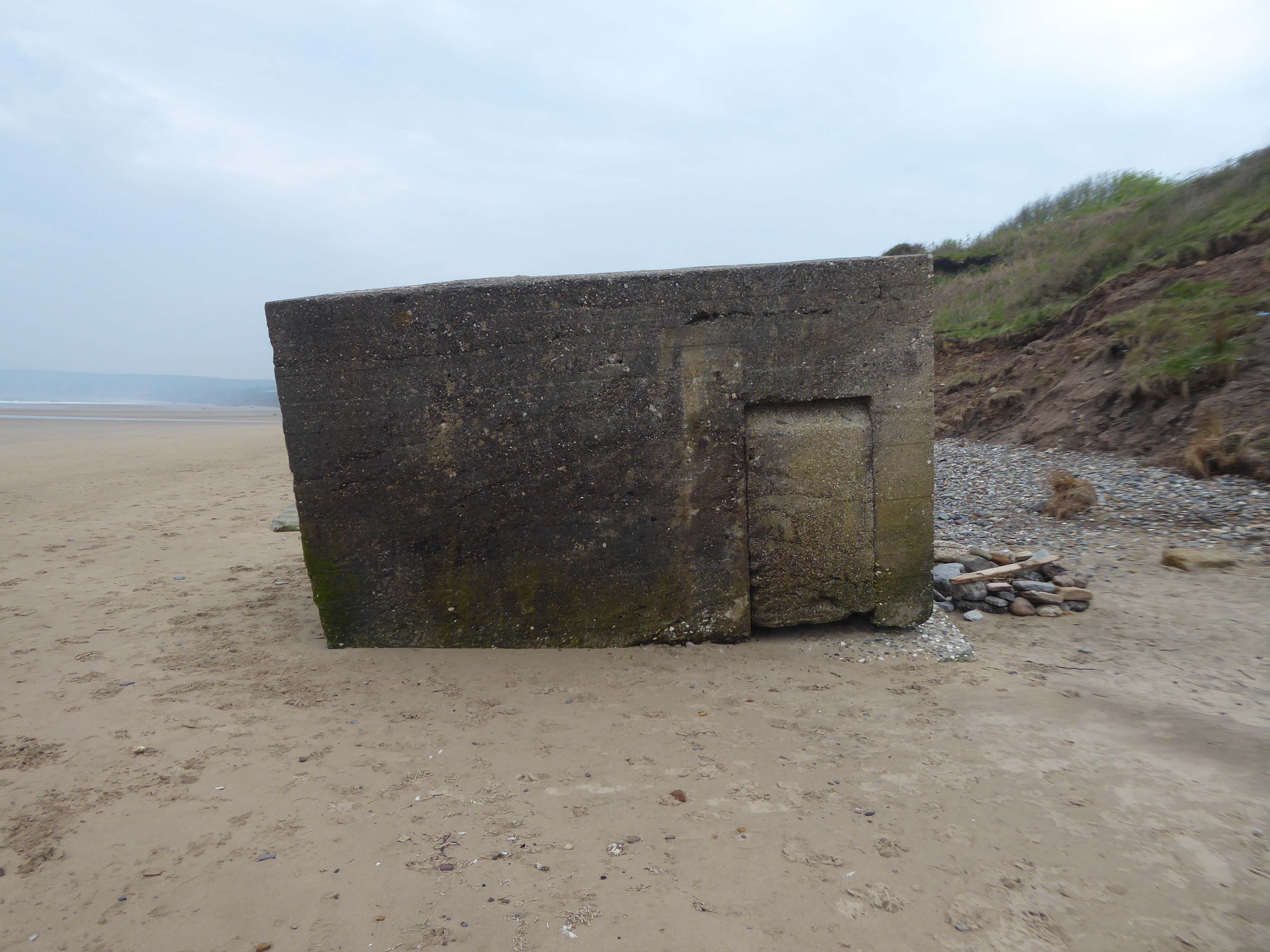
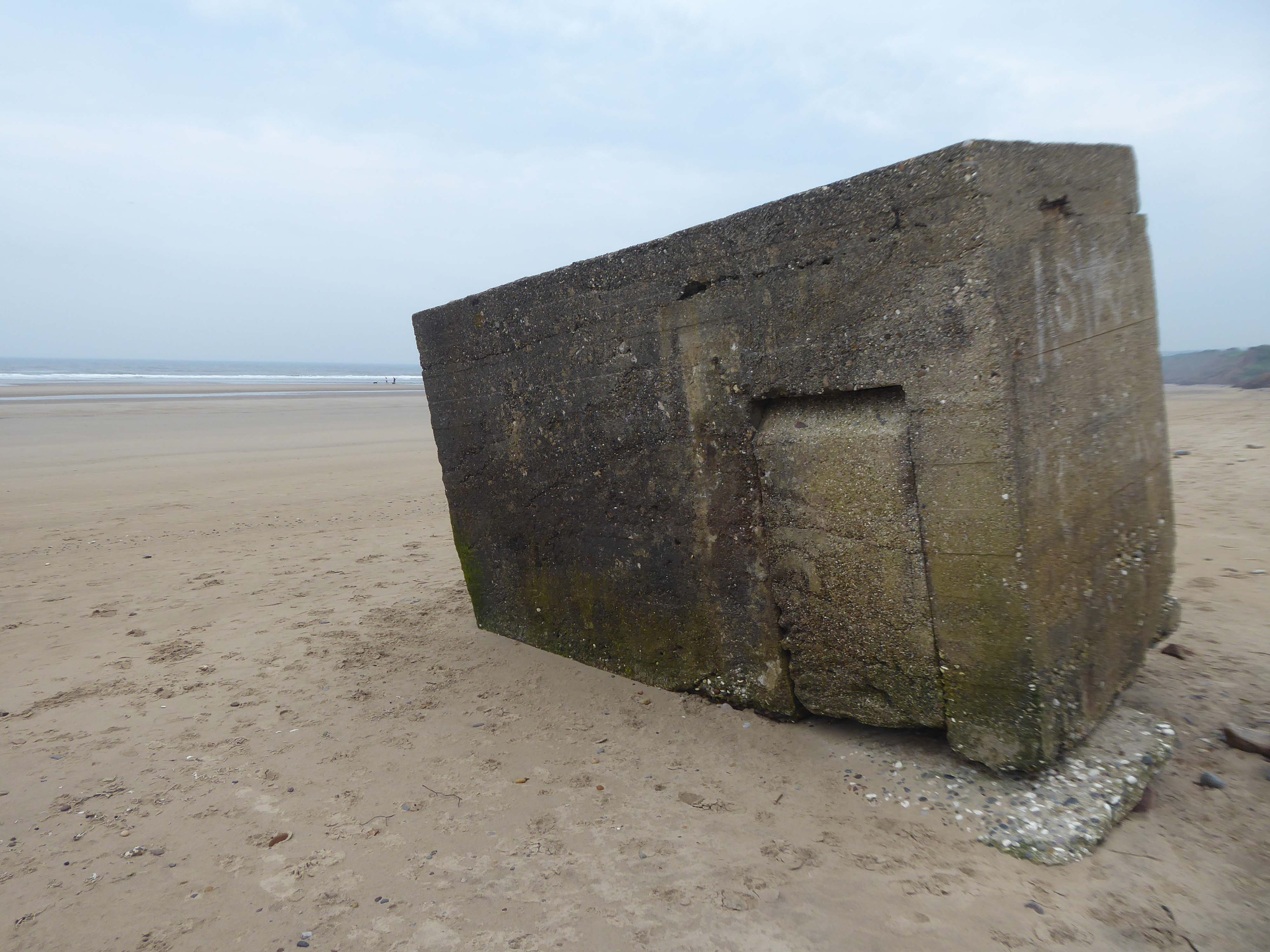
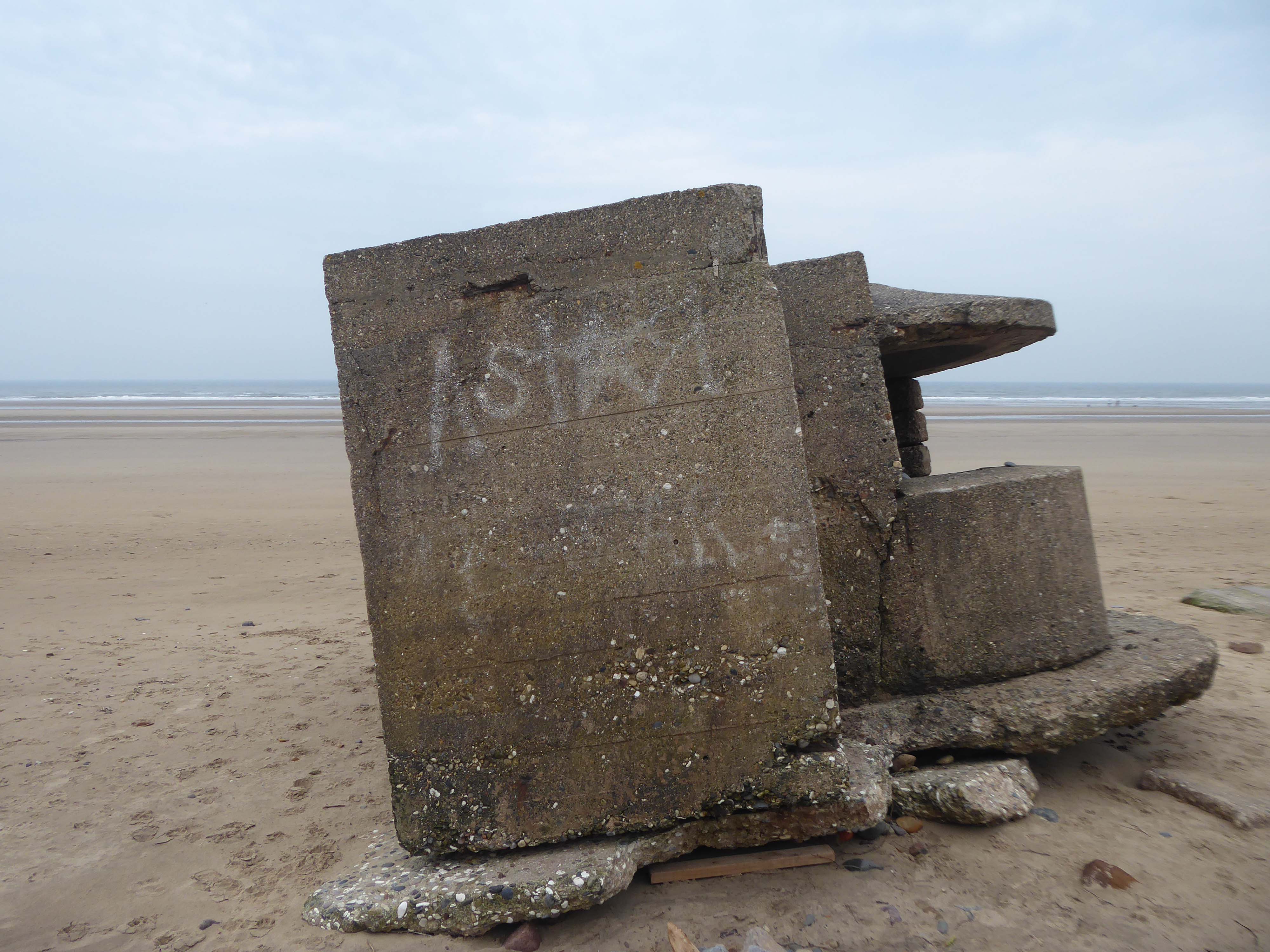
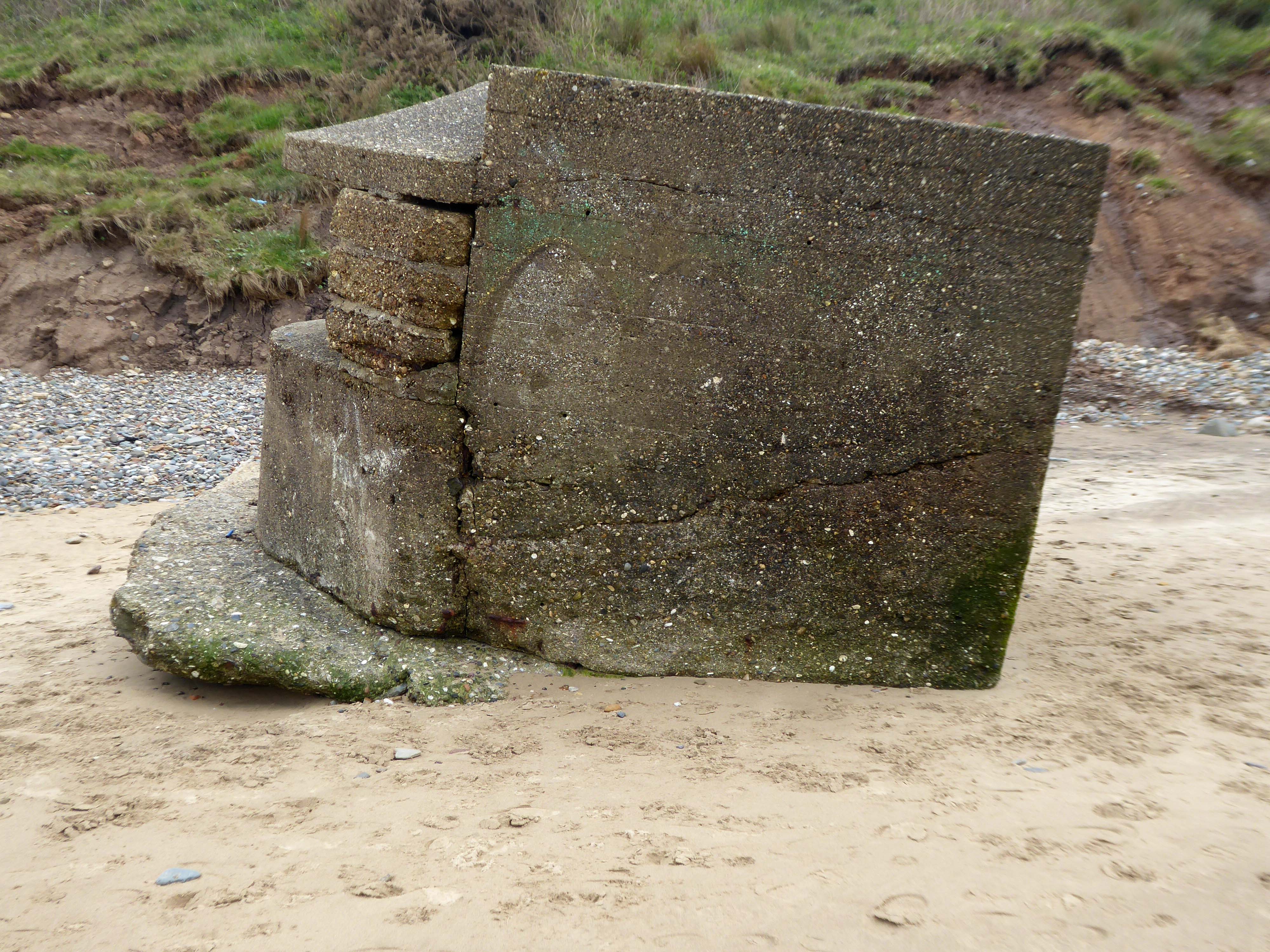
Their remains are now skewed and diminished by the weather and the North Sea’s formidable waves, taking on striking sculptural forms, embedded in the shifting sands.

During May 1940 the branch of the Directorate of Fortifications and Works – FW3, at the War Office was set up under the Directorship of Major-General G.B.O. Taylor. Its purpose was to provide specific pillbox designs to be constructed throughout the countryside at defensive locations.

During June and July 1940 saw the FW3 branch issue seven basic designs. However, often, once in the field, the local construction companies modified these under the direction of the area commands.

The FW3 pillbox design concept was to provide a simple fieldwork standard that could be constructed very quickly. Most designs consisted of or incorporated some of the following features:

Minimum of Bullet/Splinter Proof protection
No attempt was made to provide living accommodation
Some designs were enhanced to Shell Proof standard
Simple Blast Walls to protect open entrances
External flat side walls with rectangular or polygonal shape

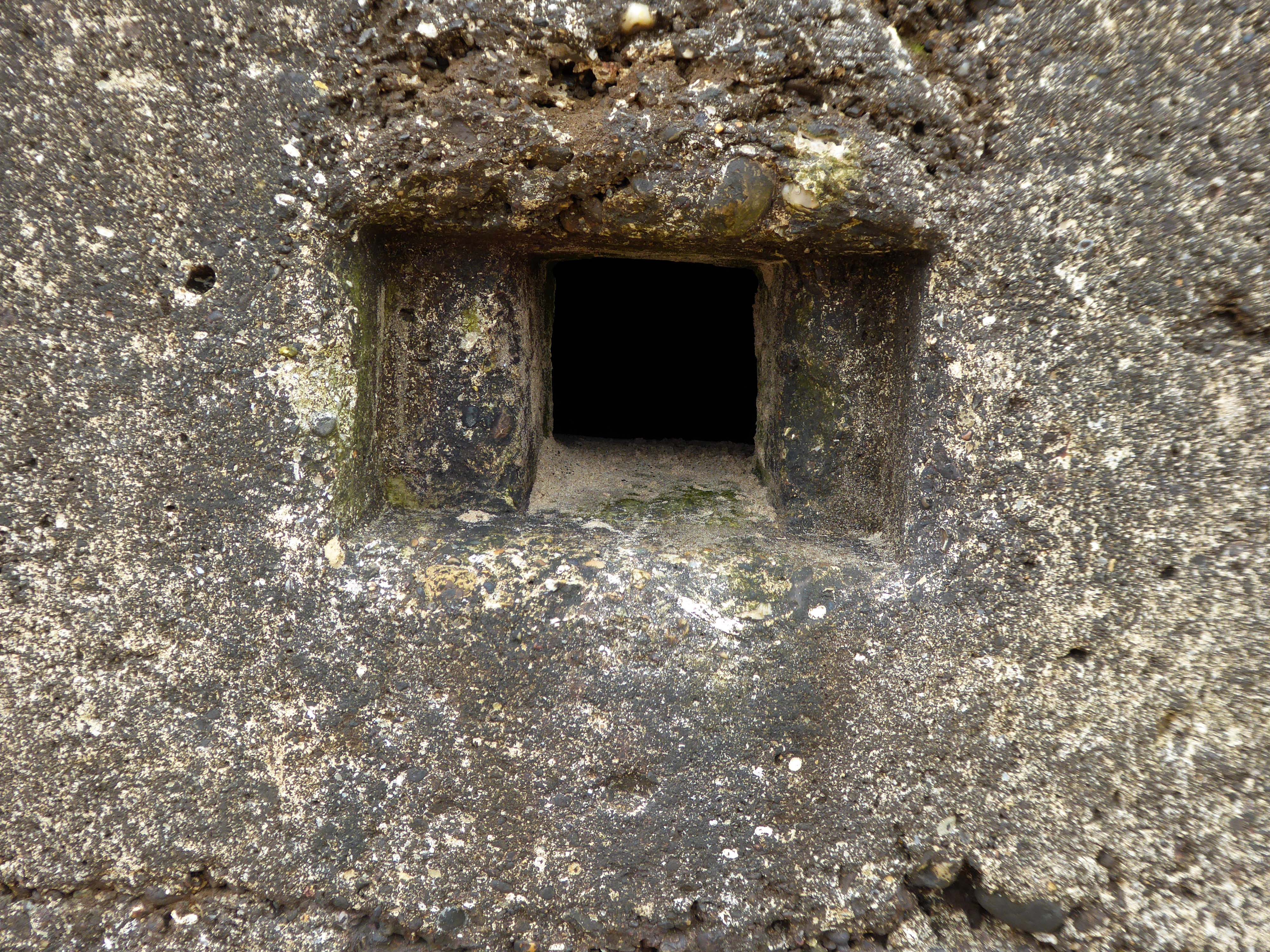
The use of common designs with standard sizes for doors, loopholes and flat sides made it easier to mass produce items for concrete shuttering and hence the speed of construction. However, with the general countrywide lack of material it was often necessary to use bricks as the shuttering. This often fools the casual observer into believing that the whole structure is constructed of brick. Closer examination often reveals the integral reinforced concrete back-bone.

Pill Box Study Group

Bradford Revisited

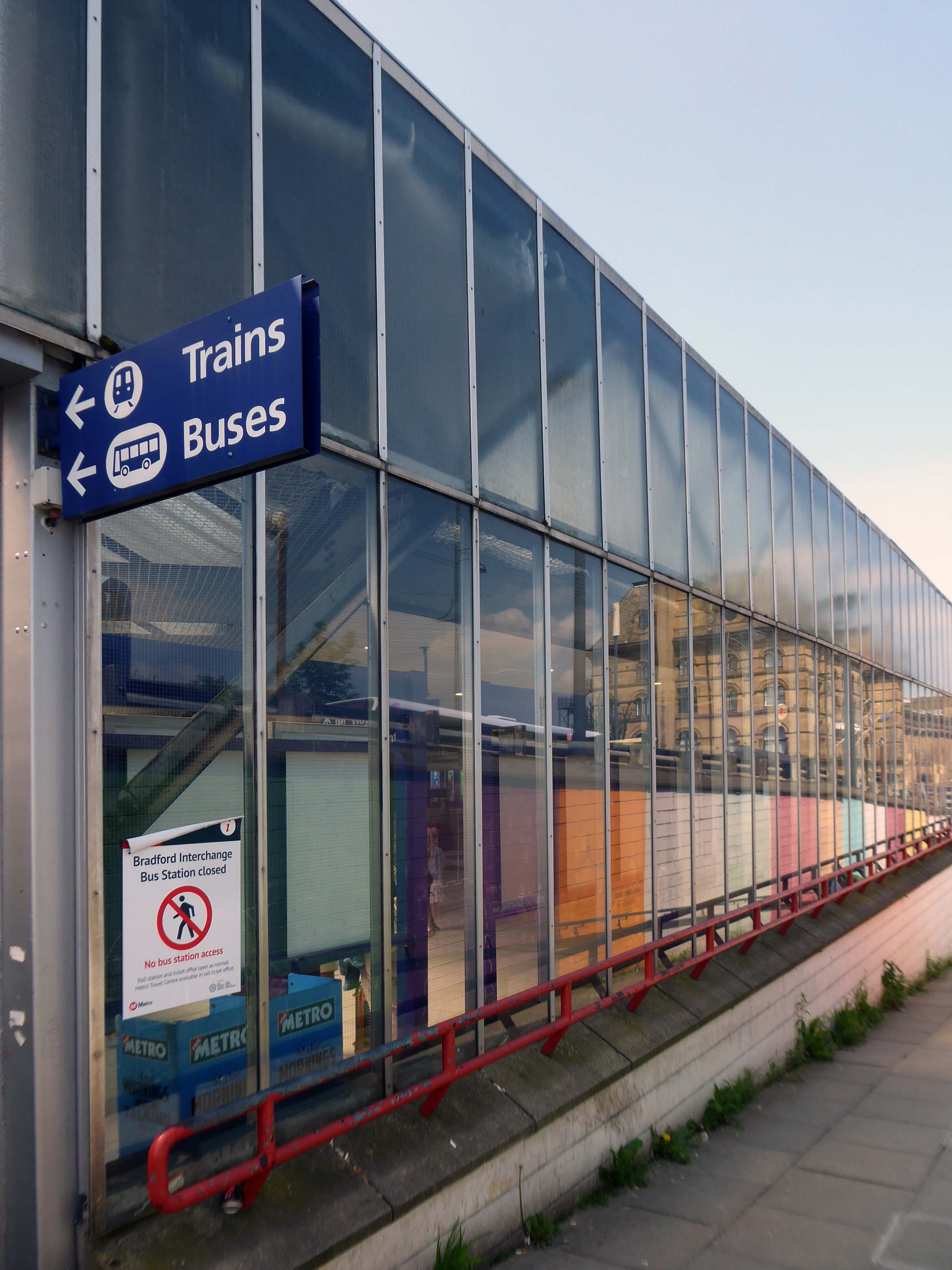
We arrive at and begin our journey at the Interchange – the bus station is closed, along with the station entrance.

Bradford accepts that it is a part of the Northern Supercity stretching from Coast to Coast – Liverpool to Hull. Every existing town and new settlement must be unique. People belong to their own hotspot as well as Coast to Coast. Bradford as a dispersed centre will give it individuality as well as becoming synonymous with the whole new city. Bradford is a mini version of the whole. It is composed of a series of mini hotspots which will each act as a focus for each square kilometre.

Bradford has the topography to allow every citizen to wake up to a view – both physical and mental. Their collective ambition can create a place of extraordinary difference.

Will Alsop

We have of course been here before.

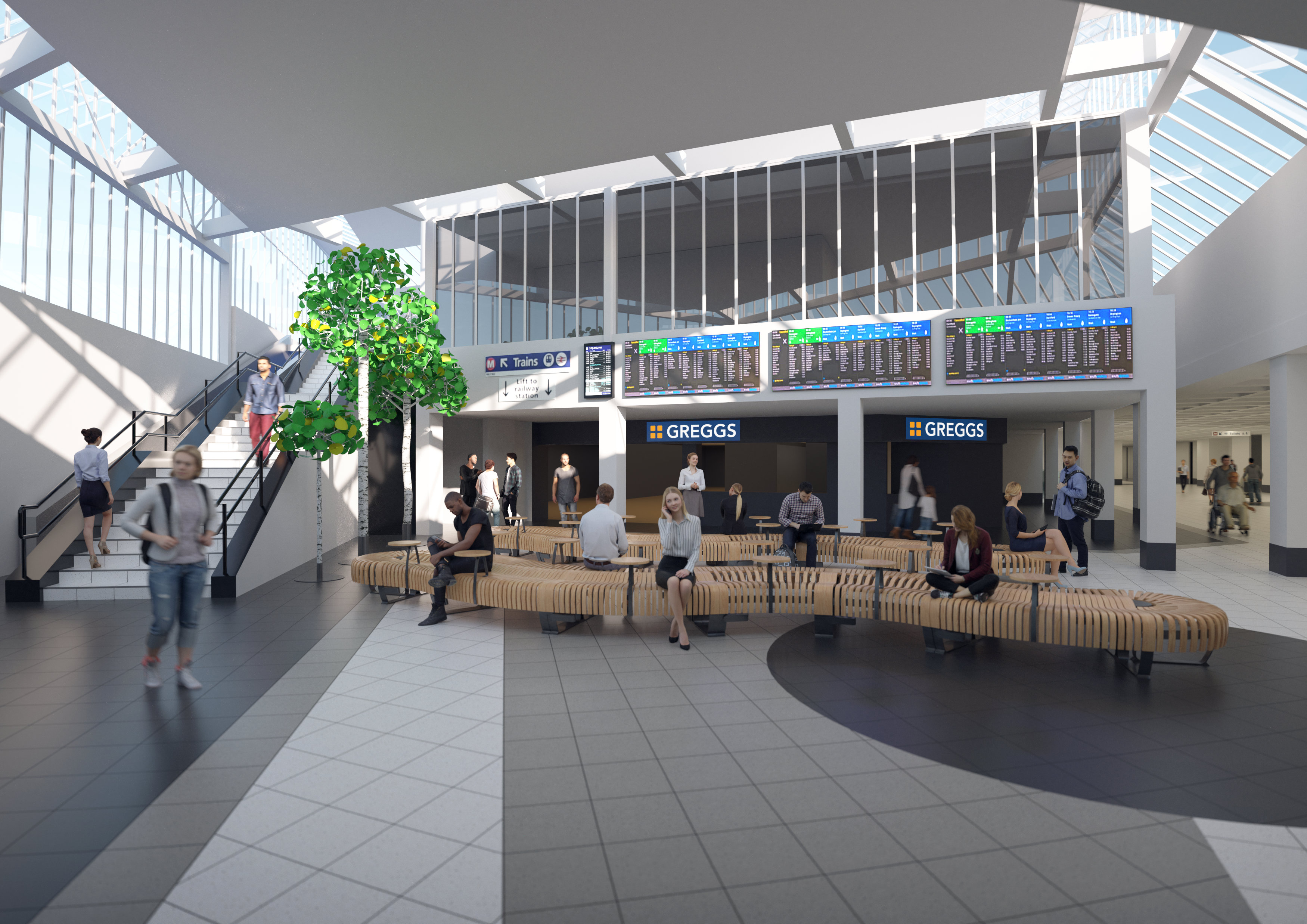
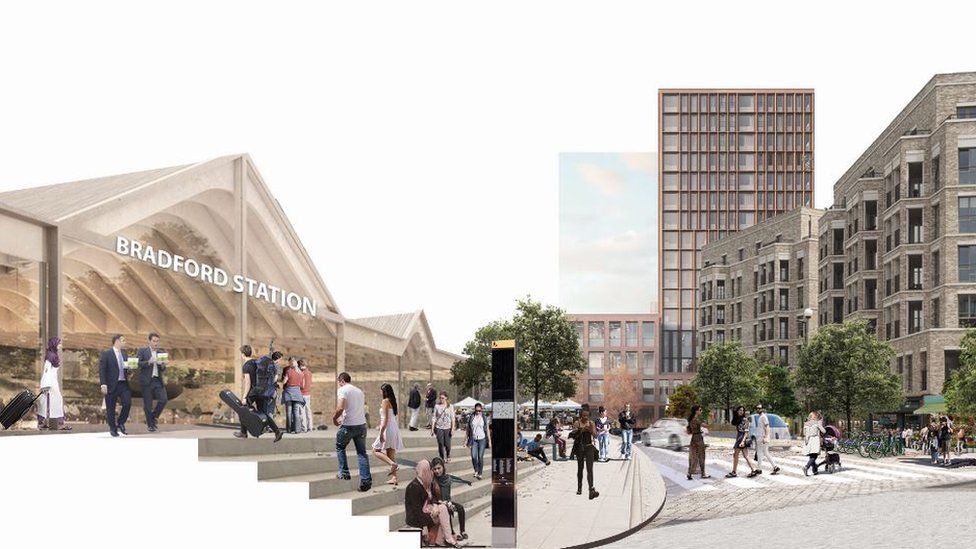
Bradford Interchange will get a new entrance and other improvements to bring it up to standard, the city council said. 

The NCP car park on Hall Ings would be demolished to create a new pedestrianised entrance.

BBC

The Interchange opened in 1971 was the first of its kind in the country, designed by the BR regional team headed by RL Moorcroft and the City Architect.

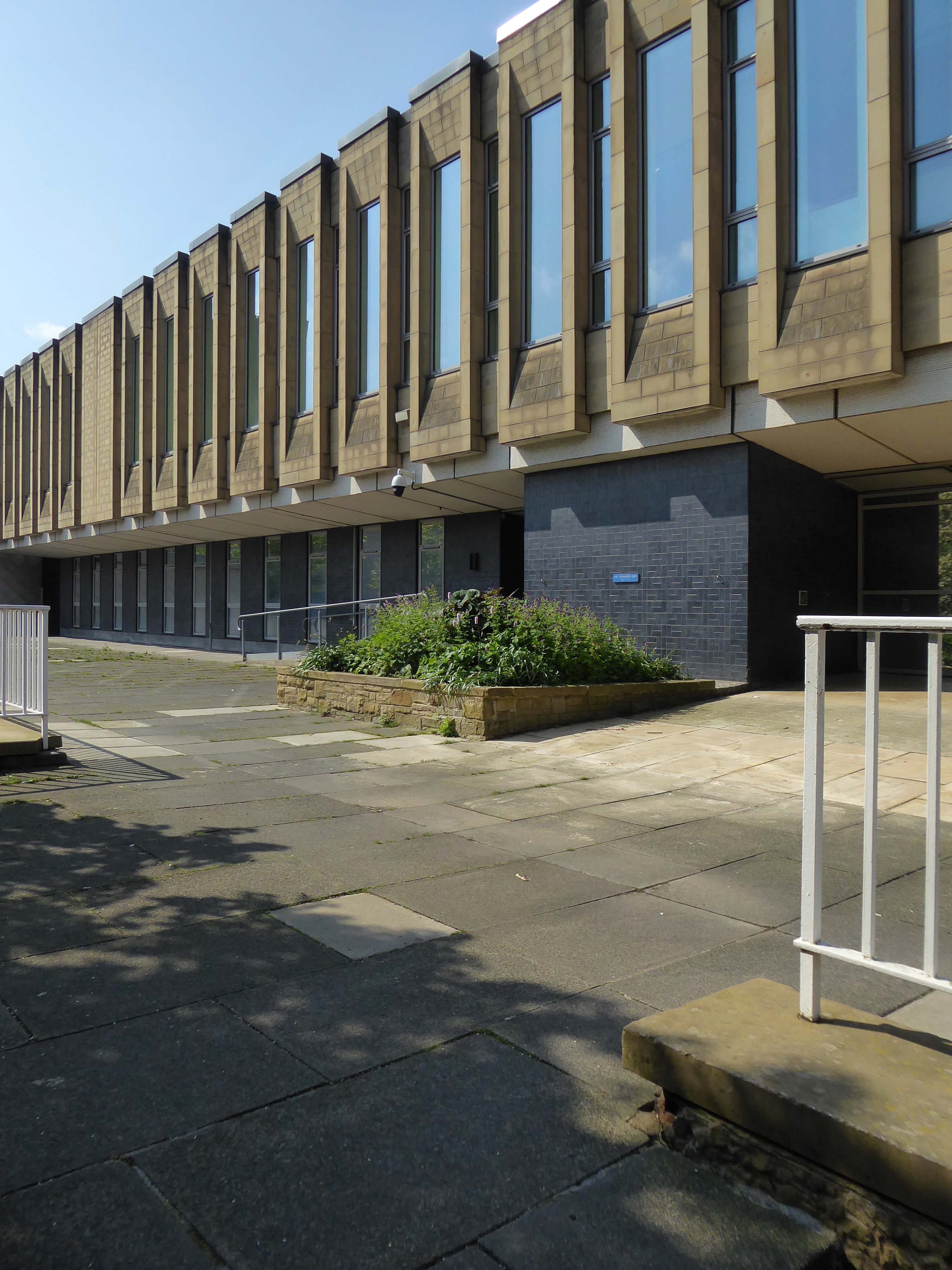
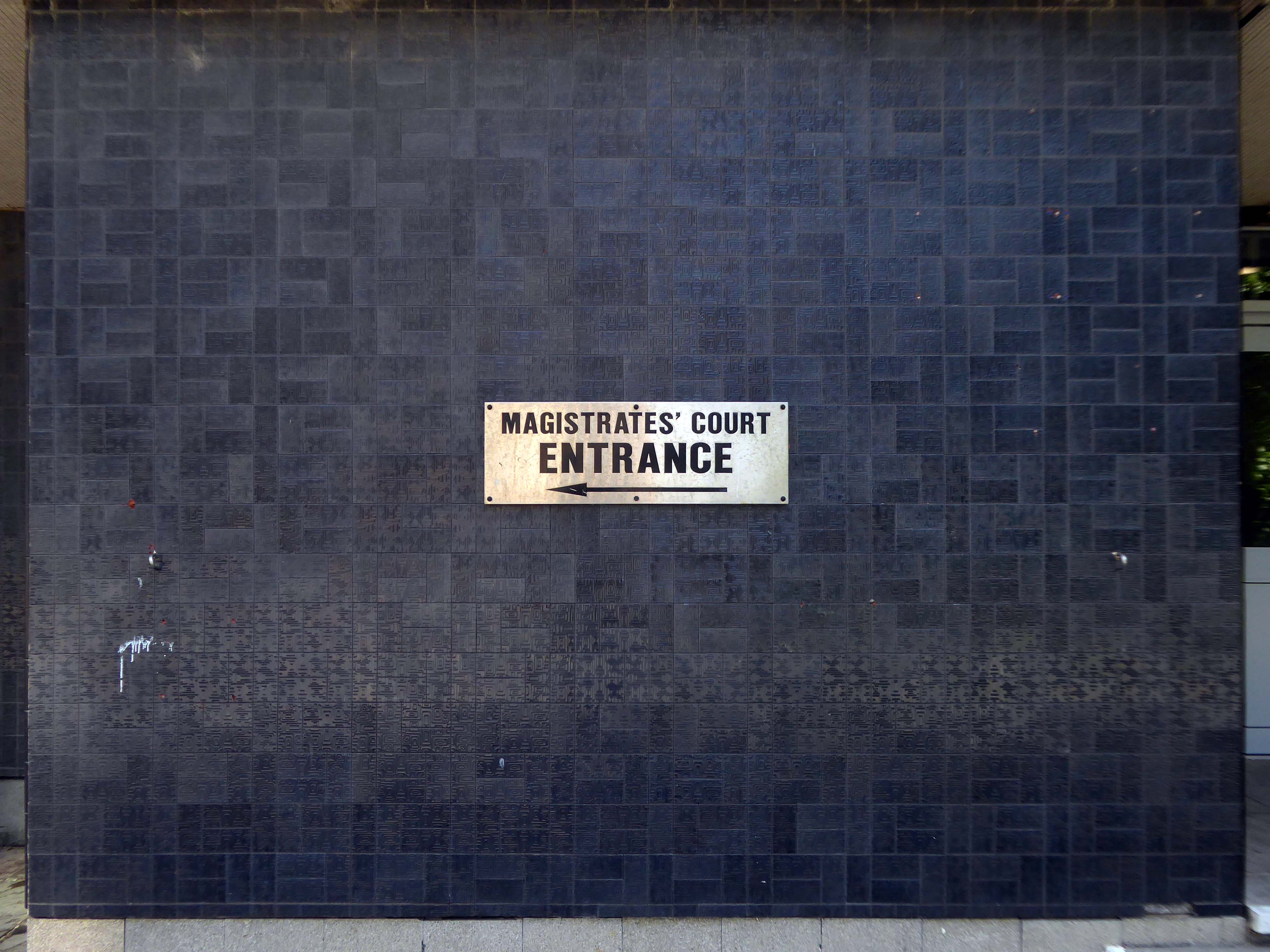
Onward to the Magistrates’ Courts designed by City Architect Clifford Brown in 1972.

Bradford is in the process of paving and puzzling pedestrians, as it becomes City of Culture in 2025.

So we wind our way over the inner ring road, advisedly avoiding the filled in underpasses.

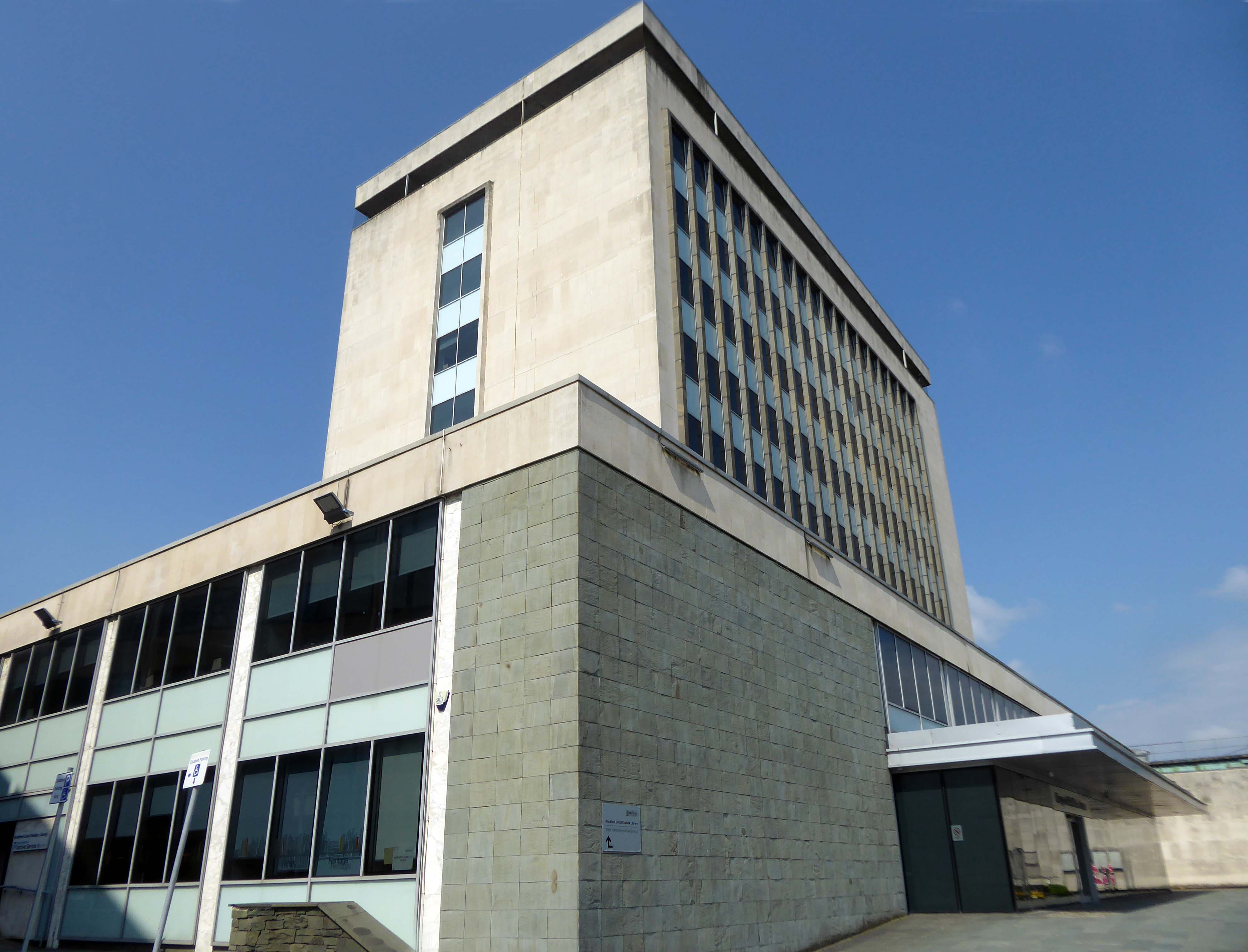
The former Central Library awaits us, designed in 1965 by Clifford Brown – a striking podium and tower, currently home to council offices.

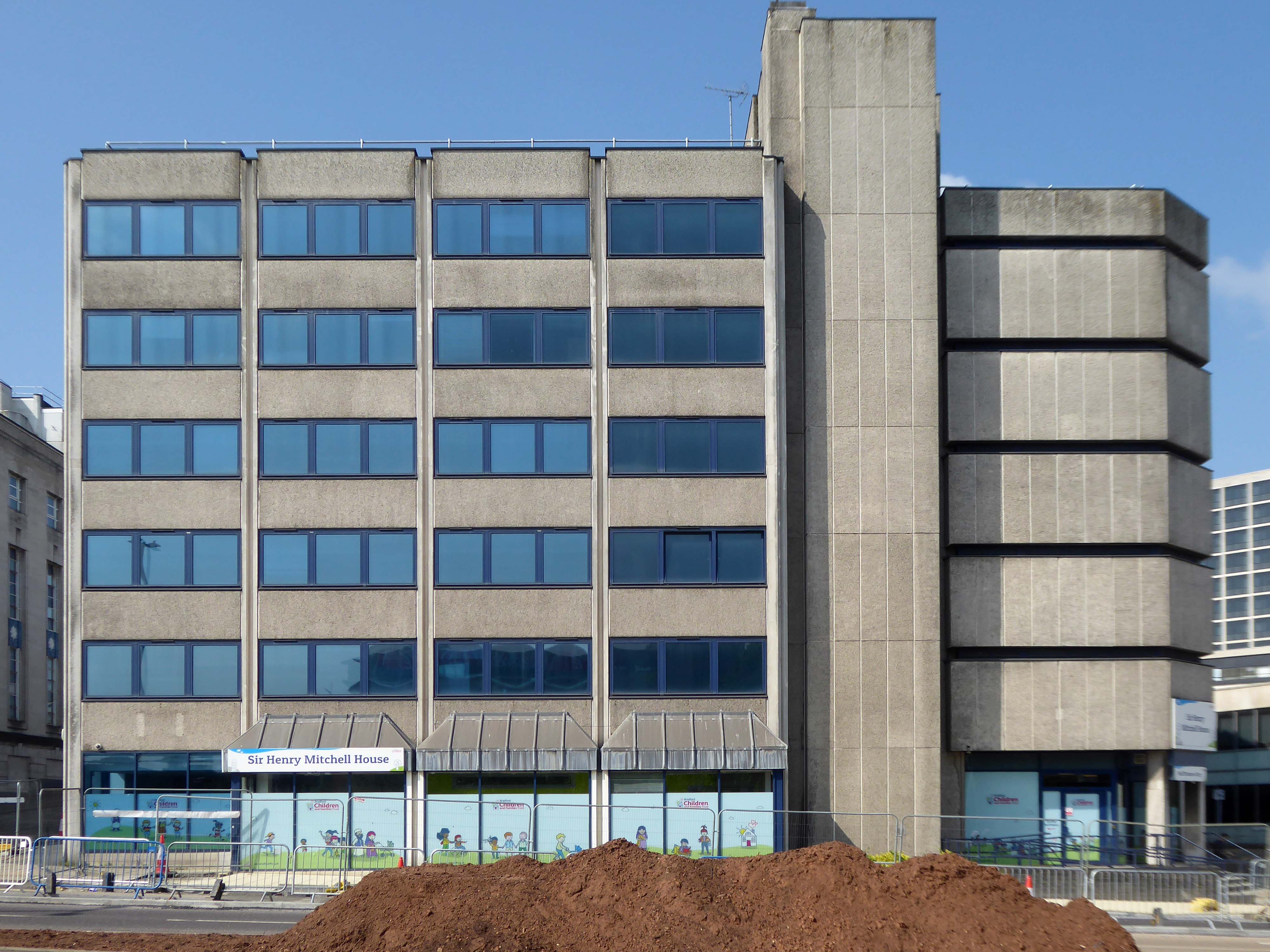
Next door the Sir Henry Mitchell House home to the Children’s Services.

Sir Henry Mitchell 1824 1898 was a mill owner and Mayor.
Moving further along the Telephone Exchange of 1936, design by architect FA Key.

Partner to the Telephone Exchange of 1976 by architect Trevor H Hanson for PSA

The gates were open and we were afforded a view of these delightful vents.

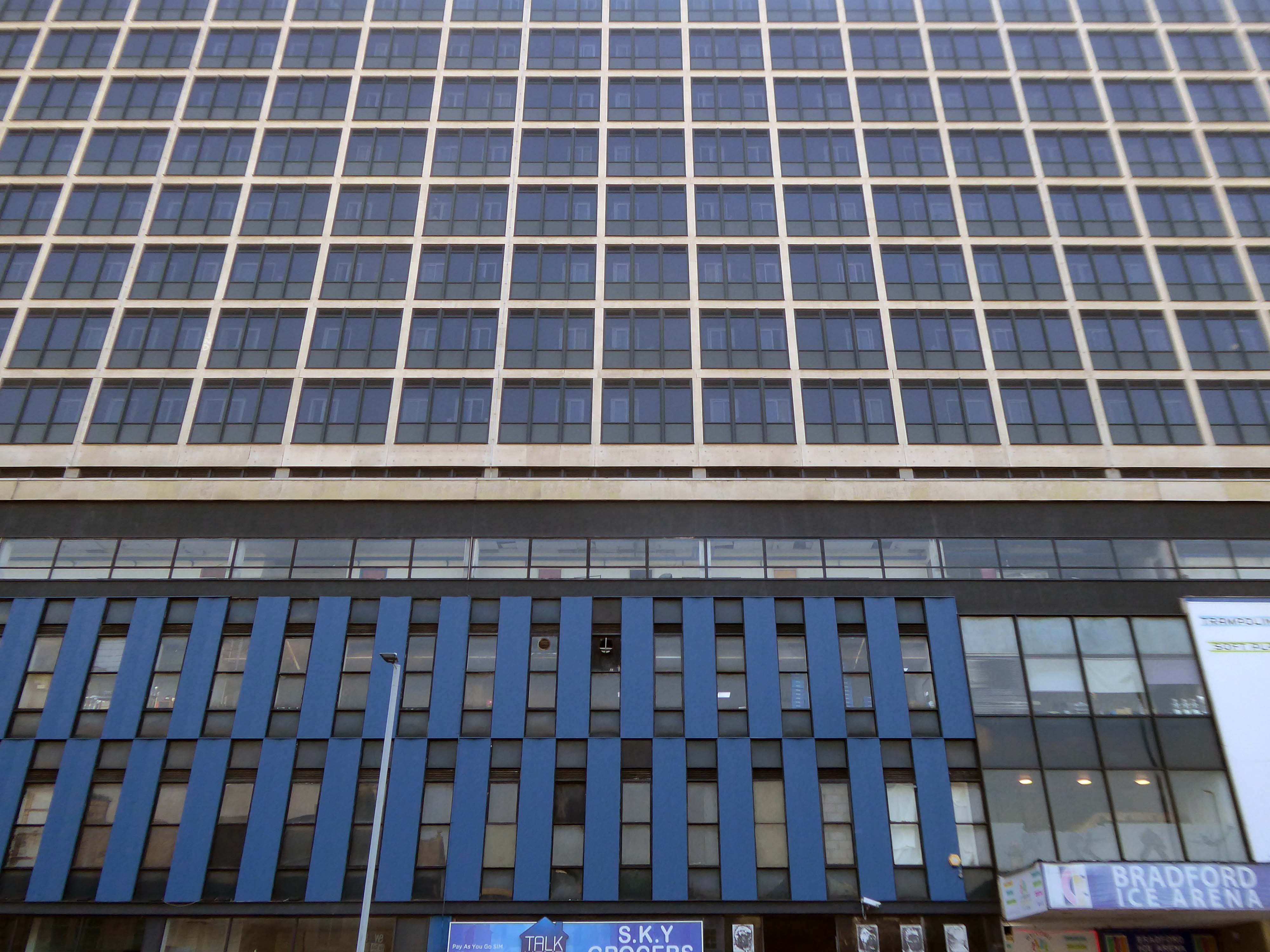
Next to the Ice Arena topped off with Wardley House – Sanctuary accommodation for key workers and students.

Wardley House is equipped with all the modern amenities you need for a comfortable and connected life as a key worker. The rent includes high-speed broadband and building-wide Wi-Fi, utility bills, and contents insurance. Our top-notch facilities comprise a large common room with a pool table, flat-screen TV, and live BT Sport – the perfect social space.

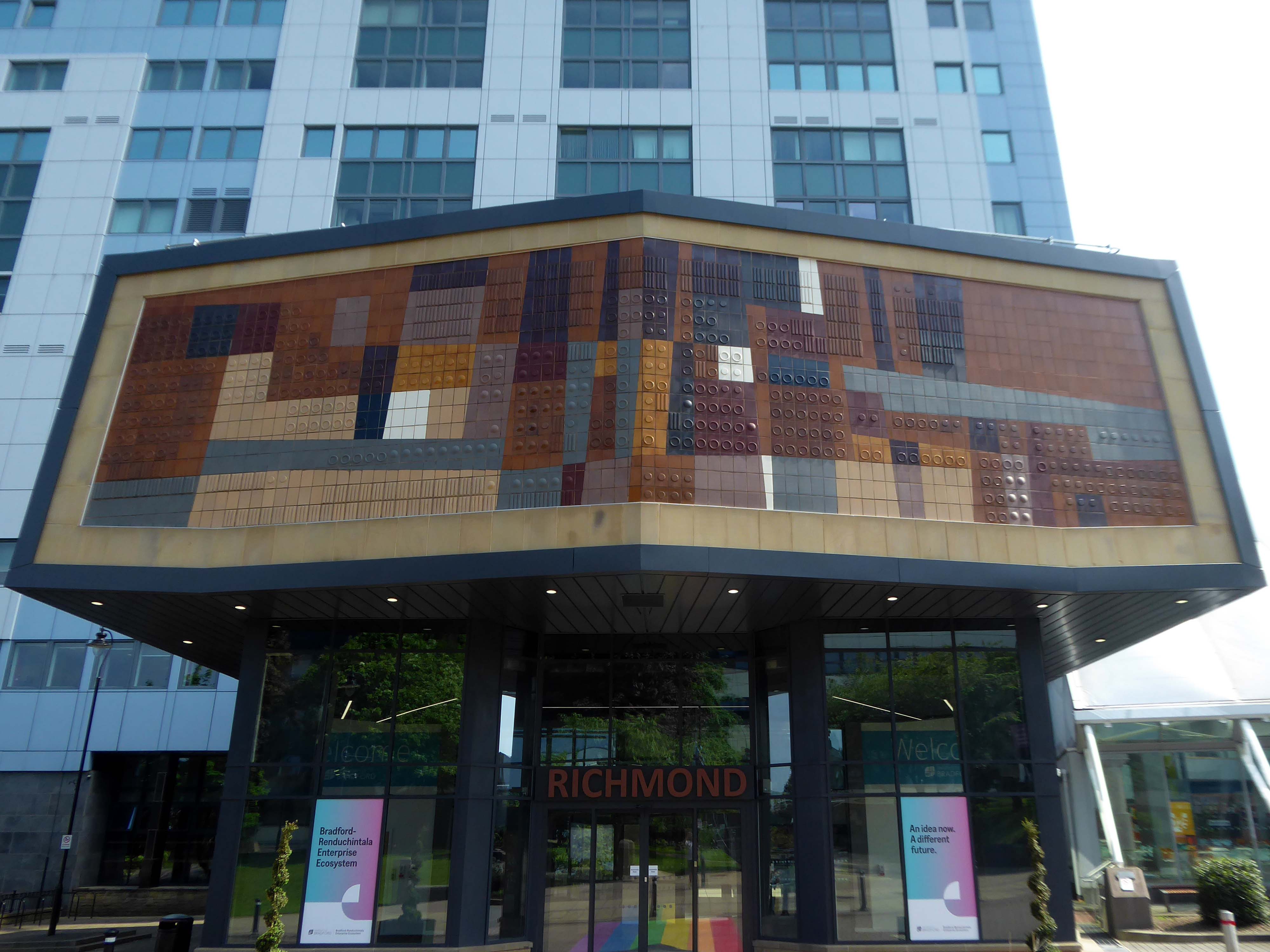
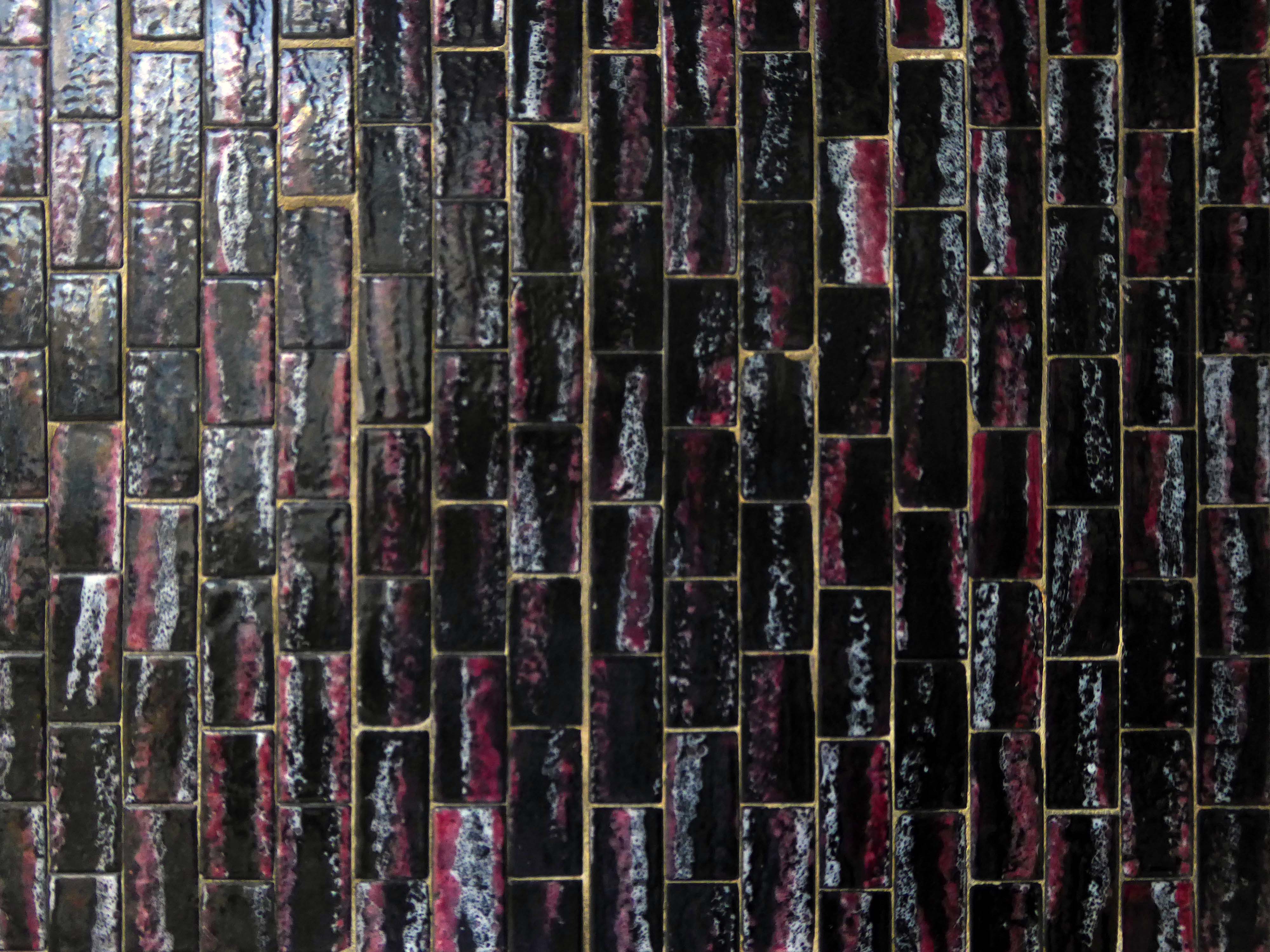
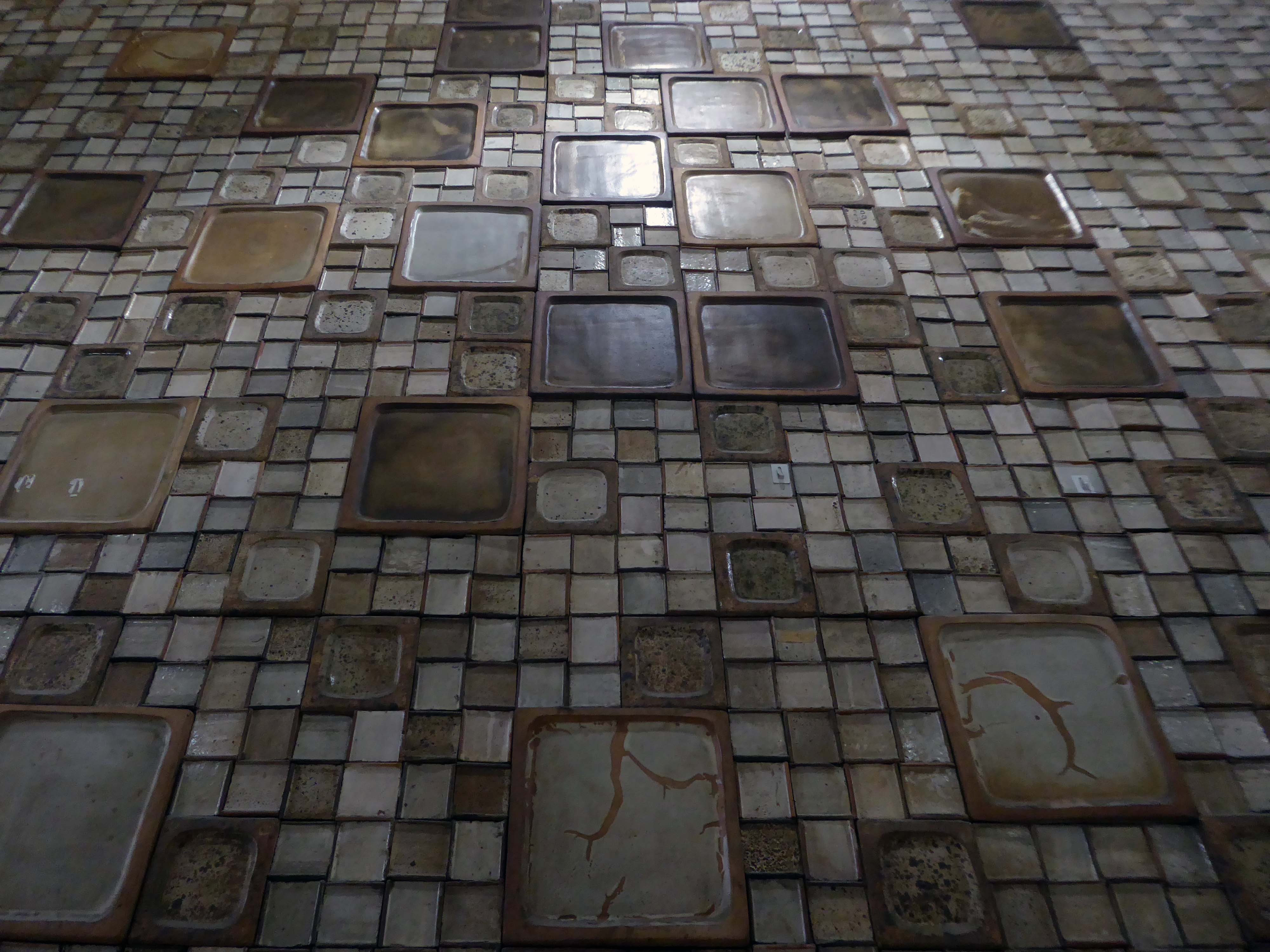
Up the hill and around the bend to the University of Bradford – the main Richmond Building fronted by Joe Mayo’s tiles.

At the University of Bradford our focus is on creating the conditions for social, cultural and economic impact. We will achieve this by using our proud heritage as a springboard and remaining steadfast in our commitment to equality, diversity and inclusion. We will harness our strengths in research, innovation, teaching and partnerships to extend our reputation, influence and impact. All of this will create a values-led culture that is inclusive and effective in enriching lives and benefitting society.

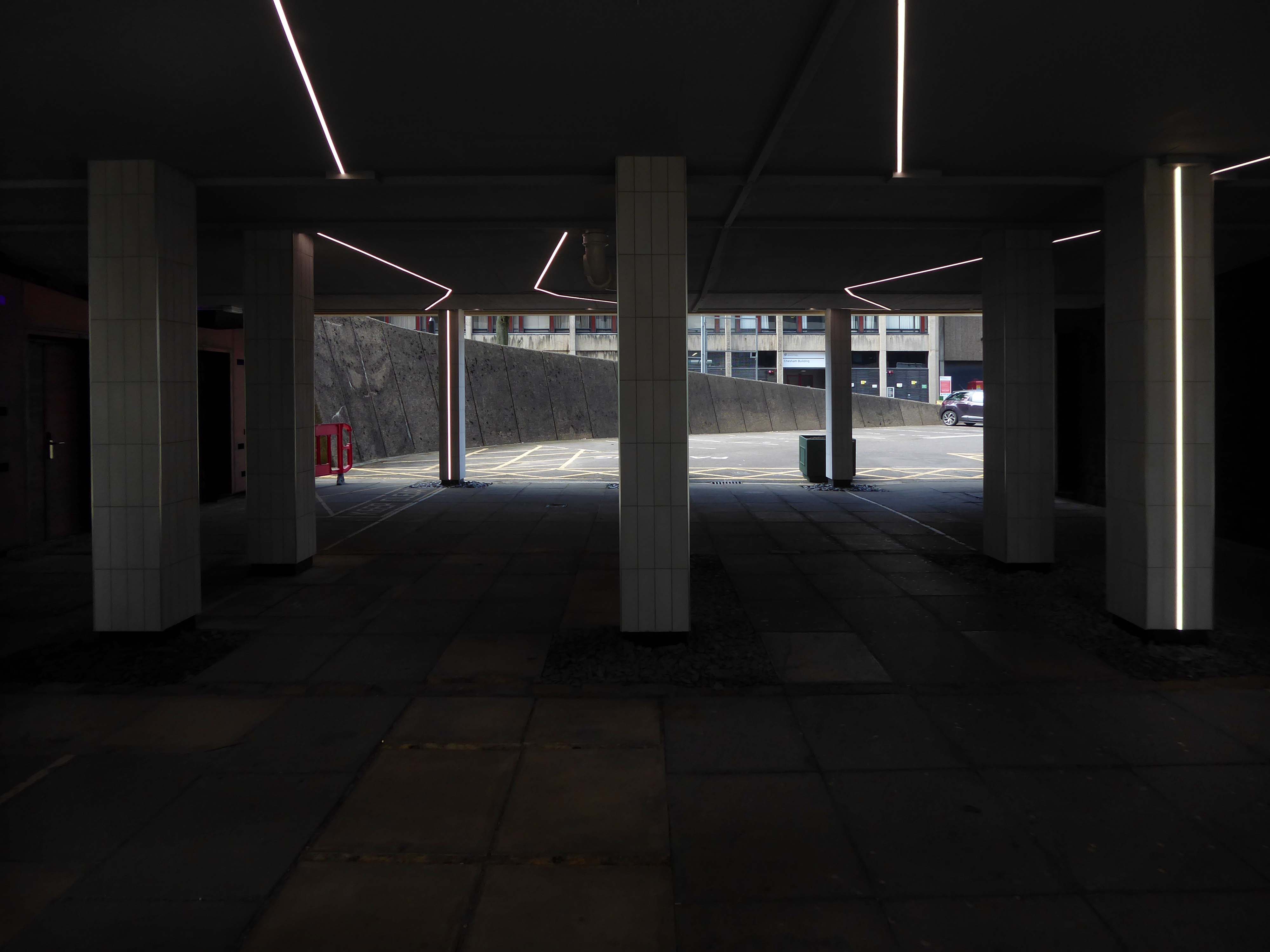
The undercroft has undergone a major refurb rethink – transformed into a Goth Disco.

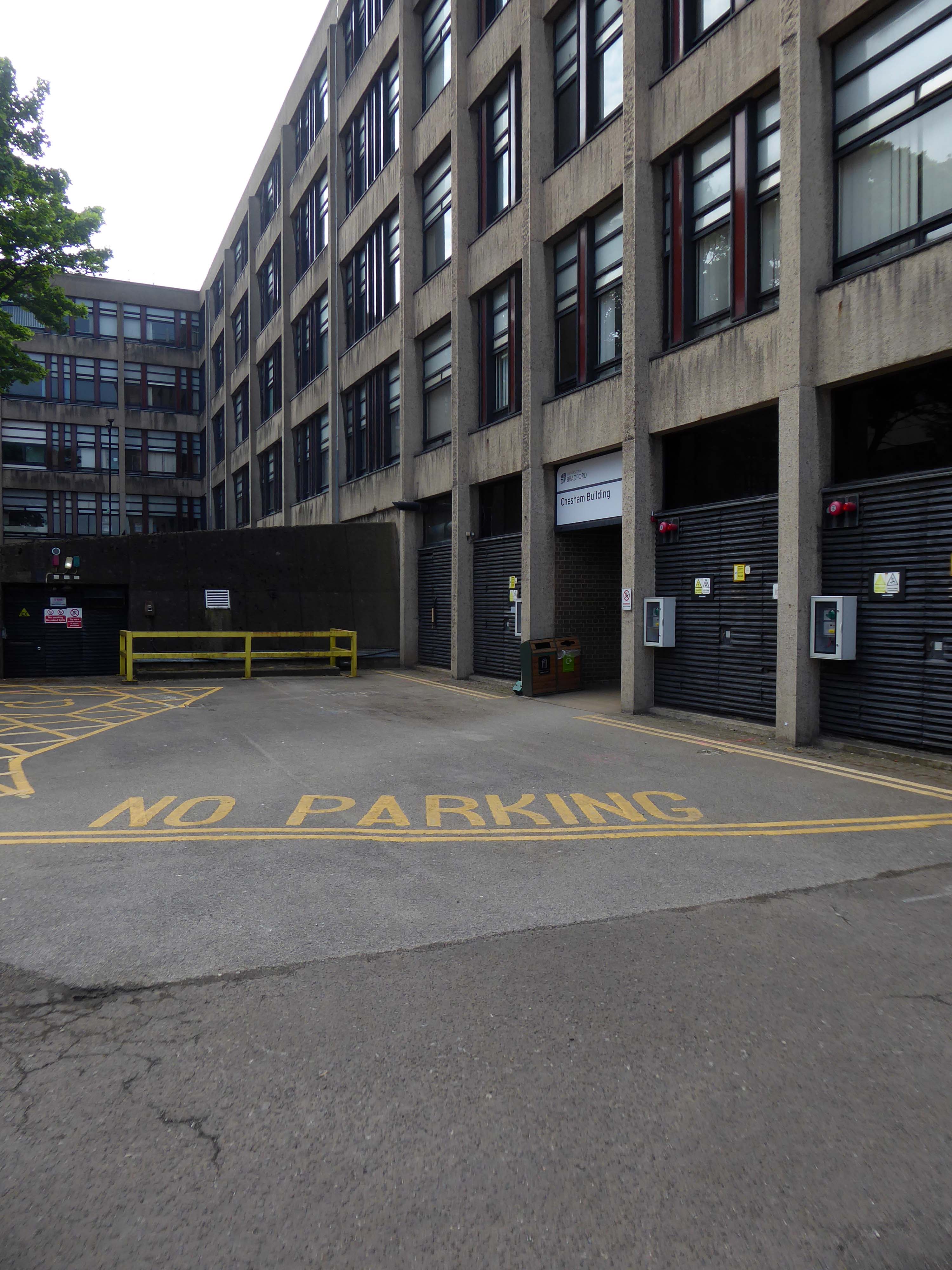
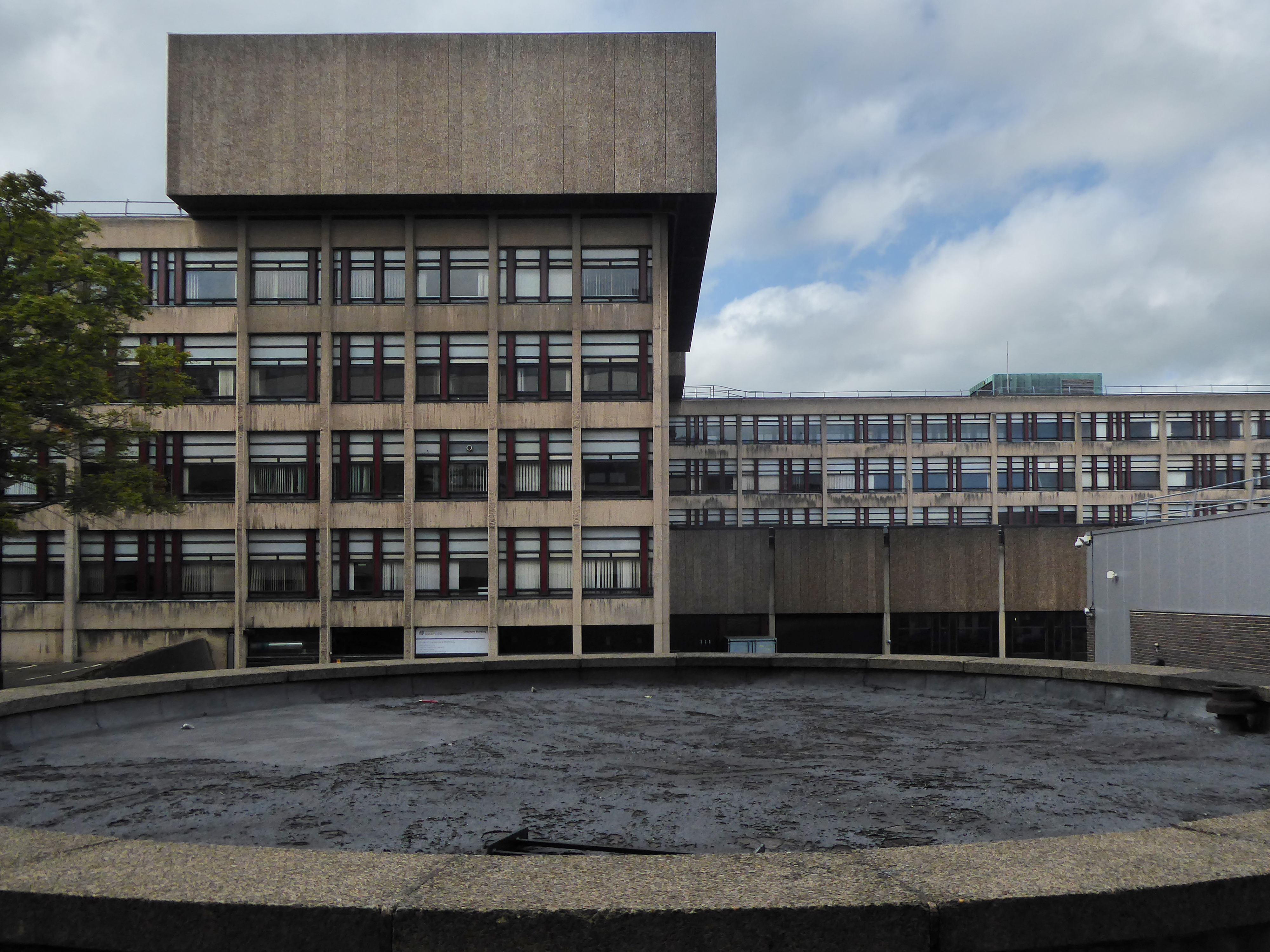
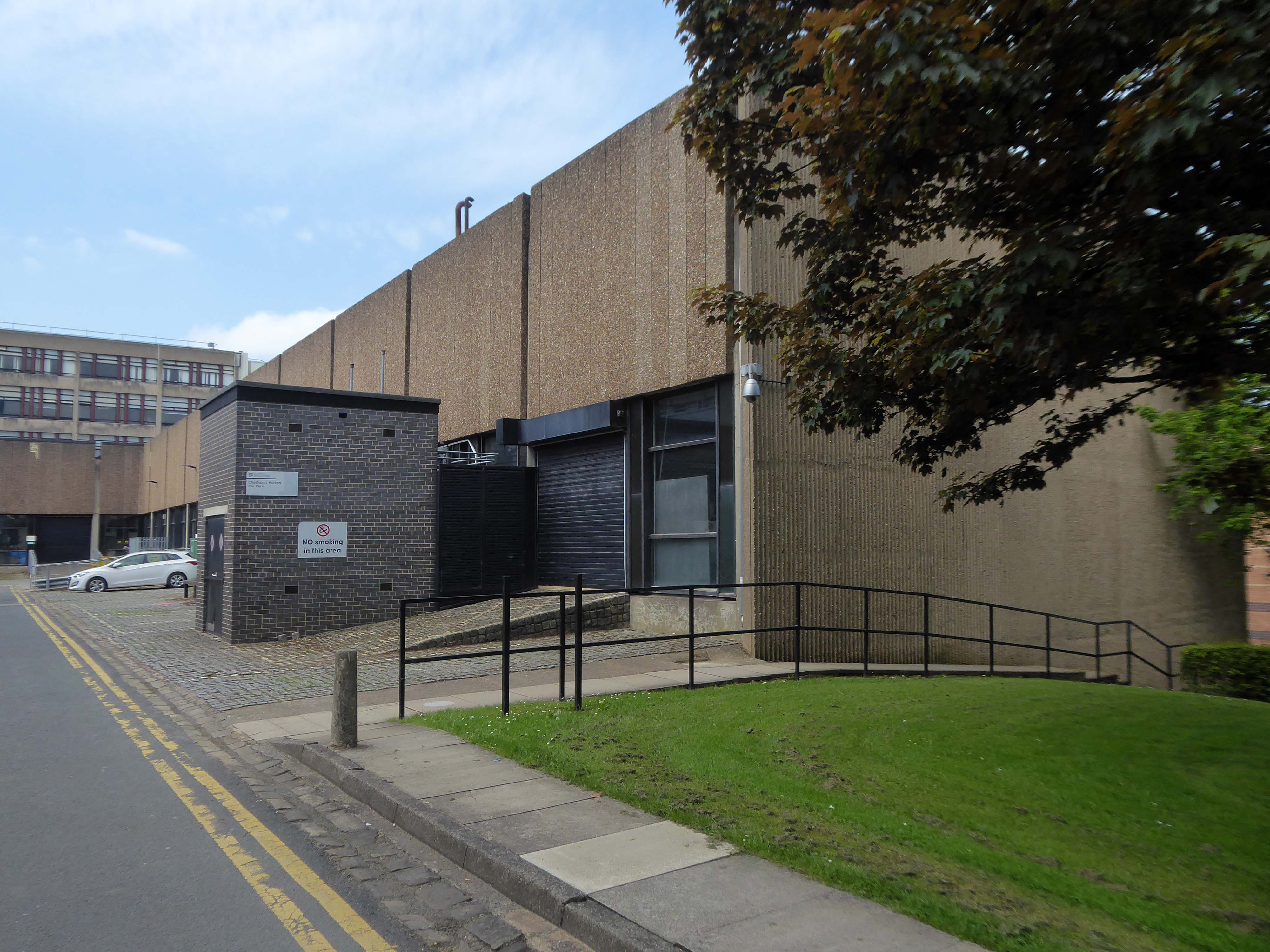
We emerge unscathed into the clear light of day and the BDP designed Chesham and Horton blocks.

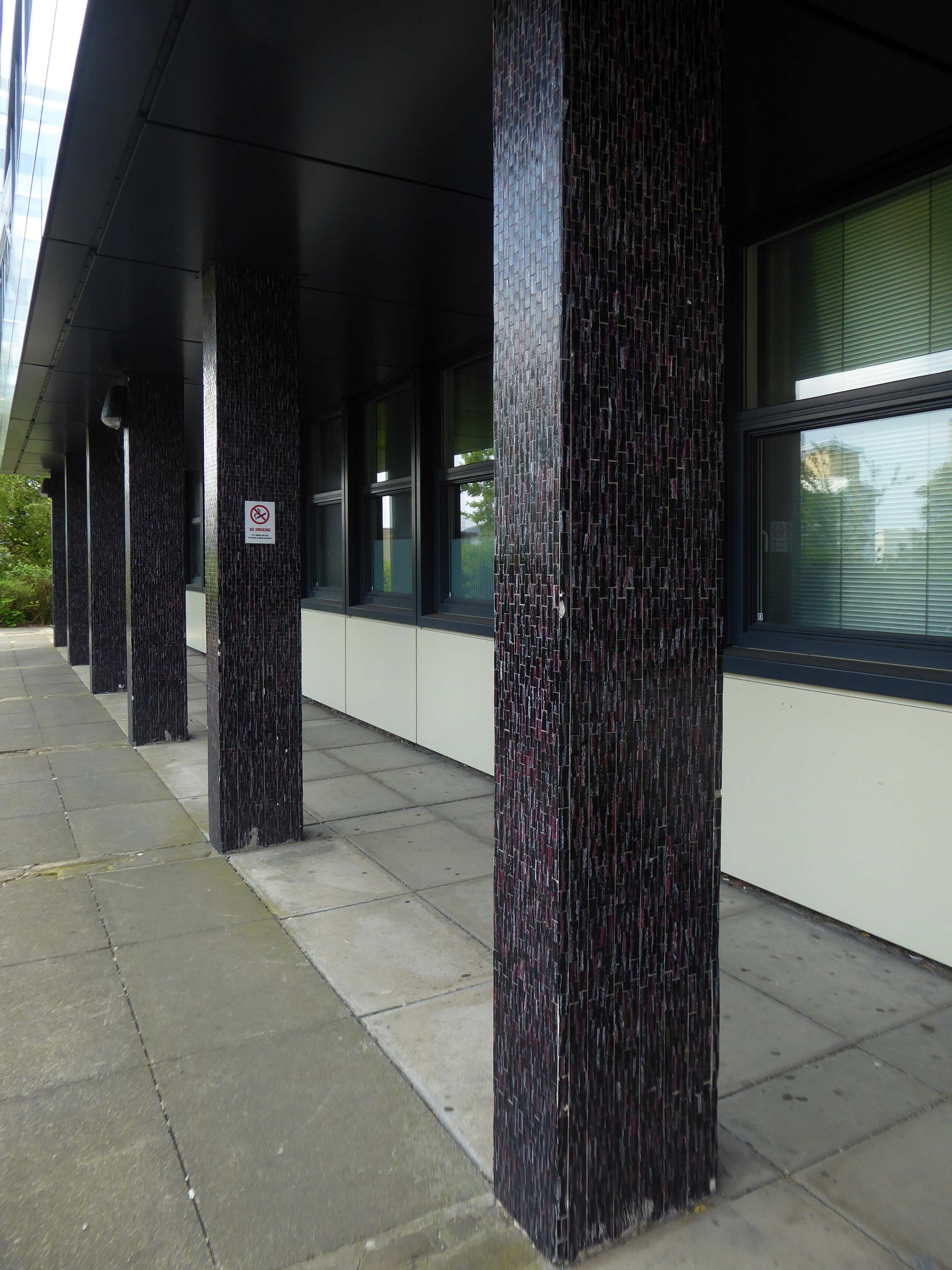
The mosaic covered columns remain unclad.

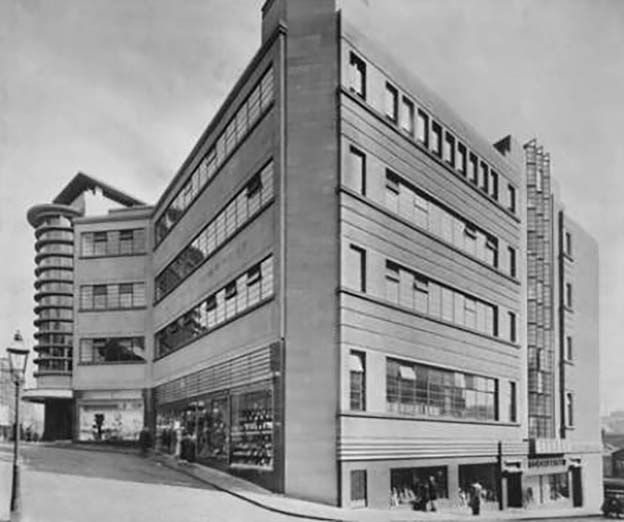
Let’s hop to the Grade II-listed Co-op designed by CWS in house architect WA Johnson and JW Cropper in 1935.

Architect W A Johnson worked for the Cooperative Wholesale Society from 1899 until 1950. He was heavily influenced by the German architect Erich Mendelsohn after 1930, evident in his embrace of the International Modernist style. Johnson travelled widely in Germany and Holland, and Mendelsohn’s Schocken store in Stuttgart 1928 is quoted as being a particular inspiration for the Bradford Co-op.

Demolished despite protests in 1960.

In 2019 the Architectural Heritage Fund announced a £5,000 Project Viability Grant to Freedom Studios Ltd.

The money funded a viability study to investigate the potential of building becoming a multi-use cultural hub.

As of May 2024, sadly there is no cultural hub.

Next we hot foot it to the Kirkgate Centre and Market – John Brunton and Partners 1975.

In 1979, the building won a European award from the International Council of Shopping Centres.

But the Historic England report described its design as mundane and repetitive.

Janice Ivory and Lisa Donison didn’t hold back in their criticism of the centre in its current state.

Thank God for that, was Janice’s reaction to the news the building was set to be bulldozed, although an exact date for its closure remains unknown.

It’s just a concrete monstrosity, she said of its design, which Historic England said was lacking architectural flair.

It’s just an ugly building, added Lisa.

Once dubbed Bradford’s space age retail destination, Kirkgate Shopping Centre will soon be no more. 

The city centre landmark, which opened for business as an Arndale in 1976, has been denied listed status by Historic England – paving the way for its demolition.

BBC

Geoffrey Cowley from Wibsey, who was in town for an eye appointment, said demolishing it:

Might be the right thing to do.

There are plans to remove and display the William Mitchell panels along with these other examples of his work.

In-situ at Highpoint.

In storage – removed from the Bradford And Bingley Building Society.

Artist Bernd Trasberger plans an artistic project, which involves repurposing Fritz Steller’s tile works.

As Ken Kesey so rightly said – Further!

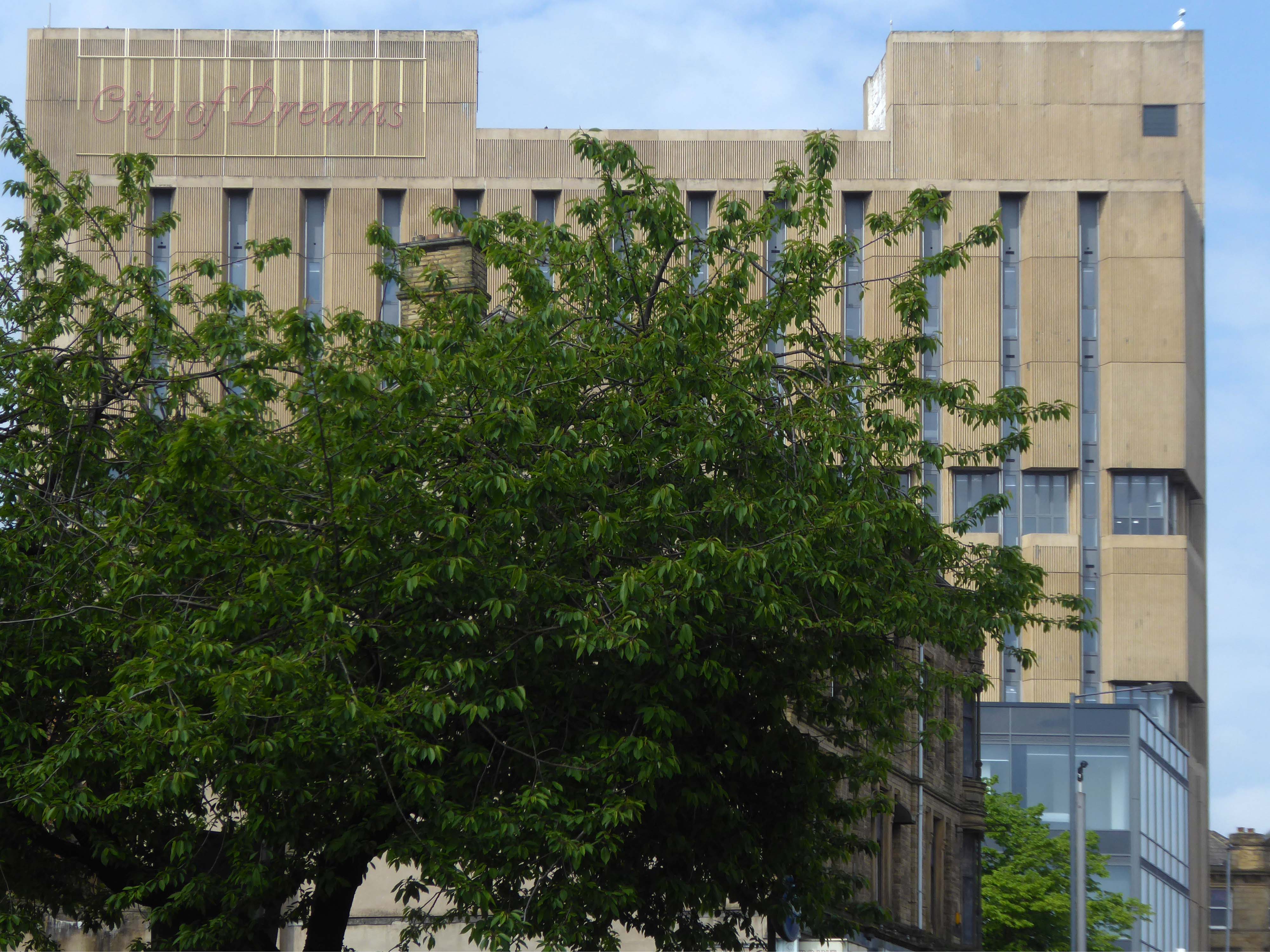
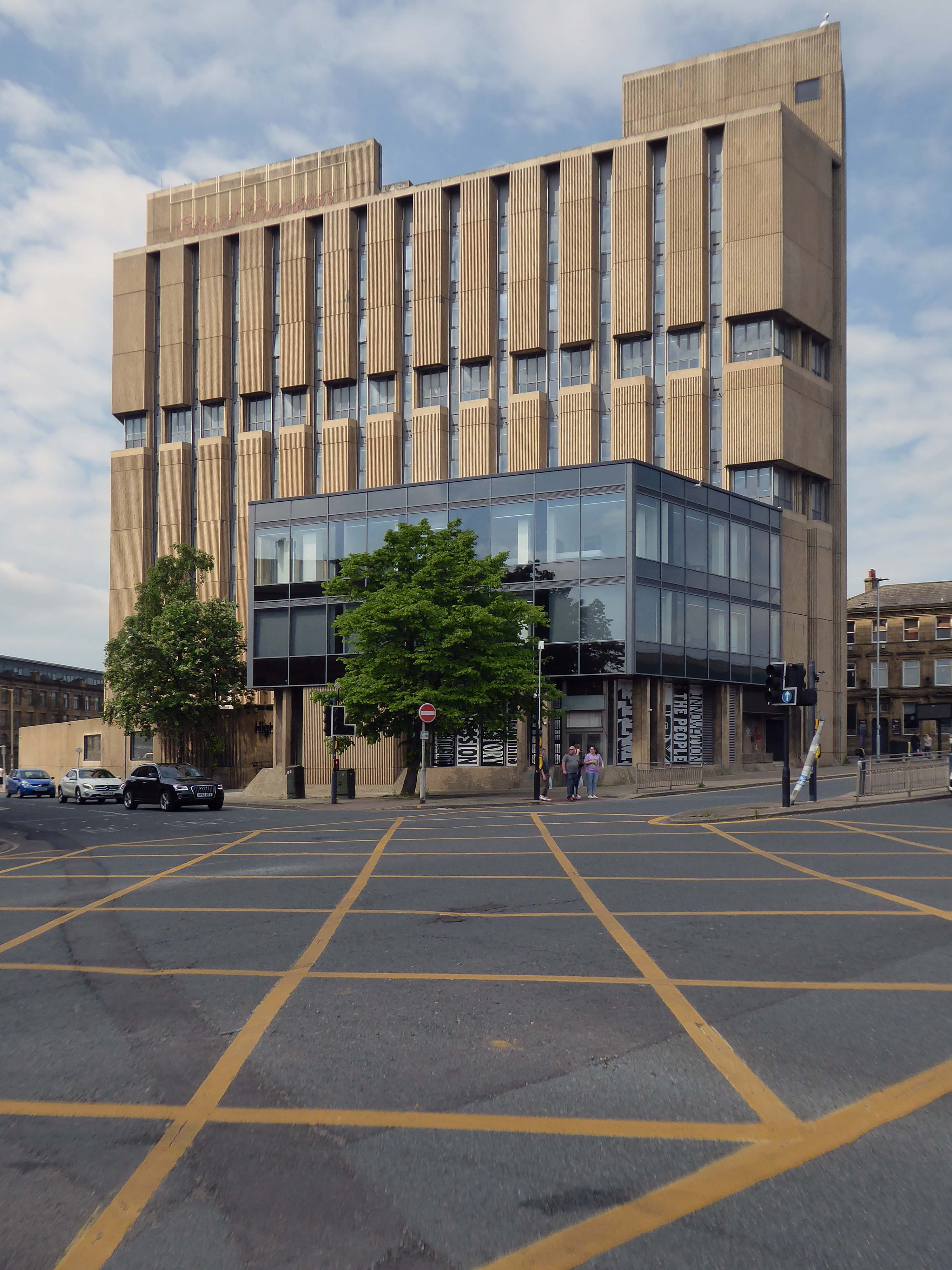
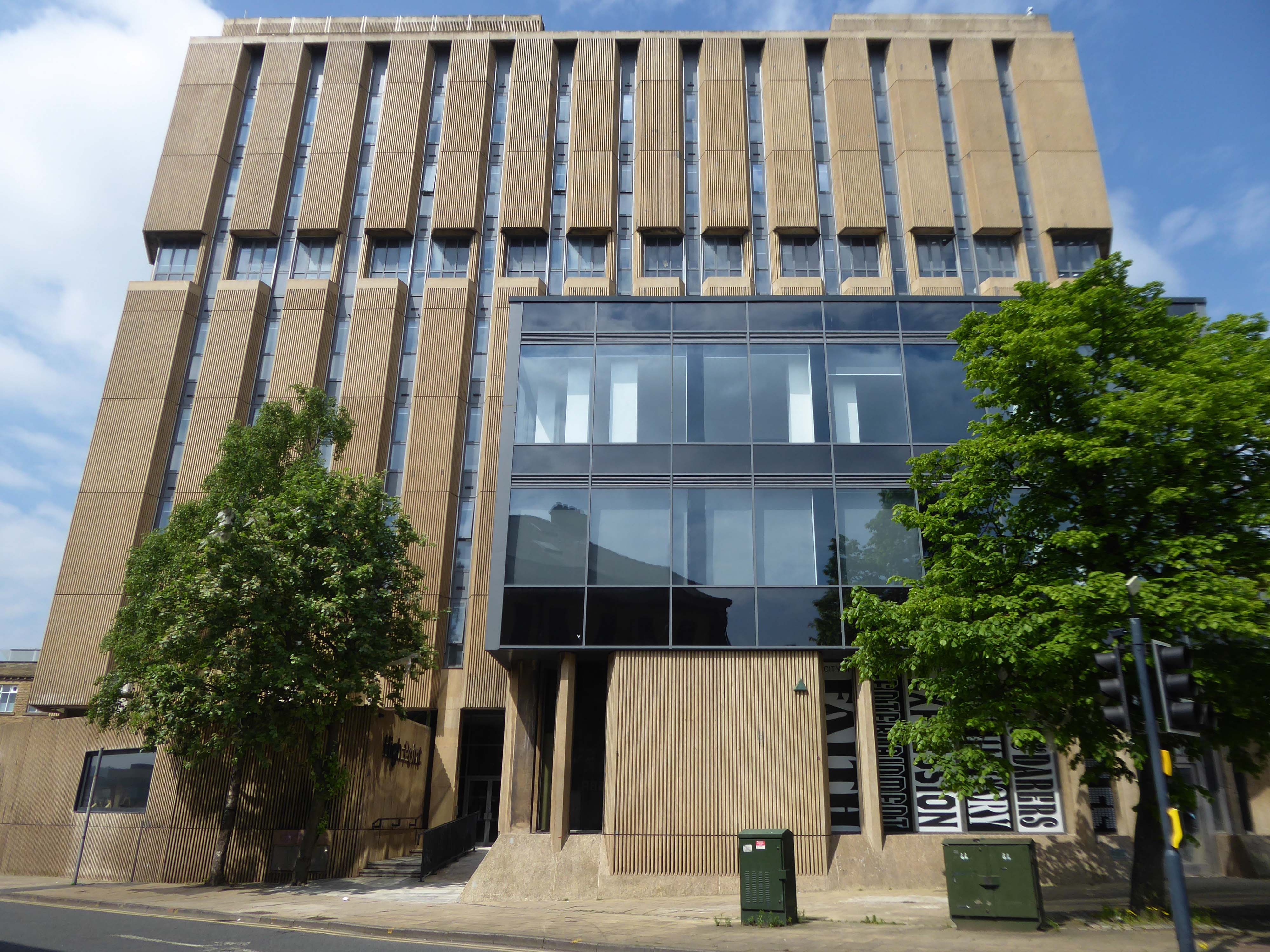
Up to Highpoint designed by John Brunton and Partners 1973.

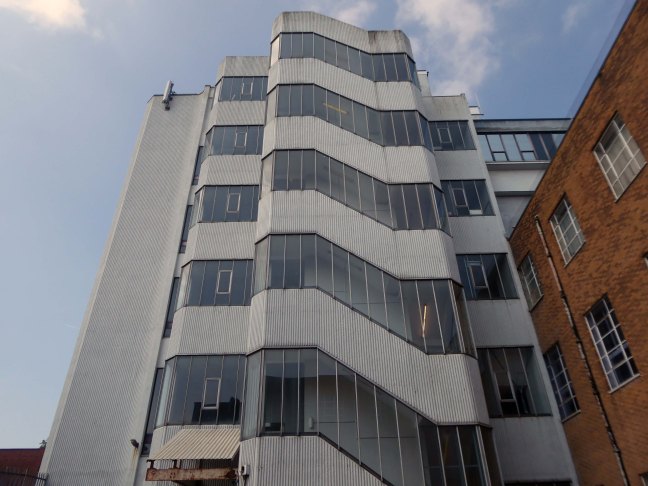
The derelict former headquarters of Yorkshire Building Society, on one of the highest parts of the city centre, looms over the city centre, and to many people is the city’s ugliest building.

High Point is the perfect site for the first Radii development. Now perceived as an exemplar of the Brutalist style, this eight-storey titan, has languished derelict and in disrepair for many years in the heart of Bradford City Centre.

Our regeneration of High Point into an innovative residential apartment complex with a community at its heart, embraces ideas of sustainability, preservation, and rejuvenation that will bring a new lease of life to this abandoned landmark.

Sharp, chic and spacious apartments available. Furnished to the highest standards throughout and with the flex to provide you with office space if required – this is modern city living that’s easy on your eye and your pocket.

Radiiliving

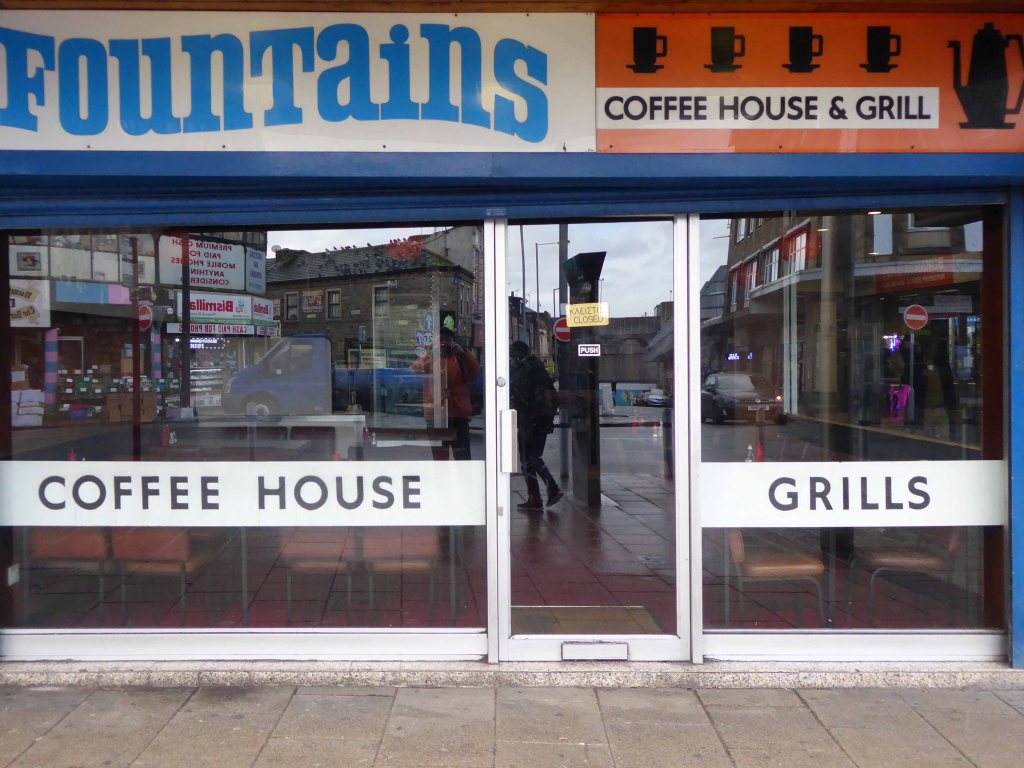
And finally the cafe that is not a cafe – Fountains, where the griddle no longer grills, the lights are always out and the shutters tightly shut, ain’t nobody home.

Wishing nothing but well for this West Riding gem – Bradford City of Culture and cultures and culture.

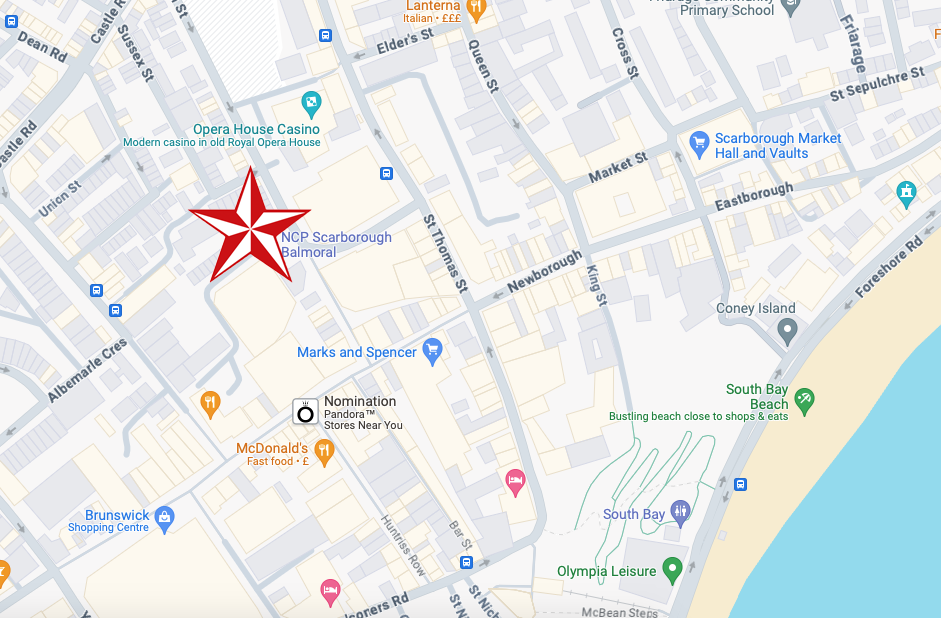
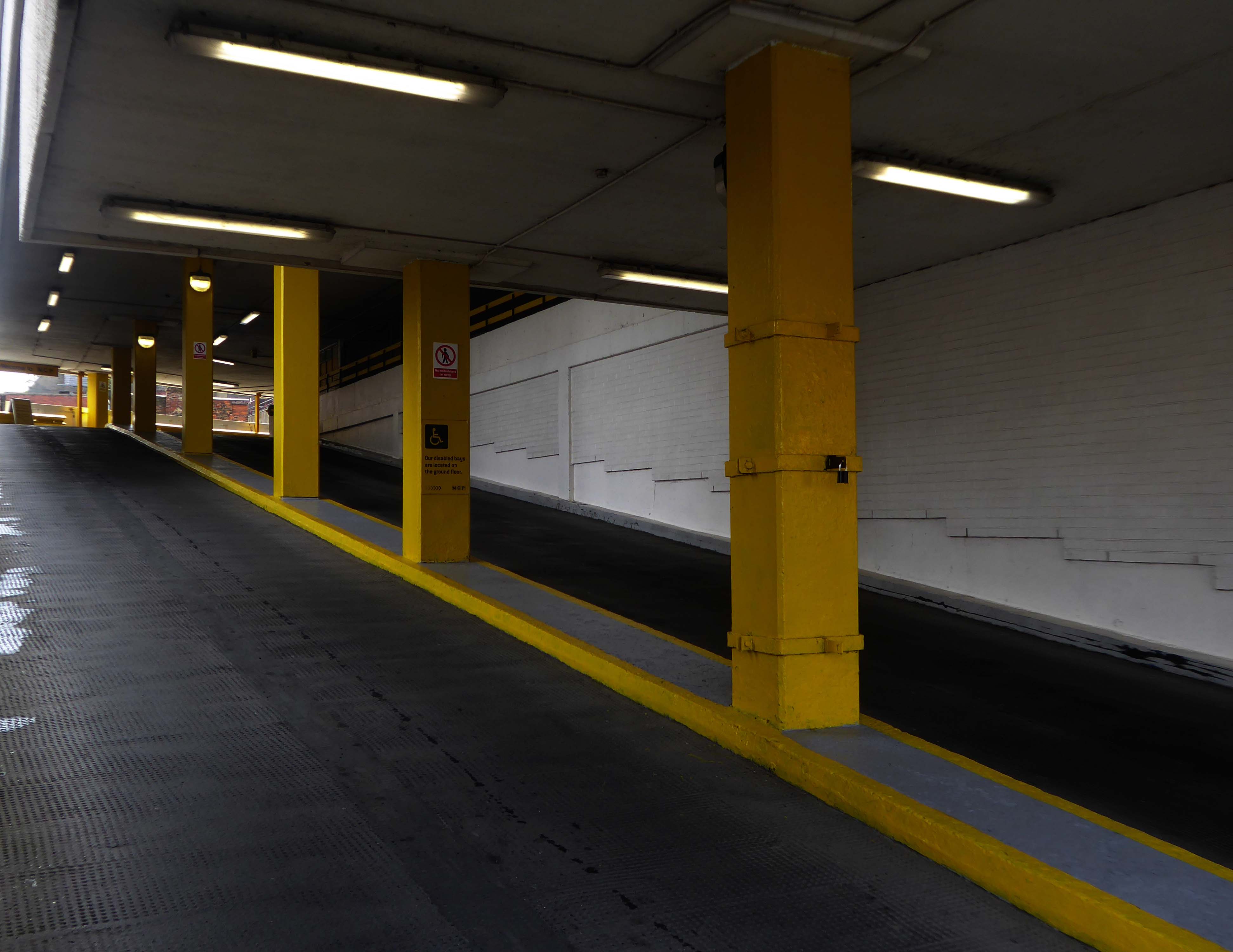
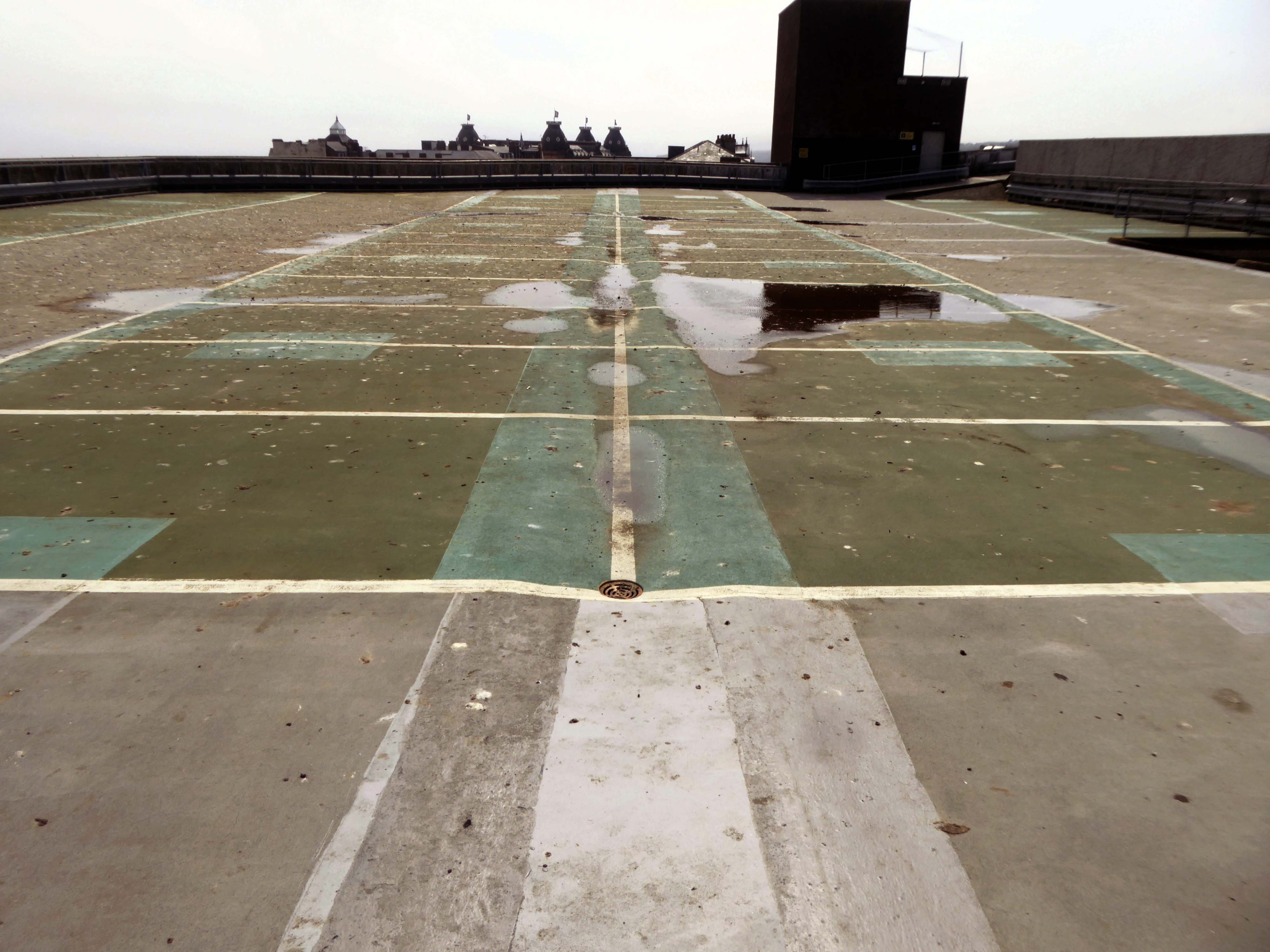
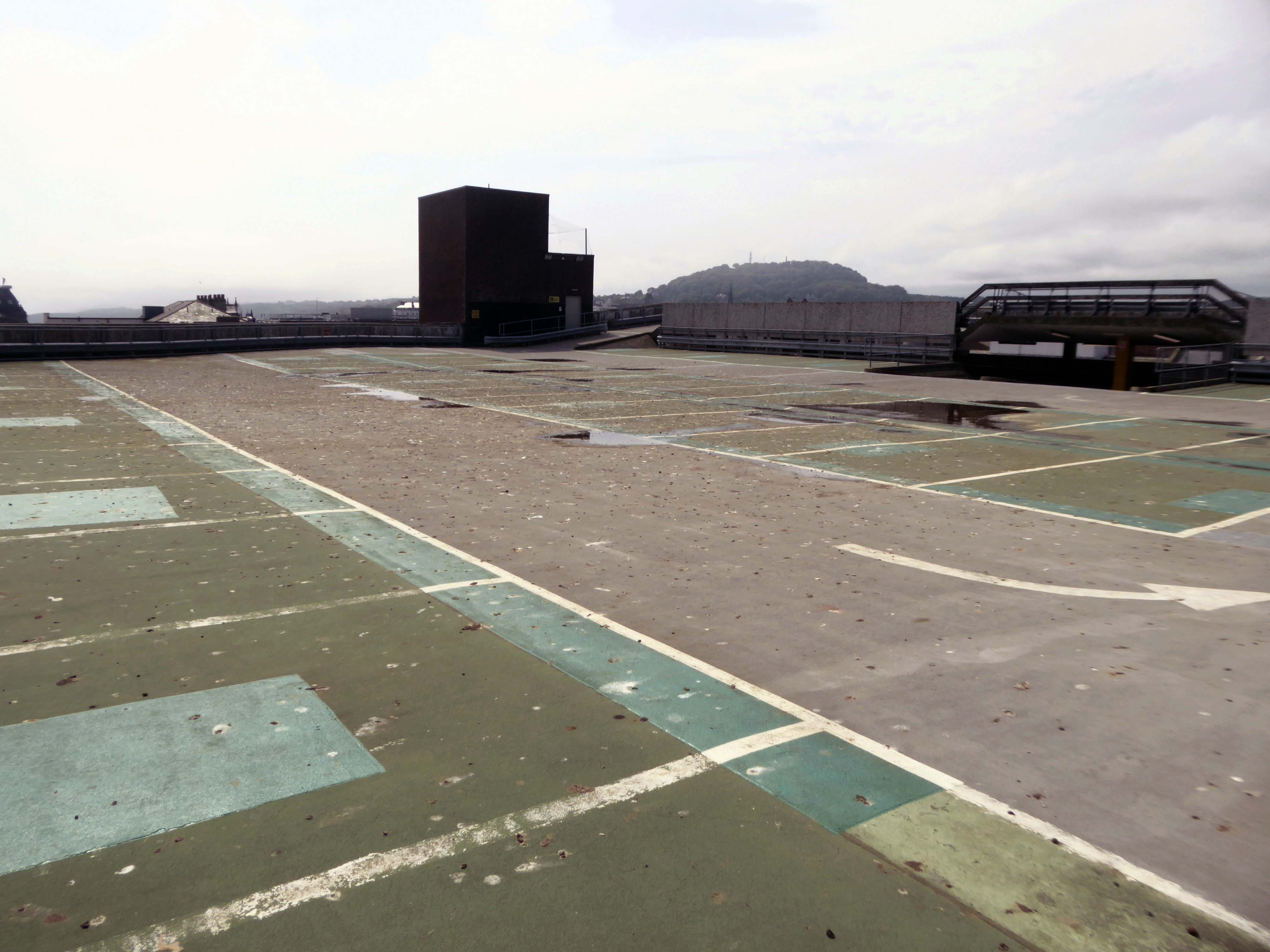
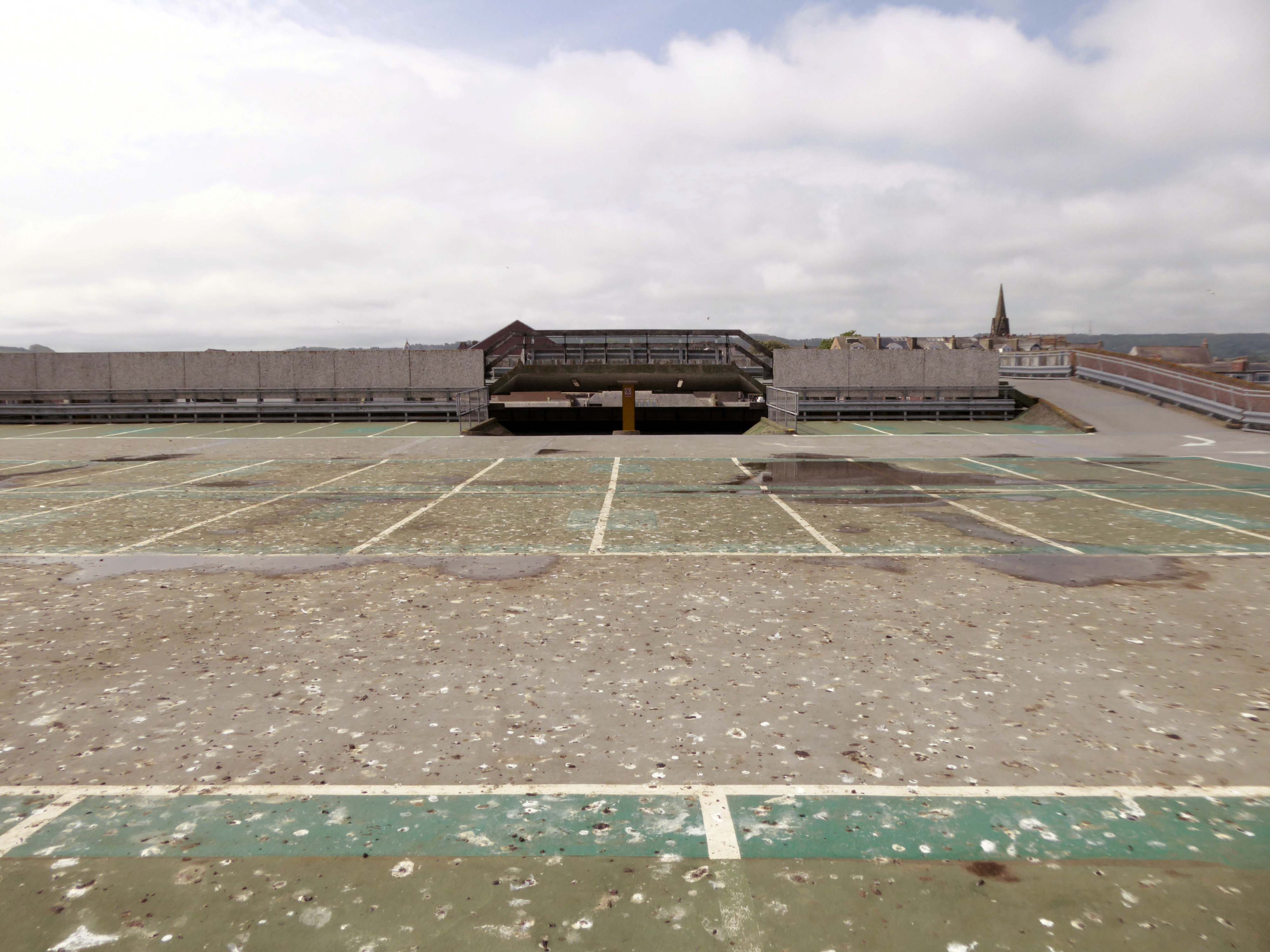
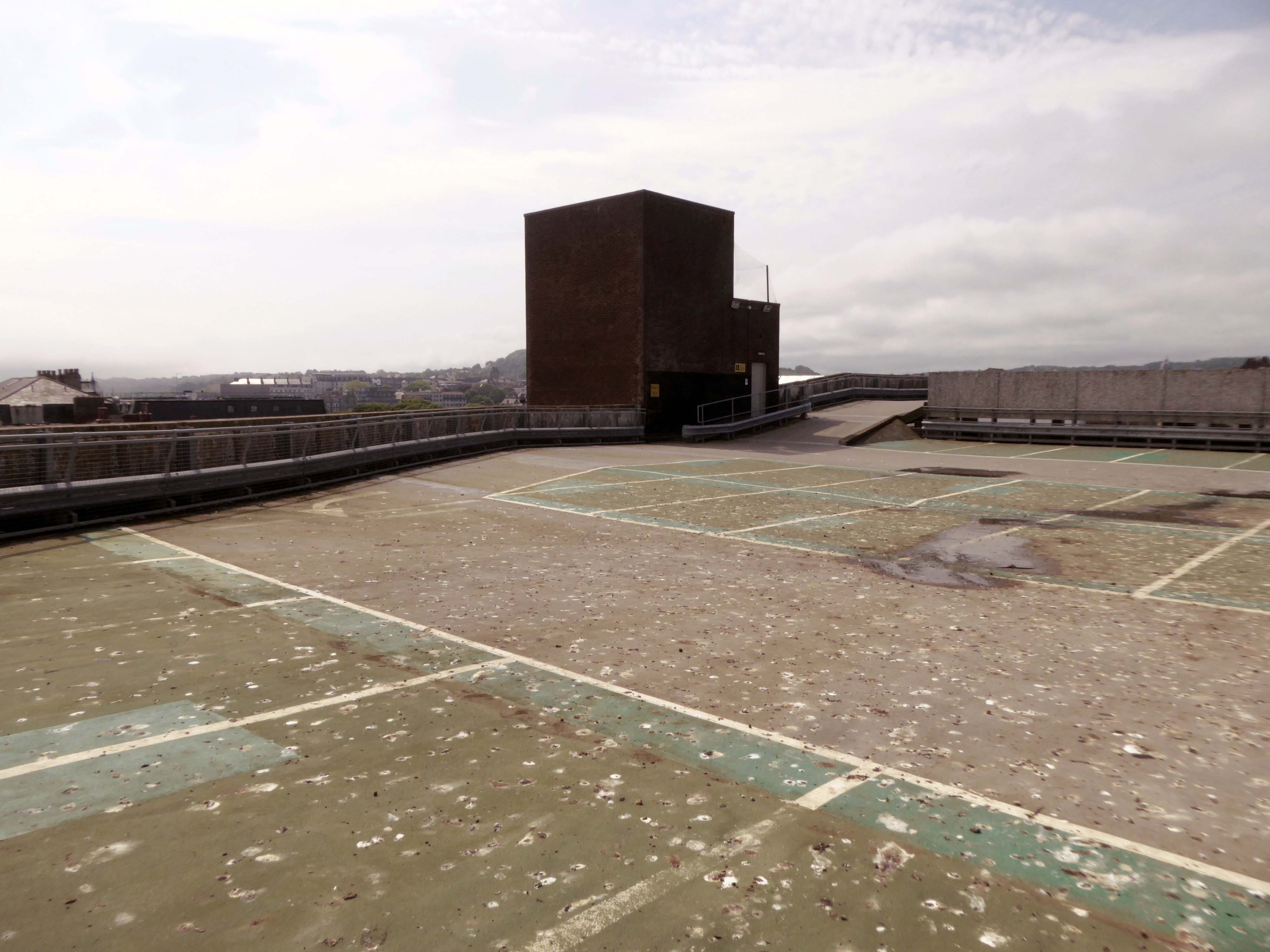
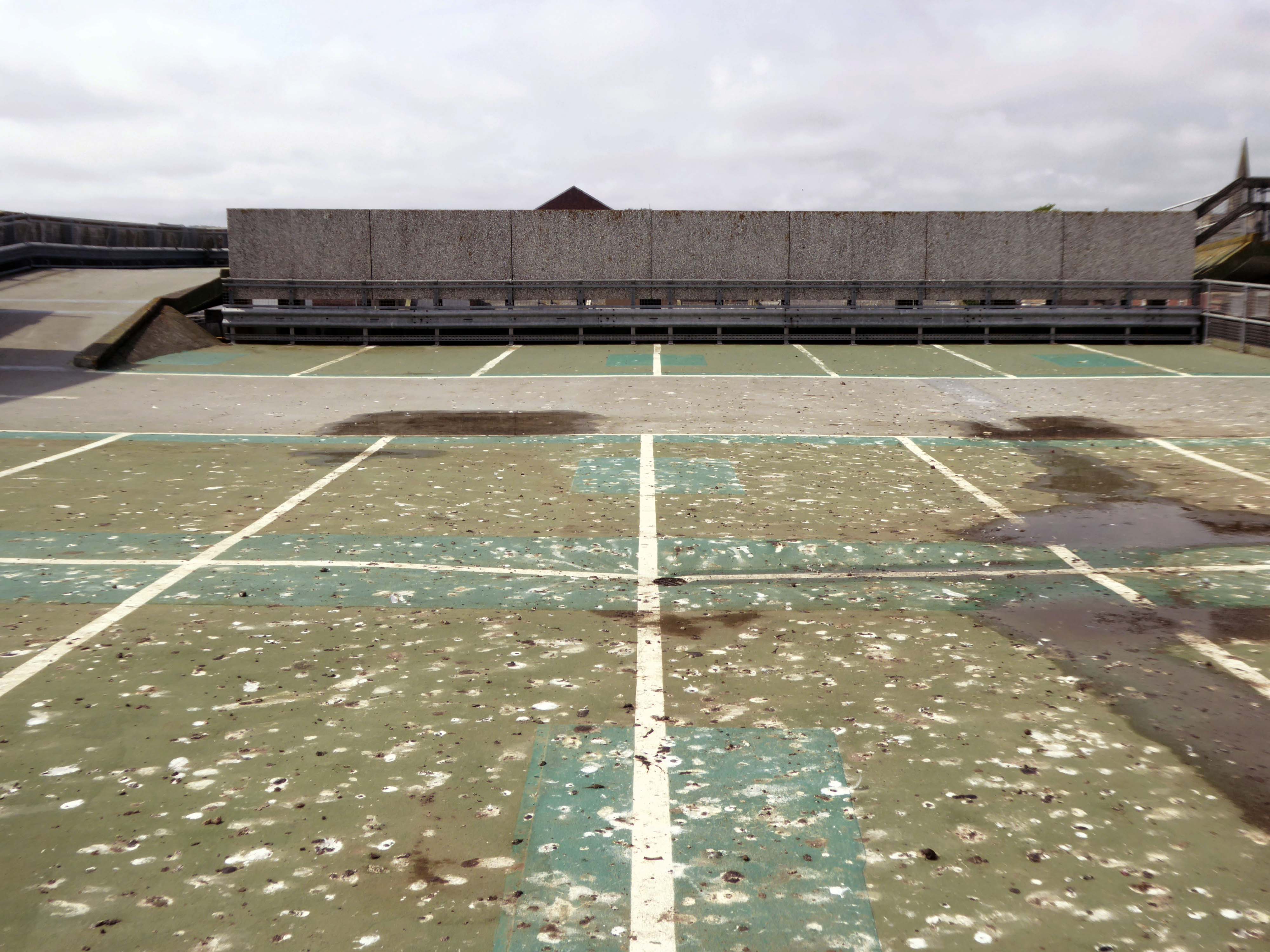
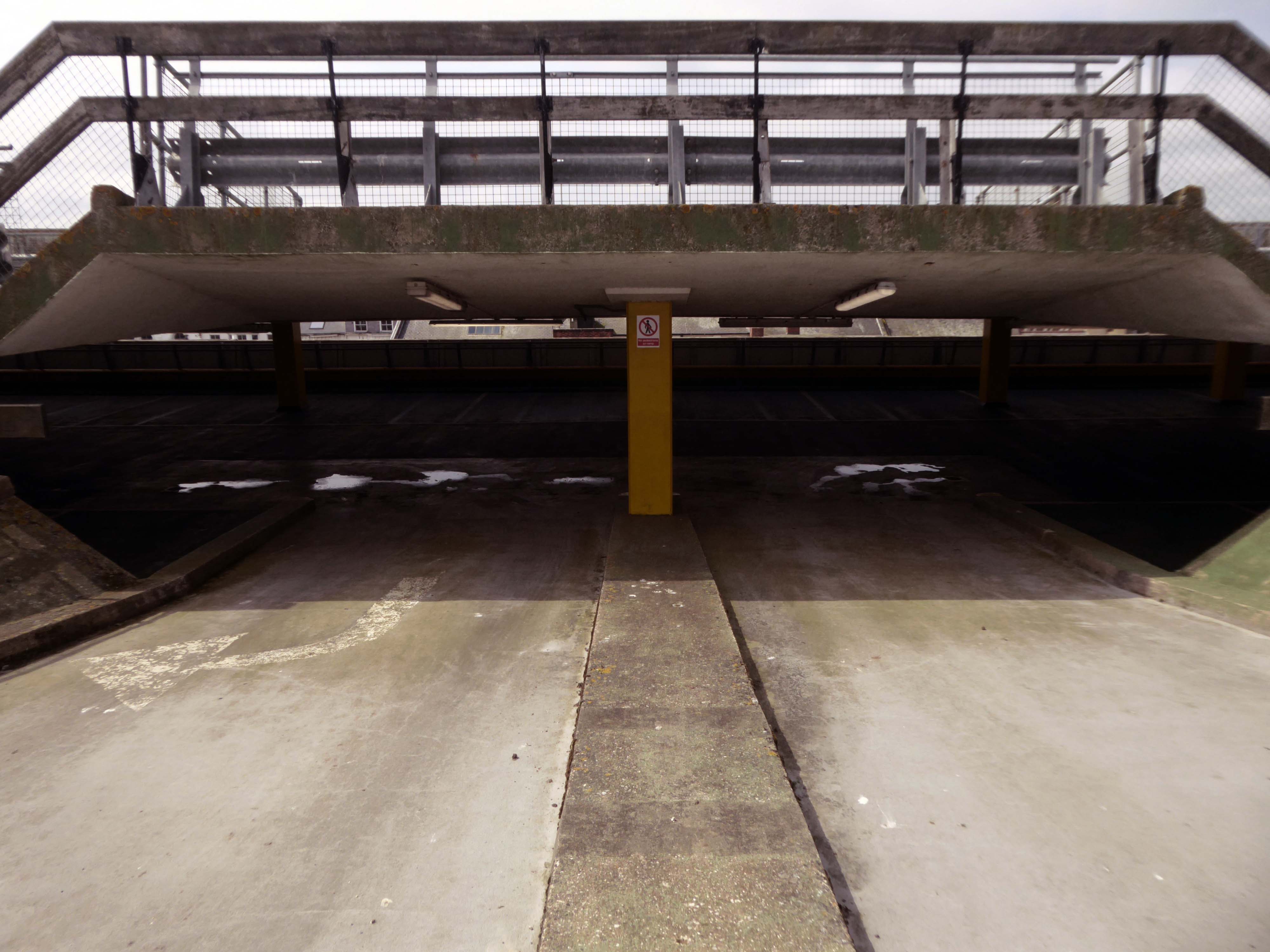
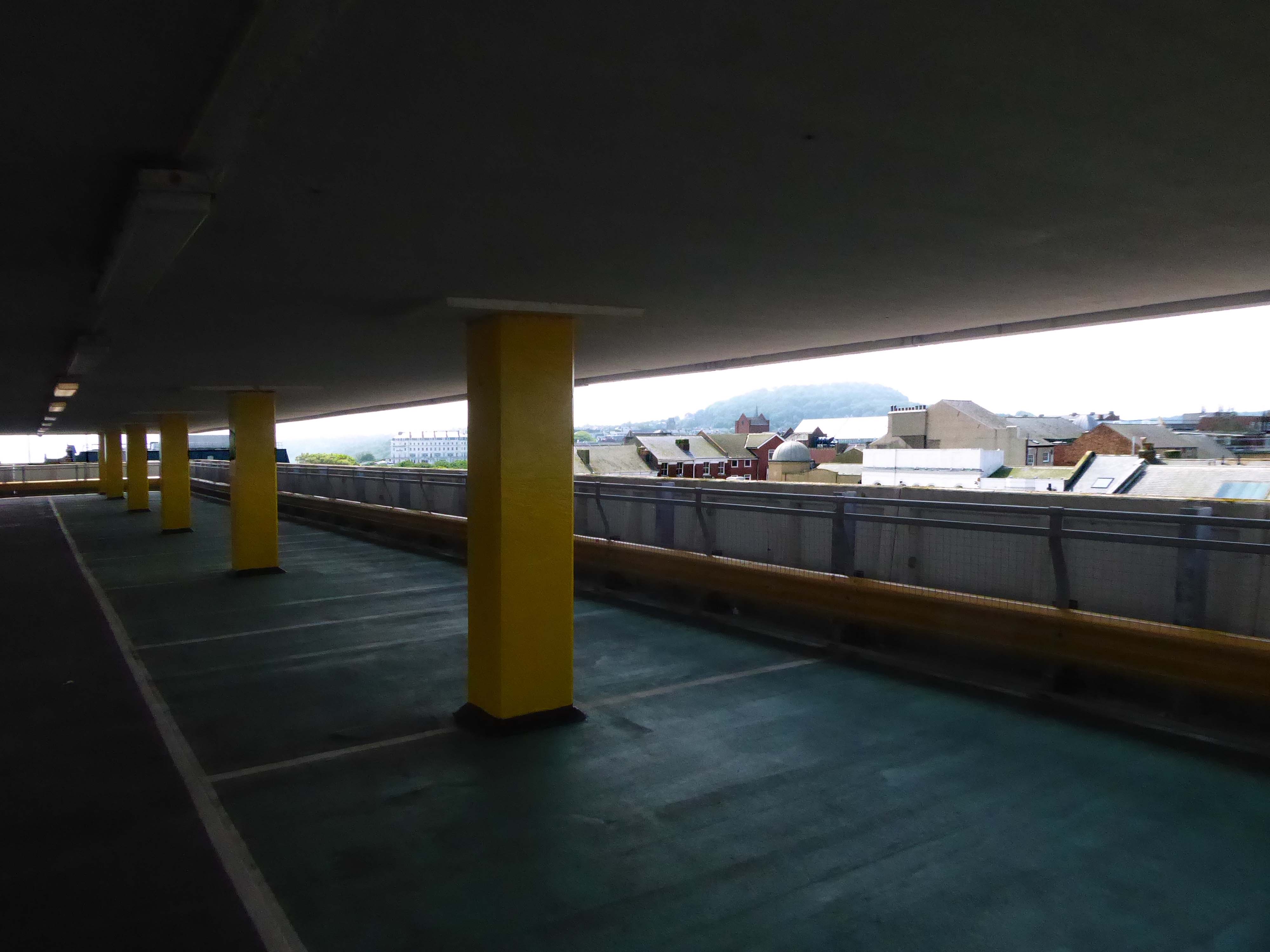
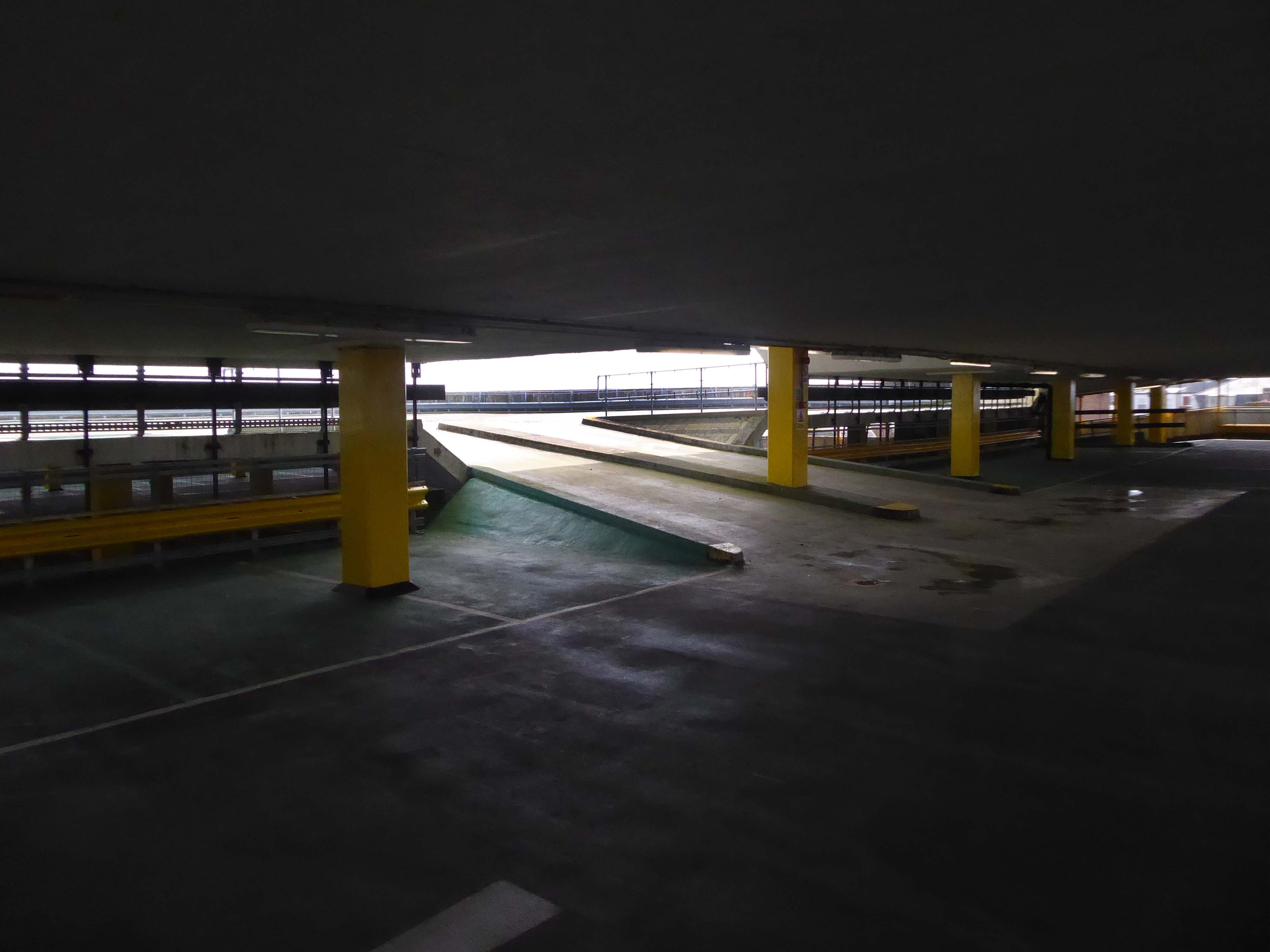
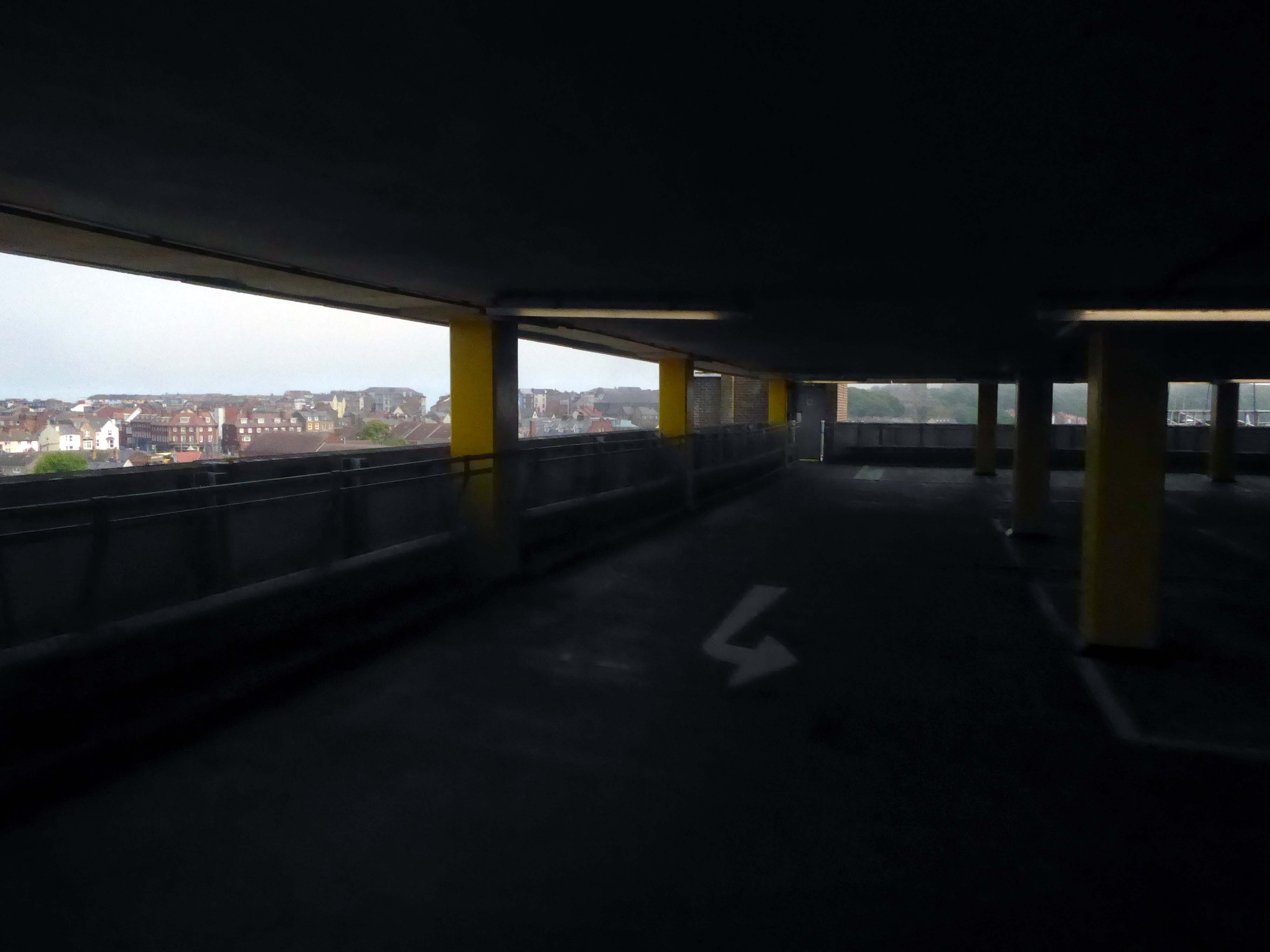
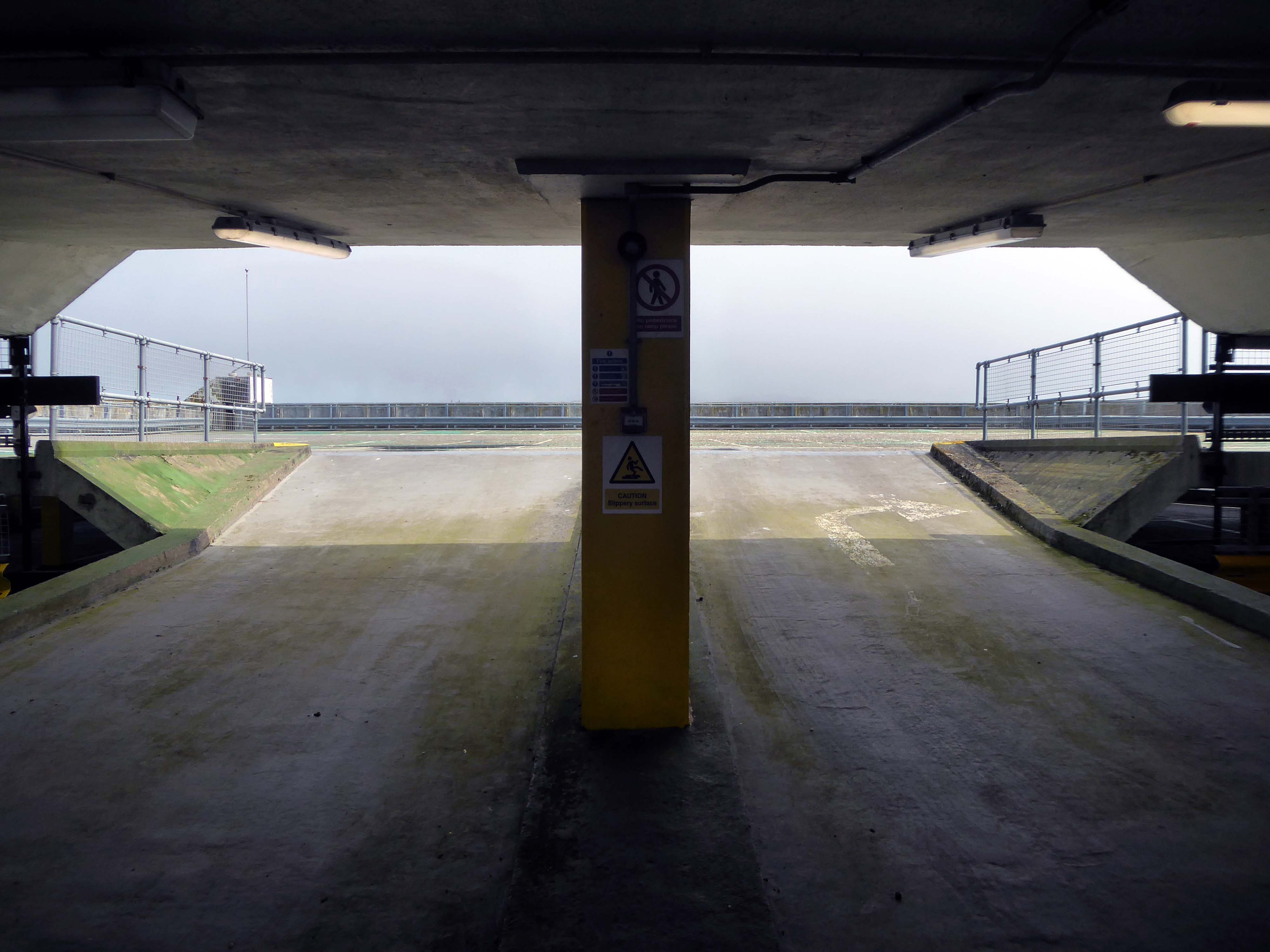
Balmoral Car Park – Scarborough

North St Scarborough YO11 1LU

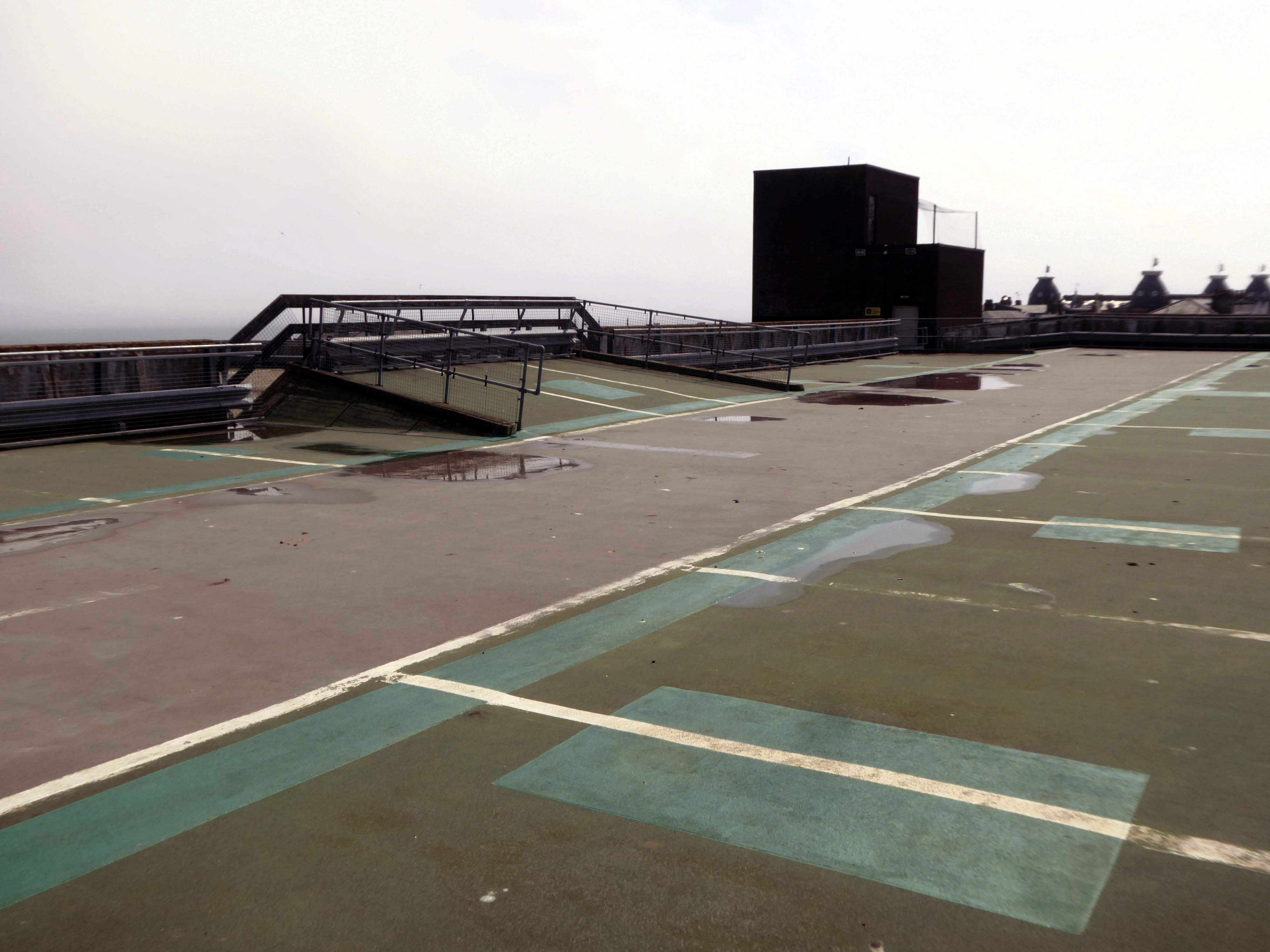
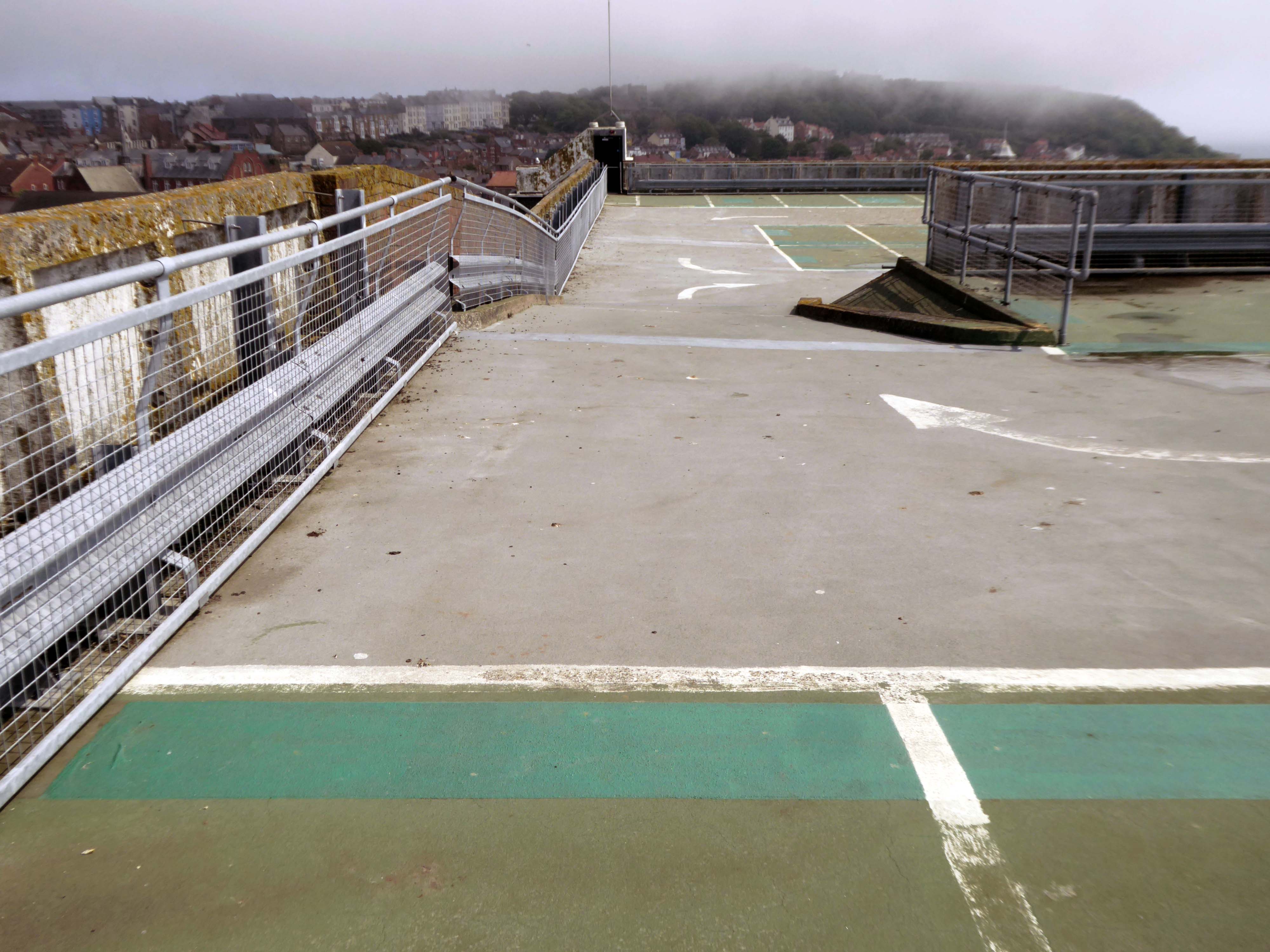
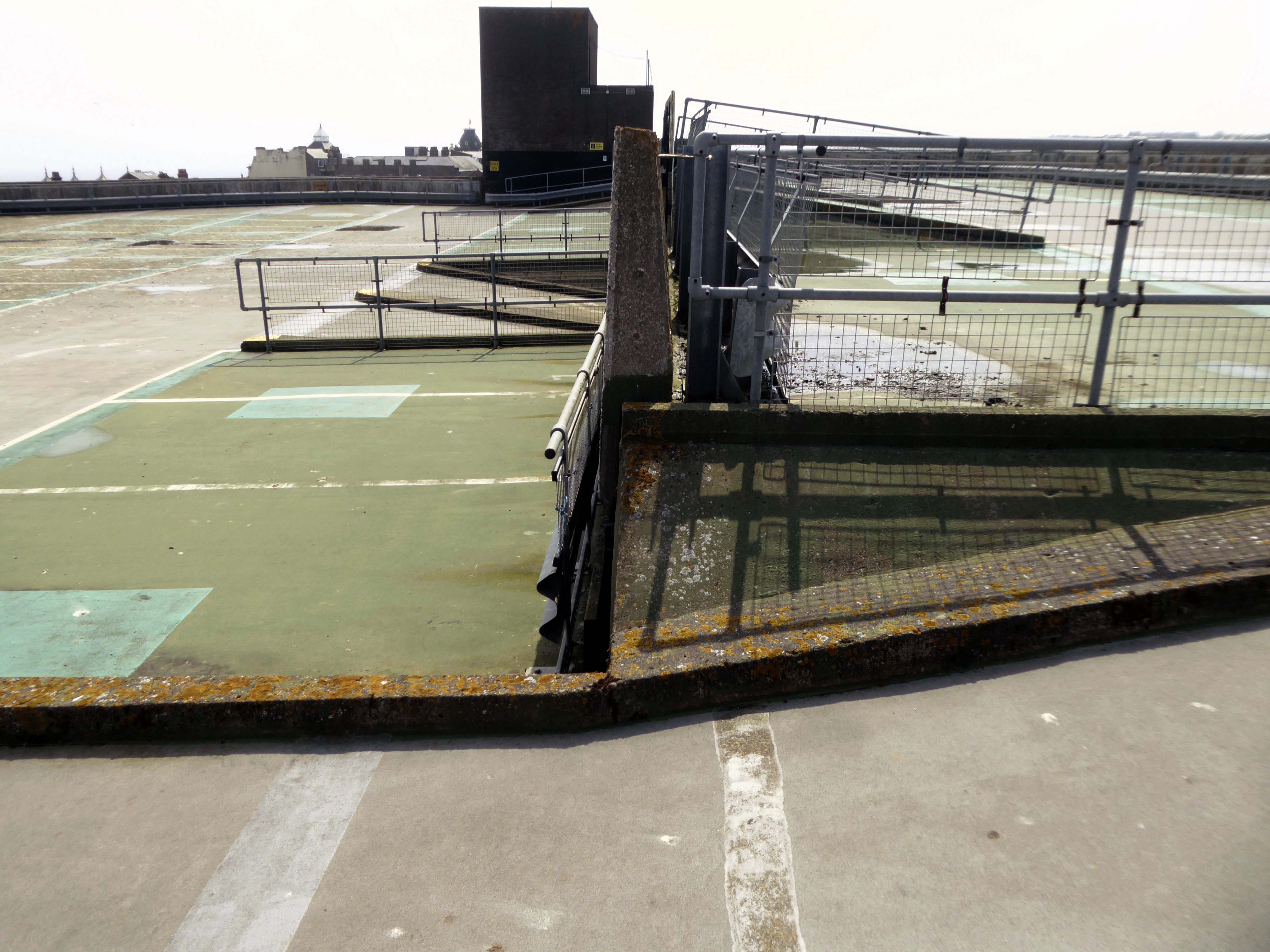
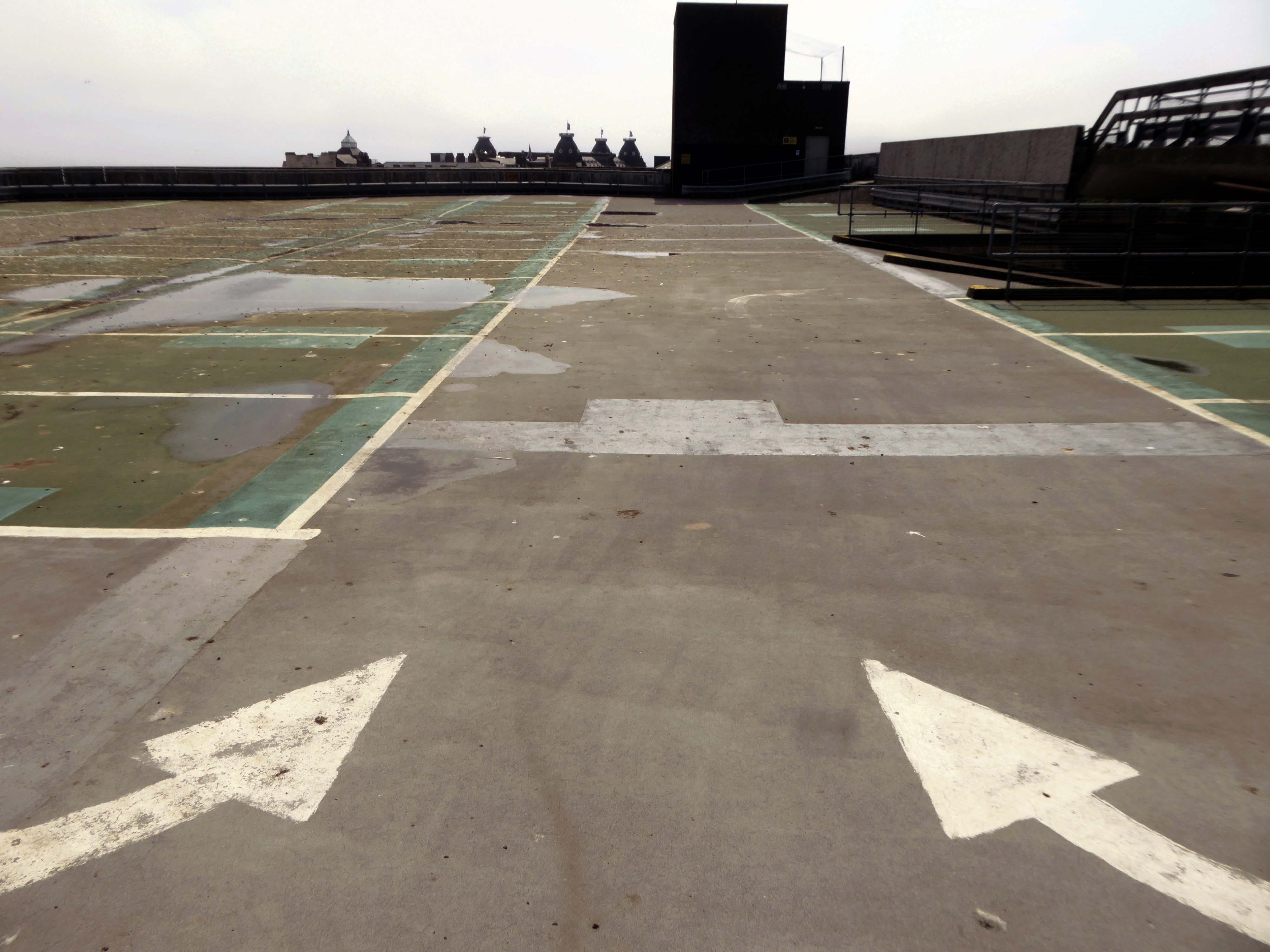
Last day of the holidays and we’re off to Balmoral!

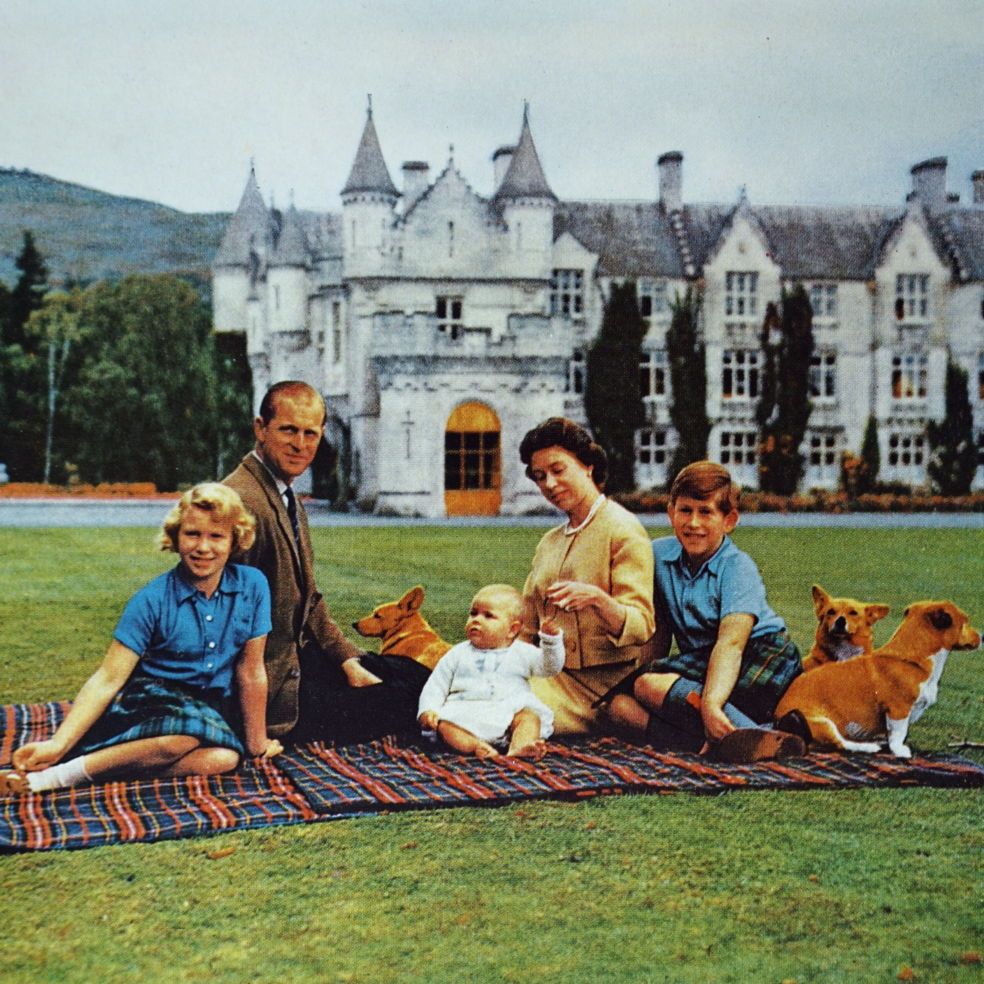
No not that Balmoral the other Balmoral, the car park attached to the Balmoral Centre, built in 1974 – with little or no reference to the Highland baronial.
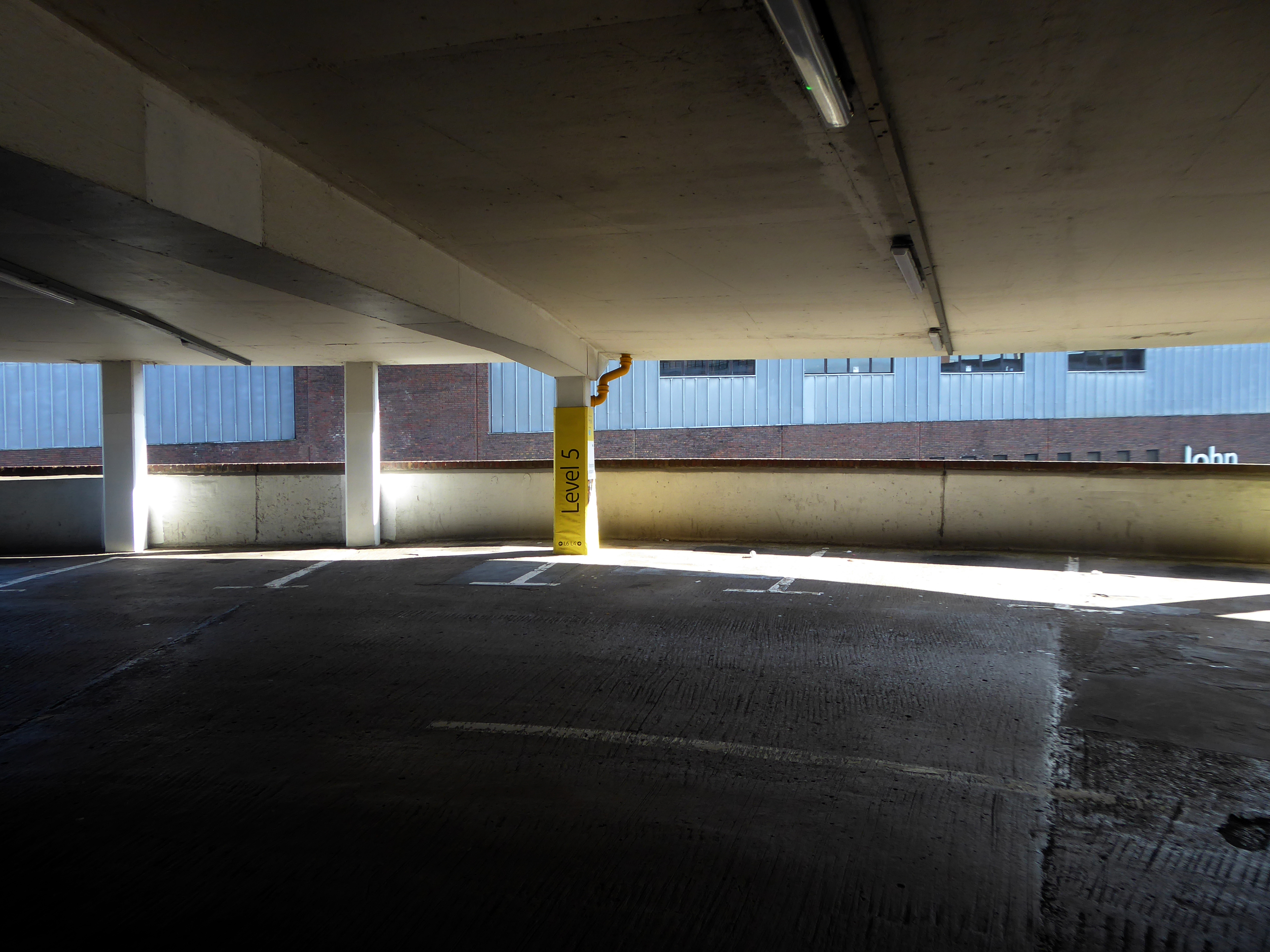
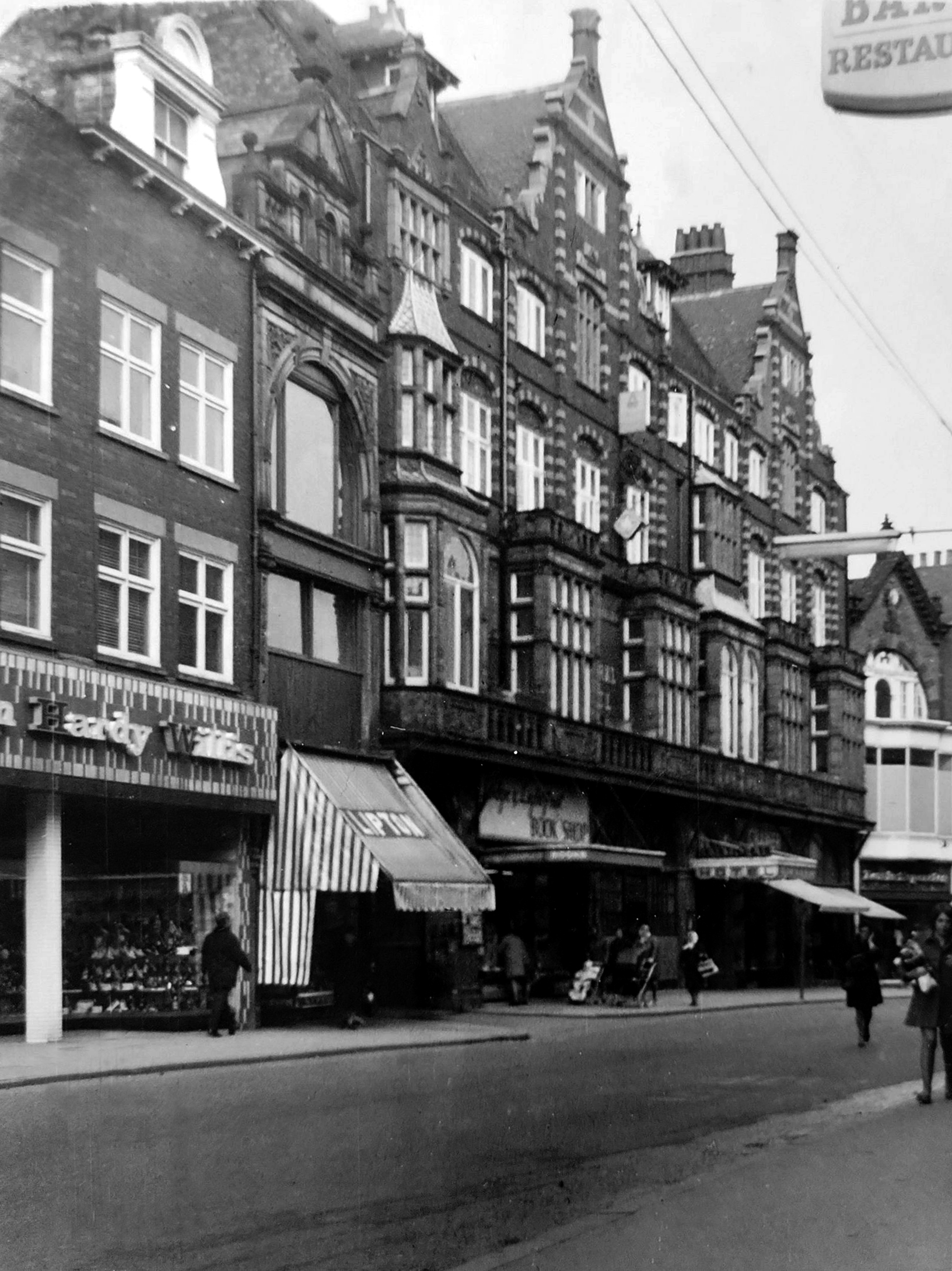
Though the old Balmoral Hotel had to be removed in 1973.

Scarborough is a beloved seaside resort and we’re pleased to have secured these well-known, popular parades, bringing them into our in-house portfolio.

We are committed to focusing our efforts on regional retail centres and neighbourhood parades where we can see there is incredible potential. The Balmoral Centre and Bar House provide us with significant opportunities to add significant value and we are already looking to identify how we can revitalise these centres further. We hope to make announcements on how we can achieve this over the next few months.

This is the Coast

The staff at this car park are always friendly and really helpful.

You can tell they take pride in their car park.

We stay in this car park every time we come to Scarborough and stay in Britannia hotels, we find it safe and secure to park your car, the staff are very helpful and polite and keep the car park in tip top condition.

We will always park here great opening and closing times also five minute walk to Royal and Grand Hotel and shops.

Parkopedia

It’s tucked in behind B&M

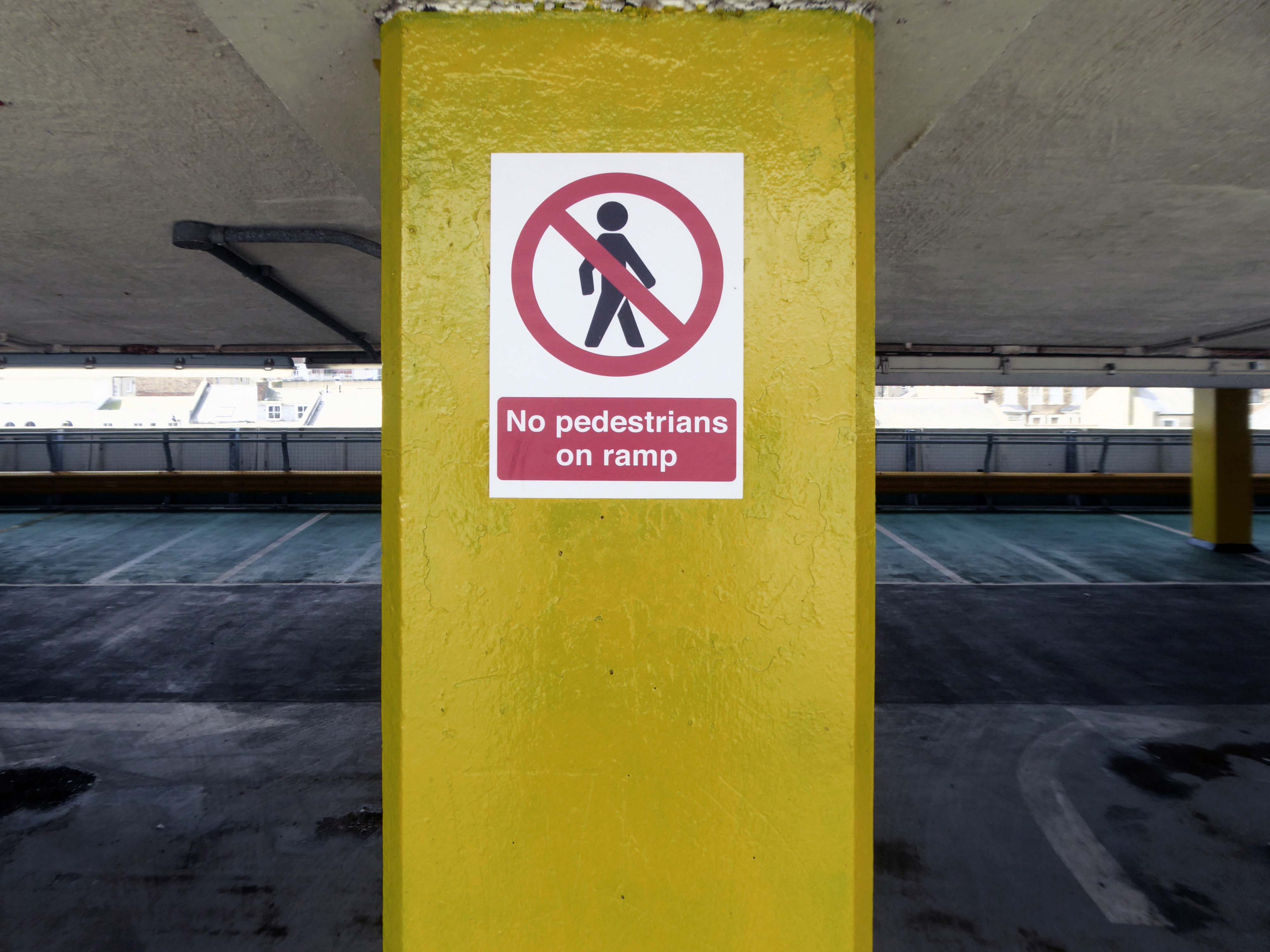
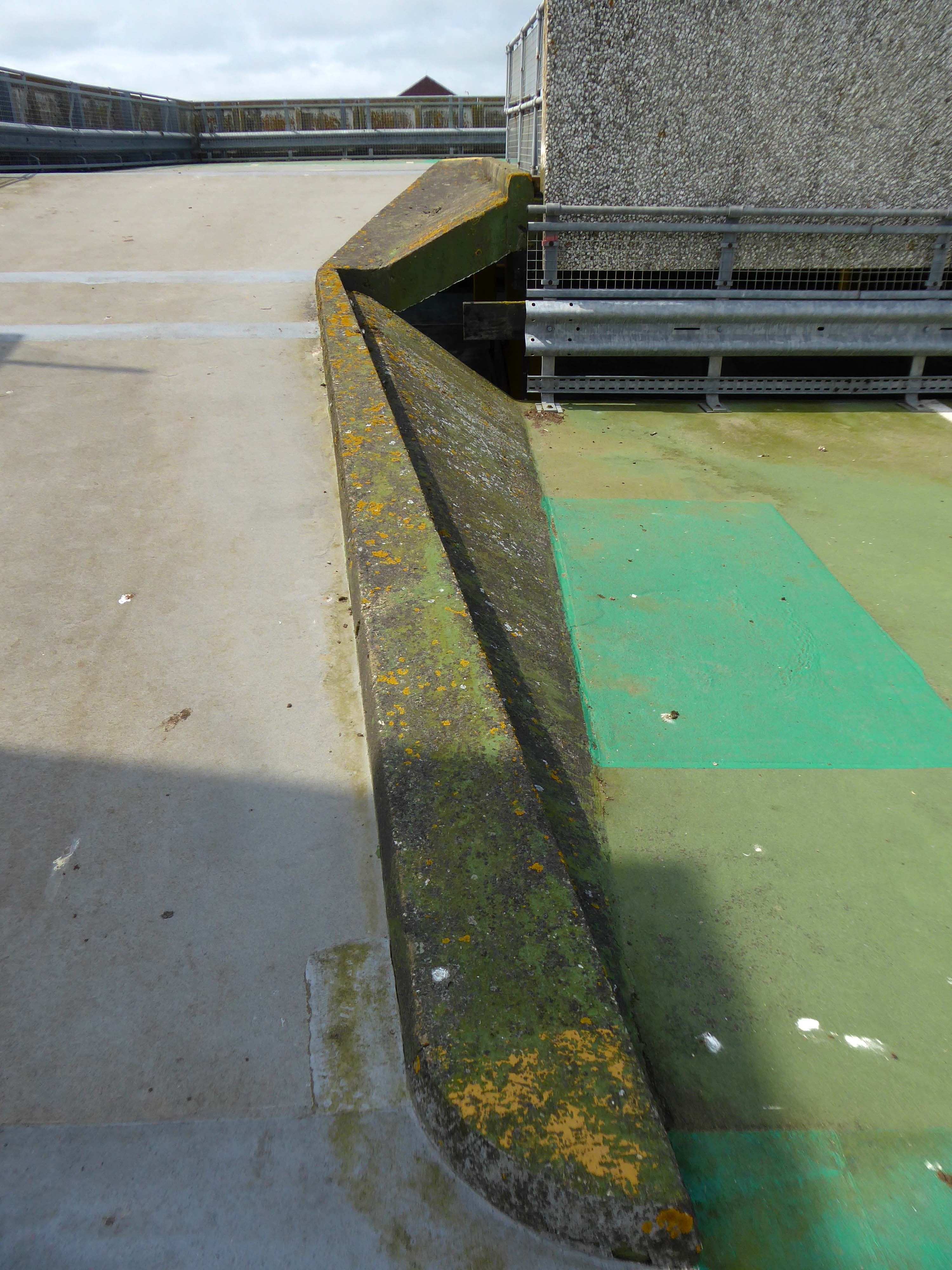
Don’t go up the ramp Steve, the entrance is around the corner.

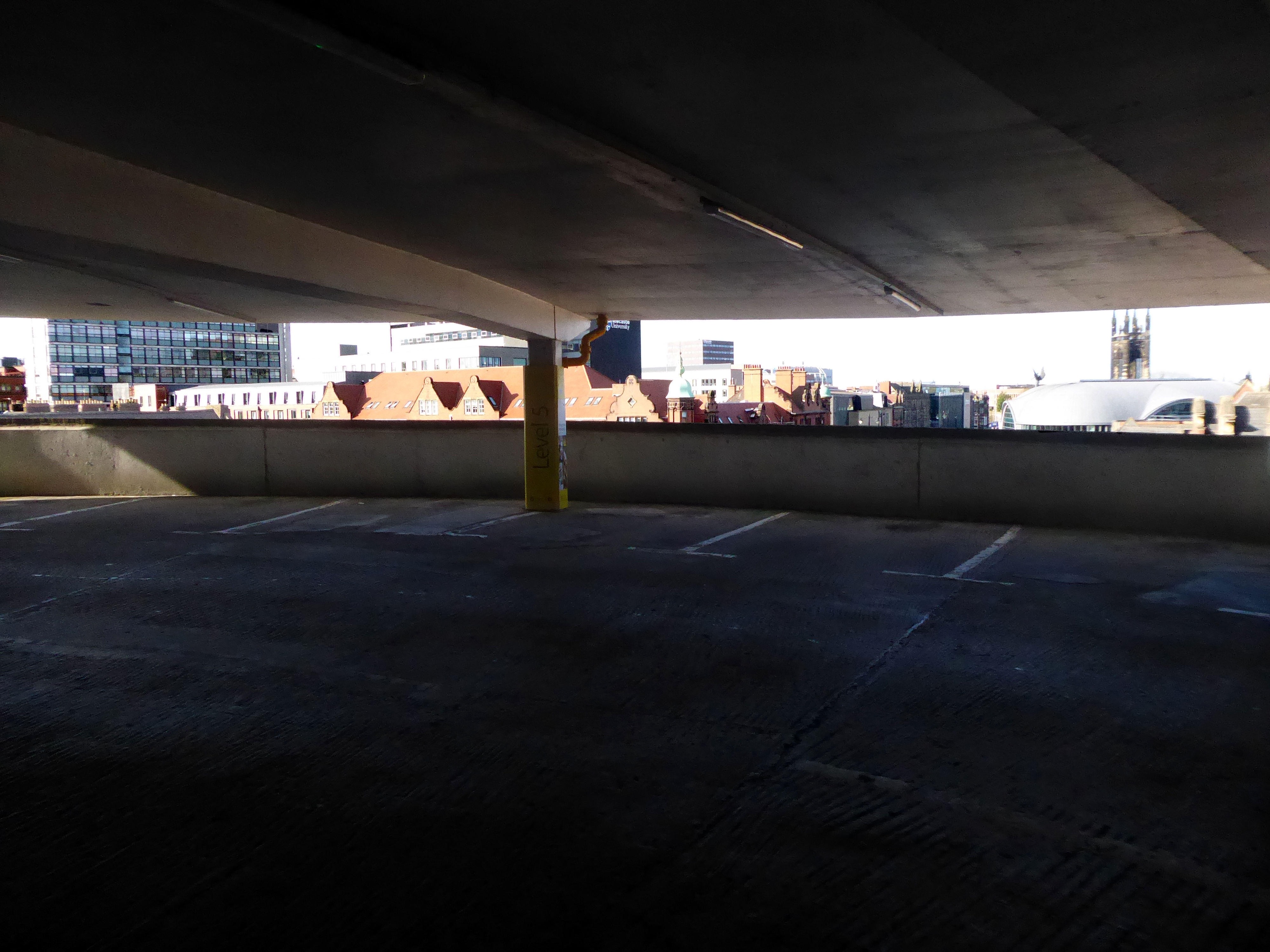
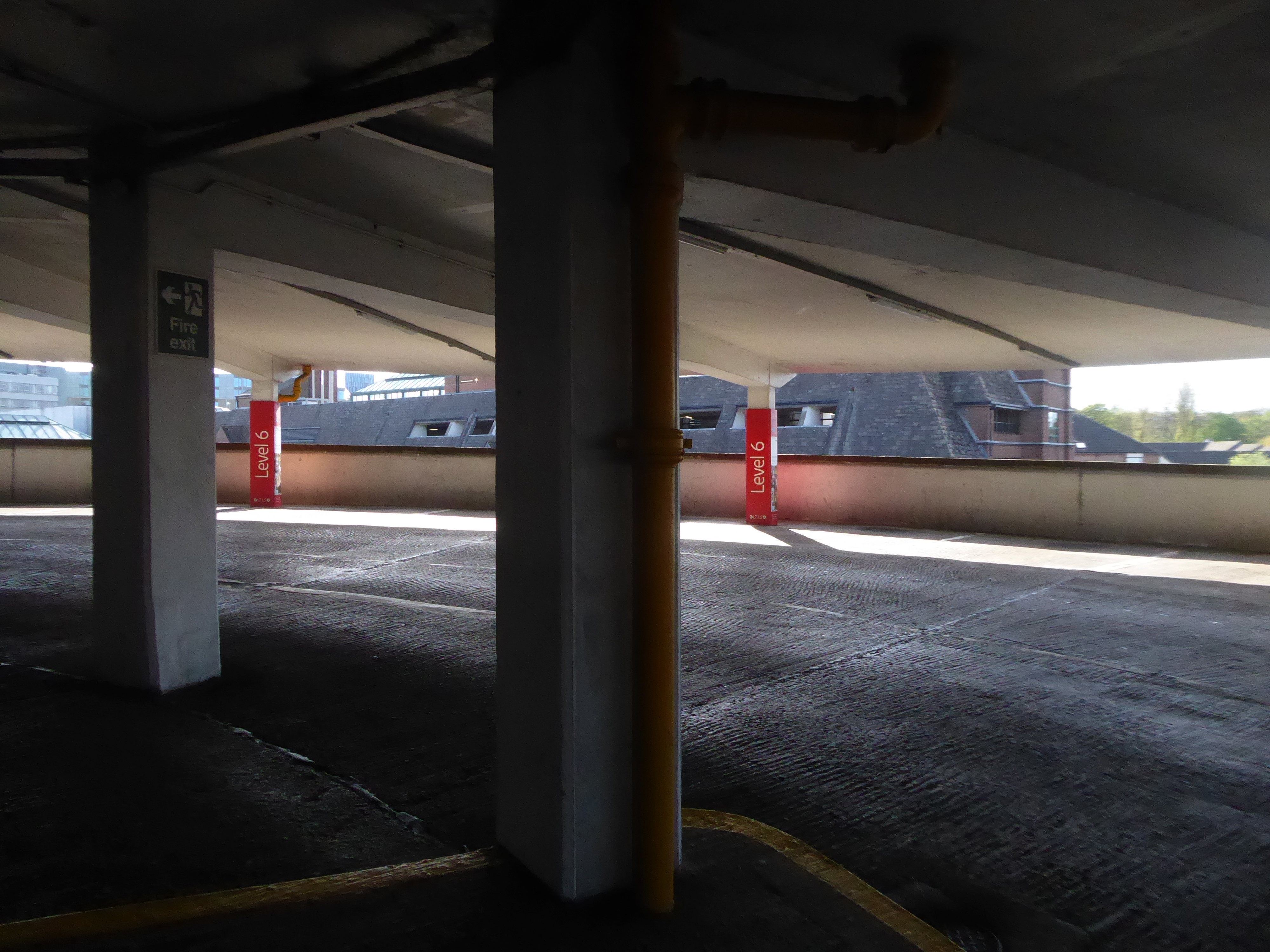
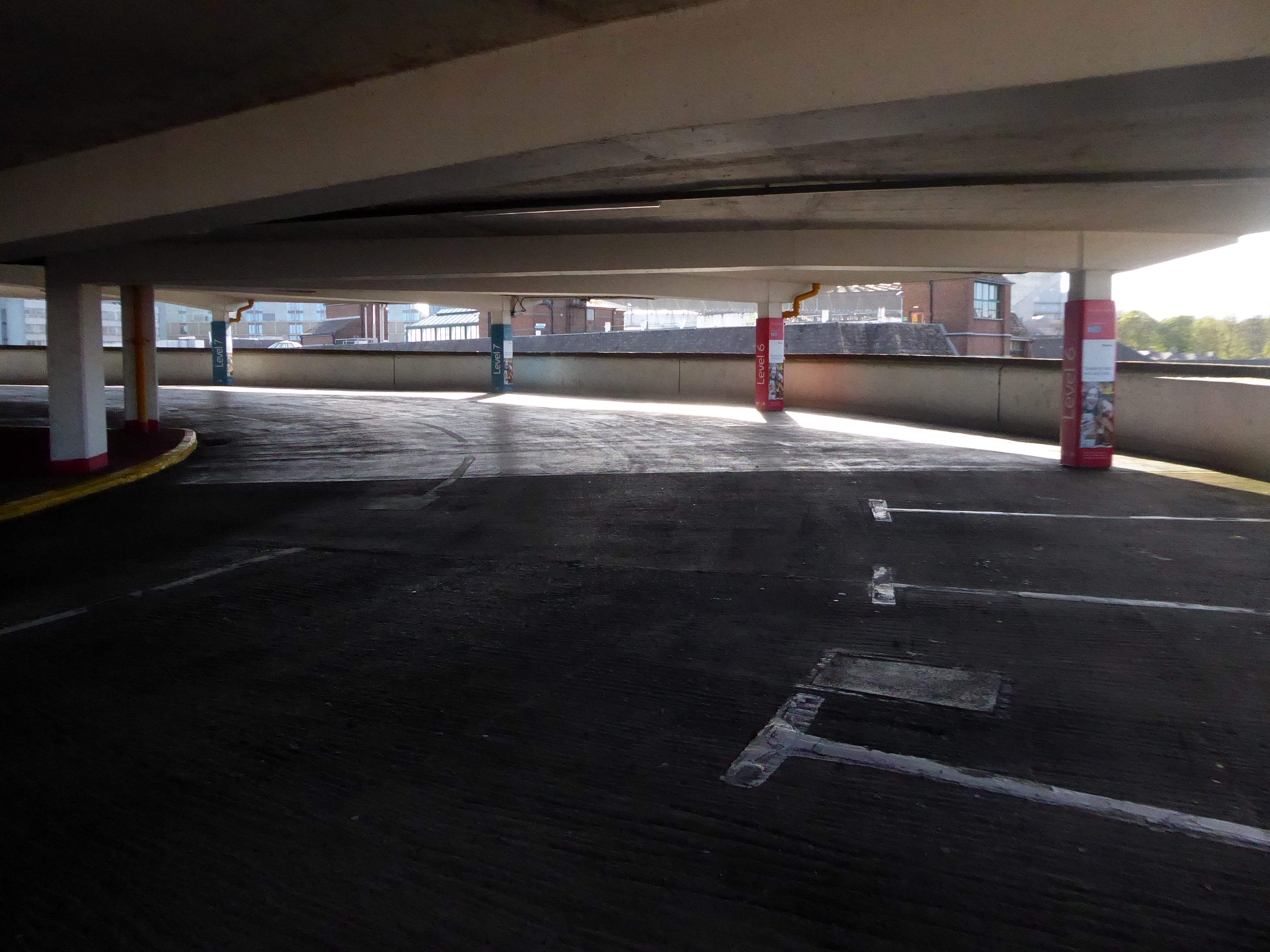
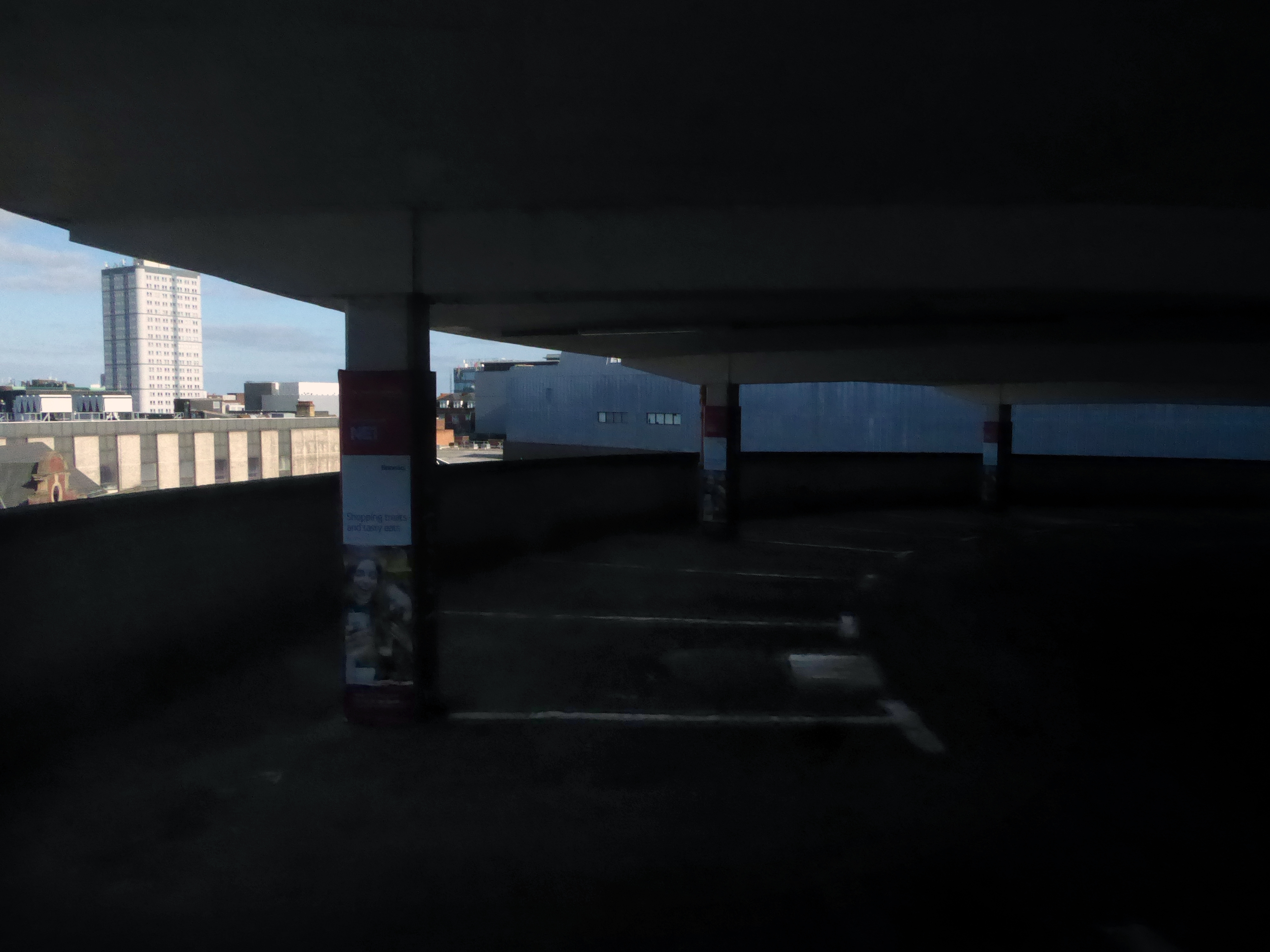
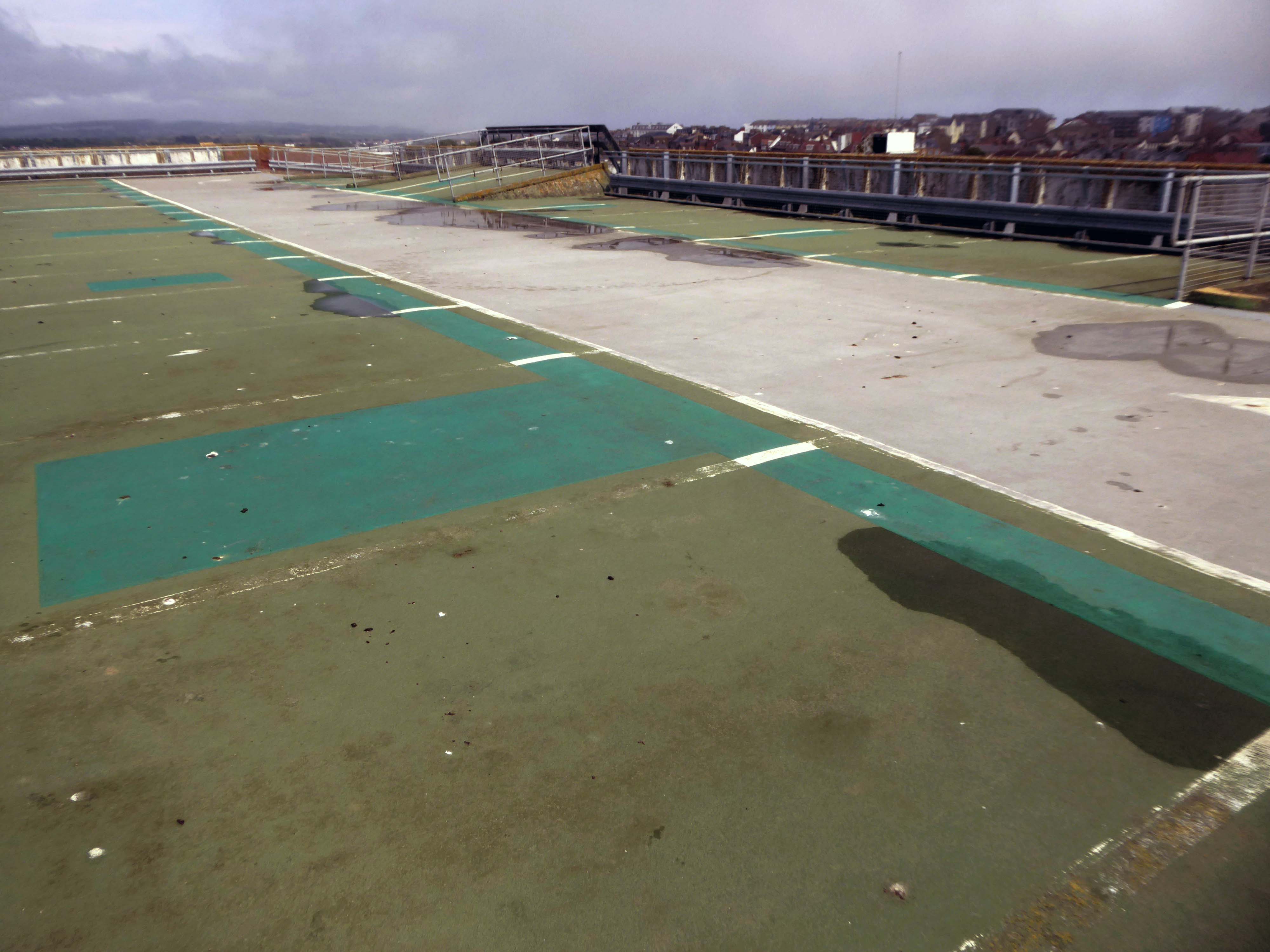
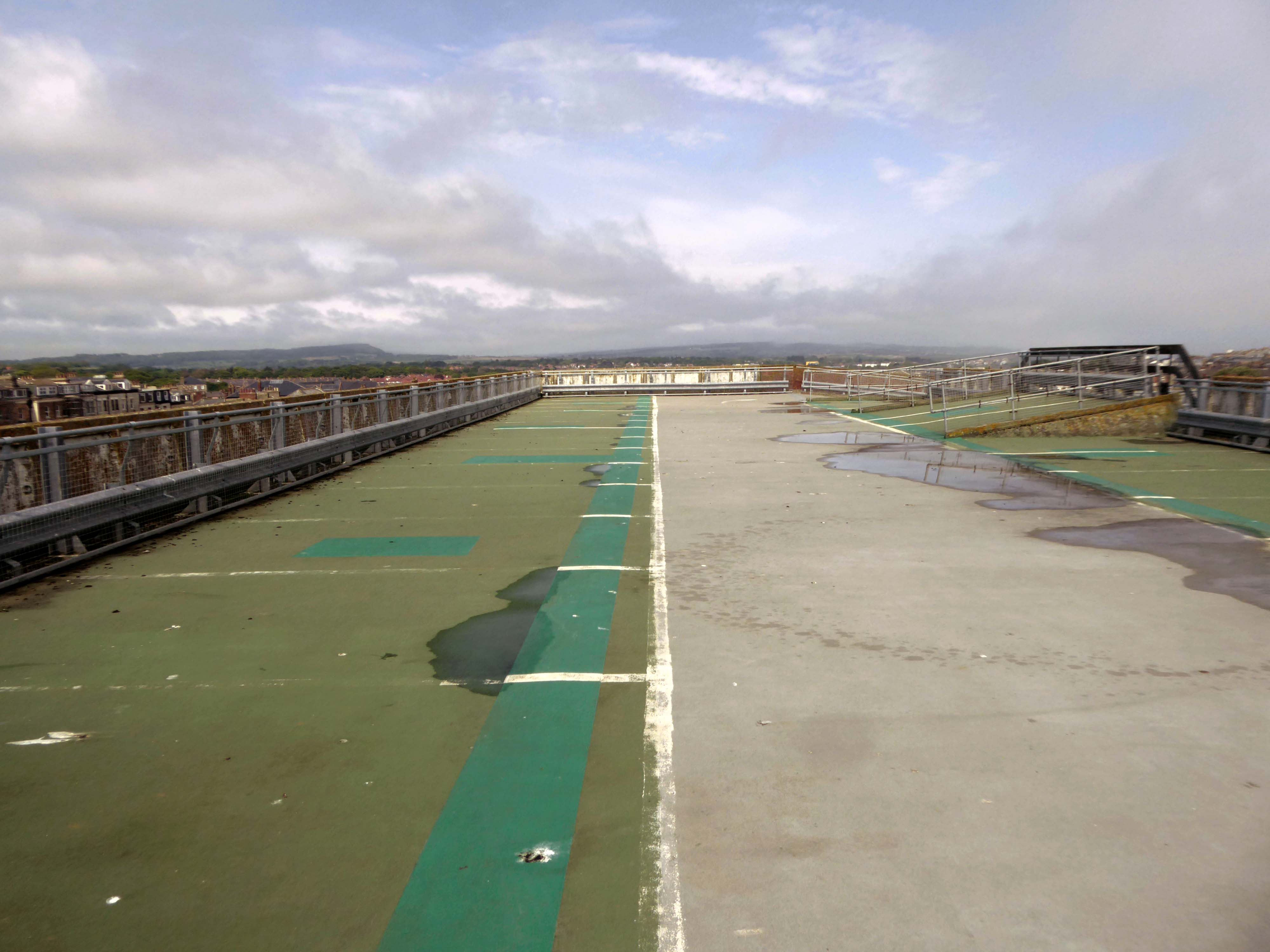
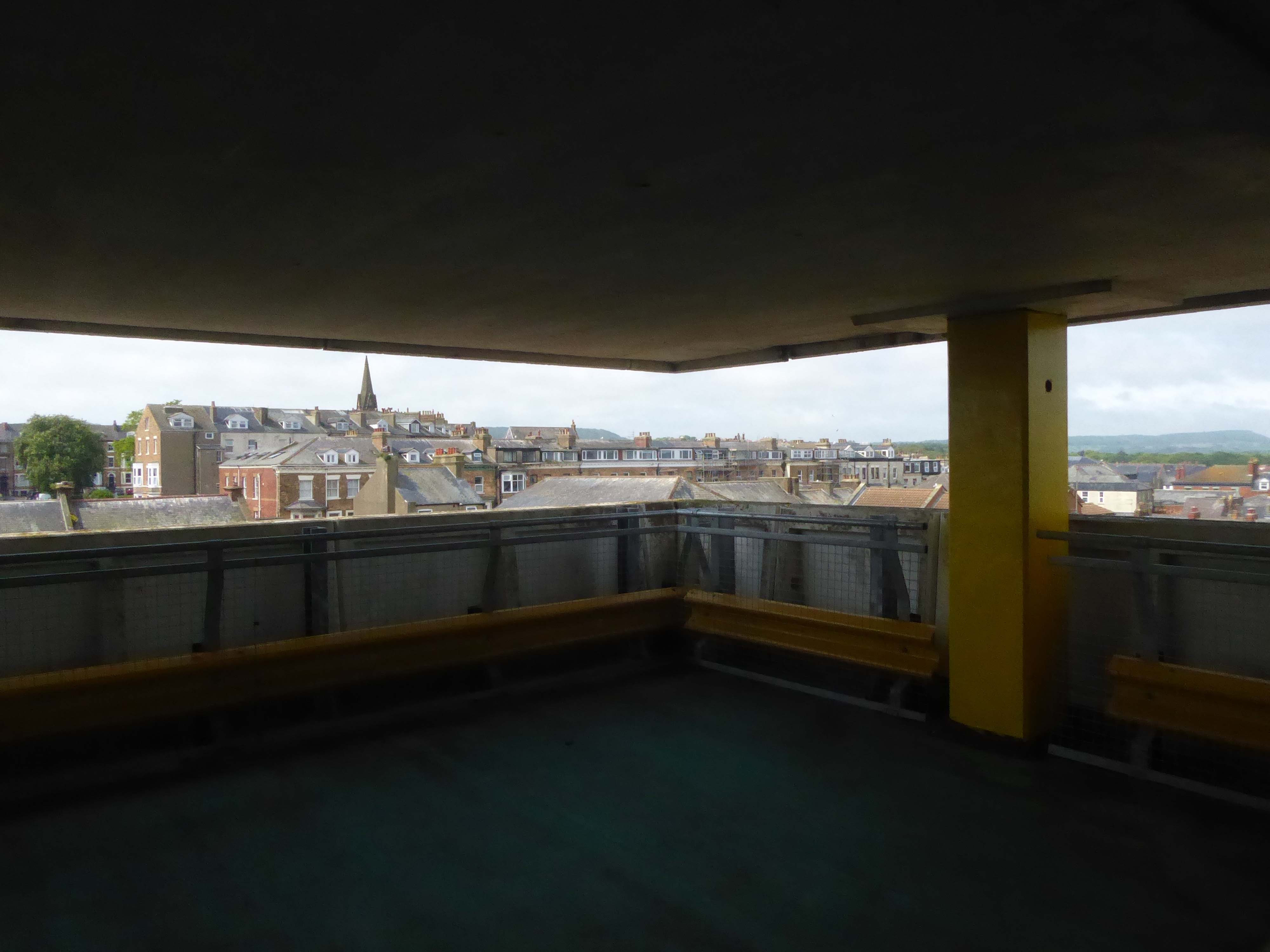
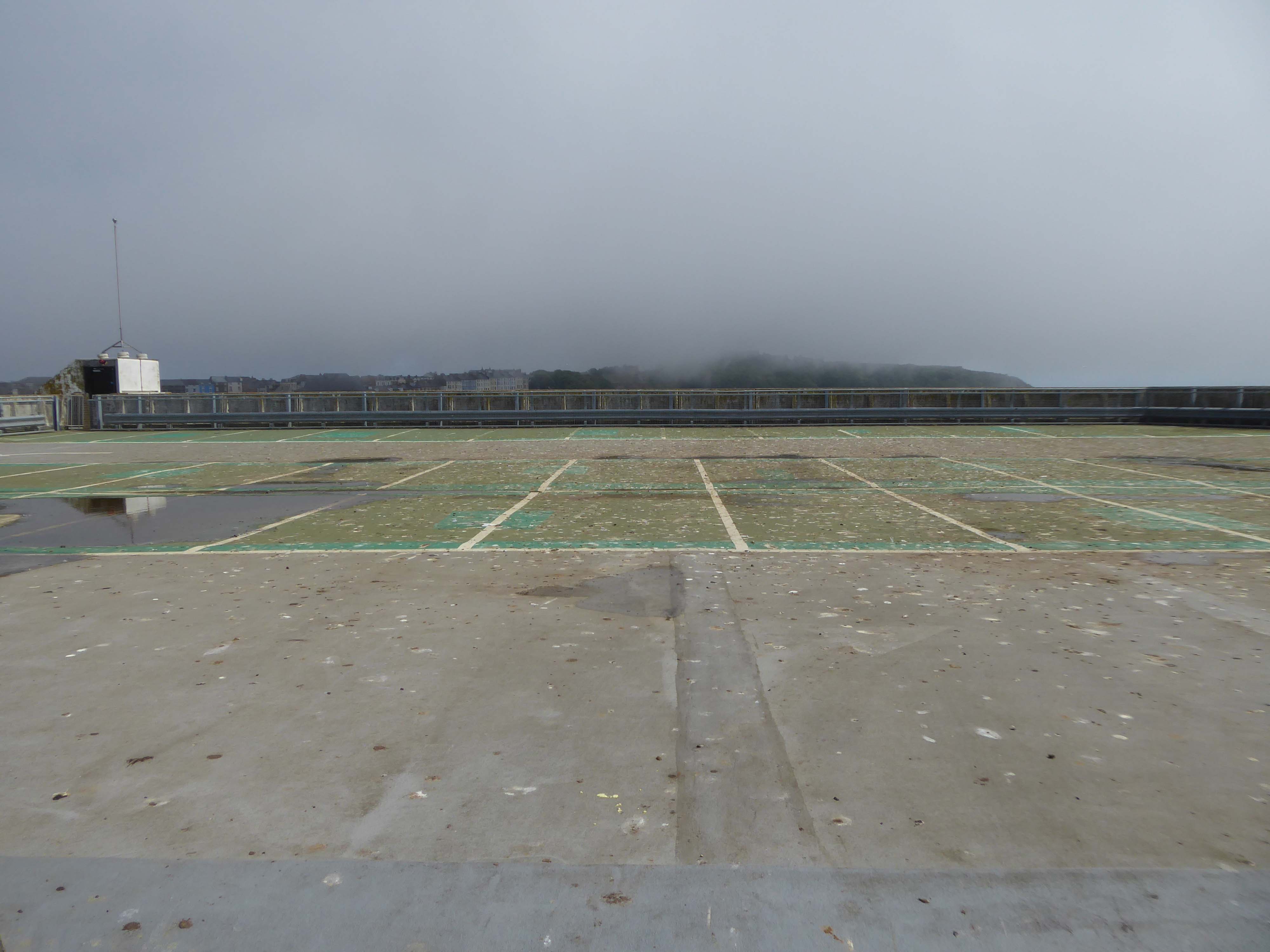
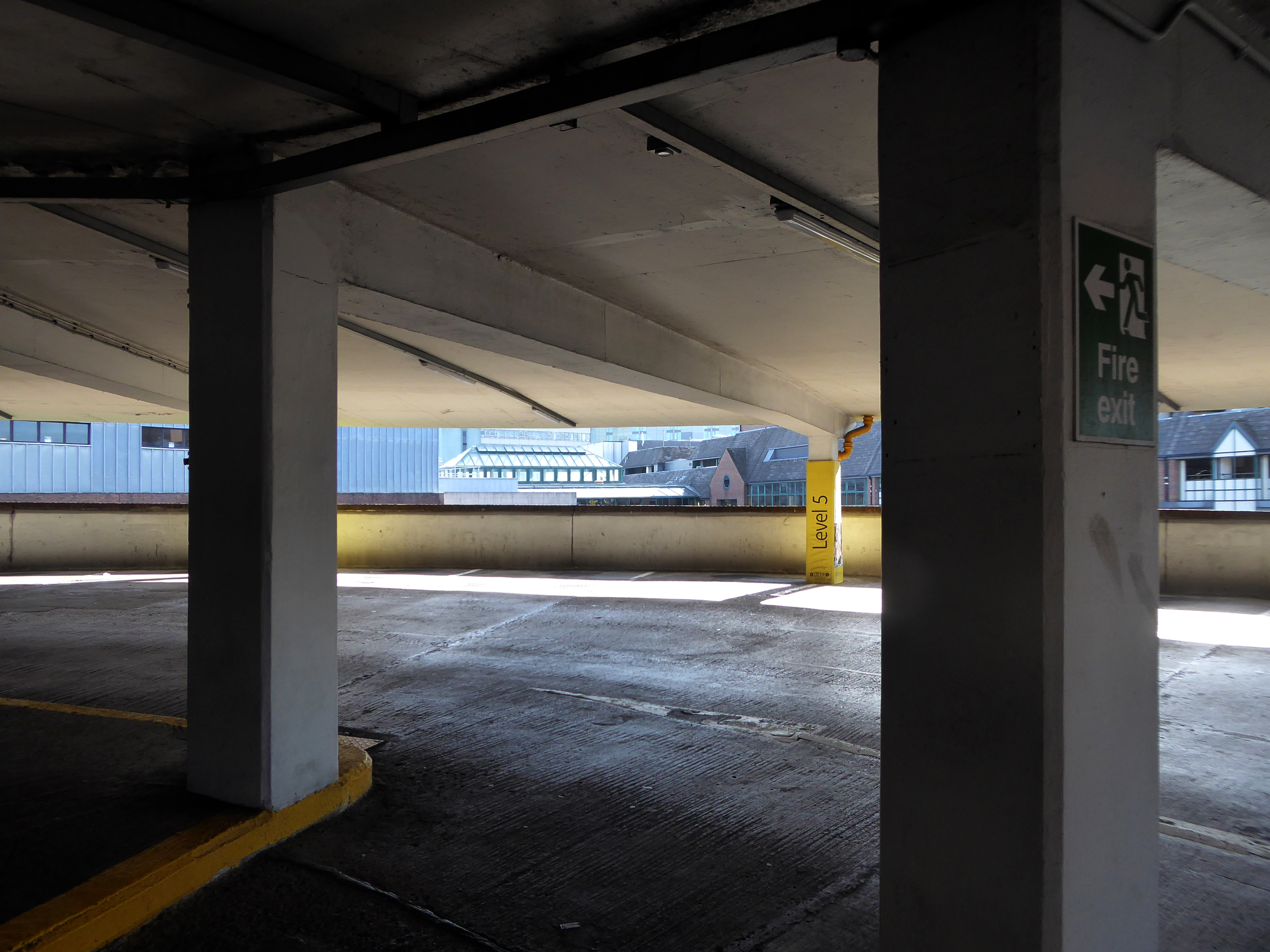
Up in the lift to level six – to the East it was misty, whilst to the West it was not.

Down another level and still not a sign of any cars.

Back up to the top of the world.

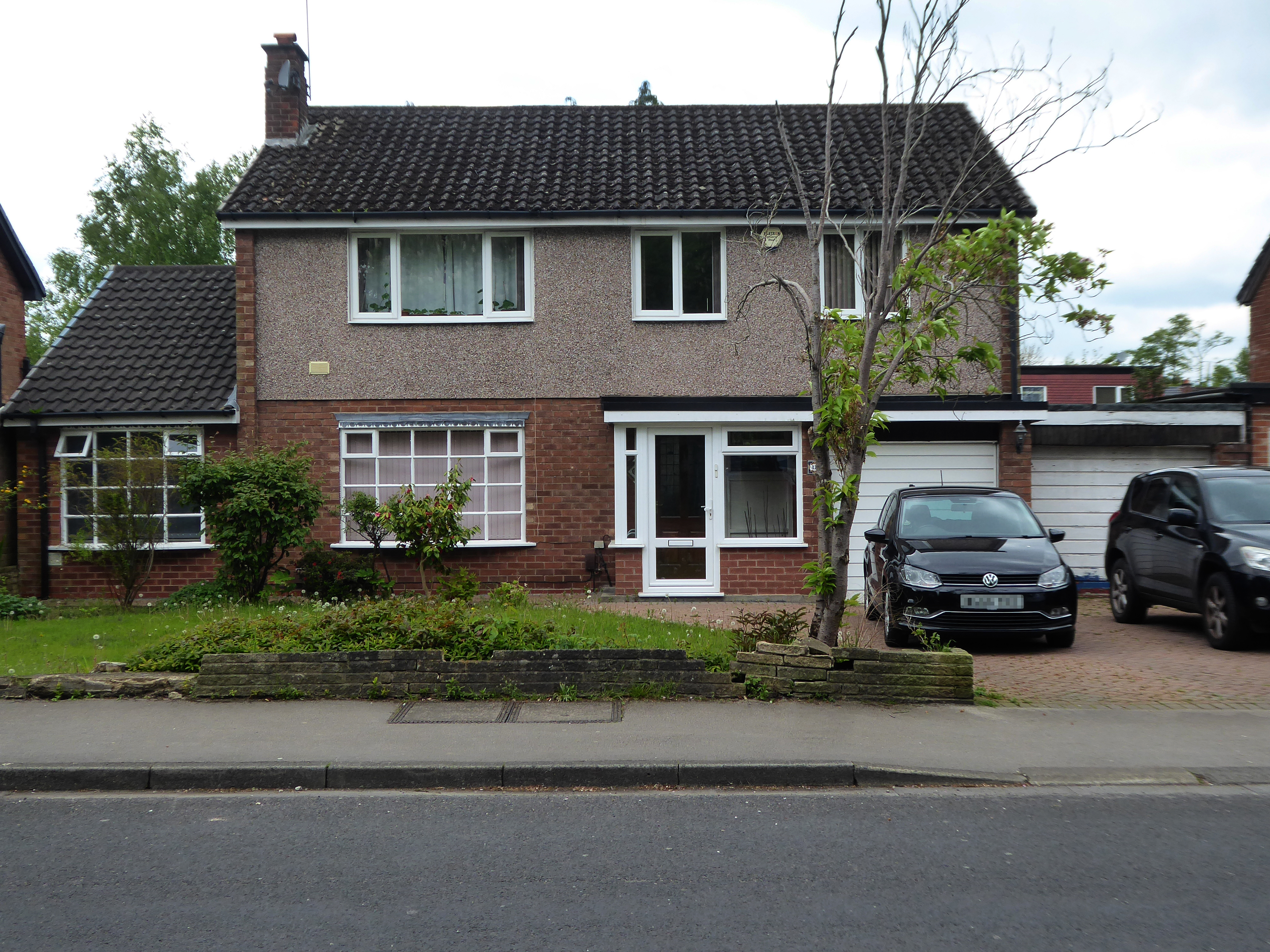
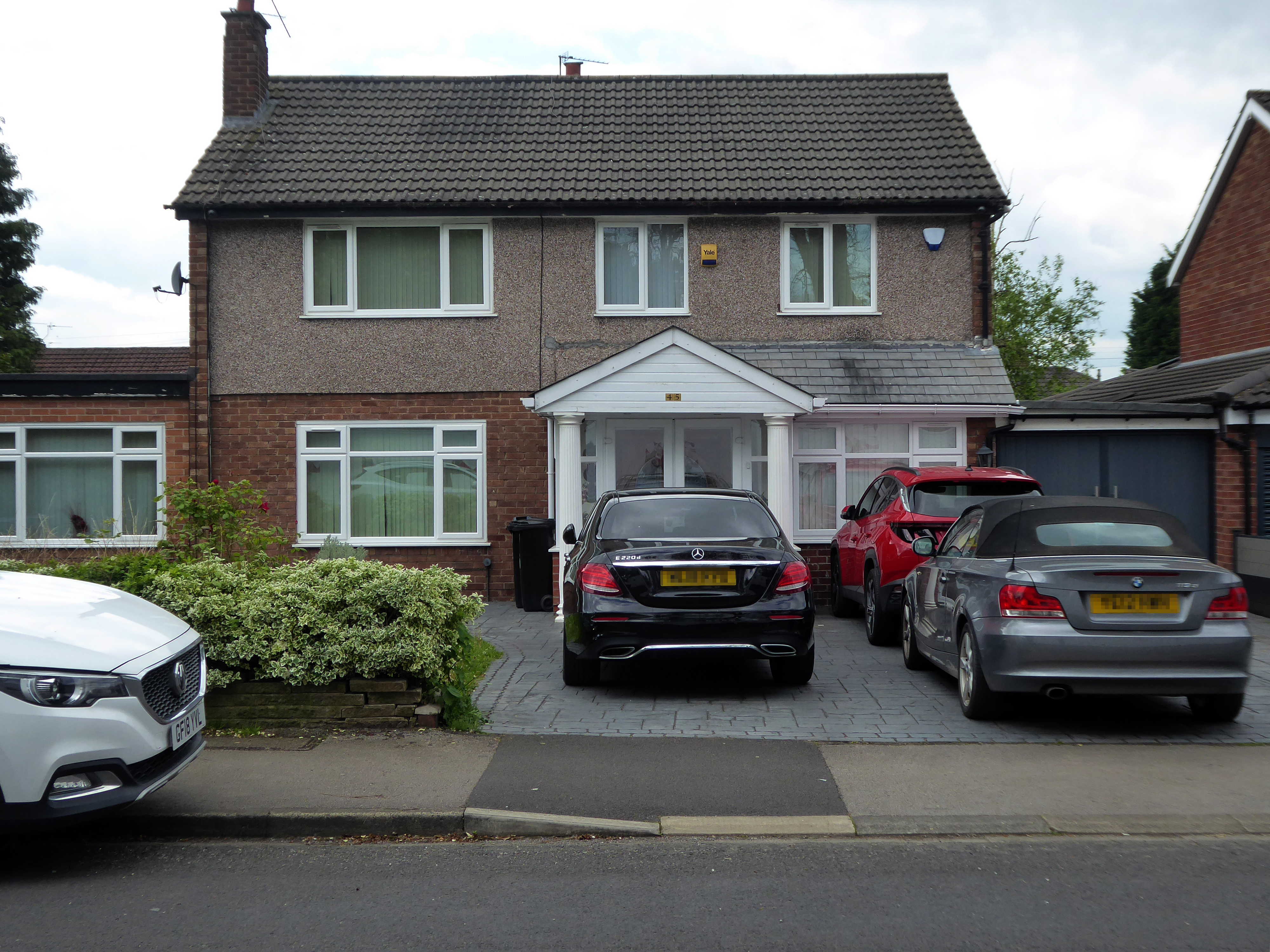
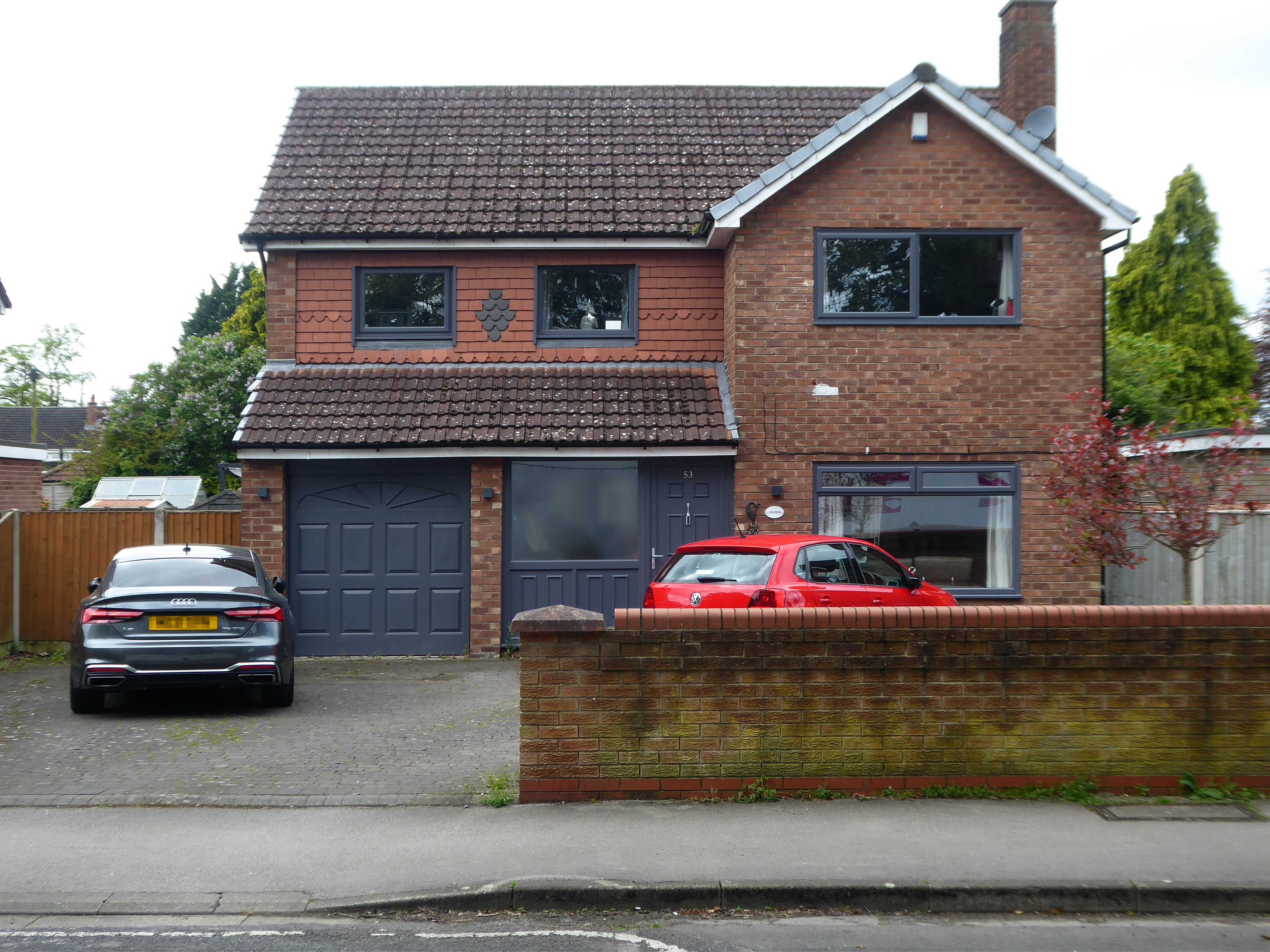
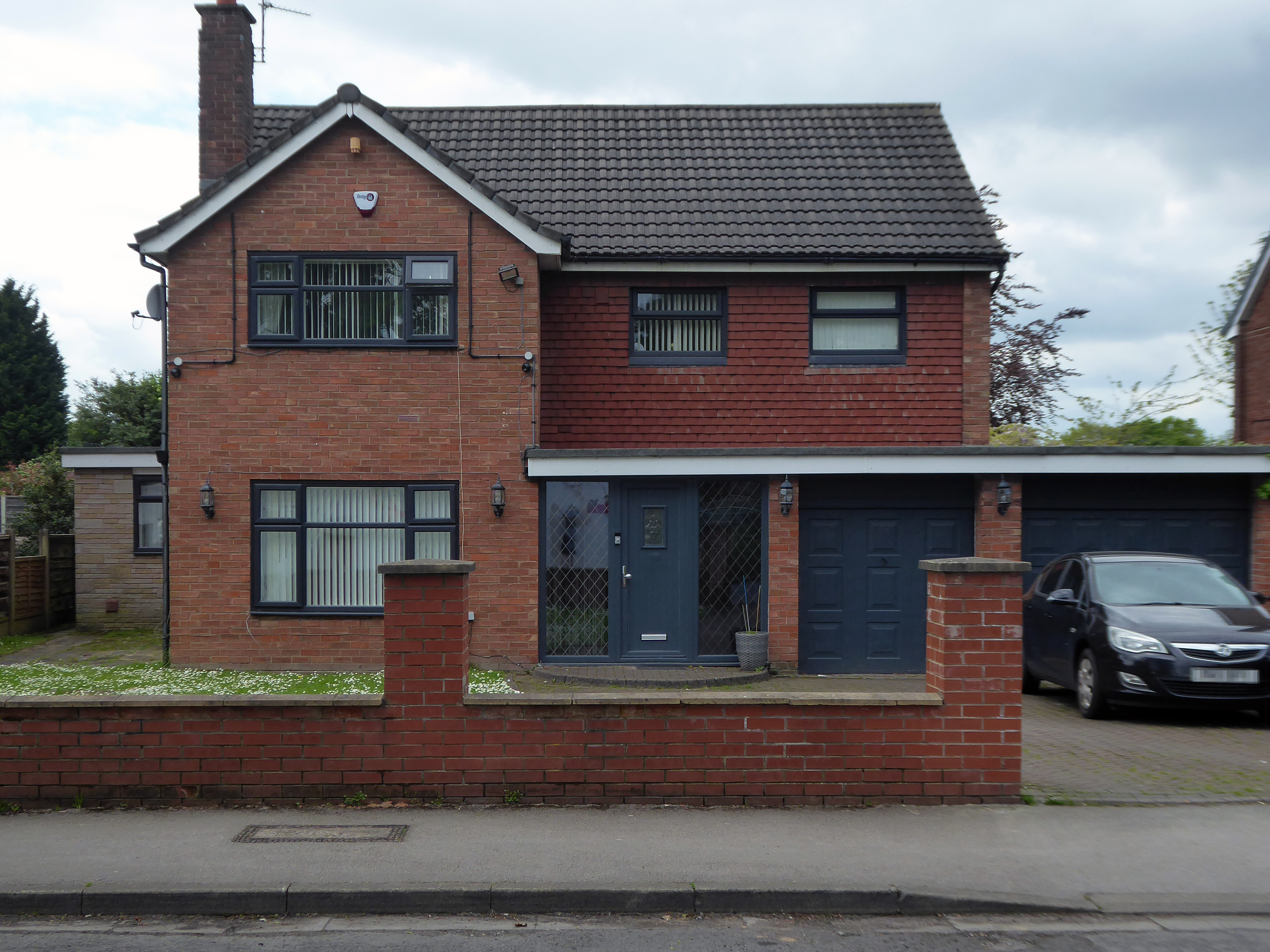
St Anns Road North – Heald Green

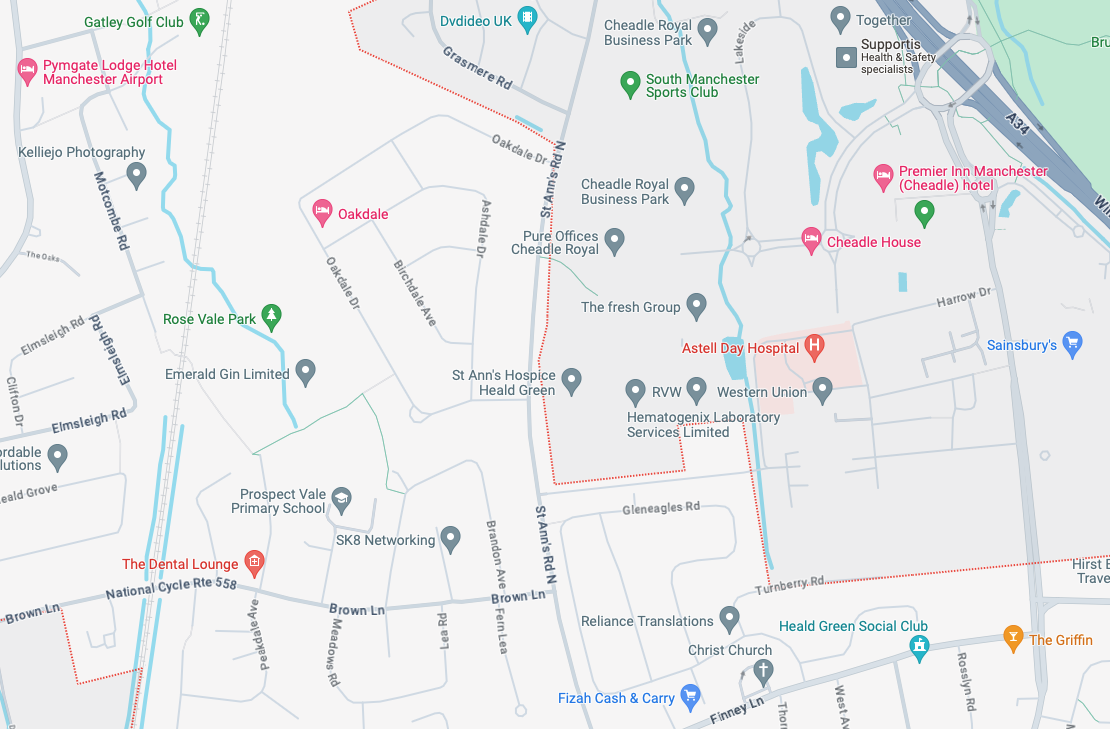
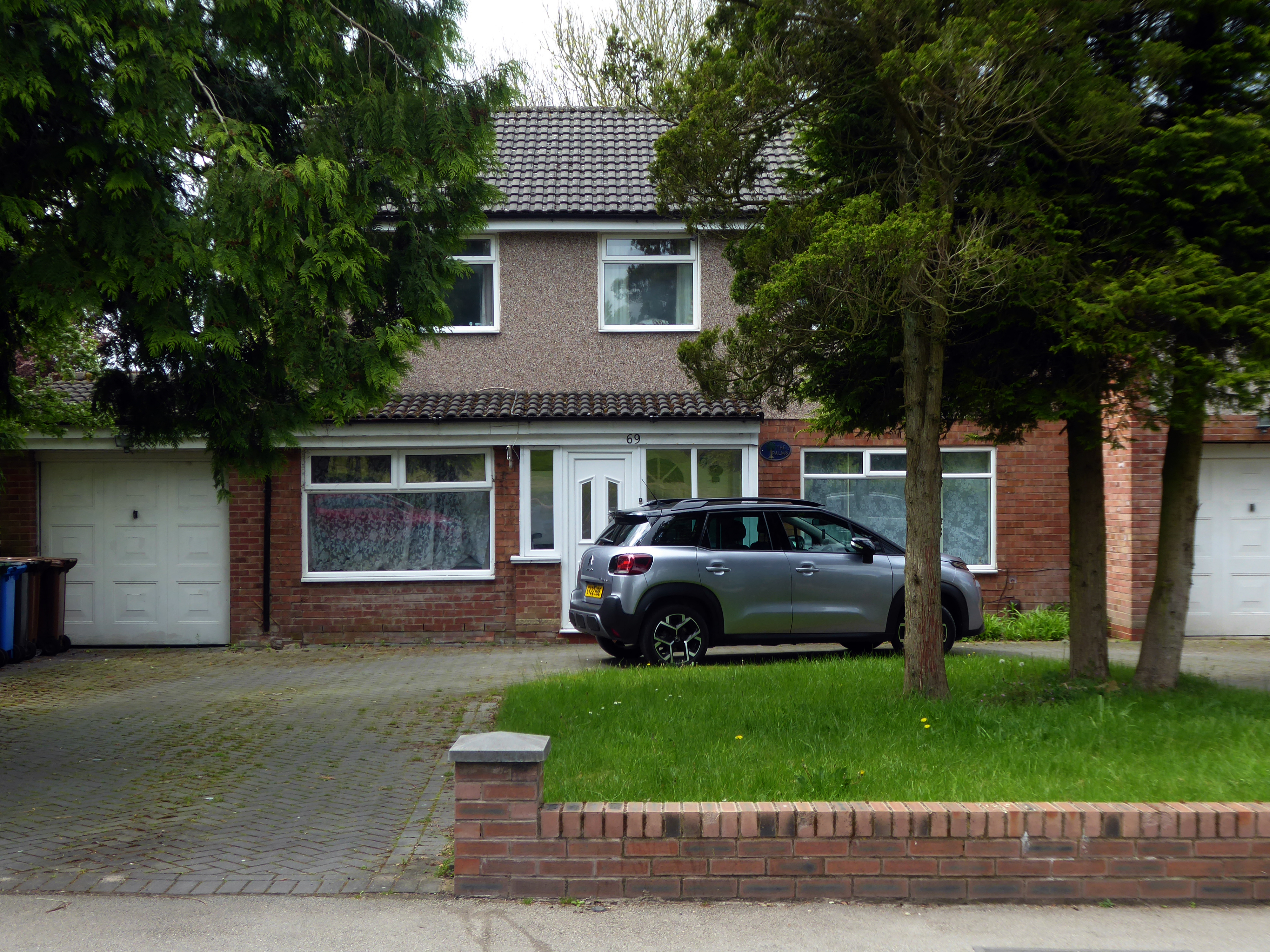
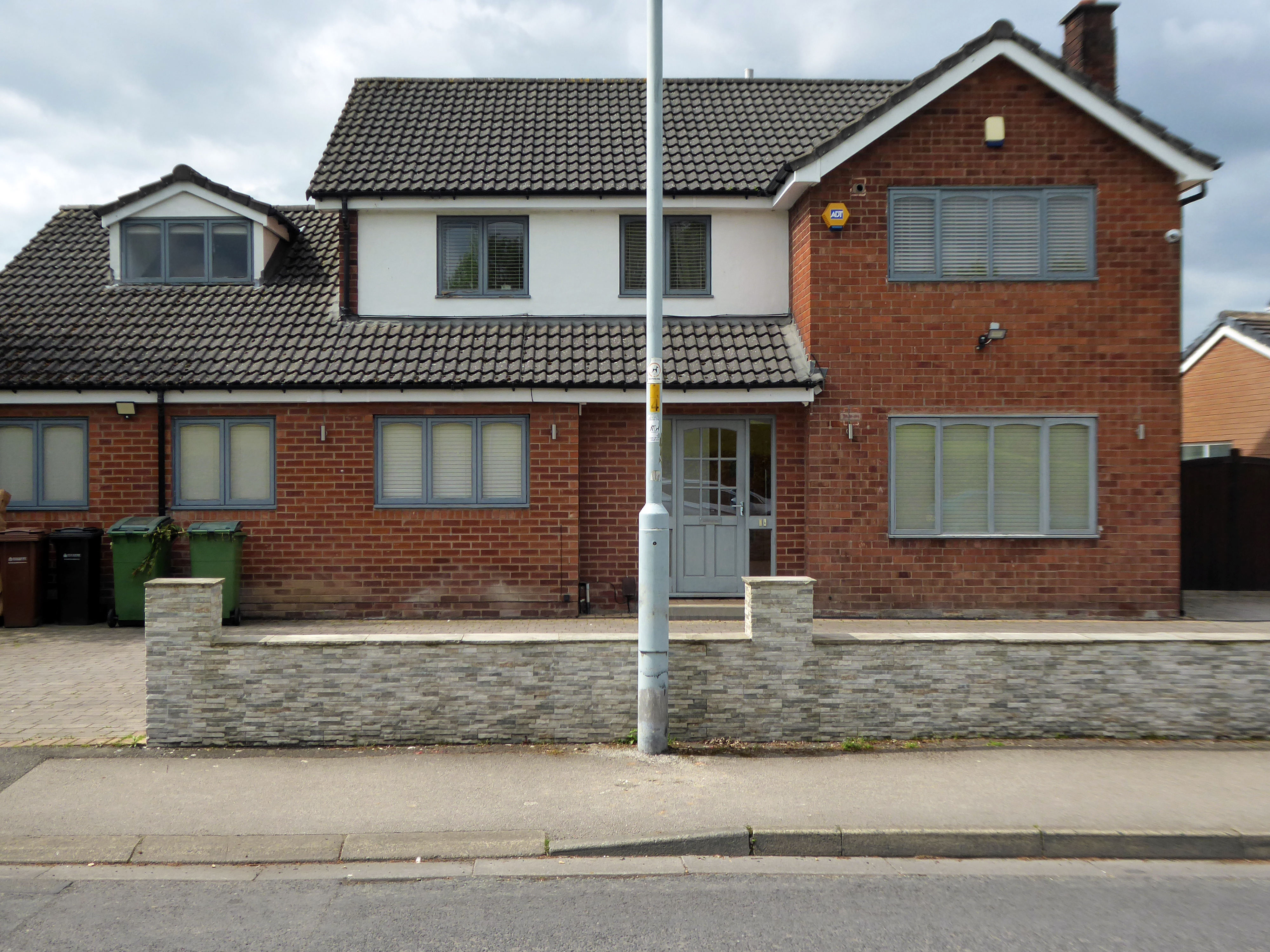
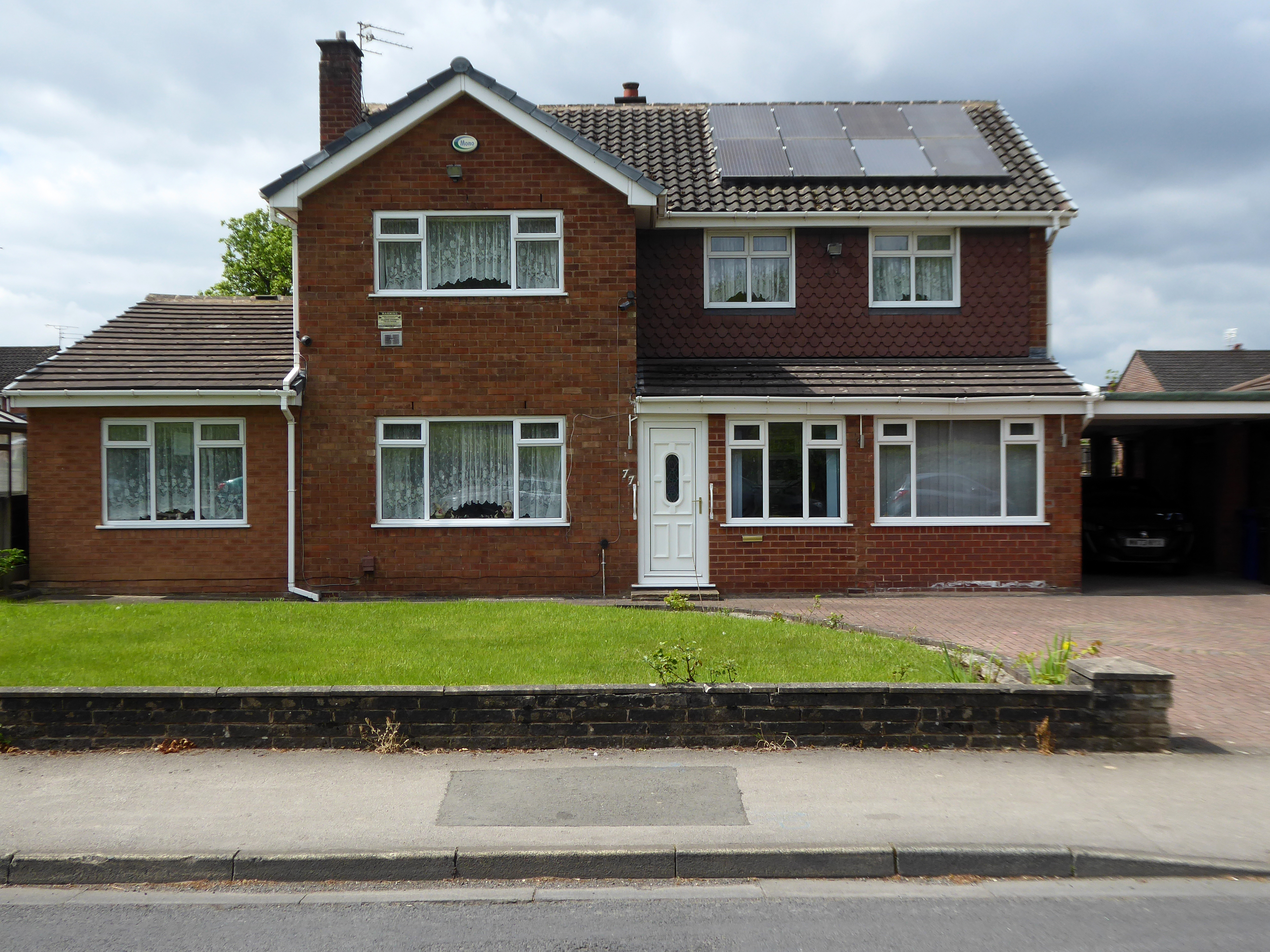
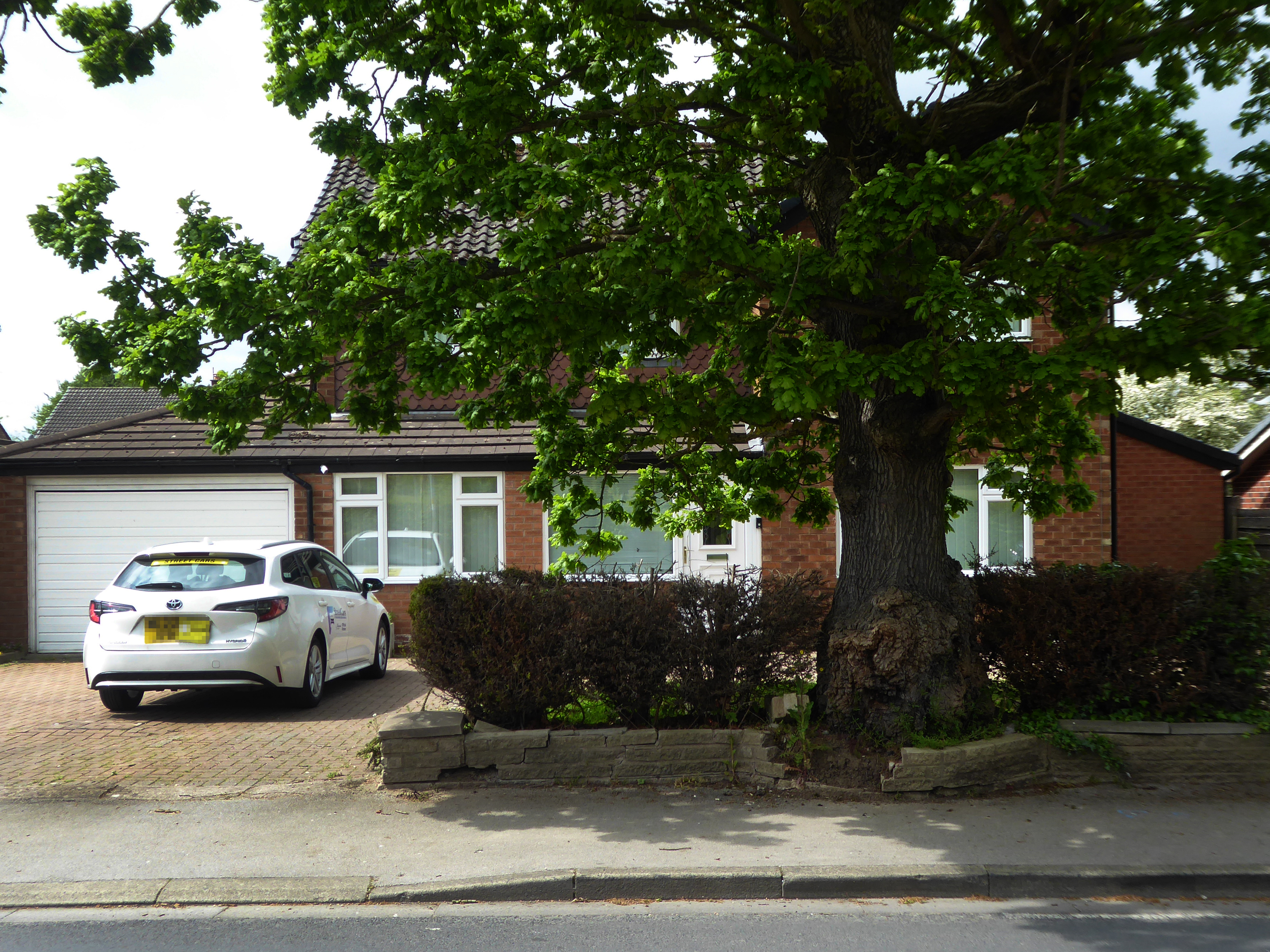
St. Anns Road North in Heald Green is in the North West region of England. The postcode is within the Heald Green ward/electoral division, which is in the constituency of Cheadle.

Streetcheck

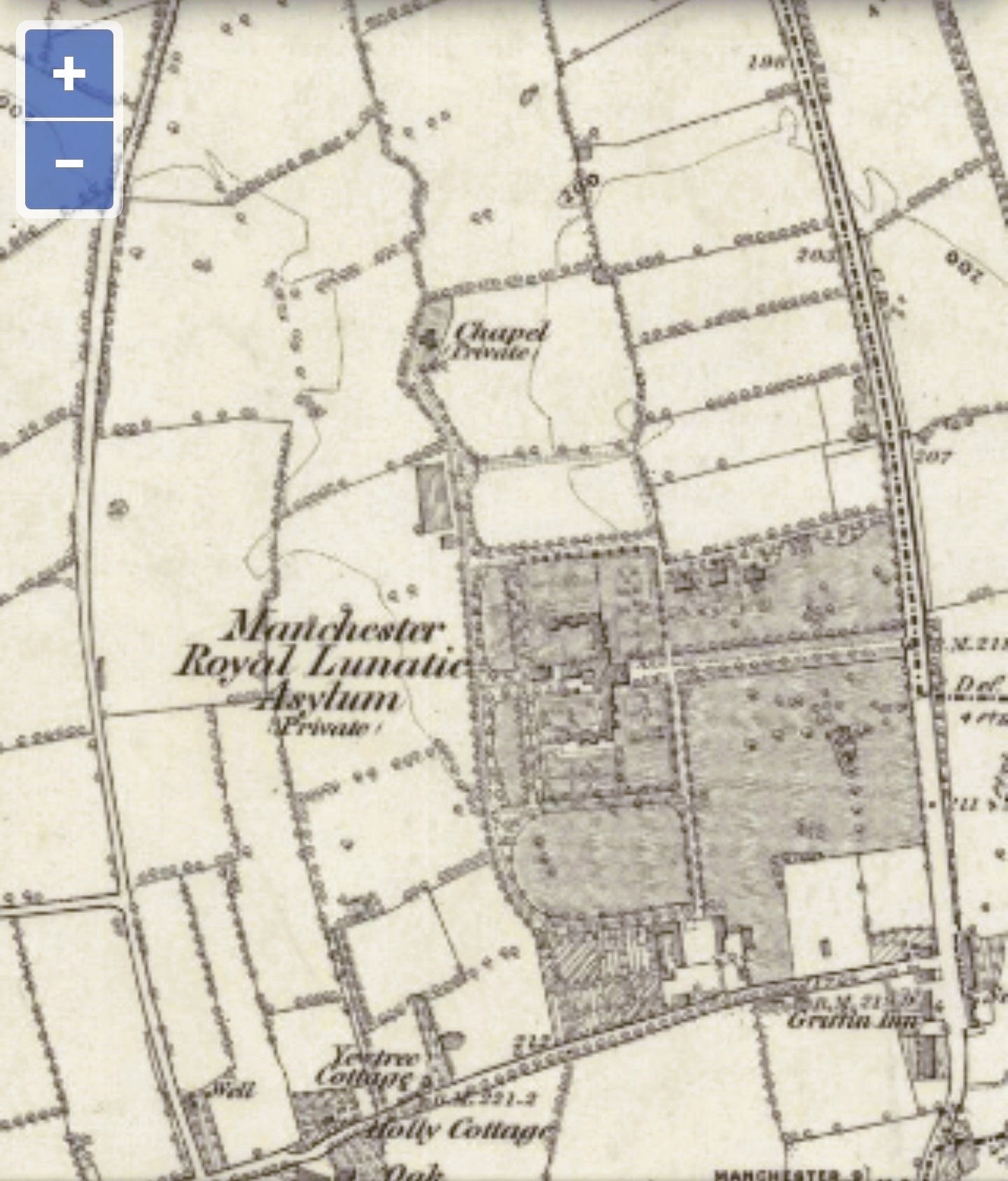
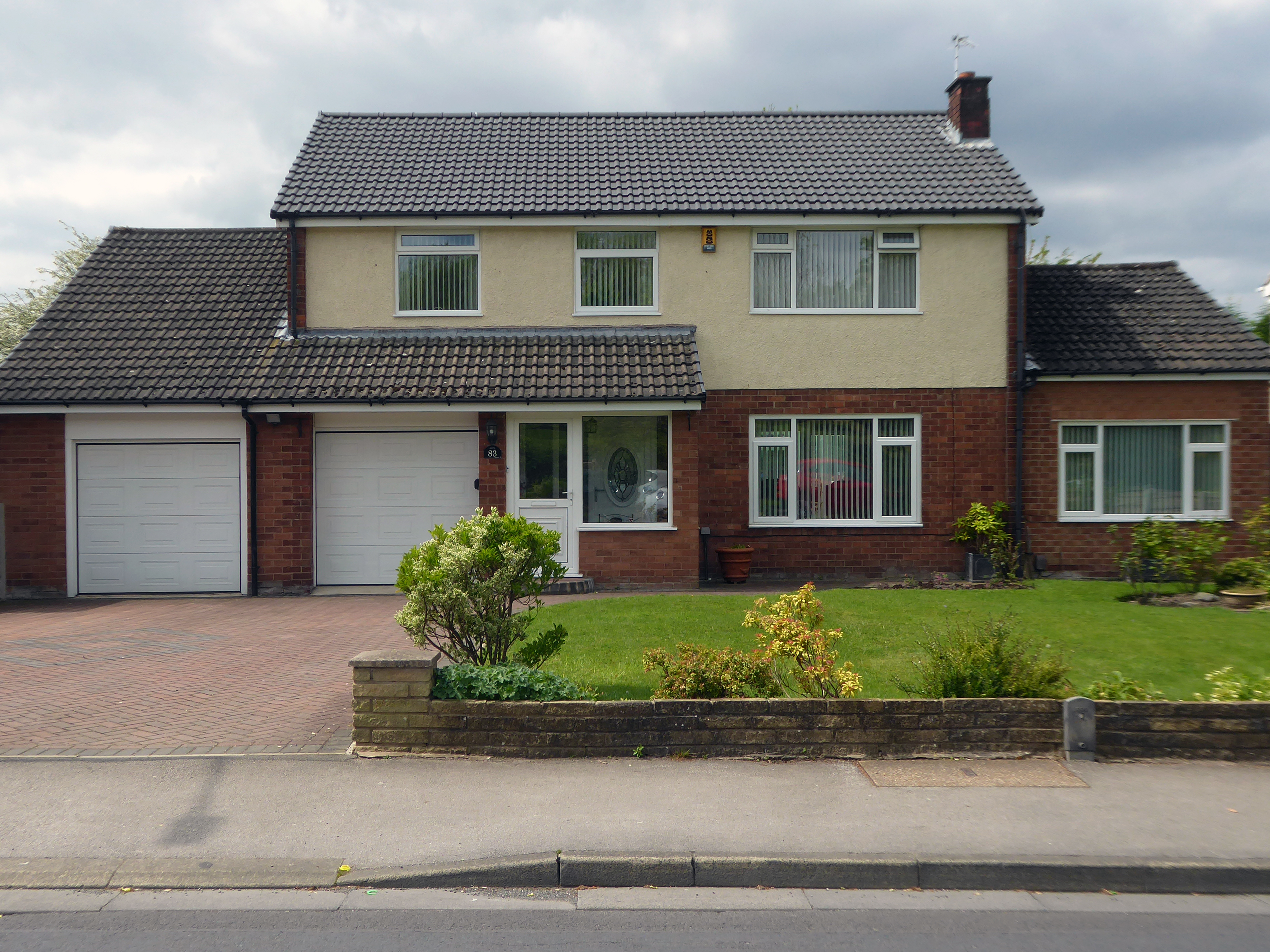
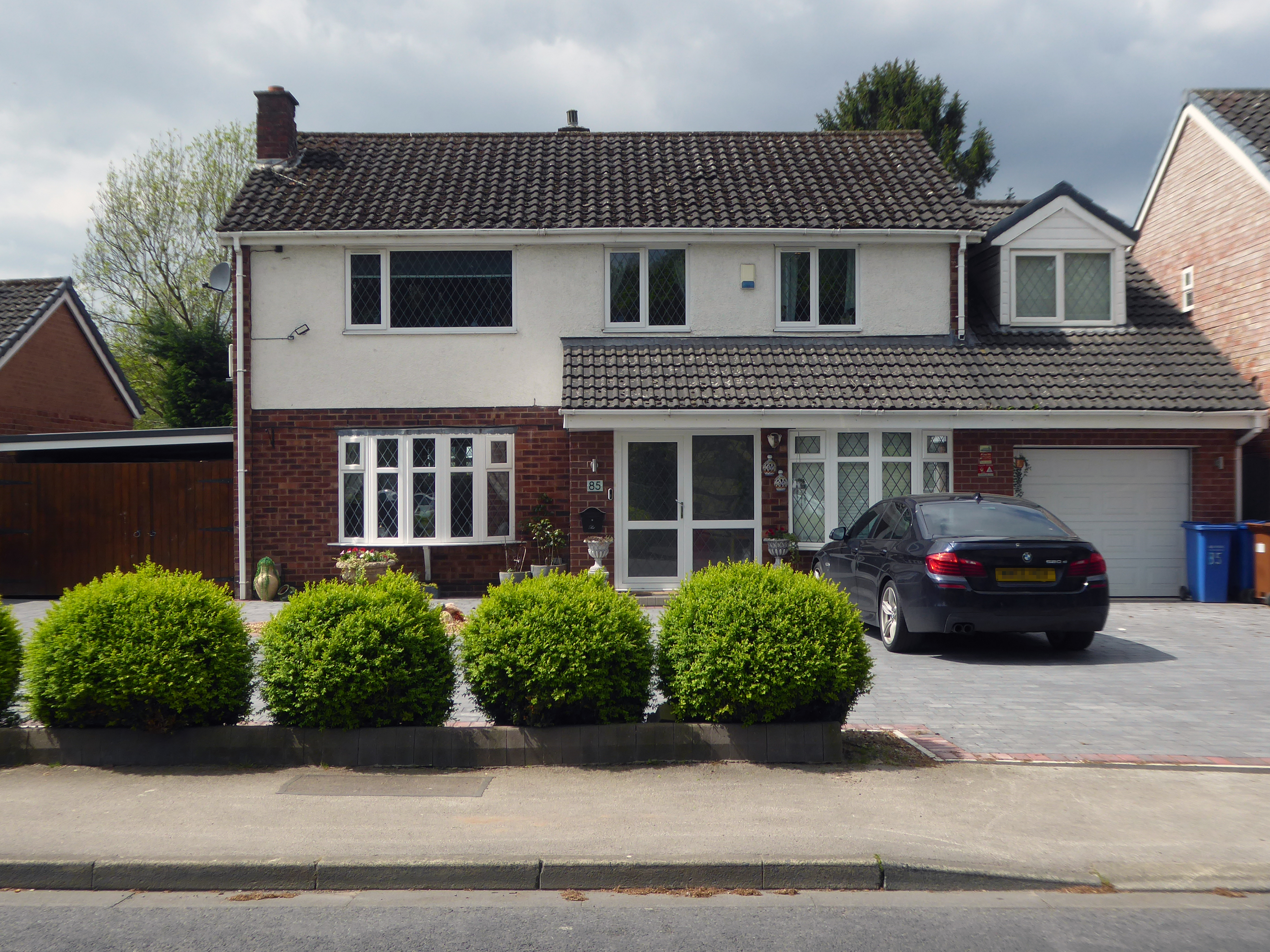
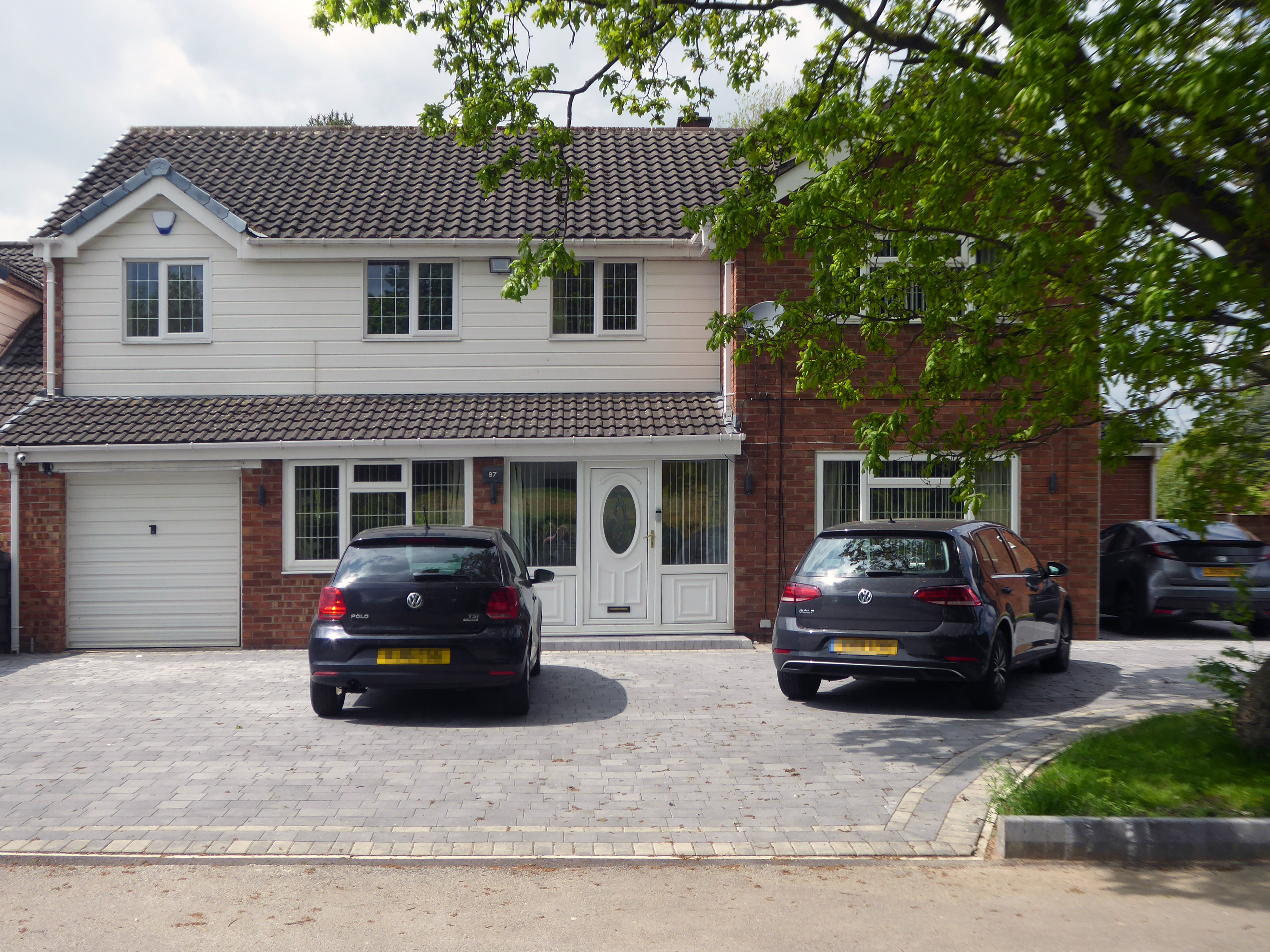
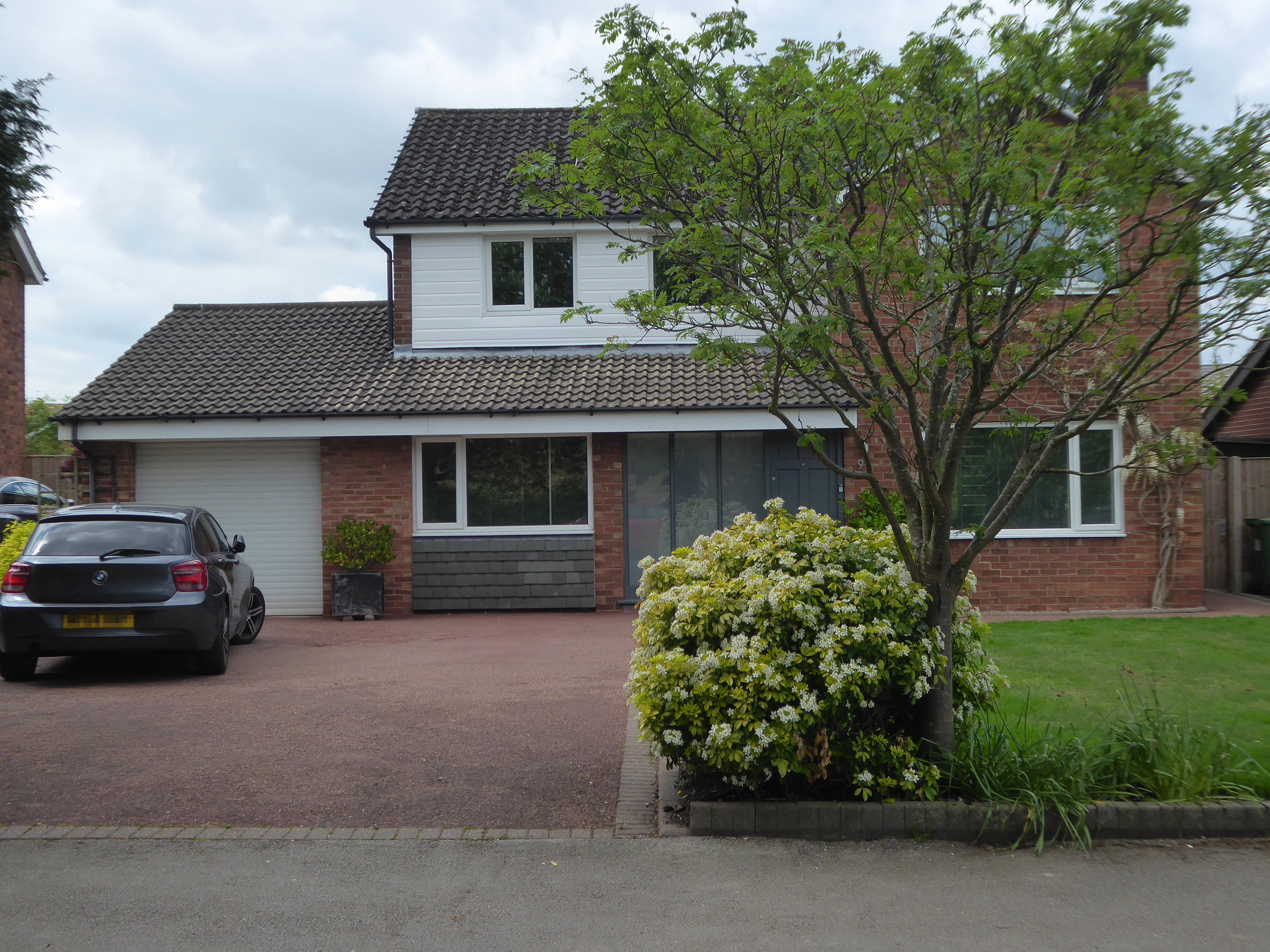
It literally was all fields around here once – save for a Lunatic Asylum and a cottage or two.

There is still a Griffin Inn, in which to sup yourself insensible.

I often cycle along here on my way to who knows where – today I stoped to take some snaps.

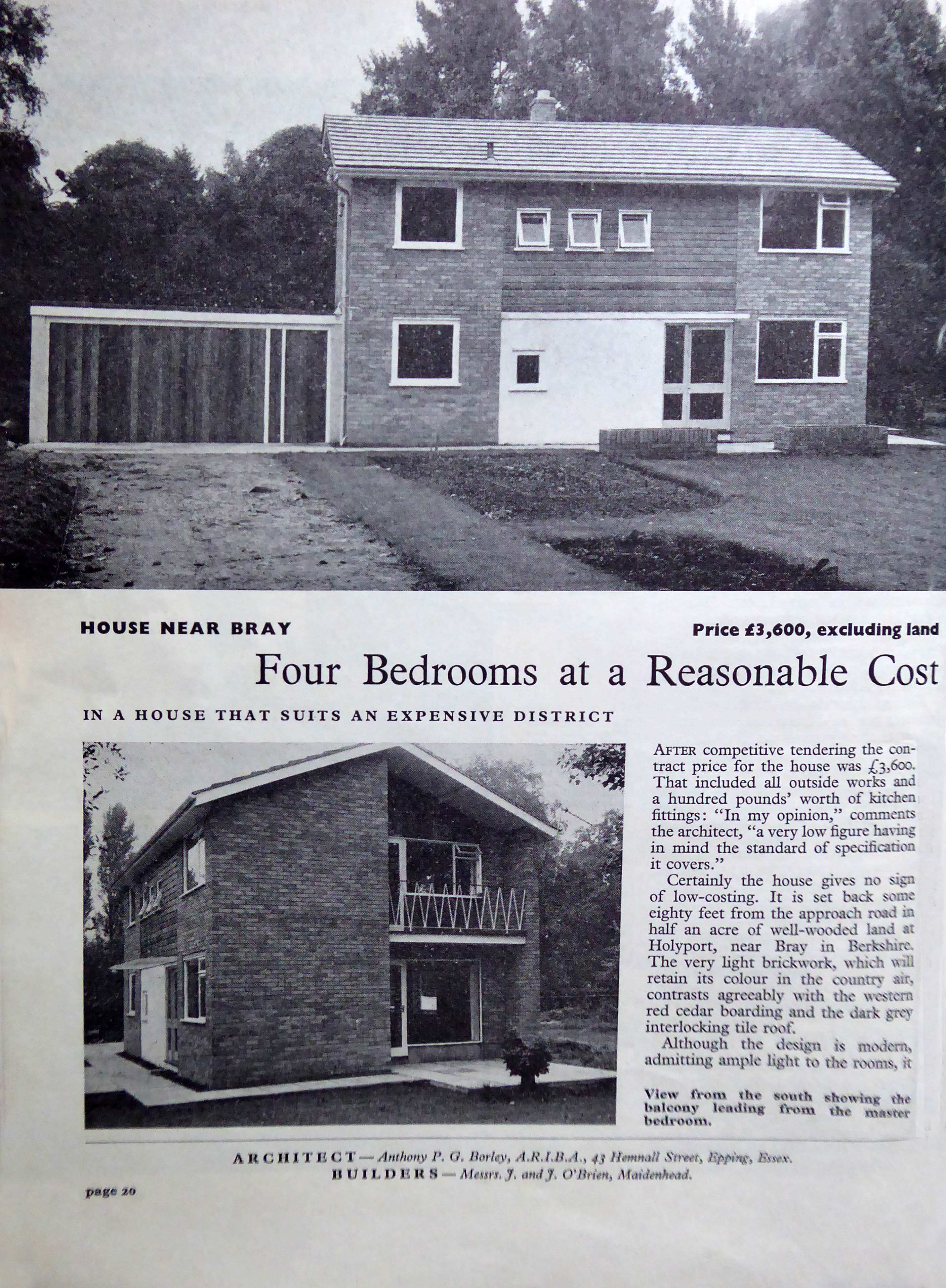
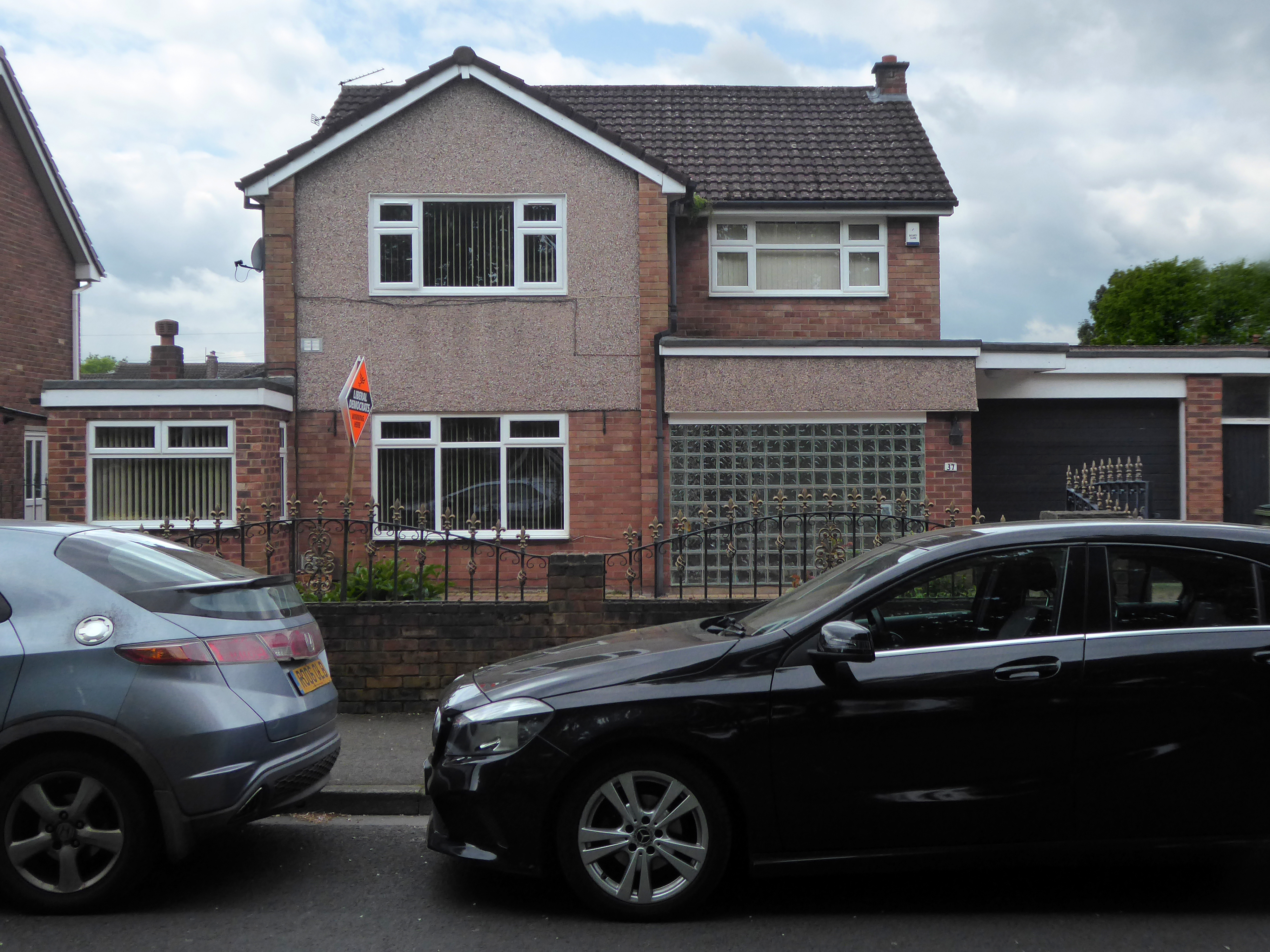
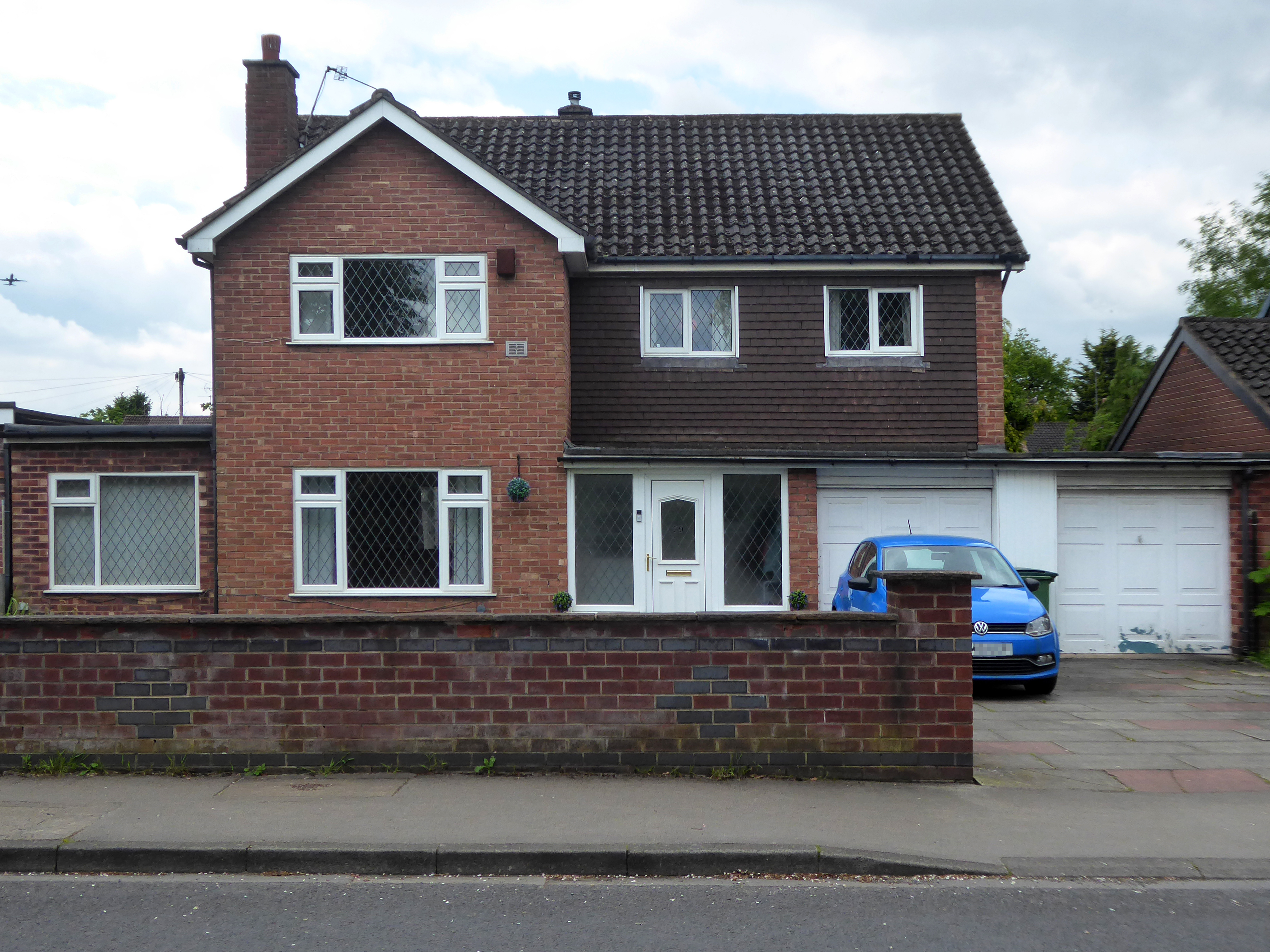
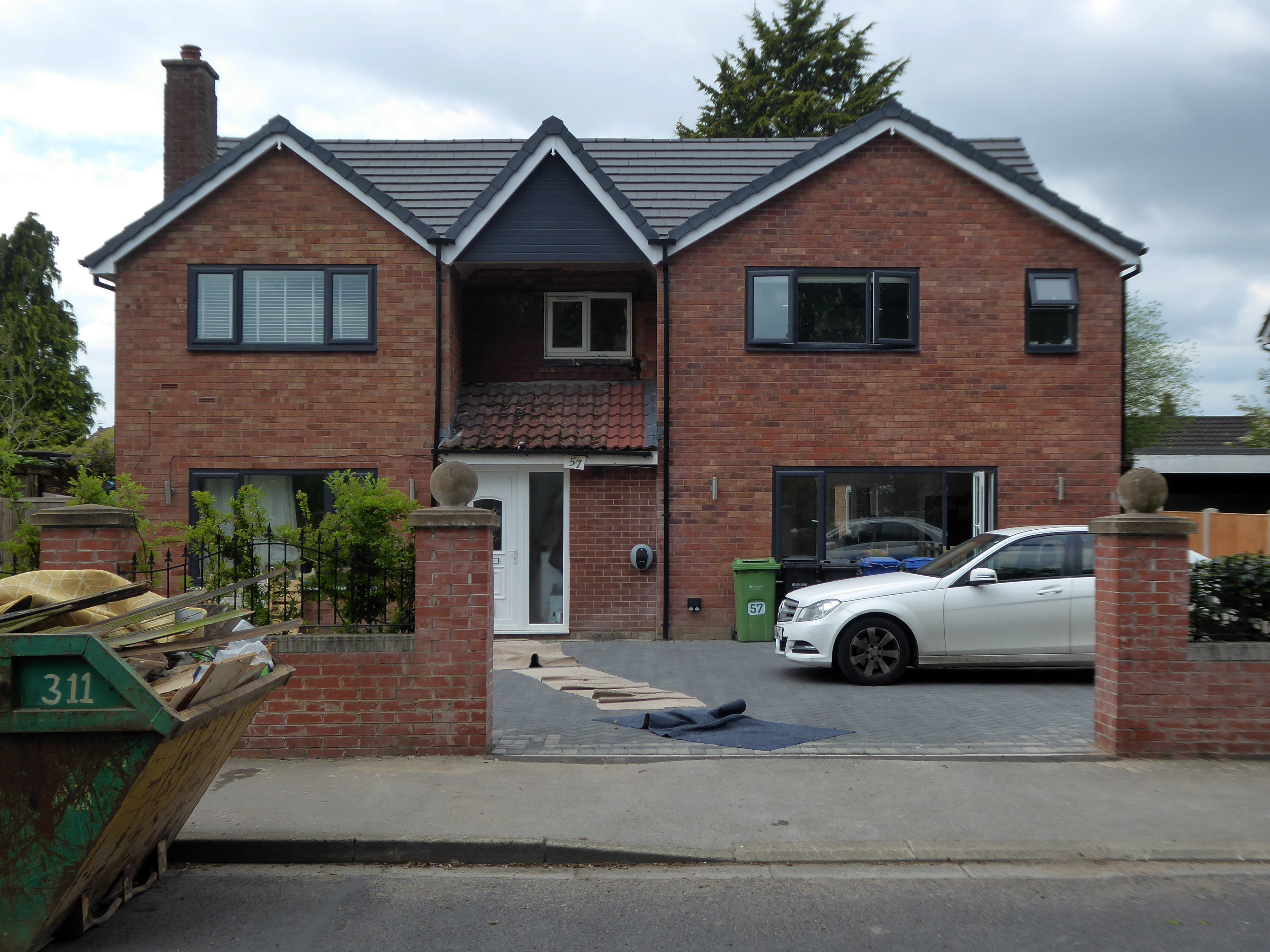
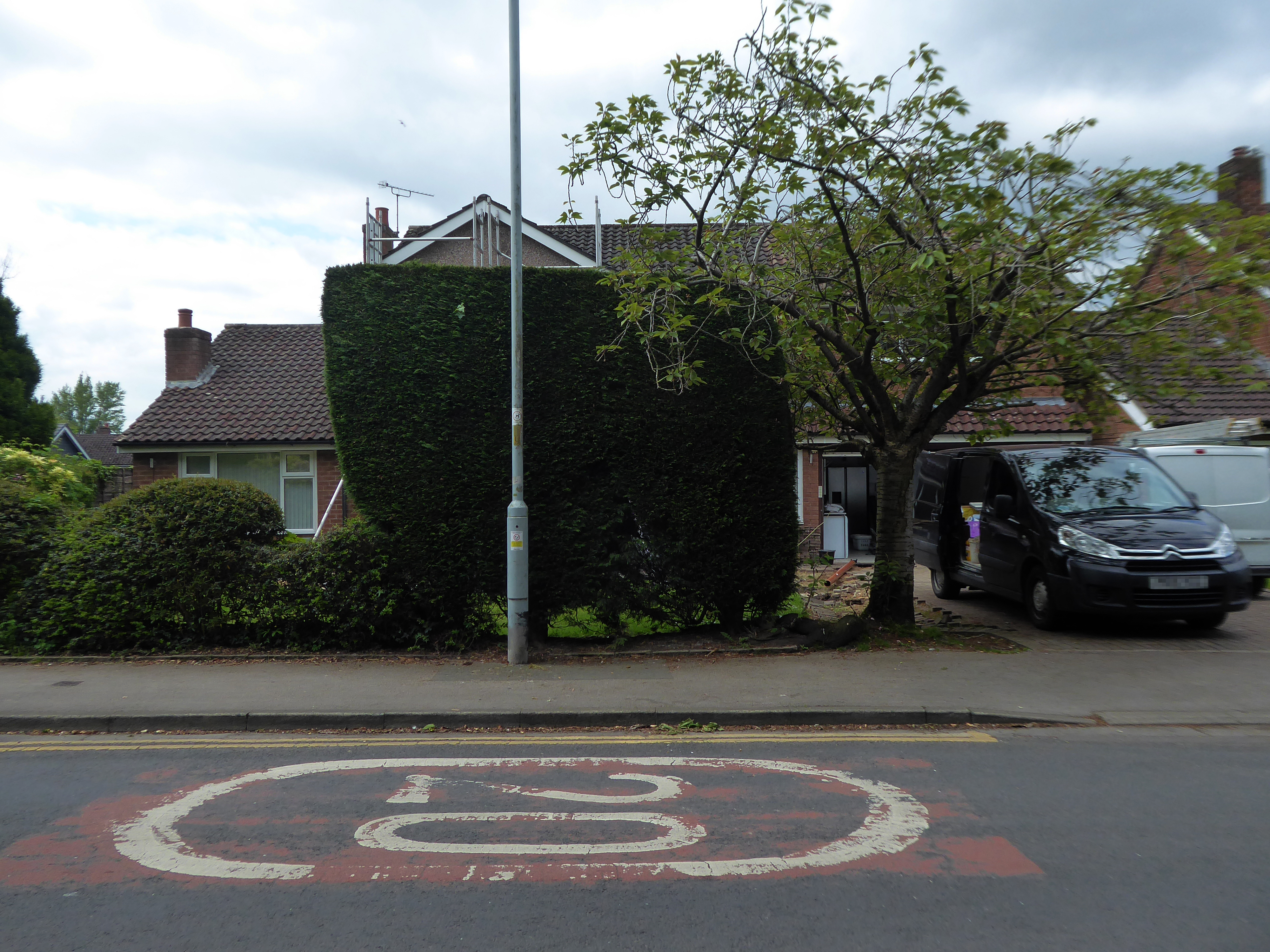
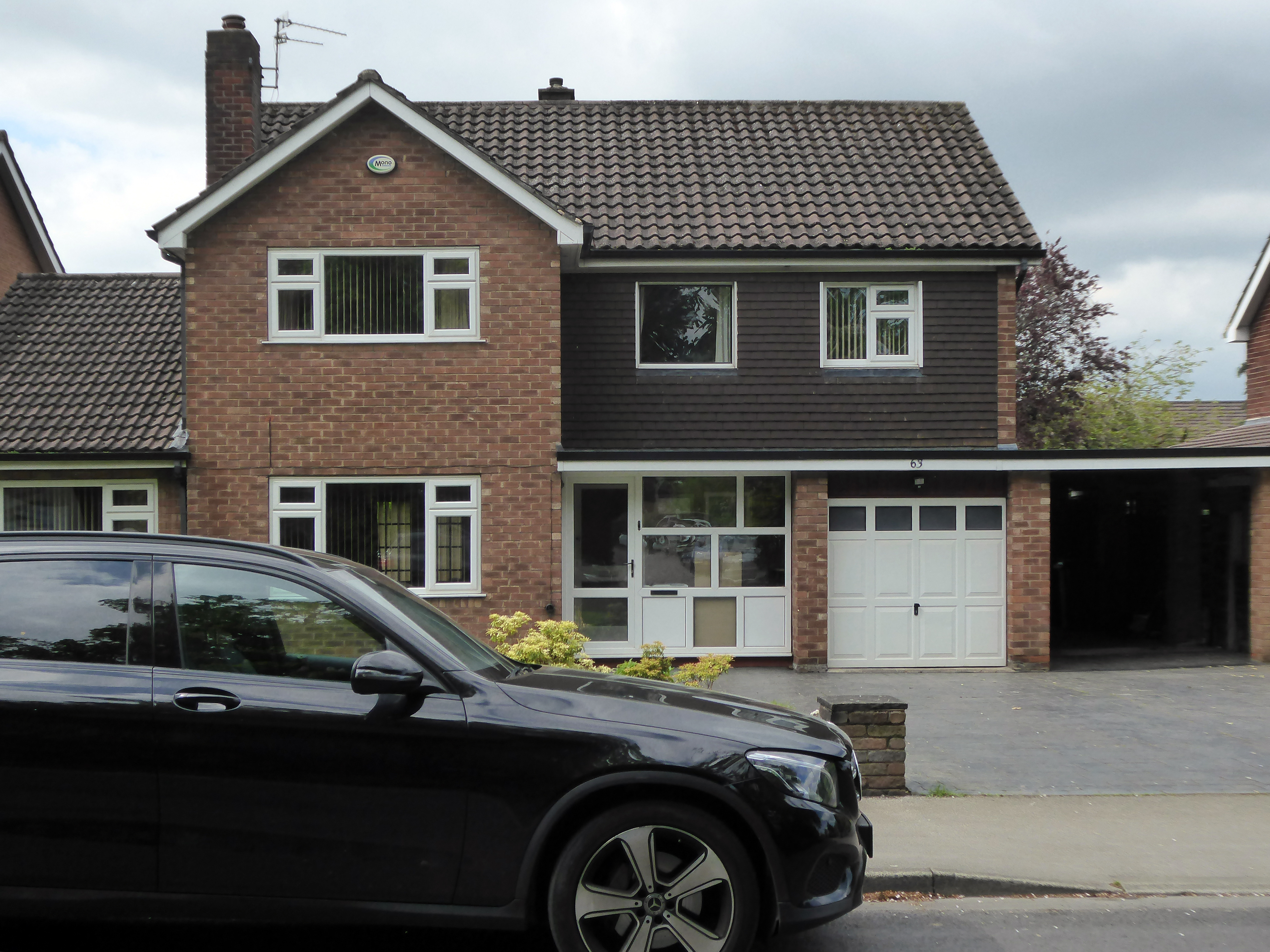
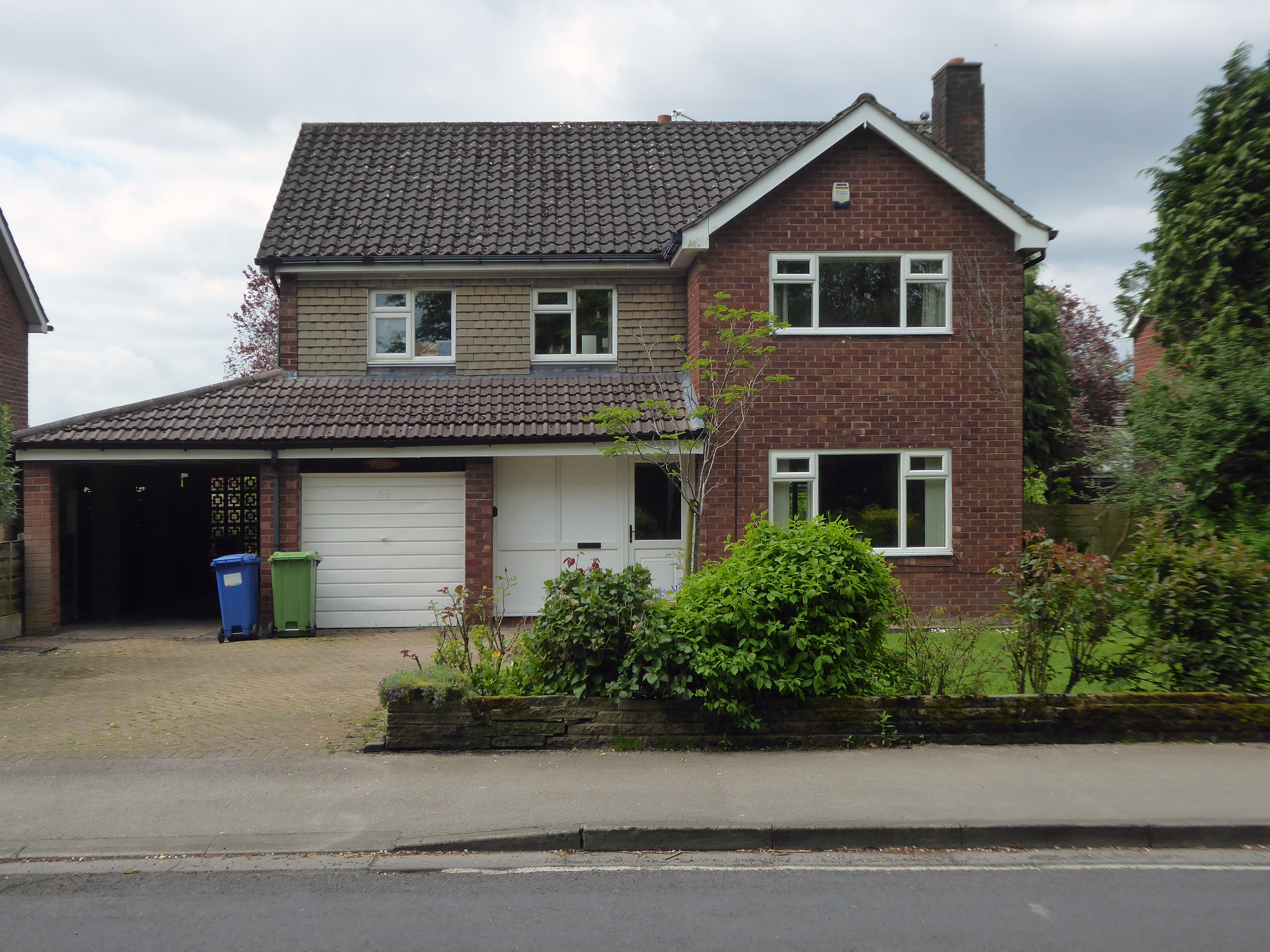
Having an interest in suburban housing its vagaries and typologies – I have recored Penrhyn Bay several times, along with Woodford, Whitley Lodge Estate, Killingworth, and East Didsbury.

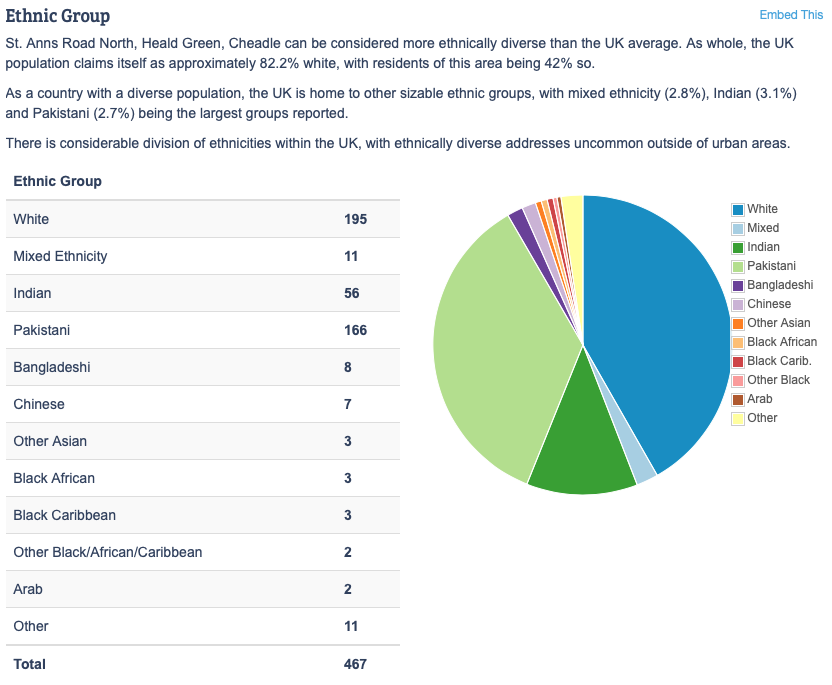
This area was once described to me as built by Cowboys for Indians – though statistically there are more Pakistani residents.

This is a dormitory suburb of Manchester and nearby Stockport and is oh so close to the airport, polite and professional well presented and aspirational.

Once this was a Modern paradigm.

Subsequently the plaything of the upwardly mobile – extending in all directions, adding period details way out of period, or embracing the current vogue for the refined and smoothly rendered grey-ification of their homes.

Welcome to the land of the performance vehicle, impressive impressed drive, carriage lamp and bay window, overlooking a well clipped lawn.