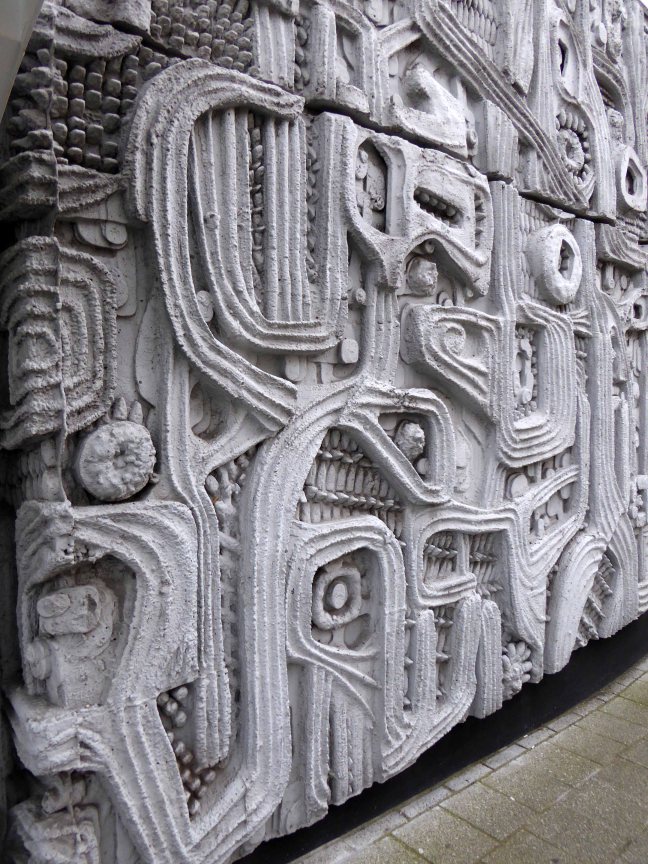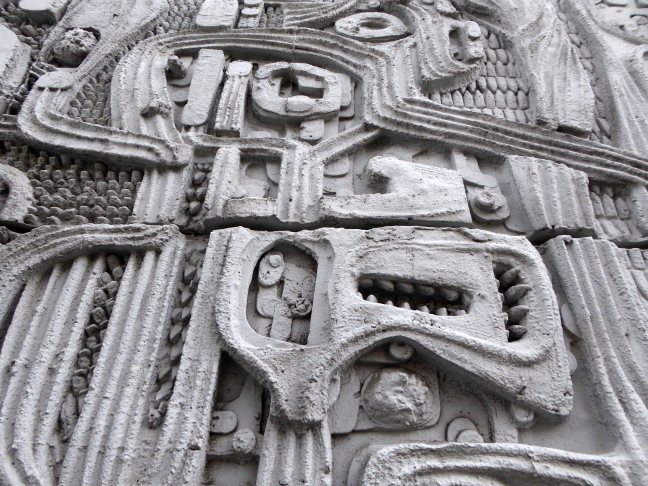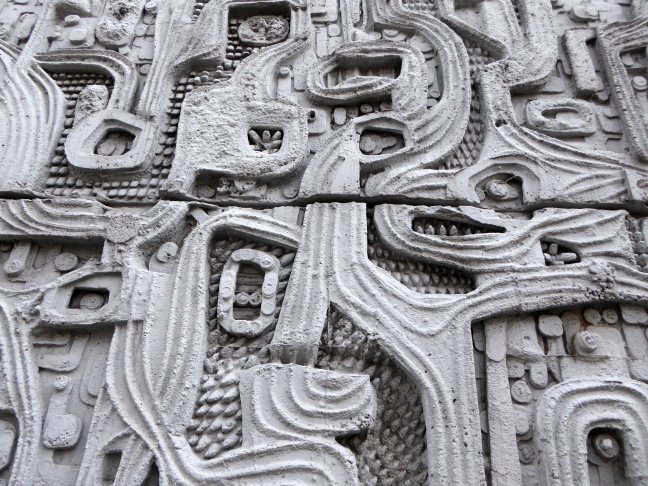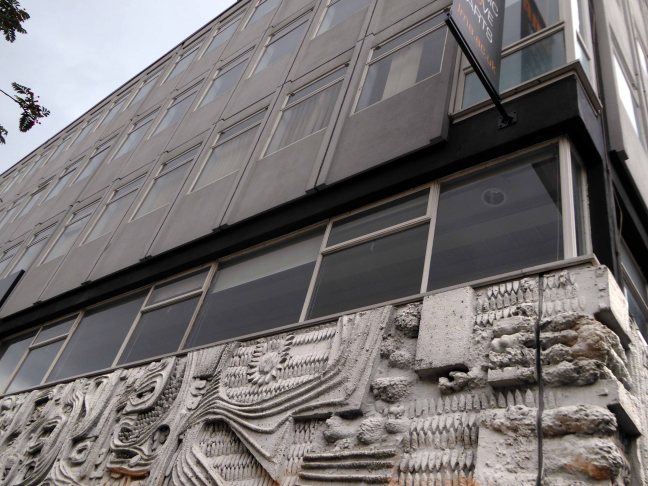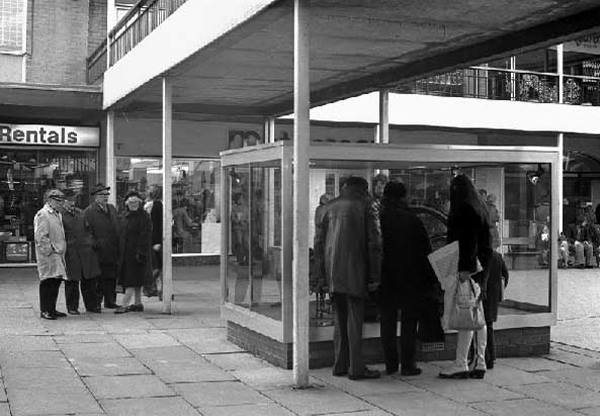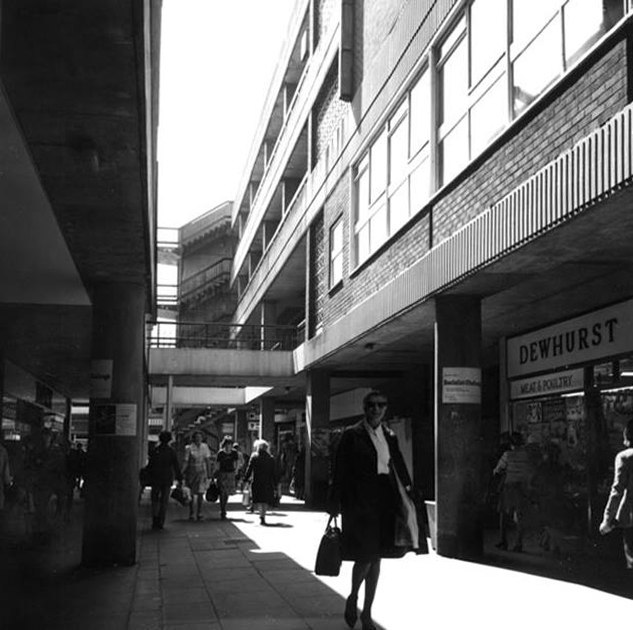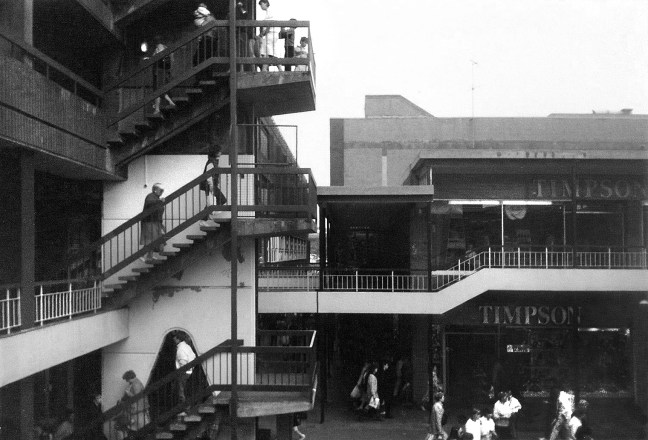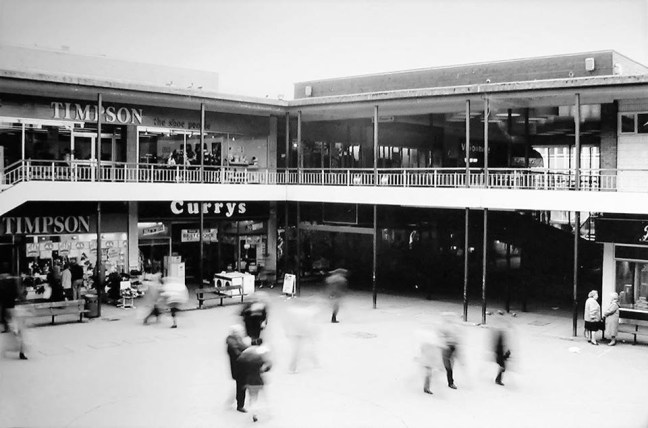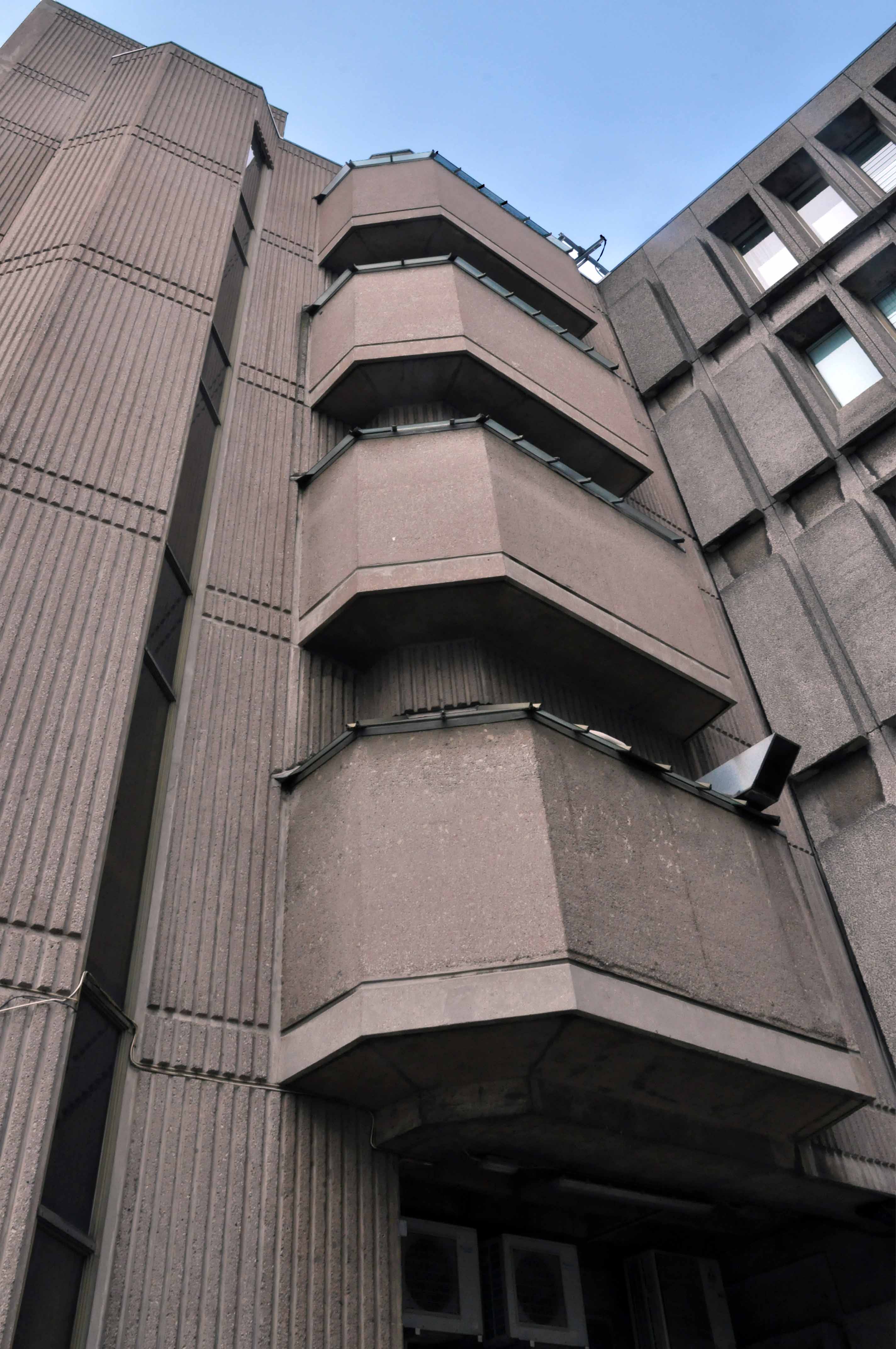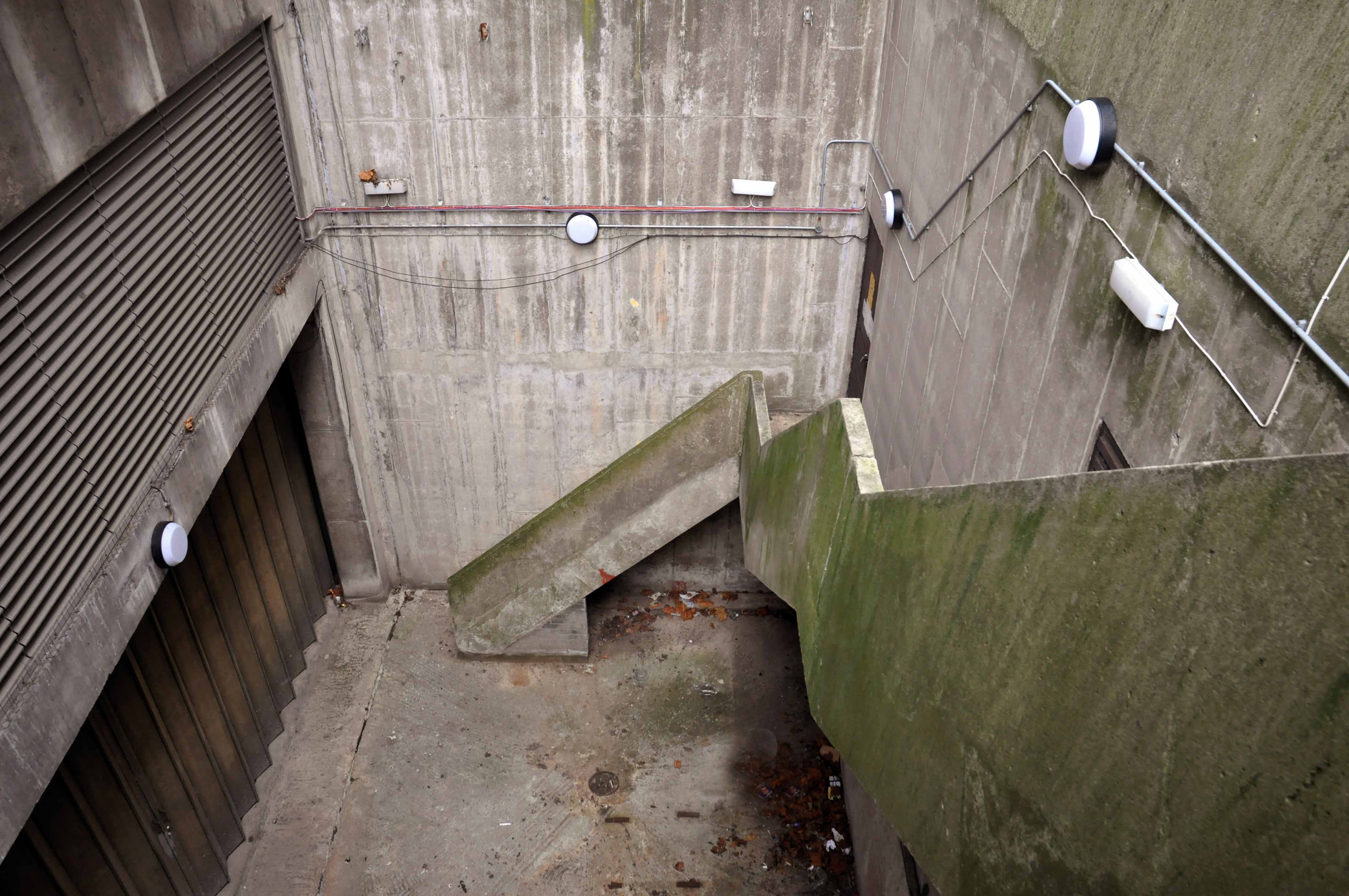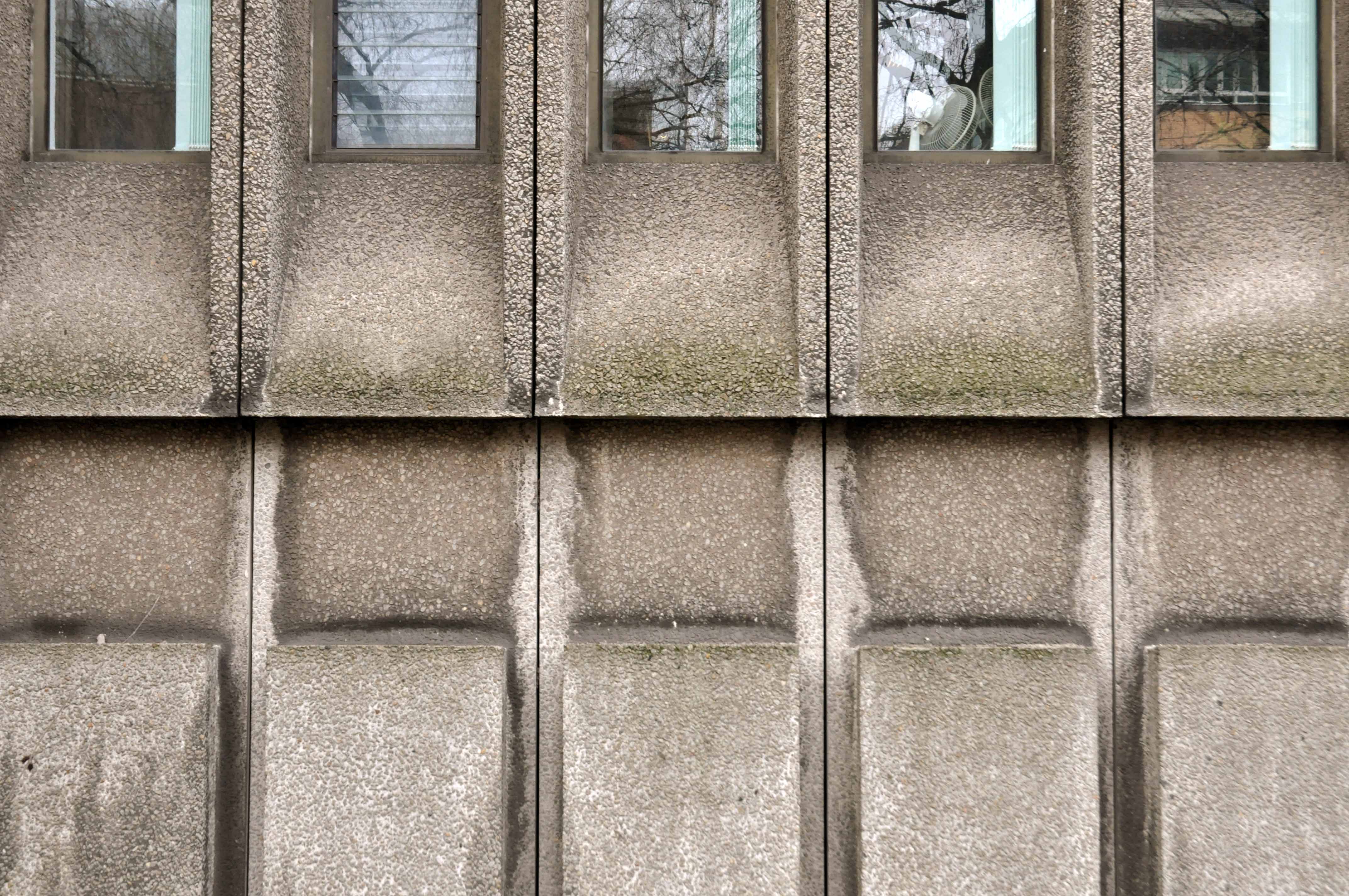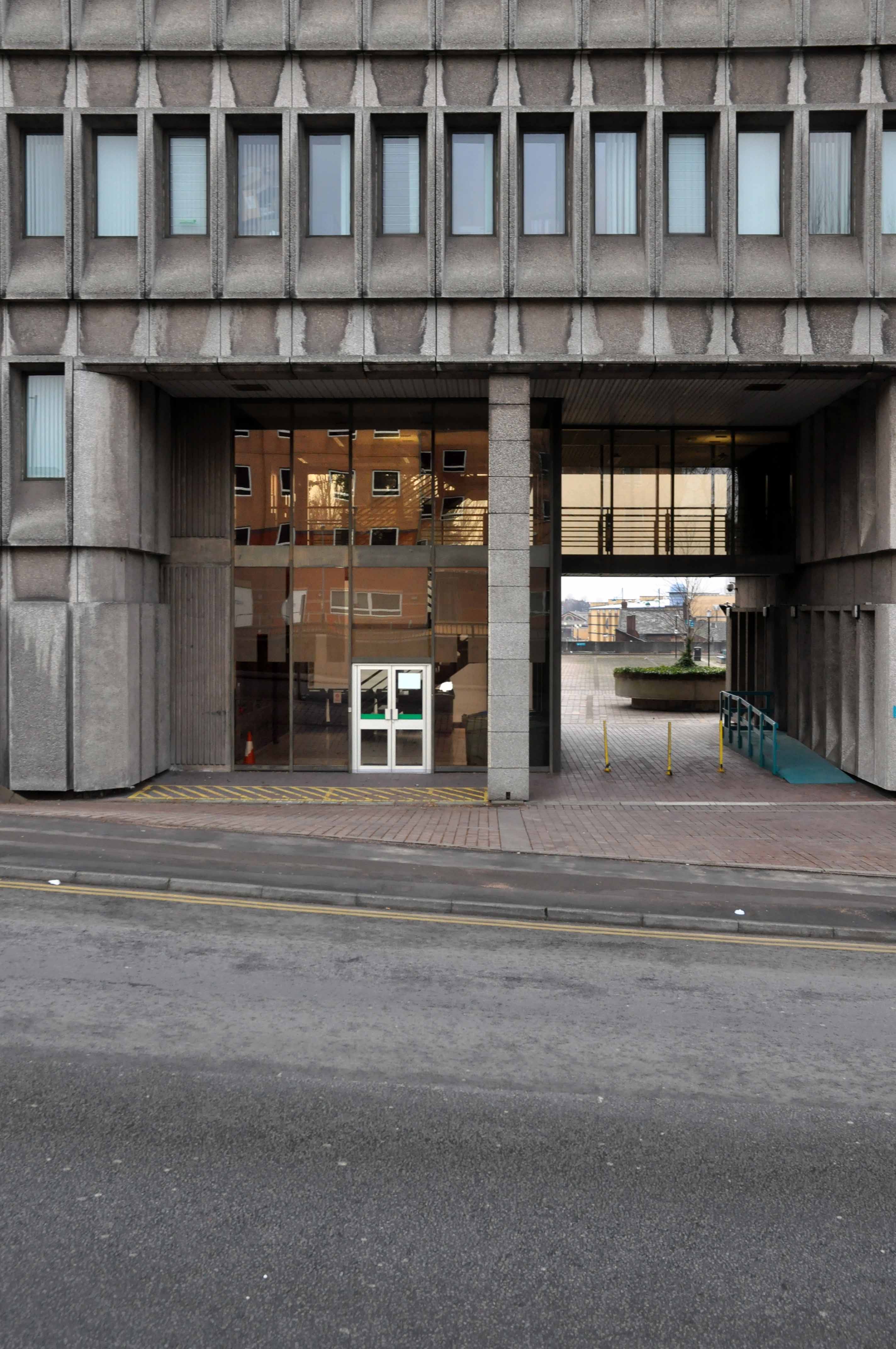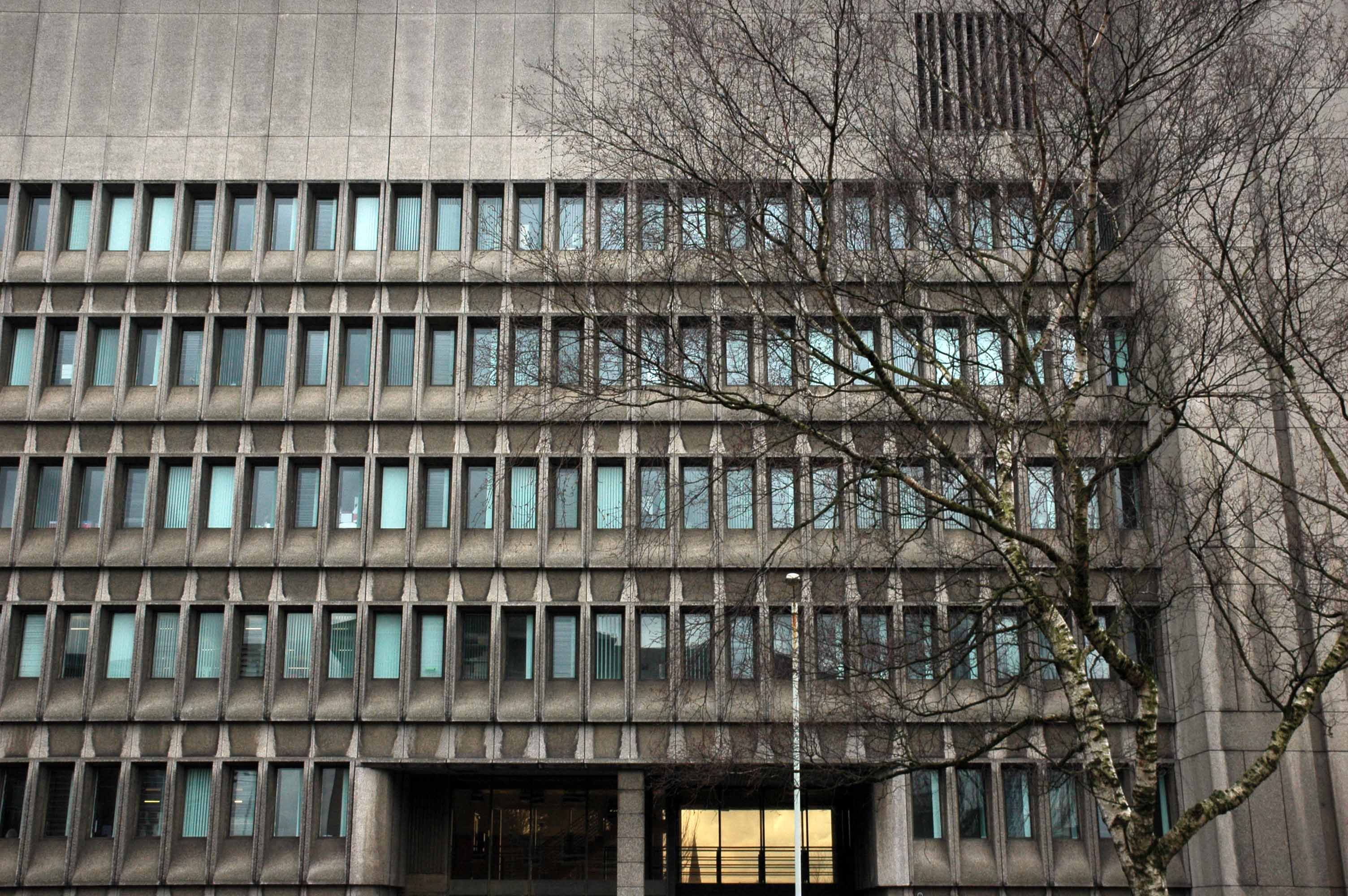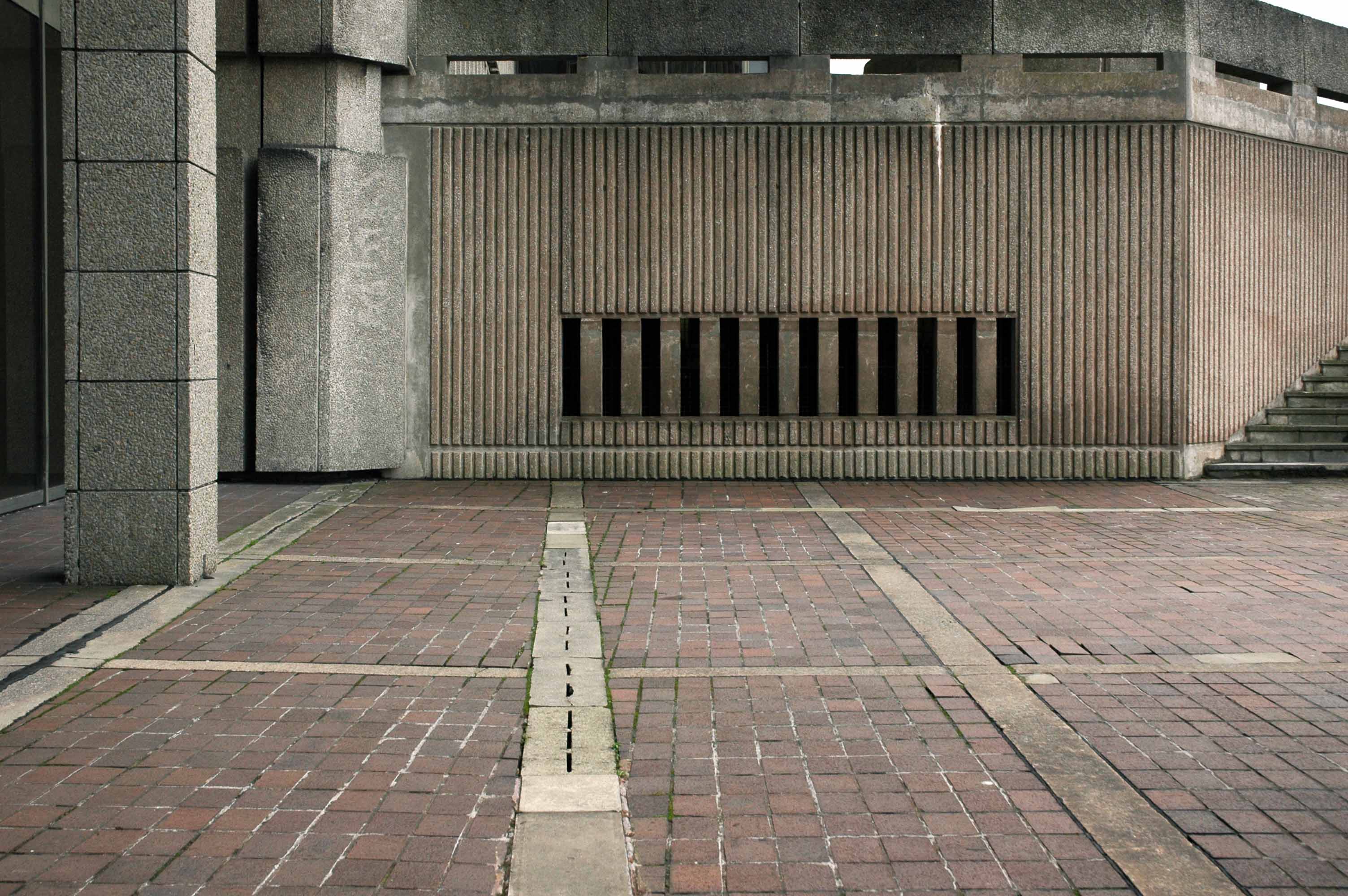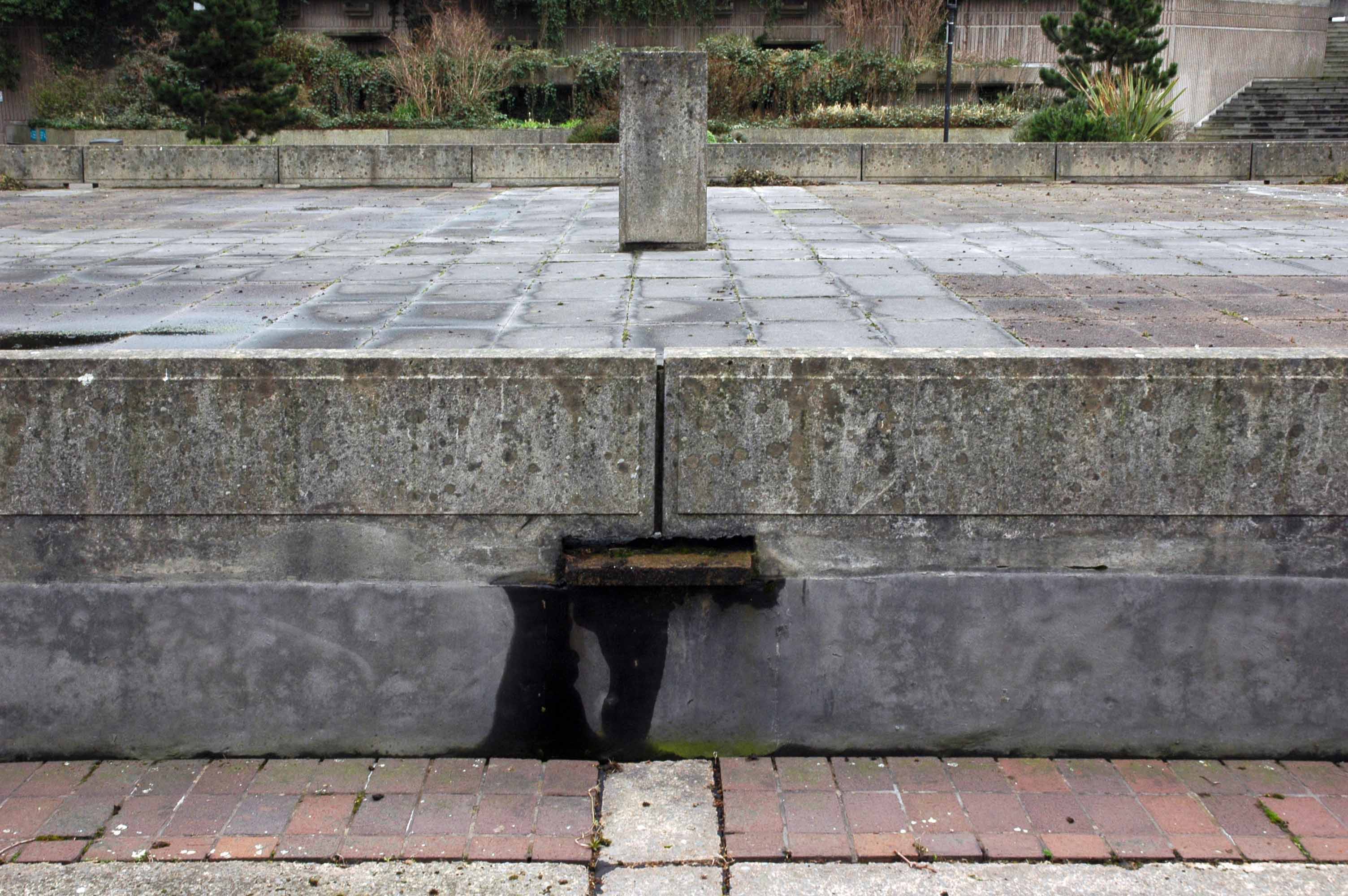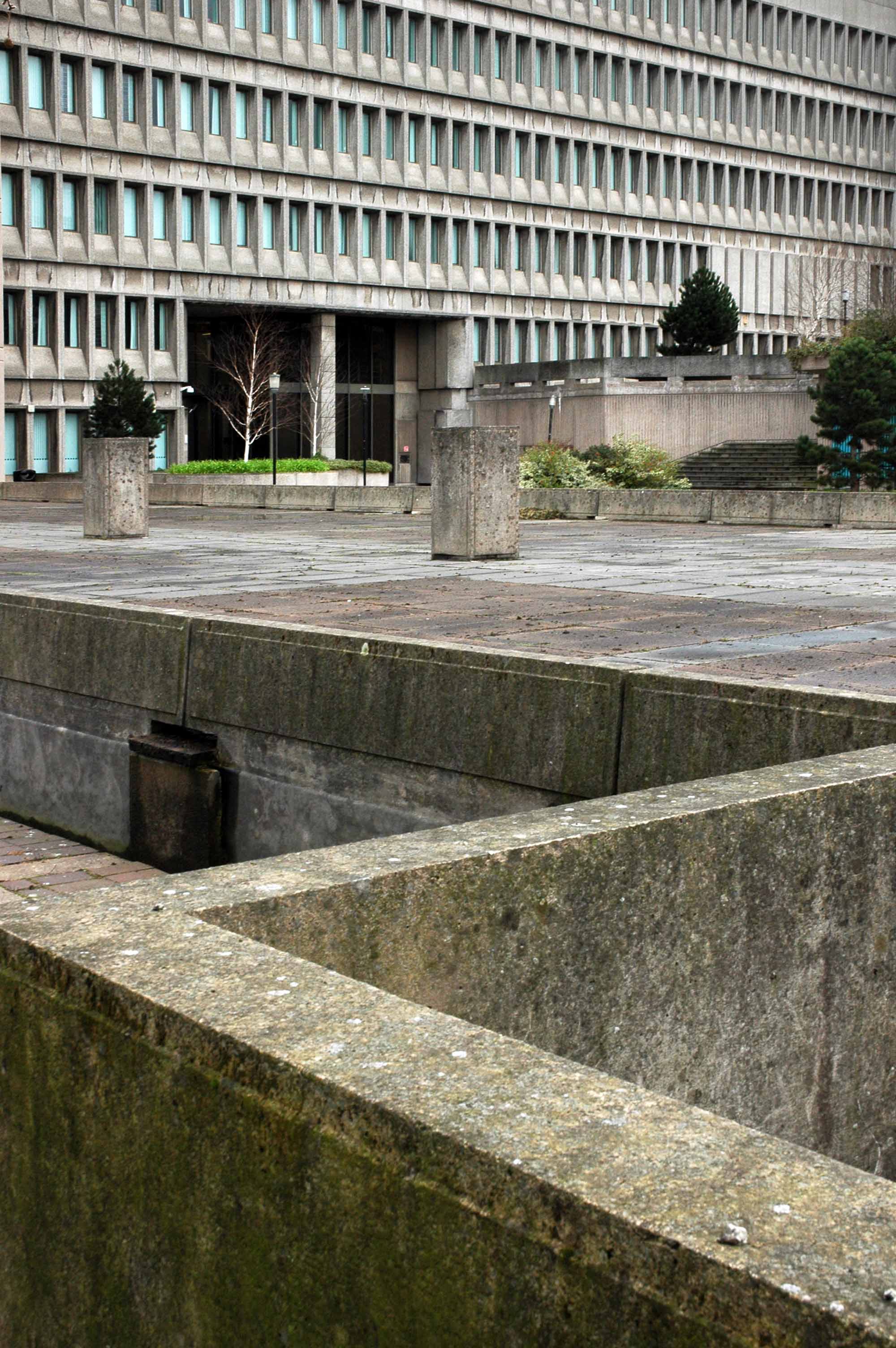
Motorways an Introduction

Once upon time there was no such things as motorways, we made our way across country in a haphazard fashion, by way of of a raggle-taggle bunch of muddy, puddle strewn byways, tracks A, B and C roads.

Journey times were long and often unpredictable, it was not unusual for a traveller to never ever reach their intended destination.

But then as if by magic:

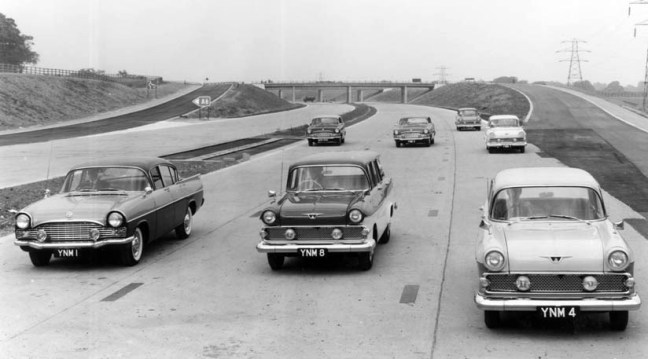
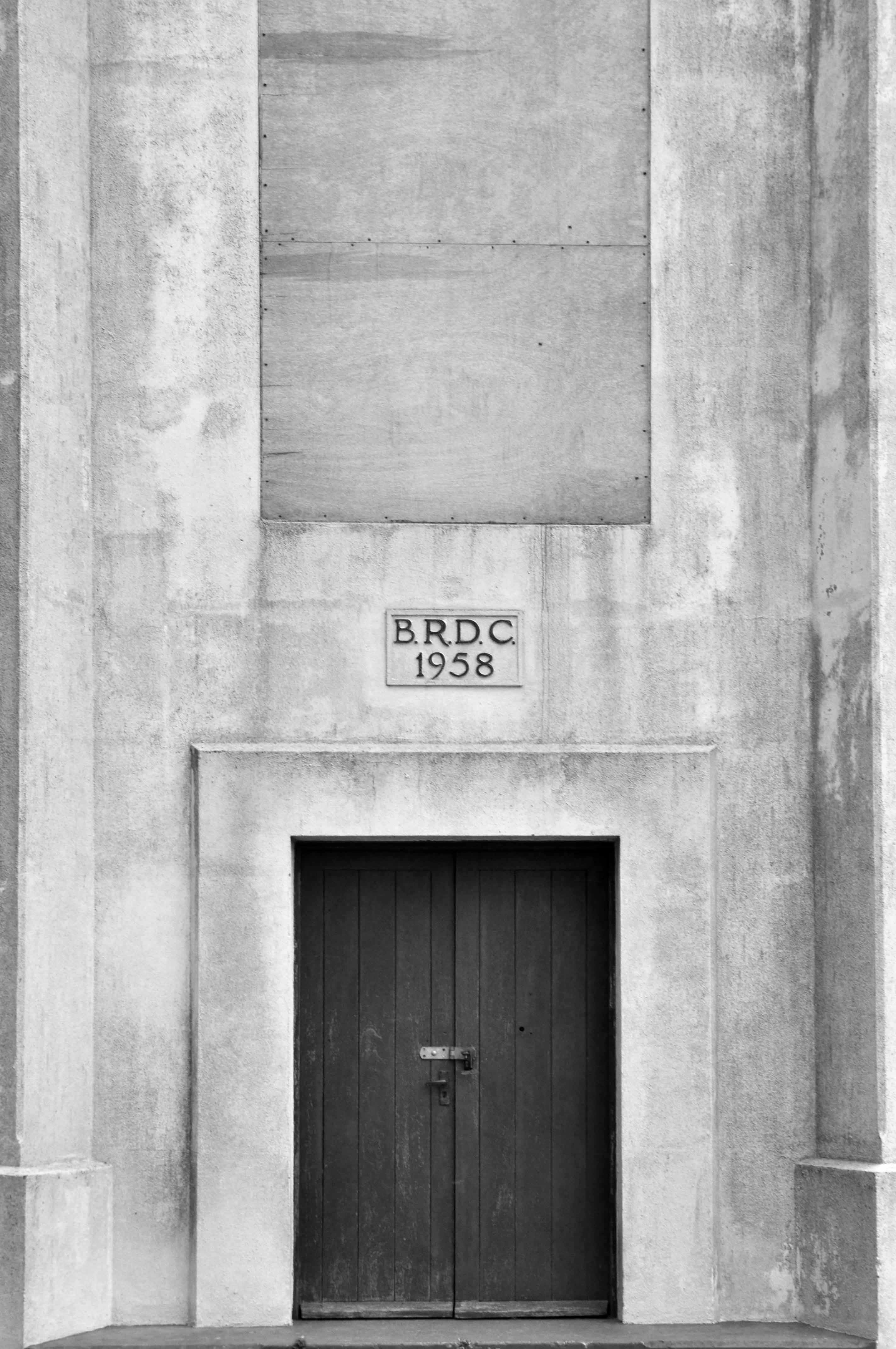
On 5 December 1958, the day the 8 mile Preston bypass opened.

Robert Gornall was the AA’s first motorway patrol and he was on duty on the Preston by Pass – now the M6, from day one – he even attended the opening ceremony.

Robert recalls that in those early motorway days, when there was no speed limit or hard shoulder, things were very different when it came to dealing with breakdowns. 

Robert said:


“This was entirely new and when we reached a broken down car we simply pushed it, bumper to bumper, out of the way to a place of safety where we could fix it – our vehicles were fitted with special rubber bumpers so as not to cause any damage.

Breakdowns came thick and fast because cars just couldn’t cope with the higher speed – engines just simply blew. The vehicles we used were Ford Escorts and even a soft top Land Rover.”

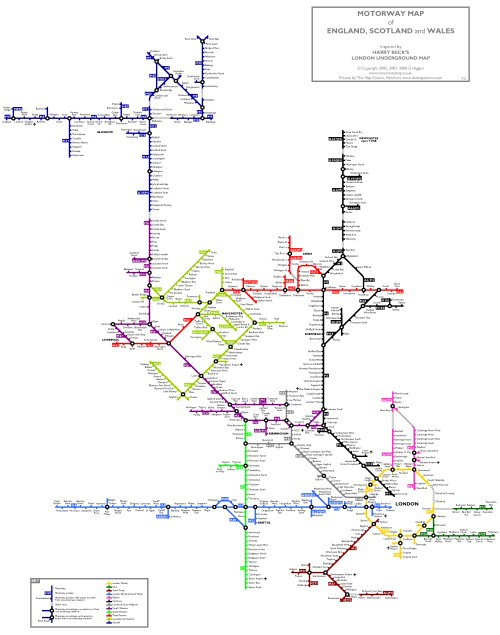
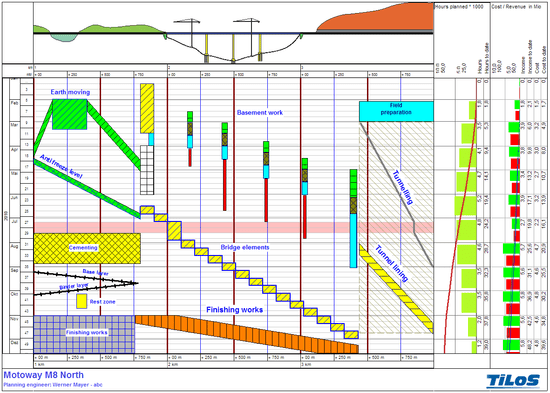
Having overcome these early teething troubles a whole complex network was developed.

motorwaymap2008

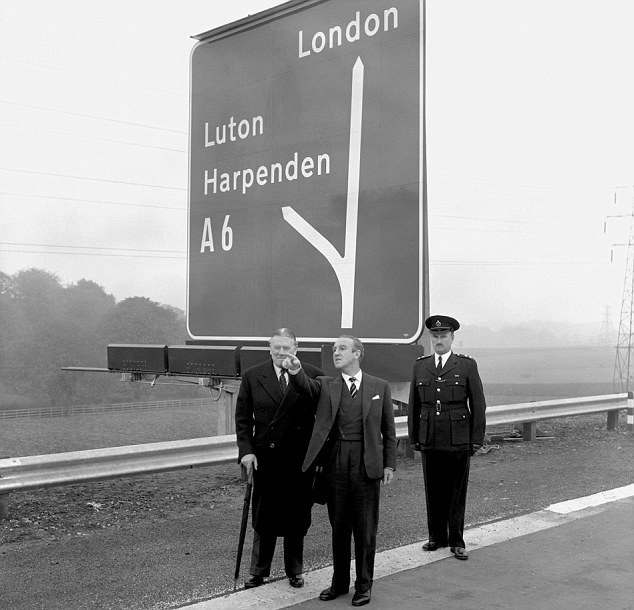
Opened by the transport minister Ernest Marples and other assorted worthies.

marples_owen_openingm1_2

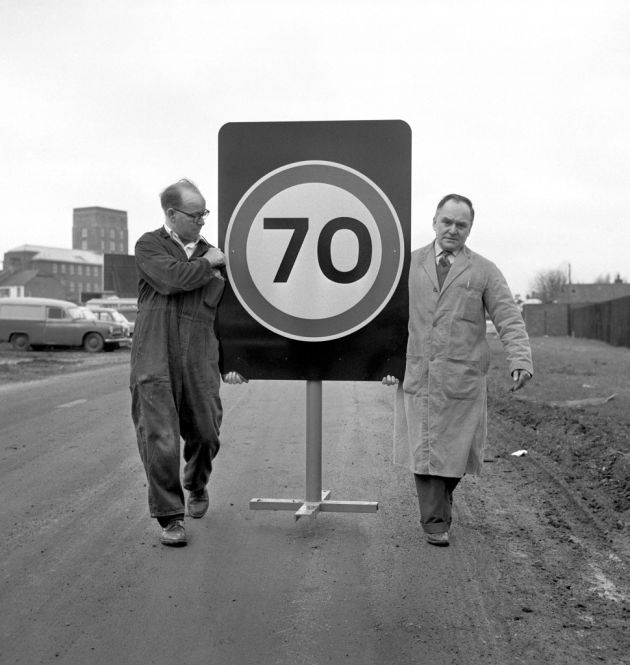
Speed limits and controls were applied to quell the threat of crashes and blow-outs.

c11c126e-c491-49c5-9f7a-d5b4a053808c_pa-1730423

Welcome to the fact packed modern world of the modern motorway.

550px-tcc_motorway_example

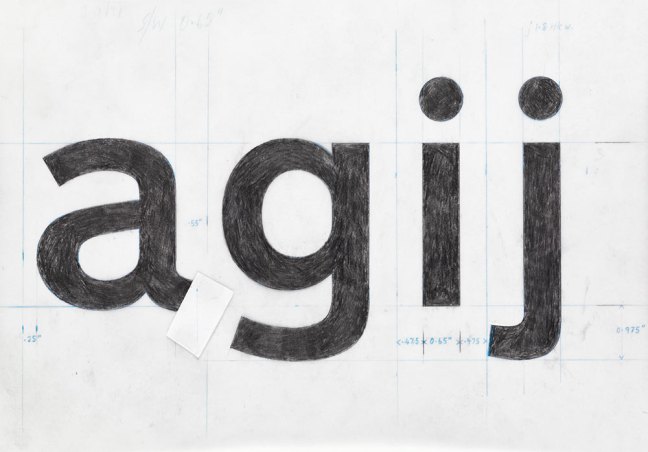
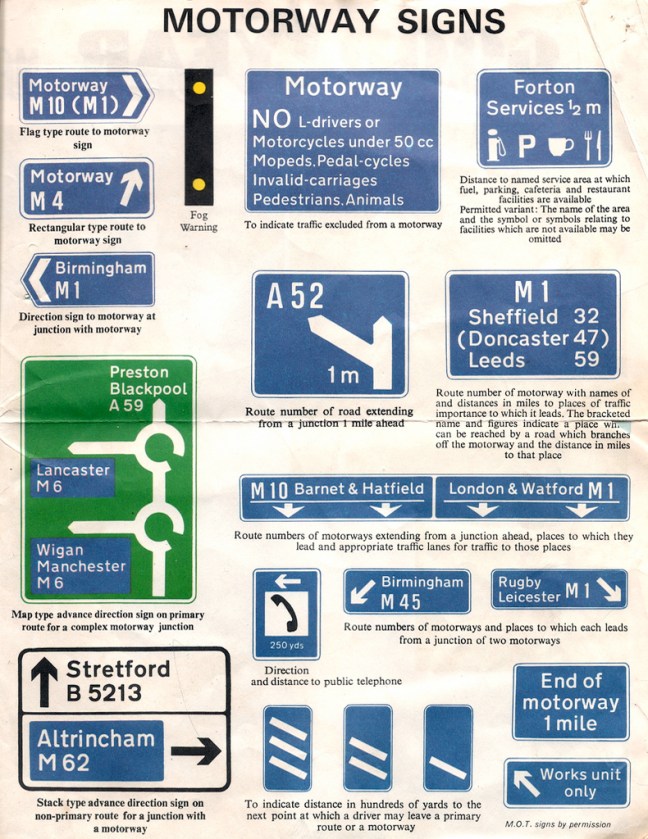
New typography and signage systems were developed by Margaret Calvert and Jock Kinneir.

margaret-calvert-typography

3791254247_fa4d8d3aeb_b

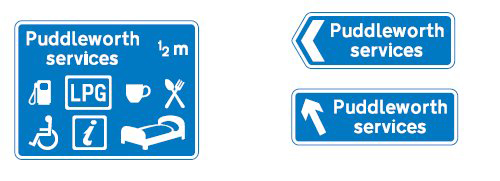
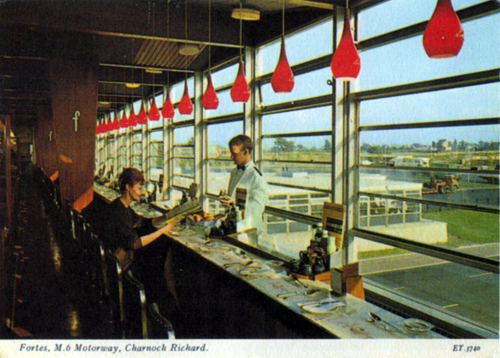
Special provision was made for provisions for the motorway motorist in special places, with special names – and their own unique approach to modern cuisine.

motorway14

Quite literally food on the move at the motorway services.

motorway4forblog

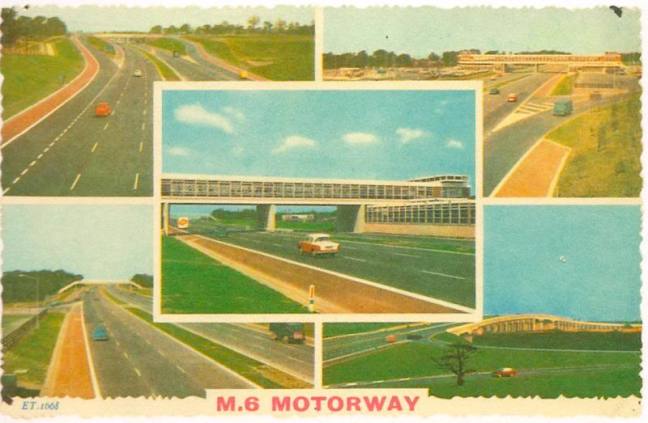
Ever eager to communicate their fondness for the modern motorway, the modern motorist would often send a picture postcard to friends and/or family.

m6motorway

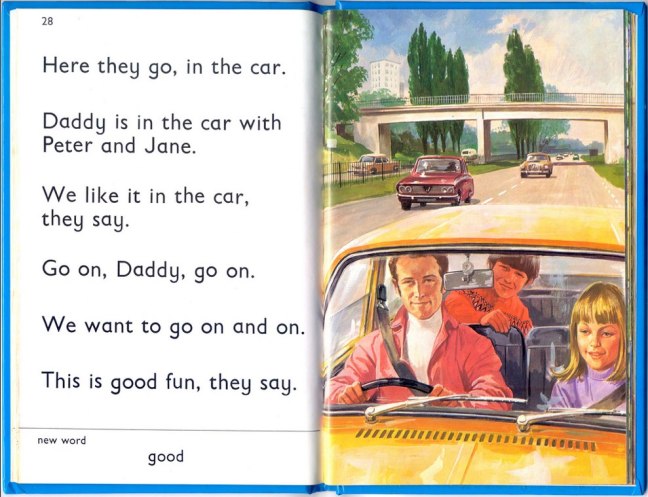
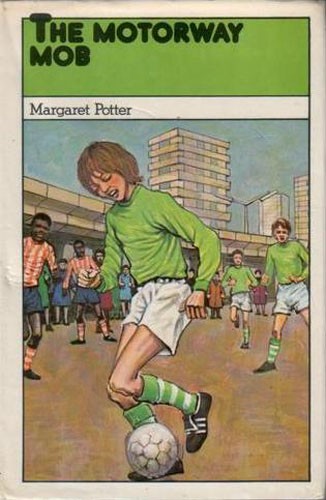
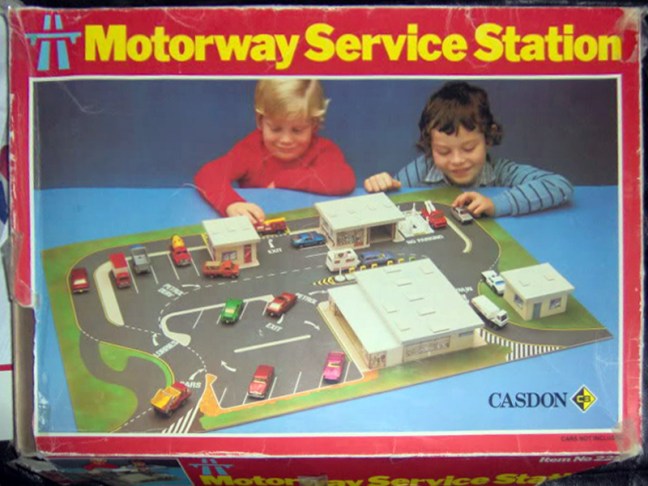
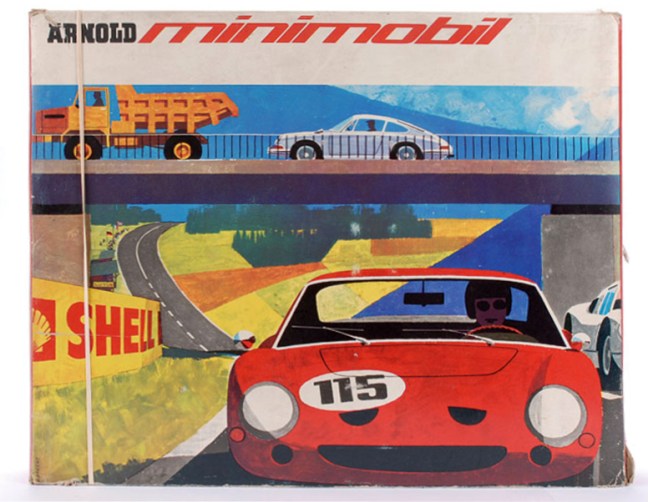
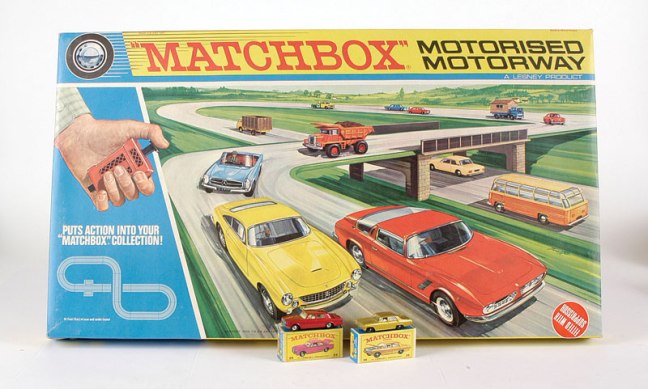
A whole literary and visual culture built up over time, to celebrate a deep and growing affection for the motorway network.

920108_10151602324156600_410904325_o

0416560806

motorway5forblog

5253_l

IM000285.JPG
IM000285.JPG

7122_l

3088_l

The rest is history, so break out the string backed gloves, top-down hit the road!
Jacqueline and/or Jack.


Kirklees College – Huddersfield

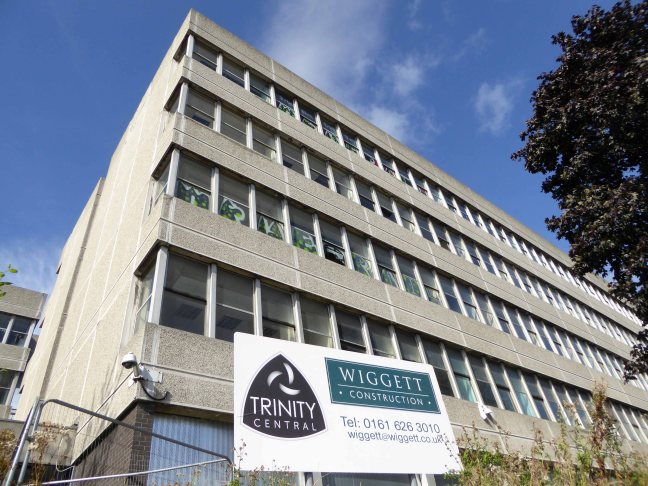
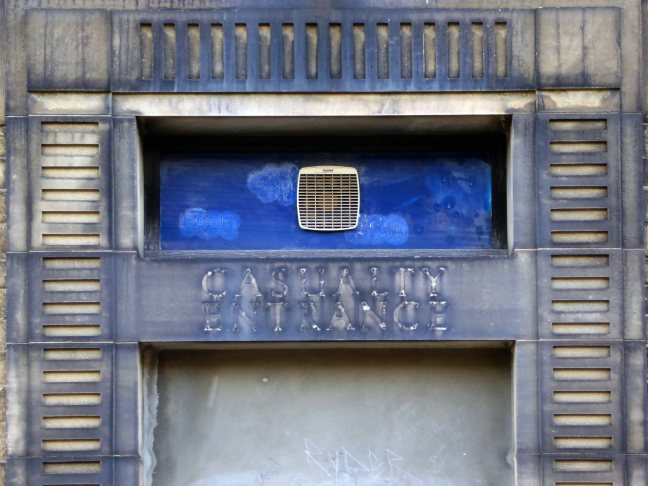
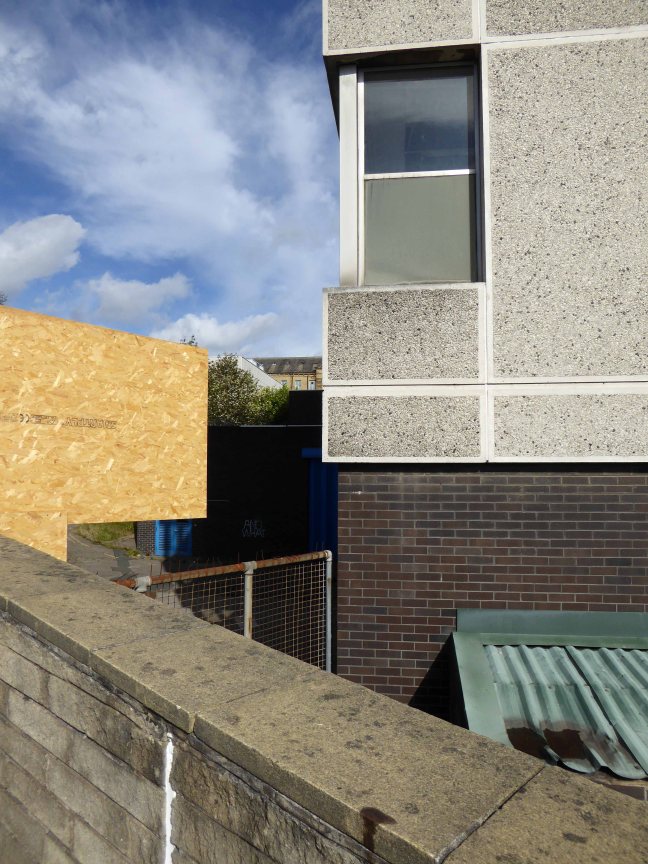
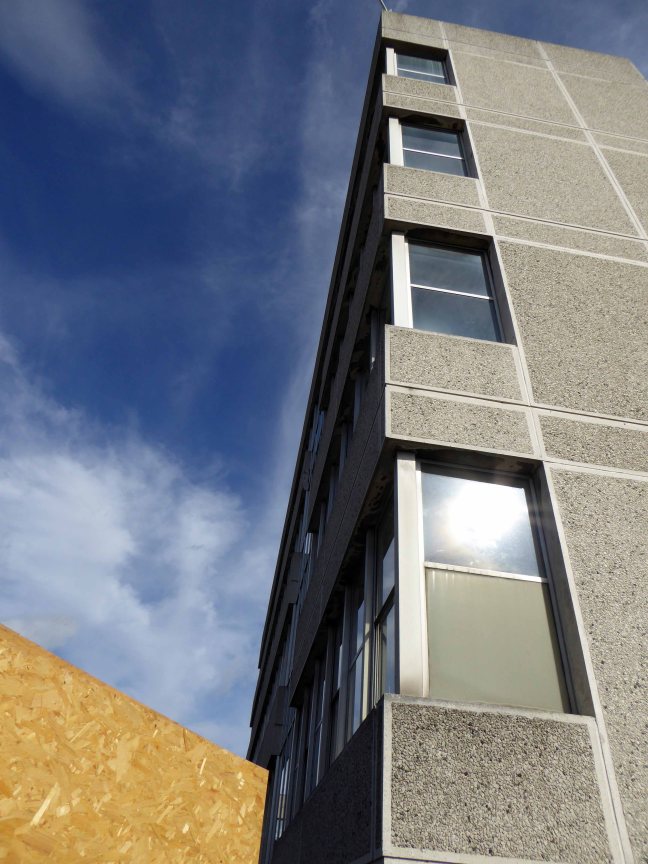
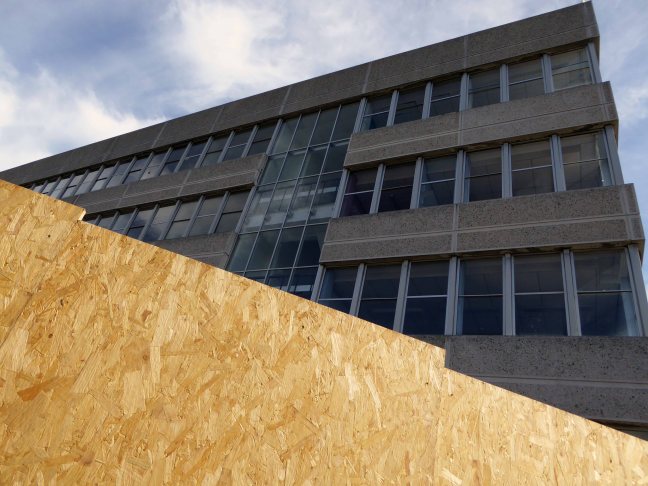
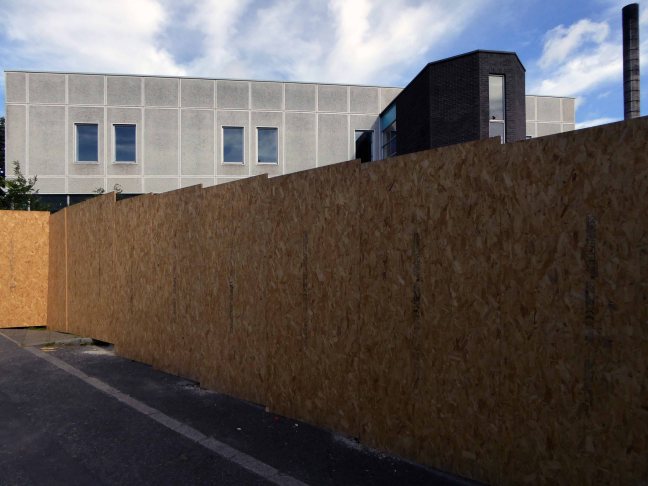
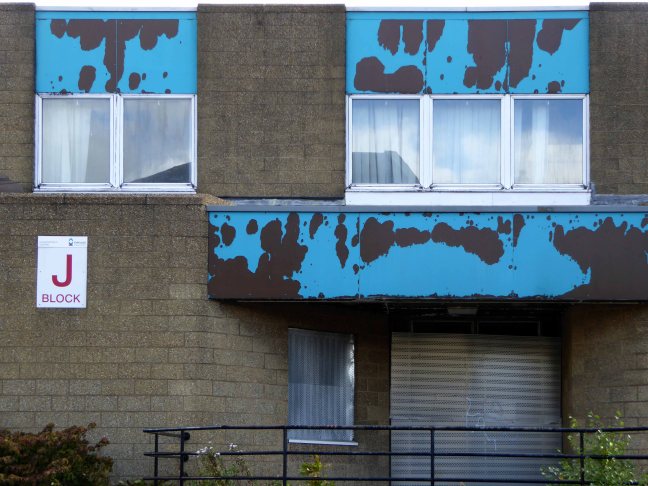
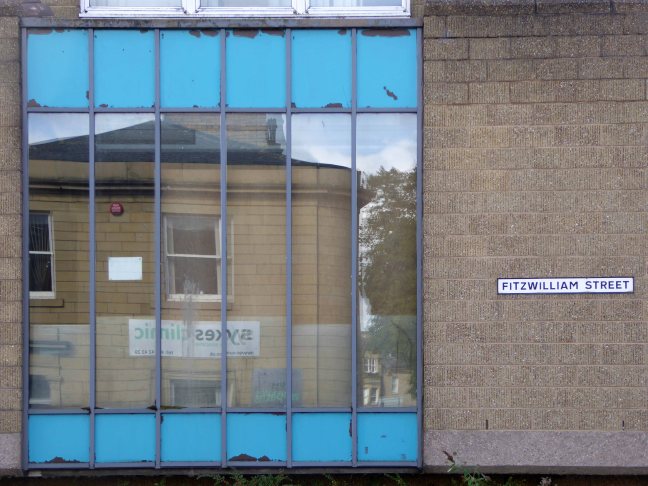
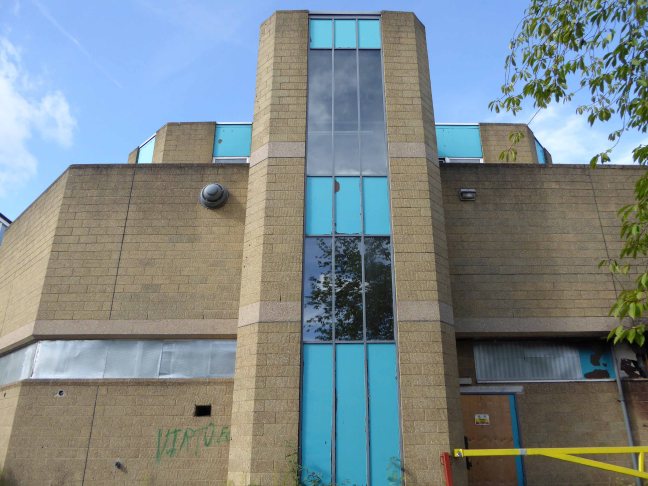
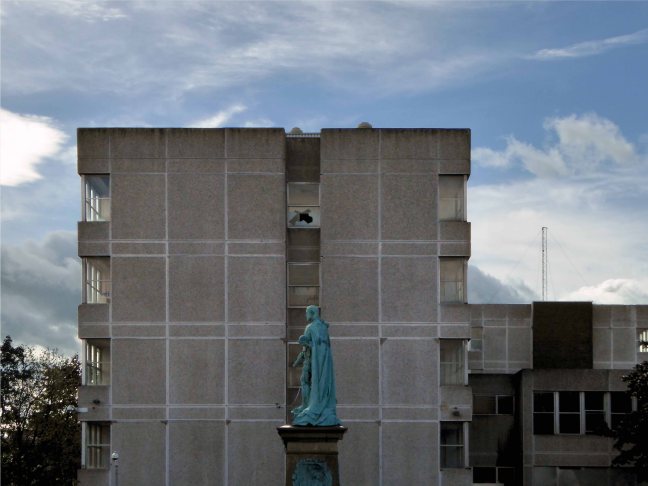
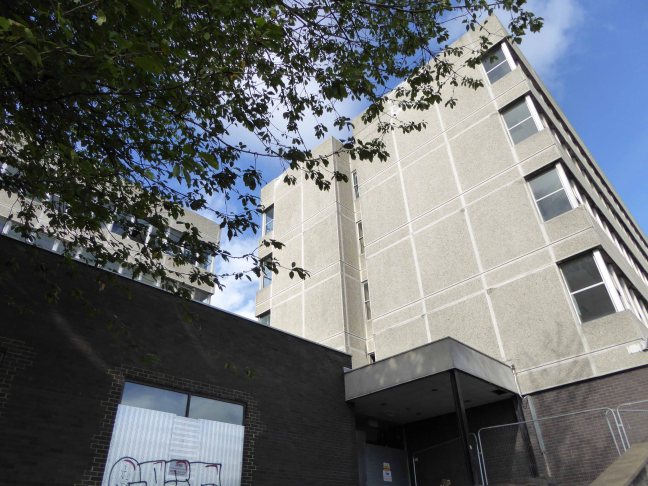
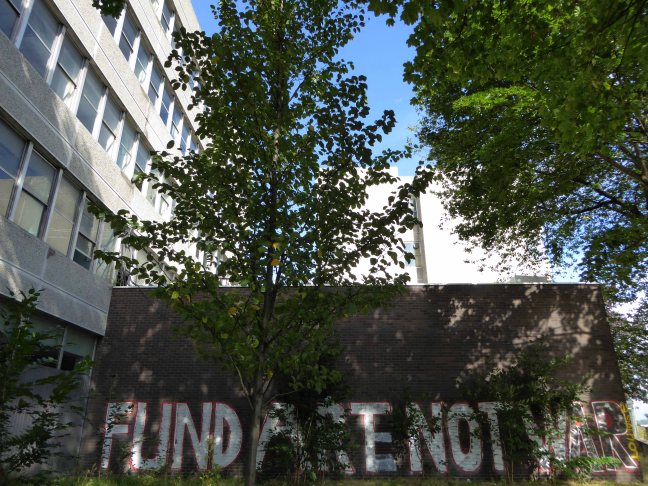
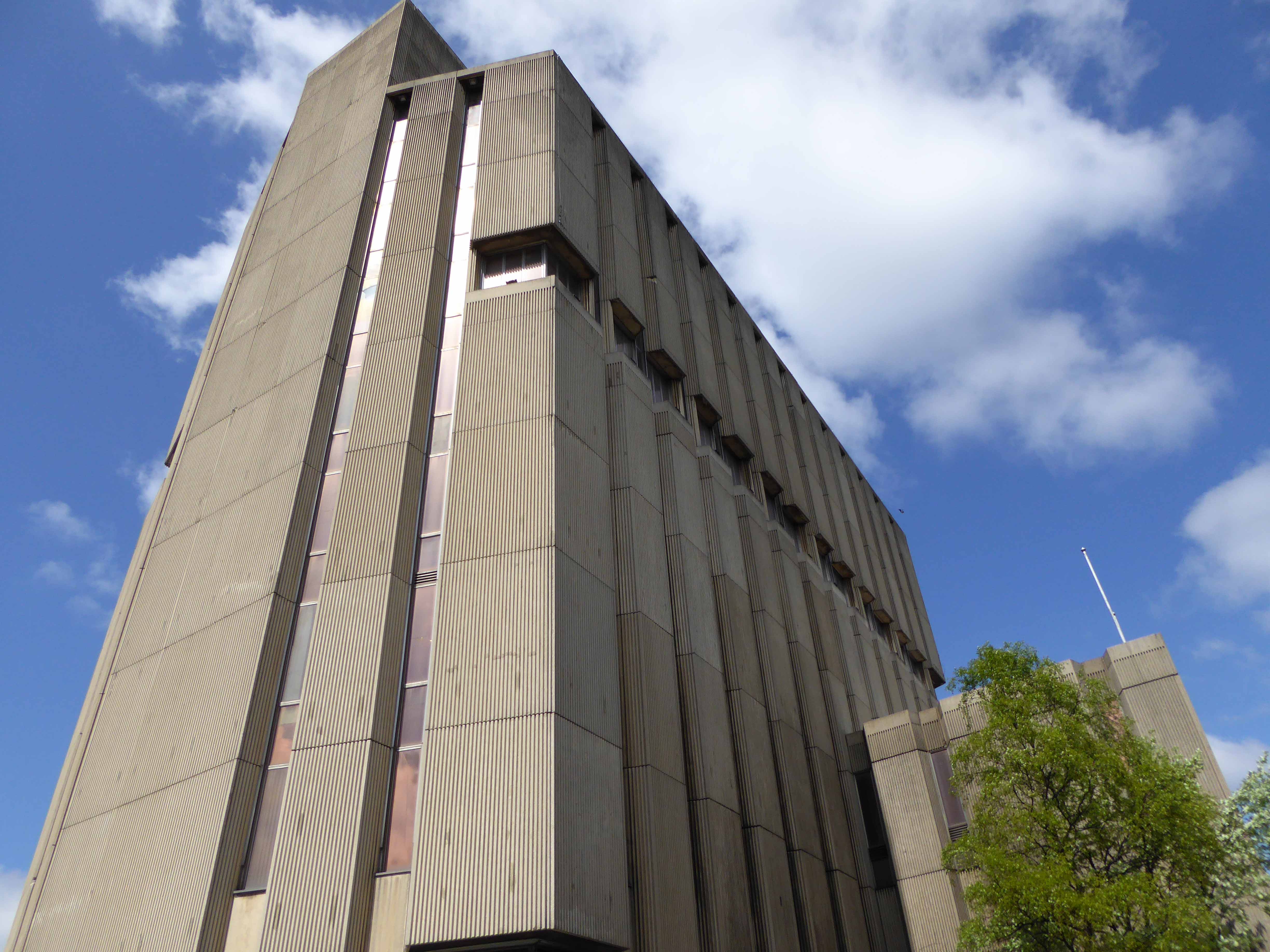
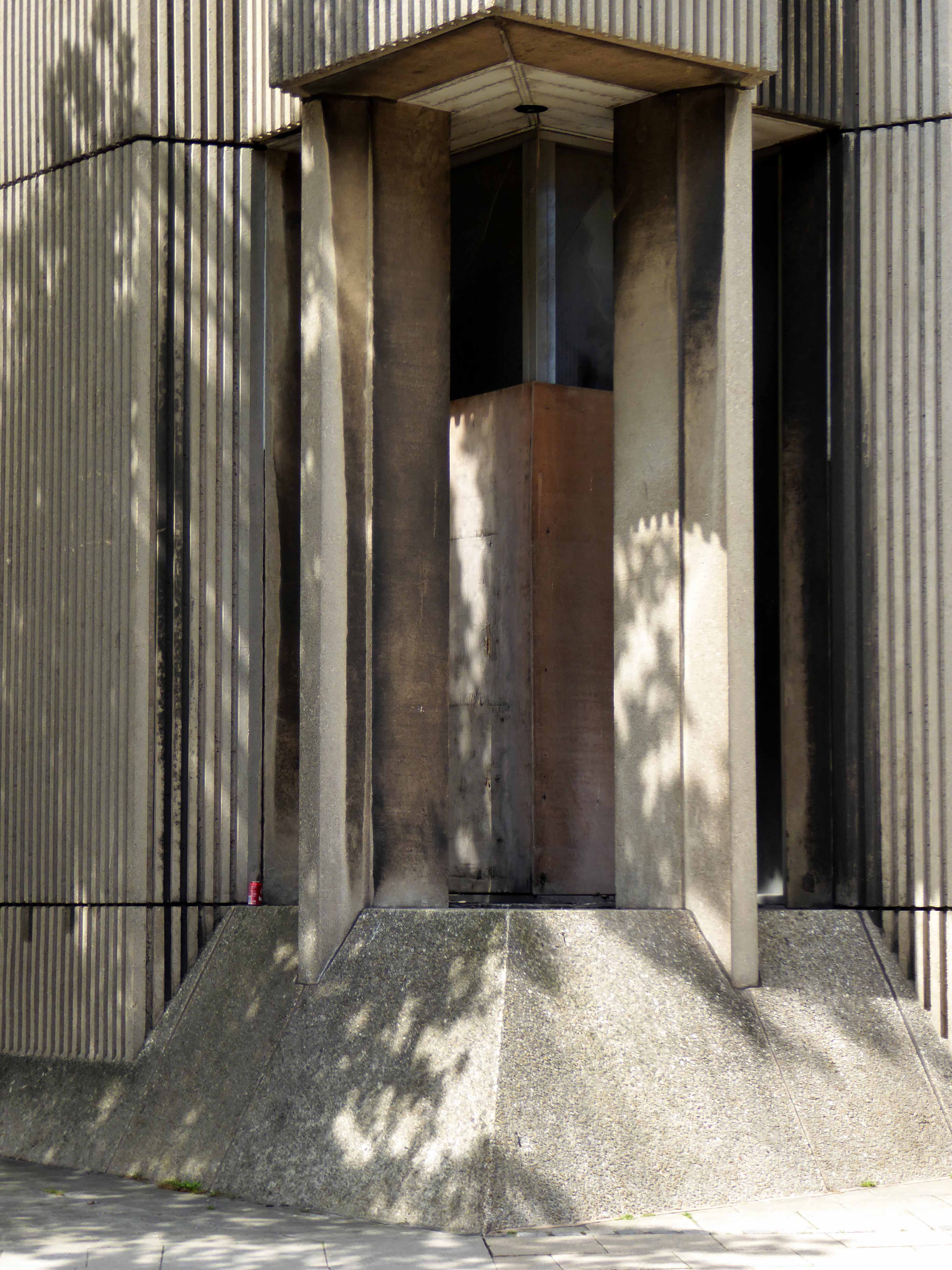
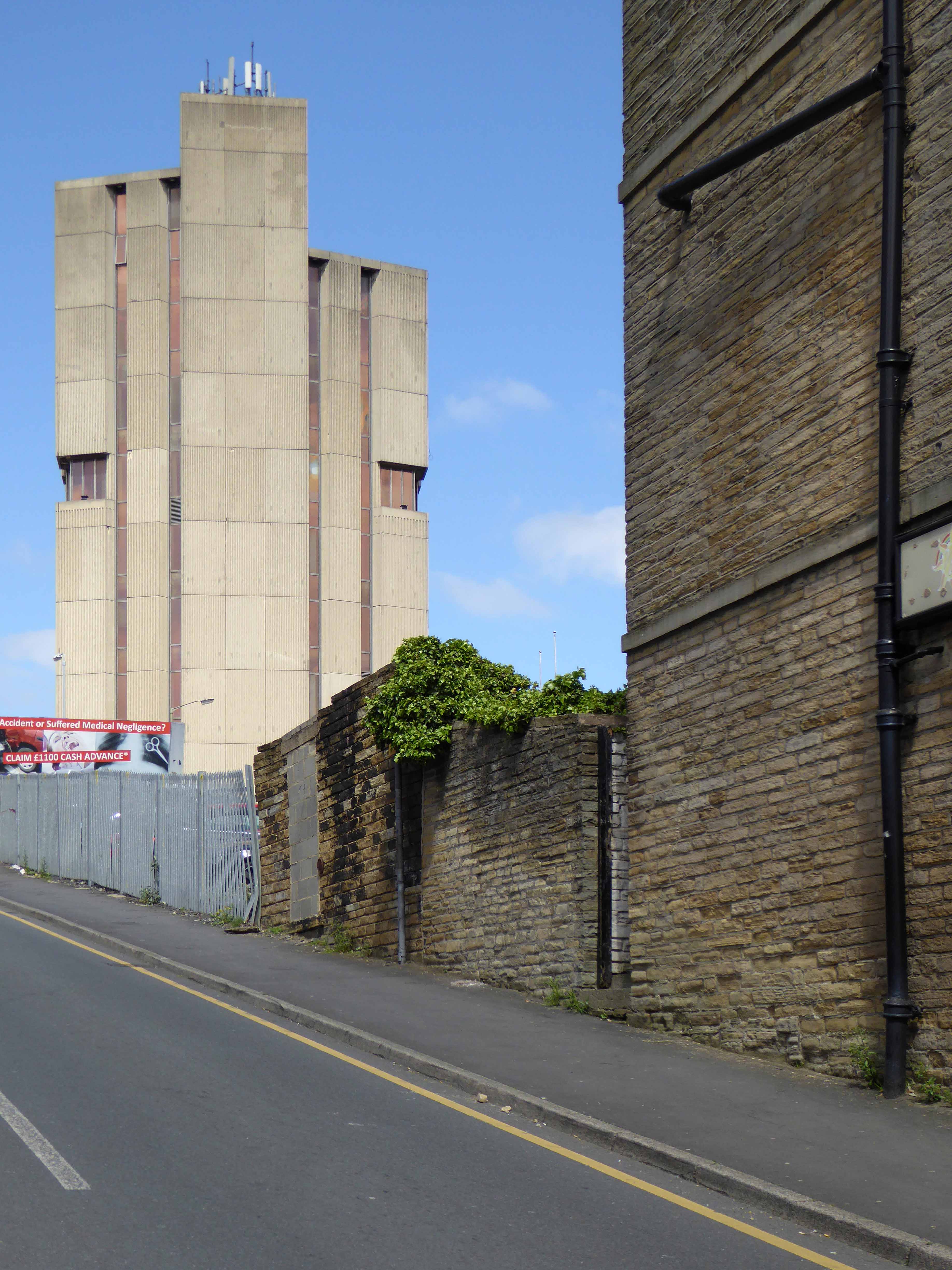
Kirklees College started life as Huddersfield Infirmary in 1831 up until 1967 when the Ramsden Technical College moved in, they paid £105,000 for the site. 

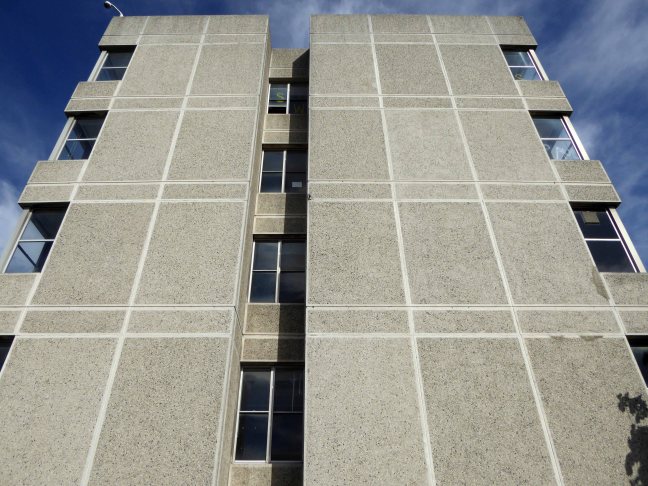
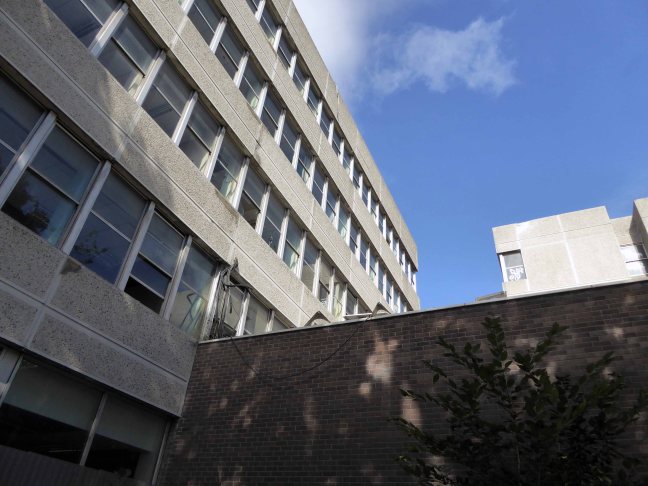
In September 1968 the first students began lectures and the first new building on the site opened in 1969. The main new block was built in 1971 – the year the college became Huddersfield Technical College. In 2008 Huddersfield Technical College merged with Dewsbury College to form Kirklees College and relocated in 2013.

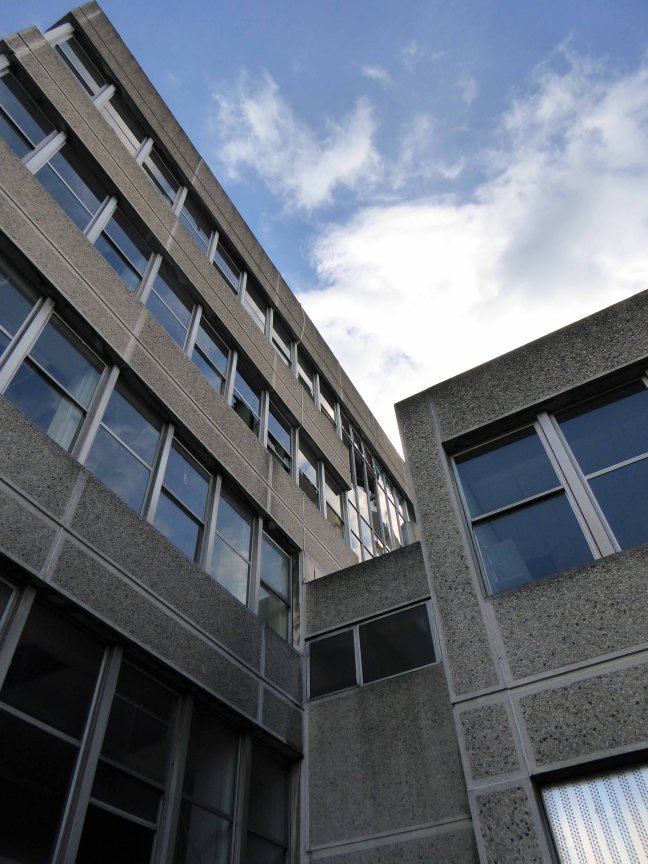
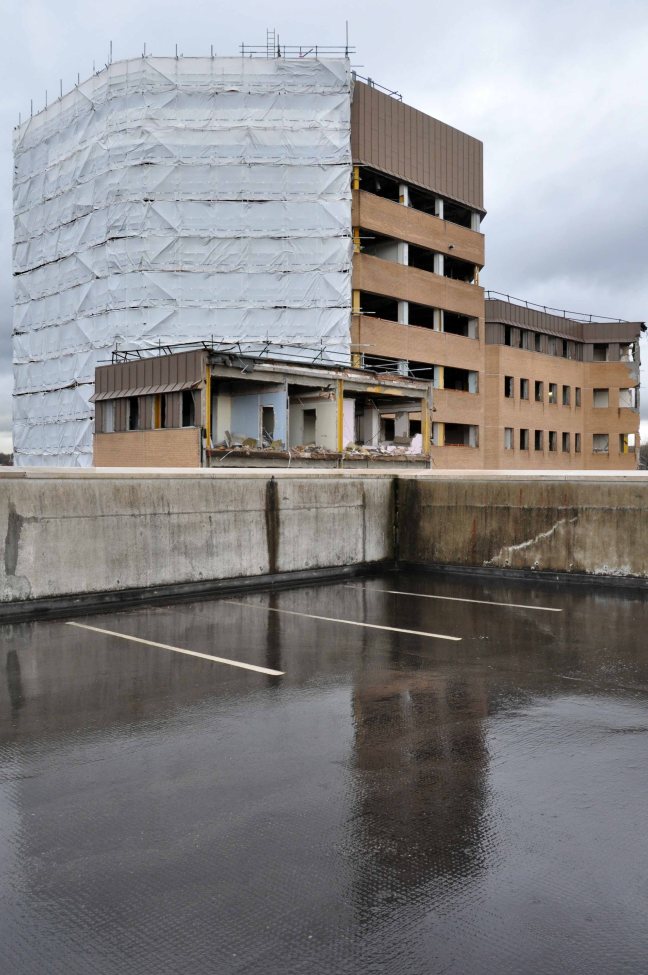
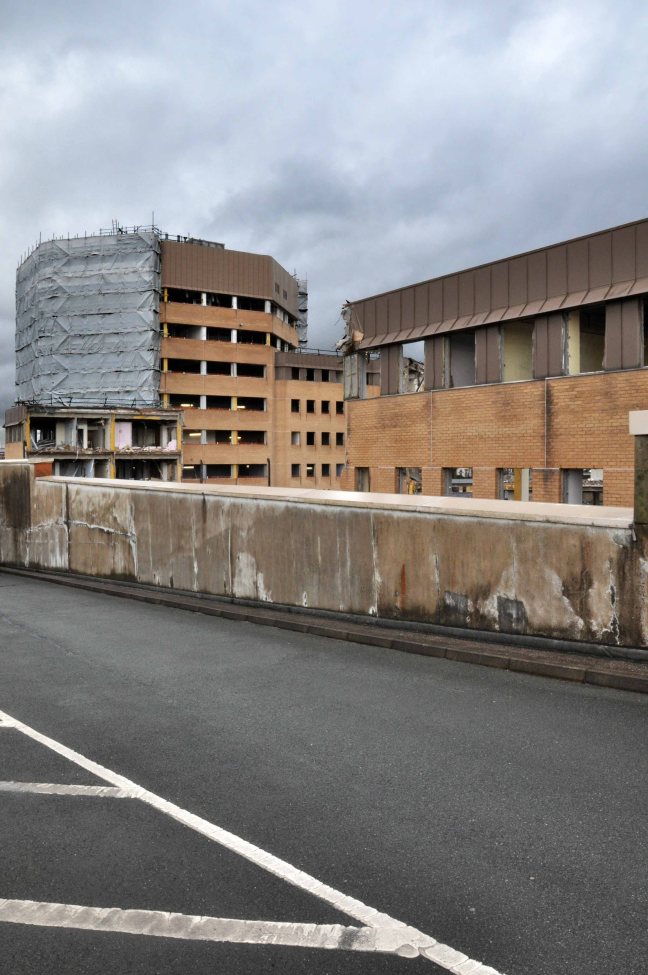
The campus incorporates 10 buildings over a 6.1 Acre site ranging from the old hospital complex to modern blocks of classrooms. 

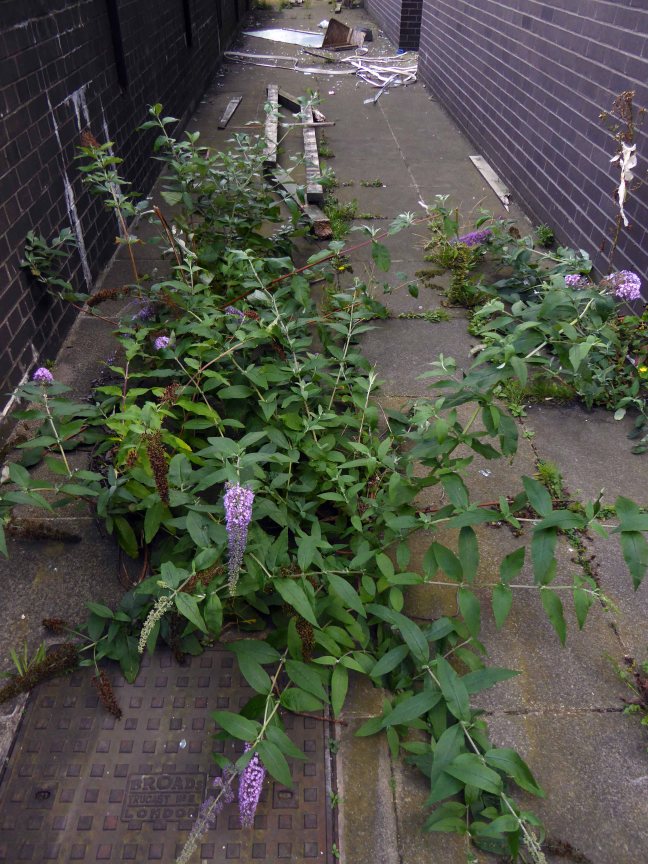
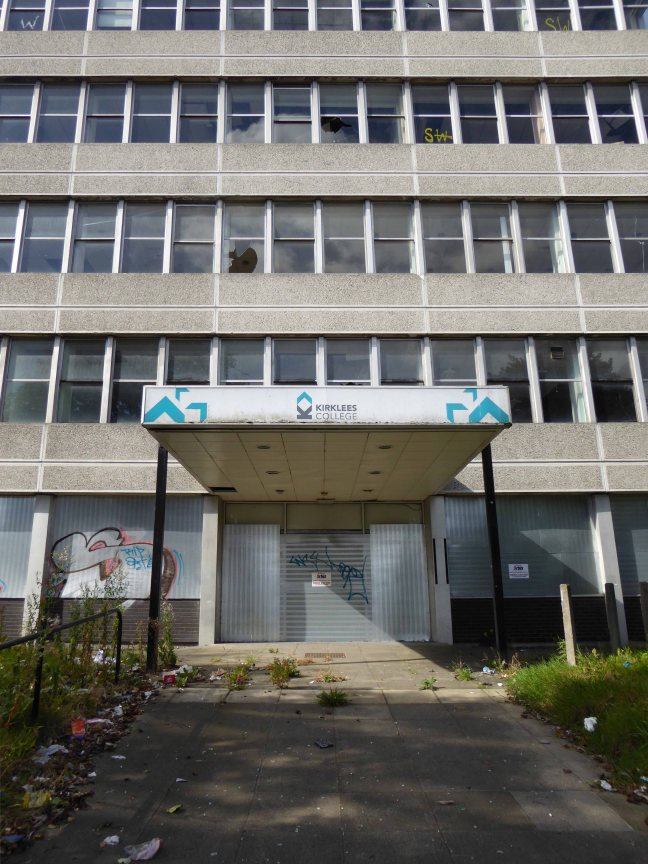
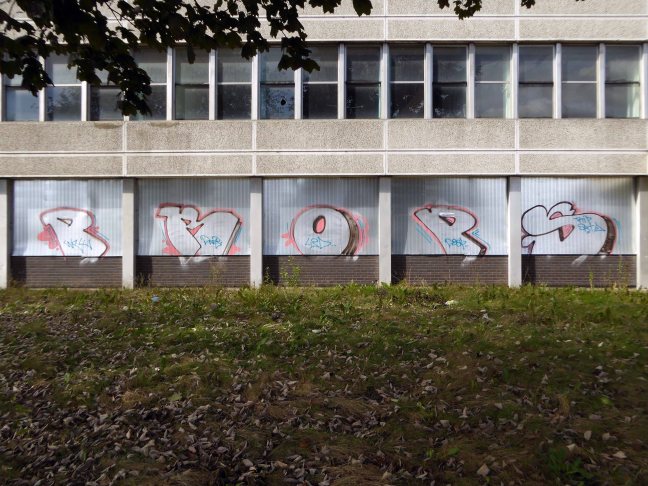
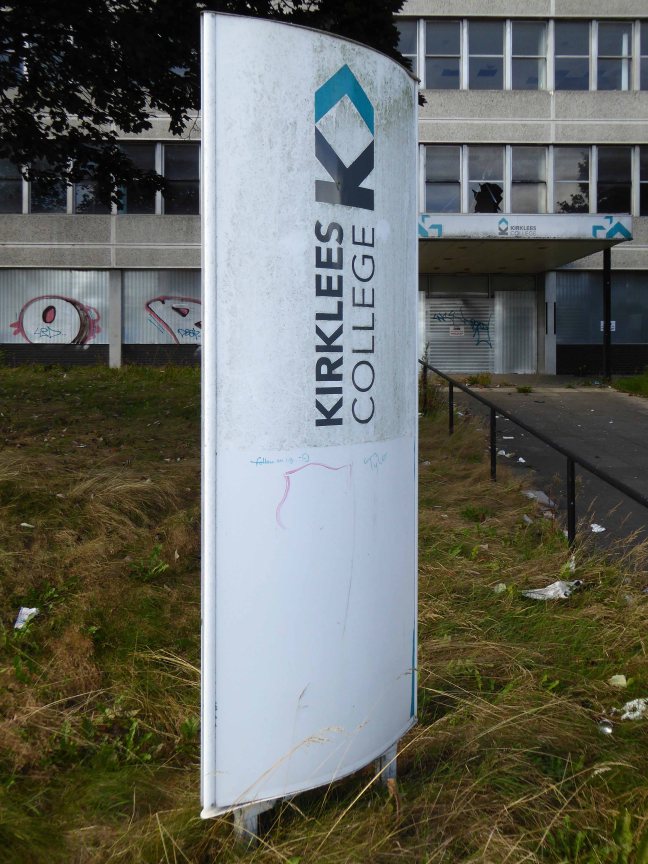
p1080524

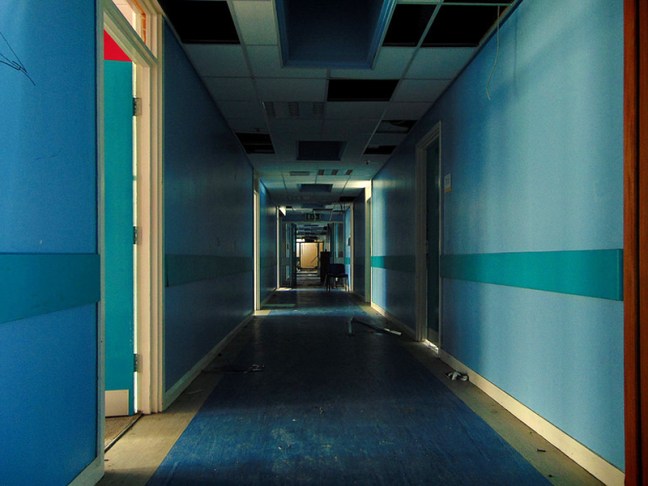
Some of the buildings have been used for the filming of the dramas Black Work, Remember Me where they changed some areas to be a care home, a hospital and a police station and the film Extremis. 

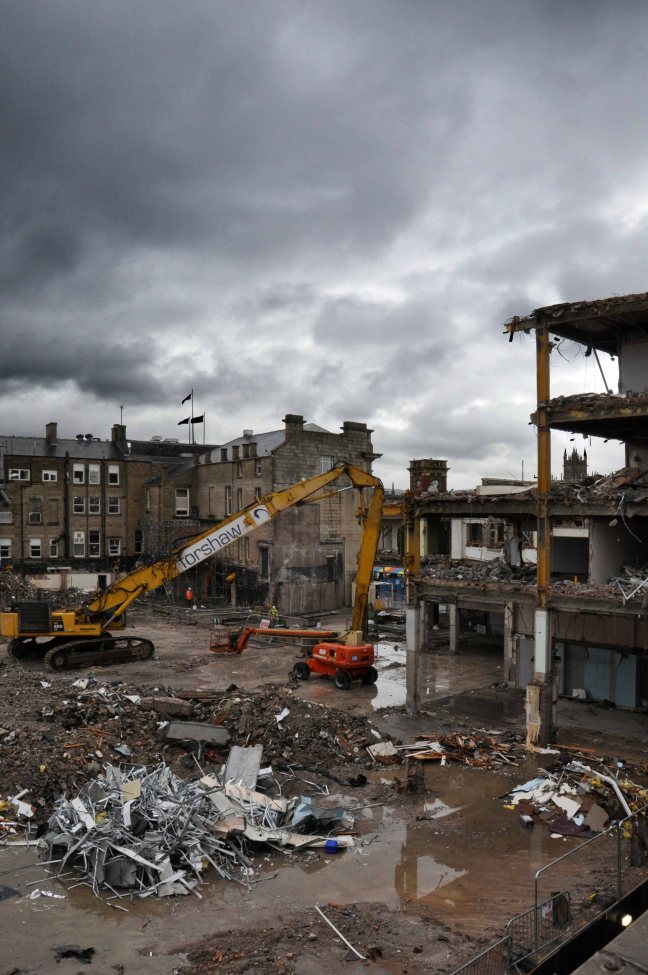
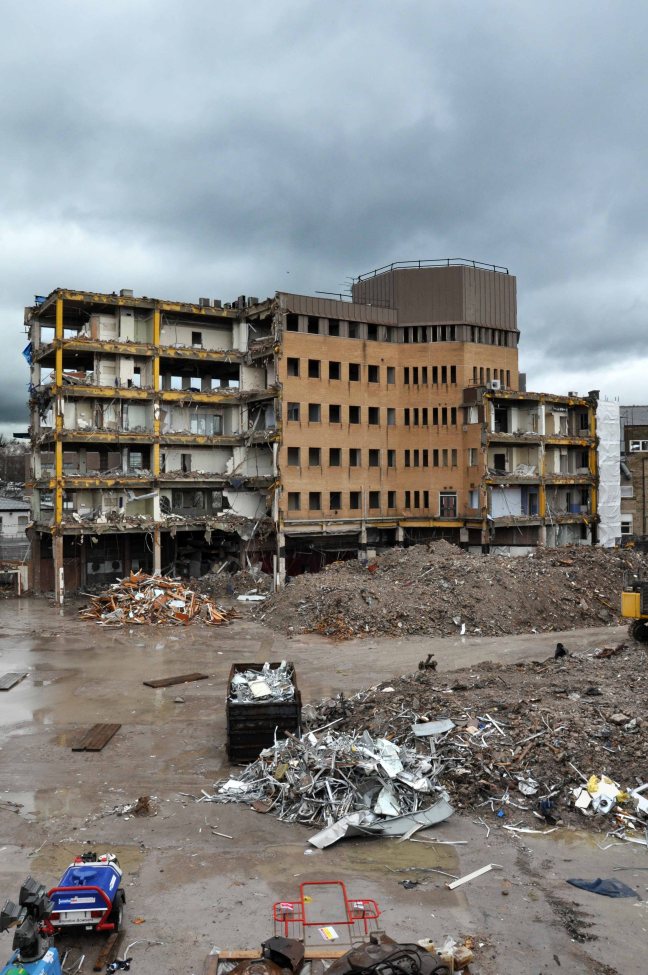
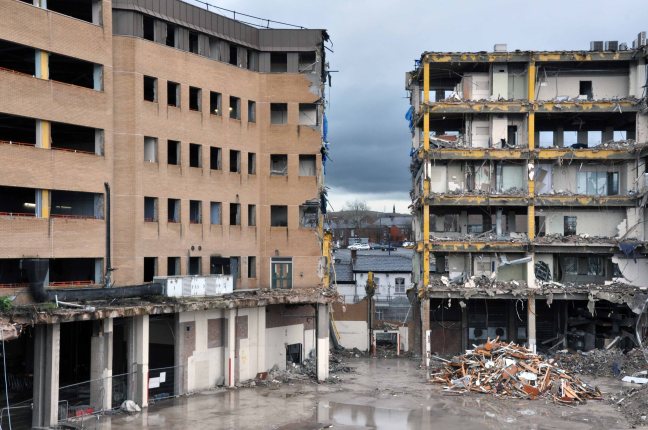
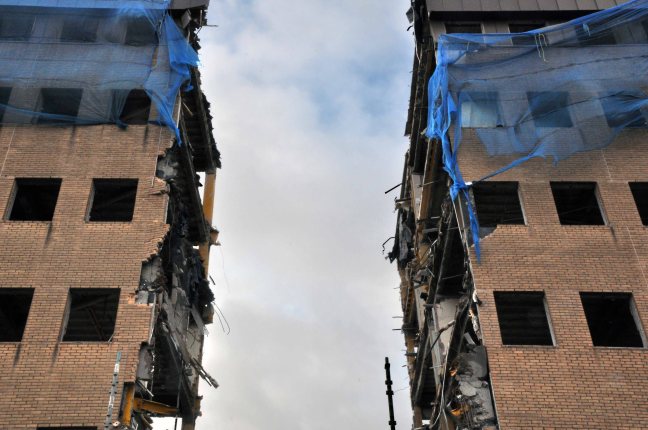
The site is owned by Wiggett Construction Group, who have now confirmed they want to demolish the 1970s college buildings to make way for a Lidl supermarket.

Thanks to Derelict Places – they went inside, I didn’t, I don’t do that sort of thing.

24873199691_49c901c0f0_c

I walked the lengthy perimeter, bobbing in and out of nooks and crannies in search of nothing in particular. Chatted to a Kirklees employee who had worked at the site, he regretted its closure and passing.

“This building had character, it was great to work here – now it’s going to be a supermarket.”

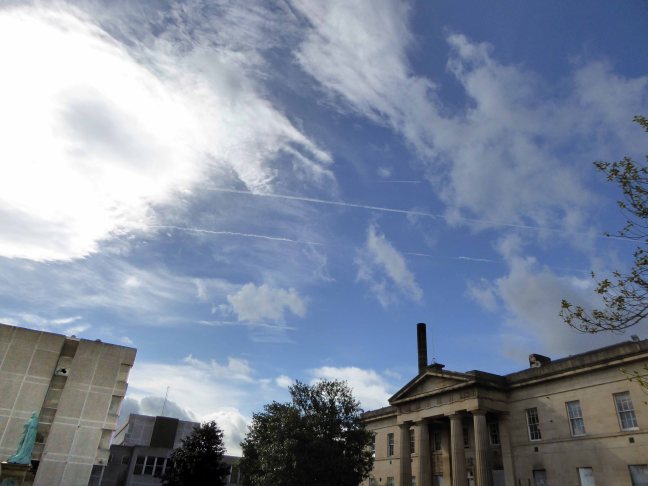
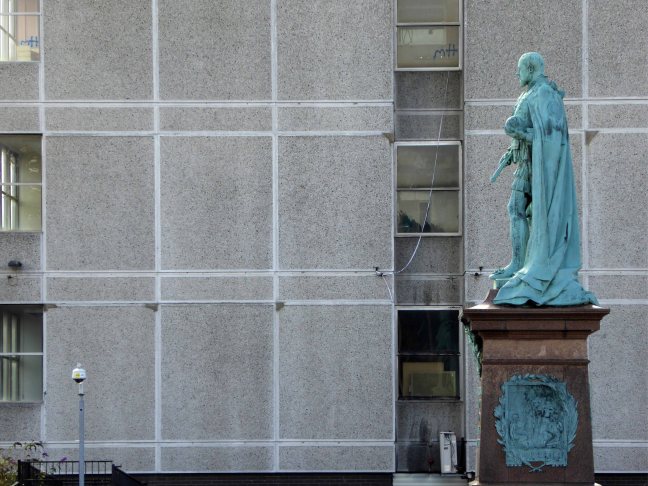
A curious amalgam of municipal classicism and hard edged 70s modernity, presided over by a sombre, care worn and  patinated Edward VII.

“Worth a few bob, a bugger to shift.”

p1080517-copy

p1080518-copy

p1080521-copy

p1080522-copy

p1080523-copy

p1080531-copy

p1080534-copy

p1080538-copy

p1080545-copy

p1080546-copy

p1080547-copy

p1080550-copy

p1080551-copy

p1080553-copy

p1080554-copy

p1080557-copy

p1080558-copy

p1080561-copy

p1080562-copy

p1080564-copy

p1080565-copy

p1080567-copy

p1080569-copy

p1080574-copy

p1080576-copy

p1080577-copy

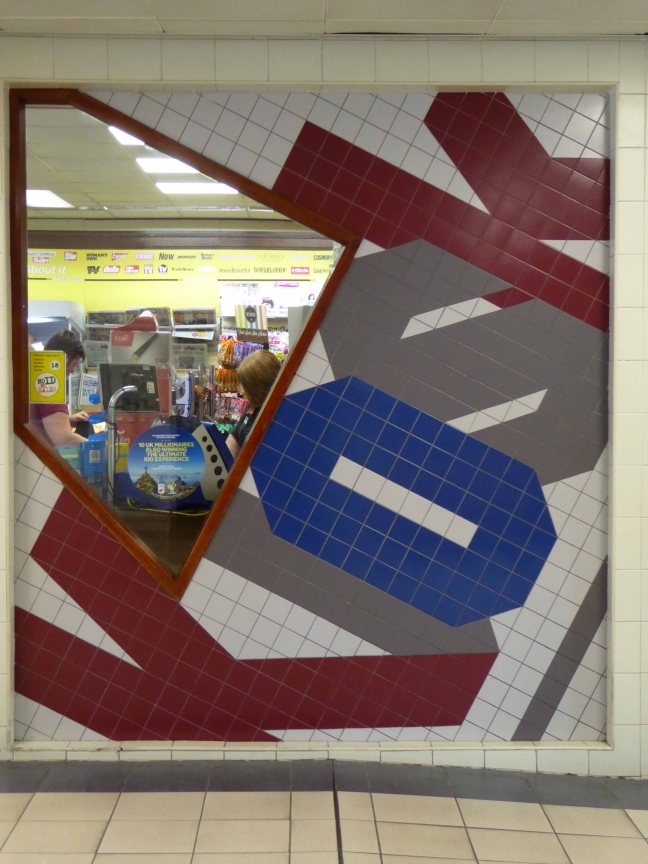
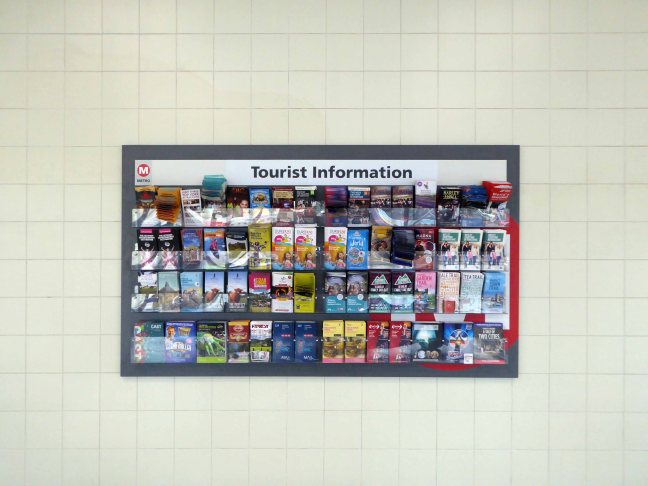
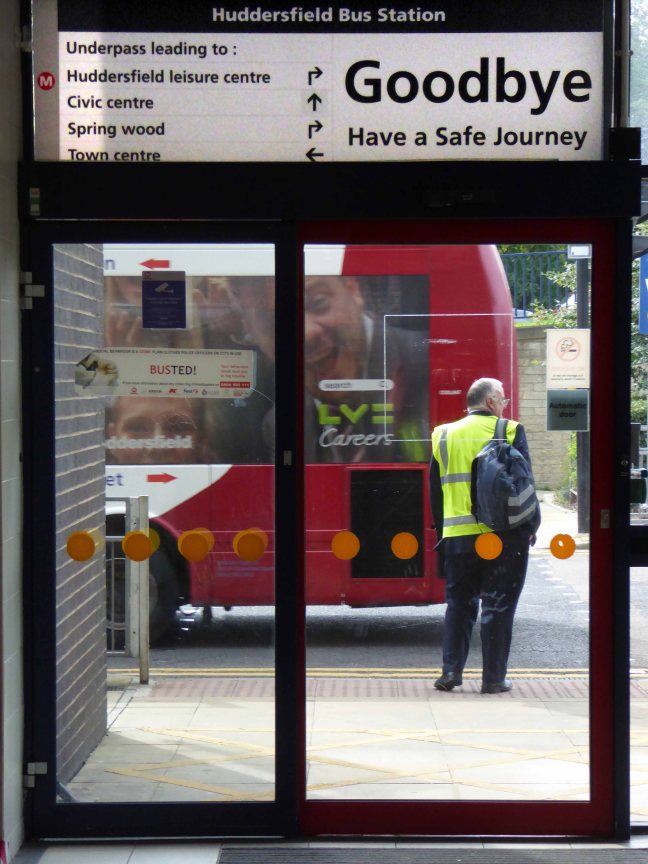
Bus Station – Huddersfield

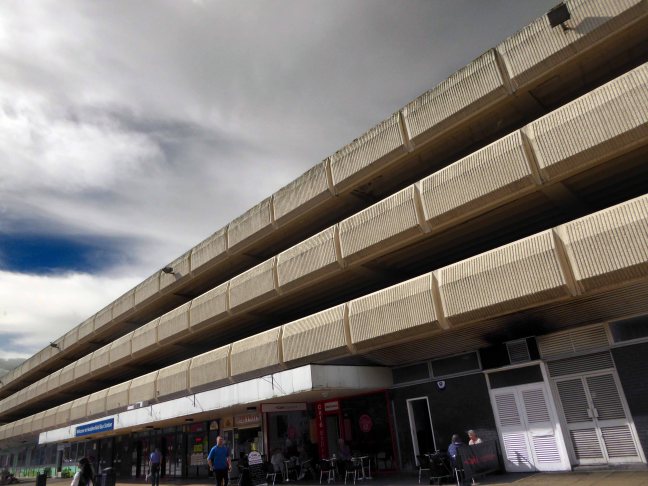
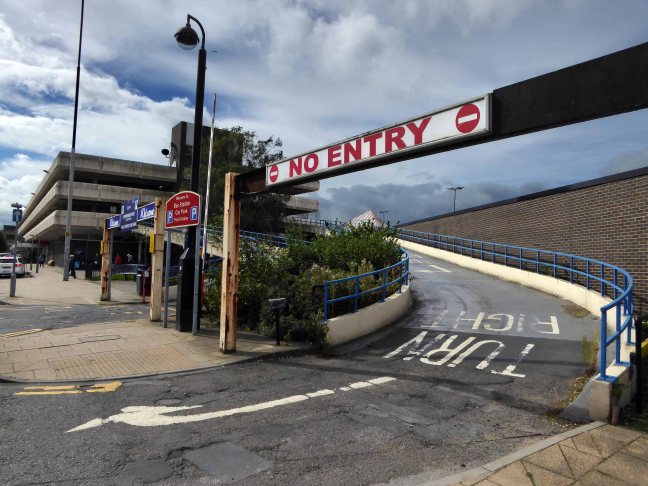
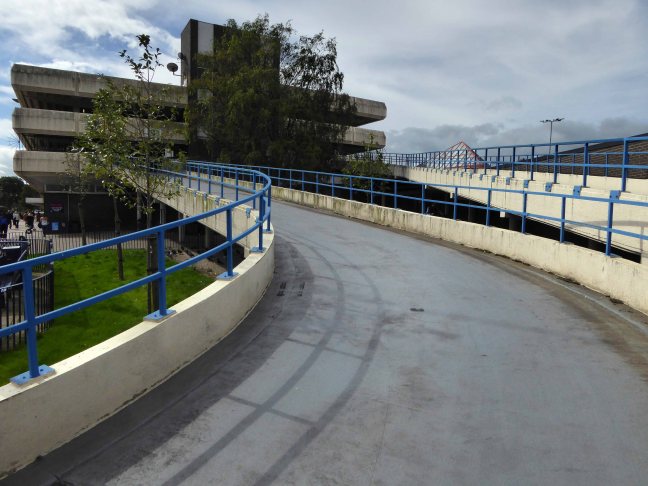
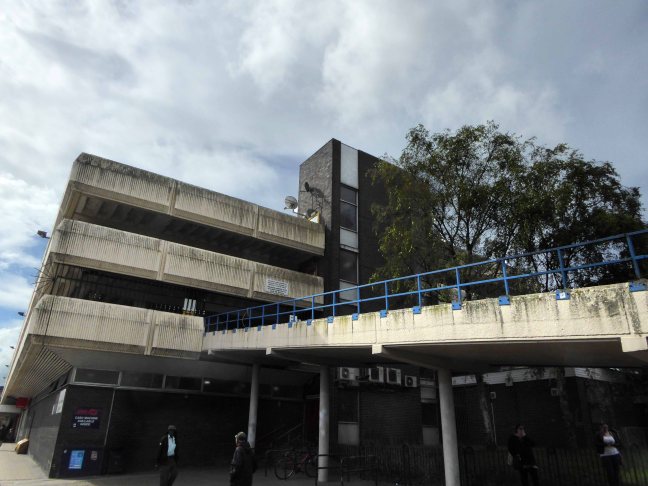
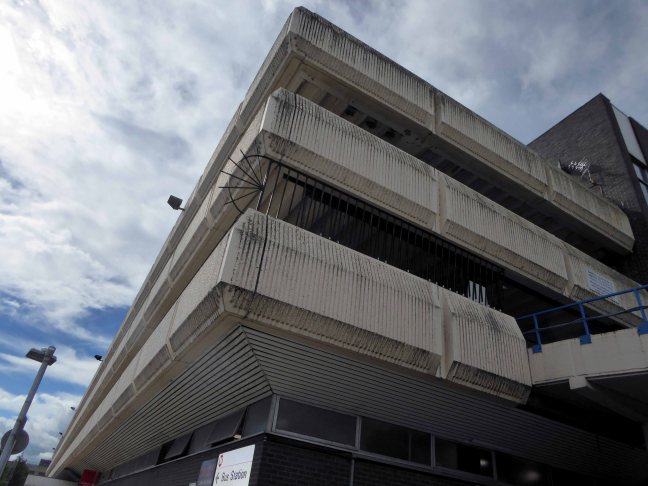
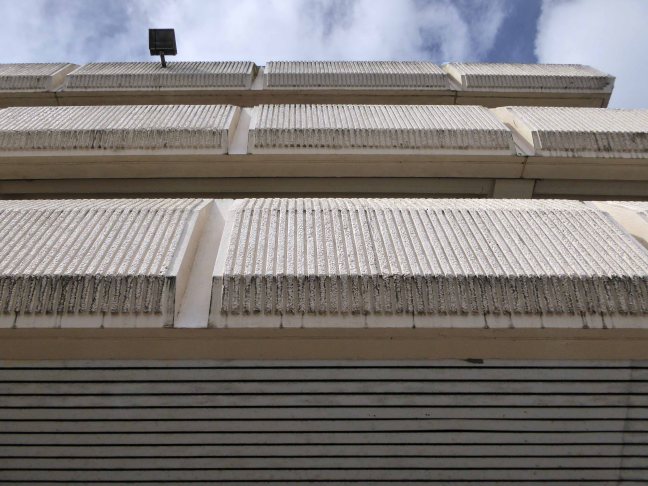
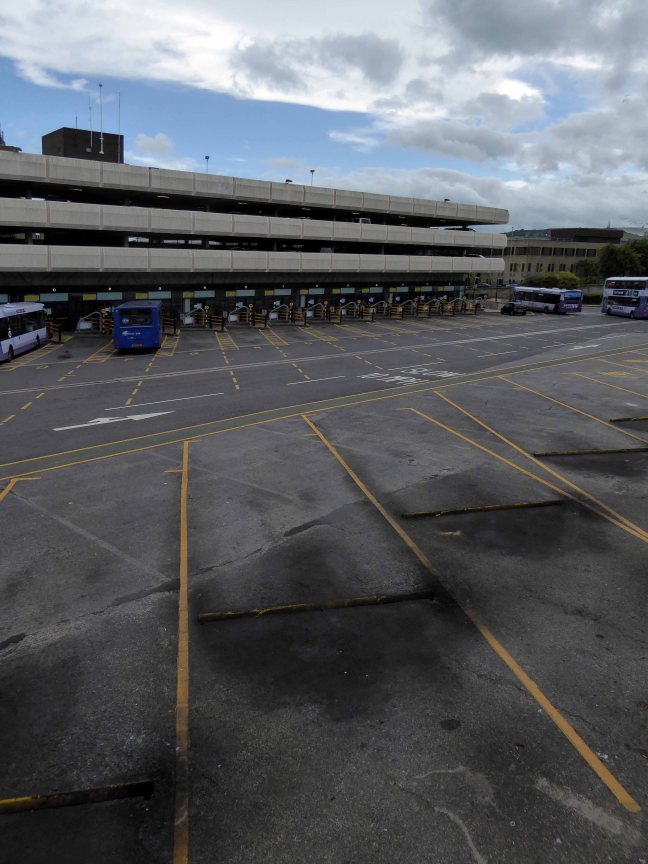
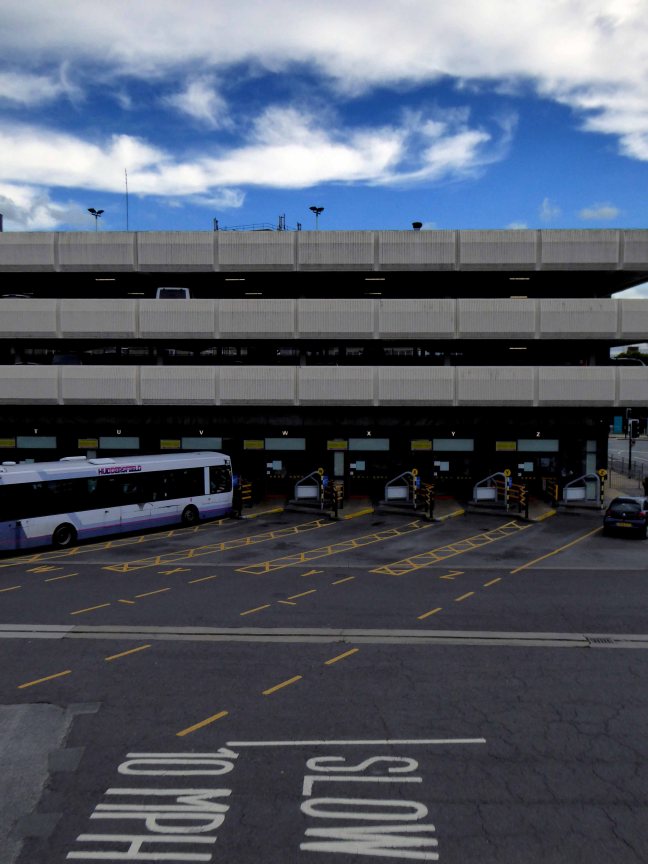
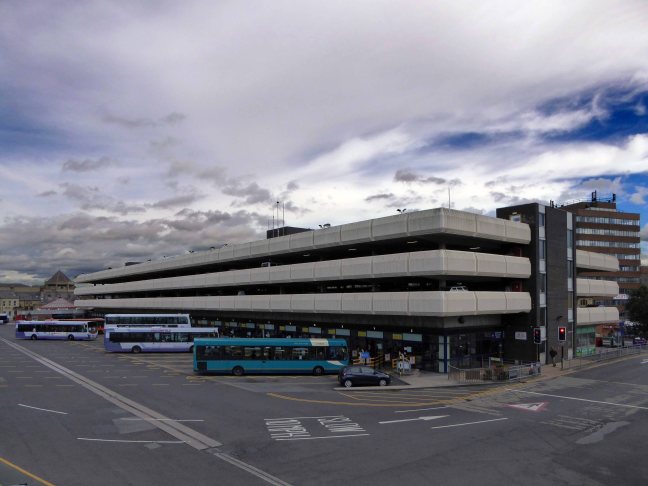
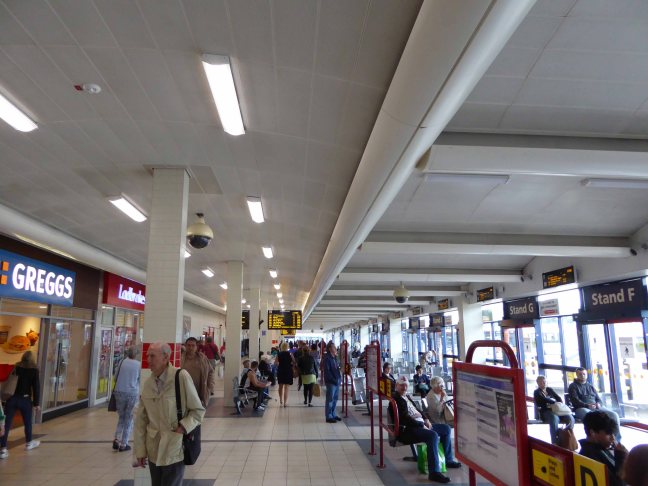
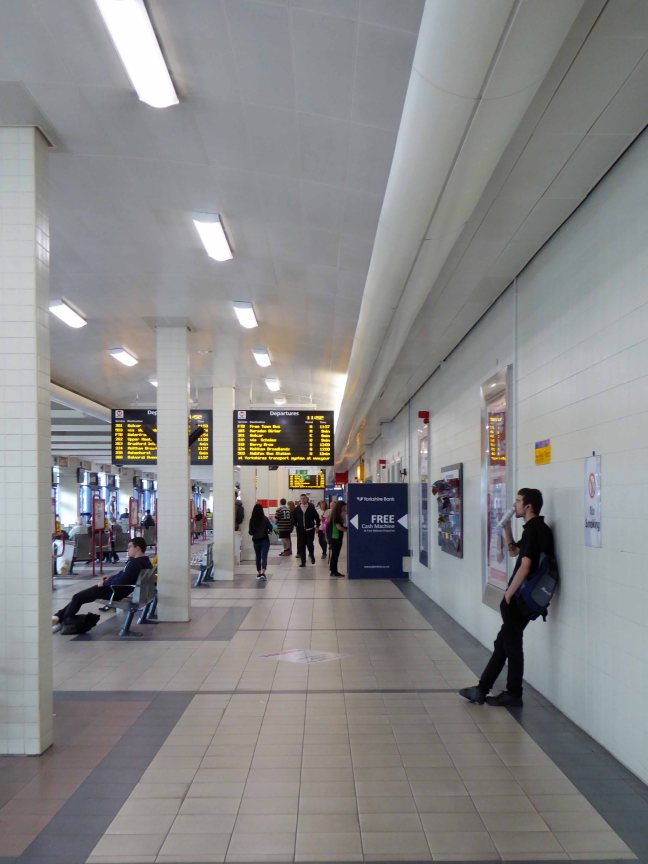
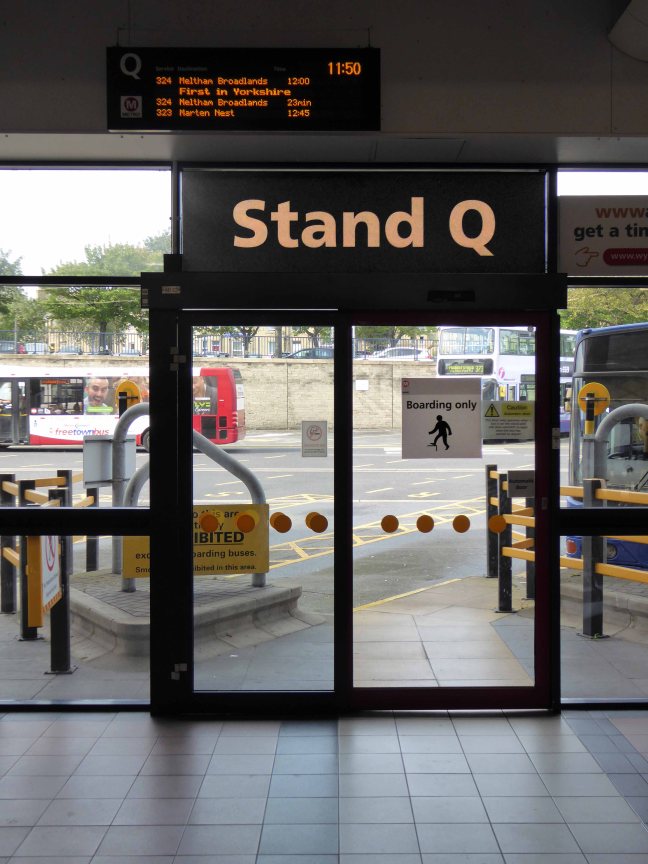
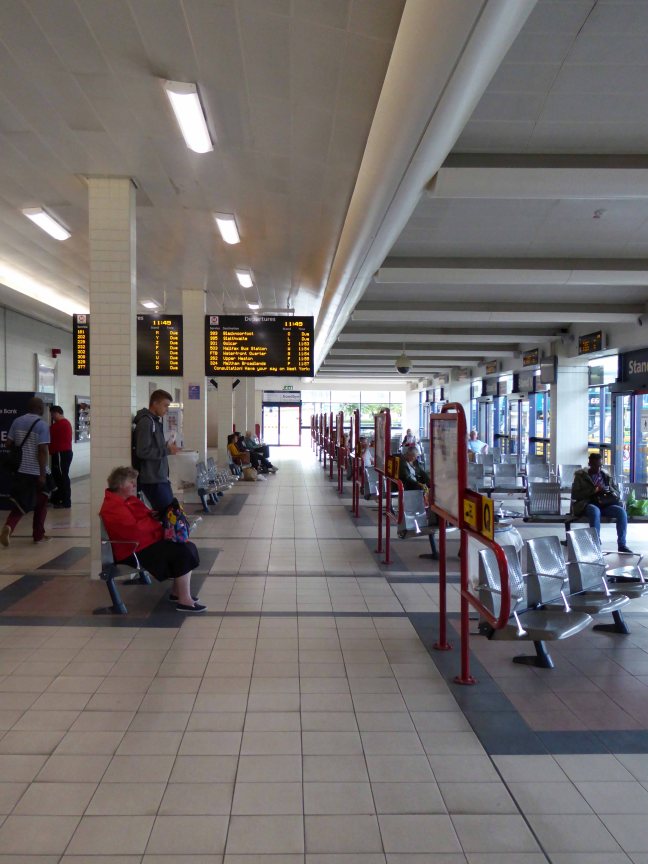
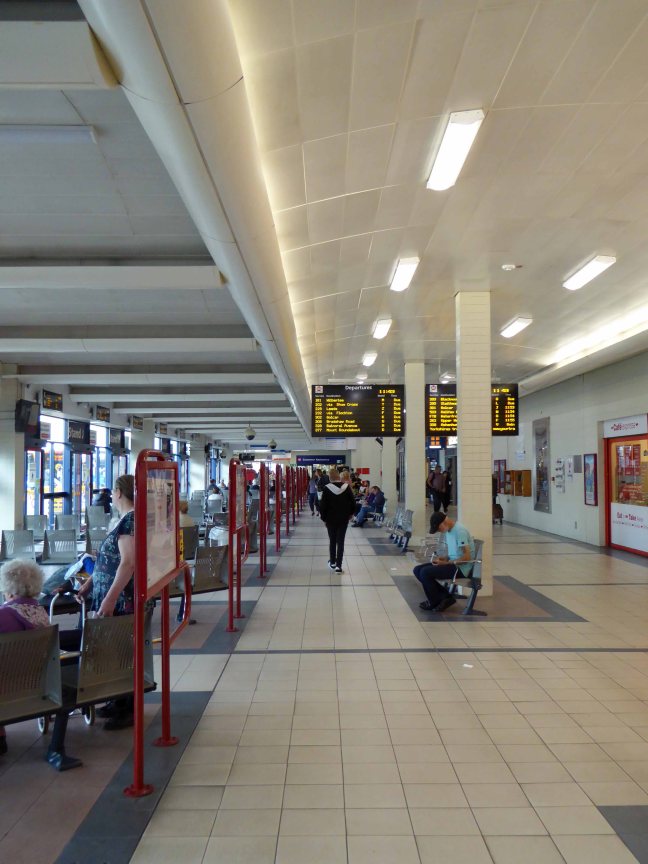
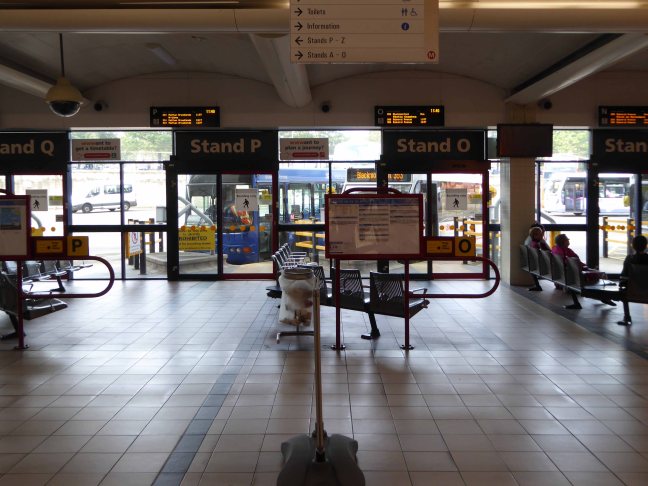
Huddersfield bus station serves the town of Huddersfield, West Yorkshire, England.

Which seems both serendipitous and heartwarmingly convenient.

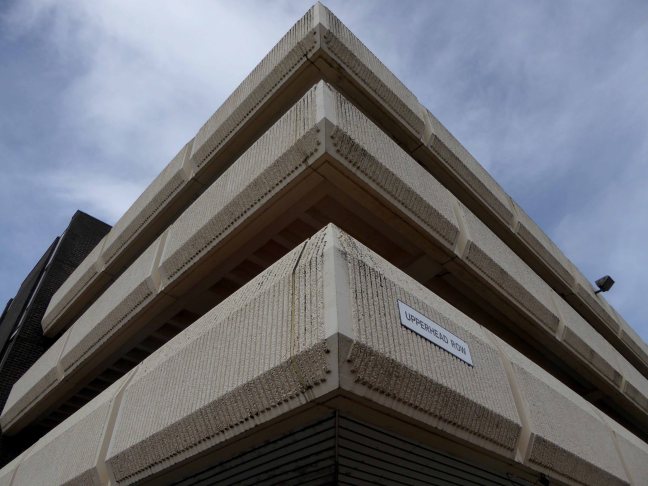
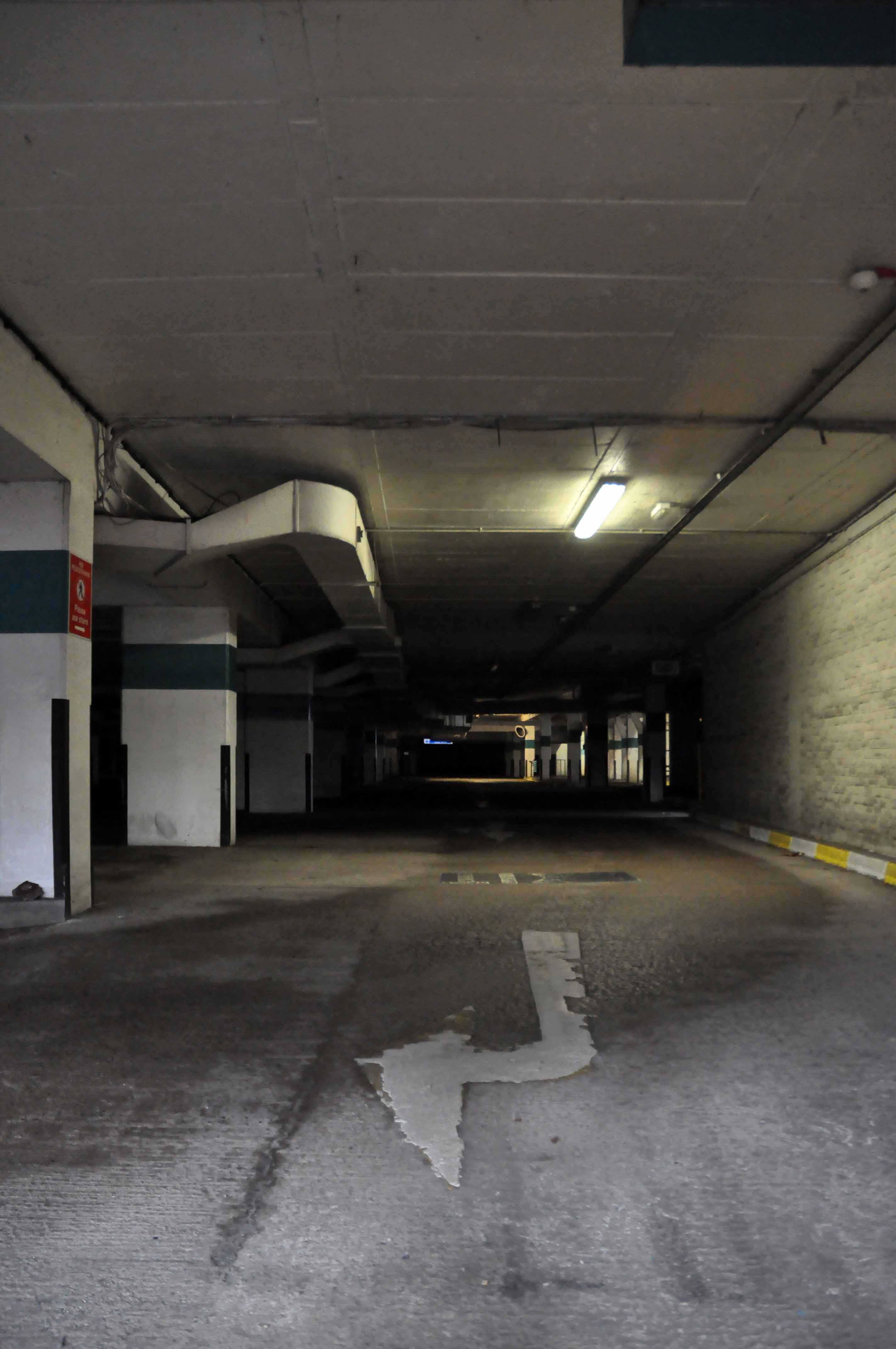
The bus station was opened on Sunday 1 December 1974 and is owned and managed by Metro. It is now the busiest bus station in West Yorkshire. The bus station is situated in Huddersfield town centre, underneath the Multi-storey car park. It is bordered by the Ring Road – Castlegate A62 and can be accessed from High Street, Upperhead Row and Henry Street.

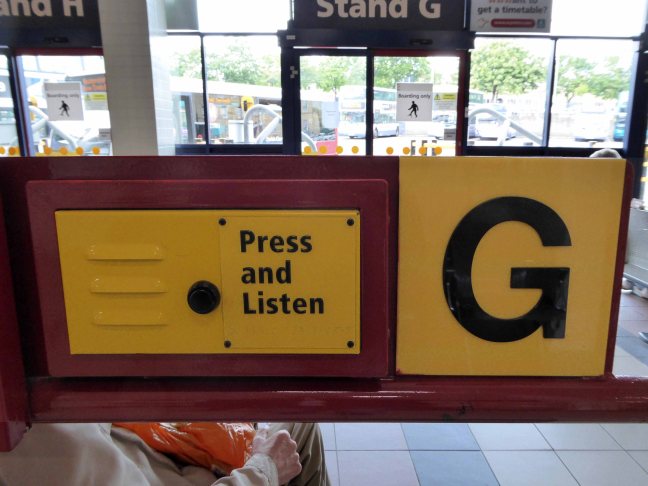
There are 25 pick-up and three alighting only stands at the bus station.

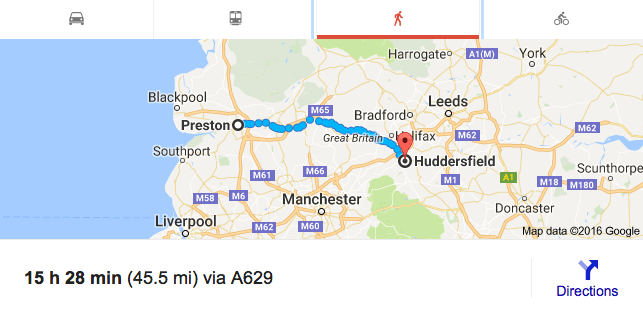
Forever in the shadow of its Red Rose almost neighbour in Preston.

Some forty five miles and a fifteen and a half hour walk to the west.

screen-shot-2016-09-12-at-07-00-56

Yet still a thing of beauty and a joy forever  – given the recent repairs to the membrane covering of its multi-storey car park.

On the day of my visit it was clean, compact, cheerfully bustling and well used, passengers busy going about their business, of busily going about their business of going.

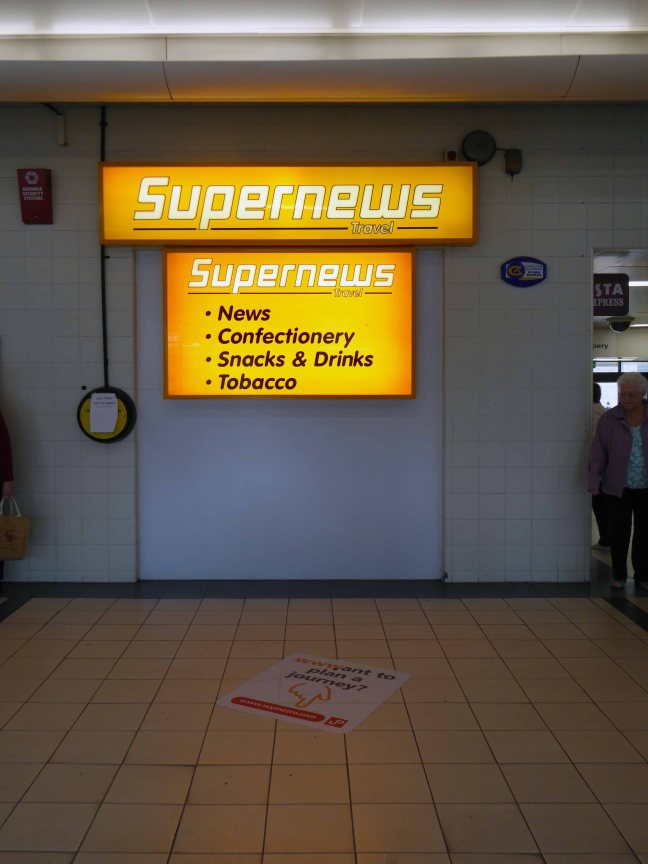
Light classics played soothingly upon the Tannoy, punters popped in and out of Ladbrokes, the kiosk plied its trade, the café was full and an air of calm, clear functionality reigned.

I walked quietly away.

p1080644-copy

p1080645-copy

p1080646-copy

p1080647-copy

p1080648-copy

p1080678-copy

p1080677-copy

p1080675-copy

p1080673-copy

p1080651-copy

p1080671-copy

p1080667-copy

p1080662-copy

p1080663-copy

p1080661-copy

p1080664-copy

p1080666-copy

p1080665-copy

p1080660-copy

p1080659-copy

p1080658-copy

p1080655-copy

p1080654-copy

p1080653-copy

p1080652-copy

p1080657-copy


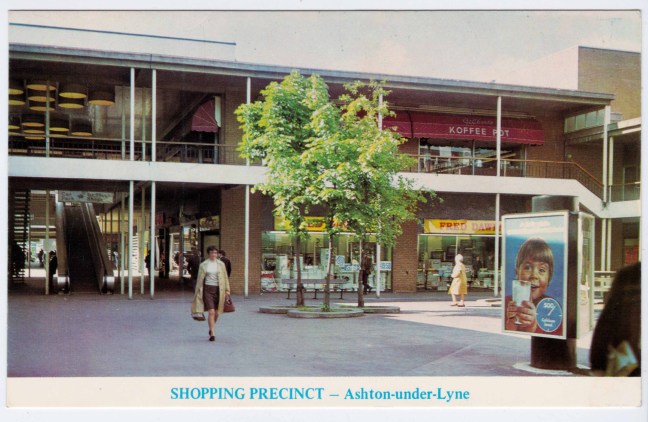
Precinct – Ashton under Lyne

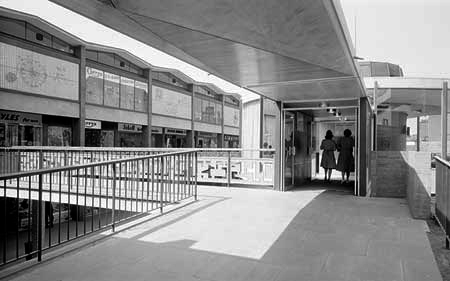
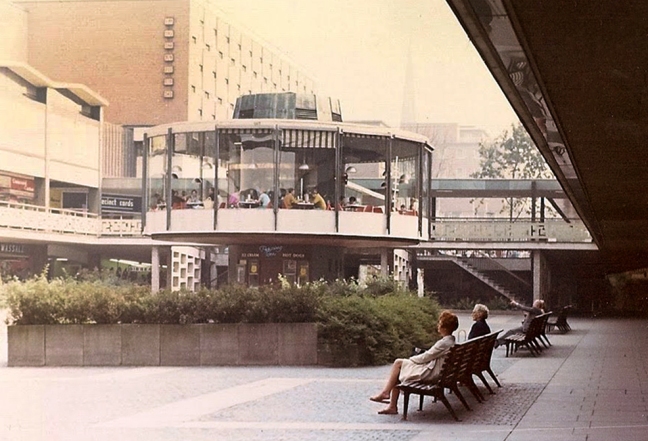
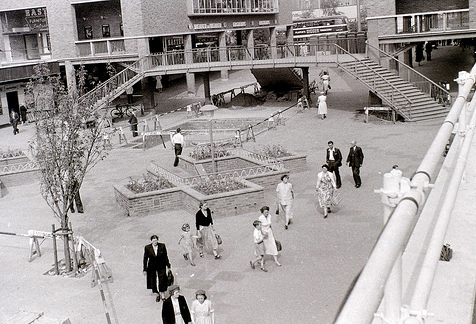
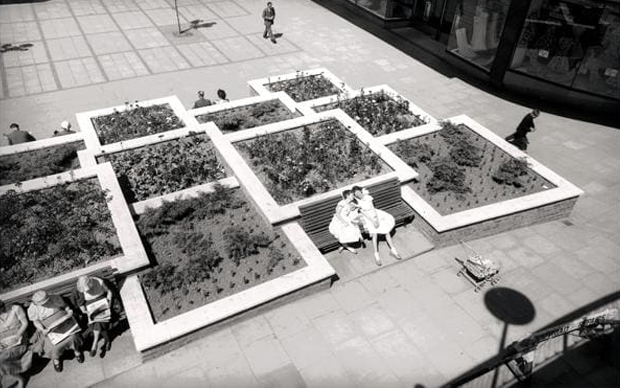
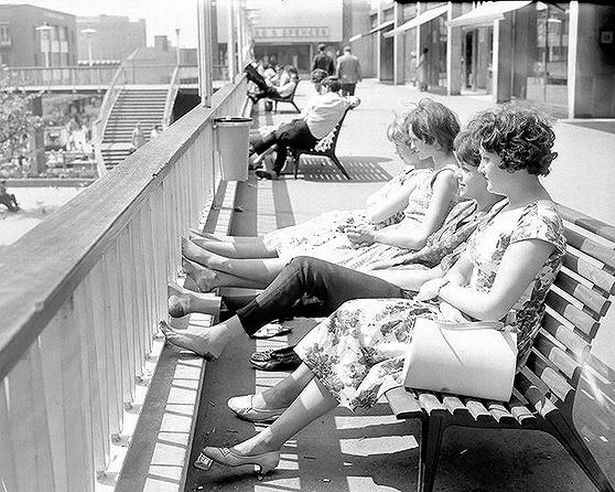
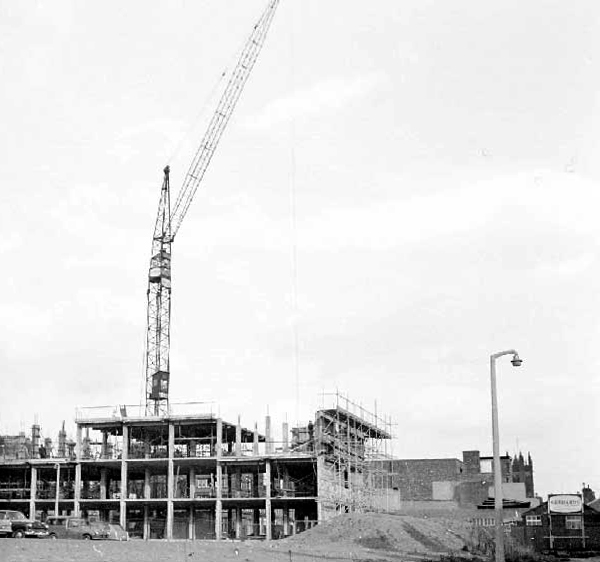
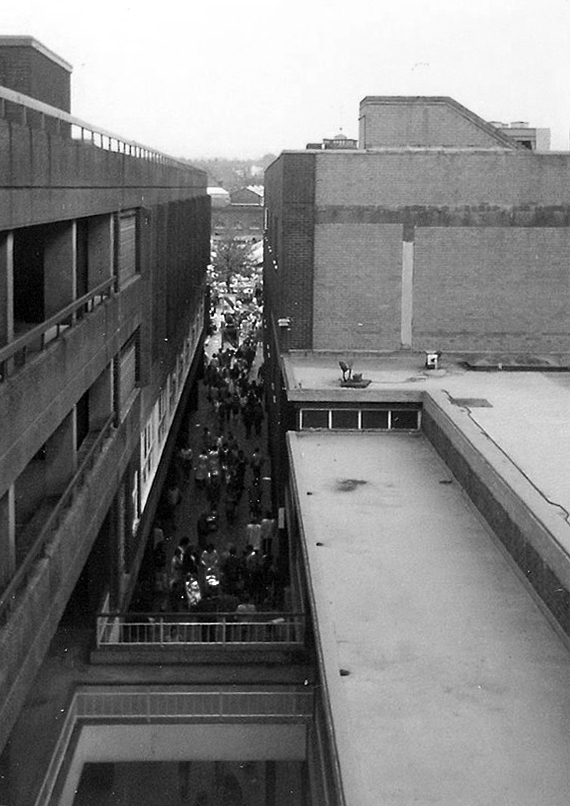
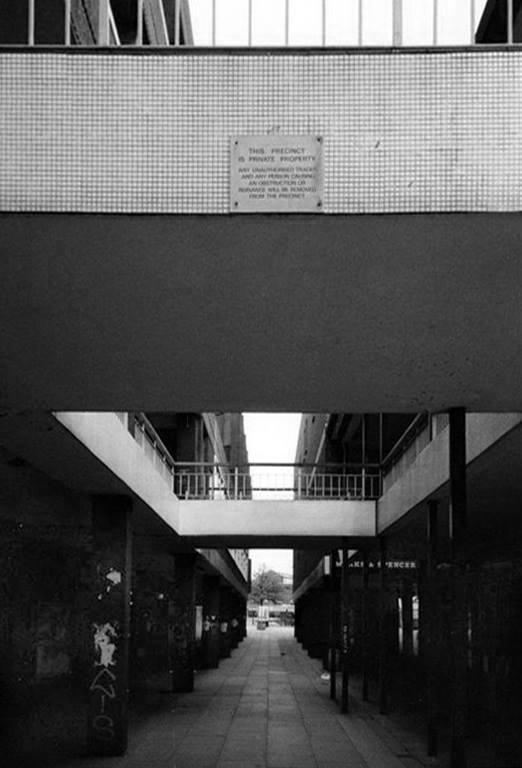
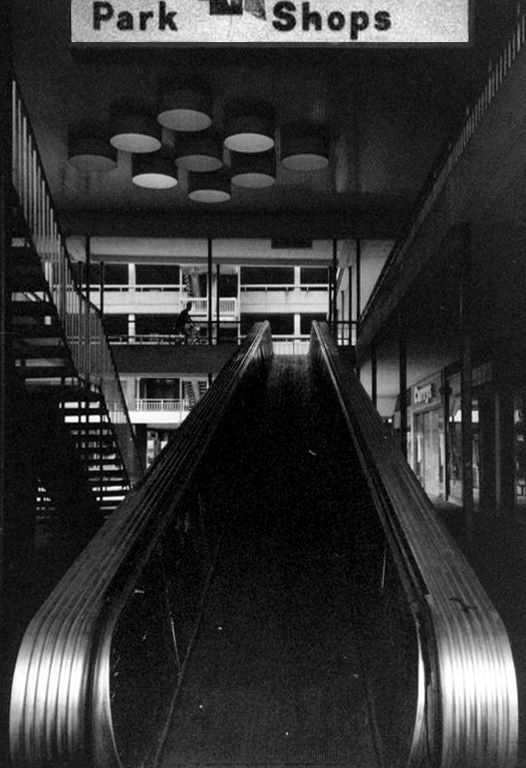
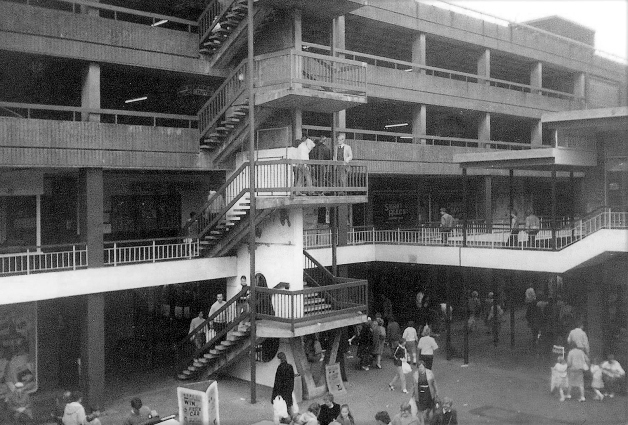
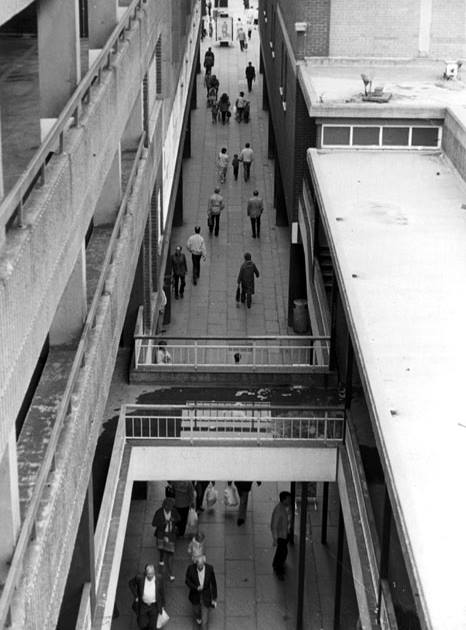
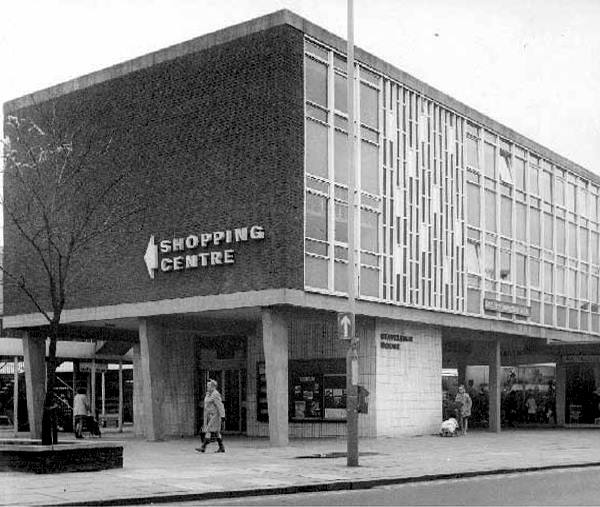
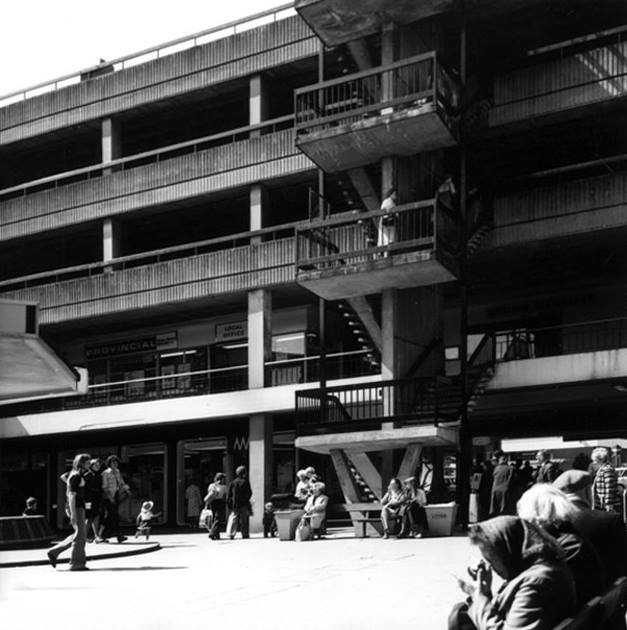
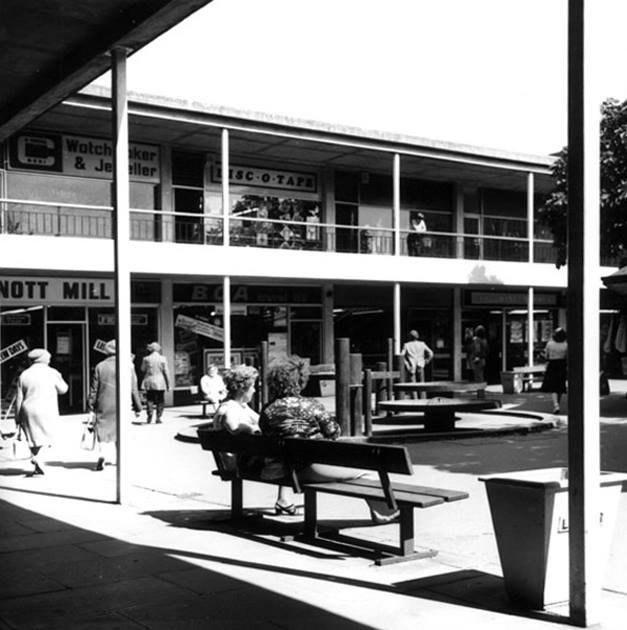
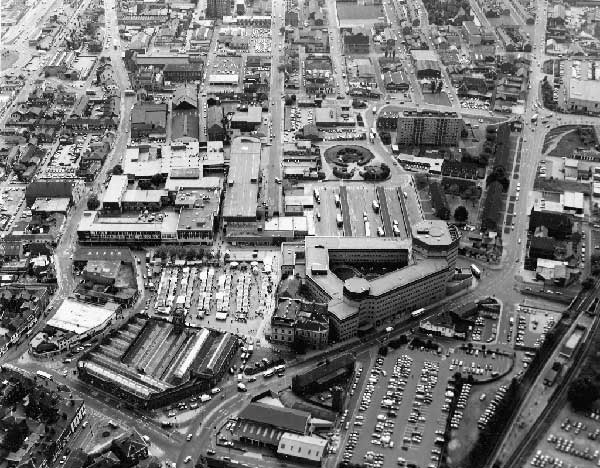
Possibly my first brush with modernism and modernity, the shopping precinct in Ashton under Lyne. Typically in the mid Sixties, British towns reinvented themselves as space age retail experiences, in stark contrast to their middle aged, Middle Aged market centre, market centred identity.

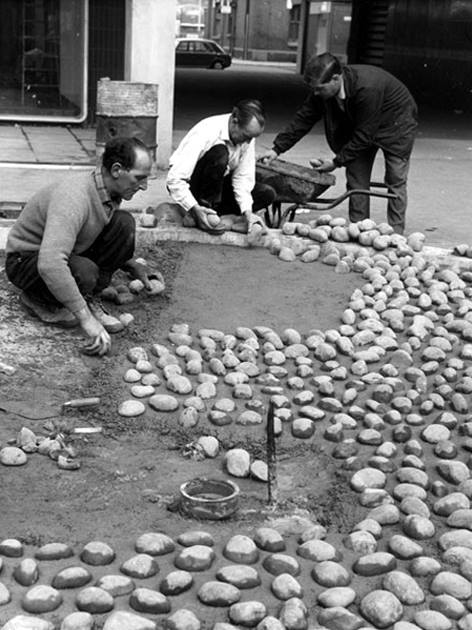
Out with the cobbles and stalls, in with the travelator, frothy coffee, concrete and a pedestrianised, undercover, all weather, super convenient haven of heavenly fun!
ashton precinct copy

And lo, it came to pass, let construction commence.

t01953

t01950

Simply add a few decorative embellishments courtesy of the Direct Works’ pavoirs.

12745520_10153983510951600_6512440473109429374_n

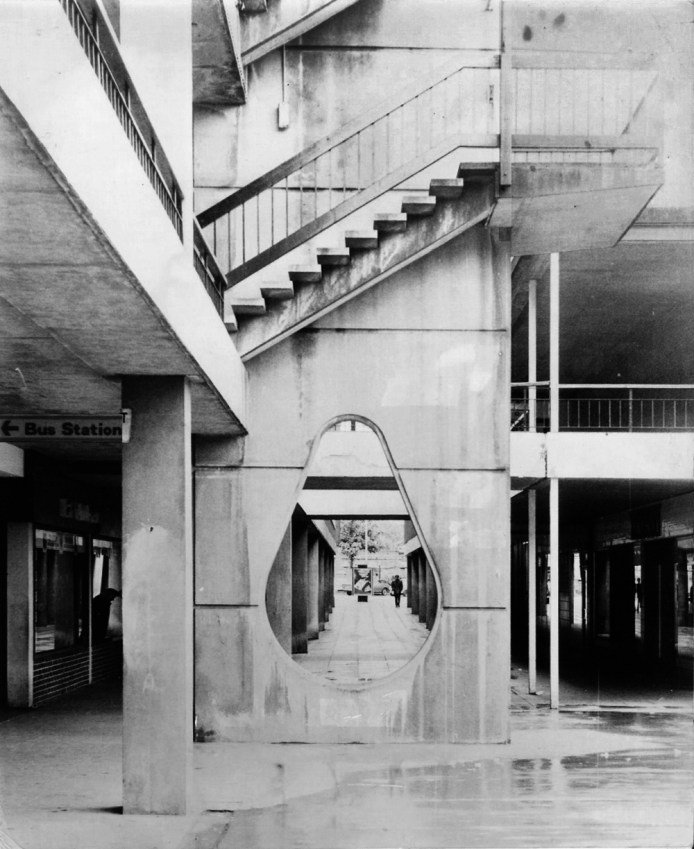
You have built it and now they will come:

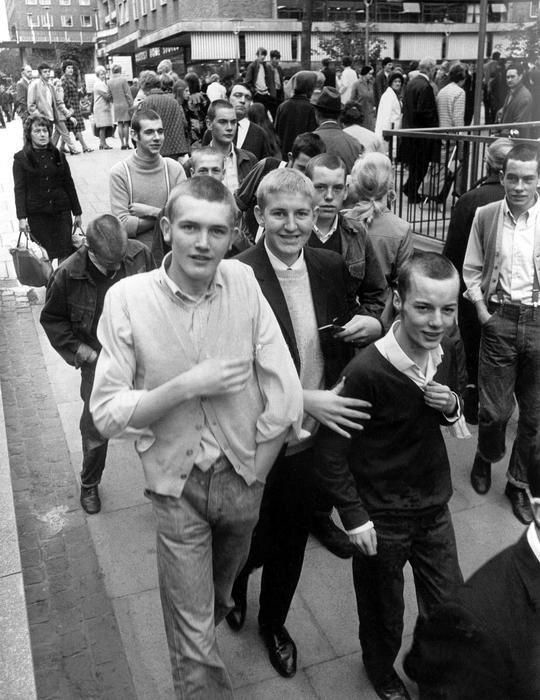
Little did you know you had created a punk rock icon.

hires-10932

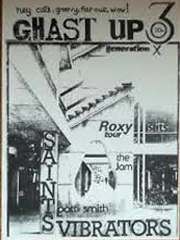
Featured on the cover of fanzine Ghast Up #3 – many thanks to MDMA

unknown

1979654_10152428276351641_6999424894618567349_n

10264662_10153983511236600_4523373721109693617_n

10385434_10153983511291600_4613412642380719745_n

16602225_1570603029620874_2256672277170597802_o

10342461_10153983511146600_7512830533940401704_n

12728821_10153983510731600_7256812645345890936_n

12729035_10153983511066600_1320602826549288893_n

12742561_10153983511096600_5537488918949045366_n

12743866_10153983510701600_2875237727693899359_n

12744088_10153983510966600_242545068376562667_n

10557745_10152428276466641_5539685419732486974_o

ashton precinct

precinct

Many thanks to the Tameside Image Archive

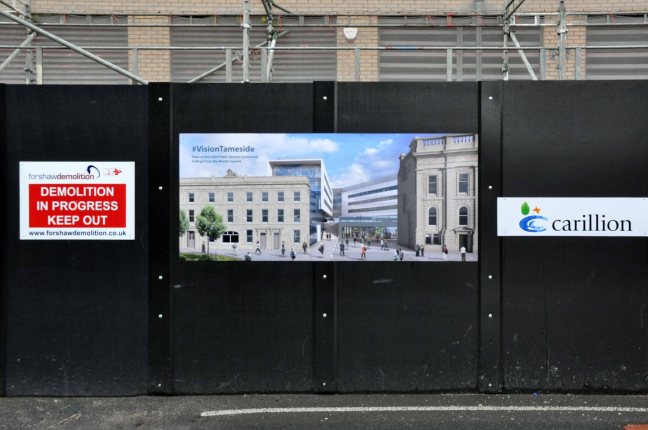
Ashton under Lyne – The Dustbin Demolished

For over thirty year you have weathered the storms of public ignominy.

The unloved Dustbin – repository of Tameside Council’s officers and offices.

Last time I was here you were there.

Screen Shot 2016-08-01 at 13.07.59

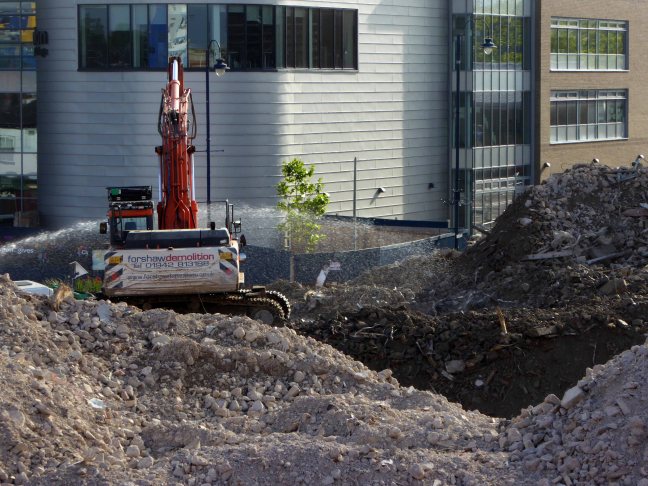
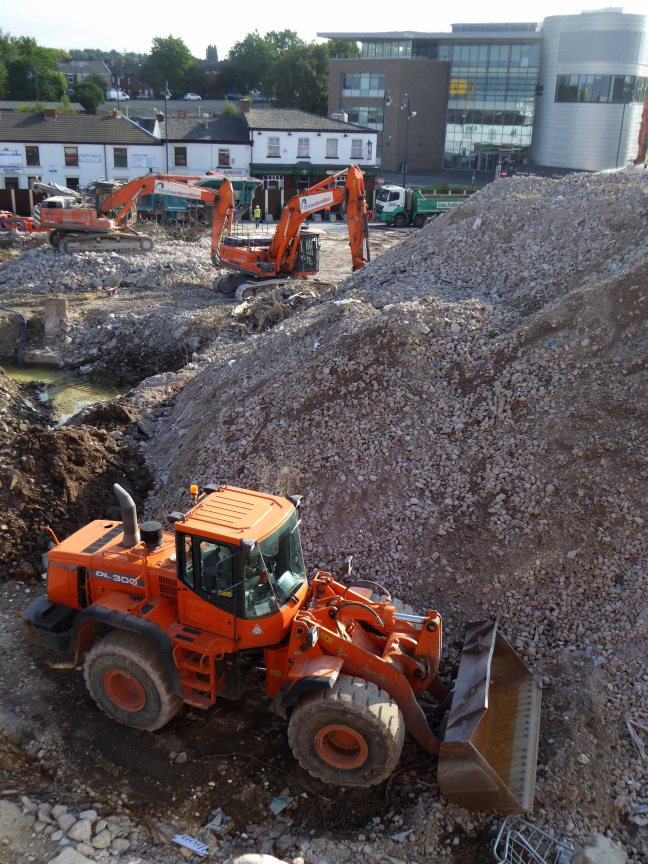
Then along came the ‘dozers.

DSC_0001 copy

DSC_0002 copy

DSC_0004 copy

DSC_0005 copy

DSC_0008 copy

DSC_0009 copy

DSC_0016 copy

DSC_0018 copy

DSC_0019 copy

DSC_0023 copy

DSC_0022 copy

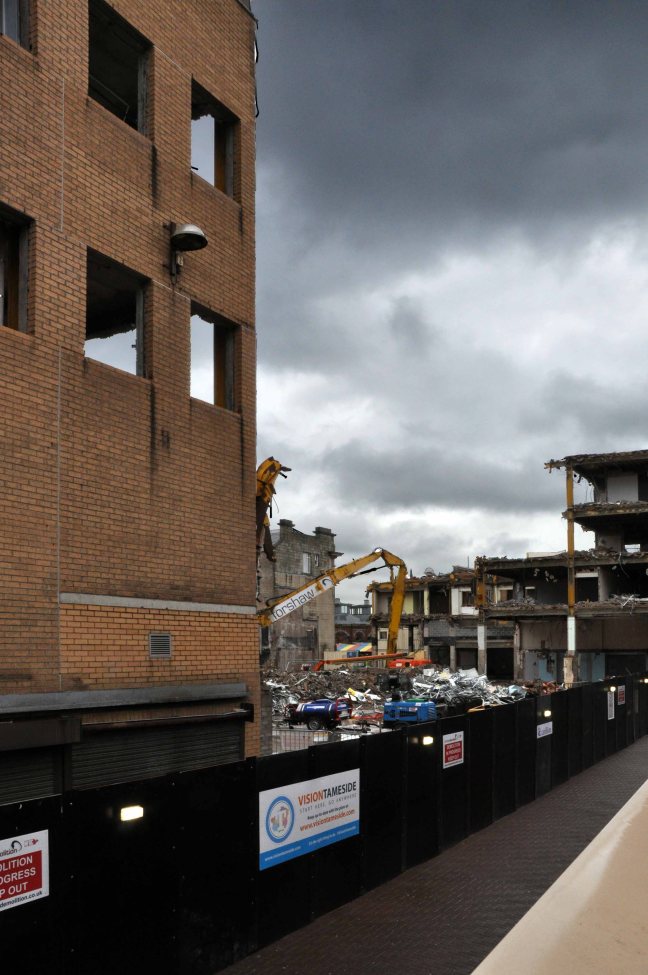
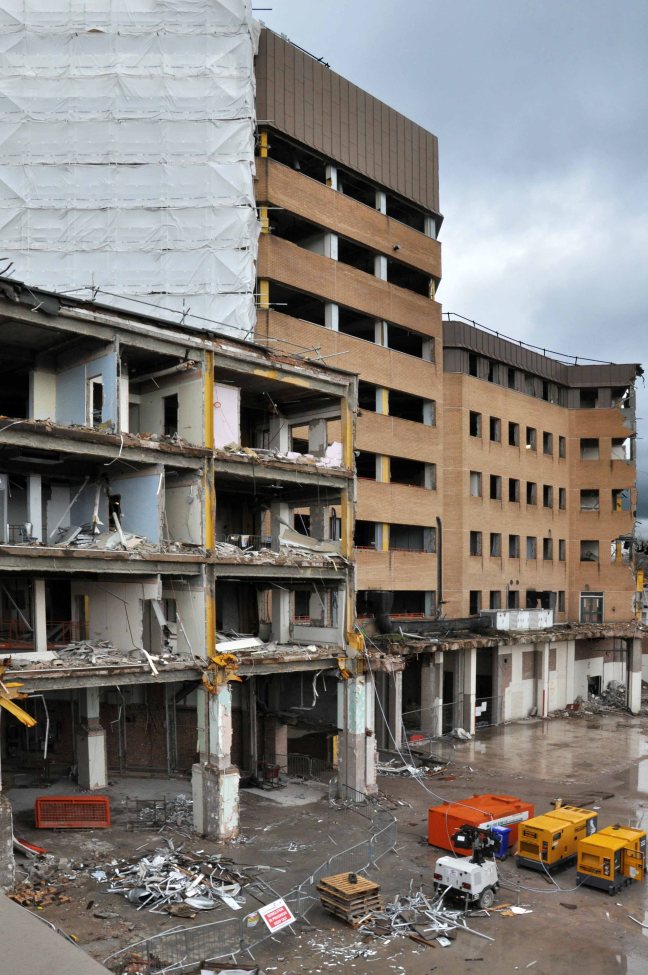
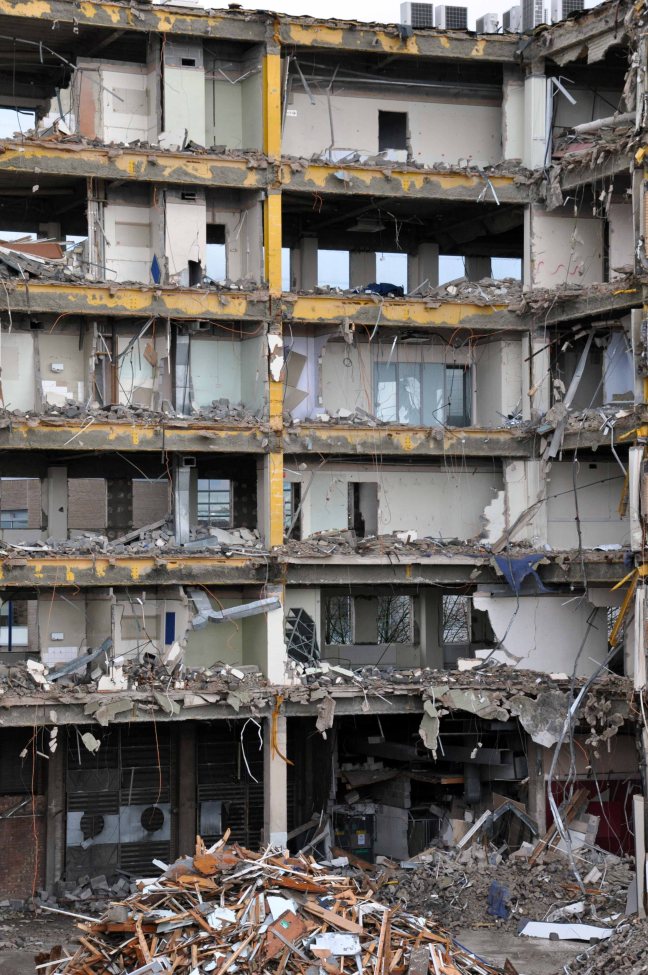
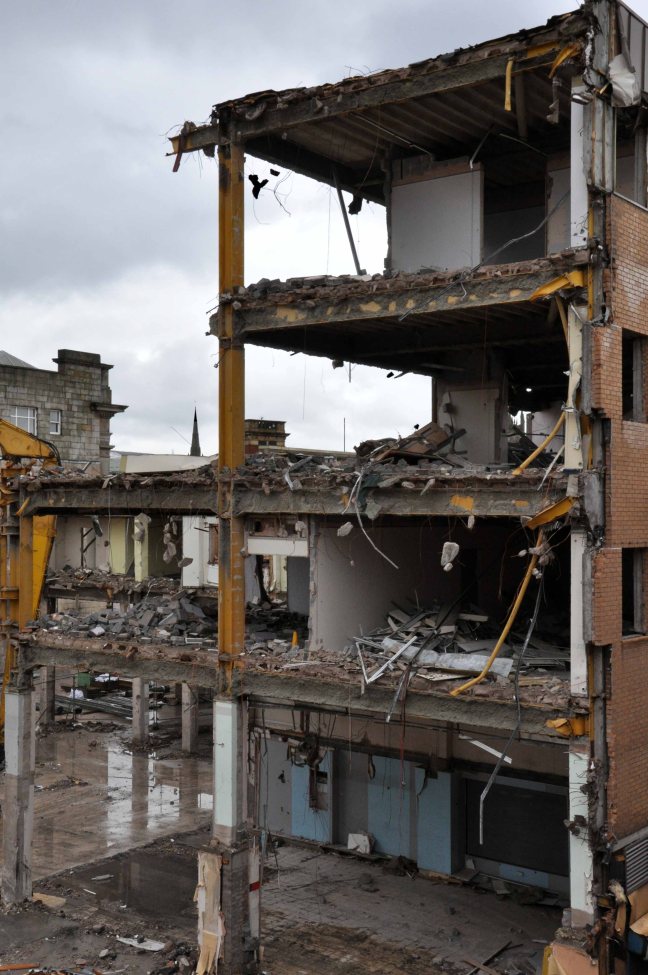
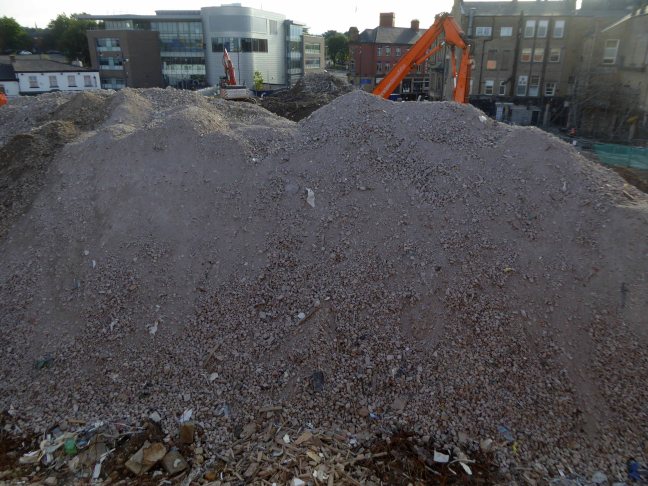
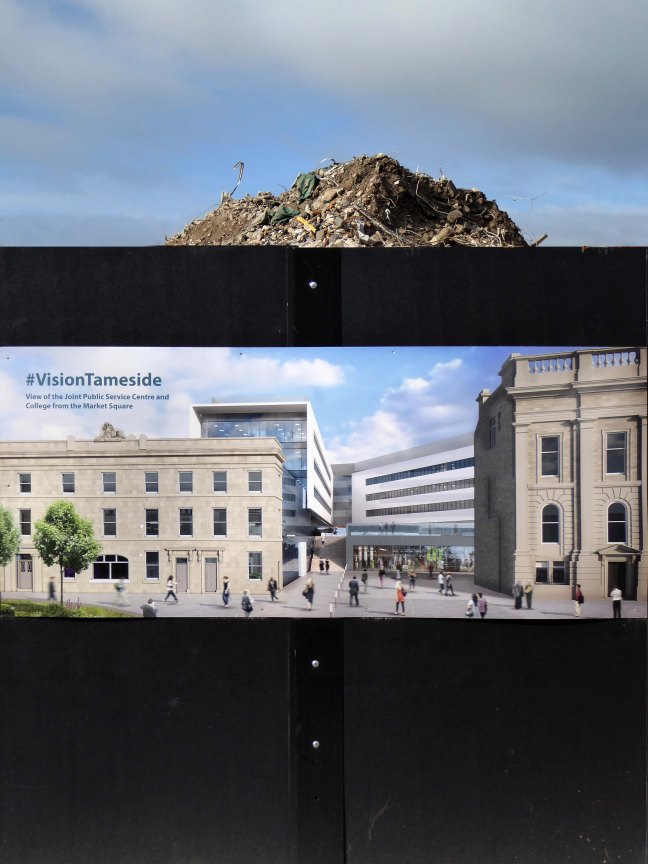
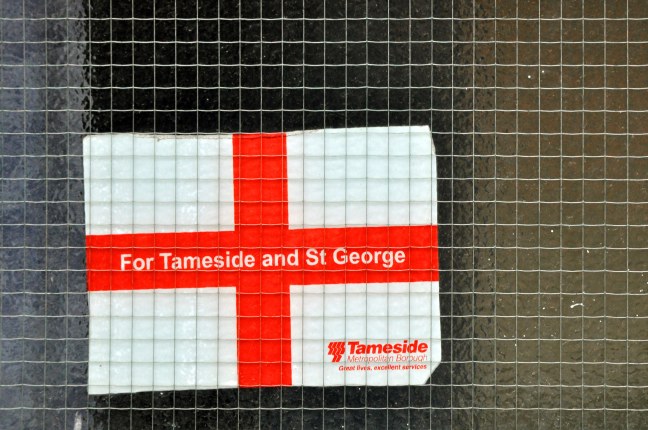
Vision Tameside has left you in tiny pieces.

– poked out your eyes and stamped you into the ground.

P1070145 copy

P1070148 copy

P1070138 copy

P1070152 copy

flag

Margate – Tidal Pools

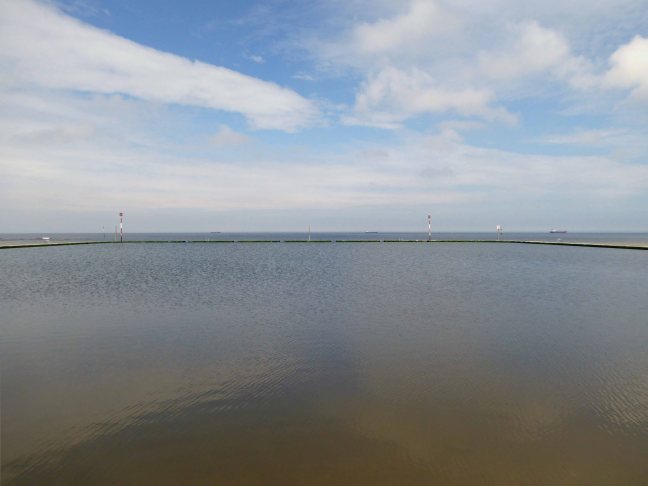
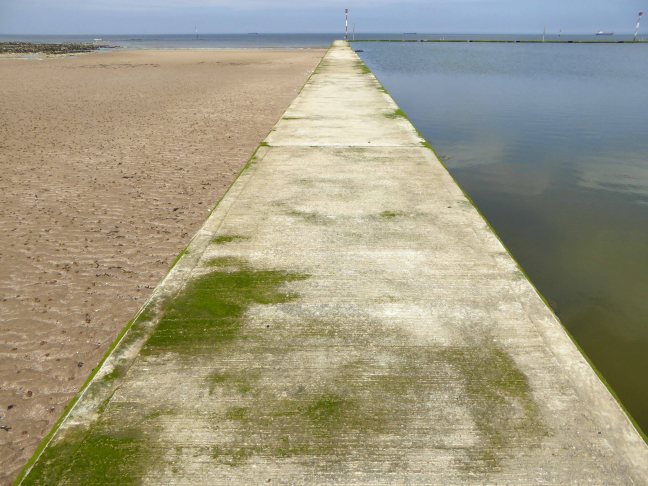
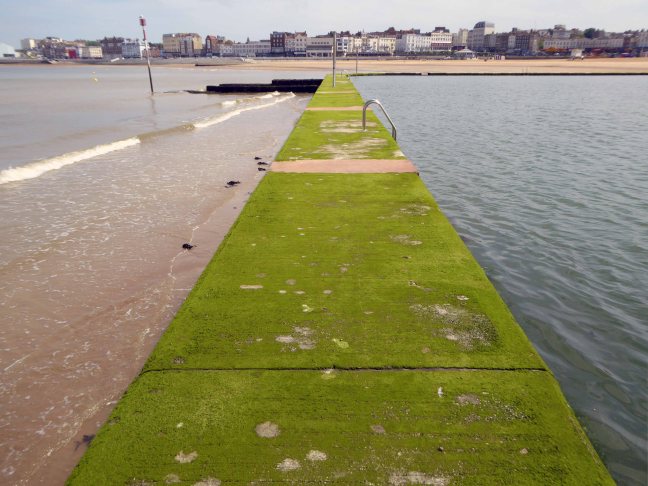
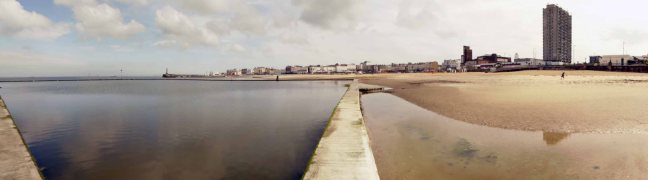
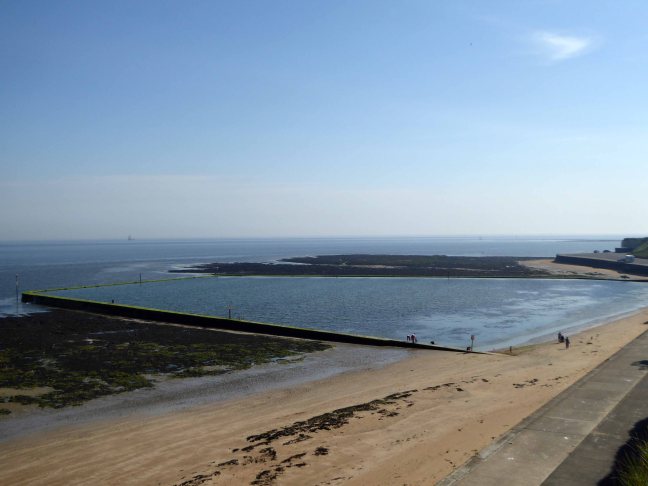
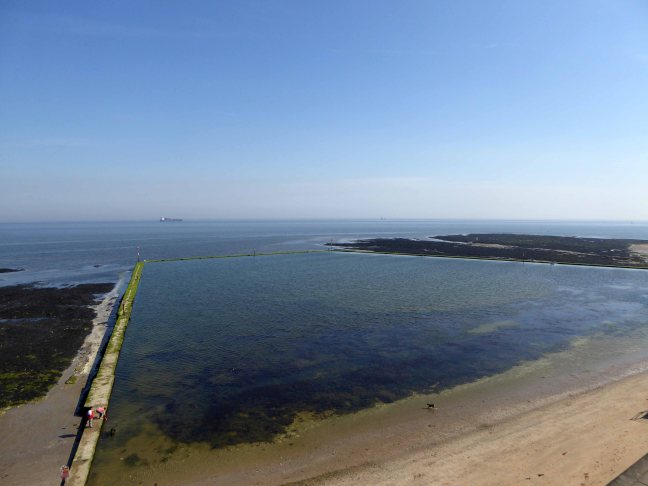
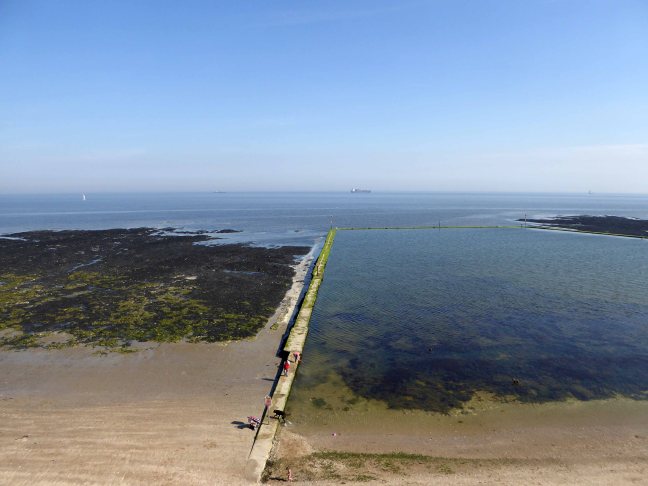
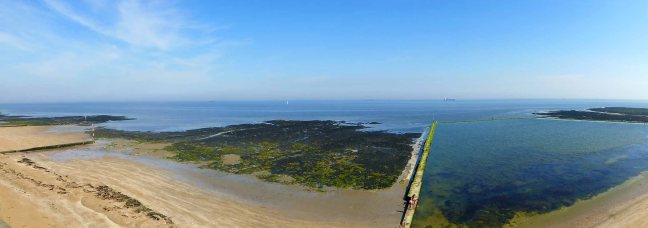
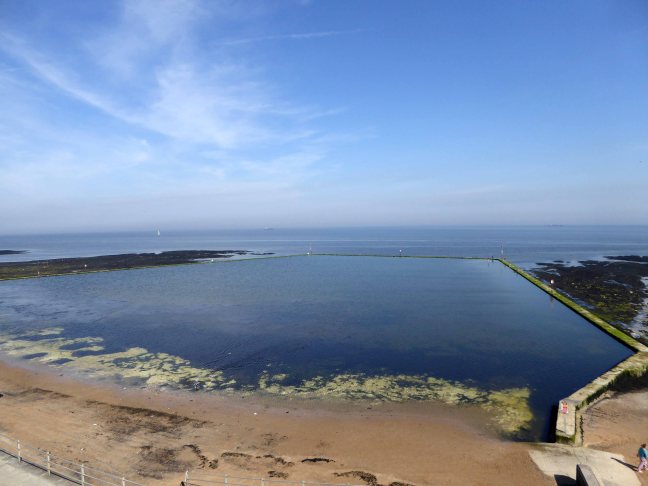
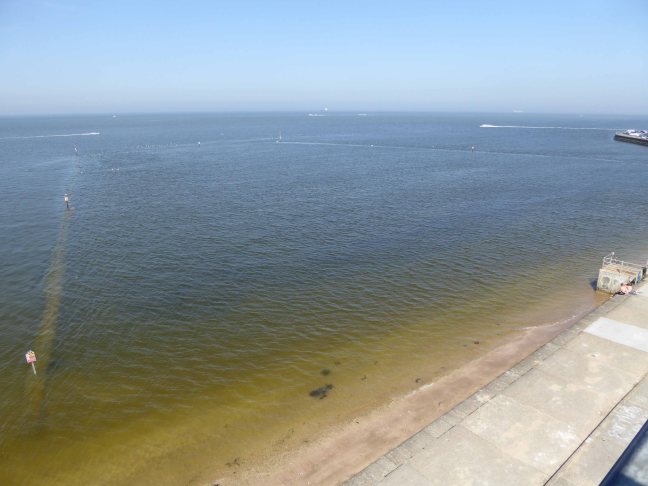
Margate a town of two pools.

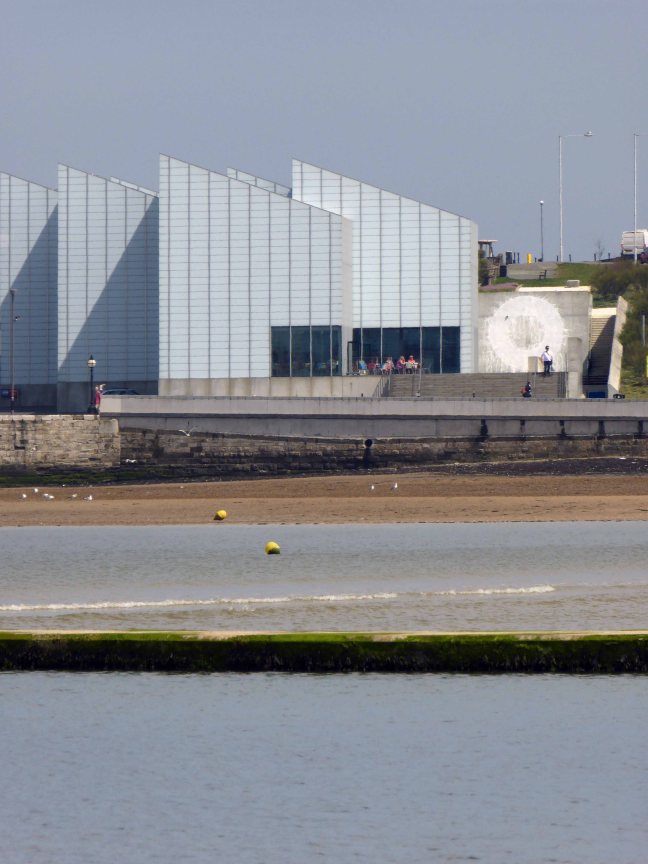
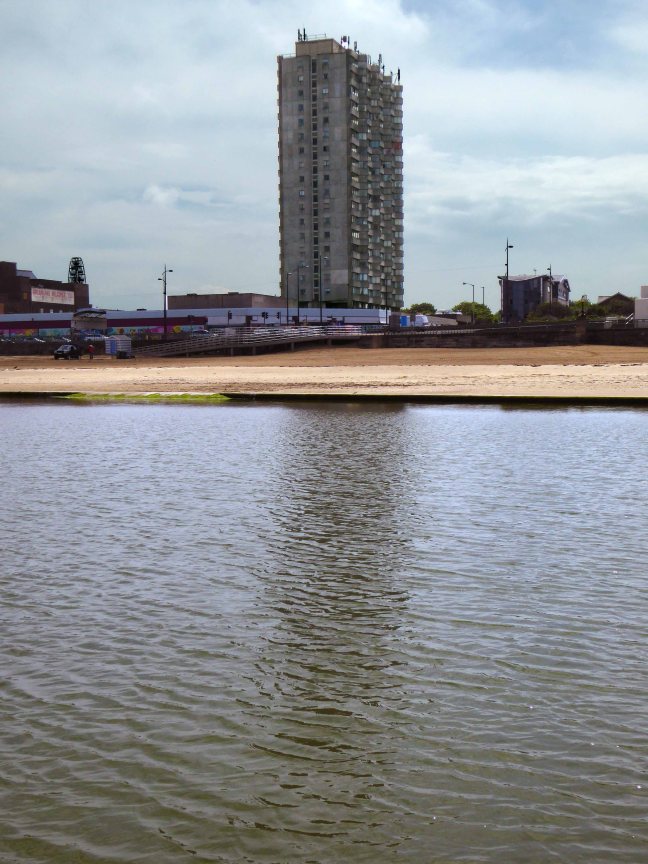
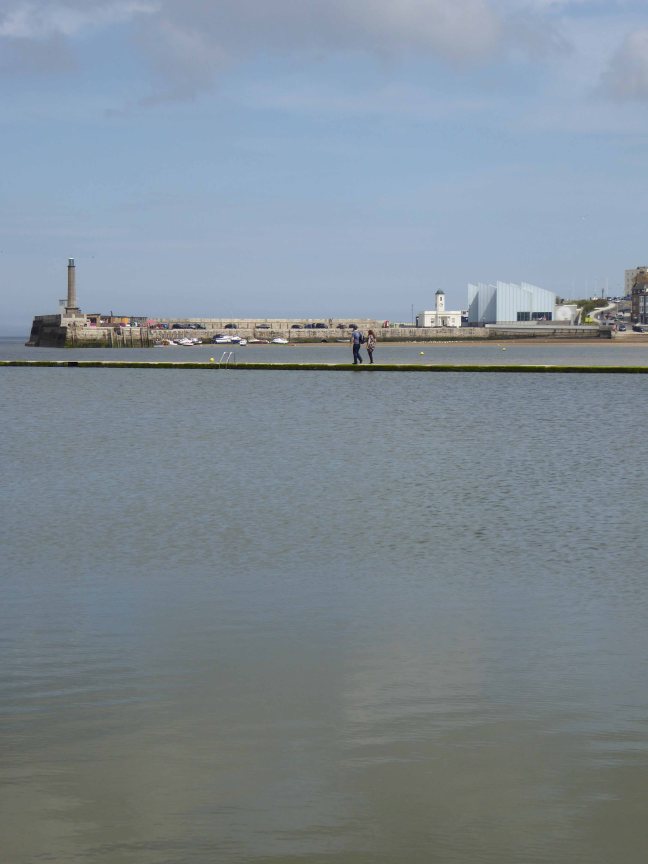
The first tucked in by the prom, a moments walk from the station and overlooked by the imposing Arlington House and the shimmer of the Turner Contemporary

– alas no longer the domain of the wild swimmer.

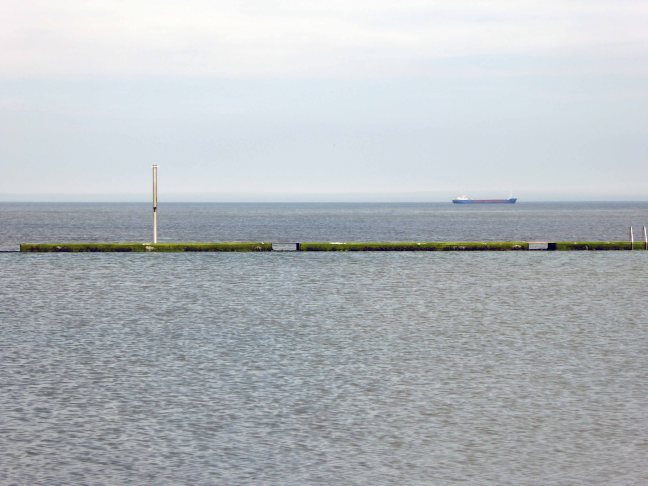
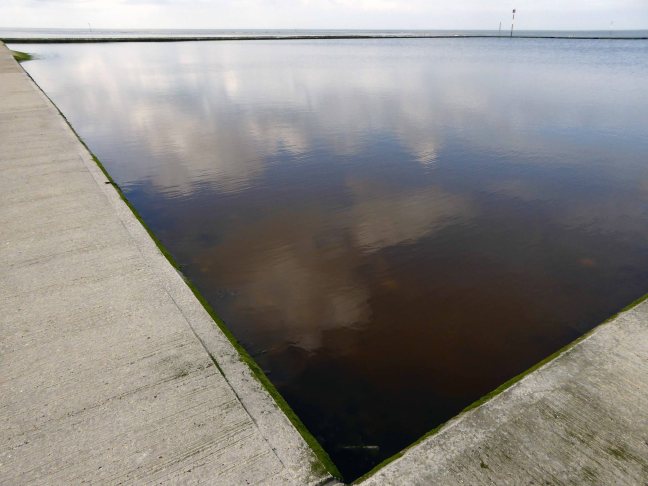
A large delicious expanse of seawater, now sadly designated as a boating pond.

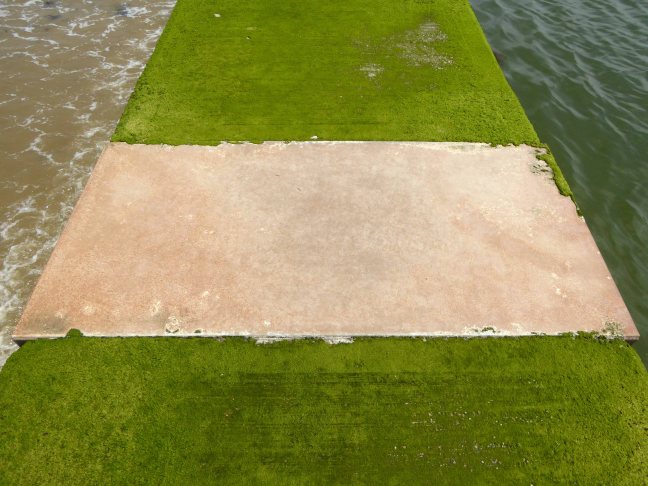
I was drawn magnetically to this elemental artifice, where untamed waters meet a controlled concrete geometry, waves temptingly lapping the walls.

Would that it could be open again to the town’s swimmers.

I am latterly reliably informed, that the pool is well used by local aquarists, despite the Local Authority’s prohibitions and ministrations – bravo!

P1050061 copy

P1050062 copy

P1050063 copy


P1050065 copy

P1050066 copy

P1050067 copy


P1050072 copy

P1050073 copy

P1050077 copy


P1050082 copy

P1050083 copy

P1050085 copy

The second at Walpole Bay still open to the swimmer and what’s more it’s listed.

Walpole Bay Tidal Pool, one of two tidal pools designed by Margate’s borough engineer in 1937, constructed in concrete blocks reinforced by reused iron tram rails, is listed at Grade II for the following principal reasons: * Structural engineering interest: an ambitious project because of its scale, the weight of each concrete block, and that work needing to be carried out day and night because of the tides; * Scale and design: impressive in scale and shape, occupying 4 acres and three sides of a rectangle, the sides 450 feet long diminishing towards the seaward end which was 300 feet long; * Social historical interest: provided an improvement to sea bathing at the period of the greatest popularity of the English seaside; * Degree of intactness: intact apart from the loss of the two diving boards which do not often survive; * Group value: situated quite near the remains of the 1824-6 Clifton Baths (Grade II), an 1935 lift and the other 1937 tidal pool. 

P1040713 copy

P1040716 copy

P1040717 copy

P1040718 copy

P1040719 copy

P1040720 copy

P1040836 copy

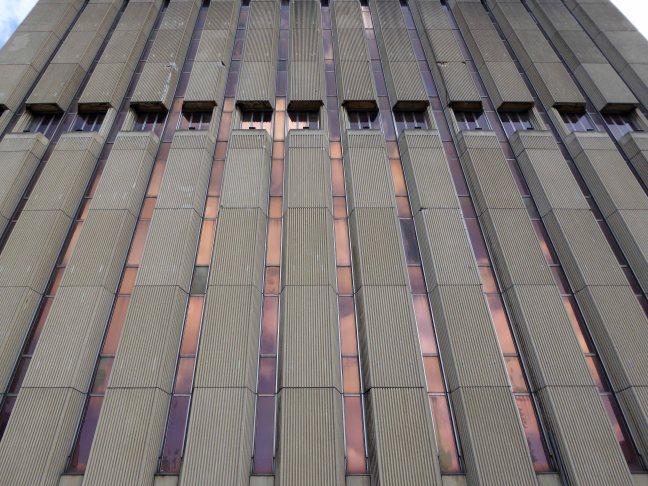
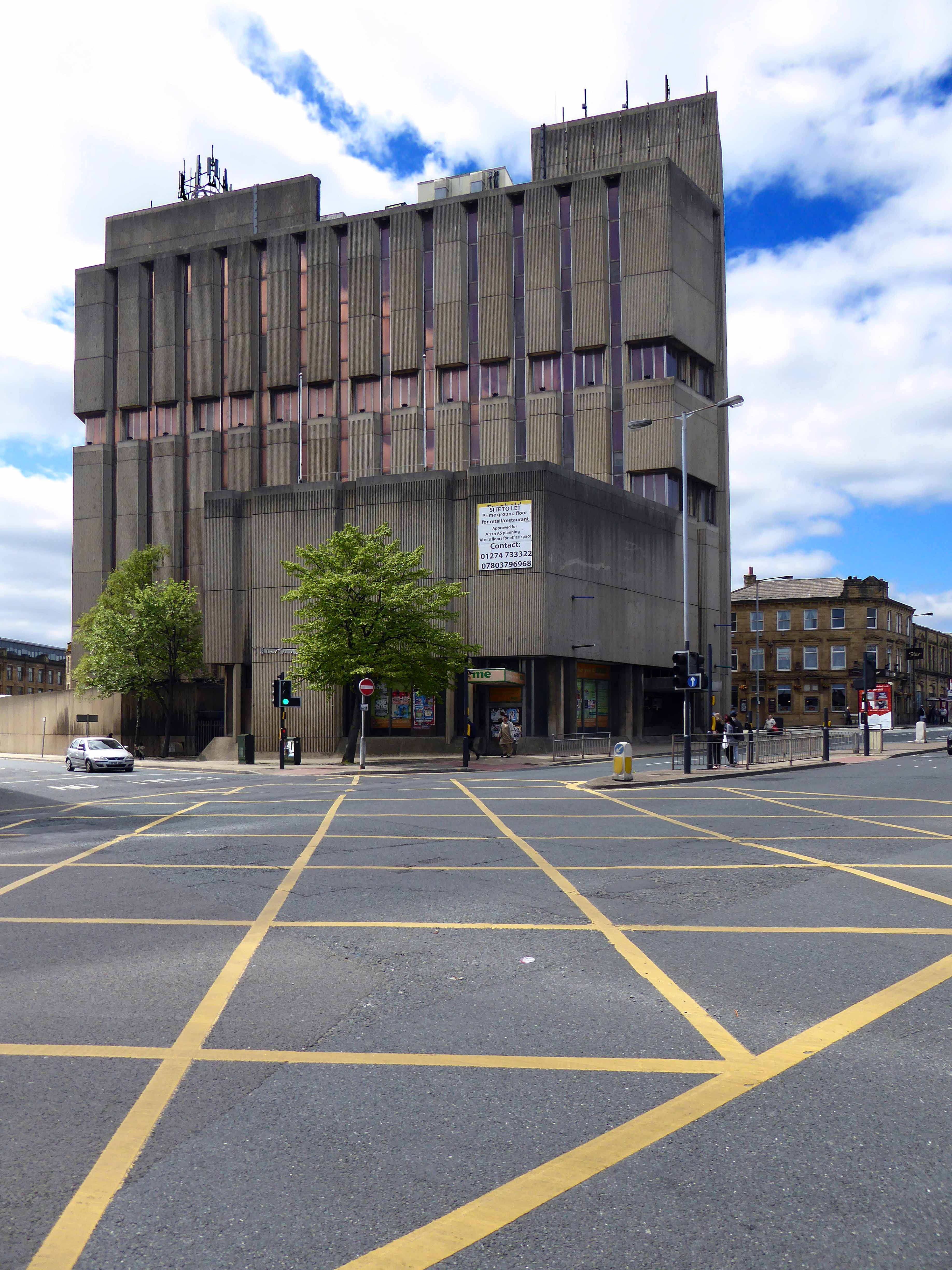
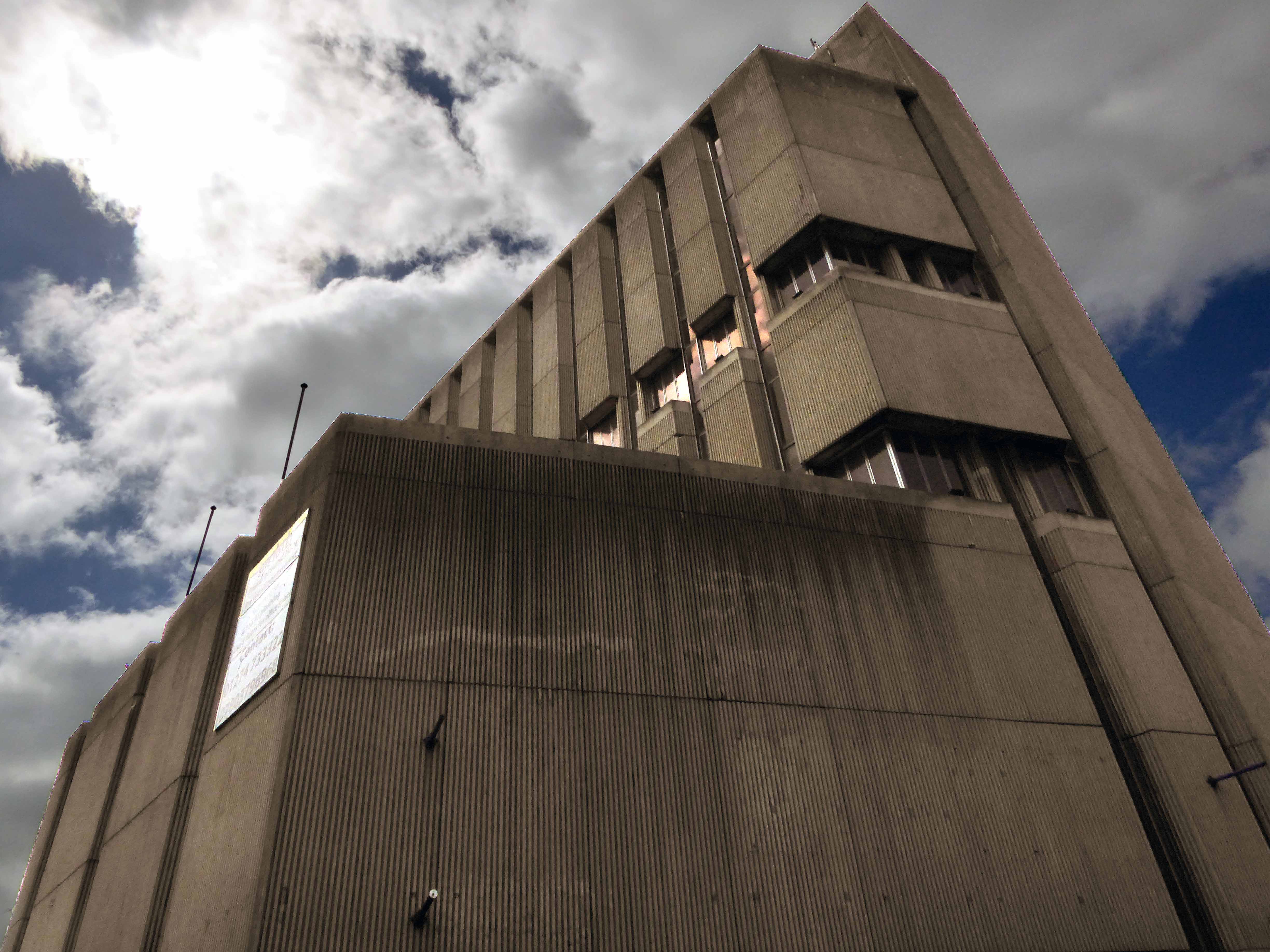
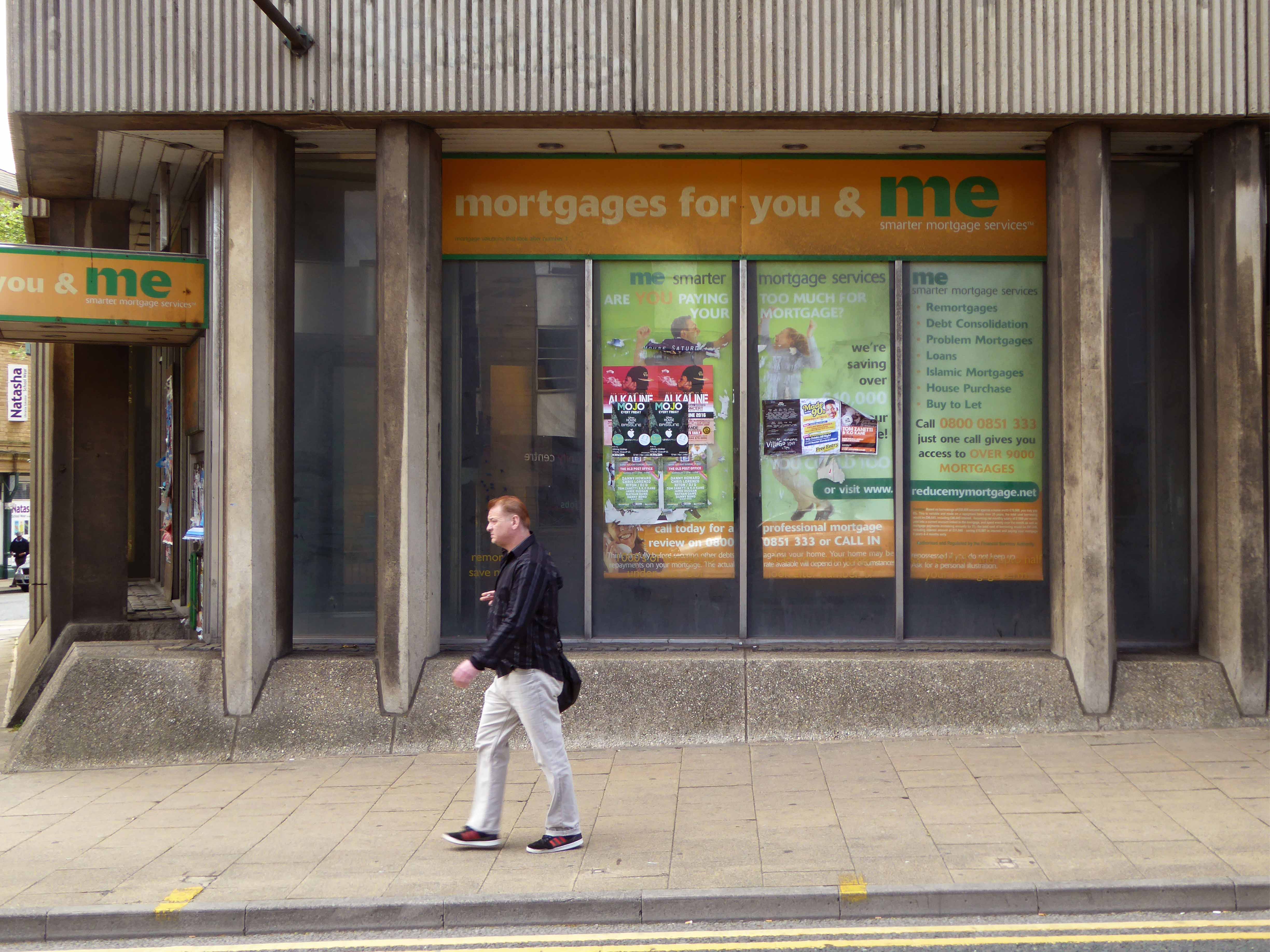
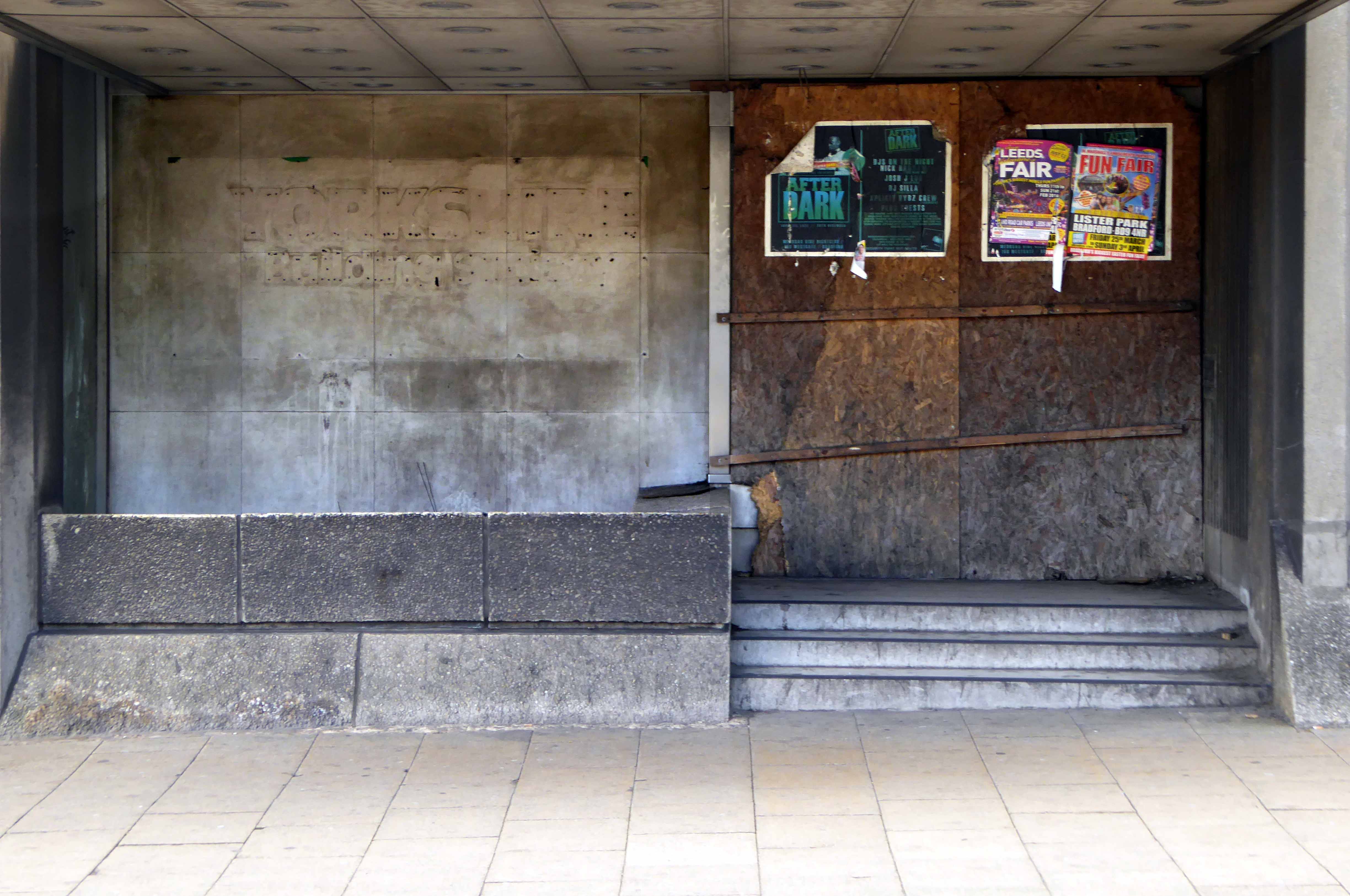
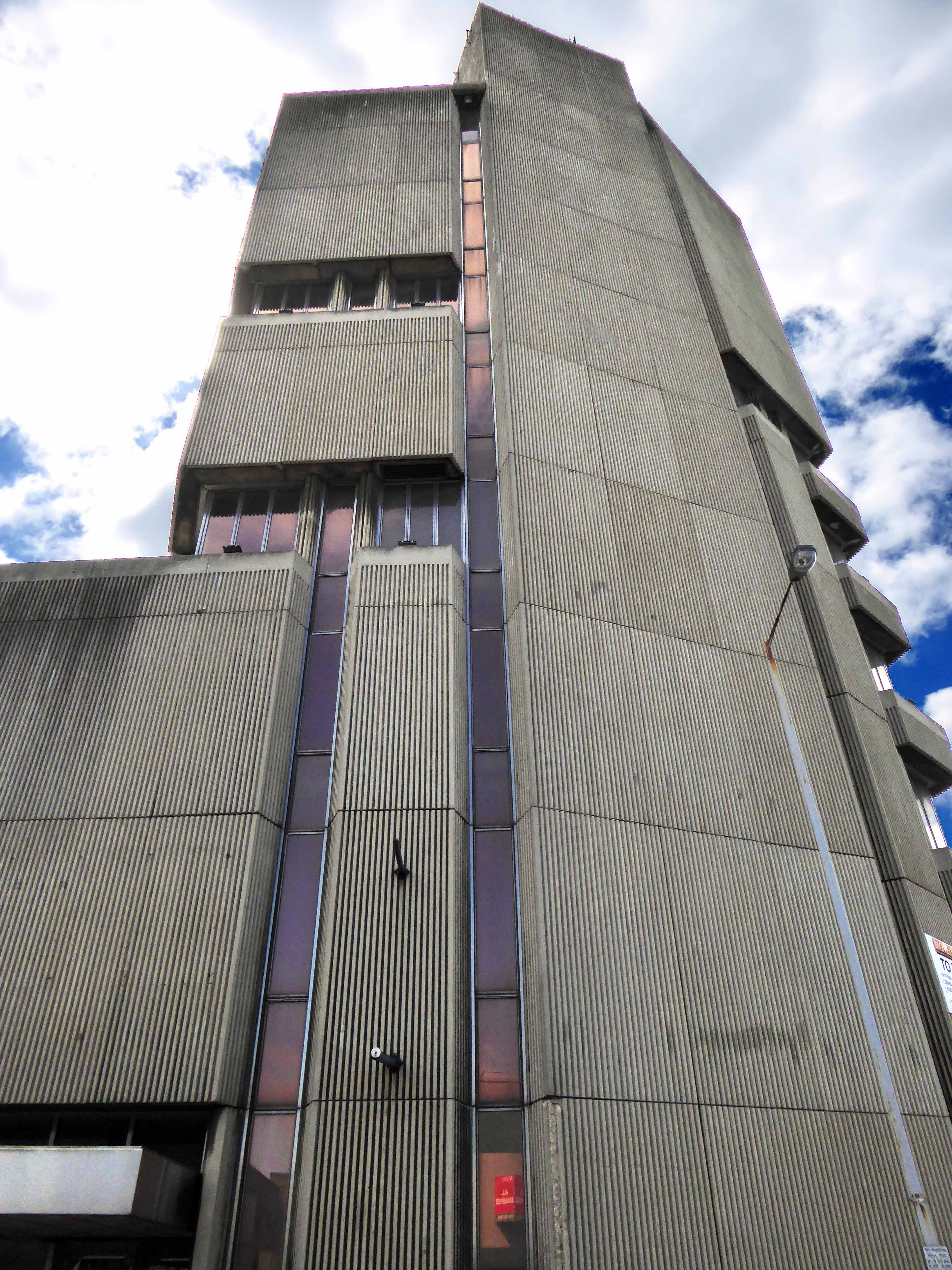
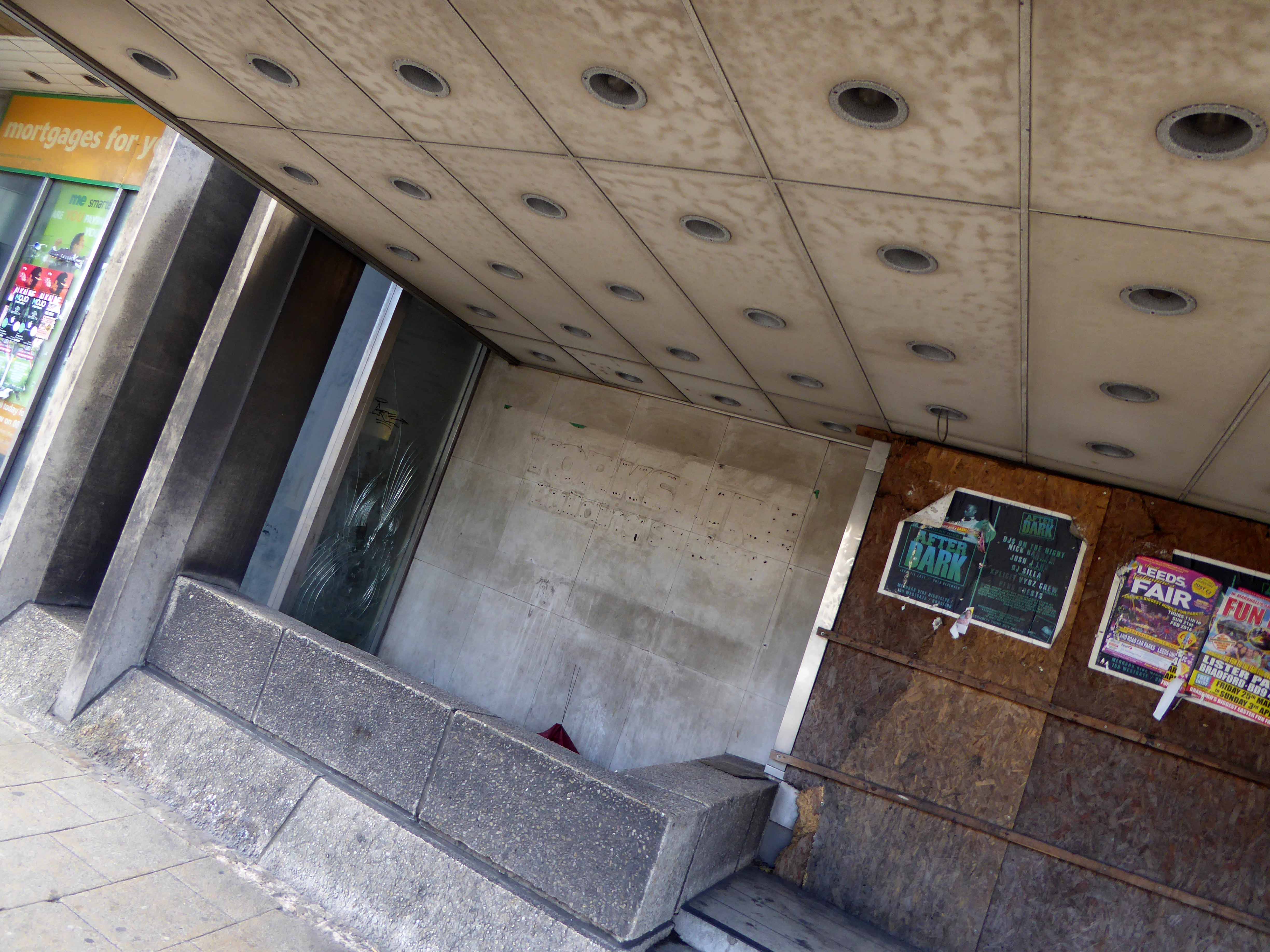
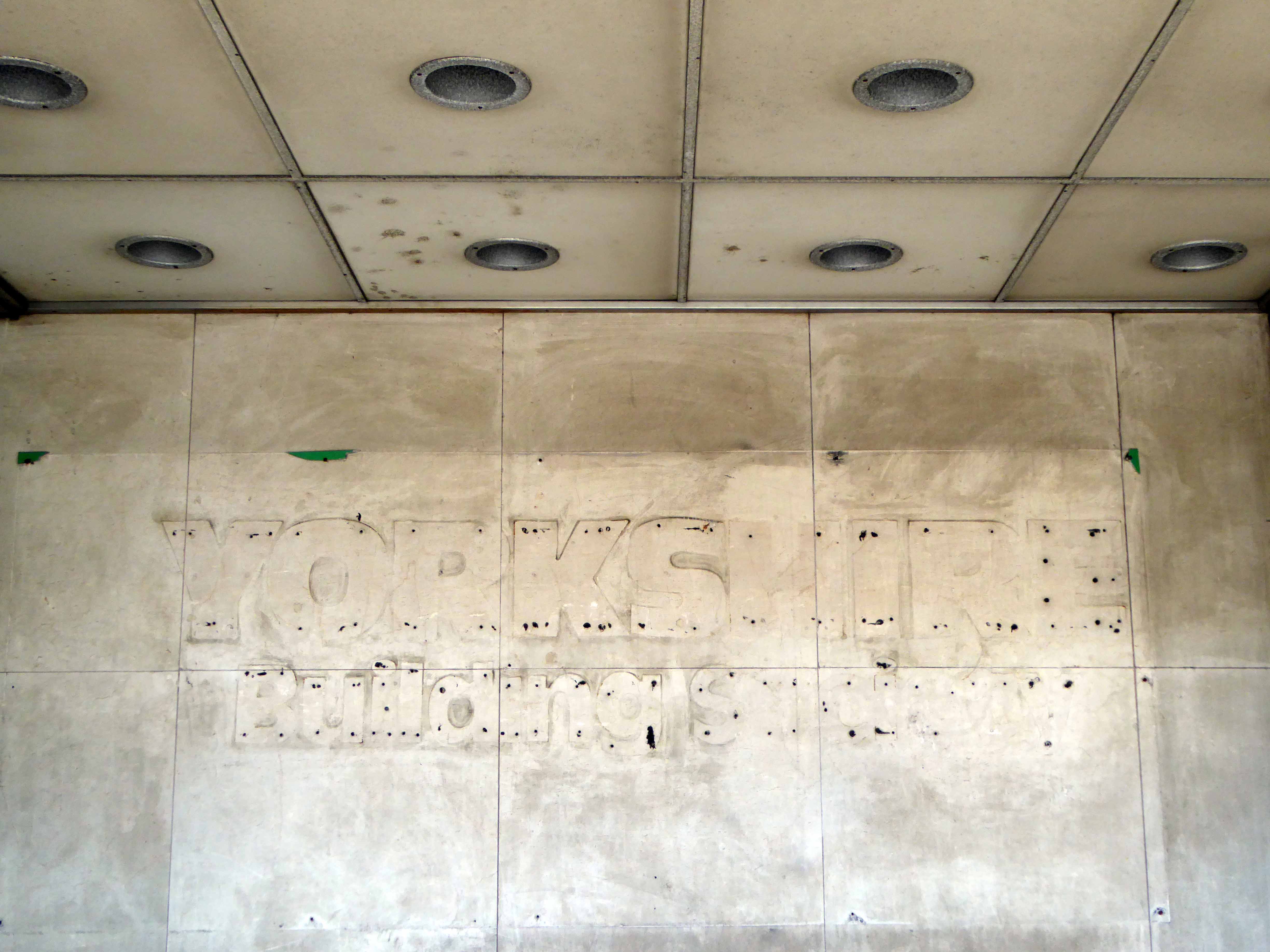
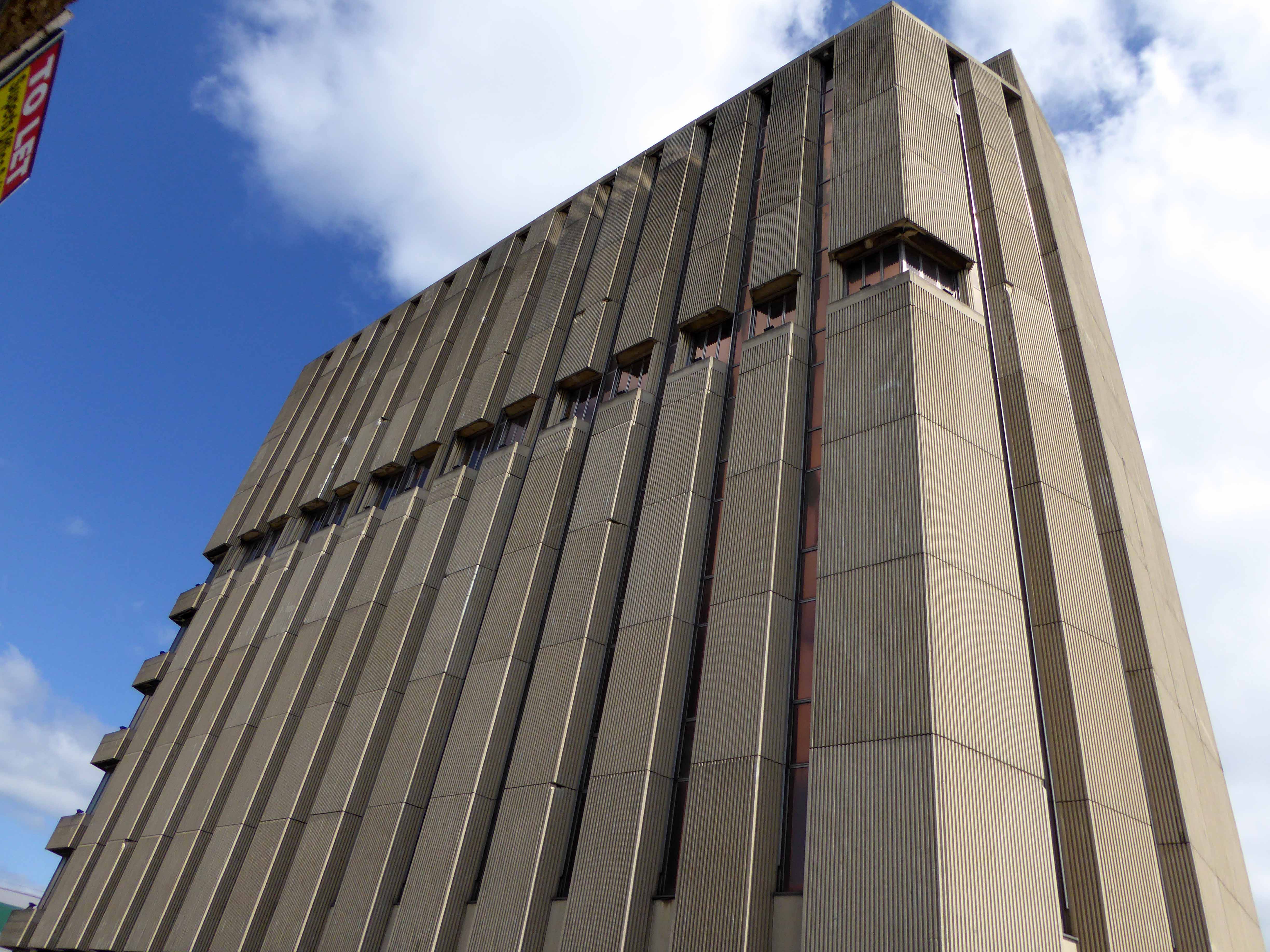
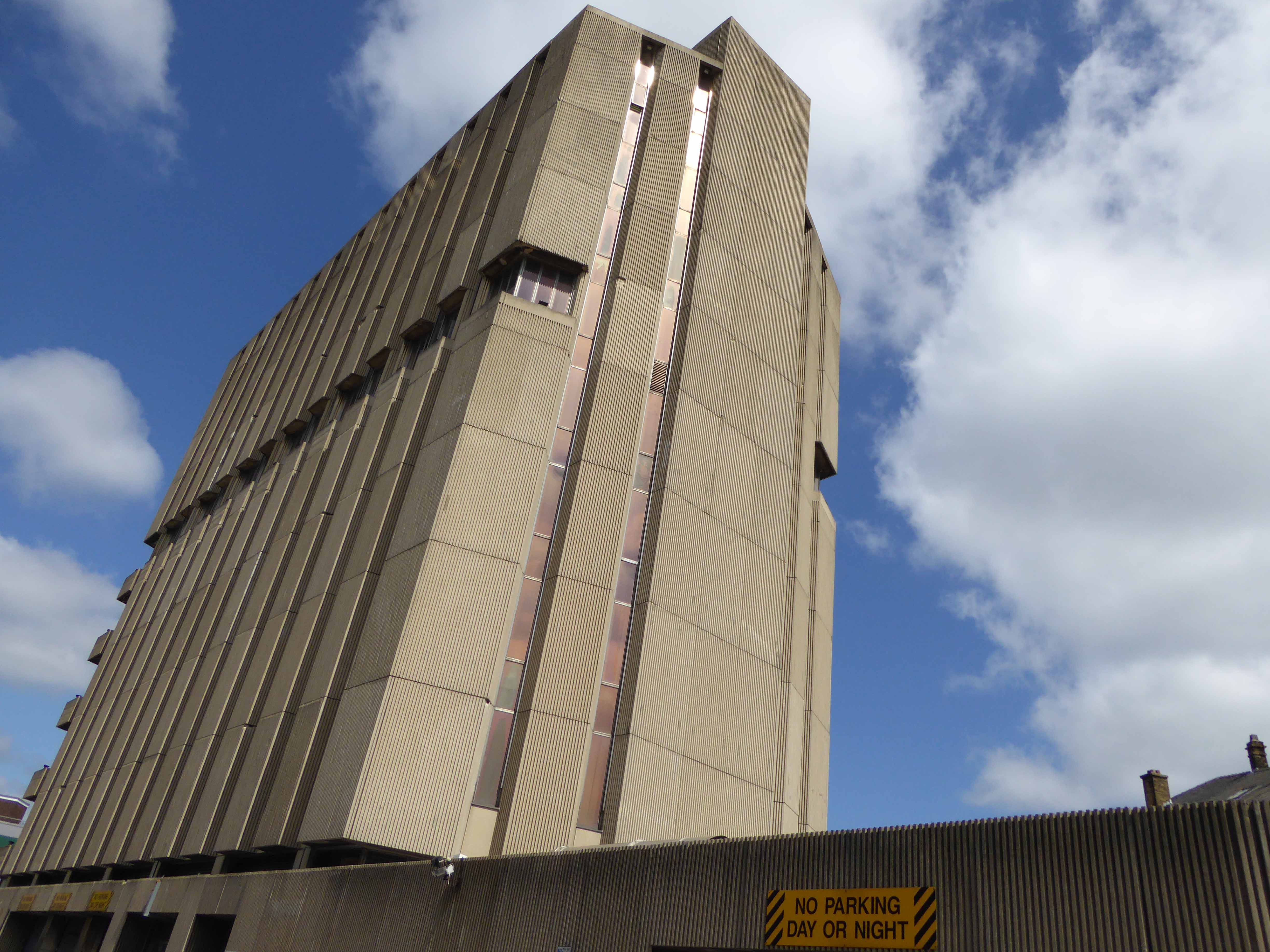
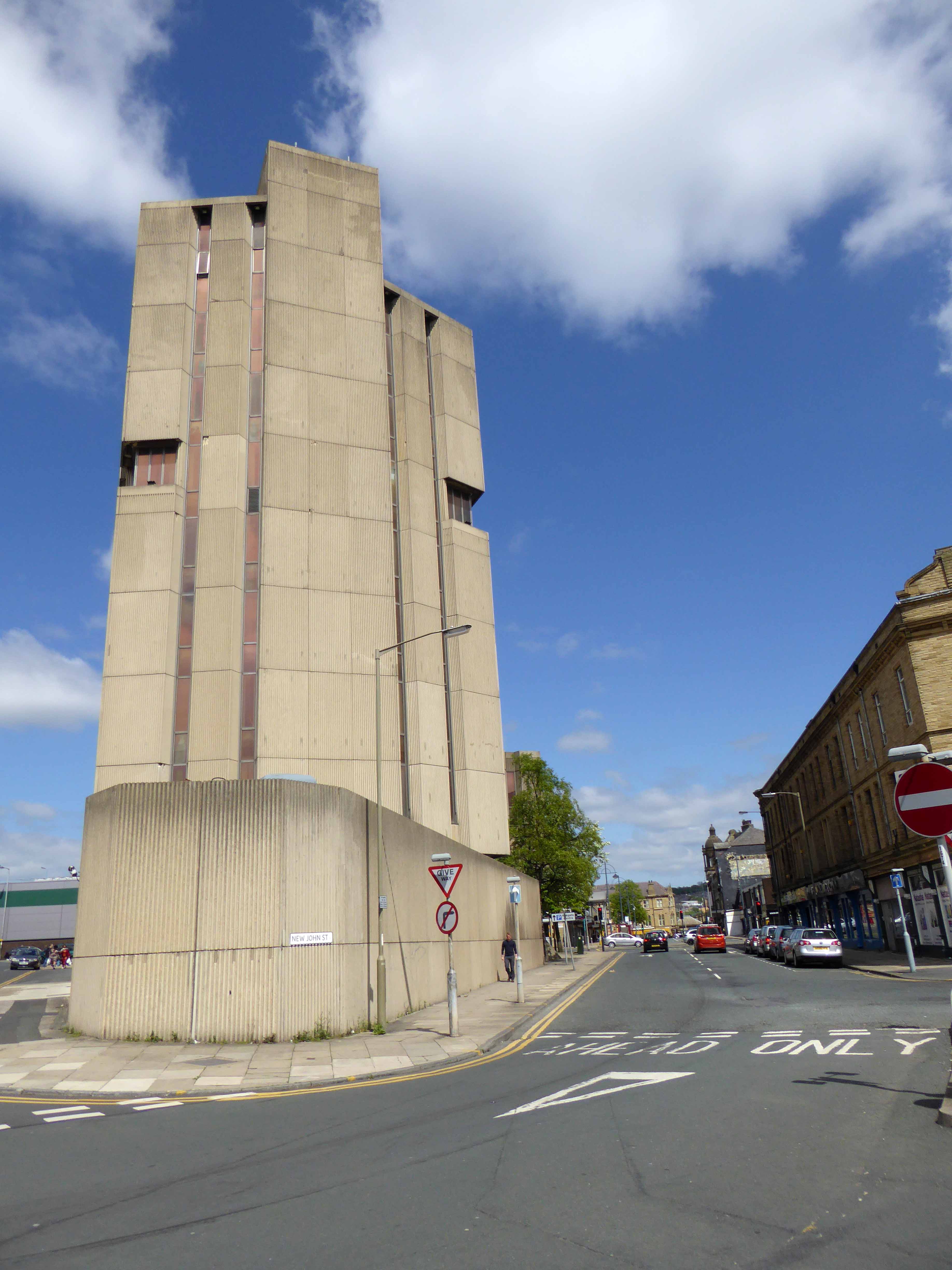
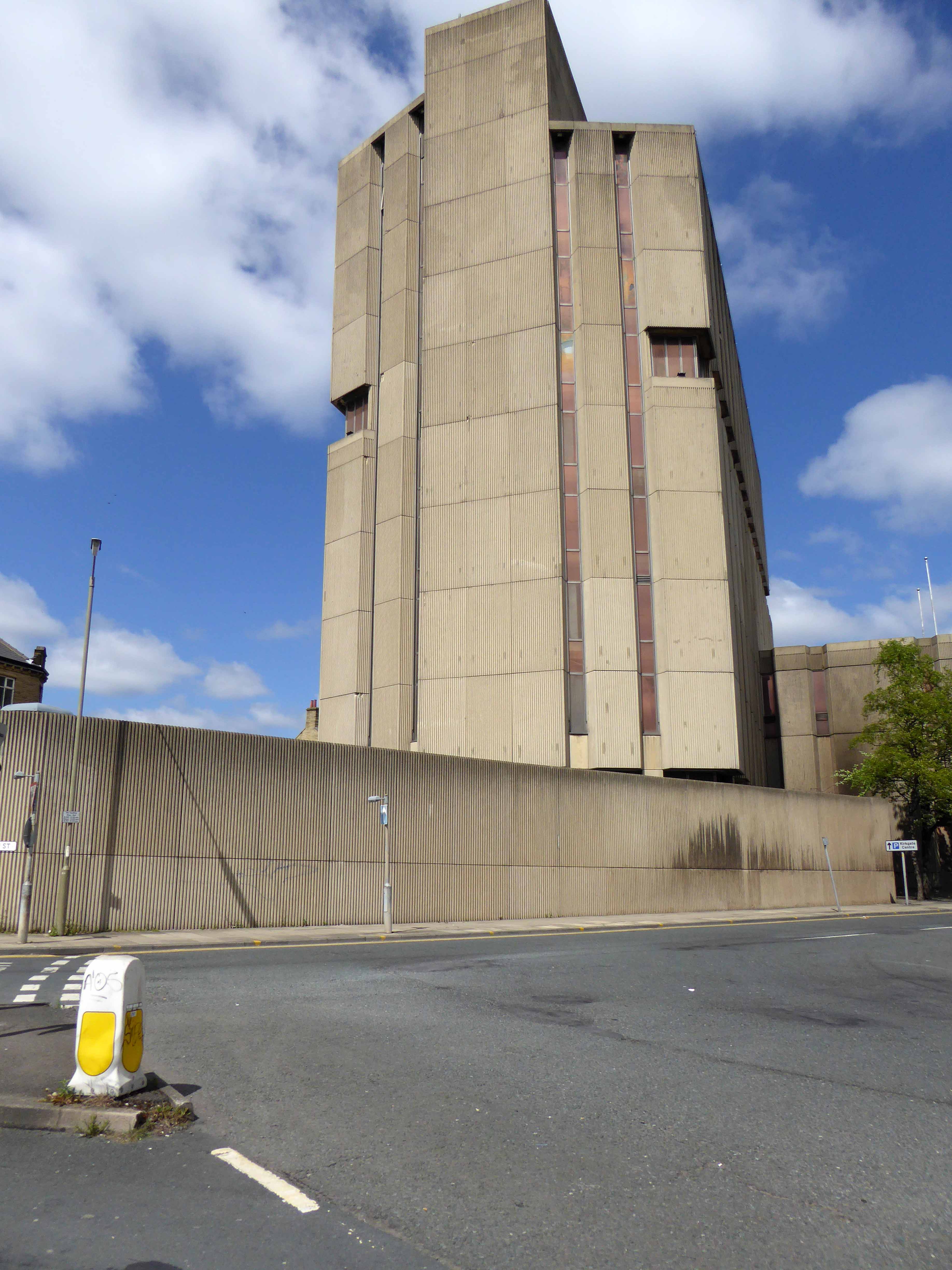
Yorkshire Building Society – Bradford

I don’t know much about the Yorkshire Building Society, I must say I have less than a passing interest in Building Societies generally.

I more of a building societies man myself.

But I do know this

In 1993 the former Hammonds Sauce Works Band was renamed as the Yorkshire Building Society Band. The building society supported the main band and also the YBS Hawley Band and YBS Juniors. The building society ceased its sponsorship in December 2004 although the YBS initials were retained in the band’s name until 2008. From January 2009 the band was renamed the Hammonds Saltaire Band.

Which seems a particularly cruel way, to treat a sauce works band.

Their former HQ has been standing on the corner, watching all the world go by.

For some time now.

Empty.

For sale, to let, facing an uncertain future.

Alone.

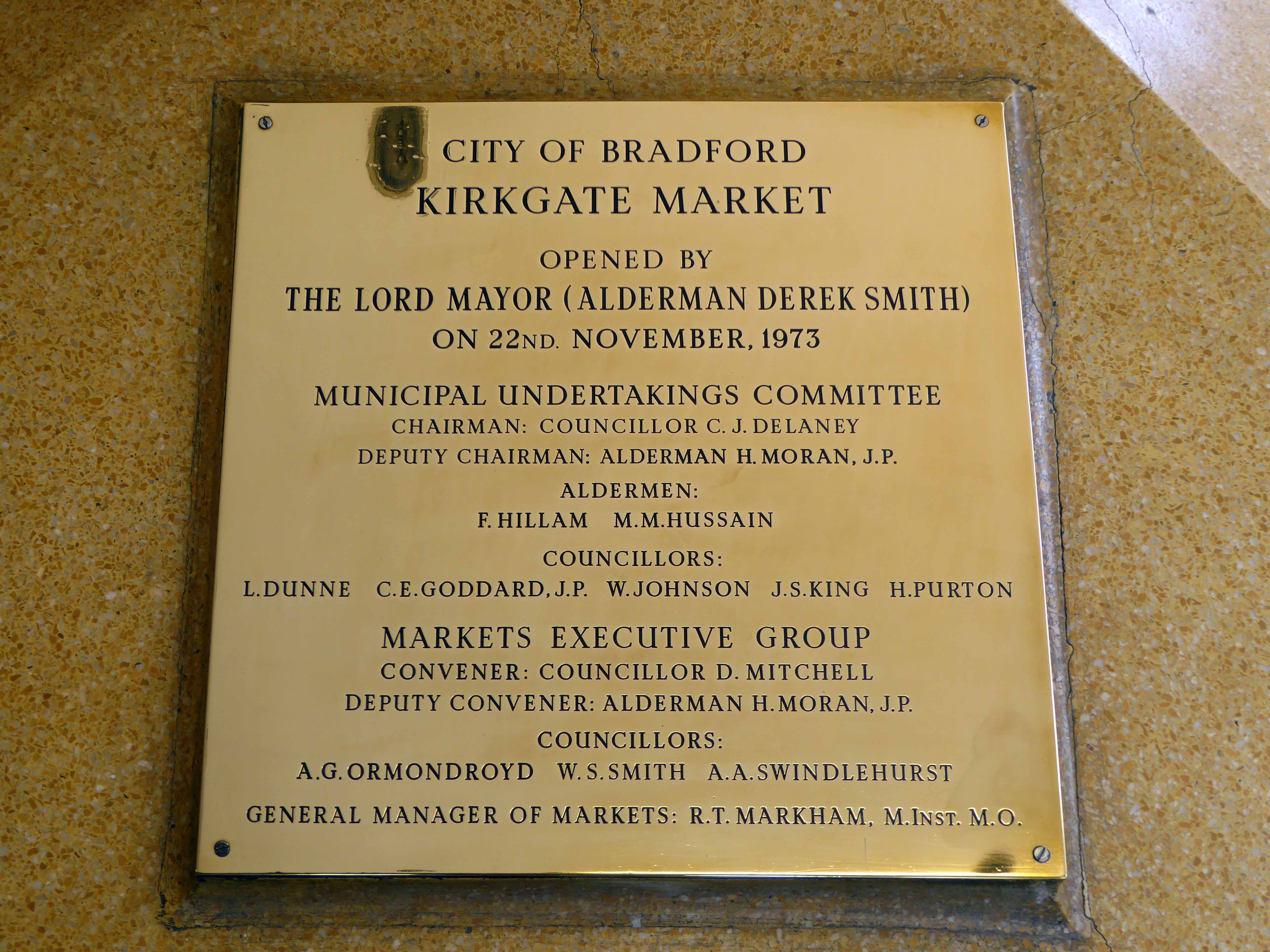
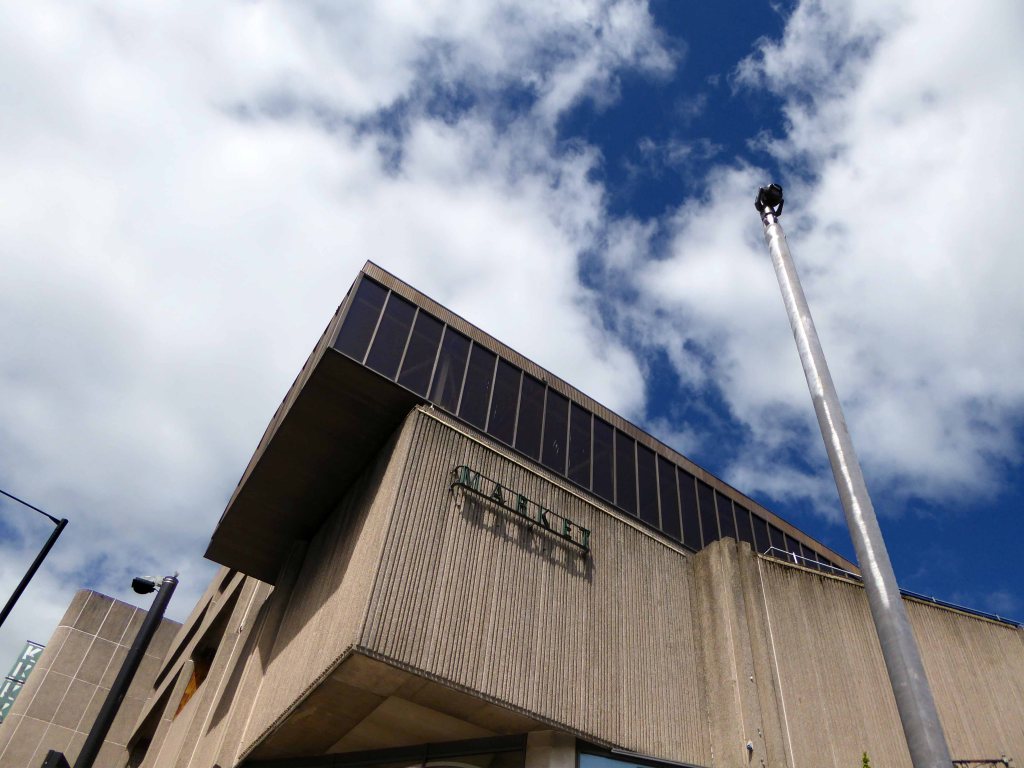
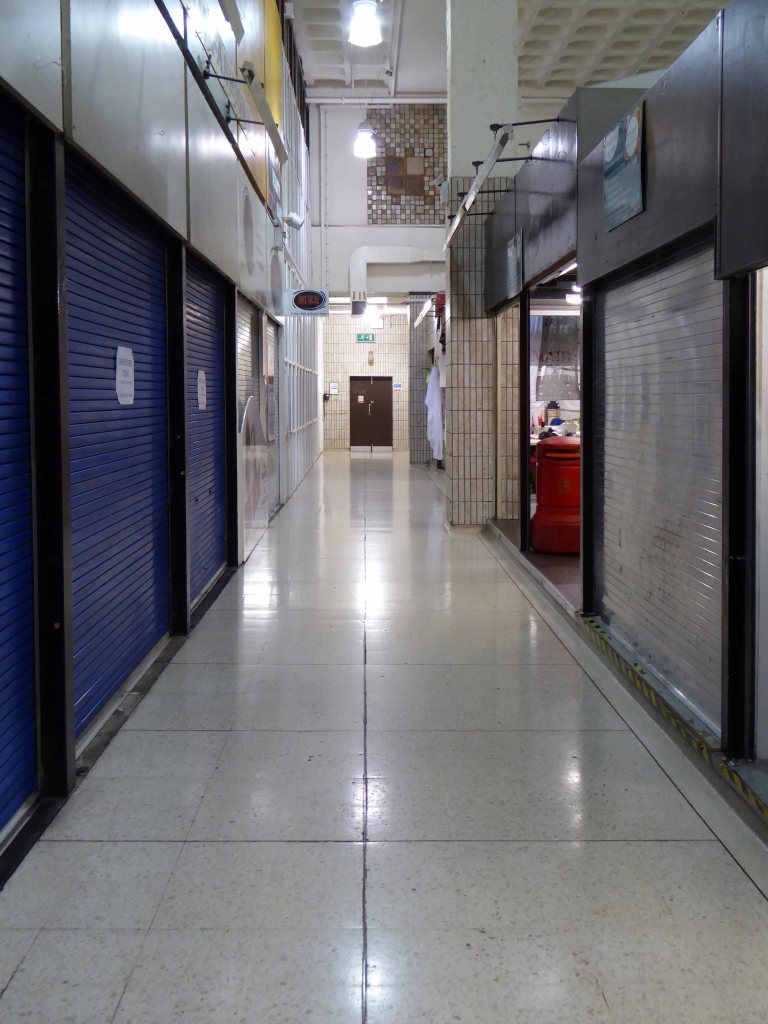
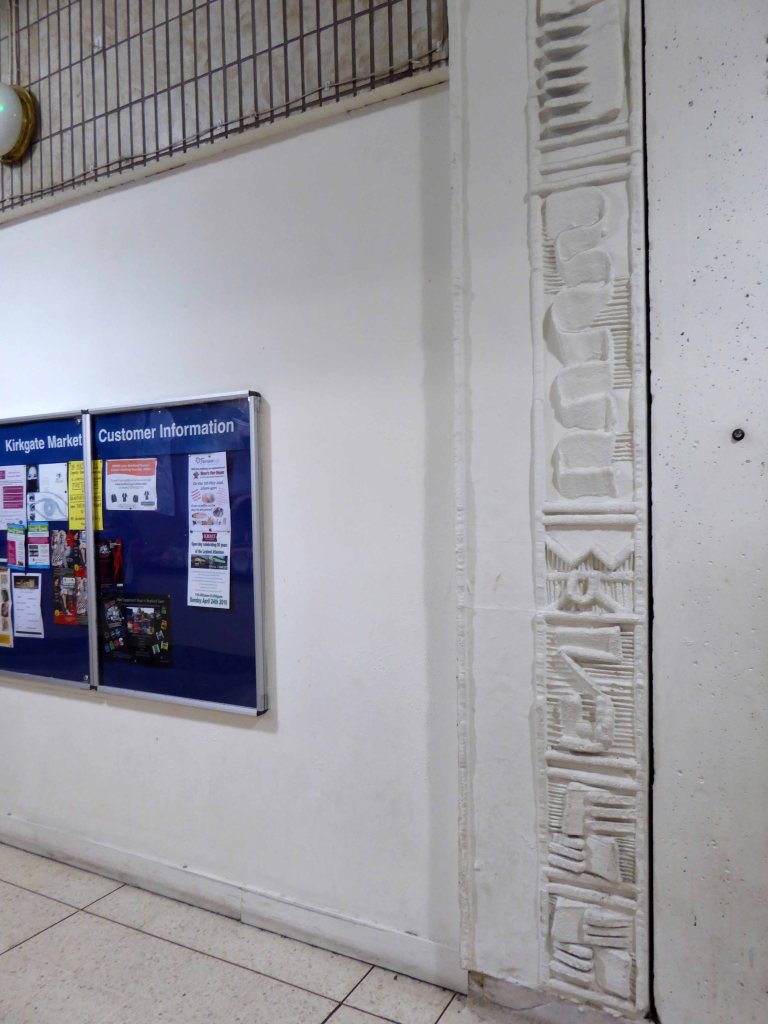
Kirkgate Market – Bradford

Yorkshire is a county of market towns – Bradford is no exception, a mediaeval village expanding with the growth of the wool trade and the coming of the Industrial Revolution.

P1050380 copy

Flourishing.

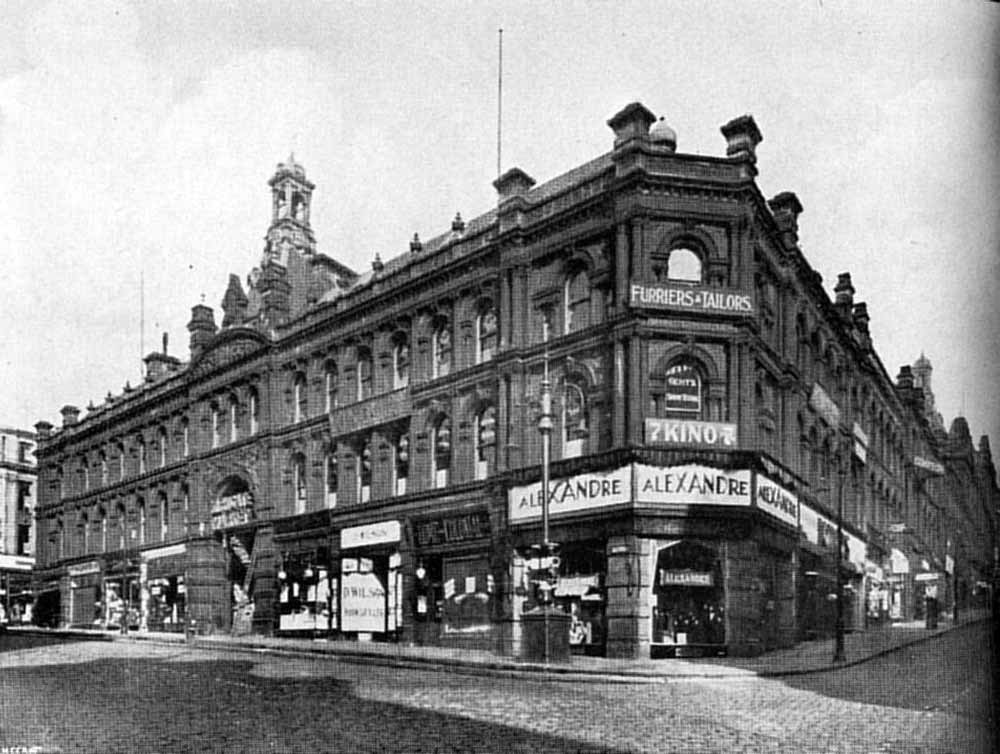
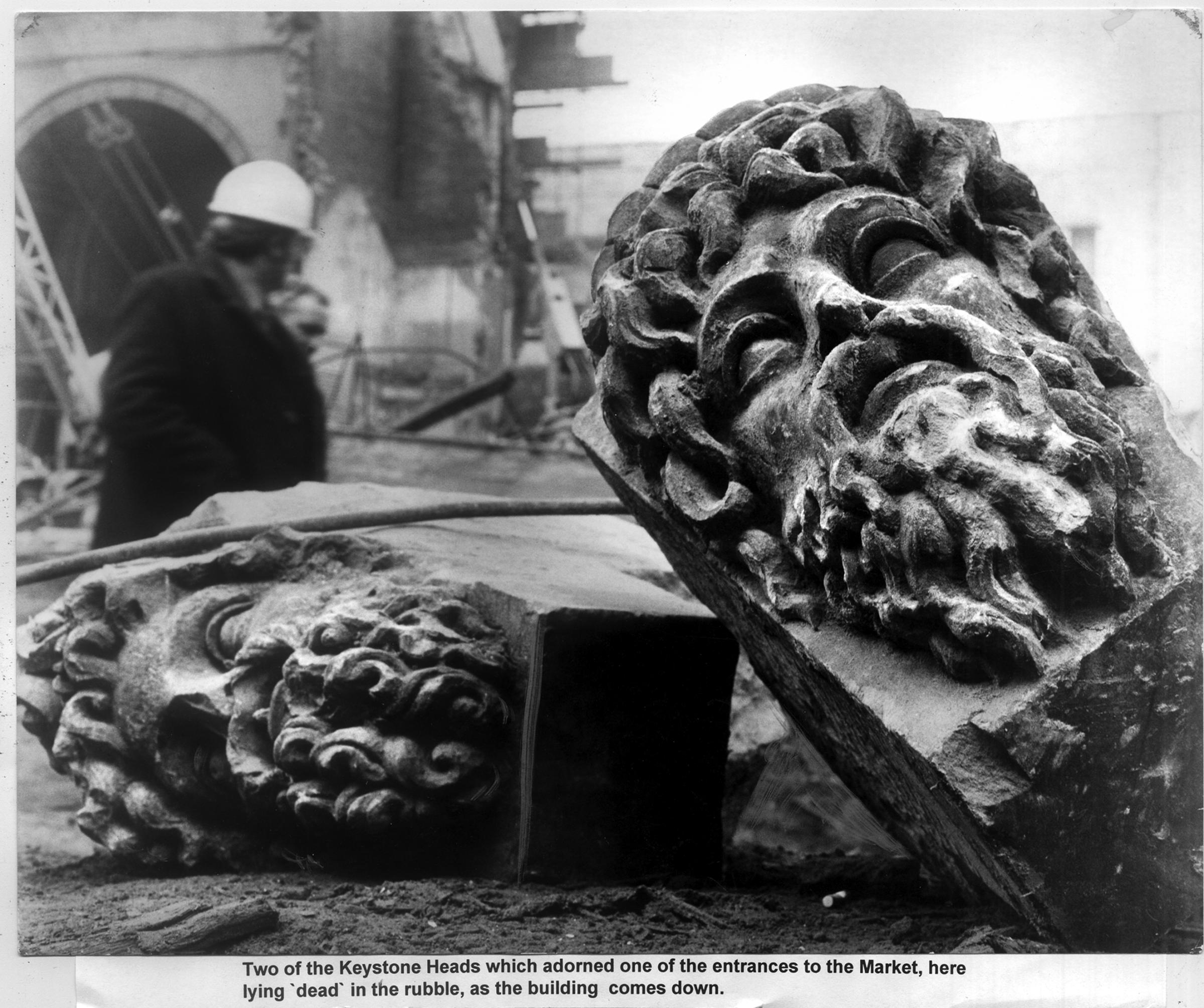
The site was originally occupied by an imposing building of 1878.

5142193649_7127ea46f8_b
Q1976

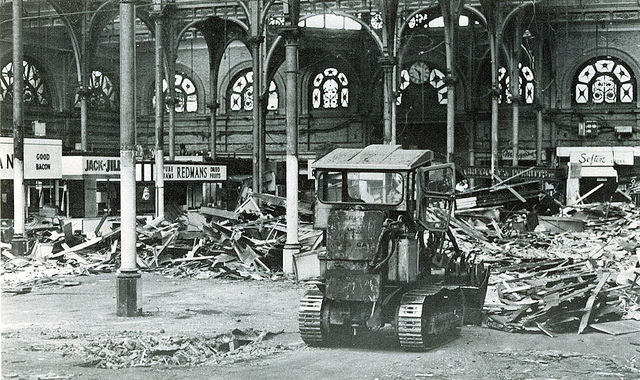
Demolished in 1973.

5177960364_c44e85ae92_z
imgID8575583

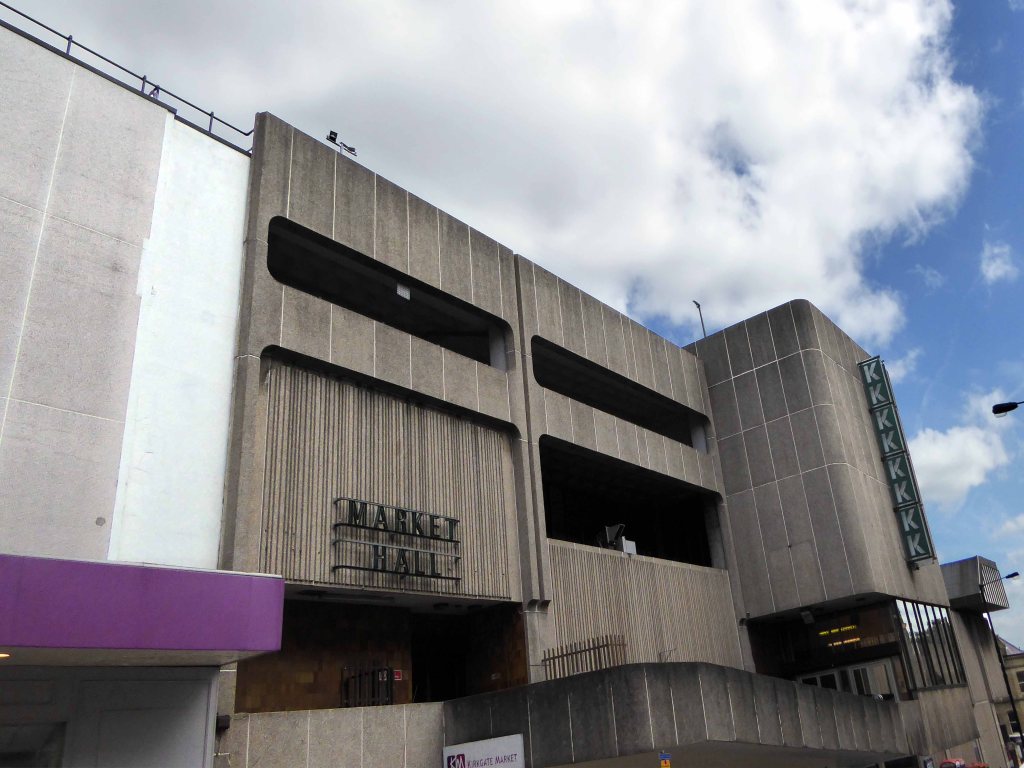
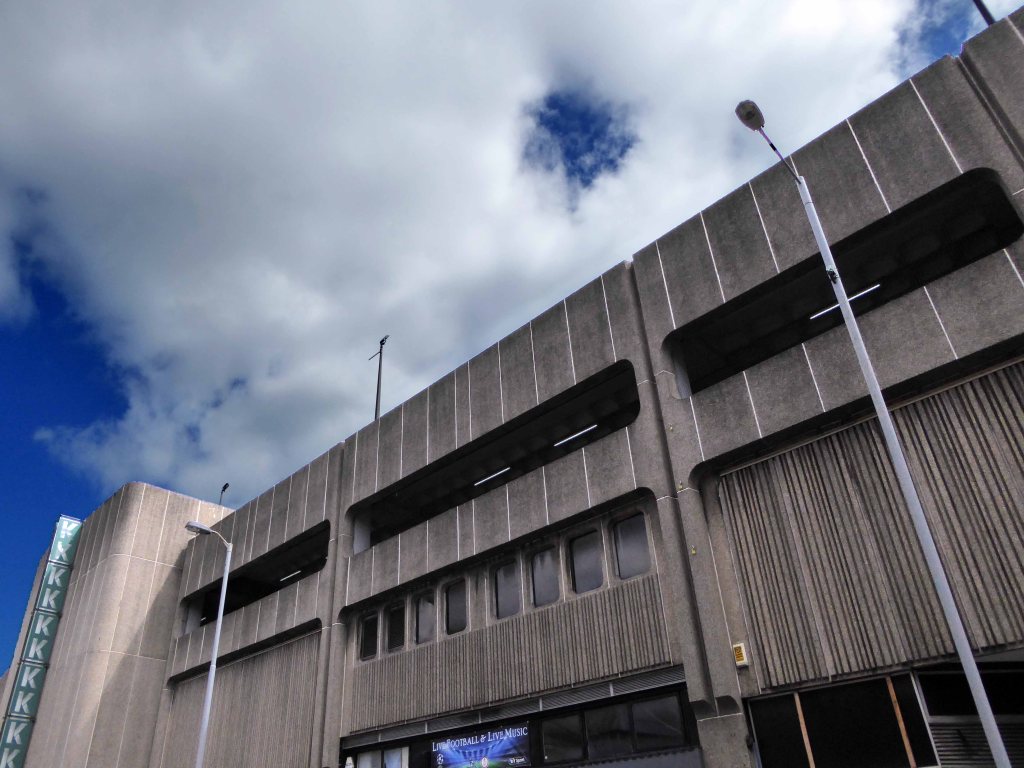
To be replaced by a Brutalist build in the same year.

P1050379 copy

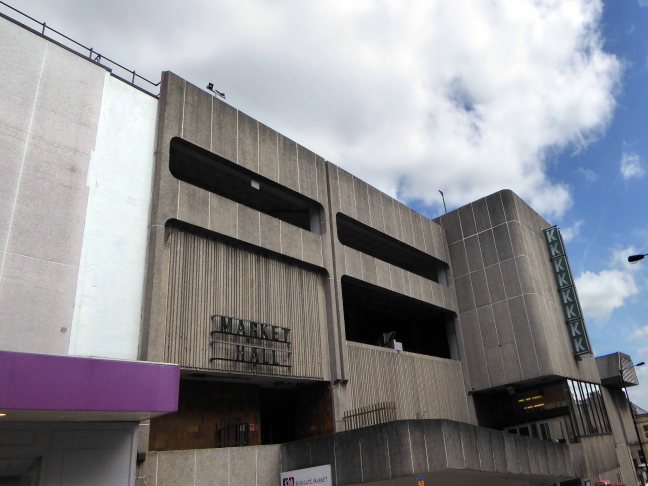
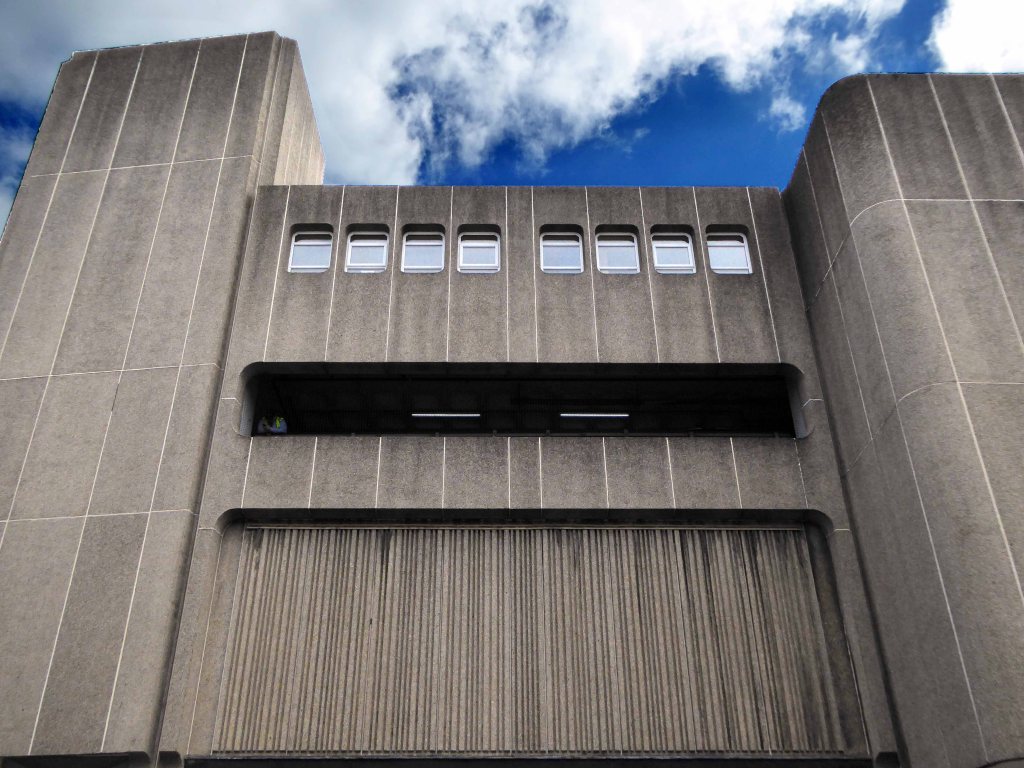
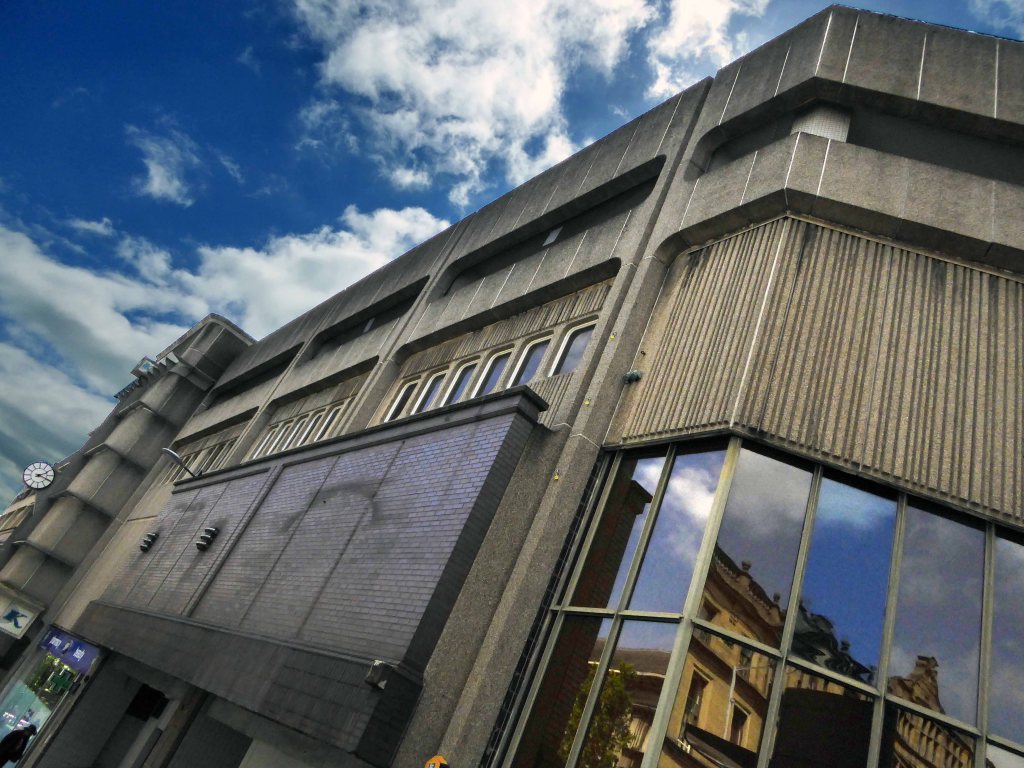
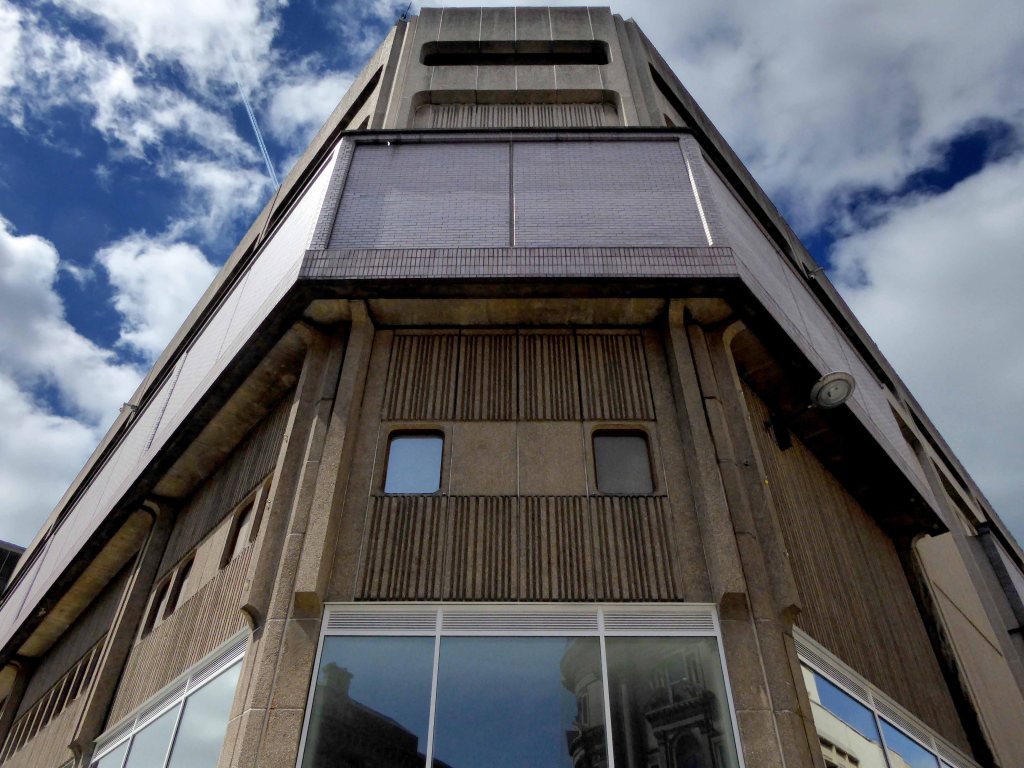
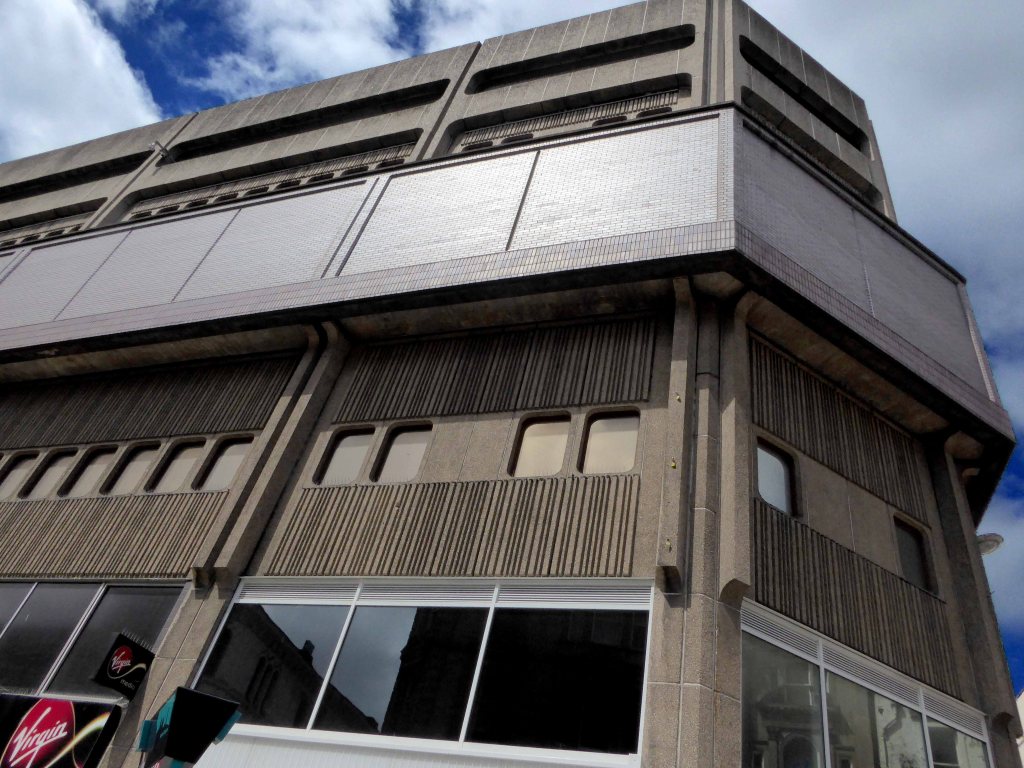
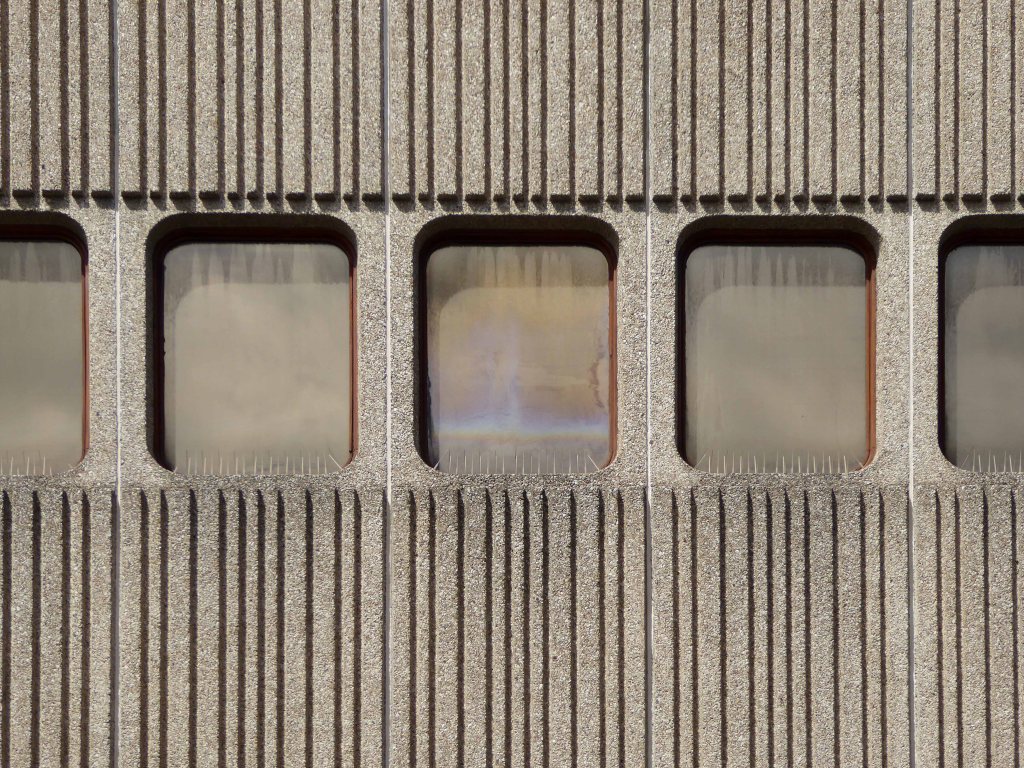
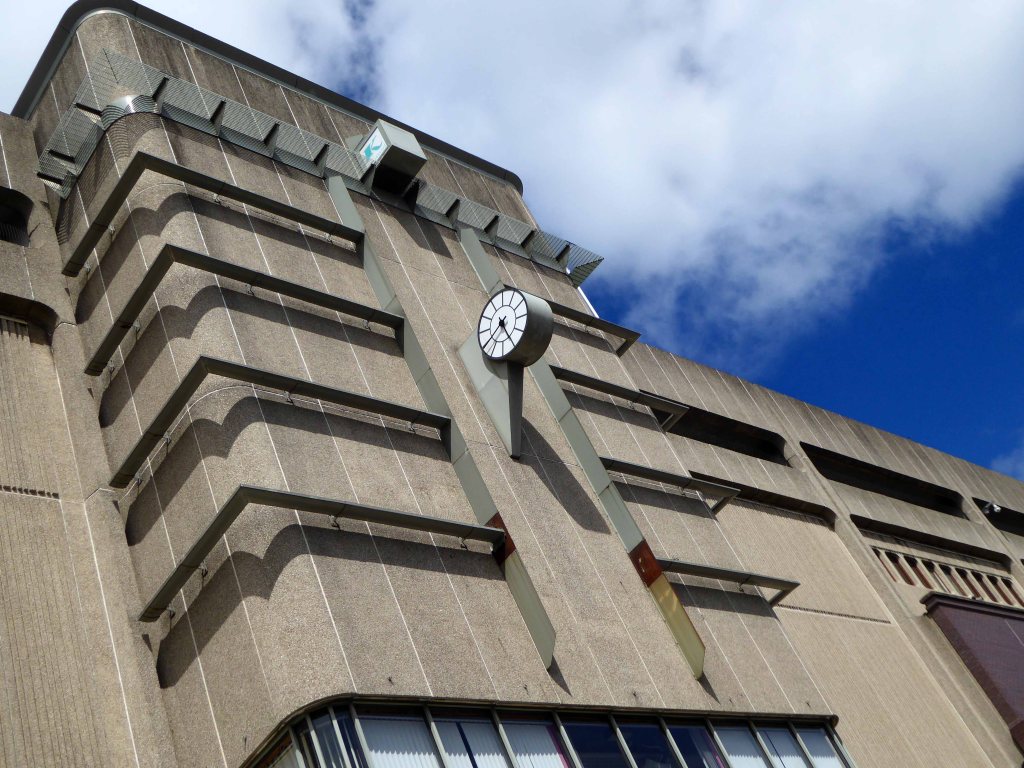
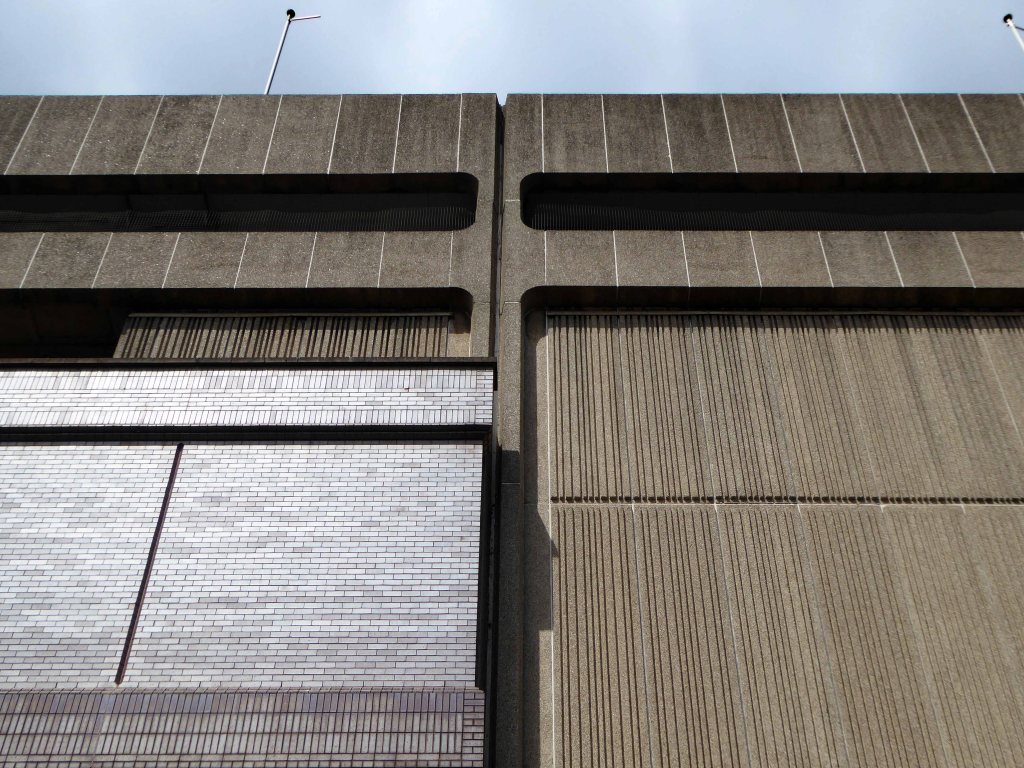
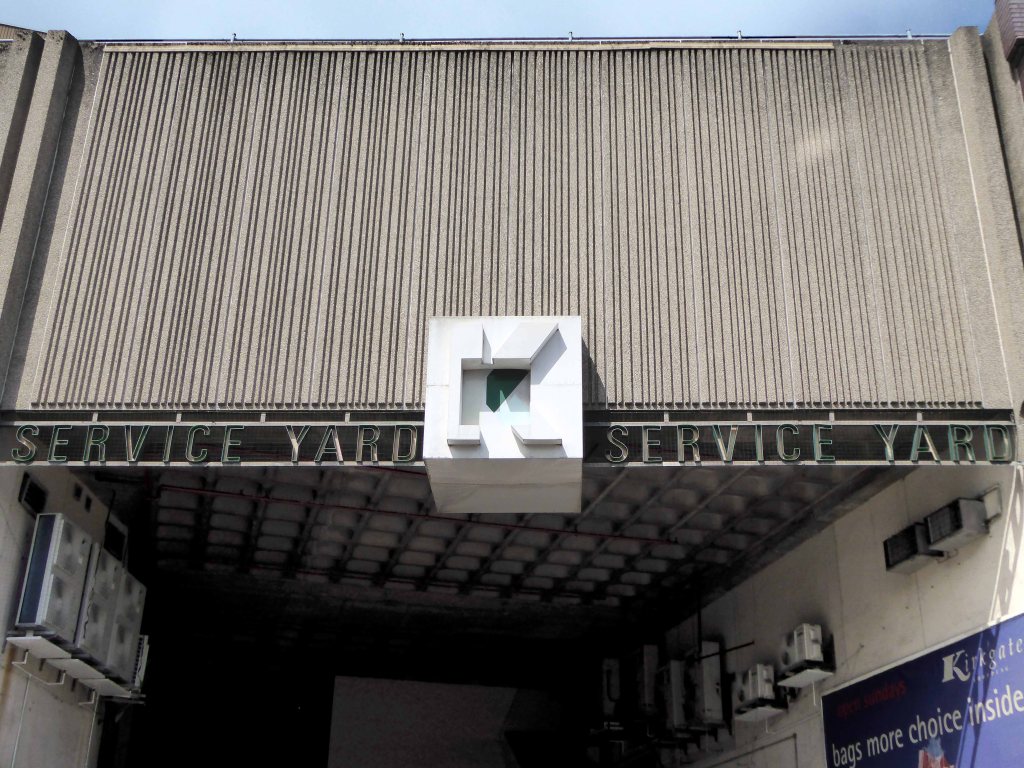
A structure of bold geometry, contrasting brick and warm, raw striated concrete.

The huge building, designed by John Brunton & Partners, was dubbed Bradford’s ‘space-age shopping centre’ when it opened in 1976. One of a series of American-style Arndale malls

Now the city council has purchased the centre for £15.5 million and agreed a deal that will see Primark – the largest of Kirkgate’s remaining stores – move to Bradford’s Broadway mall which opened in 2015.

The initiative will allow the authority to double the size of its proposed City Village programme, which it hopes will create better public spaces and 1,000 new homes in a ‘world-class sustainable urban’ across 5 acres of city centre land.

Architects Journal

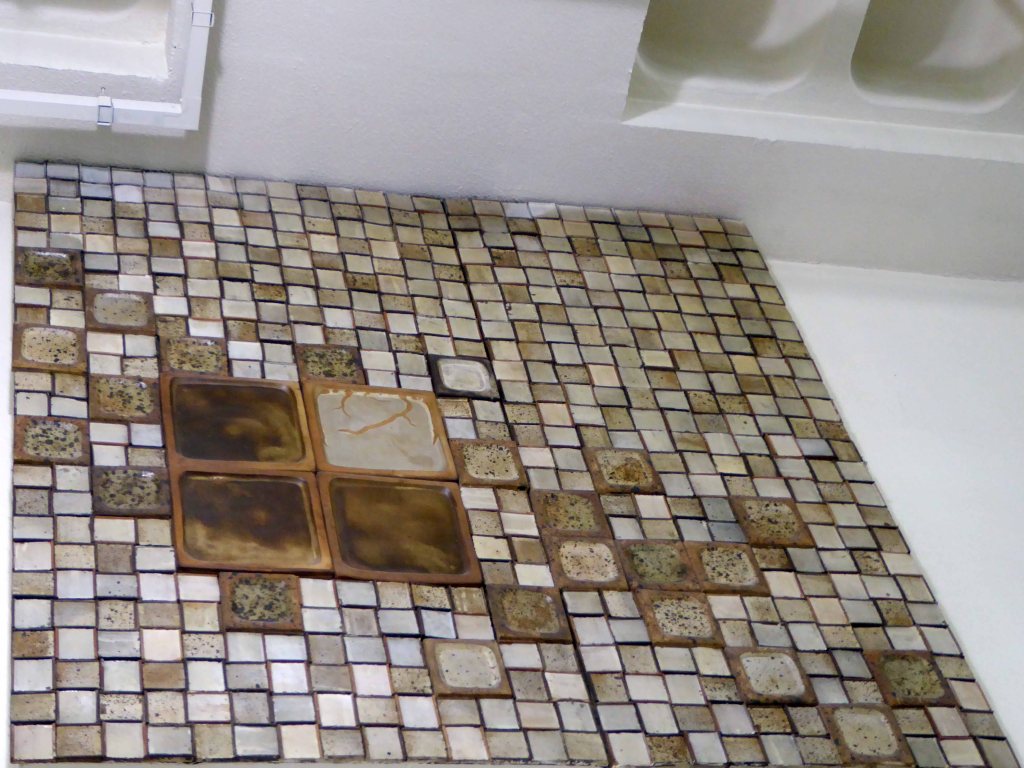
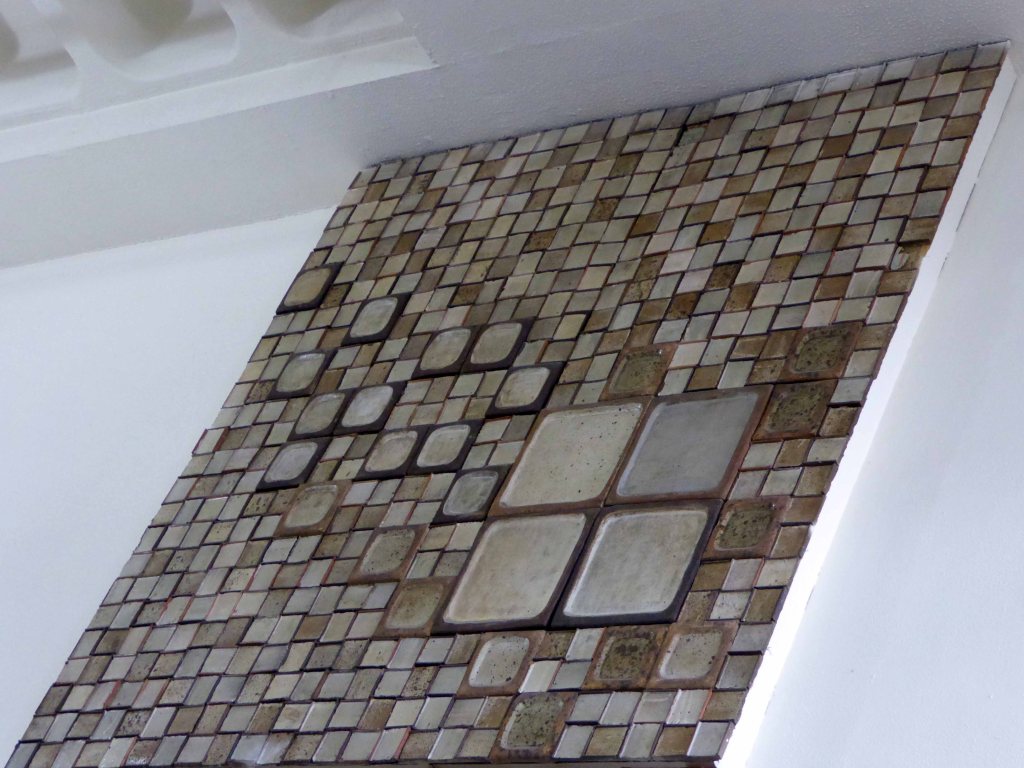
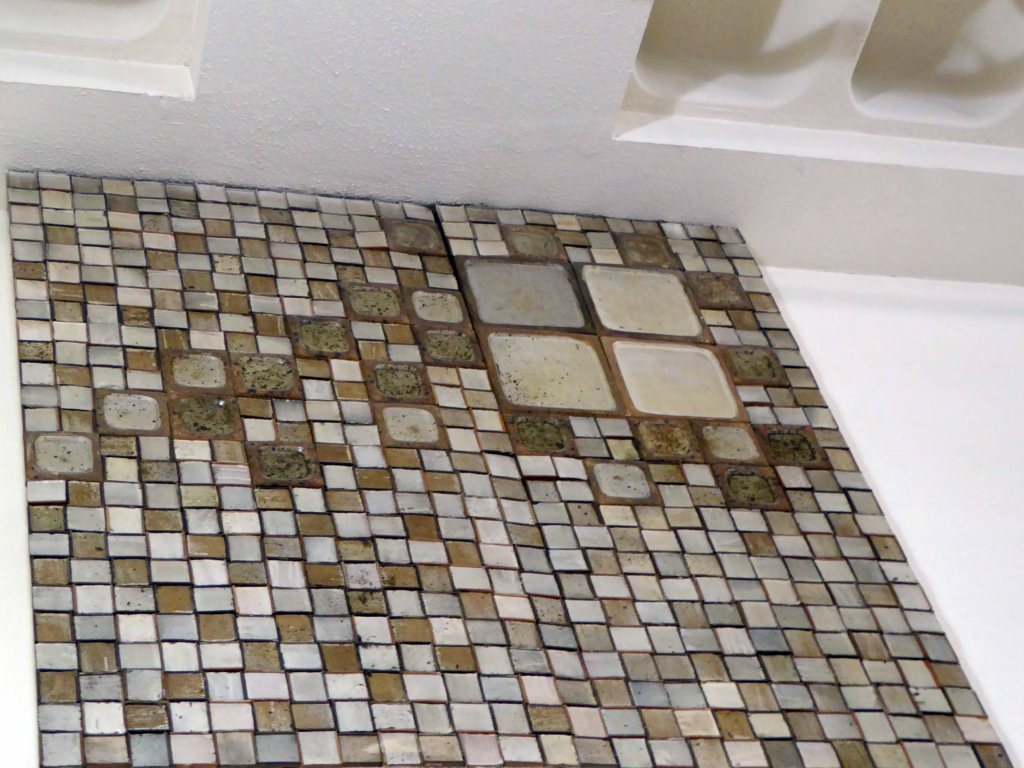
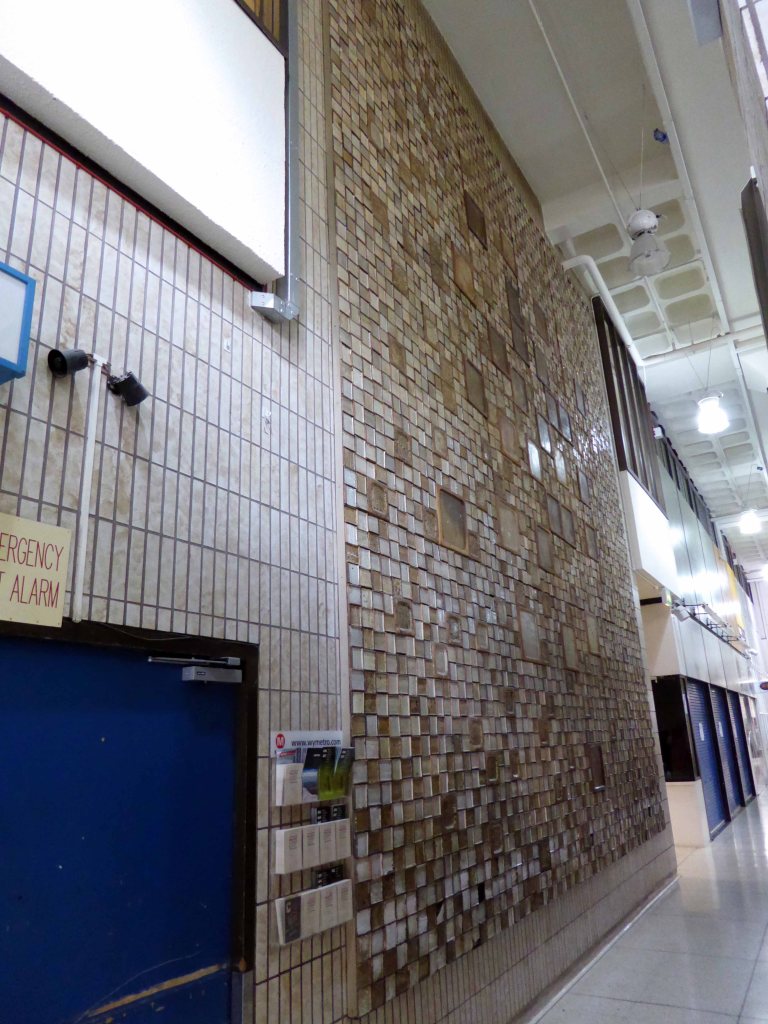
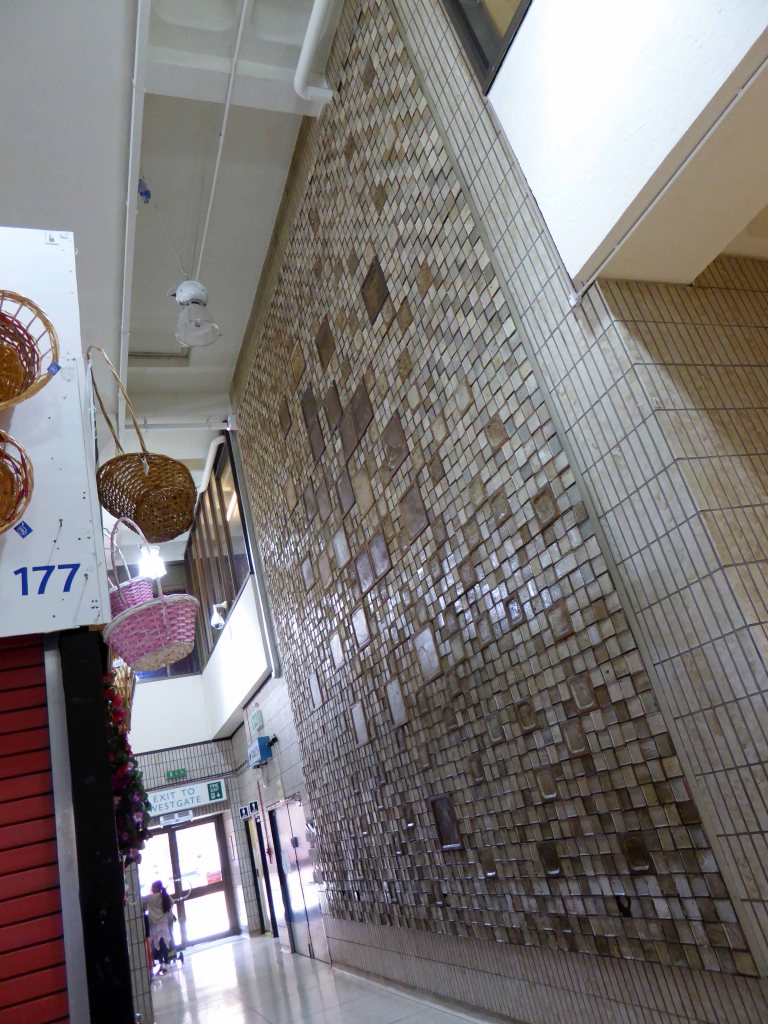
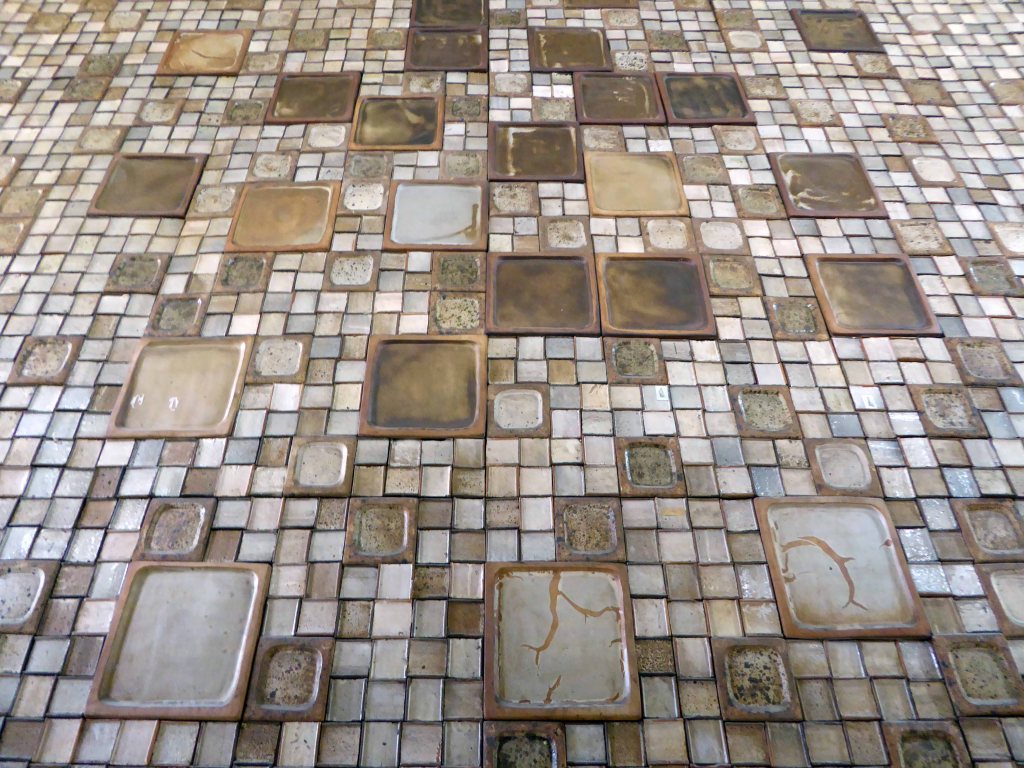
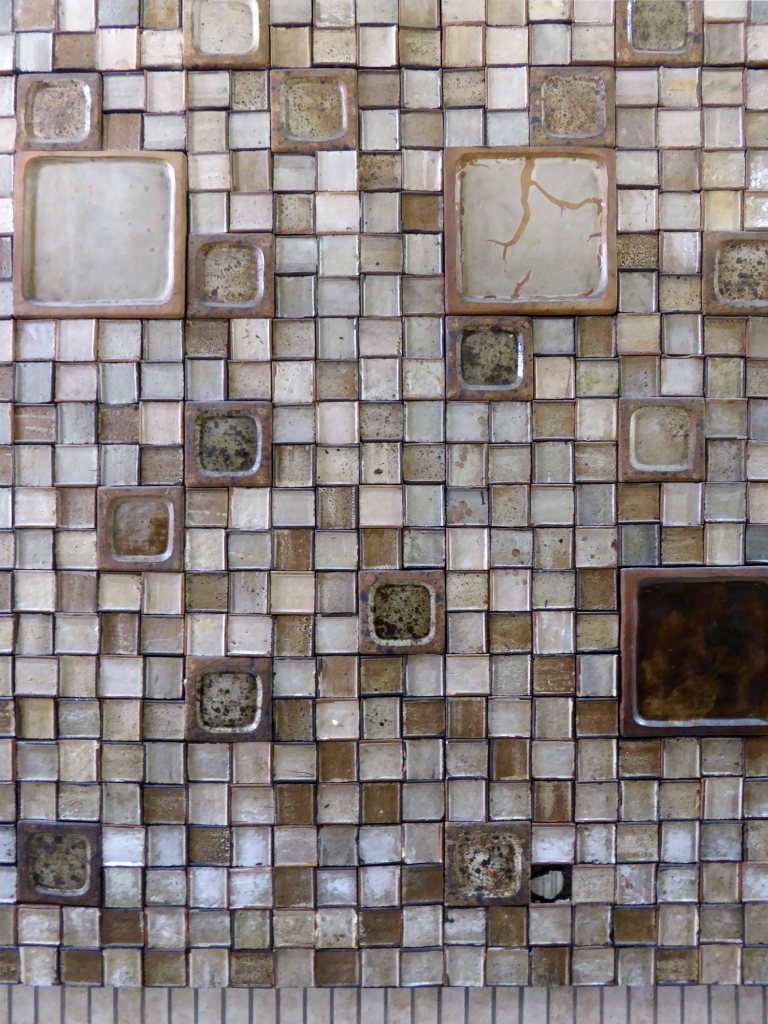
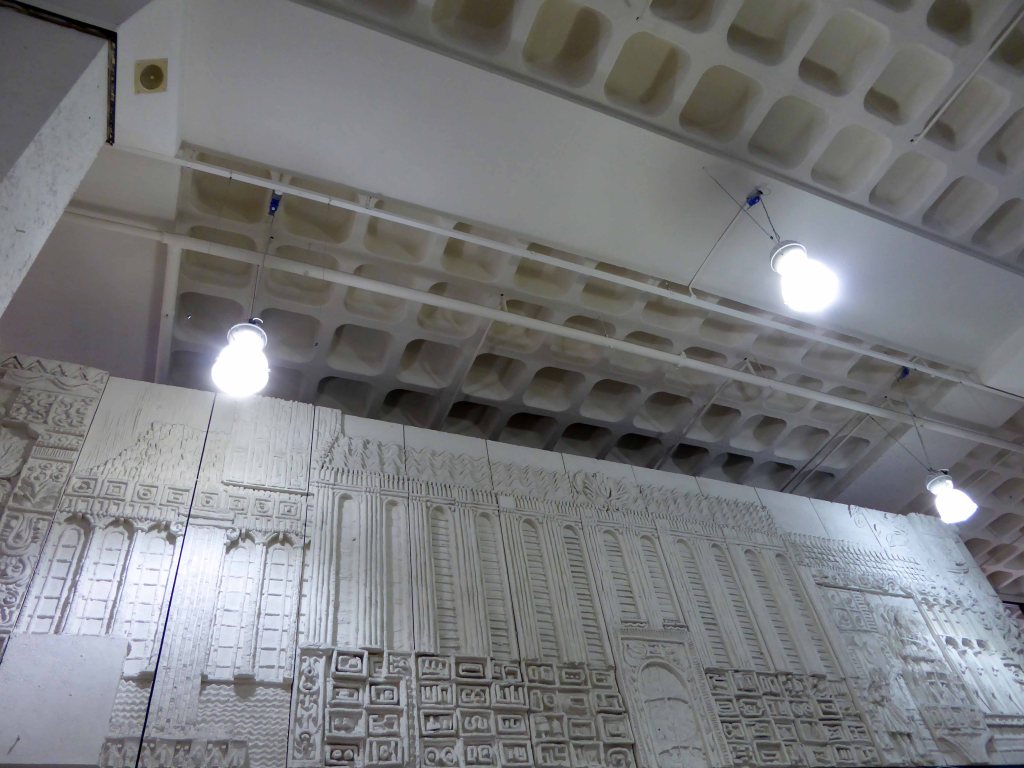
The interior has several decorative features, tiles their authorship and origins unknown, consisting of four 2.5 metre, and one 6.5 metre  square ceramic panels.

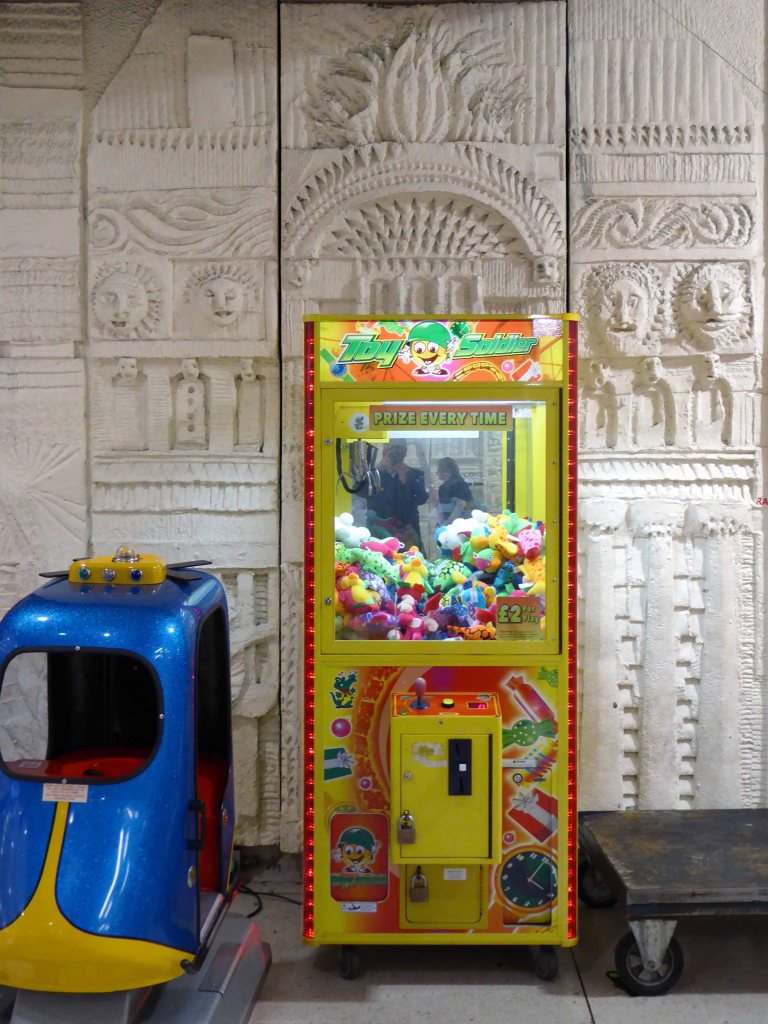
Alongside William Mitchell concrete reliefs.

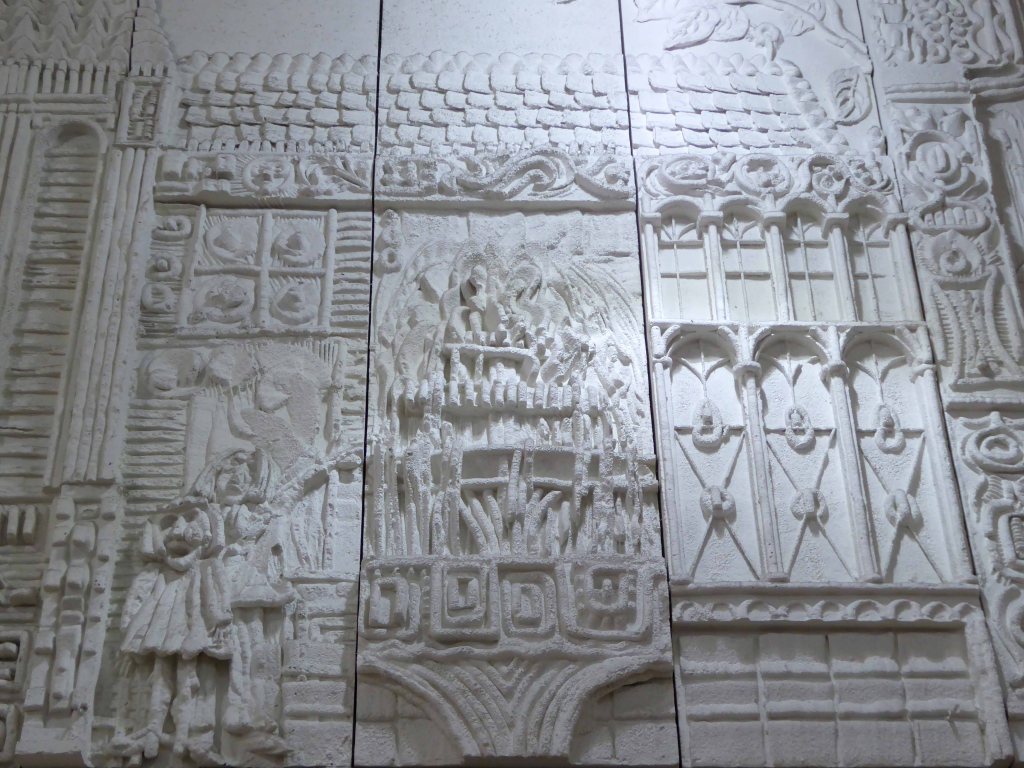
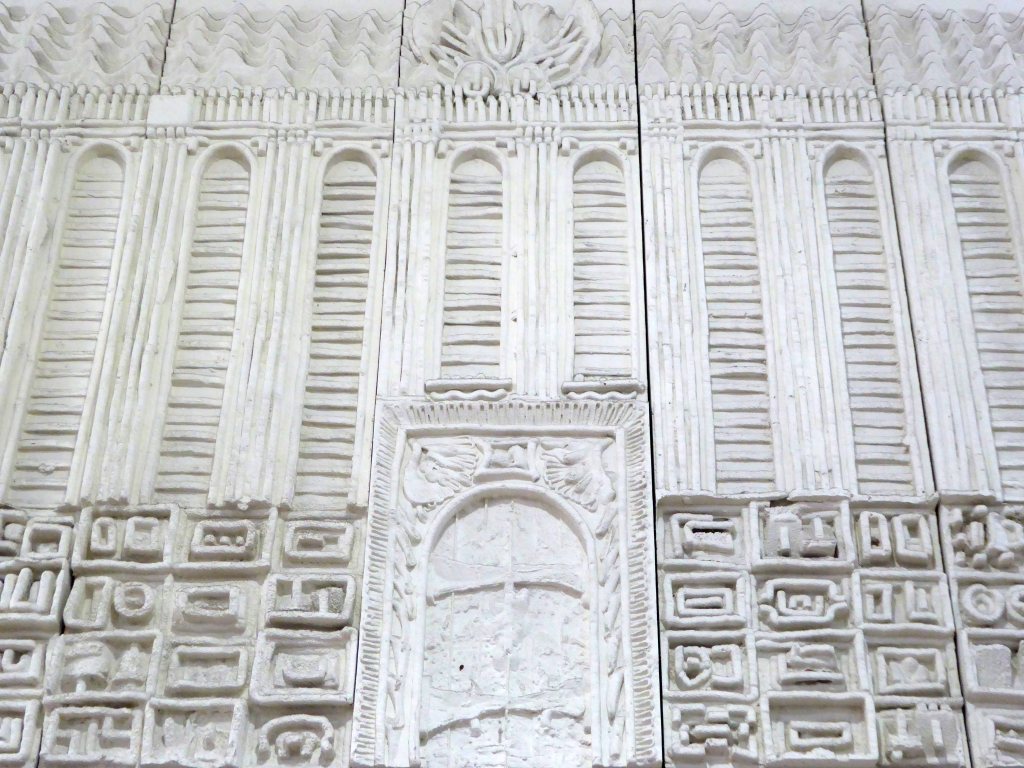
We now know that they are the work of Fritz Steller – also responsible for Huddersfield’s Queensgate Market ceramics.

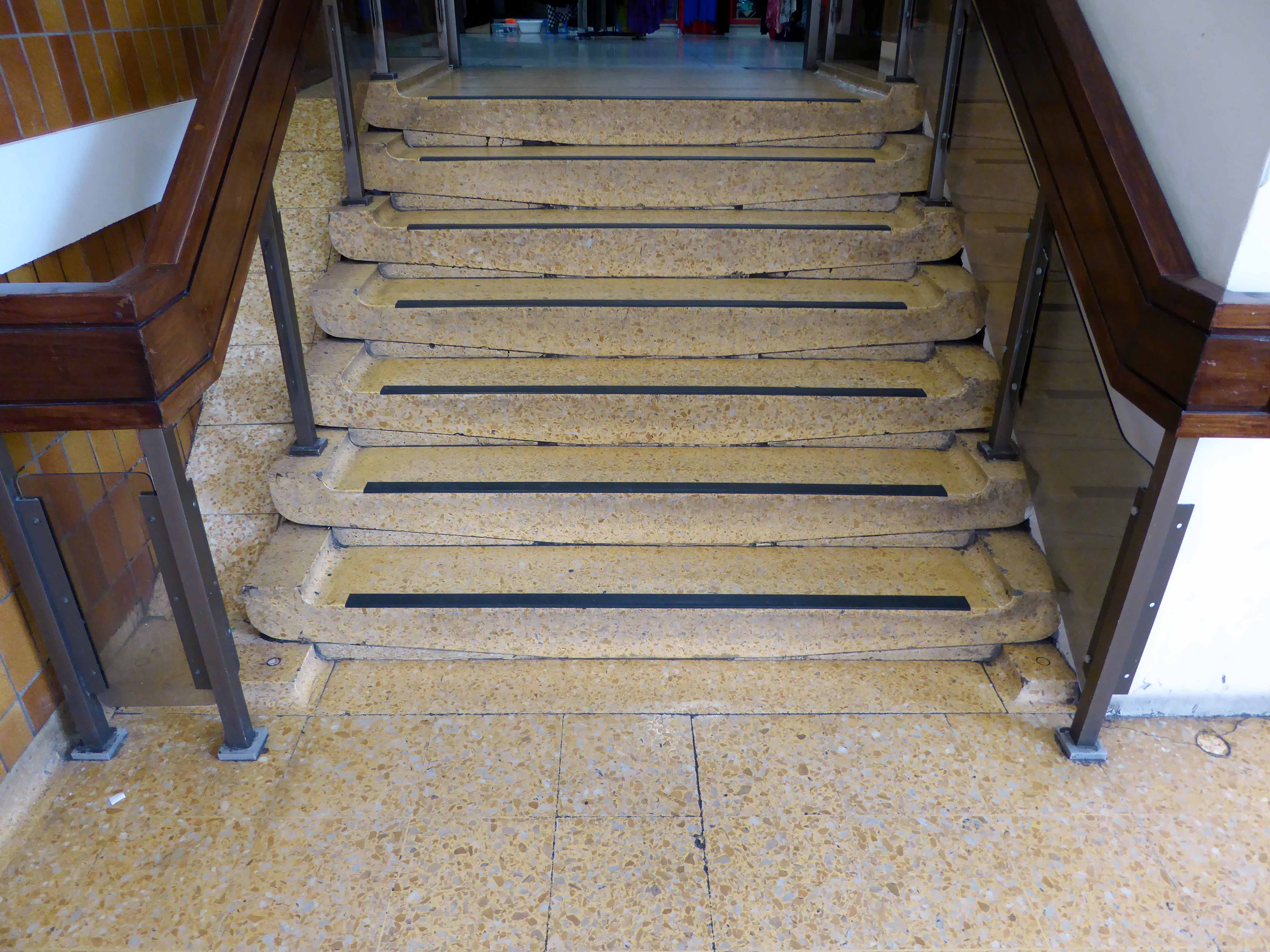
So farewell fair Kirkgate, I love your stairwell.

Well.

P1050382 copy

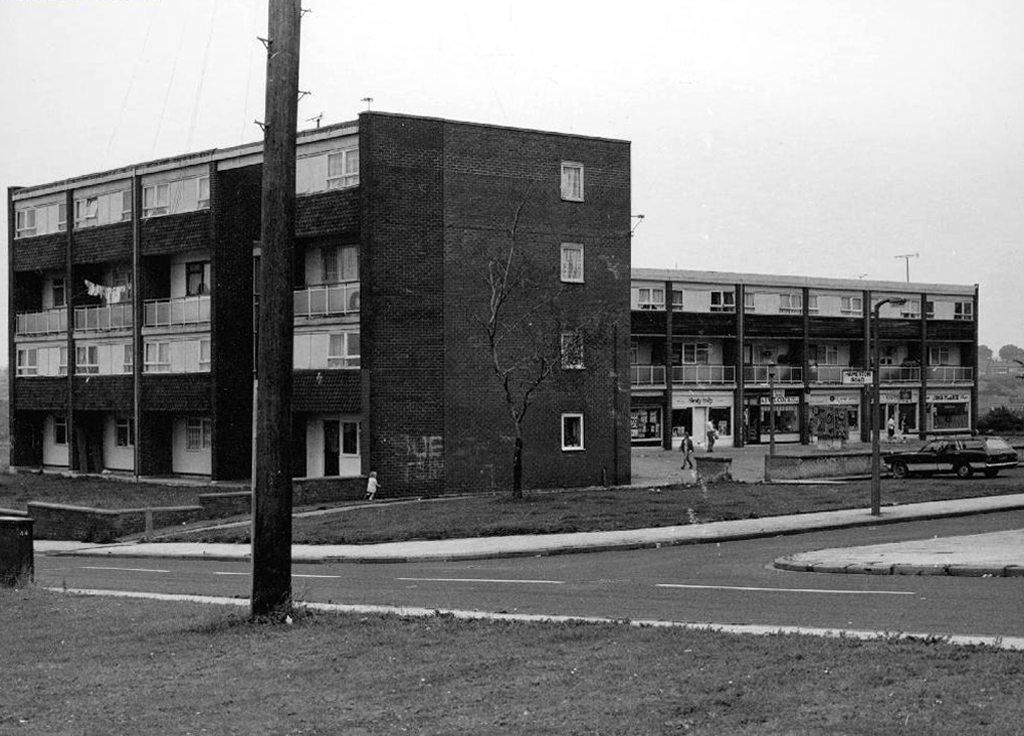
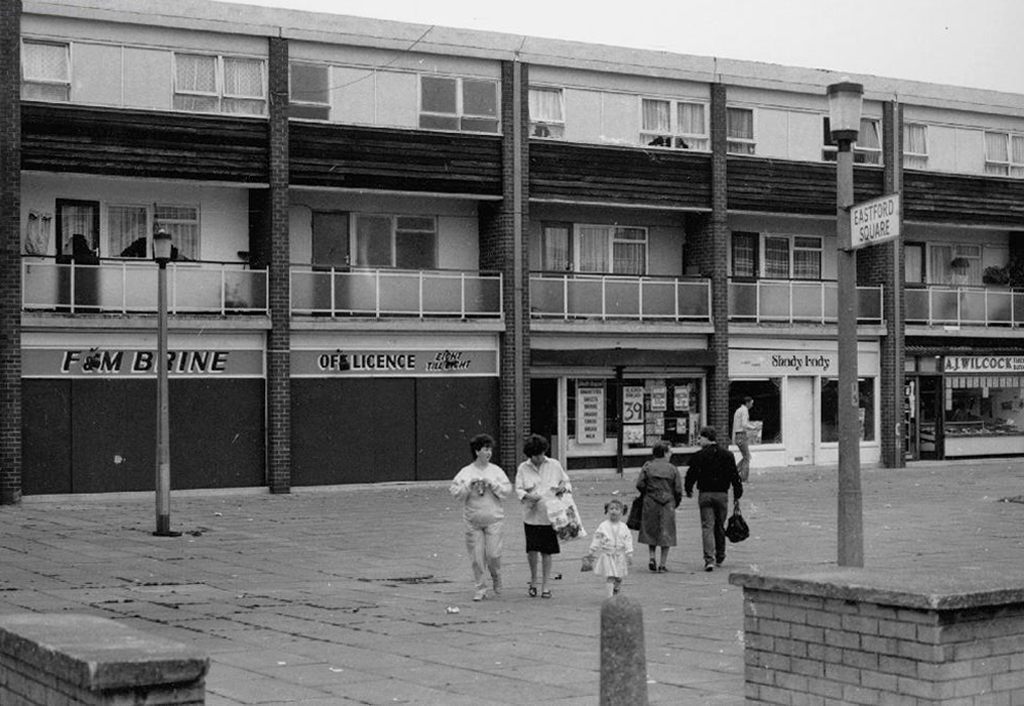
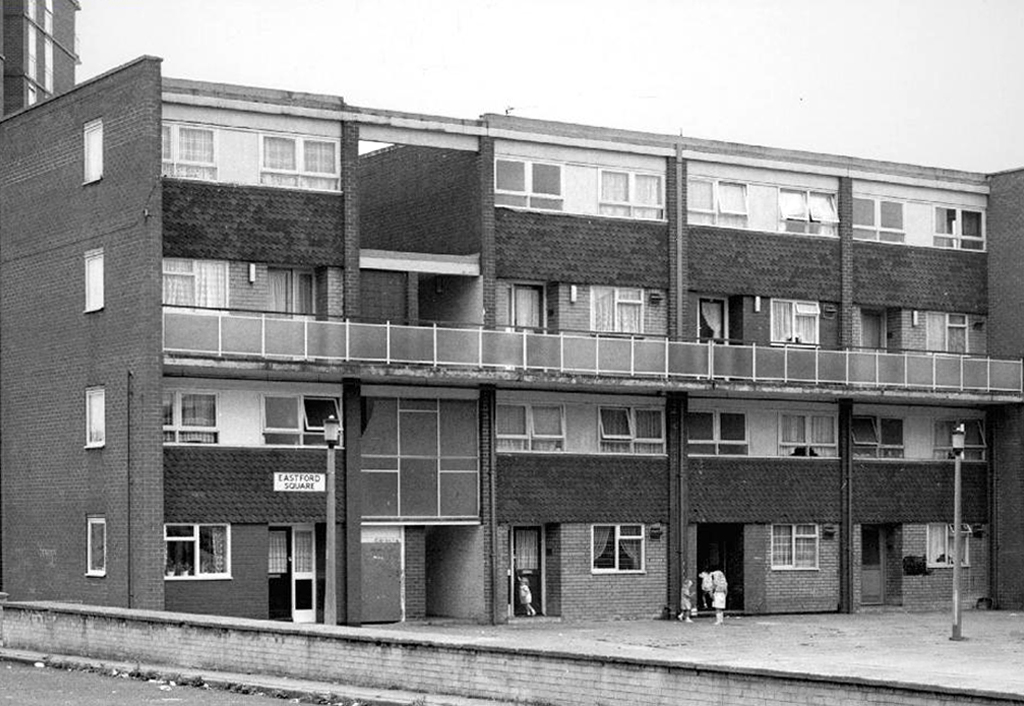
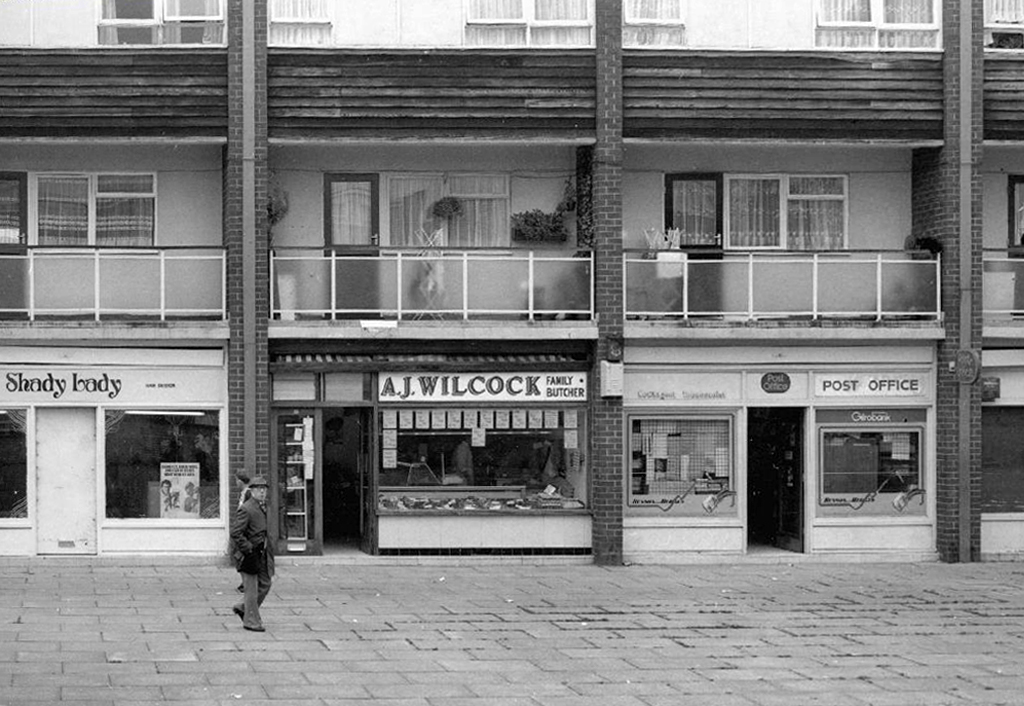
Eastford Square – Collyhurst

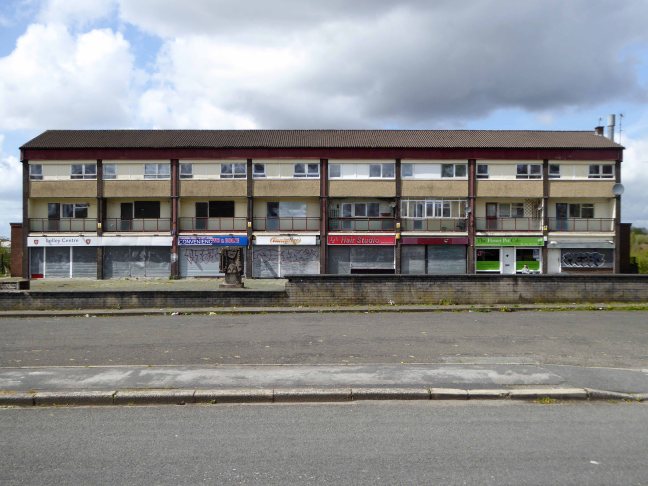
Once there were homes, postwar social housing.

Once there were jobs, a measure of prosperity.

A settled community.

webmedia-1.php
webmedia-4.php
webmedia-2.php
webmedia-3.php

Time has not been kind to North Manchester, successive slumps, double-dip depressions, economic downturns, and centrally imposed recession hurts.

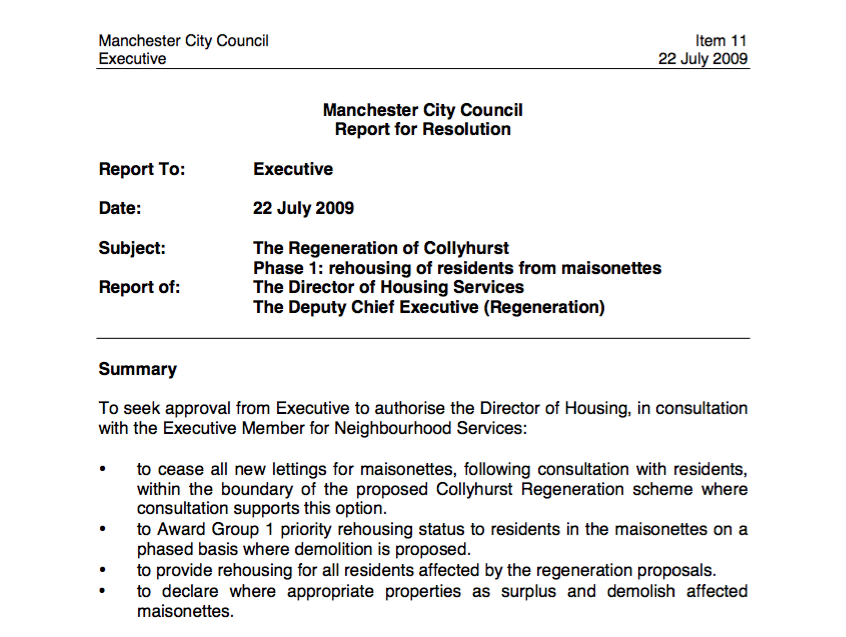
The local authority steps in, from 2009 the fate of Eastford Square is sealed.

Regeneration.Screen Shot 2016-05-06 at 16.39.43

Spells demolition.

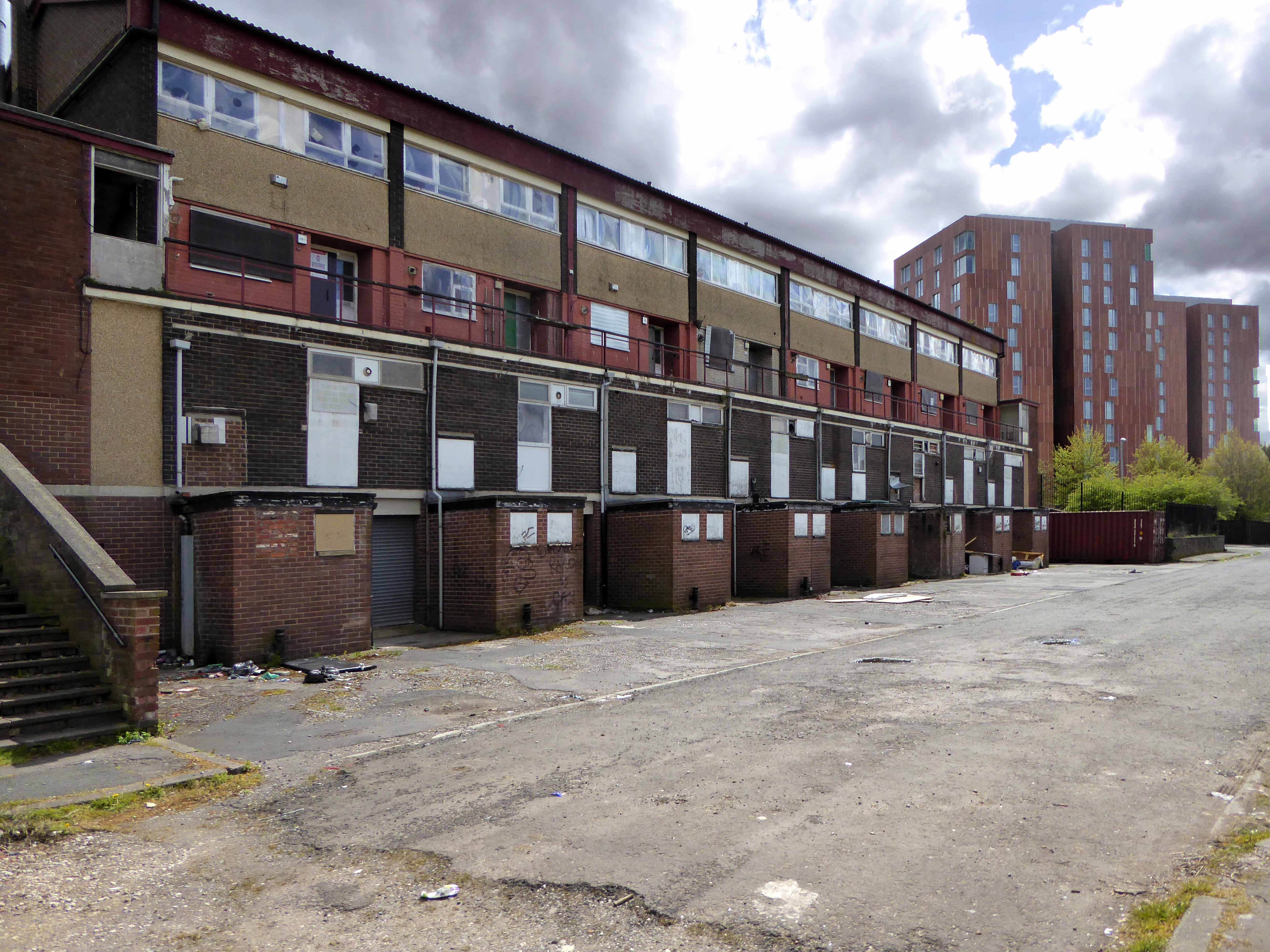
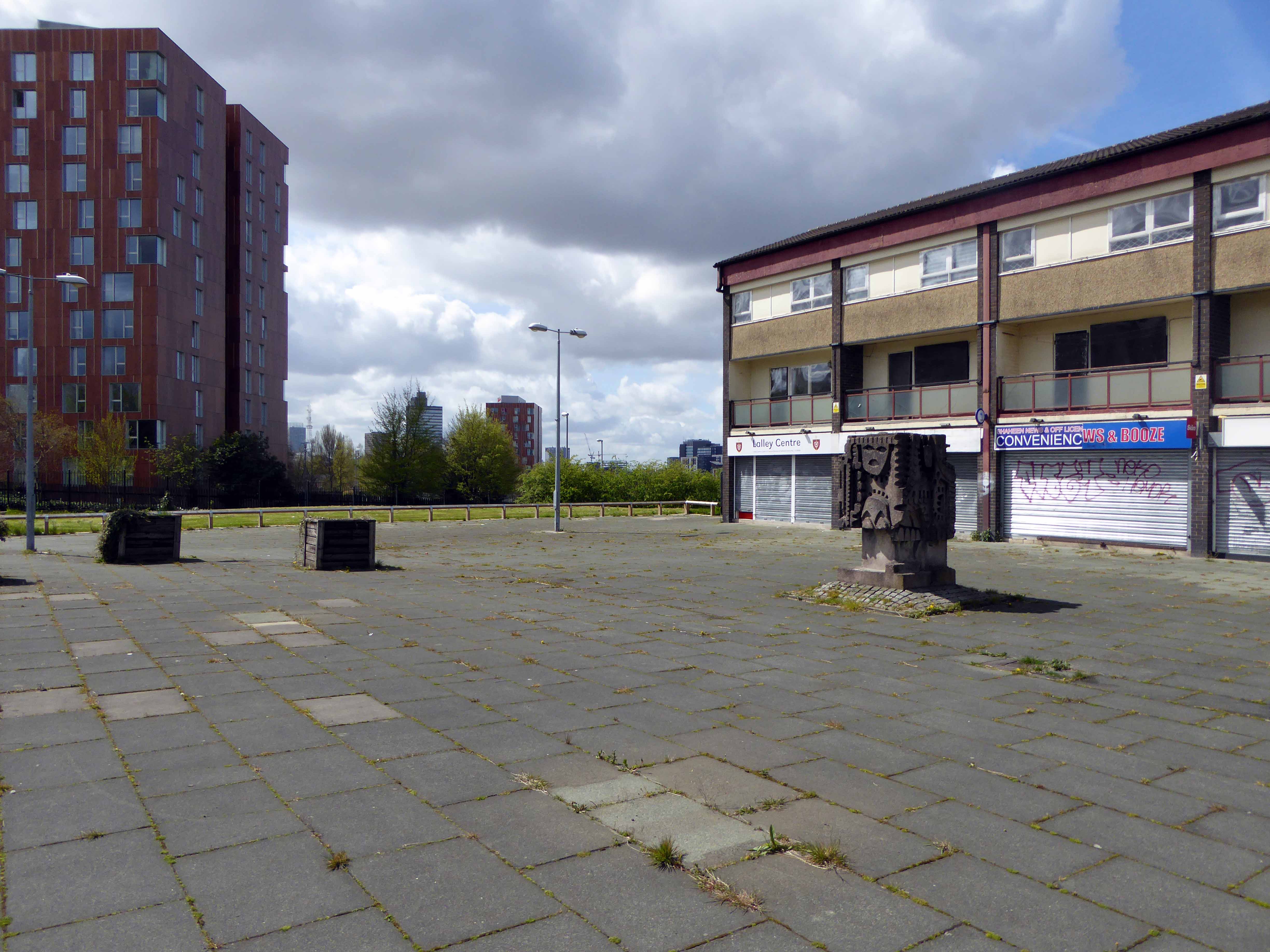
One wing is already gone, the maisonettes are tinned up.

P1040328 copy
P1040330 copy
P1040310 copy
P1040340 copy
P1040333 copy
P1040327 copy
P1040329 copy

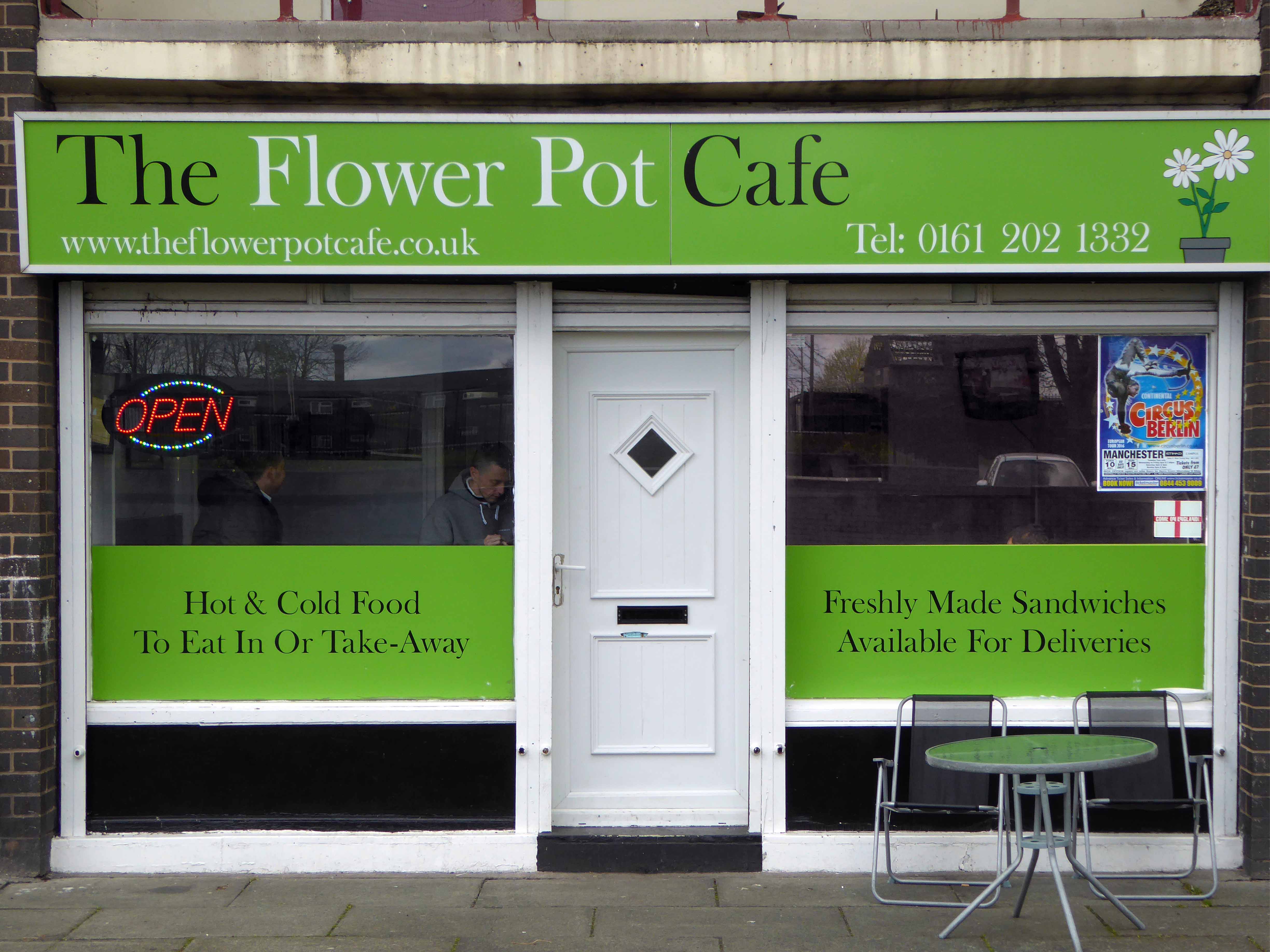
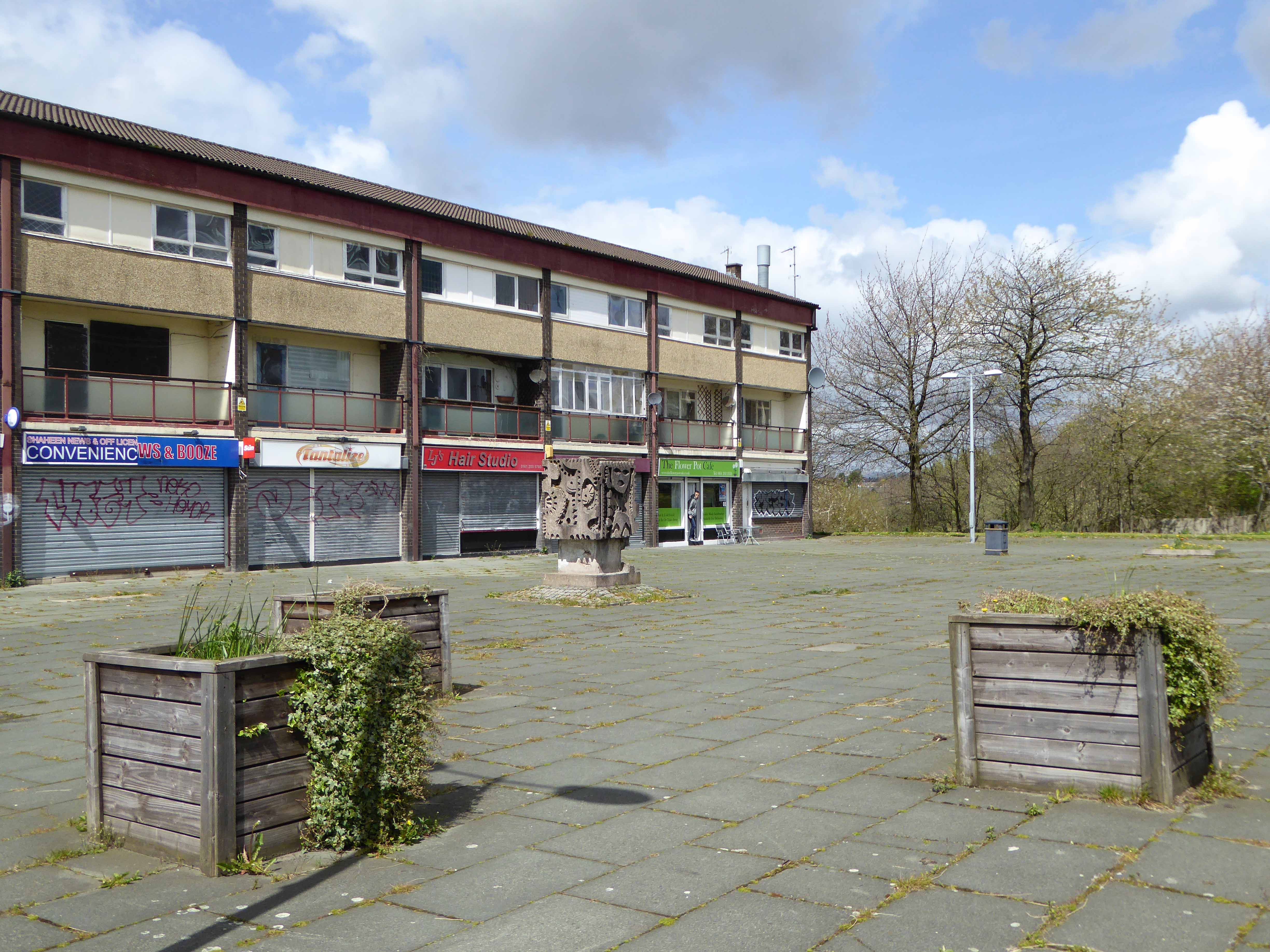
The Flower Pot Café, still fully functional, fed me well for £2, Lee the proprietor is living on borrowed time though, hoping for relocation within the new development.

P1040316 copy

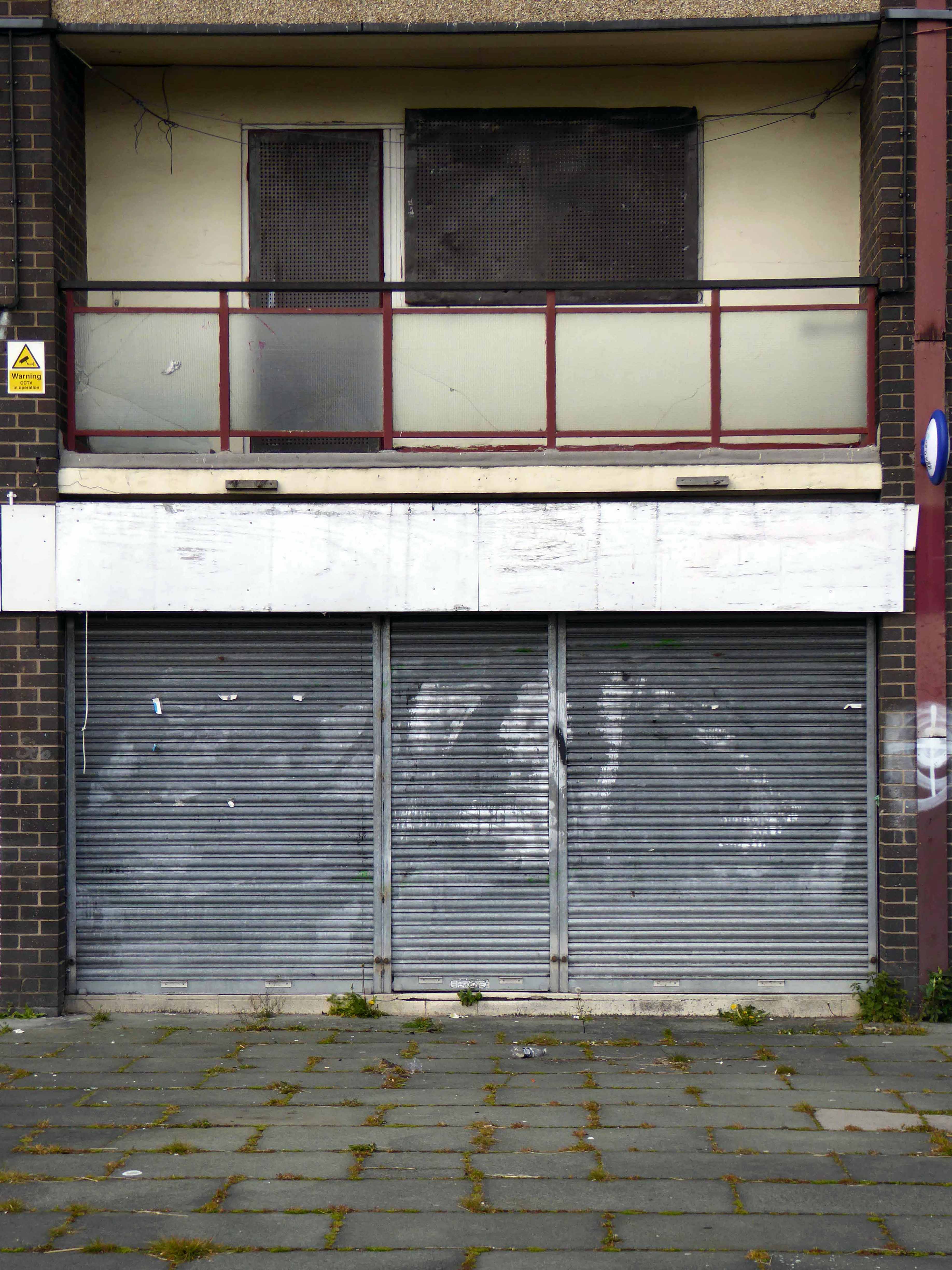
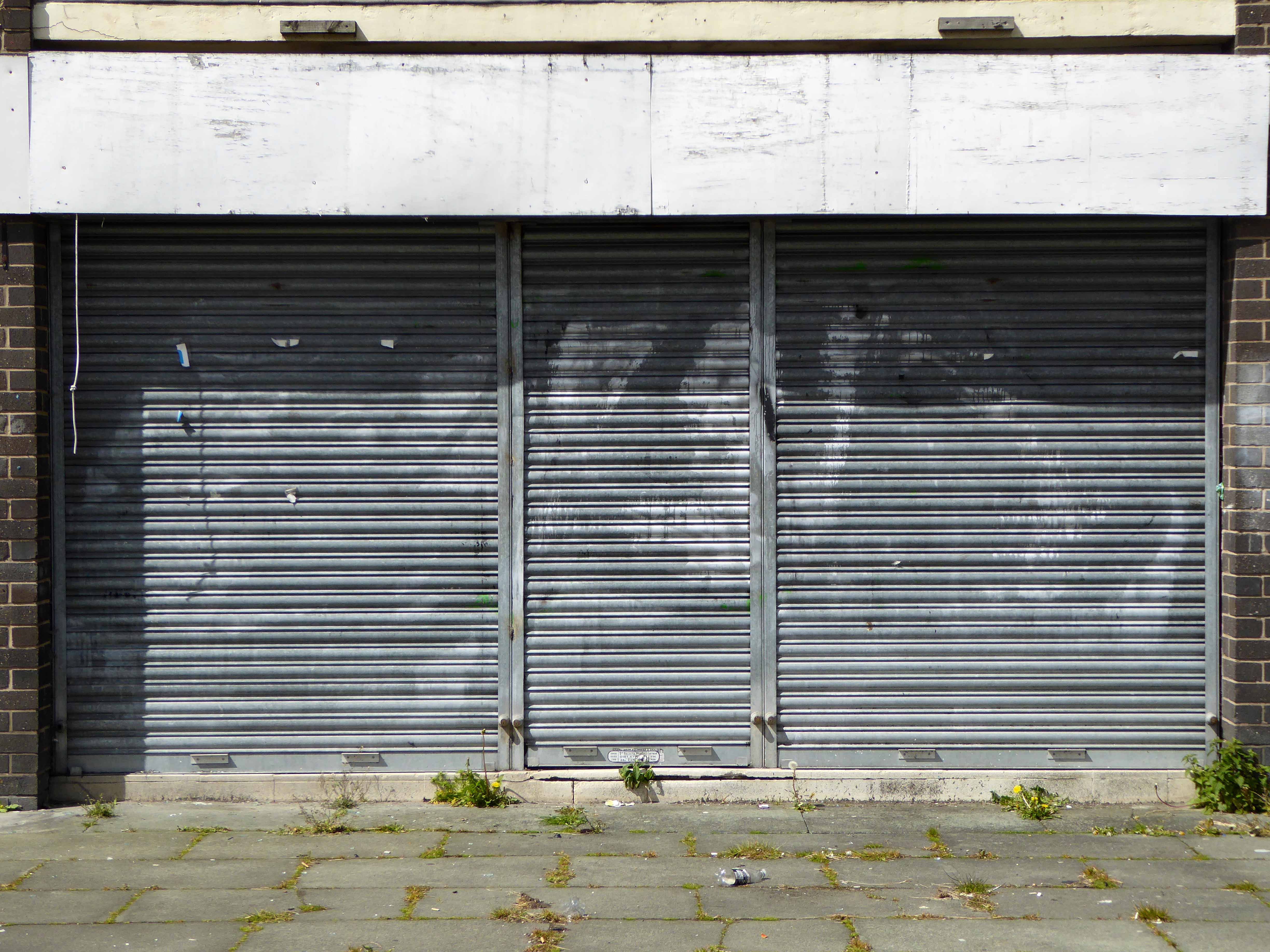
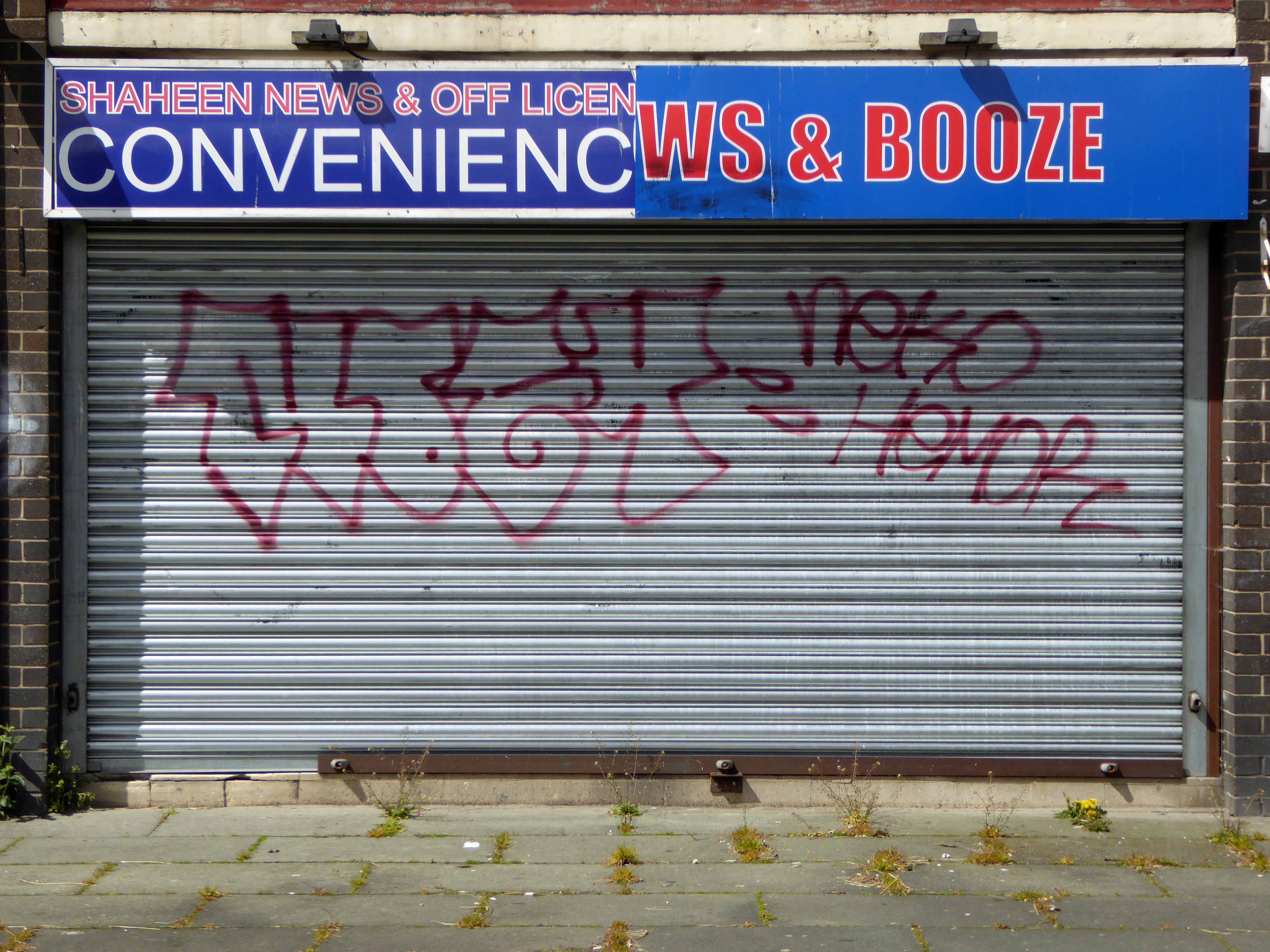
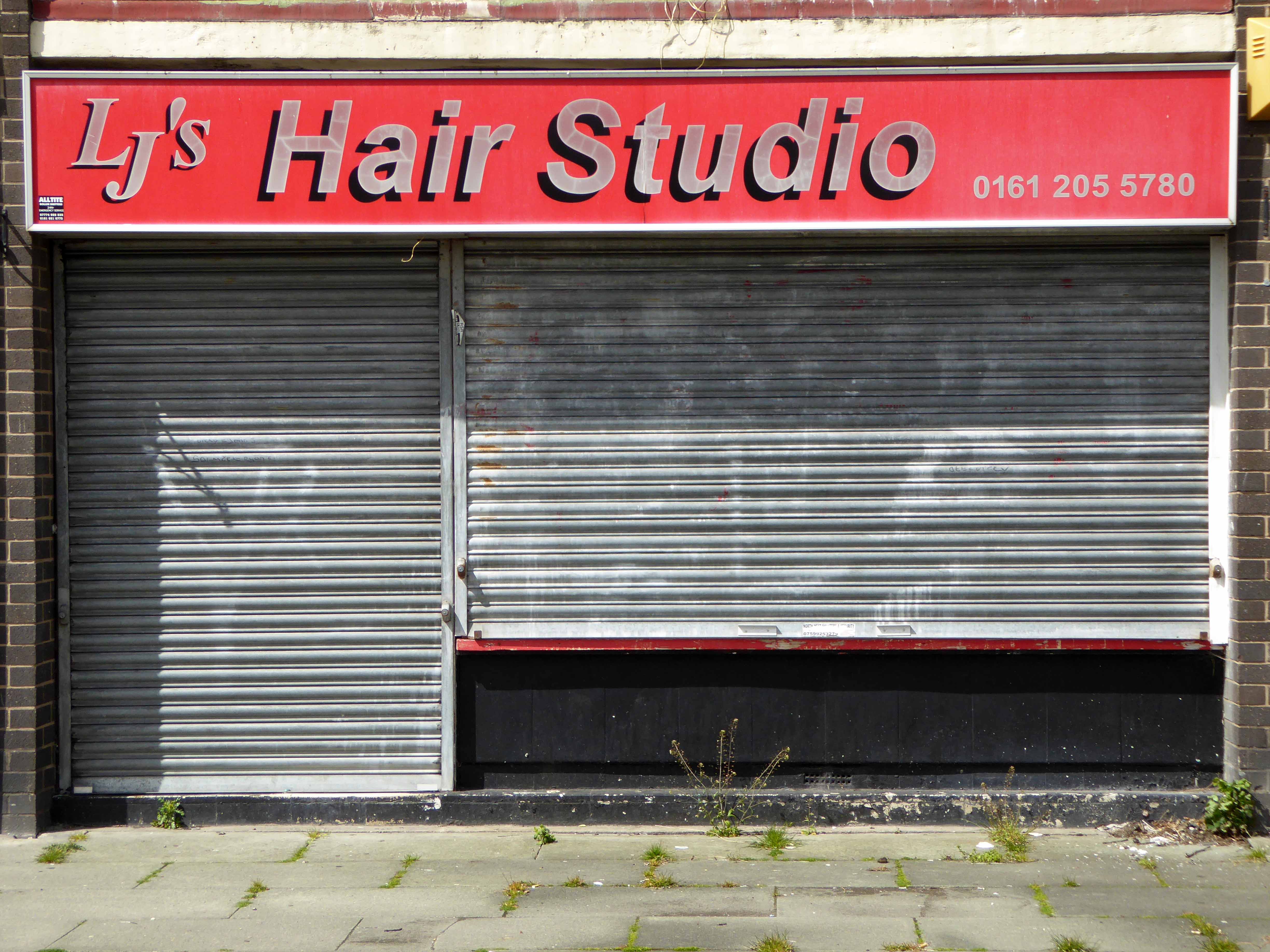
Other businesses have not survived the transition, awaiting CPO and who knows what.

P1040308 copy
P1040307 copy
P1040306 copy
P1040305 copy
P1040314 copy

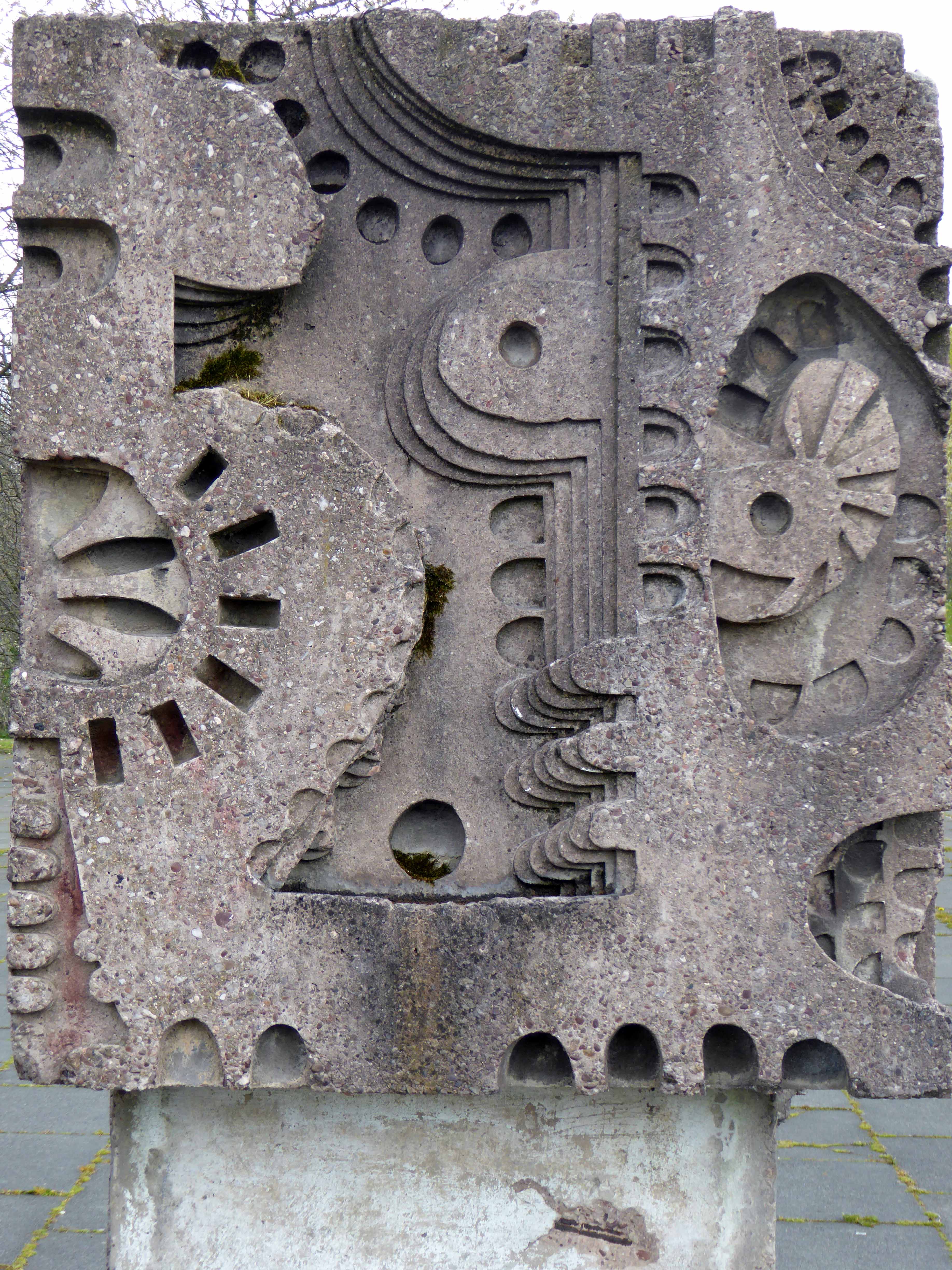
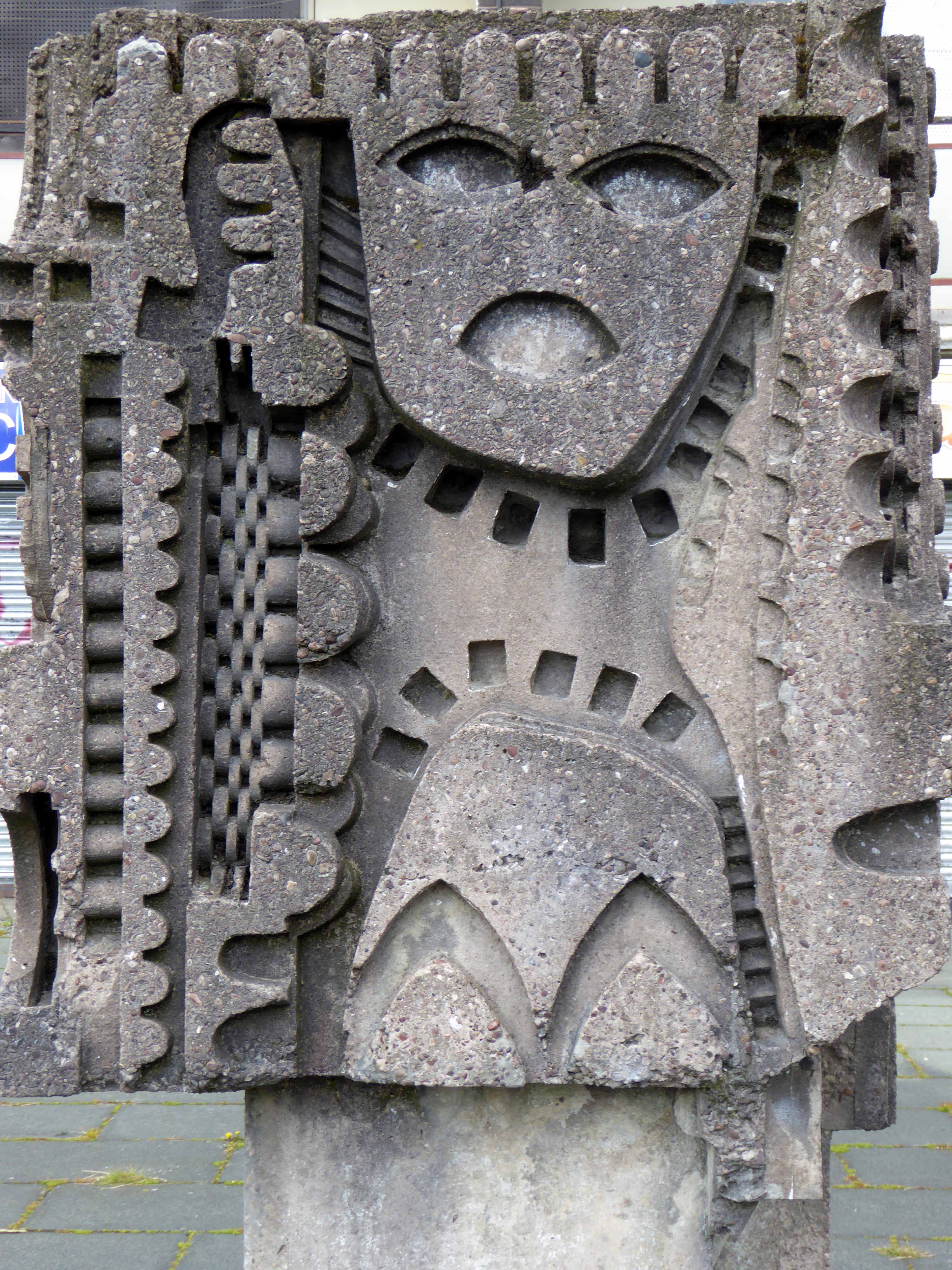
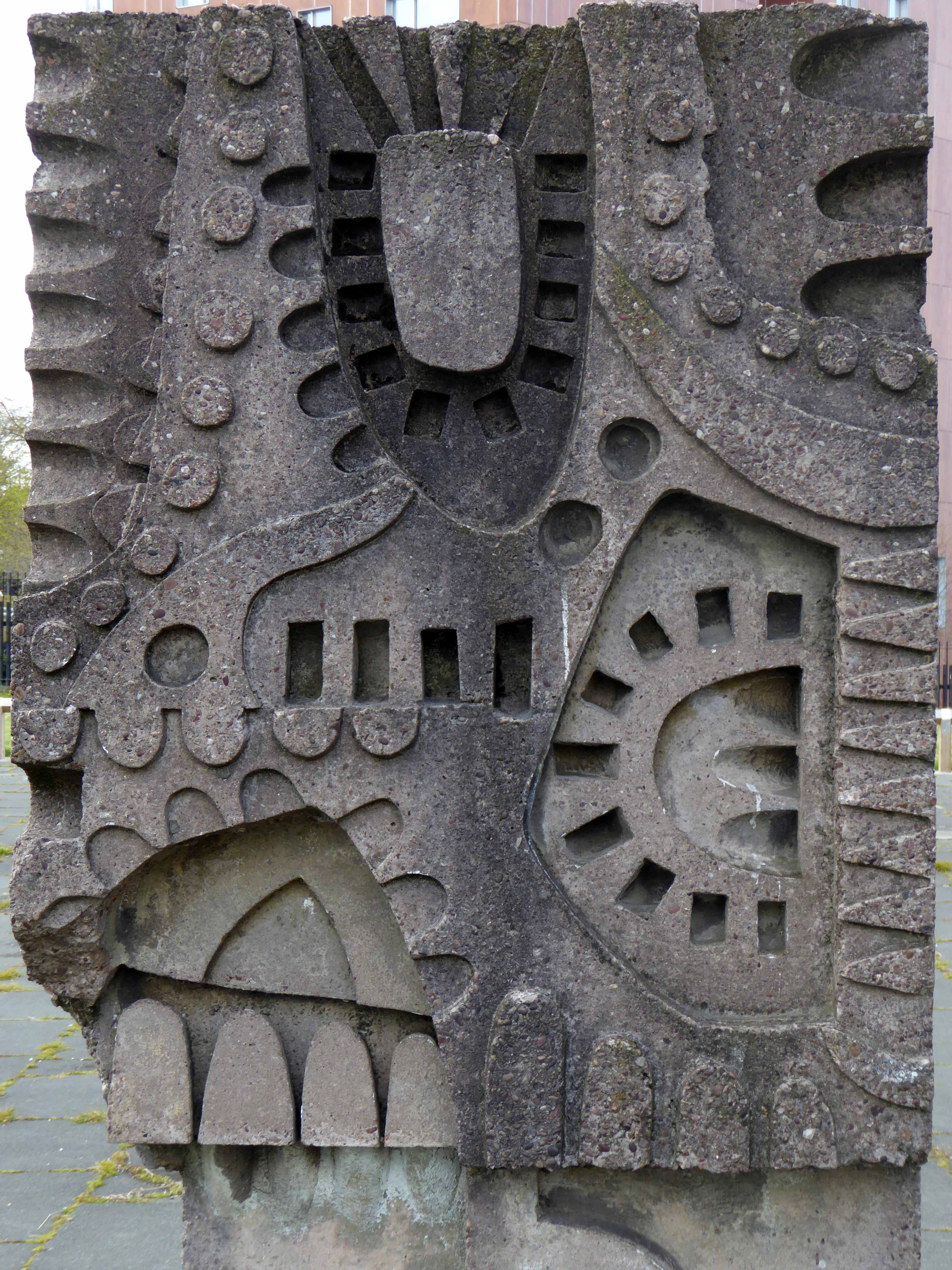
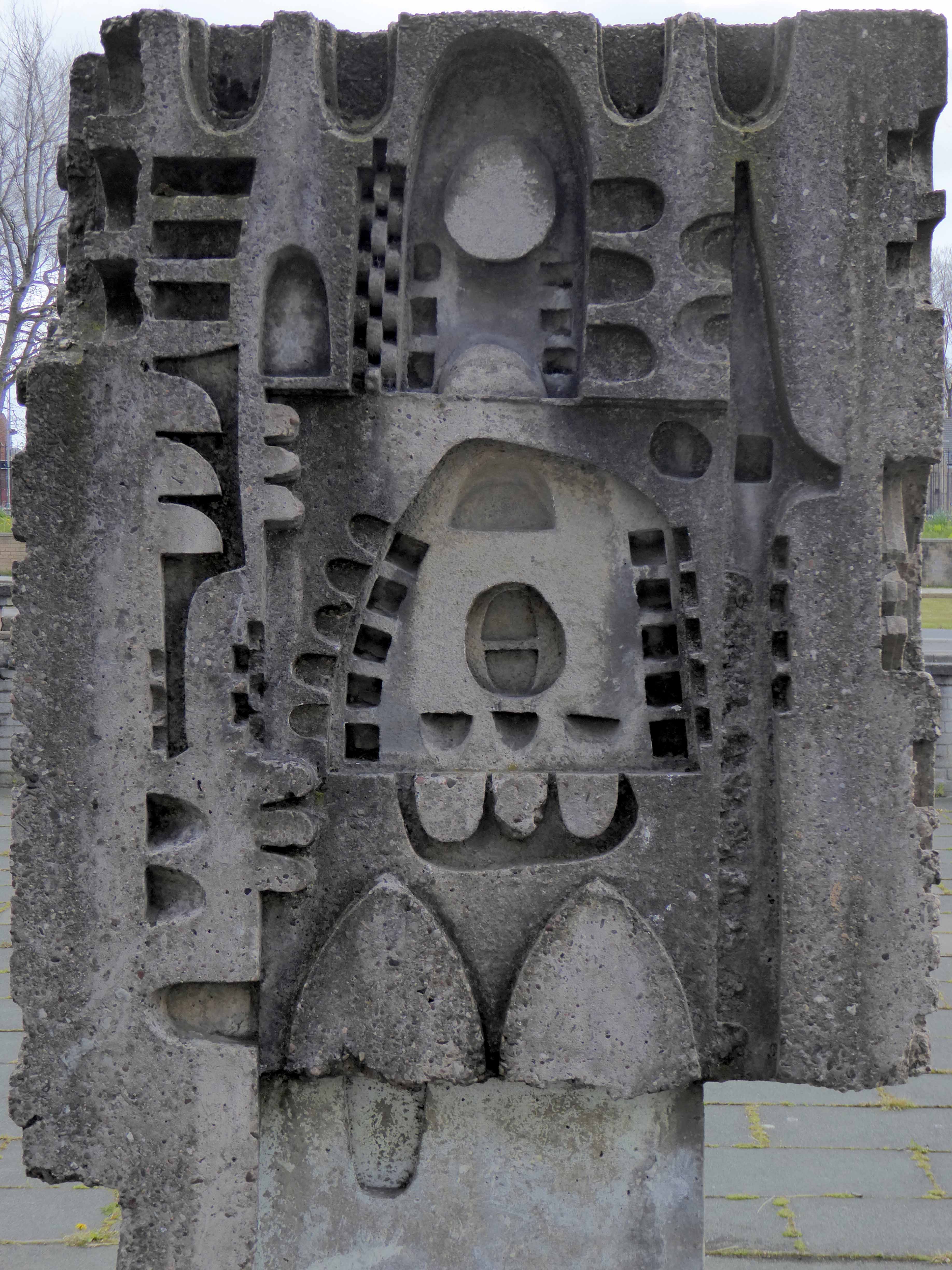
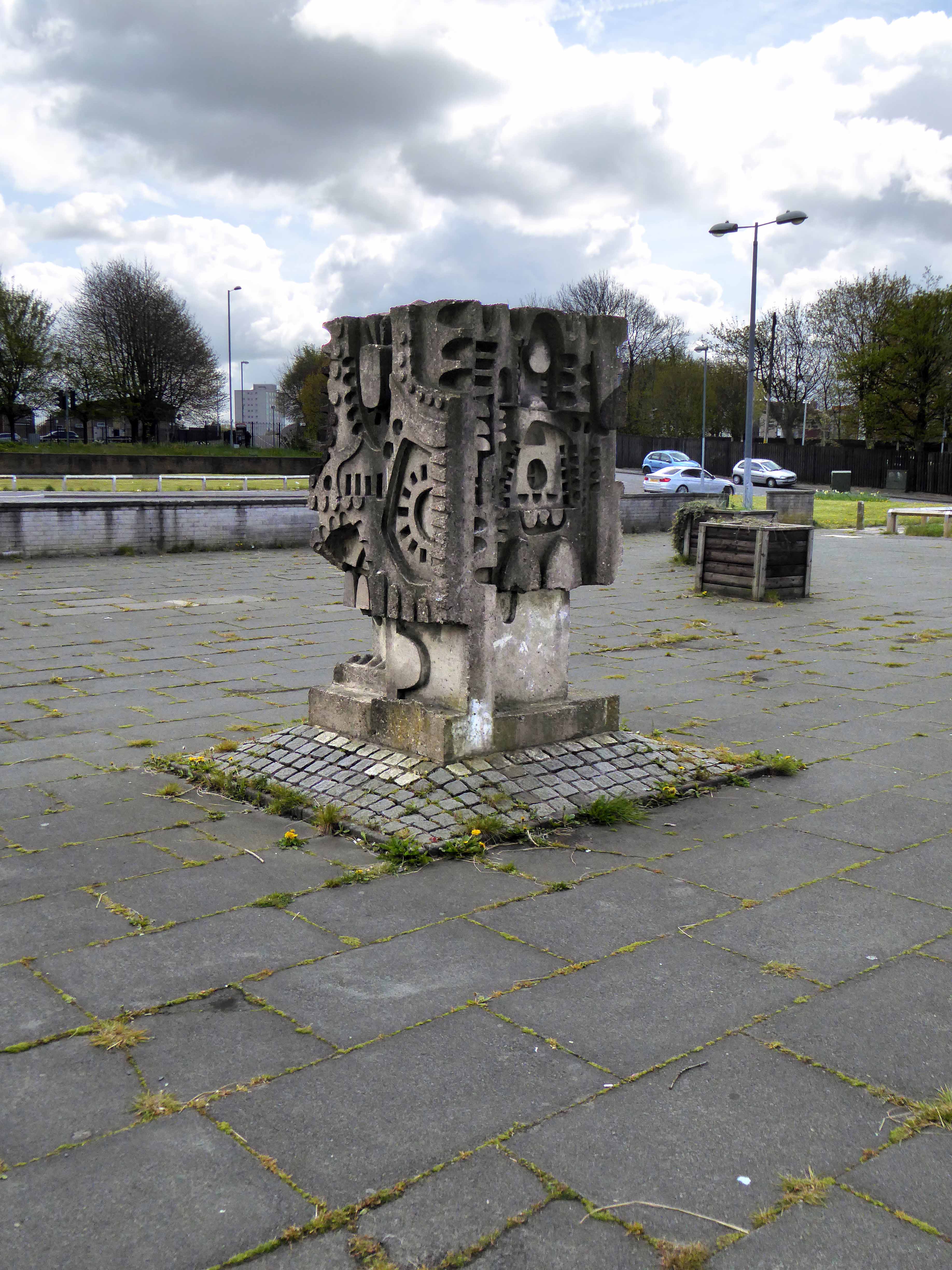
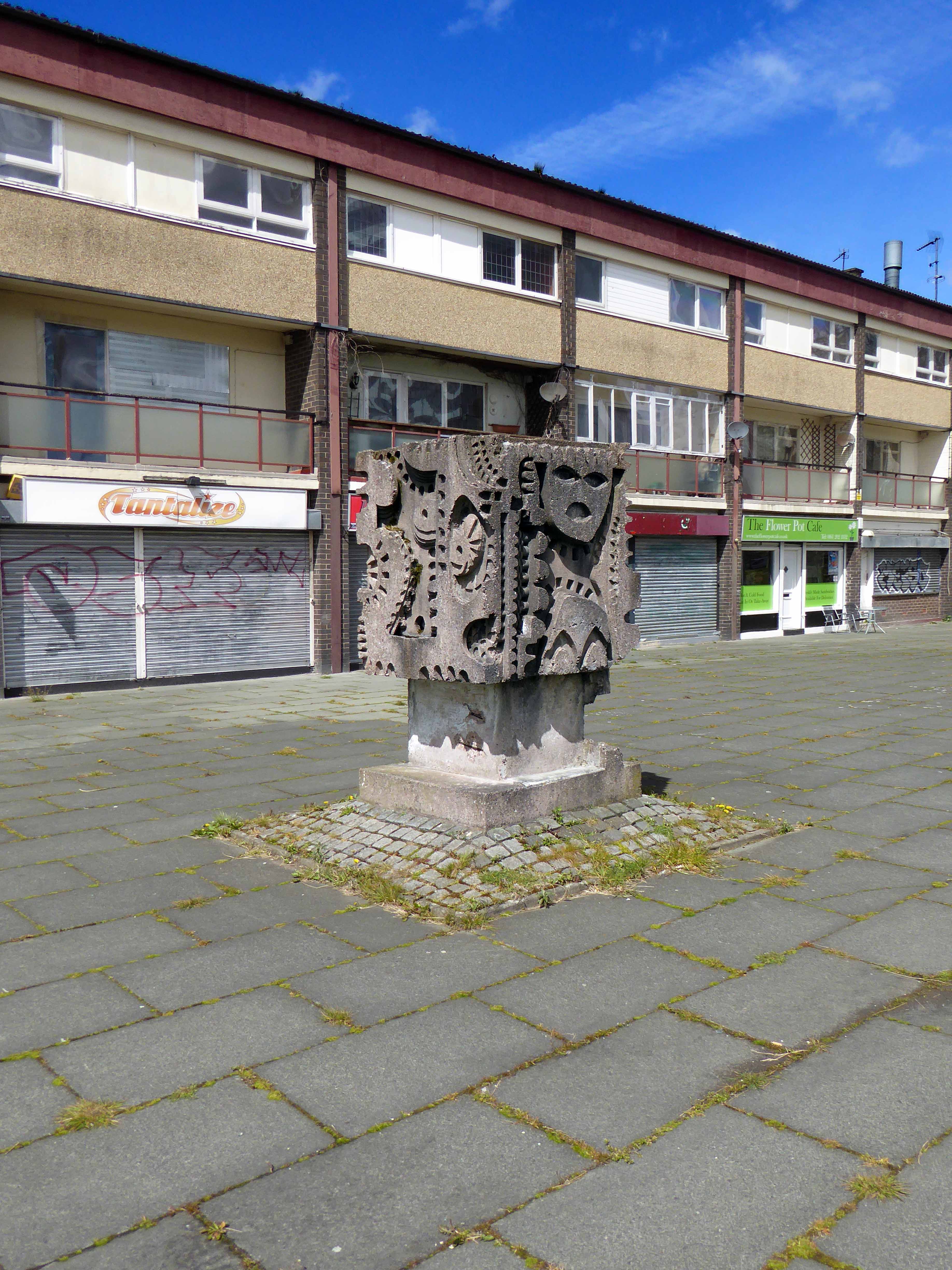
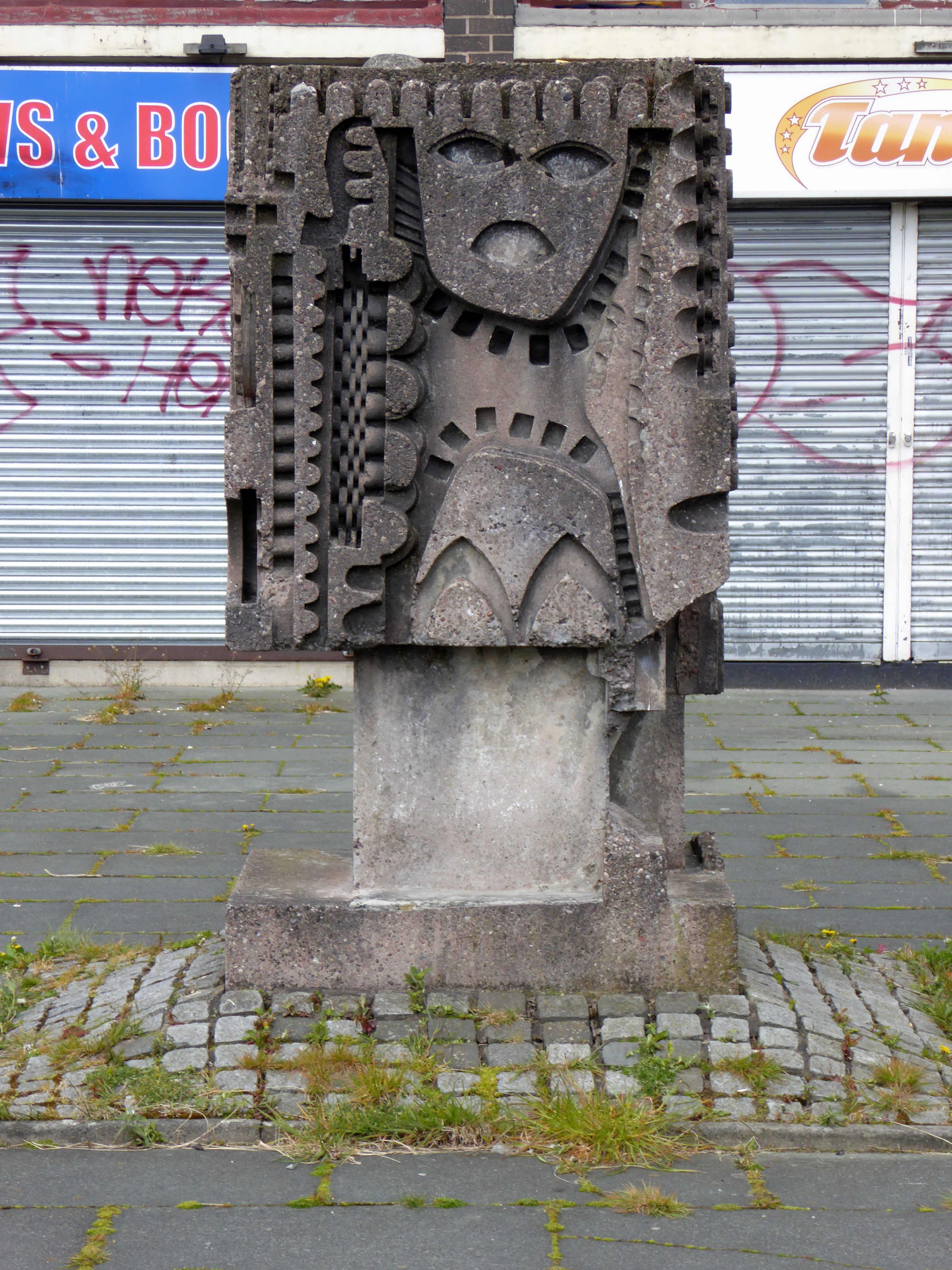
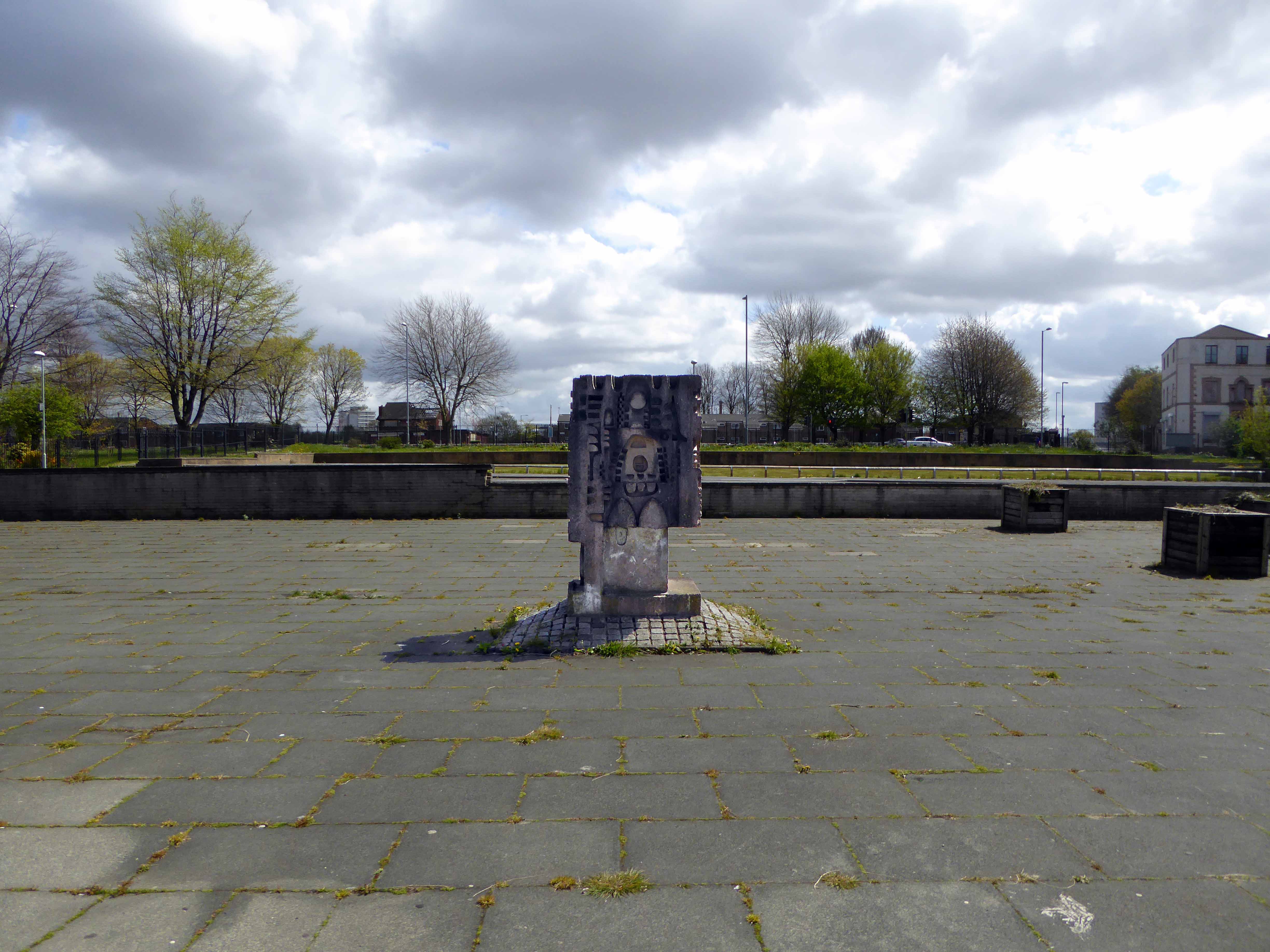
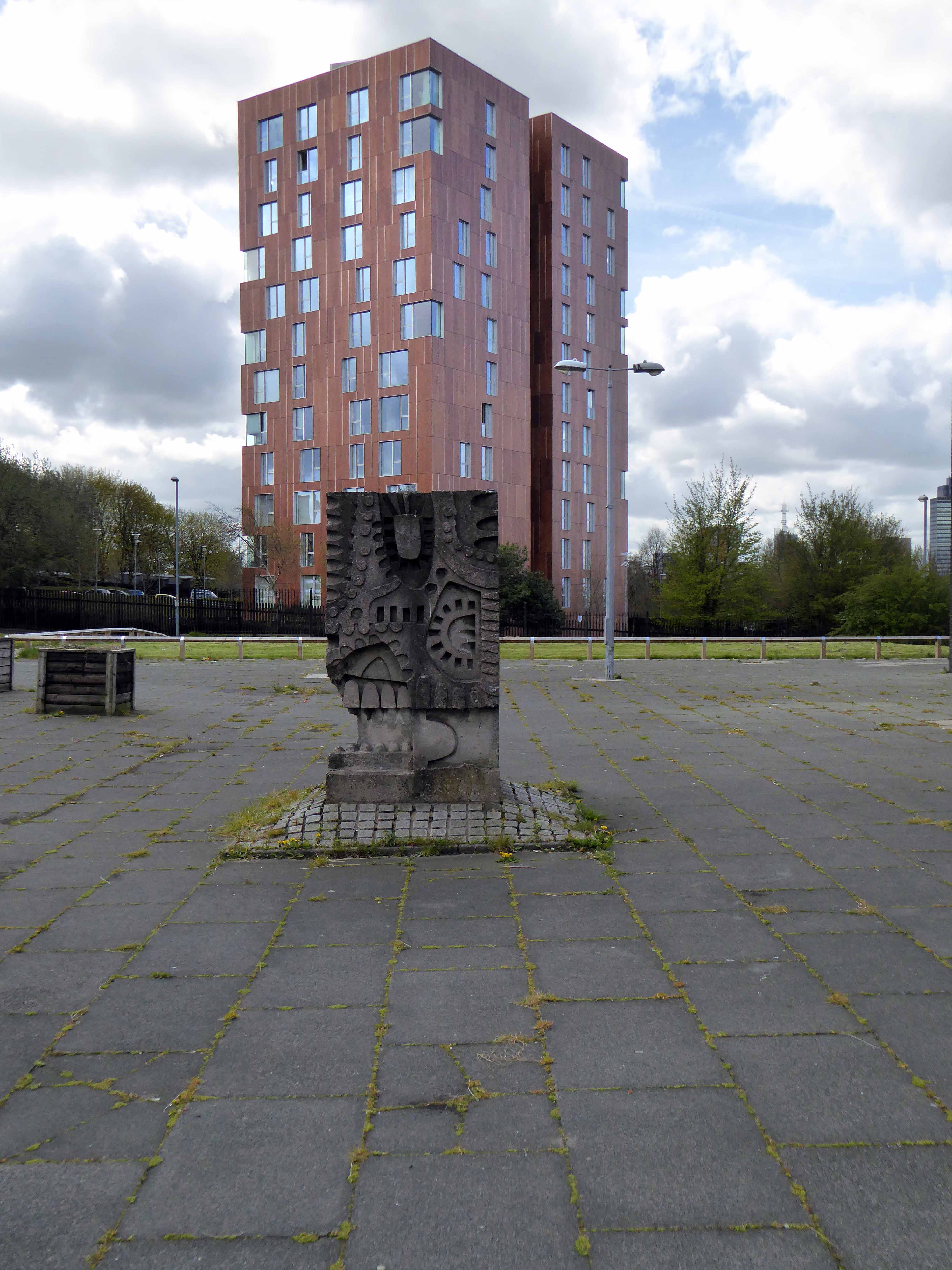
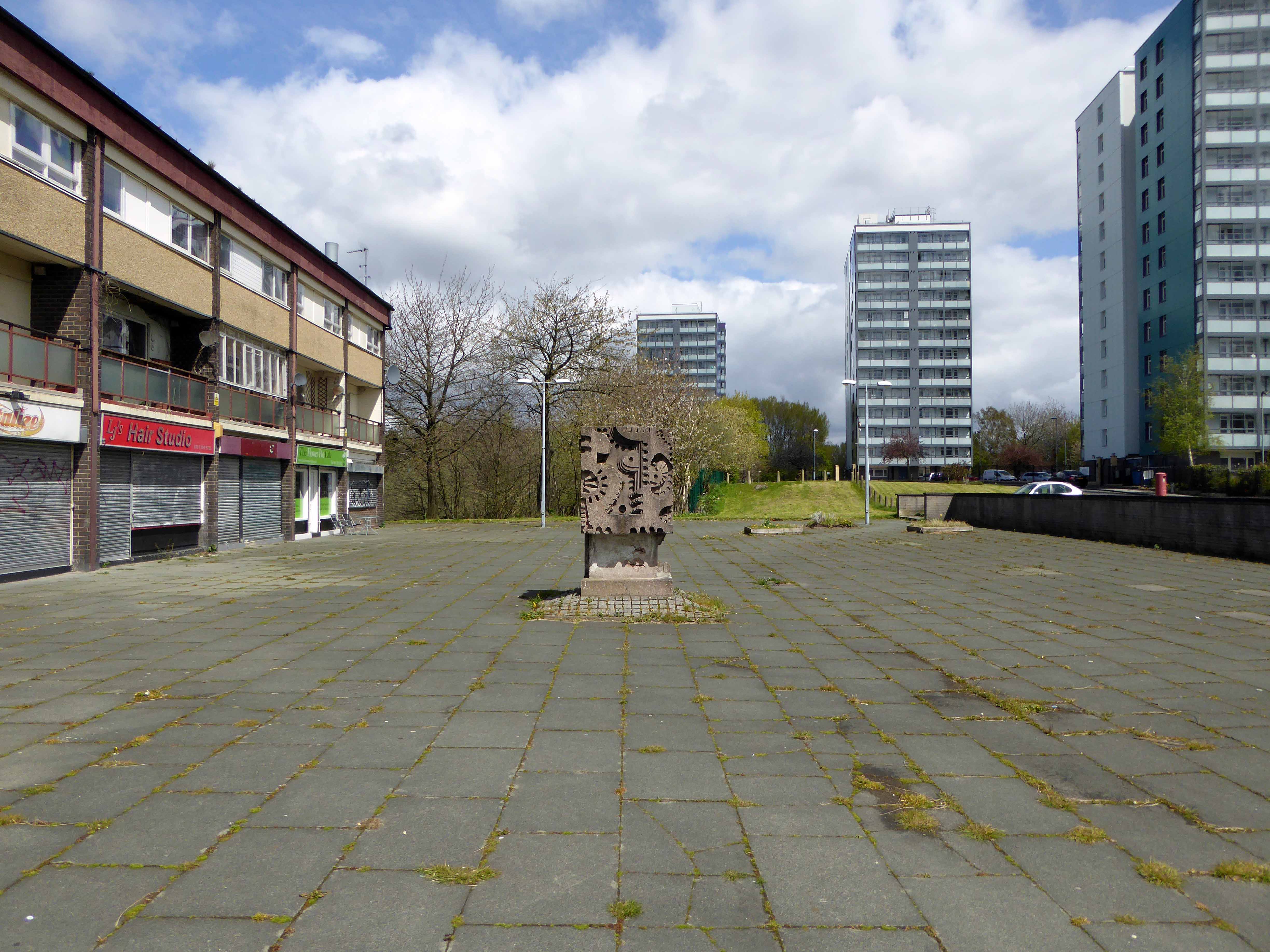
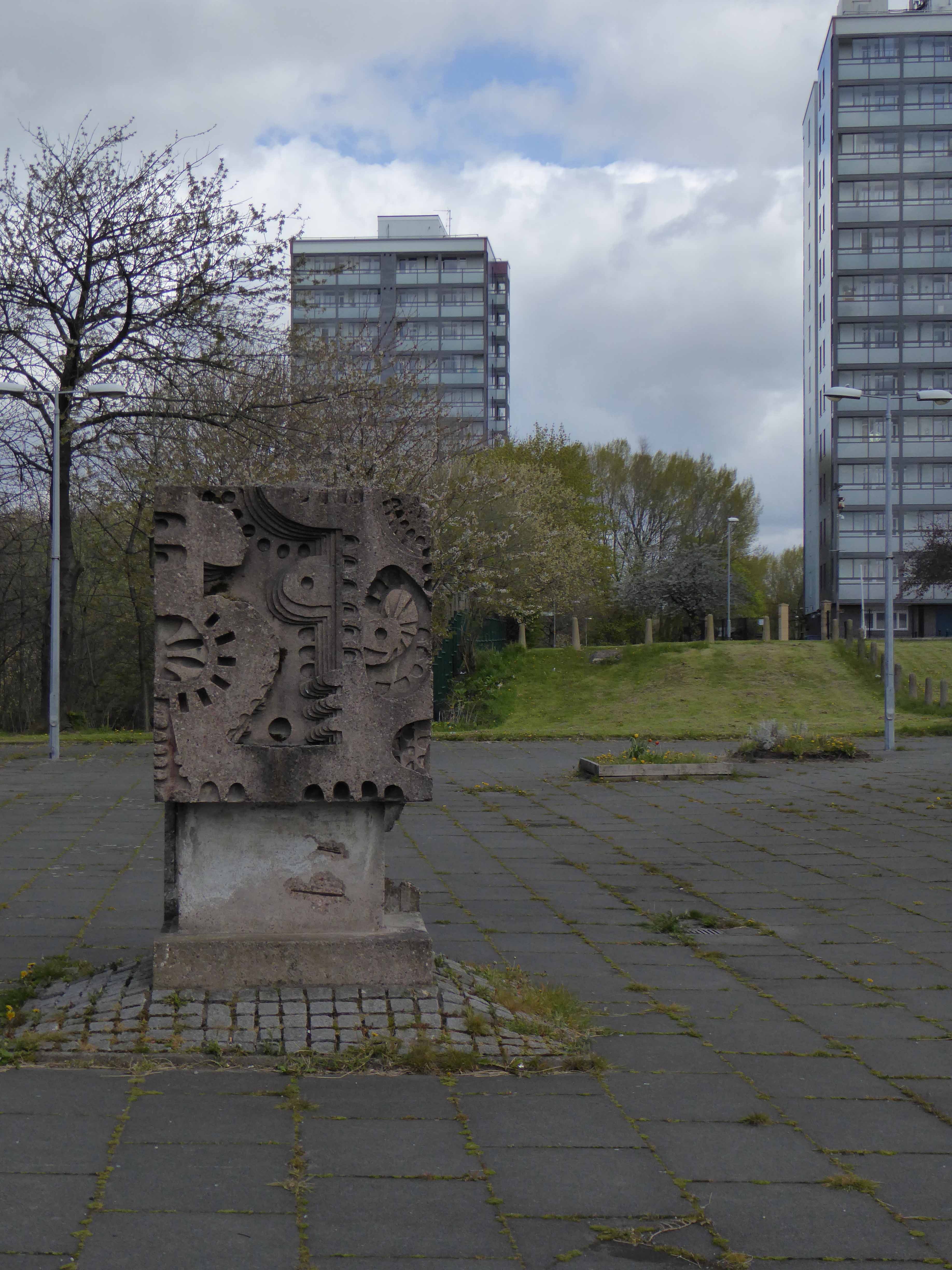
The square is blessed with a concrete sculpture, whose fate I hope is secured, somehow.

P1040294 copy
P1040293 copy
P1040296 copy
P1040295 copy

Possibly by William Mitchell – possibly not.

P1040297 copy
P1040304 copy
P1040303 copy
P1040321 copy
P1040292 copy
P1040313 copy
P1040298 copy
P1040301 copy
P1040300 copy

This as ever, is a time of change, I hope that the area and its current inhabitants live to tell the tale, rather than fall victim to the tide of gentrification, forcing them further afield.

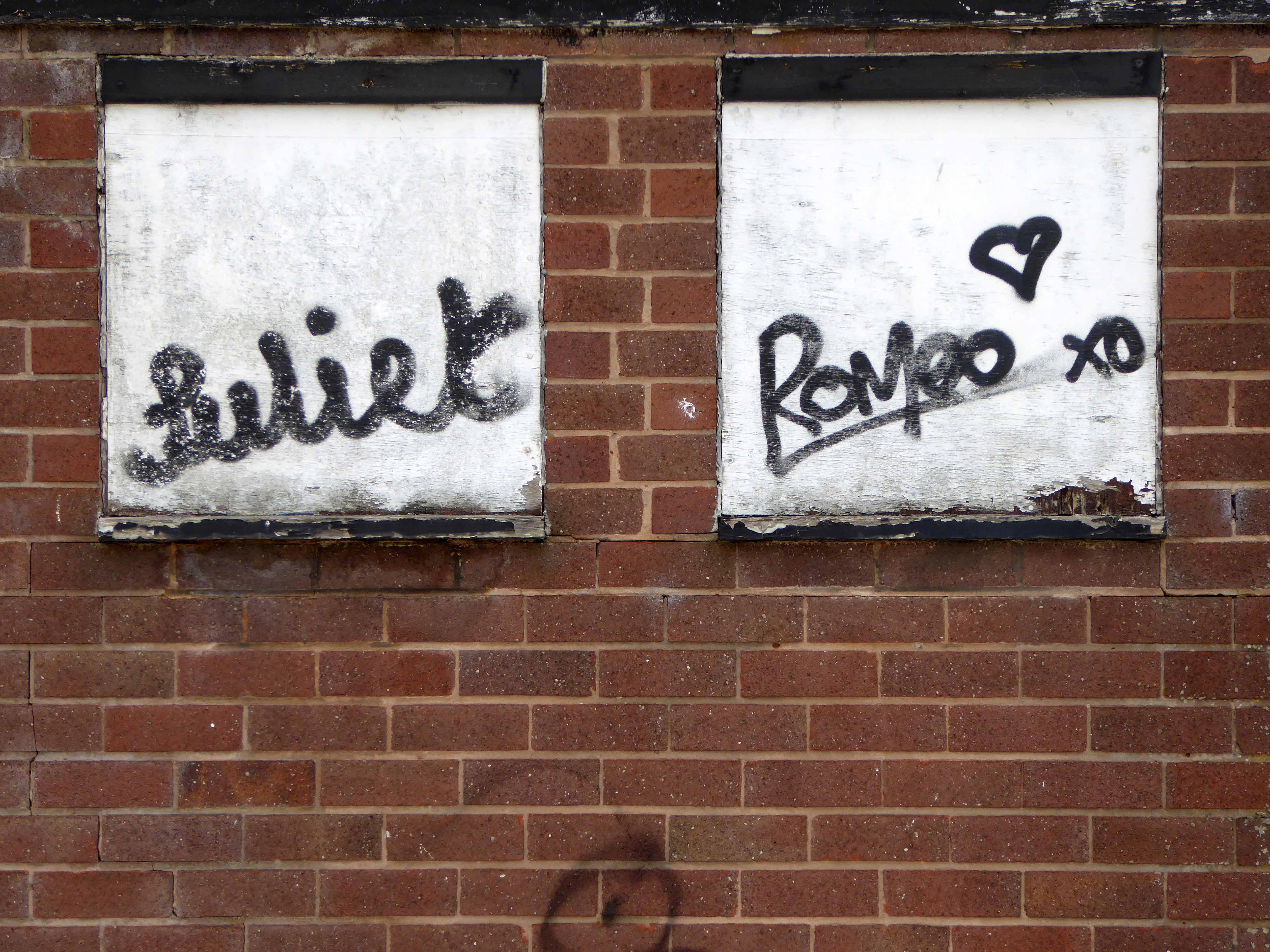
O Romeo Romeo, wherefore art thou Romeo?

P1040335 copy

Stockport – Stopford House

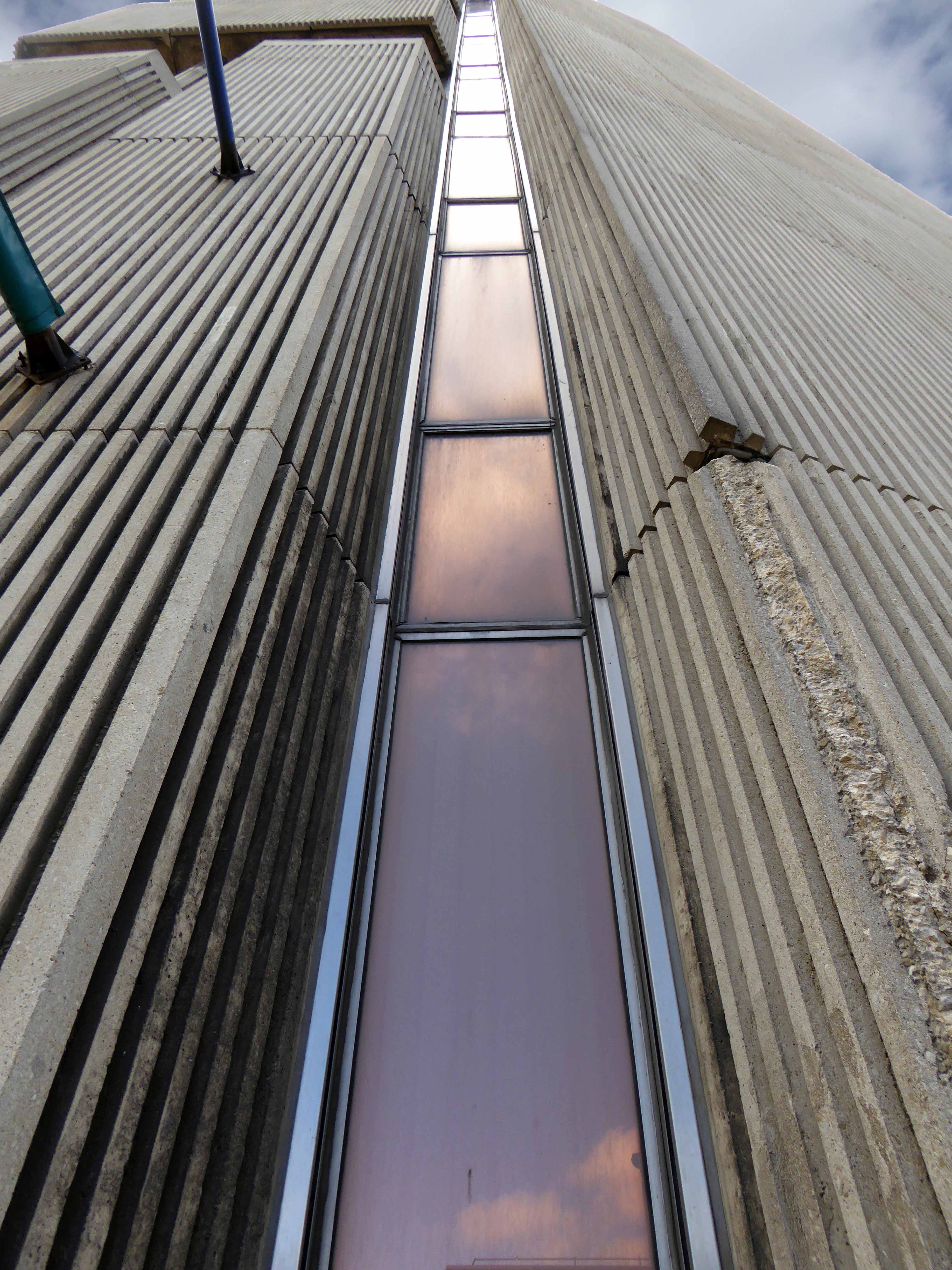
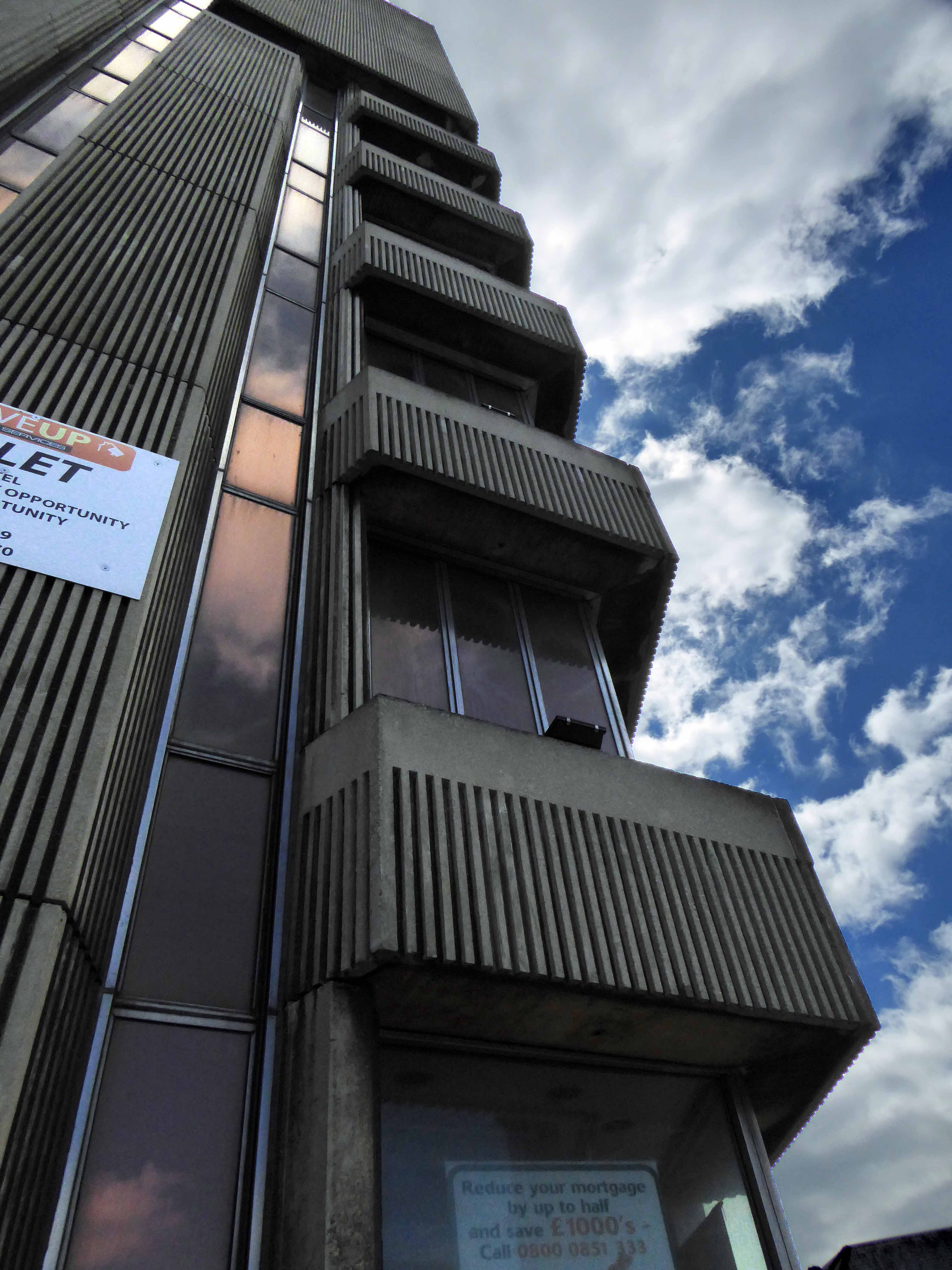
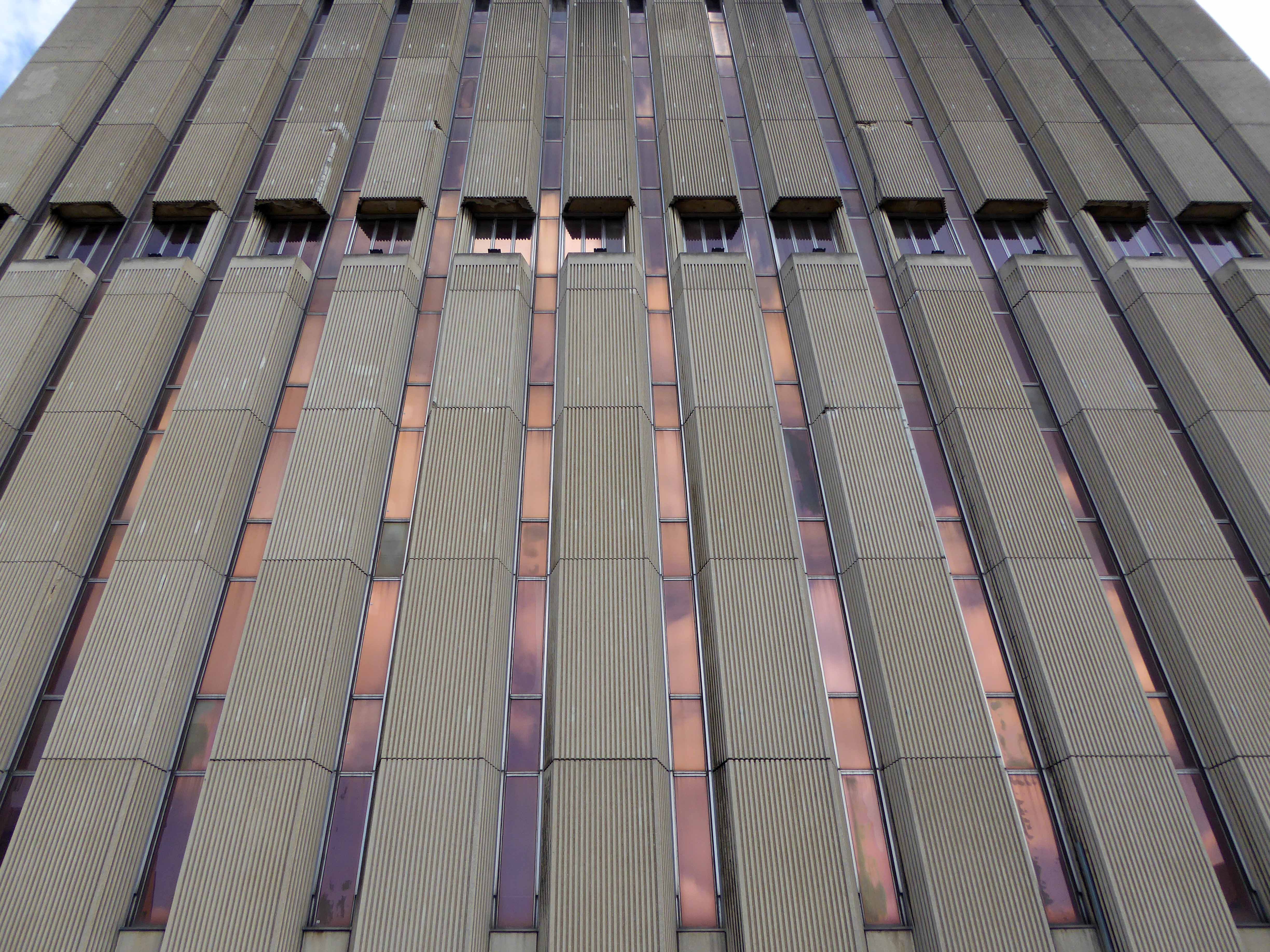
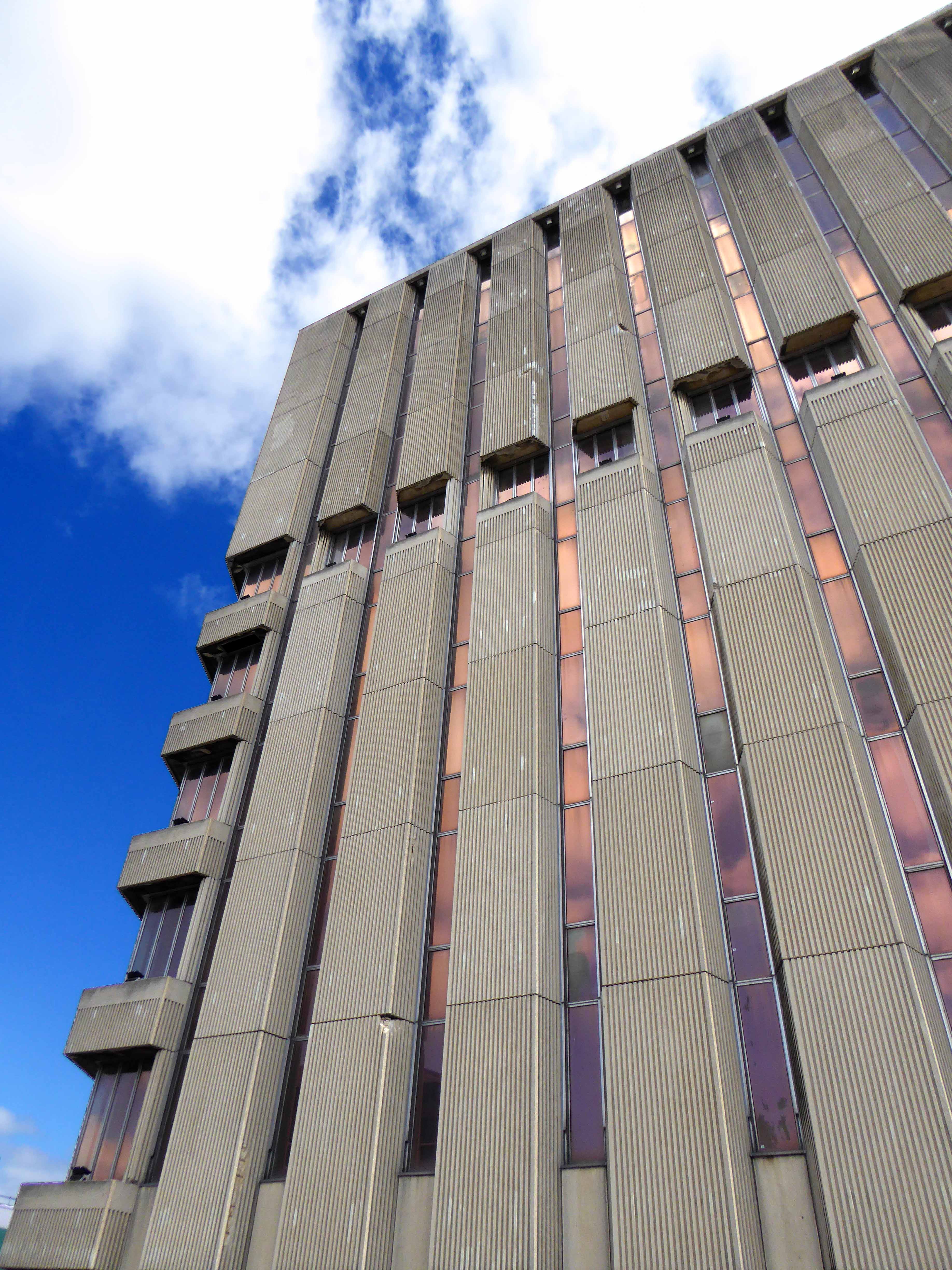
Famed as an imaginary TV police station, this civic building is a civic building I simply can’t resist. I return on a regular basis to wander and snap. This is an open public space that seems little loved and has few visitors.

It is quite literally concrete poetry incarnate, a careful collision of form, tone, texture and line, softened with sympathetic planting.

There had been proposals to extend the Town Hall provison since 1945, which were finally realised in 1975. Built at a cost of £1,500,000 – to provide additional office provision for the Local Authority. A further two blocks were planned but never built.

Stopford House was built 1975 and designed by JS Rank OBE, Director of Development & Town Planning, Stockport Council.

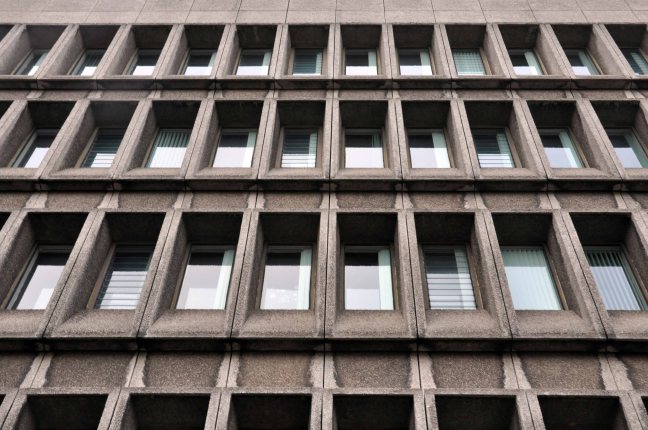
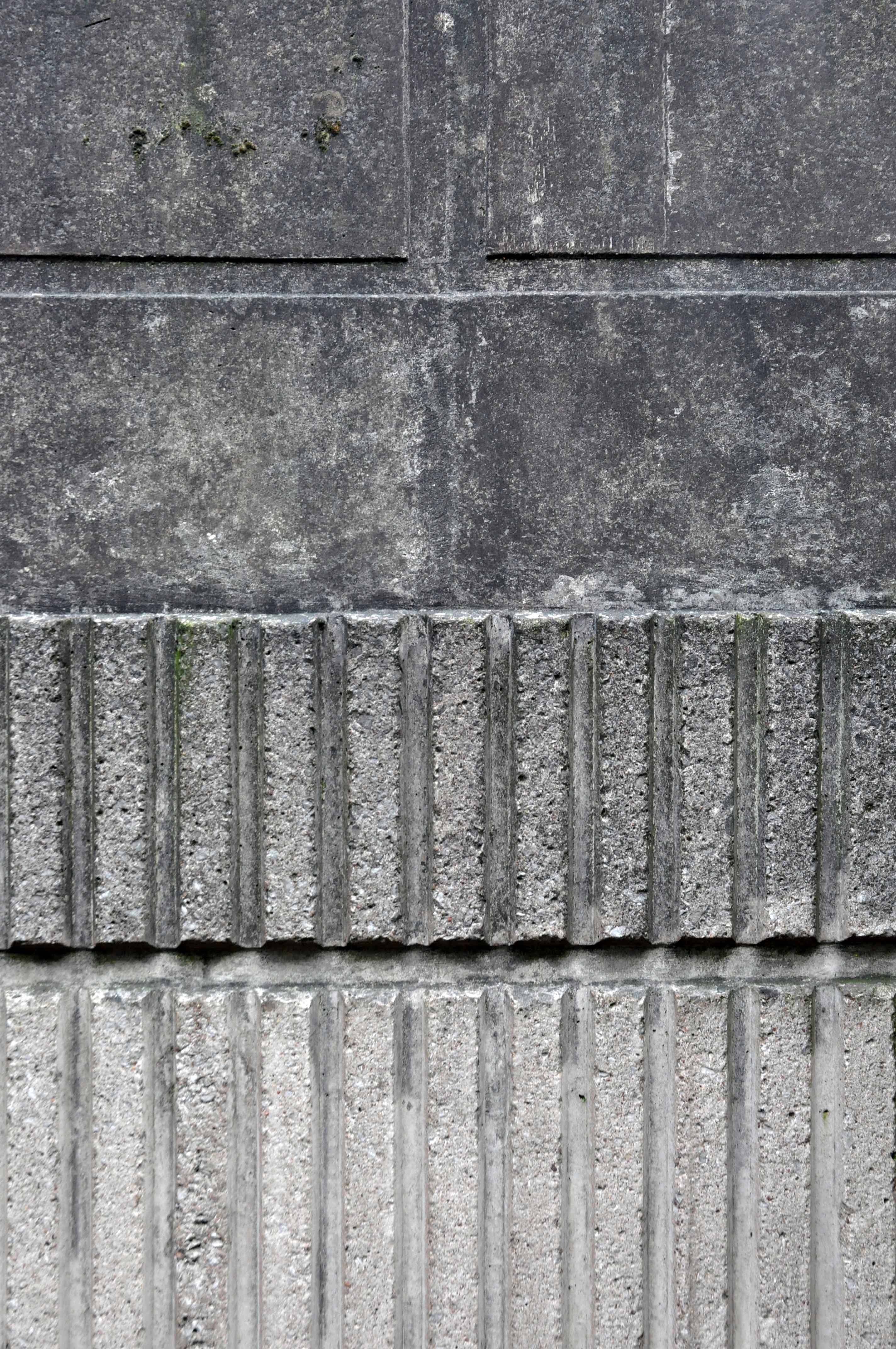
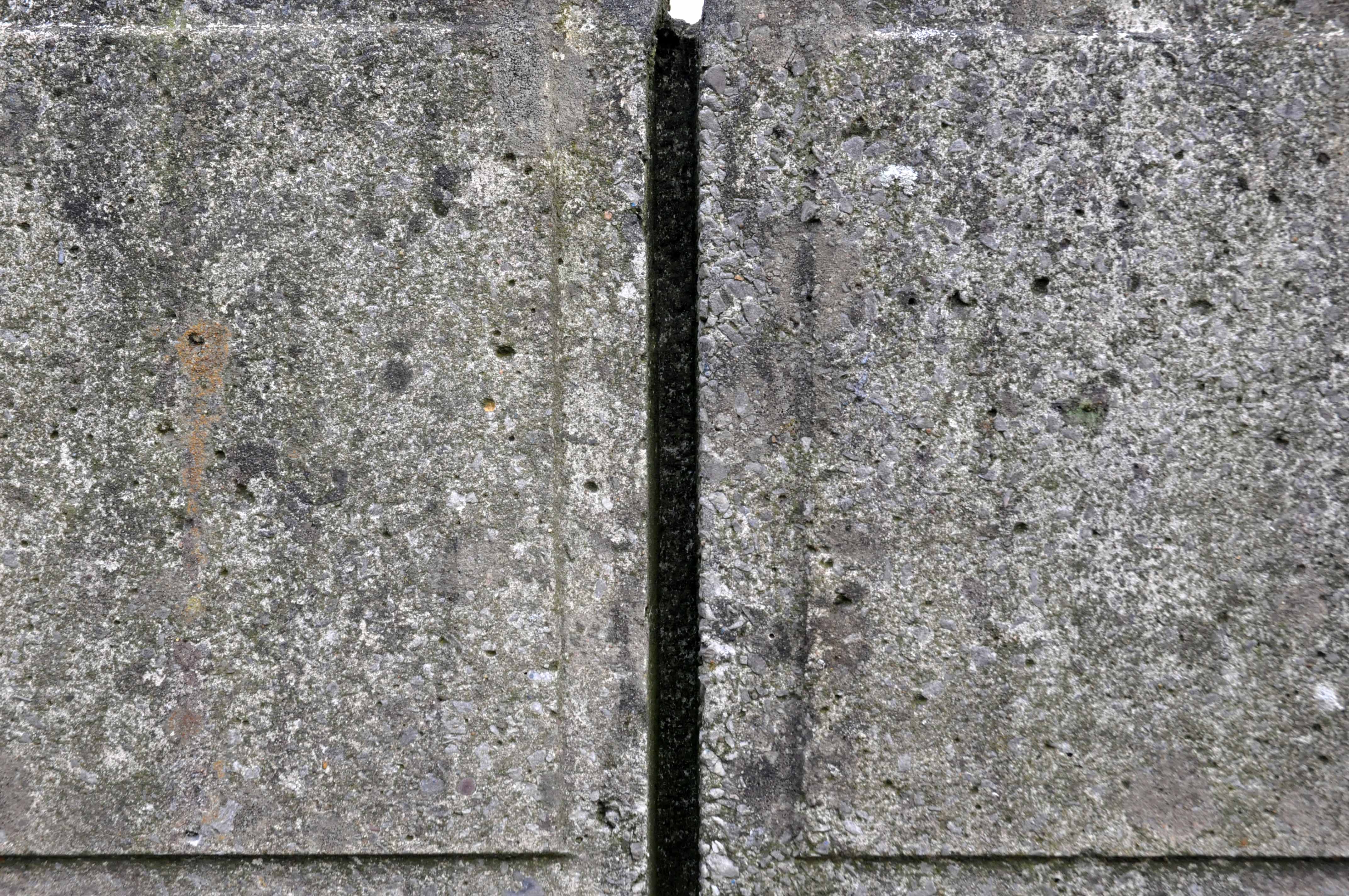
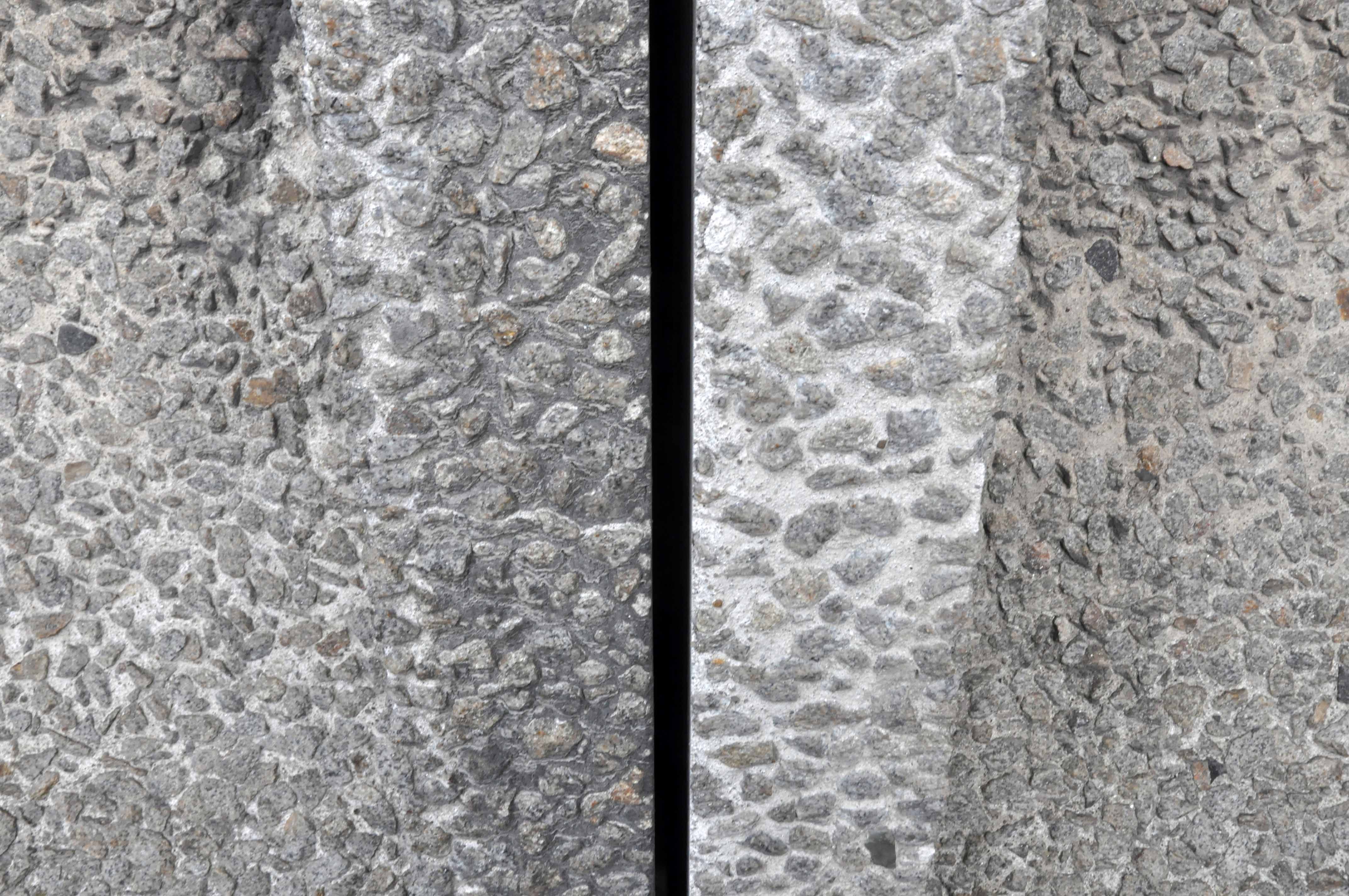
The main block is clad in 1400 exposed aggregate precast panels and the link blocks have ribbed walls constructed with in situ concrete, bush hammered to expose the limestone aggregate. The precast panels were carefully matched in order to harmonize with the existing Town Hall, the mix contained coarse aggregate from the Scottish Granite Company of Creetown, a fine Leemoor sand from the Fordamin Company, together with white cement.

There are two levels of underground parking beneath the whole of the development. The piazza betwen the blocks was to have had a water cascde falling into a pond running the whole length of the area. Though exciting and expansive in the modern manner the piazza area, sadly, seems little used.

It needs a little love pop by and say hello sometime.

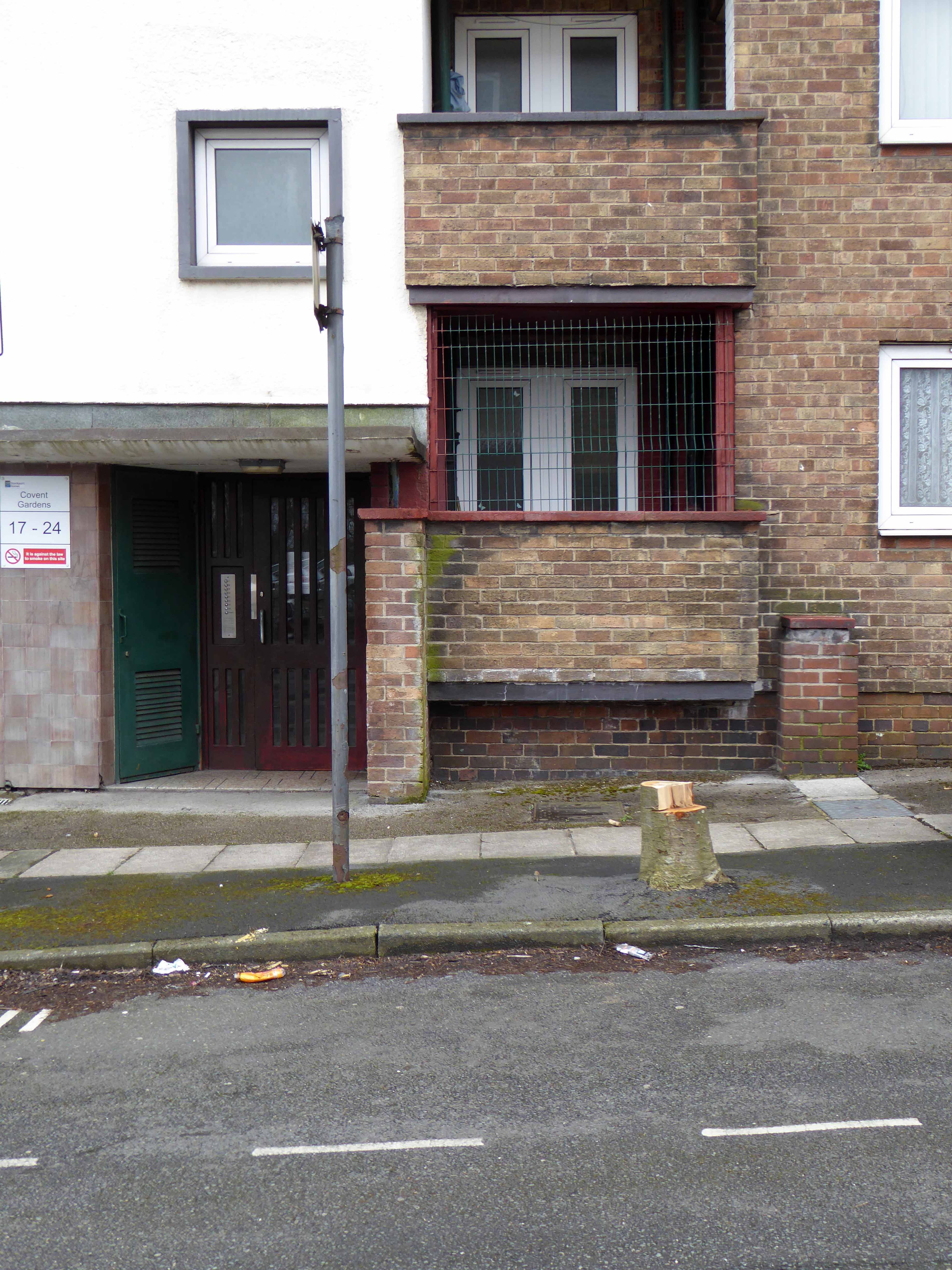
Covent Garden – Stockport

Walk up Hillgate from the centre of Stockport, pass the former Cobden’s, Gladstone, Peter Carlson Furniture, following a former coaching road of former lives, shops, pubs, clubs and factories. This was historically a vibrant area, a crazy mixed up mixed economy, getting by by any means.

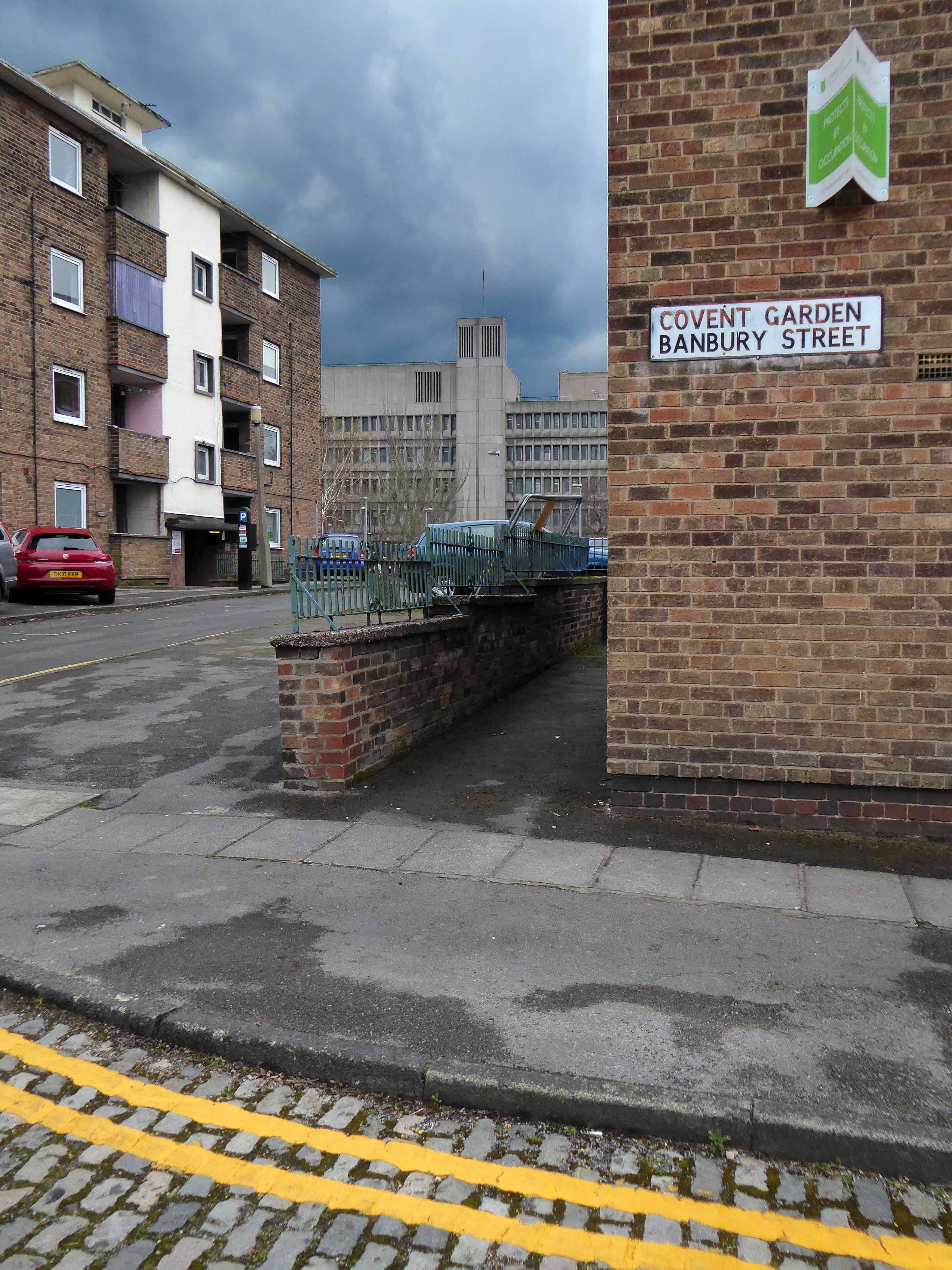
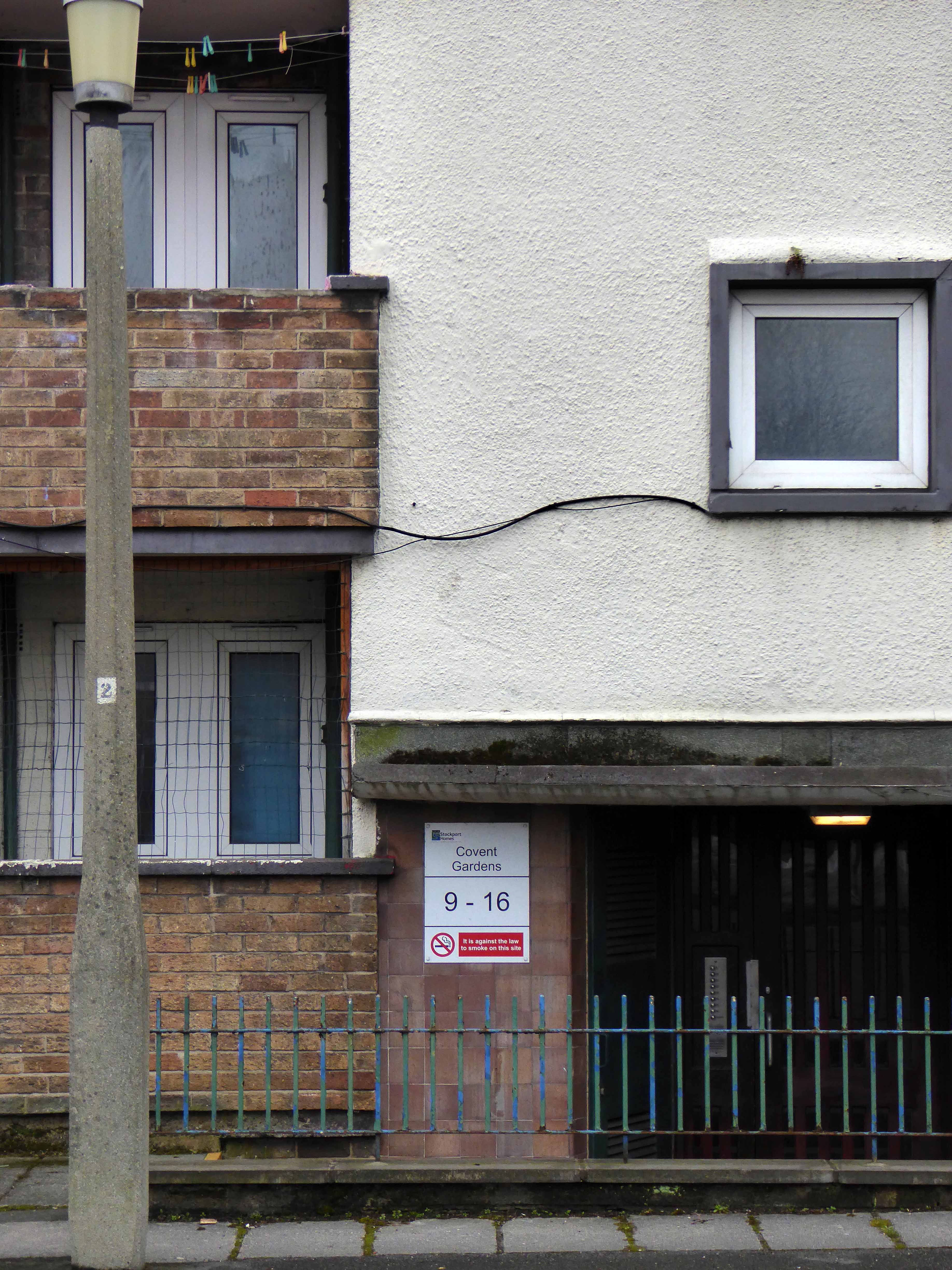
Walk a little further, to your right is a small plateau, it leads across to the civic area,  behind the Town Hall, it is known as Covent Garden.

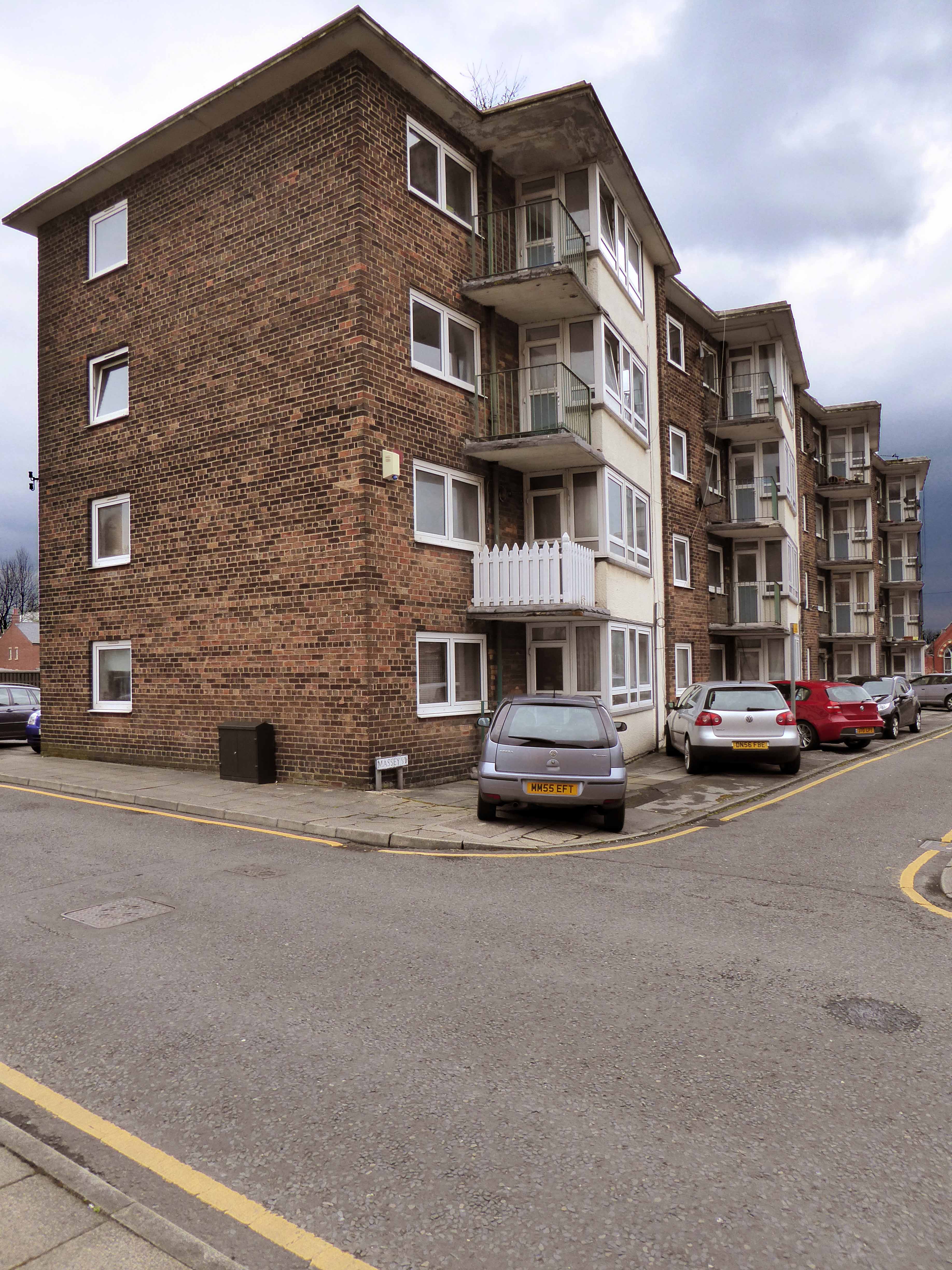
London Square, Massey Street and Banbury Street, once a cluster of terraced houses, never the wealthiest of areas, but typical of the town’s industrial past. The homes growing up around small pockets of industry – foundries, hat making and glove manufacture.

21430

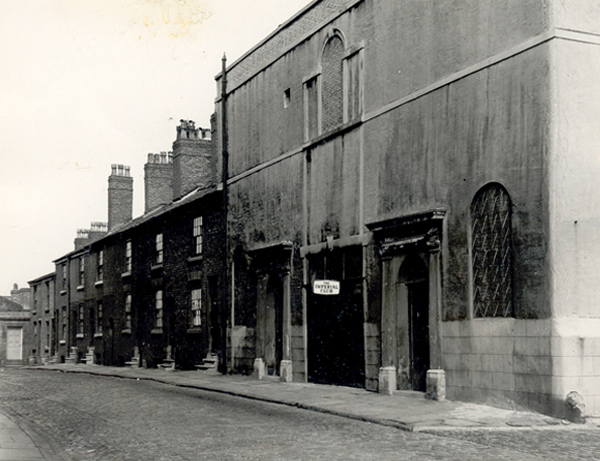
There was a graveyard there, belonging to the Mount Tabor Chapel, which was situated nearby on Wellington Road, a soot blackened, imperious classical facade.

1655

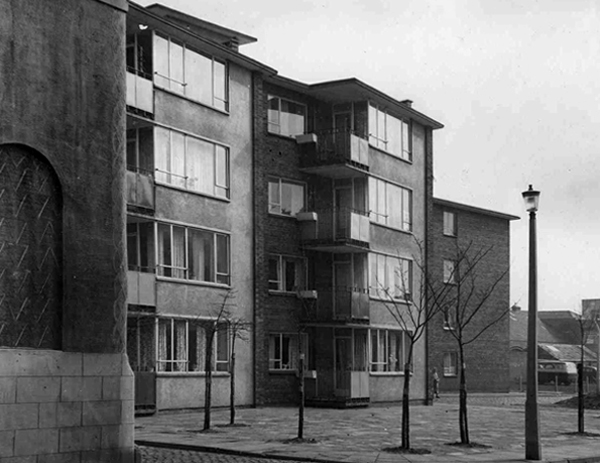
The chapel is no longer standing, and little remains of the graveyard, the foreground shows the site, soon to become a children’s playground for the new flats.

1644

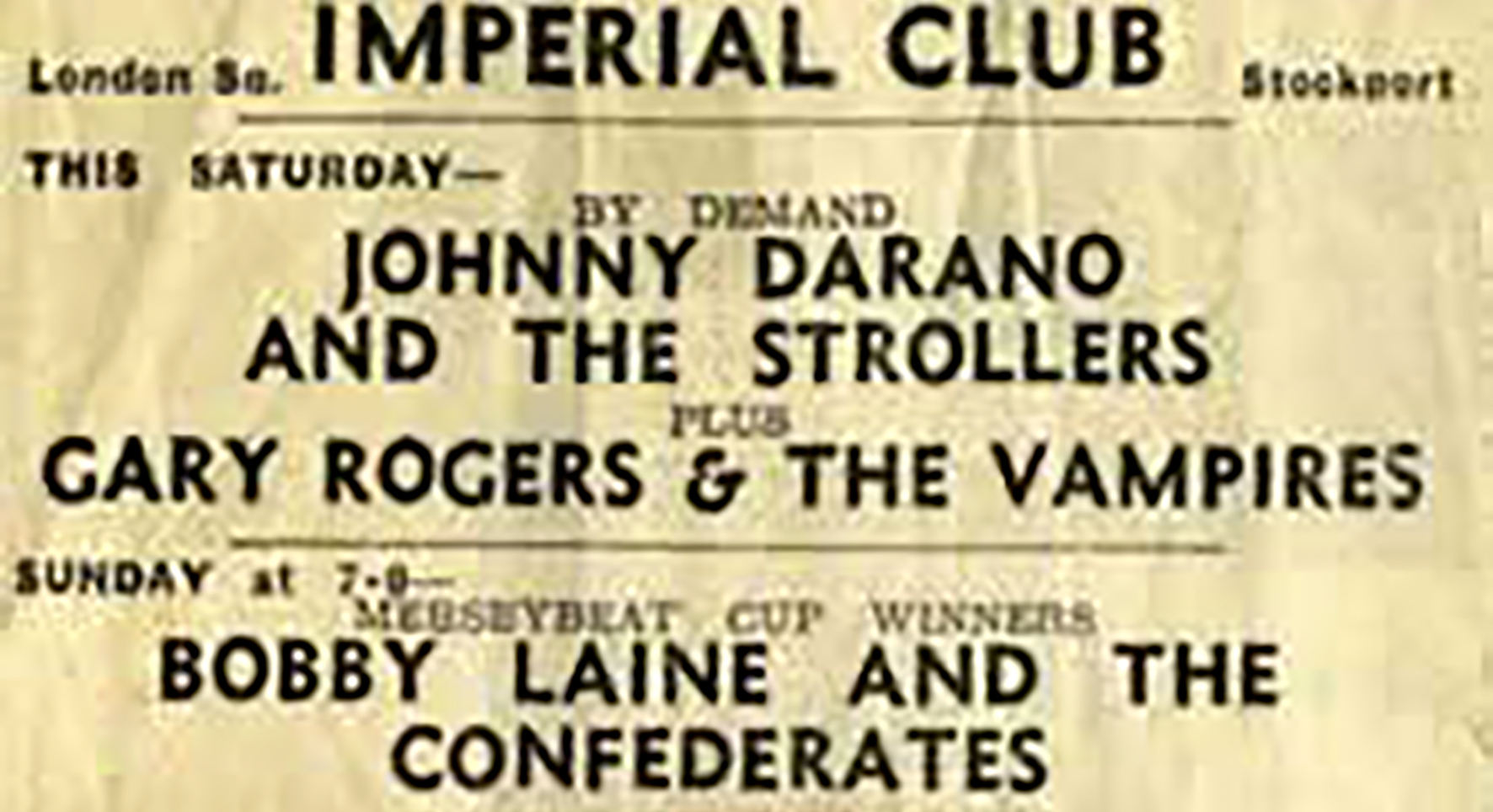
The Imperial Club survived into the 60s playing host to local beat groups, and a significant venue on the local soul scene.

1643

The streets no longer ring with the the ringing guitars of Johnny Darano and the Strollers

ad2

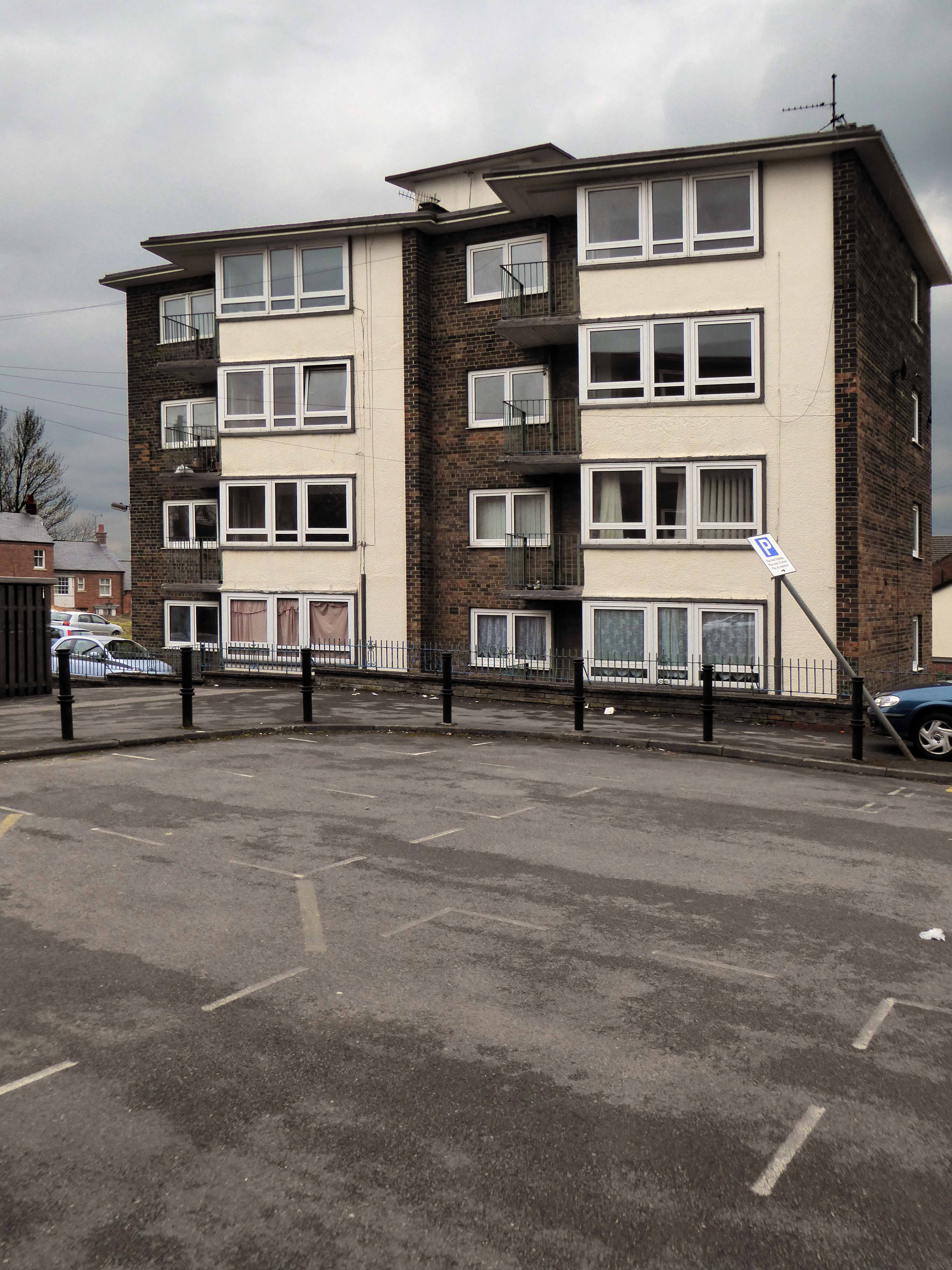
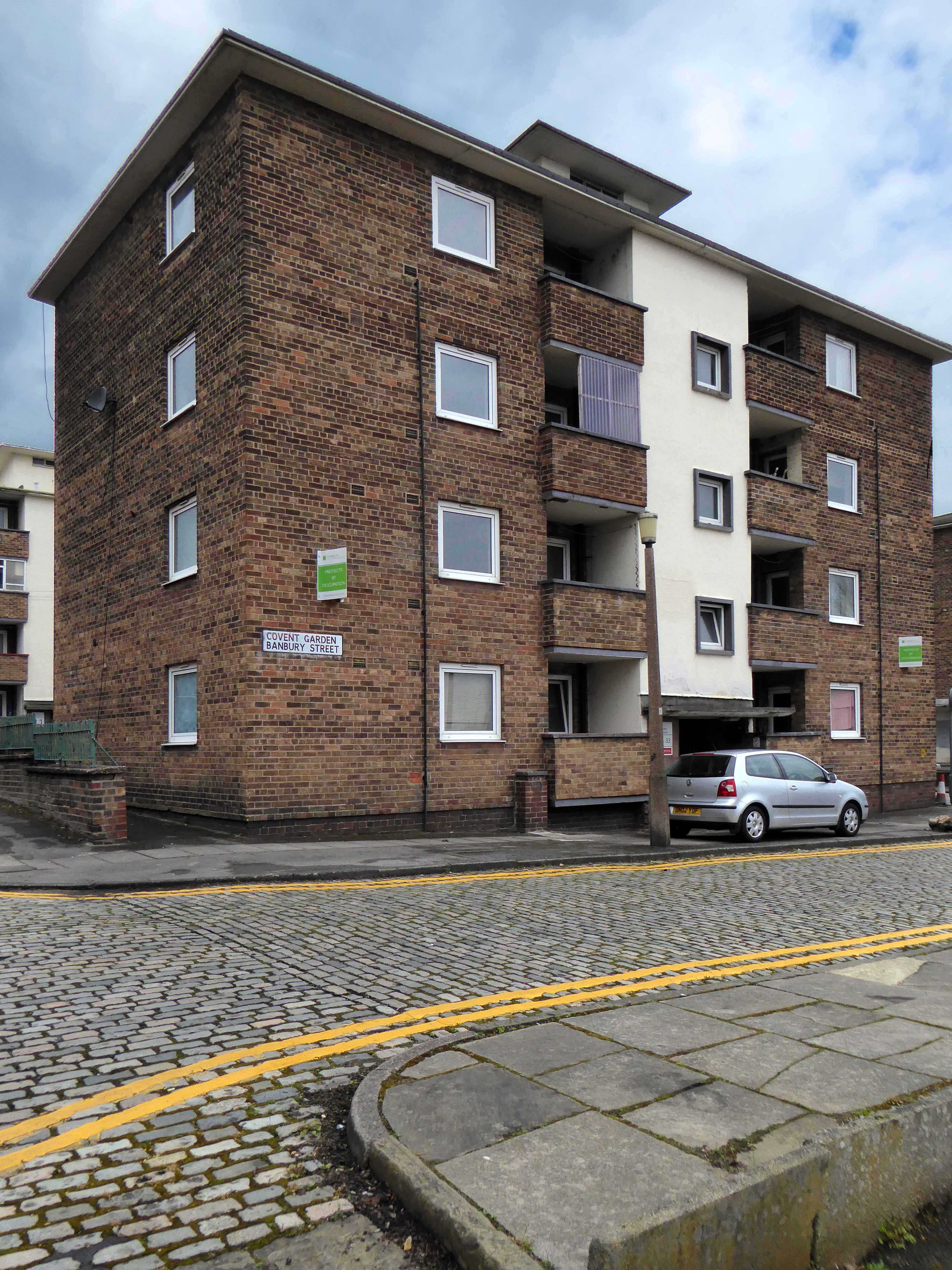
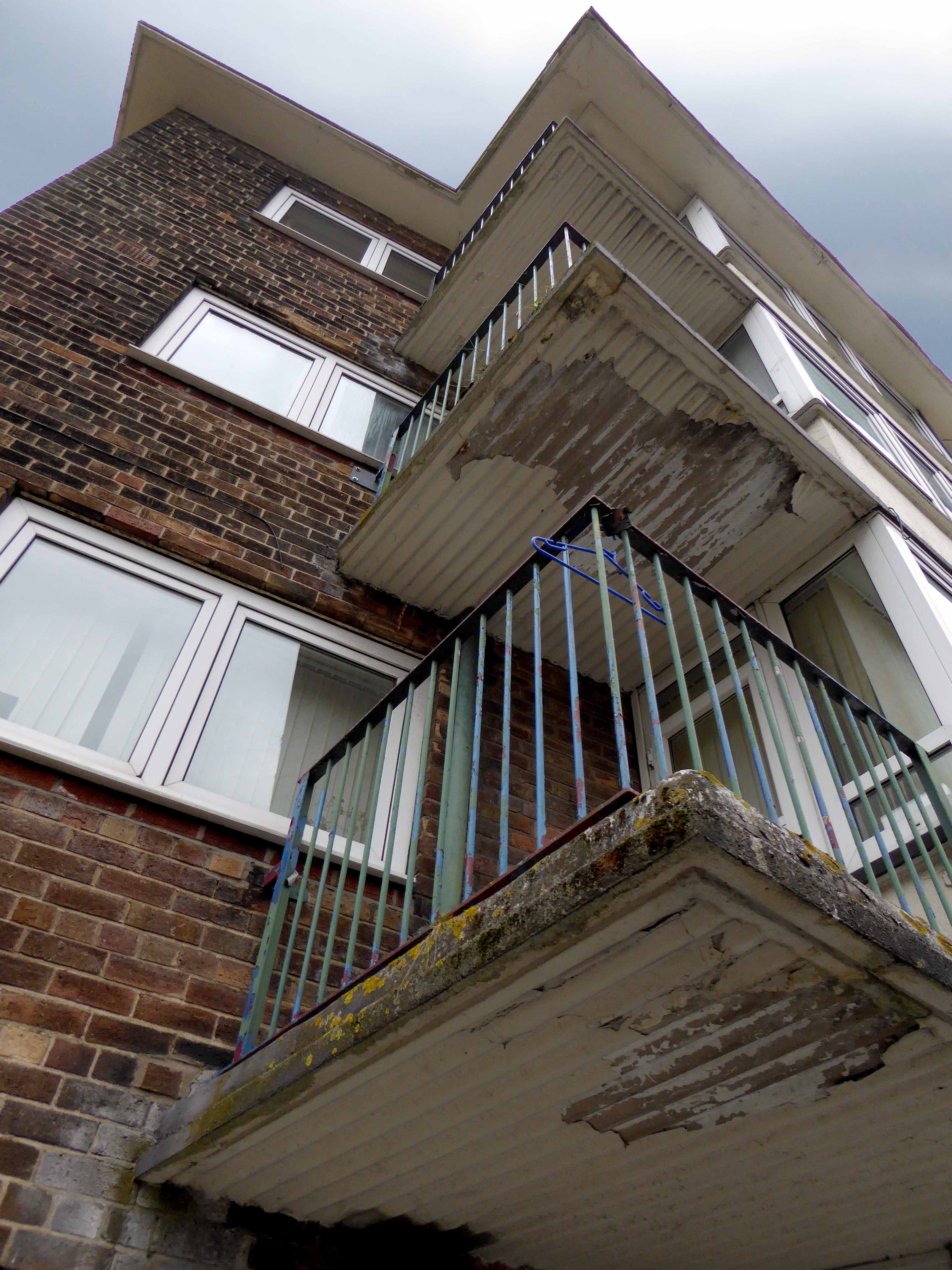
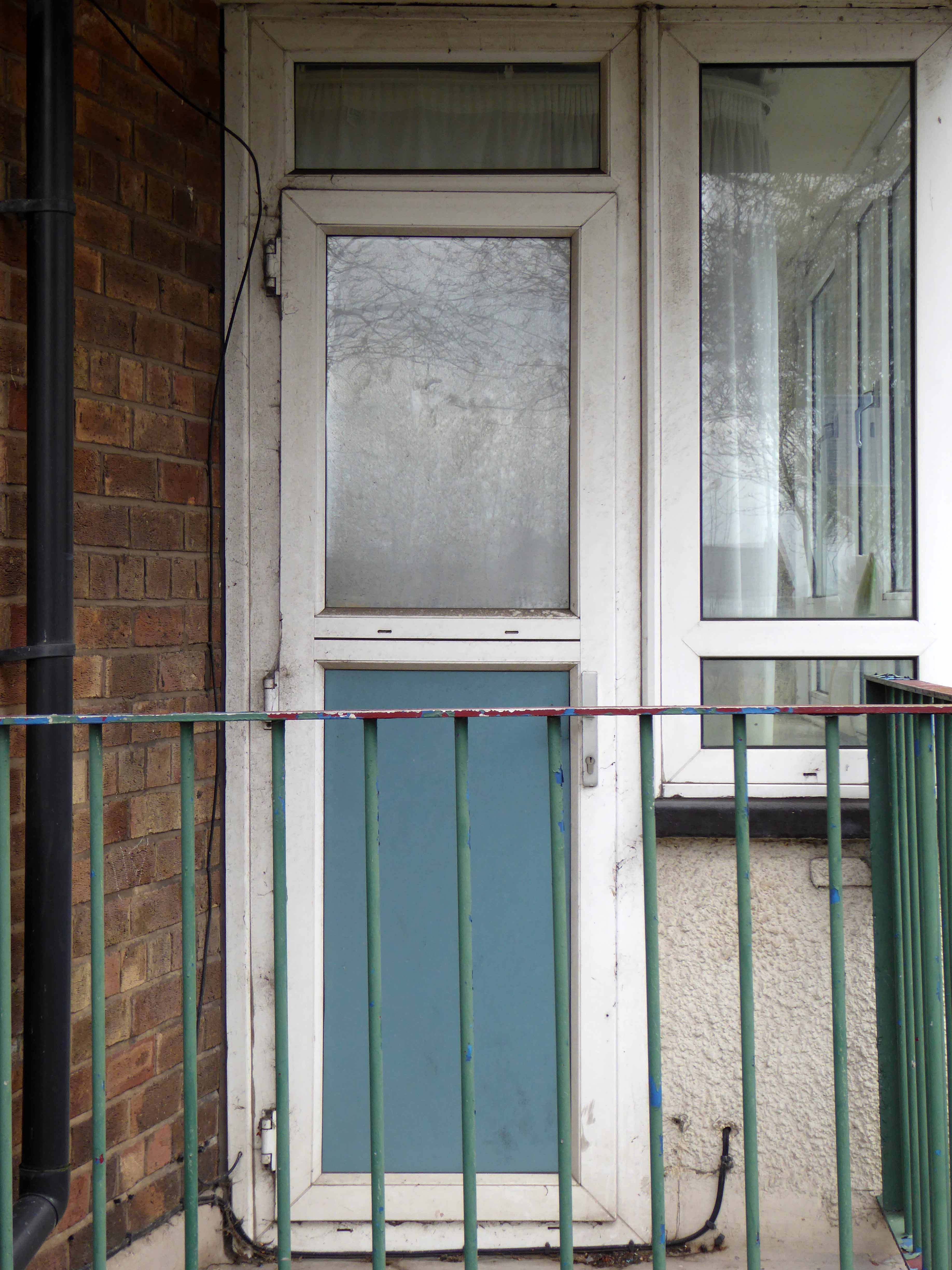
The Fairhurst designed flats were a breath of fresh air for the area, slim Crittall metal windows, concrete and brick structure, light and clean living for a new era. Social housing for a new era of social justice, postwar optimism written all over the facades.

Contrasting with the poorly built, stock brick, stolid terraces that they replaced, here was a little of the Modernist Movement for the masses.

1347

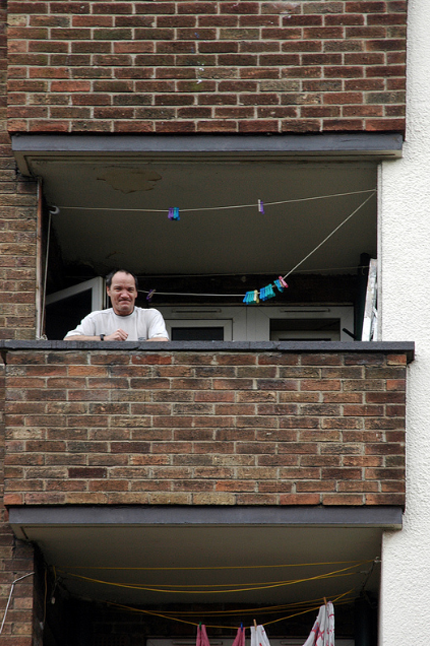
Some years ago when I first photographed the area, here were residents, happy to share their thoughts and feelings, at home in their homes. A settled community, whose homes were soon to be central to a masterplan, the very word sends shivers down you spine.

Screen Shot 2016-04-14 at 17.20.21

Screen Shot 2016-04-14 at 17.20.53

Screen Shot 2016-04-14 at 17.19.29

Screen Shot 2016-04-14 at 17.19.45


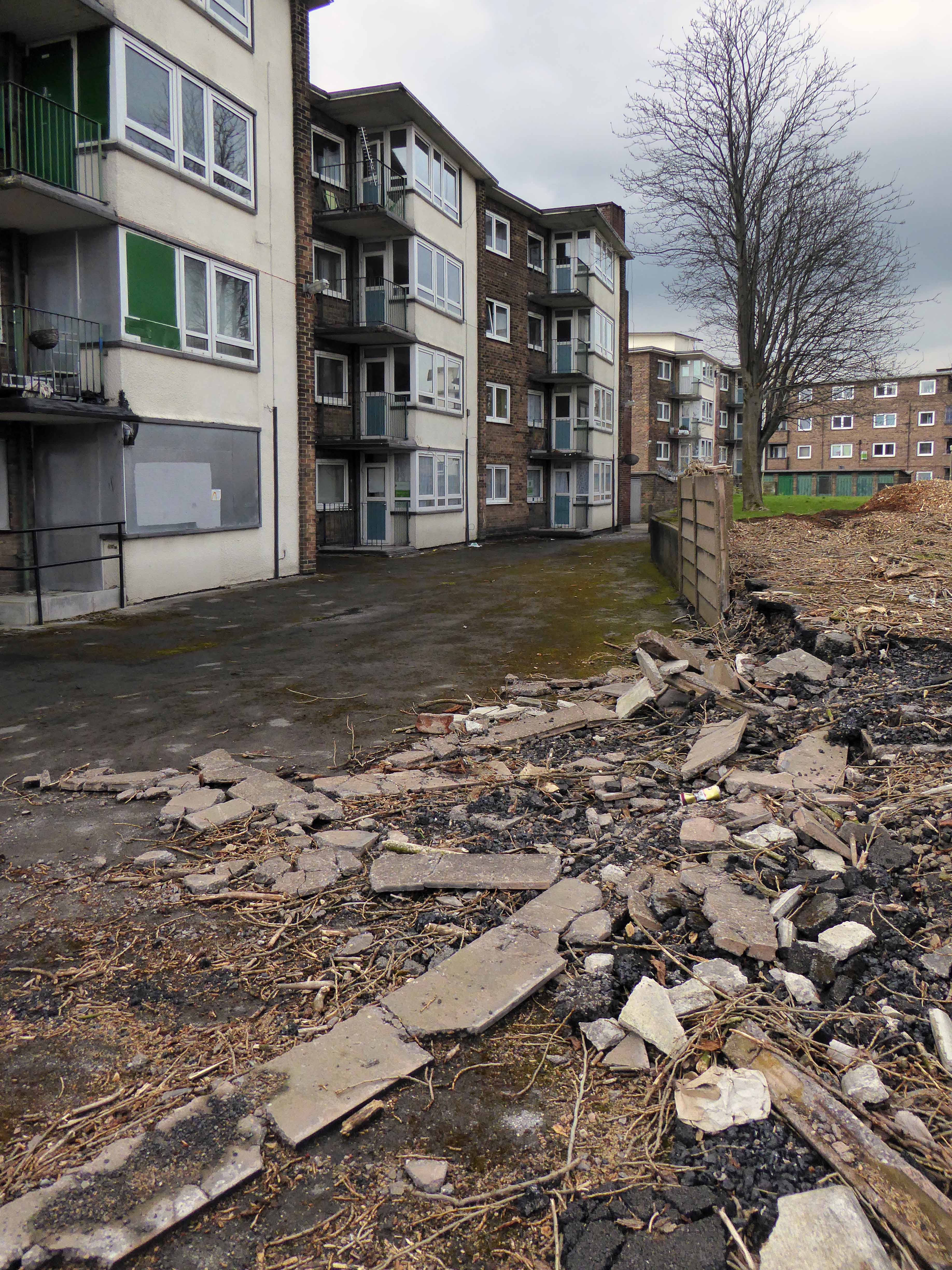
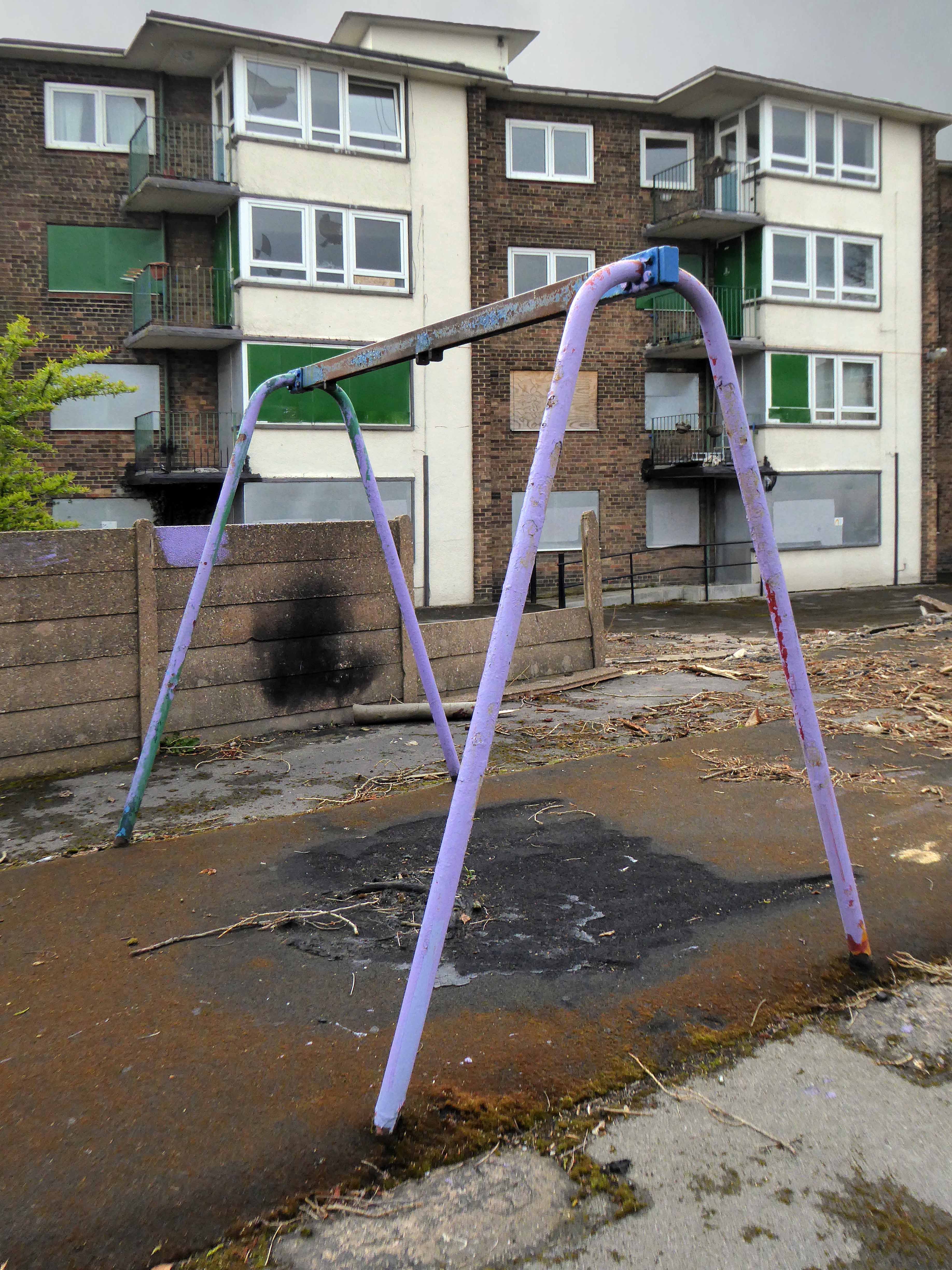
A redevelopment zone, around Hopes Carr and Covent Garden, saw the flats tinned up, prior to demolition. Homes, though clearly fit for purpose standing empty.

P1030585 copy

Several years on, and they are still standing empty.

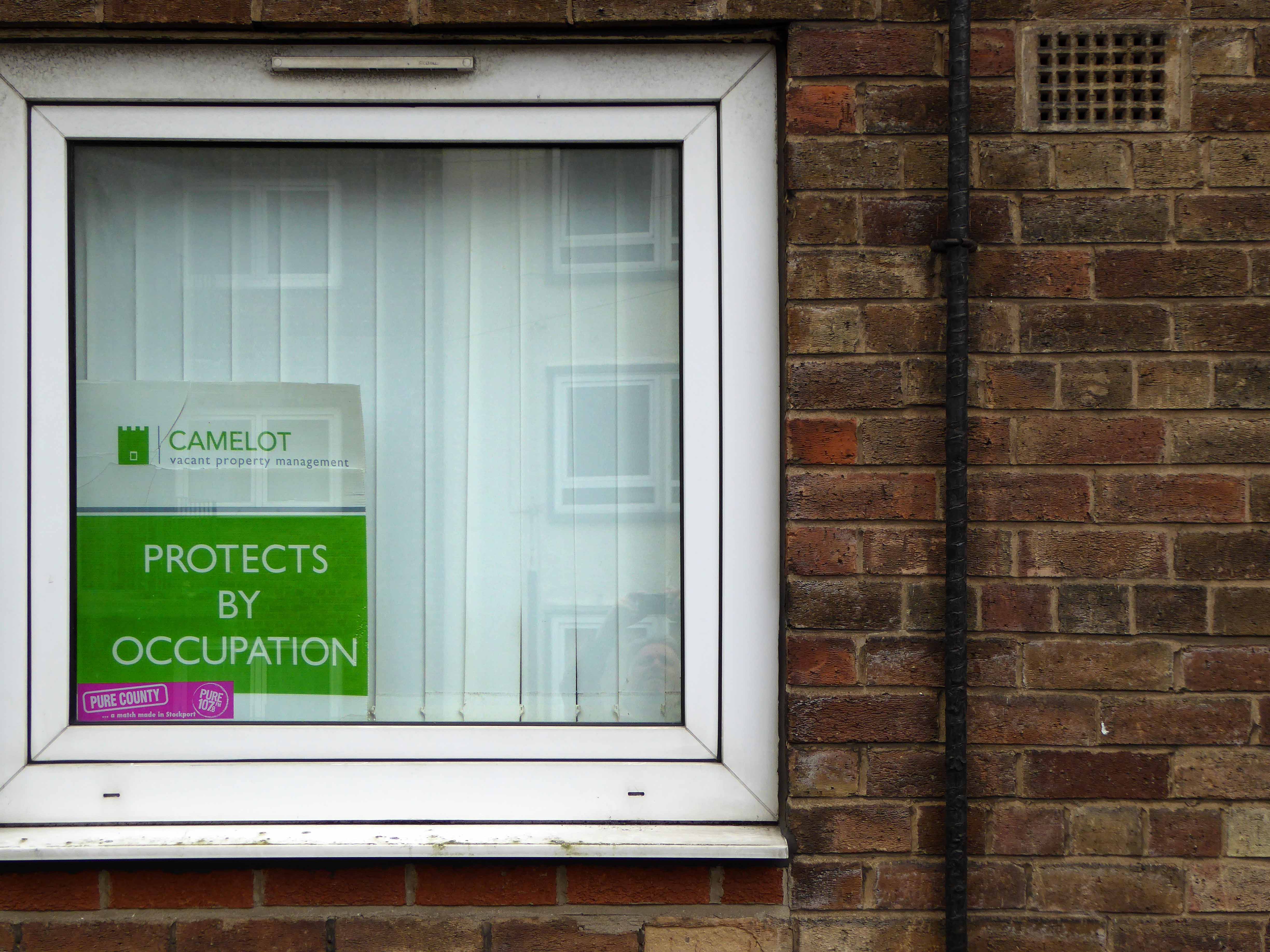
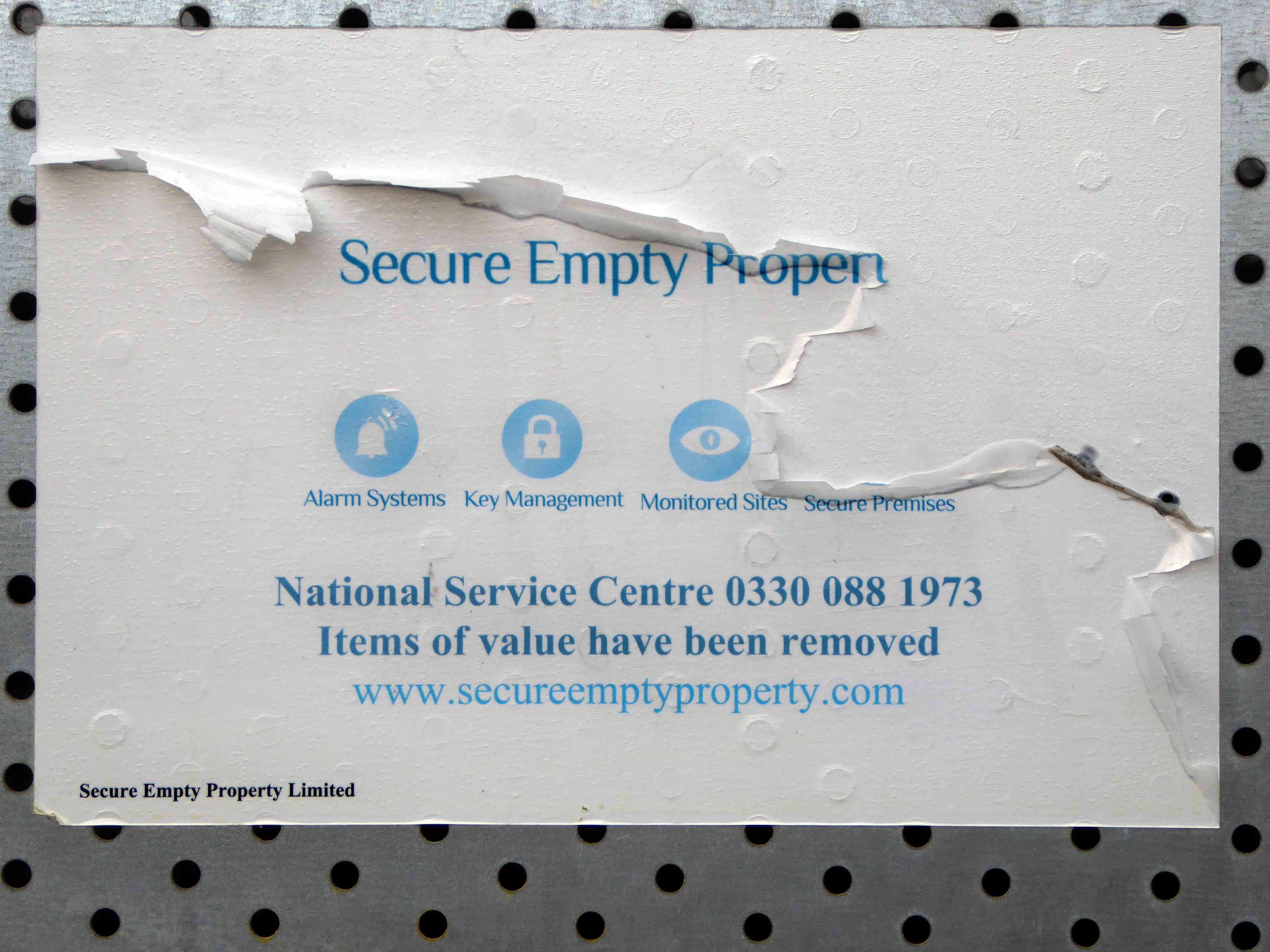
Save for a handful of protection by occupation tenants, living in a Camelot empty property.

“Our people combine entrepreneurial spirit and a deep understanding of specialist vacant property management with the highest standards of client care. Innovative internationally and well-known locally, Camelot design made-to-measure advice for you.”

“Camelot, located no where in particular, can be anywhere”

A pay to enter theme park with a limited future.

P1030563 copy

P1030587 copy

And so heartbreak at Impasse Pass, another stalled urban redevelopment, awaiting capital in a public private partnership.

Until the next time.

Walk a little further, take a peek, blink and it all may have disappeared.

P1030554 copy

P1030558 copy

P1030553 copy

P1030552 copy

P1030565 copy

P1030567 copy

P1030586 copy

P1030569 copy

P1030556 copy

P1030562 copy

P1030573 copy

P1030571 copy

P1030590 copy

P1030564 copy

P1030585 copy

P1030566 copy

P1030557 copy

P1030570 copy

P1030584 copy

P1030596 copy

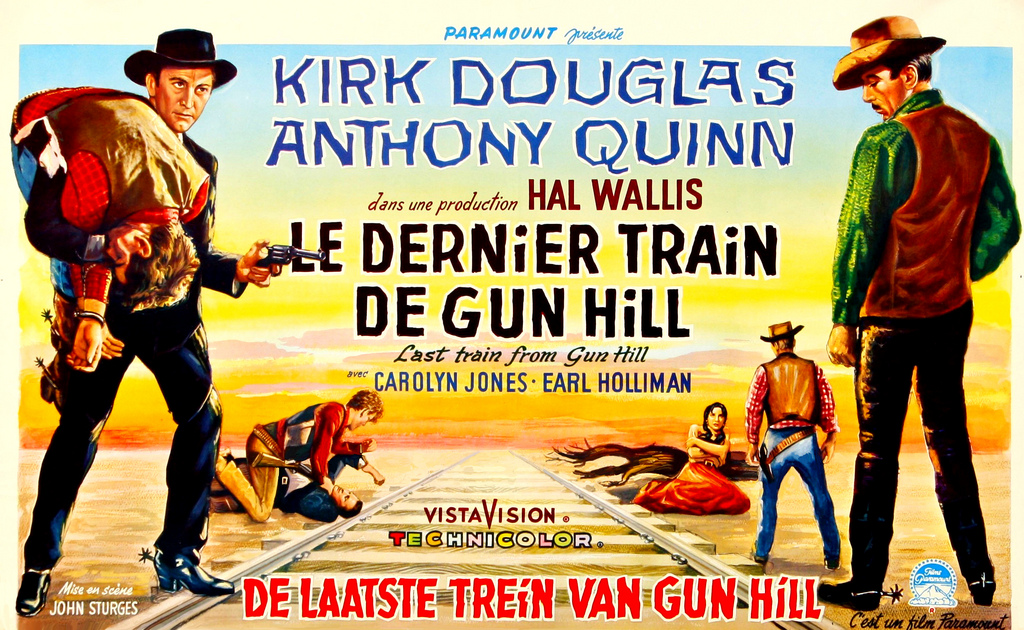
Park Hill – Last Train To

This is the fourth time I’ve visited Park Hill.

Alone on a hill – sans the sound of music.

I think it may be the last time.


10934972796_6d4cc15562_b

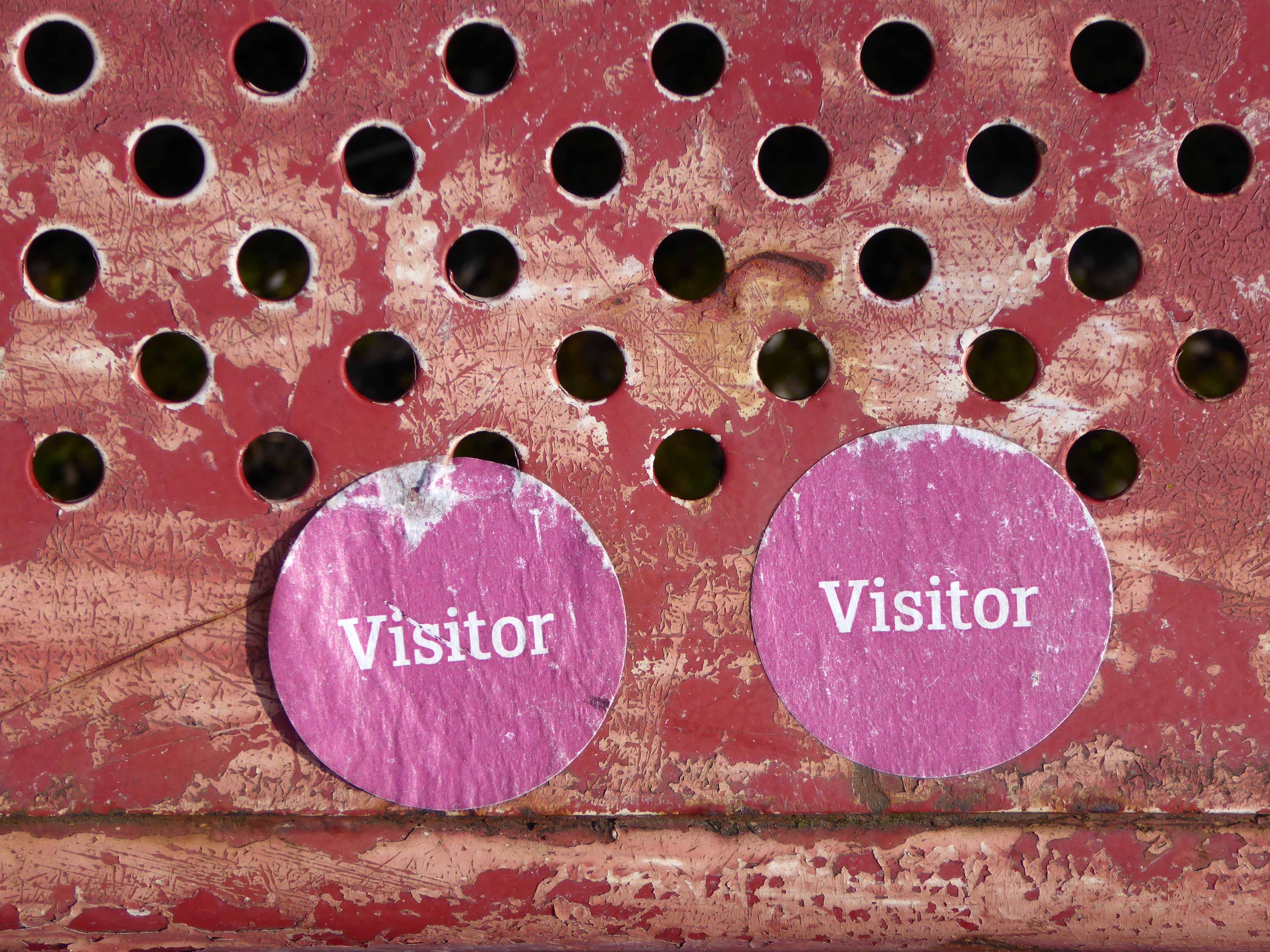
Alone on a hill – two weathered stickers on a public bench for company.

P1030019 copy

Visitor.

On previous visits, there were a few remaining residents on the western wing.

https://modernmooch.wordpress.com/2015/12/13/park-hill-sheffield/

Now they are gone.

Their homes tinned up, the walkways and stairways too – once these streets in the sky could accommodate a milk float, they now echo emptily, with the sound of a restless wind.

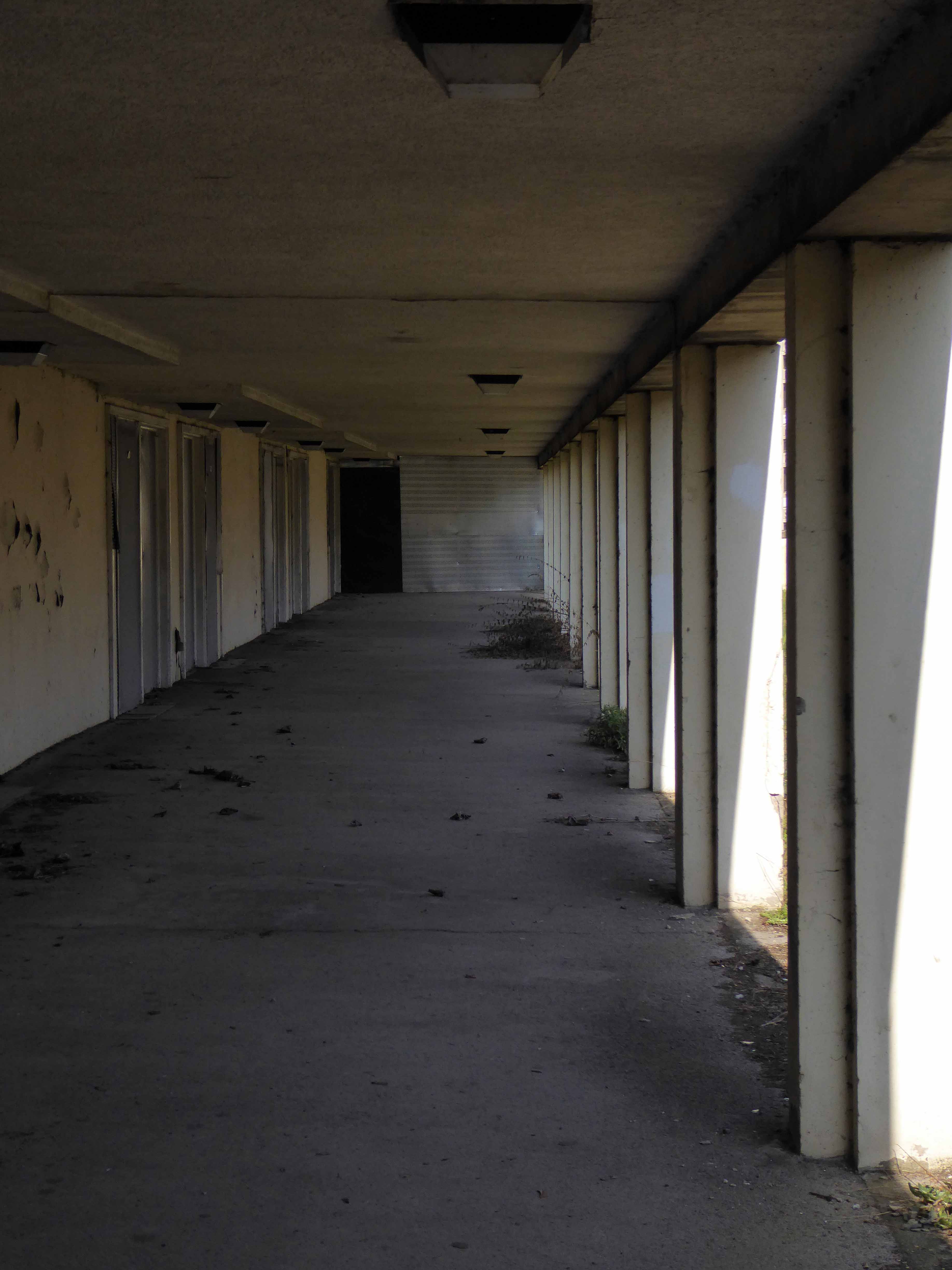
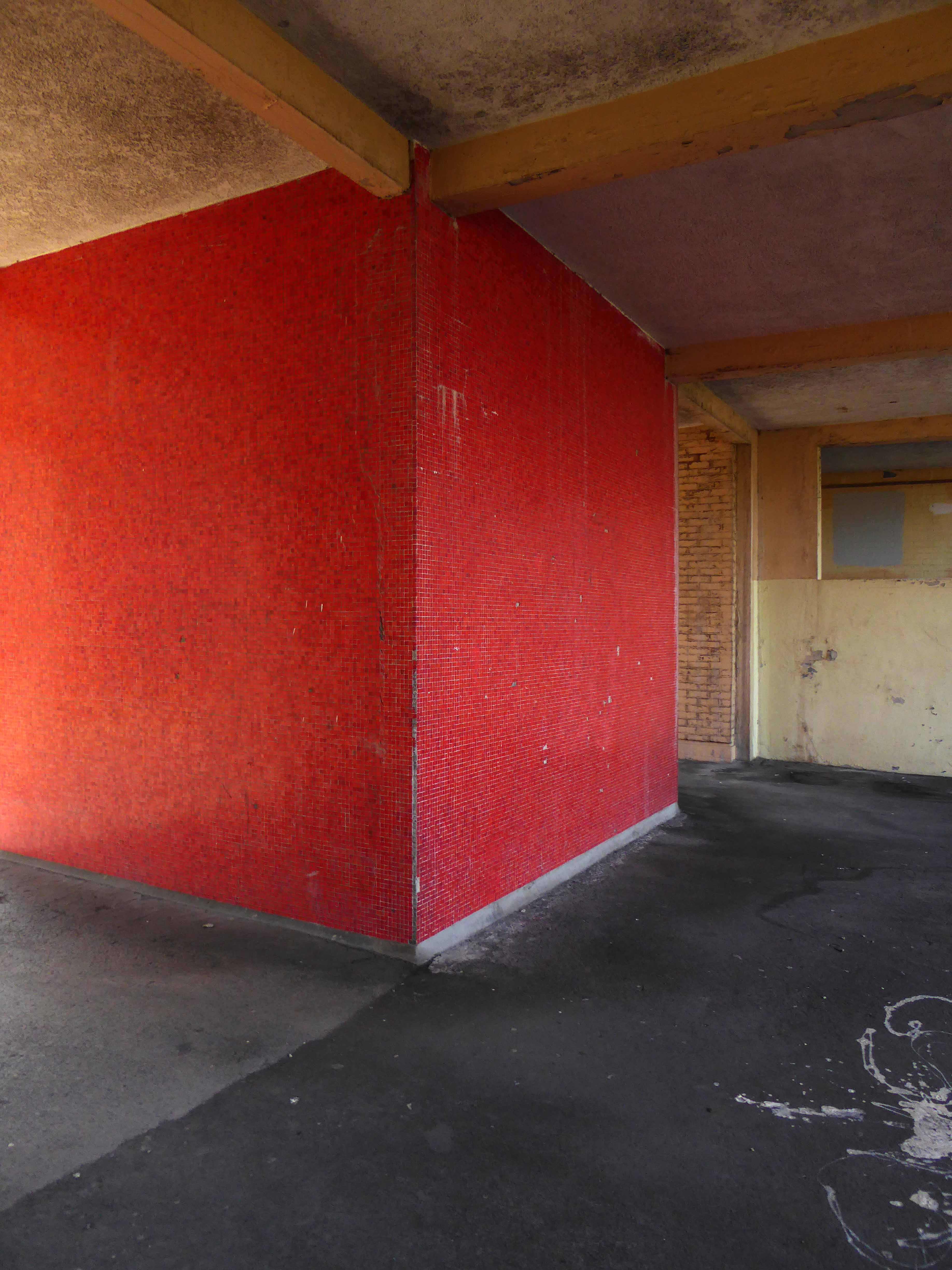
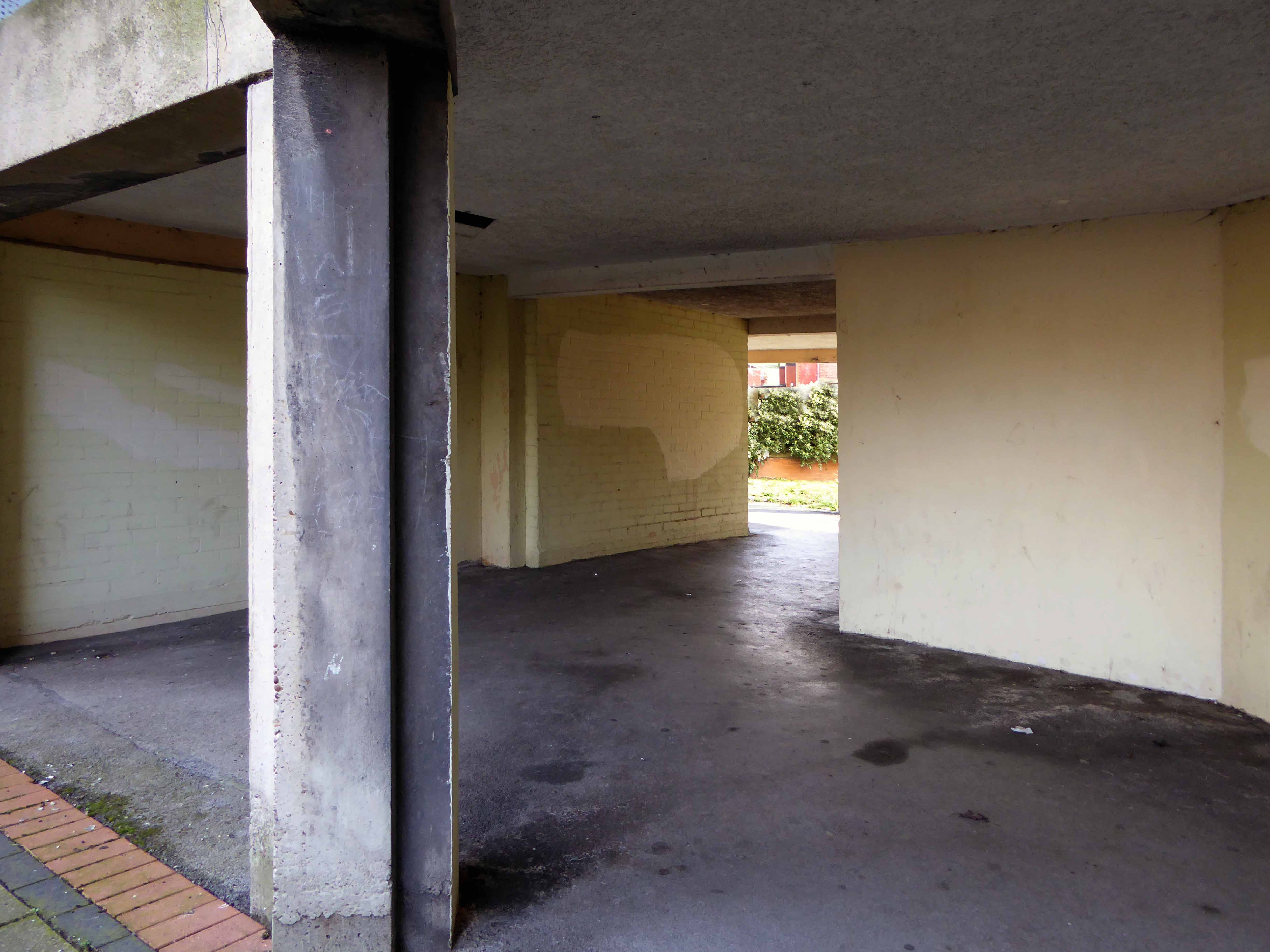
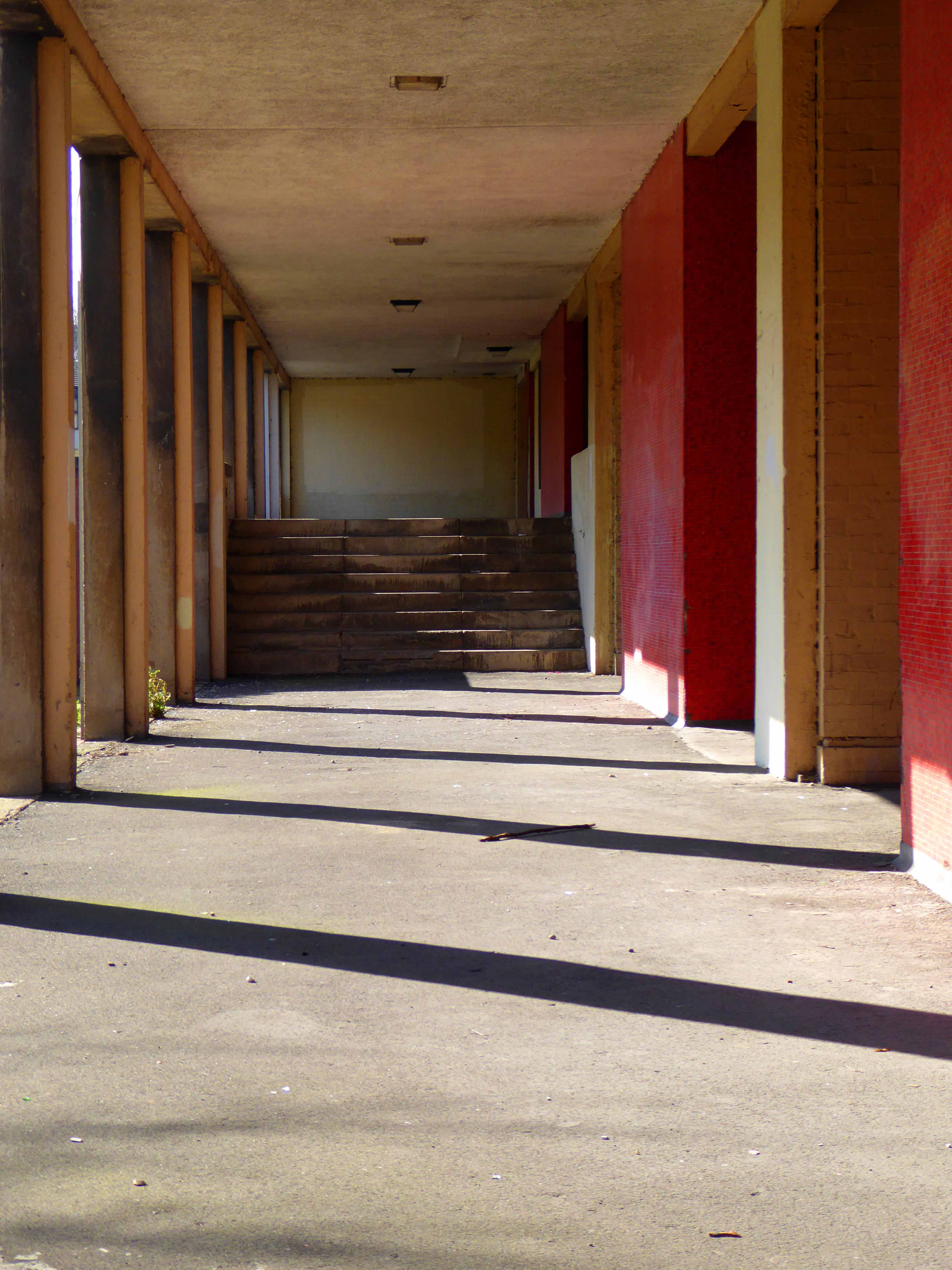
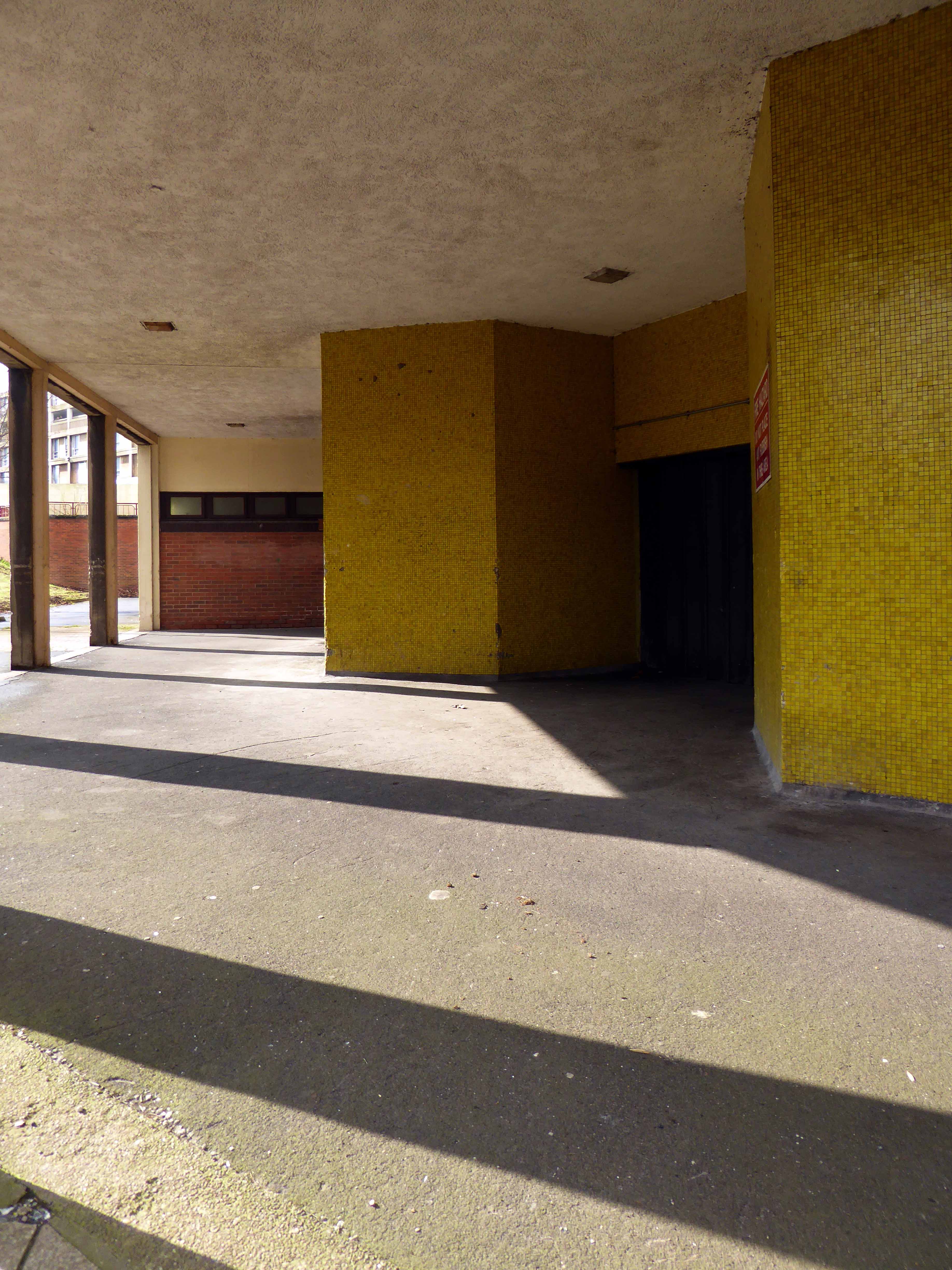
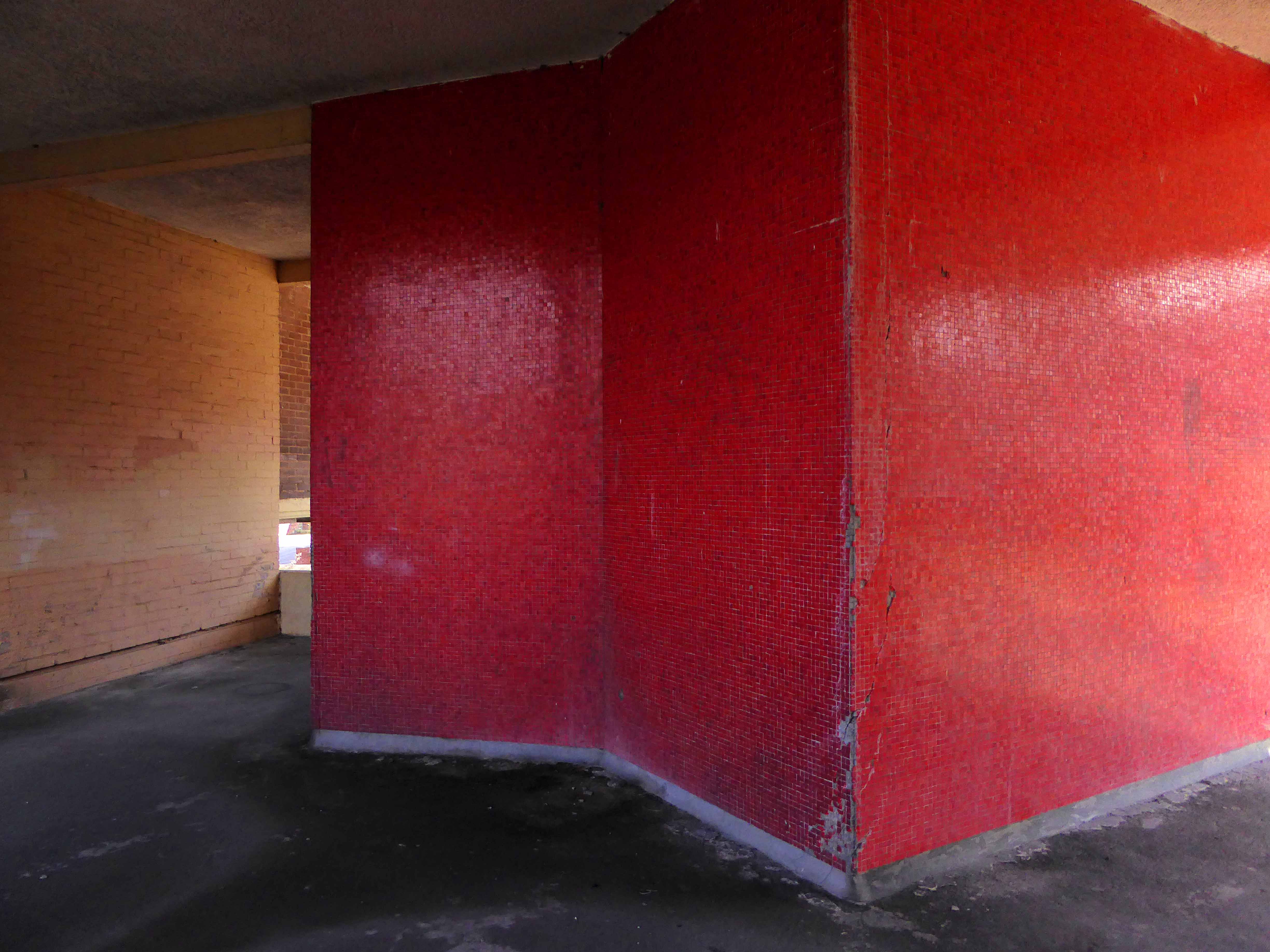
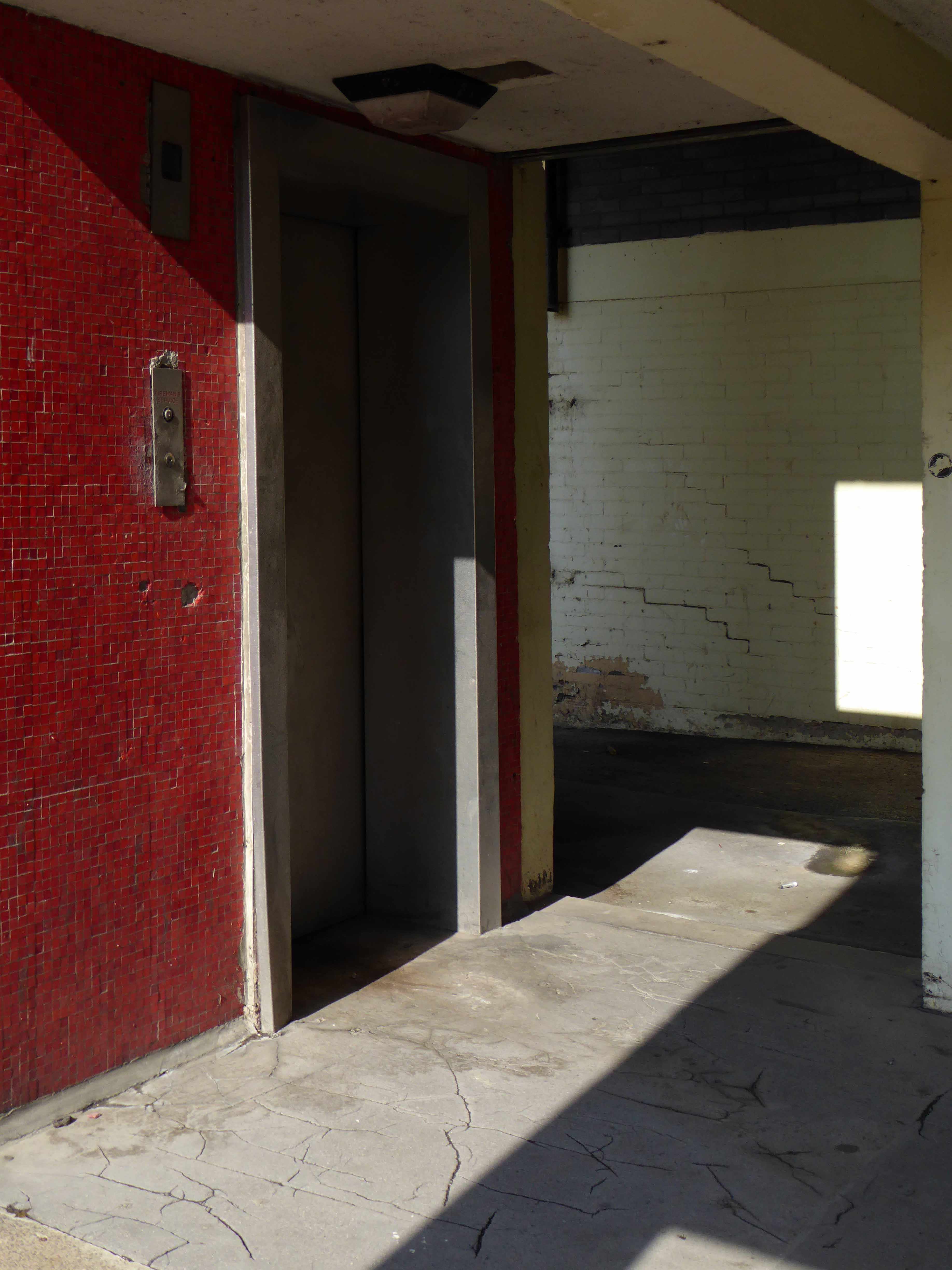
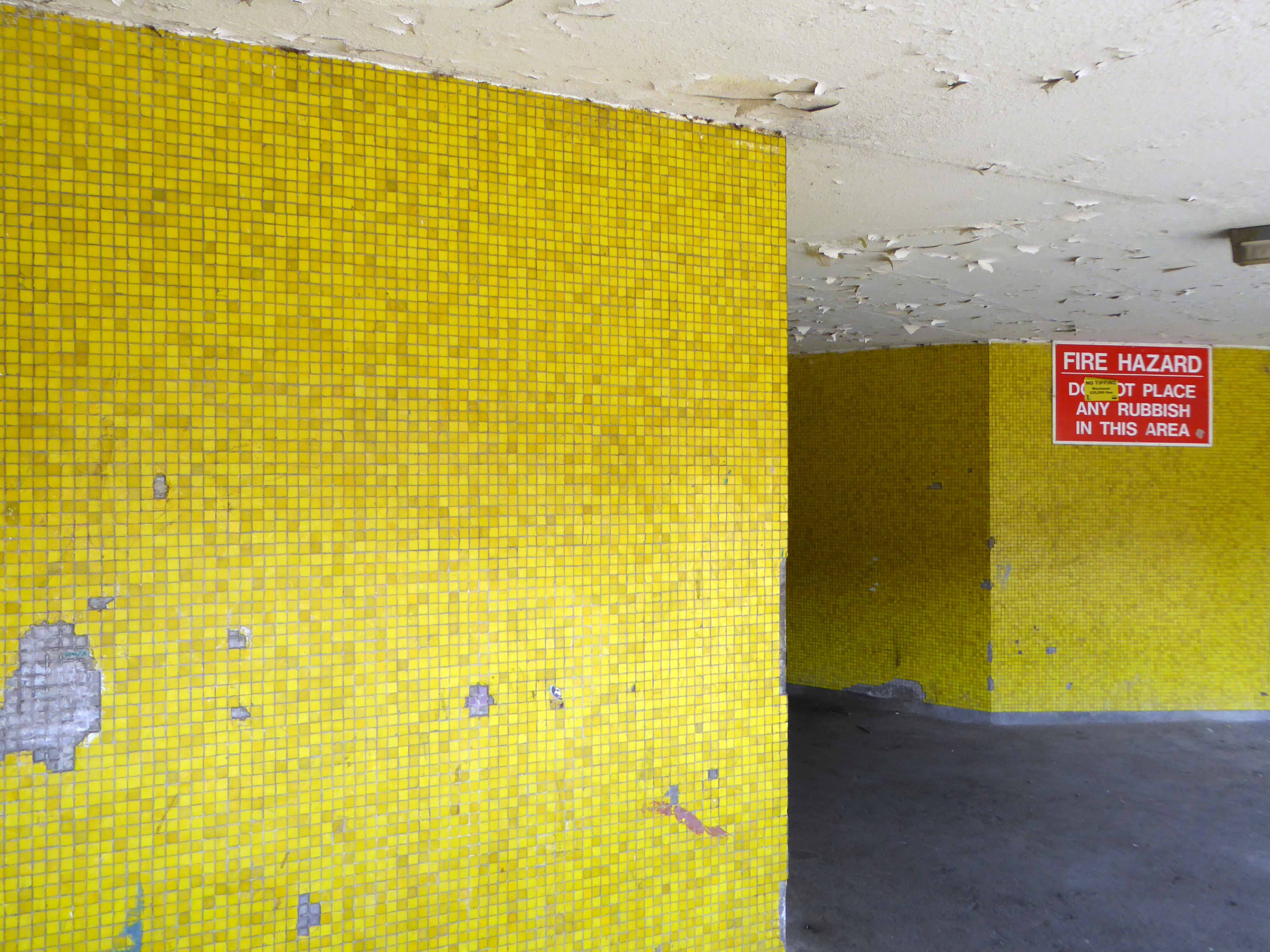
And so, in early sunny Sunday morning light, heavy hearted I wandered the open areas, colonnades, service lifts and terrazzo walls.

A small gift to the families, folks, workers, planners and architects who brought this estate to life – a celebration of the modern aesthetic in clear, broad daylight.

P1030059 copy

P1030029 copy

P1030054 copy

P1030051 copy

P1020971 copy

P1030044 copy

P1030026 copy

P1030038 copy

P1030052 copy

P1030048 copy

P1030042 copy

P1030053 copy

P1020989 copy

P1030049 copy

P1030039 copy

P1030060 copy

P1020987 copy

P1030057 copy

P1020977 copy

P1030061 copy


Sheffield – Gallery Shops

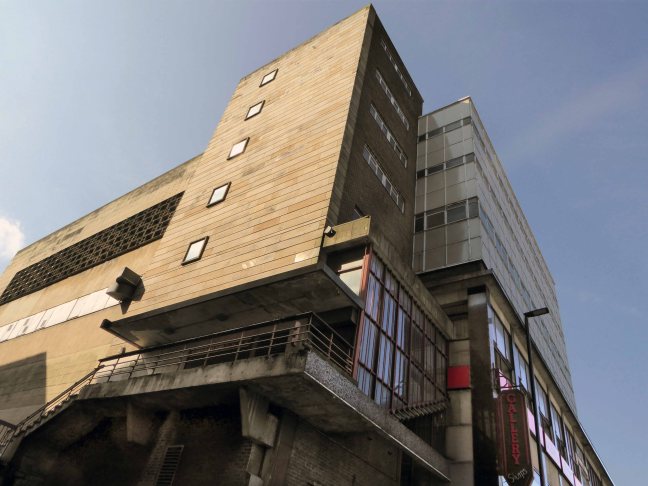
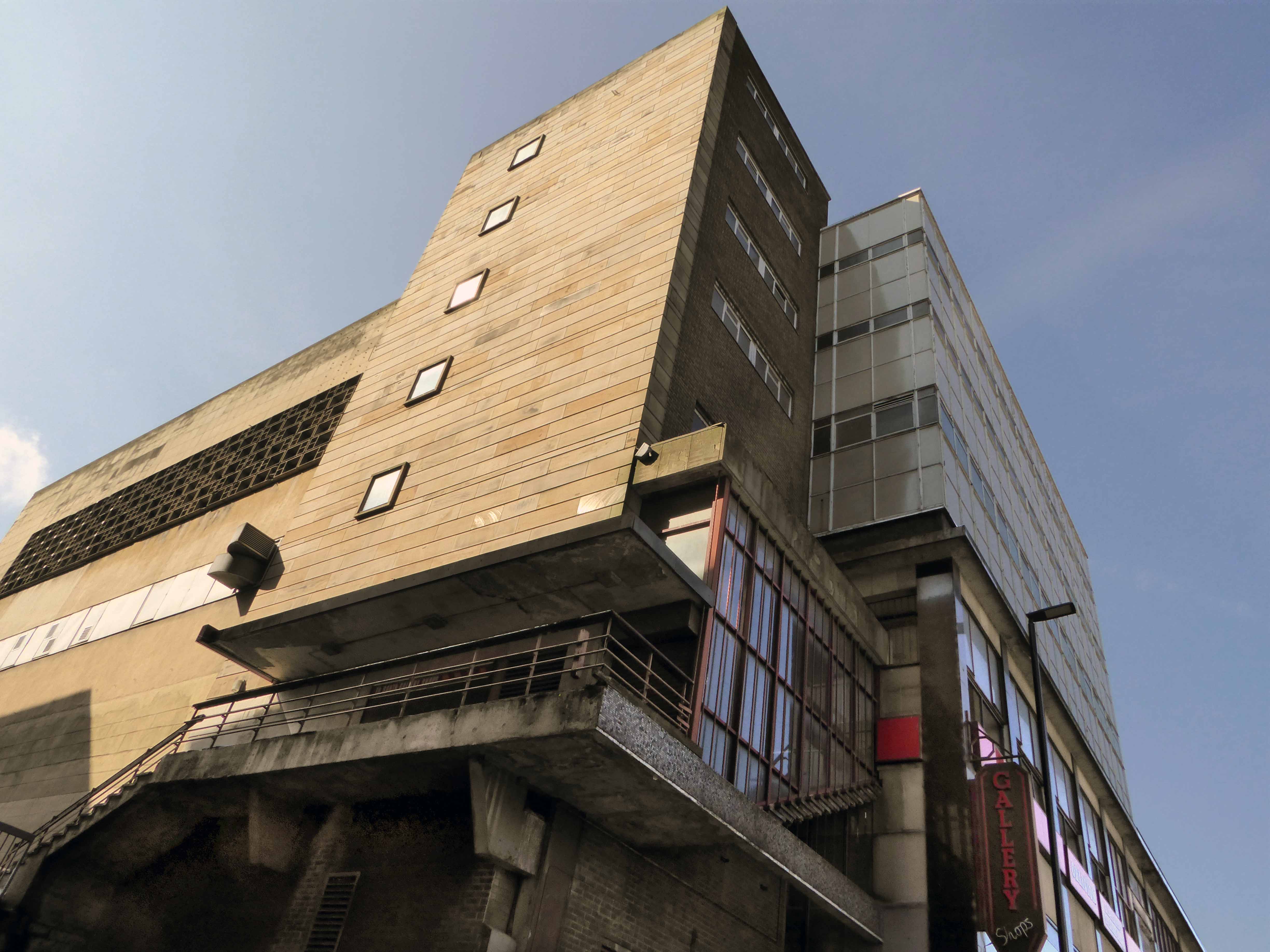
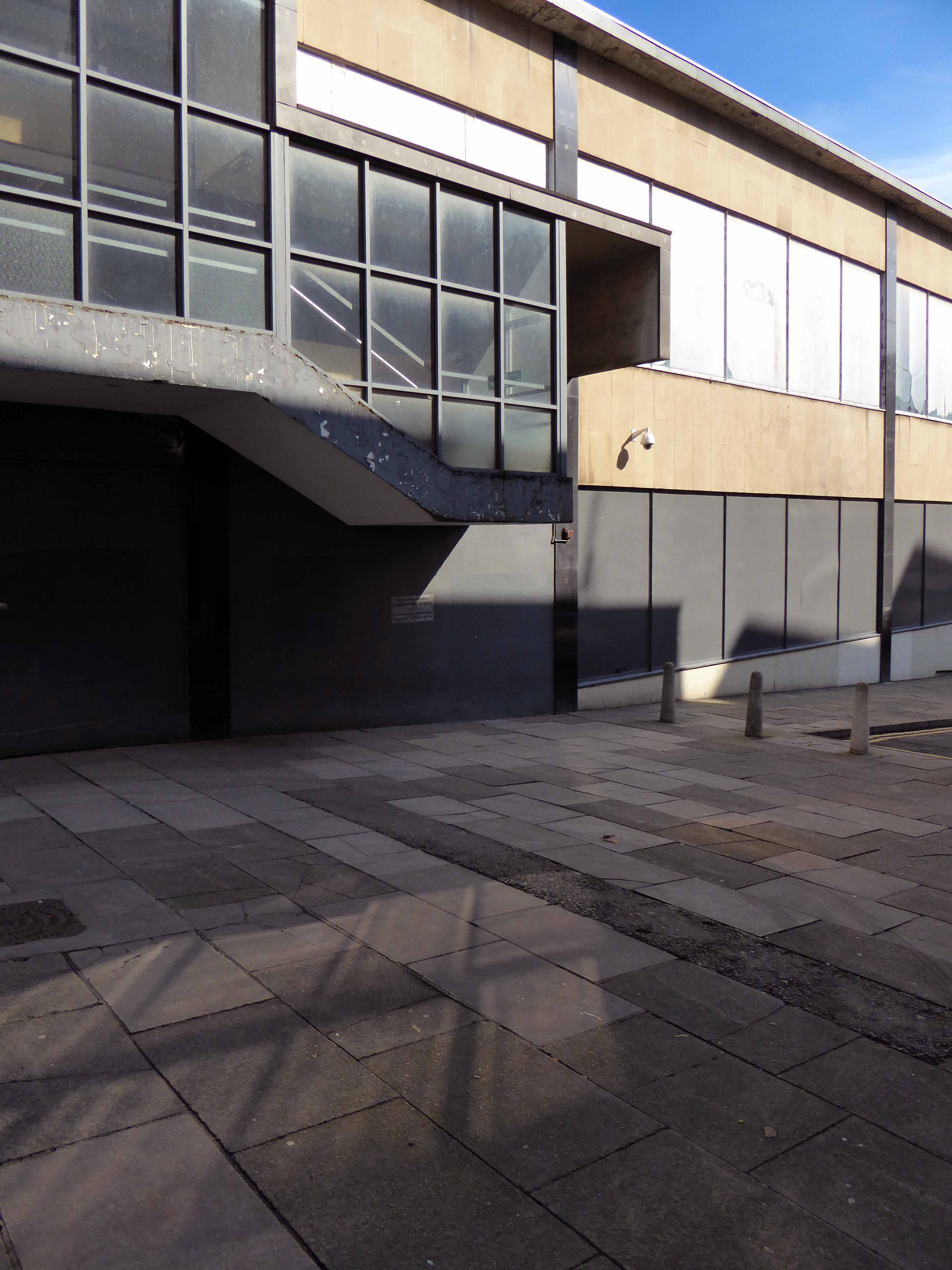
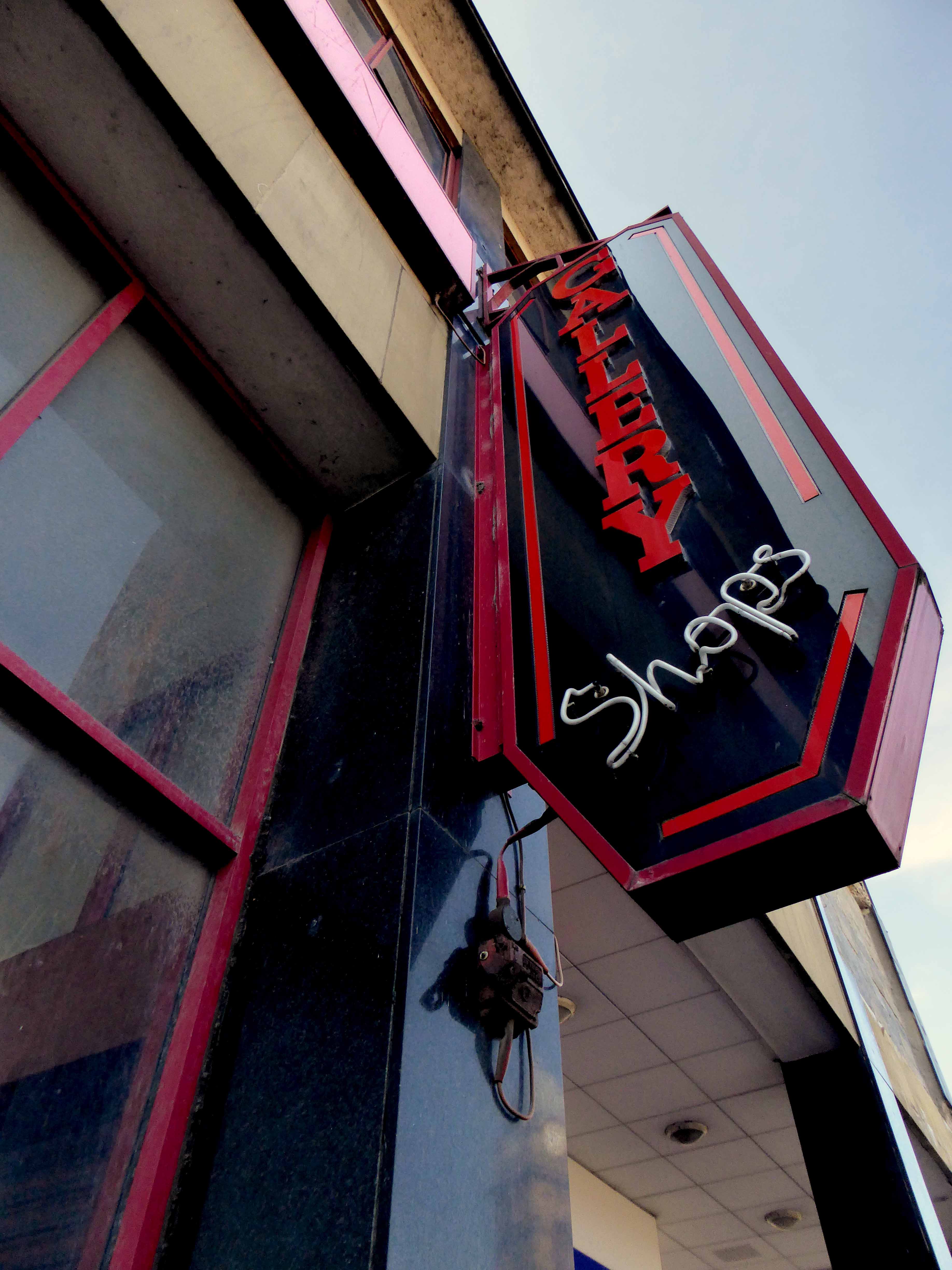
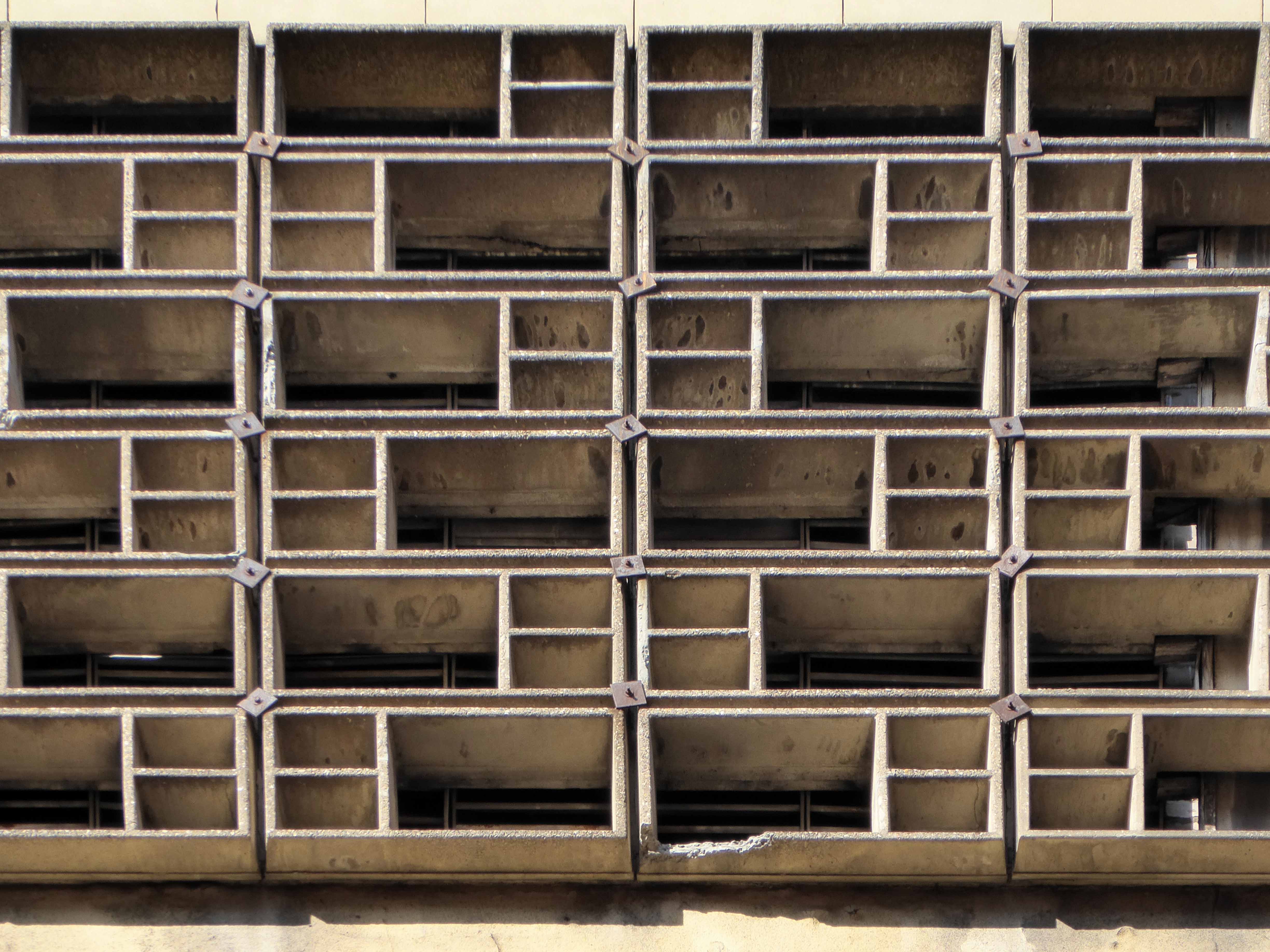
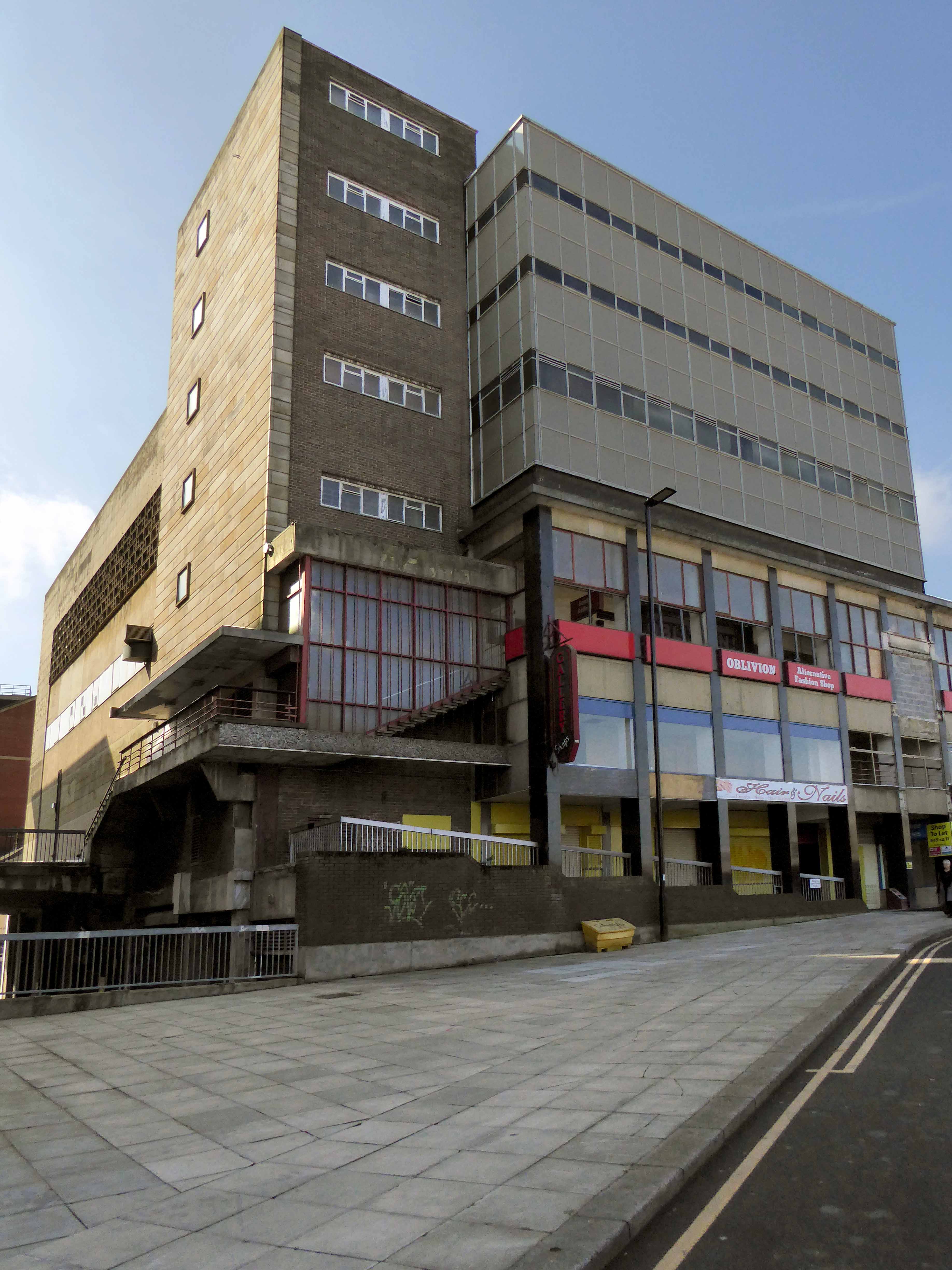
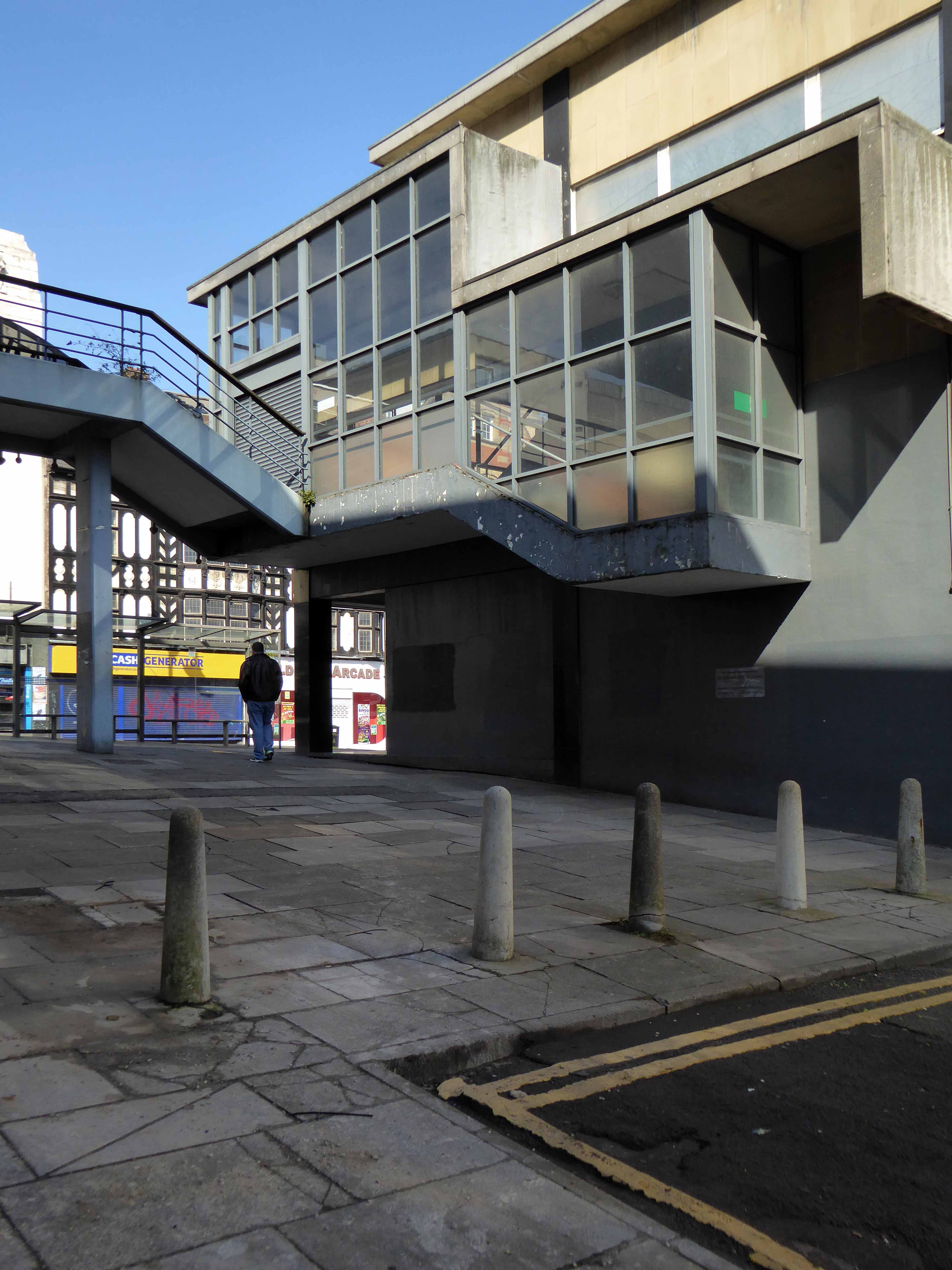
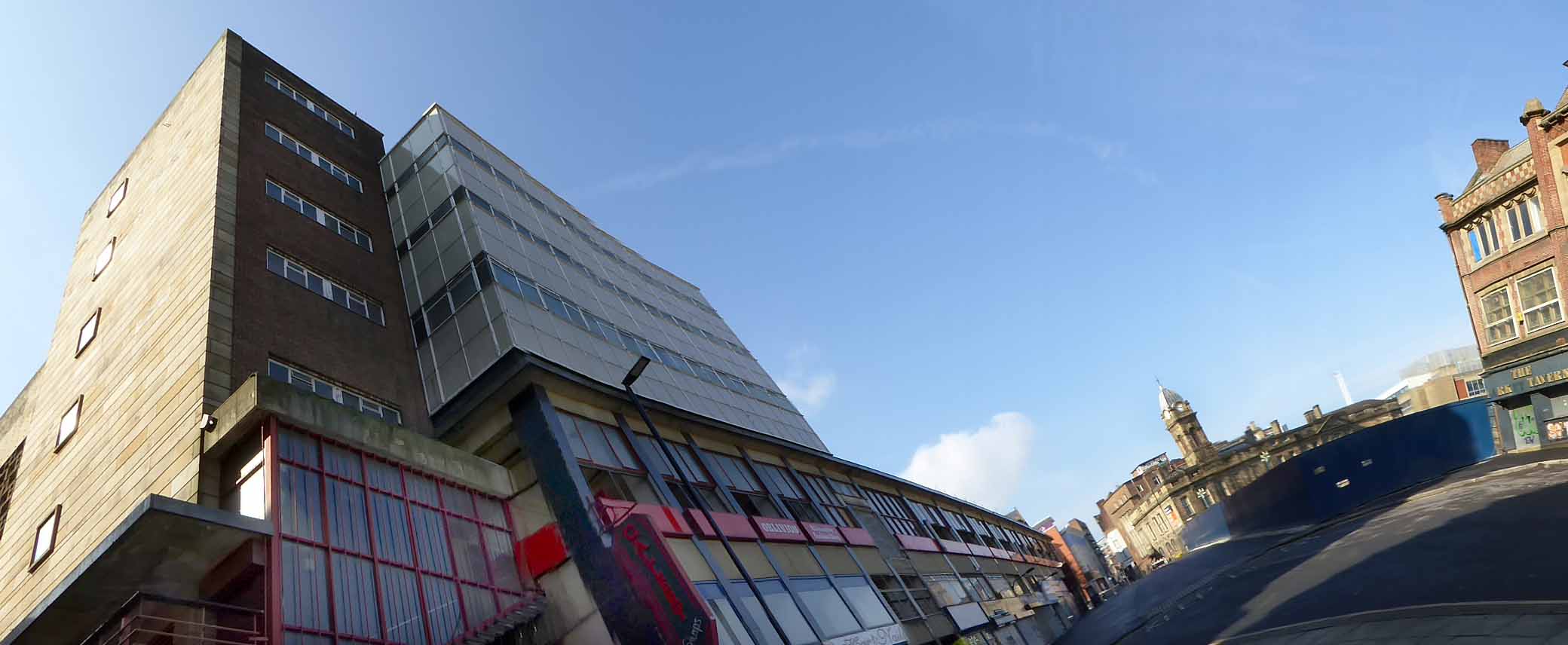
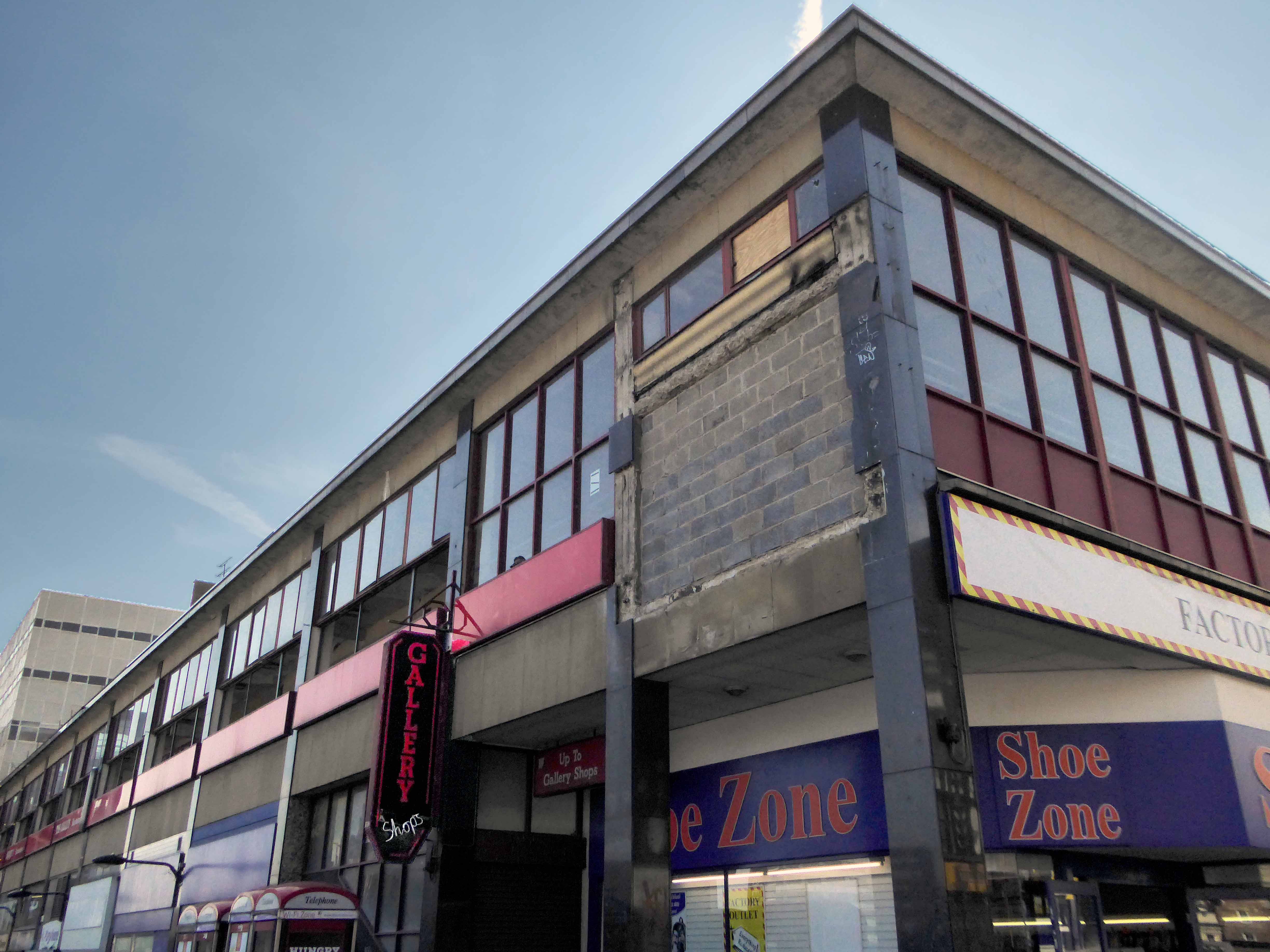
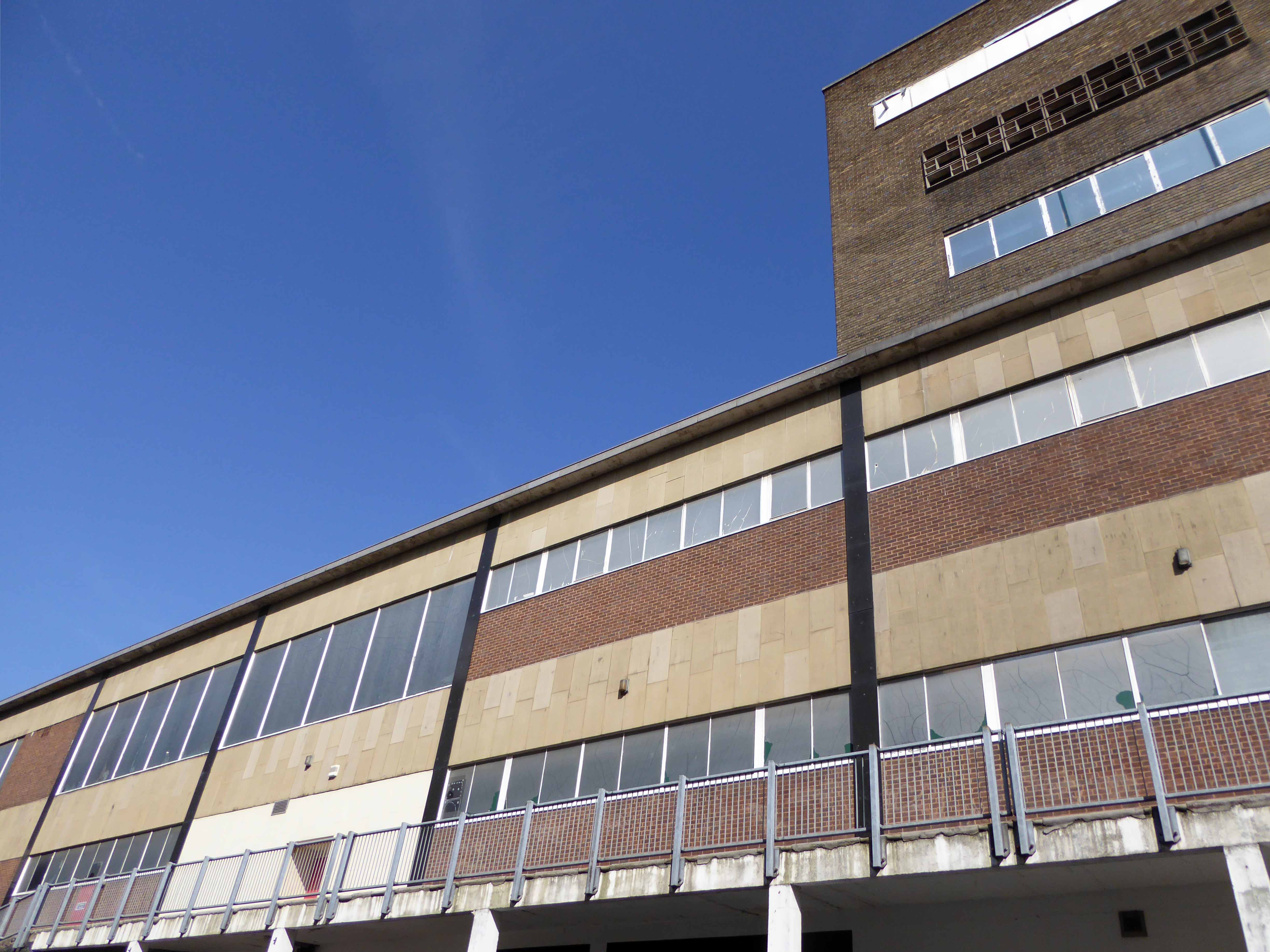
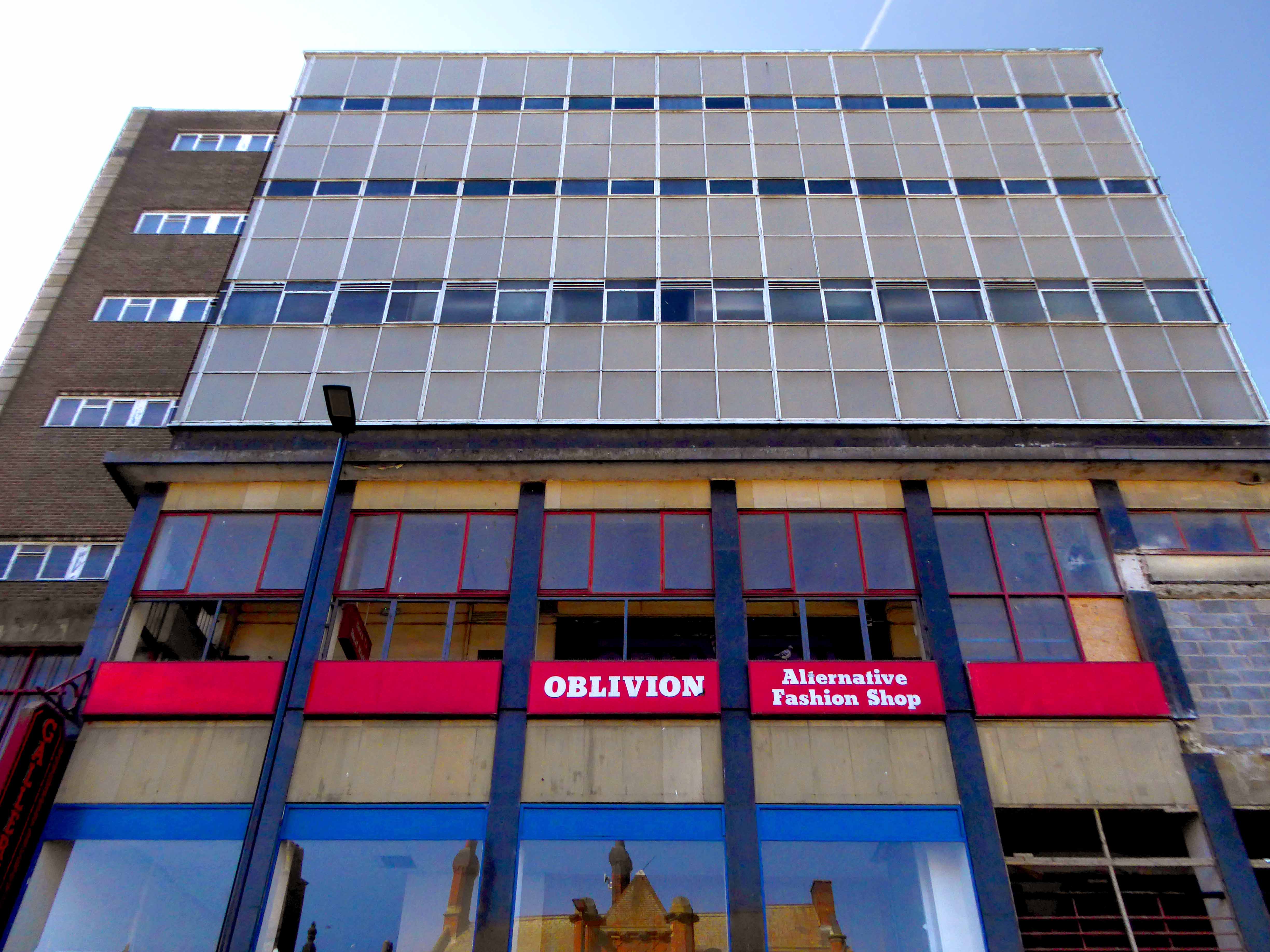
Once part of a larger retail complex, embracing the Castle Market area – regrettably demolished in 2015, the Gallery Shops are themselves, but a wrecking ball away from nothingness.

Linked by walkways, once populated by a multitude of rosy-cheeked, cheery shoppers, independent units and stalls operated in what was the better end of the High Street.

Over time, like many modern city the axis of energy shifts elsewhere, to newer more shiny developments – leaving hollow shells, echoing only to the footsteps of long gone ghosts.

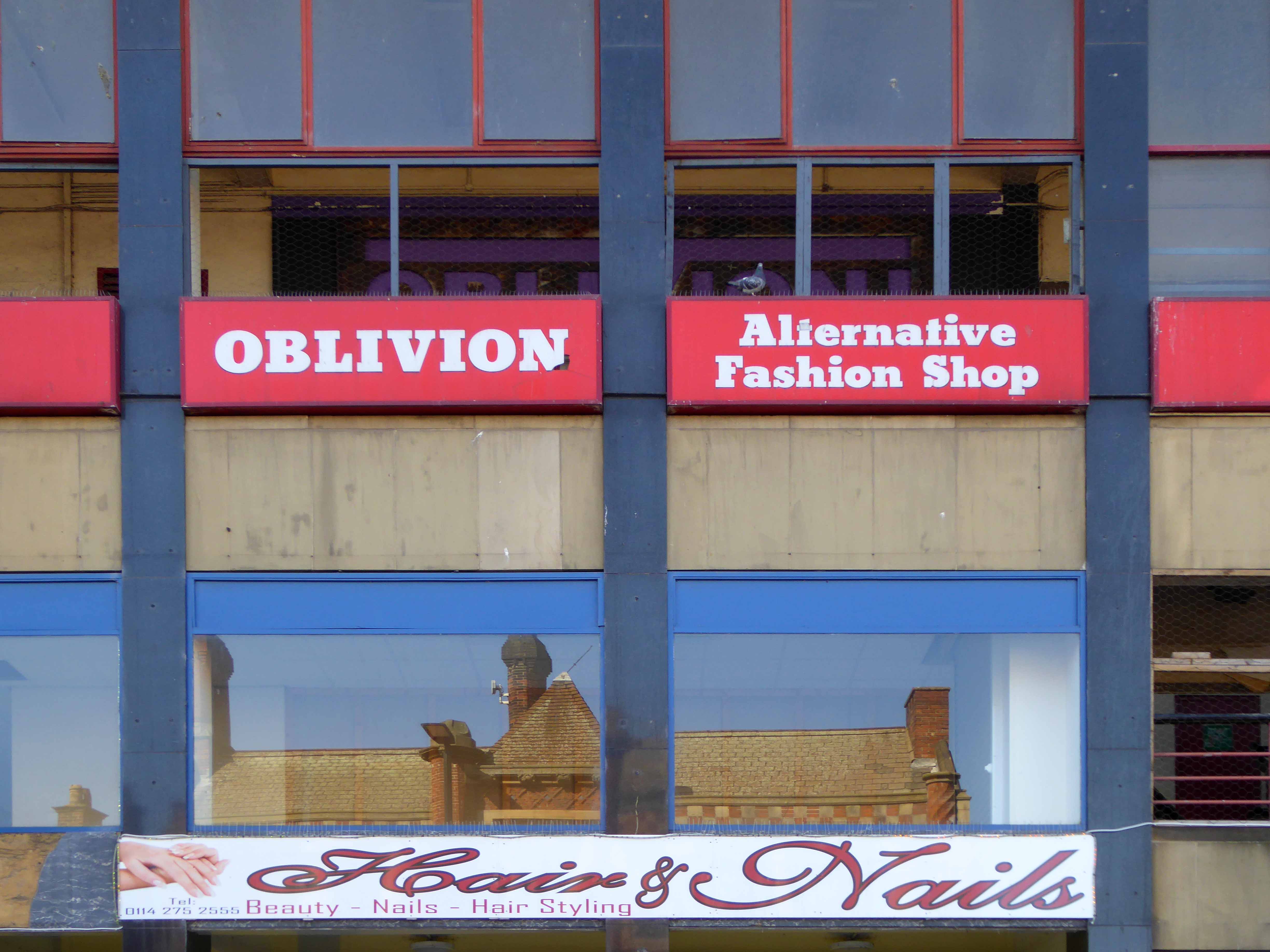
Oblivion.

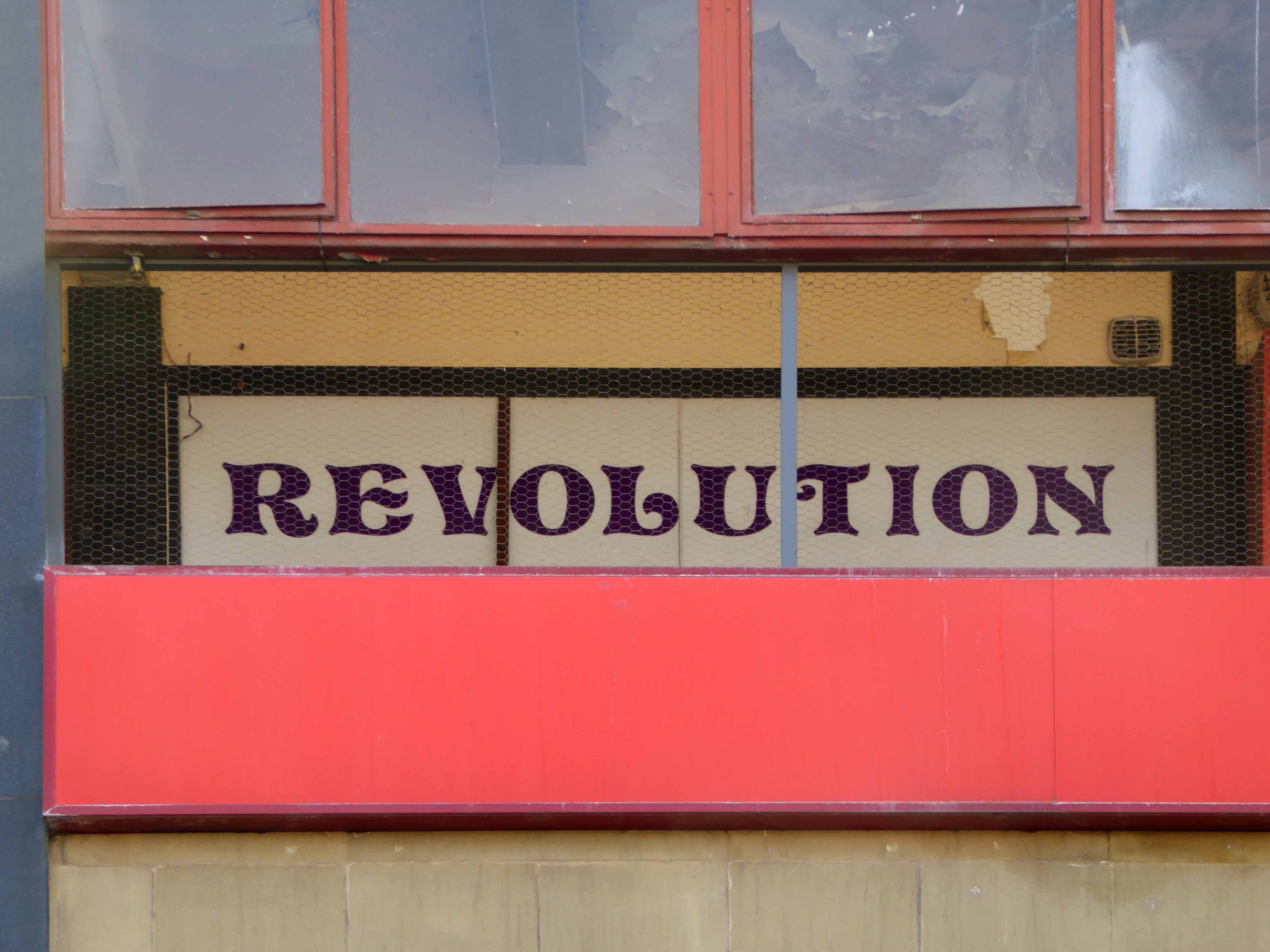
Revolution.

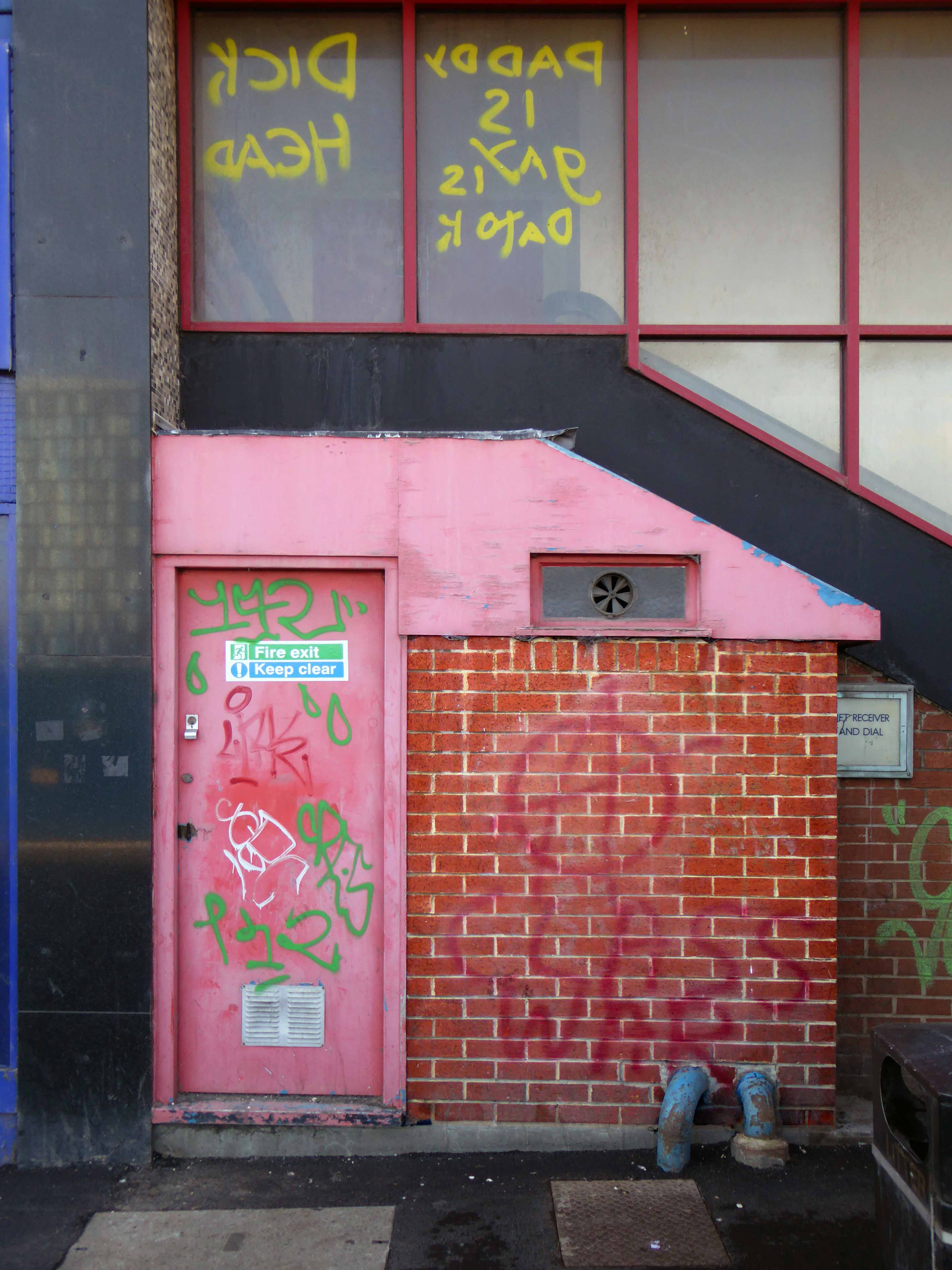
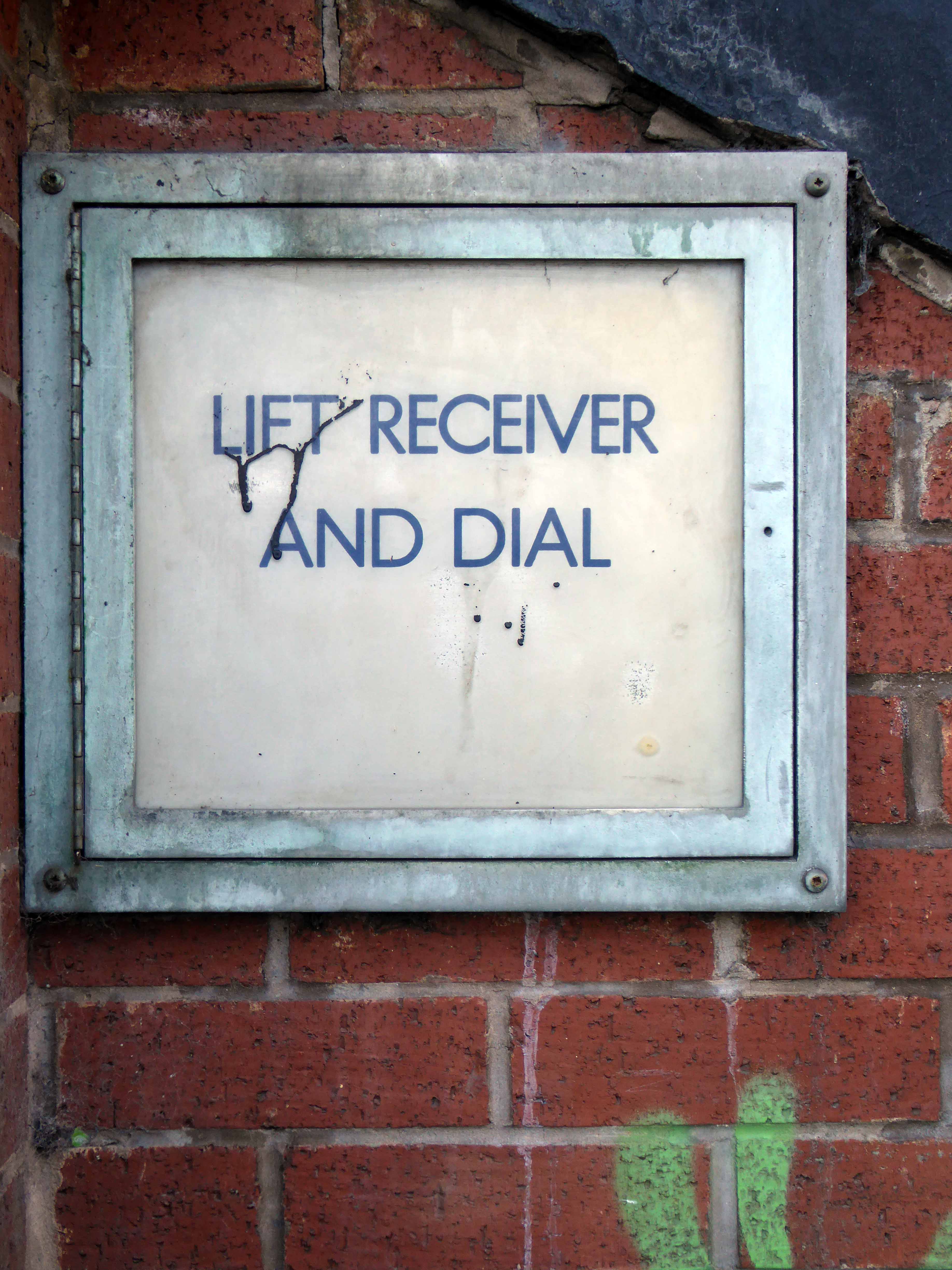
Lift receiver and dial.

P1030098 copy

P1030077 copy

P1030112 copy

P1030086 copy

P1030097 copy

P1030109 copy

P1030088 copy

P1030090 copy

P1030106 copy

P1030089 copy

P1030078 copy

P1030094 copy

P1030083 copy

P1030111 copy

P1030093 copy

P1030101 copy

P1030092 copy

P1030082 copy

P1030096 copy

P1030087 copy

P1030108 copy

P1030081 copy

P1030084 copy

P1030113 copy


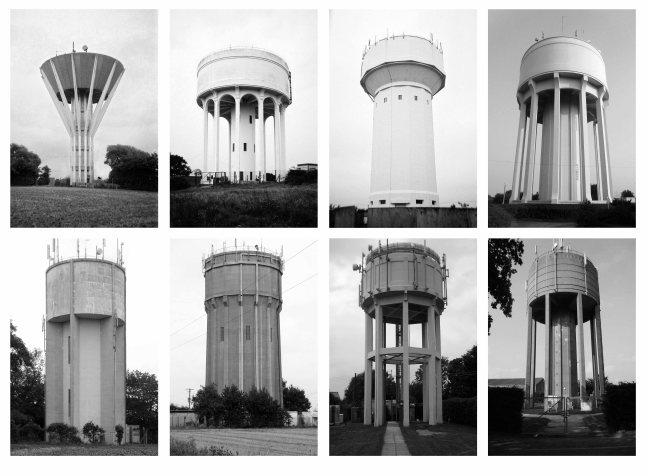
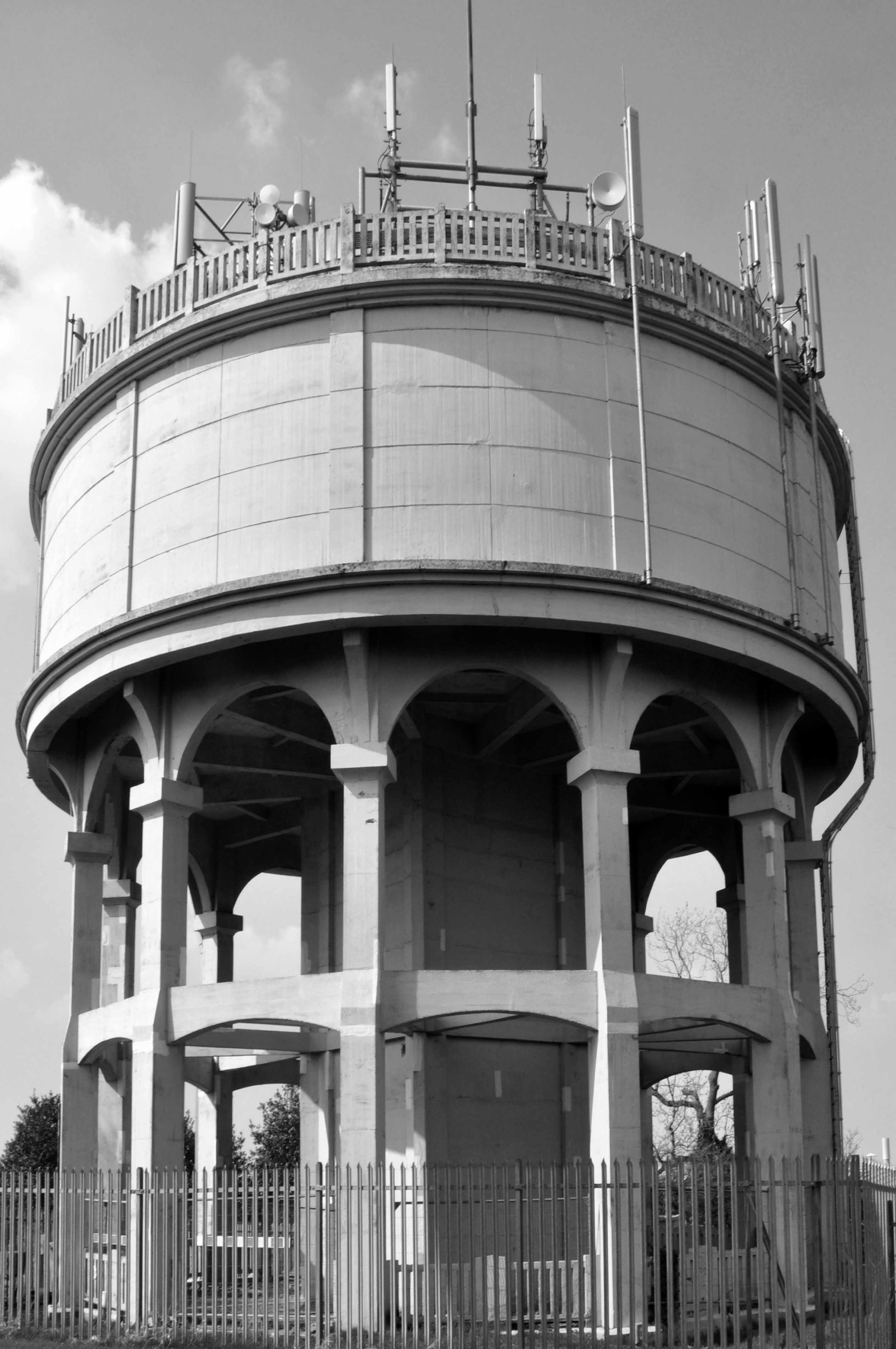
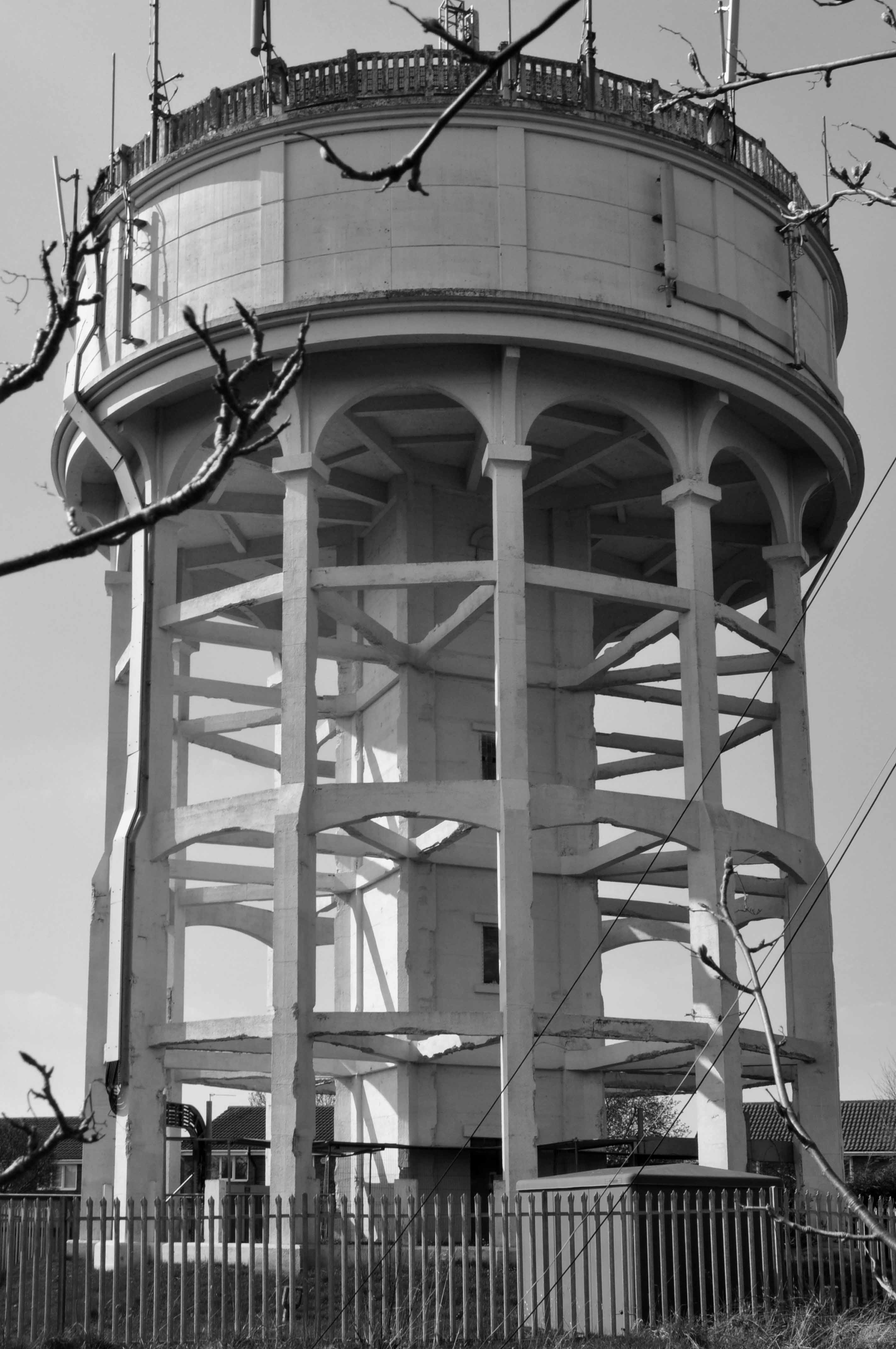
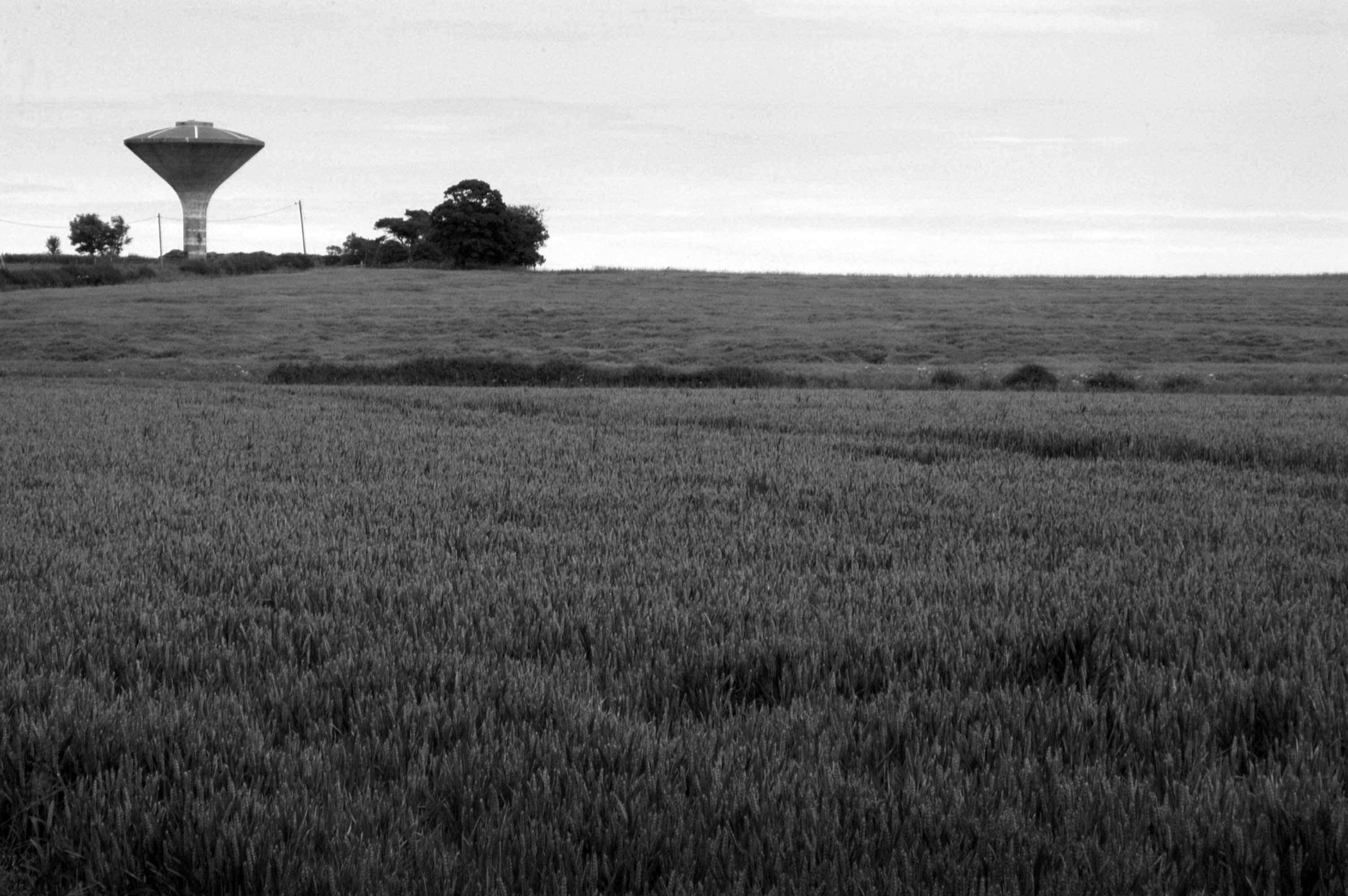
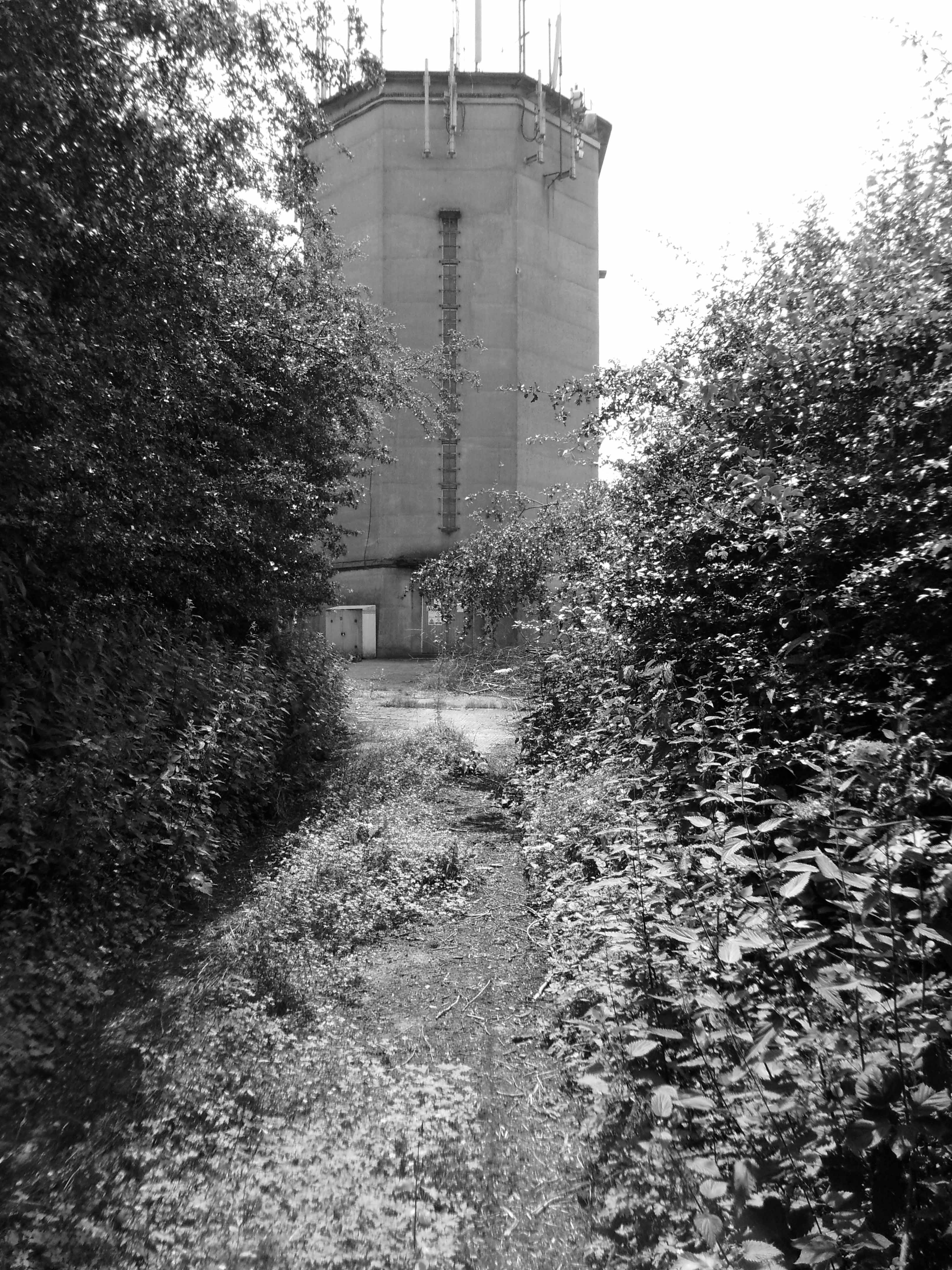
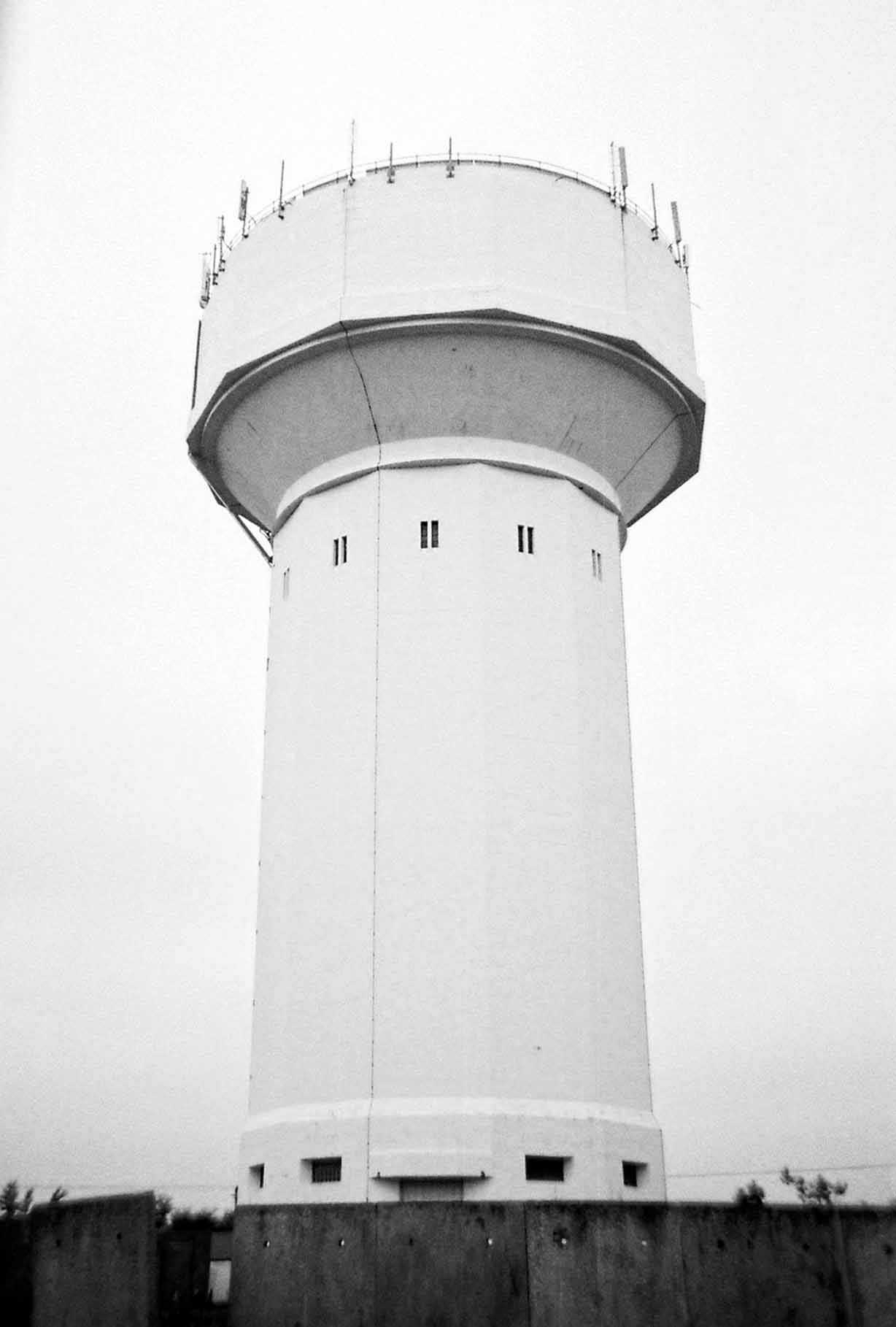
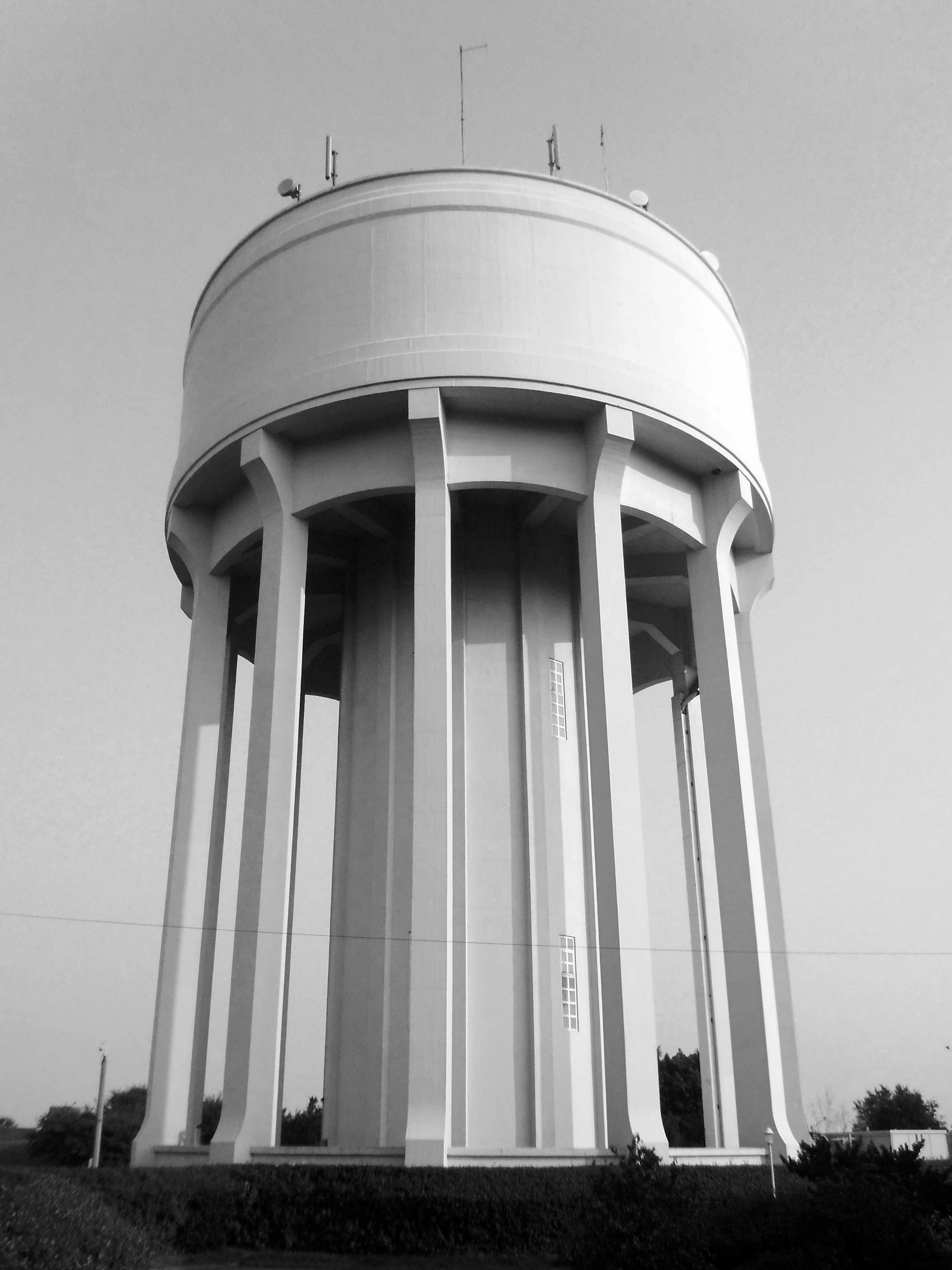
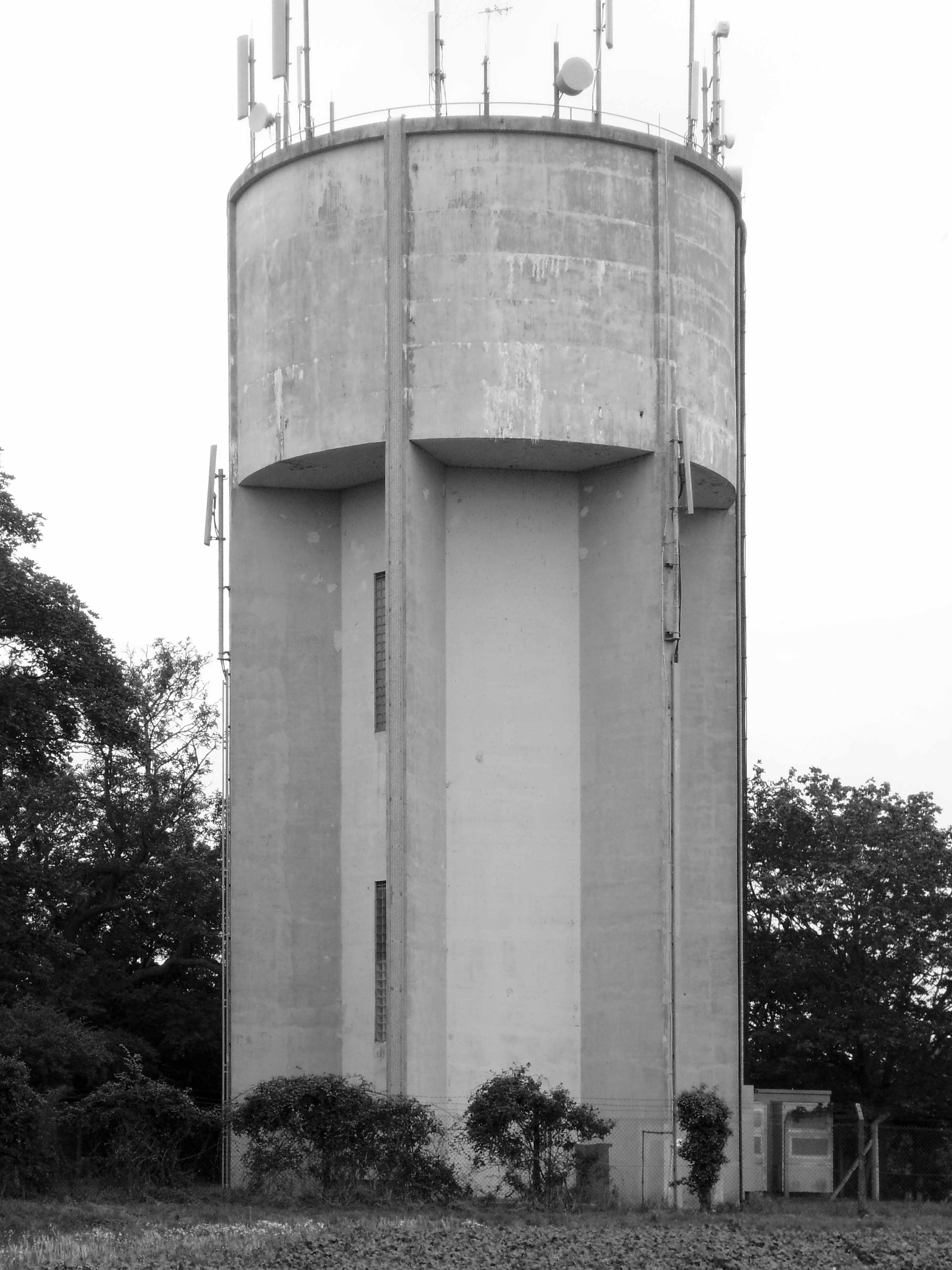
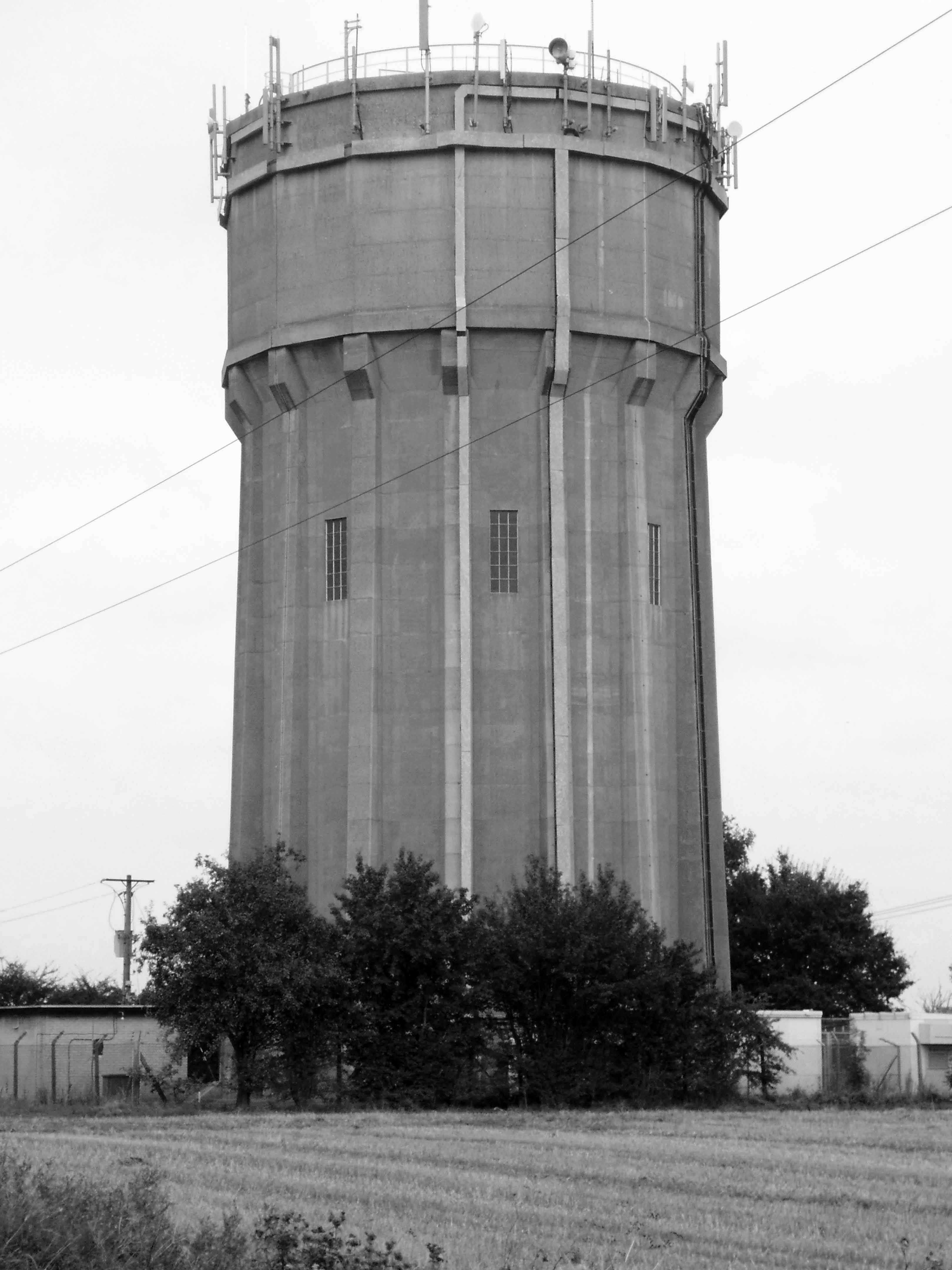
Water Towers

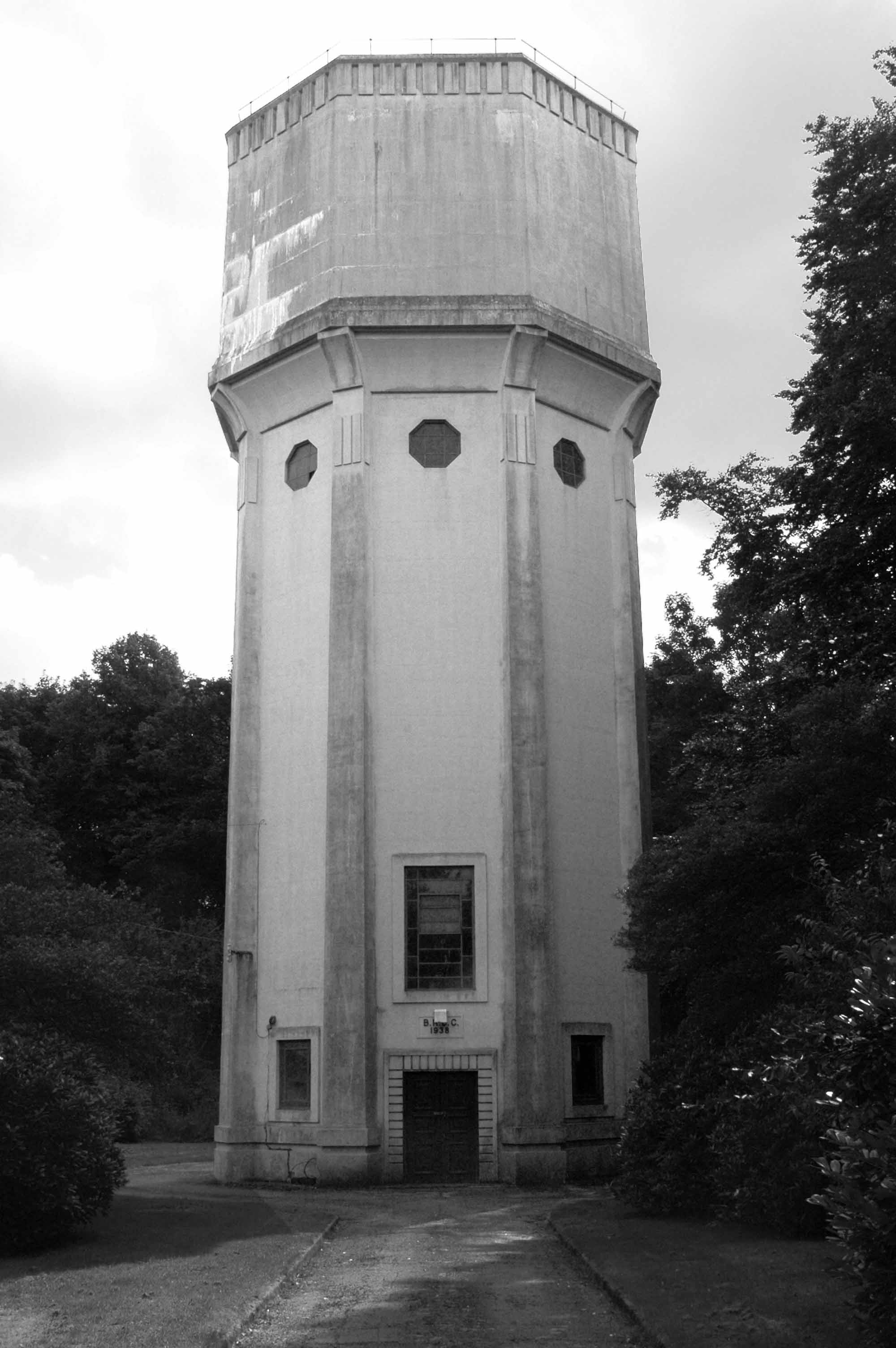
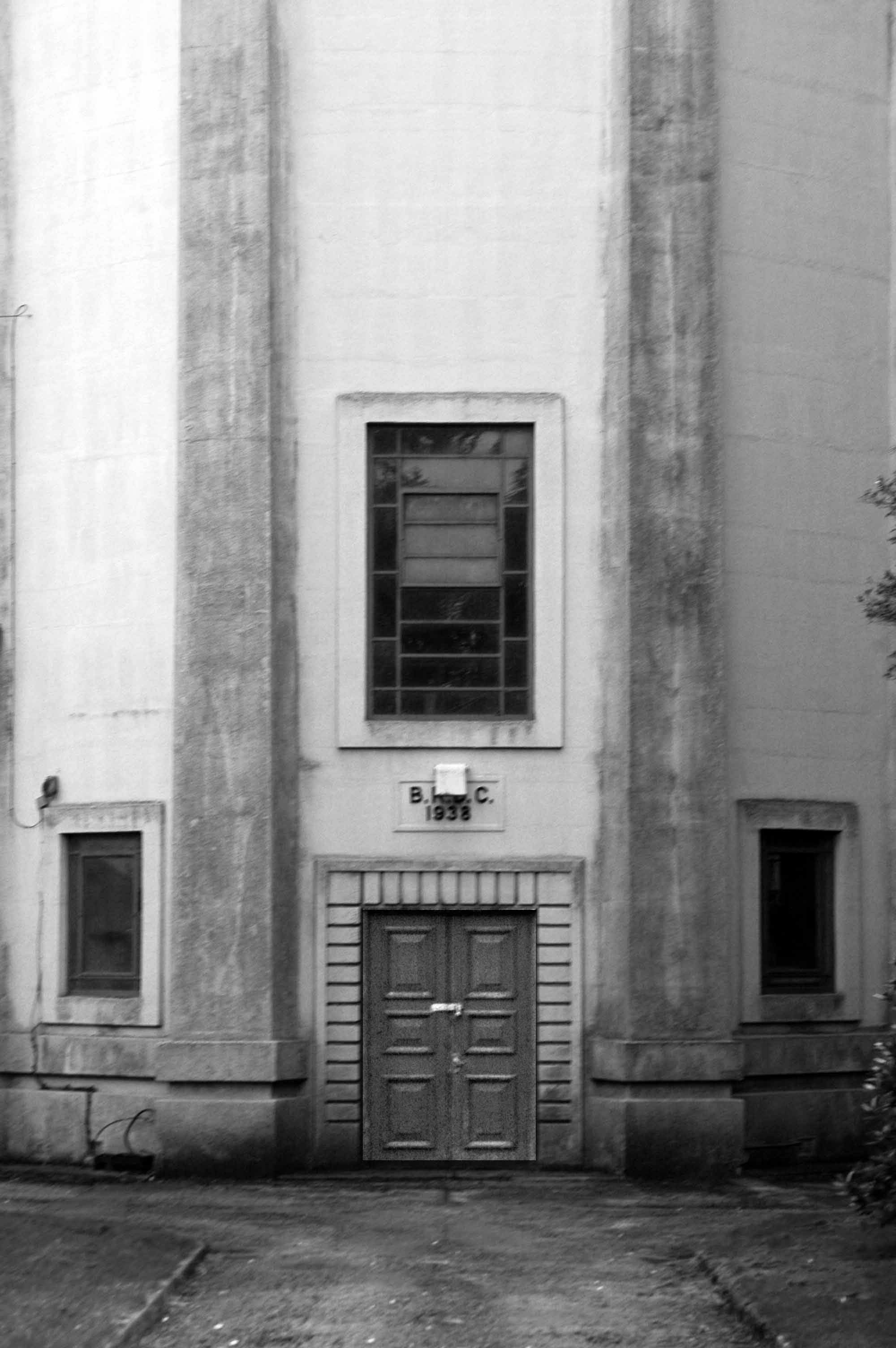
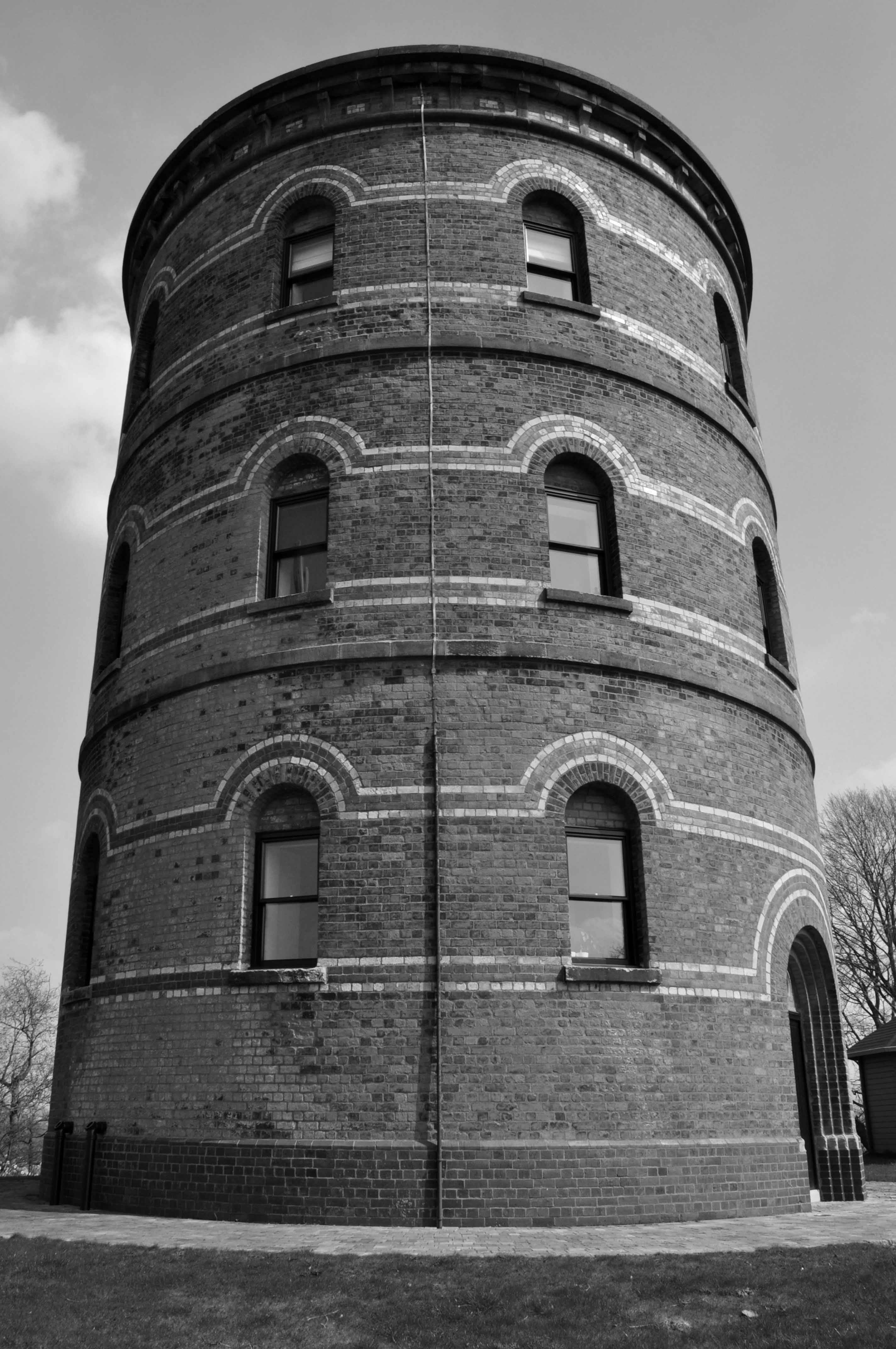
There are vertical features in our landscapes.

Prominent architecture, largely functionalist.

We can travel from pylon to pylon, spire to spire.

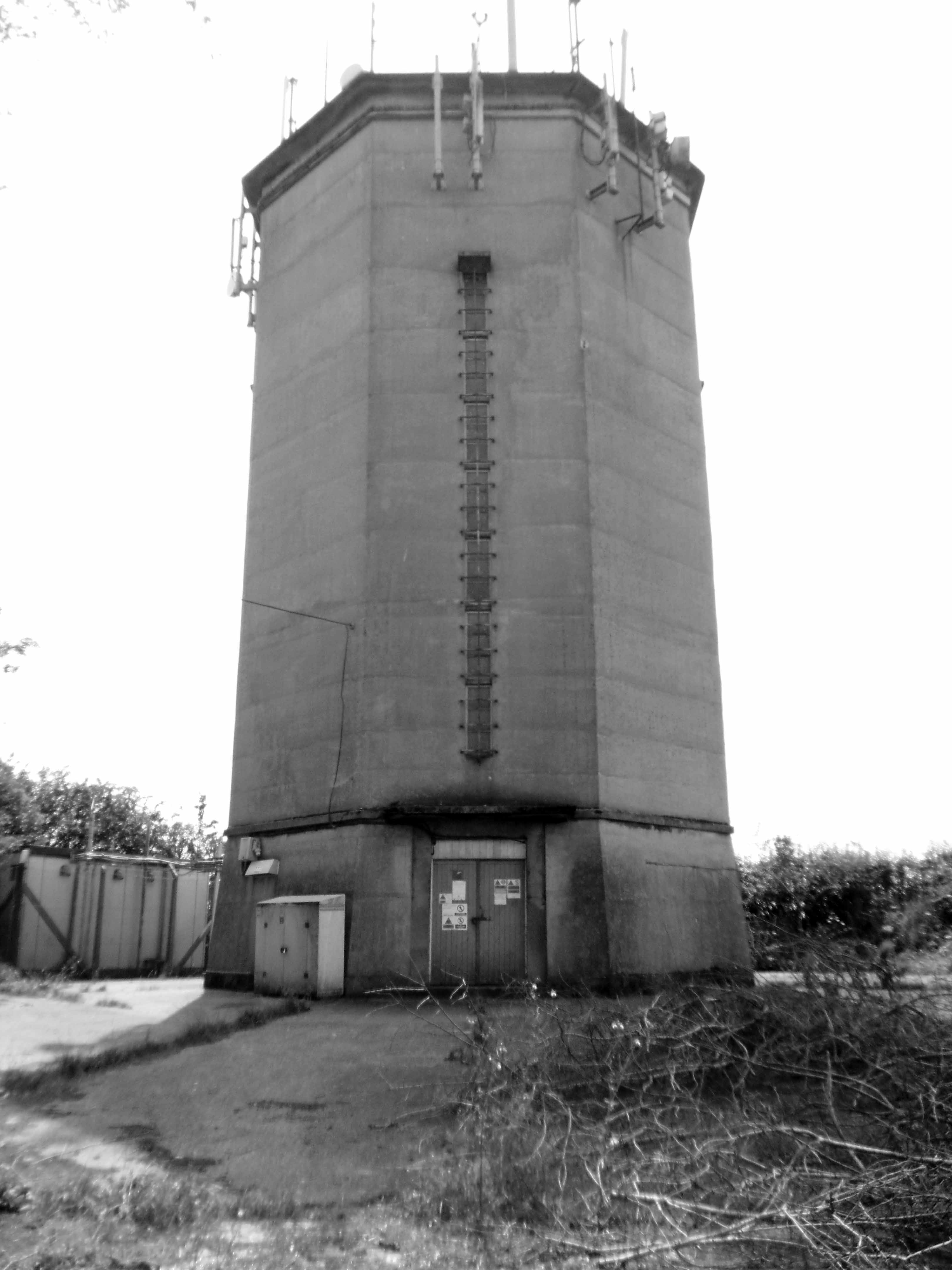
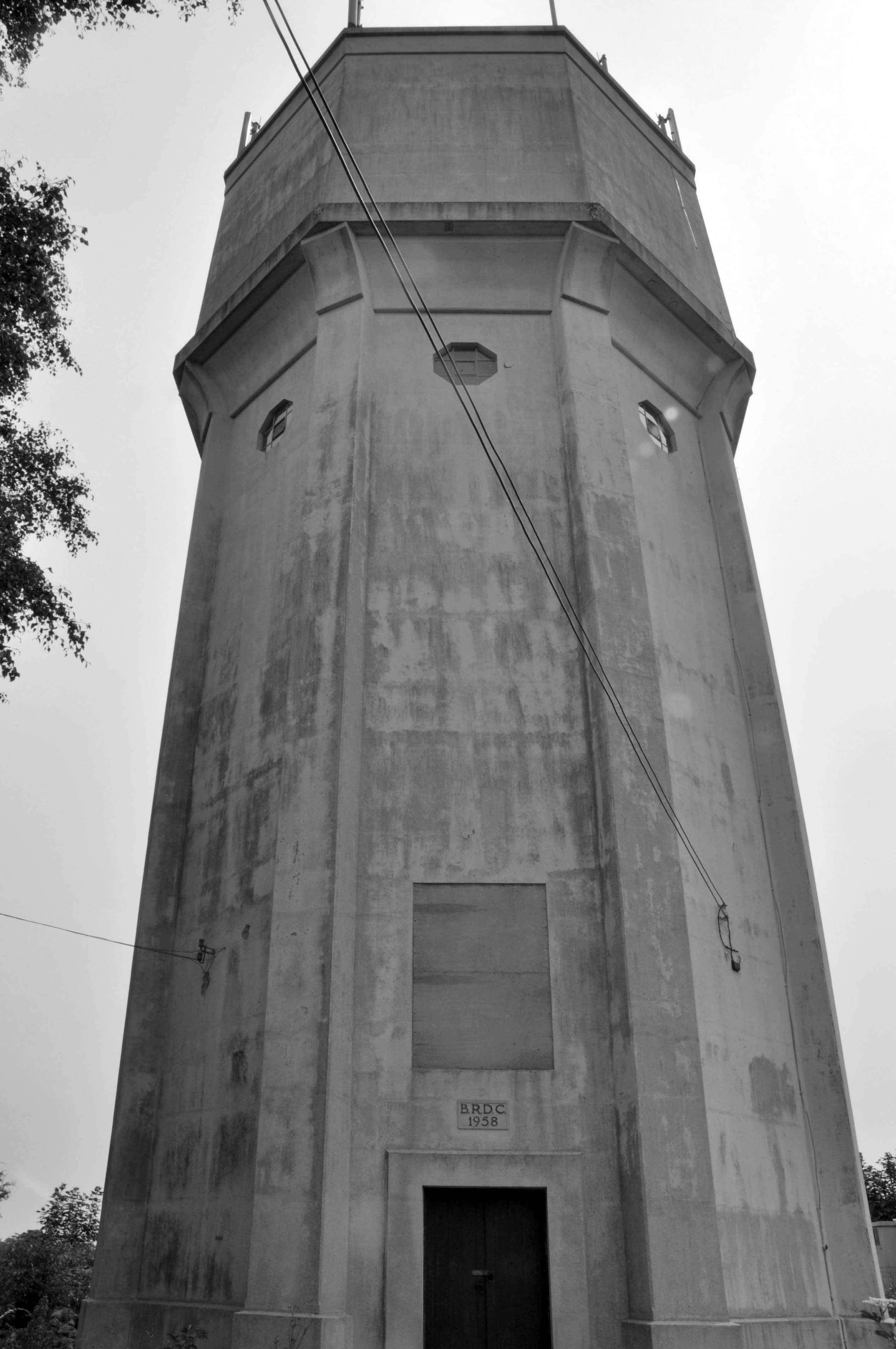
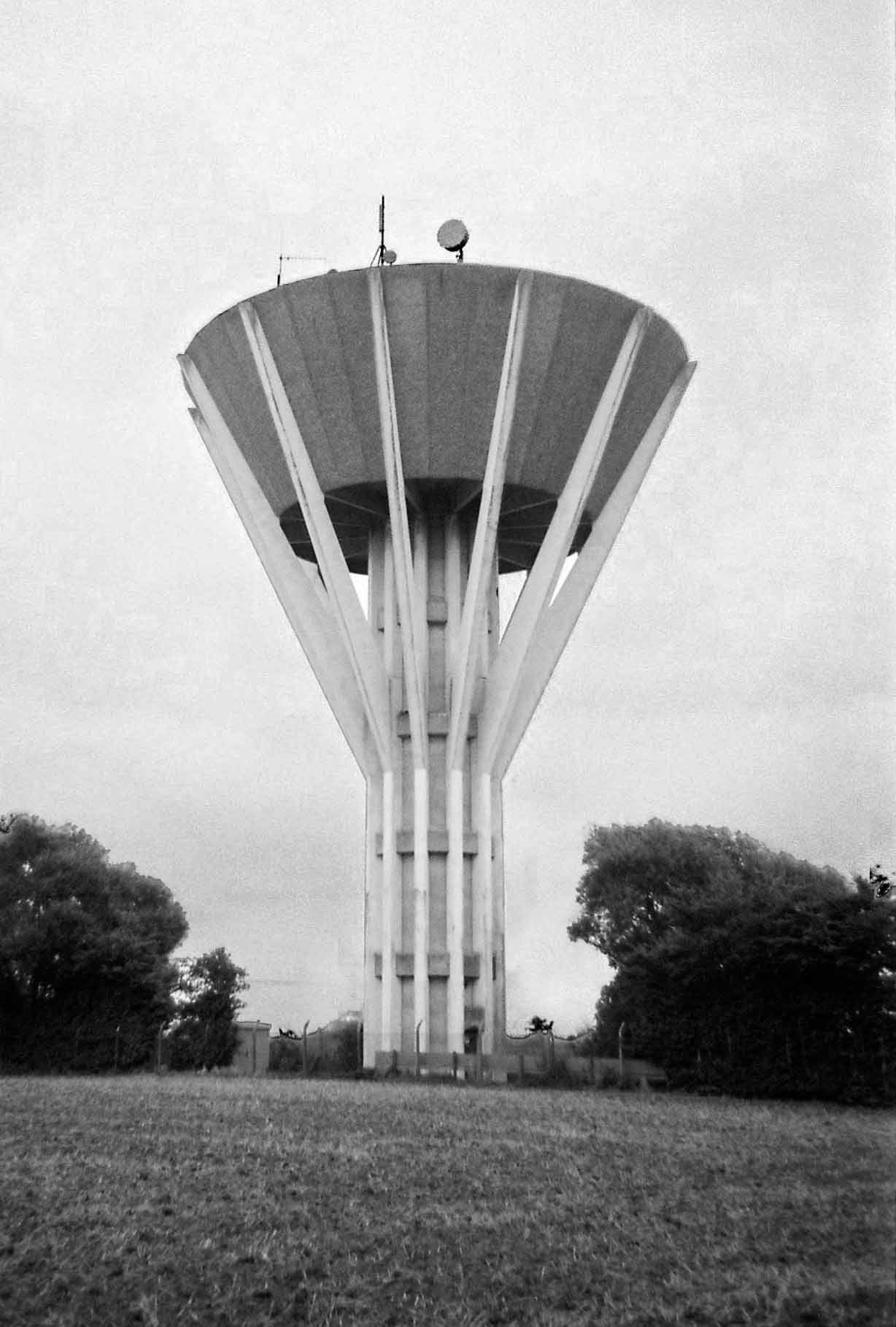
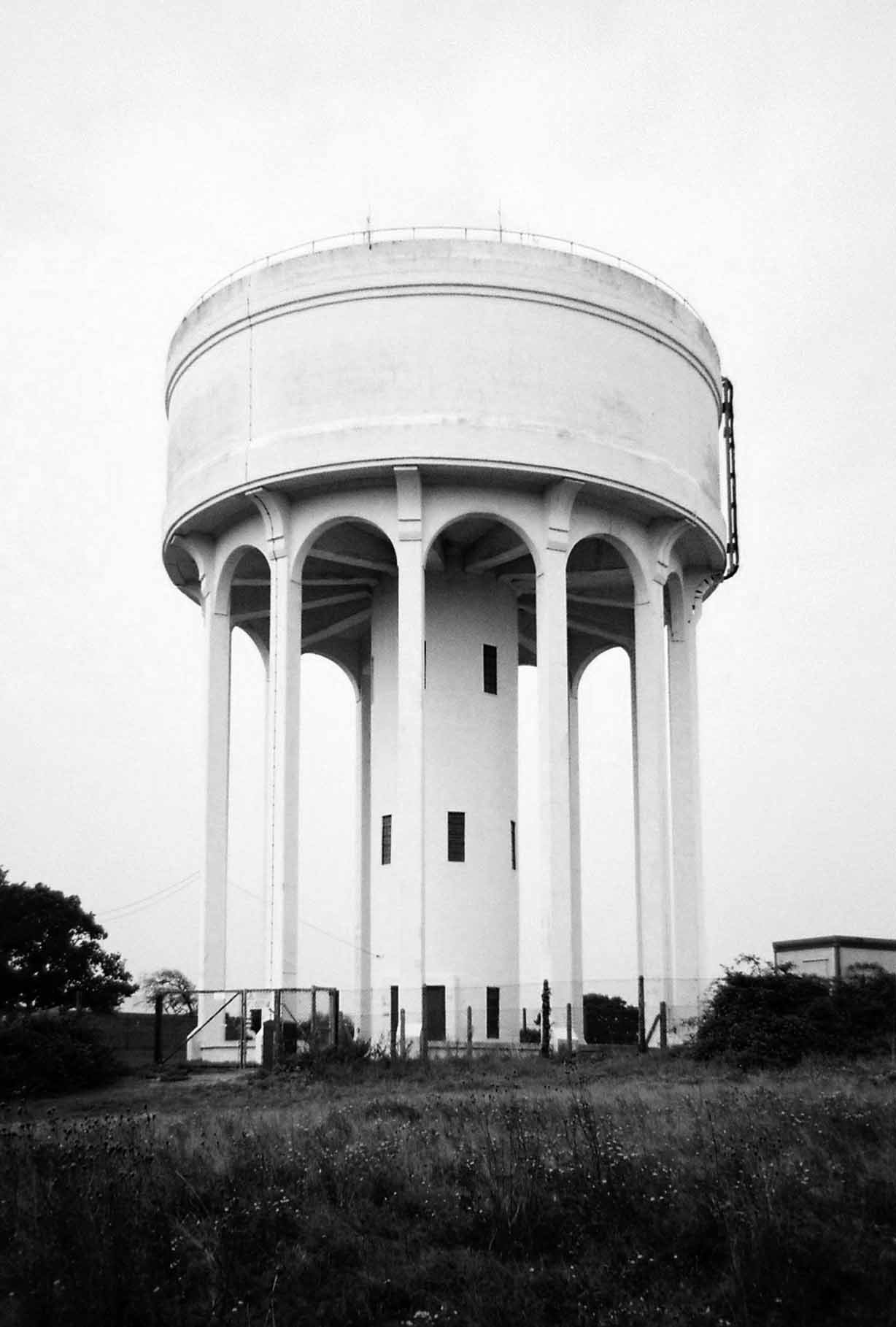
I espy water towers, and espouse the recording thereof.

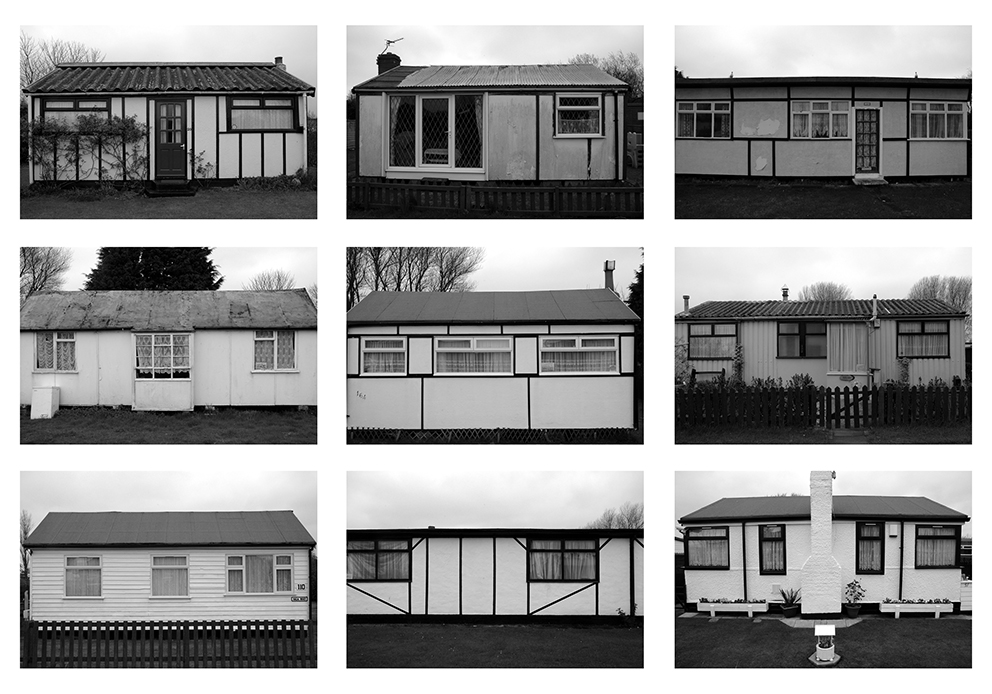
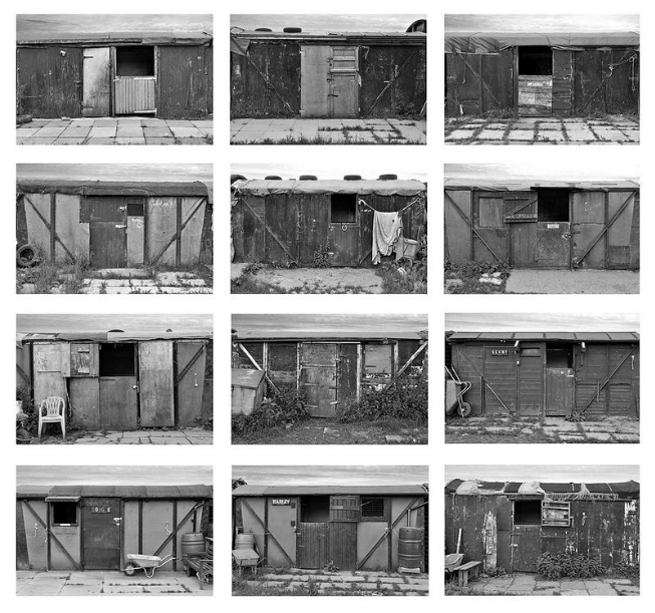
I was first aware of the work of Bernd and Hilla Becher  many years ago, as a young art student I developed an empathy for their matter of fact photography, and a warm sense of the familiar with the largely industrial, everyday subject matter.

I have often made light hearted reference, to their austere conceptual grids.

The bungalows of Humbertson Fittes Lincolnshire

becher's bungalows copy

The British Rail freight van stables of Greater Manchester

Screen Shot 2016-03-28 at 16.54.23

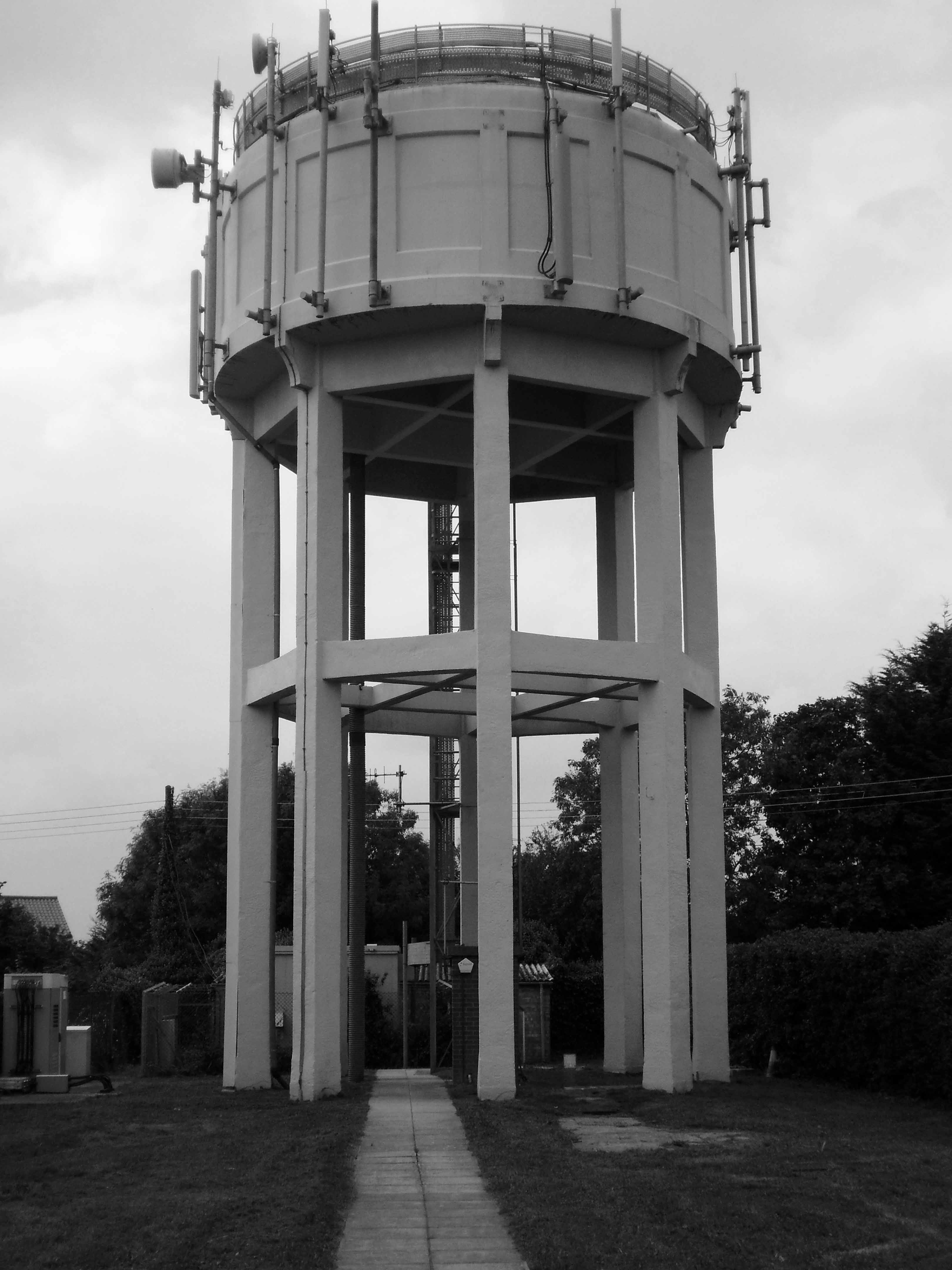
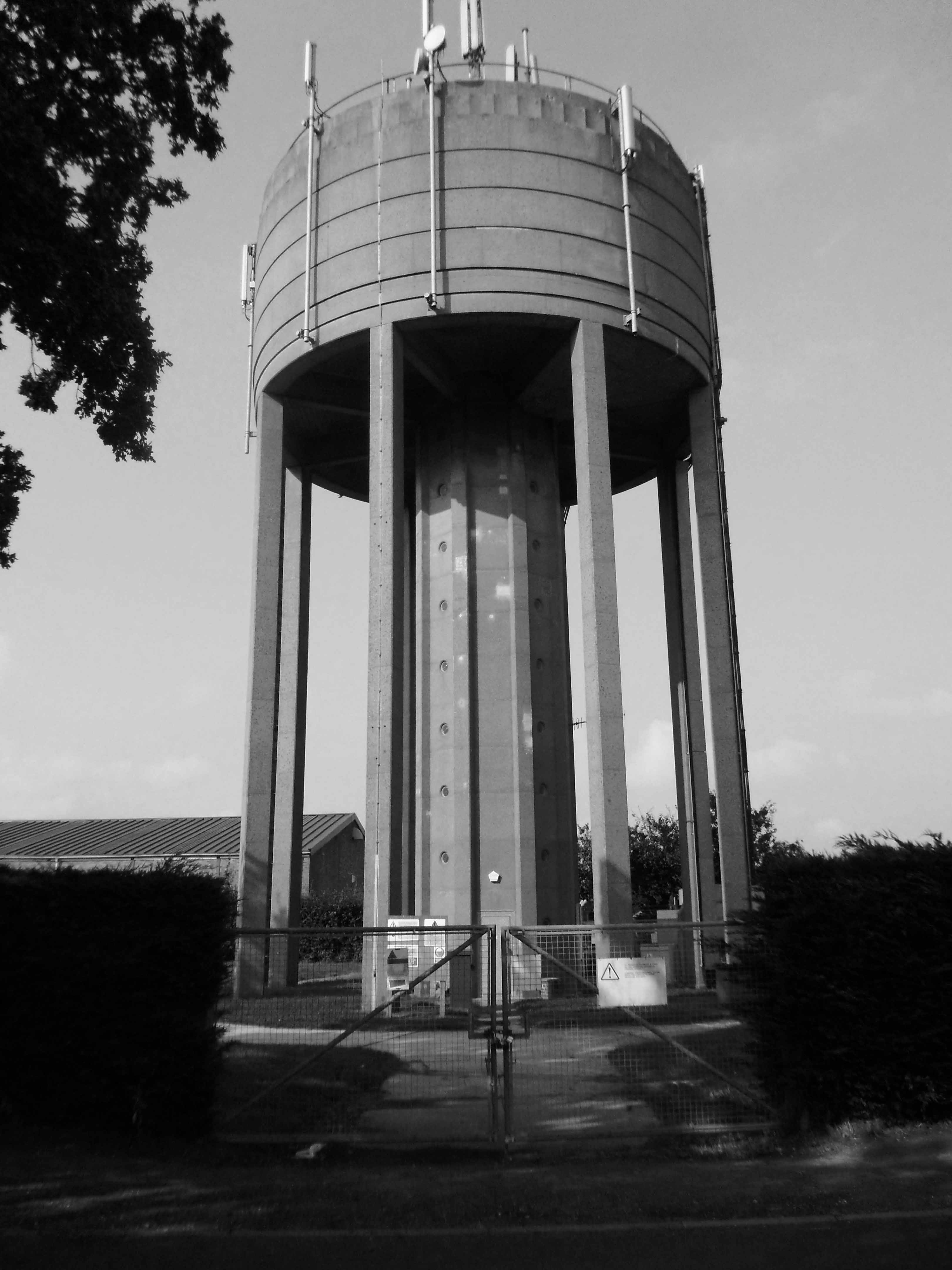
And of course water towers, some are familiar to me in the areas around south Manchester, easily accessibly by bicycle across the Cheshire Plain. So over time I have set out with a clear intent or serendipitous disposition, a modern day Don Quixote, sans Sancho Panza, tilting and snapping at towers.

Access is not always easy, or permitted for that matter – there are gates and fences to overcome, brambles and barbed wire to catch yourself on, but it’s always worth it. As a typology they are various, in design, structure and materials.

Summer 2014 I cycled from Hastings to Cleethorpes, following where possible a coastal route, in search of nothing in particular. Needless to say I found several water towers, eight of note – amongst other things.

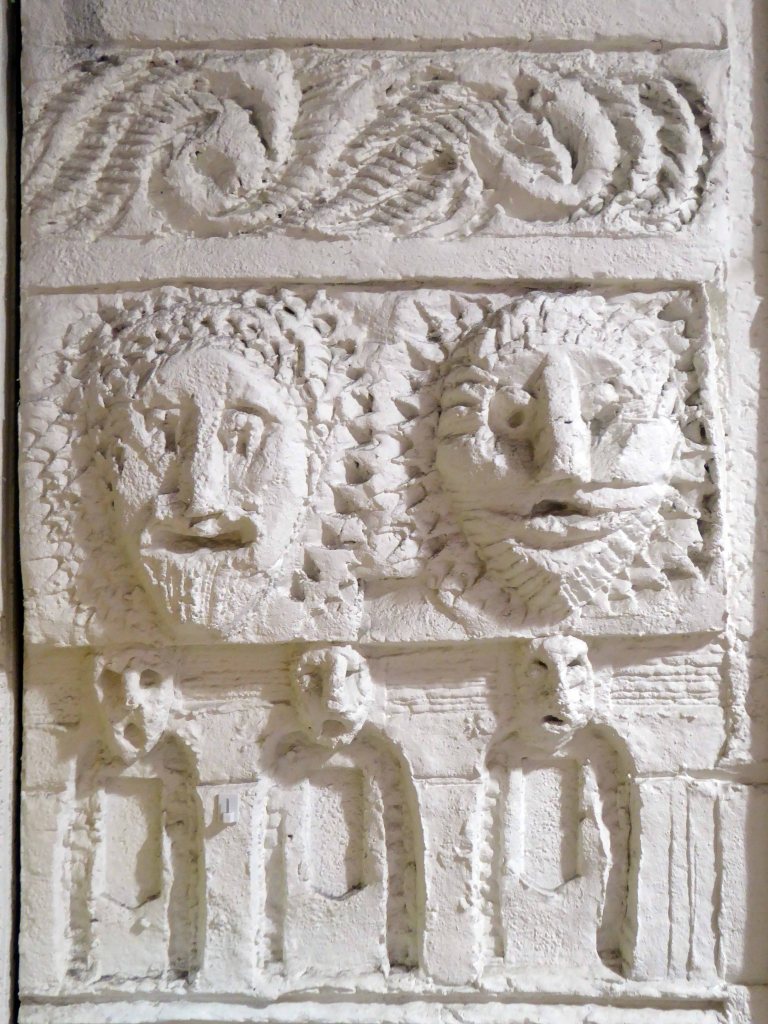
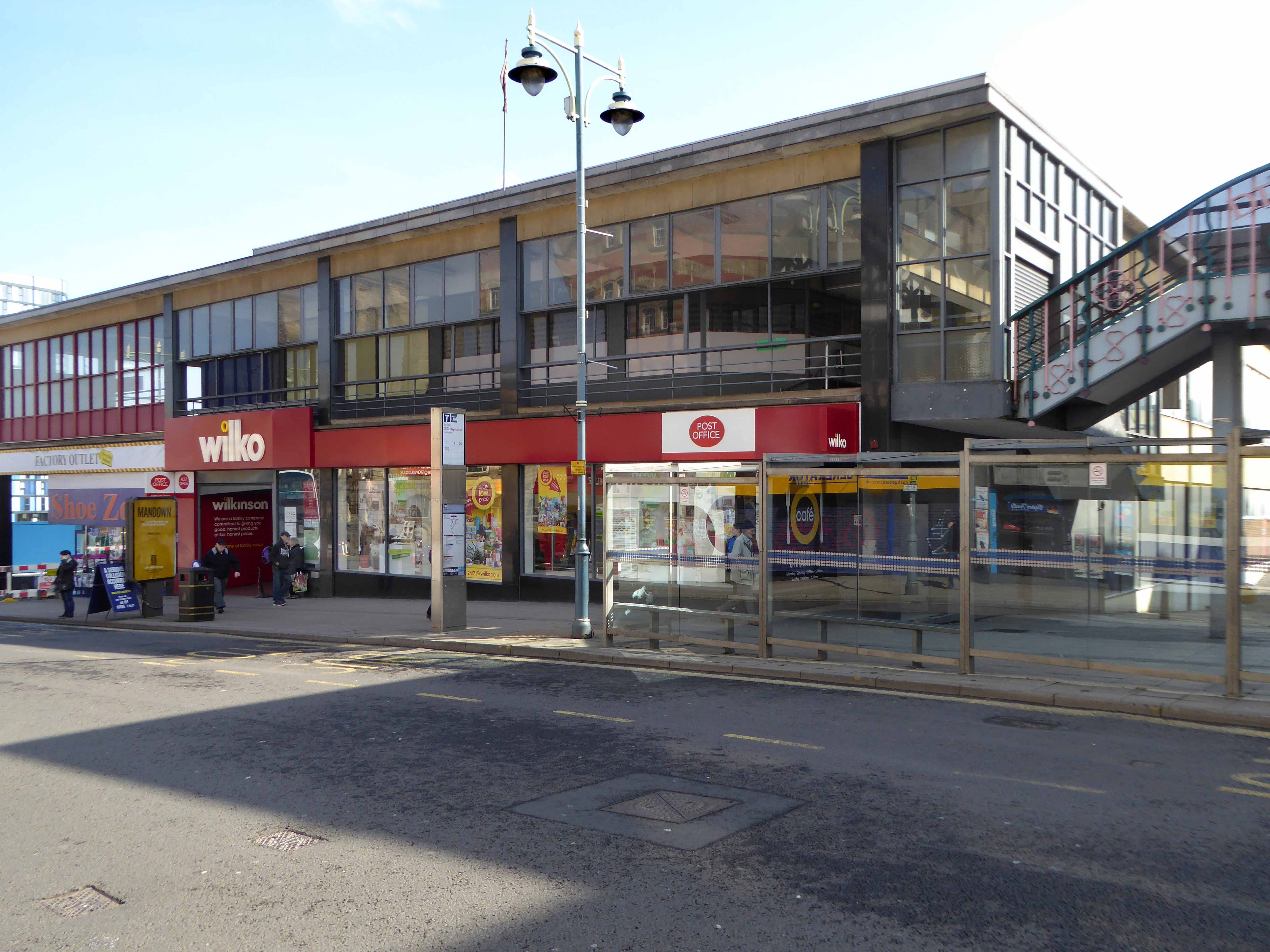
Wilko’s – Blackpool

Formerly the site of a much larger, much busier Blackpool North Station – a time when trains arrived sixteen coaches long.

As seen in this archive film of the 1940s.

Cars and closures caused the station to withdraw up the road, to its current much smaller site.

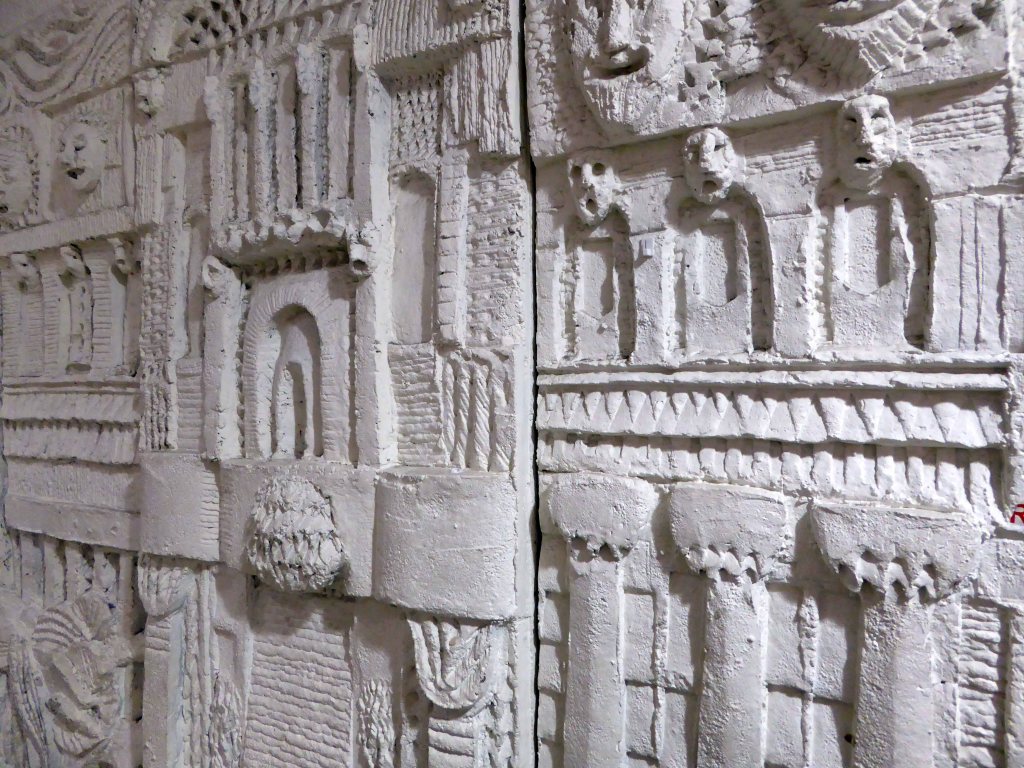
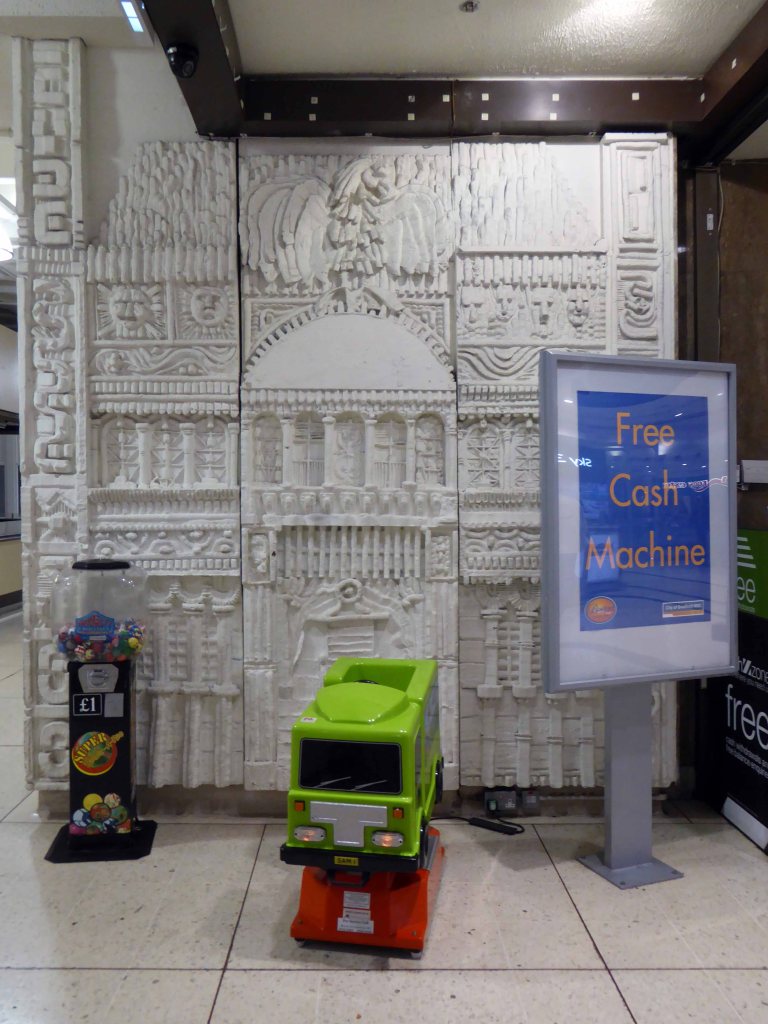
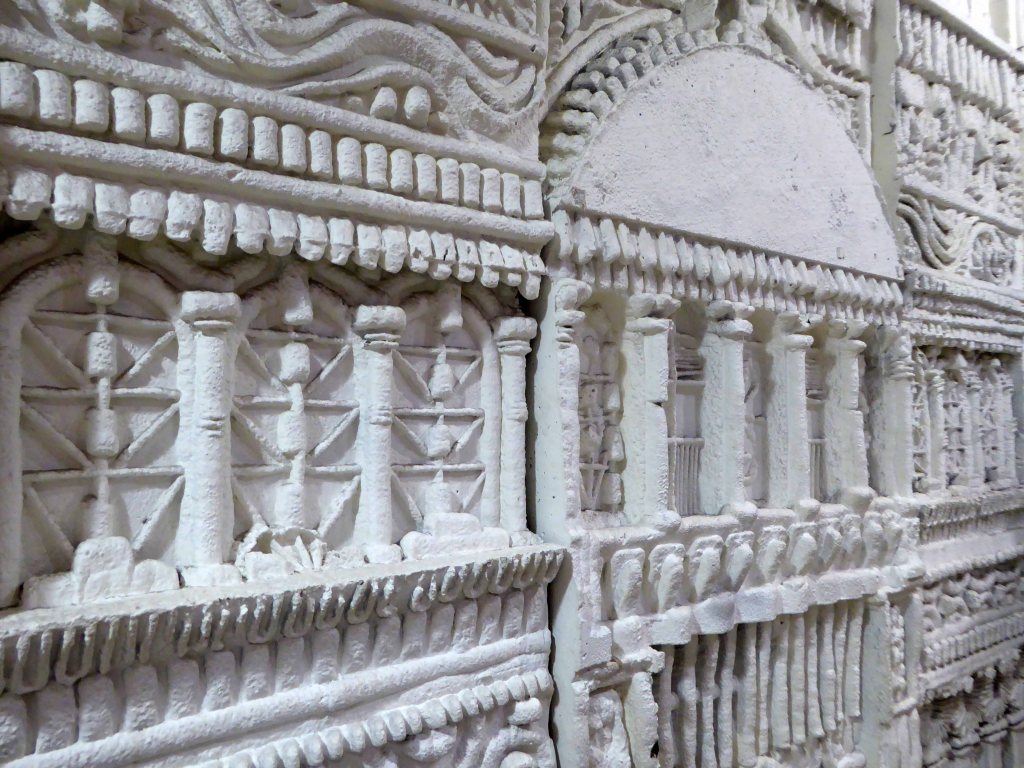
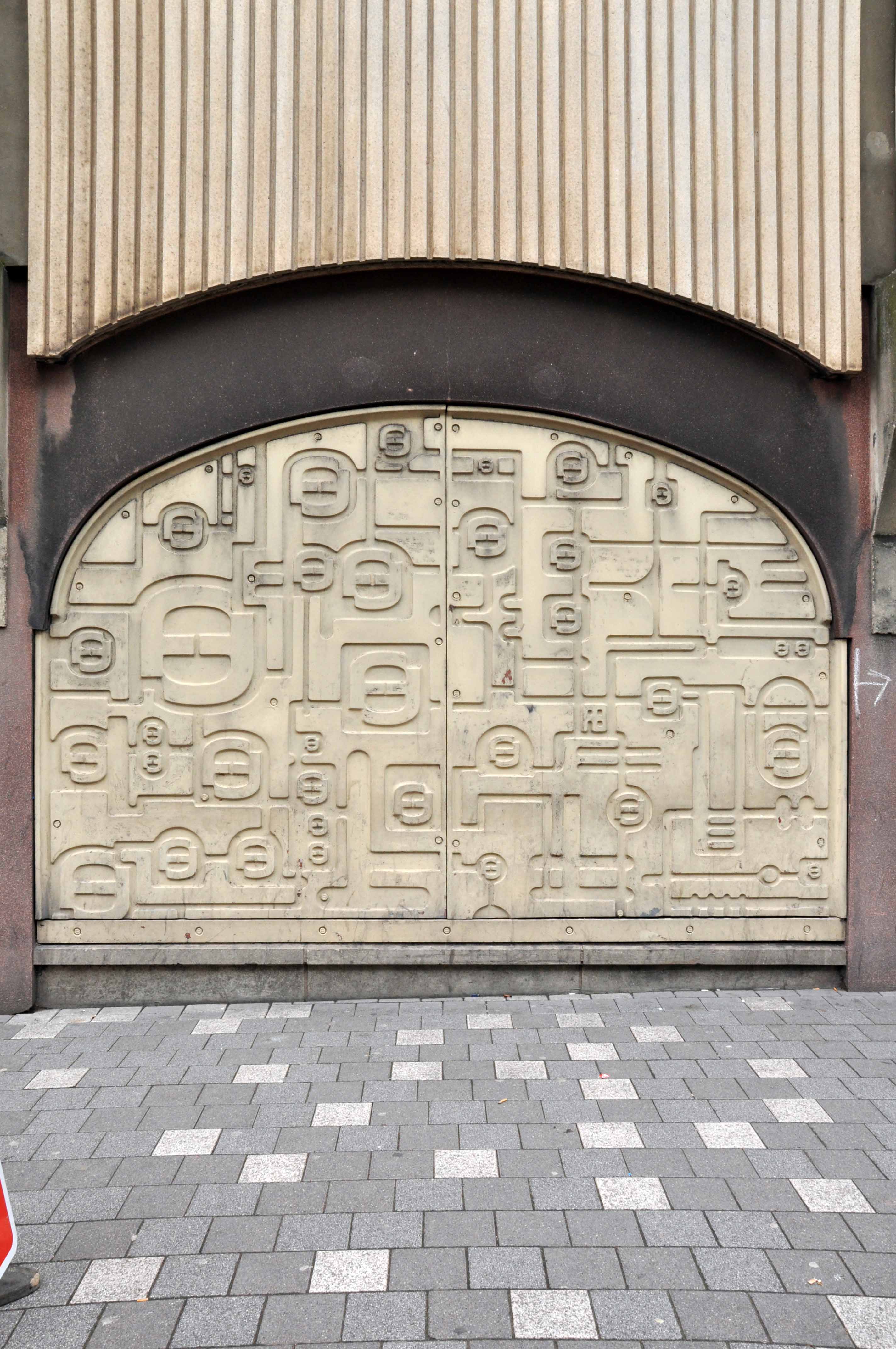
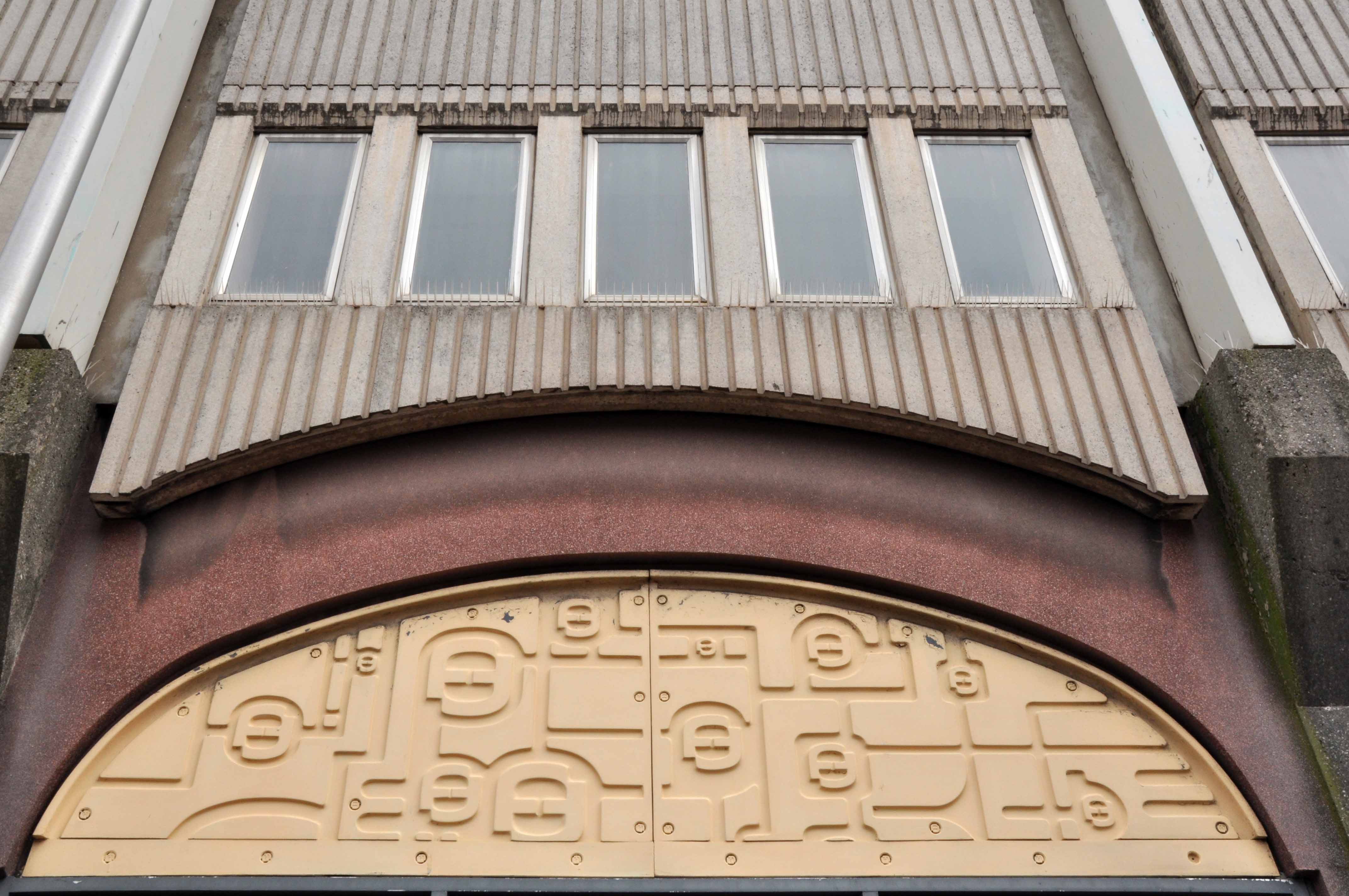
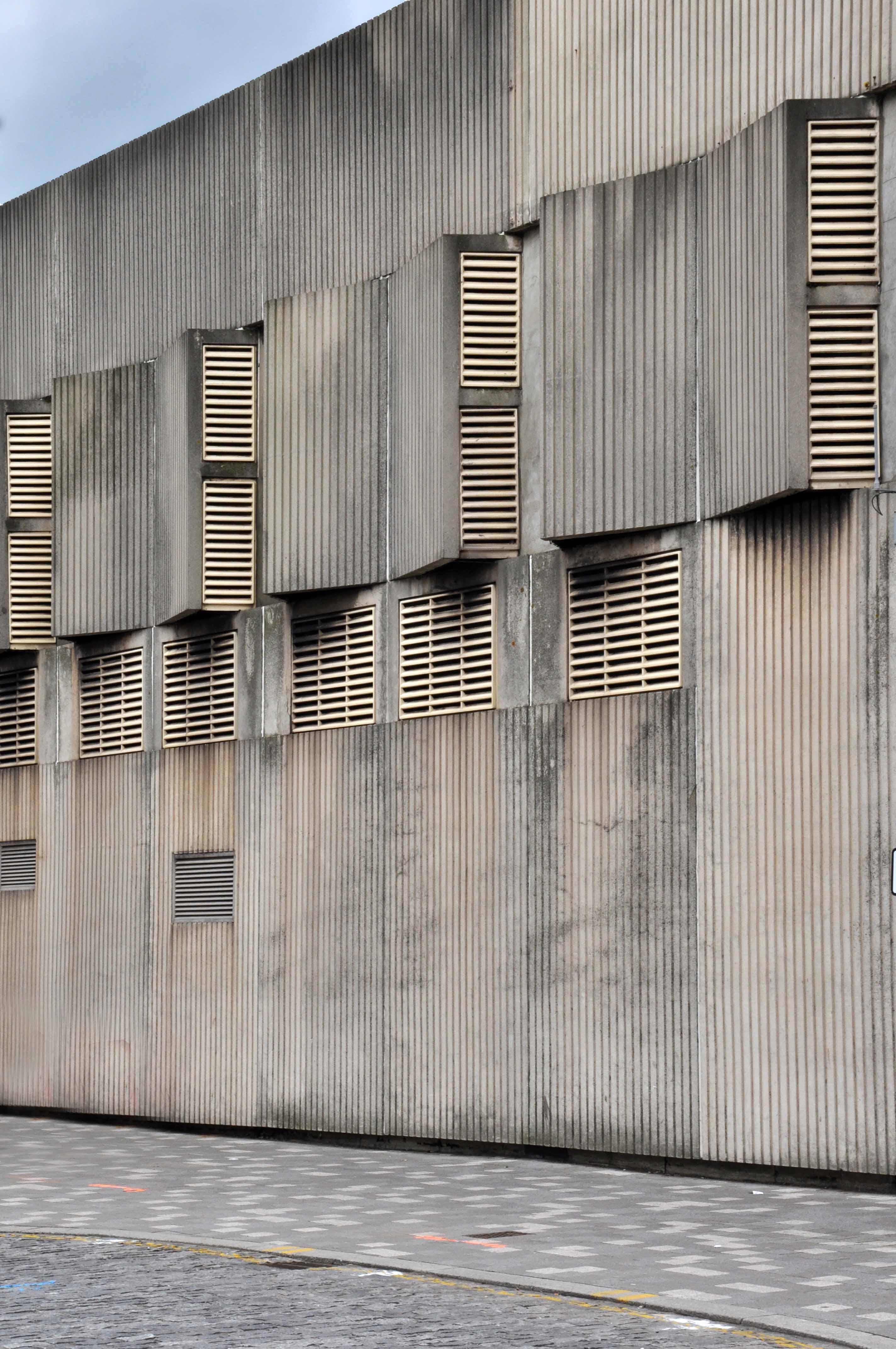
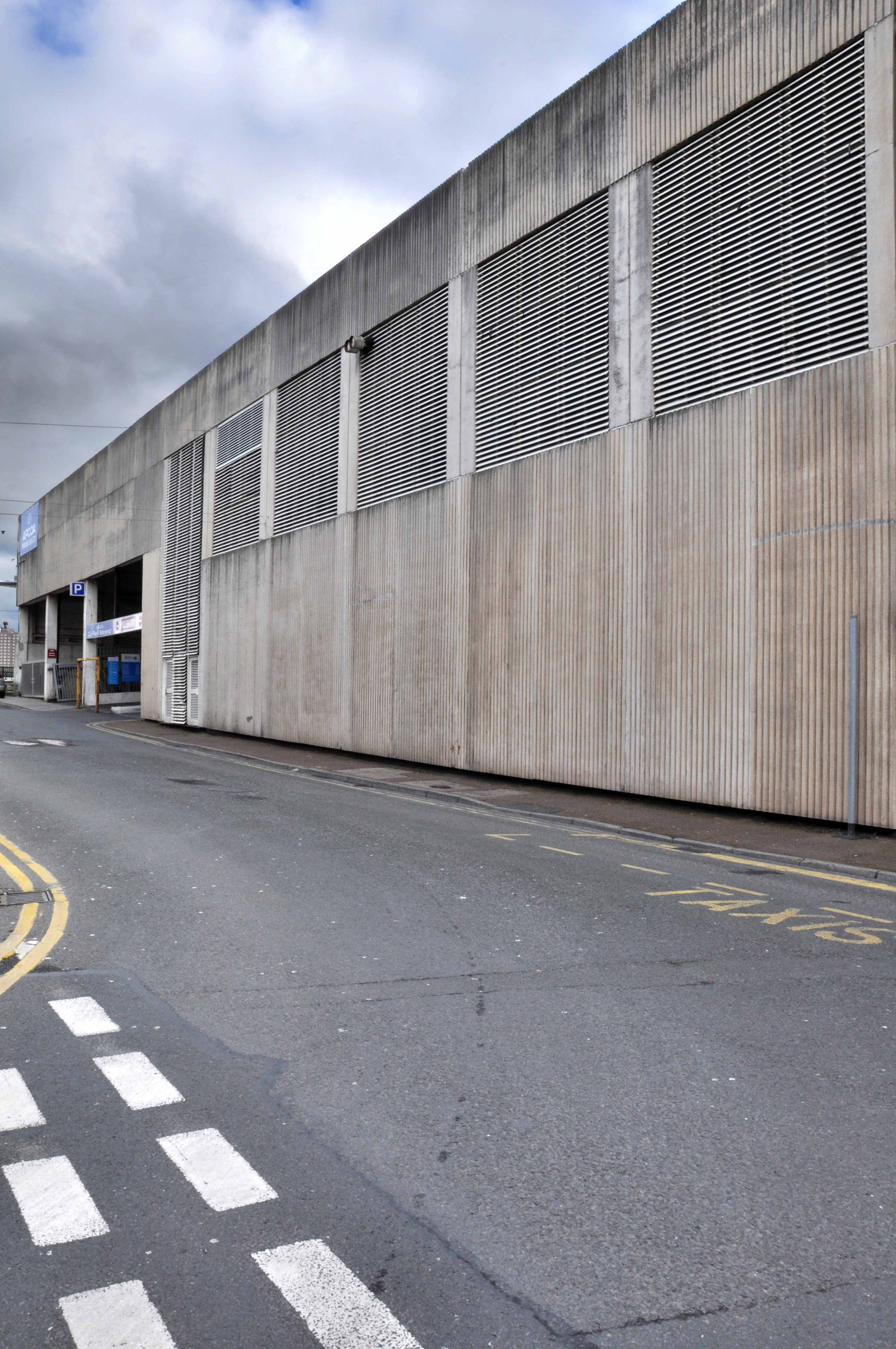
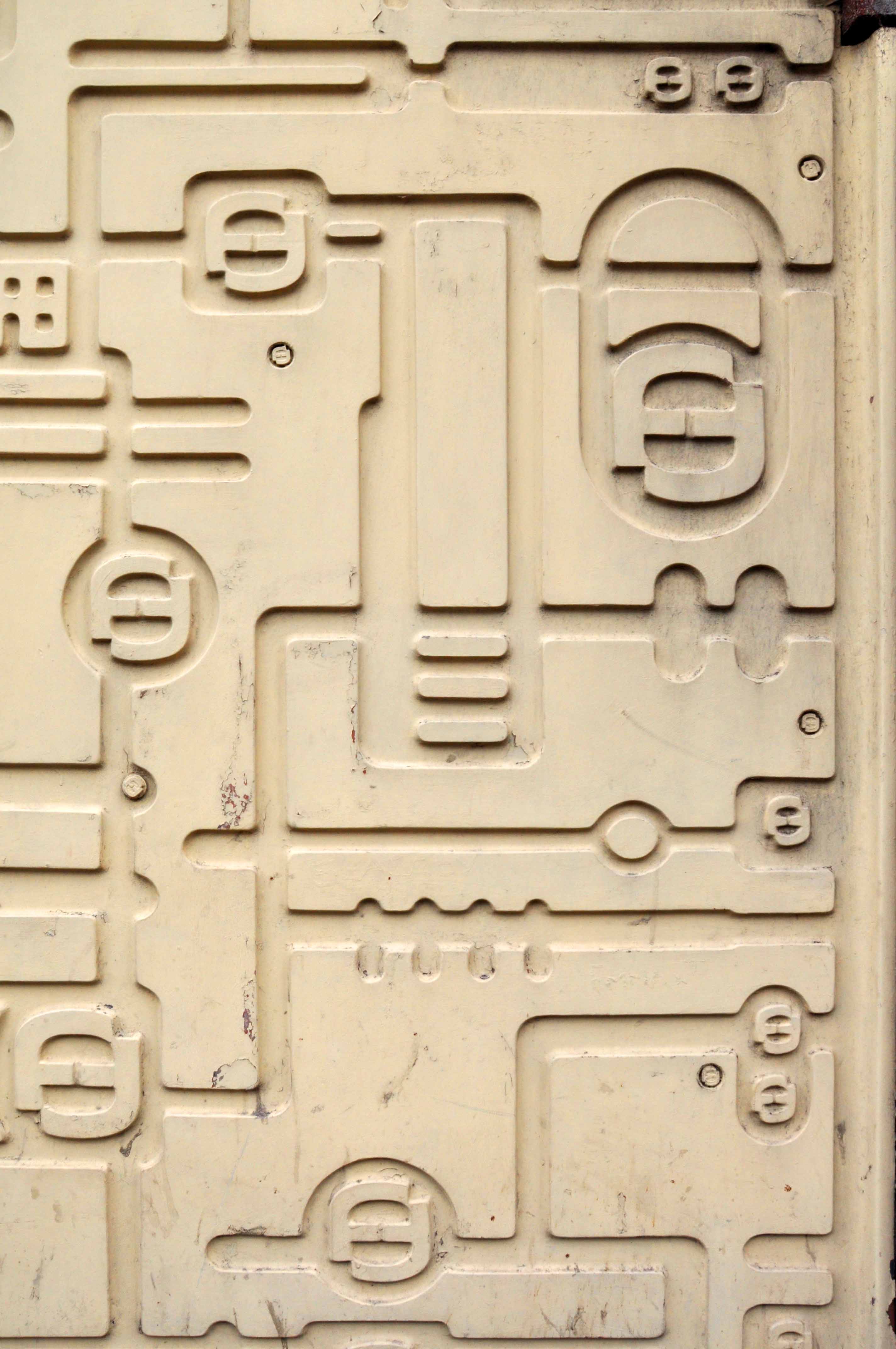
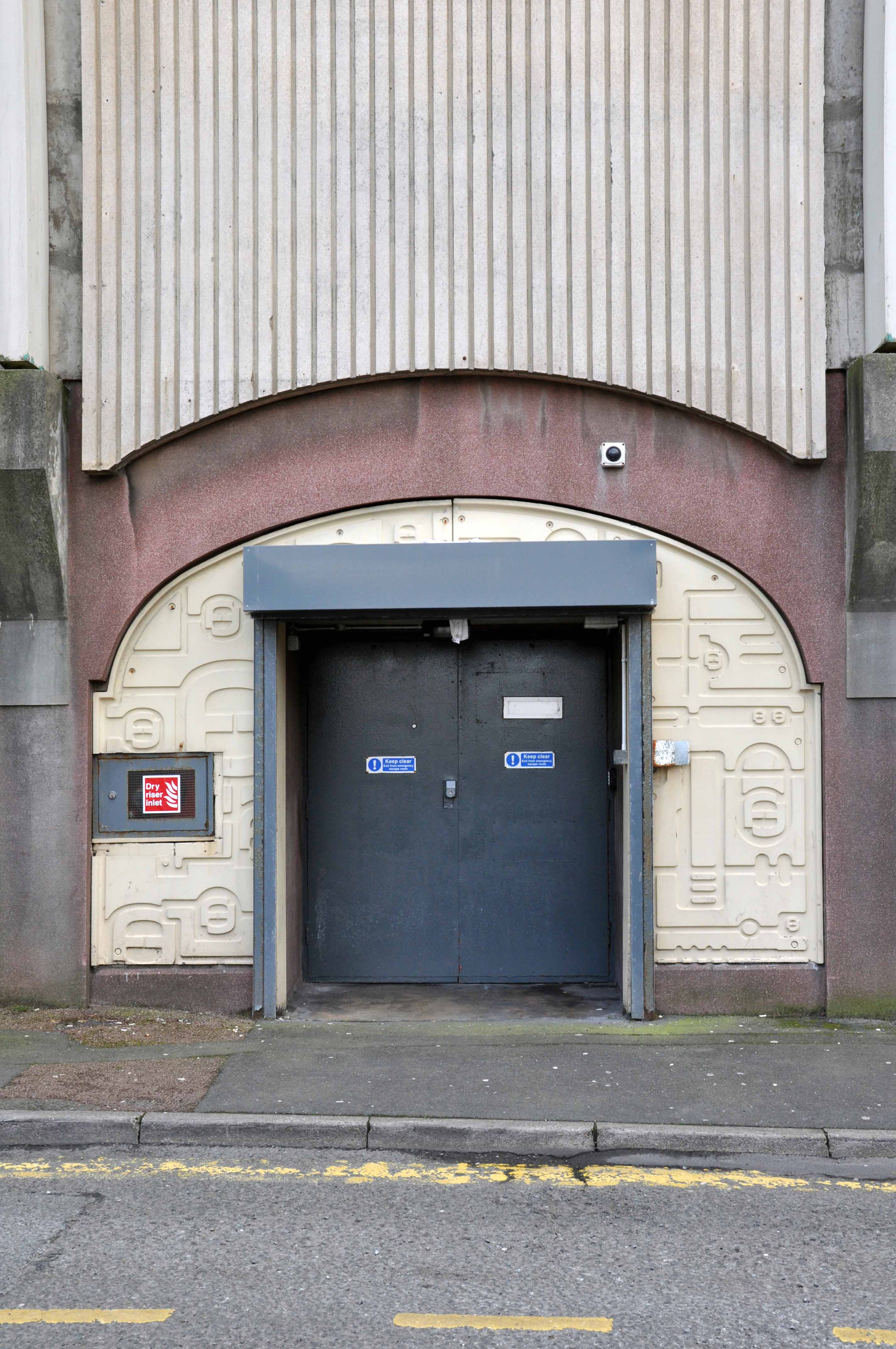
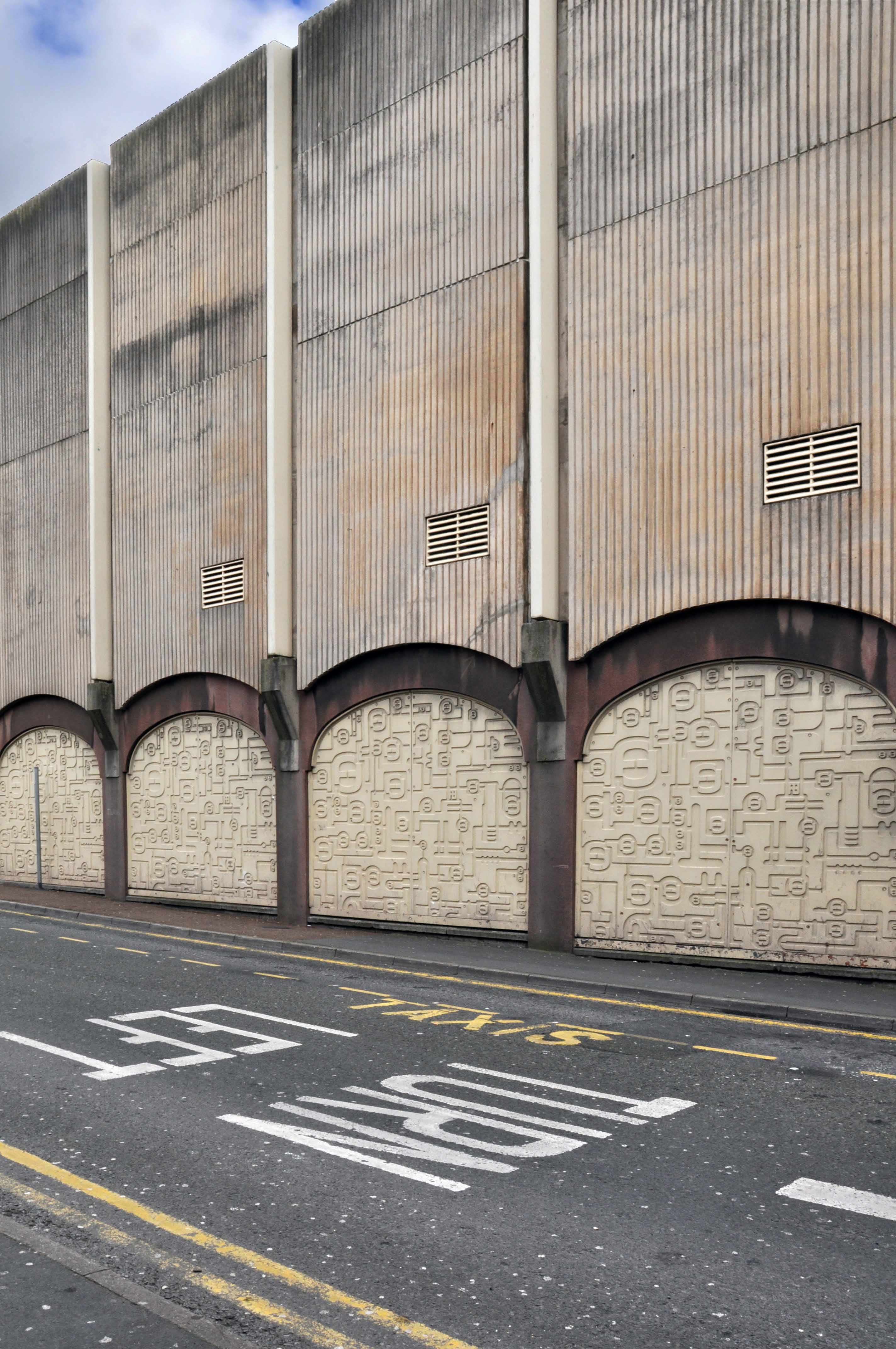
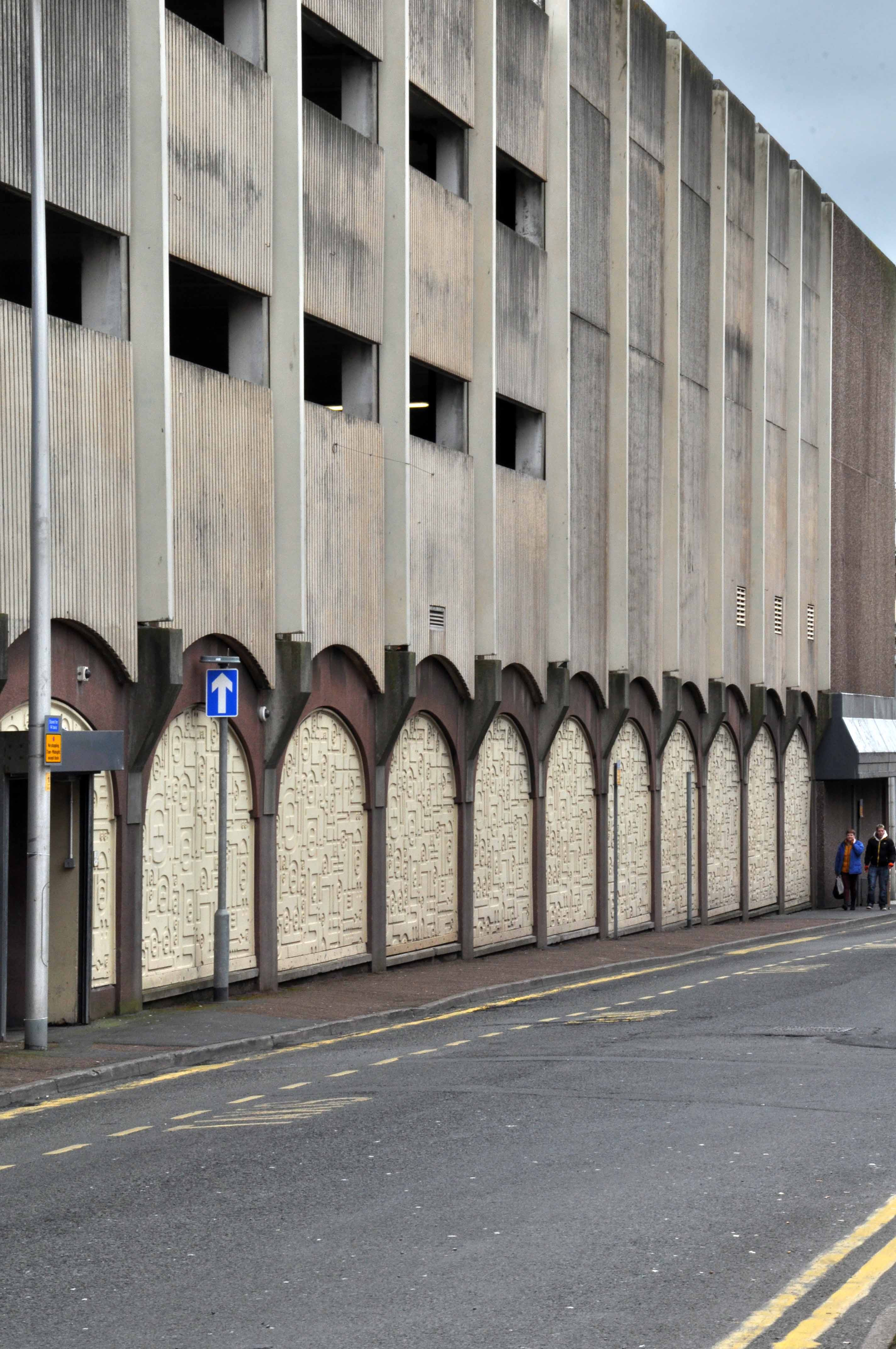
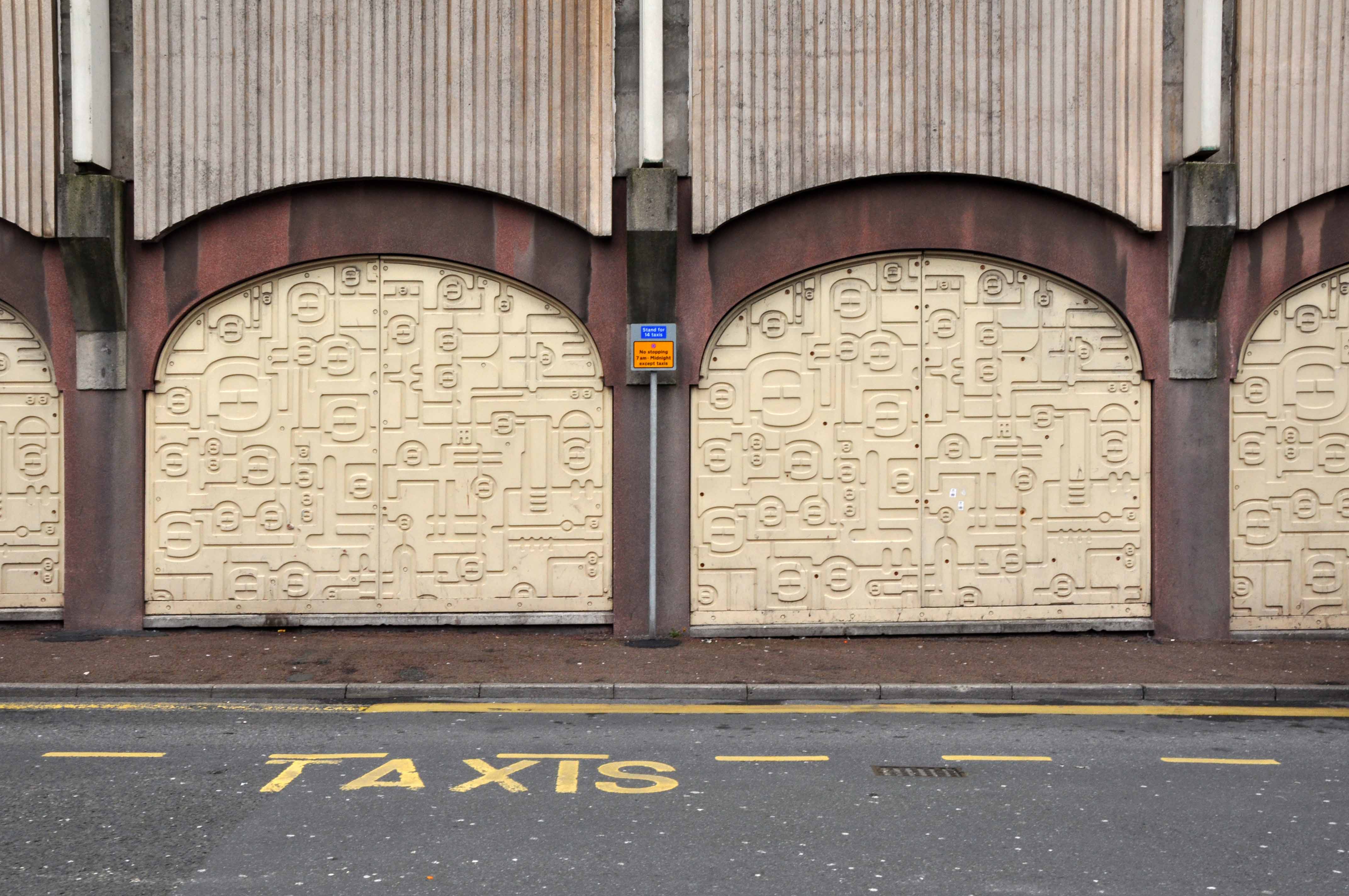
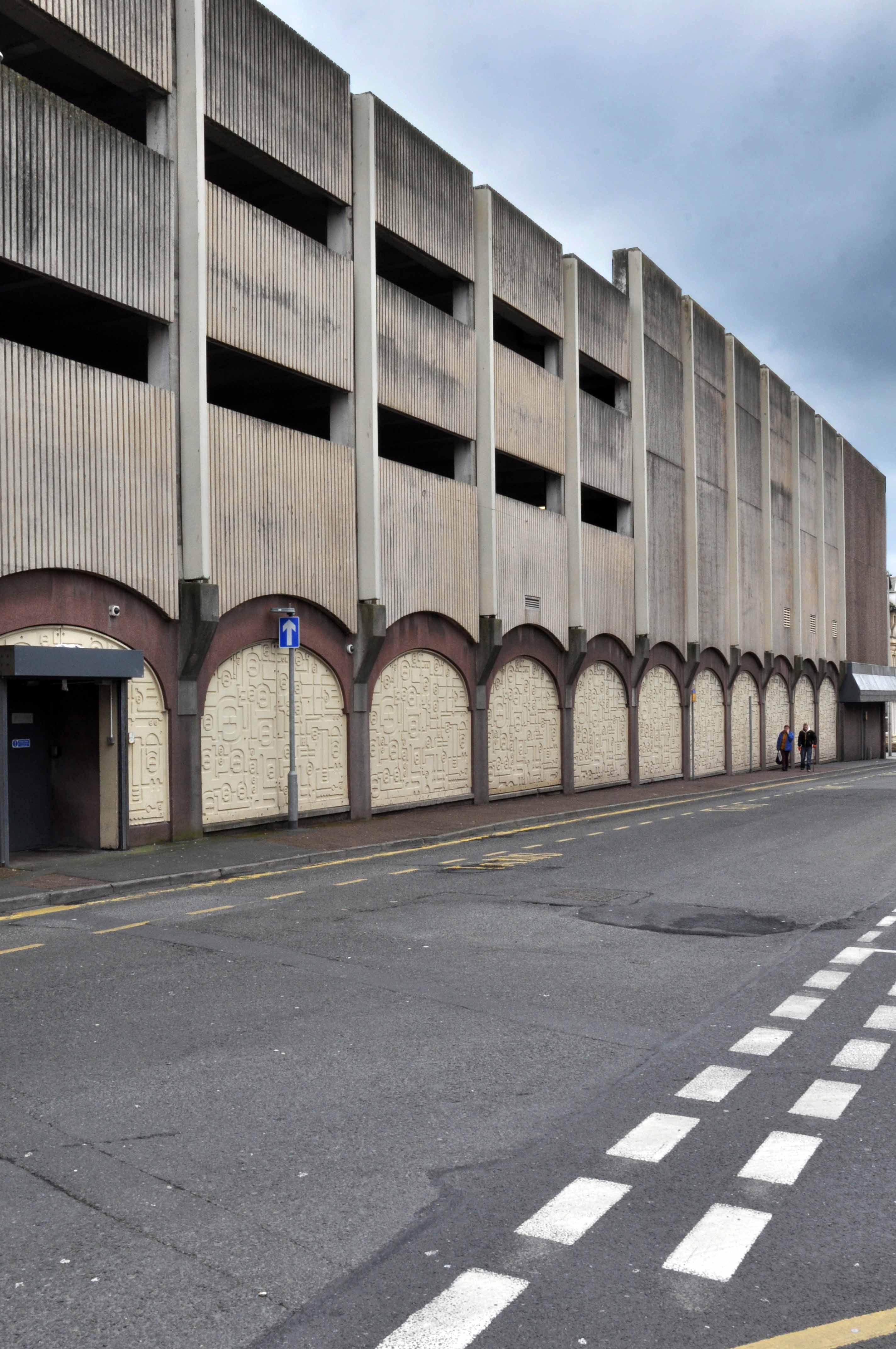
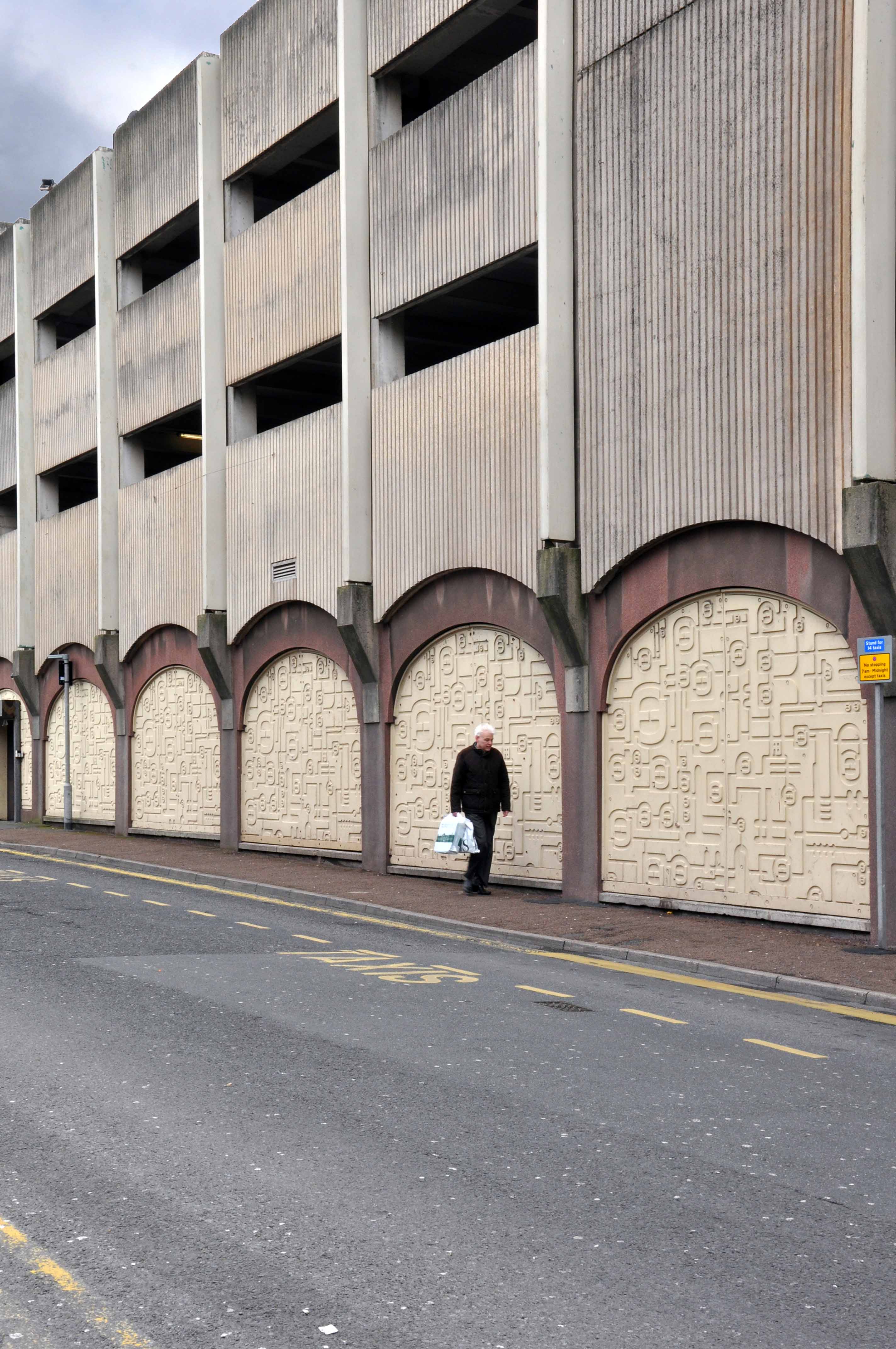
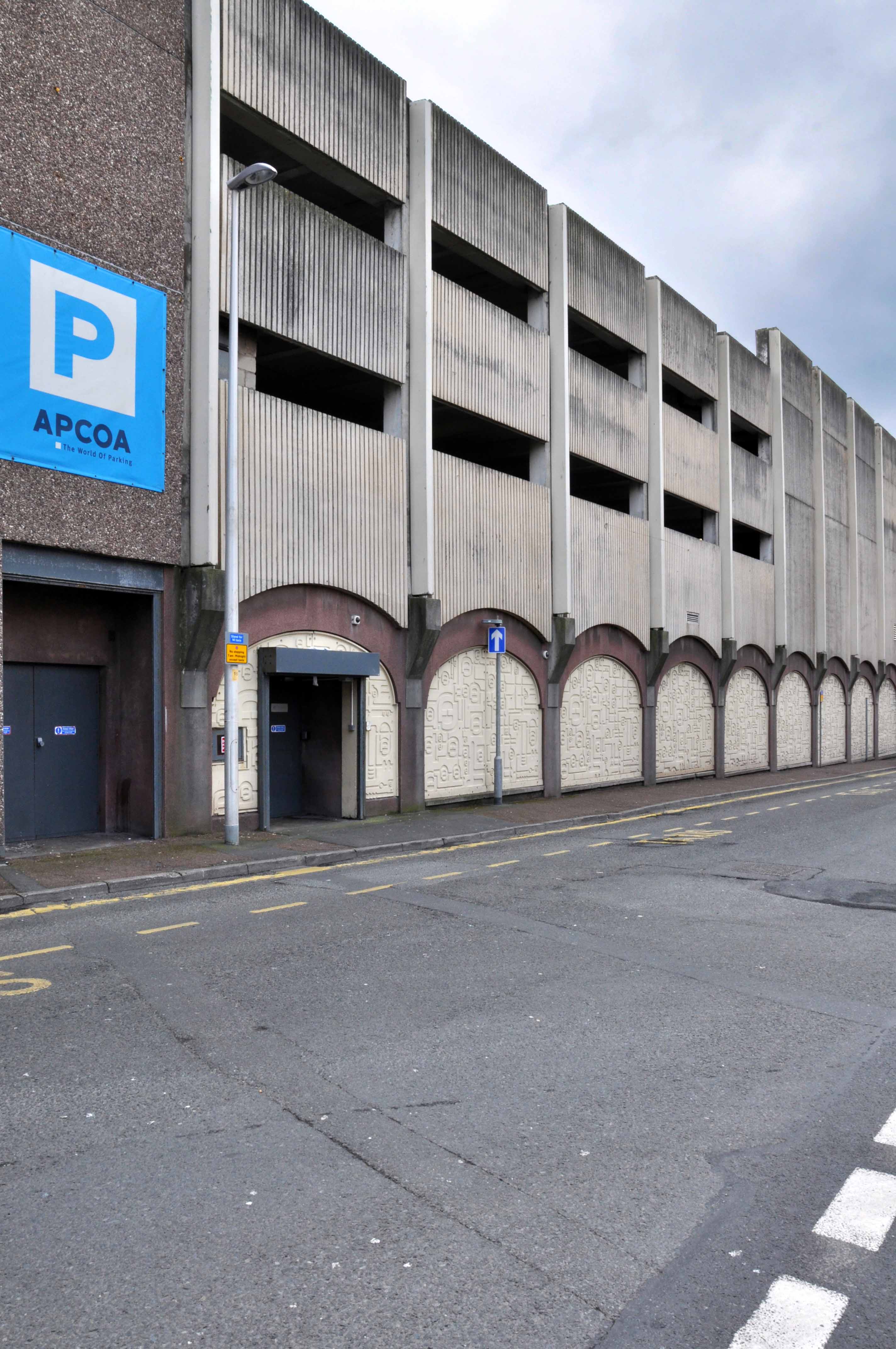
Subsequently Fine Fare arrives with a fanfare of moulded plastic panels, and cast concrete walls.

fine fare

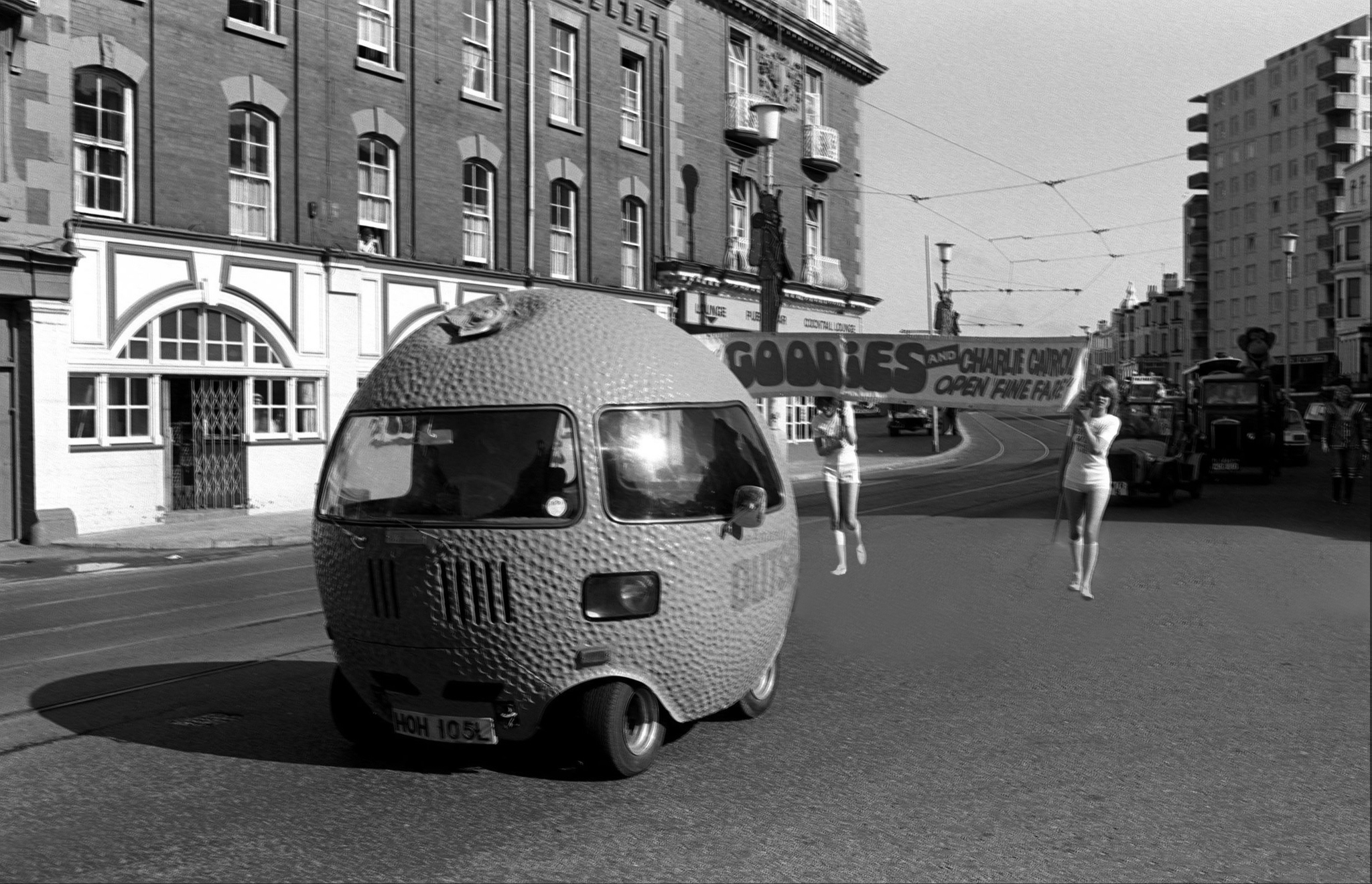
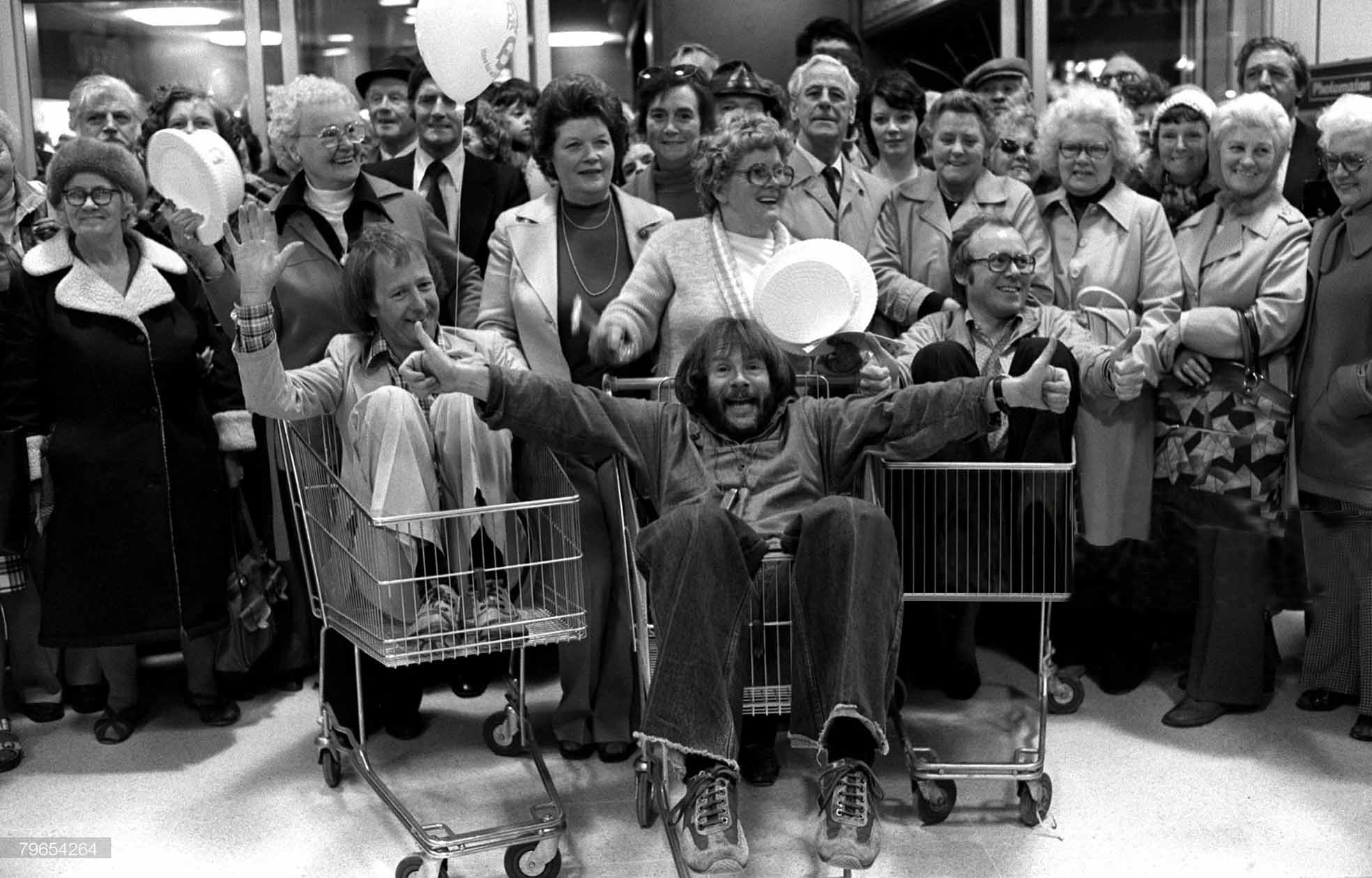
Opened on May 22nd 1979 by the Goodies.

gettyimages-79654262-2048x2048-1

22-7-79

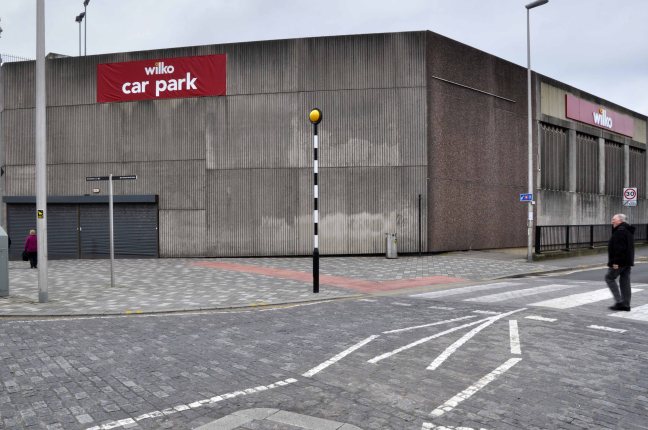
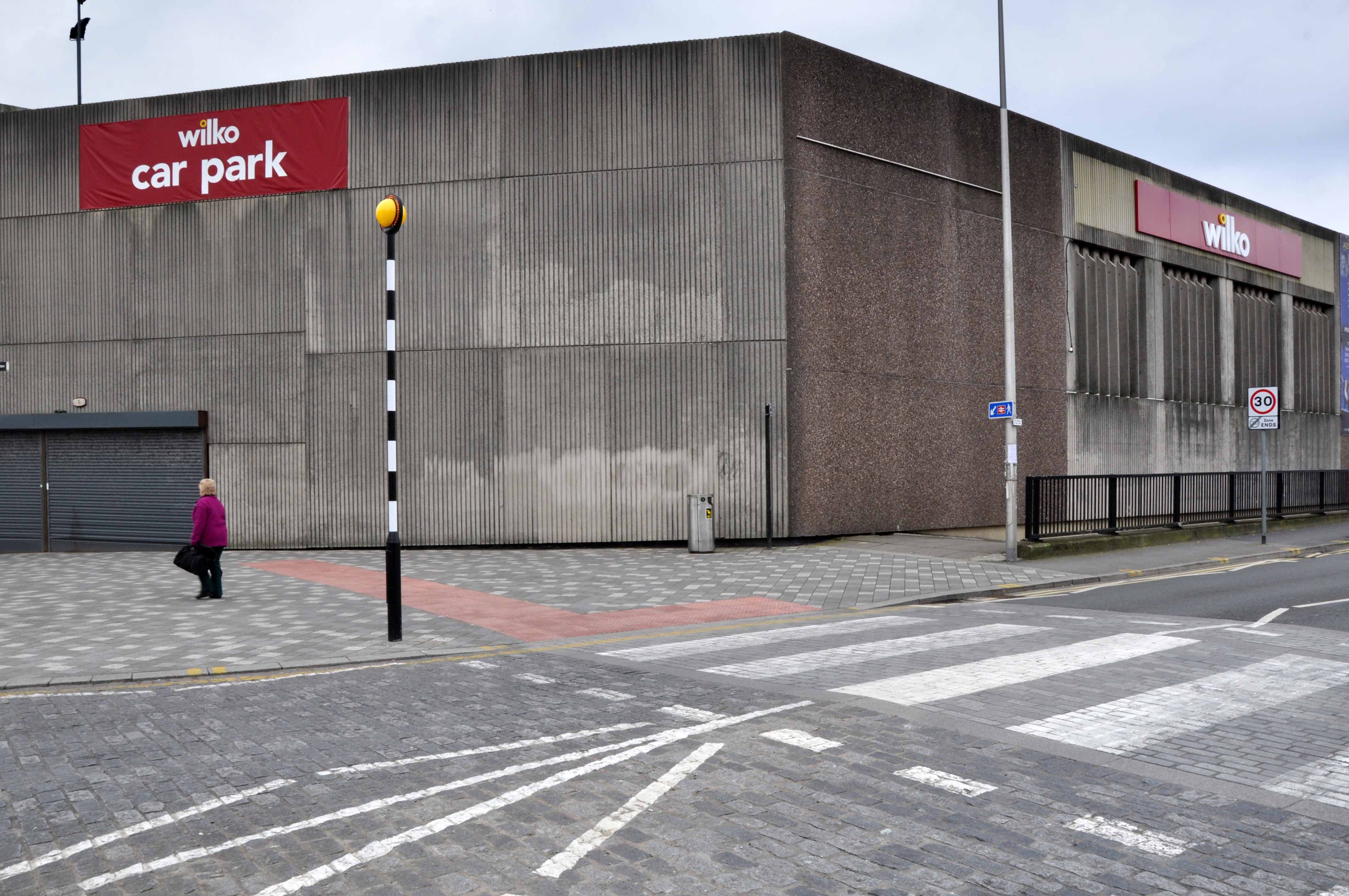
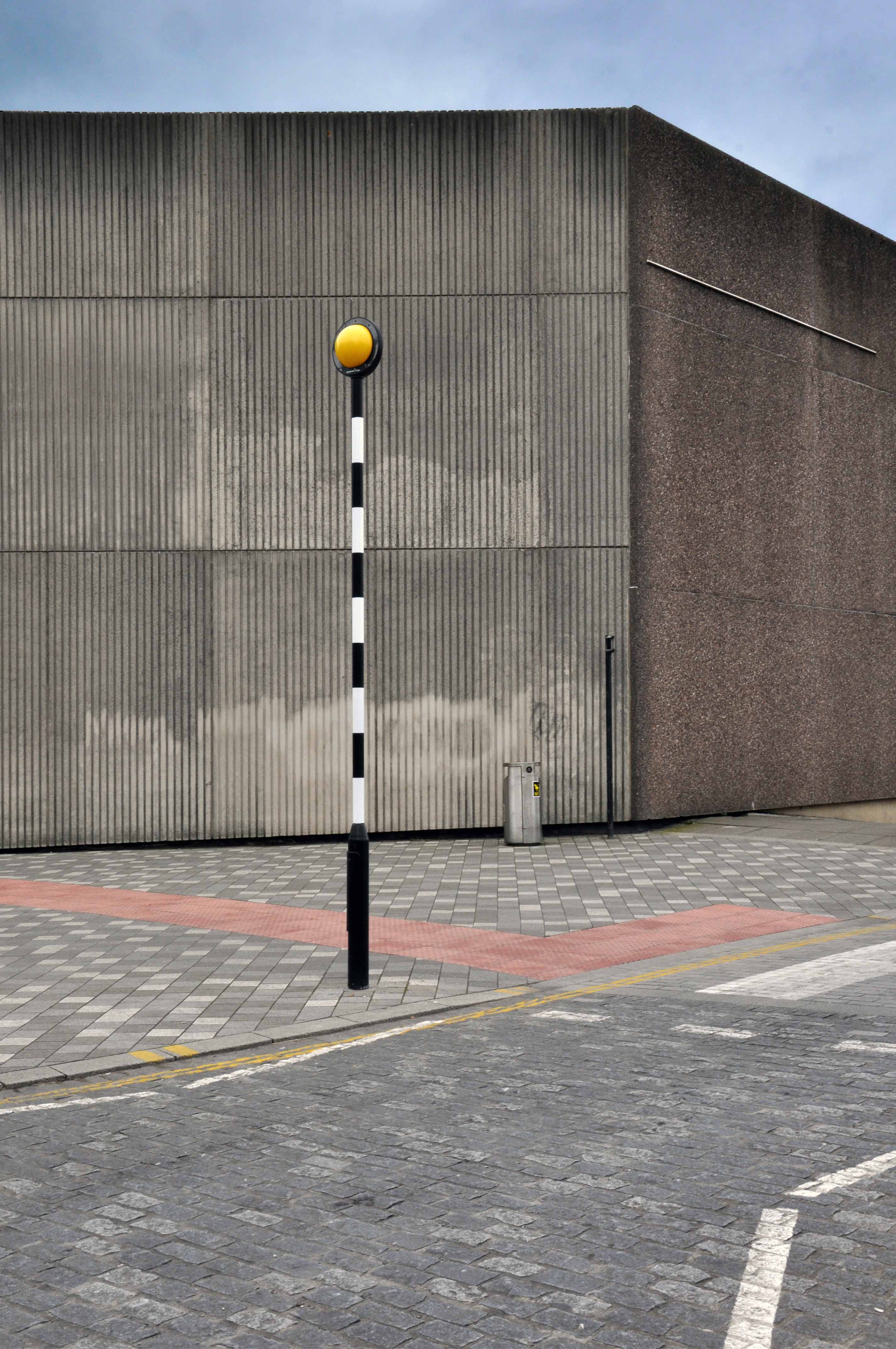
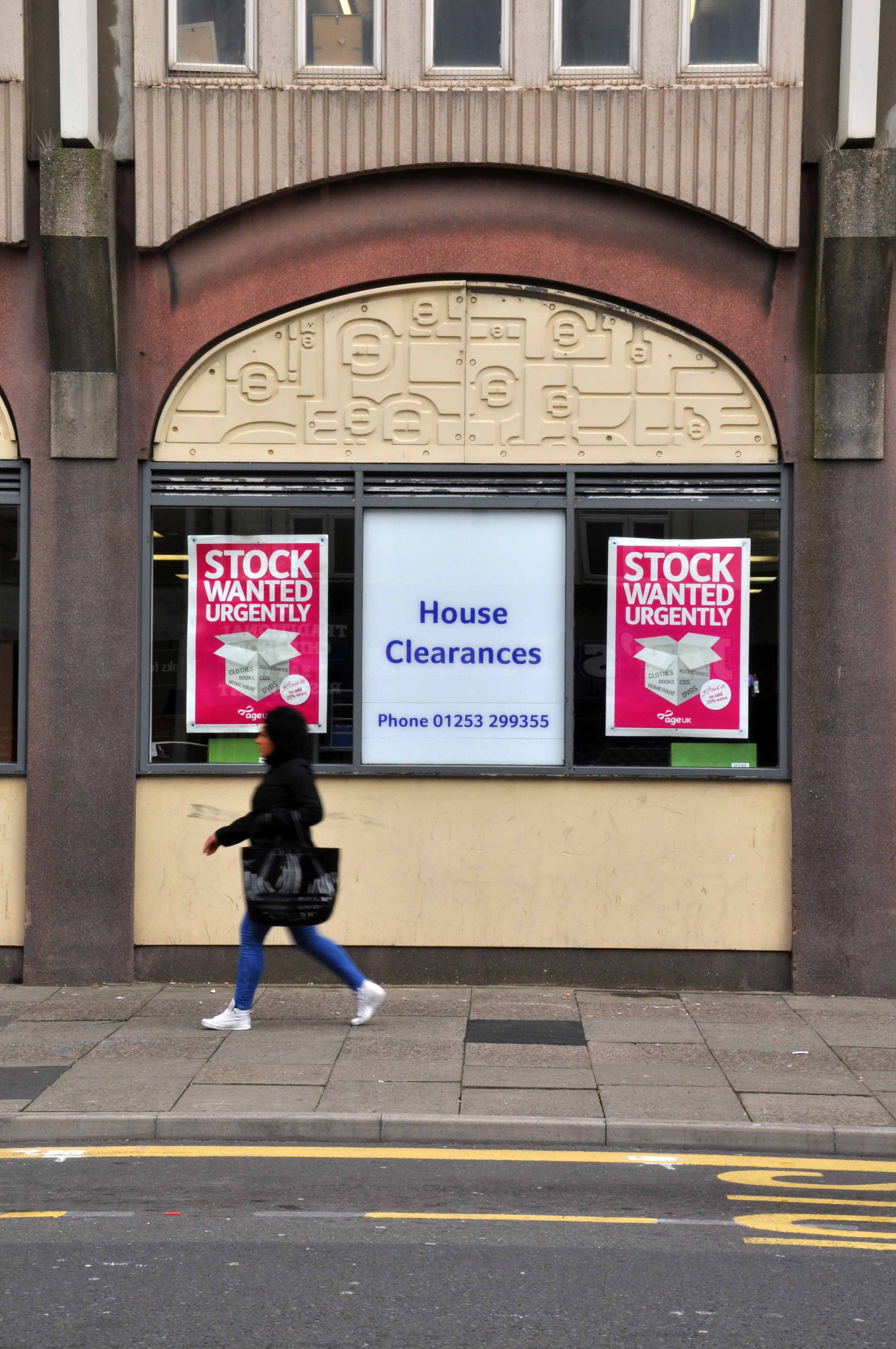
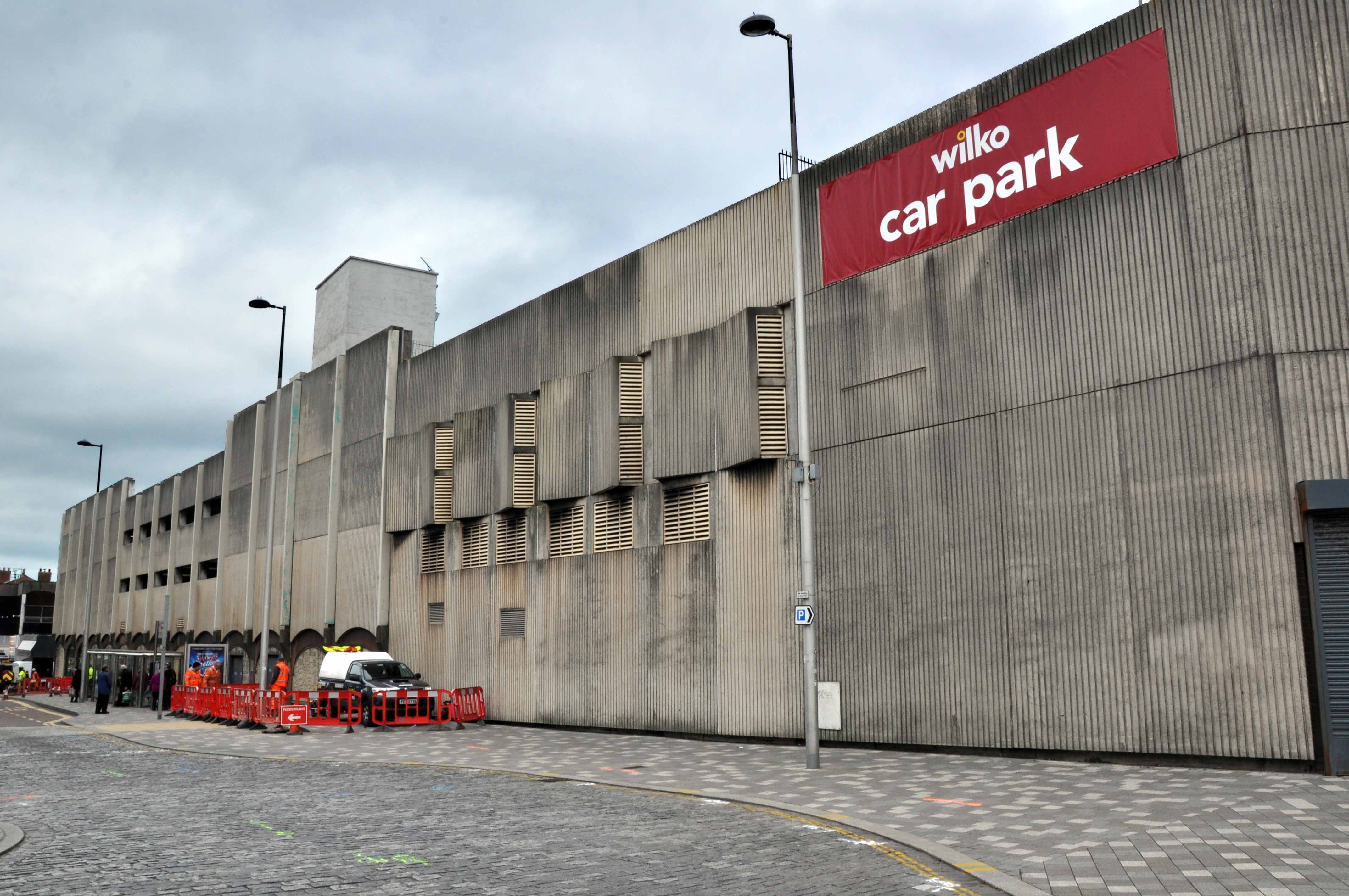
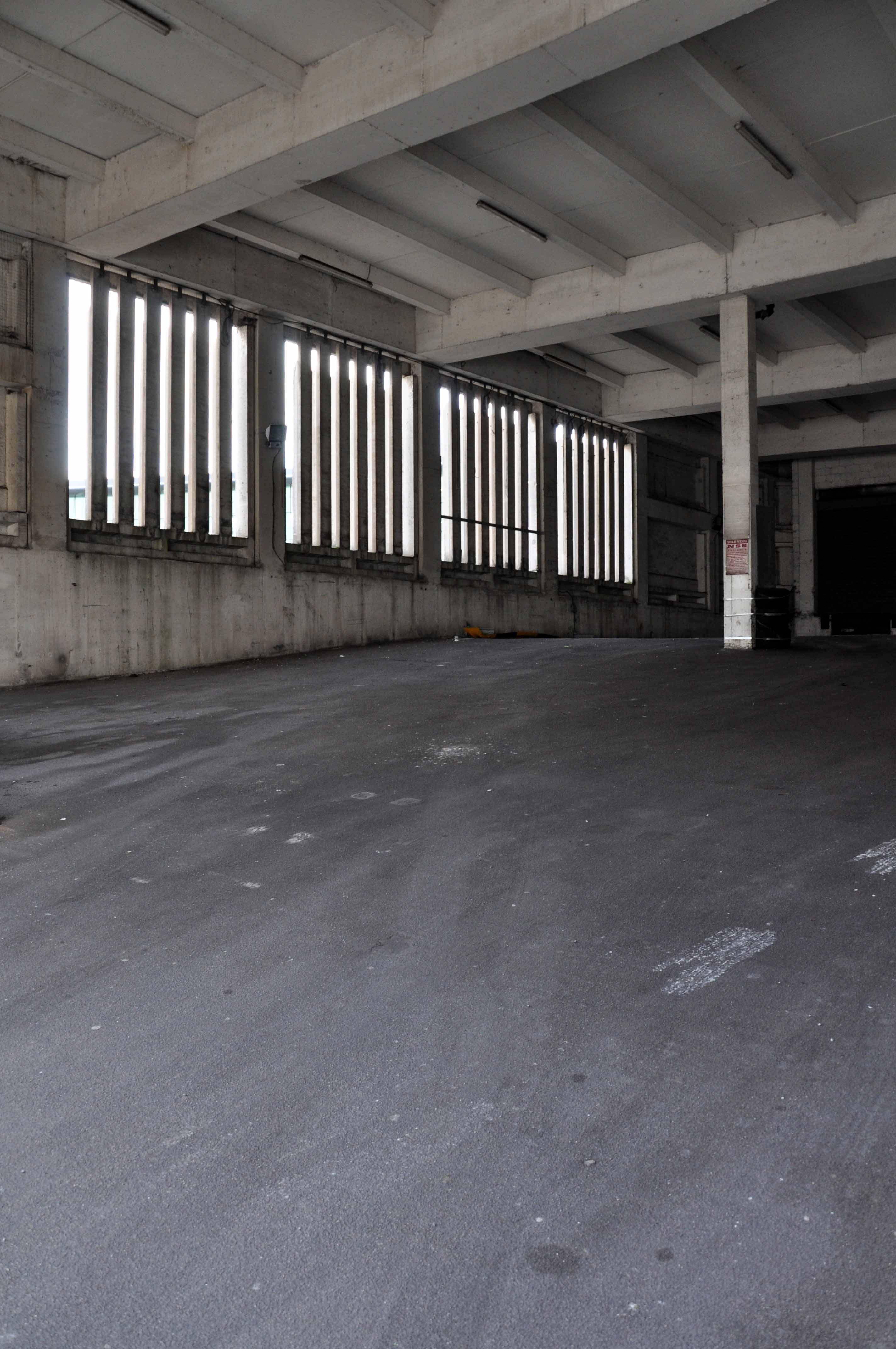
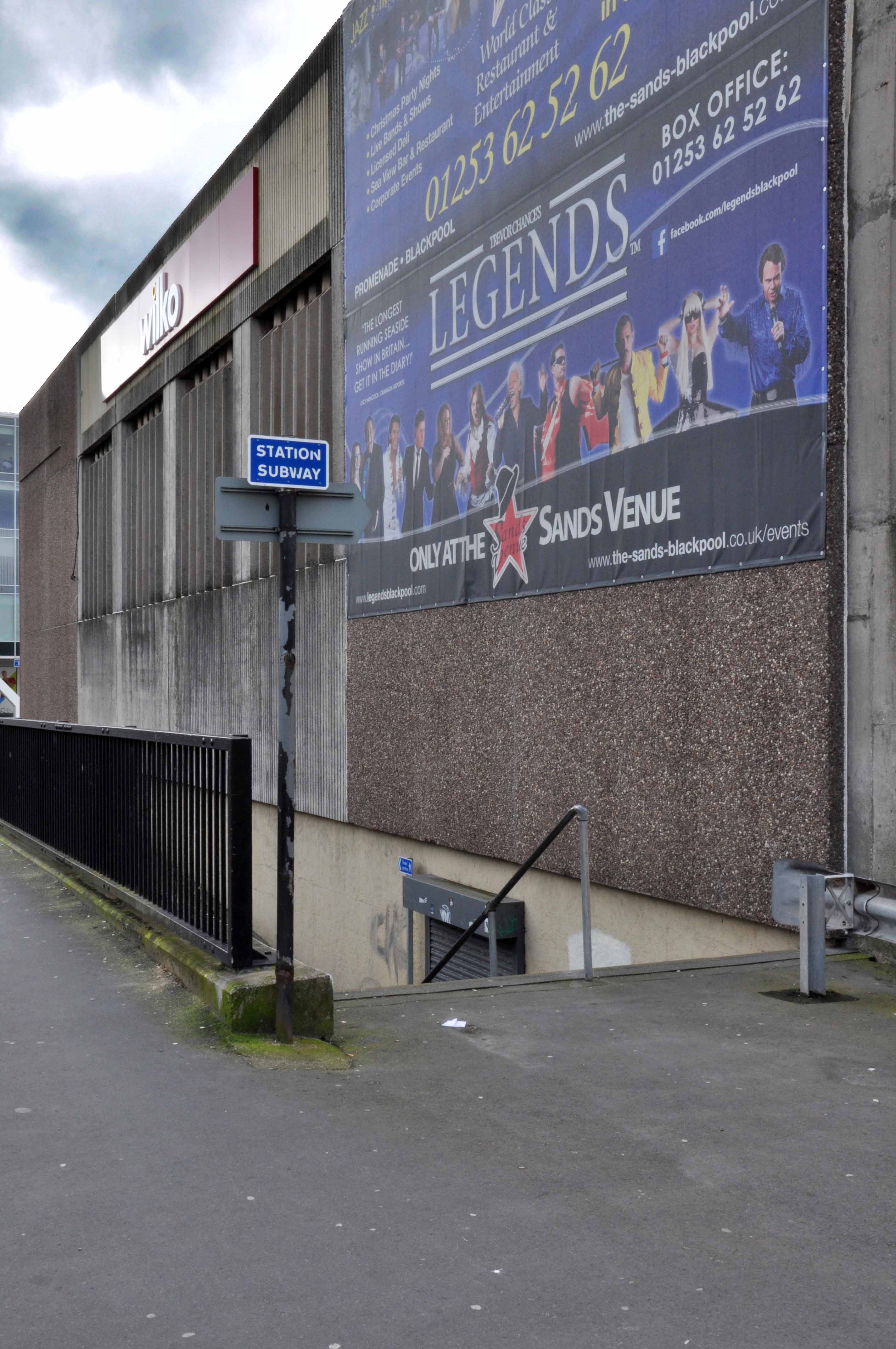
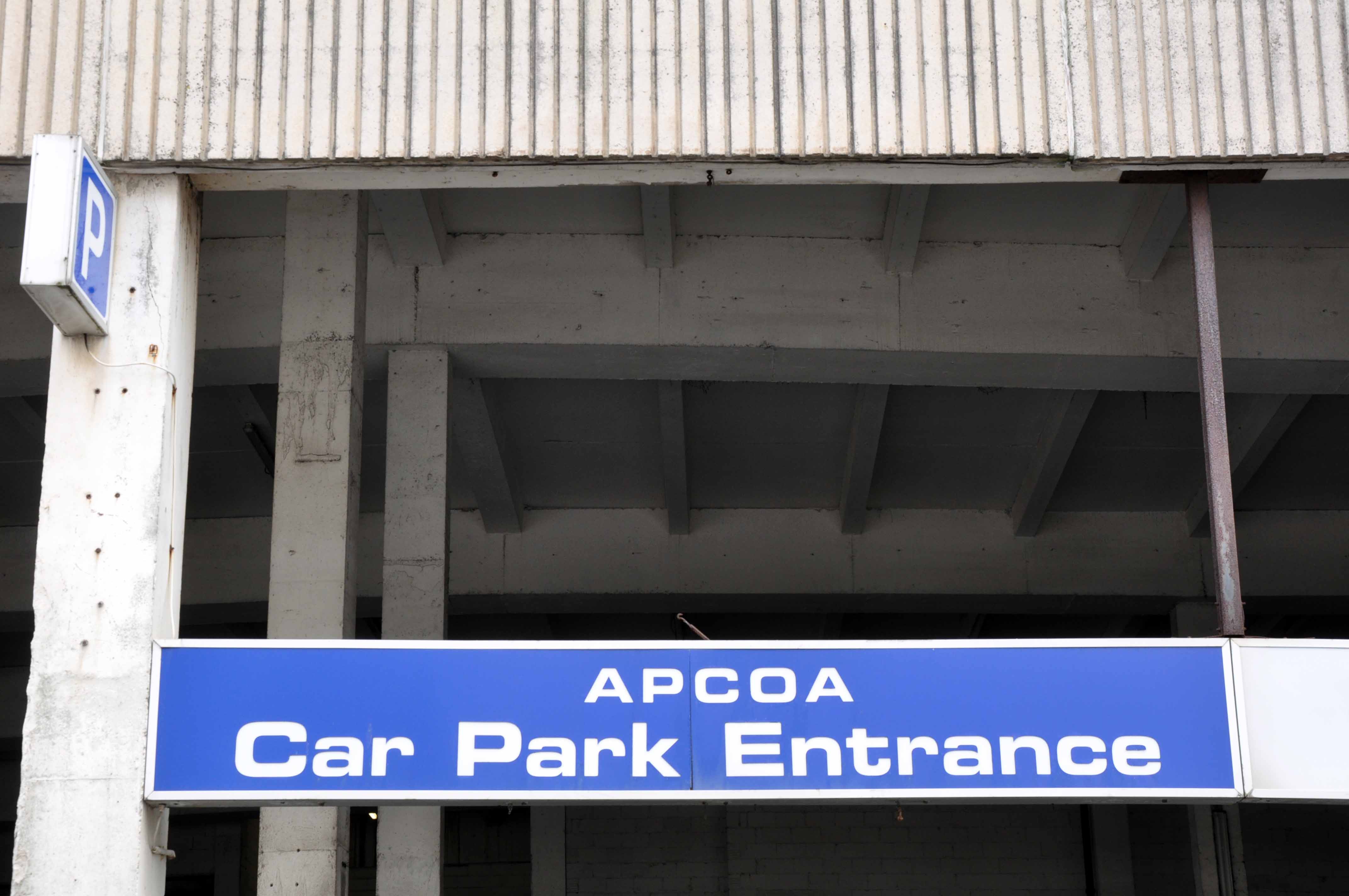
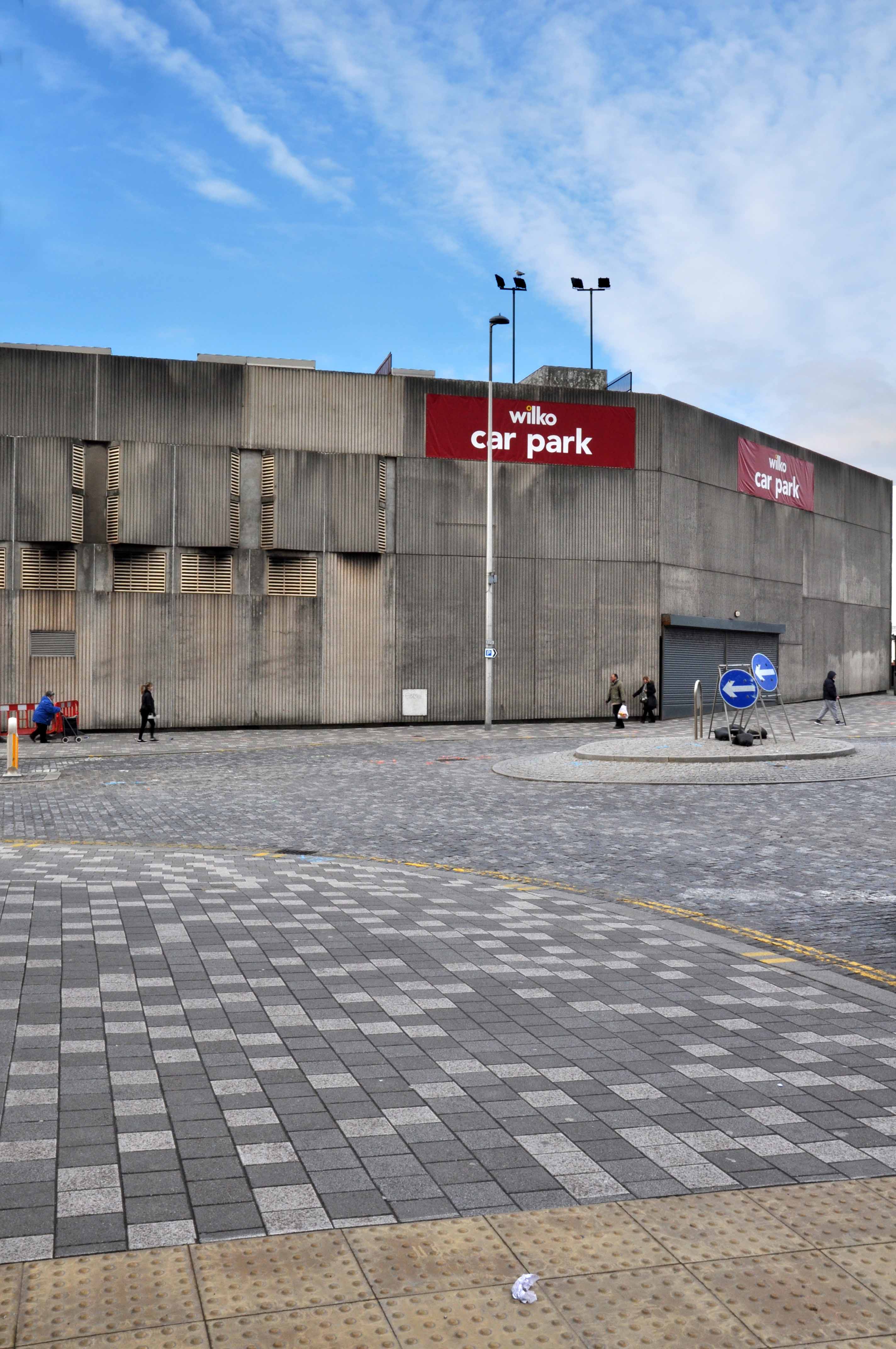
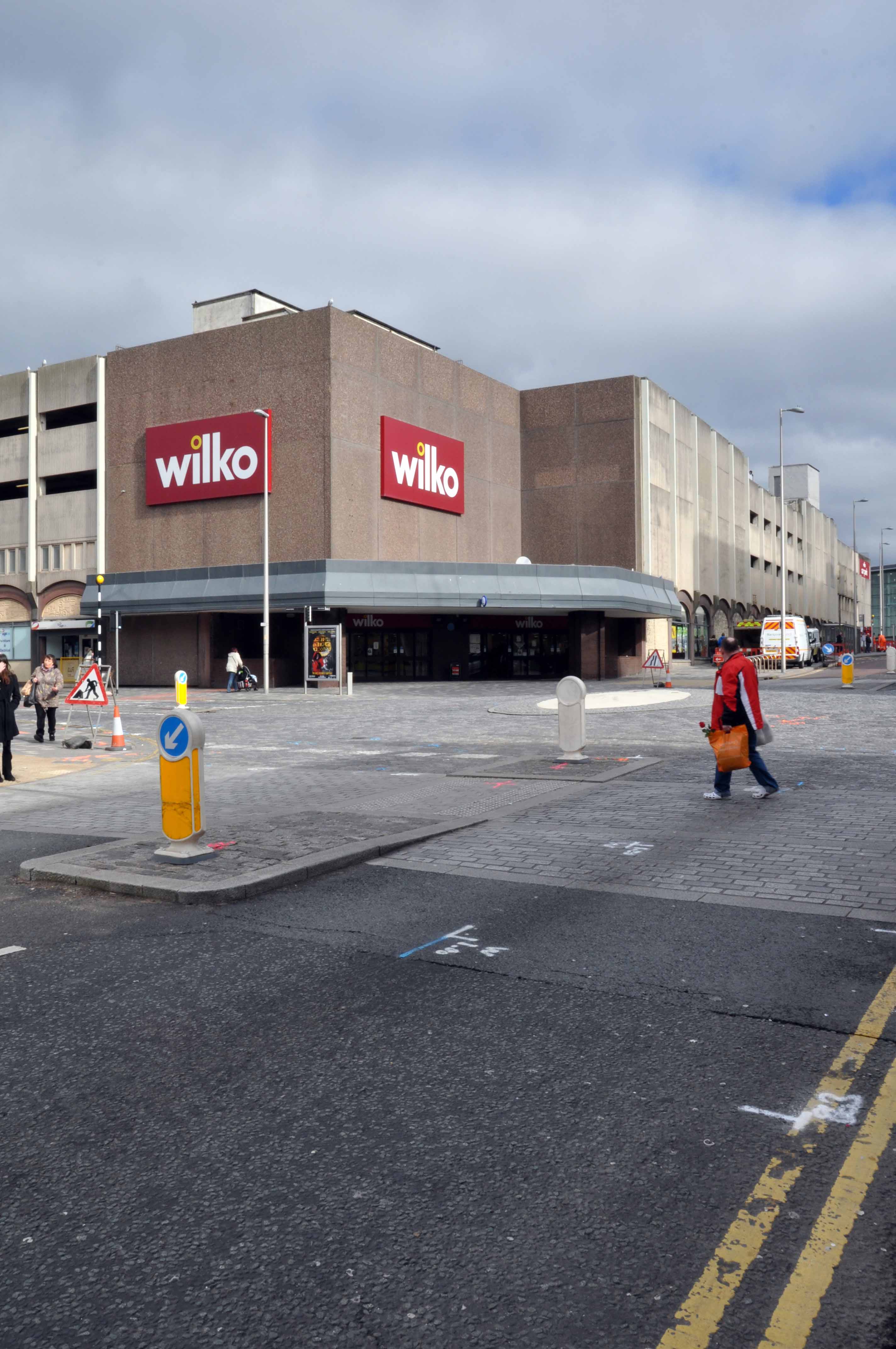
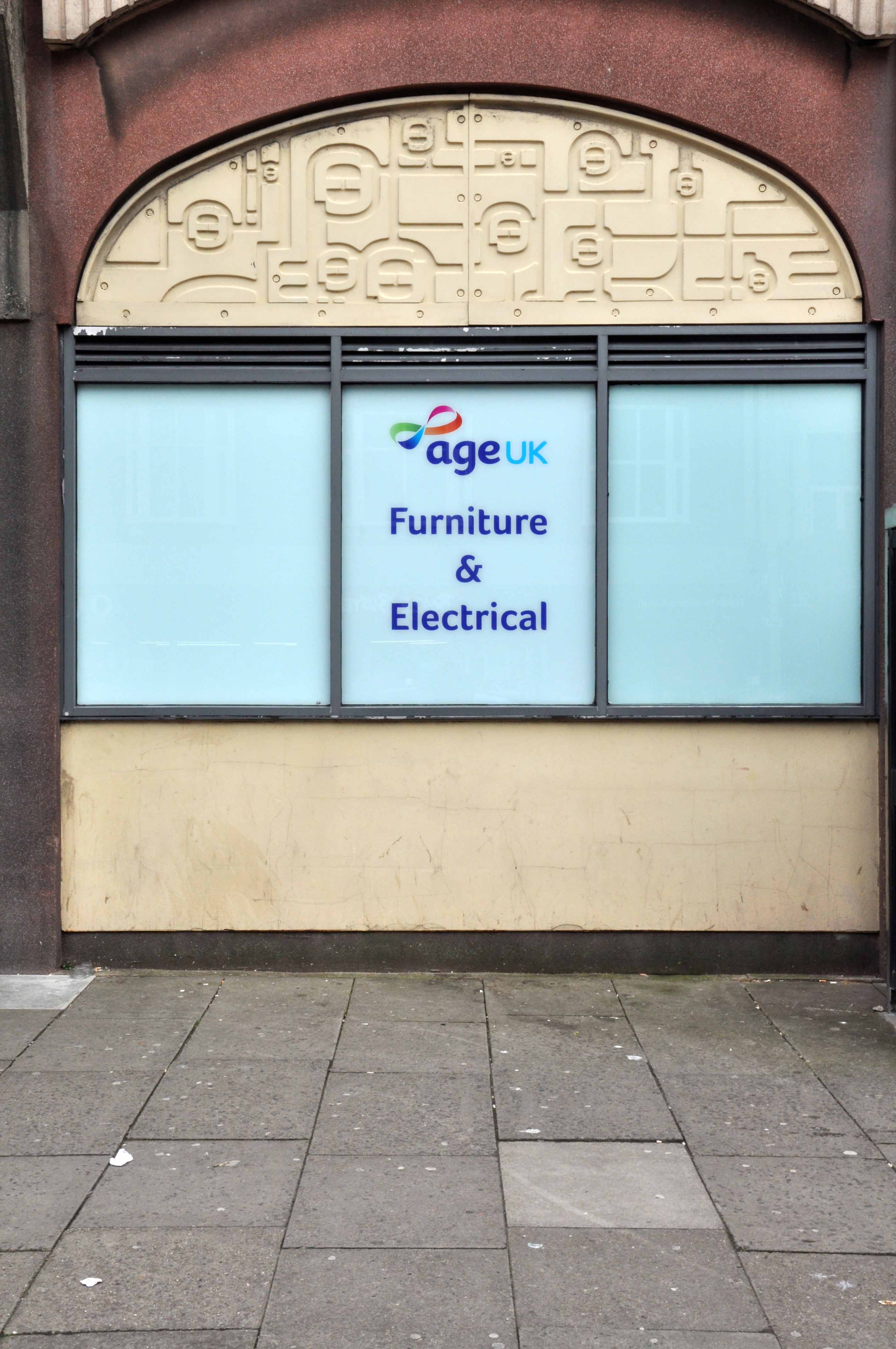
Superseded by Food Giant, Gateway, Dunnes Stores, Kwik Save and Somerfields – possibly others, currently Wilkinson’s Wilko Superstore and Age UK, retaining at all times the attractive integral car park.

Wilko is now to be relocated and the site redeveloped as part of the second phase of the £220m Talbot Gateway – whereby trams will link the promenade with the Station.

Possibly.

The tale is the typical mix of Council, Developer on/off, binary obfuscation, secrecy, smoke and mirrors.

Councillor Fred Jackson says:

“We are in talks with our development partner Muse but there is a confidentiality agreement so there is very little I can say.”

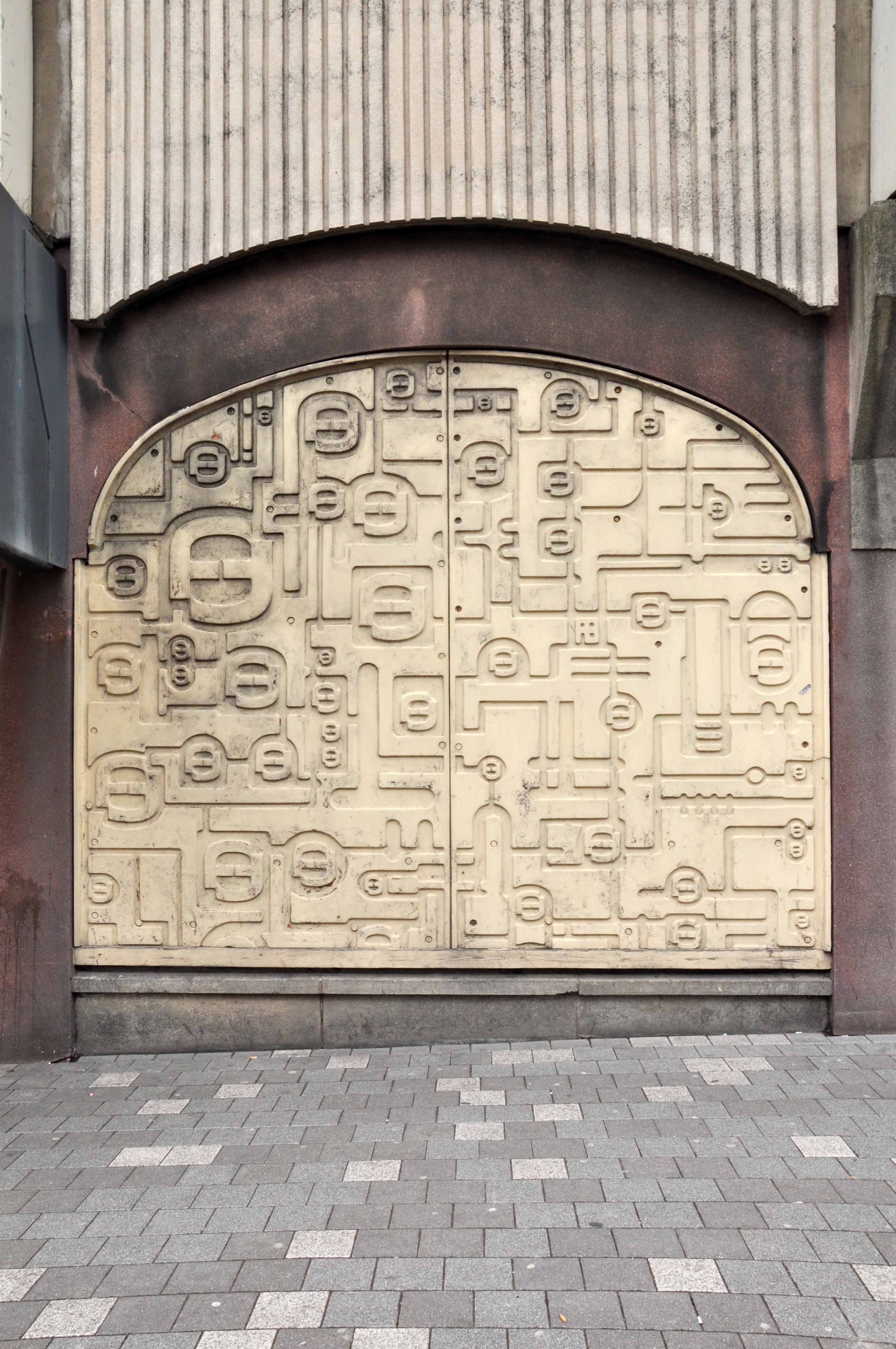
Whatever the outcome I do hope the panels are saved, having notified Historic England several weeks ago, I eagerly await their hurried and considered response…

In the meantime get y’self on the choo-choo to Blackpool North toot sweet, and have a gander at a fine Fine Fare plastic panel or two, before you can’t.

DSC_0003 copy

DSC_0005 copy

DSC_0009 copy

DSC_0015 copy

DSC_0007 copy

DSC_0008 copy

DSC_0014 copy

DSC_0006 copy

DSC_0026 copy

DSC_0023 copy

DSC_0027 copy

DSC_0020 copy

DSC_0022 copy

DSC_0028 copy

DSC_0324 copy

DSC_0035 copy

DSC_0032 copy

DSC_0019 copy

DSC_0021 copy

DSC_0039 copy

DSC_0033 copy

DSC_0017 copy

DSC_0018 copy

DSC_0024 copy