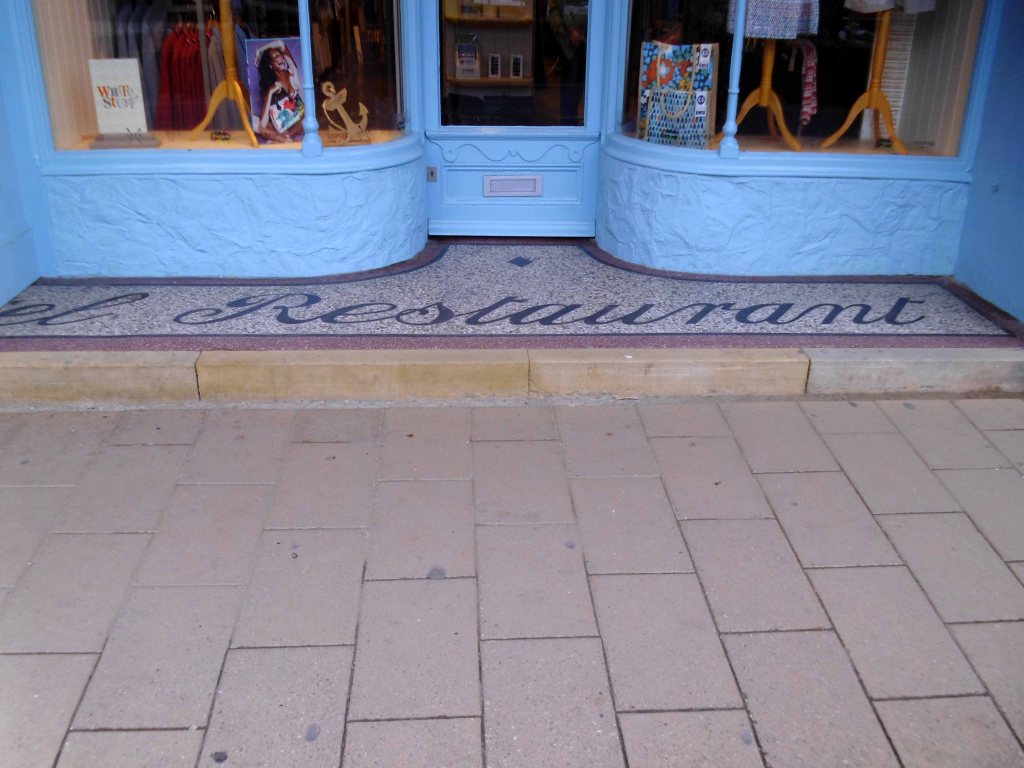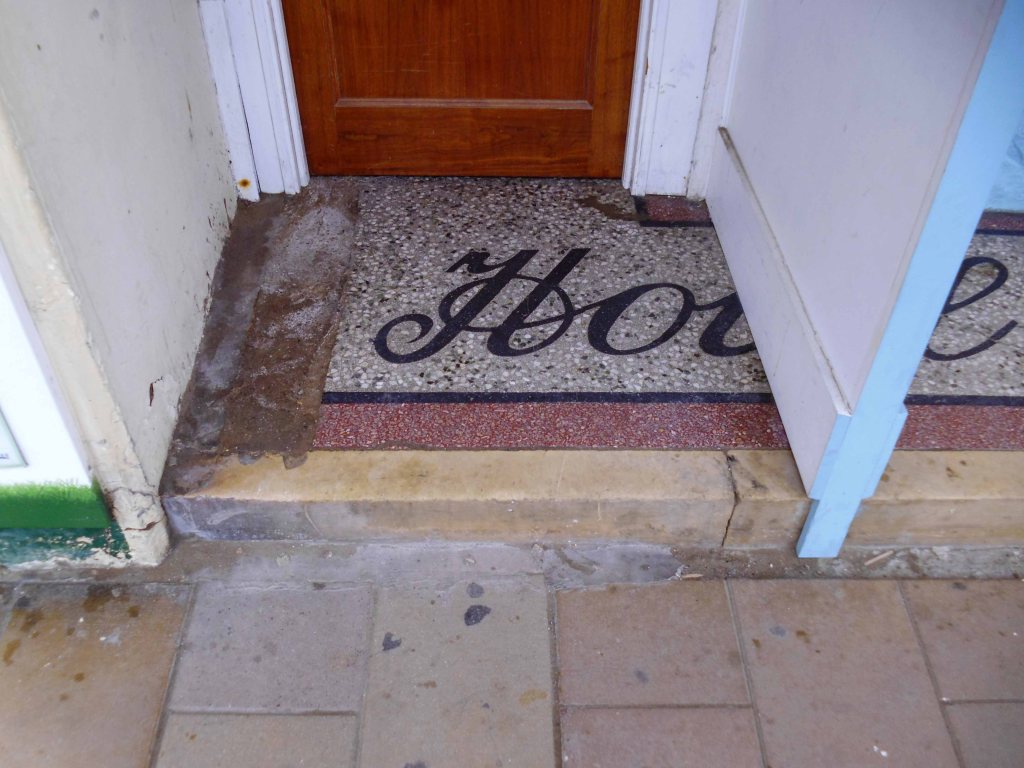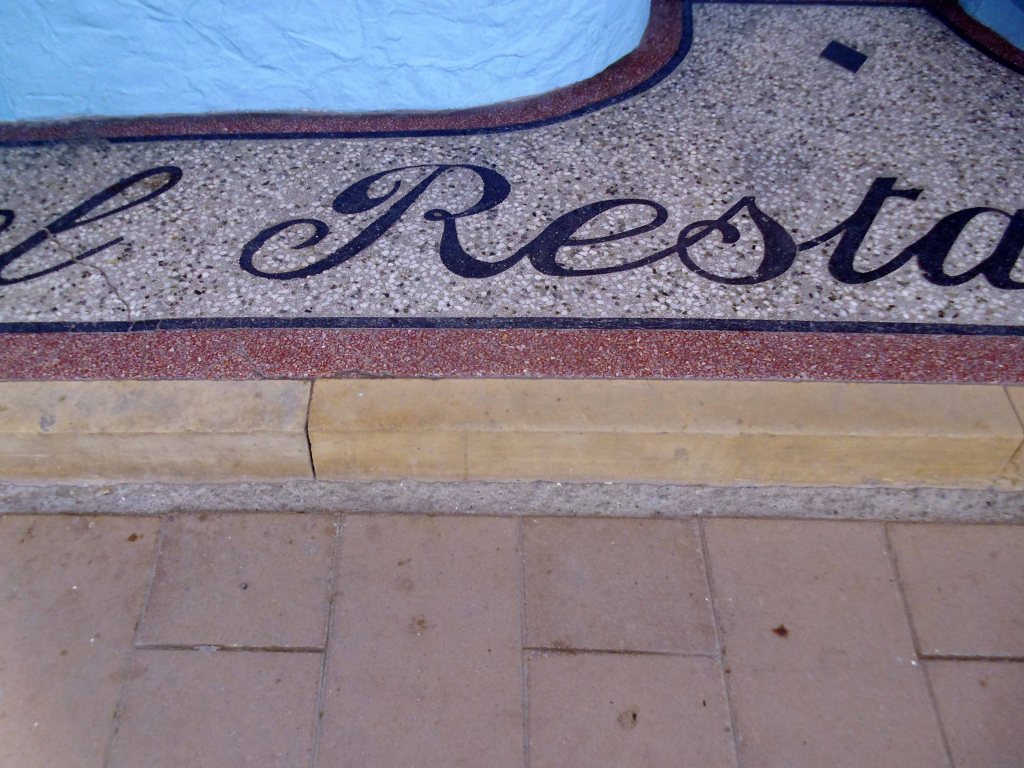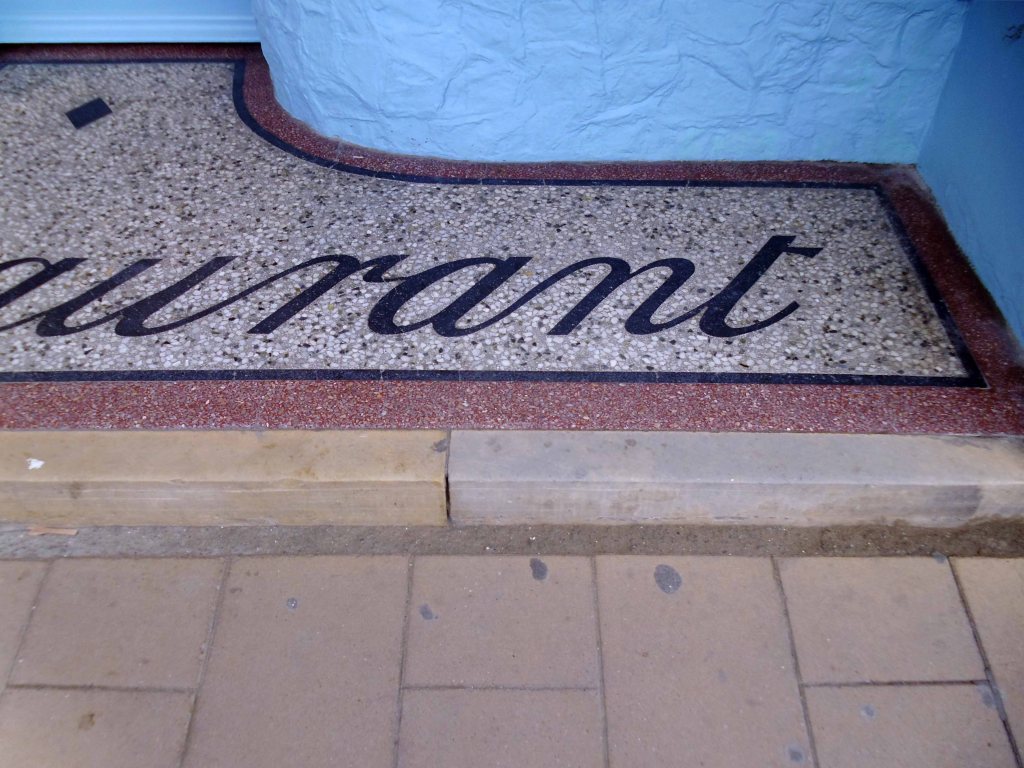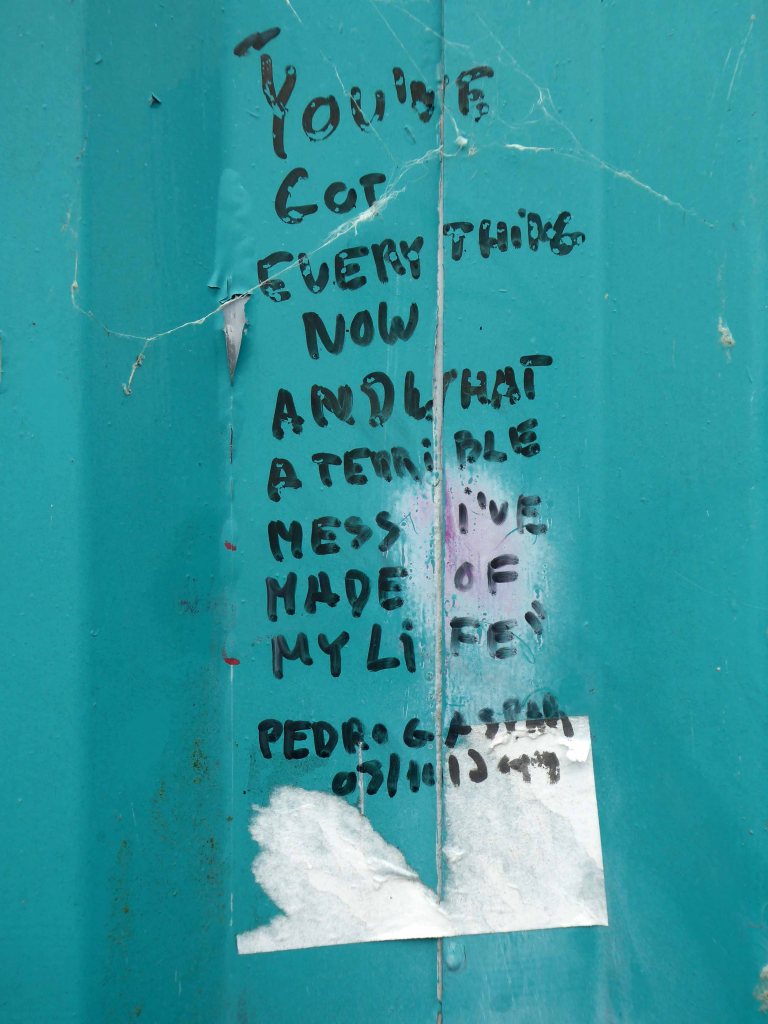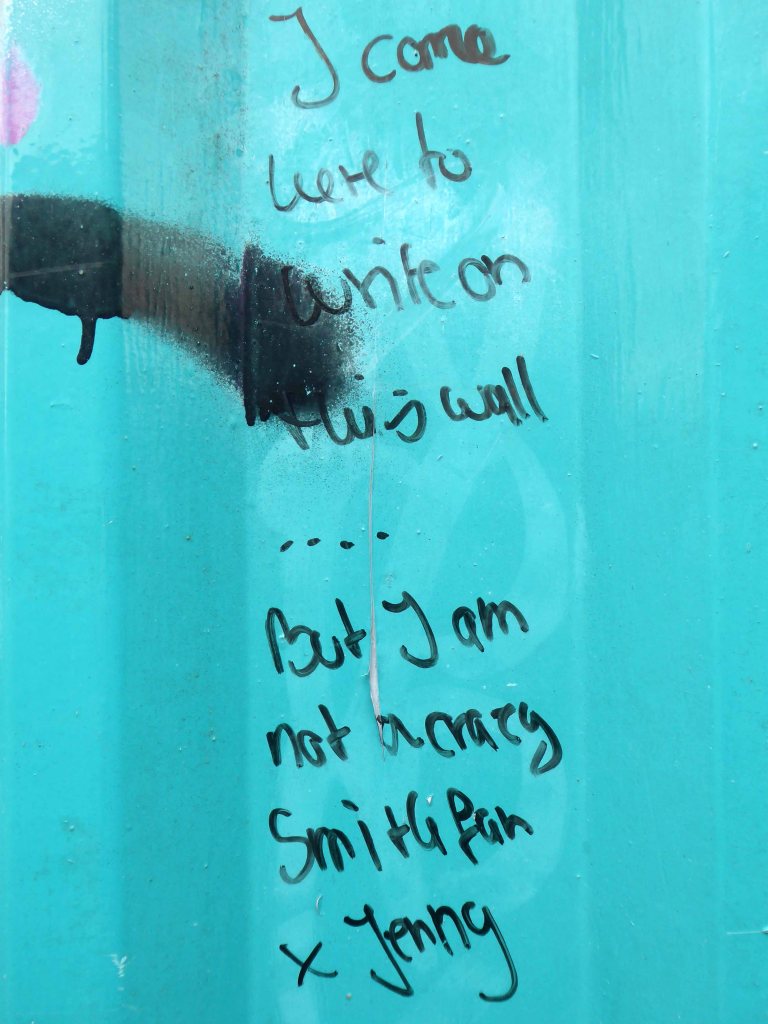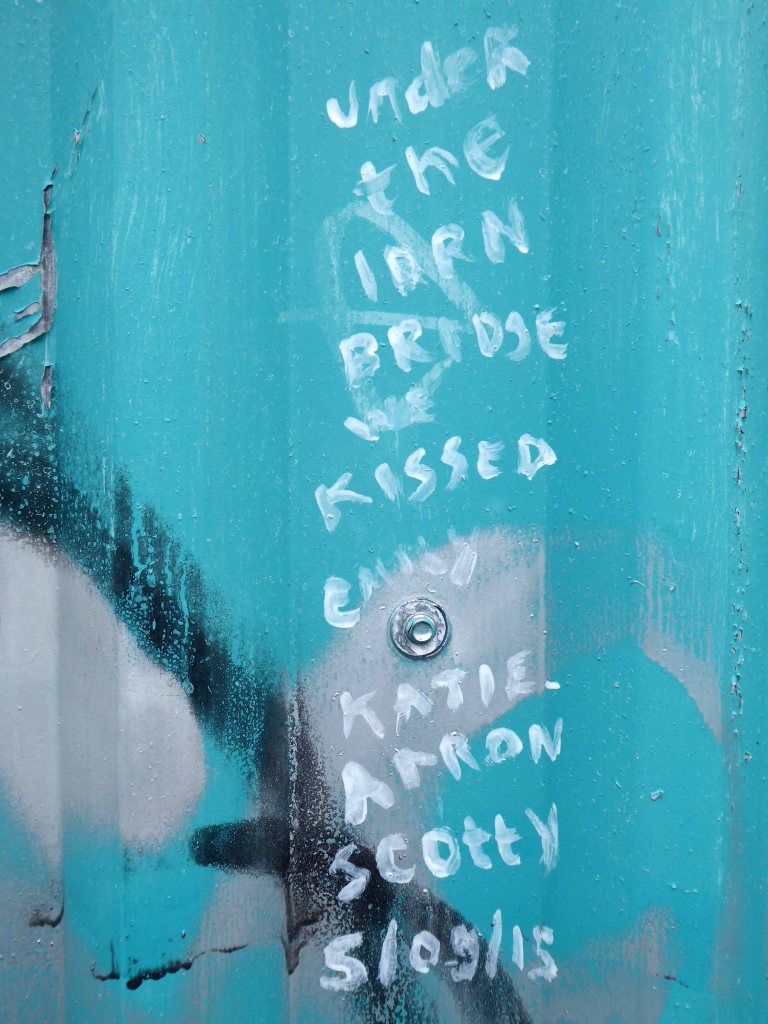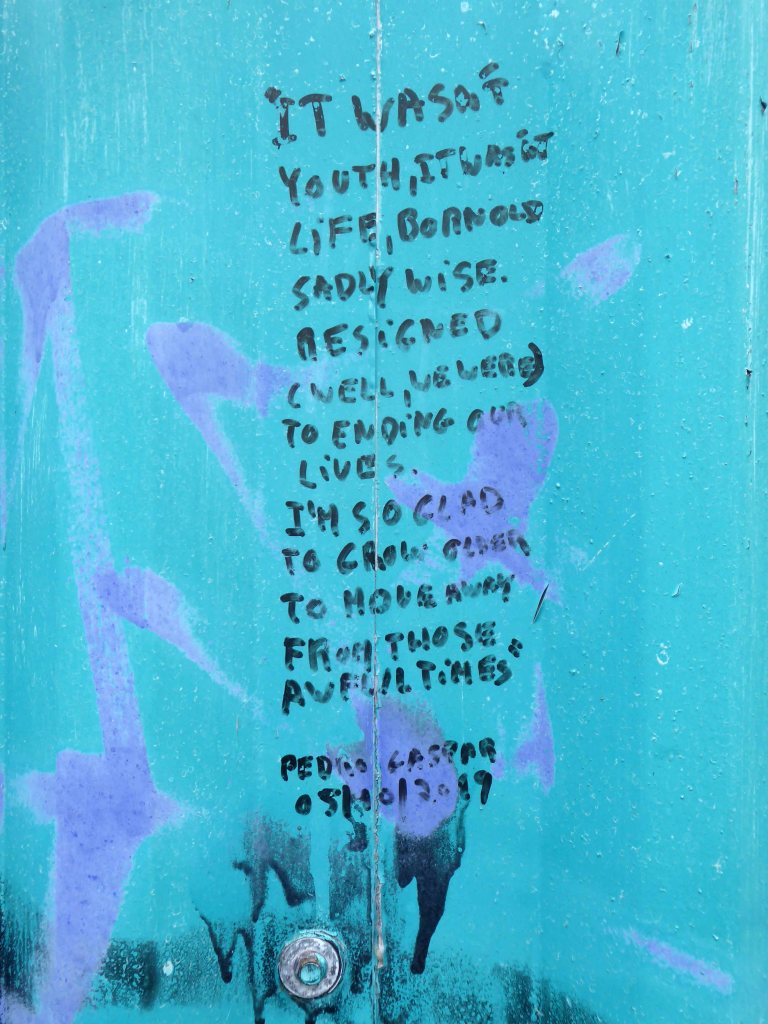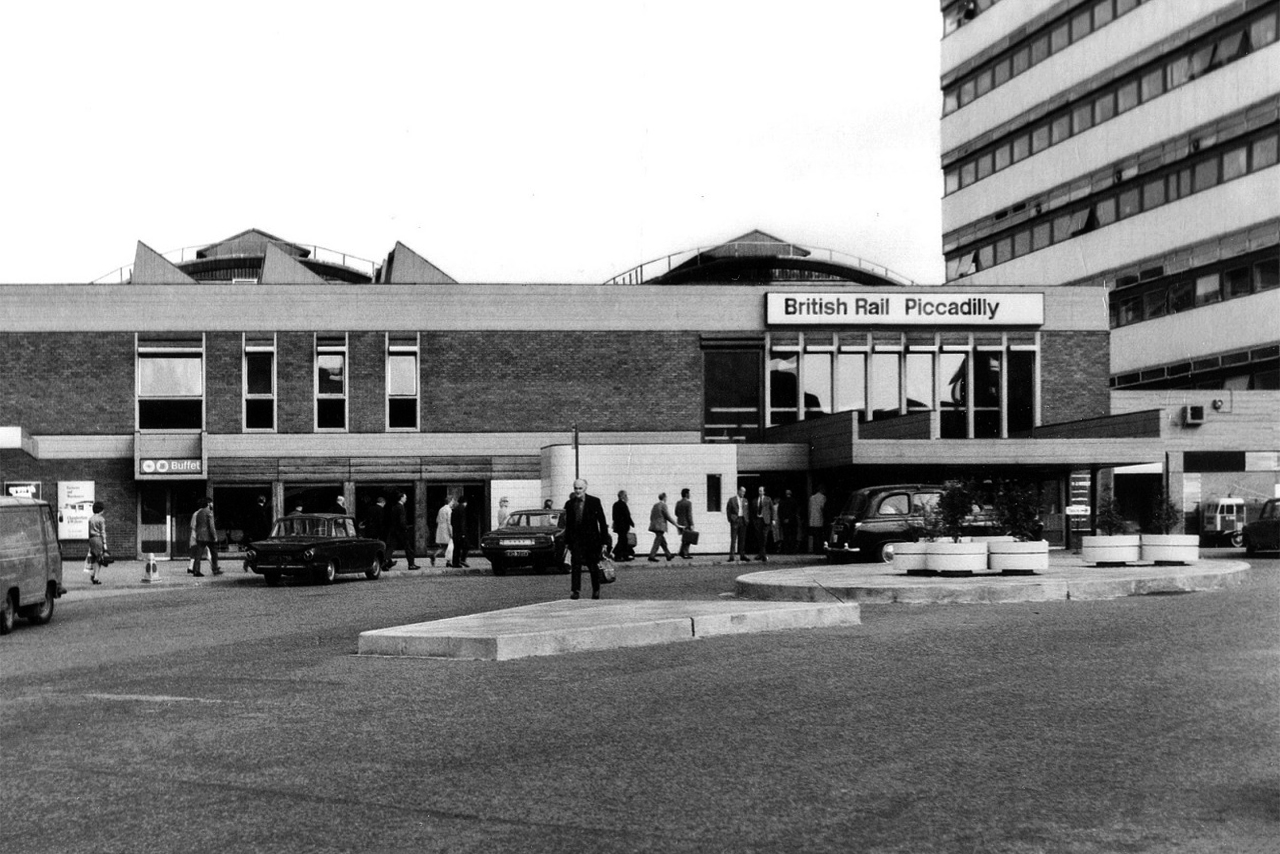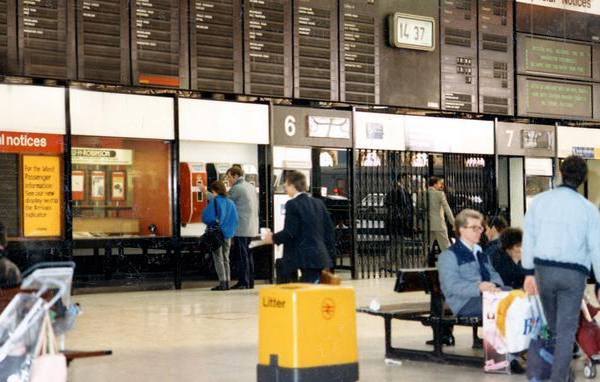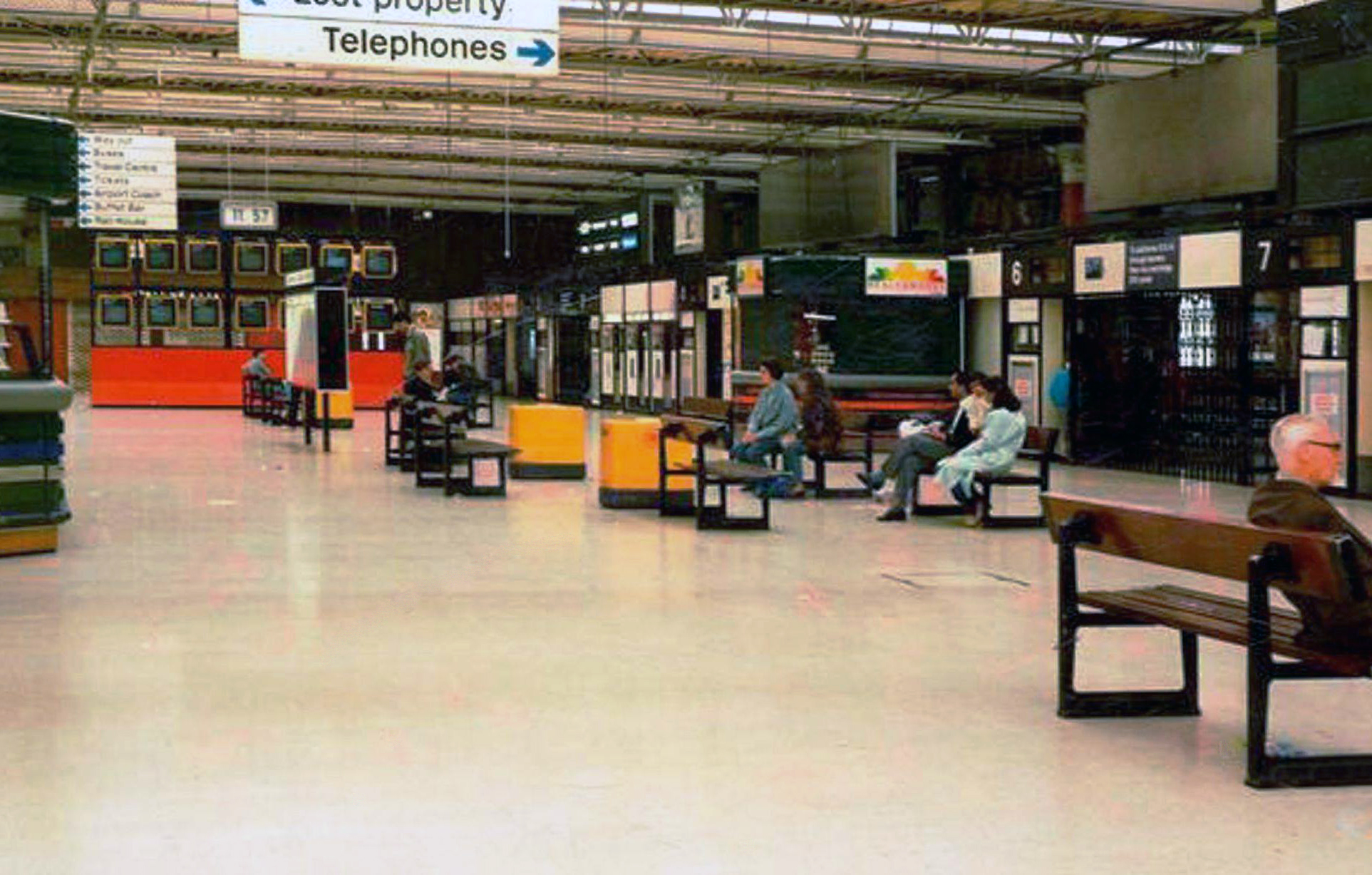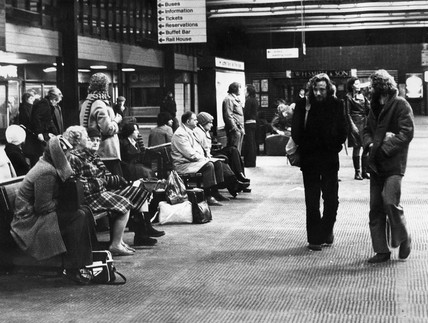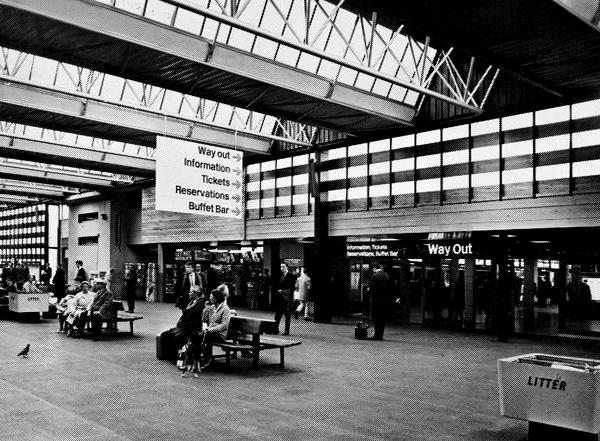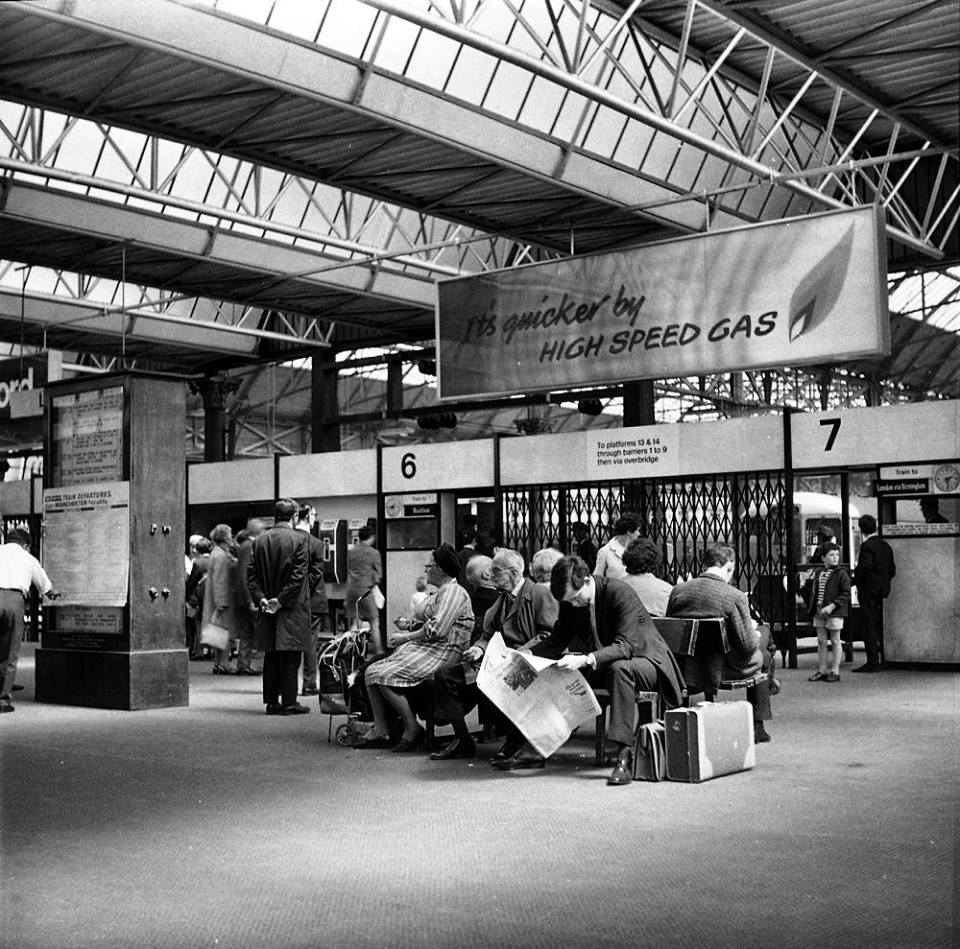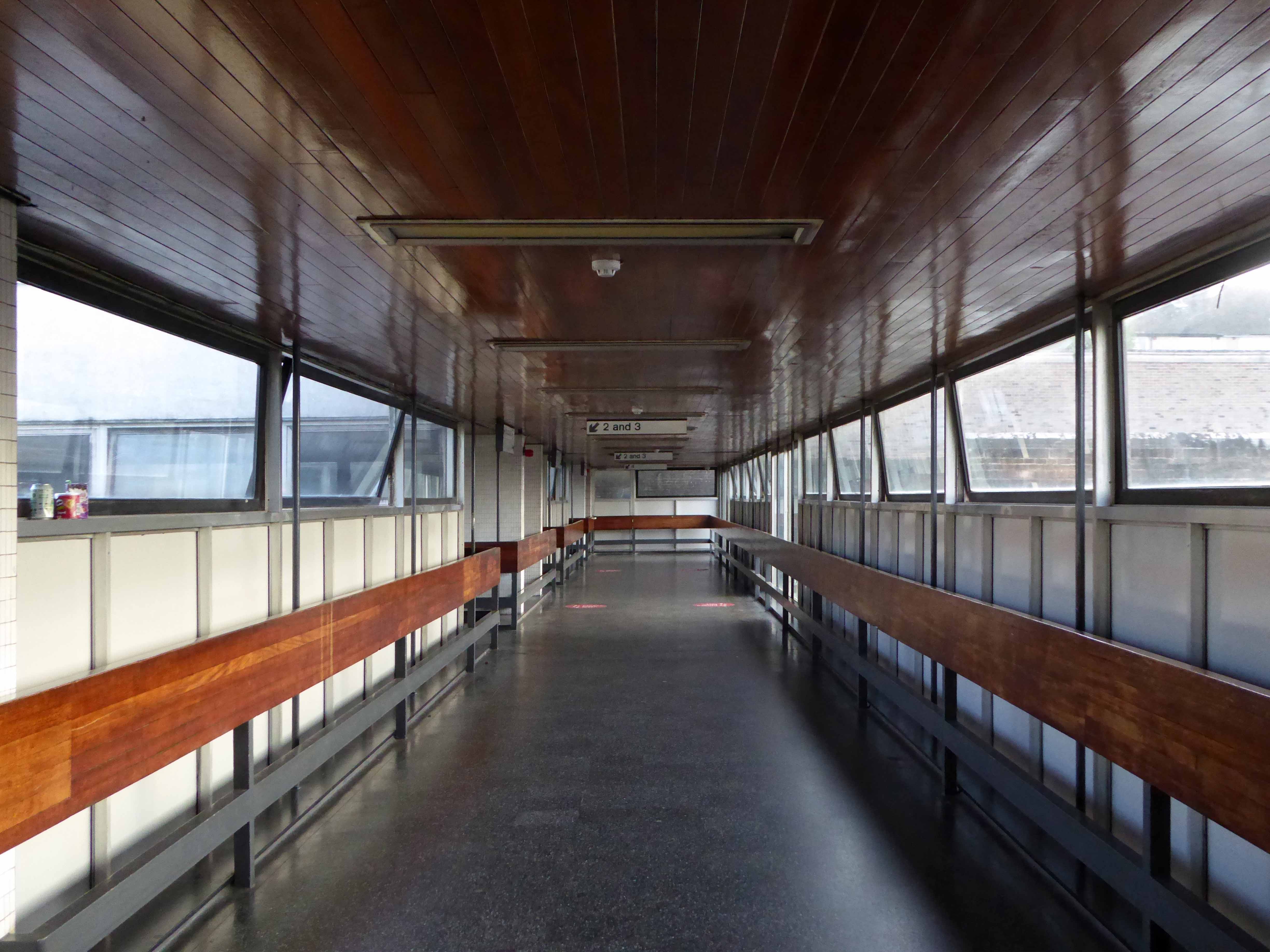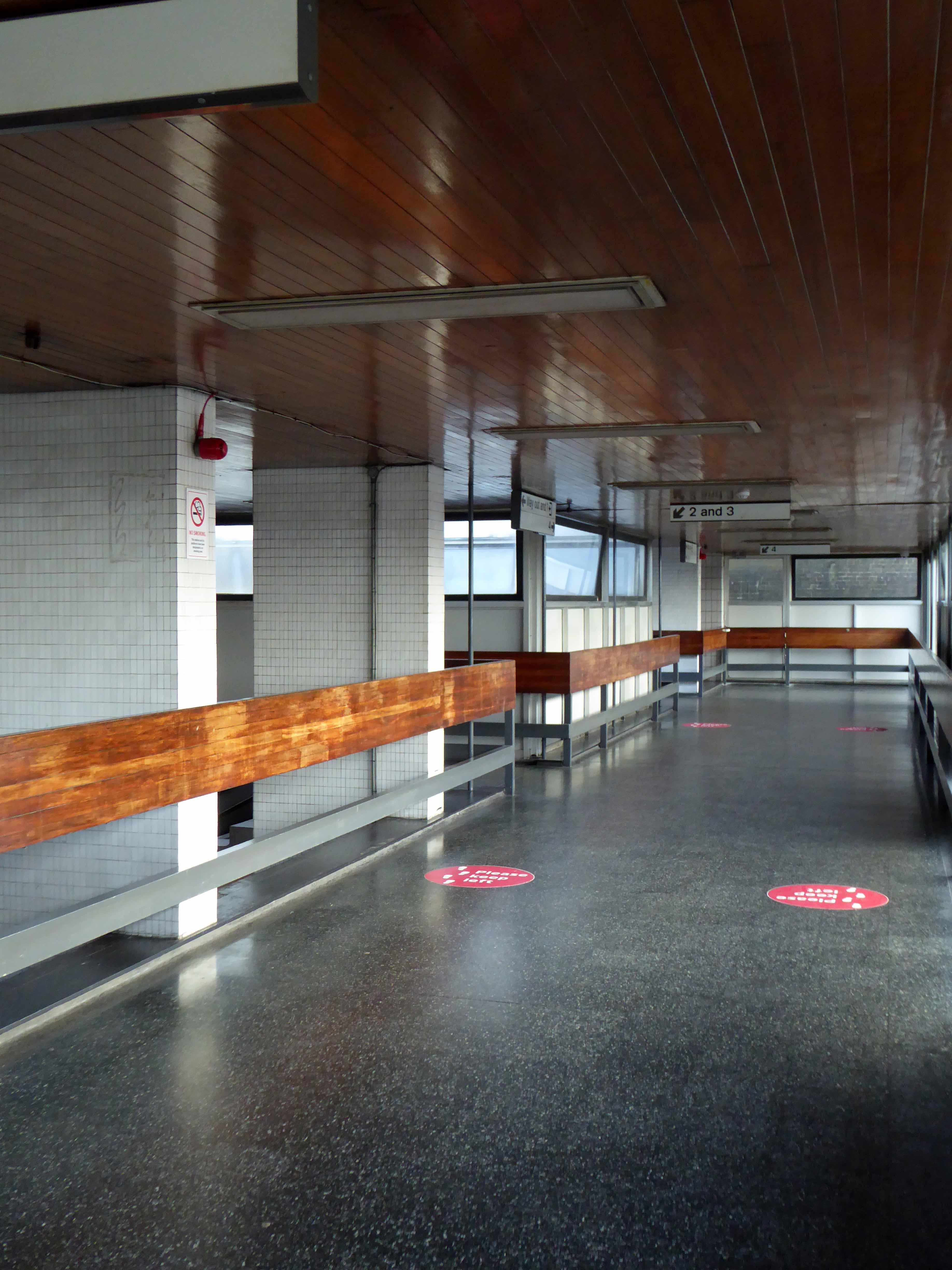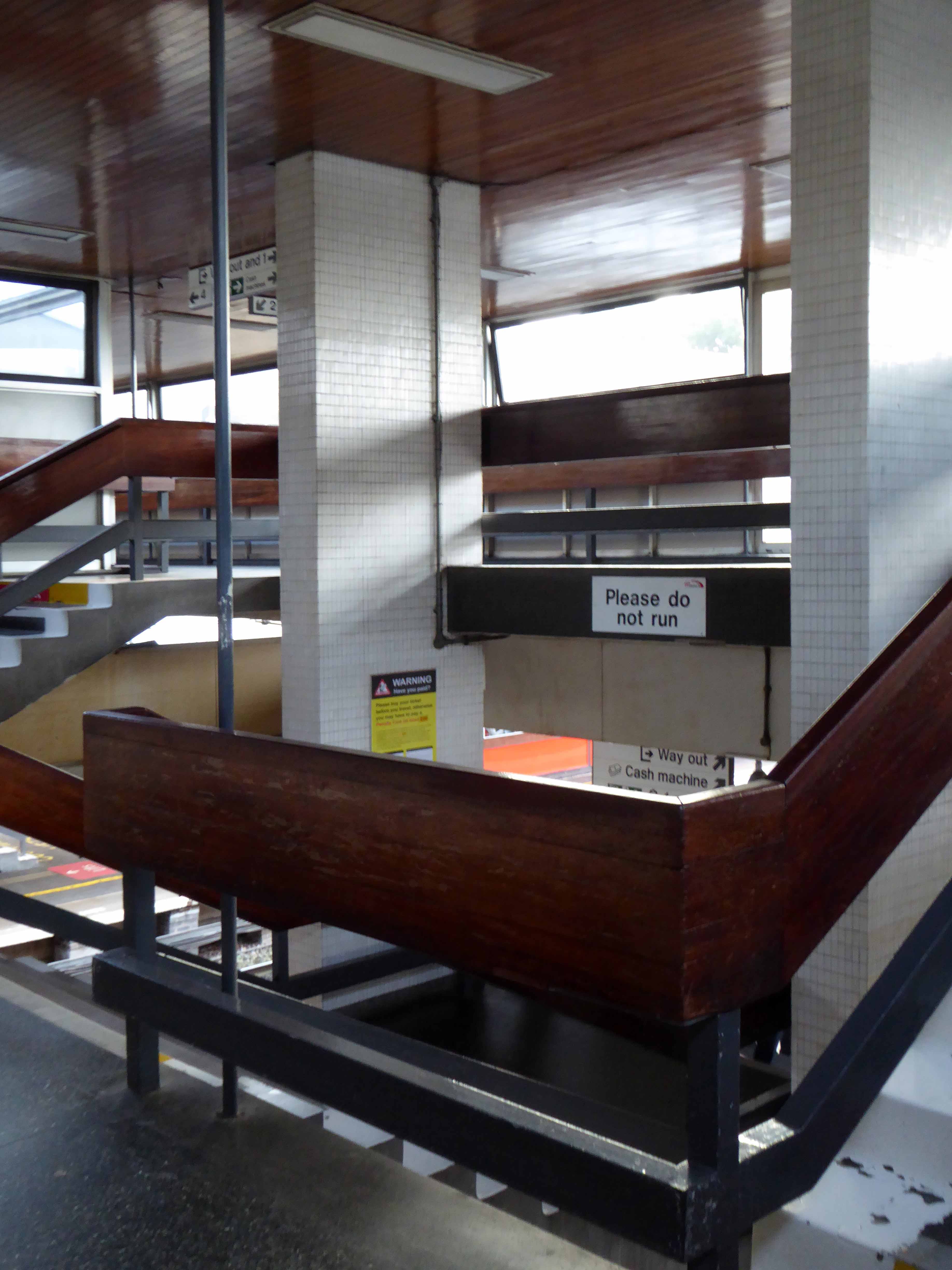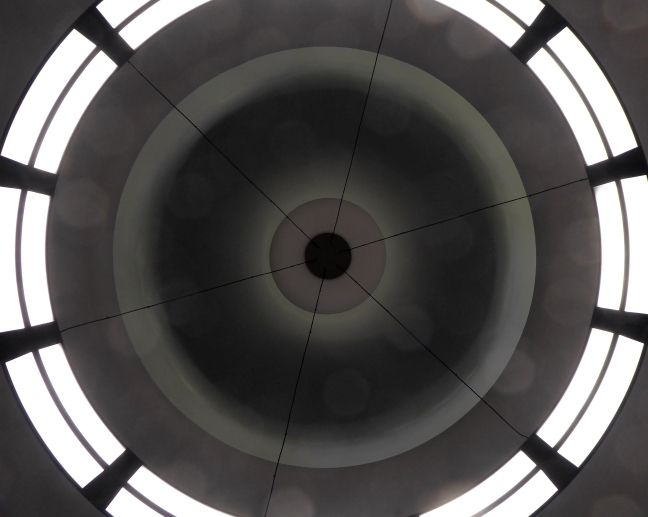
Having taken a tour around town last year, we are now revisiting Doncaster on a socially distanced Manchester Modernist walk.
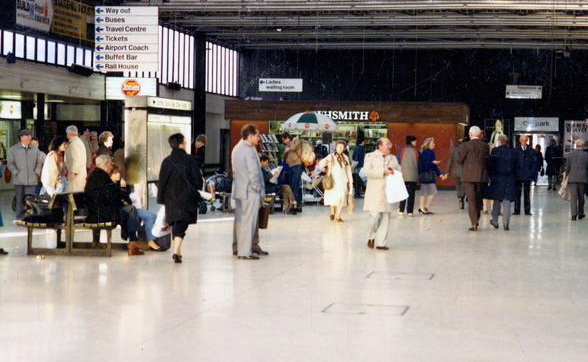
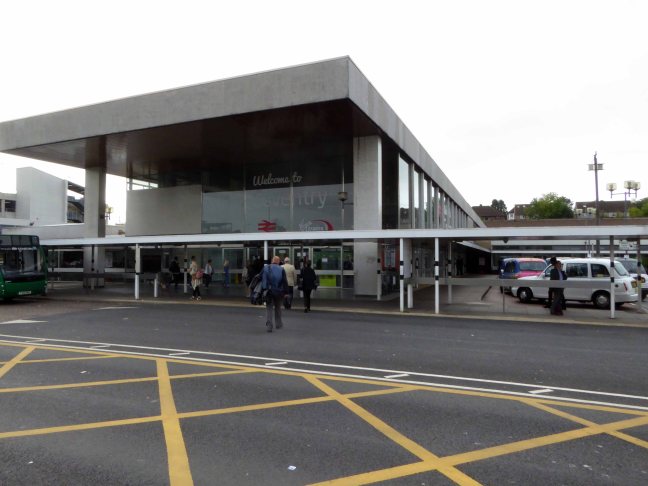
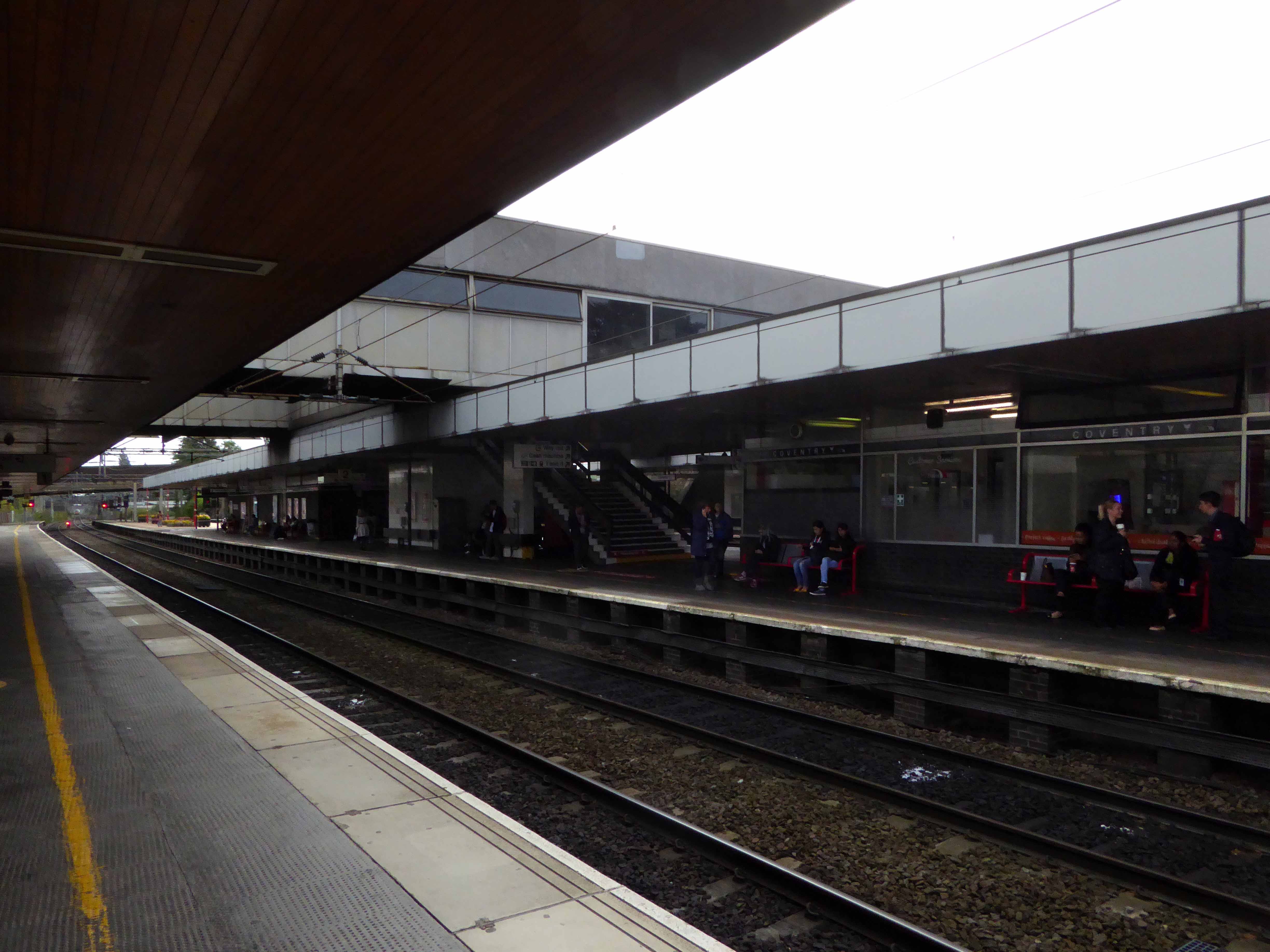
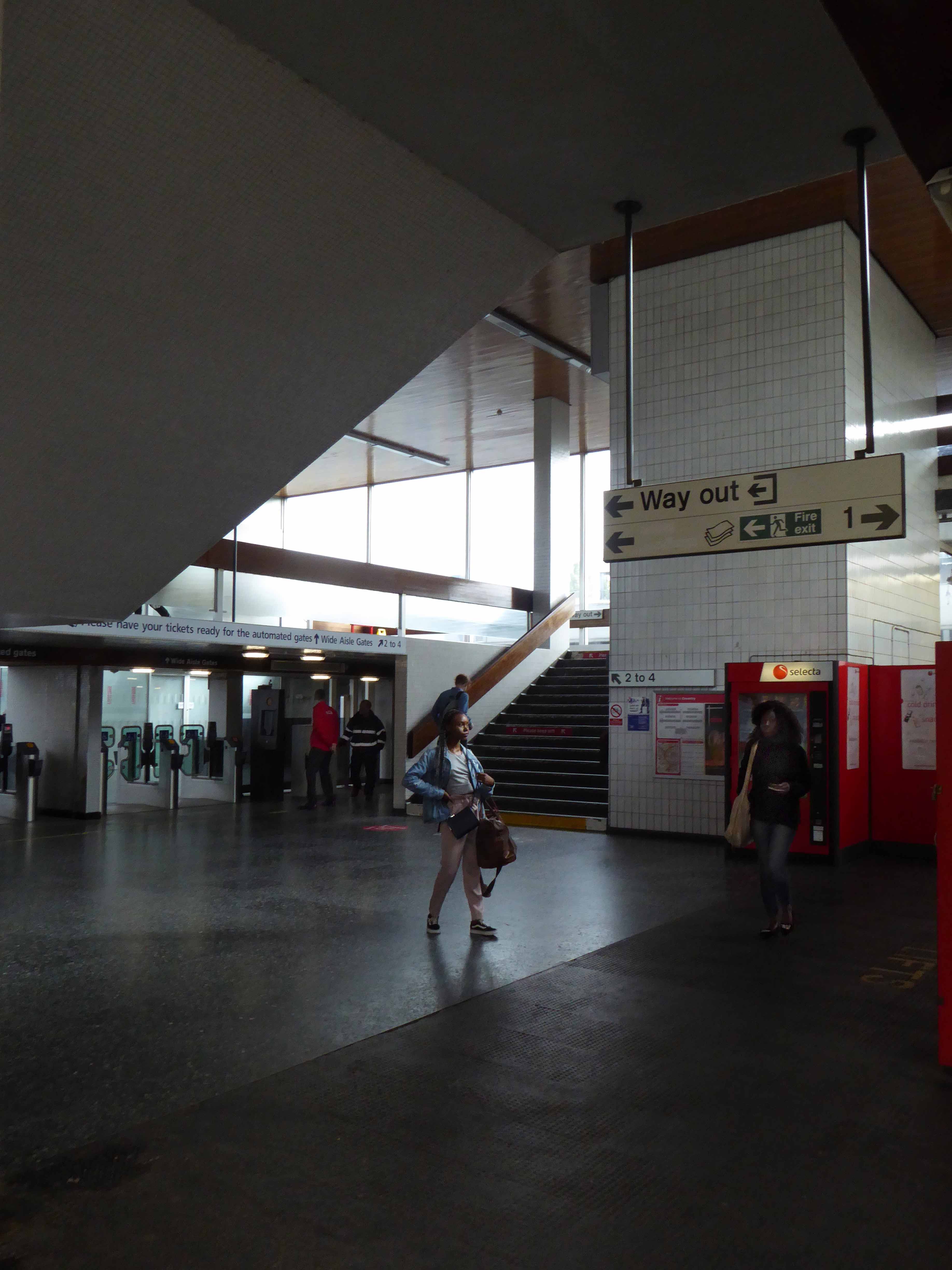
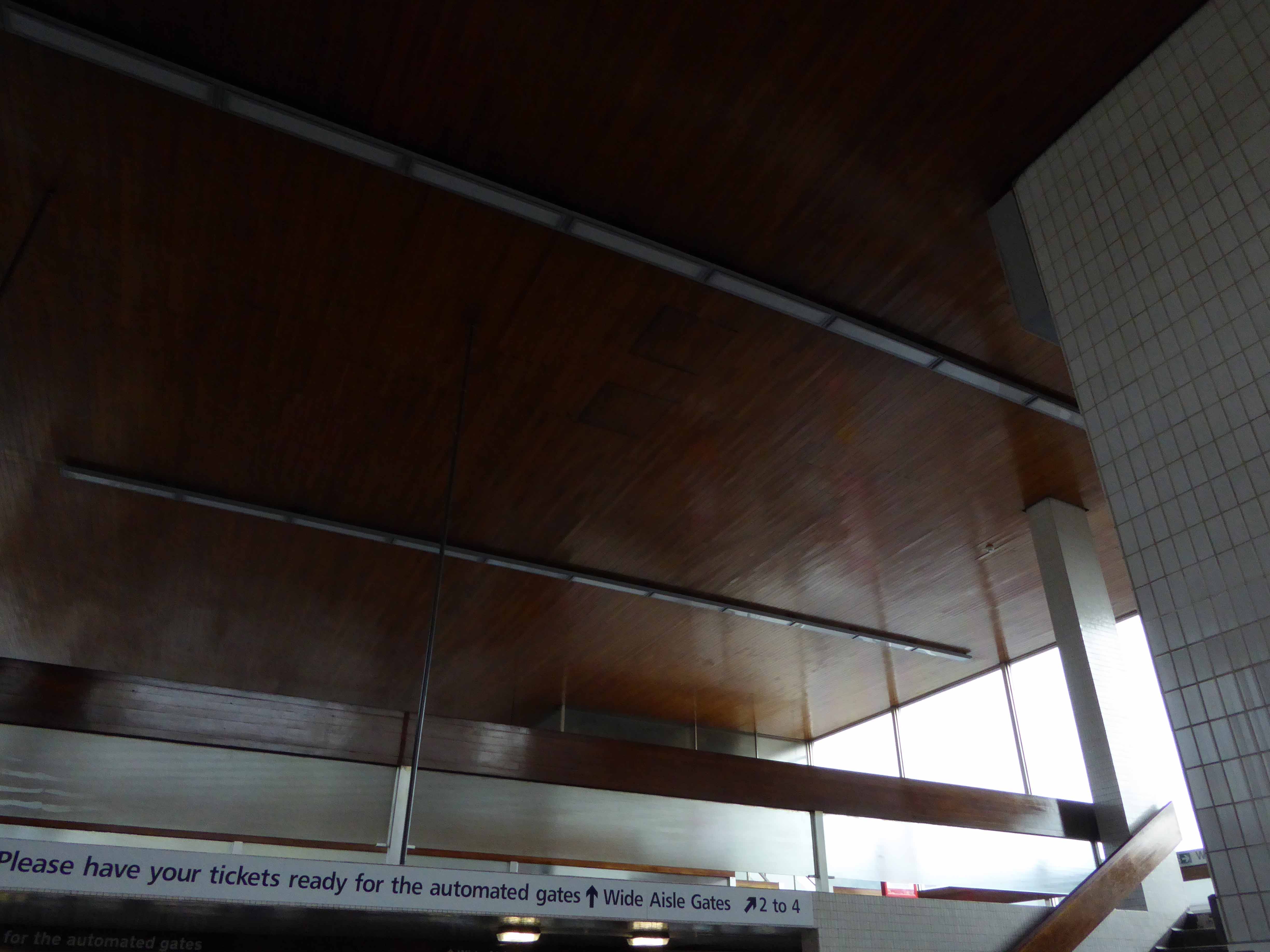
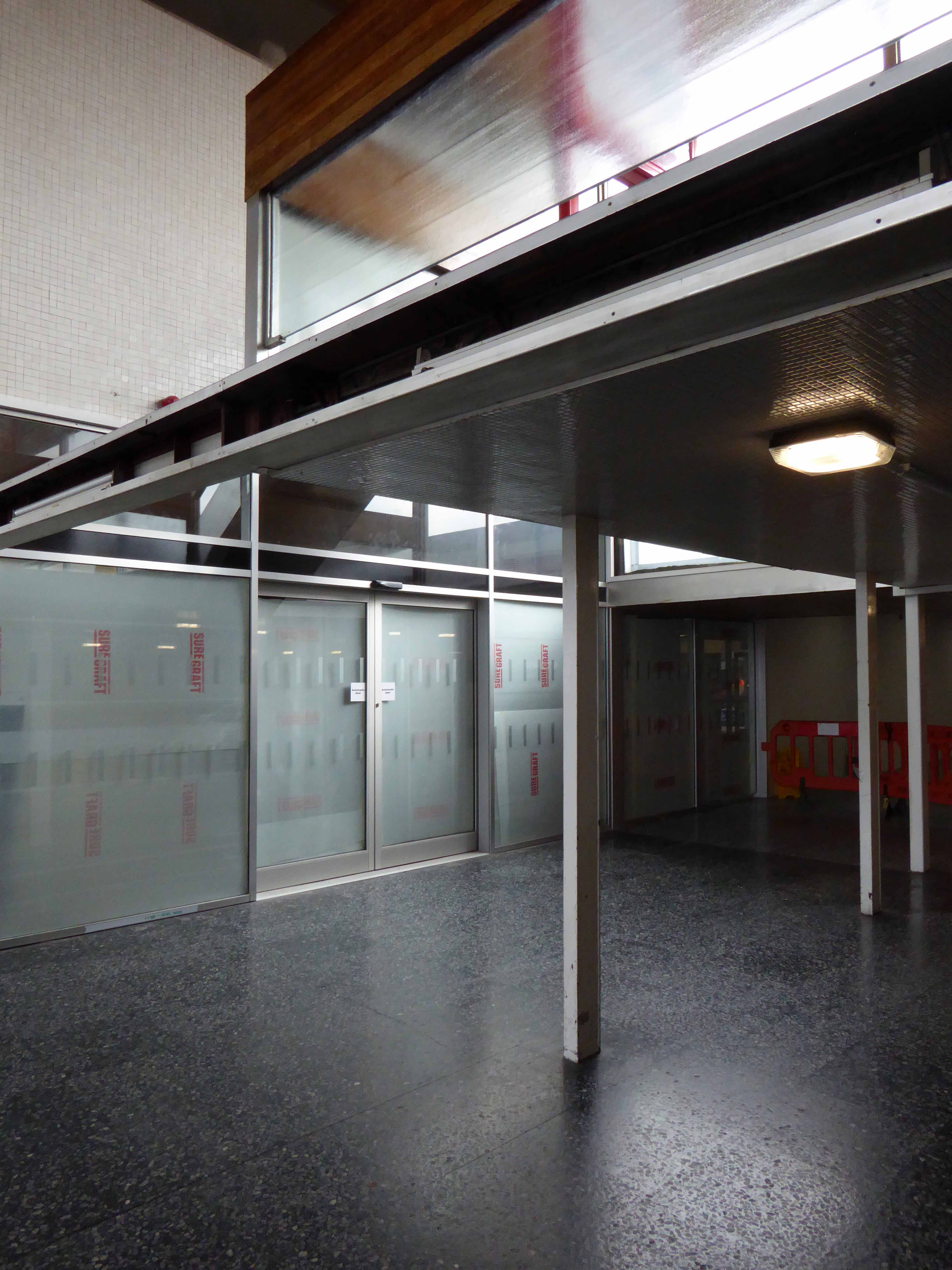
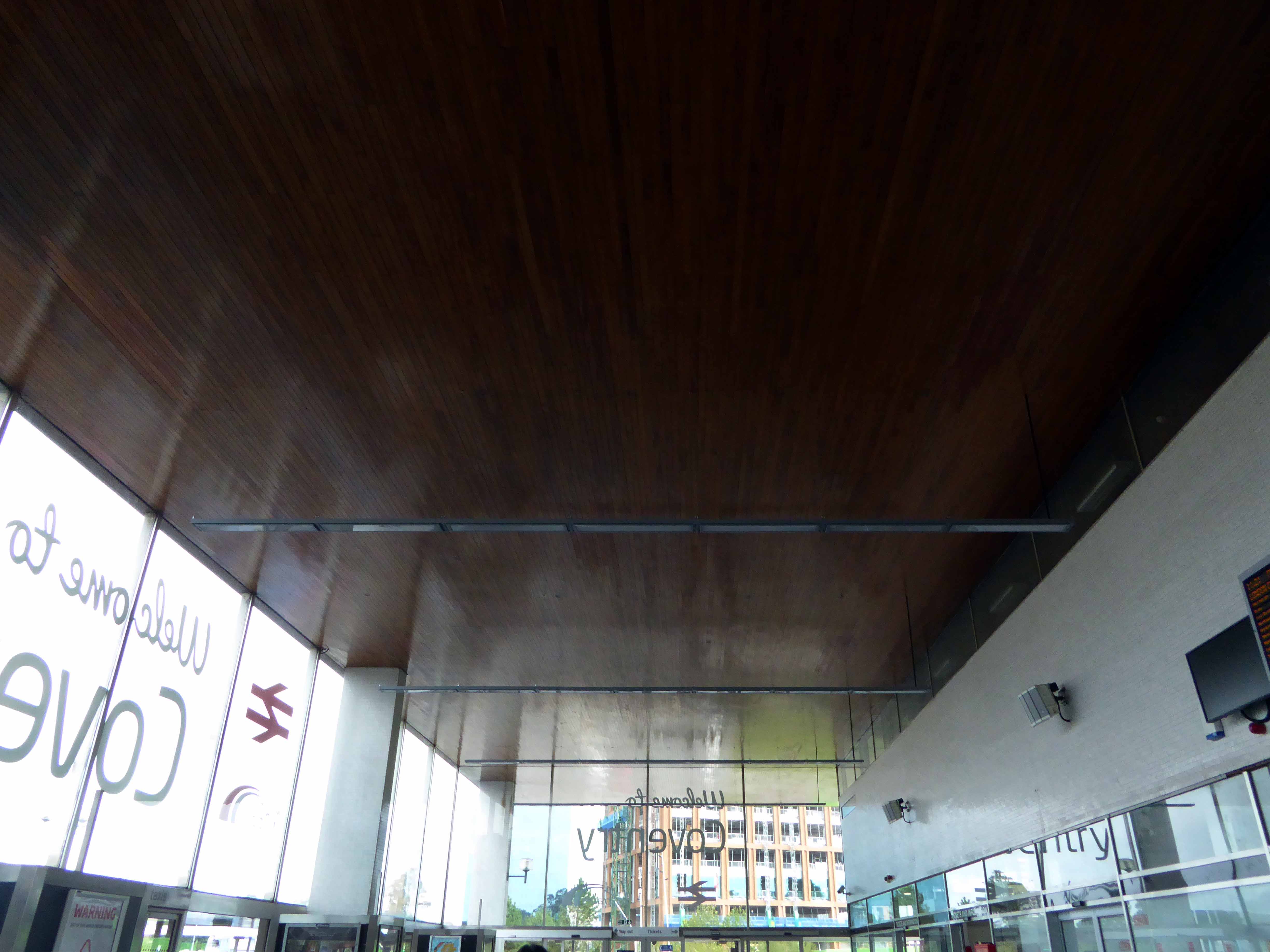
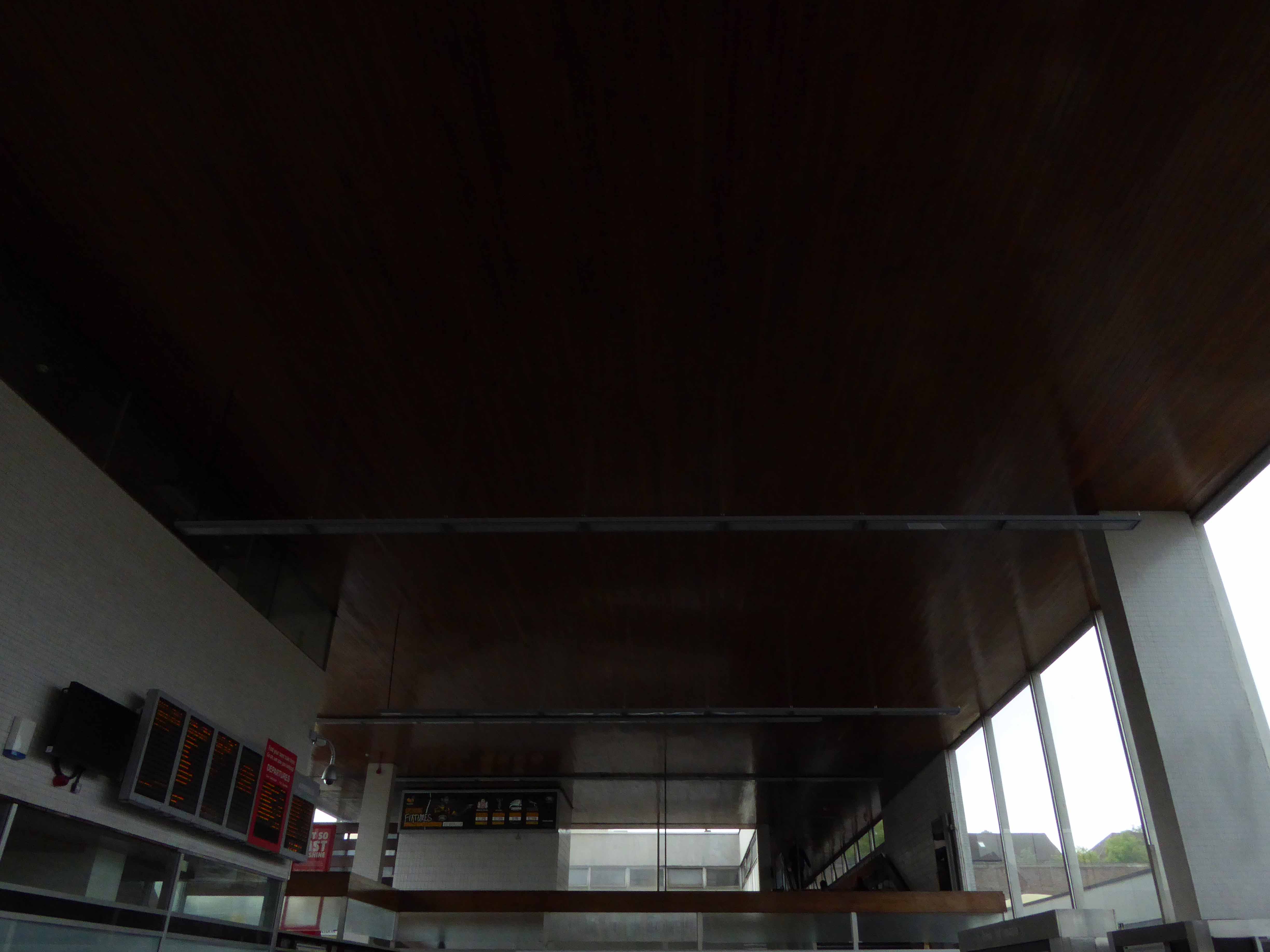
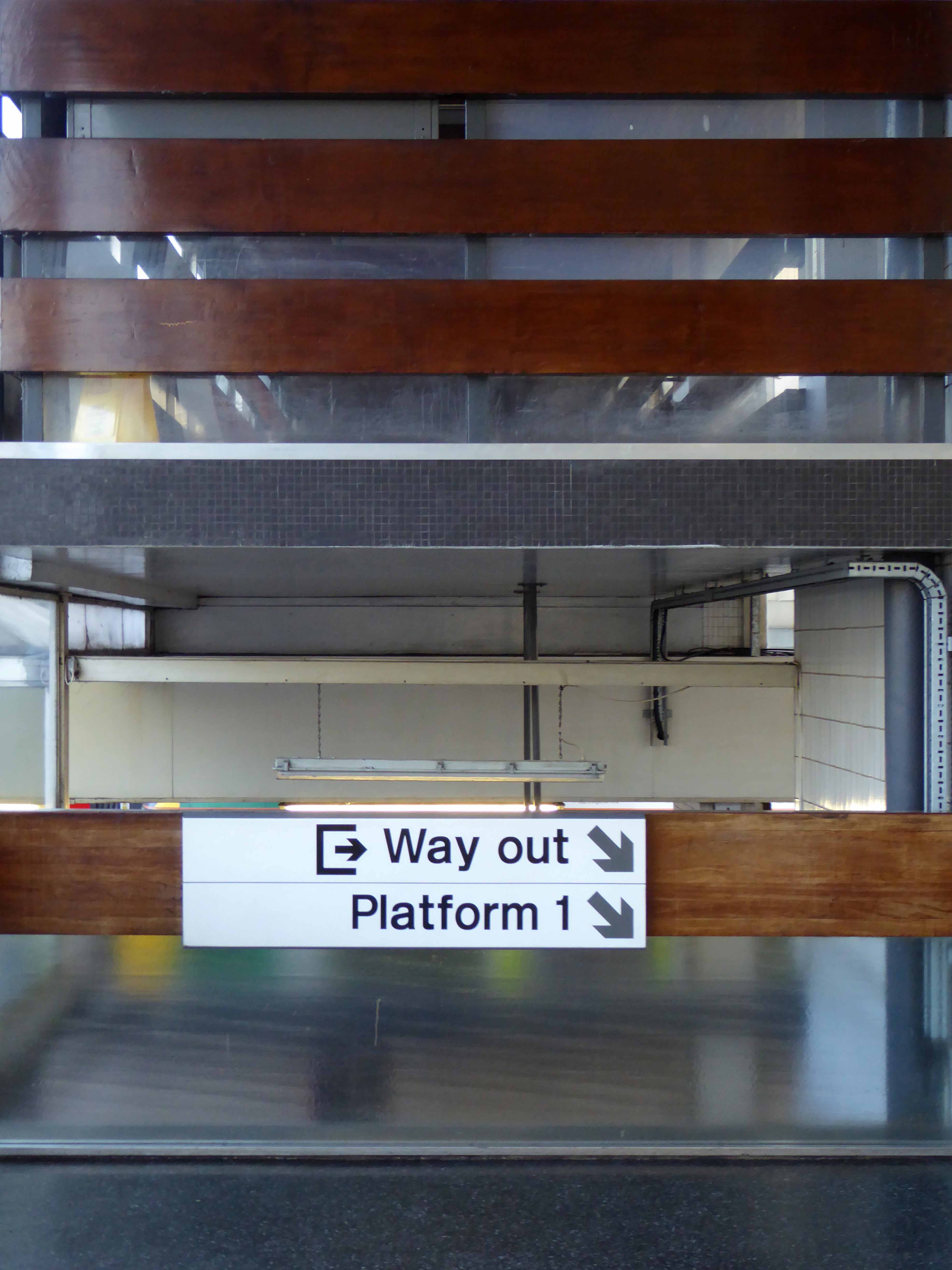
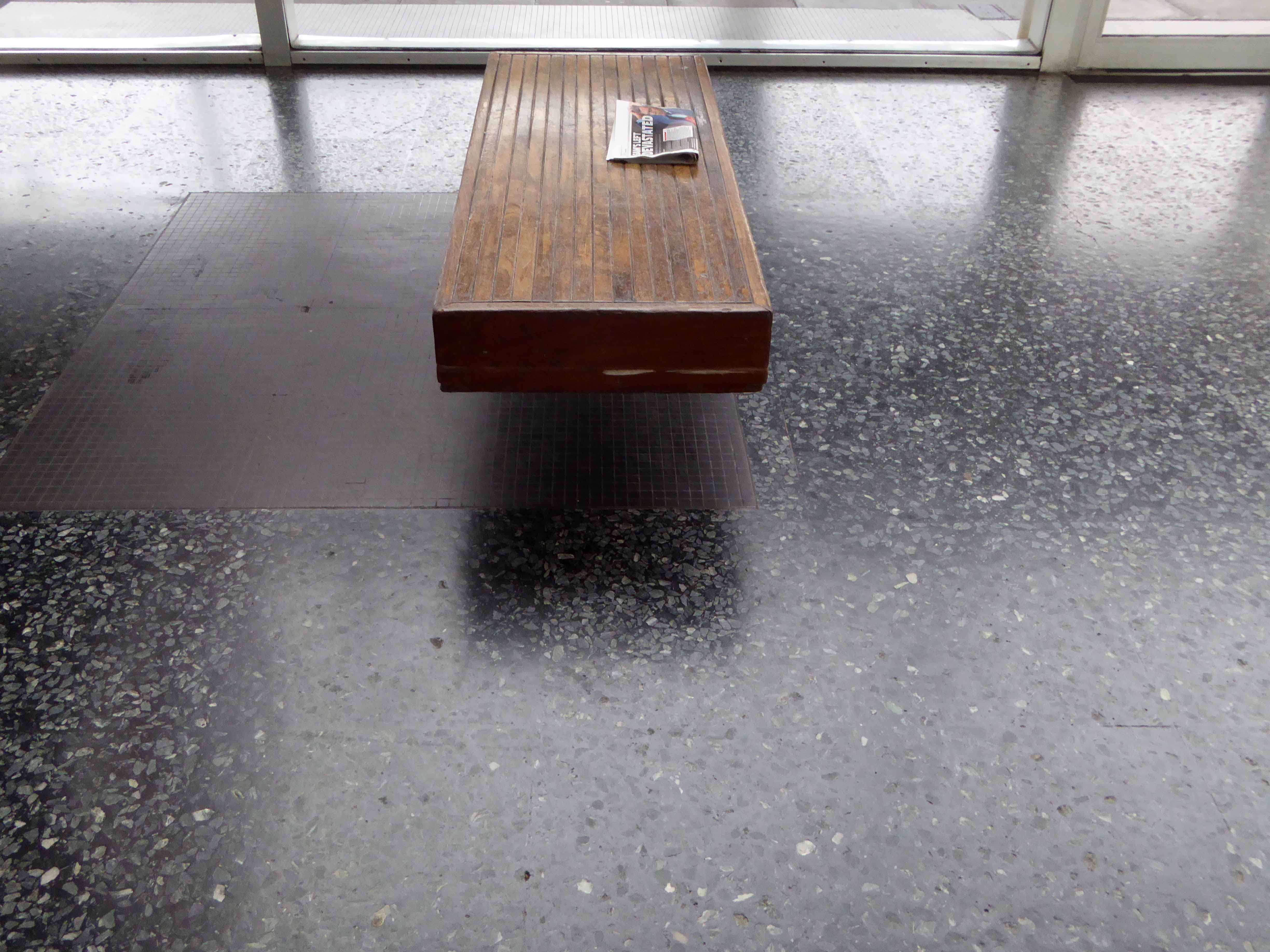
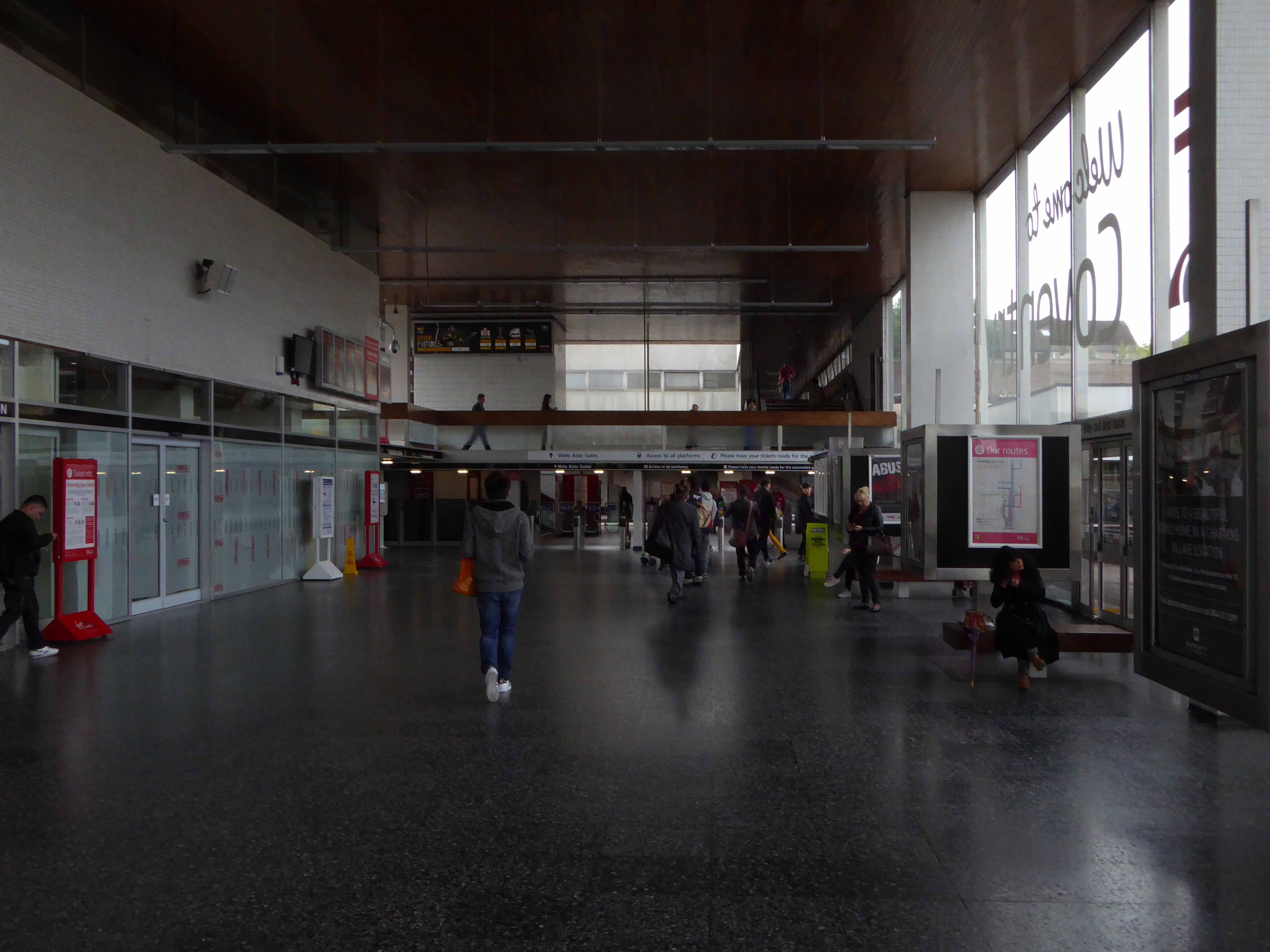
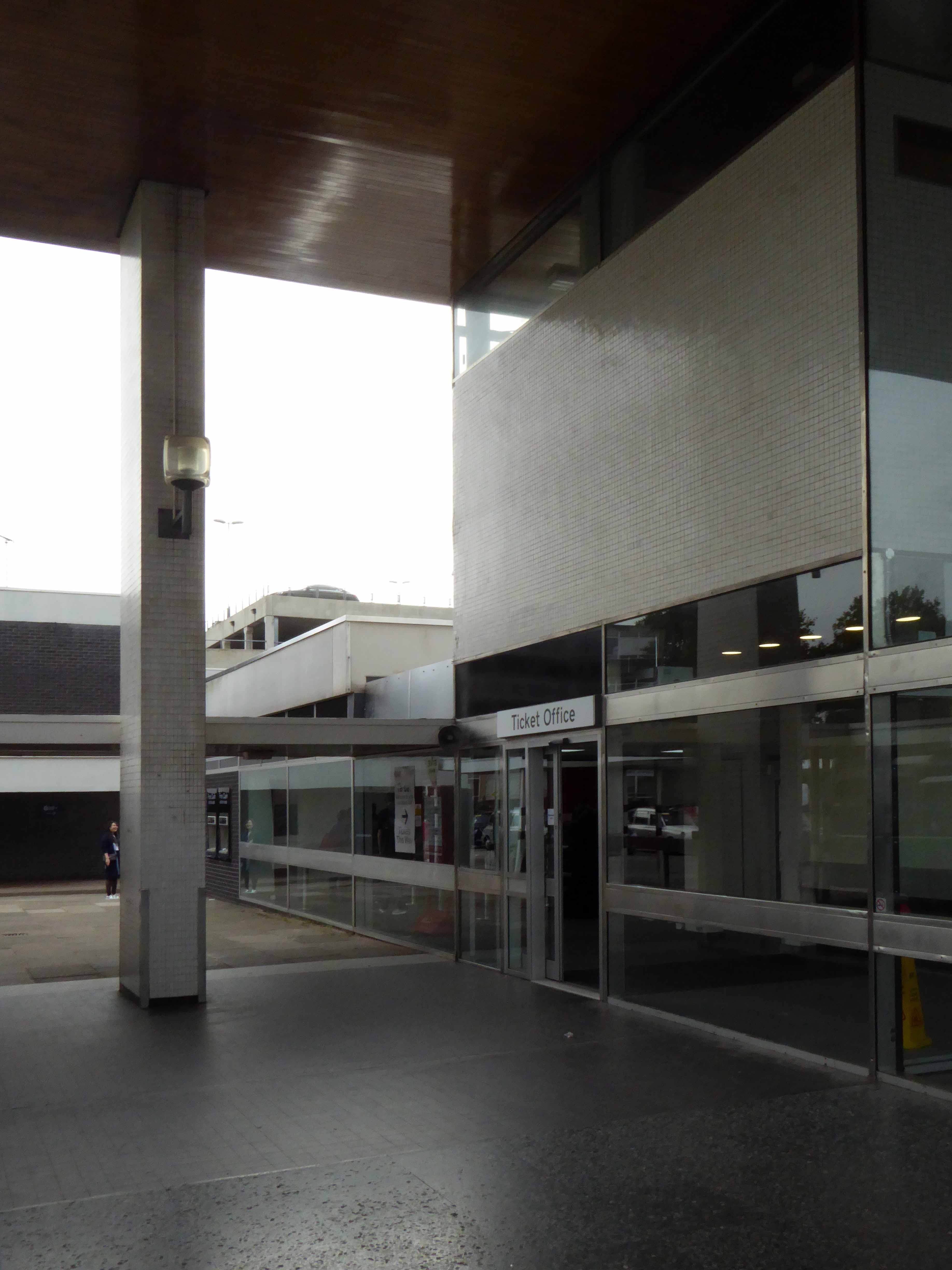
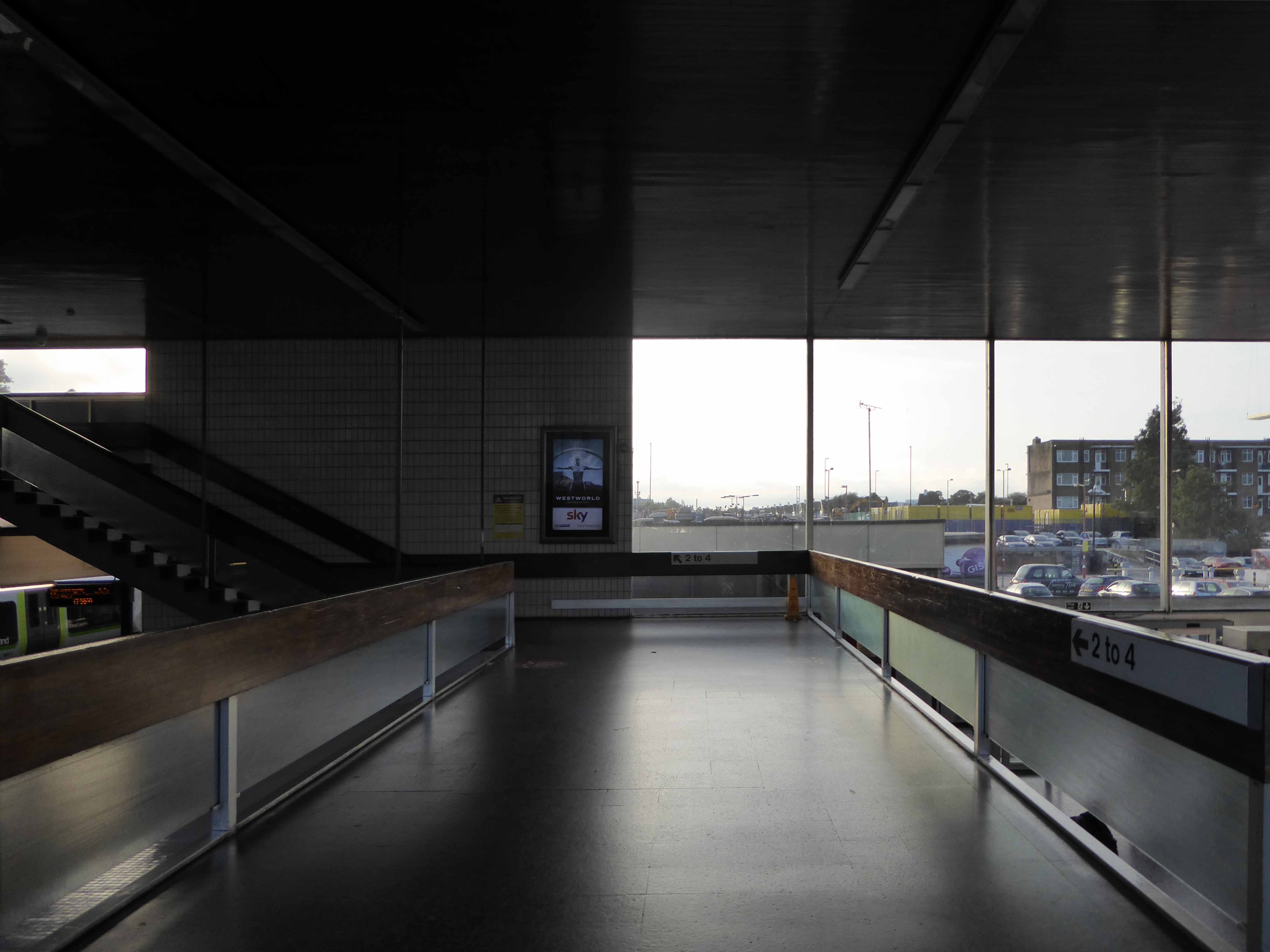
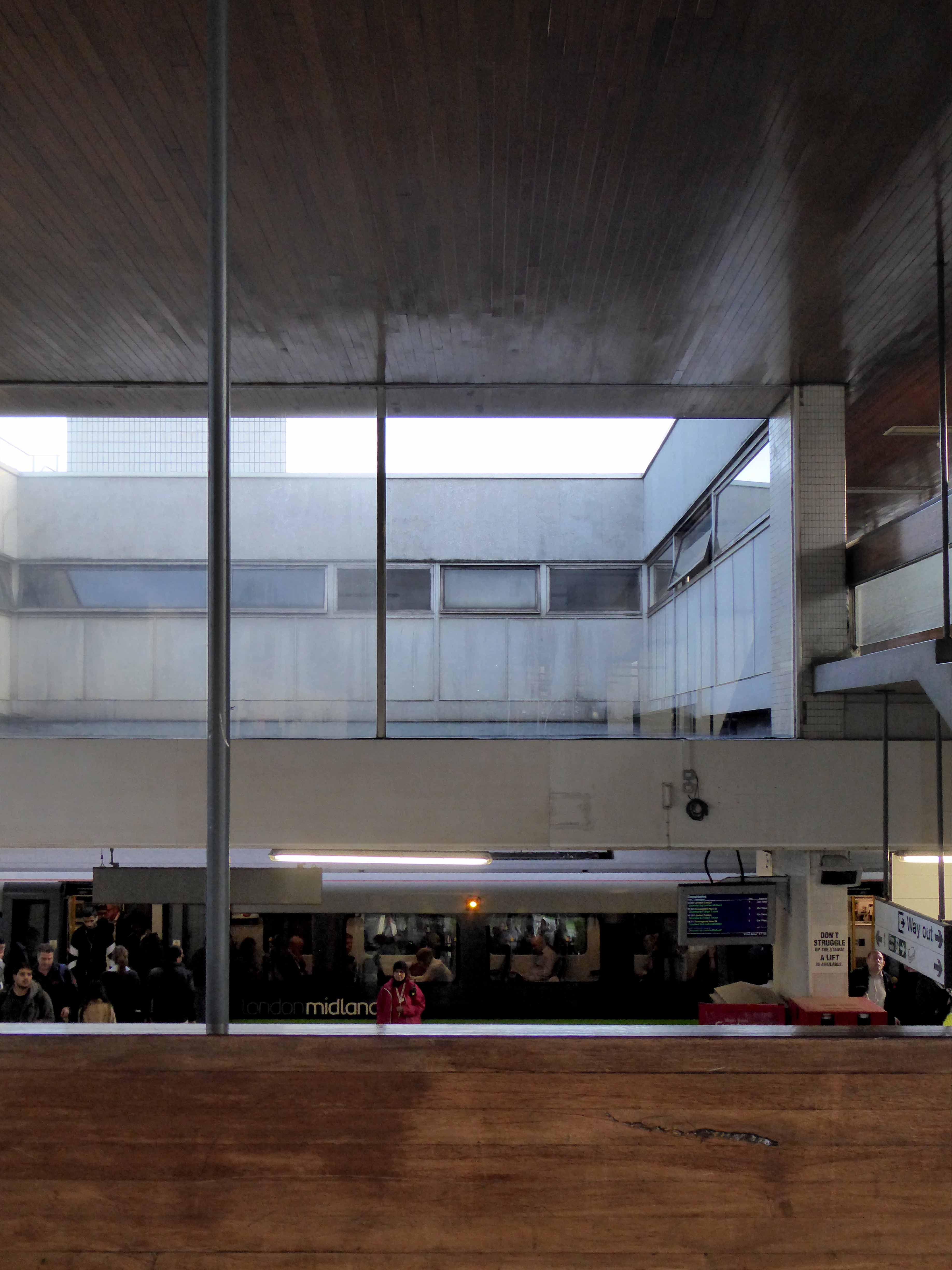
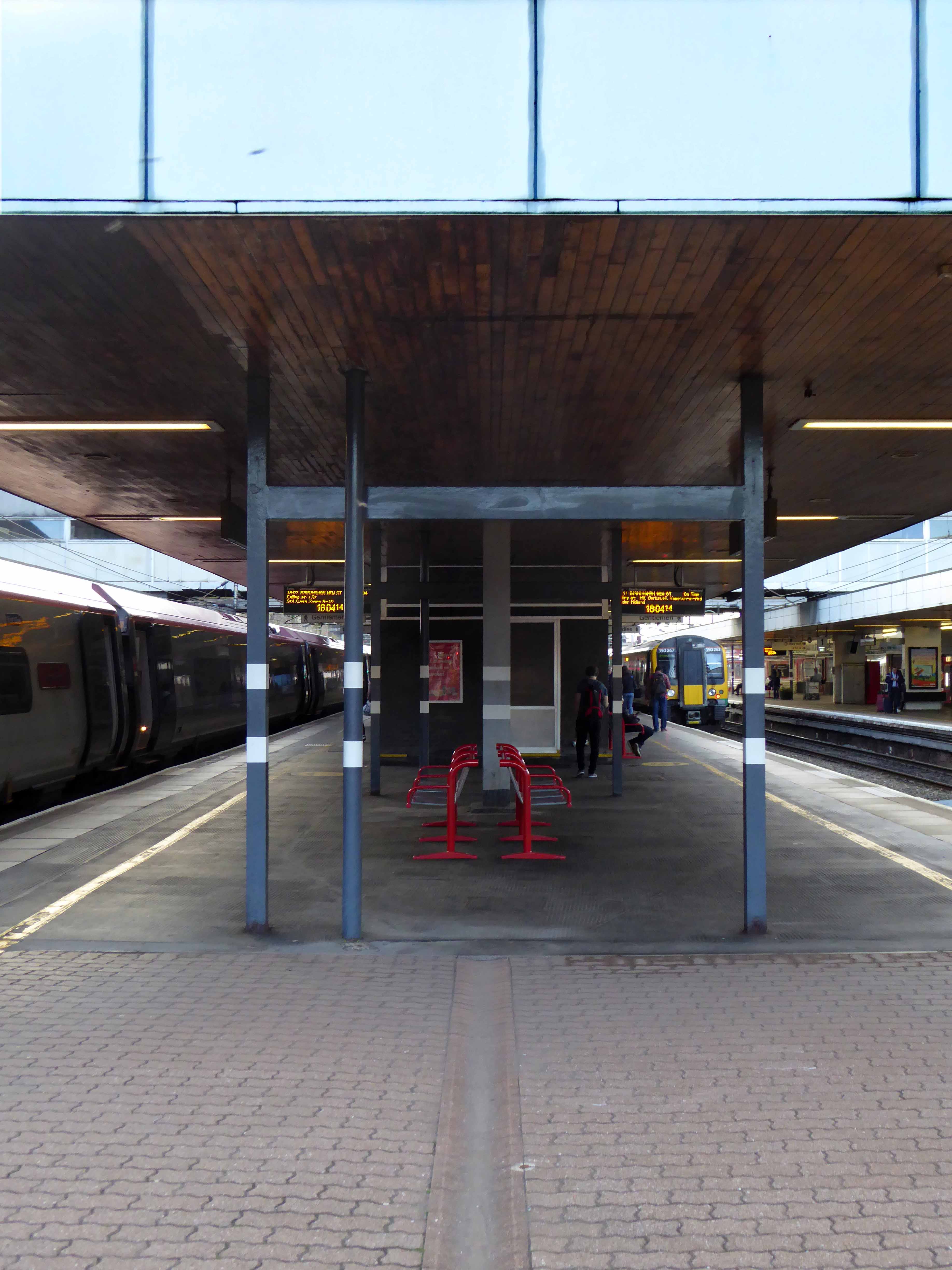
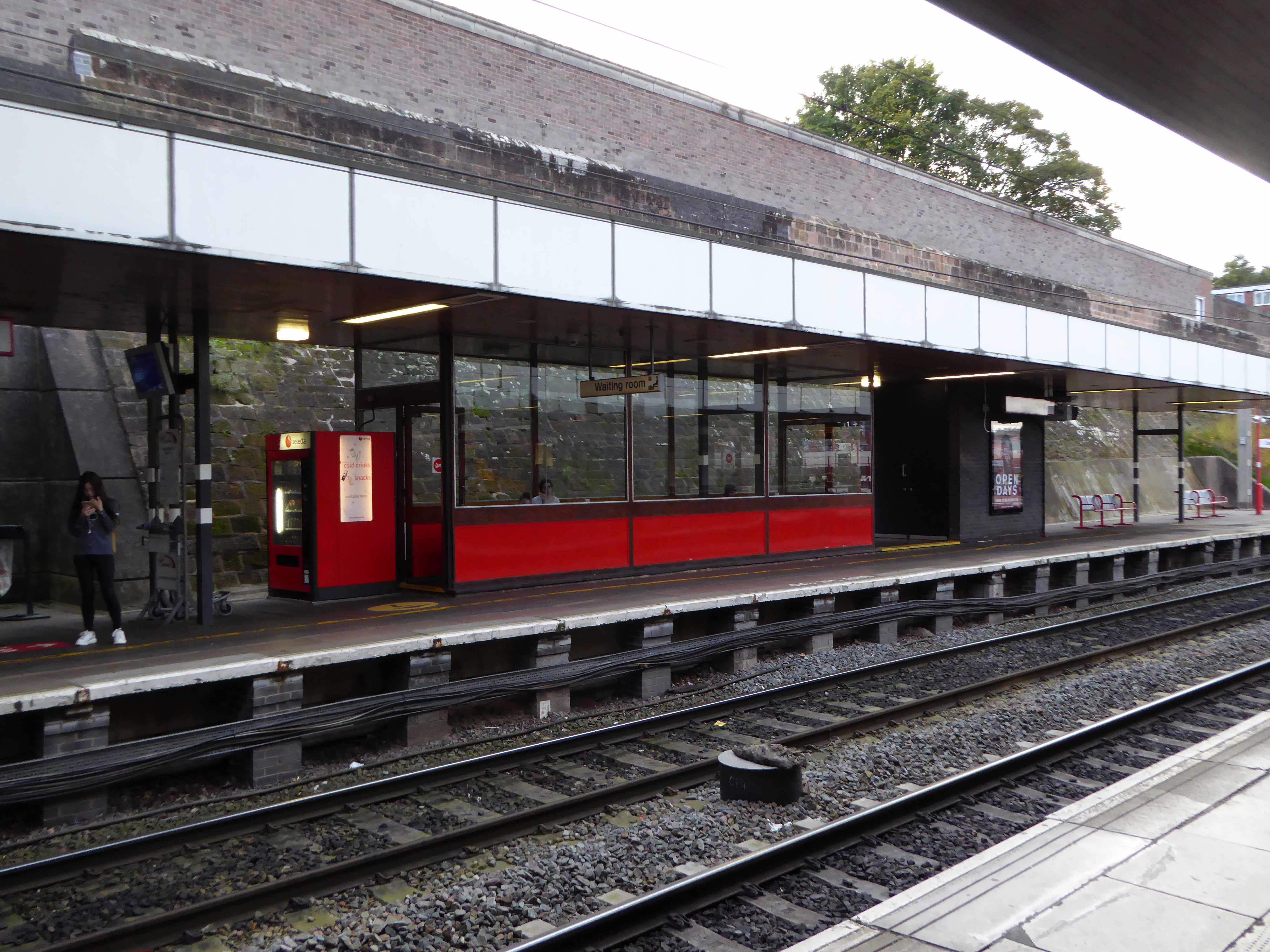
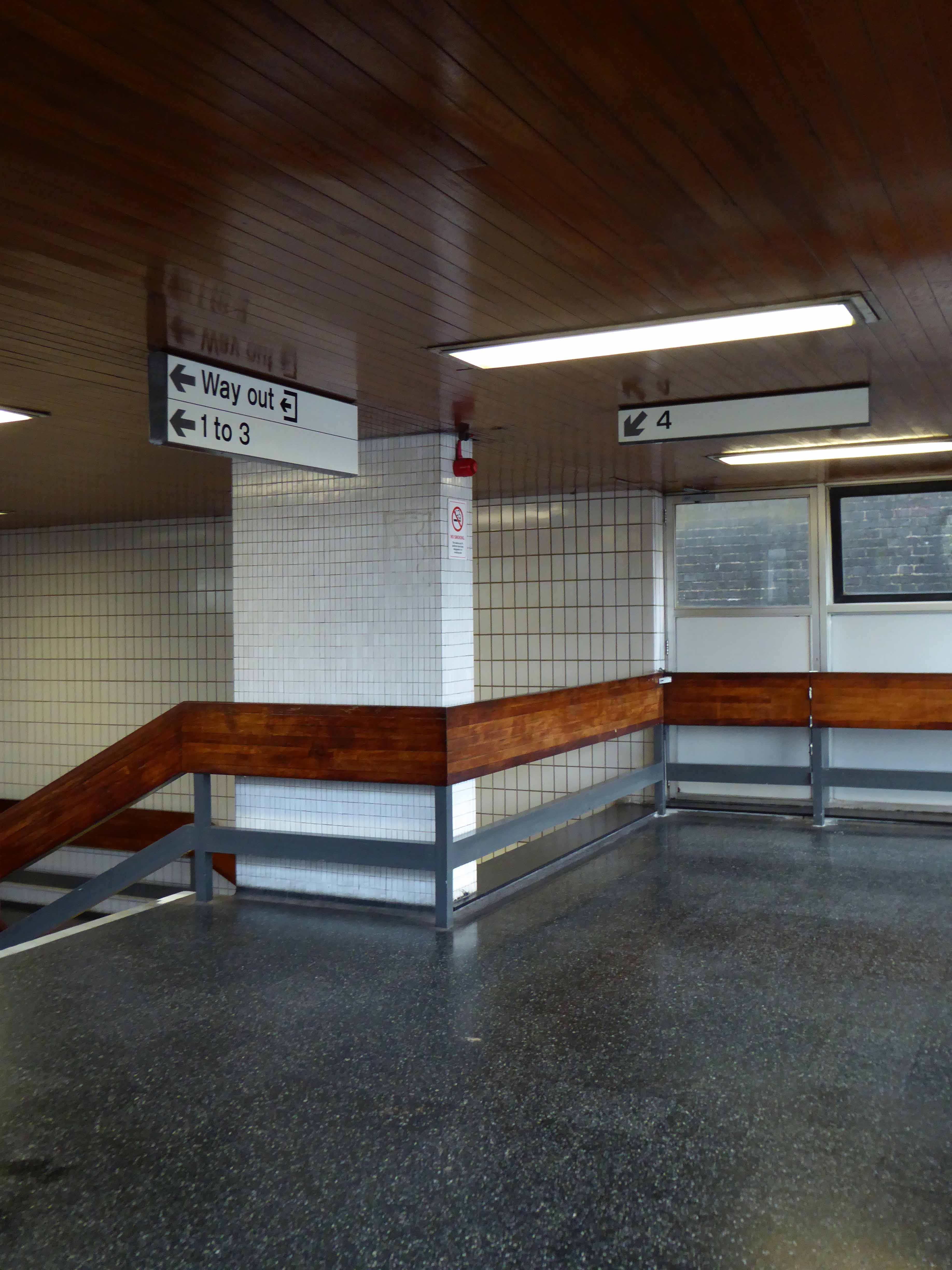
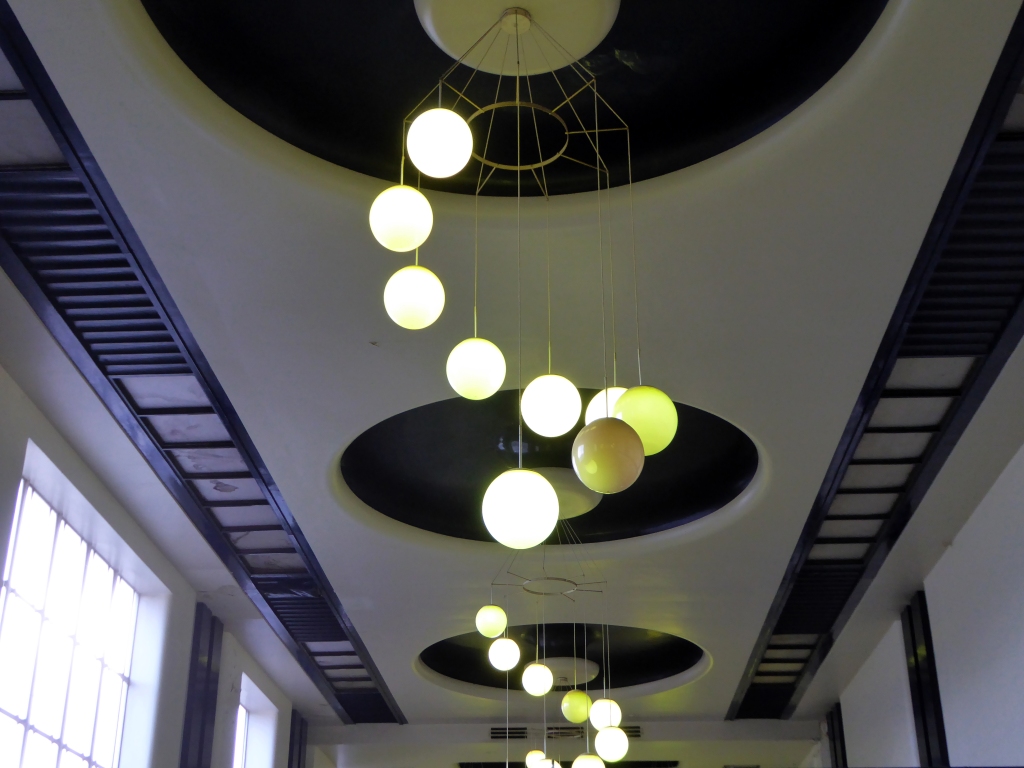
Arriving by train at 8.30, just in time to check out the new lighting scheme in the station foyer.
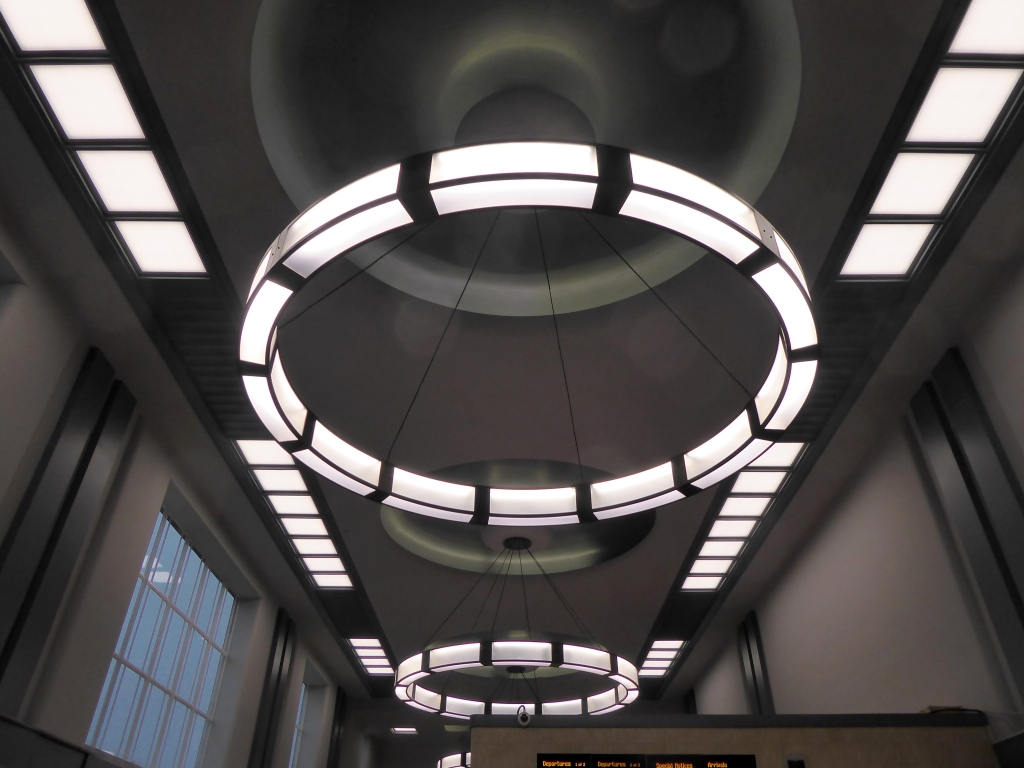
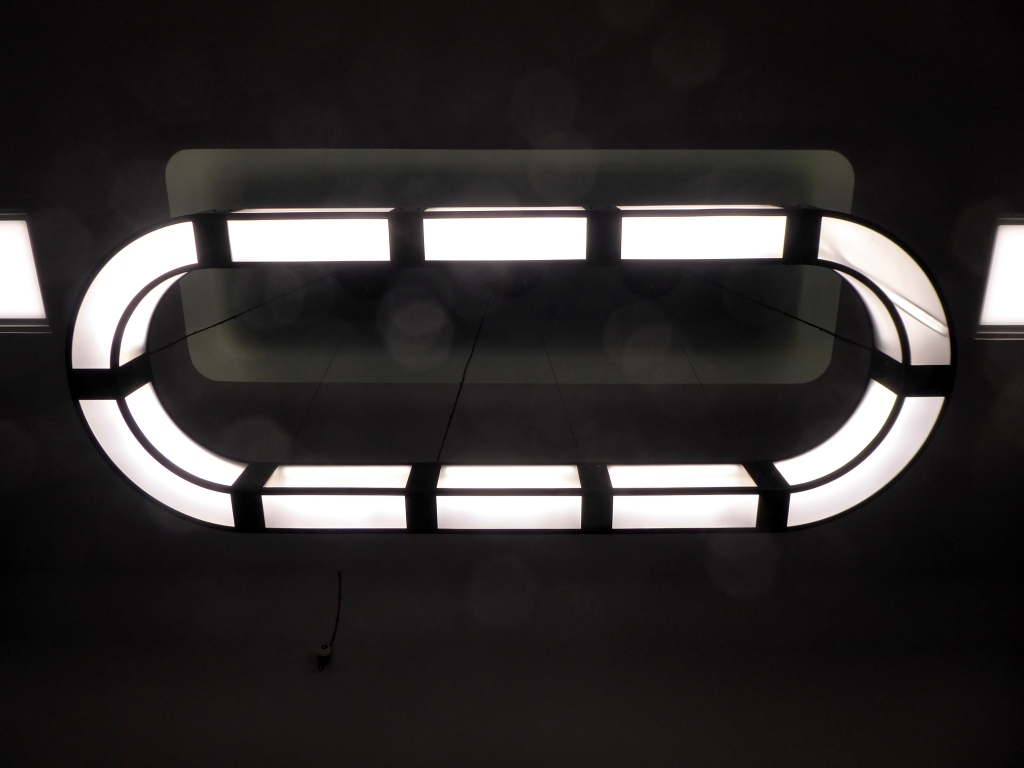
Replacing the previous lighting.
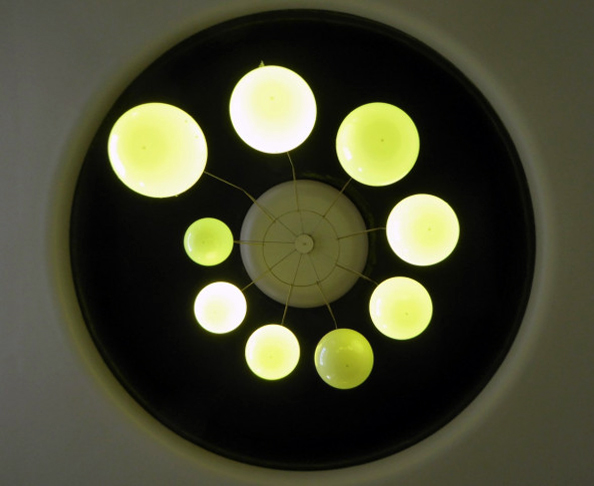
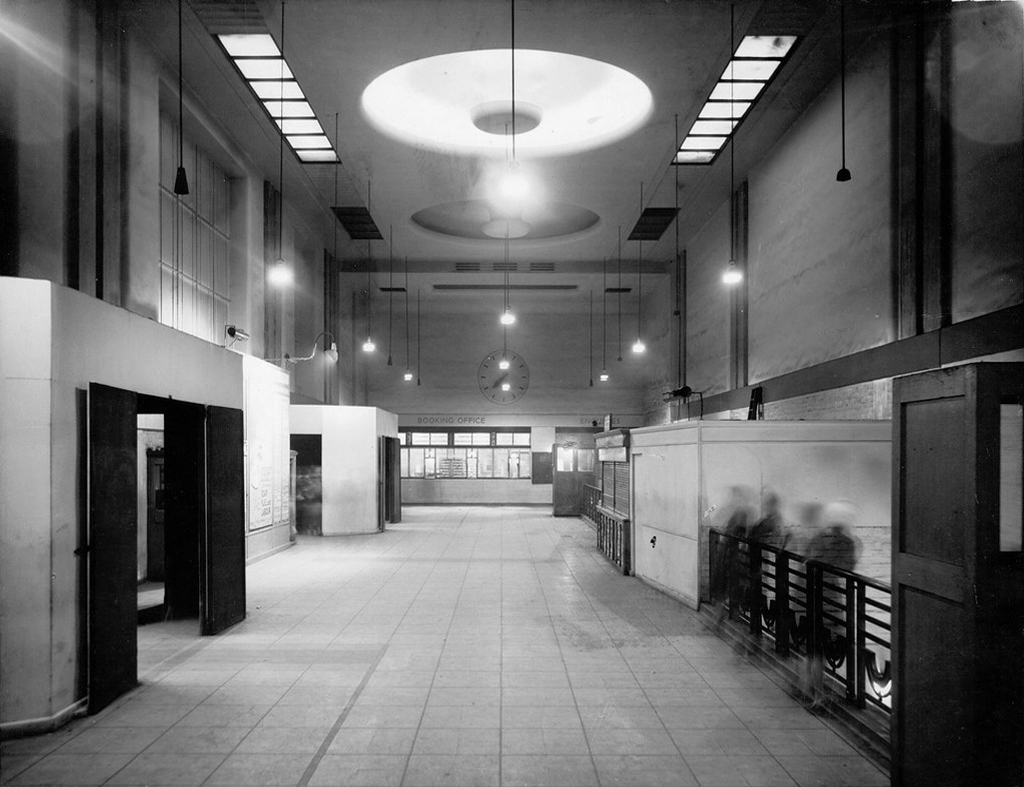
Which in turn replaced the original Thirties lighting.
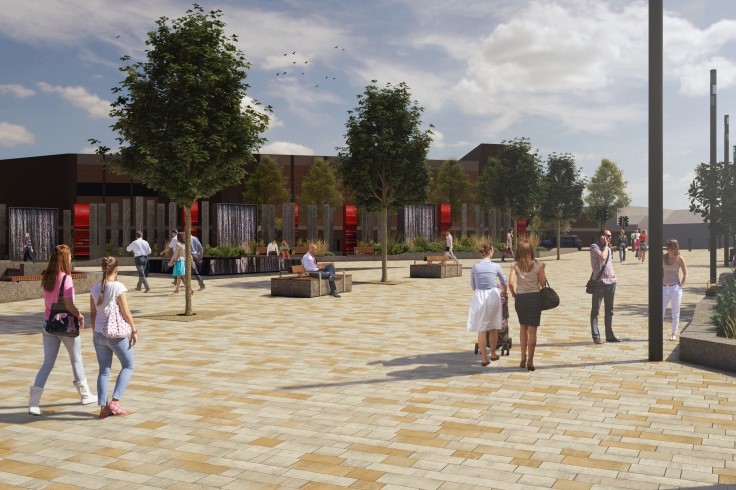
The forecourt redevelopment is a work nearing completion.
I was on my way to Intake by bus so it’s off on the 66 from the Frenchgate Inetrchange.
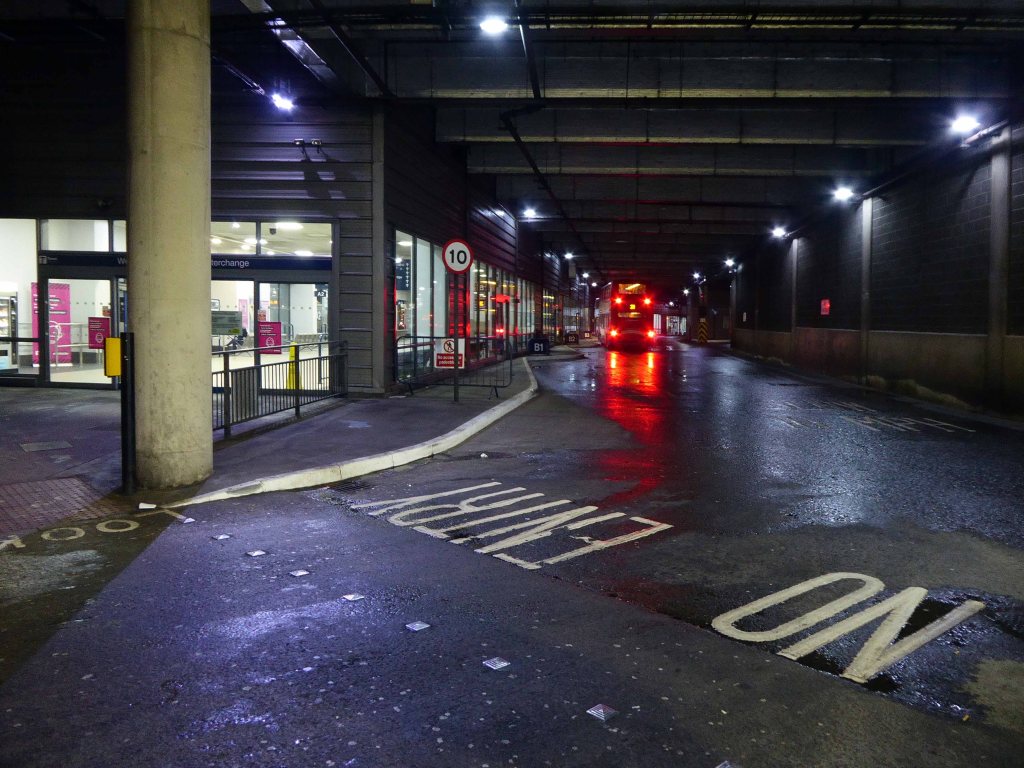
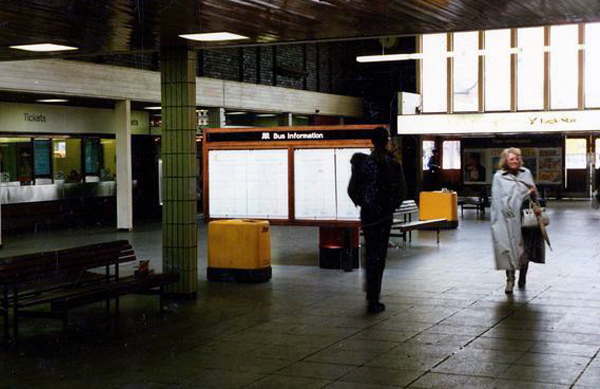
An urban environment so anonymous, that it can only just recognise itself. I was helpfully informed by two radio controlled security guards that photography was illegal.
More Interzone than Interchange.
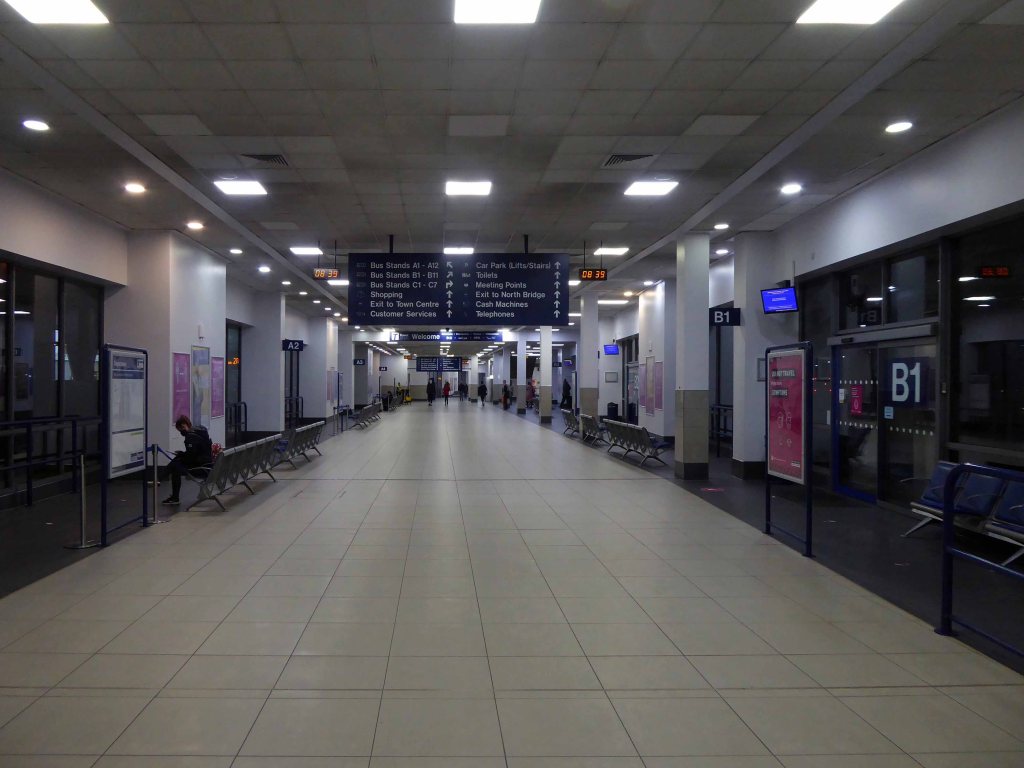
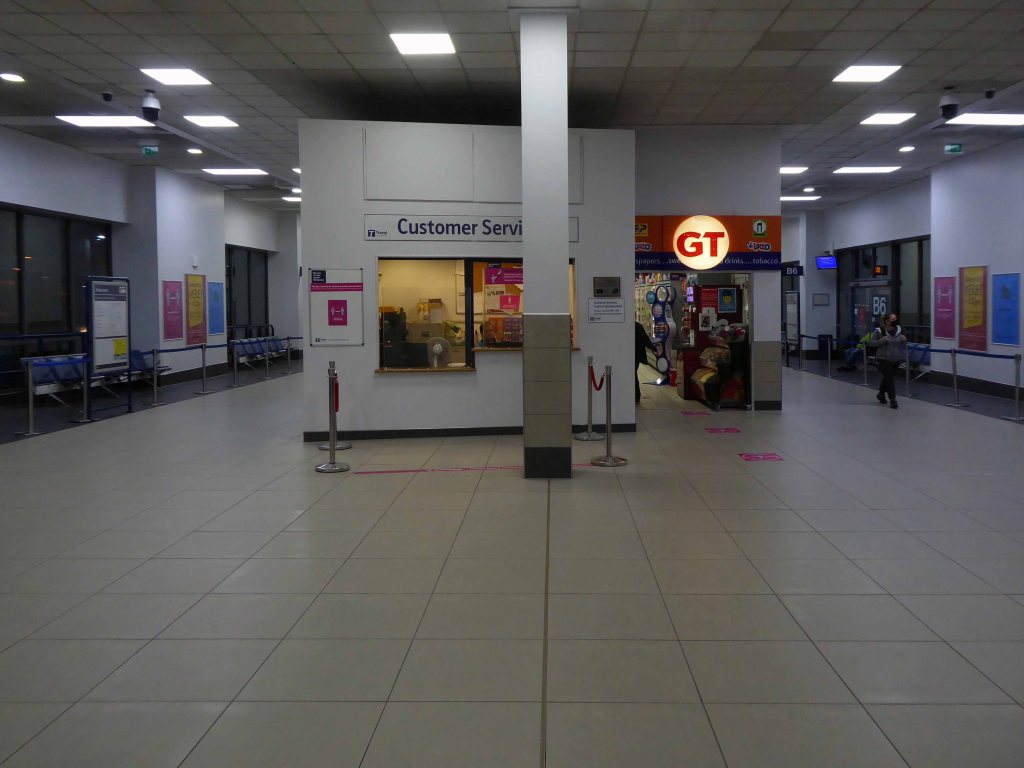
Here are my transgressive snaps, I made my excuses and left – on the next available 66.
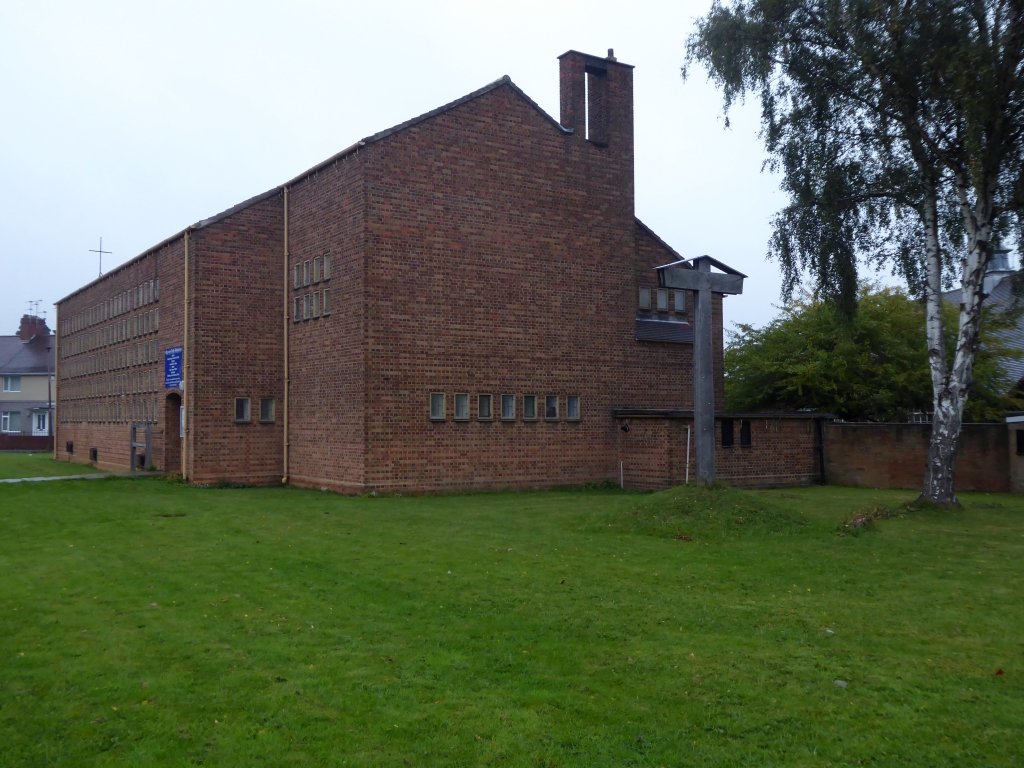
Decanting from the single decker I made my way across the way to All Saints, a George Pace church of 1956.
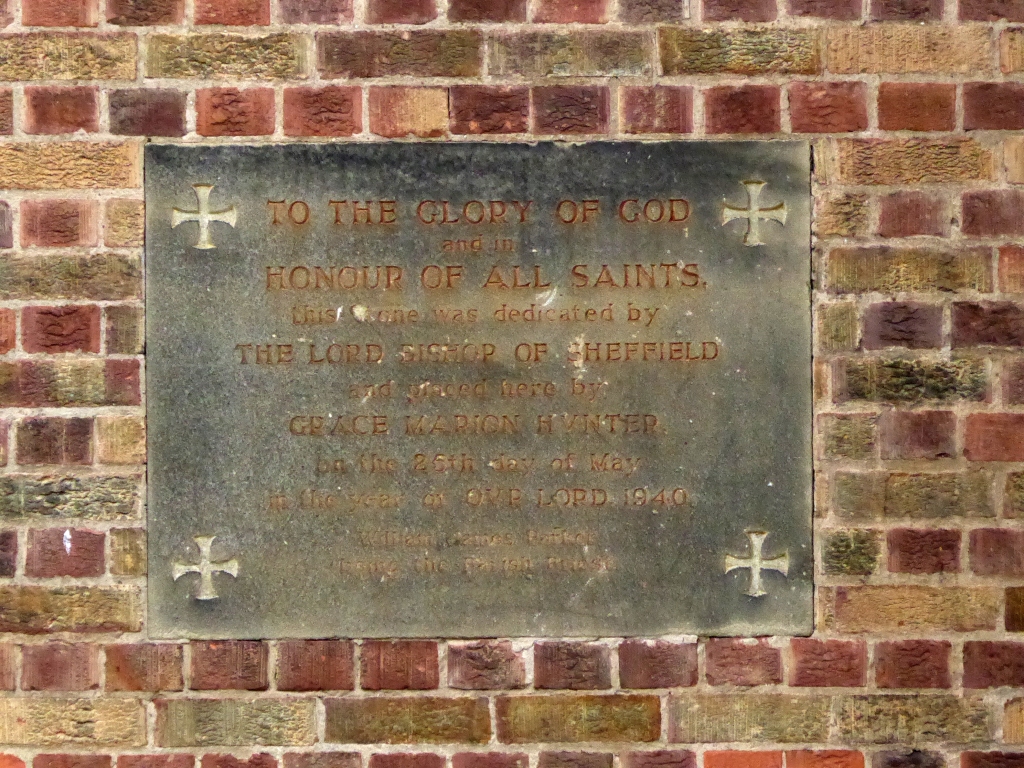
Built on the foundations of an unrealised Neo-Romanesque church of 1940, but reorientated east/west.
I legged it back to catch the bus back, the returning 66, much to the surprise of the surprised driver, making his return journey.
Jumping the 41A to Scawsby, displaying my risible home-printed map to the driver, requesting a shout when we arrived at the indicated destination, which he was unable to discern, and which I had failed illustrate.
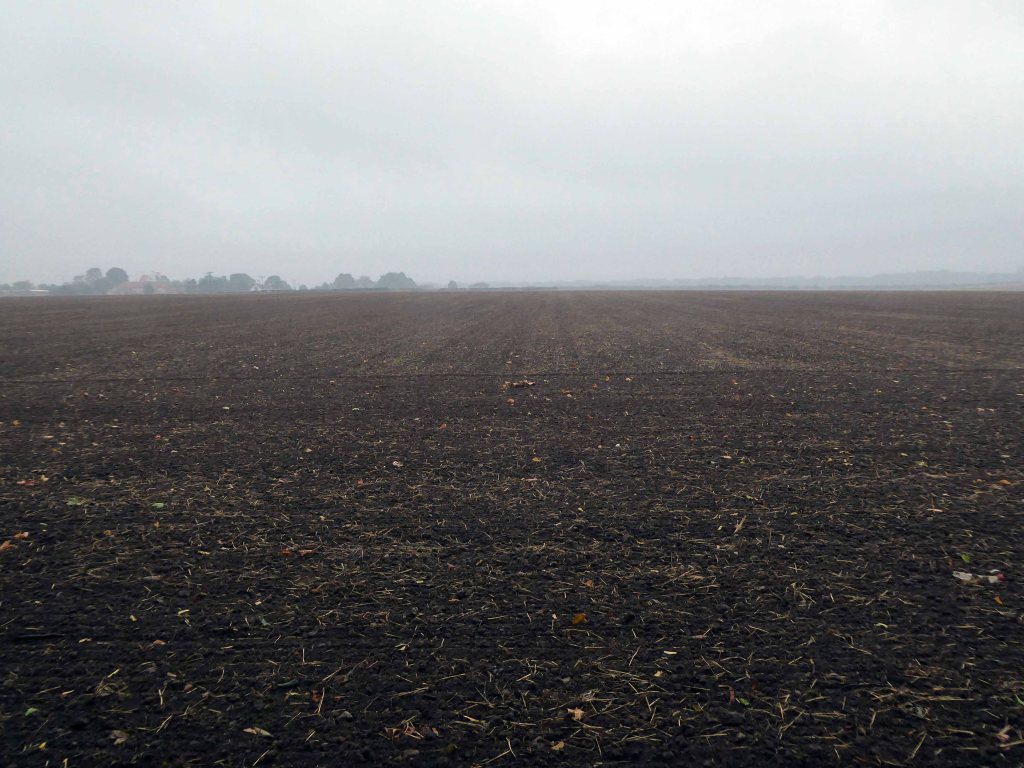
I had contrived to arrive at the end of the line, a bit part player in a non-existent Béla Tarr film.
The heavy rain continued to fall.
I followed the bus route back to the Church of St Leonard and St Jude on Barnsley Road.
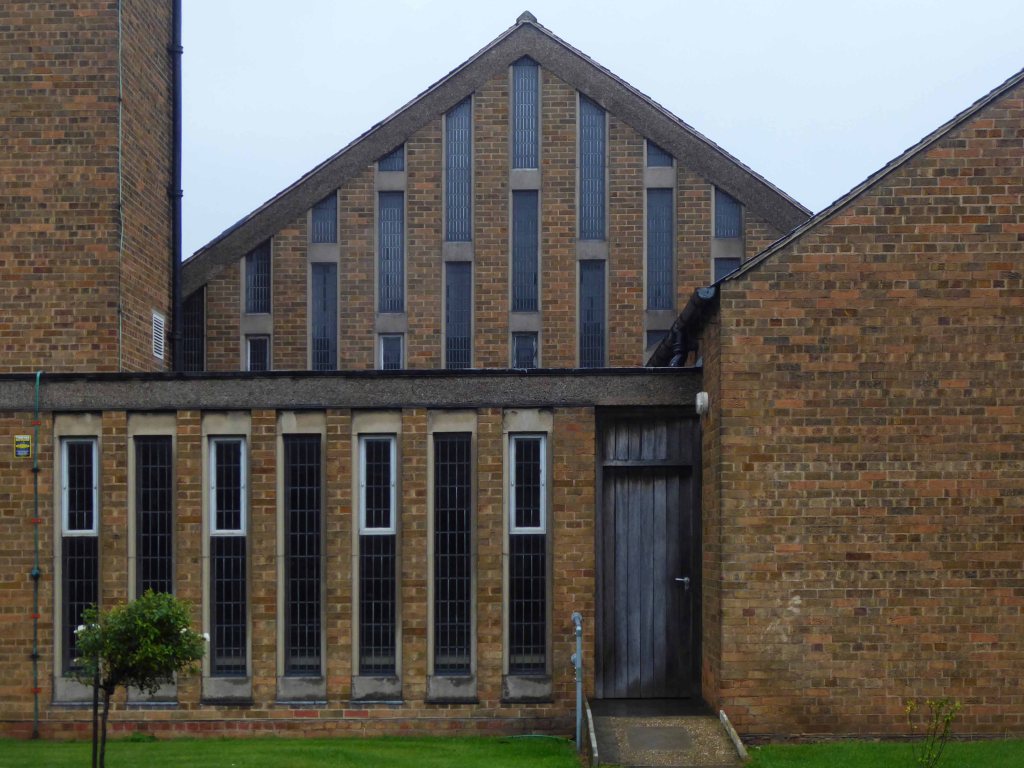
Following a thorough tour inside and out, I returned promptly to the town centre, on the limited stop express X19.
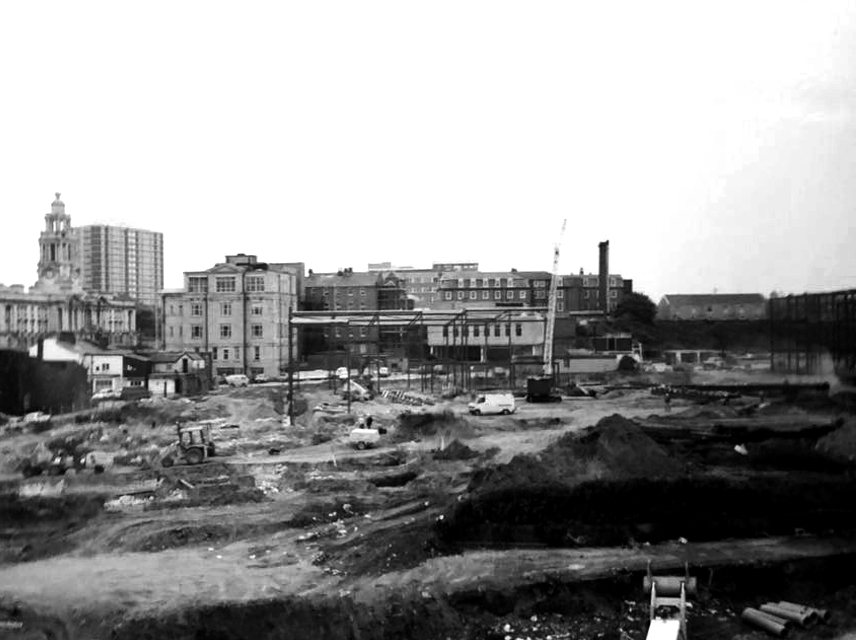
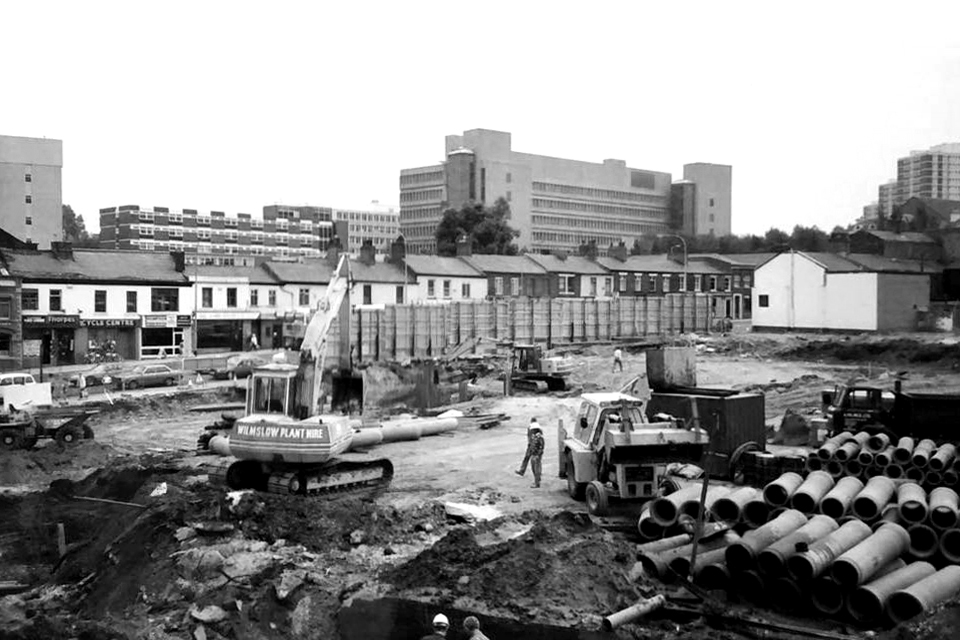
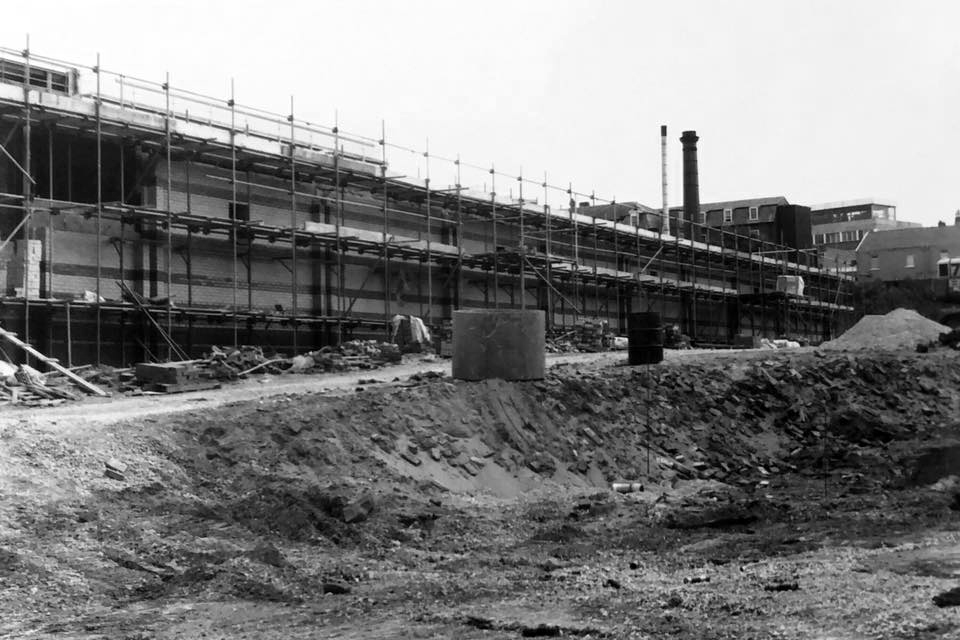
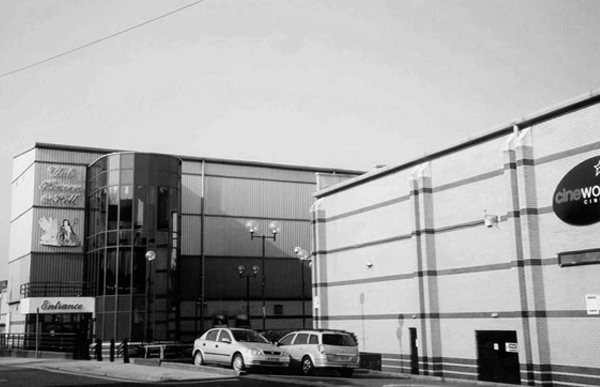
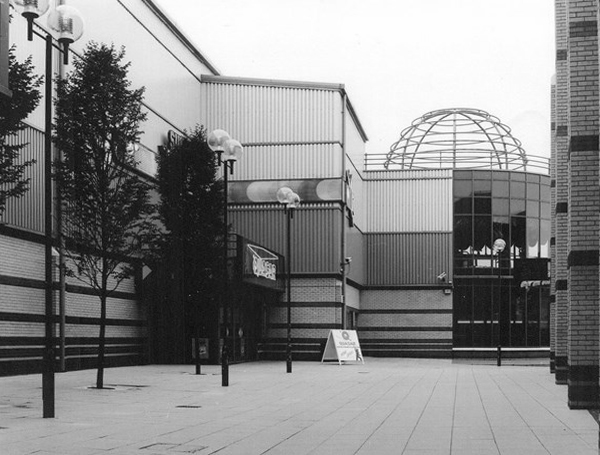
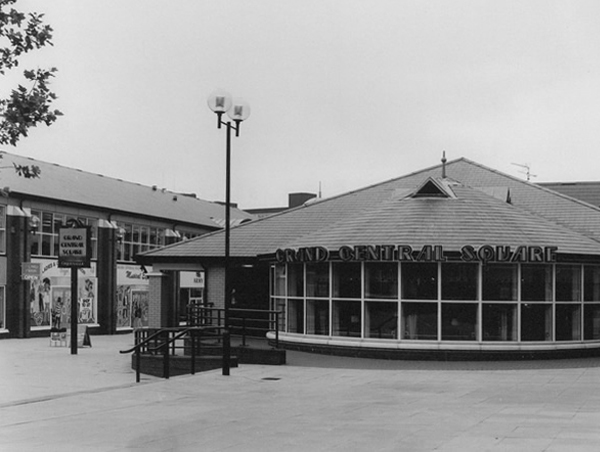
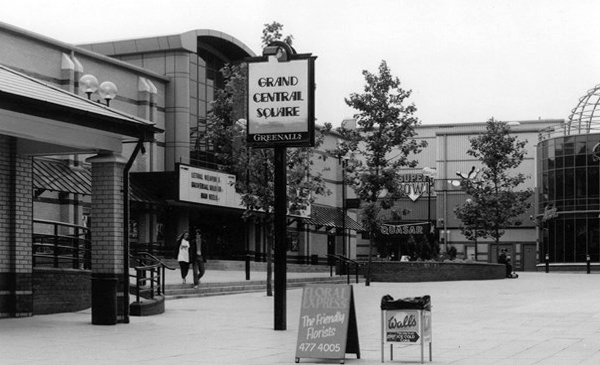
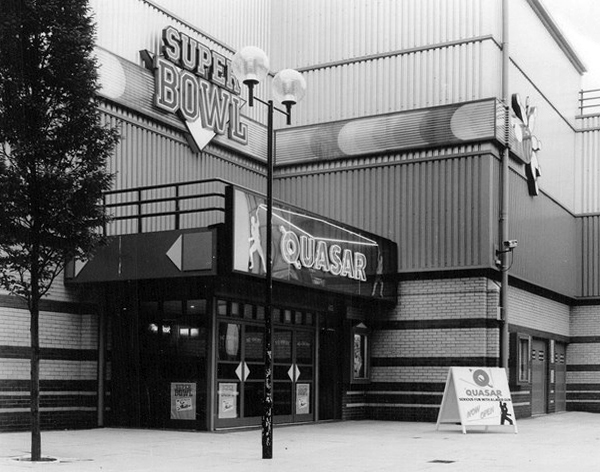
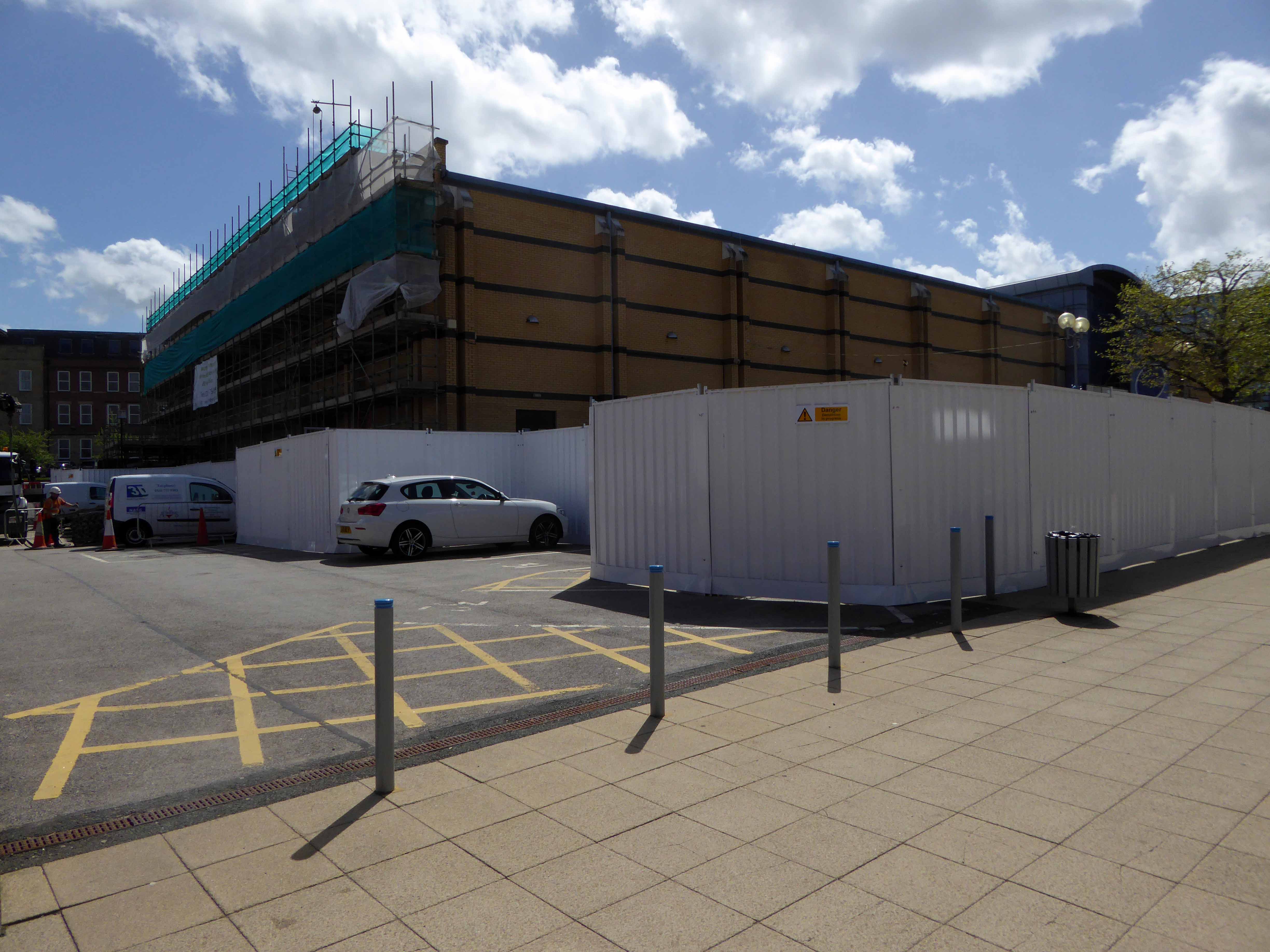
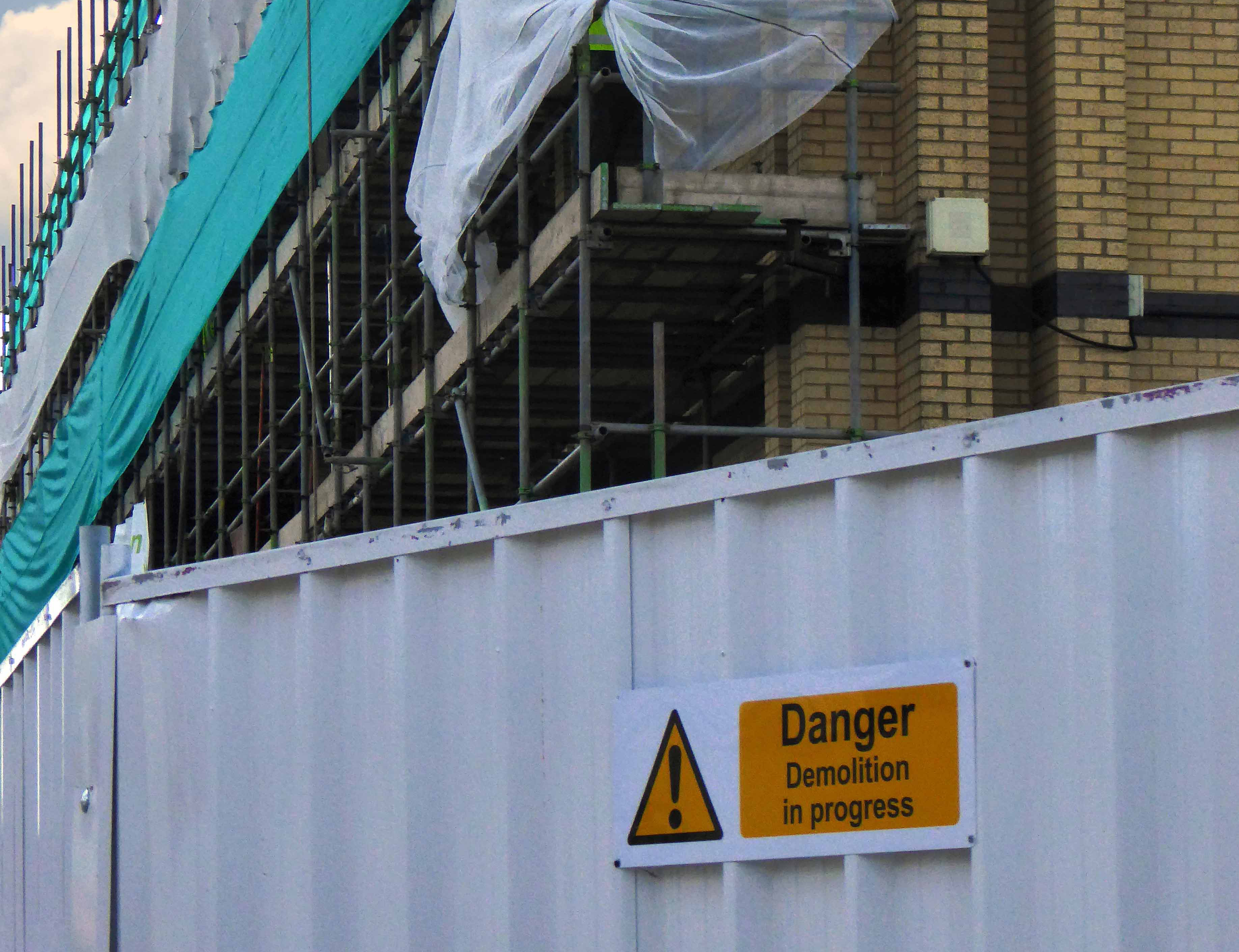
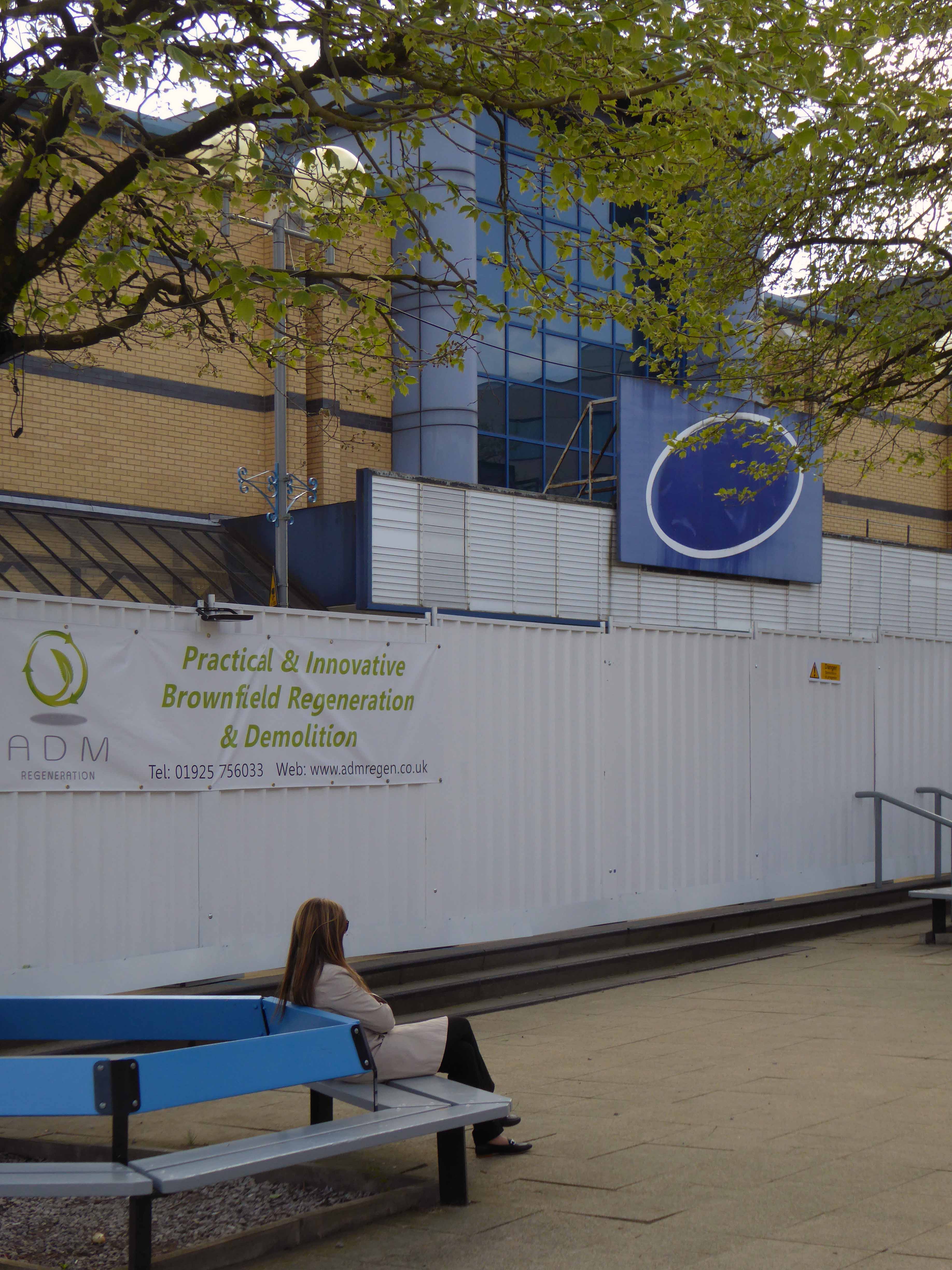
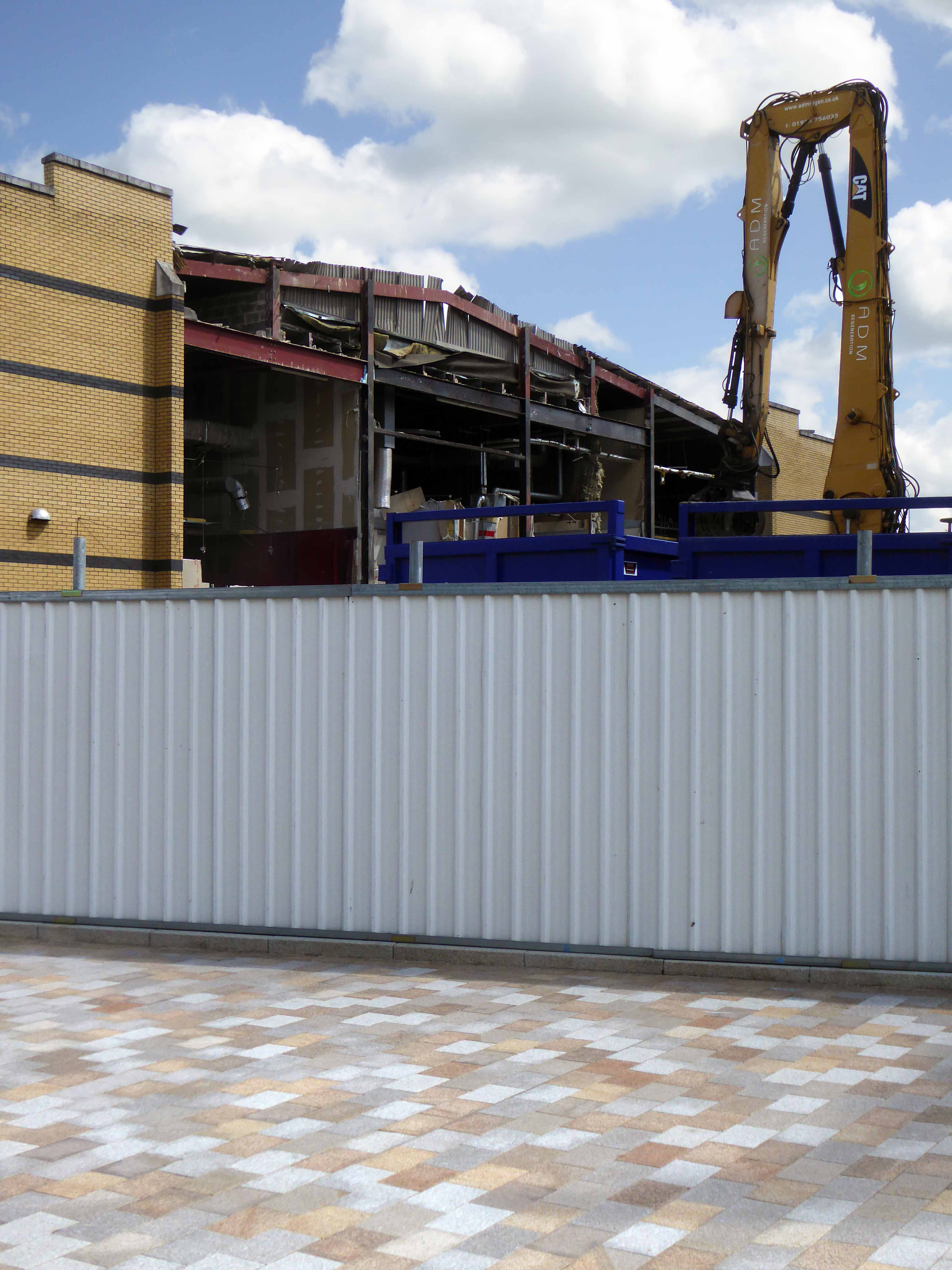
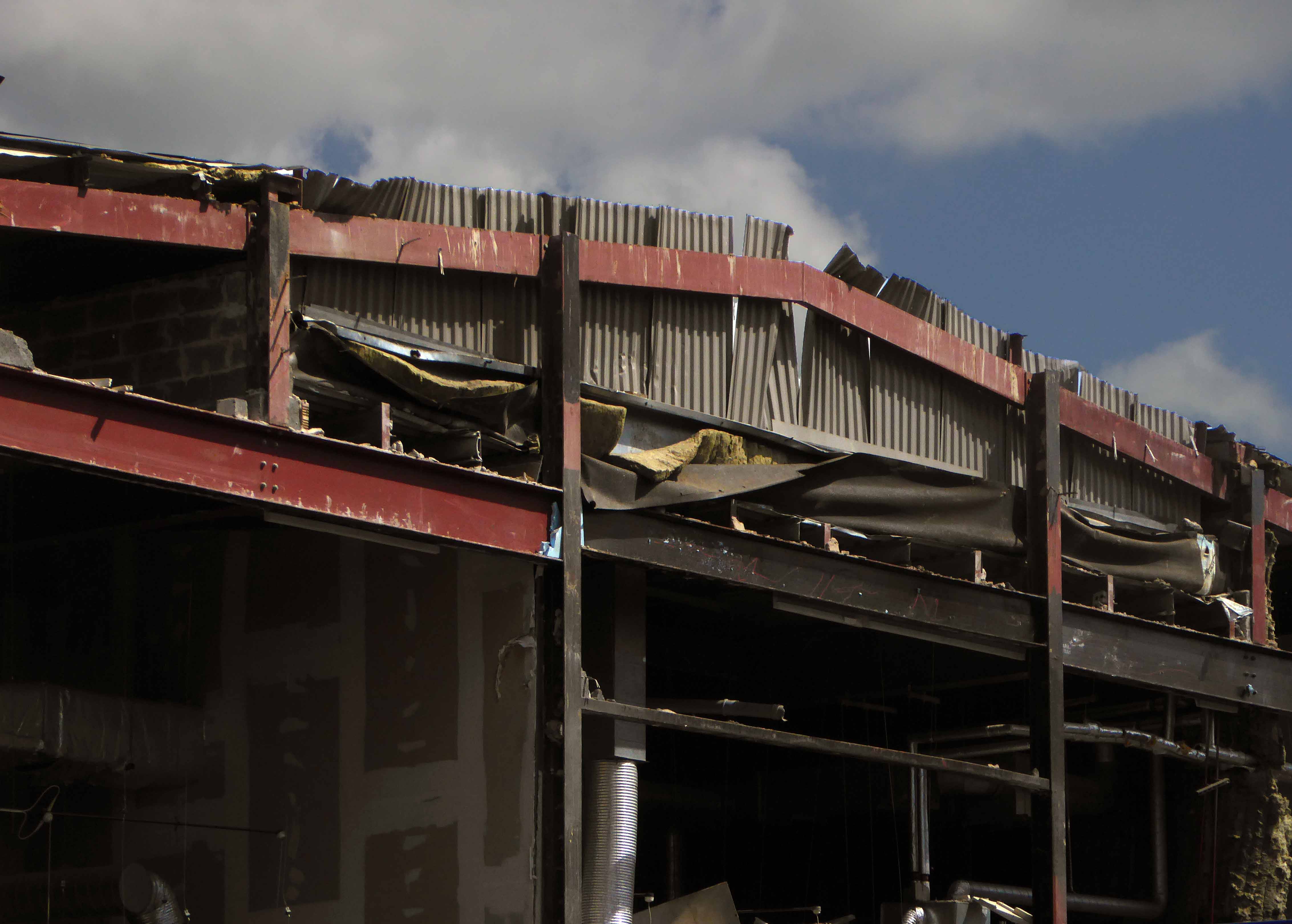
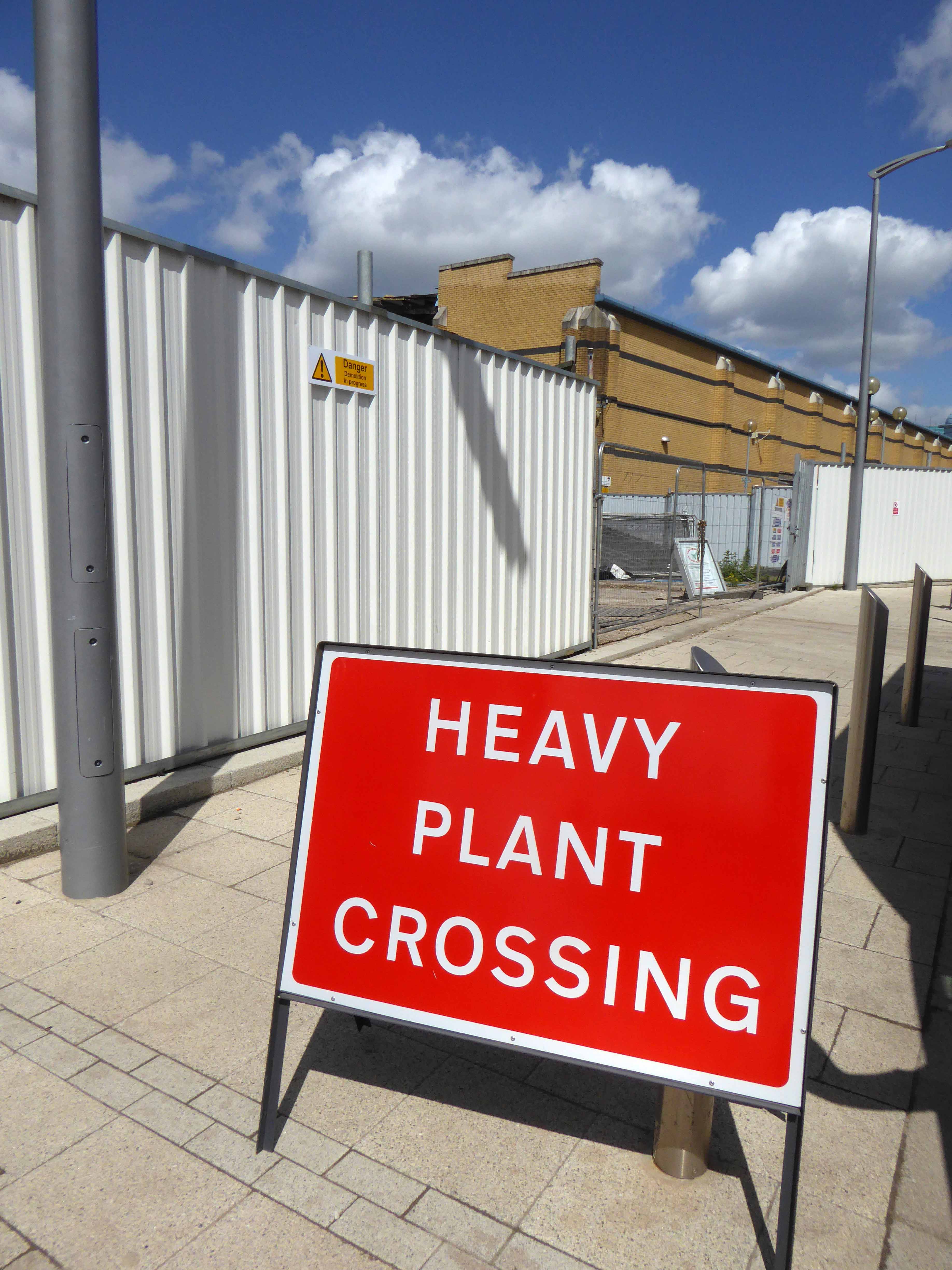
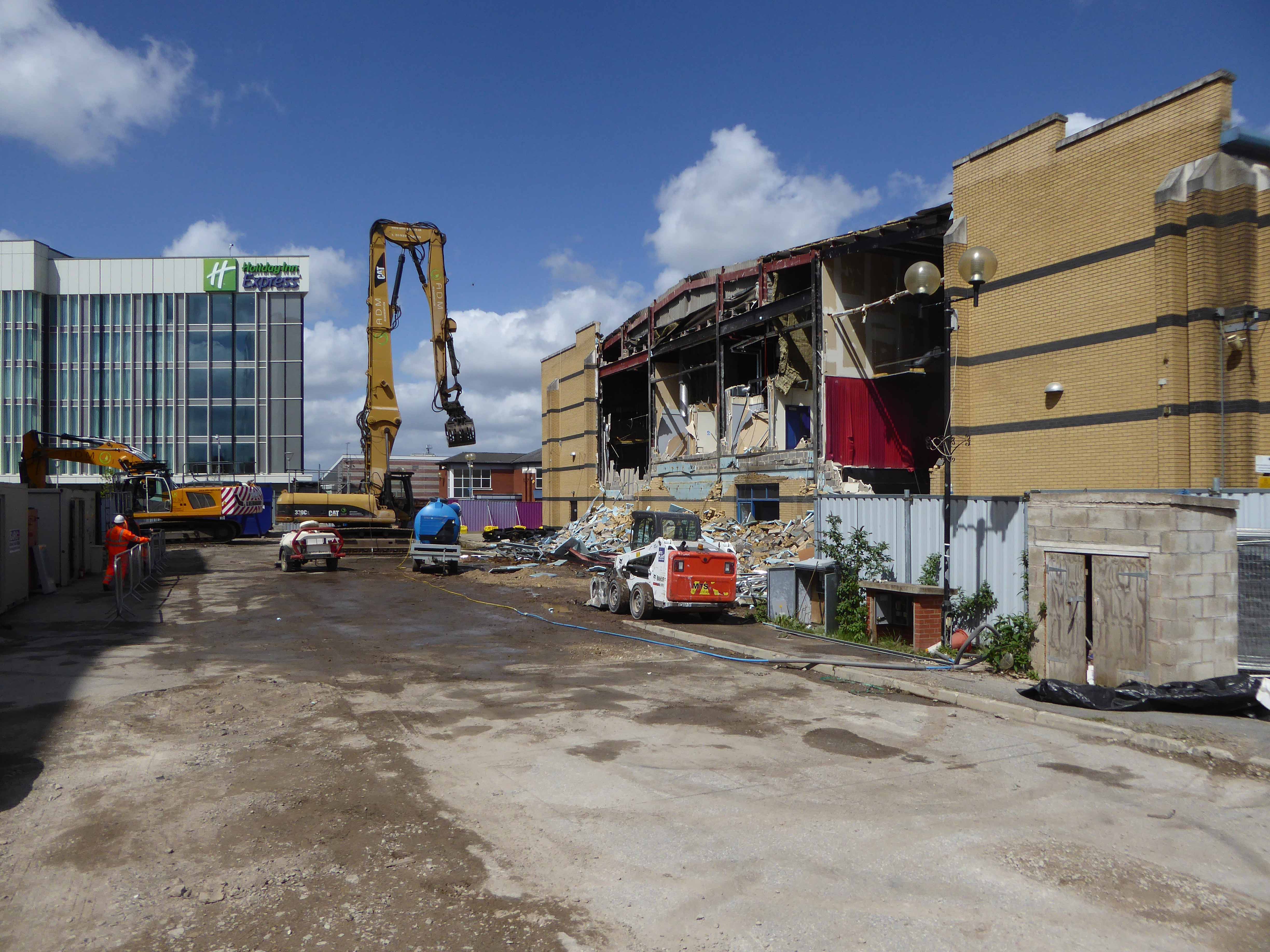
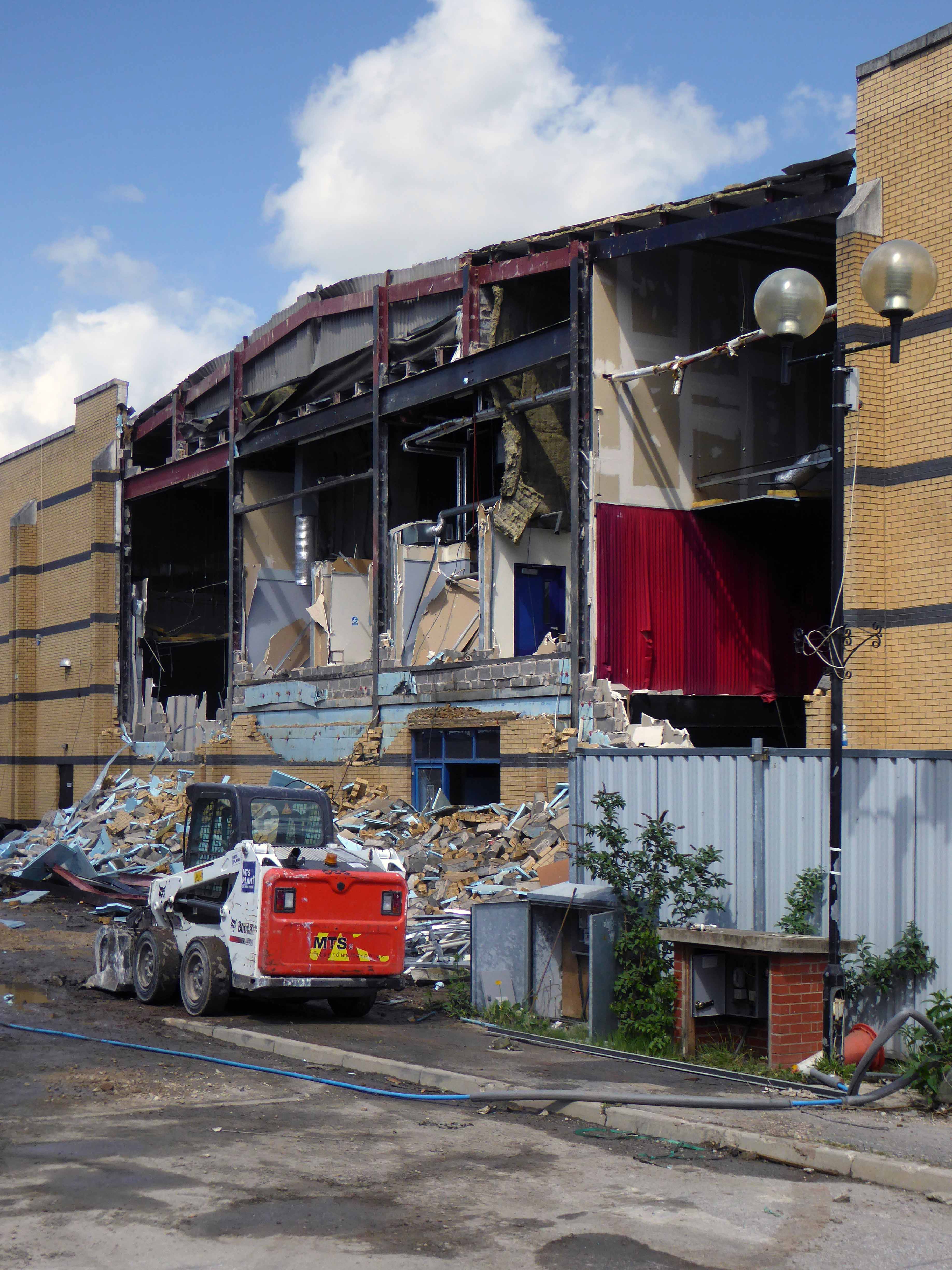
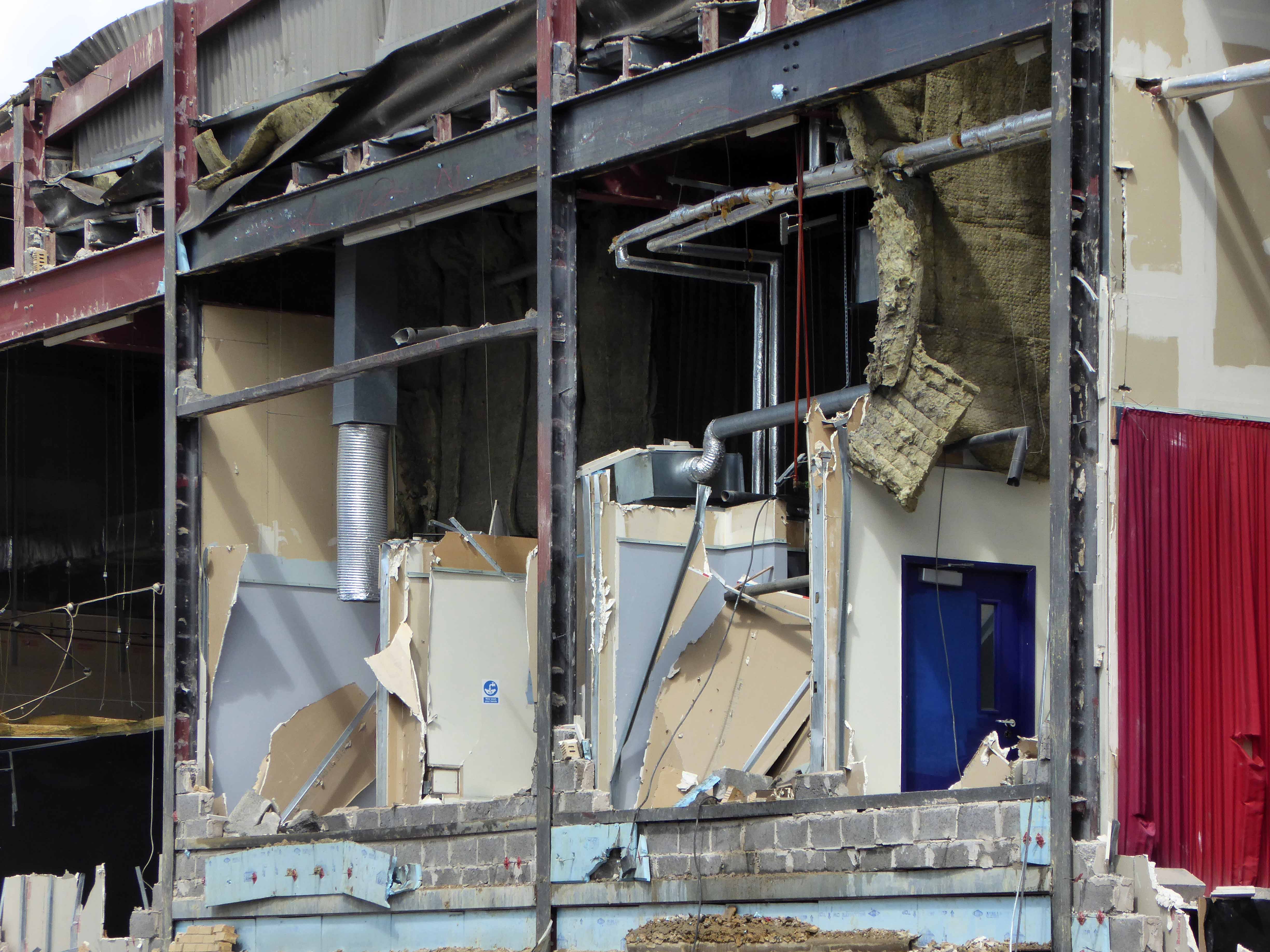
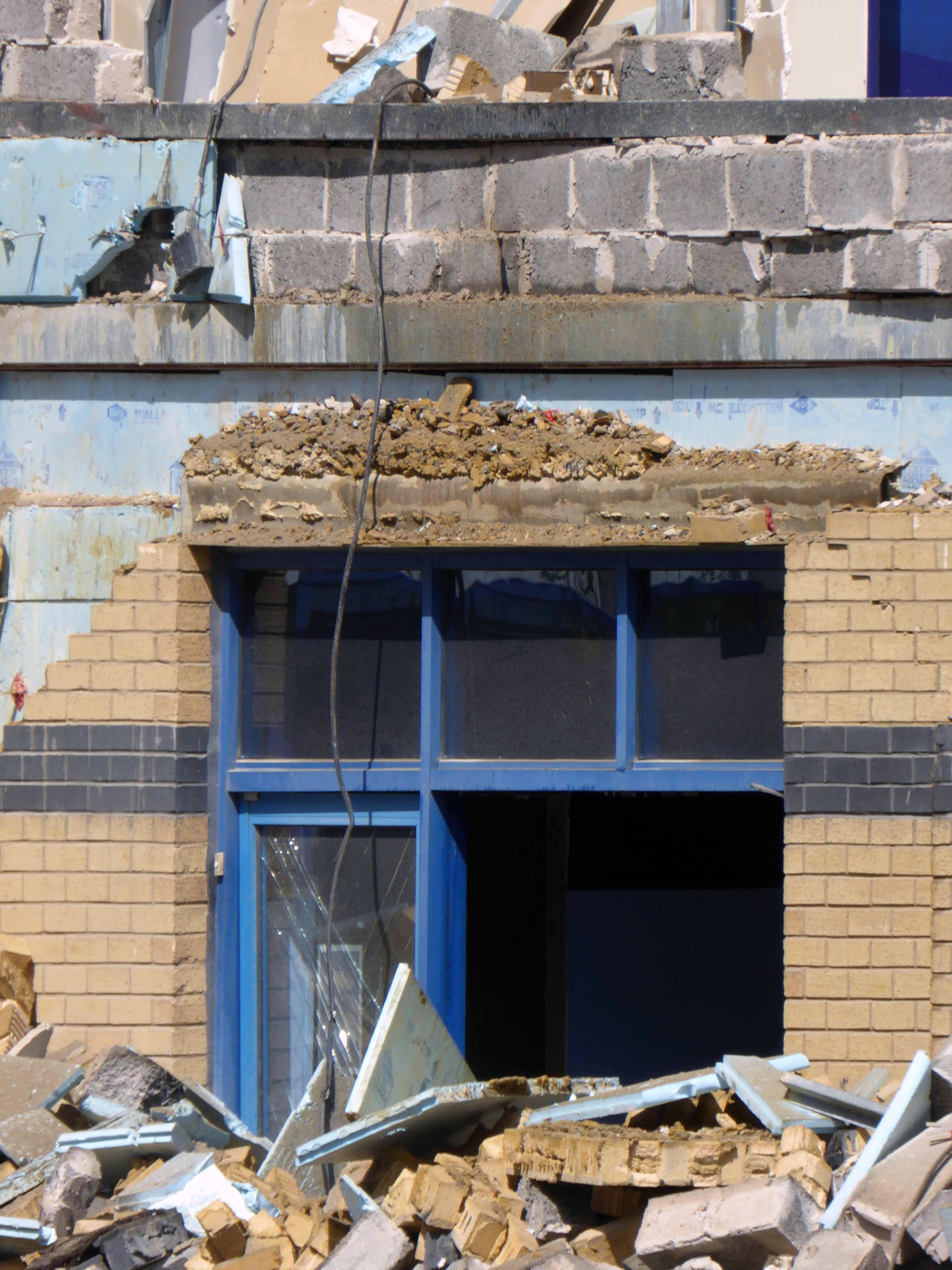
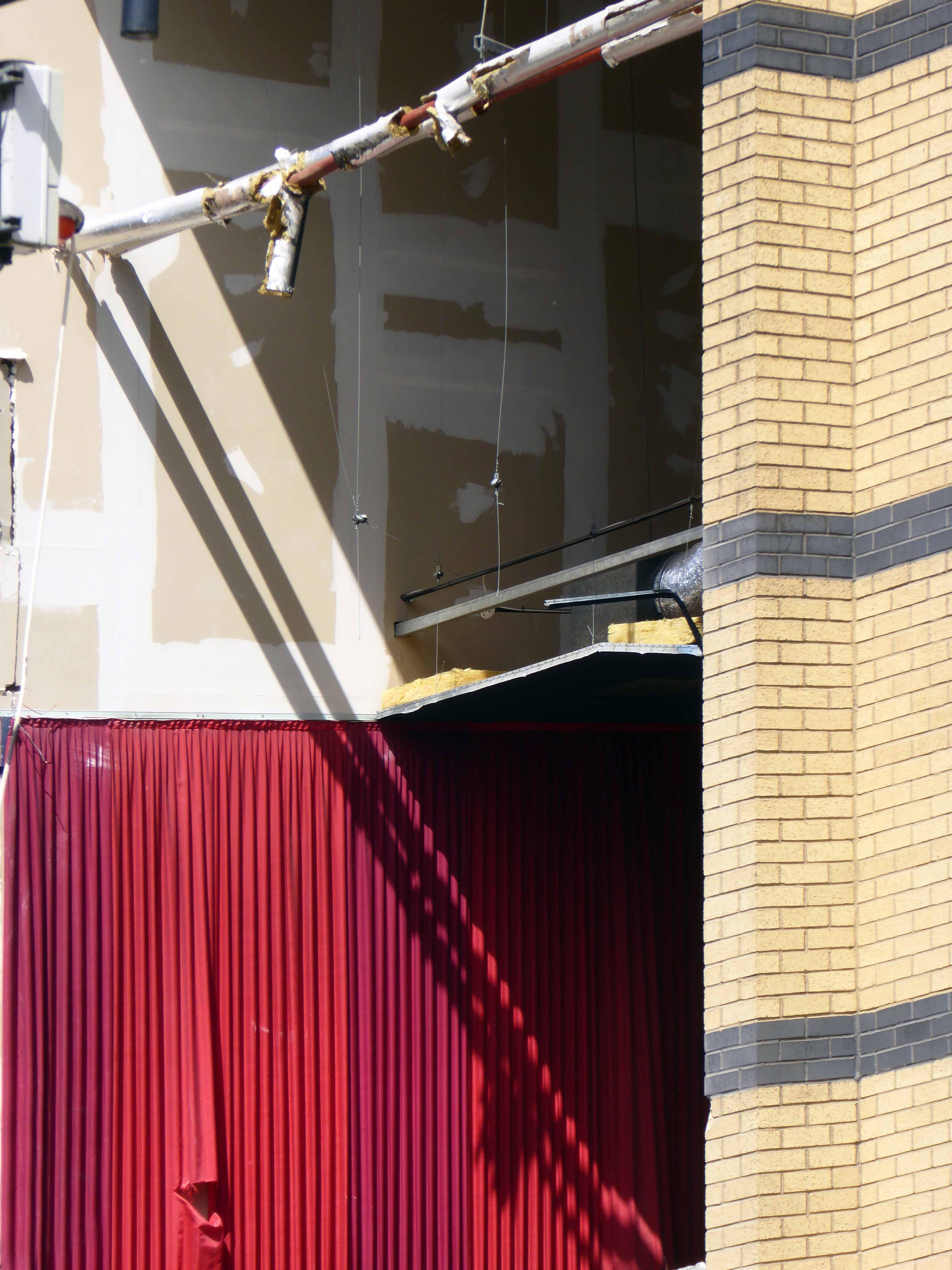
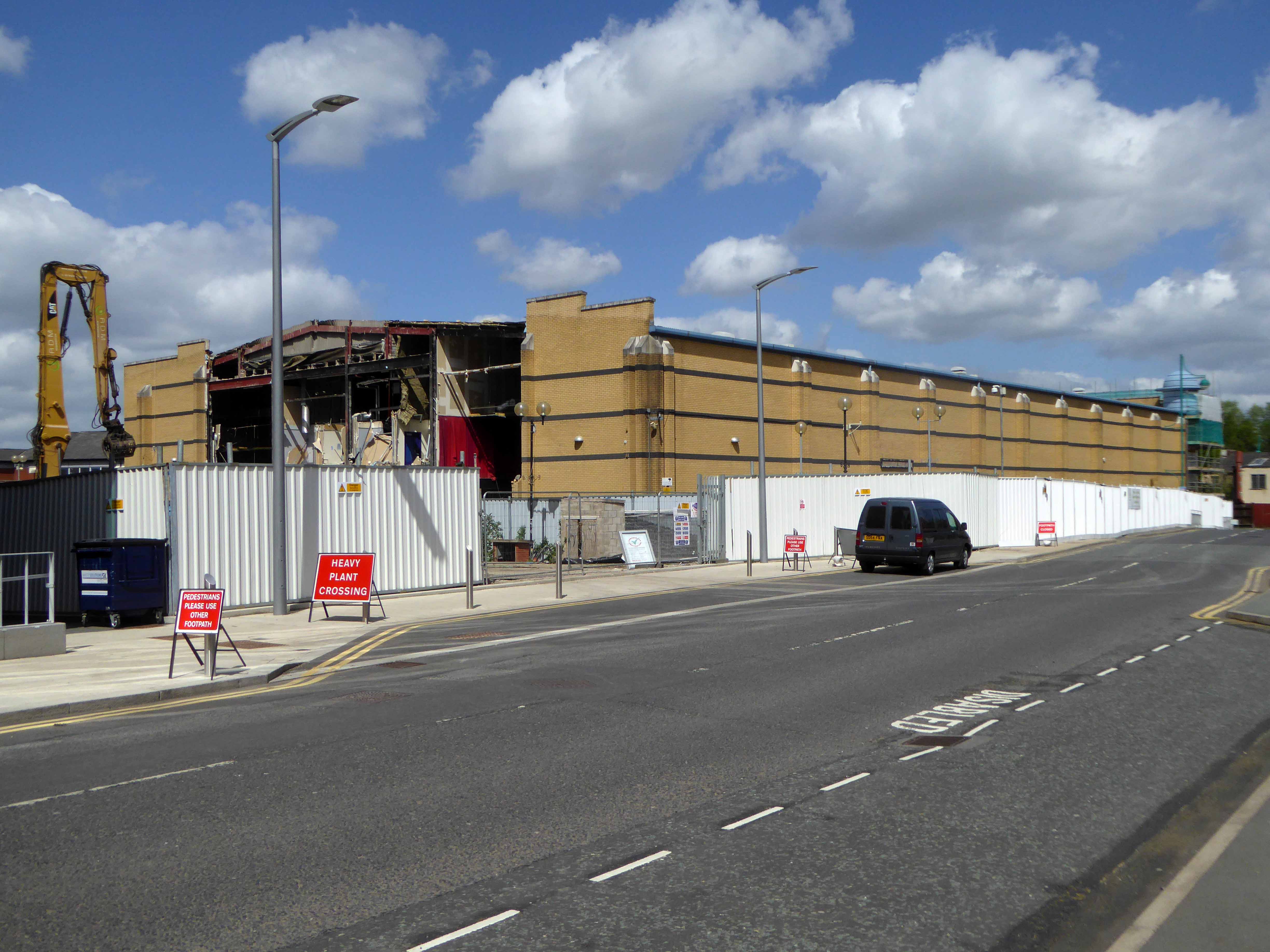
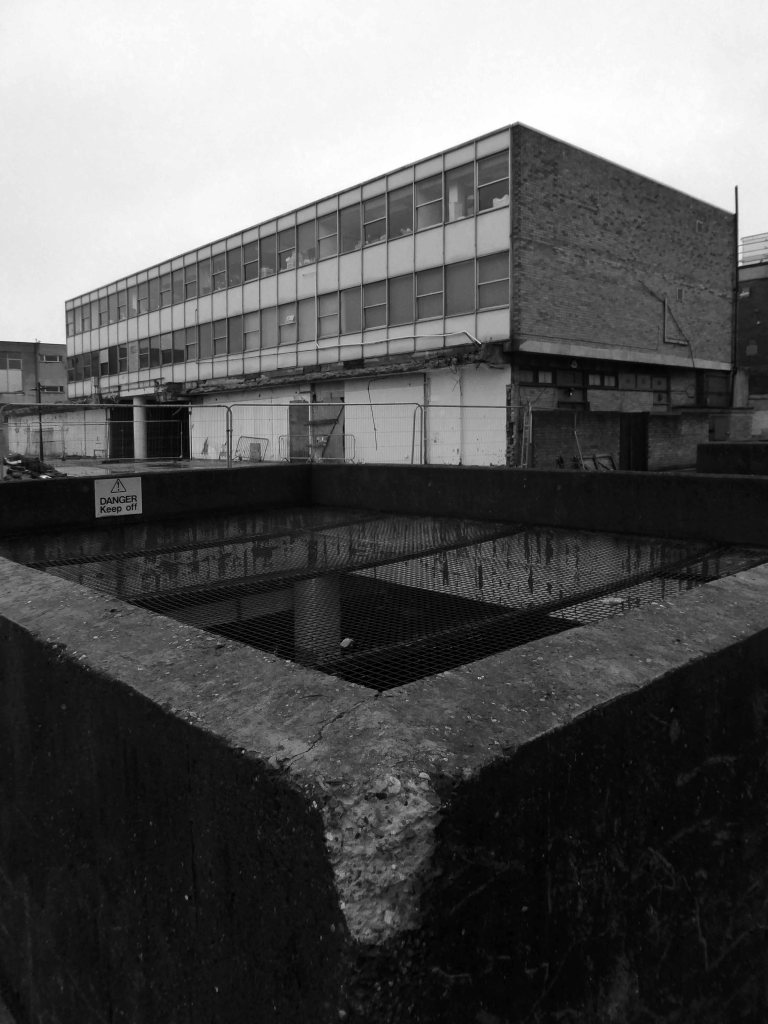
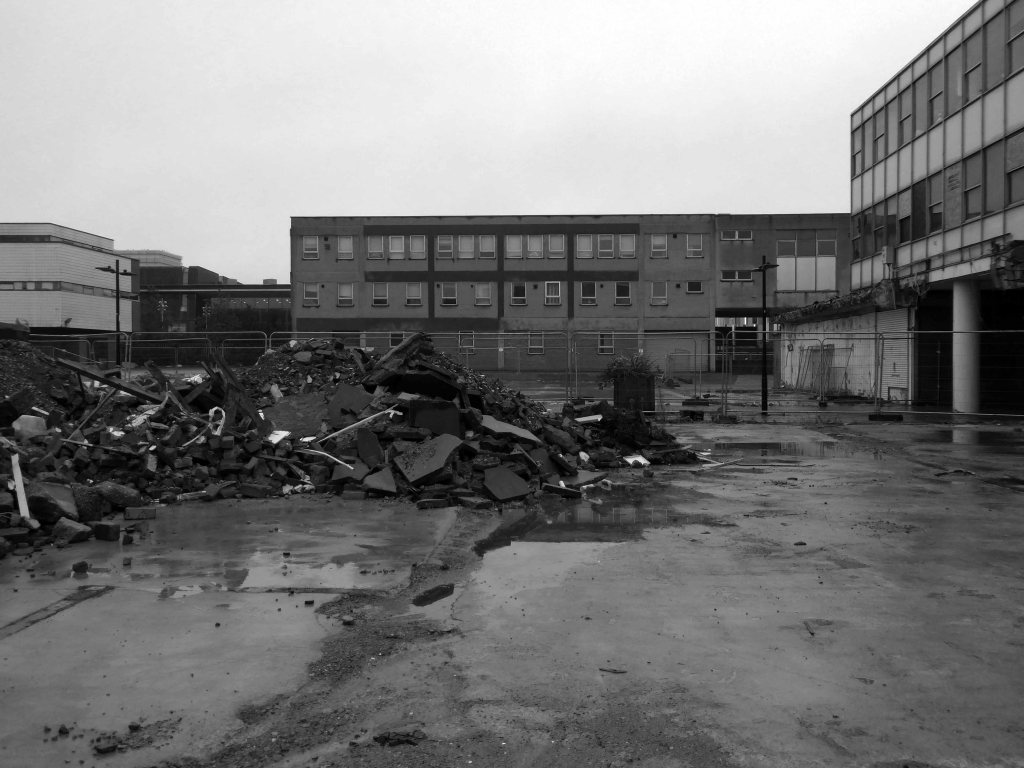
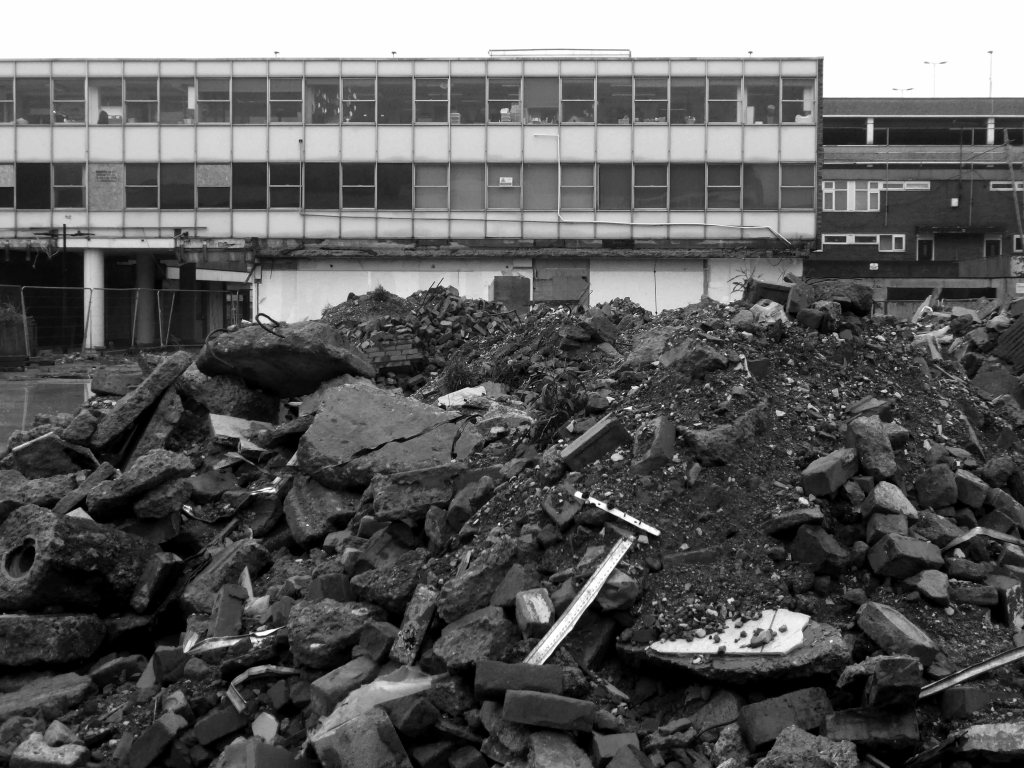
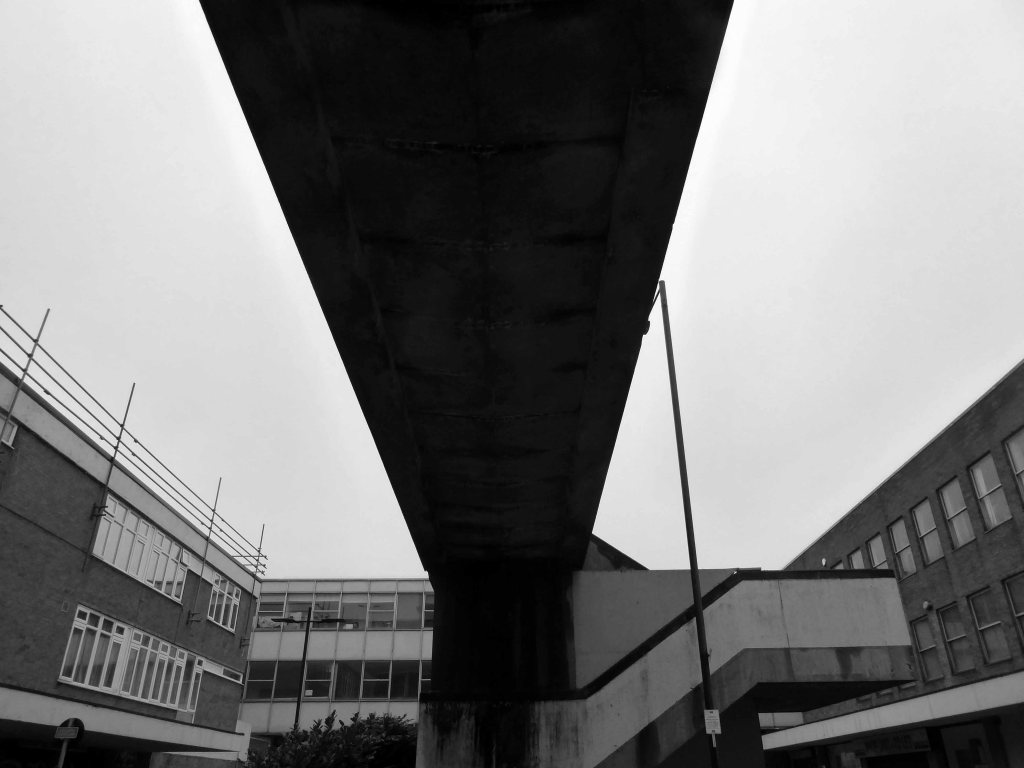
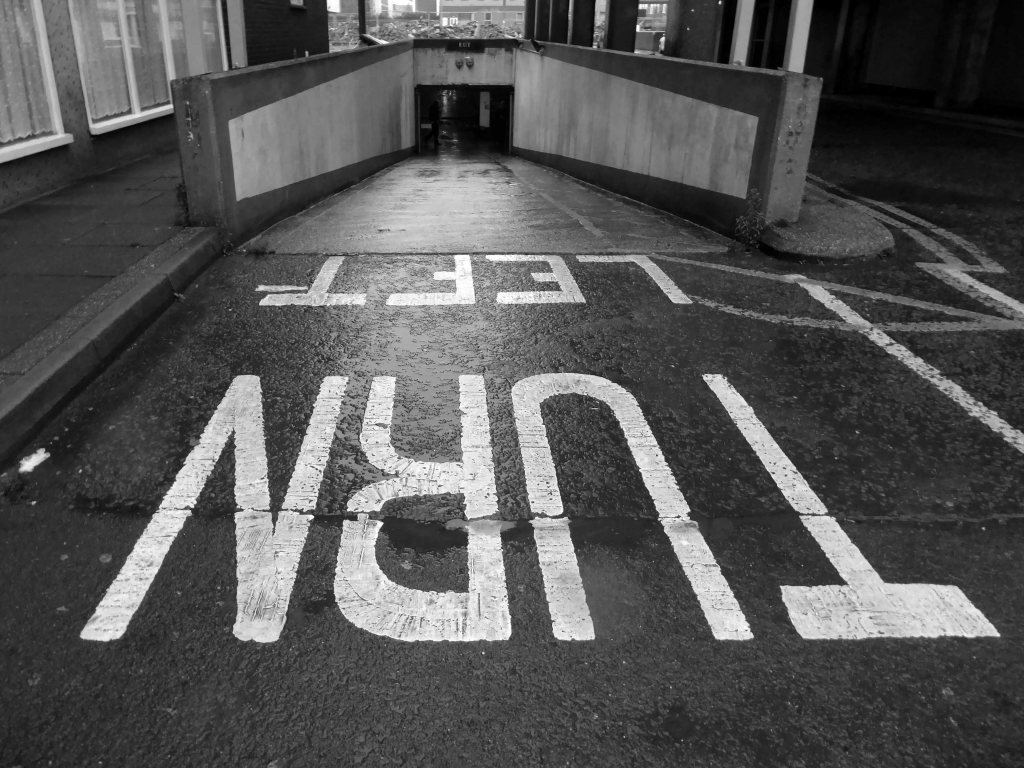
And hotfooted it to the Waterdale Centre, a work in progress, the CGI figures being as yet, a mere figment of the development officer’s fevered dreams.
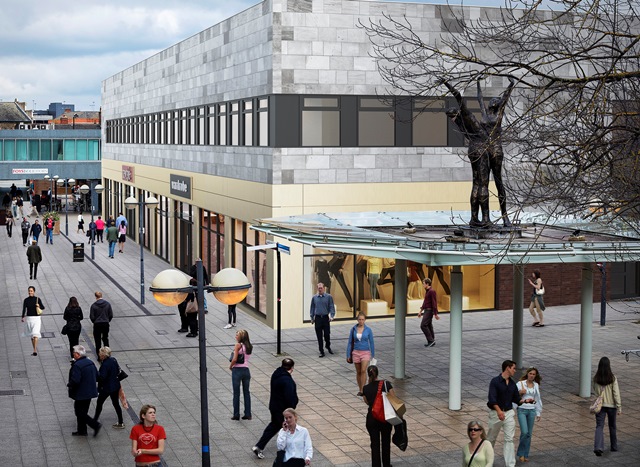
Doncaster Council documents from the planning application for the demolition say, that while the exact project is not yet fully in place, discussions are taking place with the council on the project and grant funding is being sought to help the future regeneration scheme. But the council has said it supports schemes that would revitalise the Waterdale Centre area for retail, leisure, and tourism uses.
The centre is now owned by the Doncaster-based property firm Lazarus Properties, who bought it from the Birmingham firm St Modwen.
Lazarus director Glyn Smith said his firm had faith in the local economy of Doncaster town centre, even though larger multinationals seemed to be shying away.
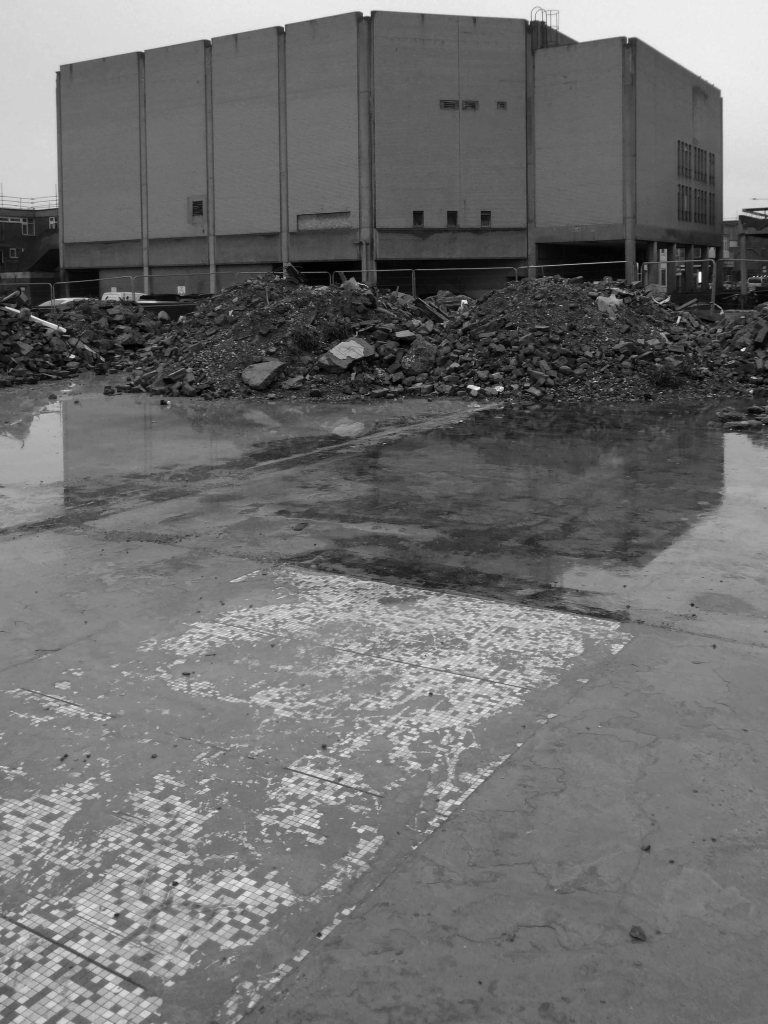
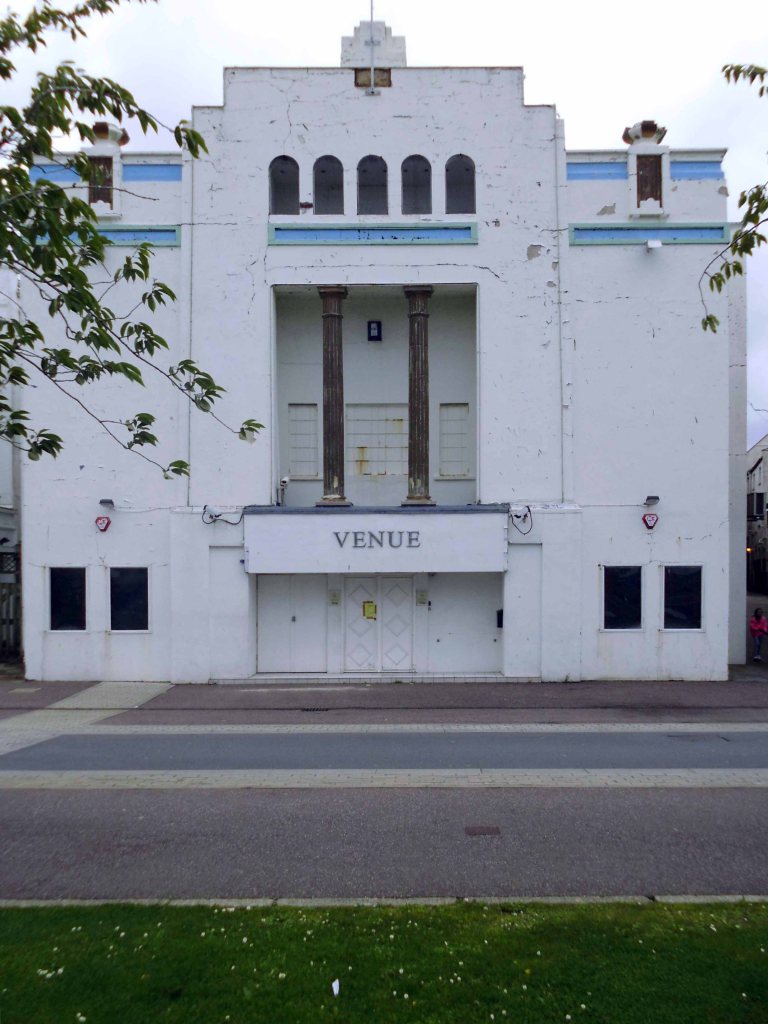
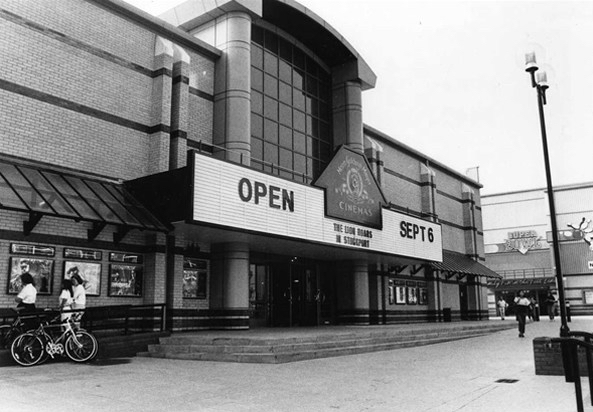
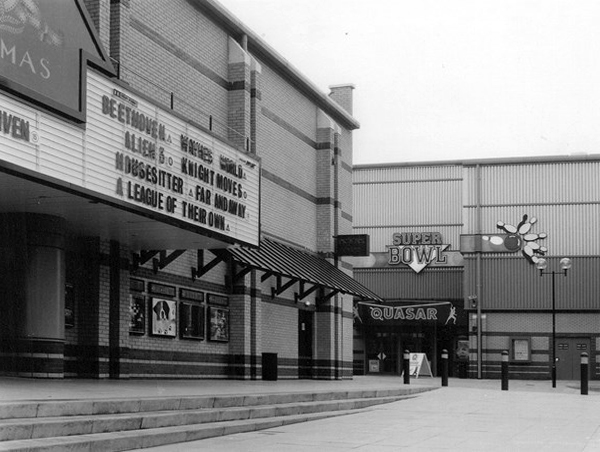
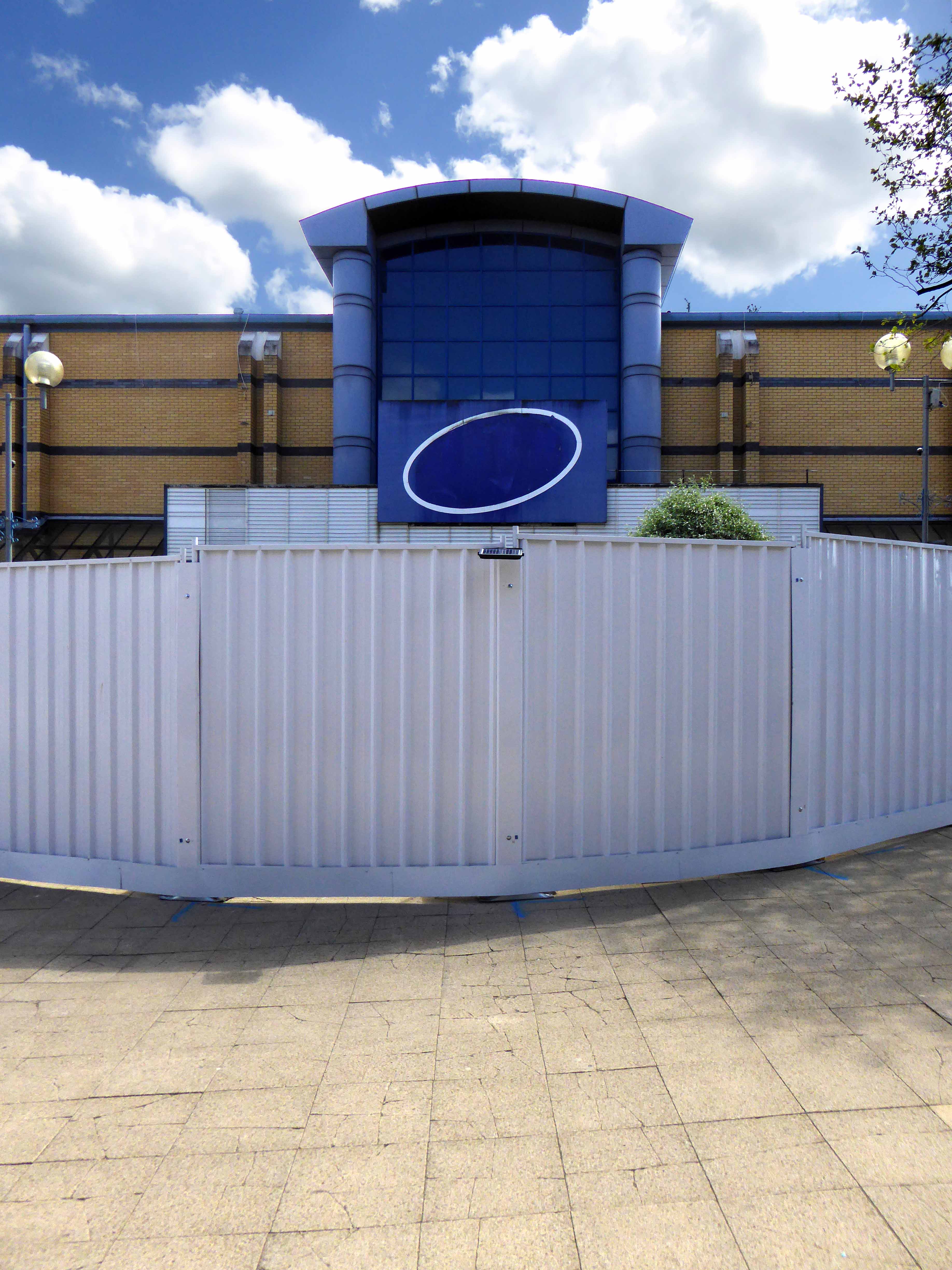
The former ABC/Cannon Cinema
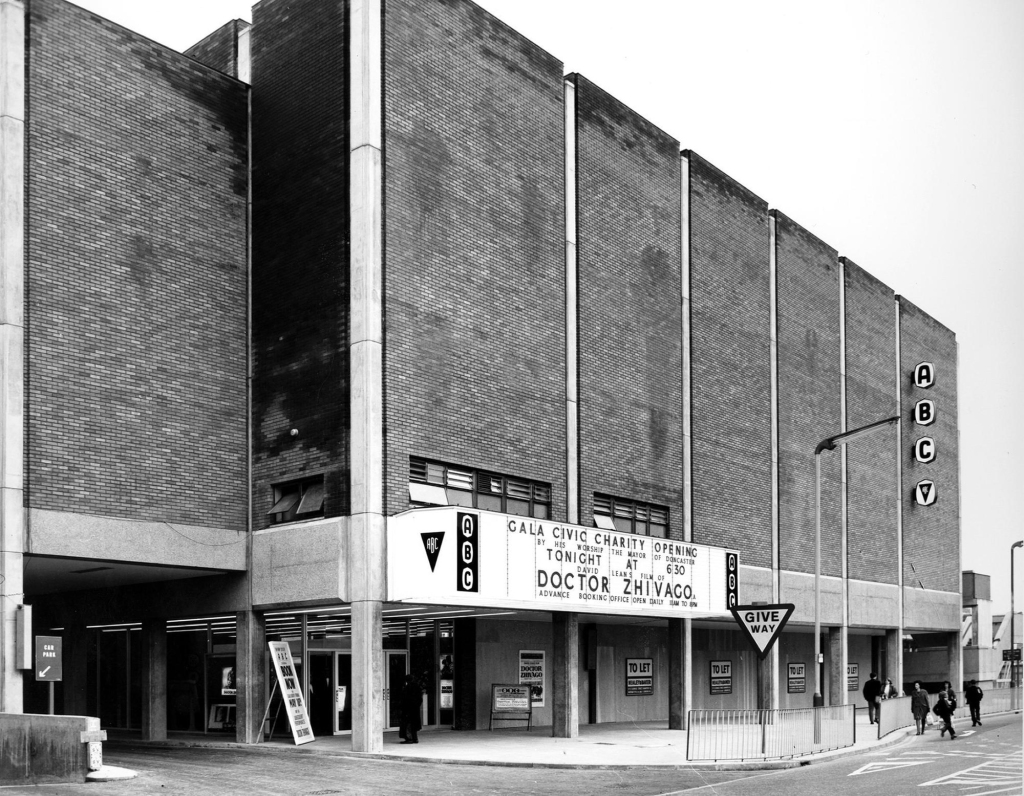
The ABC was built by Associated British Cinemas(ABC) as a replacement for their Picture House Cinema which had opened in 1914. It opened on 18th May 1967 with Omar Sharif in Doctor Zhivago presented in 70mm. Designed with 1,277 seats arranged in a stadium plan by the architectural firm Morgan & Branch, with input by architects C. ‘Jack’ Foster & Alan Morgan. It was decorated in a modern 1960’s style.
Closed in January 1981 for conversion into a triple screen it re-opened on 9th April 1981 with seating in the 3-screens.
The Cannon Group took control in the mid-1980’s and it was re-named Cannon and it closed on 18th June 1992, screening its opening film “Doctor Zhivago”.
The building has stood empty and unused since then, but in 2007, it was bought by Movie World for just £150,000. It is reputedly being re-modeled with extra screens added, however by 2009, only a clean-up of the interior has been achieved. The building sits empty and unused in 2020.
Cinema Treasures
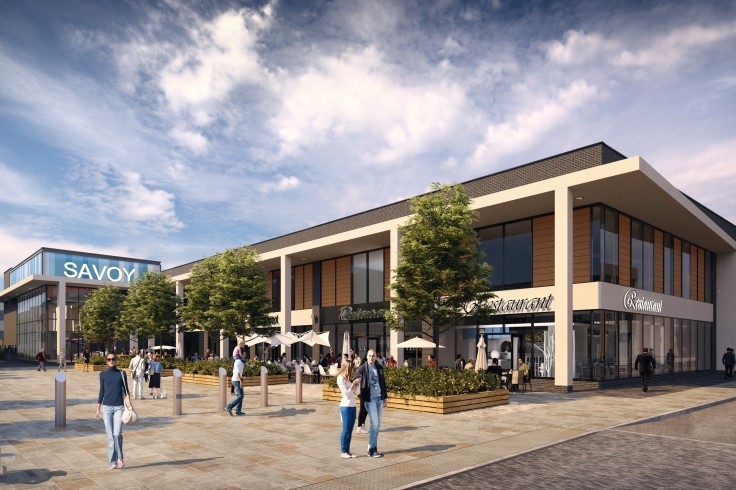
The delayed opening of the new Savoy Complex will no doubt inform the future of the Cannon.
It’s a familiar tale of the local authority, developers, leisure and retail outlets chasing dreams, cash and hopefully pulling in the live now pay later public.
It’s all part of the Doncaster Urban Centre Masterplan which will transform the way Doncaster looks and the way residents and businesses use the city core.
The area is a pivotal point, I sincerely hope that the Waterdale Centre is revived, along with the adjacent Civic Quarter car park.
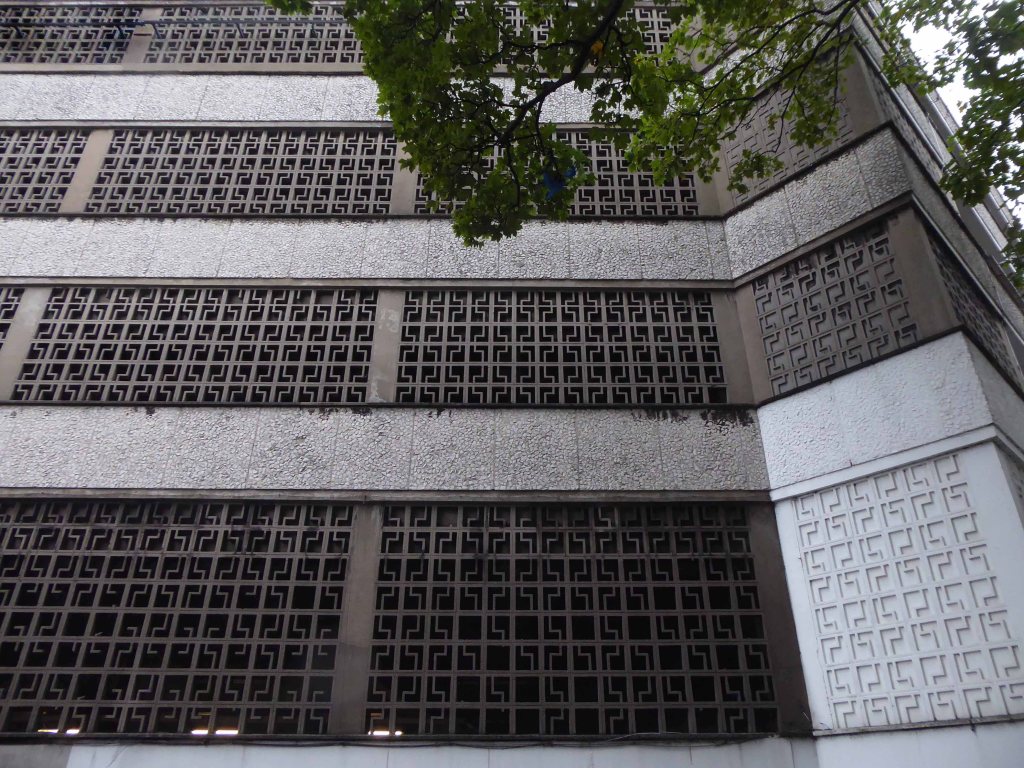
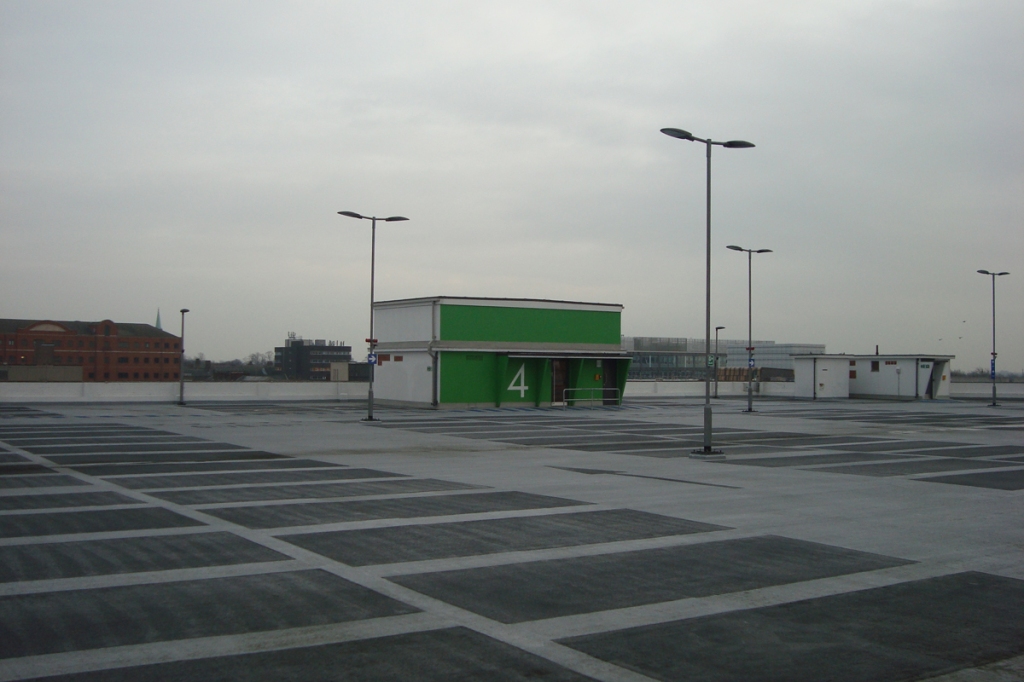
Refurbished in 2011 by Potter Church and Holmes since closed.
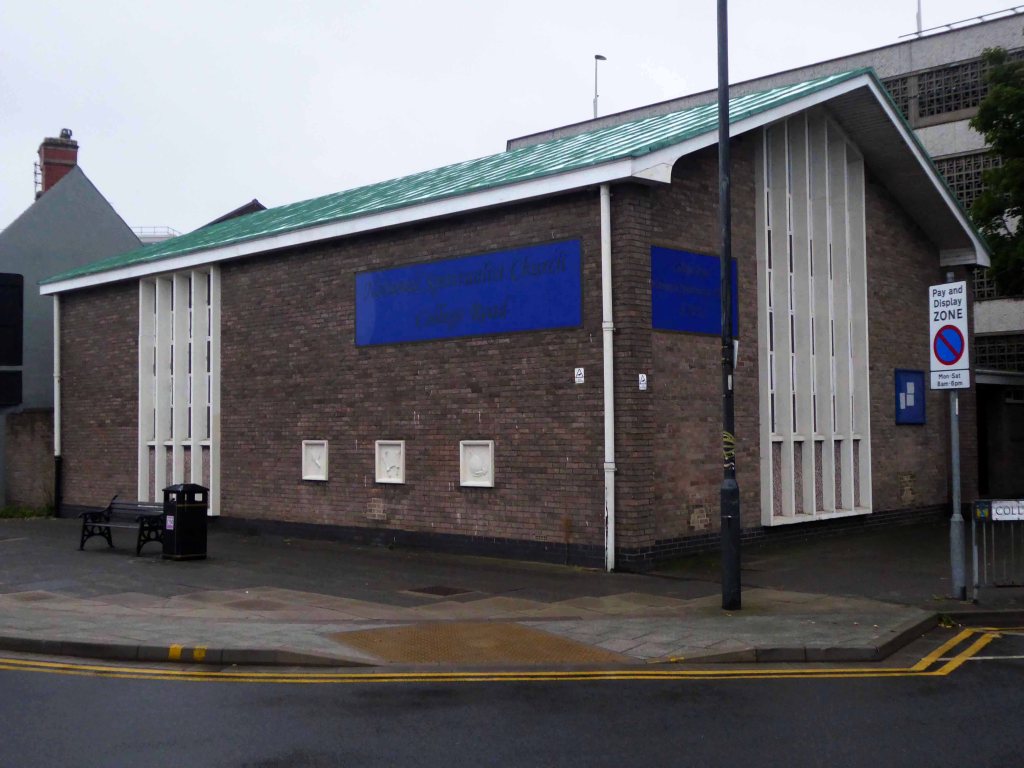
I noted the restrained Modernism of the National Spiritualist Church.
The service begins with a short prayer. The congregation sings three songs during the service using music that most people would recognise. There is usually a short reading or lesson on something to do with spiritualism or events in the world. There is also a talk by the guest medium who use their inspiration or intuition to compose an uplifting address.
Then the business of contacting the spirit world begins.
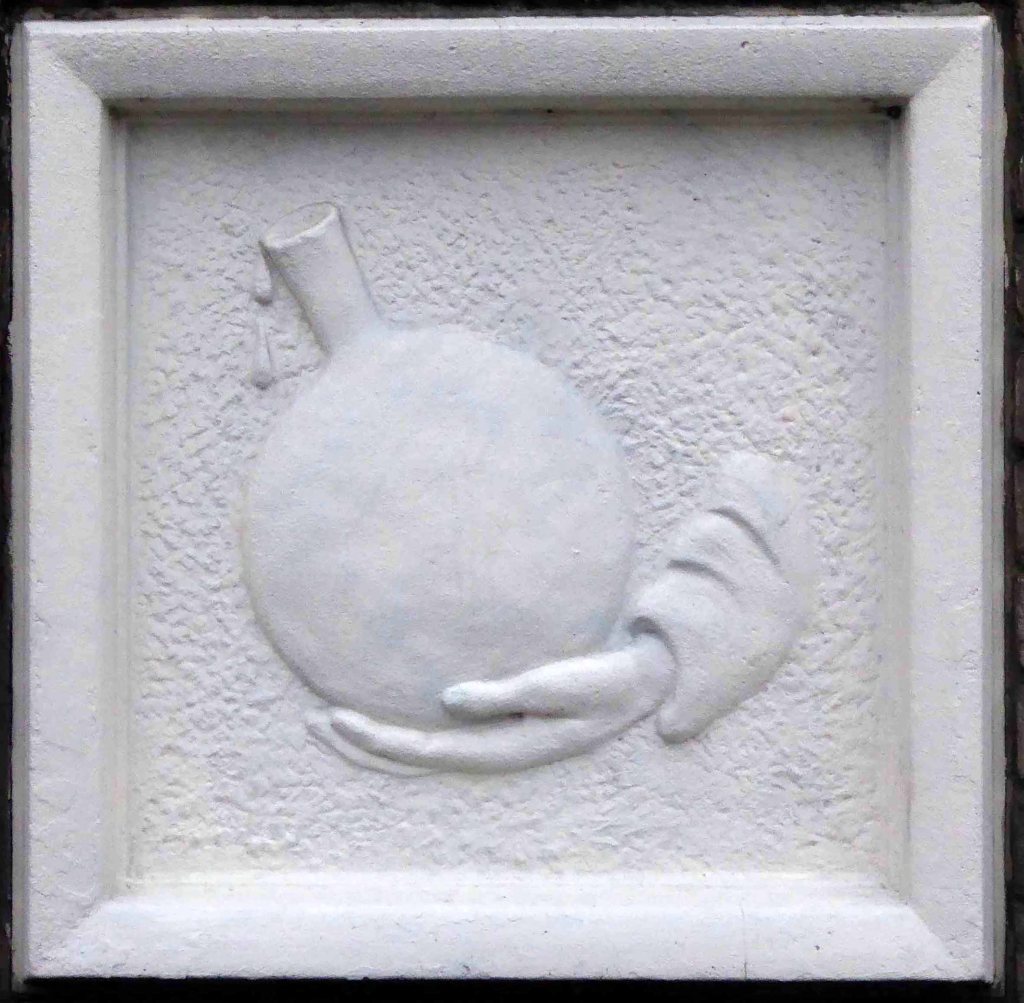
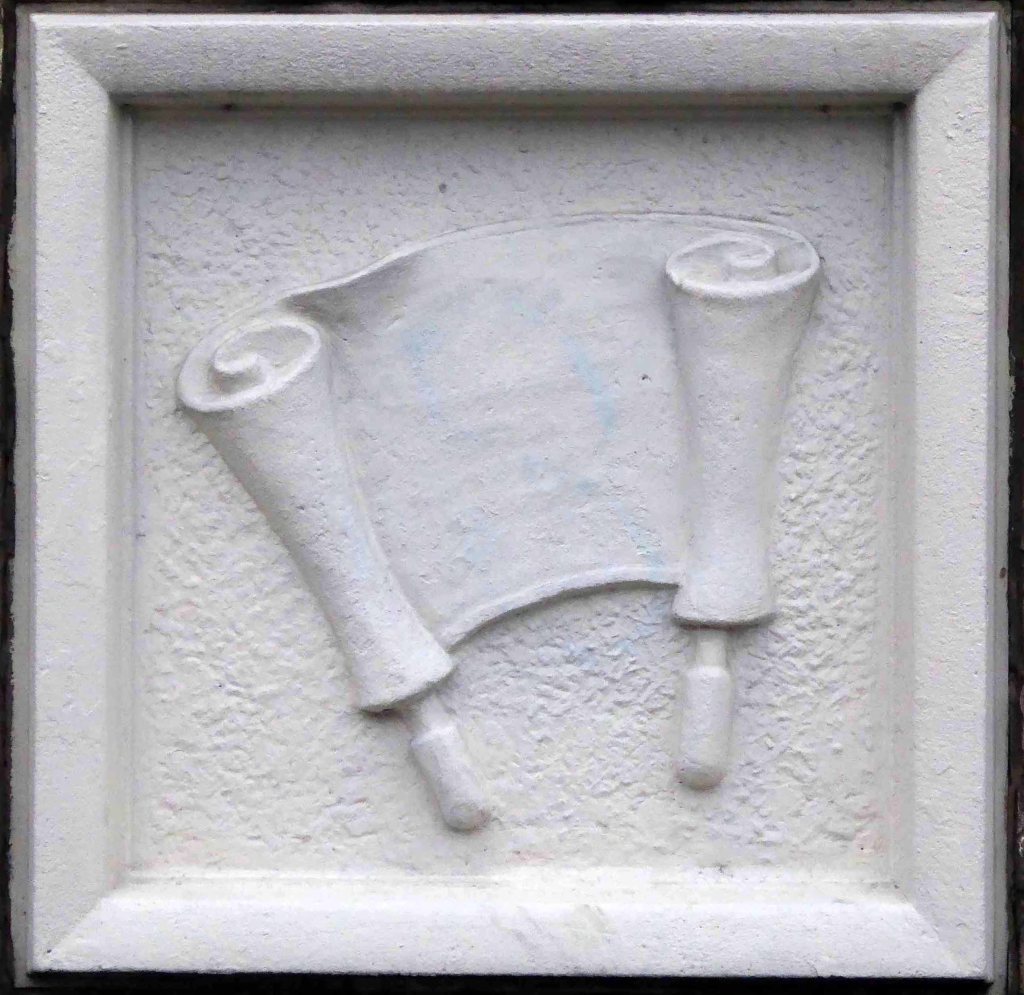
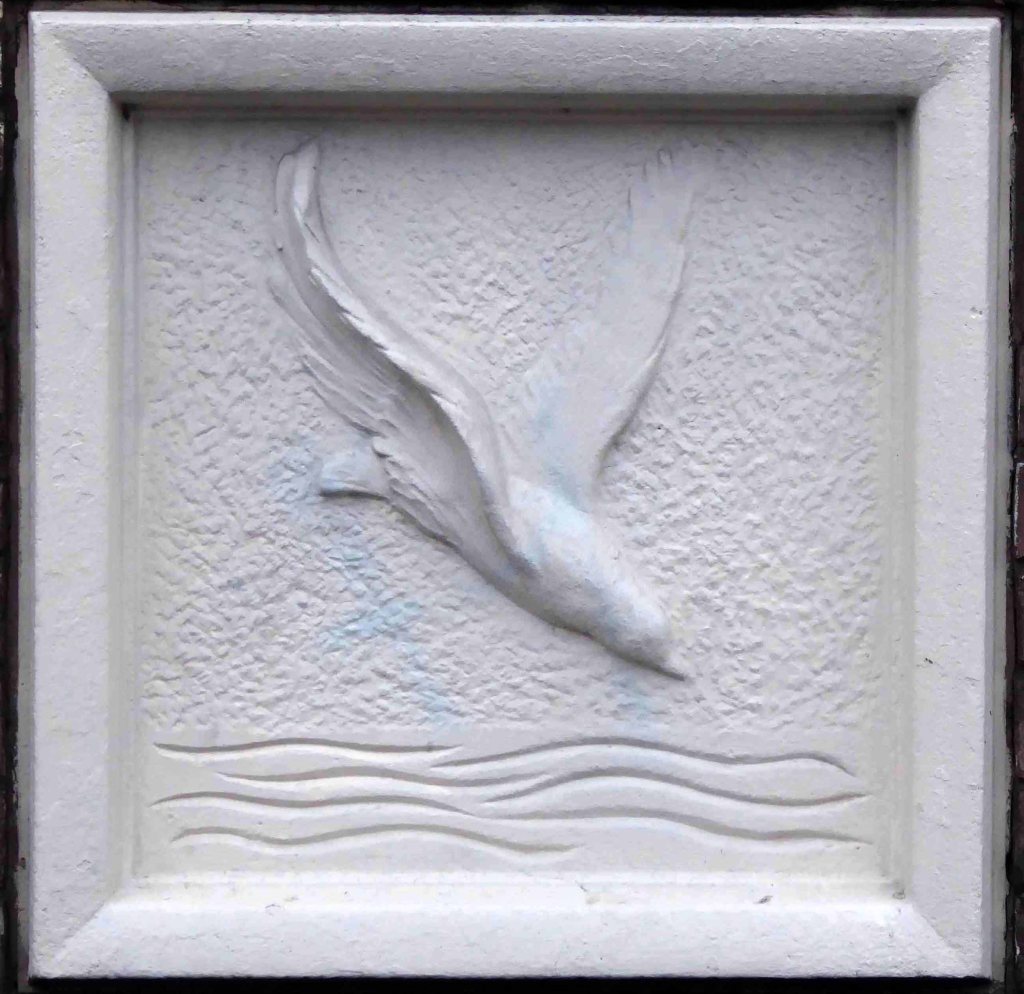
Along with its curious relief panels.
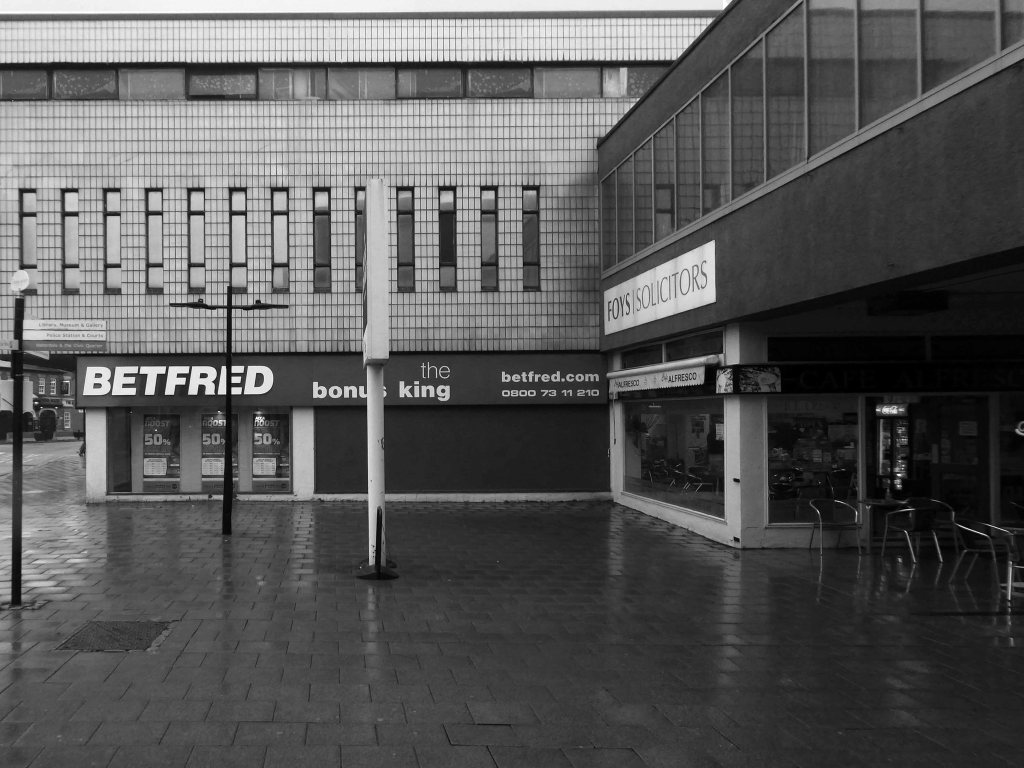
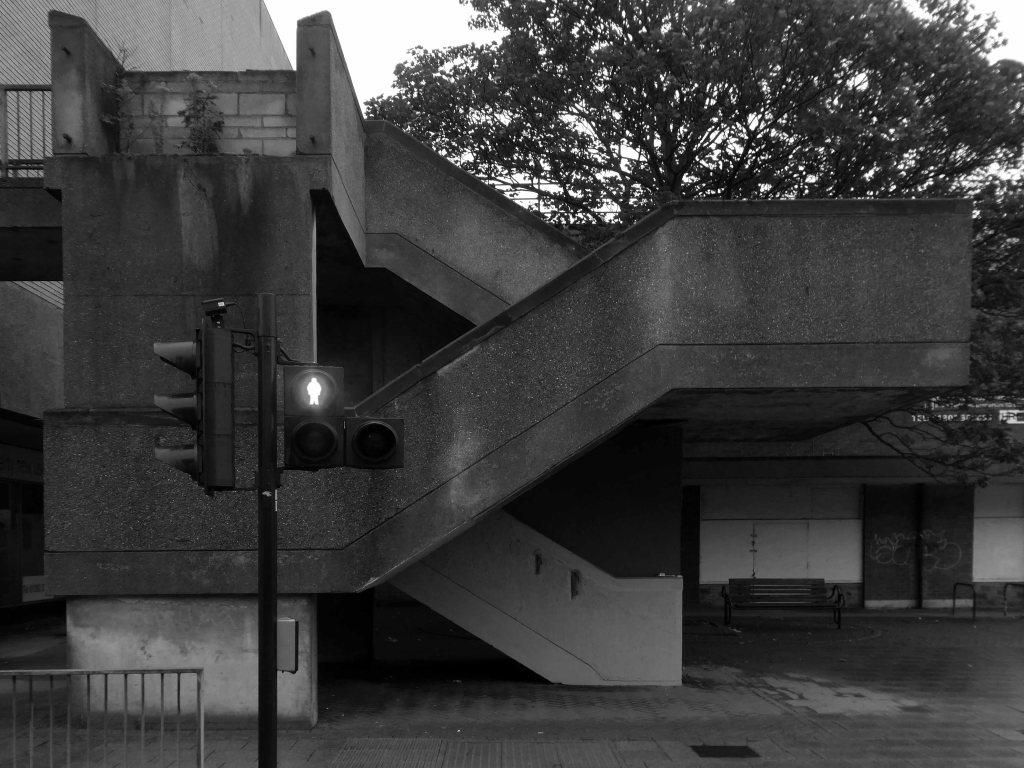
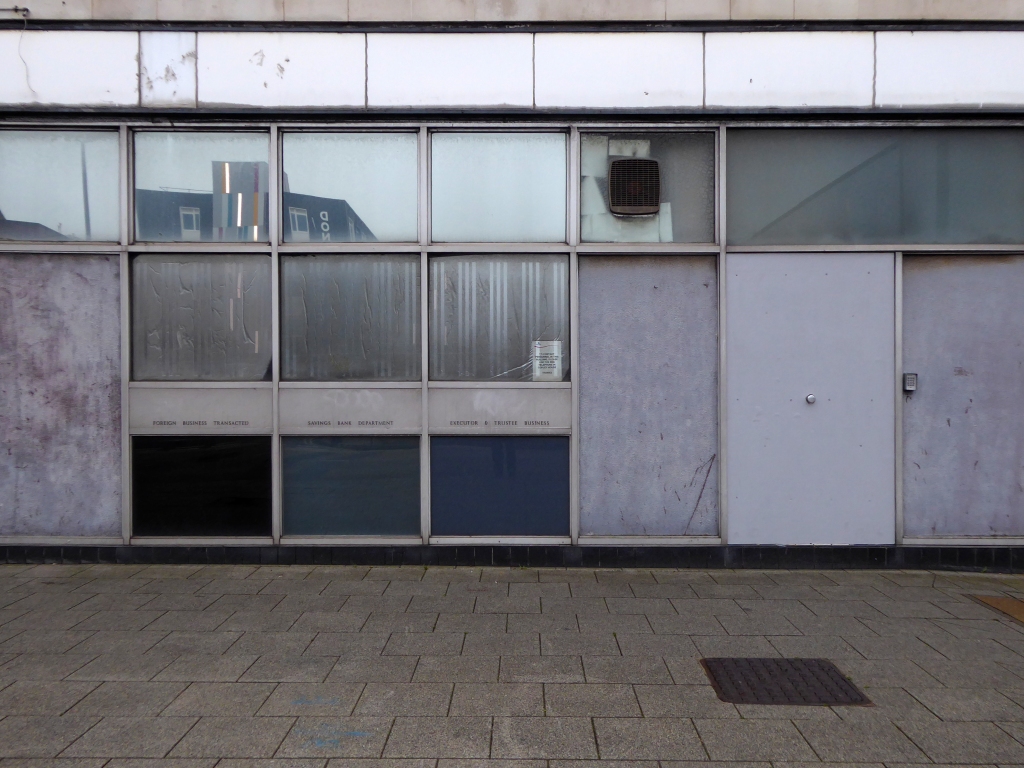
Back around to the back of the Waterdale and the surviving former bank fascia, civic offices and library.
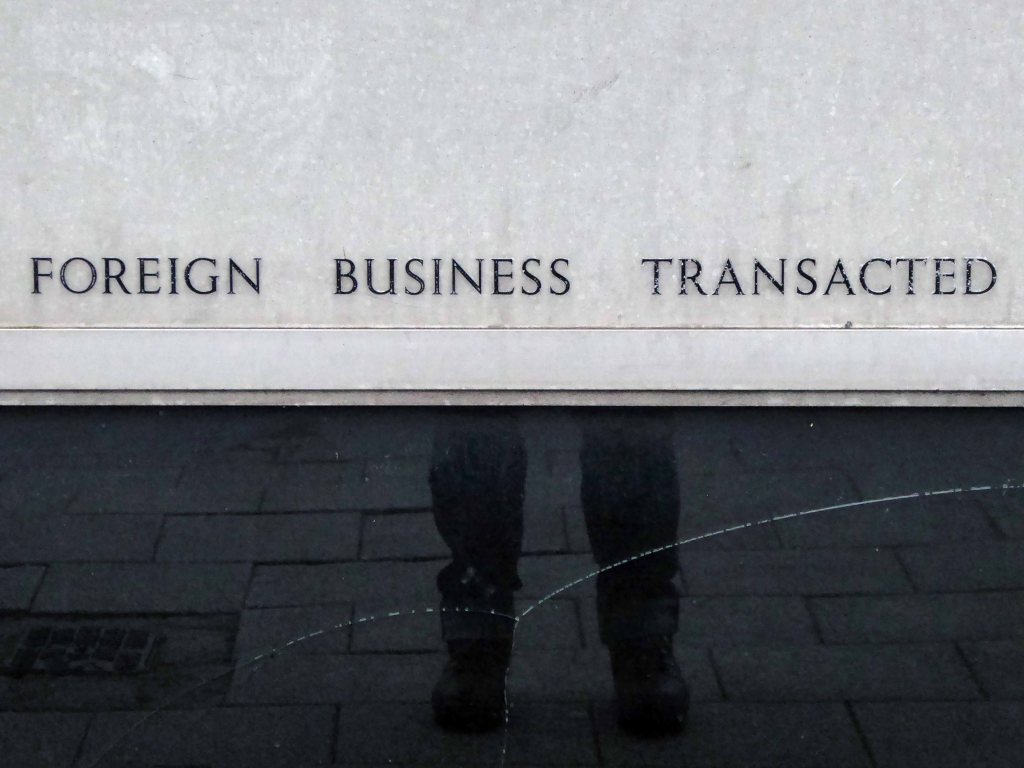
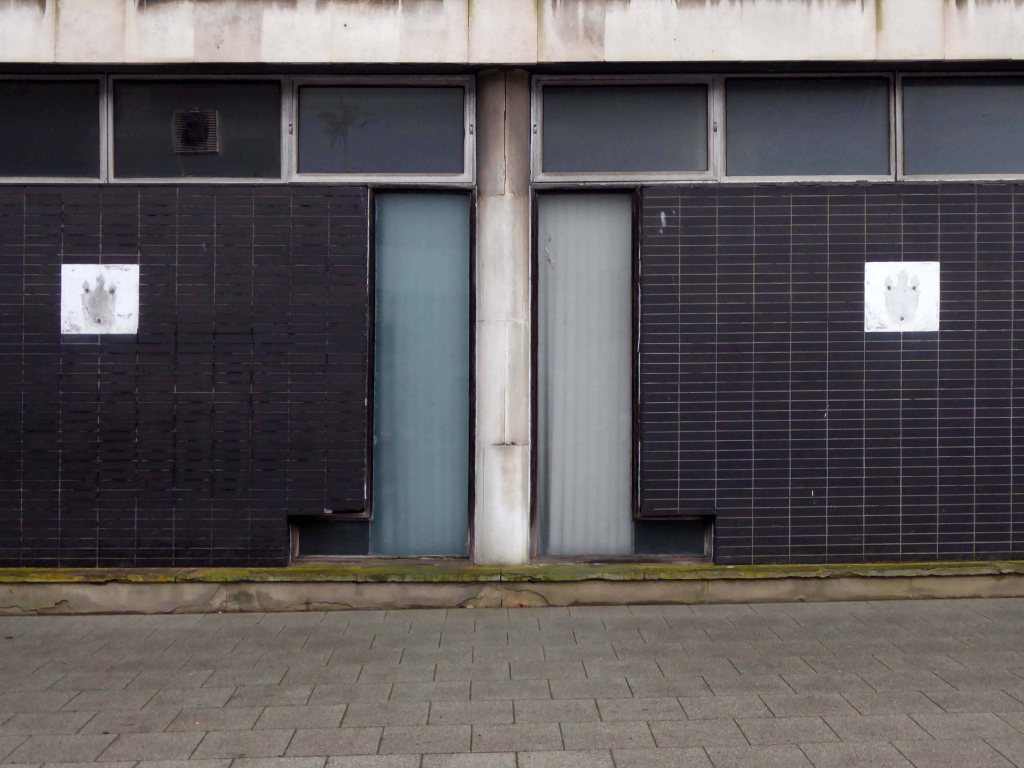
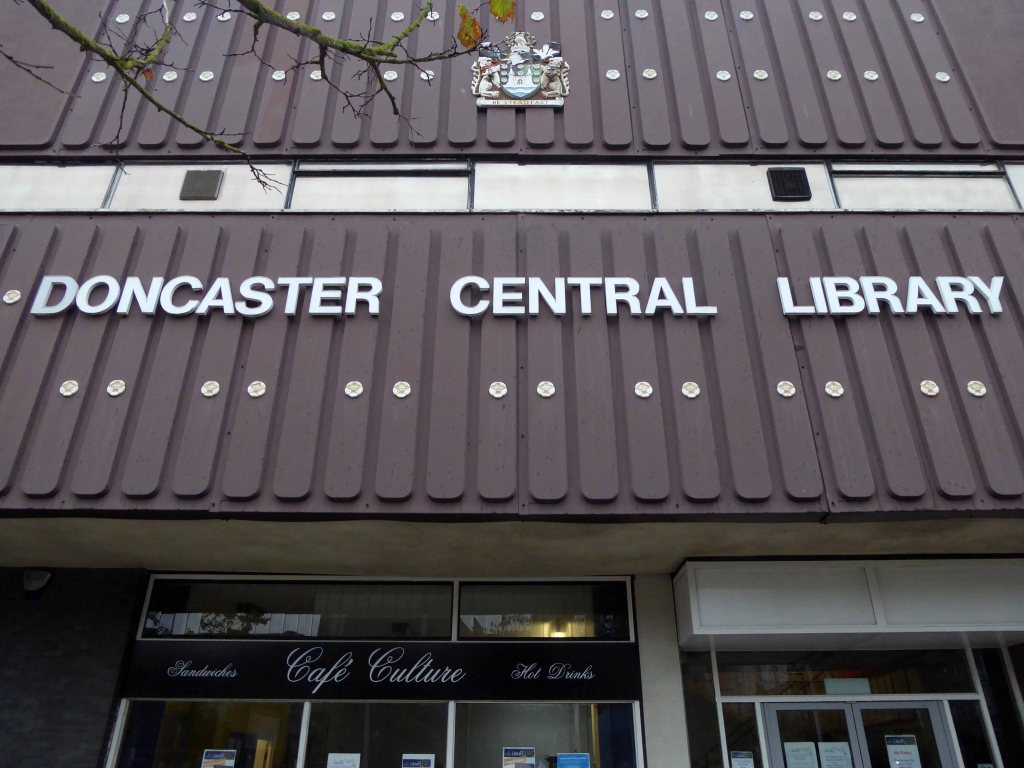
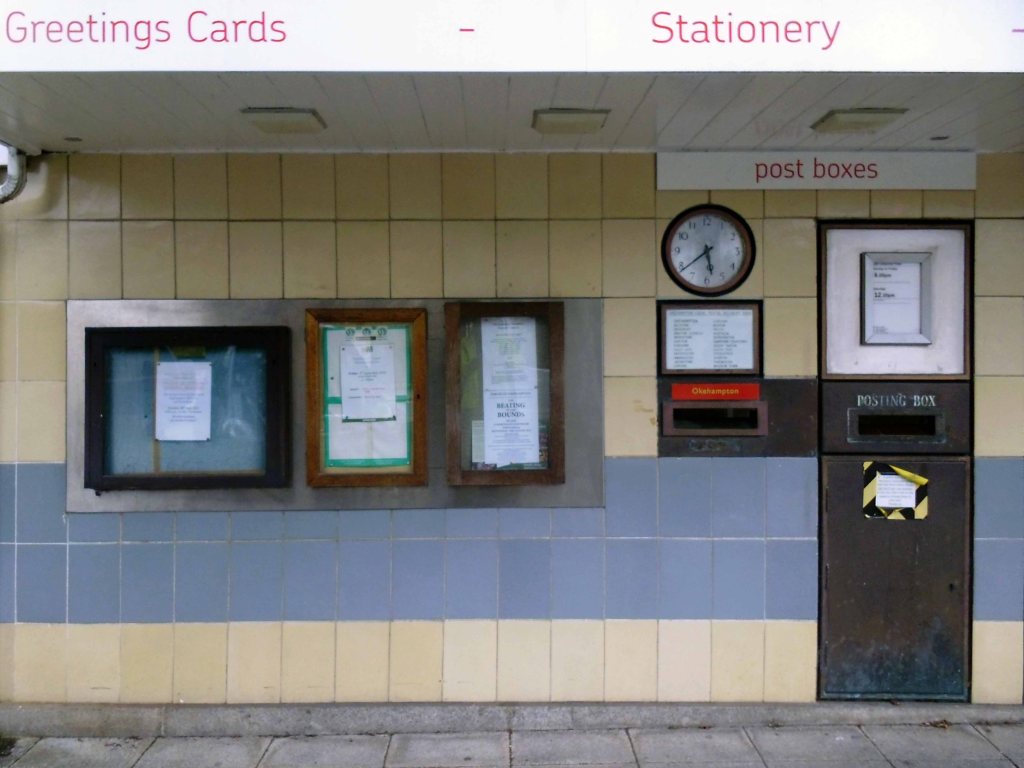
Back through the Waterdale to discover the saddest of retail archeology.
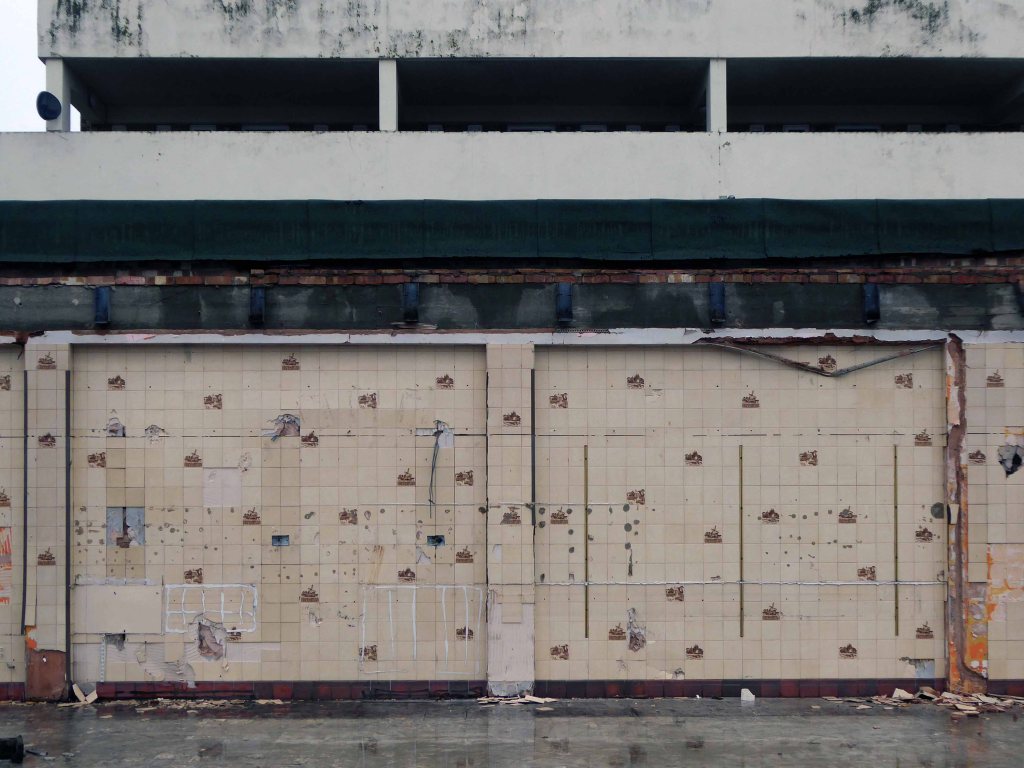
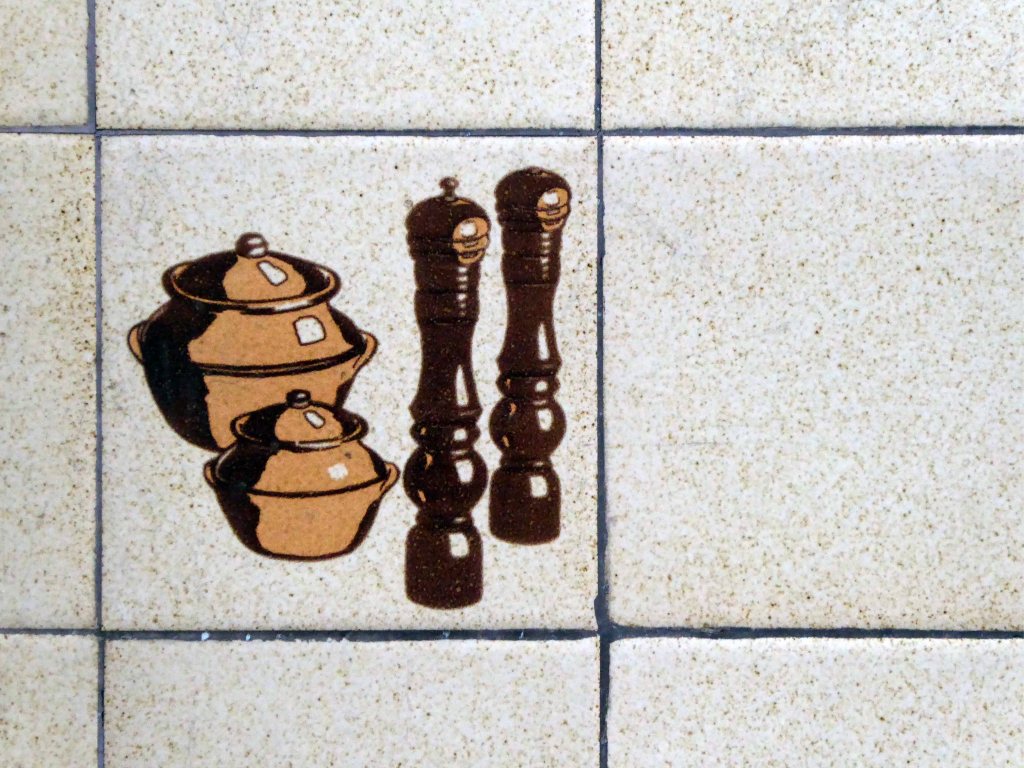
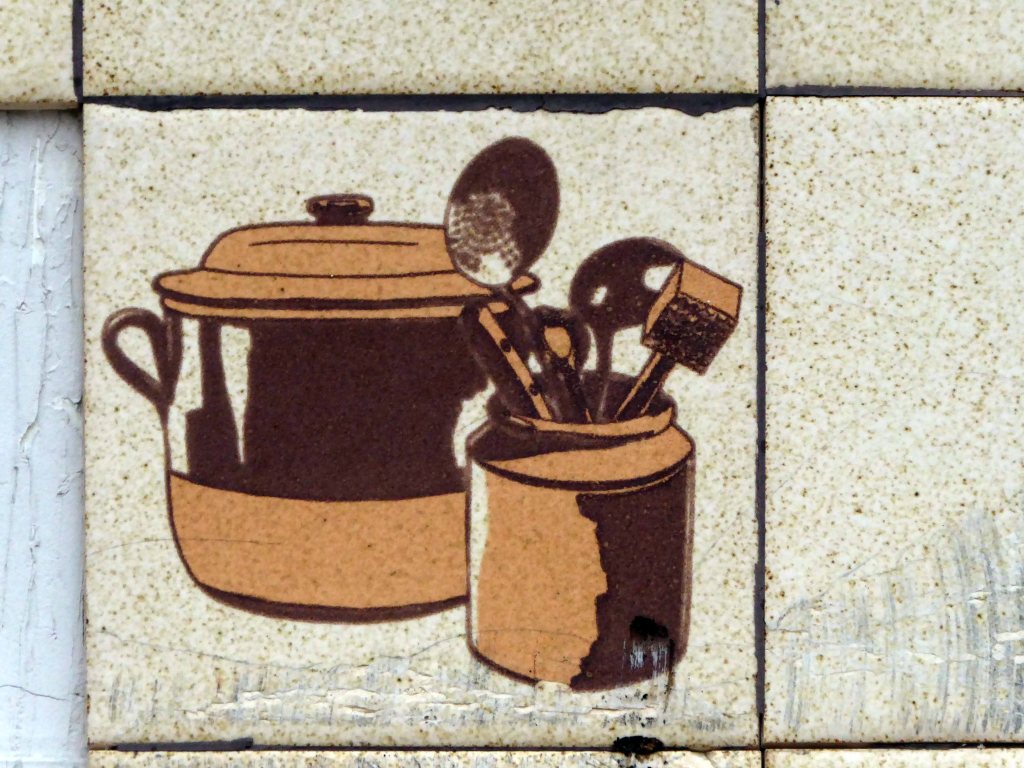
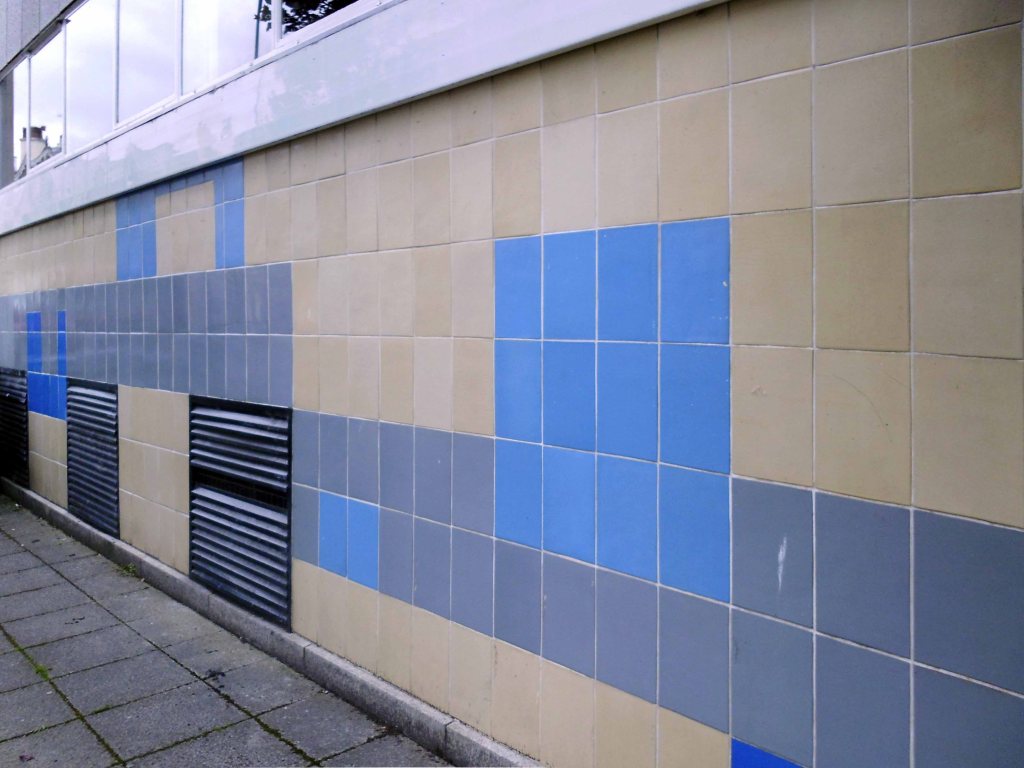
The long lost tiled café wall and a mysterious porch.
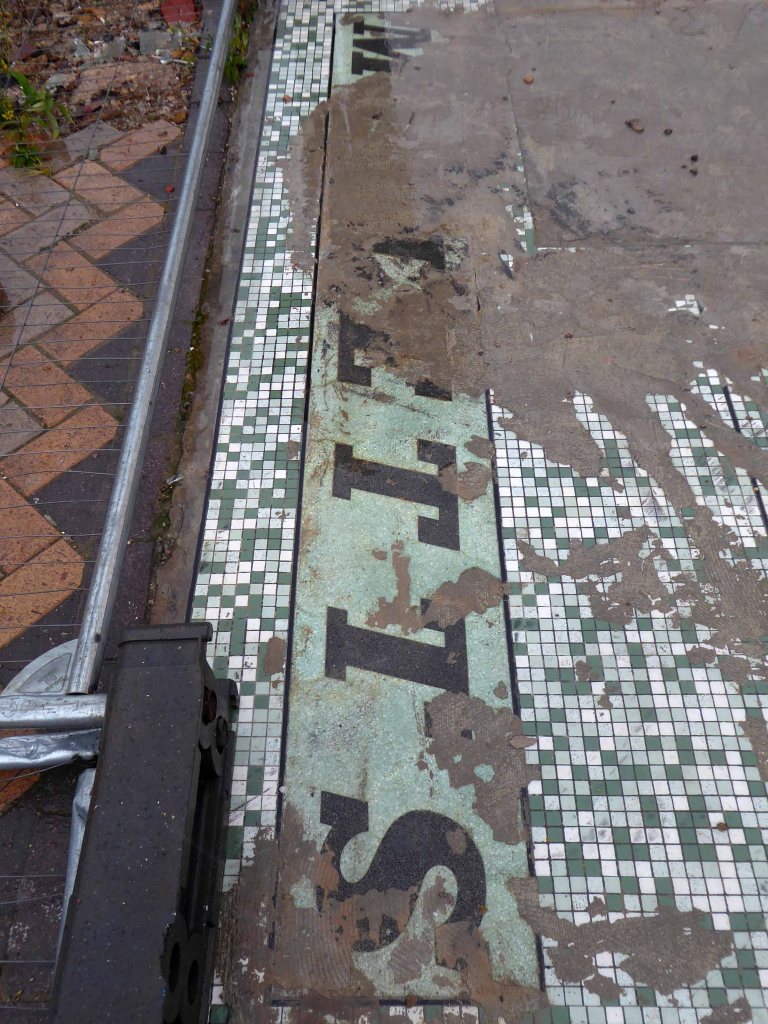
A gloomy end to a very wet day.