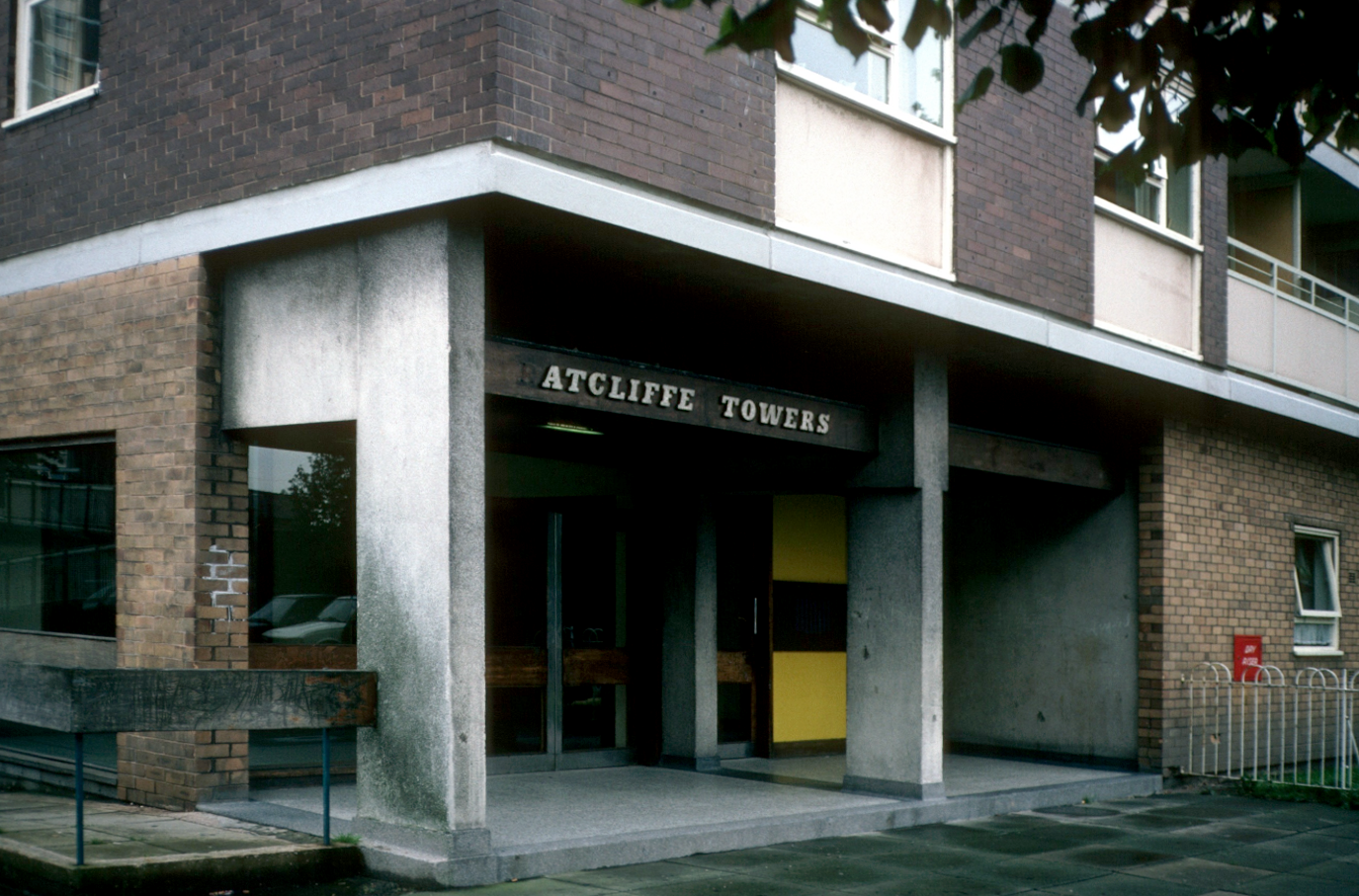
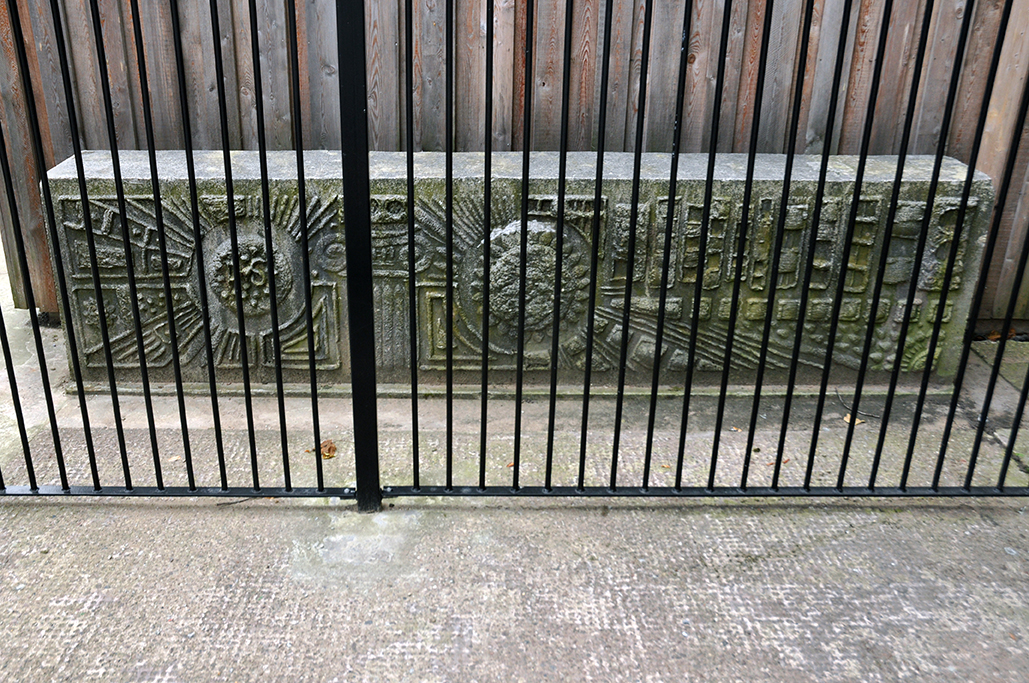
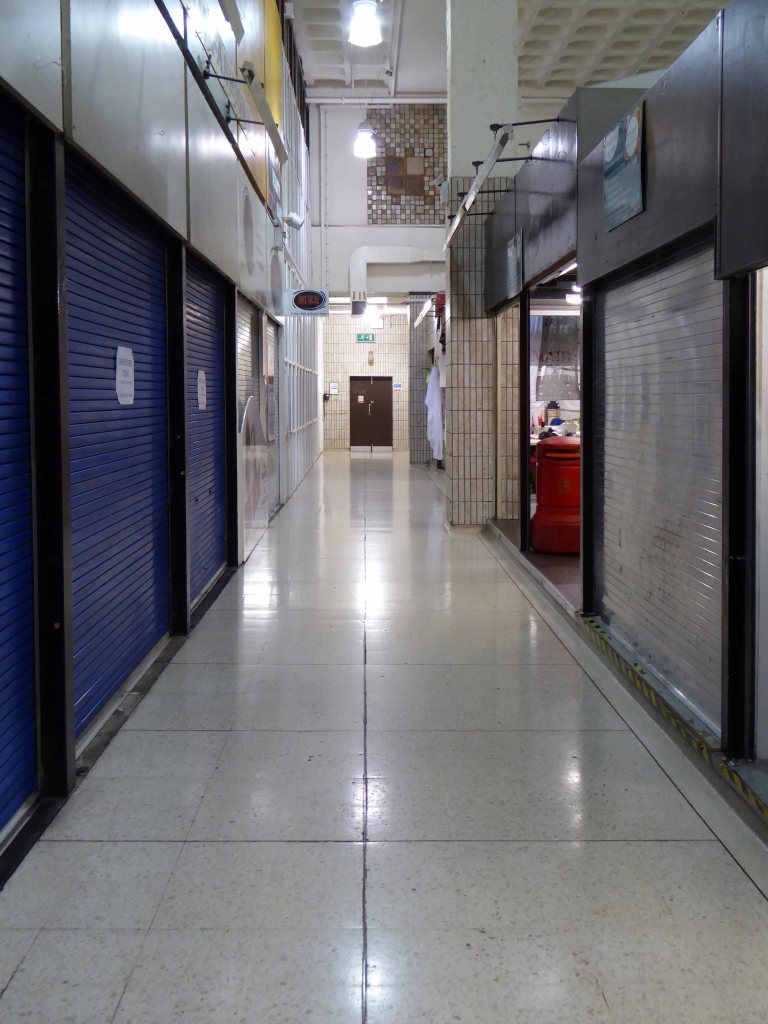
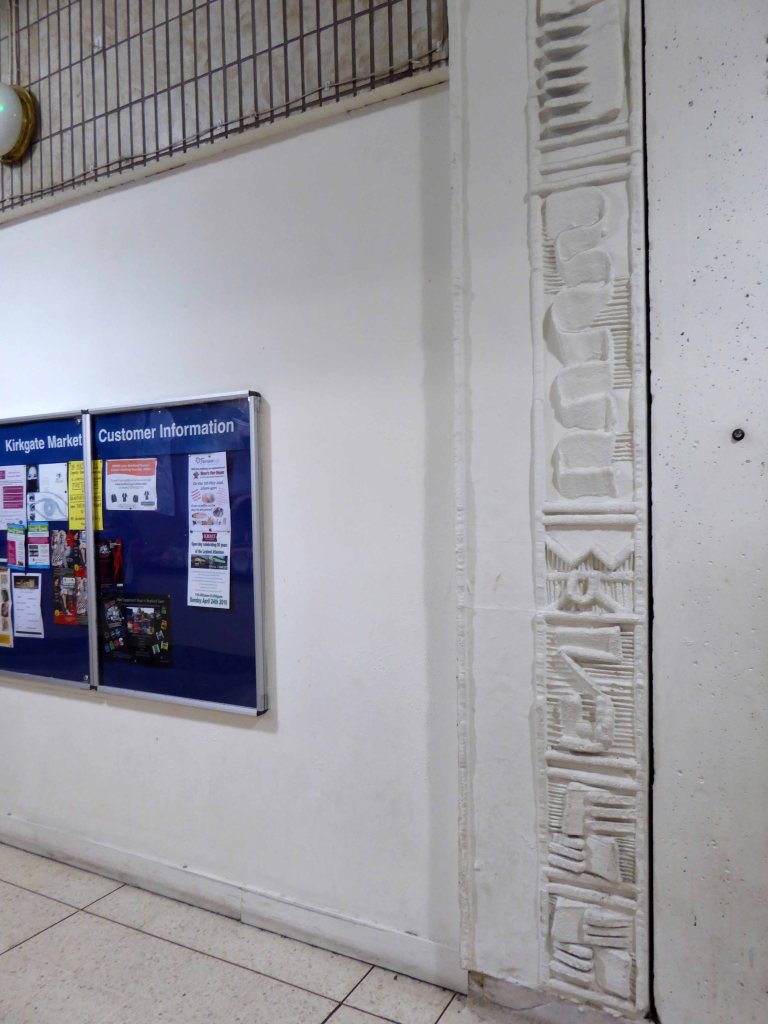
Newcastle upon Tyne – Civic Centre

Hope, we need a little hope, here embodied in a huge municipal undertaking.

Having survived the indignity of the Luftwaffe’s absence, Newcastle set about the task of knocking itself down. T Dan Smith’s Brasilia of the North had to be built, the self-styled former revolutionary communist, Sunday painter and jail bird had a vision – fuelled by that hopped up, post war optimism that had engulfed the land.

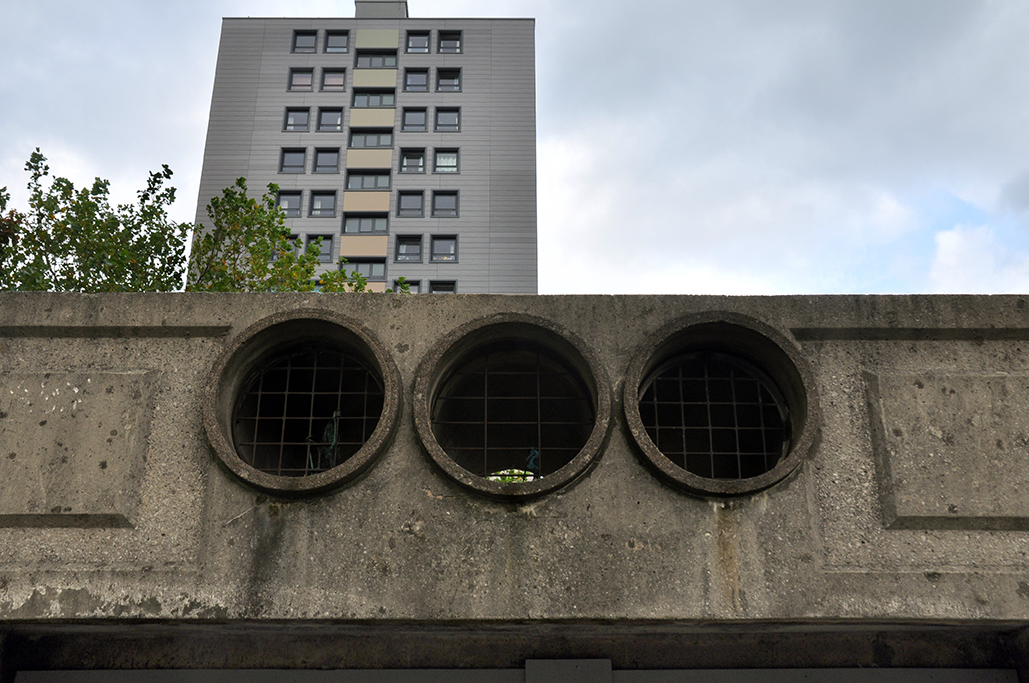
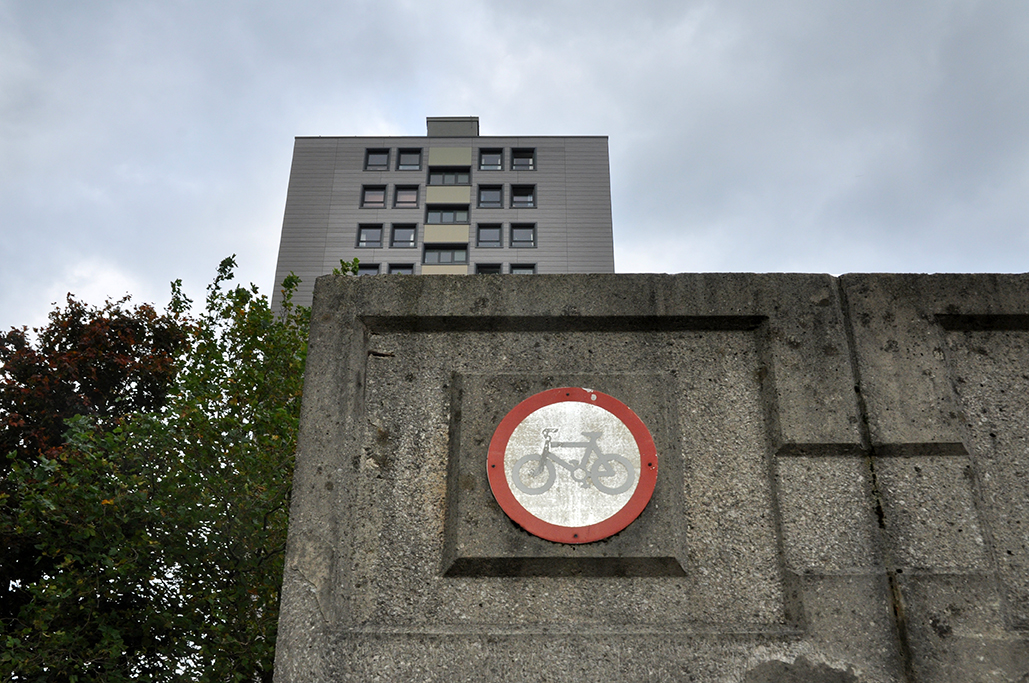
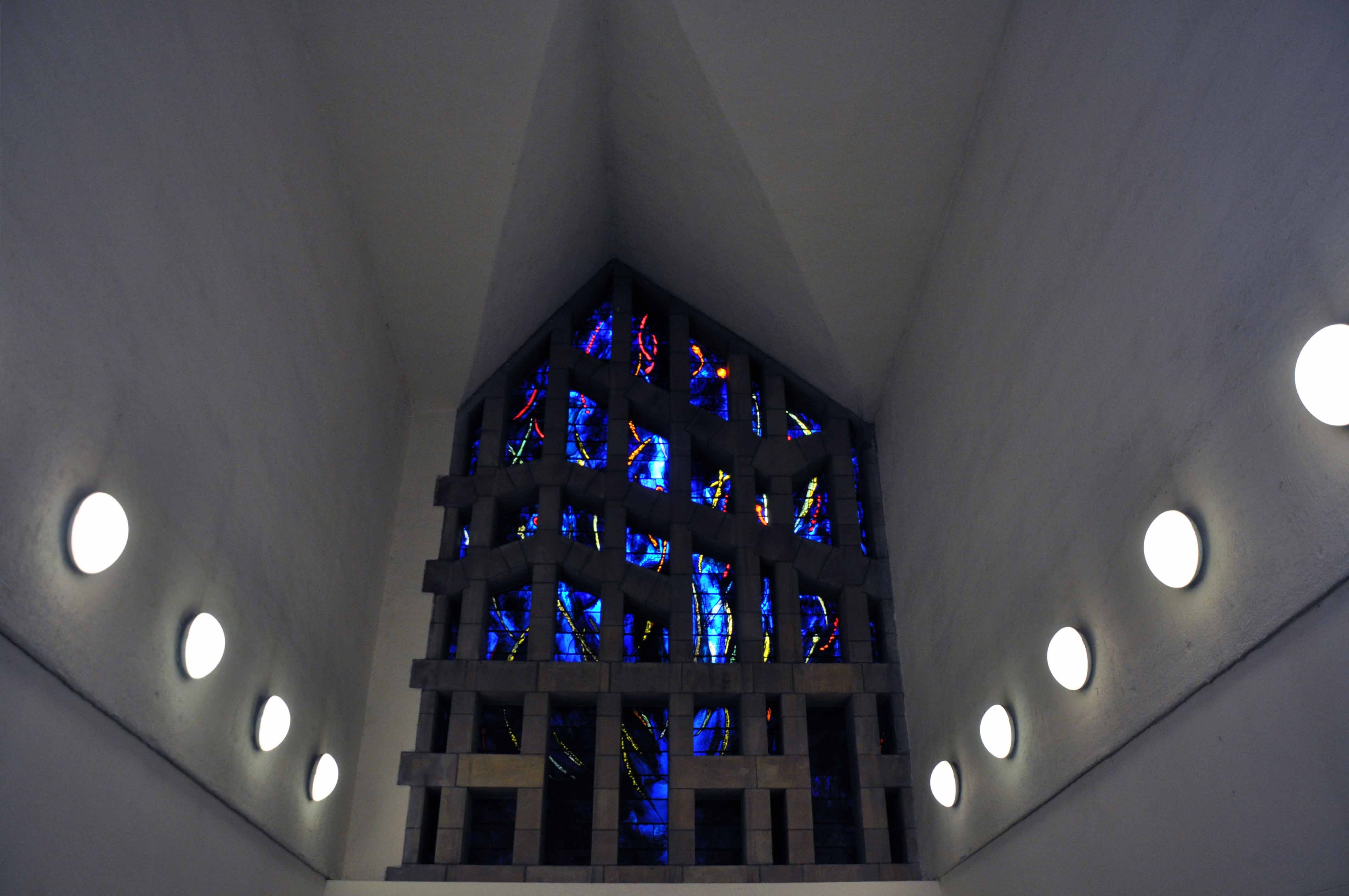
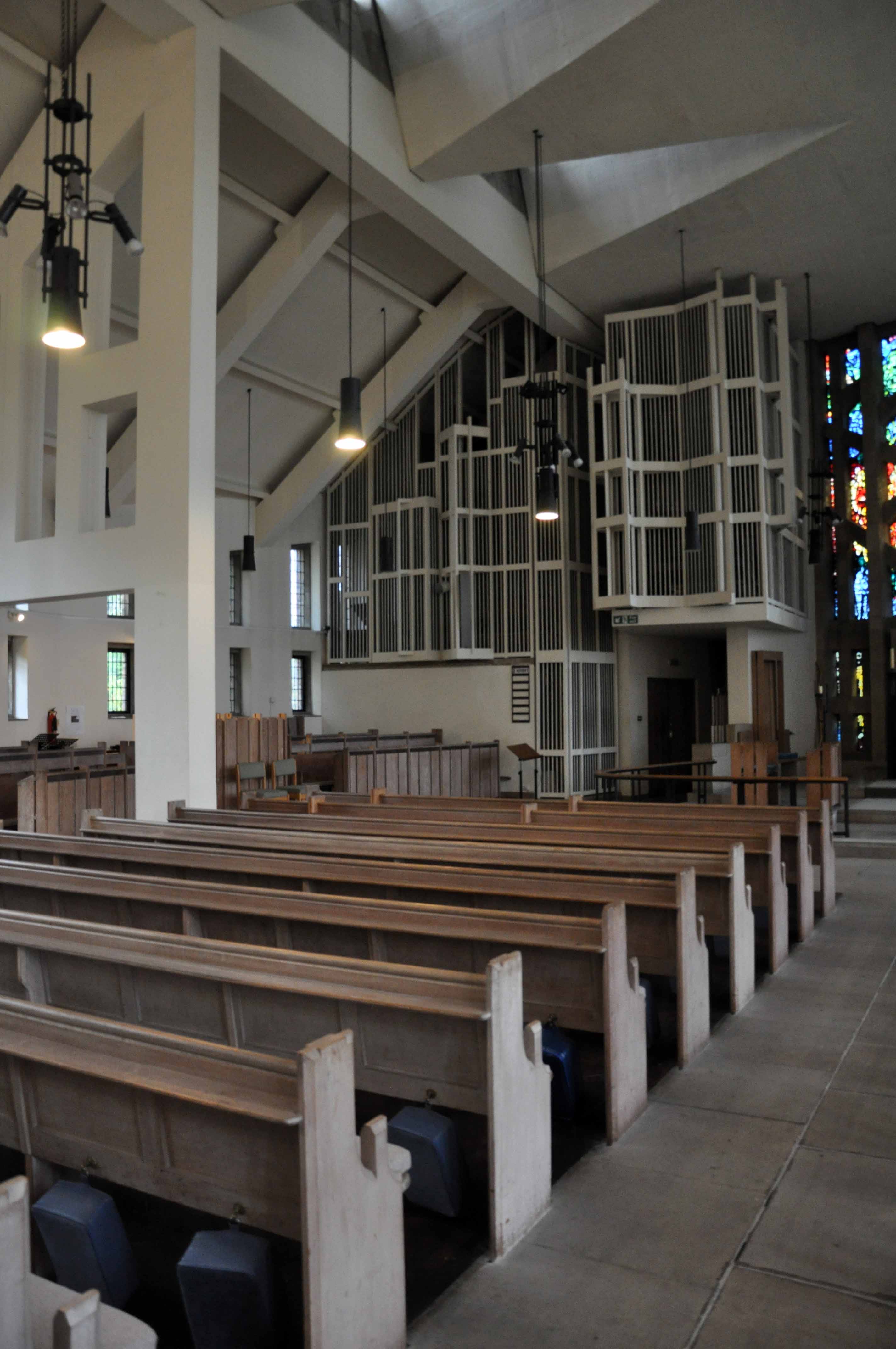
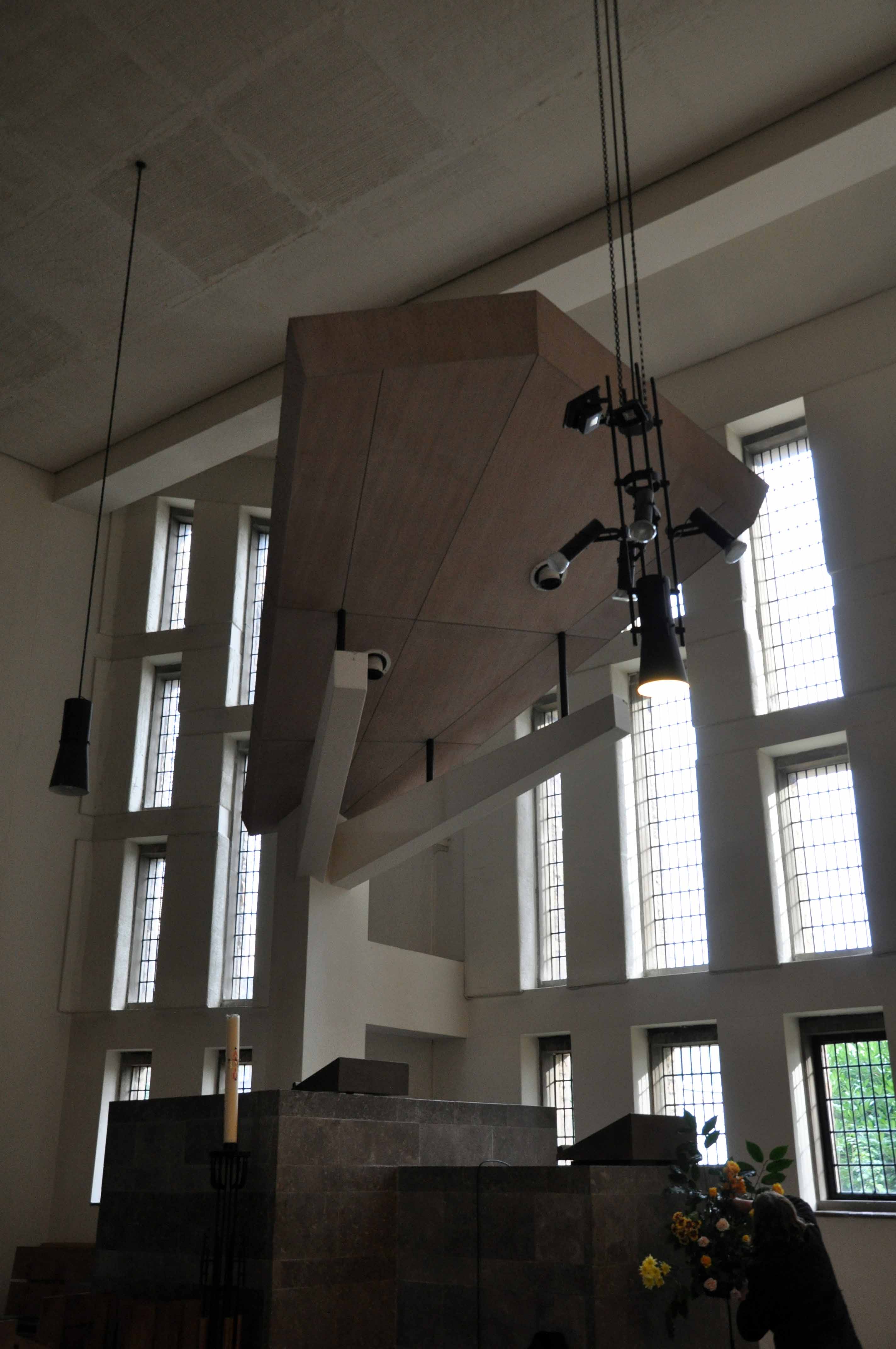
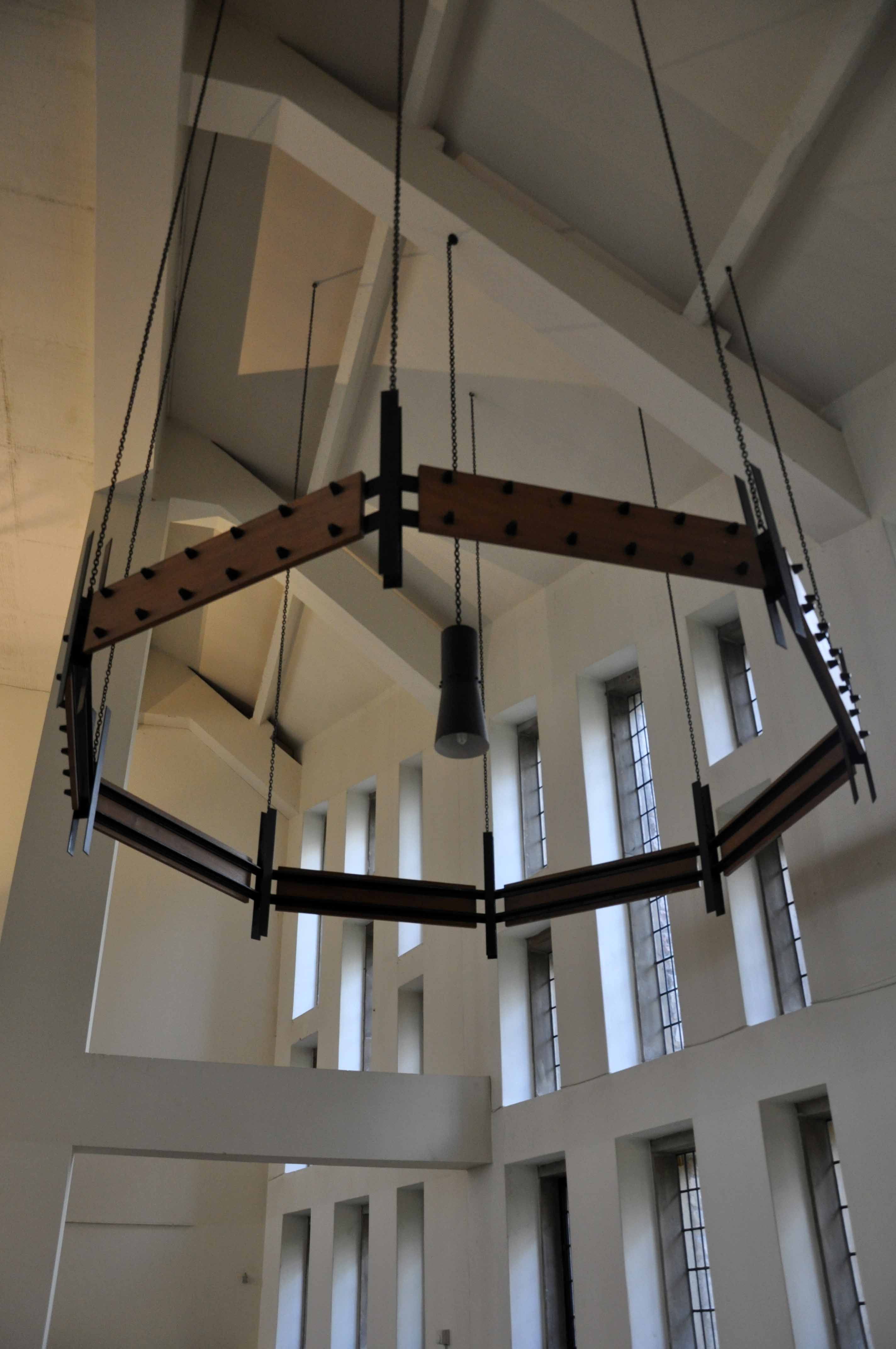
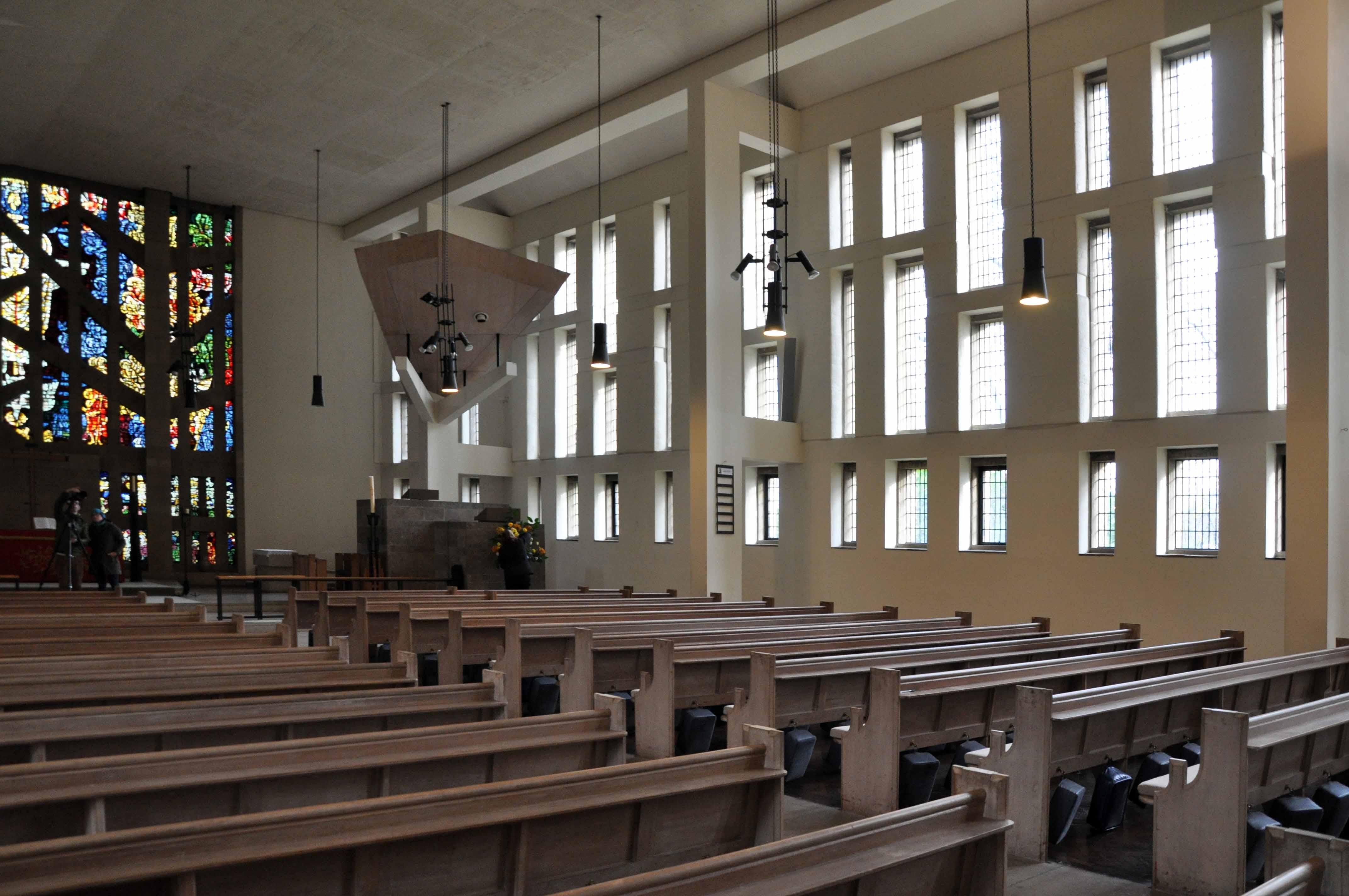
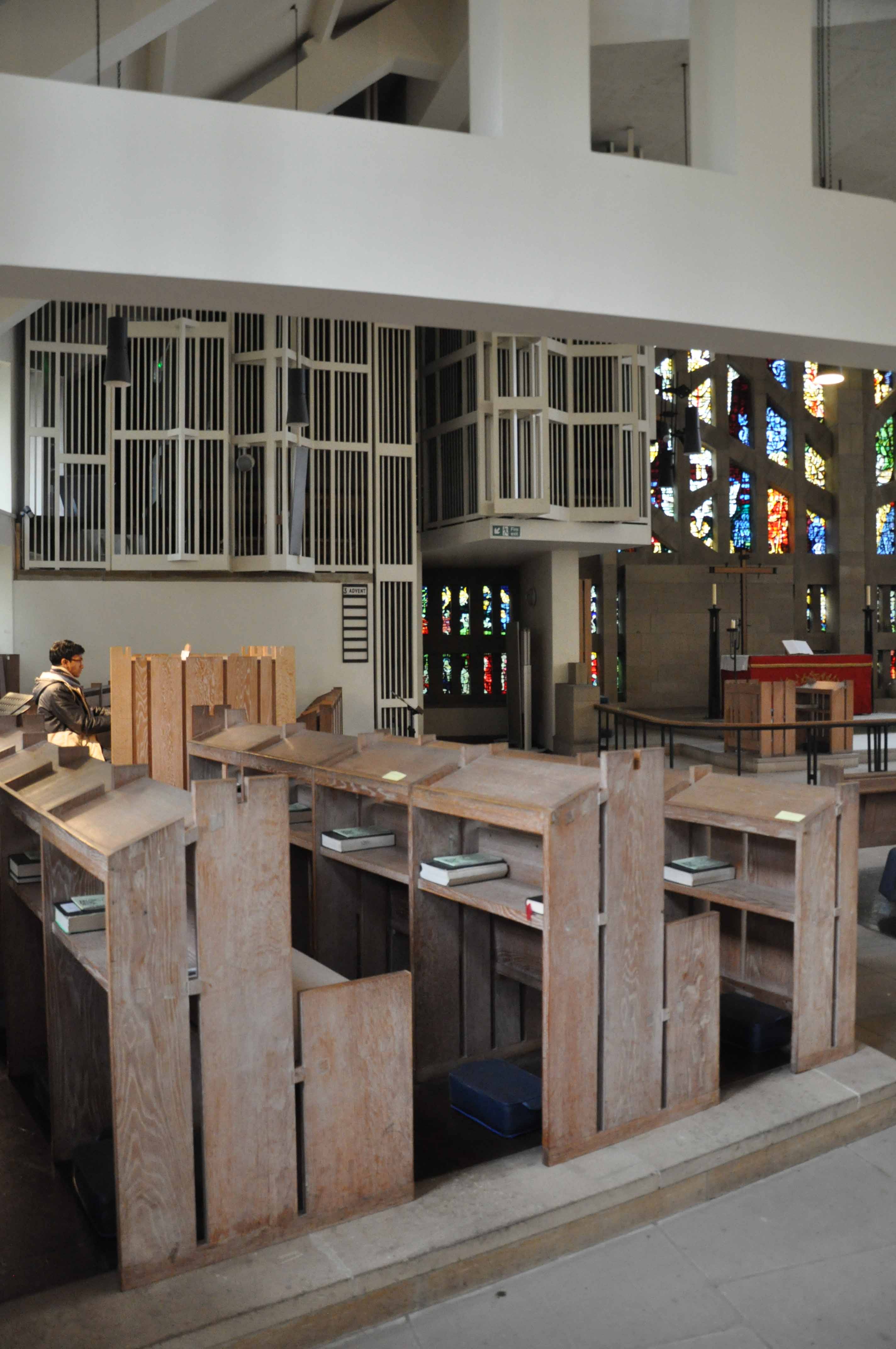
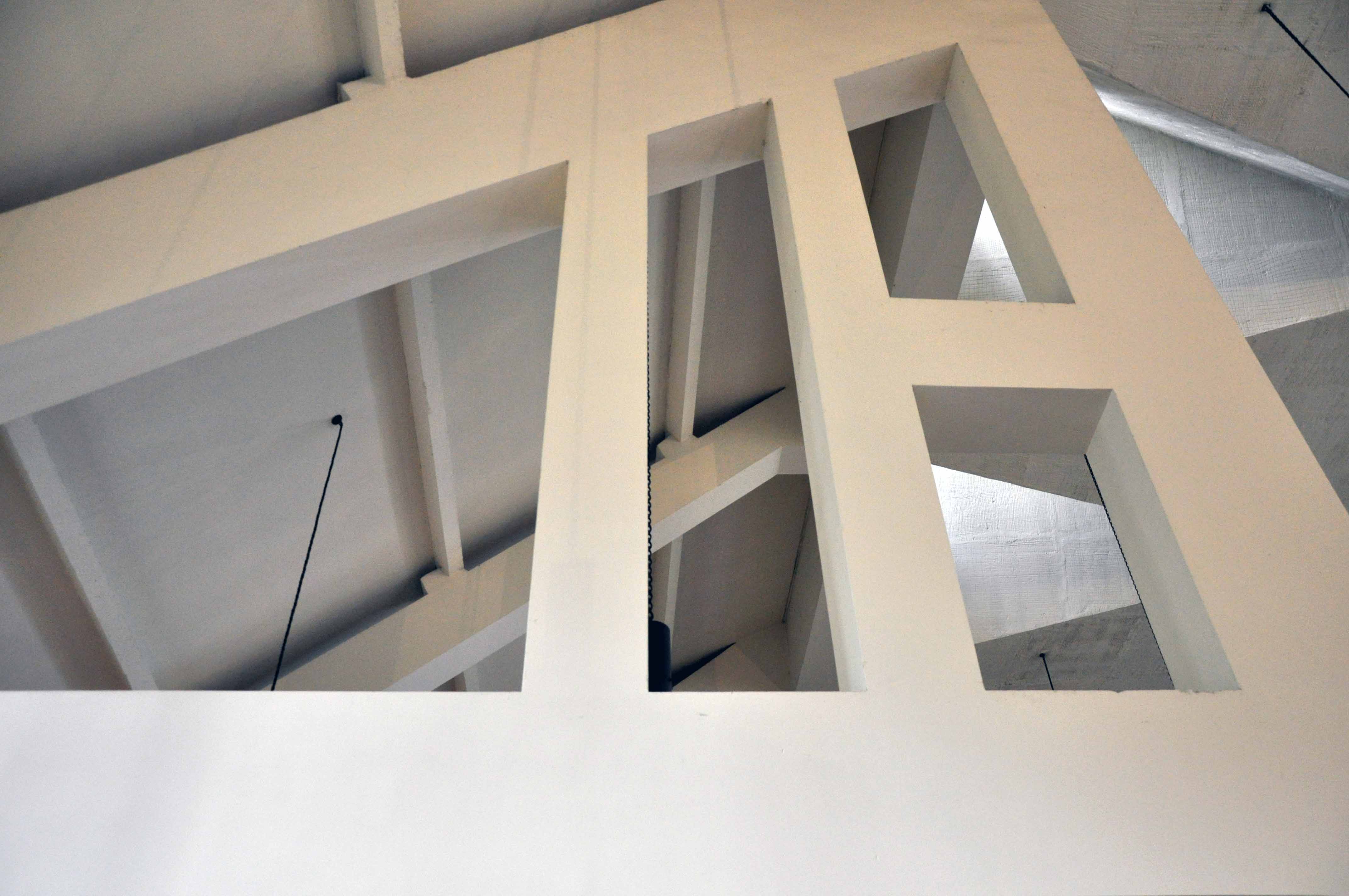
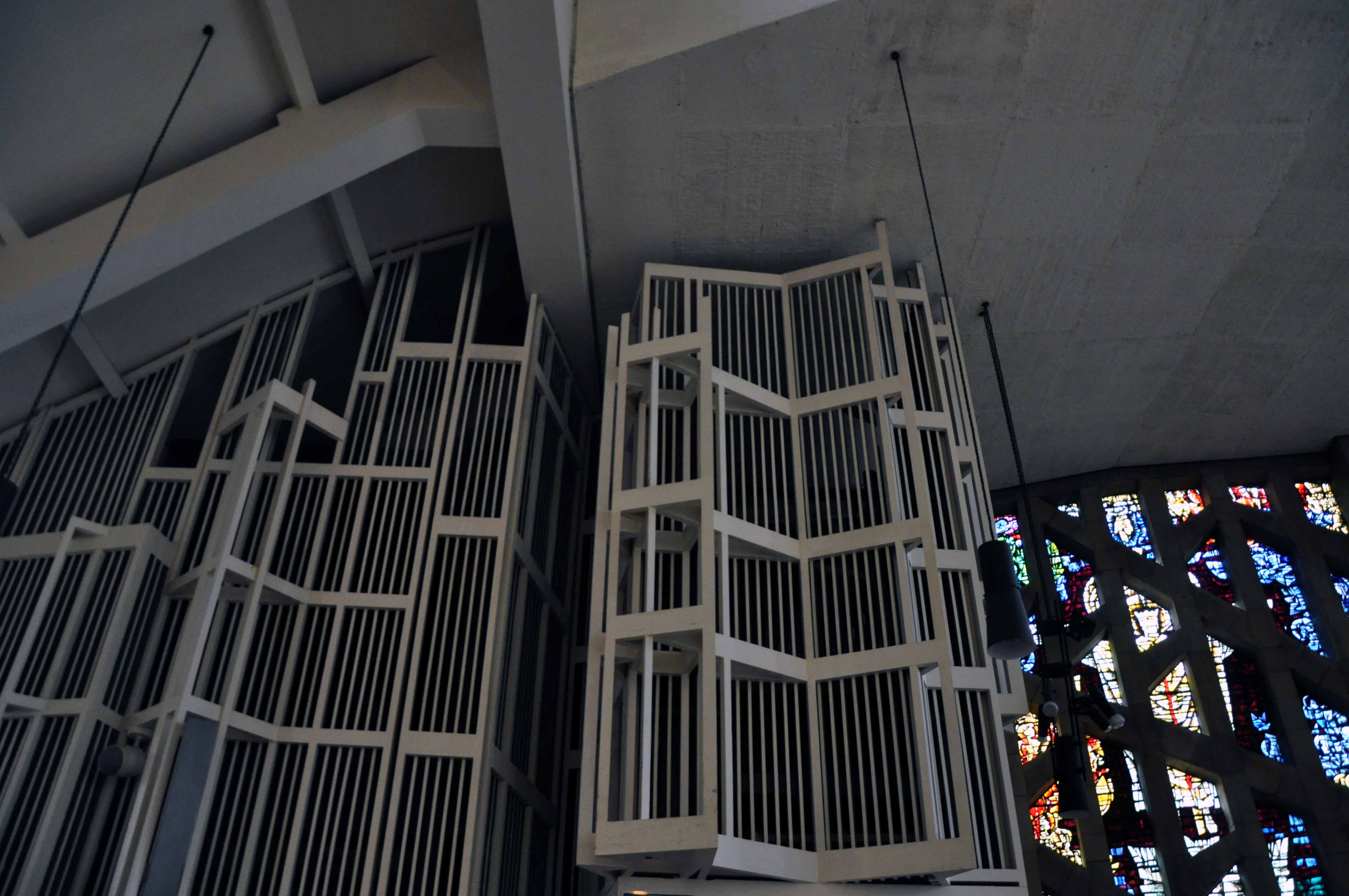
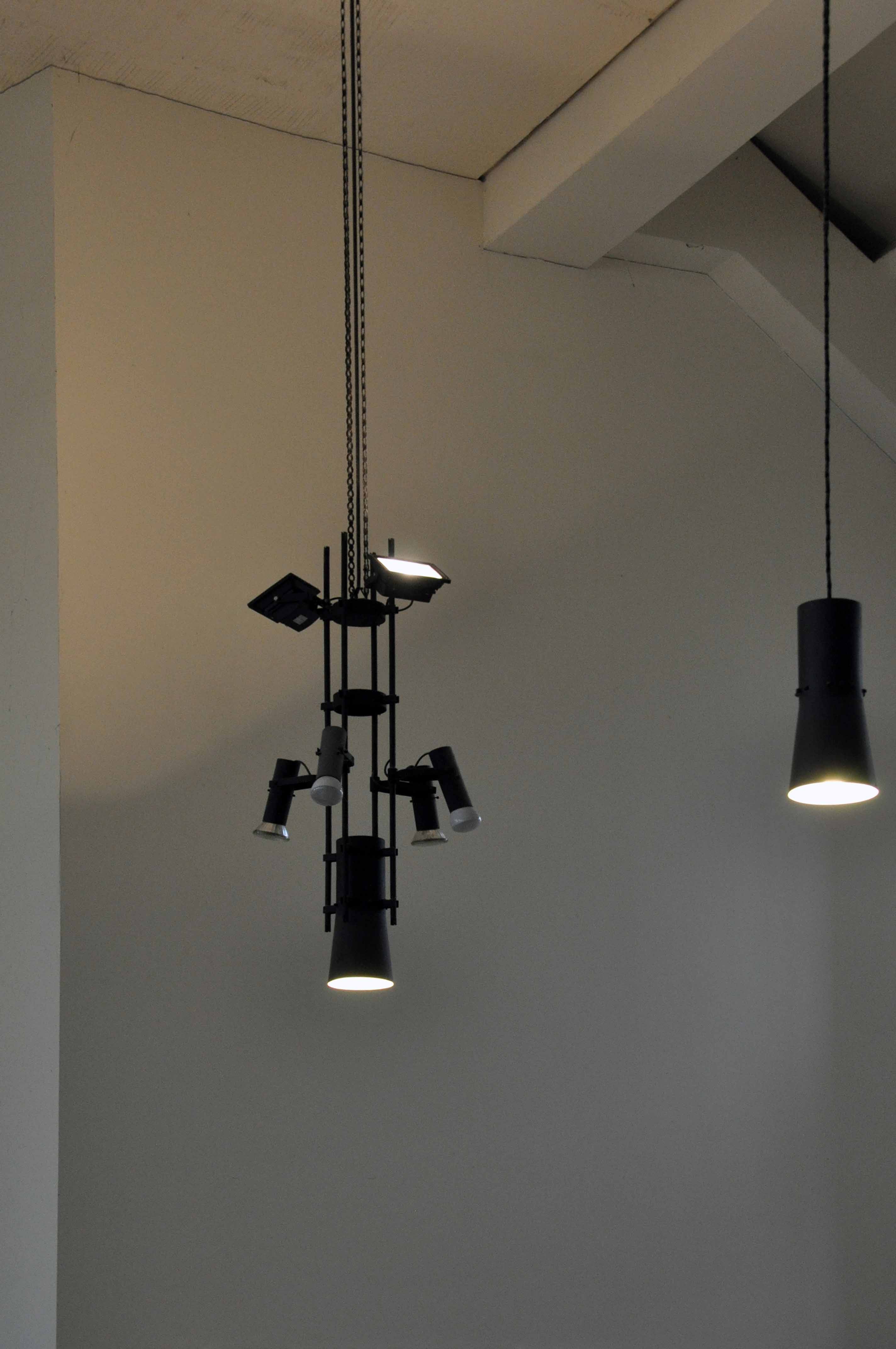
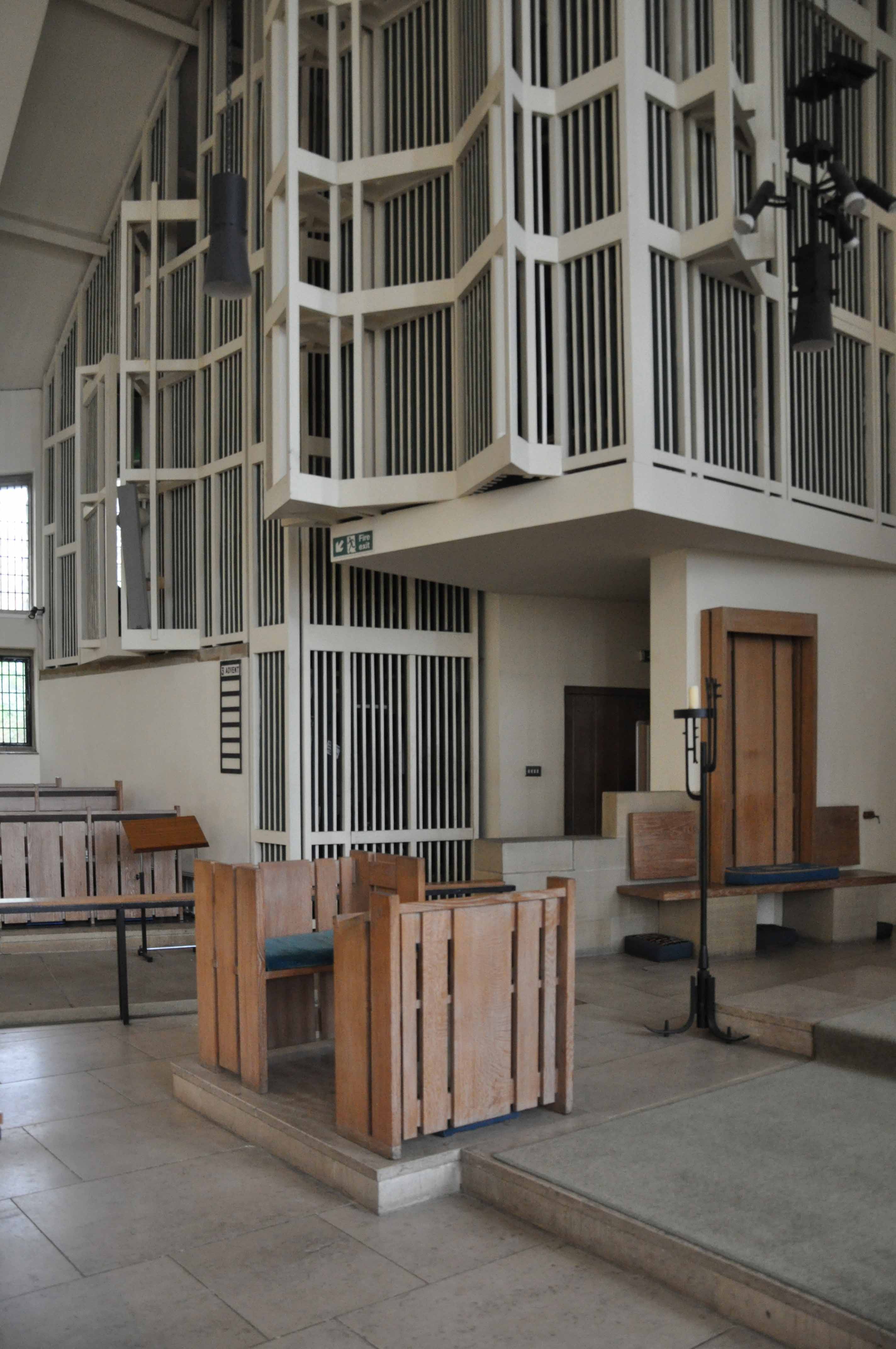
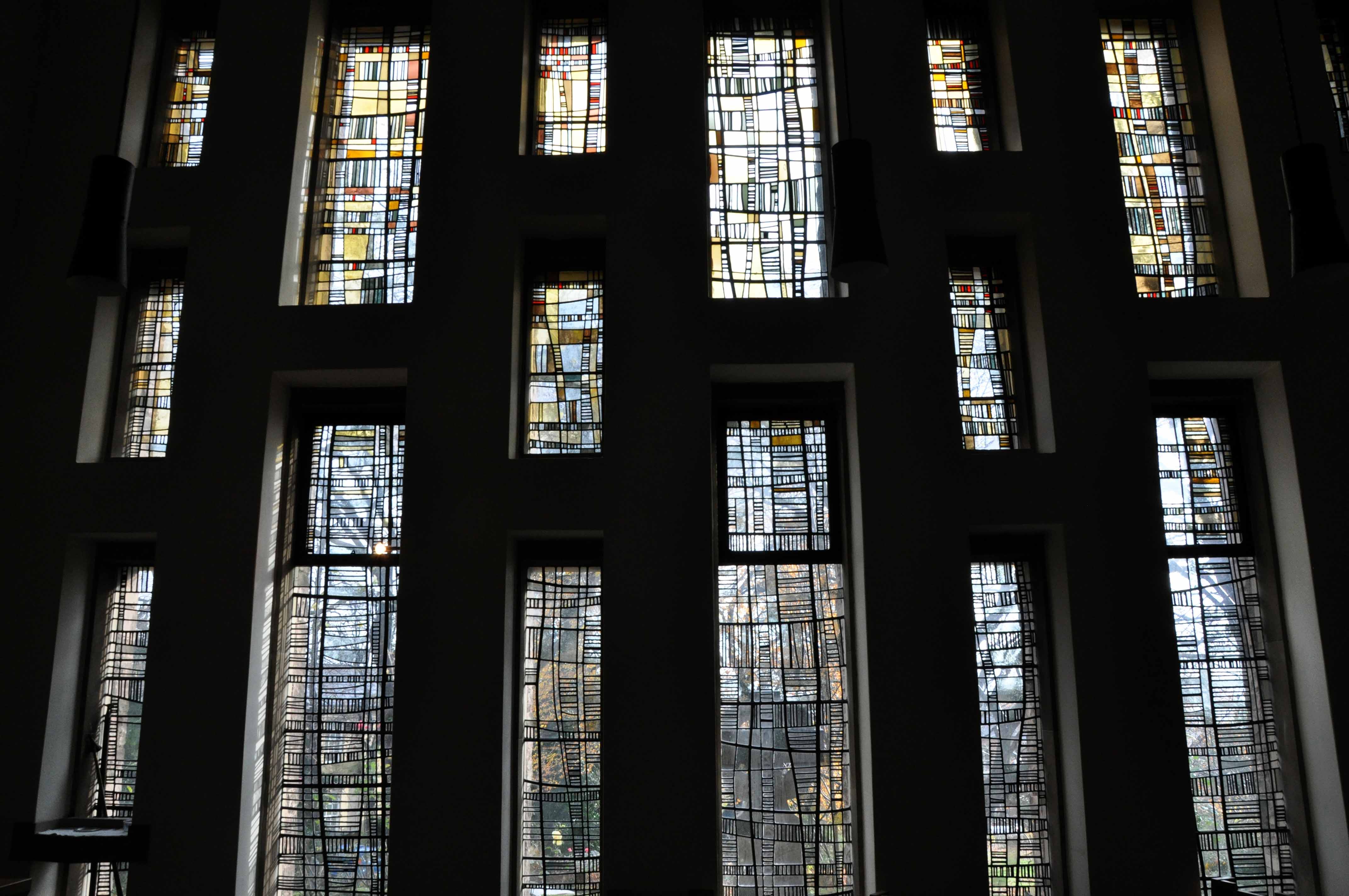
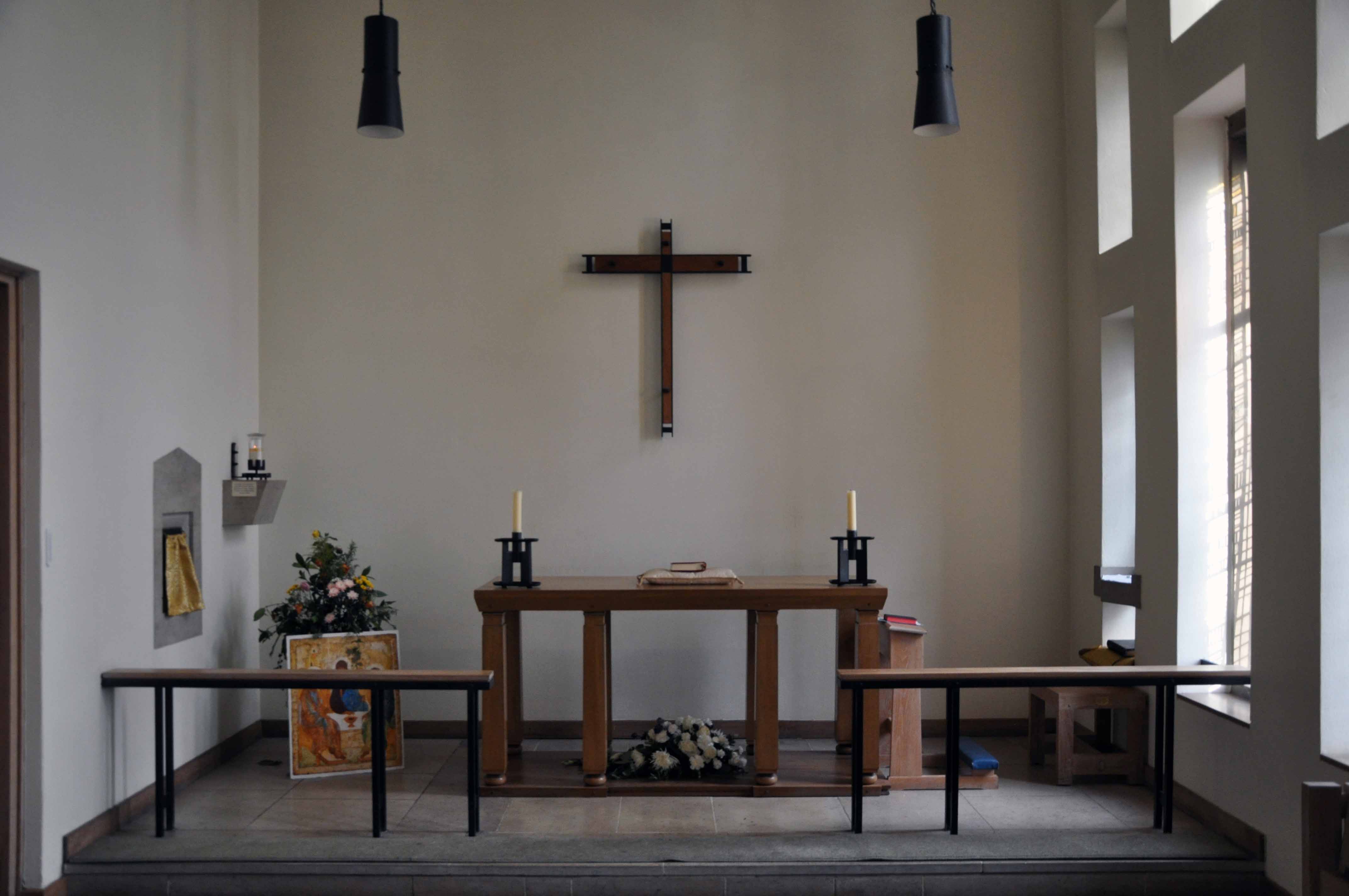
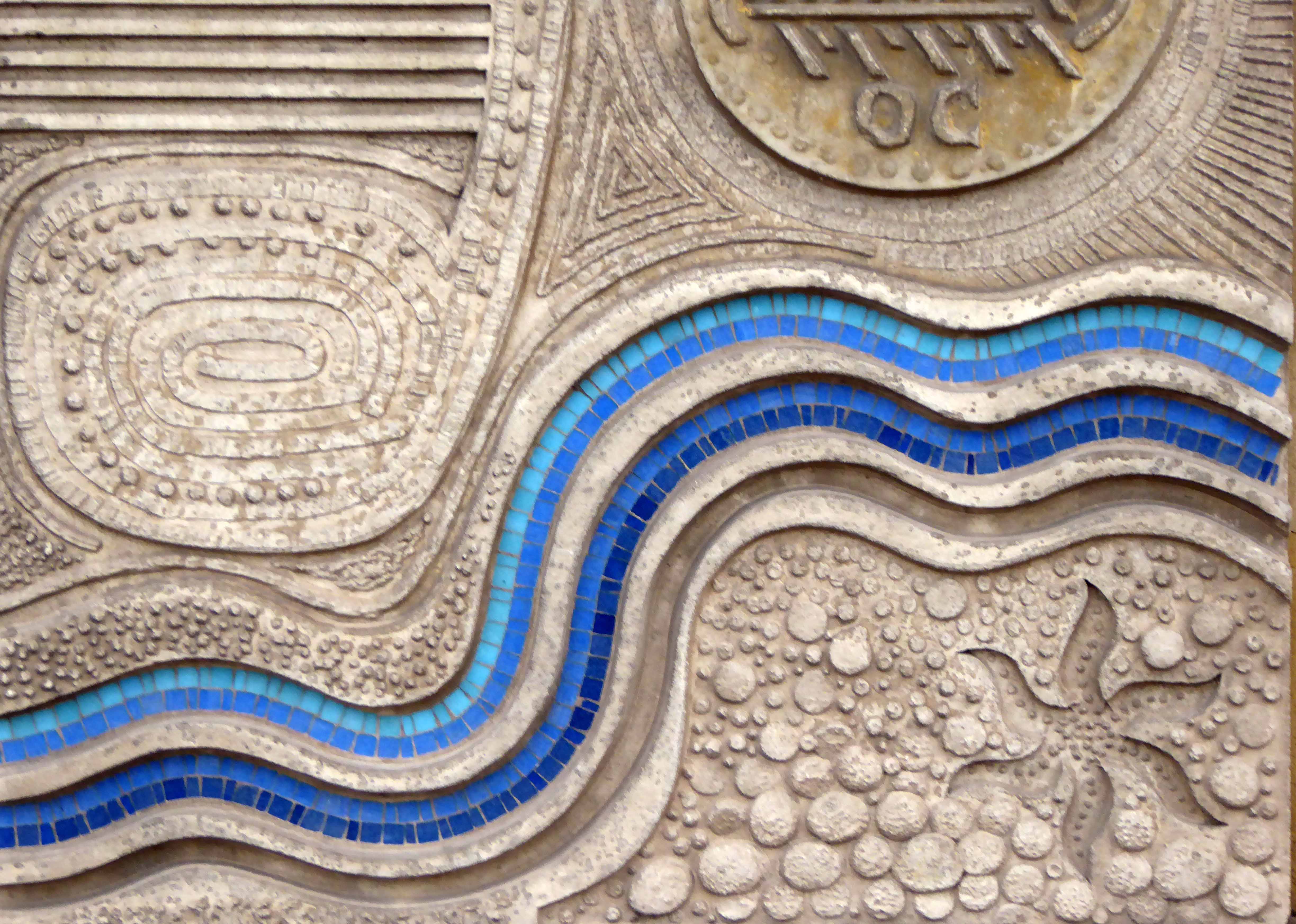
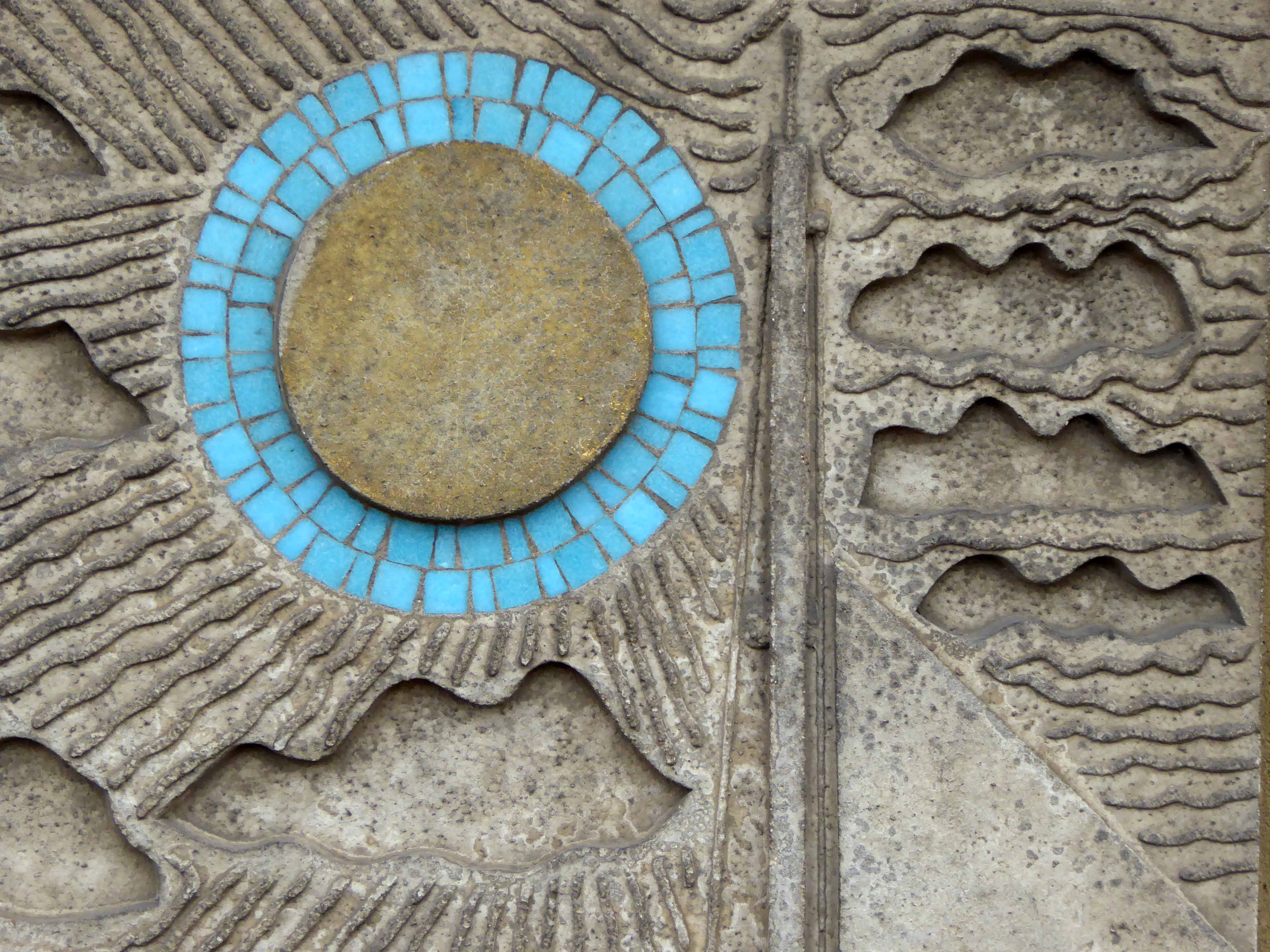
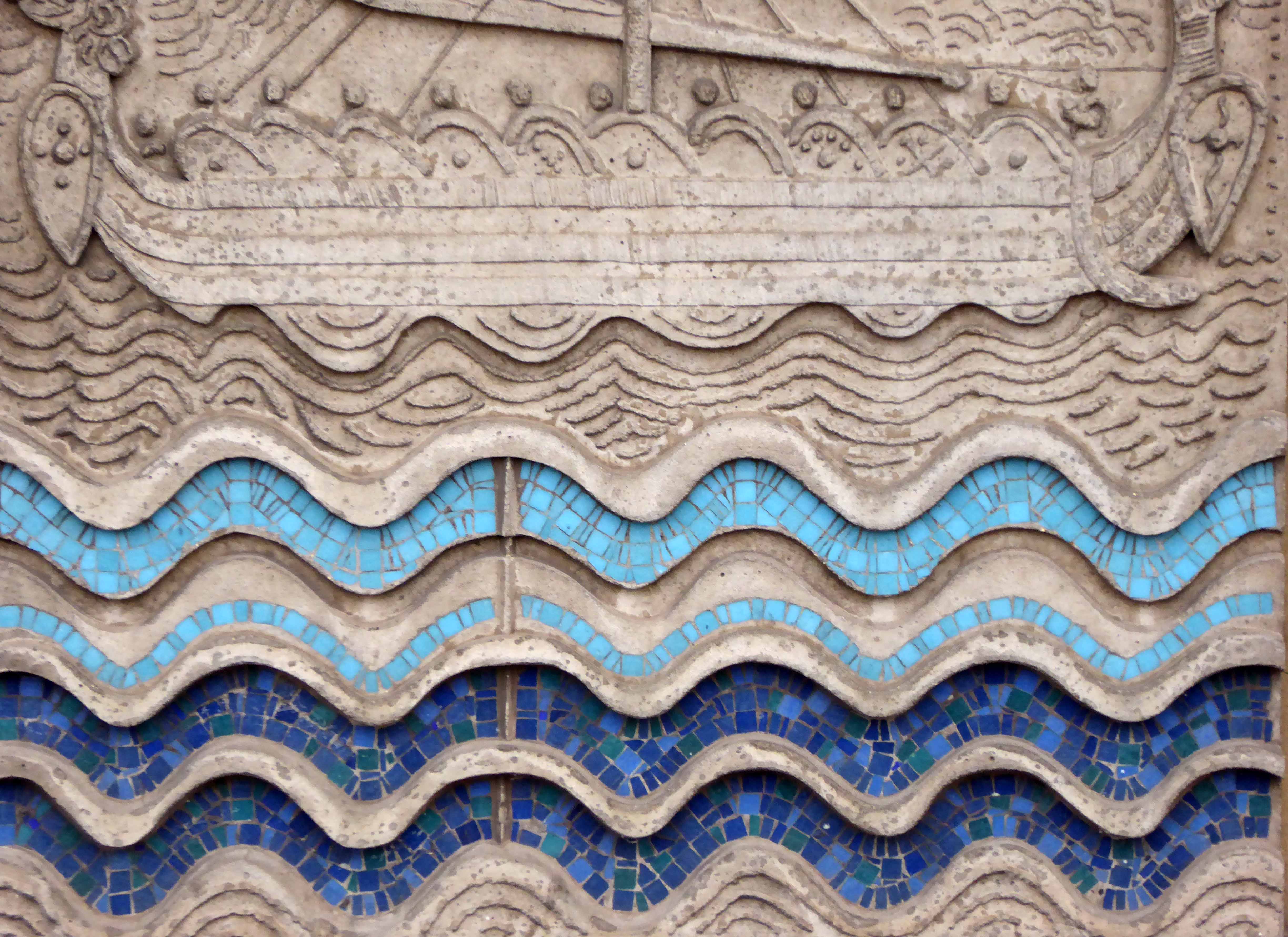
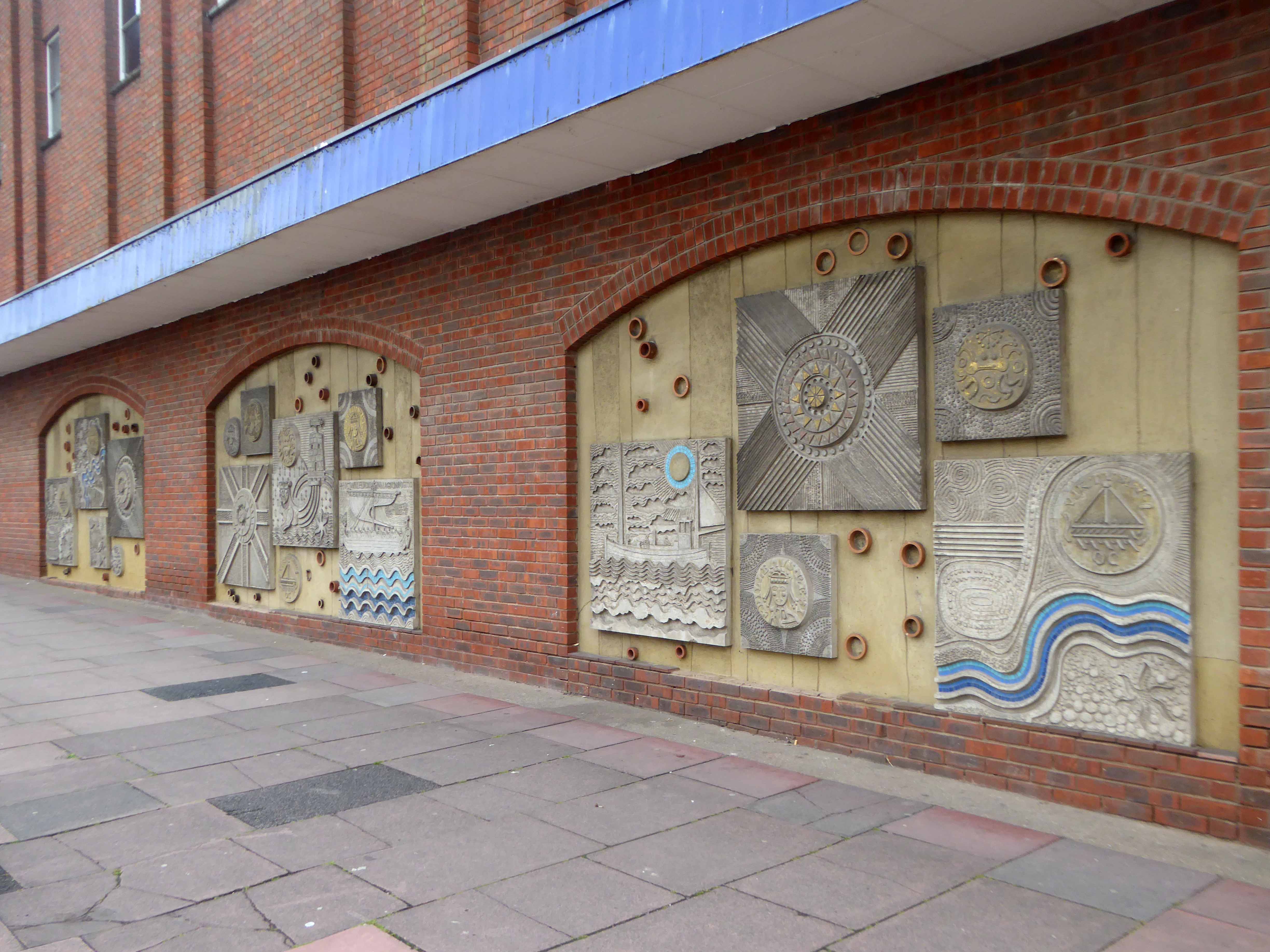
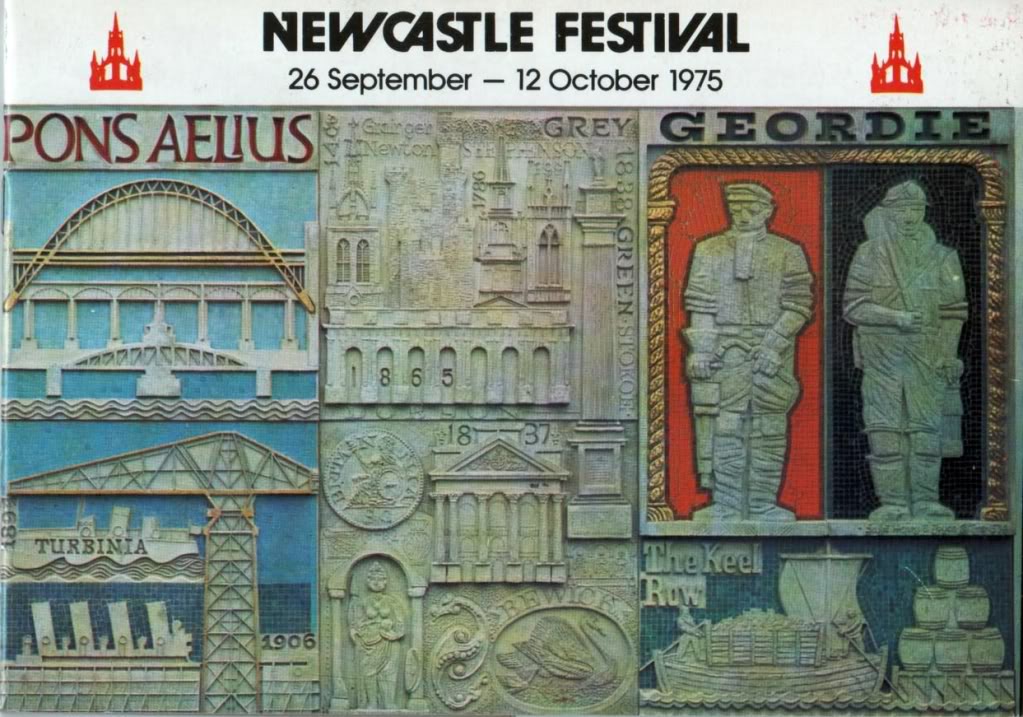
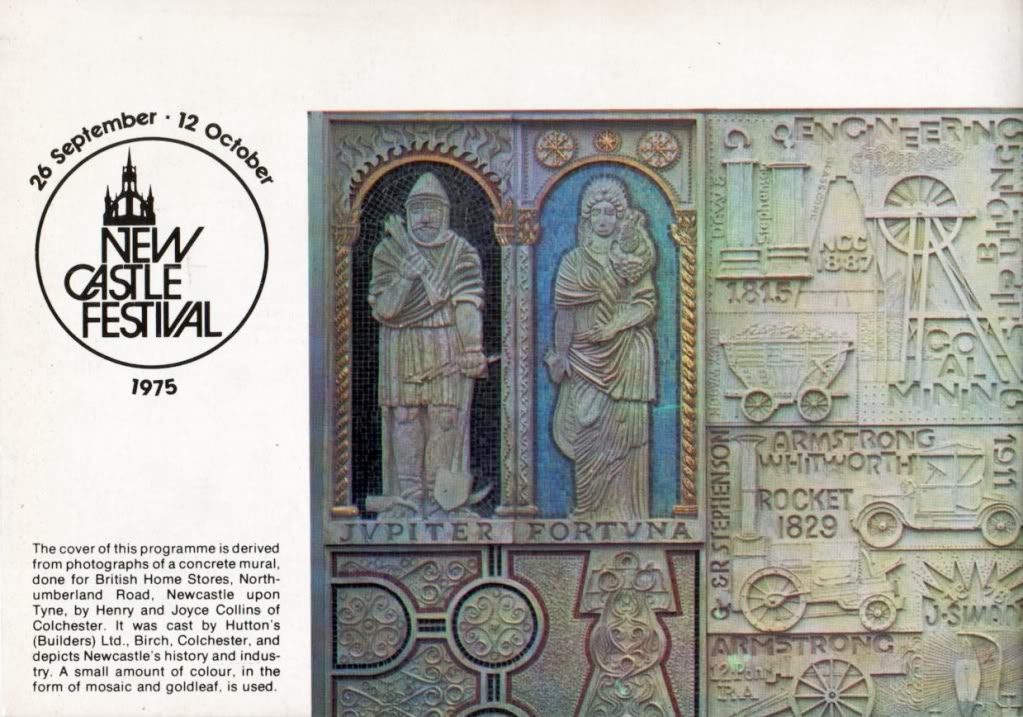
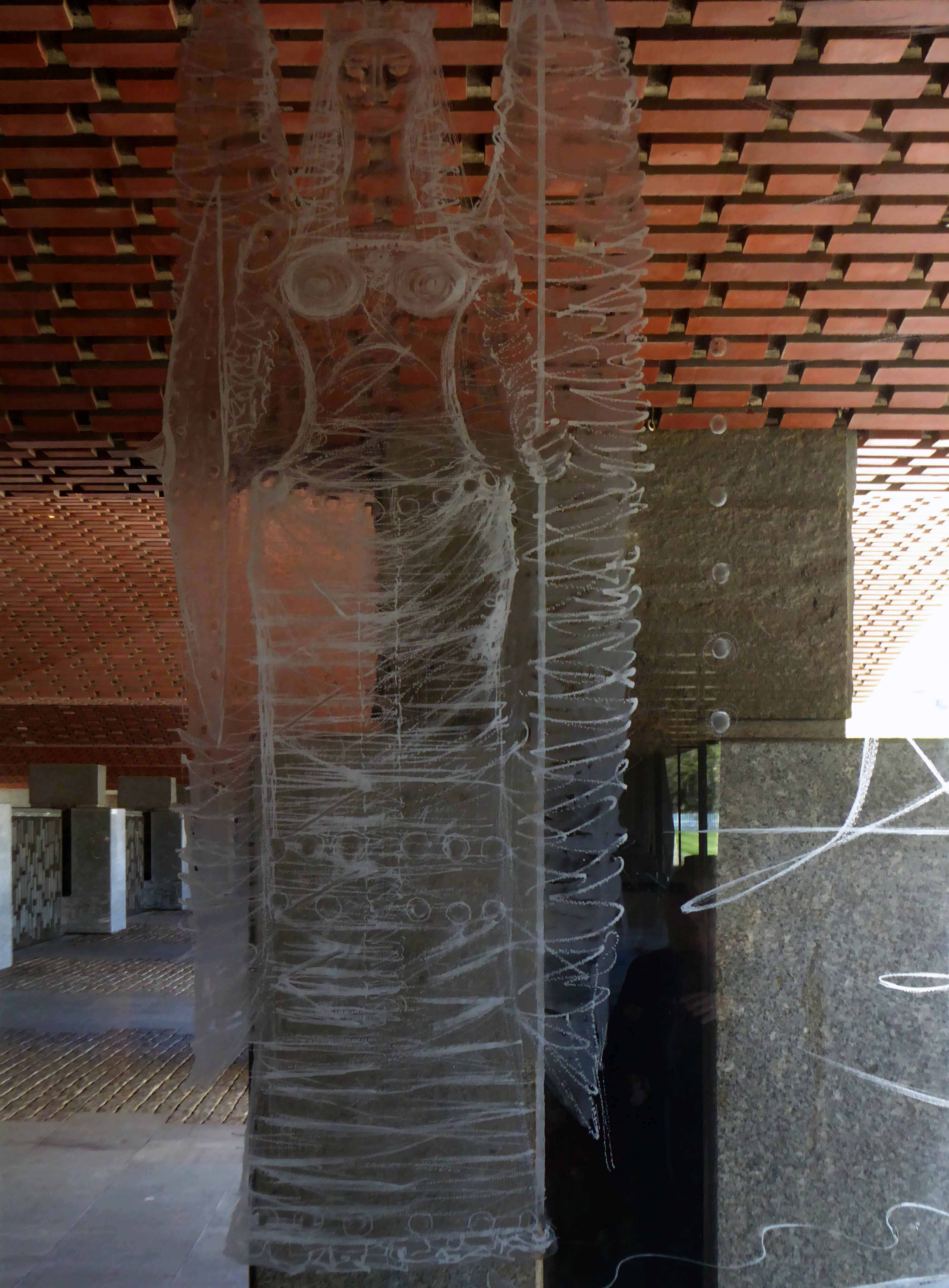
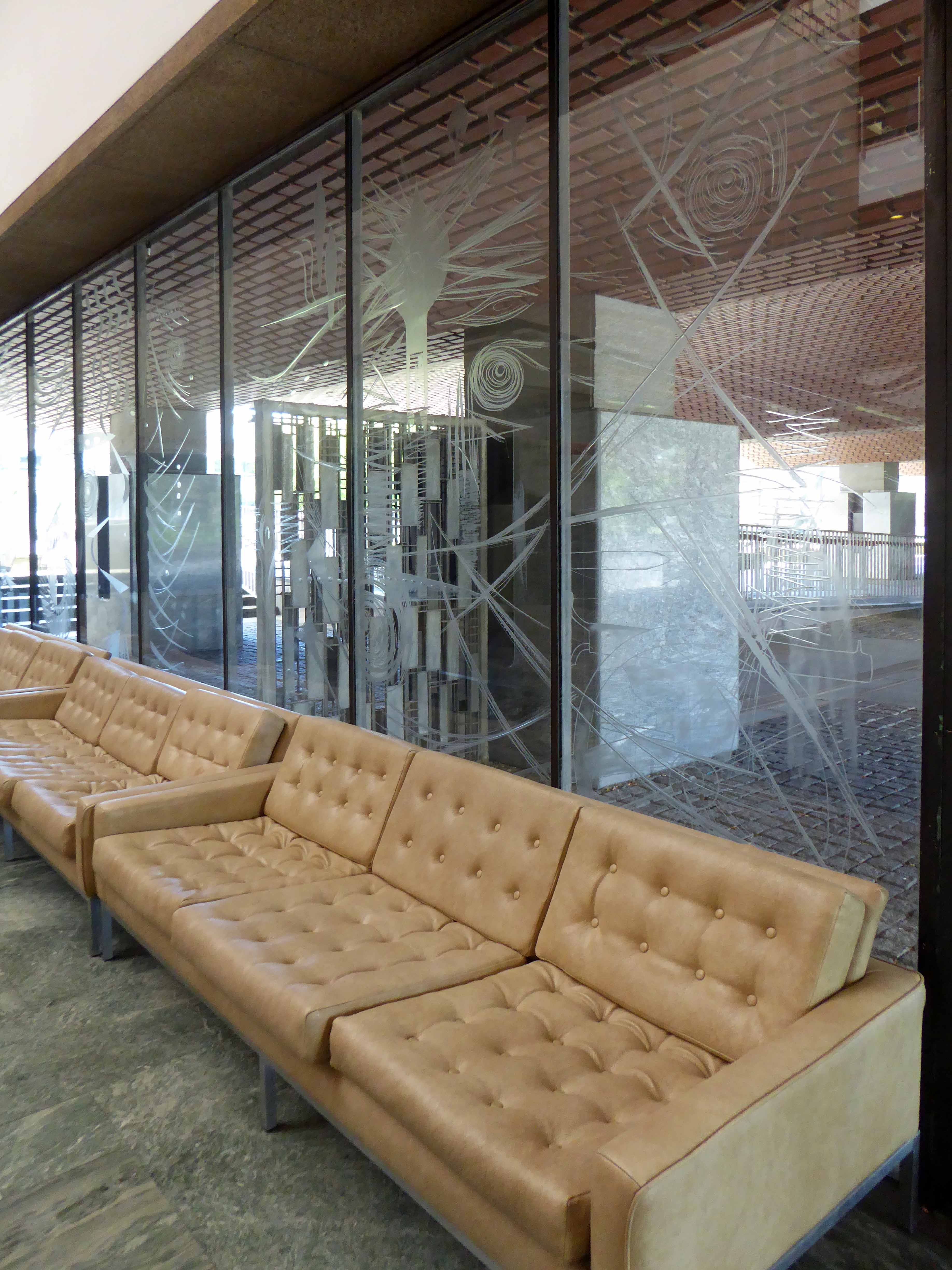
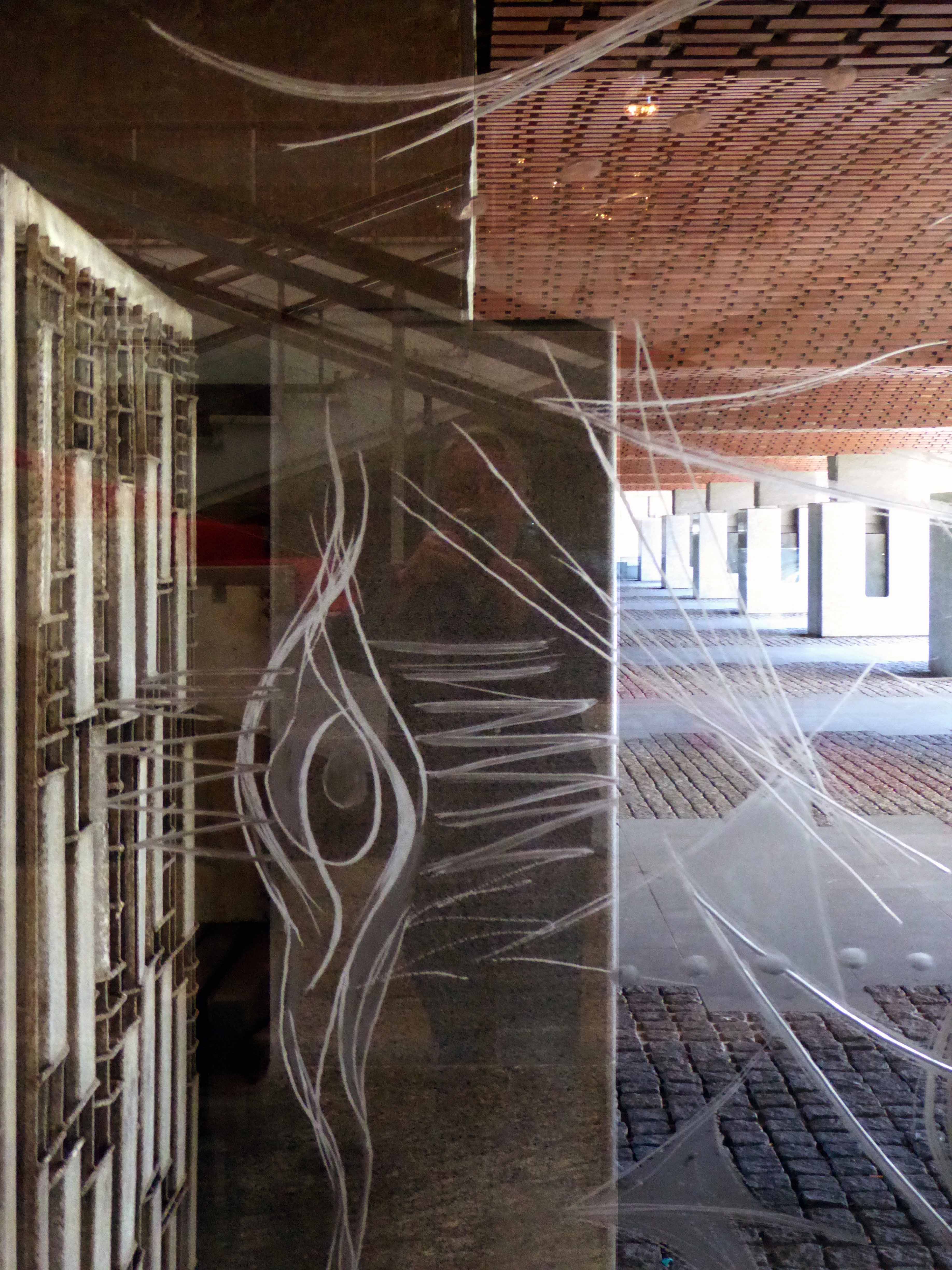
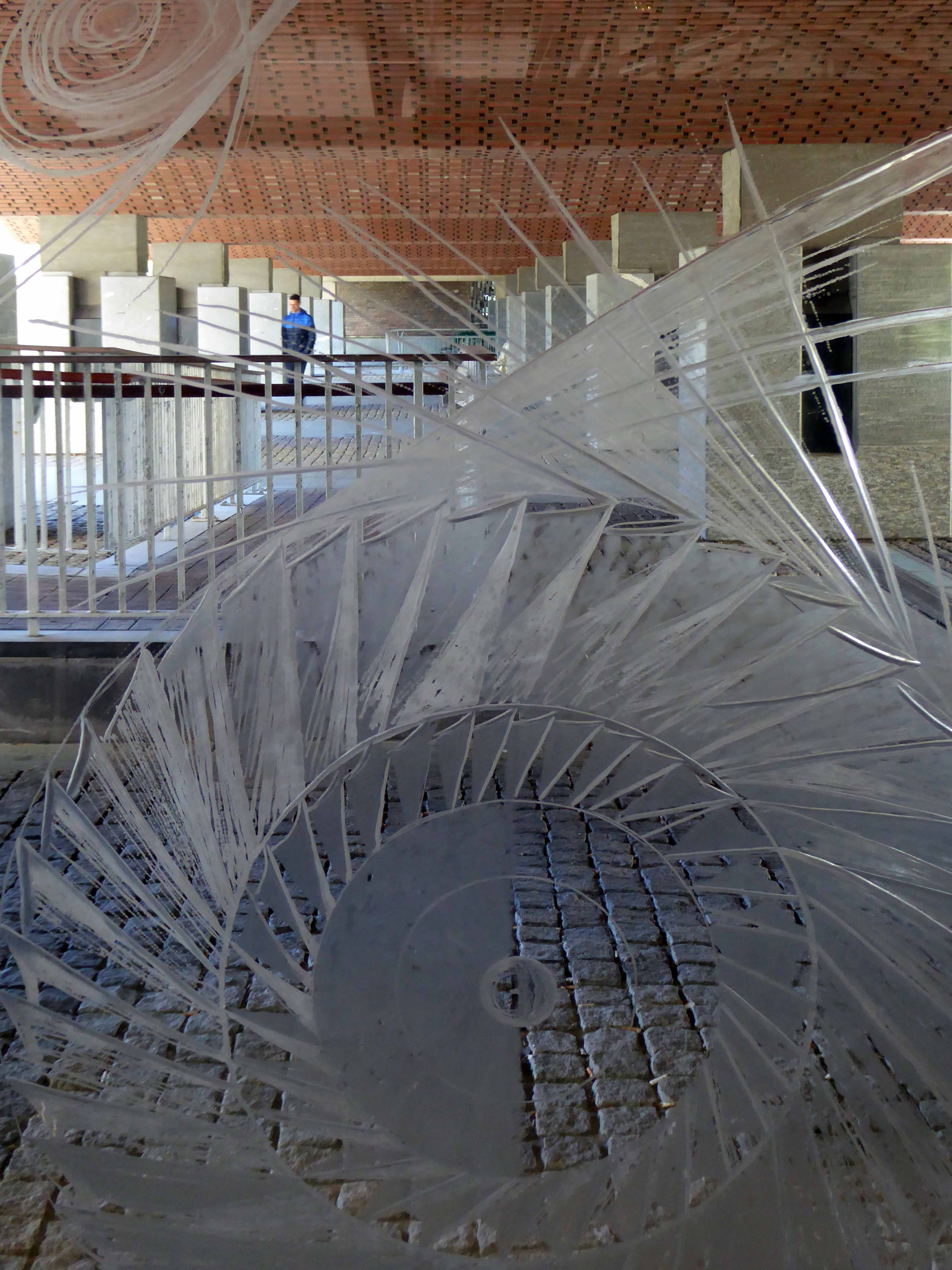
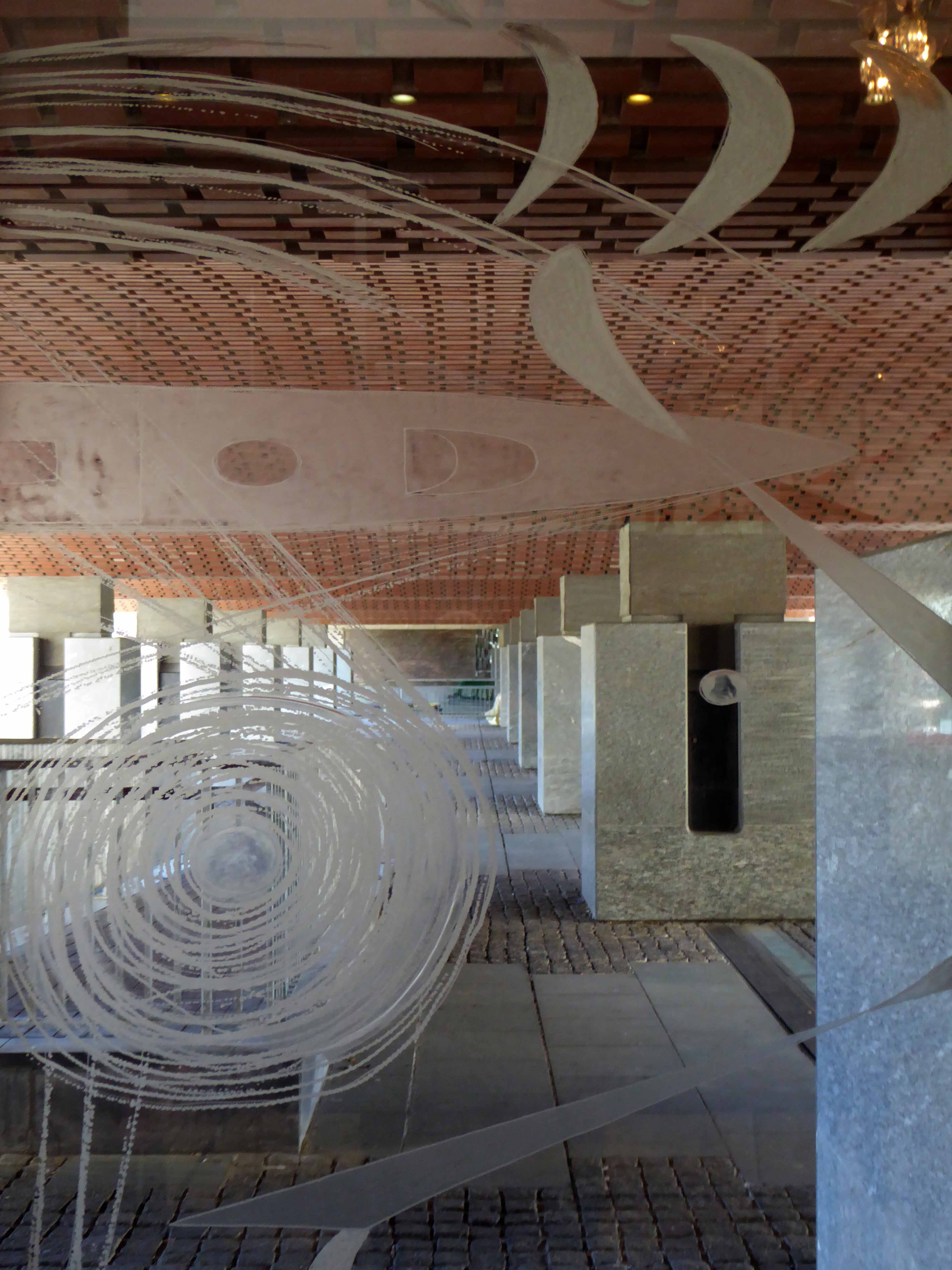
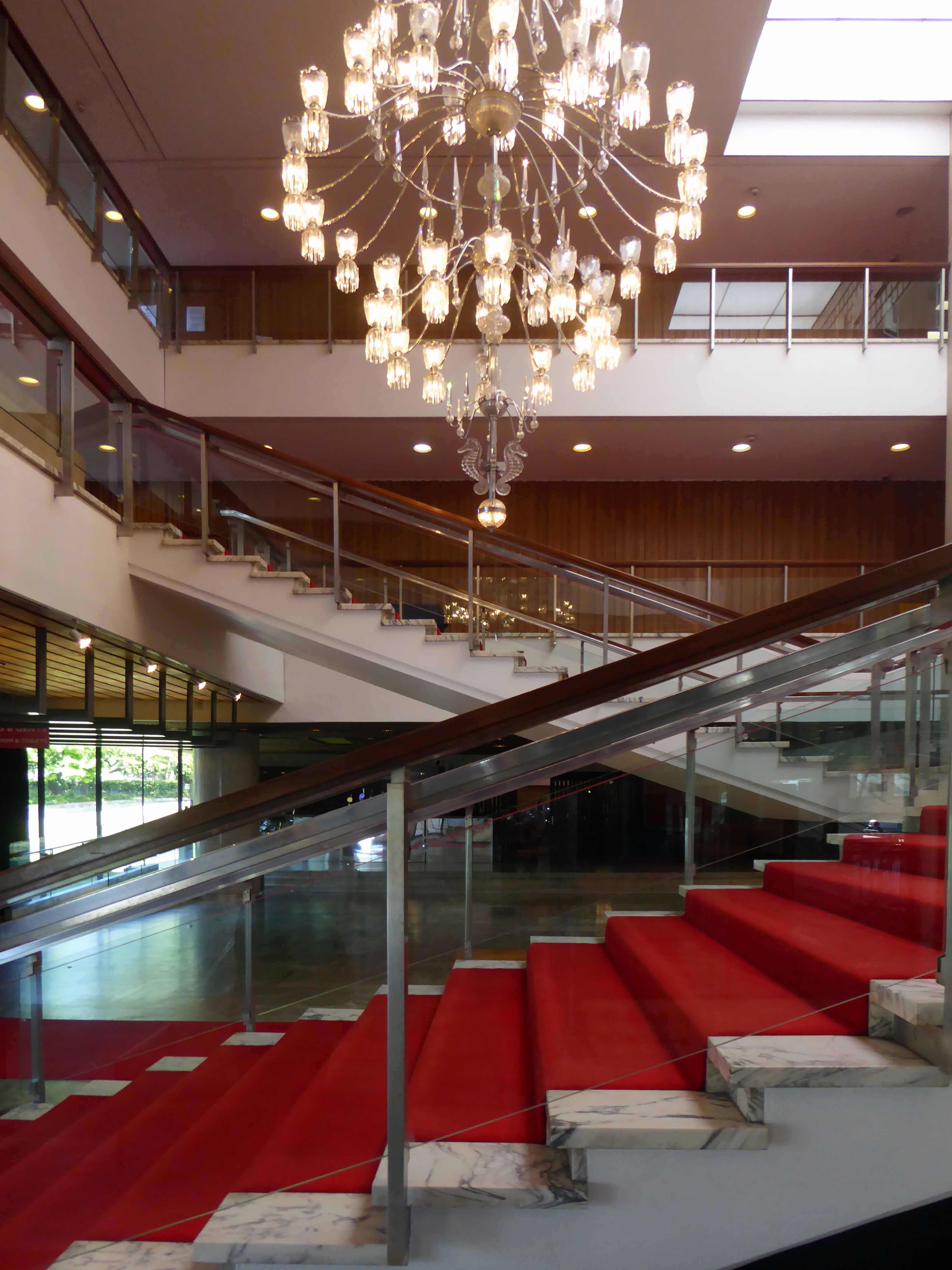
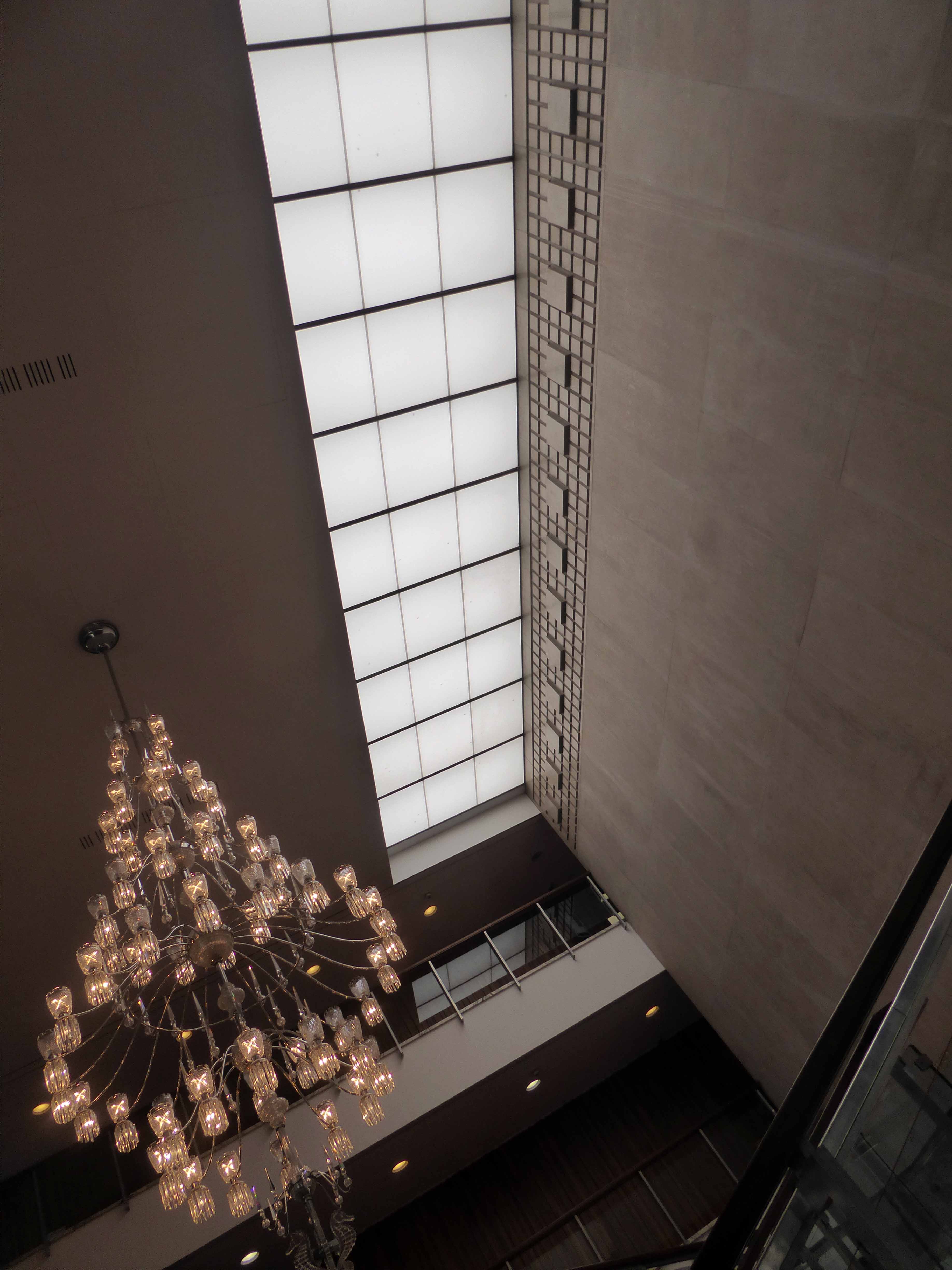
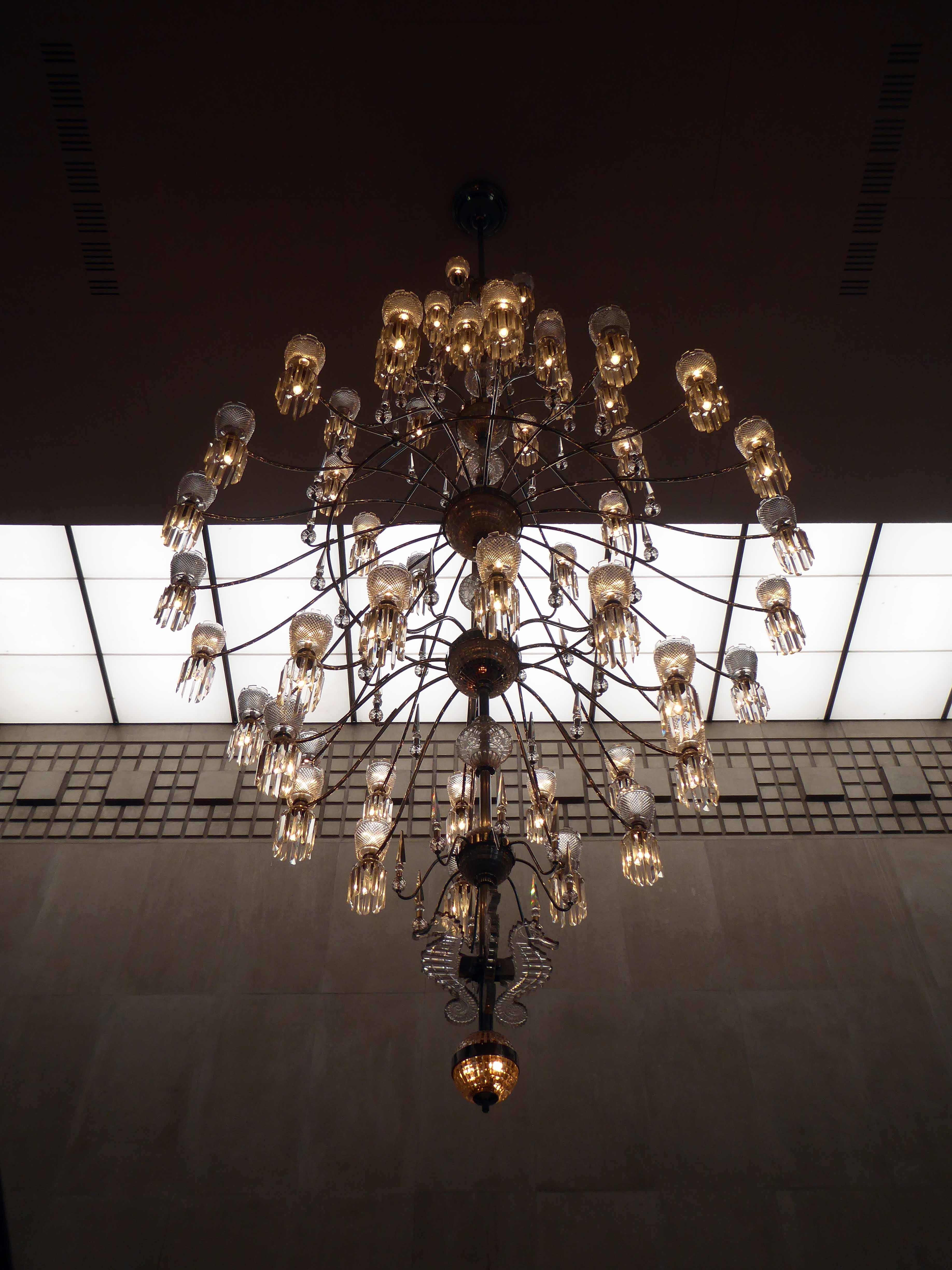
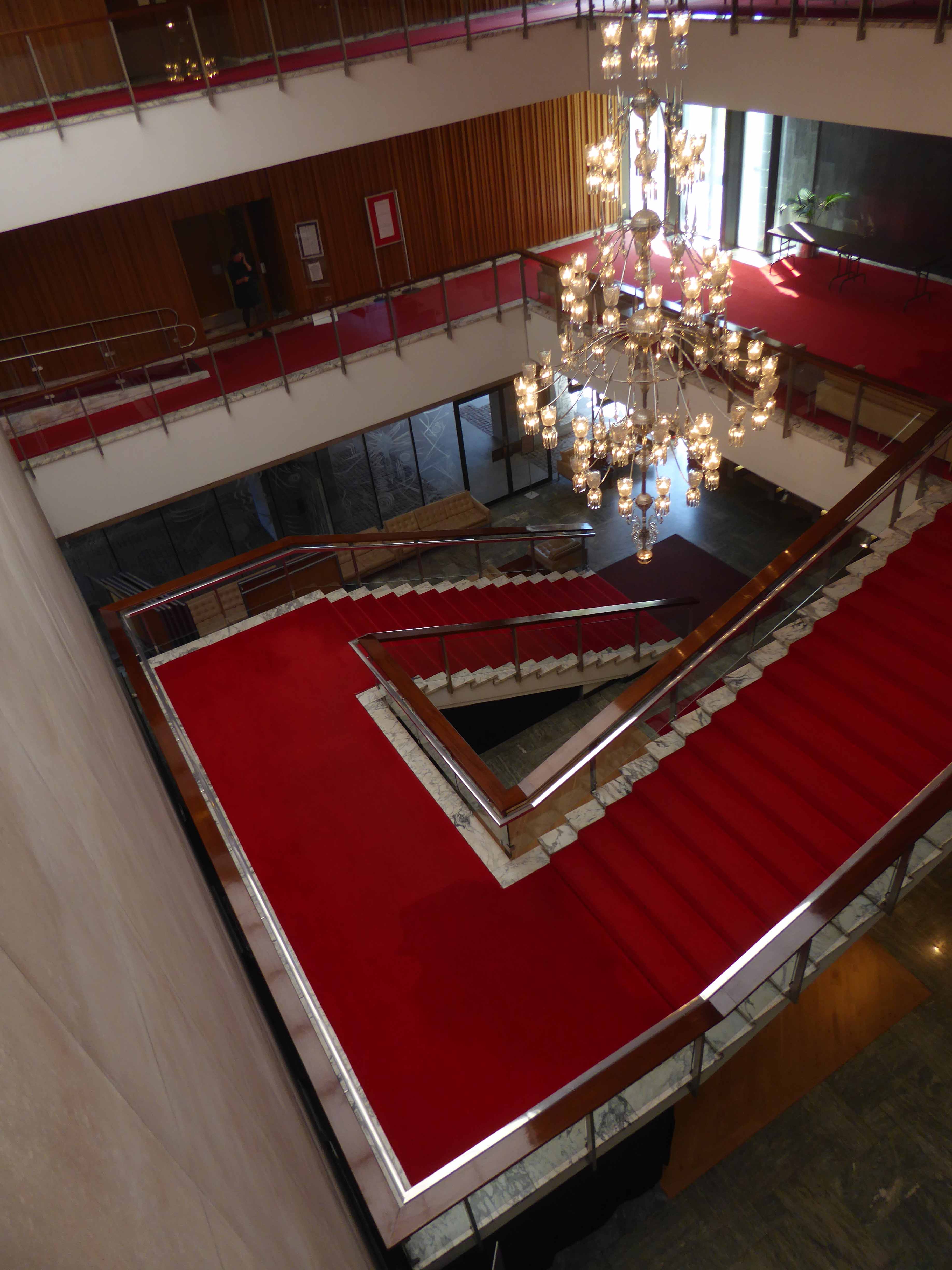
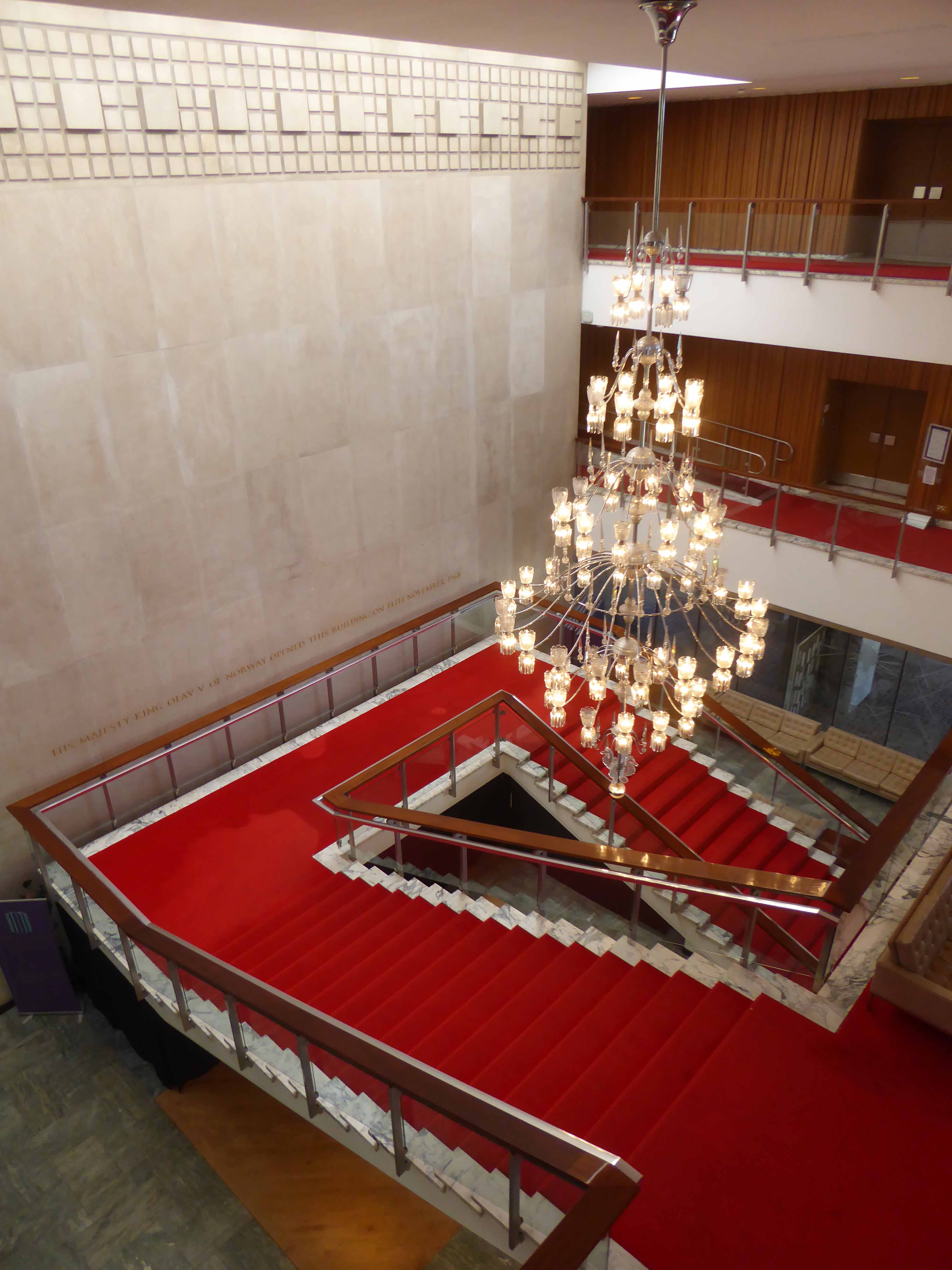
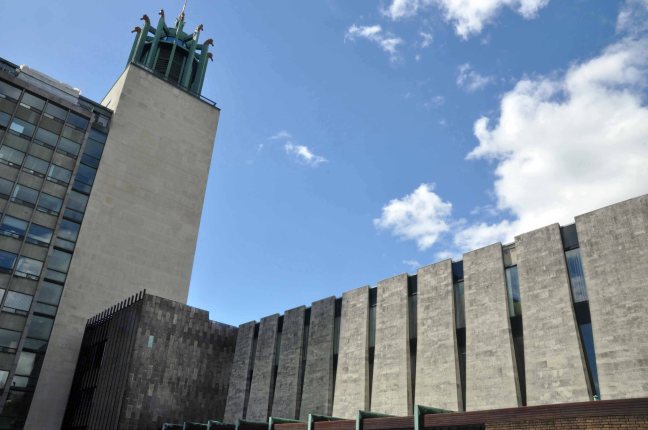
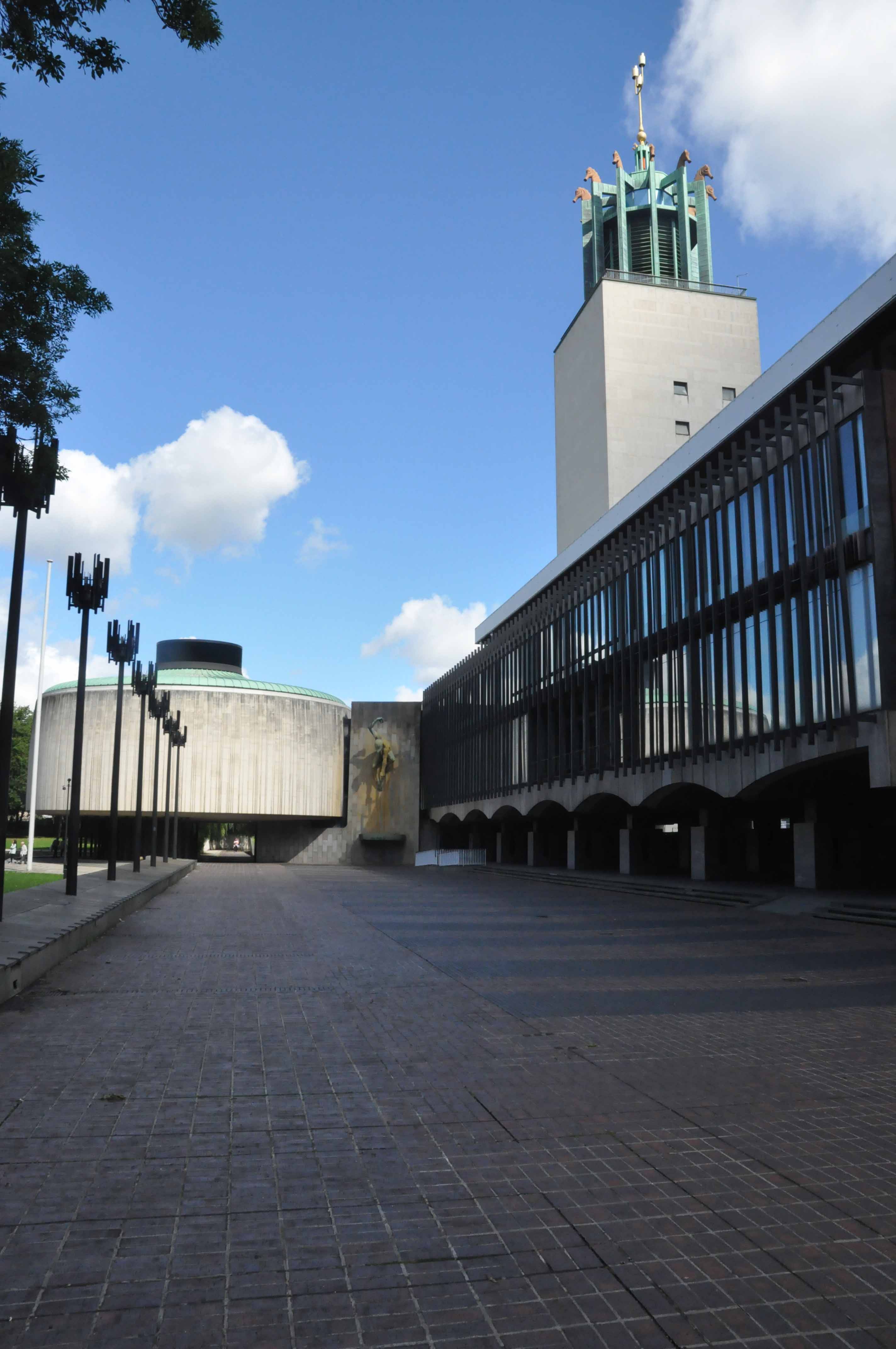
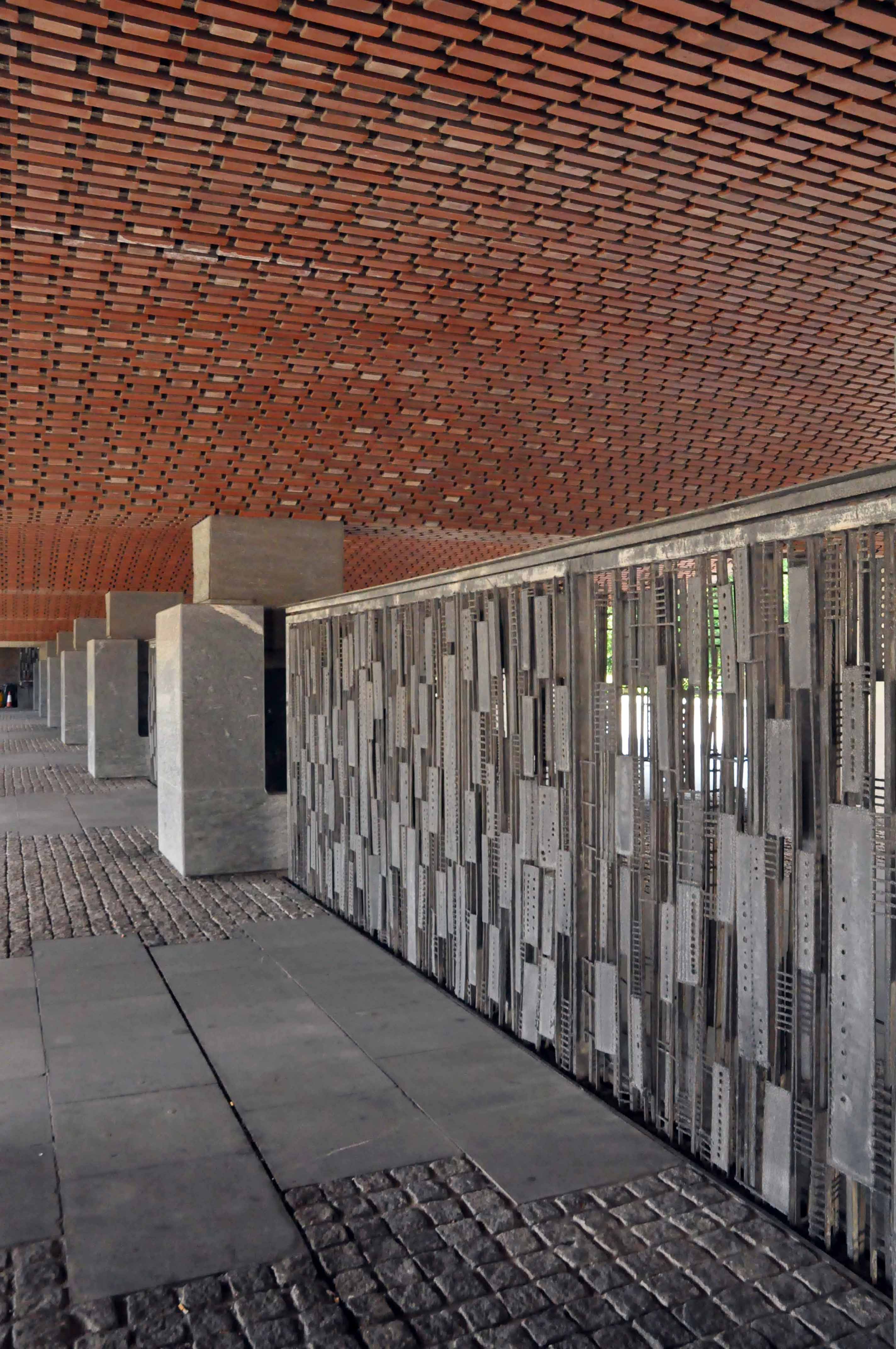
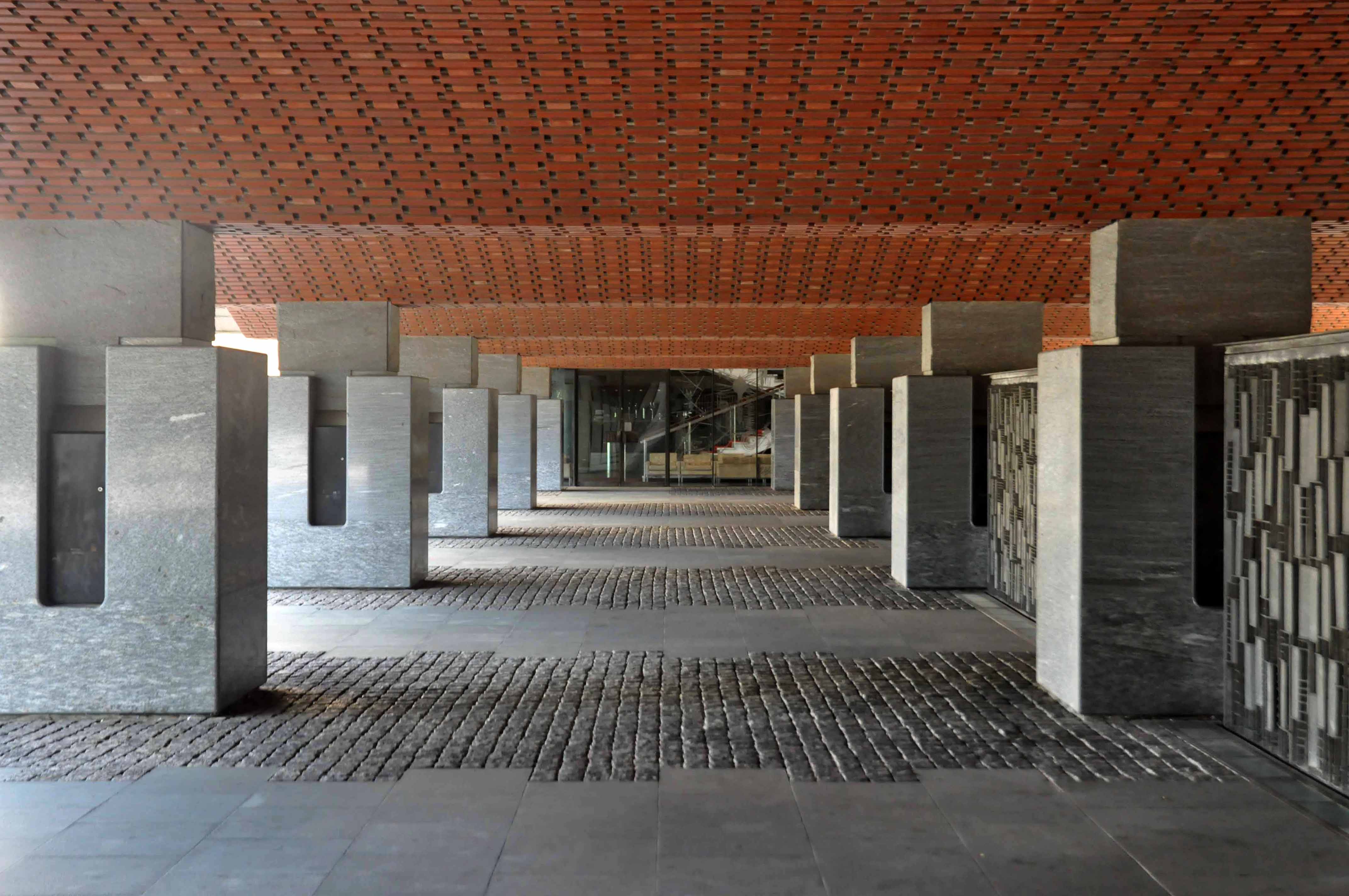
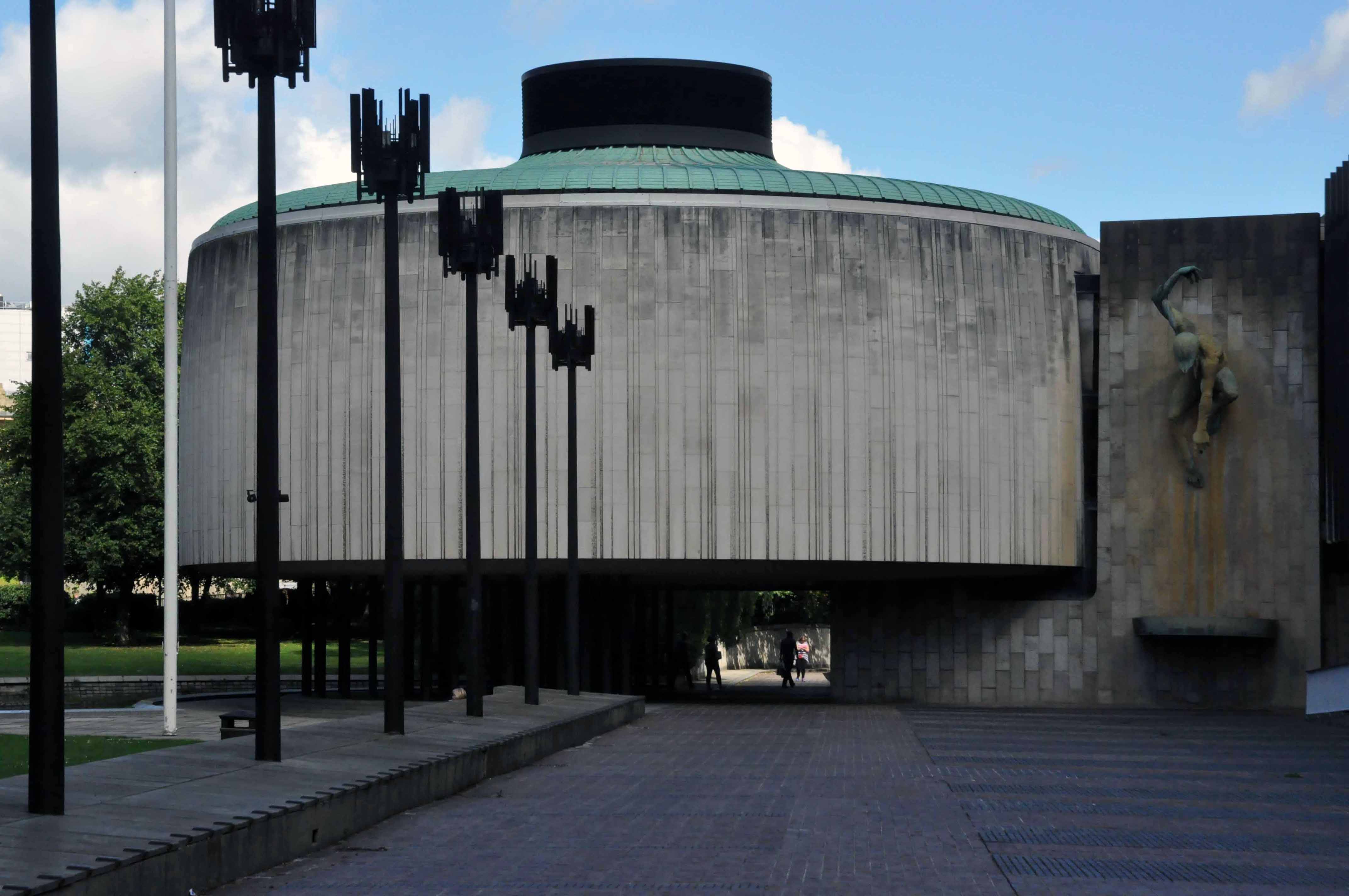
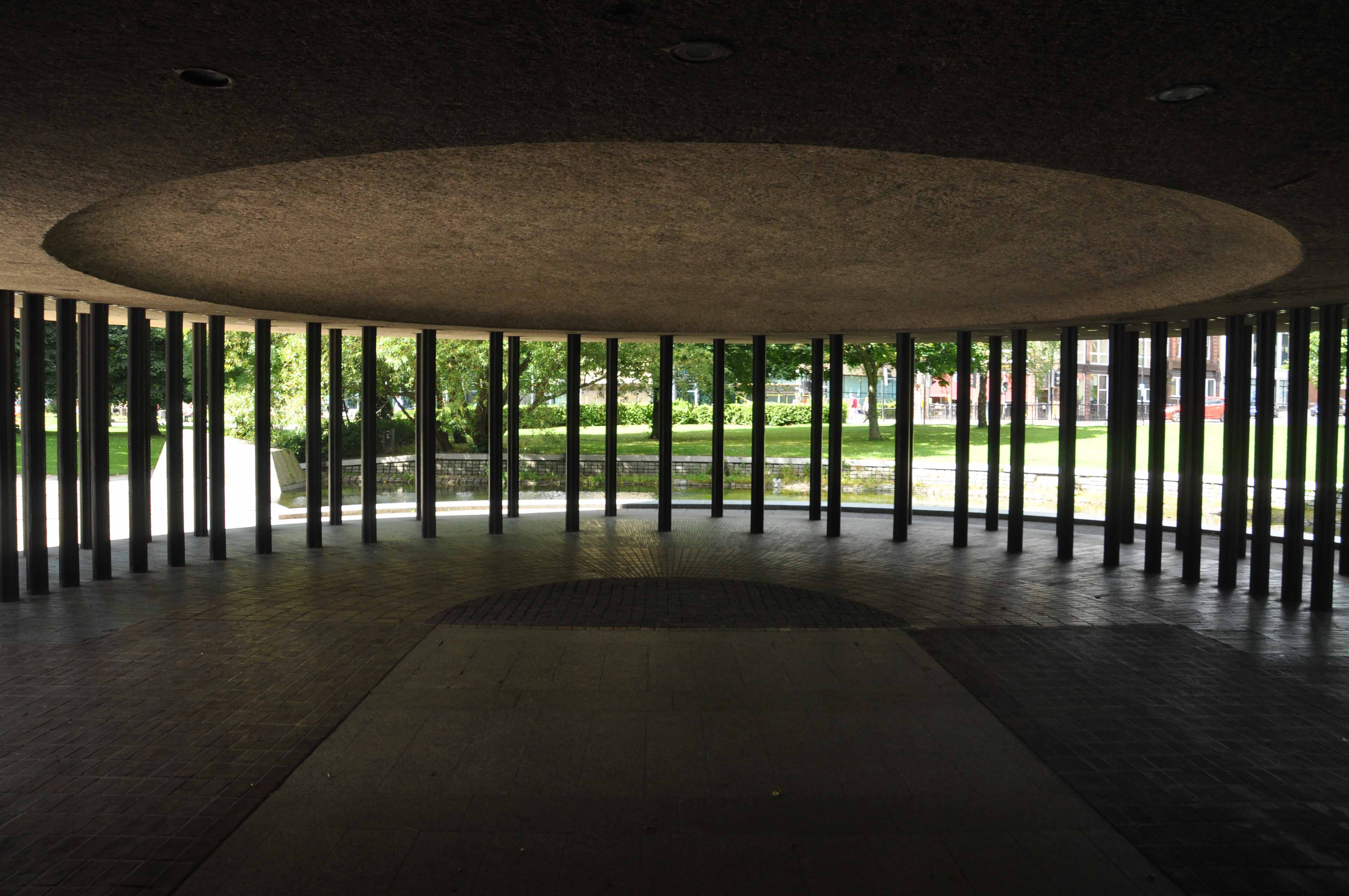
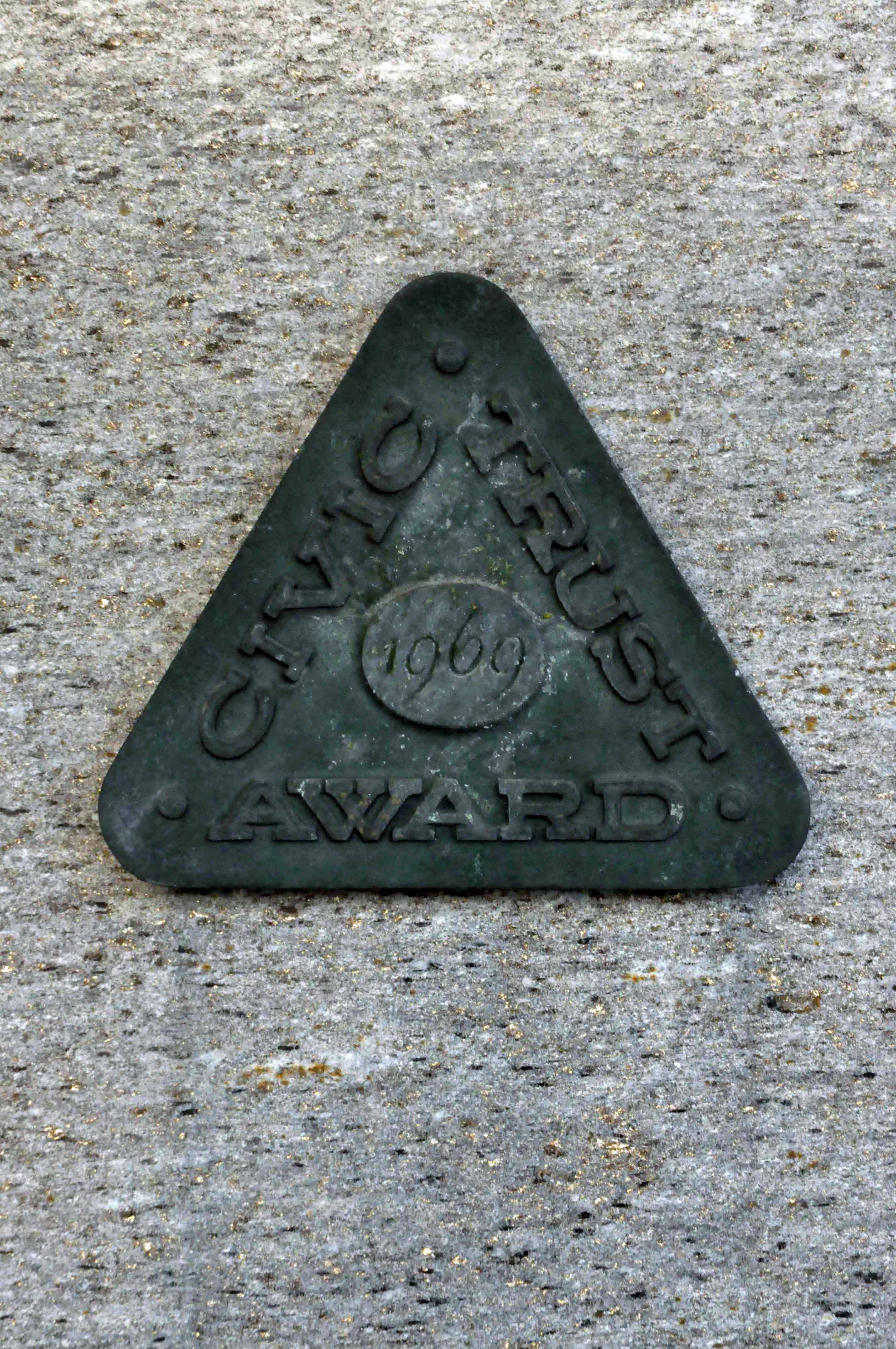
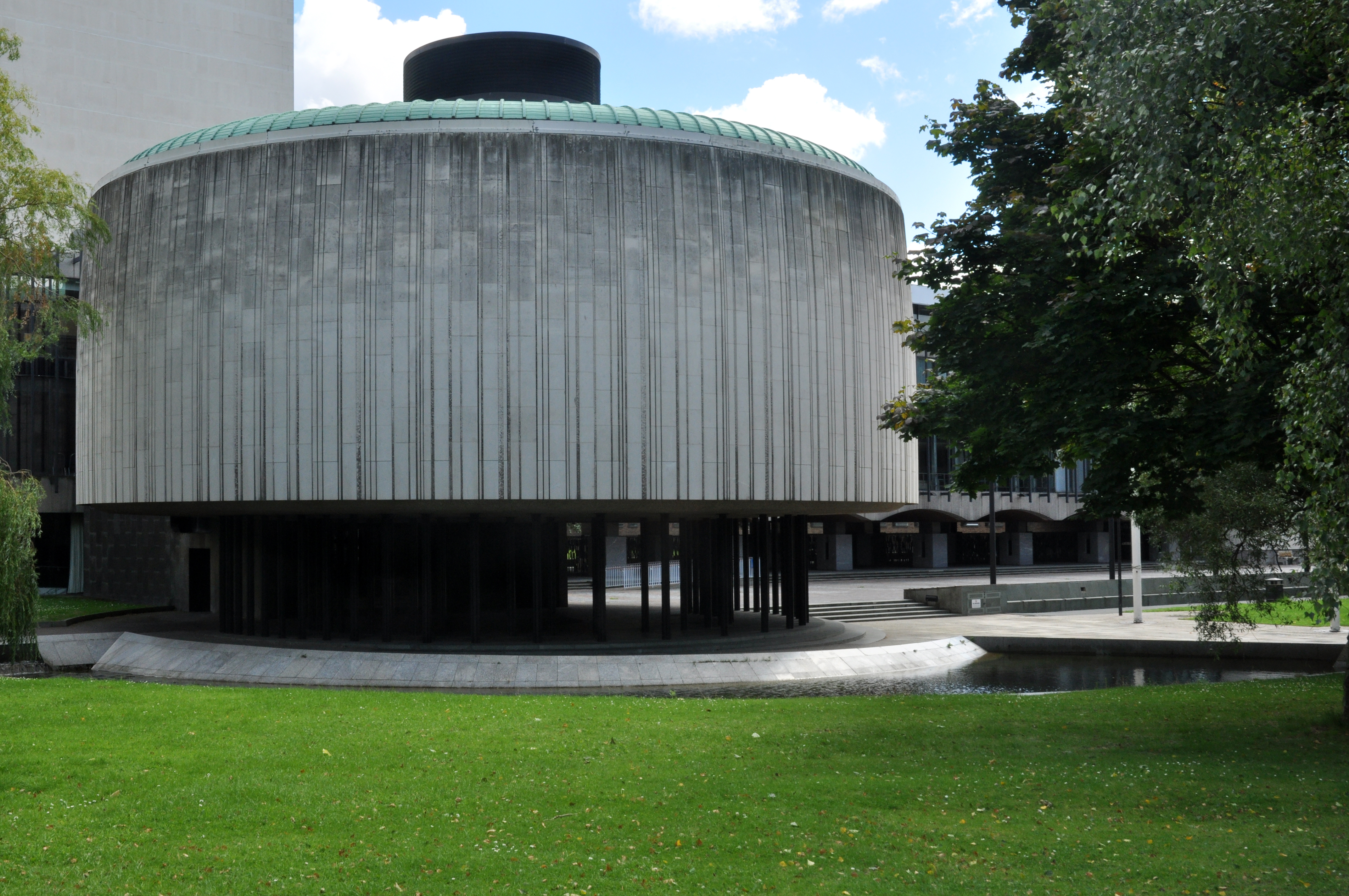
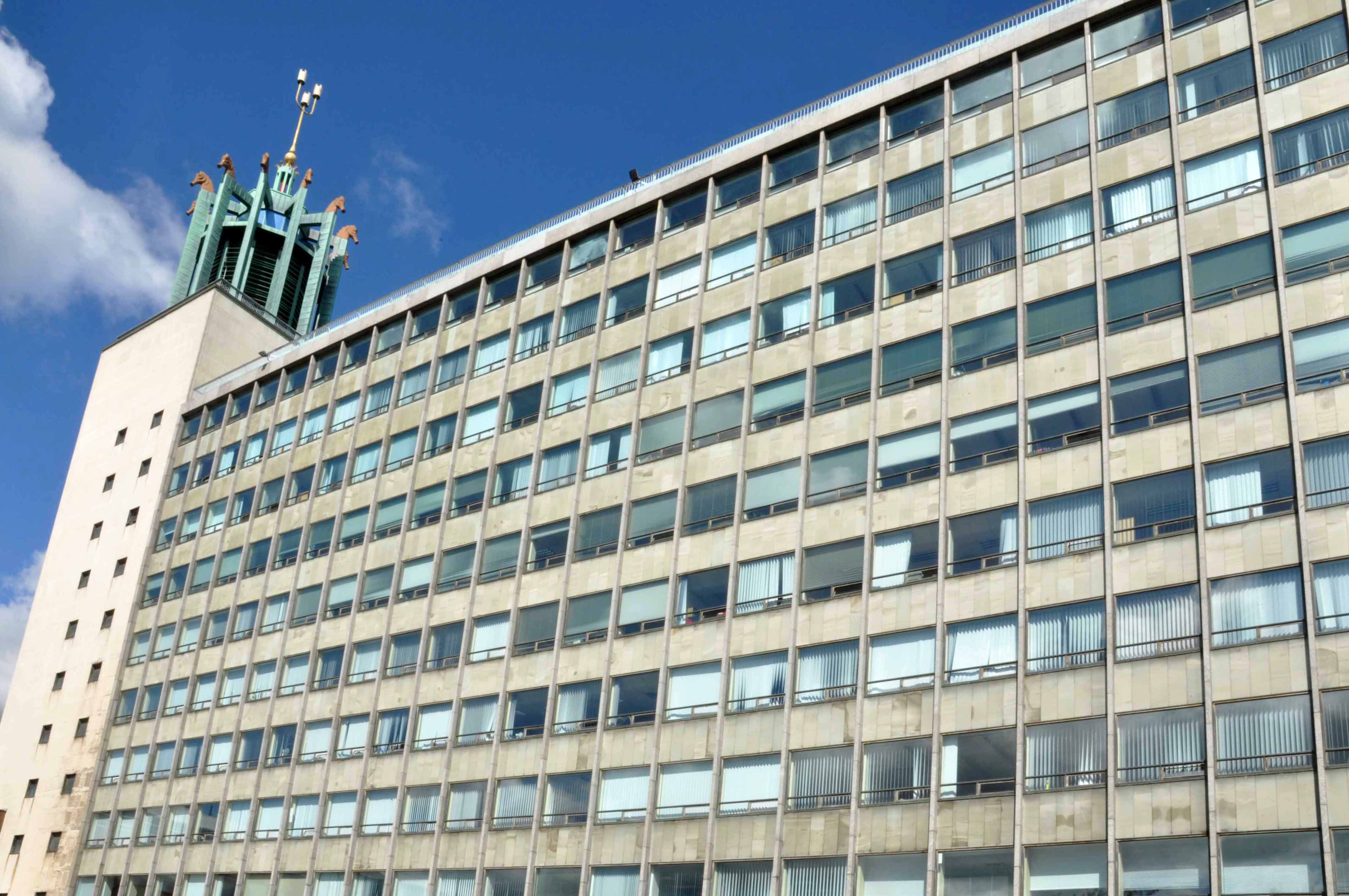
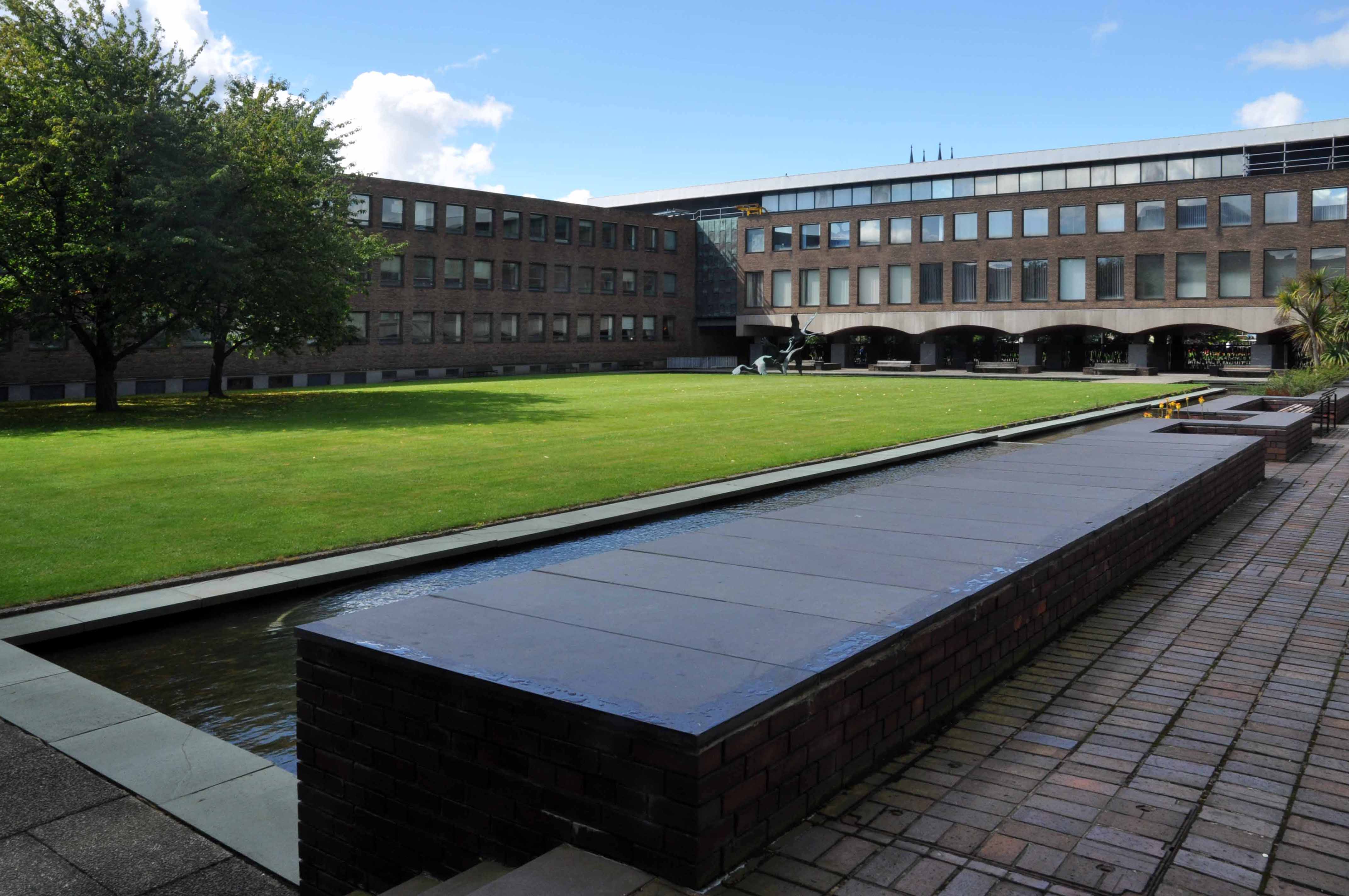
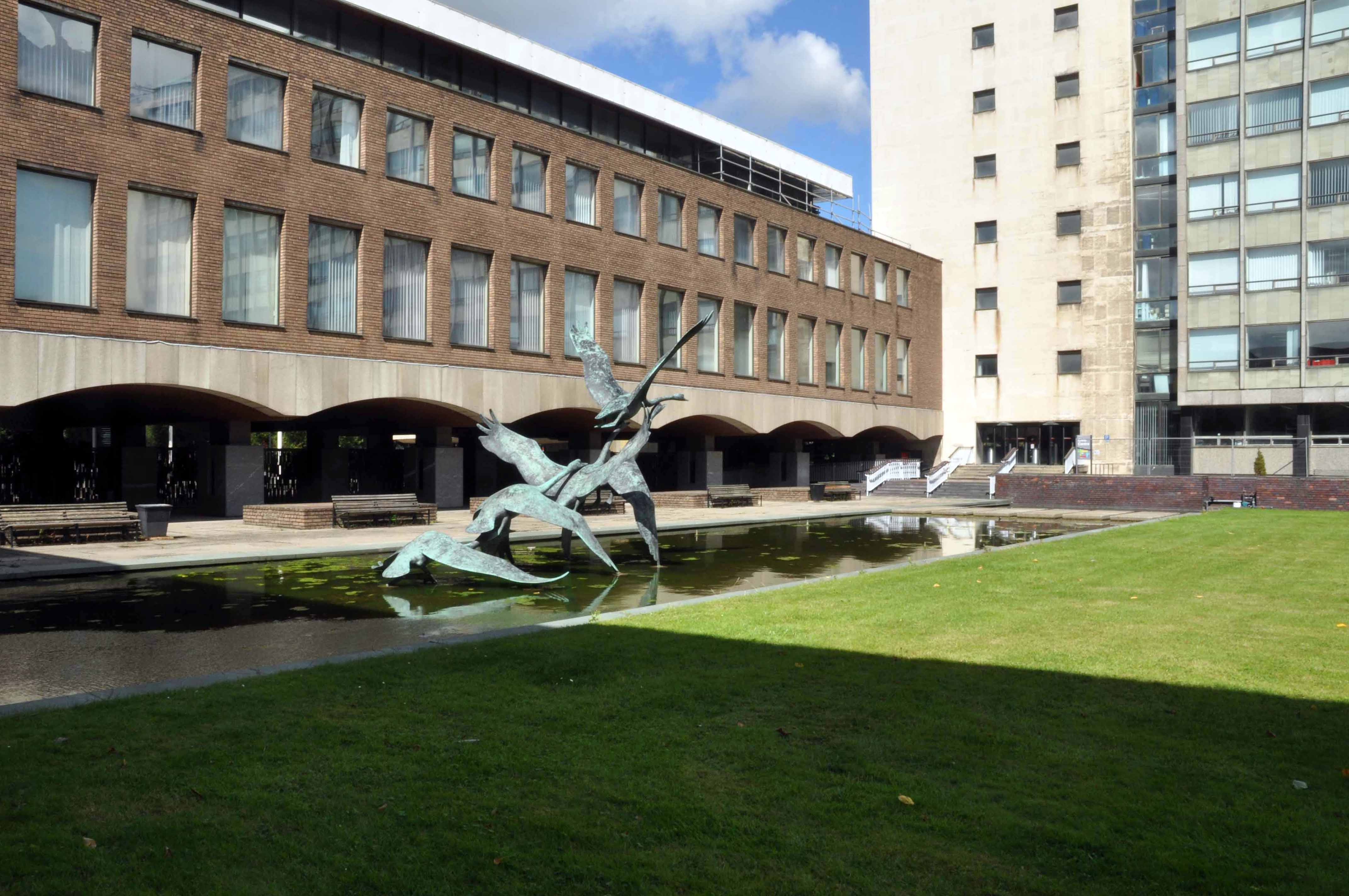
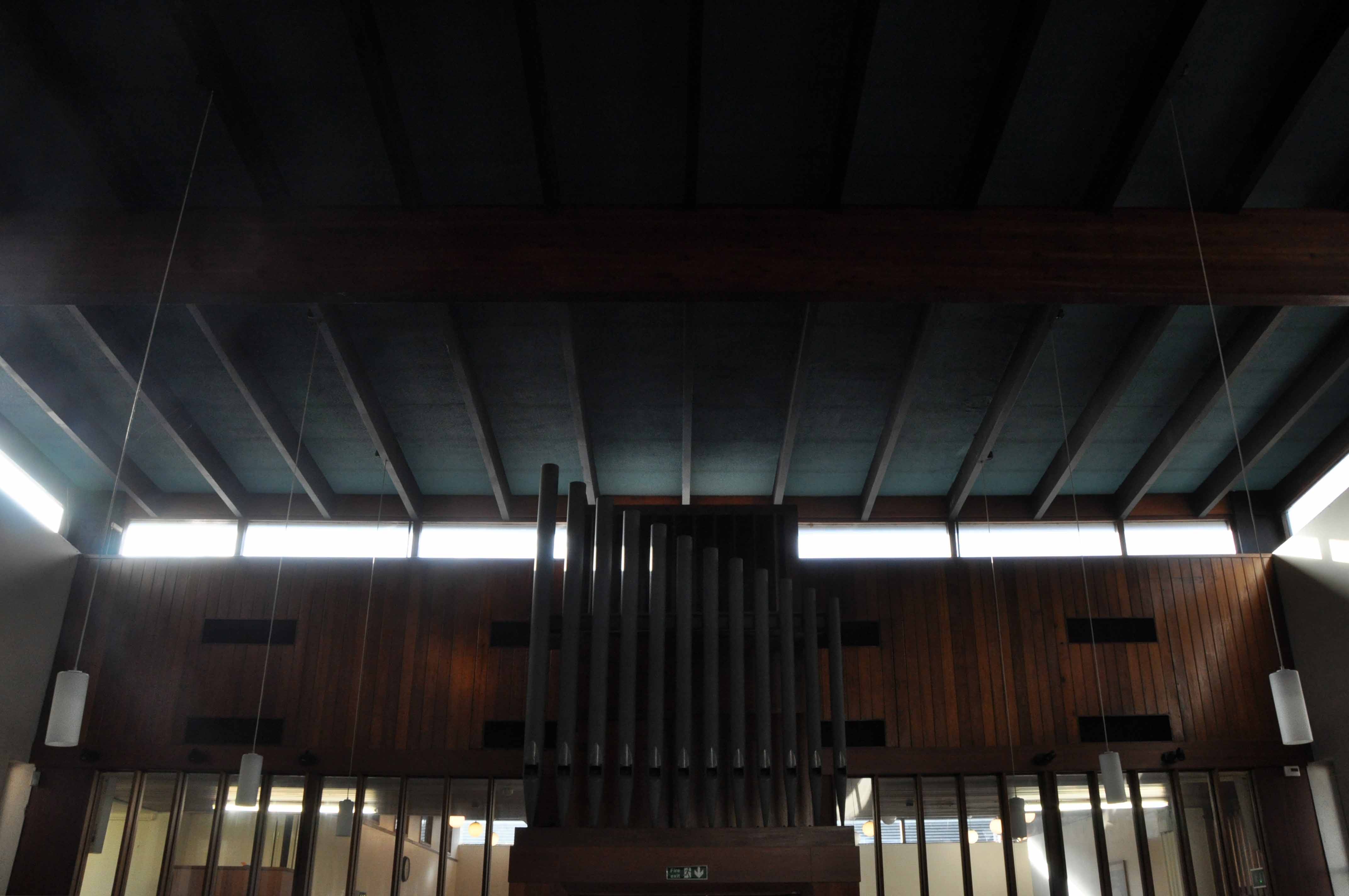
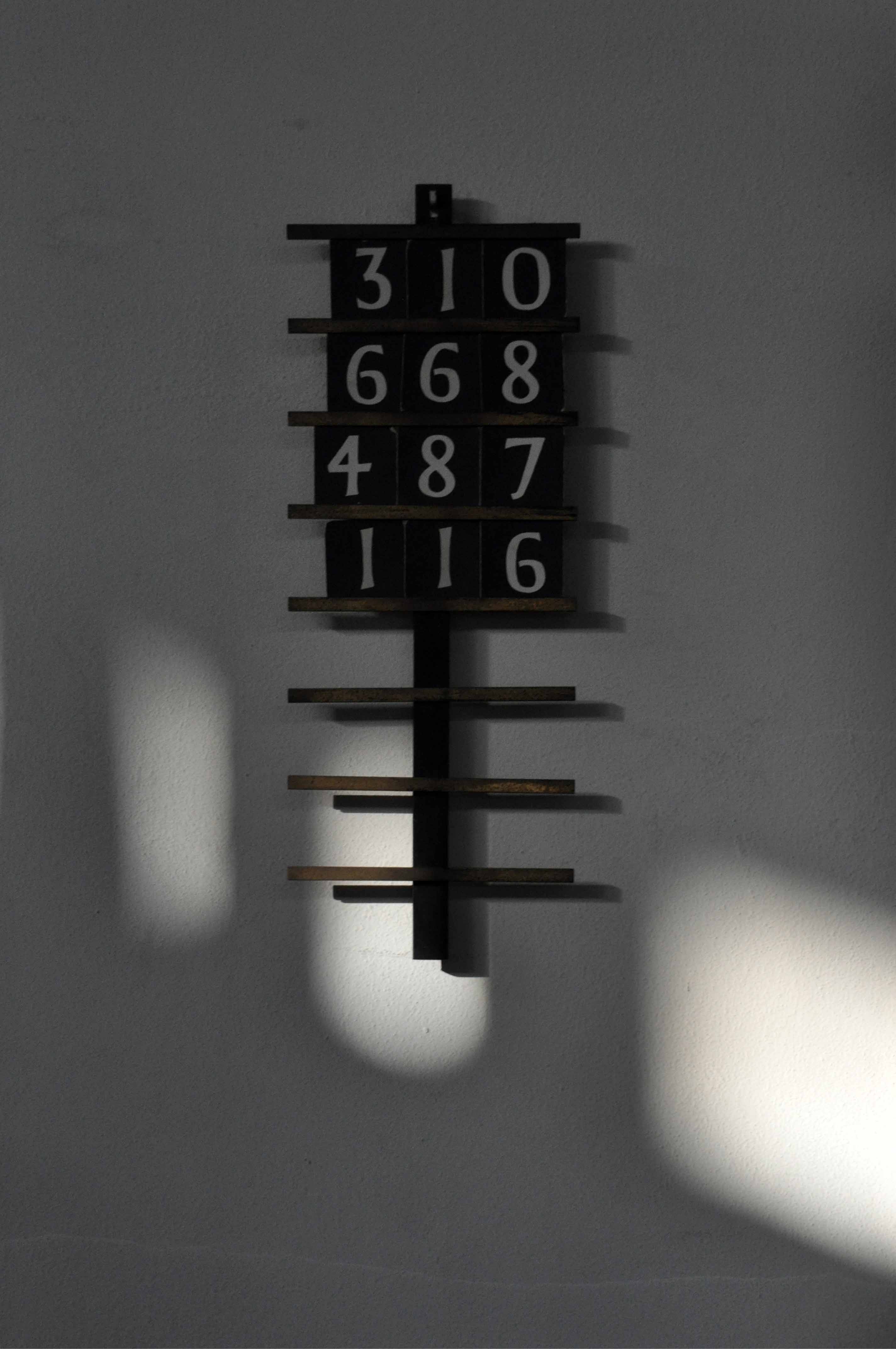
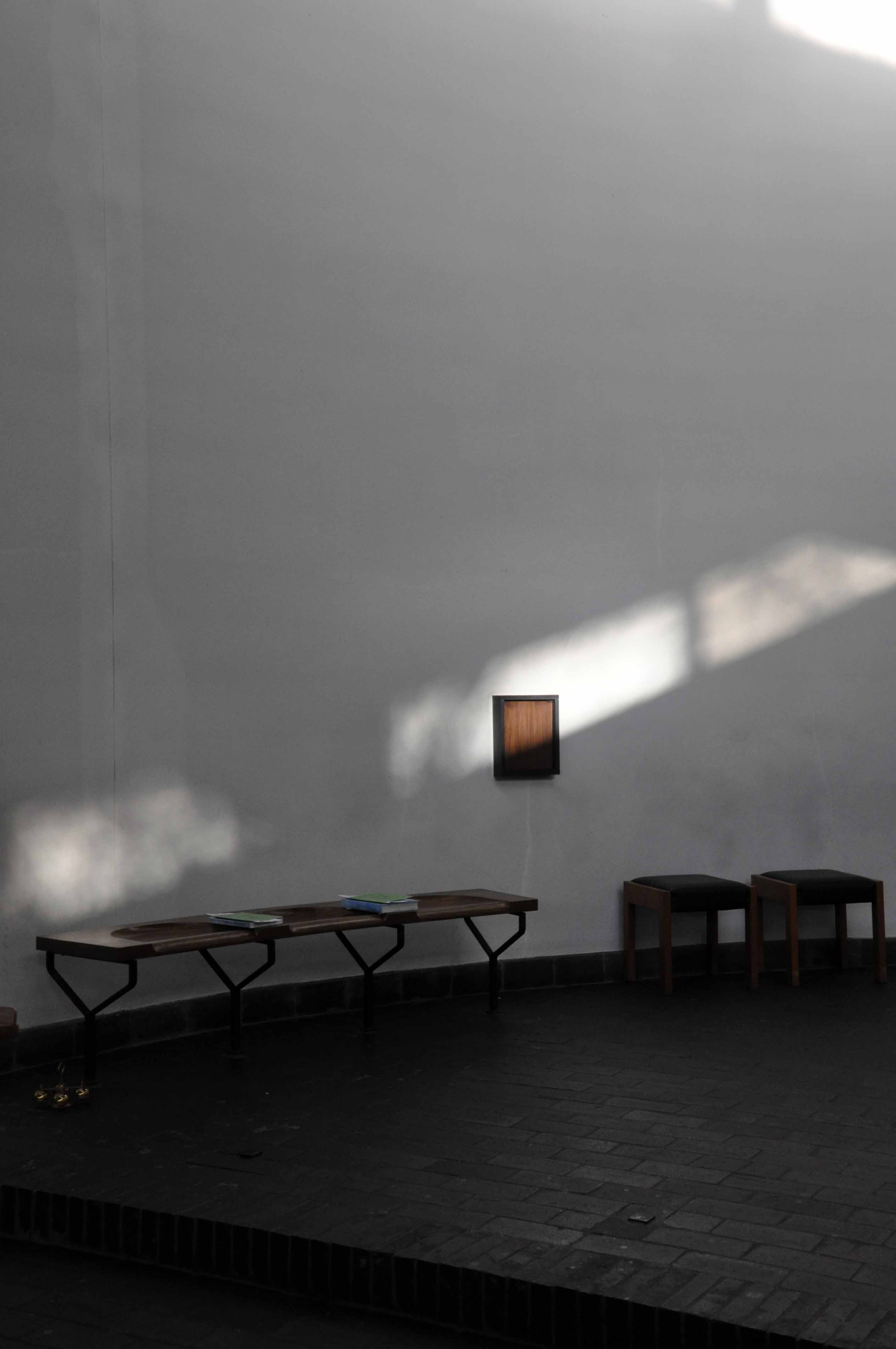
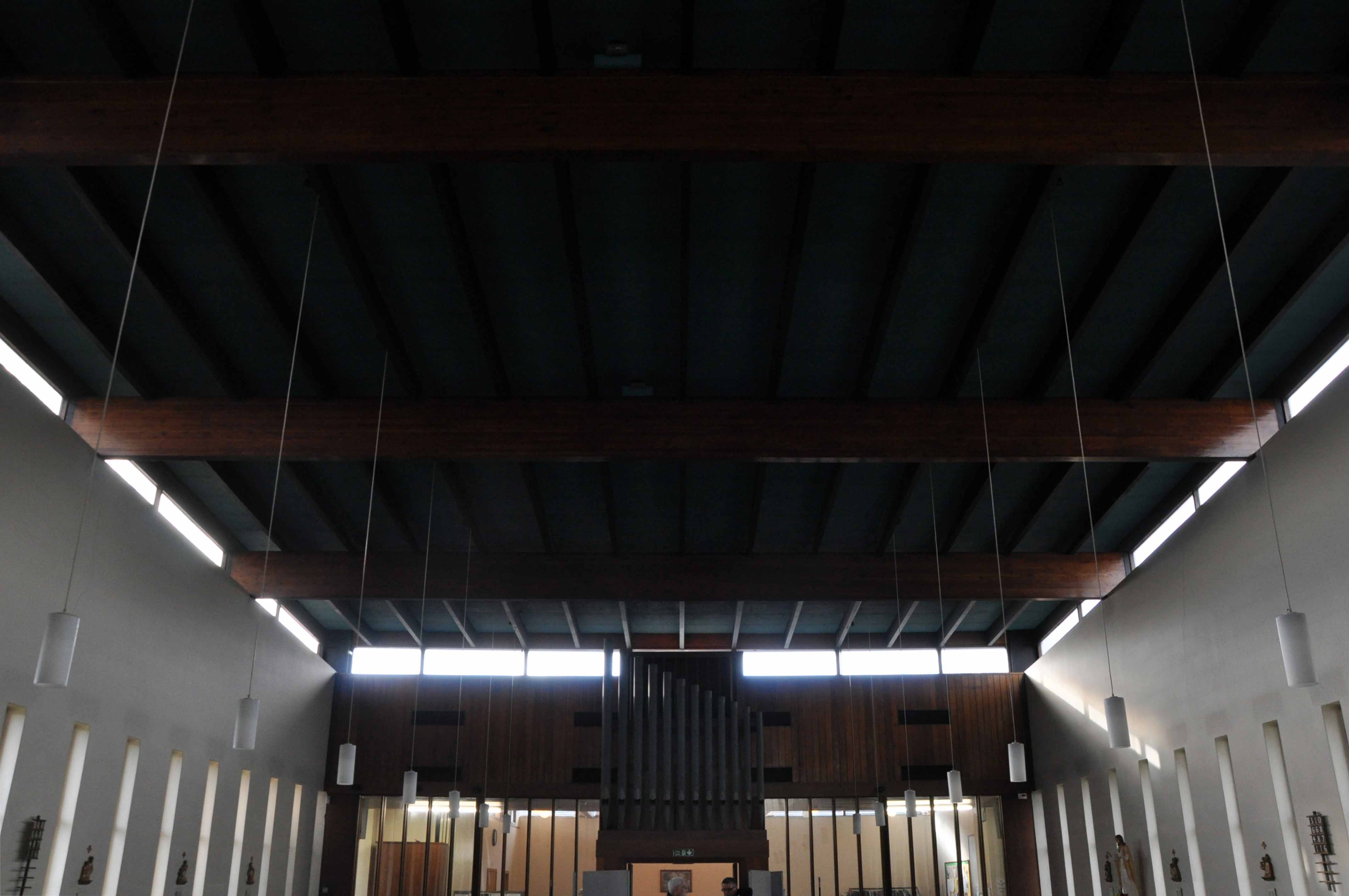
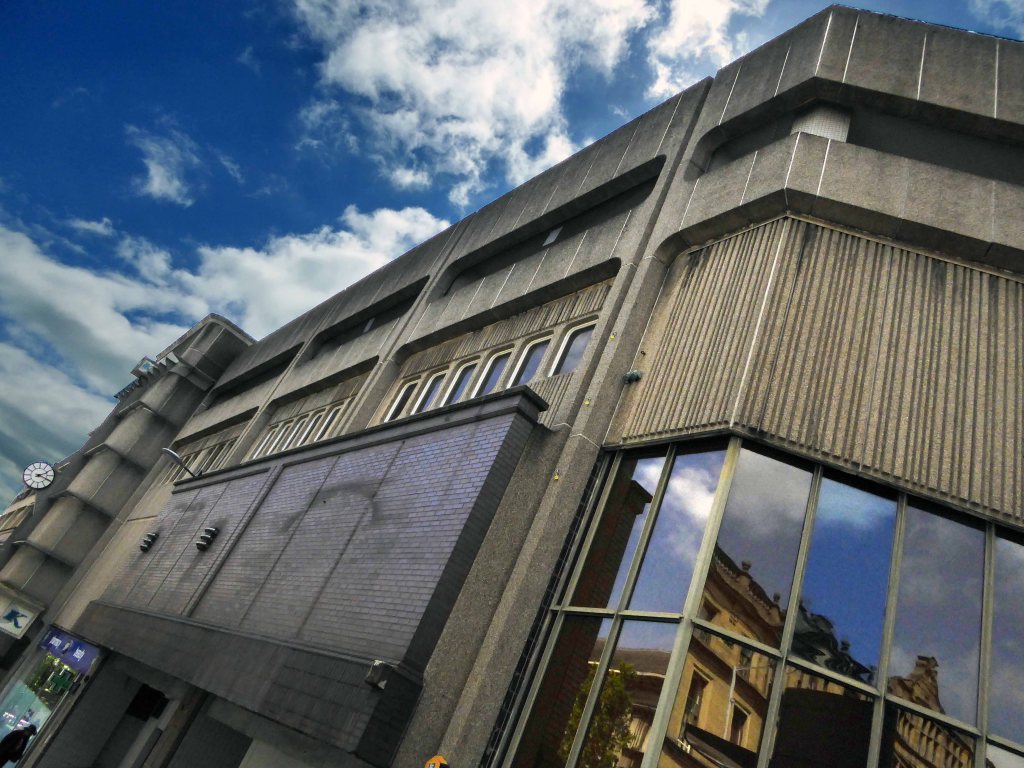
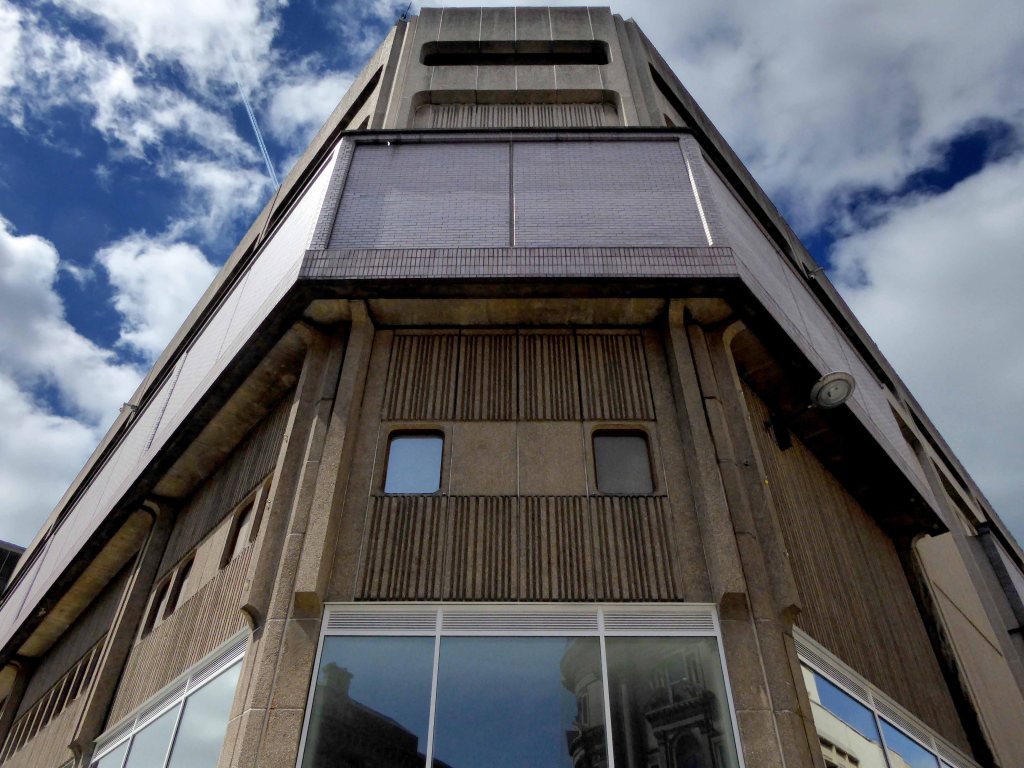
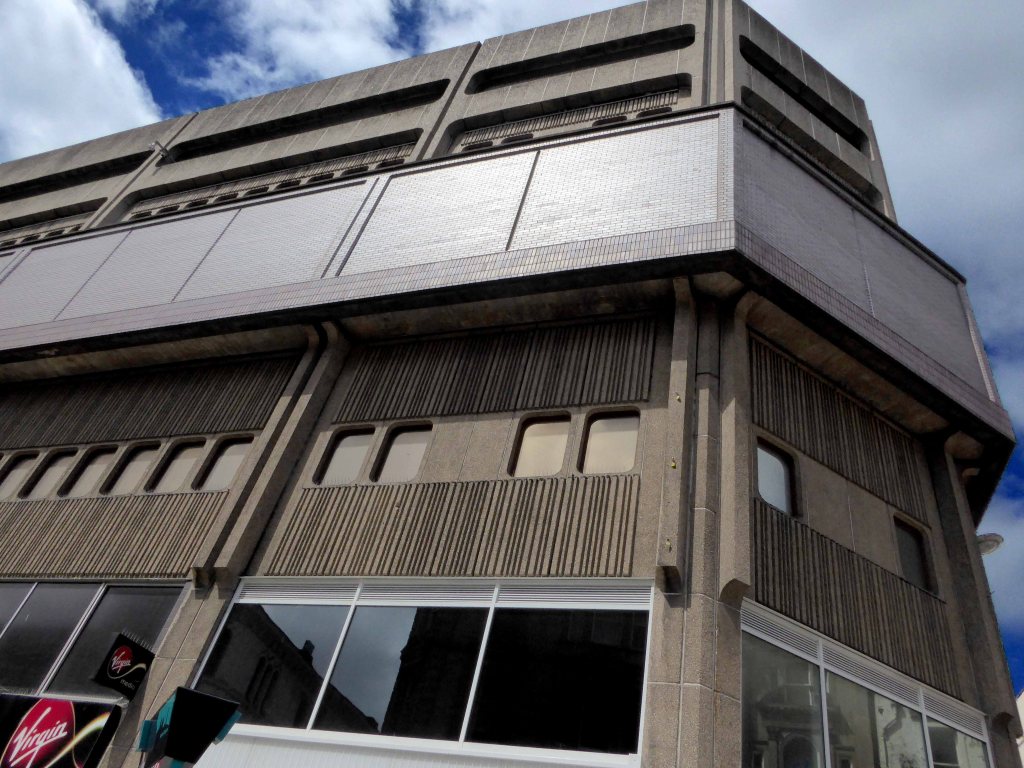
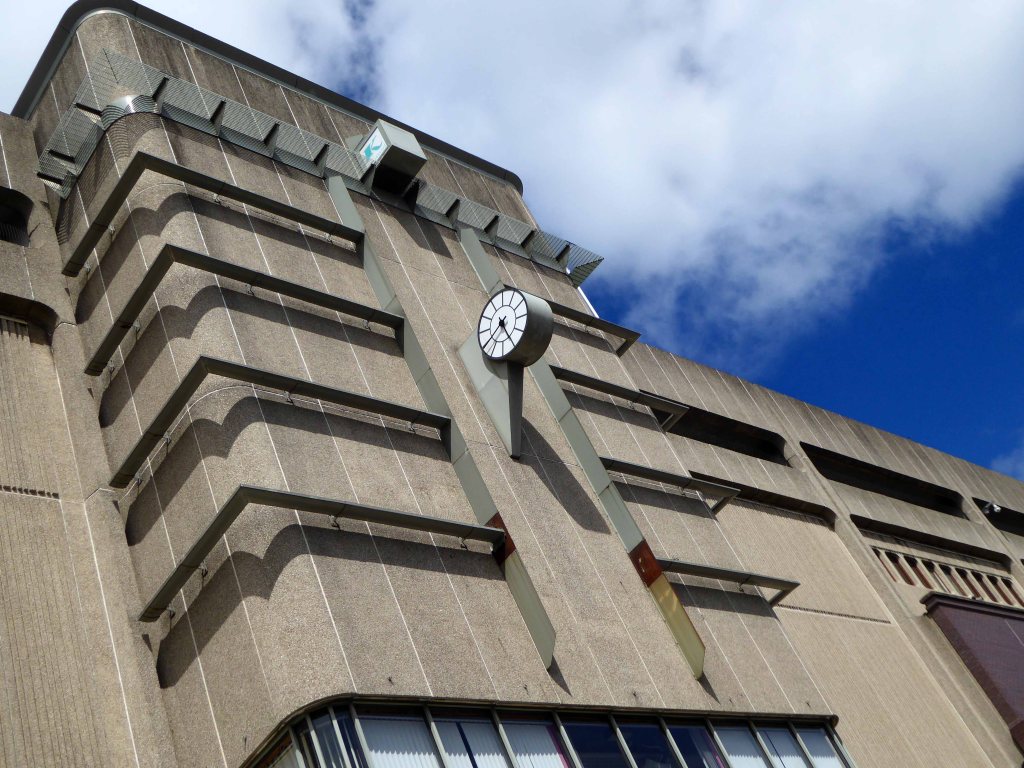
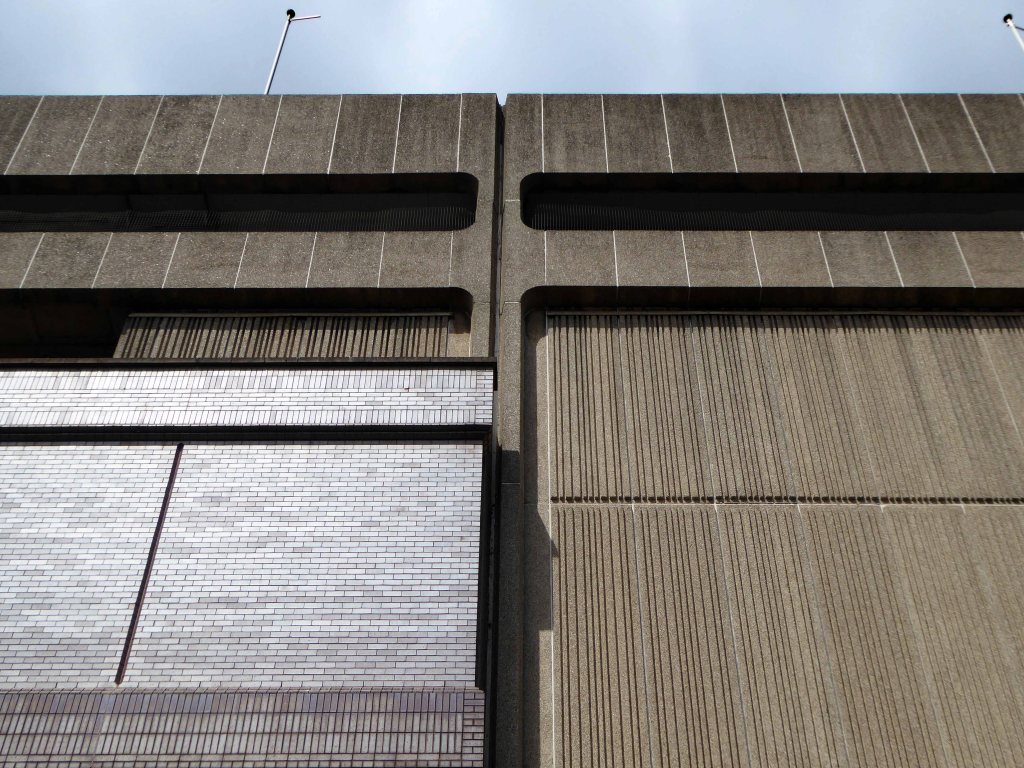
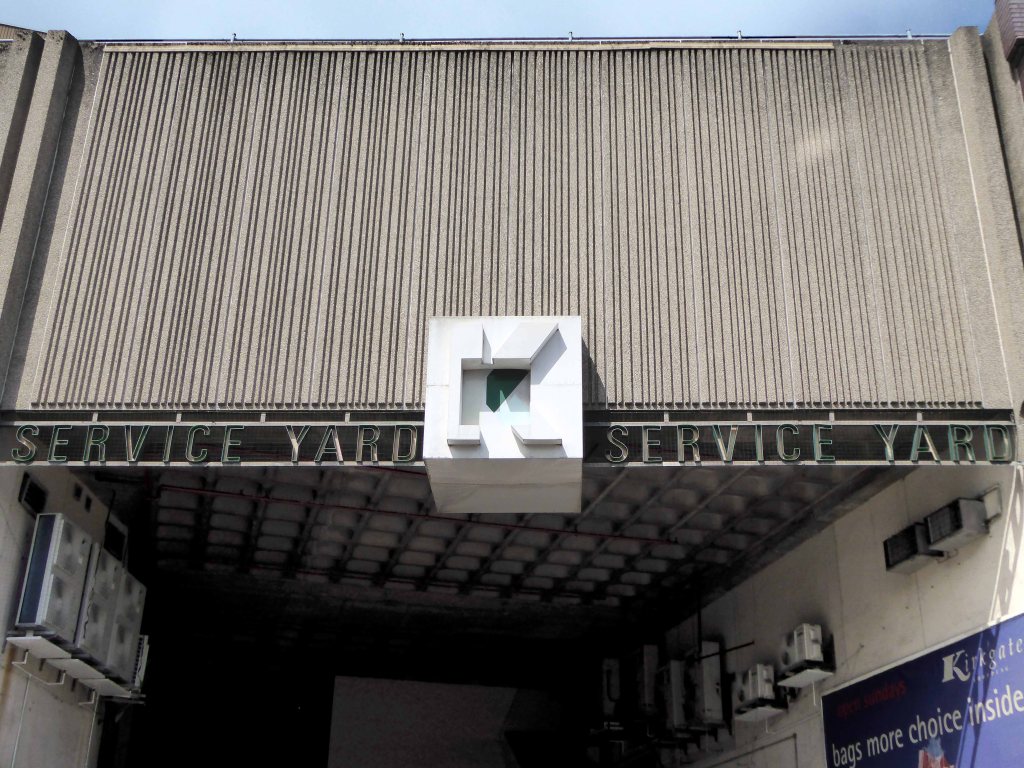
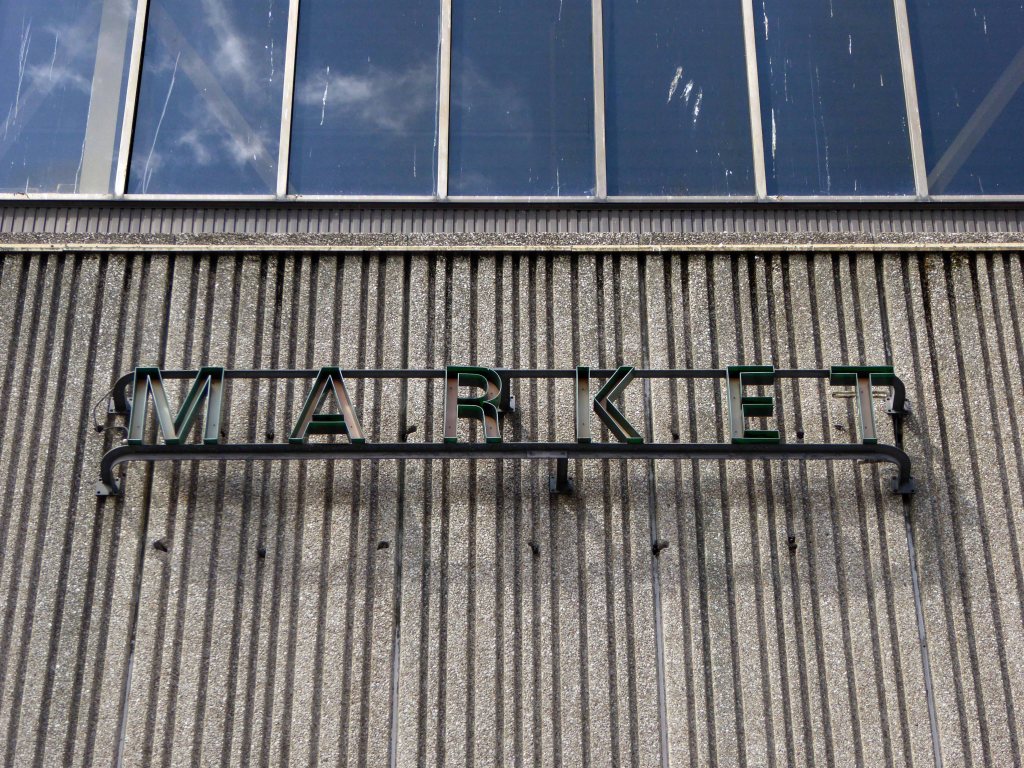
Newcastle Civic Centre is a local government building located in the Haymarket area of Newcastle upon Tyne, England. It is the main administrative and ceremonial centre for Newcastle City Council. Designed by the city architect, George Kenyon, the building was completed in 1967 and was formally opened by HM King Olav V of Norway on 14 November 1968. It is a Grade II* listed building. The Newcastle Civic Centre is the joint eighth tallest building in the city.

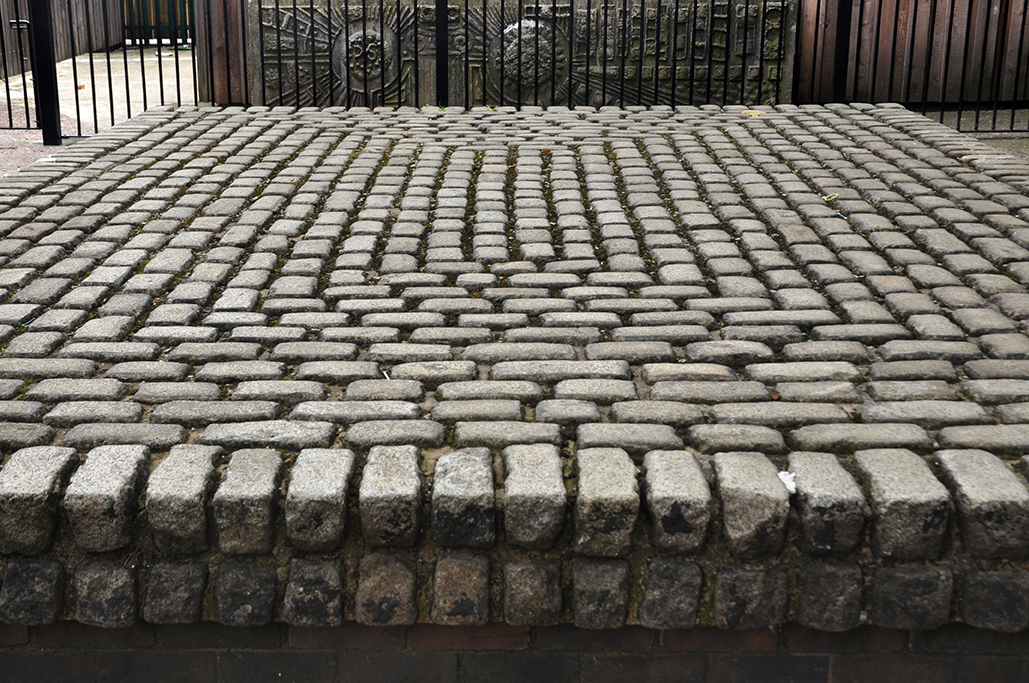
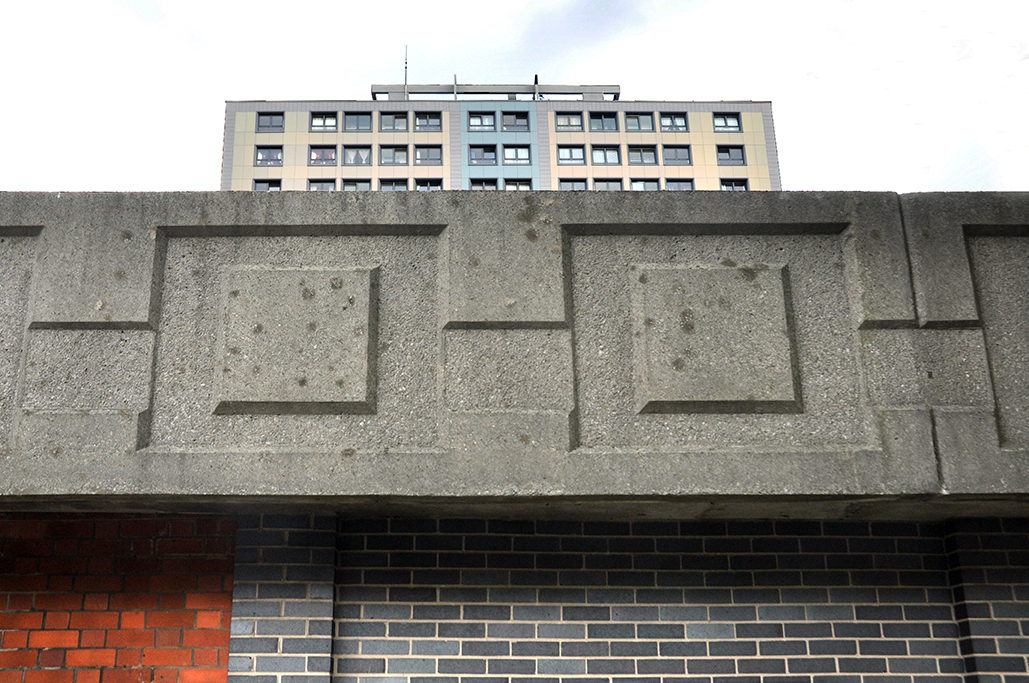
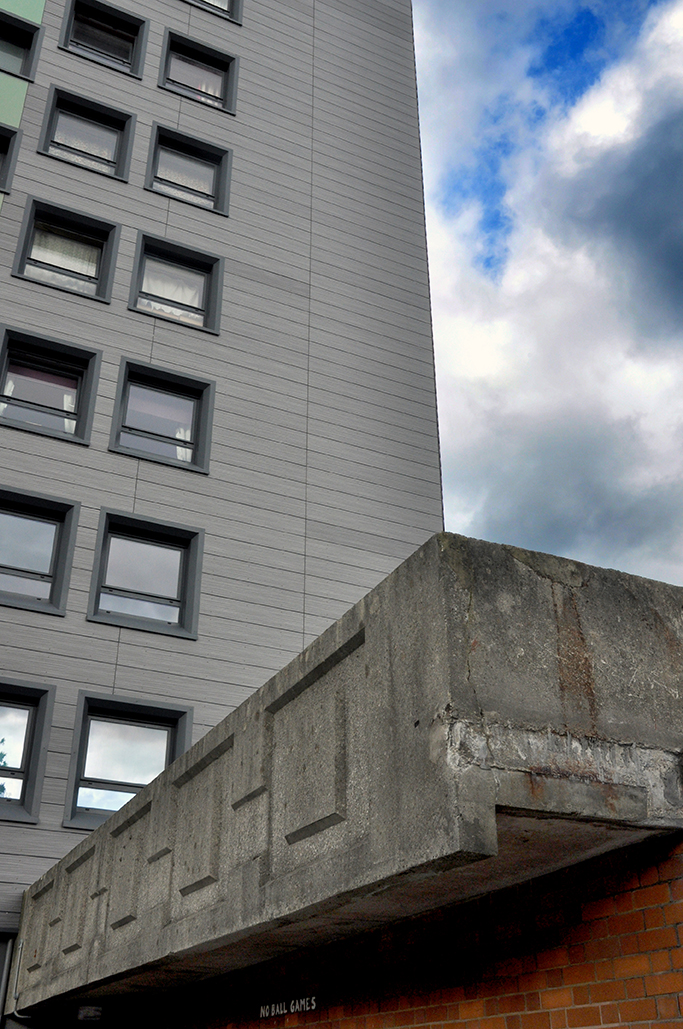
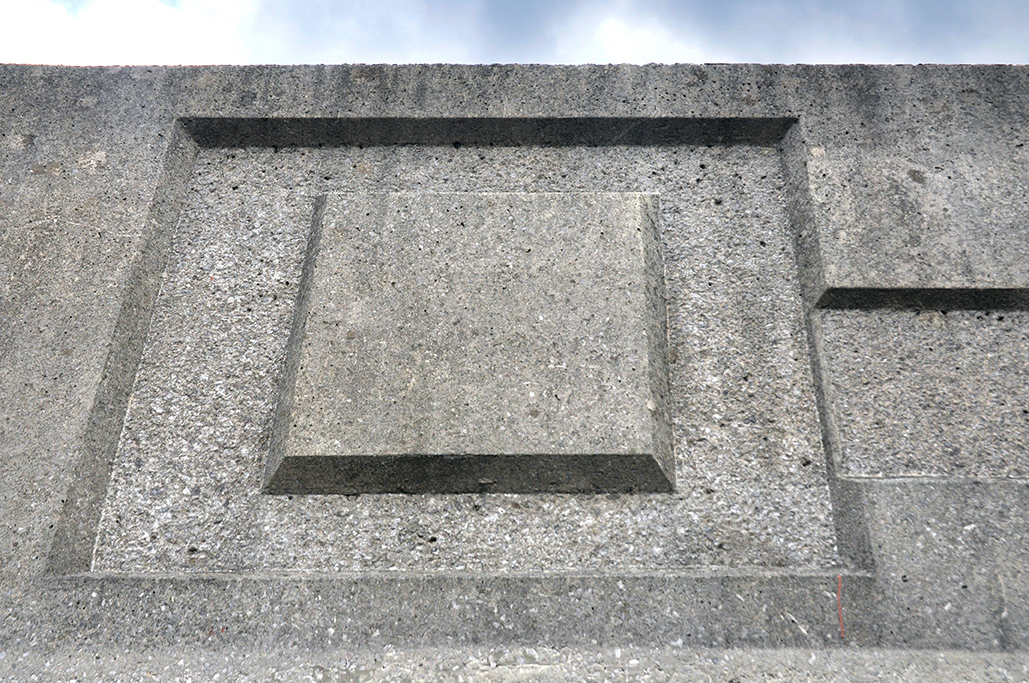
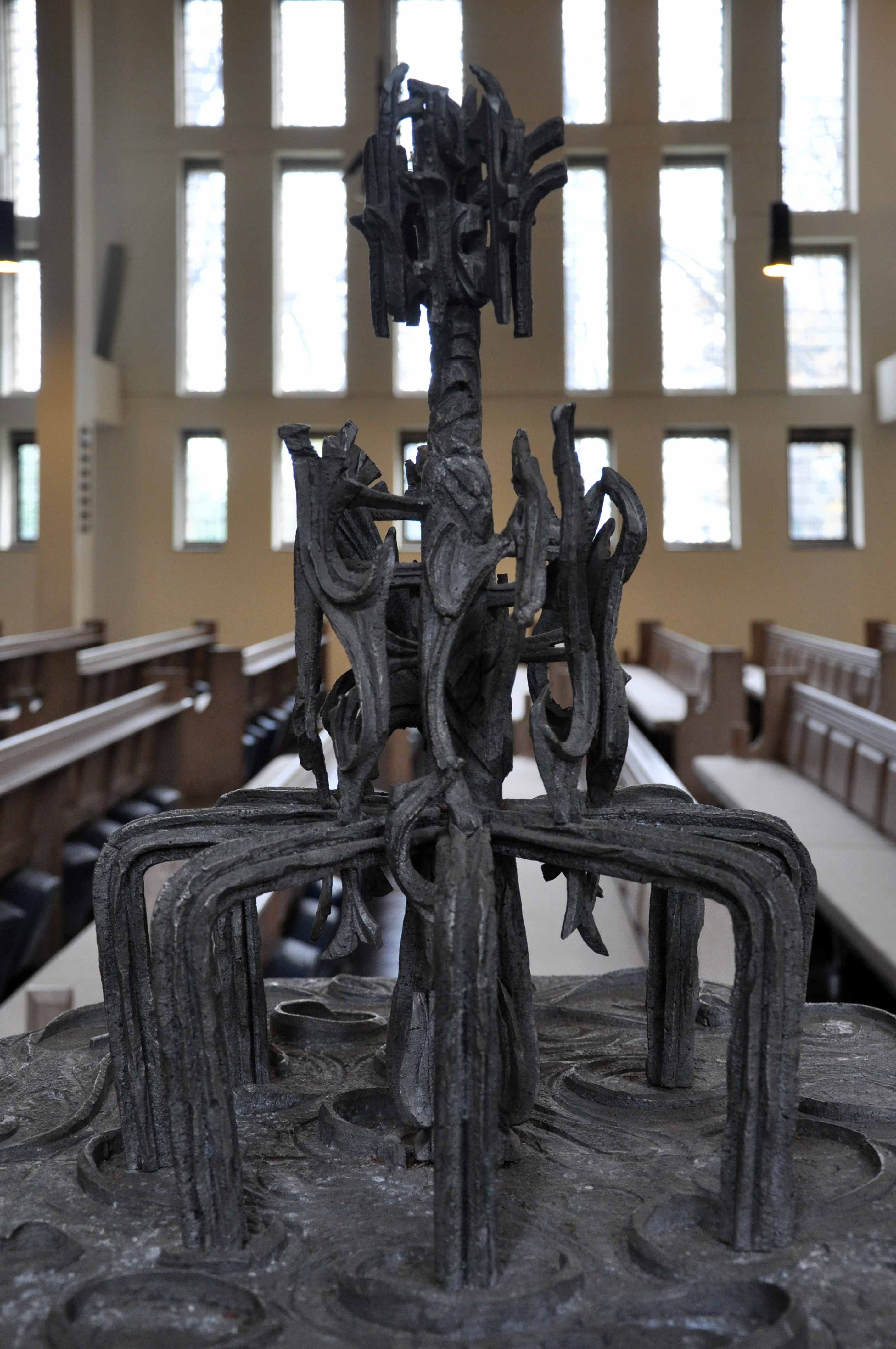
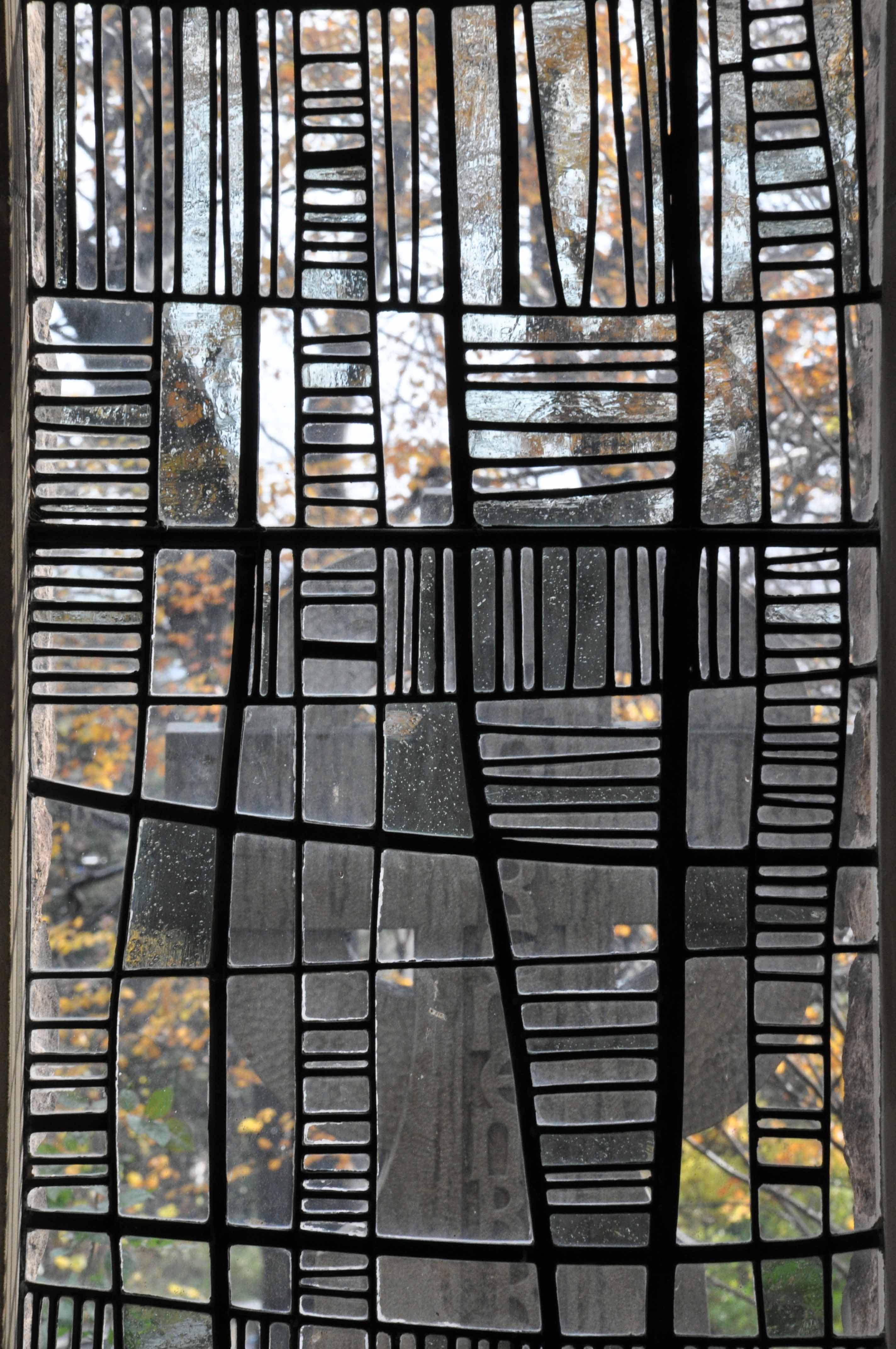
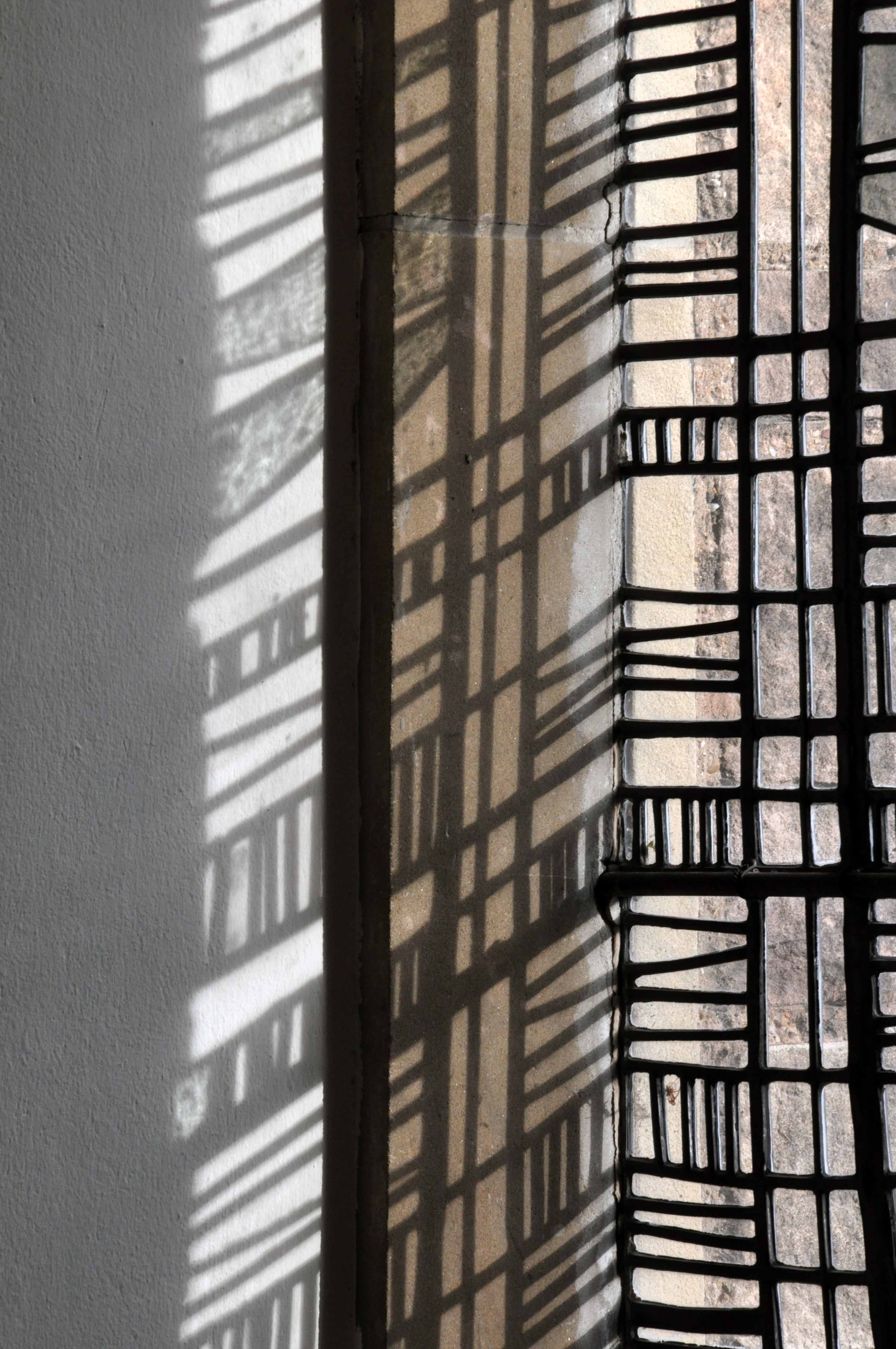
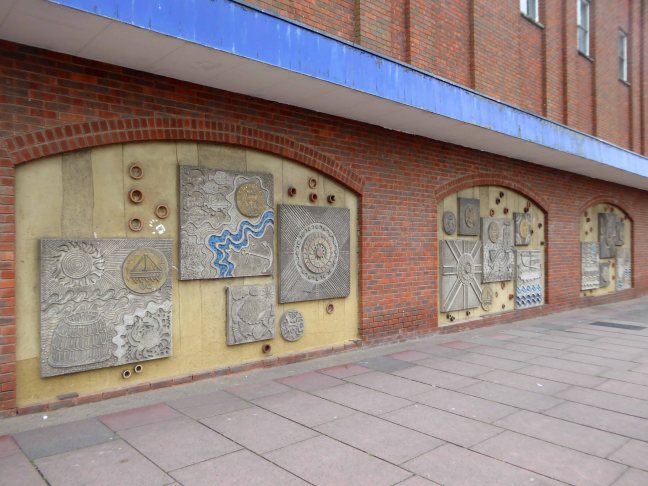
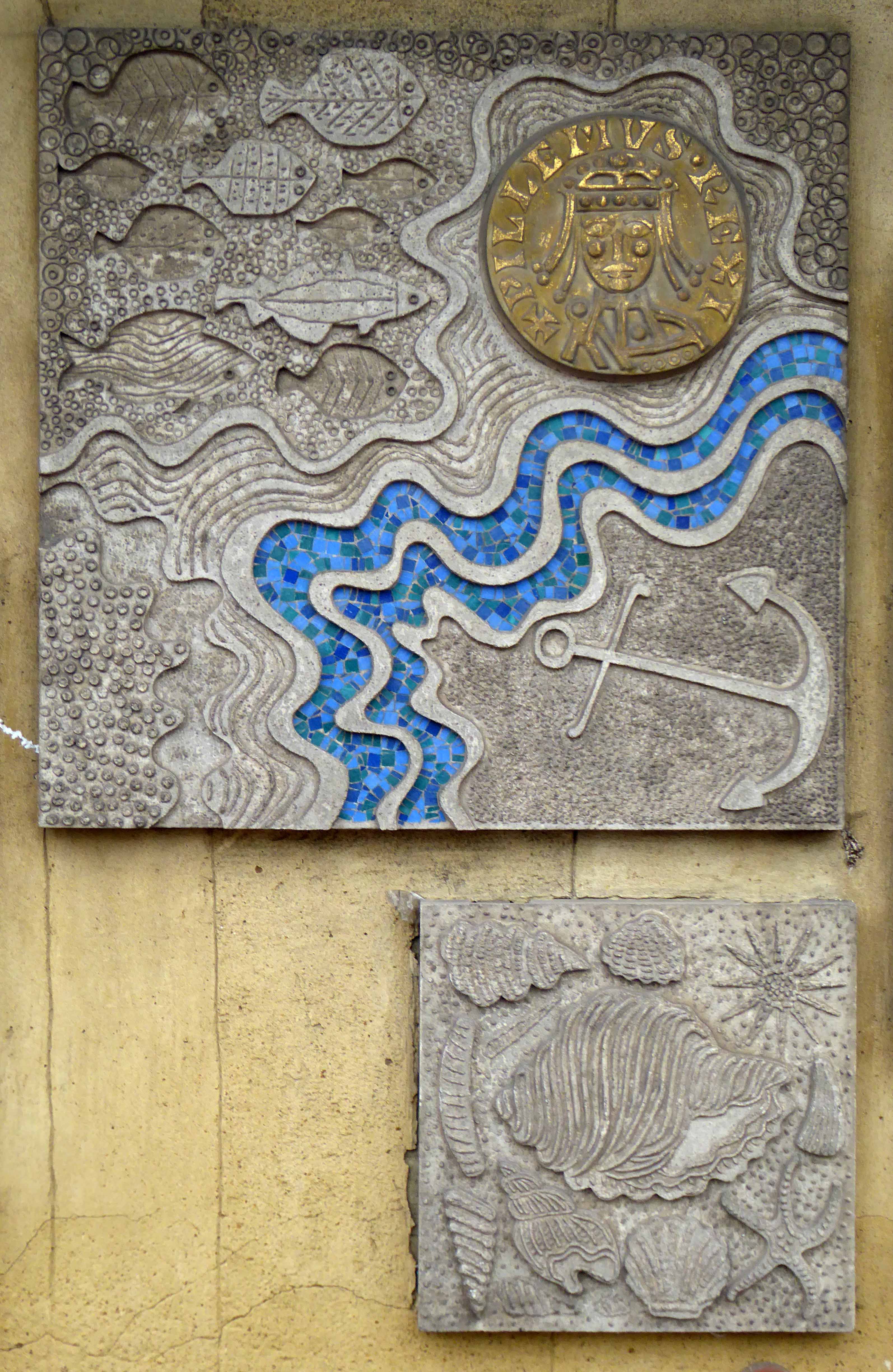
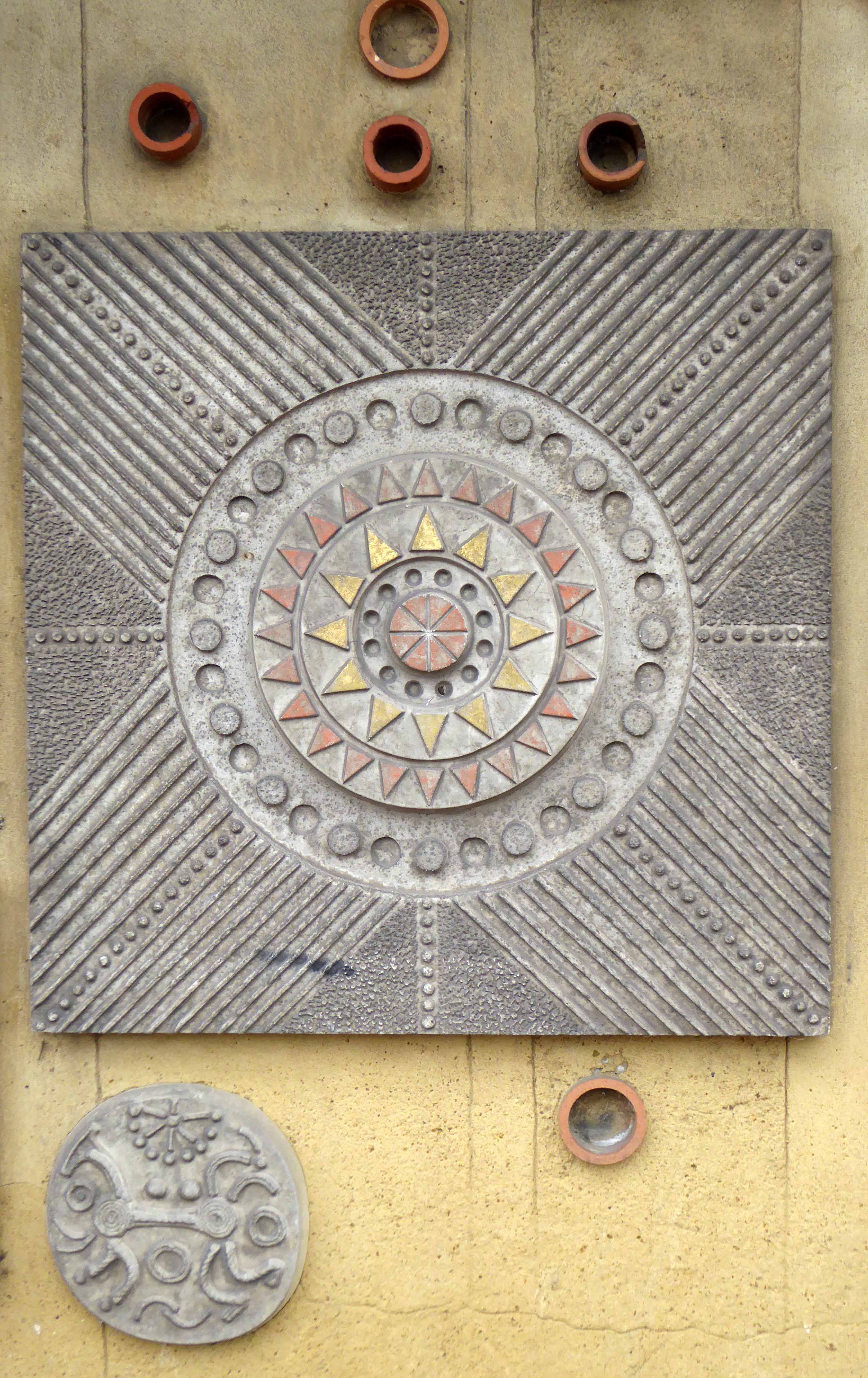
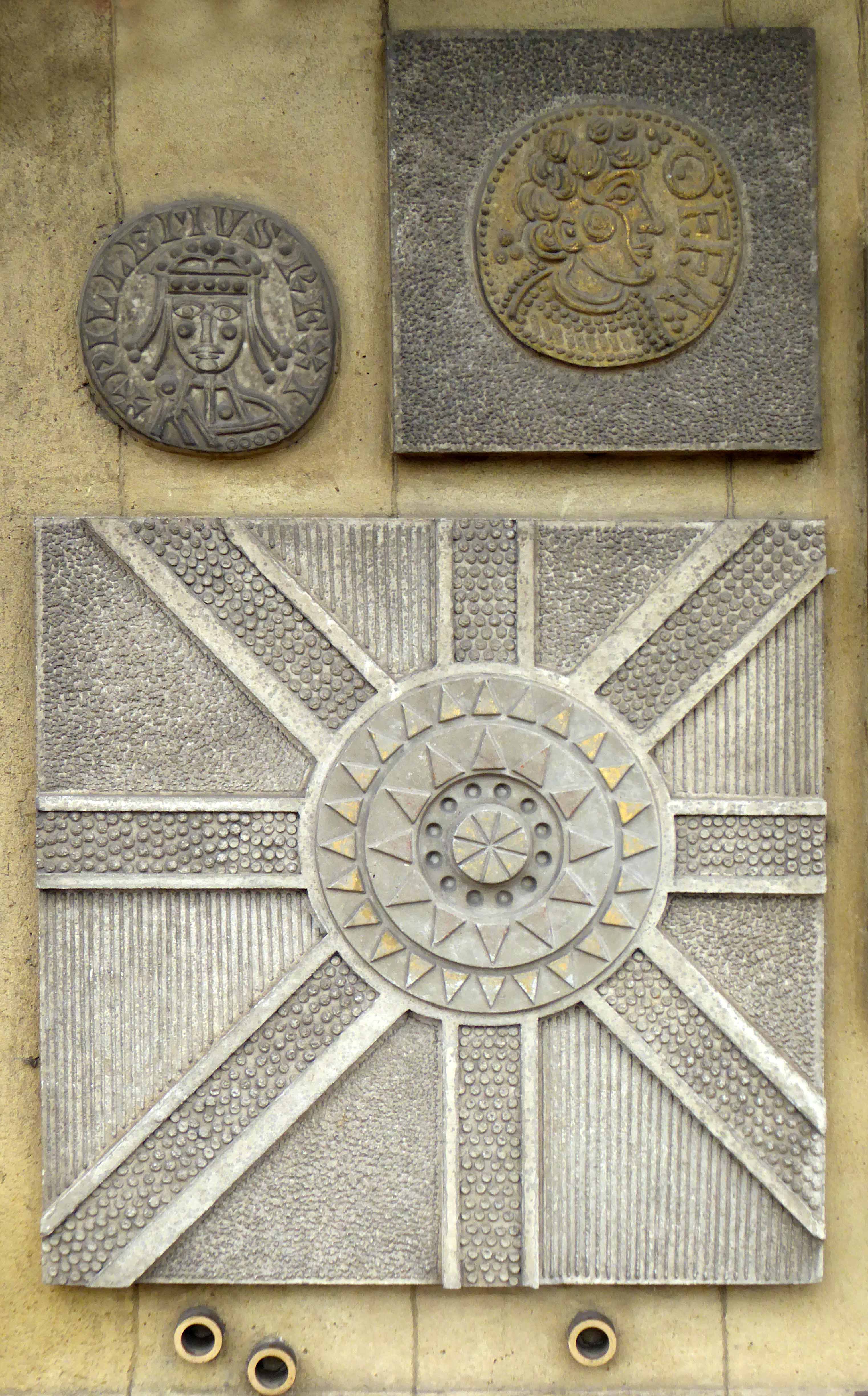
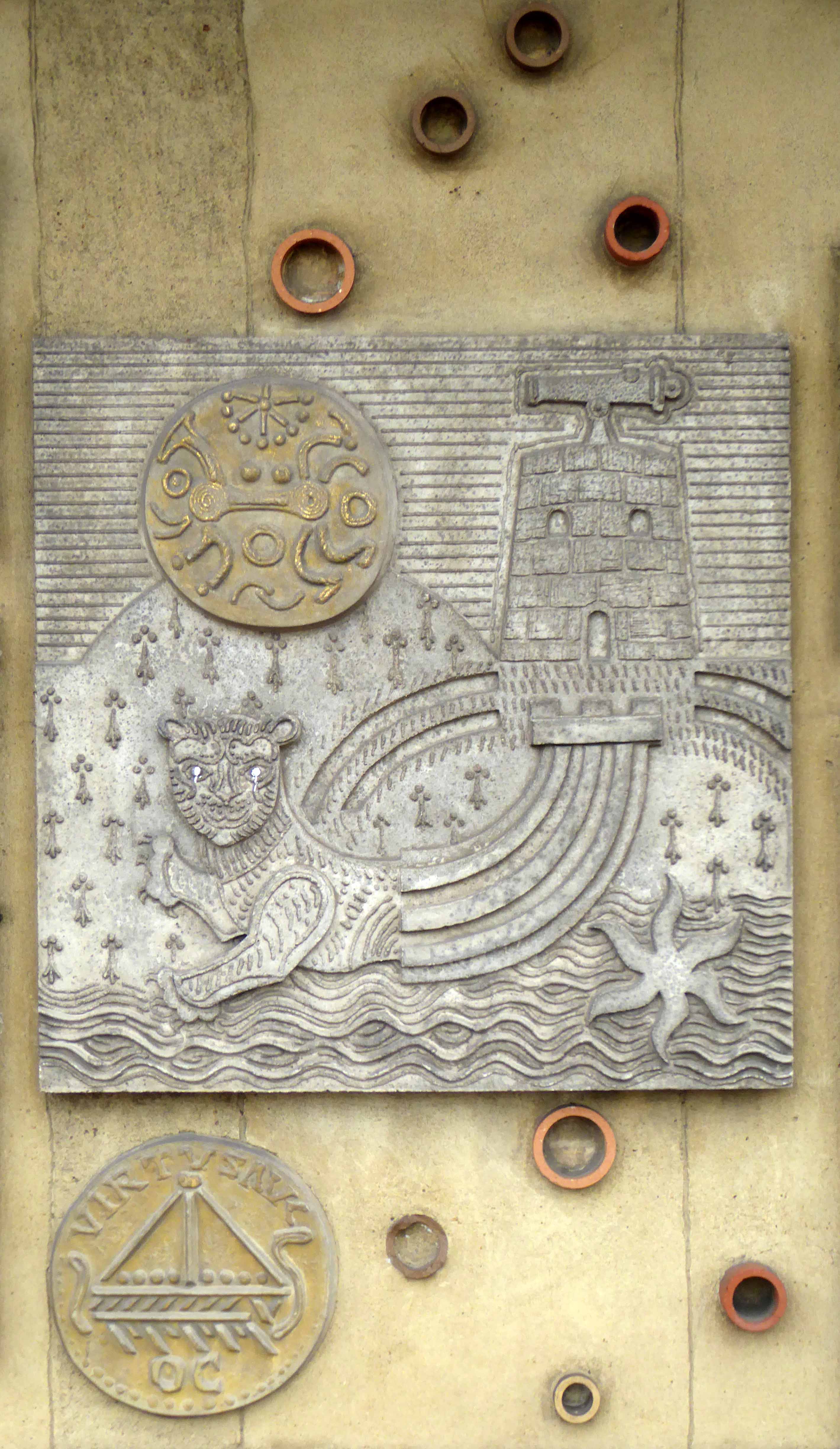
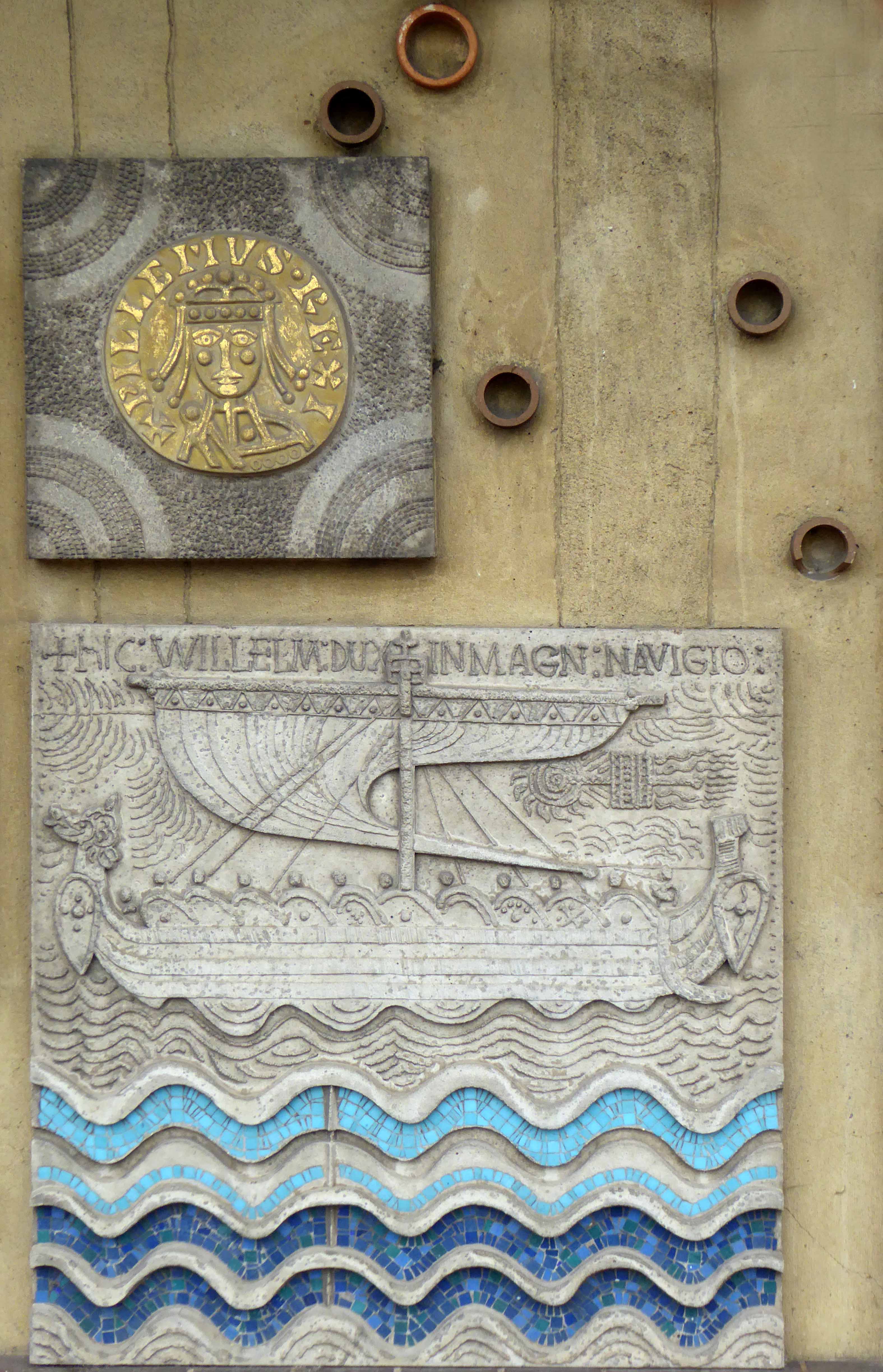
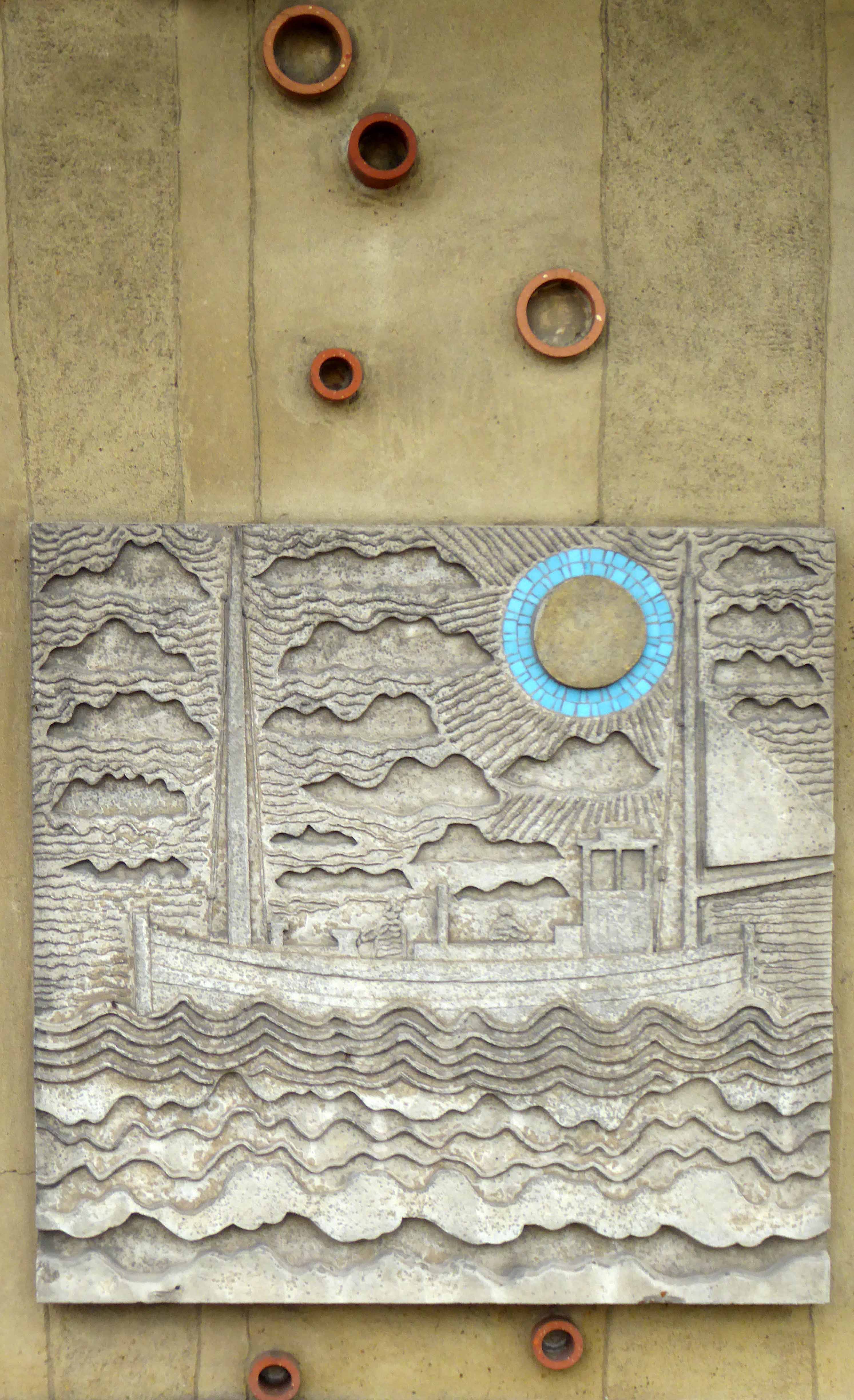
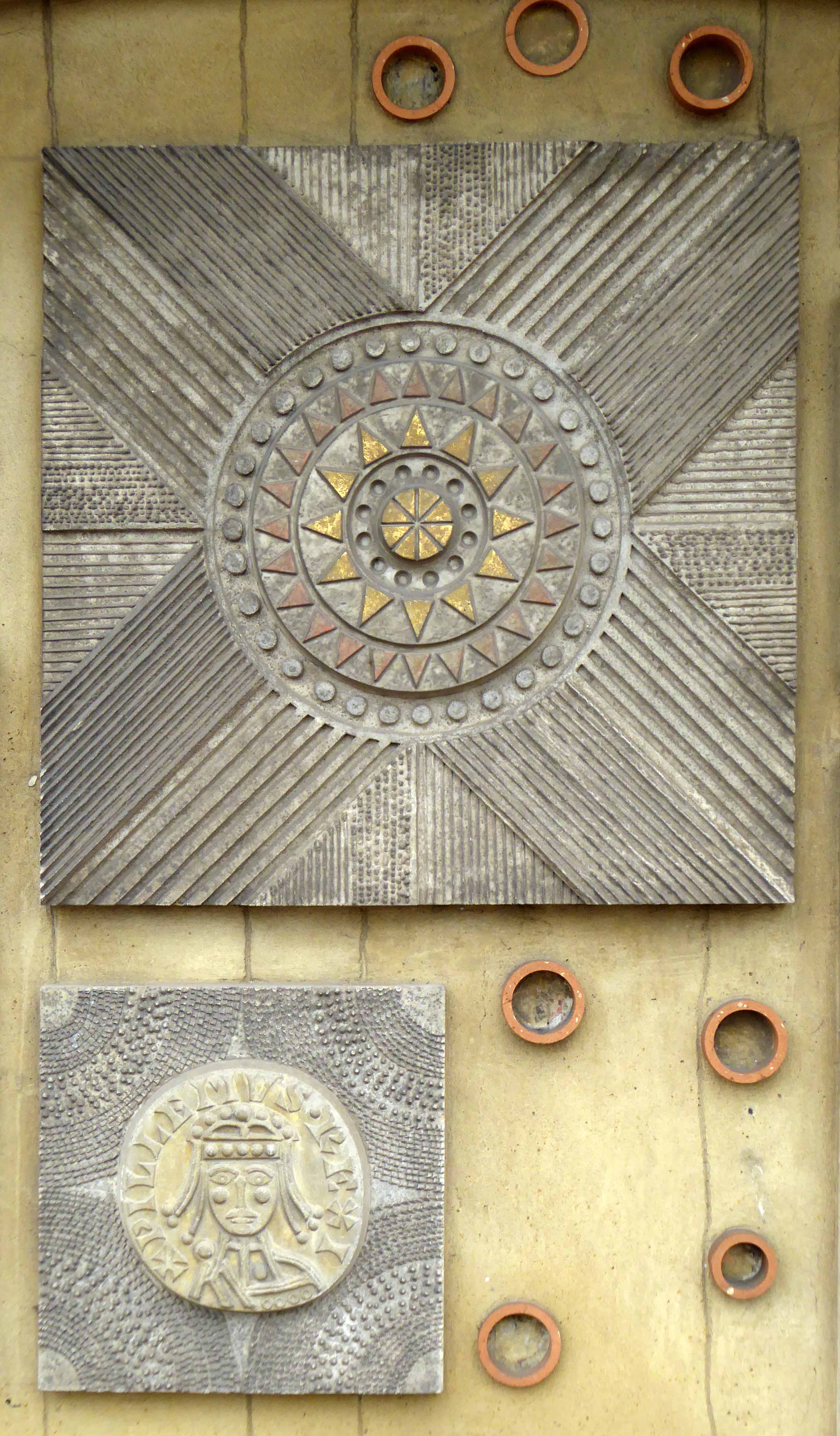
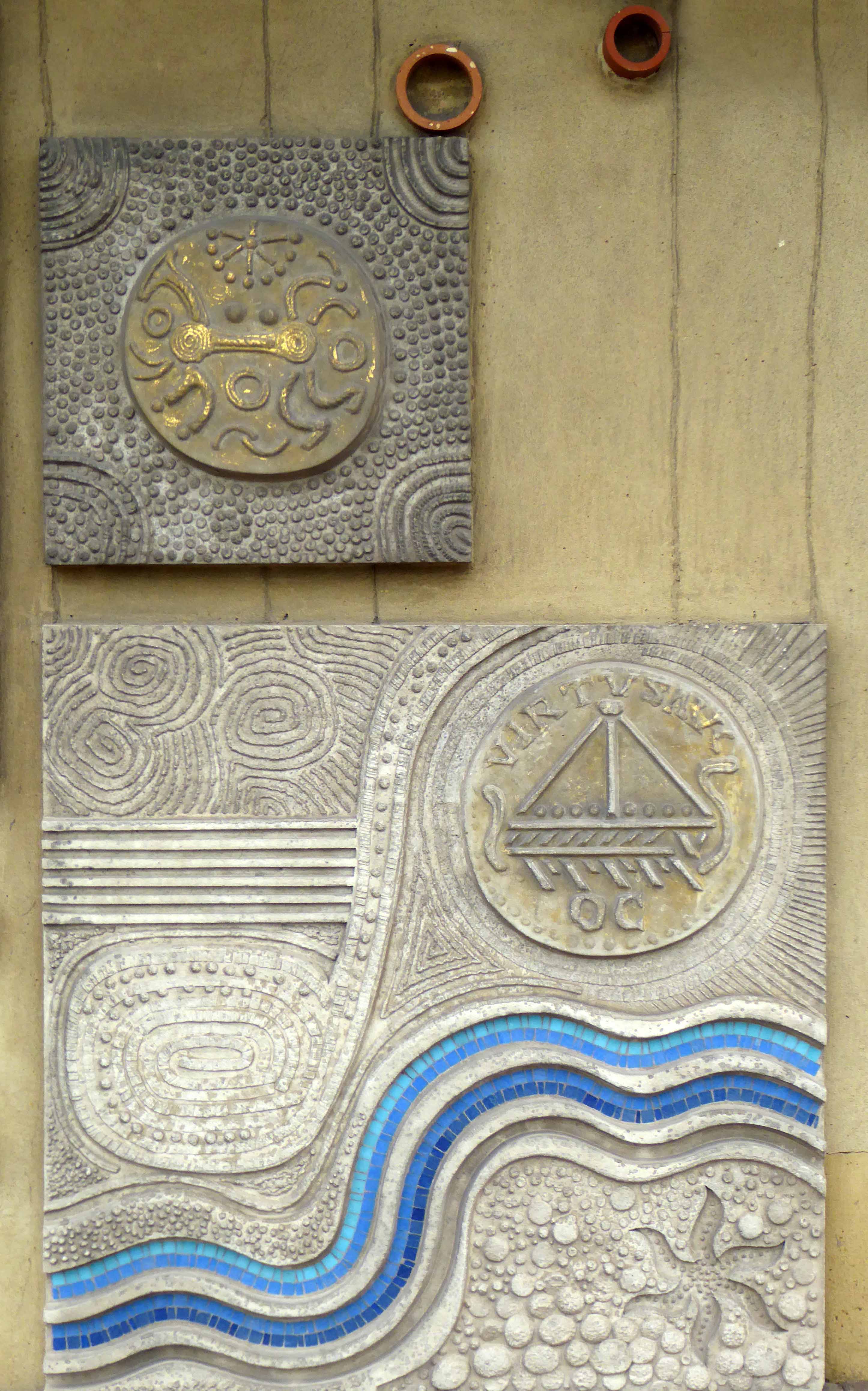
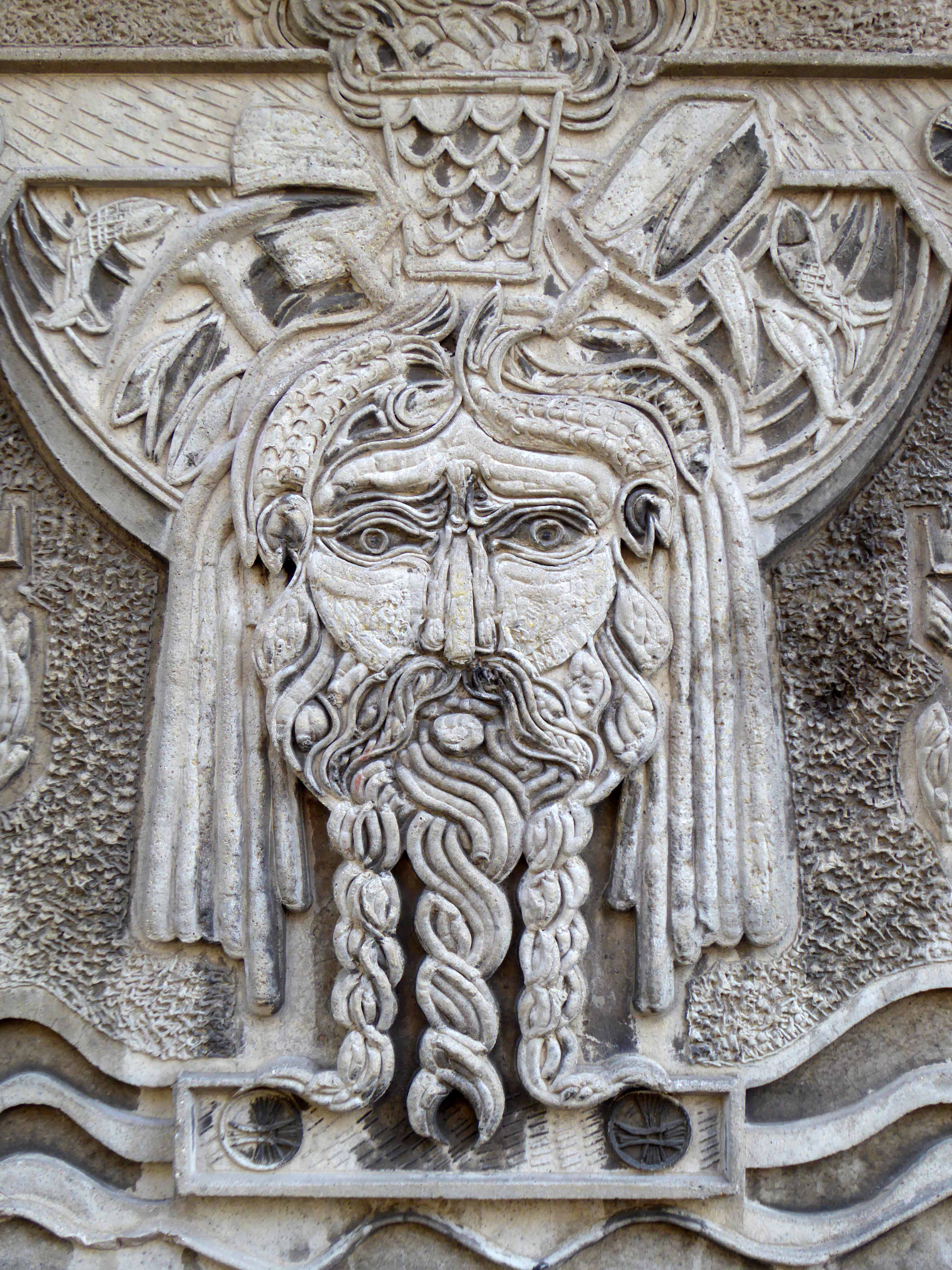
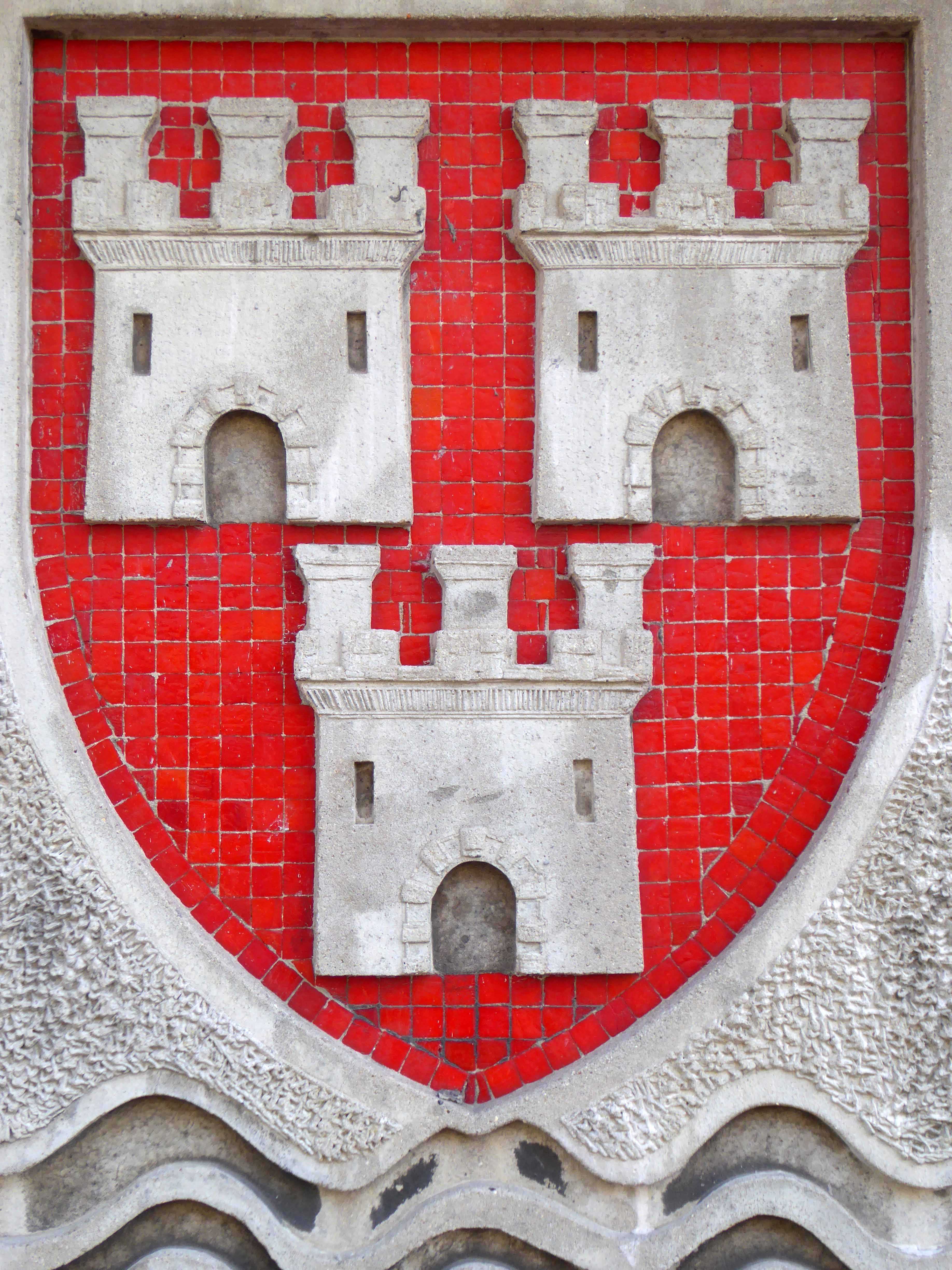
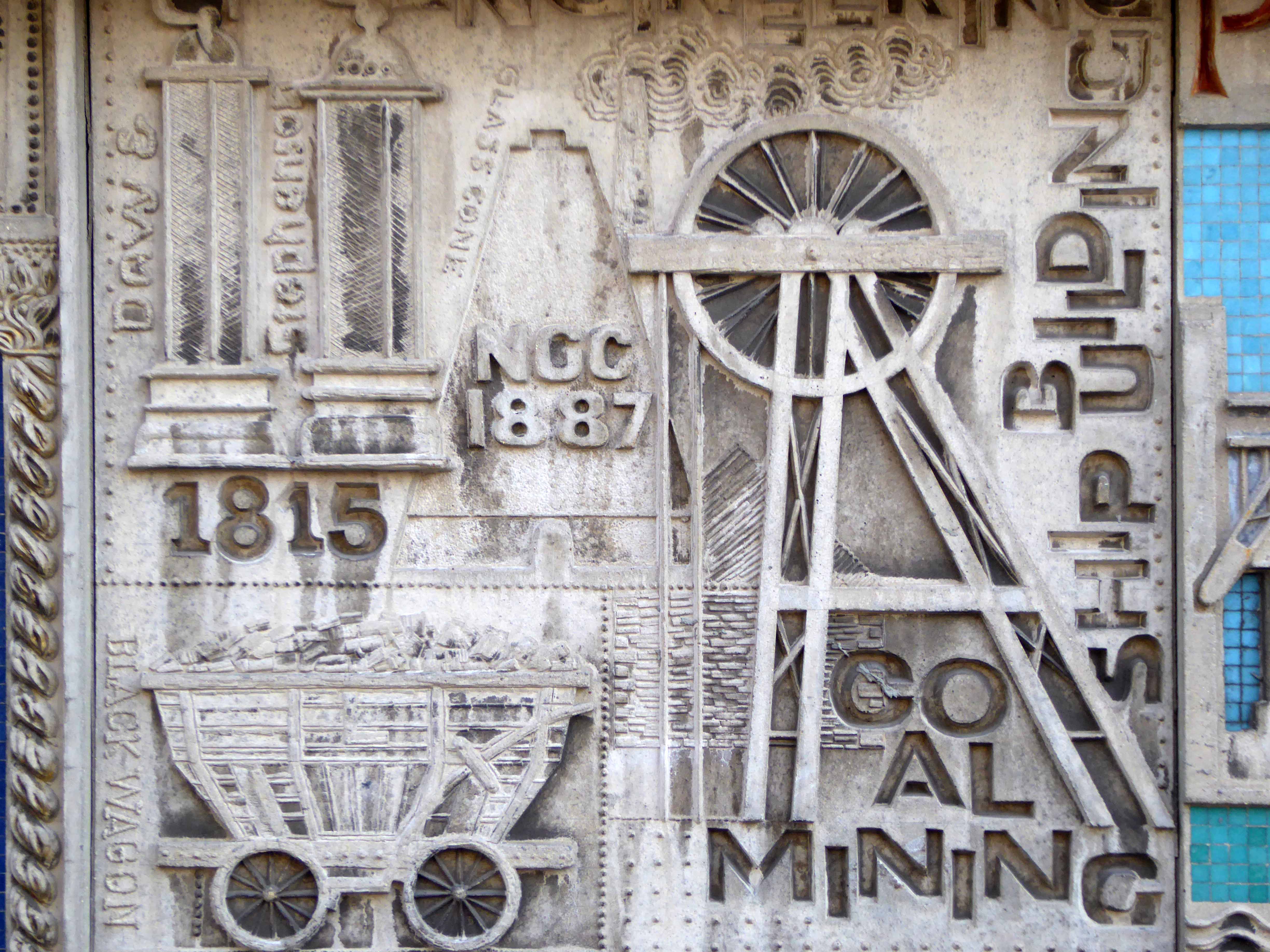
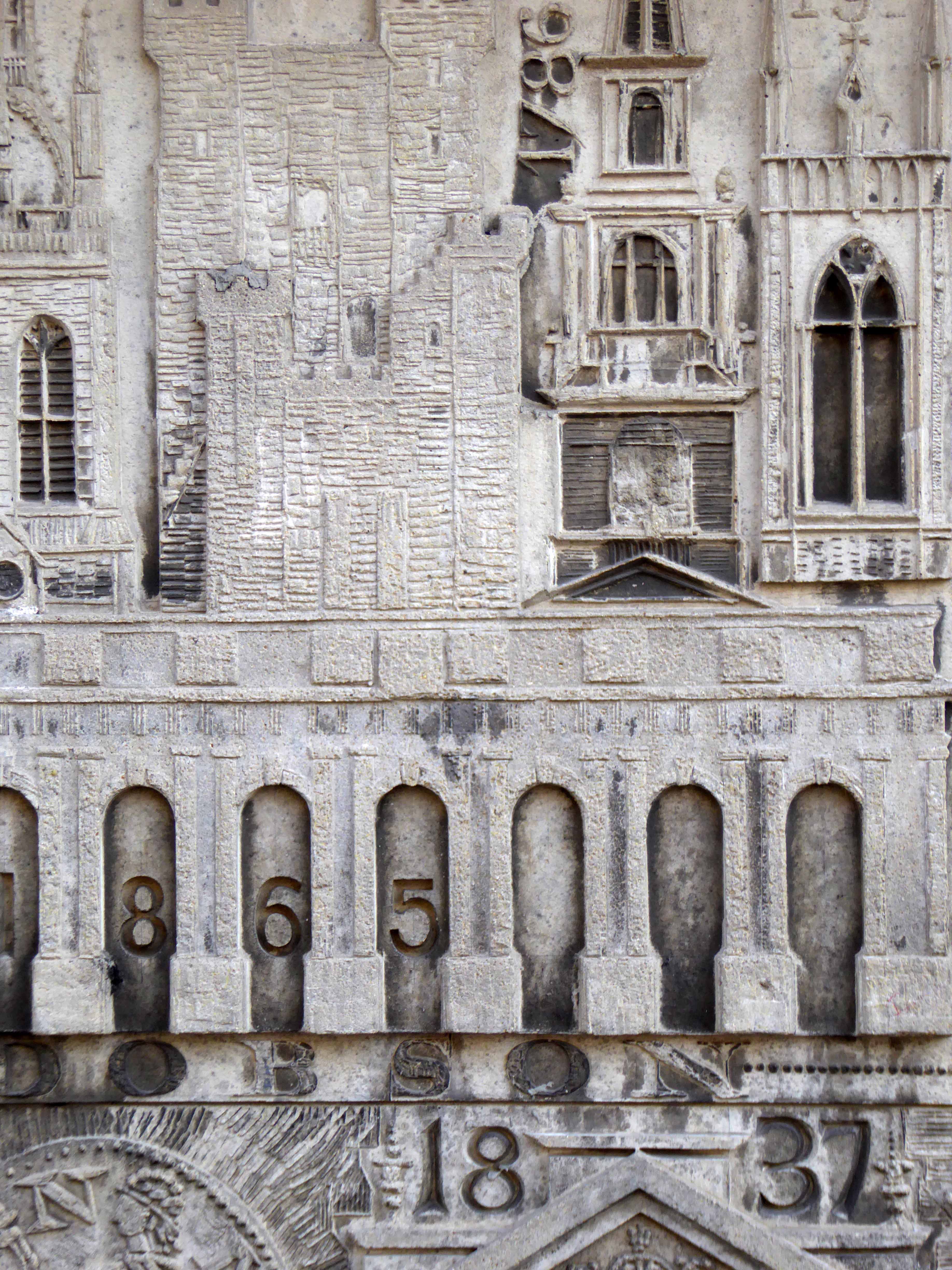
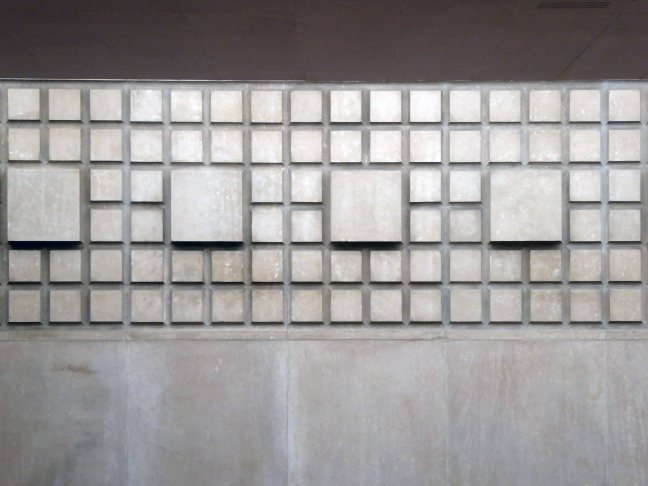
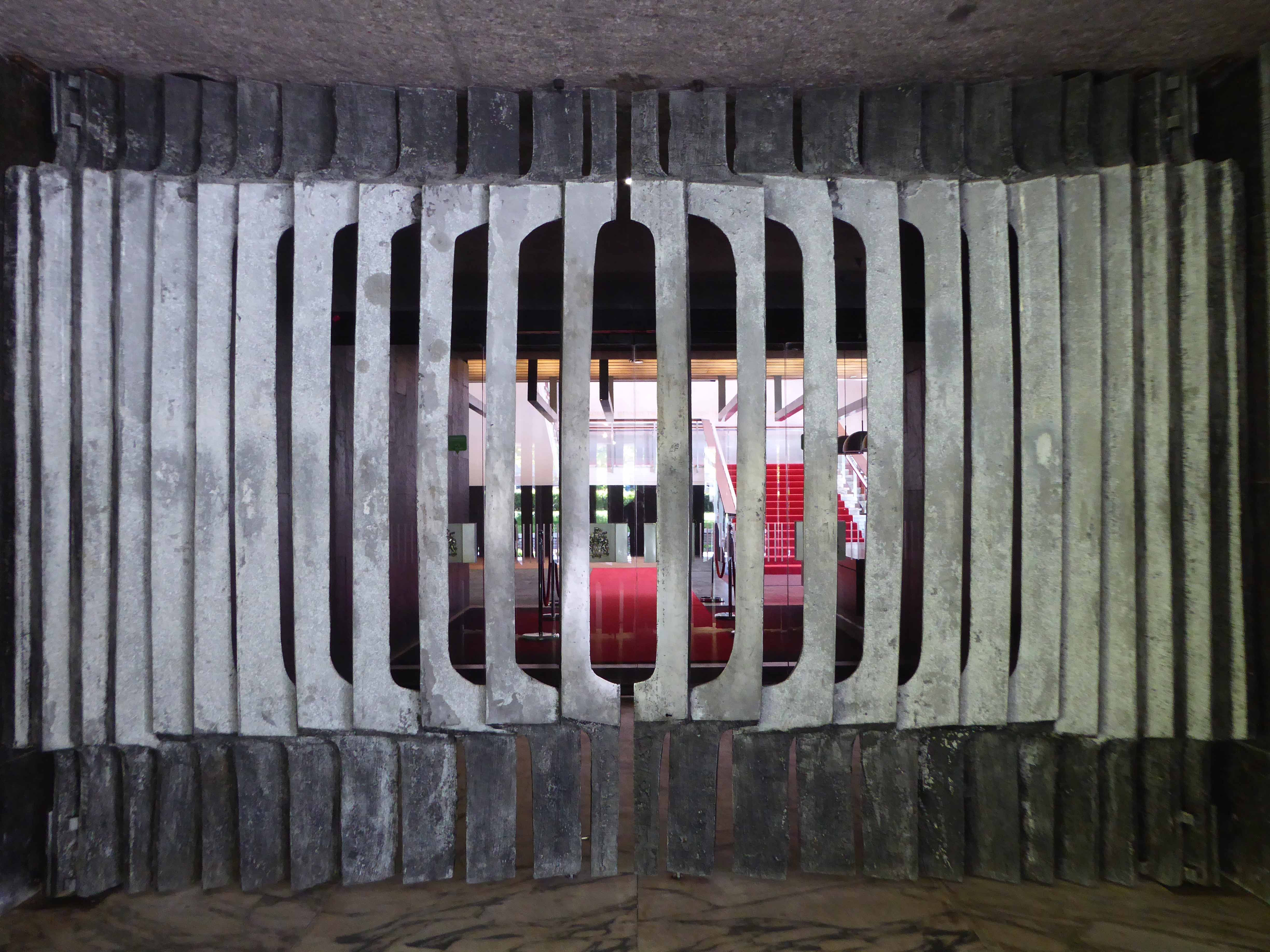
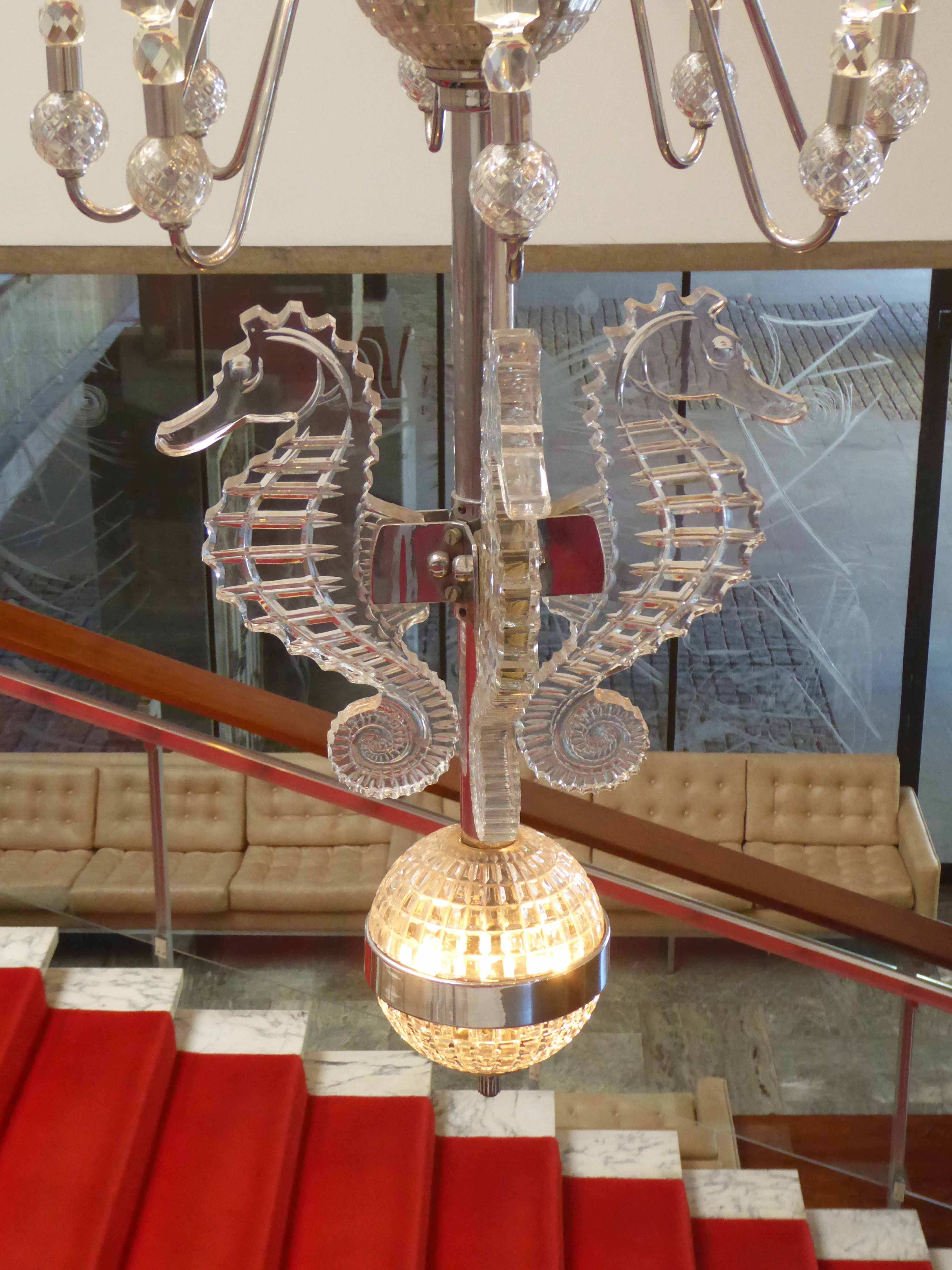
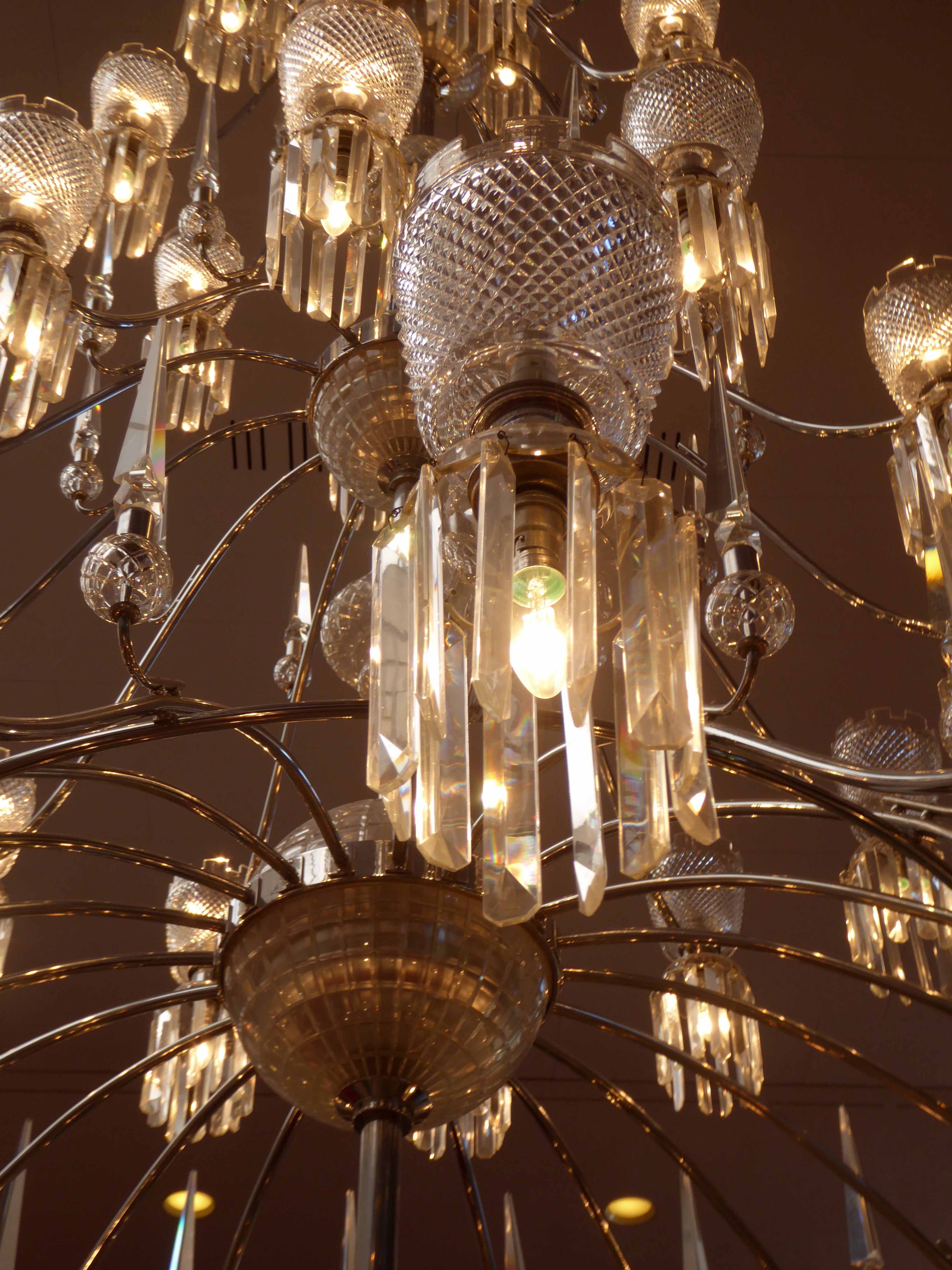
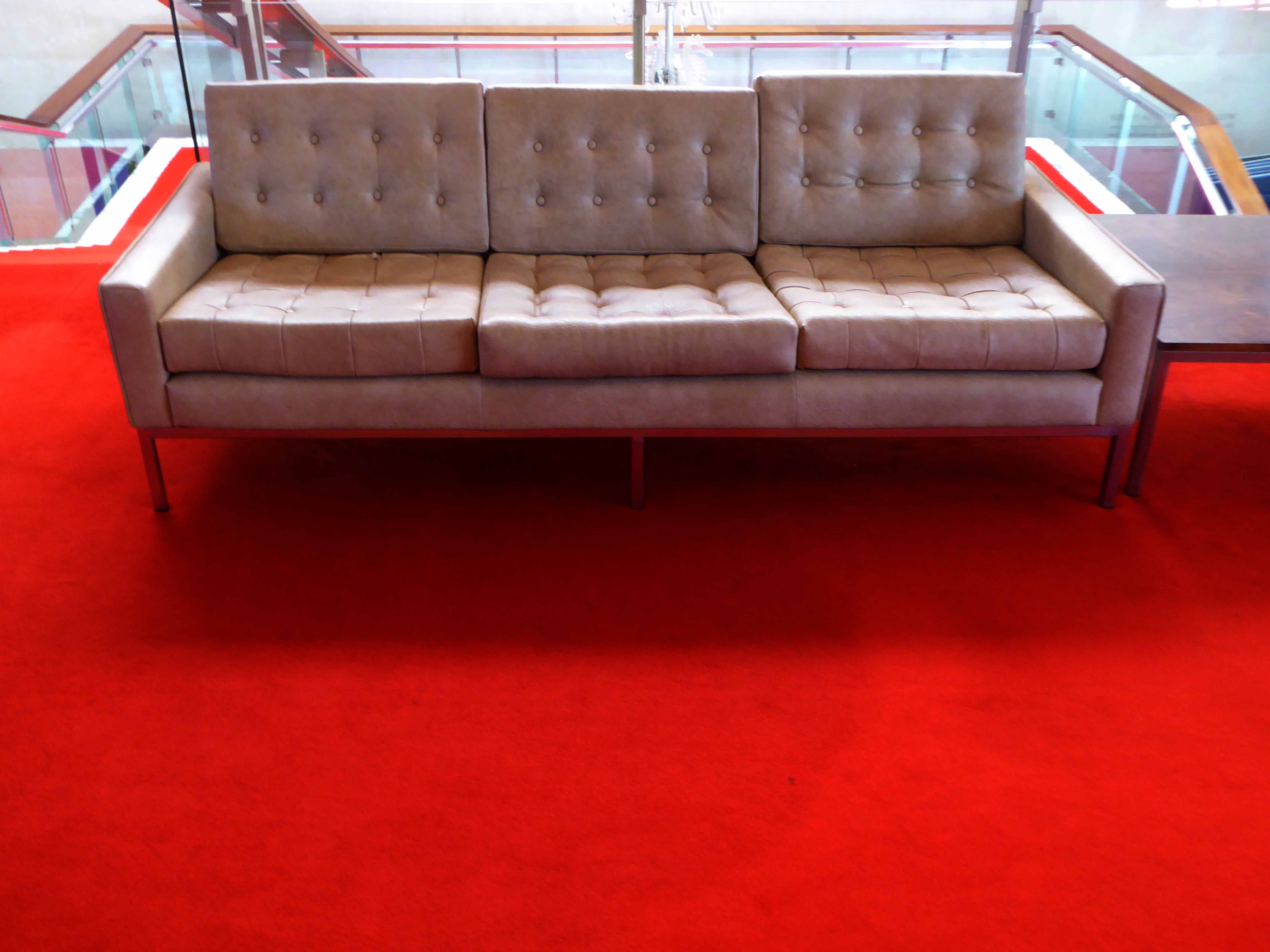
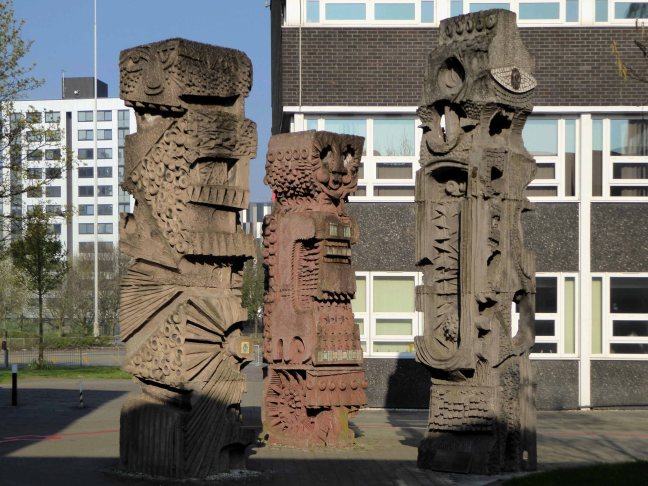
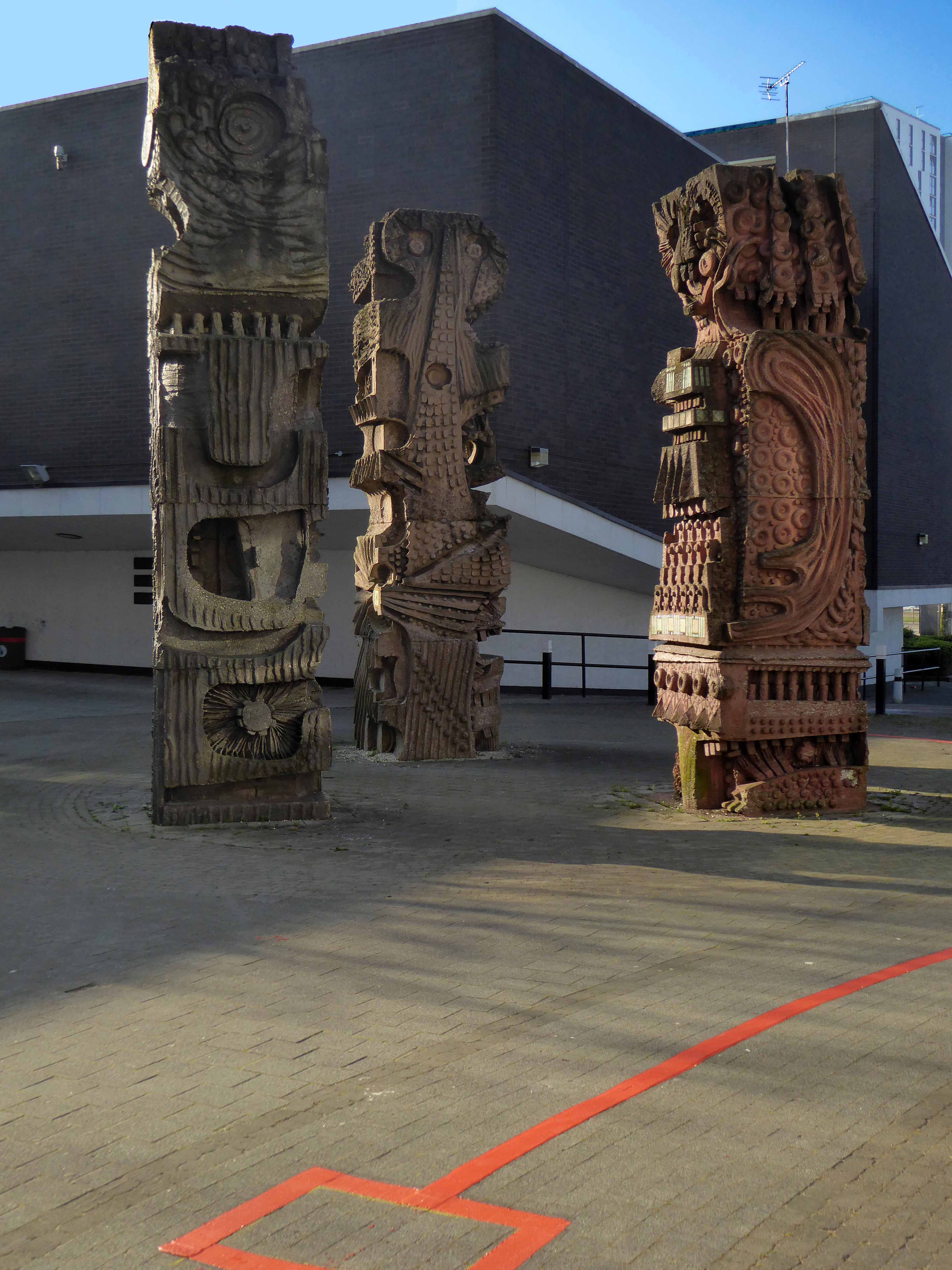
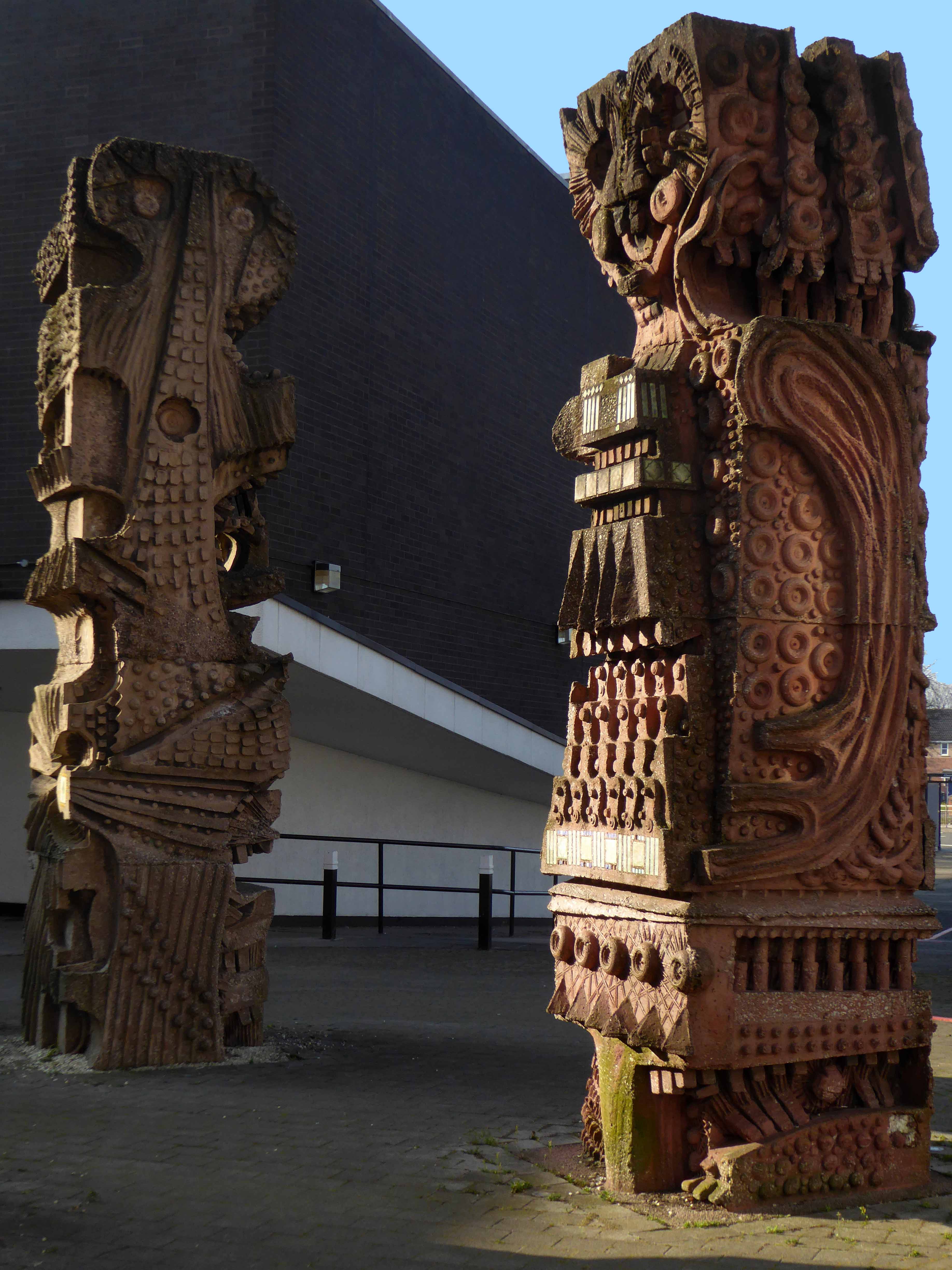
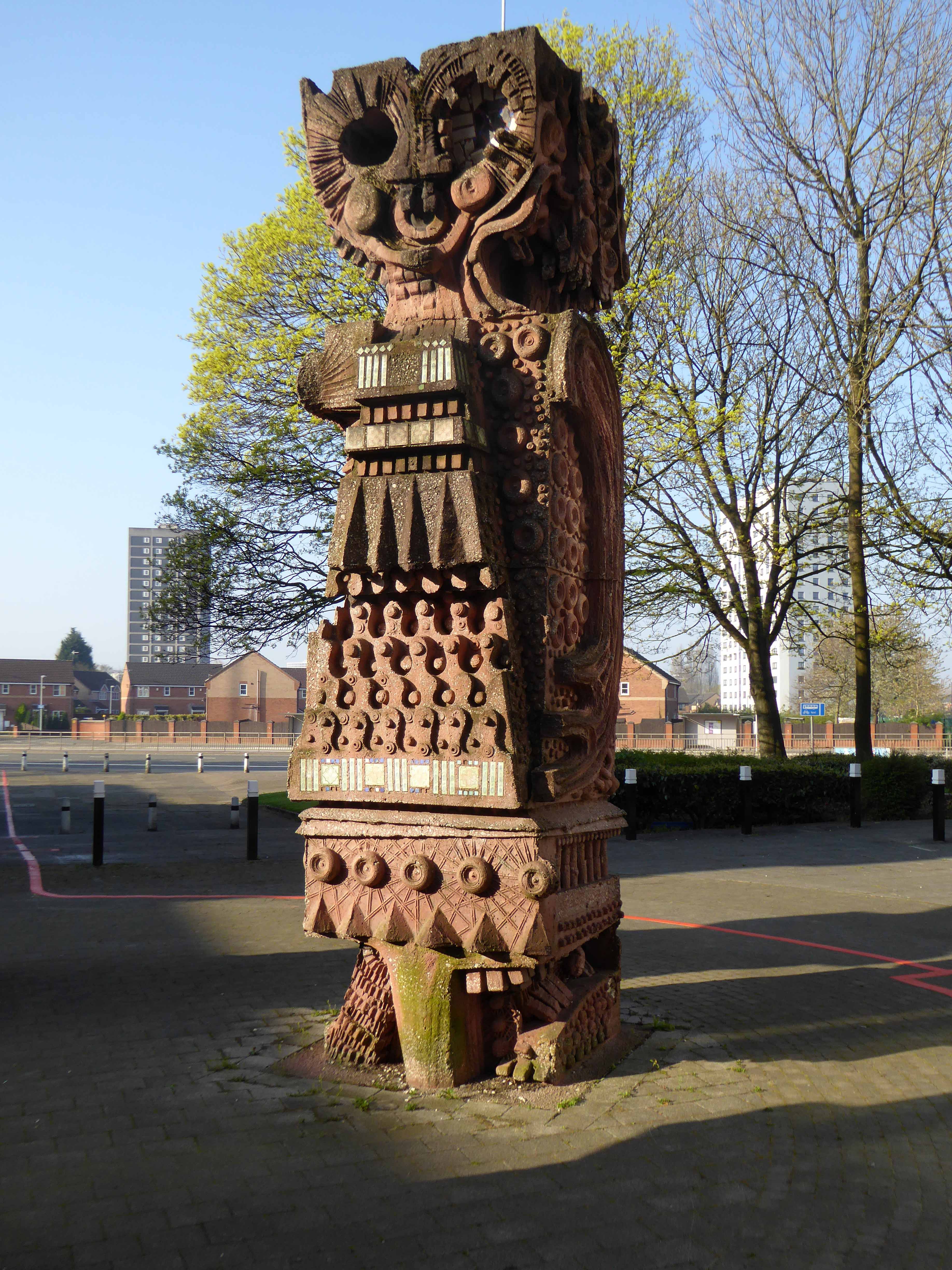
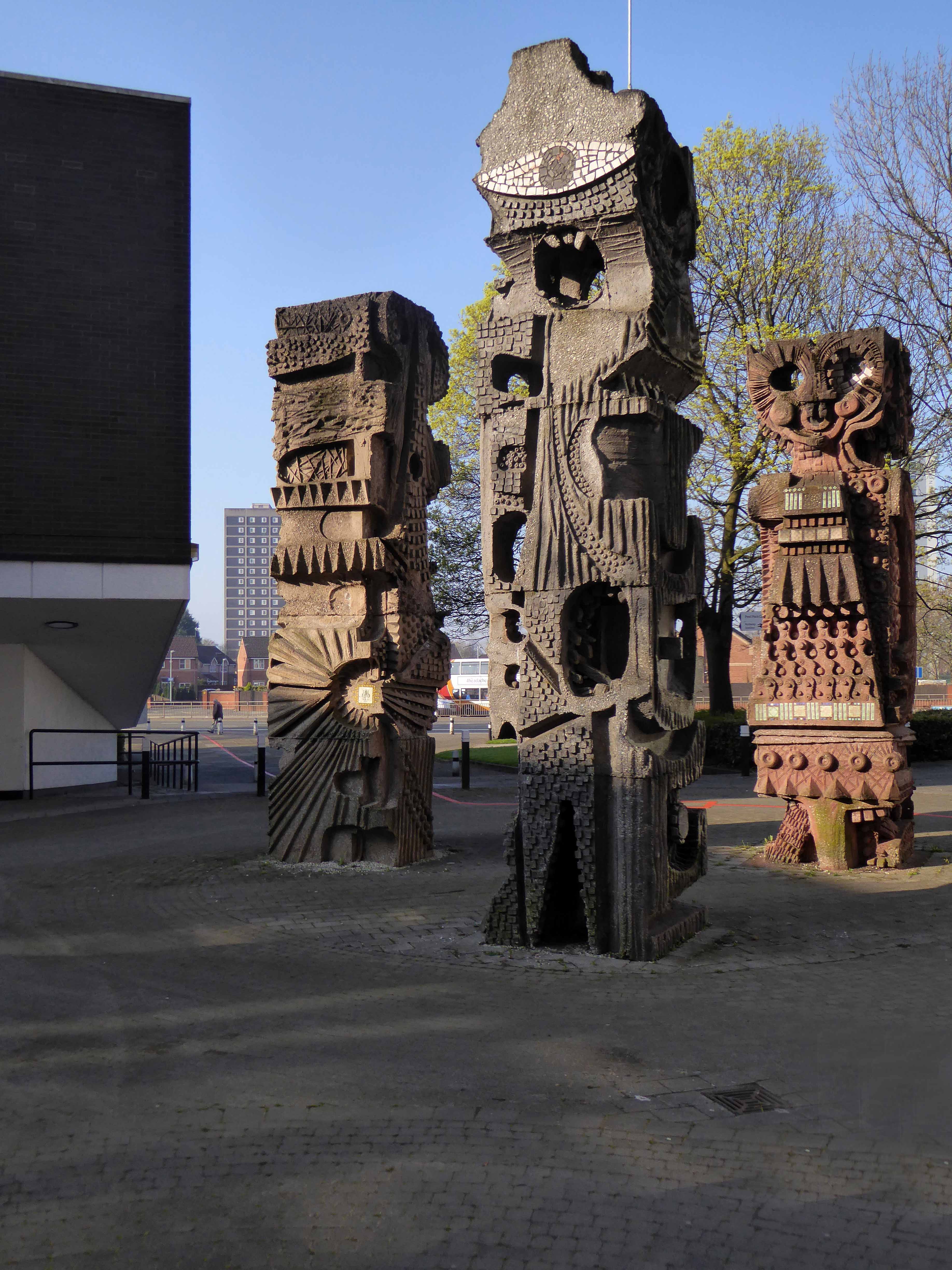
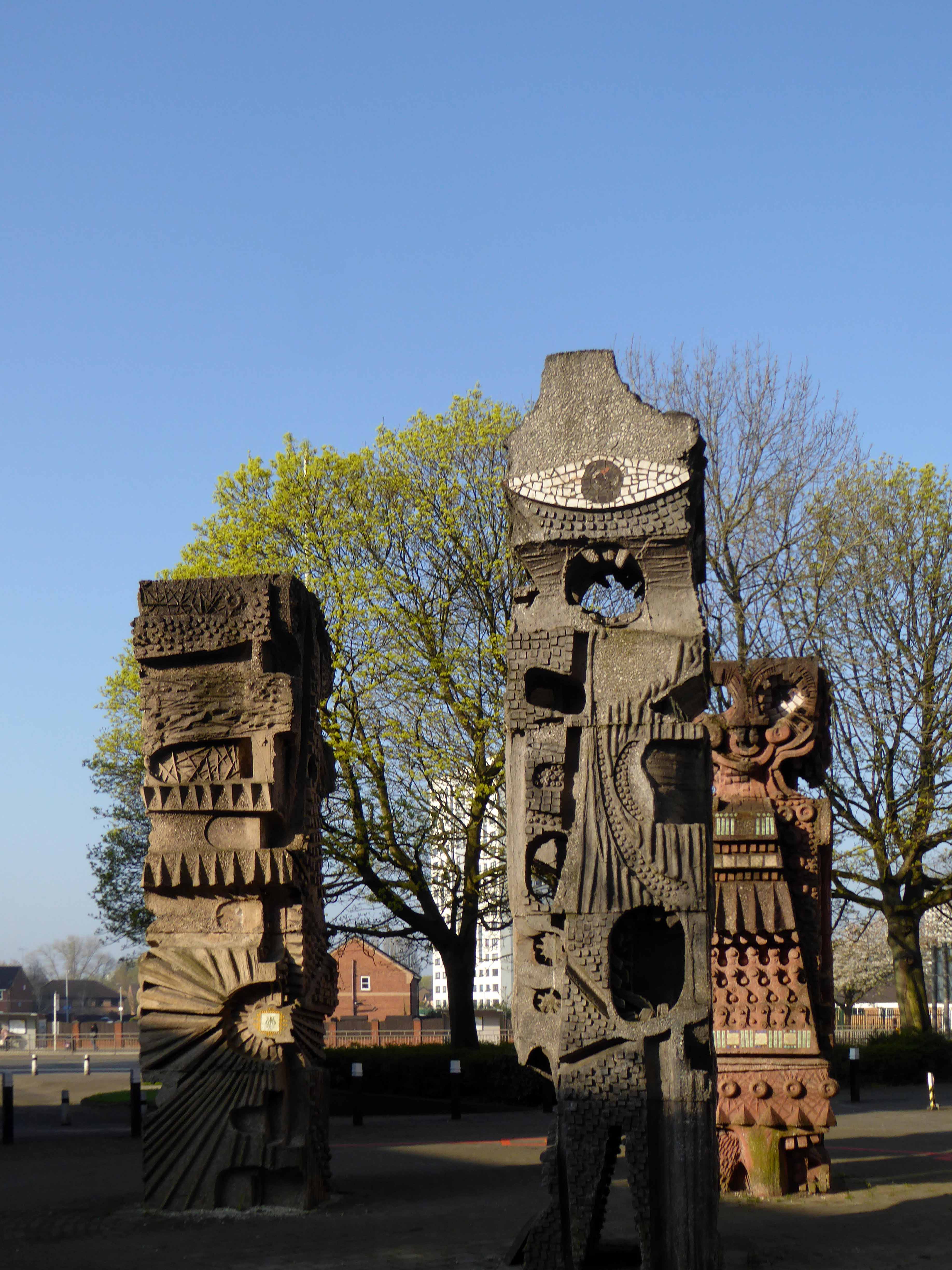
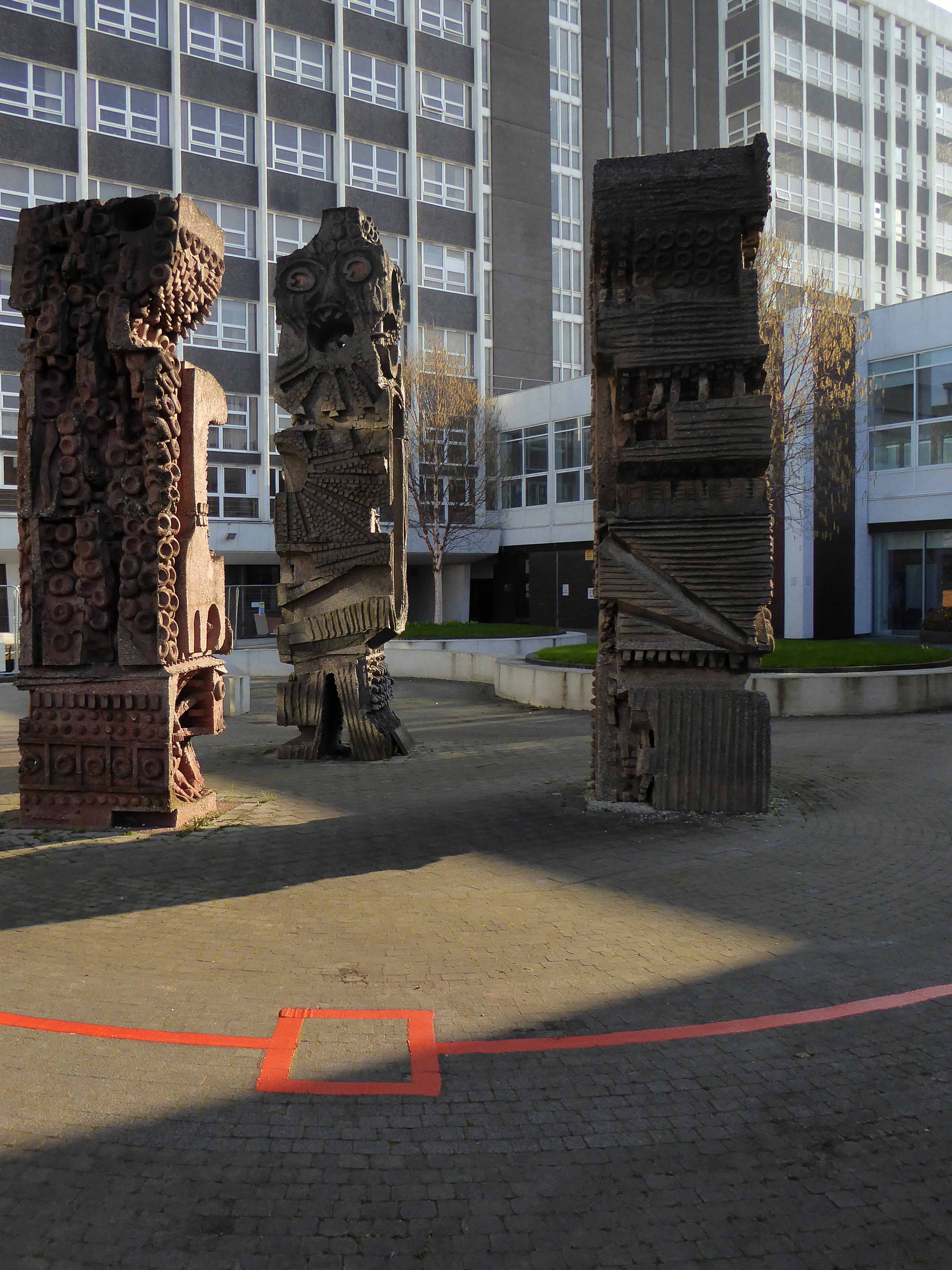
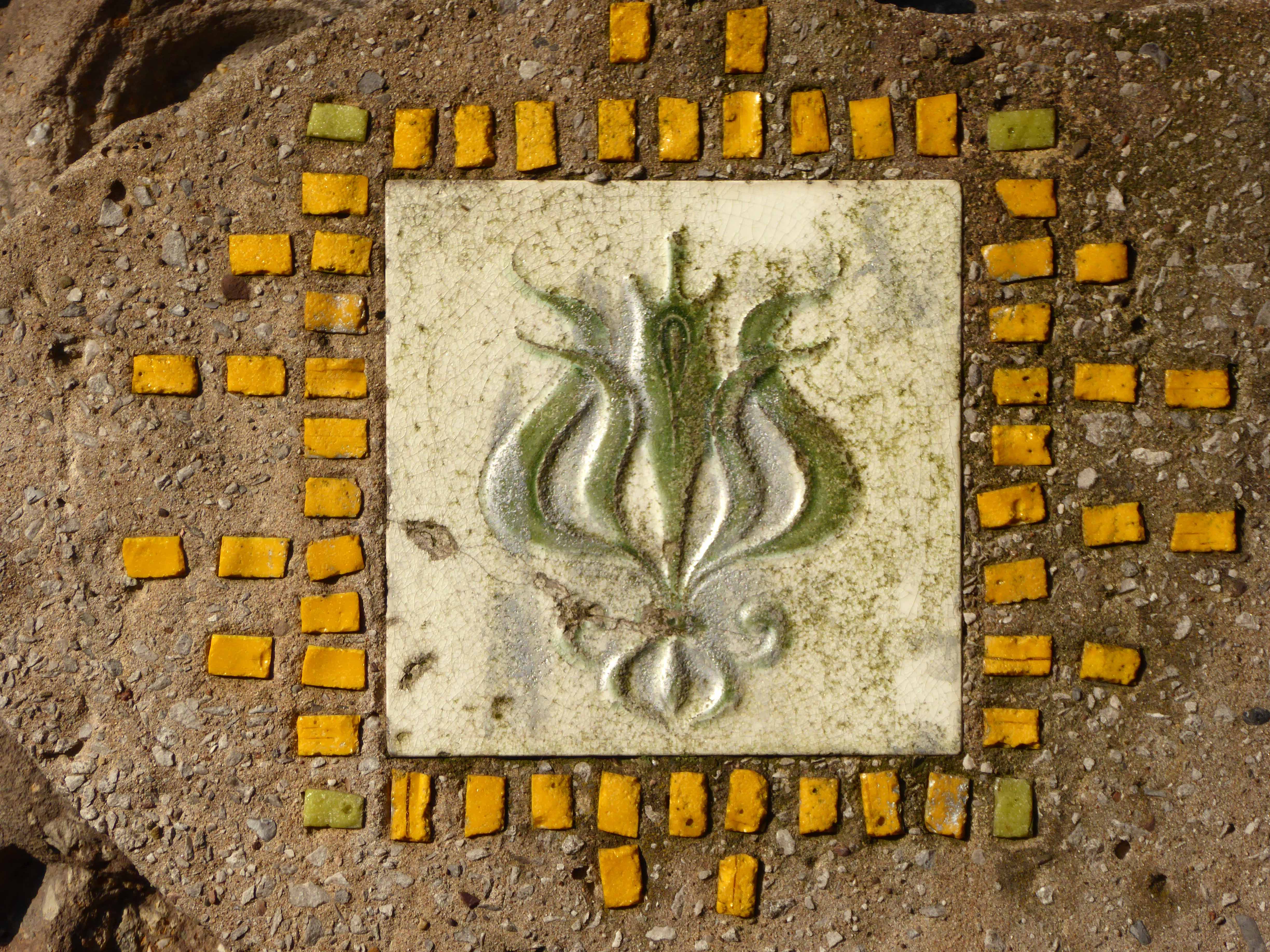
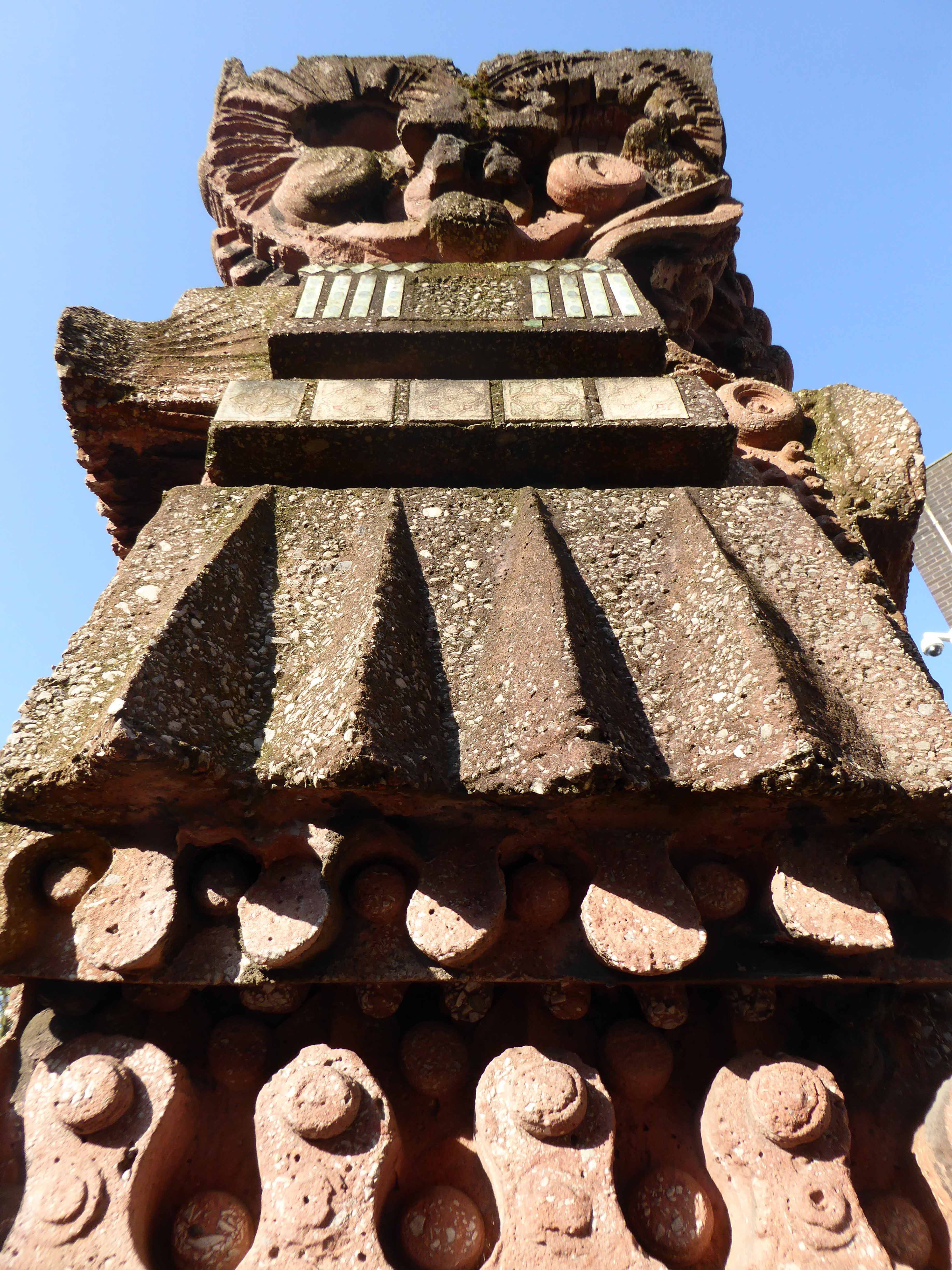
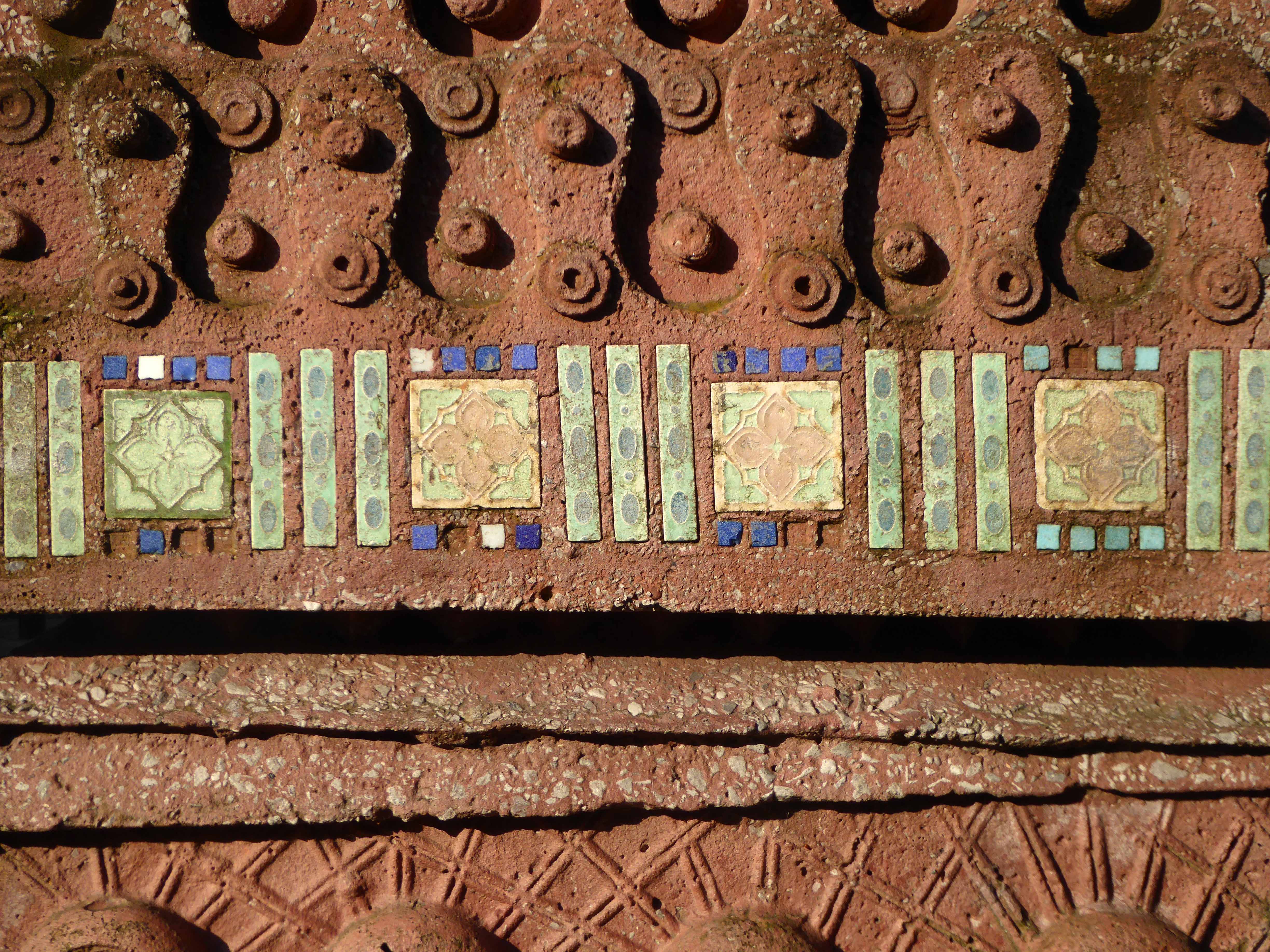
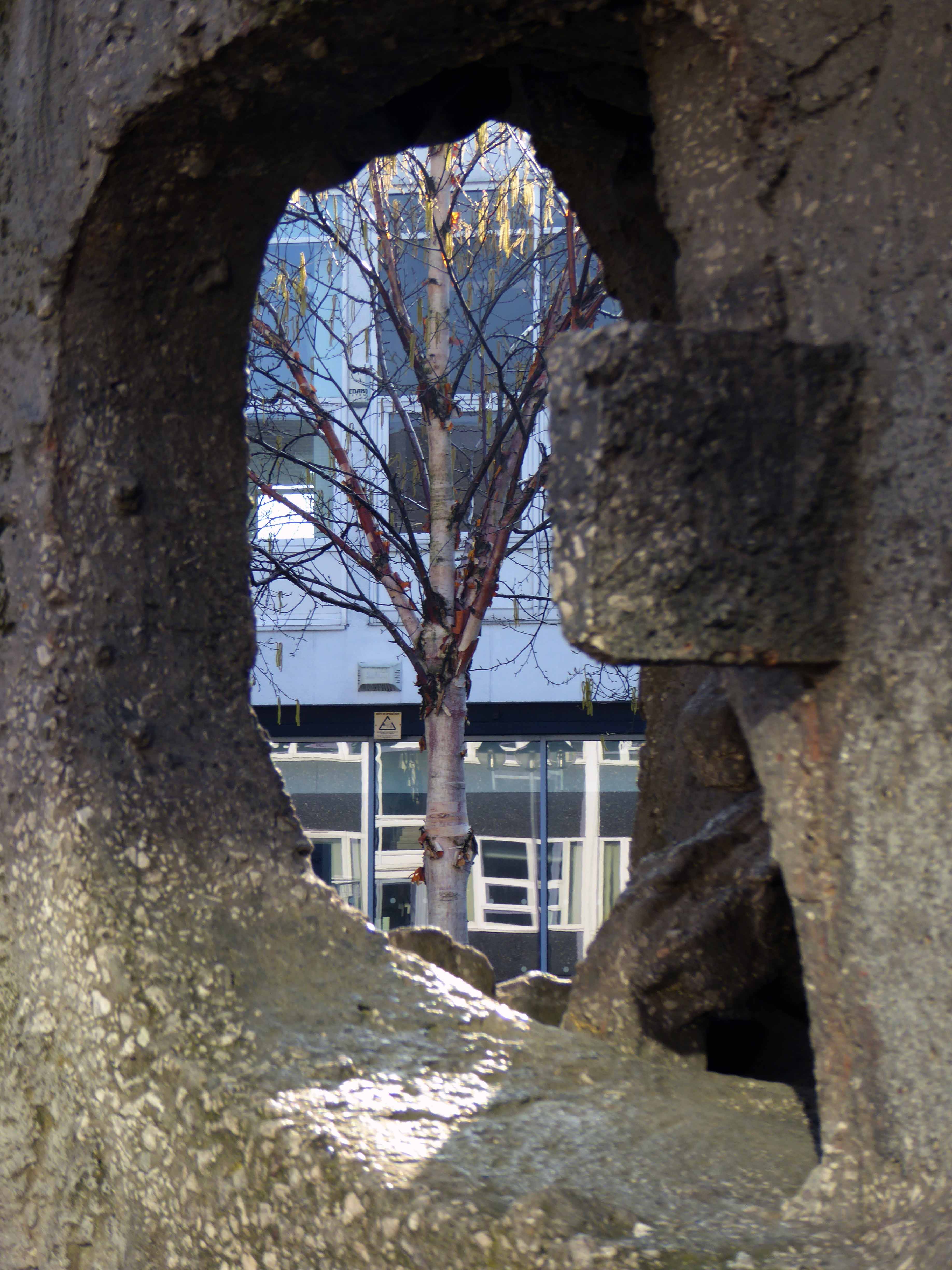
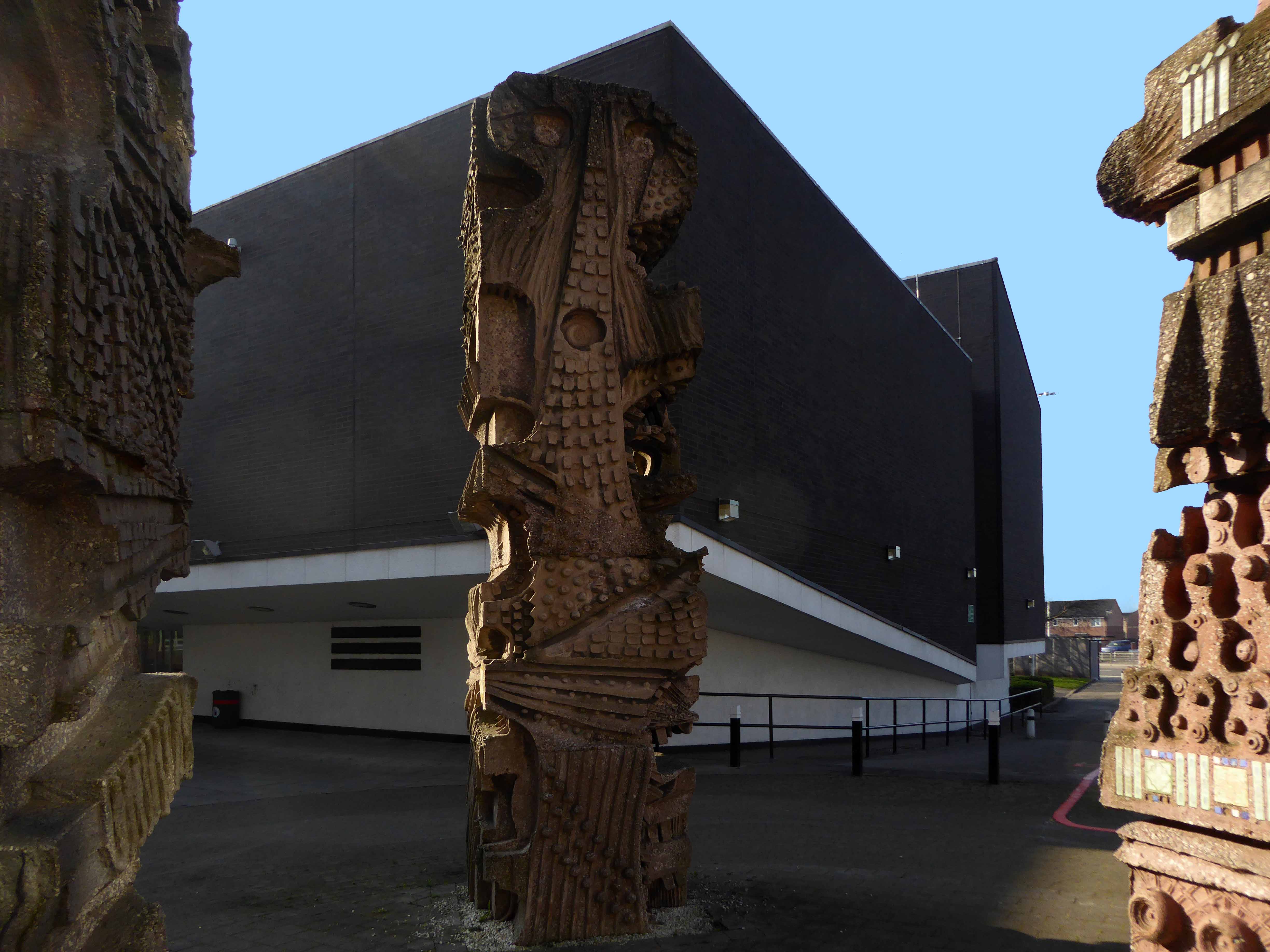
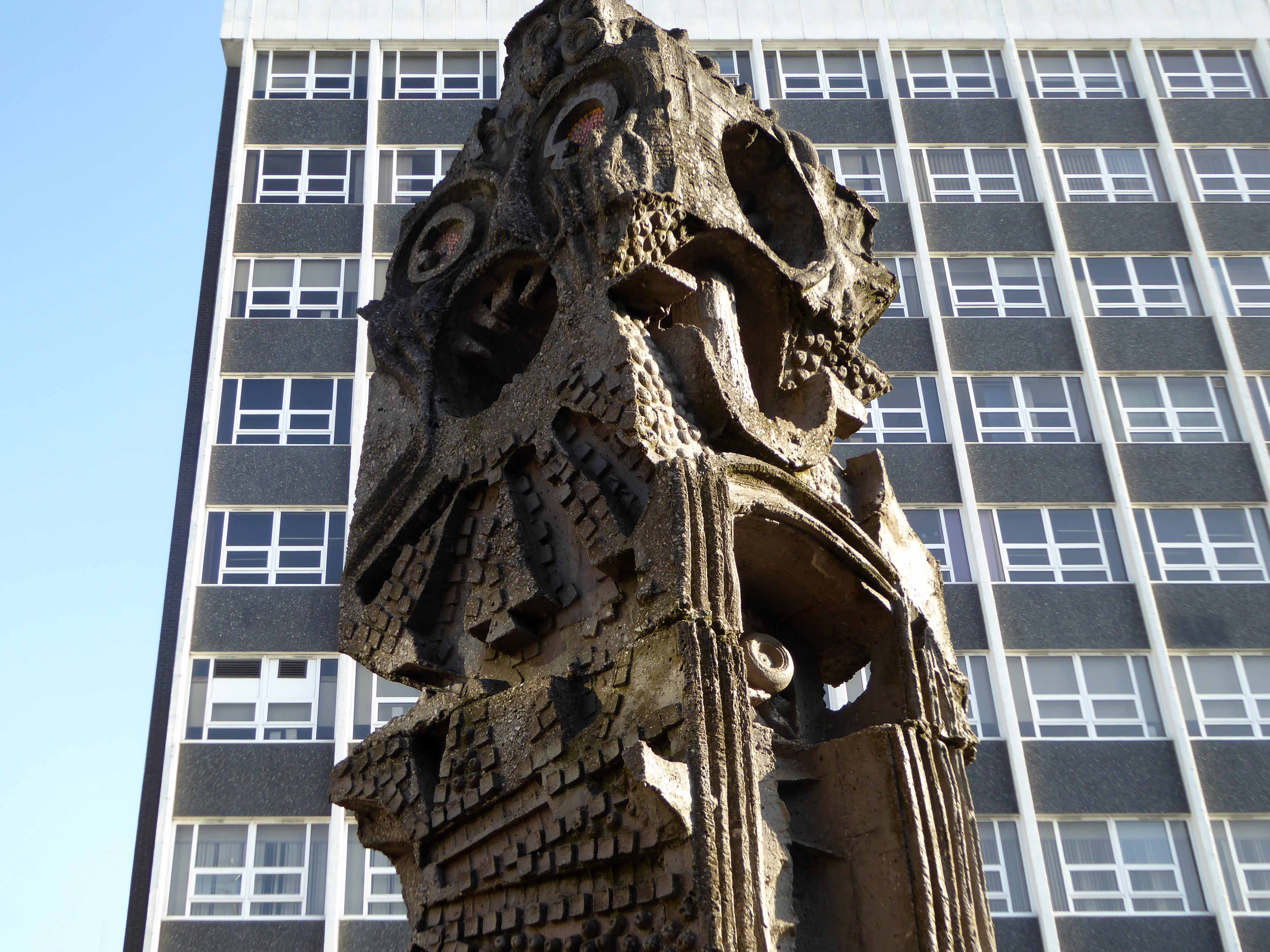
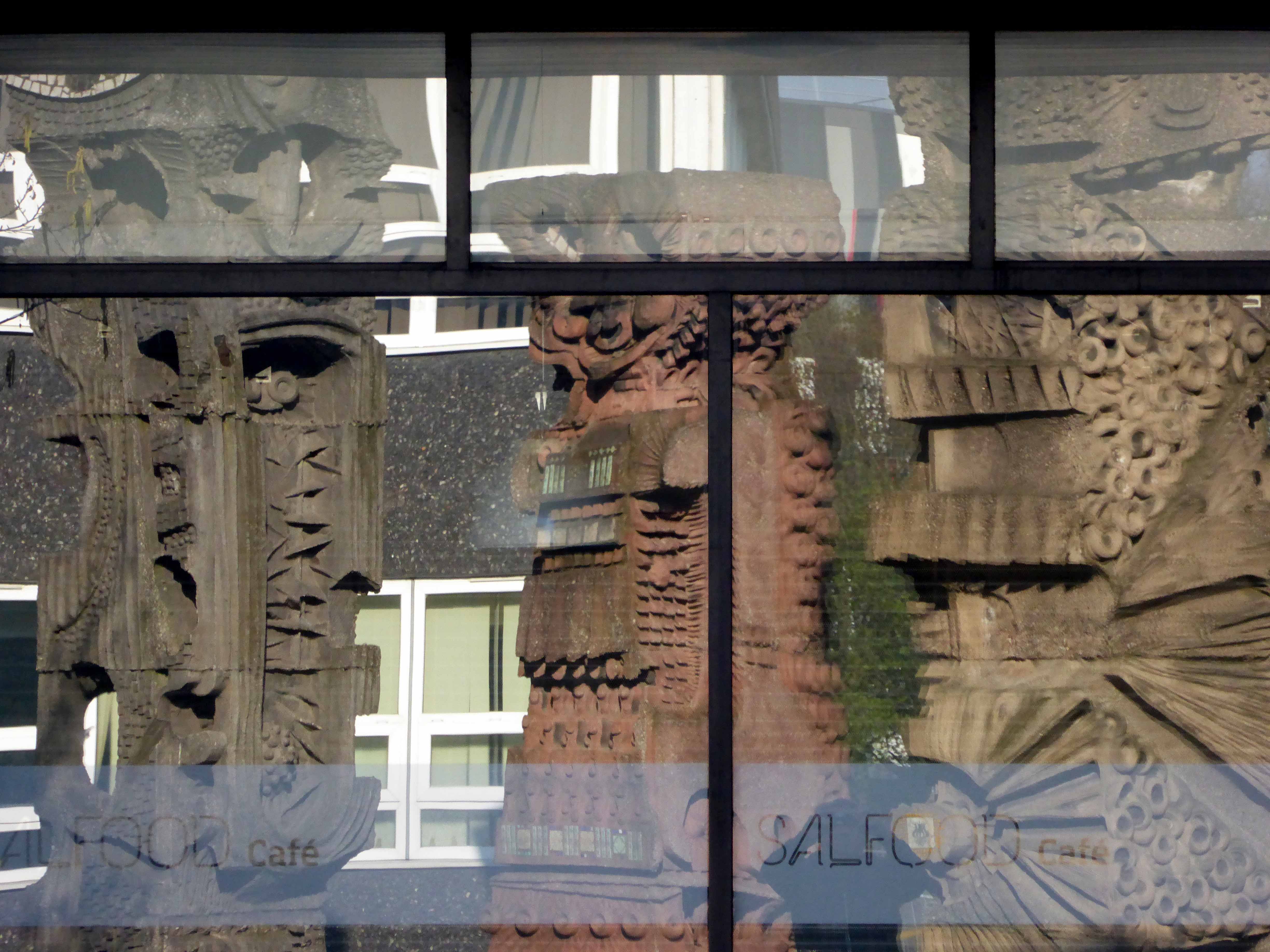
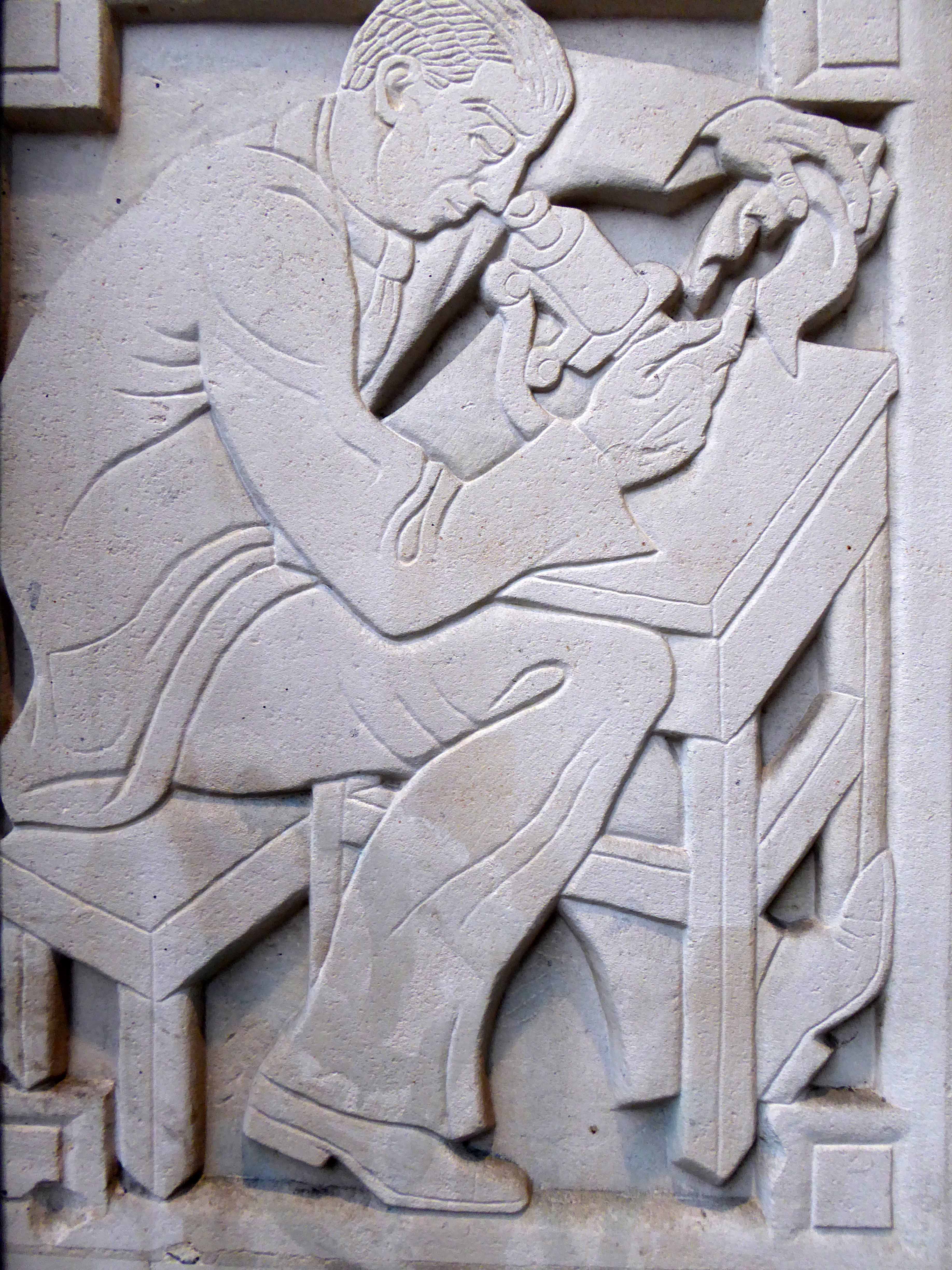
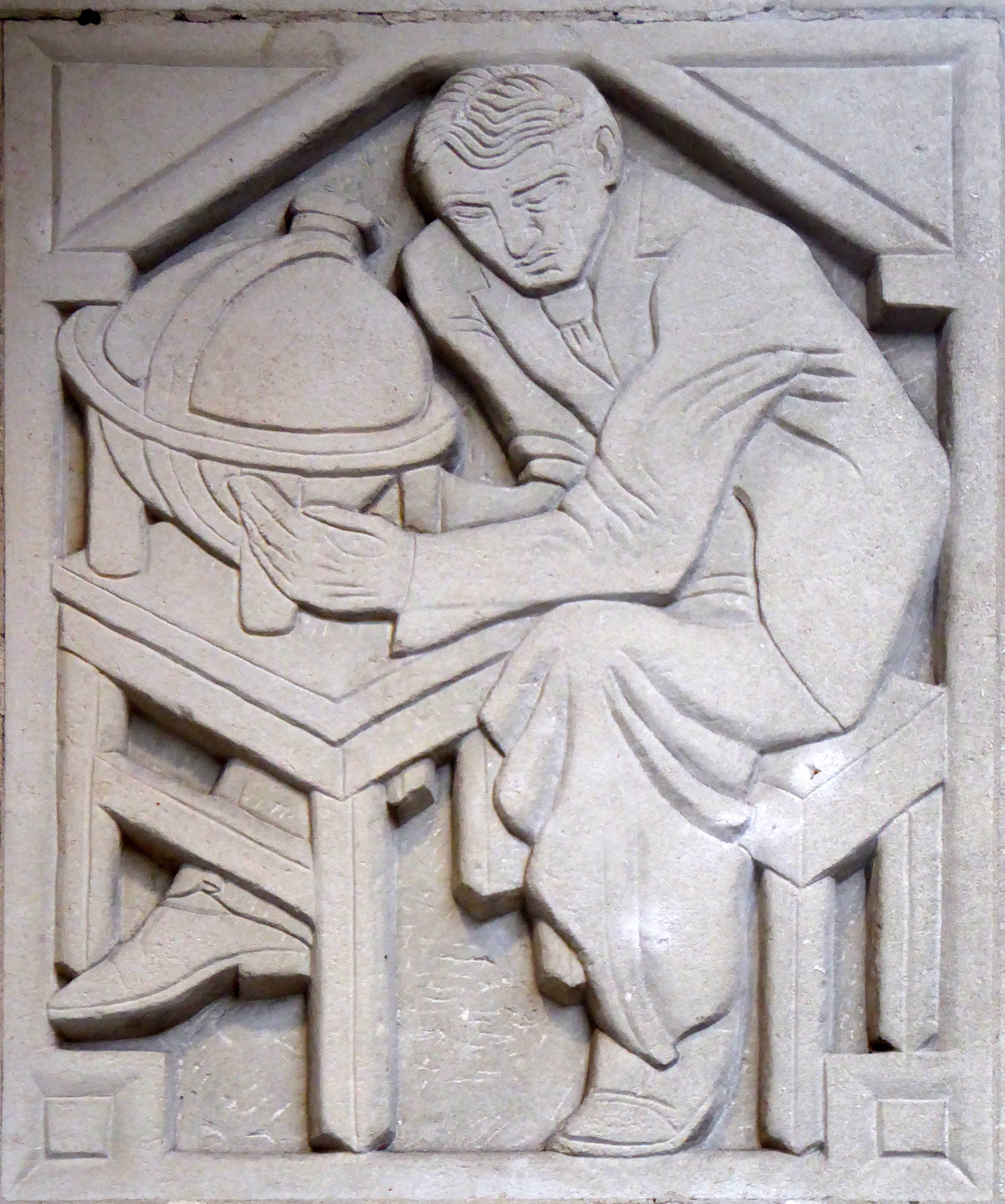
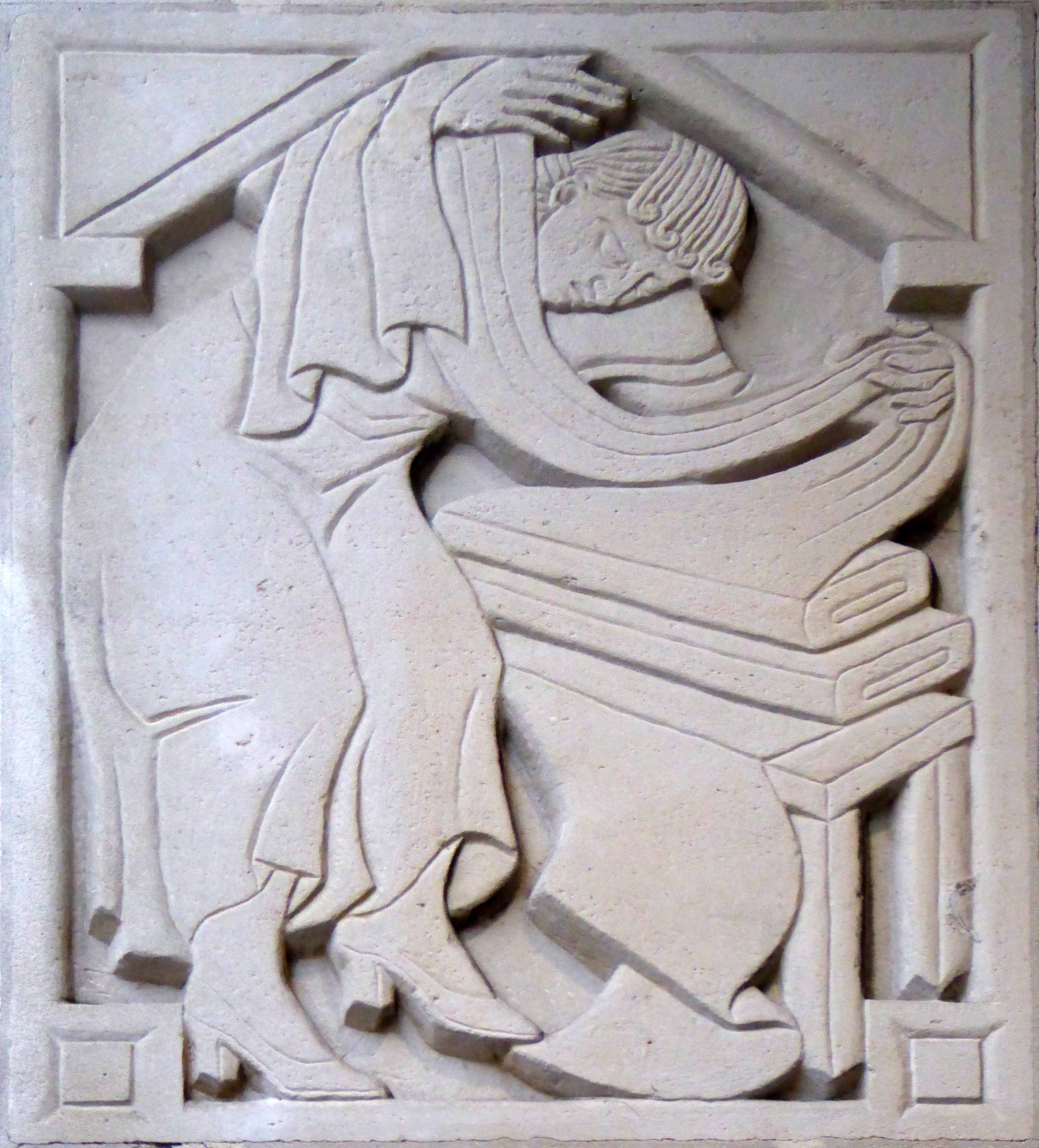
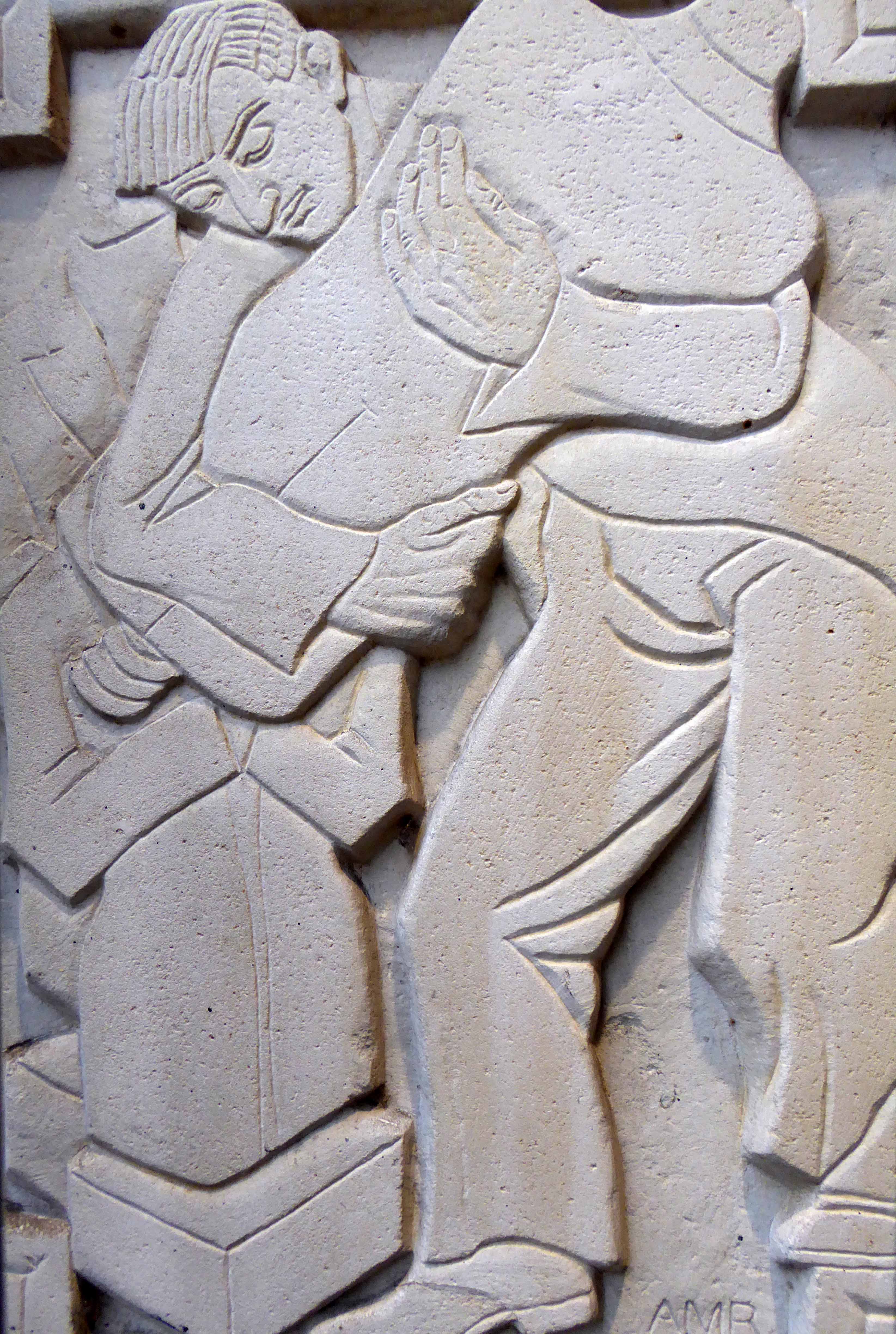
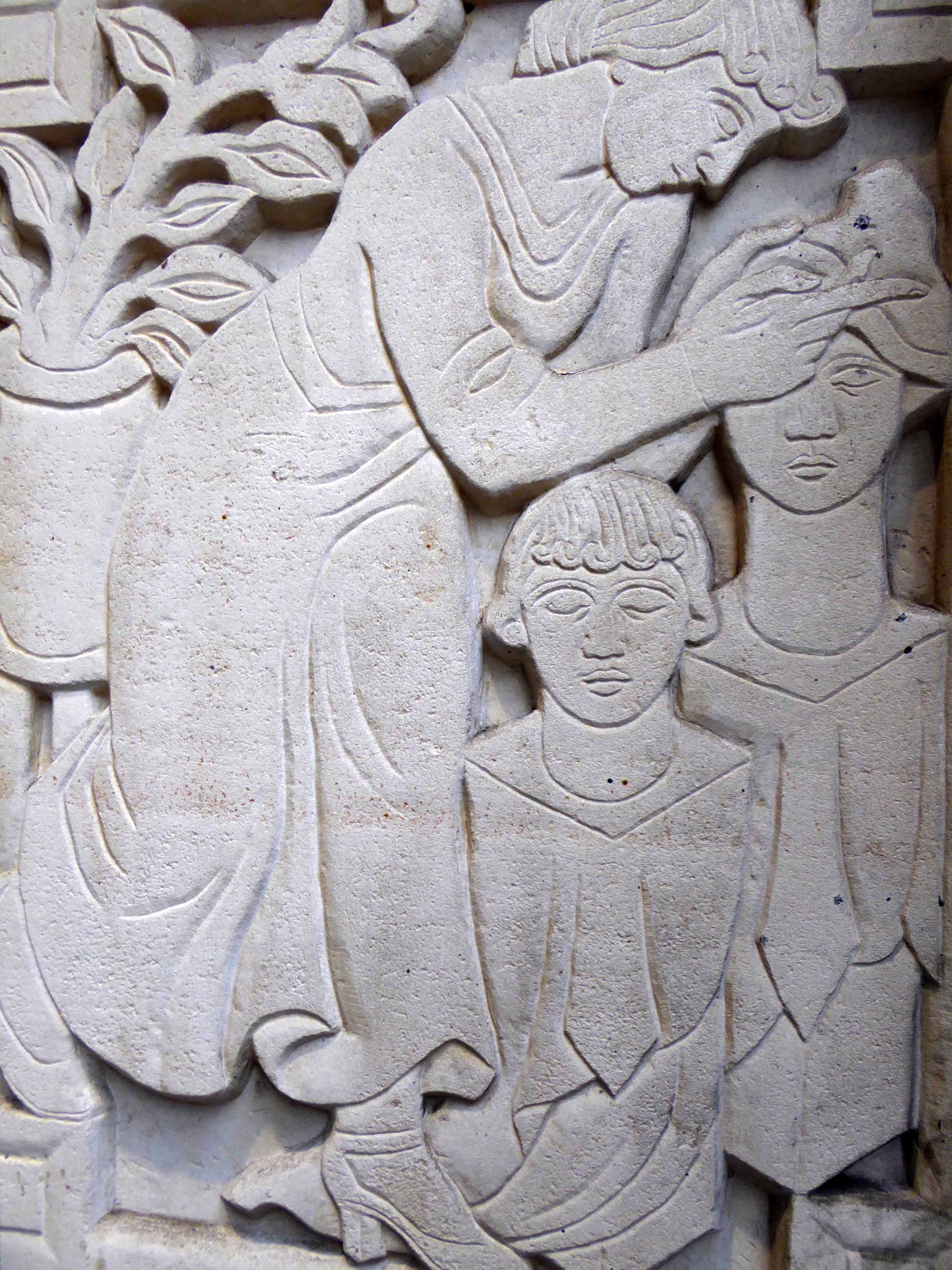
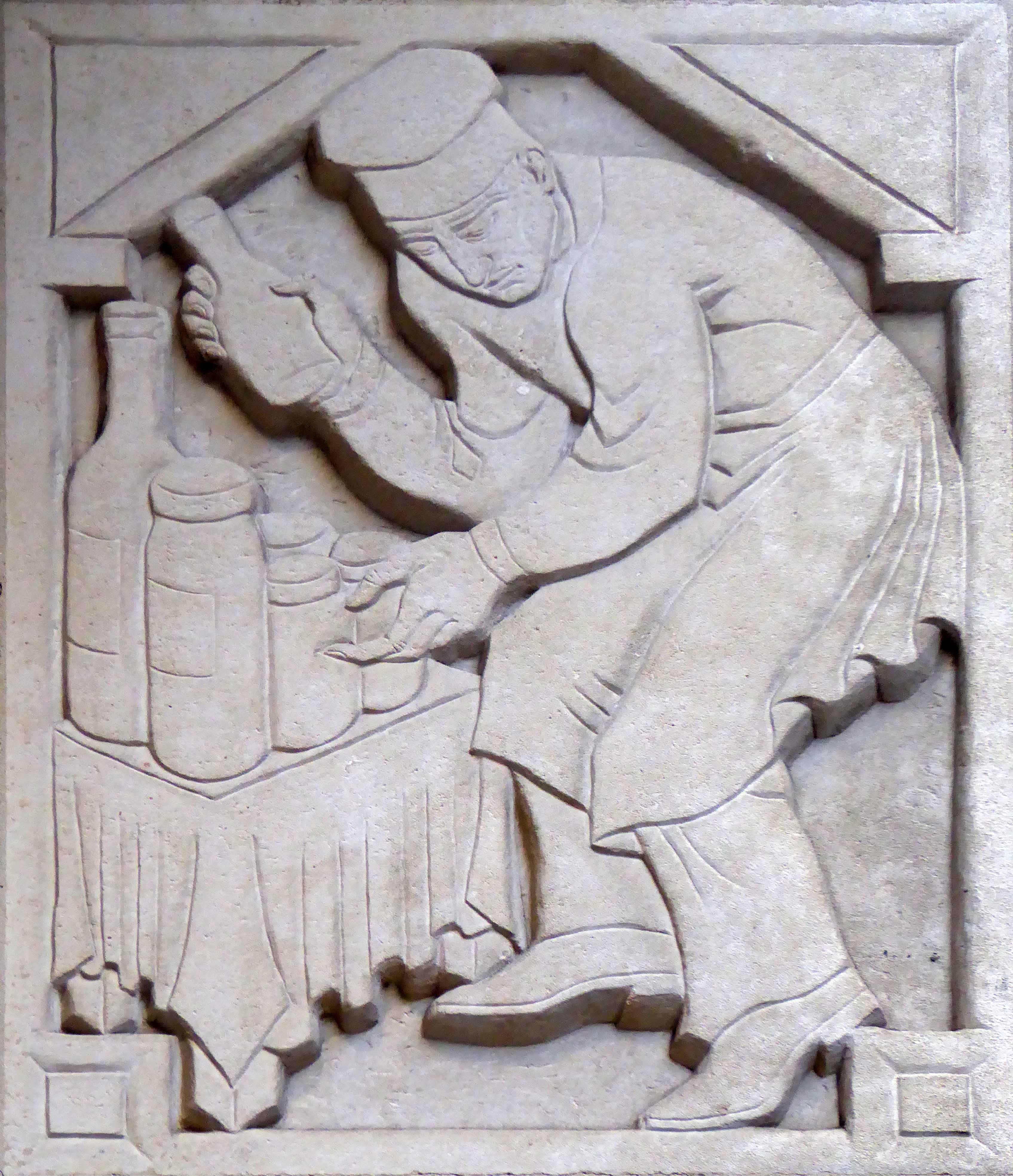
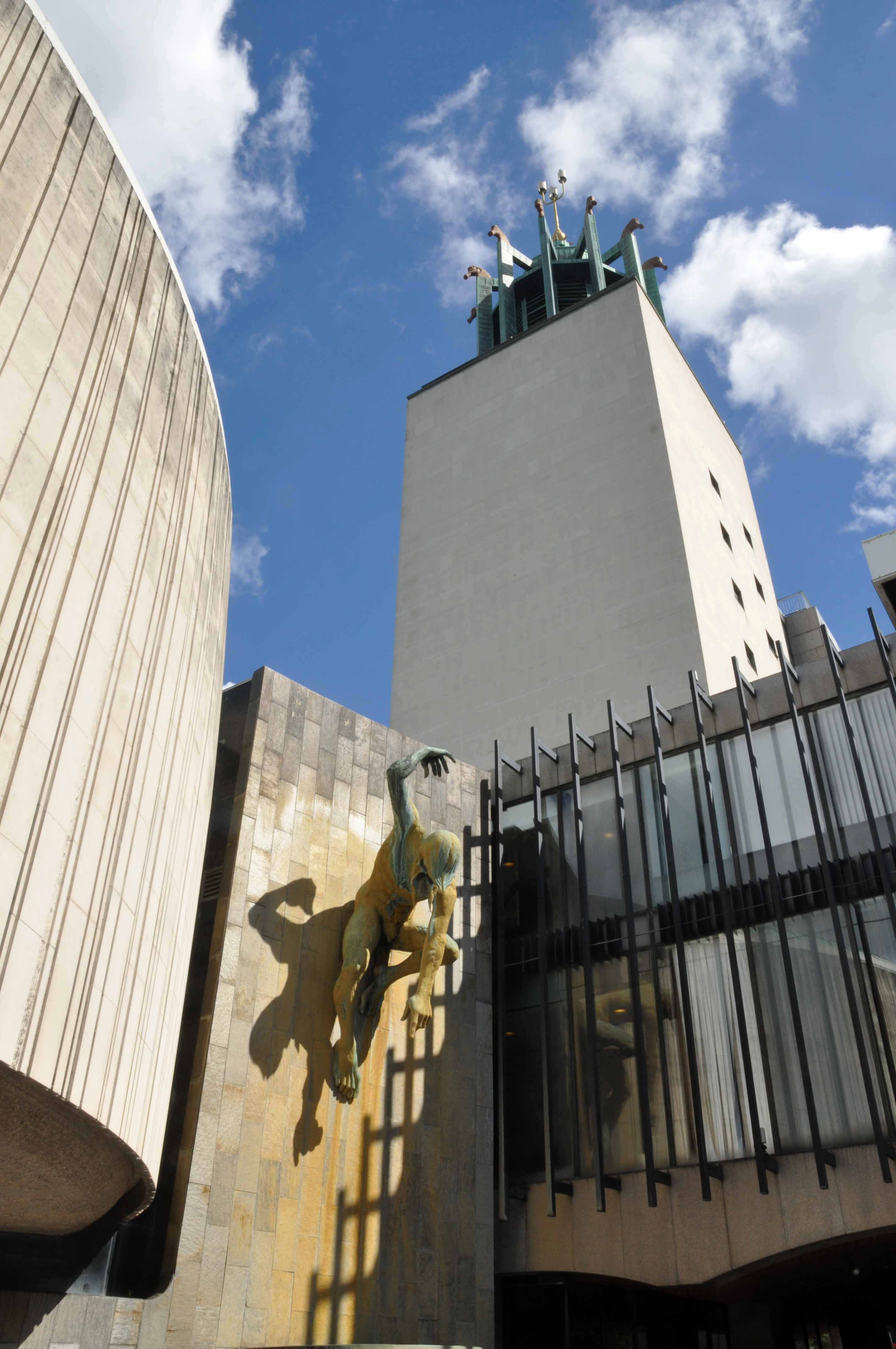
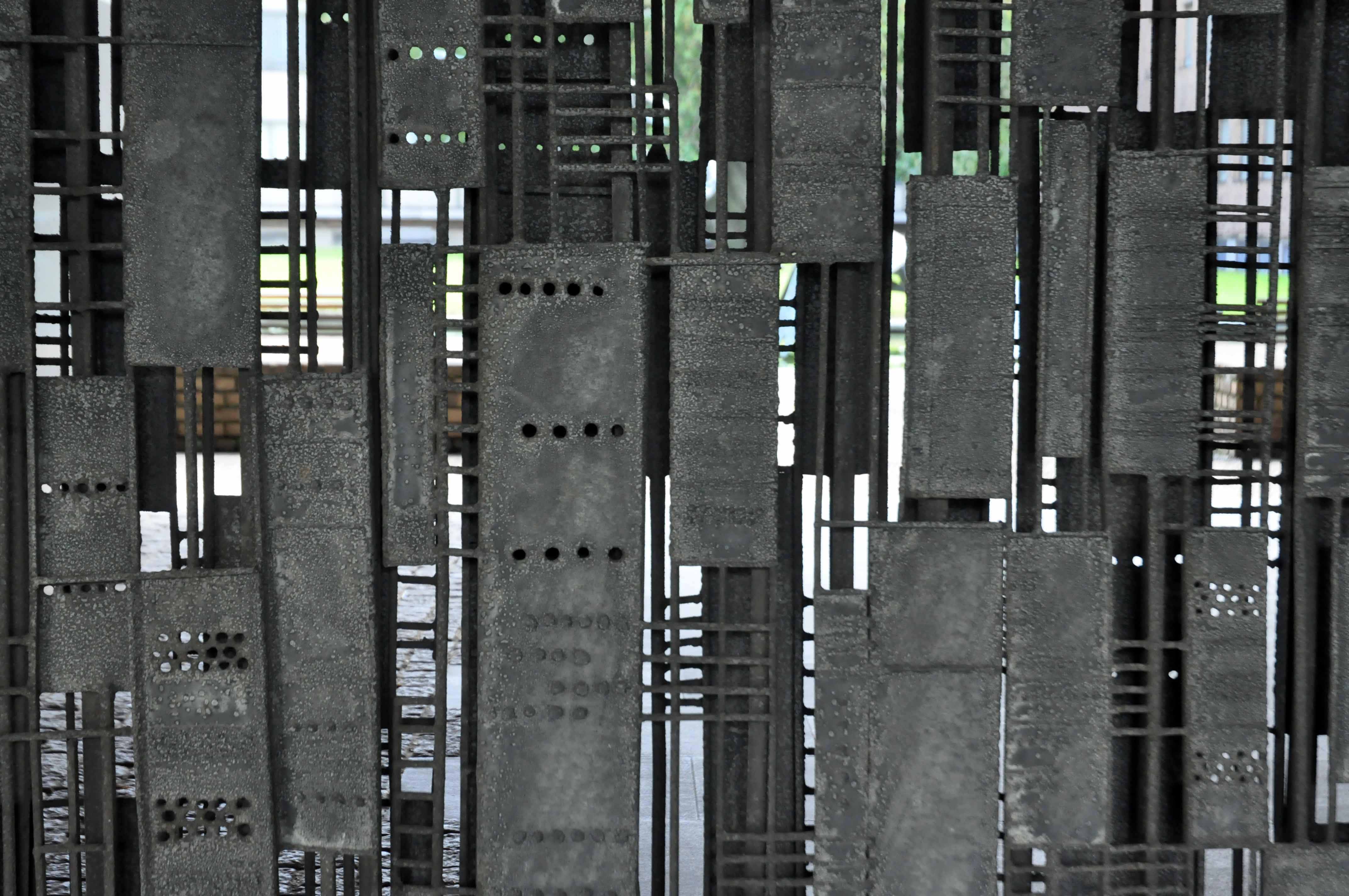
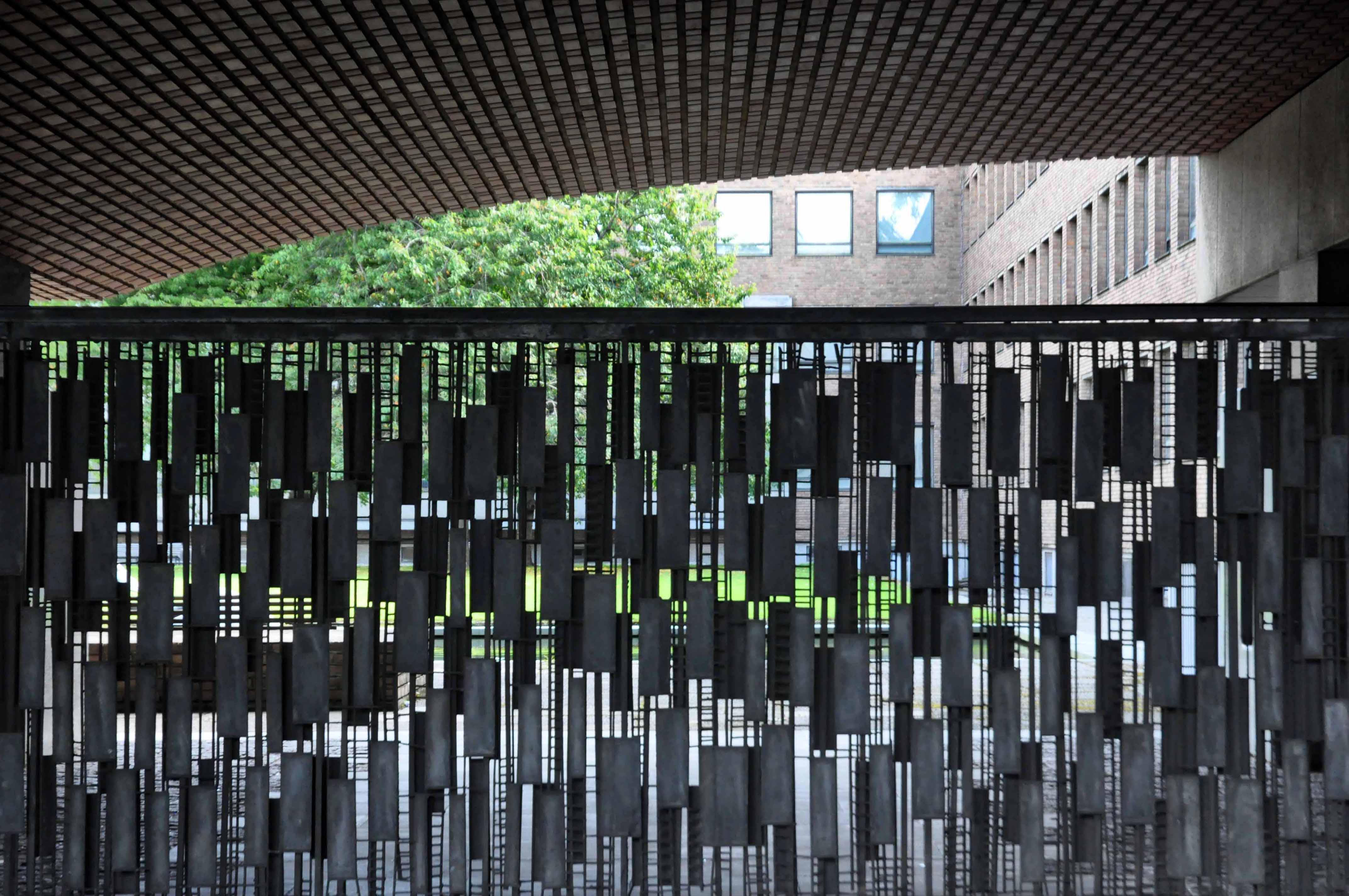
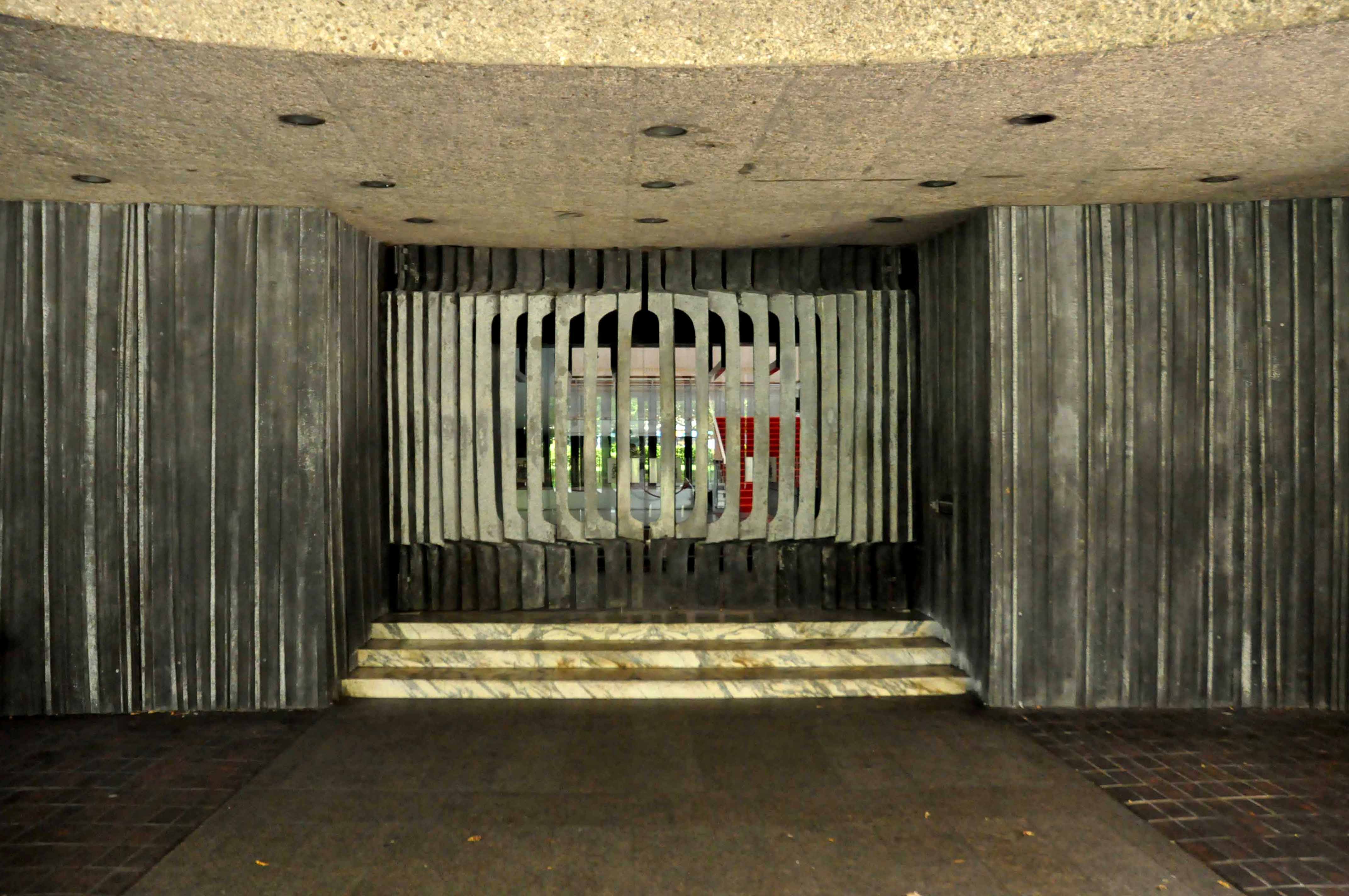
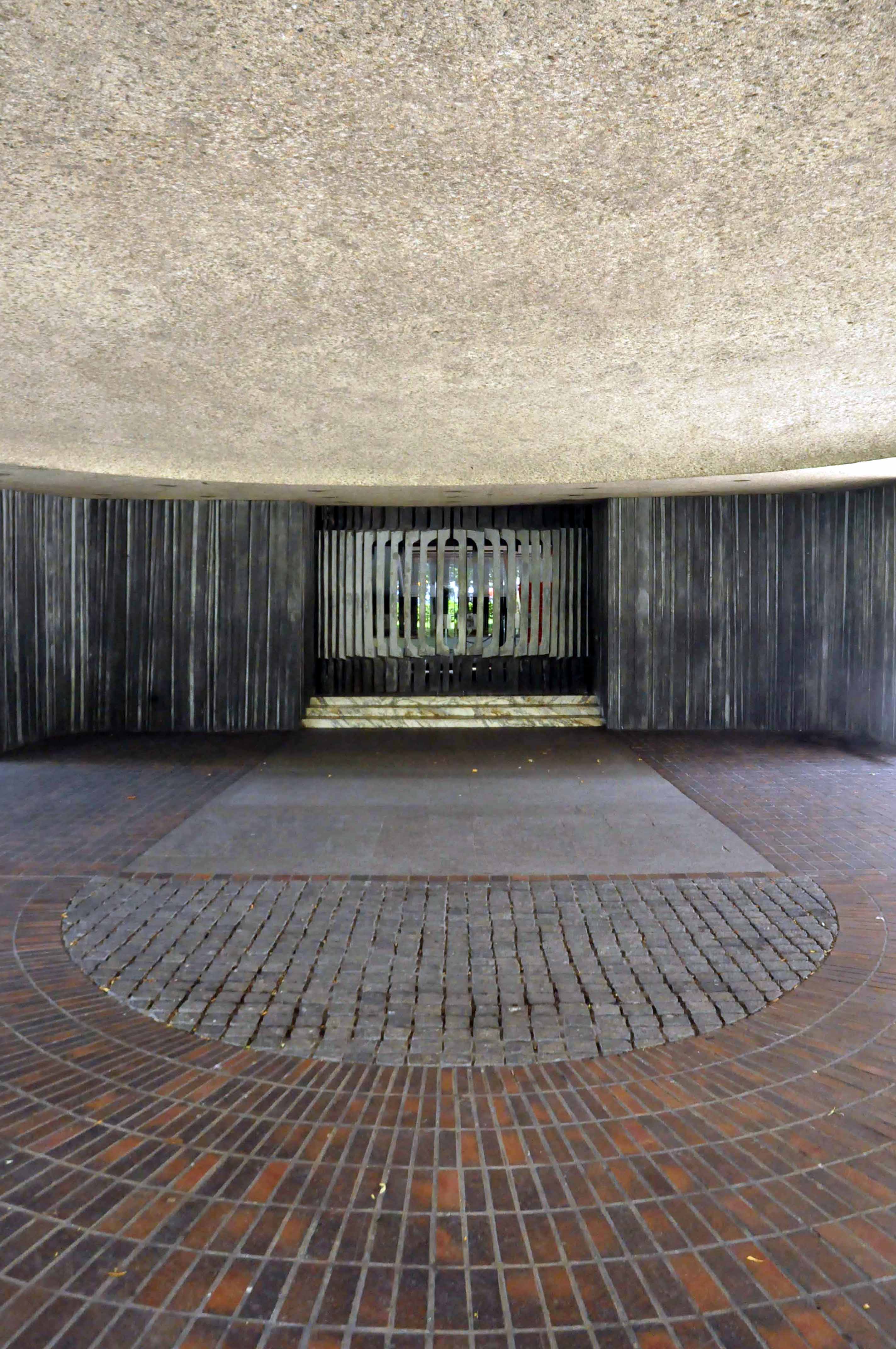
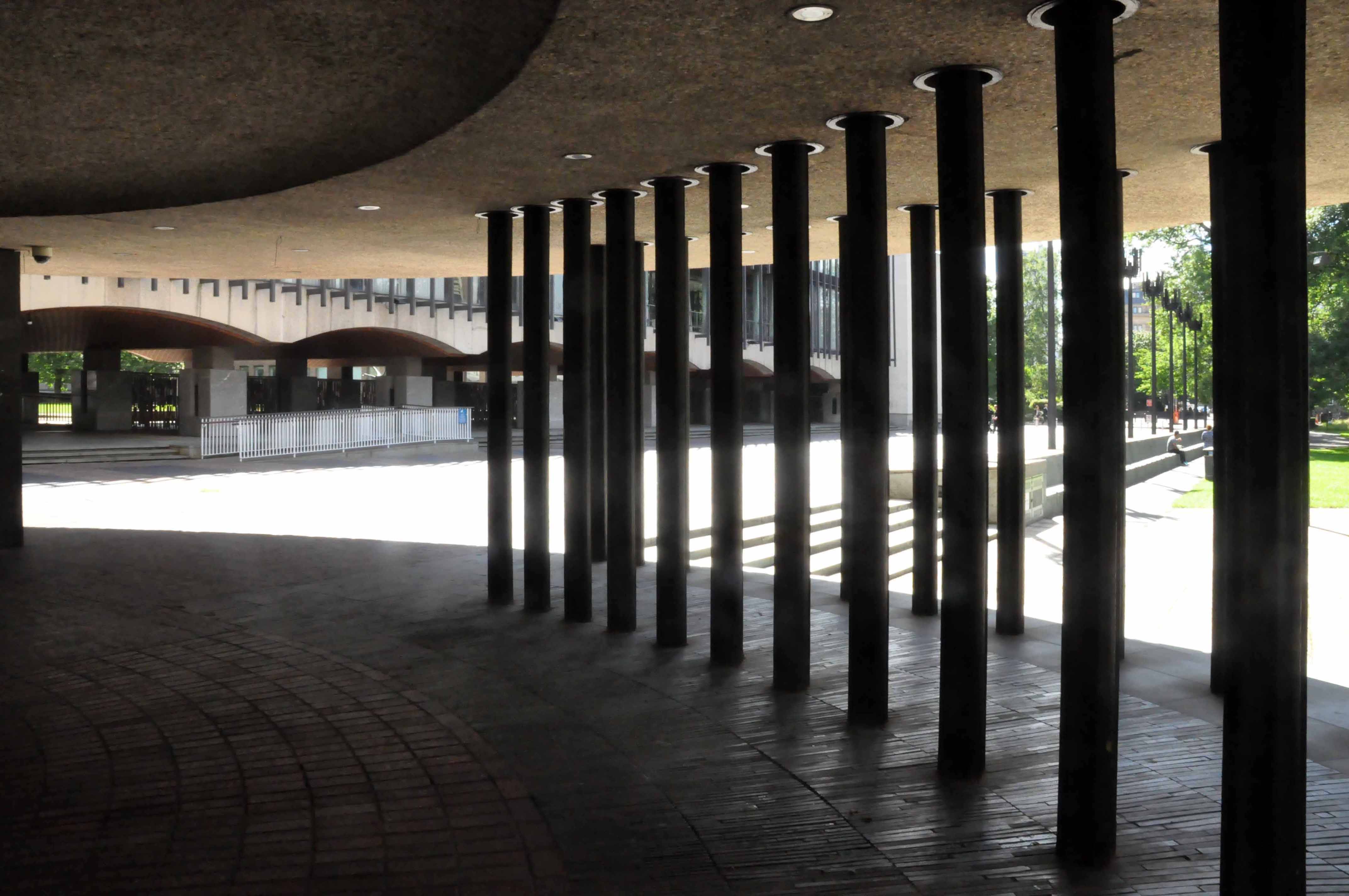
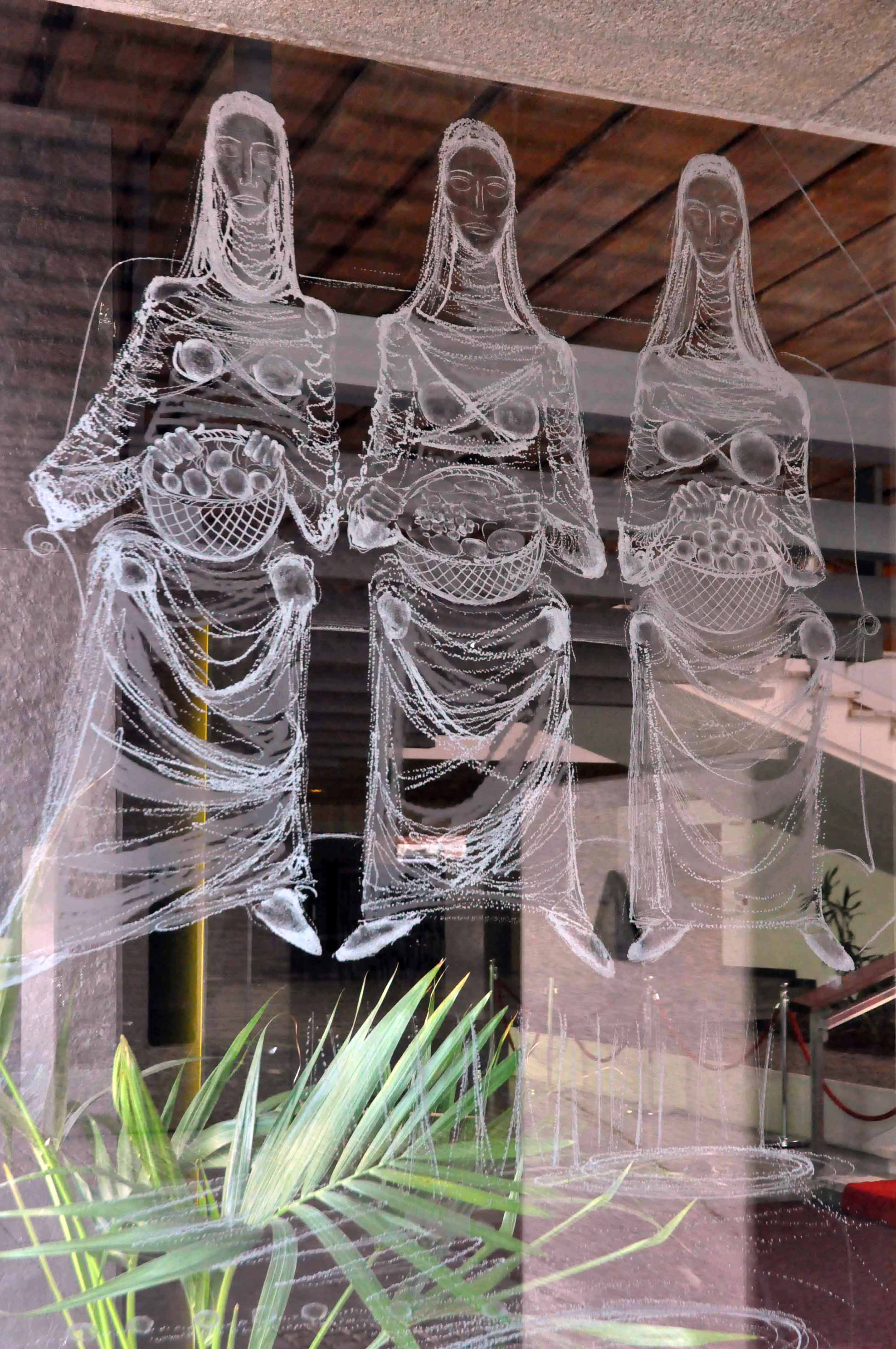
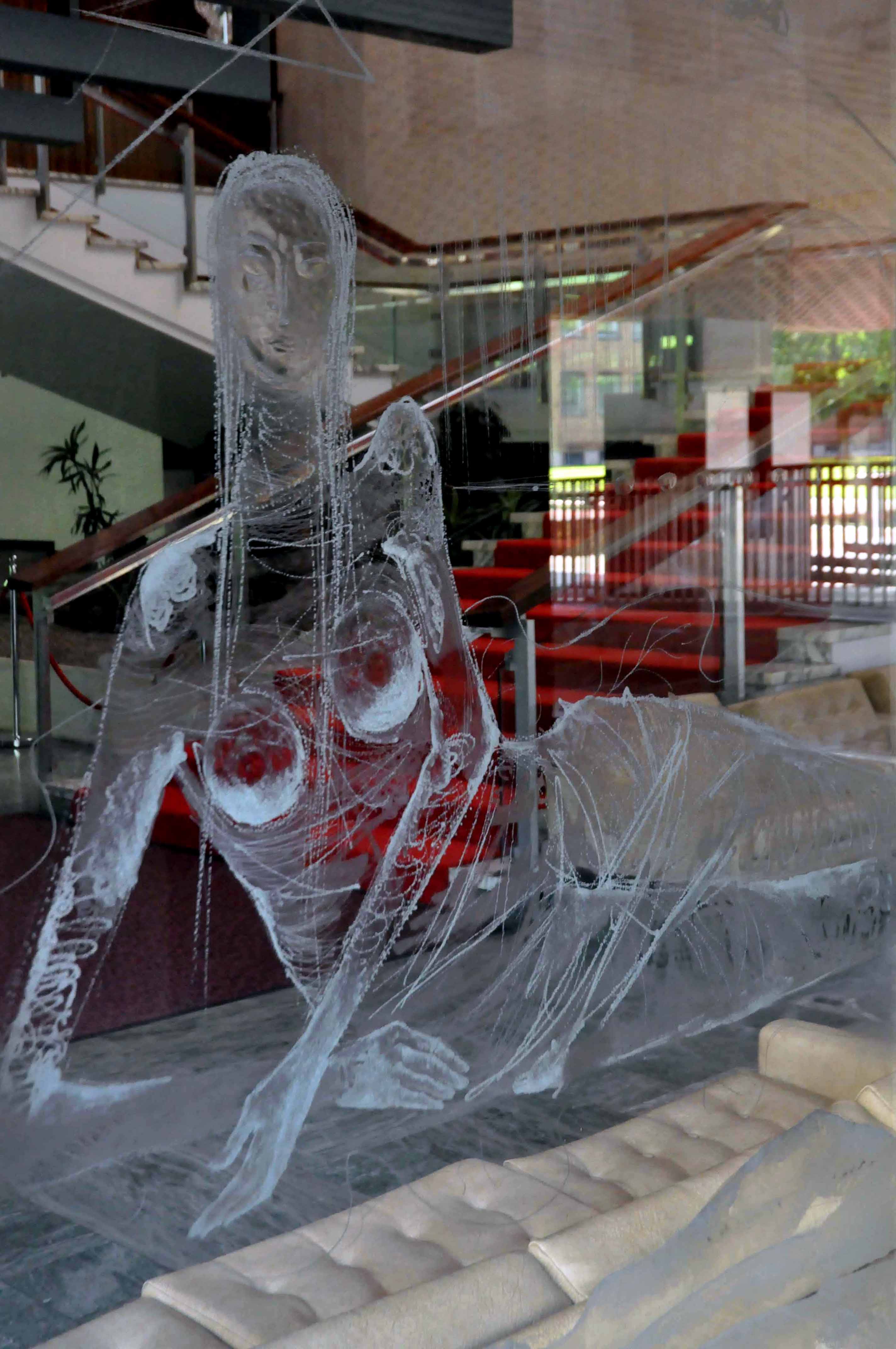
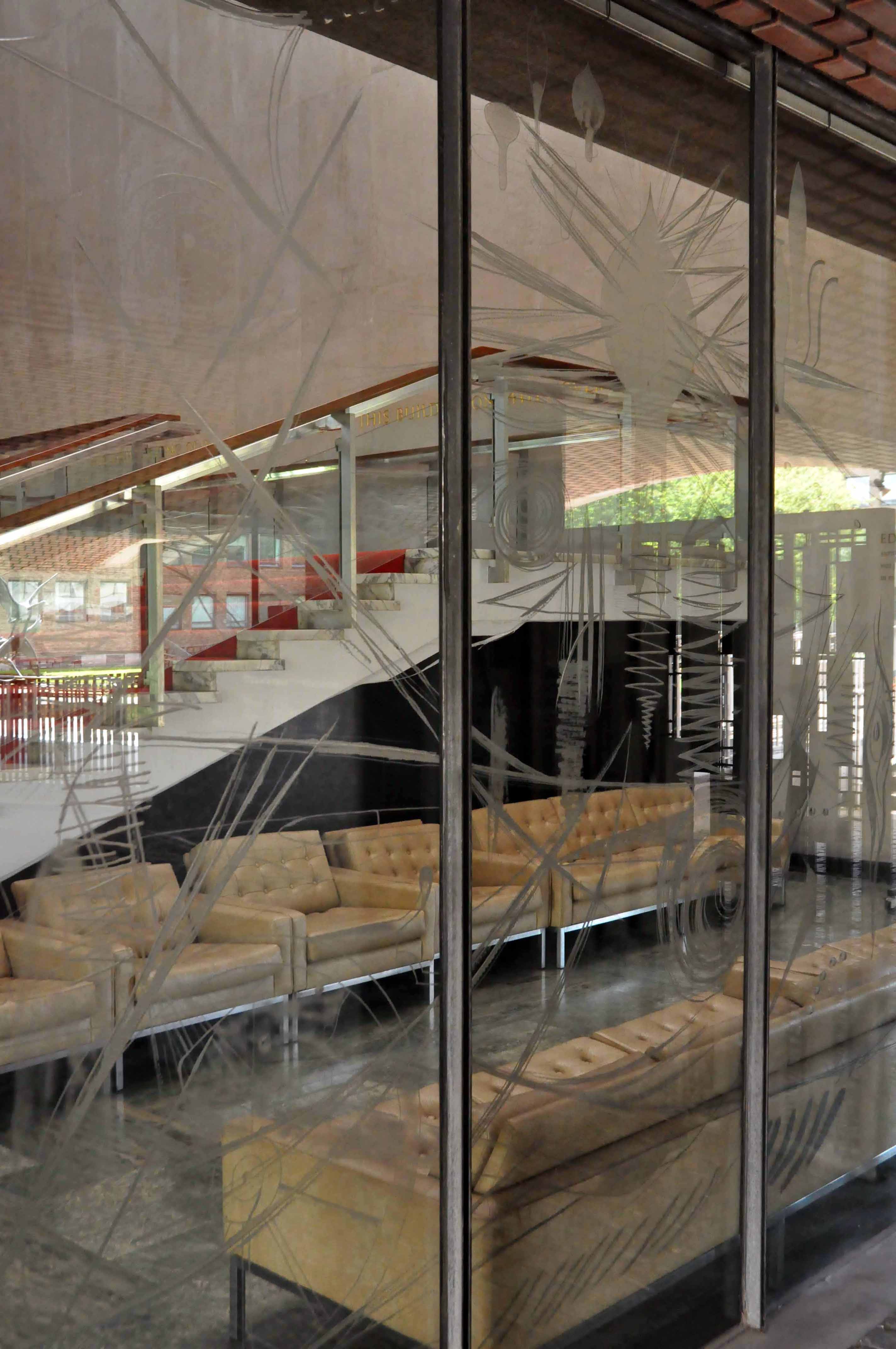
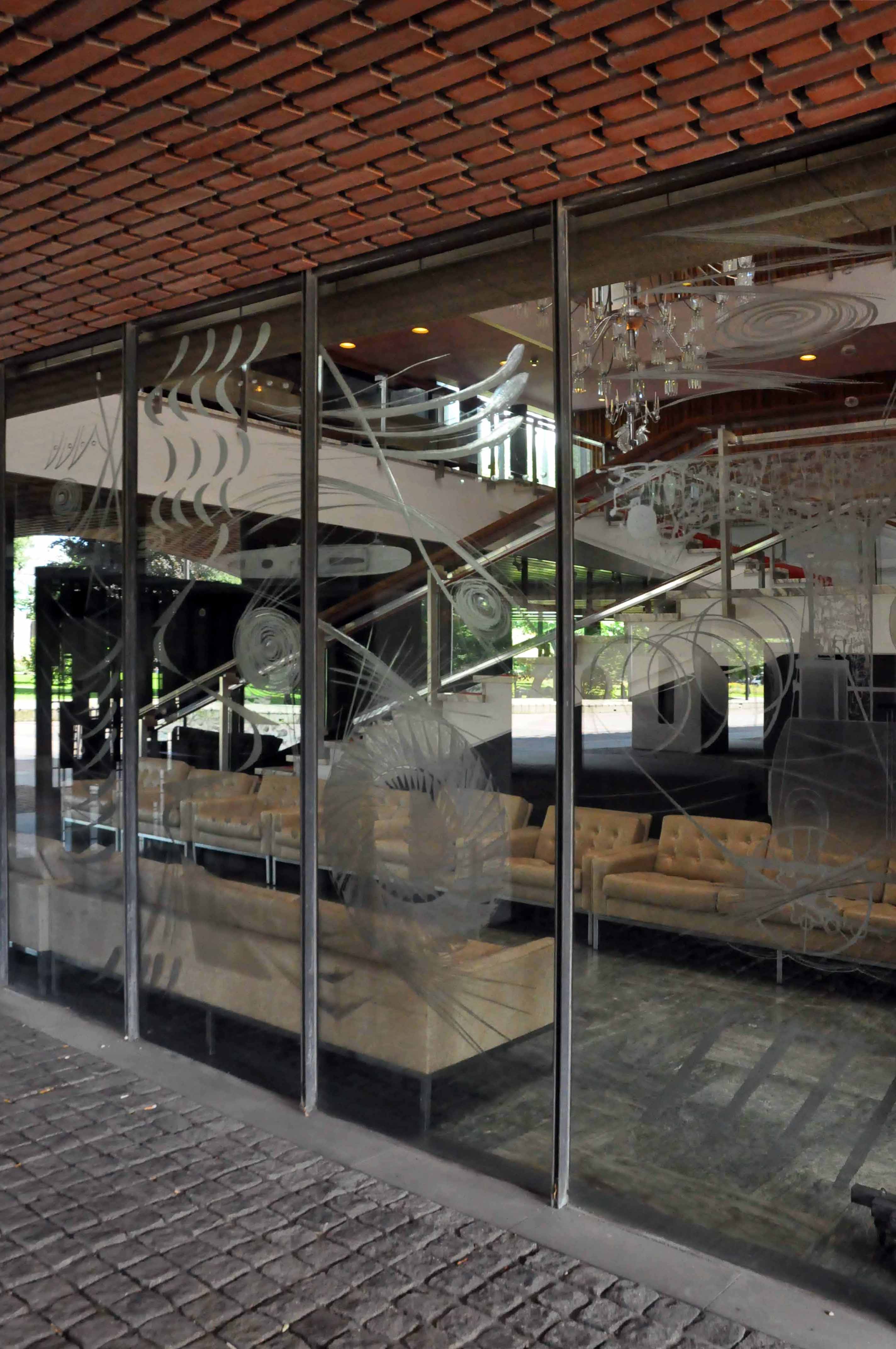
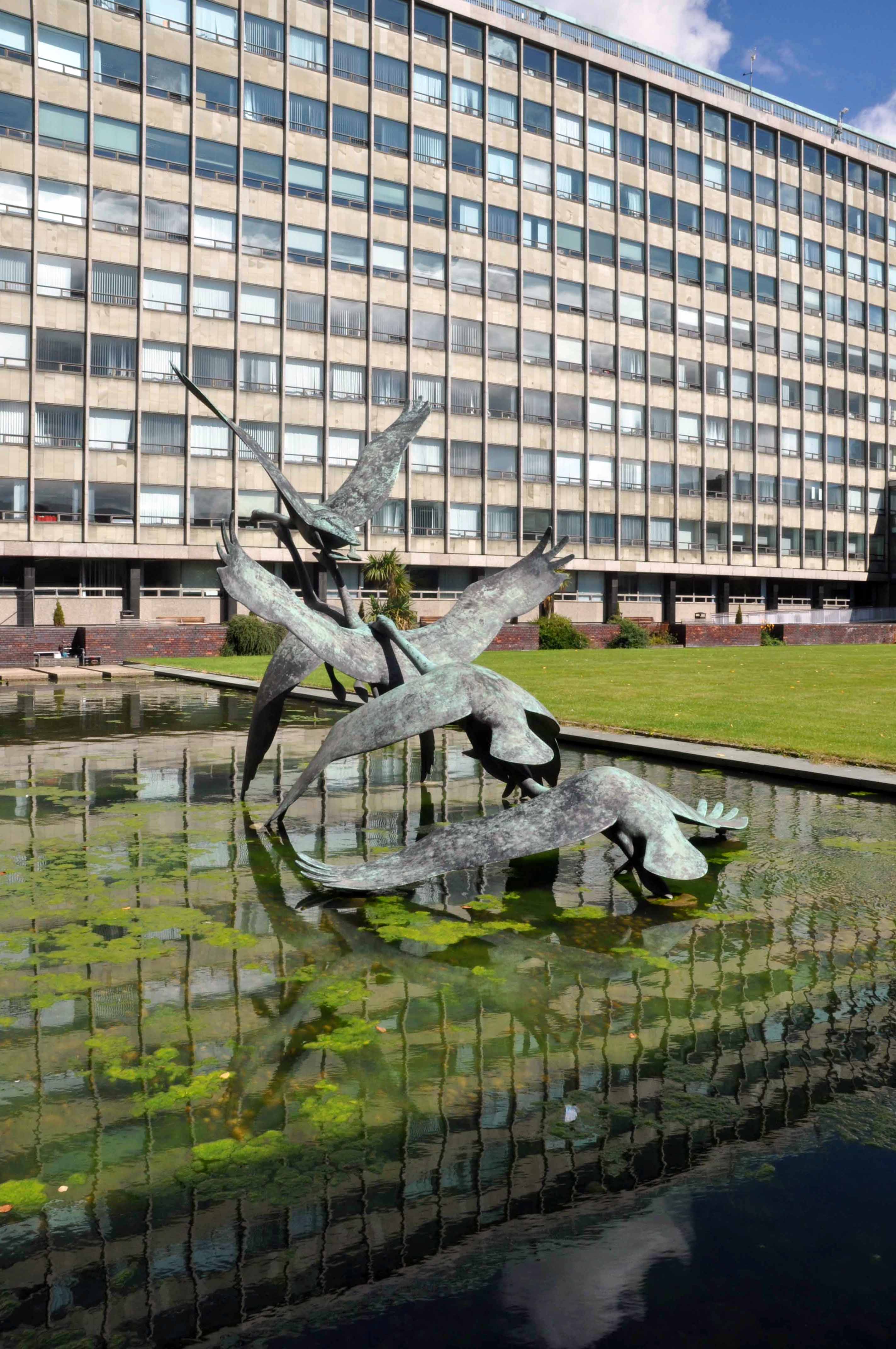
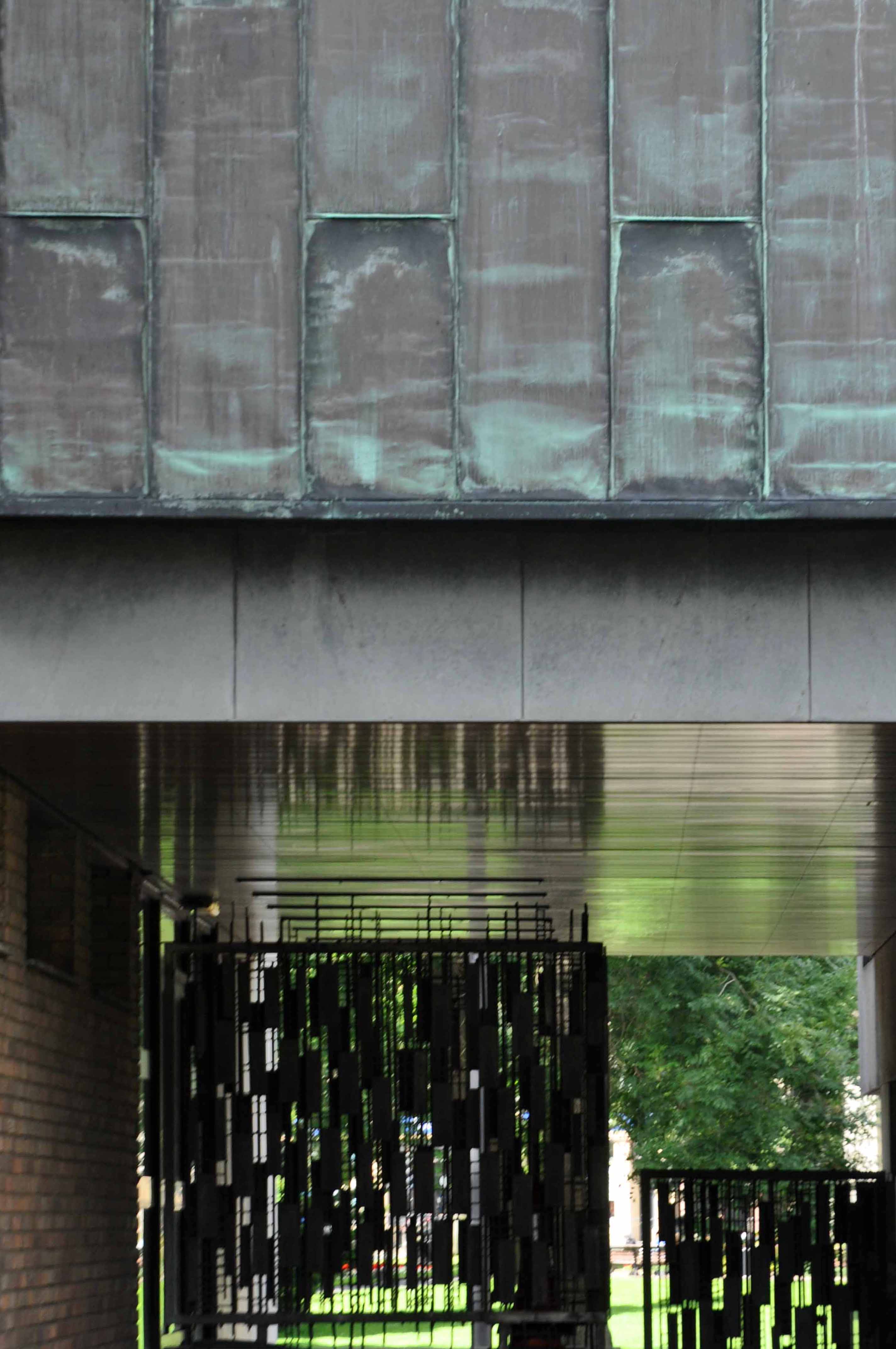
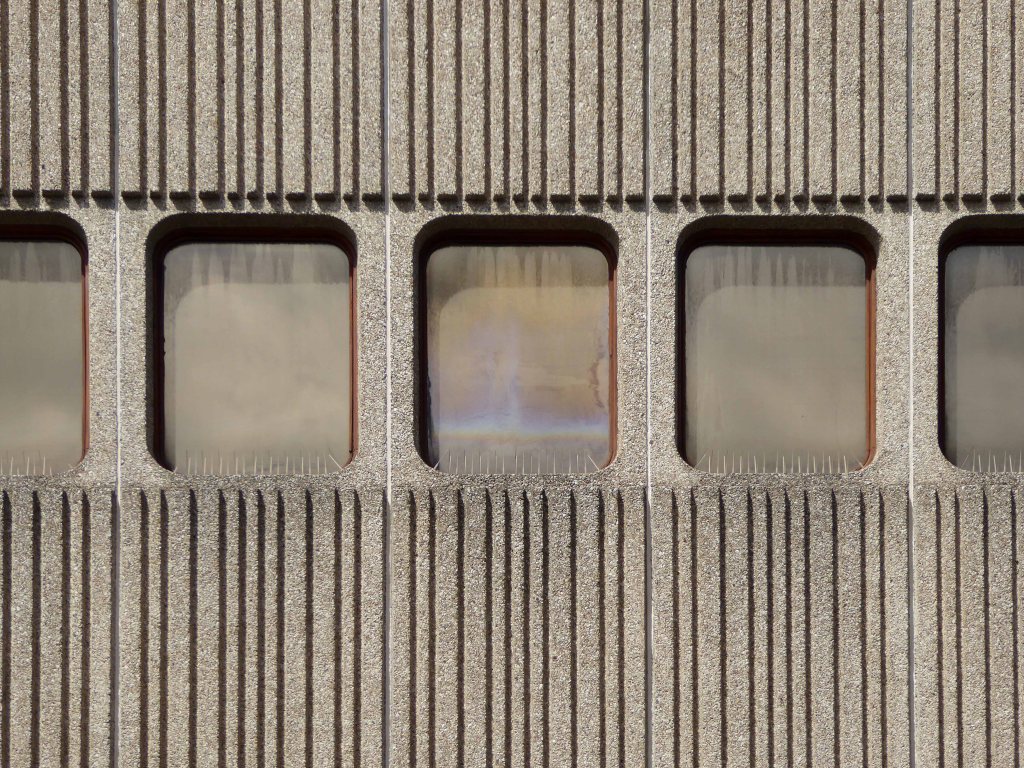
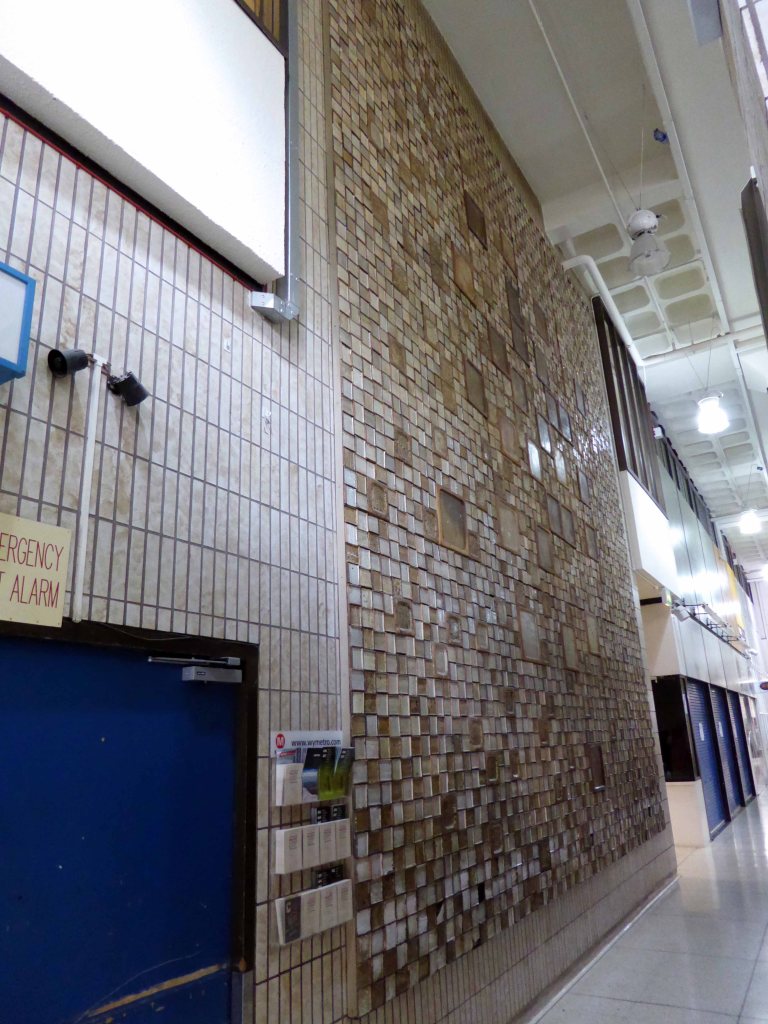
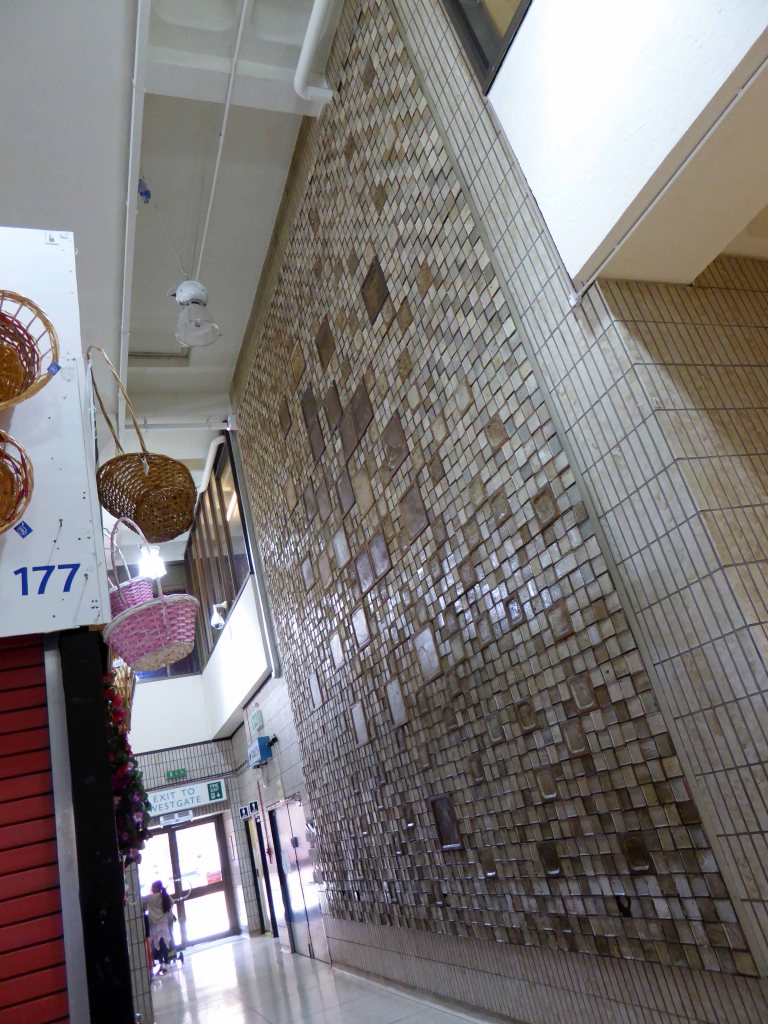
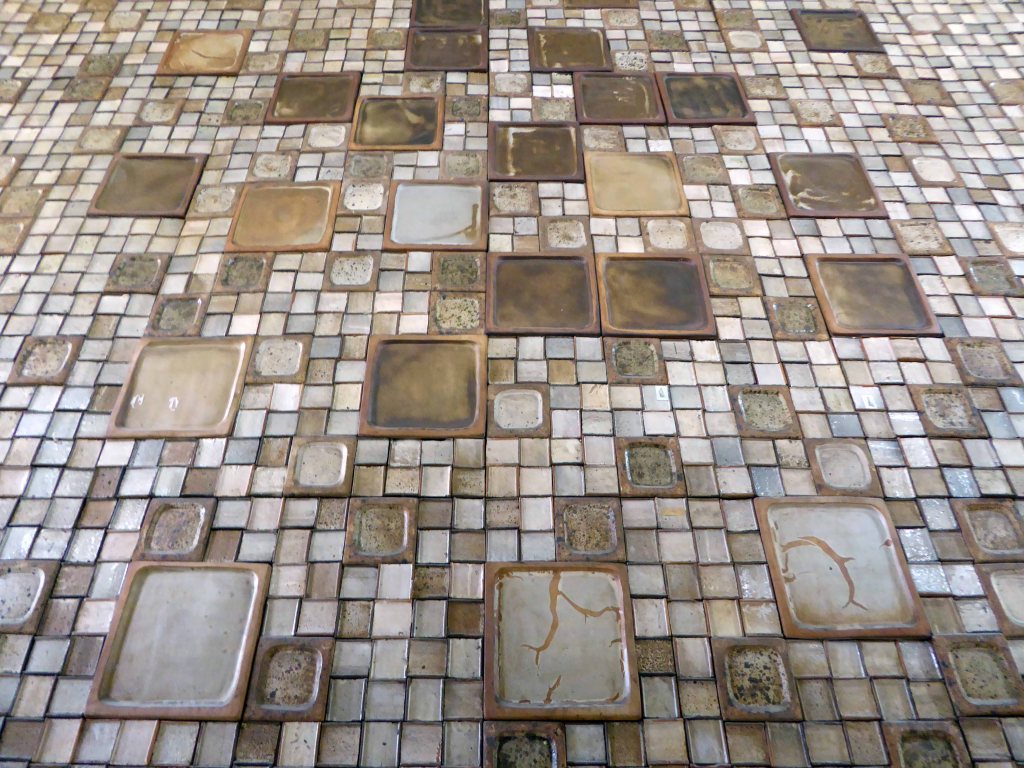
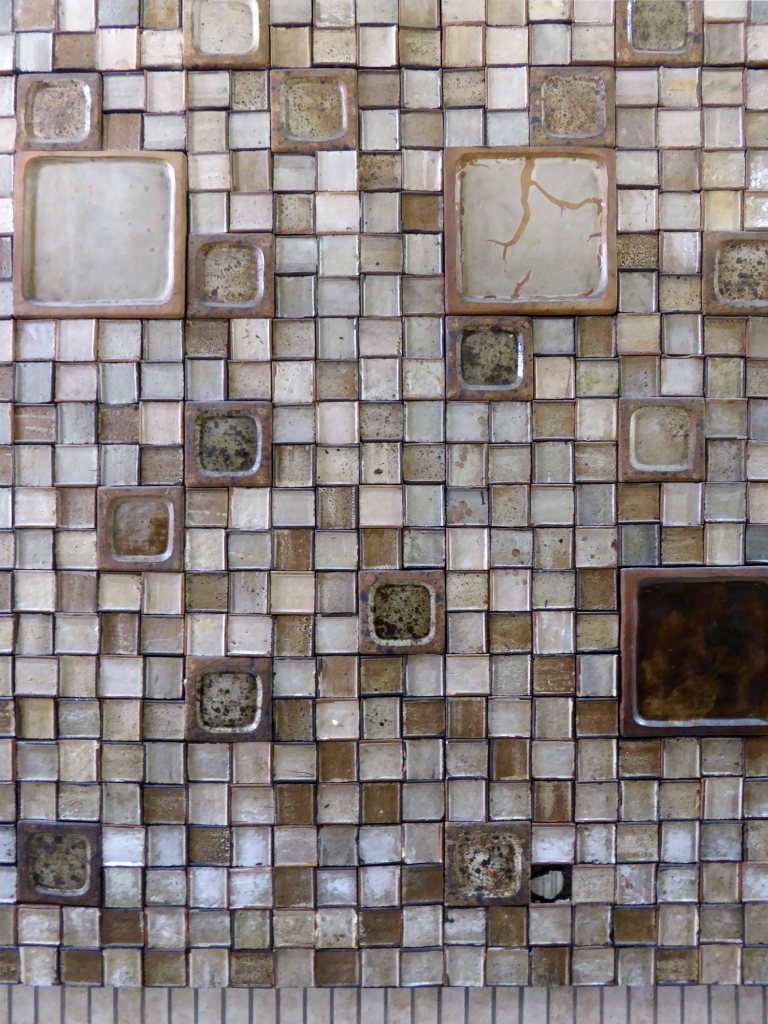
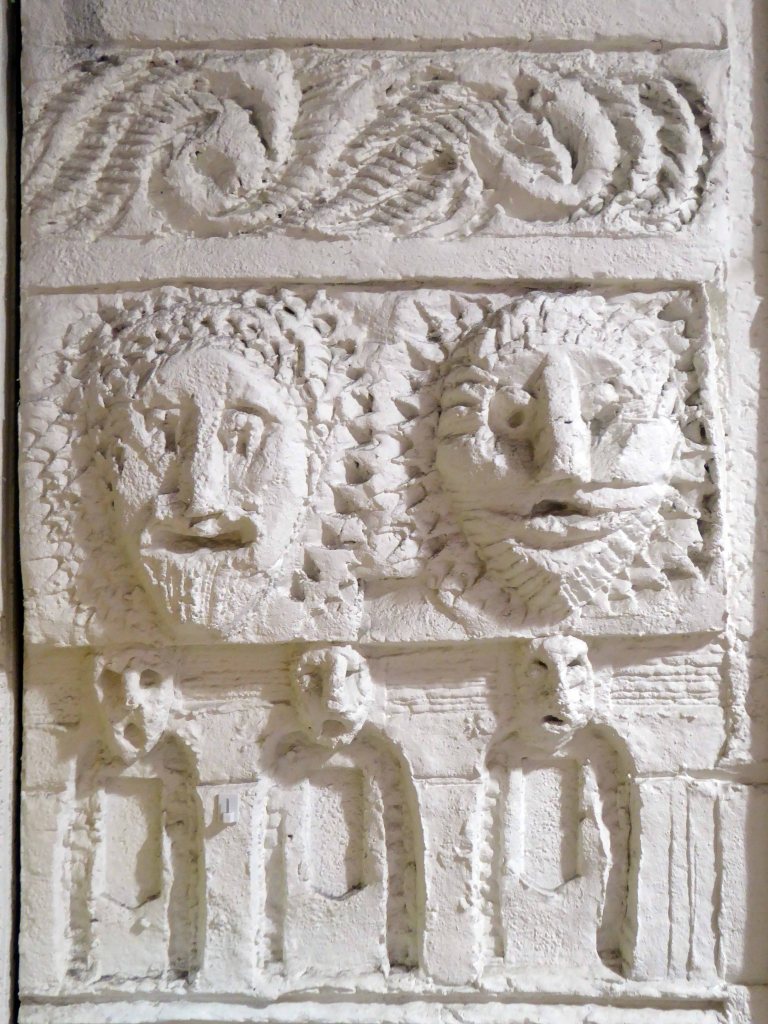
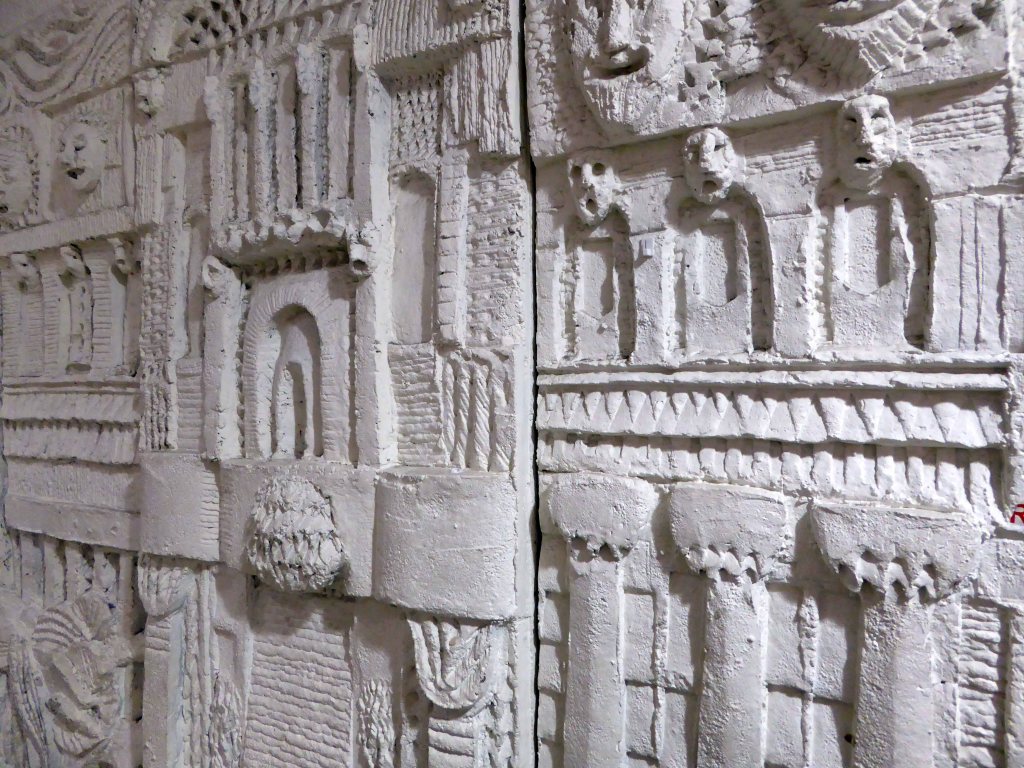
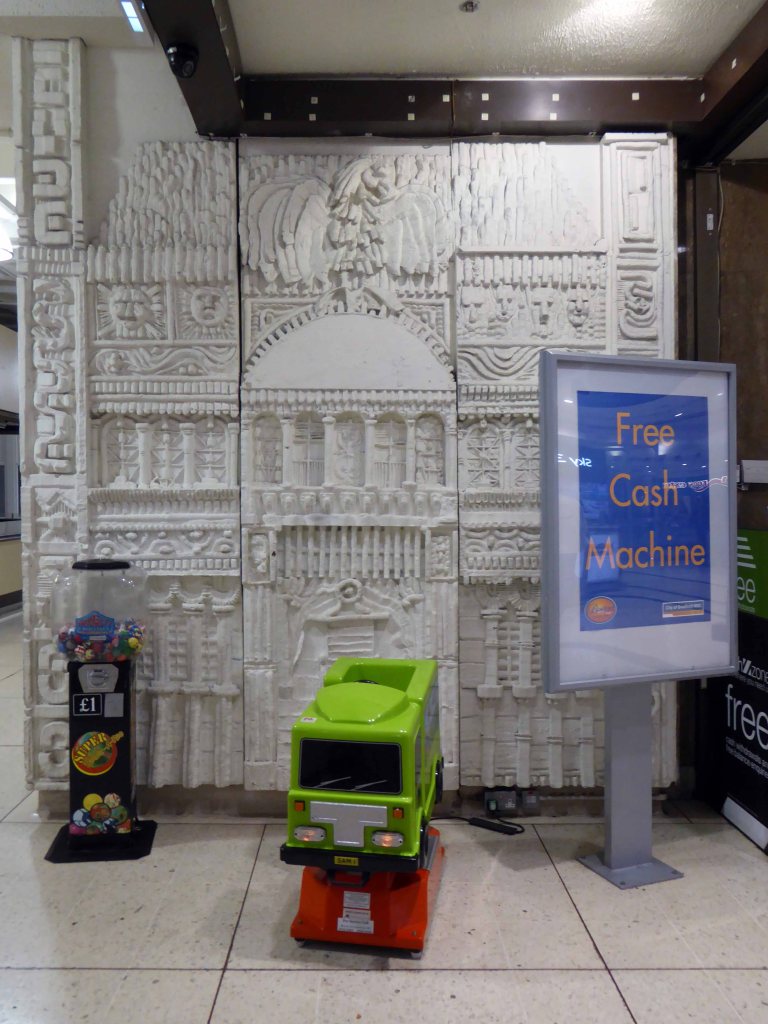
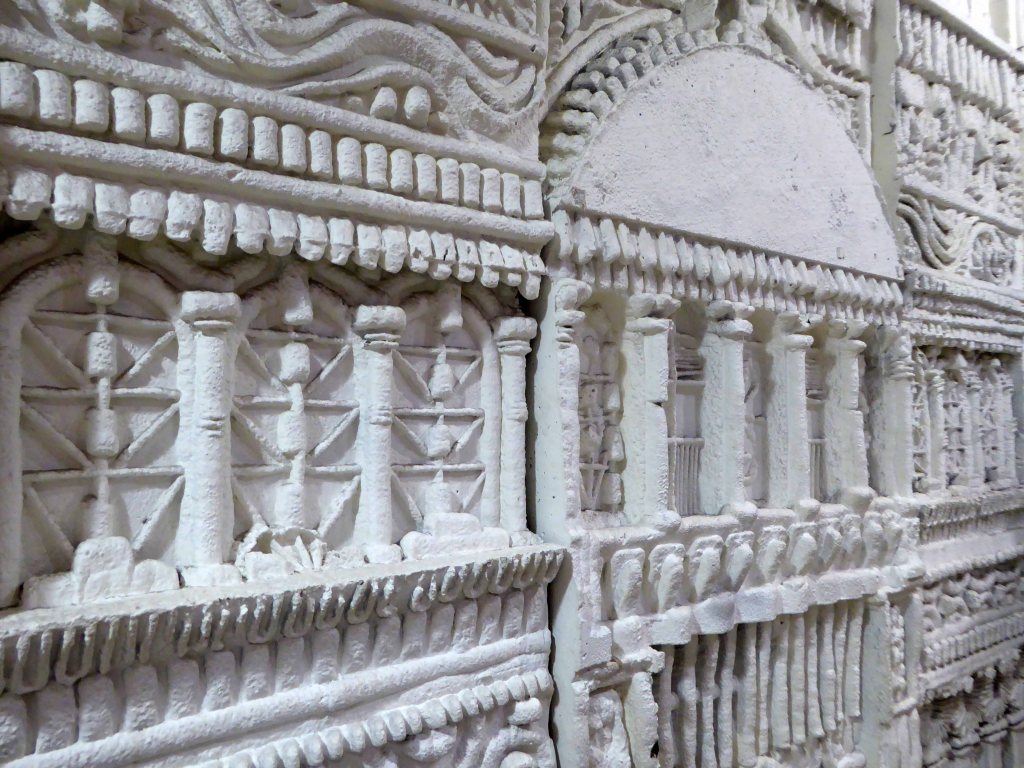
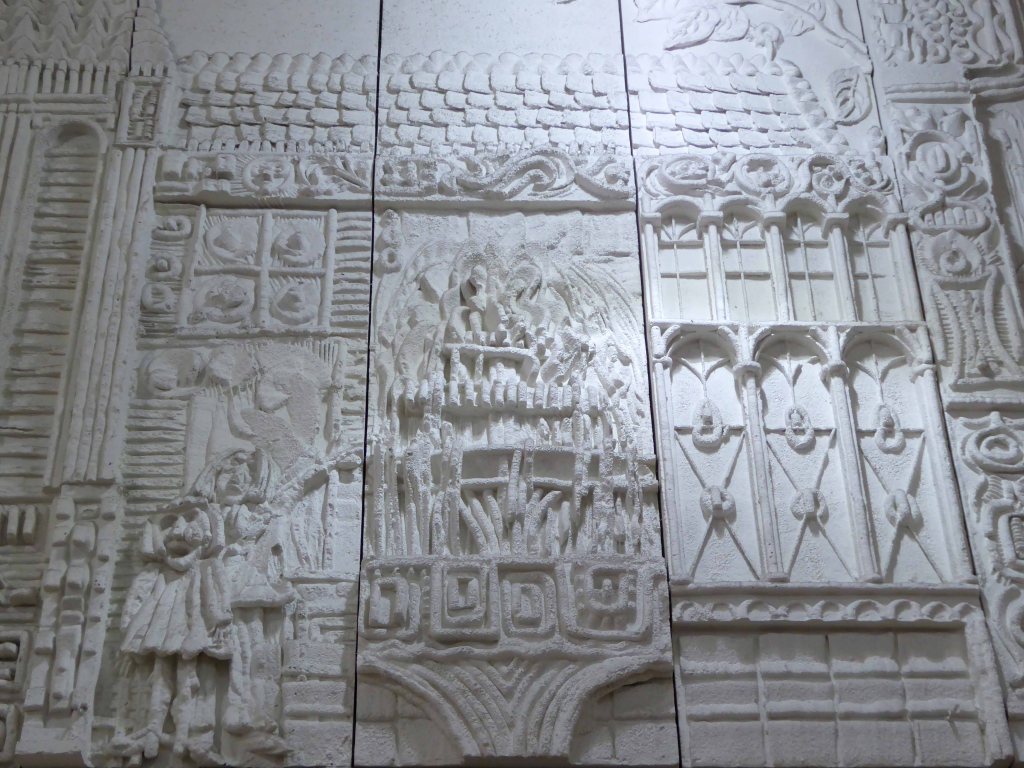
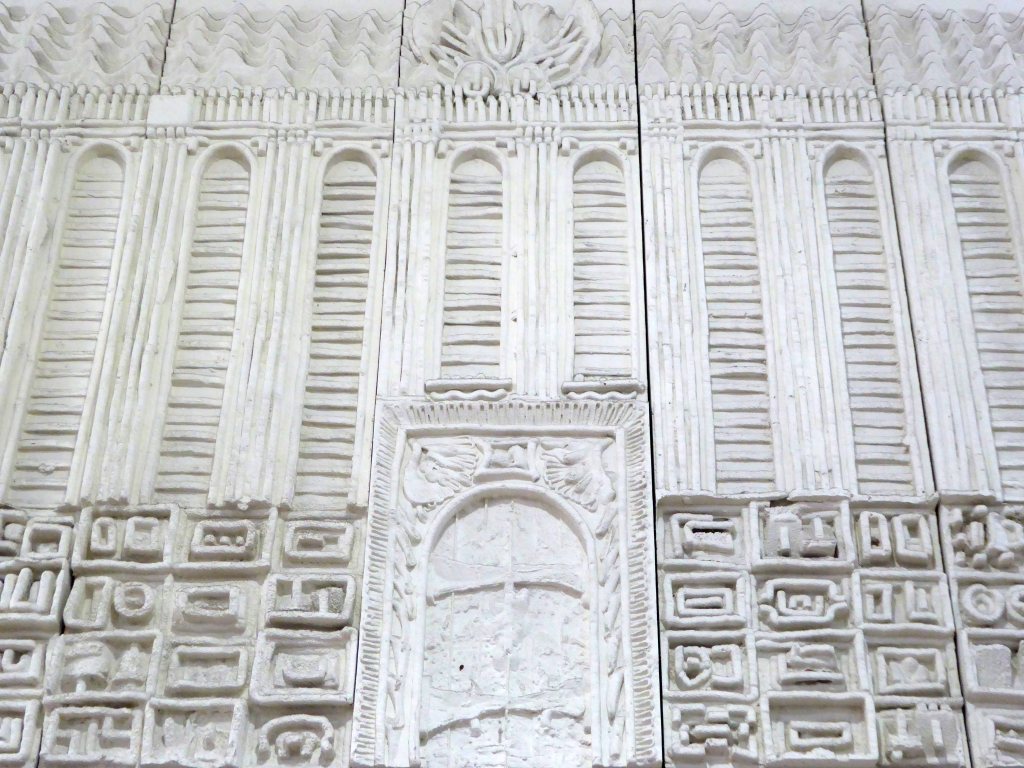
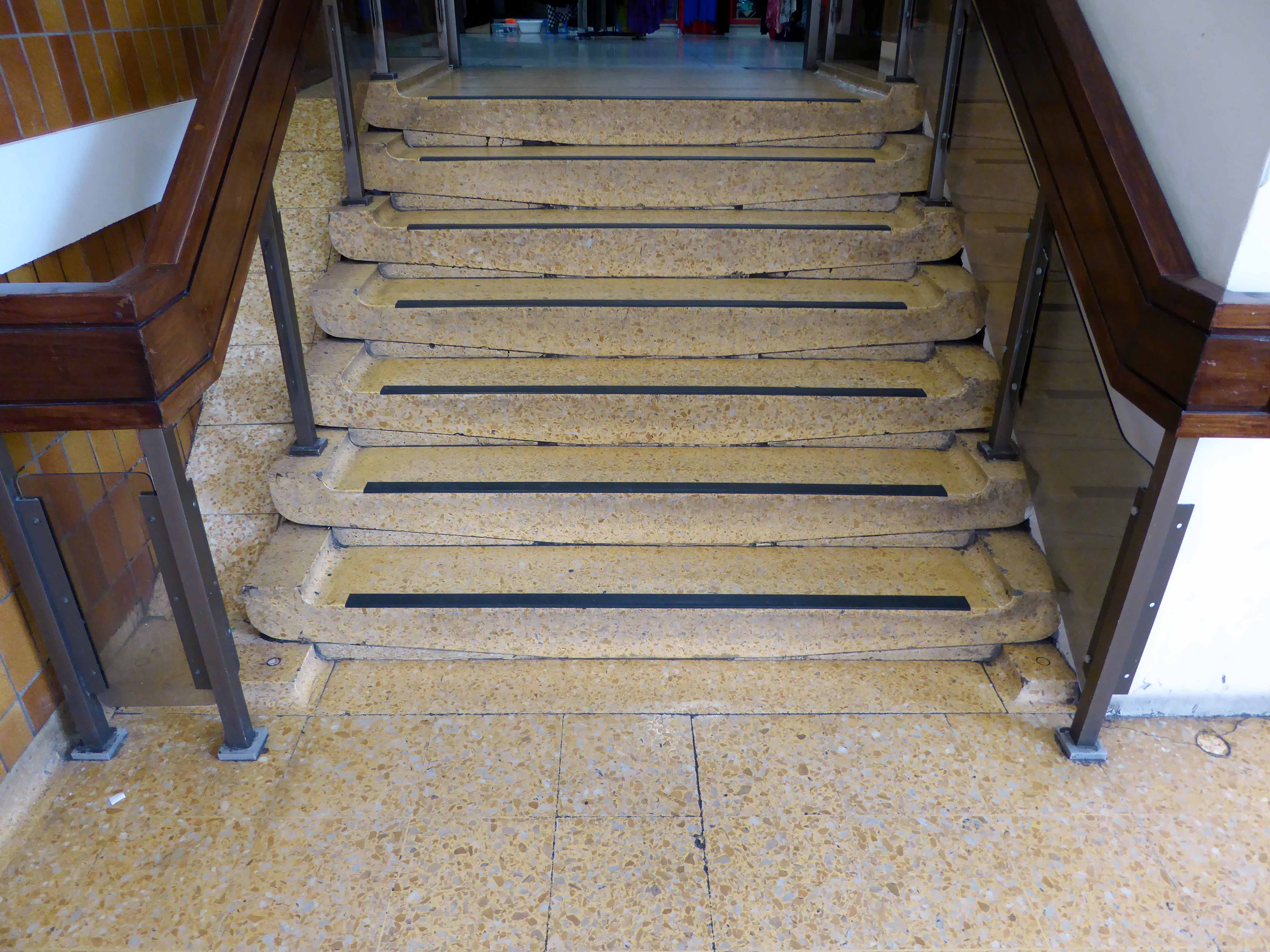
It is a concrete poem clad in Portland stone ashlar, Cornish granite, Broughton Moor stone, hand made bricks, Norwegian slate, Portuguese marble, English oak, travertine hand hewn and assembled into one of the finest buildings in the land, no expense spared. Liberally dotted with the labours of John Piper, Victor Pasmore, John Robert Murray McCheyne, Charles Sansbury Geoffrey Clarke, David Dewey, John Hutton and David Wynne.

A building full of surprises, big and small that repays exploration and further exploration, in that order. Go take a look, breathe that air, that air which whistles up the River Tyne, fresh from the Continent – and glow, all aglow with civic centre pride.
dsc_0058

dsc_0108

dsc_0119

dsc_0122

dsc_0121

dsc_0099

dsc_0068

dsc_0067

dsc_0063

dsc_0059

dsc_0077

dsc_0087

dsc_0088

dsc_0124

dsc_0090

dsc_0133

dsc_0091

dsc_0092

dsc_0093

dsc_0096

dsc_0106

dsc_0109

dsc_0113

dsc_0114

dsc_0116

dsc_0115

Transporter Bridge – Warrington

I set out one morning with a clear intent, to travel.
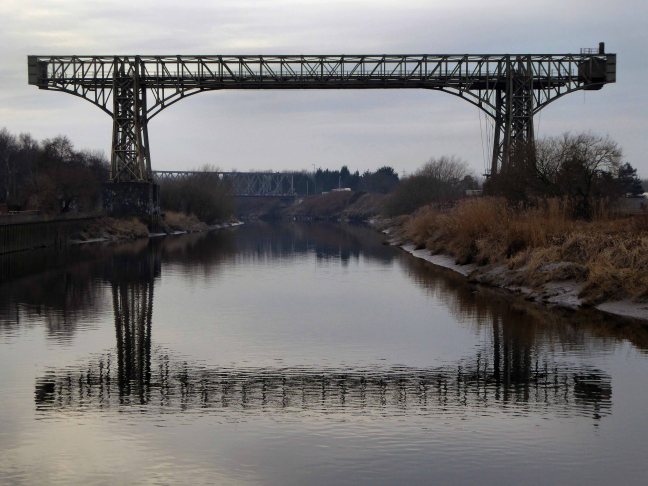
To travel to see the Warrington Transporter Bridge – of which I had only just become aware. Ignorance in this instance is not bliss, expectation and fulfilment is.

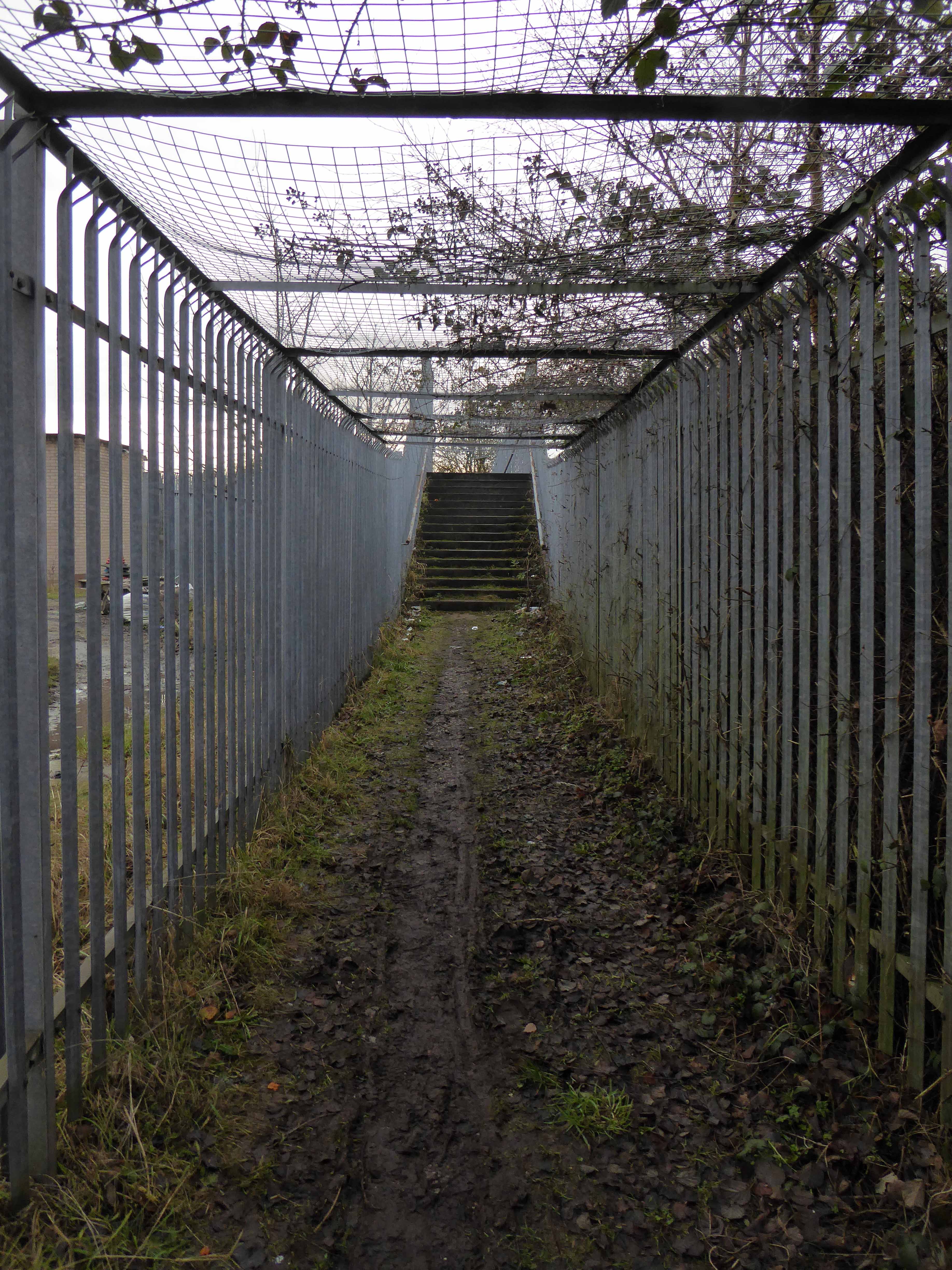
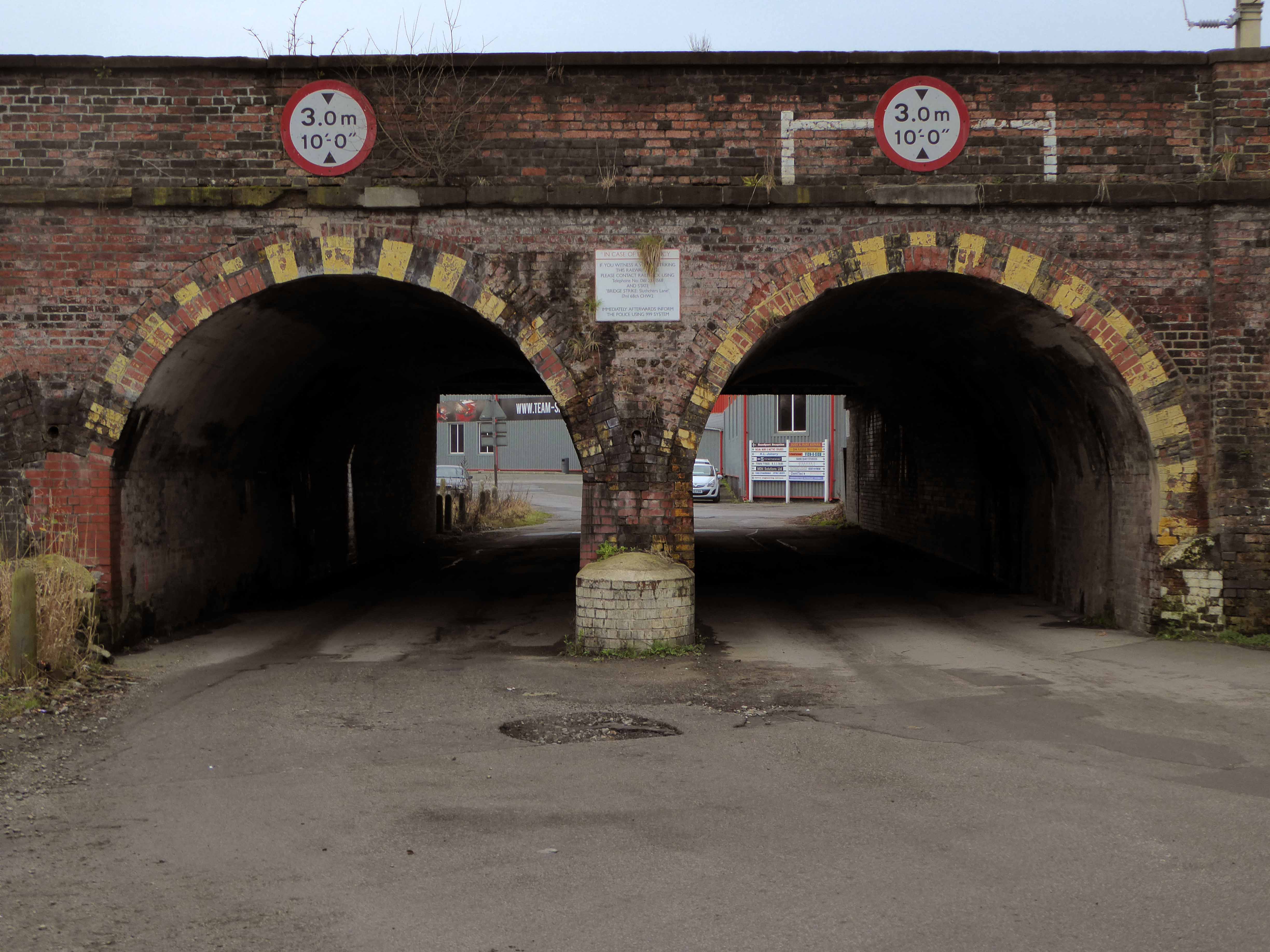
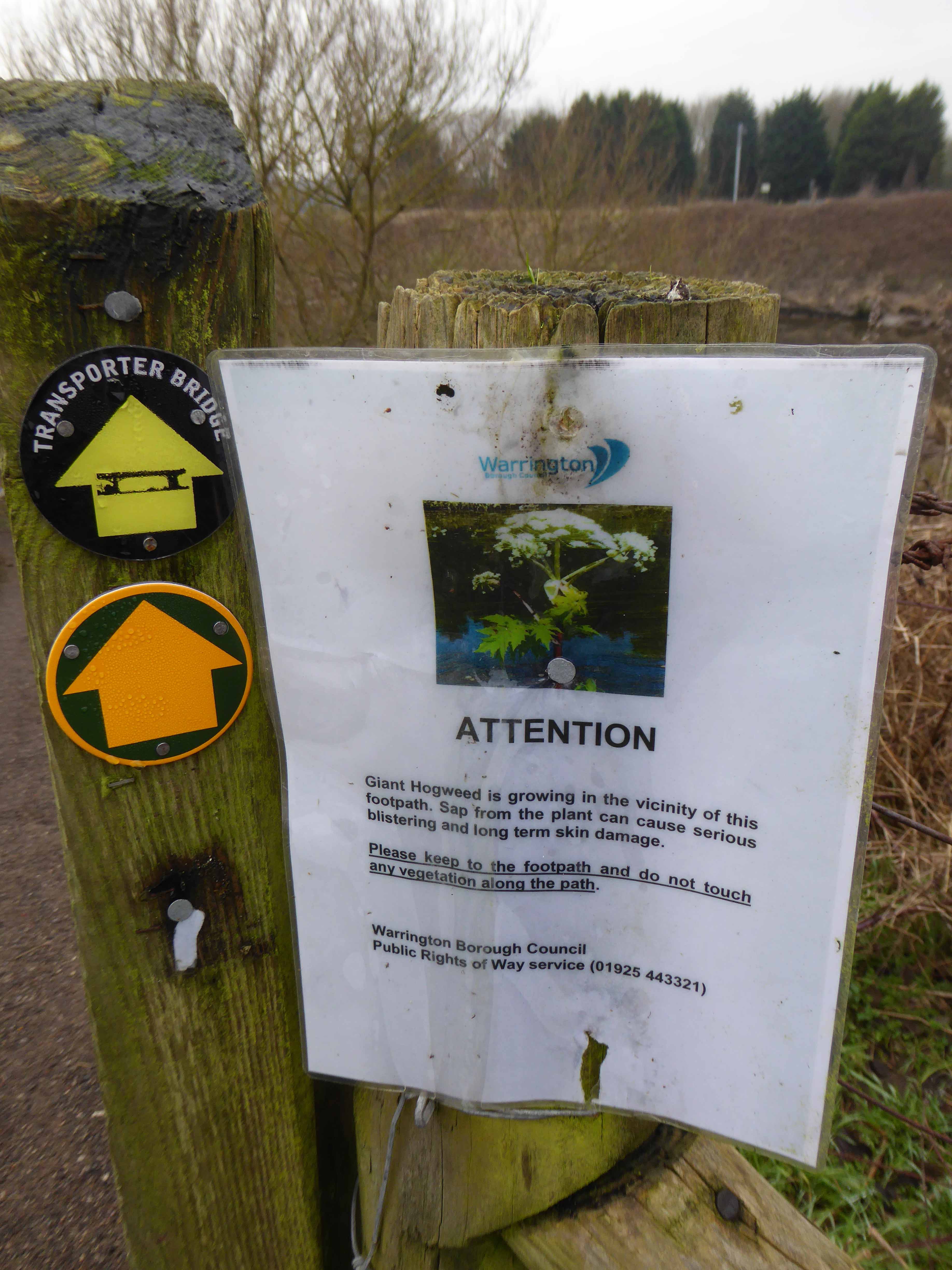
Guided by the detailed instructions on the Transporter Bridge Website I made my way from Bank Quay Station, mildly imperilled yet not impeded by caged walkways, tunnels, bridges, muddy paths and Giant Hogweed!

p1130109

p1130111

p1130164

p1130122

p1130127

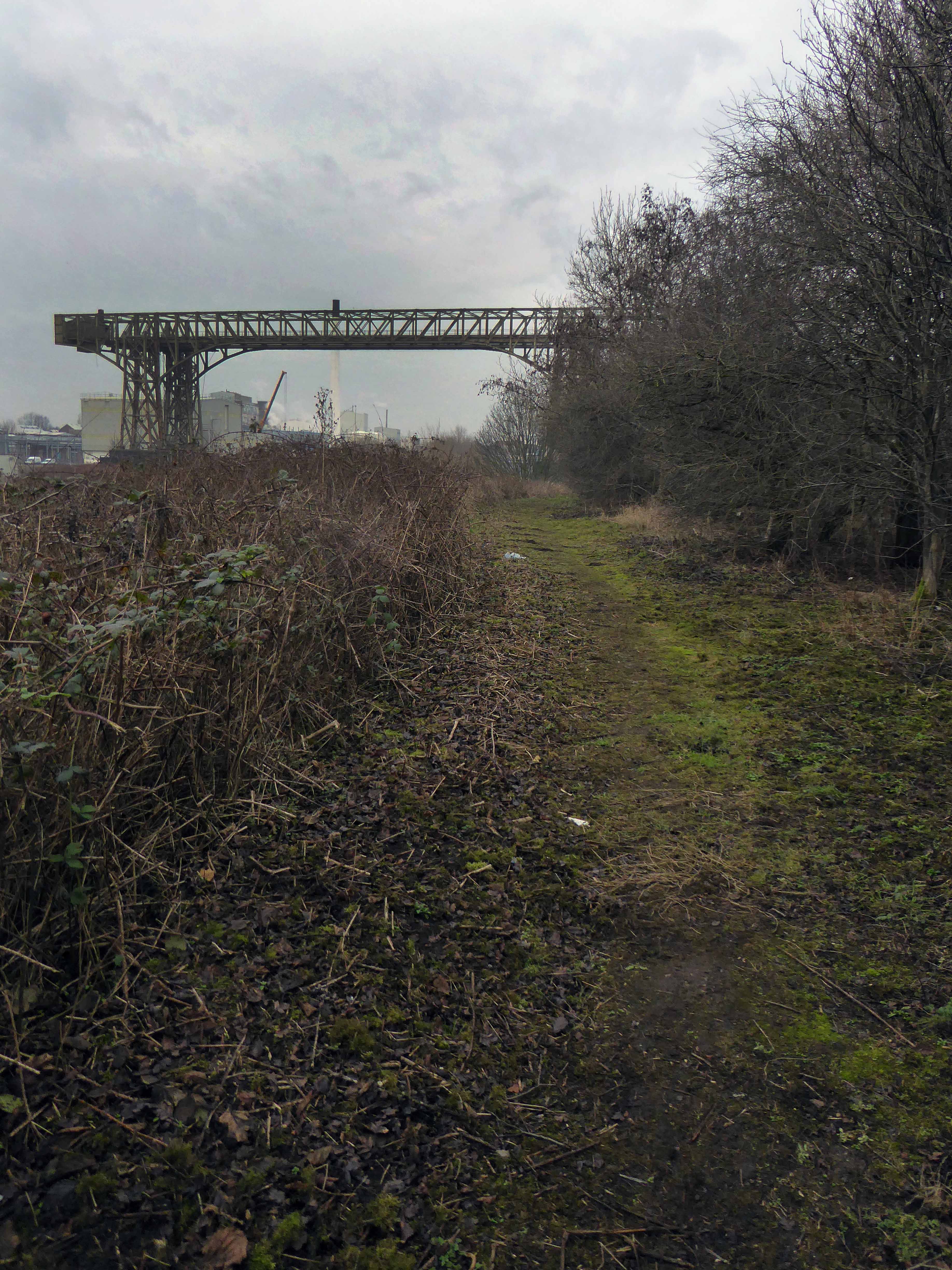
Finally catching a glimpse of:

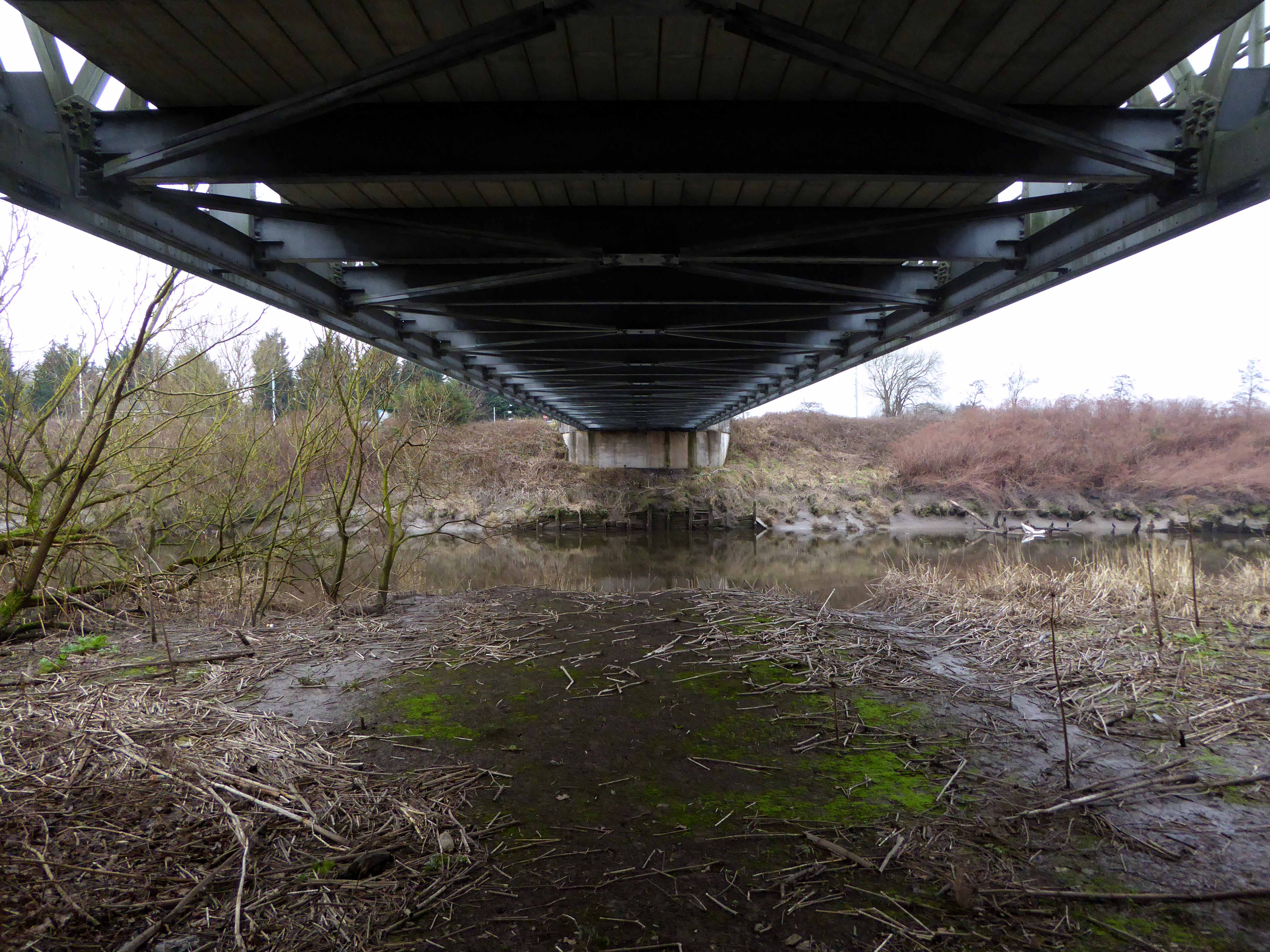
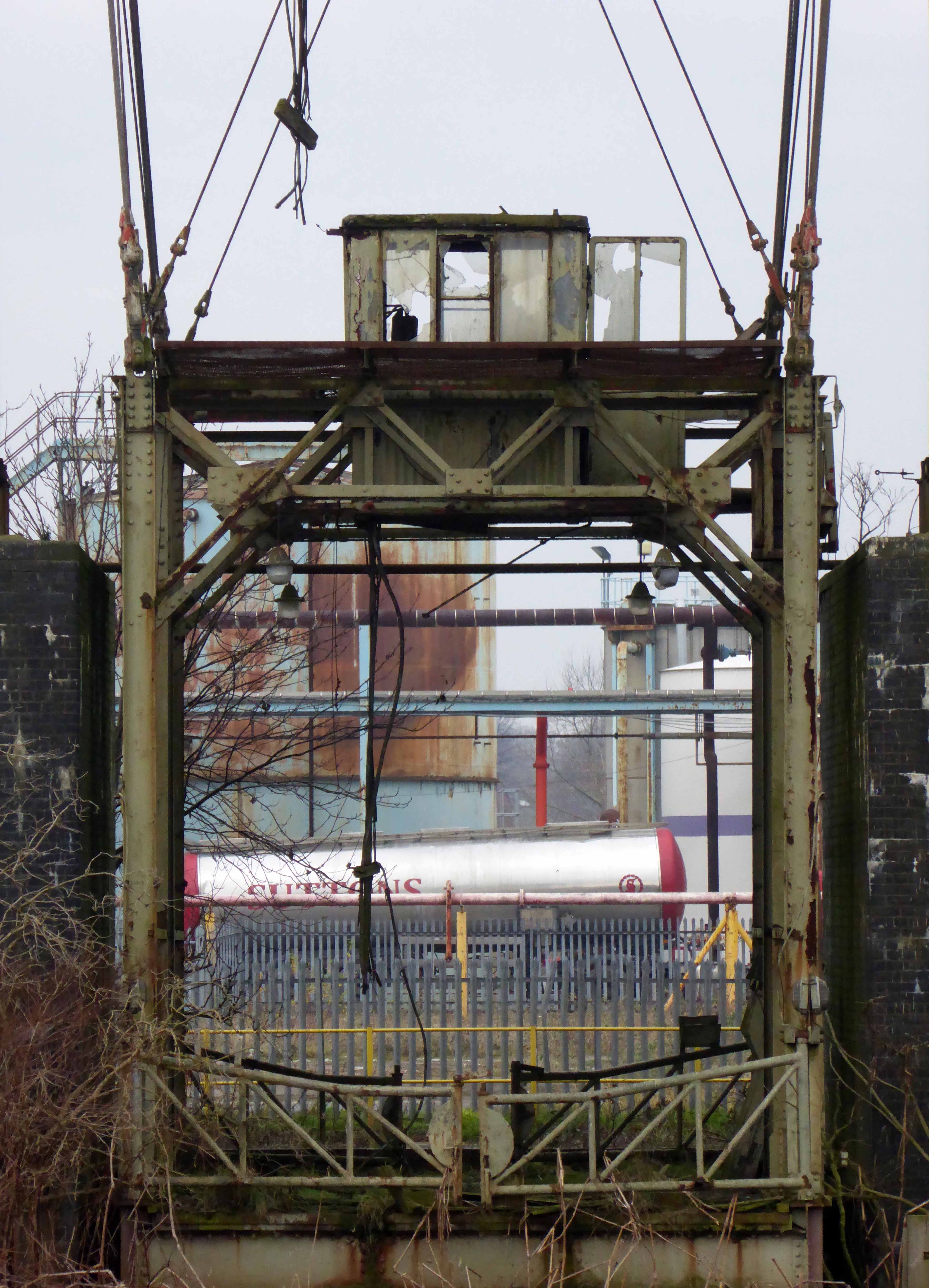
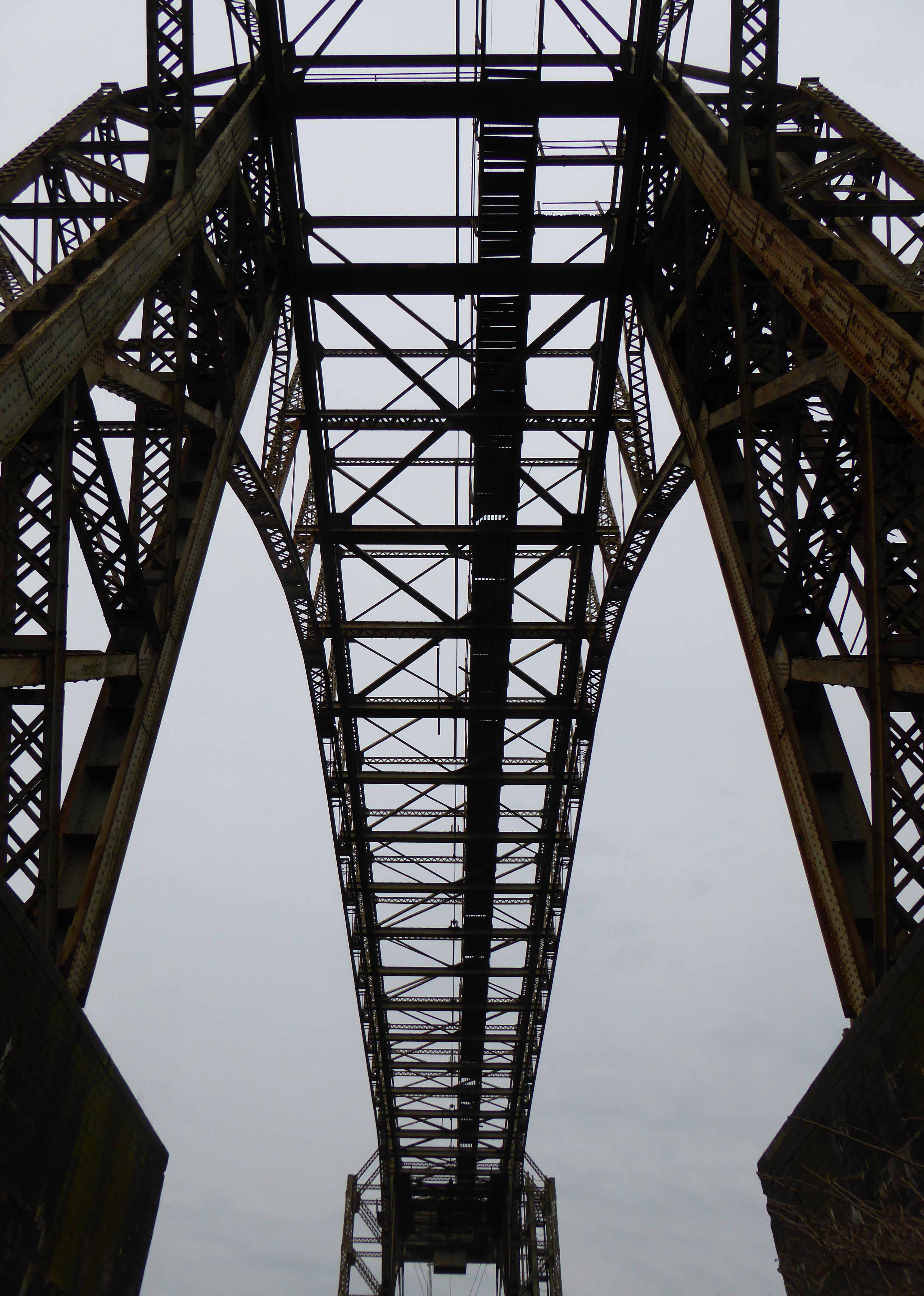
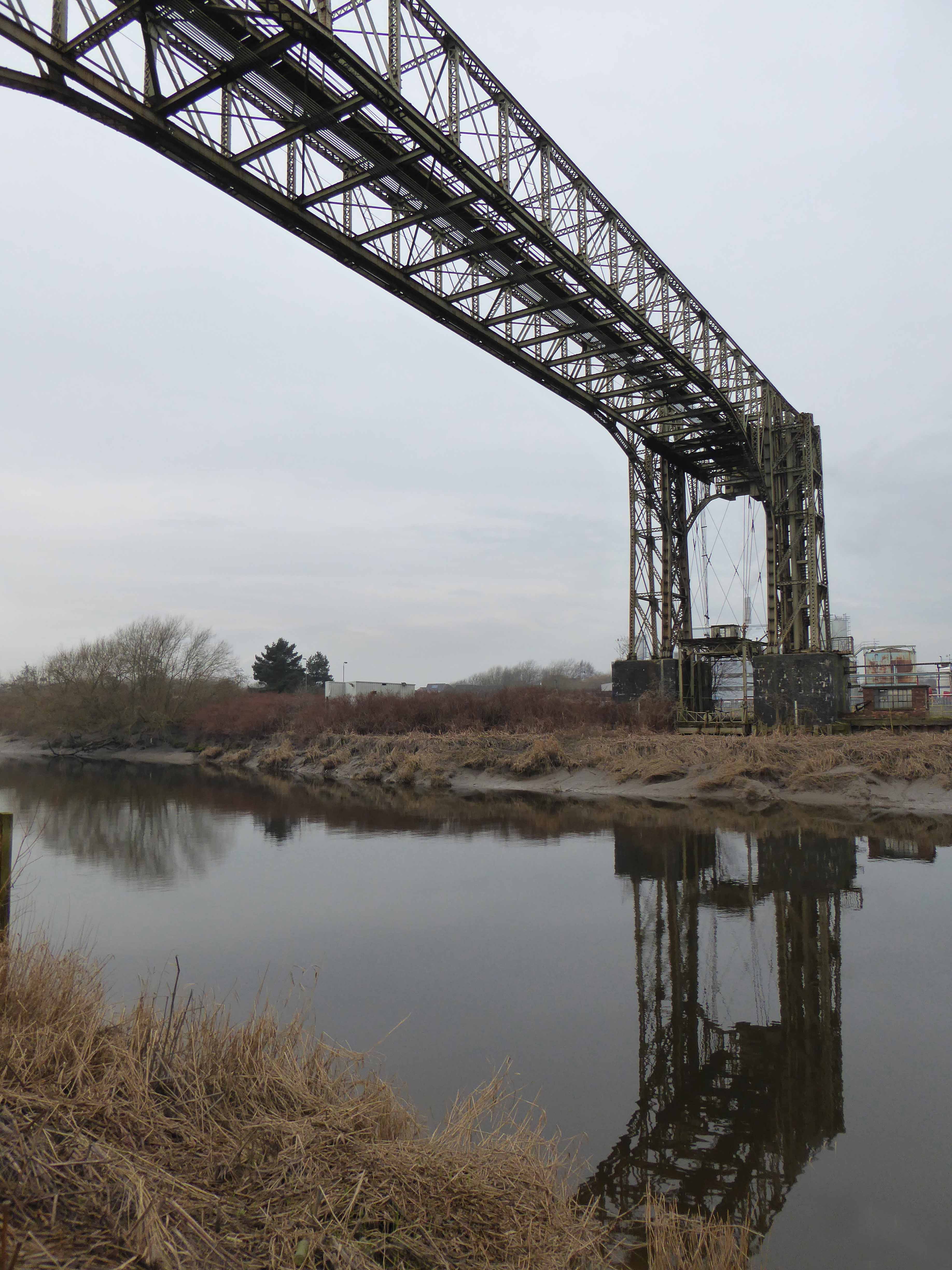
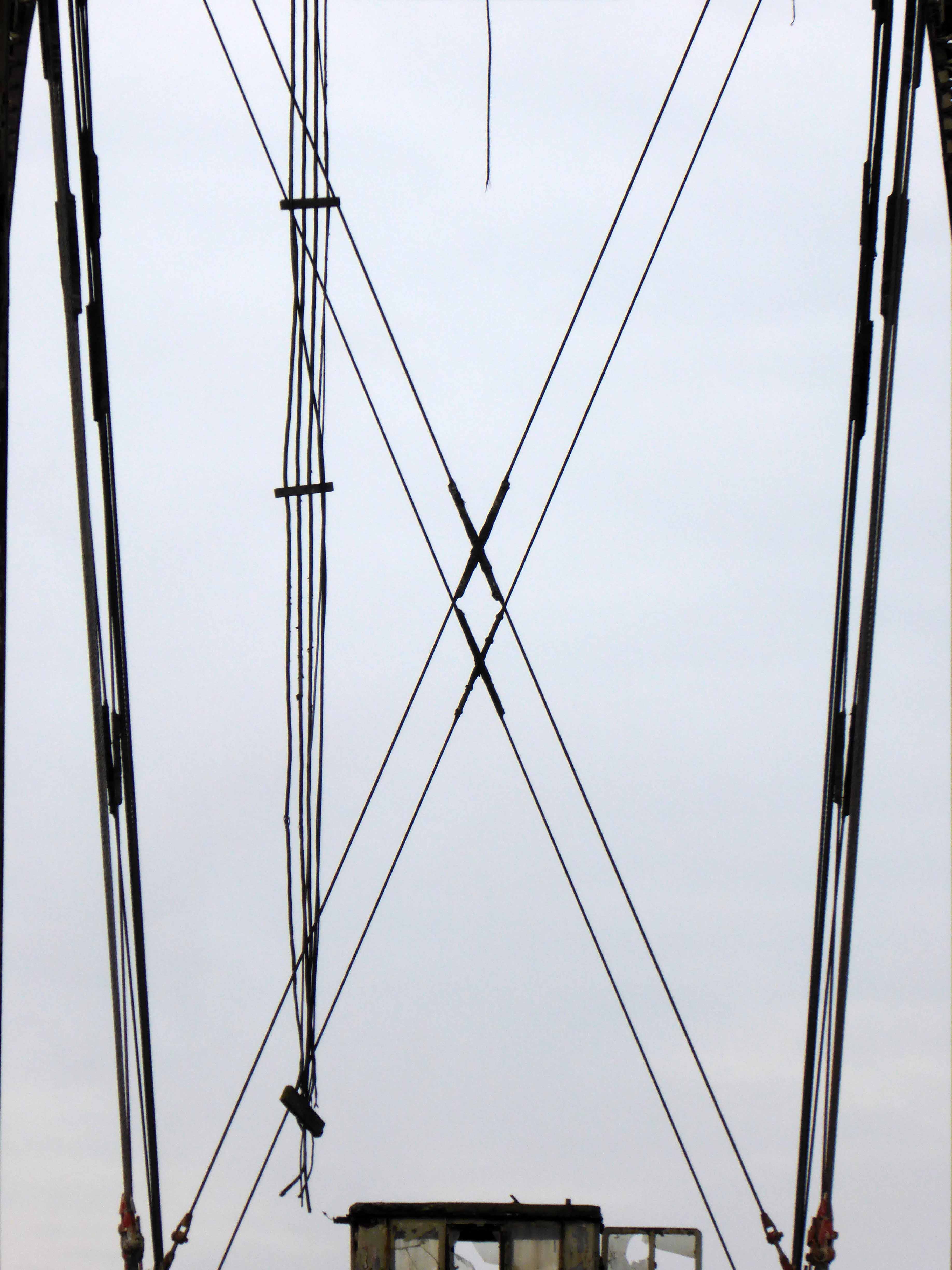
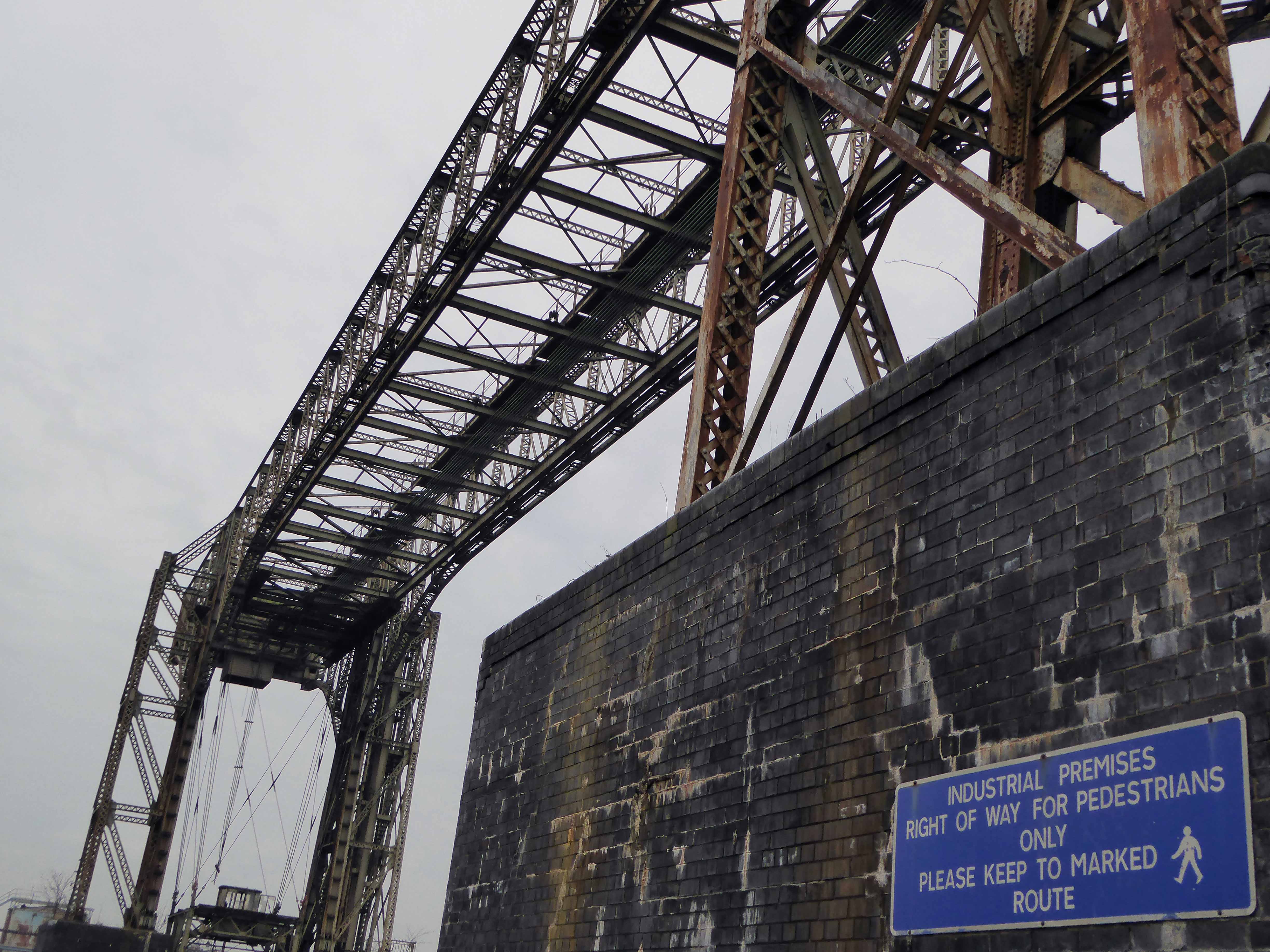
Warrington Transporter Bridge, also known as Bank Quay Transporter Bridge or Crosfield’s Transporter Bridge, across the River Mersey is a structural steel transporter bridge with a span of 200 feet. It is 30 feet wide, and 76 feet above high water level, with an overall length of 339 feet. It was built in 1915 and, although it has been out of use since about 1964, it is still standing. It was designed by William Henry Hunter and built by William Arrol and Co.

bridge_in_use_1951

The bridge in use 1951.

It is till standing today, and was built to despatch finished product from the cement plant that had been built on the peninsula. It was originally used to carry rail vehicles up to 18 tons in weight, and was converted for road vehicles in 1940. In 1953 it was modified to carry loads of up to 30 tons.

The bridge is designated by English Heritage as a Grade II* listed building, and because of its poor condition it is on their Heritage at Risk Register. The bridge is protected as a Scheduled Ancient Monument.

My thanks to the Friends of the Warrington Transporter Bridge for the historical information and archive image.

Here are my photographs expectations more than fully fulfilled an epic structure and a triumph of engineering, go take a look real soon.

p1130129

p1130133

p1130134

p1130135

p1130136

p1130144

p1130145

p1130148

p1130149

p1130158

p1130166

St Catherine of Sienna – Sheffield

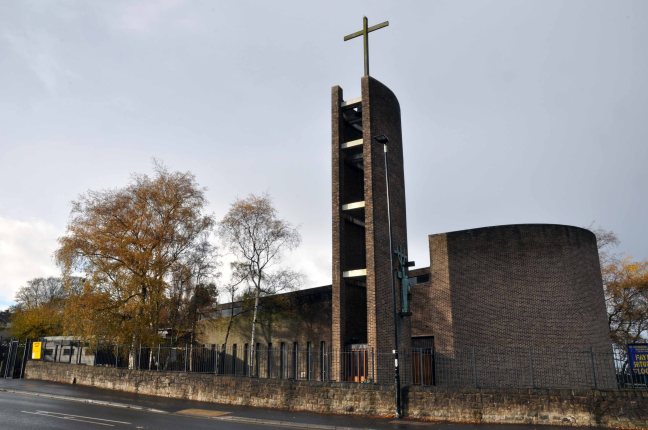
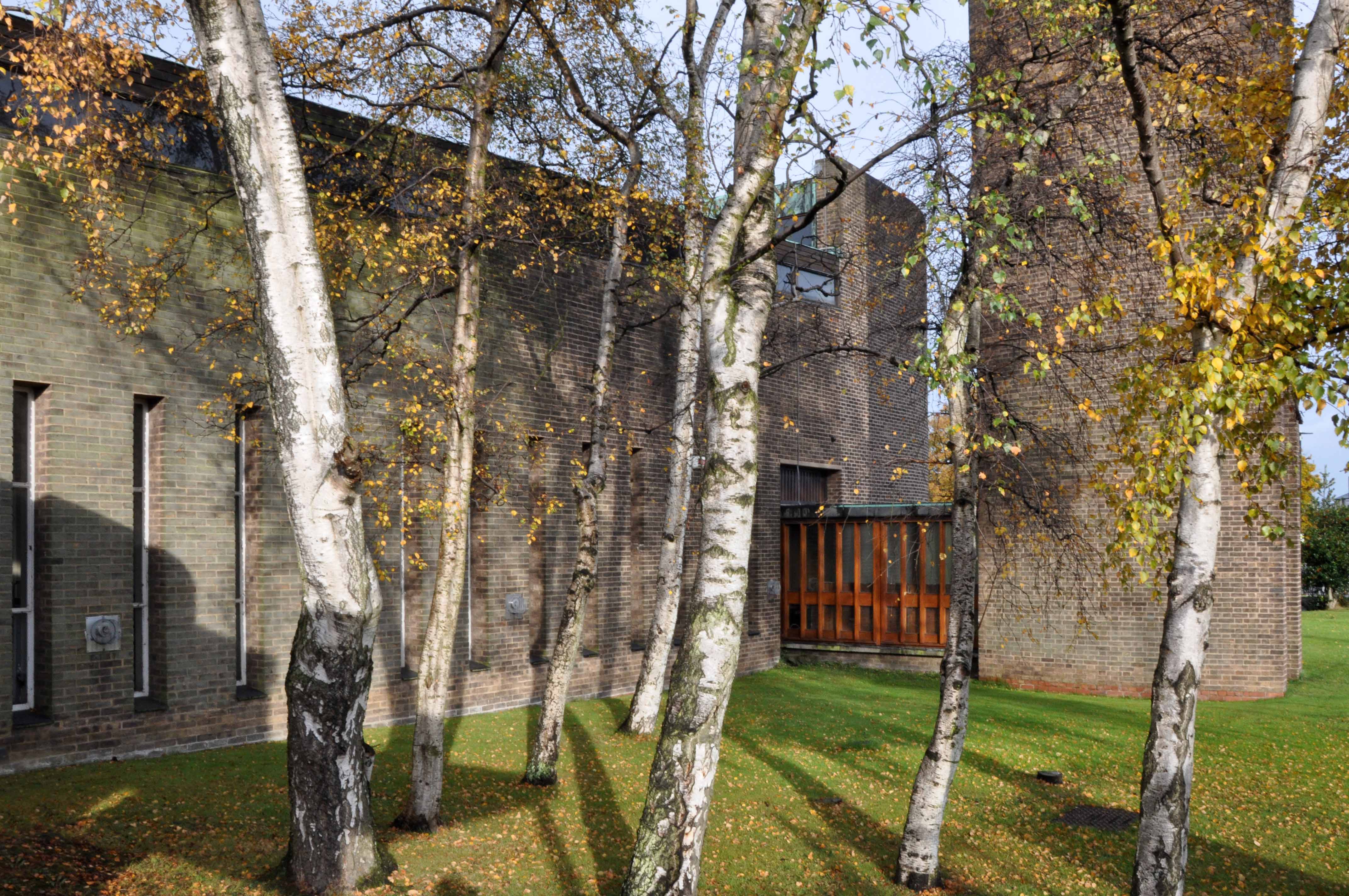
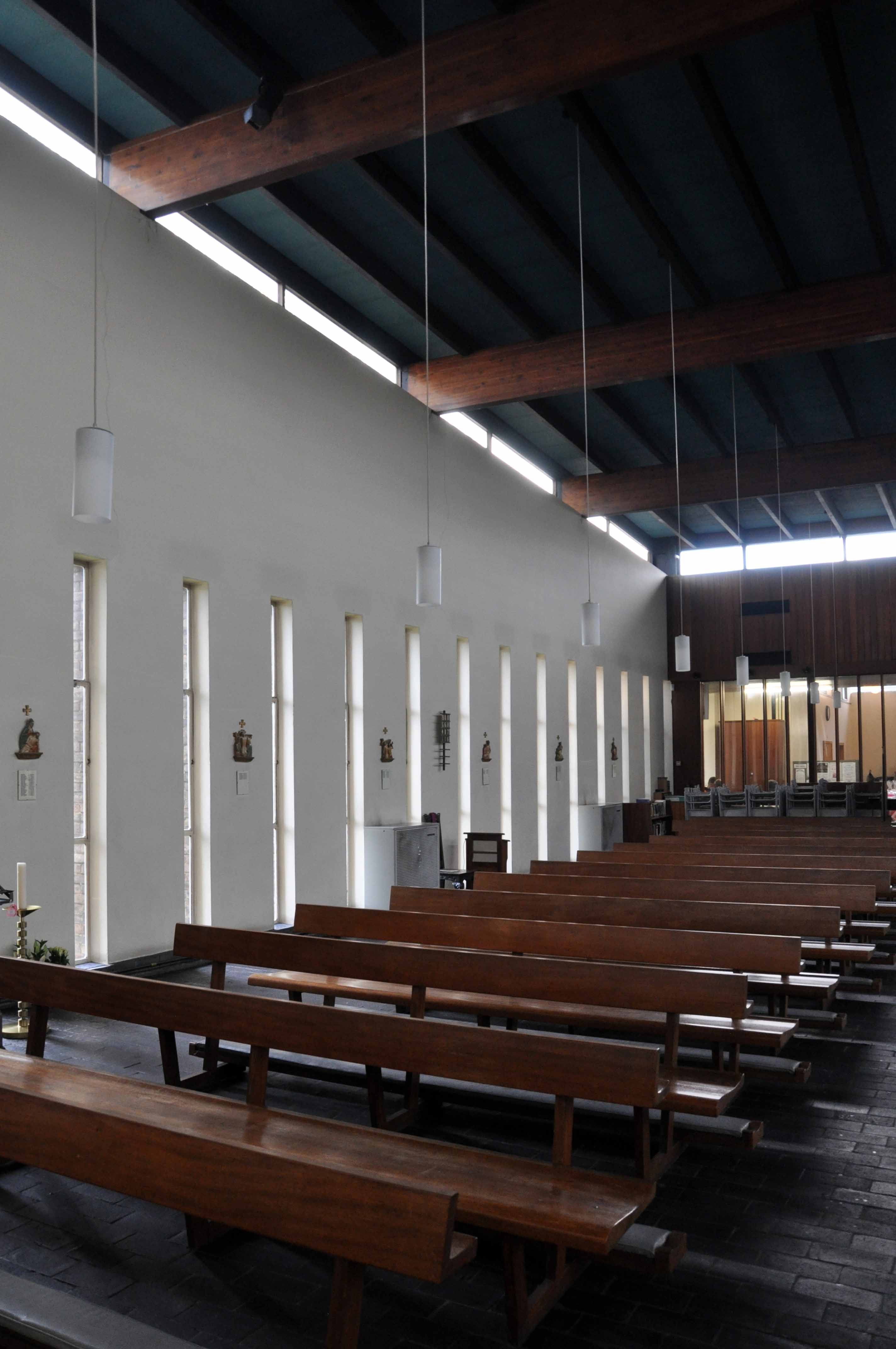
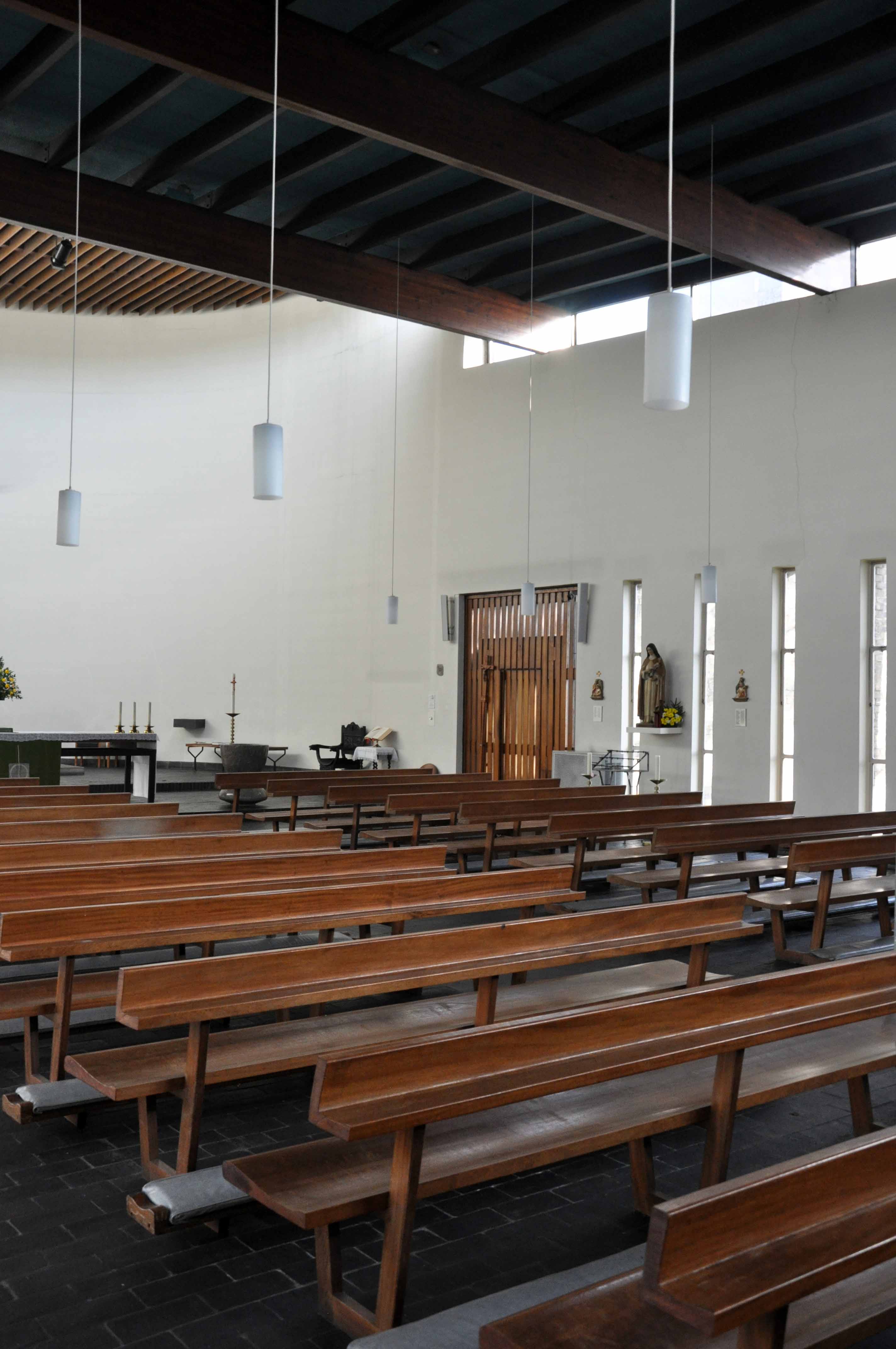
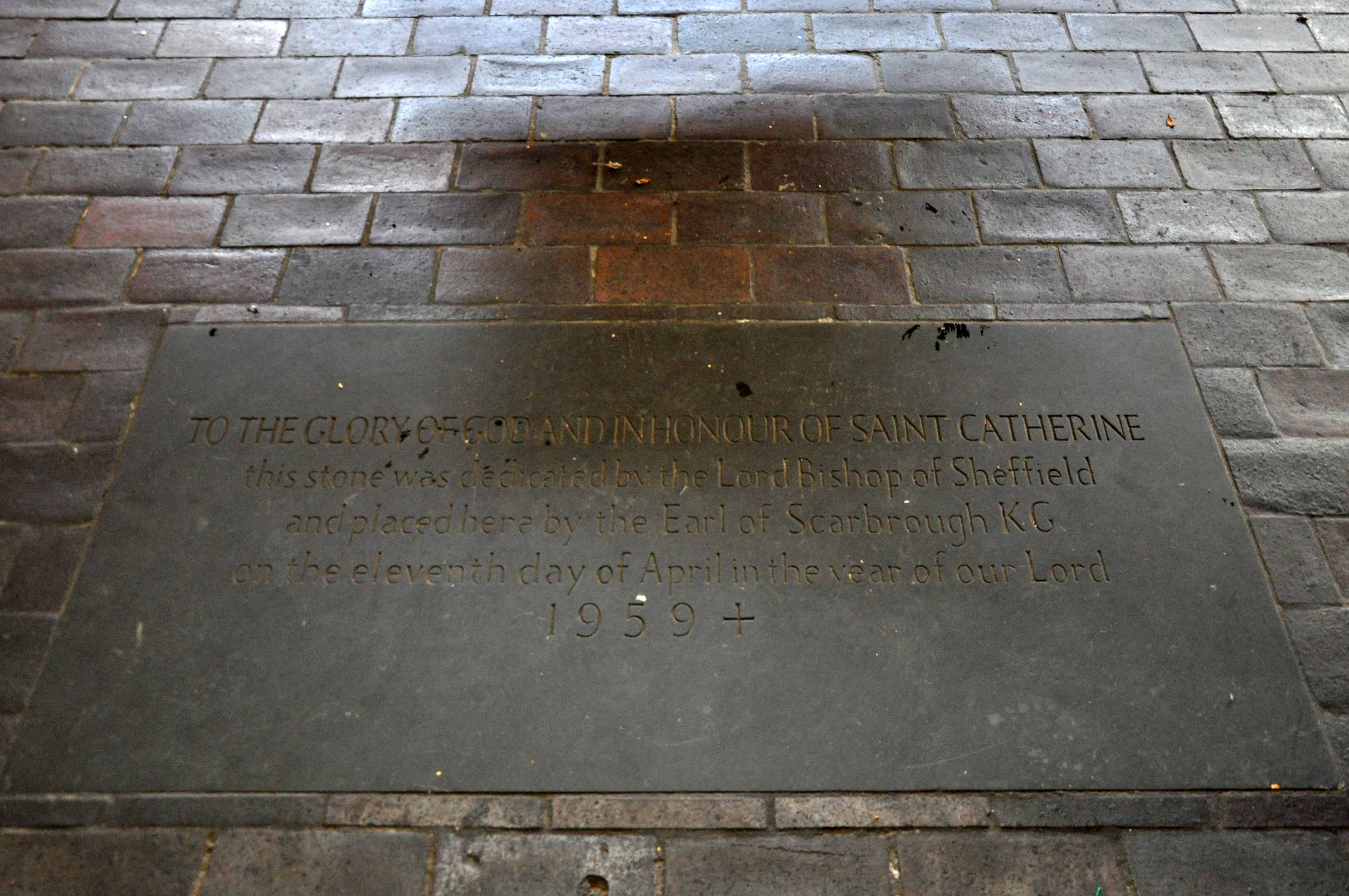
Sir Basil Spence 1958-62. . Brown brick. Roof not visible. Slate cladding to entrance block of parish hall. Rectangular nave sweeping around into a semicircular apsed sanctuary .

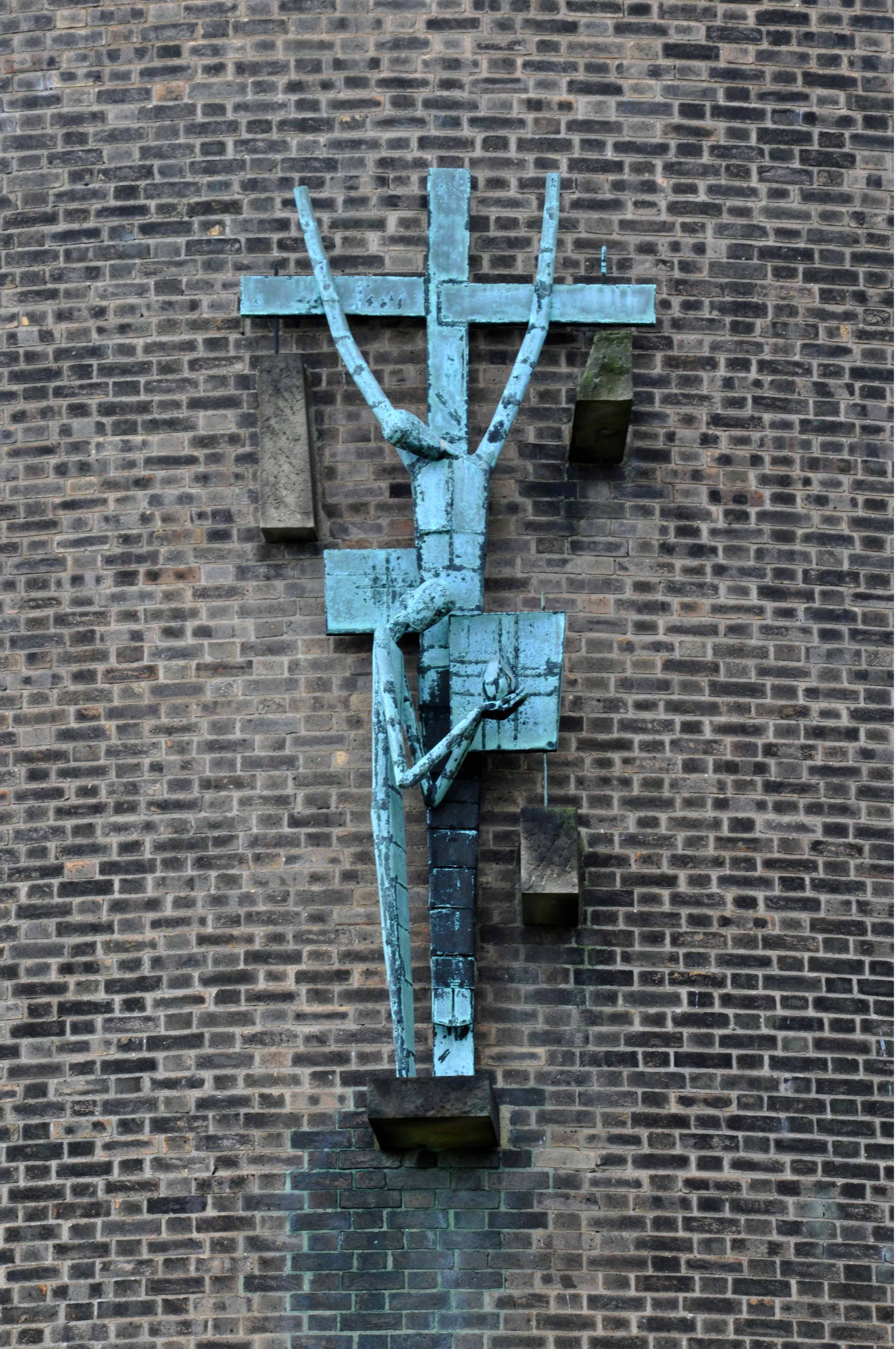
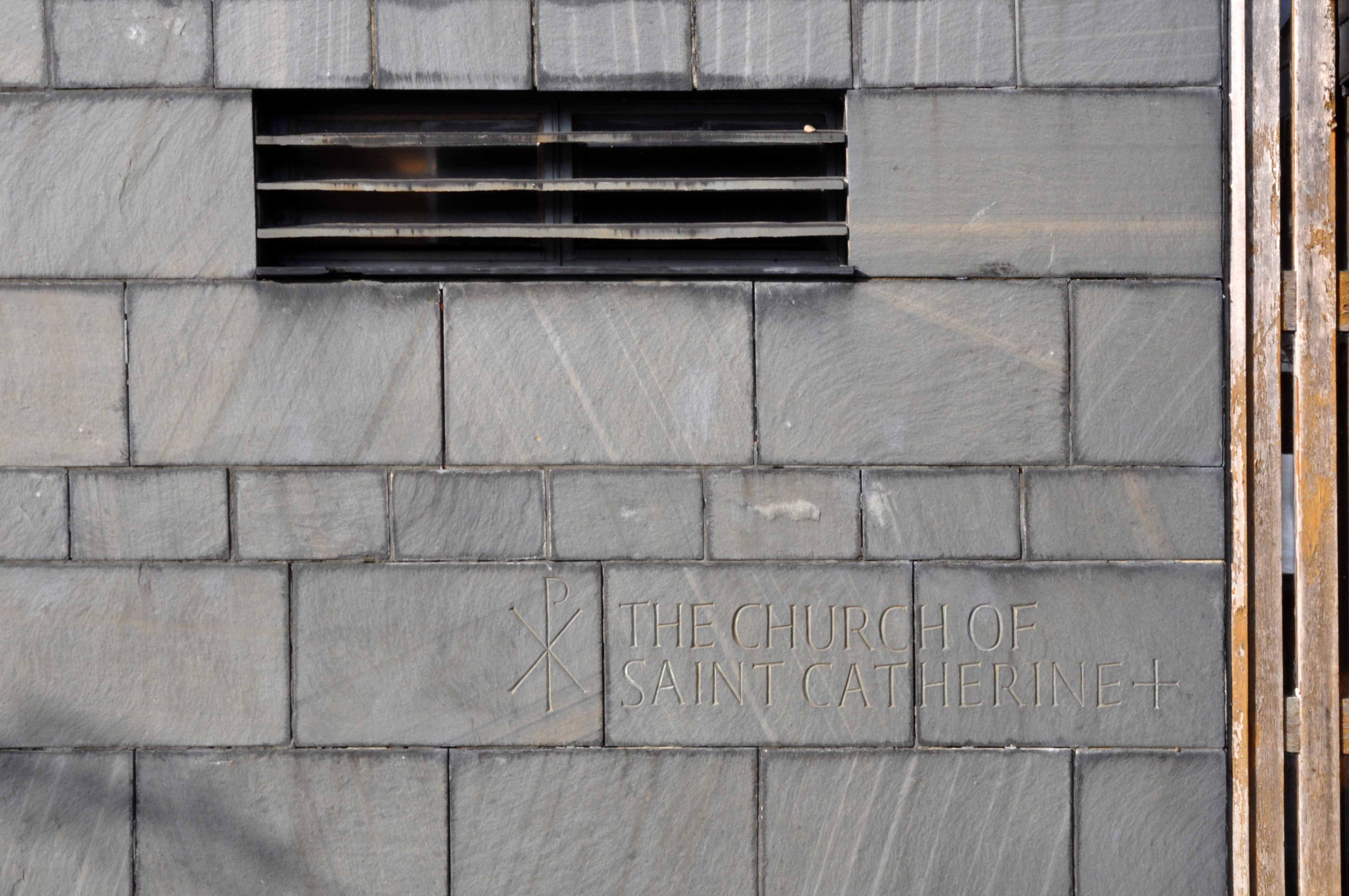
EXTERIOR: entrance to liturgical south-west and parish hall to liturgical west with vestry. Carved words “The Church of St Catherine” to left of recessed entrance. Tower linked to liturgical south-east, and comprising two convex slabs forming a sacristy at ground level and linked by concrete beams above. Patinated bronze sculptural group with crucified Christ affixed to its east side.

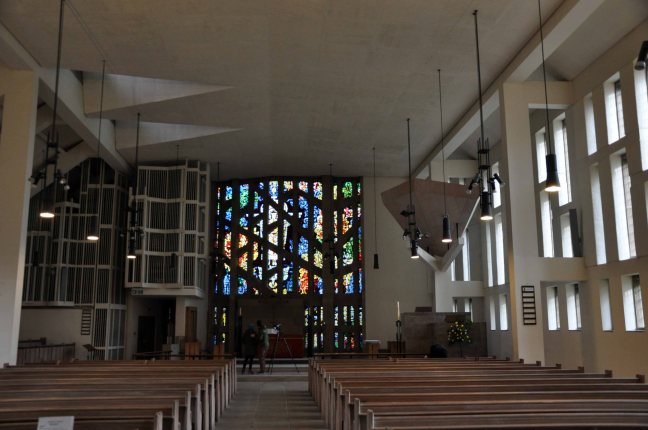
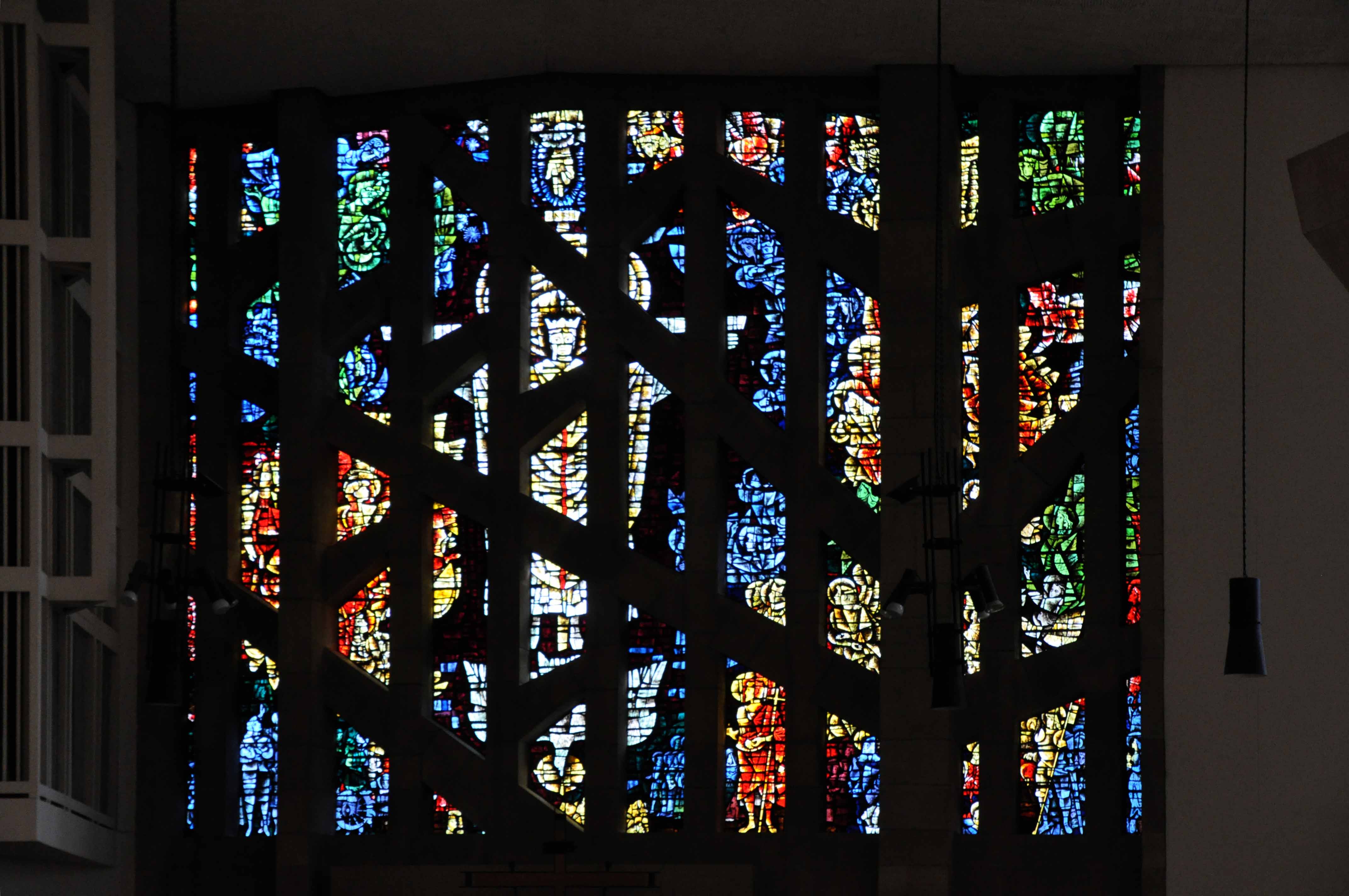
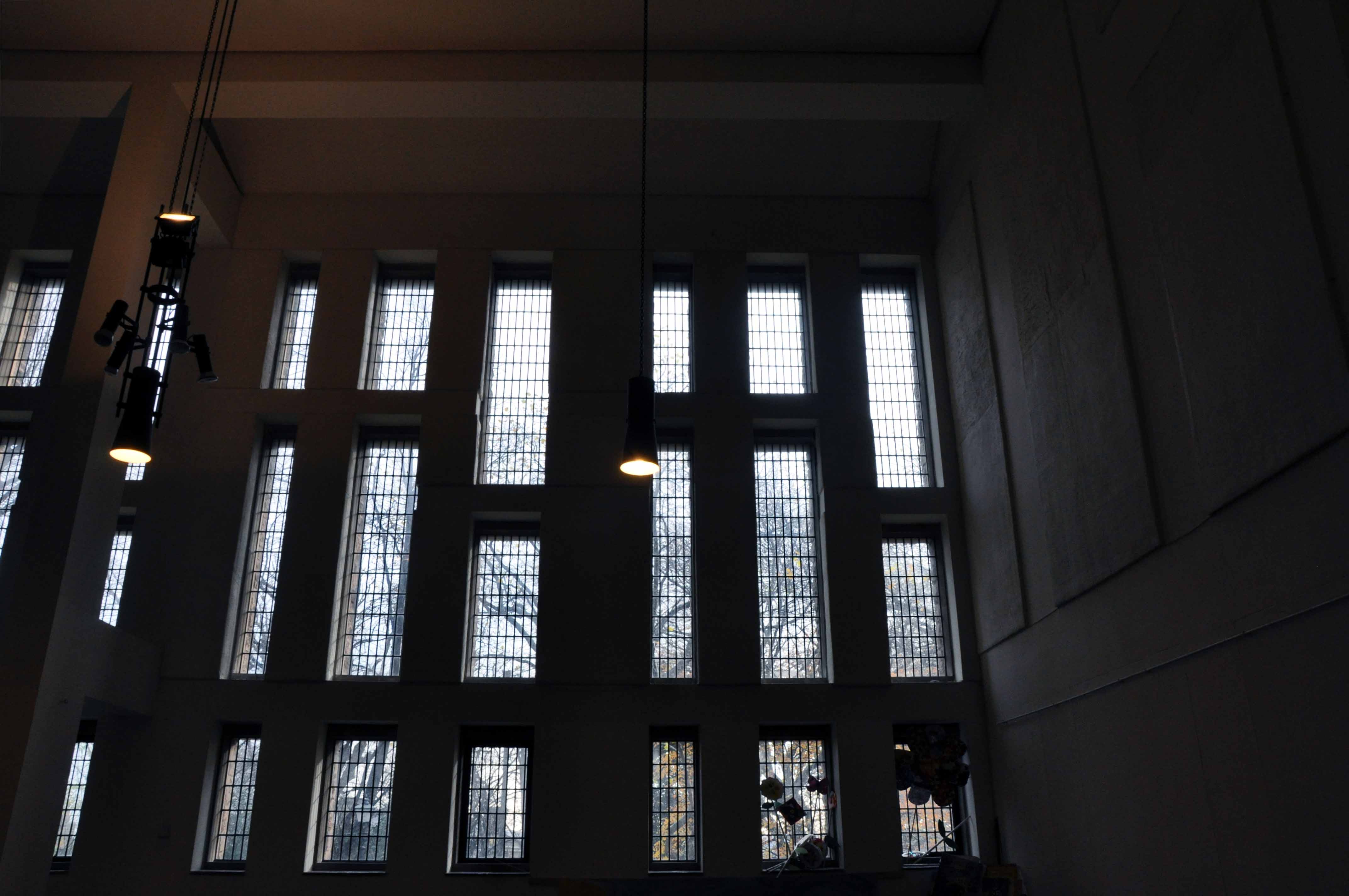
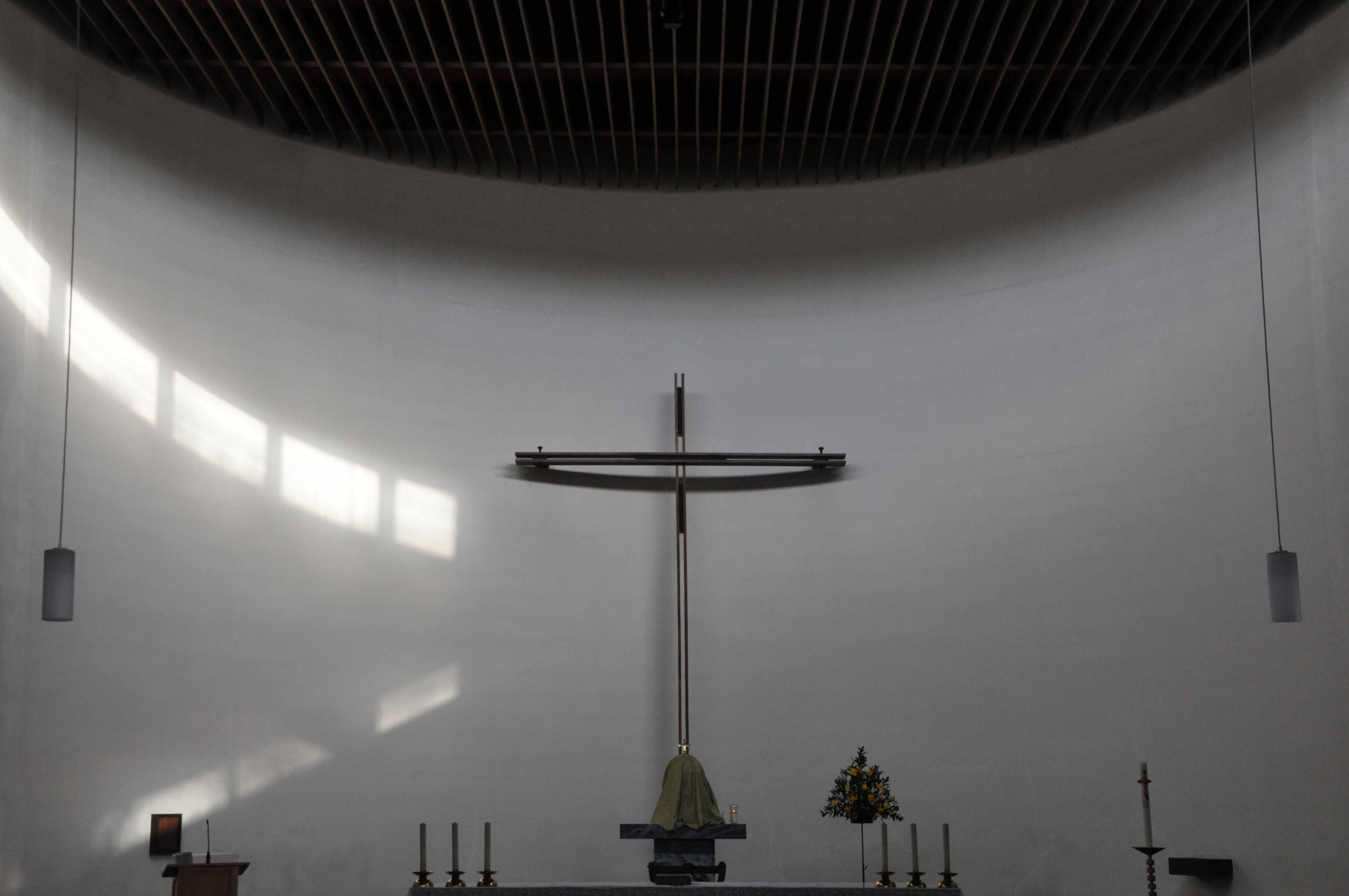
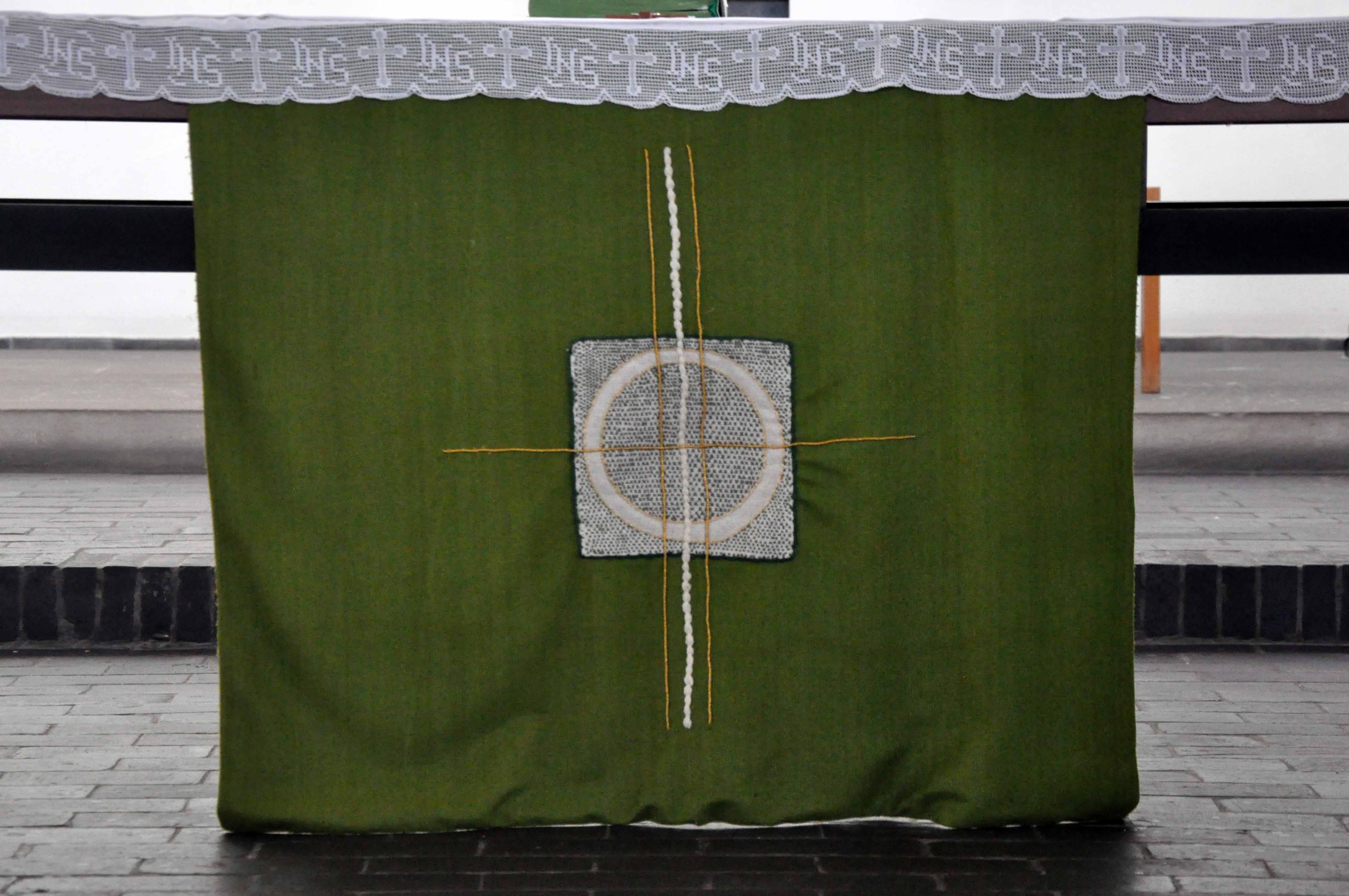
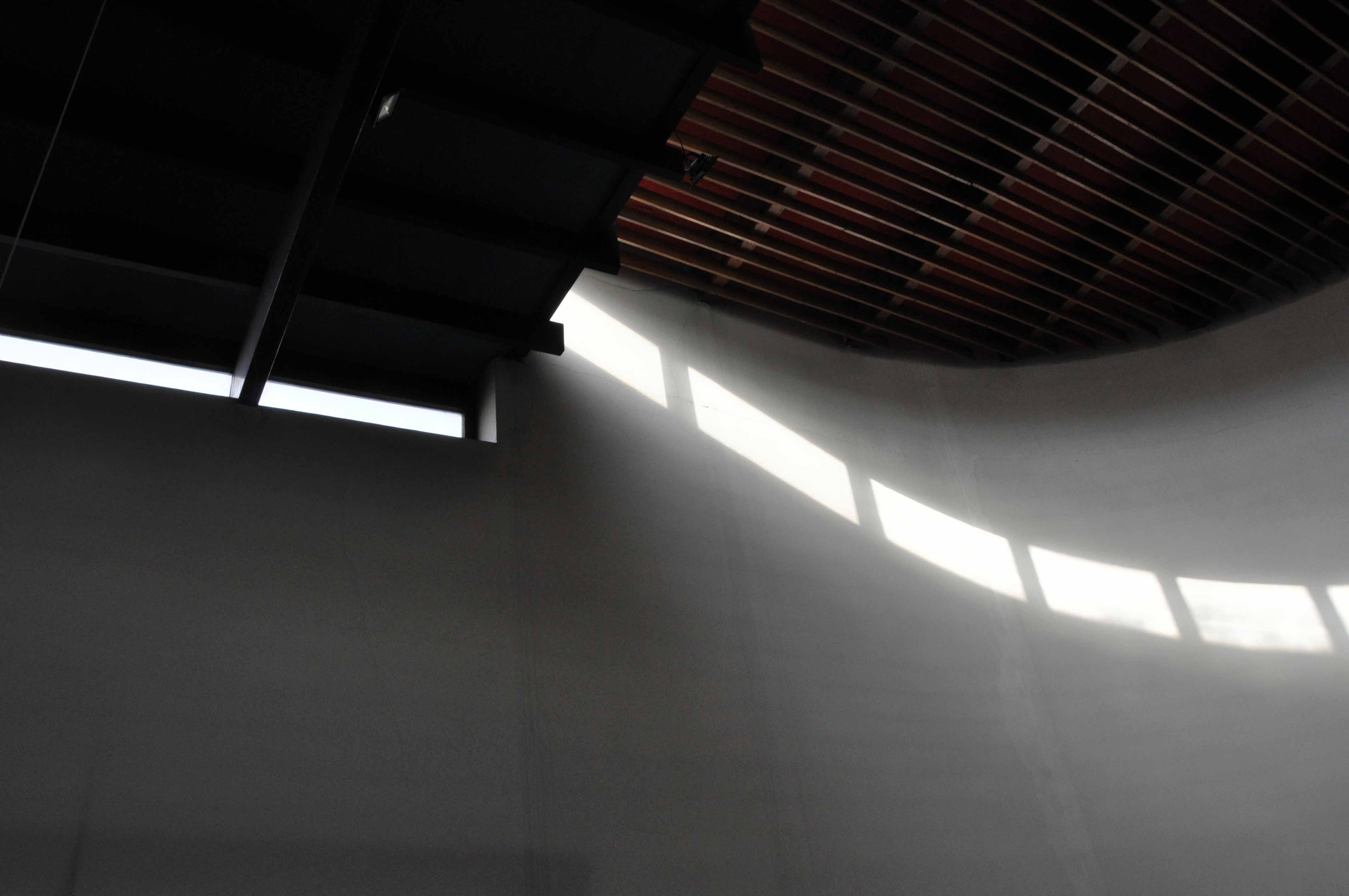
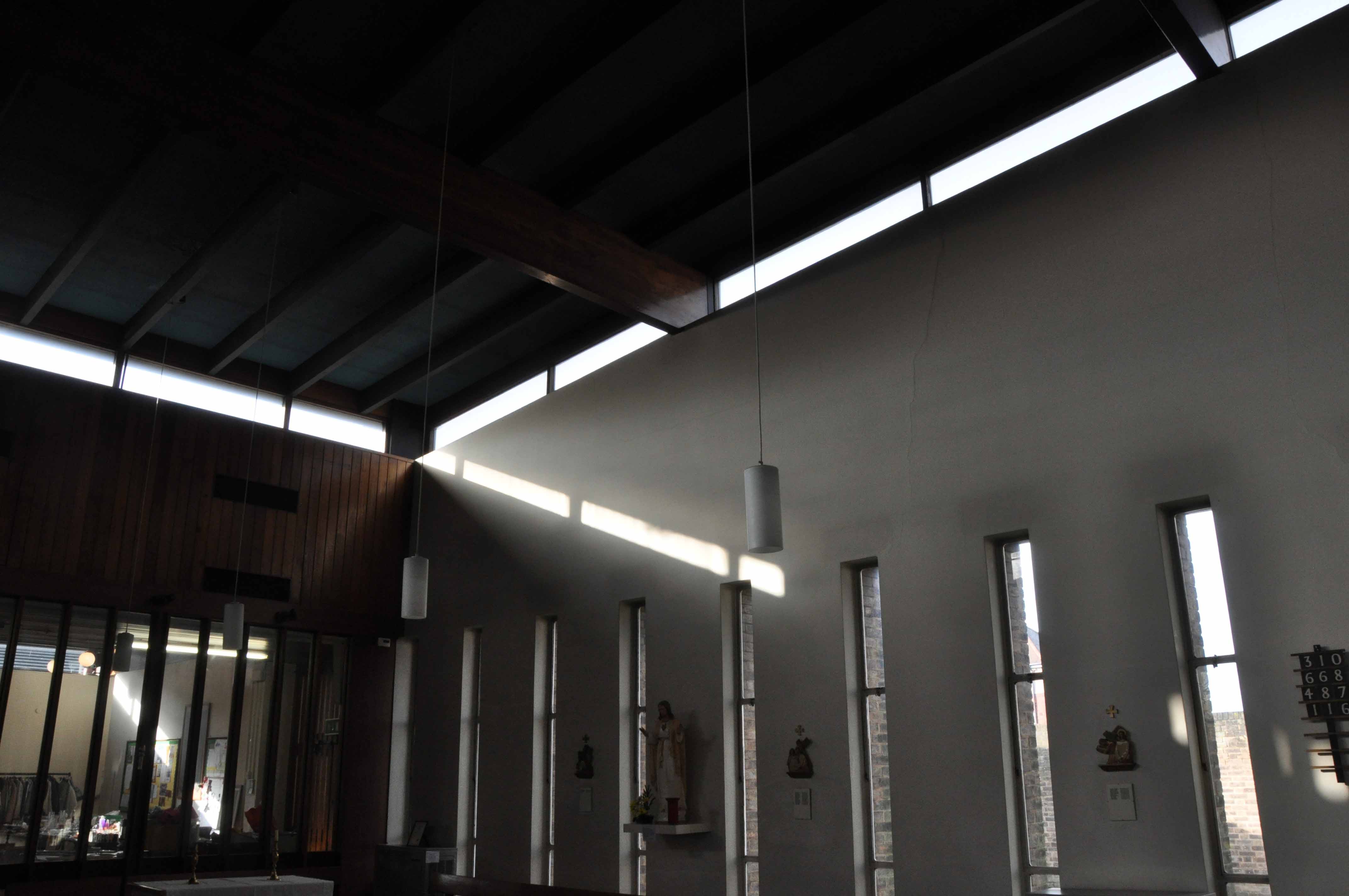
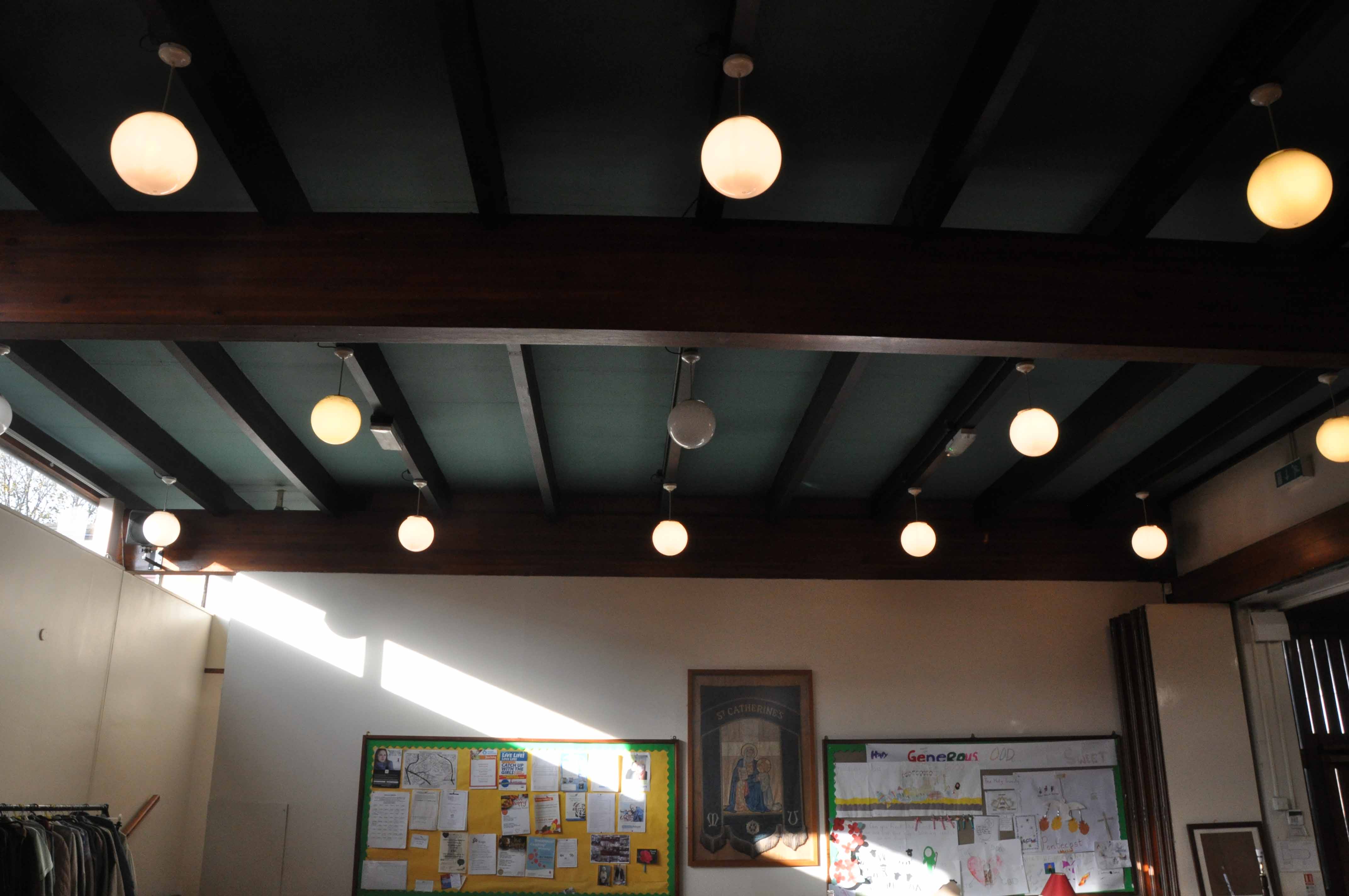
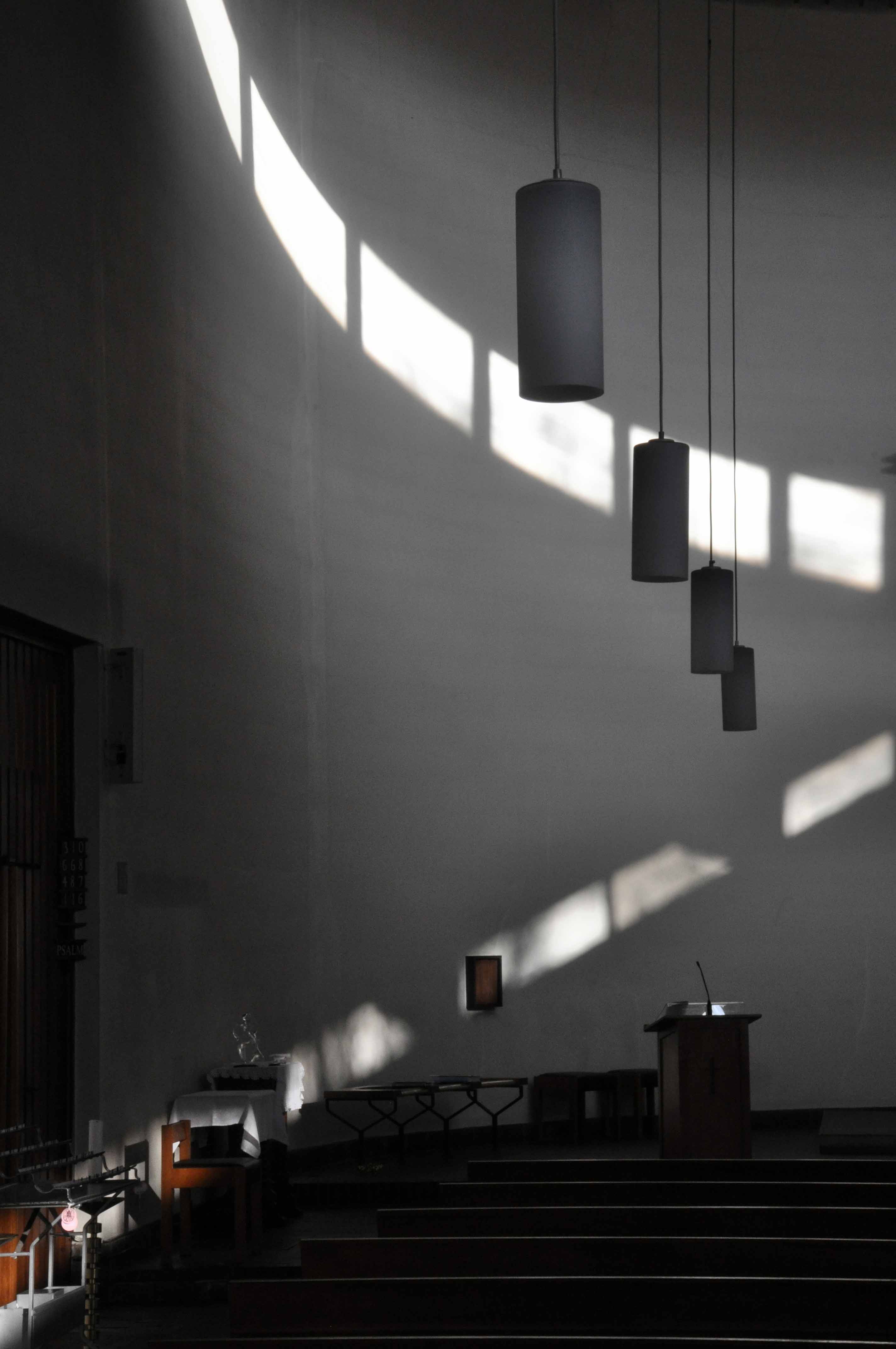
INTERIOR: aisleless with vertical slit windows to north and south walls and roof sloping upwards towards chancel, on laminated timbers beams, so that roof deck is separated from the walls by a narrow glazed strip. Light is thrown onto the east wall by a concealed window at the east end of the nave. Sanctuary is raised two shallow steps, and altar was originally raised on two further steps against the east wall. It has now been moved forward. Altar is a black painted metal framed table with a varnished timber top. Font of polished limestone with fossils is in the original position to liturgical south side of sanctuary. Timber lid with schematic metal dove. Large timber cross behind altar, comprising two pairs of overlapping beams, penetrated symbolically by large nails. Timber sedilia on metal supports. Laminated timber pews. Organ above entrance to sacristy . A strongly sculptural design with a powerful presence.

British Listed Buildings.

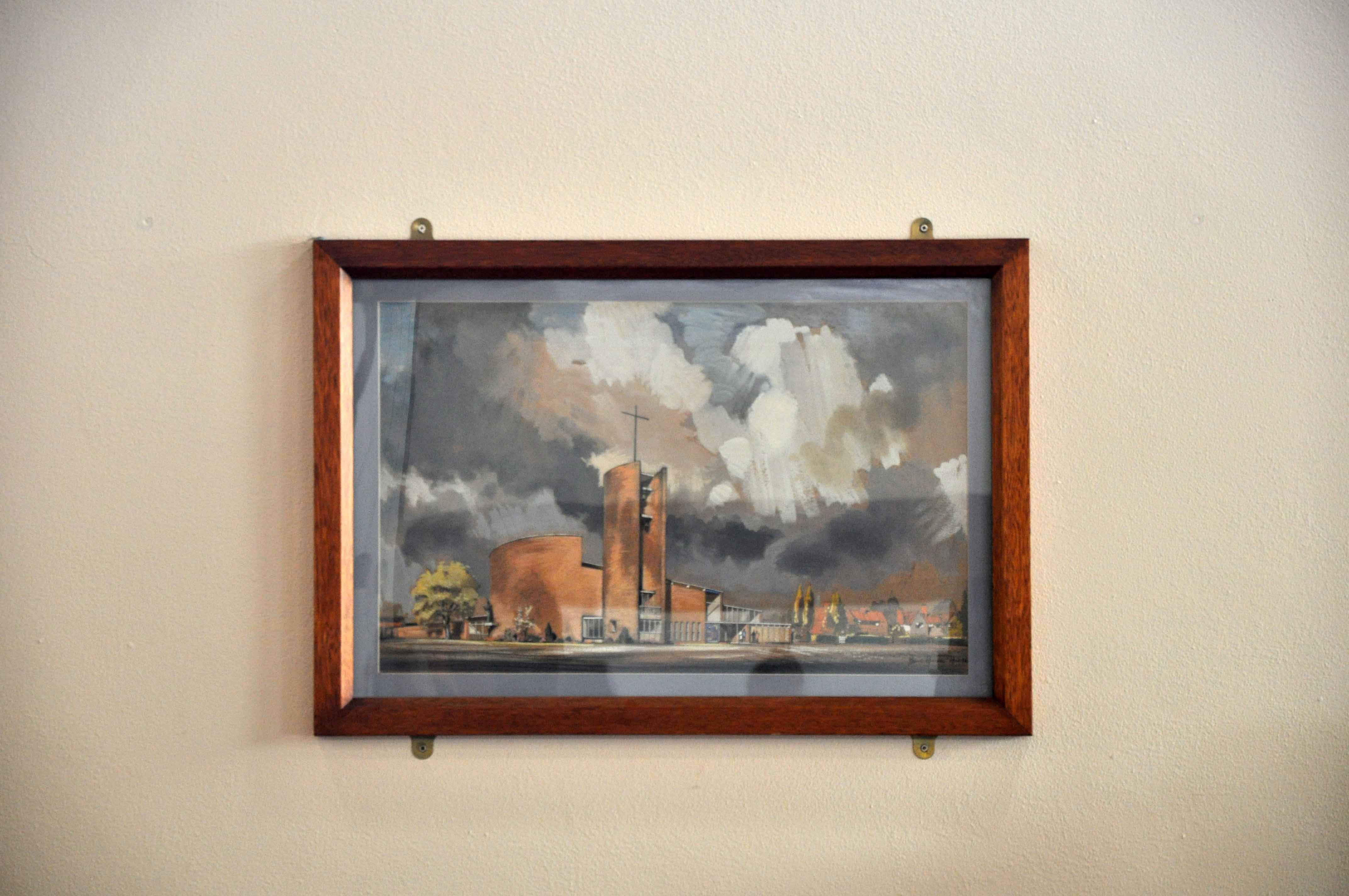
St Catherine Sienna is a fine church, sited impressively and standing imperiously on the Sheffield outer ring road, high above the city. Brick curves, a tall detached tower and open for business, serving the outlying post war housing estate of Woodthorpe with regular services and a firm foundation of community activity.

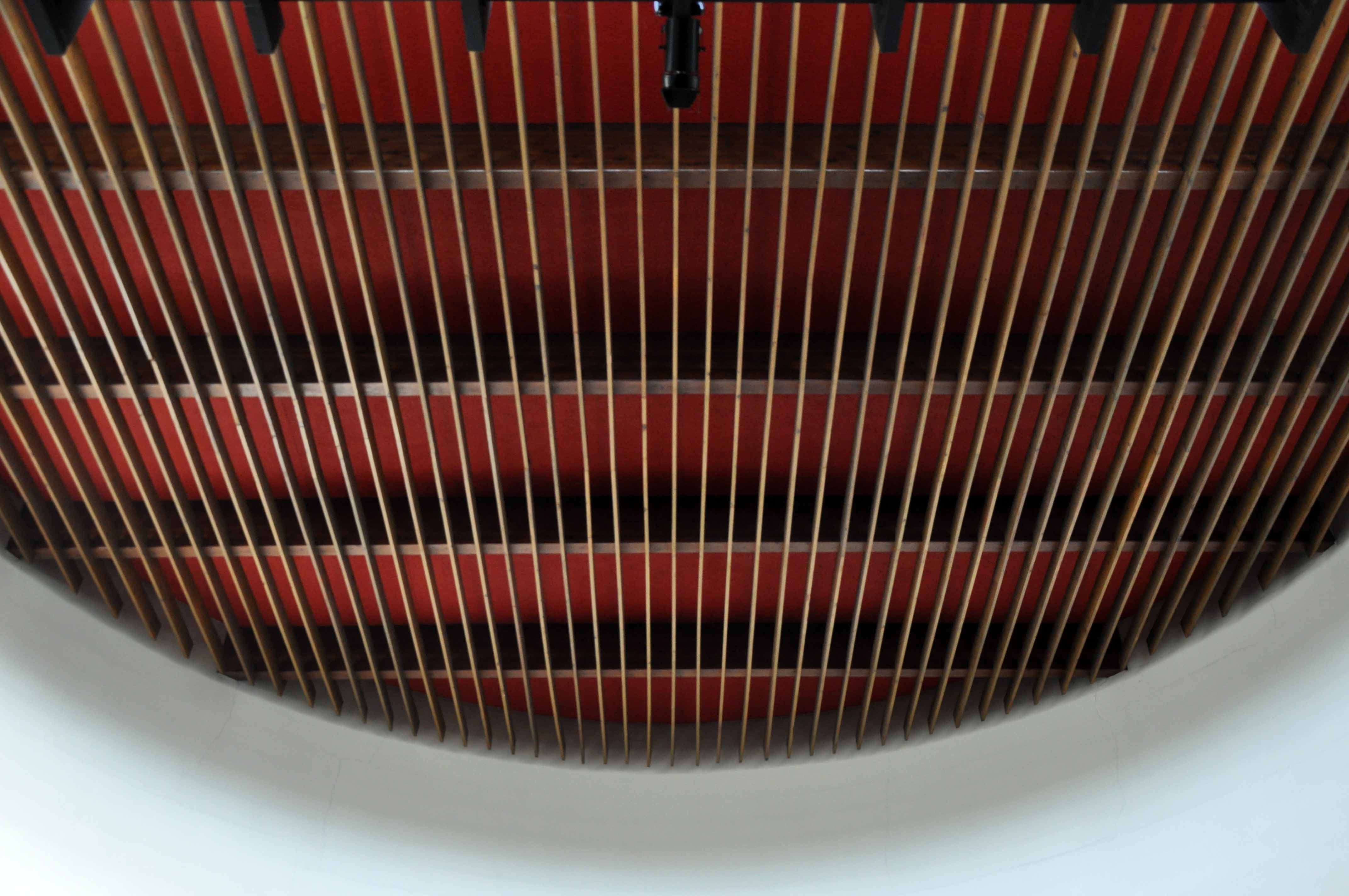
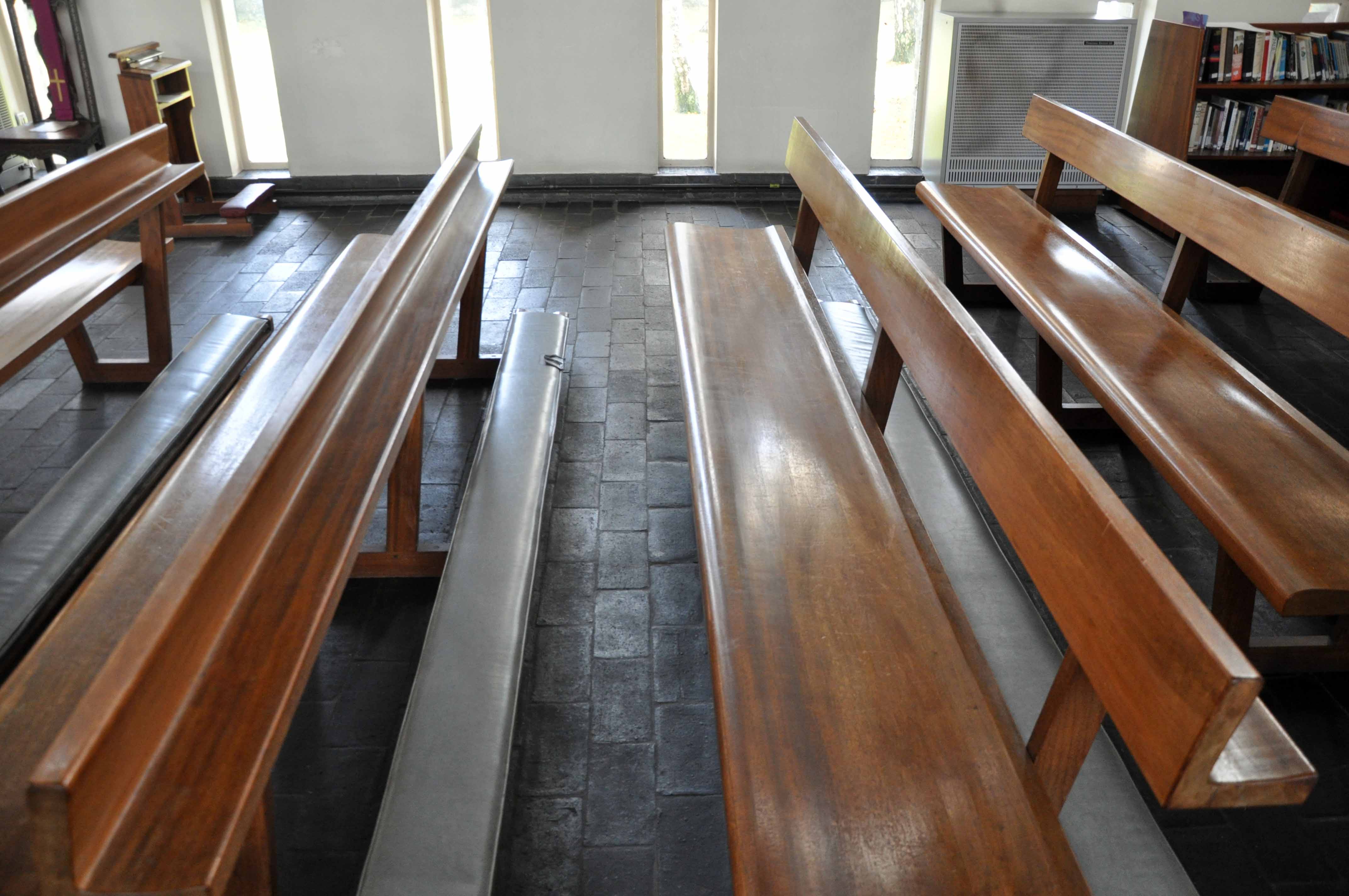
Lit delicately from side slatted windows and higher apertures, the main body is calm and assured, the scale and proportion in harmony with the simple Spence seating and slightly raised altar. The detail of the wooden roof grid perfectly balancing the warm austerity of the walls.

My thanks to Father Phillip for his time and a fine cup of tea.

dsc_0111

dsc_0117

dsc_0119

dsc_0121

dsc_0122

dsc_0123

dsc_0124

dsc_0127

dsc_0128

dsc_0130

dsc_0131

dsc_0133

dsc_0134

dsc_0135

dsc_0138

dsc_0139

dsc_0140

dsc_0142

dsc_0144

dsc_0136

Coventry – Central Co-op


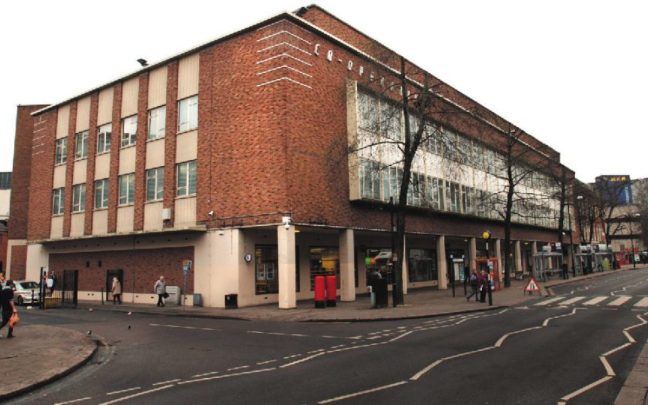
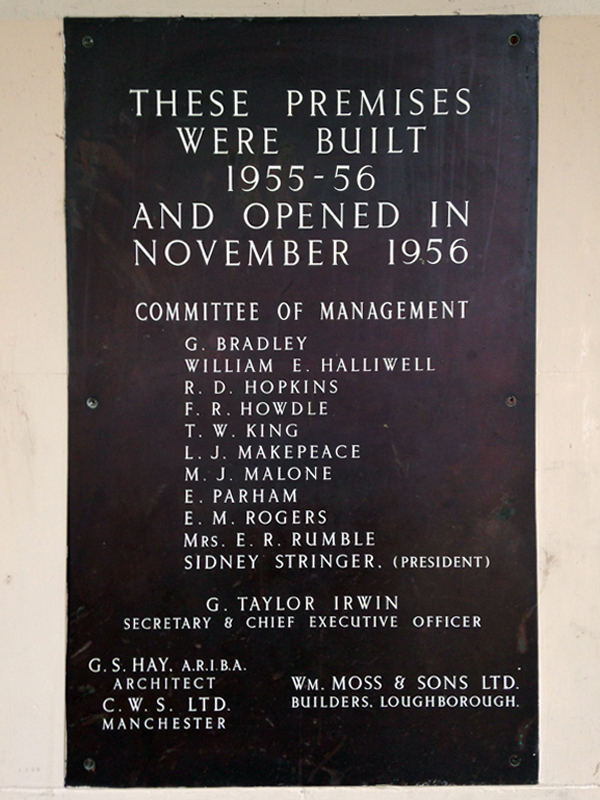
Built between 1955-56 and opened November 1956 the central Co-operative Society store in Coventry is a clean, clear example of post-war design and redevelopment, epitomised by the city’s plan and realisation.

coventry-co-op-plaque

Picture – Natalie Bradbury

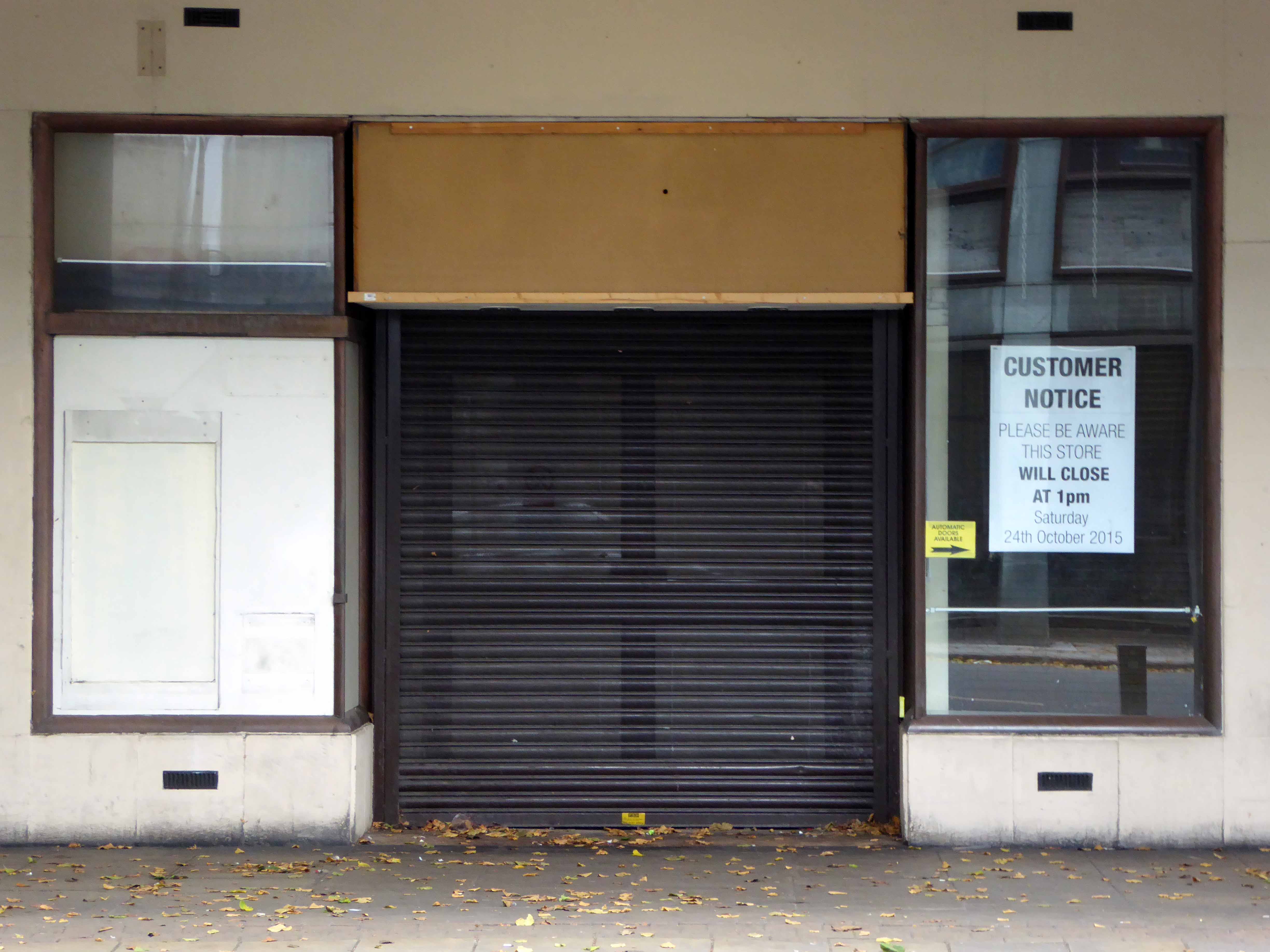
Sadly it finally closed its doors in 2015, along with many other of the Society’s larger stores, as they moved their focus to smaller food outlets.

p1100002-copy

Happily it has been listed, saved from the indignity of the wrecking ball and the building of further student flats. Coventry, along with other UK cities, has begun to rely on the expansion of higher education, in the face of industrial and retail decline. The future use of the site, is as yet uncertain. Sadly I am now informed that the listing did not go through, make of that what you will.

While such measures are not an ultimate protection from bulldozers or drastic renovation, it is considered the building helps tell the tale of the city centre’s contemporaneously vaunted but since controversial rebuilding after the Coventry Blitz.

One of the city’s largest and oldest stores was closed last year as a victim of flagging city centre trade in an internet era, and EDG Property bought the site.

No planning applications have been received, although the council says ‘prospective buyers’ have stated an intention to demolish the building to erect two 12-storey towers of student accommodation.

p1100004-copy

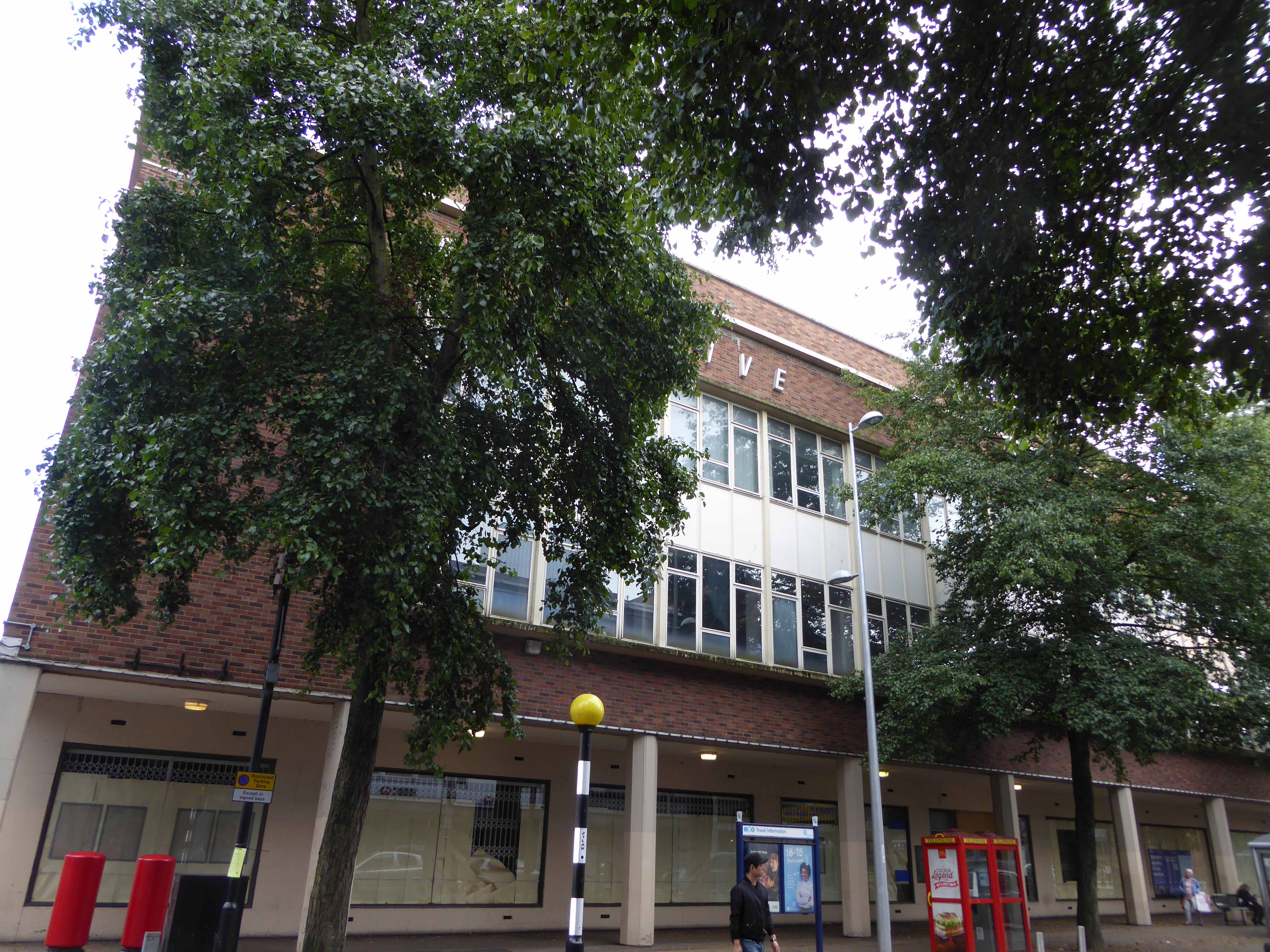
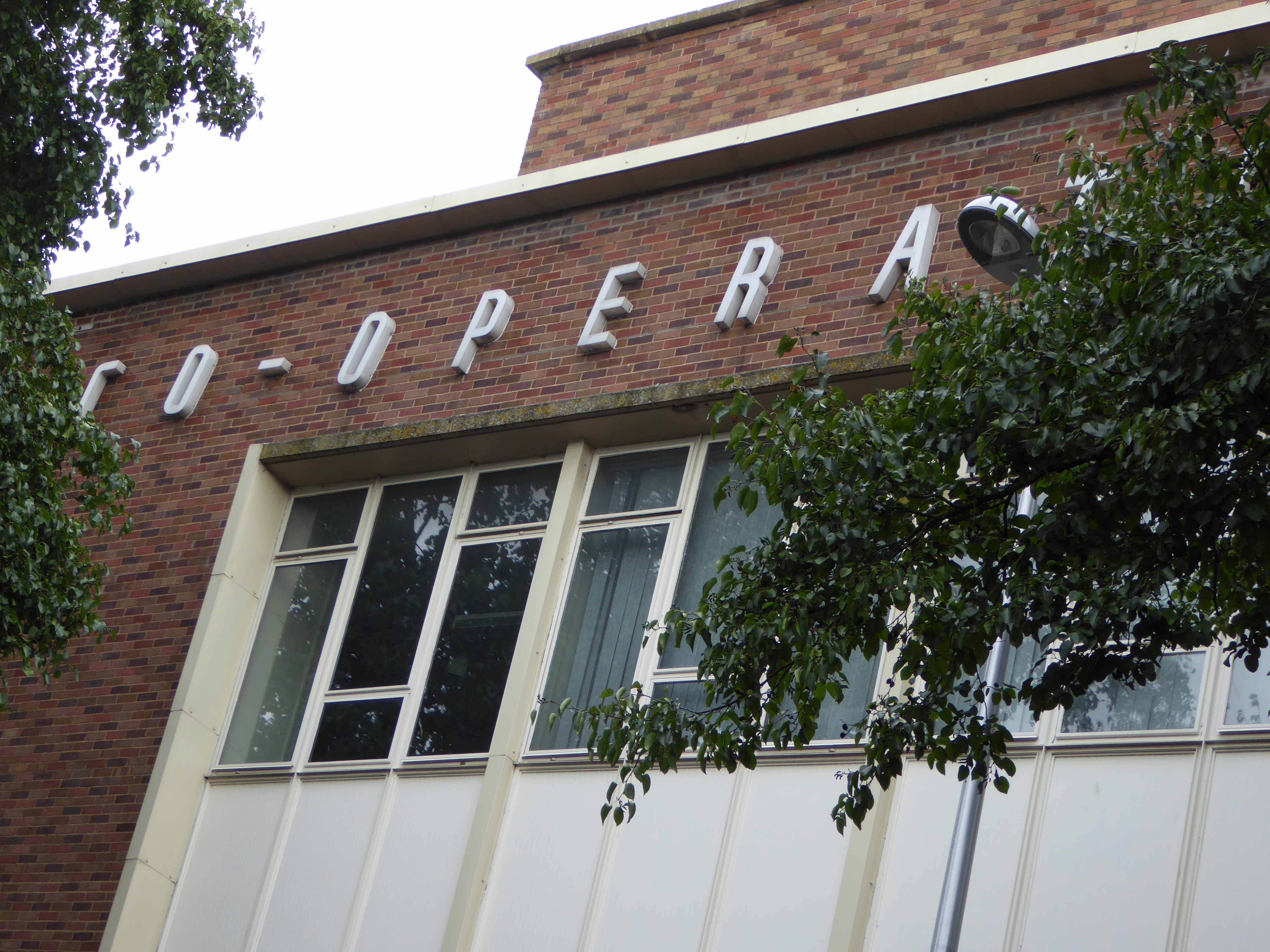
So it stands empty, the late summer foliage obscuring its splendid signage.

p1100001-copy

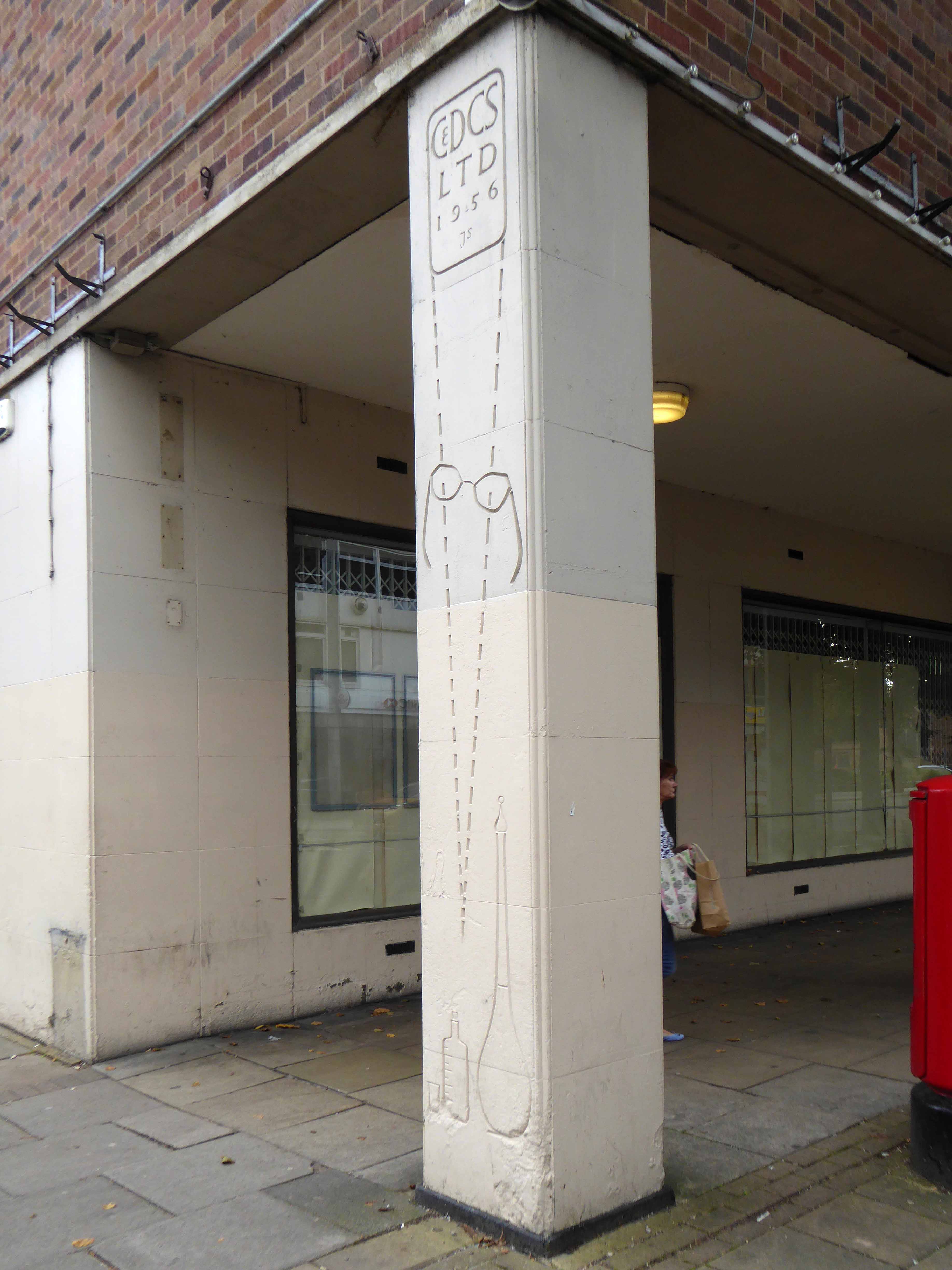
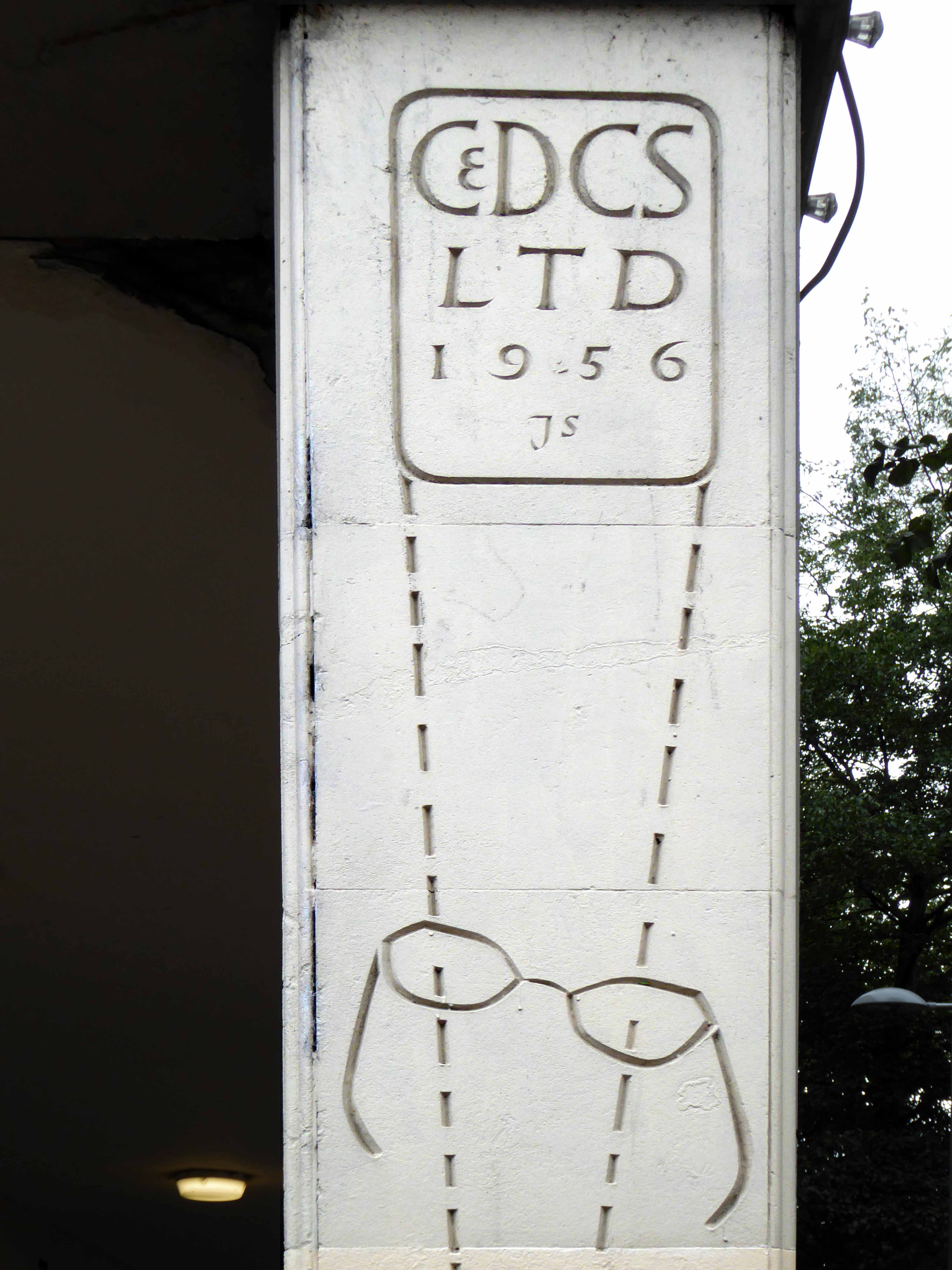
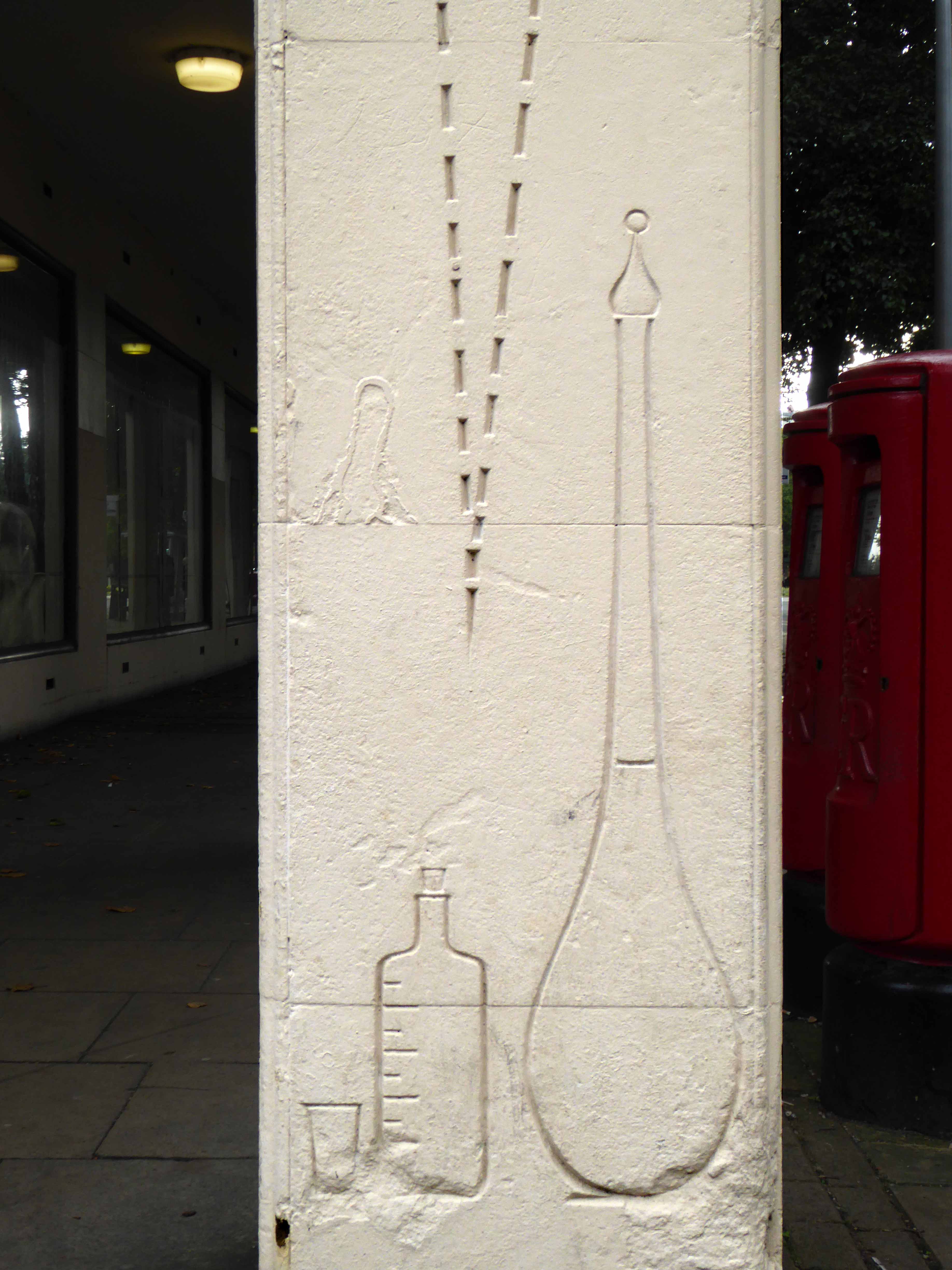
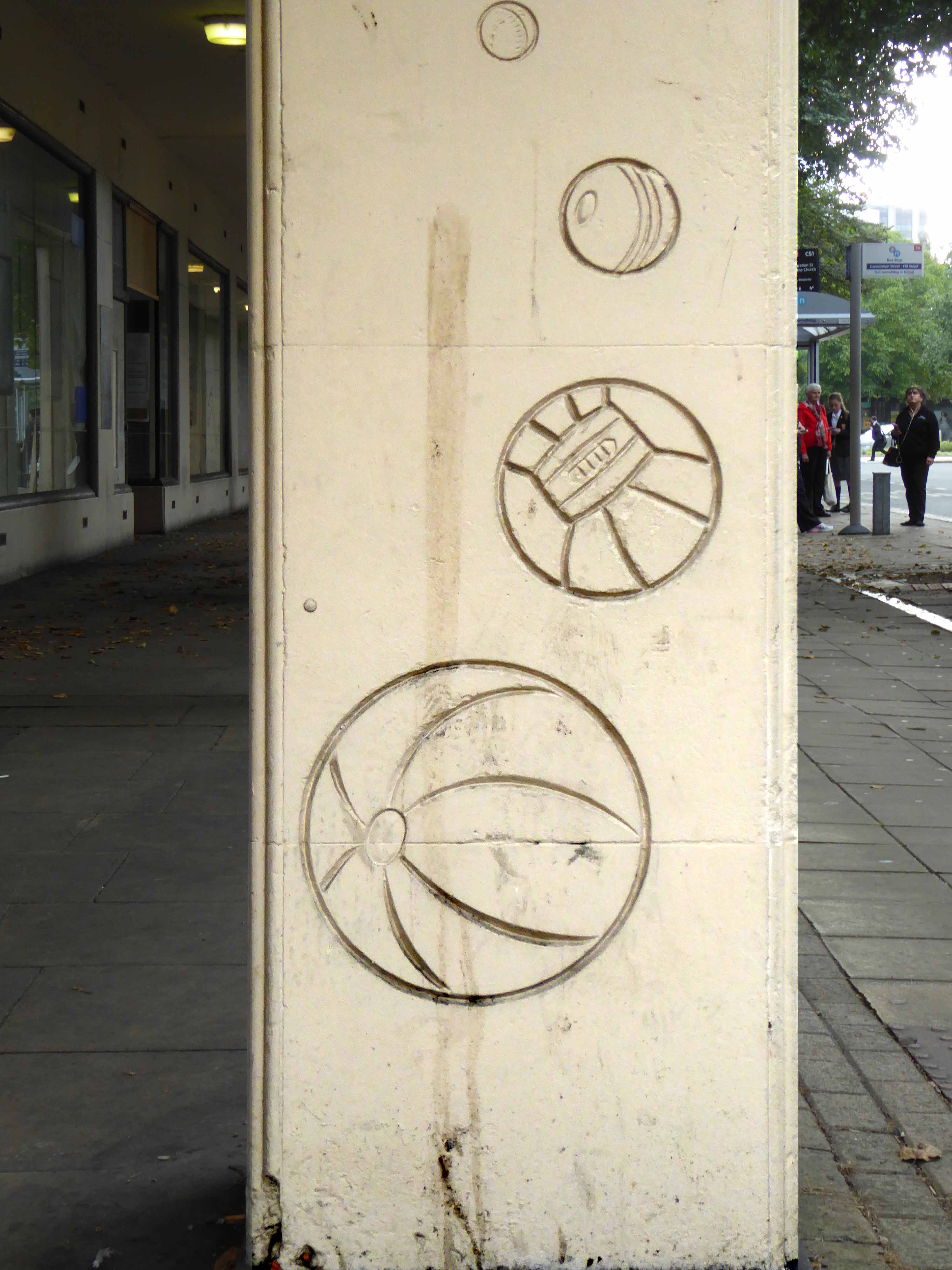
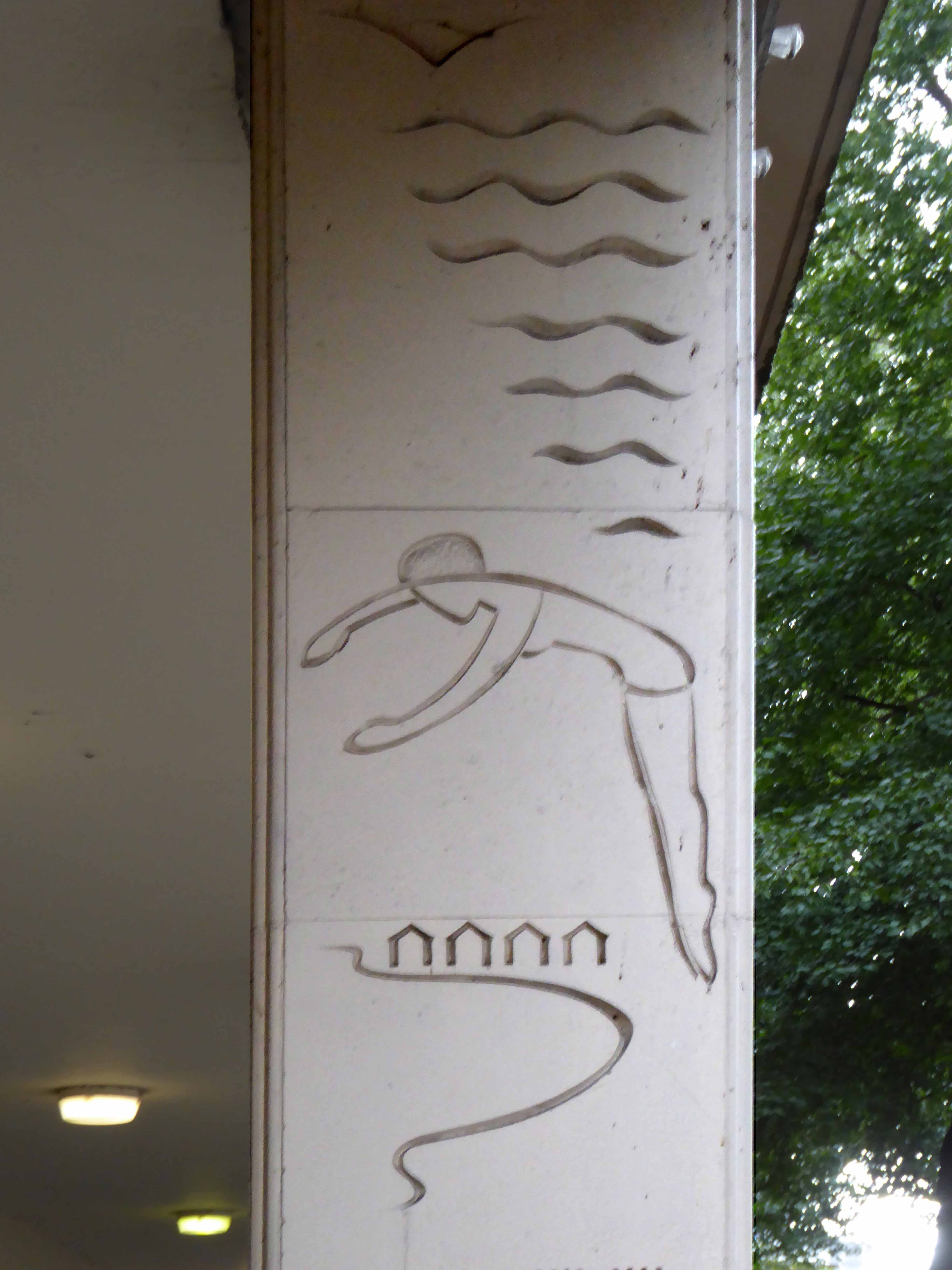
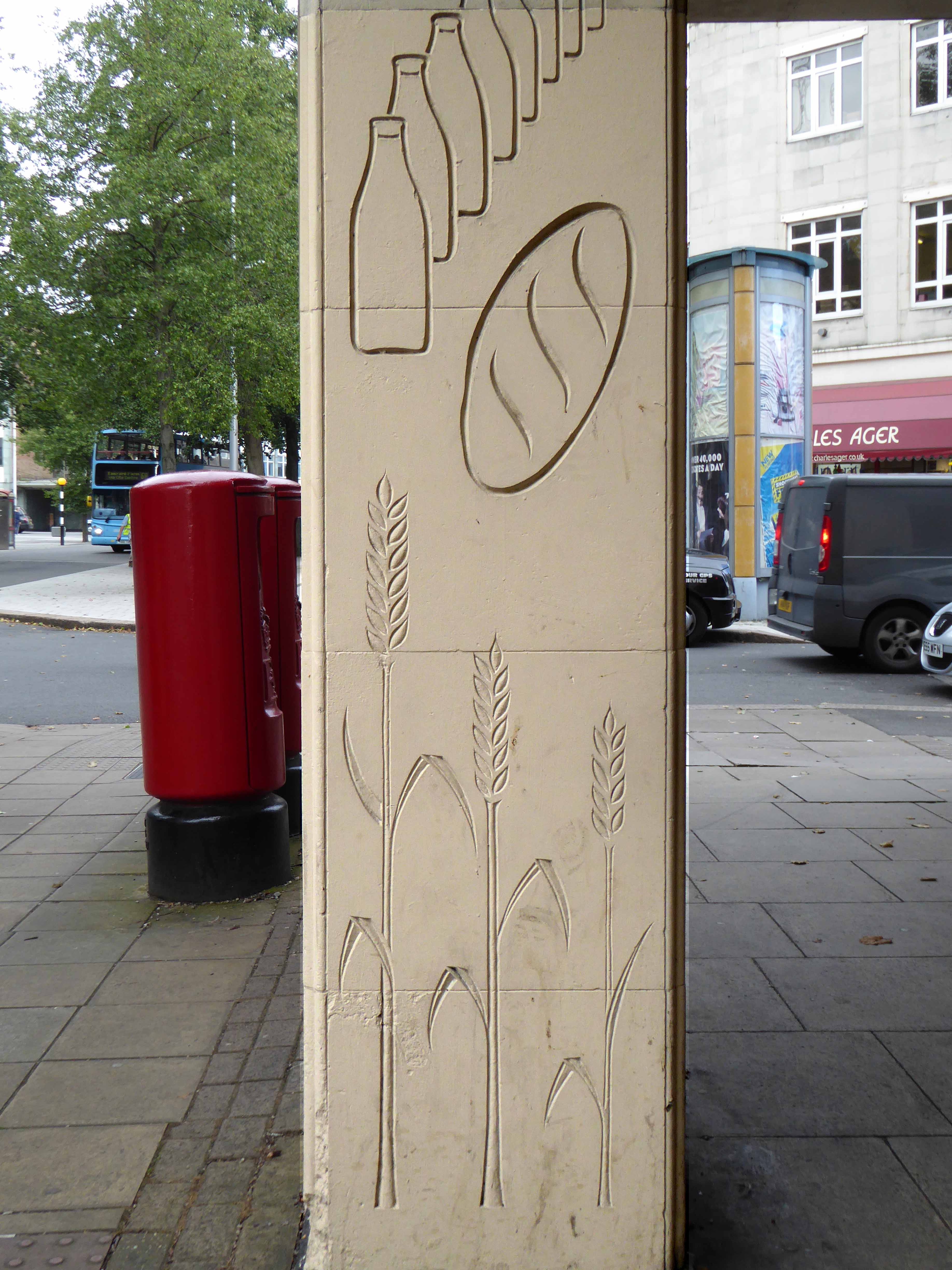
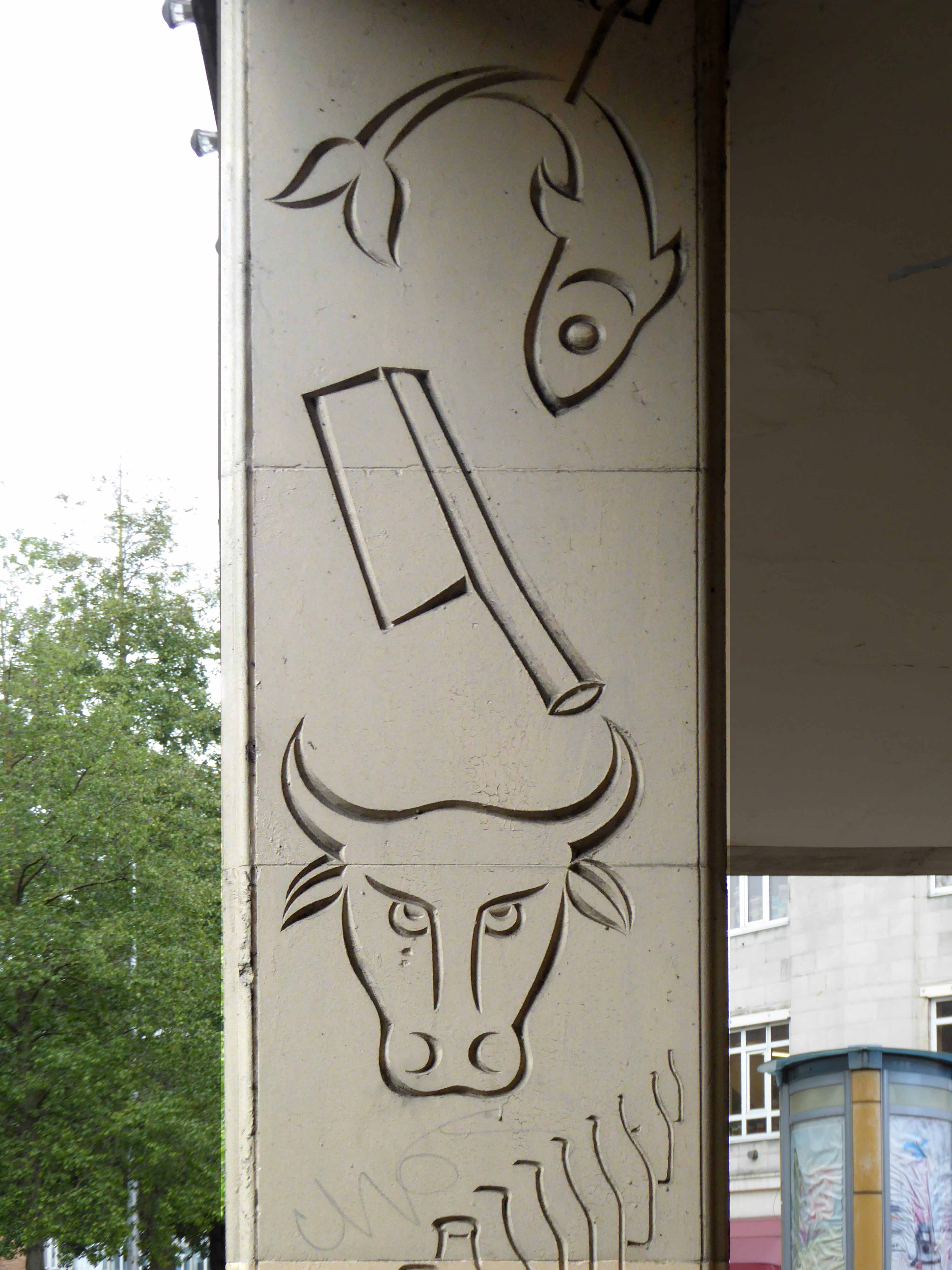
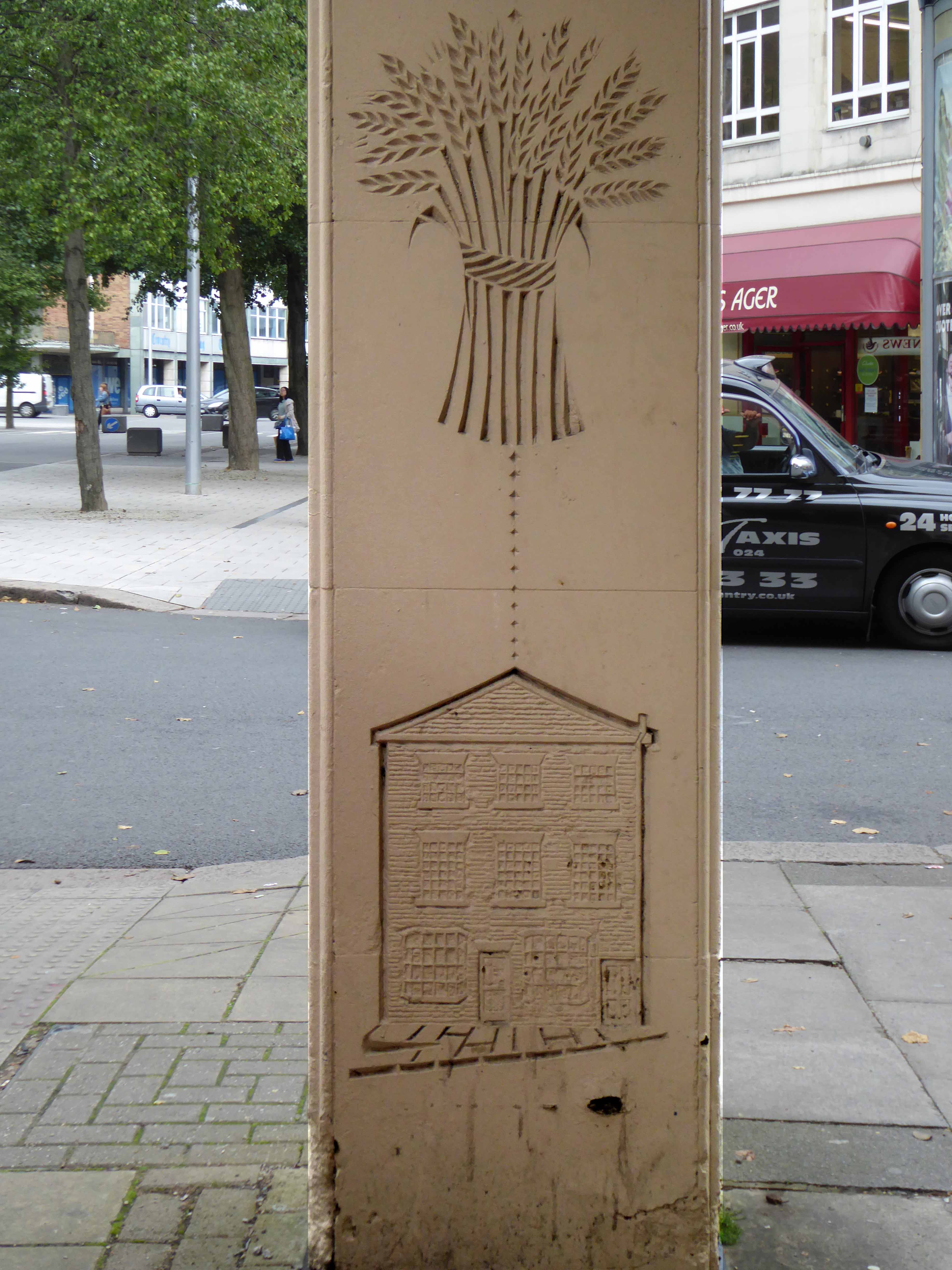
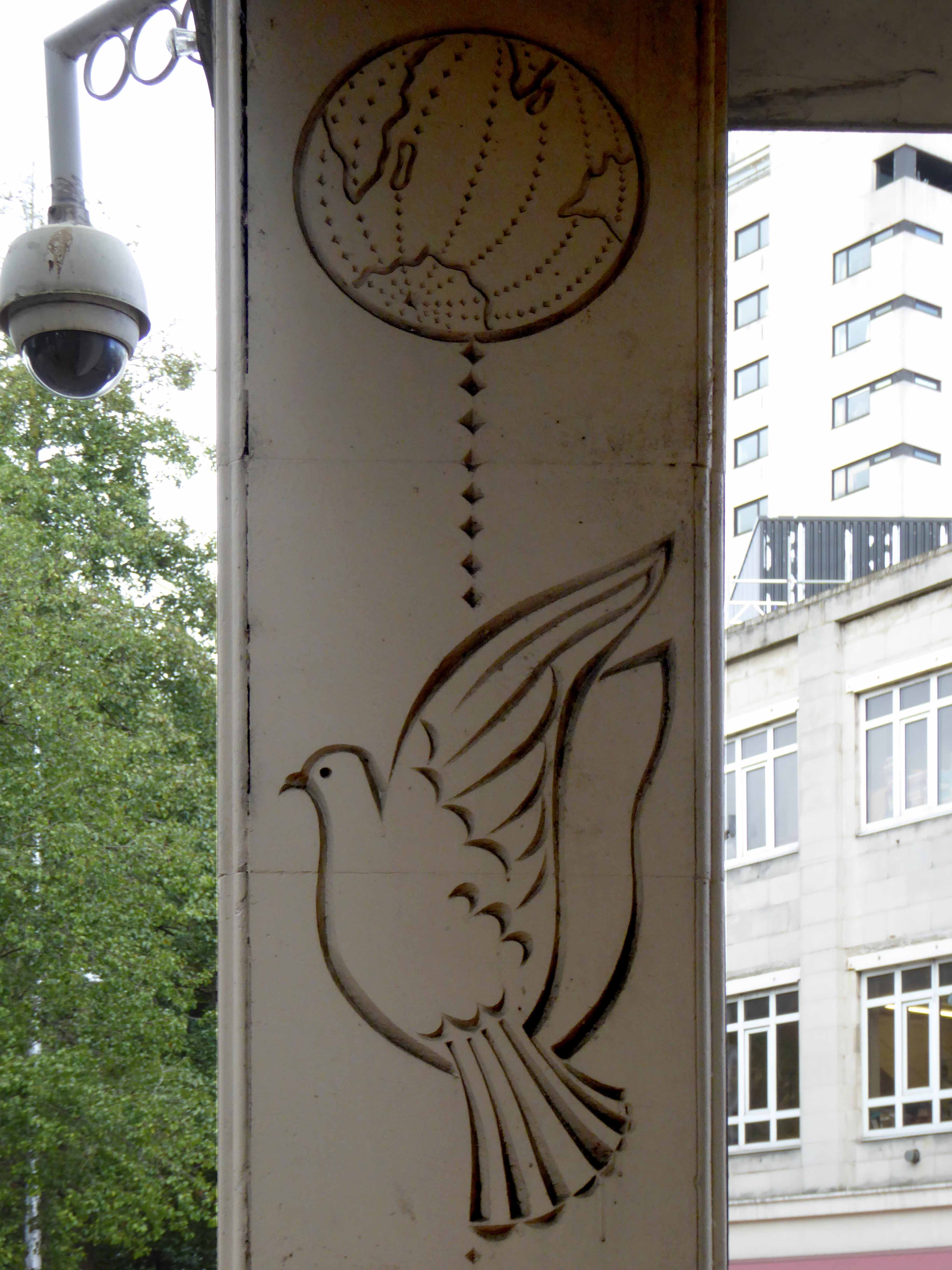
Still in clear view the stone relief work of John Skelton November 1956. Three of the eight column have incised Hornston stone works, depicting the activities of the CWS.

p1090991-copy

p1090992-copy

p1090993-copy

p1090994-copy

p1090995-copy

p1090996-copy

p1090997-copy

p1090998-copy

p1090999-copy

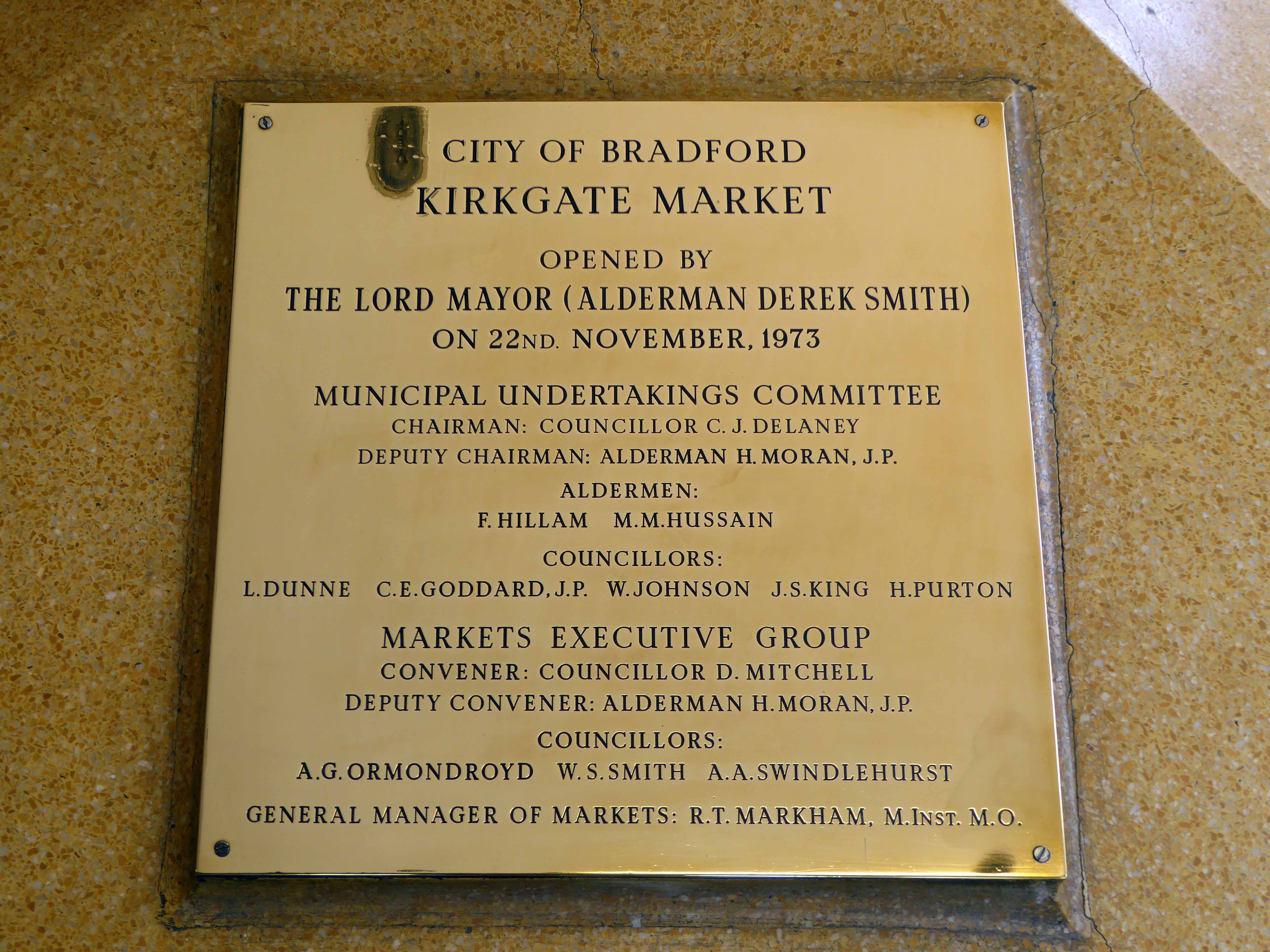
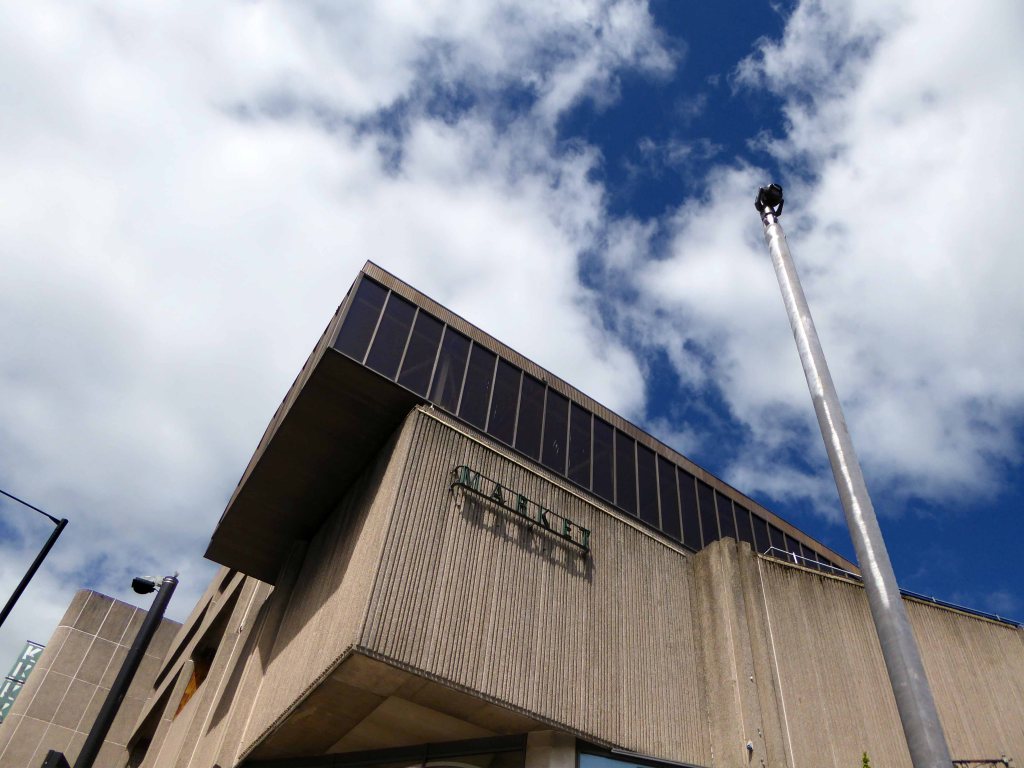
Kirkgate Market – Bradford

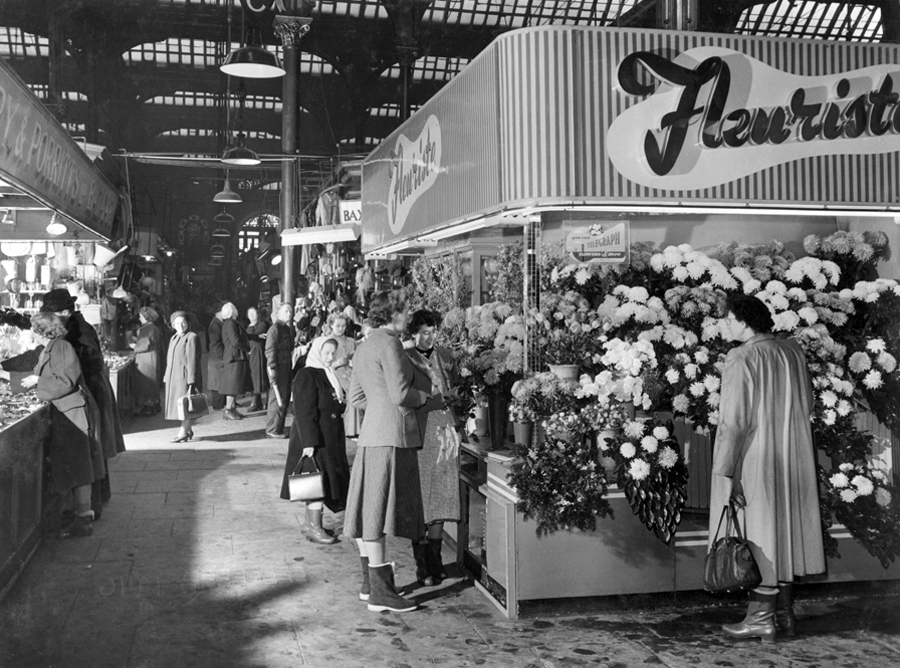
Yorkshire is a county of market towns – Bradford is no exception, a mediaeval village expanding with the growth of the wool trade and the coming of the Industrial Revolution.

P1050380 copy

Flourishing.

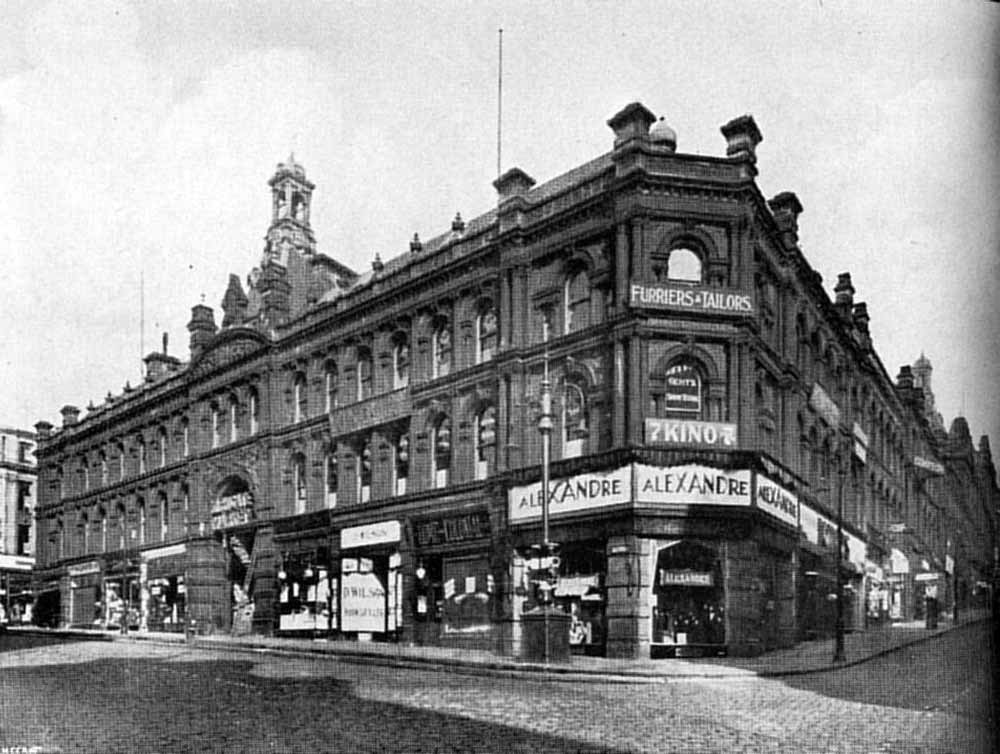
The site was originally occupied by an imposing building of 1878.

5142193649_7127ea46f8_b
Q1976

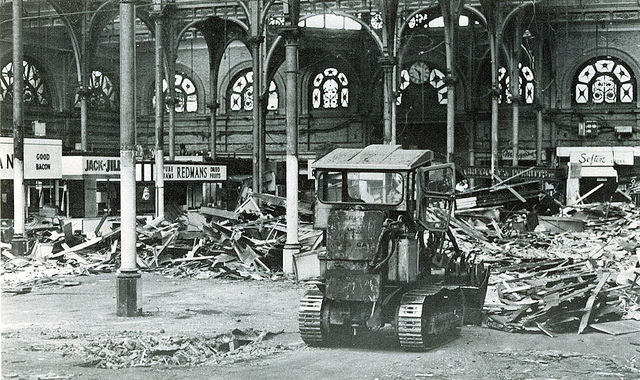
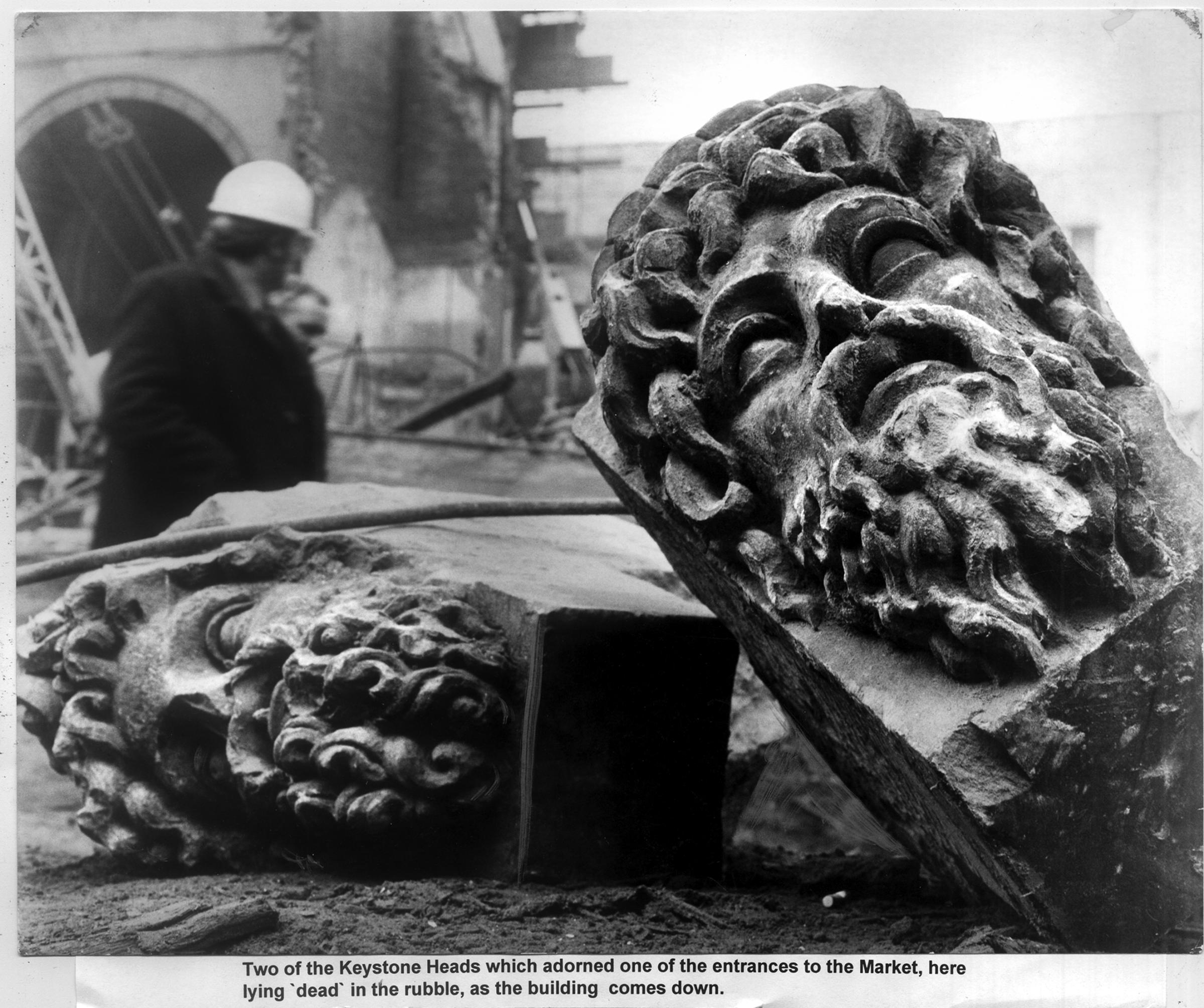
Demolished in 1973.

5177960364_c44e85ae92_z
imgID8575583

To be replaced by a Brutalist build in the same year.

P1050379 copy

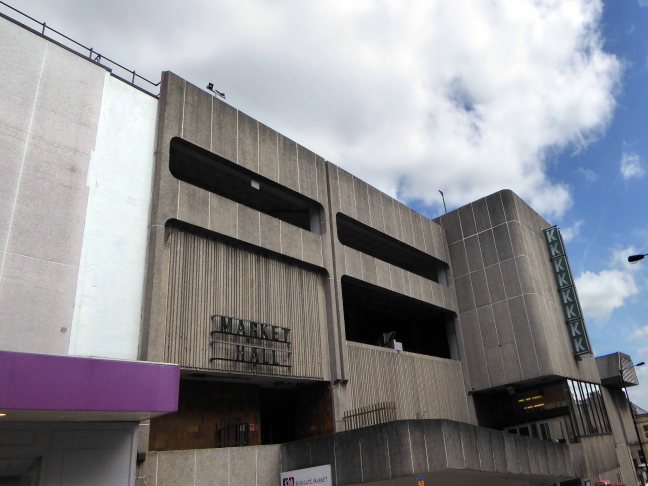
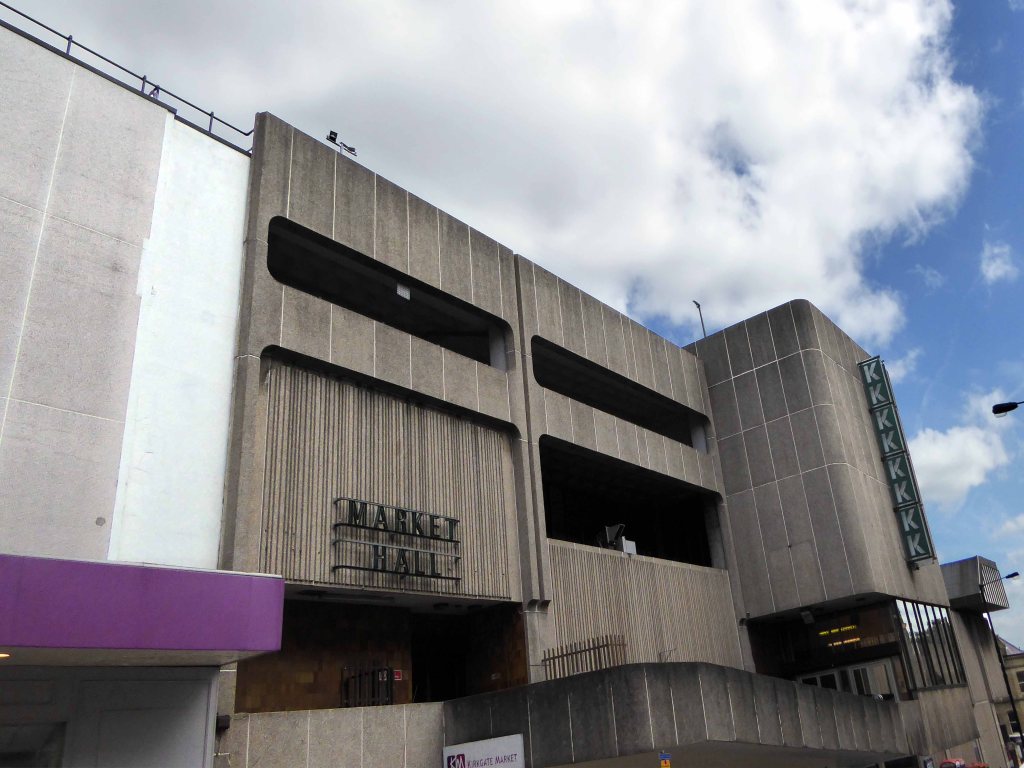
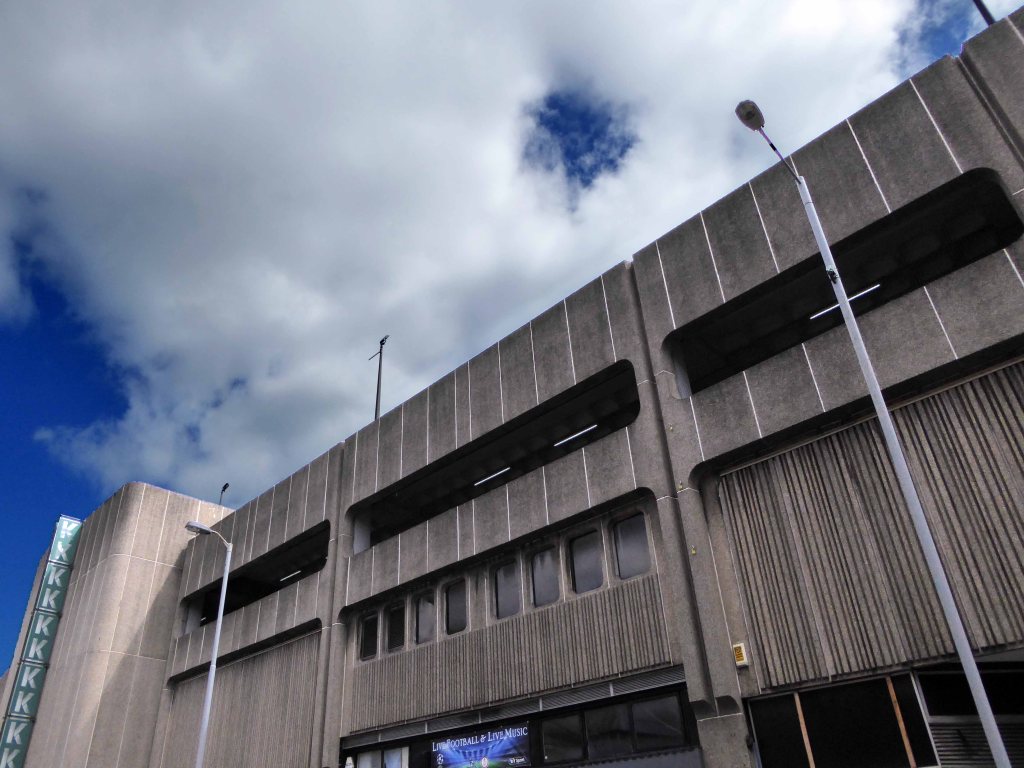
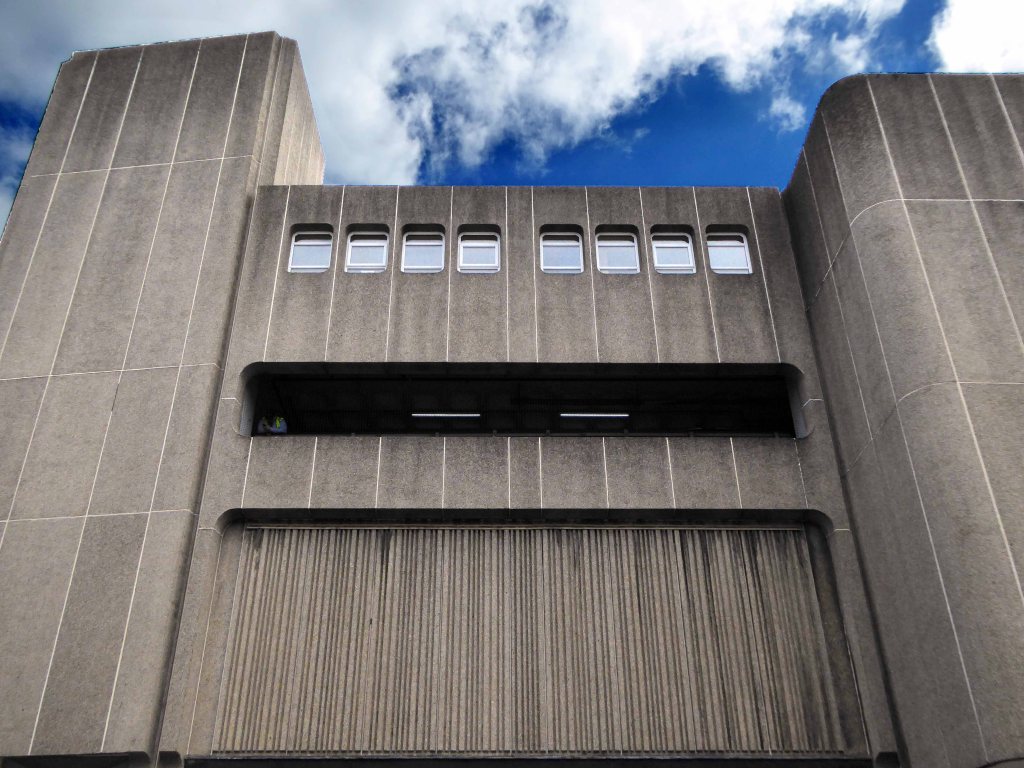
A structure of bold geometry, contrasting brick and warm, raw striated concrete.

The huge building, designed by John Brunton & Partners, was dubbed Bradford’s ‘space-age shopping centre’ when it opened in 1976. One of a series of American-style Arndale malls

Now the city council has purchased the centre for £15.5 million and agreed a deal that will see Primark – the largest of Kirkgate’s remaining stores – move to Bradford’s Broadway mall which opened in 2015.

The initiative will allow the authority to double the size of its proposed City Village programme, which it hopes will create better public spaces and 1,000 new homes in a ‘world-class sustainable urban’ across 5 acres of city centre land.

Architects Journal

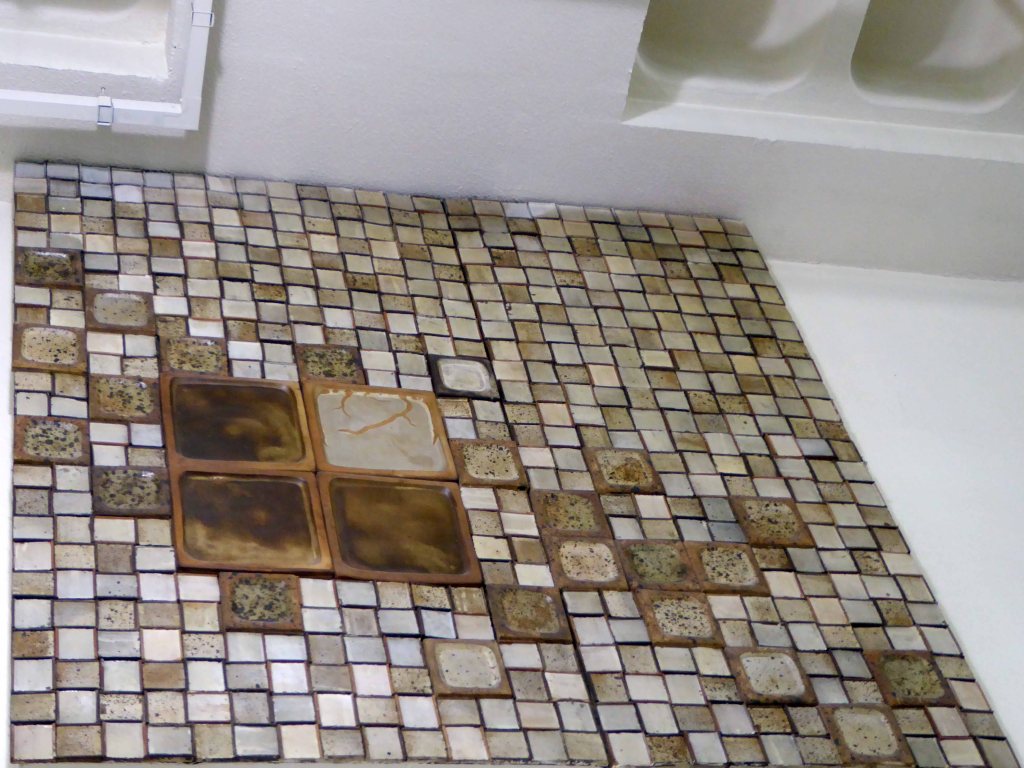
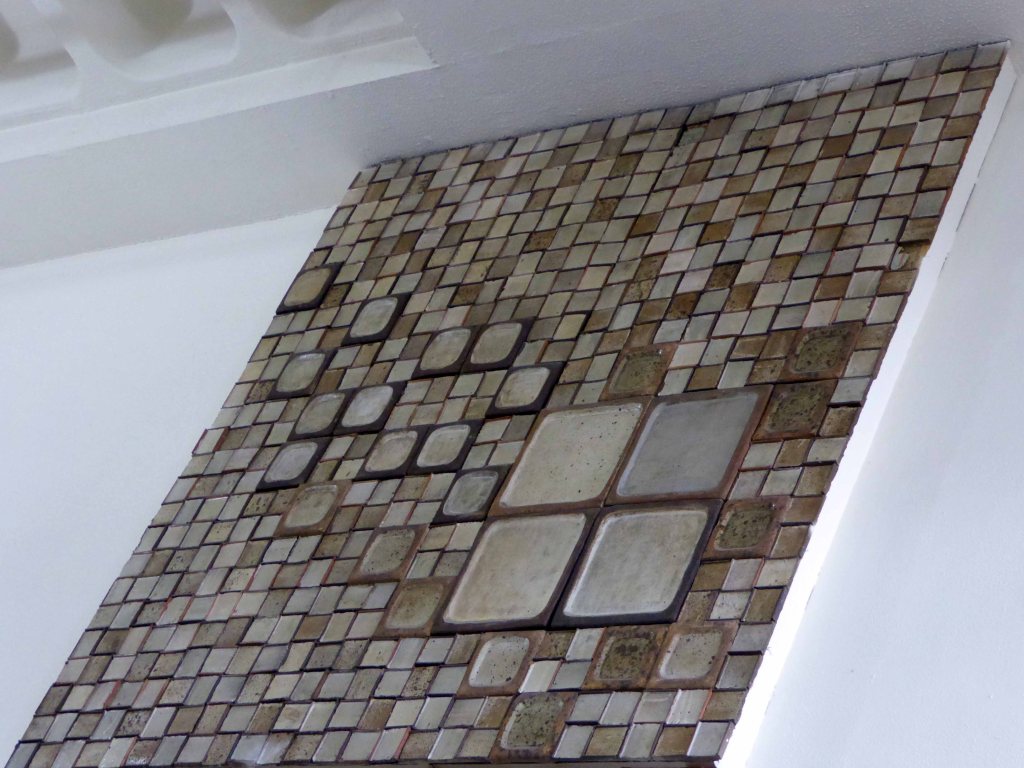
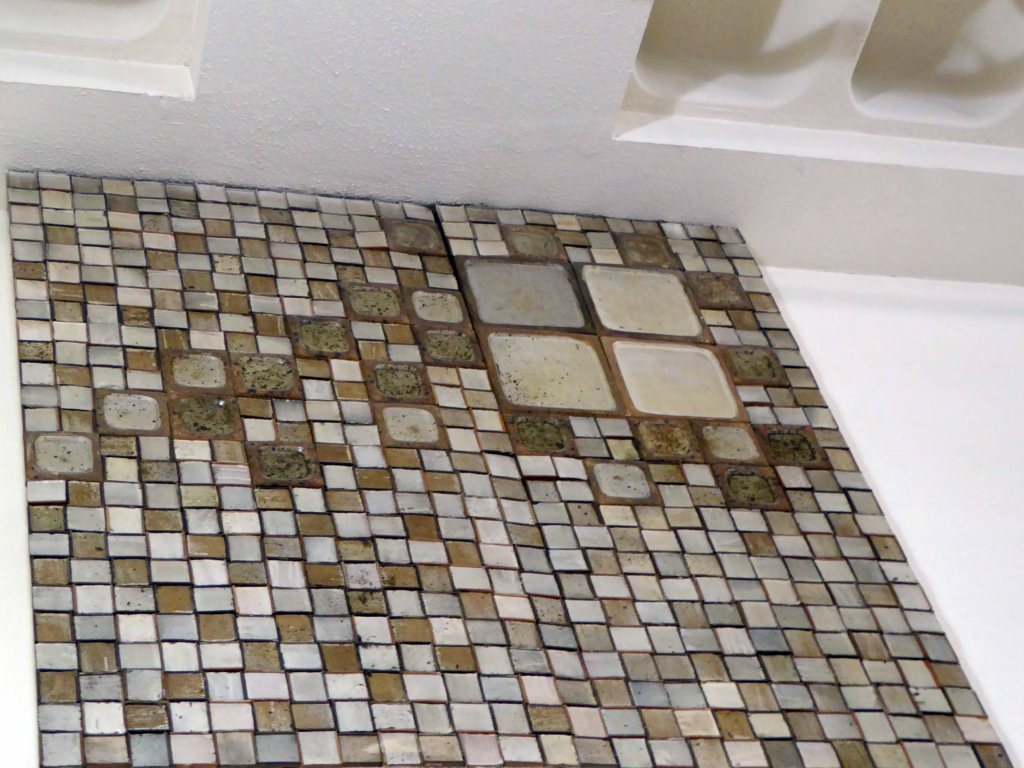
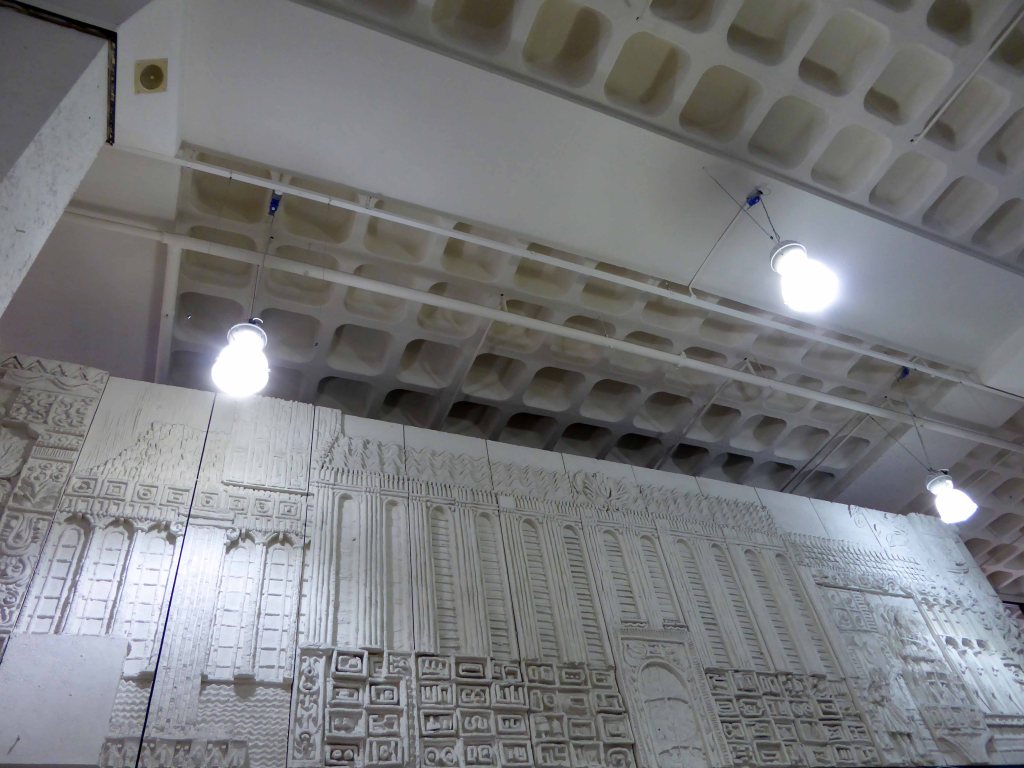
The interior has several decorative features, tiles their authorship and origins unknown, consisting of four 2.5 metre, and one 6.5 metre  square ceramic panels.

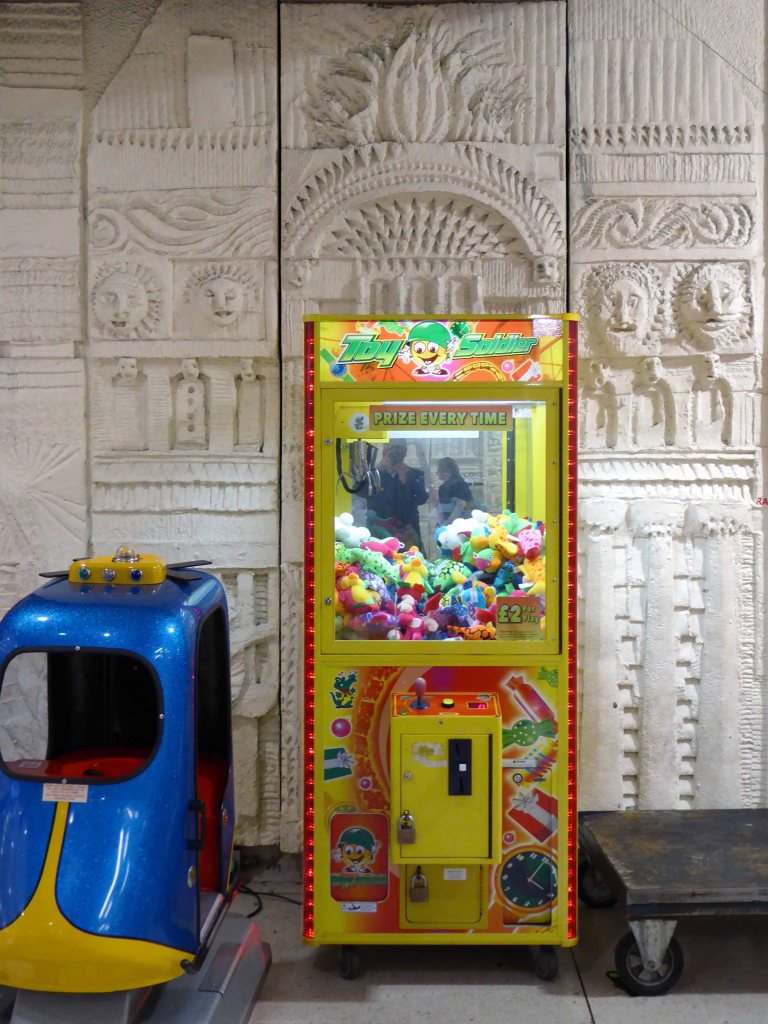
Alongside William Mitchell concrete reliefs.

We now know that they are the work of Fritz Steller – also responsible for Huddersfield’s Queensgate Market ceramics.

So farewell fair Kirkgate, I love your stairwell.

Well.

P1050382 copy

Eastford Square – Collyhurst

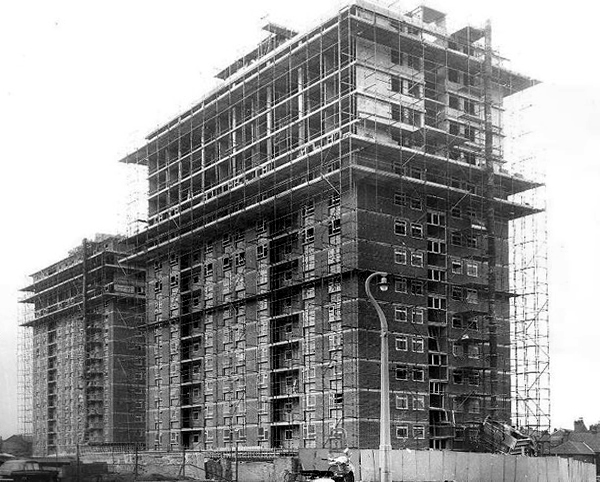
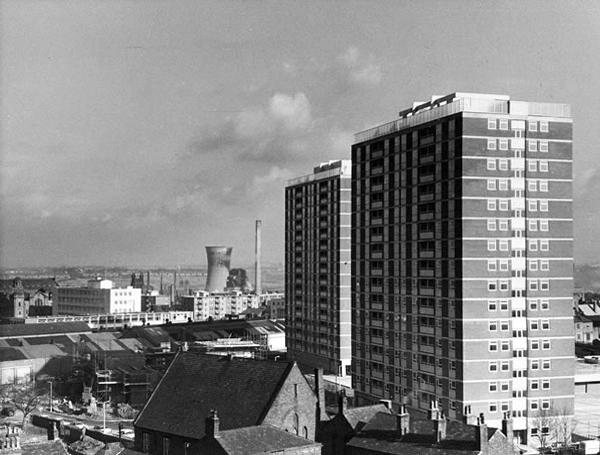
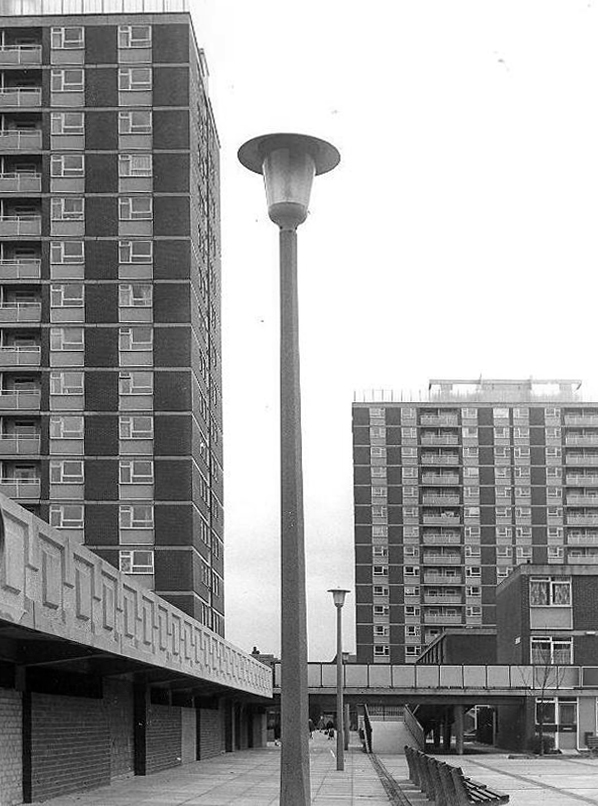
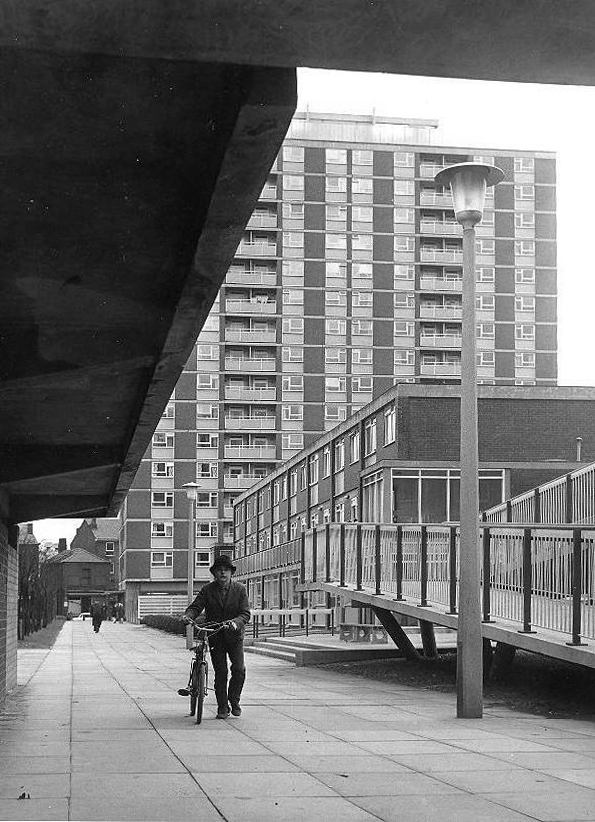
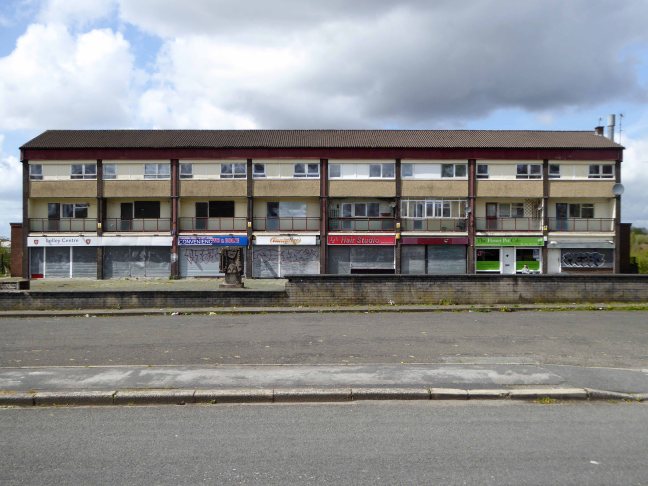
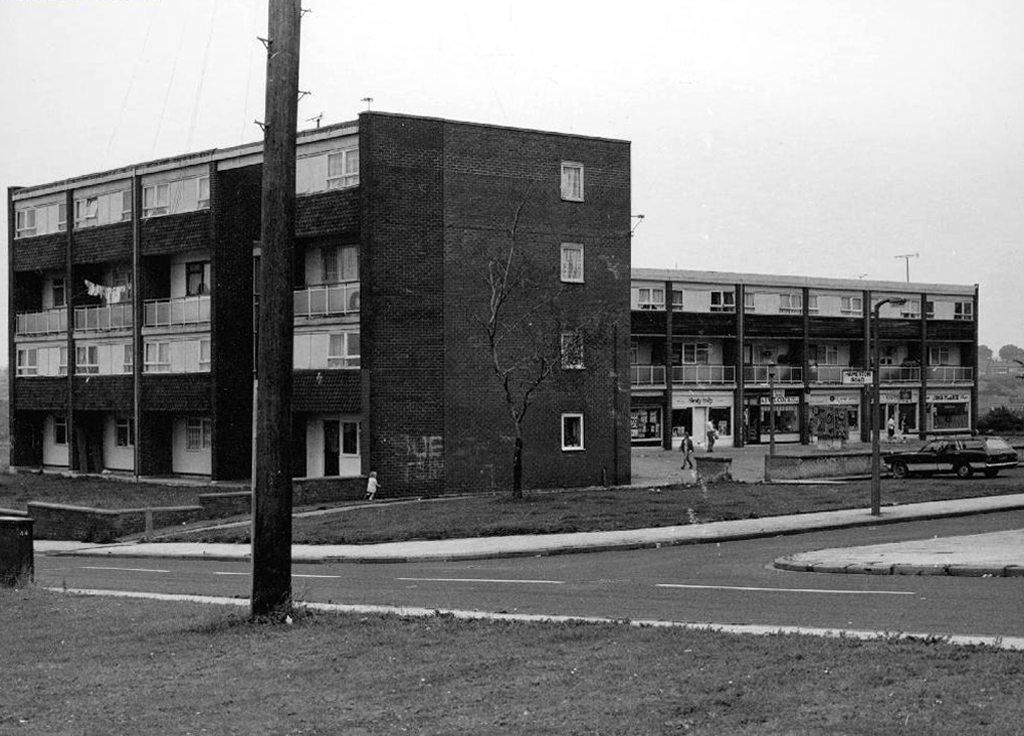
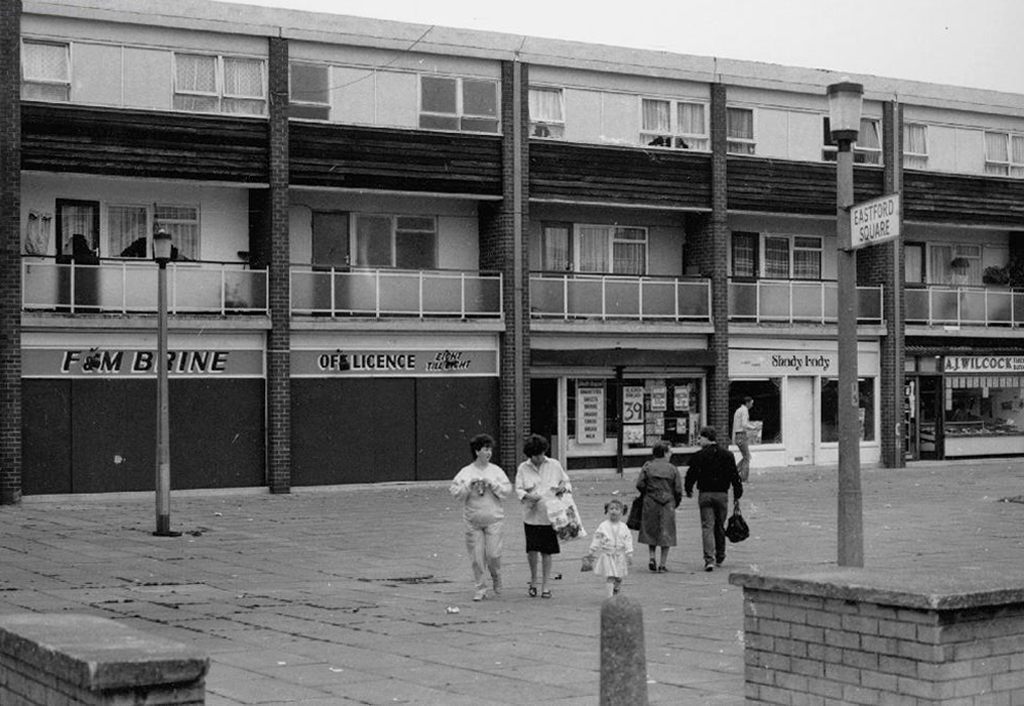
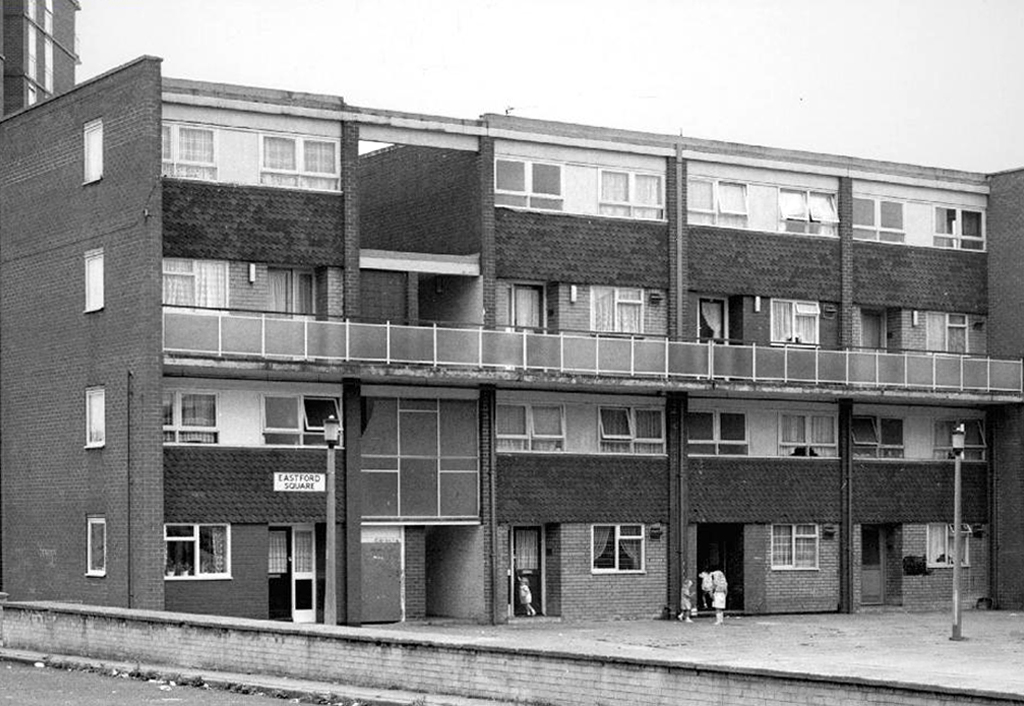
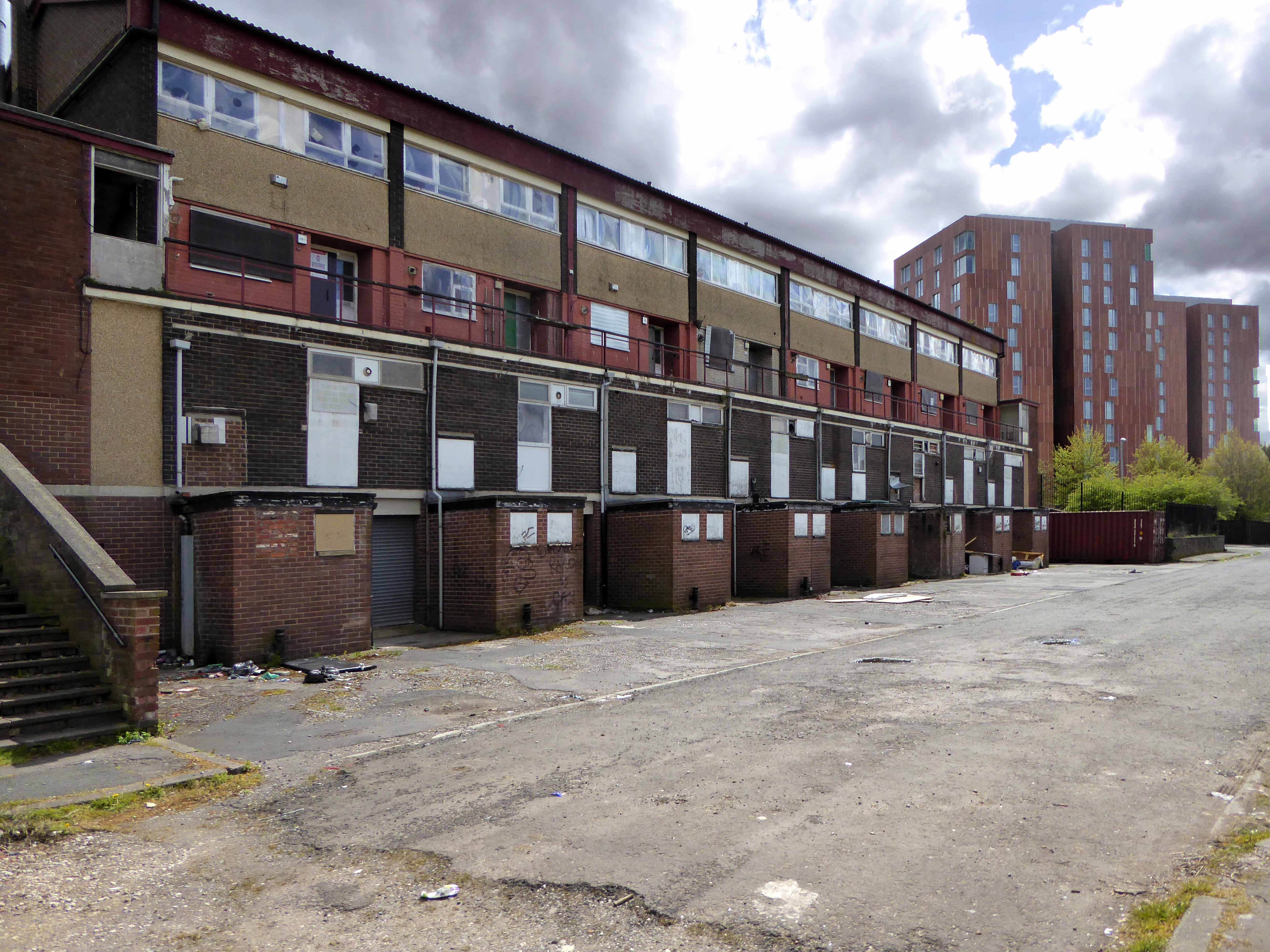
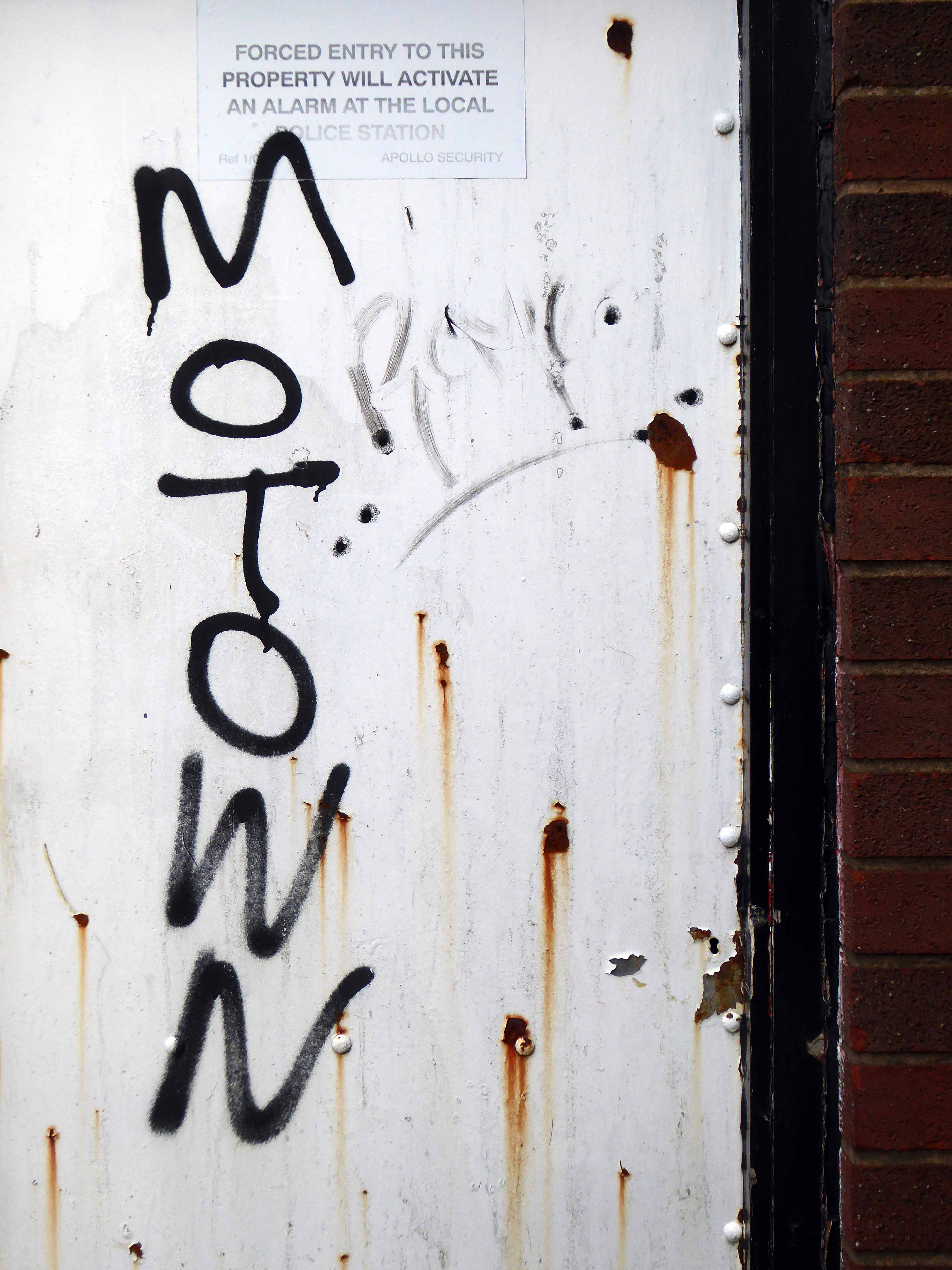
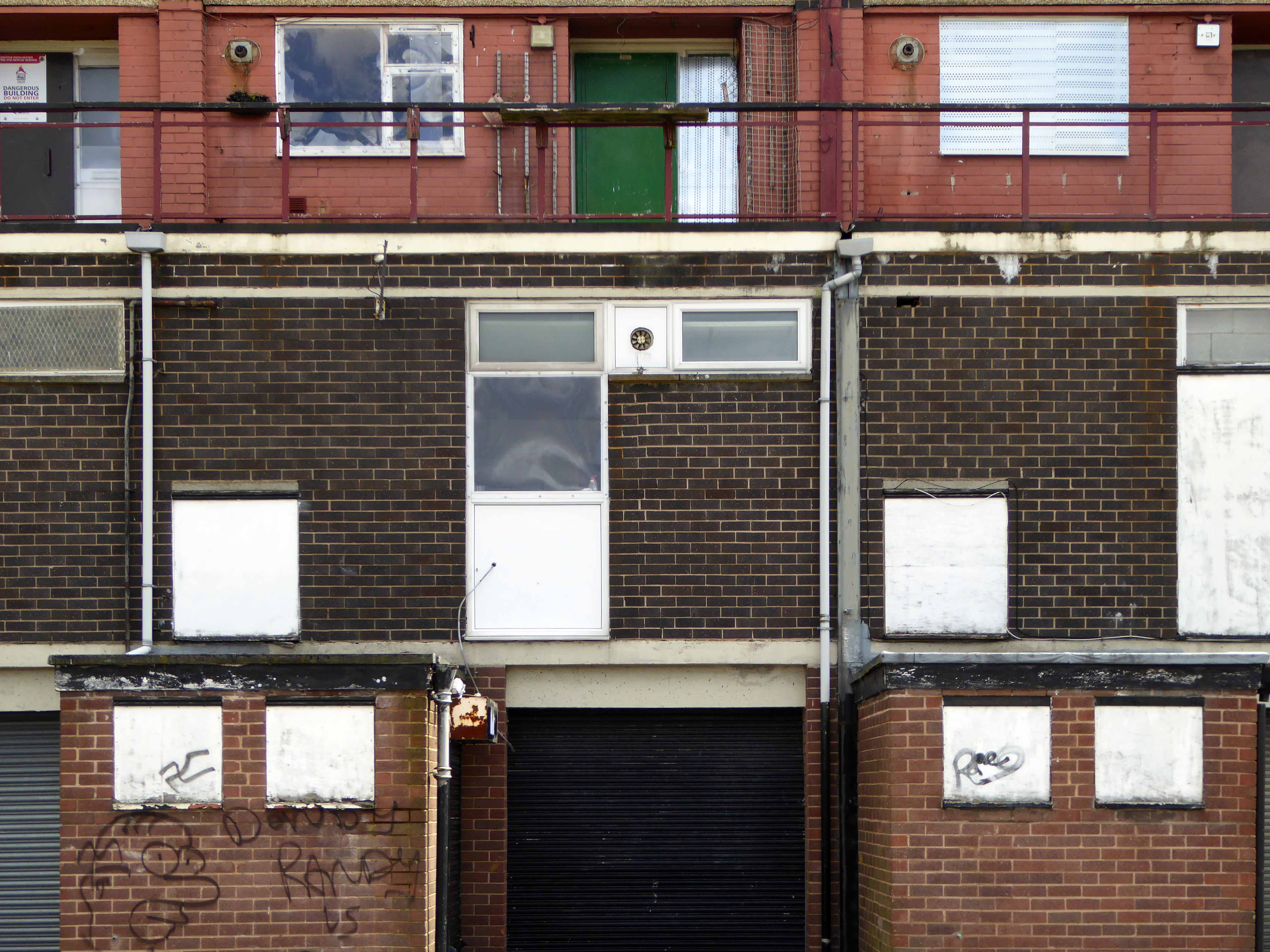
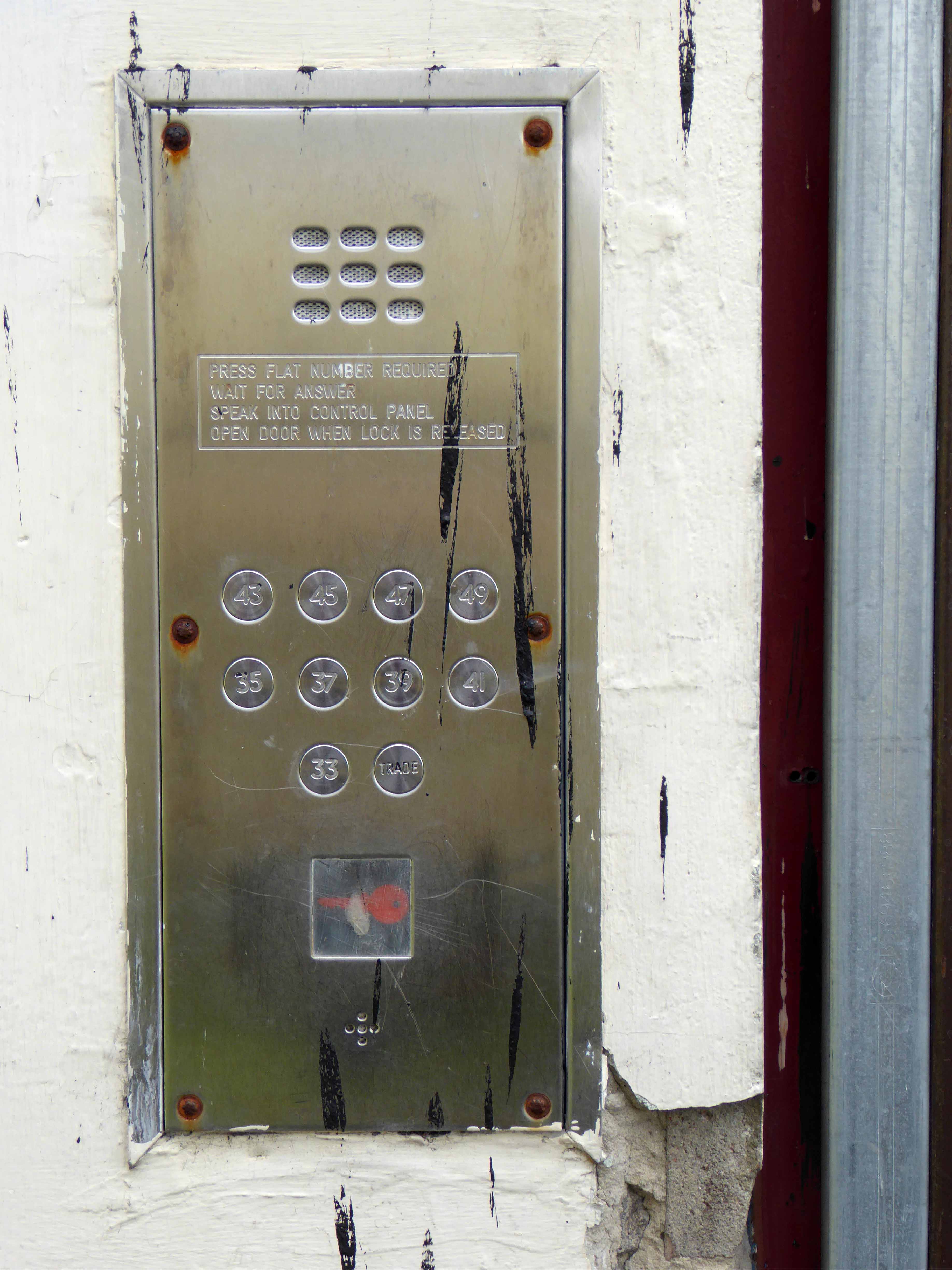
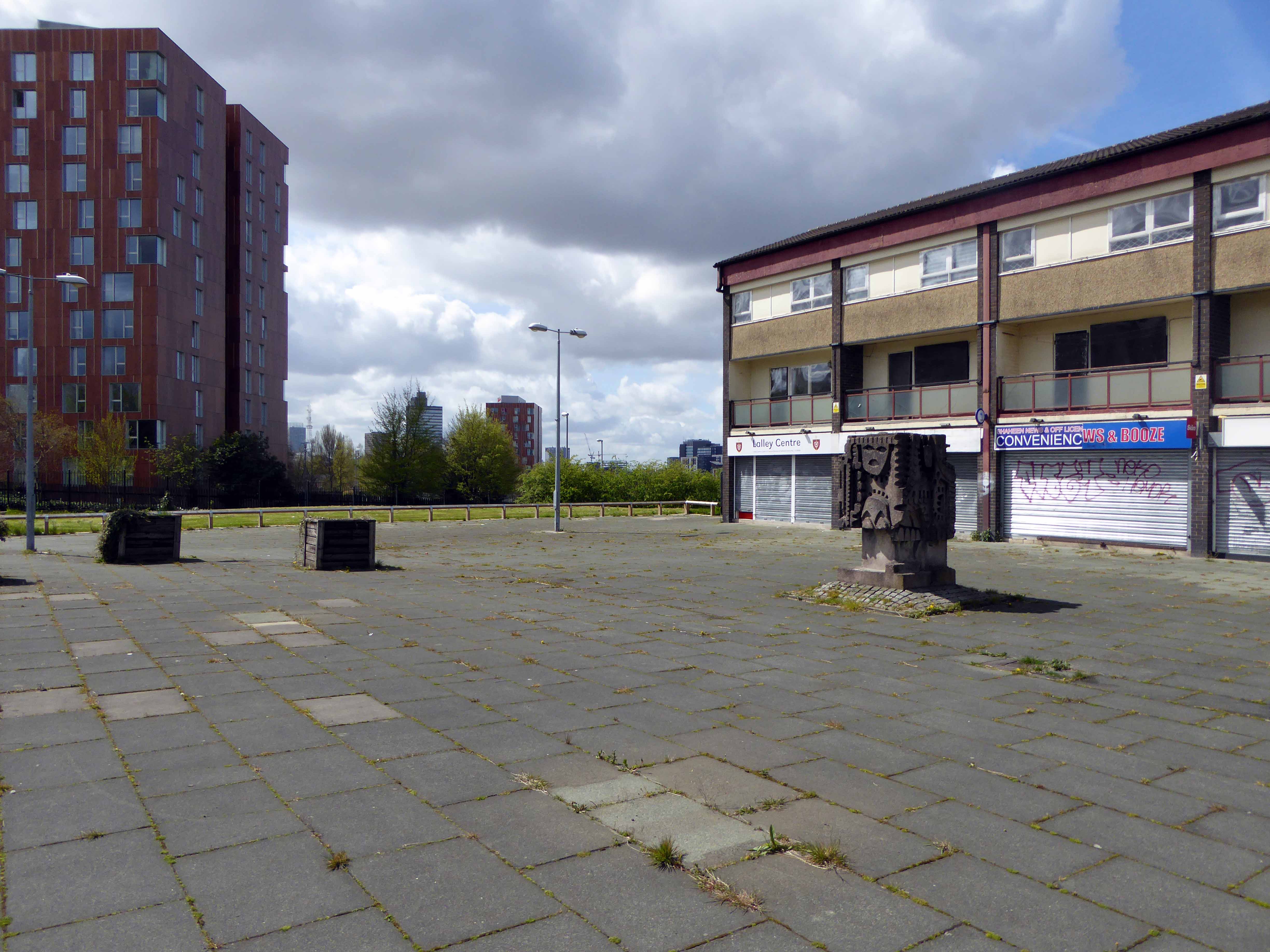
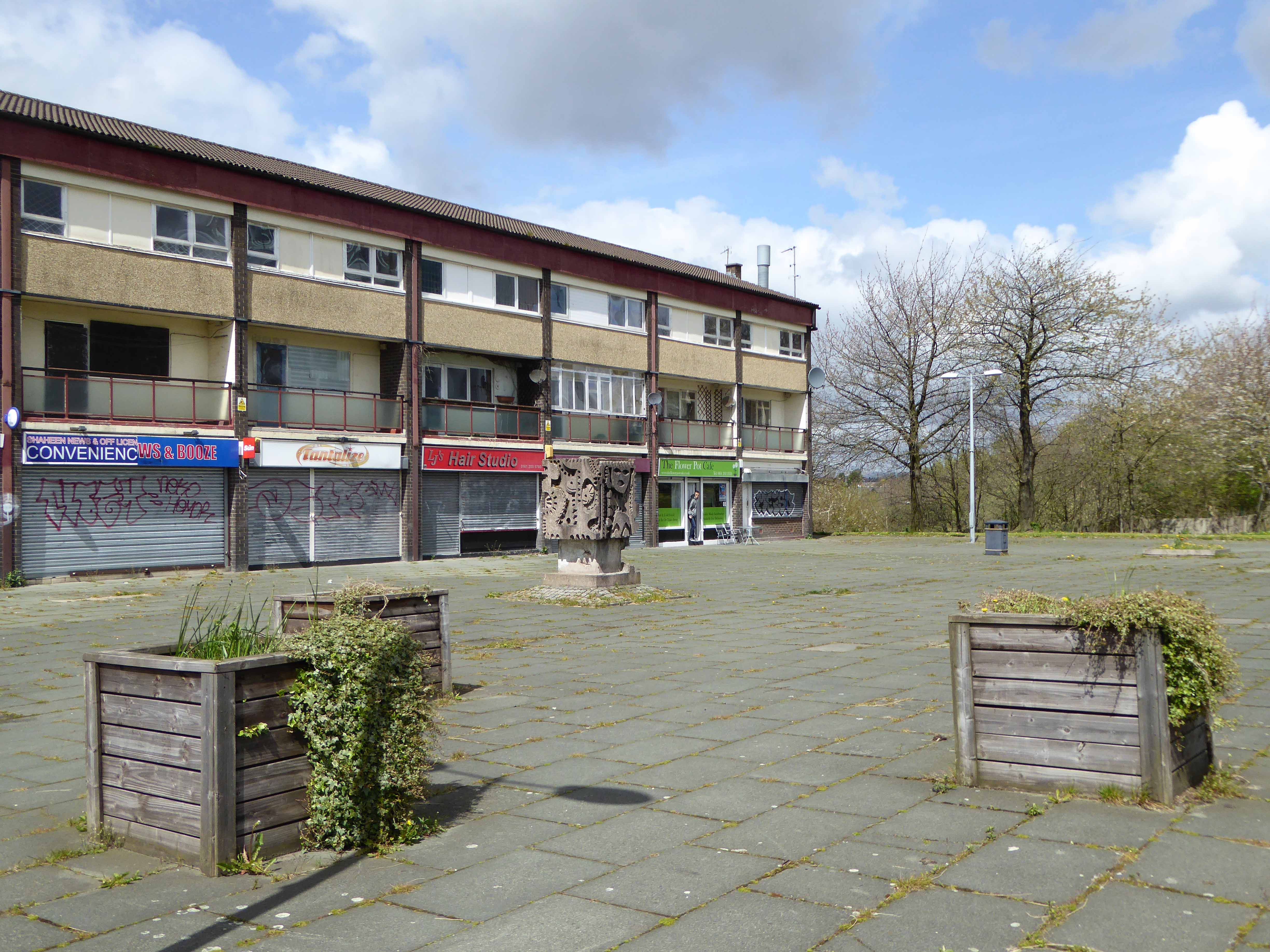
Once there were homes, postwar social housing.

Once there were jobs, a measure of prosperity.

A settled community.

webmedia-1.php
webmedia-4.php
webmedia-2.php
webmedia-3.php

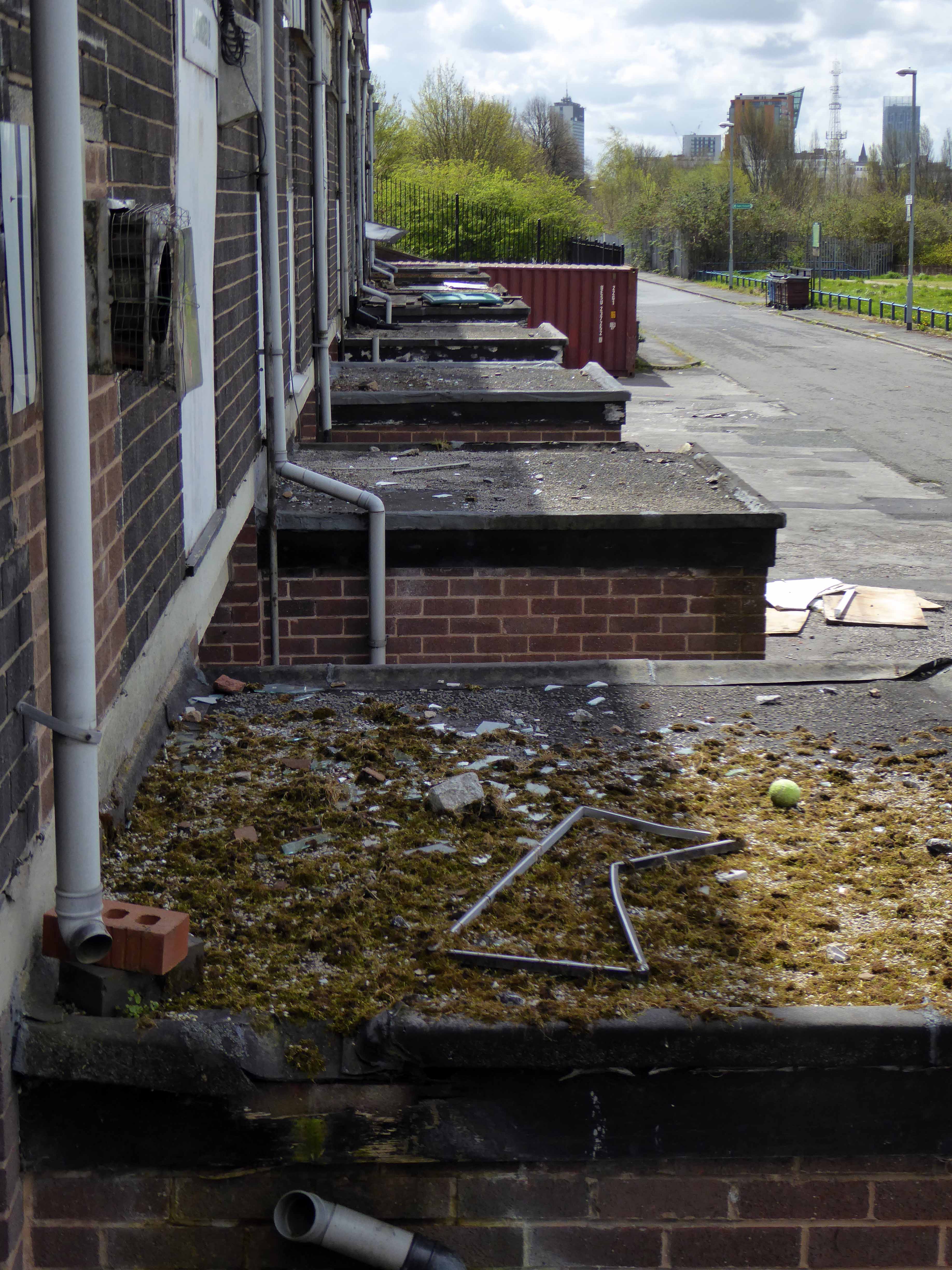
Time has not been kind to North Manchester, successive slumps, double-dip depressions, economic downturns, and centrally imposed recession hurts.

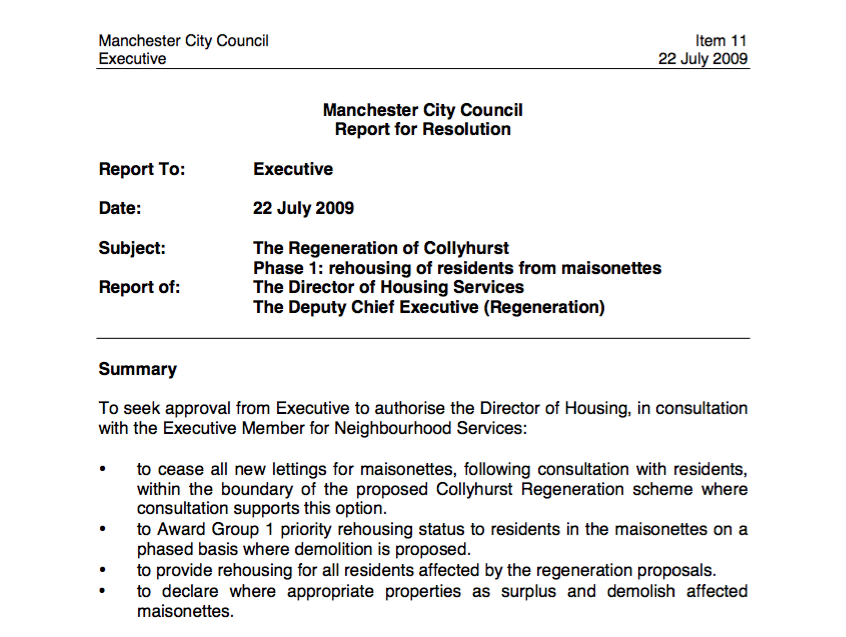
The local authority steps in, from 2009 the fate of Eastford Square is sealed.

Regeneration.Screen Shot 2016-05-06 at 16.39.43

Spells demolition.

One wing is already gone, the maisonettes are tinned up.

P1040328 copy
P1040330 copy
P1040310 copy
P1040340 copy
P1040333 copy
P1040327 copy
P1040329 copy

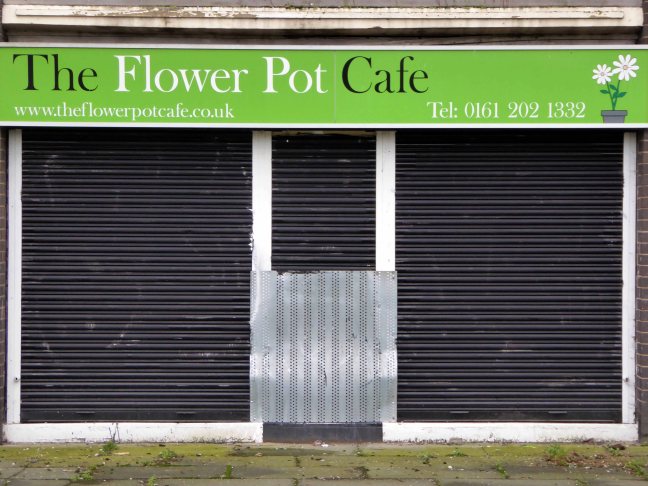
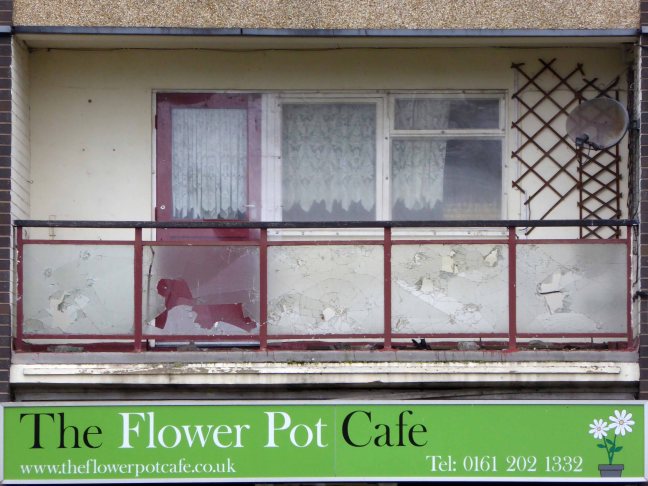
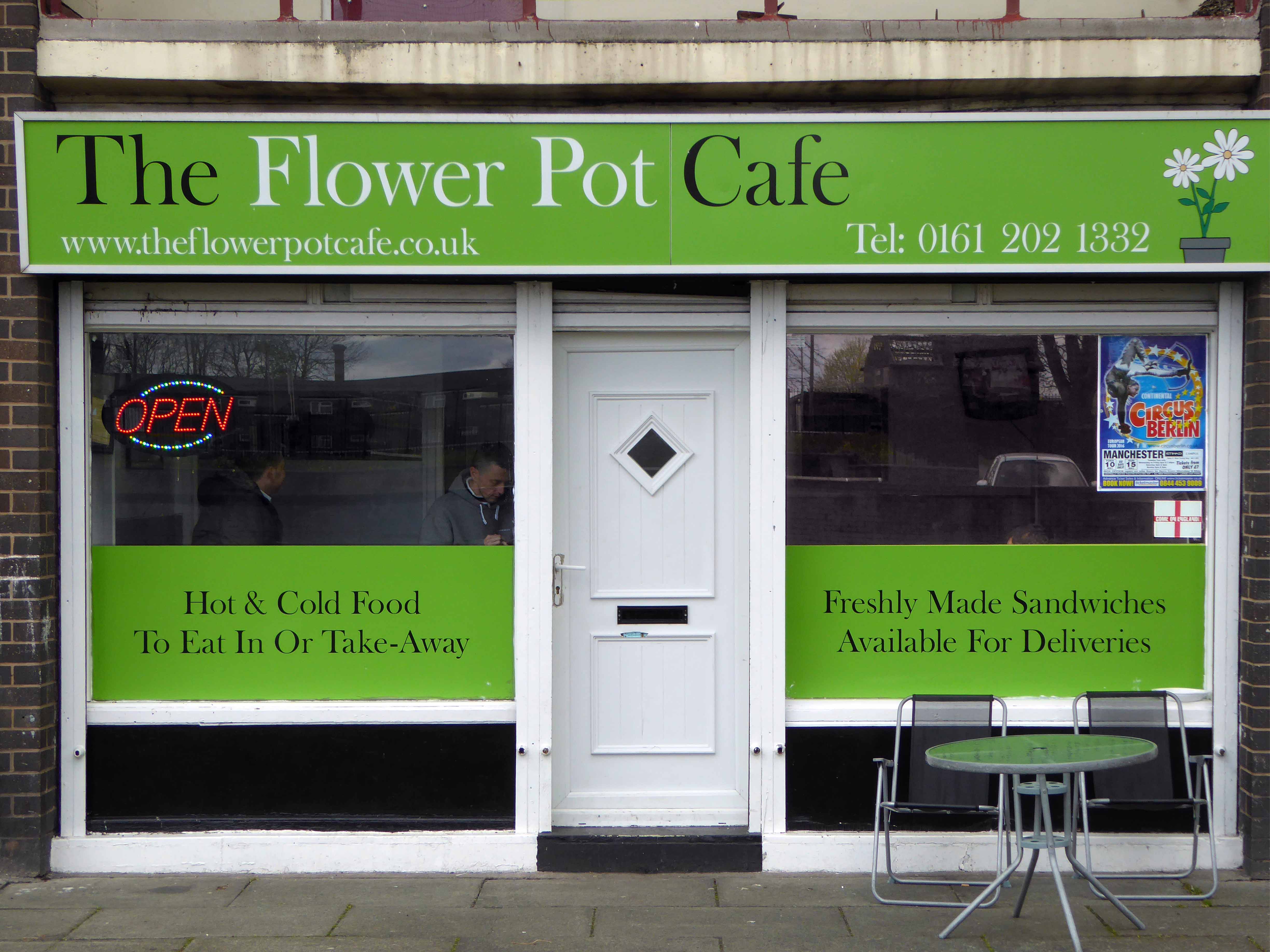
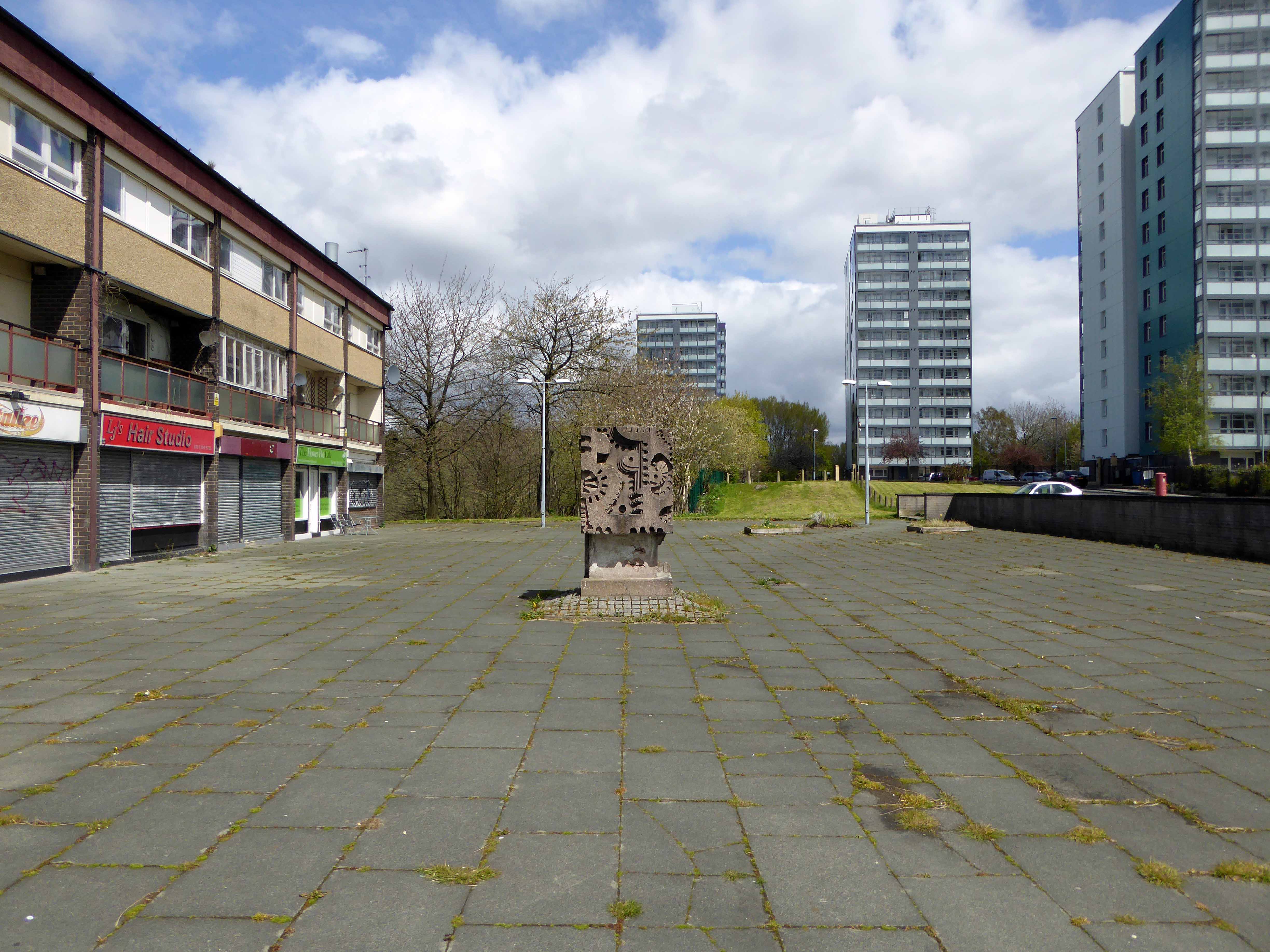
The Flower Pot Café, still fully functional, fed me well for £2, Lee the proprietor is living on borrowed time though, hoping for relocation within the new development.

P1040316 copy

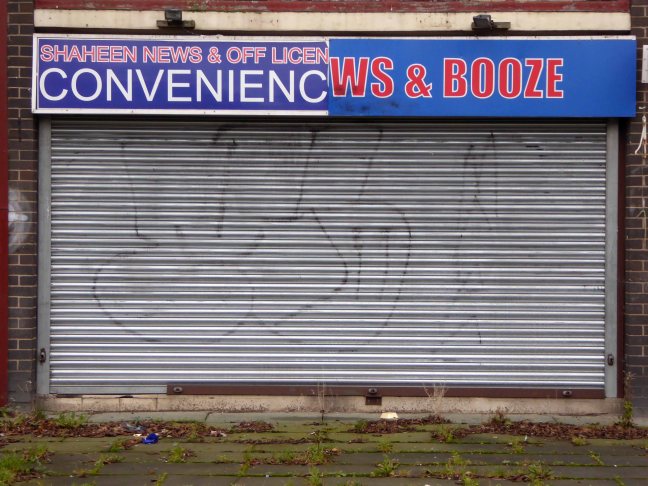
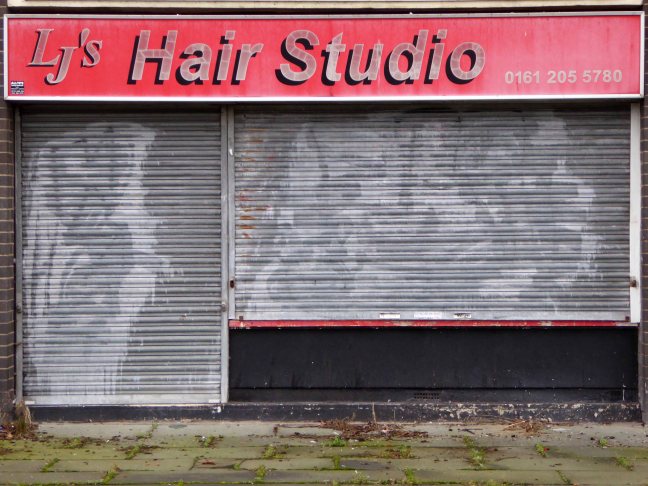
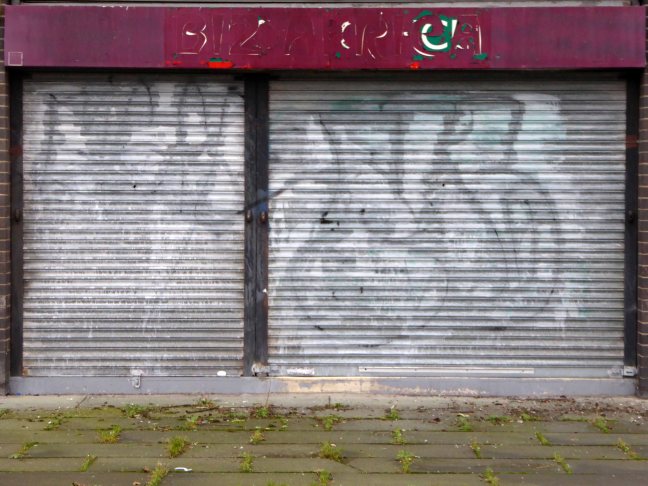
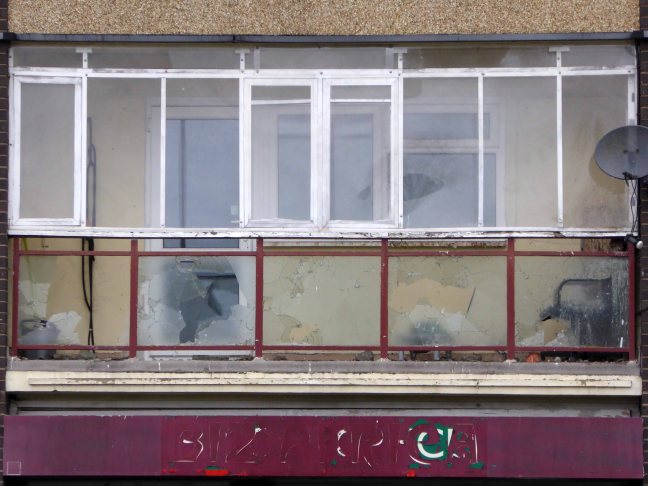
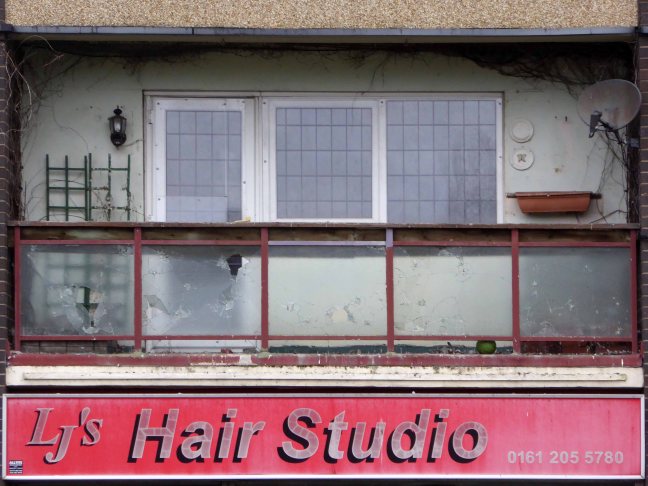
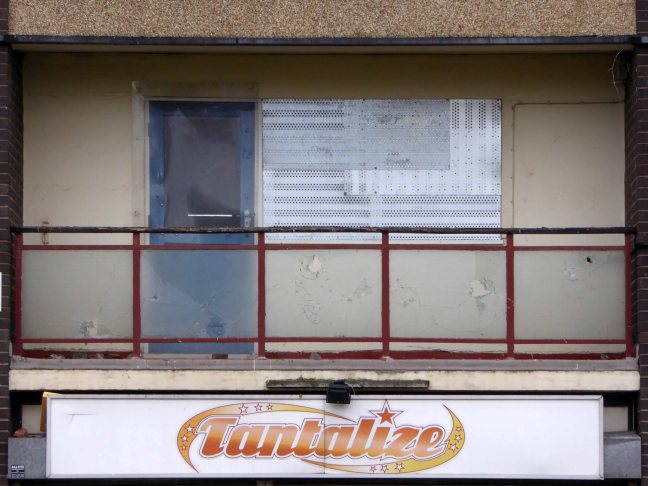
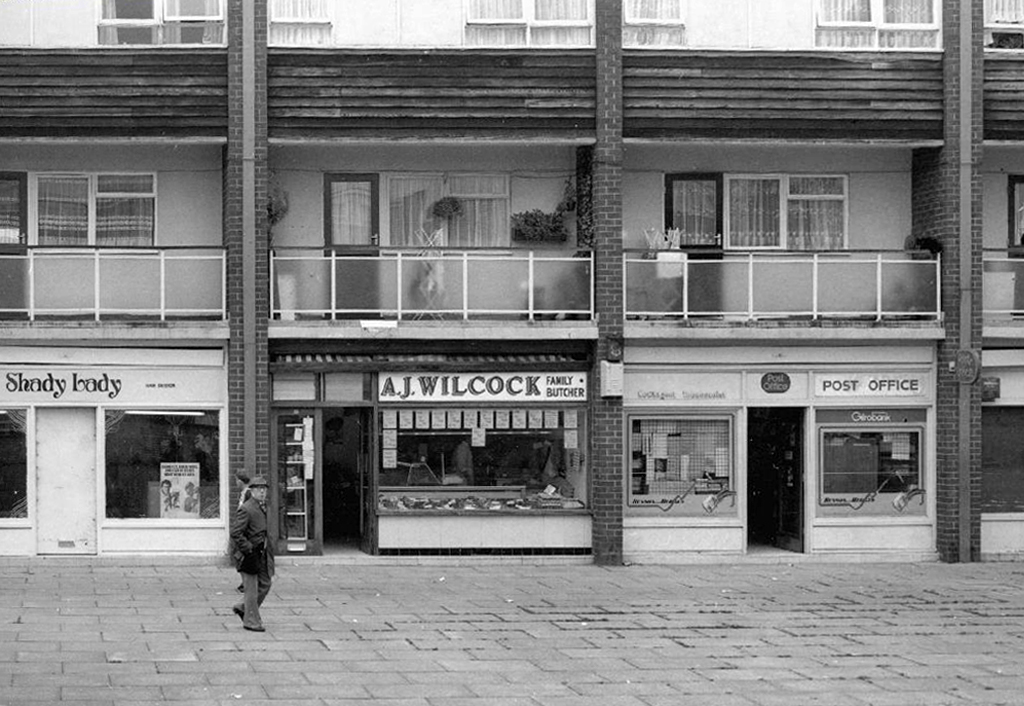
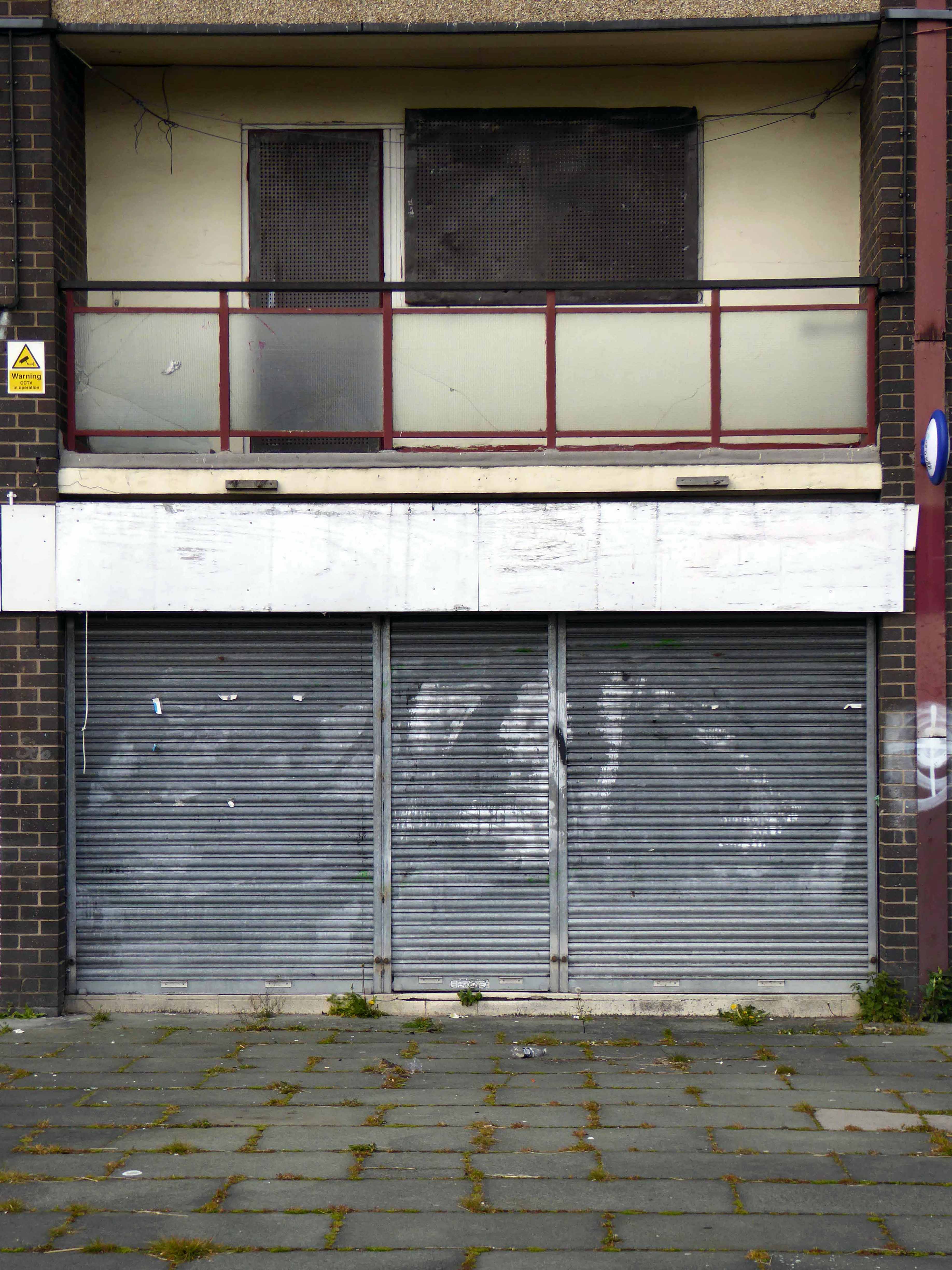
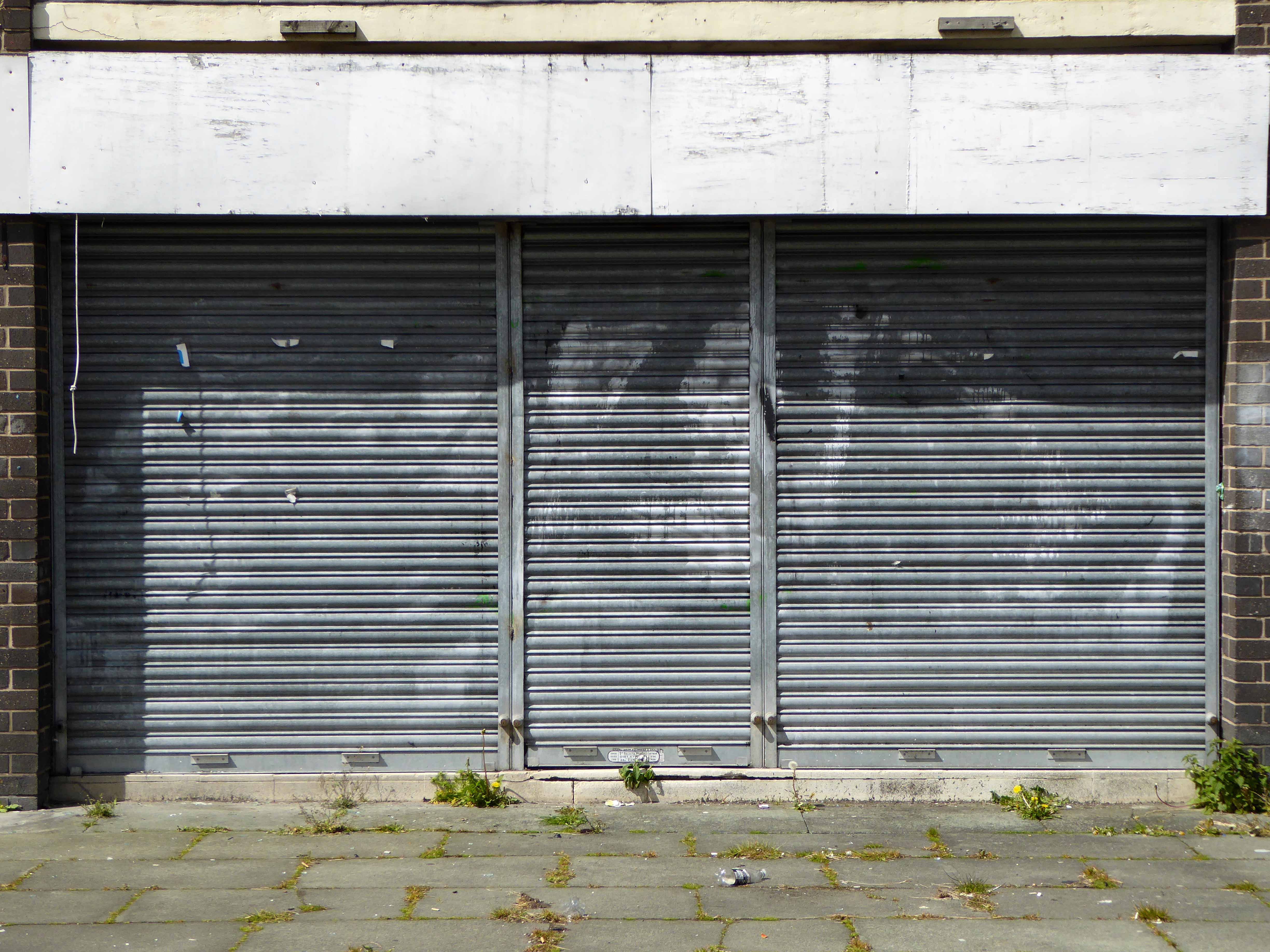
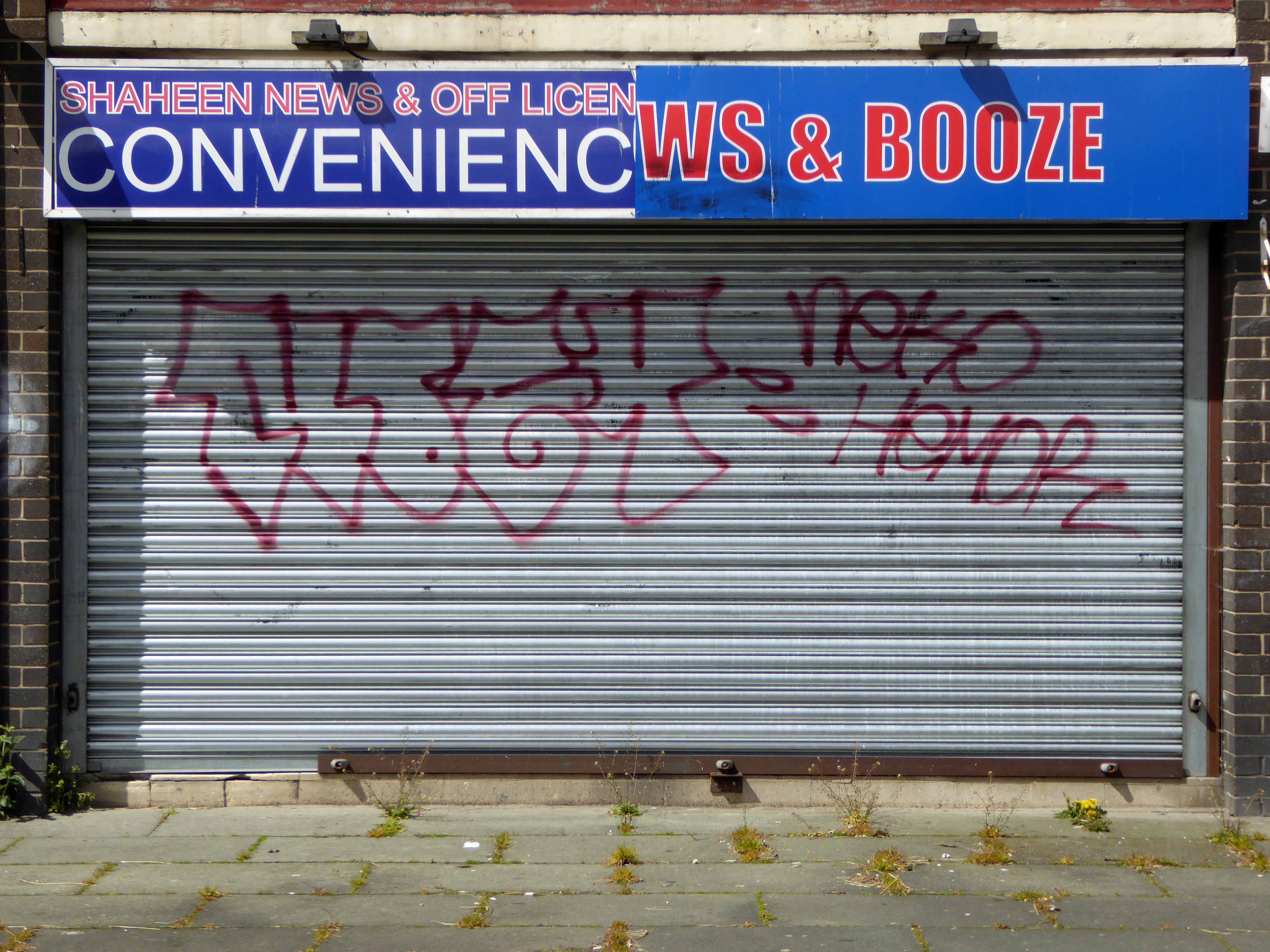
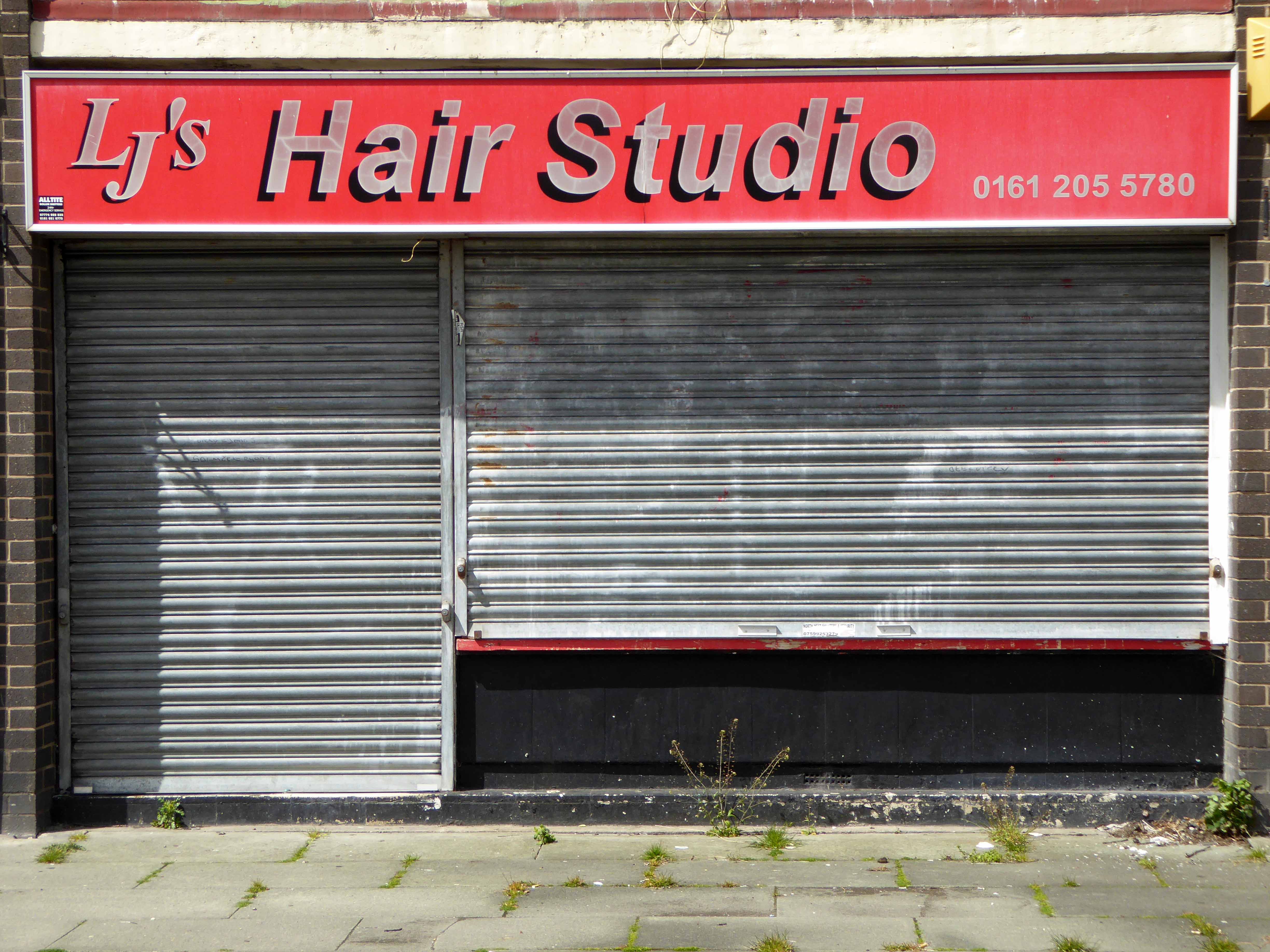
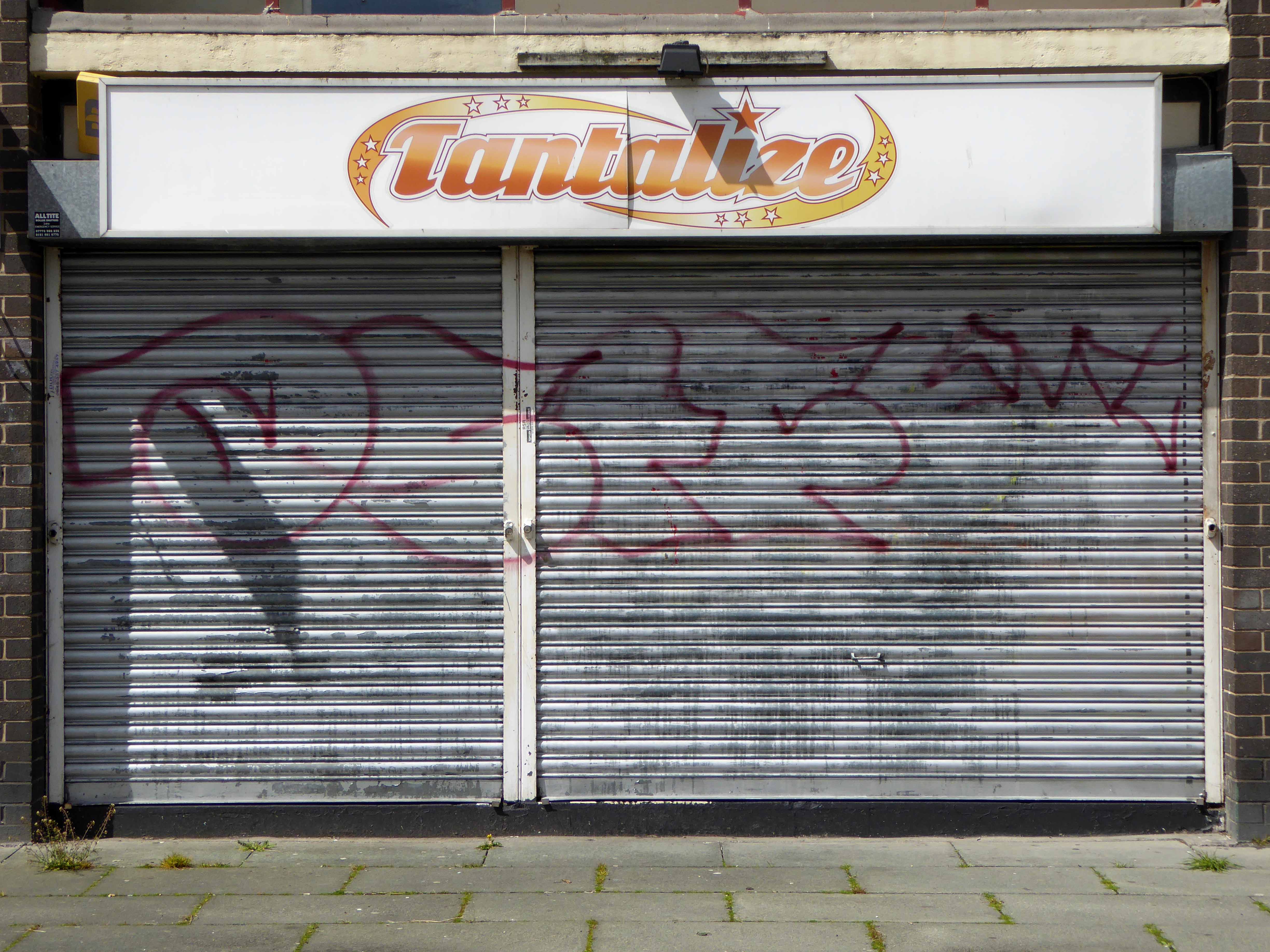
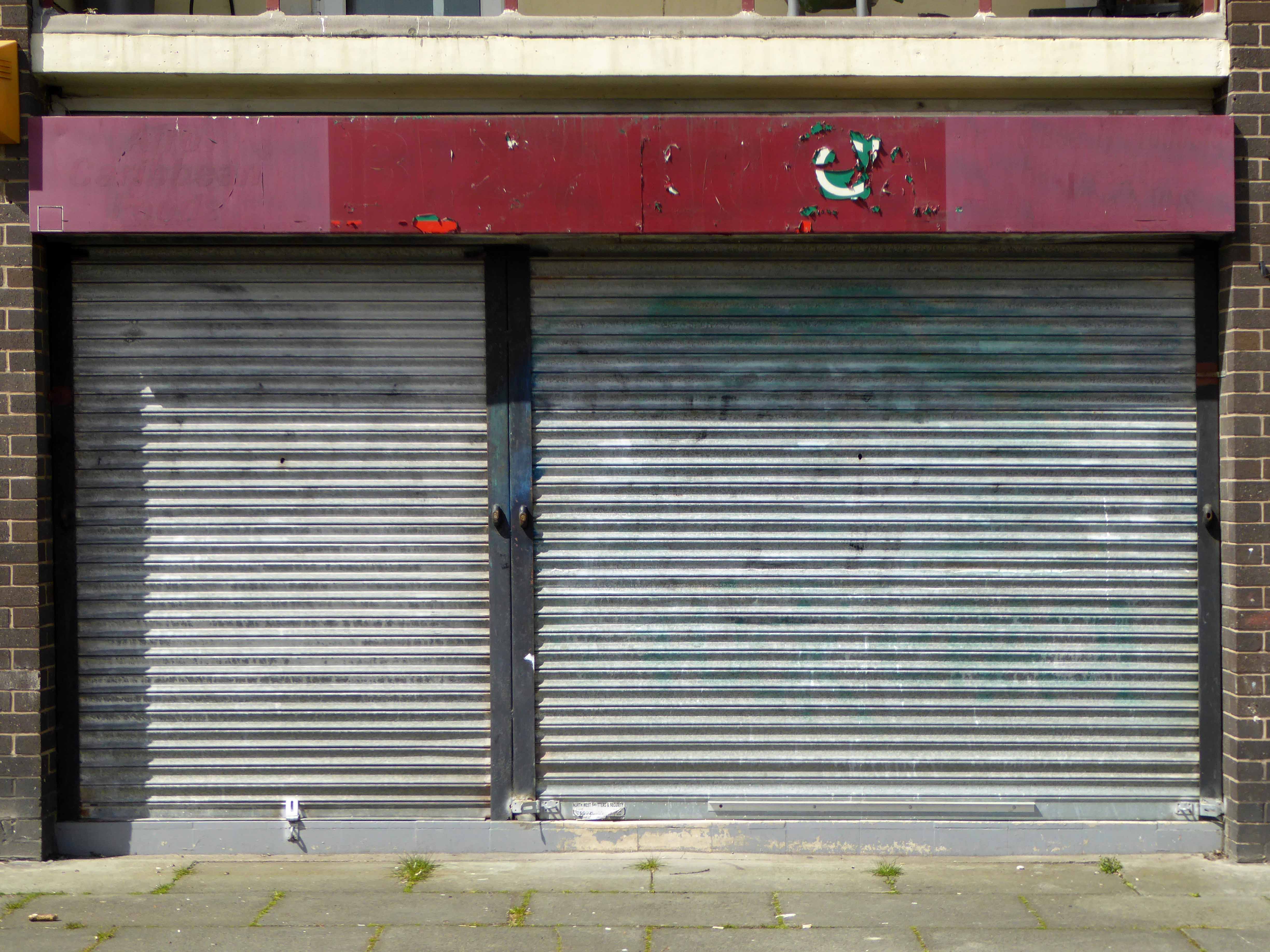
Other businesses have not survived the transition, awaiting CPO and who knows what.

P1040308 copy
P1040307 copy
P1040306 copy
P1040305 copy
P1040314 copy

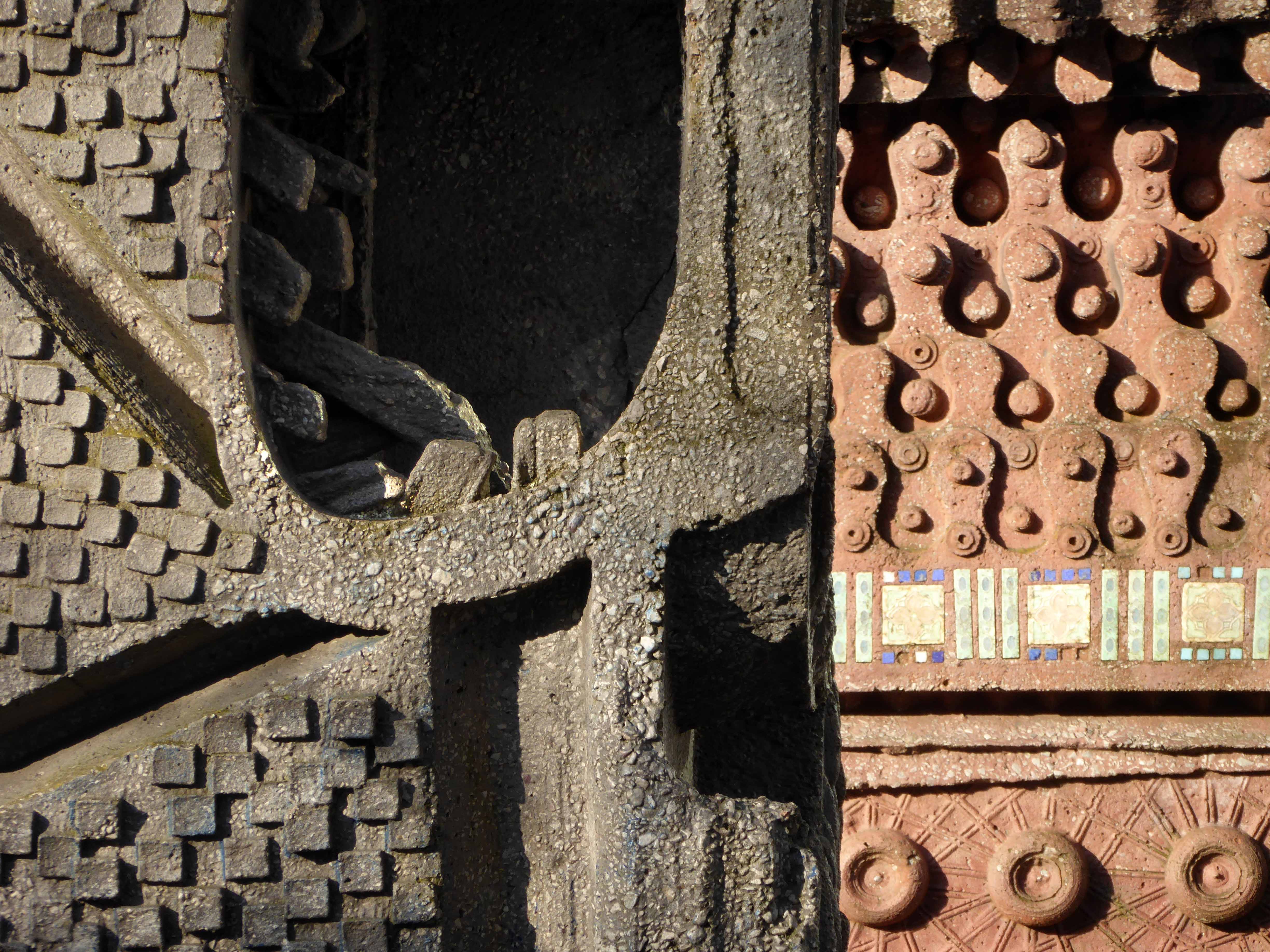
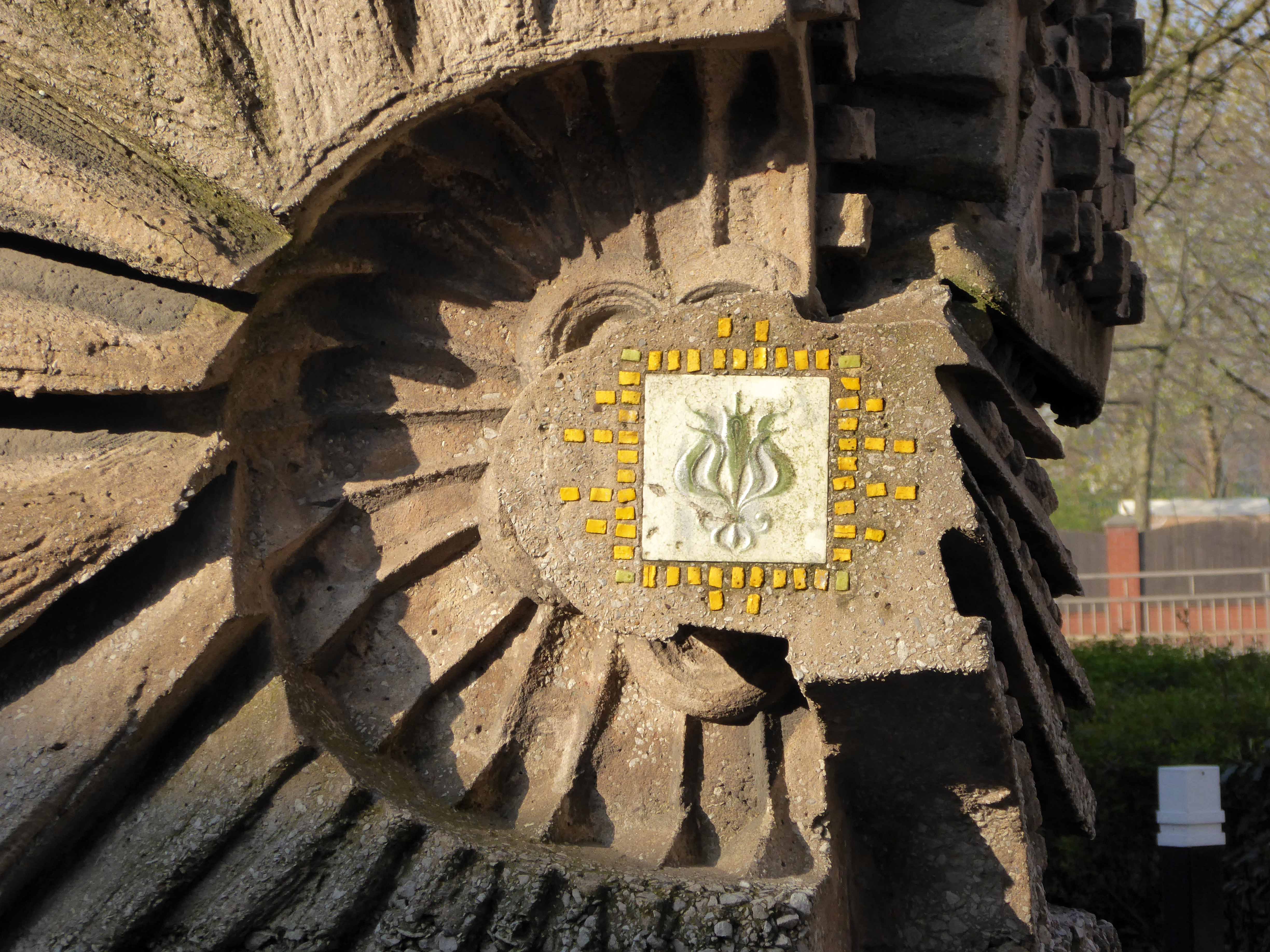
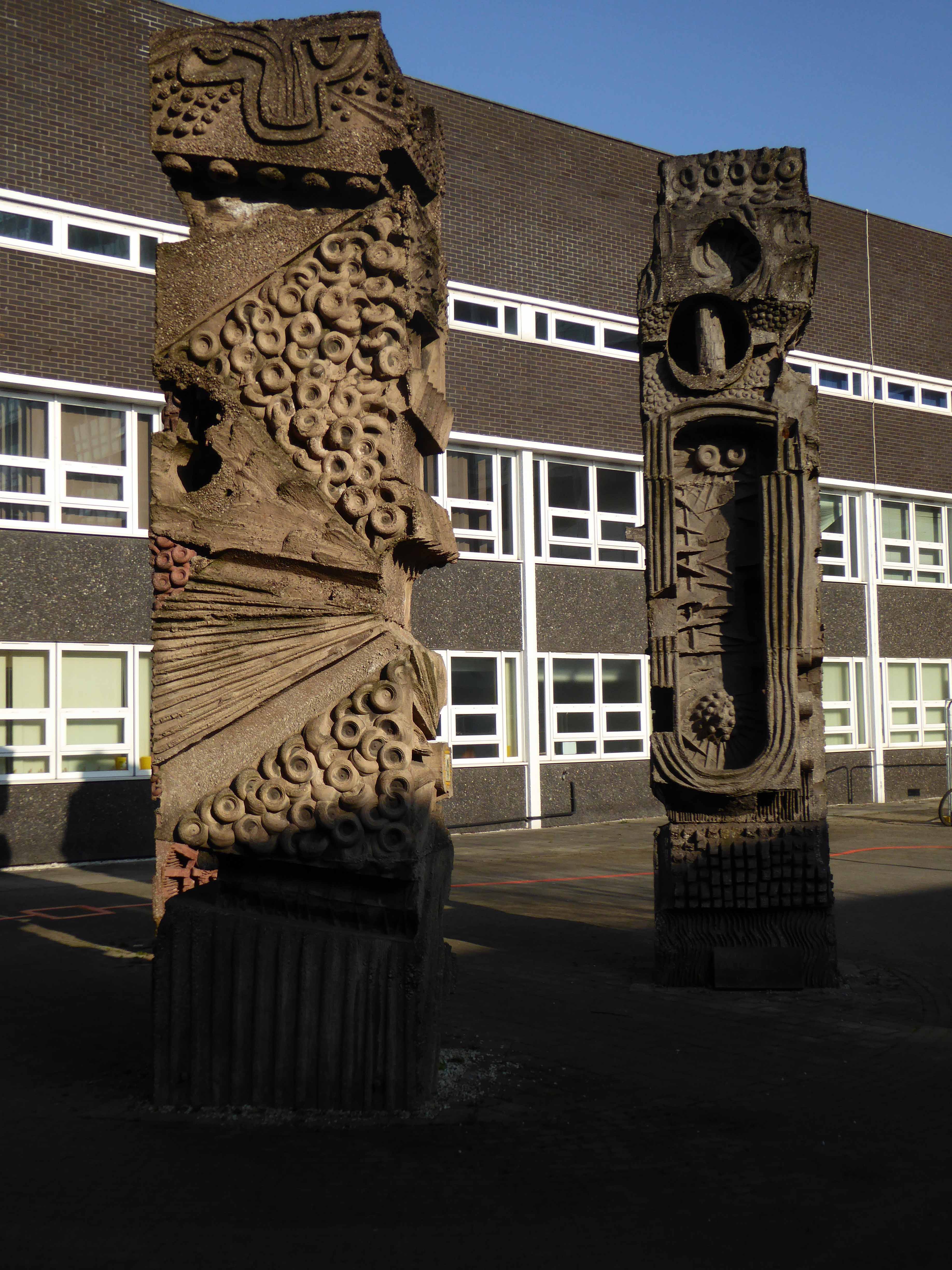
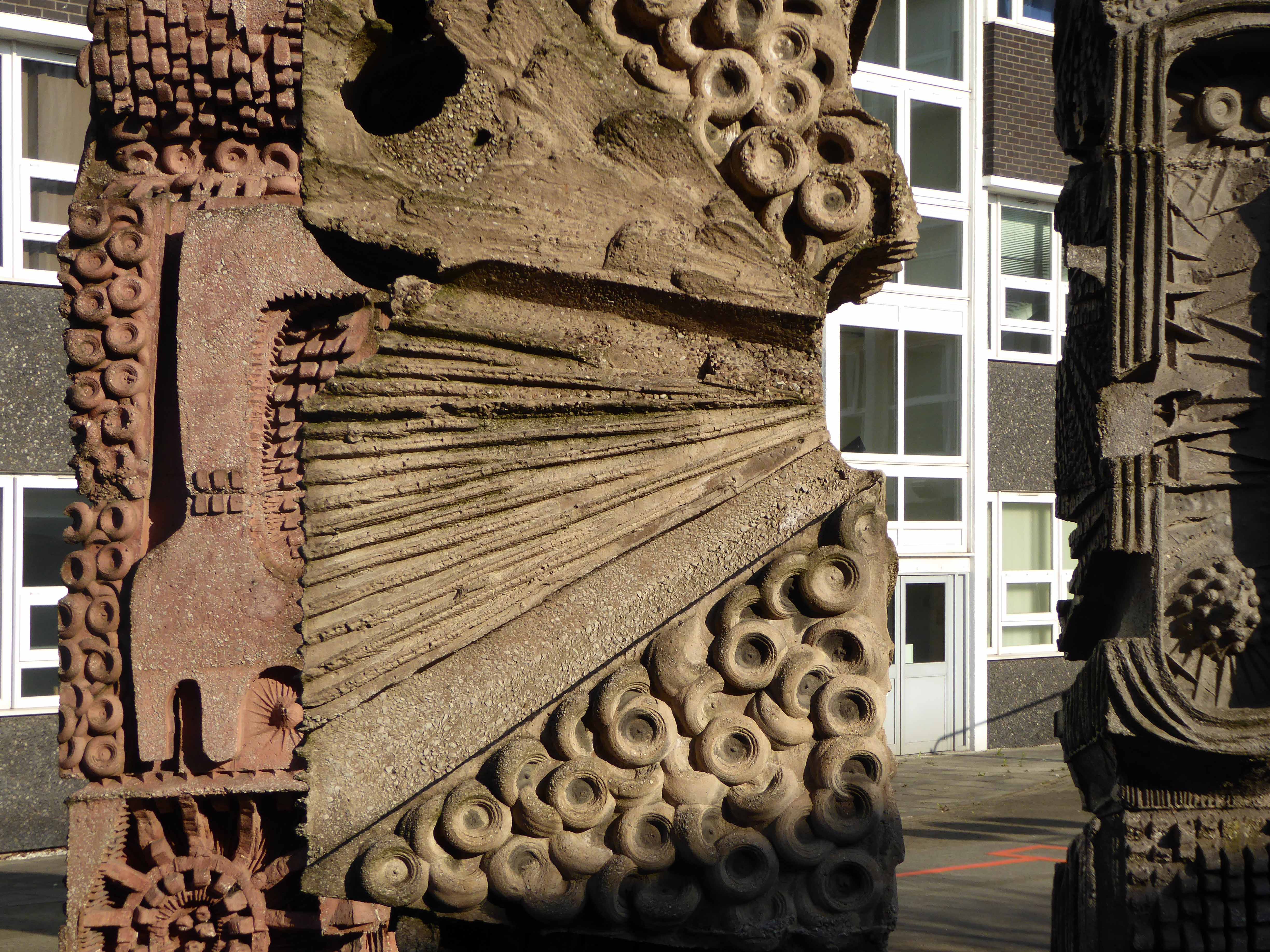
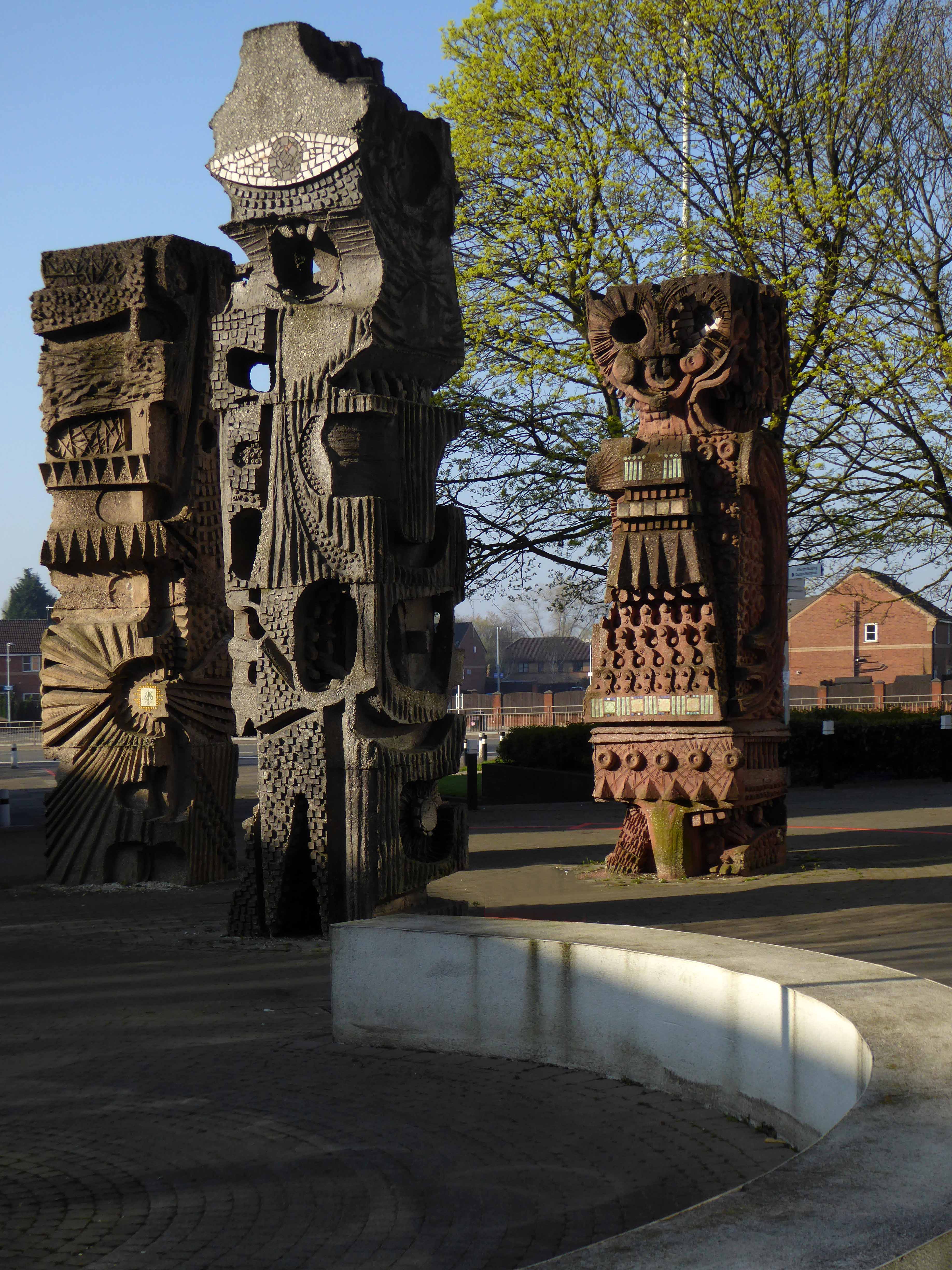
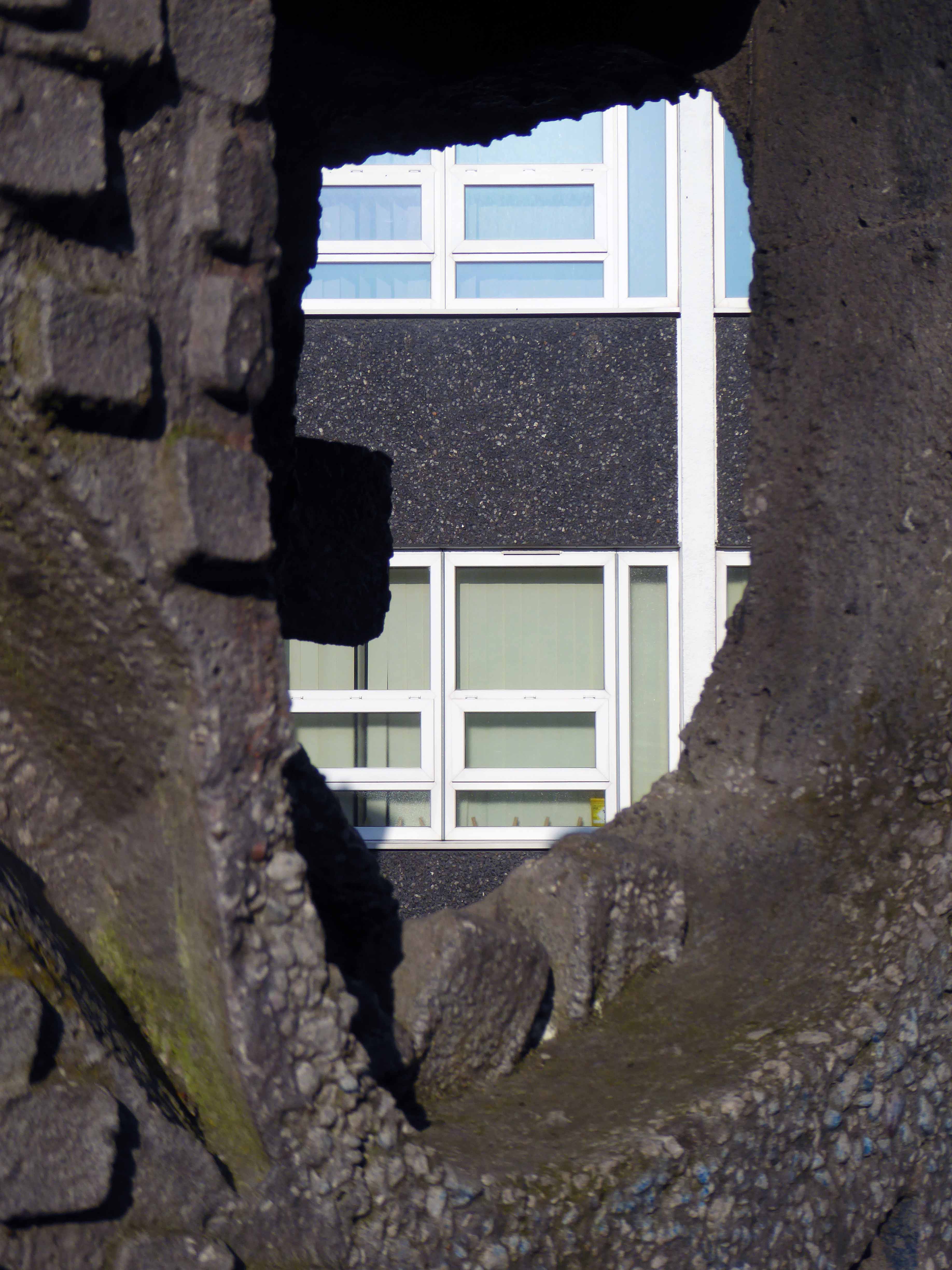
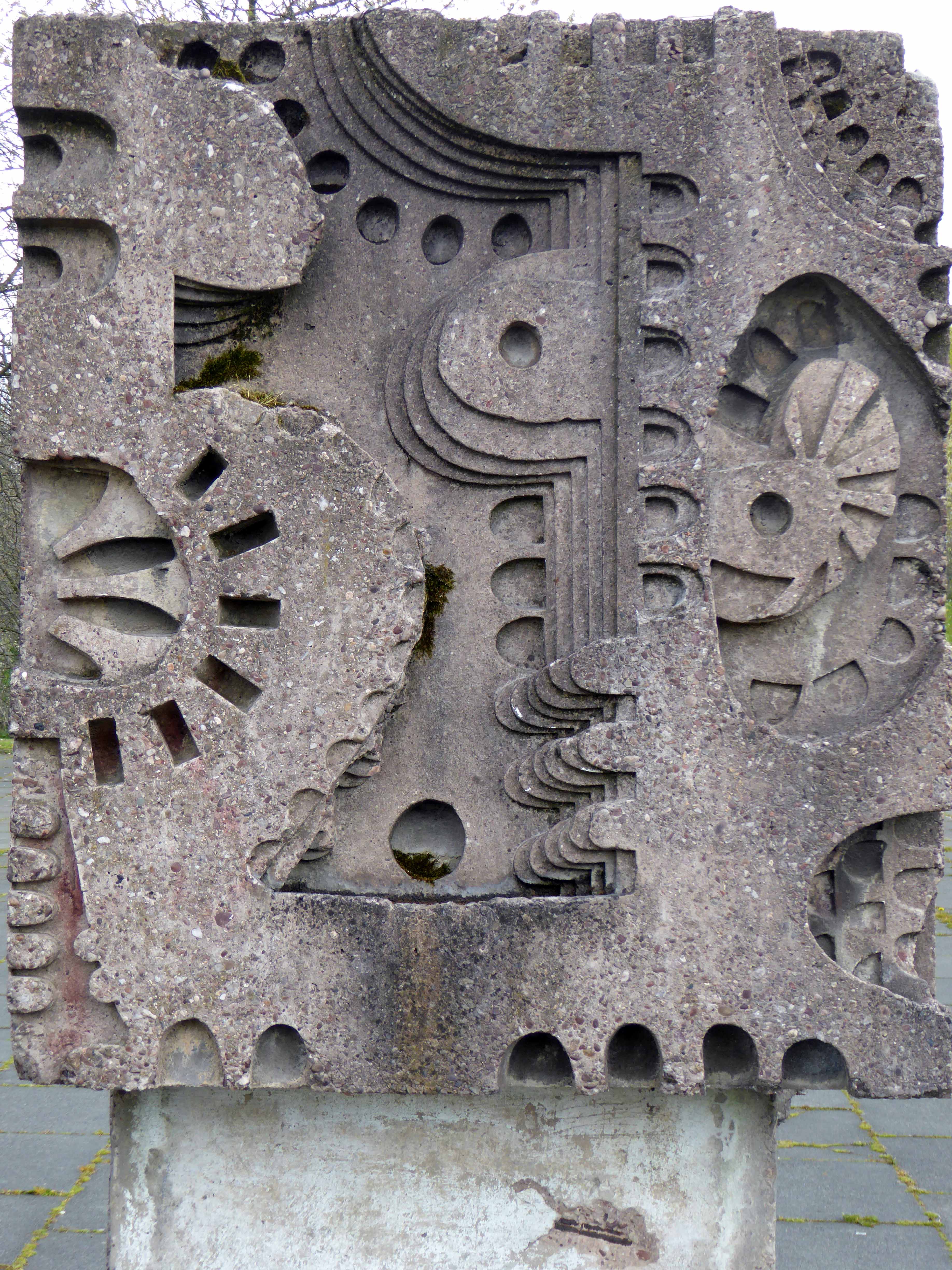
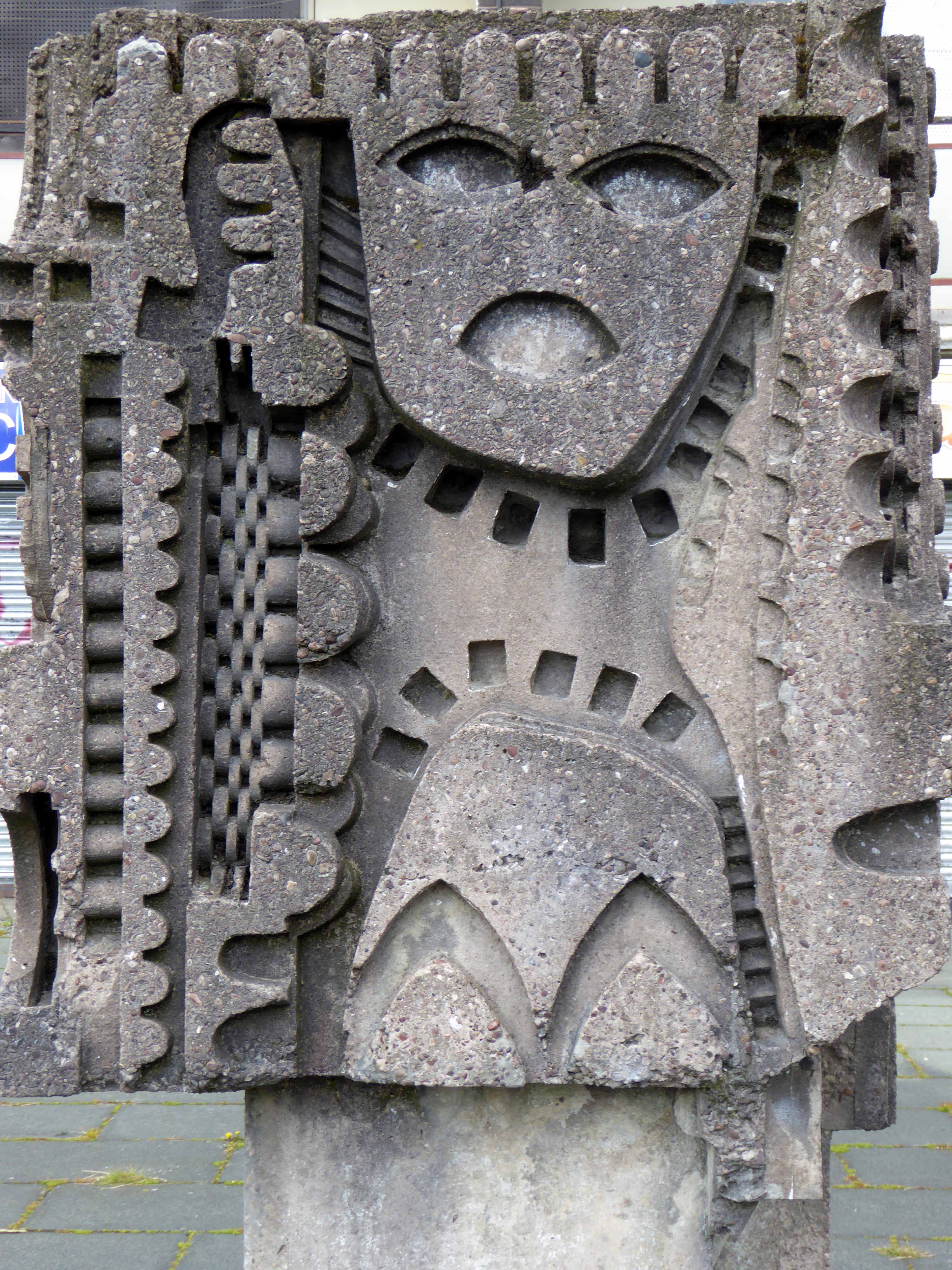
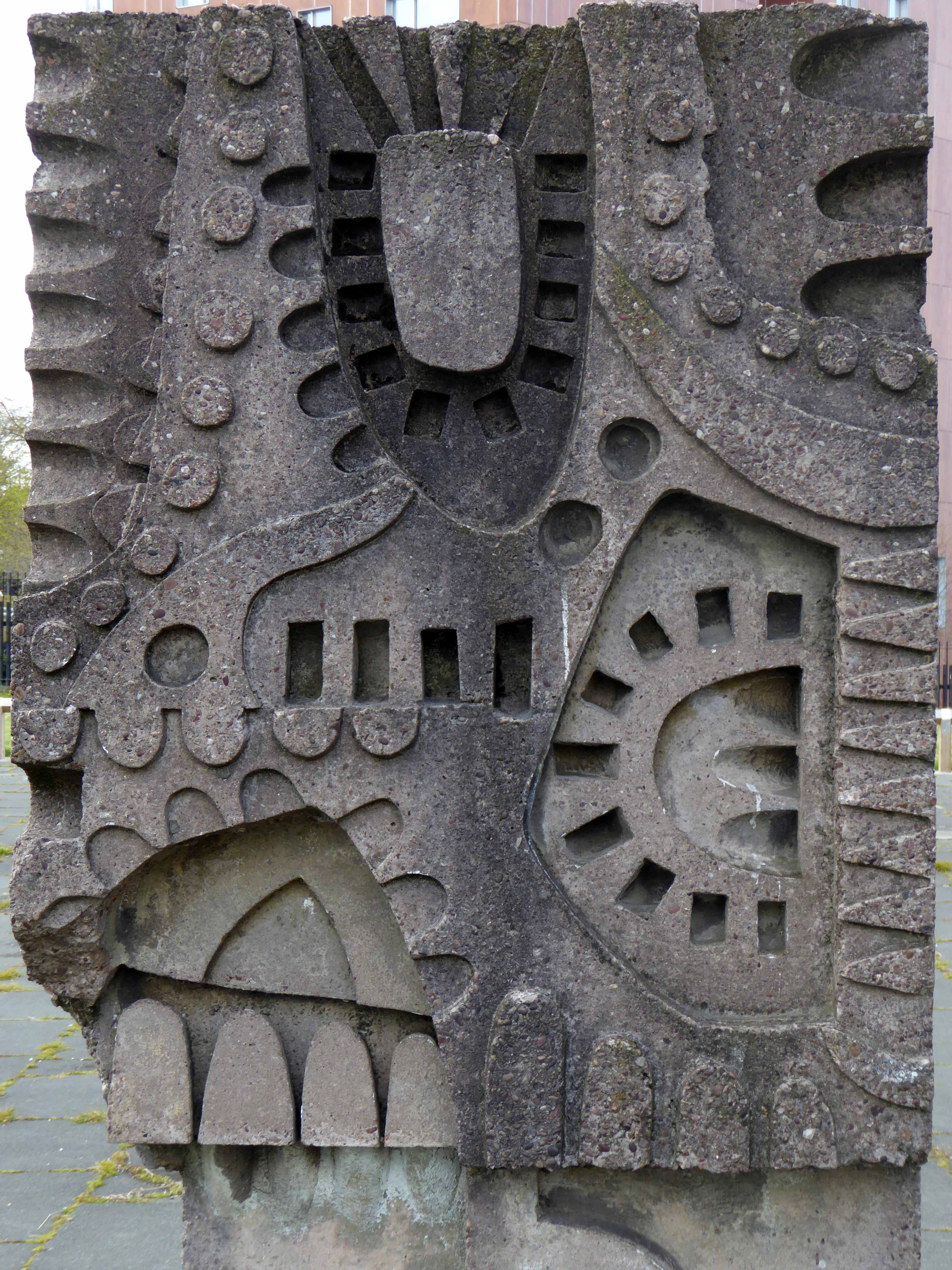
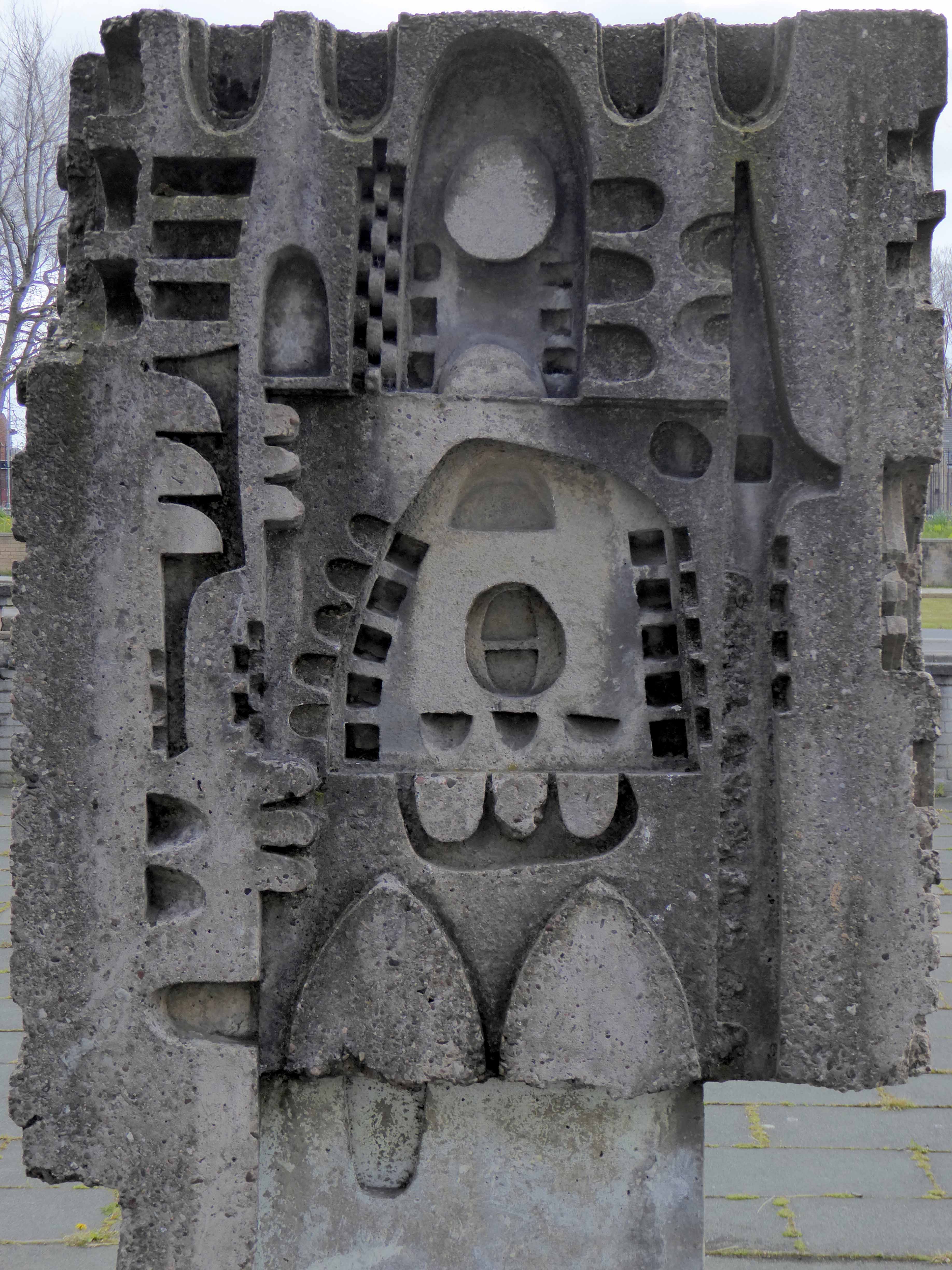
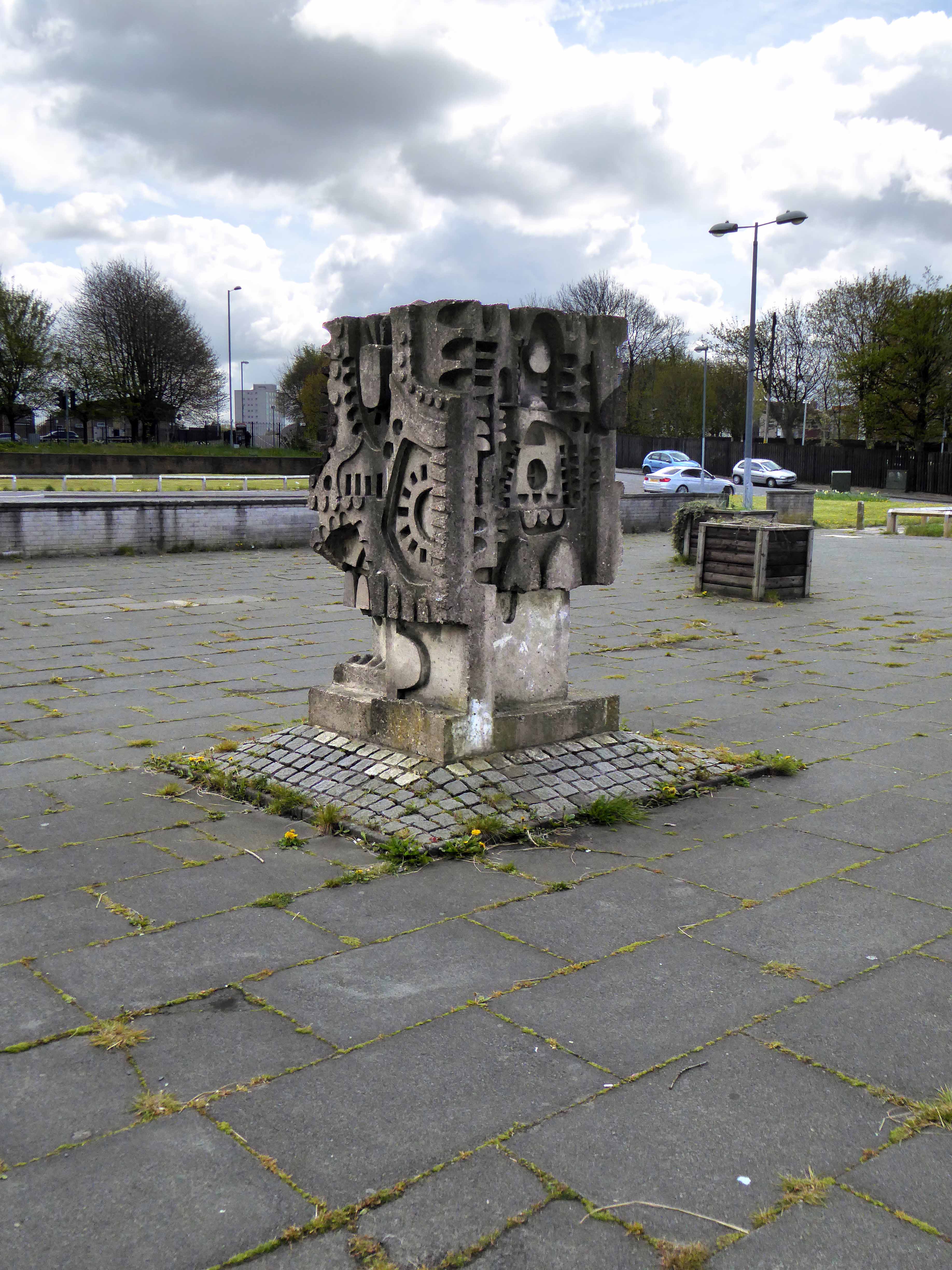
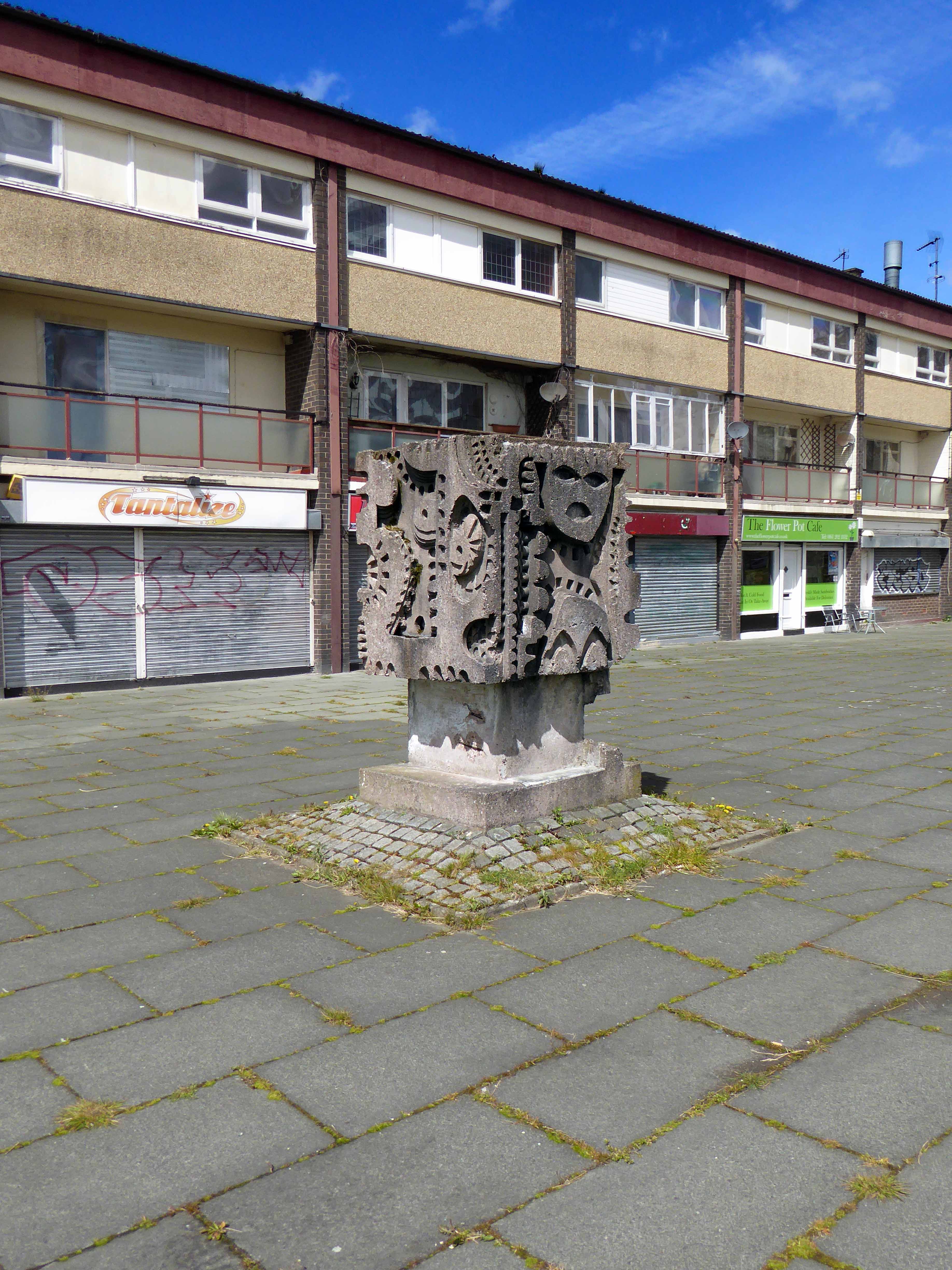
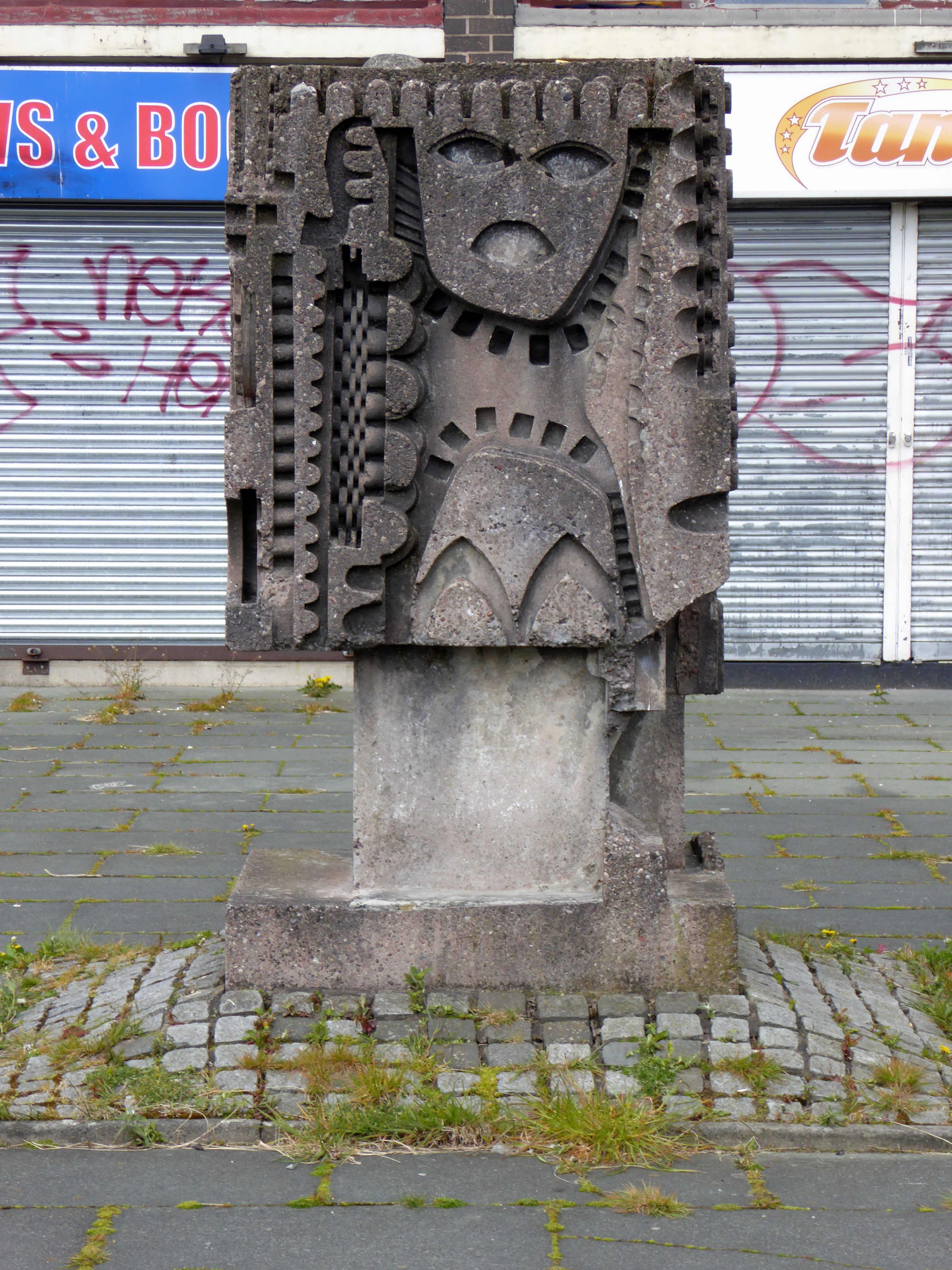
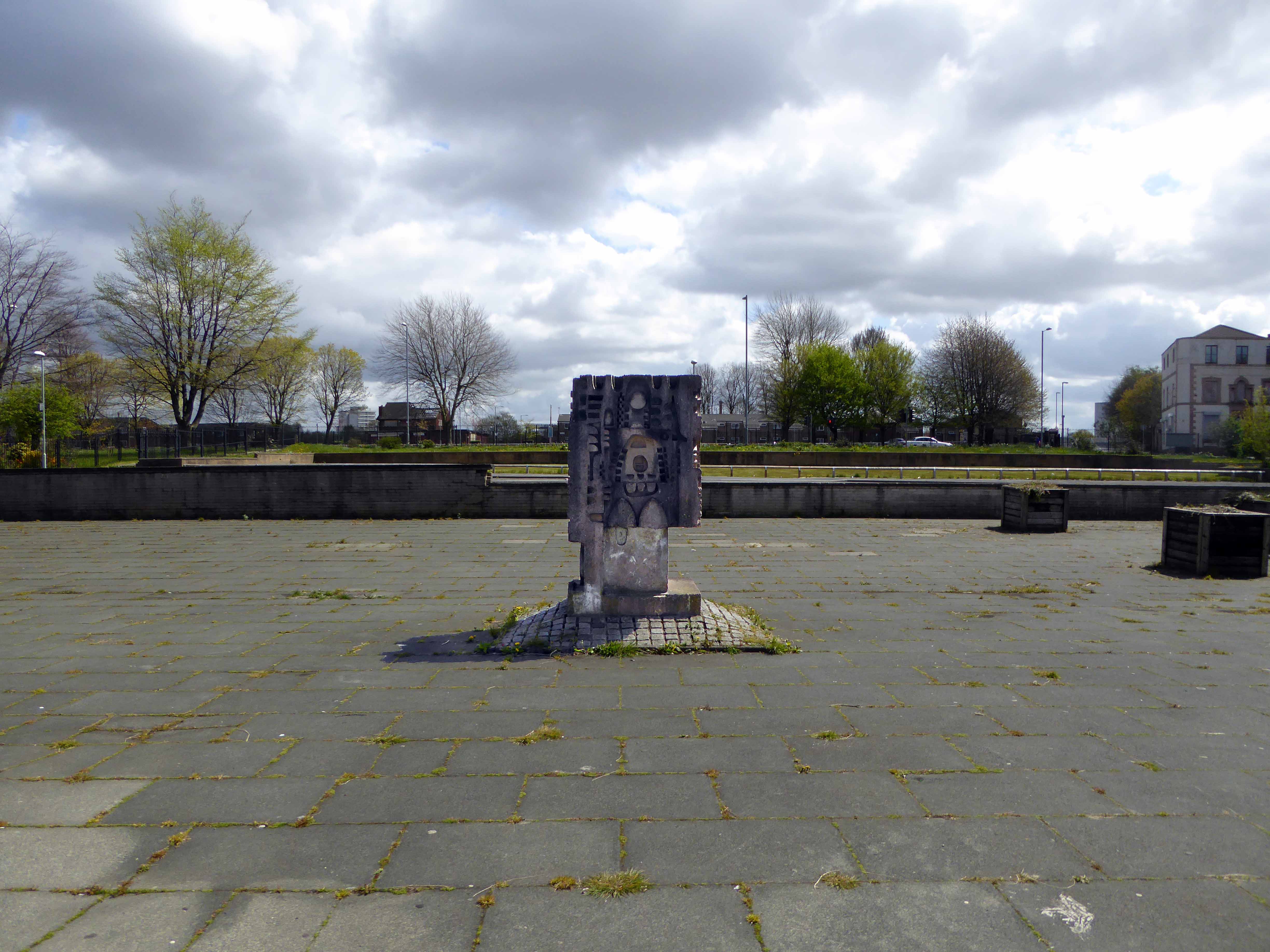
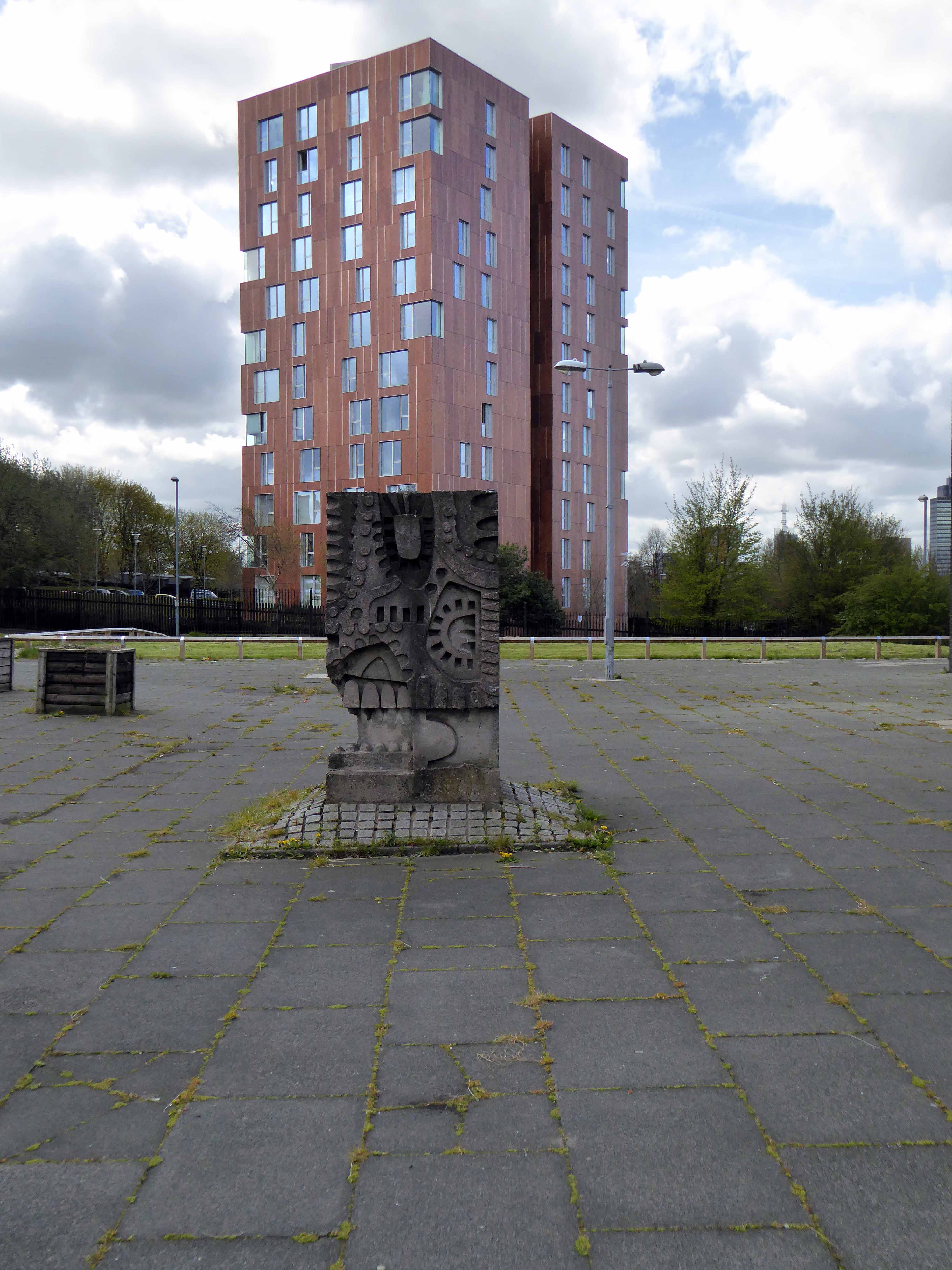
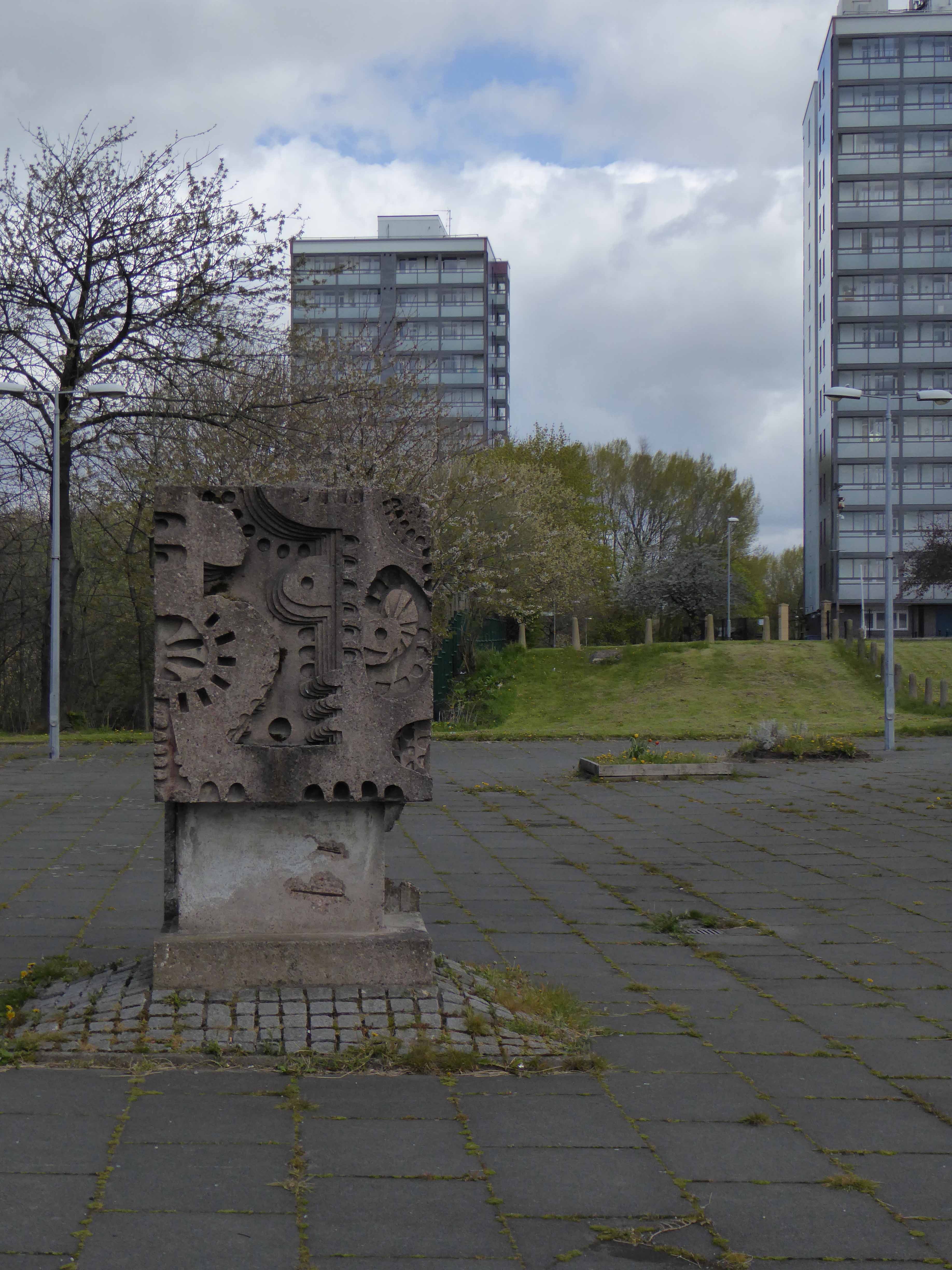
The square is blessed with a concrete sculpture, whose fate I hope is secured, somehow.

P1040294 copy
P1040293 copy
P1040296 copy
P1040295 copy

Possibly by William Mitchell – possibly not.

P1040297 copy
P1040304 copy
P1040303 copy
P1040321 copy
P1040292 copy
P1040313 copy
P1040298 copy
P1040301 copy
P1040300 copy

This as ever, is a time of change, I hope that the area and its current inhabitants live to tell the tale, rather than fall victim to the tide of gentrification, forcing them further afield.

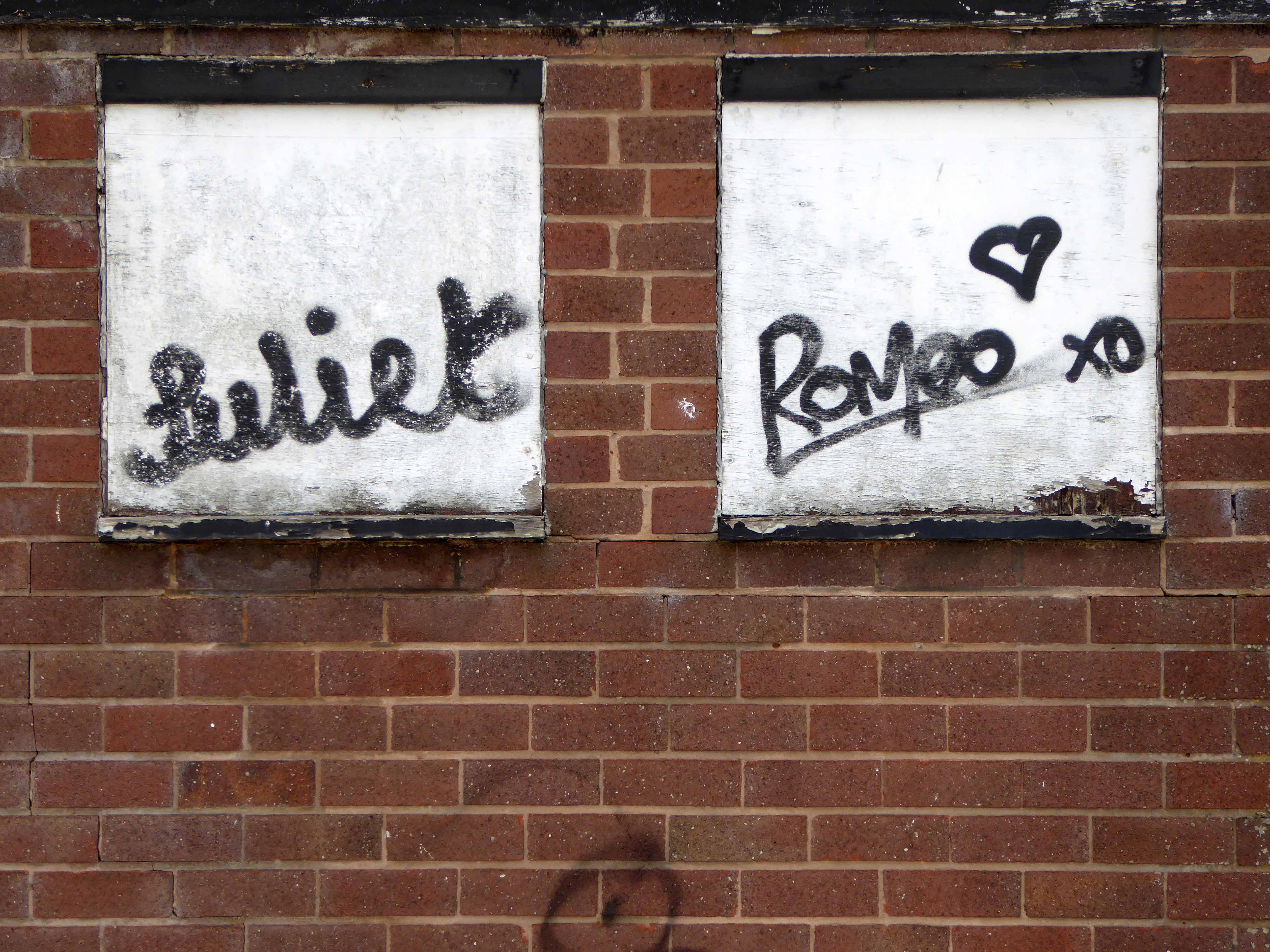
O Romeo Romeo, wherefore art thou Romeo?

P1040335 copy