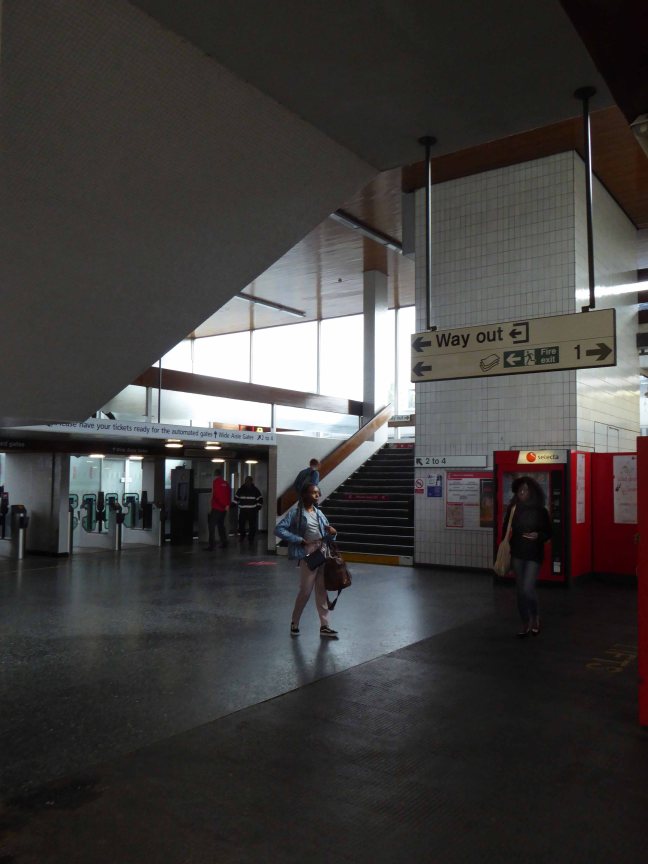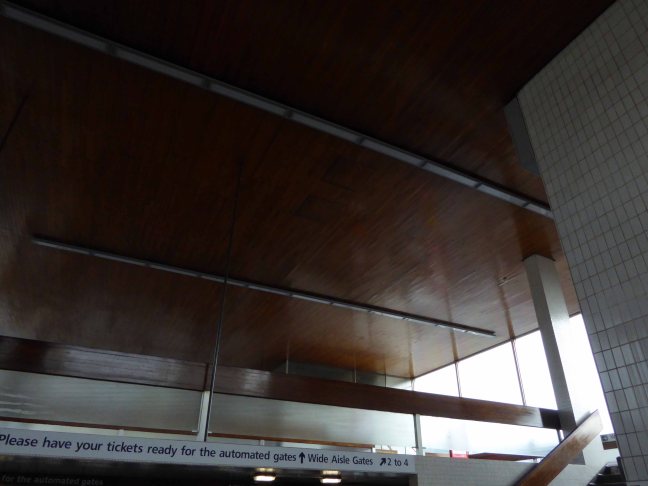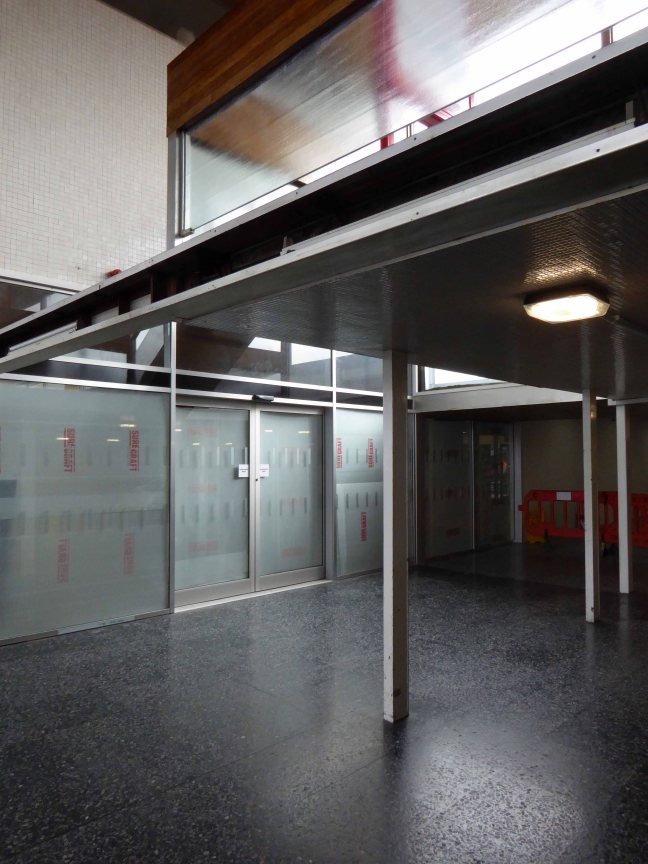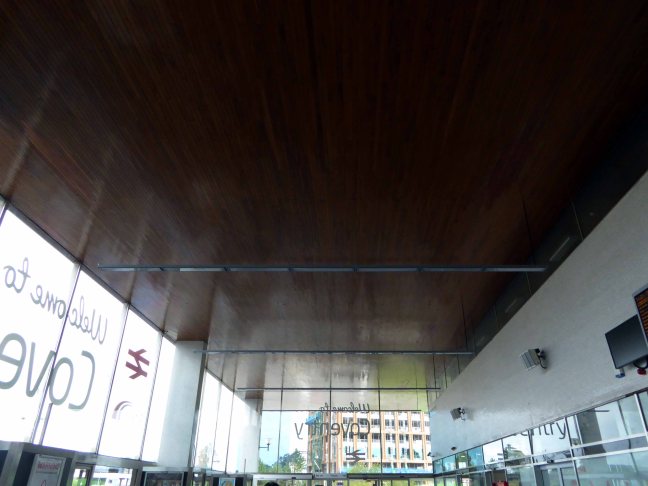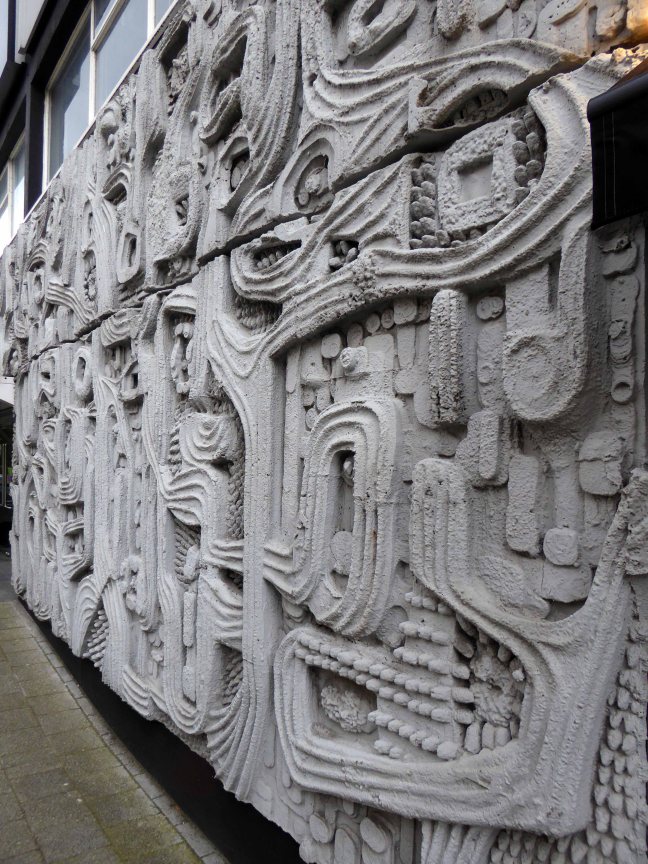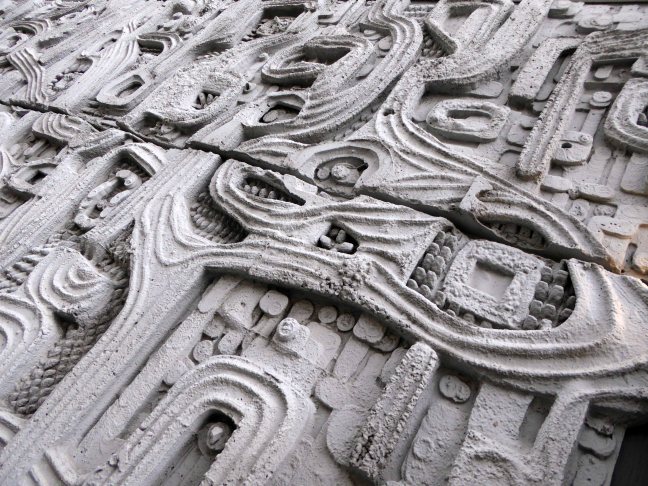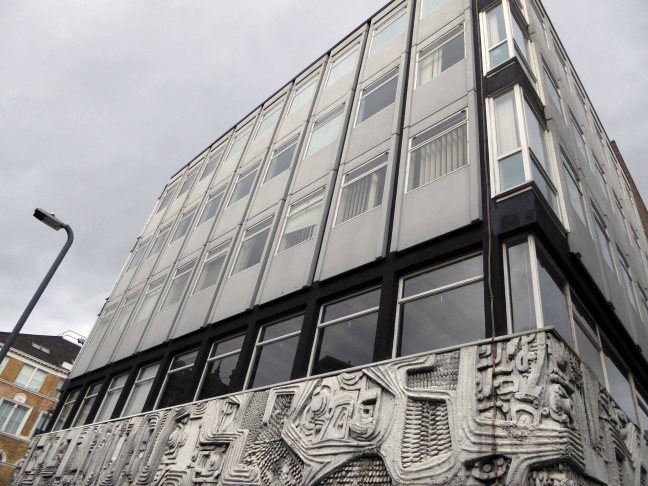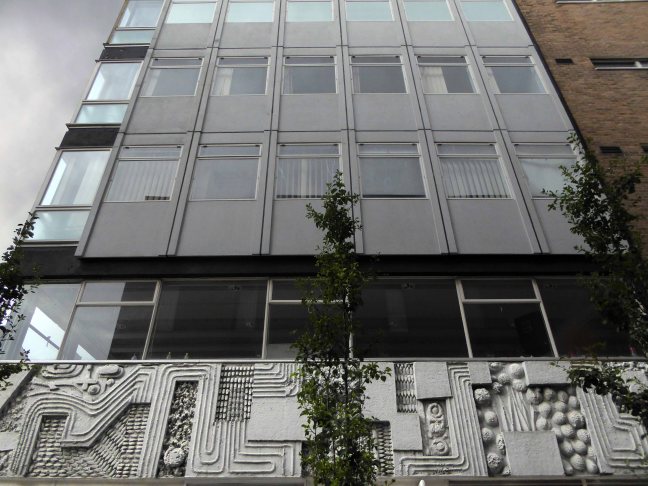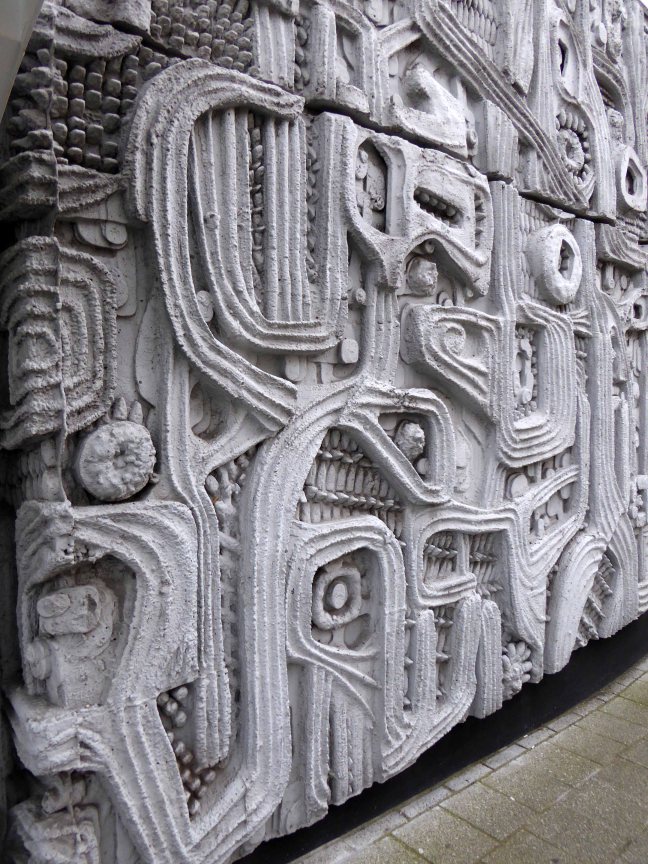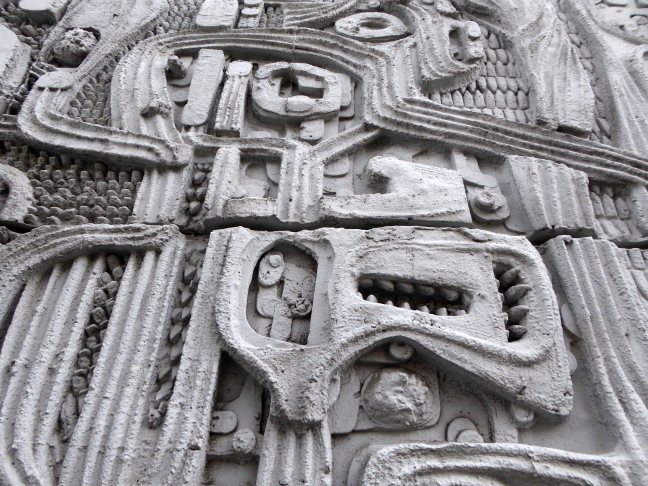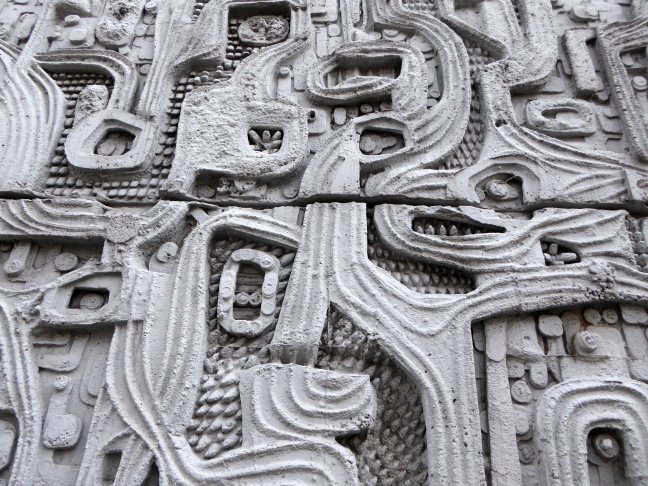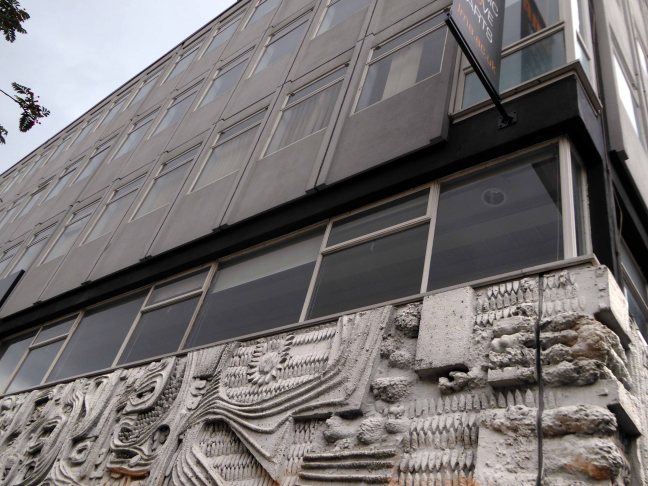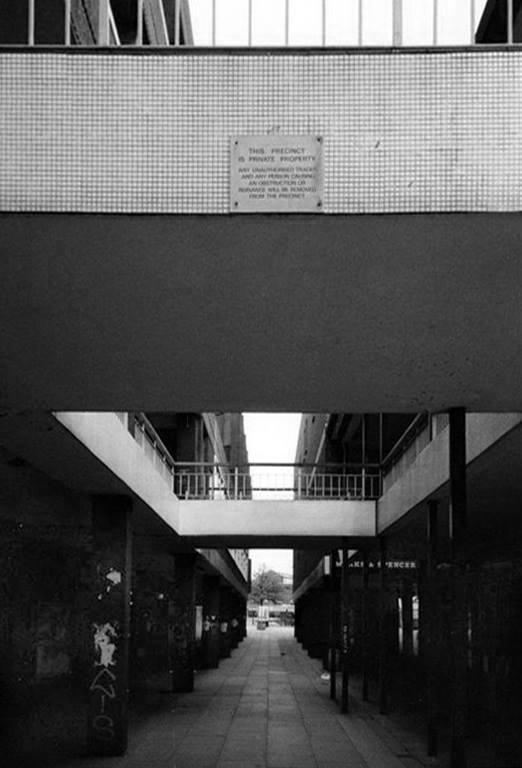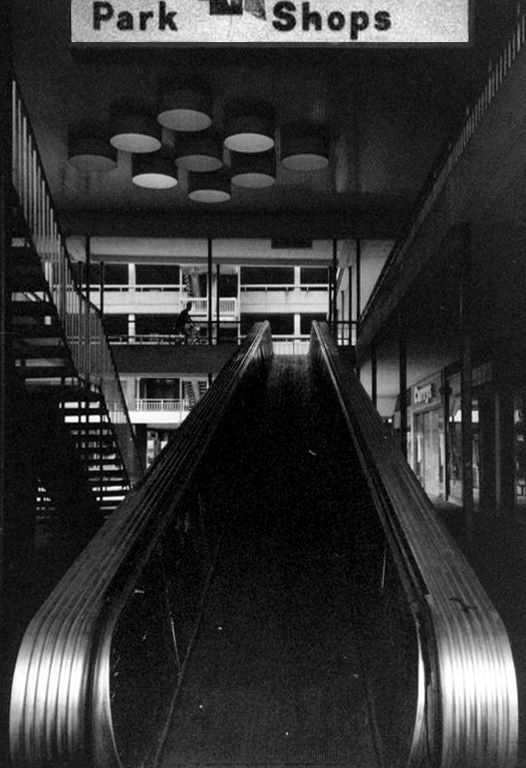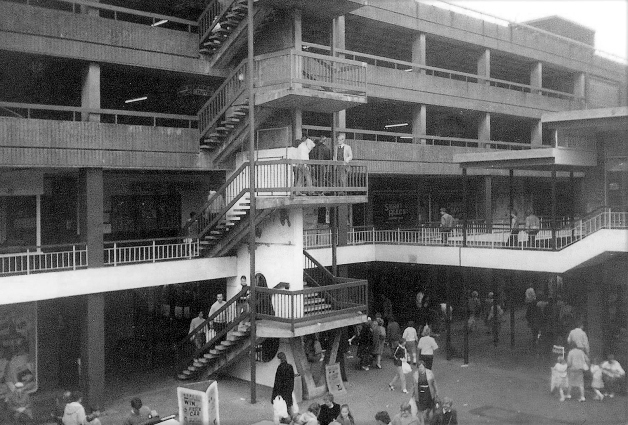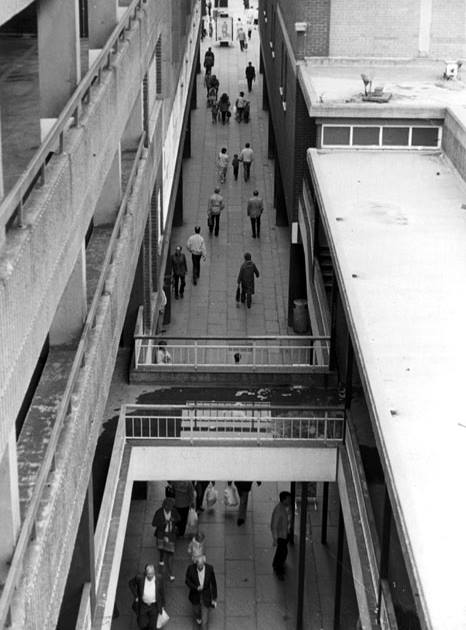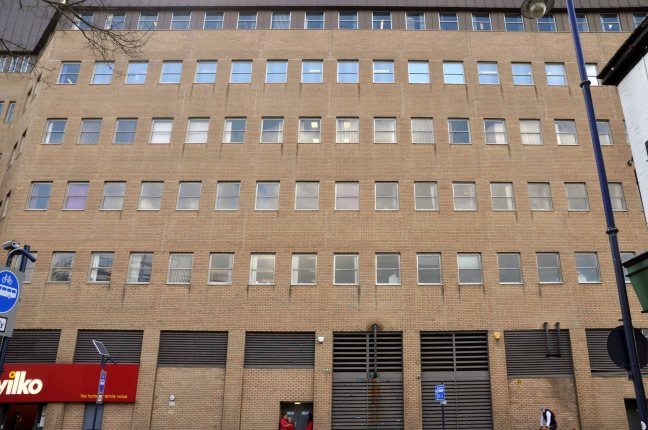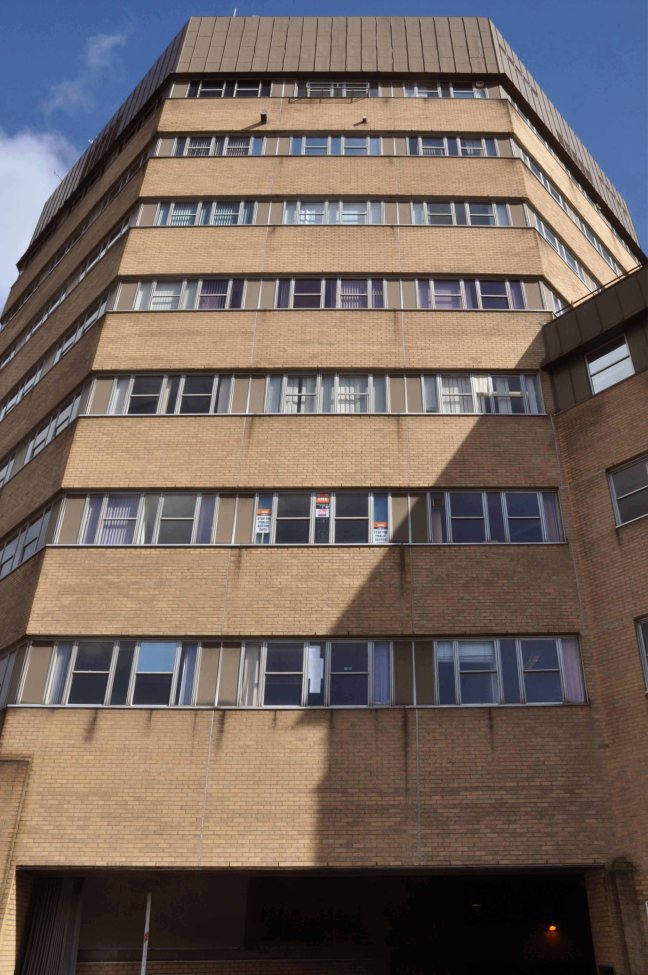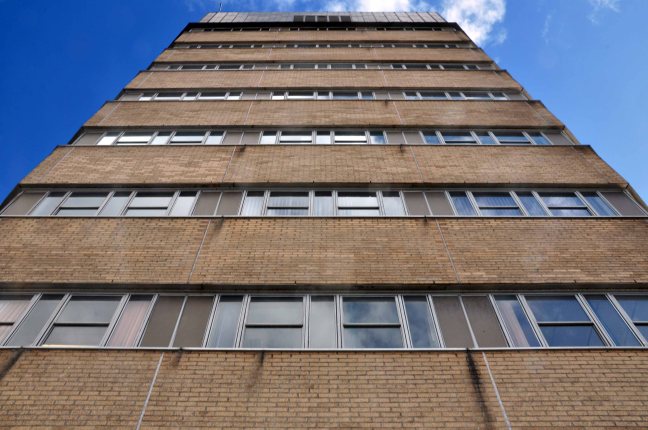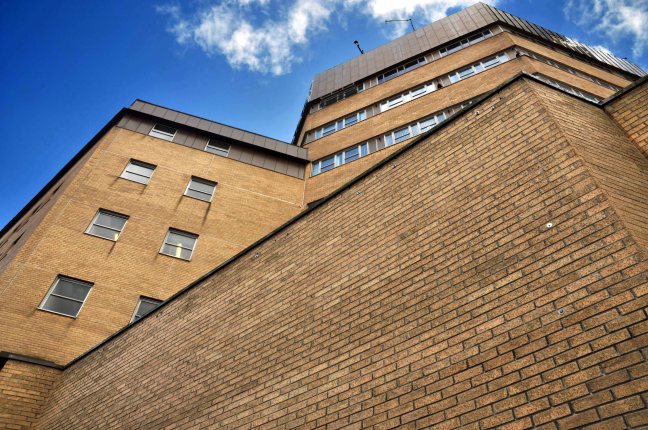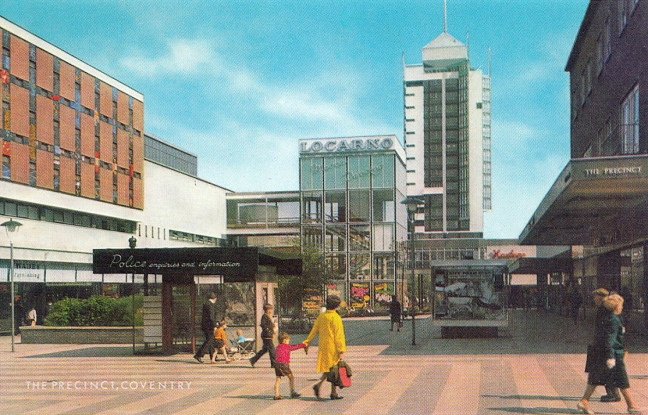
Coventry – The Precinct

Prior to the 1930s Coventry was a shining example of a well-preserved medieval city, but the damage it sustained during the war meant it had to be extensively rebuilt. Donald Gibson was appointed Coventry’s first City Architect and Planning Officer in 1938 at the tender age of 29. His plan involved completely rethinking the city centre in a radical design.

Local people took some convincing, but Gibson’s ideas were greatly admired by the architectural community. His plan wasn’t entirely realised, however, partly due to a lack of funding. This avoided the complete extinction of Coventry’s remaining medieval features, but it also meant some of his best designs were compromised. By the 1960s, Coventry was a model of modern, brutalist architecture – quite removed from its pre-war image.

Rebuilding Coventry 1945 -1950

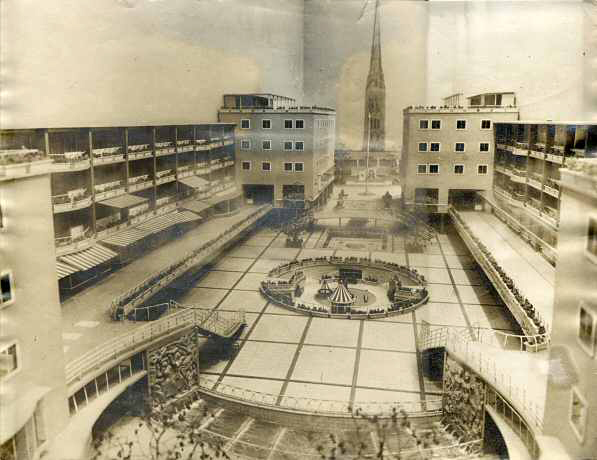
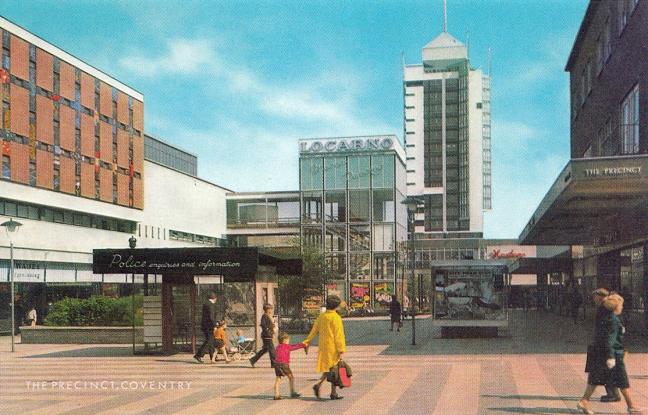
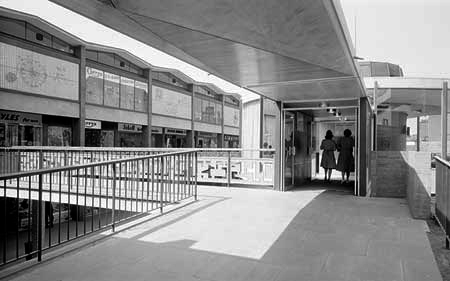
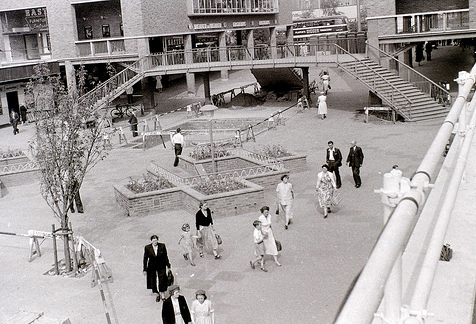
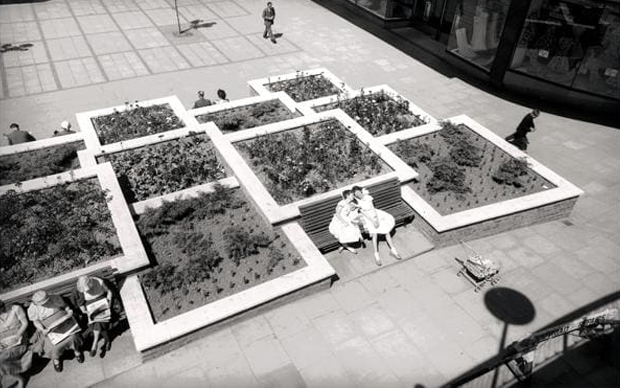
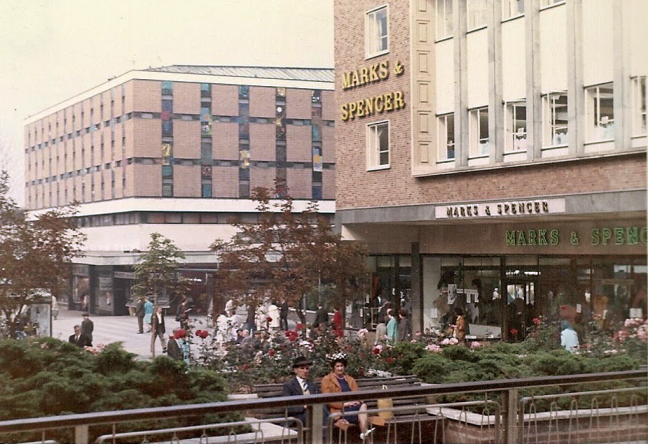
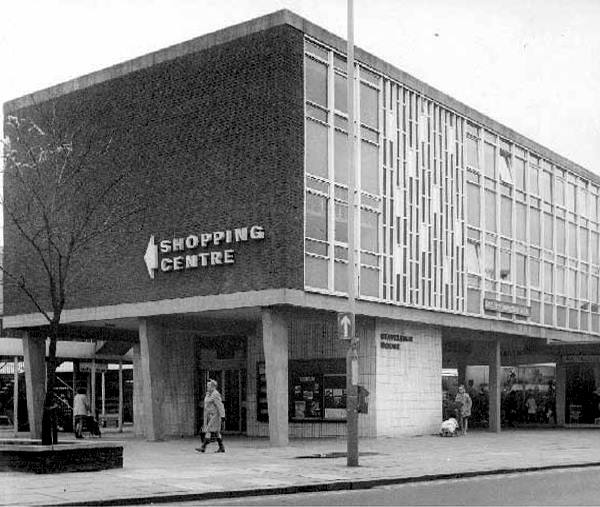
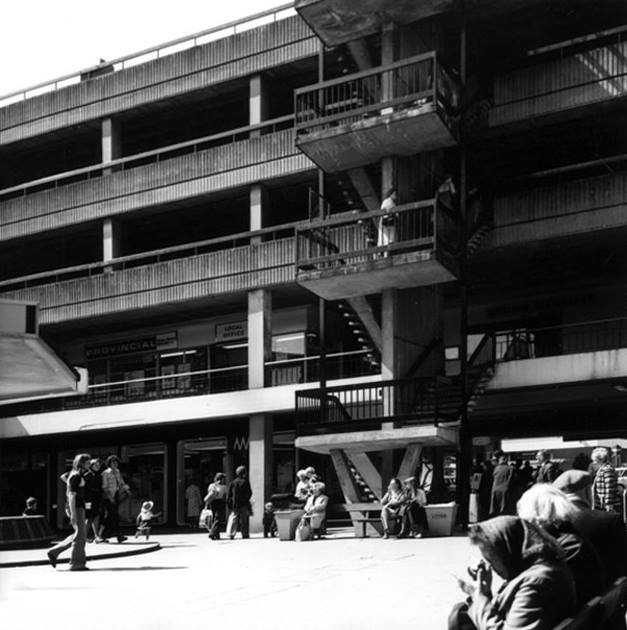
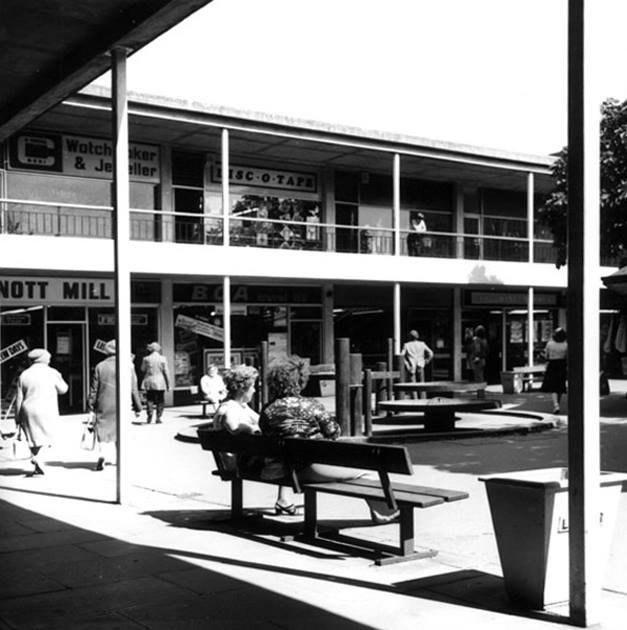
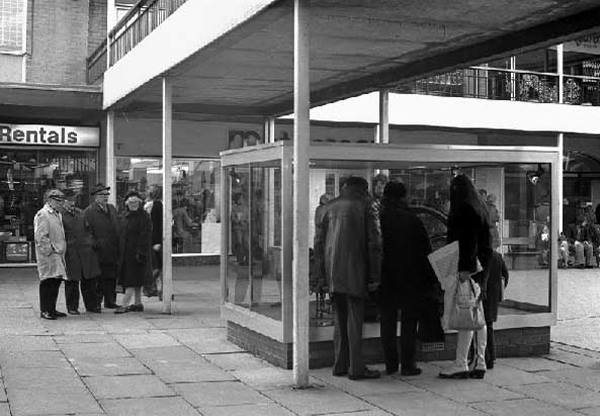
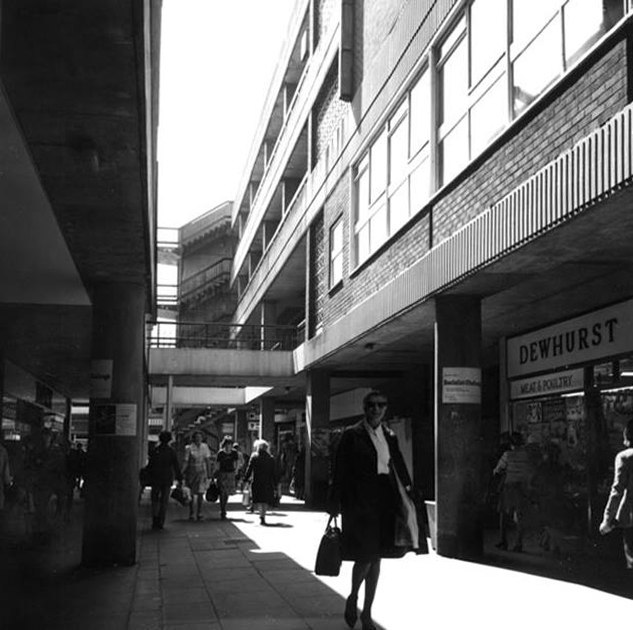
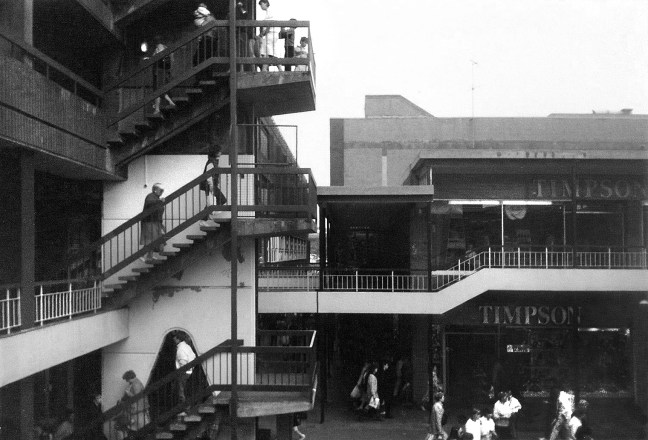
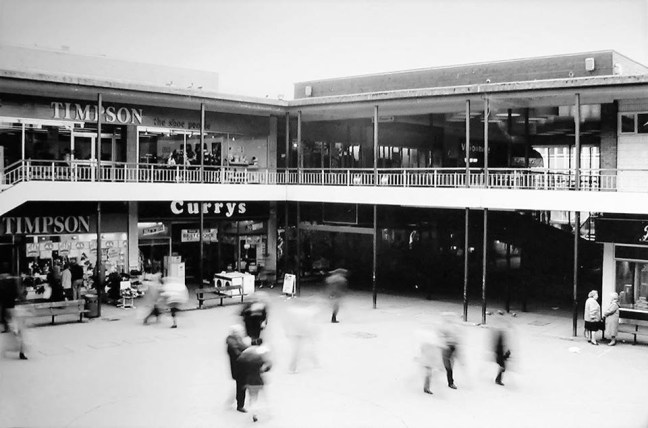
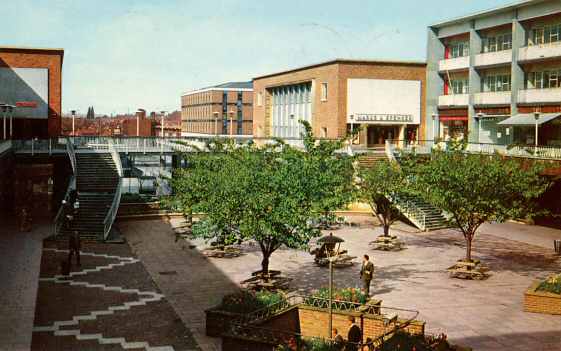
Central to those plans was a pedestrianised shopping precinct, new, expansive carefree and mercifully car-free.

Split levels deck access, the pride of Modern Britain.
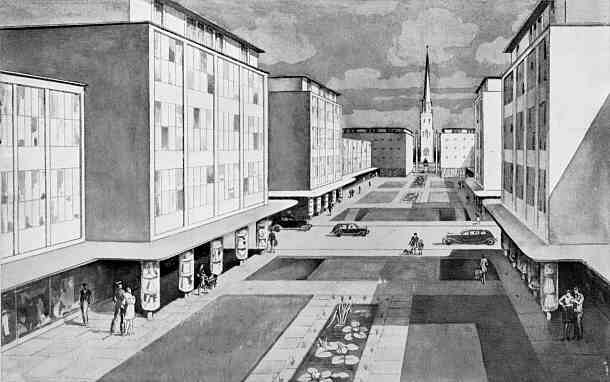
precinctview1945

precinct-model1948

The future must be built, so it was.
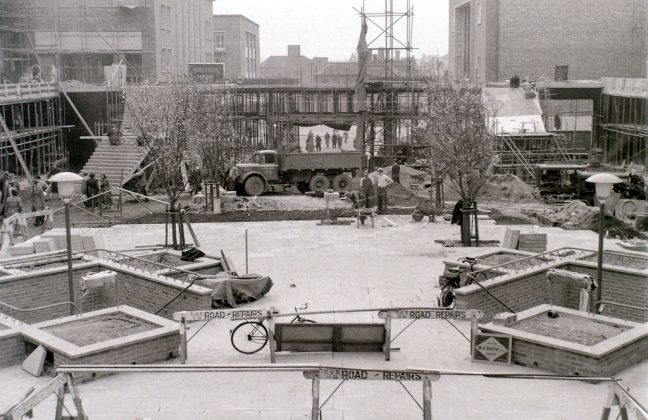
2639558246_085352949a_b

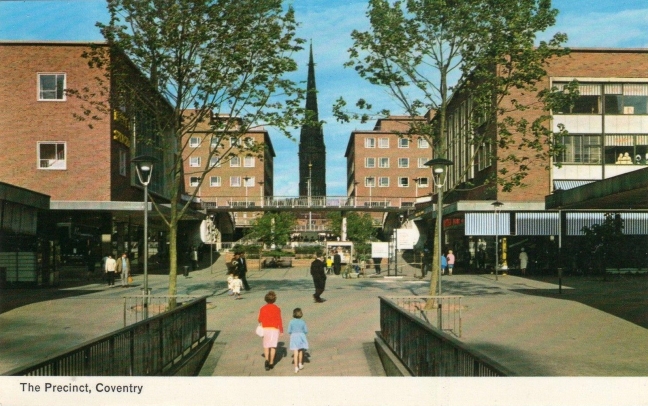
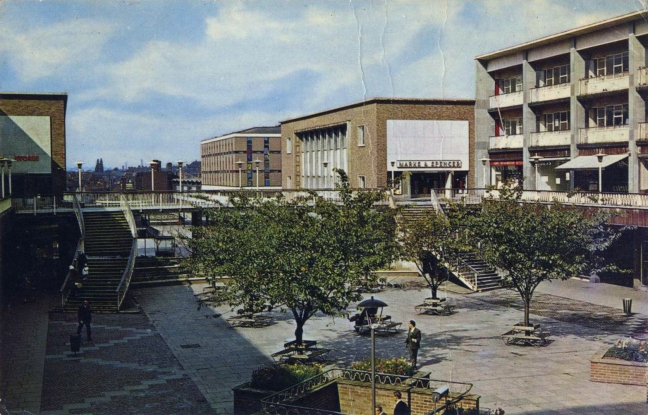
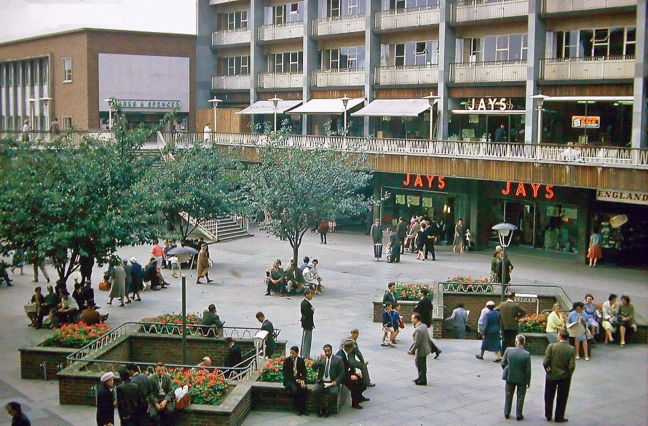
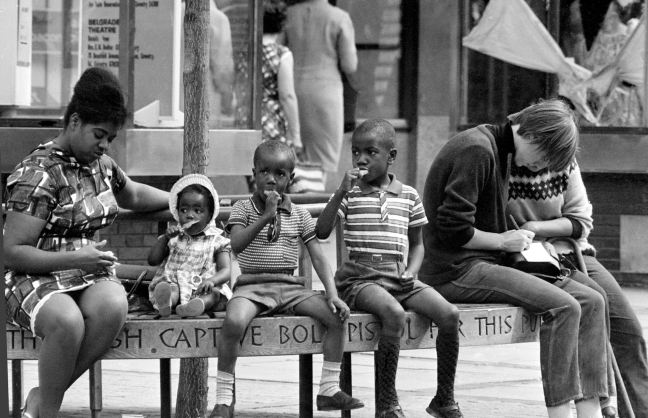
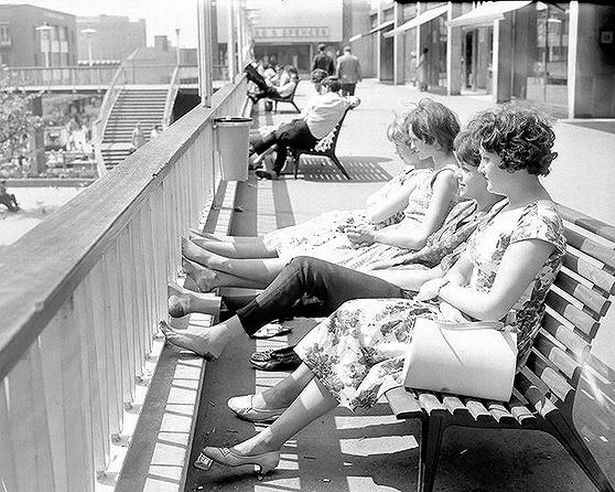
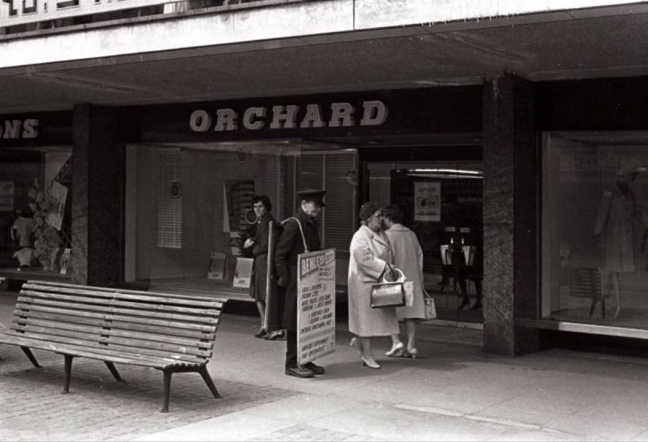
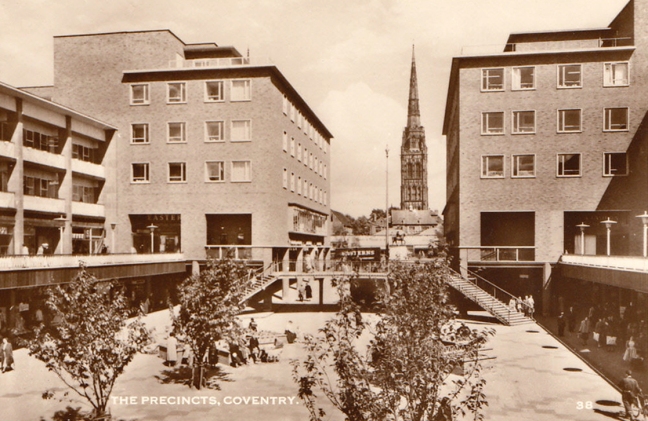
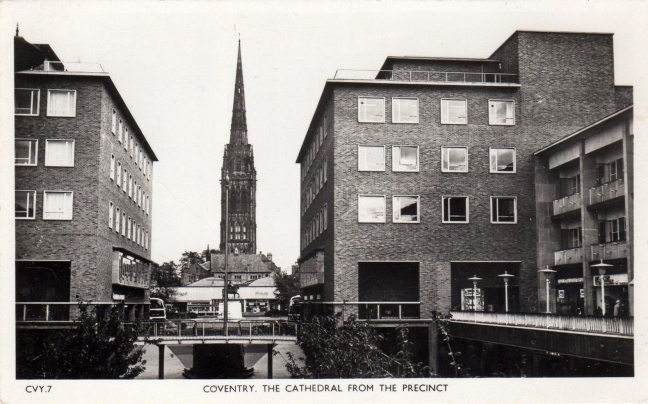
Whilst researching the visual history of the precinct, it became clear that it was one of the most celebrated modern architectural subjects for the post-war postcard market.
s-l1600

s-l1600-1

They are a pure delight, the celebration of all that was new and good.
precinctwest-1970s

s-l1600-copy

s-l1600-1-copy

s-l1600-2-copy

s-l1600-3

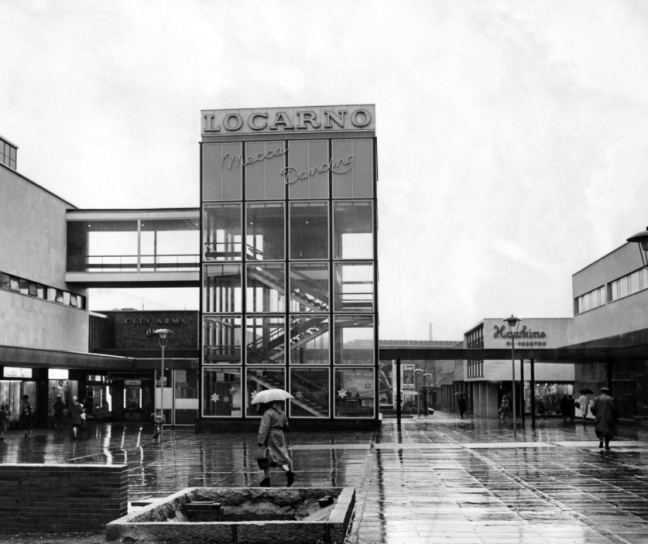
The Locarno at the centre of the image was to later become the Central Library.
screen-shot-2016-10-10-at-16-56-23

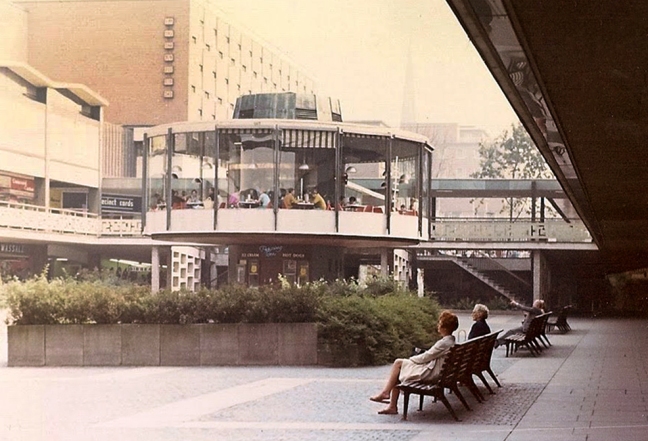
Central to the new development was a rotunda café, pie in the sky.
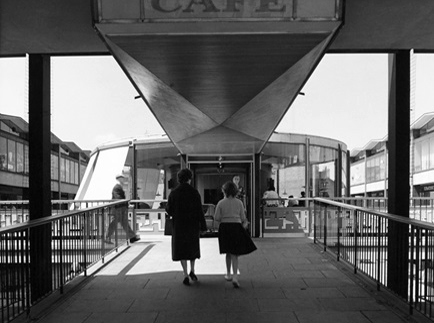
41331-1-434-434-ffffff

aa98_06072

fudge5

So a precinct well used, and loved, designed and realised with an integrity, a clean modern aesthetic and lively functionality – Coventry Precincts and the gentle folk of Godiva’s fair city – I salute you!
2d35790b7d5f51258ff72fad85400c4e

2473051099_23b1563790

arcshopping-centre_1718065i

h_00017730

utils

maxresdefault

screen-shot-2016-10-10-at-16-57-50


BHS Murals – Stockport

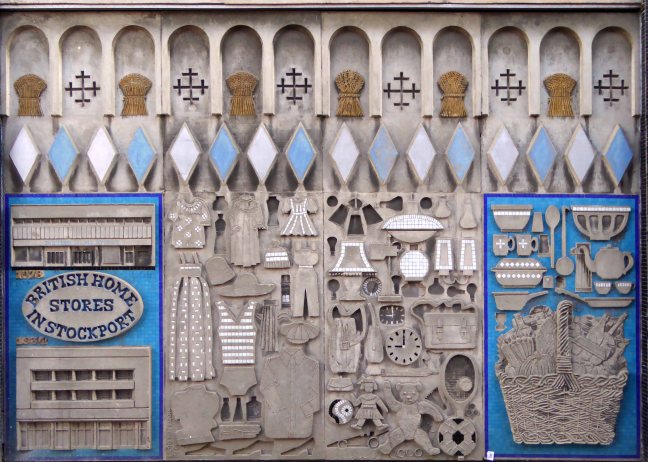
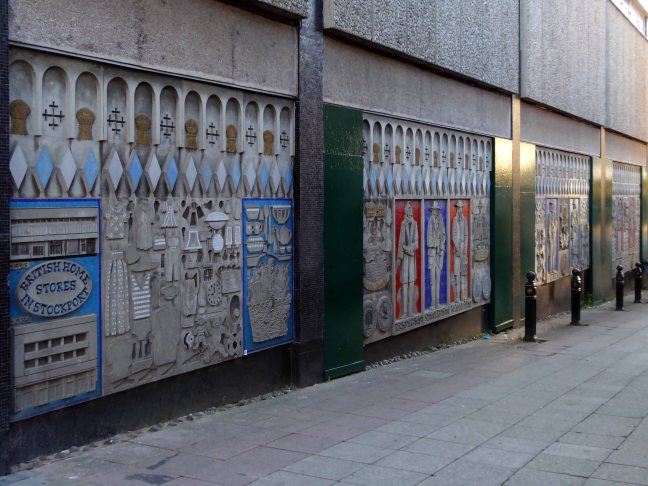
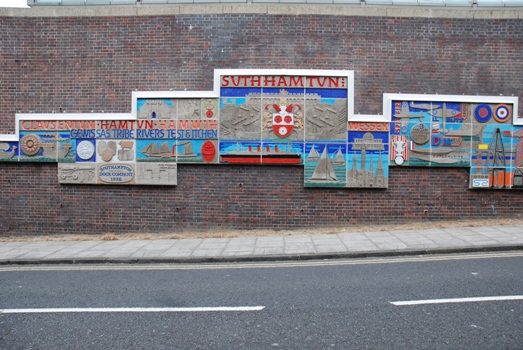
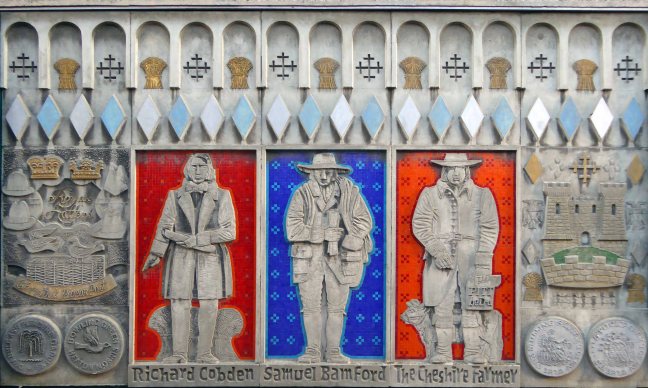
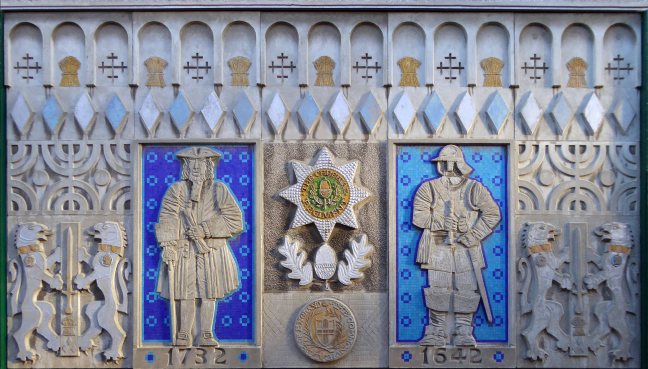
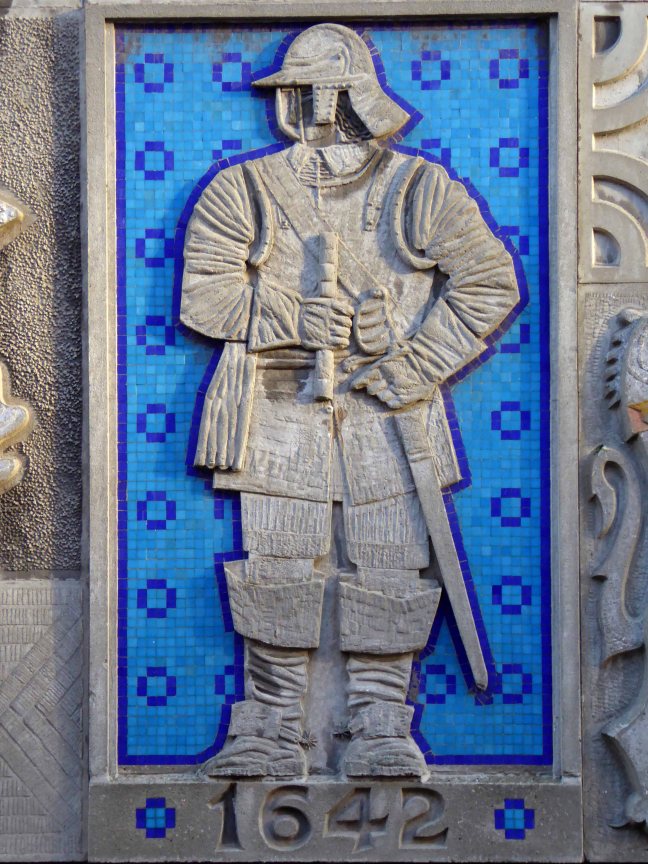
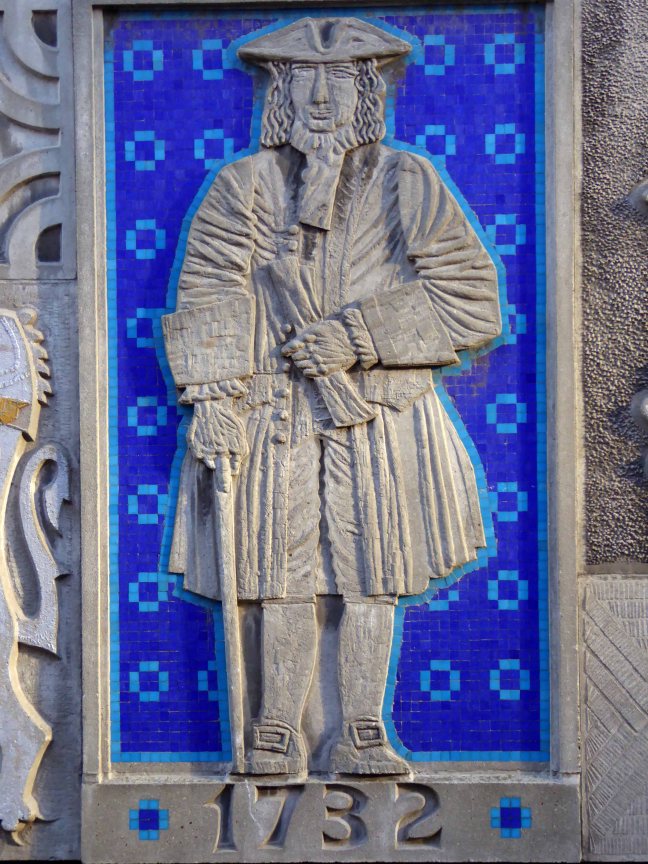
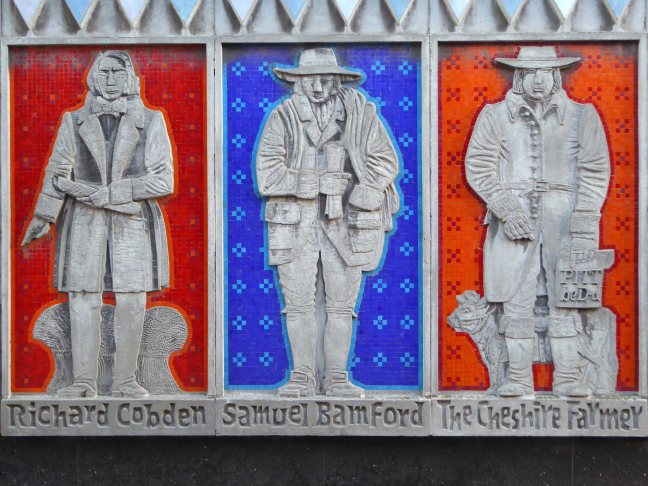
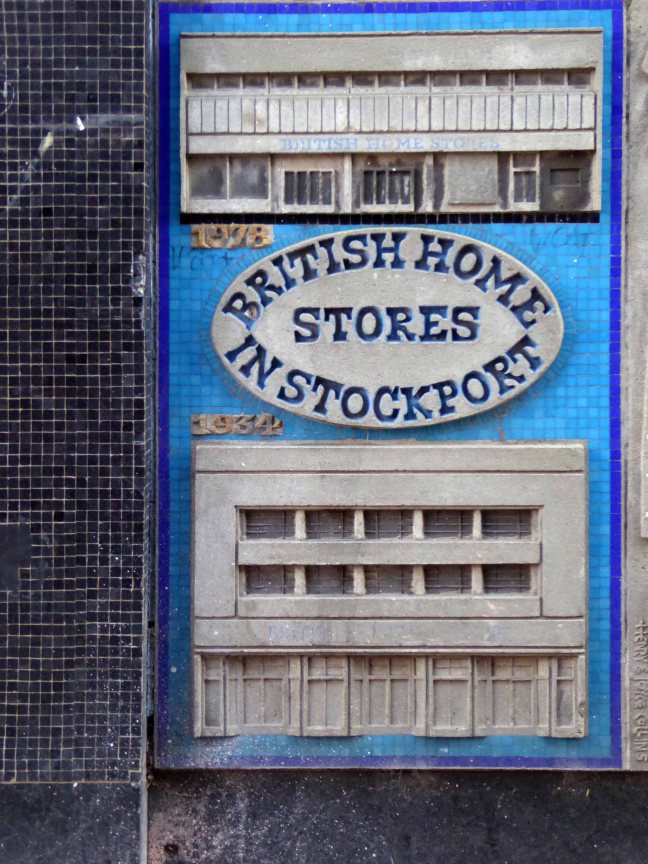
At the side of the BHS store in Merseyway are five concrete panels depicting local people, events and symbols. Commissioned by BHS in 1978 – To fill space on the blank wall at the side of the shop.

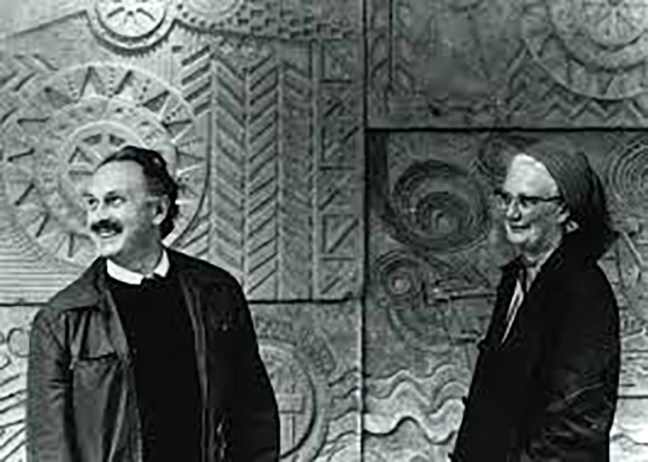
They are the work of Joyce Pallot 1912-2004 and Henry Collins, 1910-1994 – two artist/designers, who along with John Nash, established the Colchester Art Society, during the 1930s.

p1100467

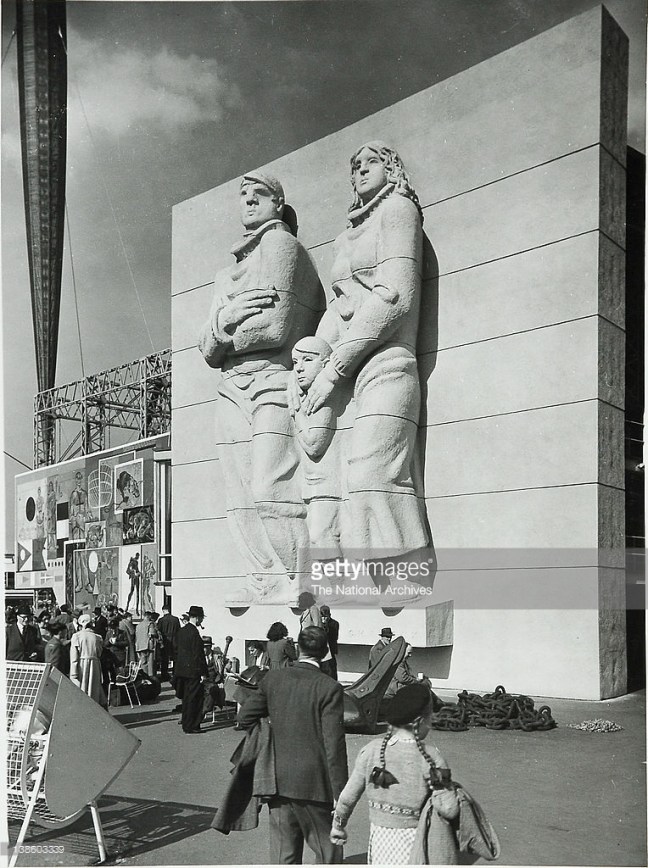
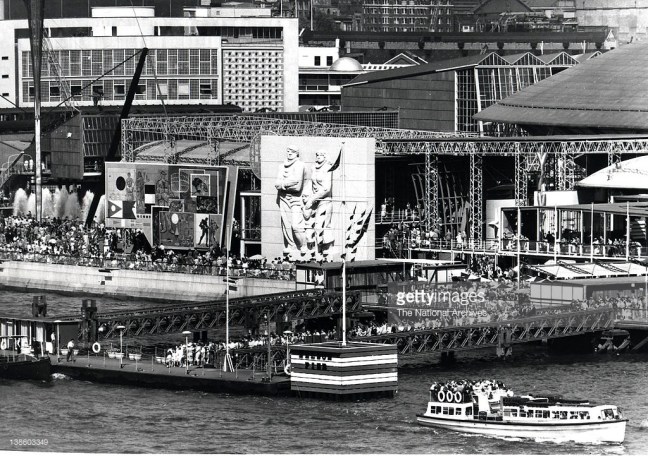
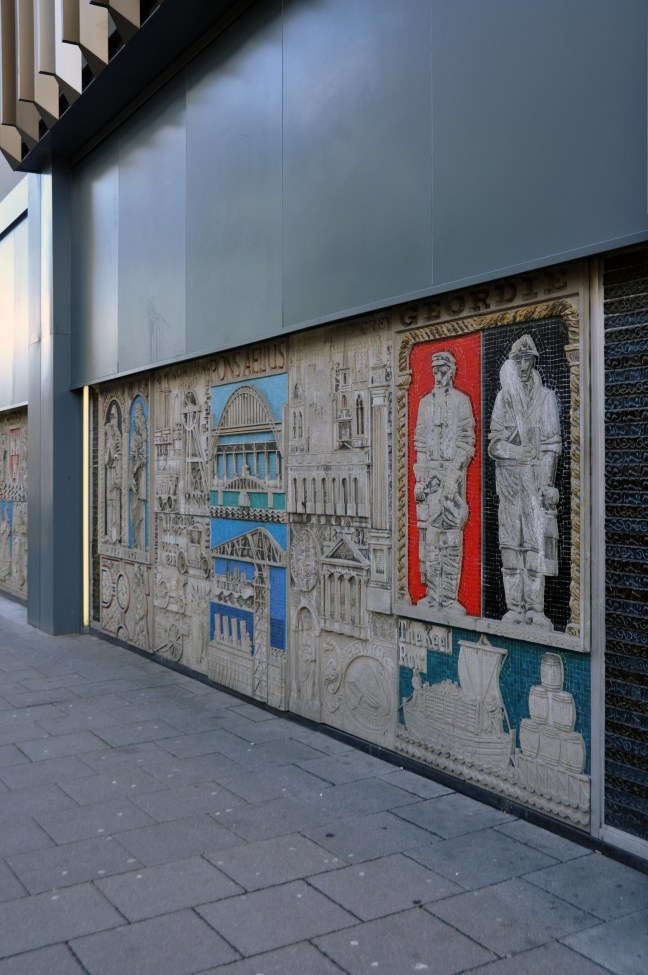
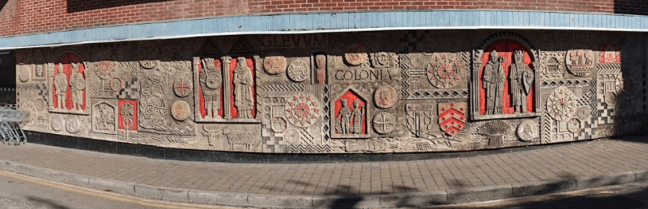
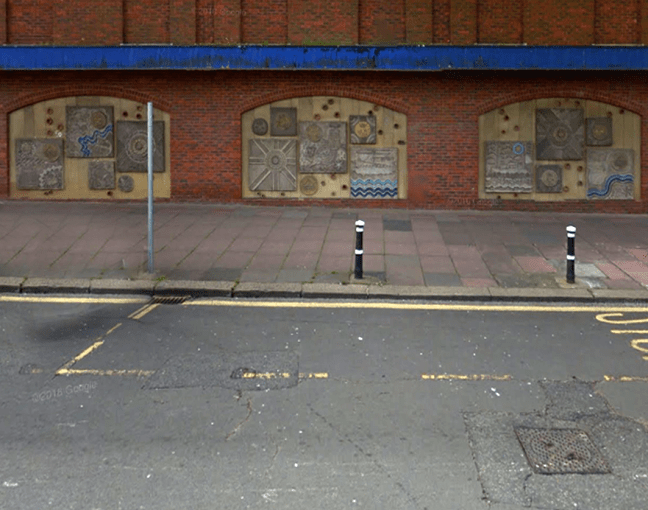
Their work was featured in the Festival of Britain, GPO Tower and Expo 70, along with other retail outlets in Southampton, Newcastle, Gloucester, Bexhill and Colchester.

Festival of Britain – their mural is to the left of the pavilion

138603339

138603349

Colchester

unknown

Newcastle upon Tyne

dsc_0039-copy

Gloucester

screen-shot-2016-10-07-at-10-11-56

Southampton

middle

Bexhill on Sea

screen-shot-2016-10-07-at-11-56-22

The Murals, BHS Stockport and Merseyway have an uncertain future, SHMBC applied for listing, this was refused. On the other sites illustrated, restoration and preservation has been undertaken.

I do hope that these works of national and international importance are not placed under threat. We have already lost too much post-war public art – we all deserve better.

p1100469

p1100470


p1100472

p1100473

p1100477

p1100478

p1100479

p1100480

p1100481

p1100482

p1100483


Coventry – Railway Station

Steven Parissien, director of Compton Verney Museum in Warwickshire, says:

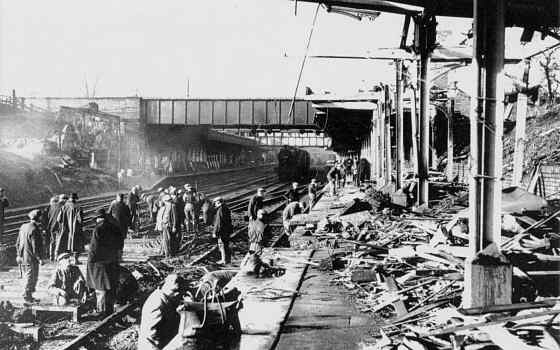
“Coventry is a great station. Its predecessor was pummelled to bits but it really wasn’t particularly marvellous anyway.

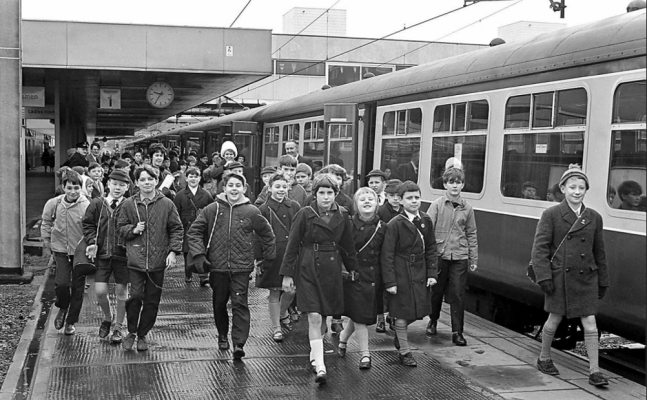
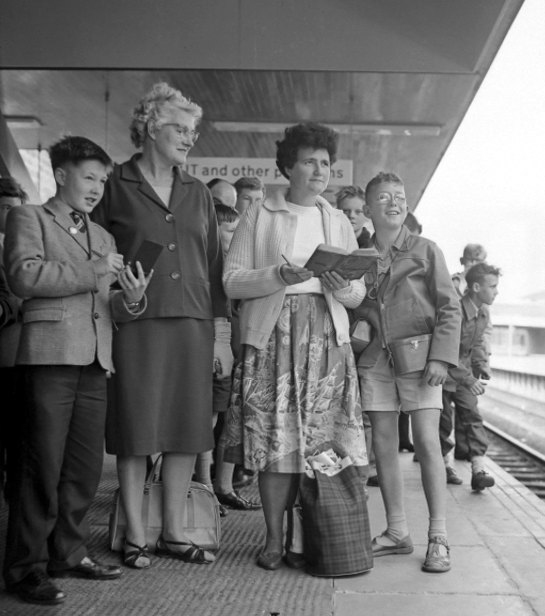
station-platform1940

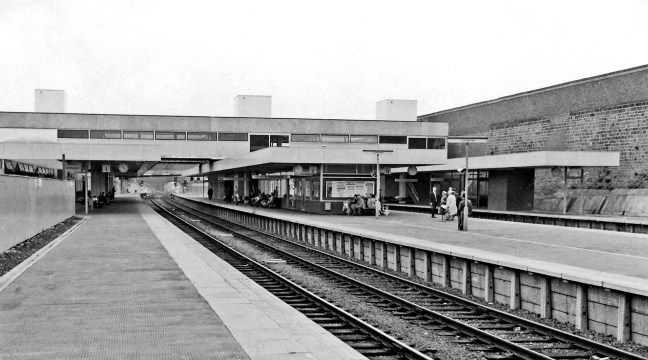
“The new station really came into its own. Built in the same month as the cathedral, in a way it was just as emblematic as the cathedral, though not quite so famous.

“It’s a light and airy place with a nice design. You do come out and have the ring road right in front of you which pedestrians have to guess where to go but that’s not really the fault of the station developers.”

coventry_station_newly_rebuilt_geograph-2986359-by-ben-brooksbank

screen-shot-2016-09-30-at-12-14-04

screen-shot-2016-09-30-at-12-14-28

The original station was built in 1838 as part of the London and Birmingham Railway and could be entered from Warwick Road, where two flights of stairs took the passengers down to the platform. Within two years it had been replaced, with a new larger station, a few hundred feet nearer to Rugby, this time, accessed via Eaton road. In the late 19th century the Coventry tram network extended to the station at Eaton Road. The original station remained in service as the station masters offices, until the station was redeveloped in the early 1960s by the London Midland Region of British Railways.

Architects Derrick Shorten worked with John Collins, Mike Edwards and Keith Rawson.

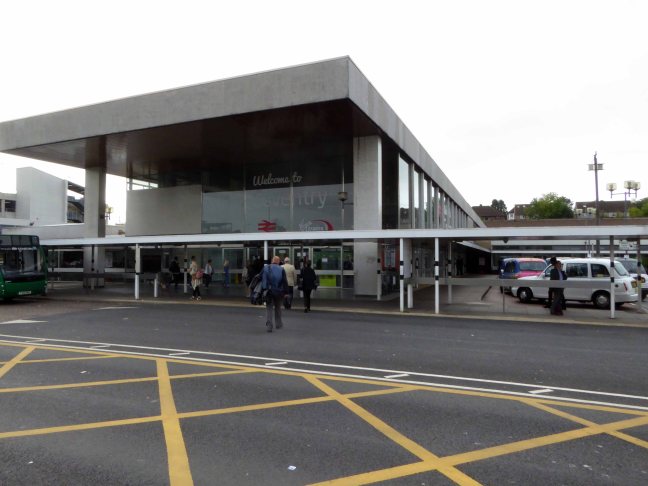
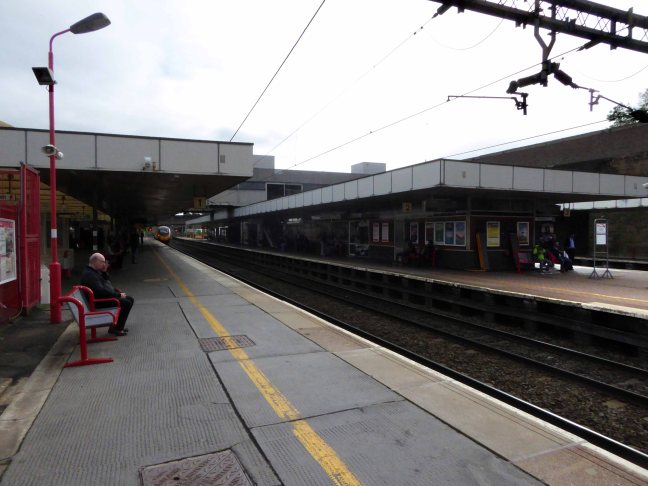
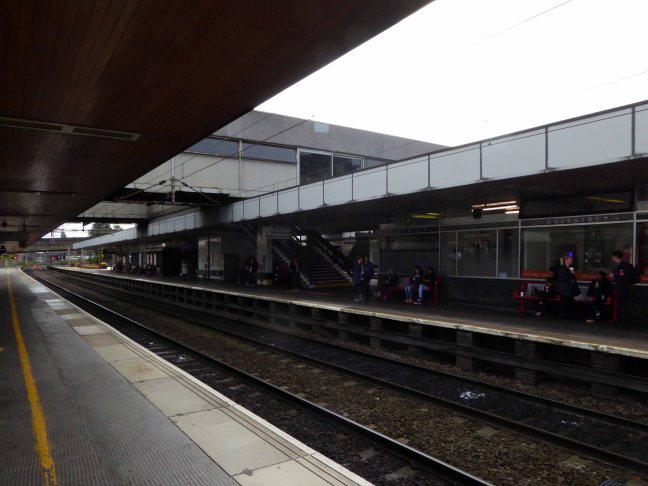
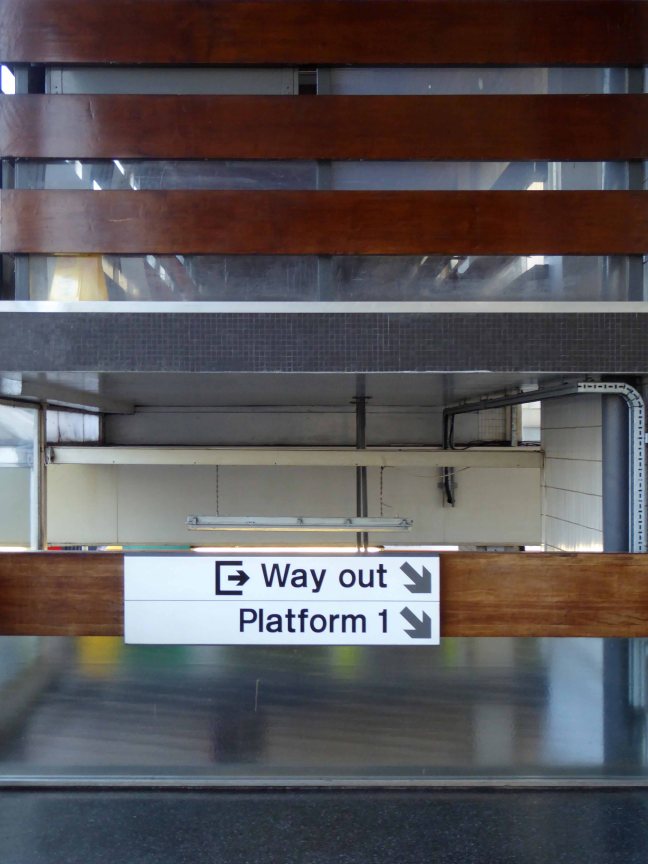
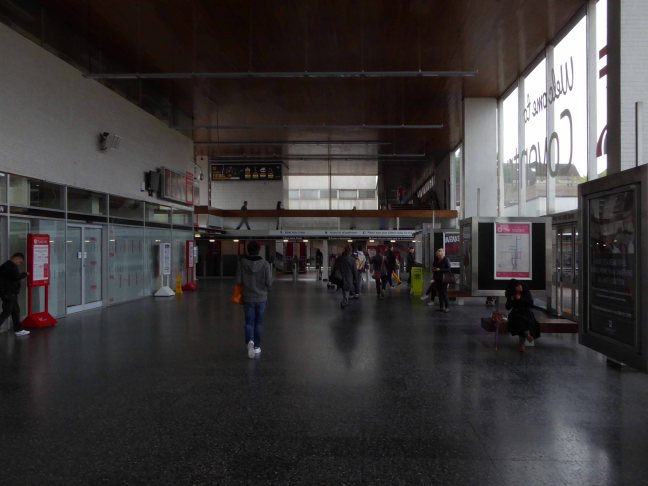
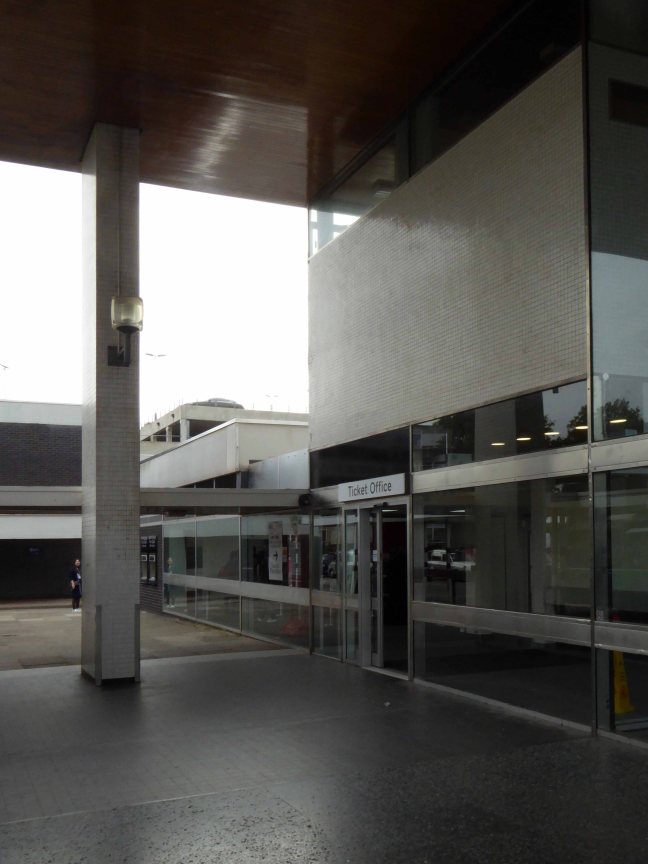
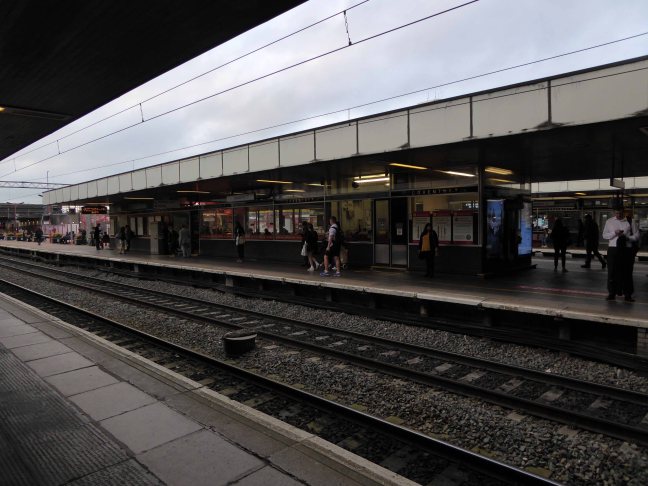
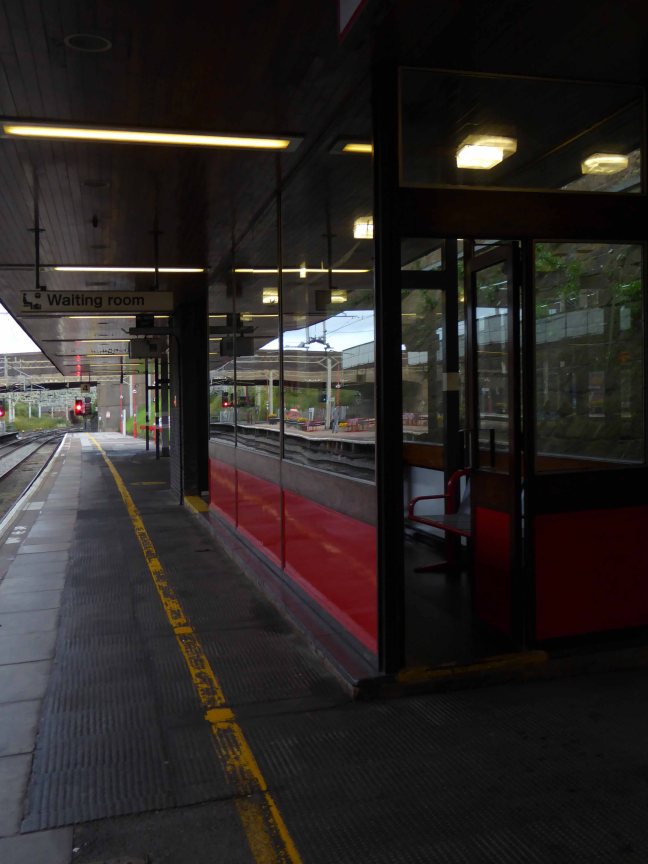
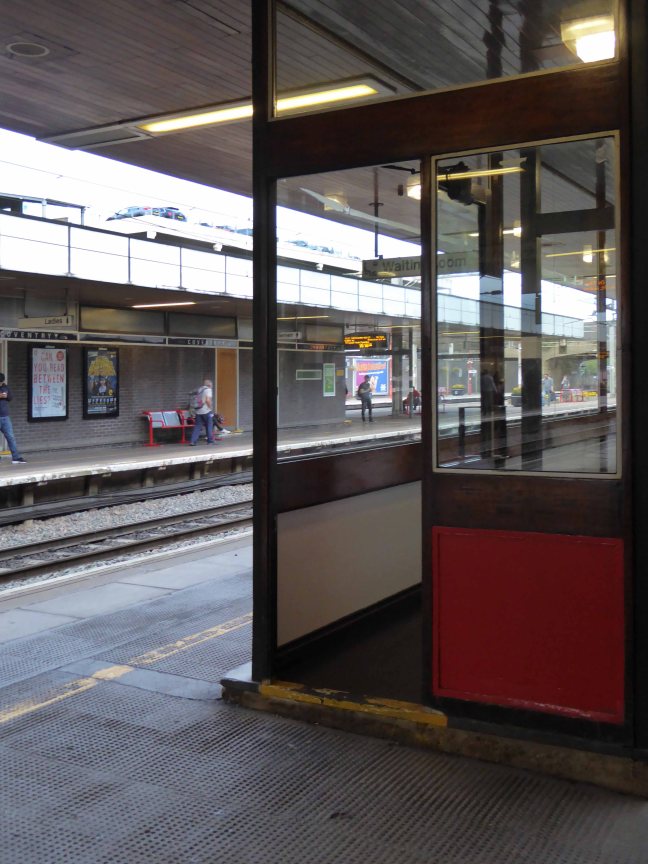
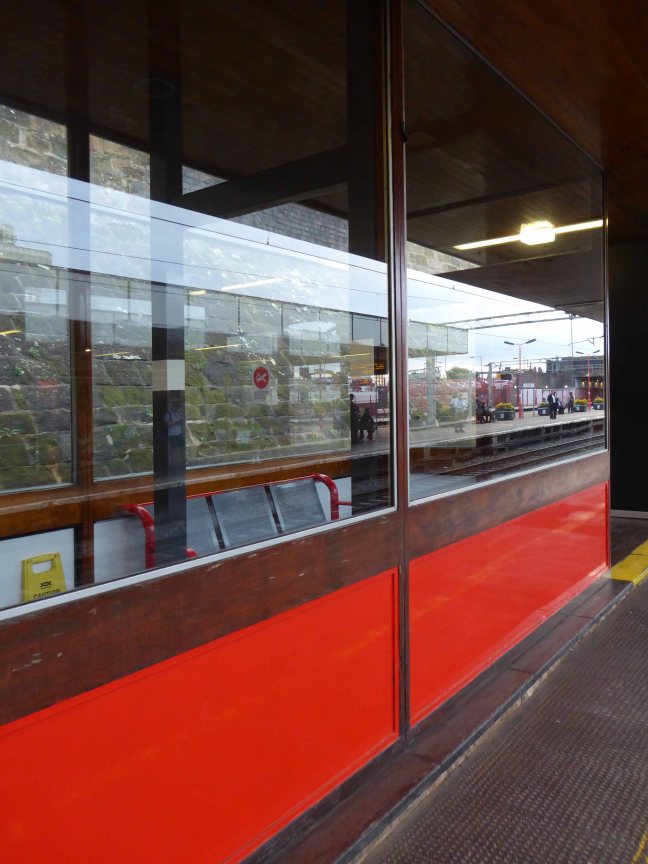
Sent to Coventry, under an imperative to explore the post-war redevelopment of a great city, I arrived by train, more than somewhat unsurprisingly at the station.

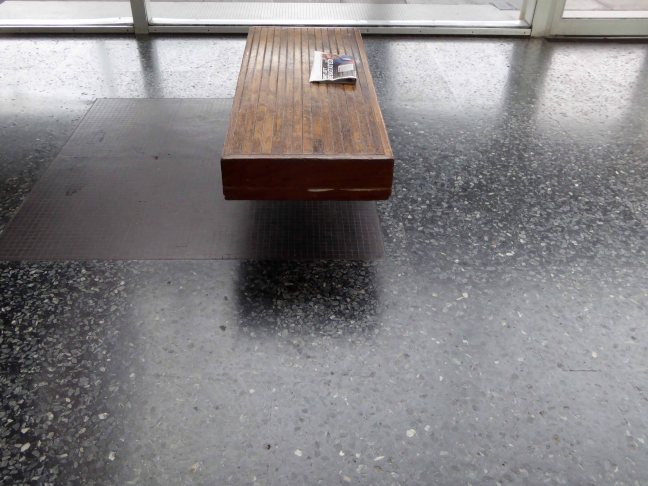
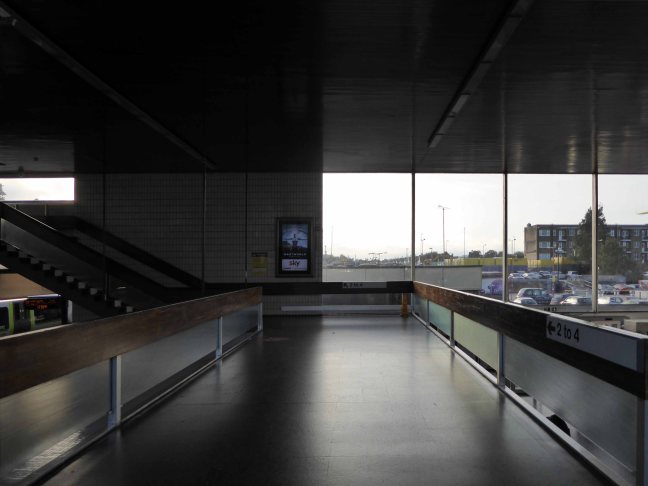
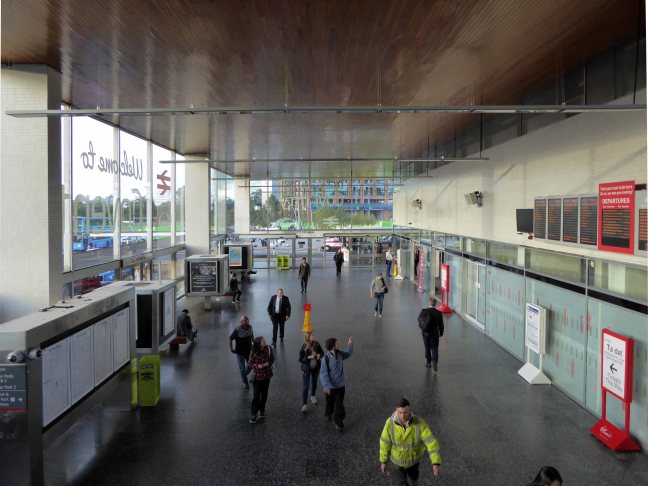
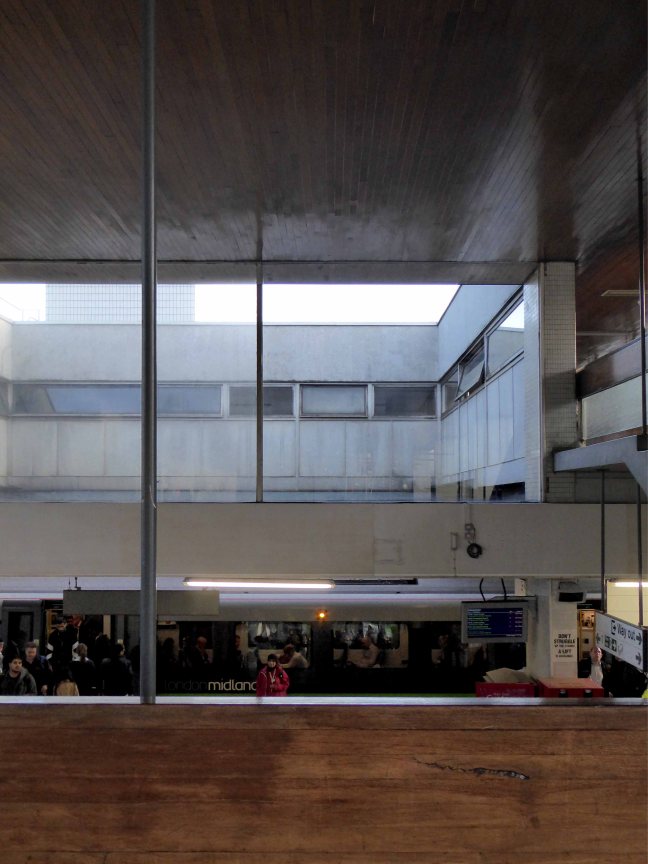
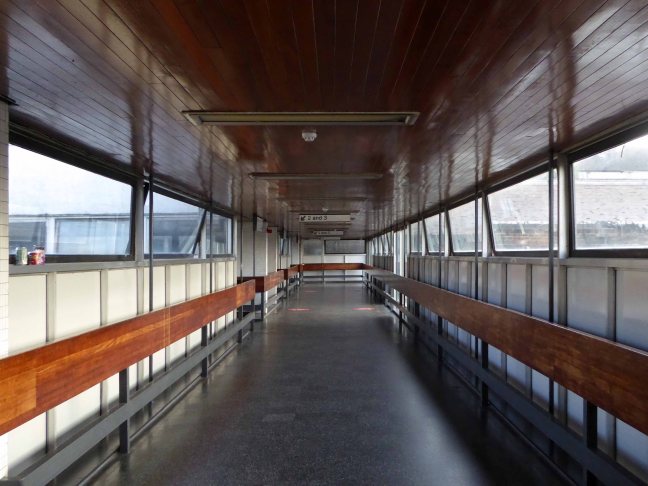
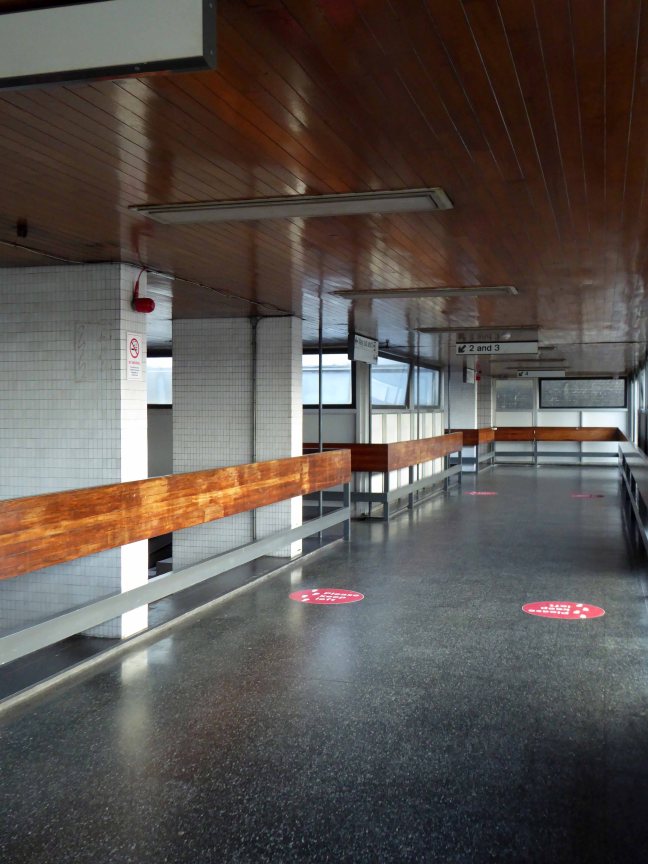
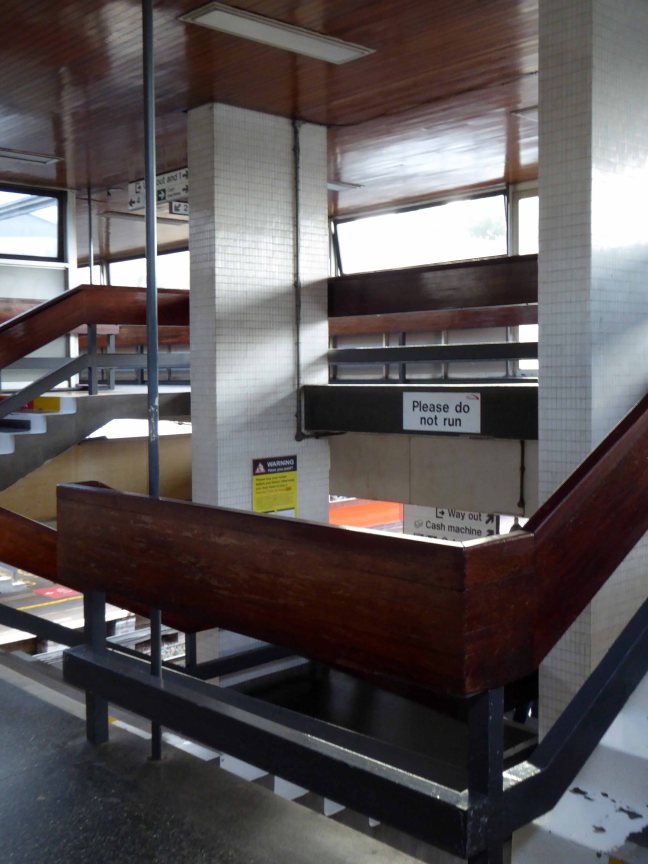
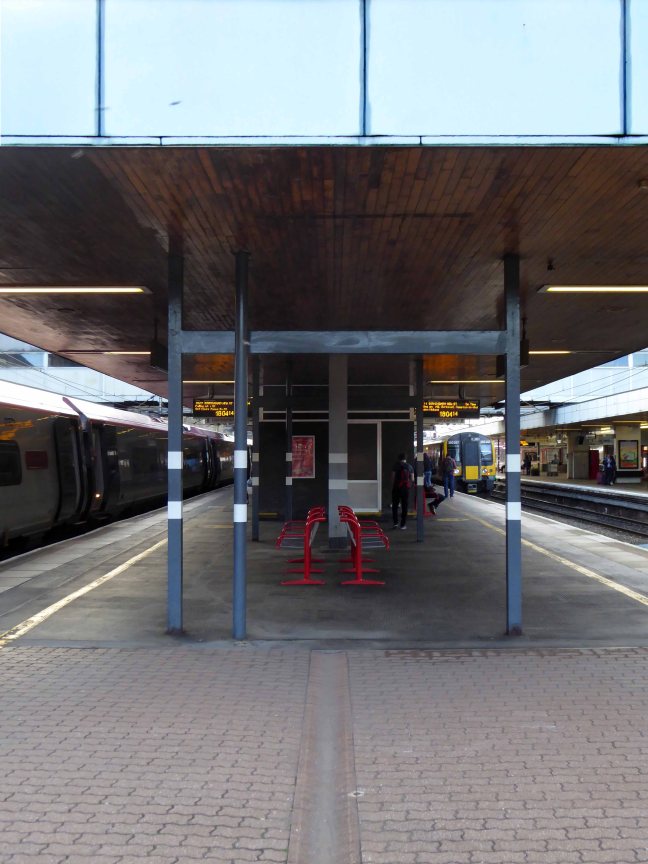
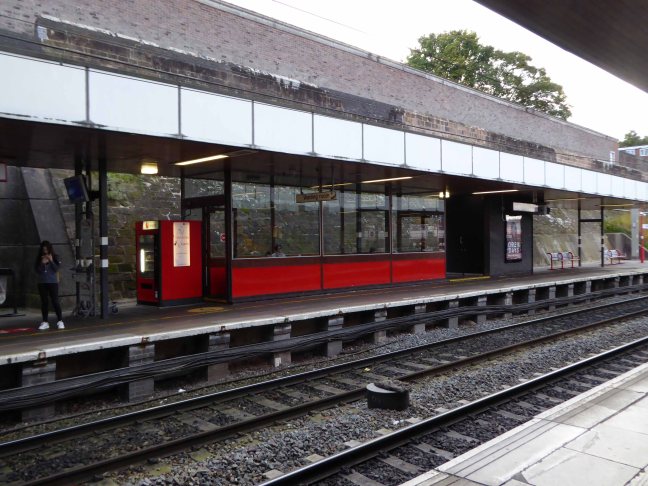
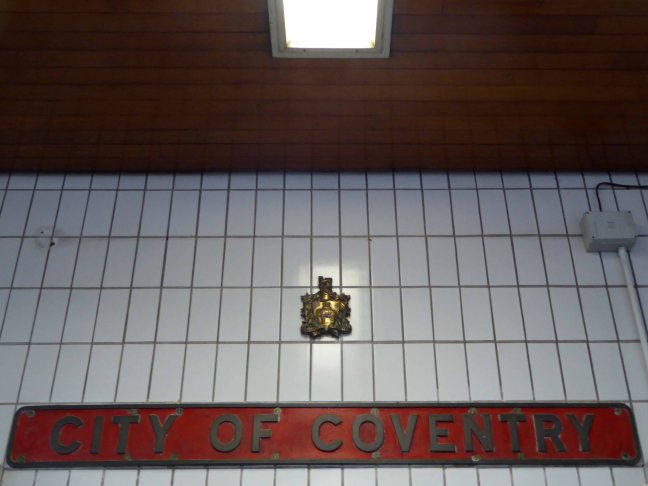
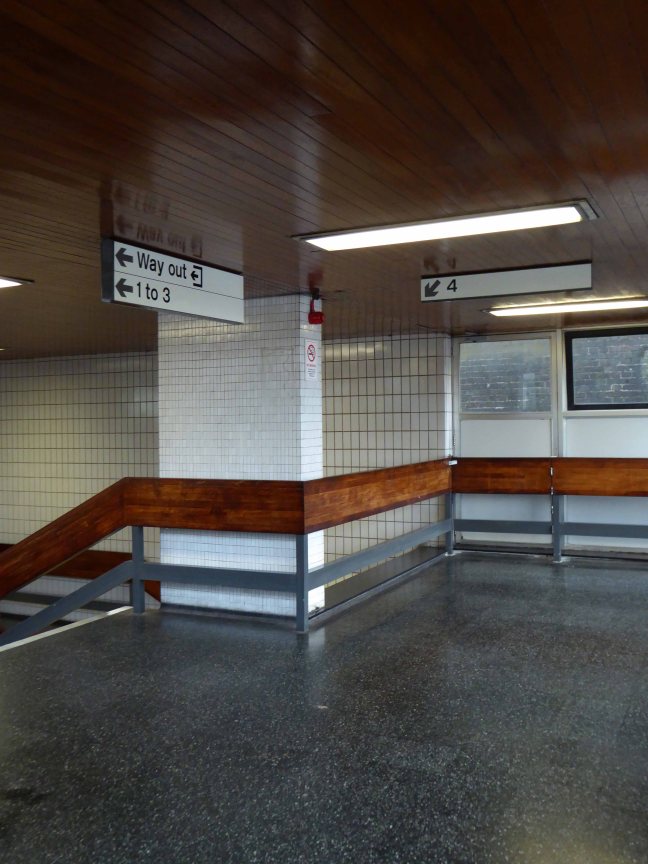
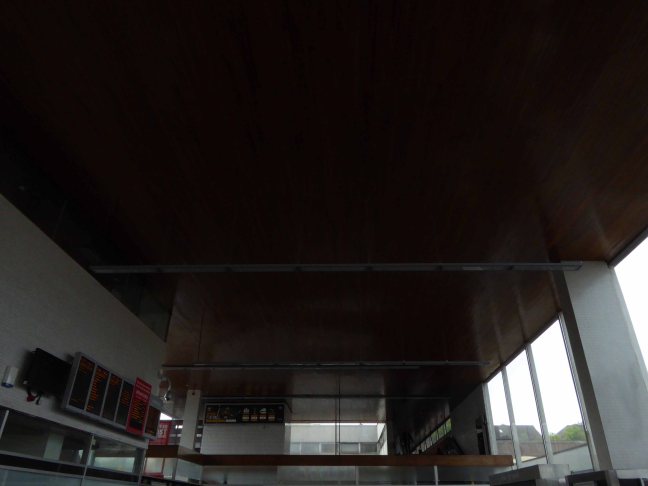
A fine building of 1962 light and airy, warm wooden ceilings, gently interlocking aluminium, glass and steel volumes, original signage and a lively feeling of calm controlled hustle and bustle.

The ideal way to start the day – take a look.

p1090647-copy

p1090648-copy

p1090649-copy

p1090650-copy

p1090651-copy

p1090652-copy

p1090653-copy

p1100057-copy

p1090654-copy

p1090656-copy

p1090658-copy

p1100058-copy

p1100060-copy

p1100061-copy

p1100062-copy

p1100063-copy

p1100064-copy

p1100065-copy

p1100067-copy

p1100068-copy

p1100071-copy

p1100073-copy

p1100074-copy

p1100075-copy

p1100076-copy

p1100077-copy

p1100078-copy

William Mitchell – Liverpool

To wander the streets with a broad smile, open heart and eyes, is to enter into an unwritten contract with the unexpected and inexplicable.

Chance encounters with old, new or familiar friends.

Imagine my surprise, when for the first time ever I unexpectedly came upon these William Mitchell reliefs on Hope Street, whilst walking aimlessly away from Lime Street.

That sense of surprise has never diminished, my spirits lift and my smile broadens to a cheeky grin, my pace quickens in ever so eager anticipation as I approach.

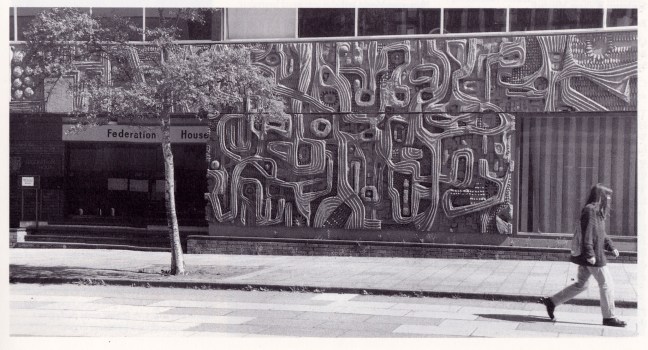
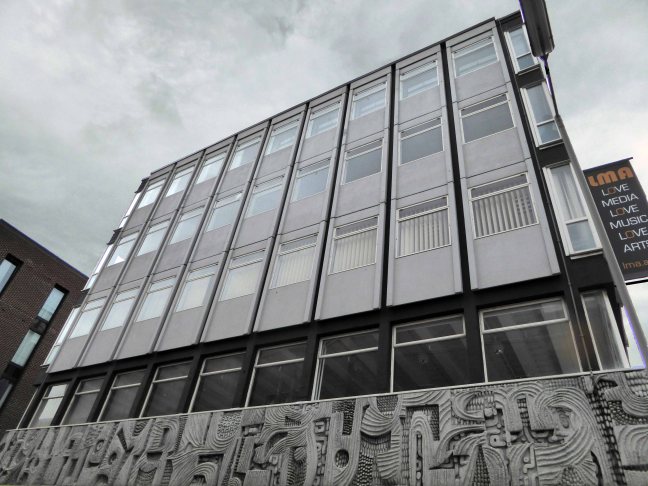
Wrapped tightly around the low, low waist of the former Federation House – big, bossy and very, very beautiful – though at times obscured by more recent architectural intrusions.

Public Sculpture of Liverpool – Terry Cavanagh 1997

mitchell

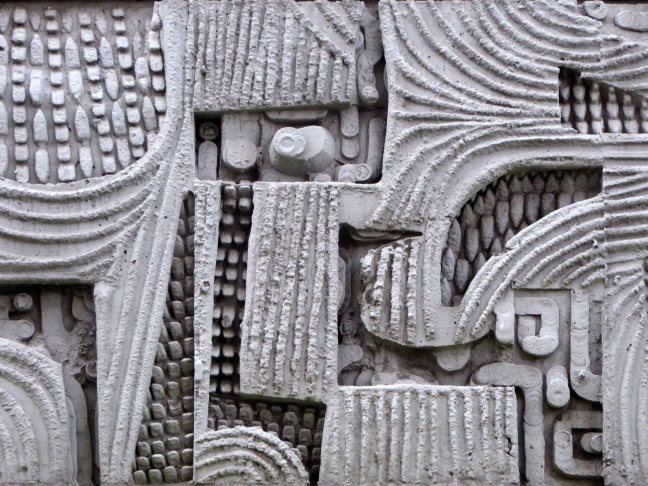
The original raw concrete is now awash with washes of off-magnolia exterior emulsion.

mitchell-1

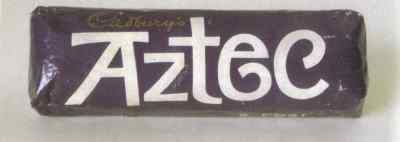
Hughes and Willet were seemingly less amazed or amused, the opinion of the Aztecs, or for that matter the Neo-Aztecs, is sadly not a matter of record.

aztec

I remain impressed by the impressed concrete relief, a convincing addition to a sharp functional modern office block, all of which have not dated disastrously as soon as the fashion supporting it has collapsed.

Treat yourself take a walk, surprise yourself once in a while.

Aztec bars were withdrawn shortly after their launch in 1967.

The Aztec race was all but wiped out following their disastrous encounter in 1519 with the Conquistadors.

The William Mitchell reliefs prevail to this this day, as of last Sunday.

p1090463-copy

p1090465-copy

p1090466-copy

p1090467-copy

p1090468-copy

p1090469-copy

p1090470-copy

p1090471-copy

p1090472-copy

p1090473-copy

p1090474-copy

p1090475-copy

p1090476-copy

p1090477-copy

p1090478-copy

p1090479-copy

p1090480-copy

p1090481-copy

p1090482-copy

p1090483-copy


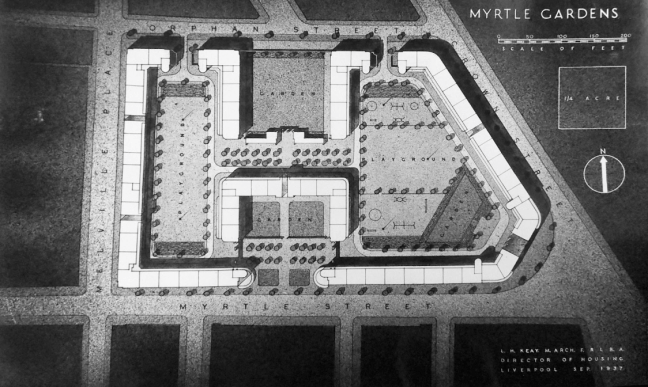
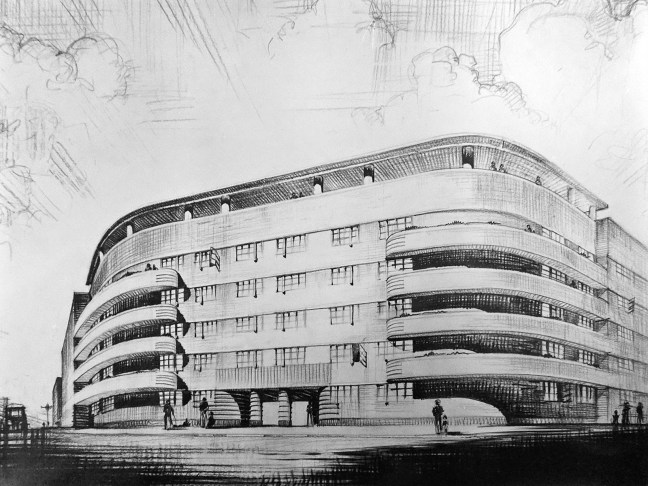
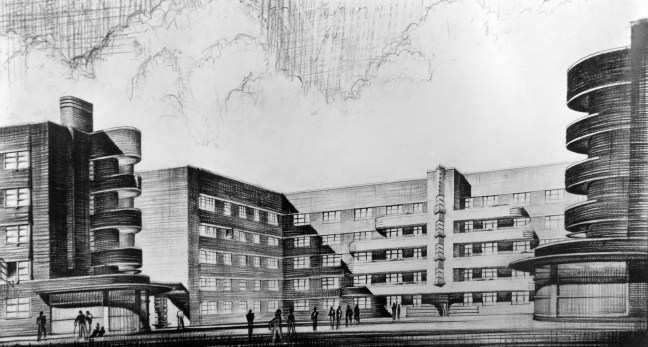
Myrtle Gardens – Liverpool

Once again I wandered the warm and welcoming streets of Liverpool in search of houses.

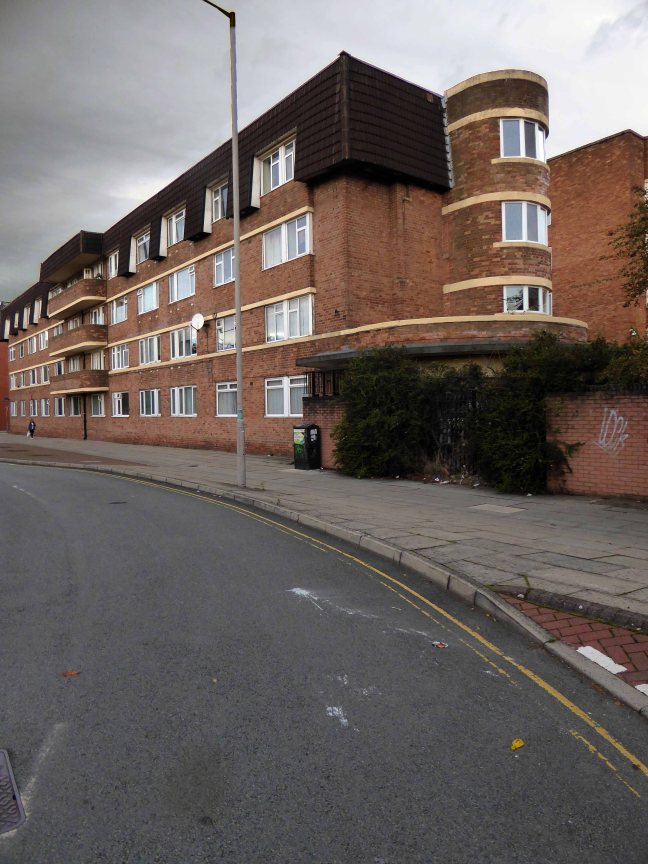
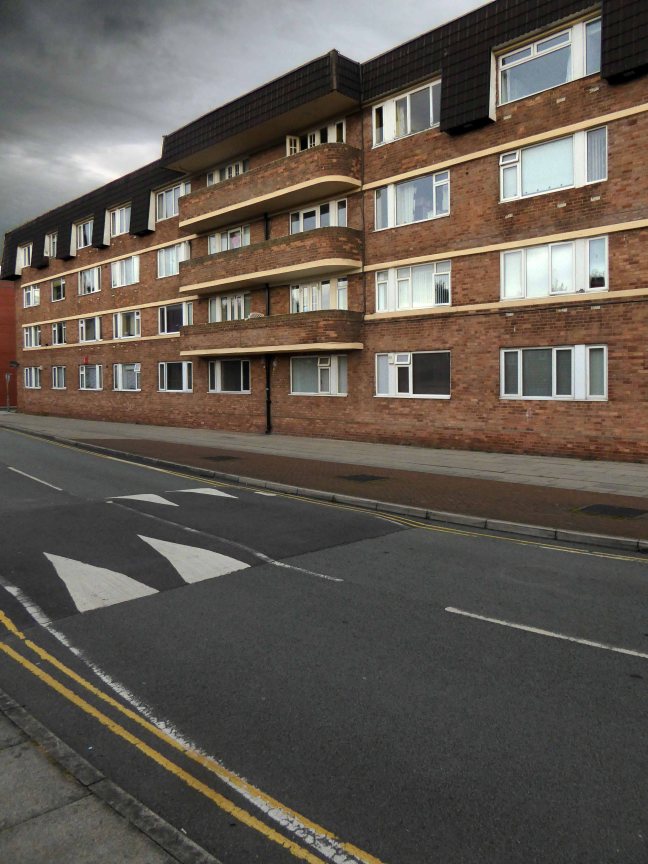
Once again I found older housing, dressed up as newer housing with a new roof, windows and clientele, a stone’s throw from my former encounter in St Andrew’s Gardens.

Myrtle Gardens in Edge Hill was part of the larger project of Liverpool’s inter-war rehousing programme – a tale very well told by Municipal Dreams.

An area with a whole heap of history

And a whole heap more on this fine site The Liverpool Picture Book from whence these images were taken:

screen-shot-2016-09-26-at-16-55-03

artist-impression

artists-impression

work-underway-at-myrtle-gardens

dscn0170-1

dscn0174

dscn0170-1

myrtle-gardens1

dscn0169

screen-shot-2016-09-26-at-16-54-43

There is also a  comprehensive visual history here in this clip:

Containing the poignant lost faces of the estate:

A familiar tale of bomb damage, decline and sale to private developers and here we are today, a mix of short student lets, newcomers and a handful of long term residents.

Eddie the porter – named Eddie Porter, a clear case of nominative determinism, proved the perfect host, I introduced myself as the man from the Manchester Modernists, doors opened and the conversation flowed like fine wine.

Tales of lads illicitly playing football in the roof voids, families leaving concrete structures in order to huddle in corrugated iron Anderson Shelters, A Hitler’s time in the ‘Pool and his resolve  save the Liver Building, bombs that did fall on the now missing blocks of flats, a family celebrating the return of their son killed in an air raid.

We parted and I strolled amongst the elevated homes some 300 flats, over 80 years old and continuing to provide shelter and succour for the many, though sadly no longer under the sheltering wing of the Municipal Housing Department and their team of engineers, architects and builders.

p1090436-copy

p1090437-copy

p1090438-copy

p1090439-copy

p1090440a-copy

p1090441-copy

p1090442-copy


p1090444-copy

p1090445-copy

p1090446-copy

p1090447-copy

p1090448-copy

p1090449-copy

p1090450-copy

p1090452-copy

p1090453-copy

p1090454-copy

p1090455-copy

p1090456-copy

p1090458-copy

p1090459-copy

p1090460-copy

p1090461-copy

Wavertree Liverpool – Pathfinder

How does the modern world treat the past?

With a disdain bordering on a sociopathic destructive indifference it appears.

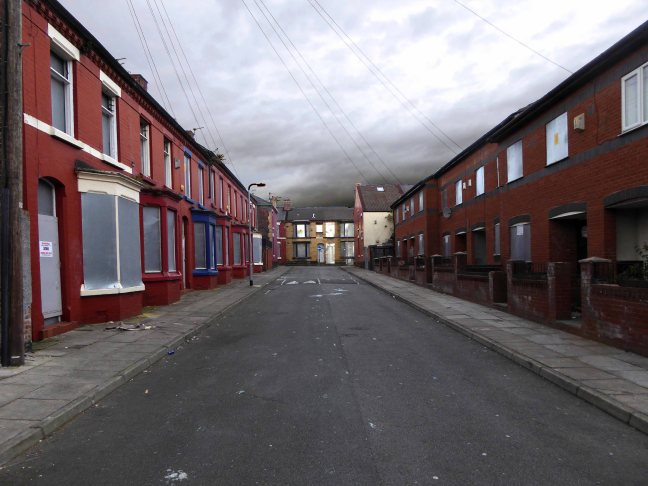
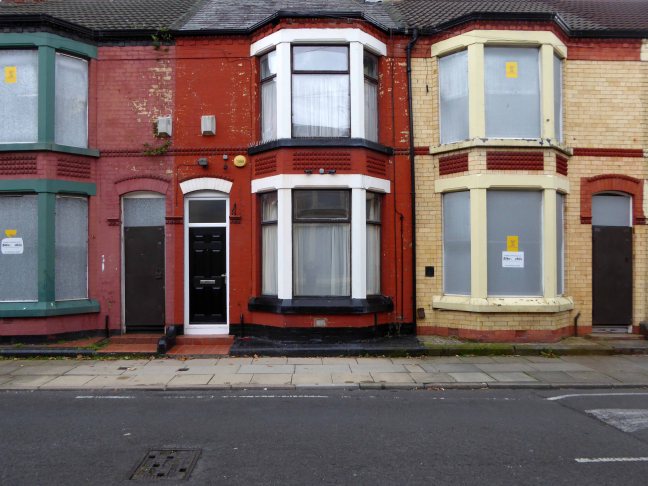
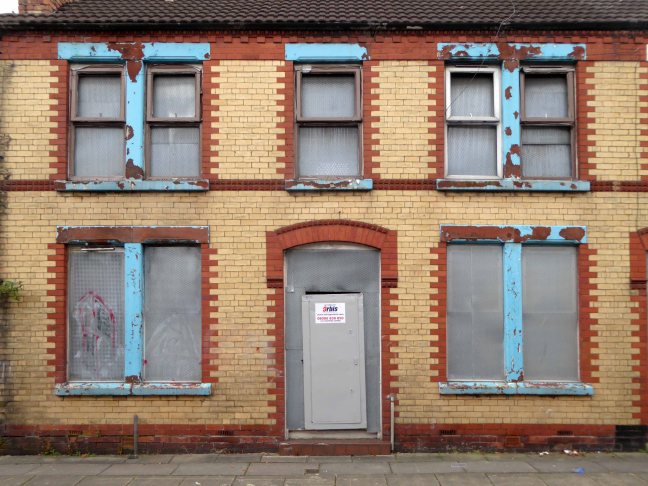
New Labour with an eye to rehouse the housed, tinned up hundreds of homes prior to demolition and redevelopment. They were and still are solid late Victorian terraces possibly in need of improvement – during the 1990’s, period housing stock was refurbished with central government funding, through a system of easily obtained grants. Improving the living conditions of many, maintaining the structures, and  supporting the local self-employed building trade.

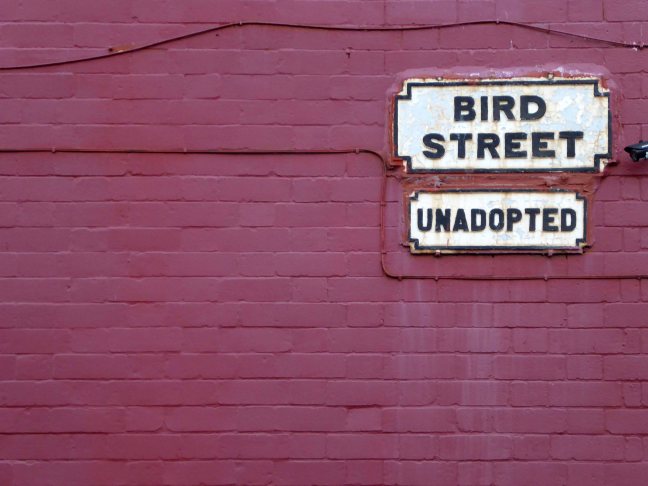
So several years down the line, I visited the streets of Wavertree discussed in Owen Hatherley’s article of 2013.

Little or nothing has changed there are some tenanted houses, interspersed between the blanked out windows in sadly deserted streets, save the two camera shy free runners, who had lived and played in the area for some seven years.

p1090427-copy

When one door closes another door closes.

If working-class areas are to defend themselves, they need confidence, both in themselves and in the places they live, otherwise the whole grim process will go on, with councils making the same mistakes and the same lives being destroyed, without interruption.

p1090408-copy

p1090409-copy

p1090410-copy

p1090412-copy

p1090413-copy

p1090414-copy

p1090415-copy

p1090416-copy

p1090417-copy

p1090418-copy

p1090419-copy

p1090420-copy


p1090423-copy

p1090424-copy

p1090425-copy

p1090427a-copy

Allied Ironfounders – Audenshaw

As I walked out one morning, in search of an industrial access cover or two or more, I found more, much more, dug deeper, unearthed a can of worms, a murky past cast in cast iron.

This is the cover closest to my home on Didsbury Road Stockport, manufactured by Glynwed of Corporation Road Audenshaw, the closest foundry to my former school.

screen-shot-2016-09-16-at-17-55-59

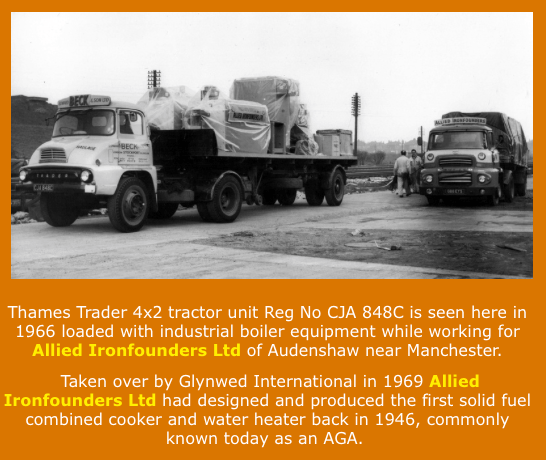
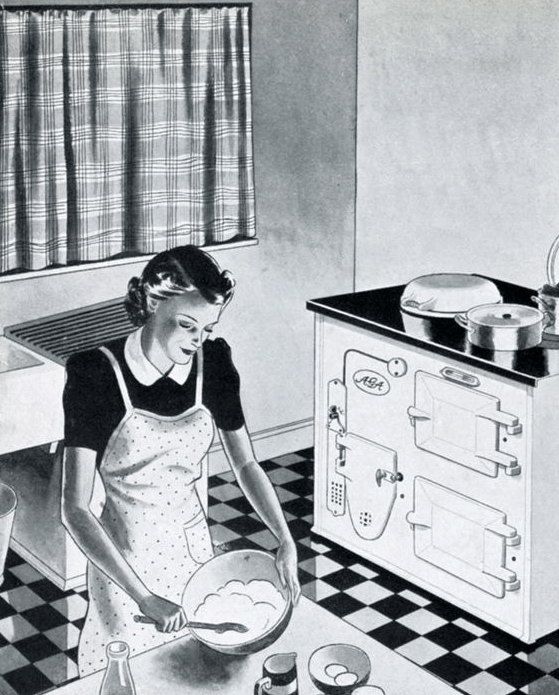
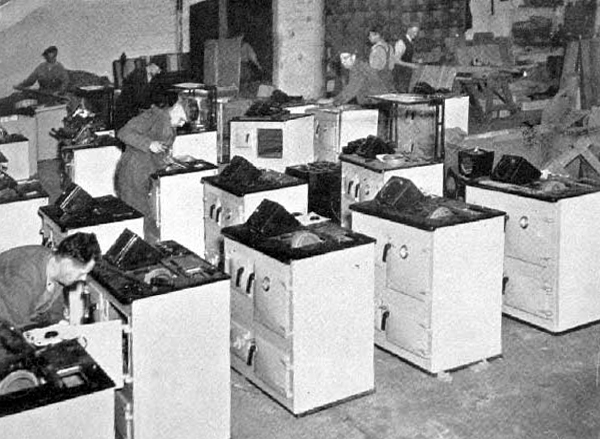
Glynwed formerly Allied Ironfounders, the manufacturer of gas appliances, the humble Rayburn and the infamous stuff of sagas the Aga.

screen-shot-2016-09-16-at-18-34-01

the-story-behind-a-symbol-alied-ironfounders-front-cover-c-1950_600px

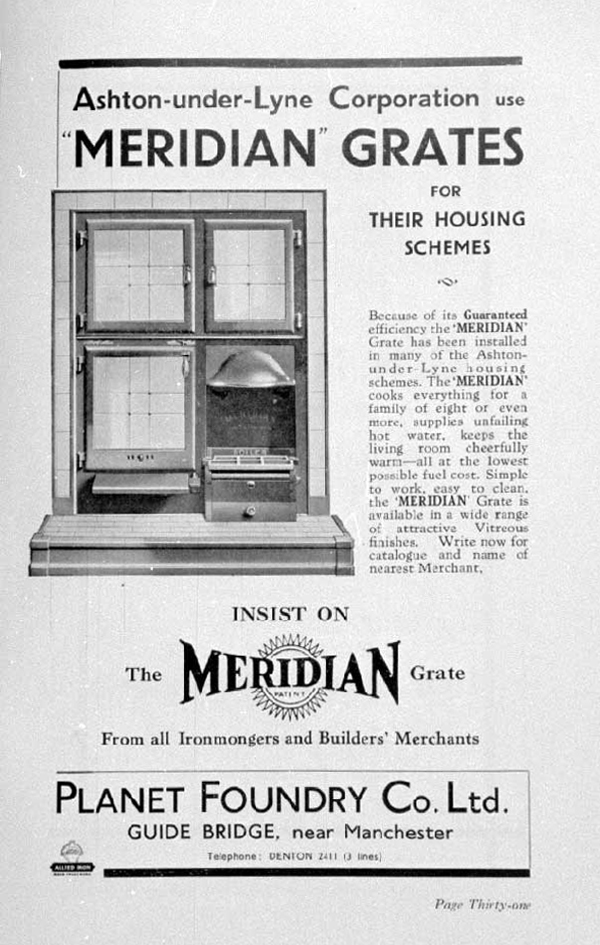
And the Meridian Grate – great! The foundry was also known as the Planet Works, the adjoining rough ground Planet Fields, where on wet winter days we would form a mud spattered procession of ragged schoolboys engaged in the joys of cross country running, over a factory’s spoil tip.
t07526

We never got to see the firm’s Mayfair showrooms, we never got to pass go – I guess it was just too far to run, cross country or otherwise.

21467-1-434-434-ffffff

21468-1-434-434-ffffff

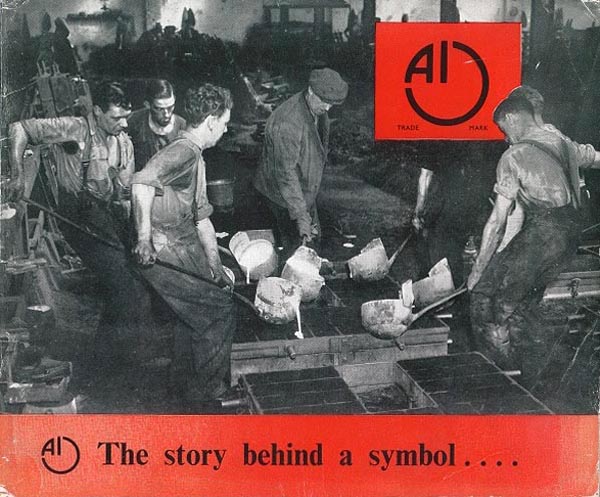
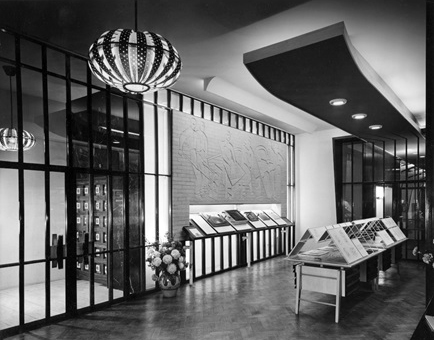
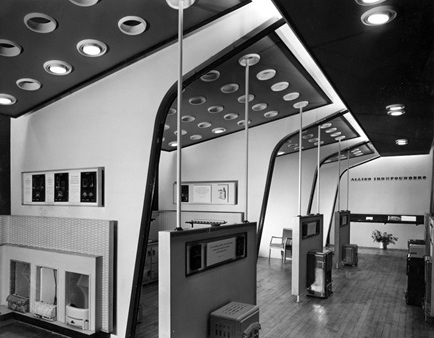
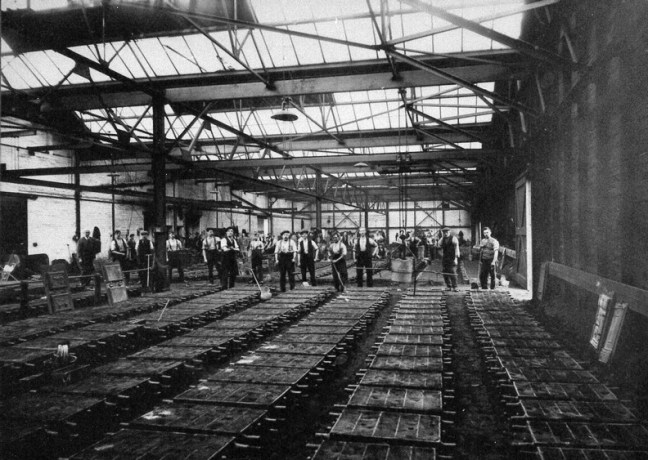
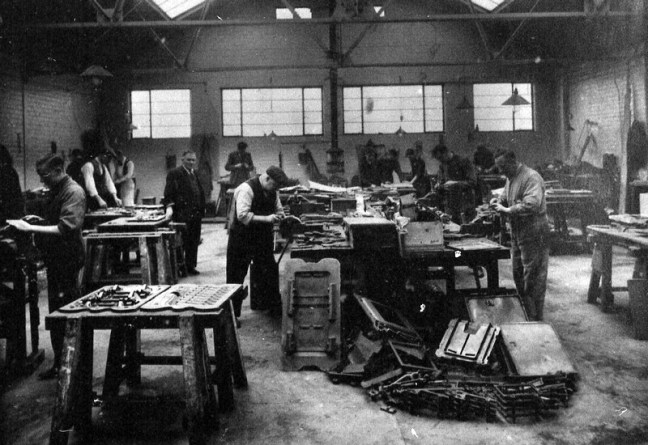
The sleek Modernist lines of the Allied Ironfounders’ showpiece contrasts with the conditions of the work force manufacturing the grates and Agas.

t21844

t21854

t07525

So some fifty years and several miles separates me from my schooldays and my local gas inspection cover. Guess I’l just gas up the Thames Trader and head for the hills folks.

Yippie-aye-ay, yippie-aye-oh, ghost riders in the sky.

And underground.


Kirklees College – Huddersfield

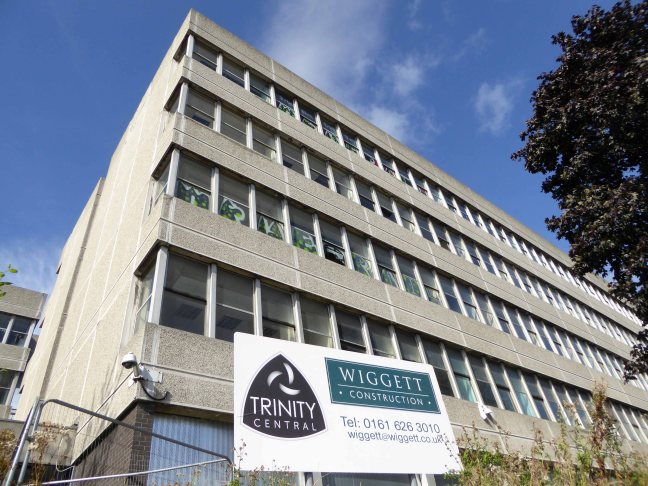
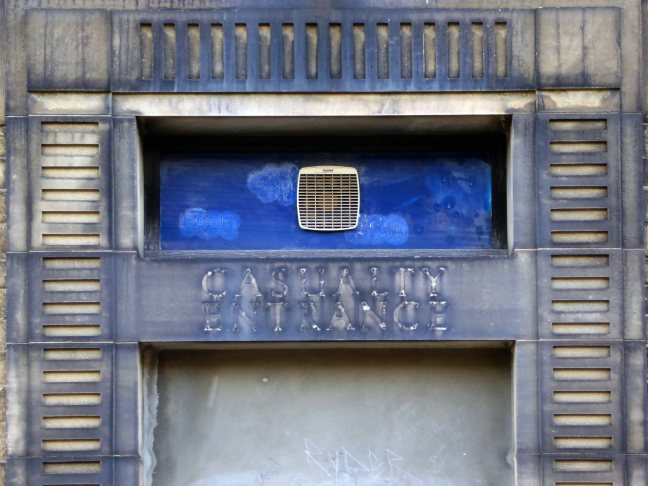
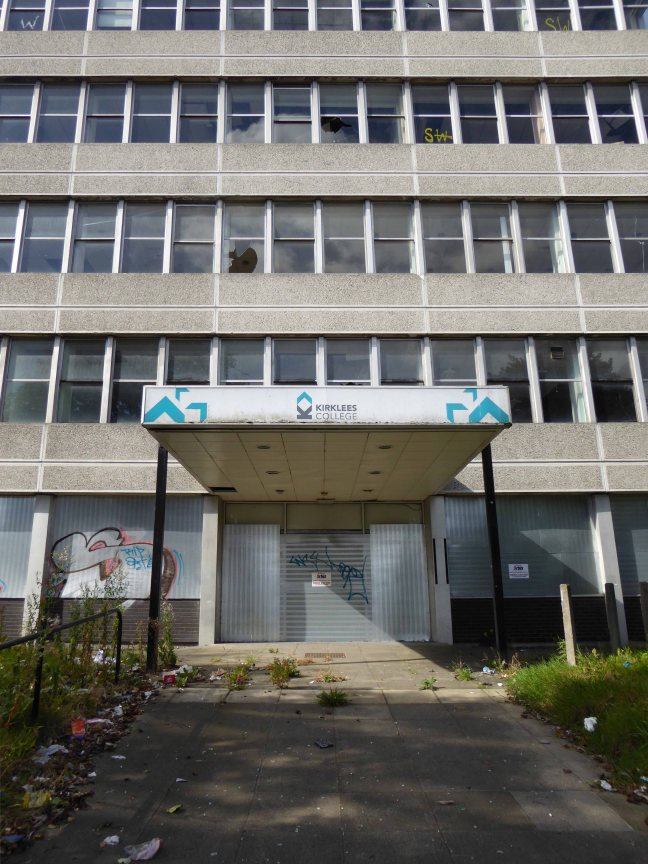
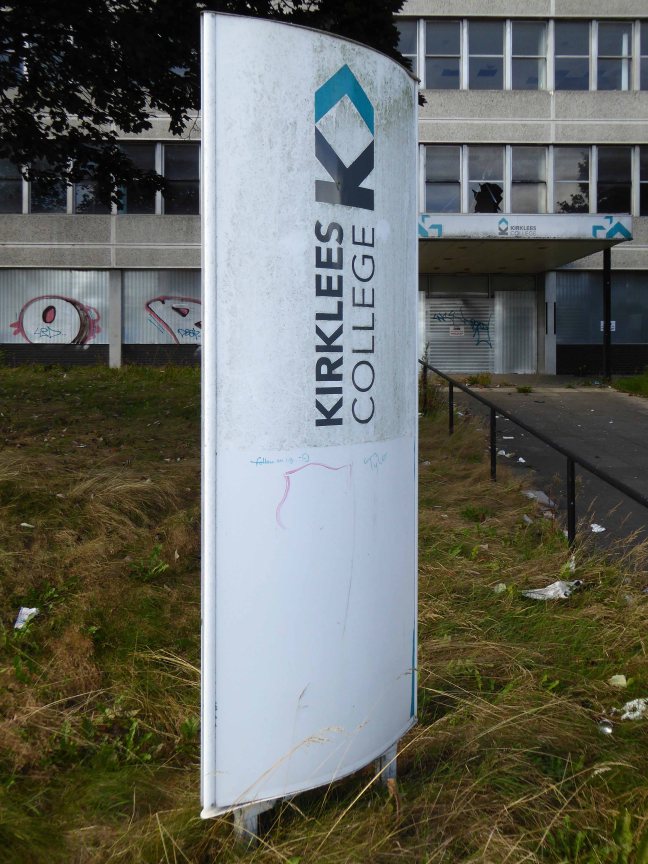
Kirklees College started life as Huddersfield Infirmary in 1831 up until 1967 when the Ramsden Technical College moved in, they paid £105,000 for the site. 

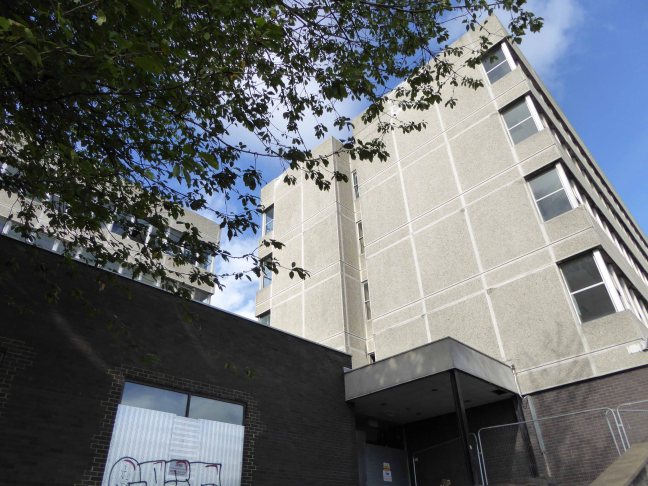
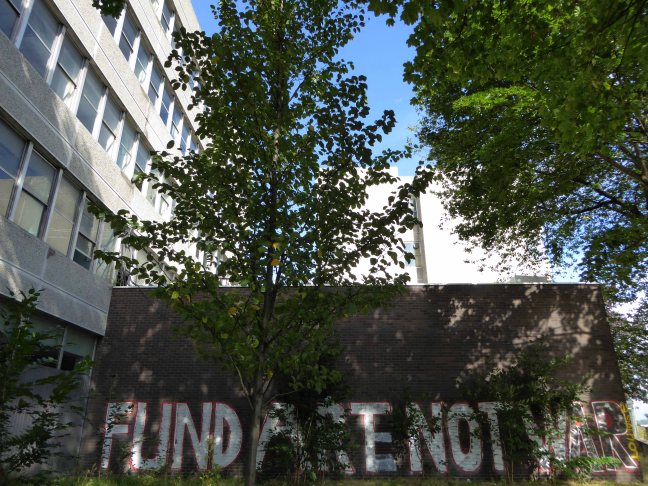
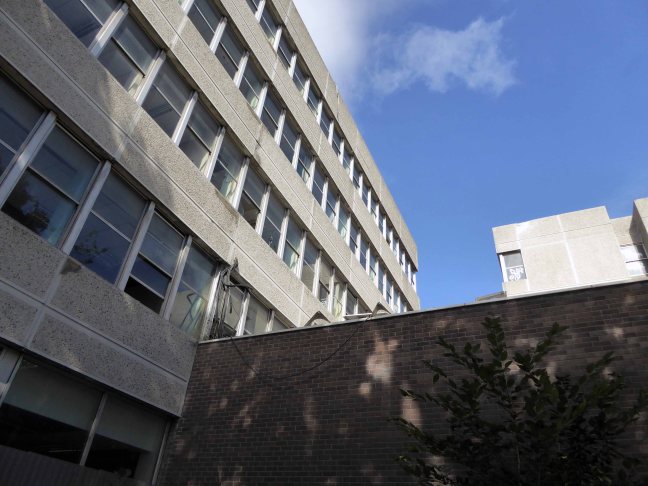
In September 1968 the first students began lectures and the first new building on the site opened in 1969. The main new block was built in 1971 – the year the college became Huddersfield Technical College. In 2008 Huddersfield Technical College merged with Dewsbury College to form Kirklees College and relocated in 2013.

The campus incorporates 10 buildings over a 6.1 Acre site ranging from the old hospital complex to modern blocks of classrooms. 

p1080524

Some of the buildings have been used for the filming of the dramas Black Work, Remember Me where they changed some areas to be a care home, a hospital and a police station and the film Extremis. 

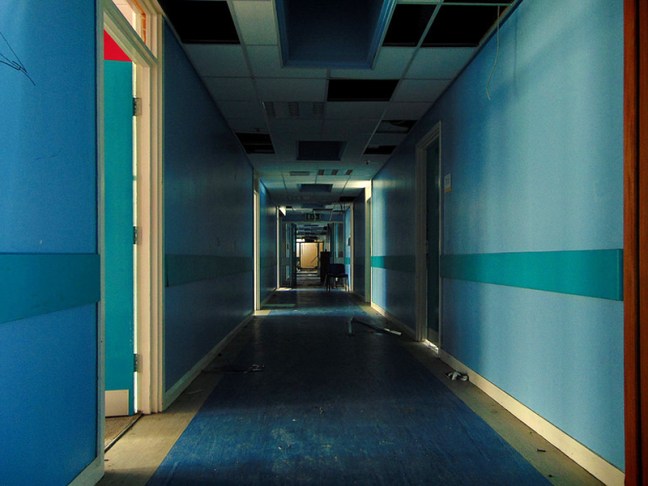
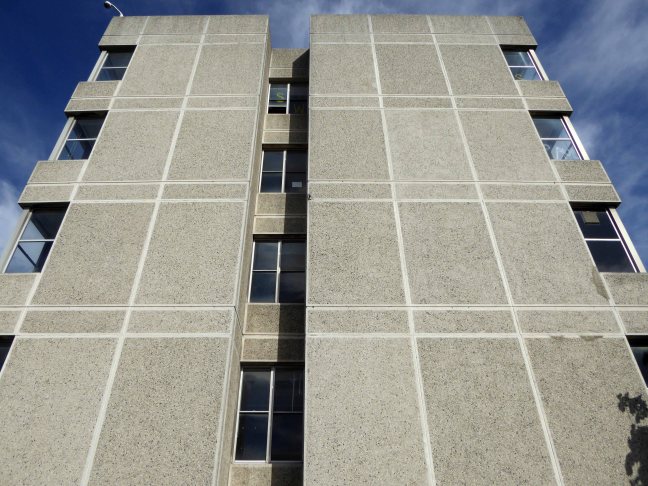
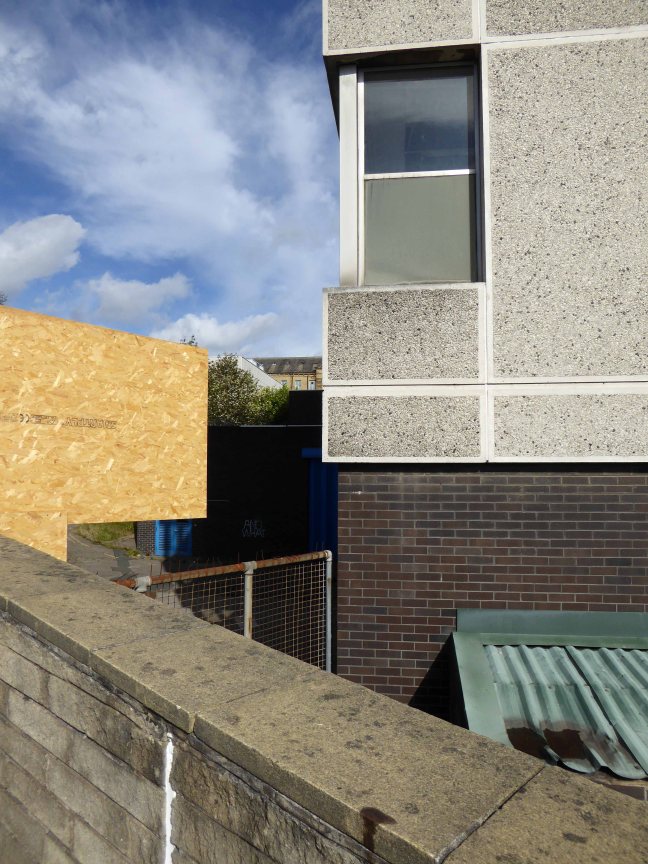
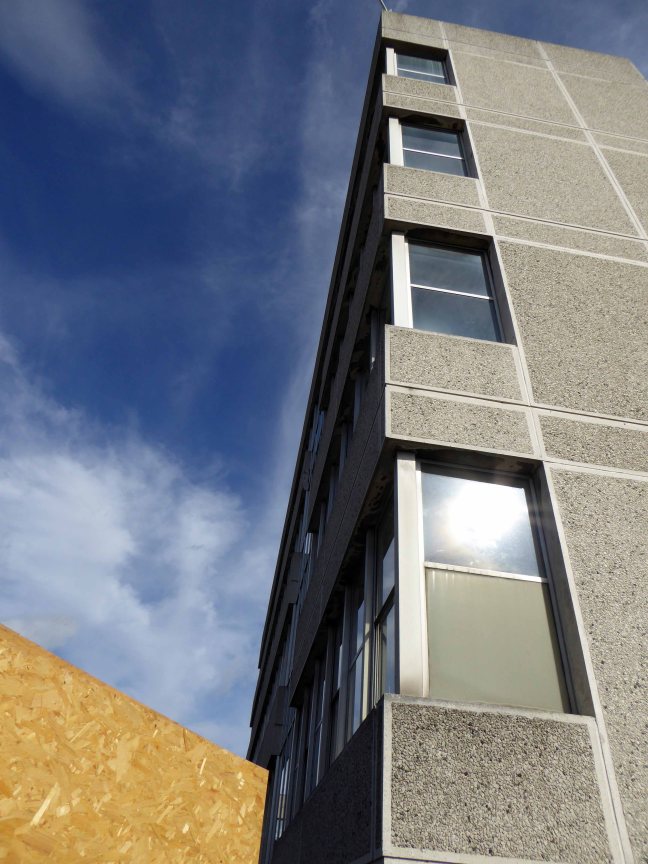
The site is owned by Wiggett Construction Group, who have now confirmed they want to demolish the 1970s college buildings to make way for a Lidl supermarket.

Thanks to Derelict Places – they went inside, I didn’t, I don’t do that sort of thing.

24873199691_49c901c0f0_c

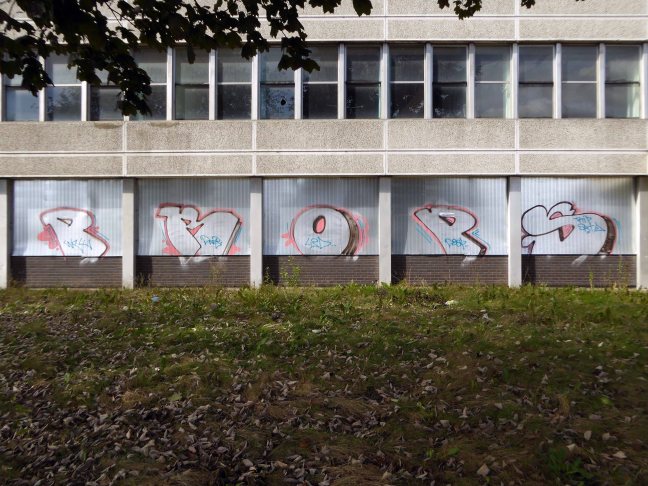
I walked the lengthy perimeter, bobbing in and out of nooks and crannies in search of nothing in particular. Chatted to a Kirklees employee who had worked at the site, he regretted its closure and passing.

“This building had character, it was great to work here – now it’s going to be a supermarket.”

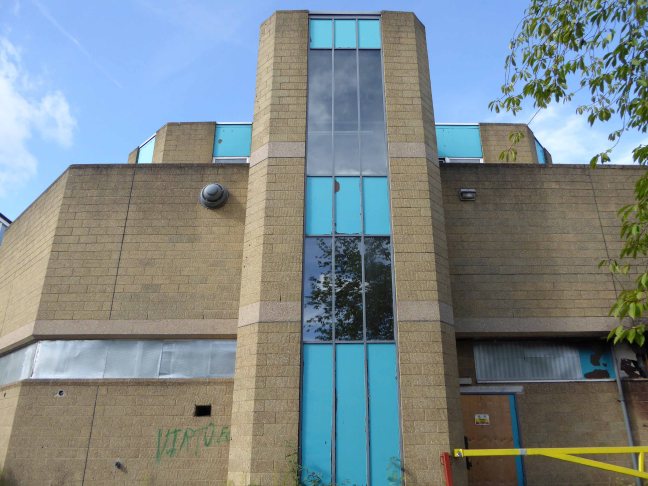
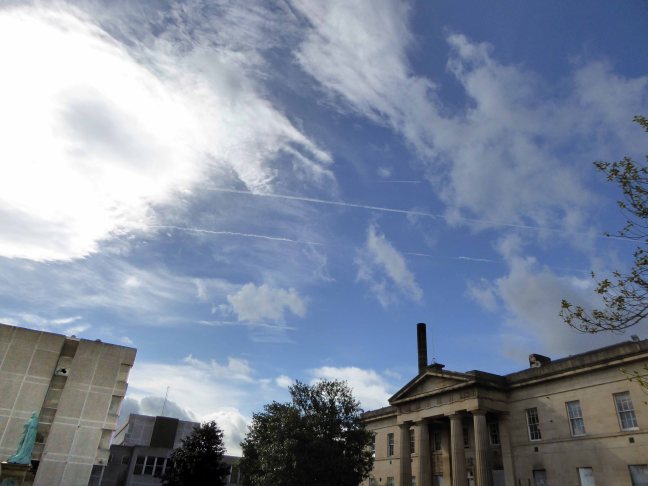
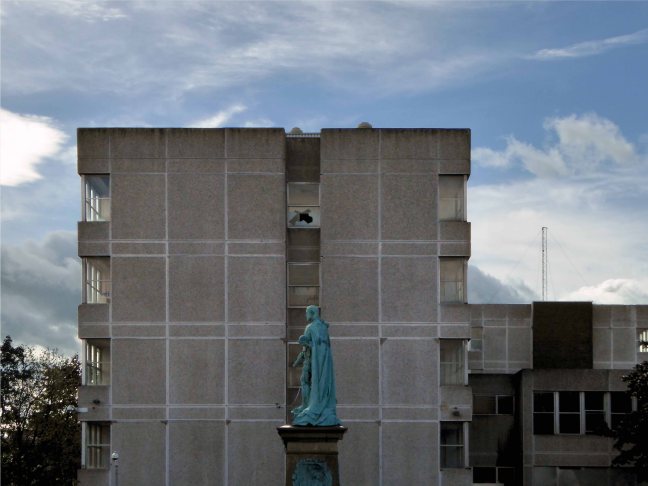
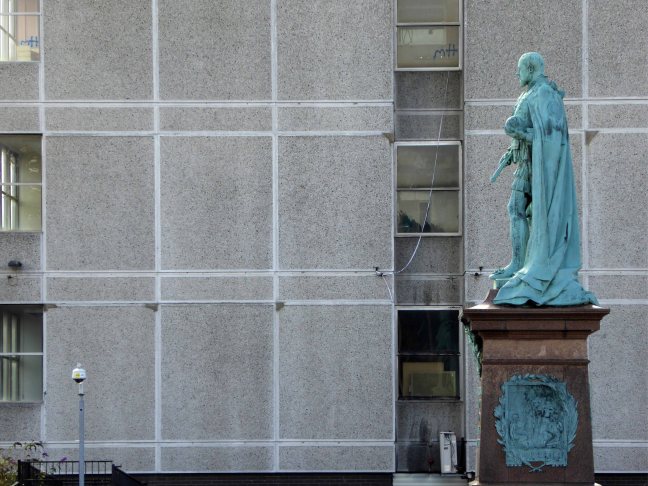
A curious amalgam of municipal classicism and hard edged 70s modernity, presided over by a sombre, care worn and  patinated Edward VII.

“Worth a few bob, a bugger to shift.”

p1080517-copy

p1080518-copy

p1080521-copy

p1080522-copy

p1080523-copy

p1080531-copy

p1080534-copy

p1080538-copy

p1080545-copy

p1080546-copy

p1080547-copy

p1080550-copy

p1080551-copy

p1080553-copy

p1080554-copy

p1080557-copy

p1080558-copy

p1080561-copy

p1080562-copy

p1080564-copy

p1080565-copy

p1080567-copy

p1080569-copy

p1080574-copy

p1080576-copy

p1080577-copy

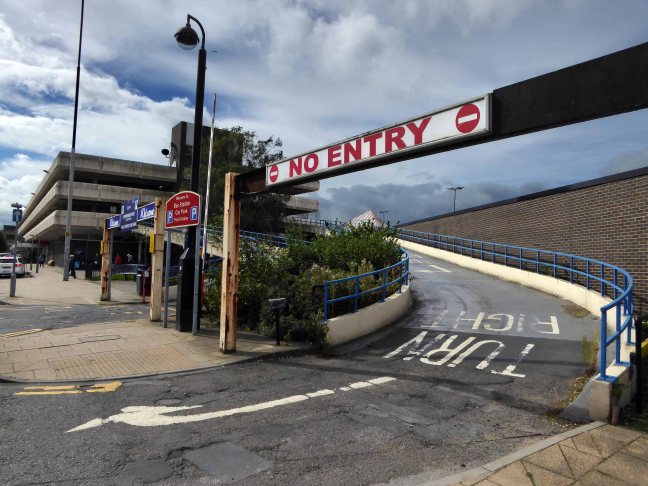
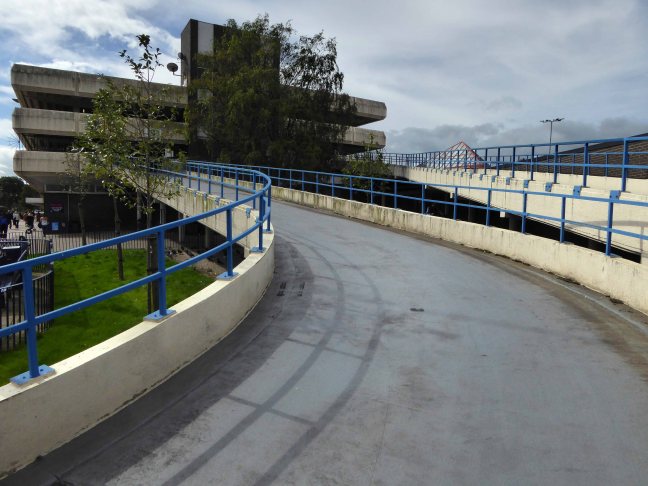
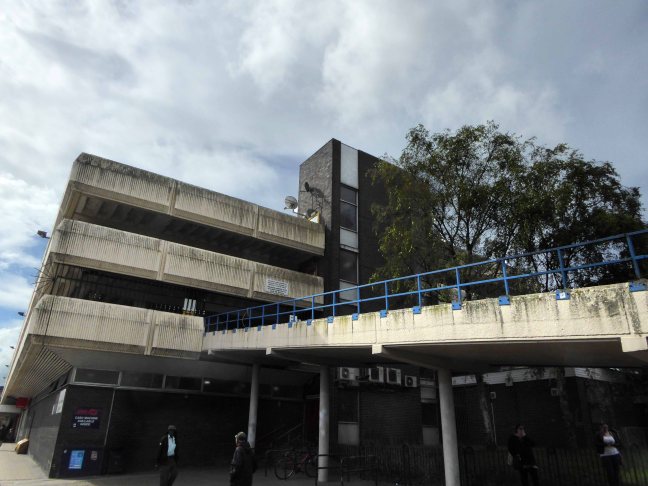
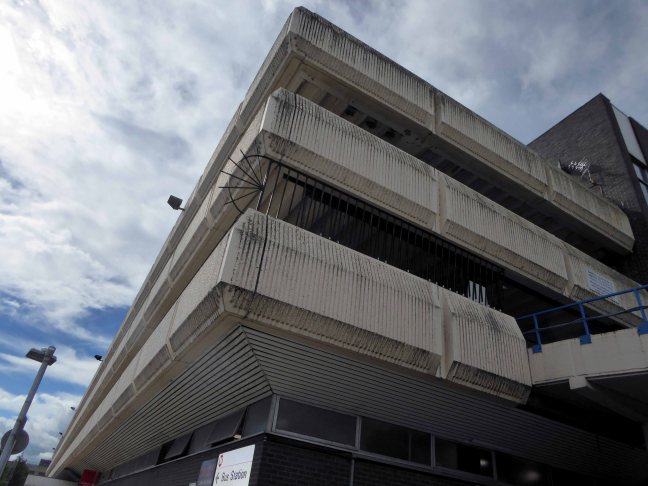
Bus Station – Huddersfield

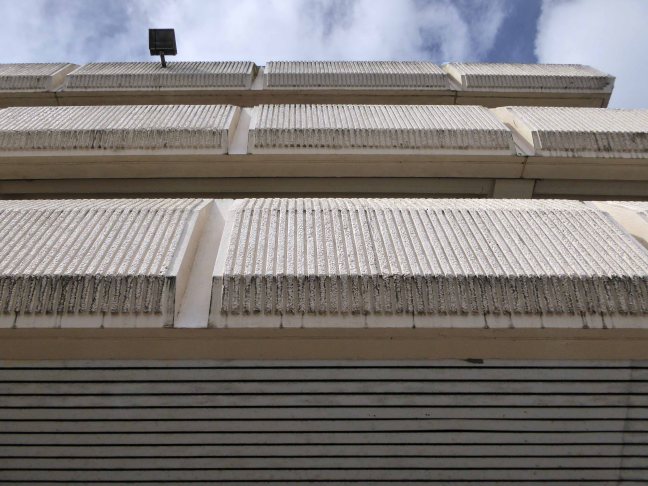
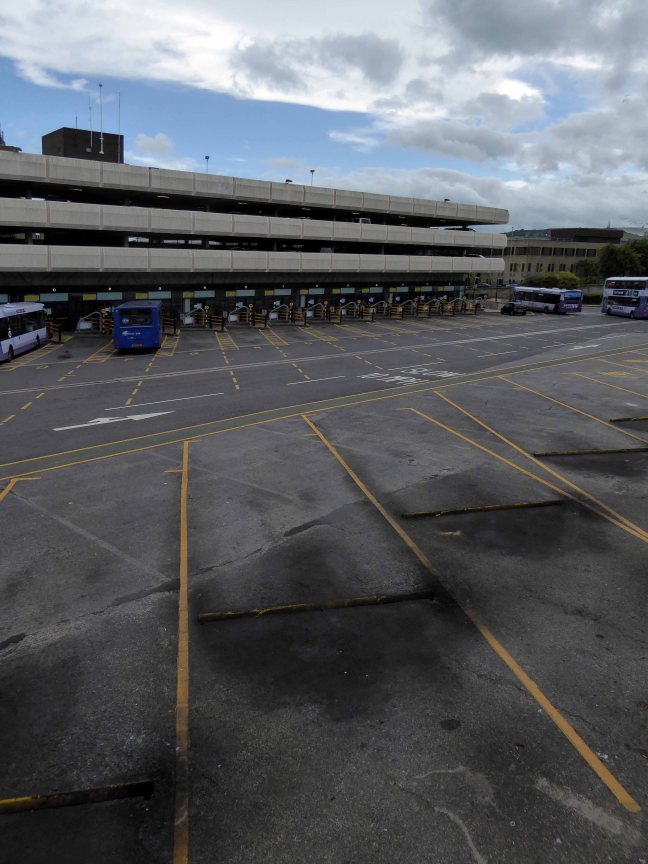
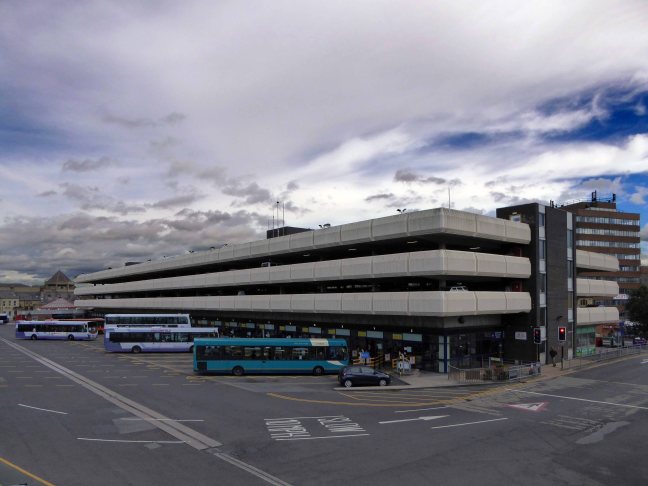
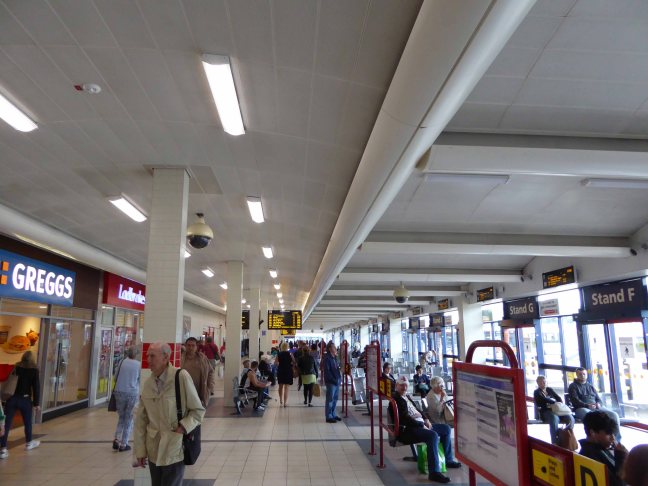
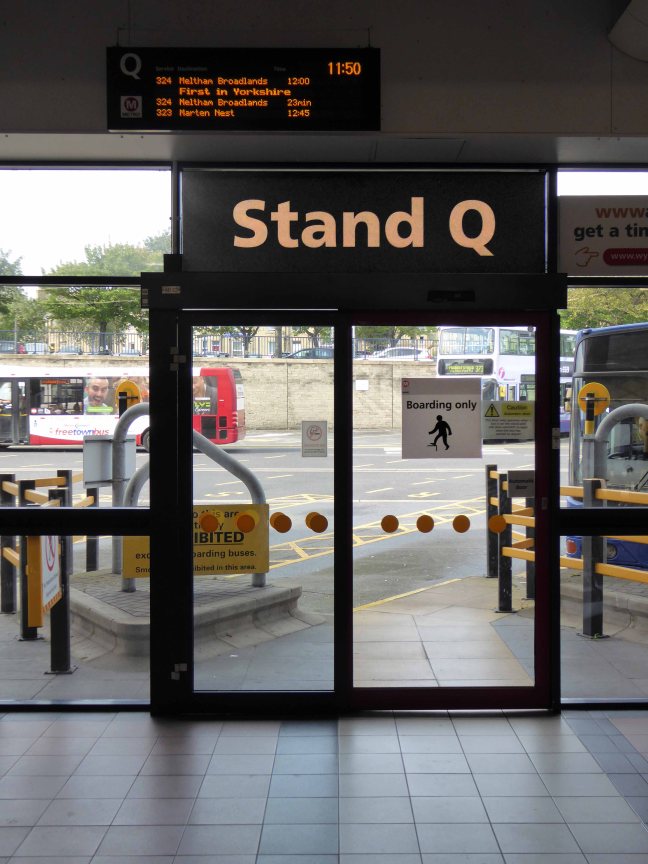
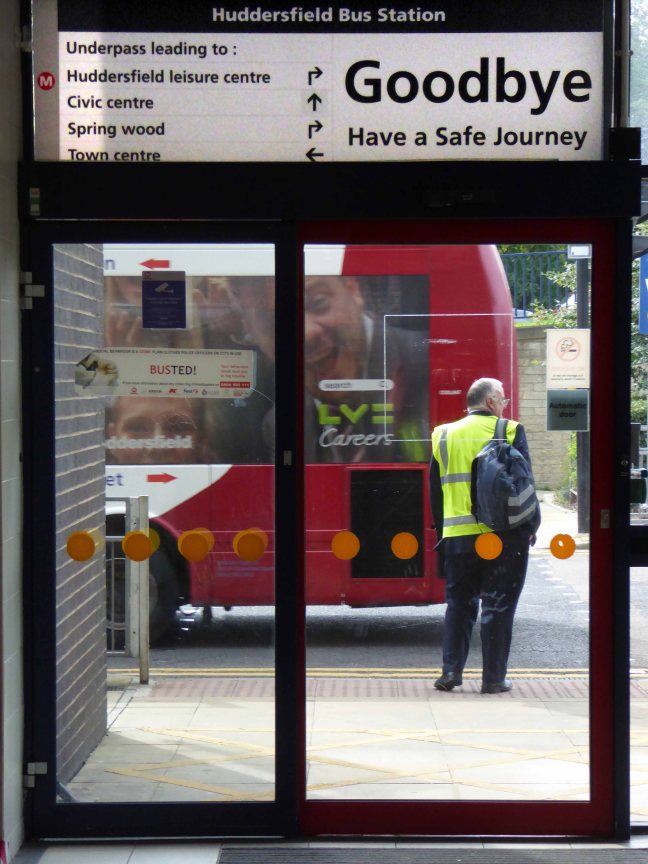
Huddersfield bus station serves the town of Huddersfield, West Yorkshire, England.

Which seems both serendipitous and heartwarmingly convenient.

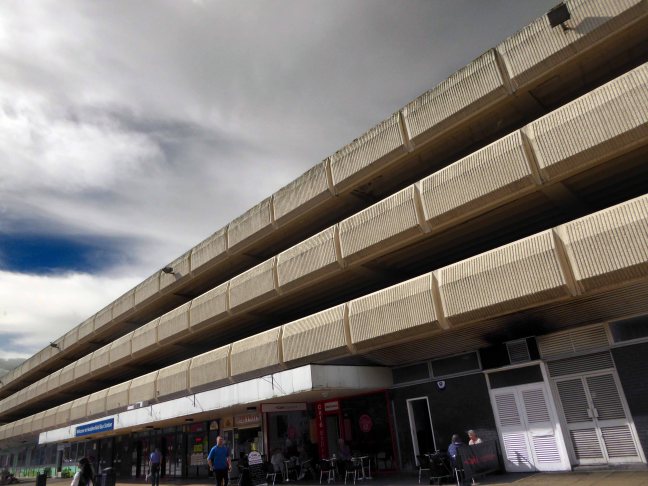
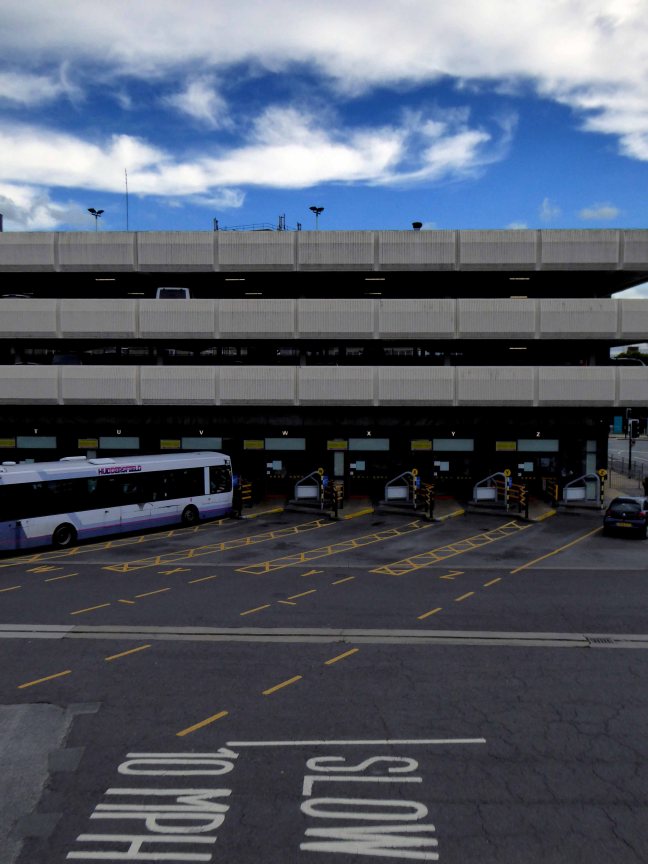
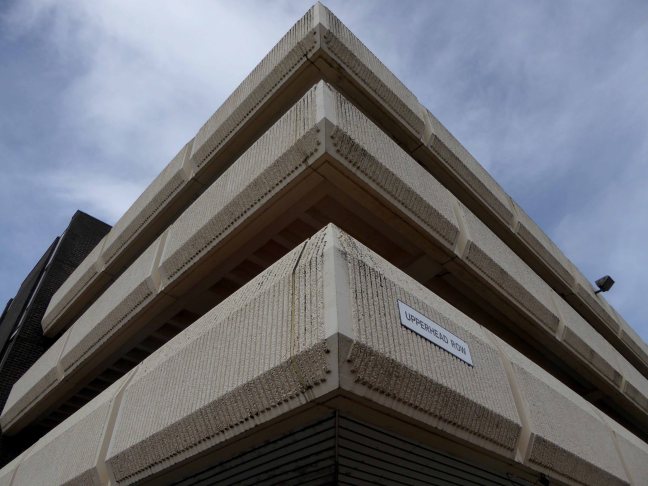
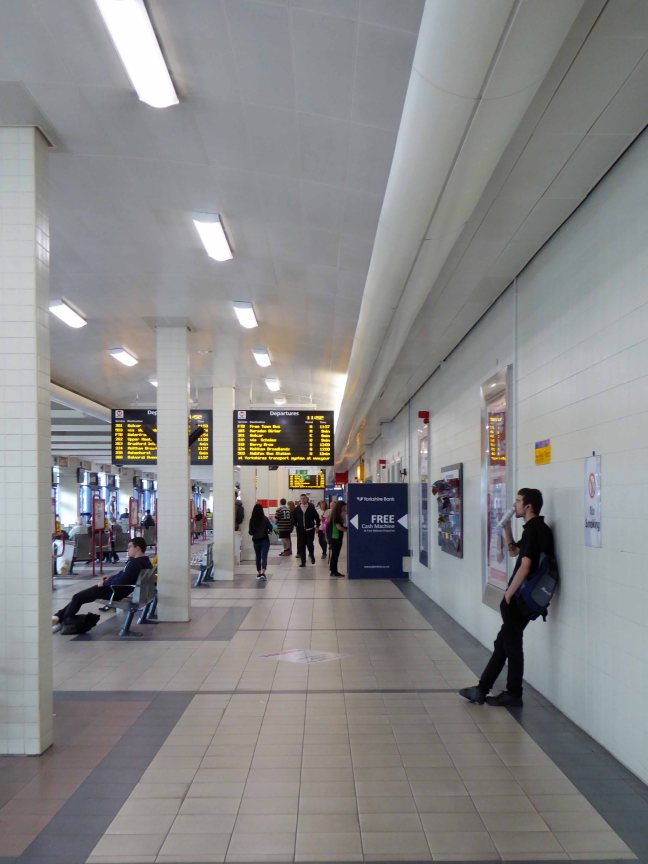
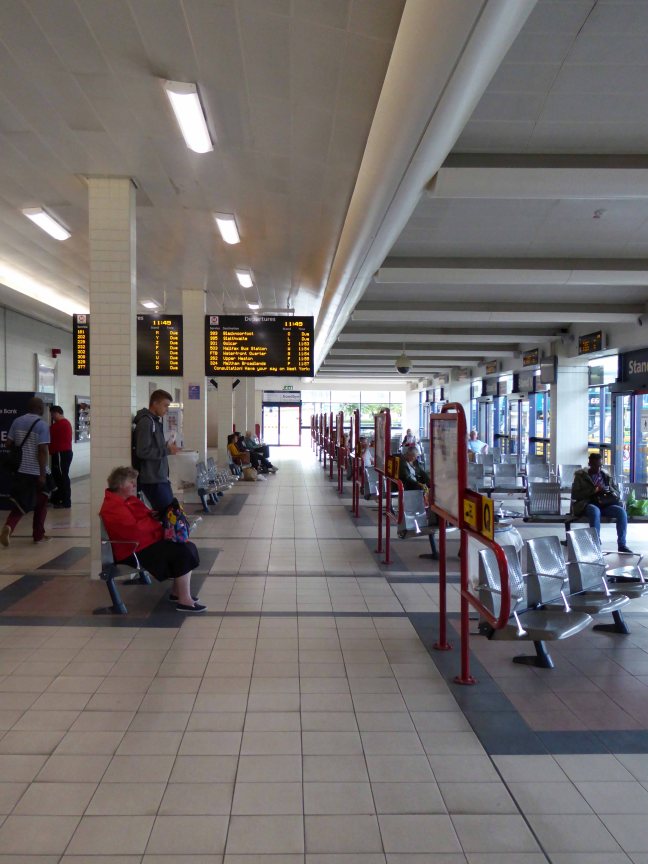
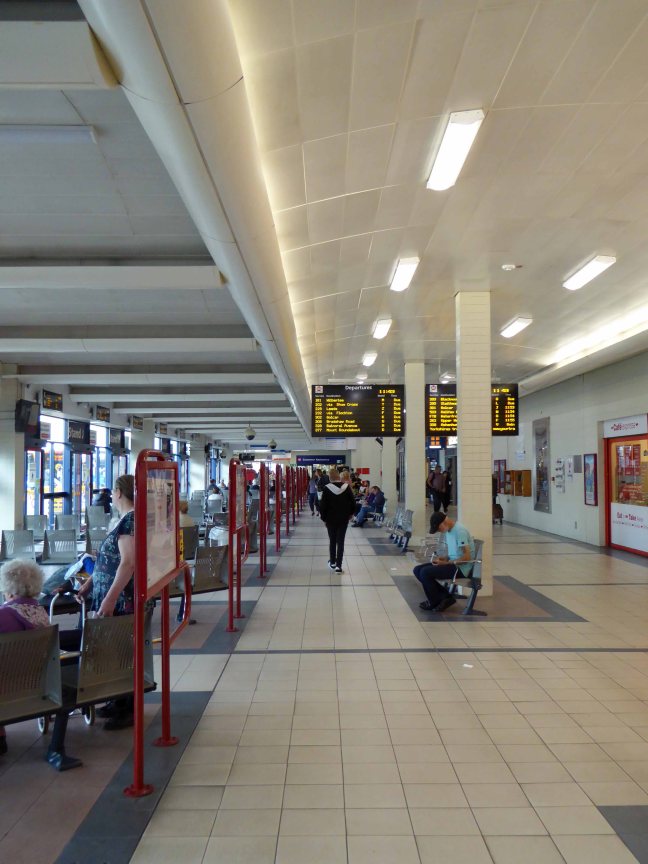
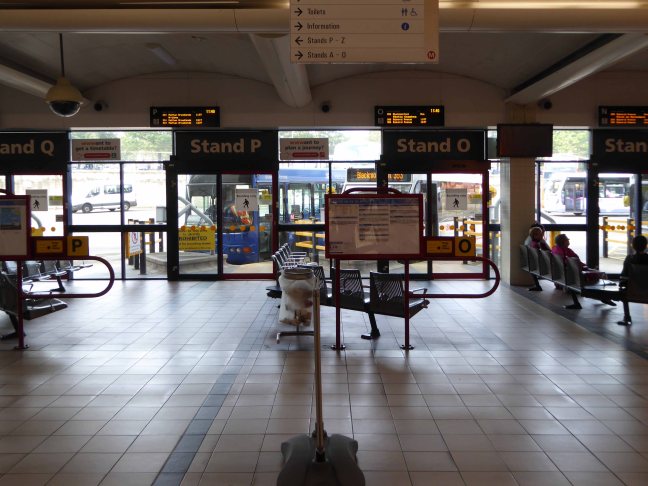
The bus station was opened on Sunday 1 December 1974 and is owned and managed by Metro. It is now the busiest bus station in West Yorkshire. The bus station is situated in Huddersfield town centre, underneath the Multi-storey car park. It is bordered by the Ring Road – Castlegate A62 and can be accessed from High Street, Upperhead Row and Henry Street.

There are 25 pick-up and three alighting only stands at the bus station.

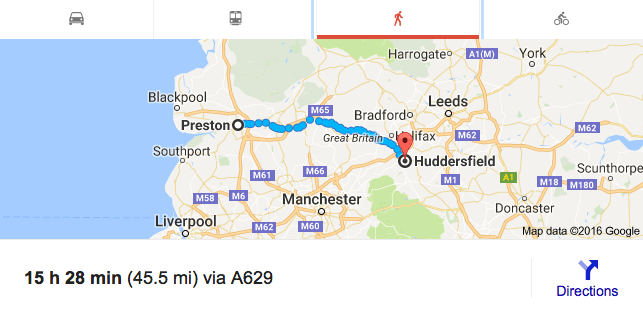
Forever in the shadow of its Red Rose almost neighbour in Preston.

Some forty five miles and a fifteen and a half hour walk to the west.

screen-shot-2016-09-12-at-07-00-56

Yet still a thing of beauty and a joy forever  – given the recent repairs to the membrane covering of its multi-storey car park.

On the day of my visit it was clean, compact, cheerfully bustling and well used, passengers busy going about their business, of busily going about their business of going.

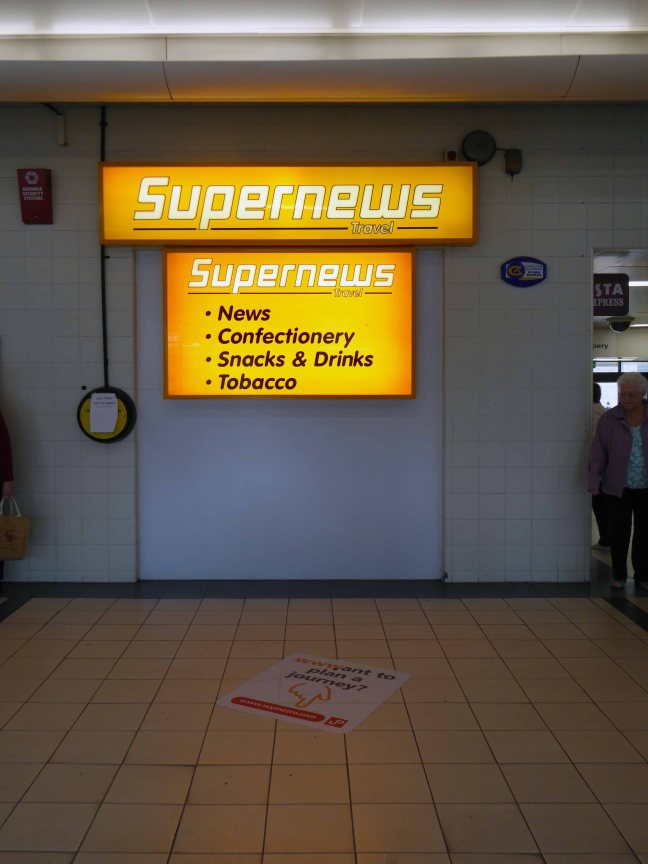
Light classics played soothingly upon the Tannoy, punters popped in and out of Ladbrokes, the kiosk plied its trade, the café was full and an air of calm, clear functionality reigned.

I walked quietly away.

p1080644-copy

p1080645-copy

p1080646-copy

p1080647-copy

p1080648-copy

p1080678-copy

p1080677-copy

p1080675-copy

p1080673-copy

p1080651-copy

p1080671-copy

p1080667-copy

p1080662-copy

p1080663-copy

p1080661-copy

p1080664-copy

p1080666-copy

p1080665-copy

p1080660-copy

p1080659-copy

p1080658-copy

p1080655-copy

p1080654-copy

p1080653-copy

p1080652-copy

p1080657-copy


Caledonian Café – Huddersfield

screen-shot-2016-09-11-at-14-47-39

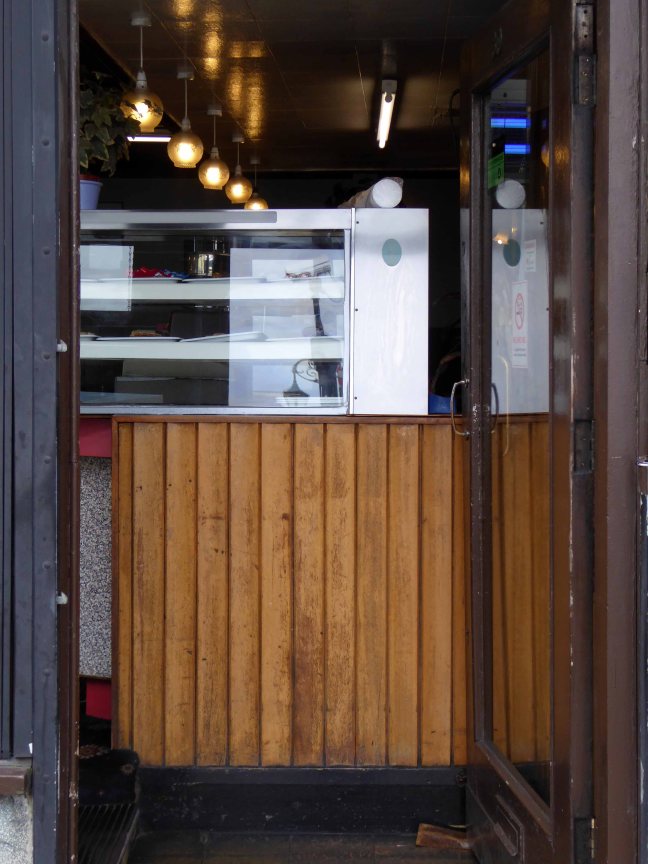
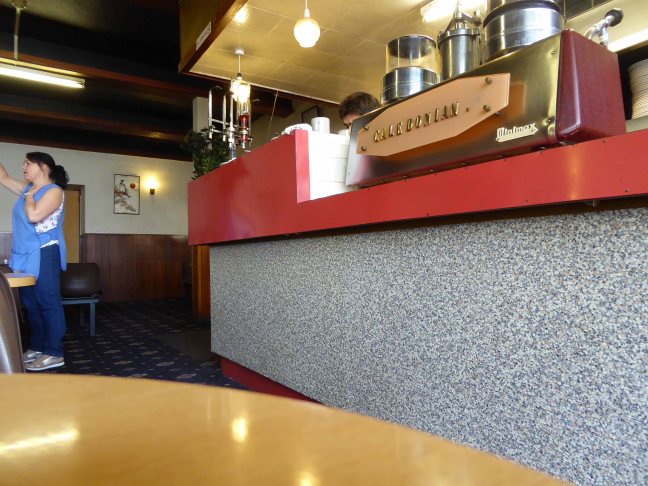
I often visit Huddersfield, and I often discover something new, exciting and different.

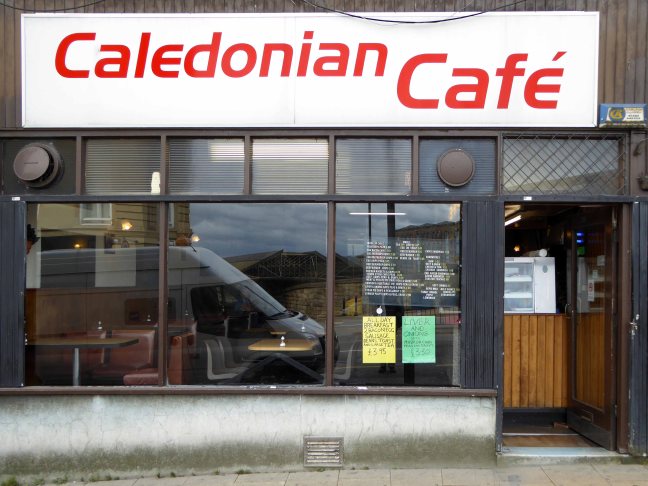
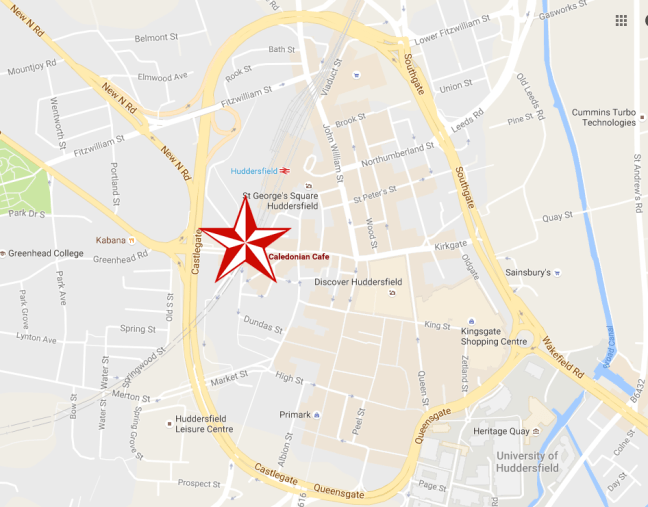
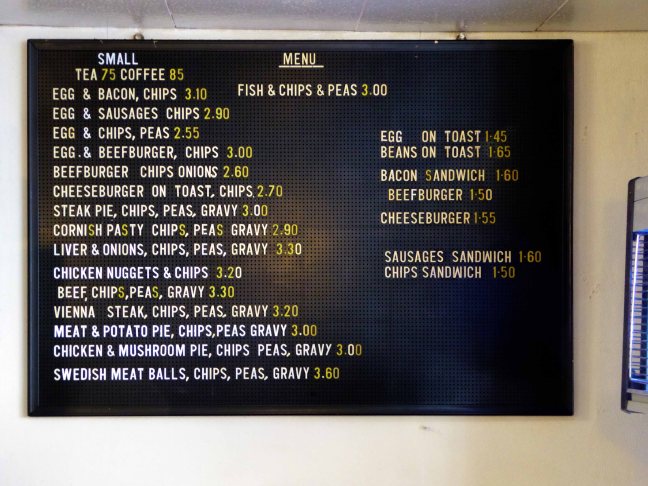
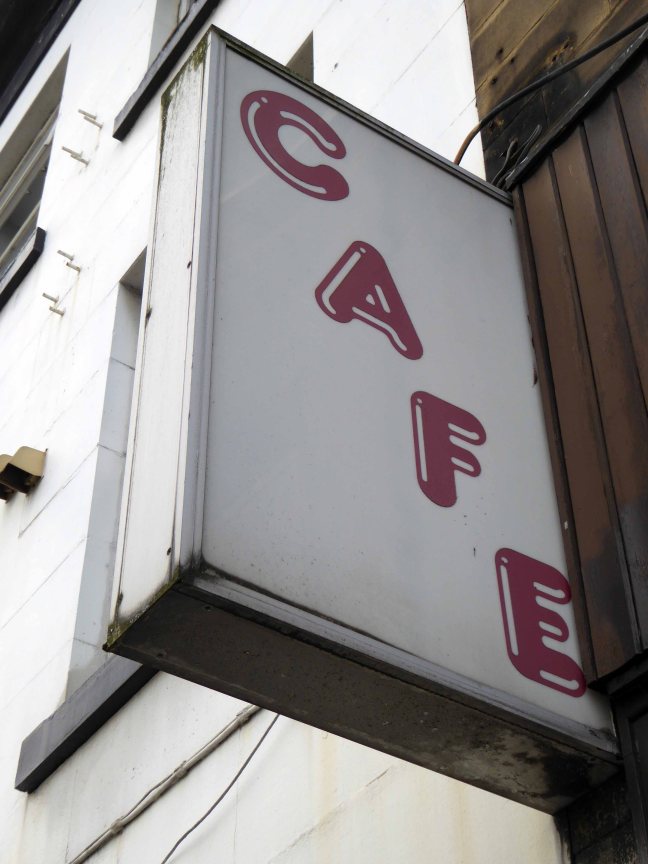
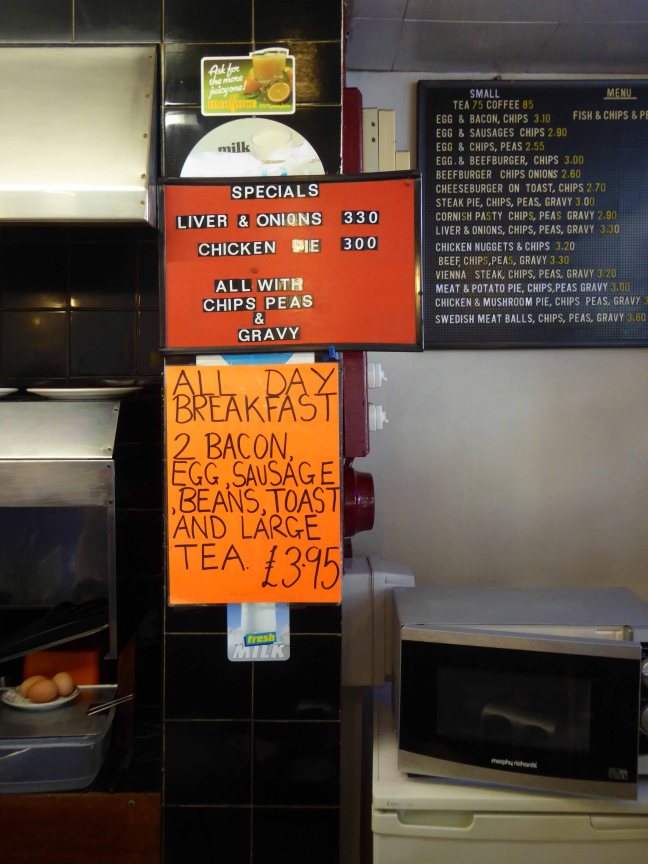
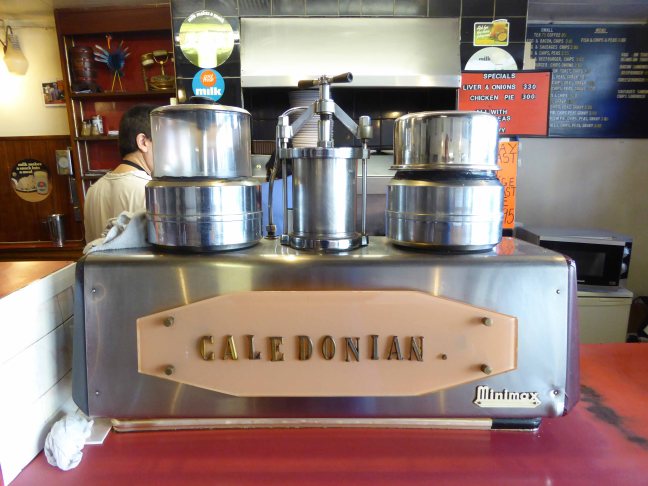
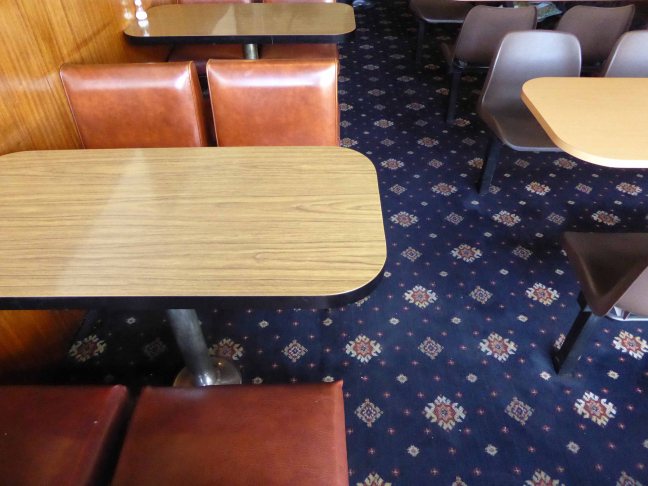
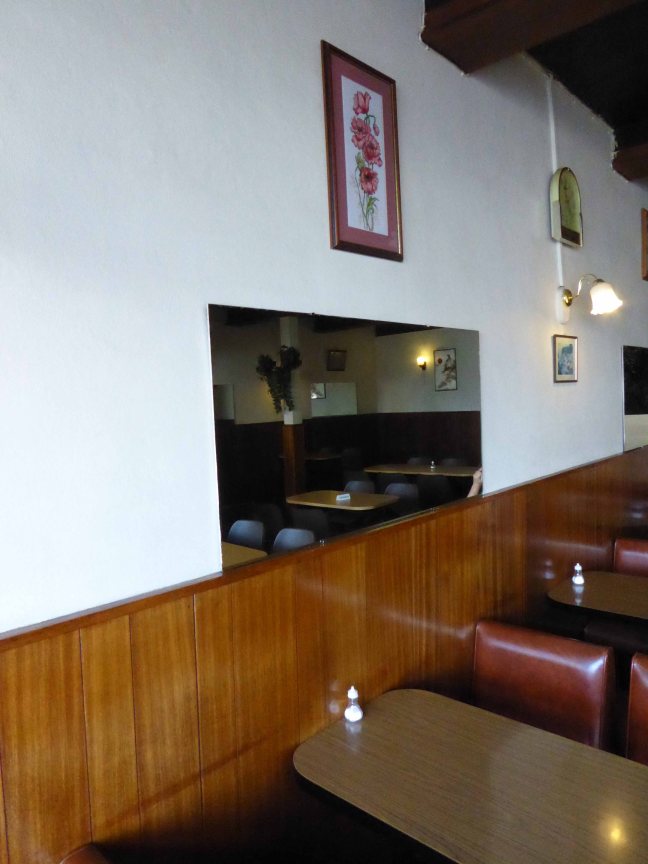
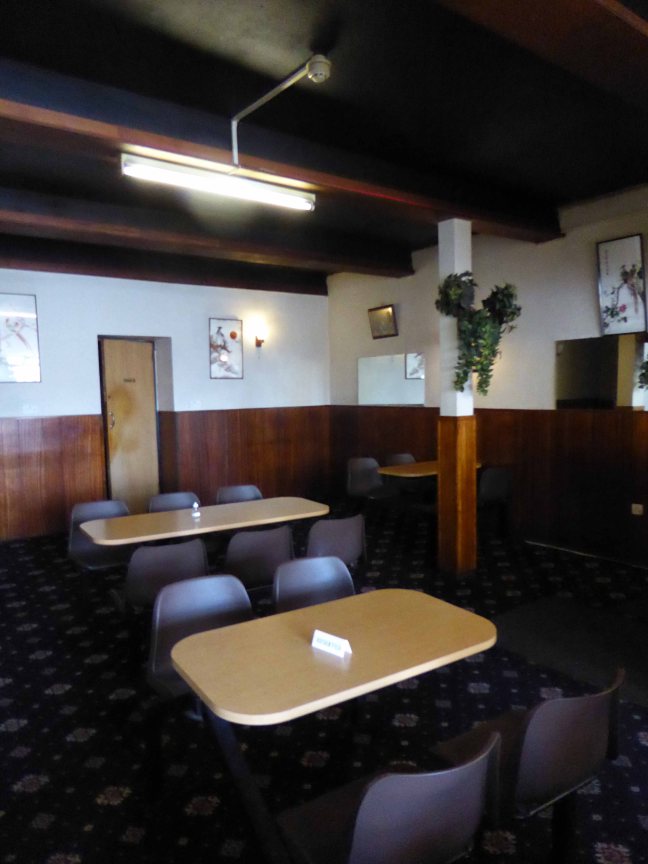
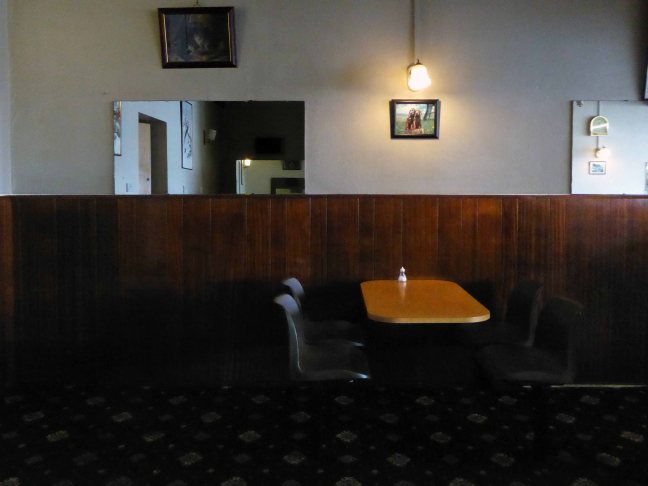
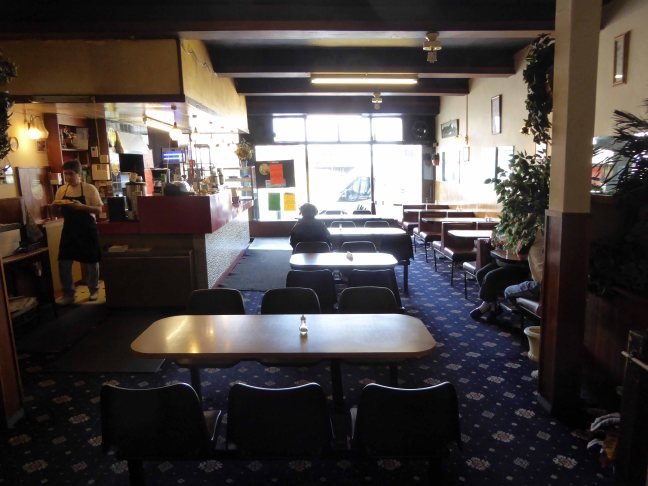
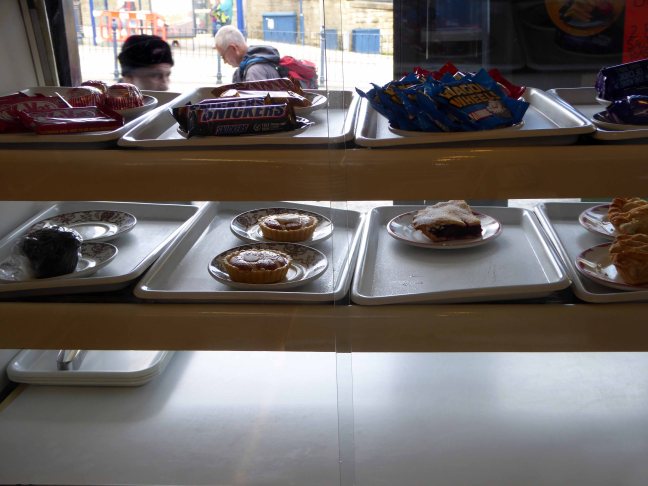
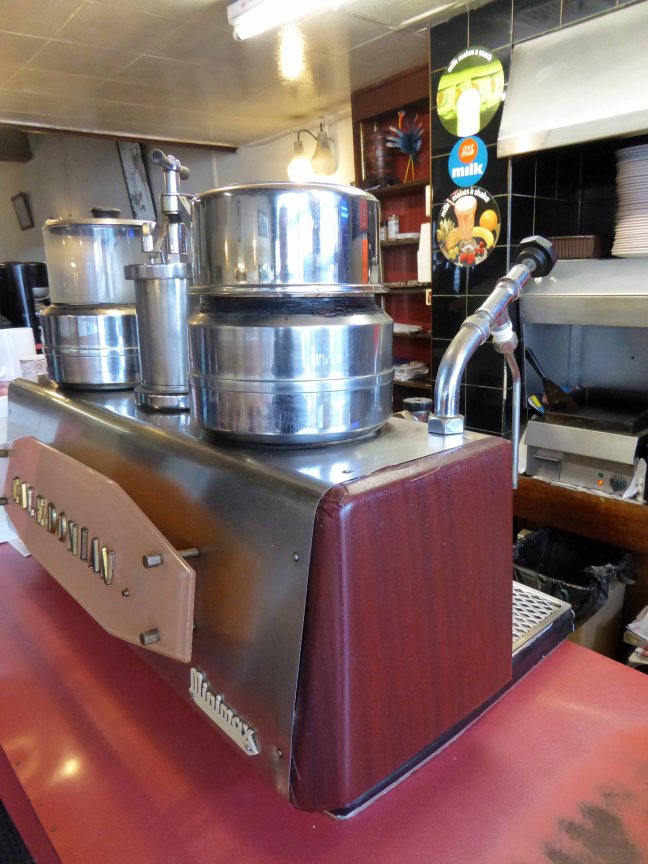
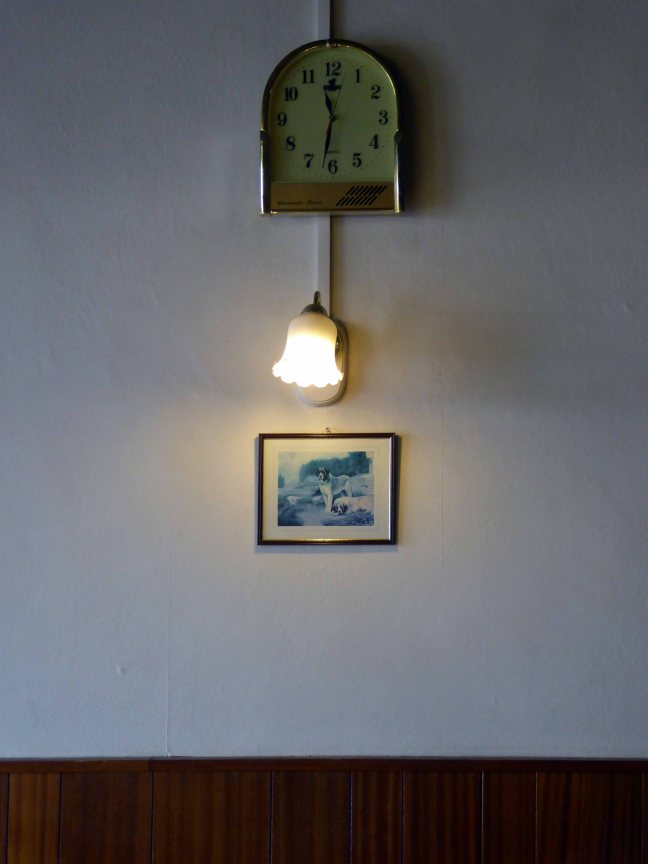
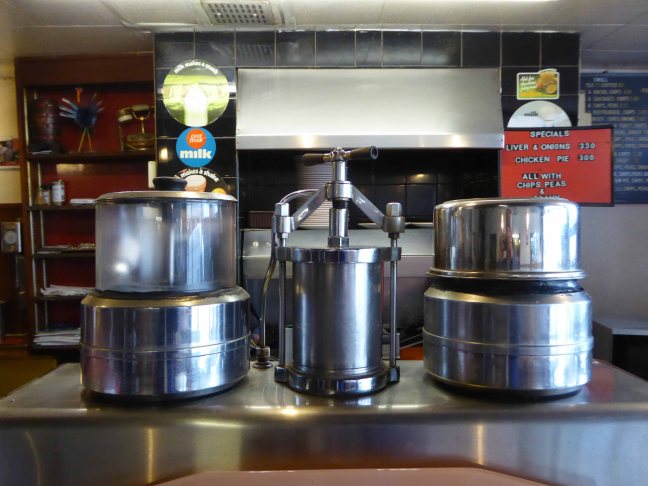
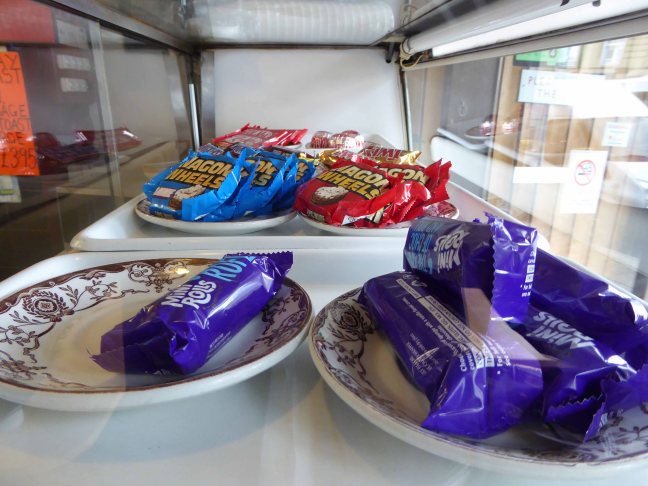
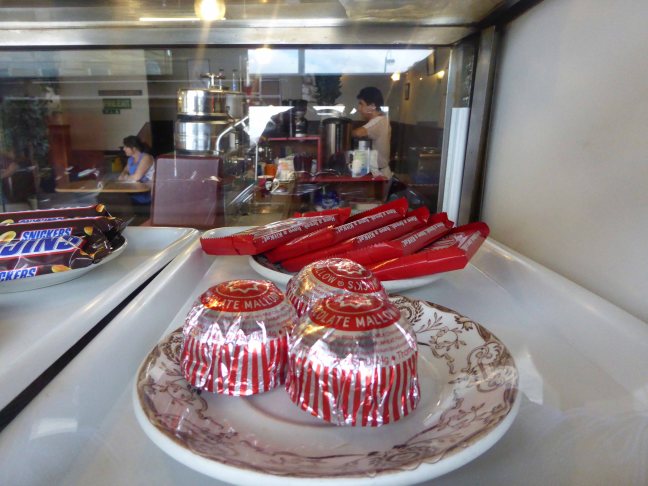
The Caledonian Café is everything that it isn’t, it’s the slow accretion of time, personal taste and accoutrements. Not frozen but slowly evolving, warm and welcoming. Owners Tony and Claire were more than happy to offer their company, tea and sympathy.

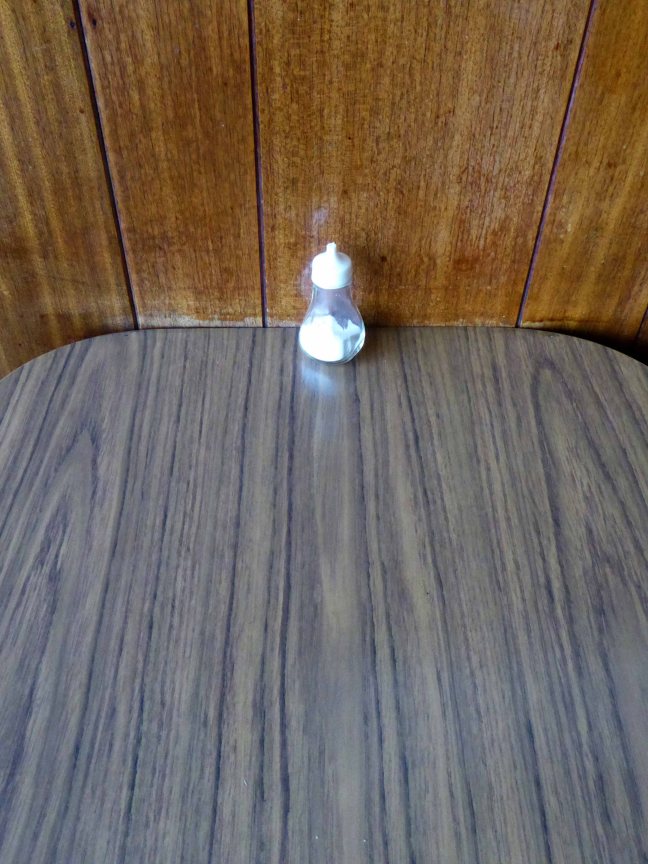
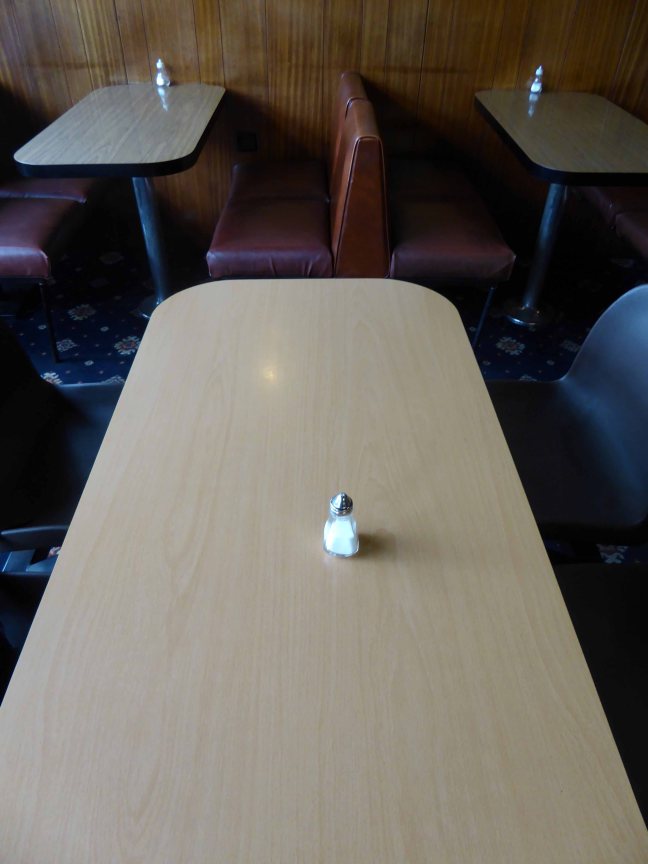
“The students come in to do their projects, sometimes they just ask to photograph the salt pots.”

I was more than happy to oblige and comply.

p1080592-copy

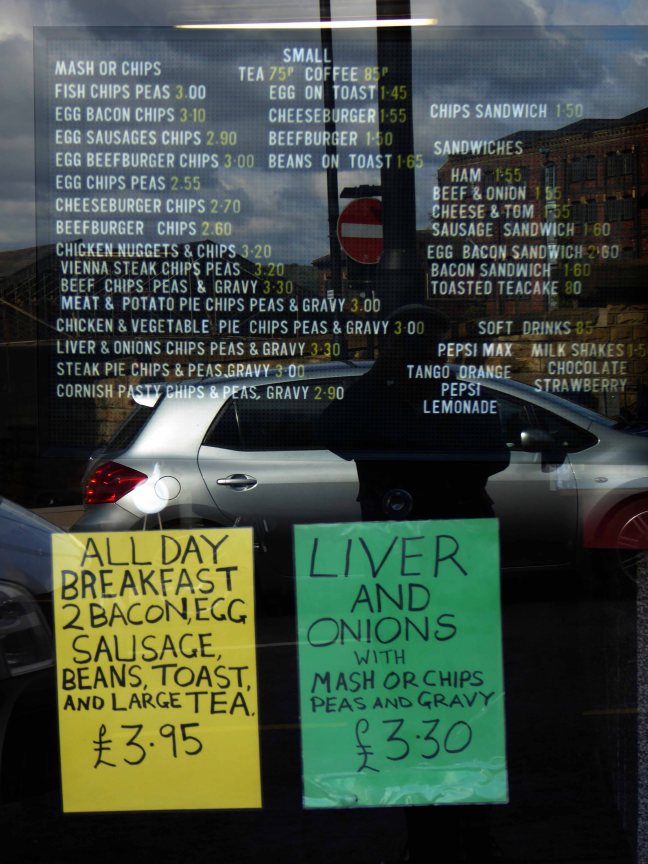
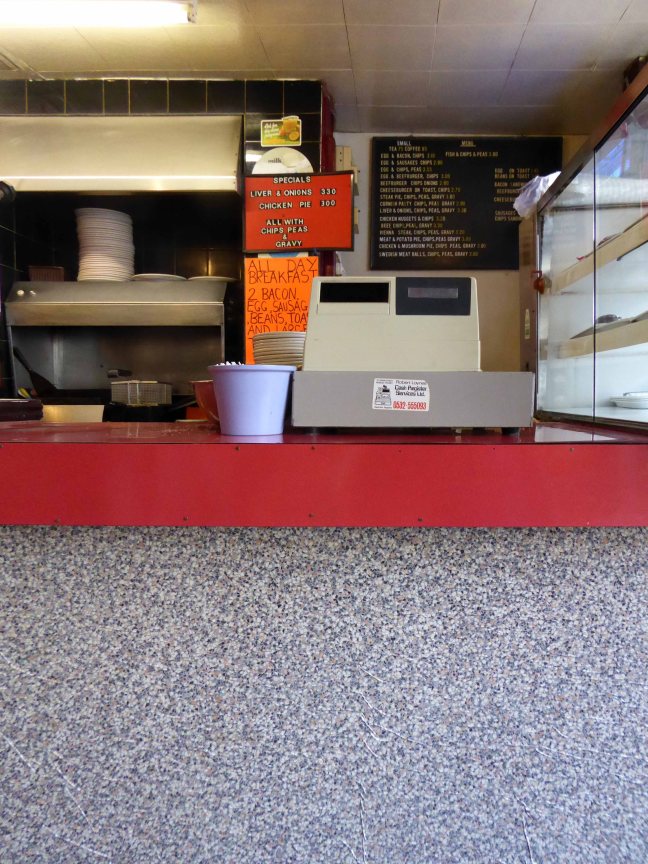
The prices are more than reasonable, and Tony goes out of his way to accommodate his customers.

” The families don’t always have a lot, so I give them two plates and split the burger and chips for the two kiddies.”

p1080584-copy

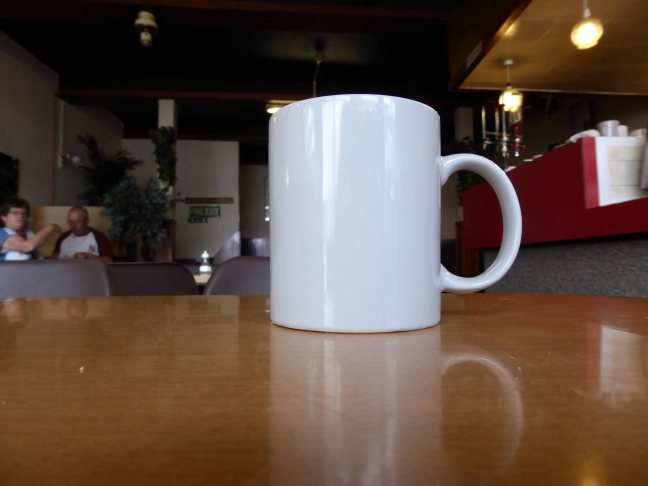
It was still early for me so I settled on a large tea, but I’ll be back before long for a bite to eat.

p1080623-copy

So best foot forward, get yourself down to the Caledonian, you won’t be disappointed.

screen-shot-2016-09-11-at-14-46-57

p1080640-copy

p1080583-copy

p1080643-copy

p1080585-copy

p1080586-copy

p1080591-copy

p1080594-copy

p1080595-copy

p1080596-copy

p1080597-copy

p1080599-copy

p1080600-copy

p1080601-copy

p1080603-copy

p1080605-copy

p1080608-copy

p1080613-copy

p1080614-copy

p1080615-copy

p1080617-copy

p1080618-copy

p1080621-copy

p1080622-copy

p1080624-copy

p1080625-copy

p1080627-copy

p1080630-copy

p1080631-copy

p1080634-copy

p1080635-copy

p1080637-copy

p1080638-copy

Precinct – Ashton under Lyne

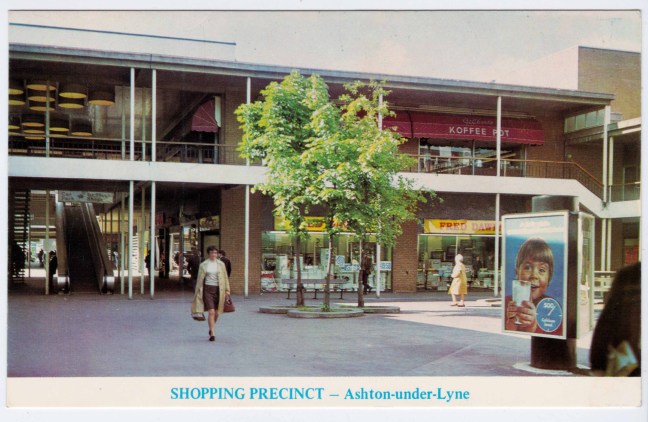
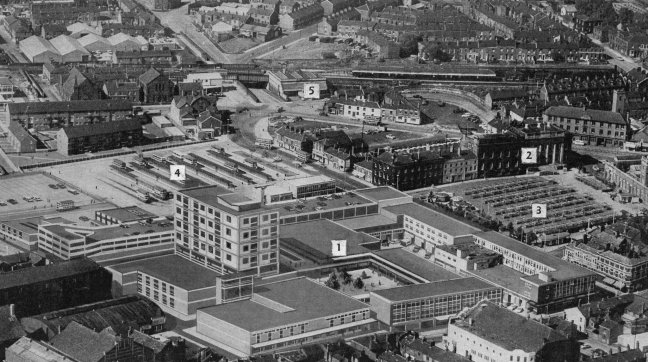
Possibly my first brush with modernism and modernity, the shopping precinct in Ashton under Lyne. Typically in the mid Sixties, British towns reinvented themselves as space age retail experiences, in stark contrast to their middle aged, Middle Aged market centre, market centred identity.

Out with the cobbles and stalls, in with the travelator, frothy coffee, concrete and a pedestrianised, undercover, all weather, super convenient haven of heavenly fun!

ashton precinct copy

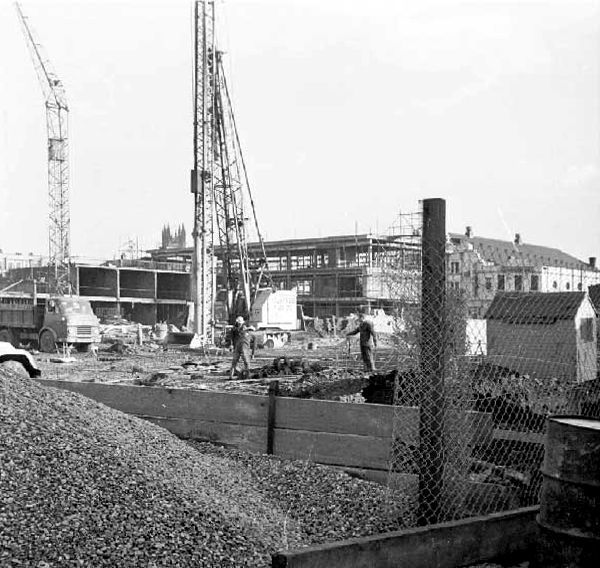
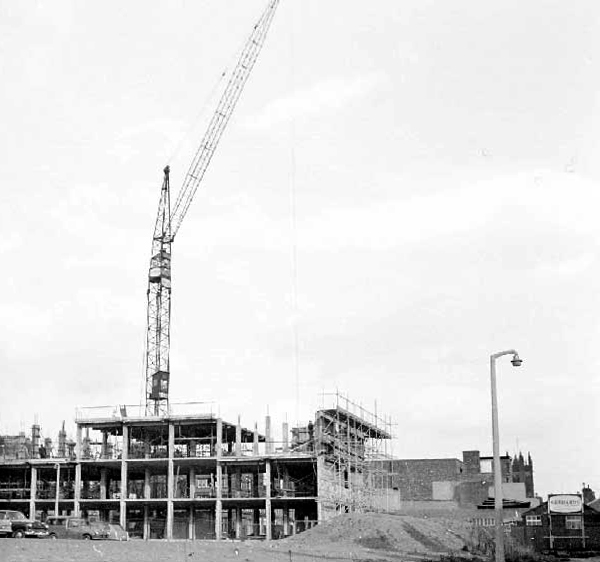
And lo, it came to pass, let construction commence.

t01953

t01950

Simply add a few decorative embellishments courtesy of the Direct Works’ pavoirs.

12745520_10153983510951600_6512440473109429374_n

You have built it and now they will come:

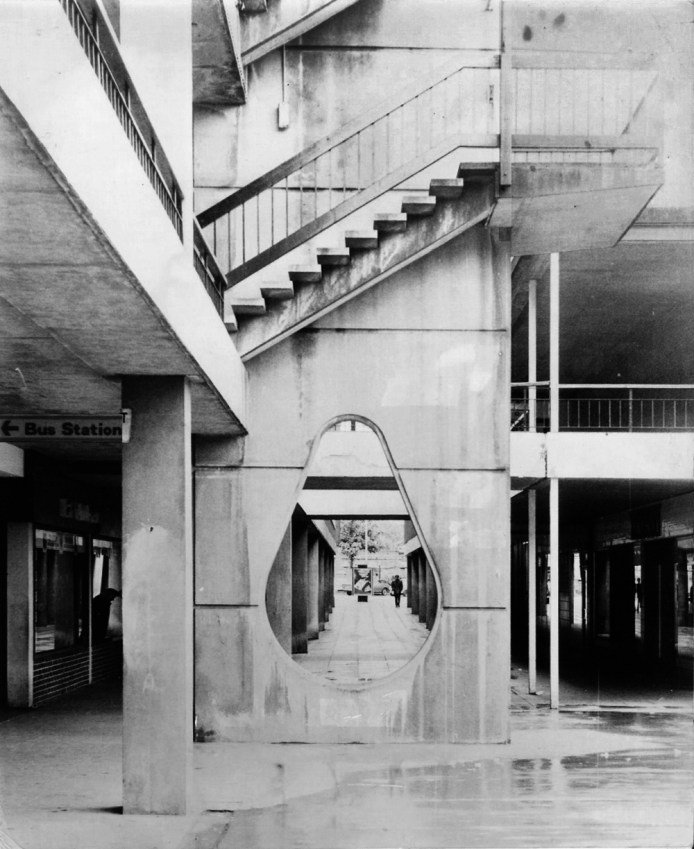
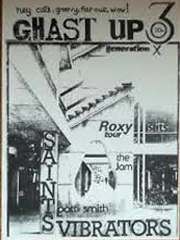
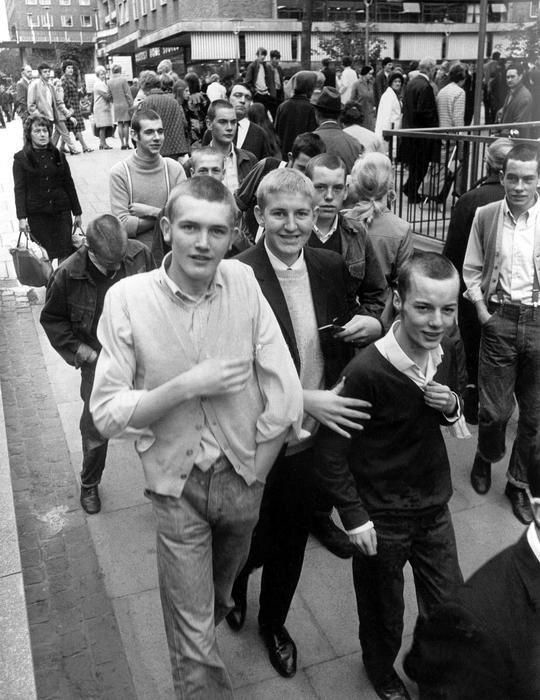
Little did you know you had created a punk rock icon.

hires-10932

Featured on the cover of fanzine Ghast Up #3 – many thanks to MDMA

unknown

1979654_10152428276351641_6999424894618567349_n

10264662_10153983511236600_4523373721109693617_n

10385434_10153983511291600_4613412642380719745_n

16602225_1570603029620874_2256672277170597802_o

10342461_10153983511146600_7512830533940401704_n

12728821_10153983510731600_7256812645345890936_n

12729035_10153983511066600_1320602826549288893_n

12742561_10153983511096600_5537488918949045366_n

12743866_10153983510701600_2875237727693899359_n

12744088_10153983510966600_242545068376562667_n

10557745_10152428276466641_5539685419732486974_o

ashton precinct

precinct

Many thanks to the Tameside Image Archive

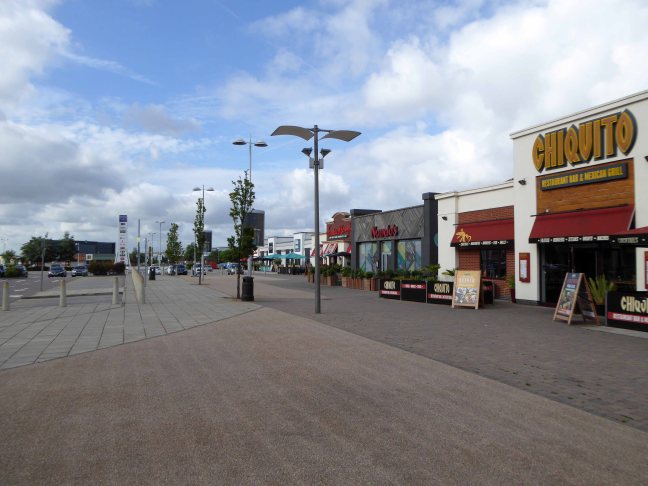
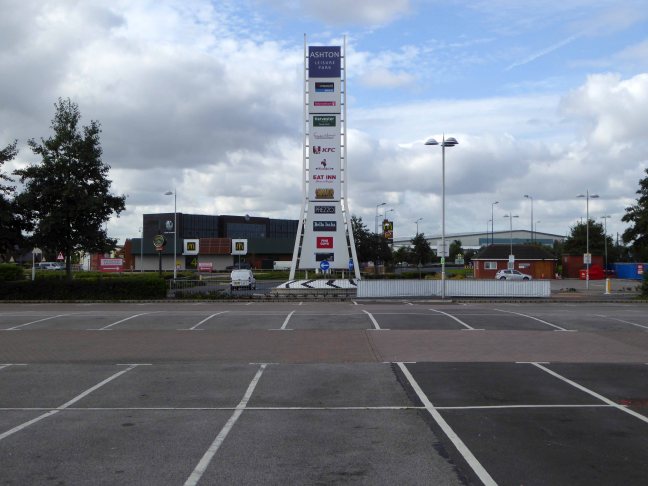
Ashton Moss – Leisure and Light Industry

Absolute disgrace the food was disgusting and we’re we was sat it stunk of urine.

Never again will I go.

Welcome to the modern world, once home to the world’s finest celery, now home to the world’s worst online reviews.

The area, under cultivation for over a hundred years was bulldozed to one side, and left in a heap. The M60 arrived wiped its feet on the greensward  and awaited the expected redevelopment.

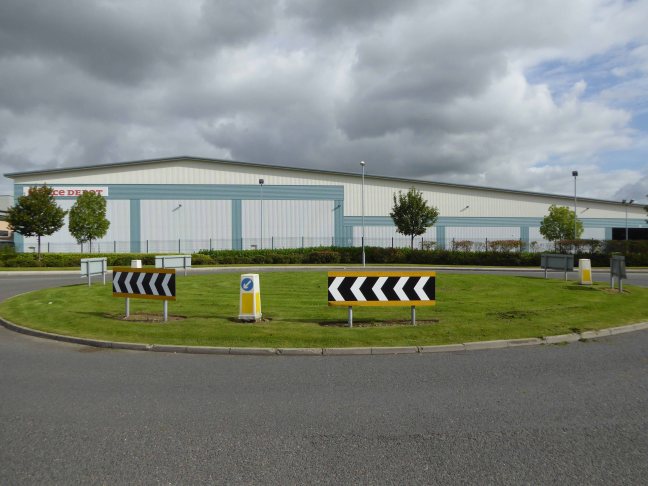
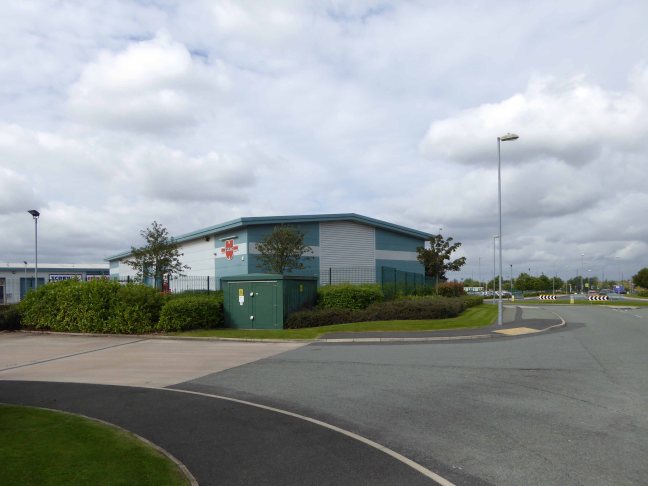
Welcome to the brand new shiny nowhere, the dual carriageway expanse of Robert Sheldon Way carries you away to a strikingly inevitable array of chains, human bondage has never appeared so  clean and bright.

Muse developments:

Good design is required as a key aspect of pursuing sustainable development indivisible from good planning. Good design involves seeking positive improvements in the quality of our built, natural and historic environment, addressing the connections between people and places.


P1080156

P1080157

P1080164

P1080167

P1080173

P1080256

P1080257

P1080259

P1080260

P1080261

P1080262

P1080271

P1080274

P1080275

P1080300

P1080301

P1080304

P1080320

P1080321

P1080328

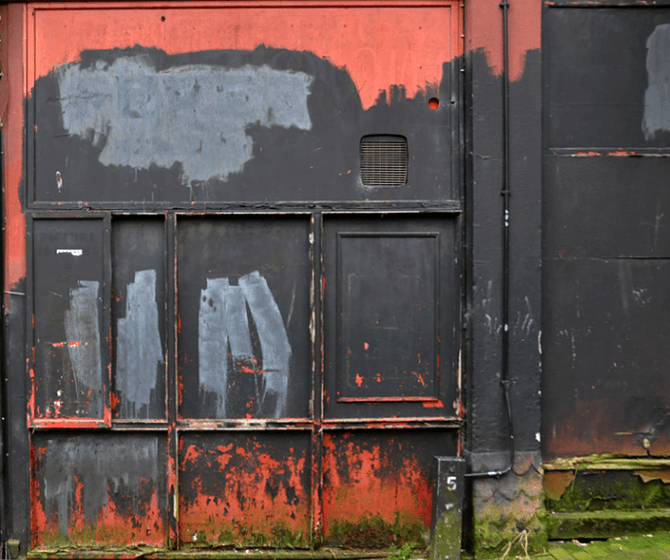
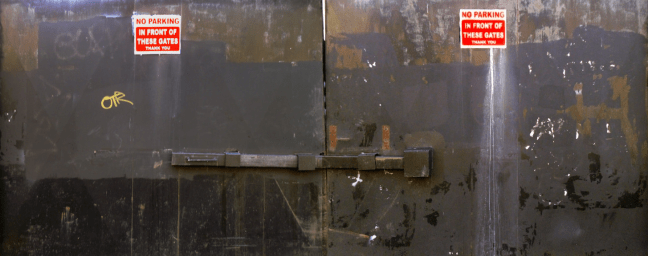
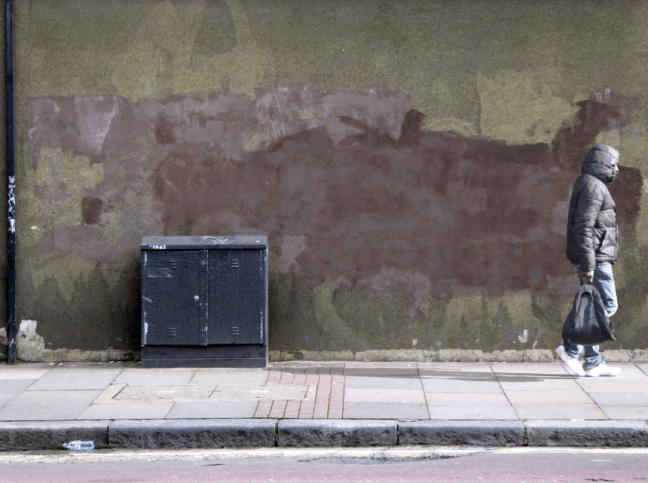
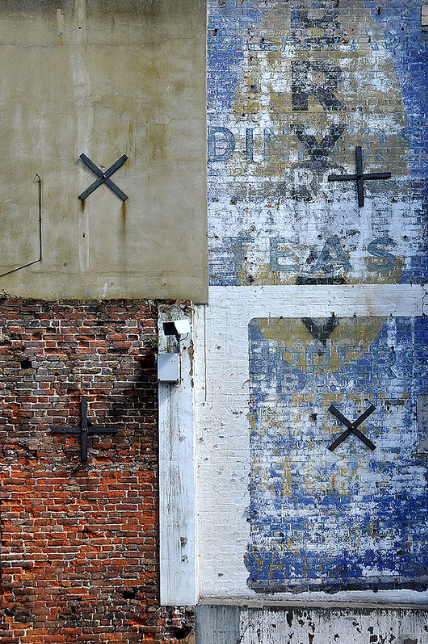
Found Art

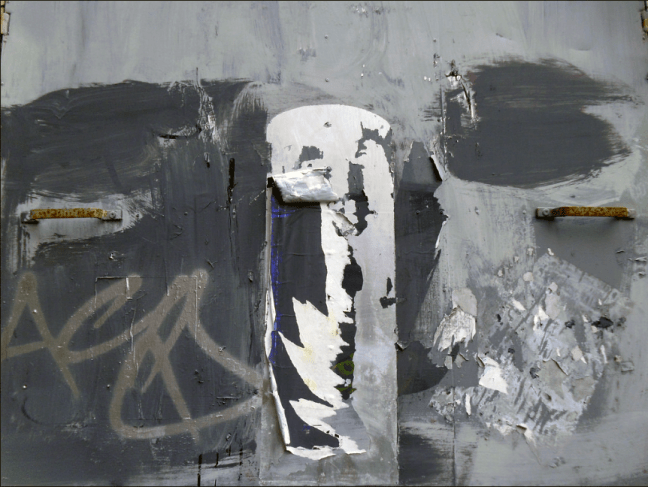
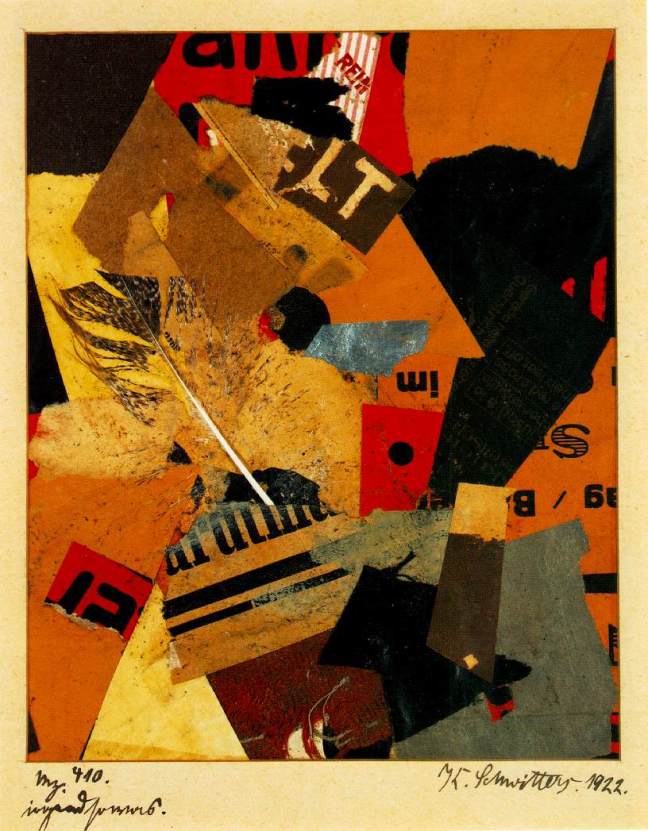
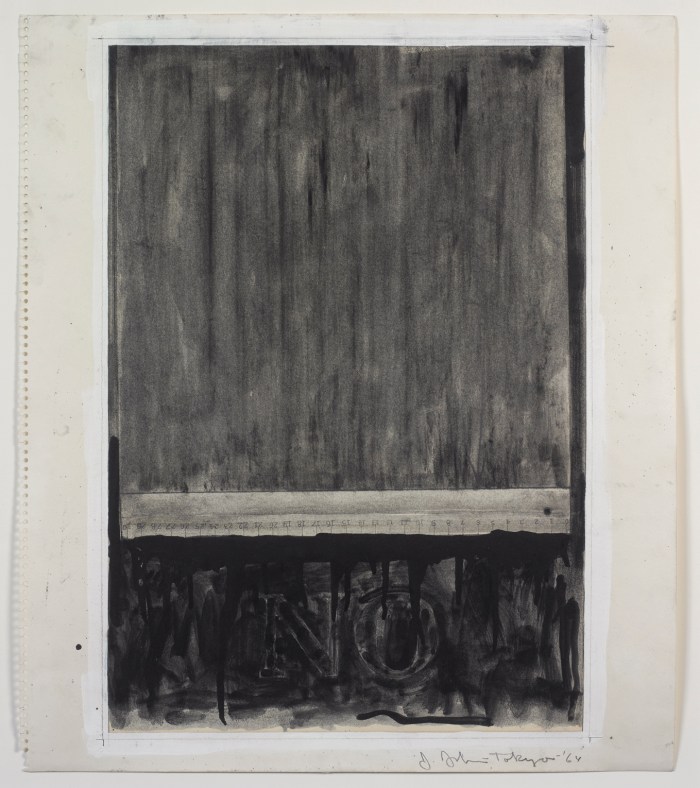
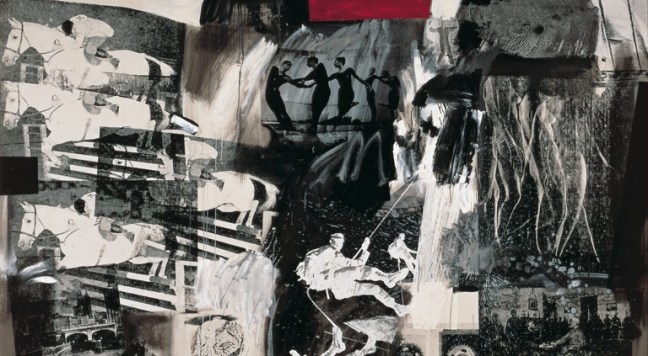
For more years than I care to remember I have had an interest in Found Art.

The naturally occurring collision of printed material, the unseen hand and weather.

Our streets are literally littered with the stuff.

Conscious of the work of Kurt Schwitters, Hannah Hoch, Jasper Johns and Robert Rauschenberg, I’m conscientiously out and about in search of the unconscious.

something-or-other-1922

getimageexe1363235610983

1987_Web

header_rauschenberg

Here’s a sample of my findings so far:

P1060361 copy

P1060413 copy

Screen Shot 2016-08-09 at 12.47.51

Screen Shot 2016-08-09 at 12.48.18

Screen Shot 2016-08-09 at 12.48.46

Screen Shot 2016-08-09 at 12.49.21

Screen Shot 2016-08-09 at 12.54.52

Screen Shot 2016-08-09 at 12.55.17

Screen Shot 2016-08-09 at 12.55.30

Screen Shot 2016-08-09 at 12.55.49

Screen Shot 2016-08-09 at 12.56.11

Screen Shot 2016-08-09 at 12.56.27

Screen Shot 2016-08-09 at 12.56.39

Screen Shot 2016-08-09 at 12.56.56

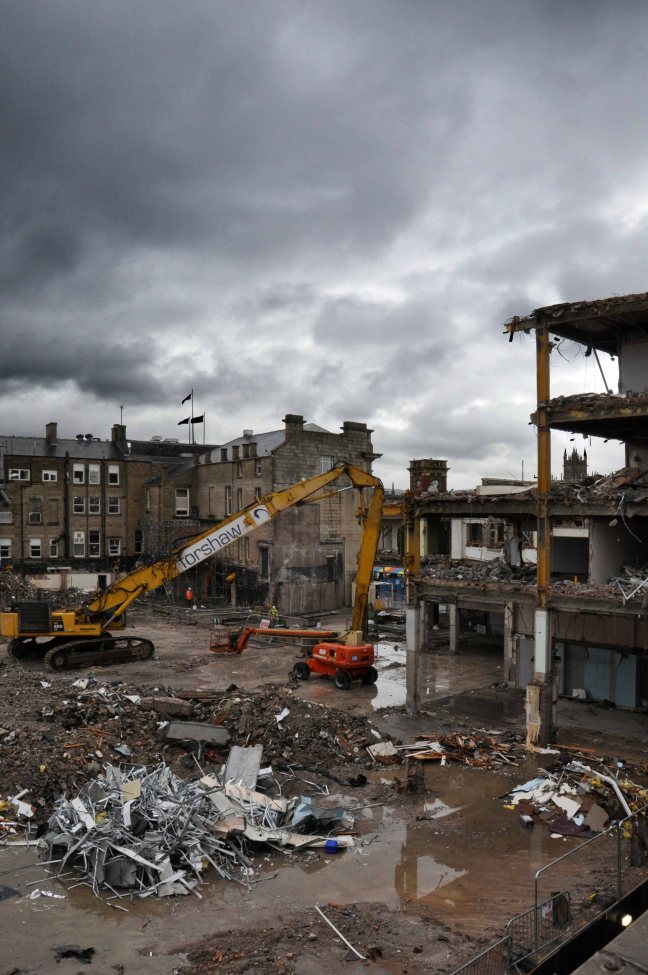
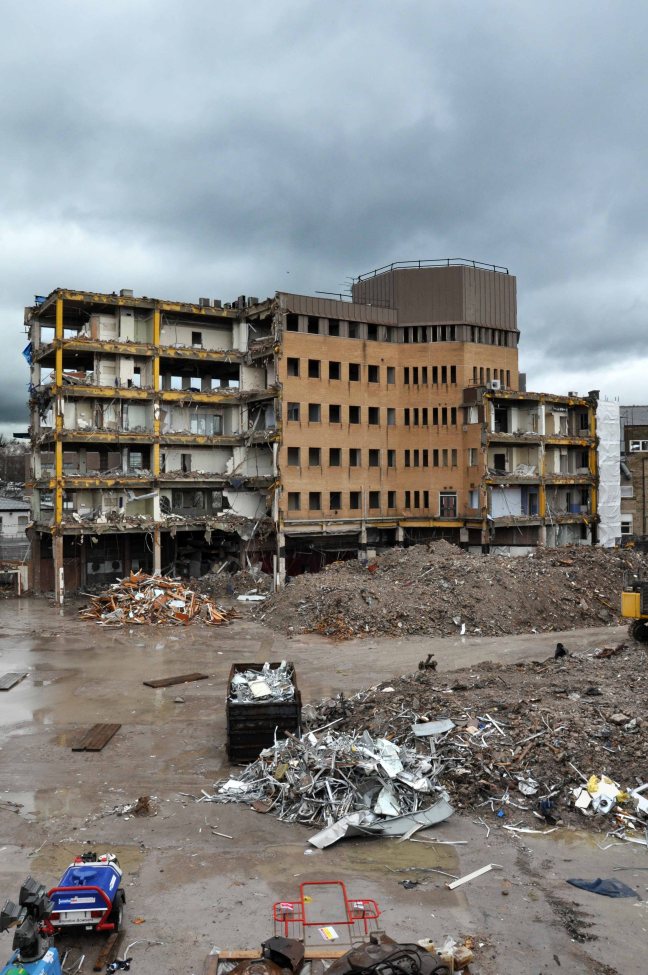
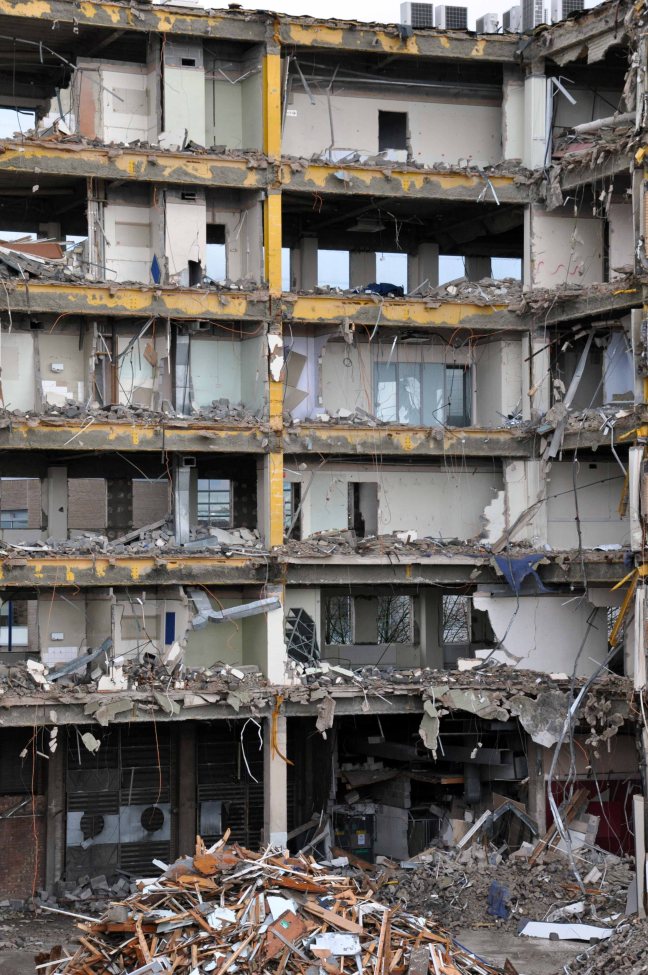
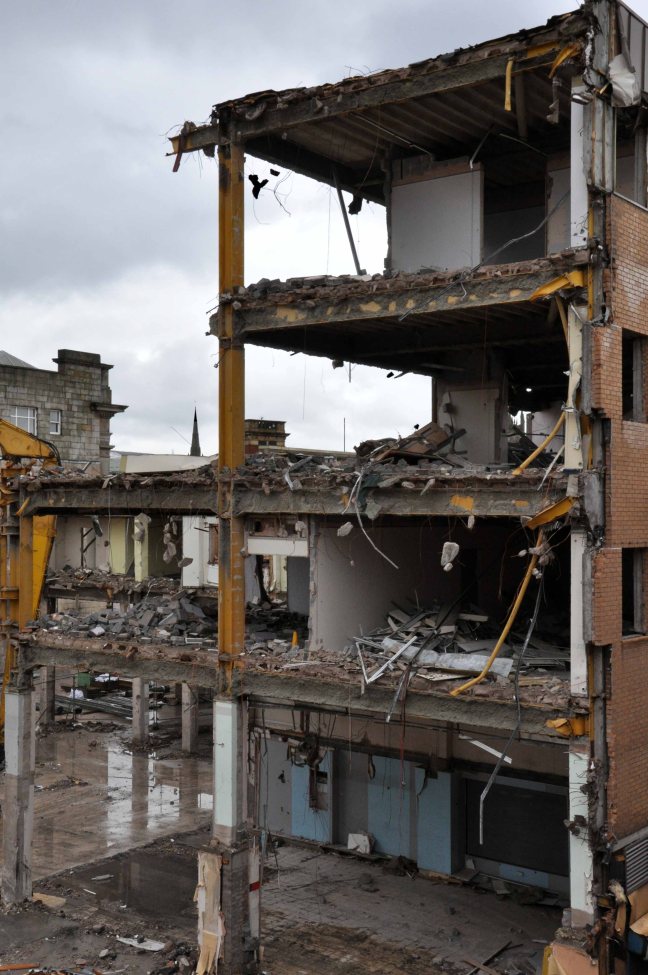
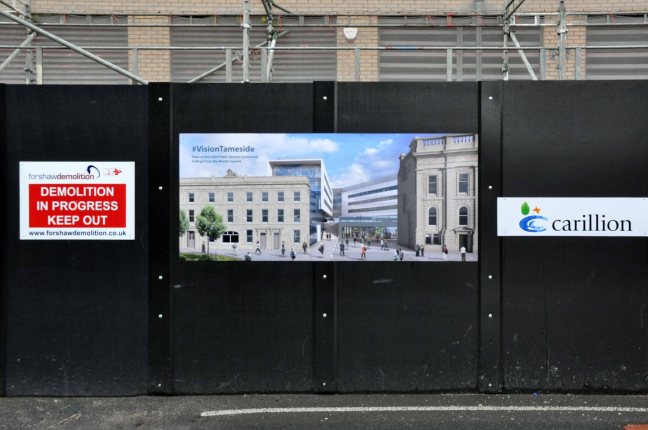
Ashton under Lyne – The Dustbin Demolished

For over thirty year you have weathered the storms of public ignominy.

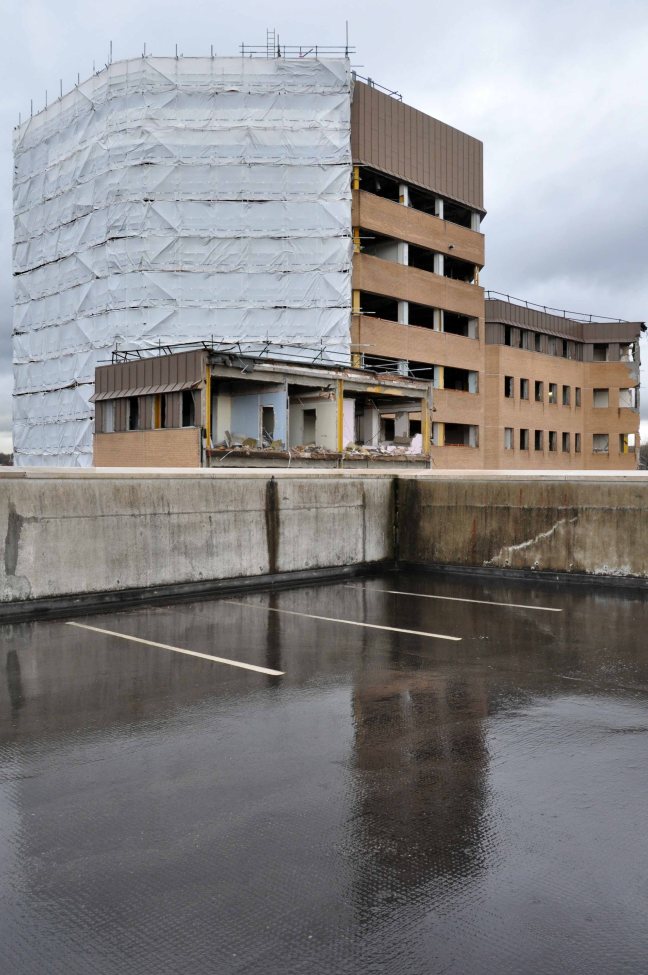
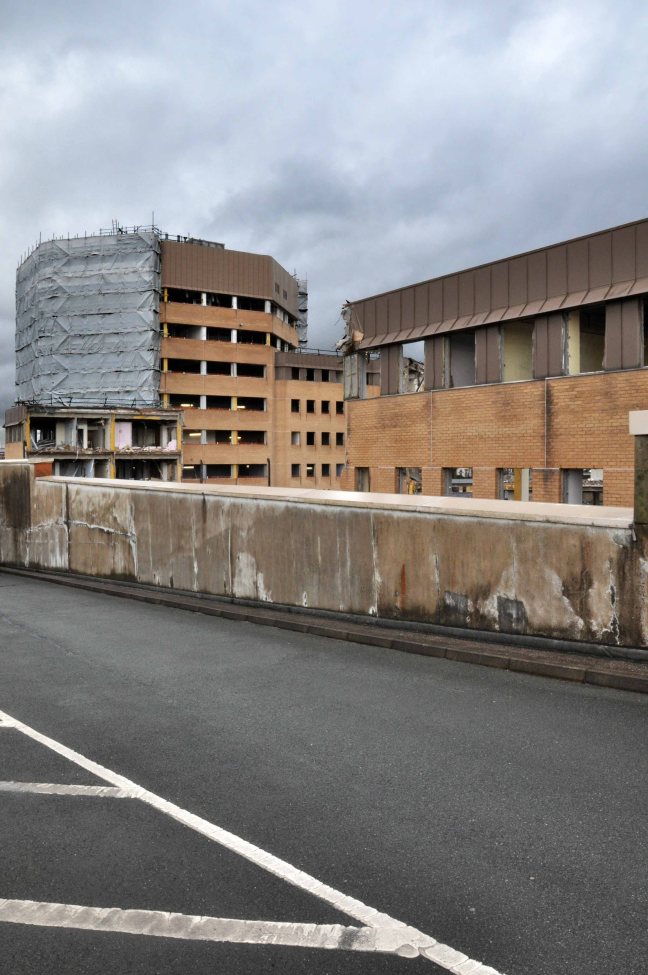
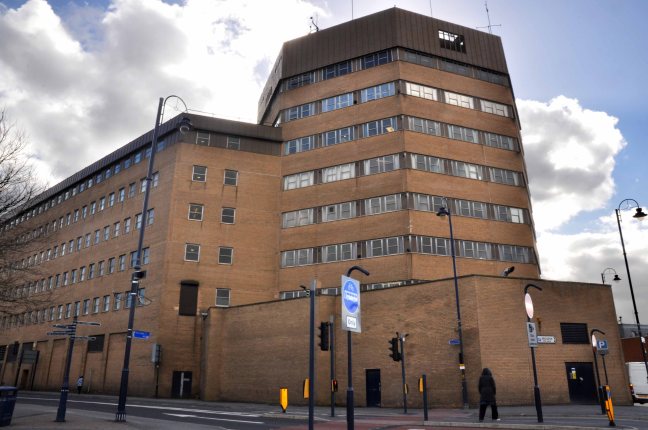
The unloved Dustbin – repository of Tameside Council’s officers and offices.

Last time I was here you were there.

Screen Shot 2016-08-01 at 13.07.59

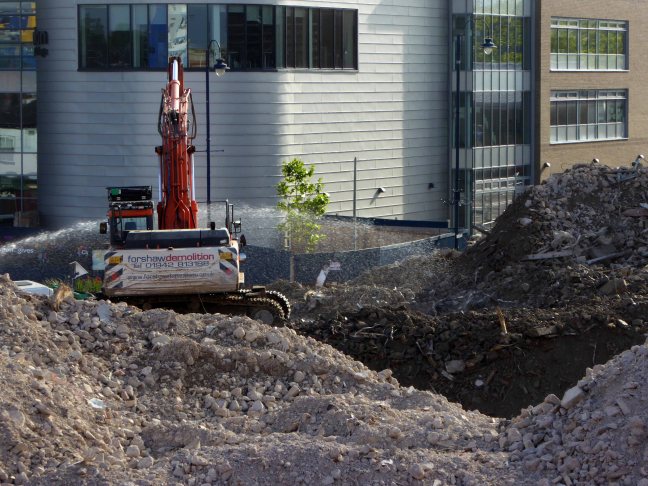
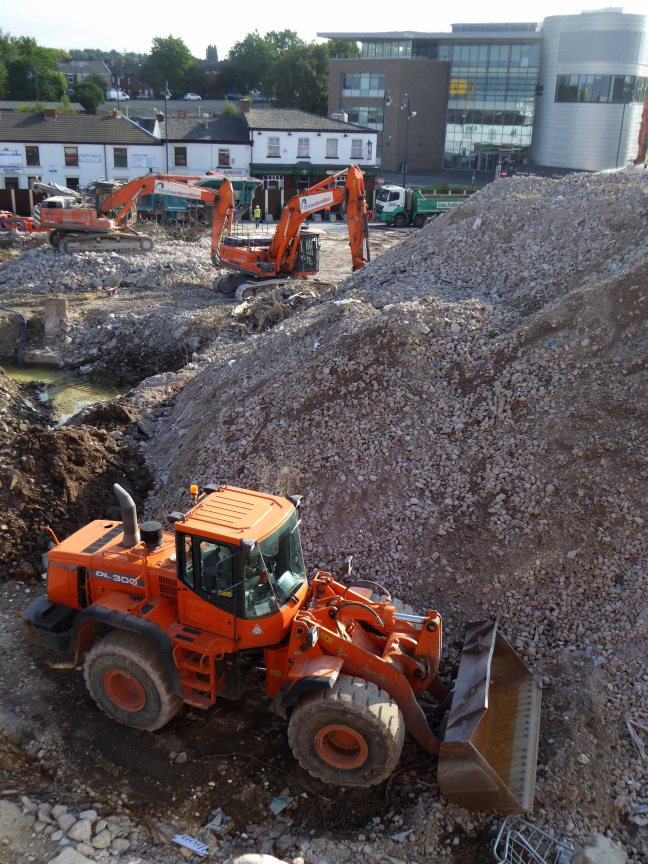
Then along came the ‘dozers.

DSC_0001 copy

DSC_0002 copy

DSC_0004 copy

DSC_0005 copy

DSC_0008 copy

DSC_0009 copy

DSC_0016 copy

DSC_0018 copy

DSC_0019 copy

DSC_0023 copy

DSC_0022 copy

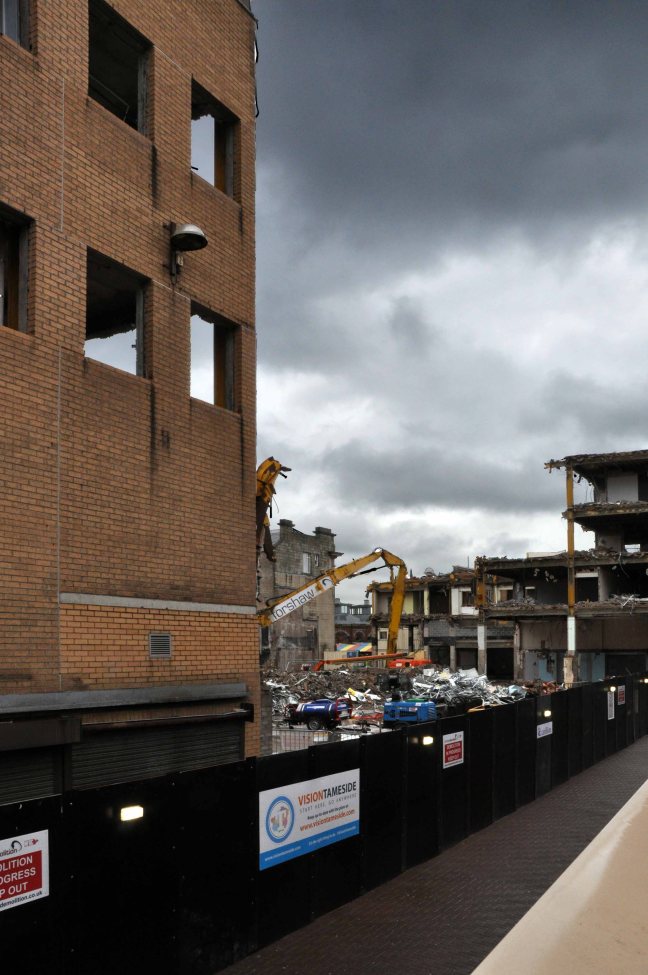
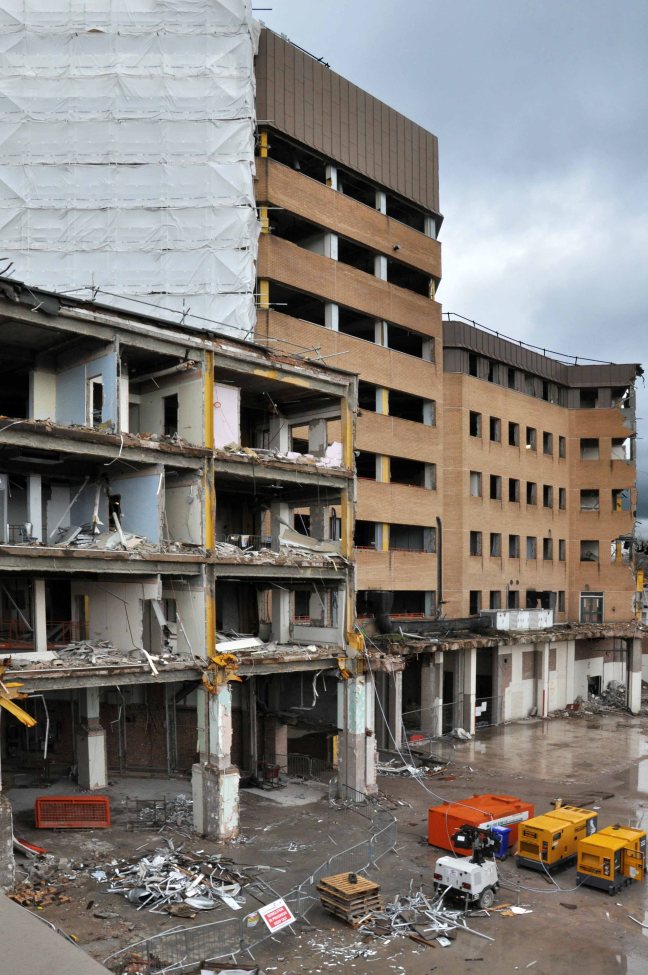
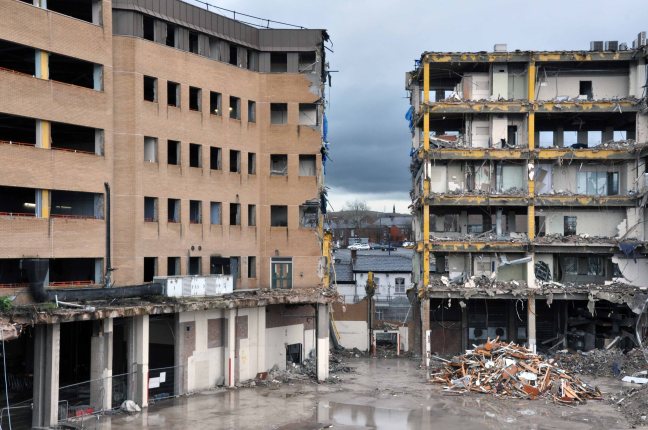
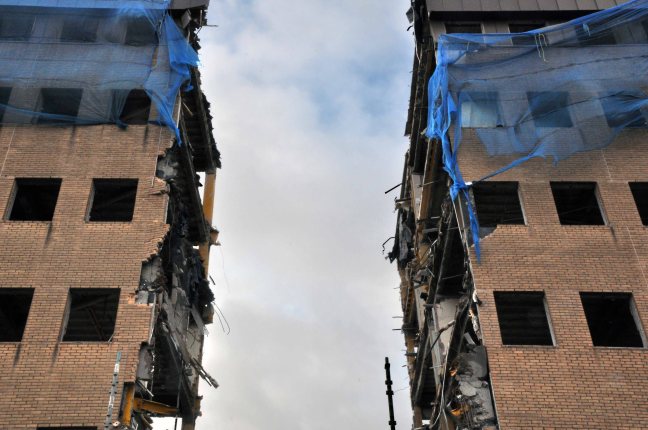
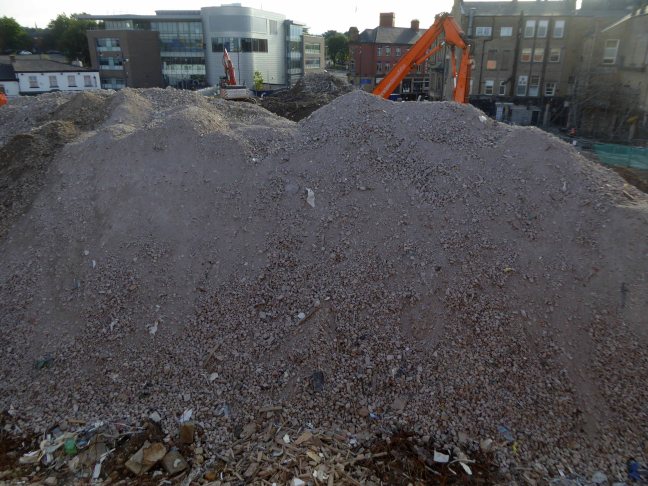
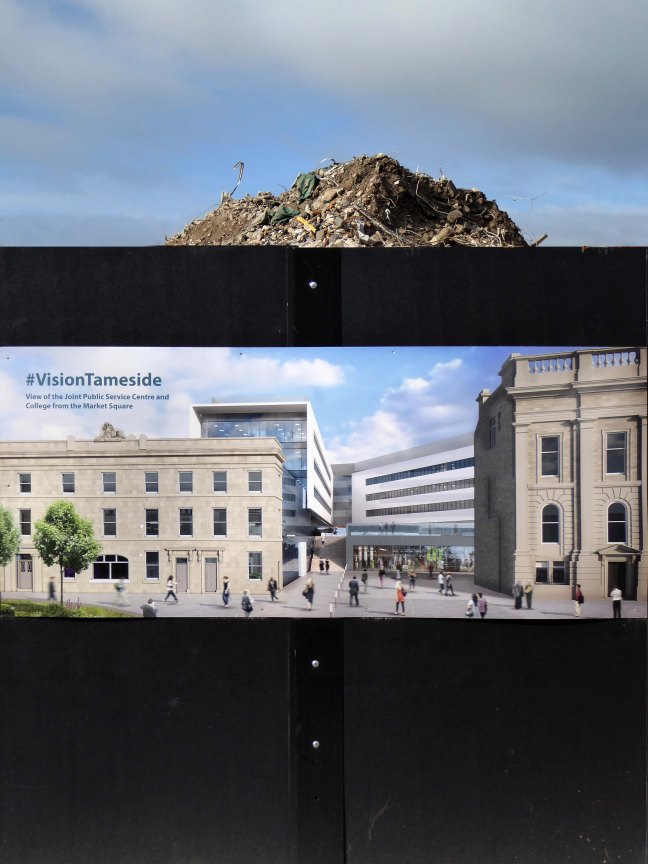
Vision Tameside has left you in tiny pieces.

– poked out your eyes and stamped you into the ground.

P1070145 copy

P1070148 copy

P1070138 copy

P1070152 copy

flag

Ashton under Lyne – Civic Offices

Last night I dreamt I went to Manderley again. It seemed to me I stood by the iron gate leading to the drive, and for a while I could not enter, for the way was barred to me. There was a padlock and a chain upon the gate. I called in my dream to the lodge-keeper, and had no answer, and peering closer through the rusted spokes of the gate I saw that the lodge was uninhabited.

Once upon a time there were council offices – then slowly there were not.

t11532

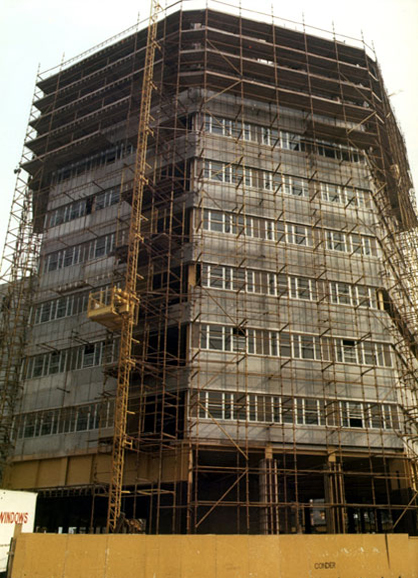
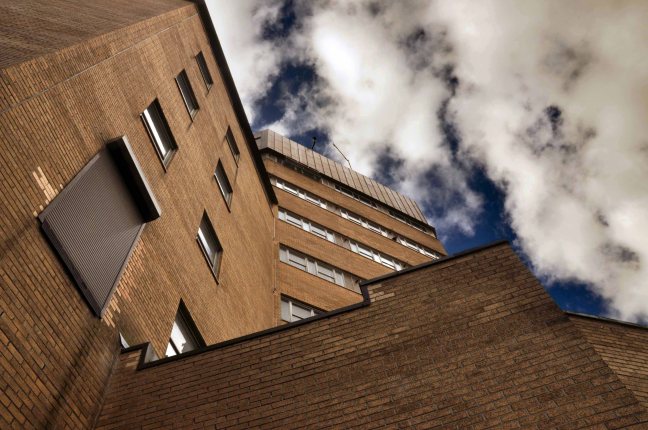
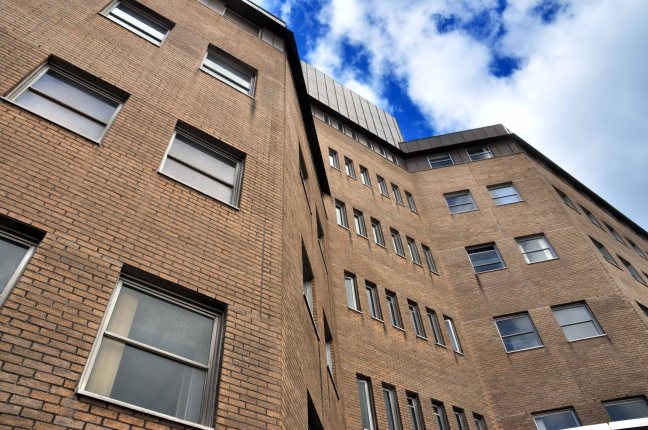
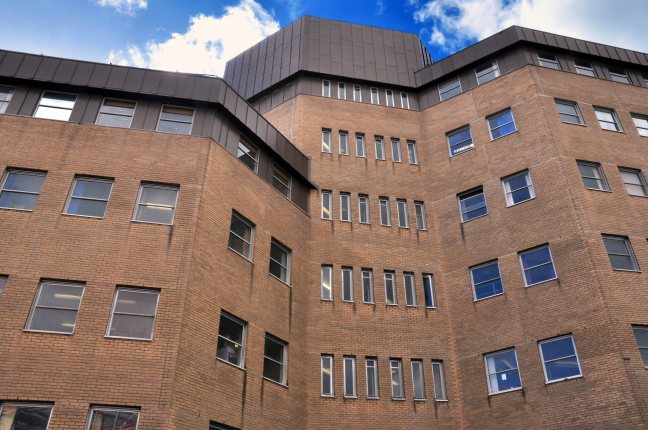
Built in the 1980s and met with almost immediate public disdain.

t11533

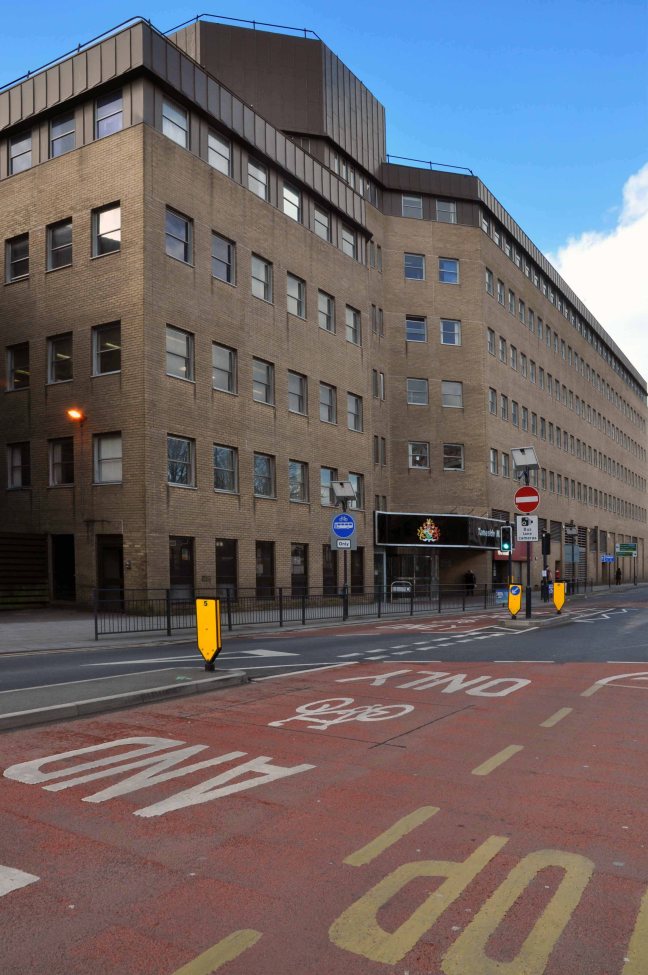
Welcome to The Dustbin.

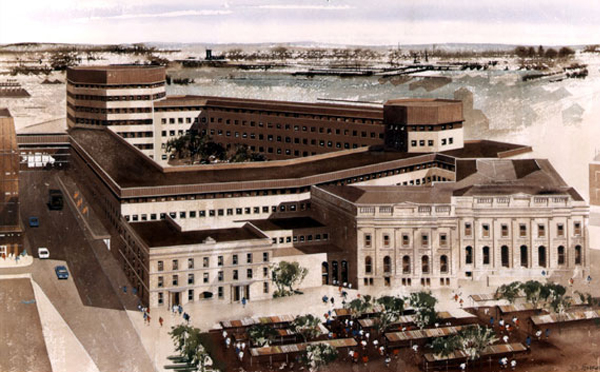
An octagonal brick face concrete hub, anchoring three six storey walls, which enclose a central open courtyard area. Housing all central local authority offices.

DSC_0593 copy

DSC_0564 copy

DSC_0574 copy

DSC_0568 copy

DSC_0587 copy

DSC_0594 copy

DSC_0583 copy

DSC_0570 copy

DSC_0582 copy

DSC_0589 copy

DSC_0591 copy

DSC_0592 copy

DSC_0595 copy

DSC_0597 copy


Needwood Close – Collyhurst

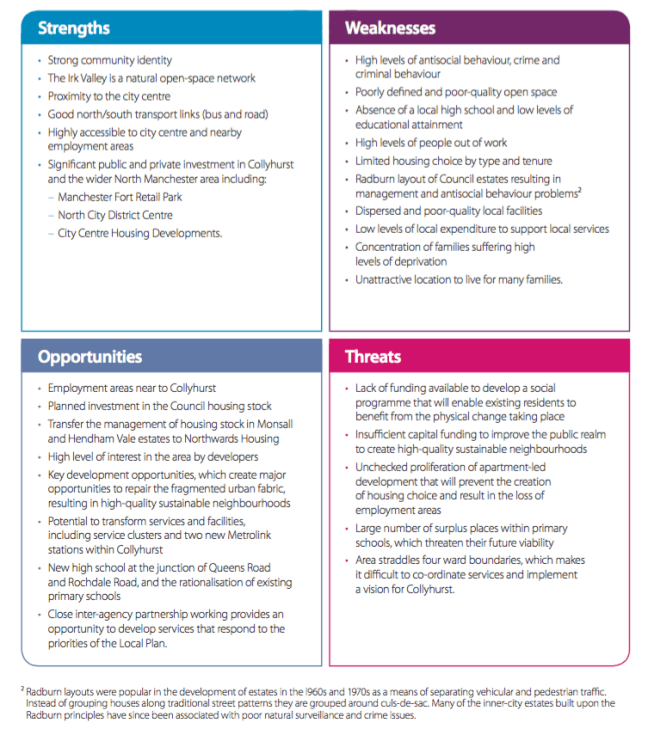
Deep in the heart, just on the edge of central Manchester, there exists a dilemma.

Once a place of full employment and home occupation, time has not been kind to Collyhurst. Work is scarce and the area blighted by a reputation for crime and social problems. Yet it sits by an area of inner city wealth, economic expansion and a growing professional class.

The plan is to expand this growth outside of the fringes of city and into north Manchester, since 2008 this has been the stated aim of the local authority. Tram stops, academies, and retail parks apart, change seems slow to arrive.

Screen Shot 2016-06-17 at 13.54.30

There is a chronic shortage of public funding and seemingly an absence of private capital and speculative development – life is elsewhere.

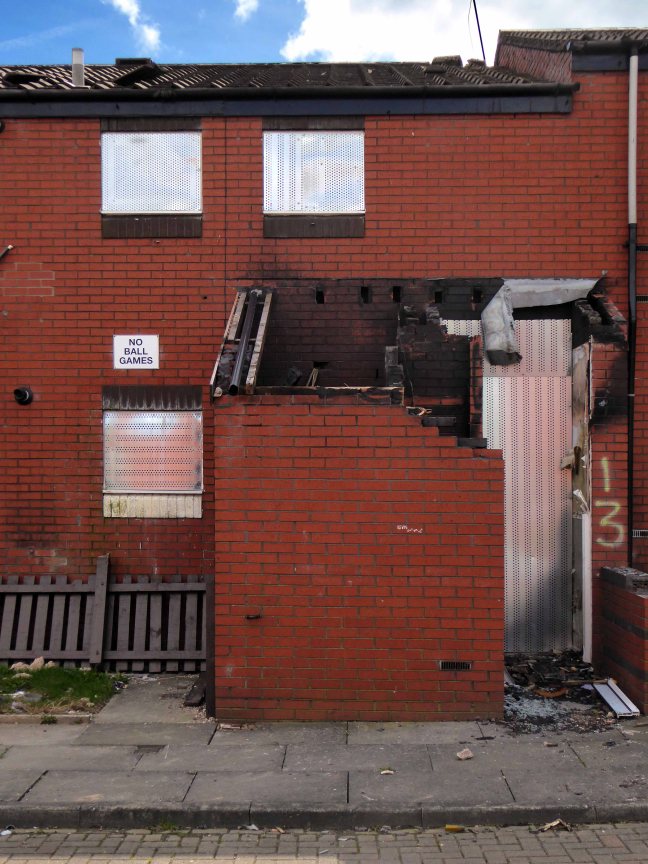
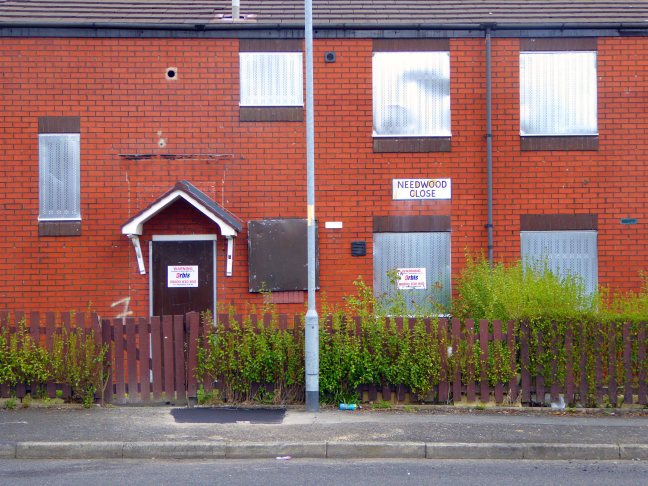
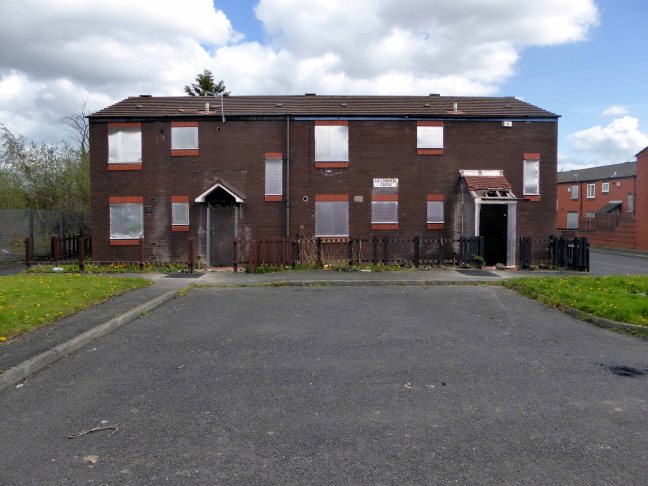
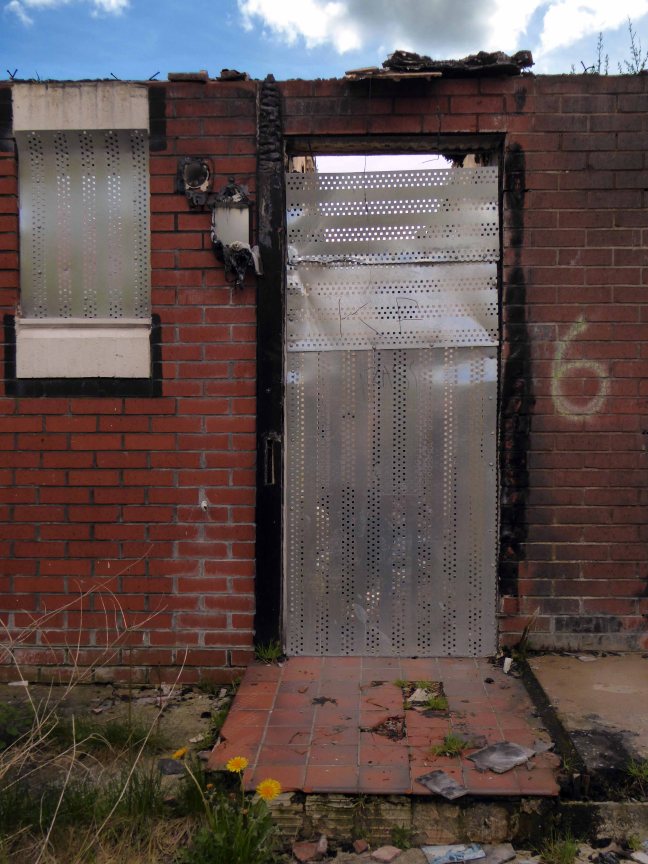
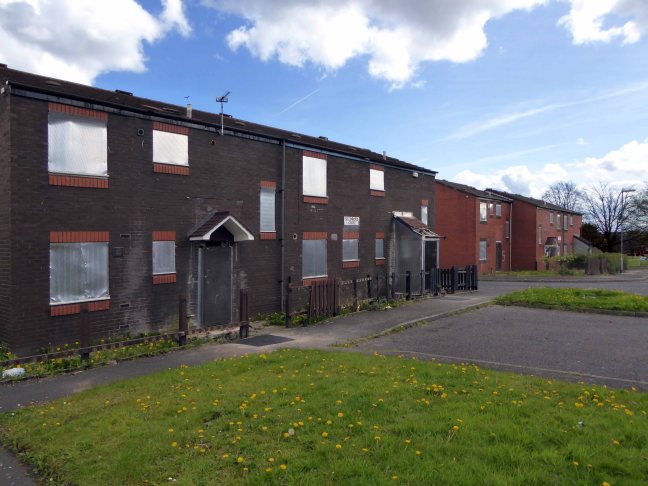
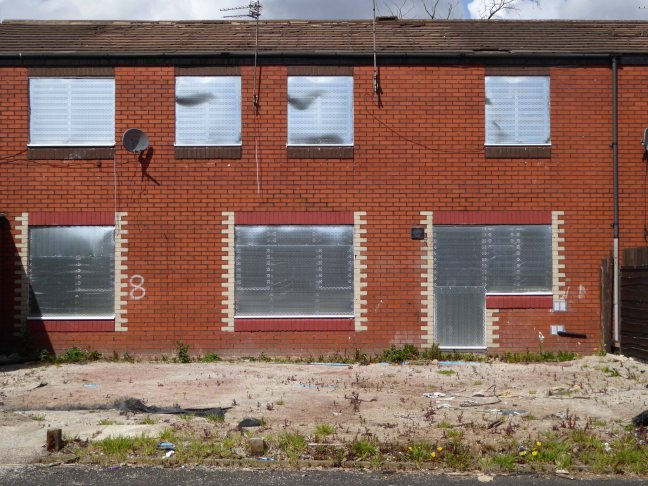
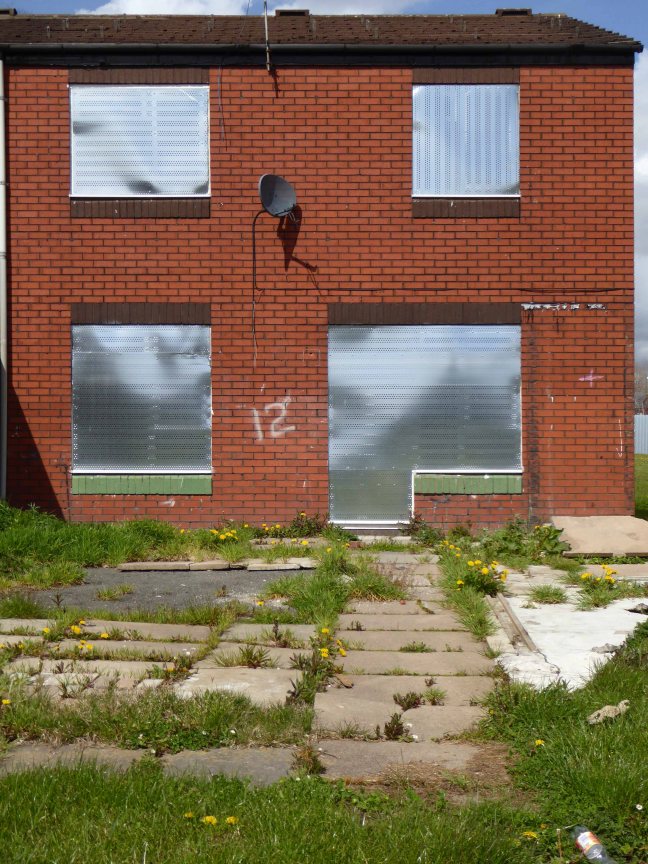
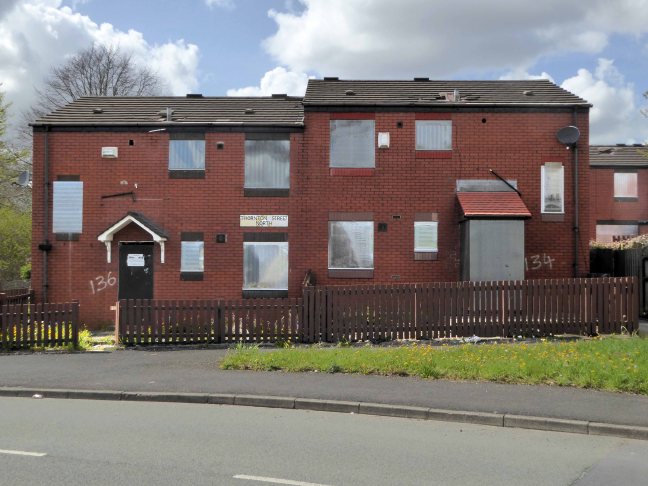
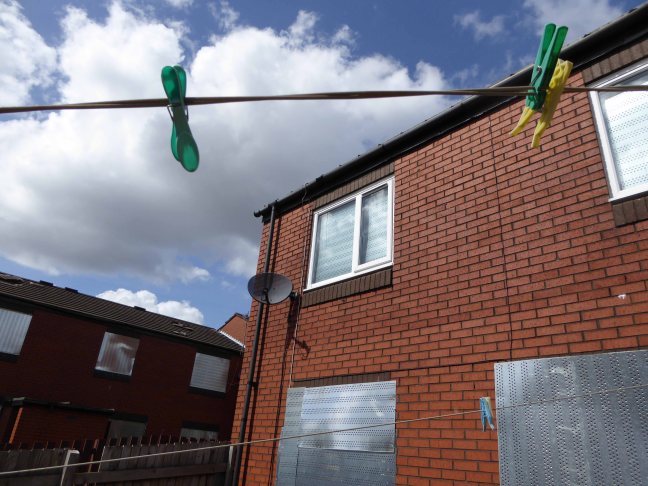
In the mean time there are properties tinned up awaiting a new dawn.

Needwood Close is one such example.

P1040450 copy

P1040451 copy

P1040453 copy

P1040458 copy

P1040459 copy

P1040460 copy

P1040465 copy

P1040466 copy

P1040468 copy

P1040469 copy

P1040476 copy

P1040477 copy

P1040480 copy

P1040483 copy


Margate – Tidal Pools

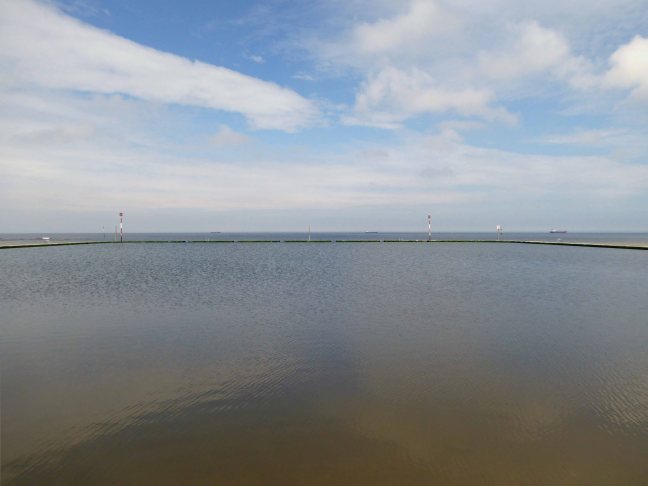
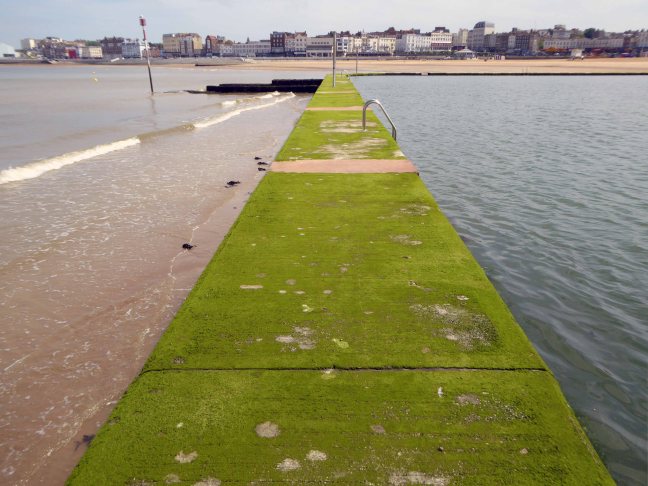
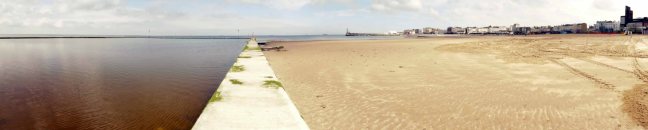
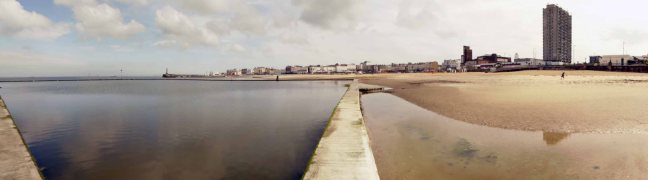
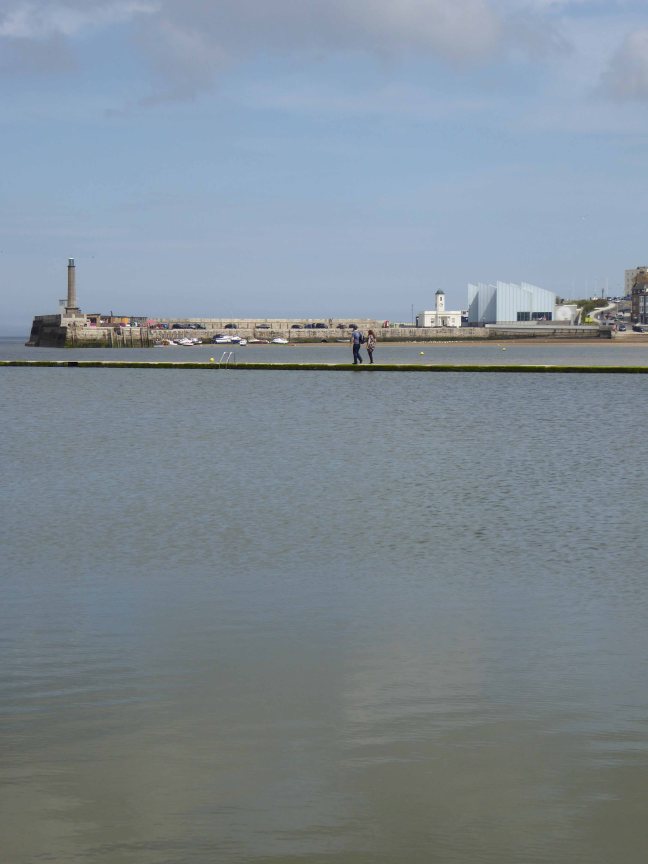
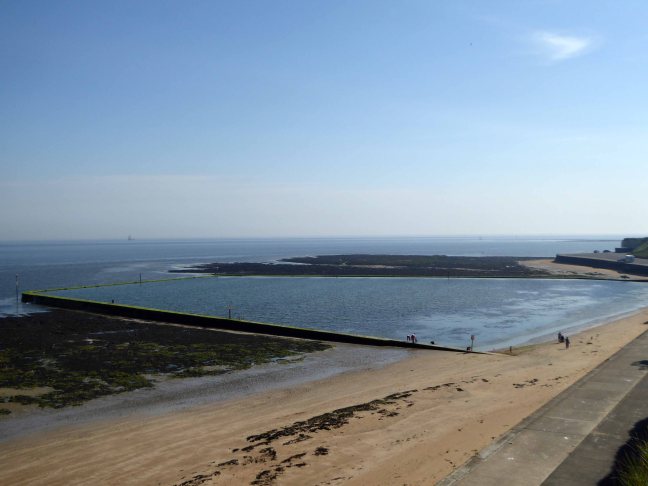
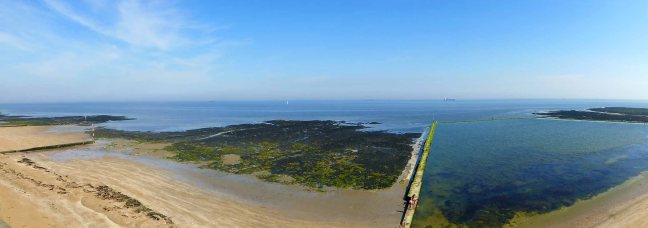
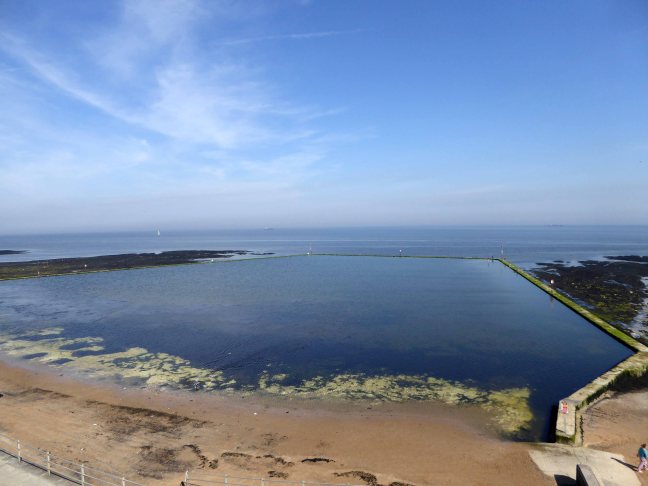
Margate a town of two pools.

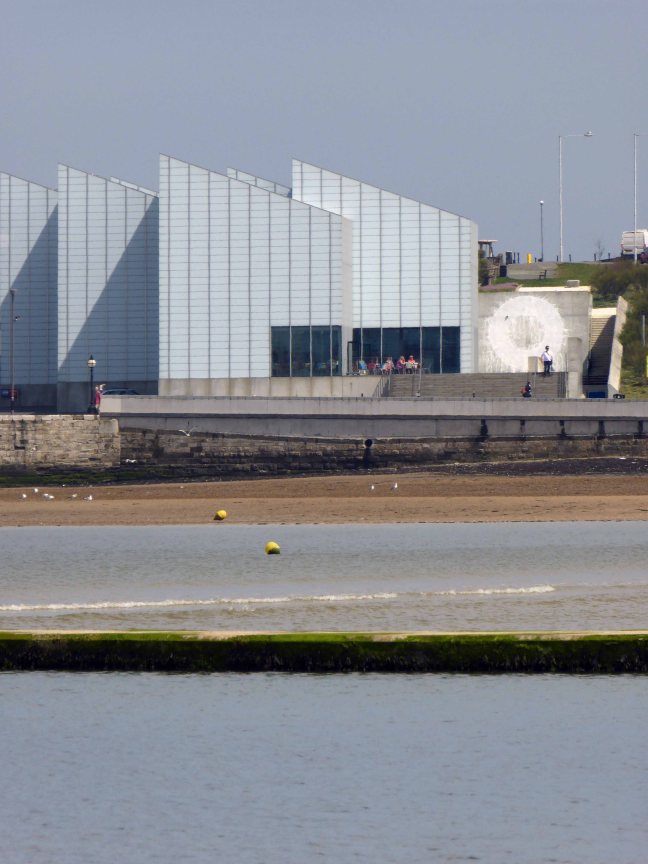
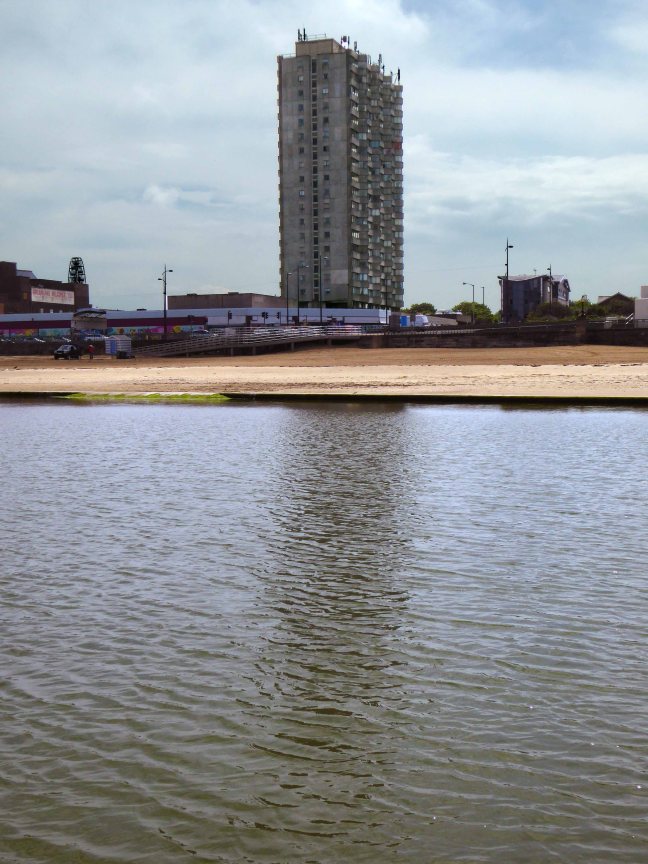
The first tucked in by the prom, a moments walk from the station and overlooked by the imposing Arlington House and the shimmer of the Turner Contemporary

– alas no longer the domain of the wild swimmer.

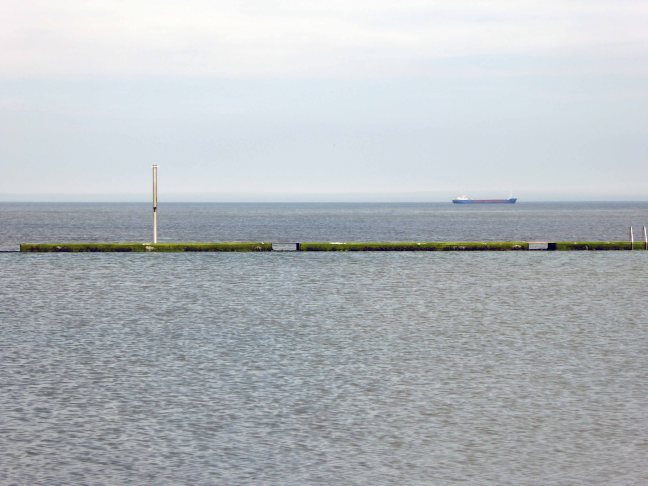
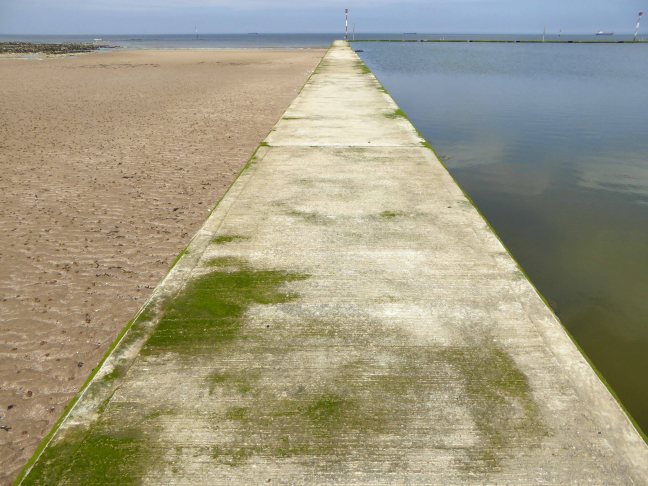
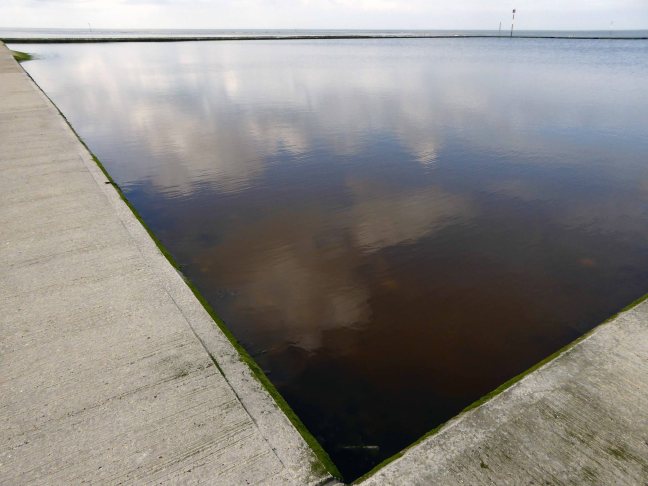
A large delicious expanse of seawater, now sadly designated as a boating pond.

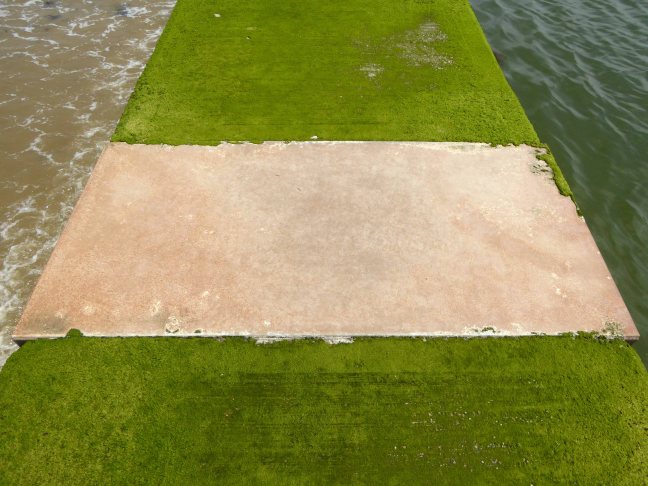
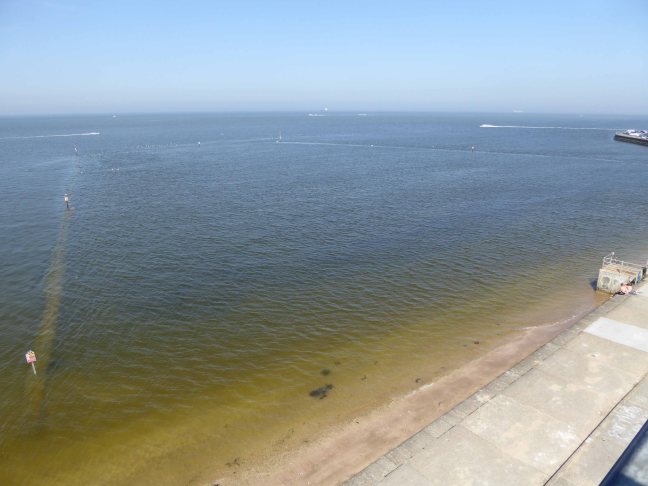
I was drawn magnetically to this elemental artifice, where untamed waters meet a controlled concrete geometry, waves temptingly lapping the walls.

Would that it could be open again to the town’s swimmers.

I am latterly reliably informed, that the pool is well used by local aquarists, despite the Local Authority’s prohibitions and ministrations – bravo!

P1050061 copy

P1050062 copy

P1050063 copy


P1050065 copy

P1050066 copy

P1050067 copy


P1050072 copy

P1050073 copy

P1050077 copy


P1050082 copy

P1050083 copy

P1050085 copy

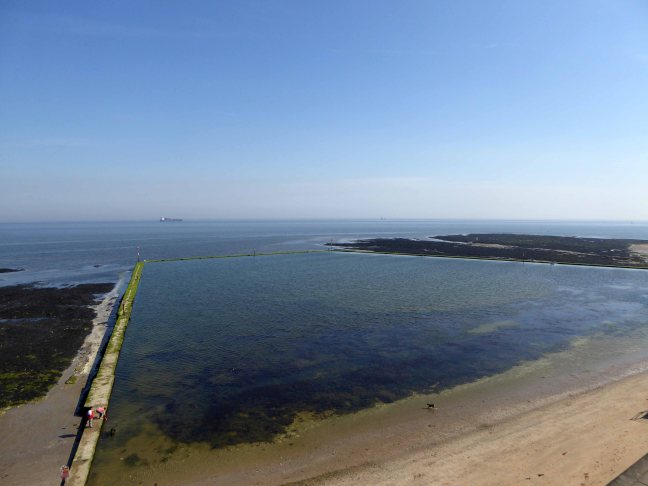
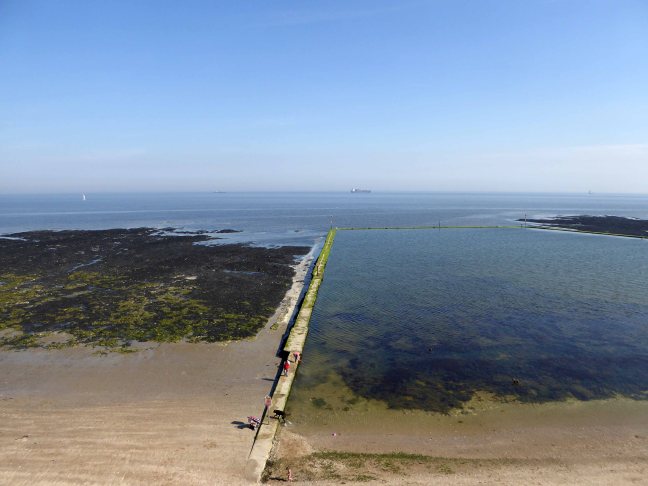
The second at Walpole Bay still open to the swimmer and what’s more it’s listed.

Walpole Bay Tidal Pool, one of two tidal pools designed by Margate’s borough engineer in 1937, constructed in concrete blocks reinforced by reused iron tram rails, is listed at Grade II for the following principal reasons: * Structural engineering interest: an ambitious project because of its scale, the weight of each concrete block, and that work needing to be carried out day and night because of the tides; * Scale and design: impressive in scale and shape, occupying 4 acres and three sides of a rectangle, the sides 450 feet long diminishing towards the seaward end which was 300 feet long; * Social historical interest: provided an improvement to sea bathing at the period of the greatest popularity of the English seaside; * Degree of intactness: intact apart from the loss of the two diving boards which do not often survive; * Group value: situated quite near the remains of the 1824-6 Clifton Baths (Grade II), an 1935 lift and the other 1937 tidal pool. 

P1040713 copy

P1040716 copy

P1040717 copy

P1040718 copy

P1040719 copy

P1040720 copy

P1040836 copy

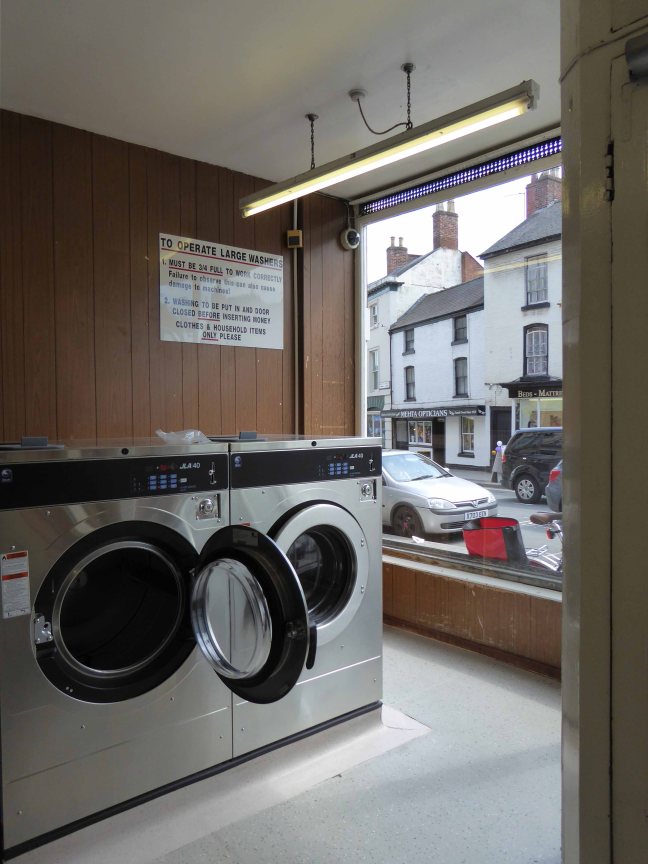
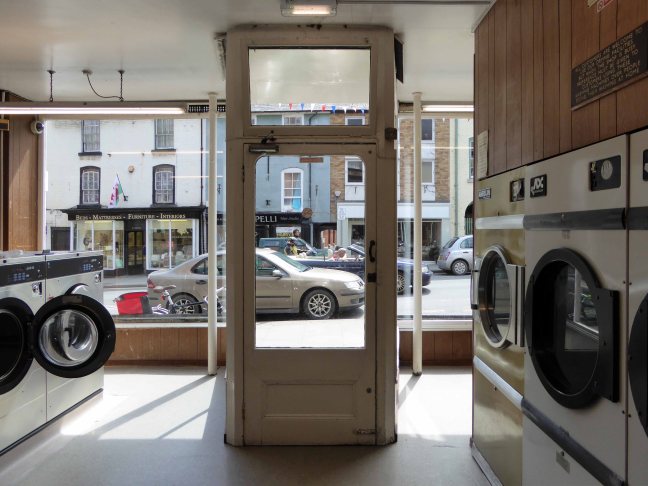
Laundrette – Welshpool

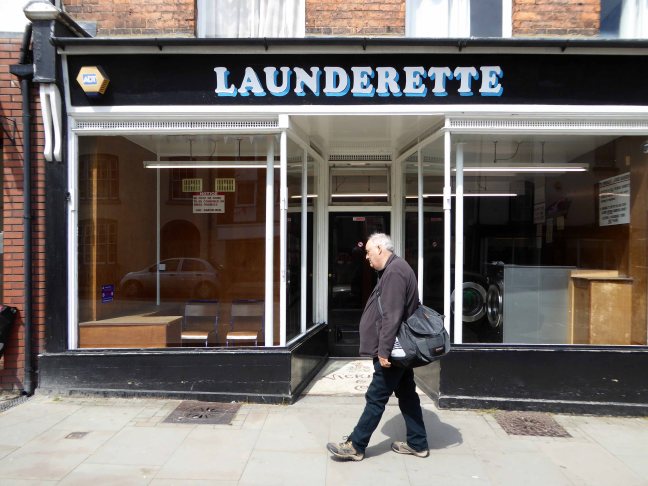
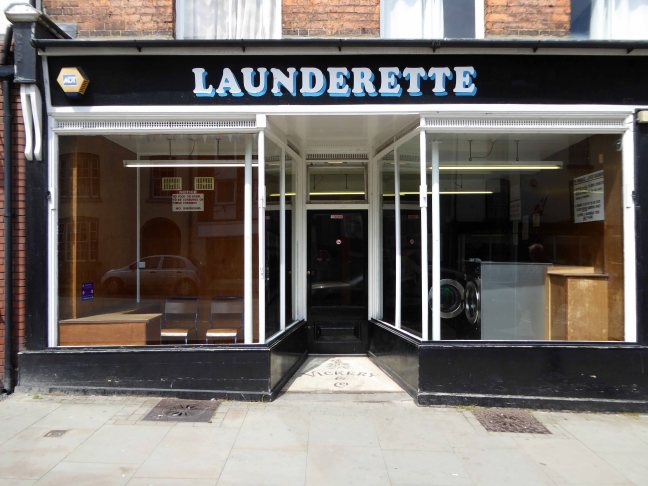
When walking the streets of Welshpool, one often finds oneself outside.

Outside a launderette.

I paused.

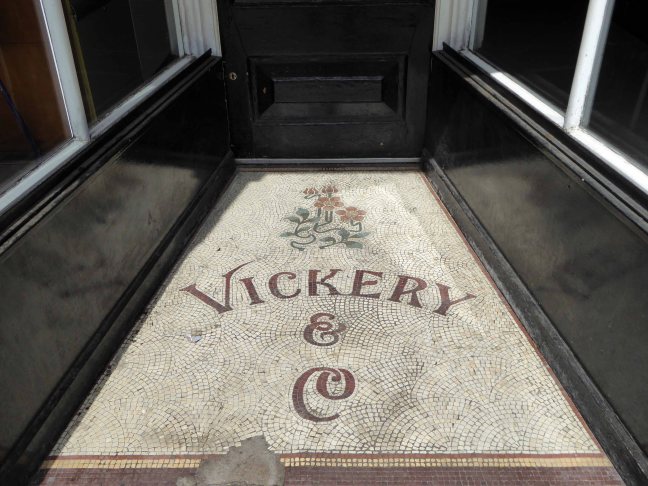
The porch was decorated by the most enchanting mosaic, Vickery and Co.

Hosiers, Hatters and Outfitters.

Politely, ever so politely, I asked the two local lads if they would step aside from their porch perch one moment, I snapped.

And walked on.

Upon my return, nobody was here, I hurriedly occupied the vacant space, with the expansive volume of my incurable curiosity.

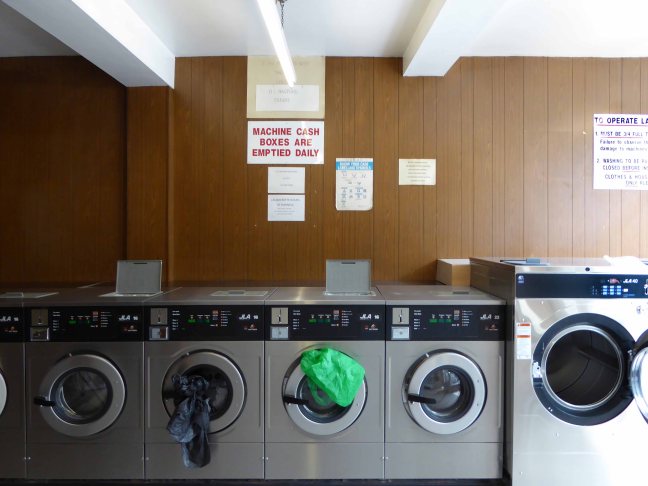
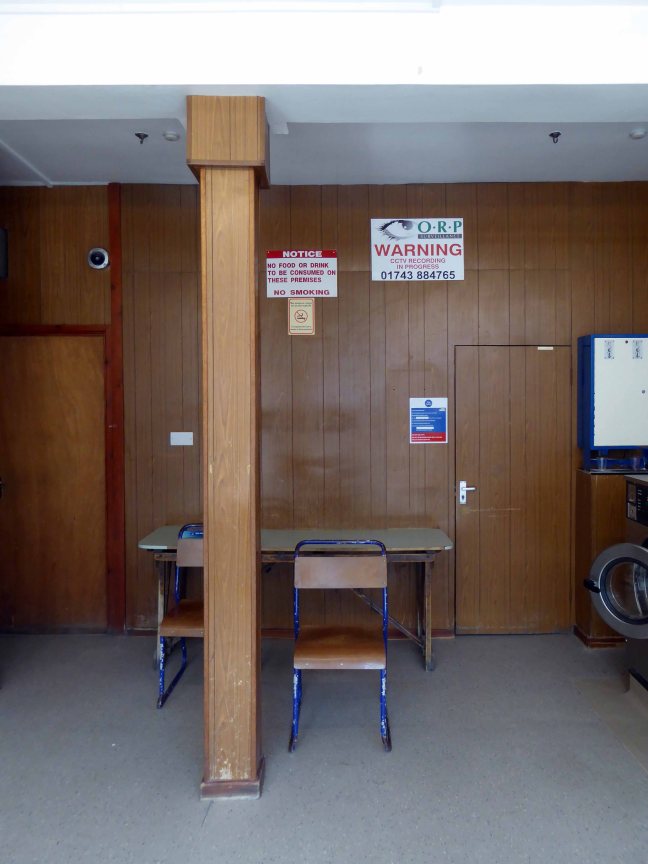
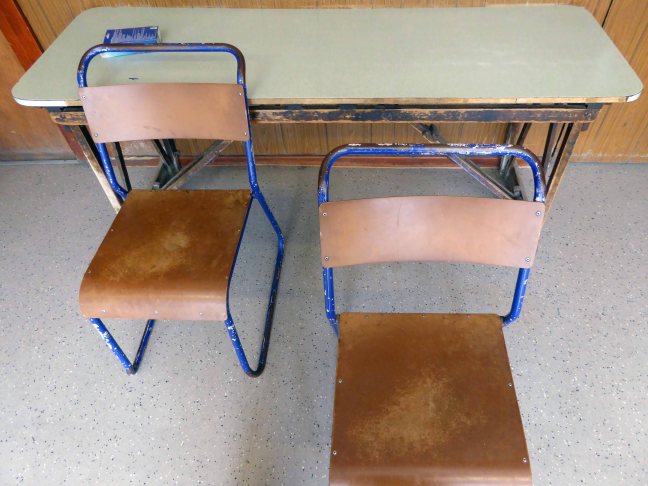
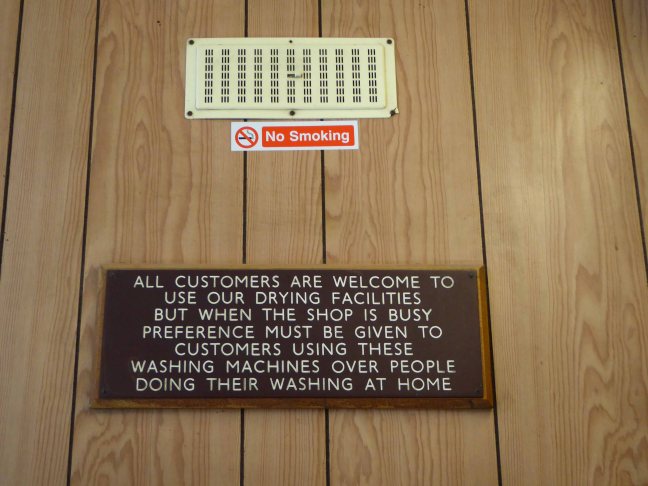
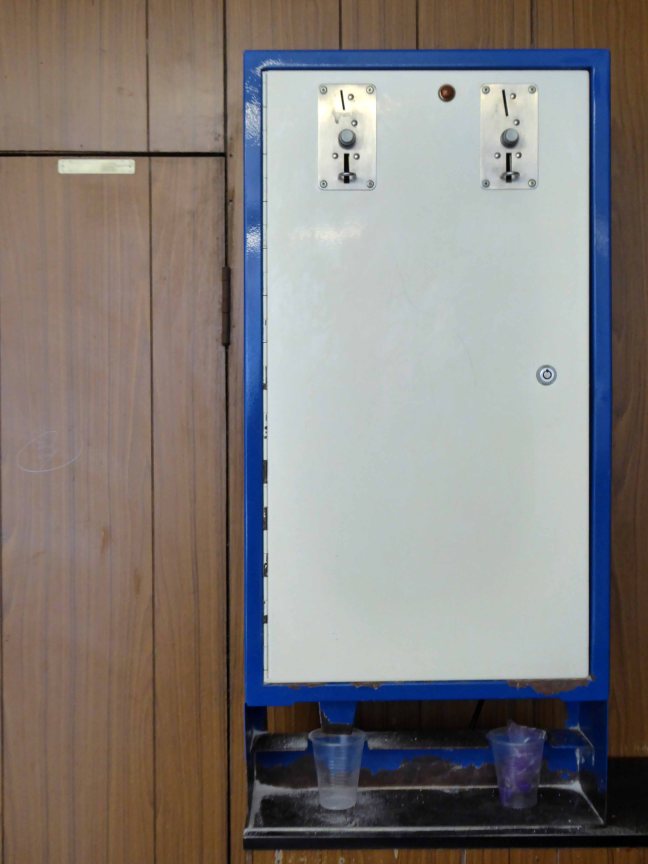
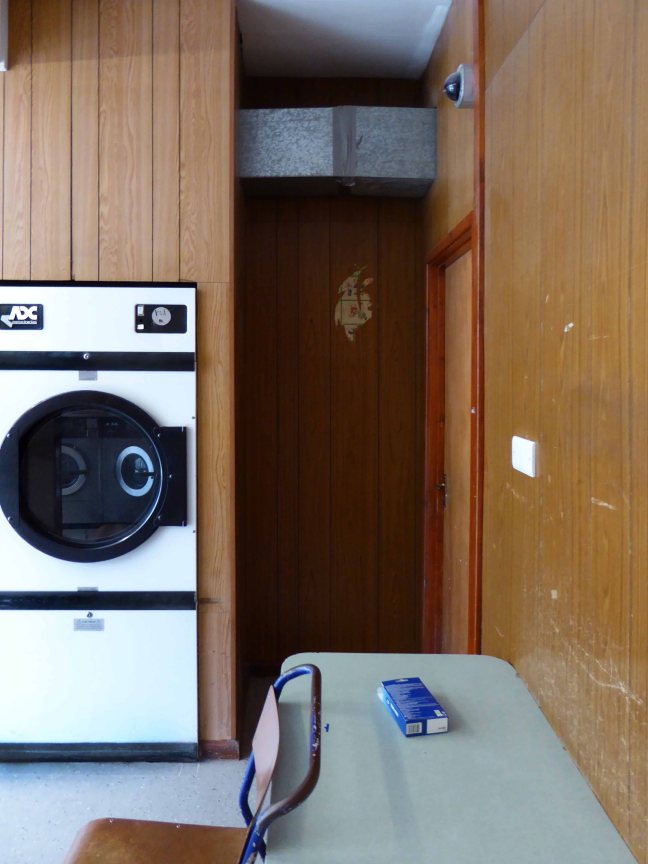
Here is what I found.

P1050847 copy

P1050848 copy

P1050849 copy

P1050850 copy

P1050851 copy

P1050852 copy

P1050853 copy

P1050854 copy

P1050855 copy

P1050856 copy

P1050858 copy

P1050859 copy

P1050860 copy

P1050861 copy

P1050862 copy

P1050863 copy

P1050864 copy

P1050865 copy

P1050866 copy

P1050867 copy


WH Smiths – Newtown Powys

Life is full of tiny delights.

Newtown, a town of tiny delights, my journey through Wales by bike took me there.

None more delightful and surprising than the branch of WH Smiths, its exterior adorned with the most beautiful of signs, tiles and lamps.

P1050808 copy

P1050802 copy

P1050804 copy

P1050807 copy

P1050811 copy

P1050805 copy

P1050834 copy

P1050803 copy

Curious, curiously I  explored further, the porch housed a newspaper and magazine stall with further tiled images.

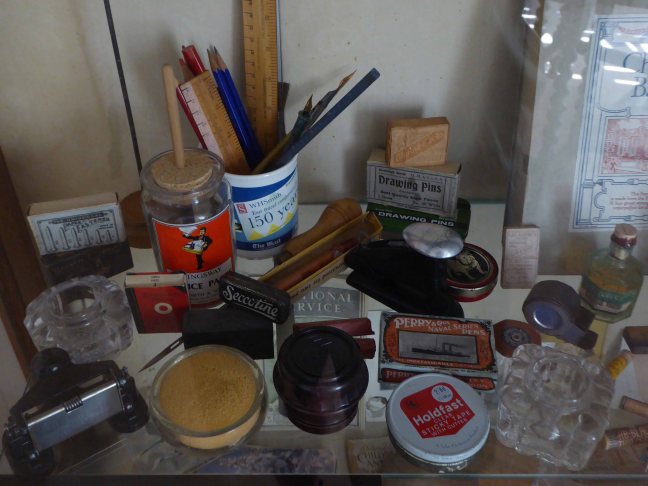
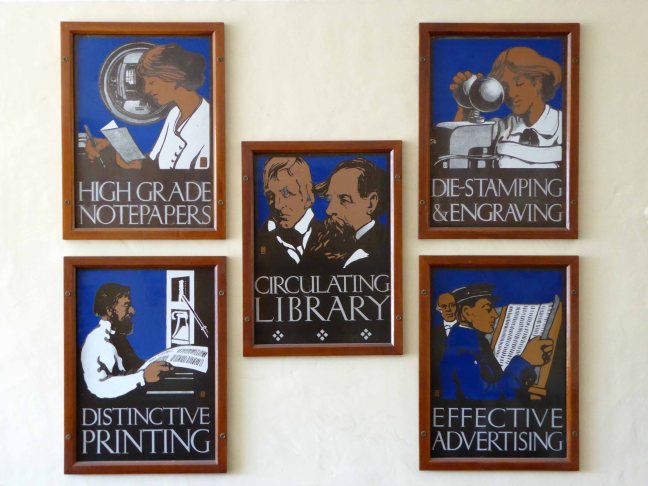
These tiles were made by Carter & Co. at their pottery works in Poole, Dorset in the 1920s. Commissioned by the retailer, they were installed in the entrance ways of a number of its branches. They were intended to advertise the wide selection of books and other items on sale, however their distinctive Art Deco style and the scenes depicted also expose a great deal about society at that time.

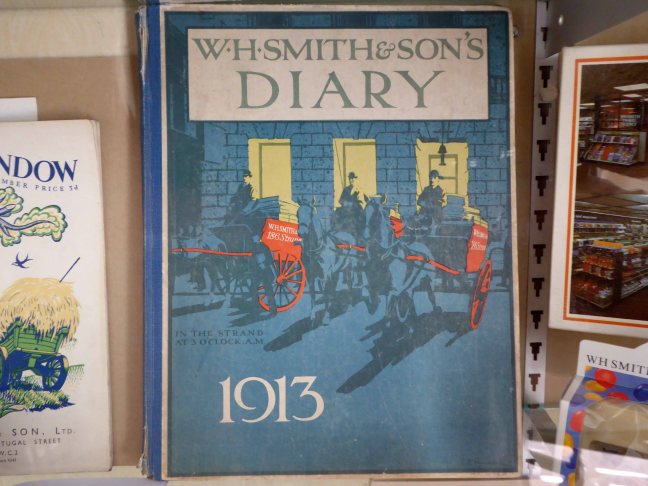
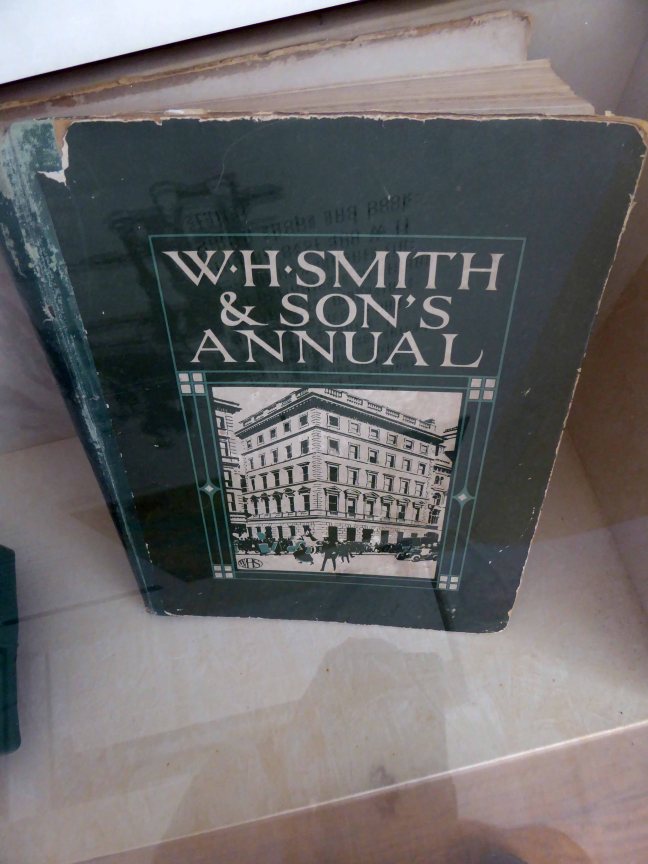
In subsequent decades, particularly during periods of refurbishment from the 1960s, many shops lost their decorative panels, either being removed or covered over. Only seven branches of WHSmith are known to have their tile panels intact, with a few surviving in private collections. Many tiles were rescued by WHSmith and these can now be seen in a museum housed in the Newtown branch in Powys. 

Further information

P1050813 copy

P1050814 copy

P1050832 copy

The staff were typically helpful and accommodating – directing me to the Museum upstairs – just pull the rope to one side.

Go take a look 

P1050820 copy

P1050822 copy

P1050823 copy

P1050824 copy

P1050825 copy

P1050826 copy

P1050827 copy

P1050828 copy

P1050829 copy

P1050830 copy

Laundrette – Emlyn West Wales

You could be in the middle of nowhere.

You are in the middle of nowhere.

Though never six feet from a rat, or a mile from a main road.

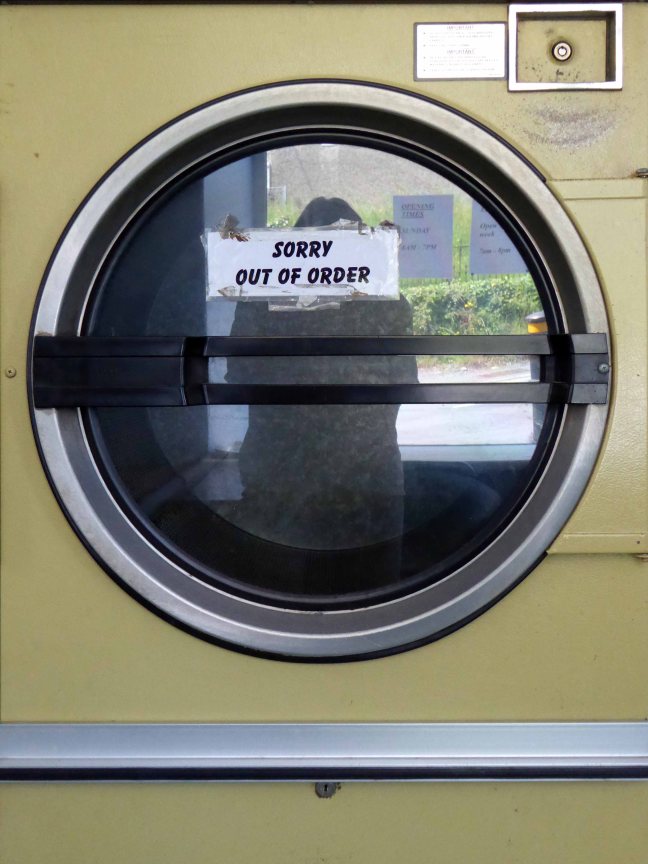
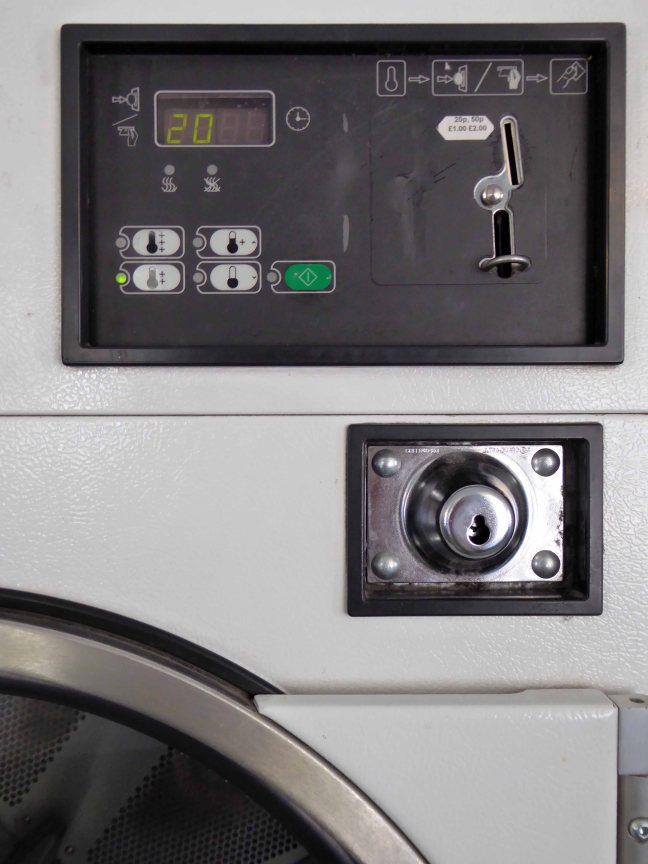
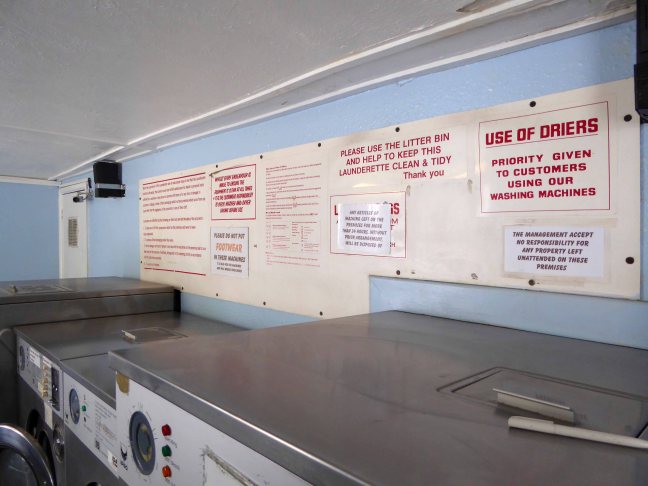
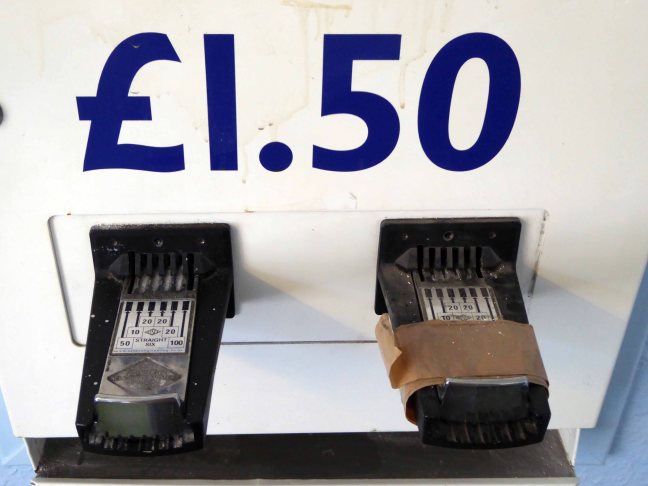
Moments away from a laundrette.

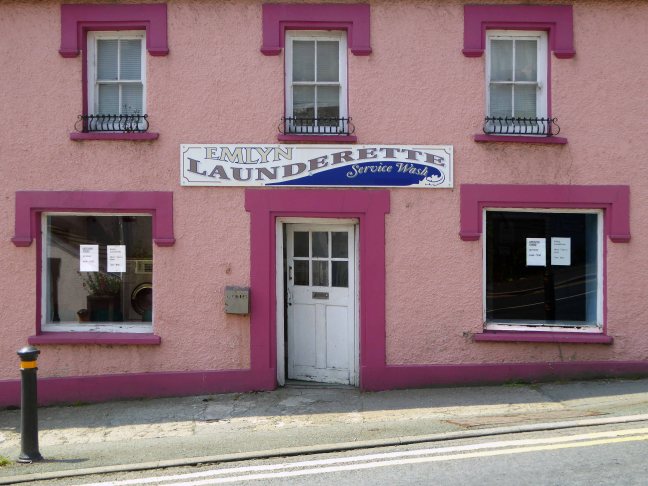
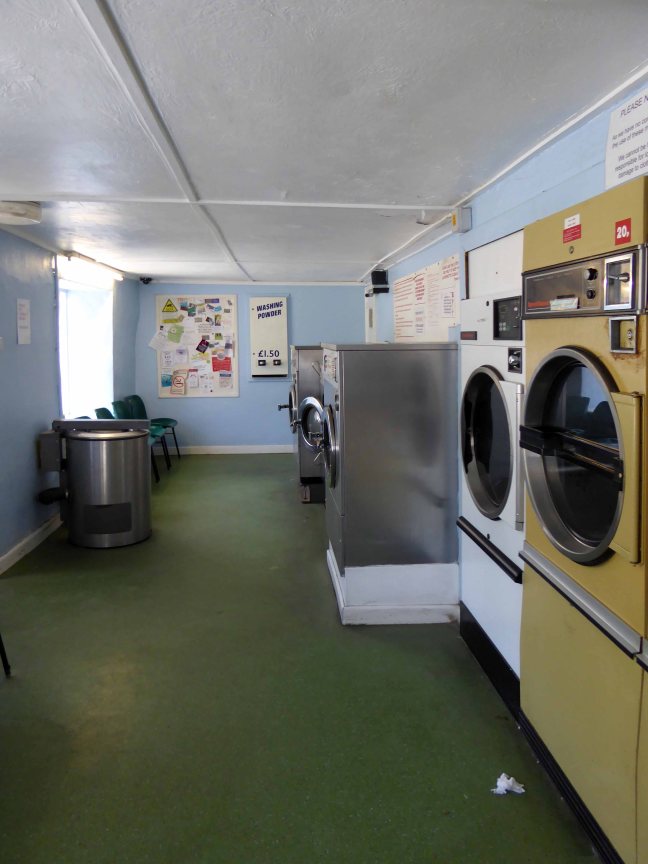
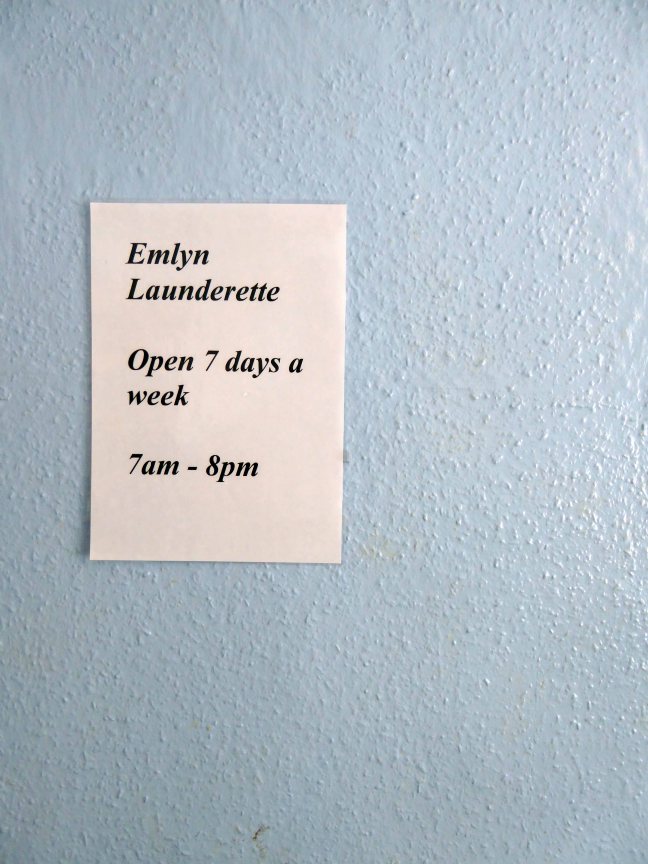
Imagine my amazement, on arrival in a town straddling the border of the counties of Ceredigion and Carmarthenshire in west Wales and lying on the River Teffi.

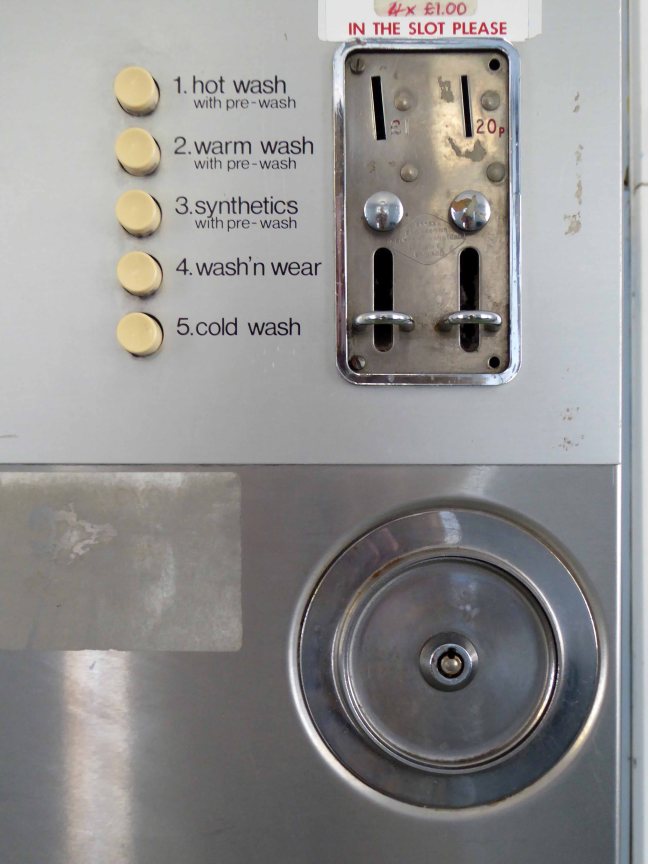
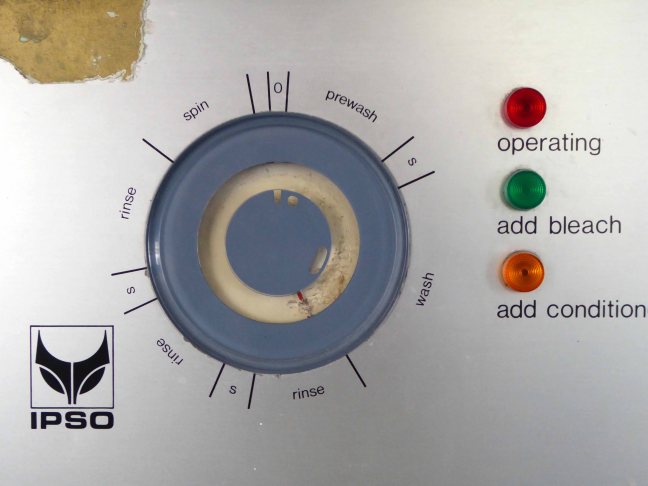
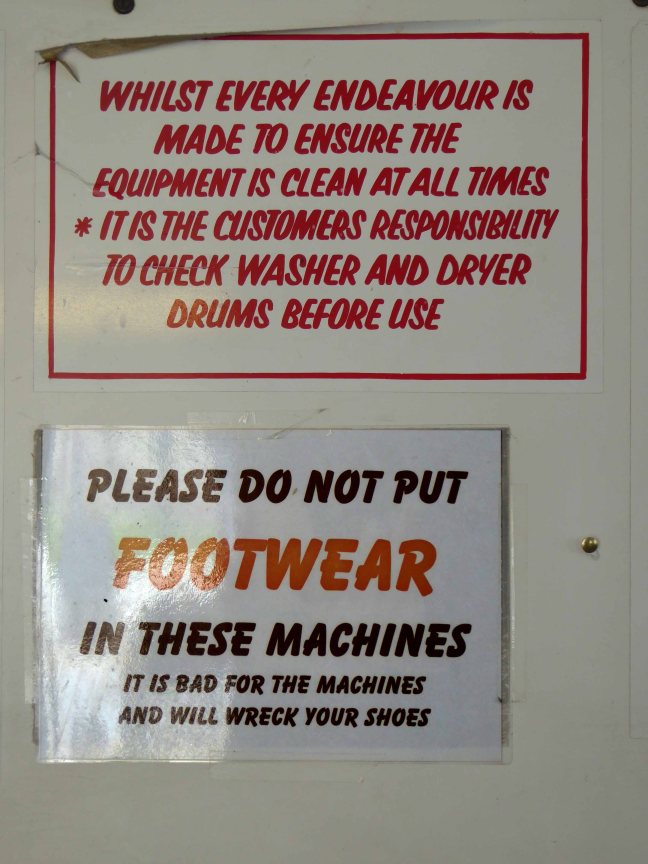
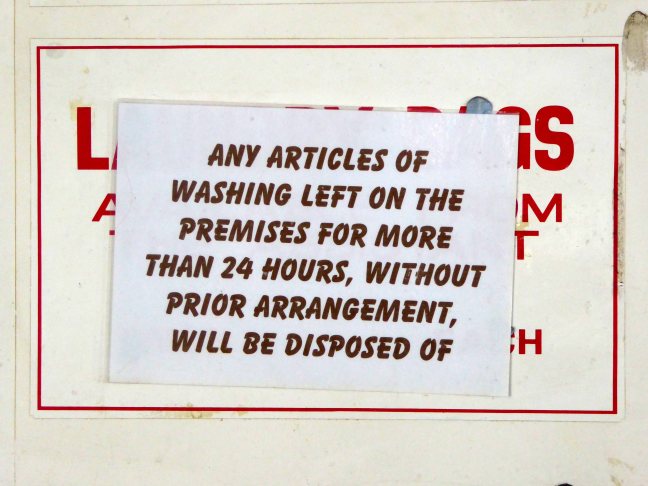
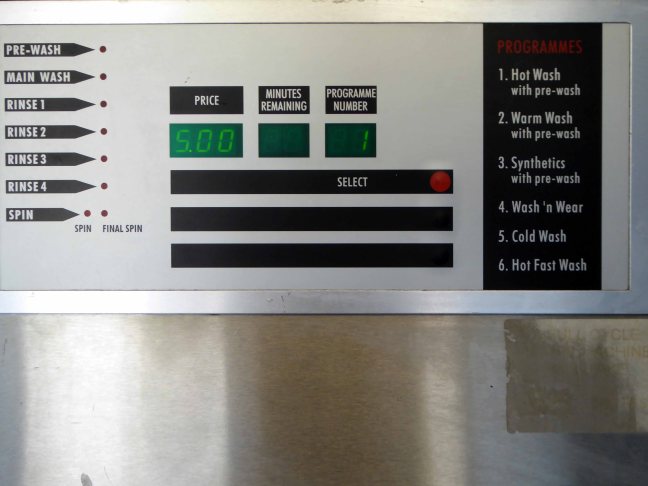
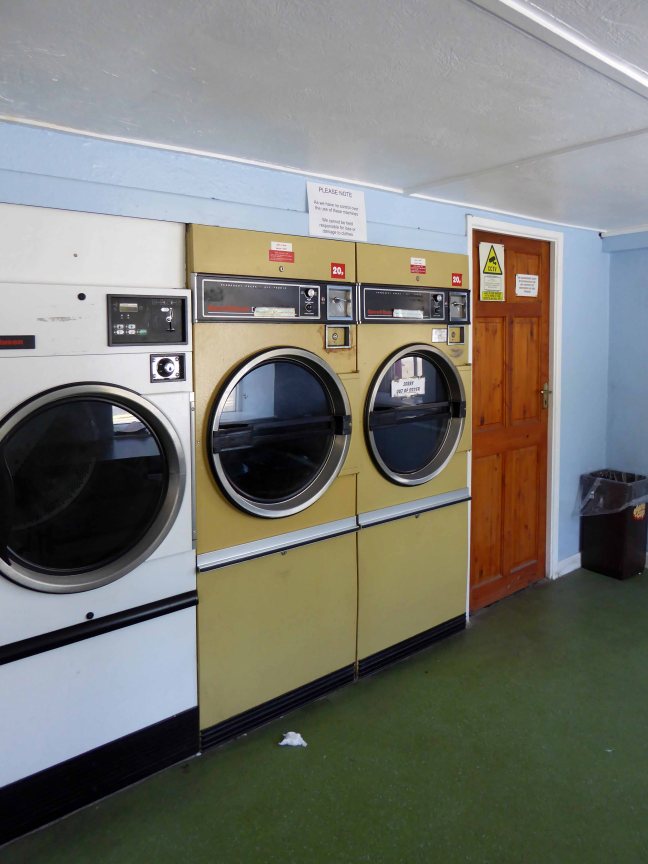
A launderette.

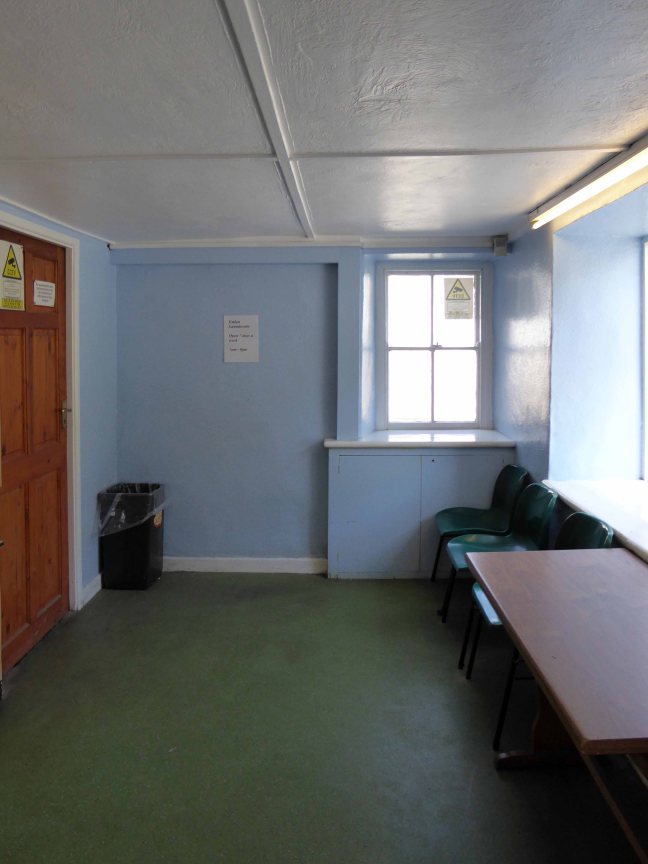
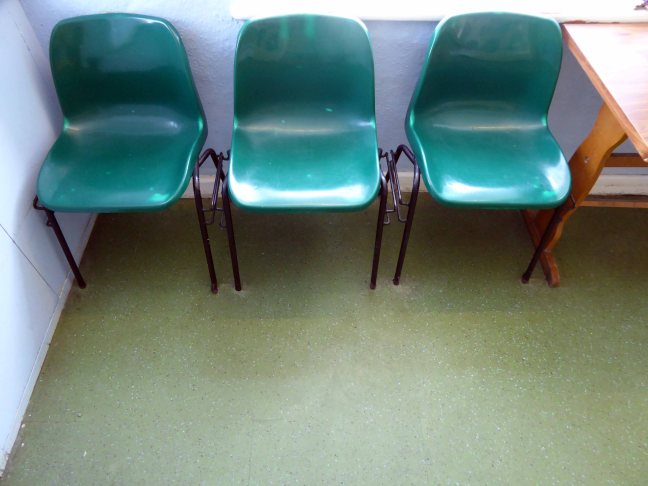
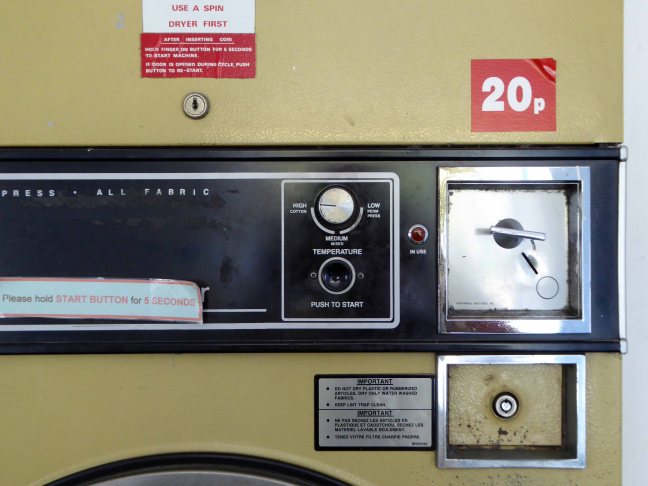
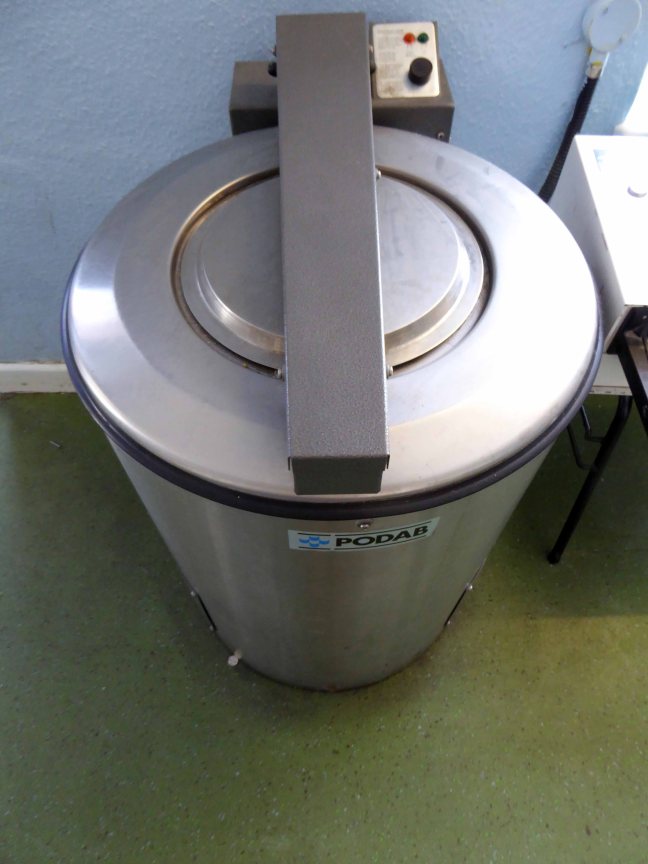
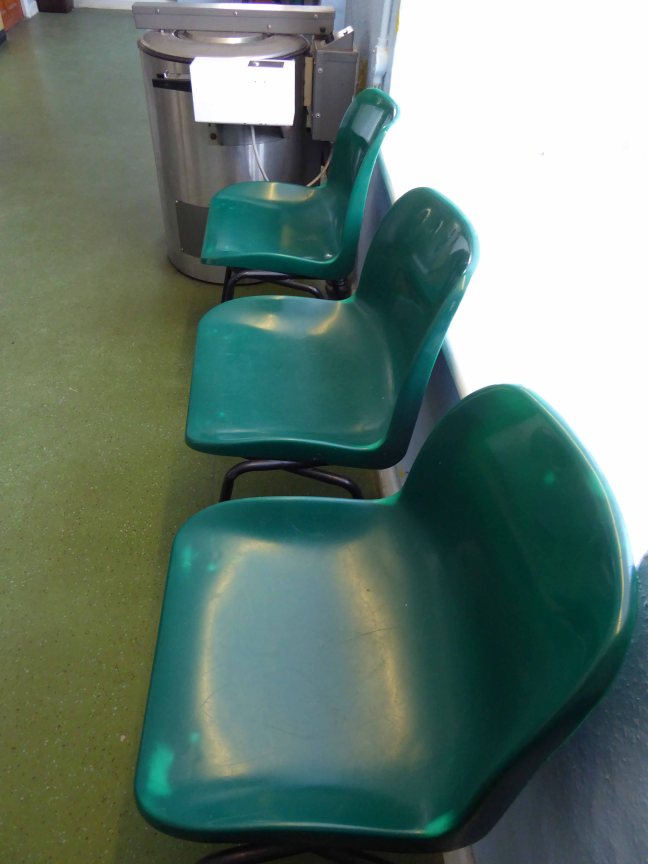
The heady of mix of interior austerity.

Functionally muted green, grey sky blue, nothing added.

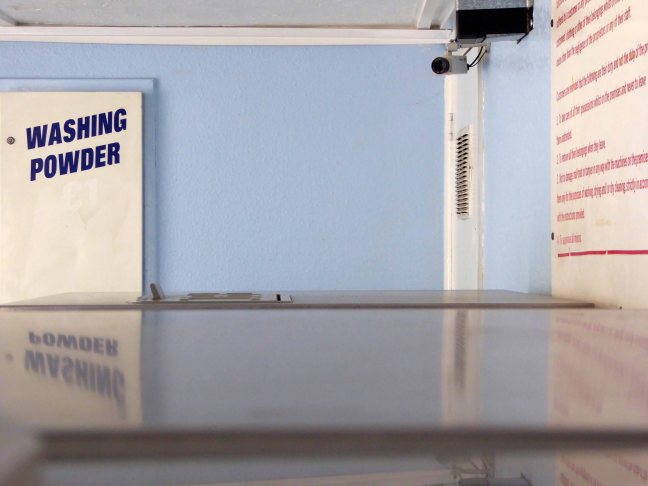
An all too distinctive aroma of who knows what – warm water, soap and humanity?

Wash your dirty linen in public.

P1050712 copy

P1050688 copy

P1050689 copy

P1050690 copy

P1050691 copy

P1050692 copy

P1050693 copy

P1050694 copy

P1050696 copy

P1050697 copy

P1050698 copy

P1050699 copy

P1050700 copy

P1050701 copy

P1050702 copy

P1050703 copy

P1050704 copy

P1050705 copy

P1050706 copy

P1050707 copy

P1050708 copy

P1050709 copy

P1050710 copy

P1050711 copy