Suburbia

My baby takes the morning train
He works from nine till five and then
He takes another home again
To find me waitin’ for him

Sheena Easton

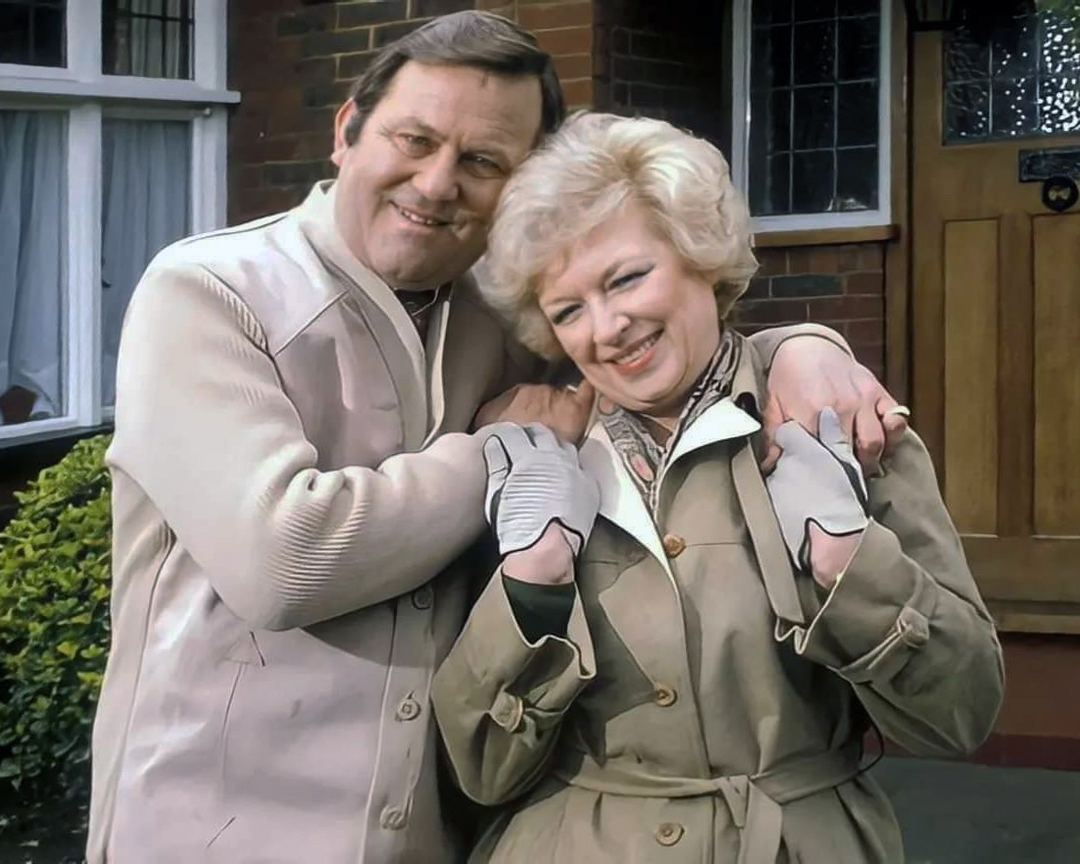
Welcome to the land of Terry and June – the seemingly complacent home to the newly aspirational classes, anathema to those thrill seeking Modernists, embracing the dynamism of the city, or those Ruralists protecting the integrity of the countryside.

Tradition has broken down. Taste is utterly debased, the town, long since degraded, is now being annihilated by a flabby, shoddy, romantic nature worship. That romantic nature worship is destroying also the object of its adoration, the countryside.

Thomas Sharp – Town Planner
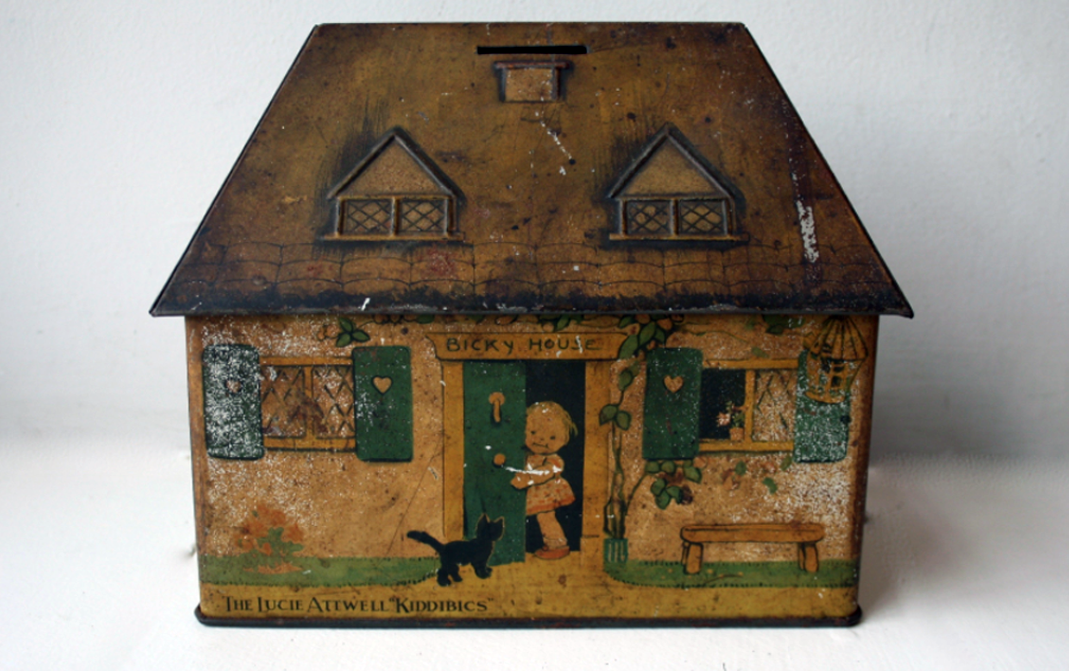
Welcome to the land of the Lucie Attwell Bicky House biscuit tin money box.
The perfect model home for the modern model family.
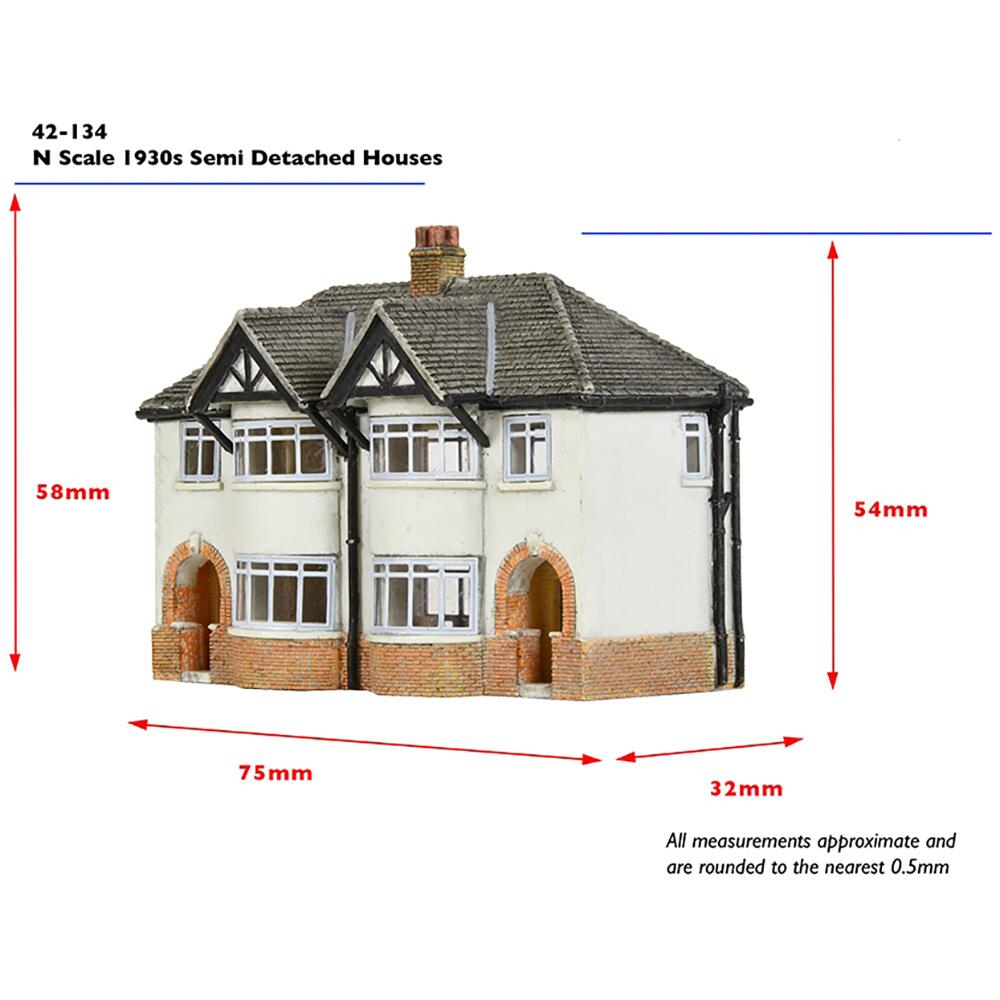
In Coming up for Air, George Orwell describes a suburban road as:

A prison with cells in a row. A line of semi-detached torture chambers.

Literary London

The growth of British towns and cities, from the onset of the Industrial Revolution, created a demand for new homes, the earliest developments were close to the centres of production and administration. Followed by the creation of outlying estates for the fleeing middle classes, as the smoke began to billow and the trains and buses began to run.

Originally the work of speculative private enterprise, followed by homes built by the local authority along with charitable institutions.

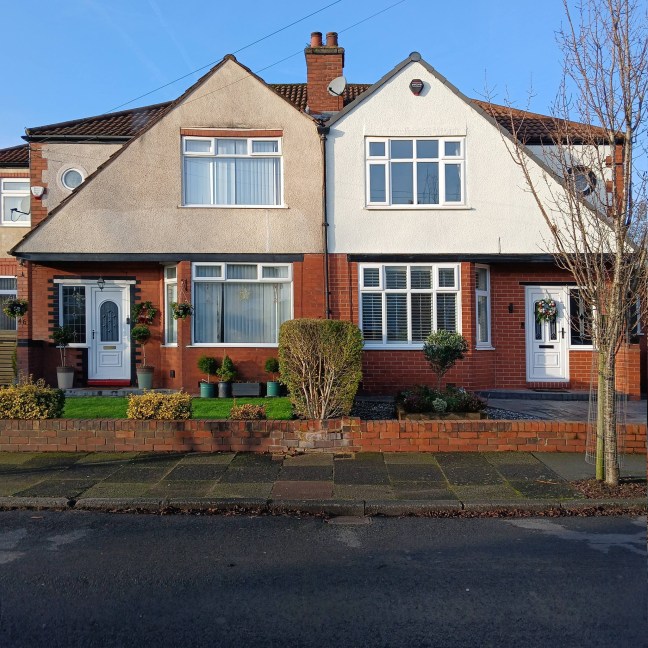
My own experience has taught me that Suburbia is architecturally diverse, socially less so, as various areas are segregated by class, and perhaps less so by ethnicity and/or culture.

The majority of the population live in Suburbia it seems, there now follows a selection of the suburban sites which I have visited in the last ten years or so.

In search of Suburbia.

There are areas of Victorian terraced housing Manchester which survived clearance – such as Jetson Street in Abbey Hey.
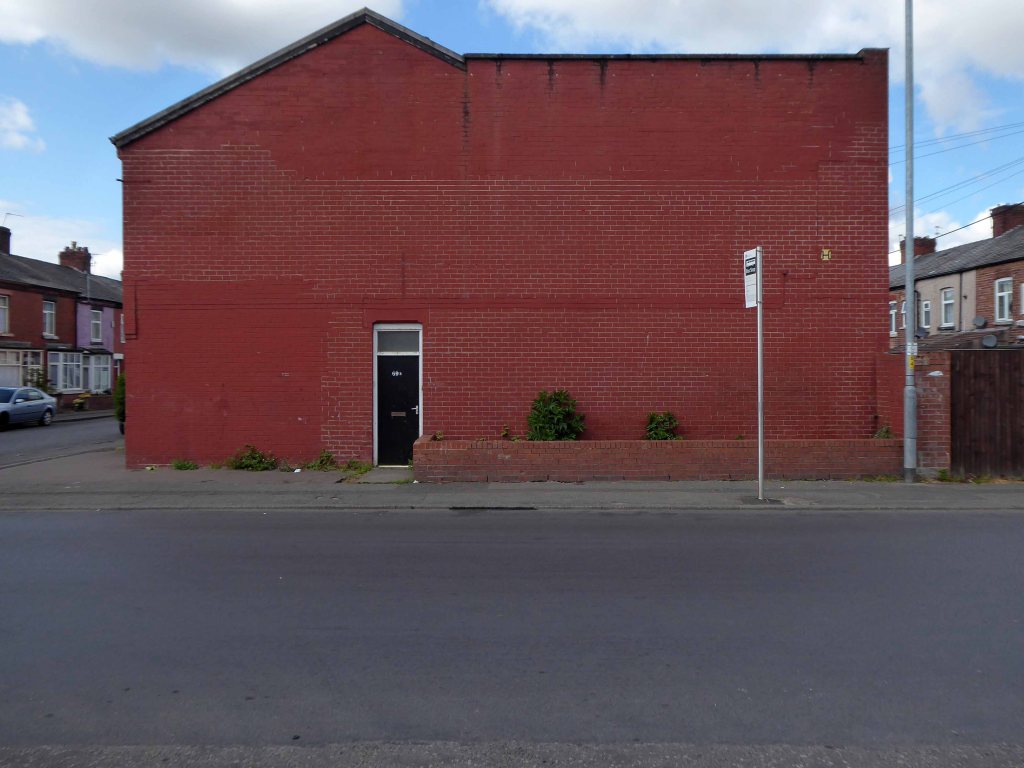
Many early estates of the early Twentieth Century where heavily influenced by the Garden City Movement , exemplified by the Burnage Garden Village.
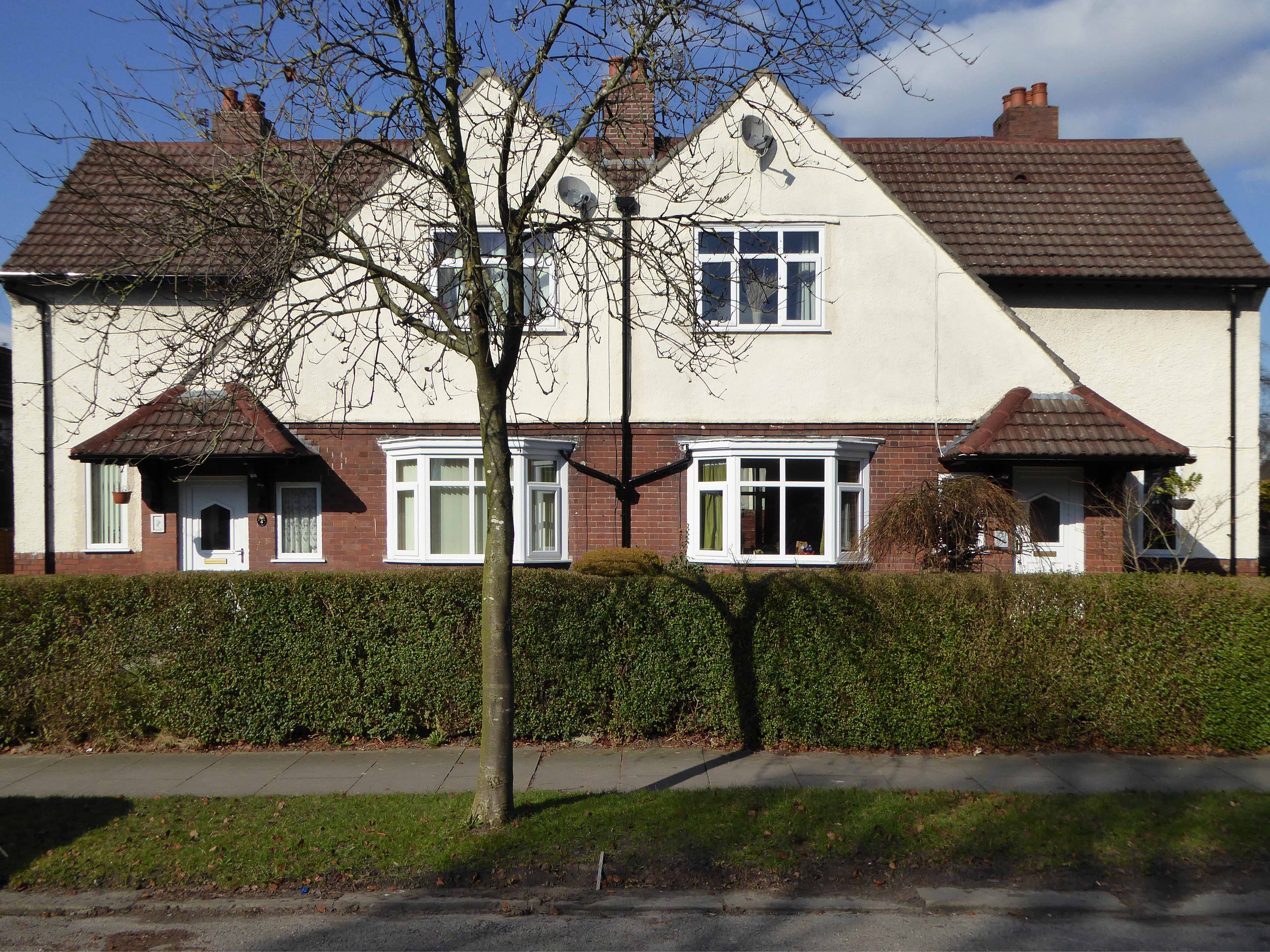
And similar in design Ford Lane Didsbury.
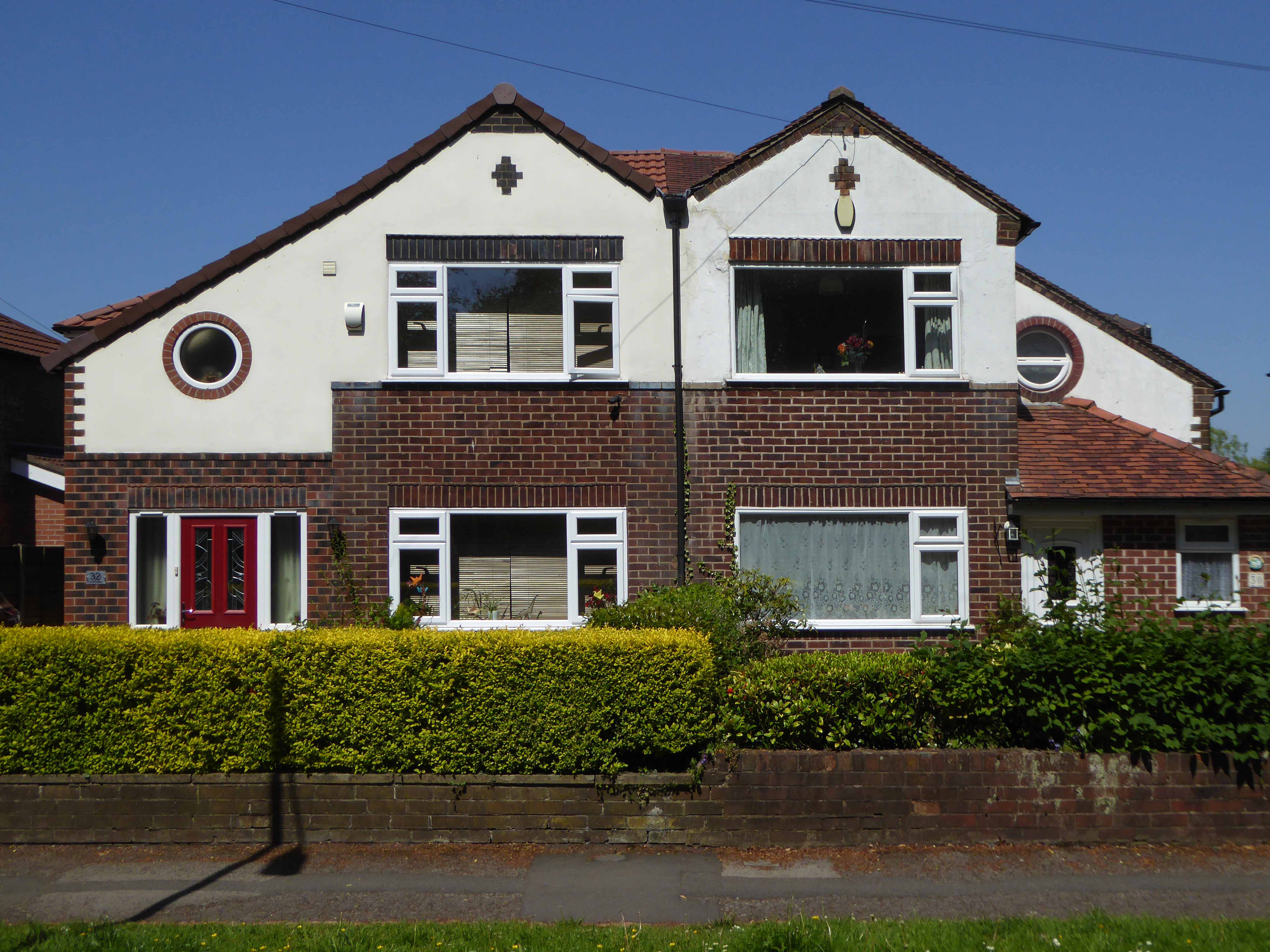
By 1931 1.1 million council houses were built and 2.8 million privately owned homes.

Post WW2 the emphasis was on an expansion of social housing, along with a growth in privately owned property – detailed information and analysis of social housing can be found here at Municipal Dreams.

These homes were at times both temporary and of non-standard construction.

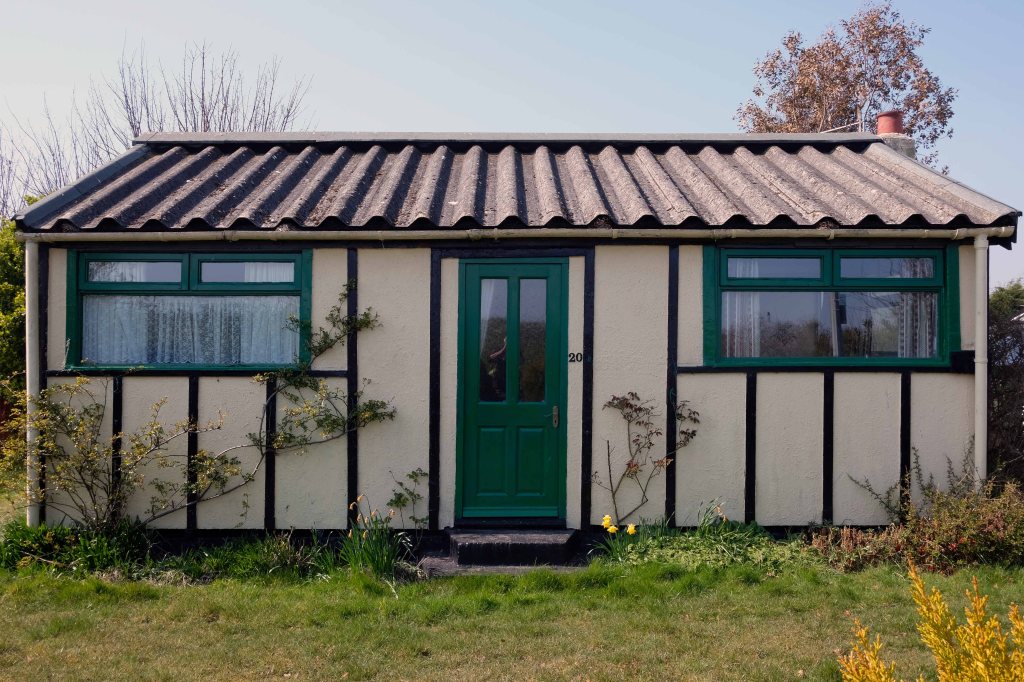
This prefabricated house was originally built for the good folk of Doncaster, later finding itself in Humberston Fitties
These Wythenshawe BISF Homes designed by Frederick Gibberd, the so-called Tin Town are still very much habitable homes.
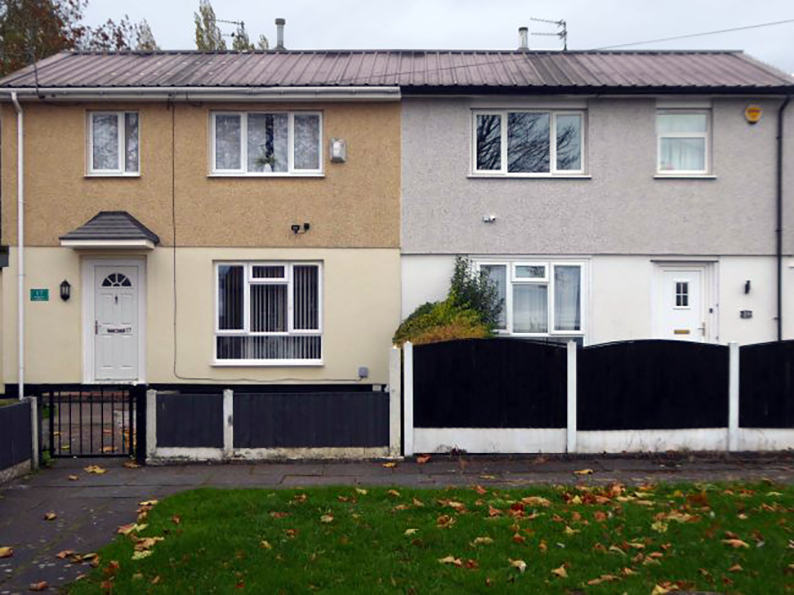
Likewise these examples in Hebden Bridge.
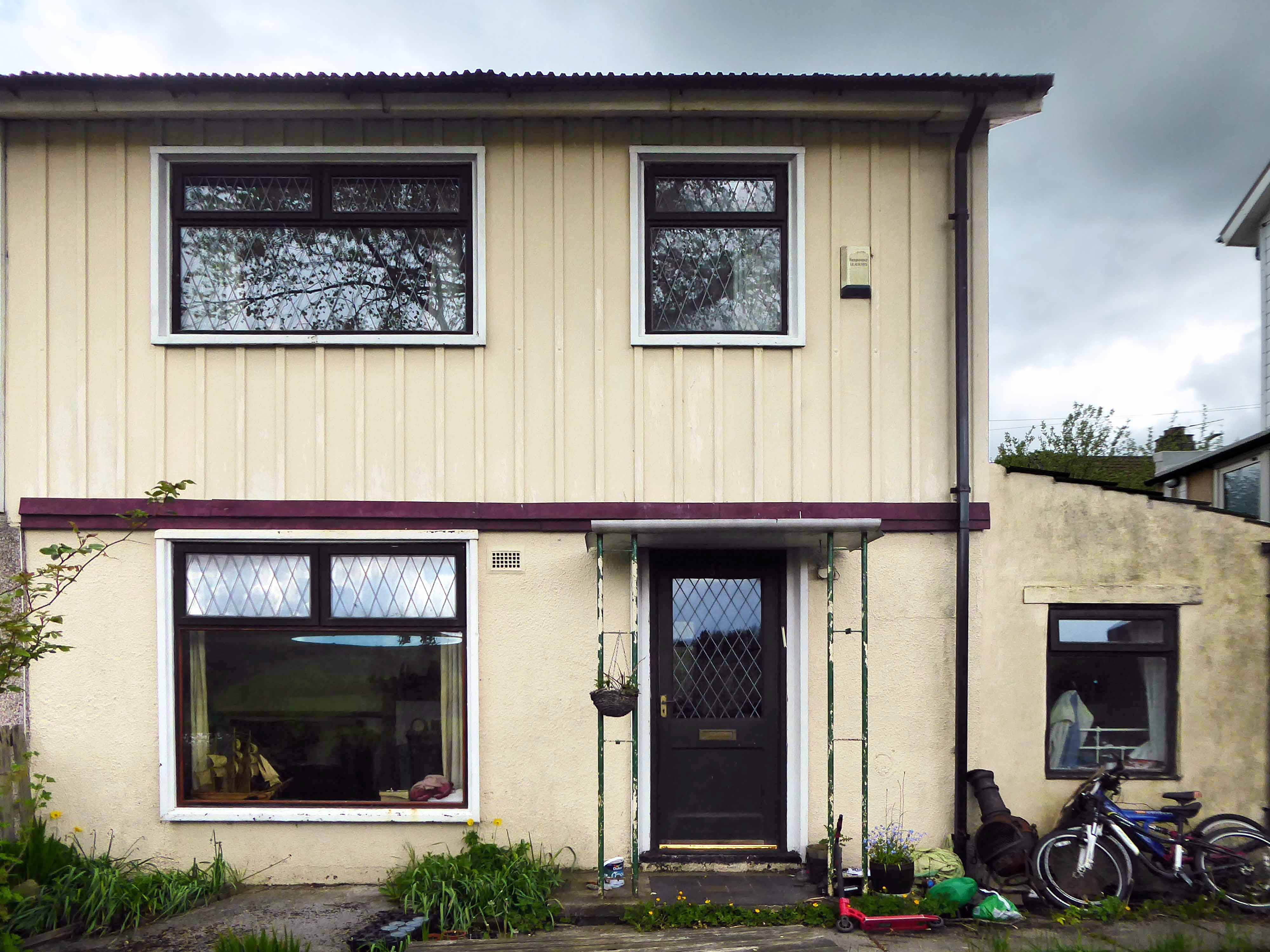
The Pre-Fab Museum is a treasure trove of information, along with Non Standard House Construction.

Post war development was inextricably linked to the New Towns.

The new towns in the United Kingdom were planned under the powers of the New Towns Act 1946 and later acts to relocate people from poor or bombed-out housing following World War II. Designated new towns were placed under the supervision of a development corporation, and were developed in three waves. Later developments included the “expanded towns”: existing towns which were substantially expanded to accommodate what was called the “overspill” population from densely populated areas of deprivation.

Wikipedia

One such New Town was Peterlee, in the north east of England, where I visited in 2021 and 2025.
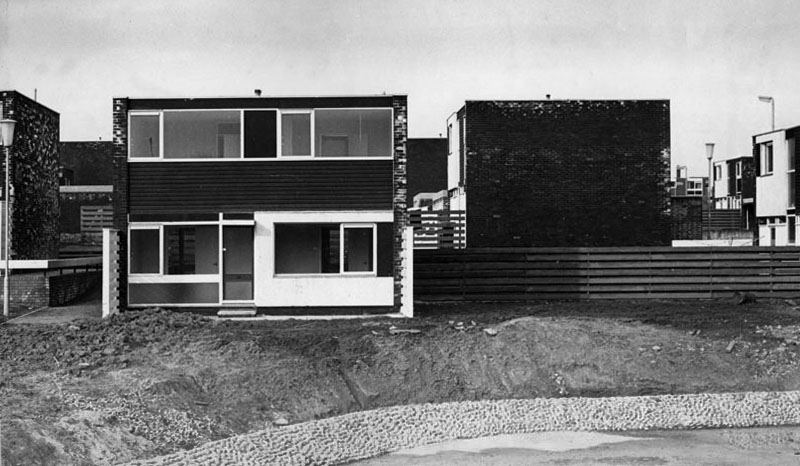
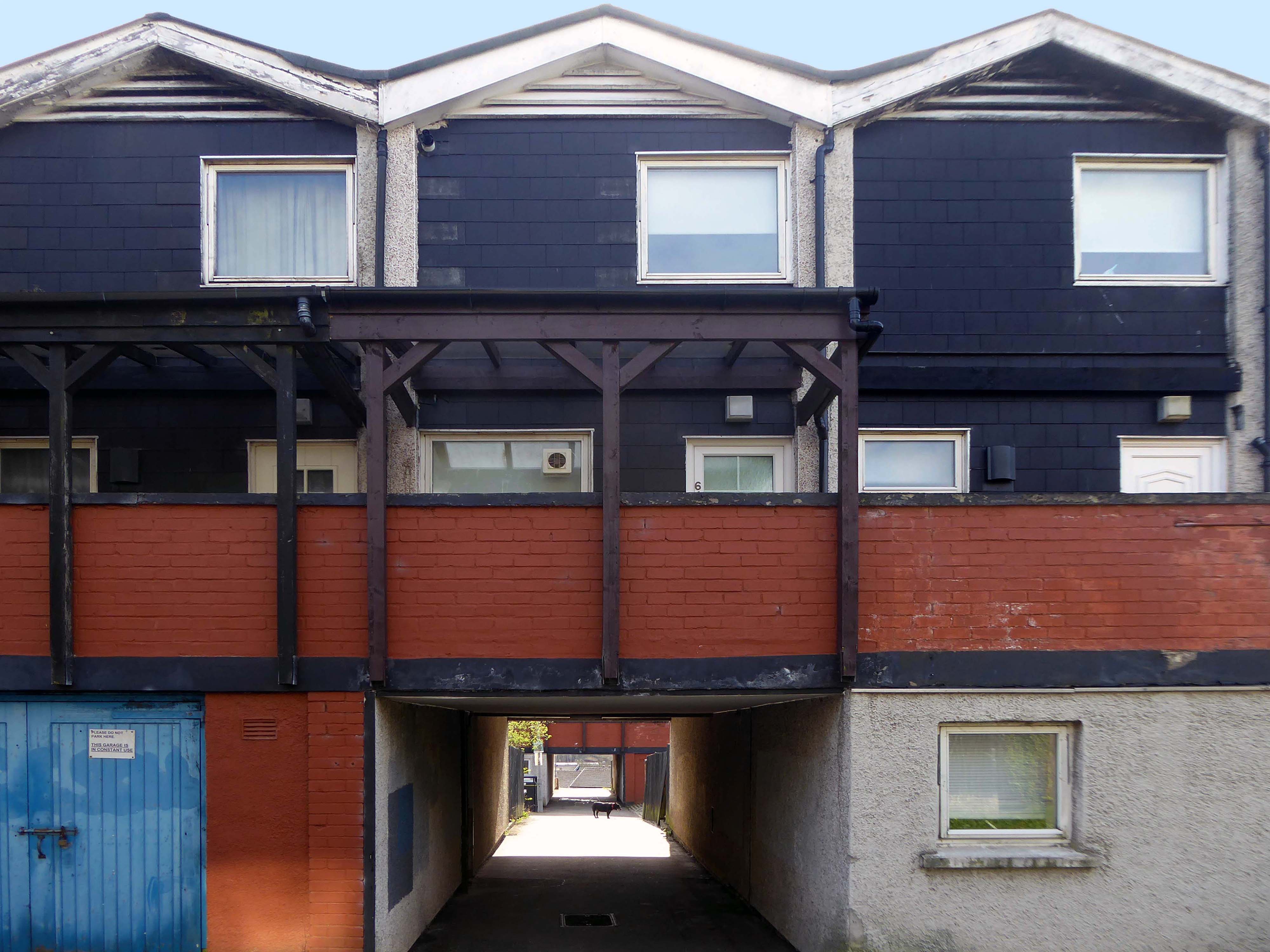
Along with Cumbernauld in Scotland.
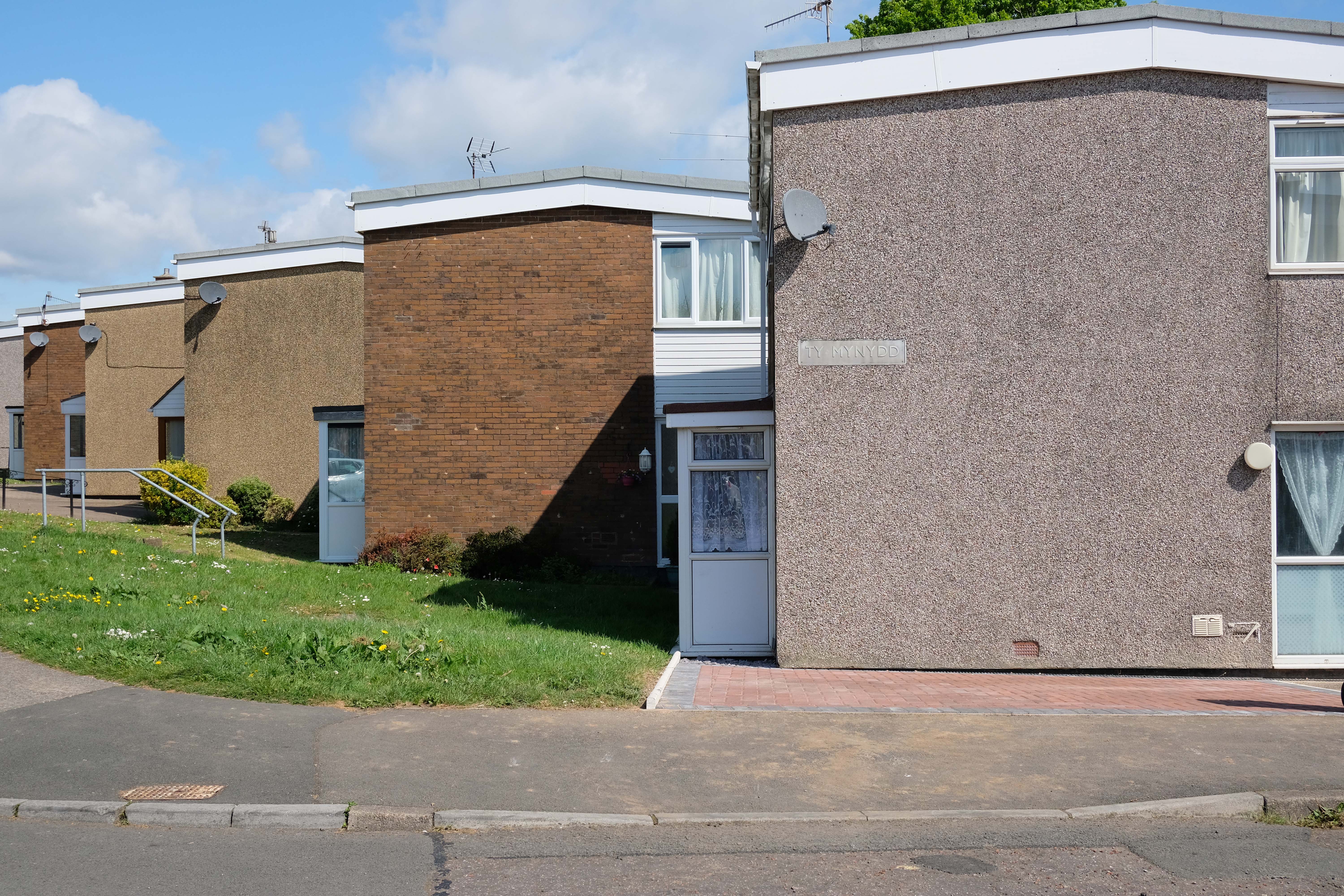
Cwmbran in south Wales.
In addition there are examples of European influence in the design of inter and post WW2 housing.

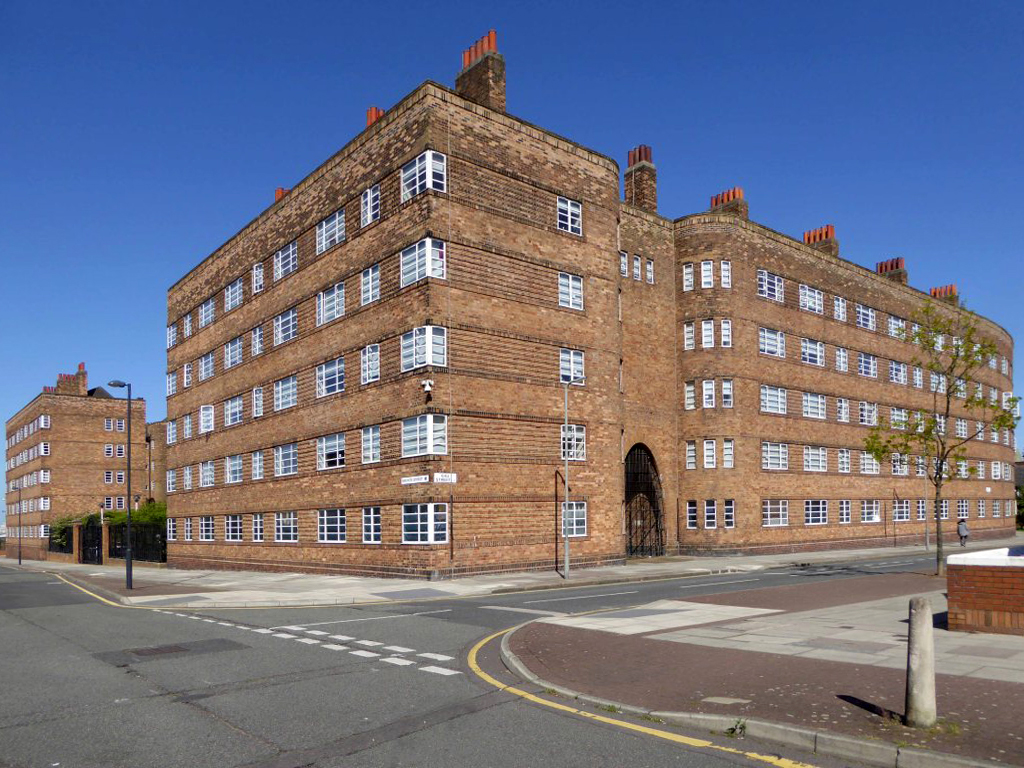
The Bull Ring Liverpool 1935.
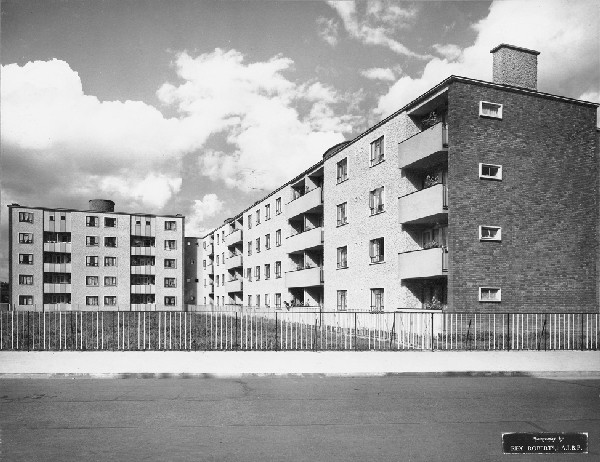
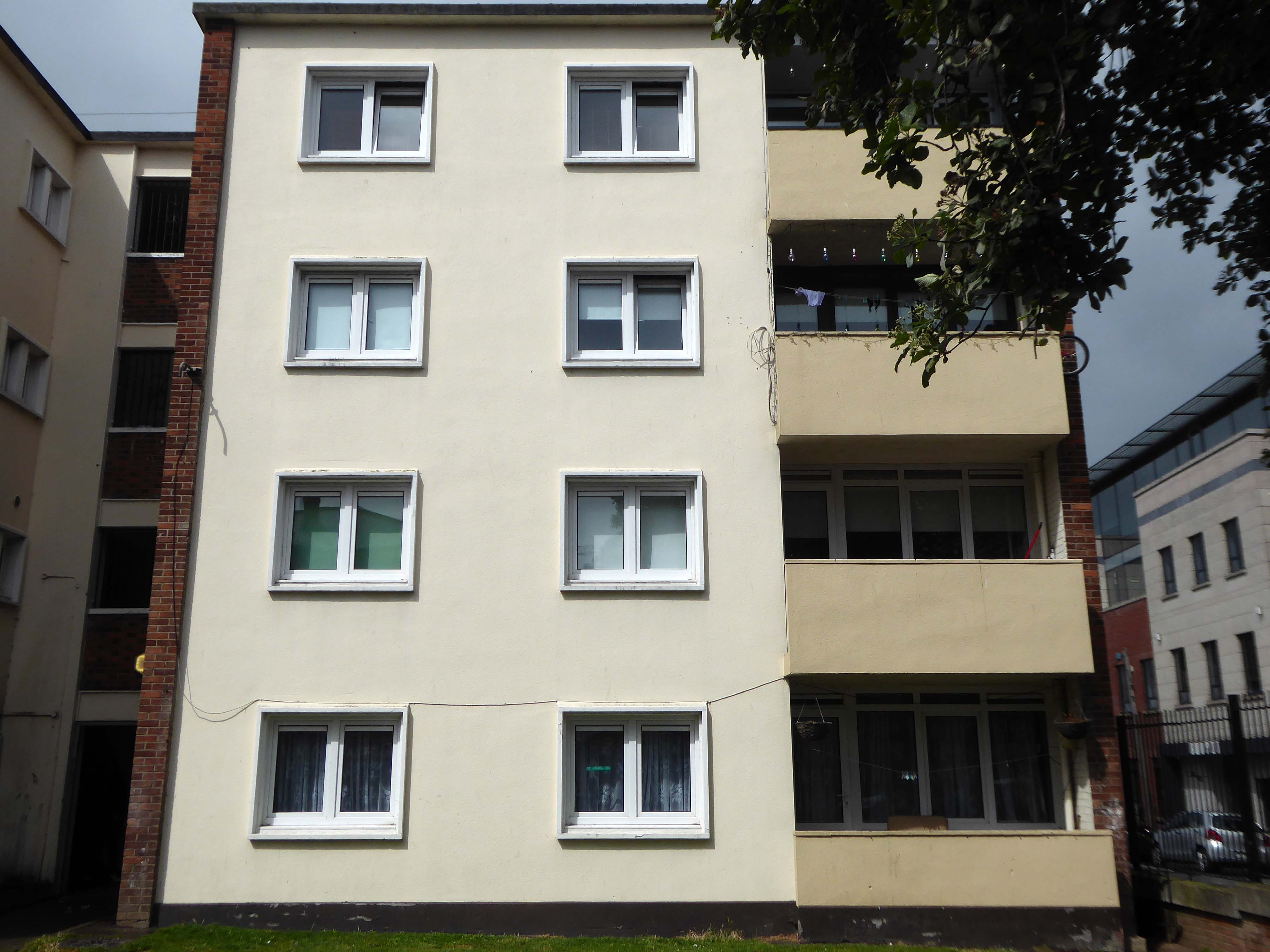
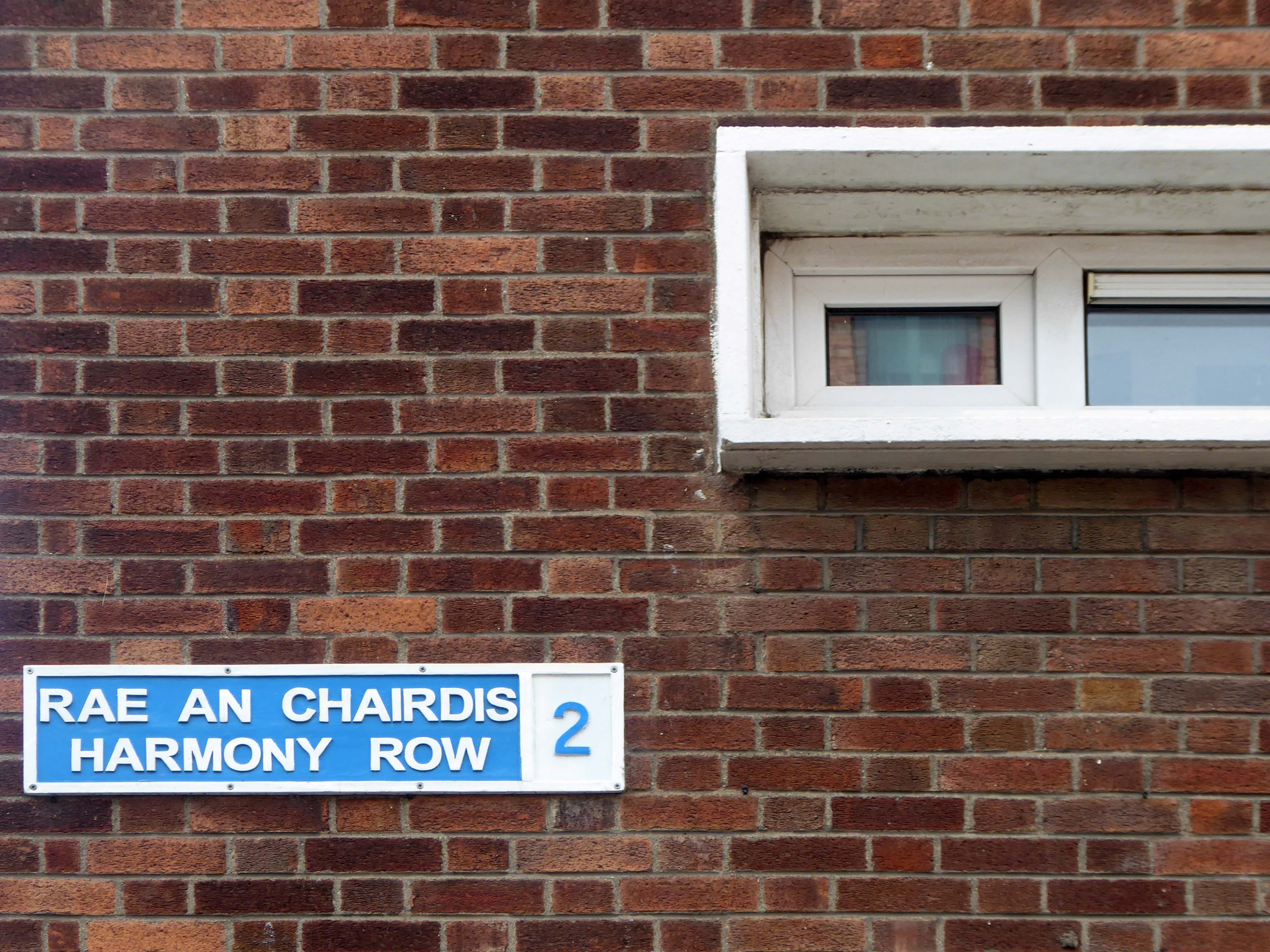
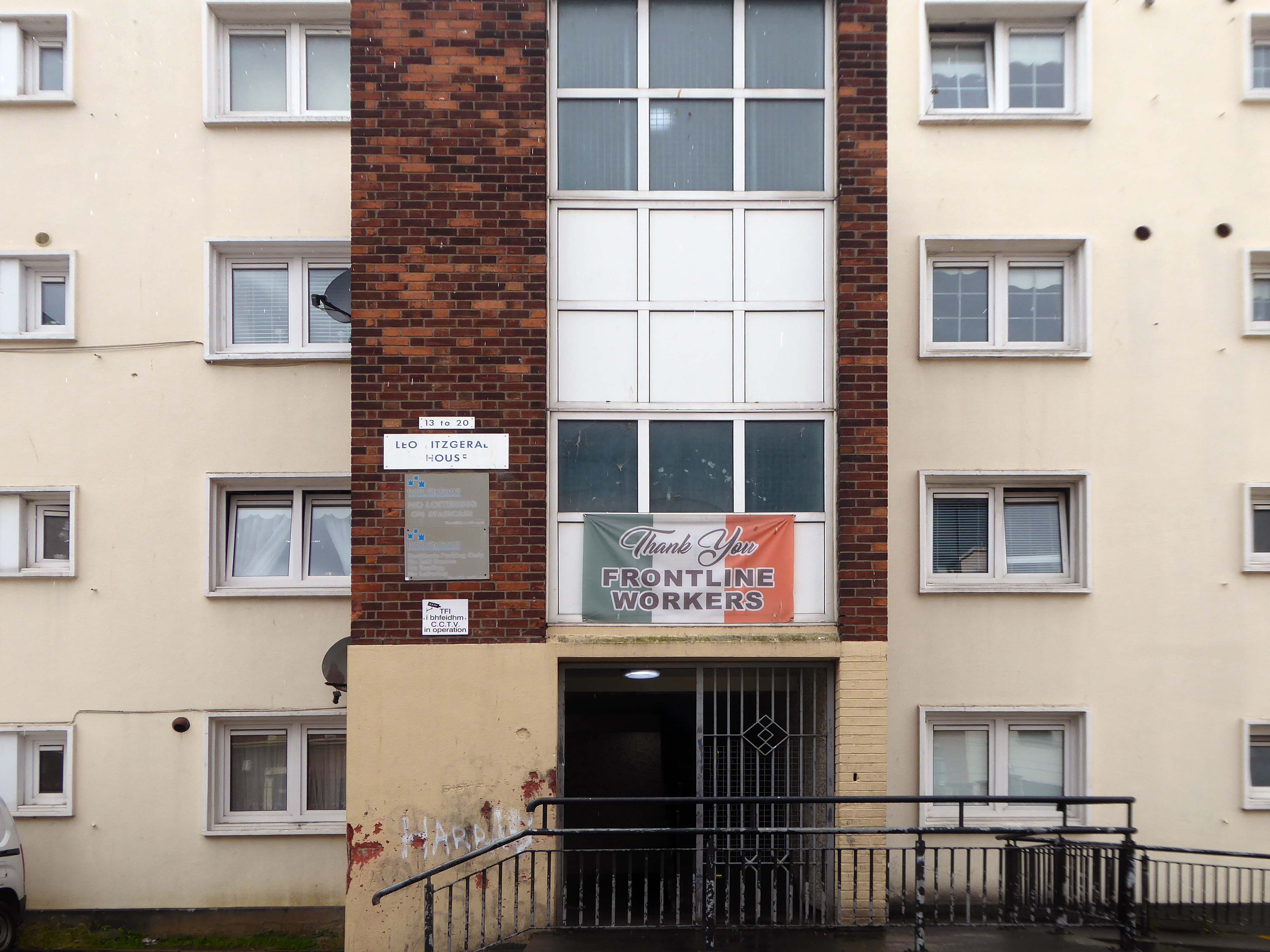
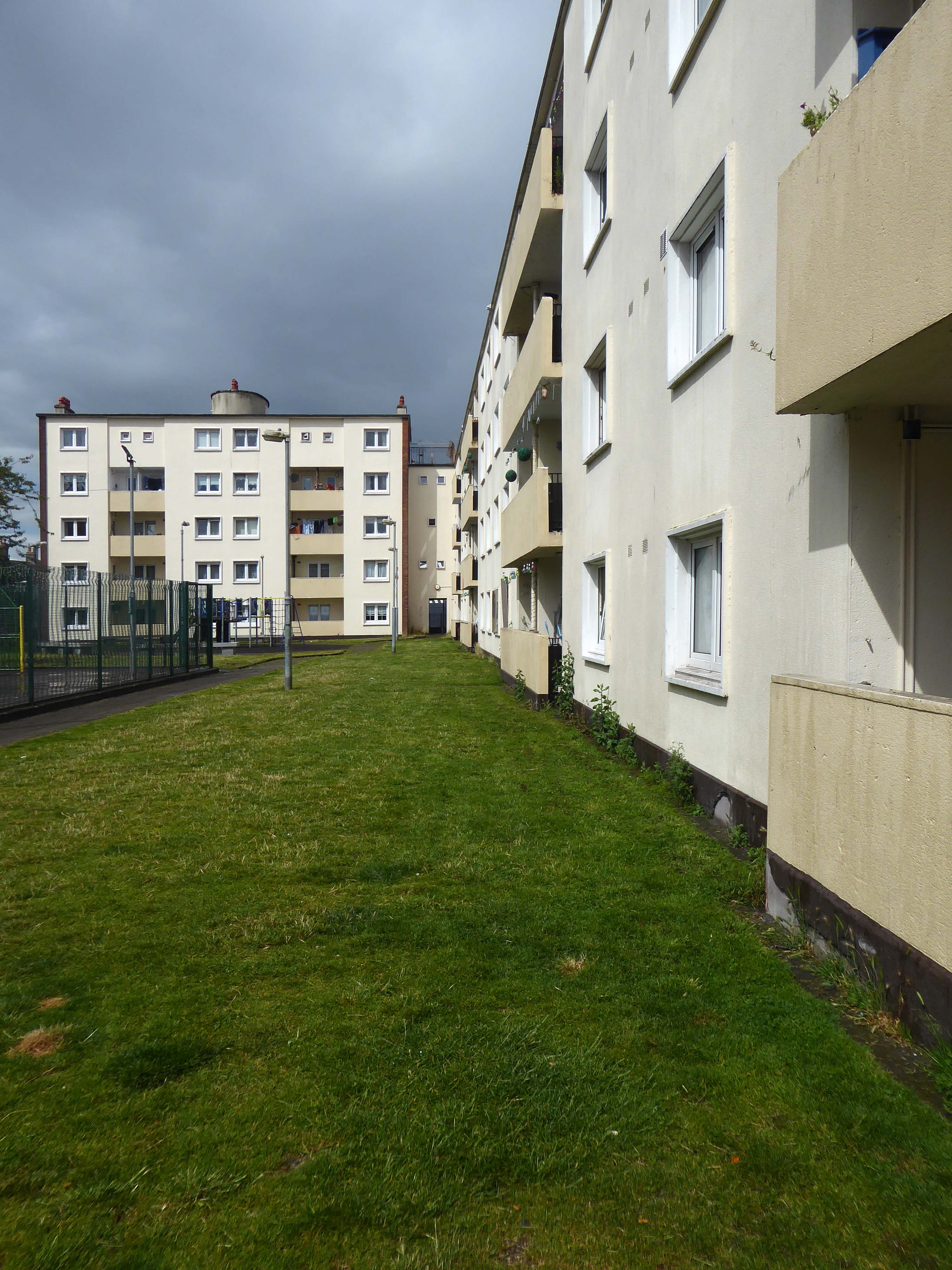
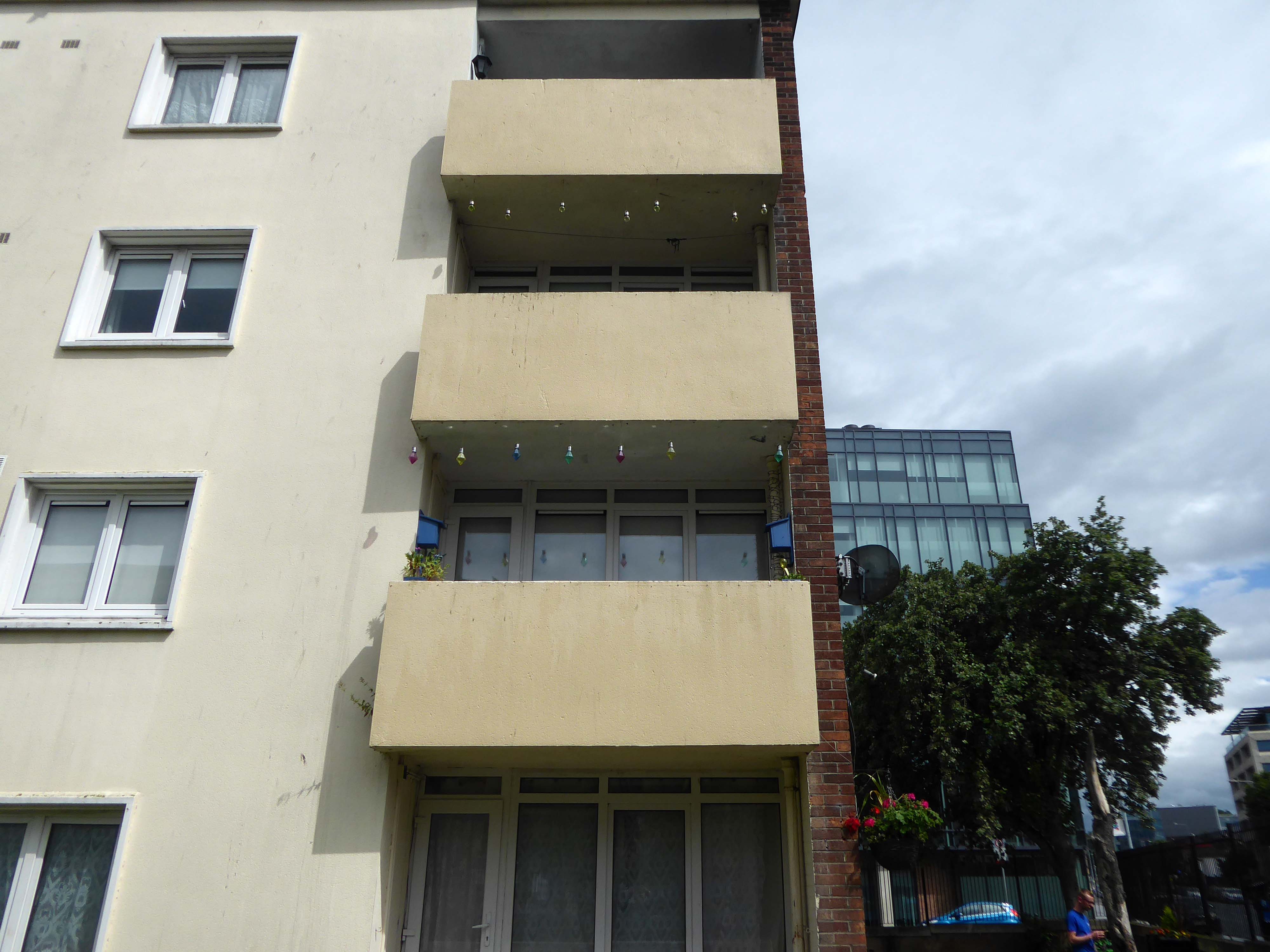
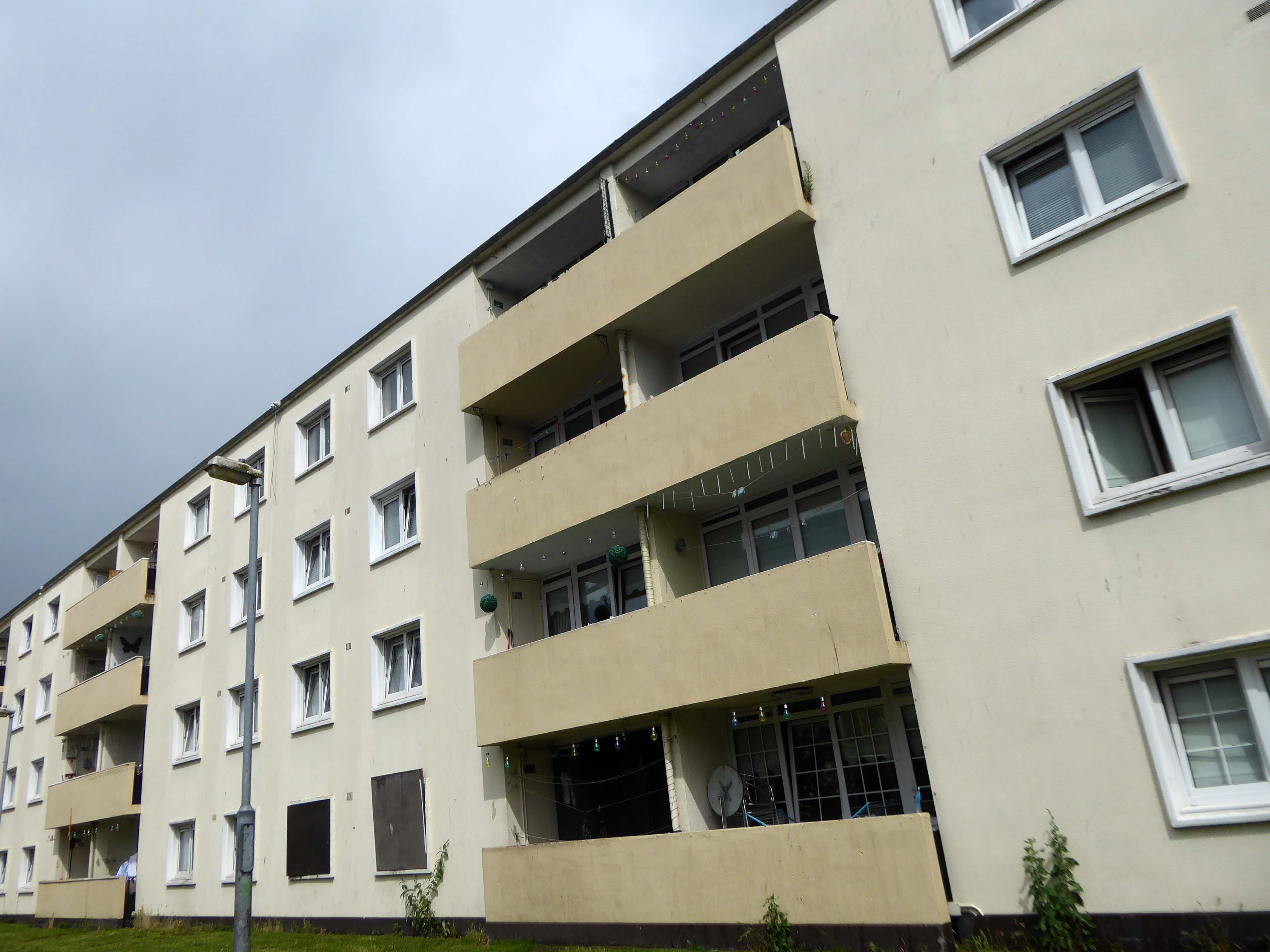
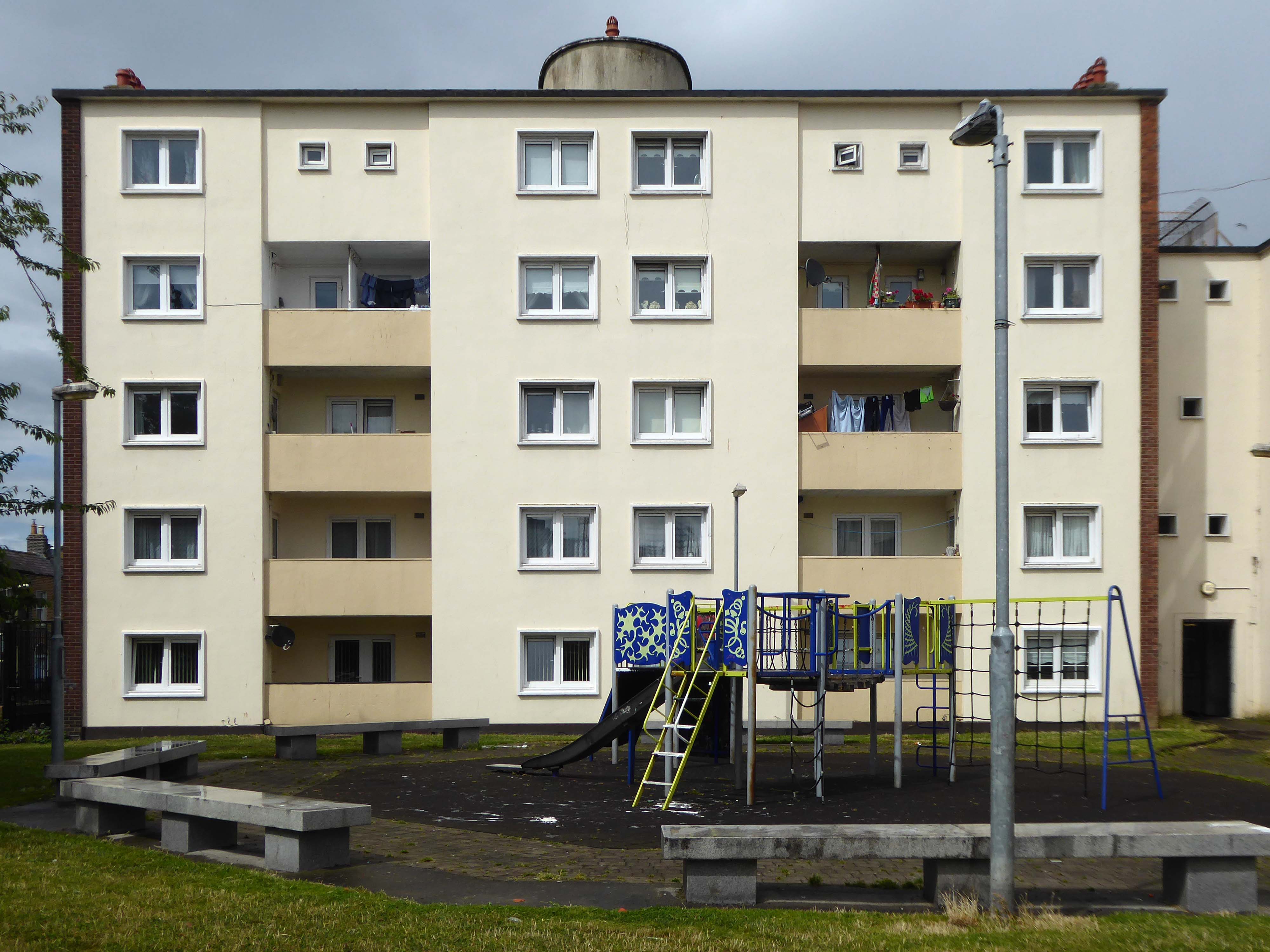
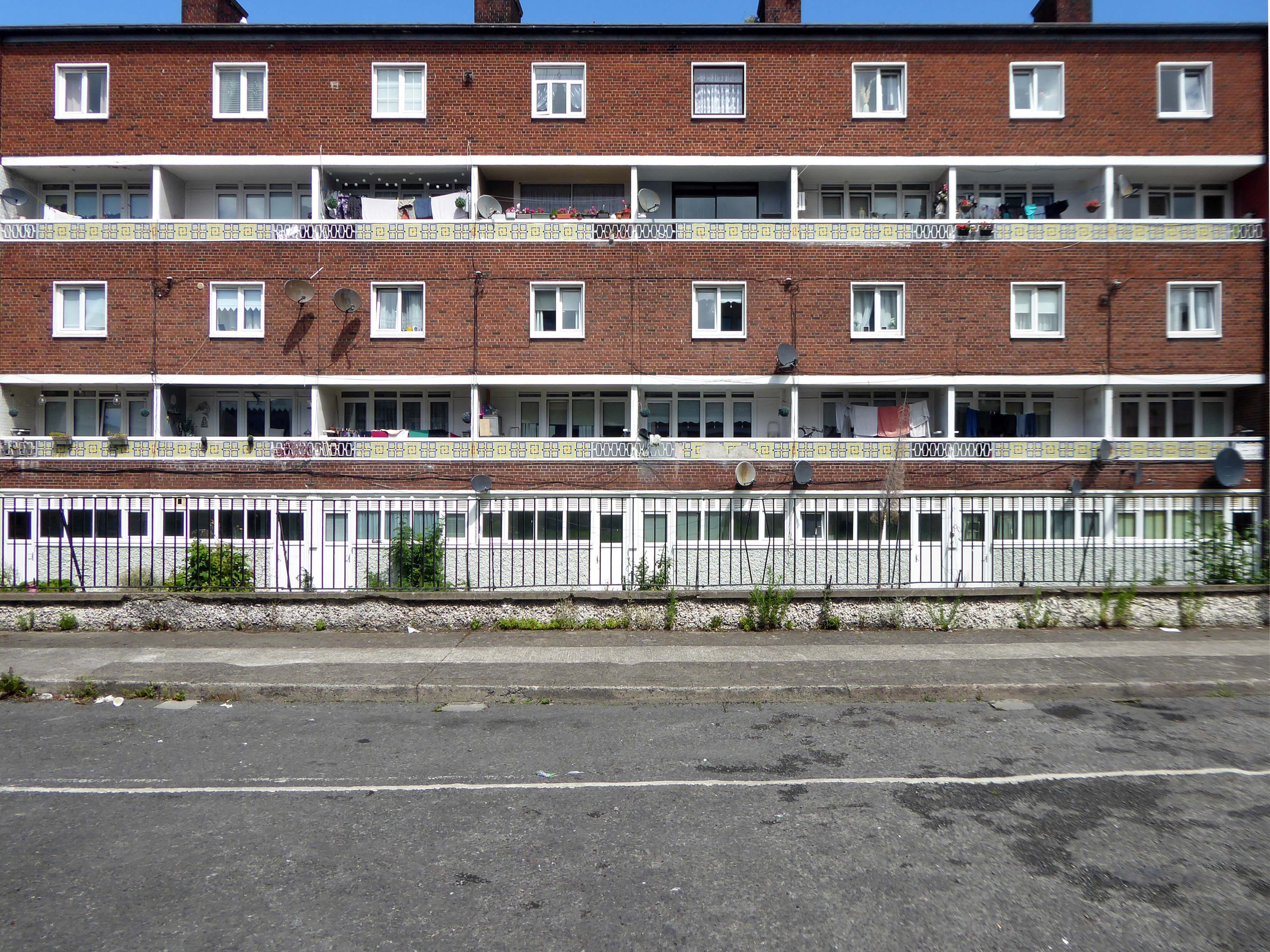
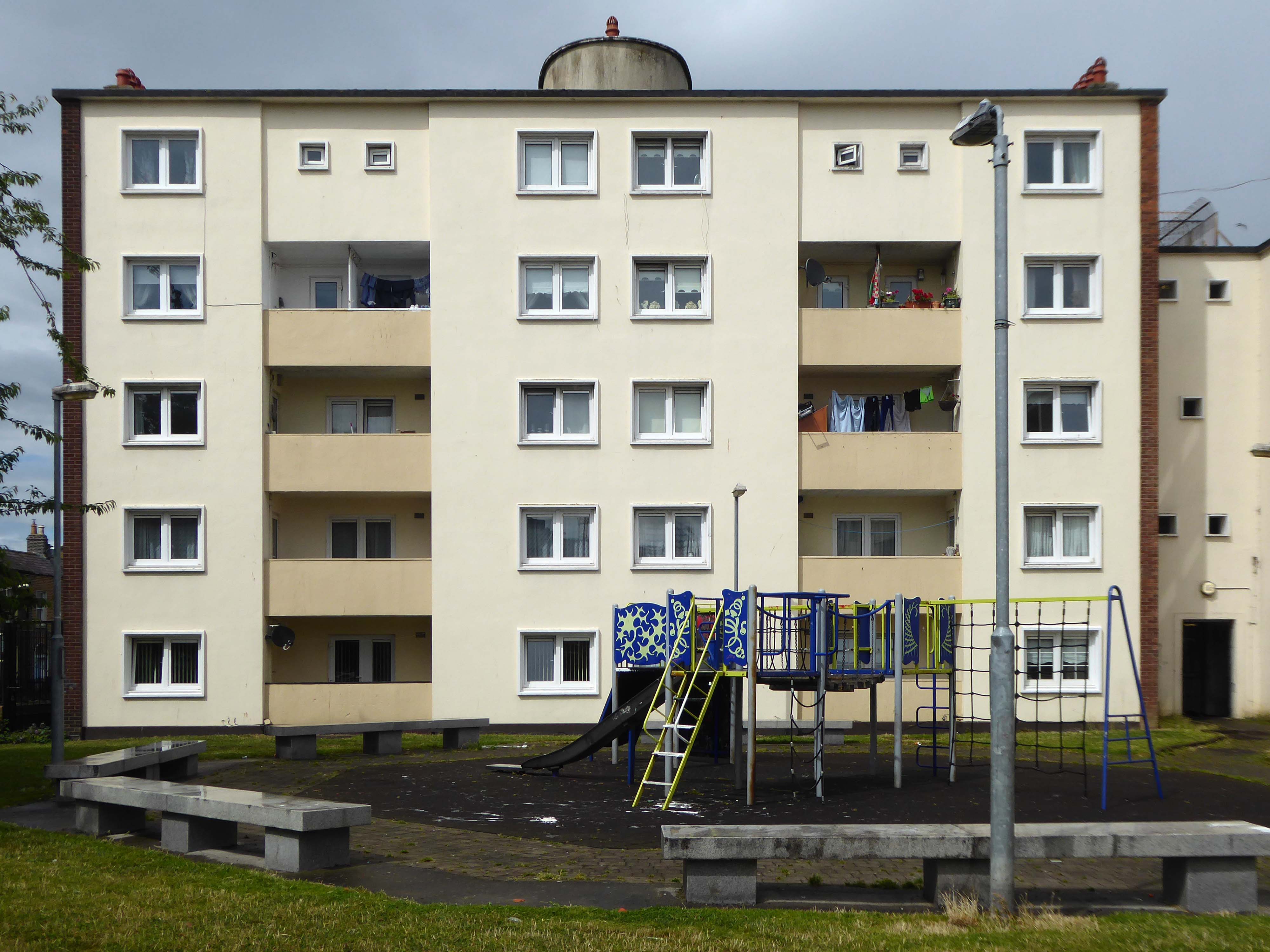
Leo Fitzgerald House of 1940 in Dublin displays a similar European influence.
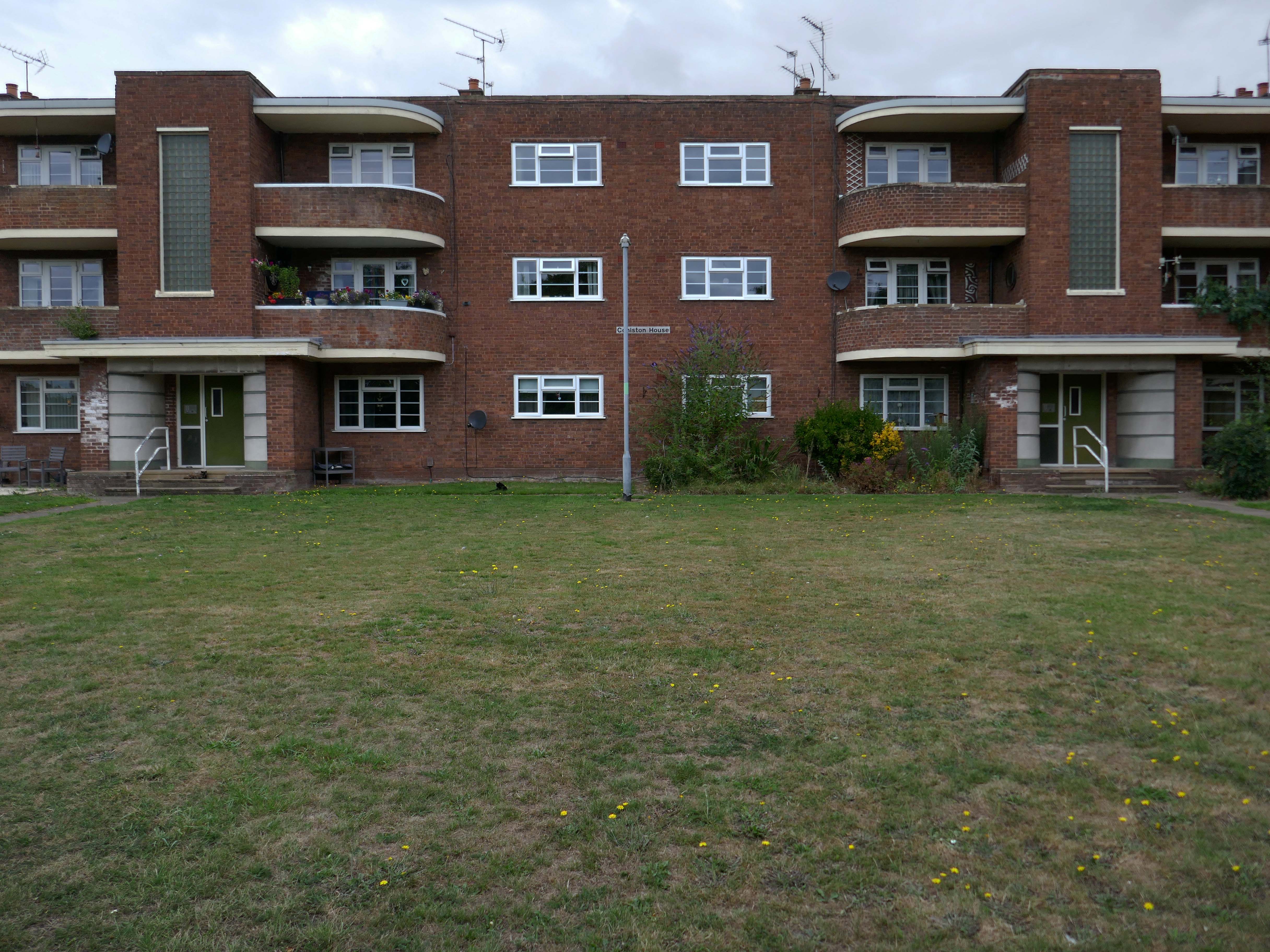
Corporation Street Flats Stafford 1951-52
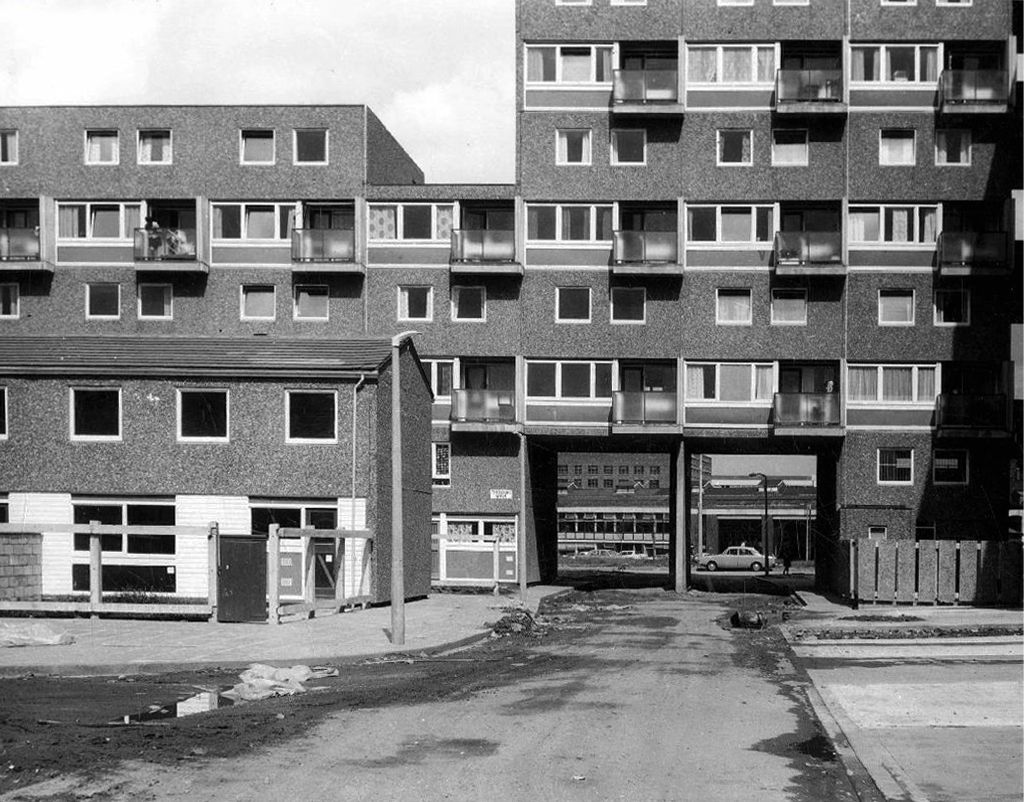
Later examples such as Fort Ardwick in Manchester proved to be badly built and ill advised choices for social housing.
The Byker Estate has proved to be much more durable.
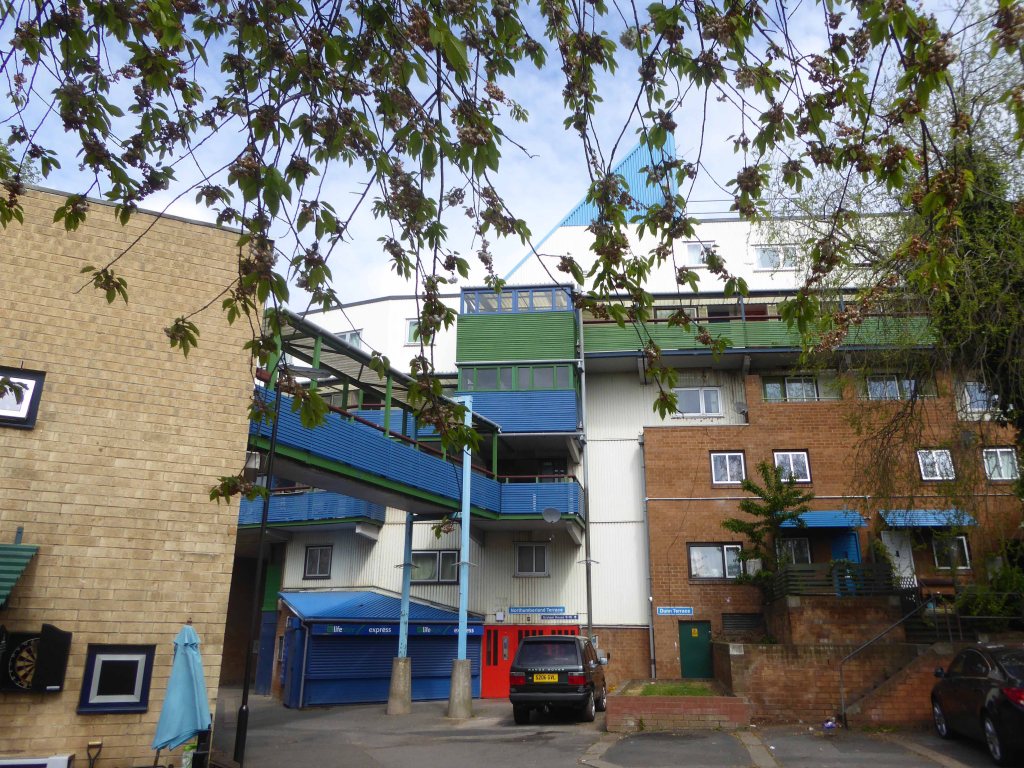
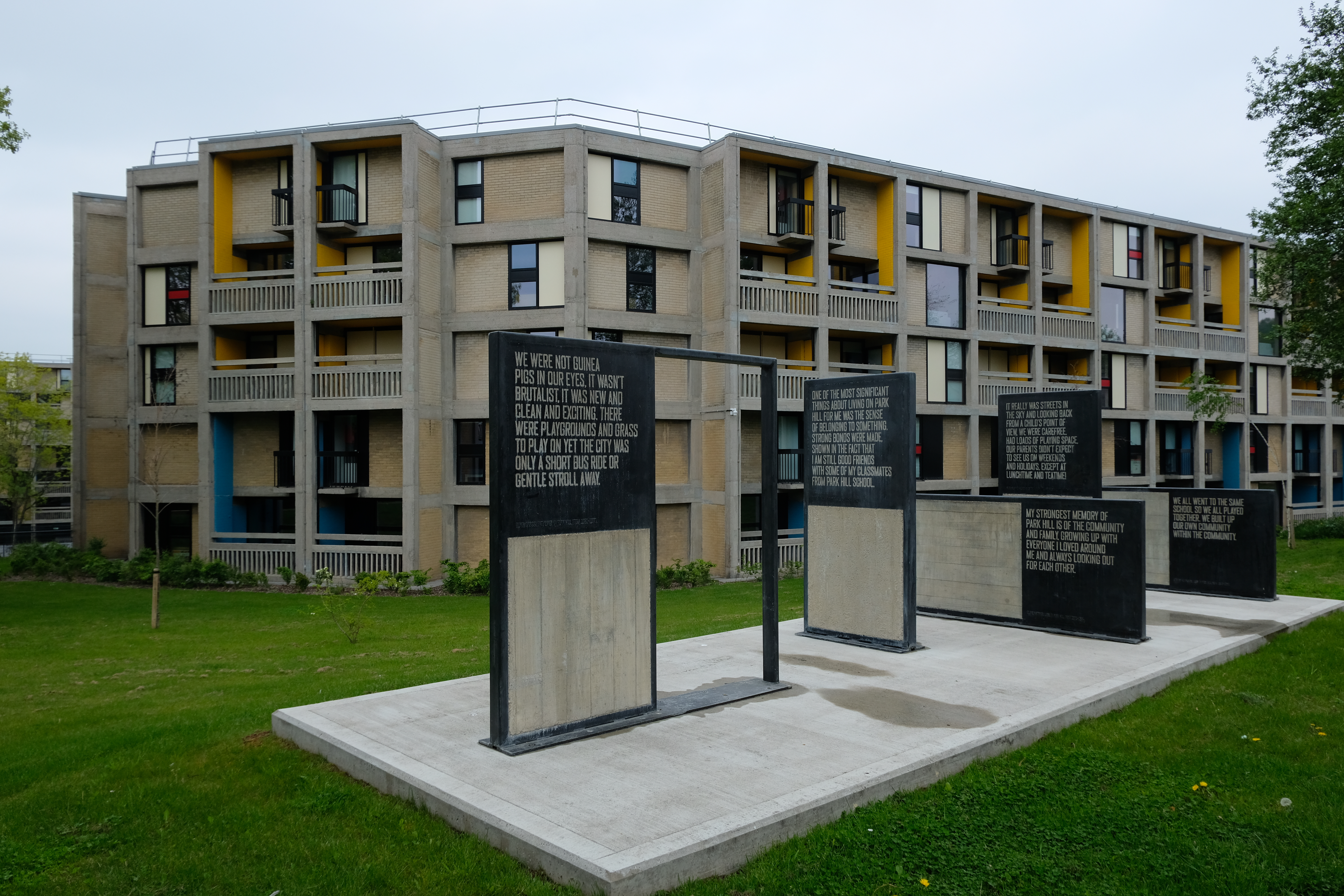
Whilst Park Hill has undergone a change from social housing to largely private ownership and rental.
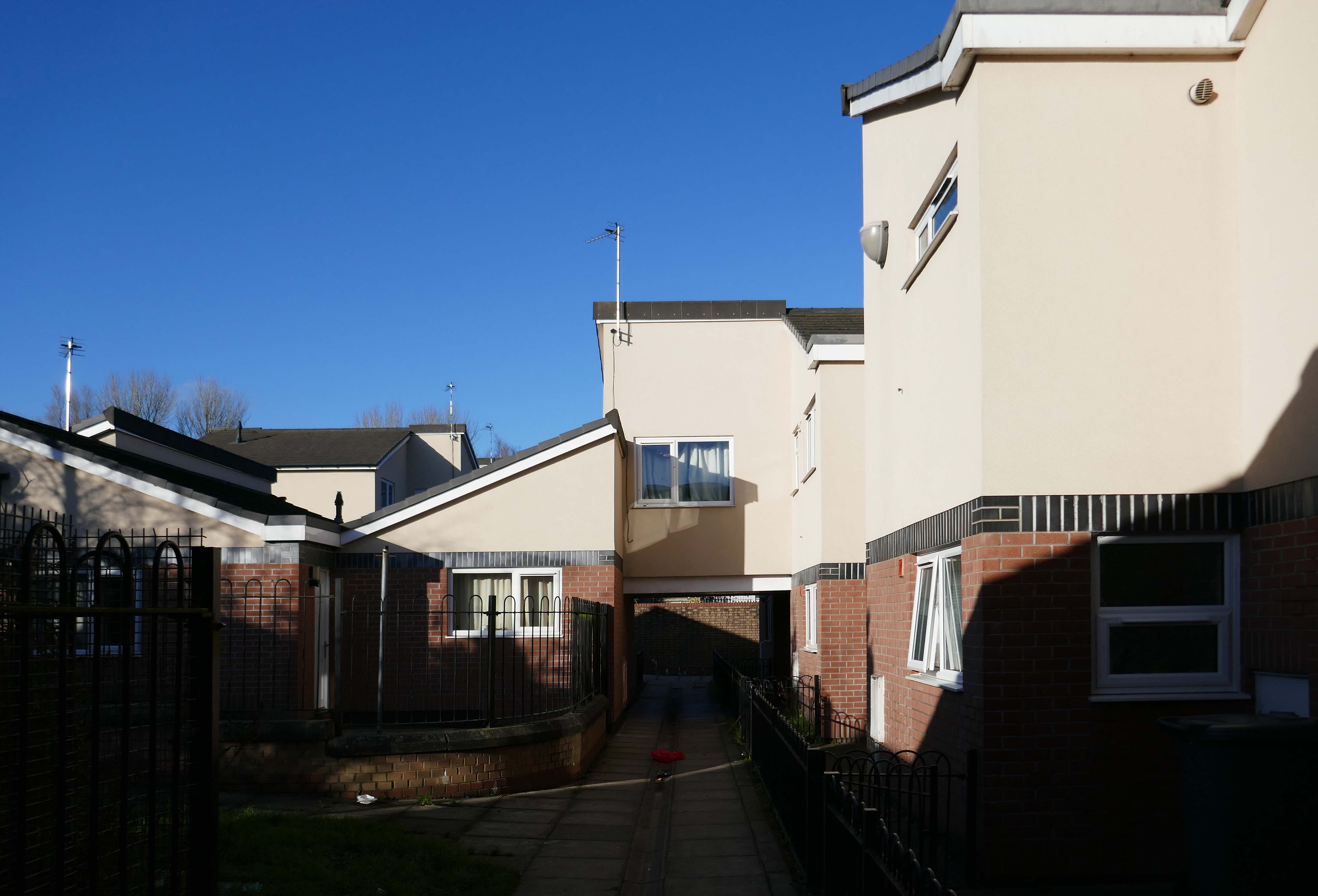
The St Thomas Estate in Radcliffe, mixes the traditional terrace with a modern twist on social housing.
Private developers opted for Span style homes, such as these at Deneway Stockport 1964
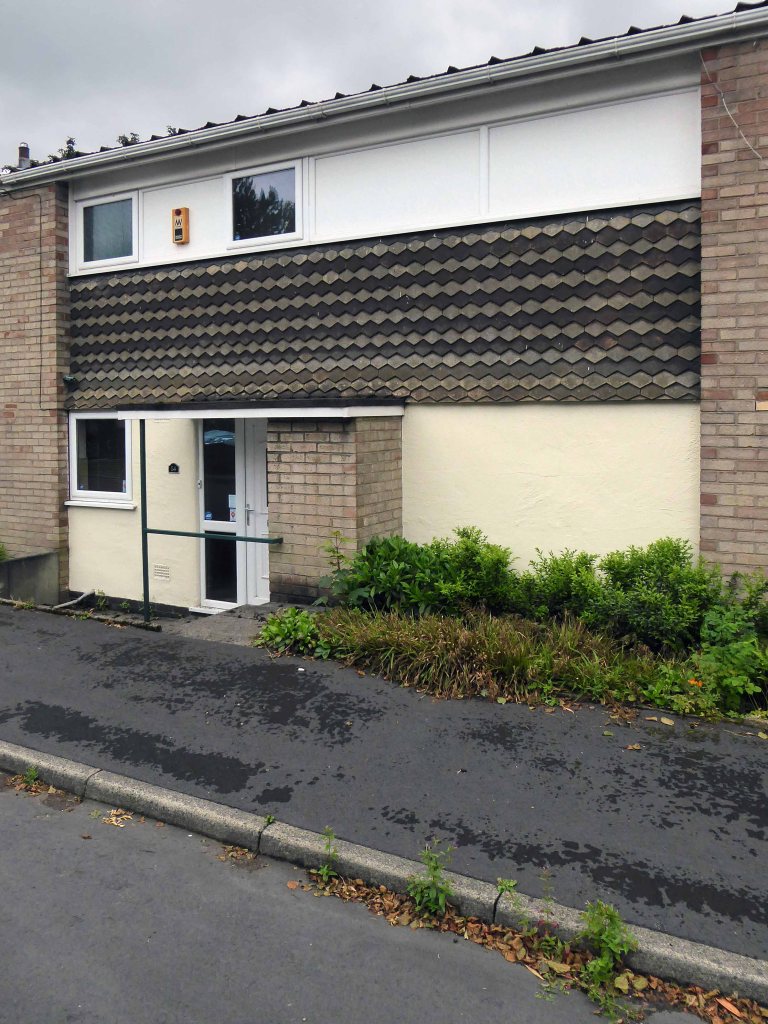
Further afield in the former fields of Cheshire are the out of the way, not way out, Woodford executive homes.
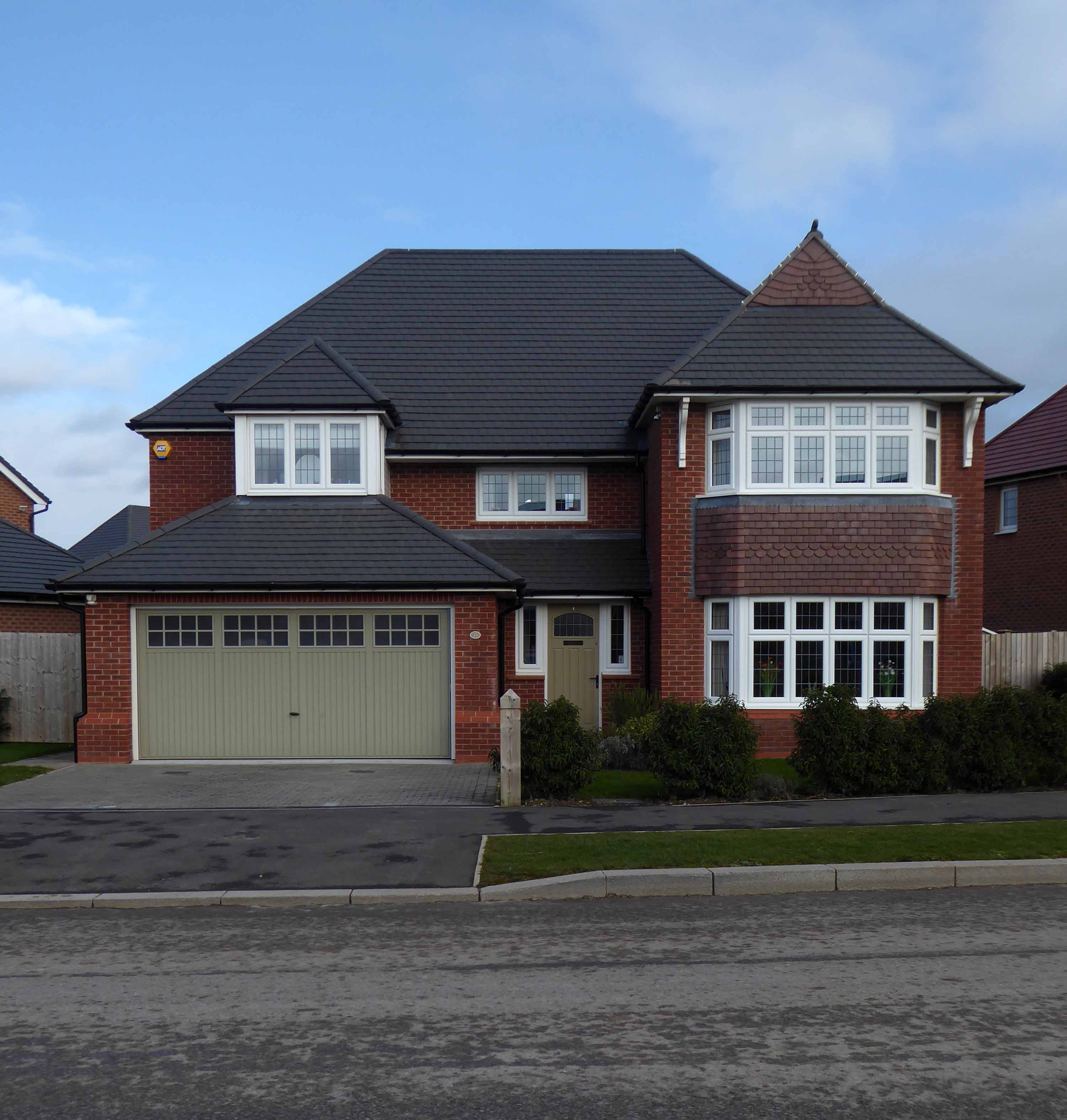
In Heald Green we find the slightly less executive homes.
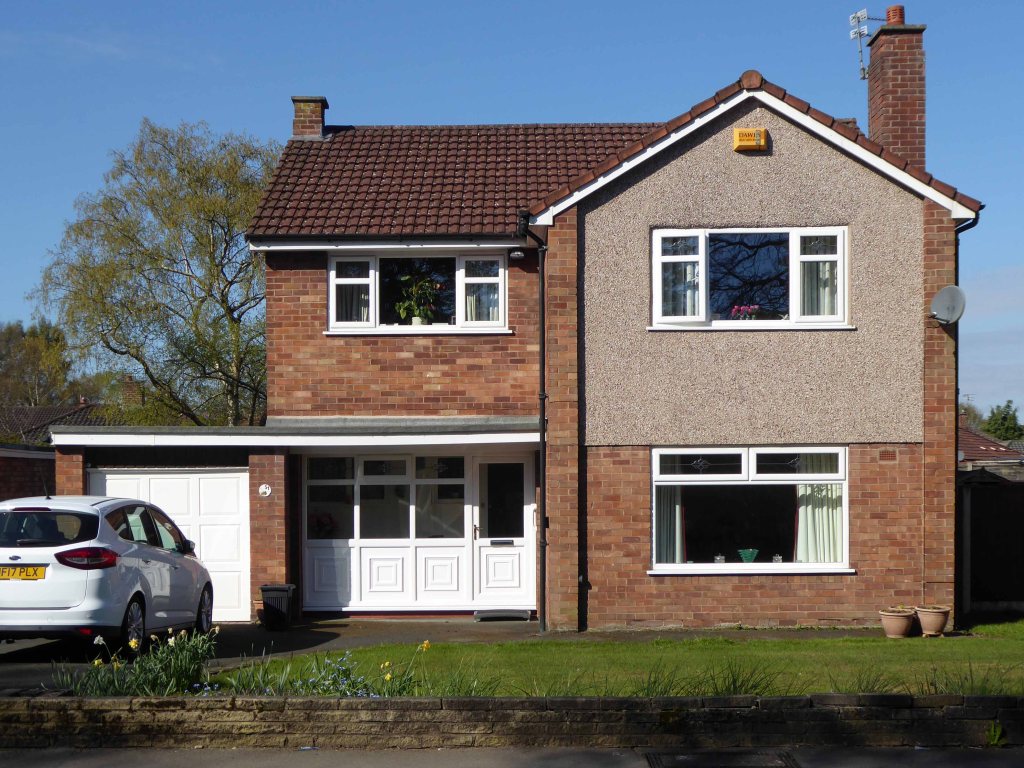
Even further afield the seaside enclave of Penrhyn Bay.
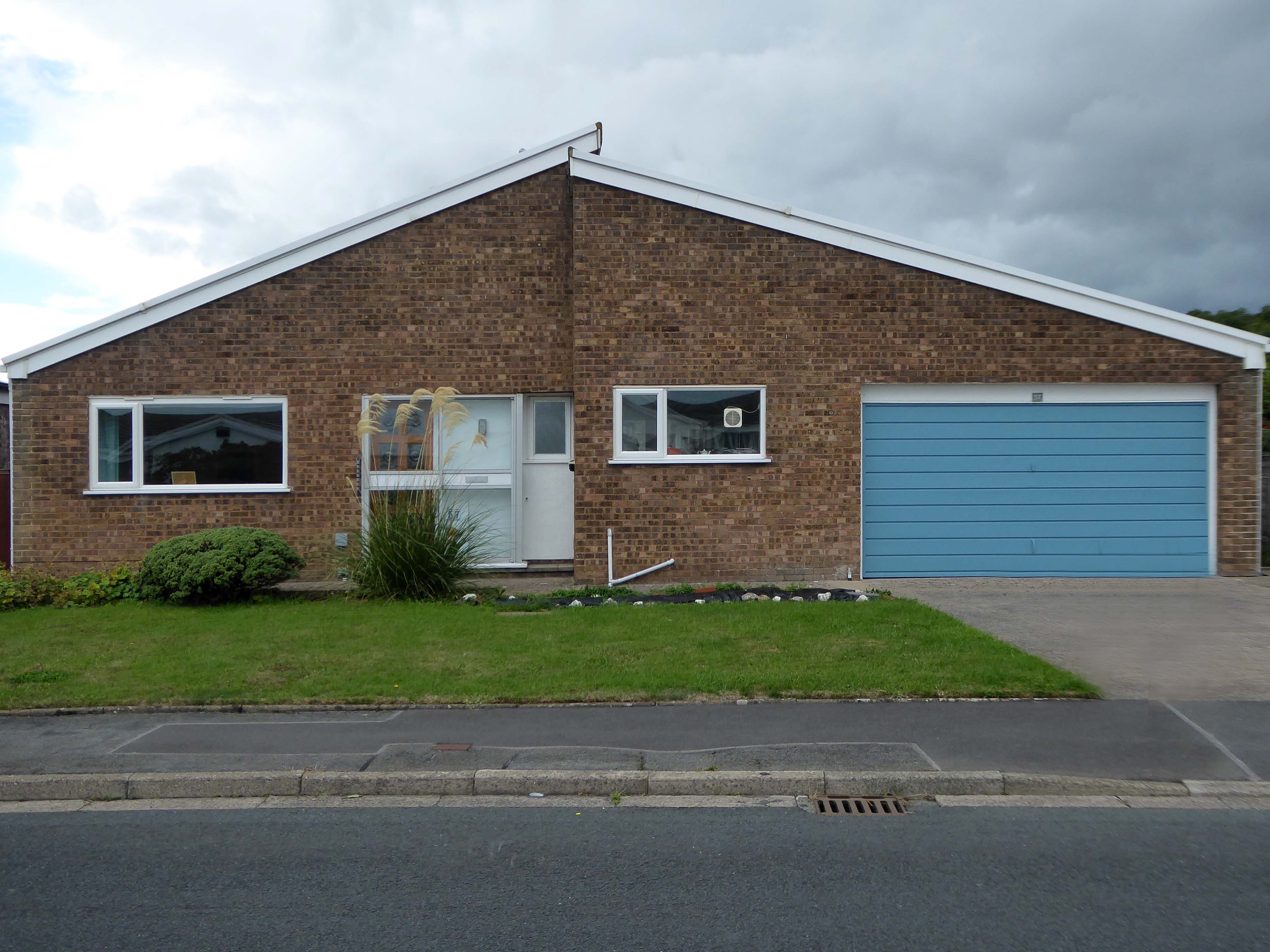
Prompted by a recent viewing of Graham Williamson’s Suburban film, I decided to undertake further in depth research around my own suburban locale.

Here is my first day’s findings in the West Heatons – followed by the next day in the West Heatons.
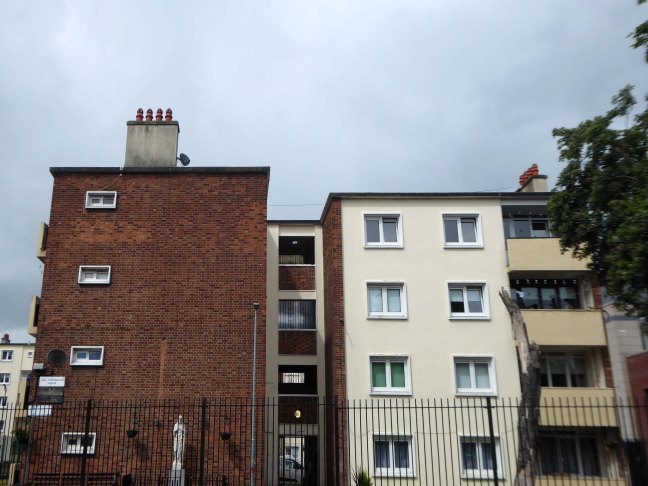
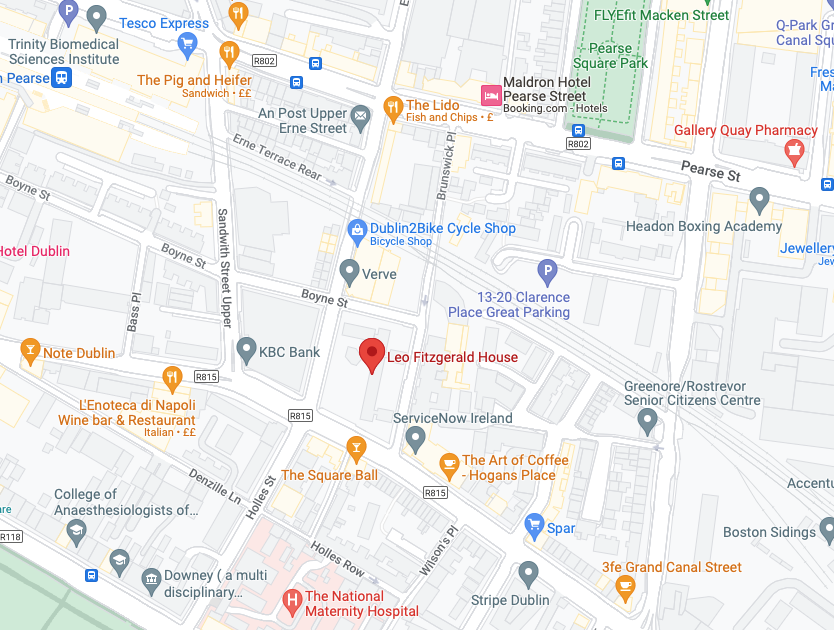
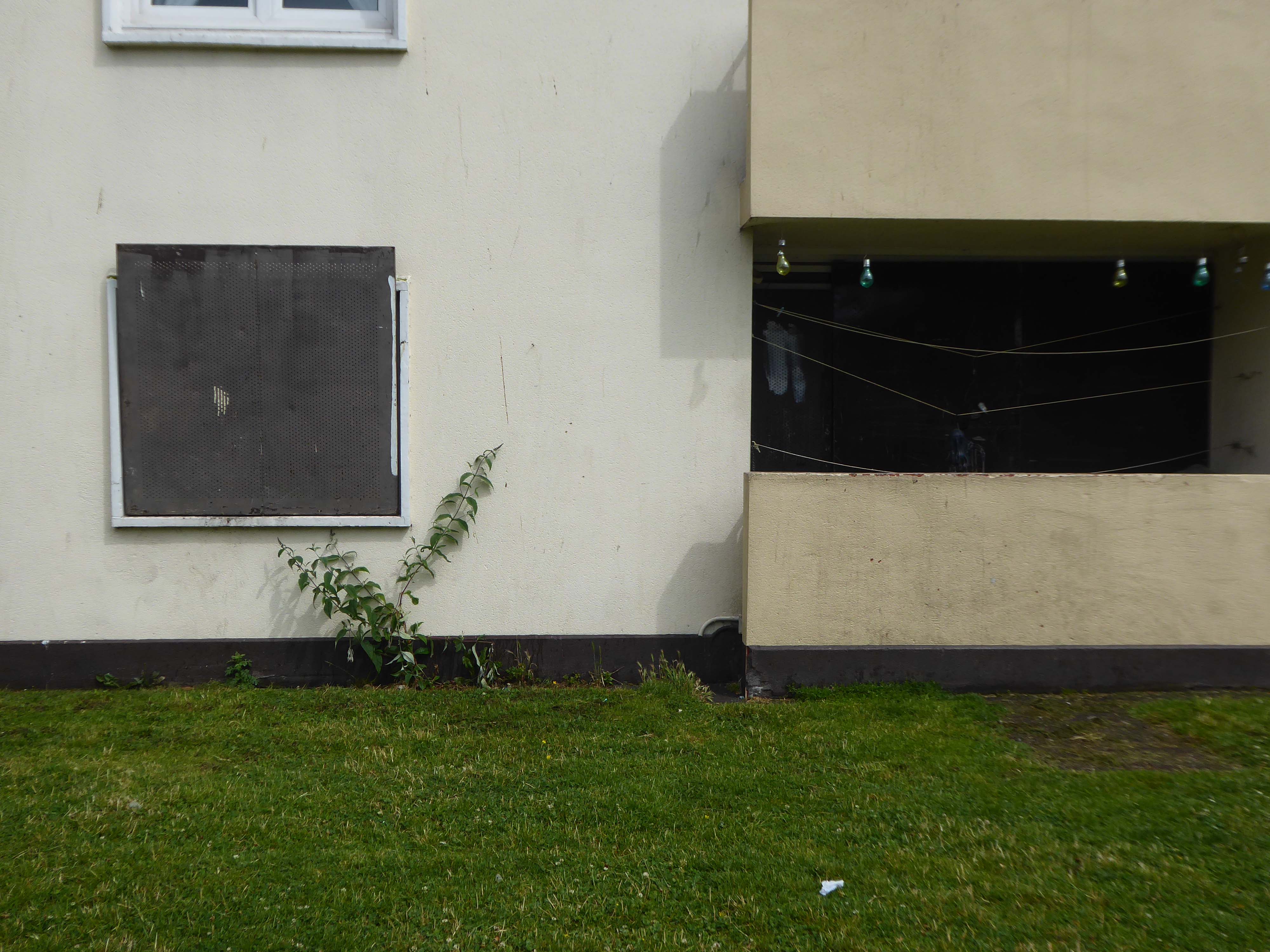
Leo Fitzgerald House – Dublin

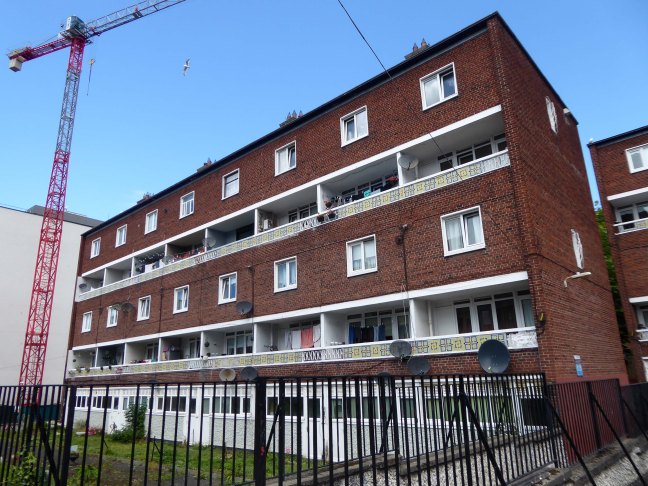
Leo Fitzgerald House Hogan Place Erne Street Upper Dublin 2

The second post featuring the work of Herbert Simms following on from O’Carroll Villas.

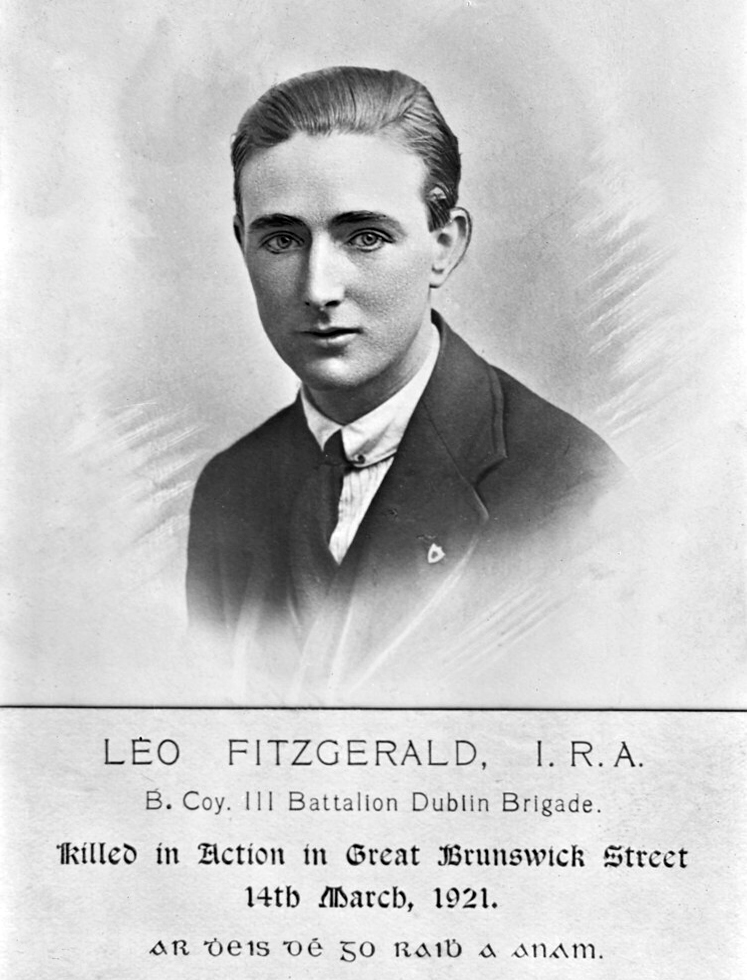
These homes were named for Civil War hero Leo Fitzgerald.

London born Herbert George Simms was responsible for the building of some 17,000 new working class dwellings in his time in office as Dublin’s pioneering Housing Architect, ranging from beautiful Art Deco flat schemes in the inner-city to new suburban landscapes.

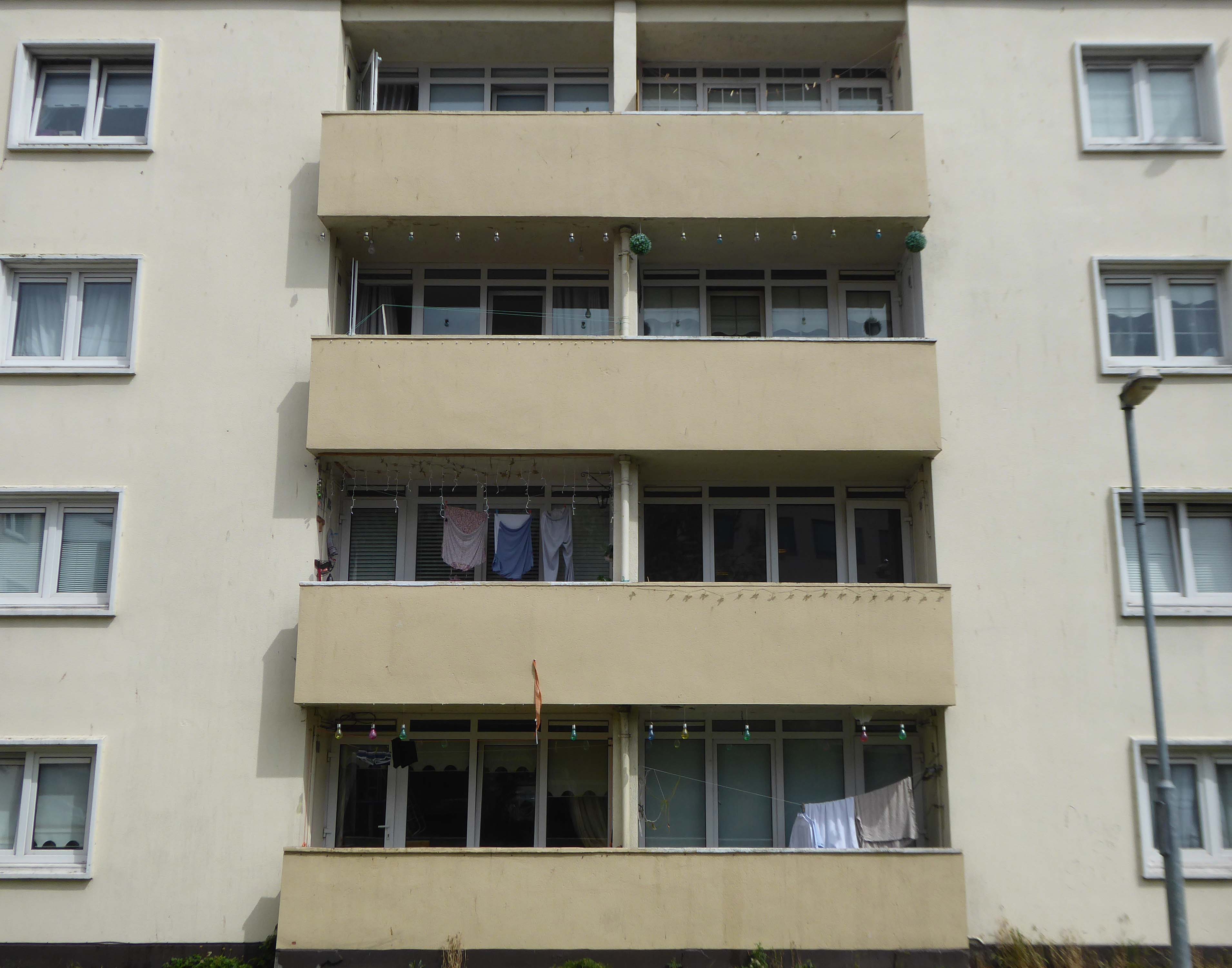
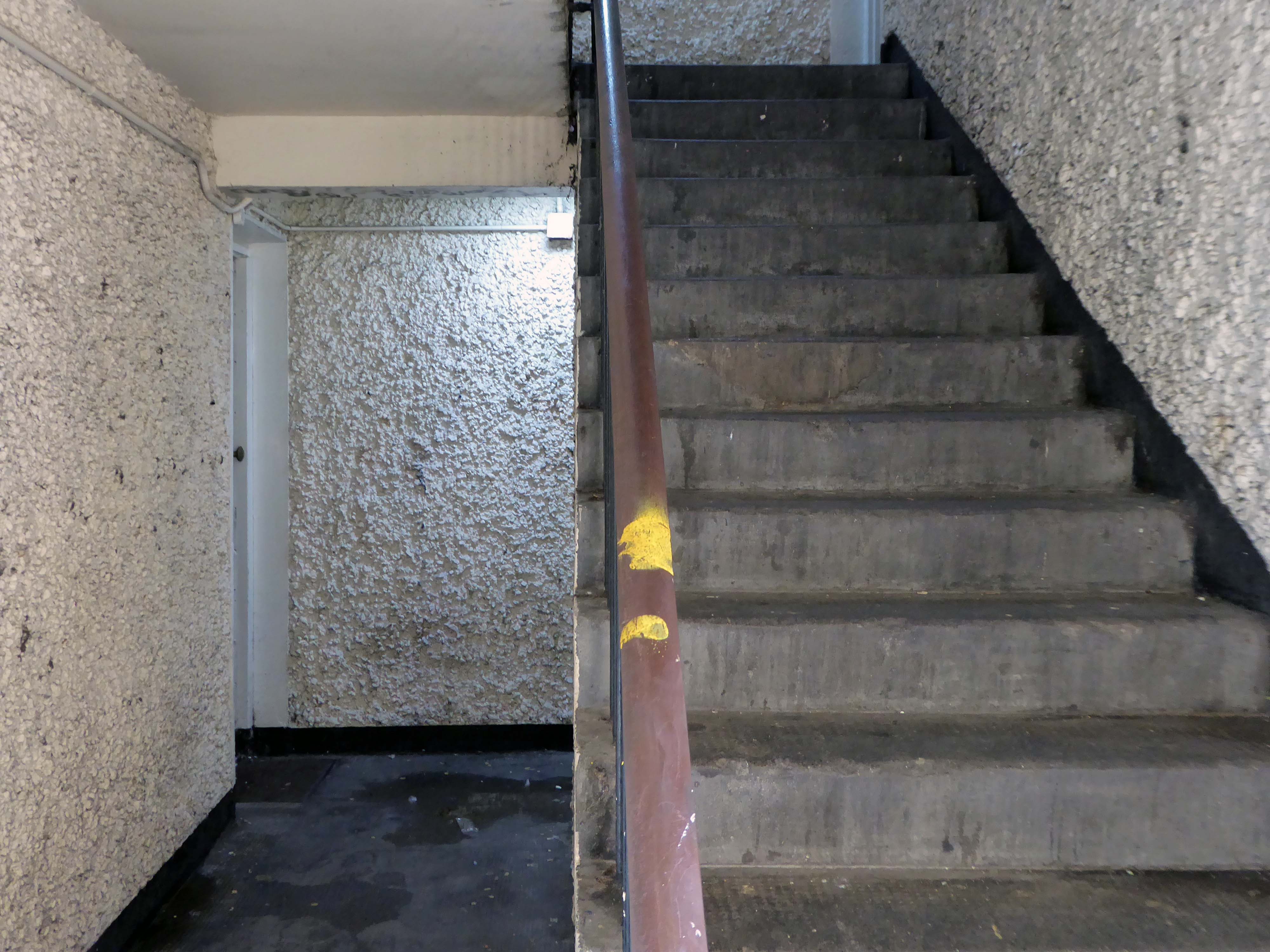
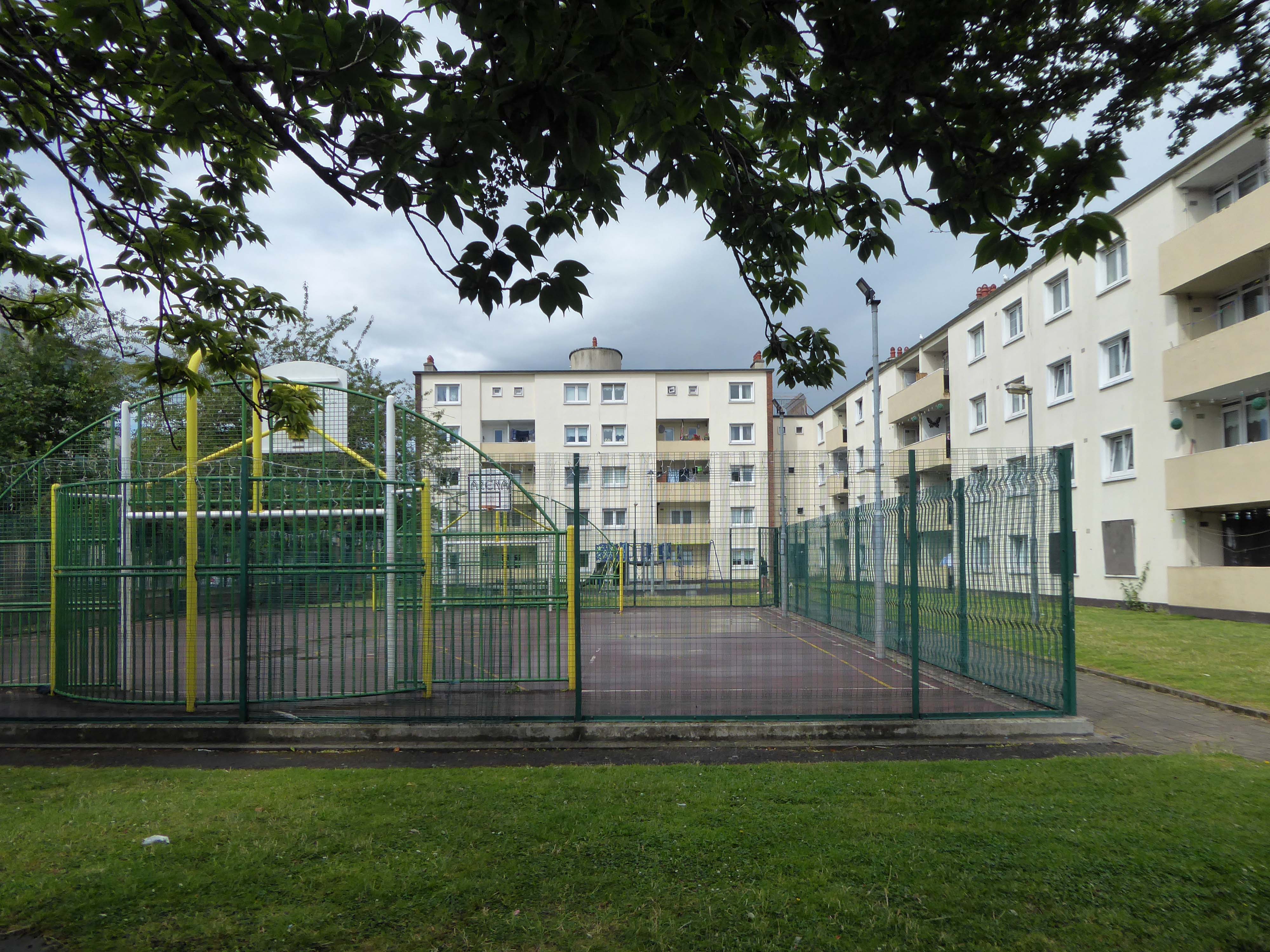
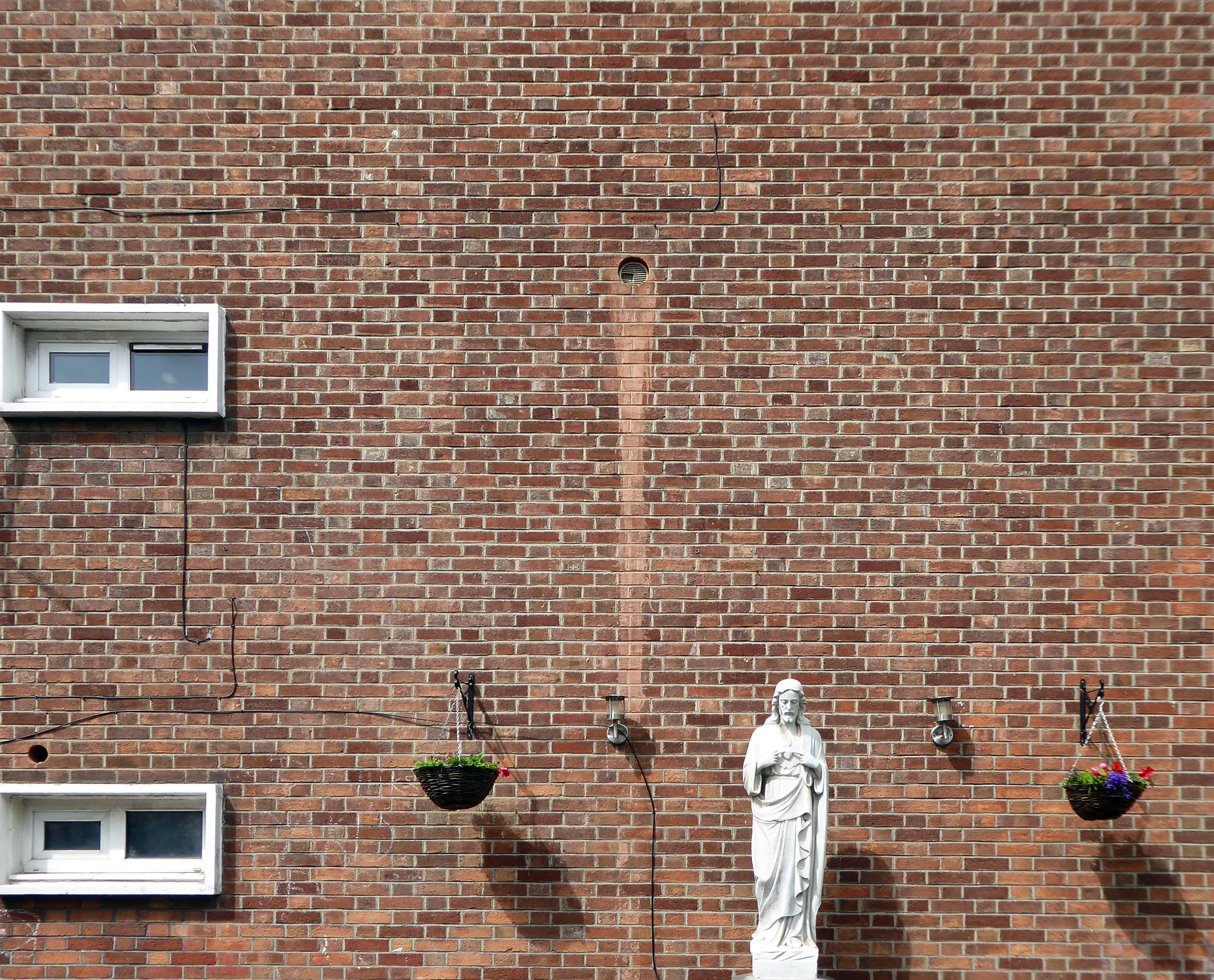
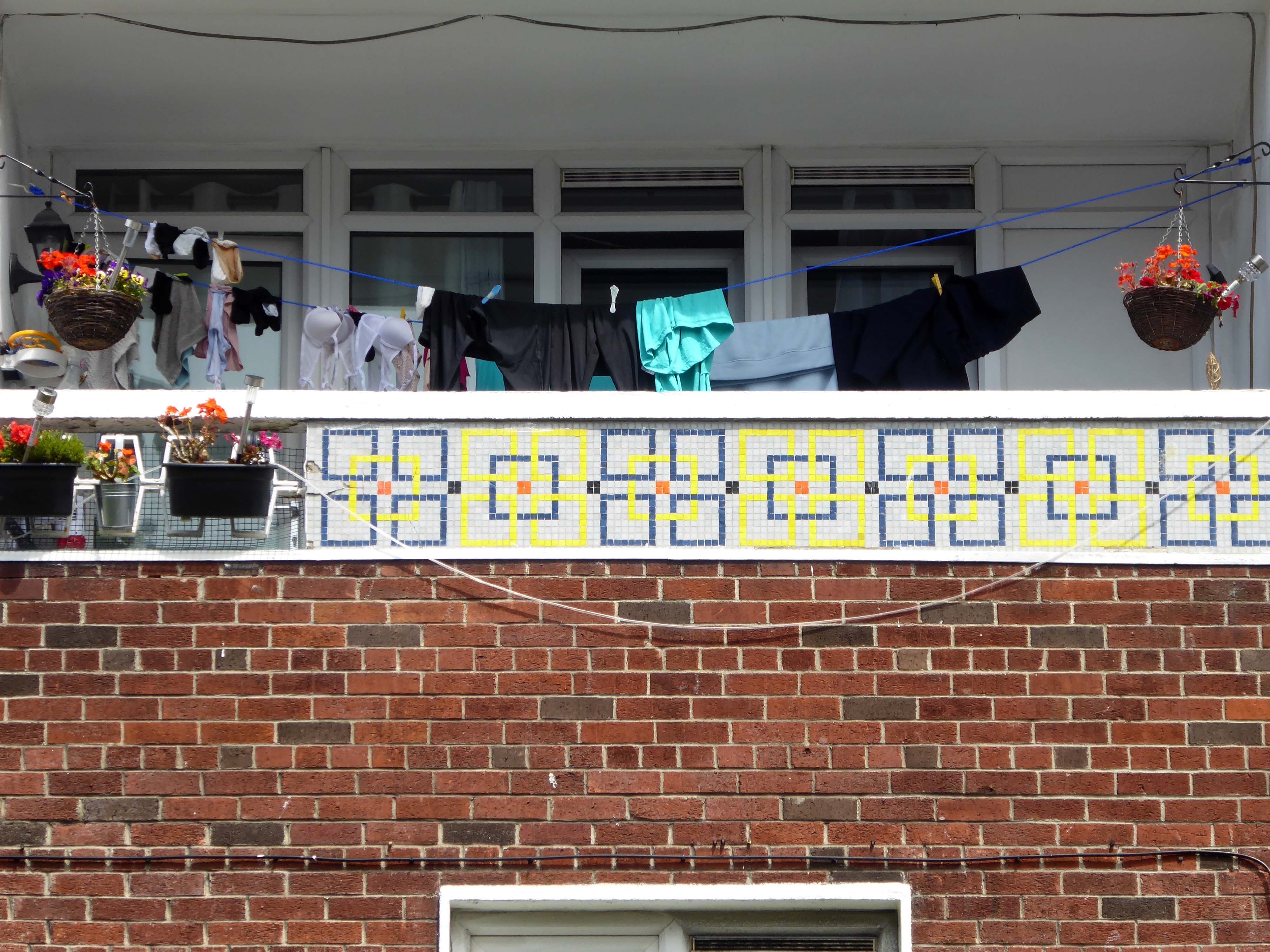
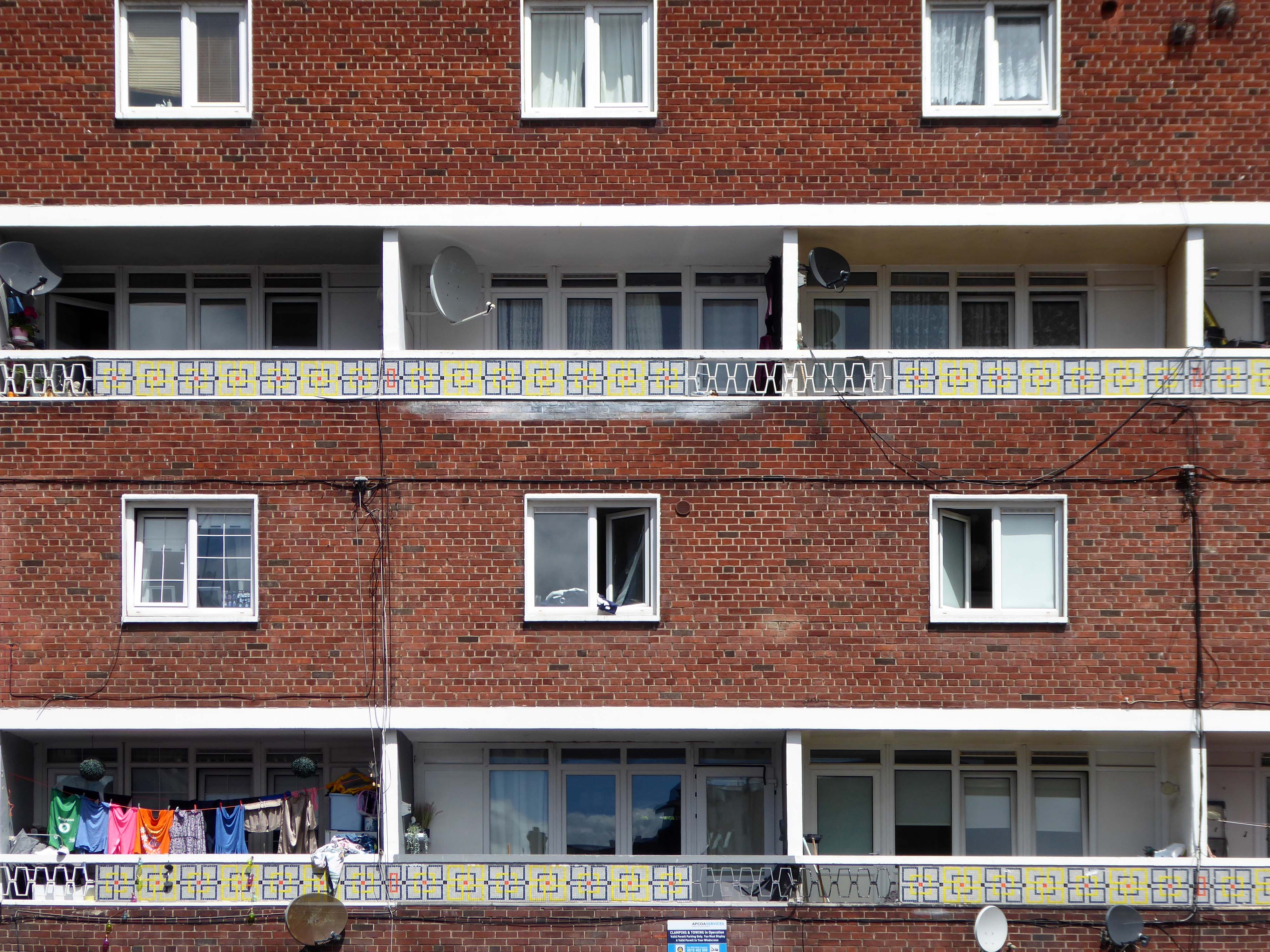
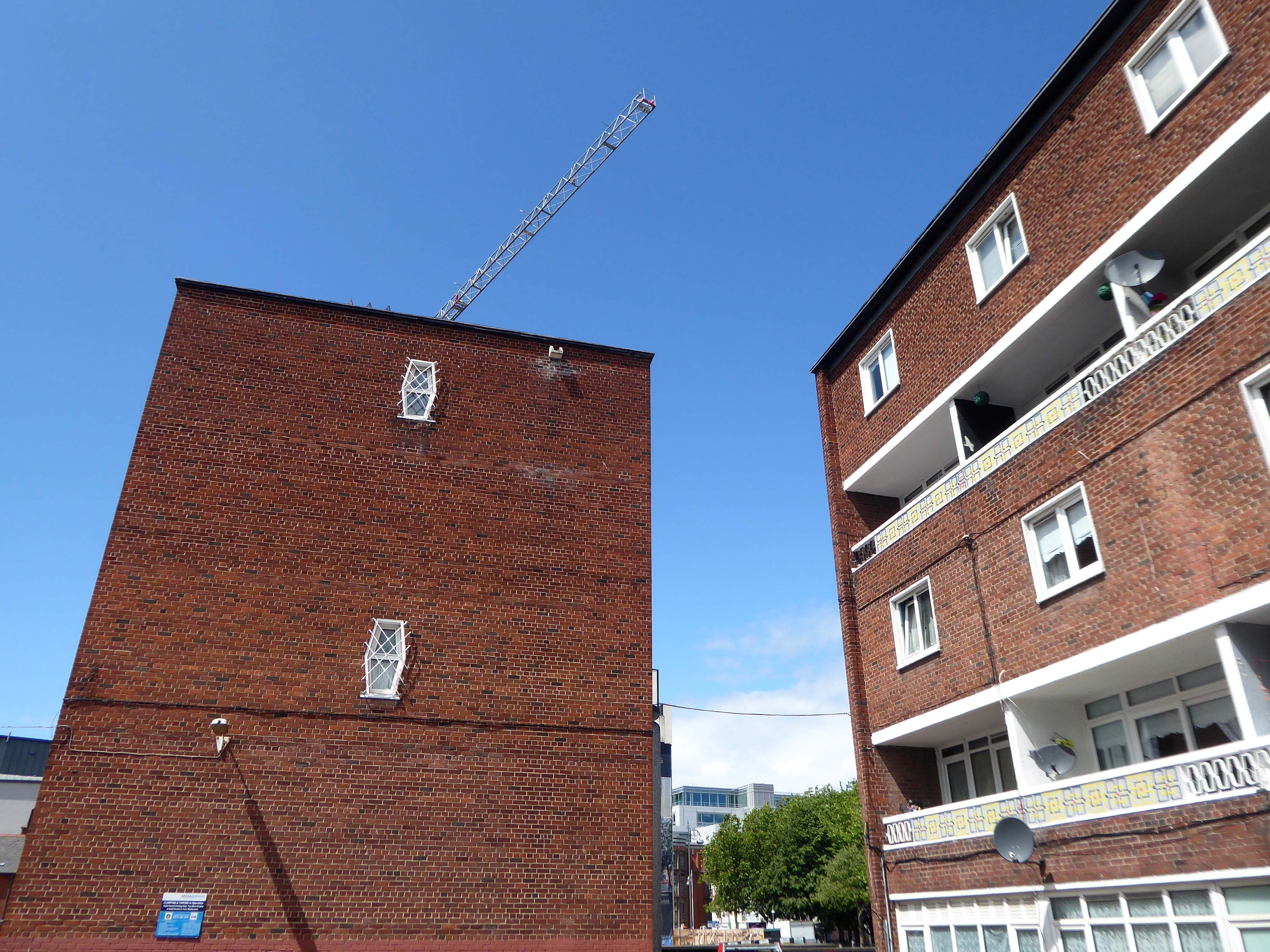
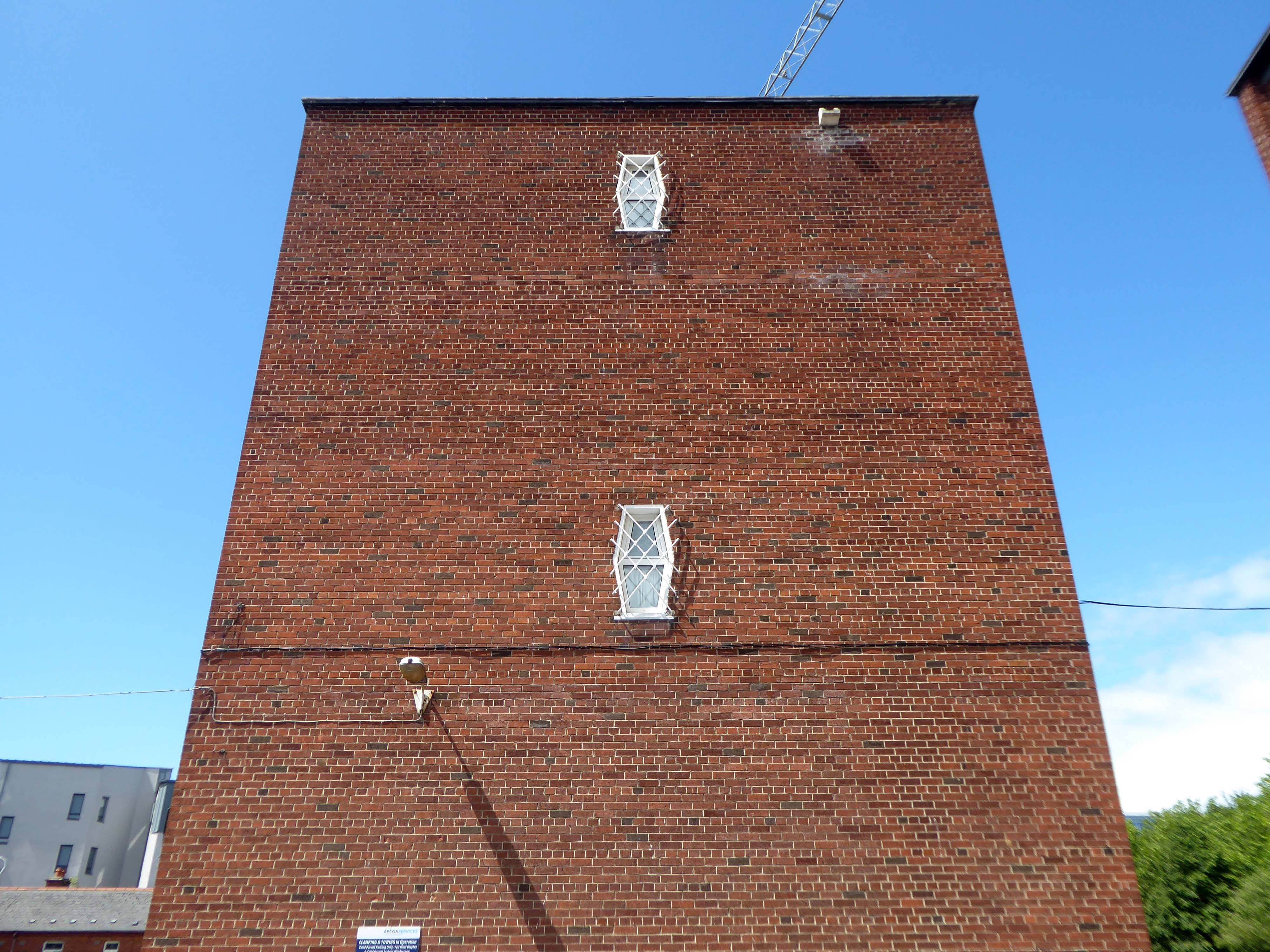
Freestanding L-plan multiple-bay four-storey social housing block, built c. 1940, having attached stairs tower to east elevation. Flat roof concealed behind rendered parapet with concrete coping, and having rendered chimneystacks with concrete copings and clay pots. Flemish bond brown brick and rendered walls. Square-headed window openings with rendered surrounds and sills, and replacement uPVC windows. Square-headed door openings with rendered surrounds and timber doors to galleries. Square-headed door opening in attached stairs tower with mild-steel double-leaf gate, concrete platform and steps.

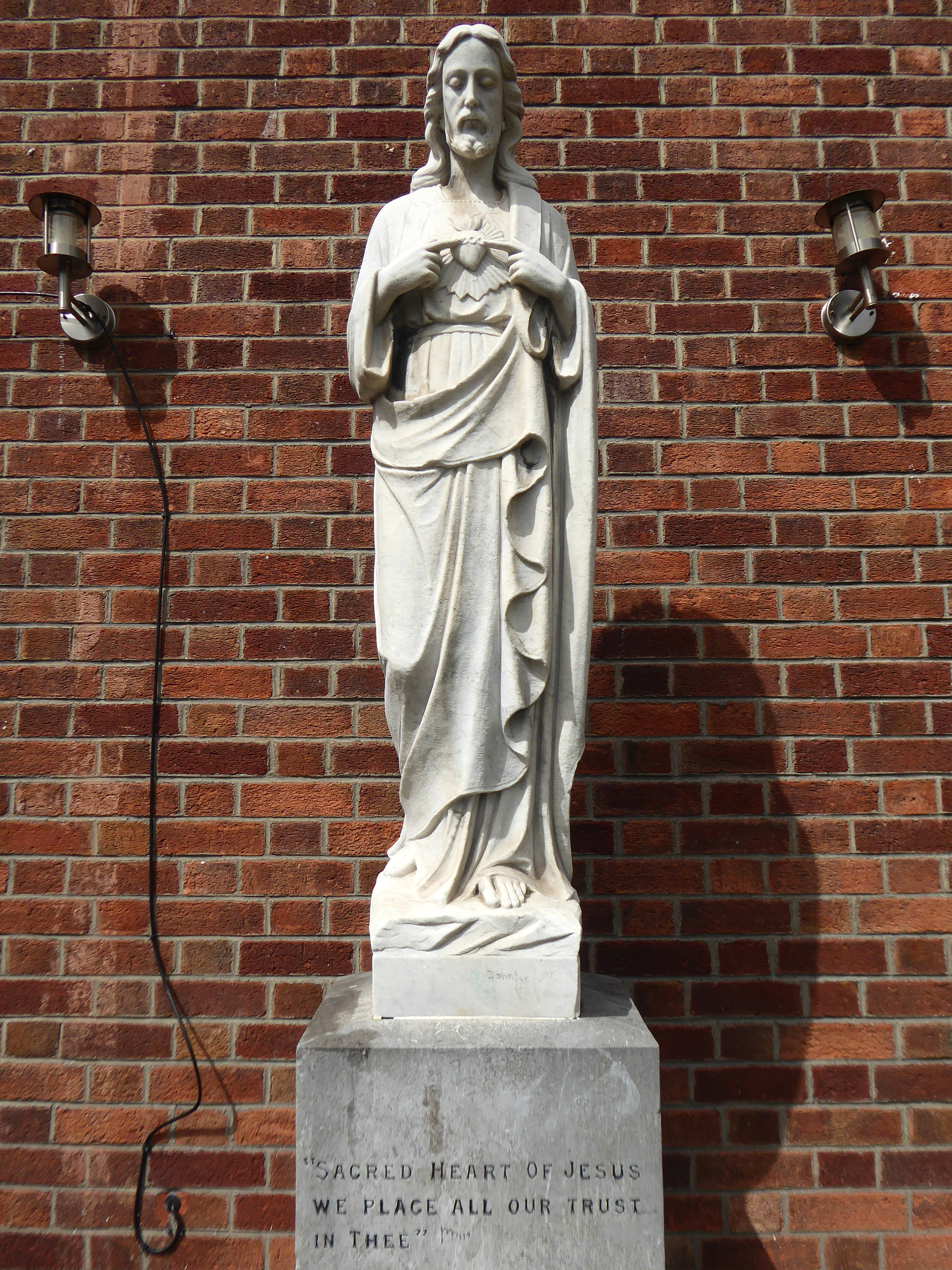
Statue of Sacred Heart to south elevation.

Buildings Of Ireland

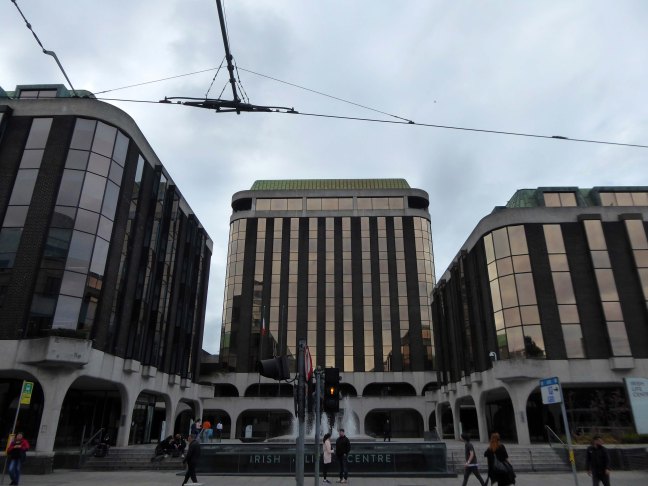
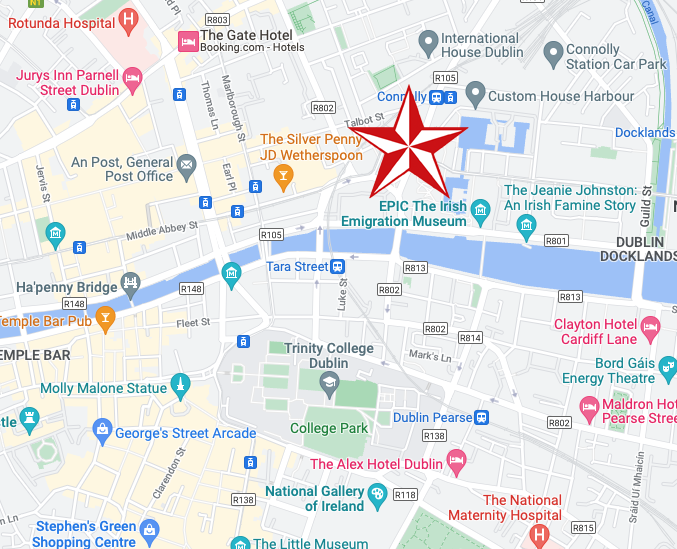
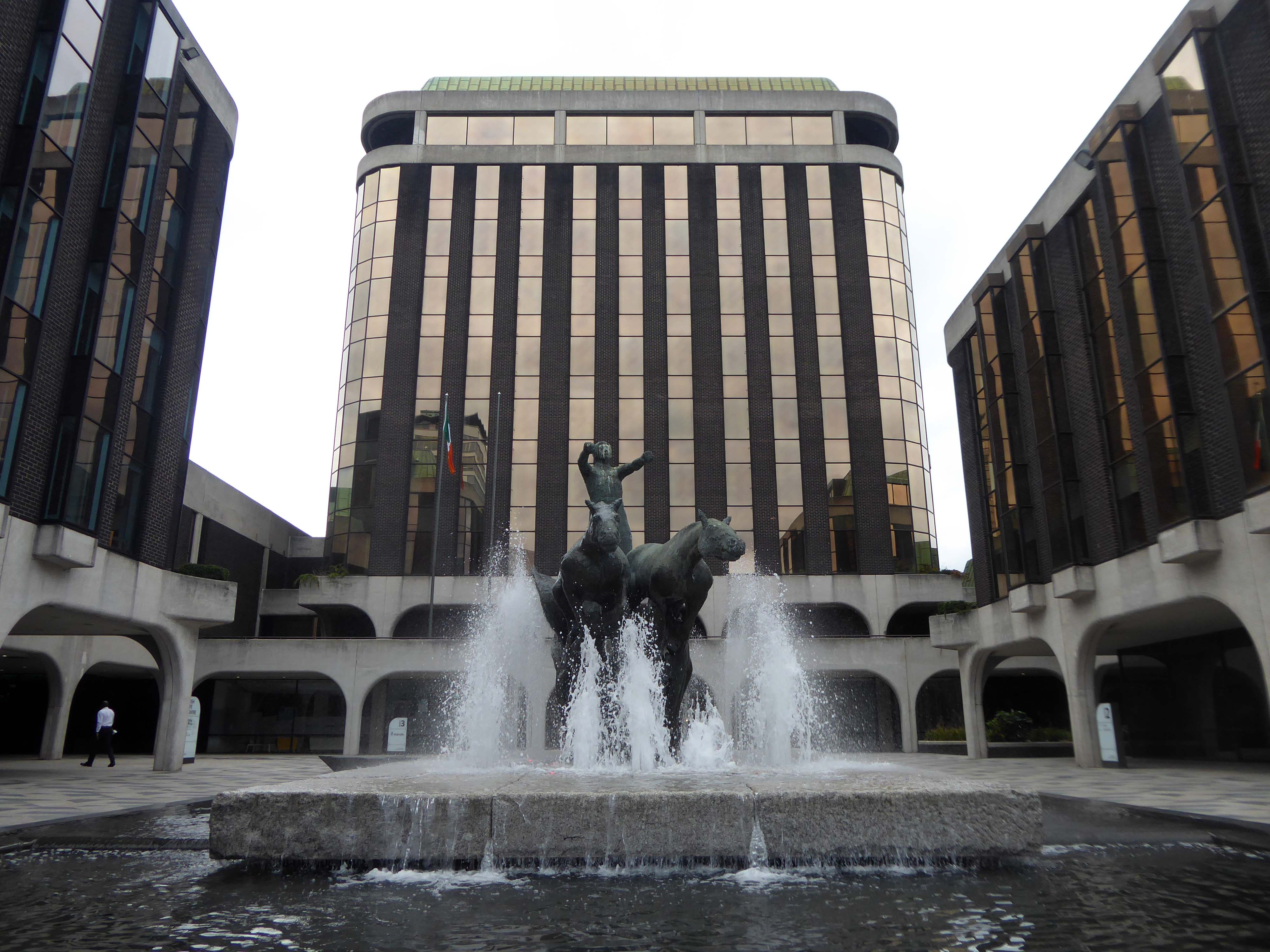
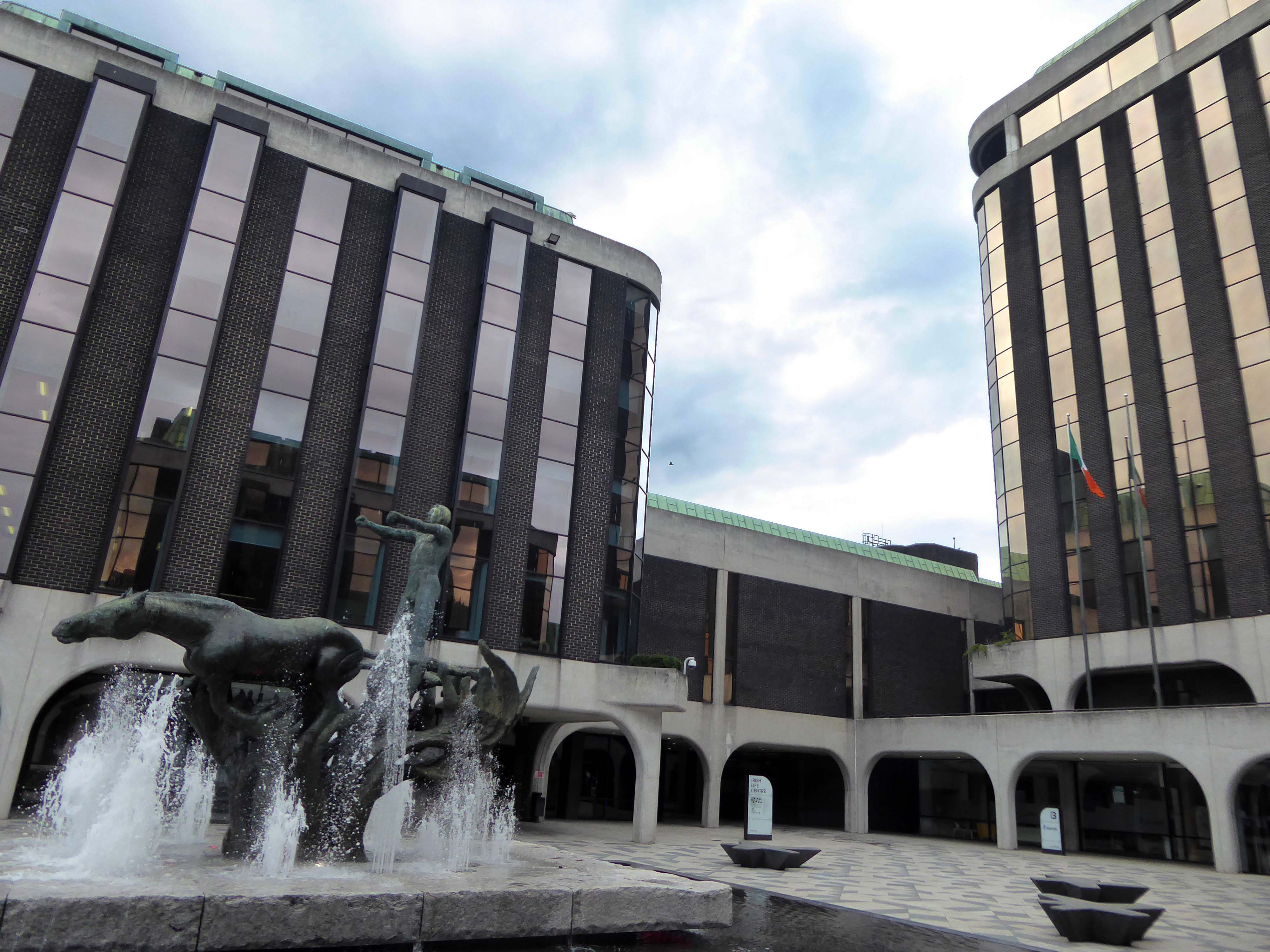
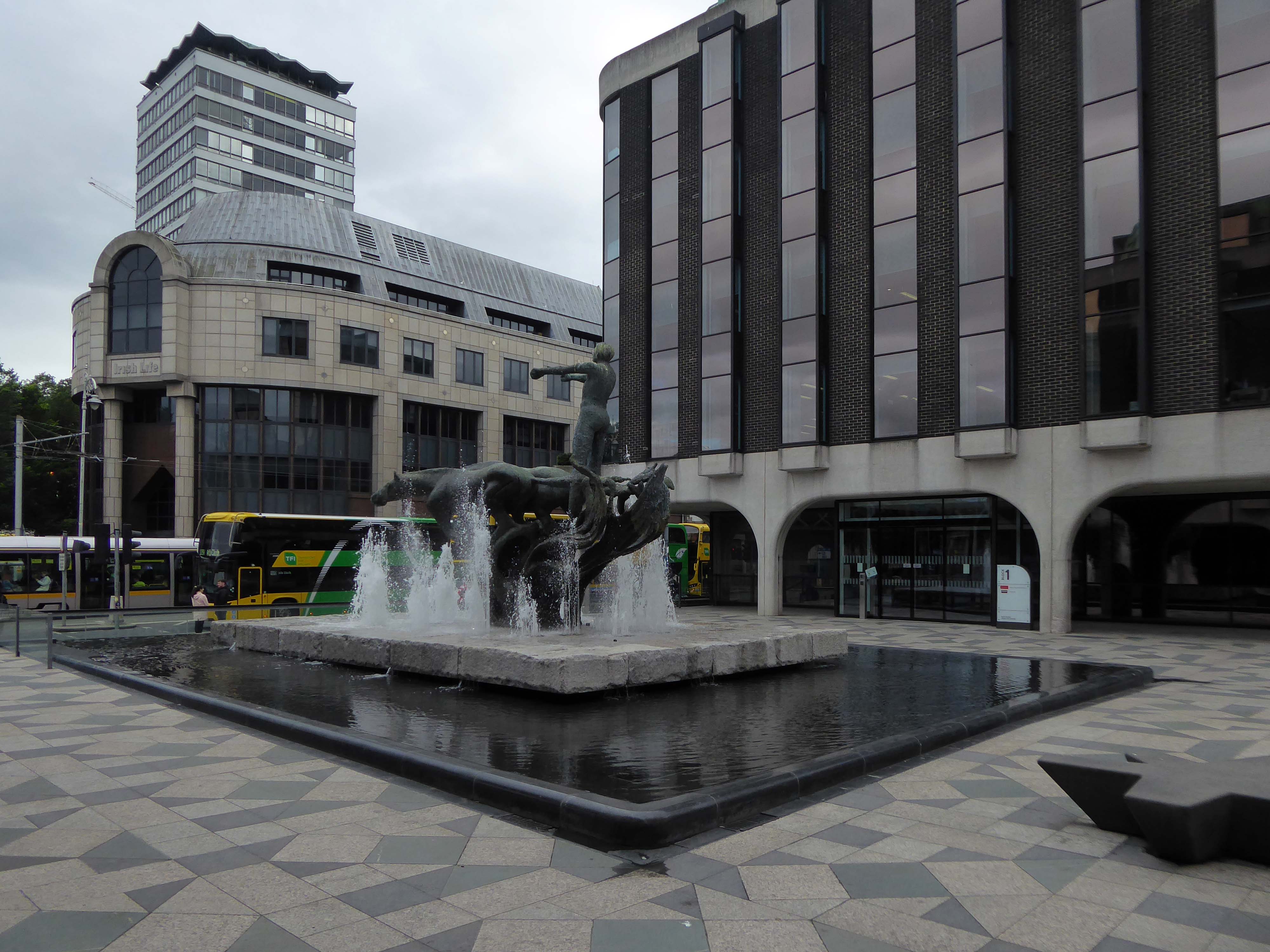
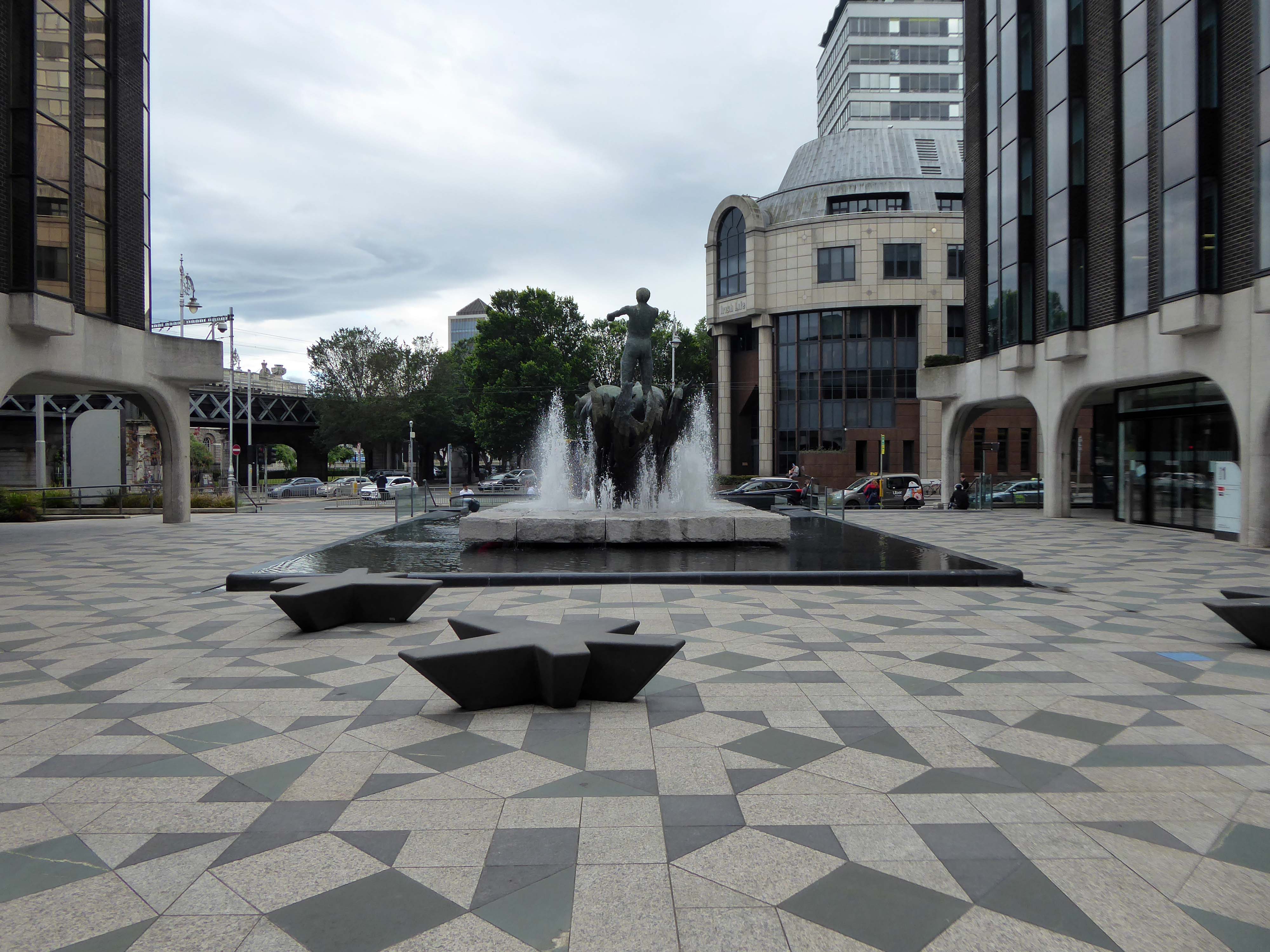
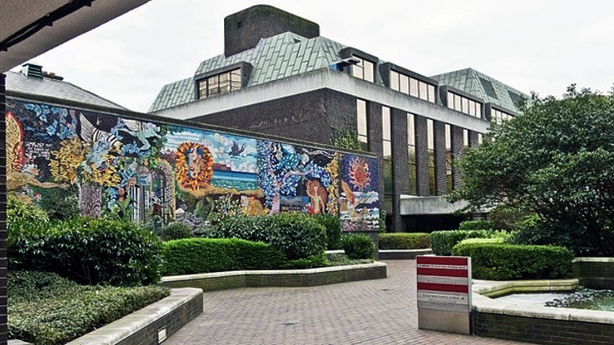
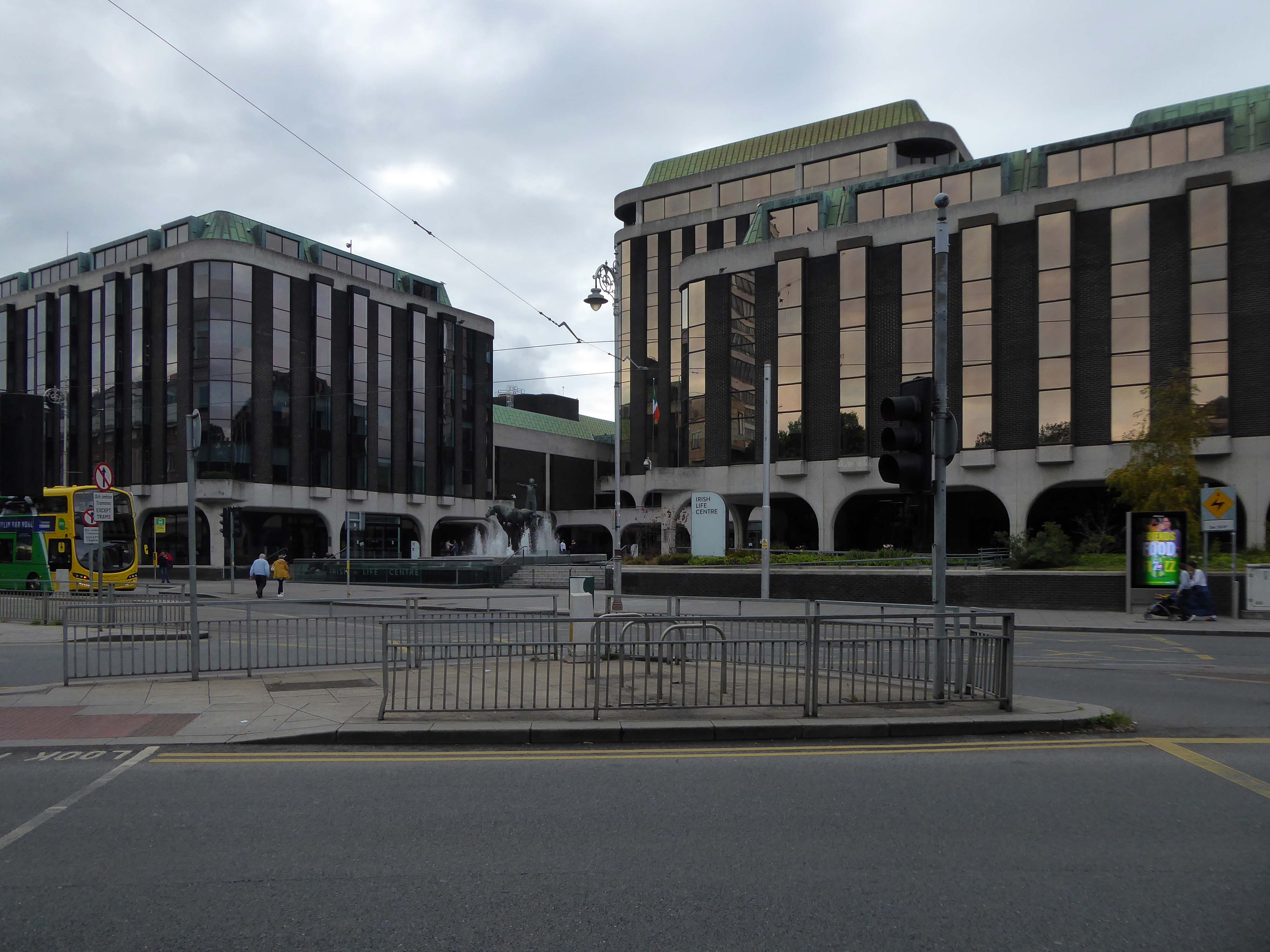
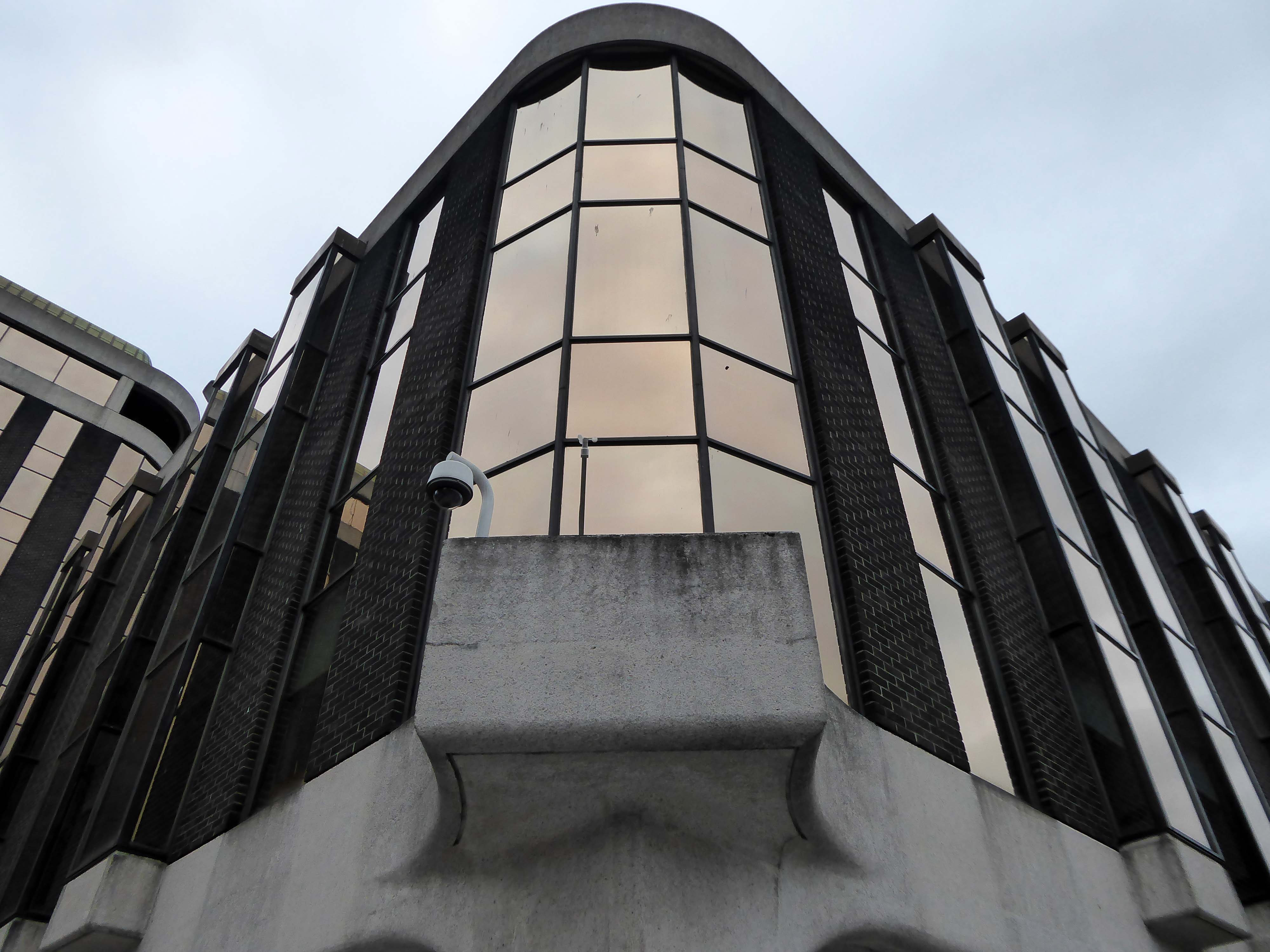
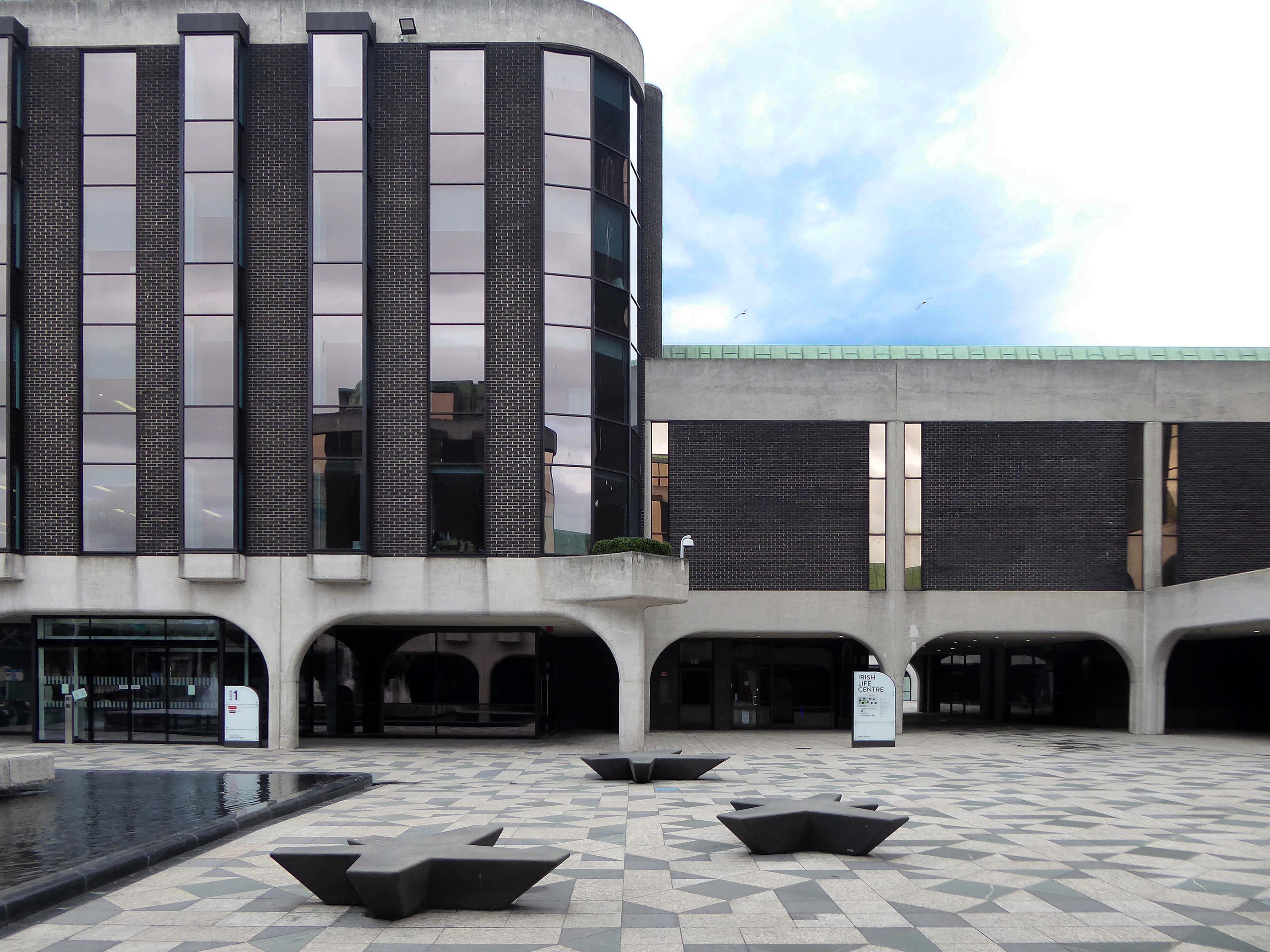
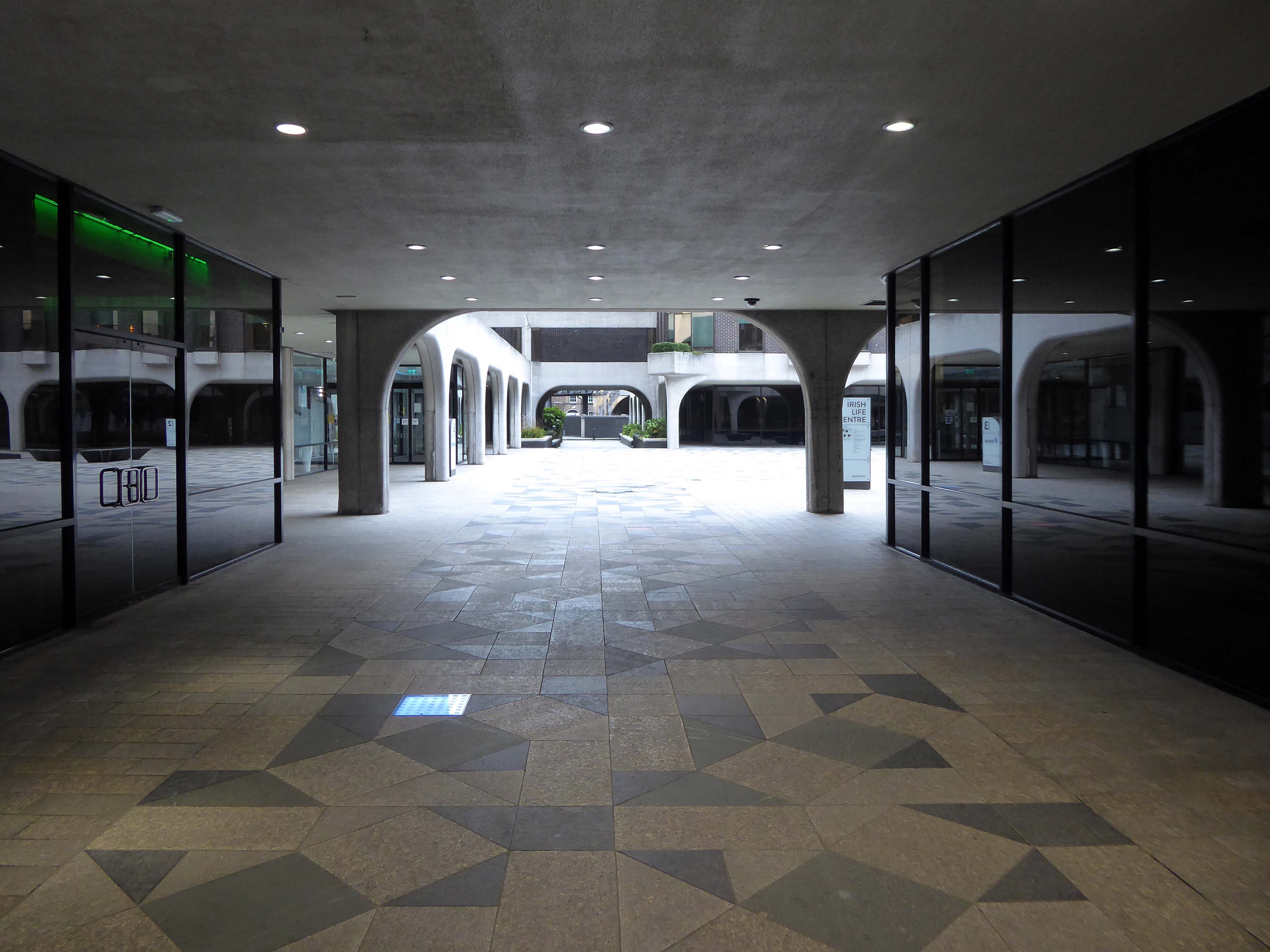
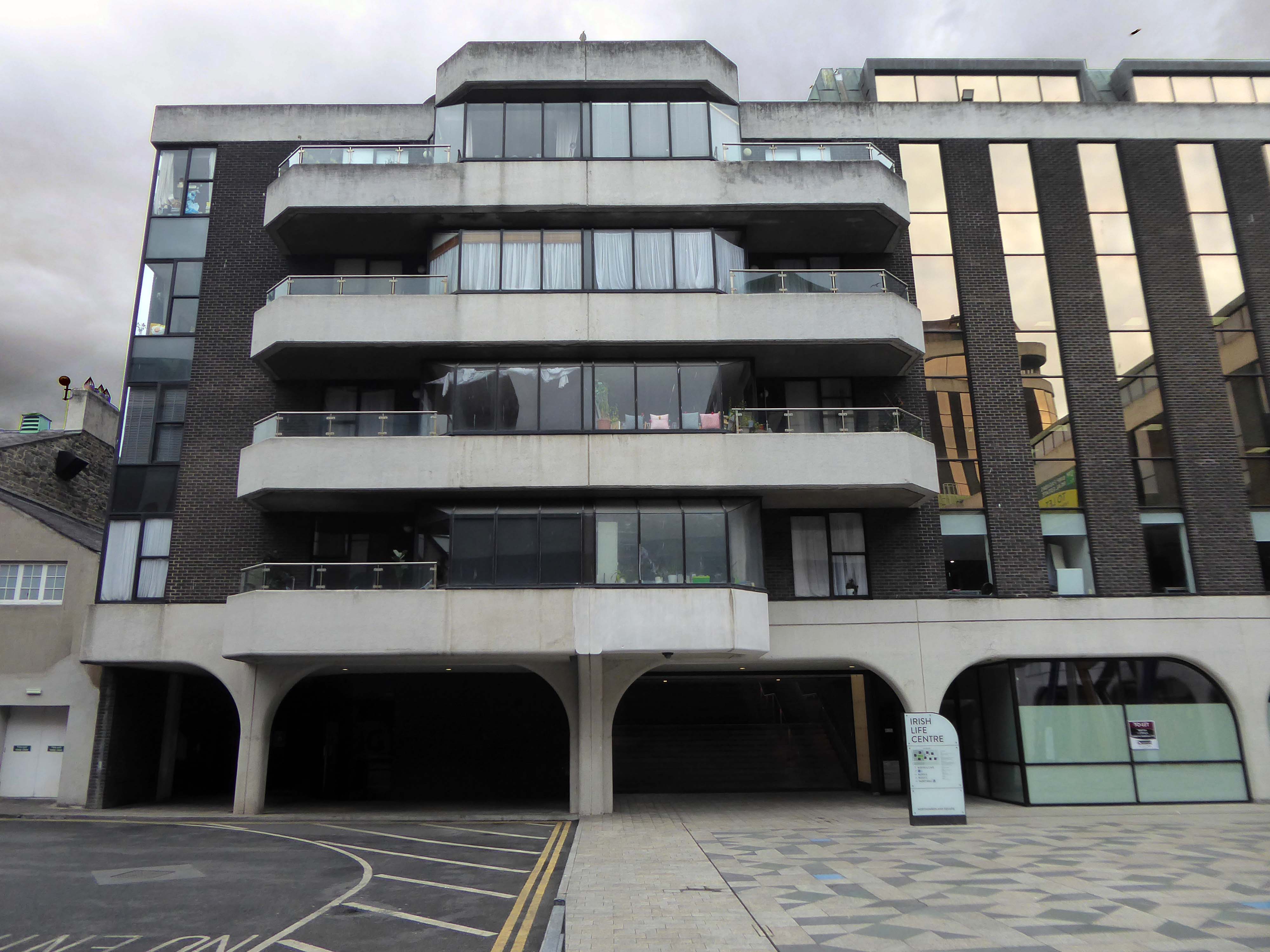
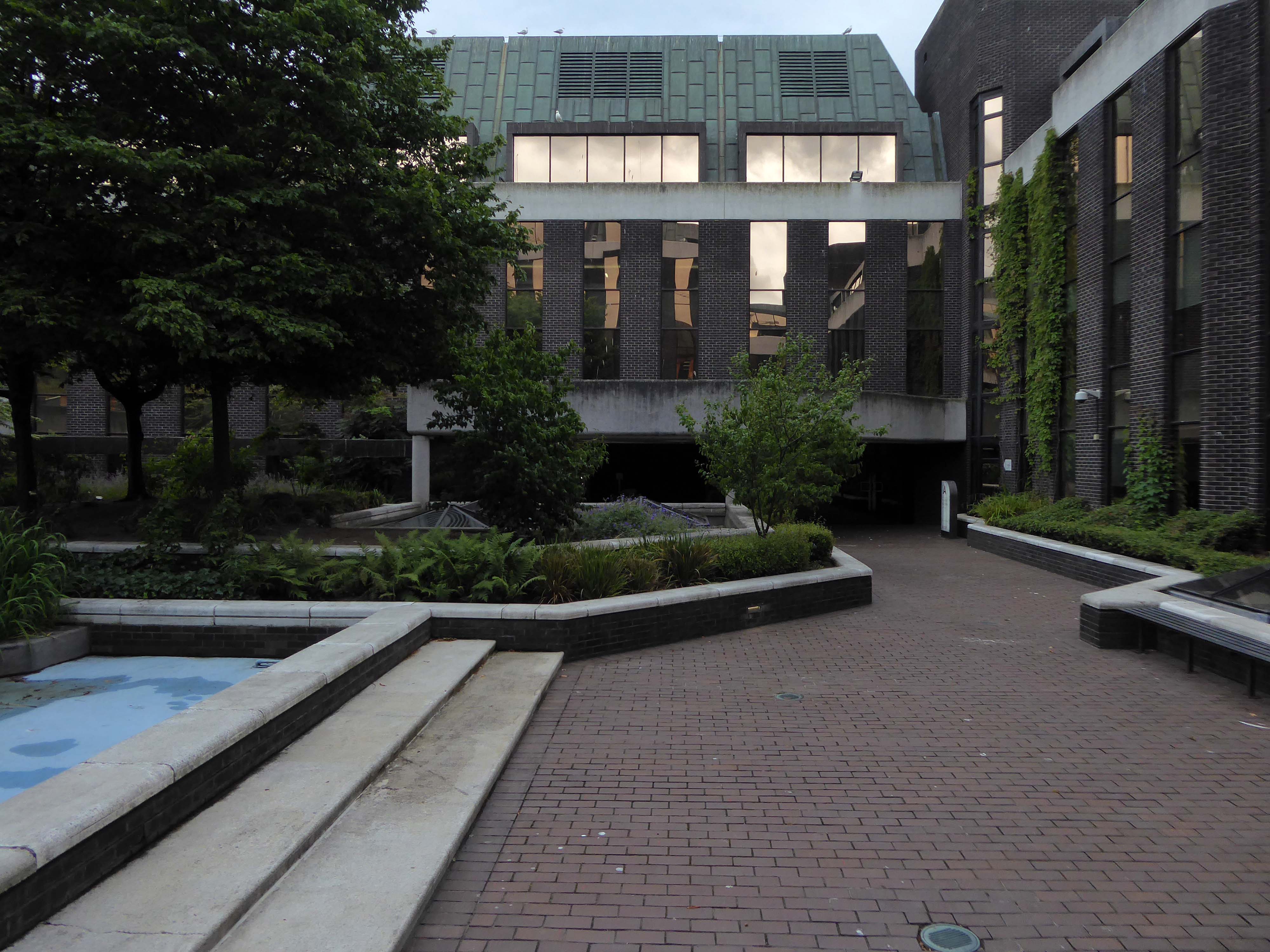
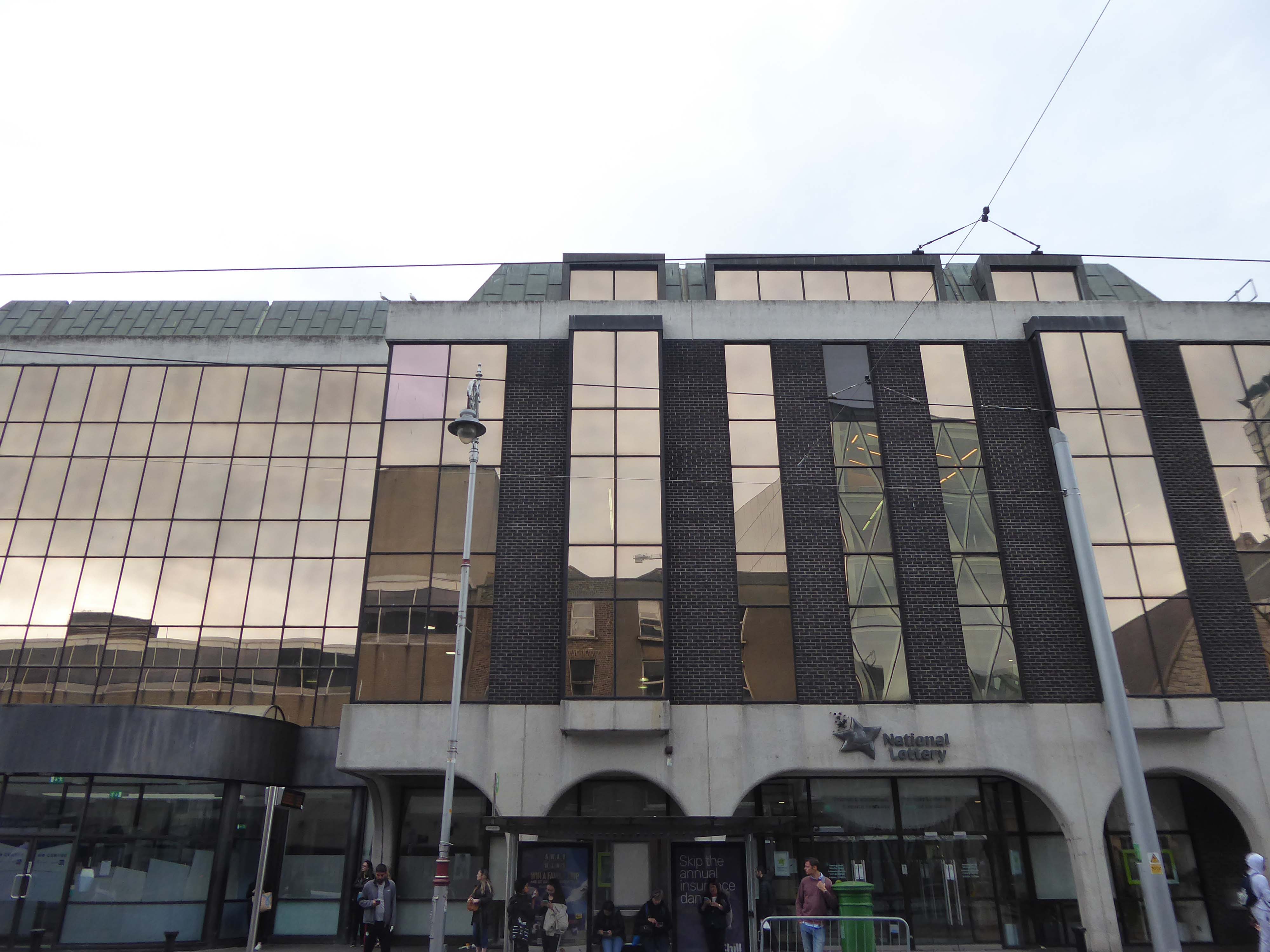
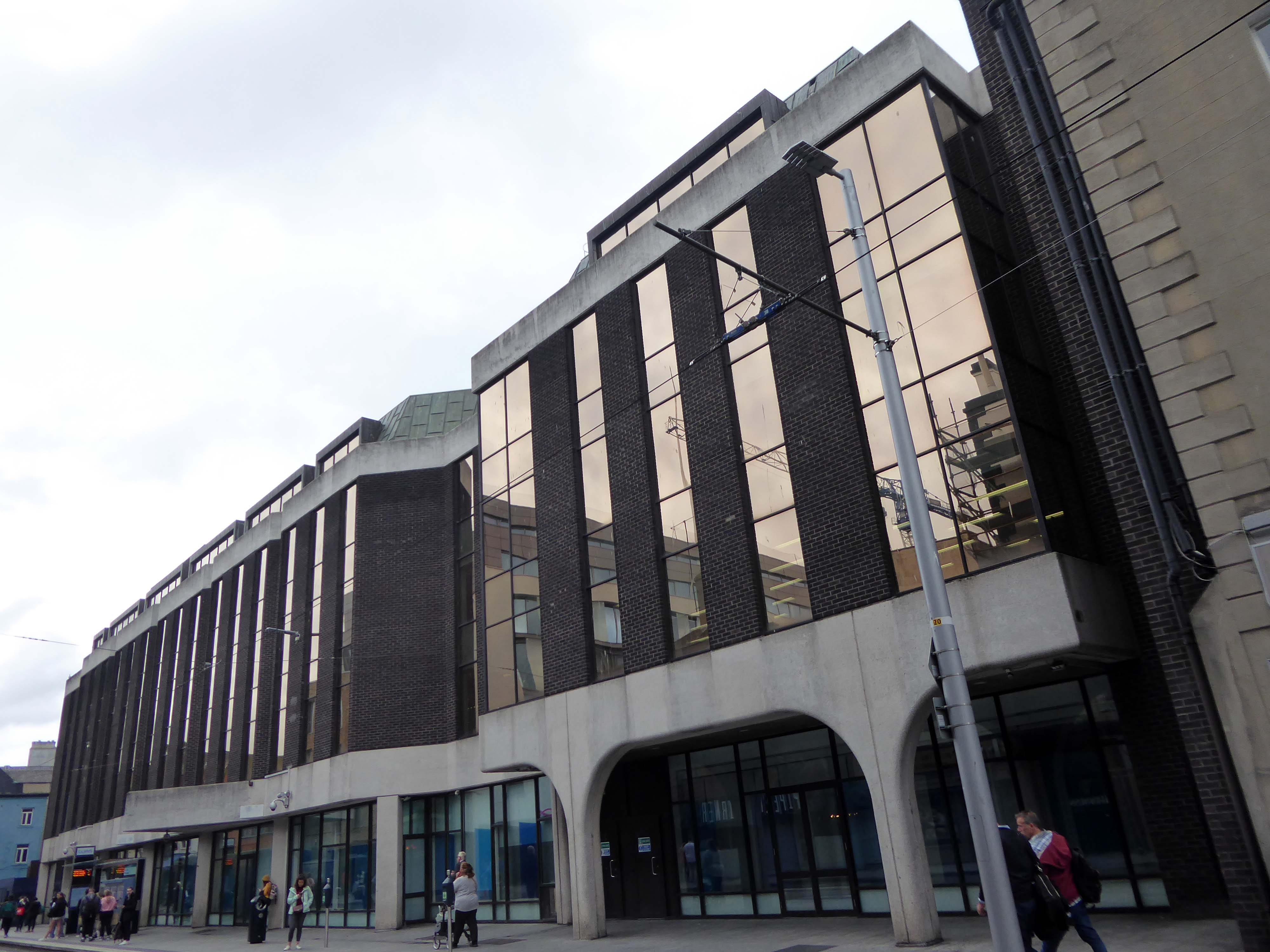
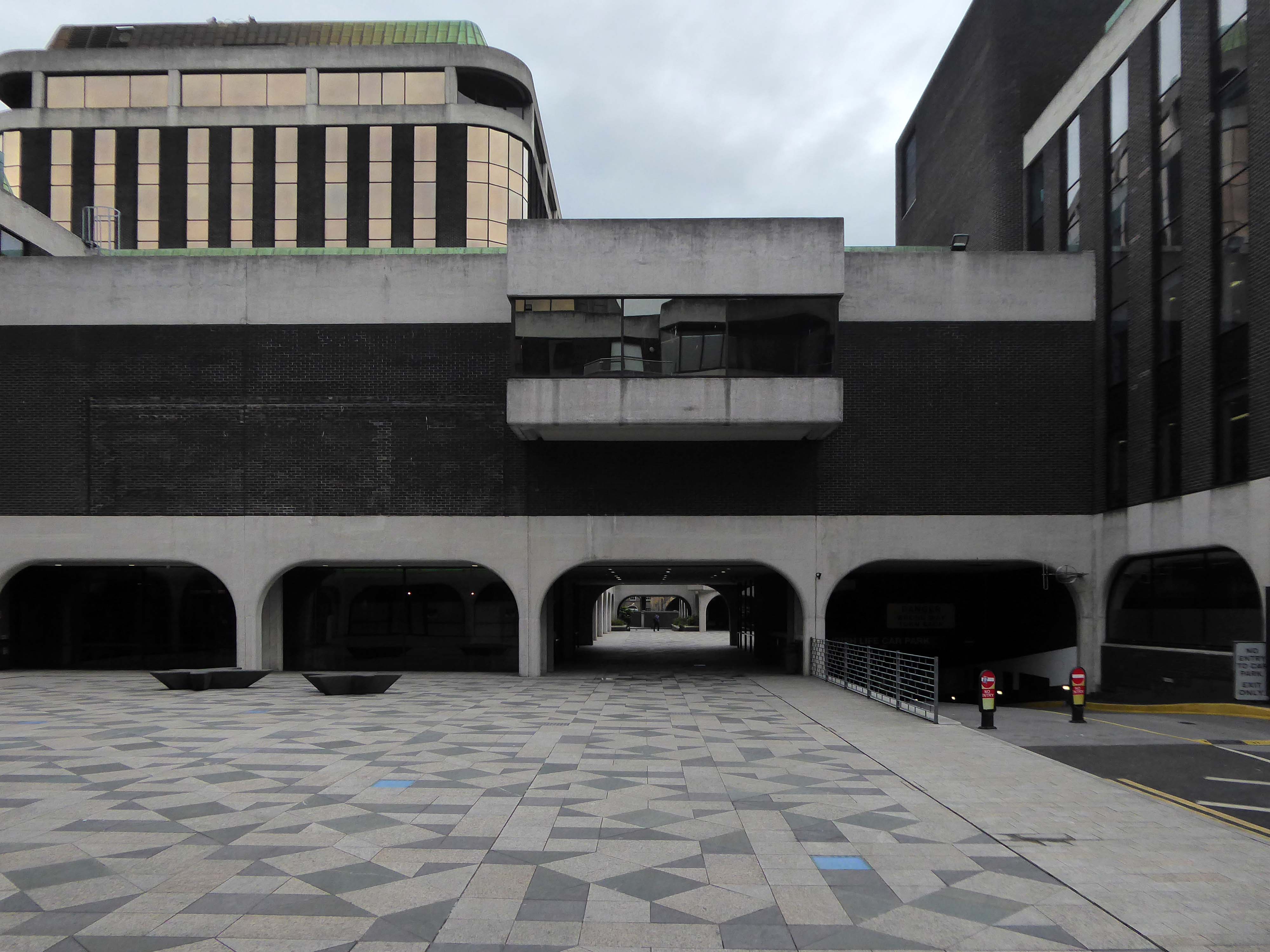
Irish Life Centre – Dublin

1 Talbot St North City Dublin D01 XW65 Ireland

Architect: RKD Architects lead Andrew Devane 

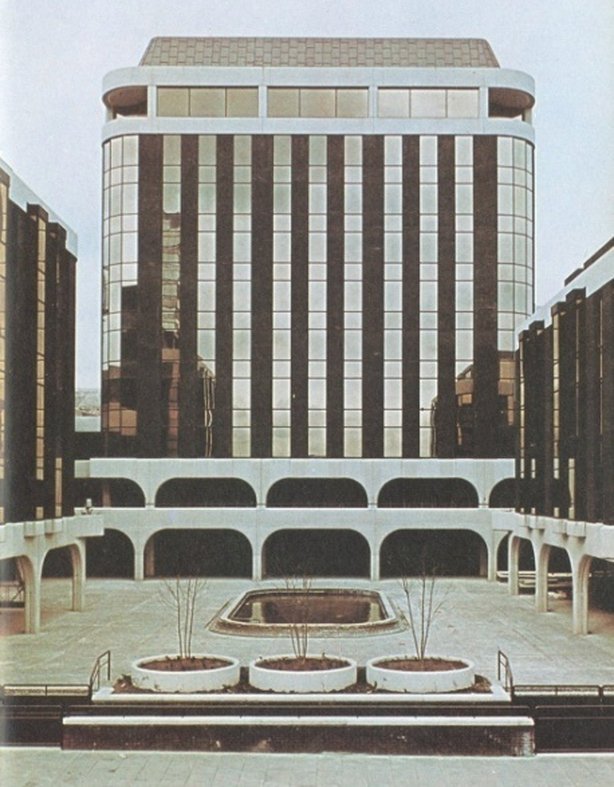
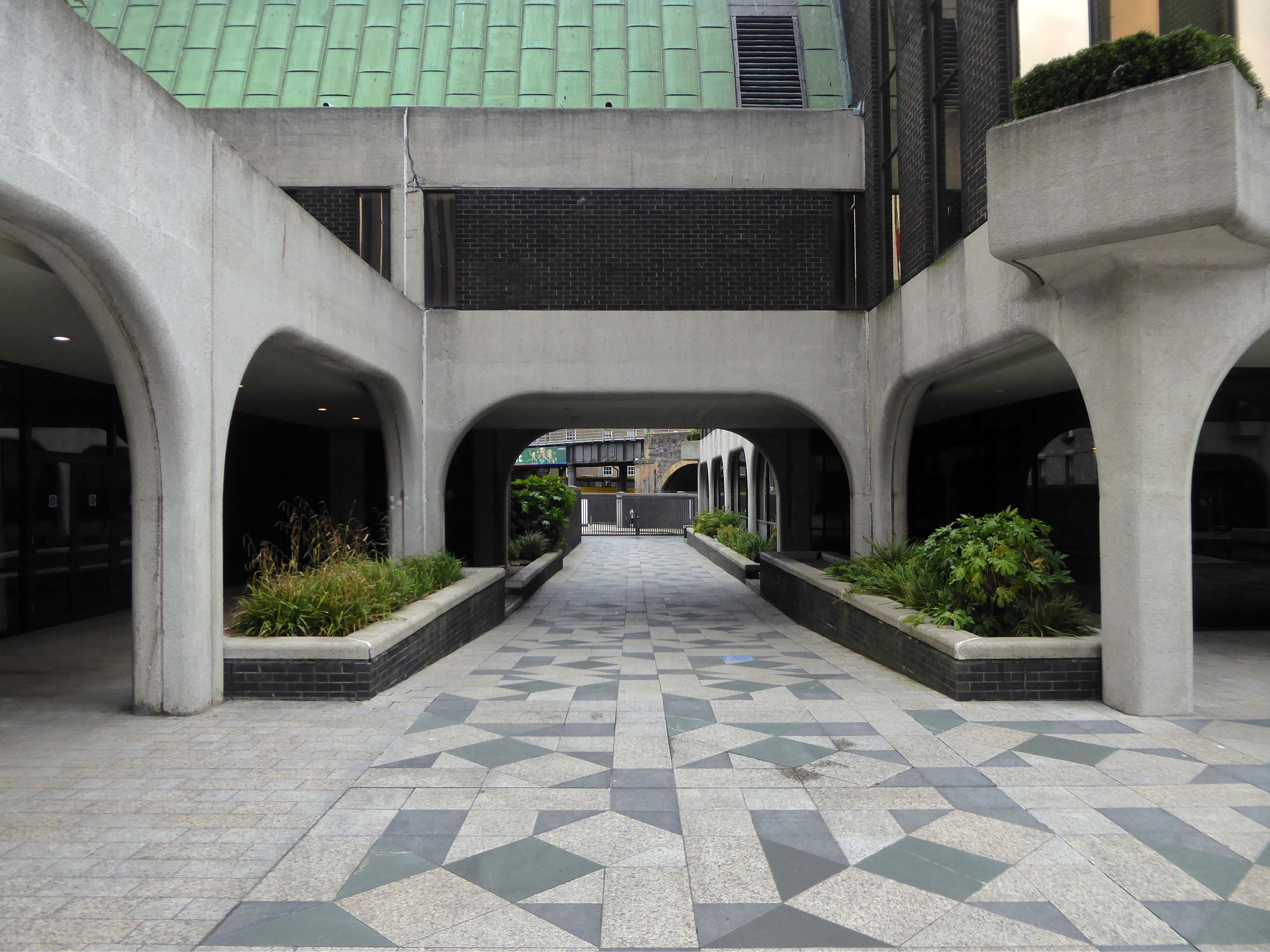
The brickwork, use of white aggregate for the arches, and tinted glazing are similar to Devane’s Stephen Court building on St Stephen’s Green.

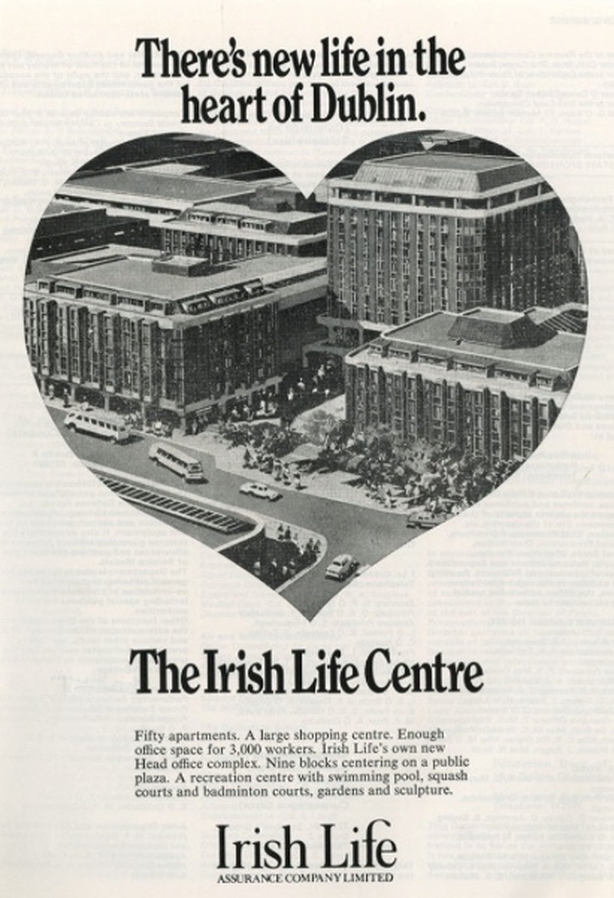
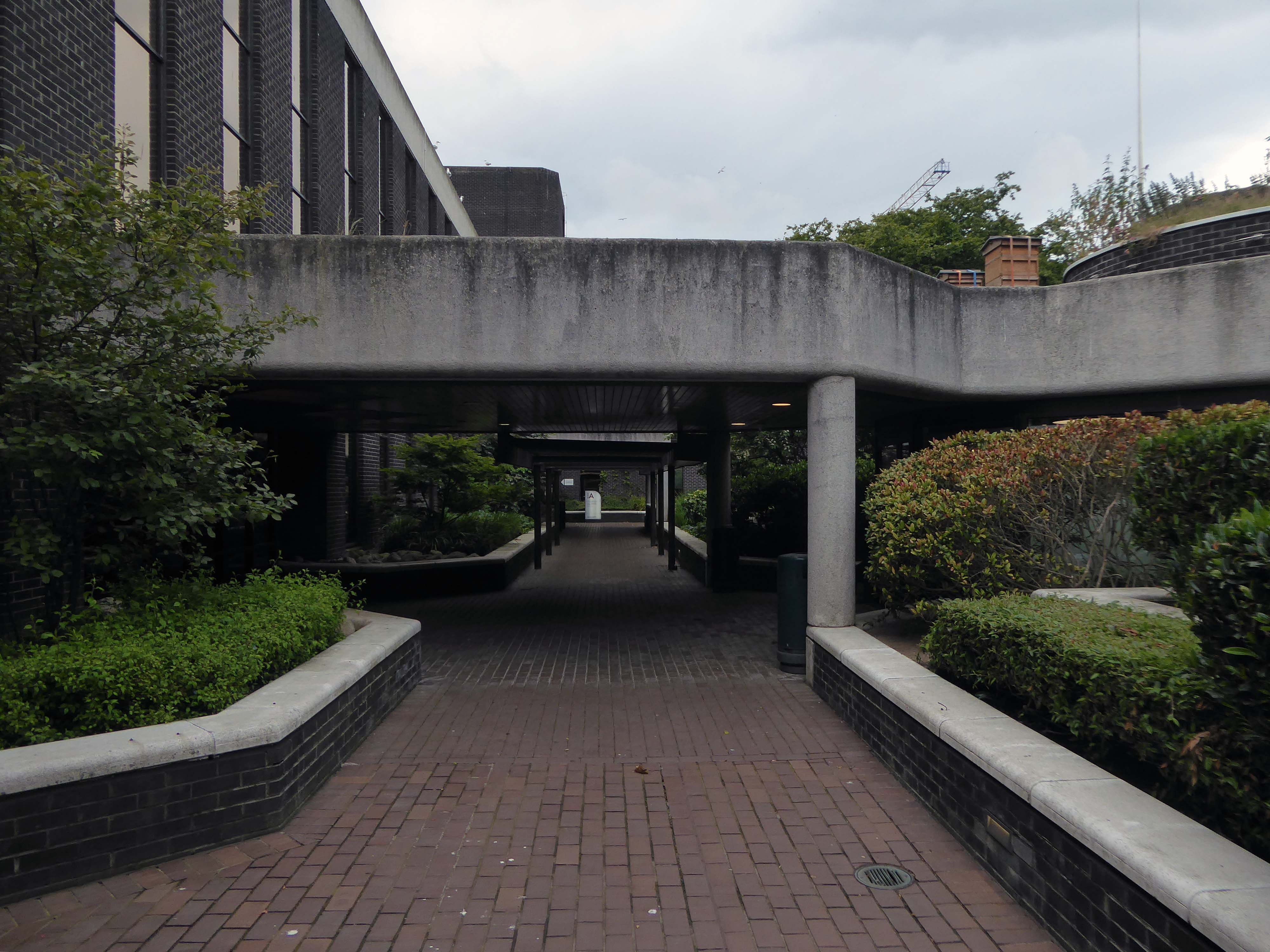
The nine-building Irish Life Centre complex was originally built between 1974 and 1977 comprising office space, as well as two blocks of apartments. The complex was built on the former site of the Brook Thomas warehouse and timber yards along with other adjoining sites costing £900,000.

1970s

Irish Life, now part of the Canadian multinational Great-West Lifeco, were the original developers.

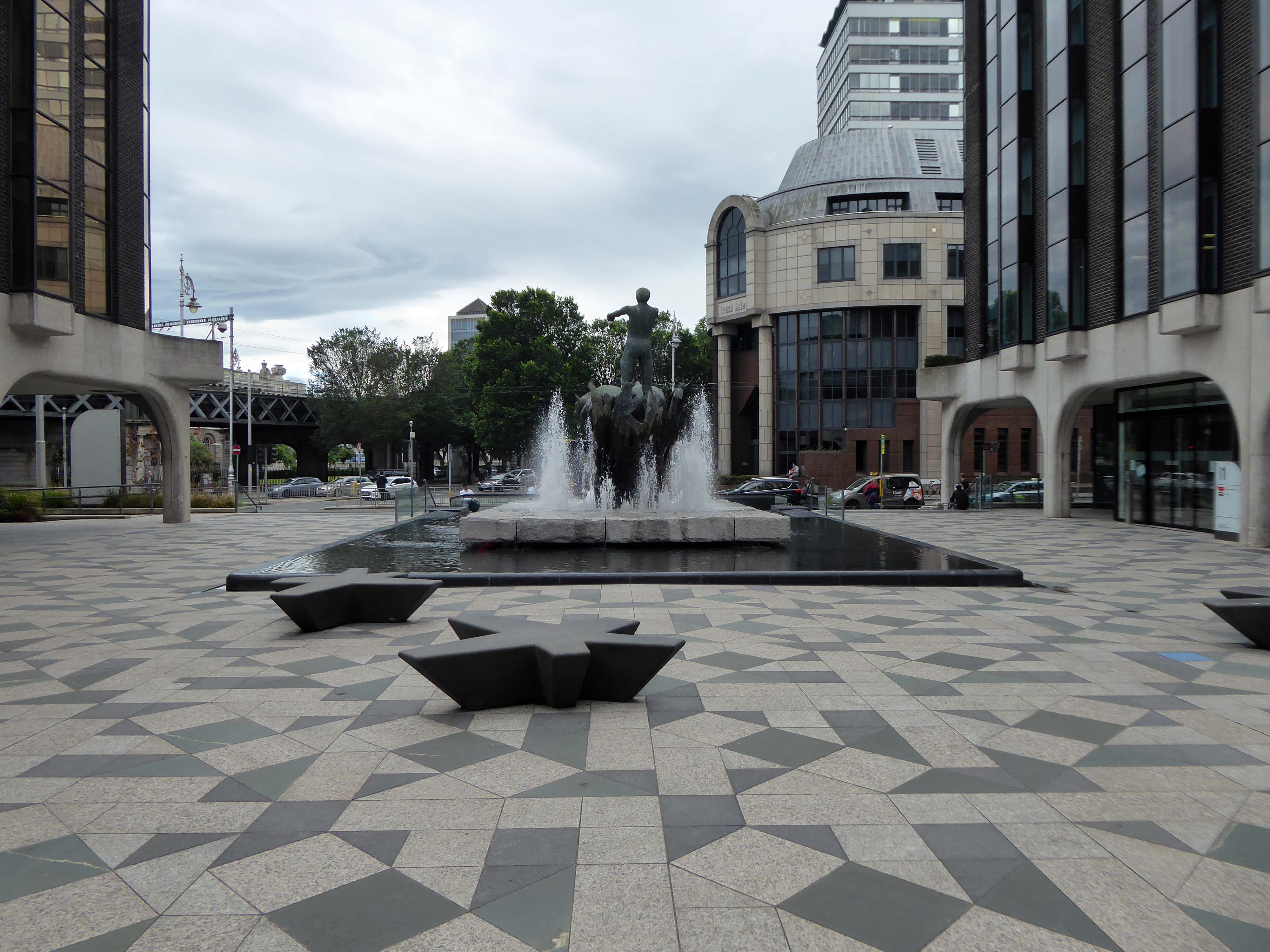
The 14-foot copper-bronze sculpture Chariots of Life by Oisín Kelly 1915 – 1981, greets staff and visitors at the entrance plaza. Although completed in 1978, the sculpture was not unveiled formally until 1982.

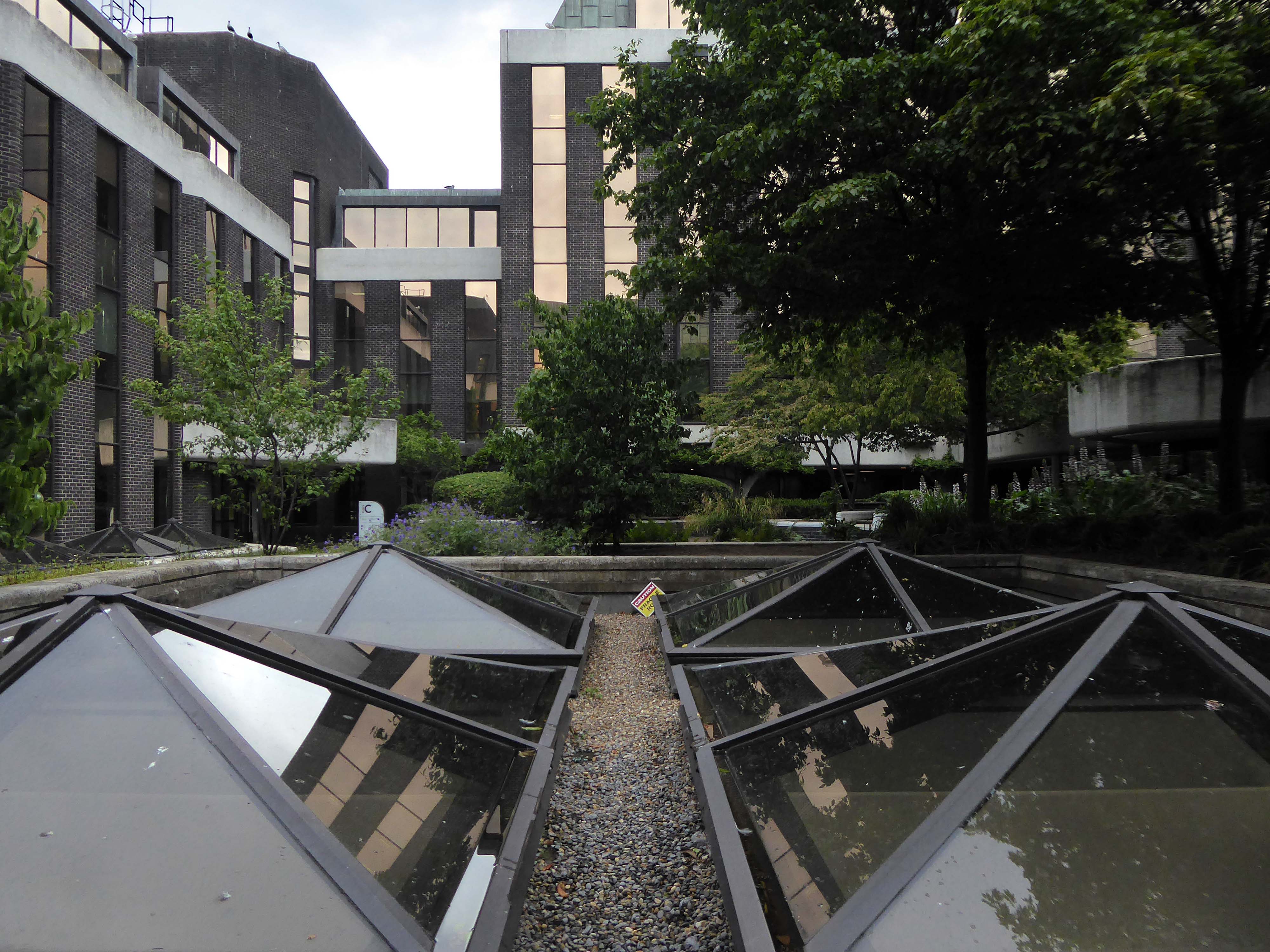
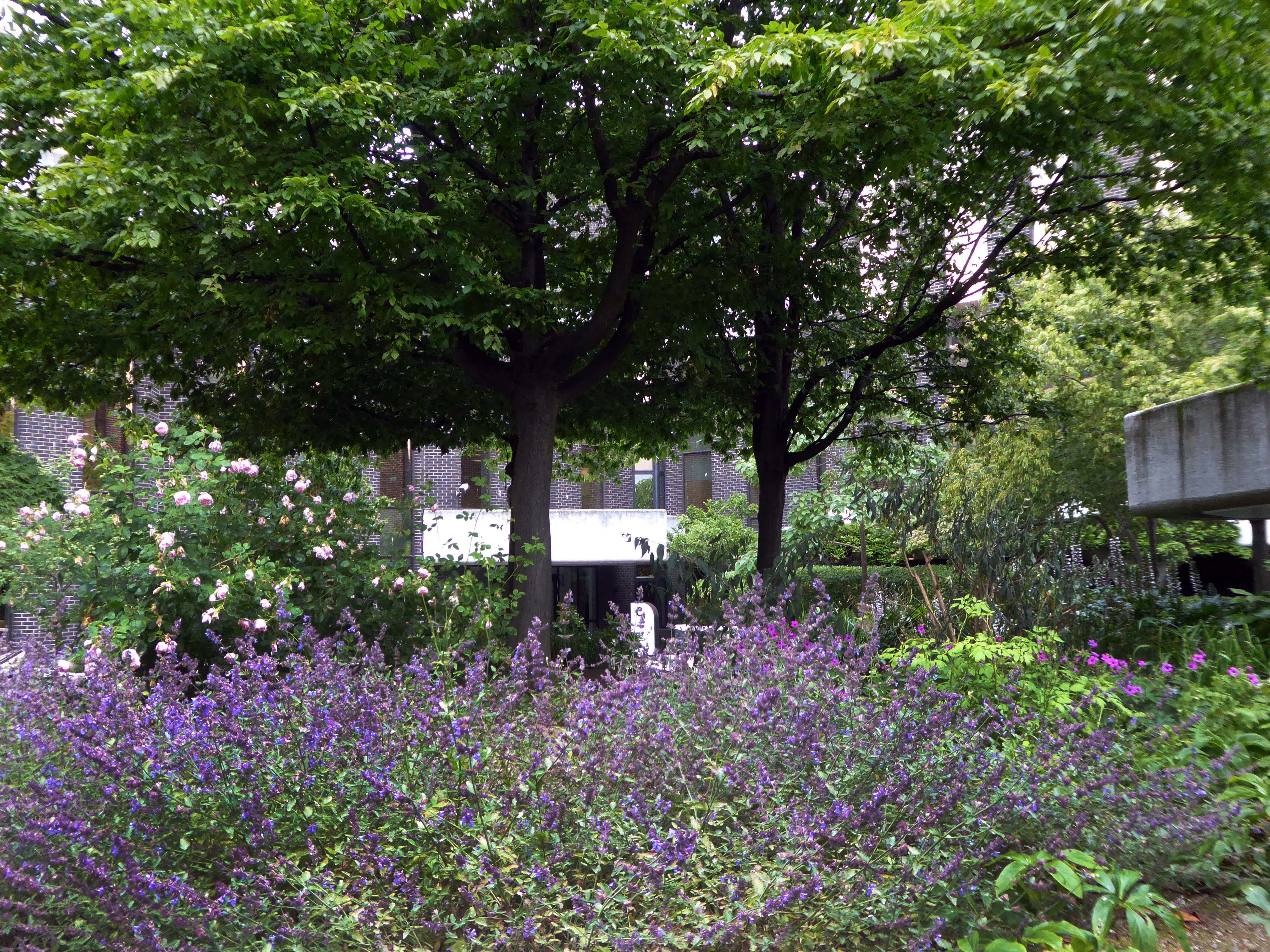
Inside the Abbey Court Garden there was once a large colourful mosaic, Sweeney Astray – 1987 by Desmond Kinney. The glass mosaic was comprised of twelve panels narrating Sweeney’s wanderings through forests and hills, from prose and poems dating back to the 1600s and updated by Seamus Heaney in the early 1980s.

It was removed in 2013.

Emma Gilleece

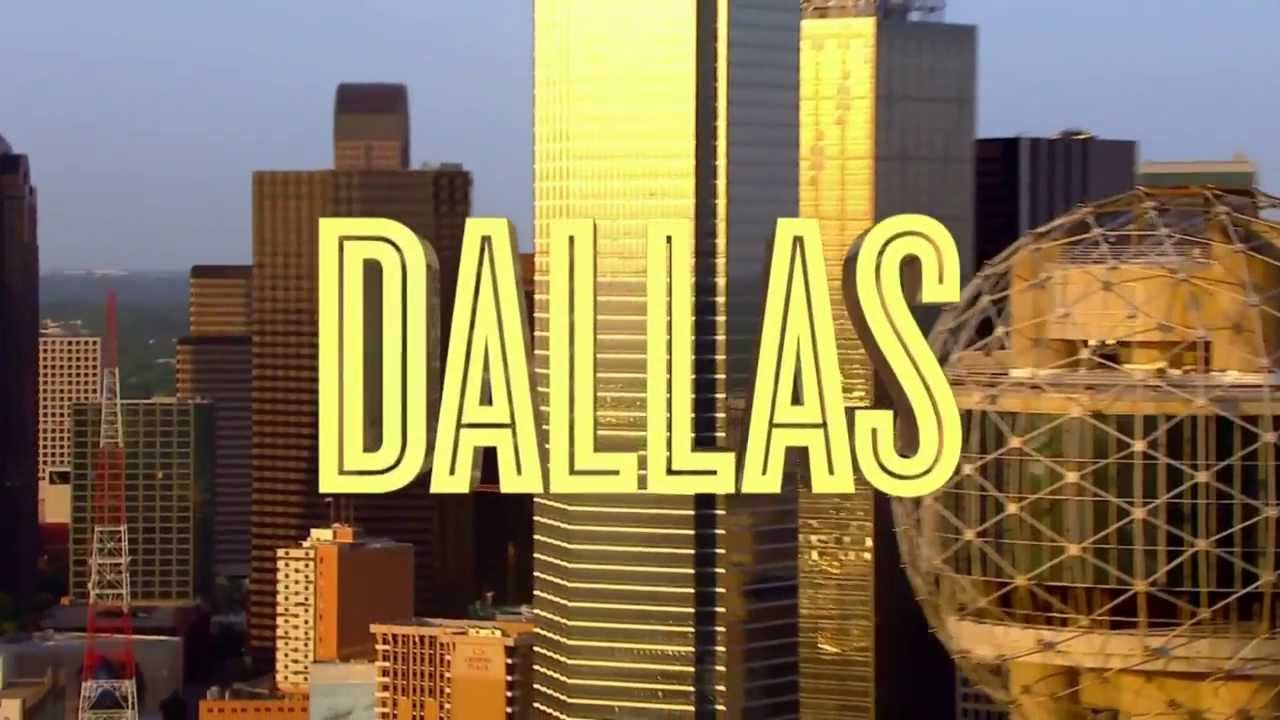
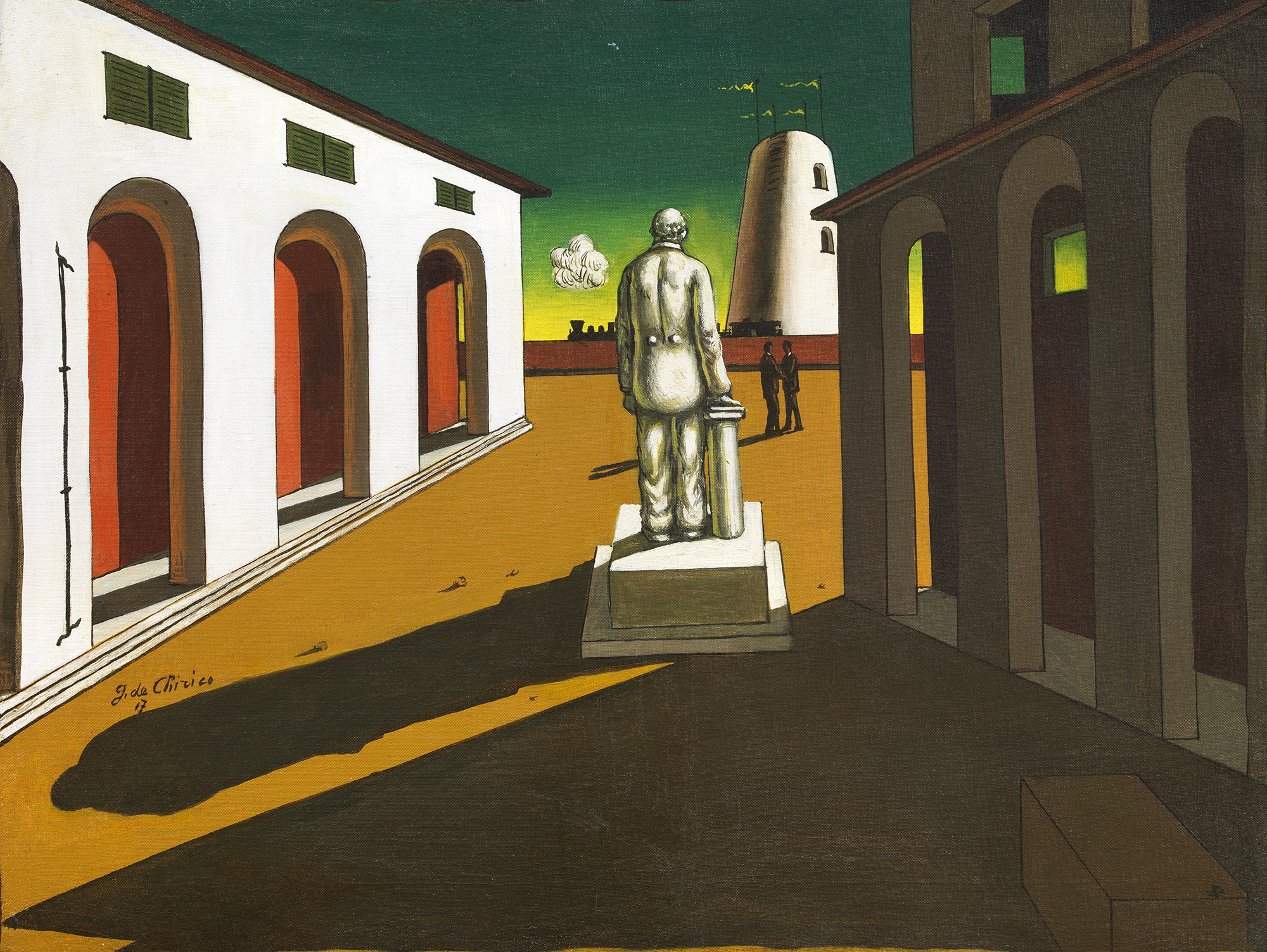
This is Dallas meets De Chirico – bronzed glass and dark colonnades surrounding open un-peopled piazzas.

Wandering under low underpasses into open space and finally into a green oasis.

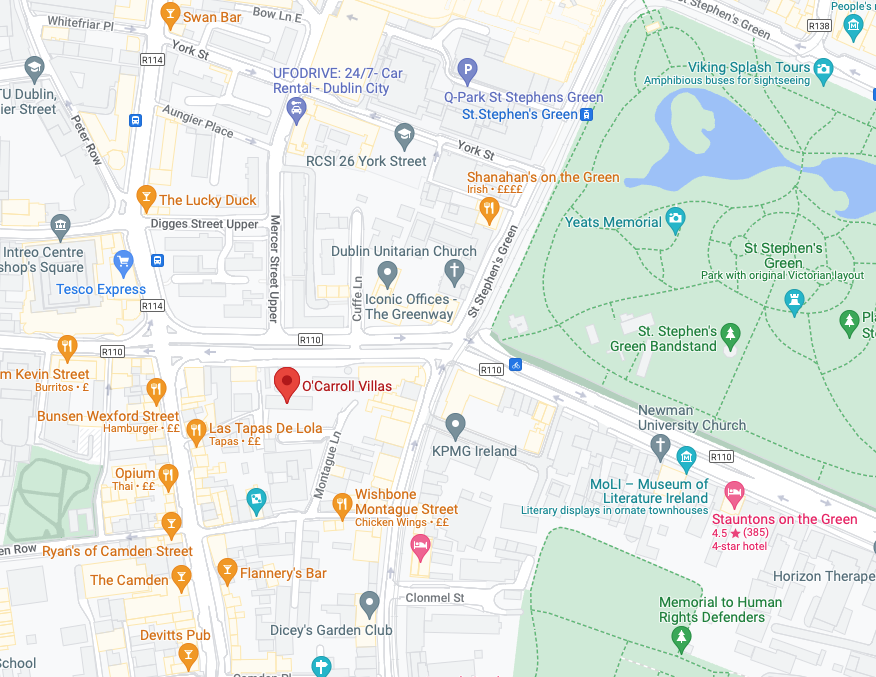
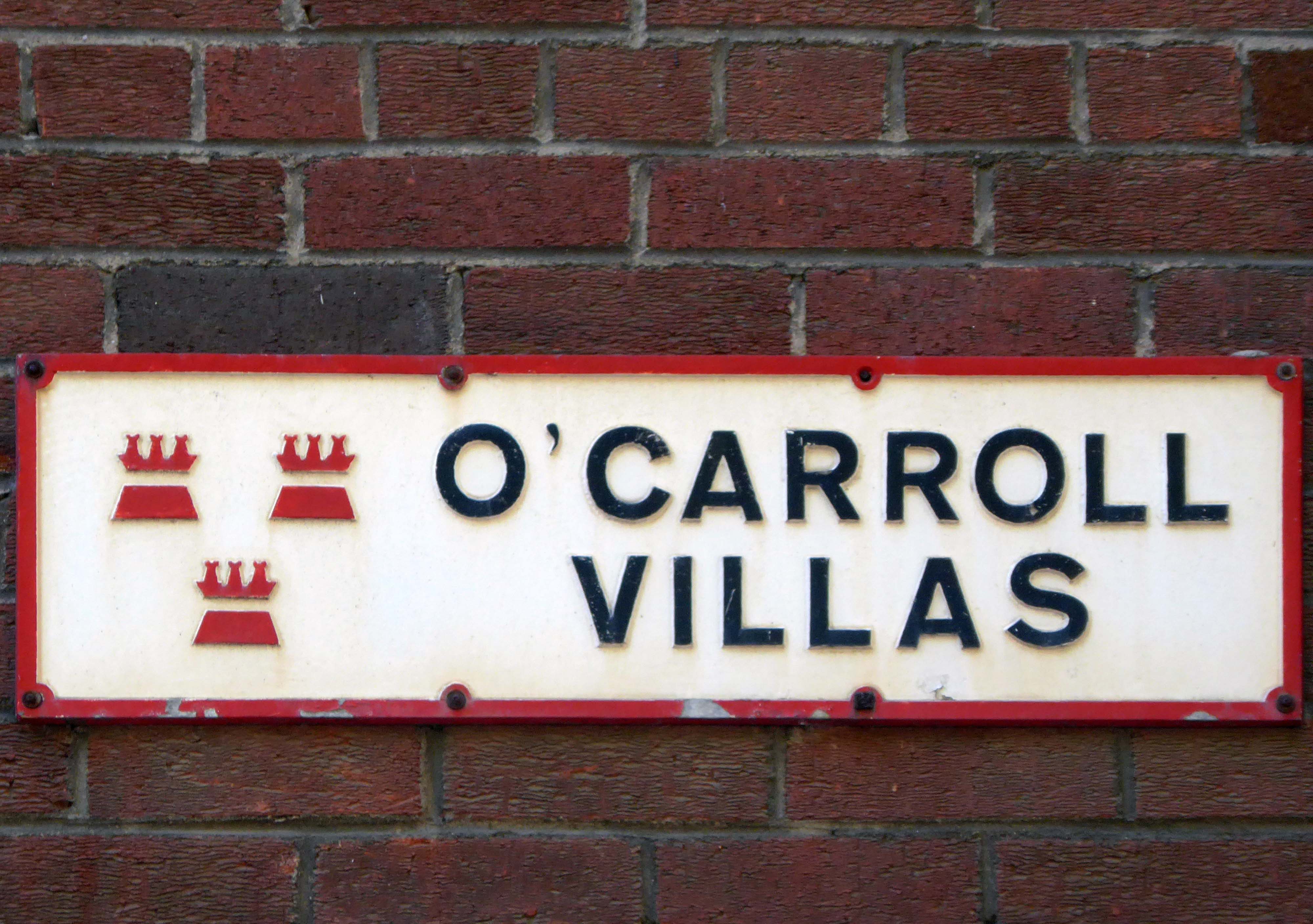
O’Carroll Villas

Cuffe St Dublin 2 Ireland

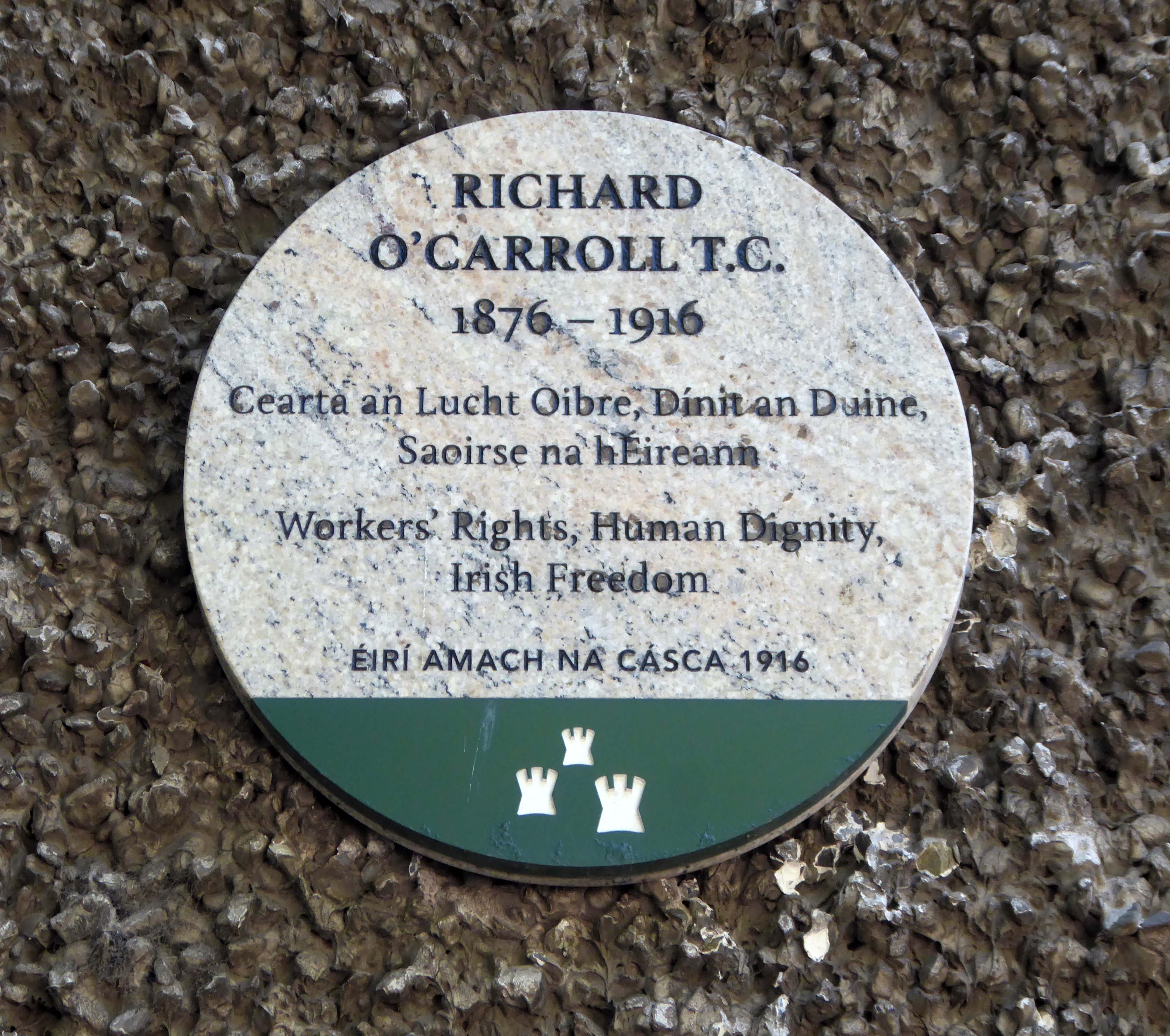
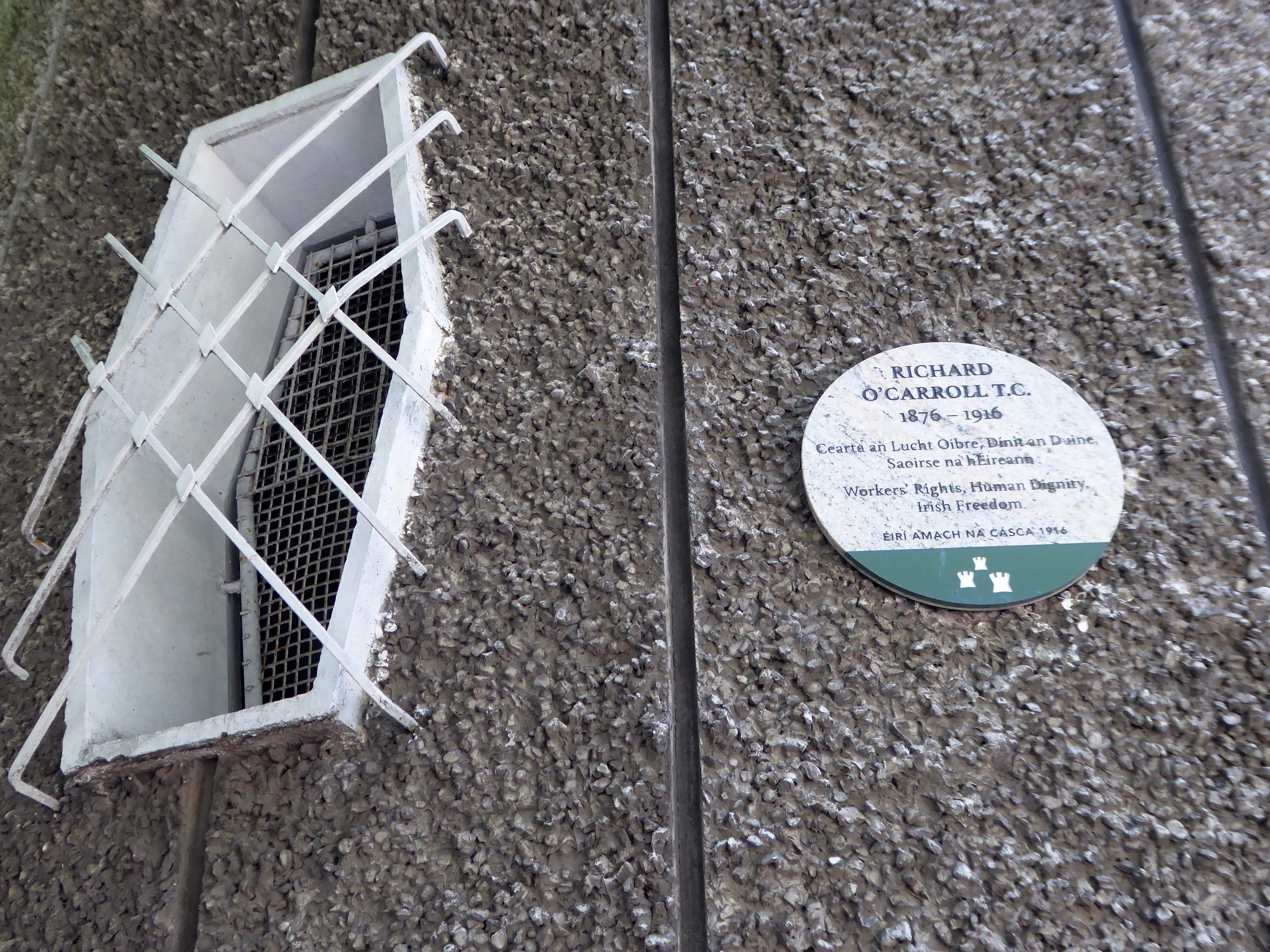
Richard O’Carroll TC died for his country on 5th May 1916.

A true martyr for the love of his Country and its people, and a true Working Class Hero!

Cllr O’Carroll deserves to be recognised by the State and the People of Ireland for his work with the Labour Party, The Ancient Guild of Brick & Stonelayers Trade Union and most importantly for his contribution to the Freedom of Ireland.

‘Bhí sé dílis dá thír is dá chineál’

‘He loved his country and served his kind’

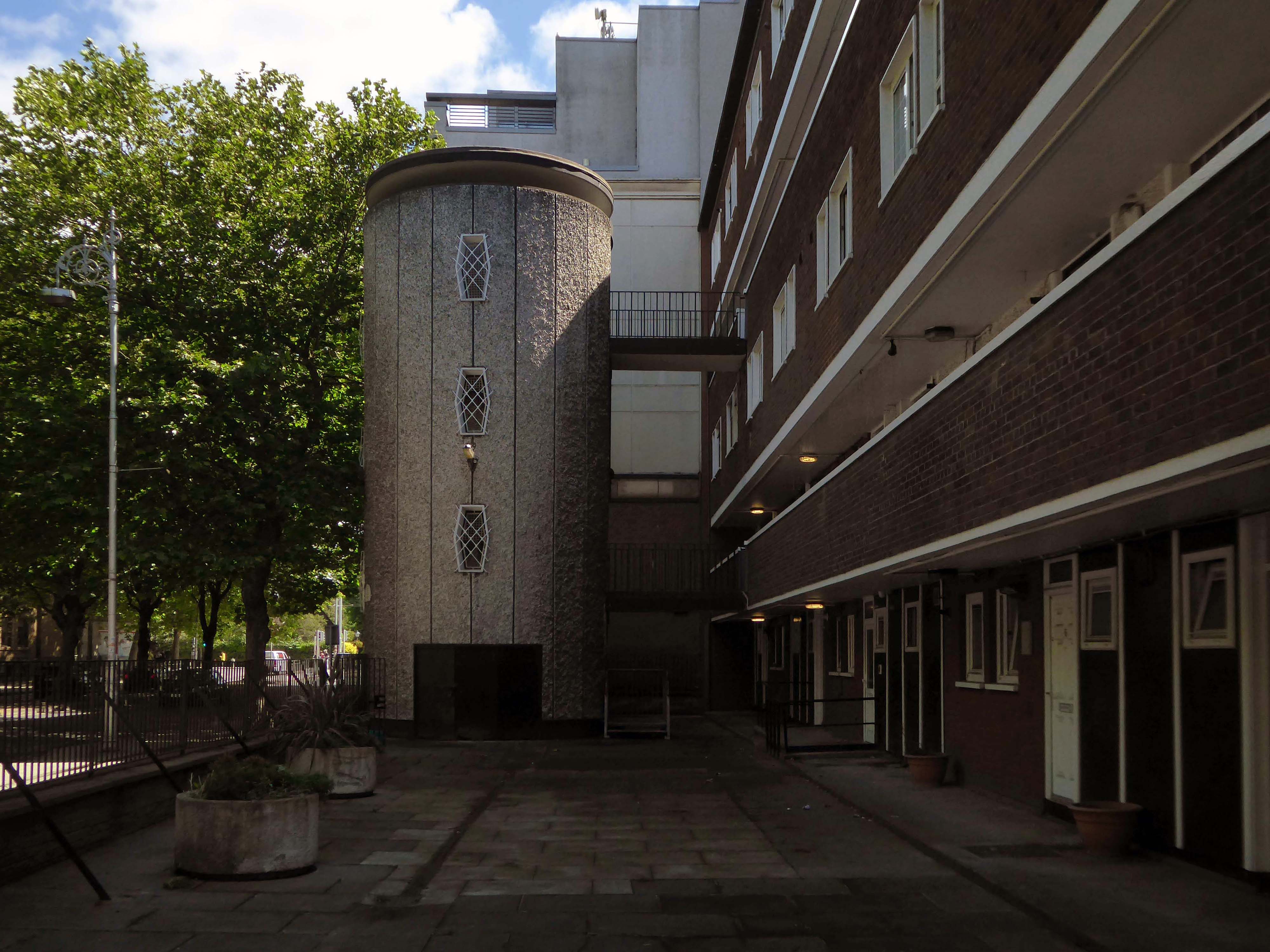
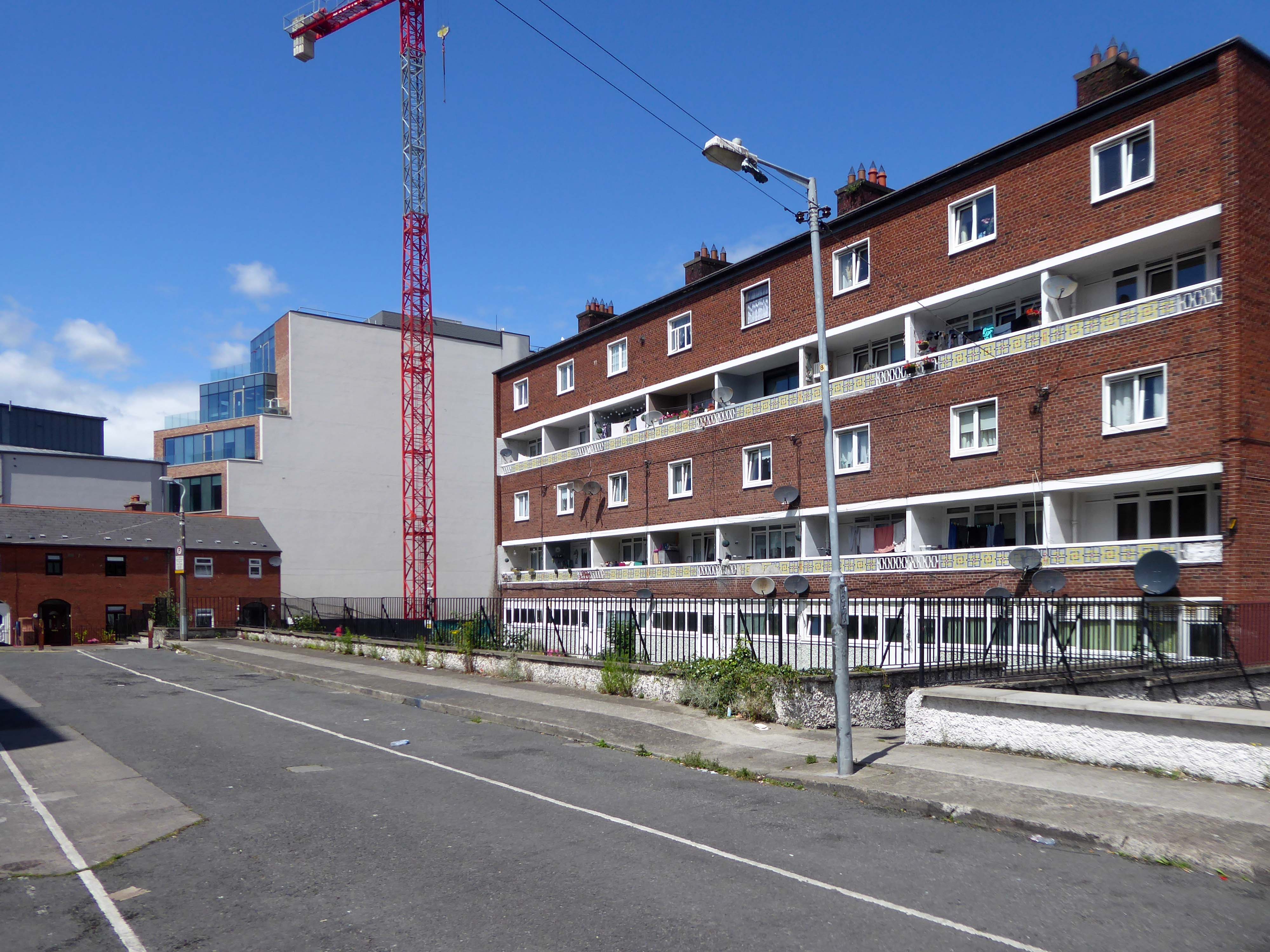
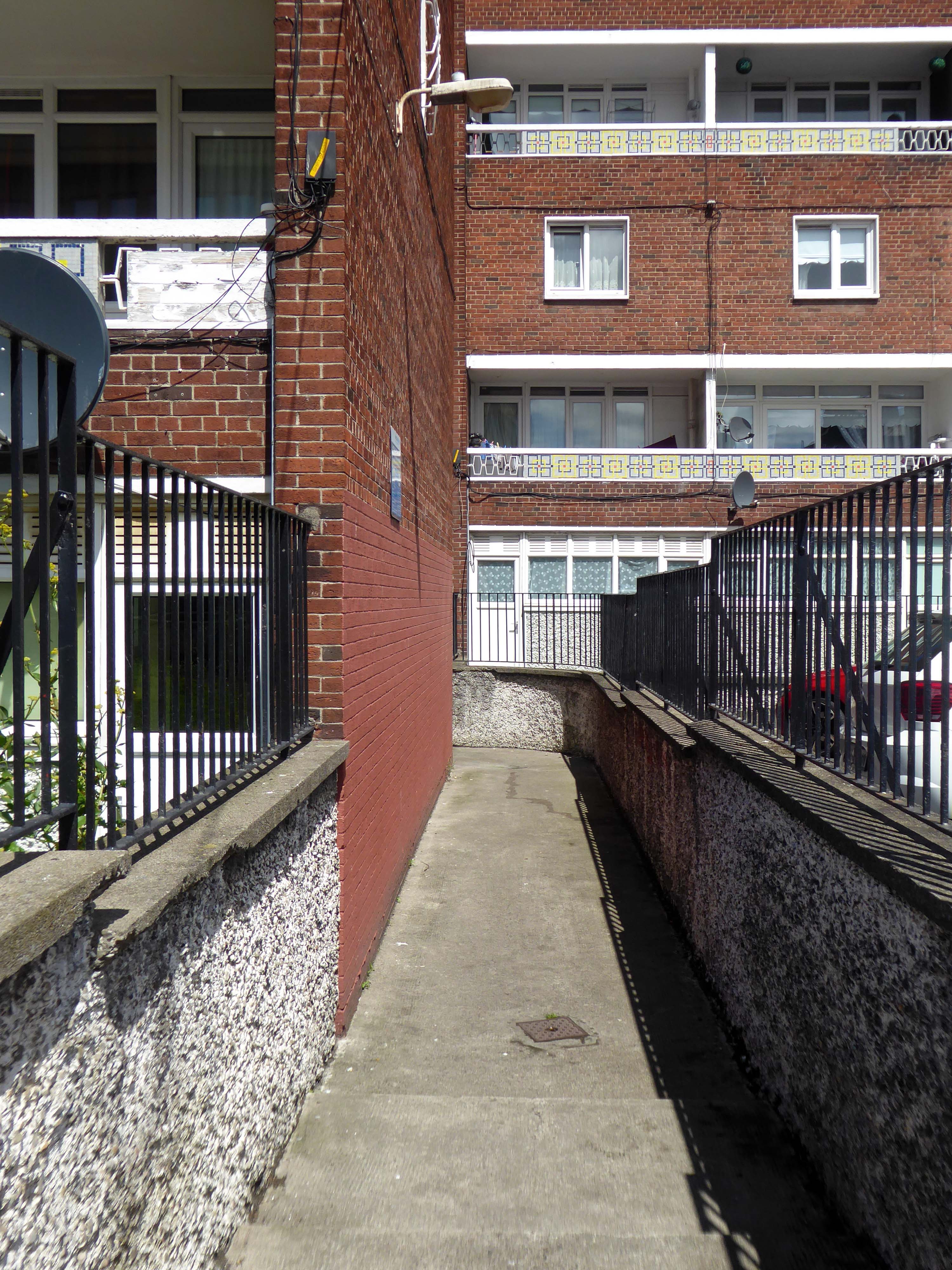
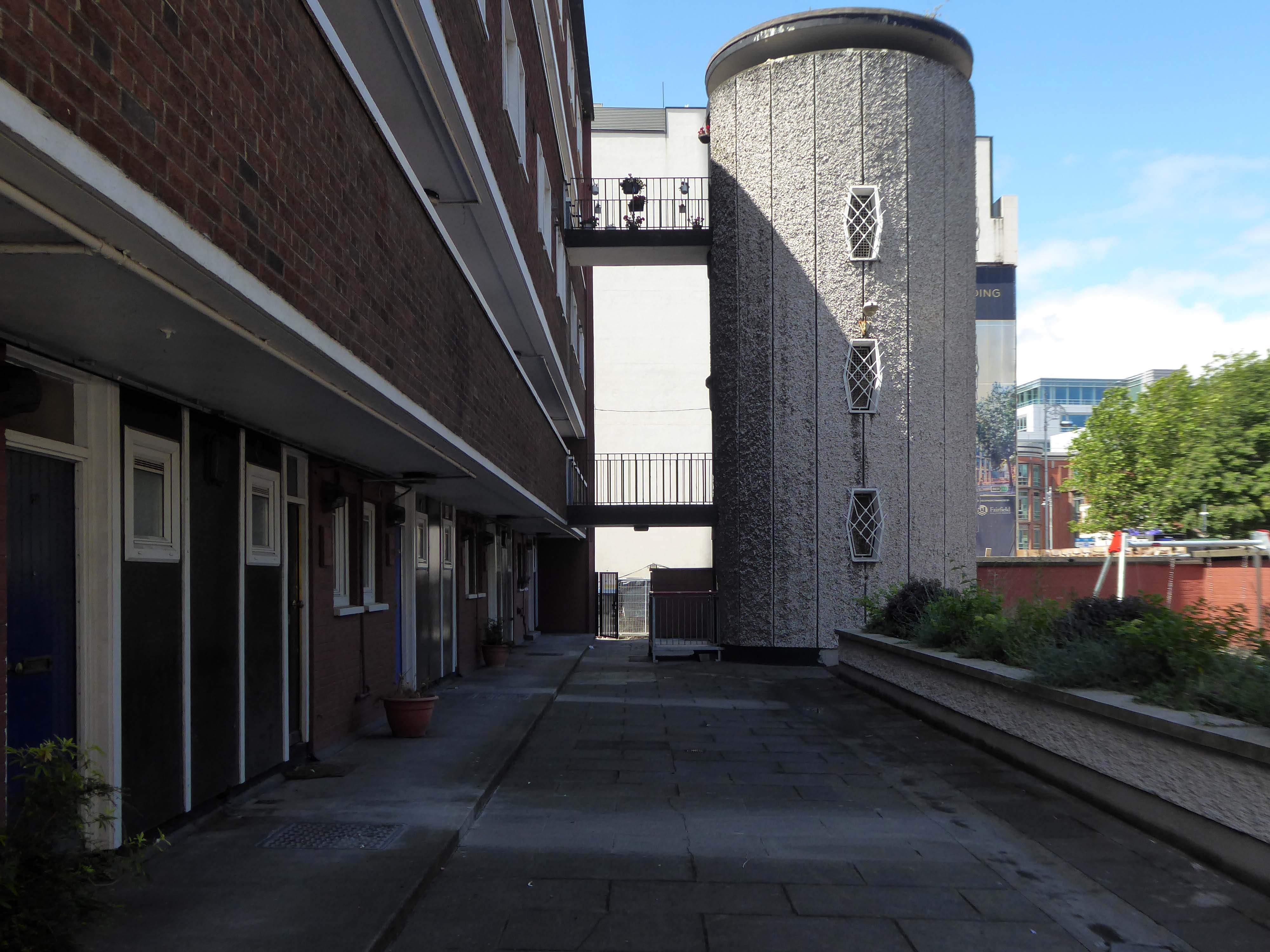
I came upon these two slab blocks of flats whilst walking the streets of Dublin – this service tower acts as a memorial to his life and achievements.

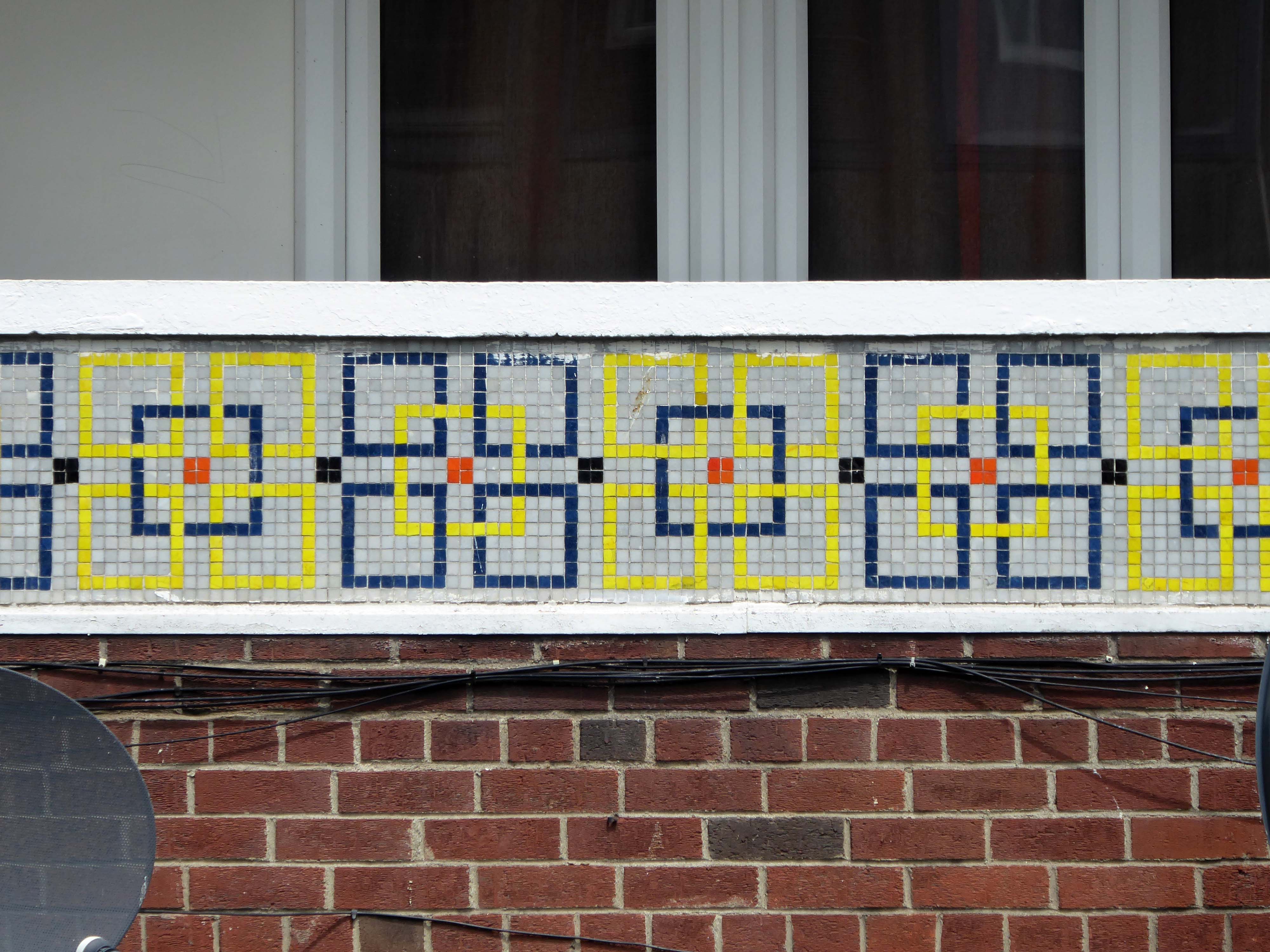
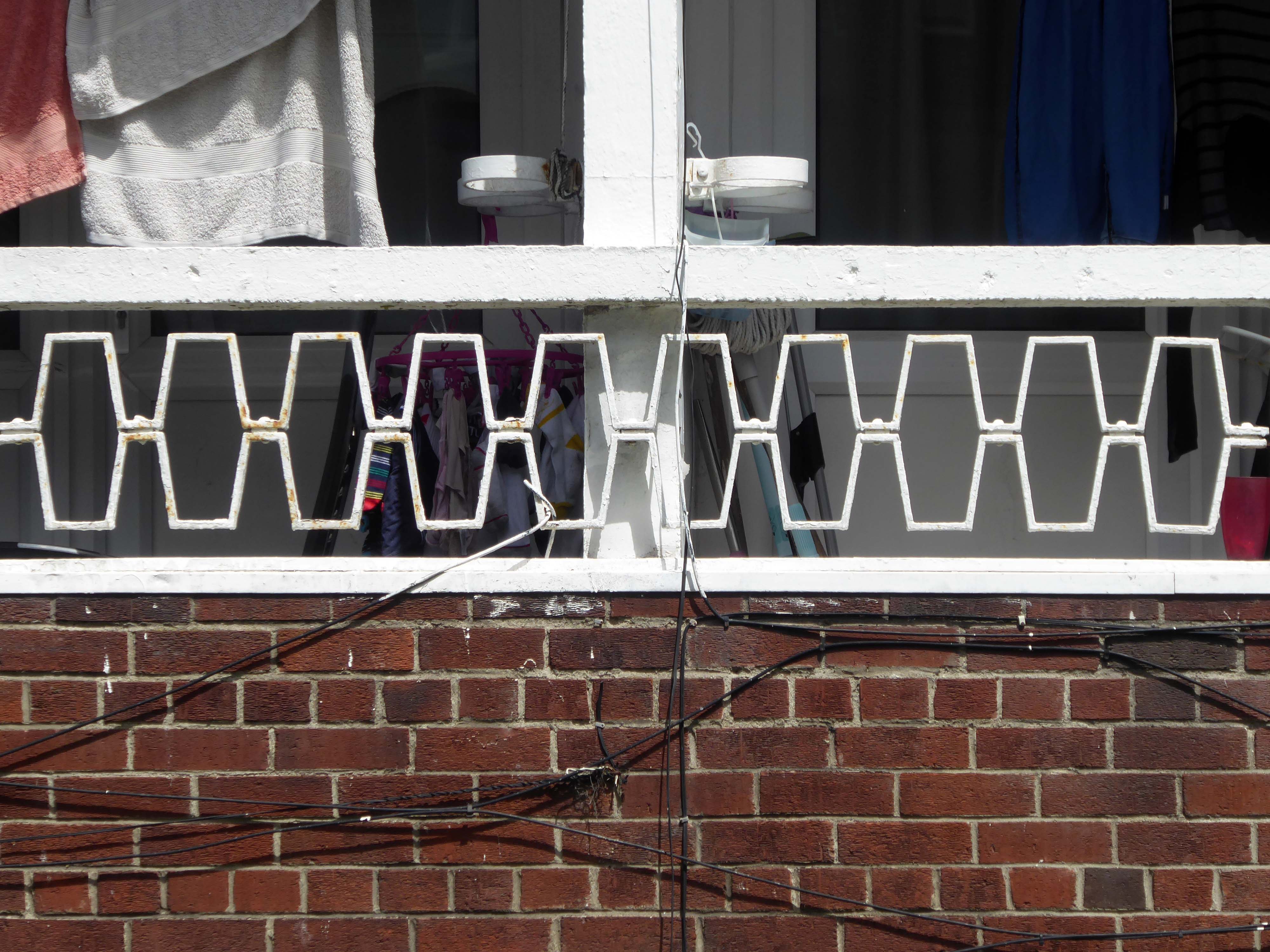
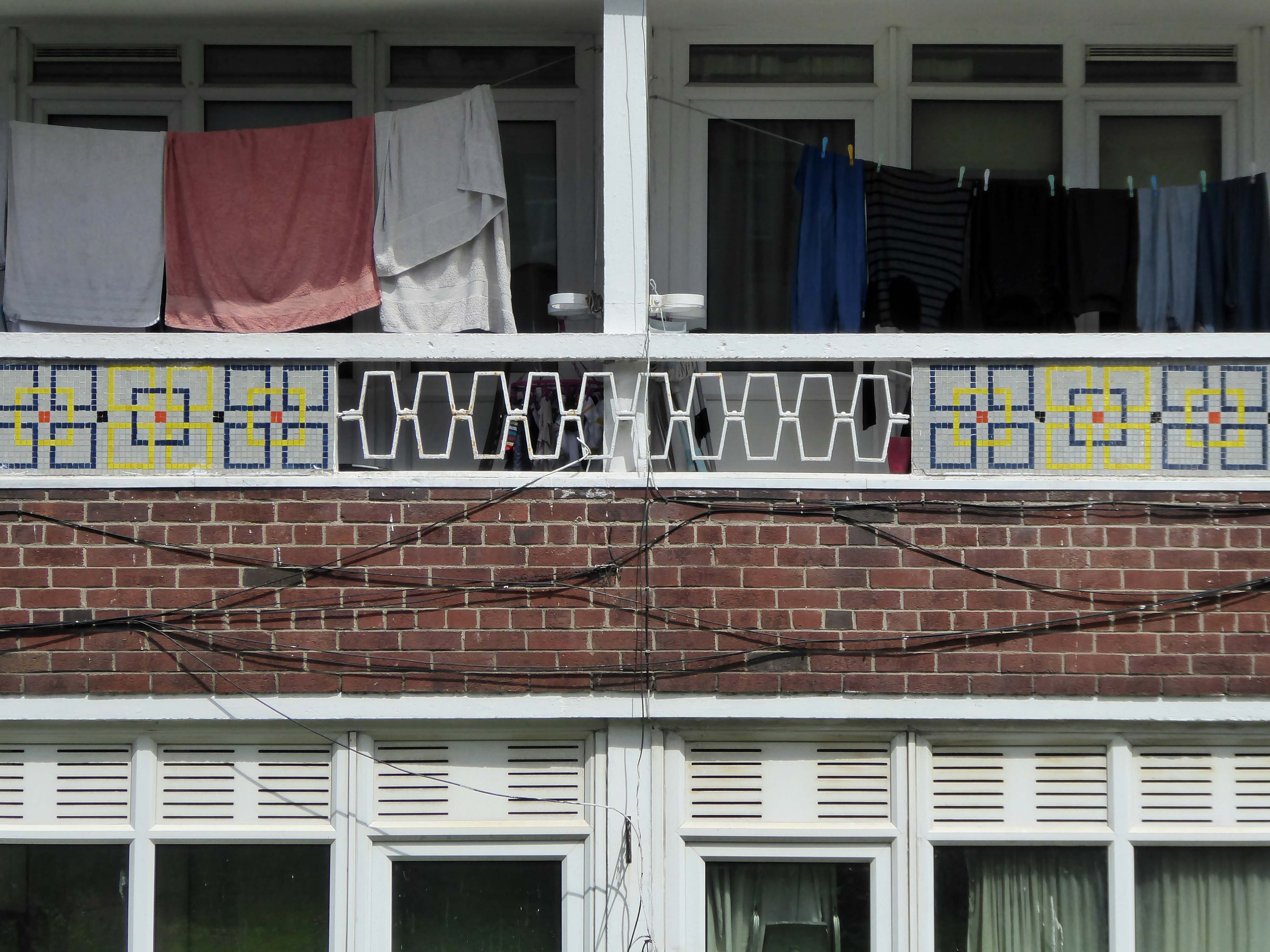
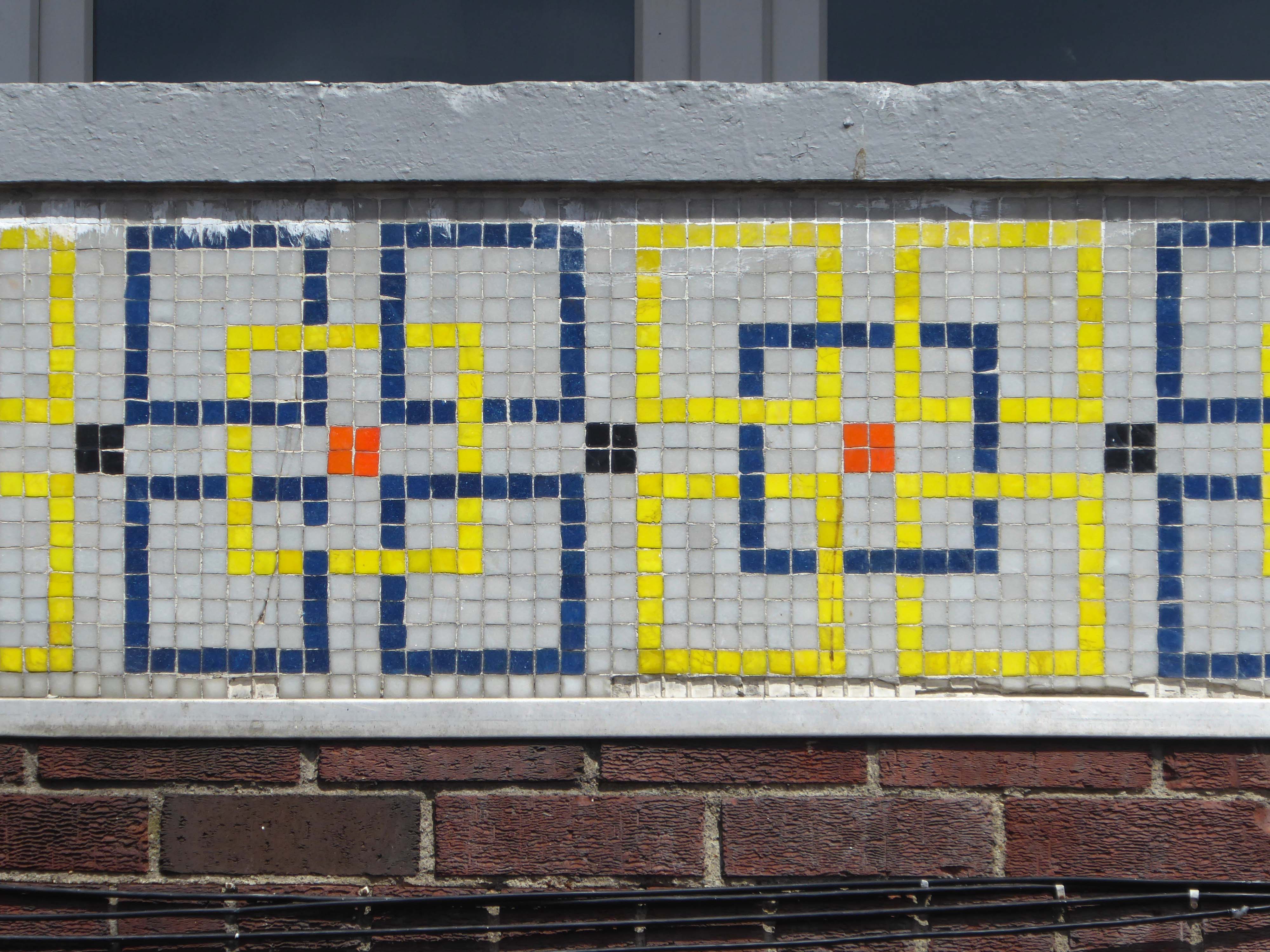
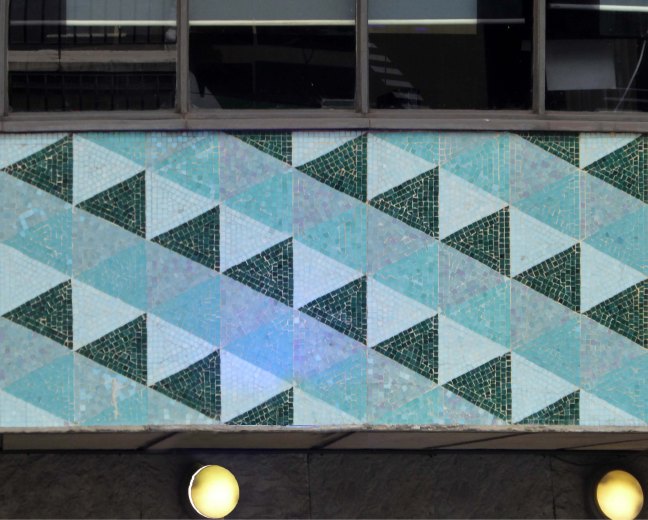
I was stopped in my tracks when I chanced upon the enchanting mosaics, wrought iron railings and walkups, I stayed a while to take a look around.

Busáras – Dublin

Store Street Dublin 1

Architect Michael Scott – 1945-1953

This was my first real trip to Dublin, having previously hastily passed through, over eager to take myself elsewhere. To accompany me I purchased The Dublin Architecture Guide 1937-2021 from Books Upstairs. It proved to be an indispensable companion on my walks around the city.

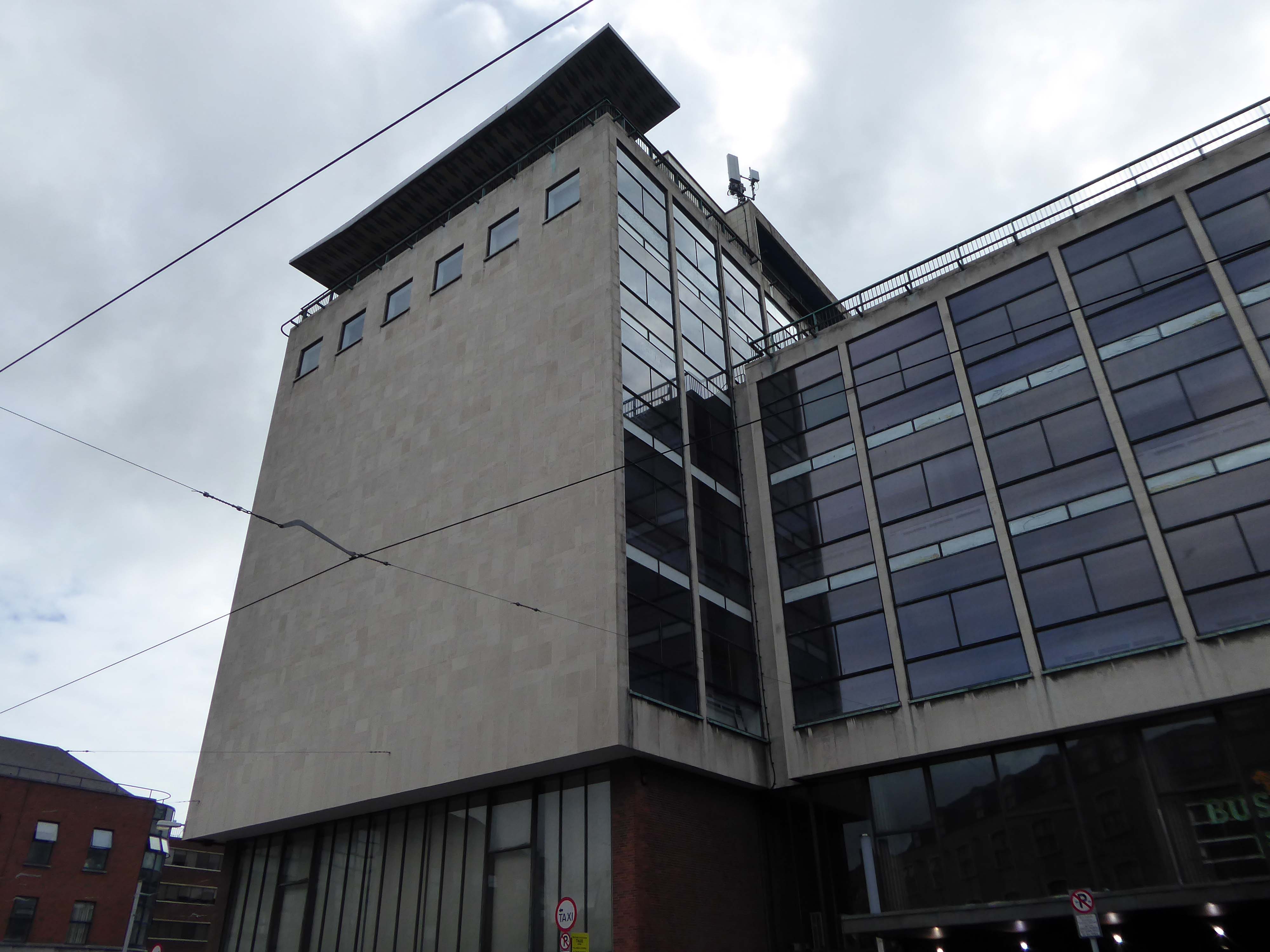
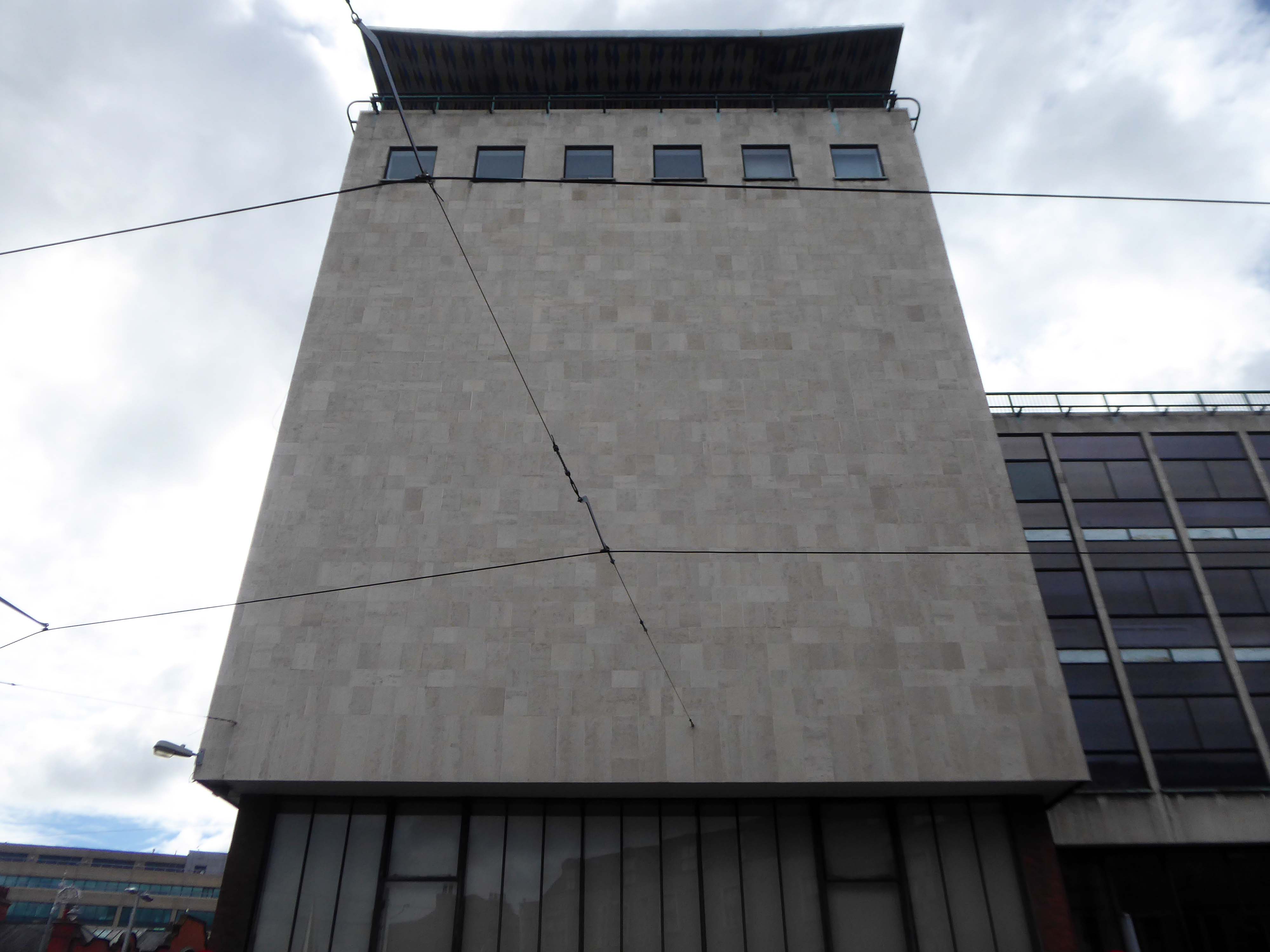
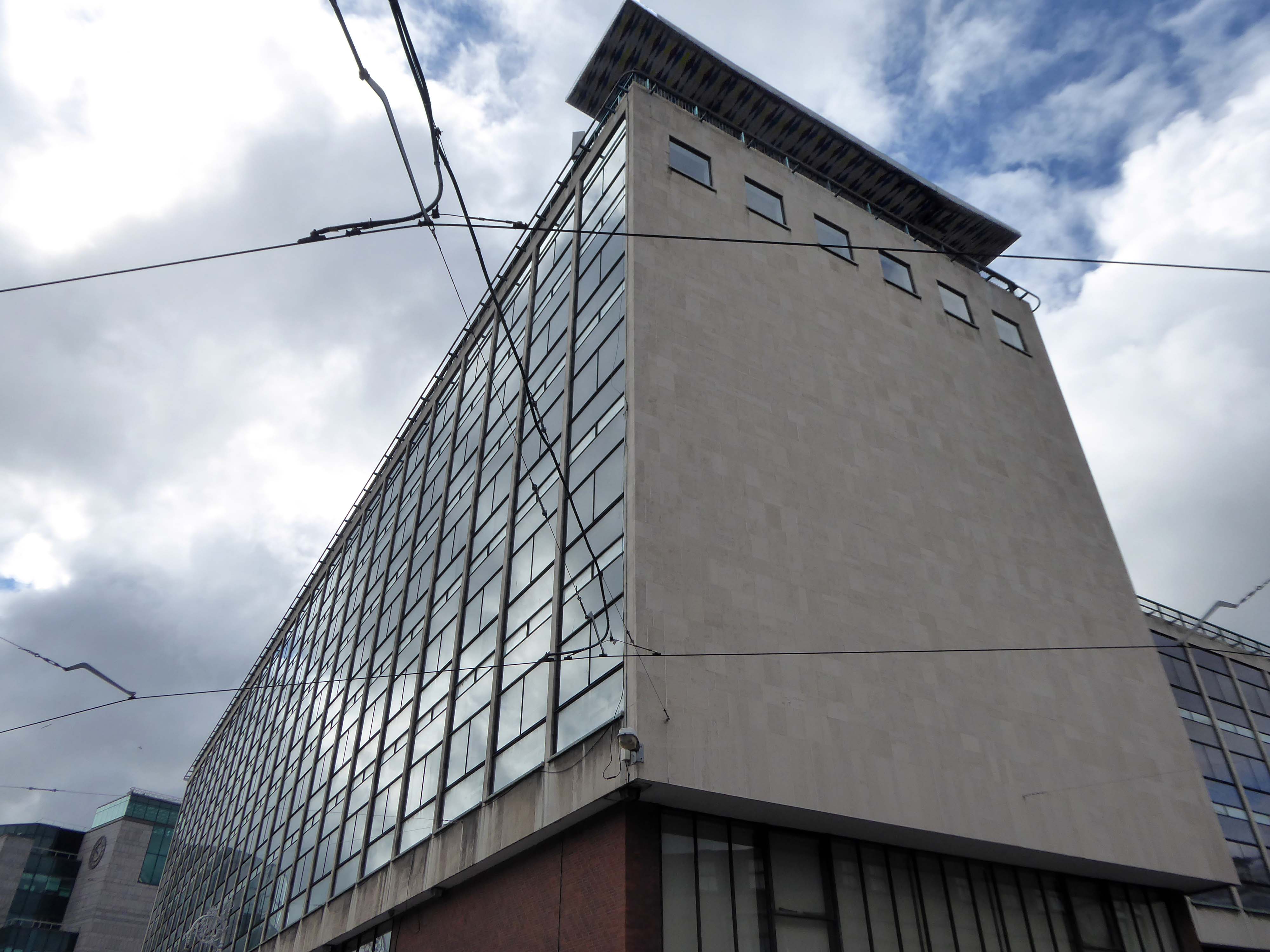
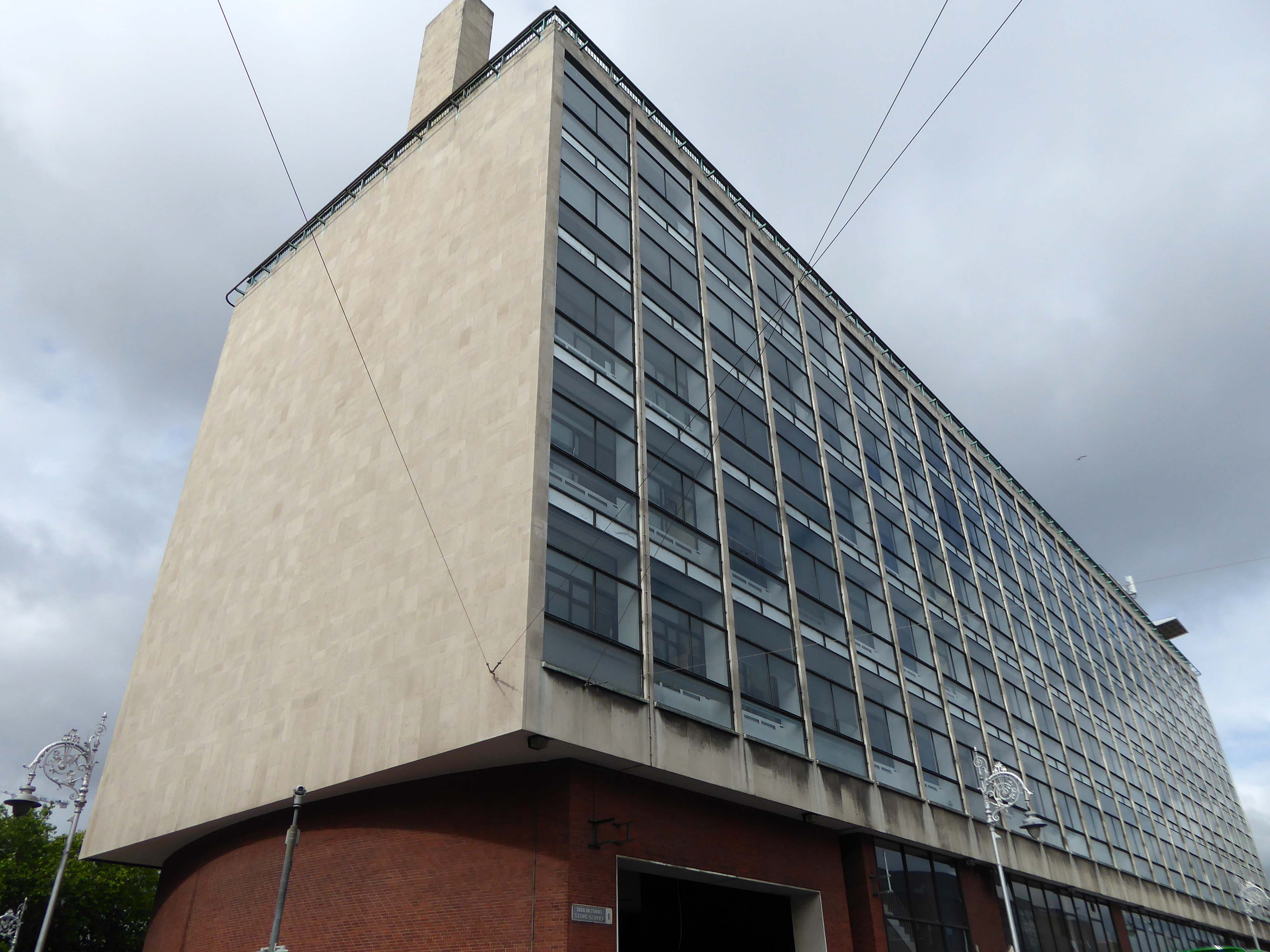
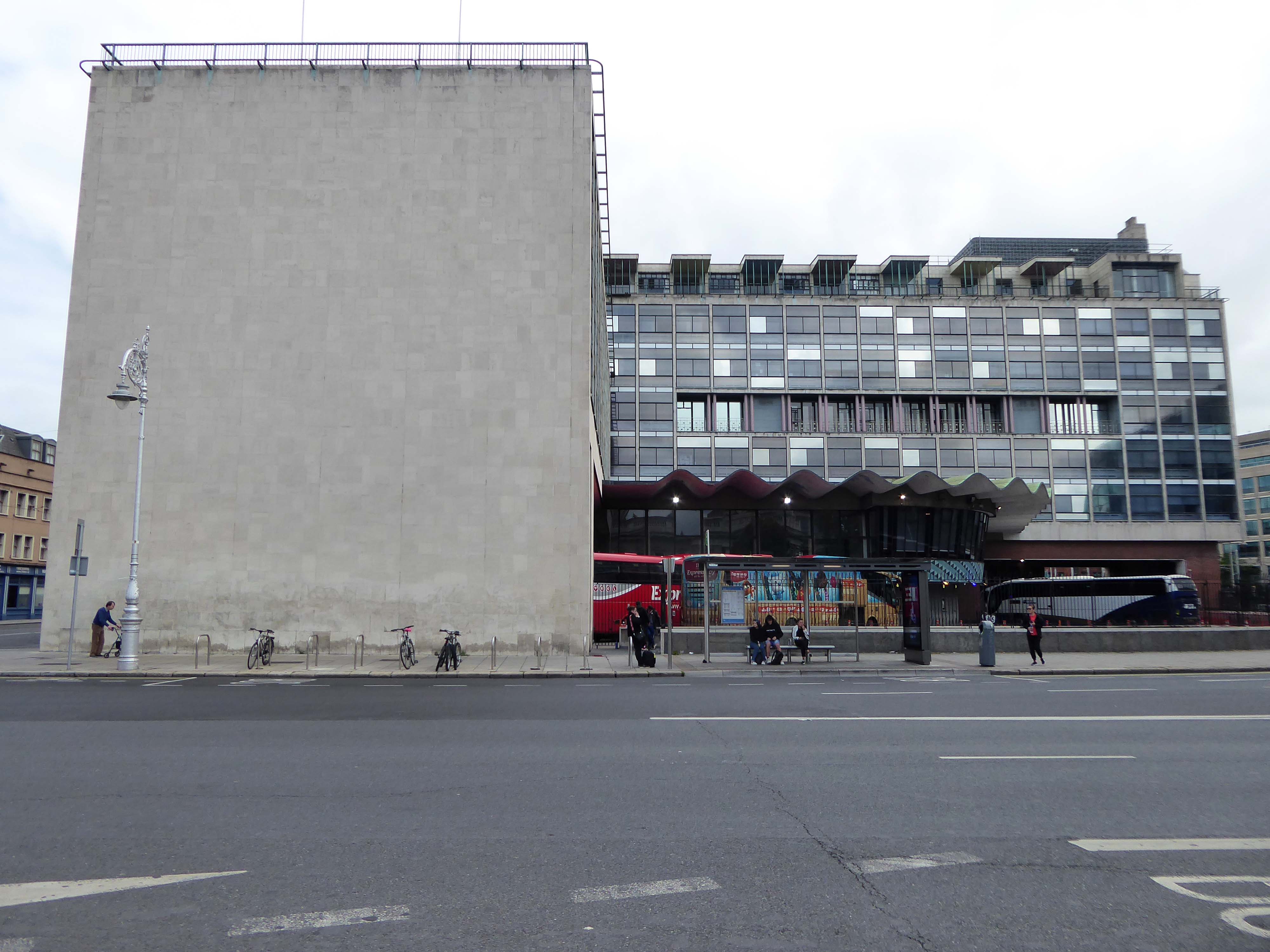
To begin at the end, the last building I explored was the Busáras – the central bus station, for intercity and regional bus services operated by Bus Éireann.

Áras Mhic Dhiarmada – Mac Diarmada House is the official name of the building, which also includes the headquarters of the Department of Social Protection.

CIÉ – parent of Bus Éireann, leases the lower floors from the department. 

Áras Mhic Dhiarmada is named after Seán Mac Diarmada, a leader of the Easter Rising in 1916.

Photo: Architectural Association of Ireland

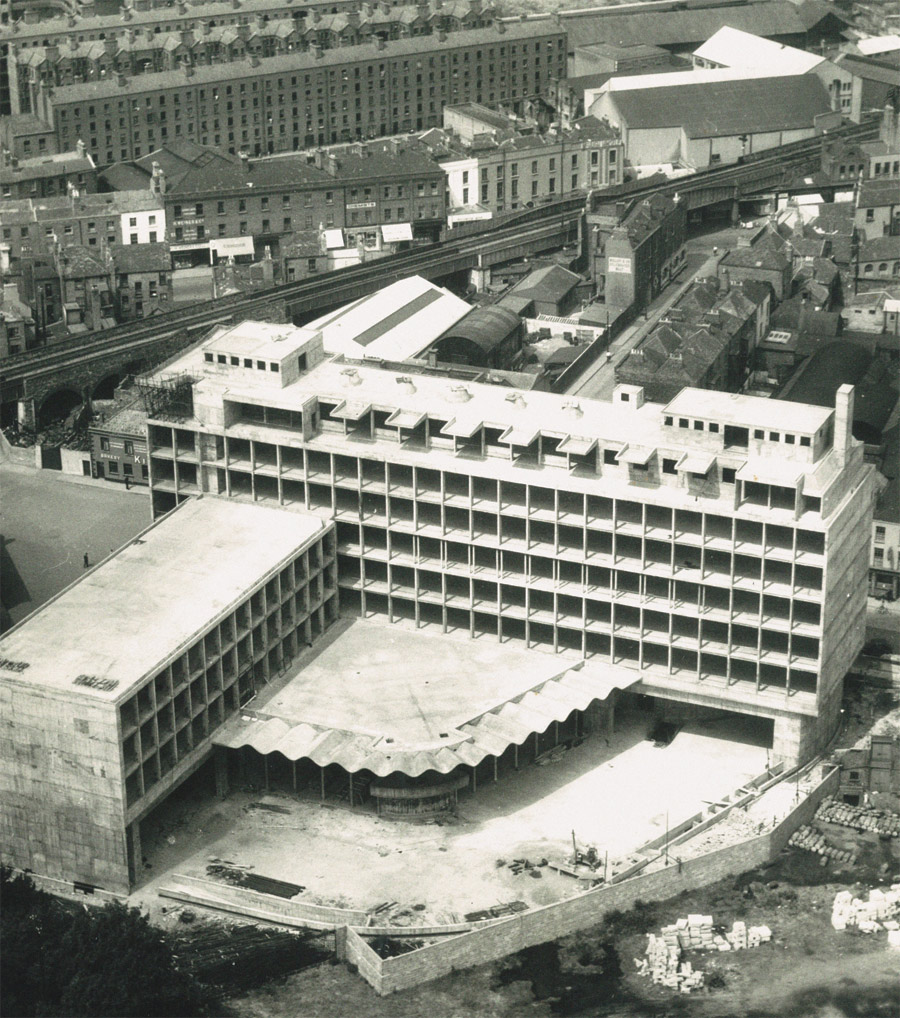
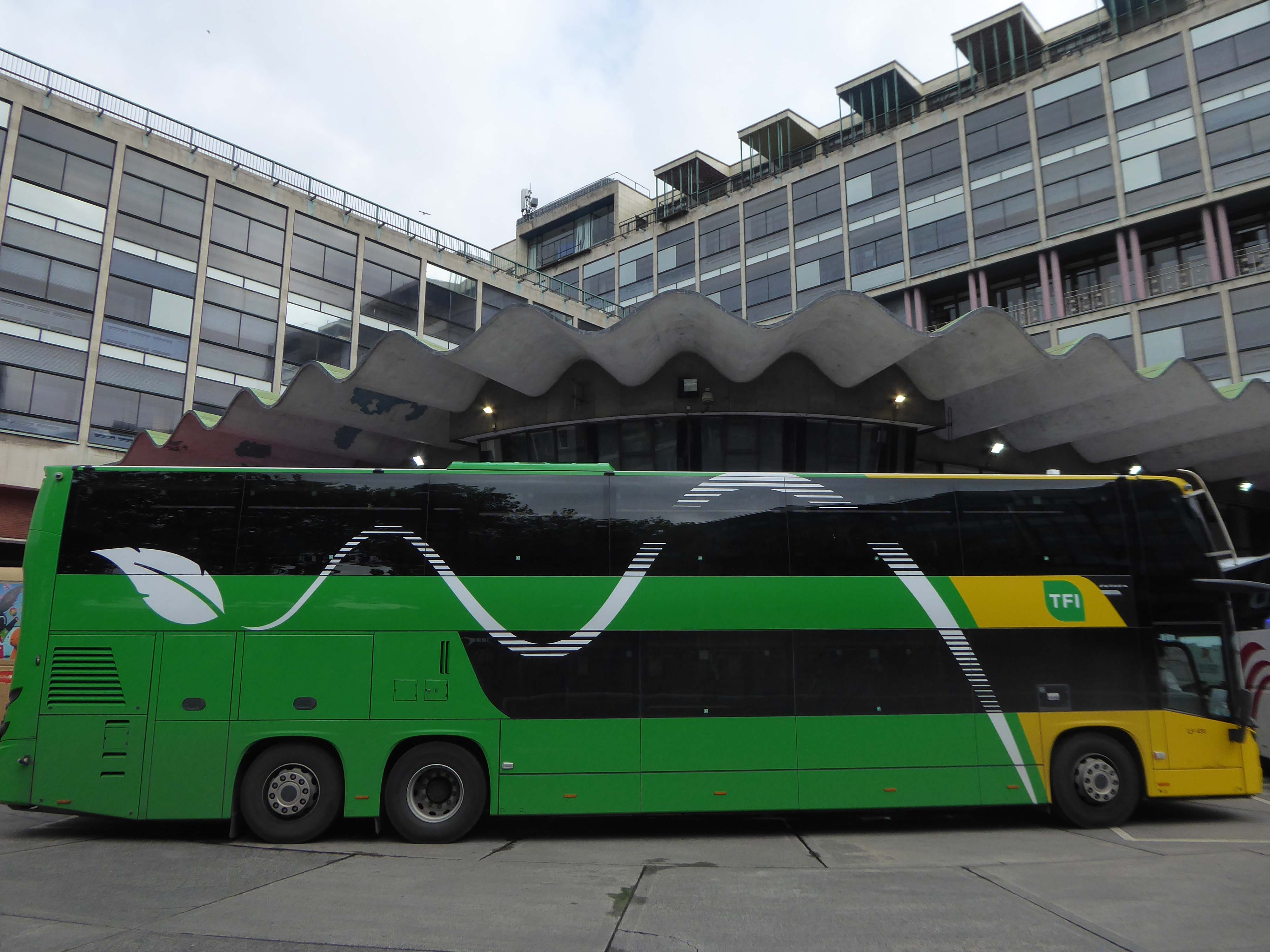
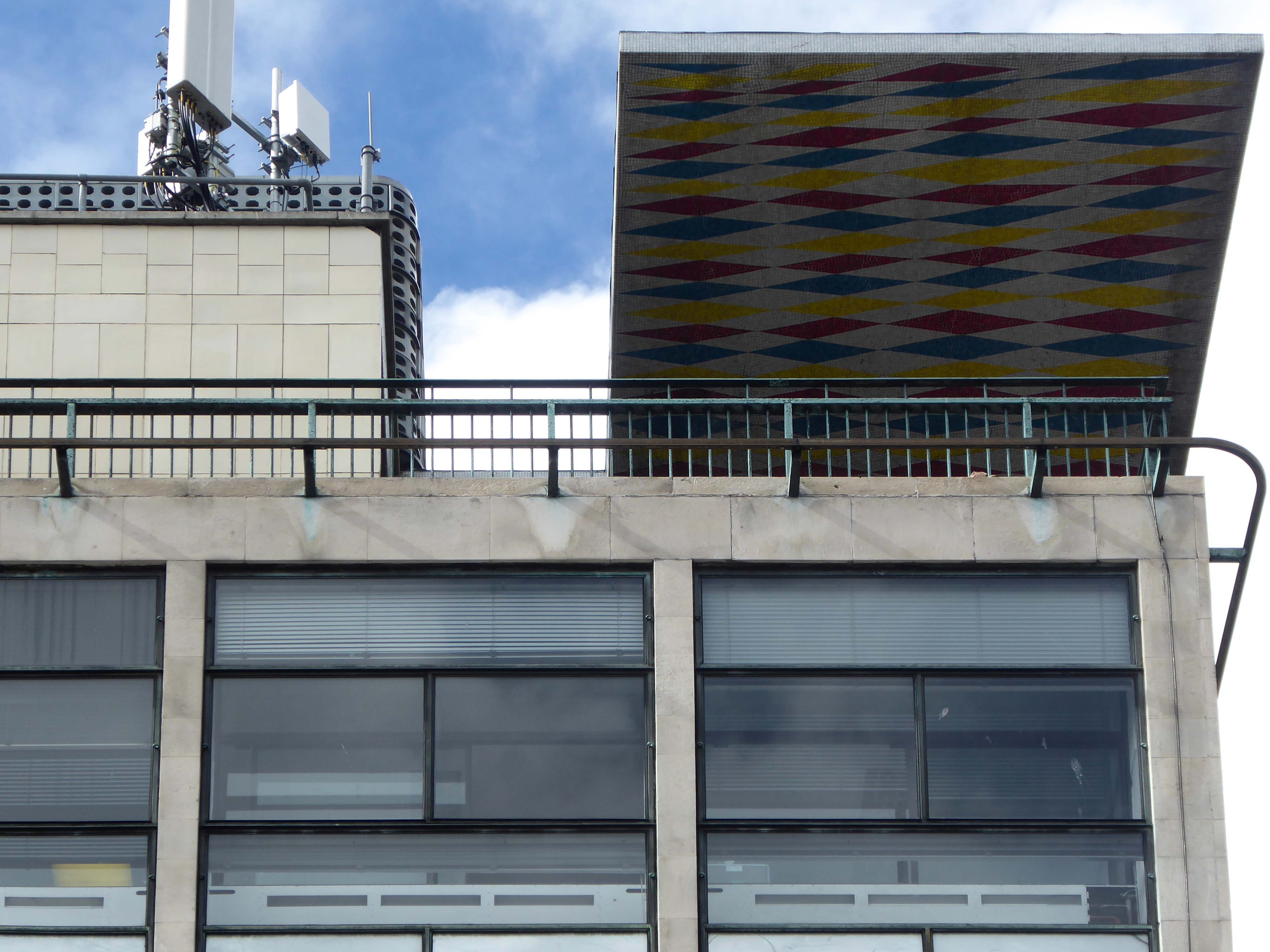
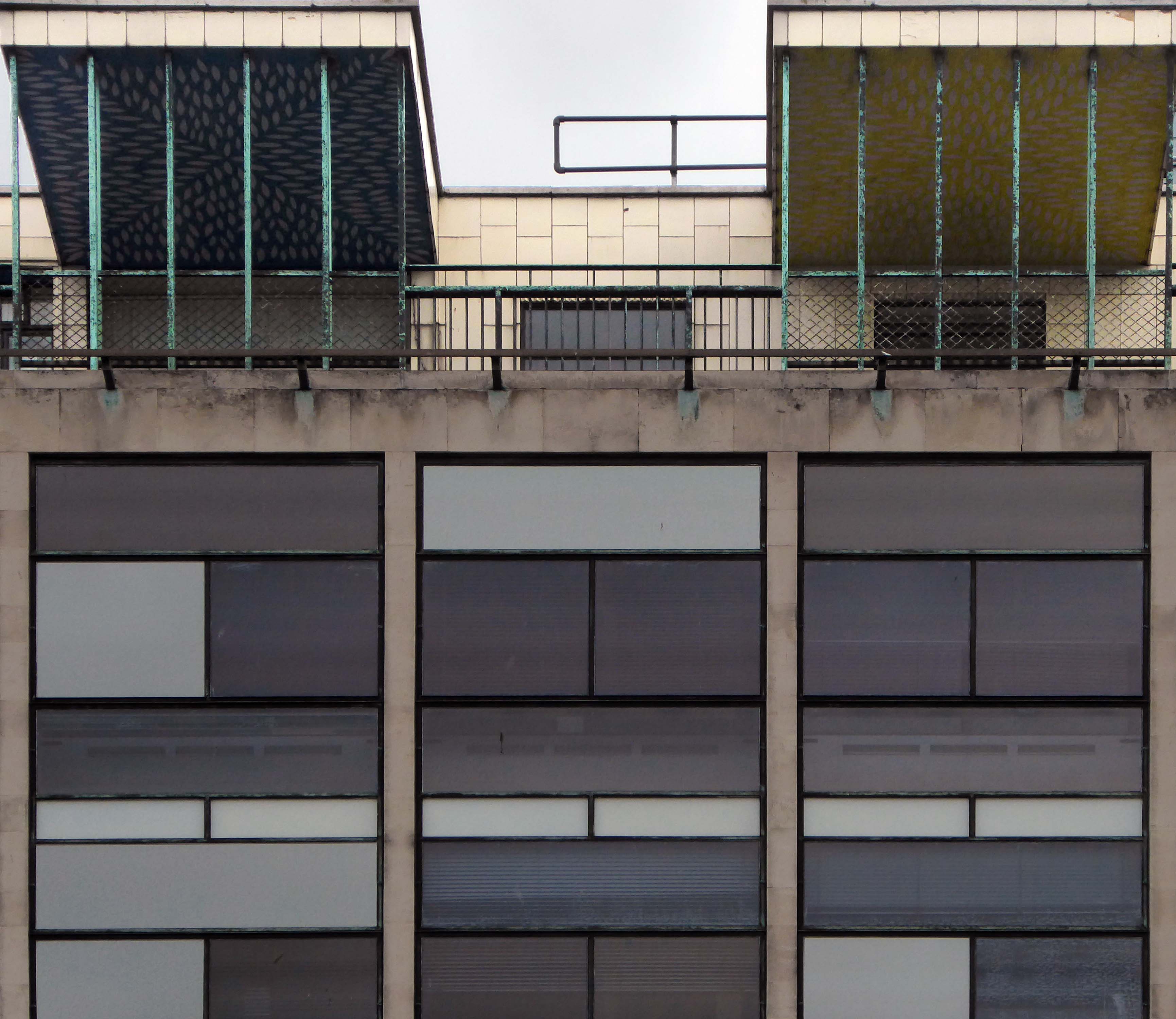
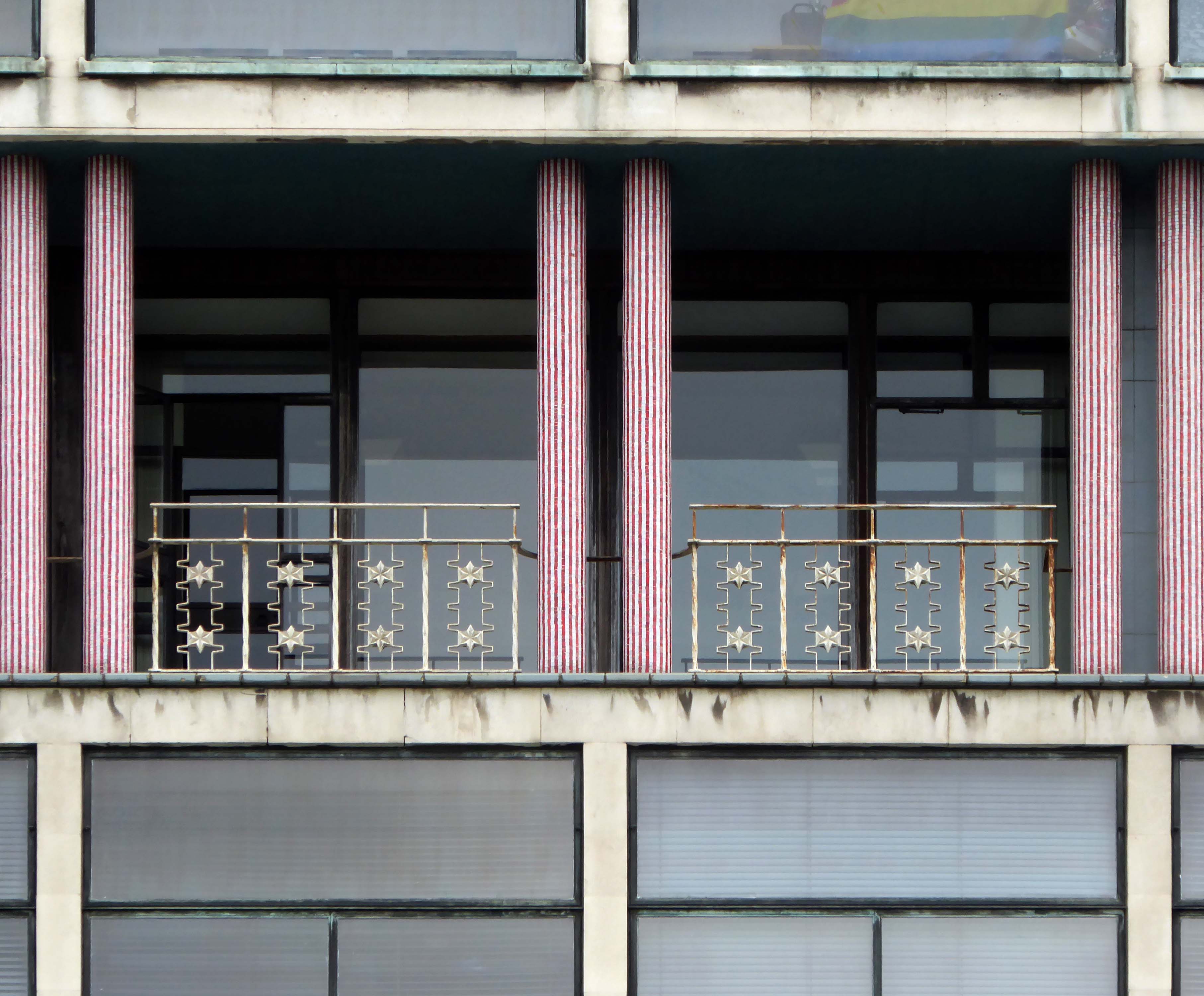
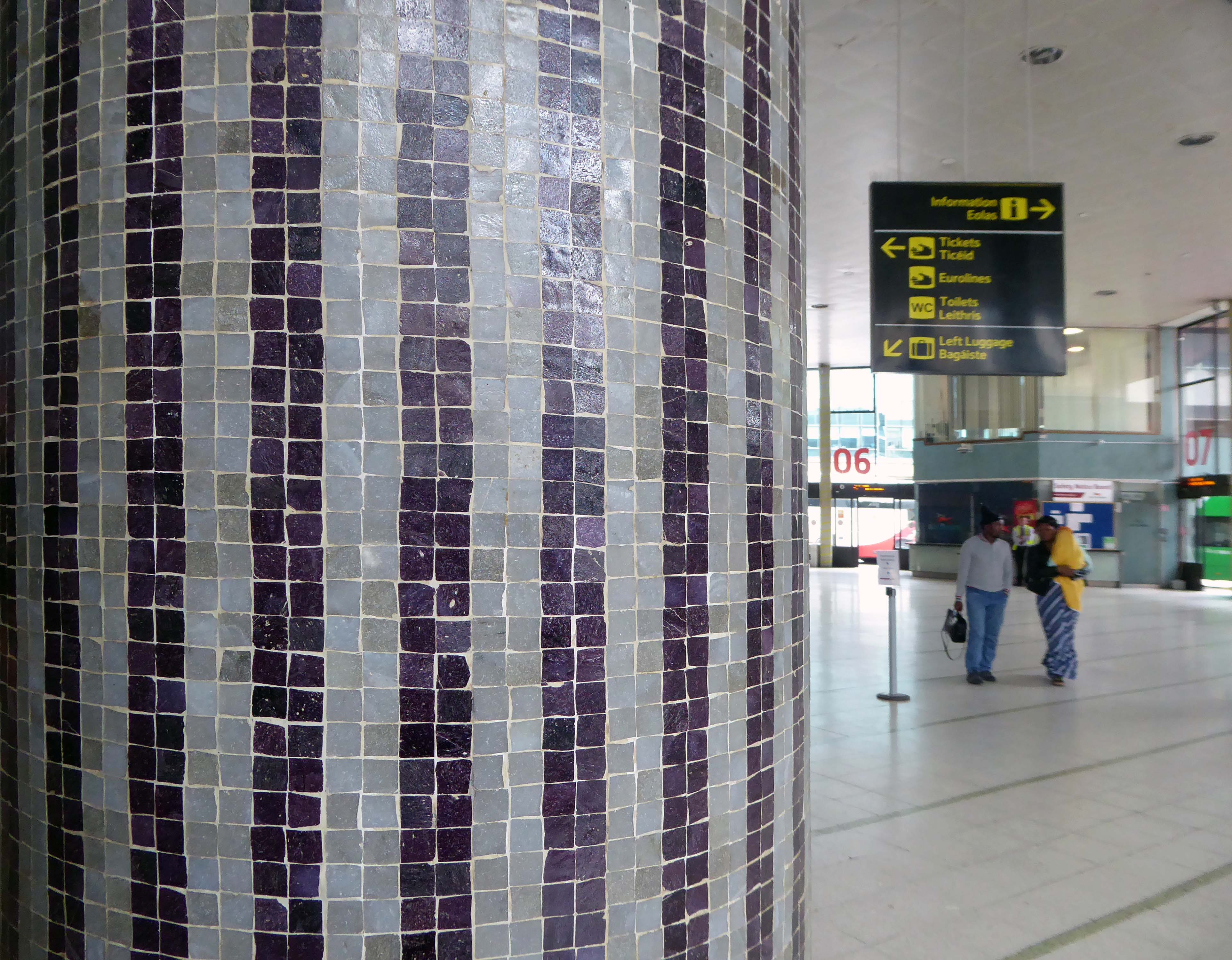
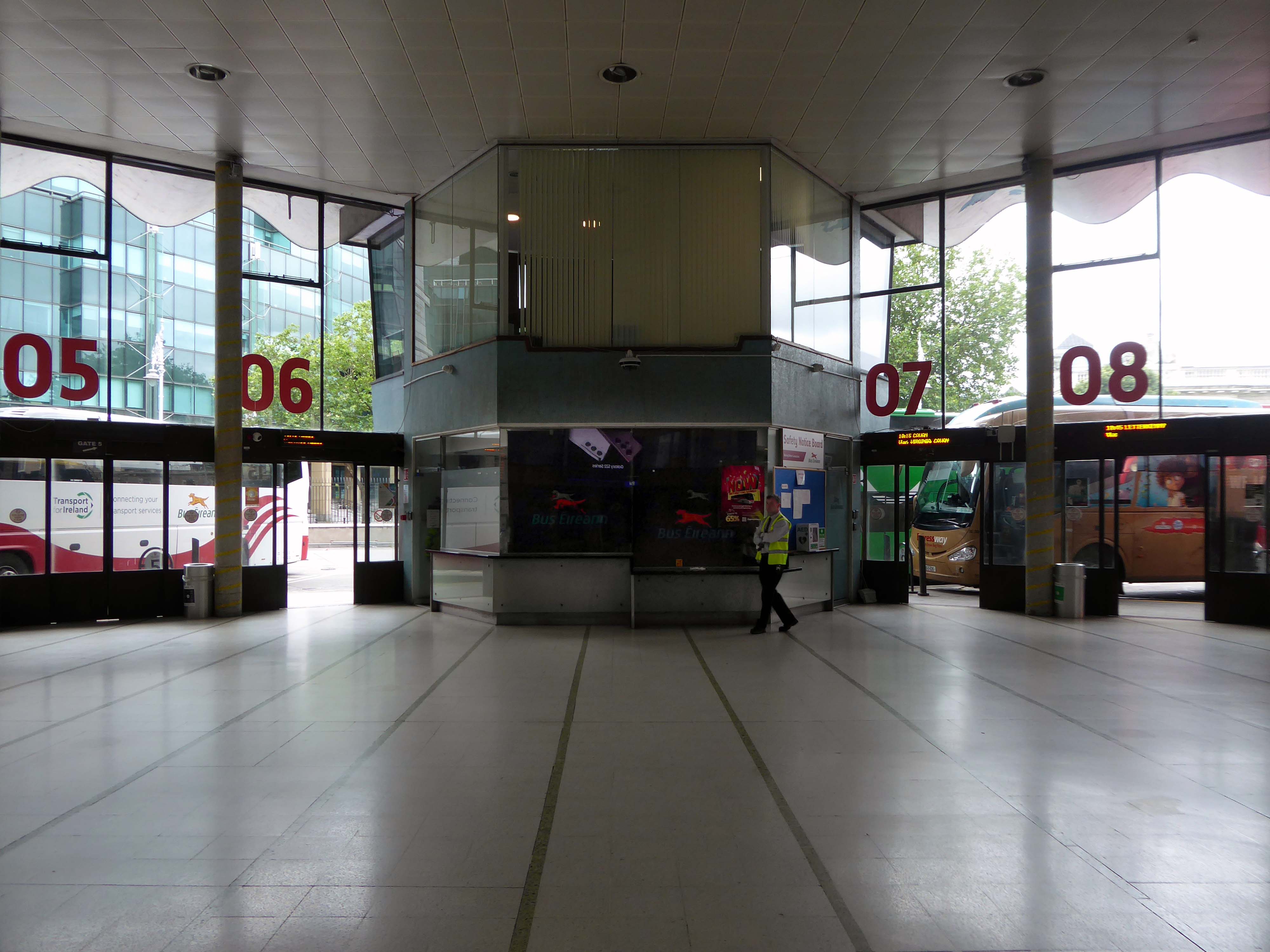
The building has an L-shaped plan with two rectilinear blocks of differing heights sitting at right angles, with a circular hall at the ground floor designed in an International Modern style, influenced strongly by Le Corbusier. The British engineer Ove Arup was commissioned to oversee some of the elements of the design, such as the wavy concrete canopy which overhangs the concourse. It was designed to be a multi-functional building, with a restaurant, nightclub, cinema and other services all housed within it. The building incorporated a number of materials to create texture, such as brass, Danish bronze, copper, Portland stone cladding, Irish oak flooring, terrazzo stairways, and mosaics designed by Patrick Scott

It was one of the first modern buildings in Dublin that attempted to integrate art and architecture, utilising elements like glass facades and a pavilionised top storey with a reinforced concrete flat roof, the building won the Royal Institute of the Architects of Ireland Triennial Gold medal in 1955. It was heralded as Europe’s first postwar office building by American and British journals. 

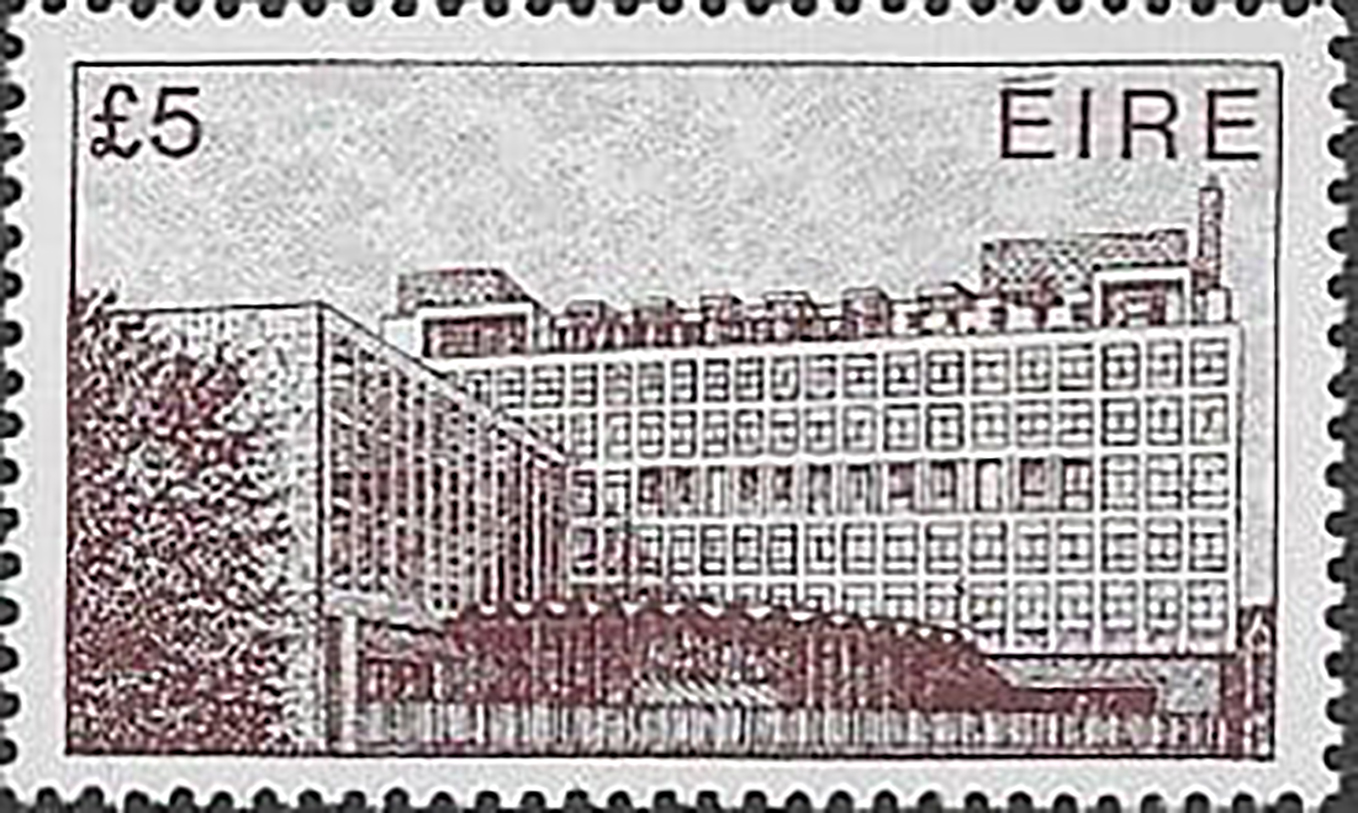
The Eblana Theatre, originally intended as a newsreel venue, in the basement of the building was used as a theatre venue from 1959 to 1995. The building was featured on the highest value stamp issued in the Architecture definitive postage stamp set issued in 1982 by the P&T – the forerunner of An Post.

Wikipedia

Renovation took place in 2007.

Let’s take a wander around the site – I was immediately captivated by the wavy concrete canopy and it’s terrazzo companion.

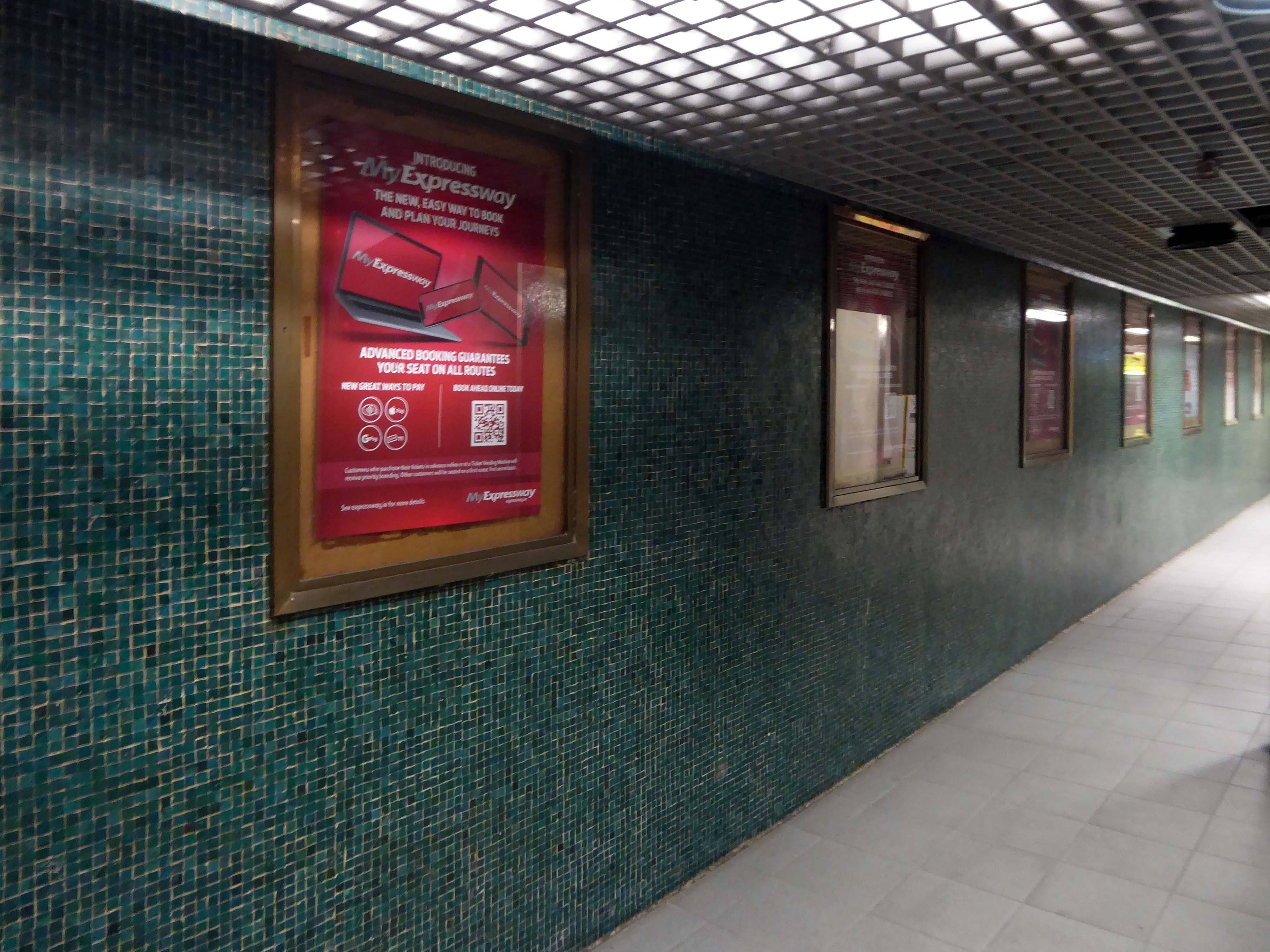
There is additional mosaic work beneath the roof top canopies and columns.
The building is a fine amalgam of volumes, materials and detailing.

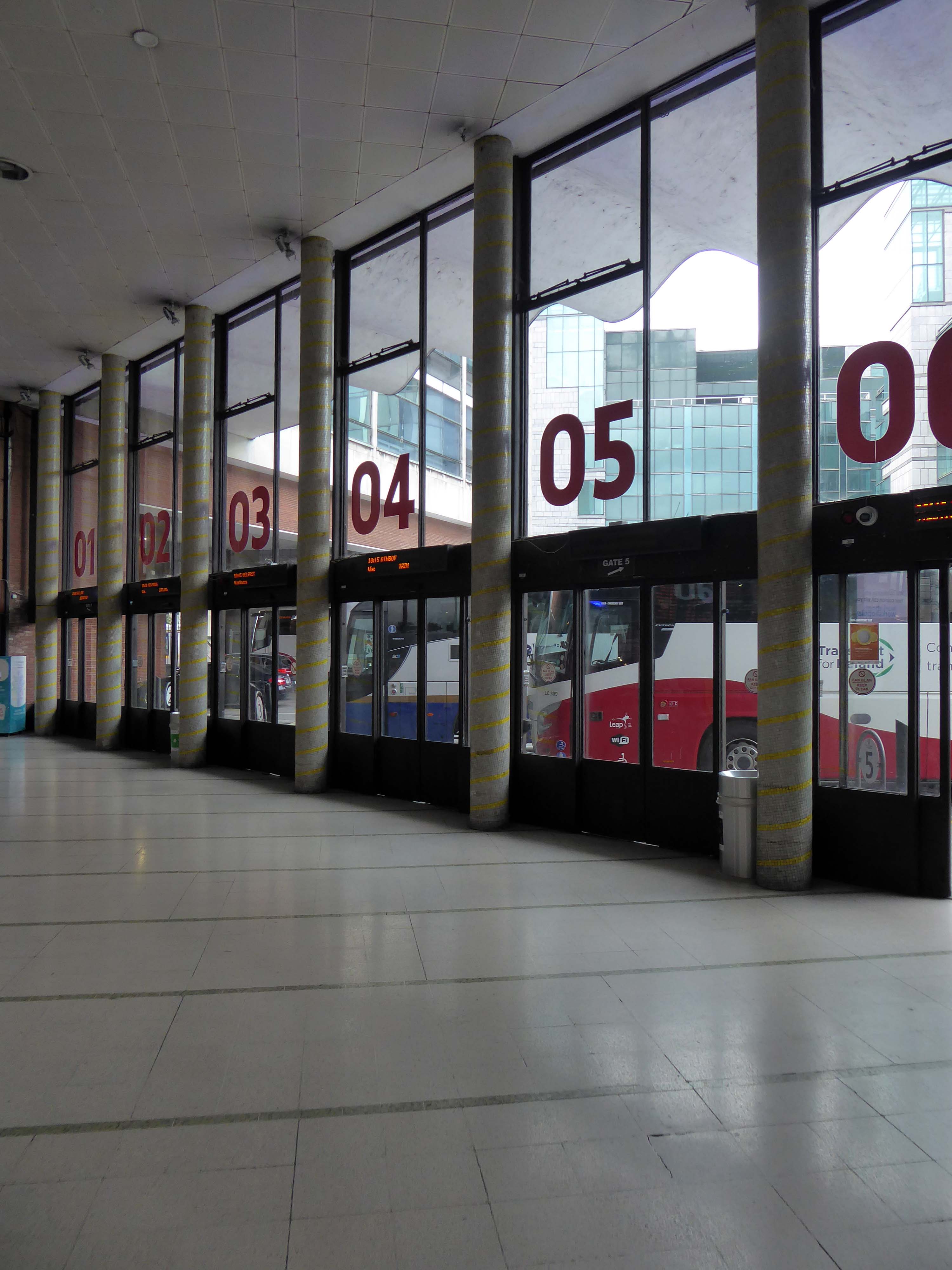
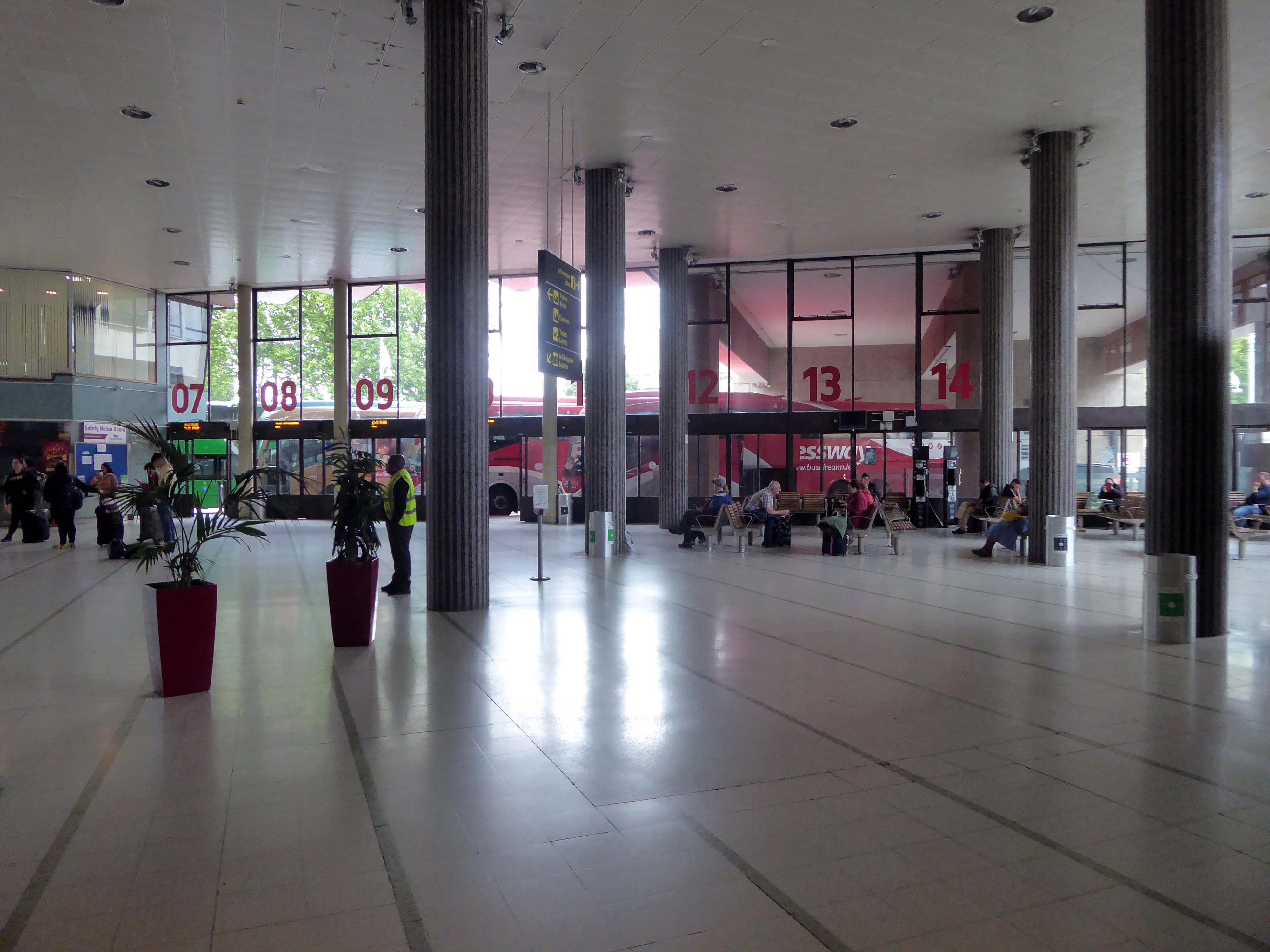
Let’s have a look at the concourse.

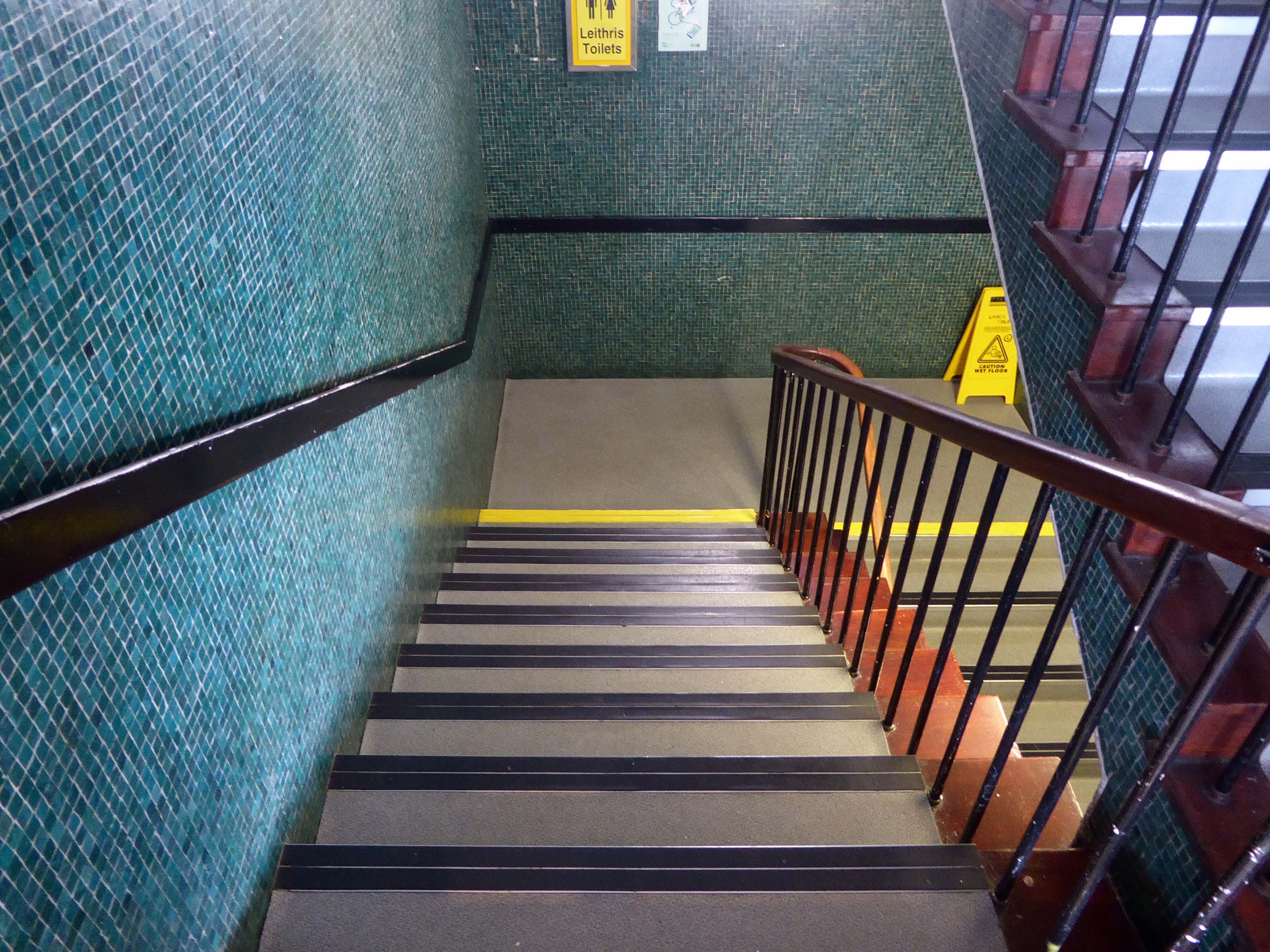
Don’t forget to take a look downstairs.
Time to go – I have an aeroplane to catch.
Other bus stations are available – notably in Preston, Huddersfield and Hanley