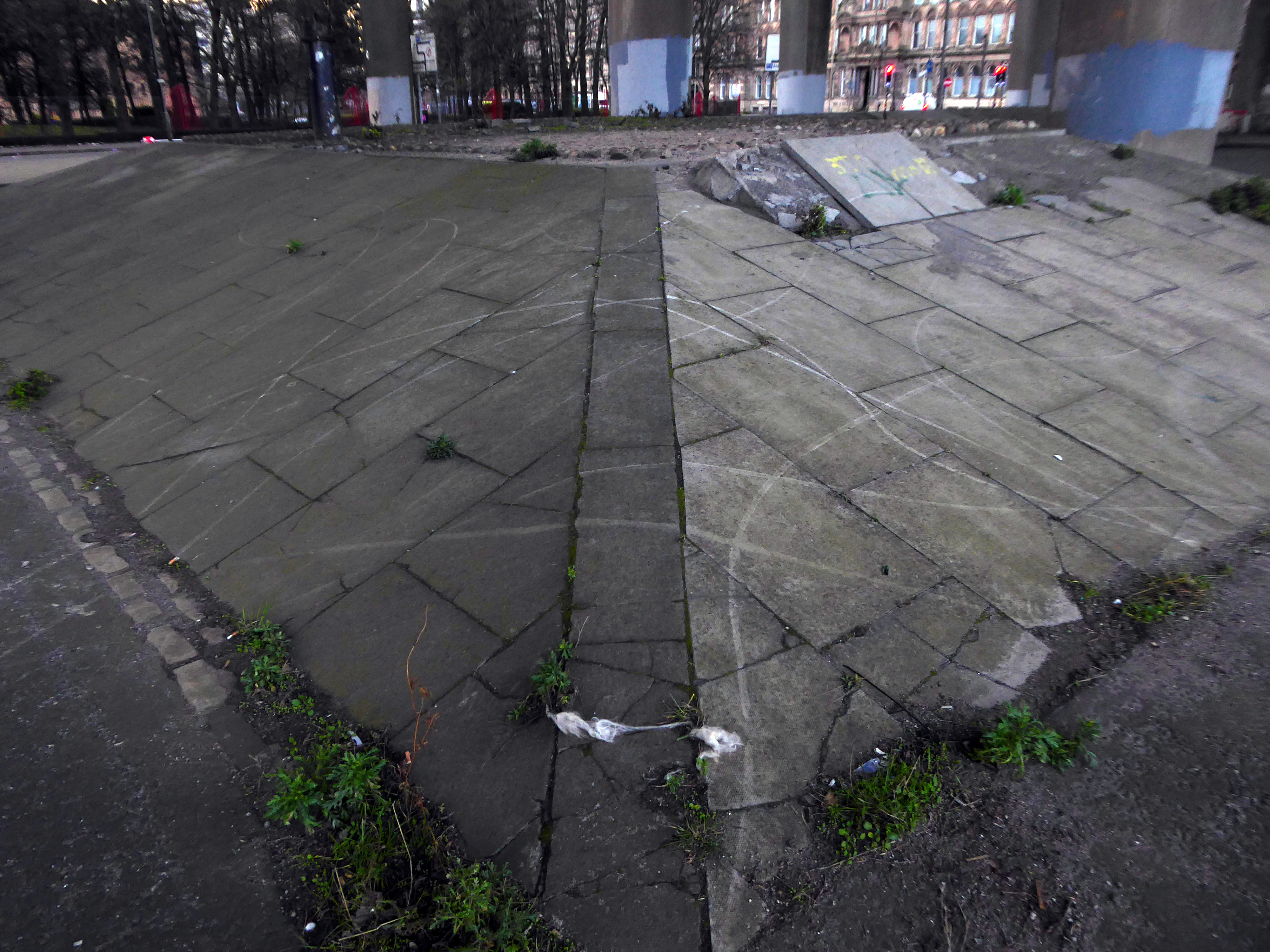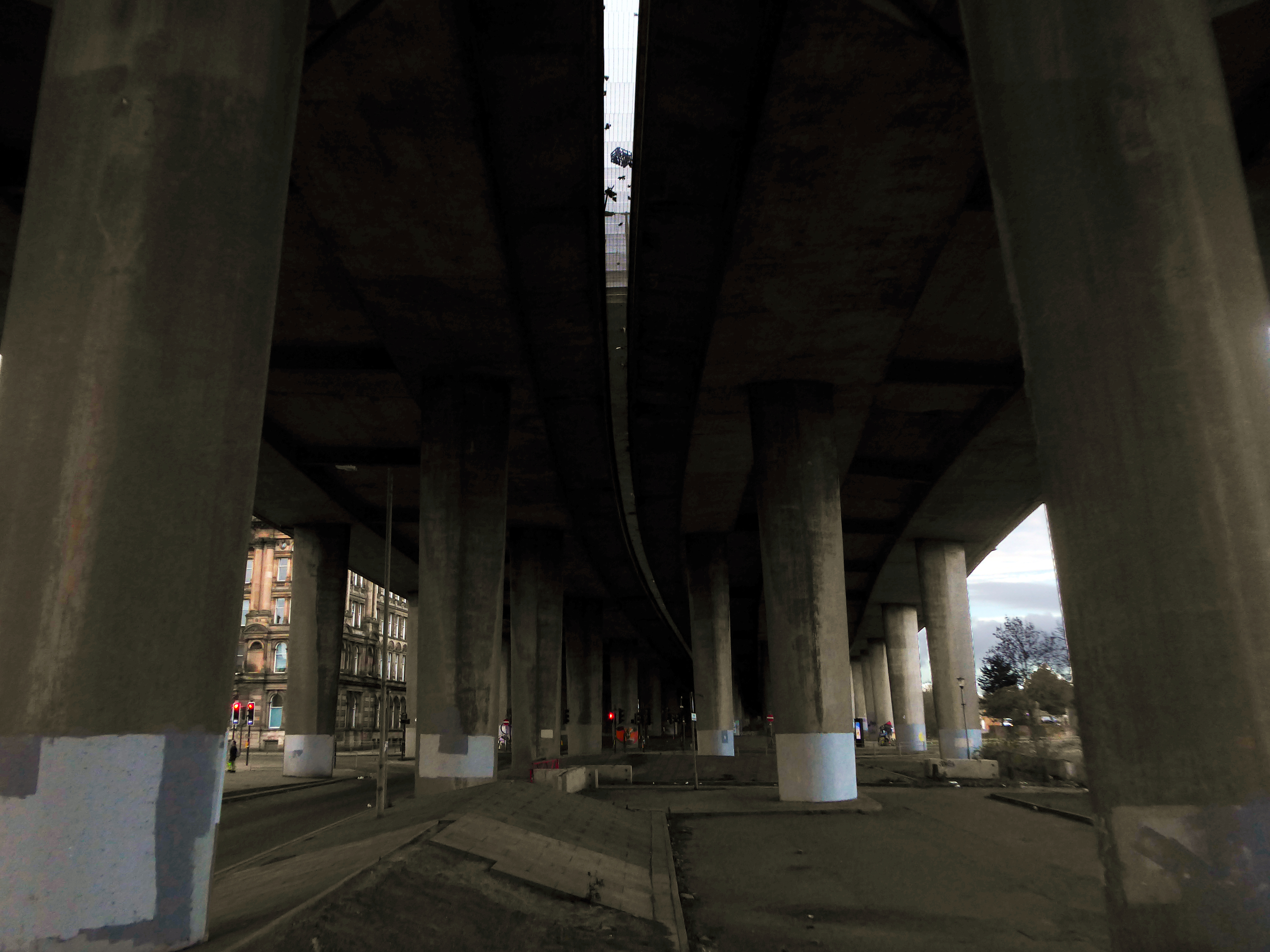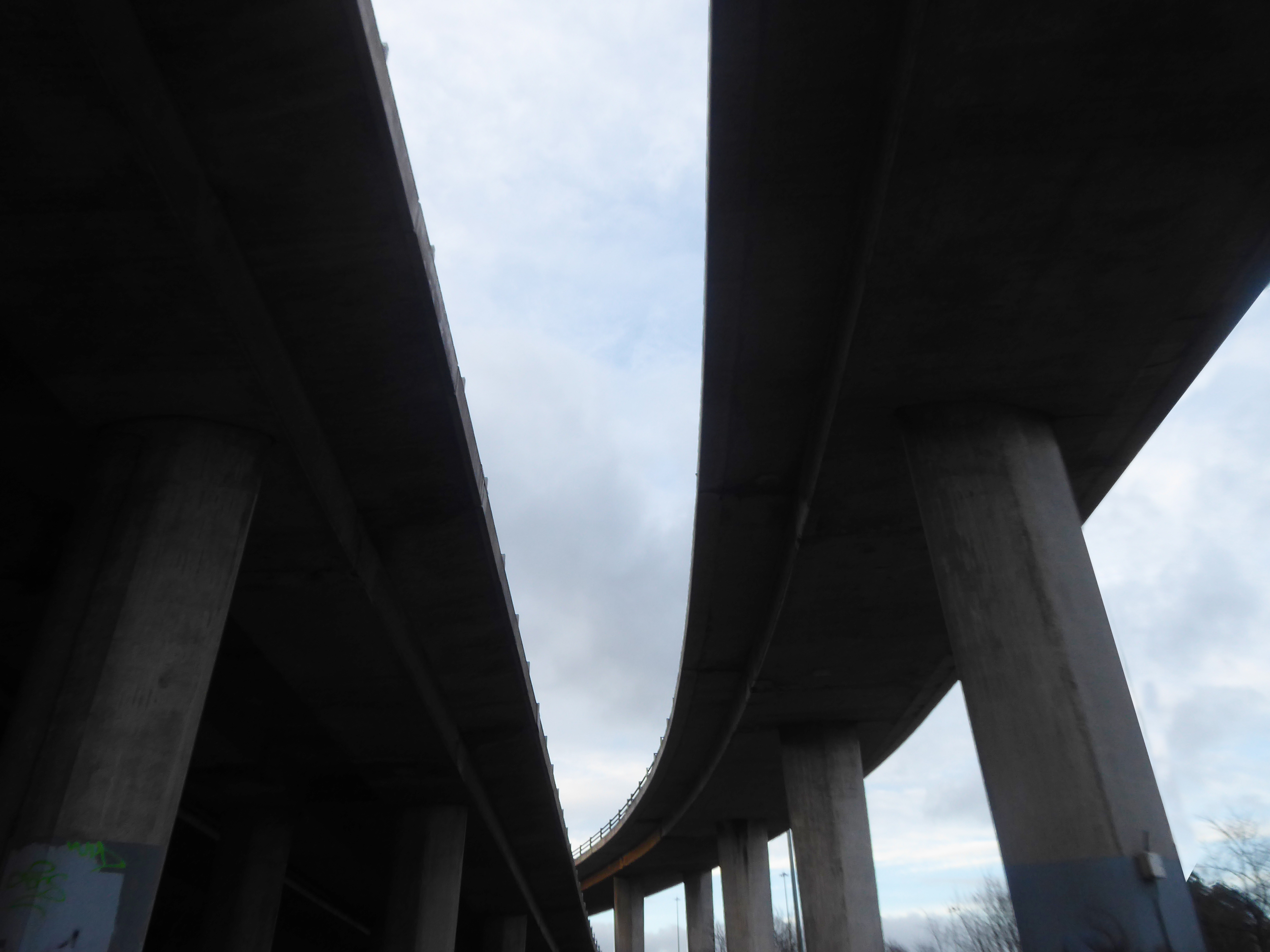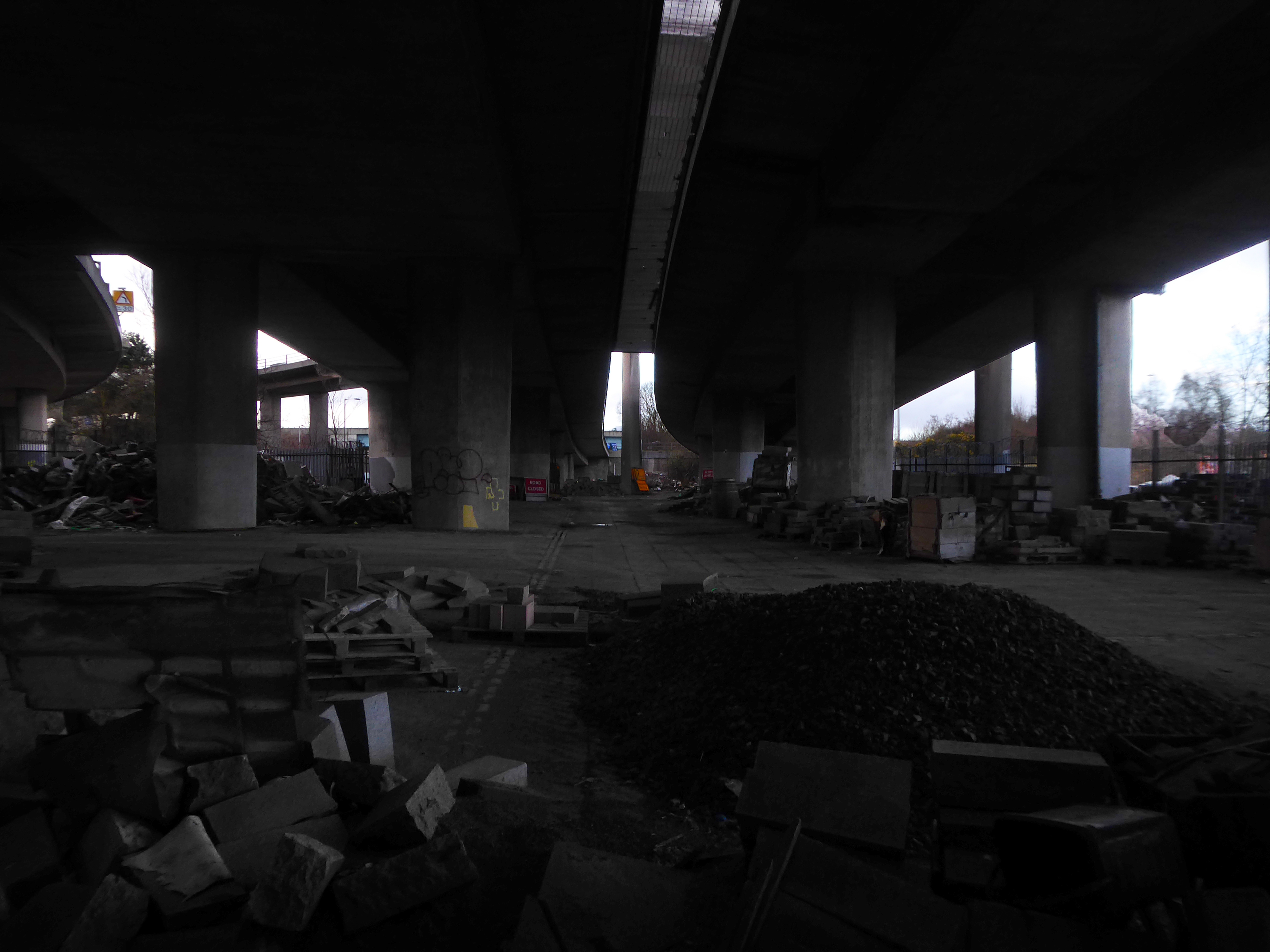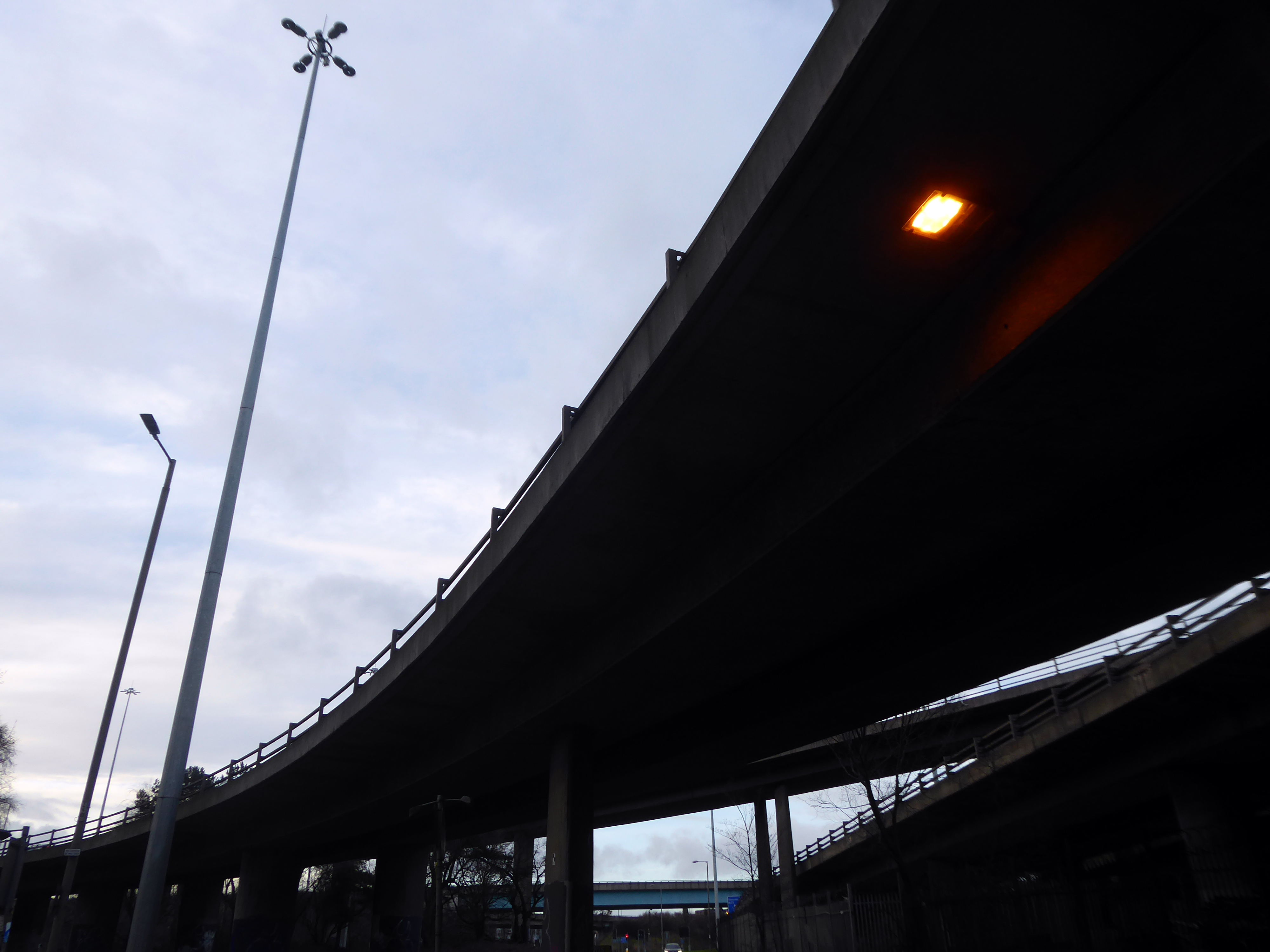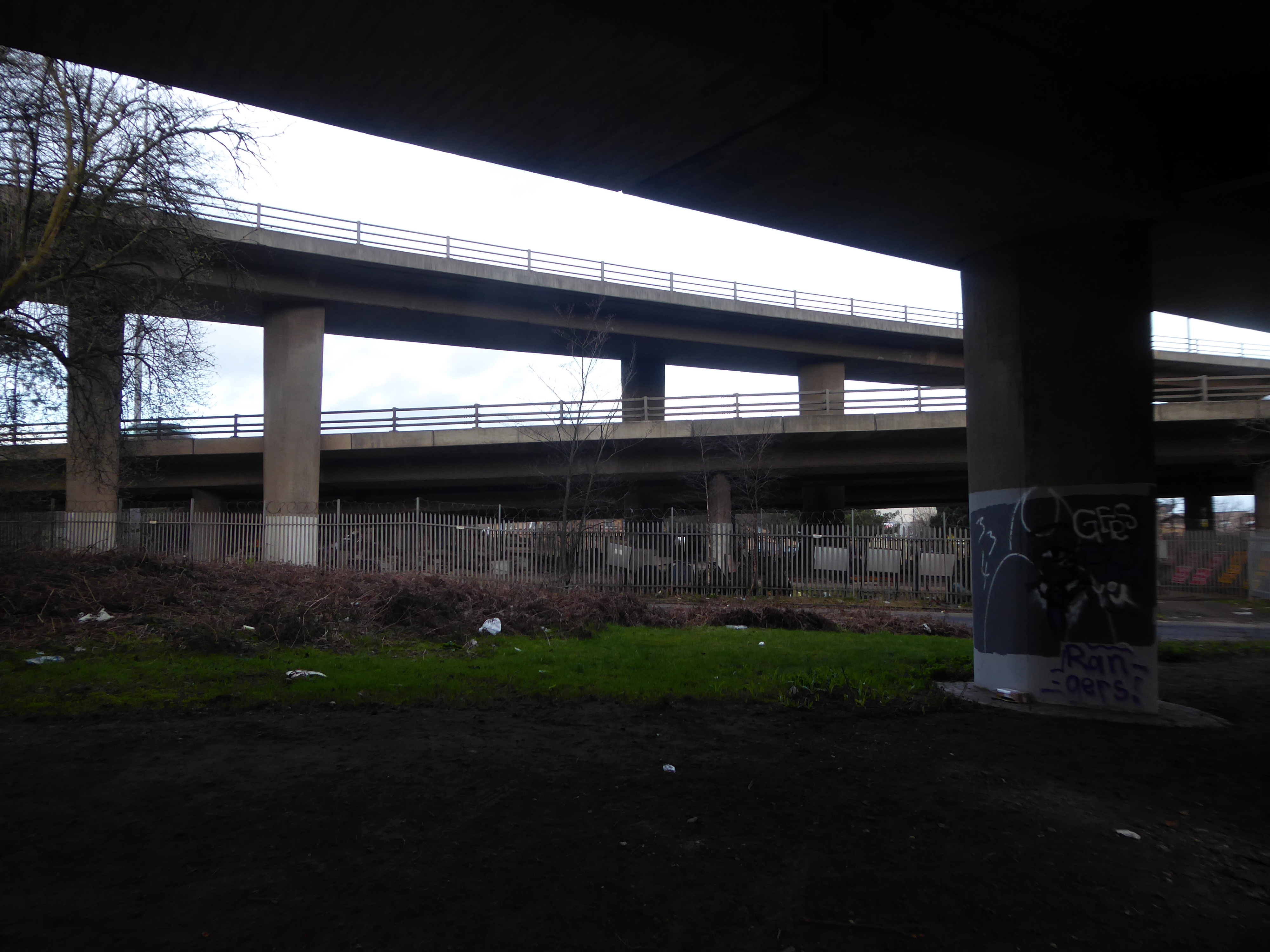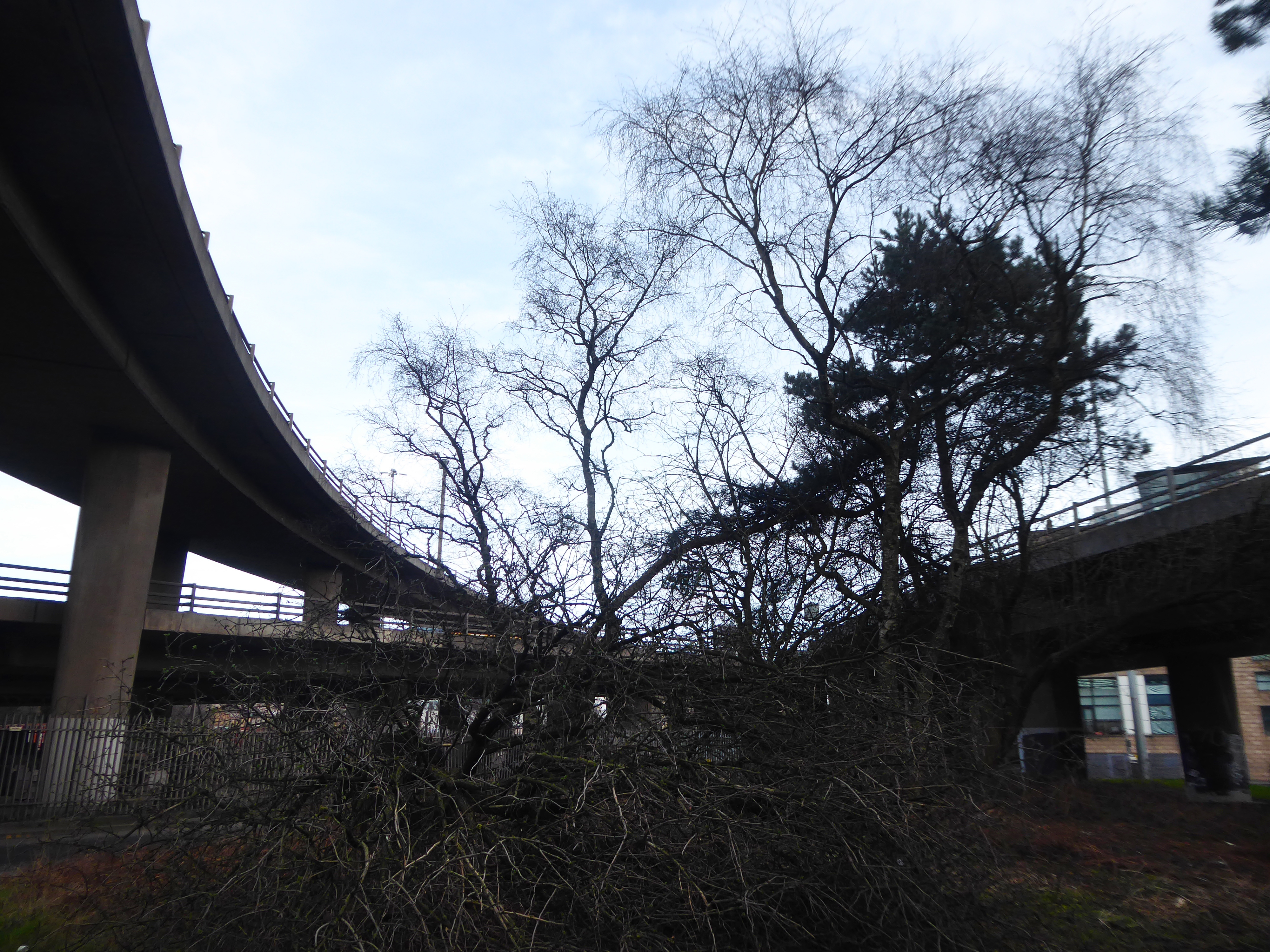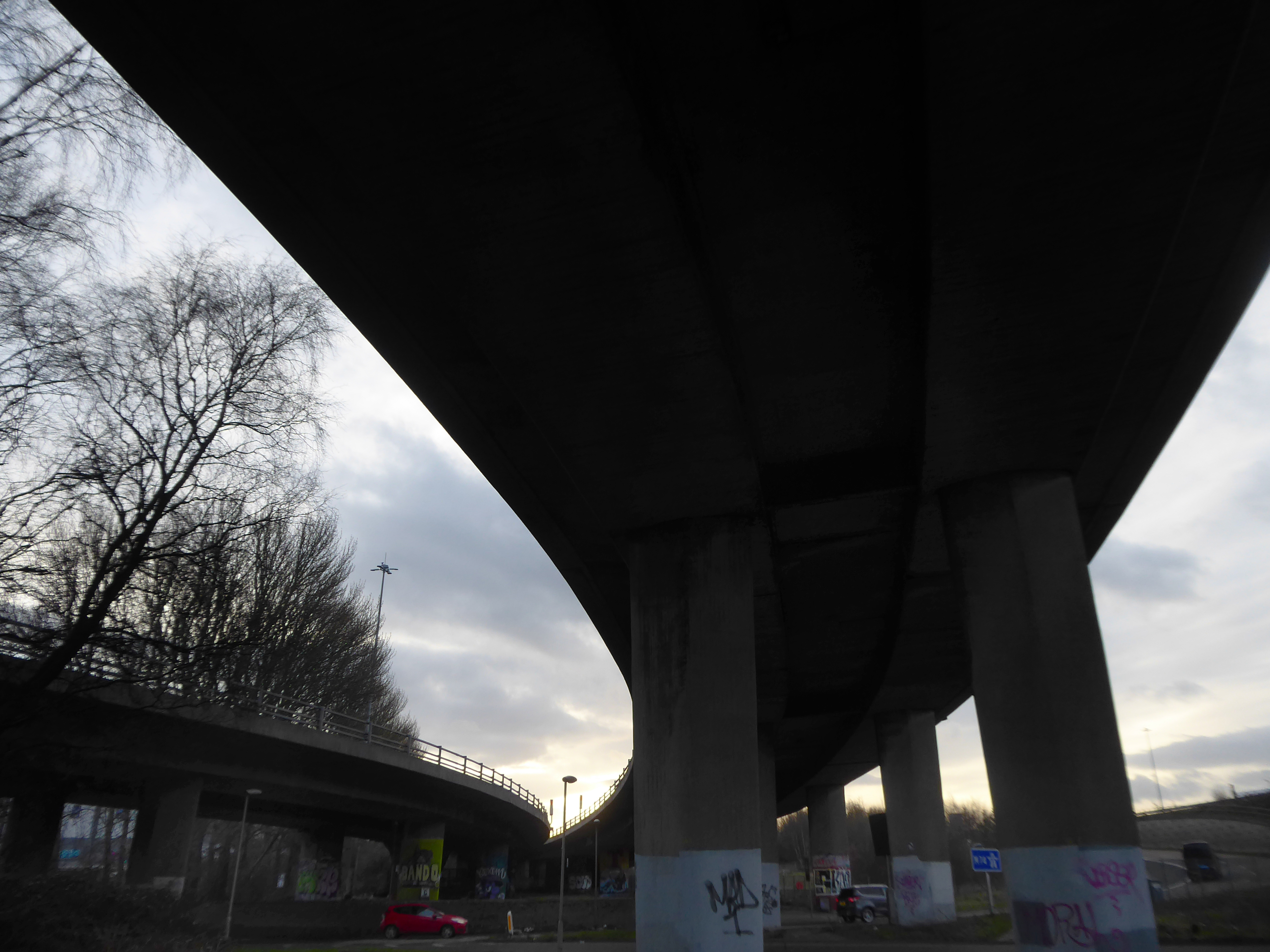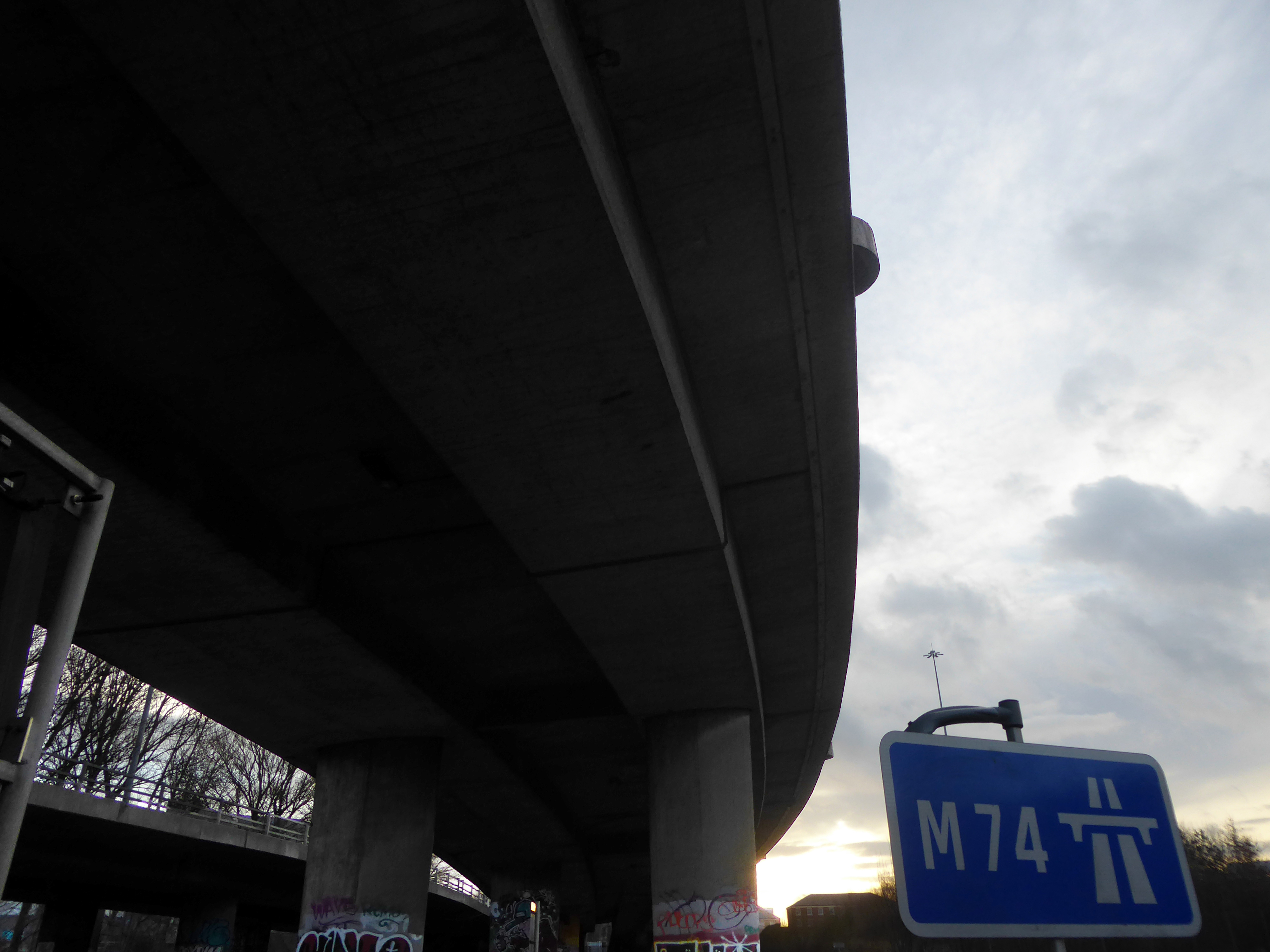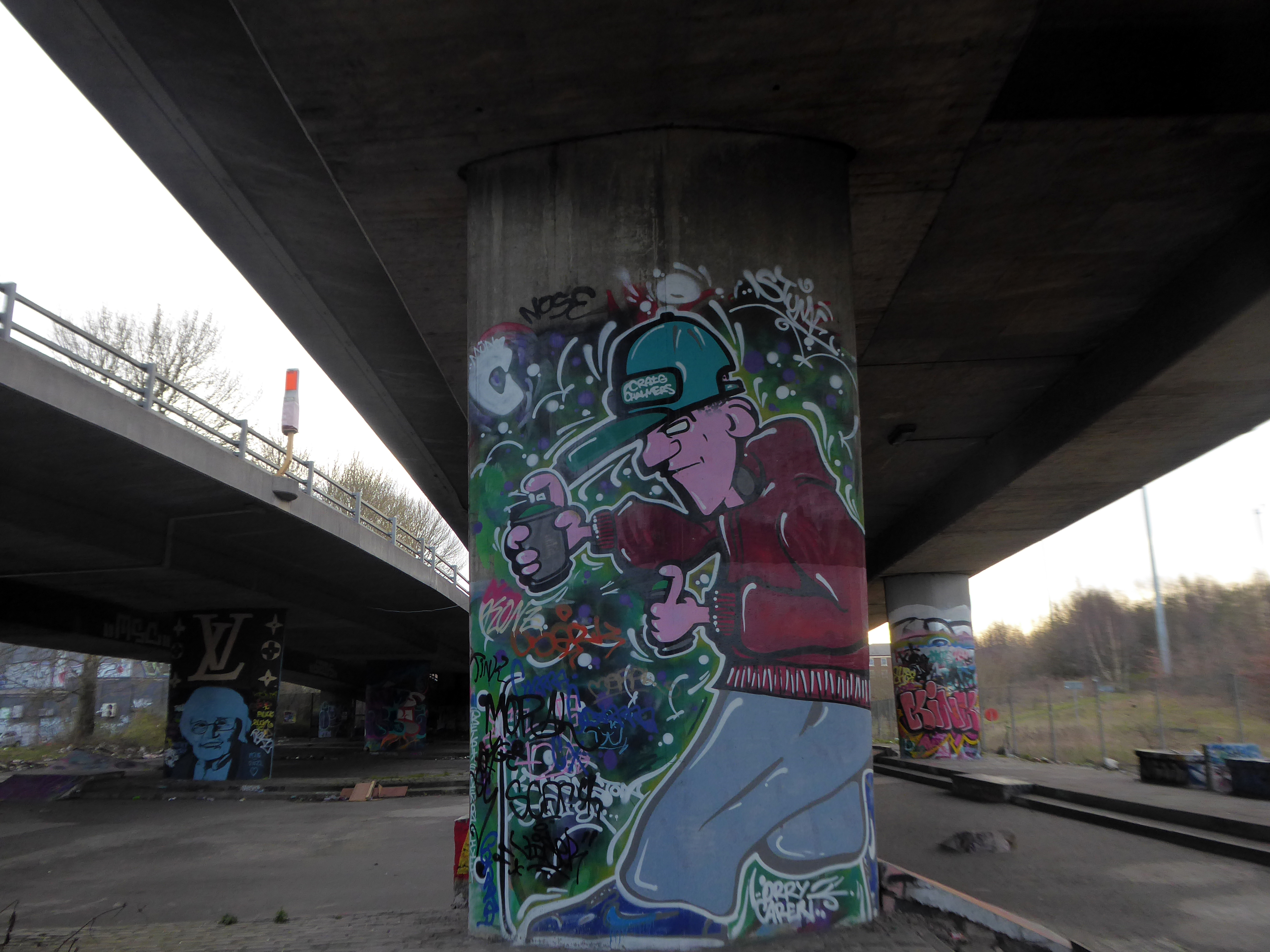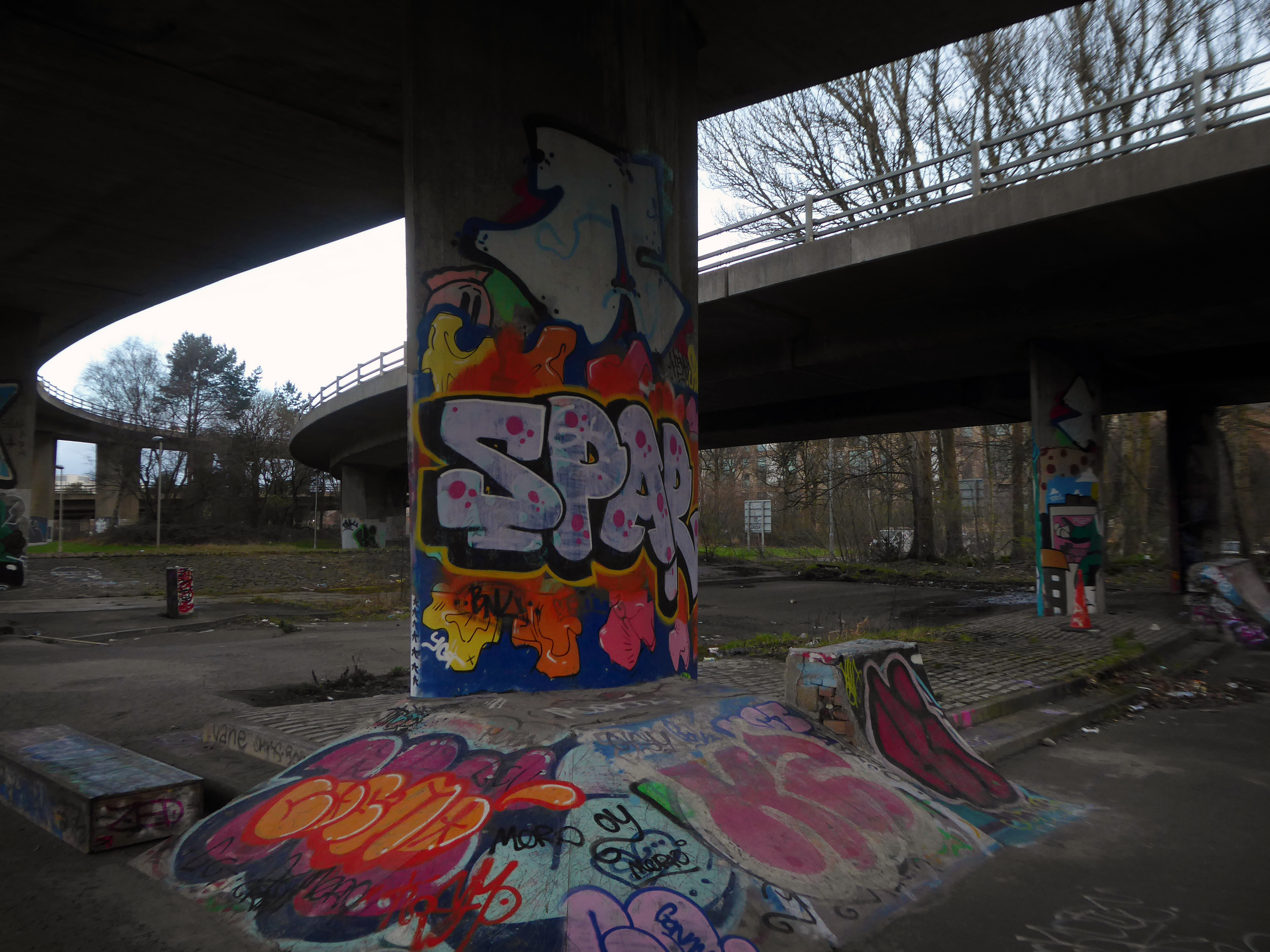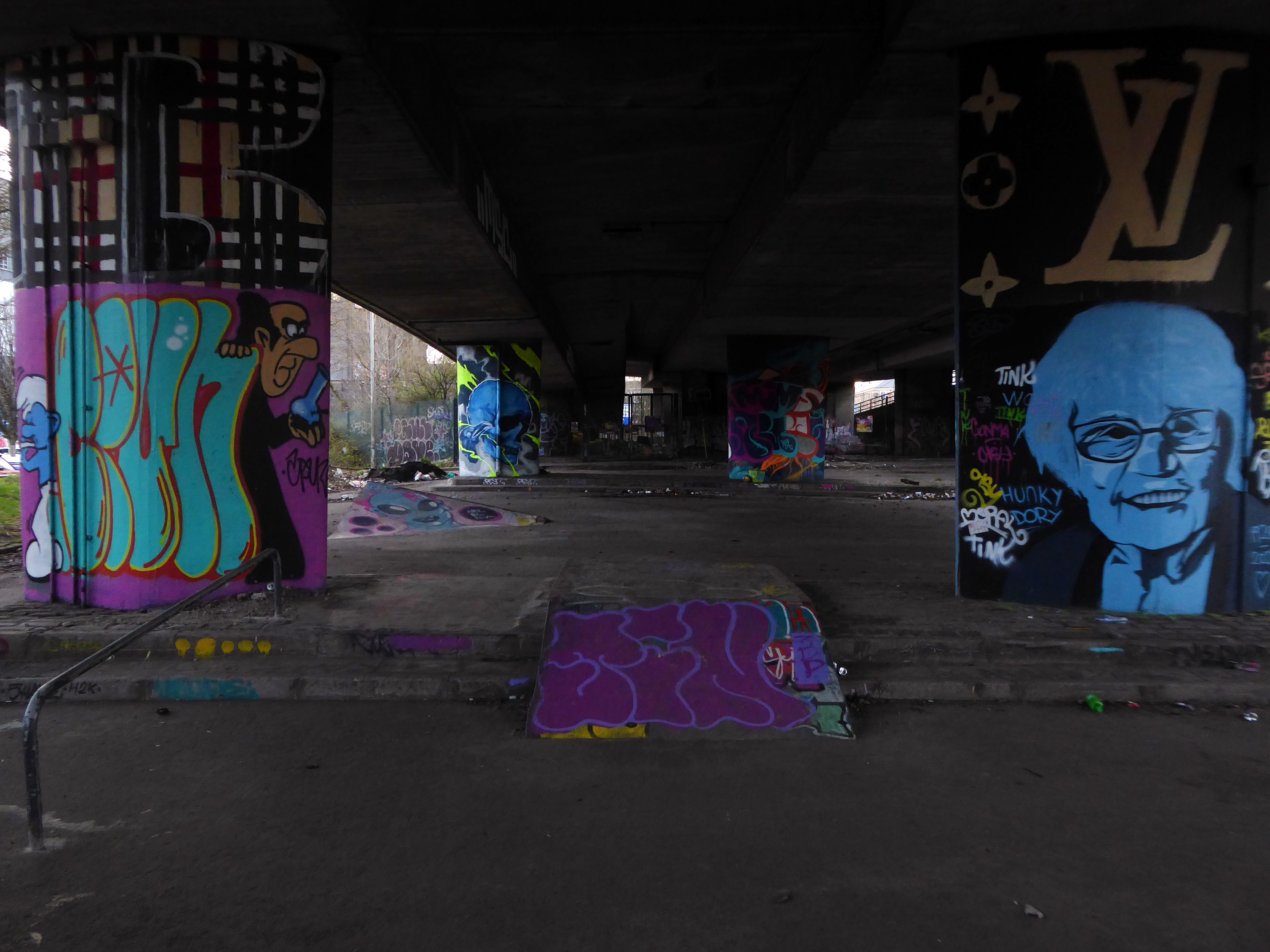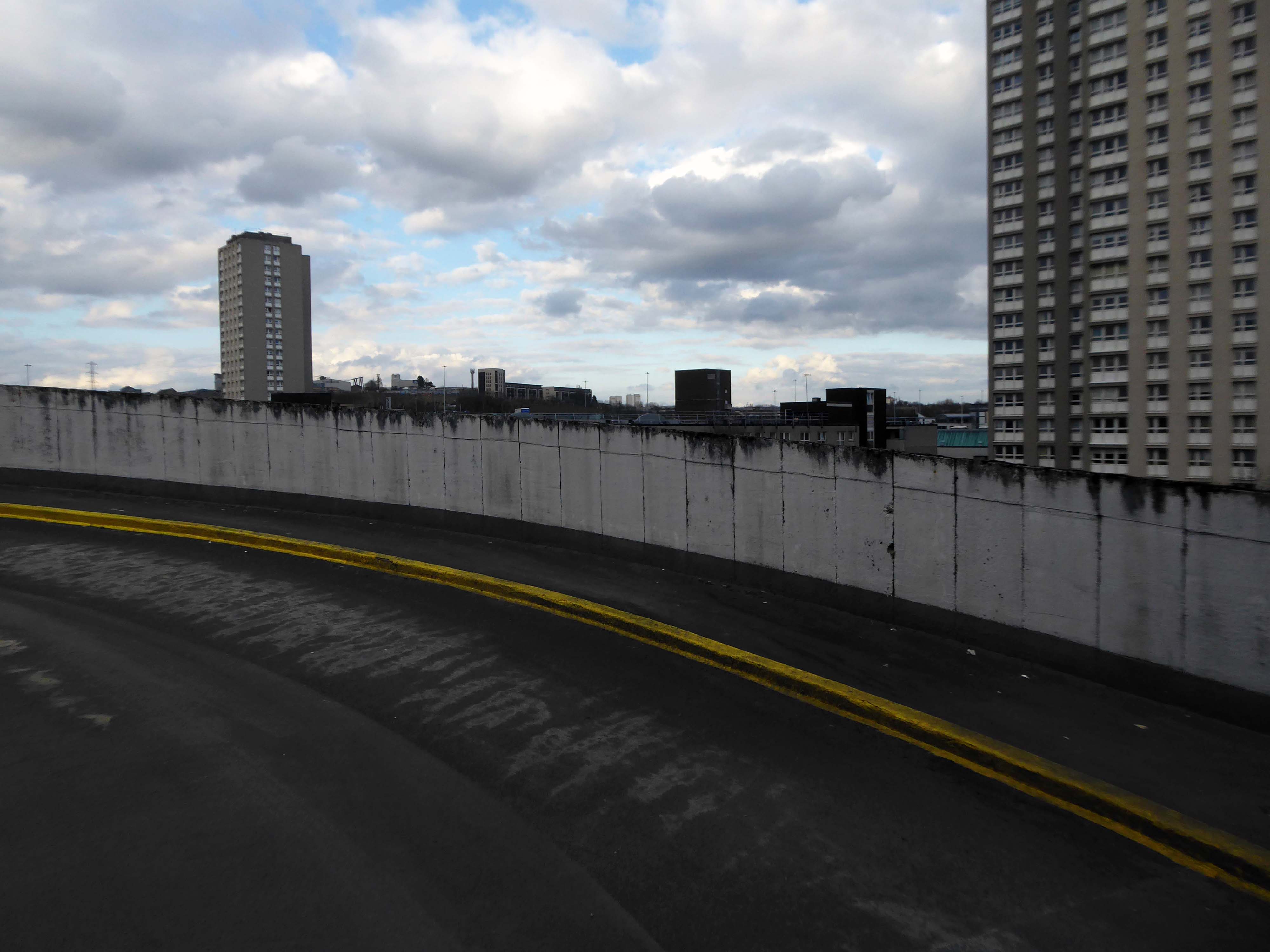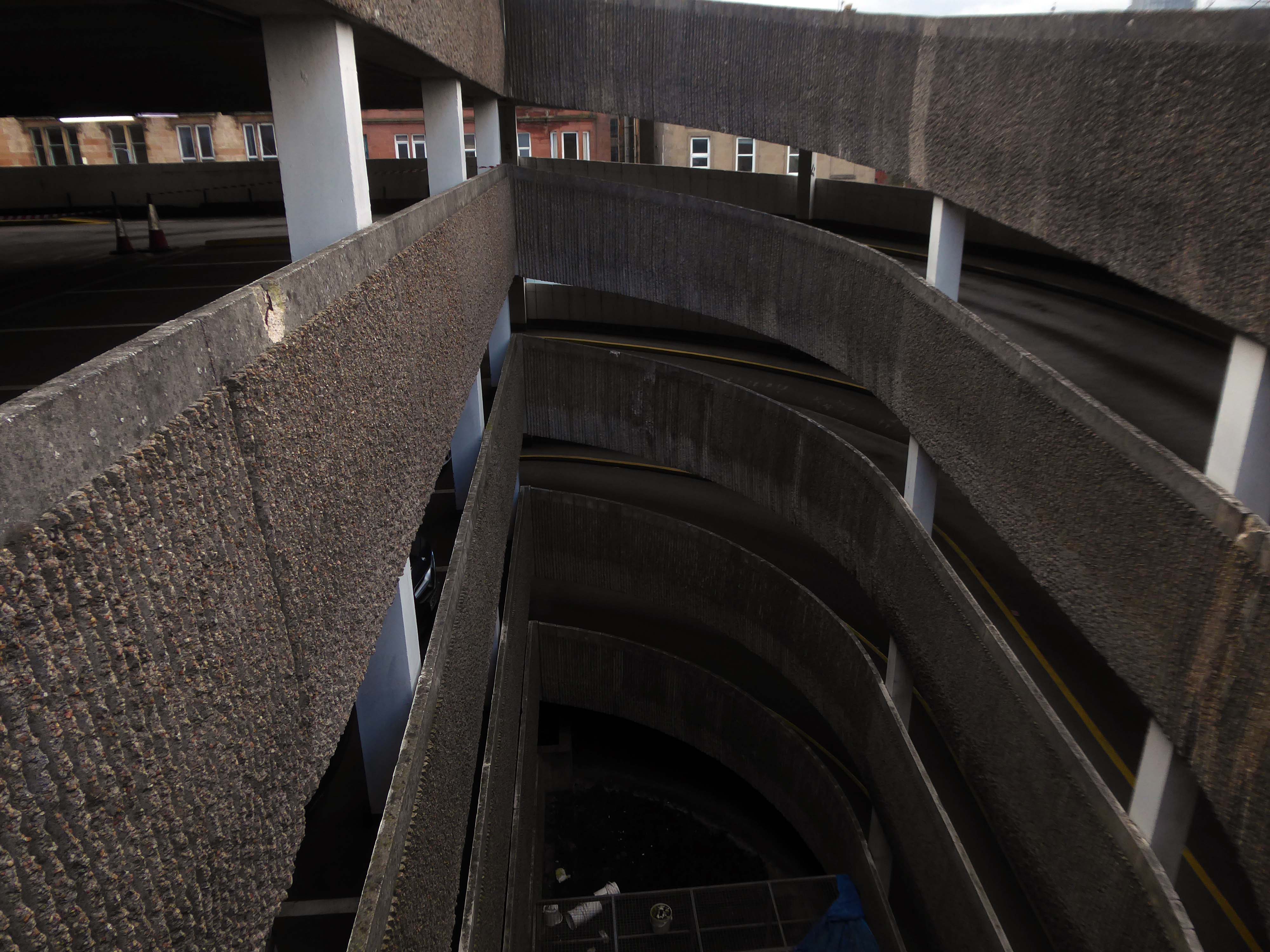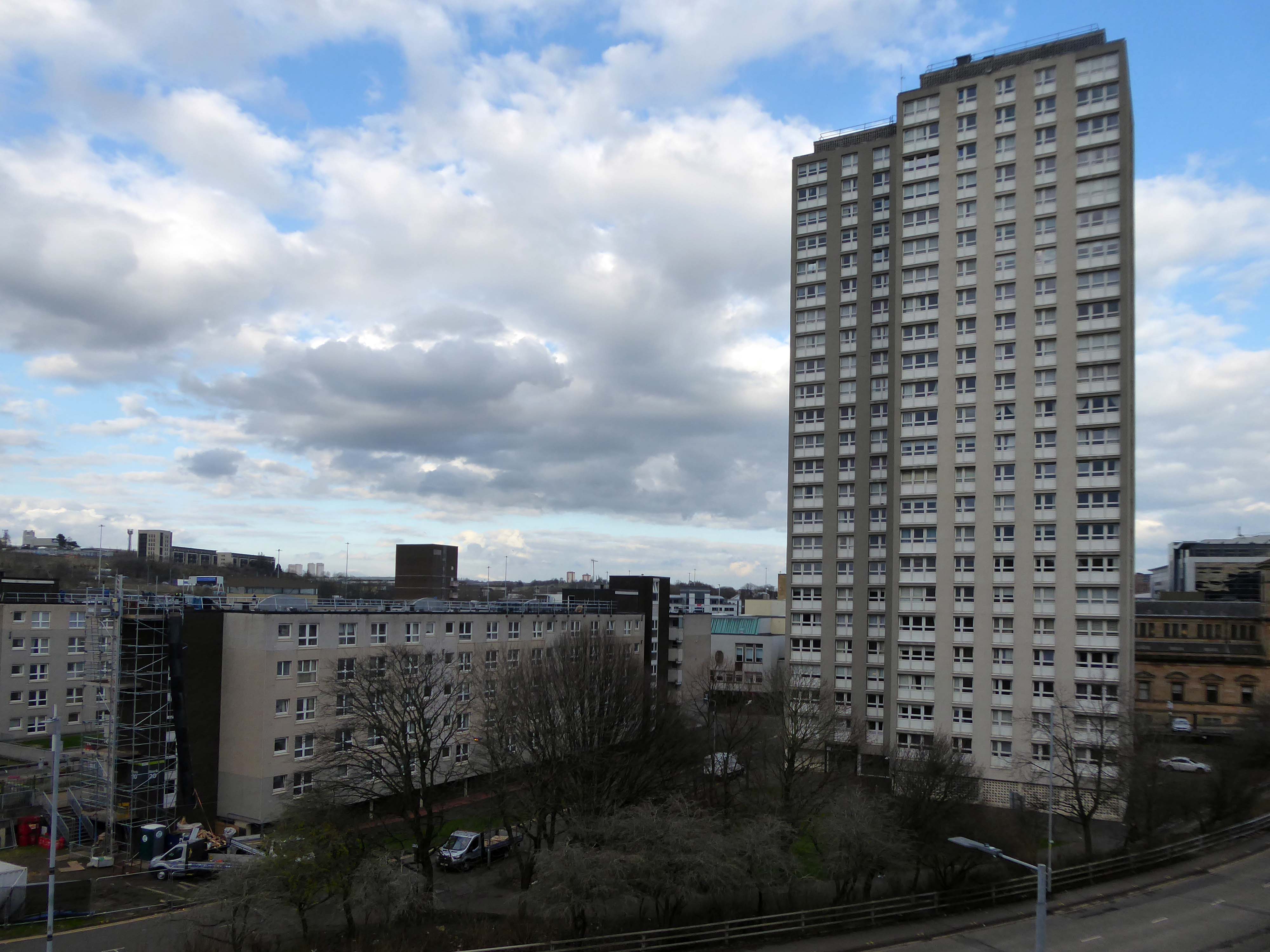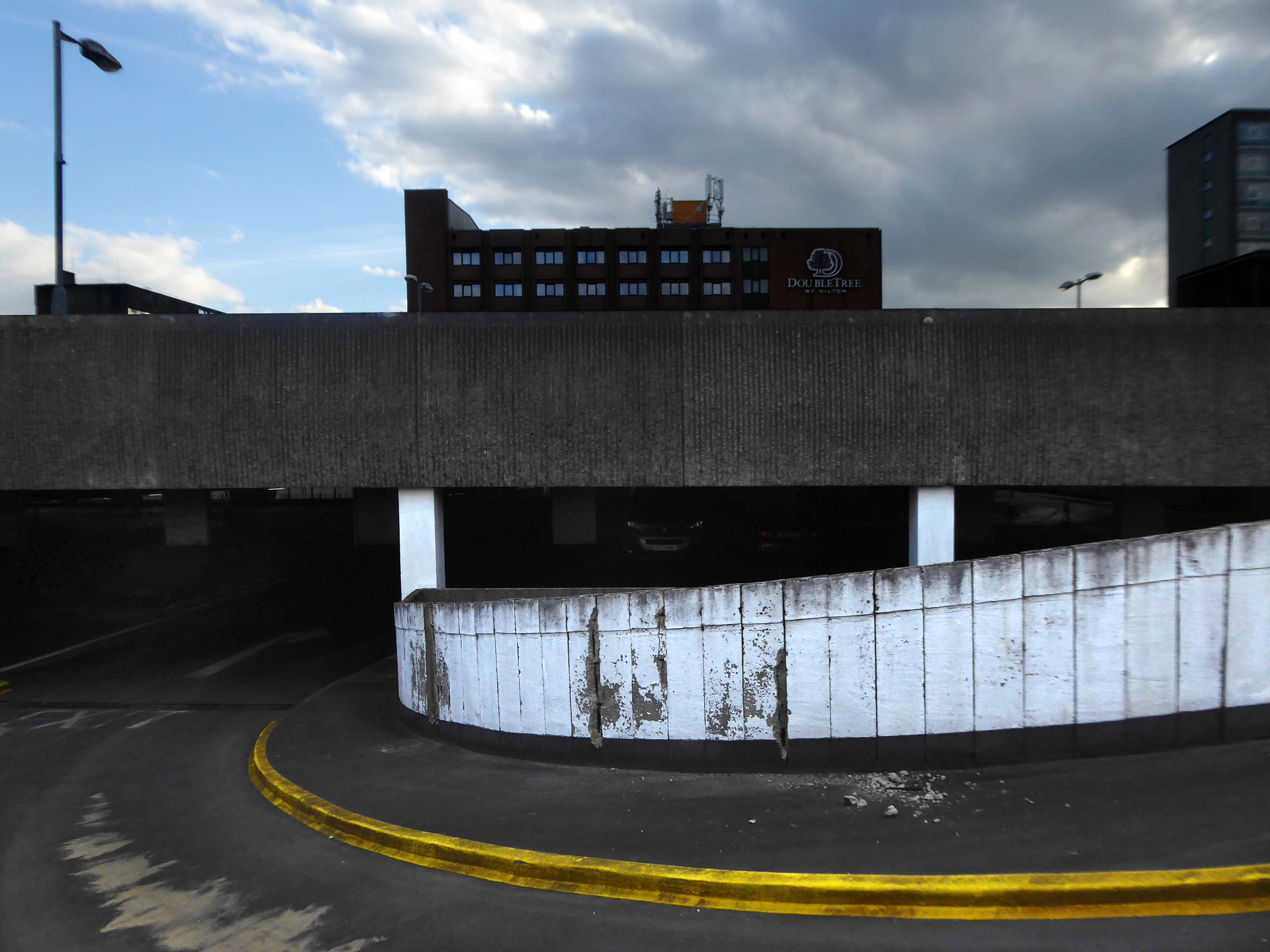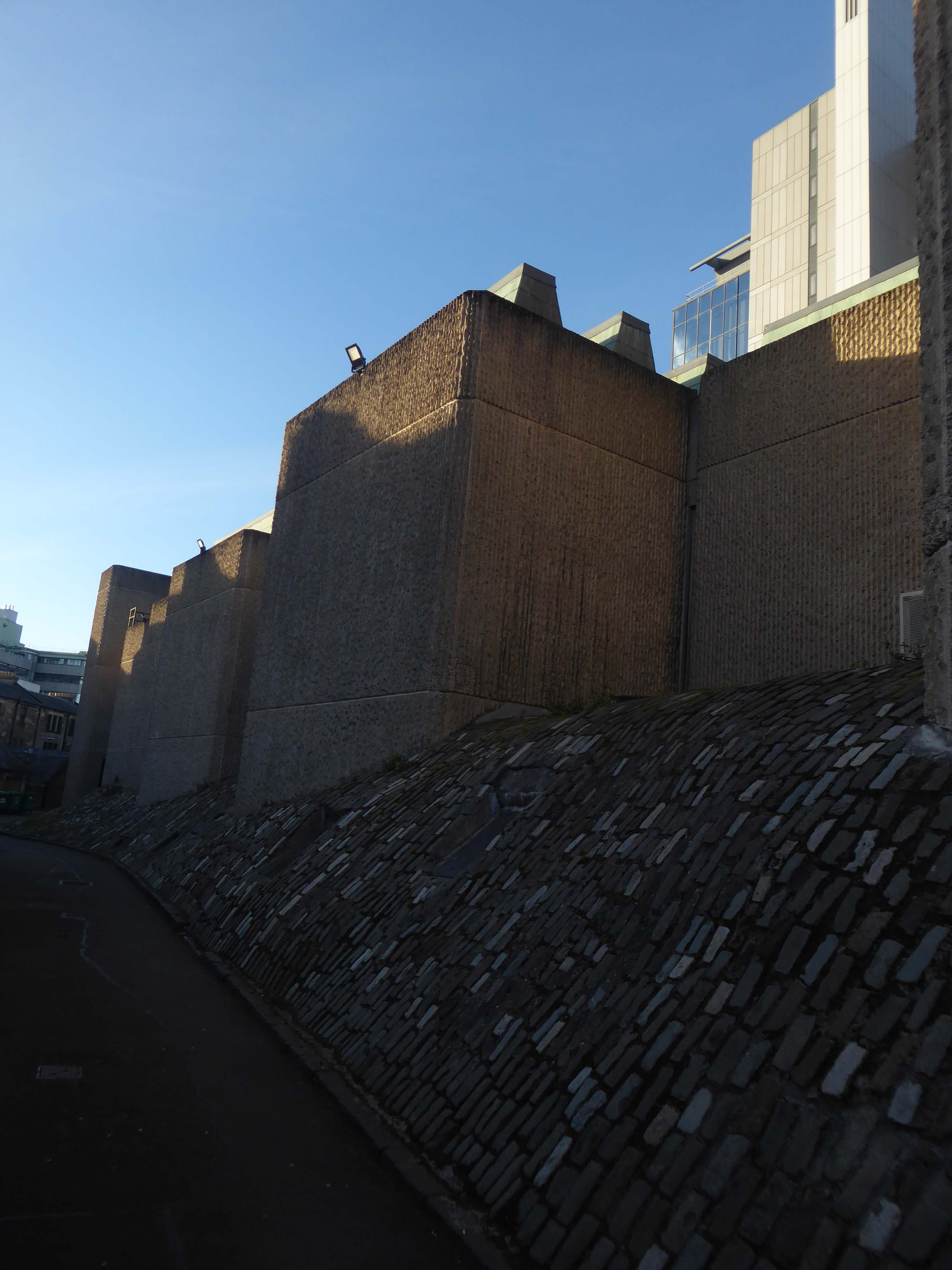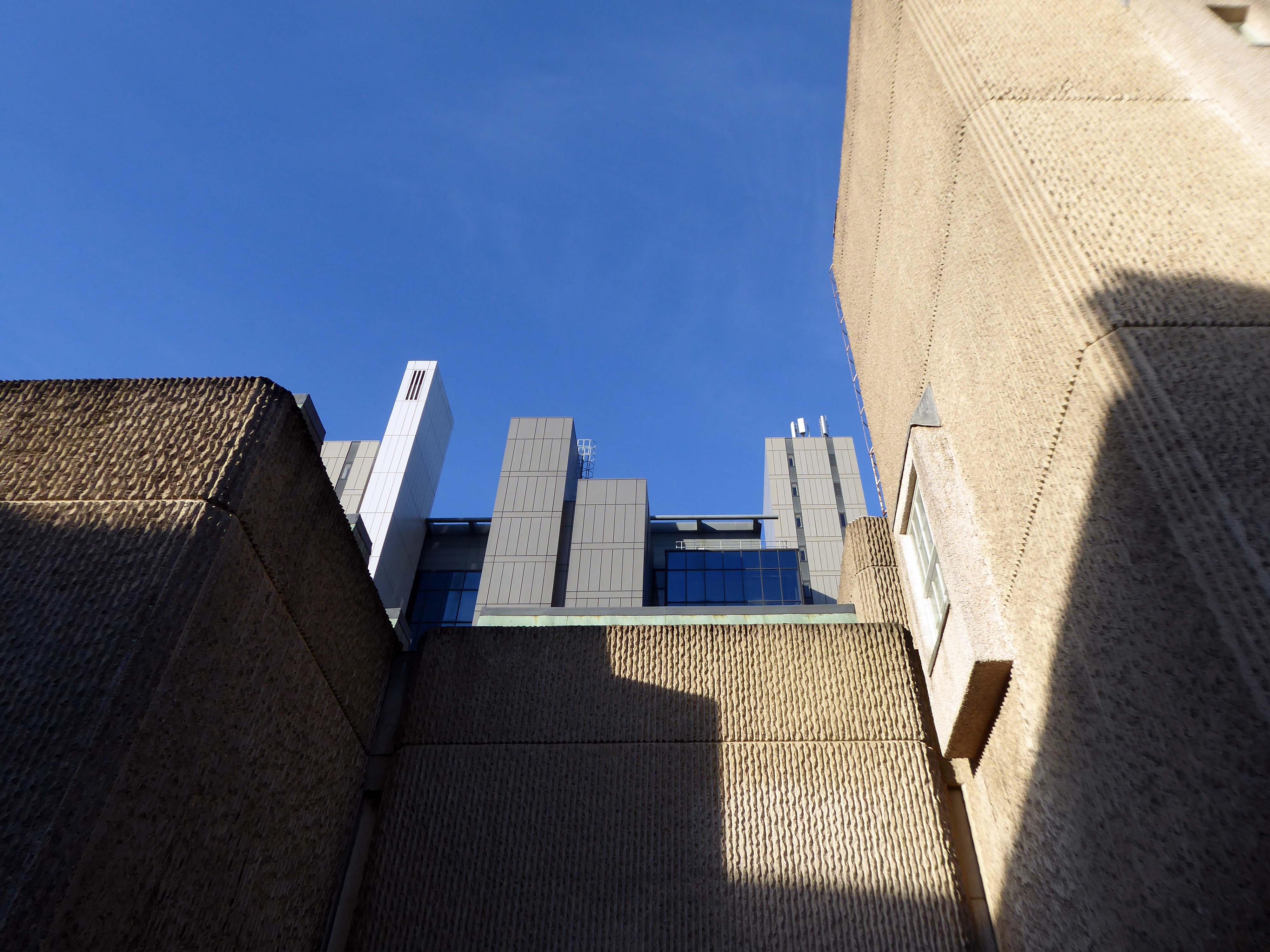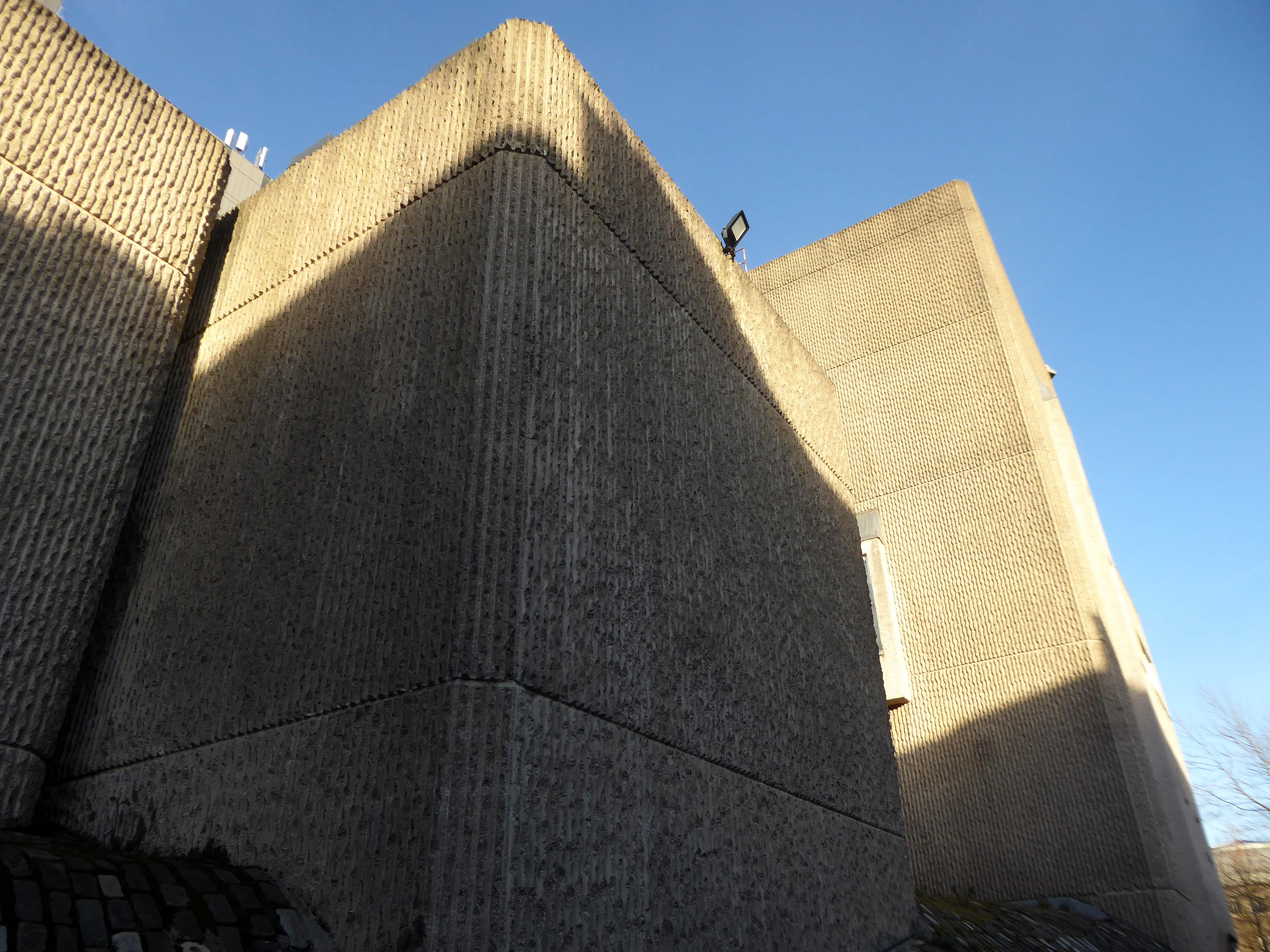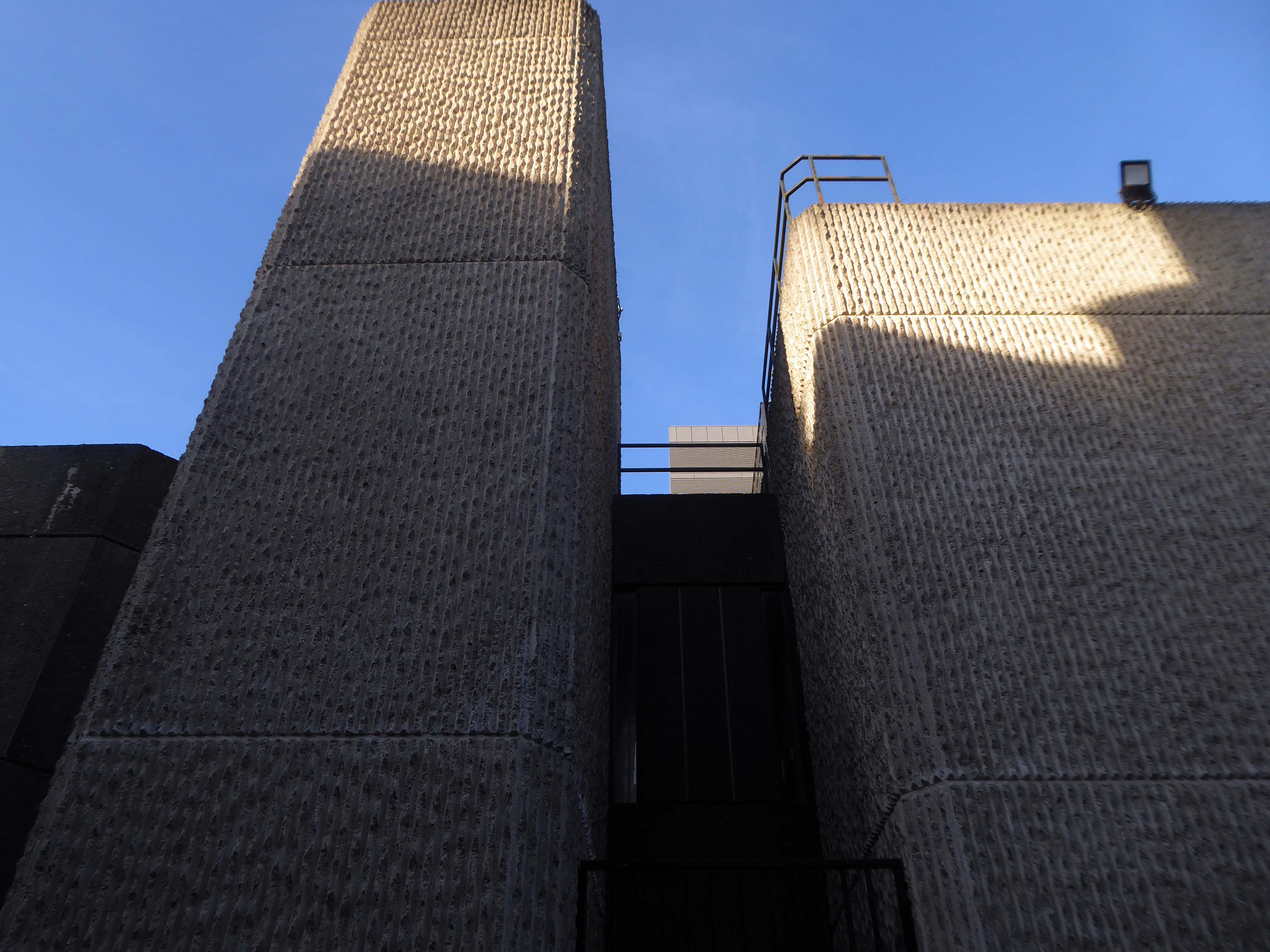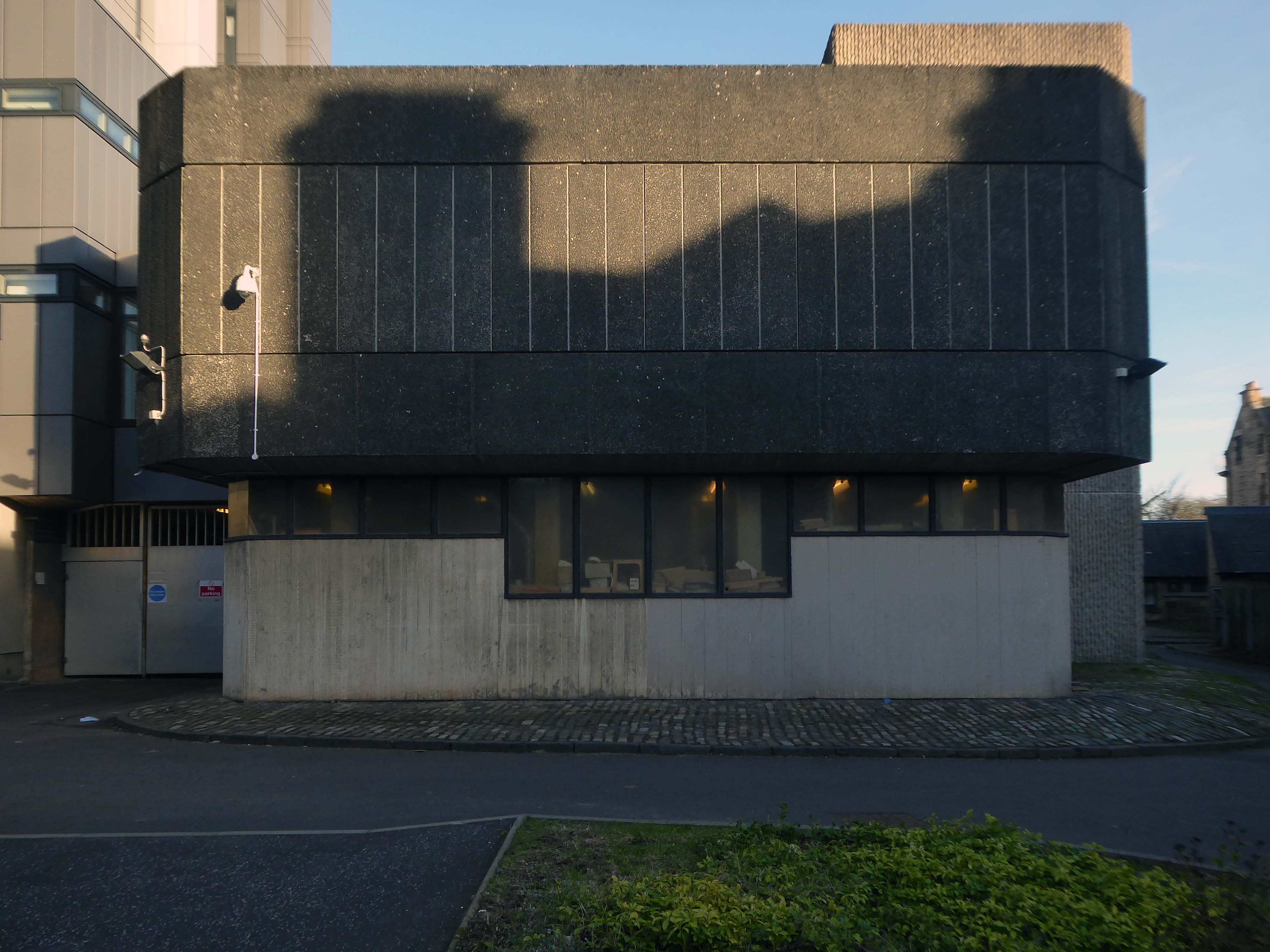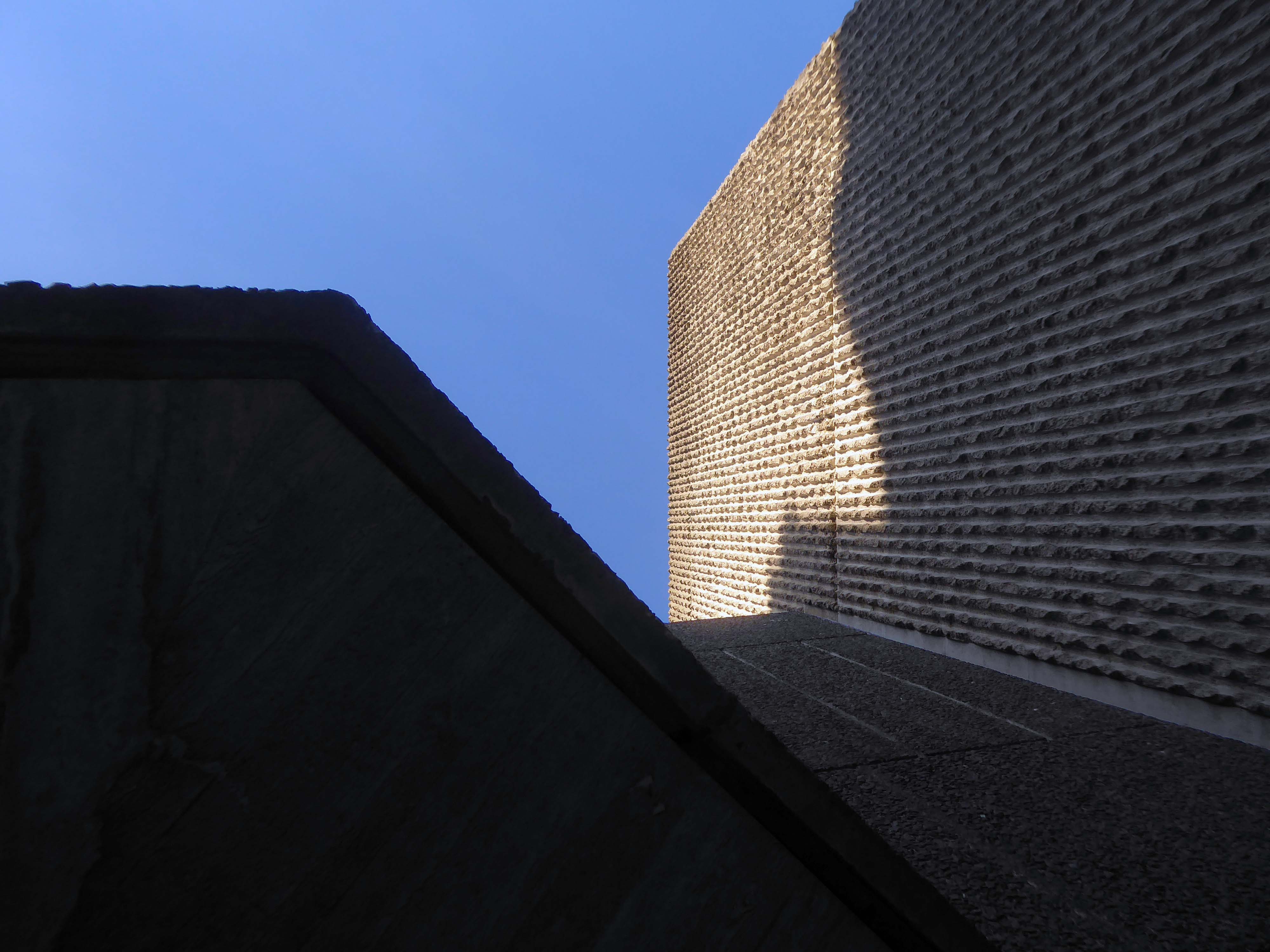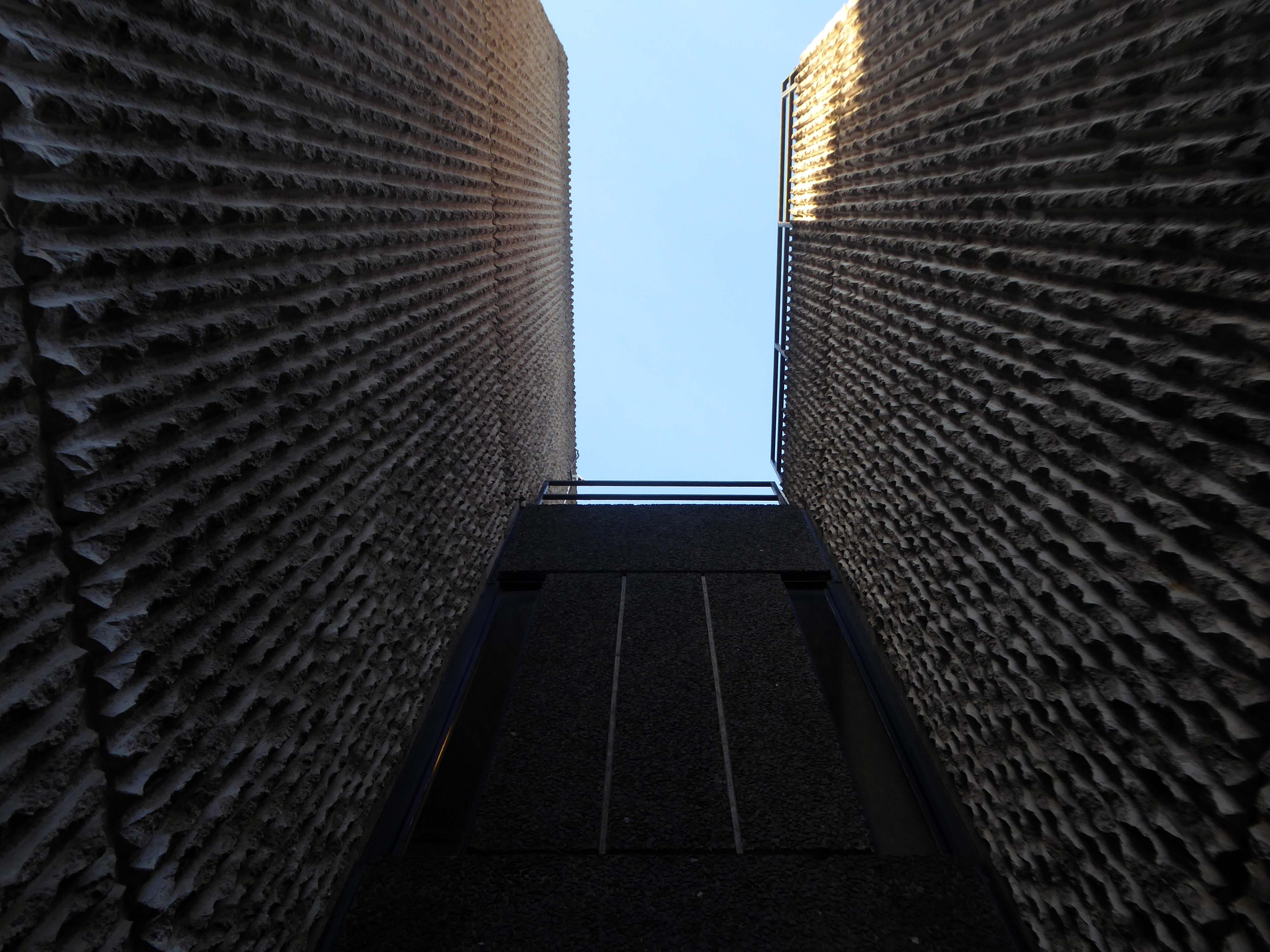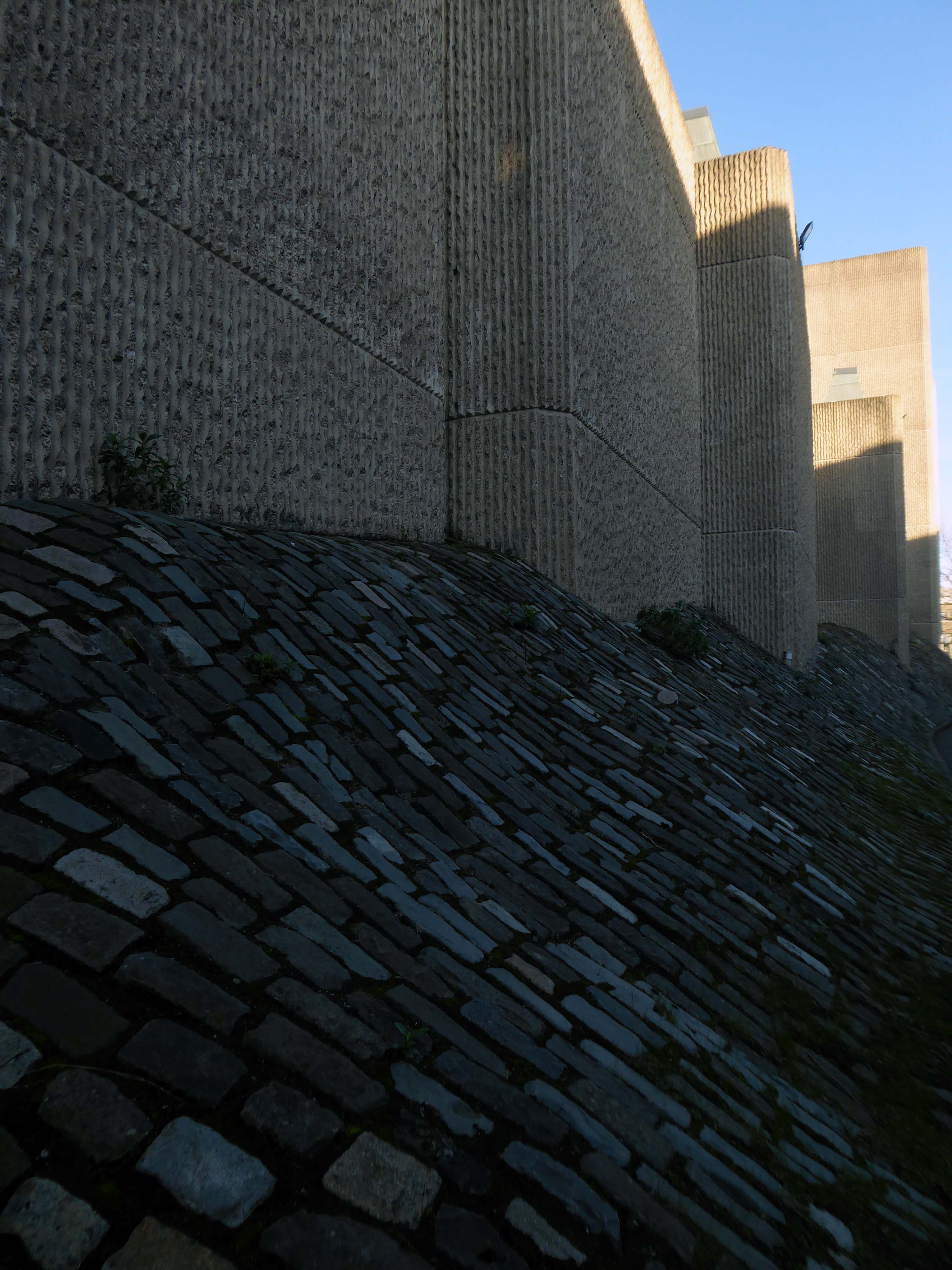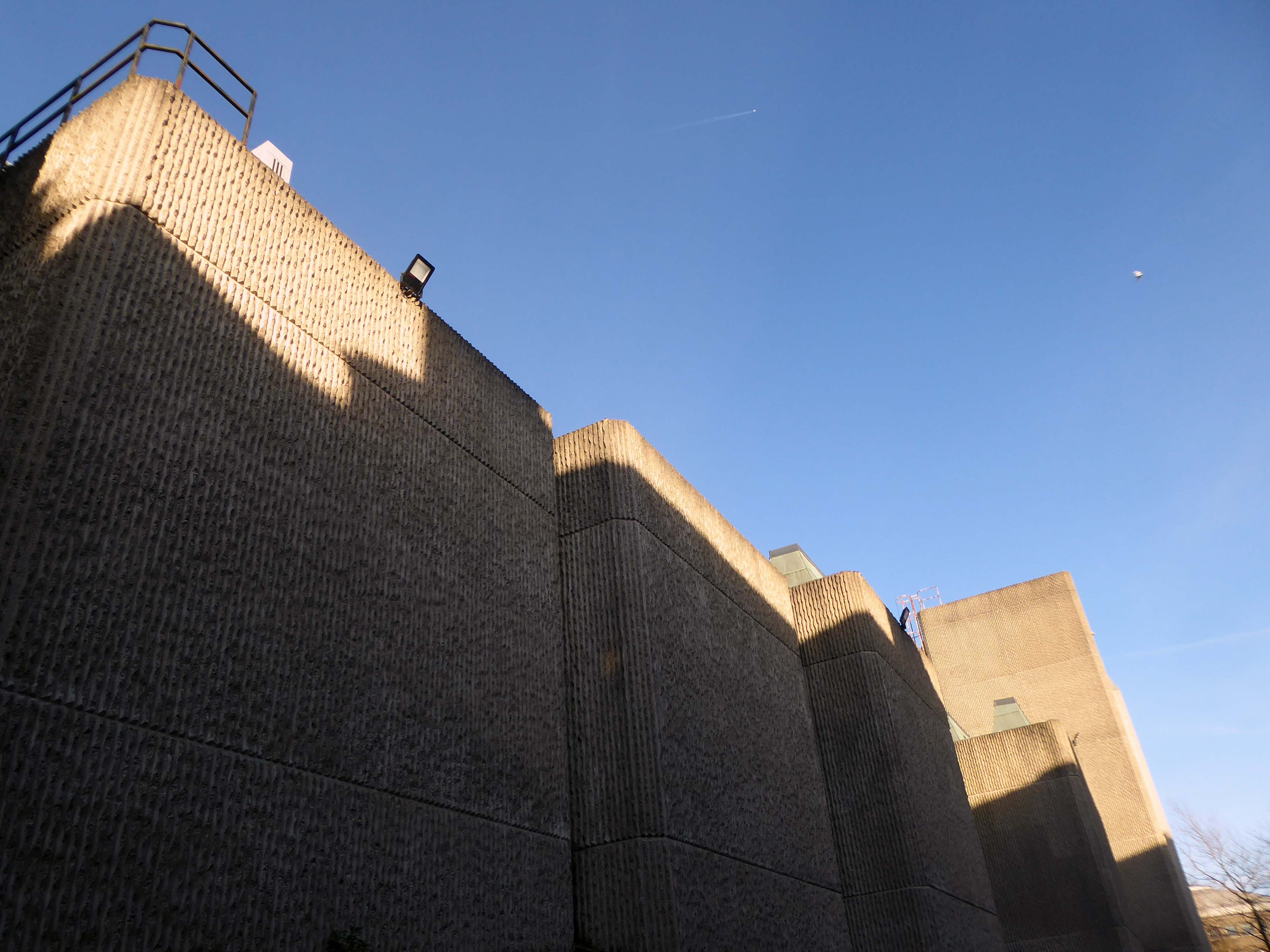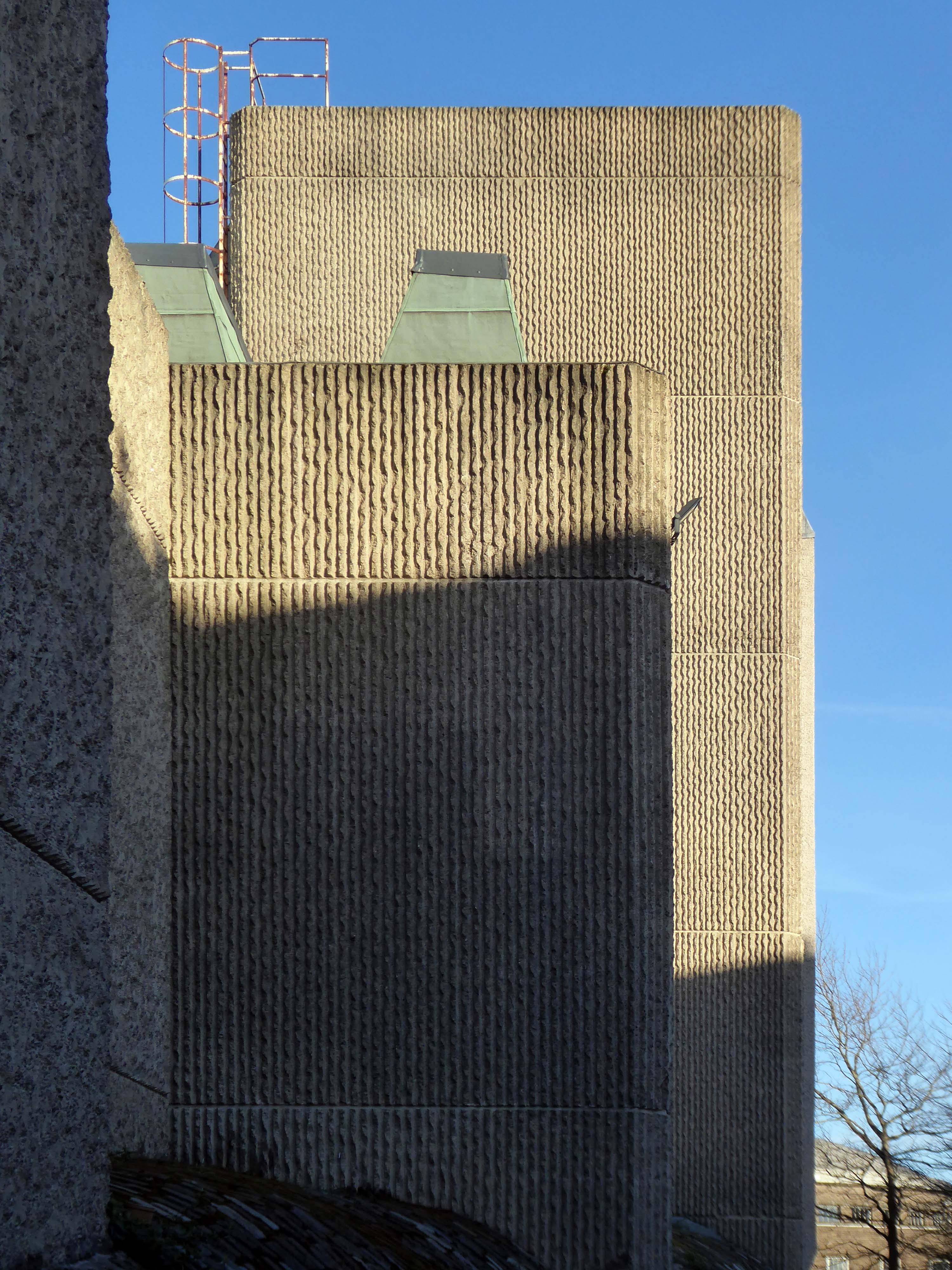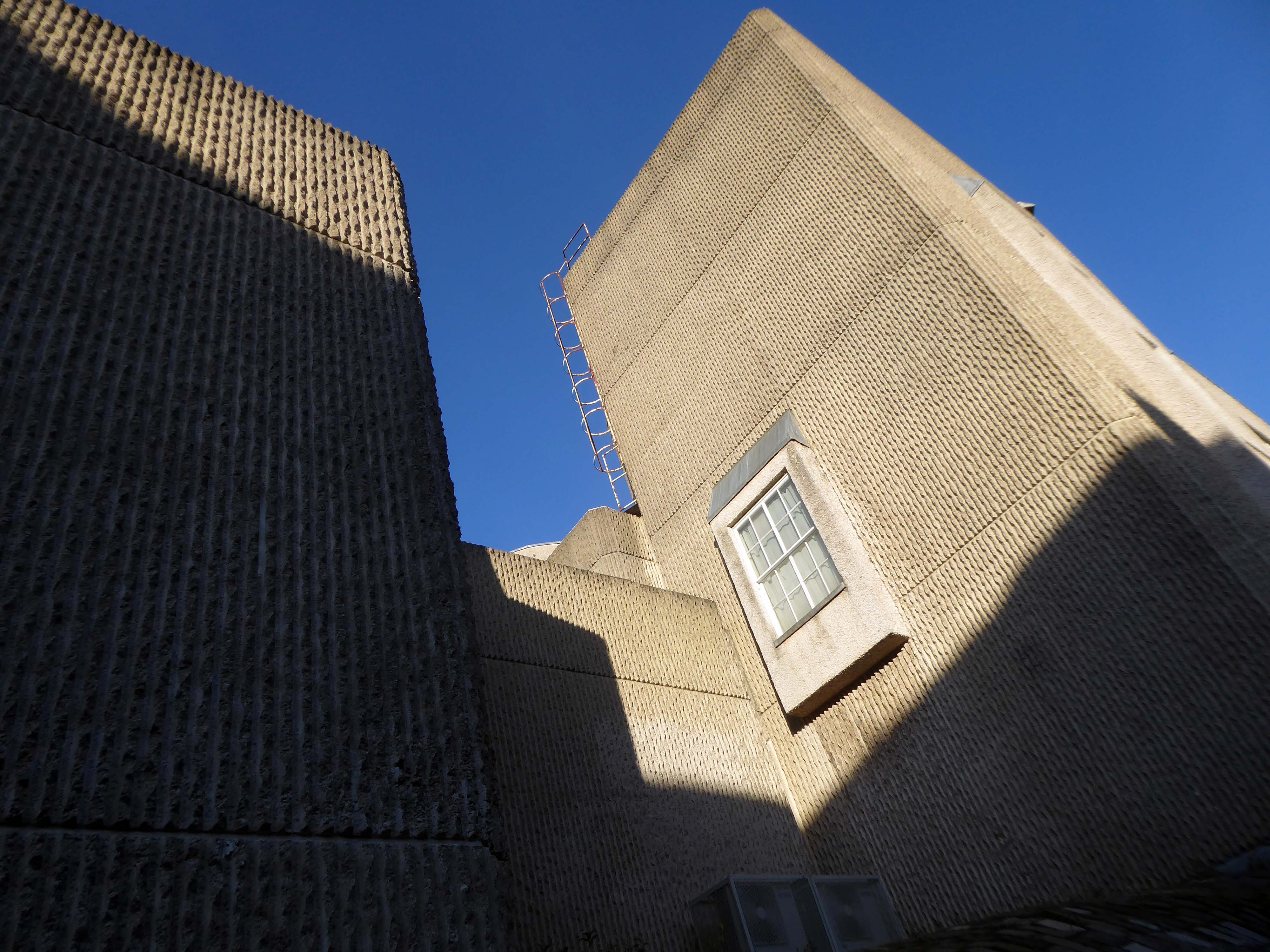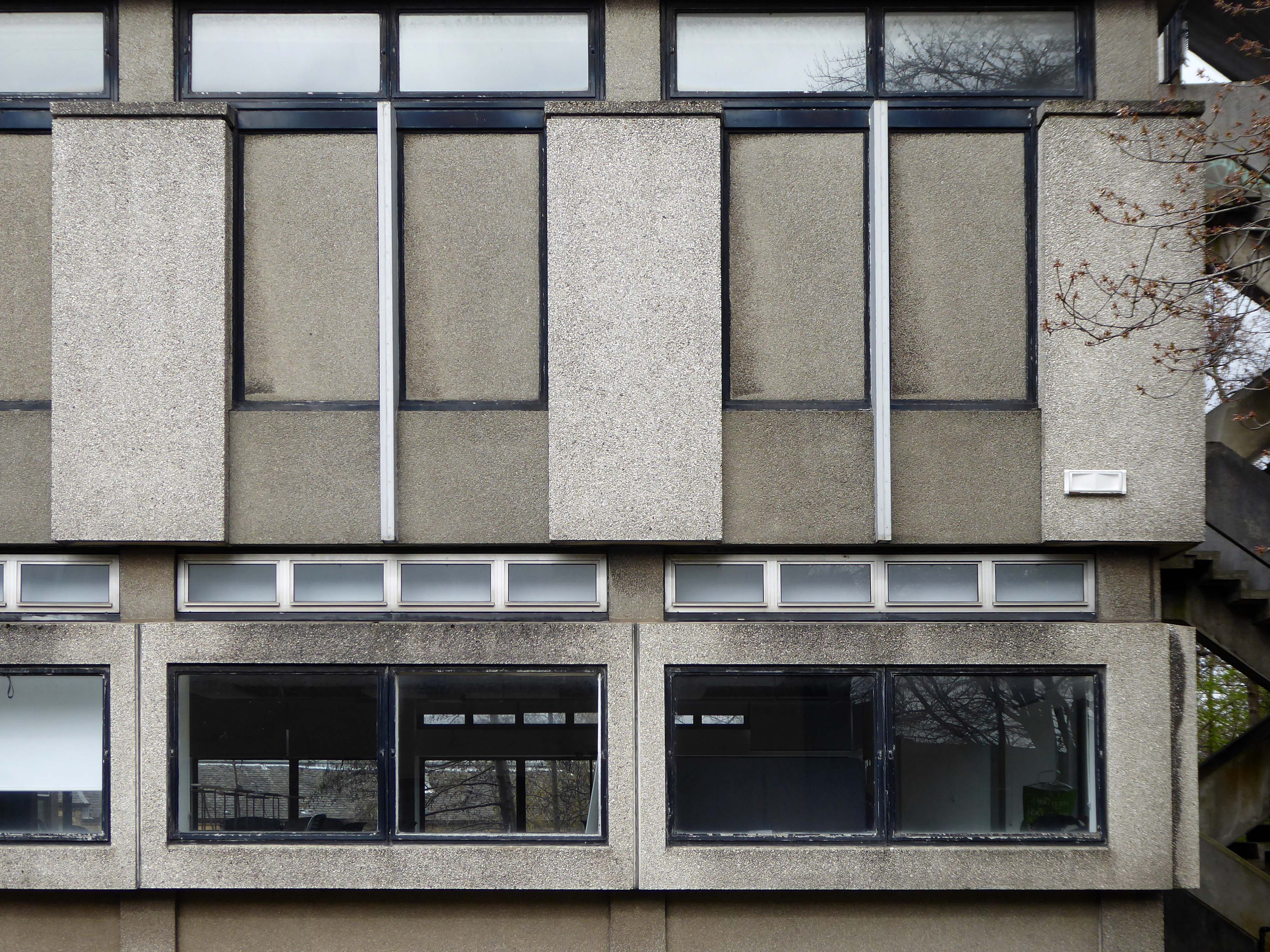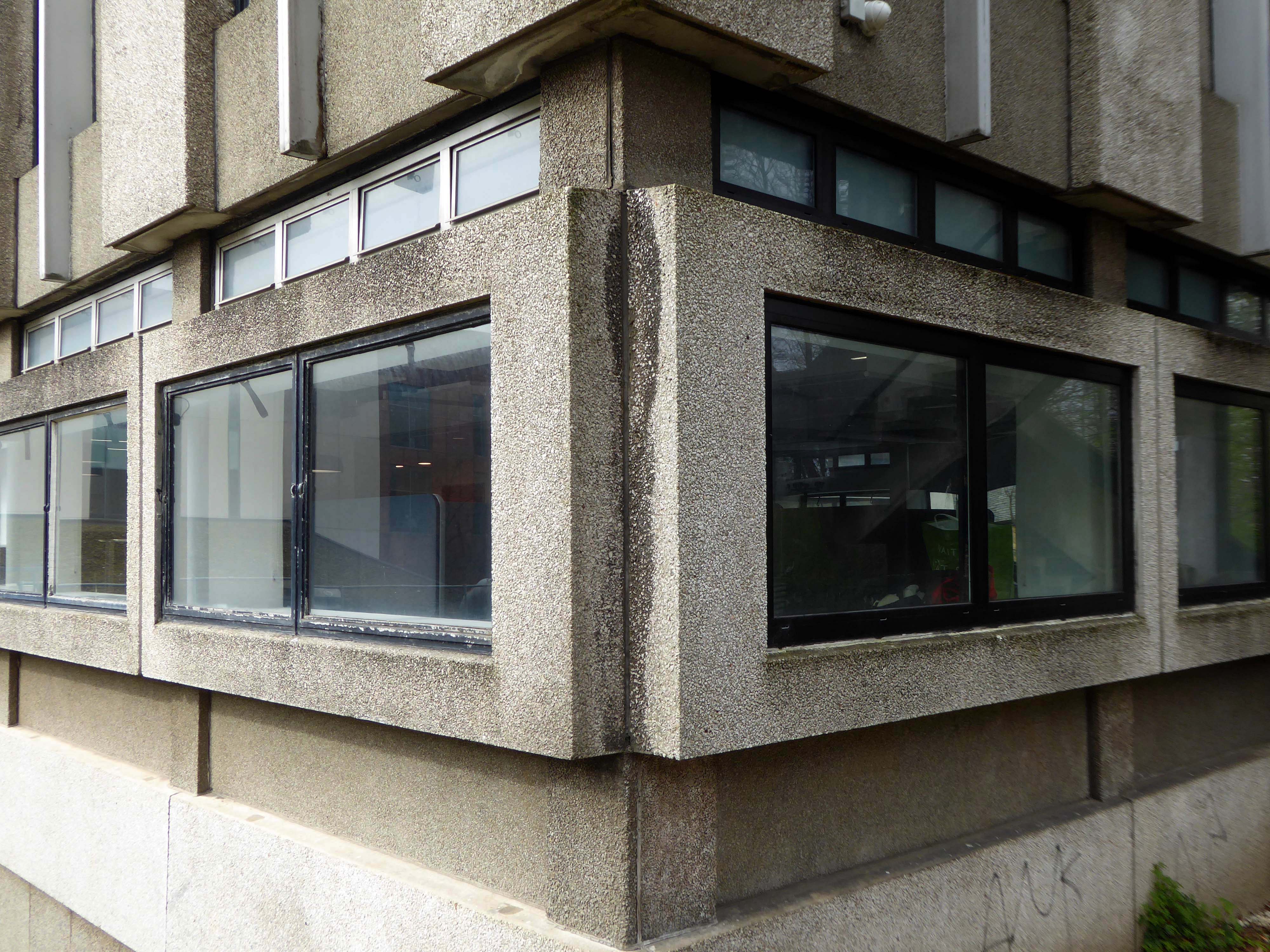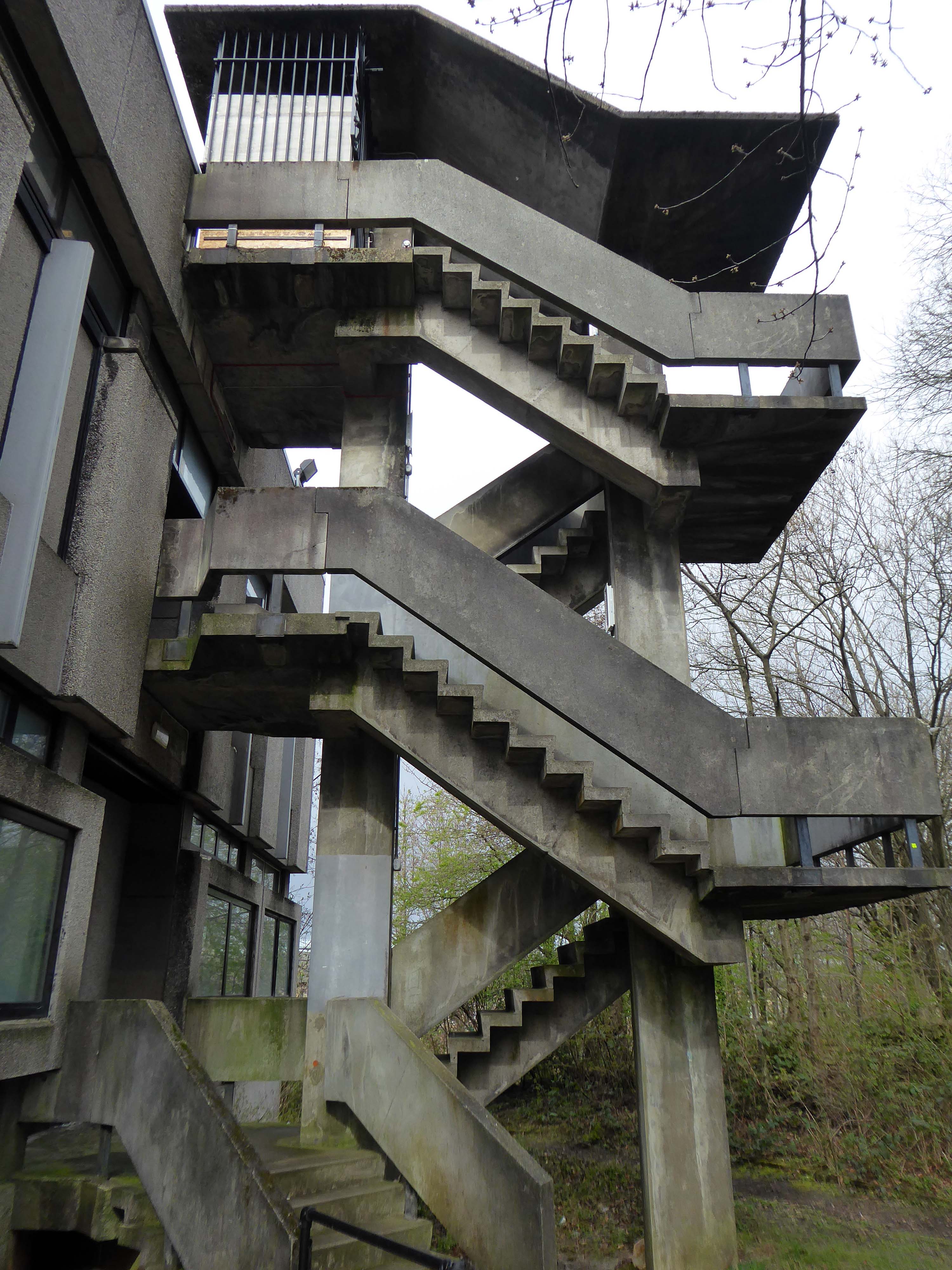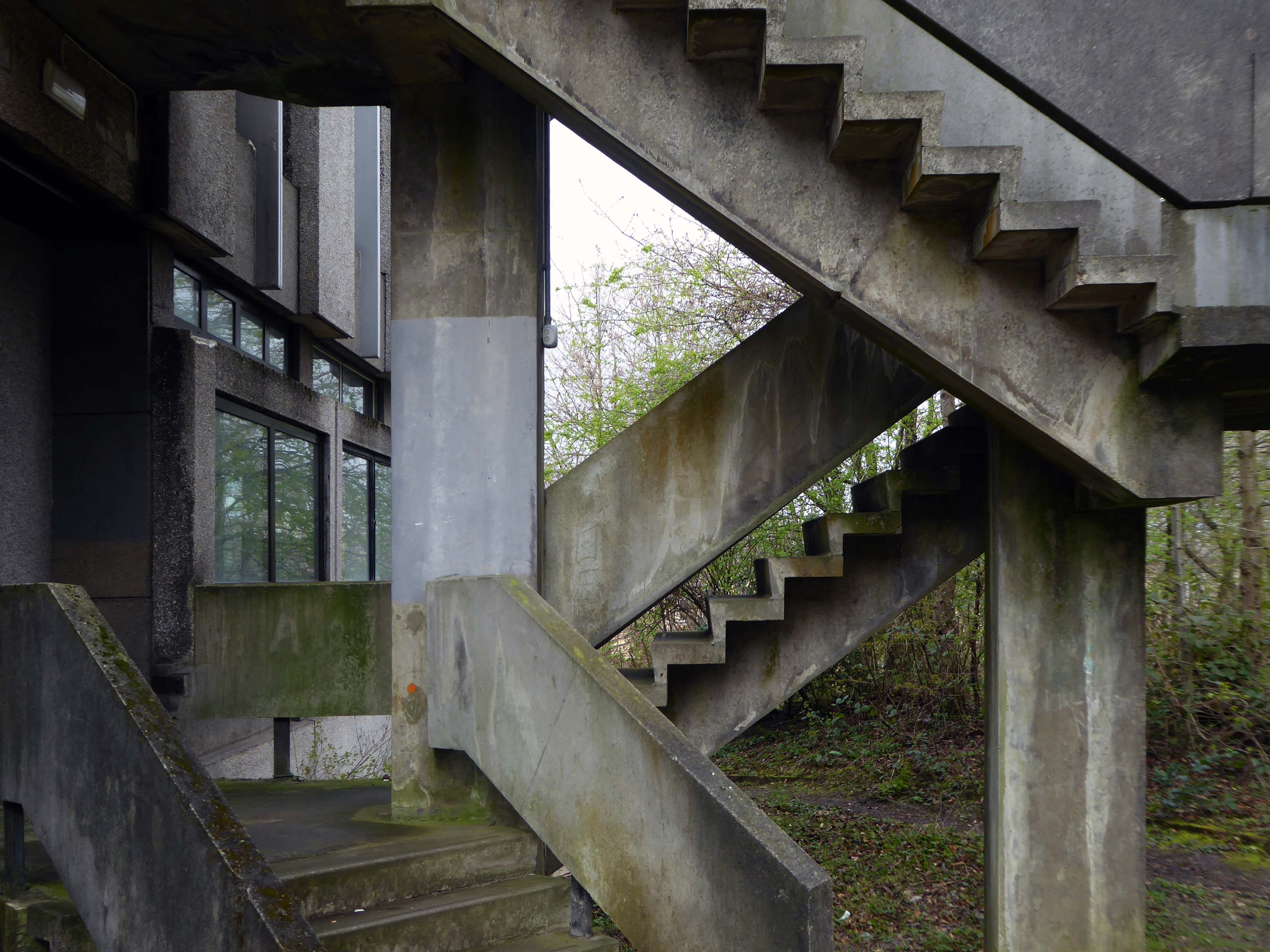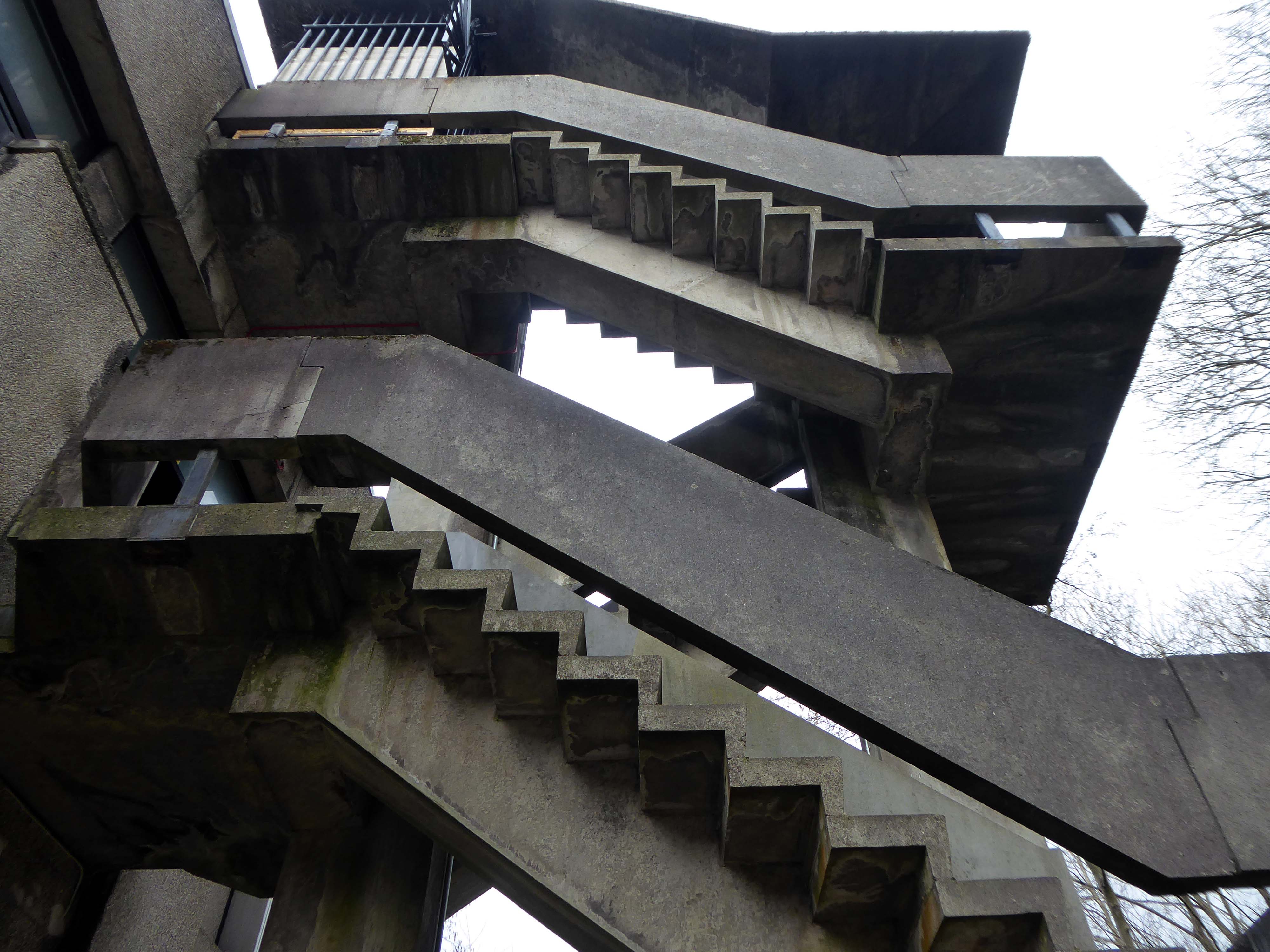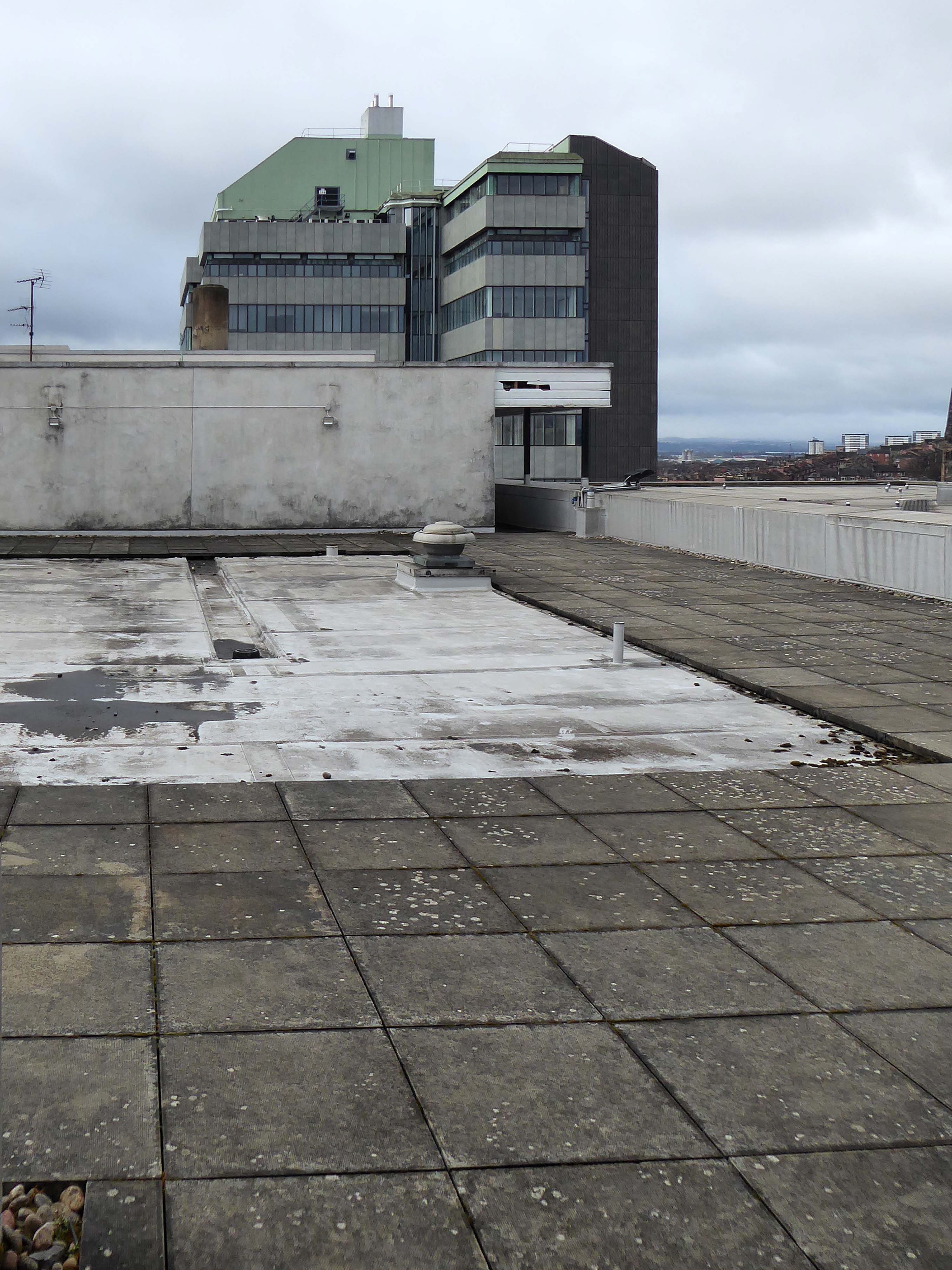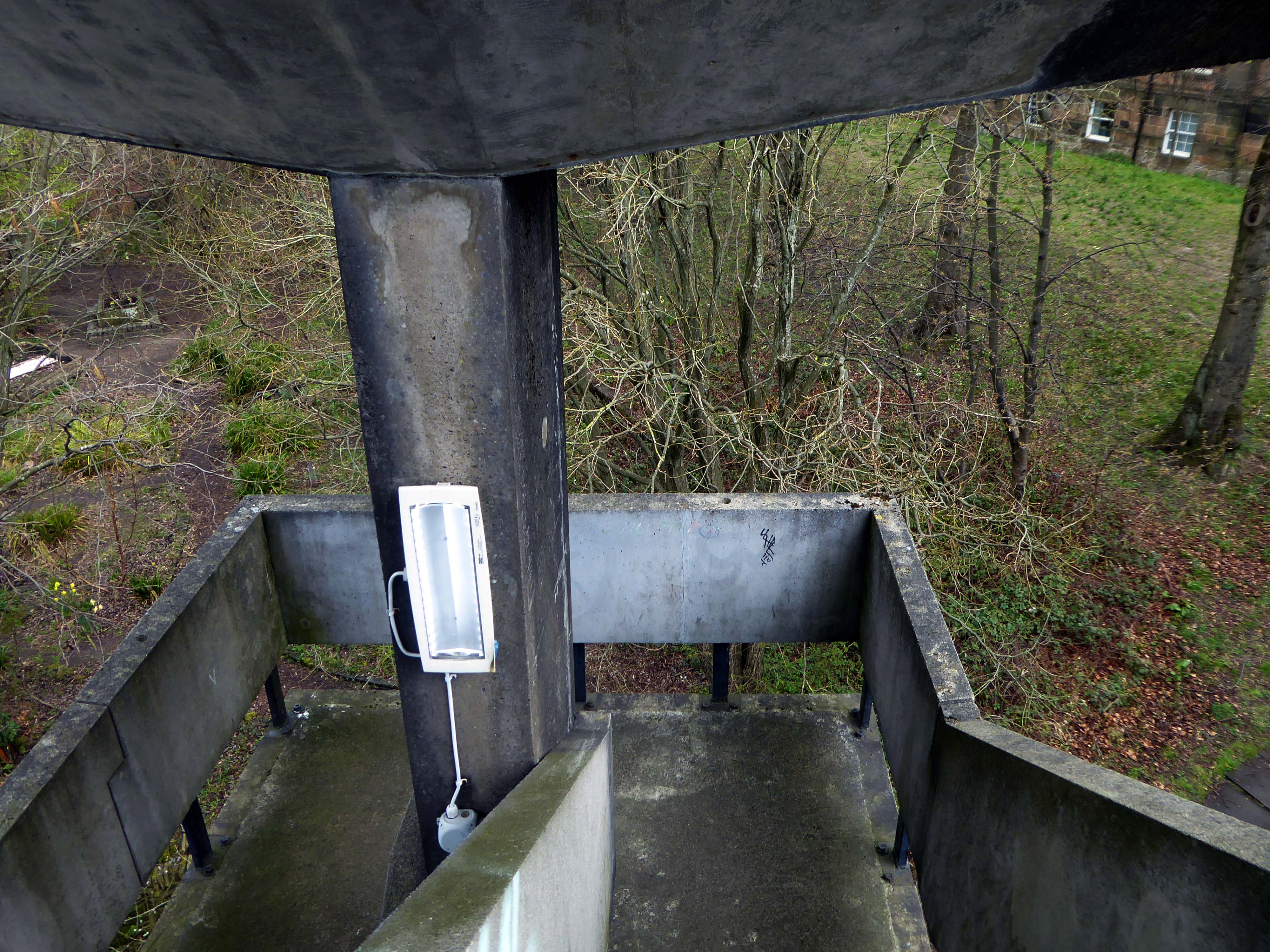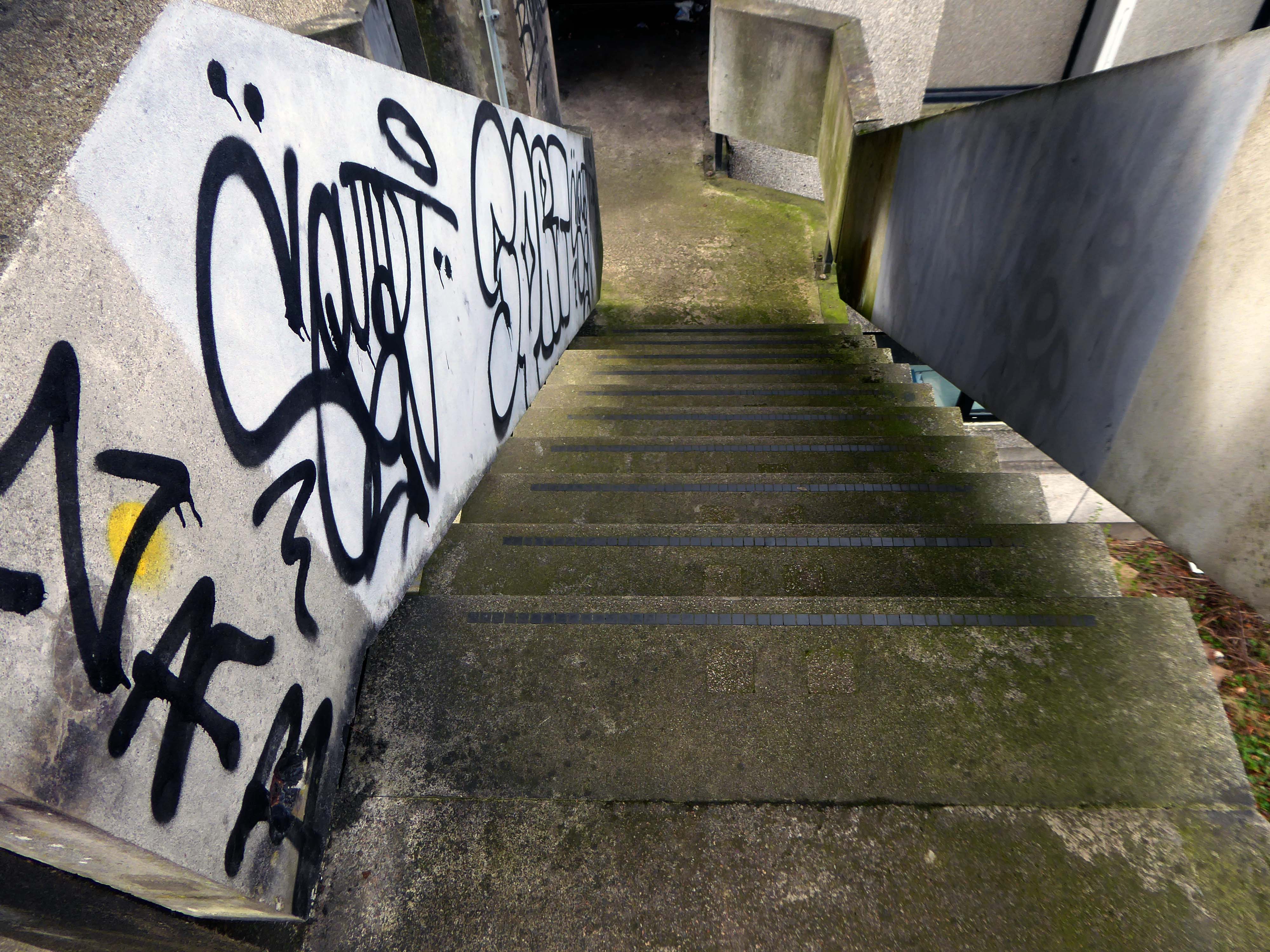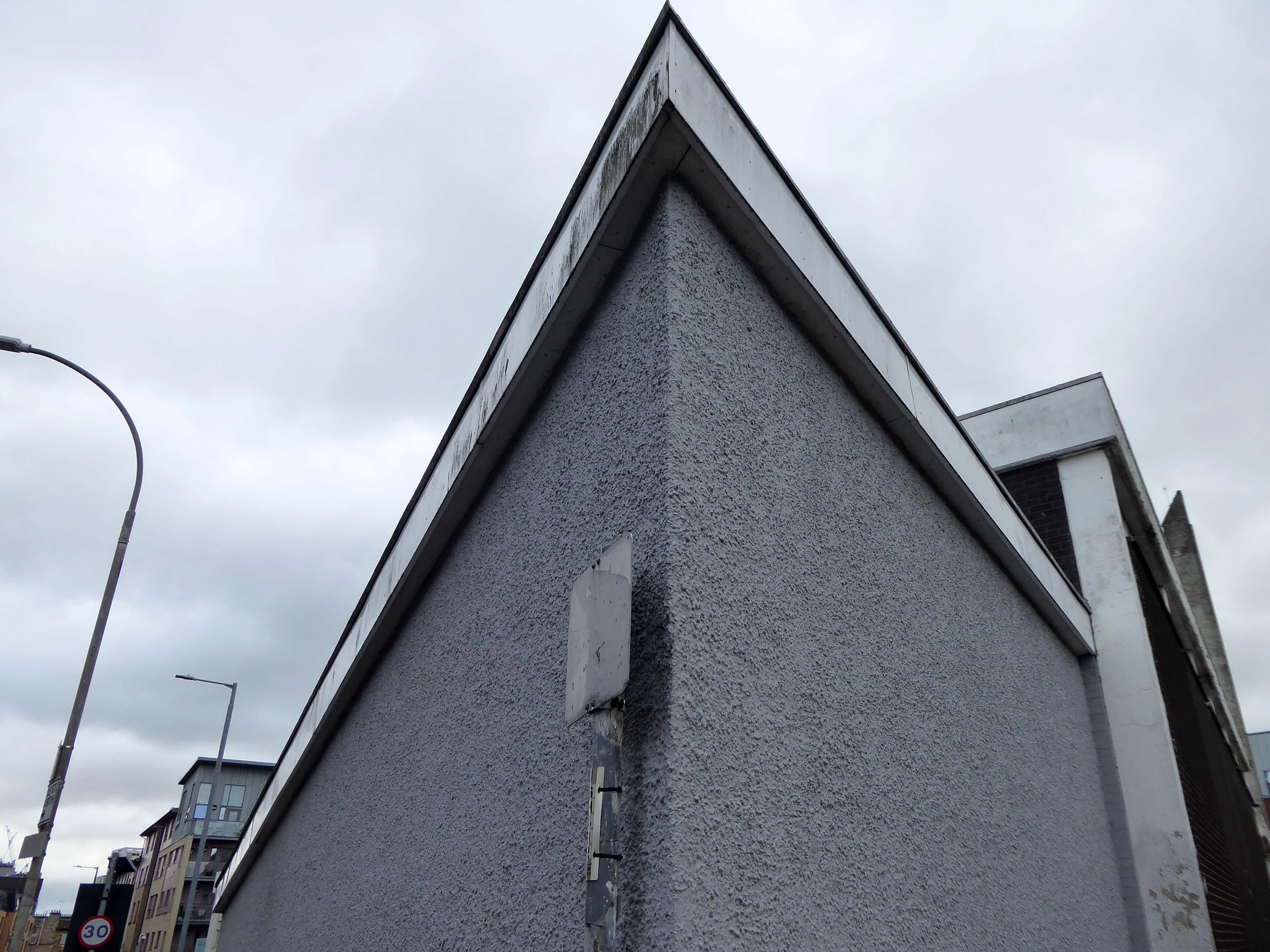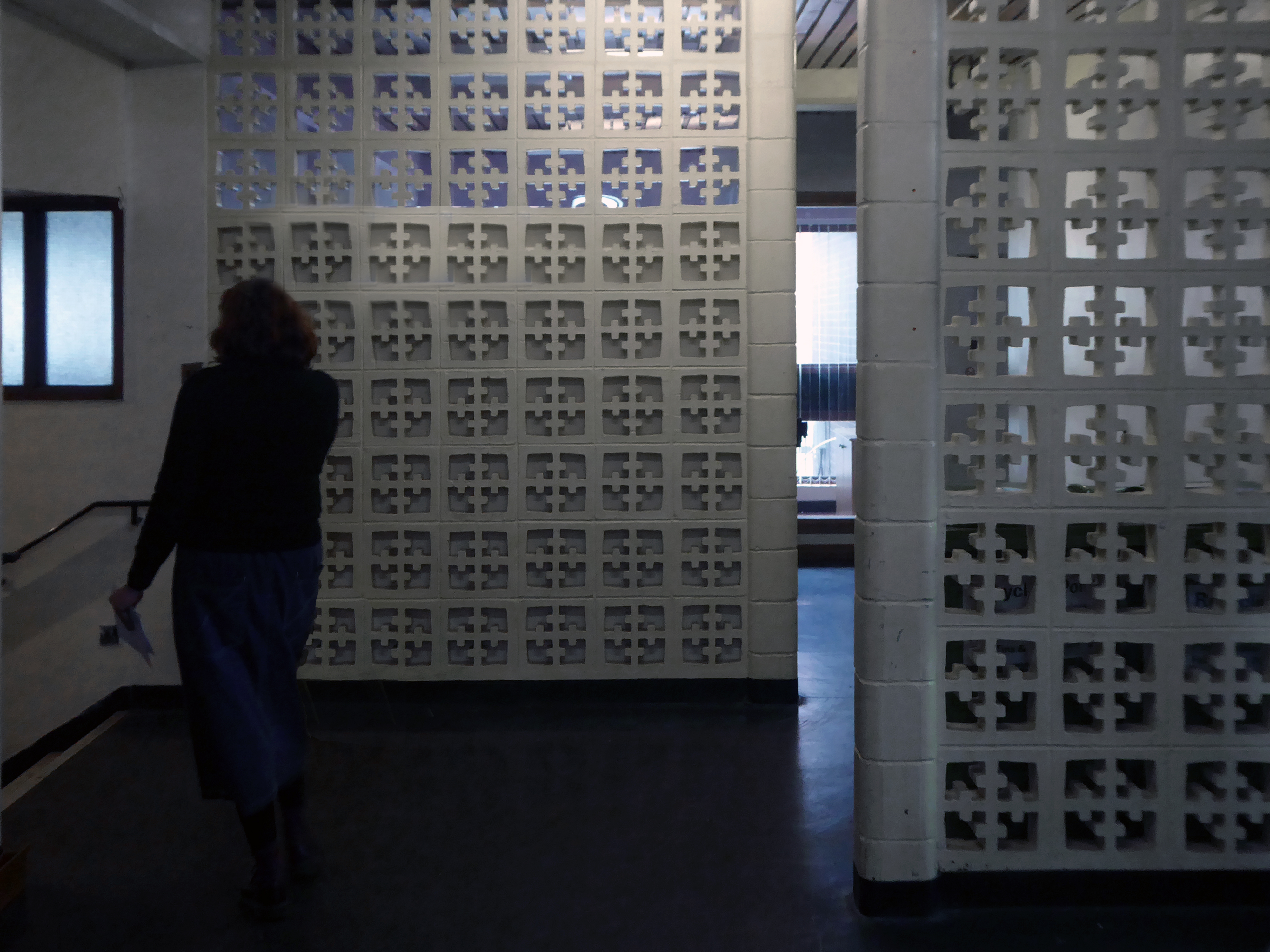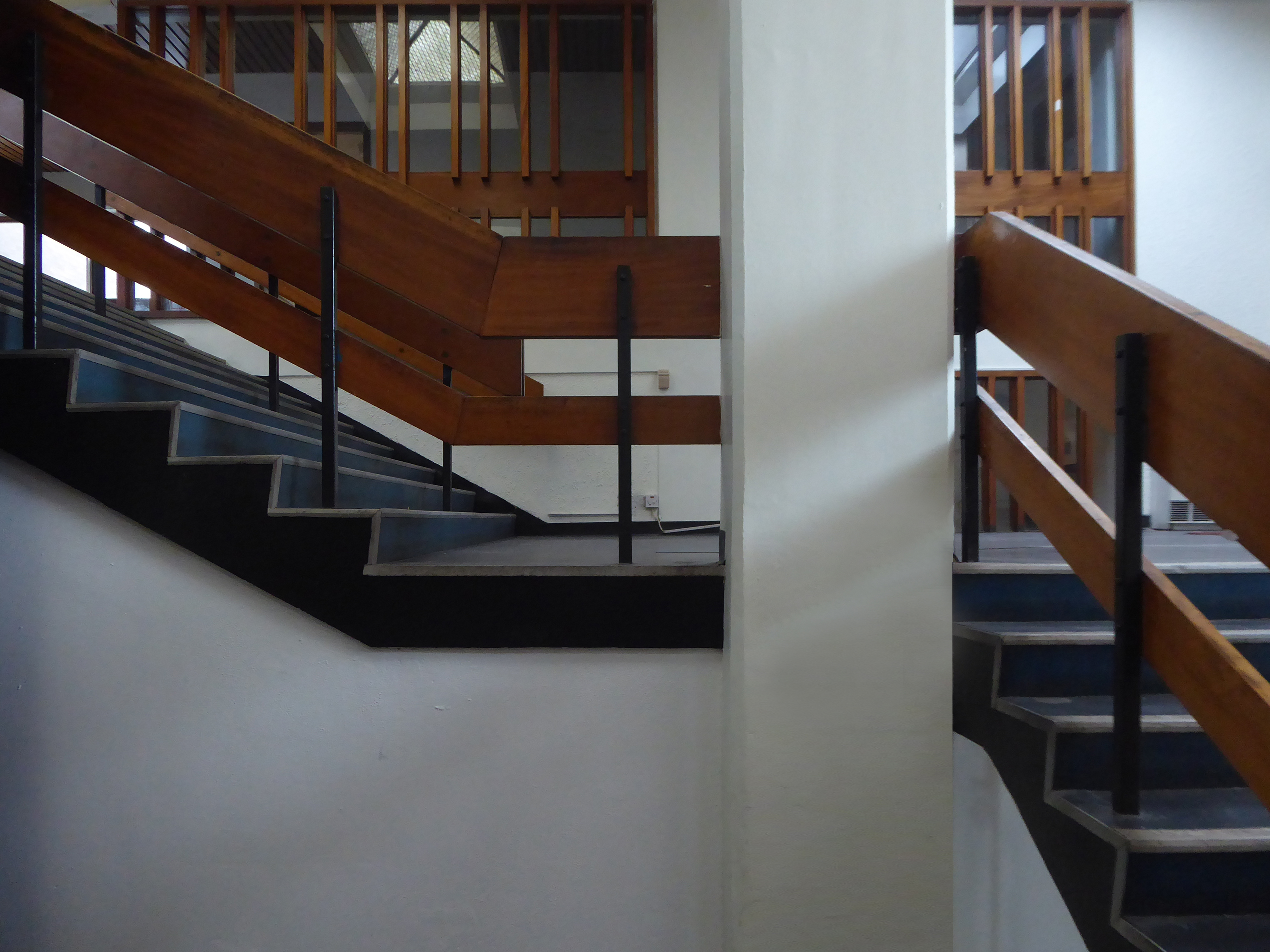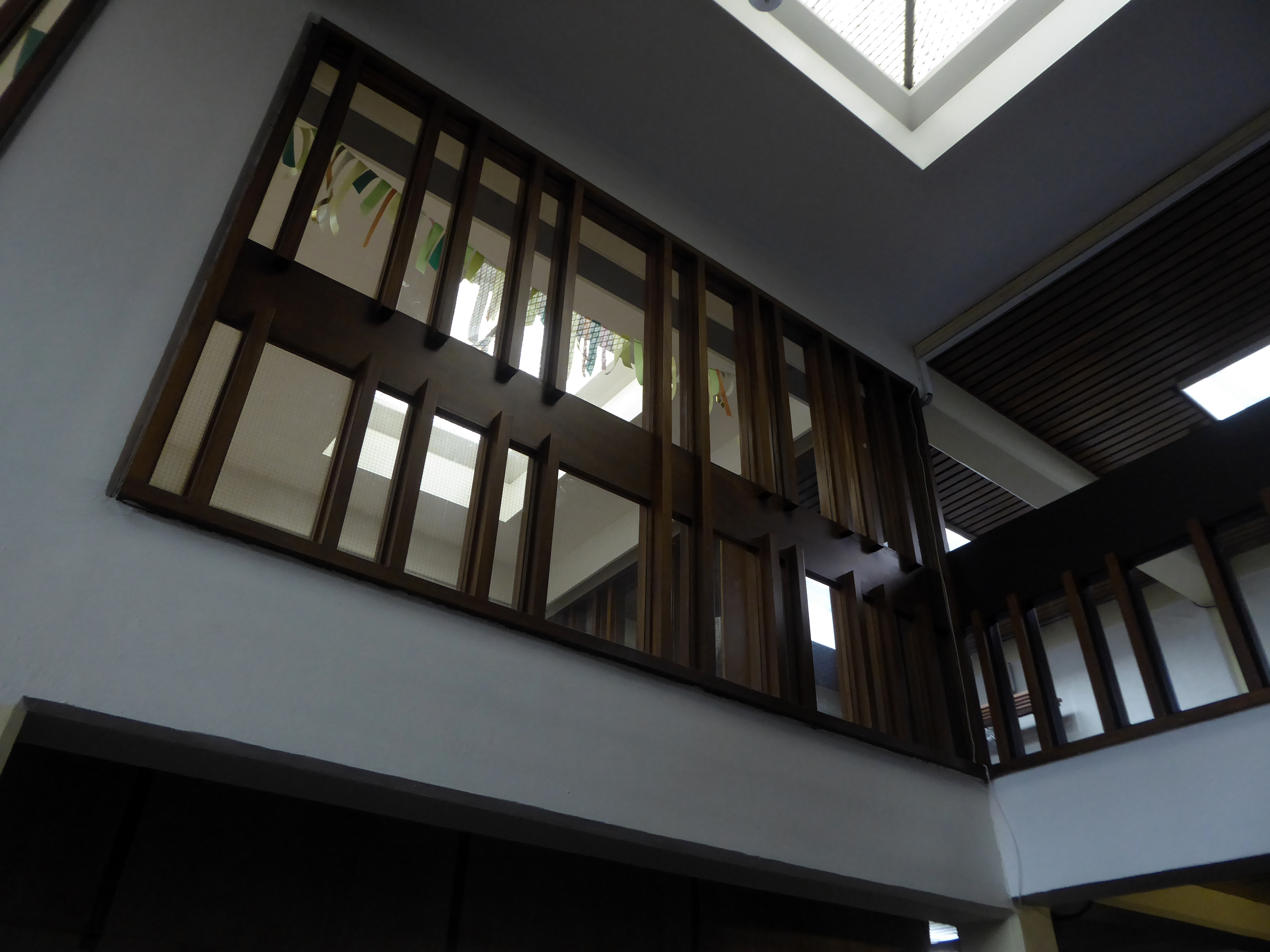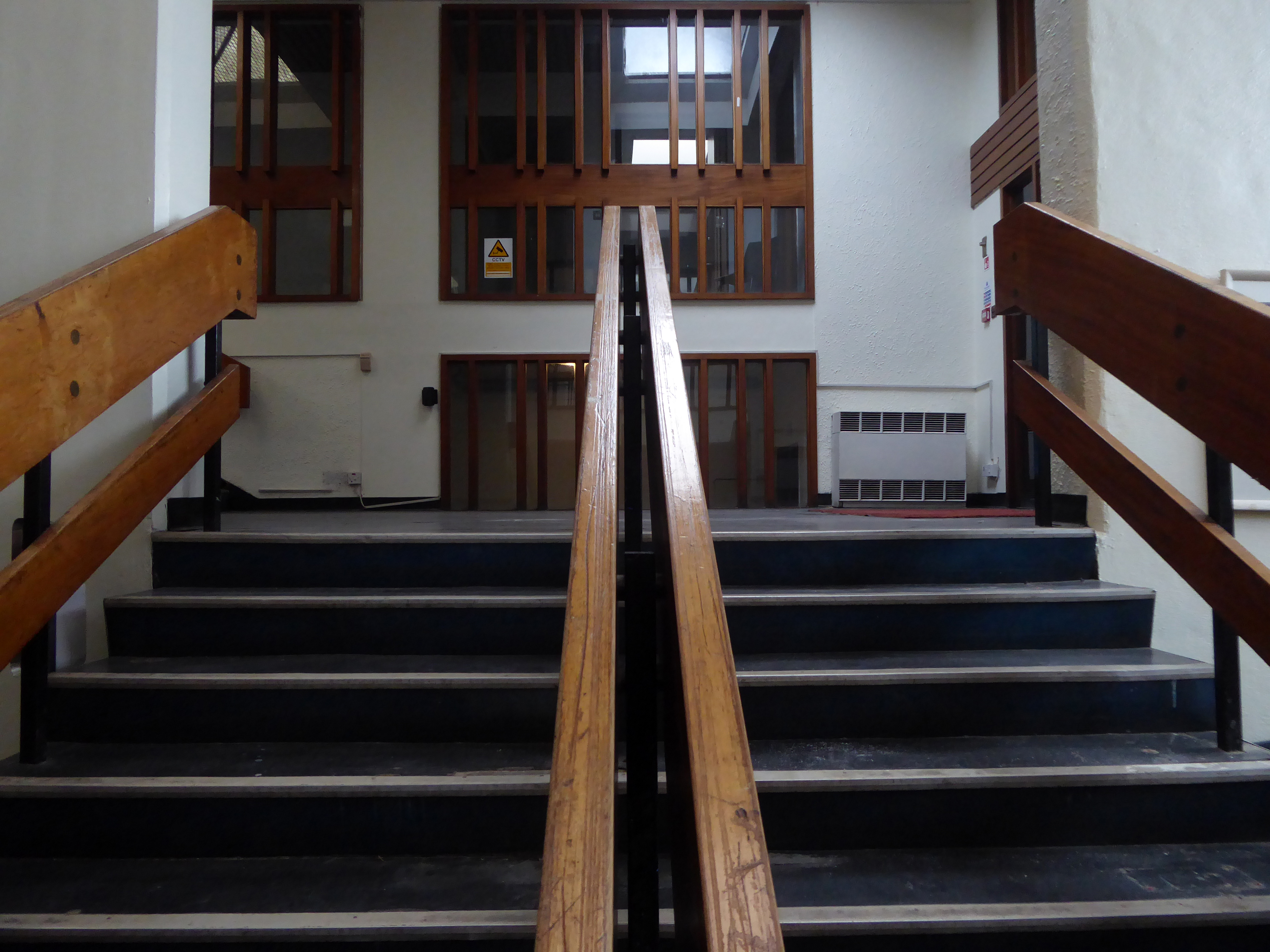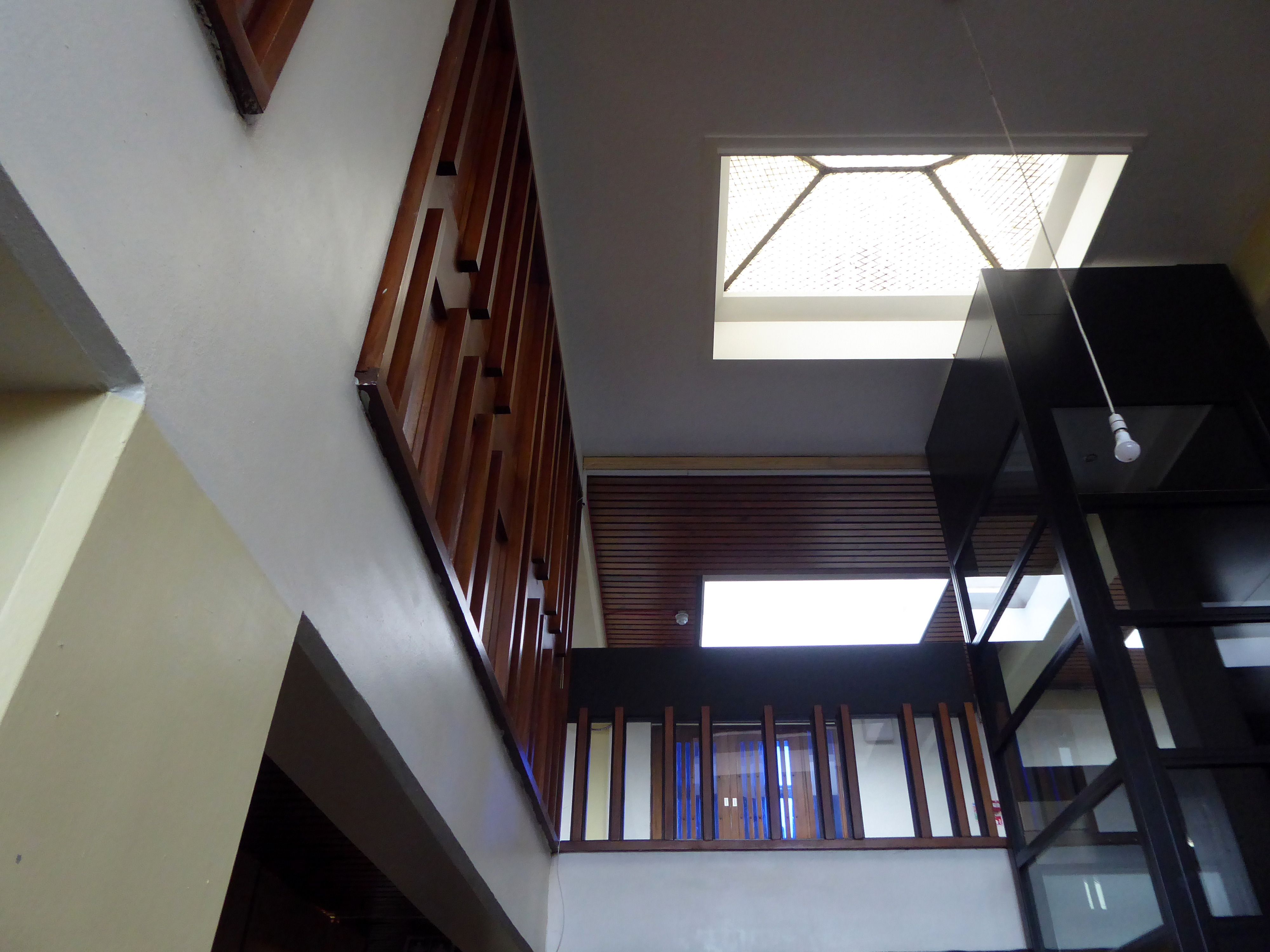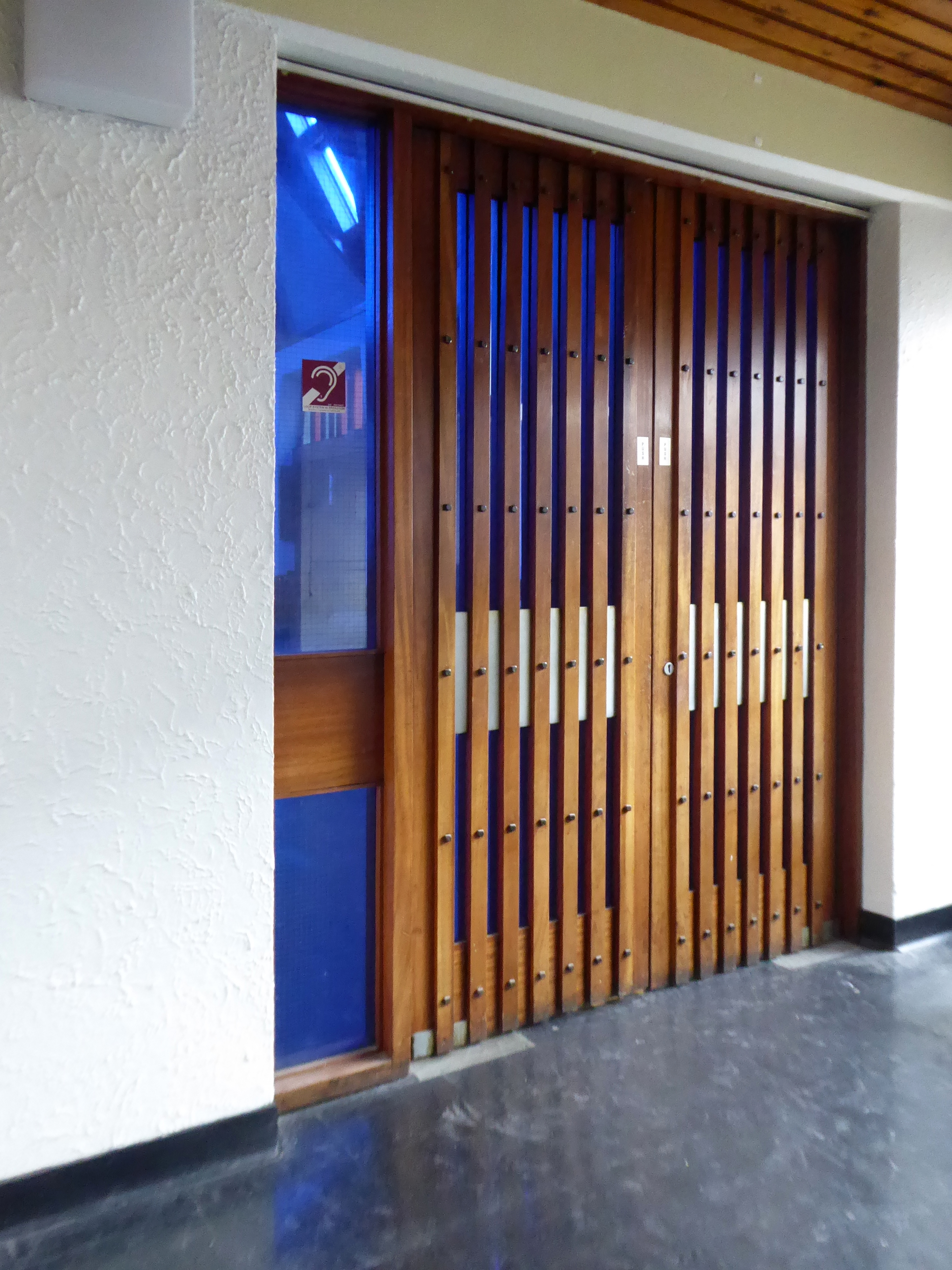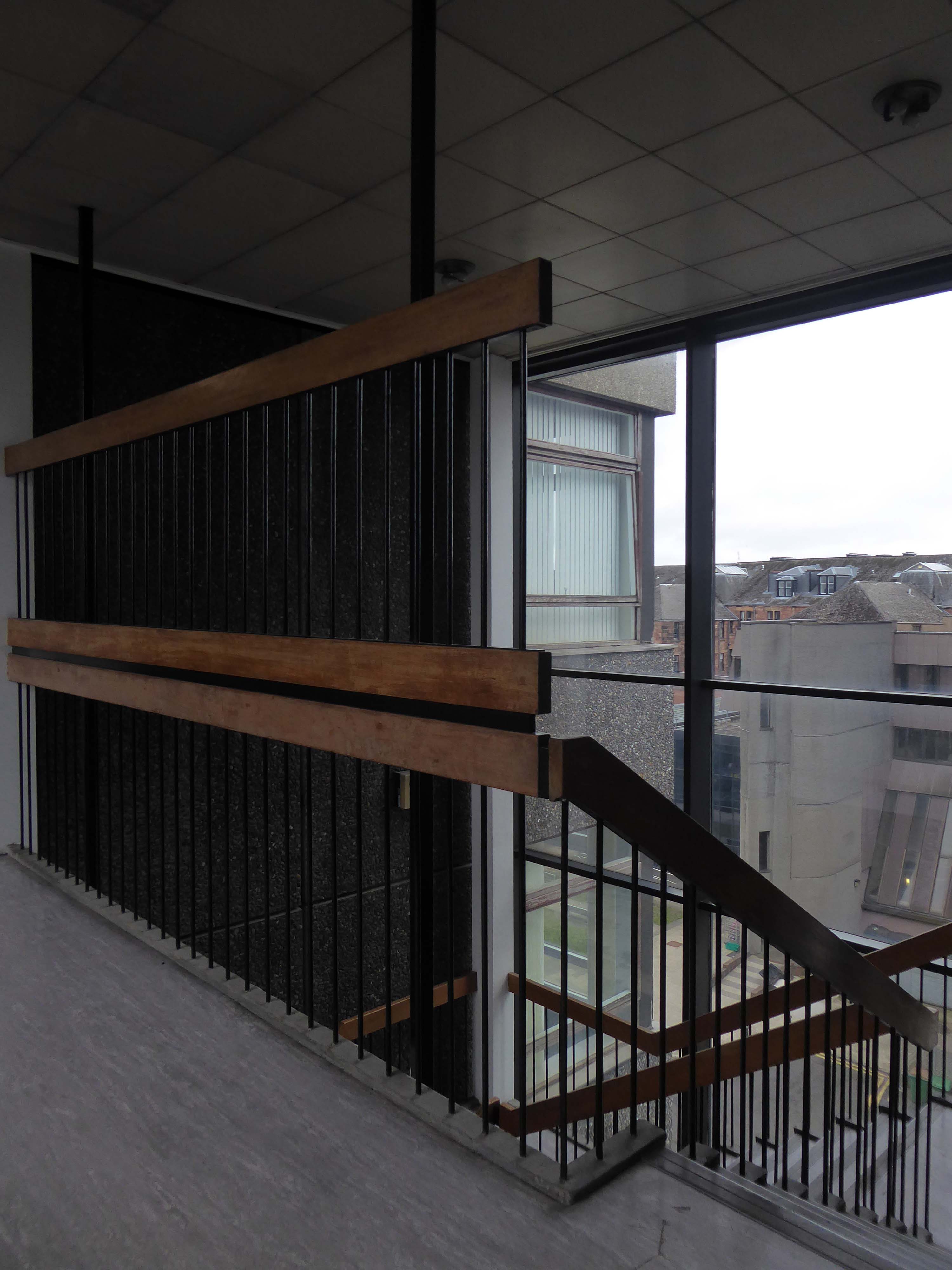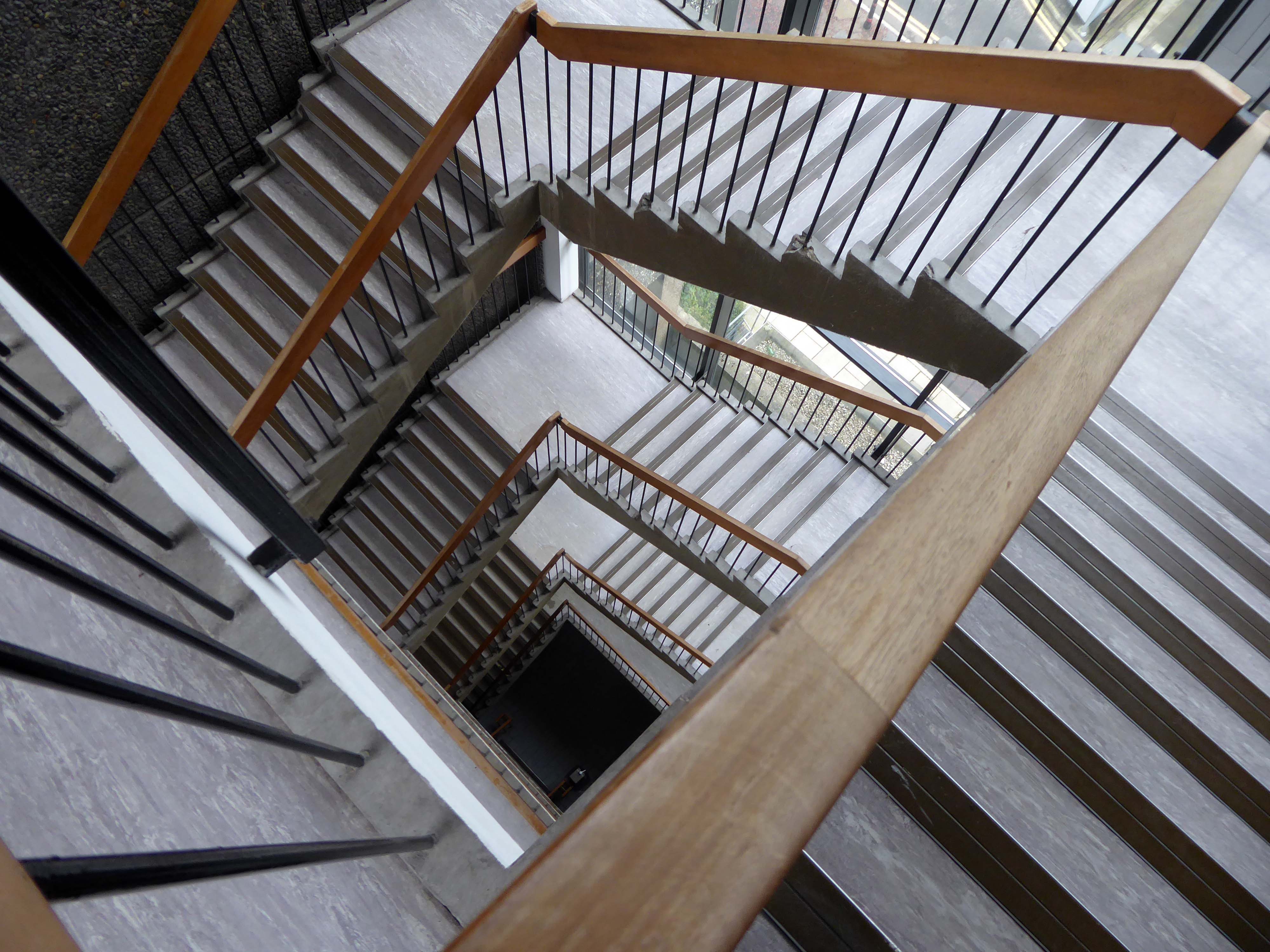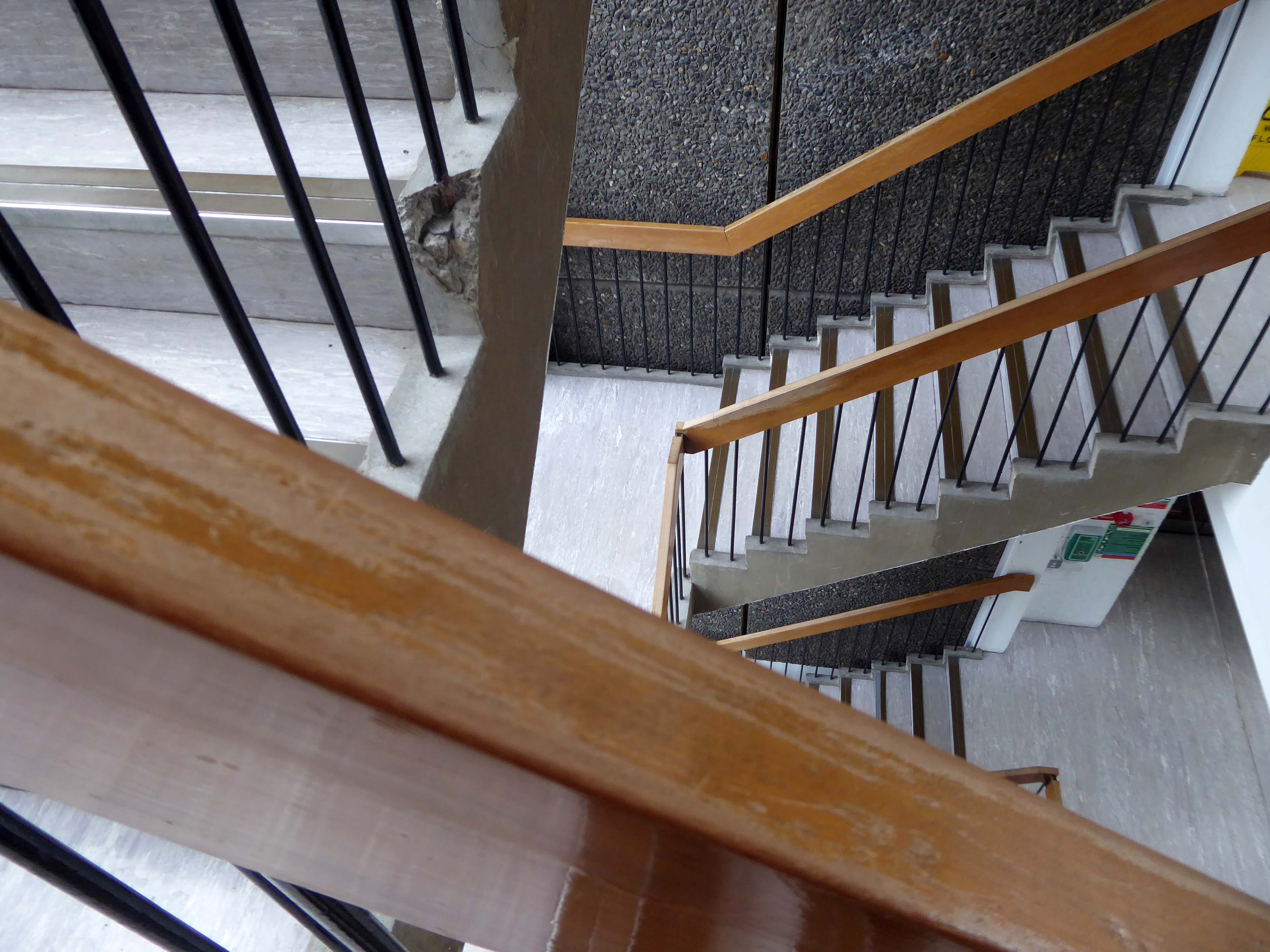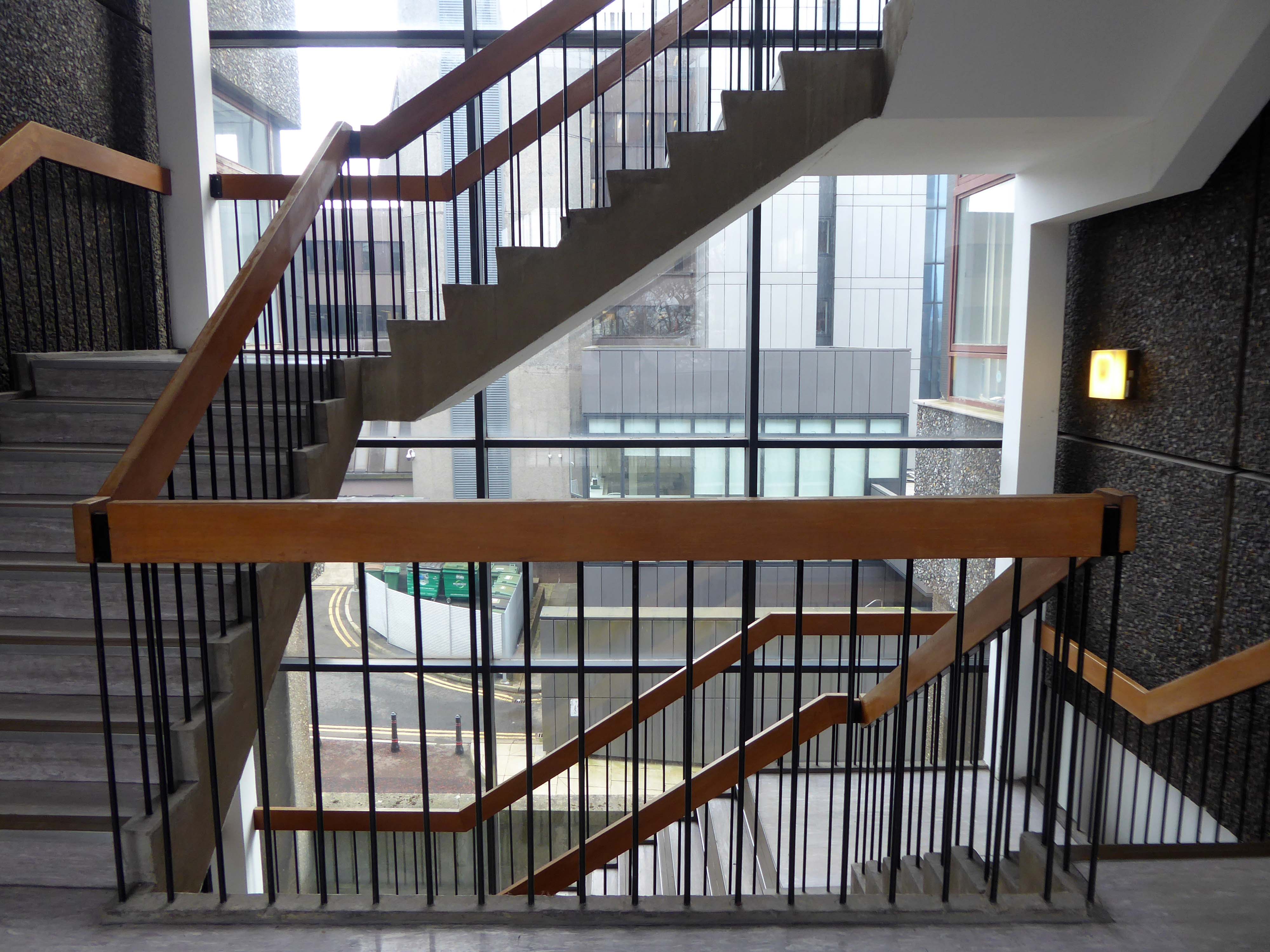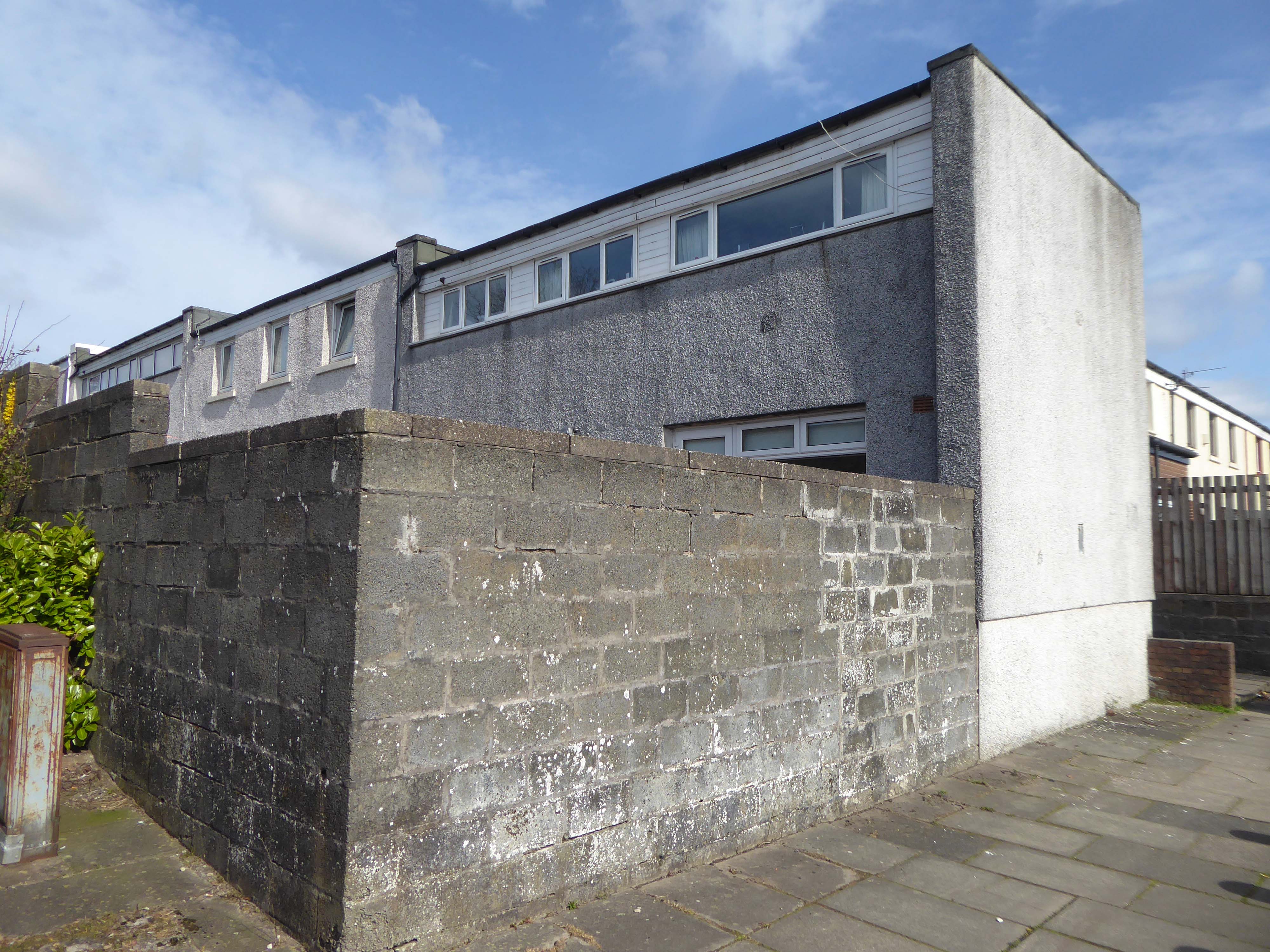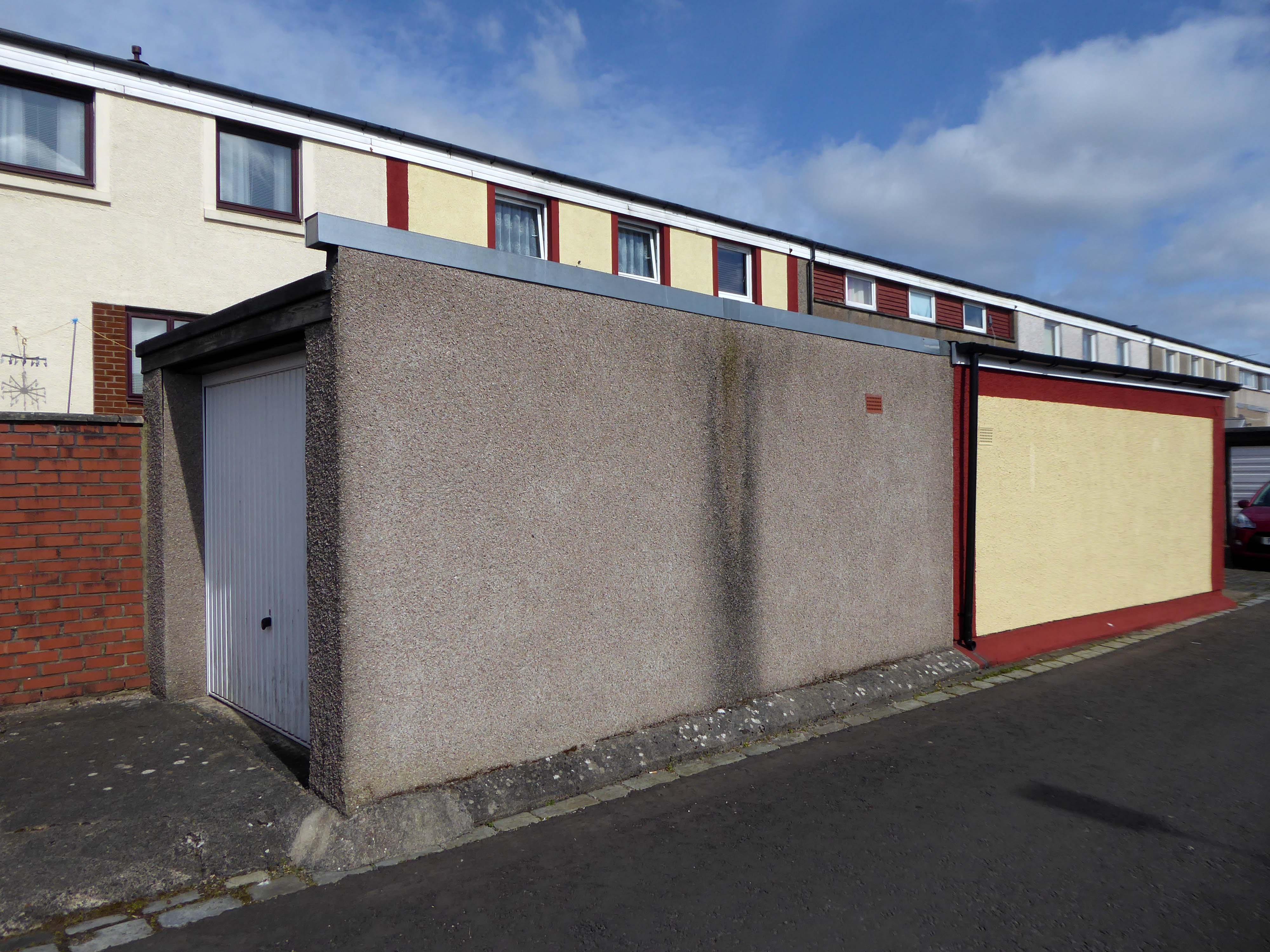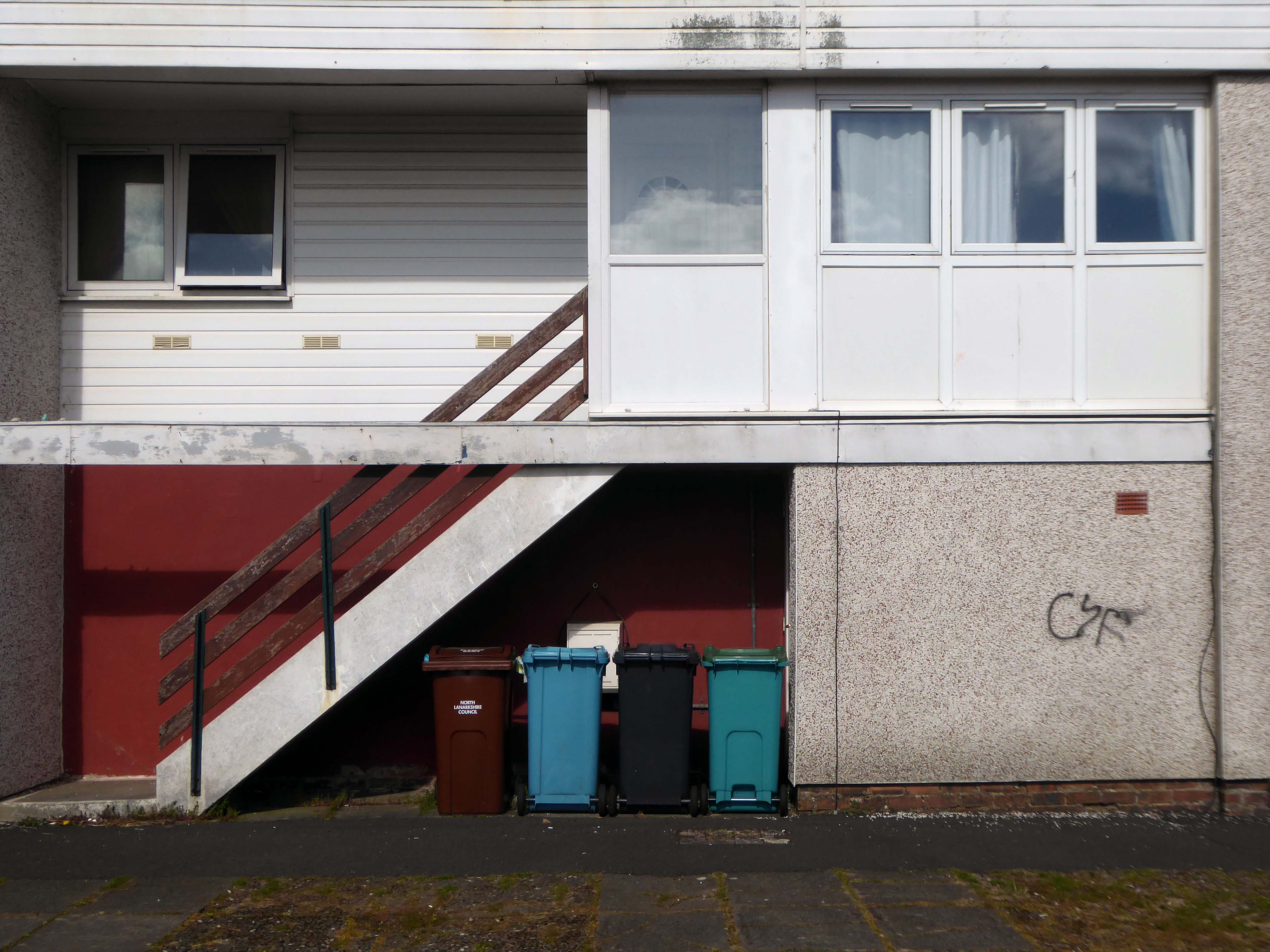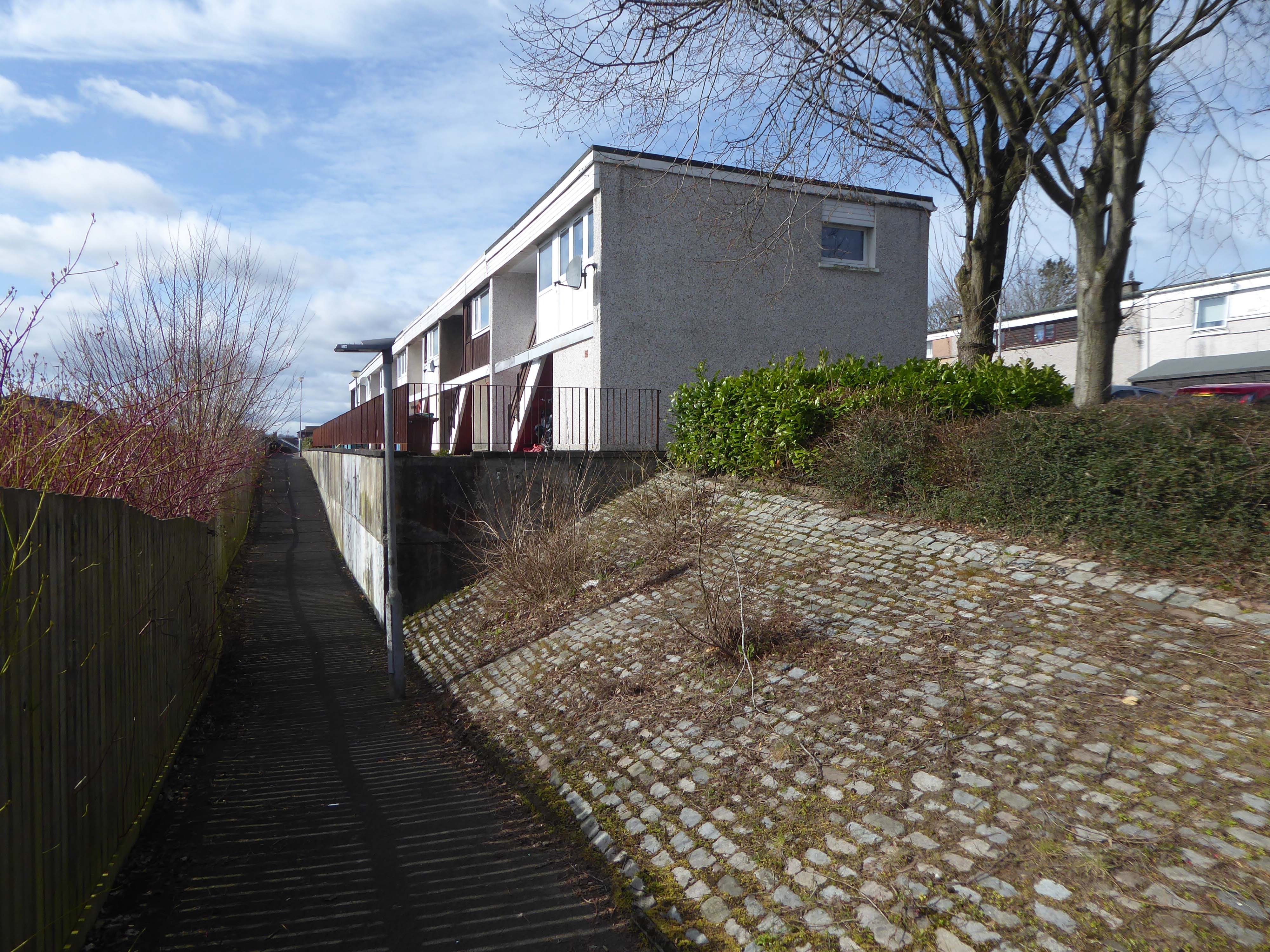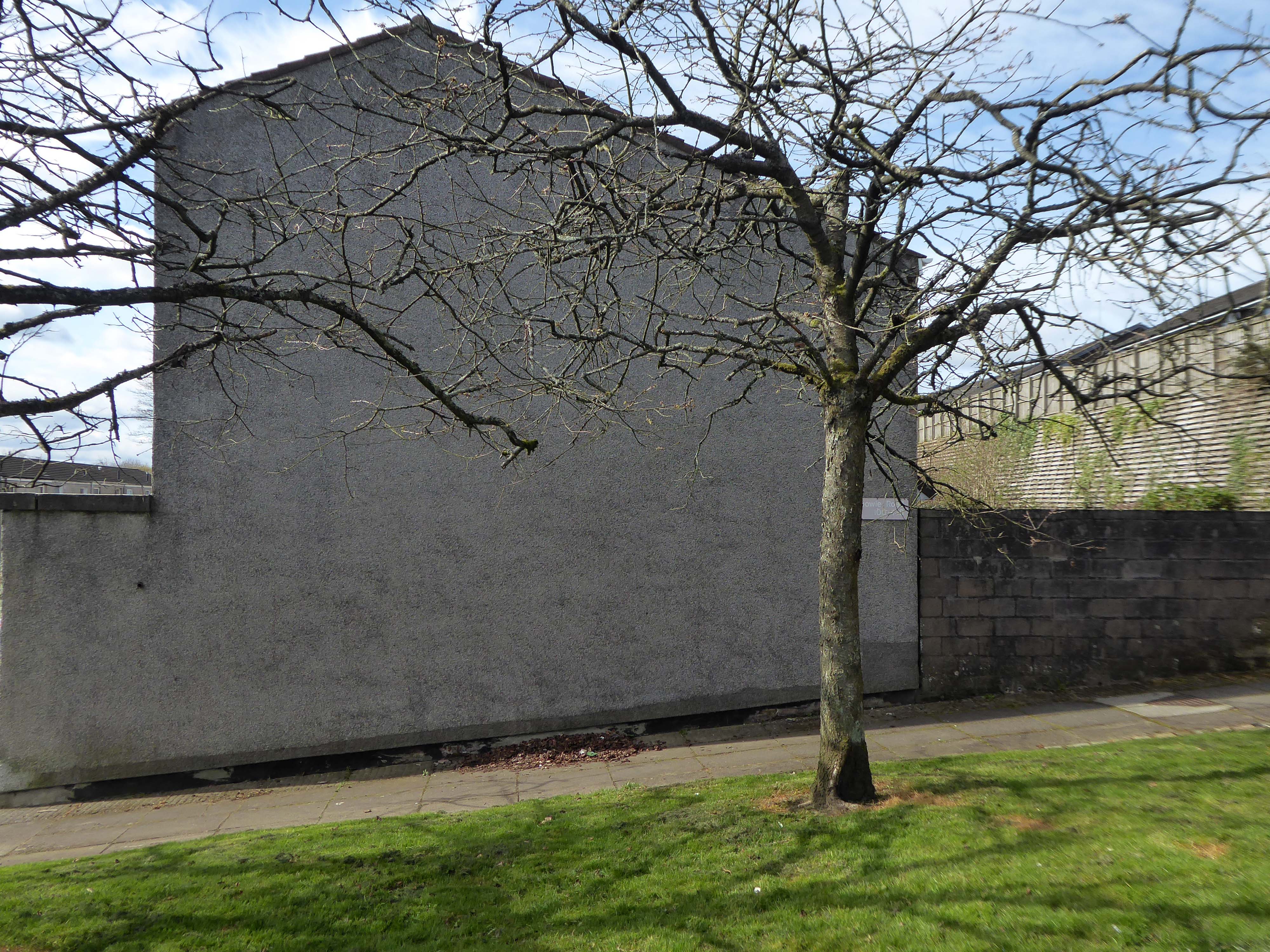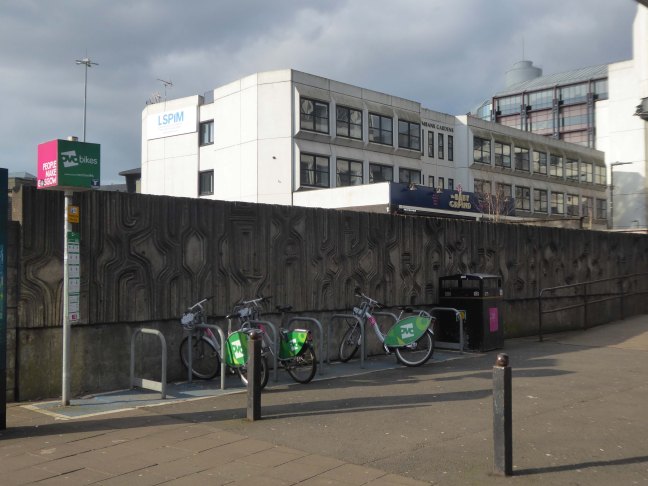
Charing Cross Station – Glasgow

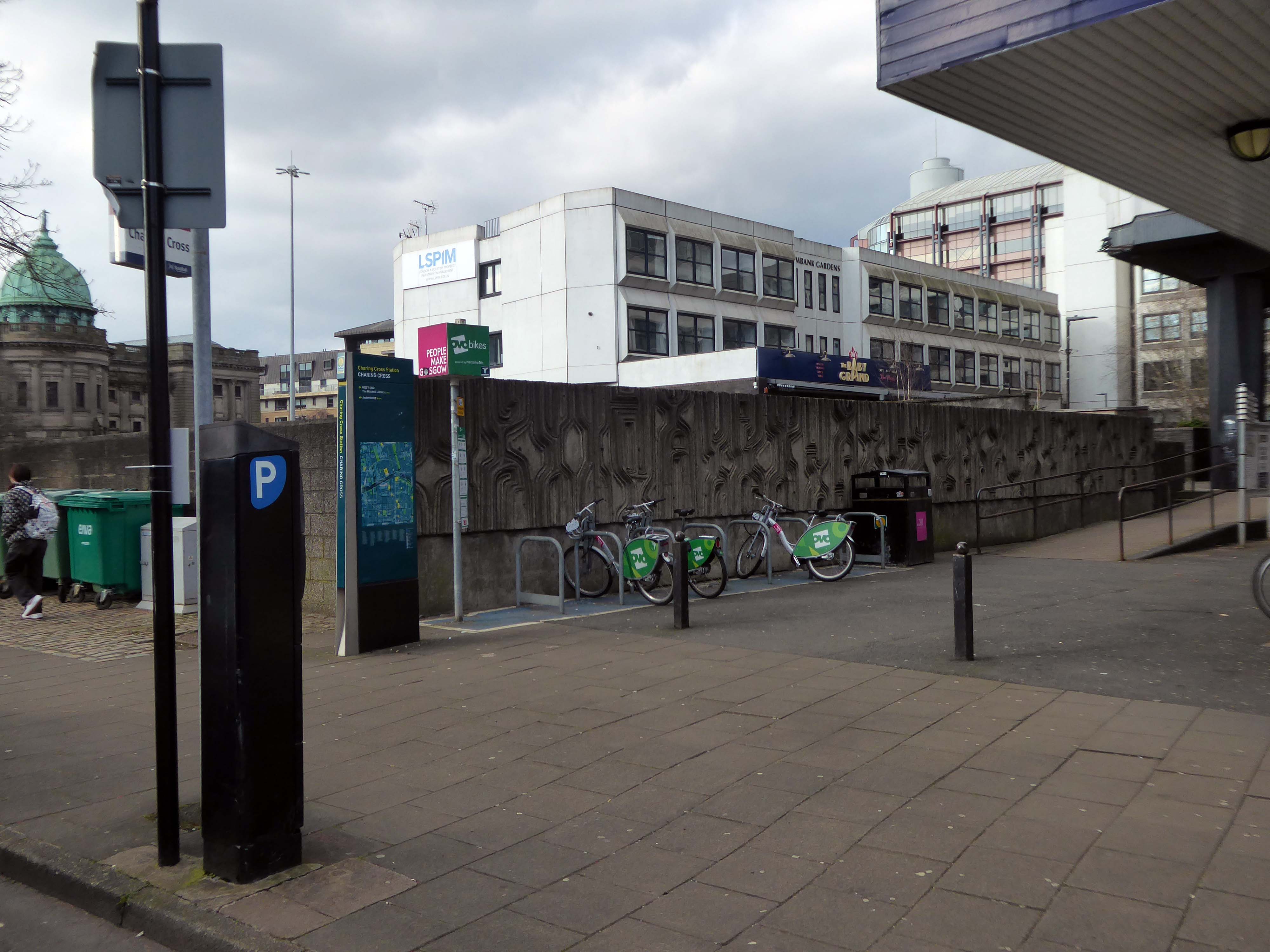
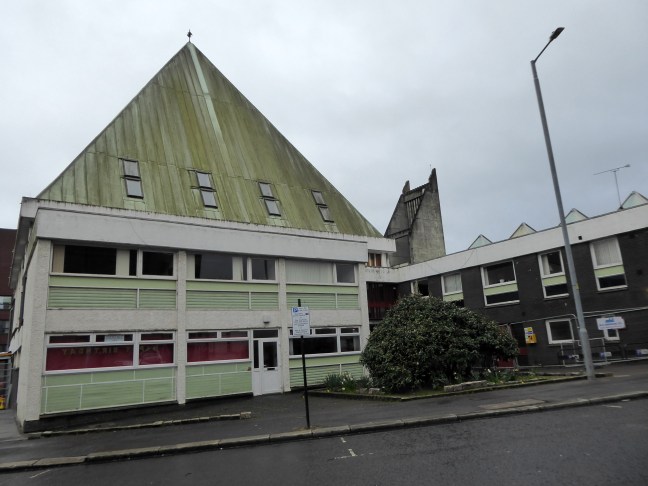
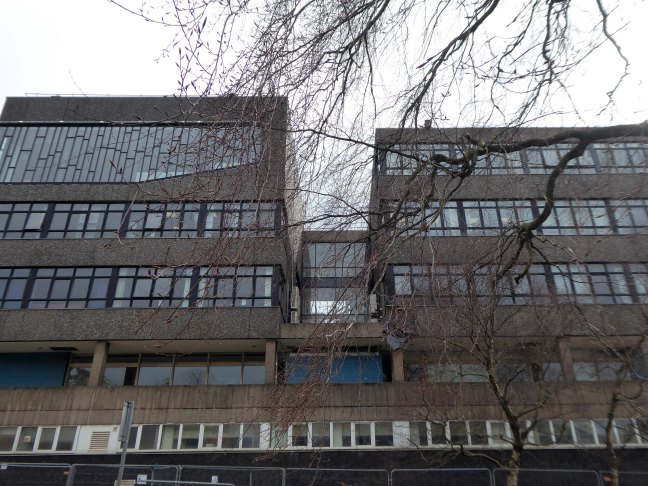
Dating from 1886, it was originally part of the Glasgow City and District Railway, the first underground railway in Scotland, and as such the station is built below the surface of the surrounding streets. The station was built using the cut and cover method, with the original walls being visible on the open air section at the western end of the platforms.
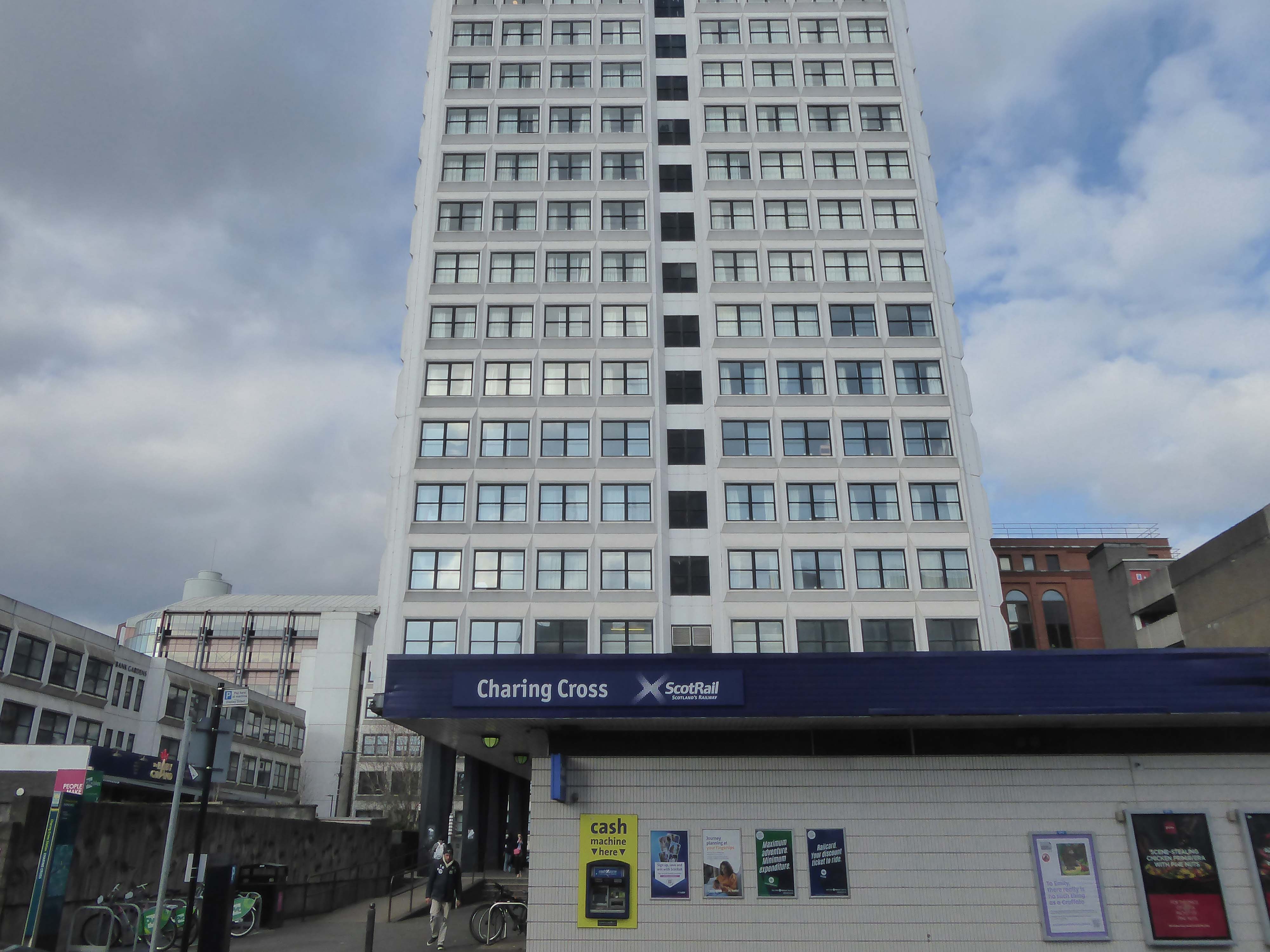
In 1968 it was demolished due to it being in the path of the new Glasgow Inner Ring Road, and the surface access to the station was moved to its eastern end, with a new surface building constructed as part of the Elmbank Gardens office complex in 1971 – the building was designed by the Richard Seifert & Partners.

Wikipedia

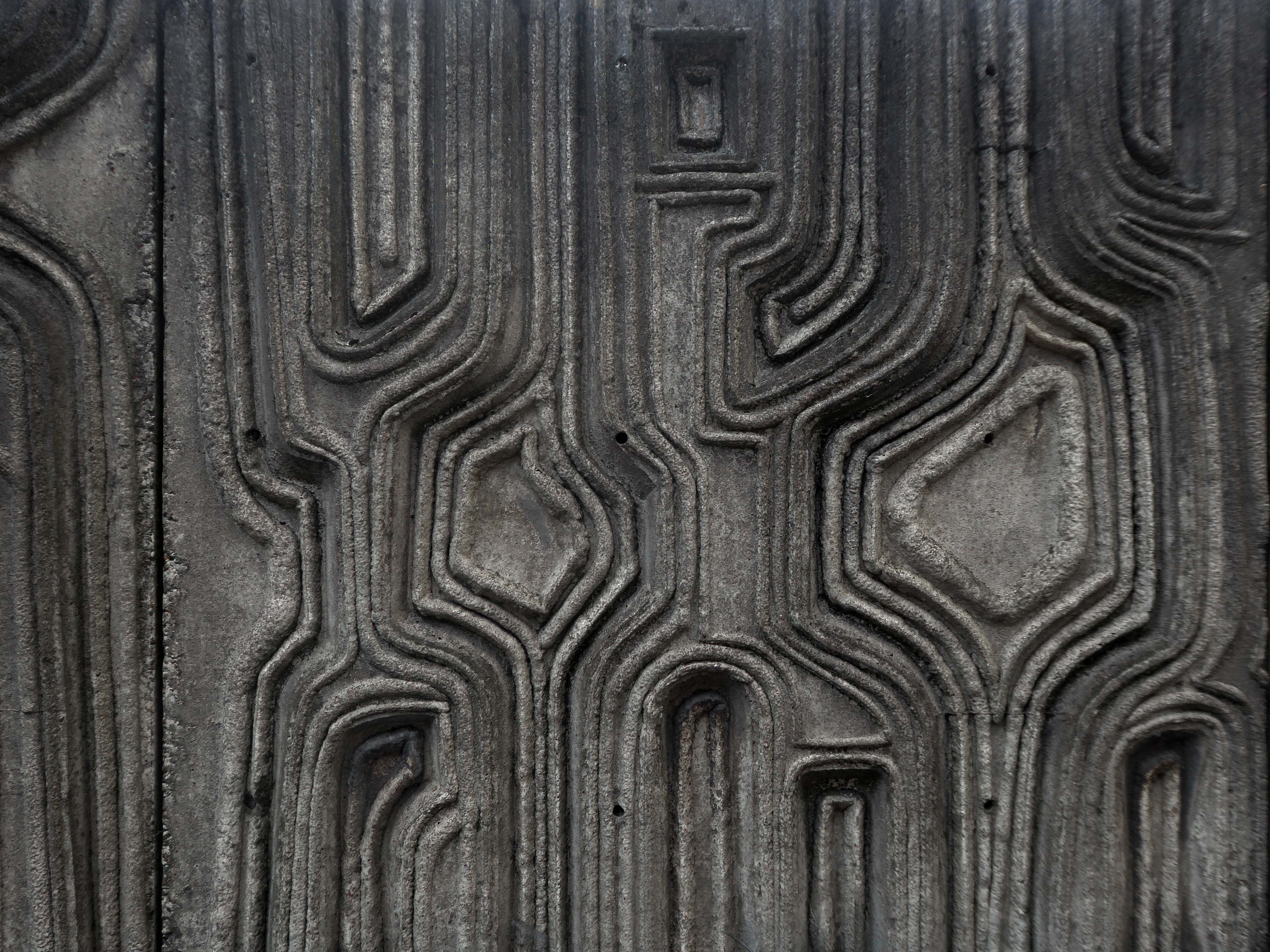
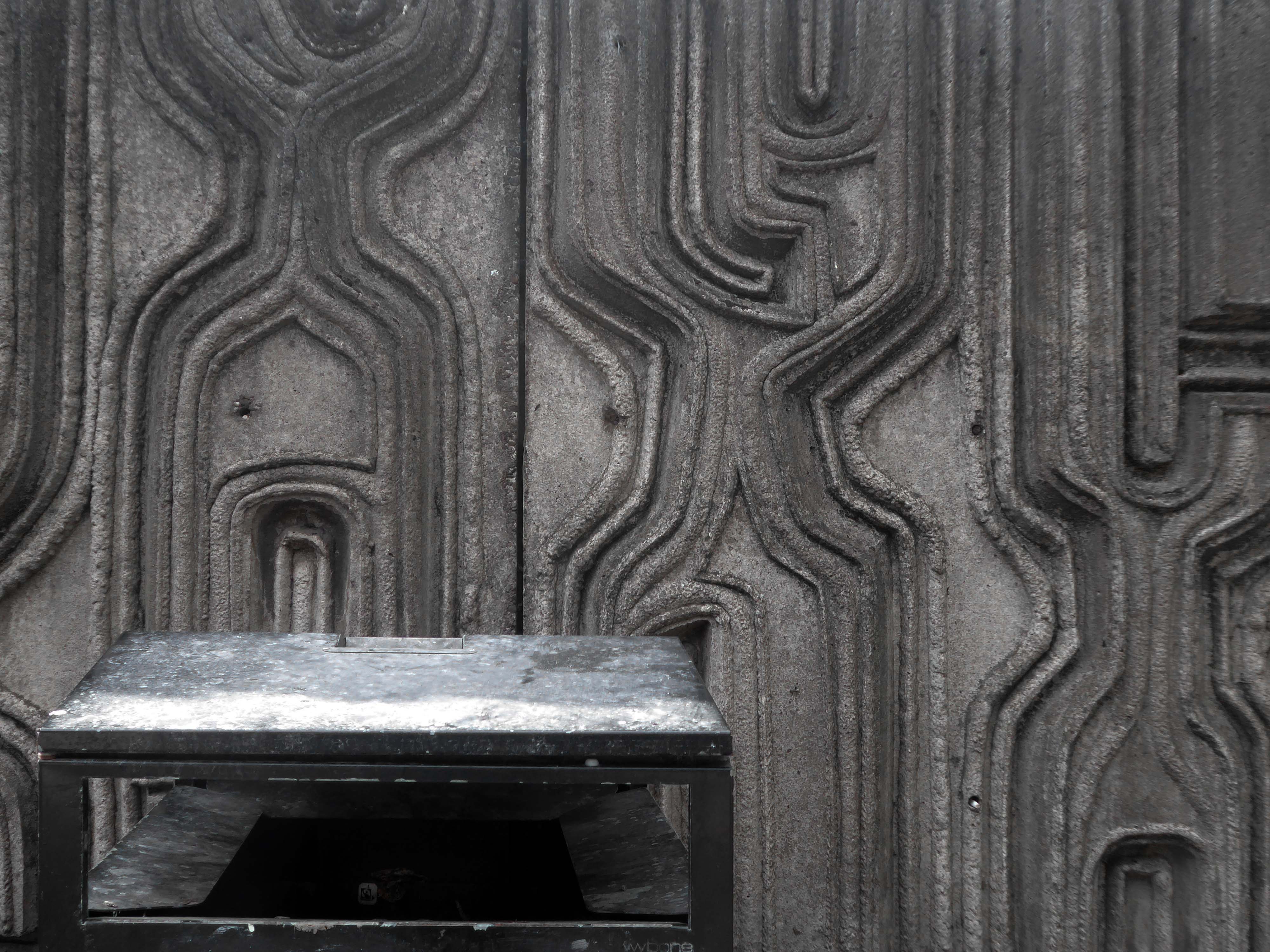
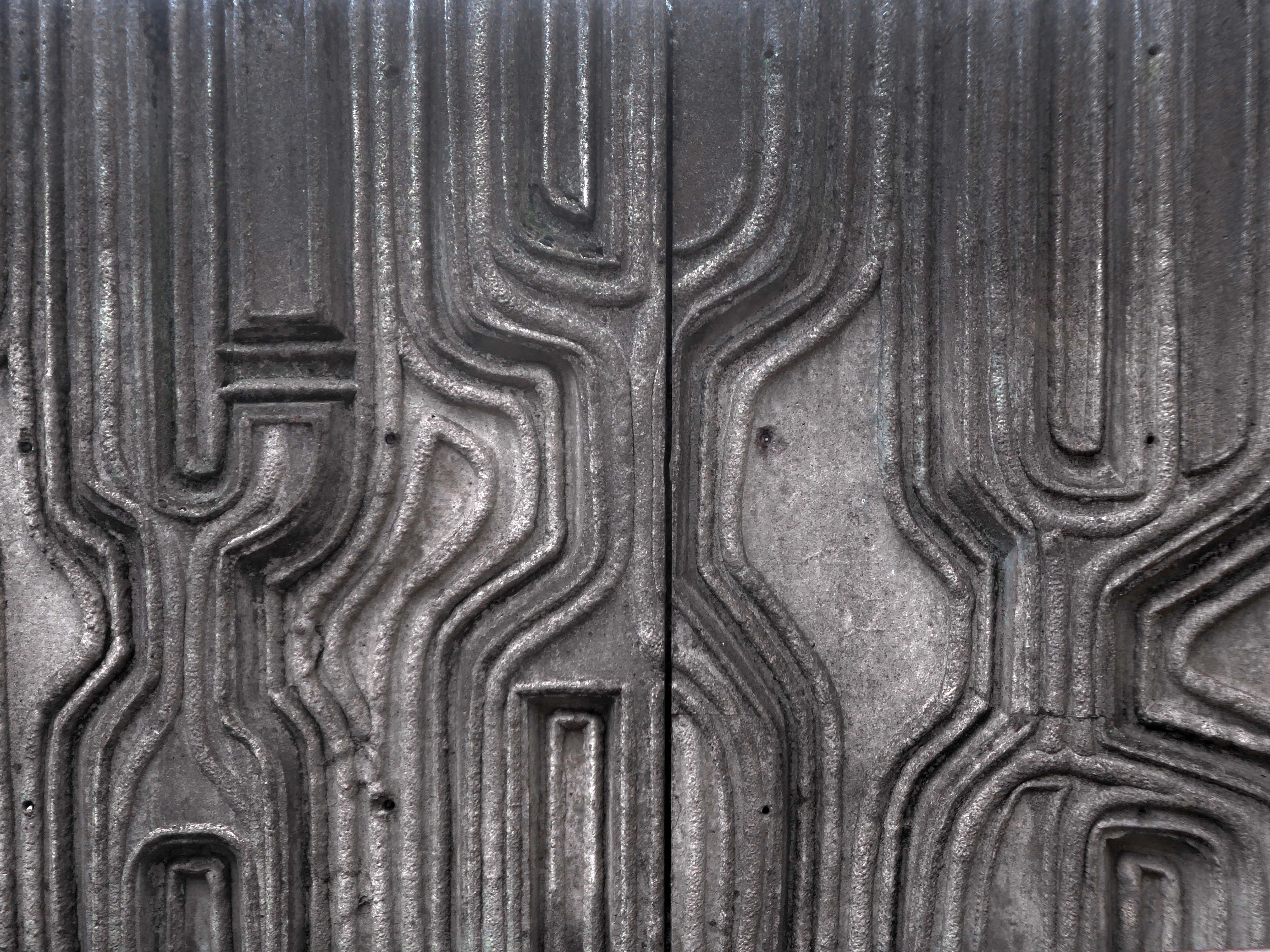
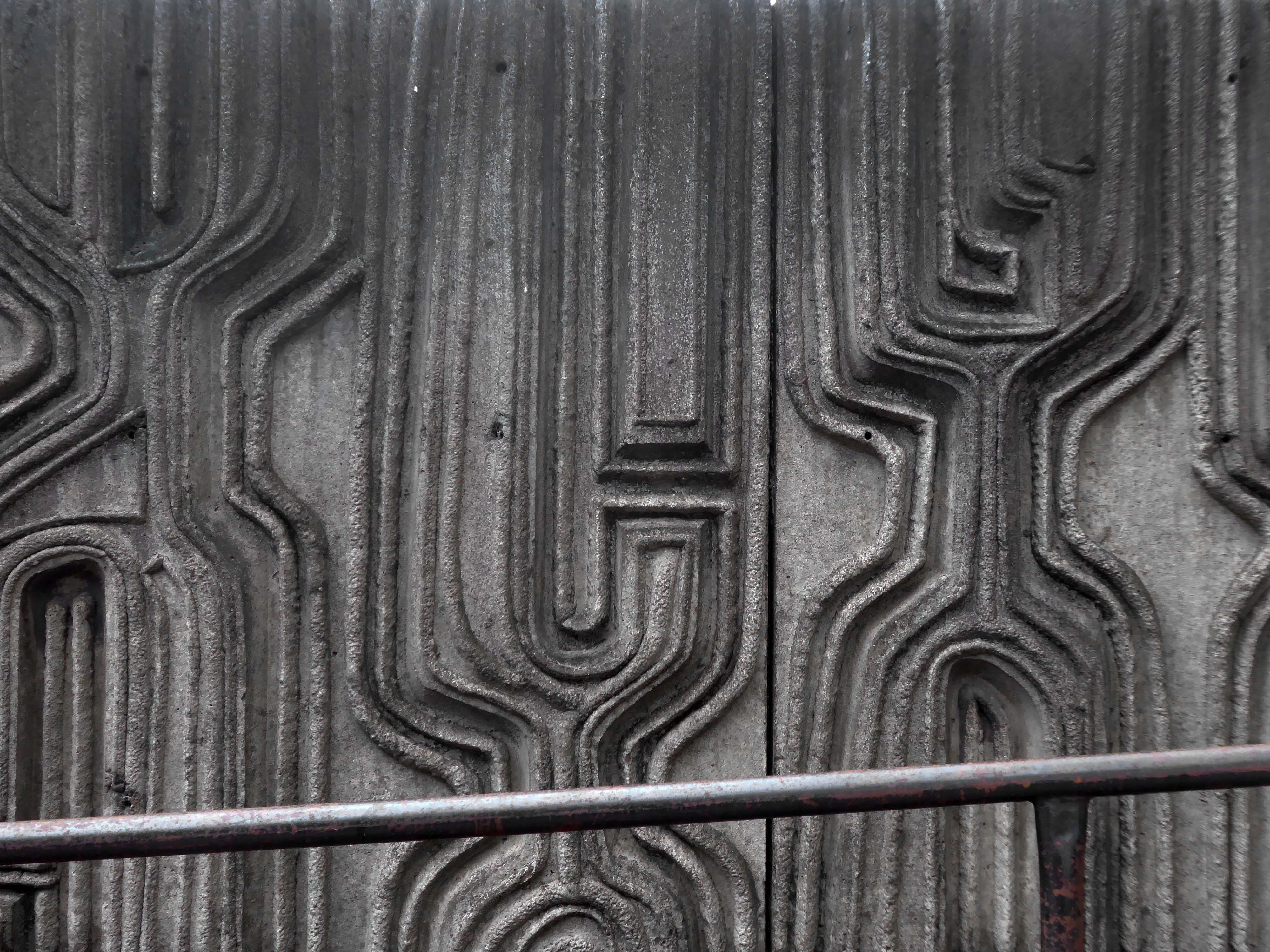
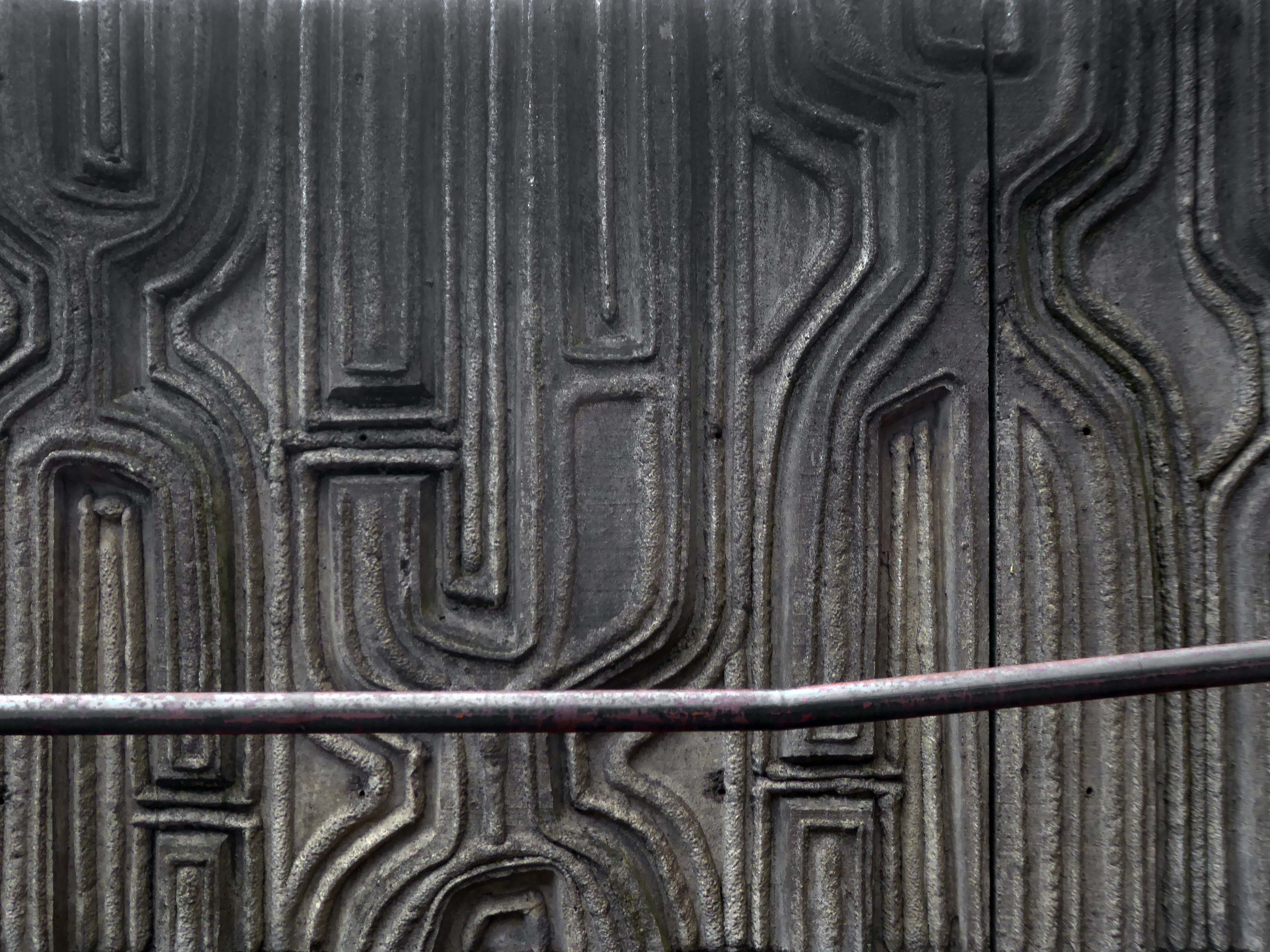
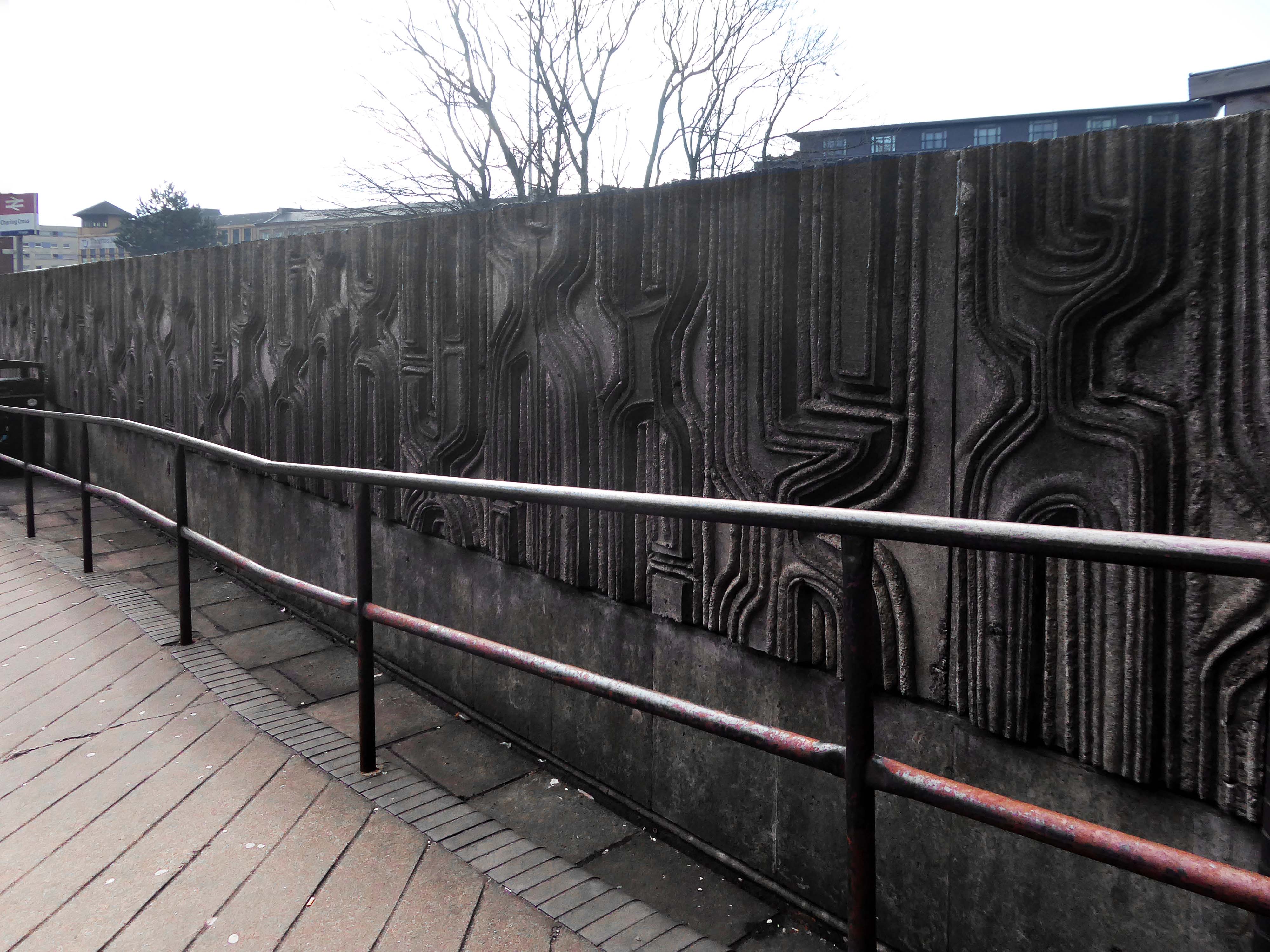
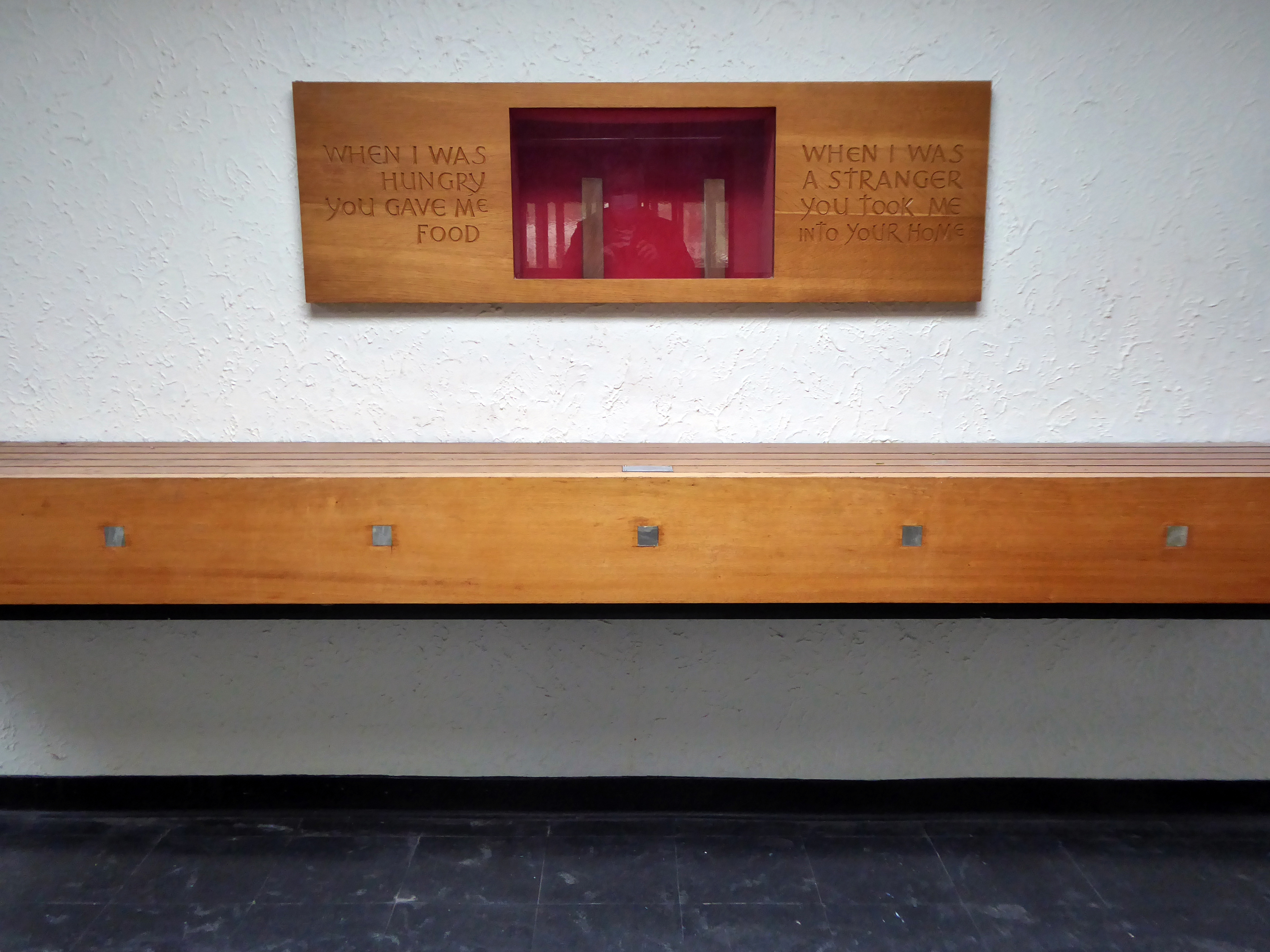
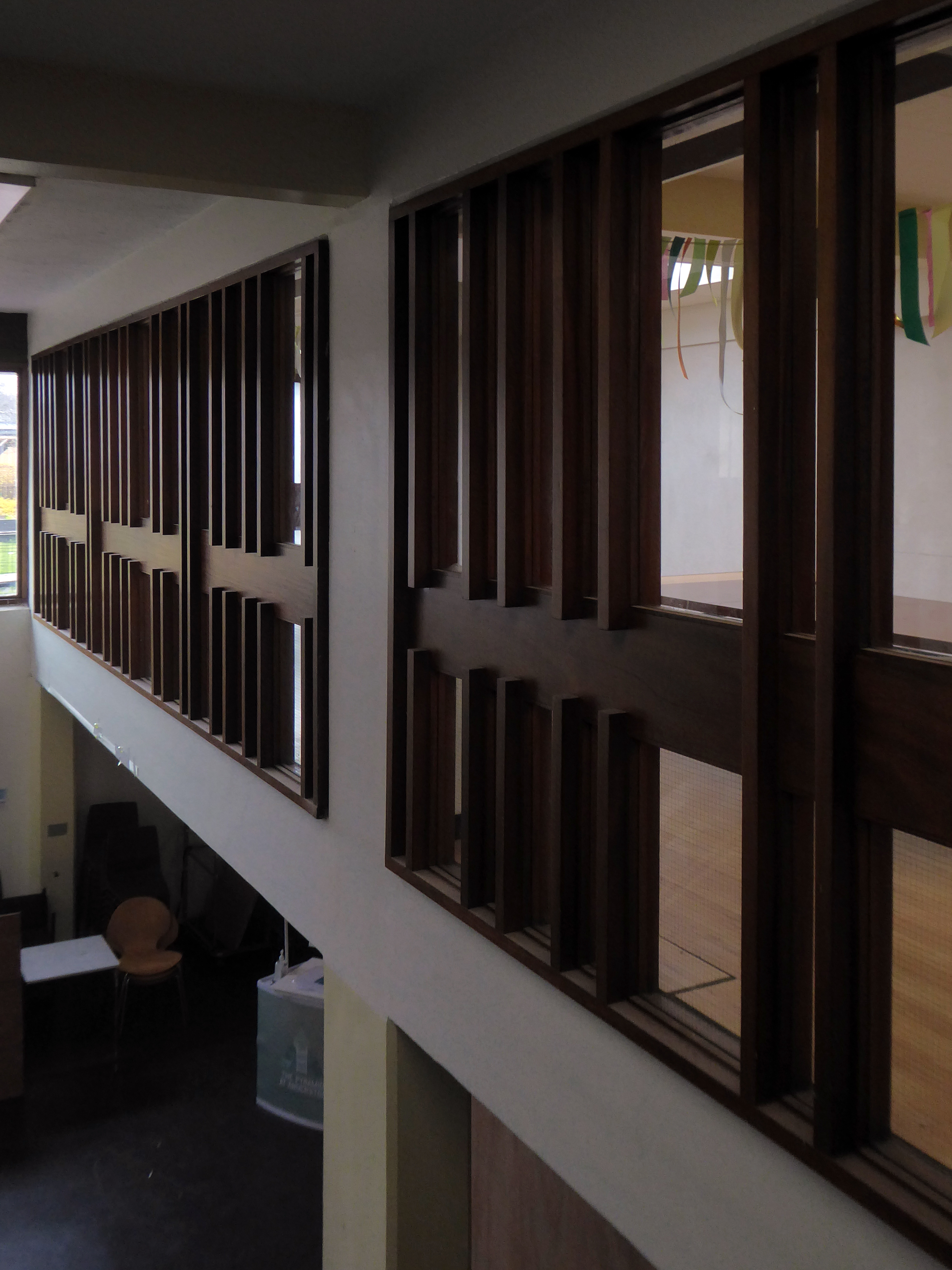
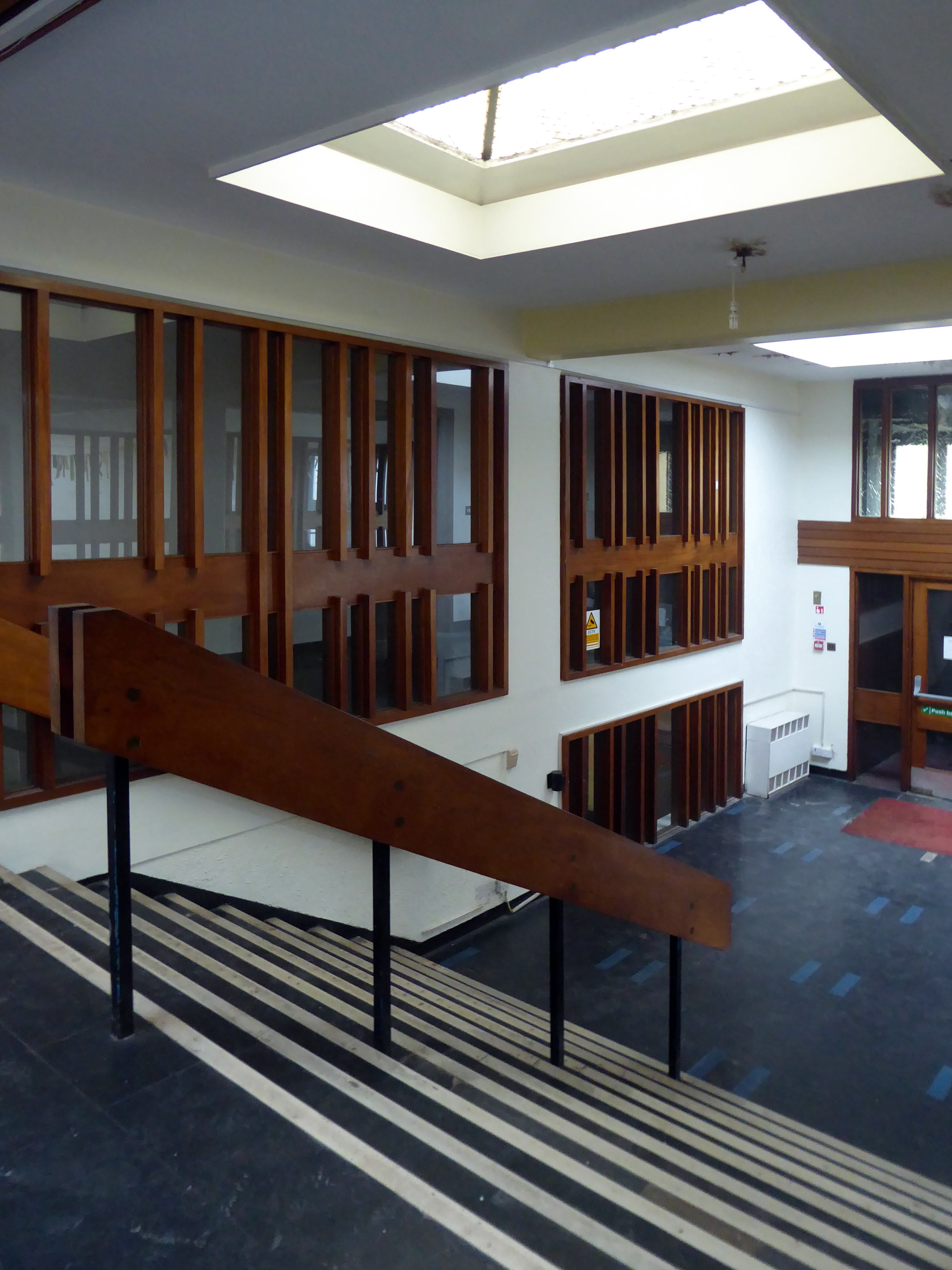
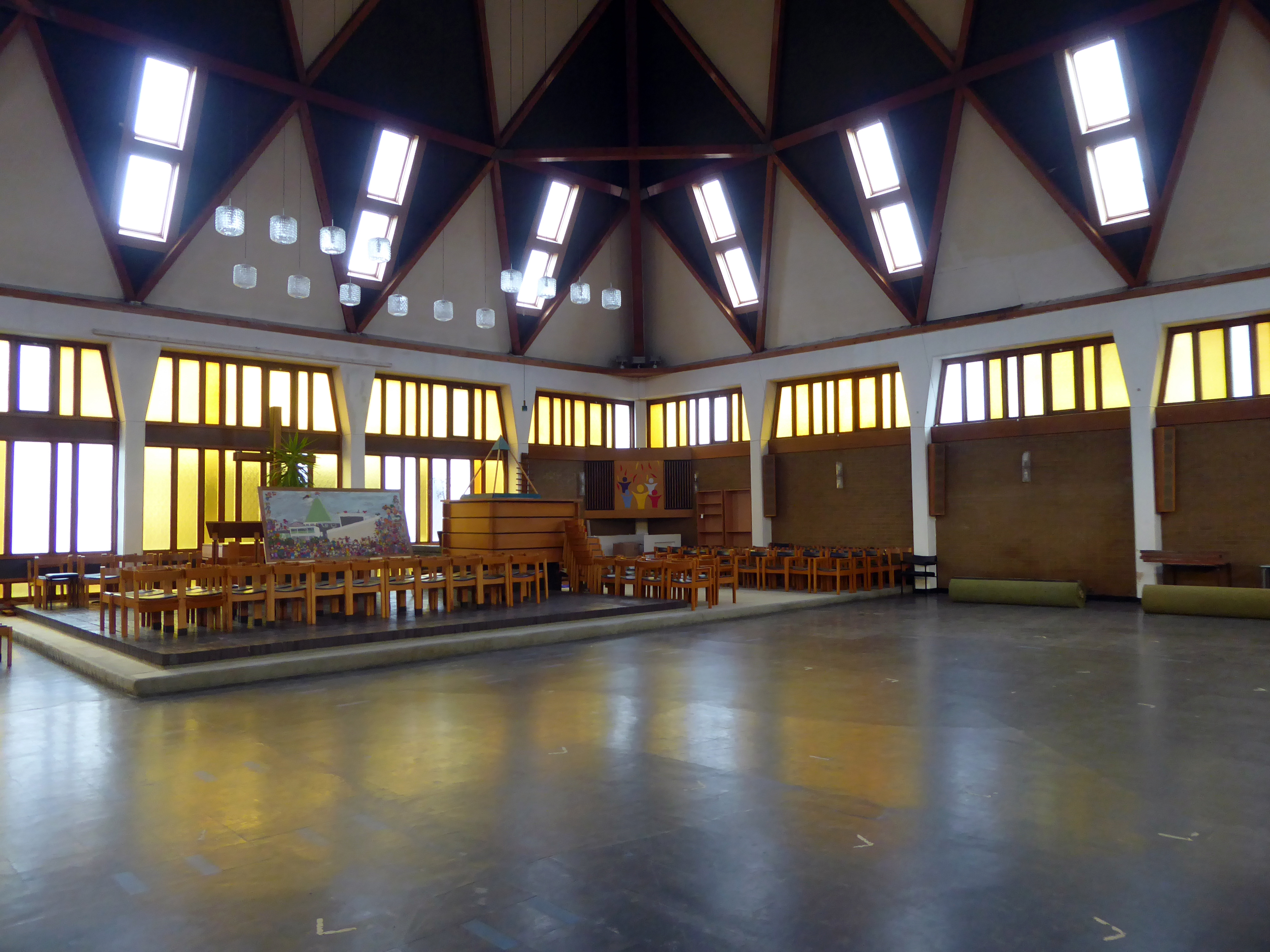
I was there in 2024 to photograph the Charles Anderson mural.

Constructed in situ – one third has now been removed at the northern end
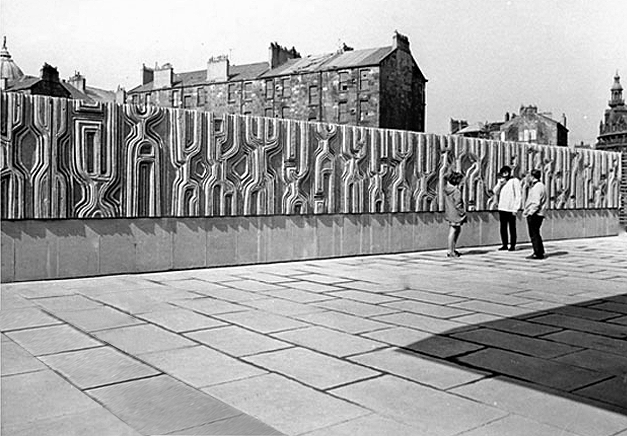
Charles Anderson studied drawing and painting at Glasgow School of Art under David Donaldson, Mary Armour etc, graduating with Diploma in 1959.  The following year he entered  The Royal Scottish Academy painting competition for Post Graduate students and  won the Chalmers Bursary.  Joan Eardley – one of the adjudicators- took a keen interest in his work and encouraged him to exhibit at the RSA the same year. 

Following a period of five years teaching art,  He worked as a professional mural painter and sculptor for the next thirty years on major art and design projects throughout the United Kingdom, carrying out commissions for  a wide variety of clients including local authorities, property developers, banks and major insurance companies.    His most prestigious commission to date was the result of winning a national sculpture competition to provide a  bronze figurative group  which is entitled “The Community”  for Livingston New Town in 1996.  In early 1997  he returned  to the painting of easel pictures and  contributed to the annual exhibitions of The Royal Glasgow Institute, the Royal  Scottish Society  of  Painters in Watercolours, The Royal Scottish Academy and The Paisley Art Institute. He has works in various private collections throughout the U.K. and abroad.

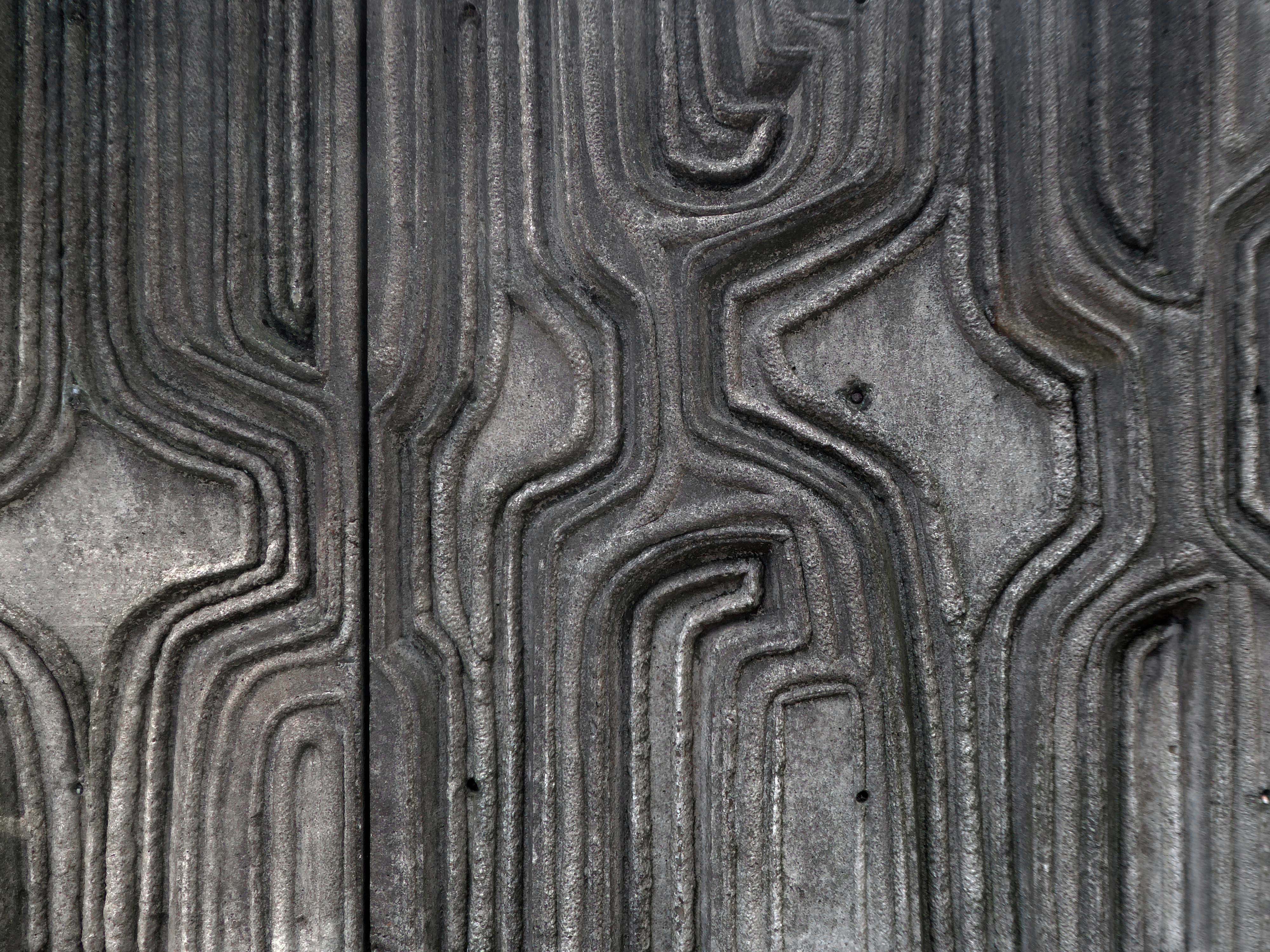
Charles Anderson Art

The £250m transformation of the Charing Cross area of Glasgow has been given the go-ahead.

The project including new homes, student accommodation, hotel space and local services has been approved by Glasgow City Council.

Developers CXG Glasgow also plan to knock down the 300 Bath Street office building, which bridges the M8 motorway.
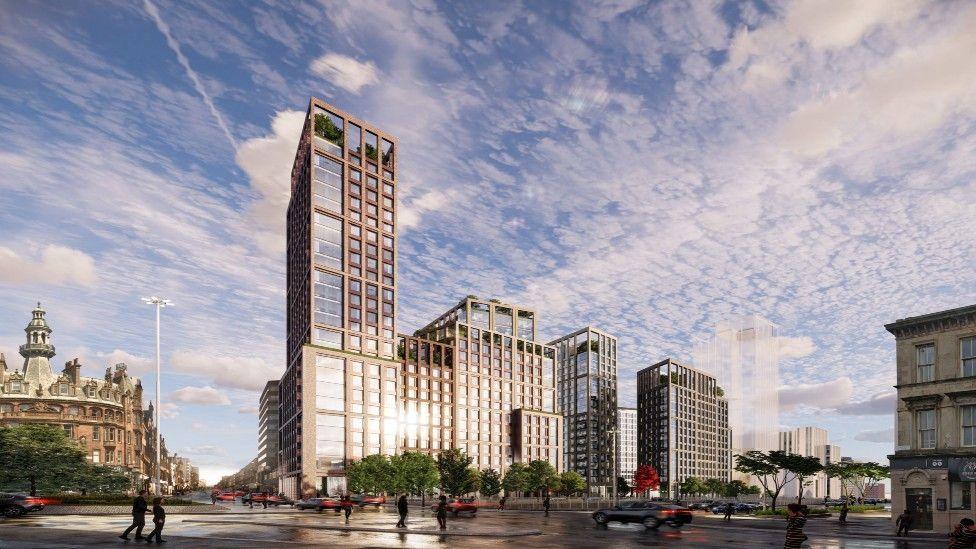
Further detailed applications will need to go before the council for approval before the Charing Cross Gateway project can begin.
BBC 2024

Housing – Plantation Glasgow

1885

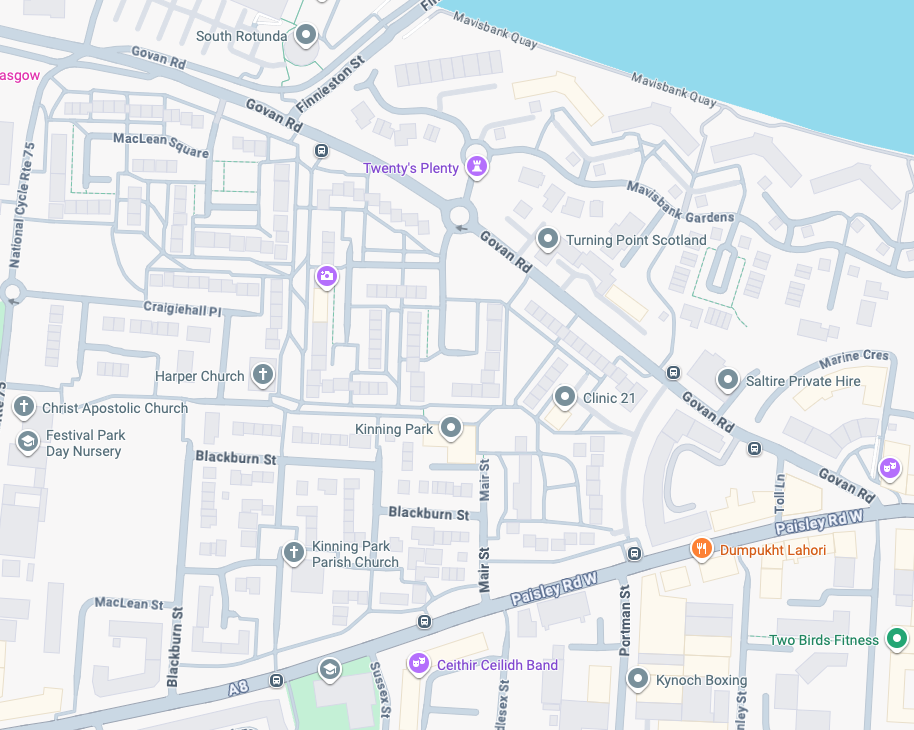
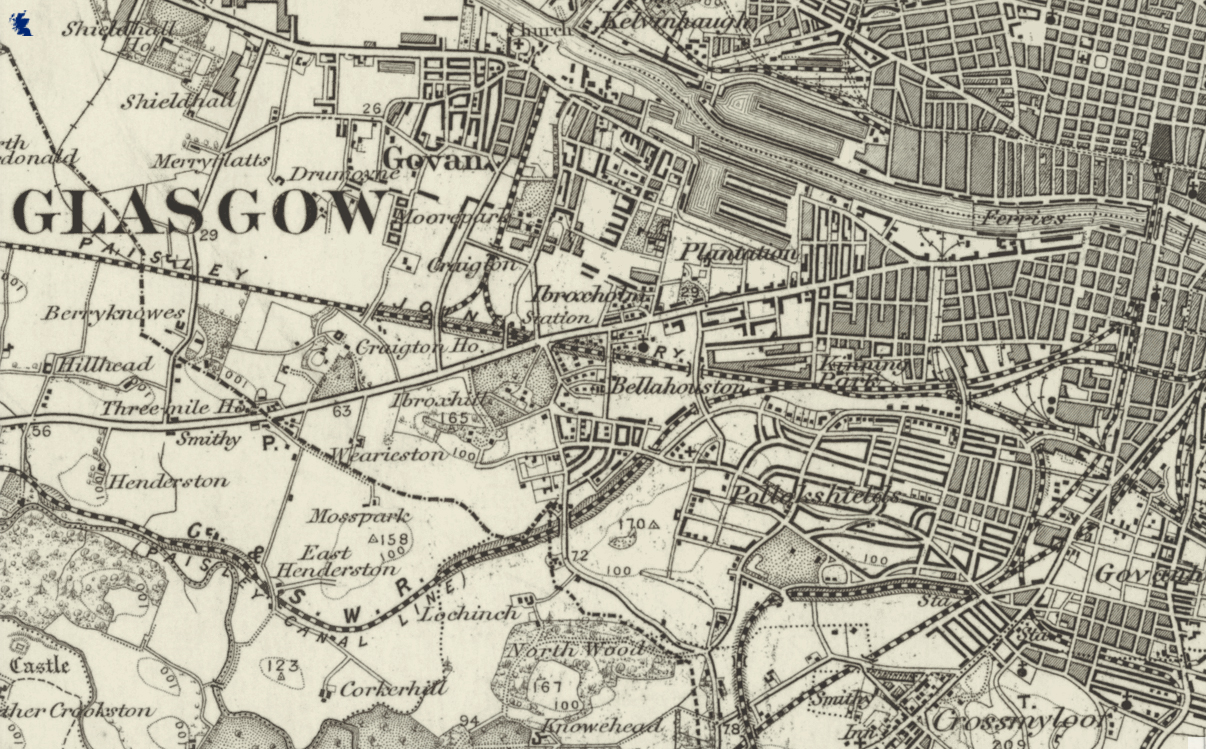
Plantation is an area in the city of Glasgow, Scotland. It is situated south of the River Clyde and is part of the former Burgh of Govan. It lies approximately between the areas of Cessnock and Ibrox to the west, Kingston to the east, and Kinning Park to the south.

The 80-acre Craigiehall estate, previously three smaller properties, was bought in 1783 by John Robertson, a cashier in the Glasgow Arms Bank, who with his brothers owned cotton and sugar plantations in the West Indies. He renamed it Plantation, possibly as a reminder of the West Indies plantations. It then, in 1793, passed to John Mair, a merchant who developed the building and gardens. Plantation passed to the Maclean family, in 1829, in the person of William Maclean, a Glasgow Baillie.

In the years that followed, the estate was bisected by the railway to the south, with the shipbuilding yards of The Clyde Trust cutting off the estate from the river. Plantation was laid out for tenement houses in the 1870s and Maclean, Plantation, Mair and Craigiehall Streets refer to the history of the old estate.

Plantation Quay formed part of the site for the Glasgow Garden Festival in 1988 and subsequent Glasgow Science Centre.

Wikipedia

1912

A crowd gathered to watch a football match at Plantation, 1955. The players in dark jerseys appear to be celebrating a goal.

The mostly male spectators are focused on the game, while in the foreground a couple of women pass by with prams. The tenements in the background provide their inhabitants with a bird’s-eye view of the match. Other spectators are perched on top of a high wall separating the tenement back courts from the football pitch.

In 1955 Partick Camera Club set out to create a photographic survey of Glasgow. As the project progressed, other camera clubs joined and each was allocated a district of the city to photograph. Glasgow Museums exhibited the photographs at Kelvingrove Art Gallery and Museum and at the People’s Place, and in 1956 the exhibition was shown at the Palace of Art in Bellahouston Park. The photographs are now part of Glasgow Museums’ collections.

The Glasgow Story

Plantation Street 1965 Photo: Eric Watt

So the folks, homes, industry and streets of the past have been and gone.

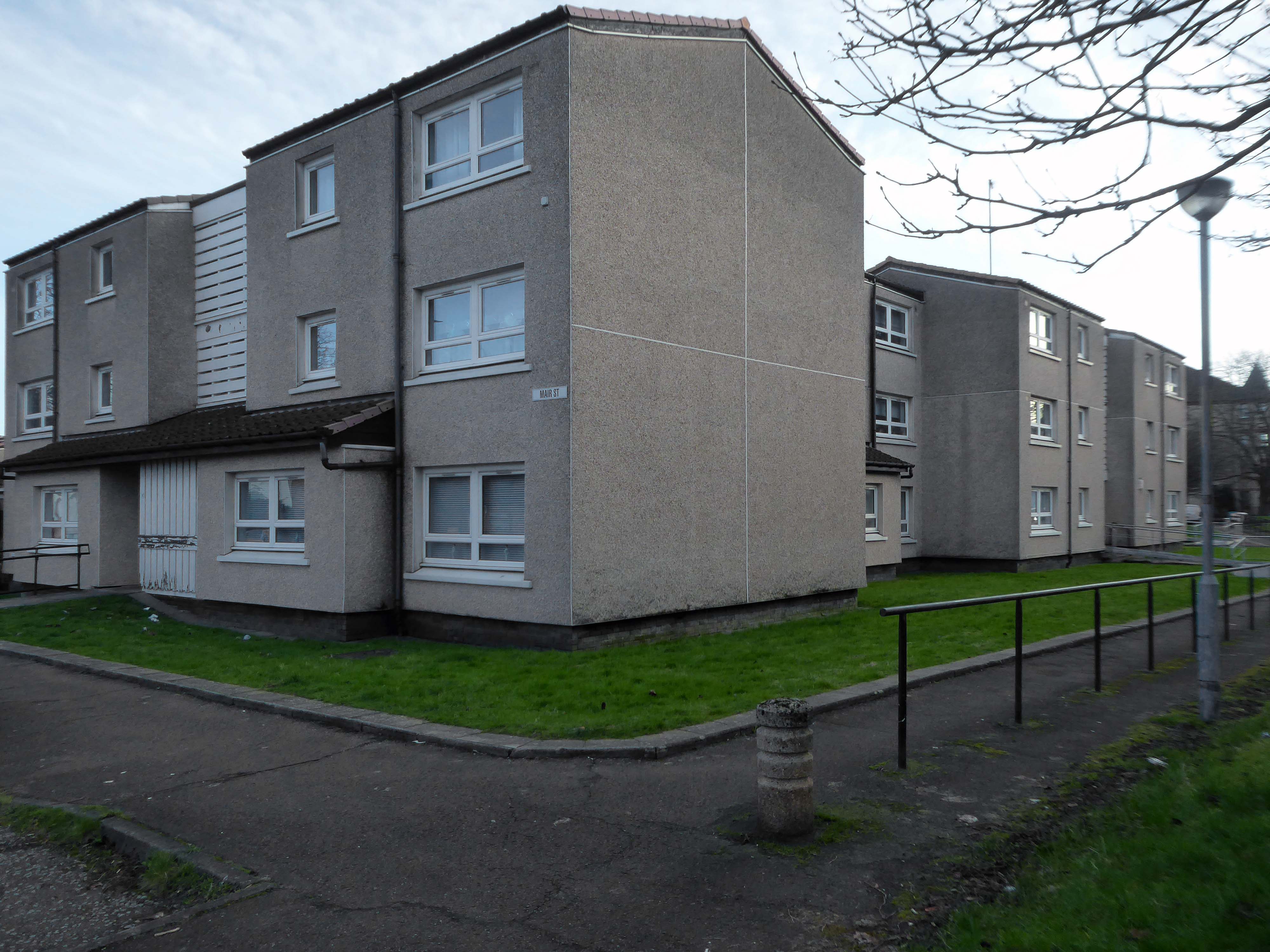
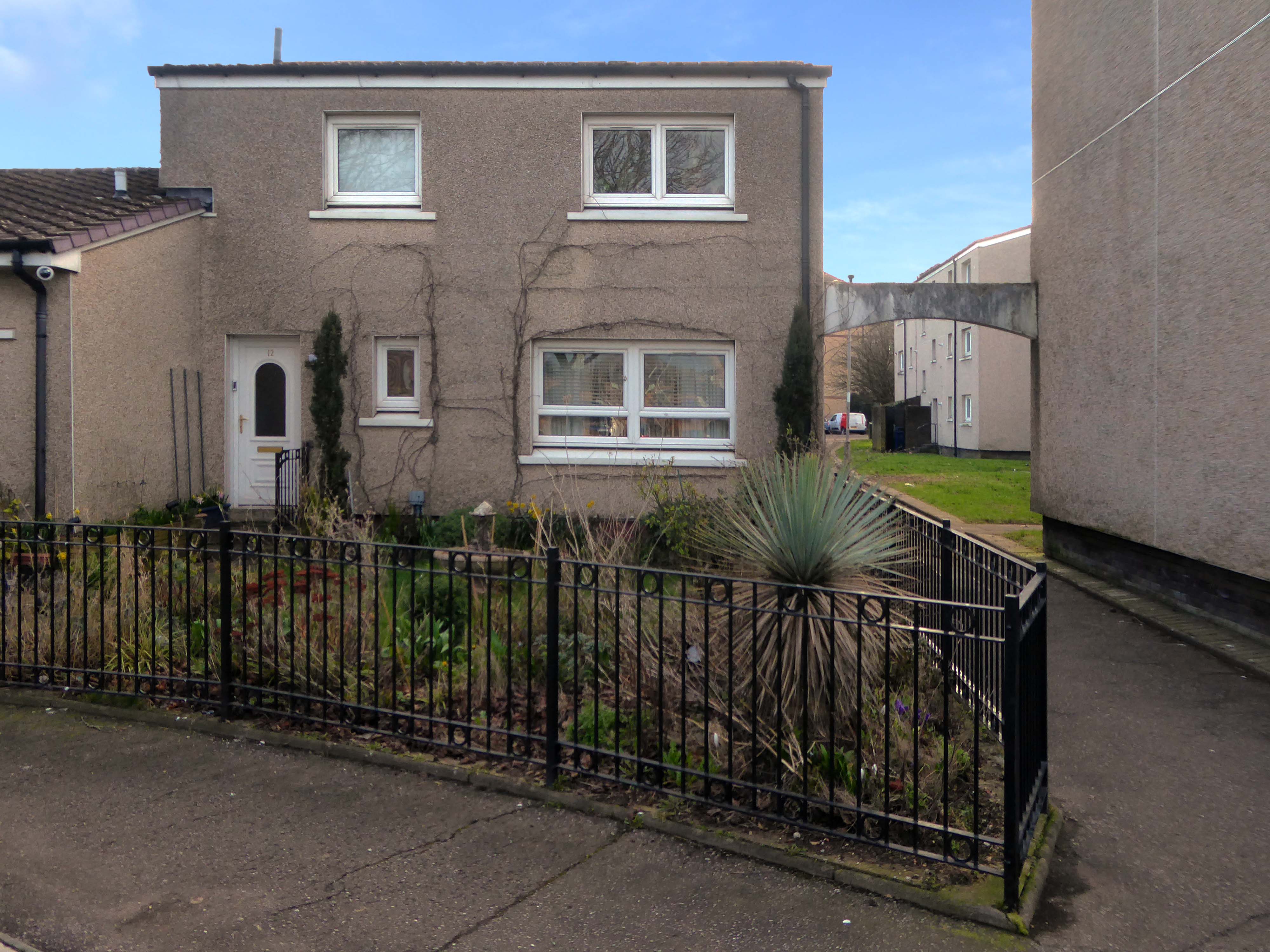
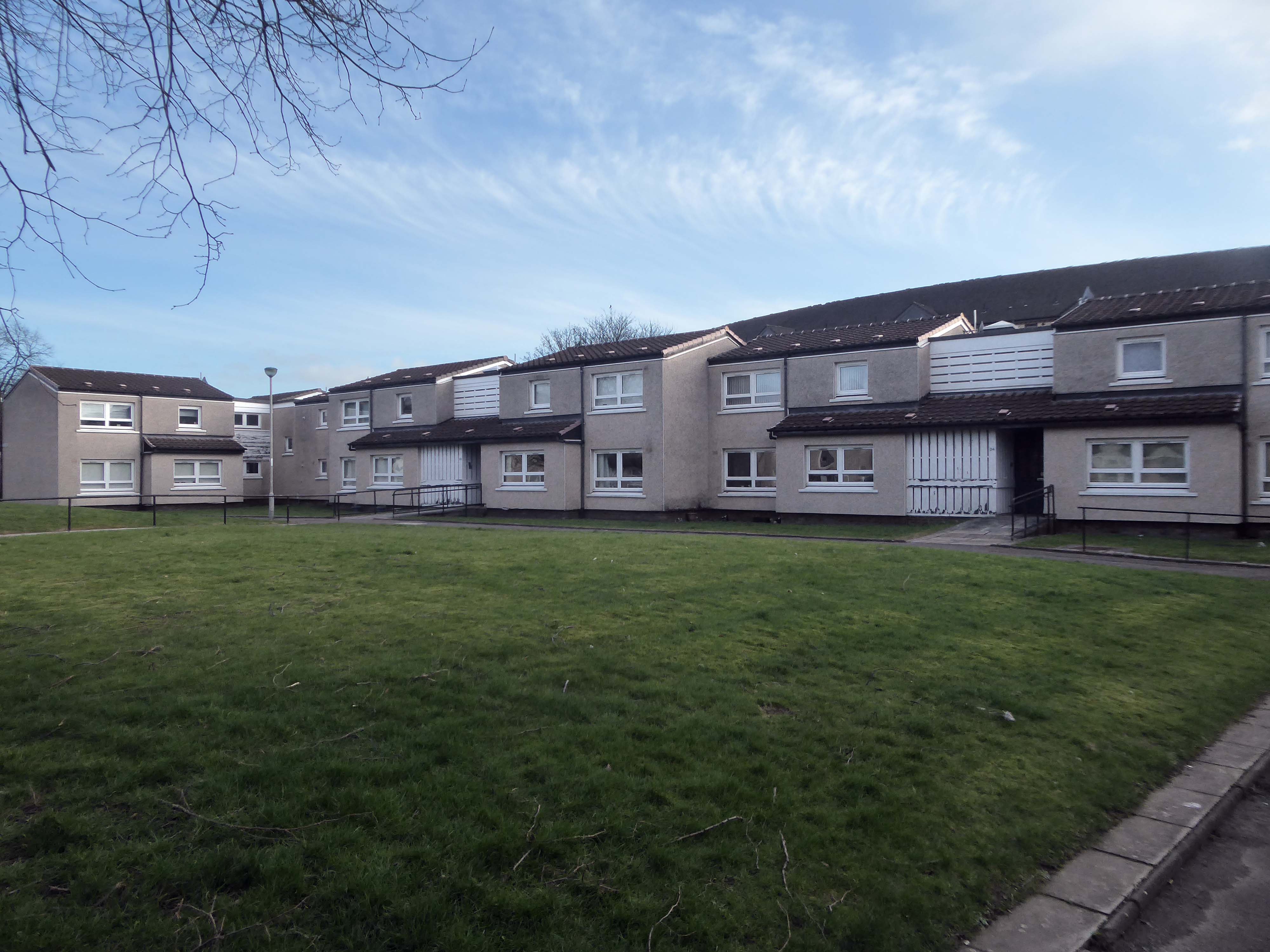
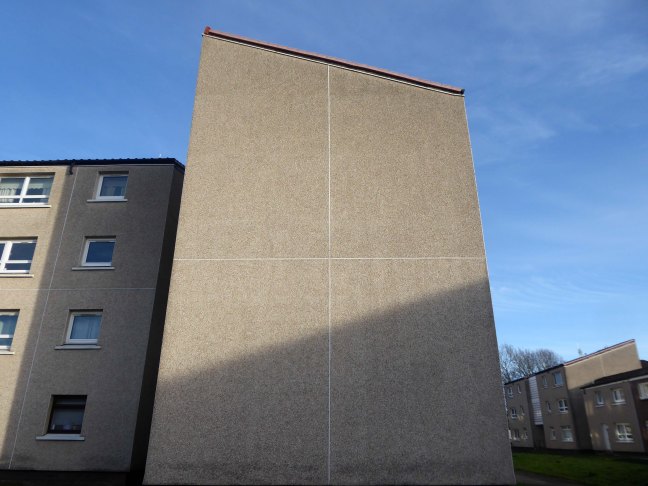
I was walking through the area in March 2023 one quite quiet morning, and attracted by the neat rows of austere grey terraces, low rise blocks and maisonettes, which have replaced the tenements.

The estate is clean and well maintained, open areas of grass criss crossed with pedestrian paths, surrounded by mature trees, motor cars have discrete parking areas.

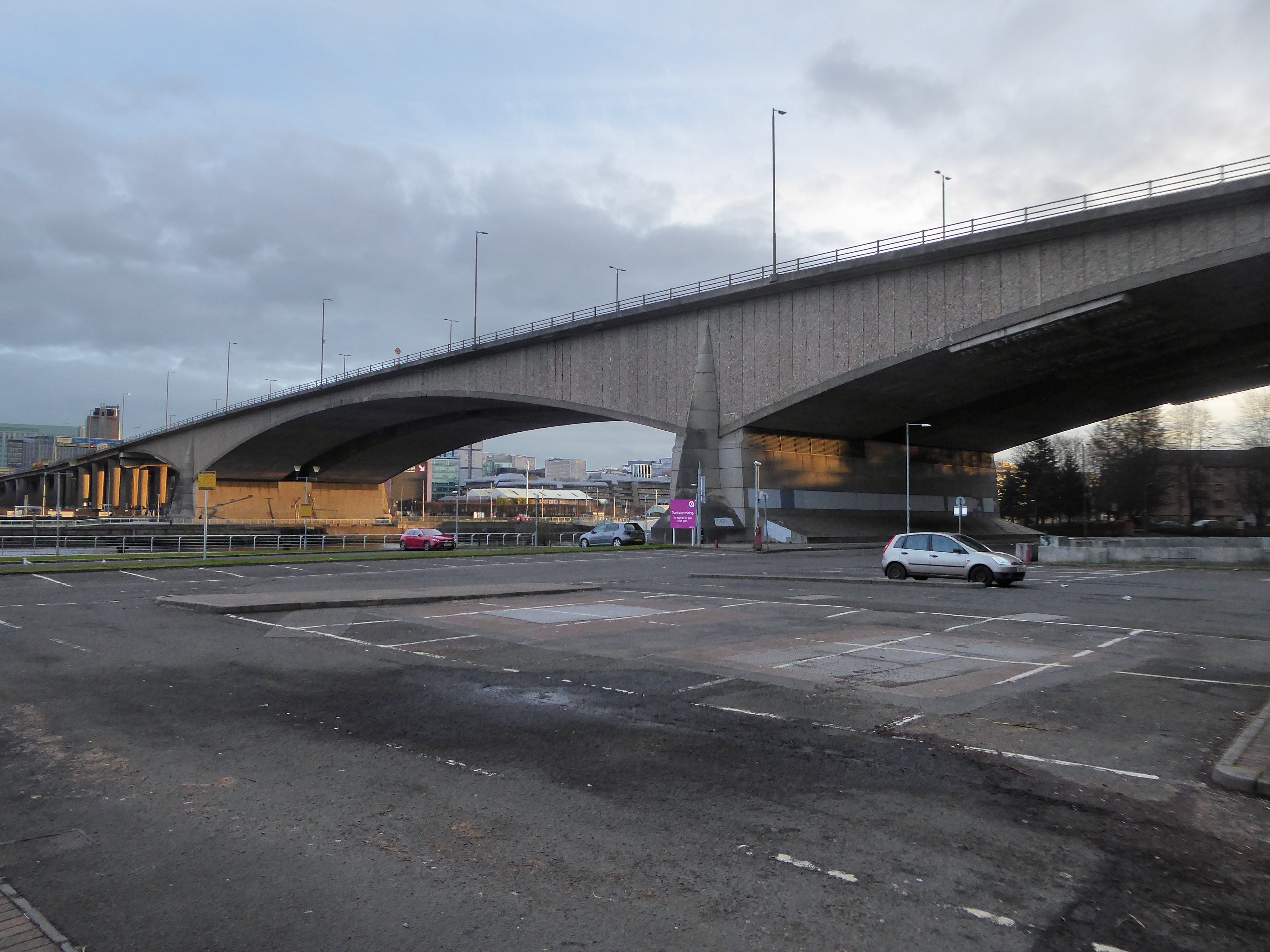
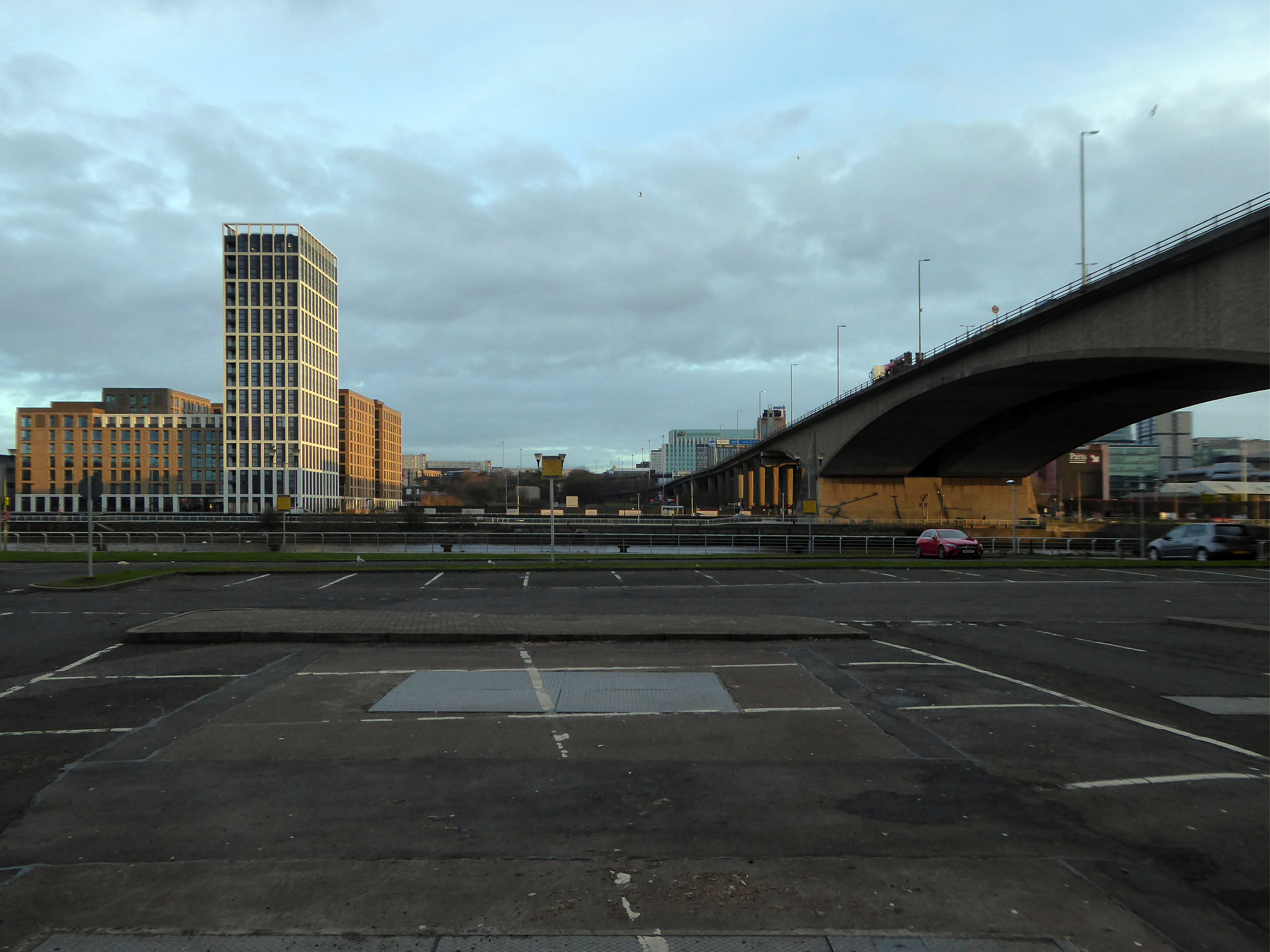
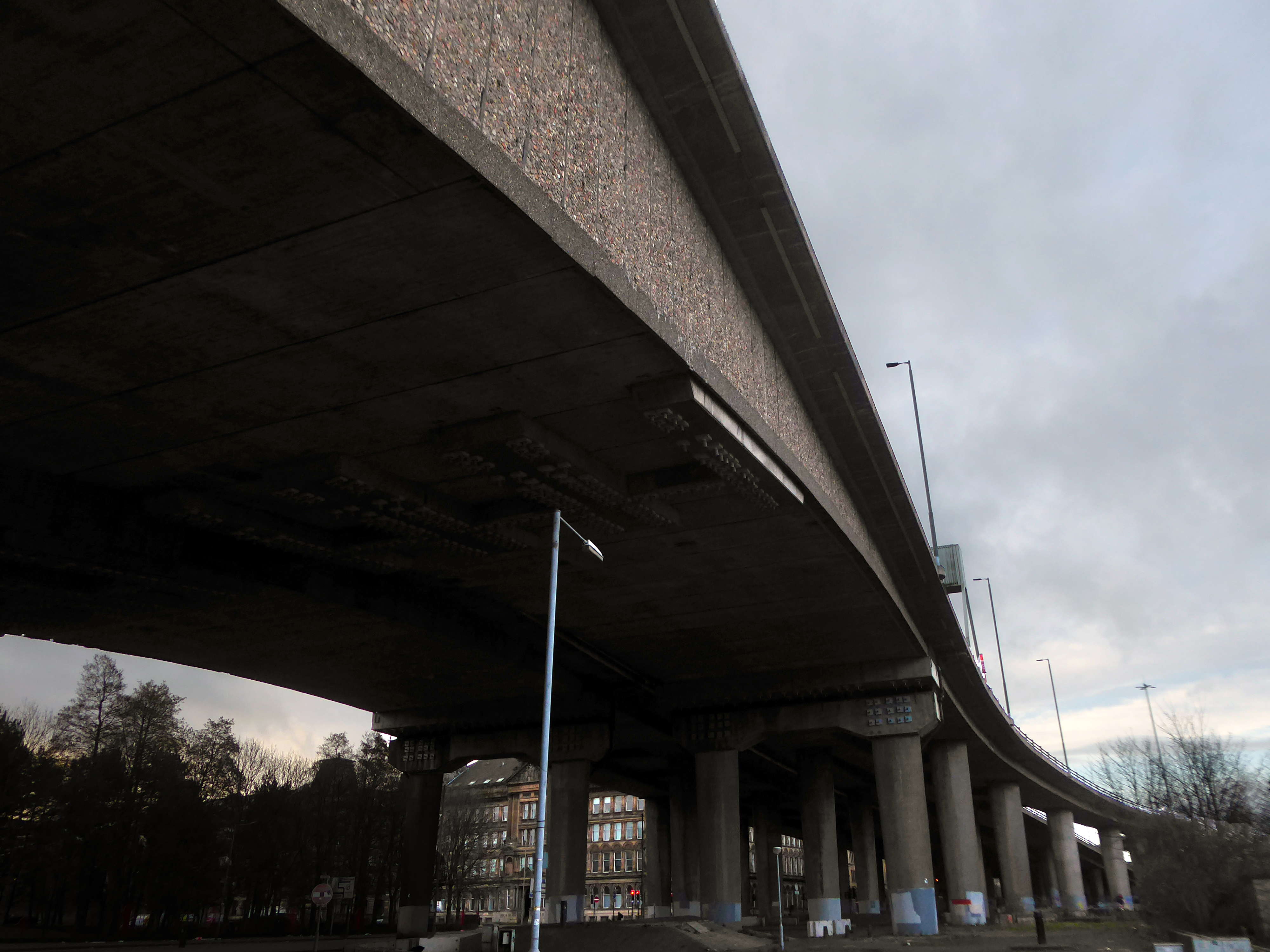
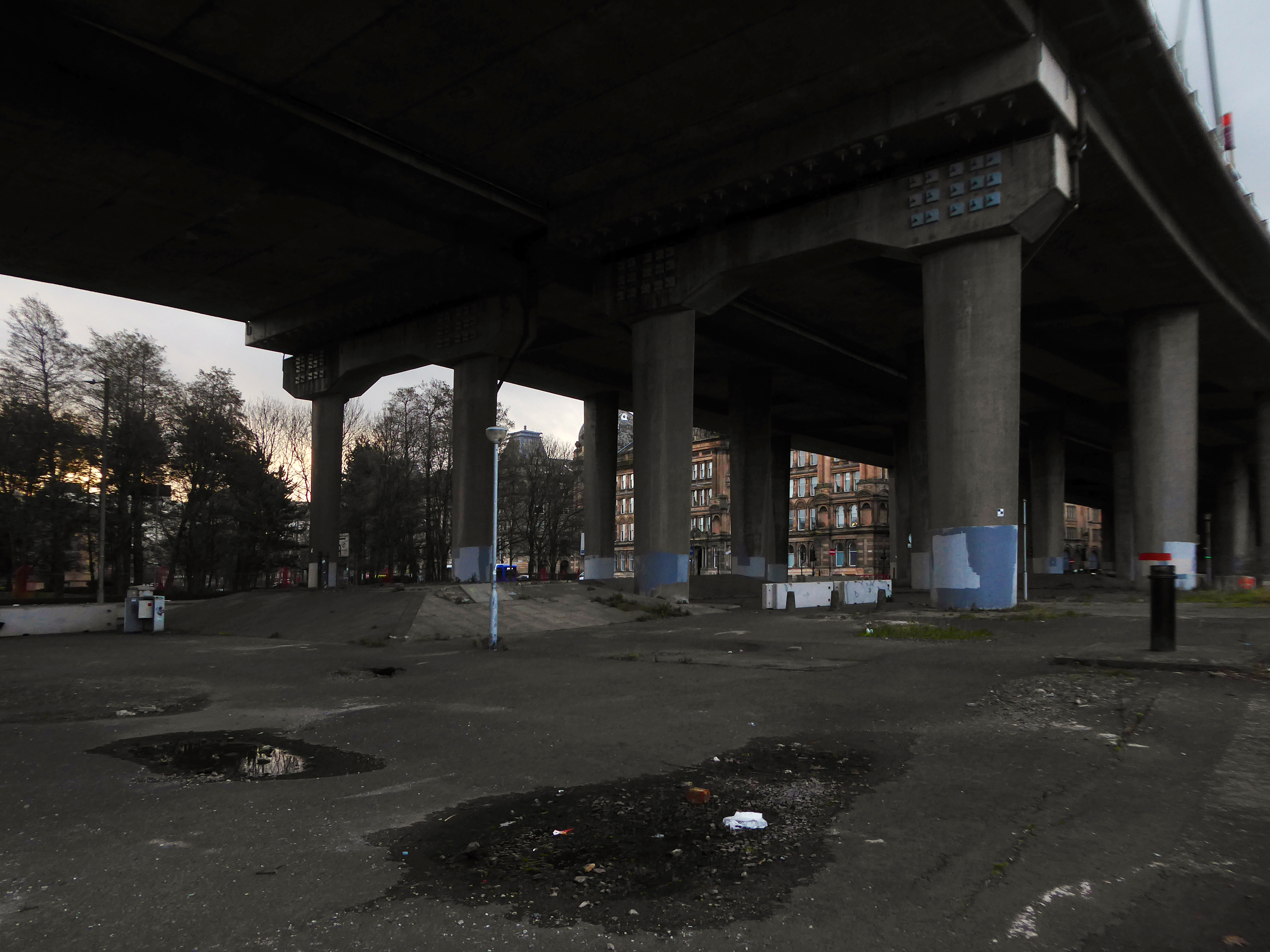
Kingston Bridge – Glasgow

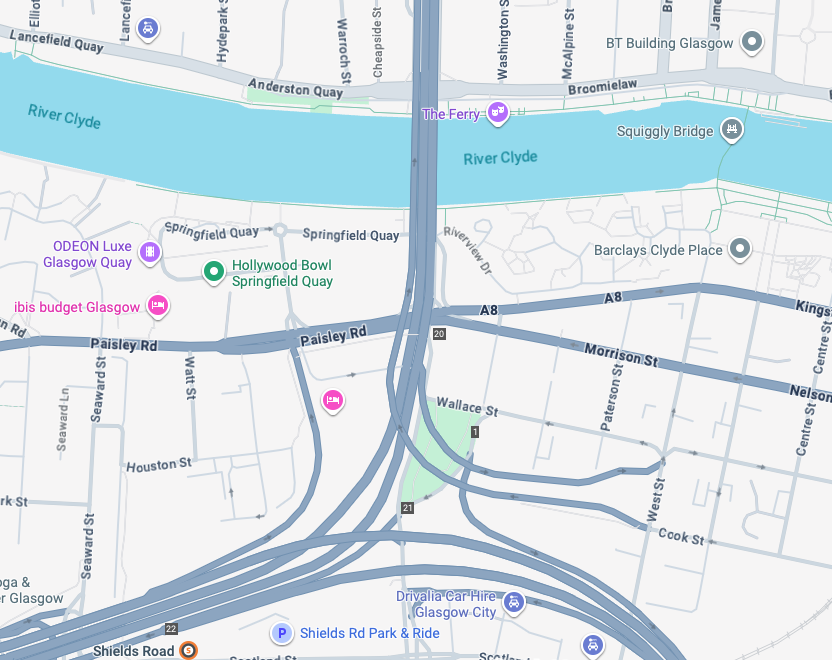
The bridge on the River Clyde – and access to the city’s motorway system.

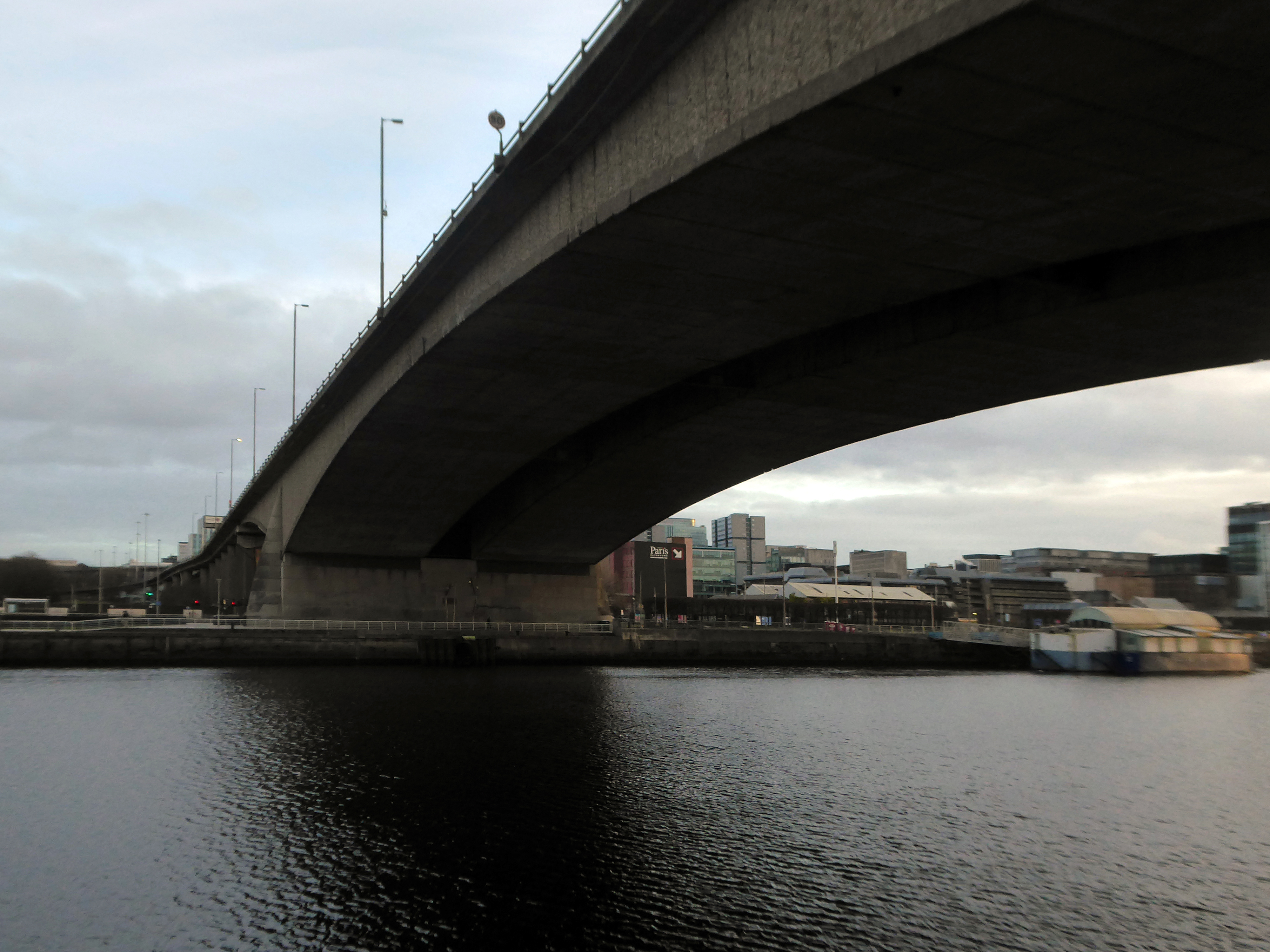
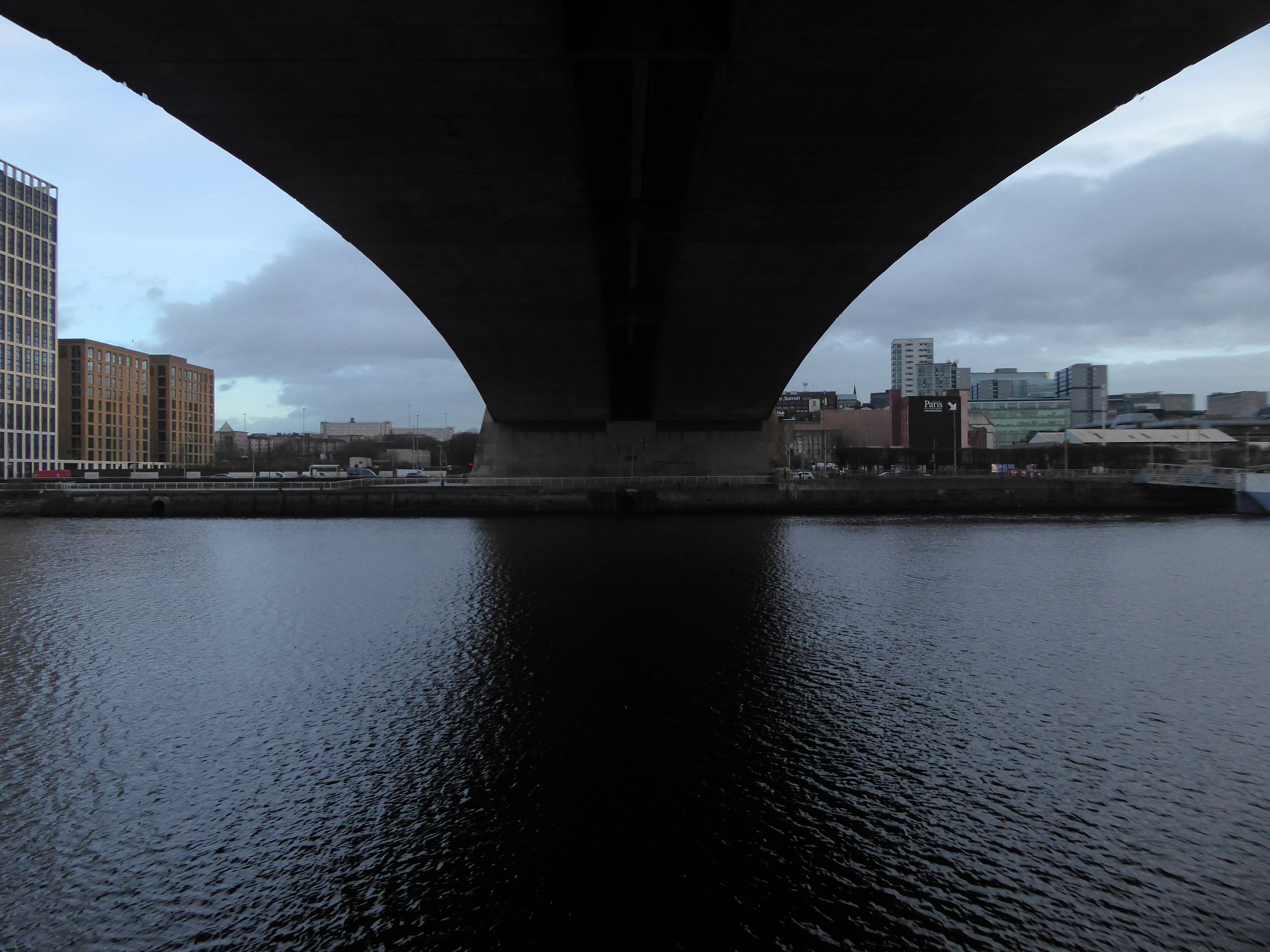
The Kingston Bridge is a balanced cantilever dual-span ten lane road bridge made of triple-cell segmented prestressed concrete box girders crossing the River Clyde.

Carrying the M8 motorway through the city centre, the Kingston Bridge is one of the busiest bridges in Europe, carrying around 150,000 vehicles every day.

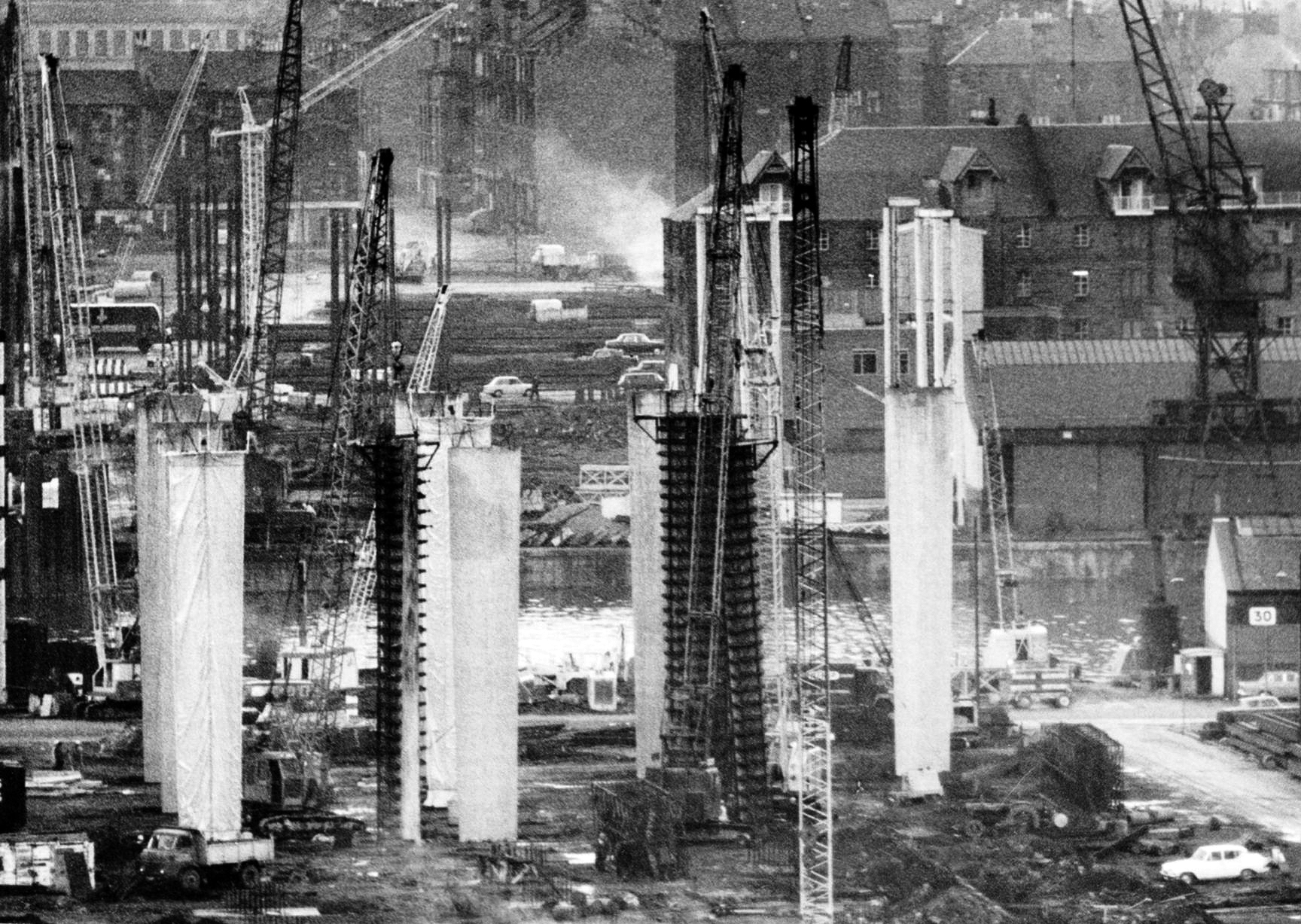
The bridge was first proposed in 1945 as part of the Glasgow Inner Ring Road scheme. After feasibility studies were carried out, William Fairhurst was appointed consulting engineer for the design of the bridge and its approaches and on 15 May 1967 construction began; this was a joint venture between Duncan Logan Construction Ltd and Marples Ridgway.

The eventual cost was £2.4m excluding the approach viaducts or around £11m in total.

On 26 June 1970 Kingston Bridge was opened by Queen Elizabeth the Queen Mother.

Wikipedia

I was lodging nearby and spent an hour one morning in March 2023 taking a look around.

The Kingston Bridge was listed in 2020 by Historic Environment Scotland.

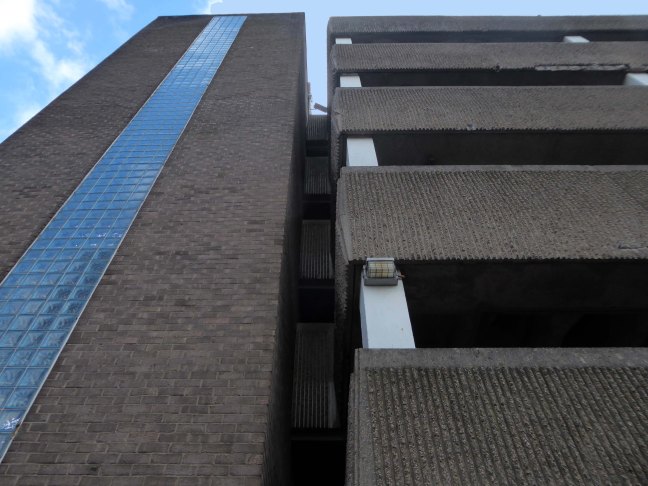
Co-operative House was the former headquarters of the Scottish Co-operative Wholesale Society and today is a mixed residential and commercial development.

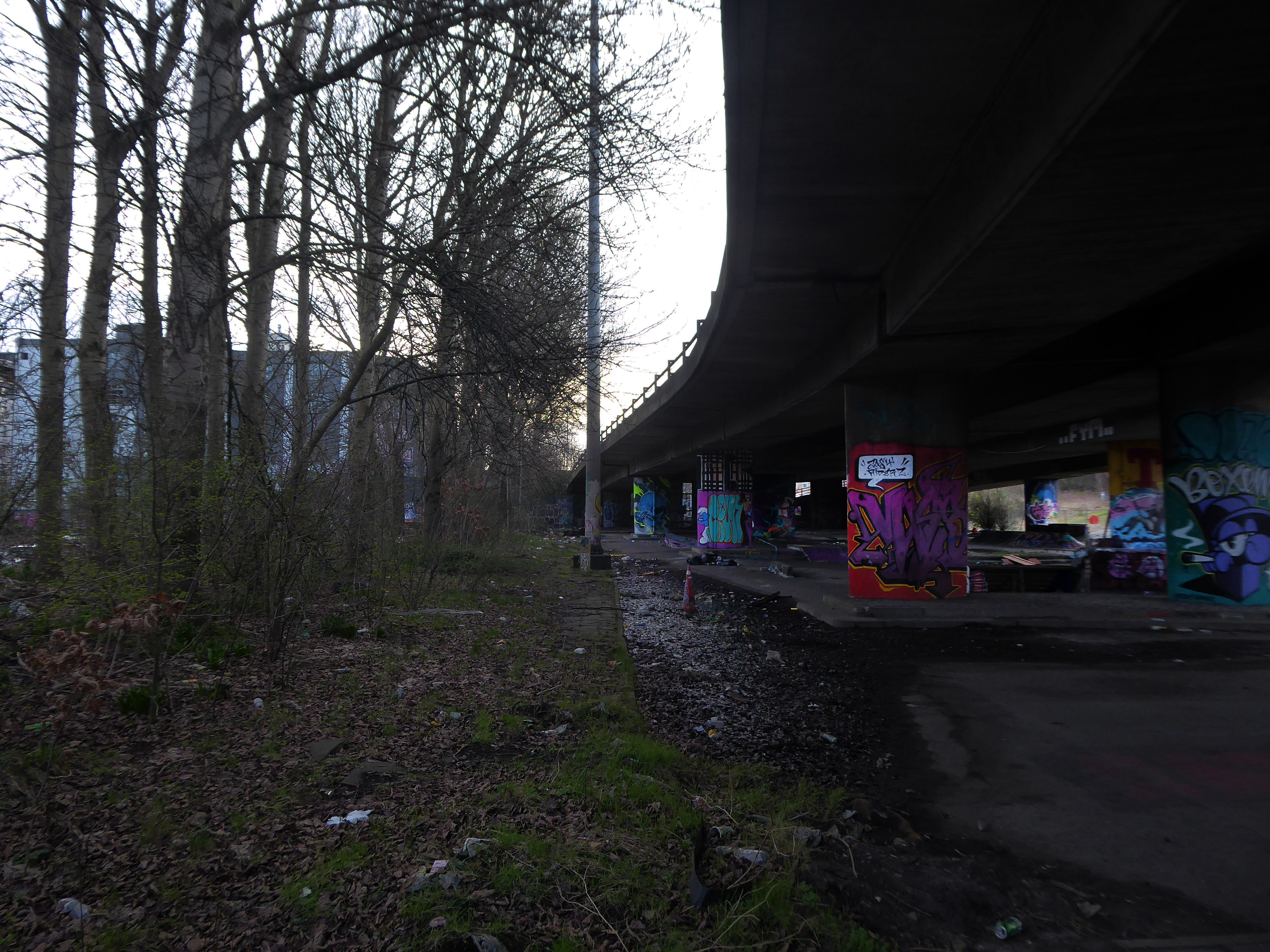
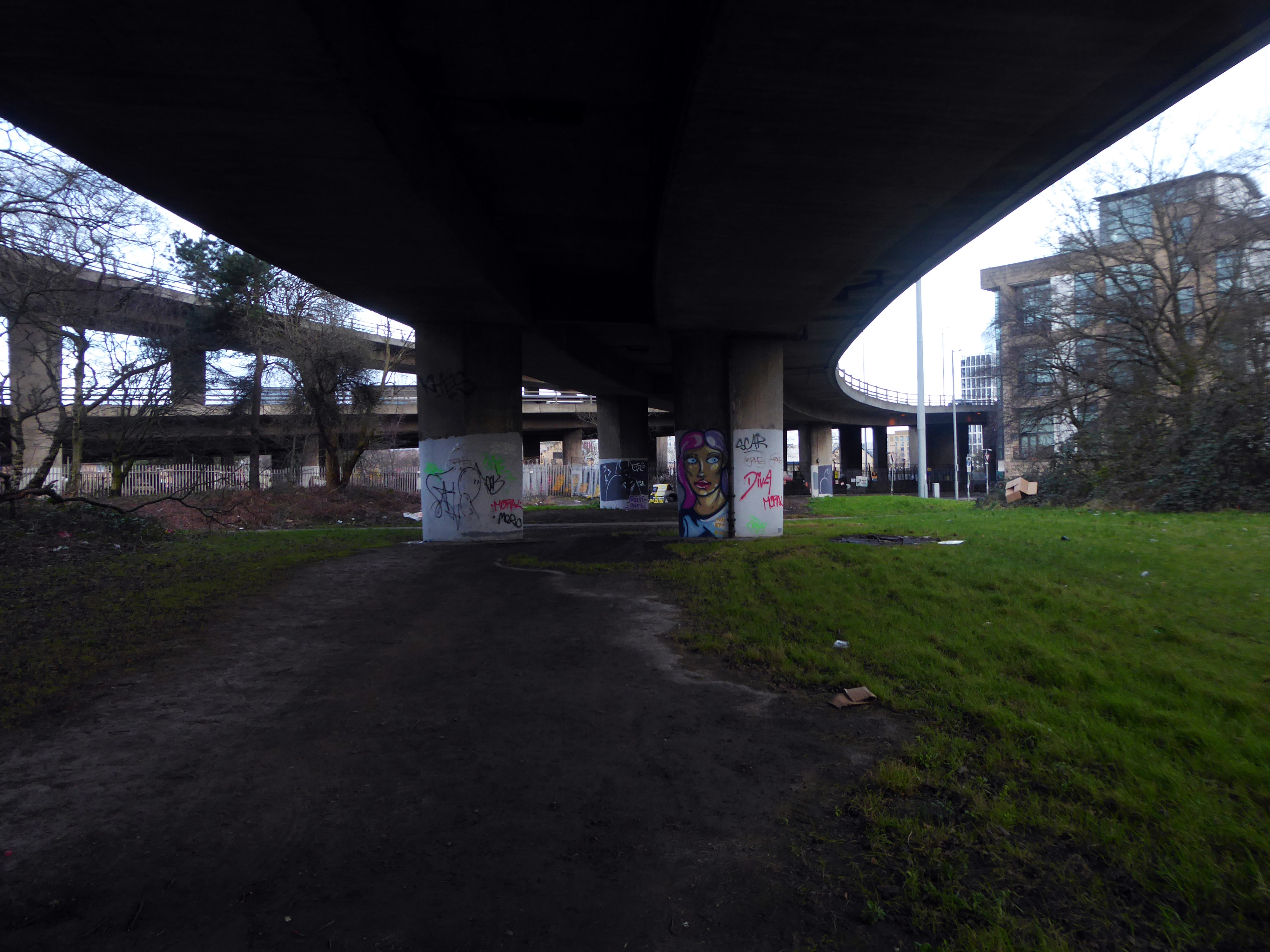
There is a dubious urban myth that the fourth man in the Williamwood bank robbery, Archie McGeachy, is buried in the pillars of the bridge.

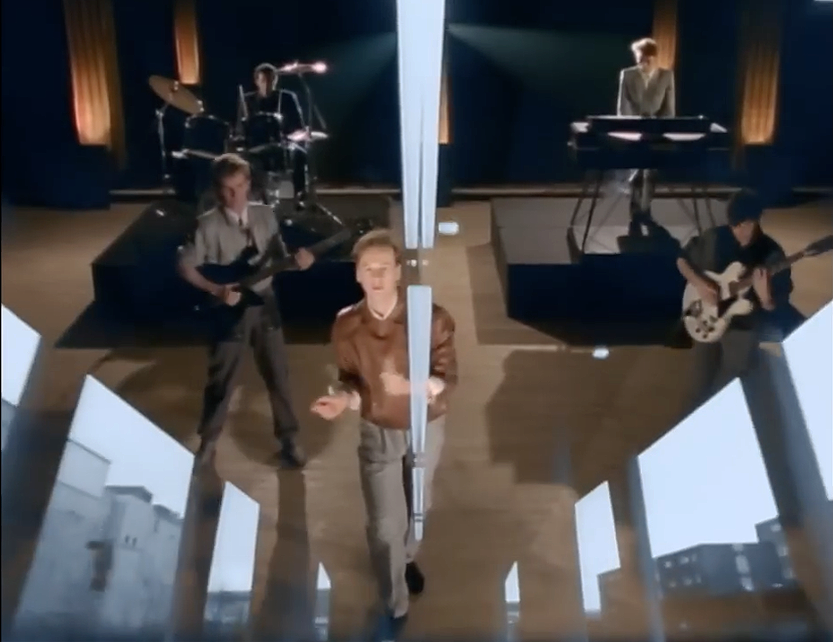
It features in the music video for the Simple Minds single – Speed Your Love to Me.

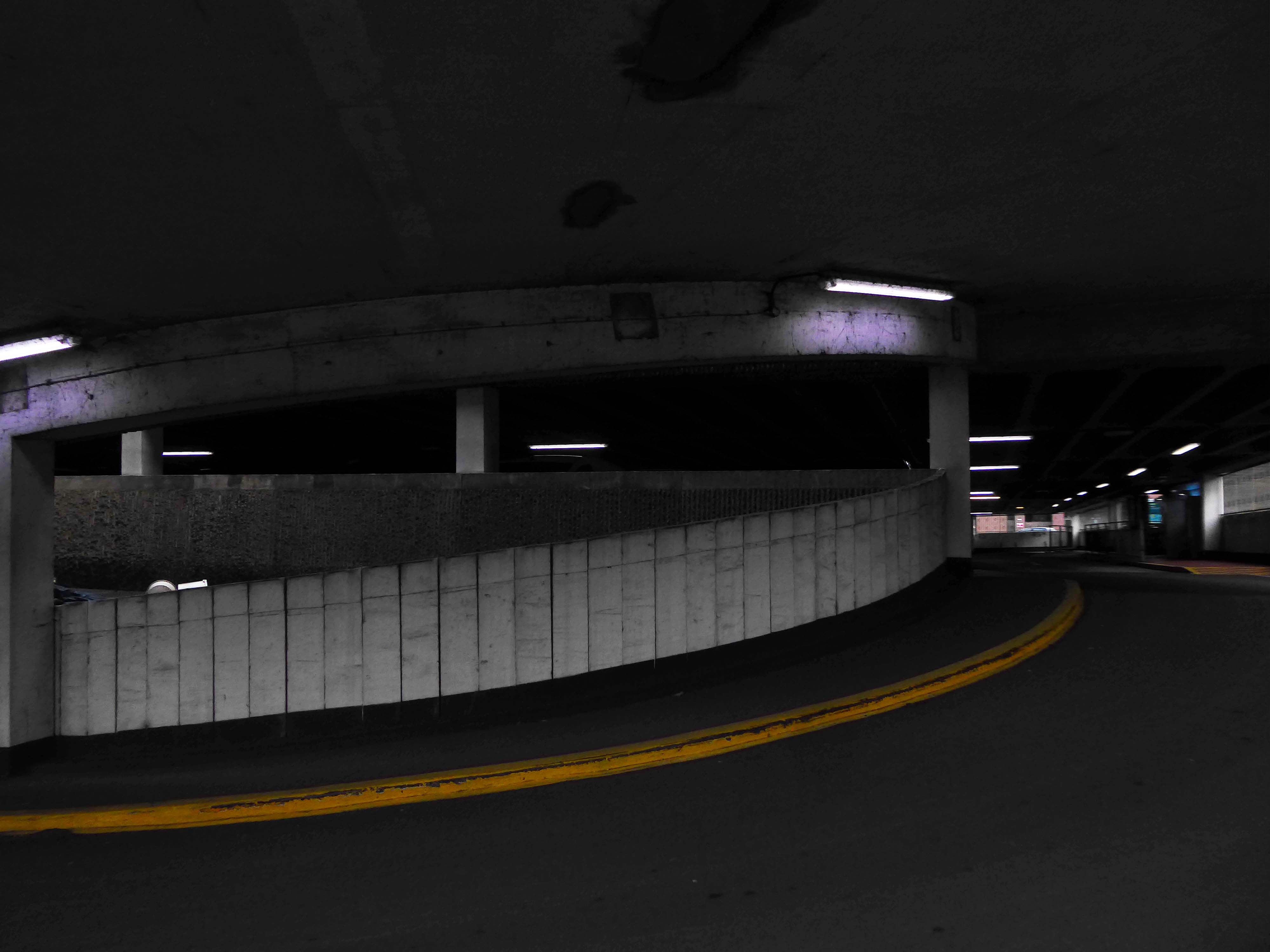
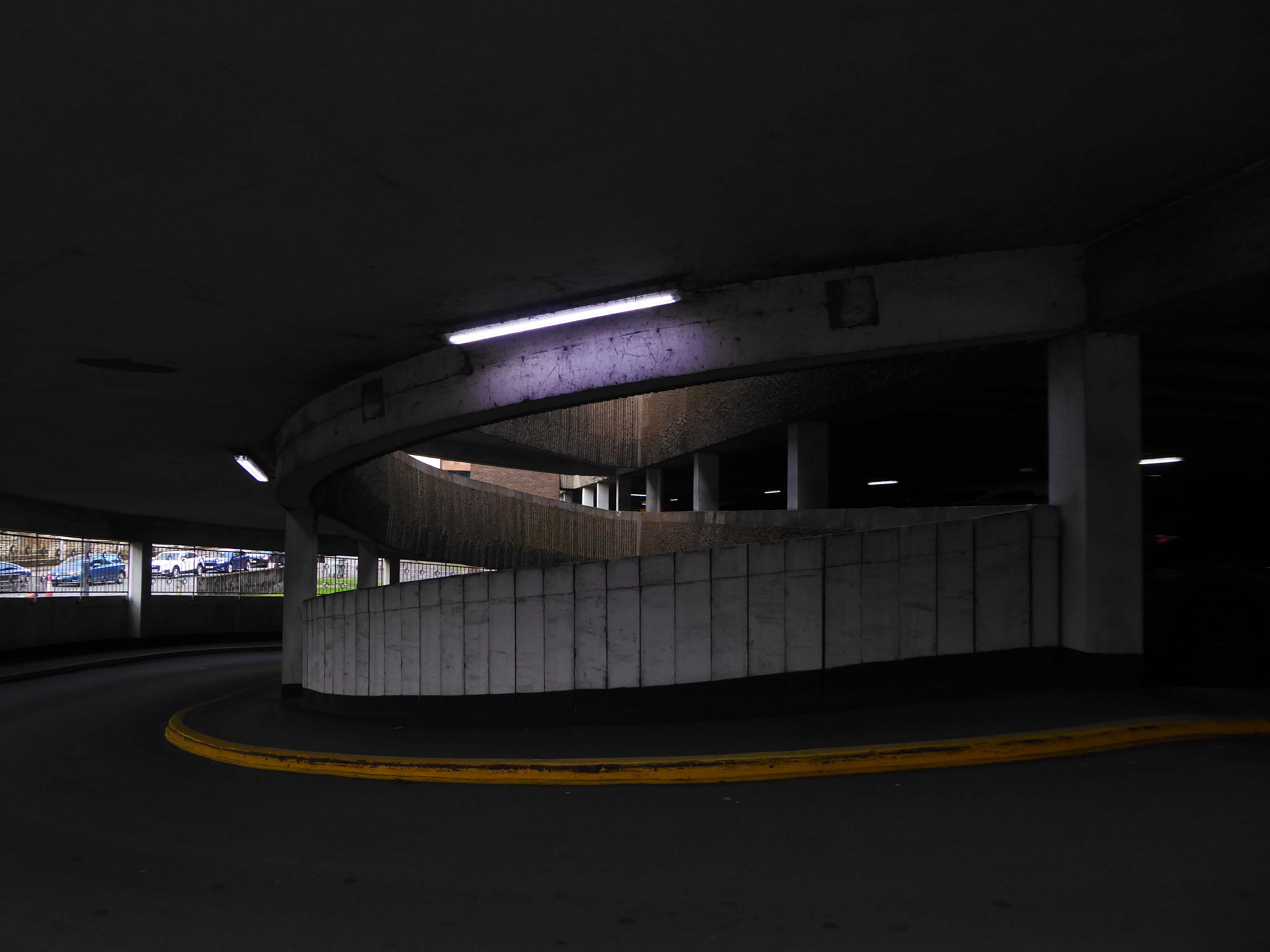
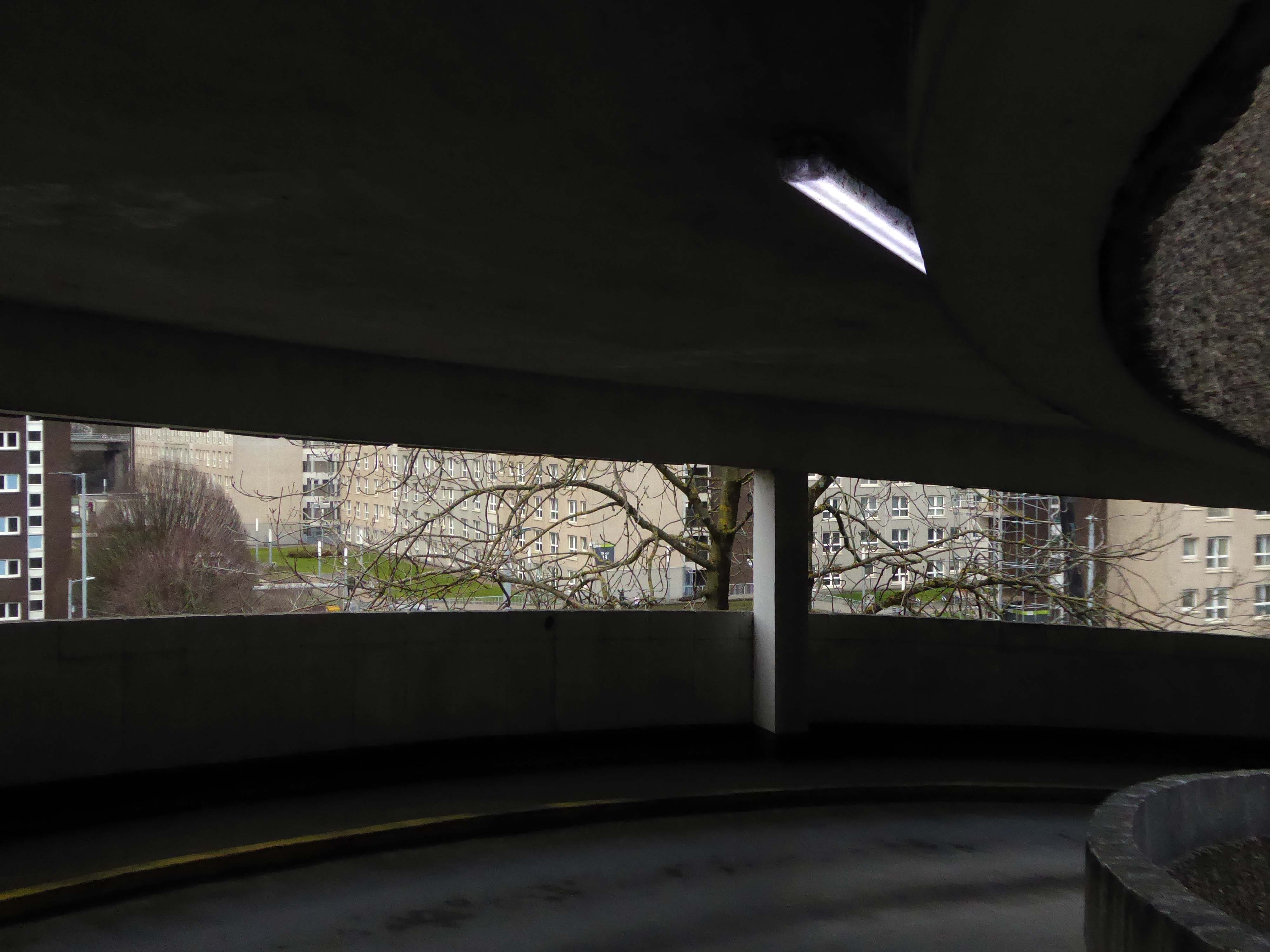
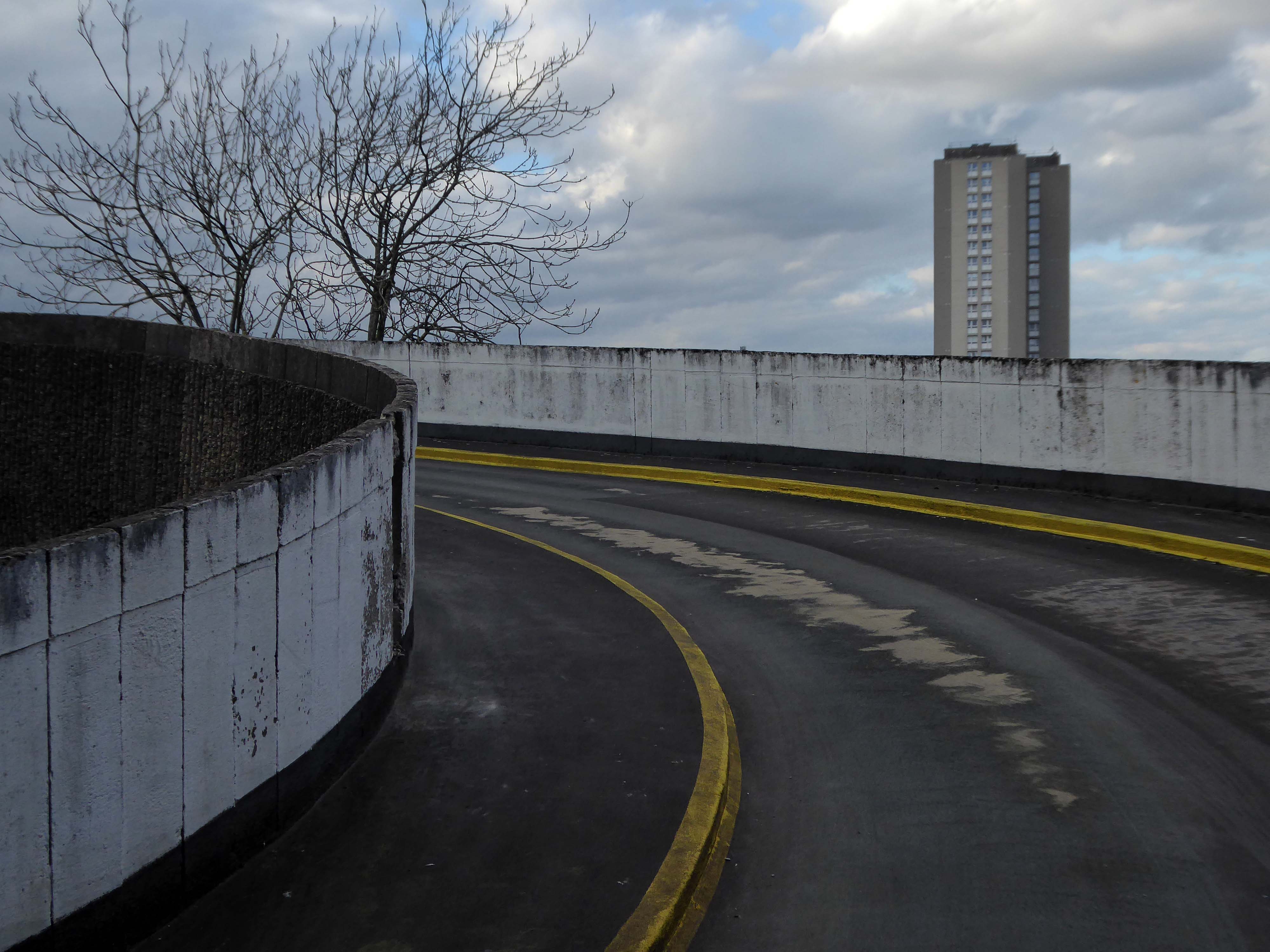
Cambridge Street Car Park – Glasgow

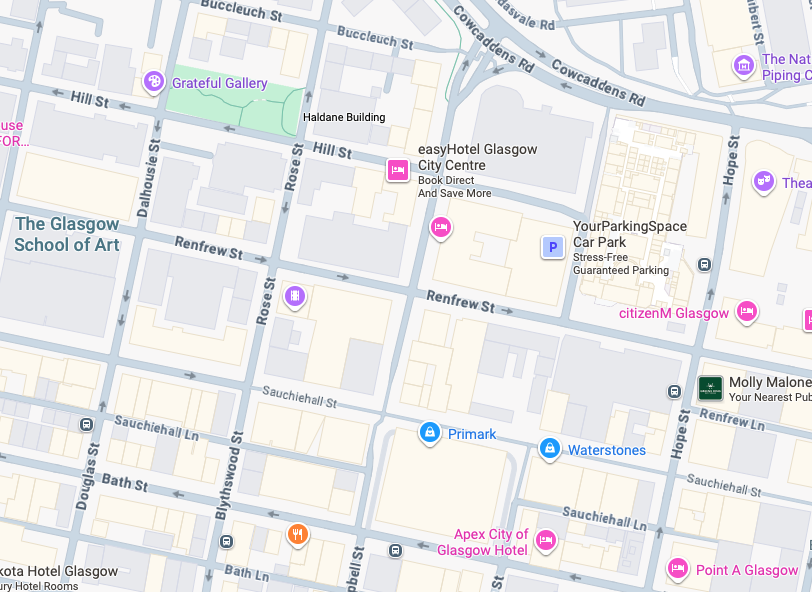
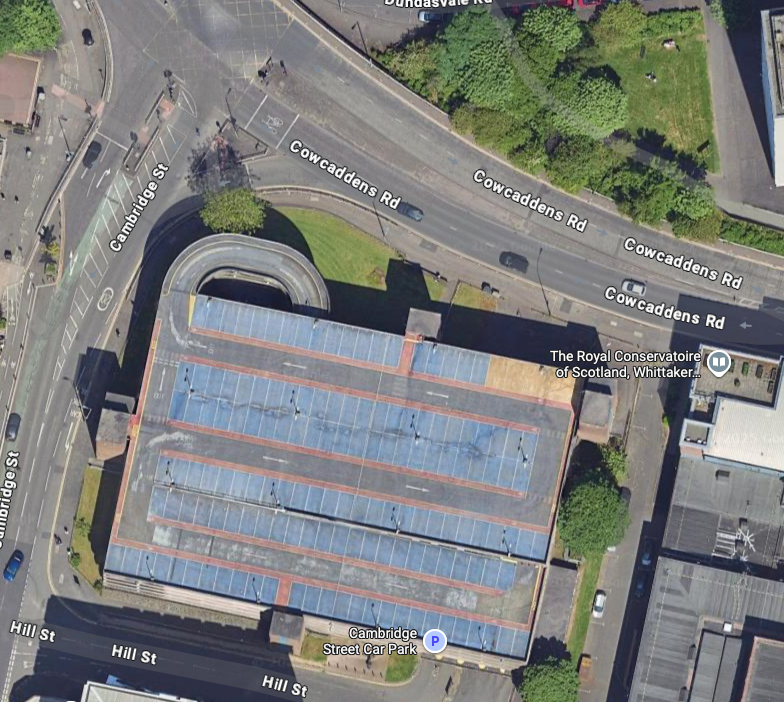
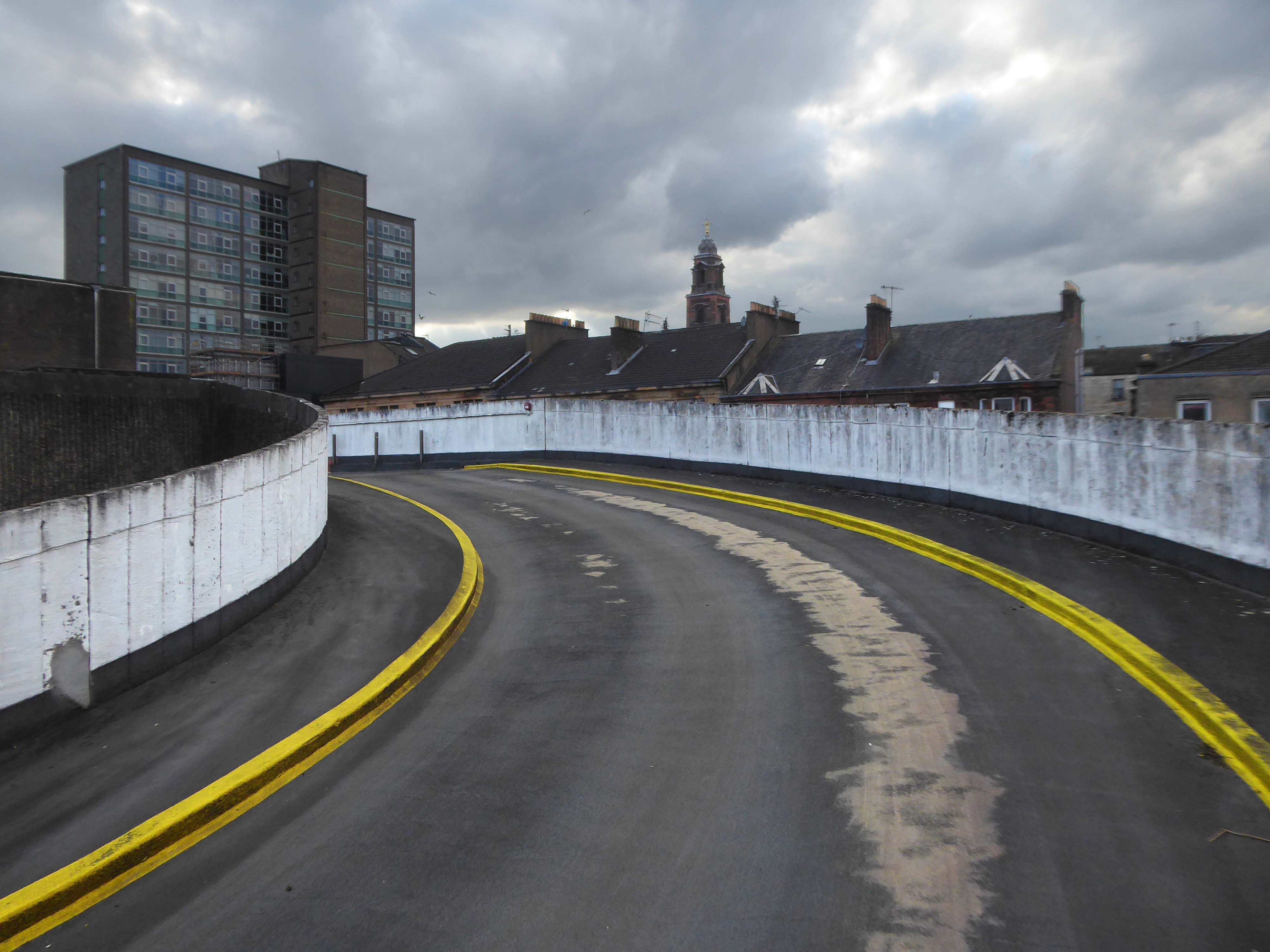
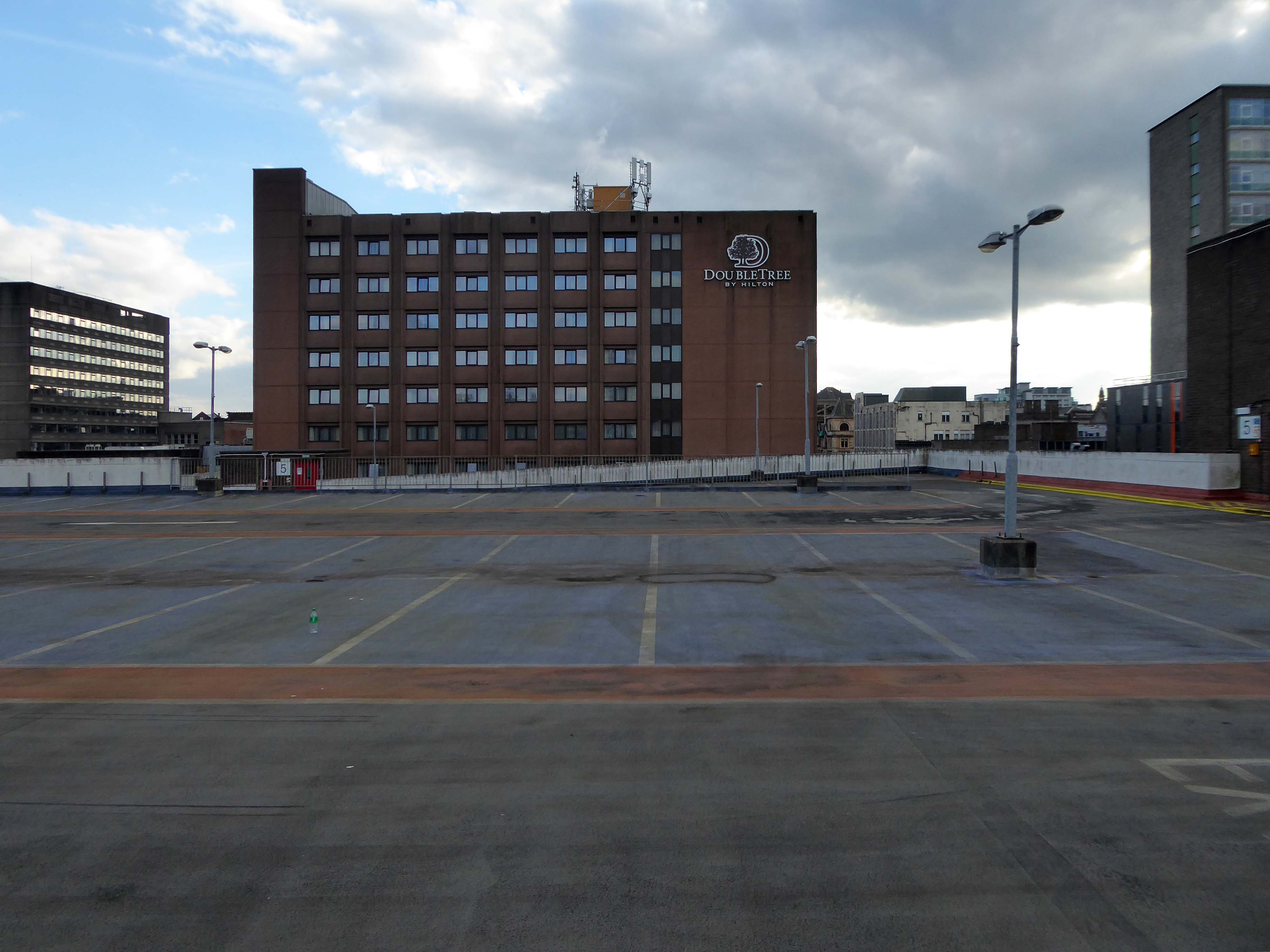
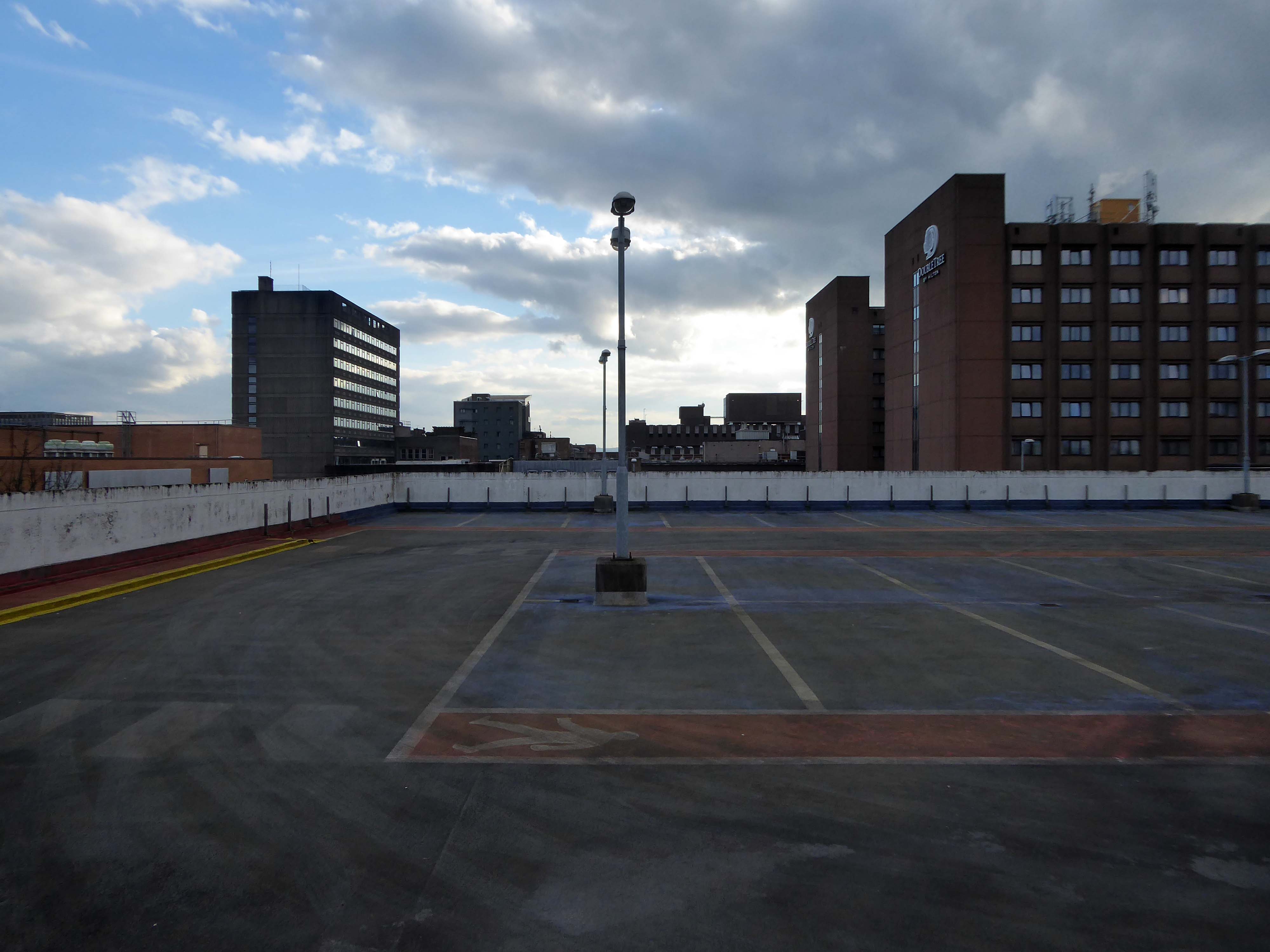
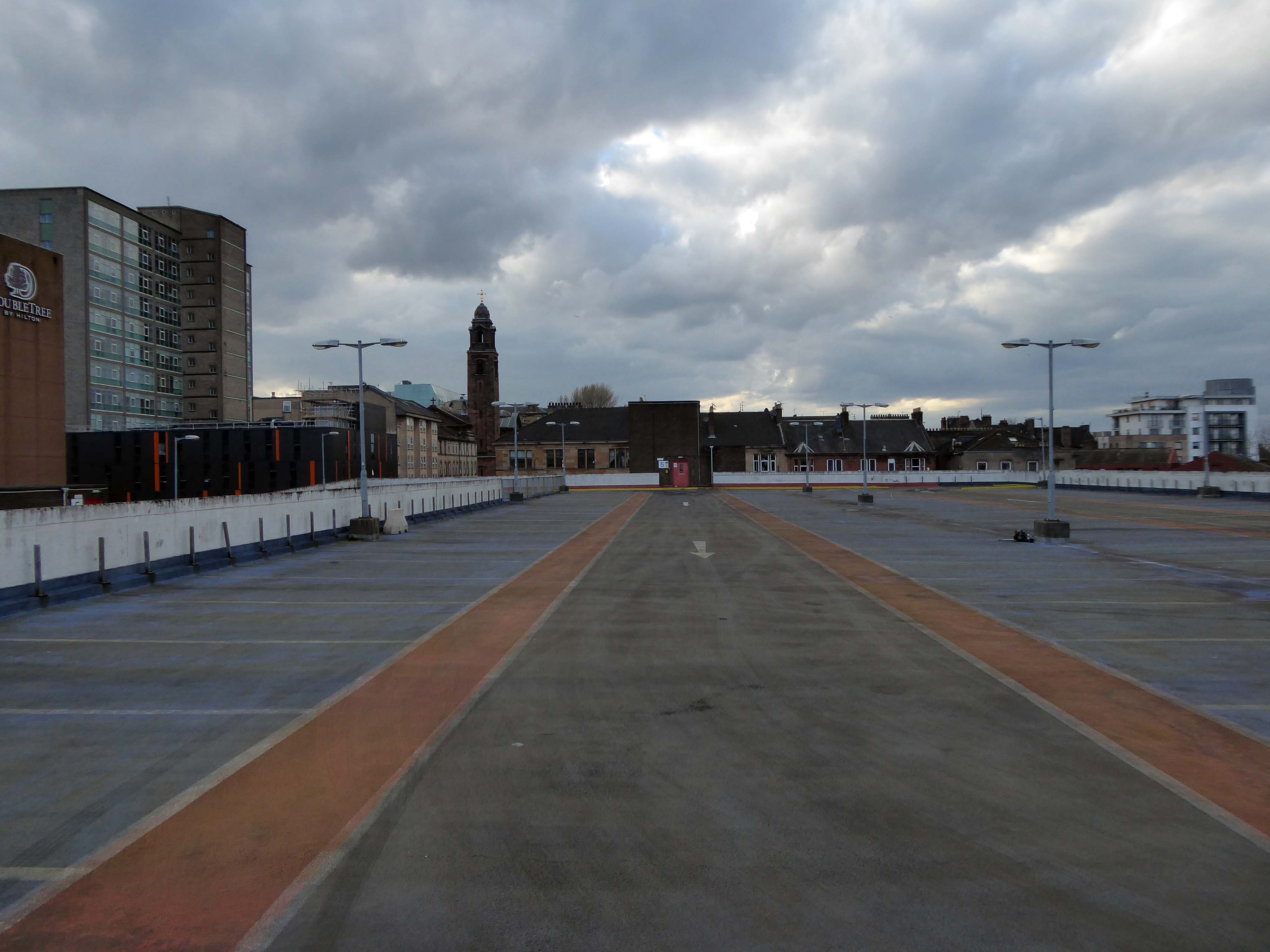
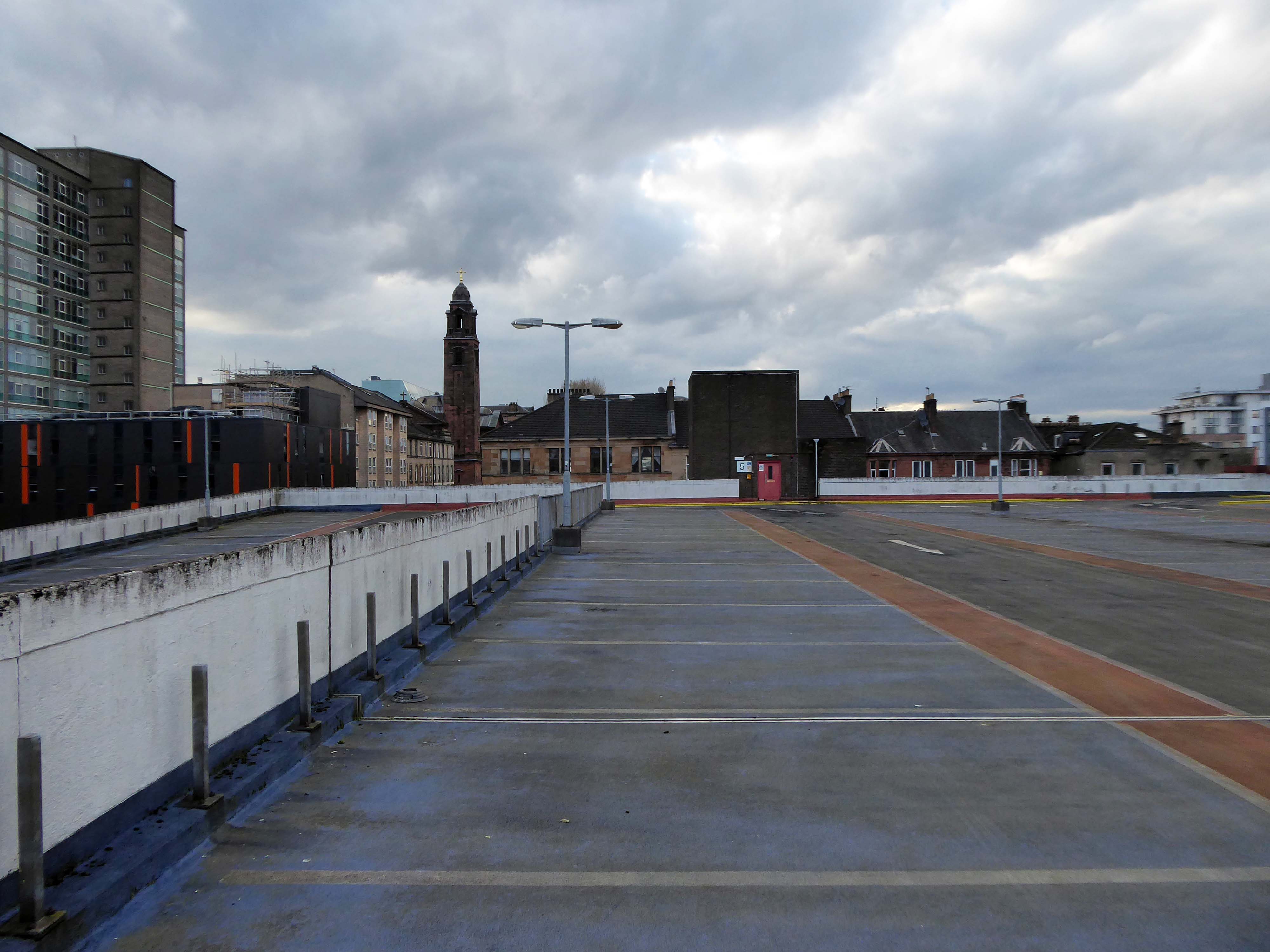
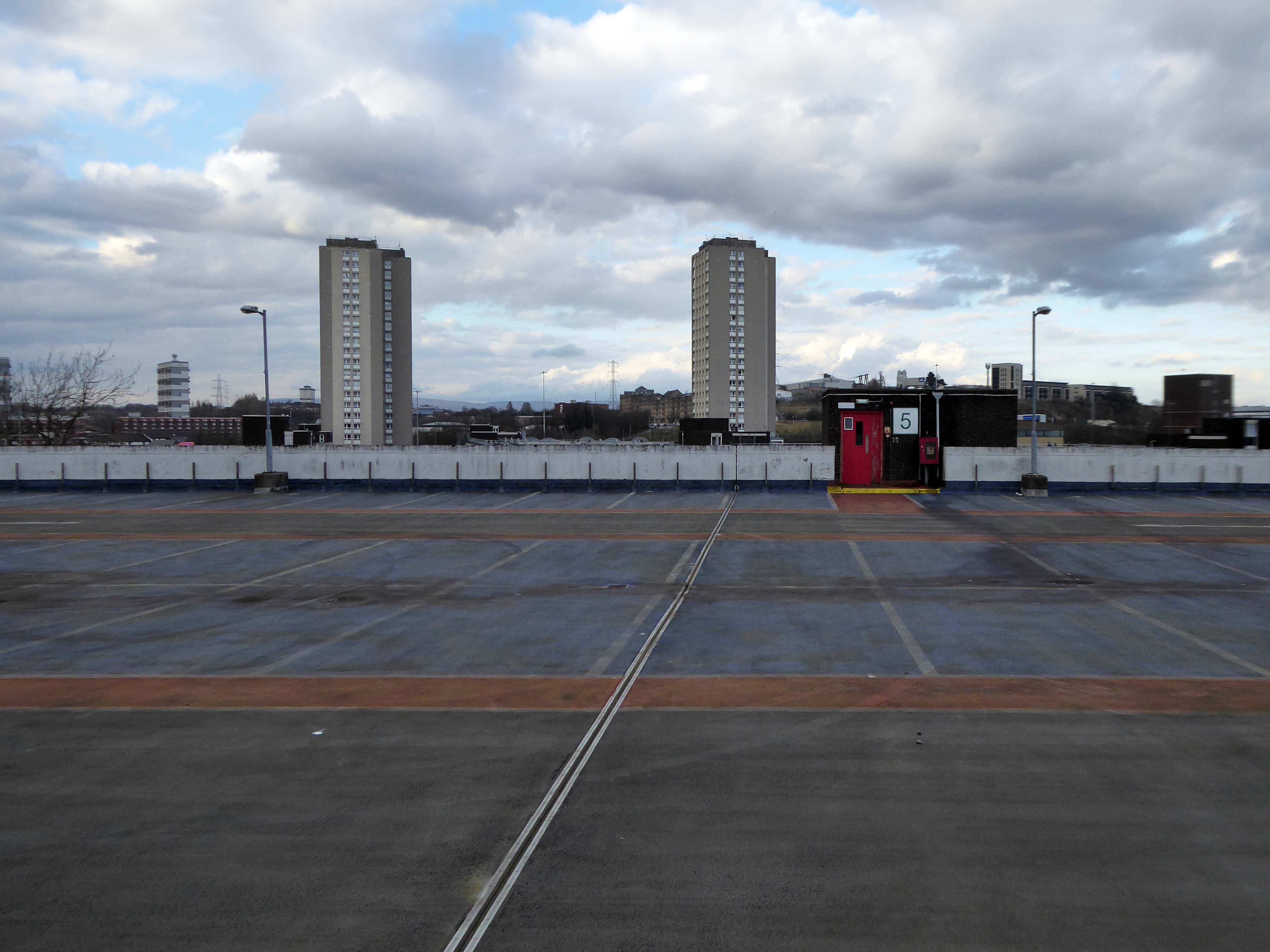
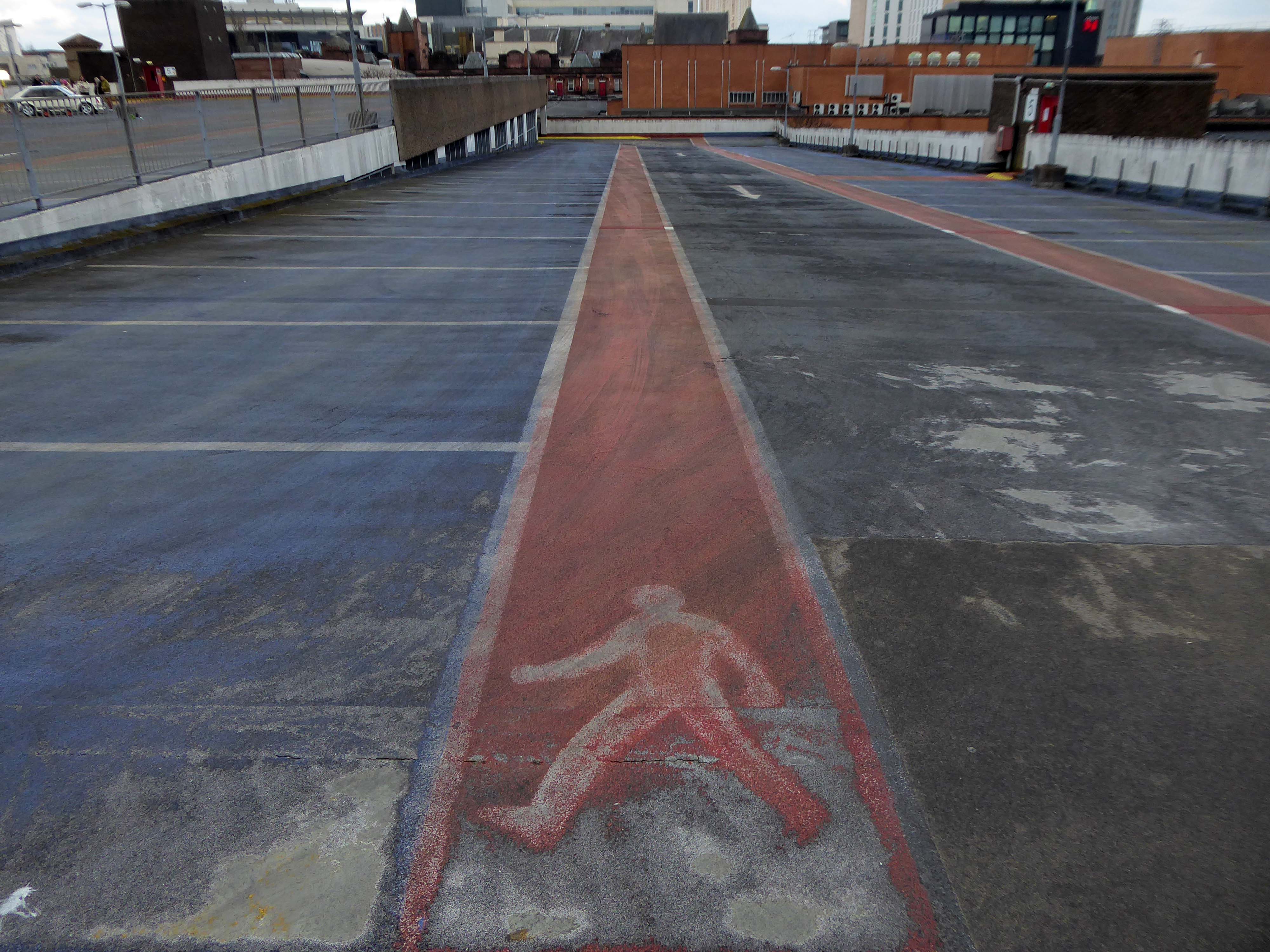
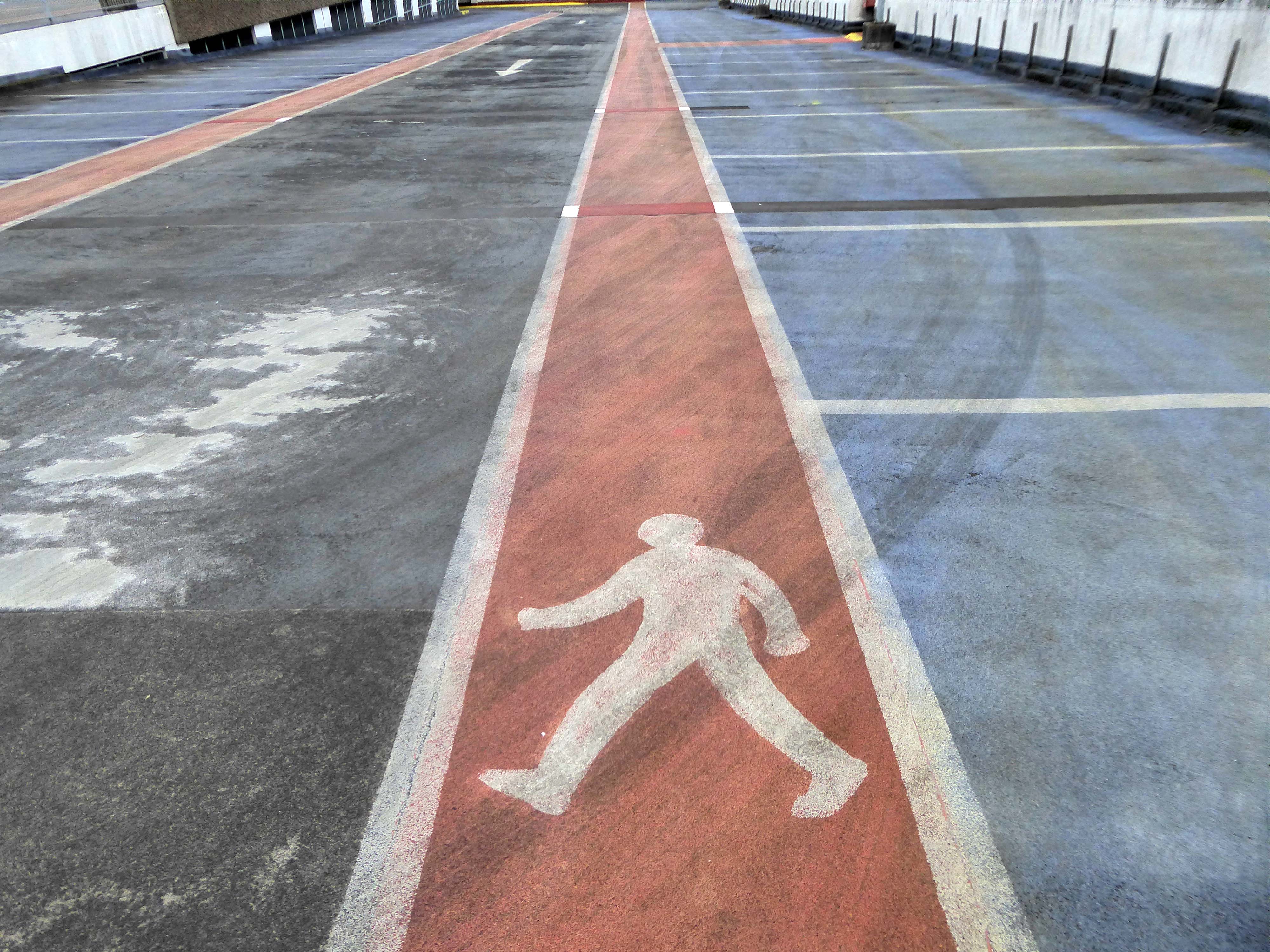
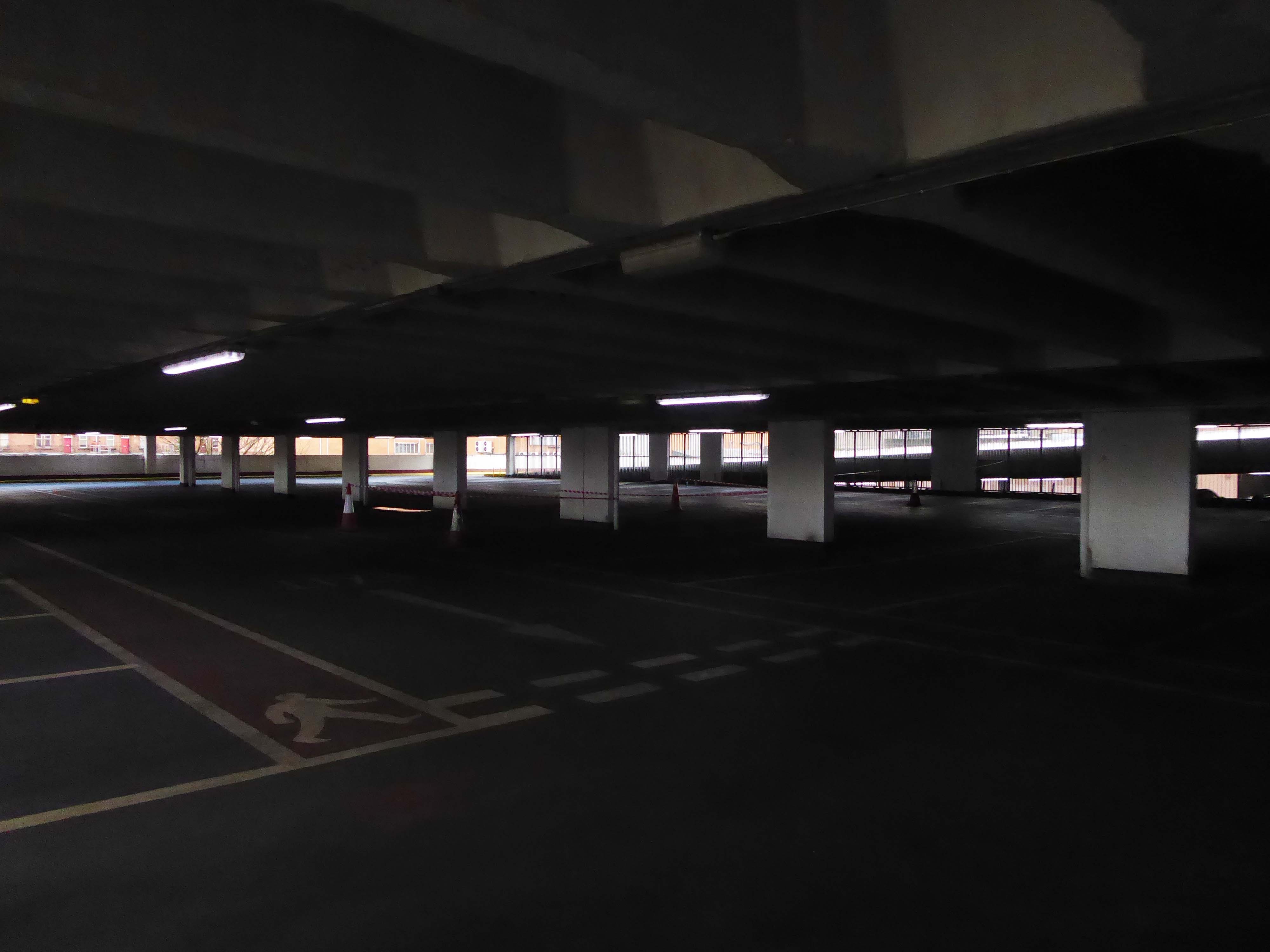
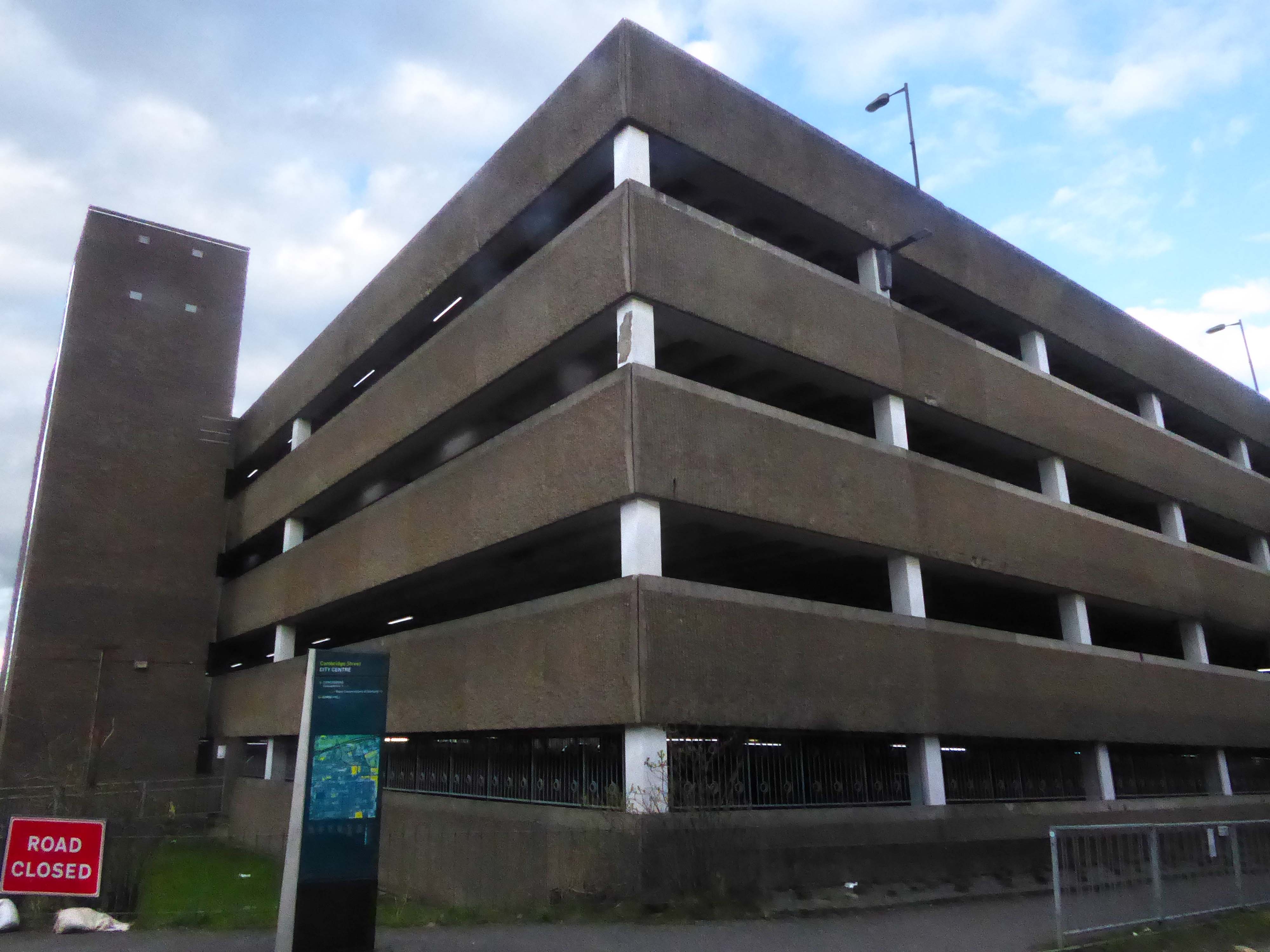
On the corner off Cowcaddens Road and Cambridge Street sits Cambridge Street Car Park.

In March 2024 I was wandering around in search of nothing in particular when I found something particular, in car park form.

Parkopedia

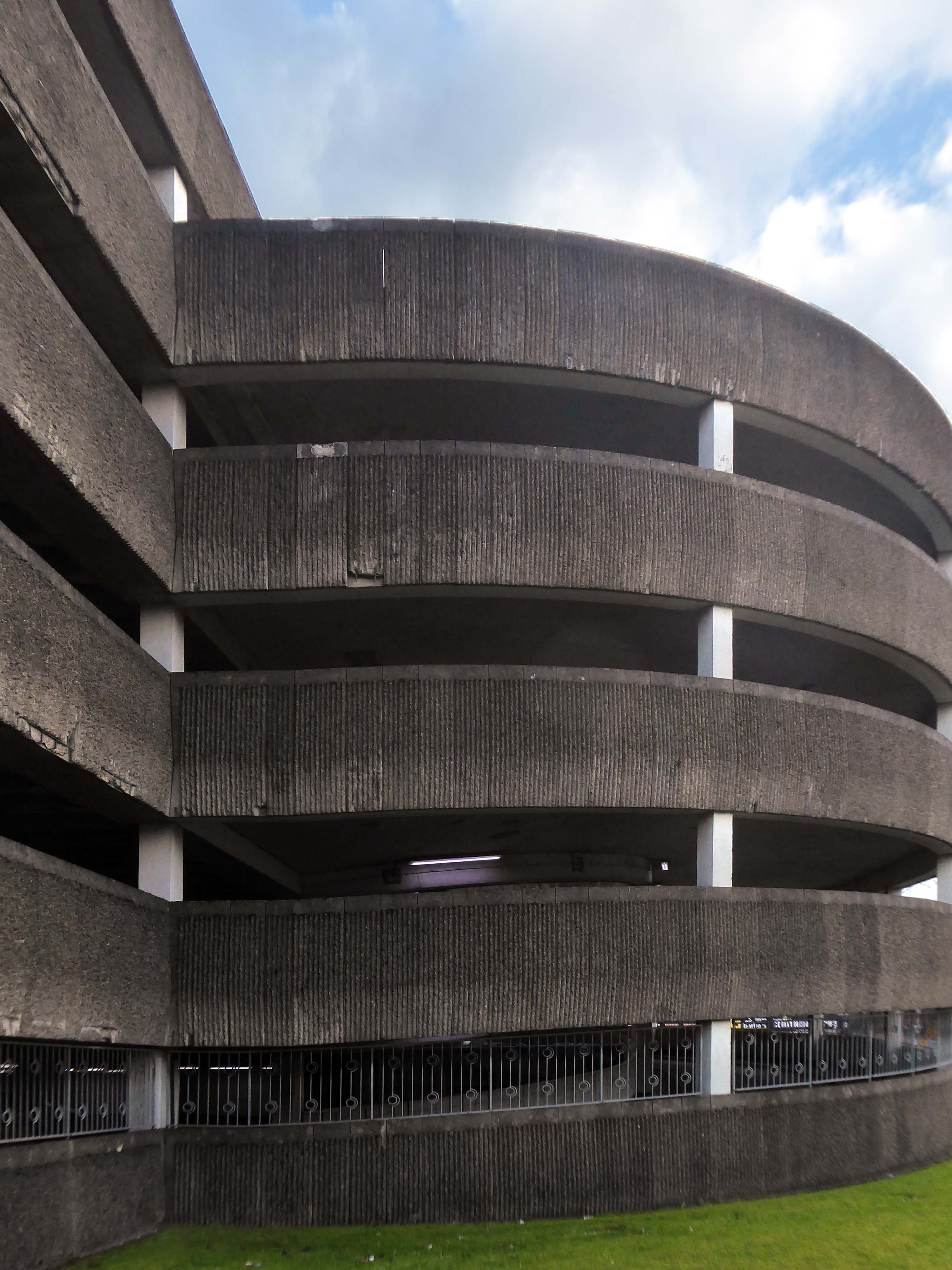
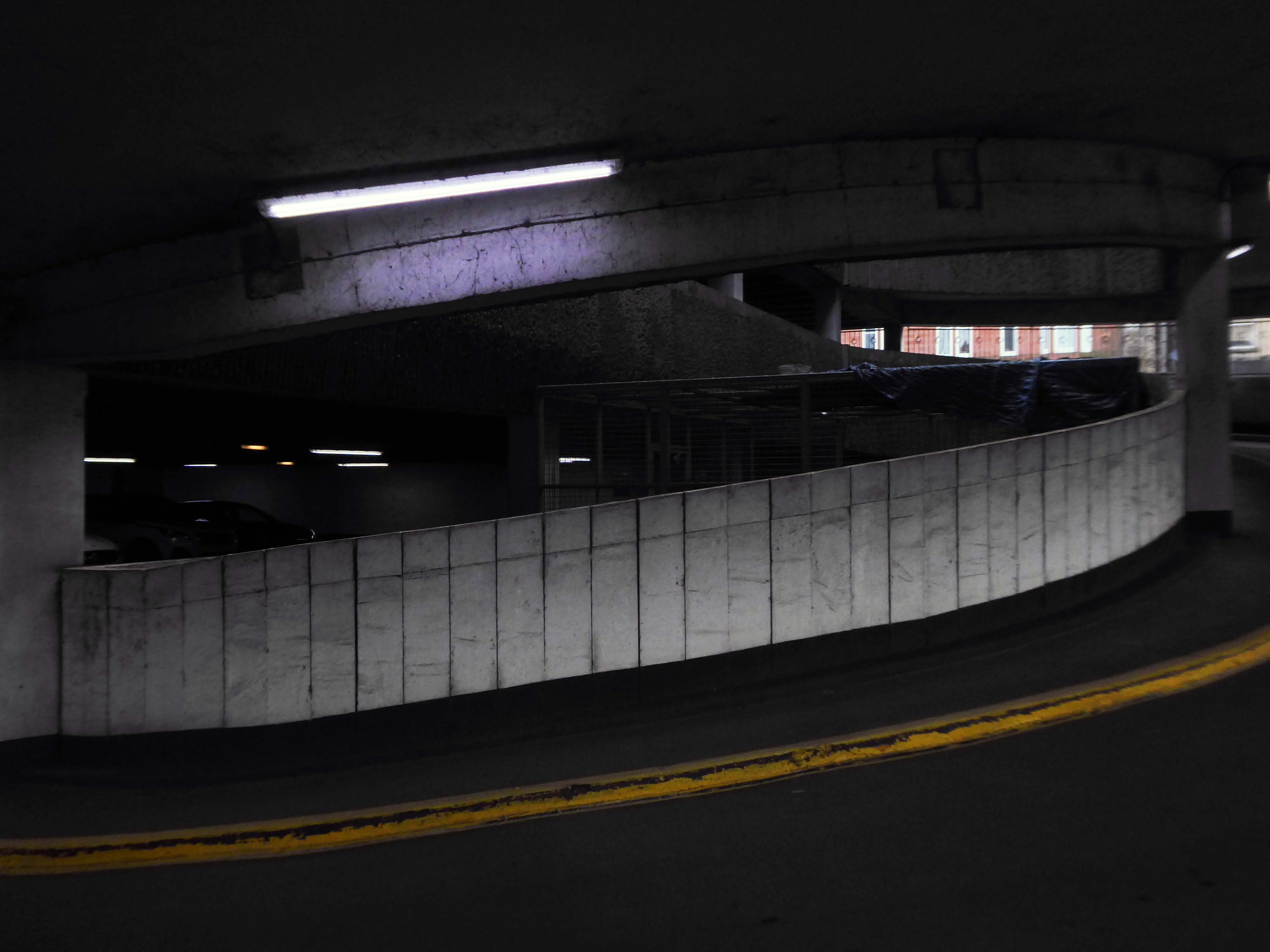
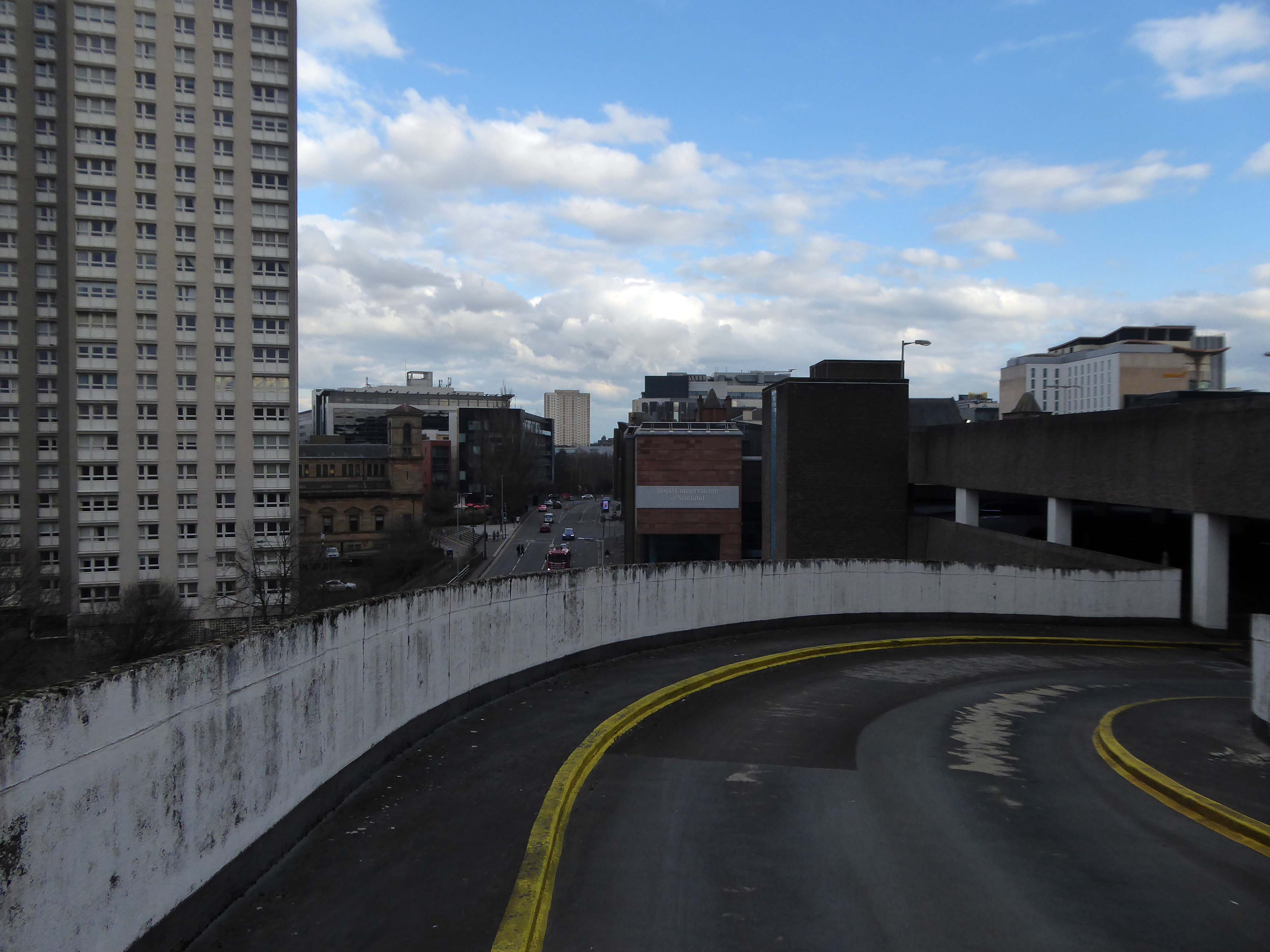
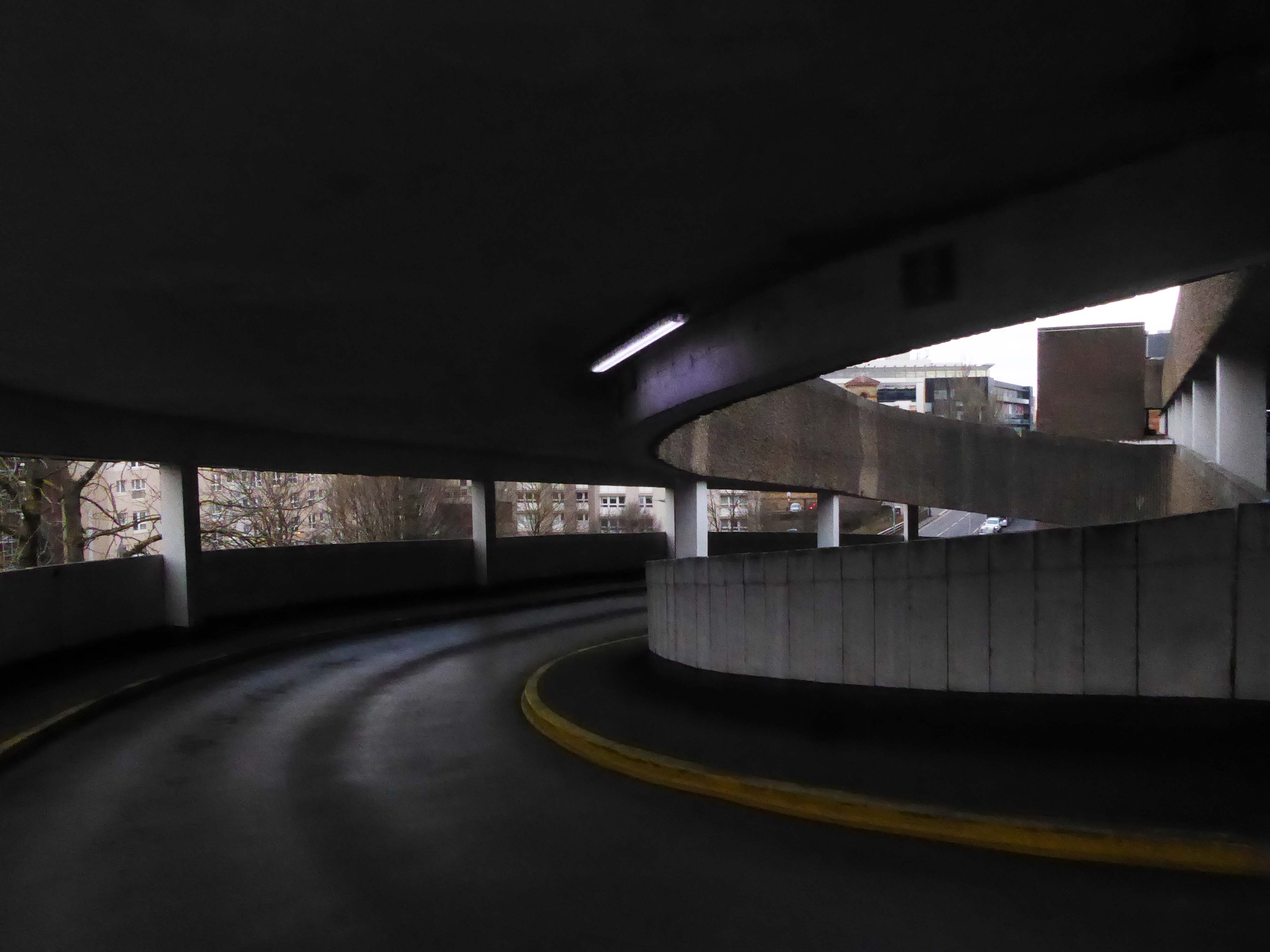
It does have a spiral ramp access – so I took that route to the top deck.

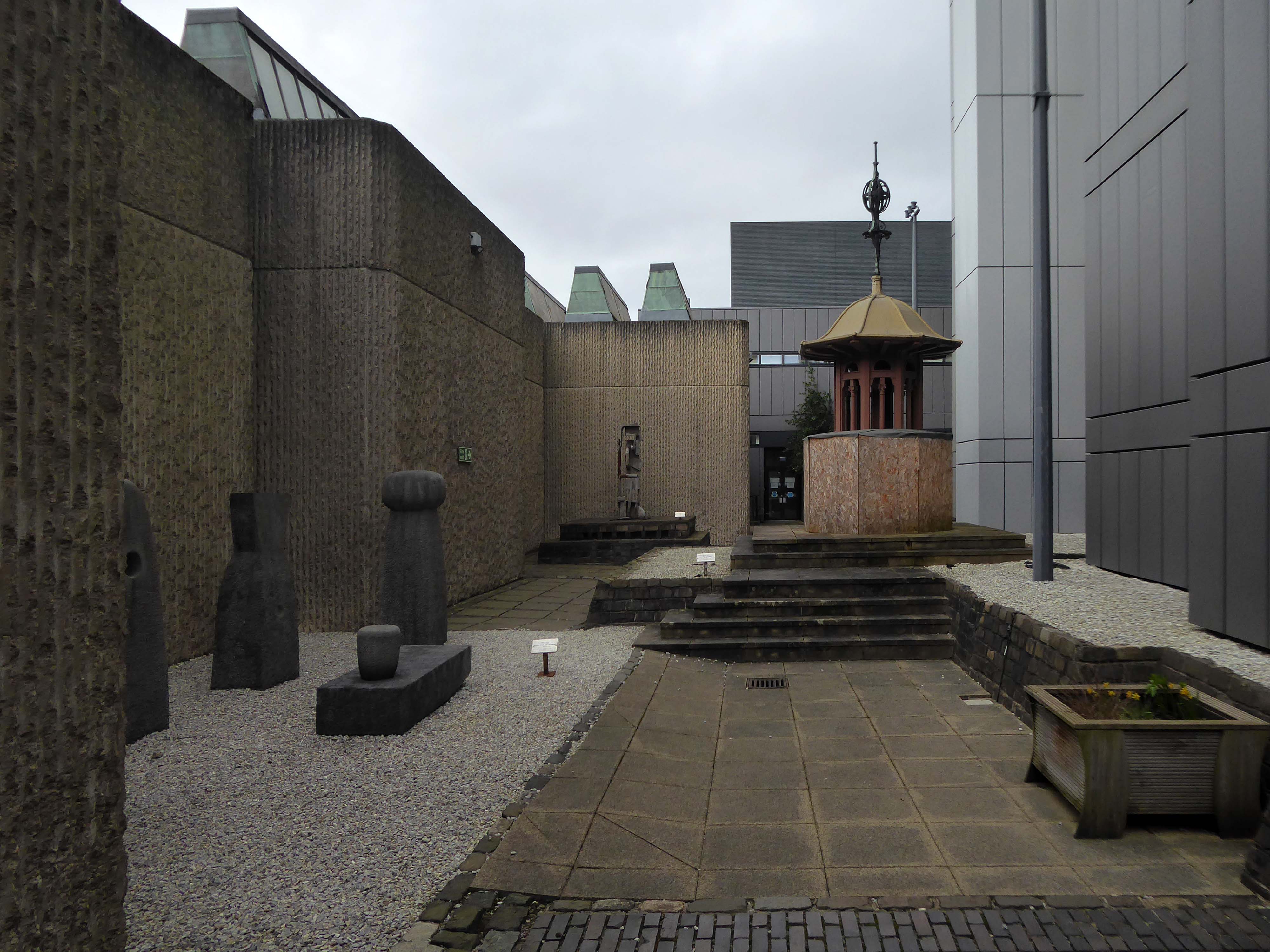
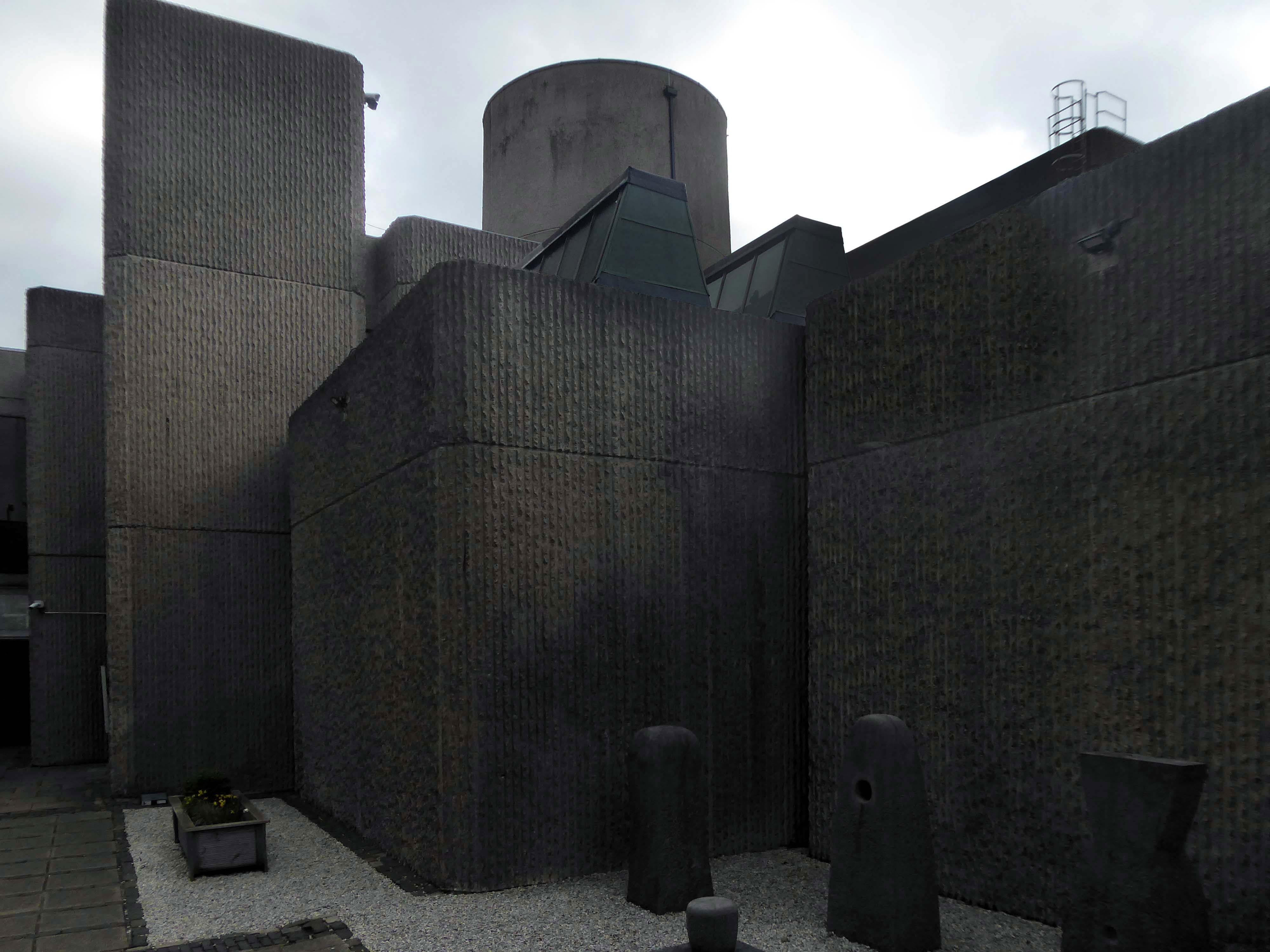
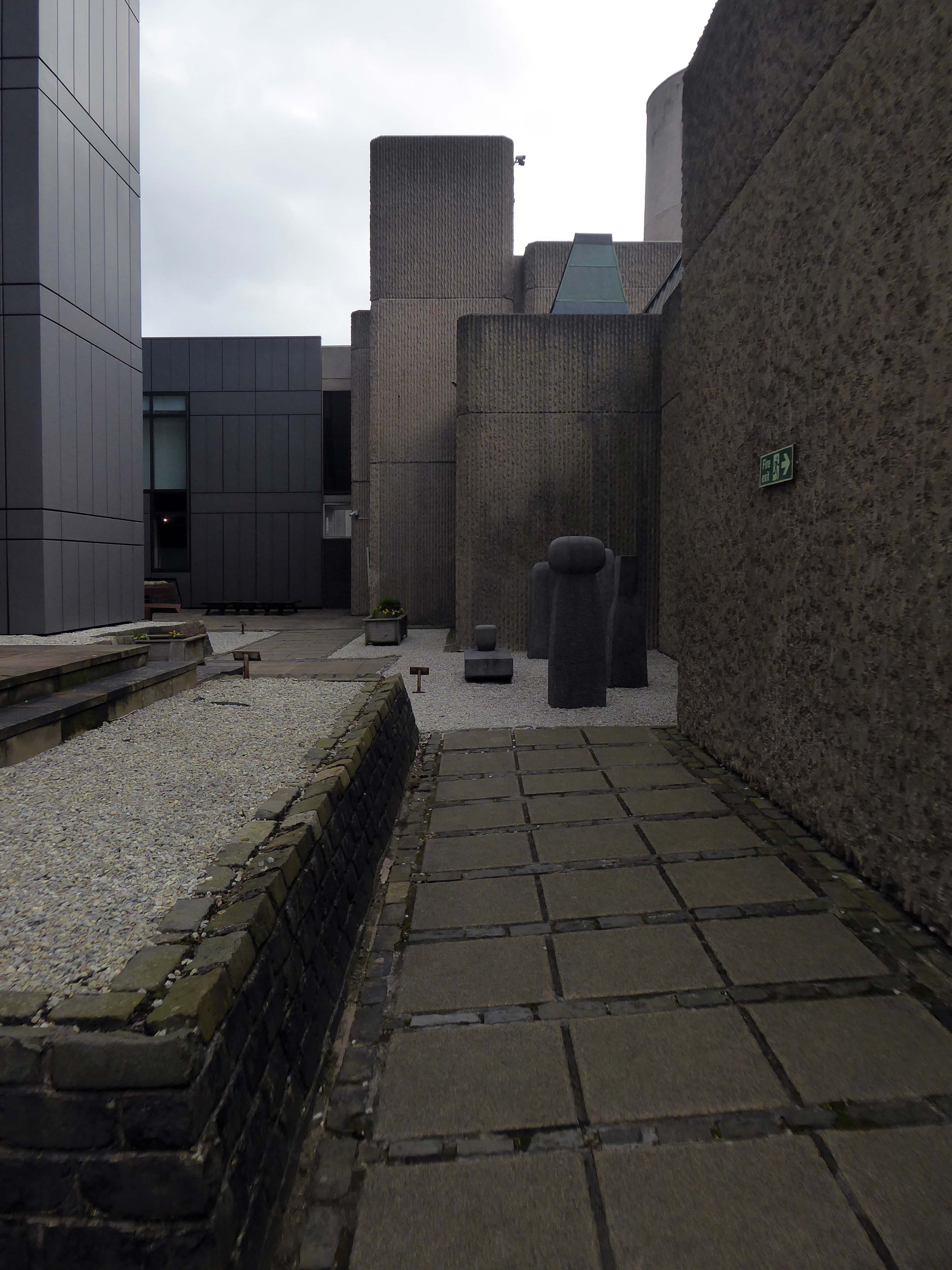
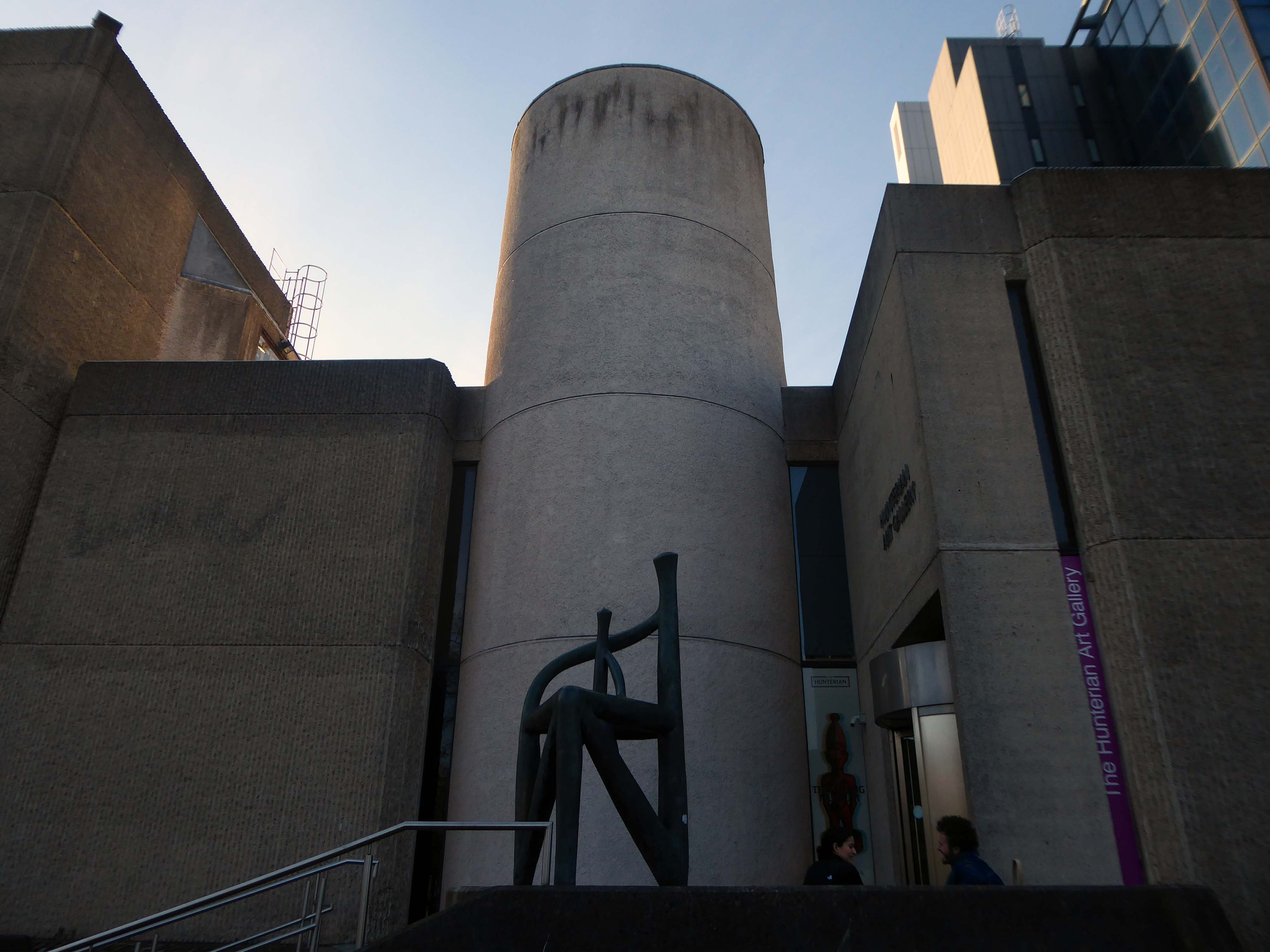
Hunterian Art Gallery – Glasgow

The Gallery is housed in a modern, custom-built facility that is part of the extensive Glasgow University Library complex, designed by William Whitfield.

Sir William Whitfield had roots in concrete and brick brutalism but took contextual postmodernism to a Palladian mansion that traditionalists admired. Principal of a small office for almost 50 years, his diversity of work was shot through with recurring themes and was distinguished by thoughtful synthesis of precedent.

RIBA

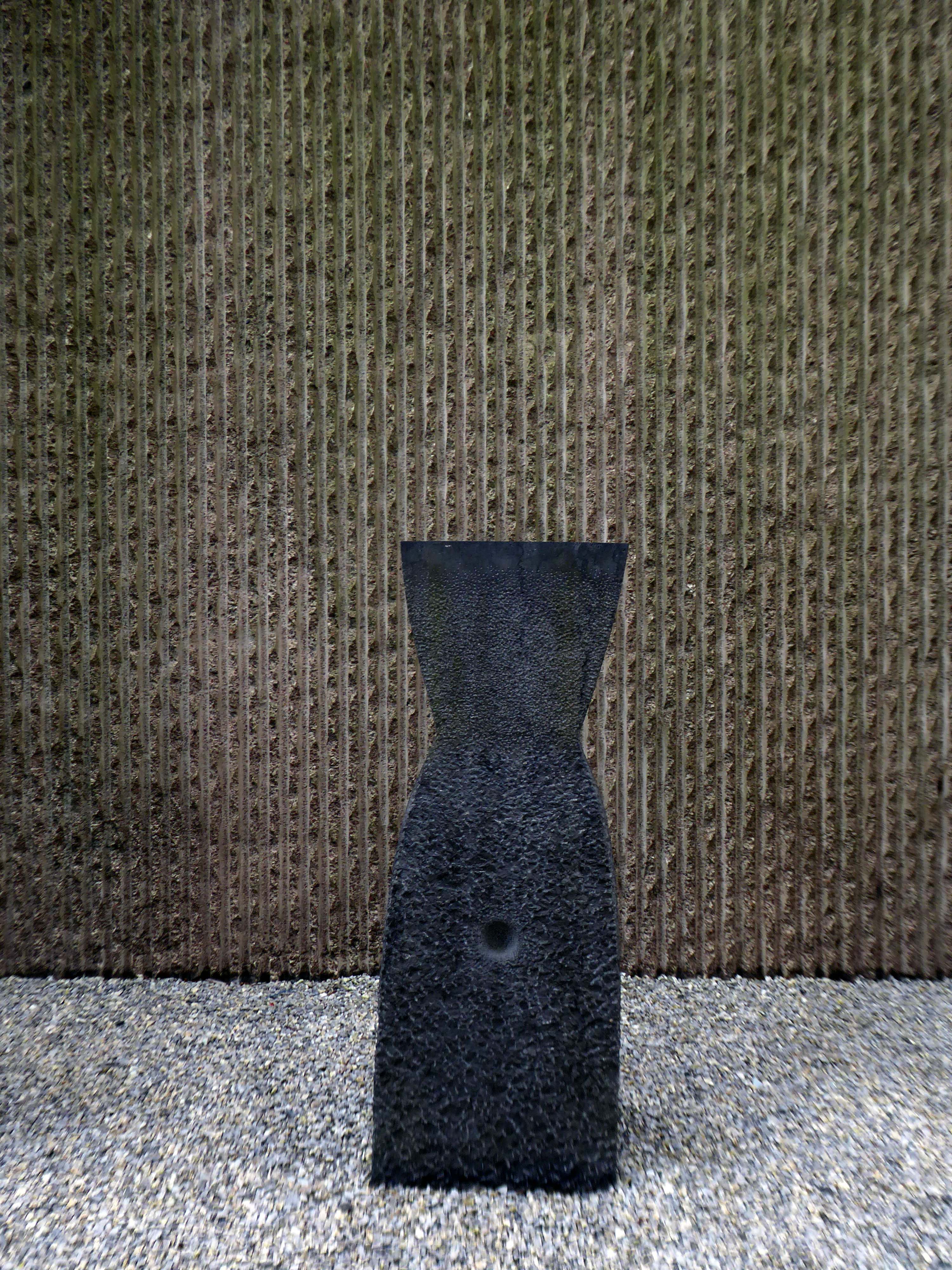
This displays the university’s extensive art collection, and features an outdoor sculpture garden.

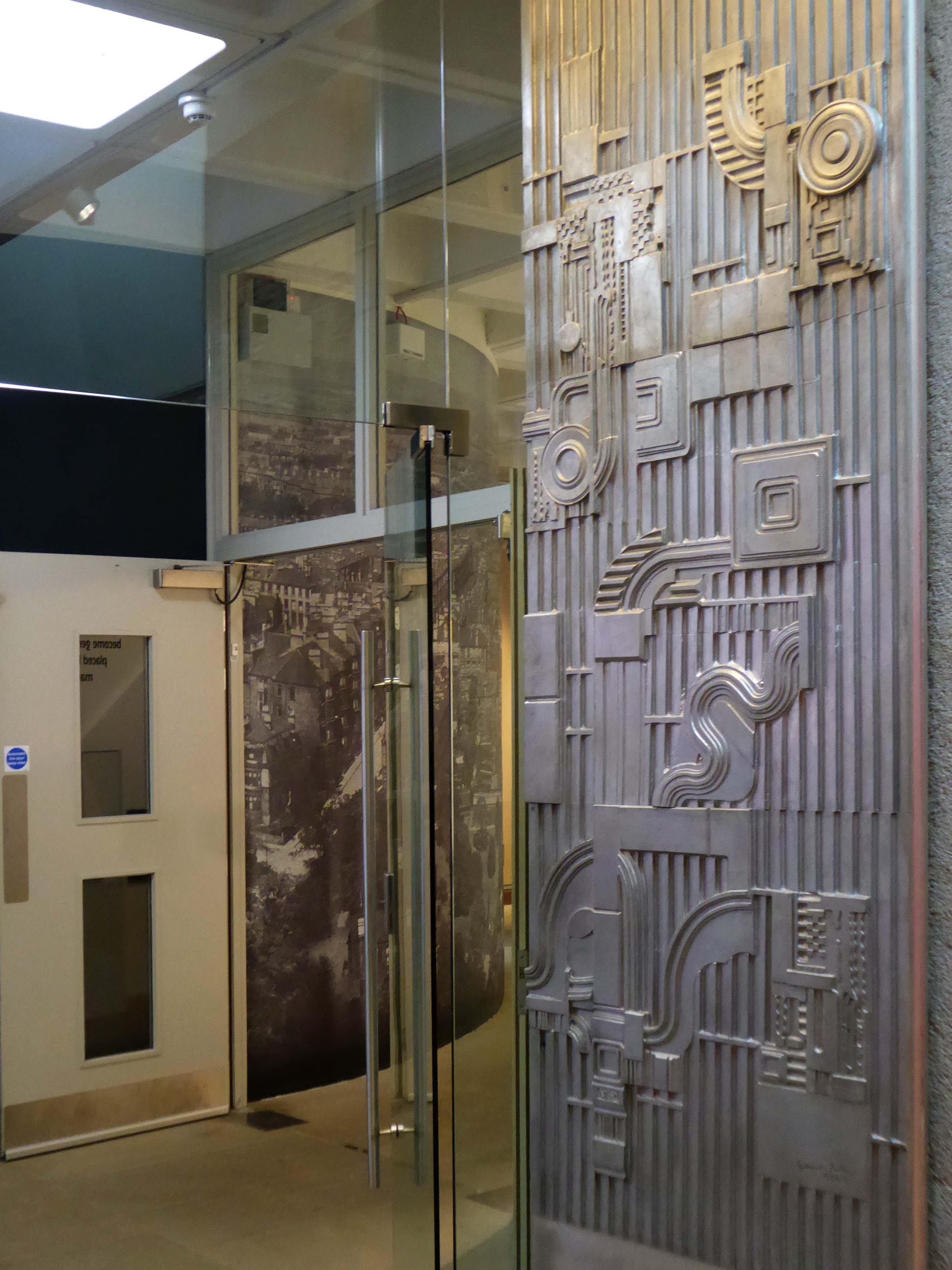
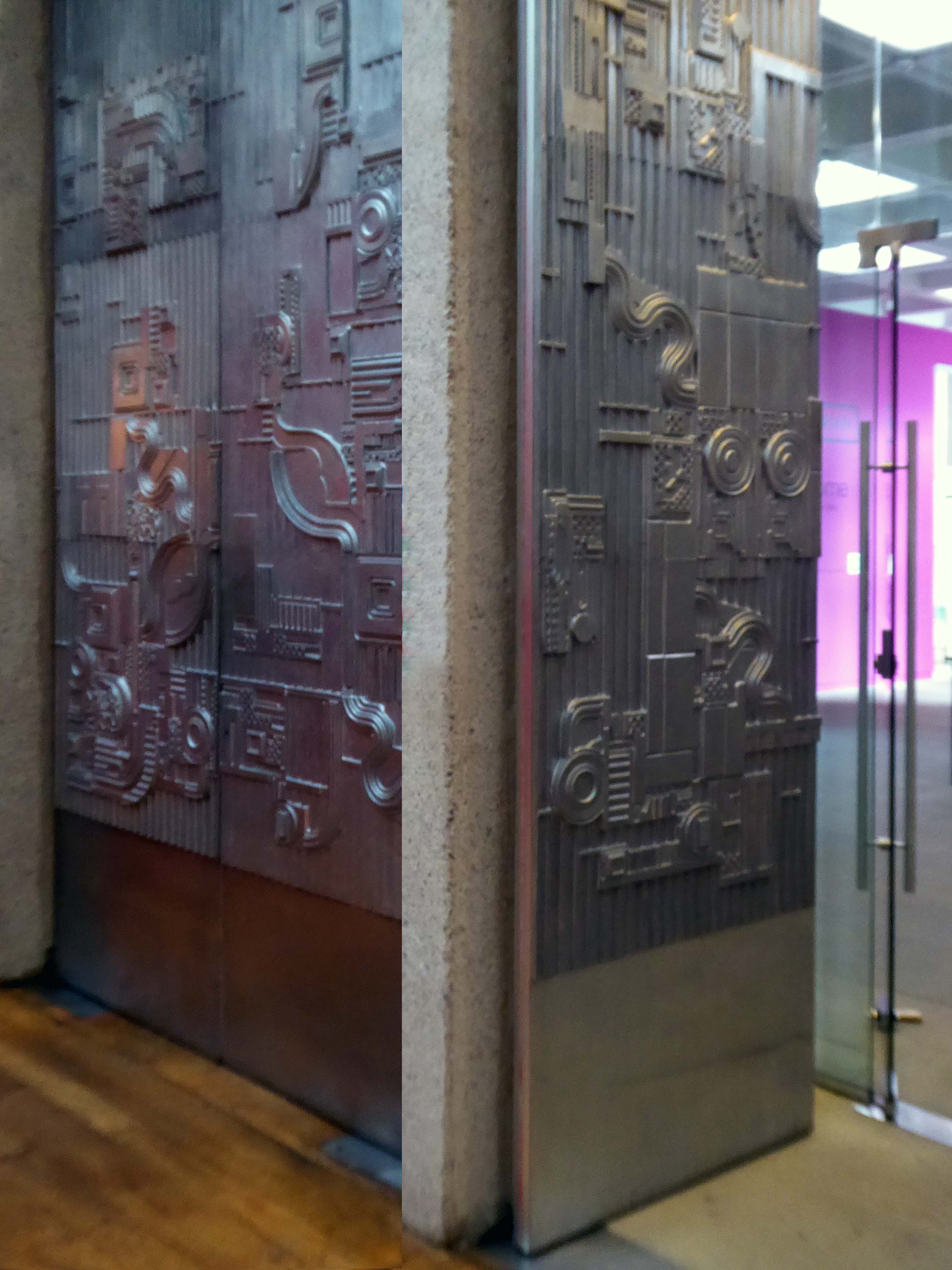
The bas relief aluminium doors to the Hunterian Gallery were designed by sculptor Eduardo Paolozzi.

The gallery’s collection includes a large number of the works of James McNeill Whistler and the majority of the watercolours of Charles Rennie Mackintosh.

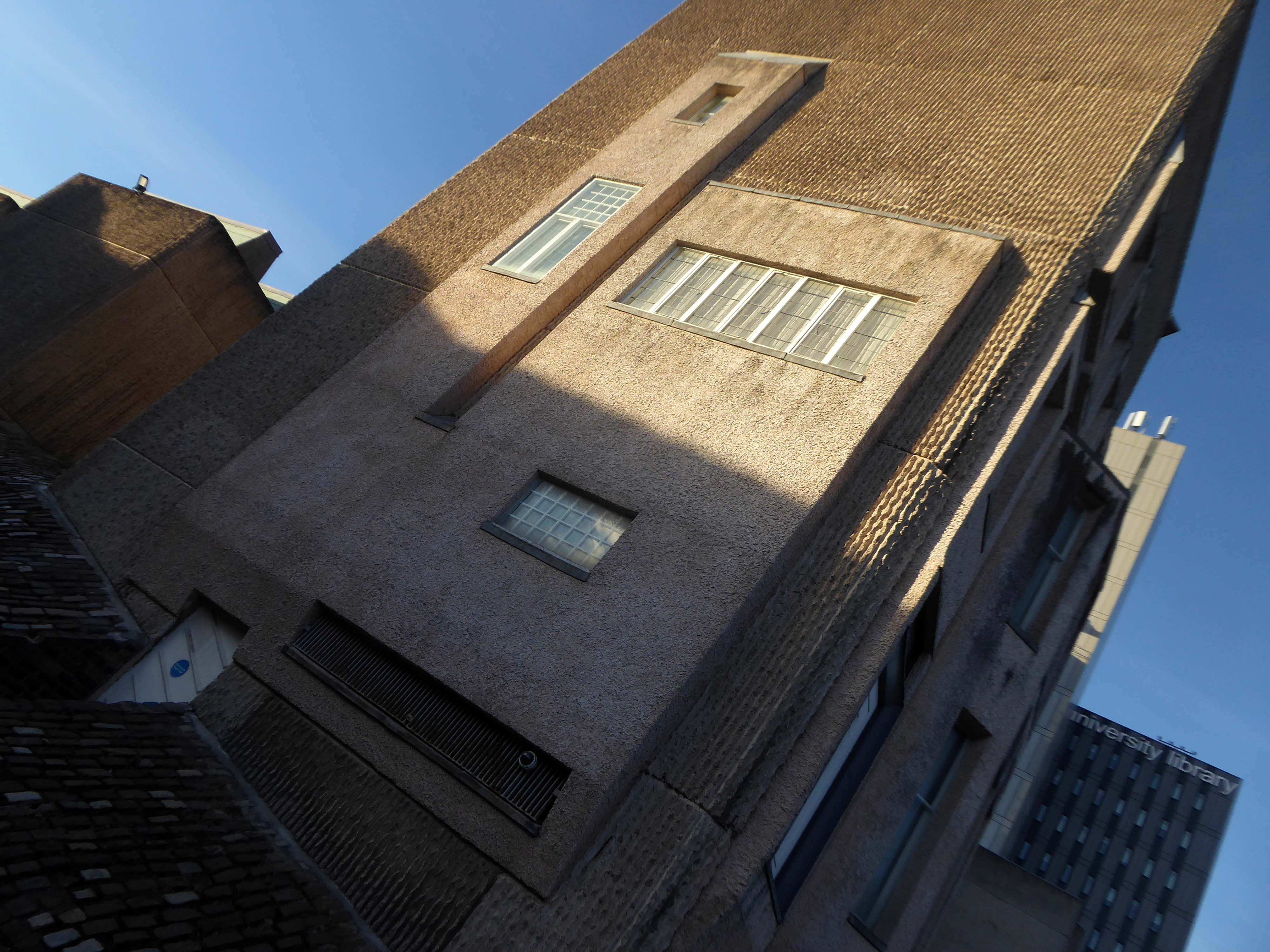
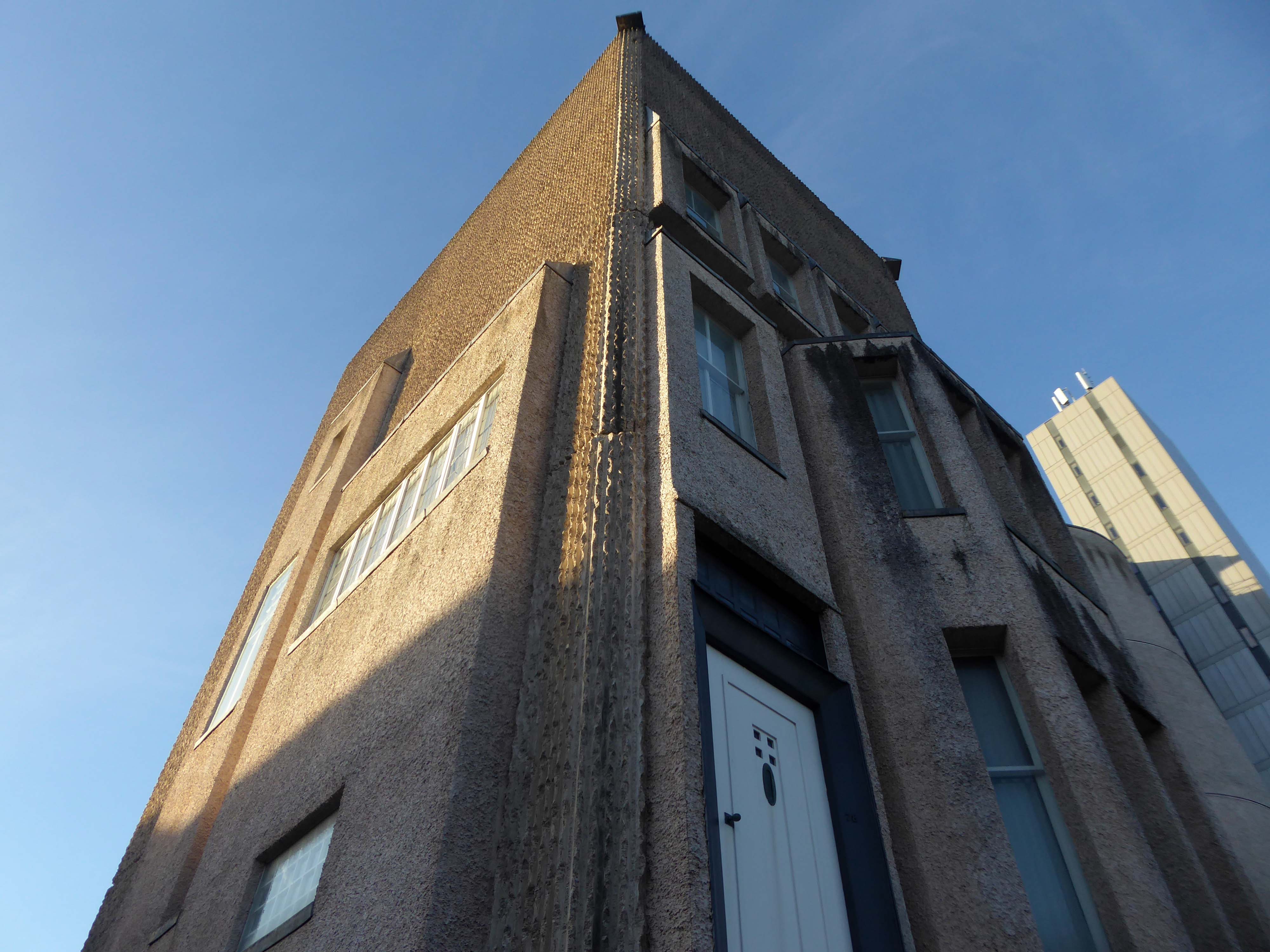
The Mackintosh House is a modern concrete building, part of the gallery-library complex.

The Mackintosh House comprises the principal interiors of the original house – including the dining room, studio-drawing room and bedroom, largely replicating the room layout of the old end-of-terrace building. It features the meticulously reassembled interiors from the Mackintoshes’ home, including items of original furniture, fitments and decorations.

Wikipedia

Glasgow Central Signal Box

Situated at the junction of Salkeld Street and Cook Street

Glasgow Central Signalling Centre, located in the vee of Bridge Street Junction, opened on 2 January 1961. It replaced signal boxes at Central Station, Bridge Street Junction, Eglinton Street Junction and Eglinton Street Station. When initially opened it was capable of handling 1,000 routes.

Glasgow Central Signalling Centre closed on 27 December 2008, when its area of control was transferred to the new West of Scotland Signalling Centre – WSSC at Cowlairs. The NX panel is to be preserved. The station is currently signalled by two Westinghouse Westlock Interlockings which are controlled via an Alstom MCS control system.

Wikipedia

Ambulance HQ – Glasgow

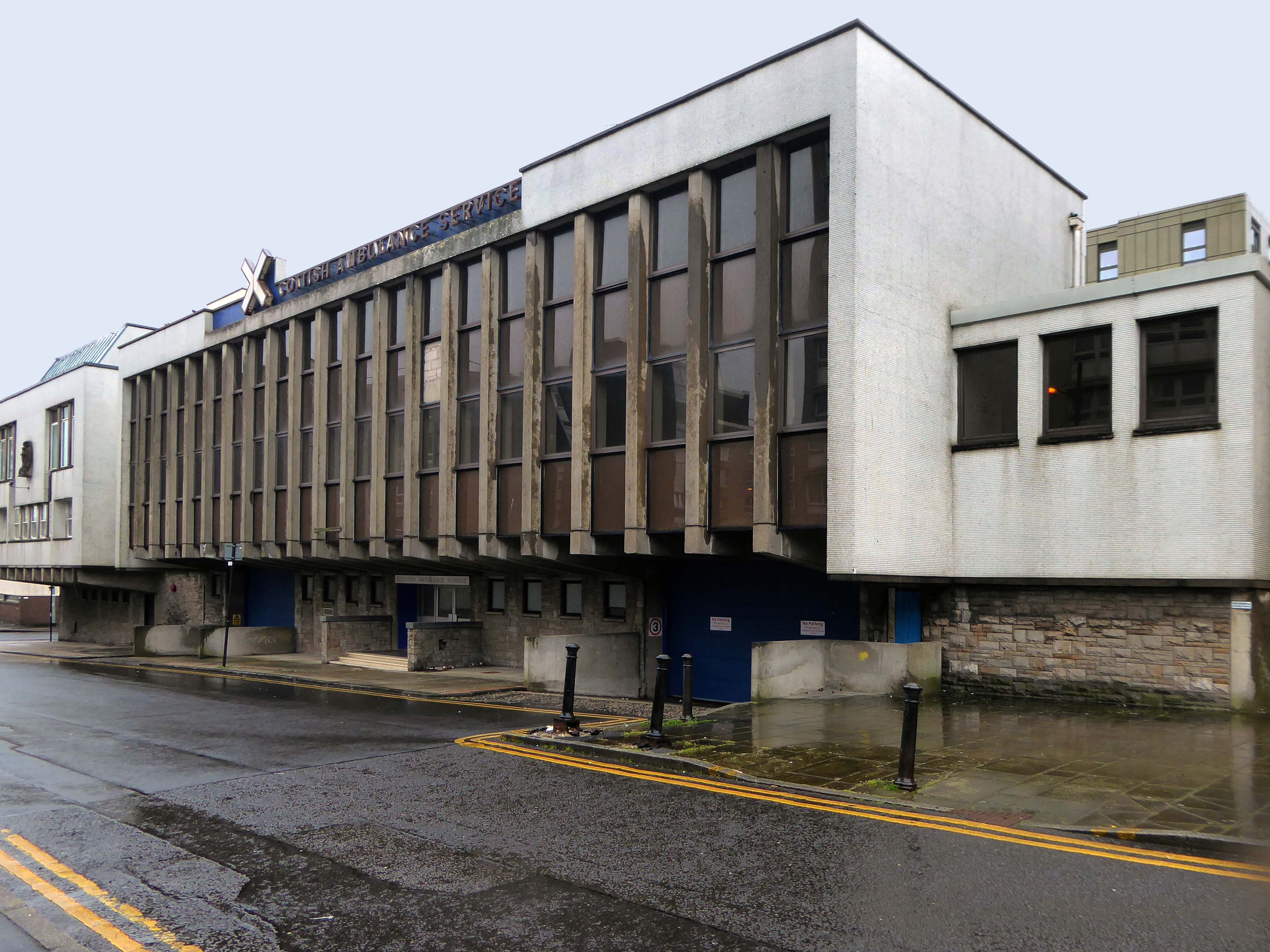
48 Milton Street and Maitland Street Glasgow G4 0LR

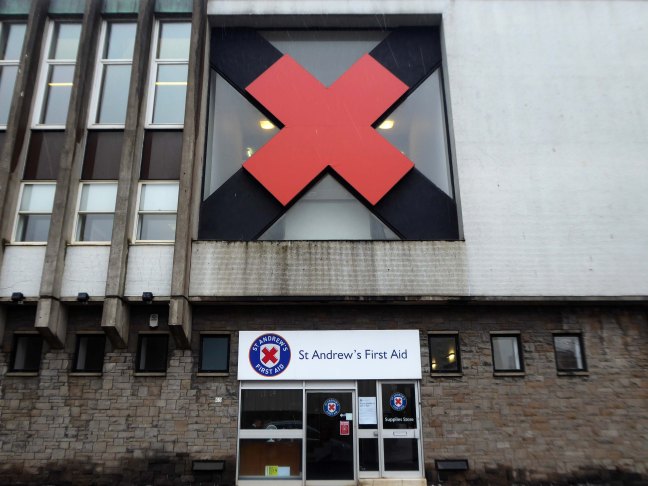
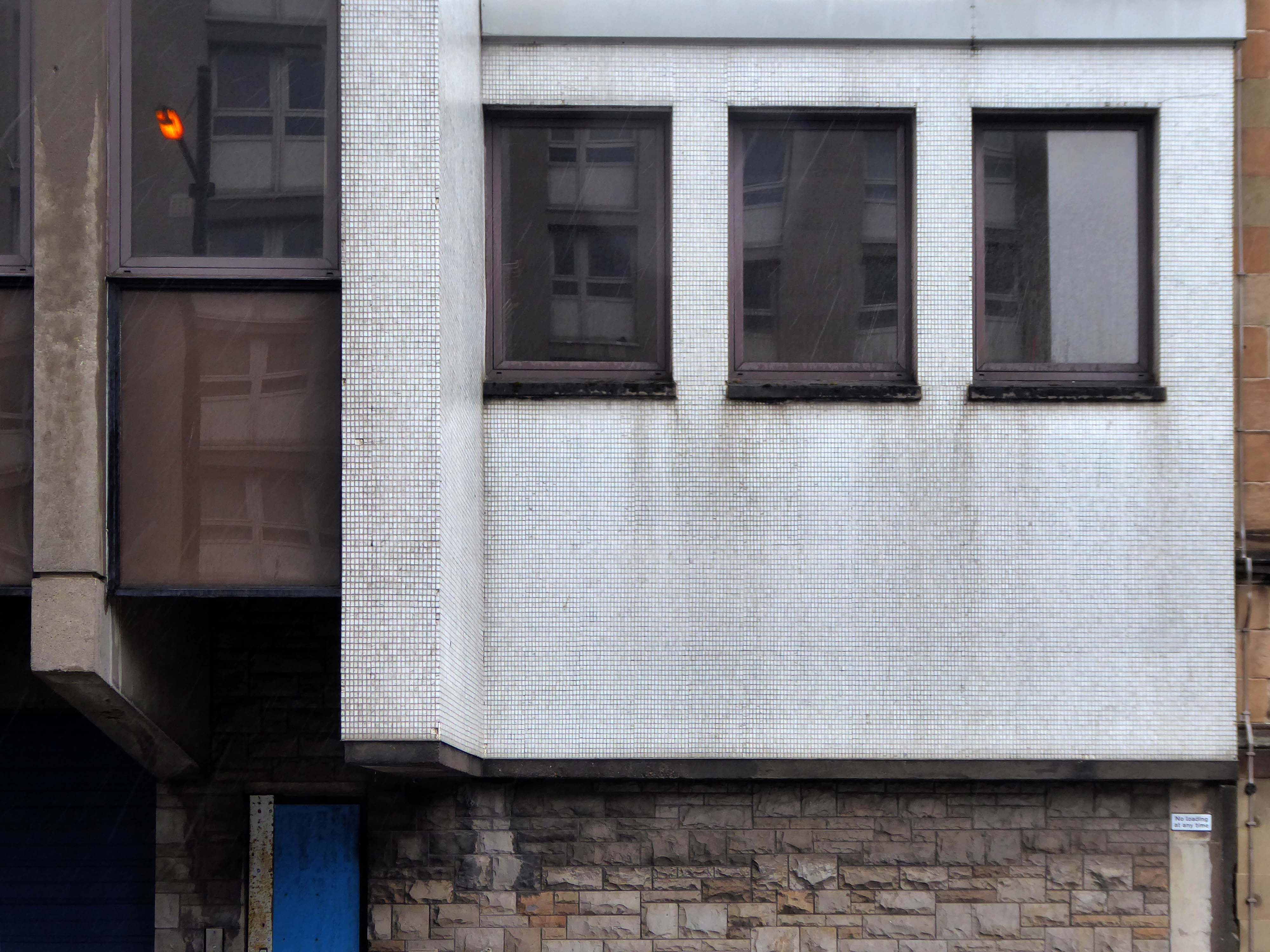
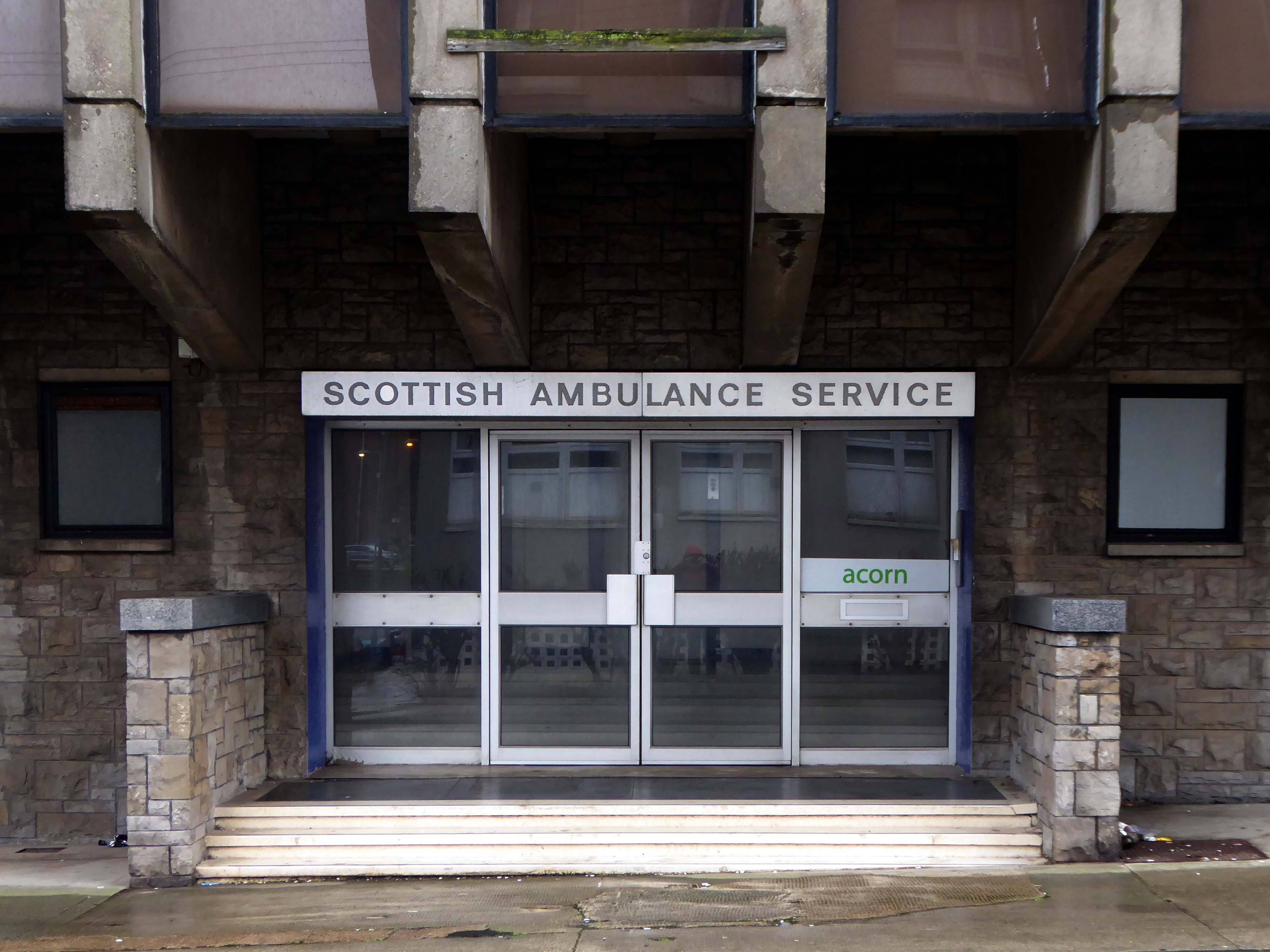
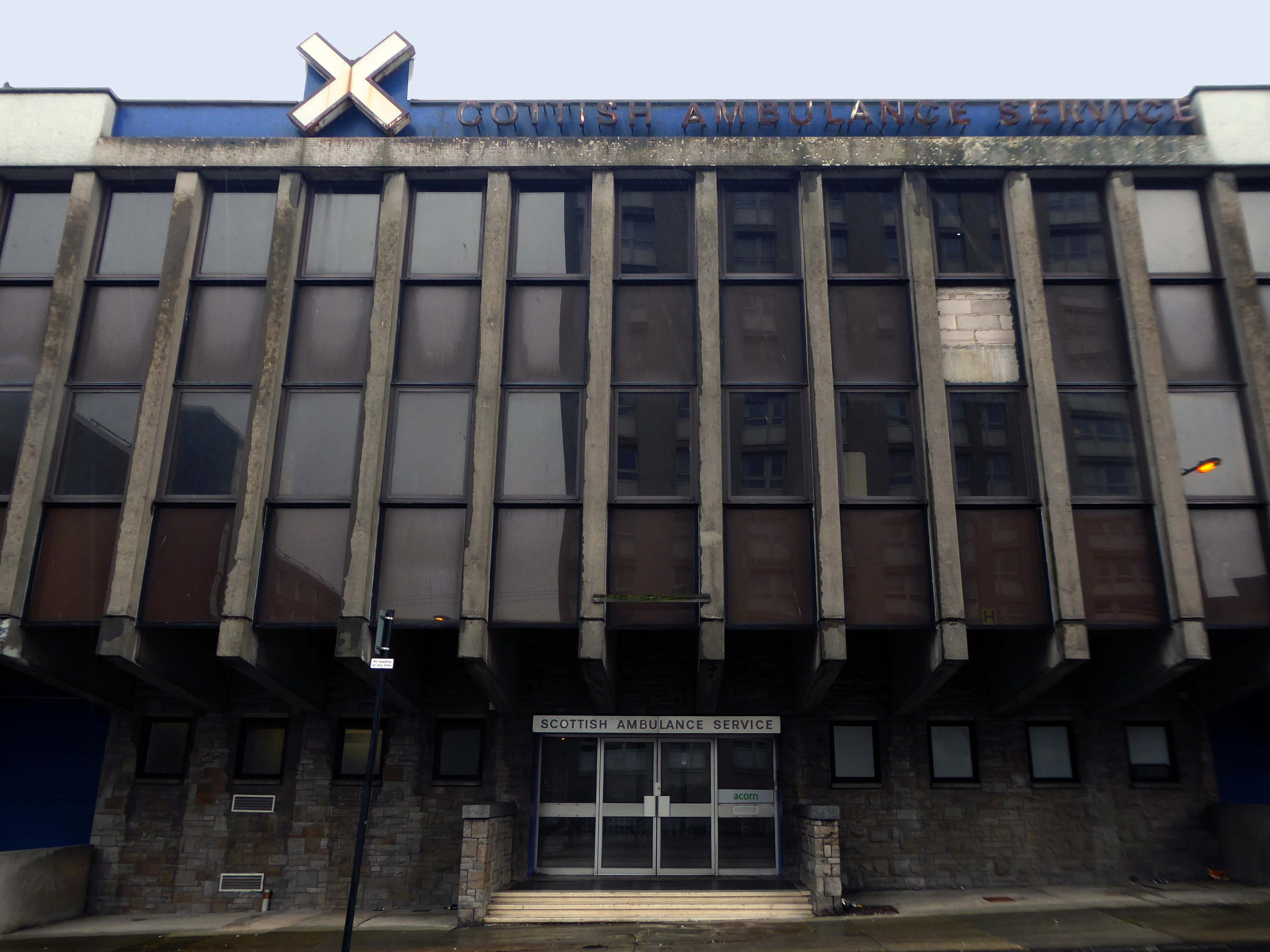
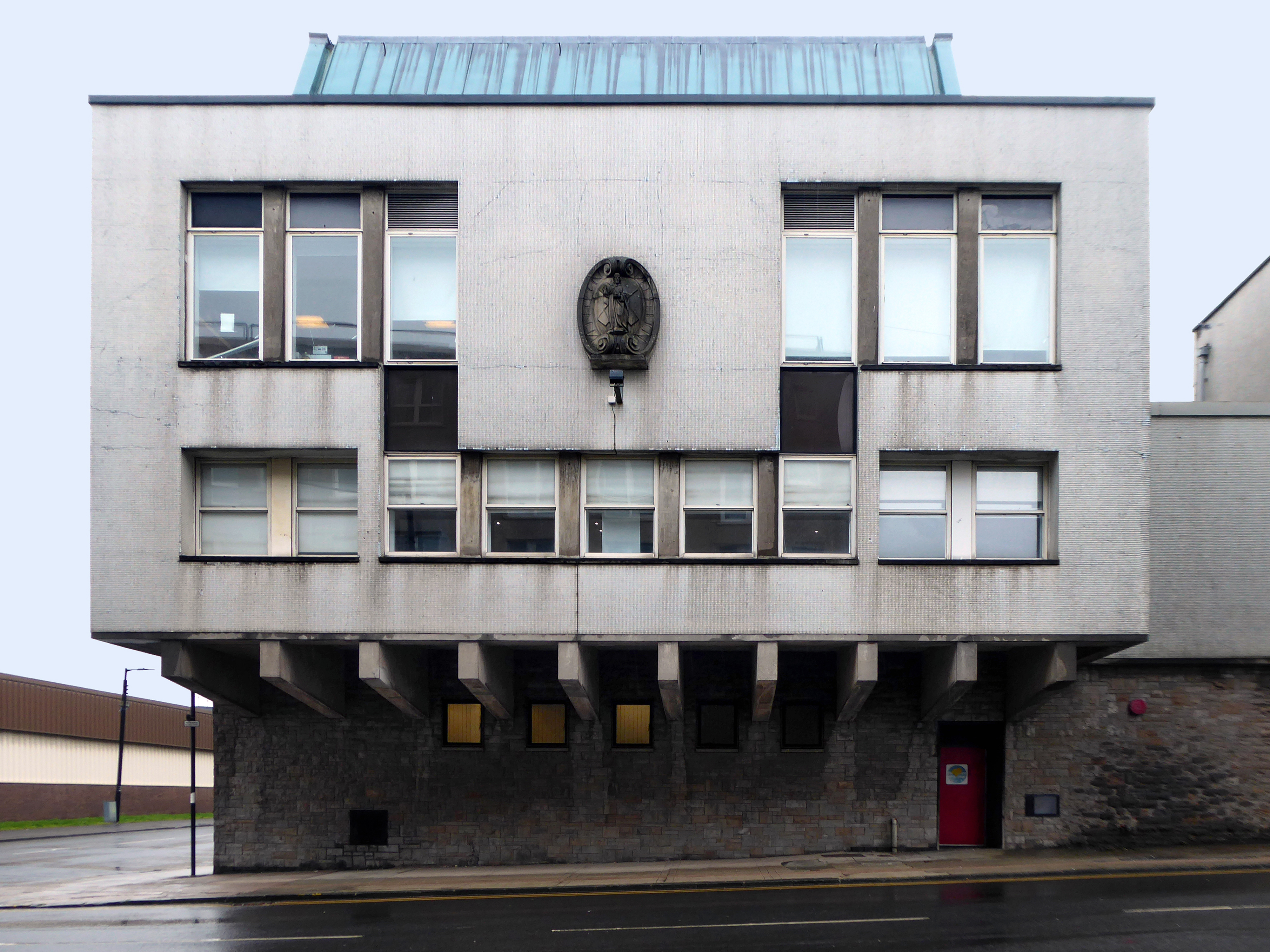
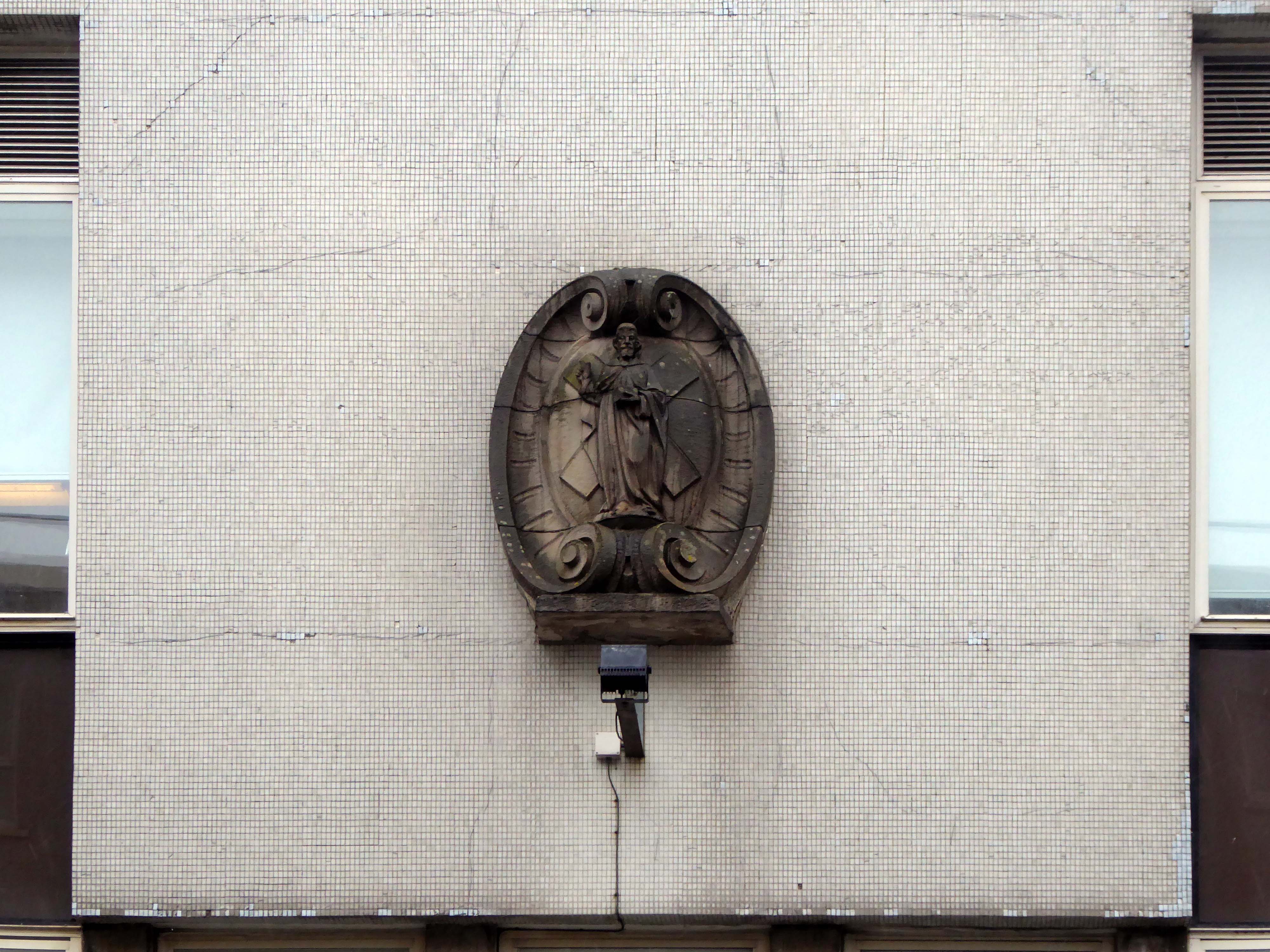
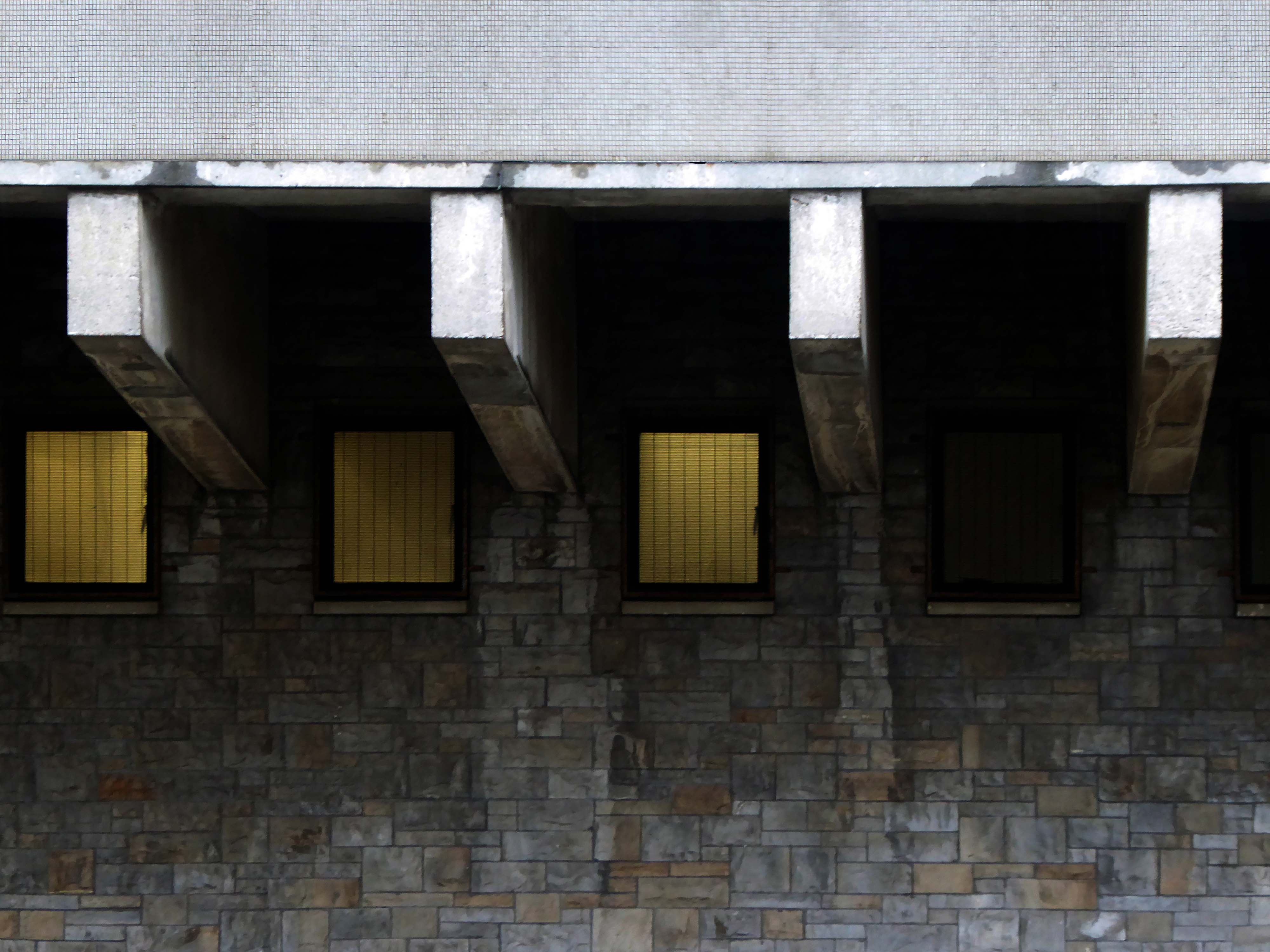
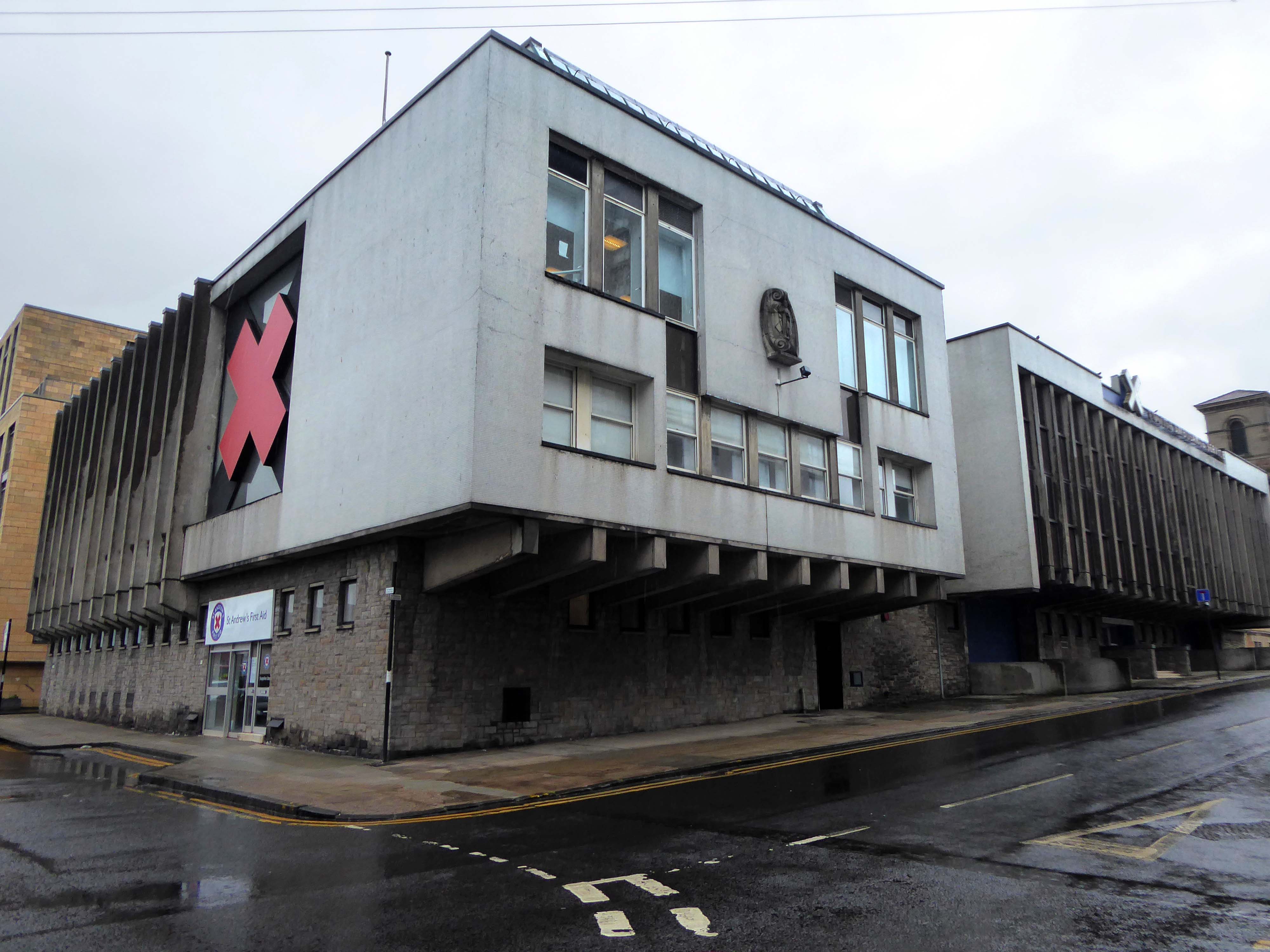
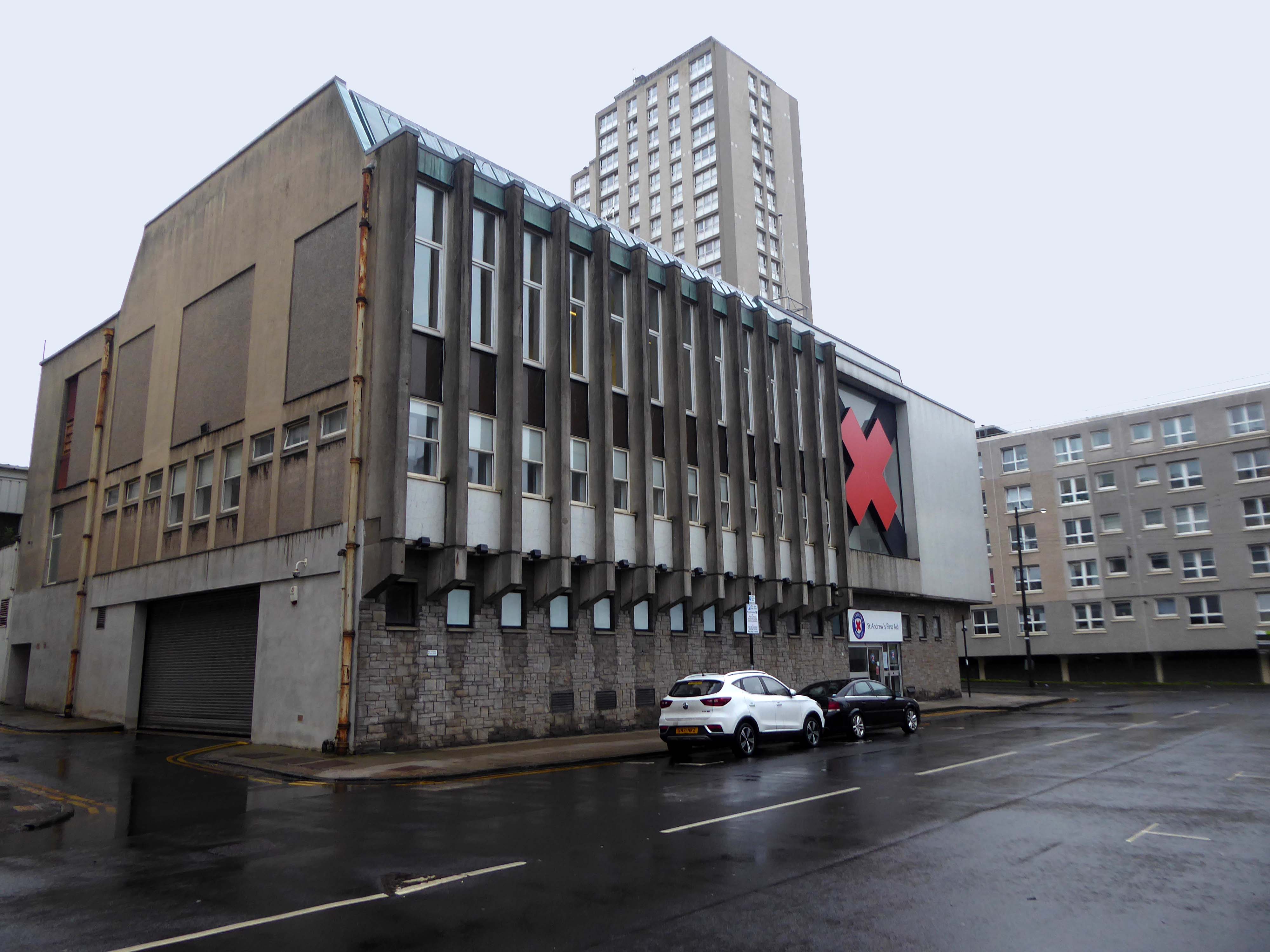
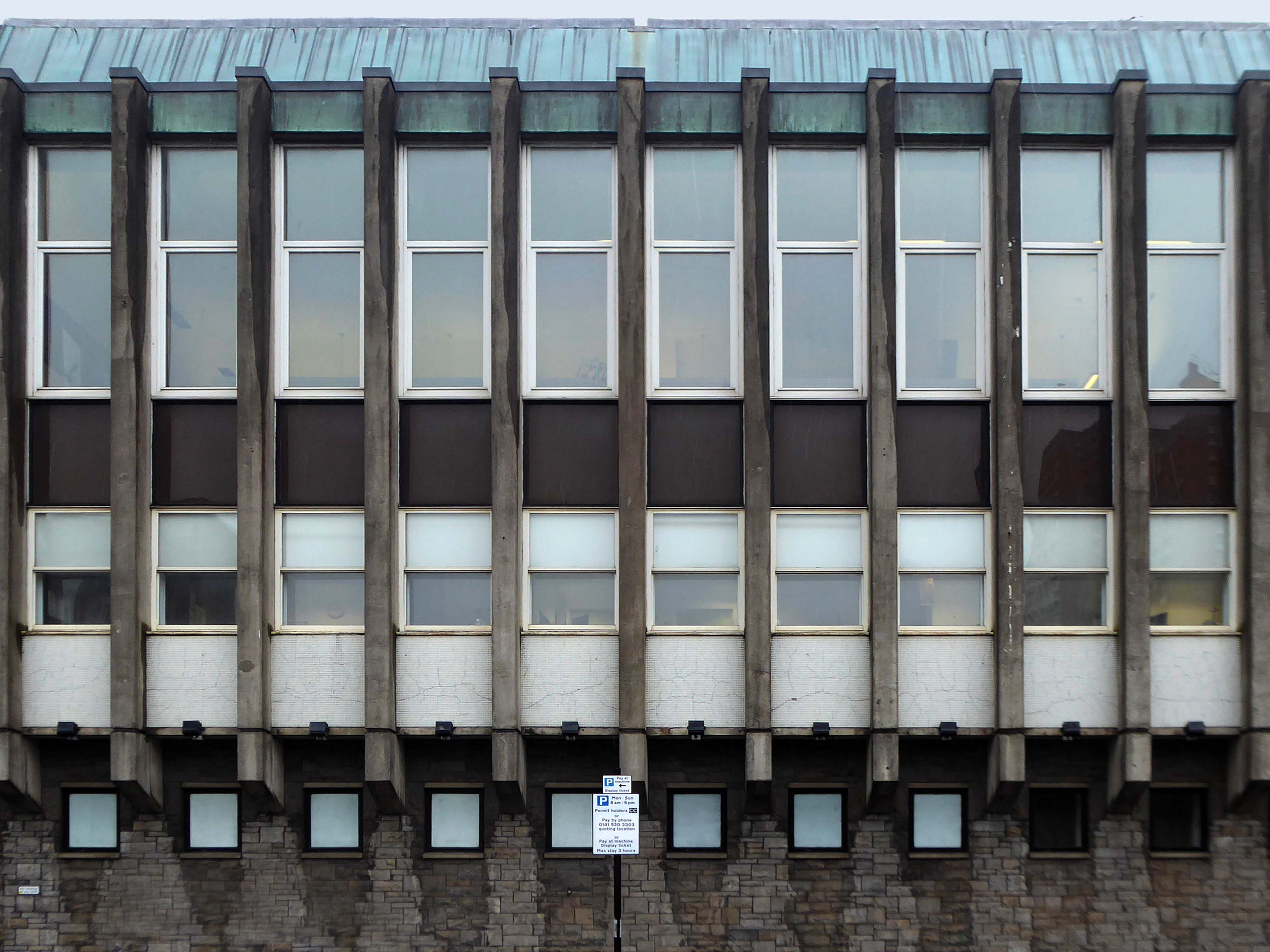
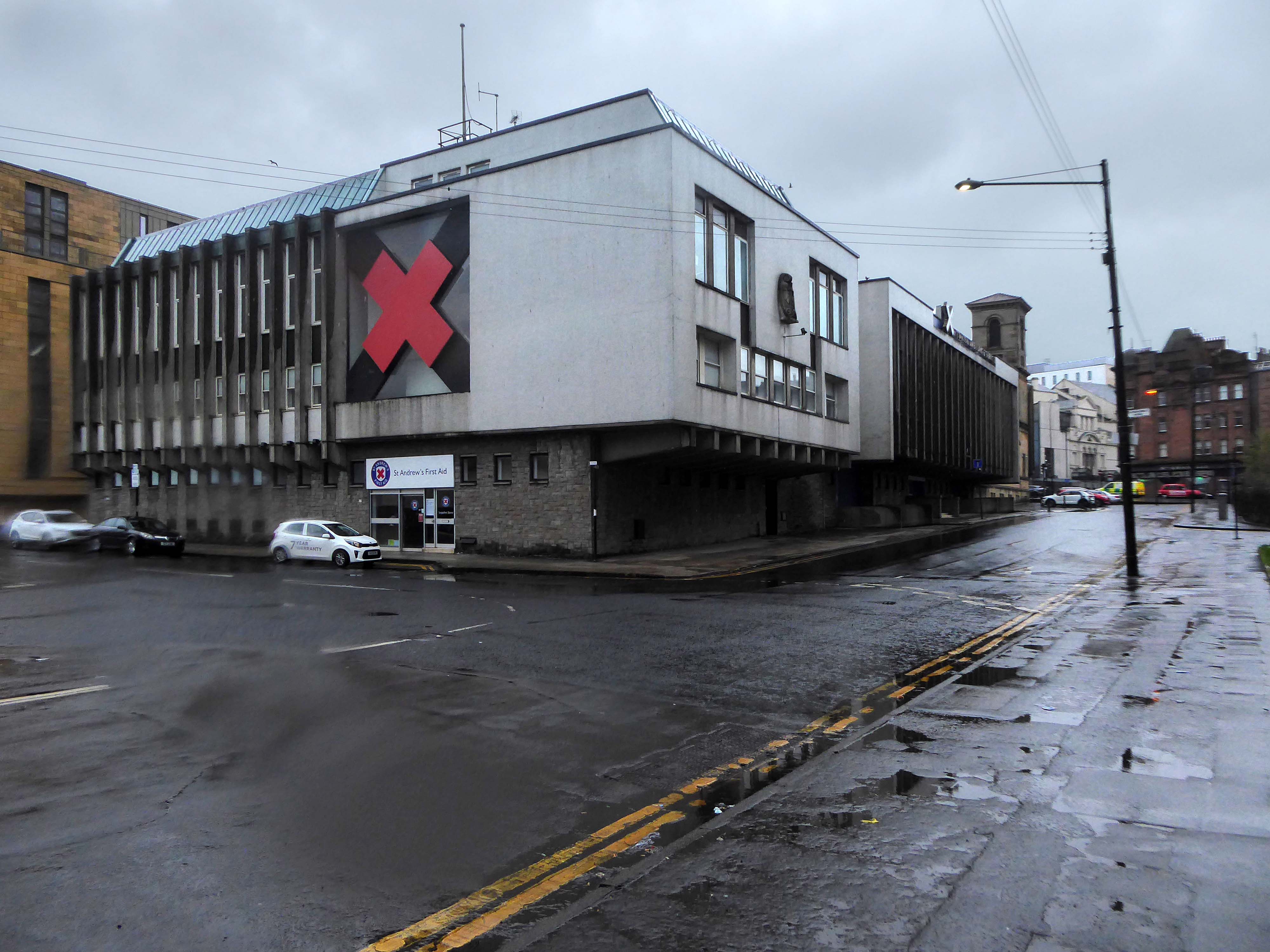
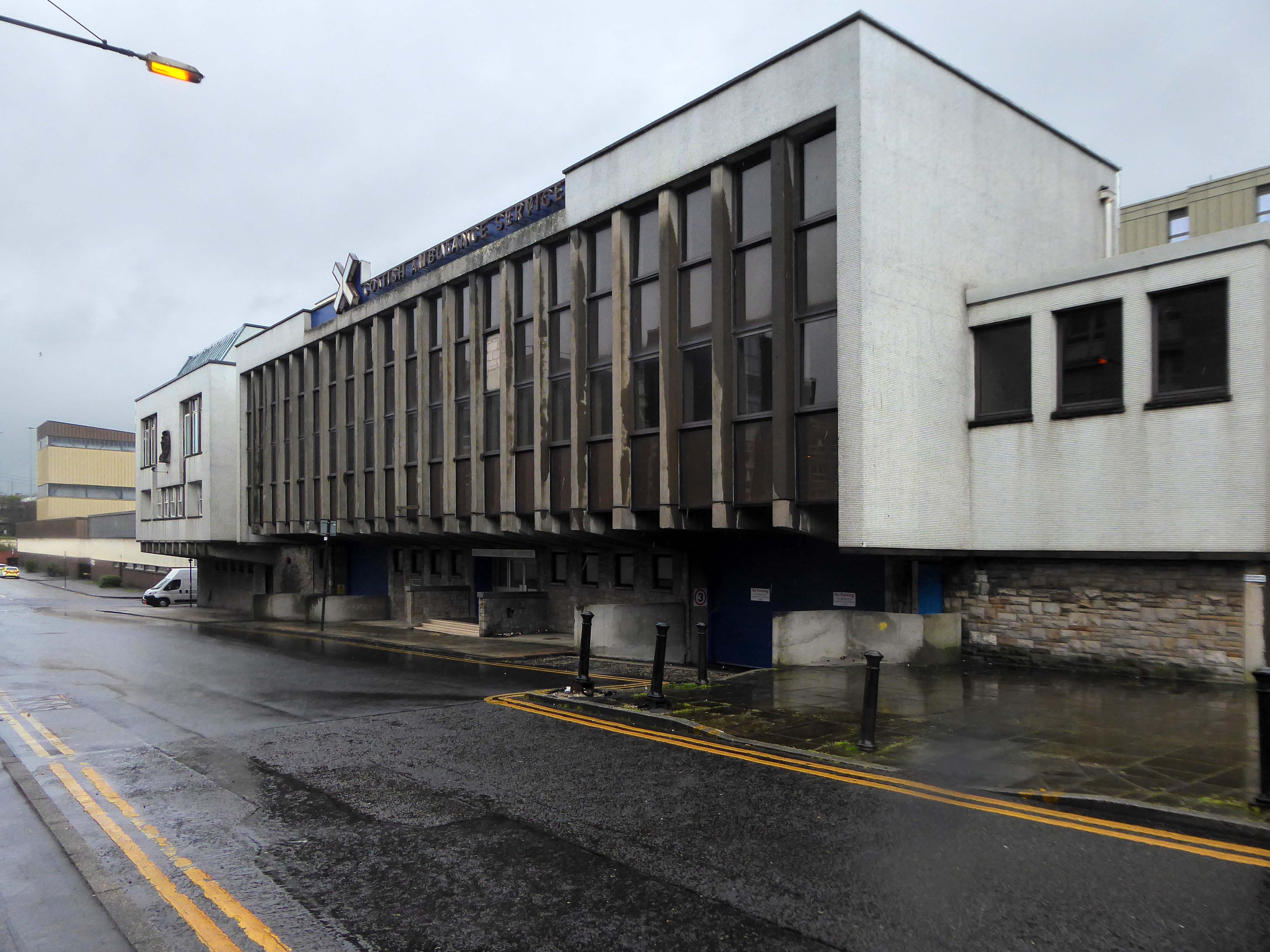
Scottish Ambulance Headquarters on Maitland Street and the adjoining St Andrew’s House with it’s entrance on 48 Milton Street. Designed by Skinner, Bailey & Lubetkin in the late 1960s. Originally two linked buildings, they now act independently with St Andrew’s House occupied by St Andrew’s first aid and the Headquarters next door currently lying vacant April 2011.

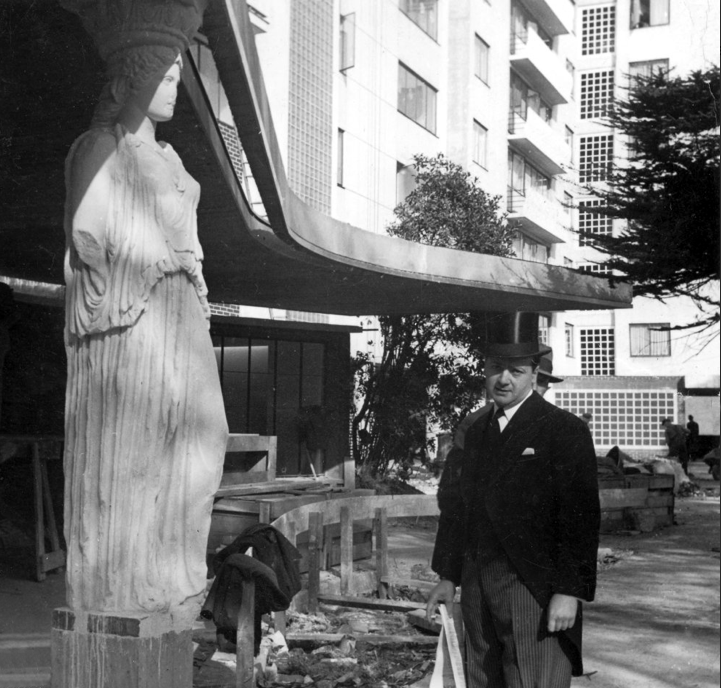
Berthold Lubetkin in top hat beside caryatid at the entrance to Highpoint Two – North Hill Highgate London.

ribapix

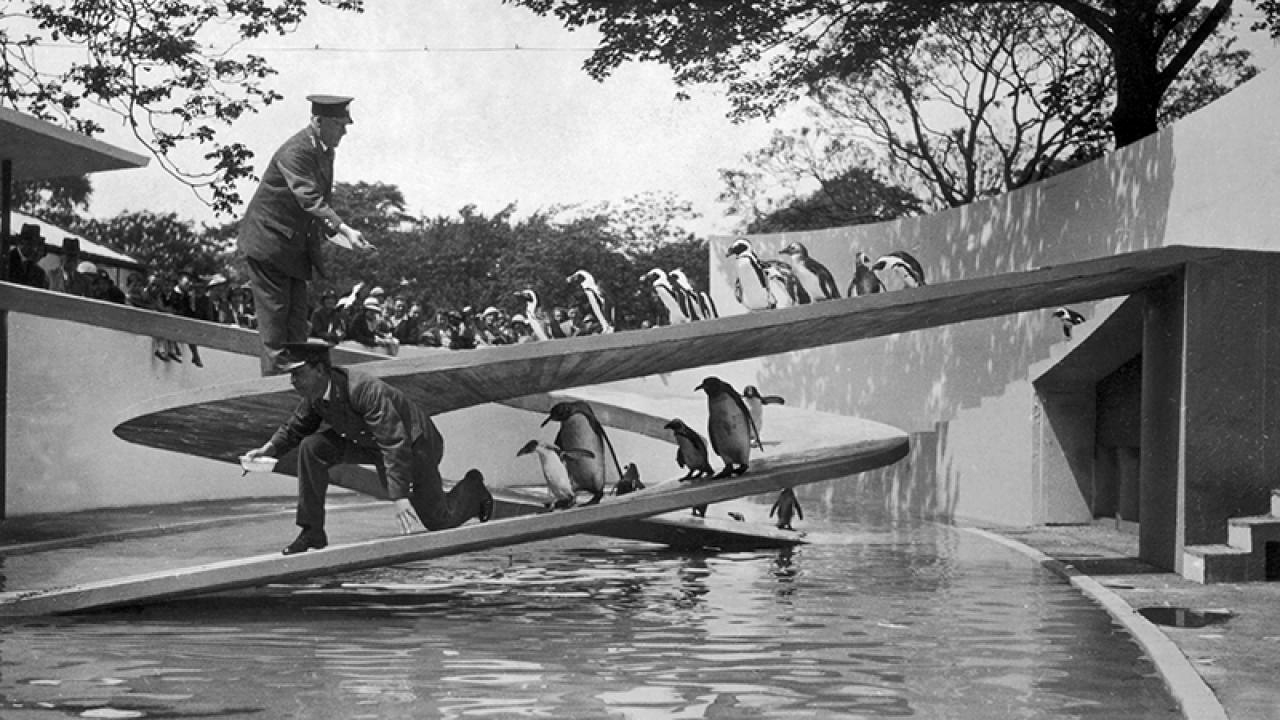
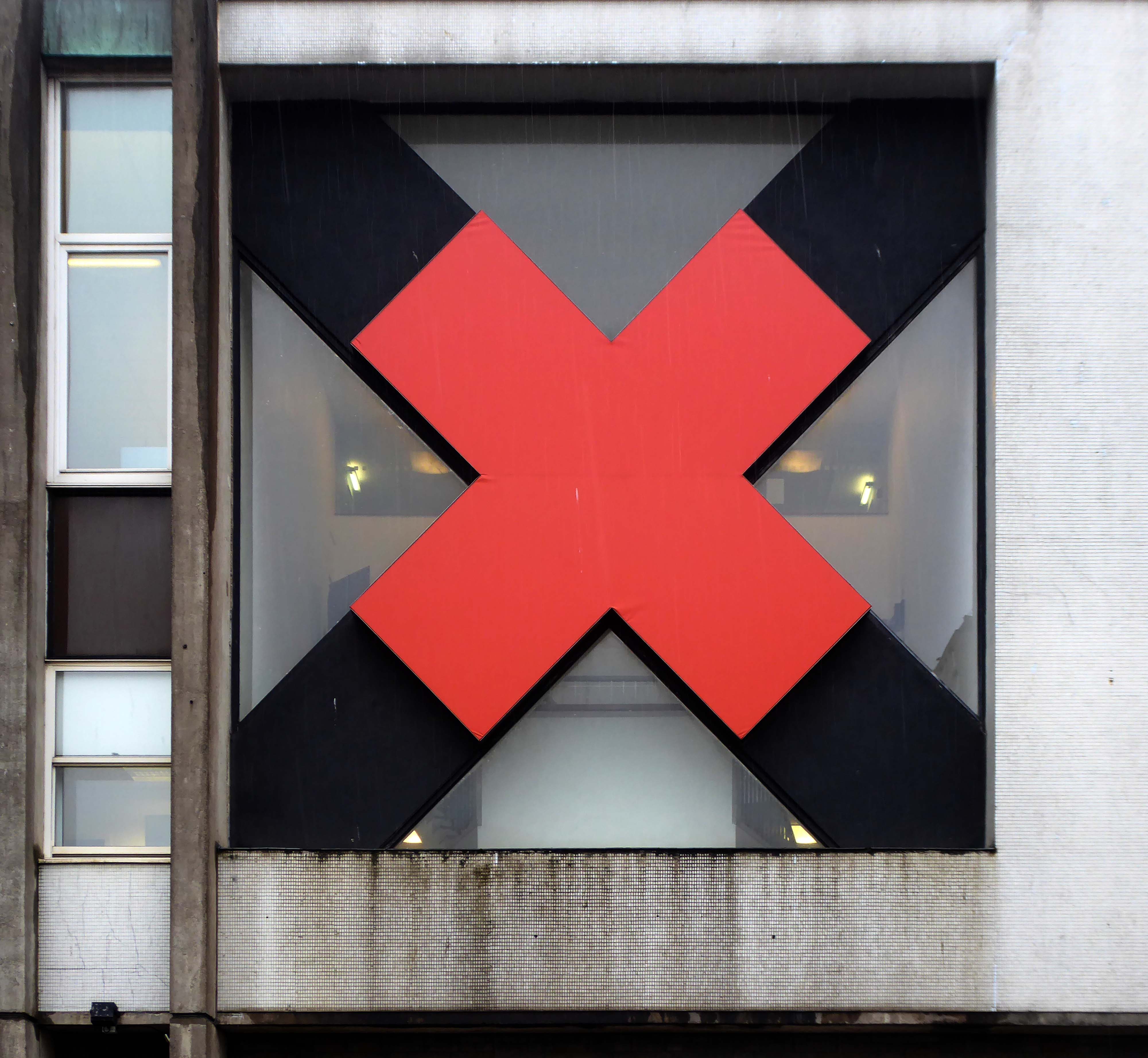
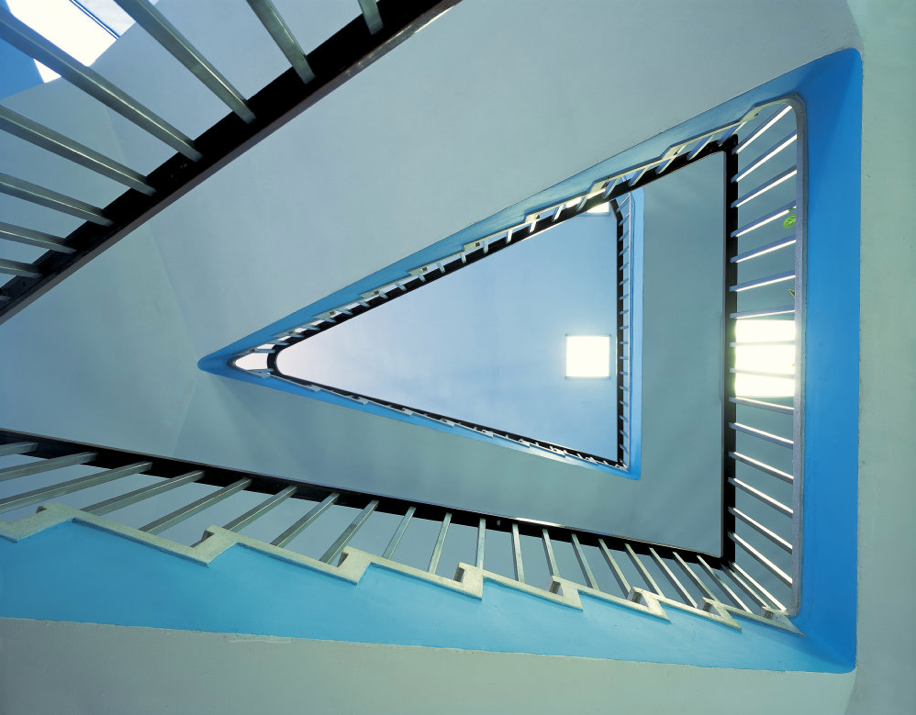
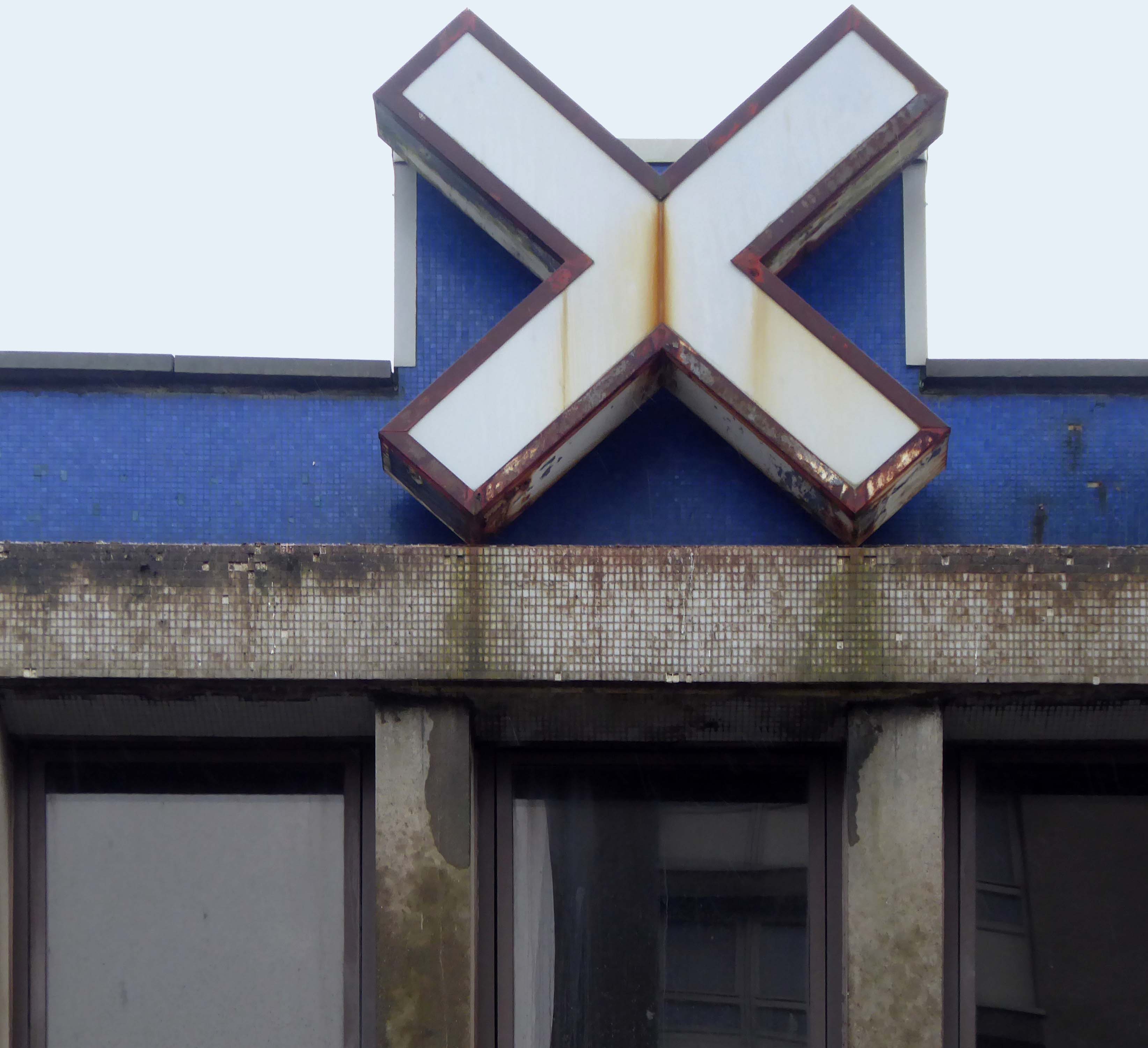
One of the only two buildings in Scotland designed by this architectural practice with Lubetkin acting as a consultant. Lubetkin is one of the outstanding figures of pre-war British architecture – penguin pool, London zoo & Highpoint Flats, London. Lubetkin designed the main cross of the north elevation and the main staircase, Bailey was the lead architect on this project. Both buildings are A listed.

Architecture Glasgow

By the mid 1960s, Lubetkin was based at his farm in Gloucestershire, Skinner in London and Bailey in Glasgow. Bailey asked Lubetkin to work out the design of the main staircase and parts of the principal elevation, notably the large cross. Lubetkin’s staircases are particularly spectacular and the St Andrew’s one is no exception. Allan notes that the Lubetkin leitmotif was the controlled collision of straight and curved geometry and this would appear to be exemplified here in the triangular plan geometric staircase which ends in a gentle curve at the ground floor. It is possible that Lubetkin may have influenced the vertical timber panelling in the boardroom. While that in the main hall is smooth and varnished, the boardroom has been sandblasted to present a weathered appearance. At Highpoint Two Lubetkin designed the interior and furniture for the penthouse flat with walls of vertical roughened sand-blasted pine panelling.

Historic Environment Scotland

ribapix

Acorn Property Group has applied to Glasgow City Council for permission to convert the Maitland Street property.

The developers want to repair and refurbish the building, at Cowcaddens, before offering managed workspaces.

Glasgow World

This is a walk around the street view of the building during my first visit to Glasgow in April 2022 – there was no evidence of any redevelopment work taking place.

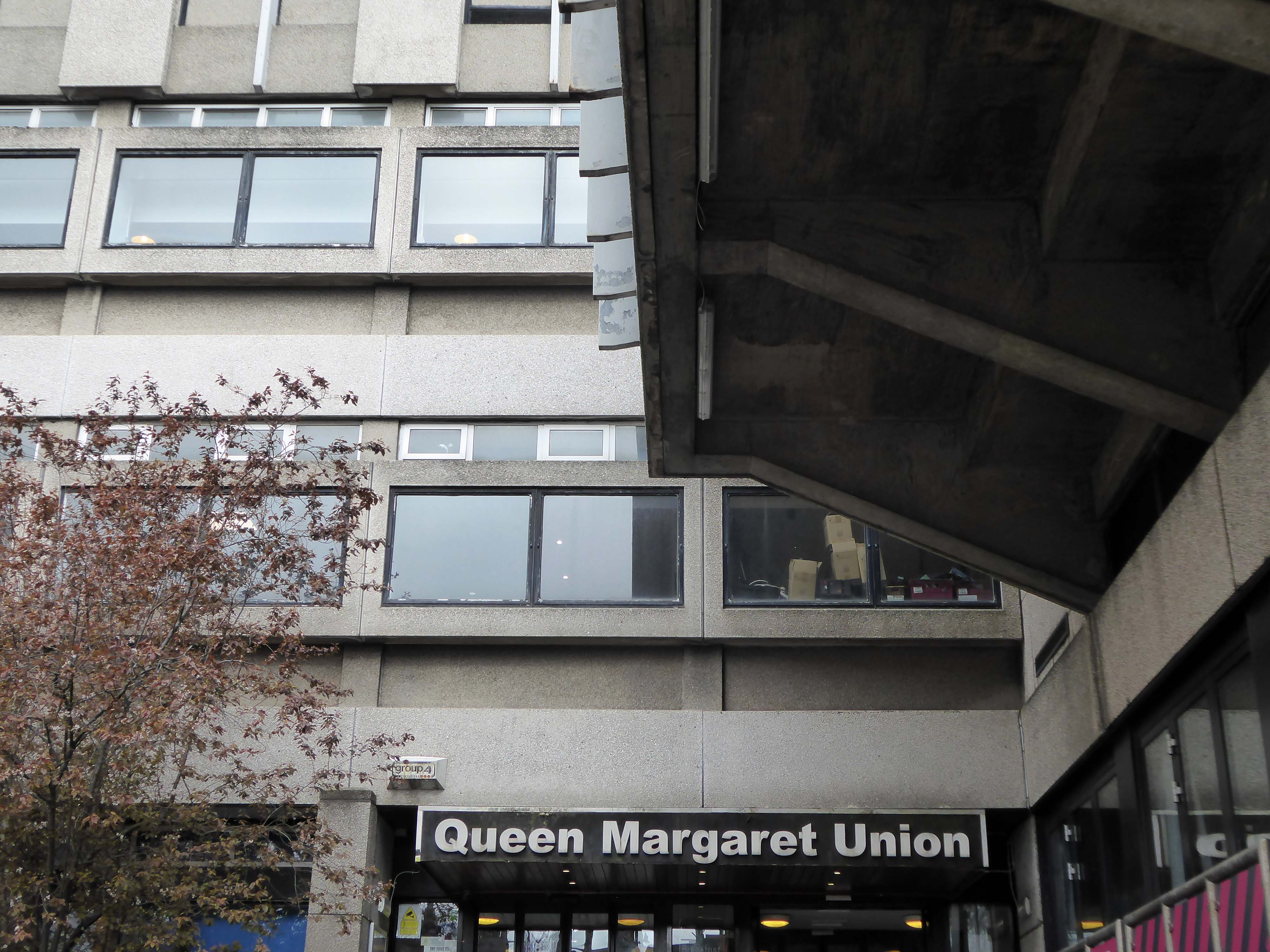
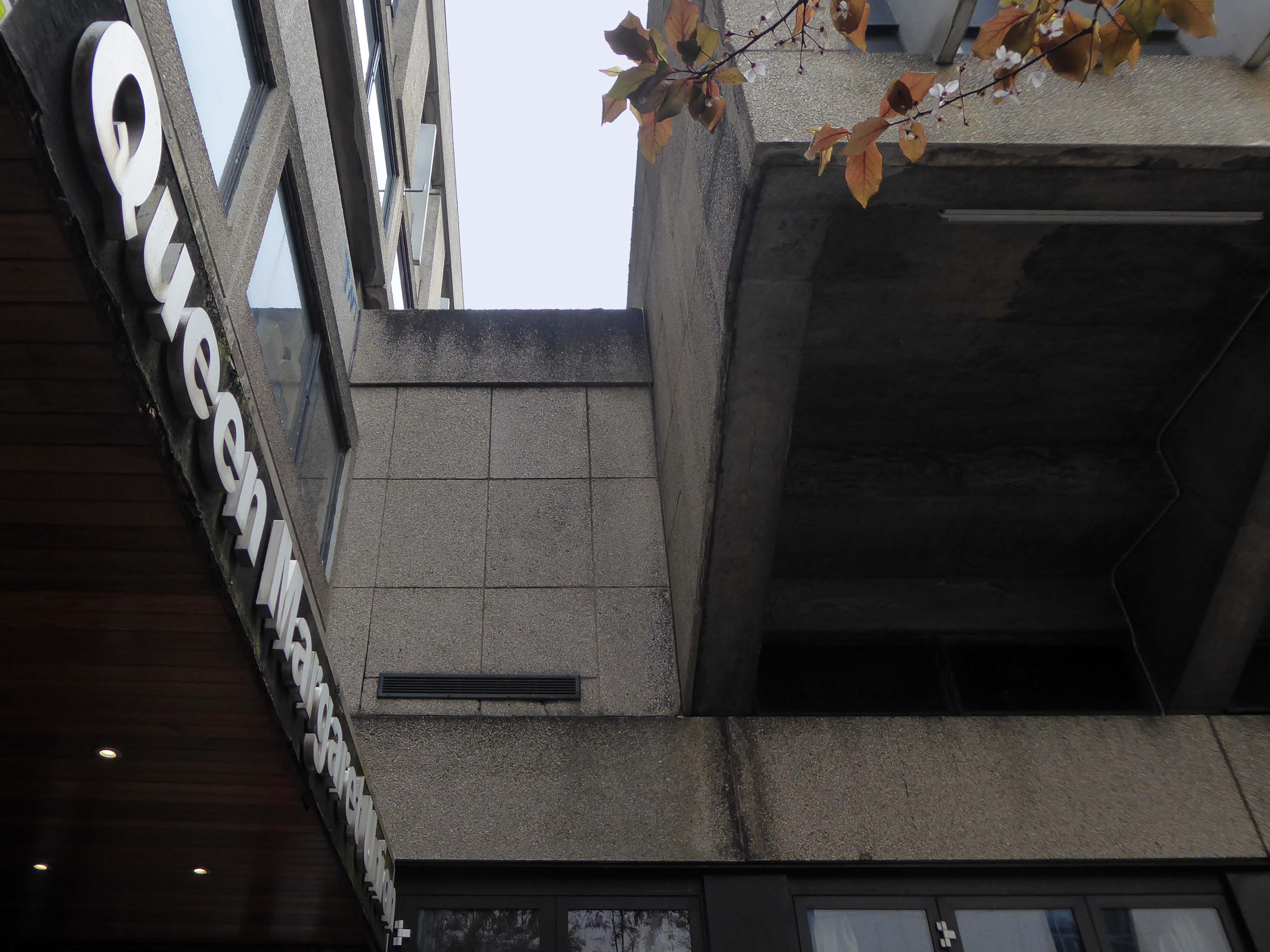
Queen Margaret Union – Glasgow University

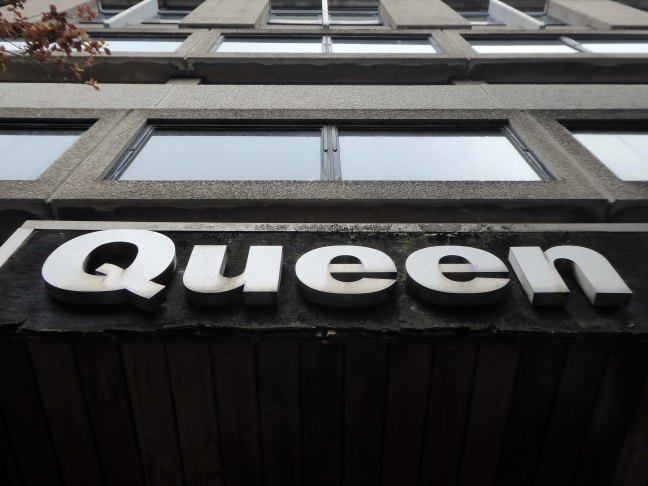
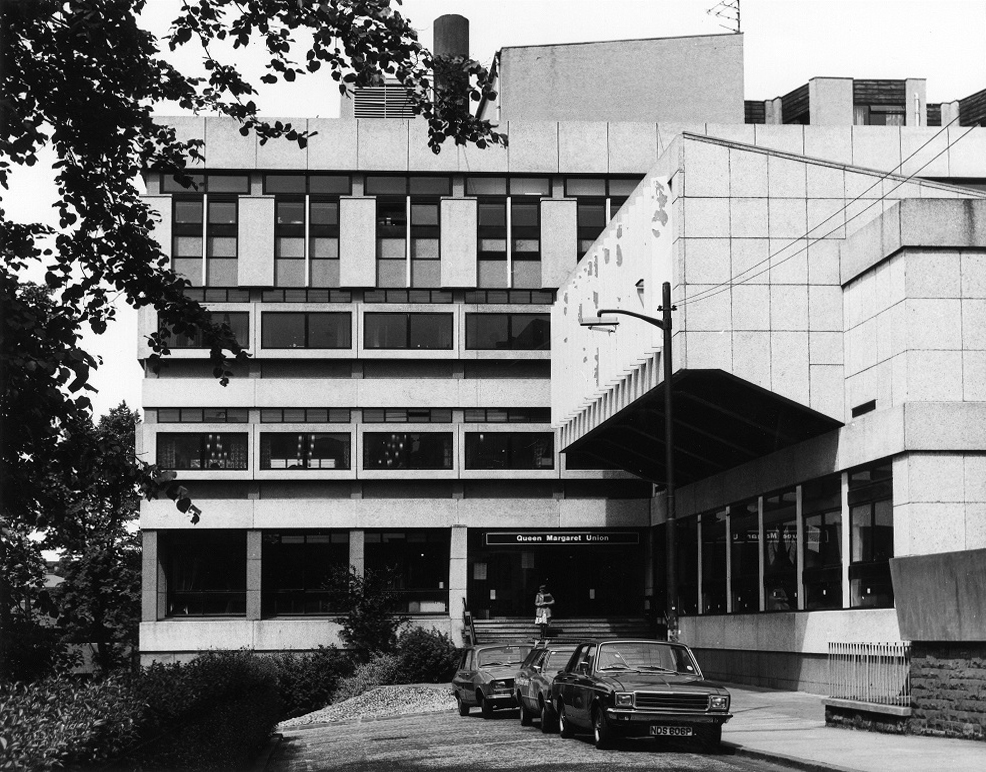
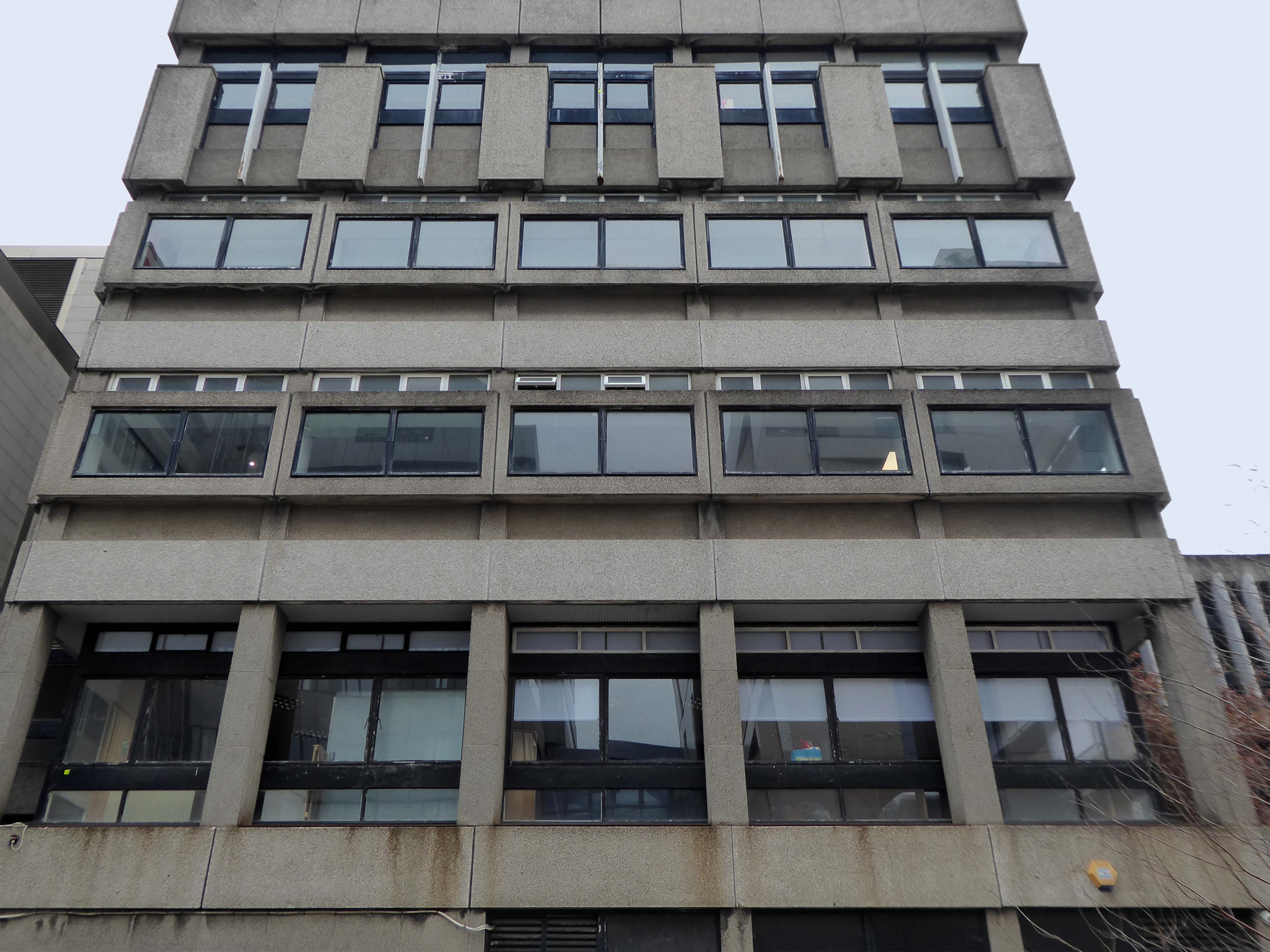
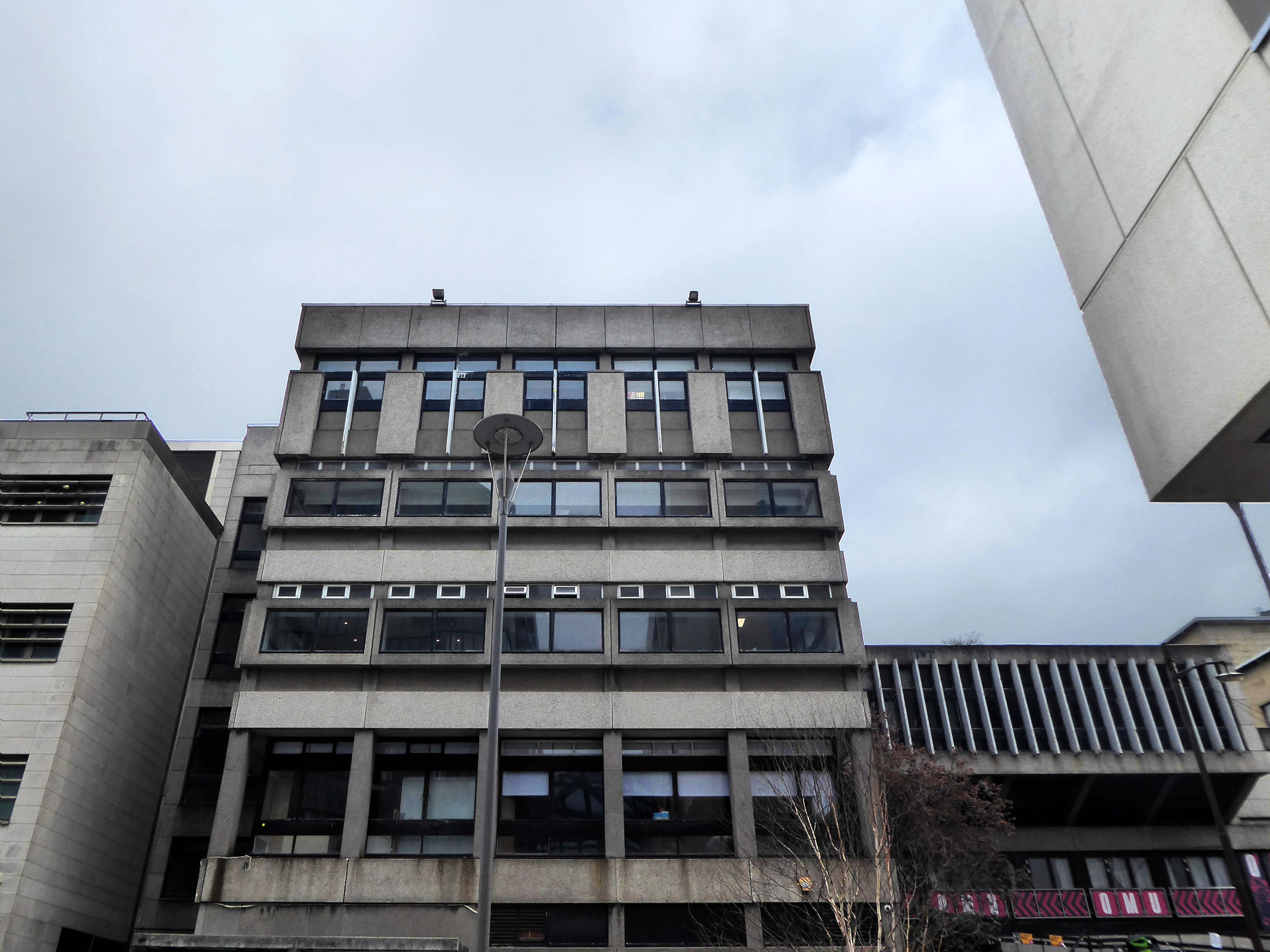
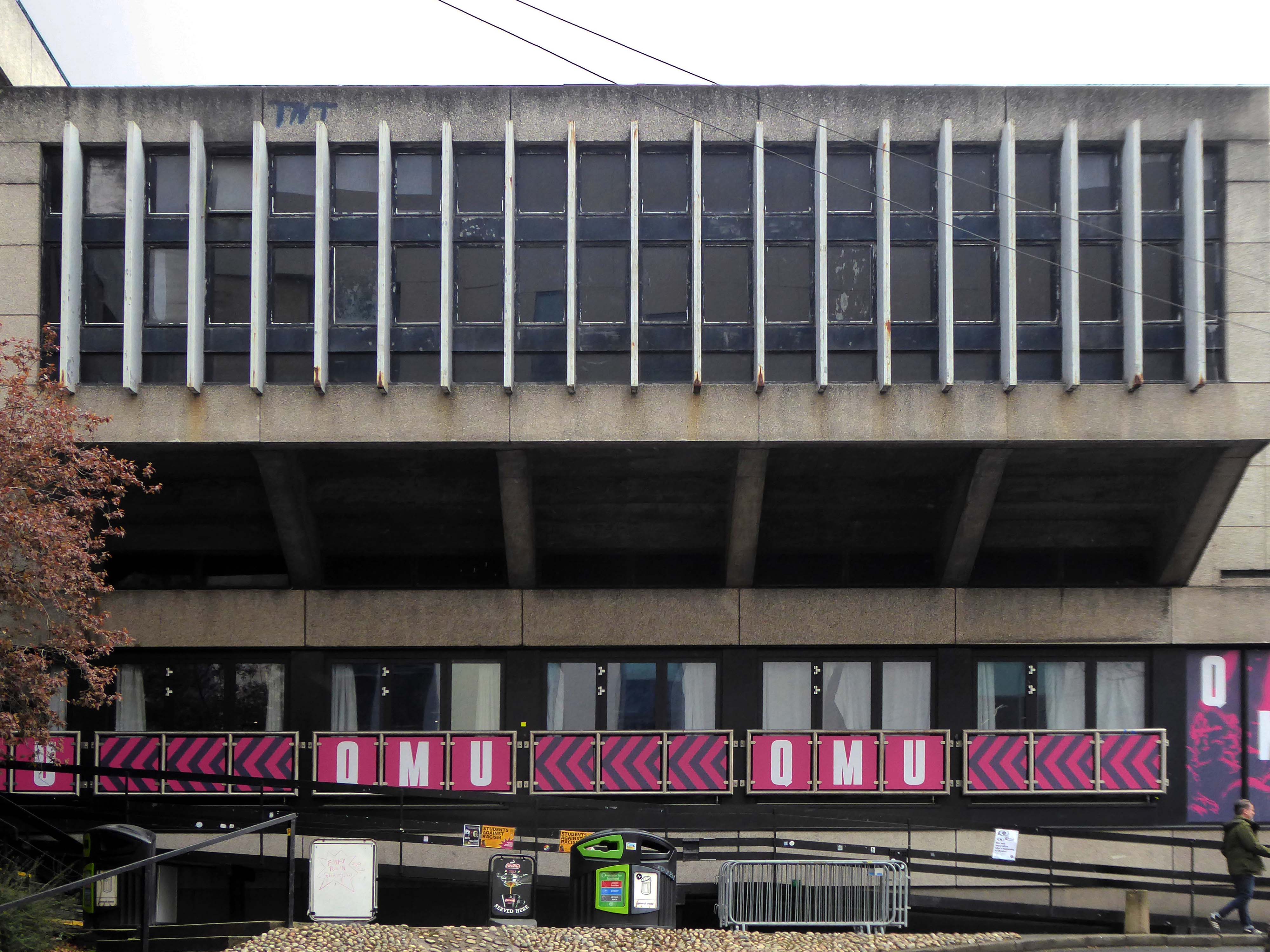
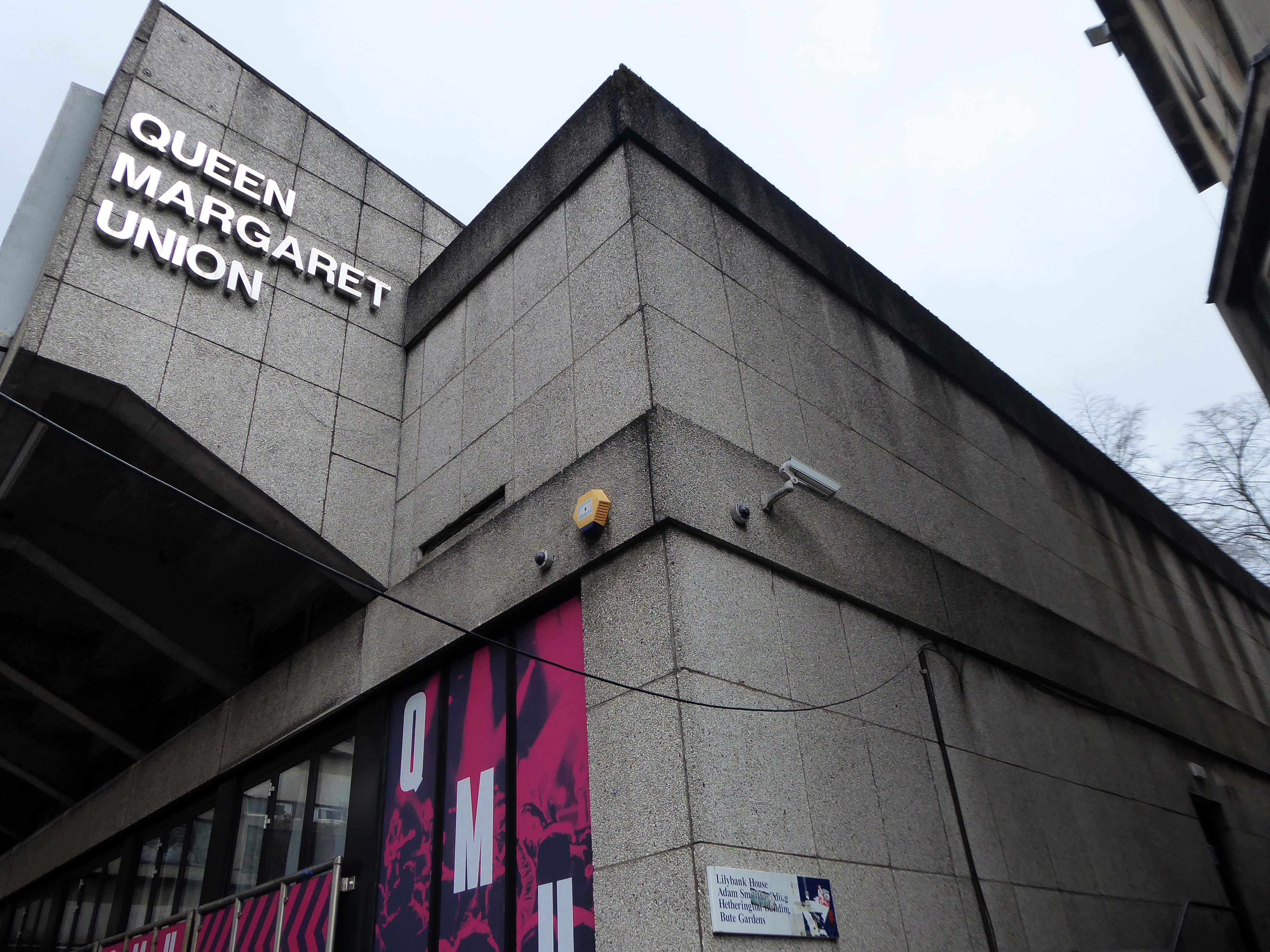
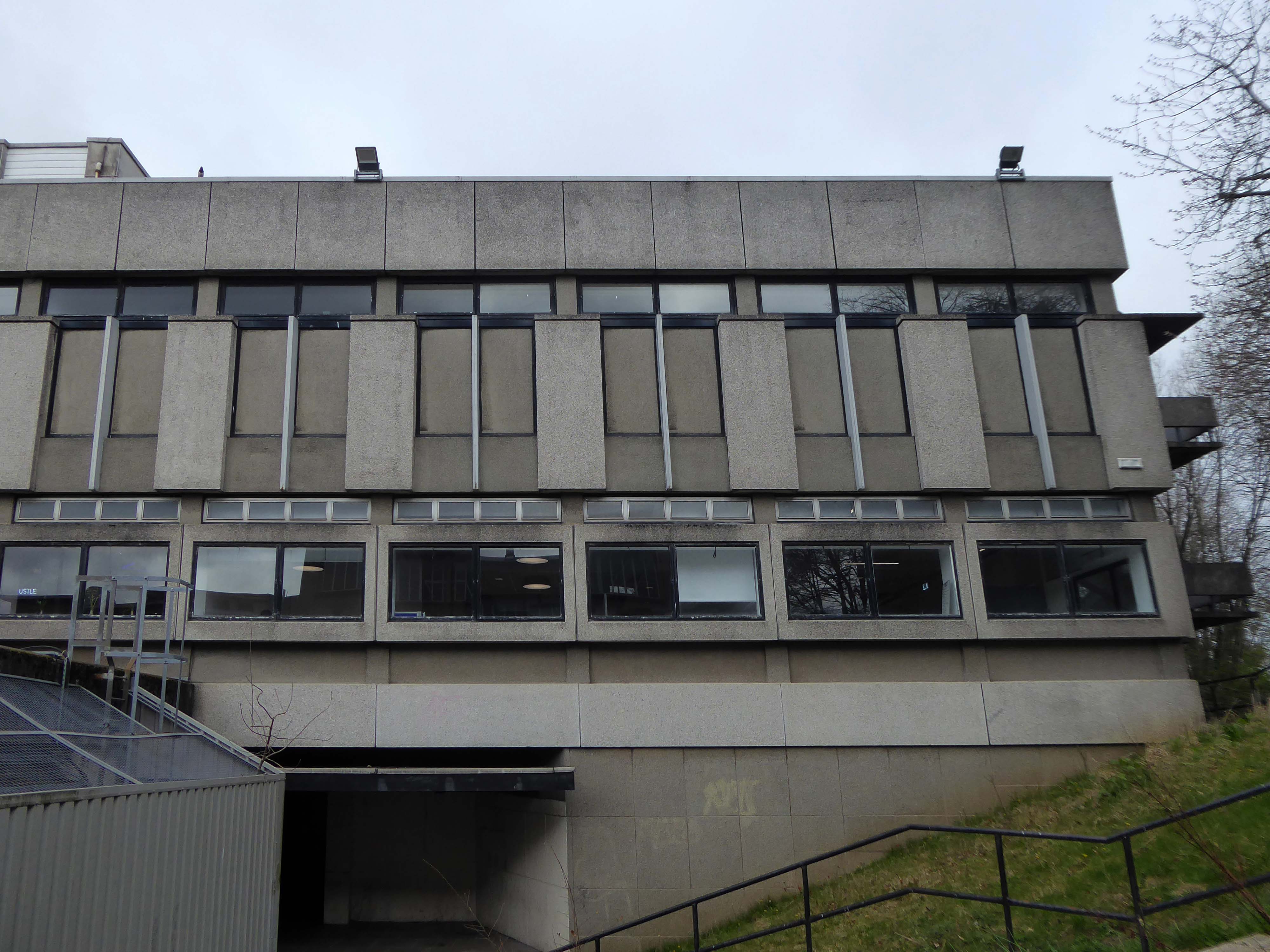
The Queen Margaret Union – QMU on 22 University Gardens was designed by Walter Underwood & Partners and opened in 1968.

1978

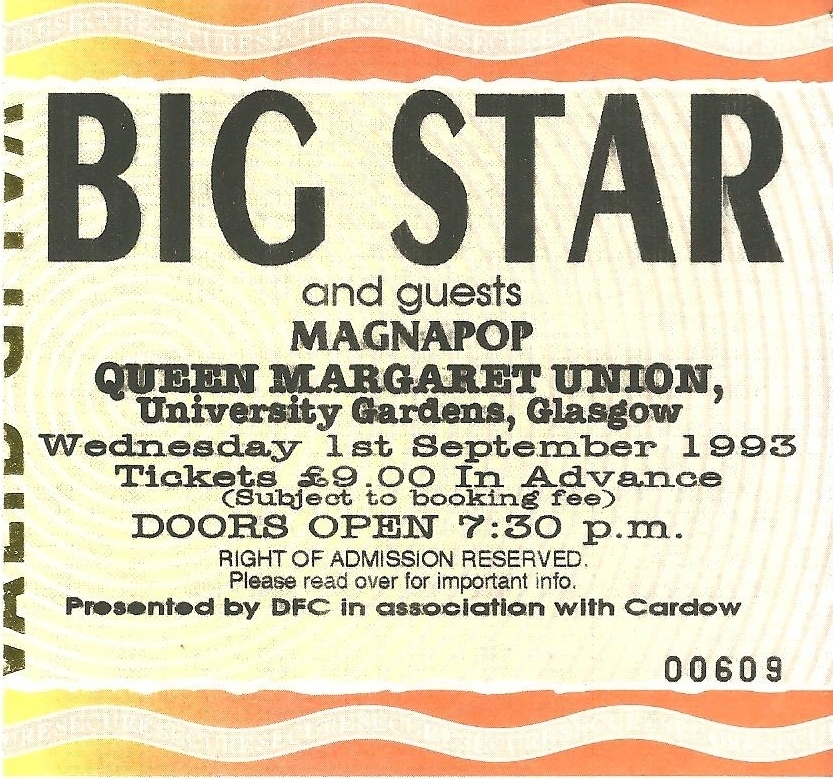
The building has an illustrious history as a top music venue.

And the city a heritage of angular, jangly guitar Power Pop.

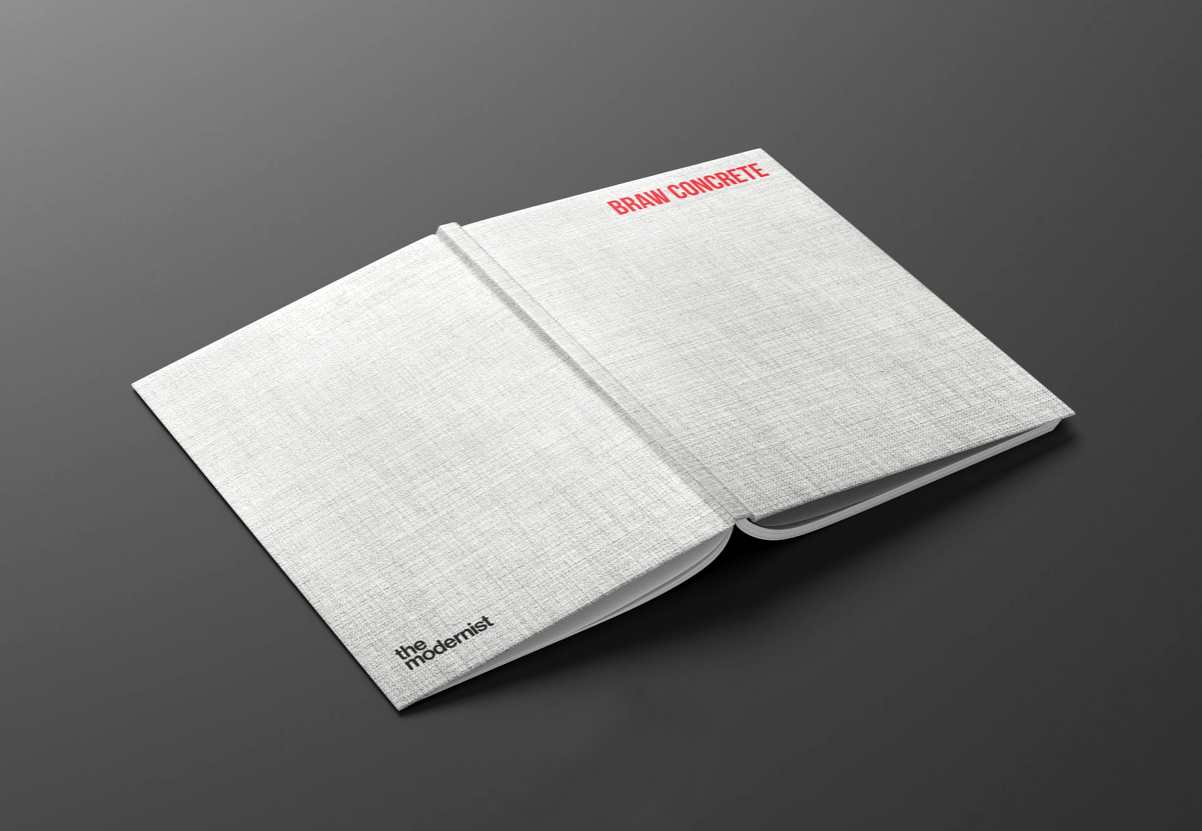
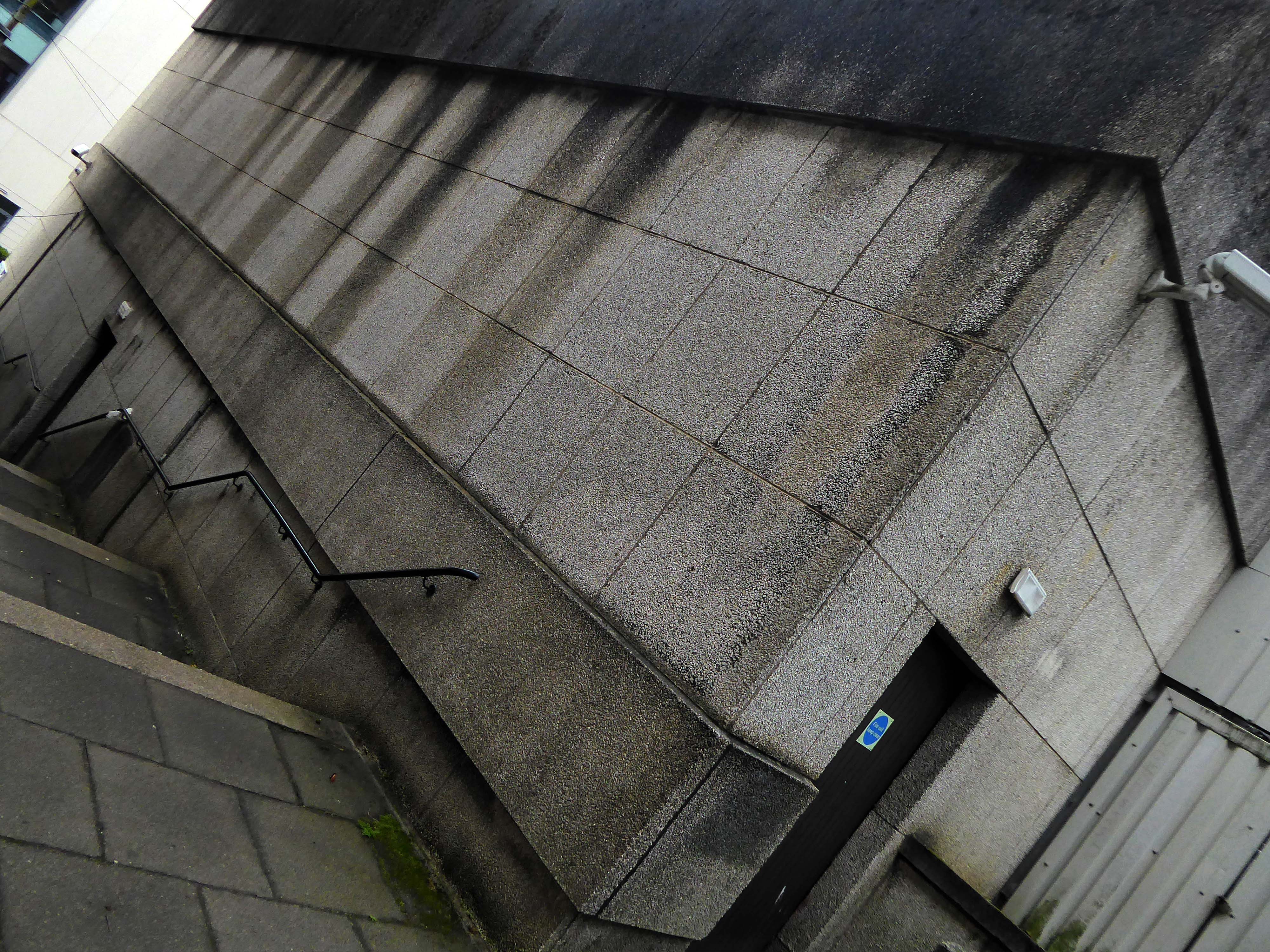
It is now renowned and venerated as a Brutalist landmark – featuring in the modernist society publication Braw Concrete by Peter Halliday and Alan Stewart – available right here.

Let’s take a look at how it looked way back in April 2022.

In addition, if you nip around the back you get to go up and down a delightful concrete staircase!

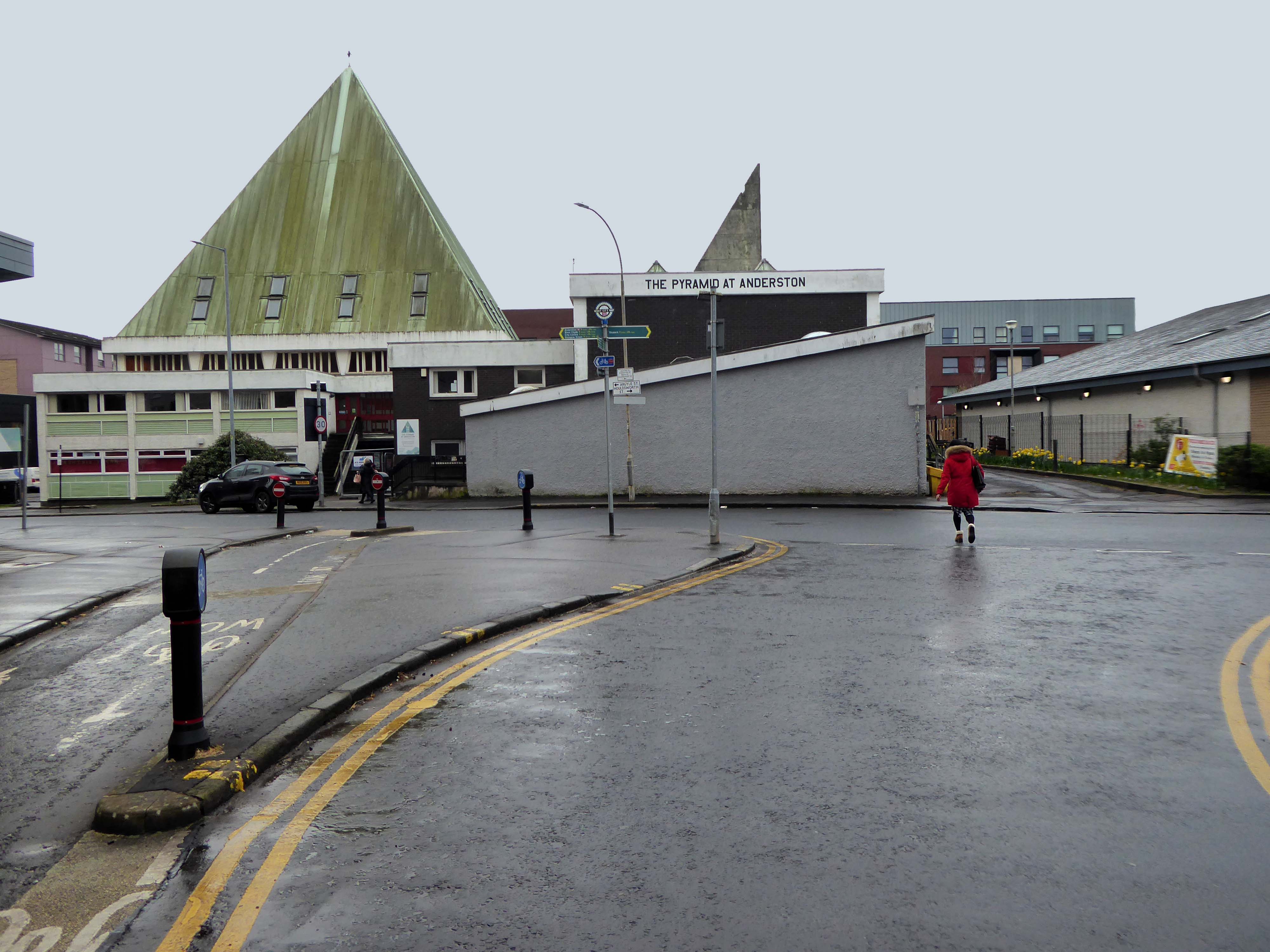
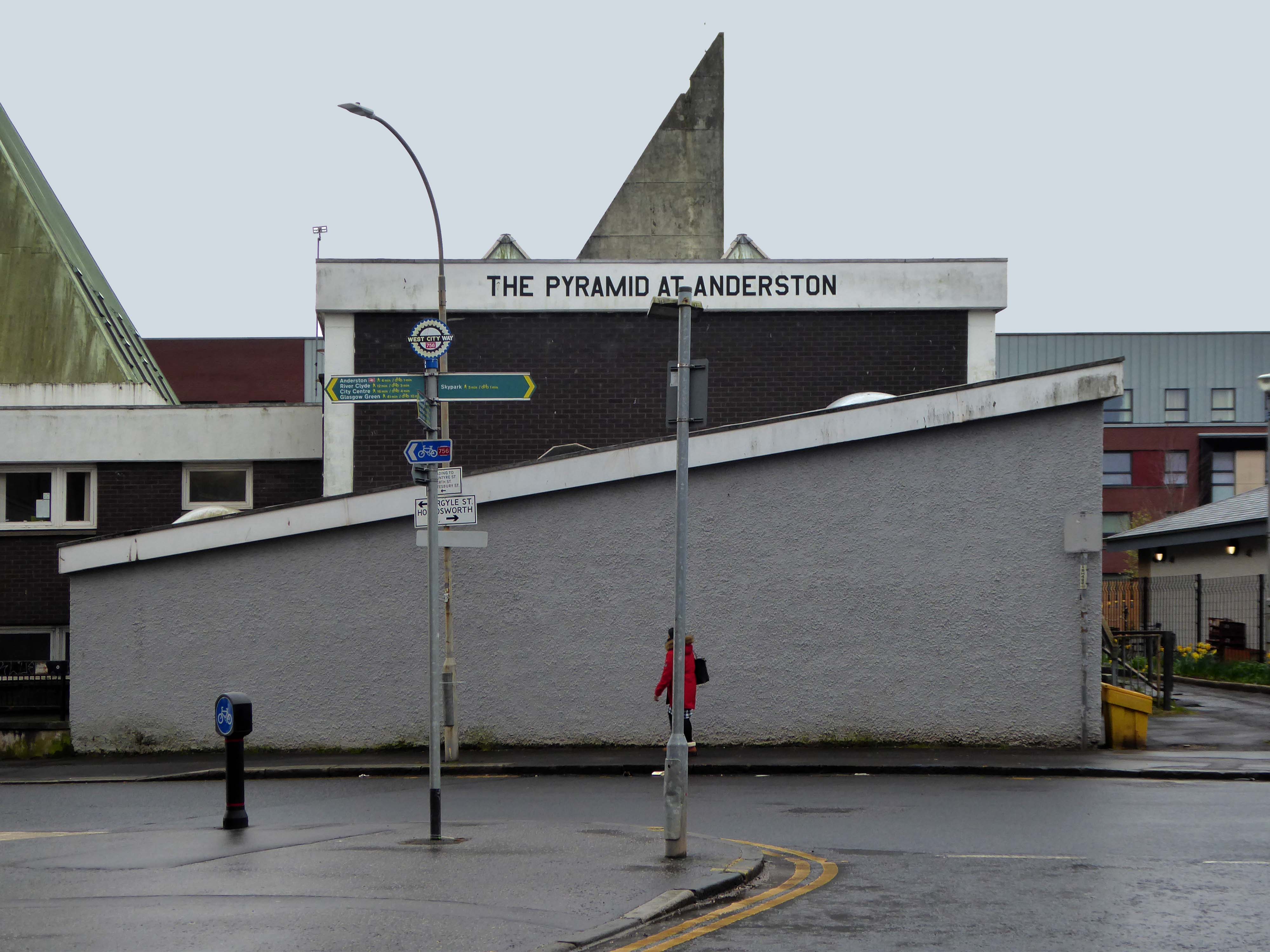
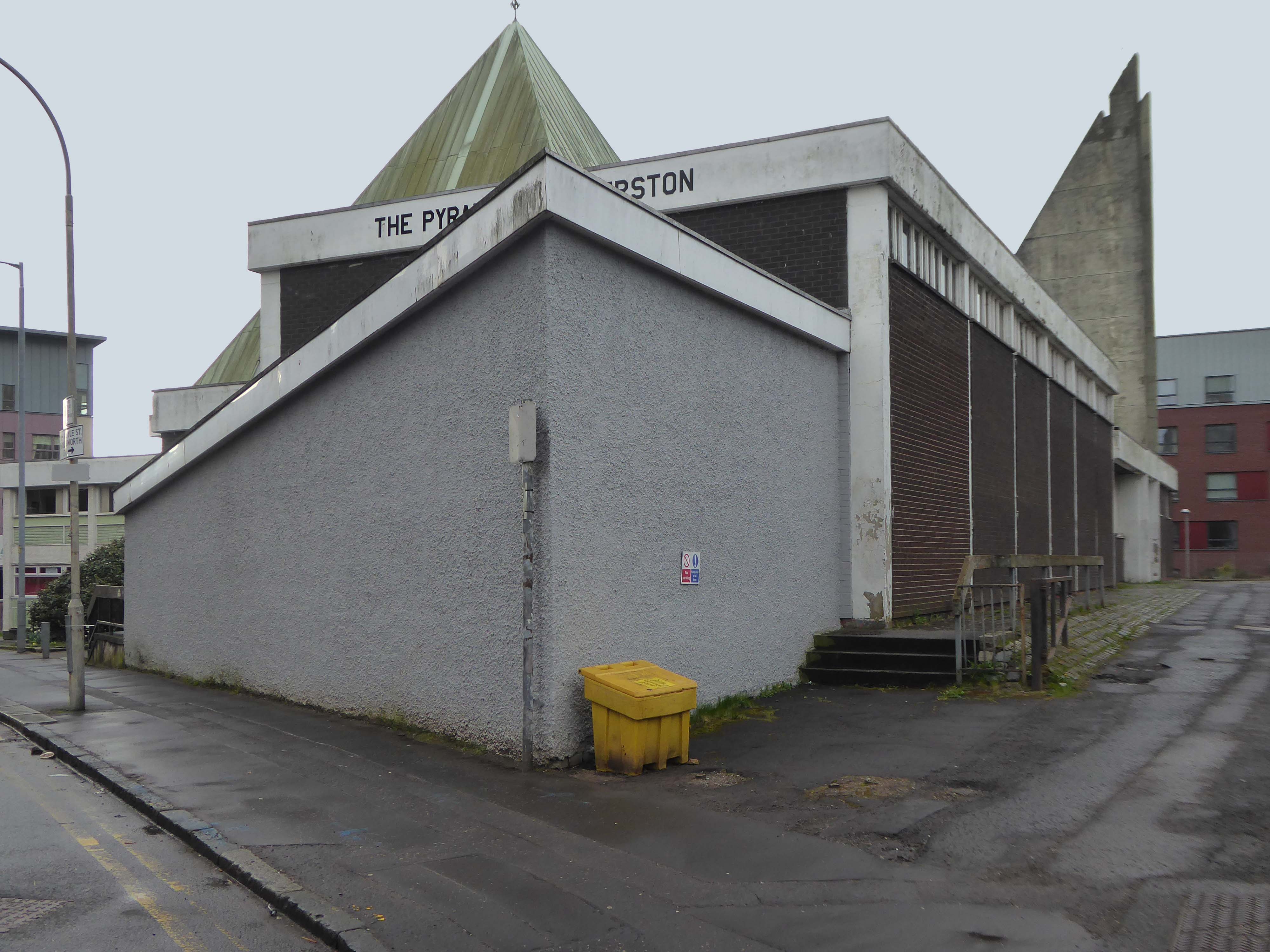
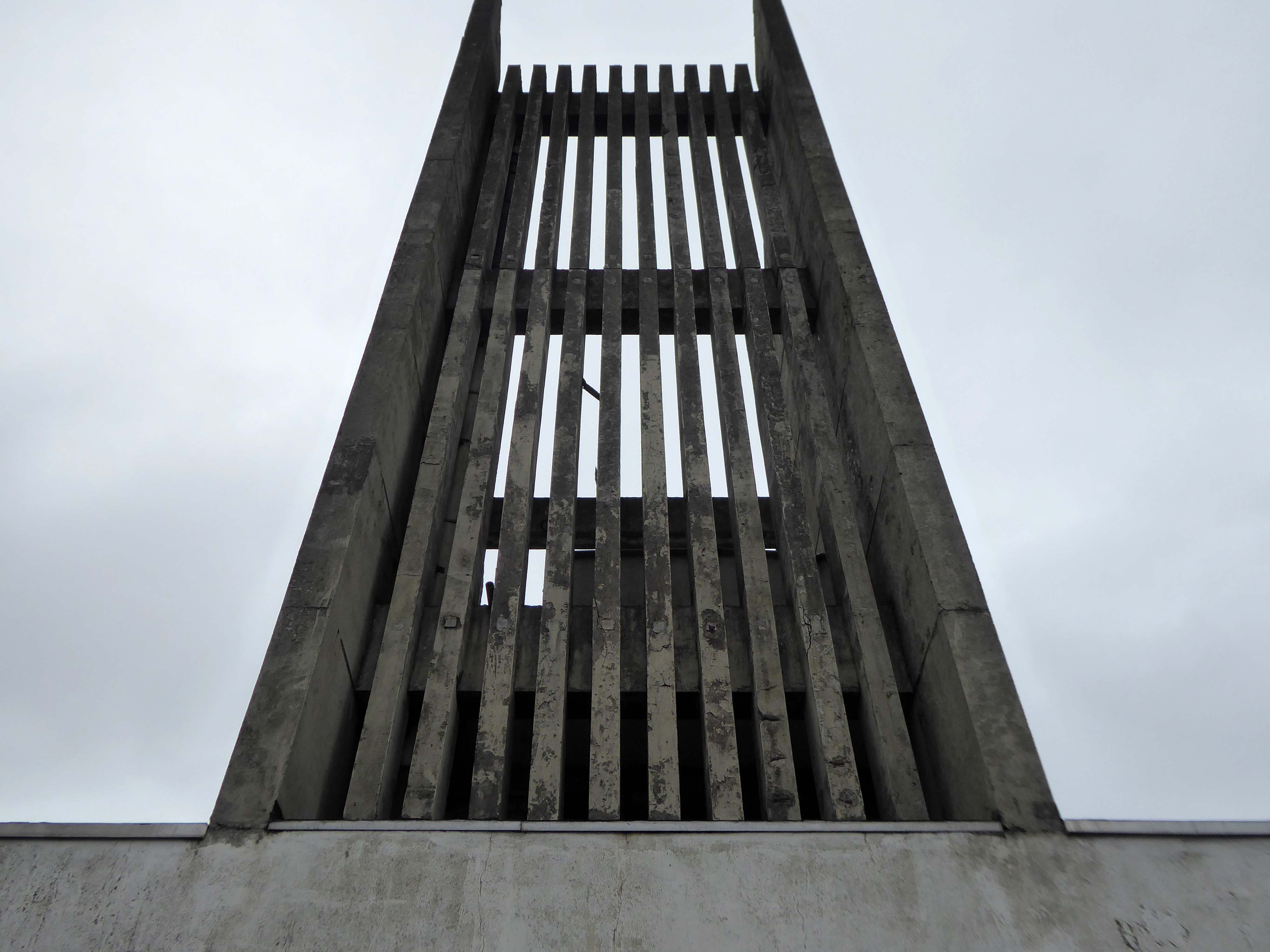
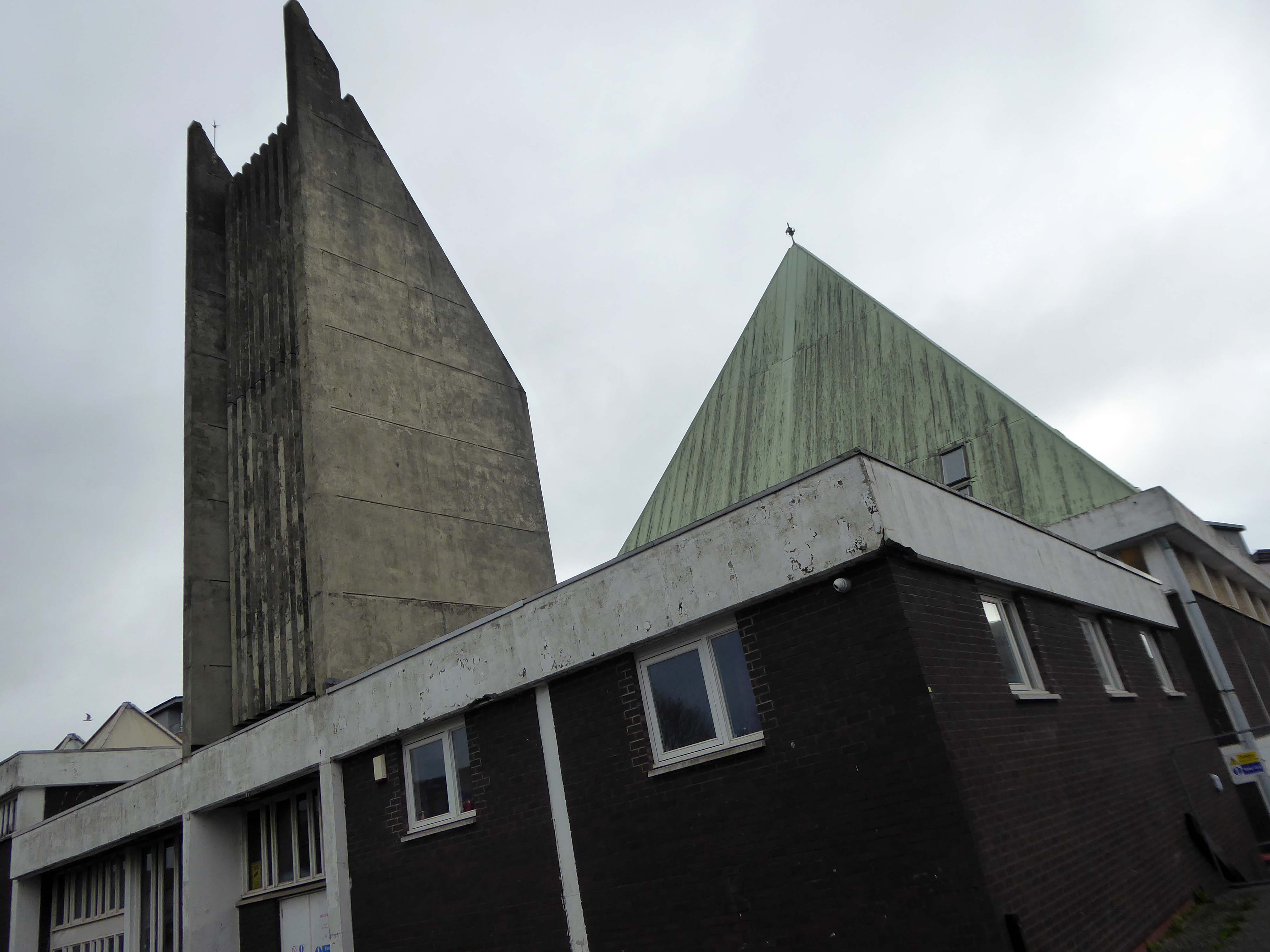
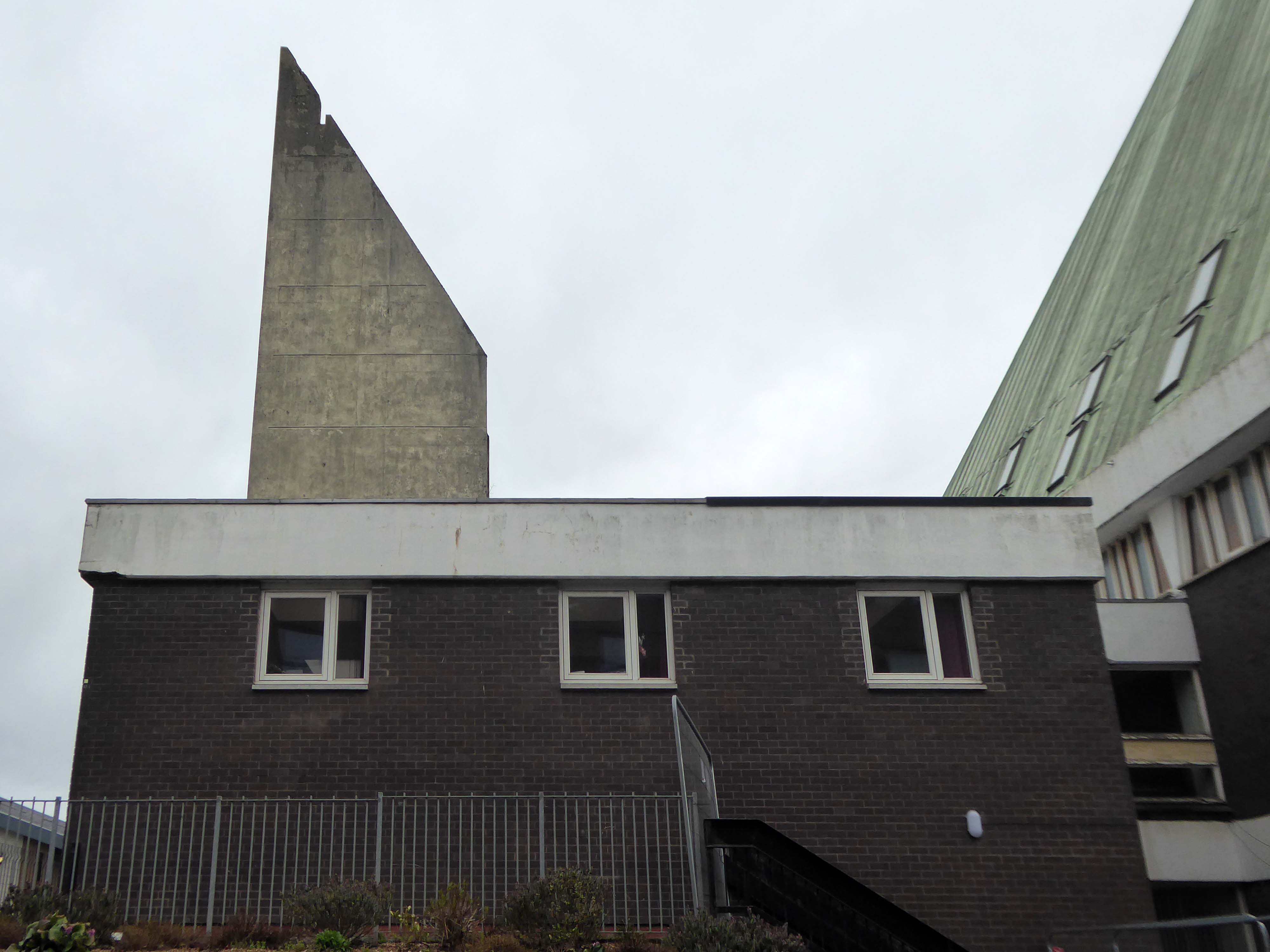
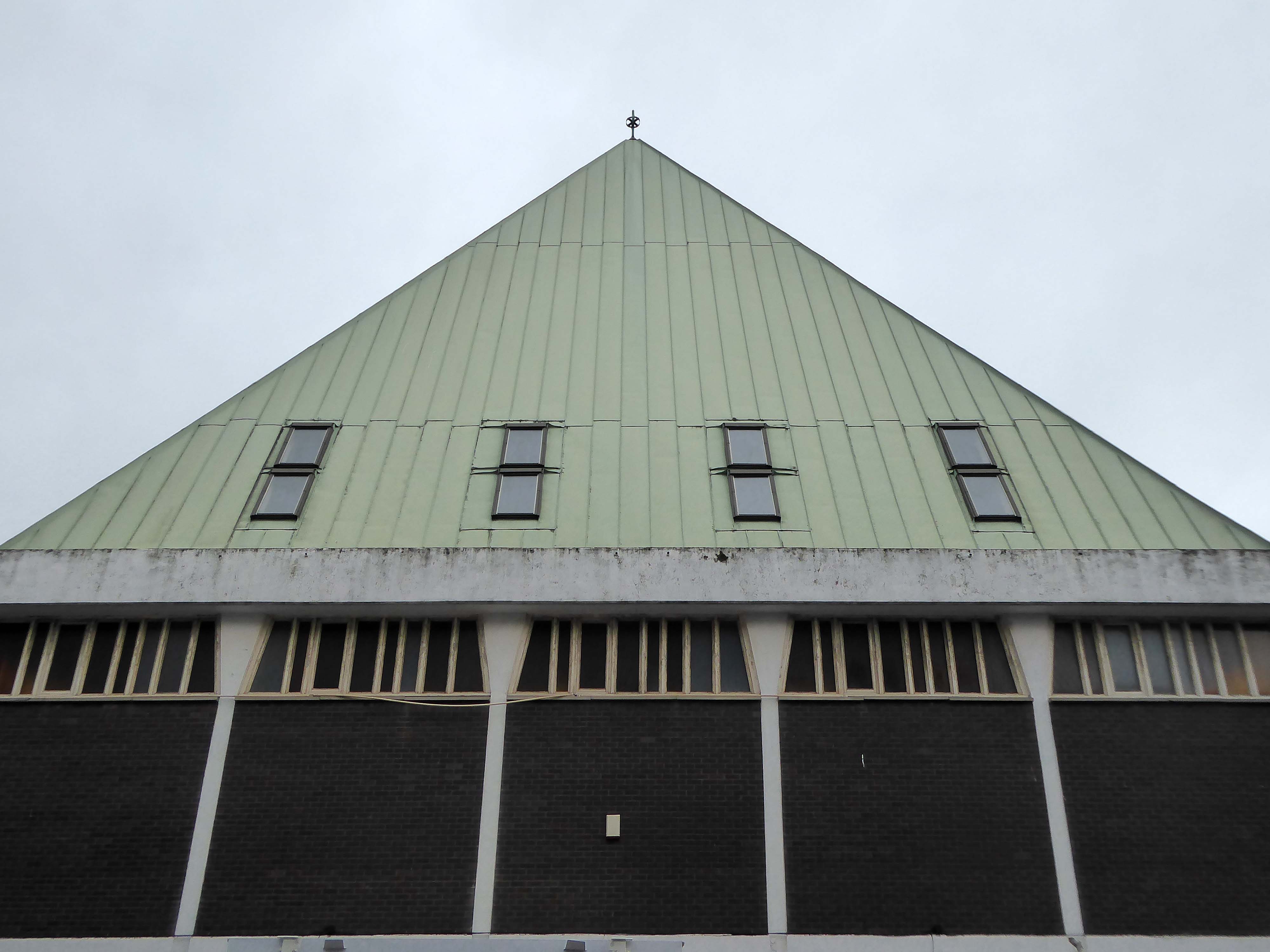
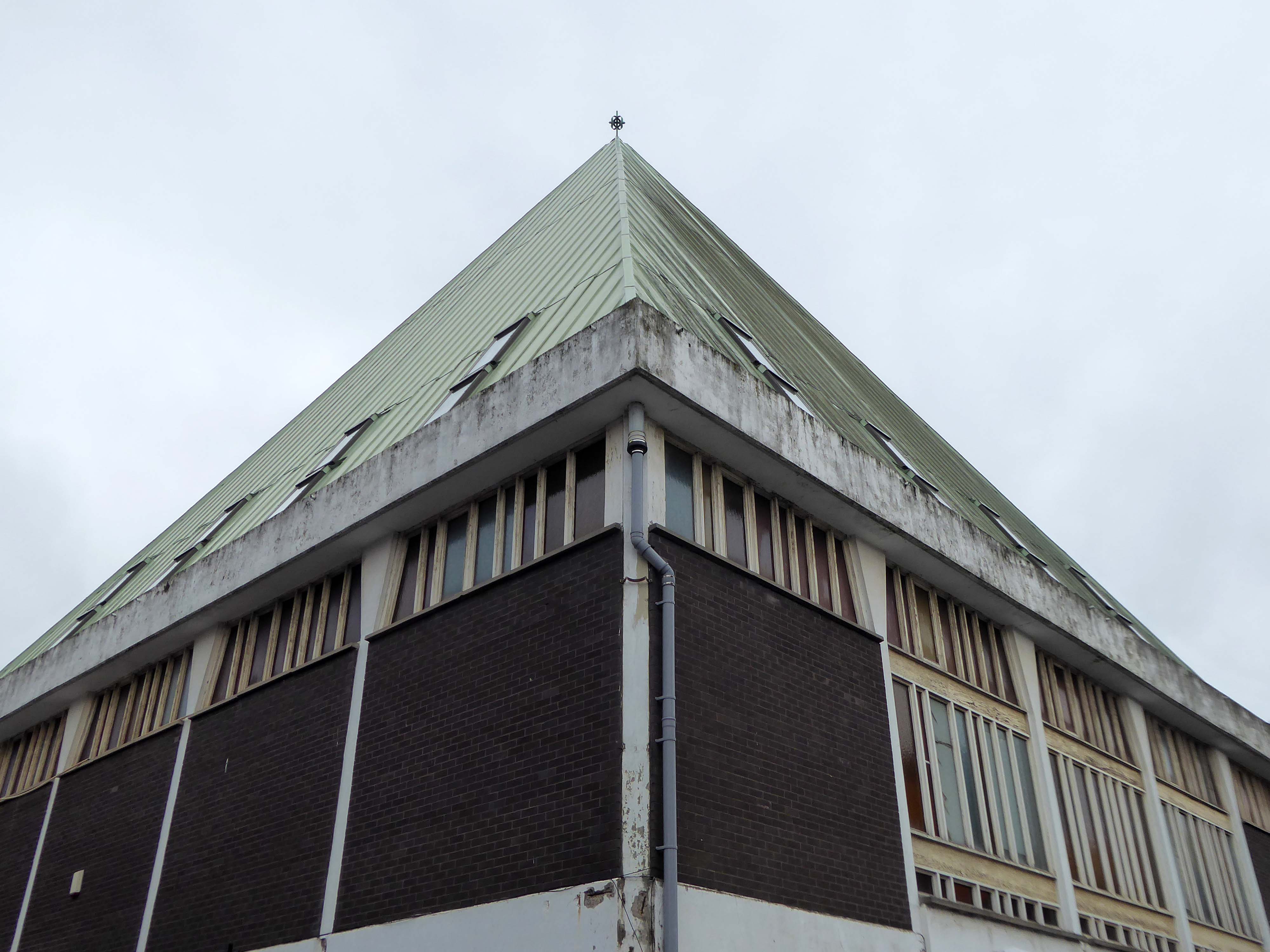
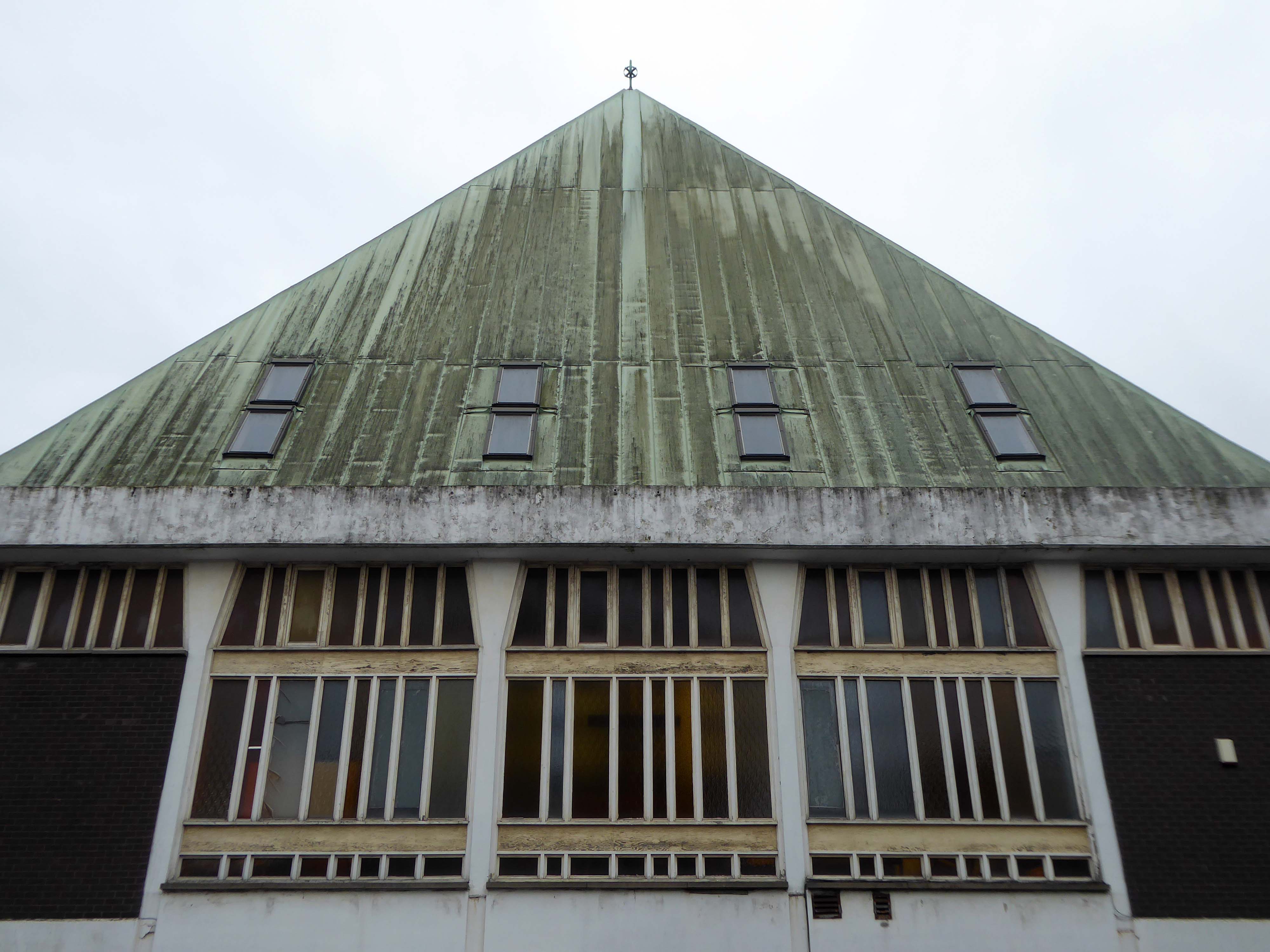
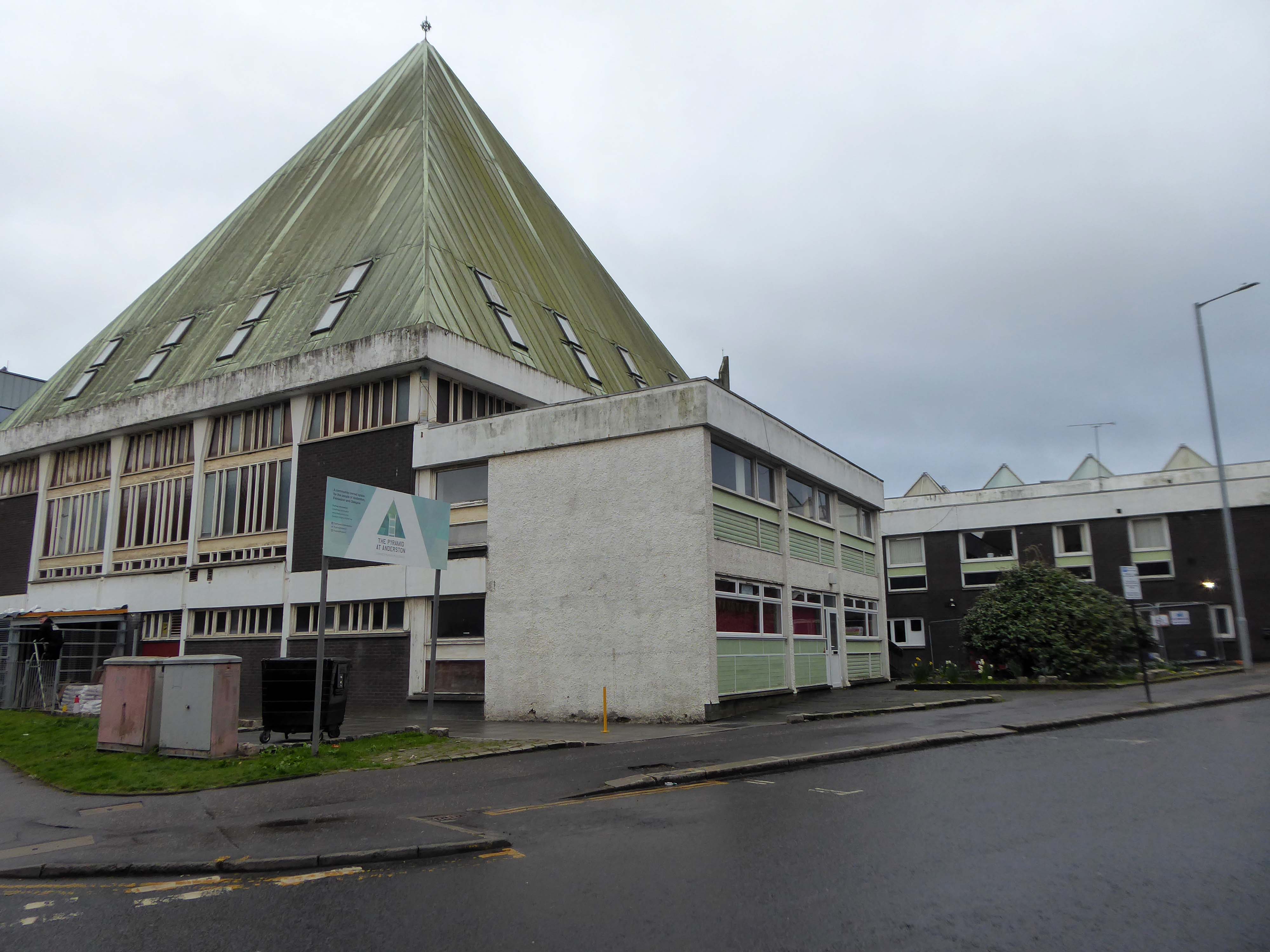
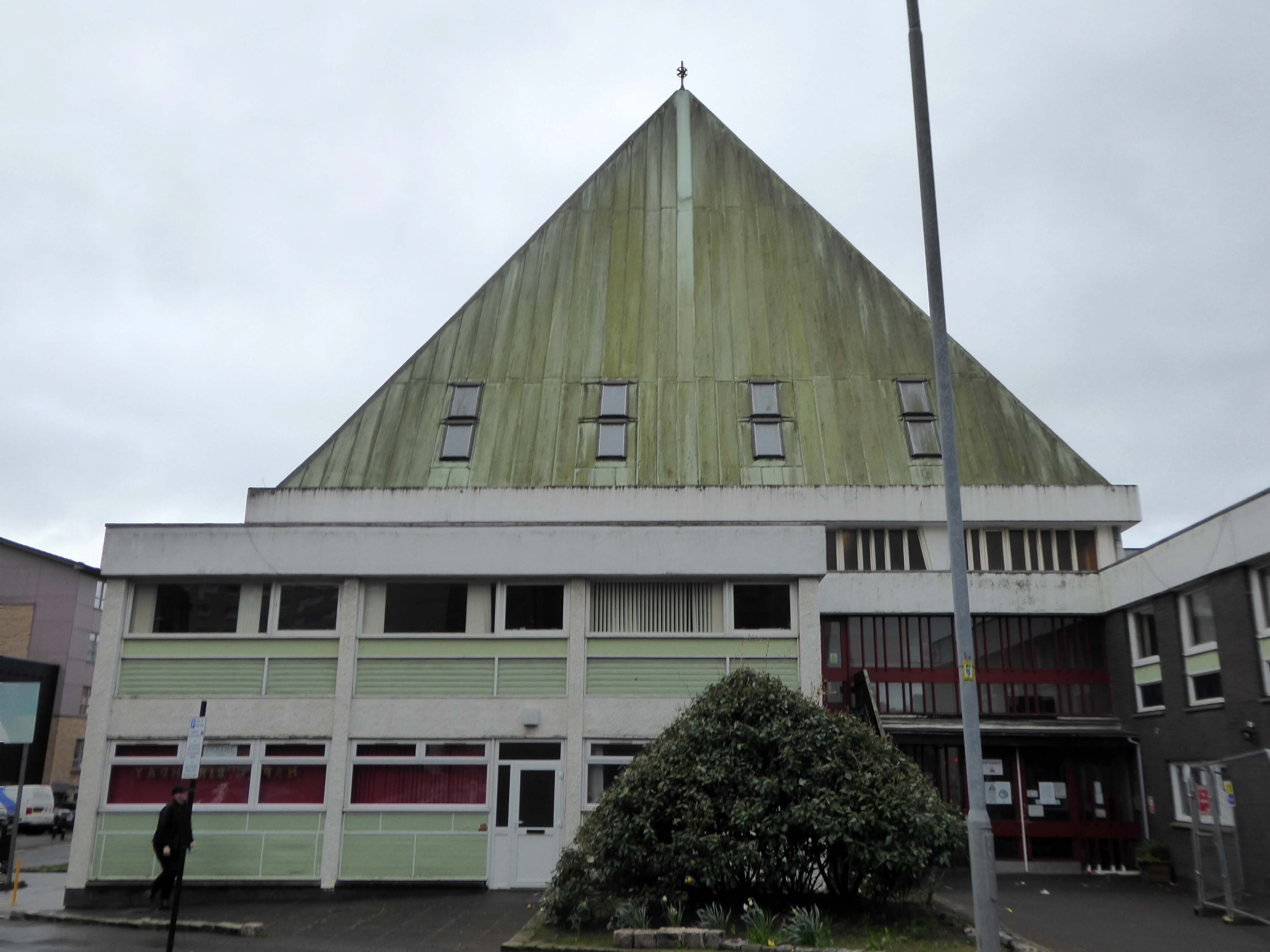
The Pyramid at Anderston – Glasgow

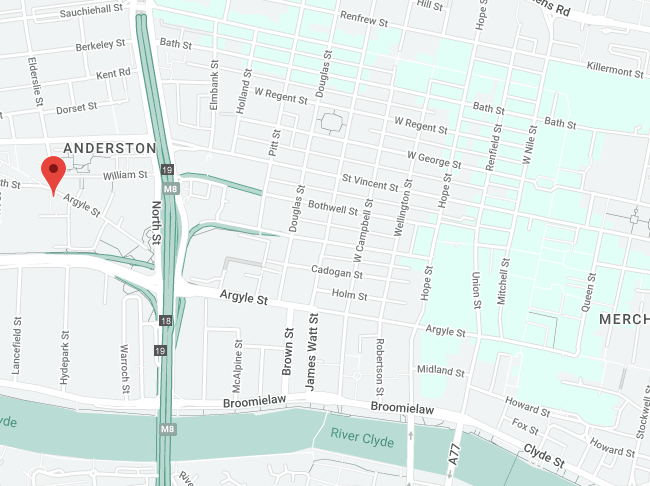
759 Argyle Street Glasgow G3 8DS

Architects: Honeyman, Jack & Robertson

I was walking along St Vincent Street one rainy day.

From the corner of my left eye, I espied a pyramid.

Curious, I took a turn, neither funny nor for the worse, the better to take a closer look.

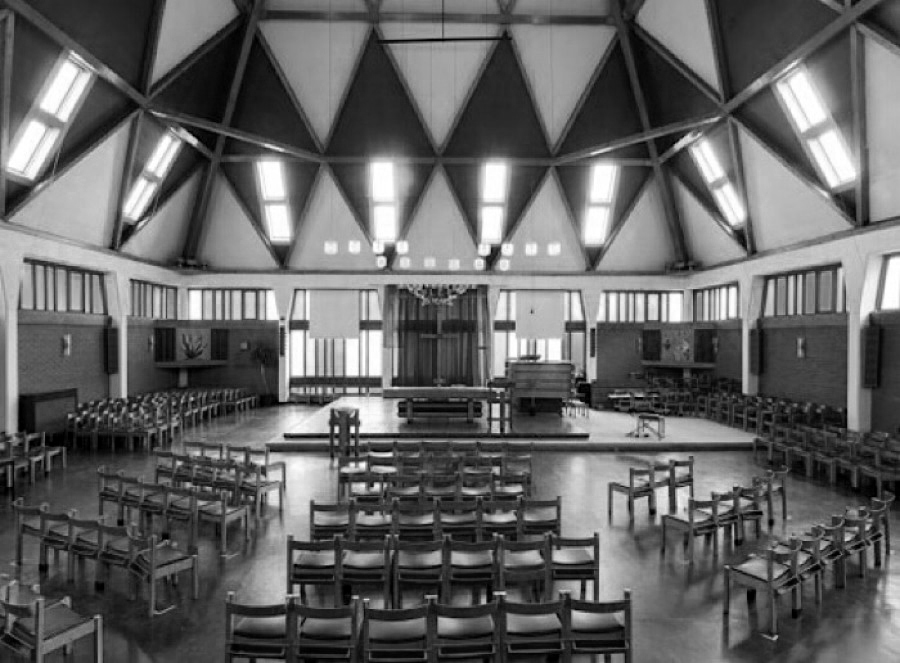
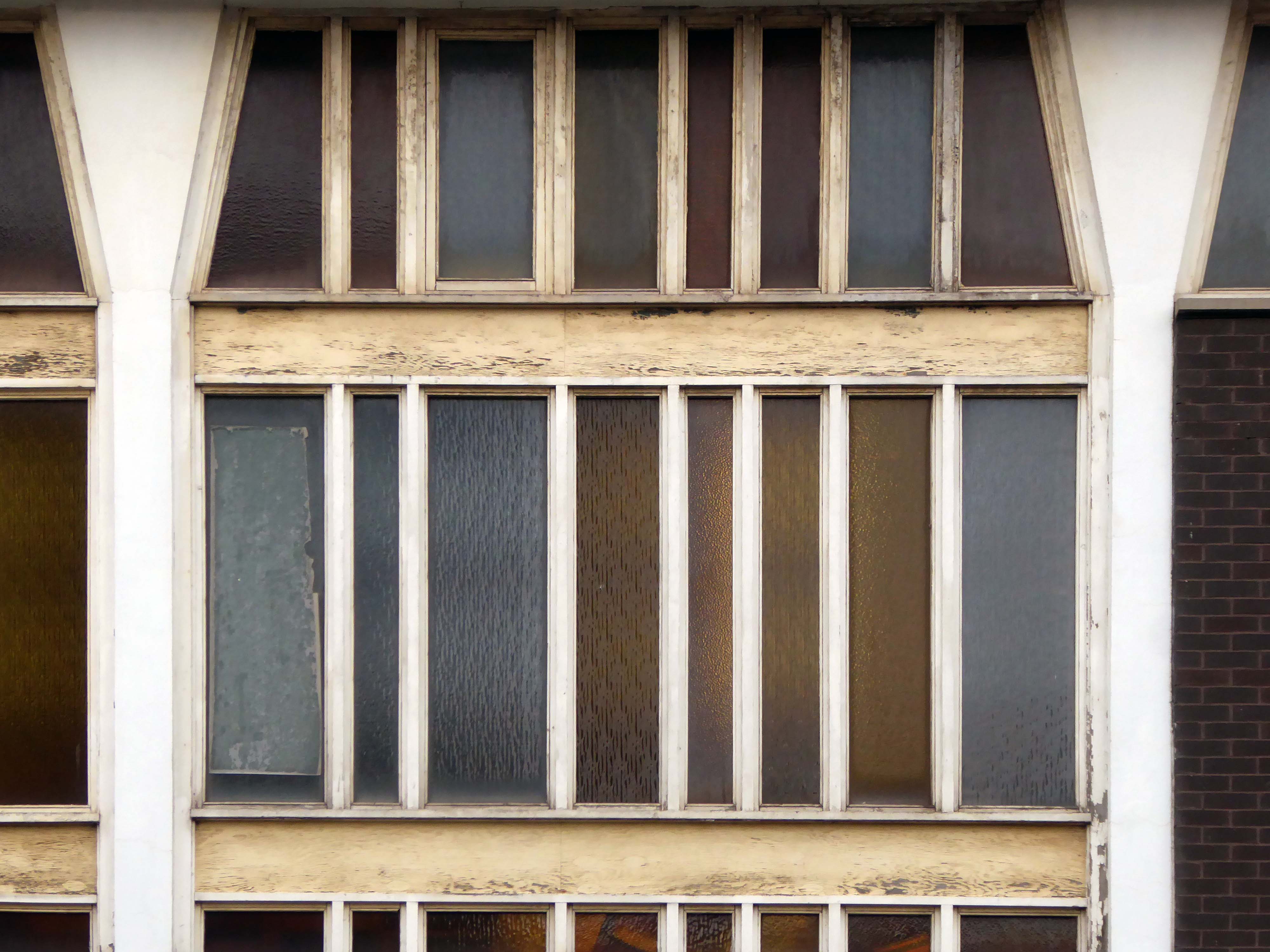
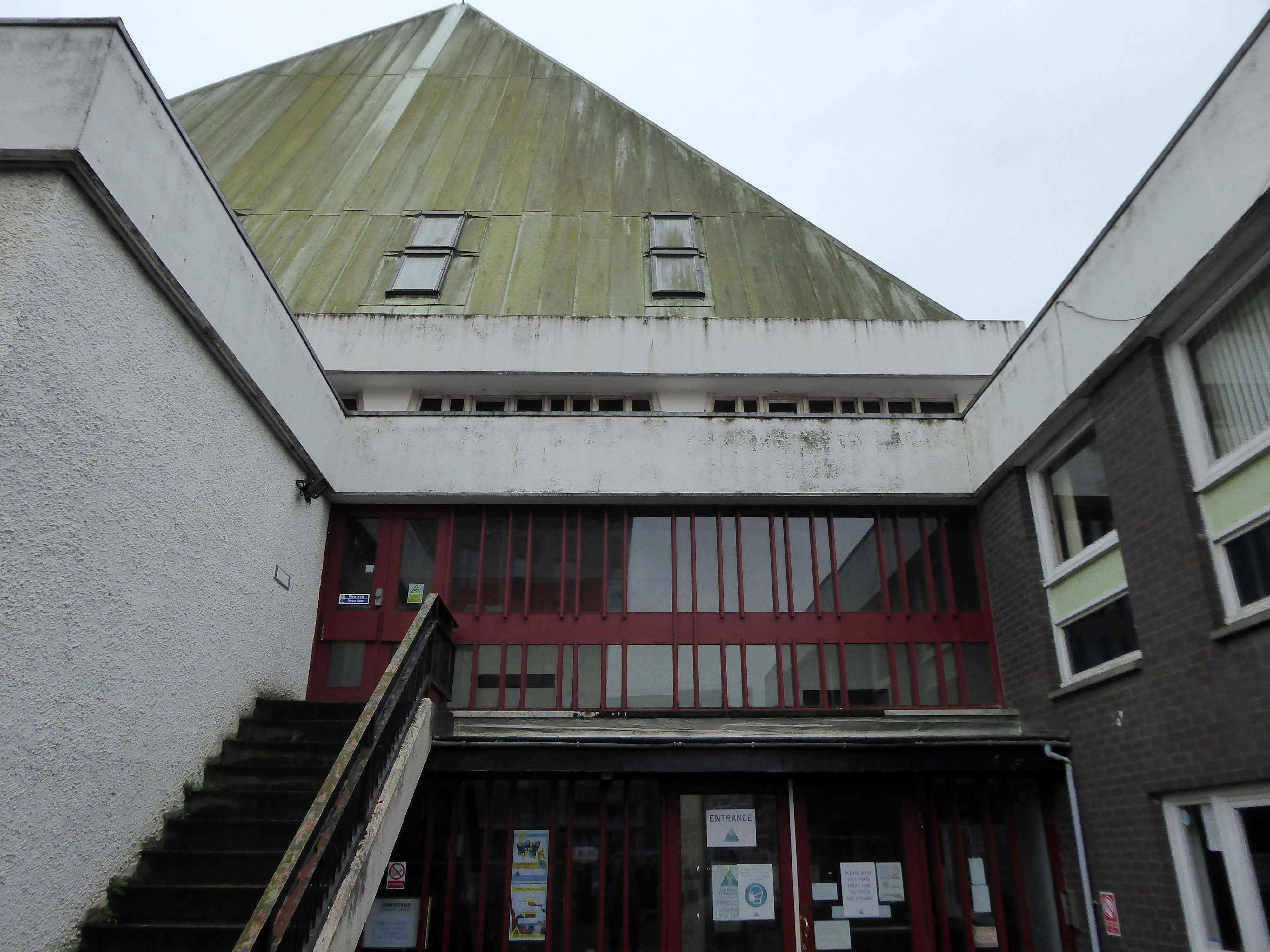
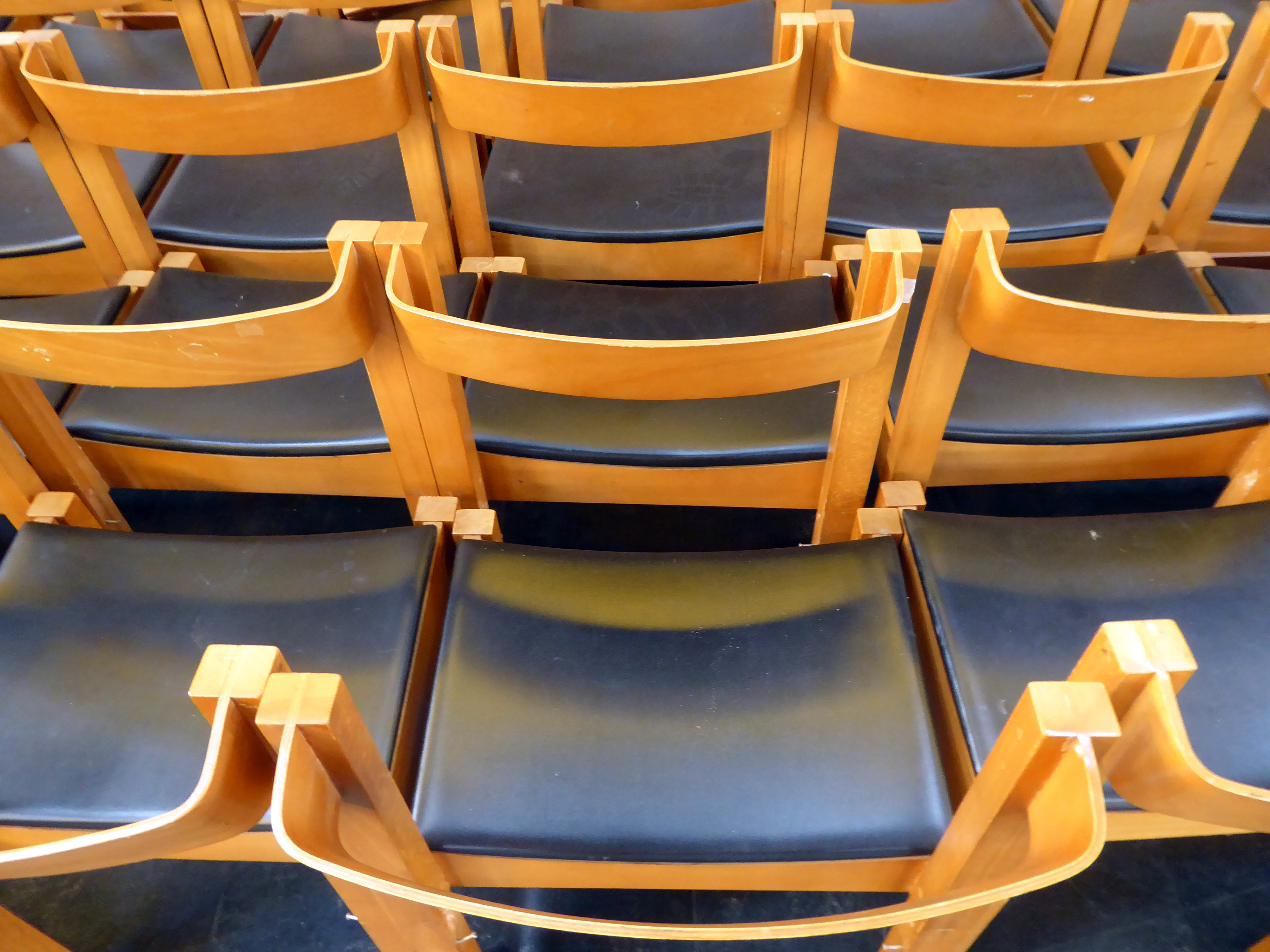
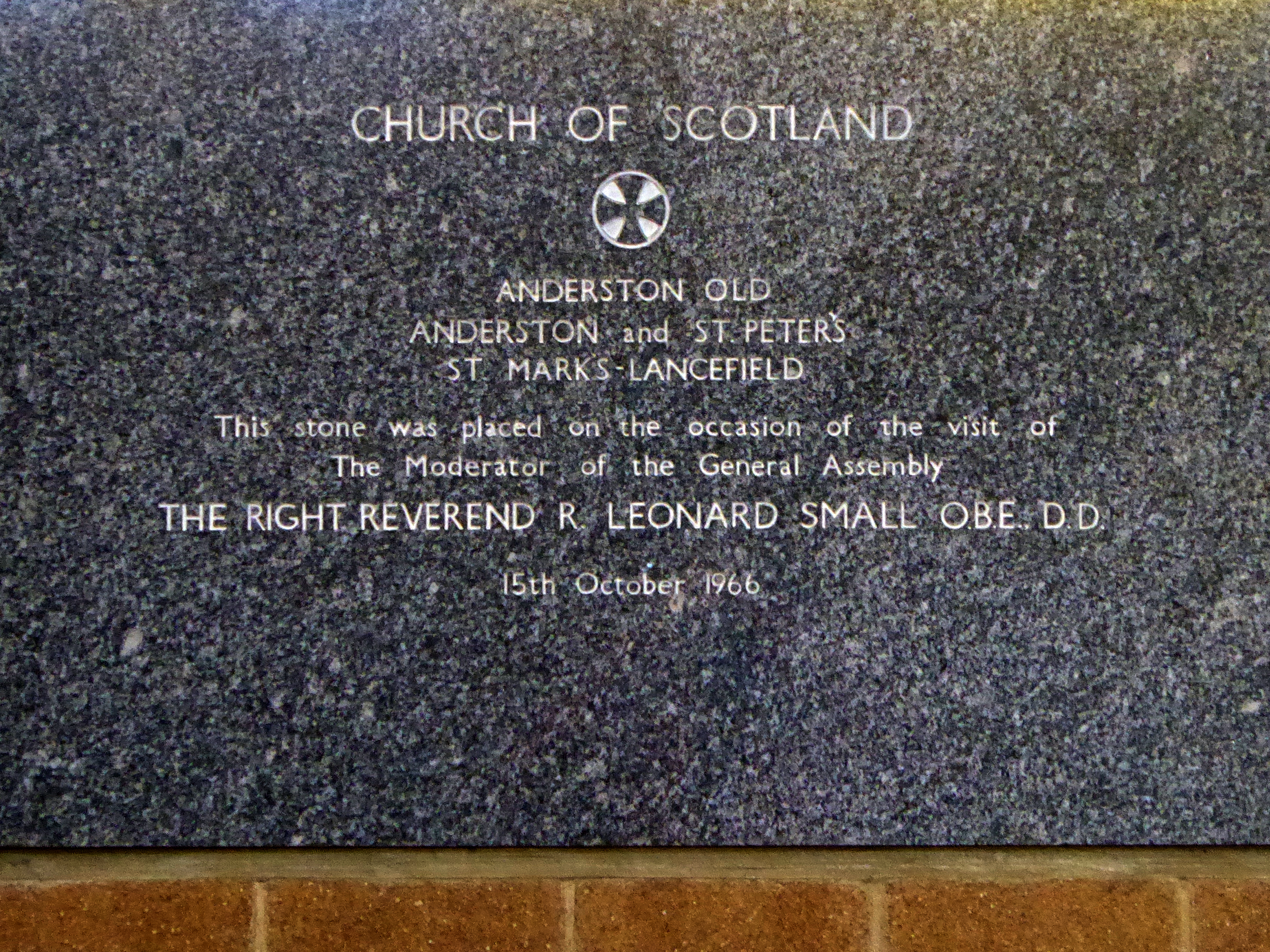
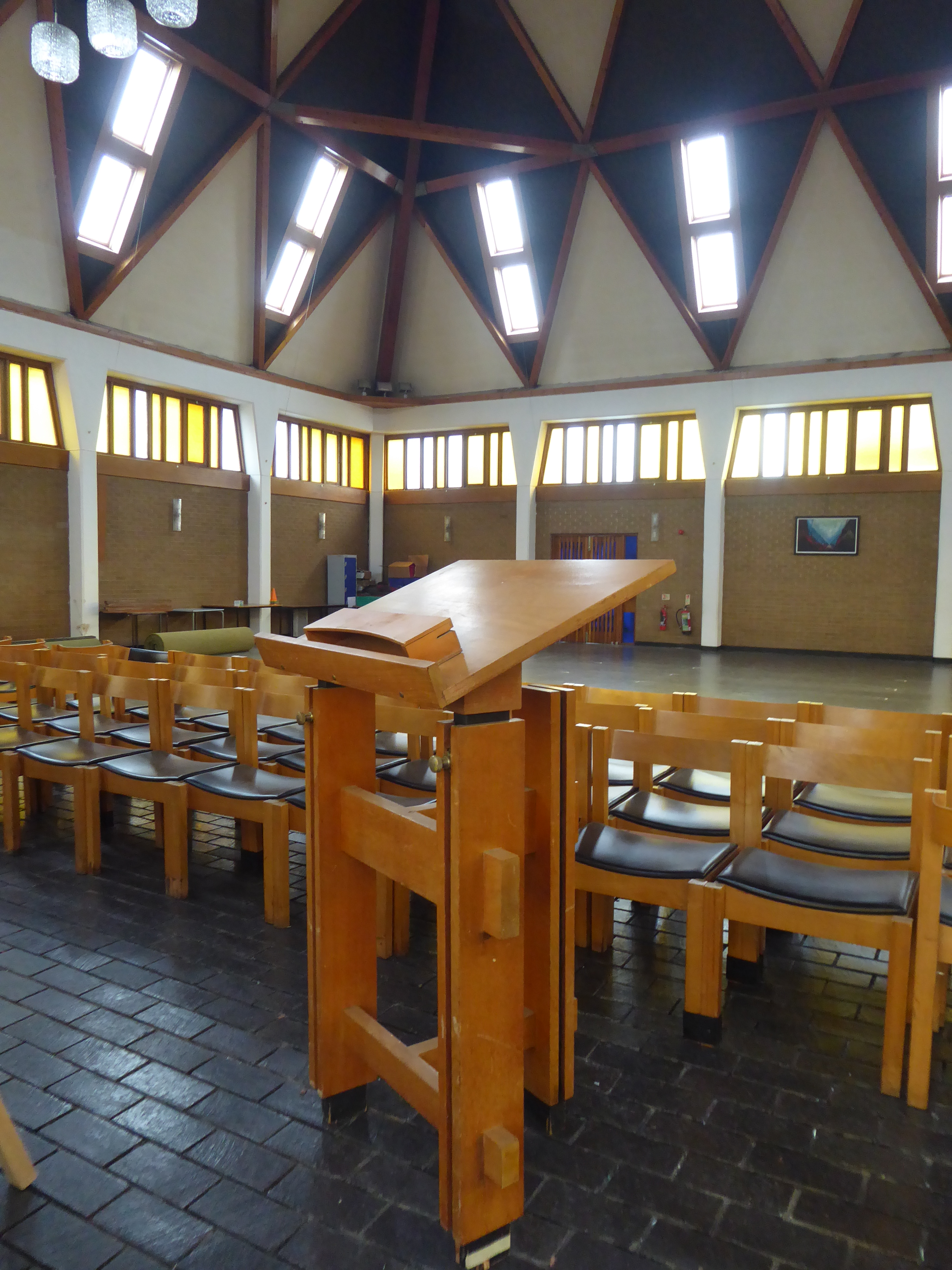
Following a promotion within the Church of Scotland to construct less hierarchical church buildings in the 1950s, an open-plan Modern design with Brutalist traits, was adapted for the new Anderson Parish Church. The building consists of a 2-storey square-plan church with prominent pyramidal roof, with over 20 rooms. The foundation stone was laid in 1966, with a service of commemoration in the now demolished St Mark’s-Lancefield Church. The building was completed in 1968.

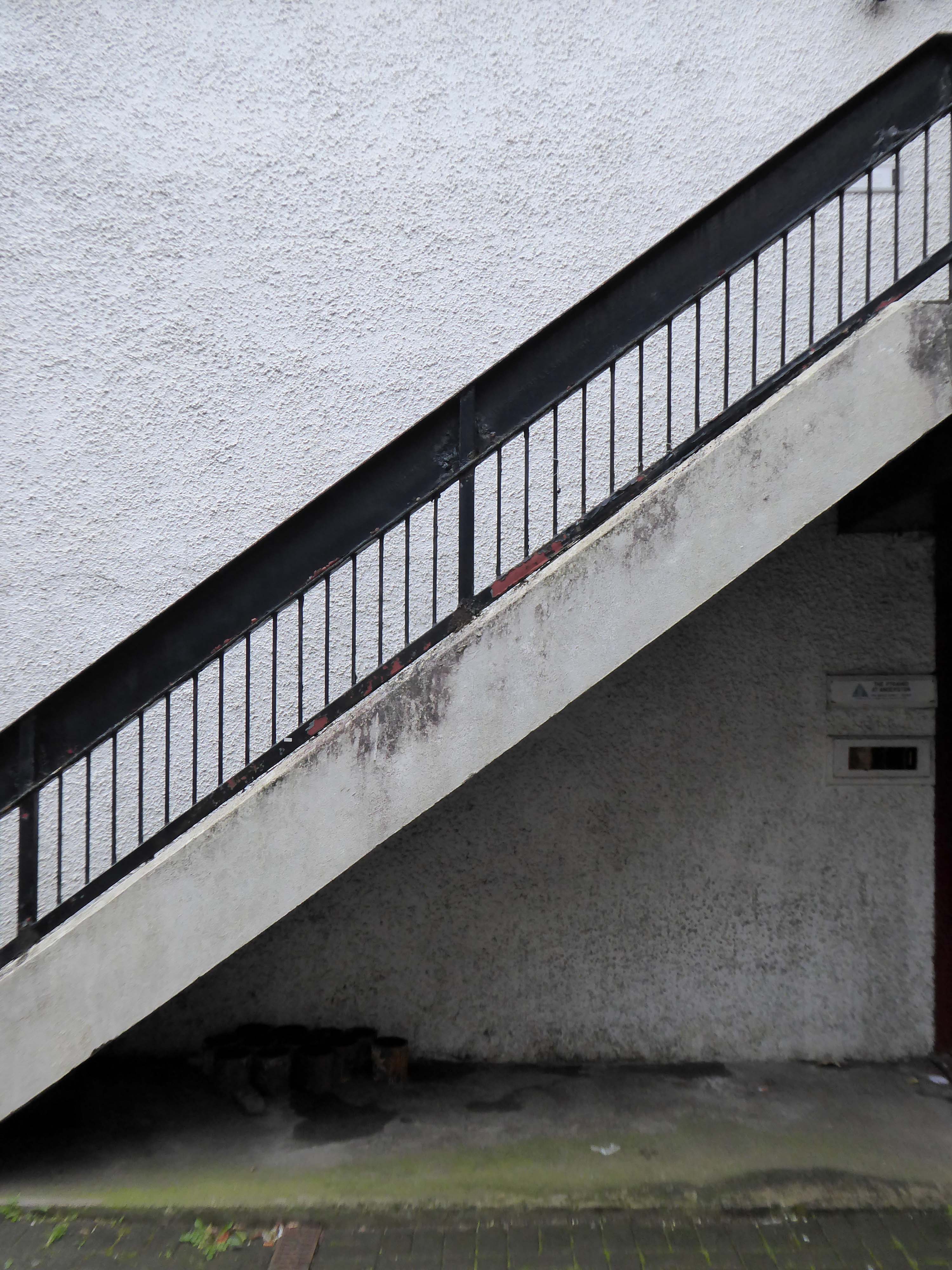
Let’s take a look around outside.

Later that same day, I got a message from my friend Kate to visit her at the centre.

She is charged with co-ordinating a variety of activities at The Pyramid.

In 2019 the Church of Scotland sold the building and it became a community centre for people to:

Connect, create and celebrate.

It also serves as an inspirational space for music, performances, conferences and events.

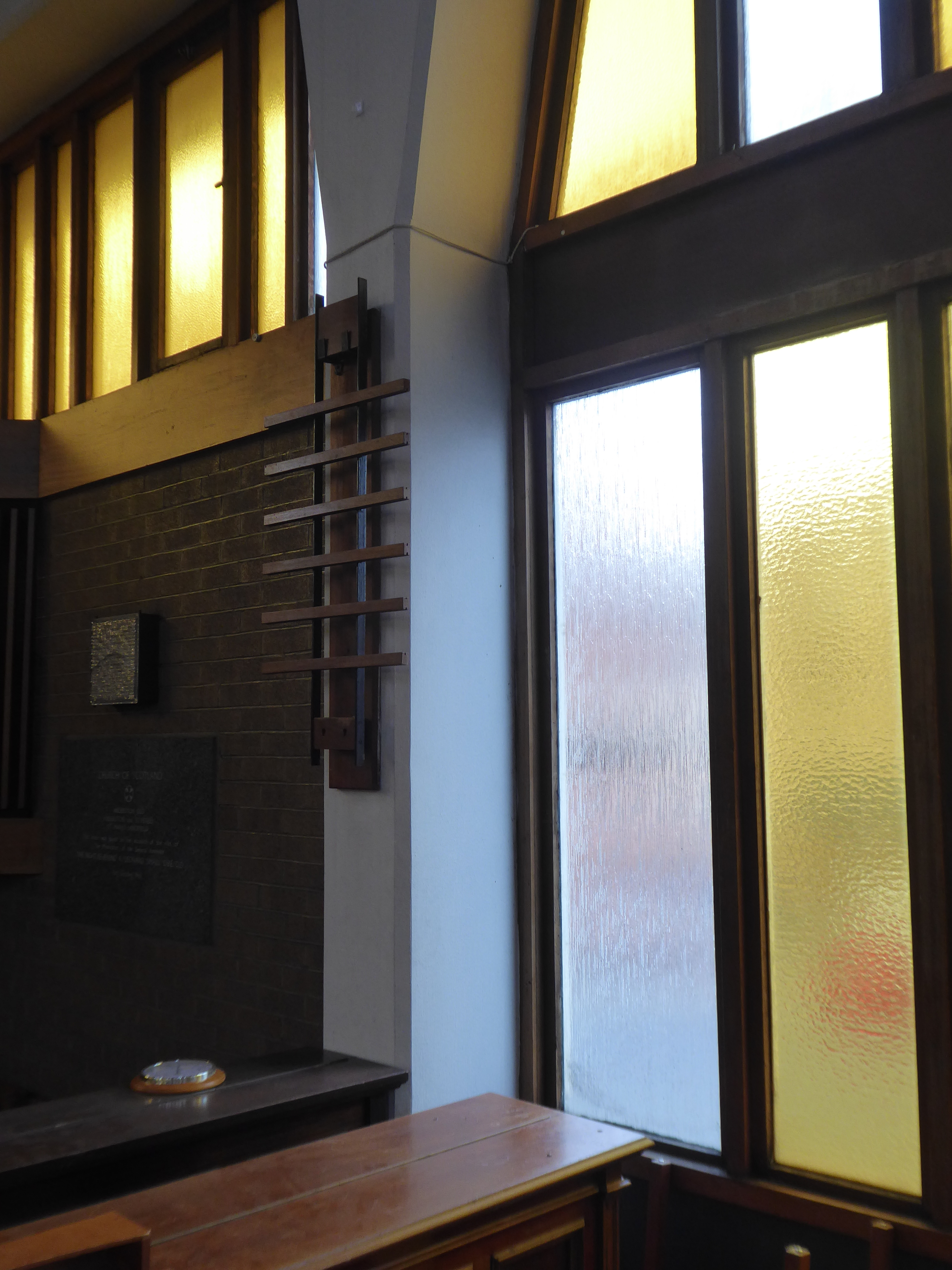
Let’s take a look around inside.

As a footnote the recent STV Studios produced series SCREW was filmed here!

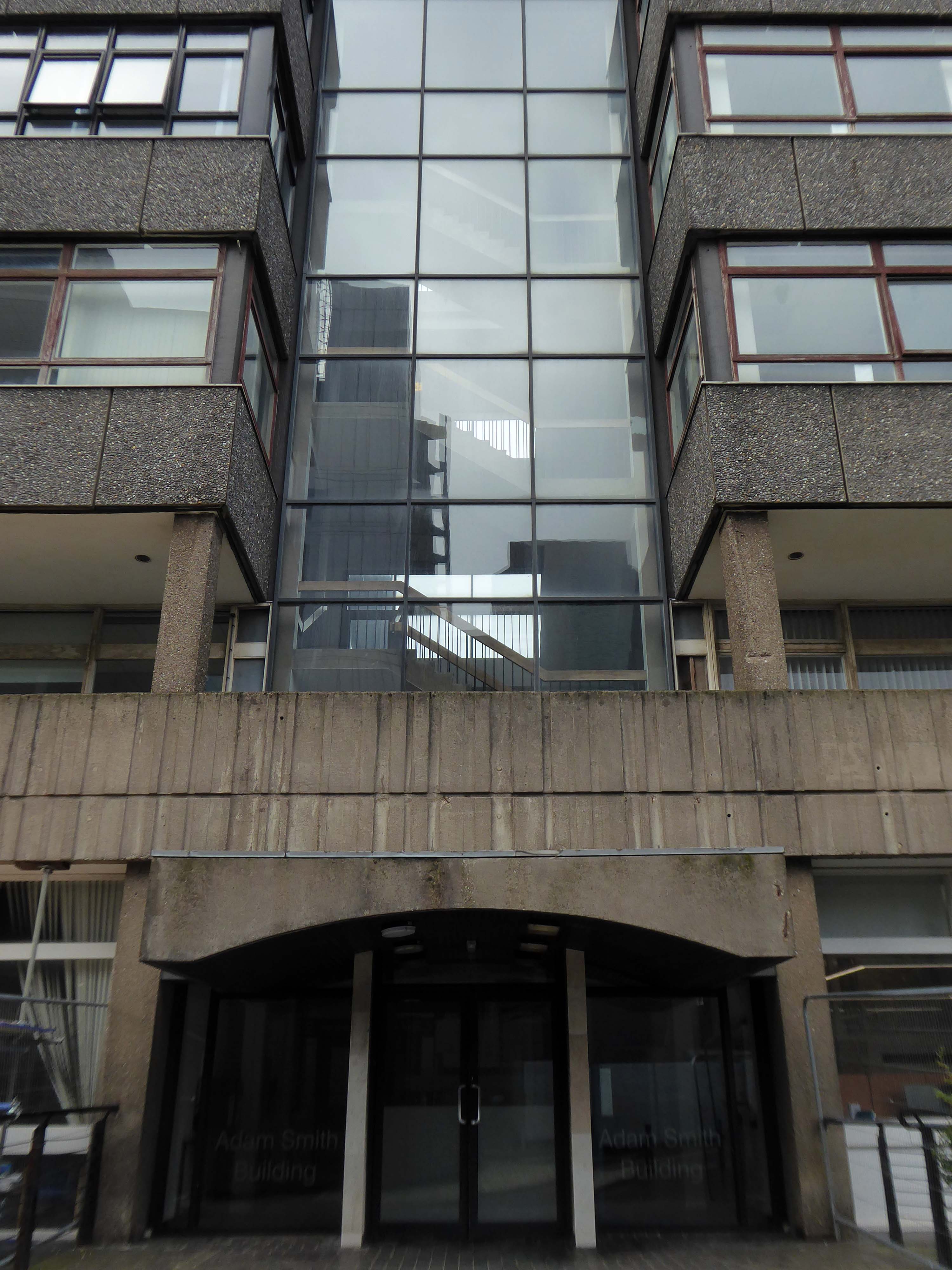
Adam Smith Building – Glasgow

Architects: David Harvey, Alex Scott & Associates – 1967

The Adam Smith Building, named in honour of the moral philosopher and political economist, Adam Smith, was formally opened on 2 November 1967 by Sydney George Checkland, Professor of Economic History from 1957 to 1982. The building was the first of the University’s multipurpose blocks housing a large number of departments, and a library for Political Economy, Social and Economic Research, Economic History, Political and Social Theory and Institutions, Management Studies, Psychology, Social Psychology, Accountancy, Citizenship, Anthropology, Criminology, Industrial Relations, and the School of Social Study. A records store was provided beneath the Library for the Economic History department to house their rapidly growing collection of business records from the vanishing Clyde shipyards and heavy engineering workshops, which now form part of the Scottish Business Archive held at University of Glasgow Archive Services.

Archives Hub

Eastern Elevation 1973
Southern Elevation 1978

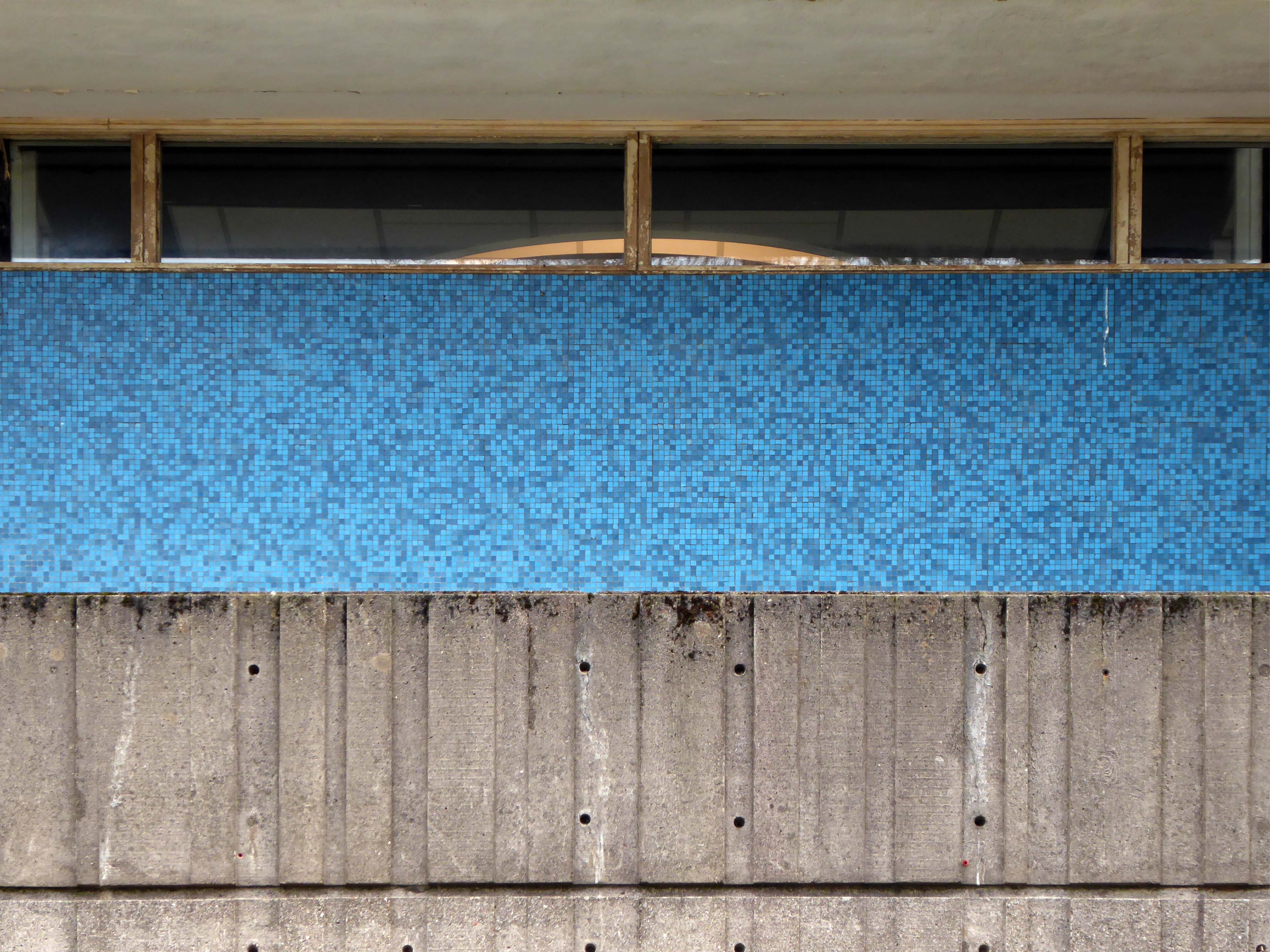
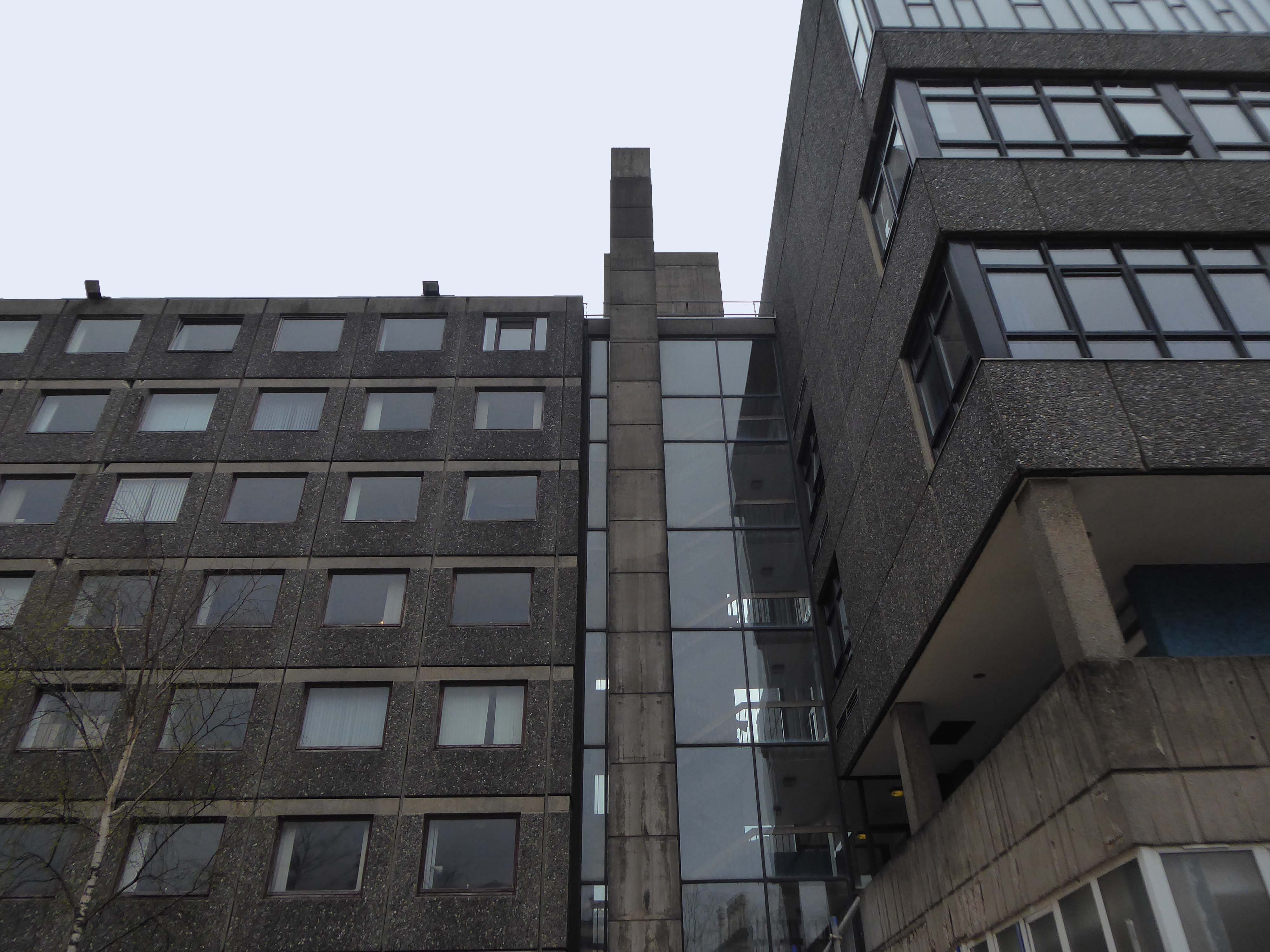
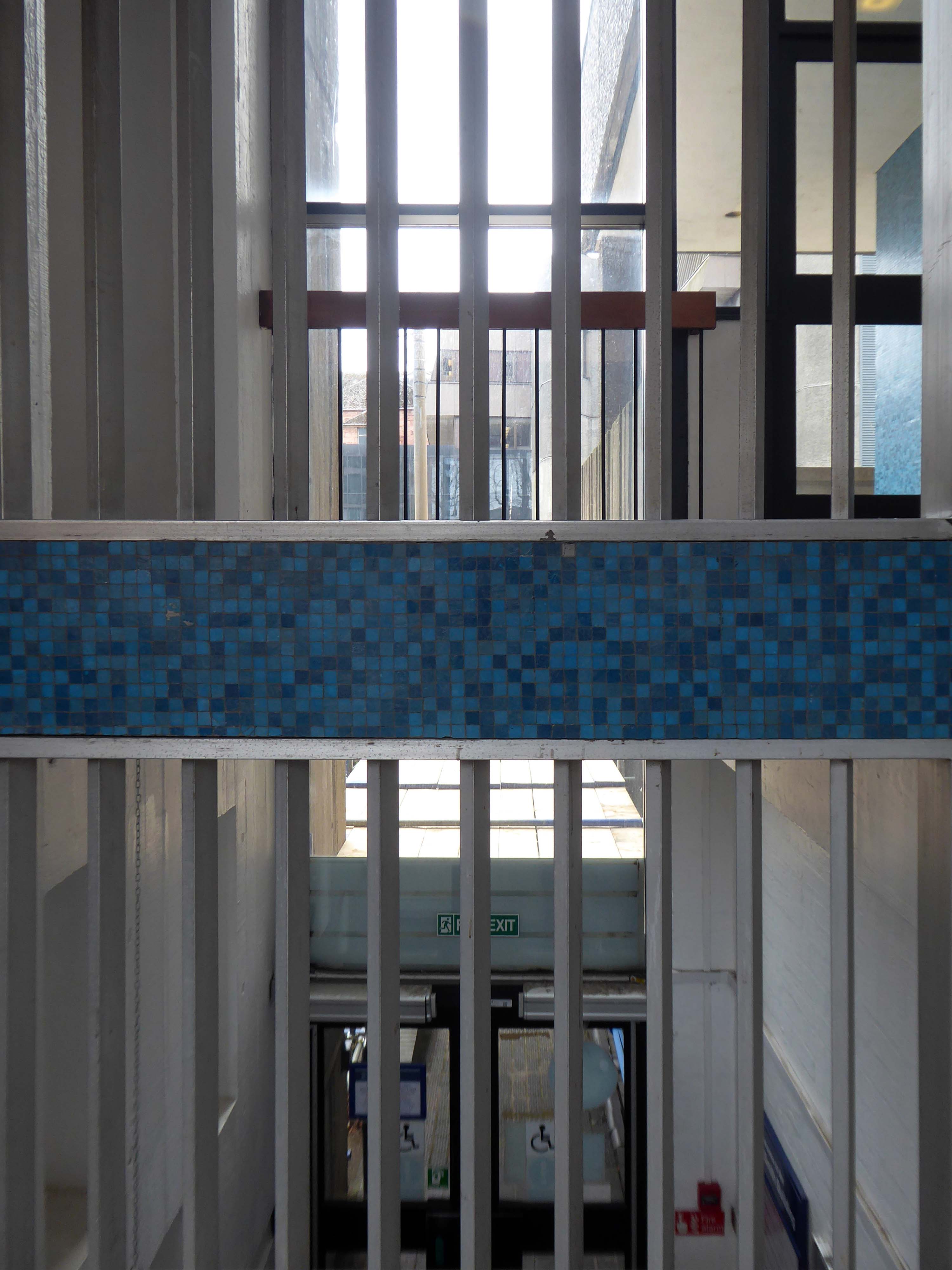
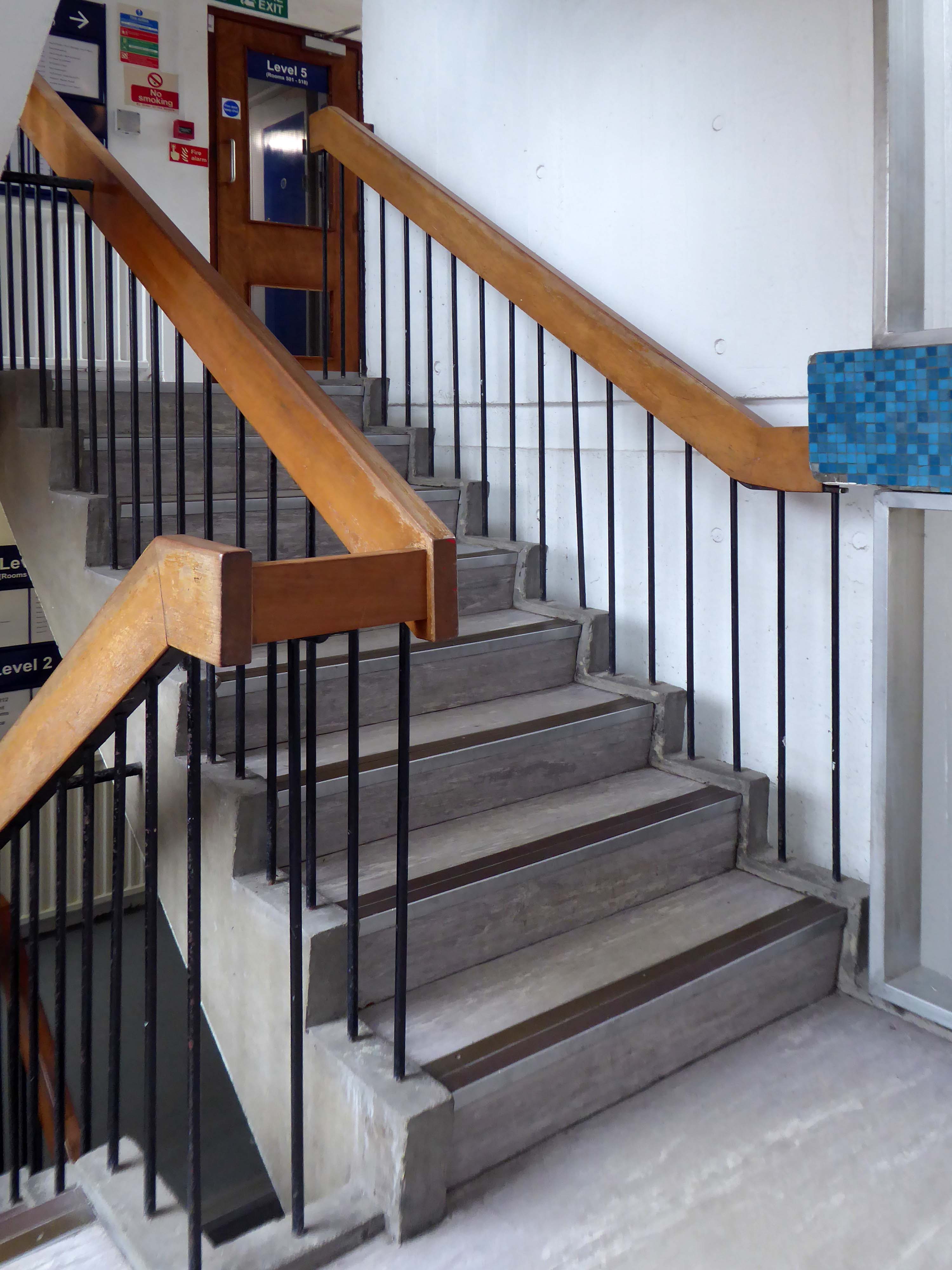
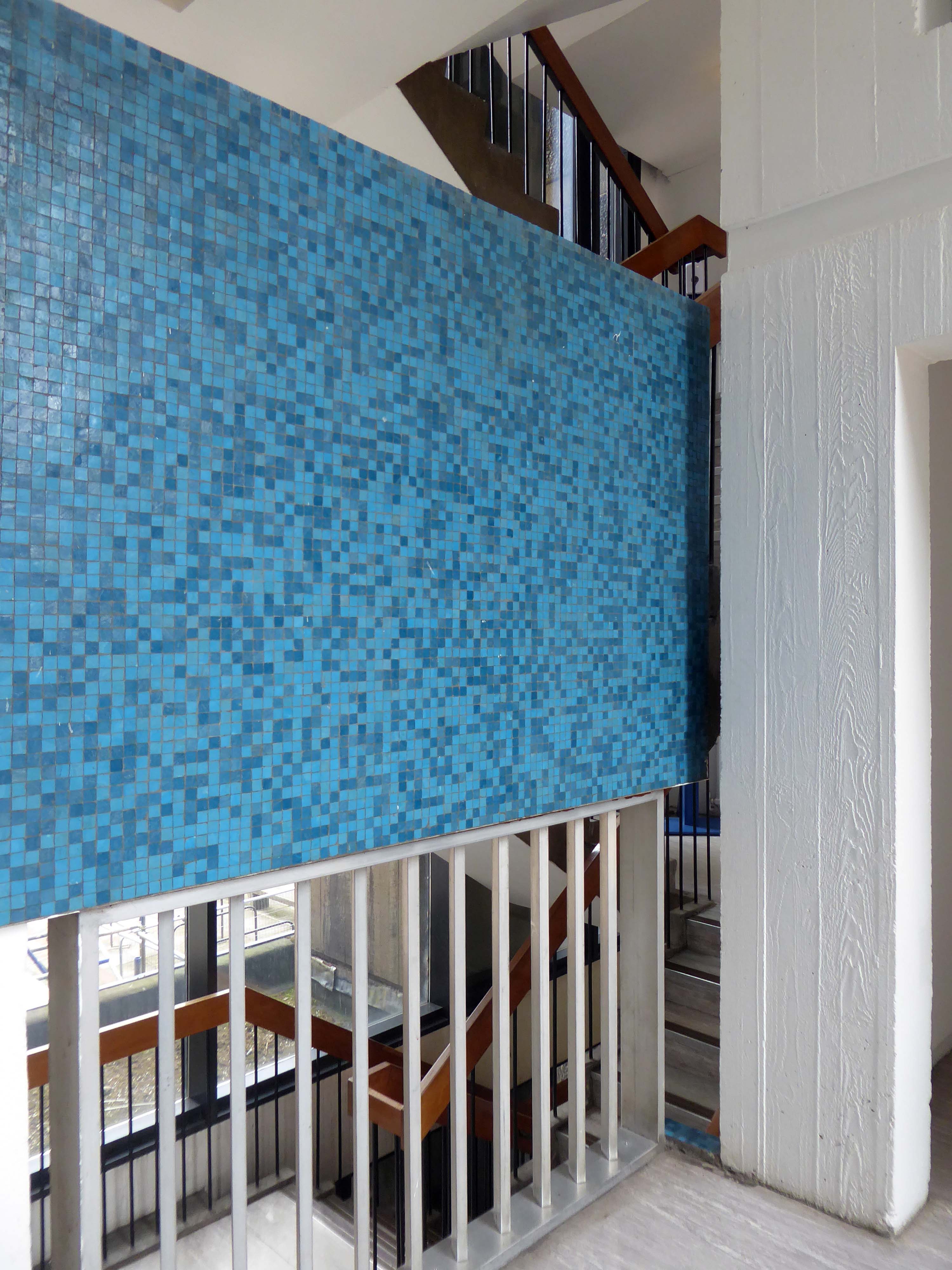
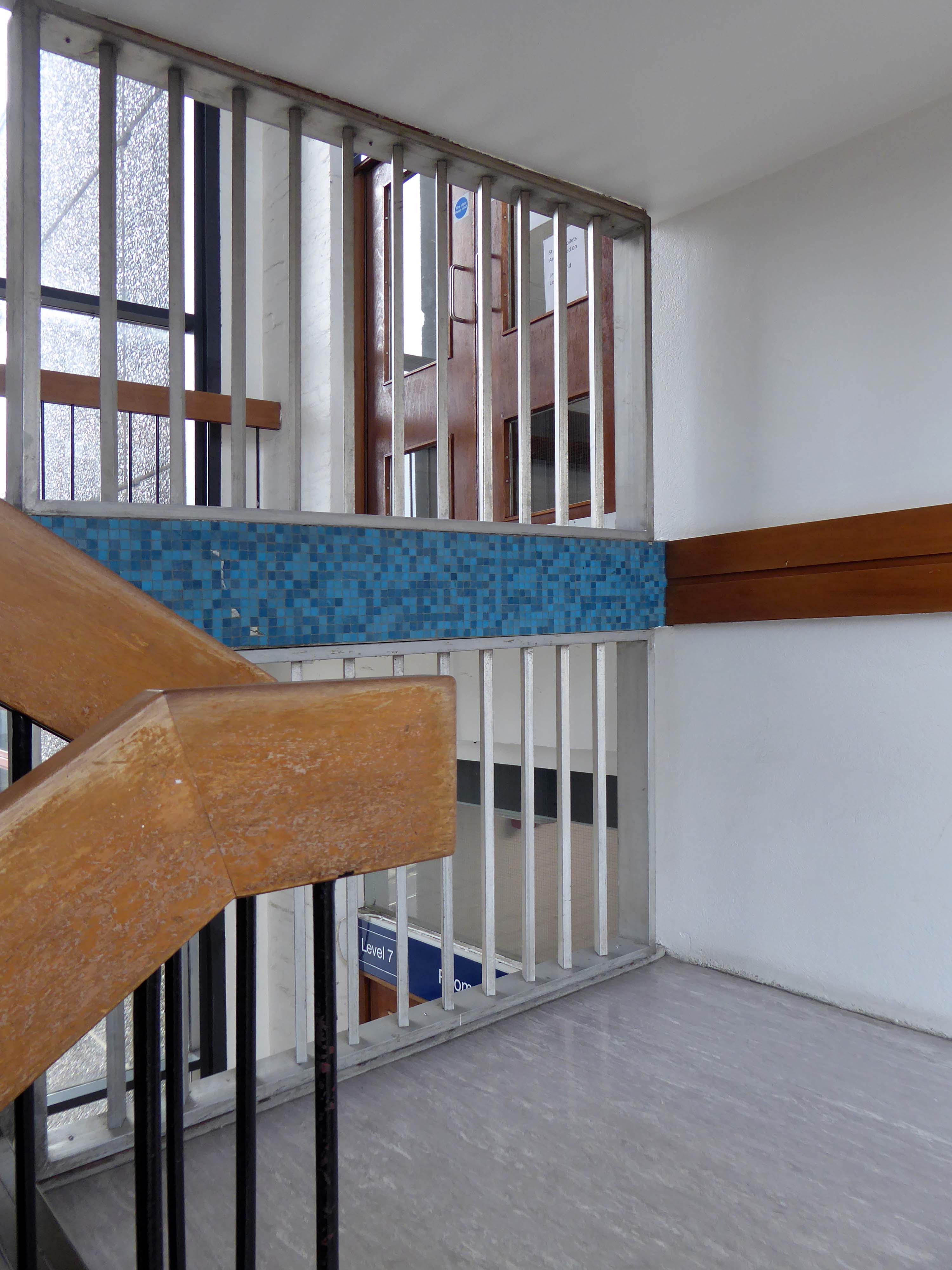
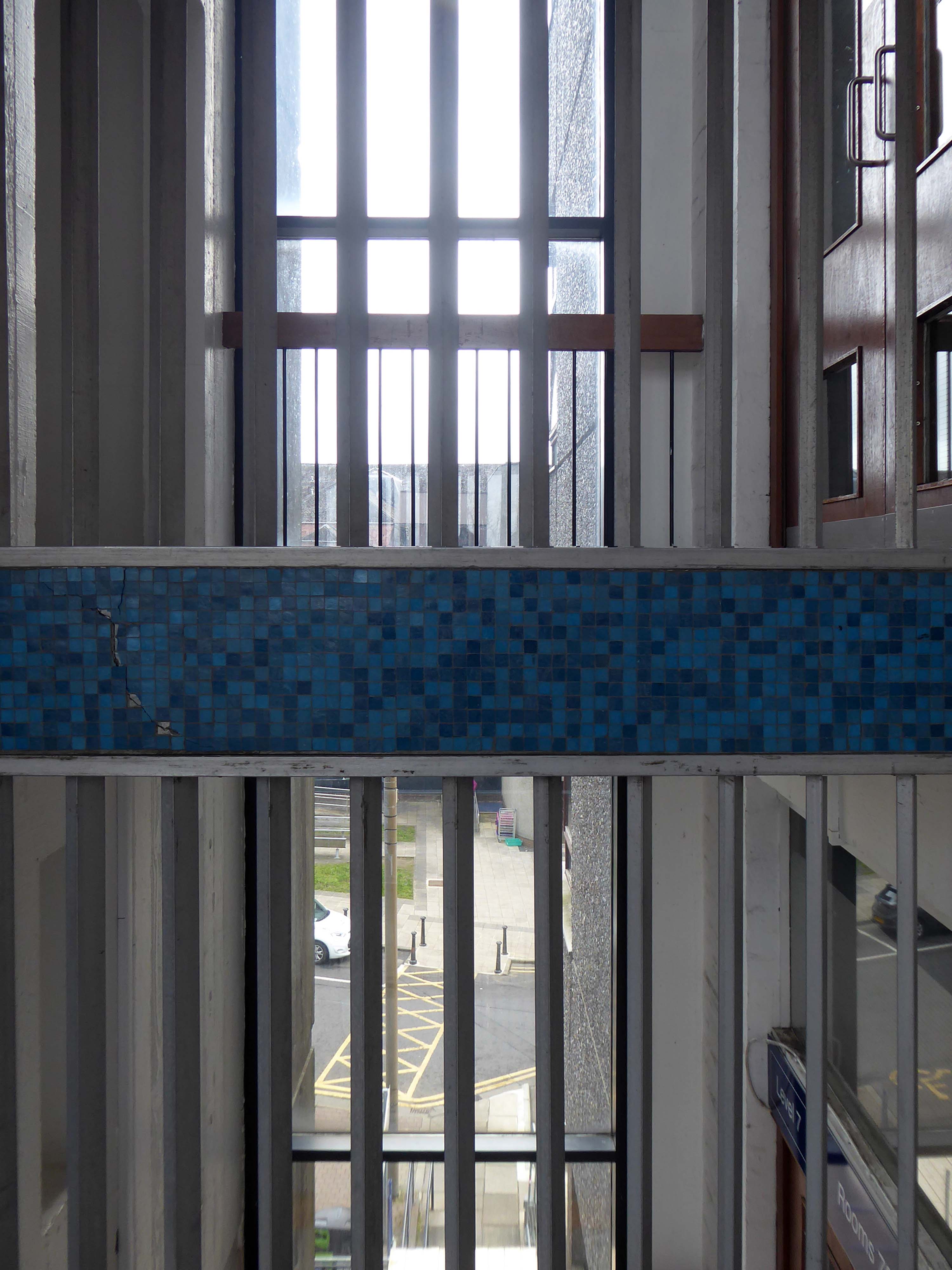
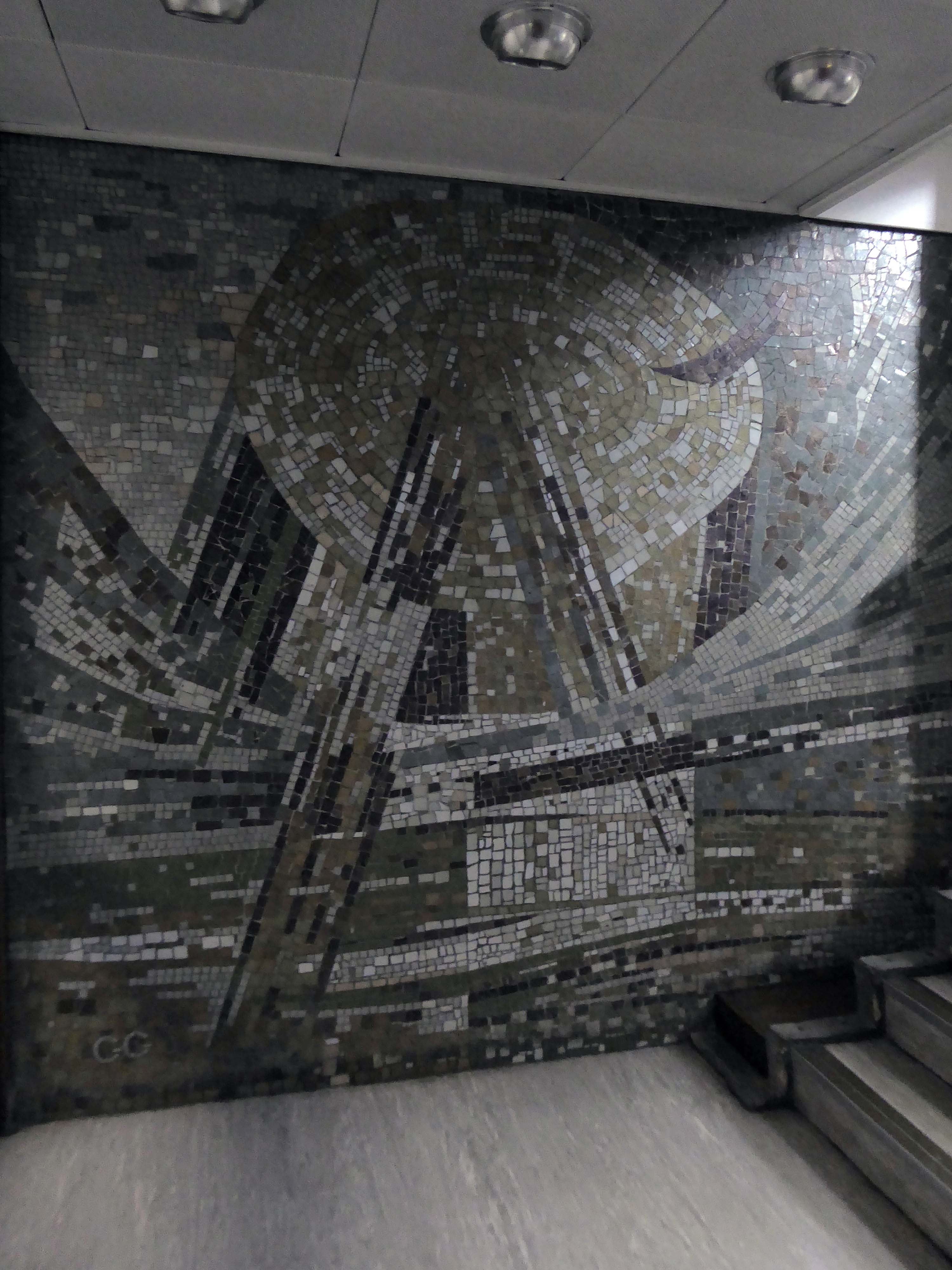
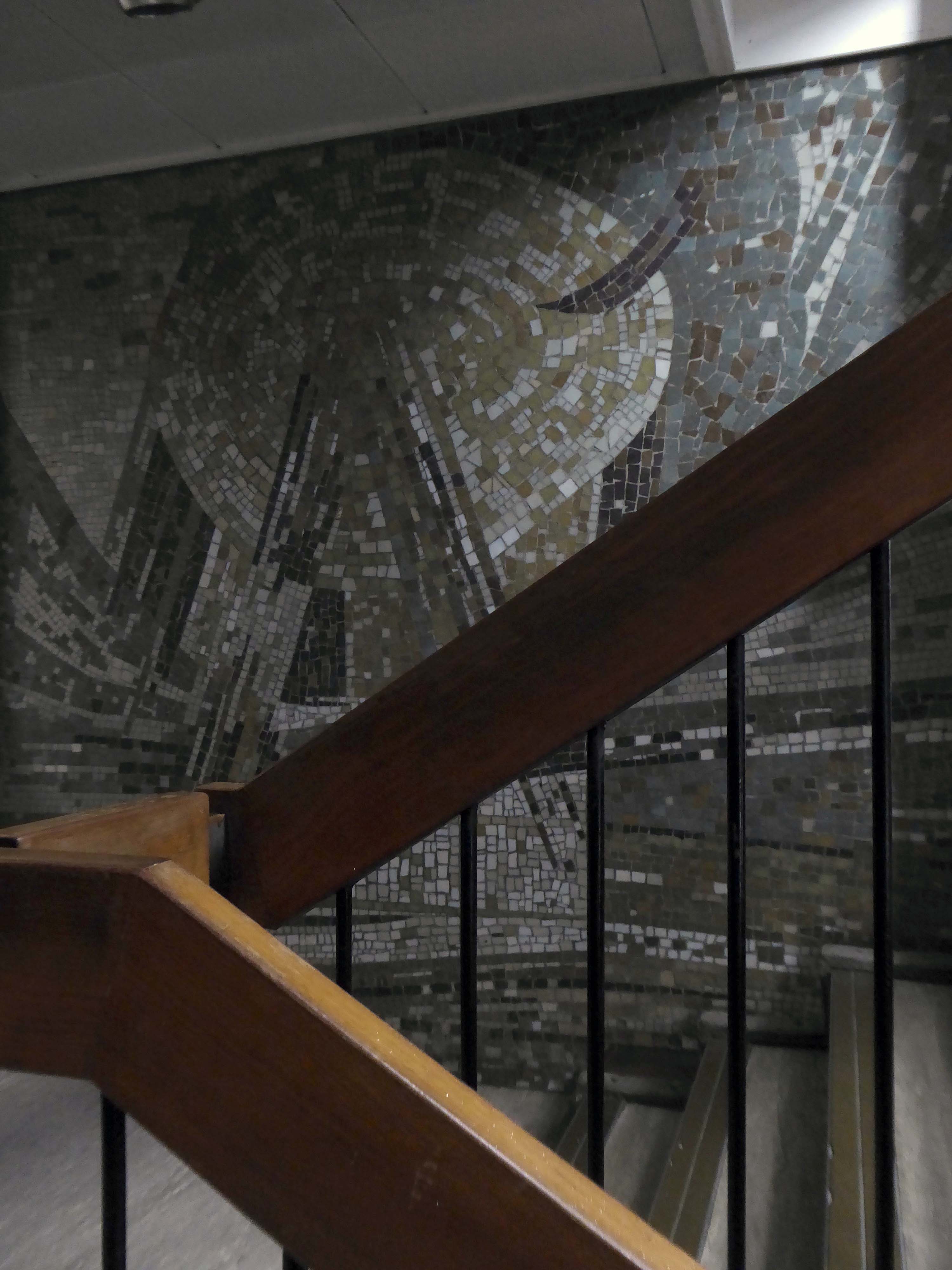
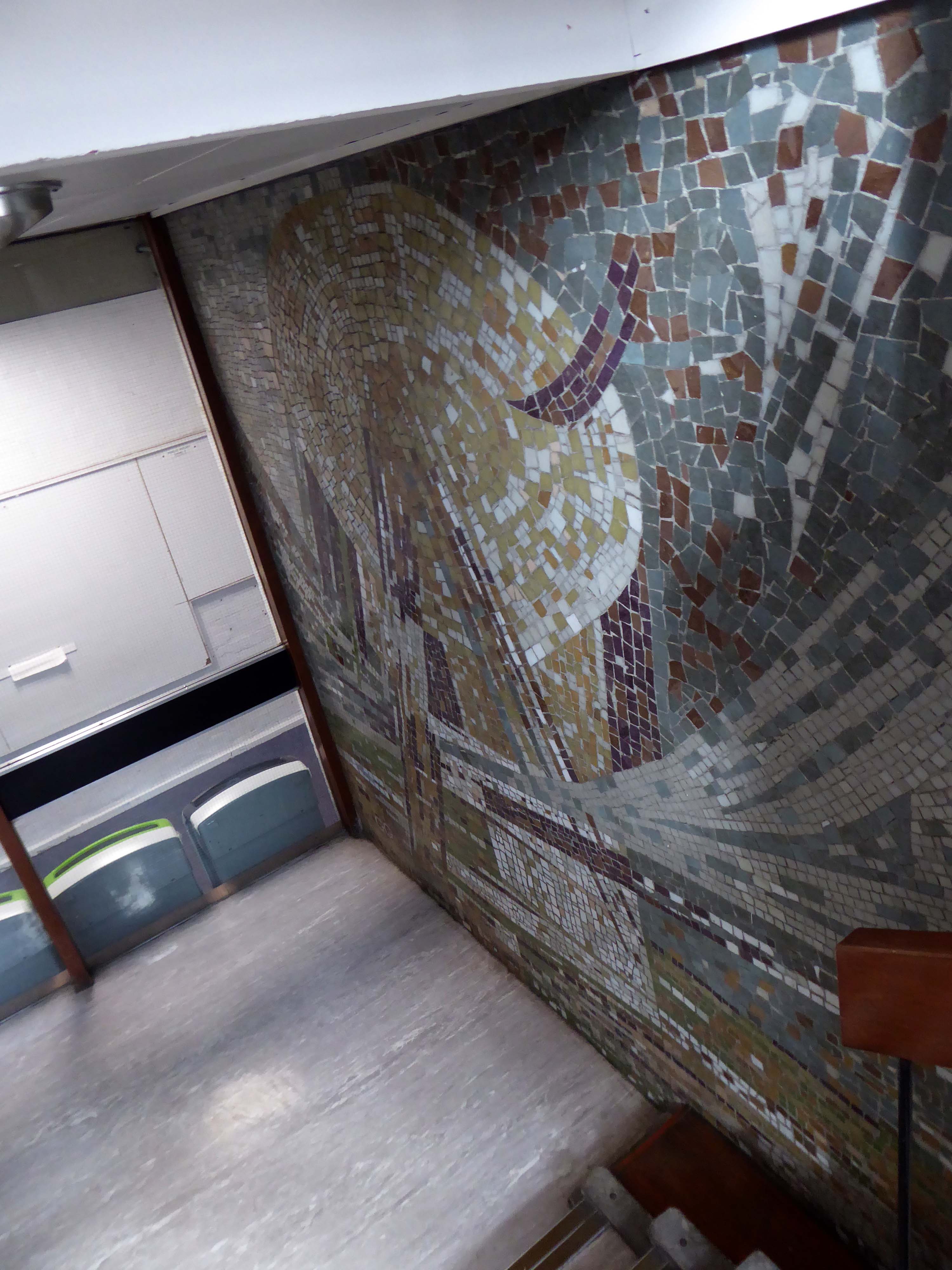
Wandering almost aimlessly around the campus, when the blue mosaic caught my eye.

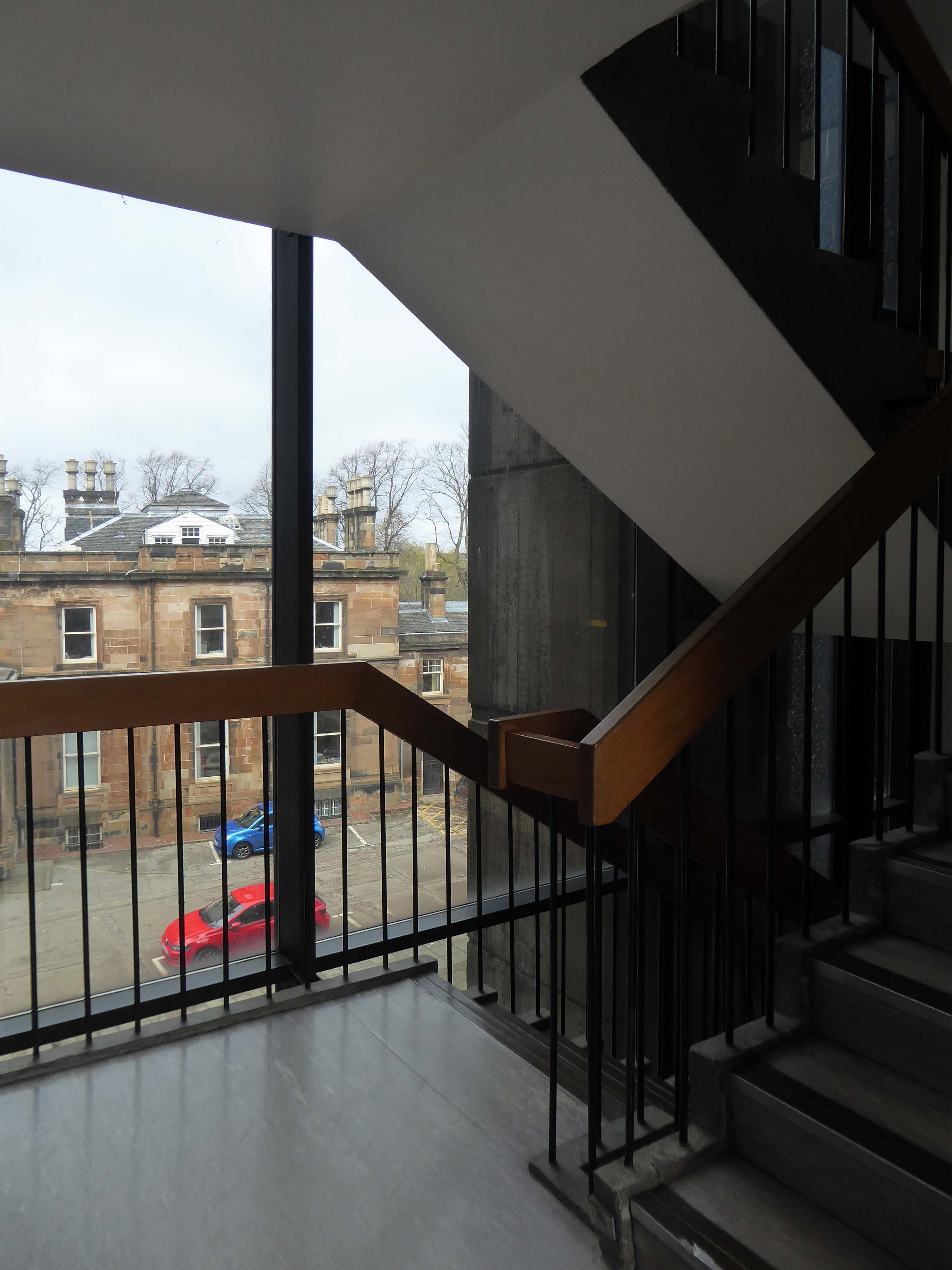
The glass stairwell drew me in further.

Entering the building I explained myself to the passing janitor:

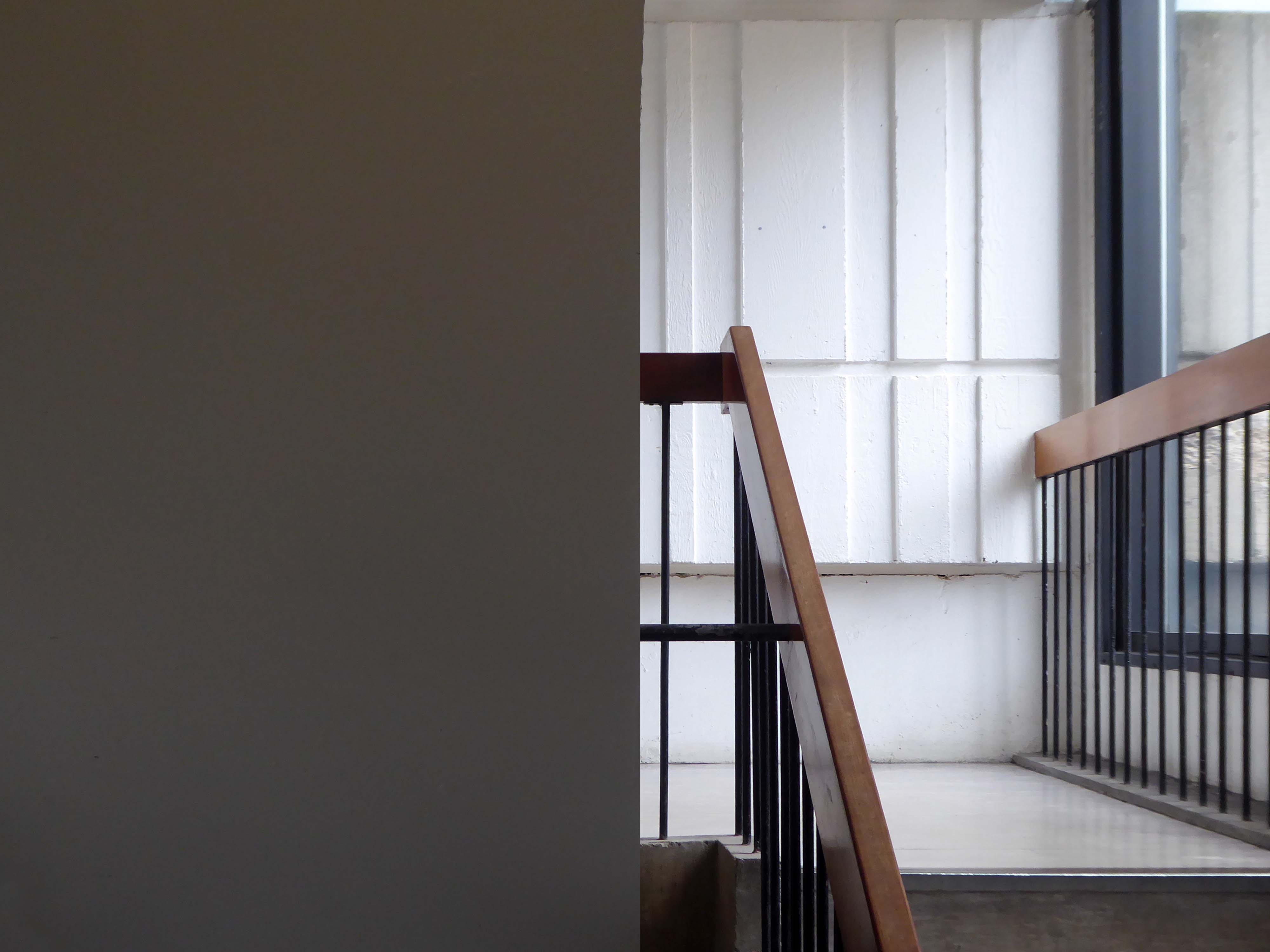
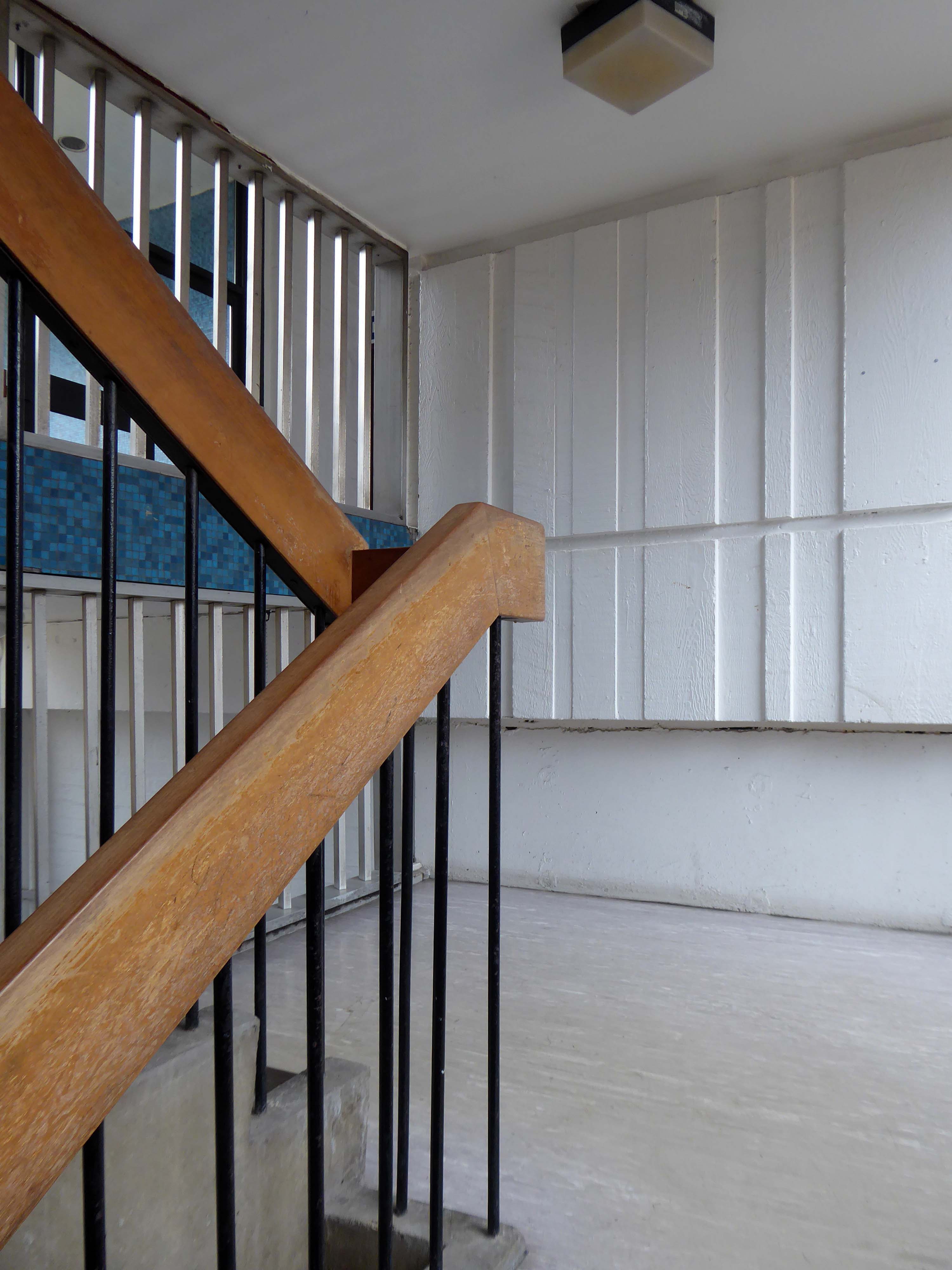
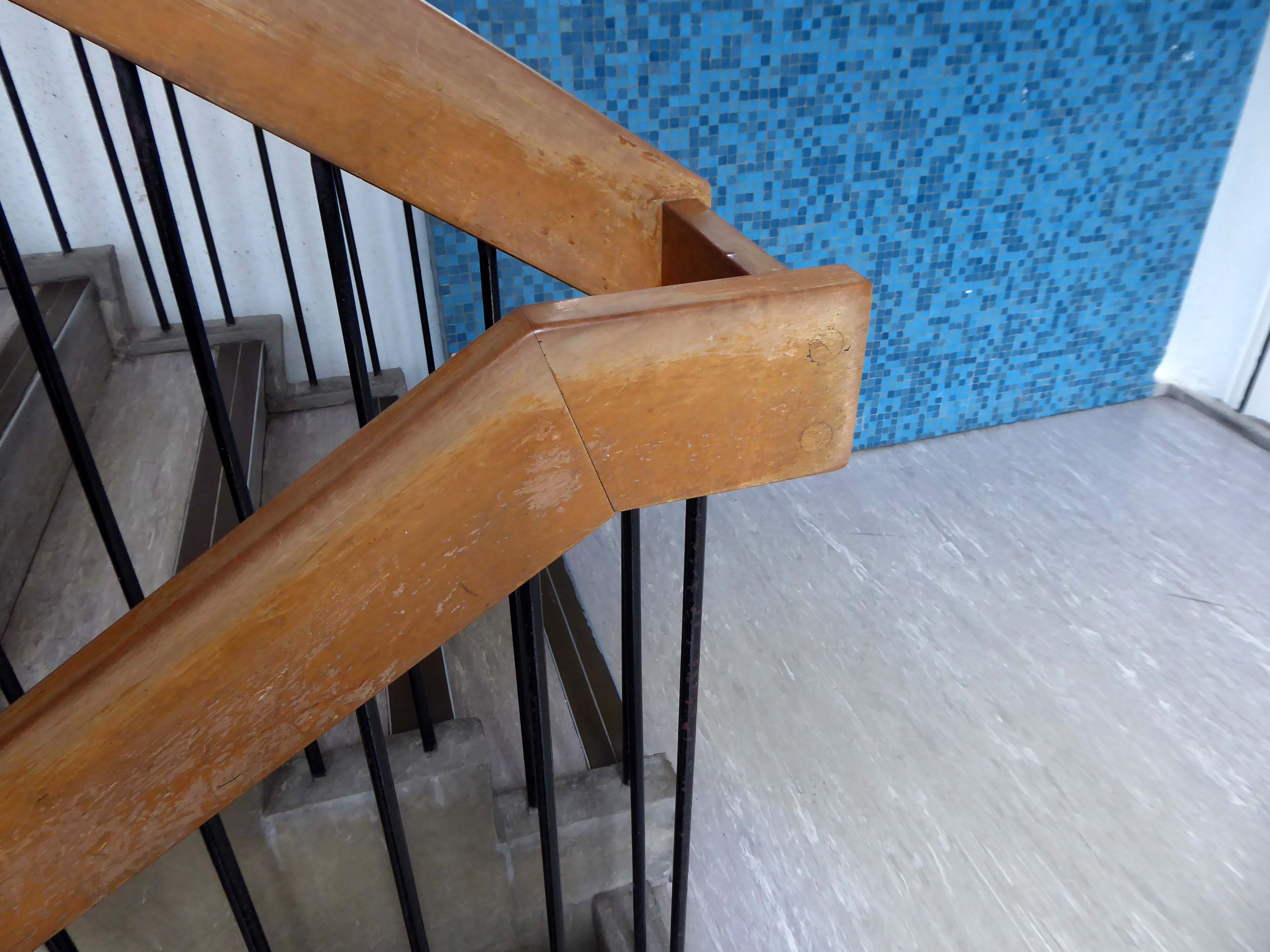
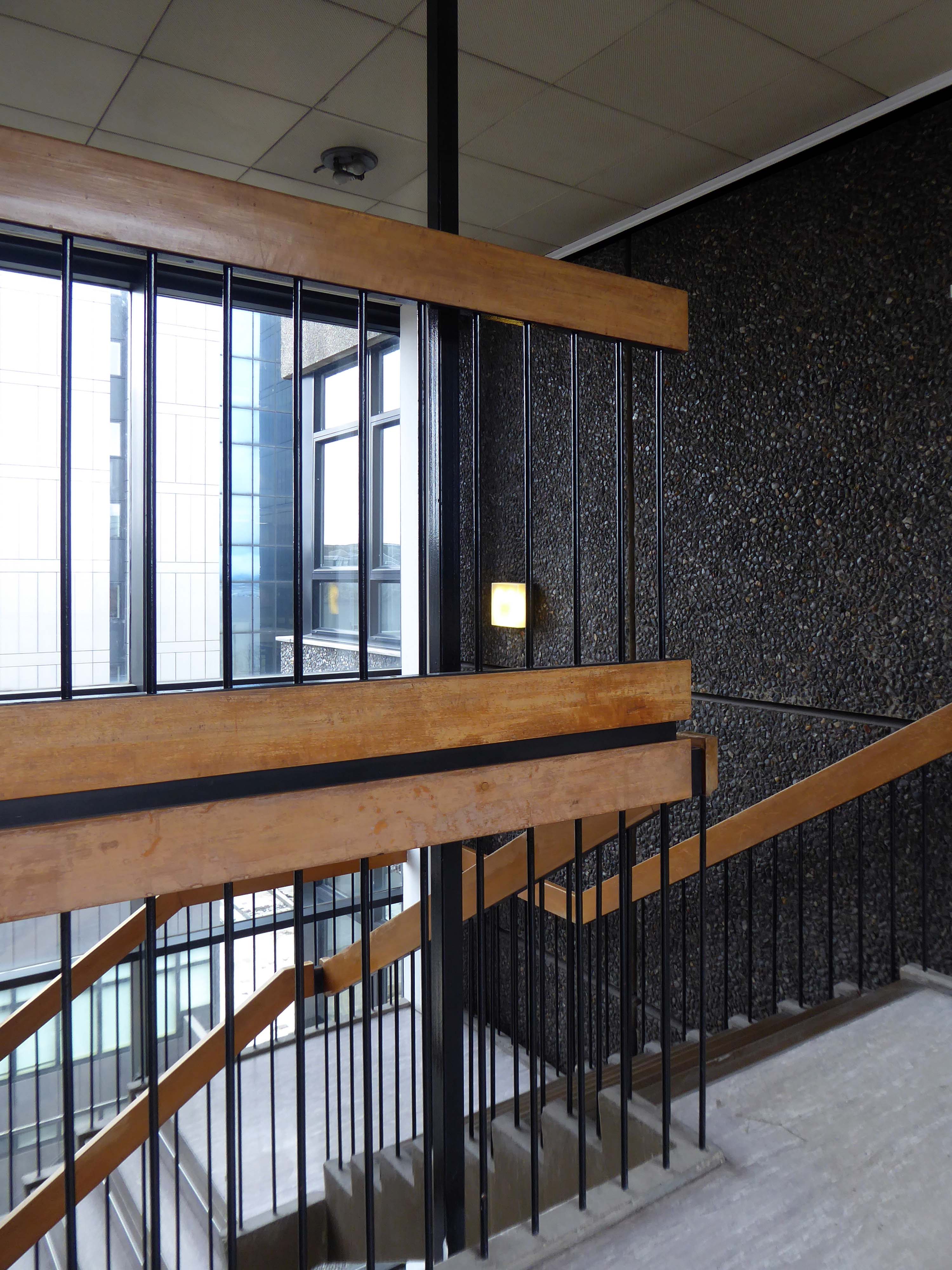
I’m intrigued by the stairways of 1960s civic buildings.

There are two – he helpfully replied.

Further intrigued I took a good look around – first up one.

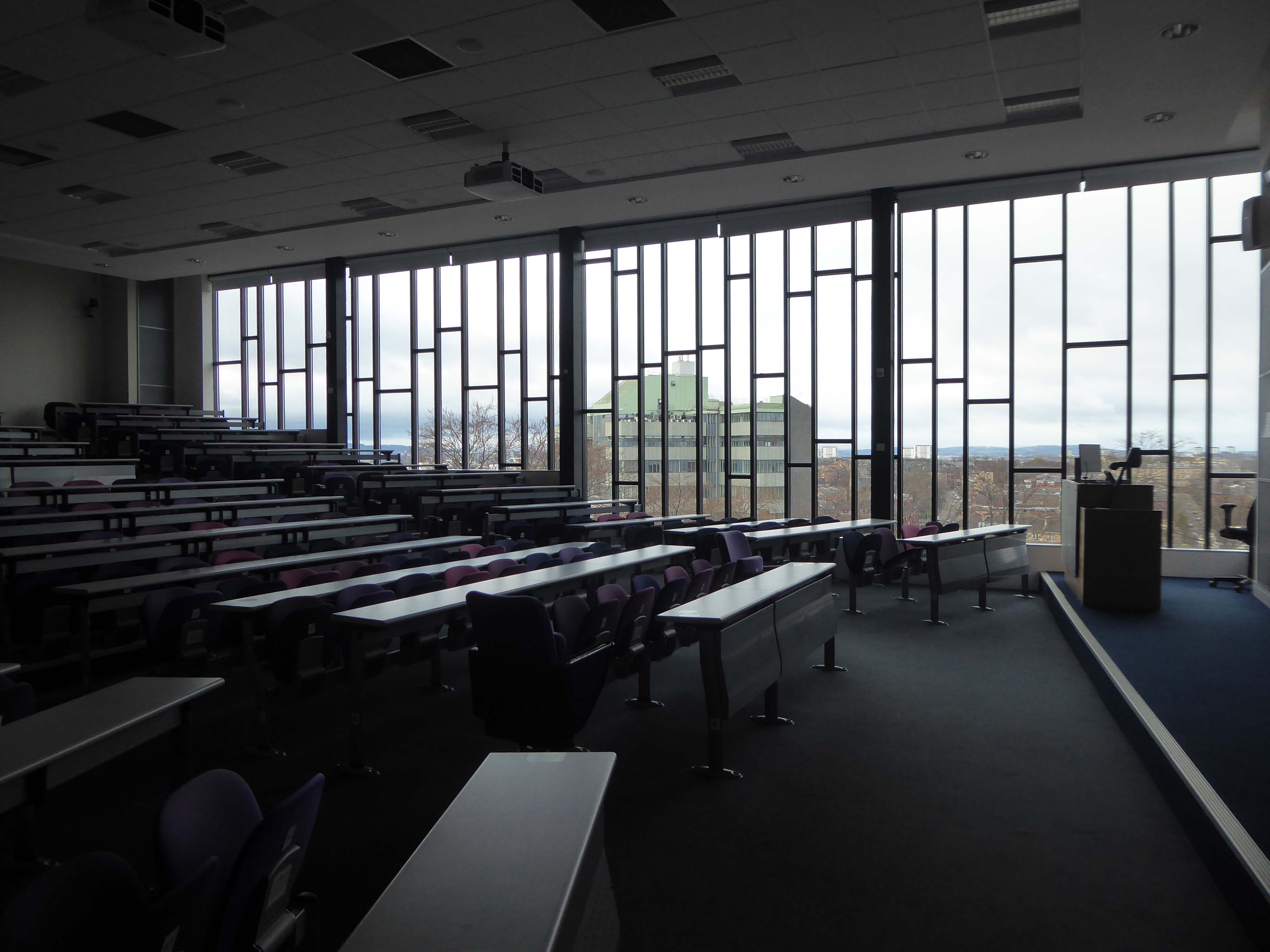
Reaching the top and discovering the Lecture Theatre.

Then down the other.

The mosaic mural at the foot of the main staircase was the work of George Garson, the head of the Mural Design and Stained Glass department at the Glasgow School of Art.

A quick look around the outside and then on my way.

Cumbernauld Housing

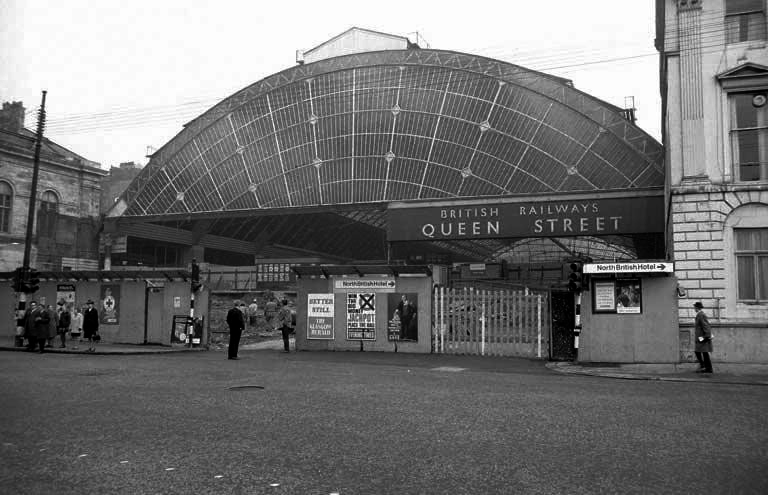
Sunday morning in Glasgow, I caught the first train out from Queen Street Station.

In October 2017, a £120 million project began on bringing the station up to modern standards, demolishing many of the 1960s buildings and replacing them with a new station concourse, which was completed in 2021.

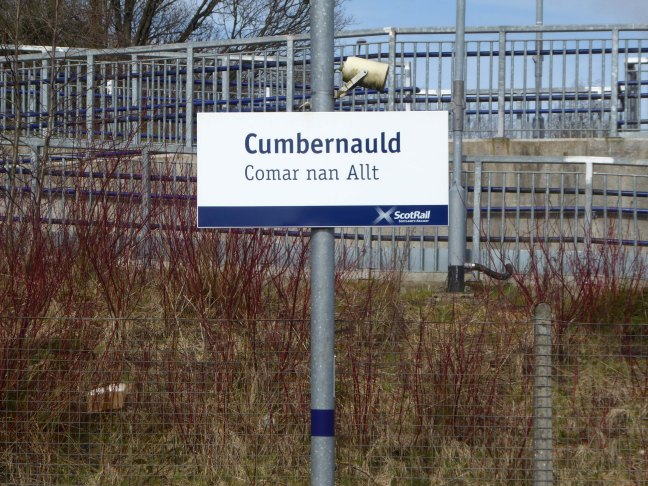
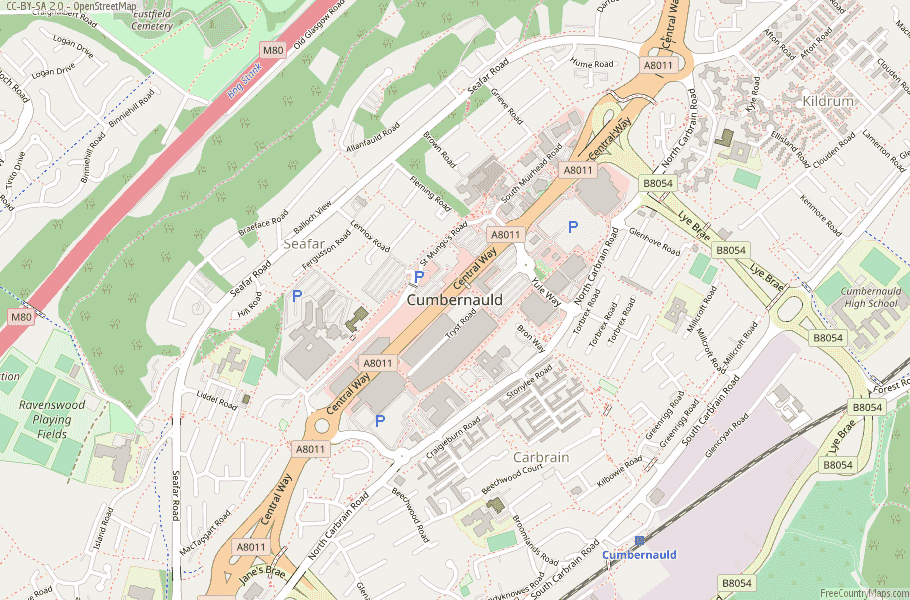
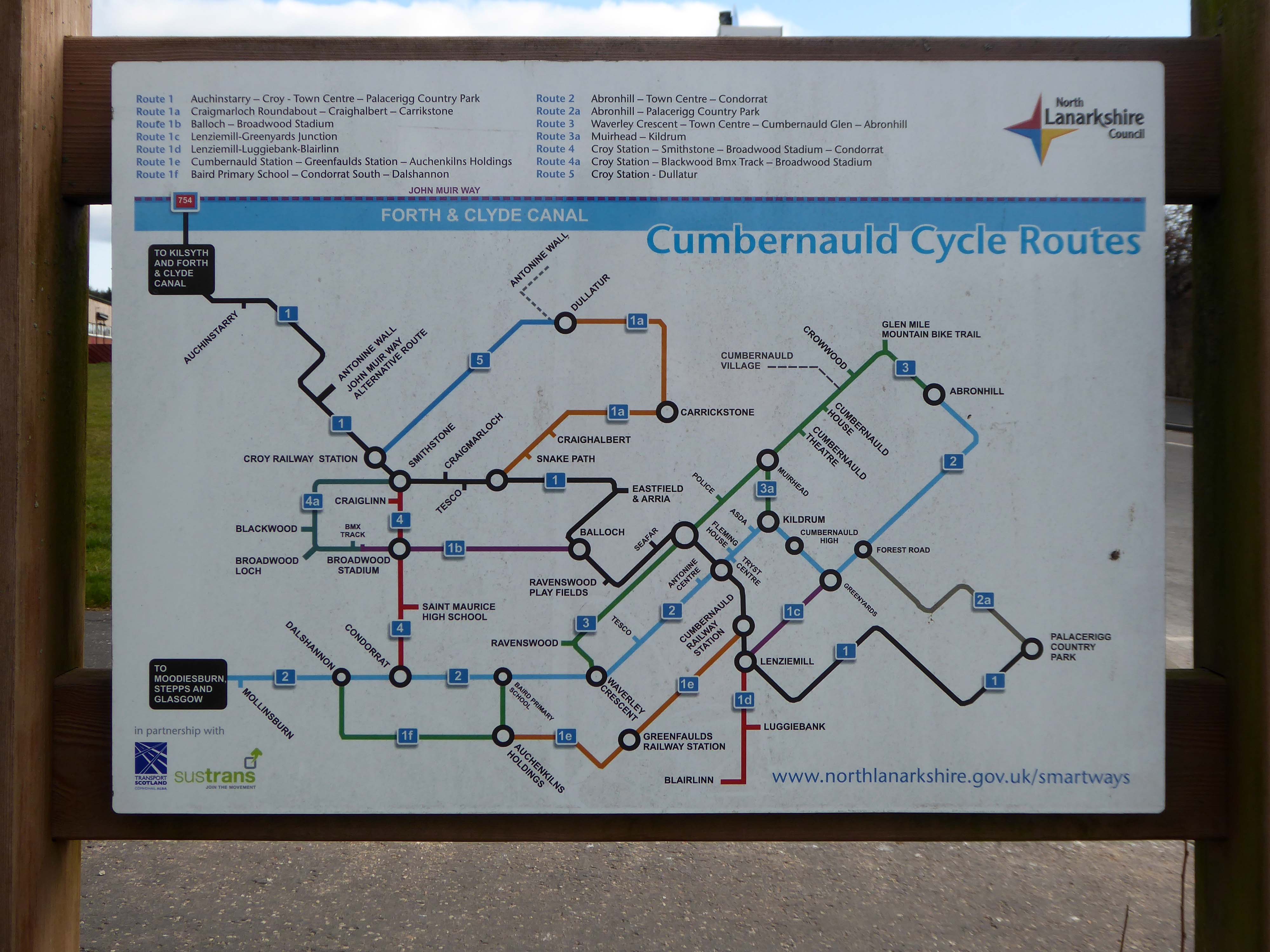
I arrived in Cumbernauld and walked toward the Central Way and back again.
Cumbernauld was designated as a new town in December 1955, part of a plan, under the New Towns Act 1946, to move 550,000 people out of Glasgow and into new towns to solve the city’s overcrowding. Construction of its town centre began under contractors Duncan Logan, chief architect Leslie Hugh Wilson and architect Geoffrey Copcutt – until 1962 and 1963, and later Dudley Roberts Leaker, Philip Aitken and Neil Dadge.
Wikipedia

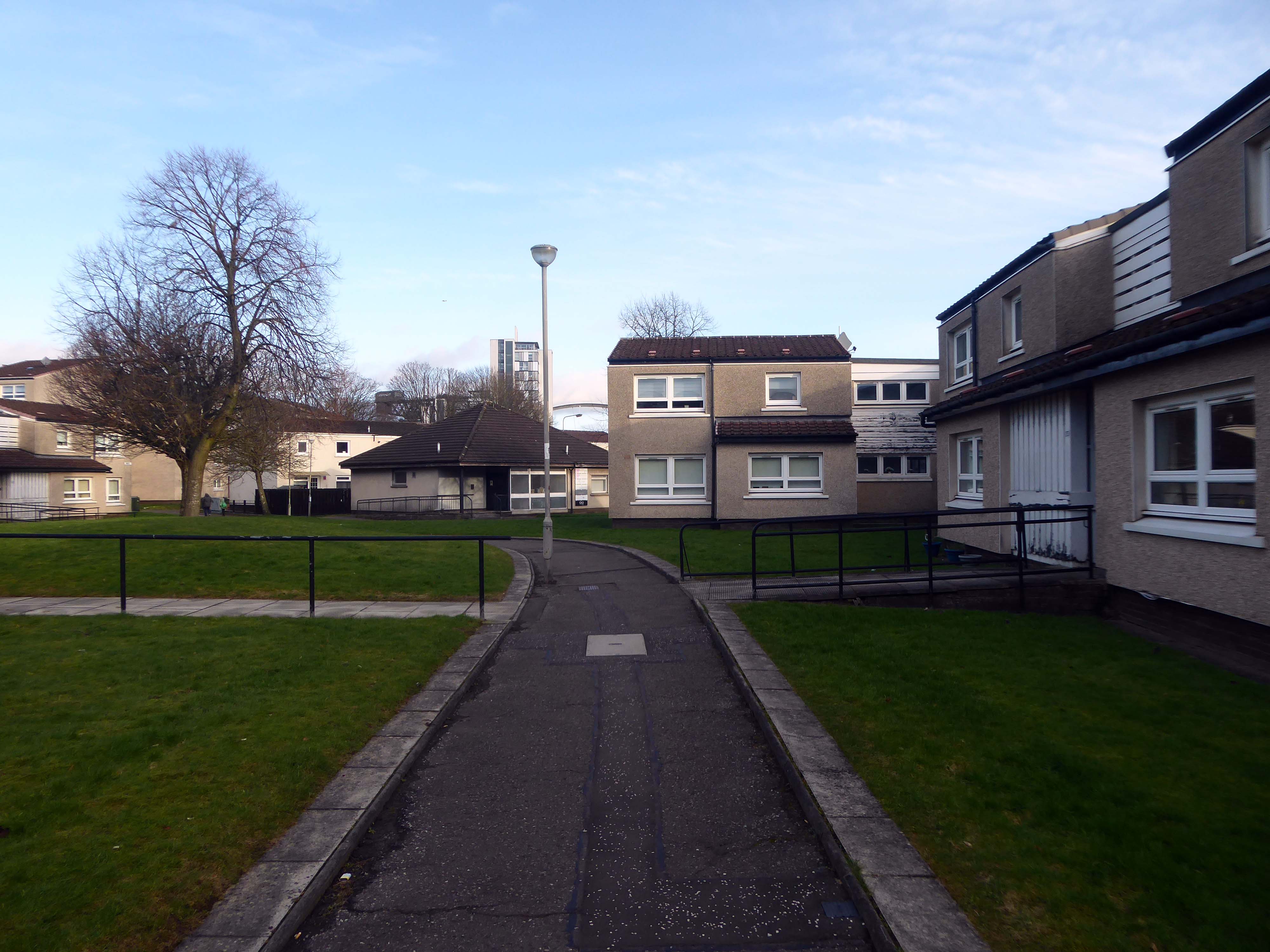
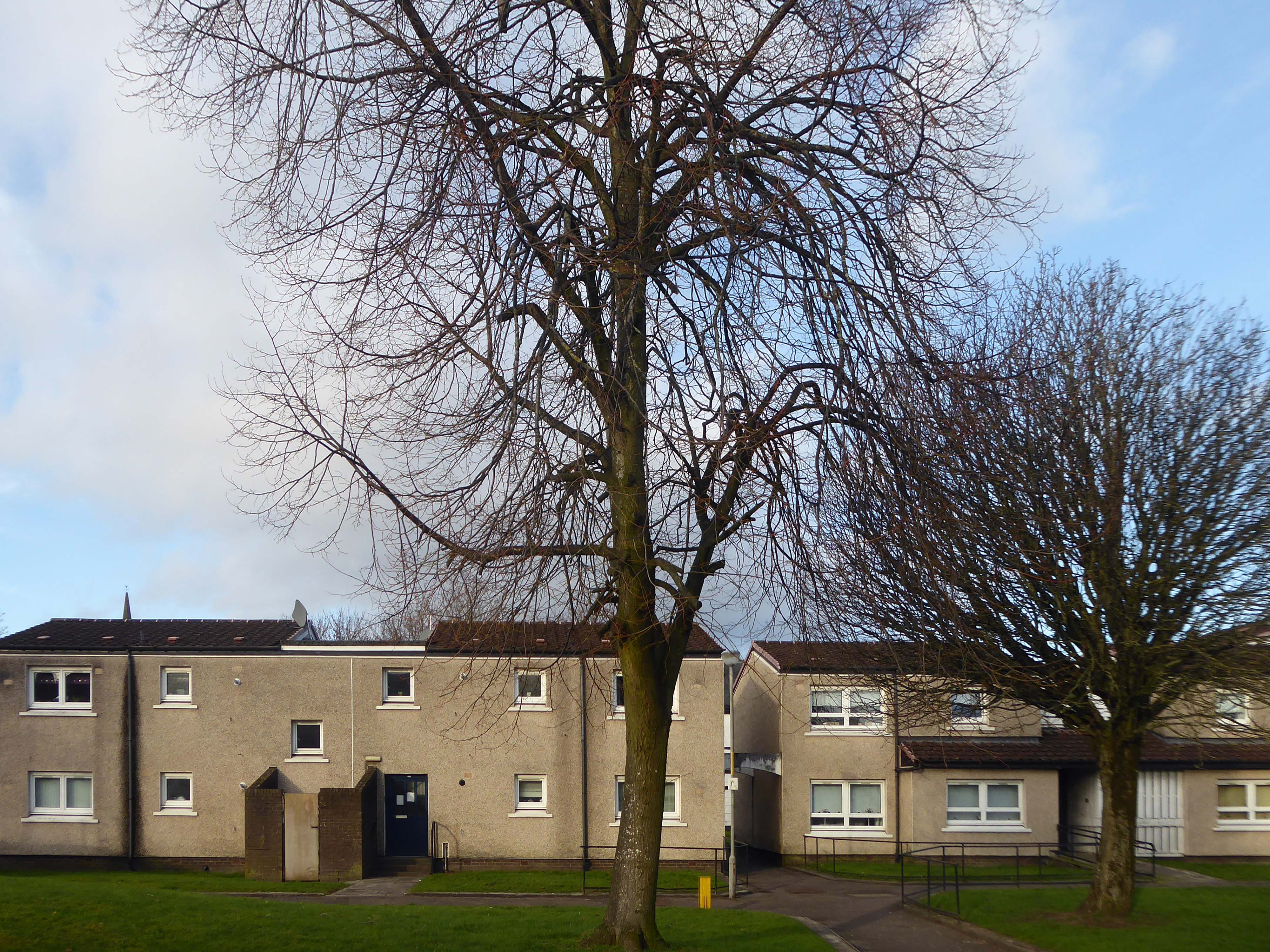
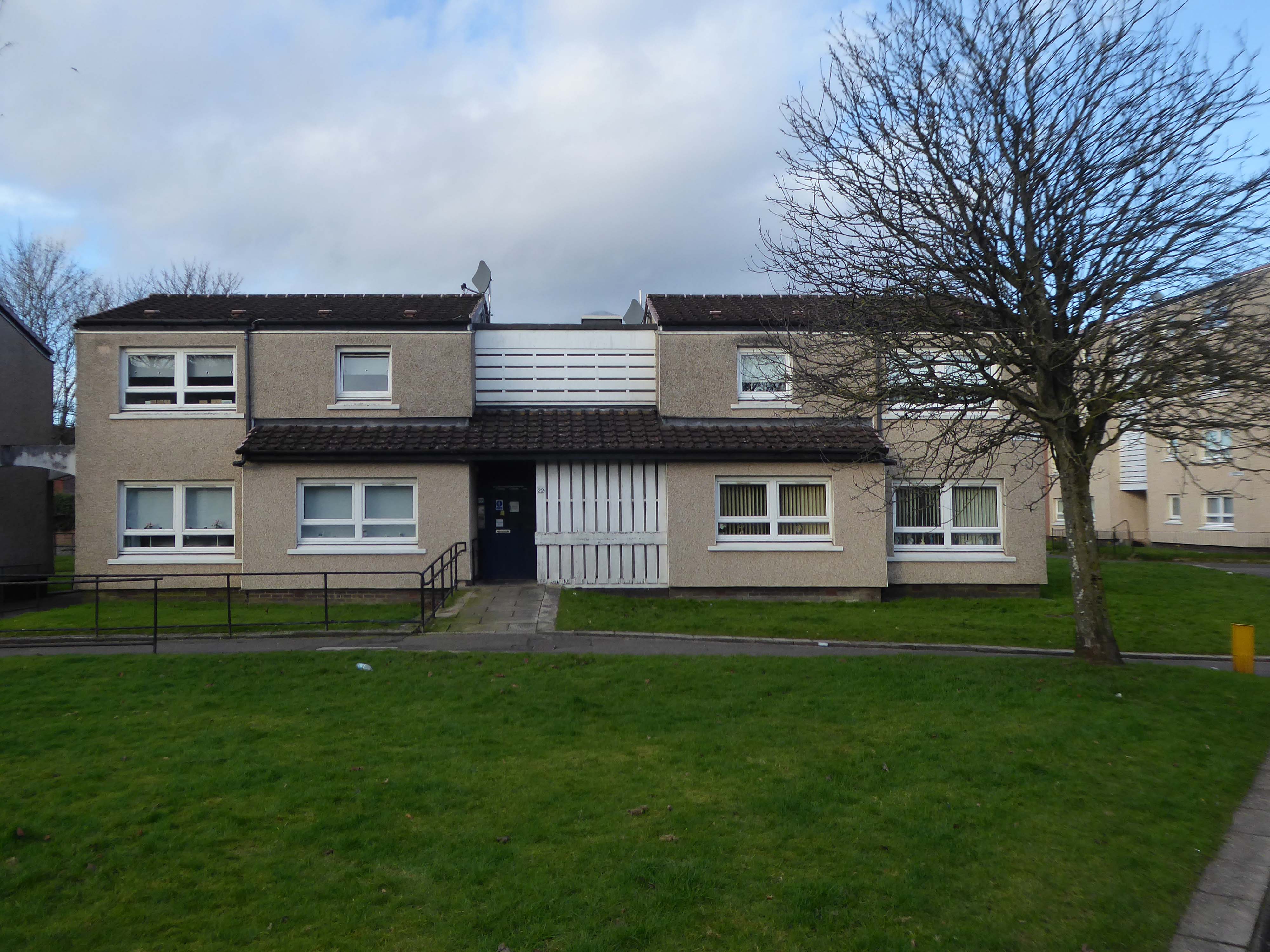
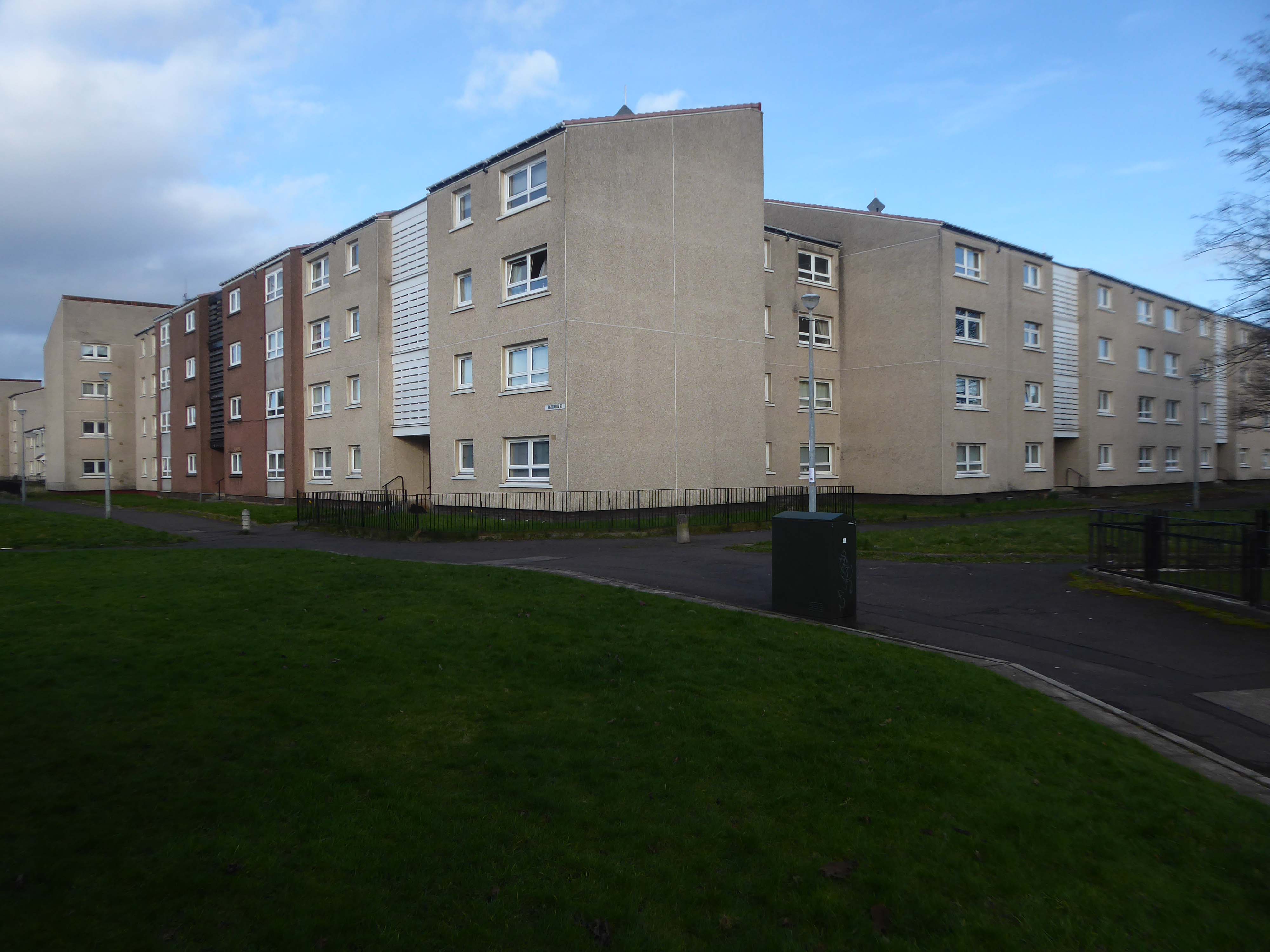
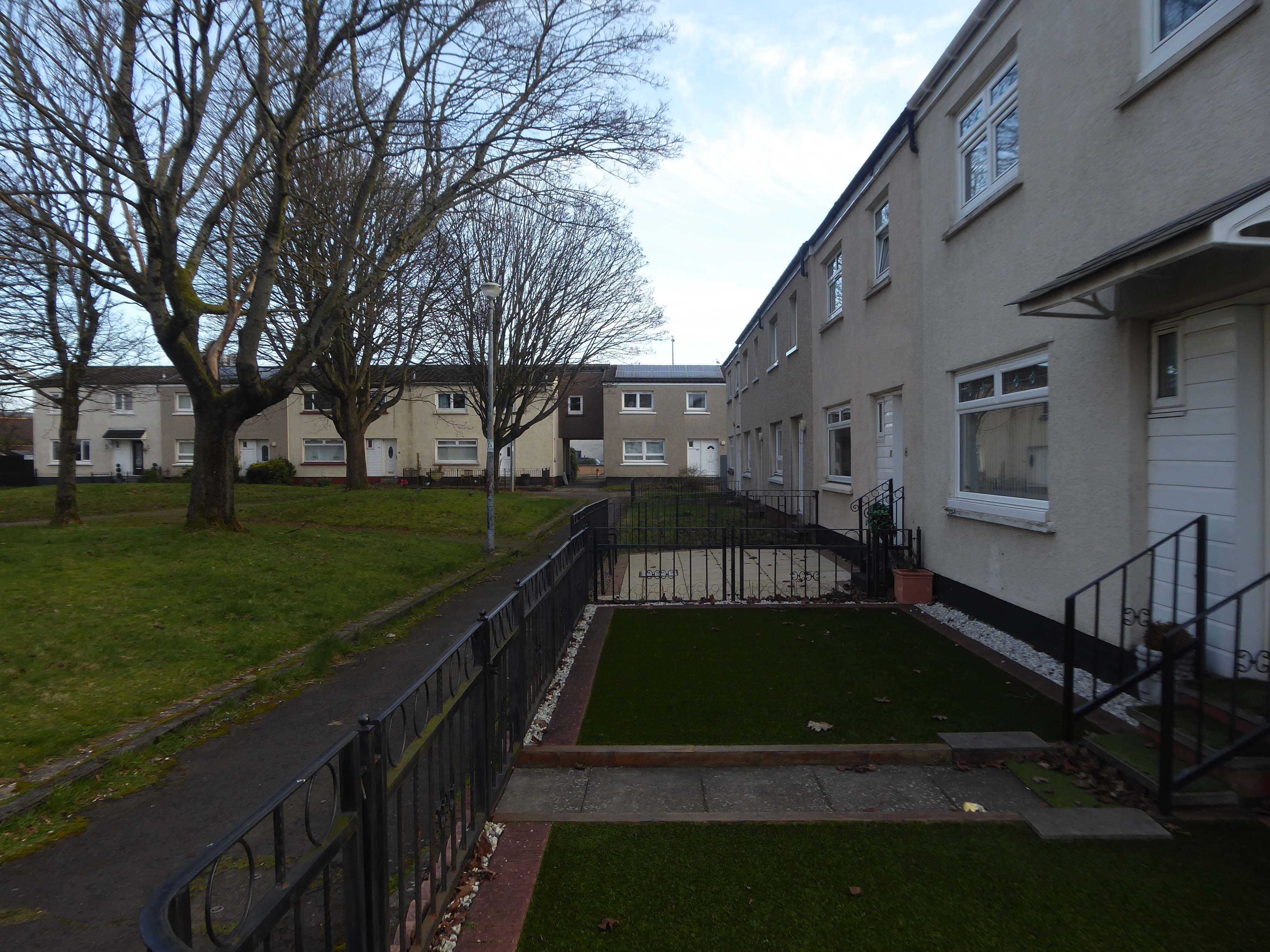
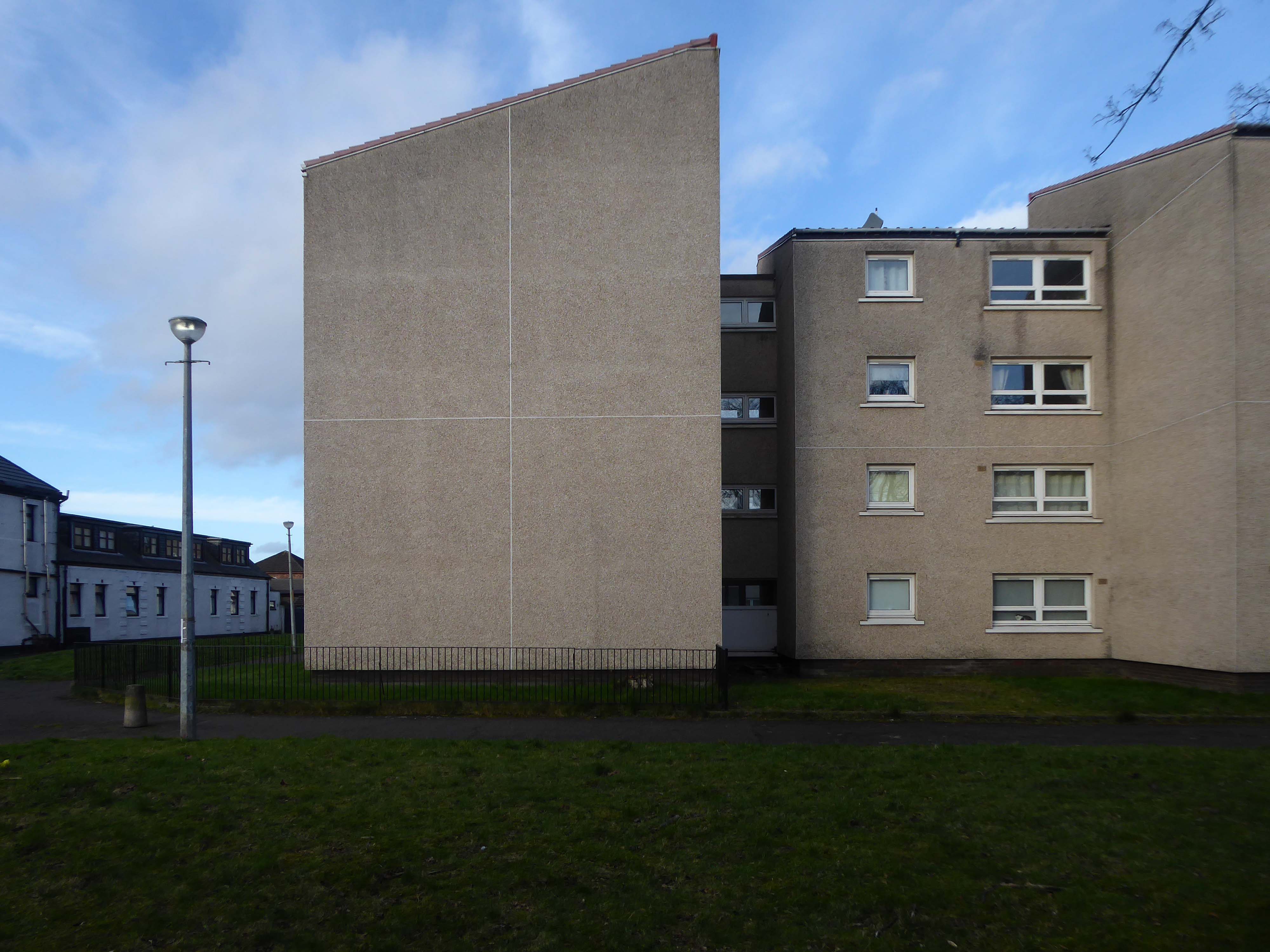
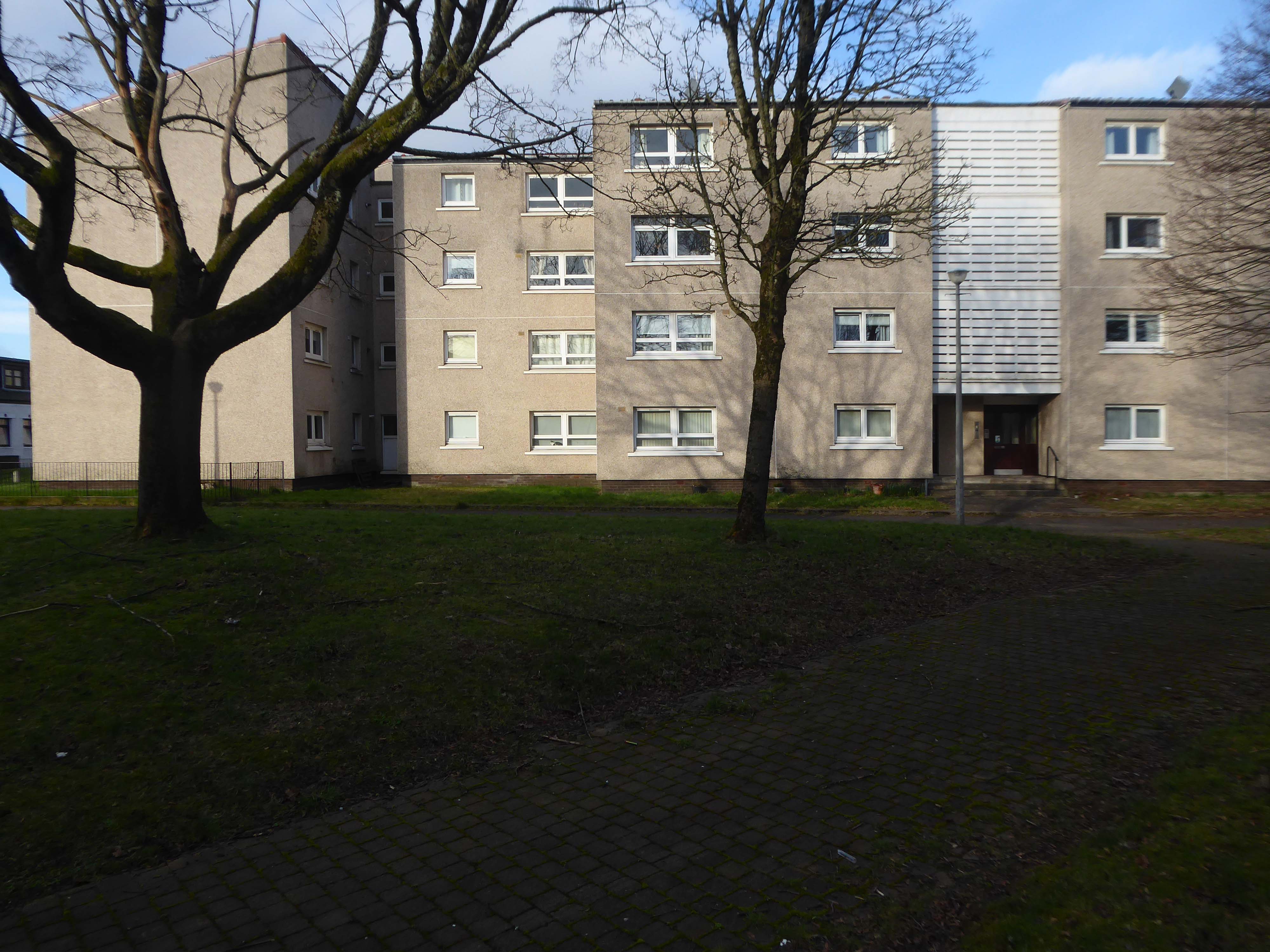
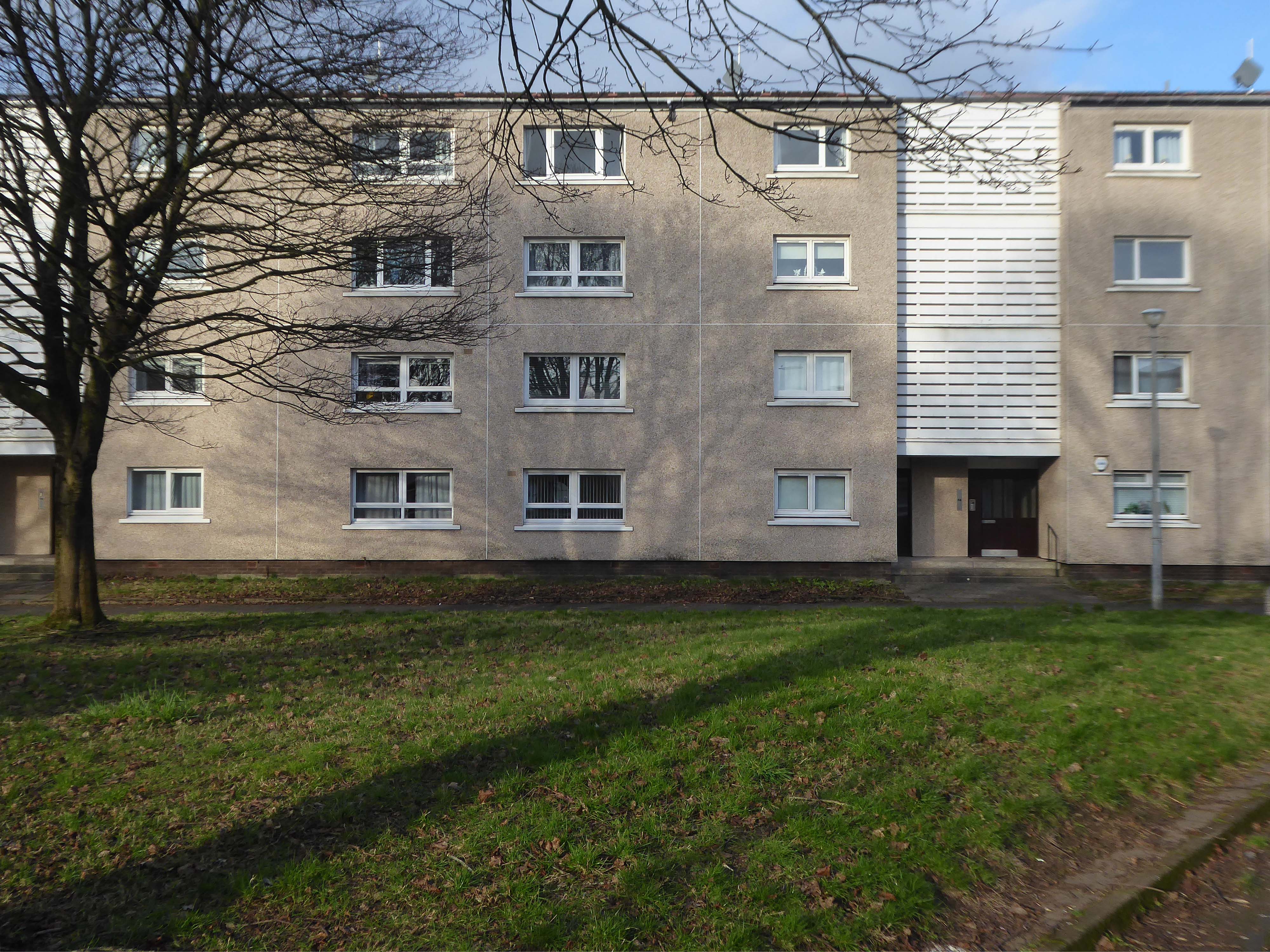
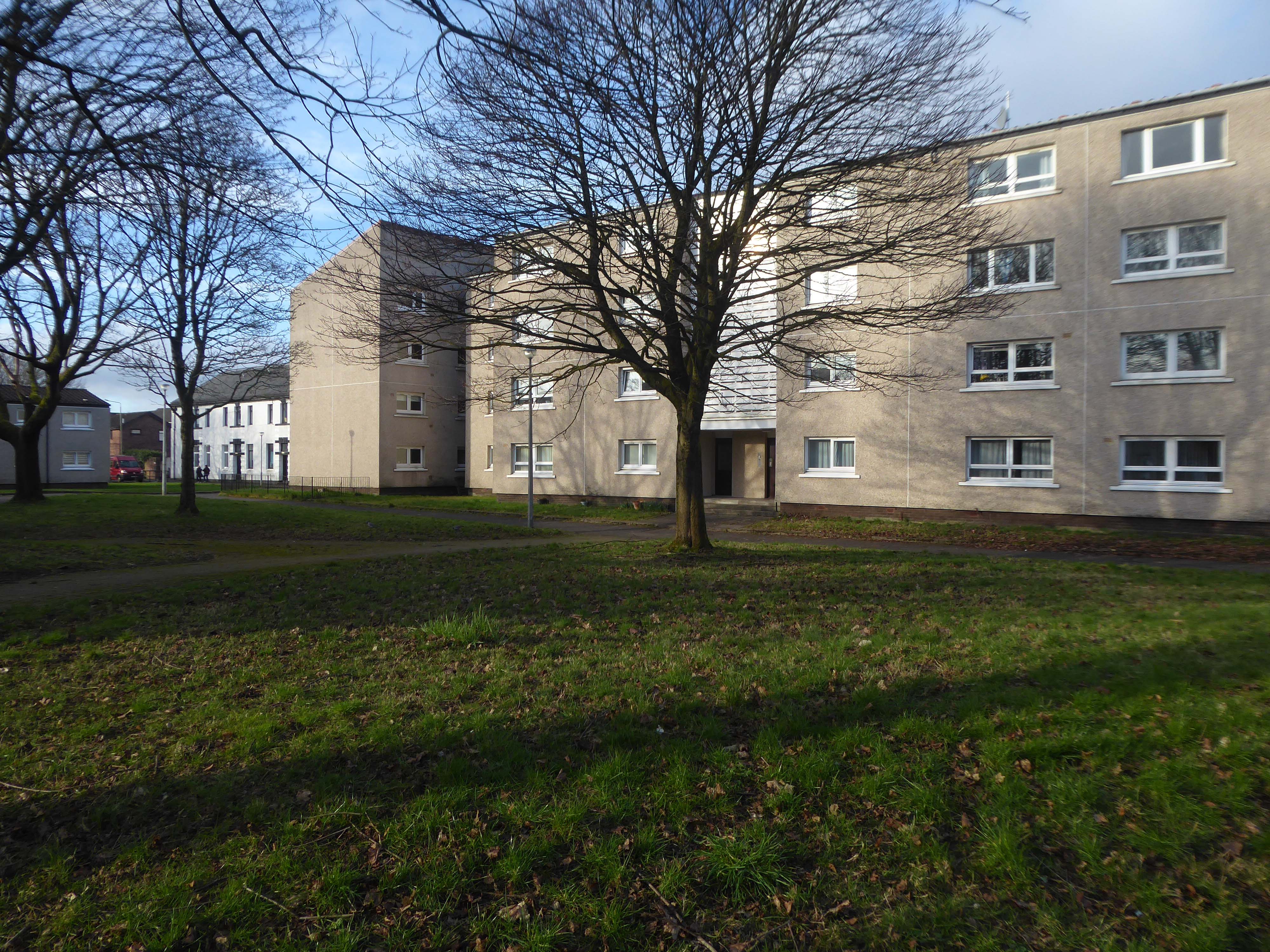
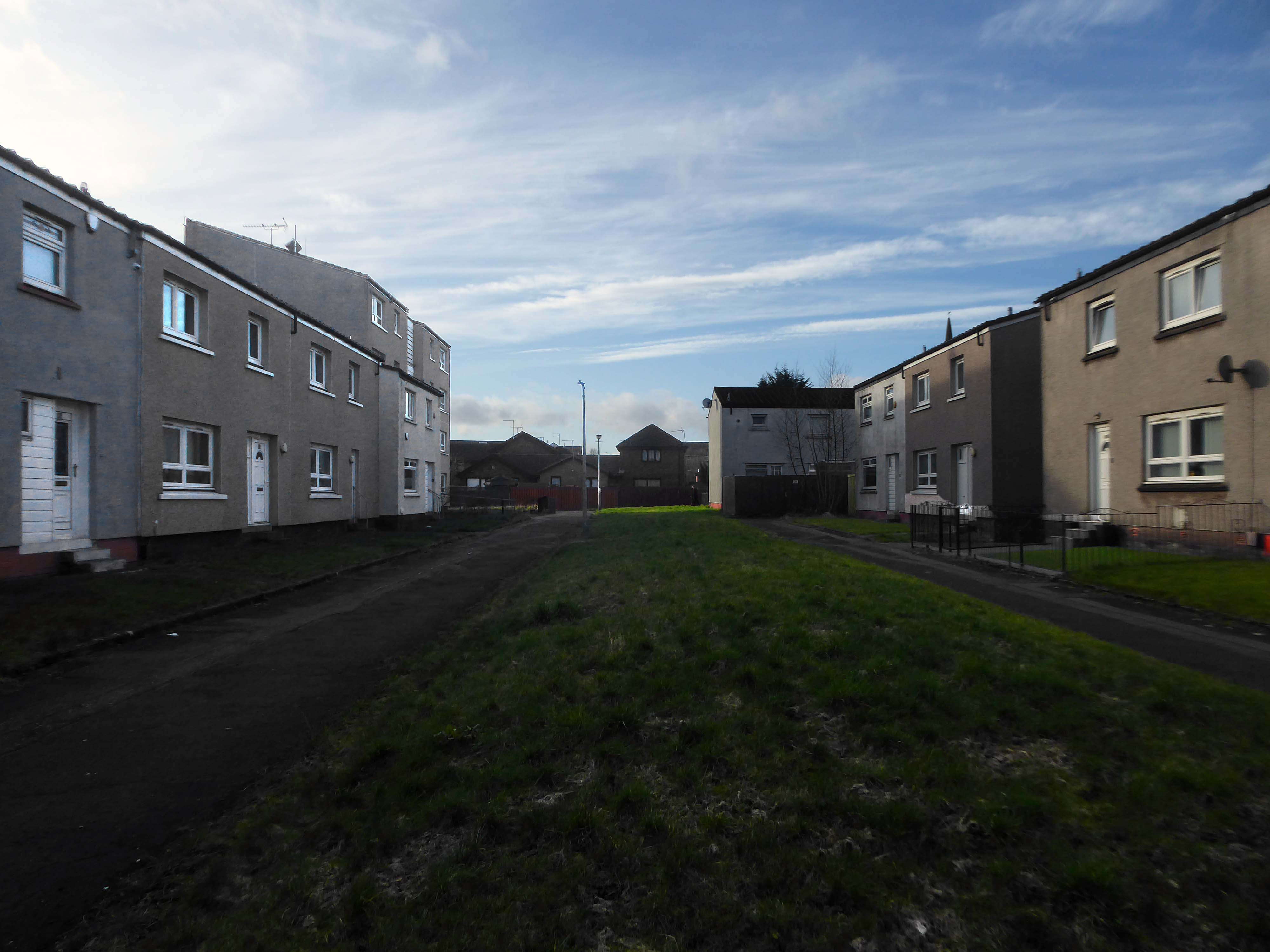
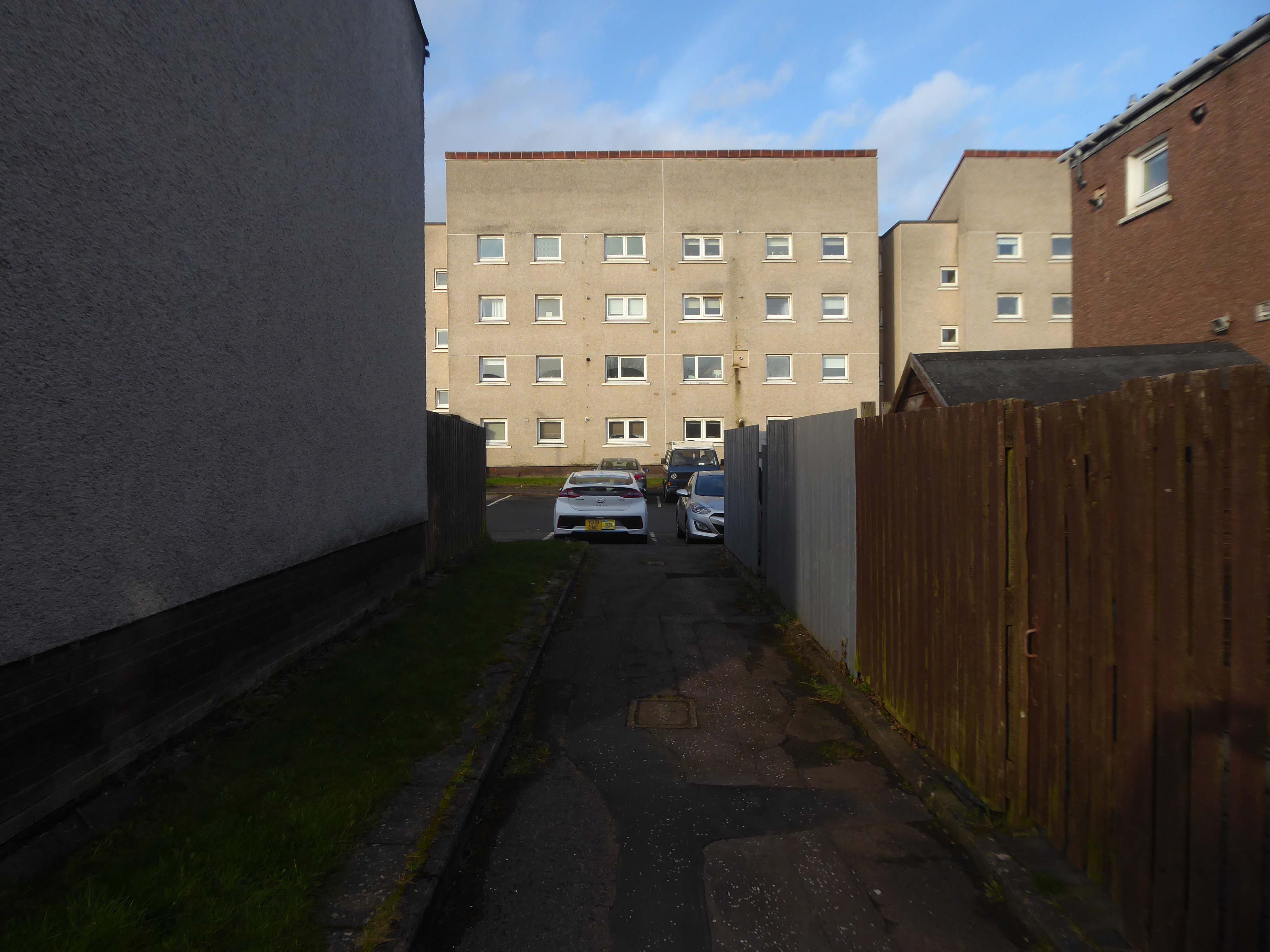
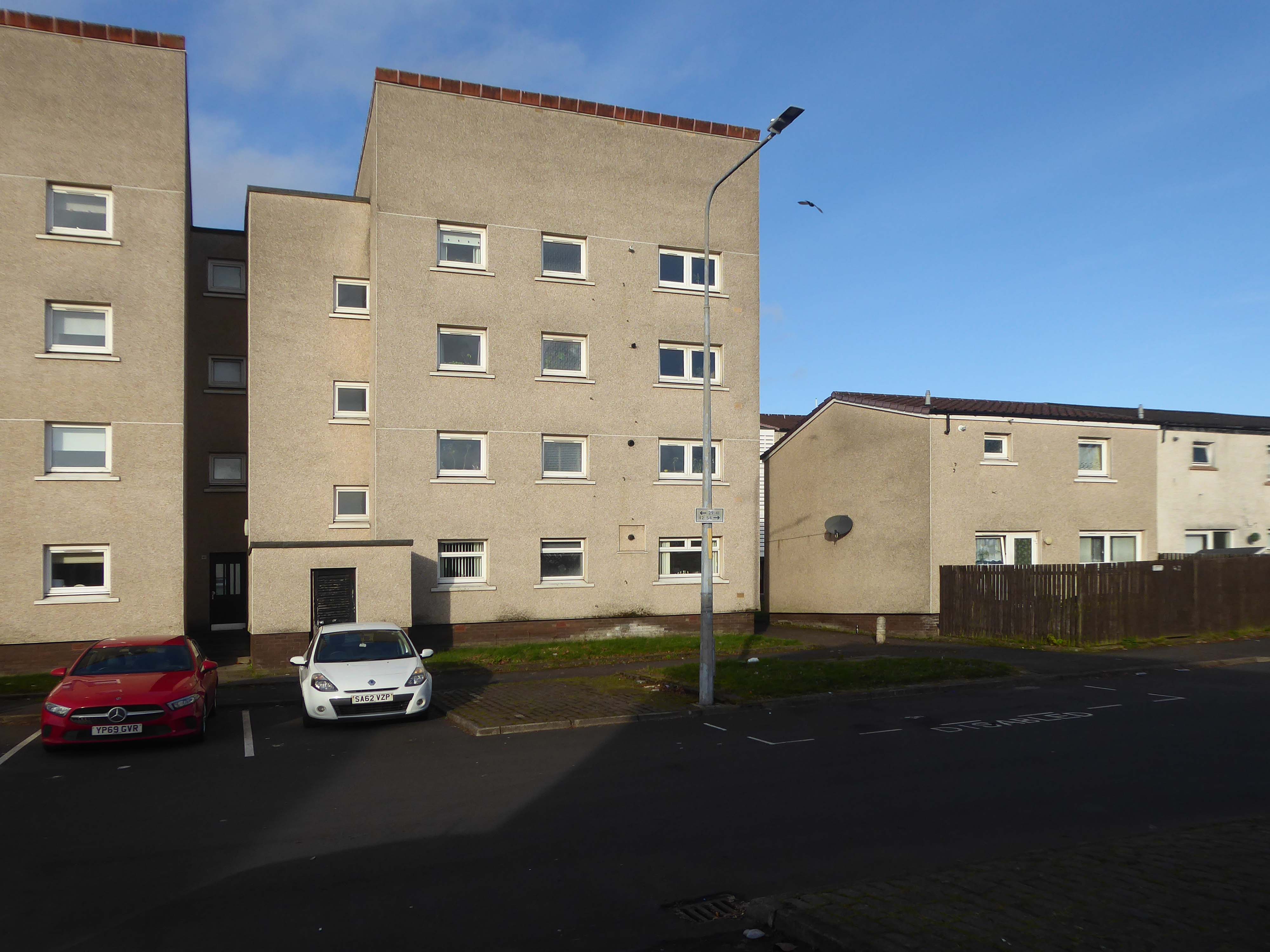
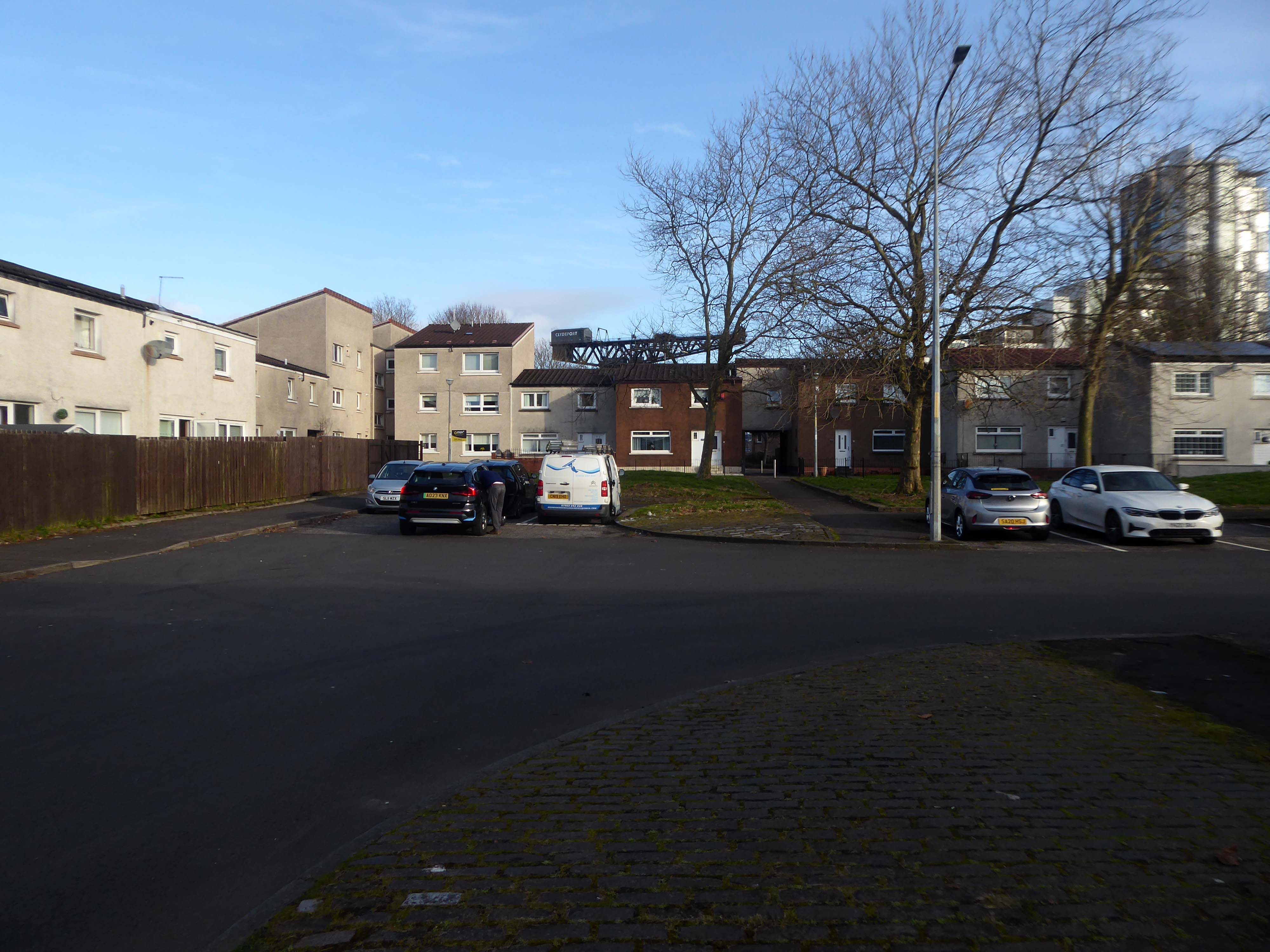
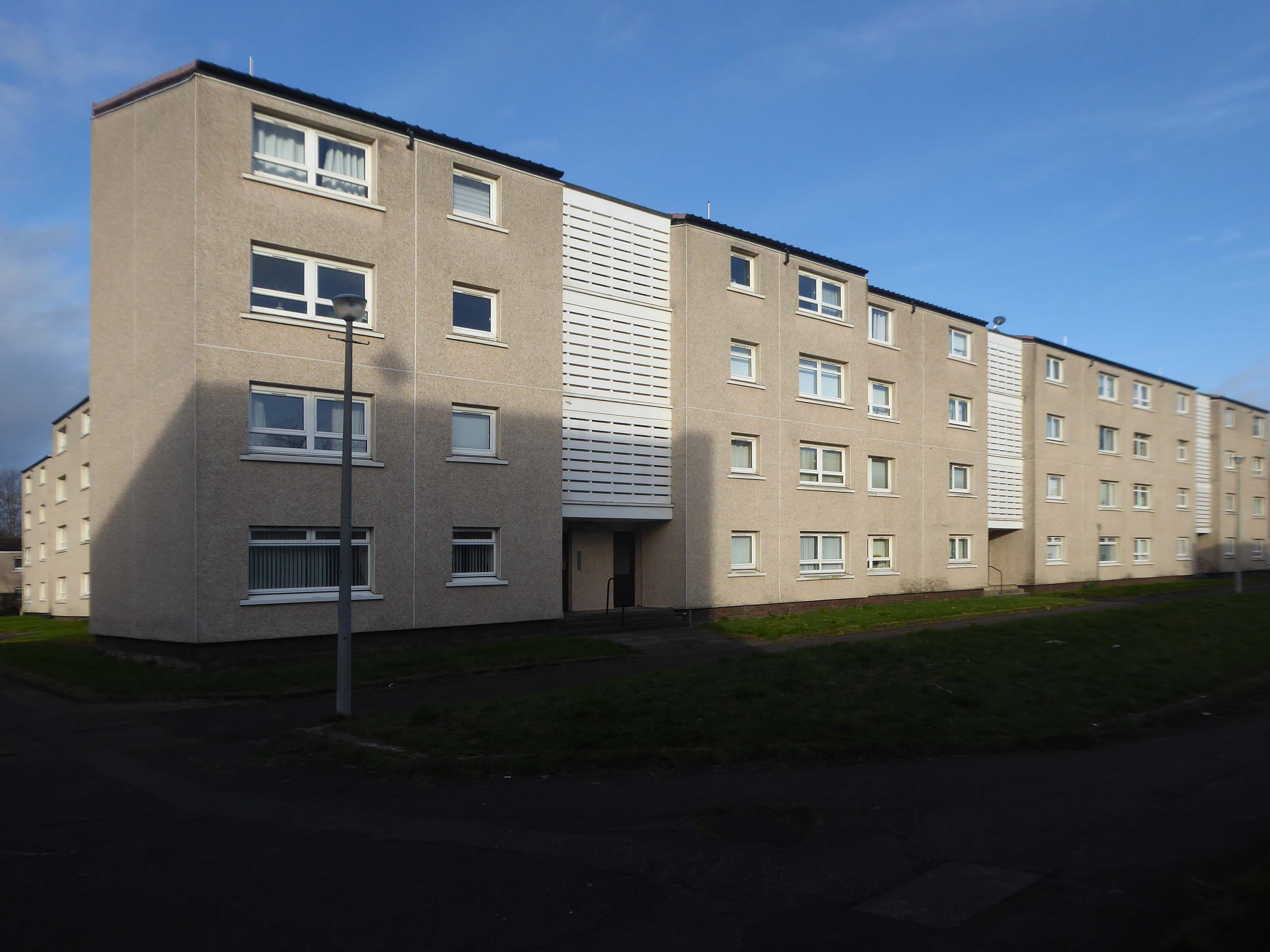
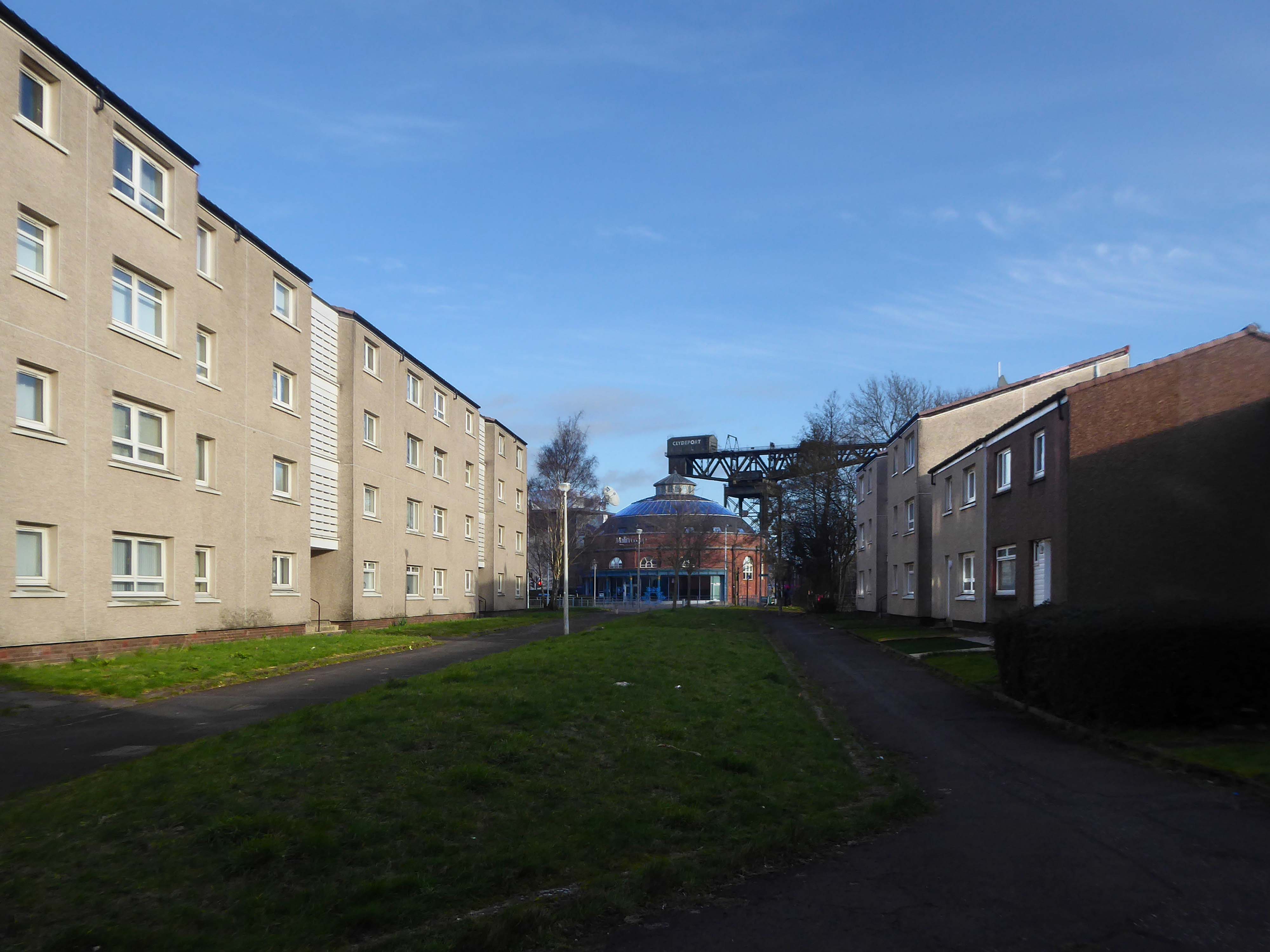
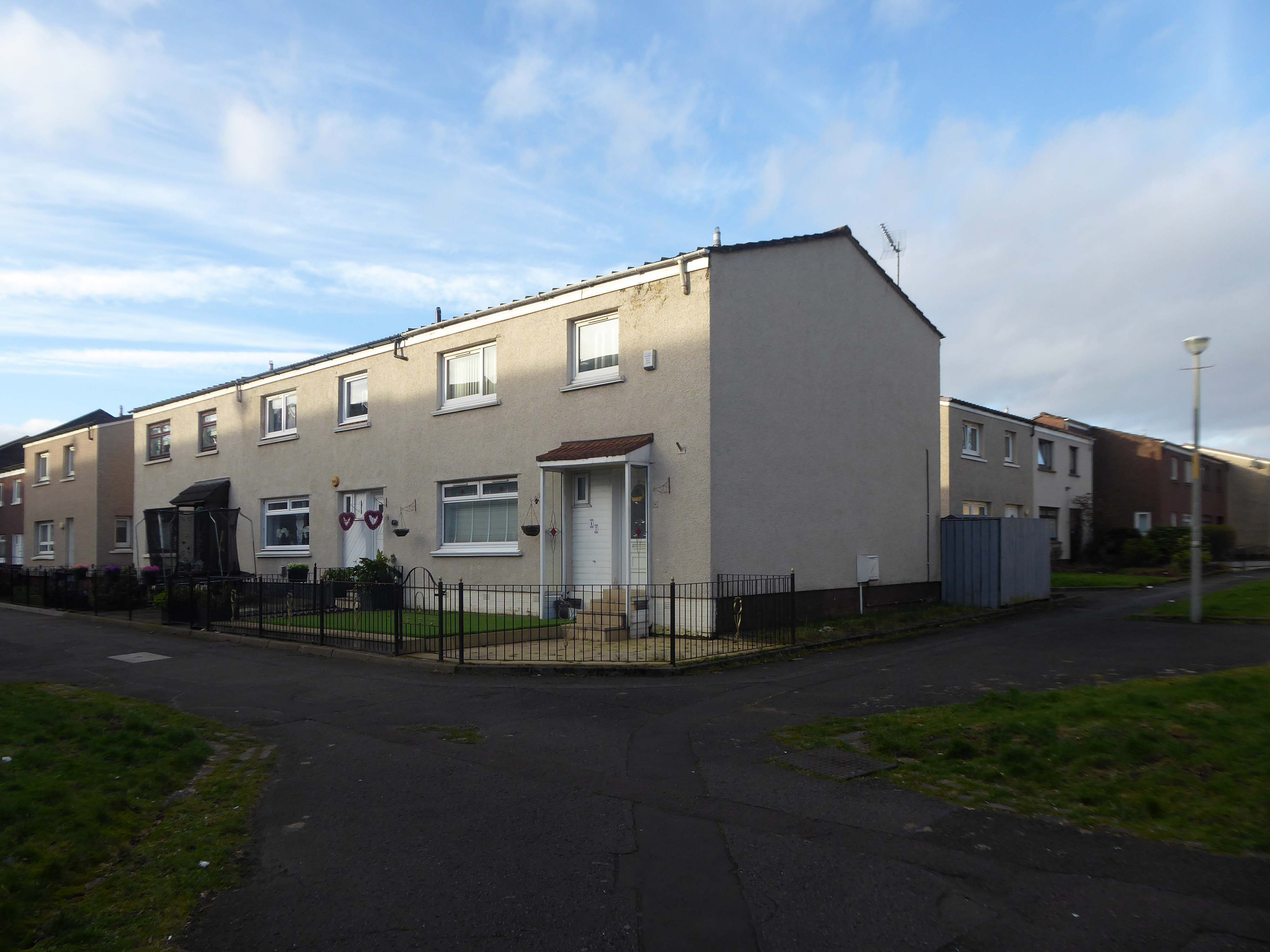
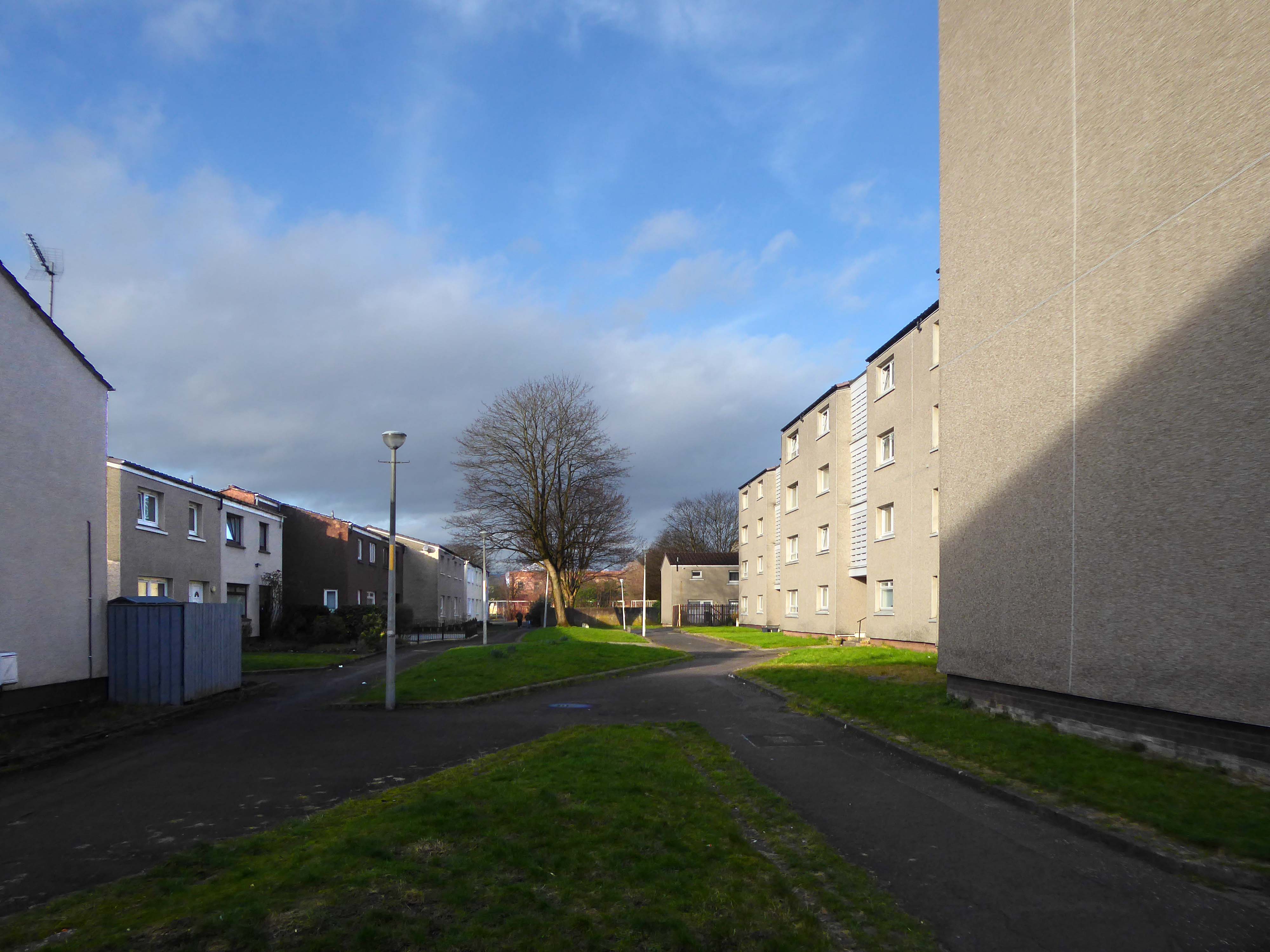
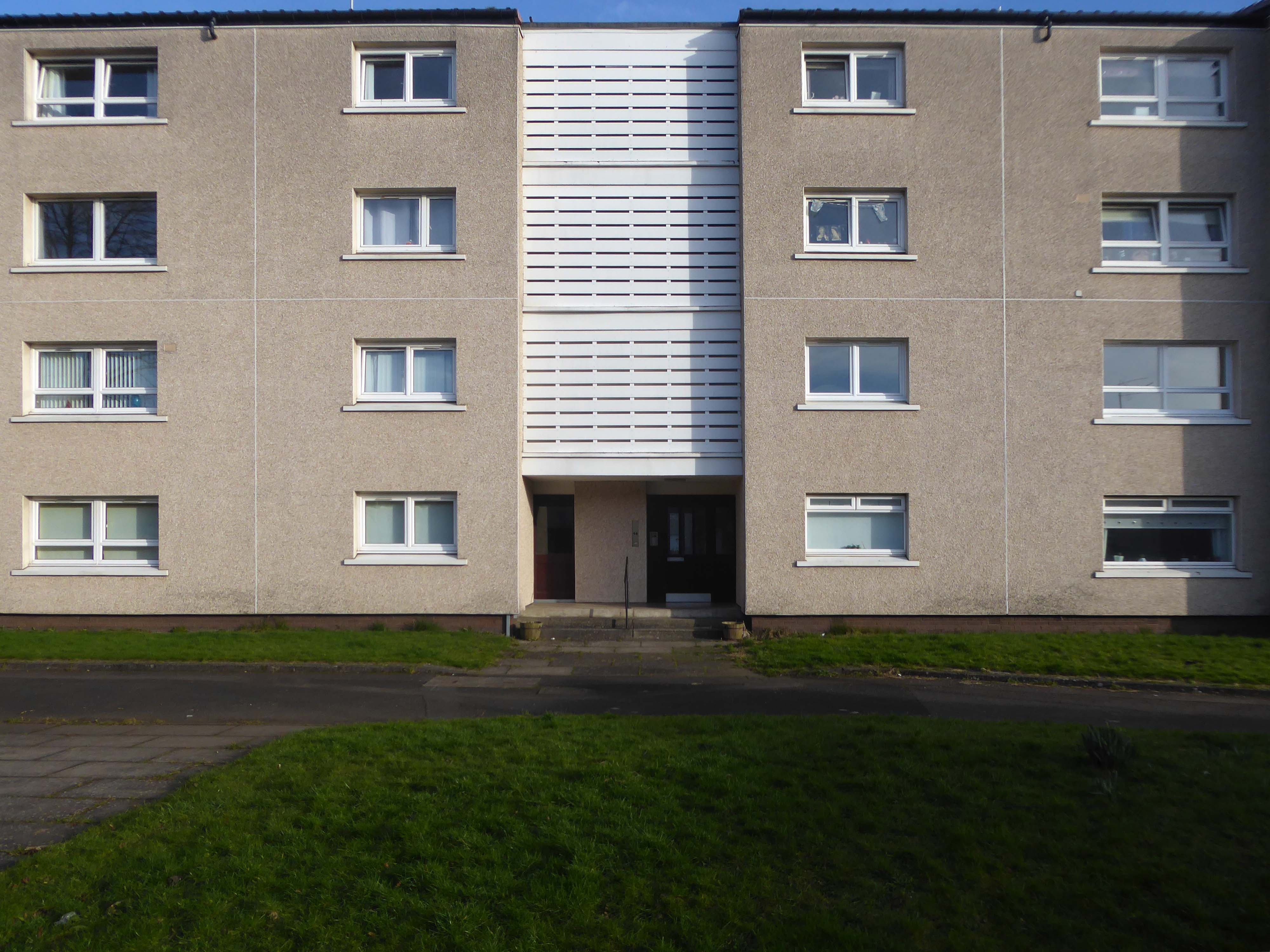
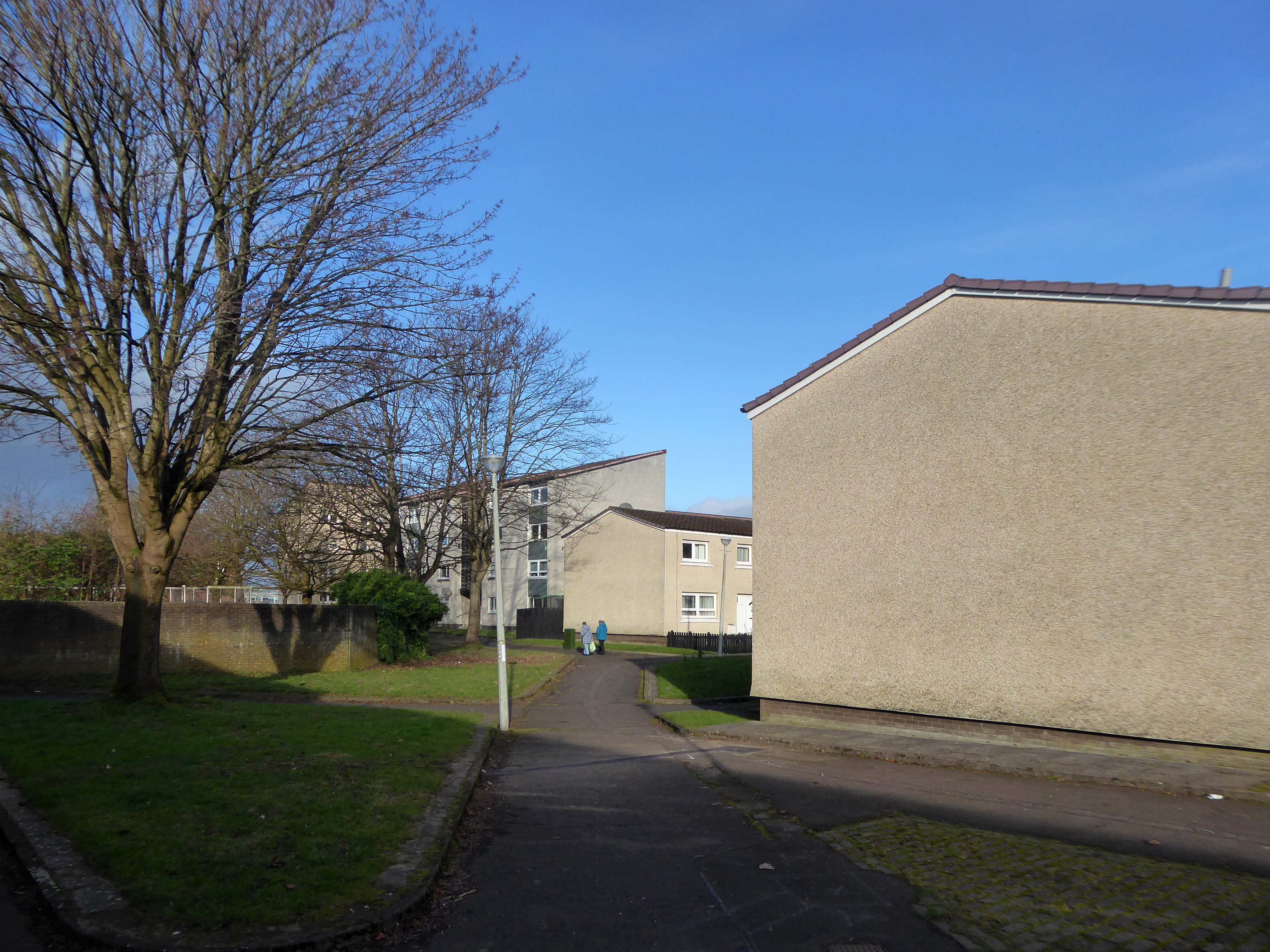
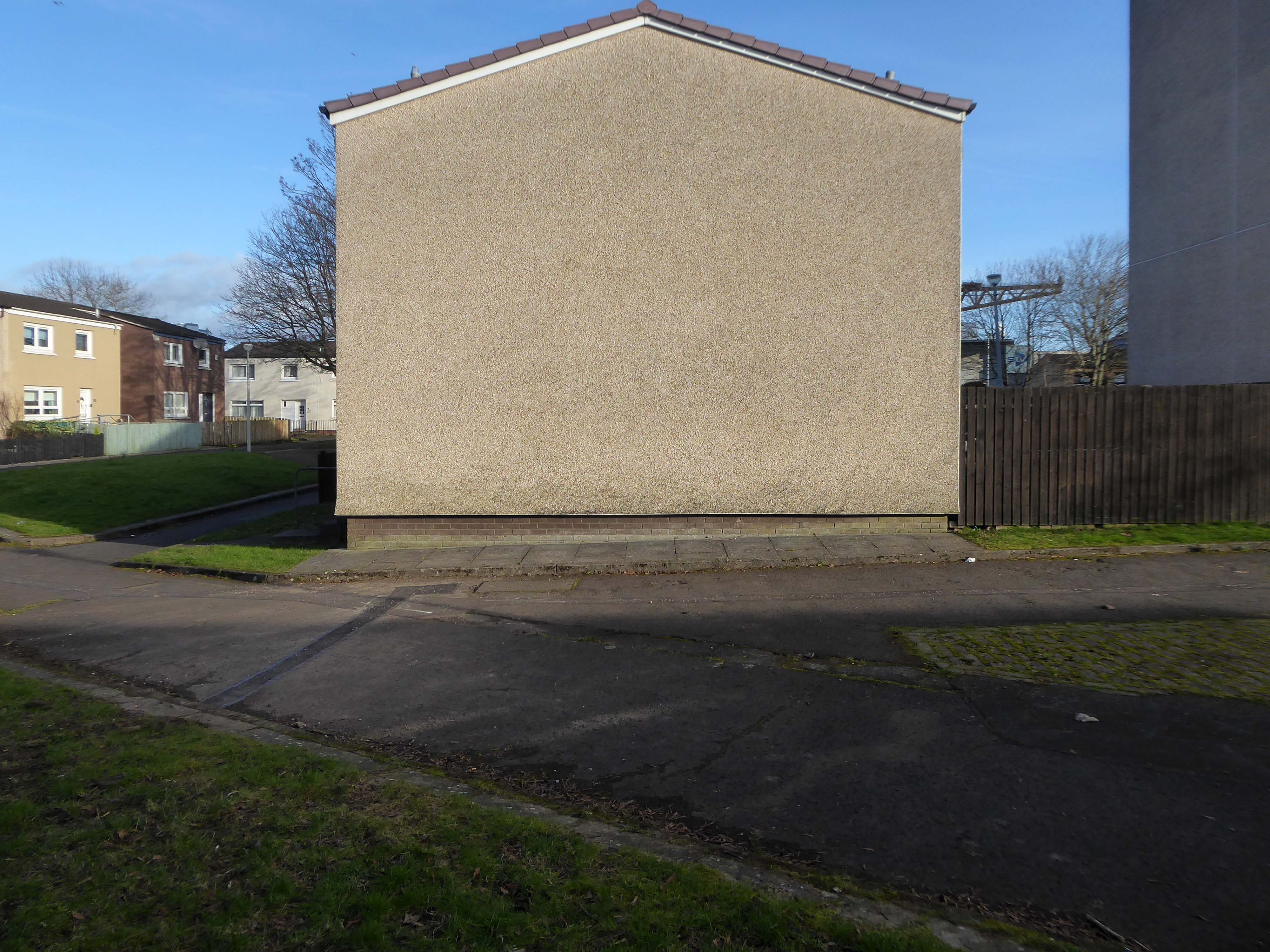
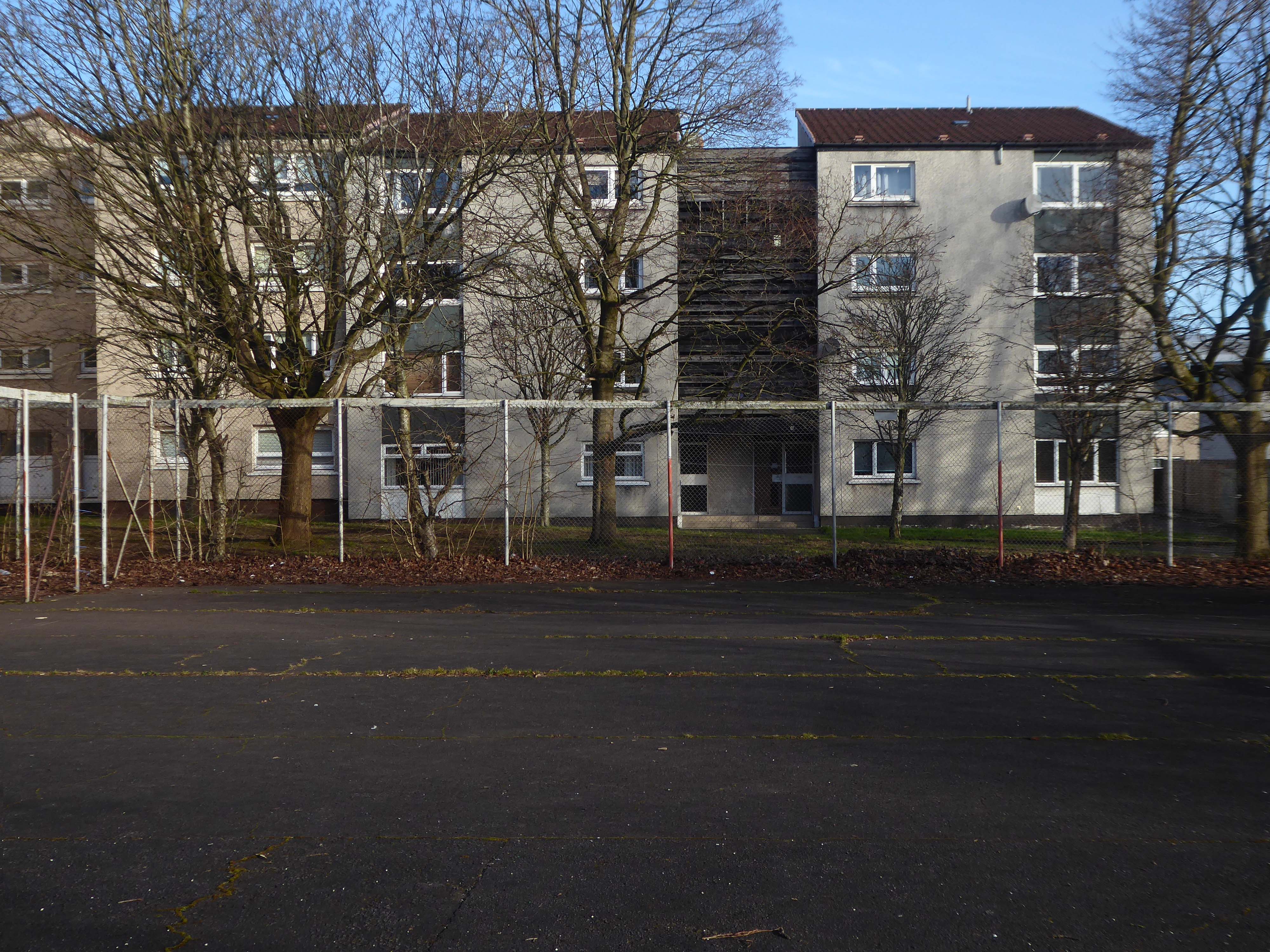
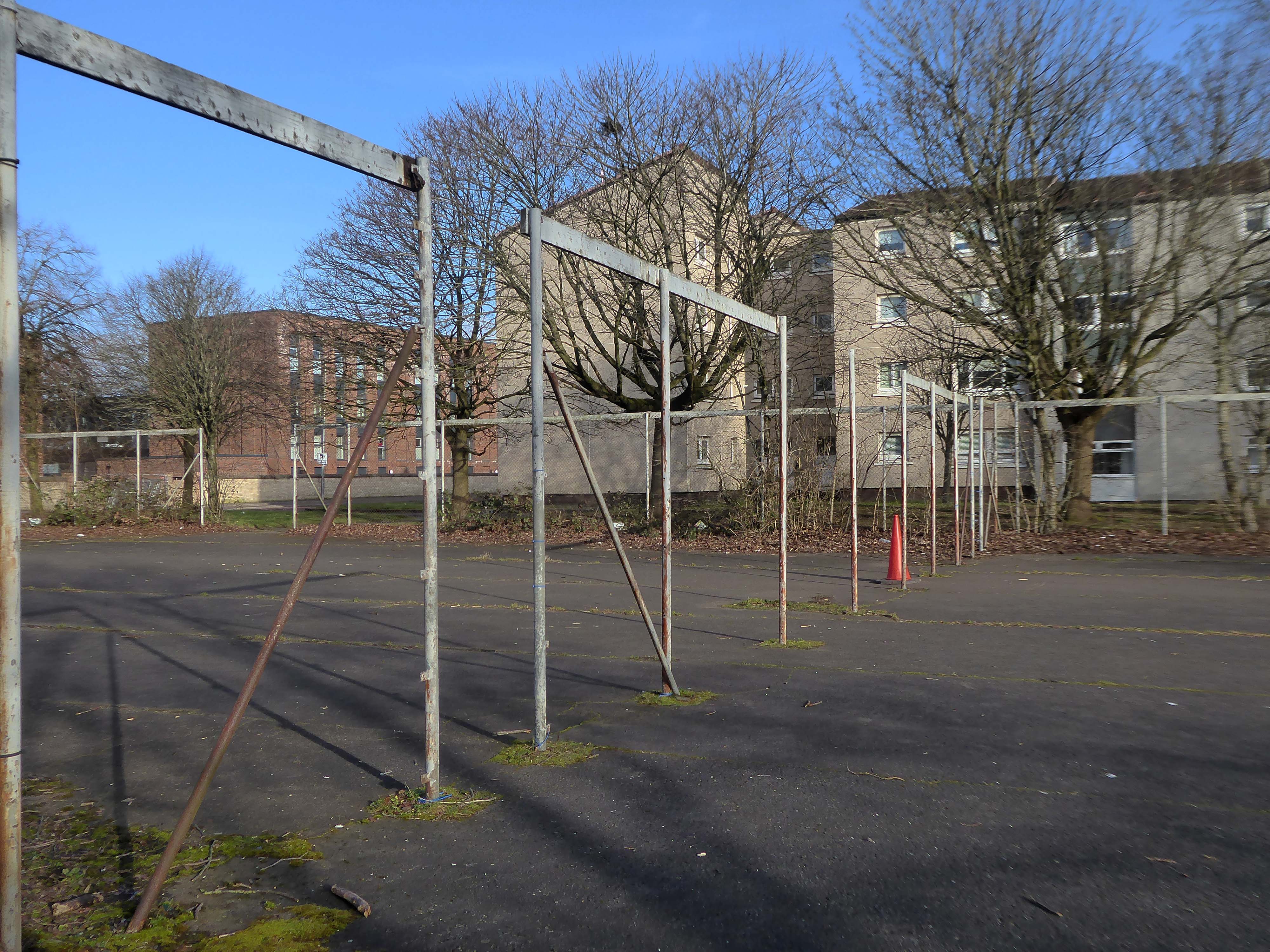
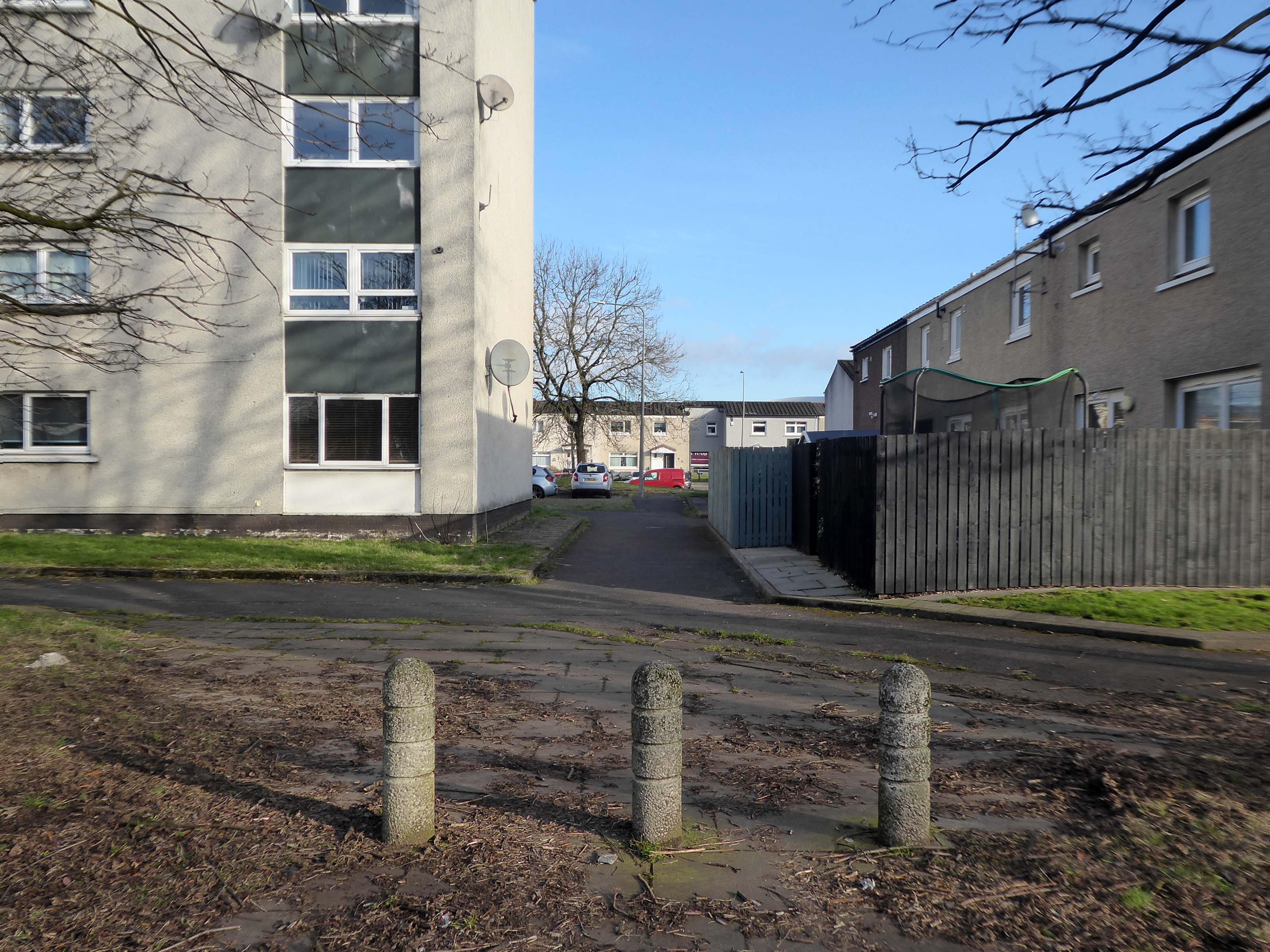
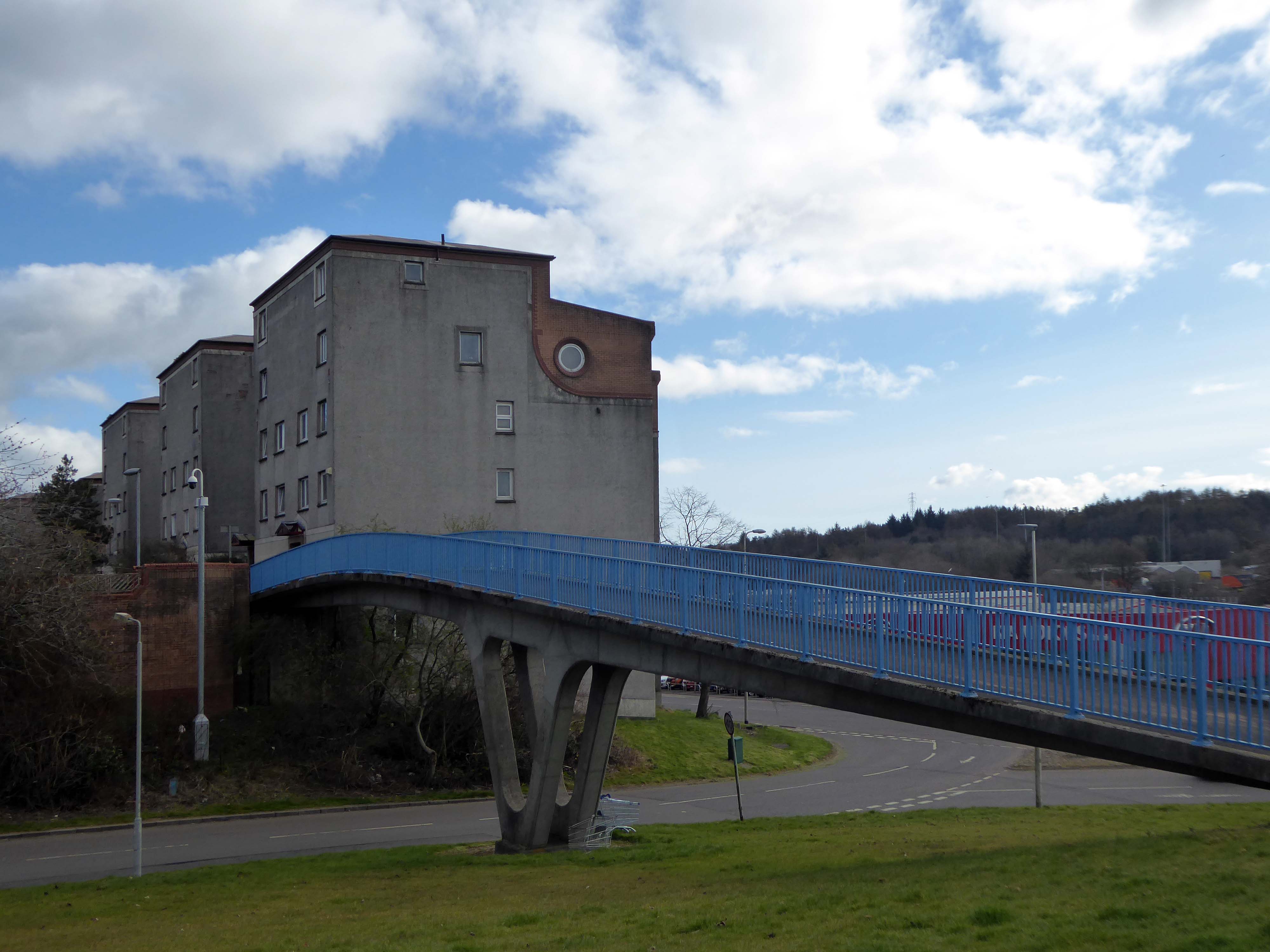
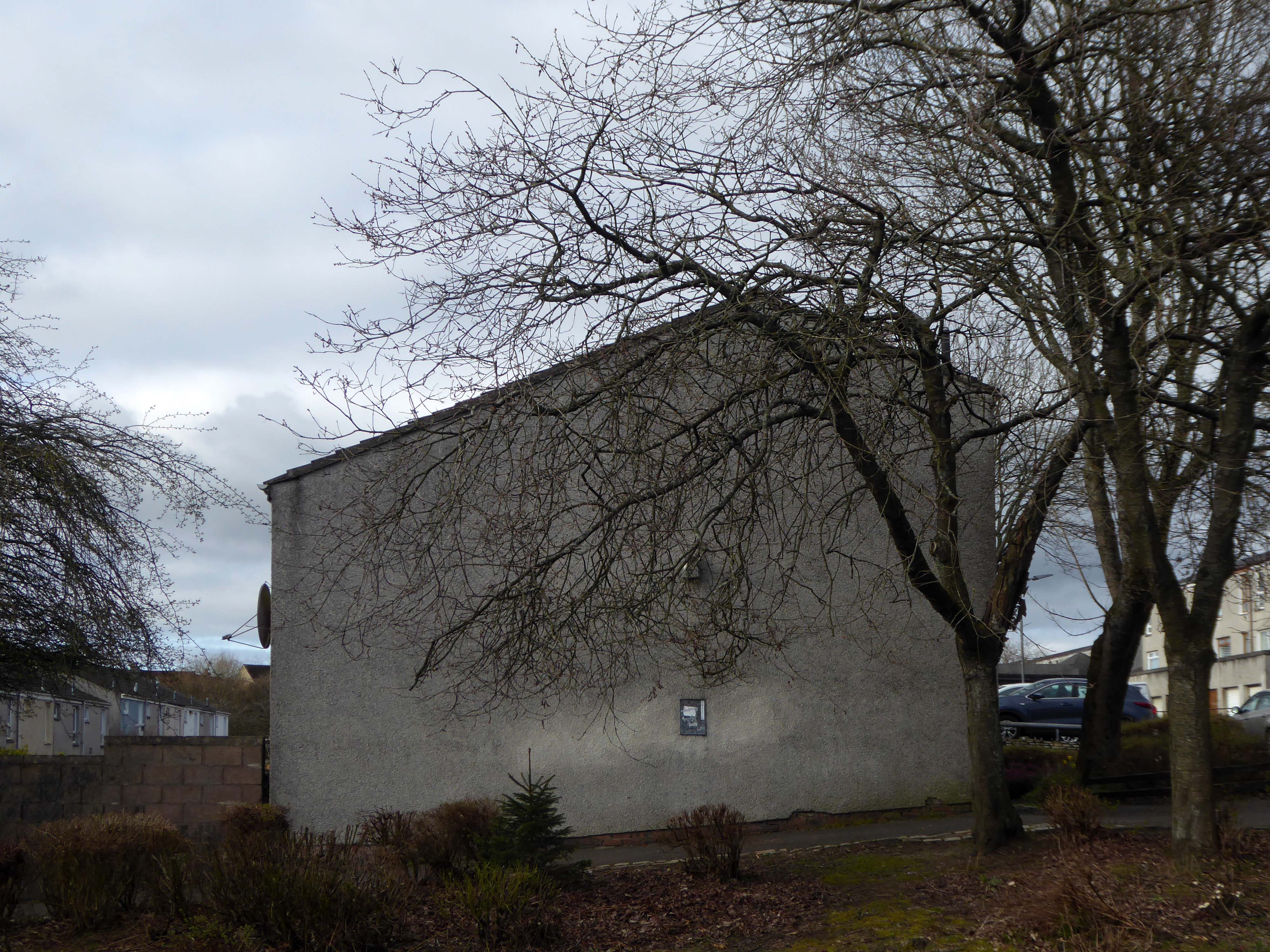
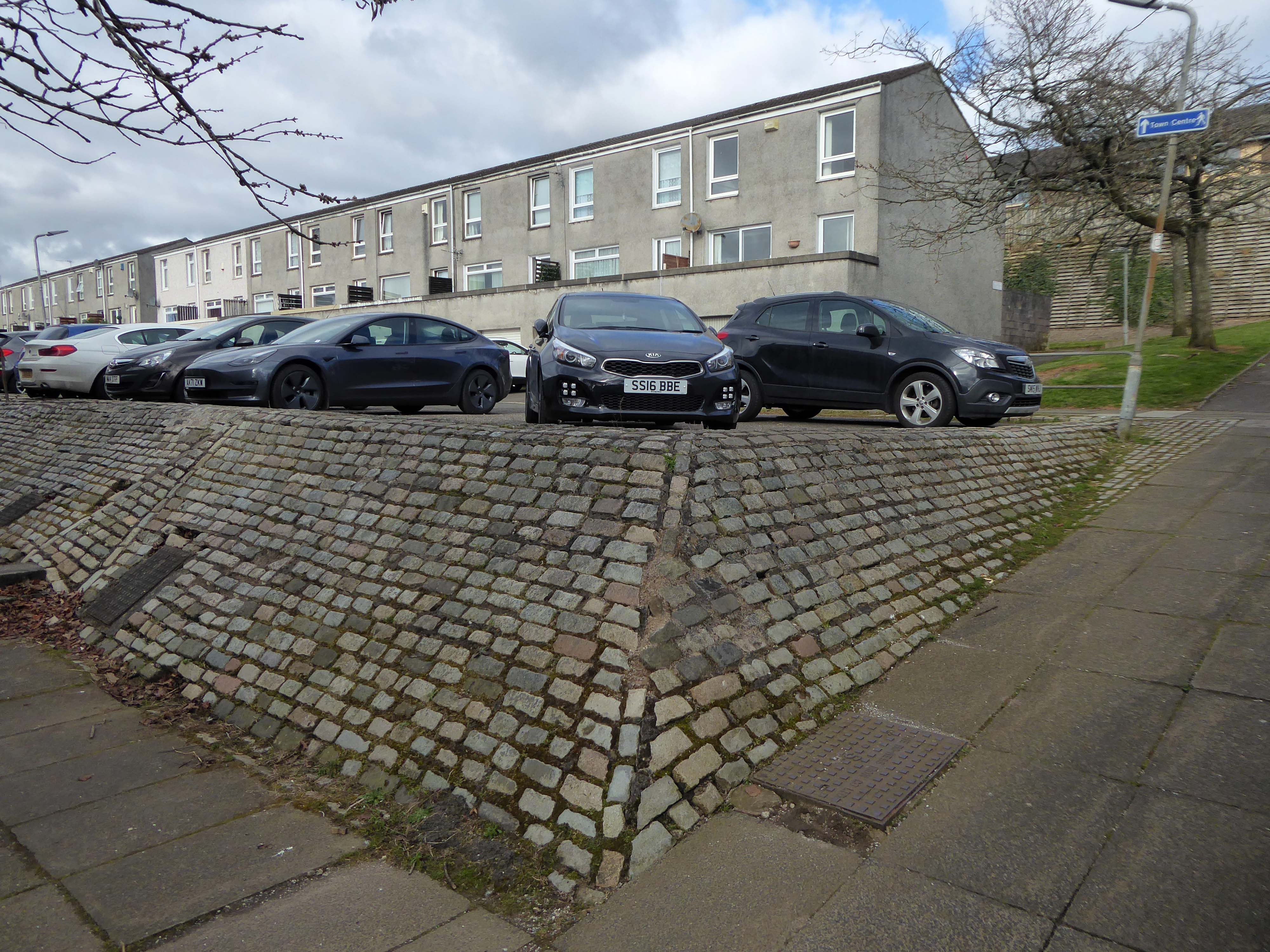
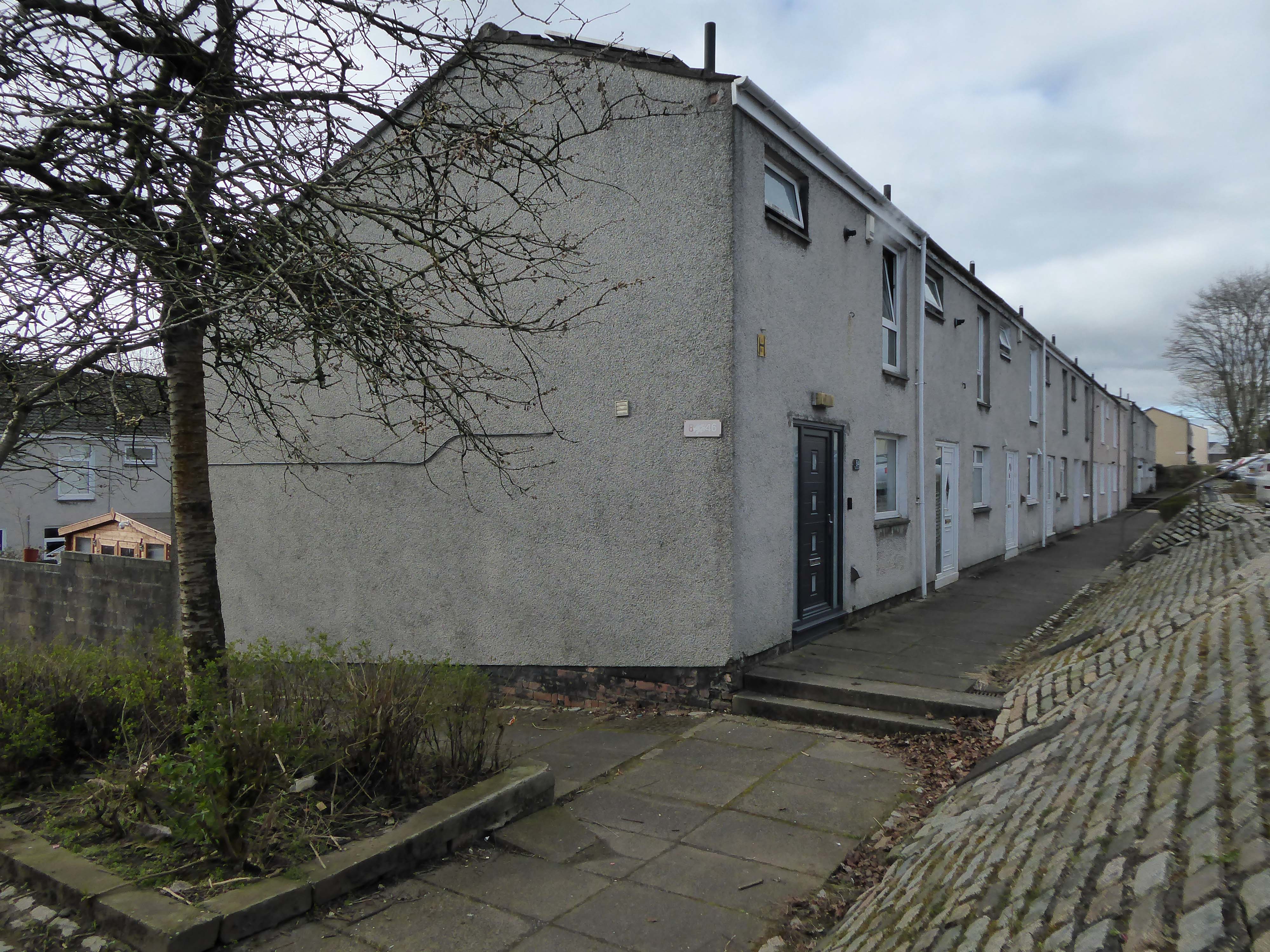
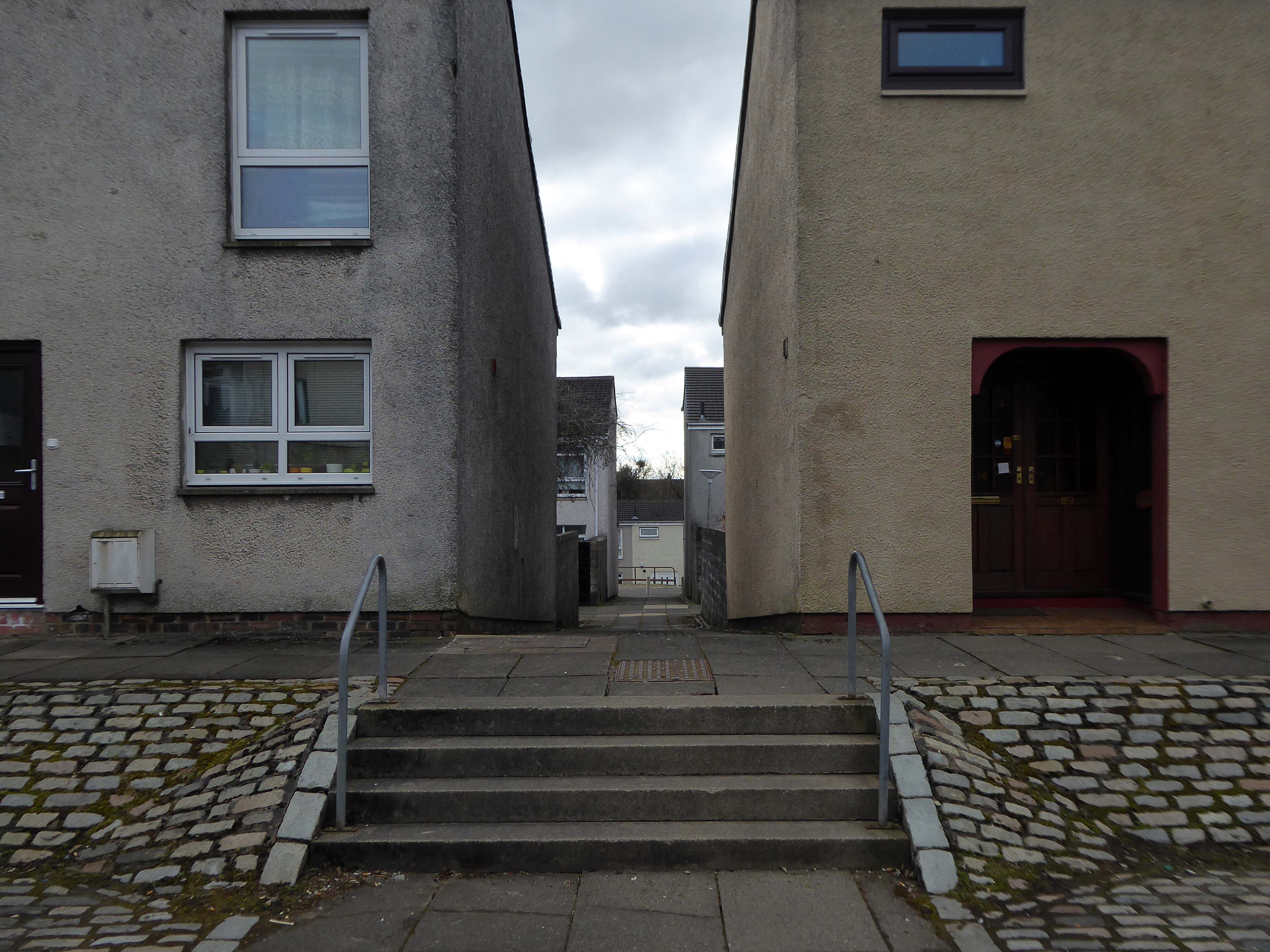
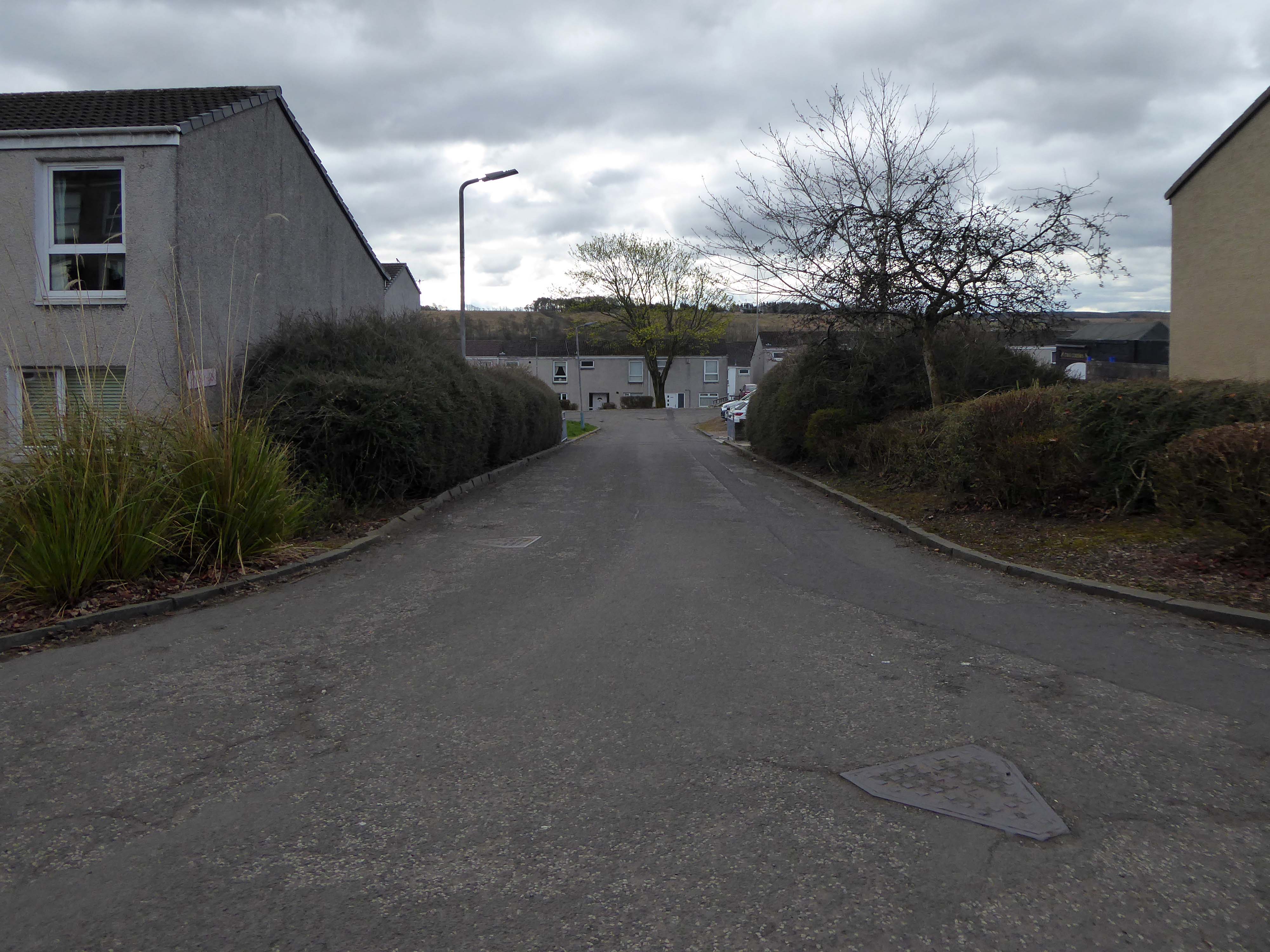
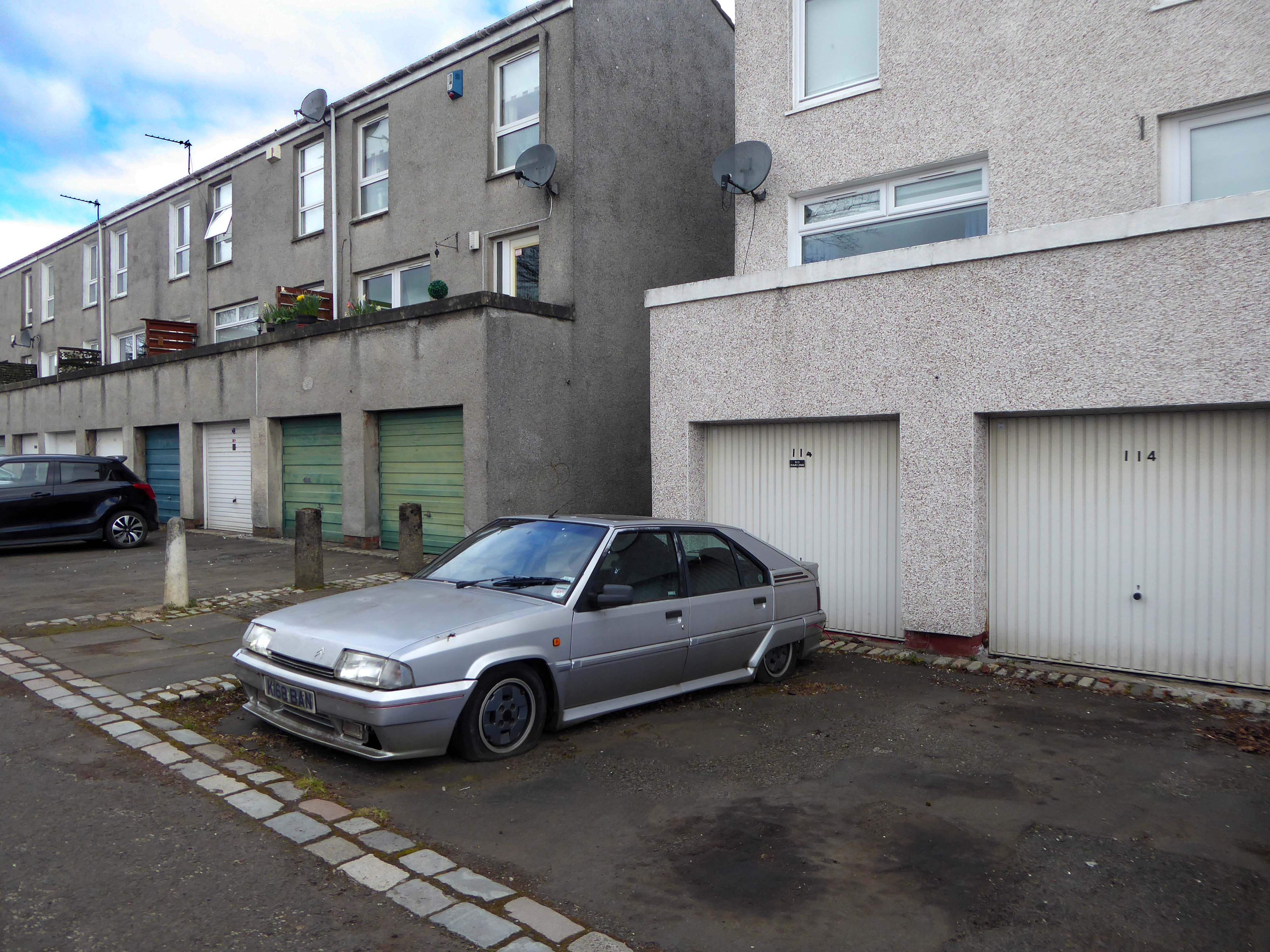
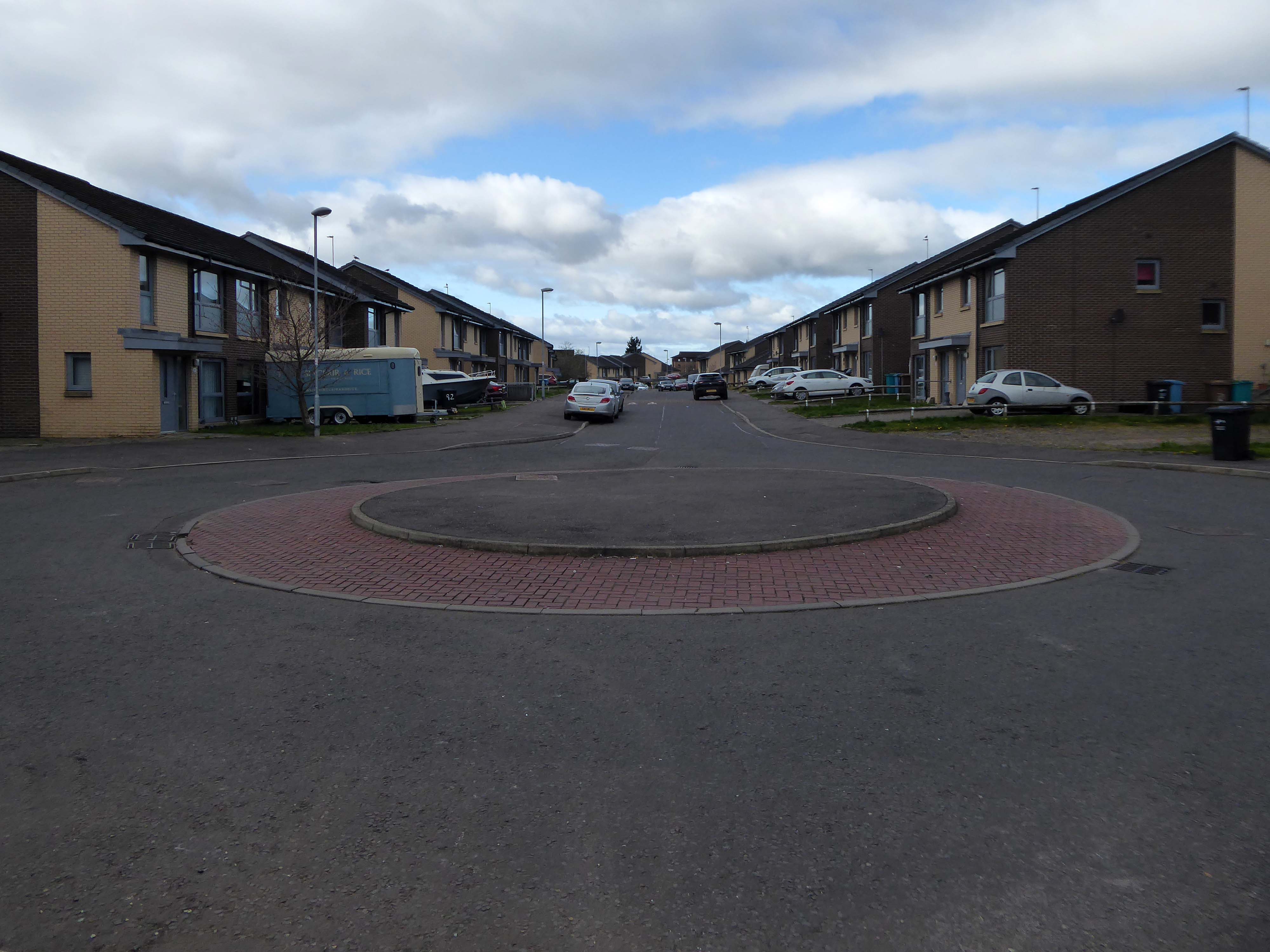
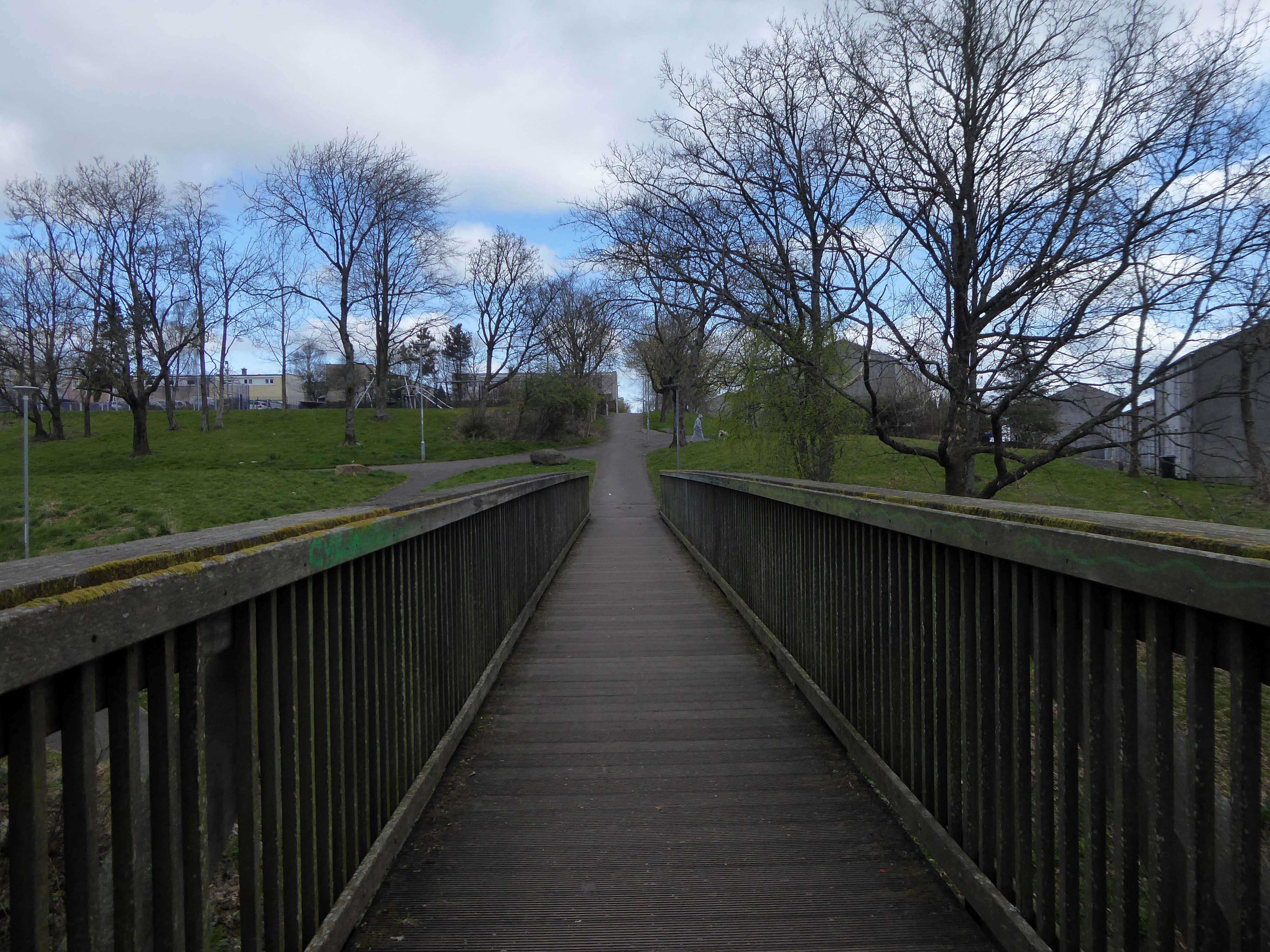
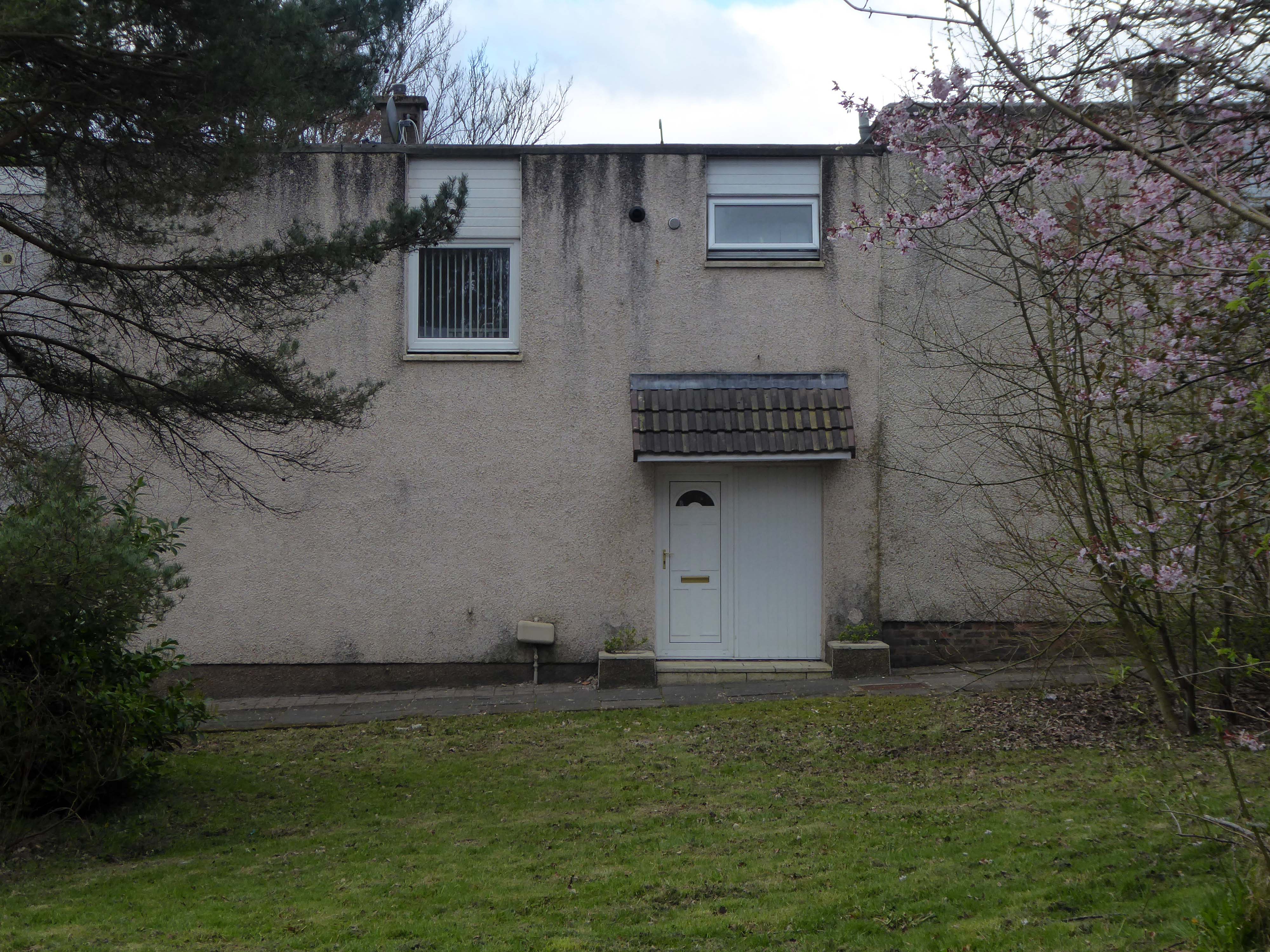
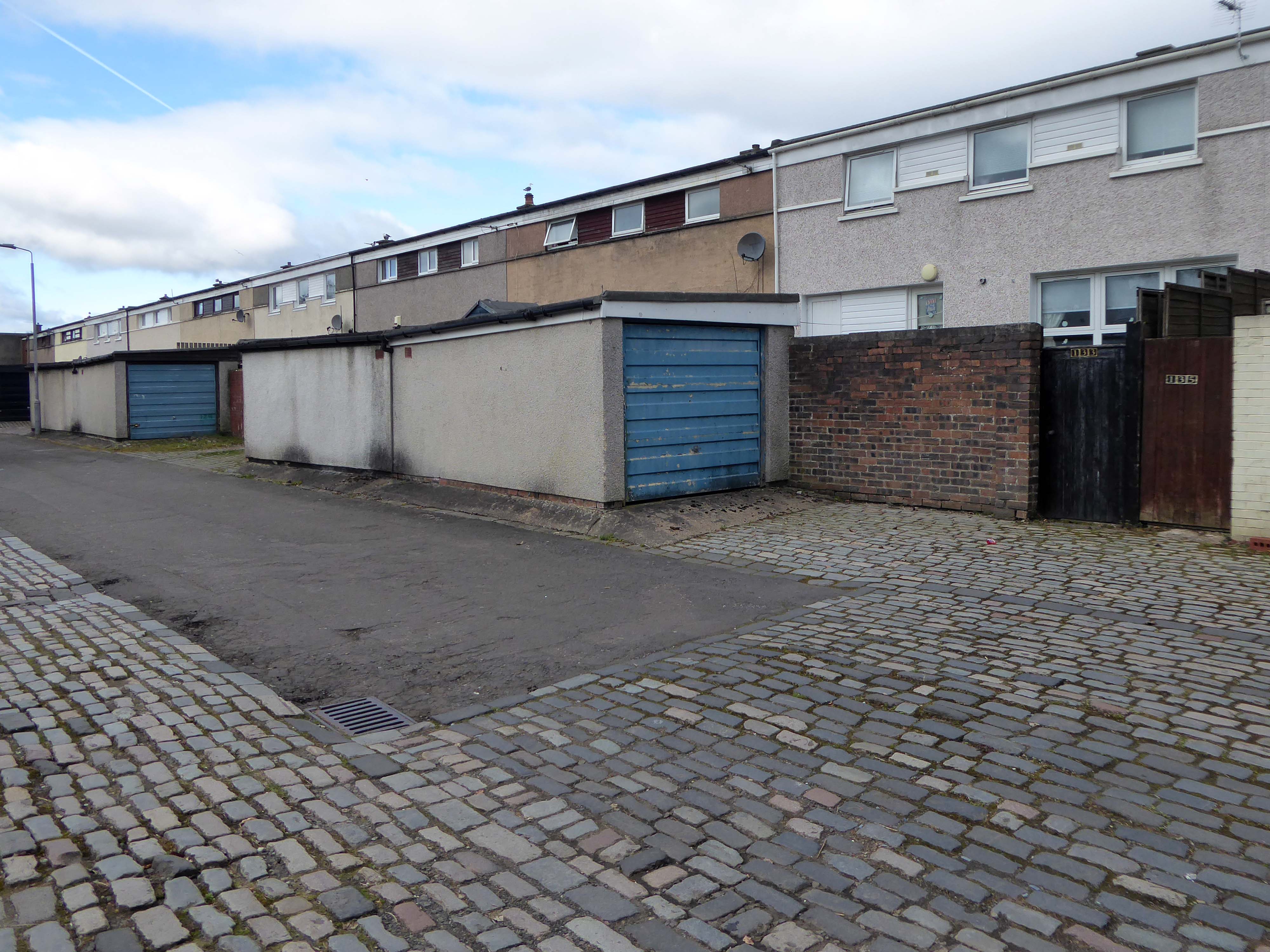
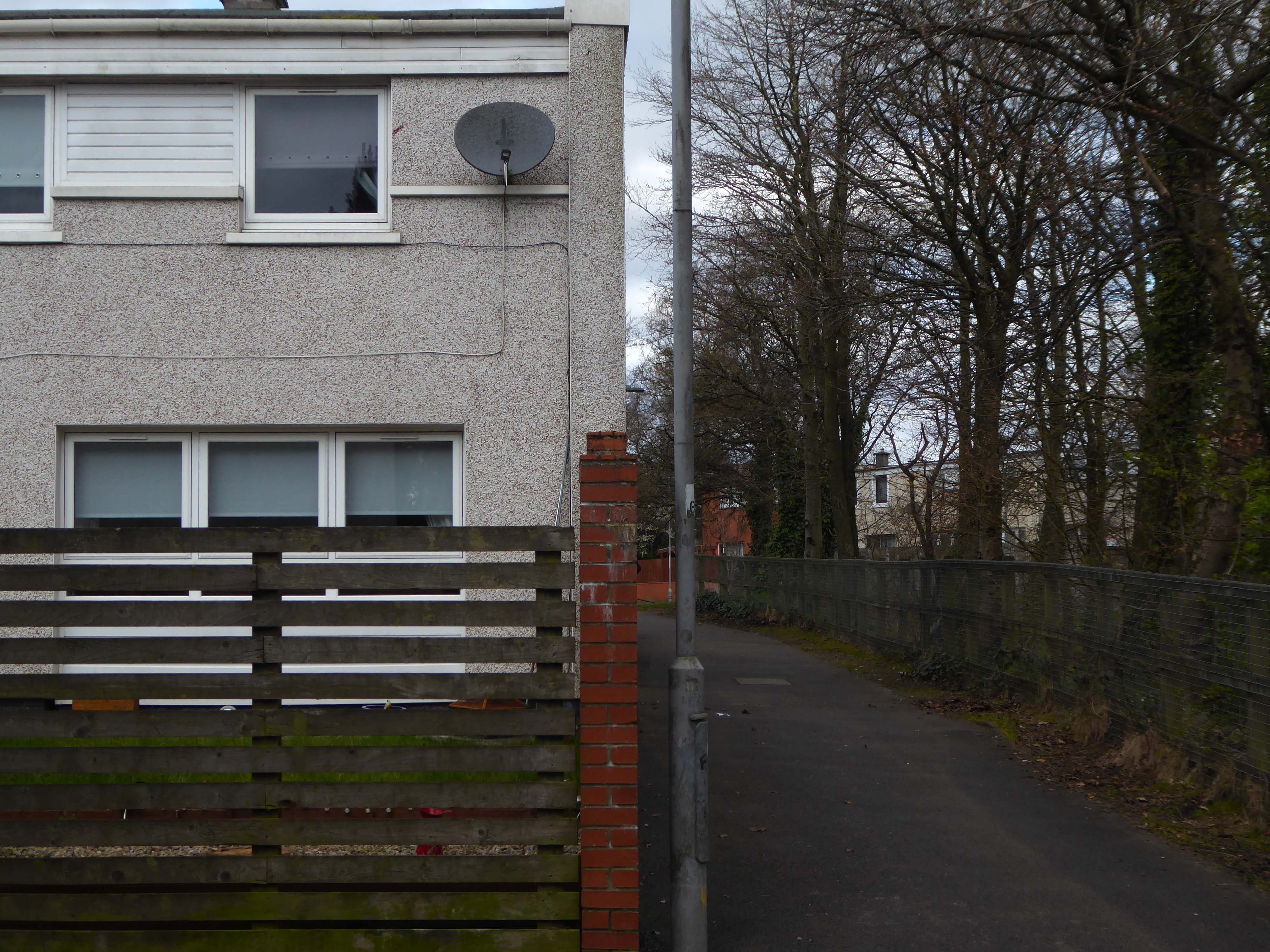
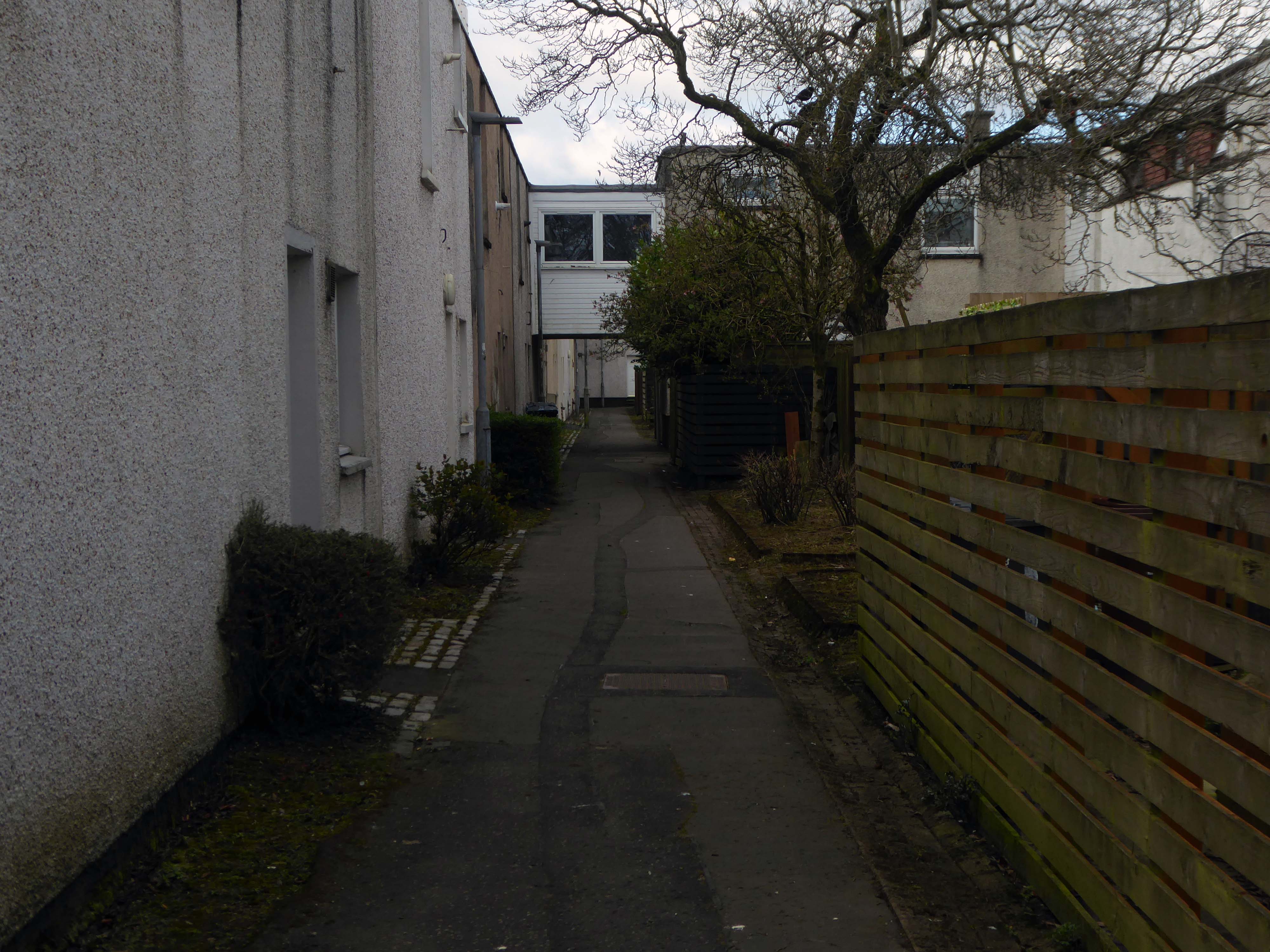
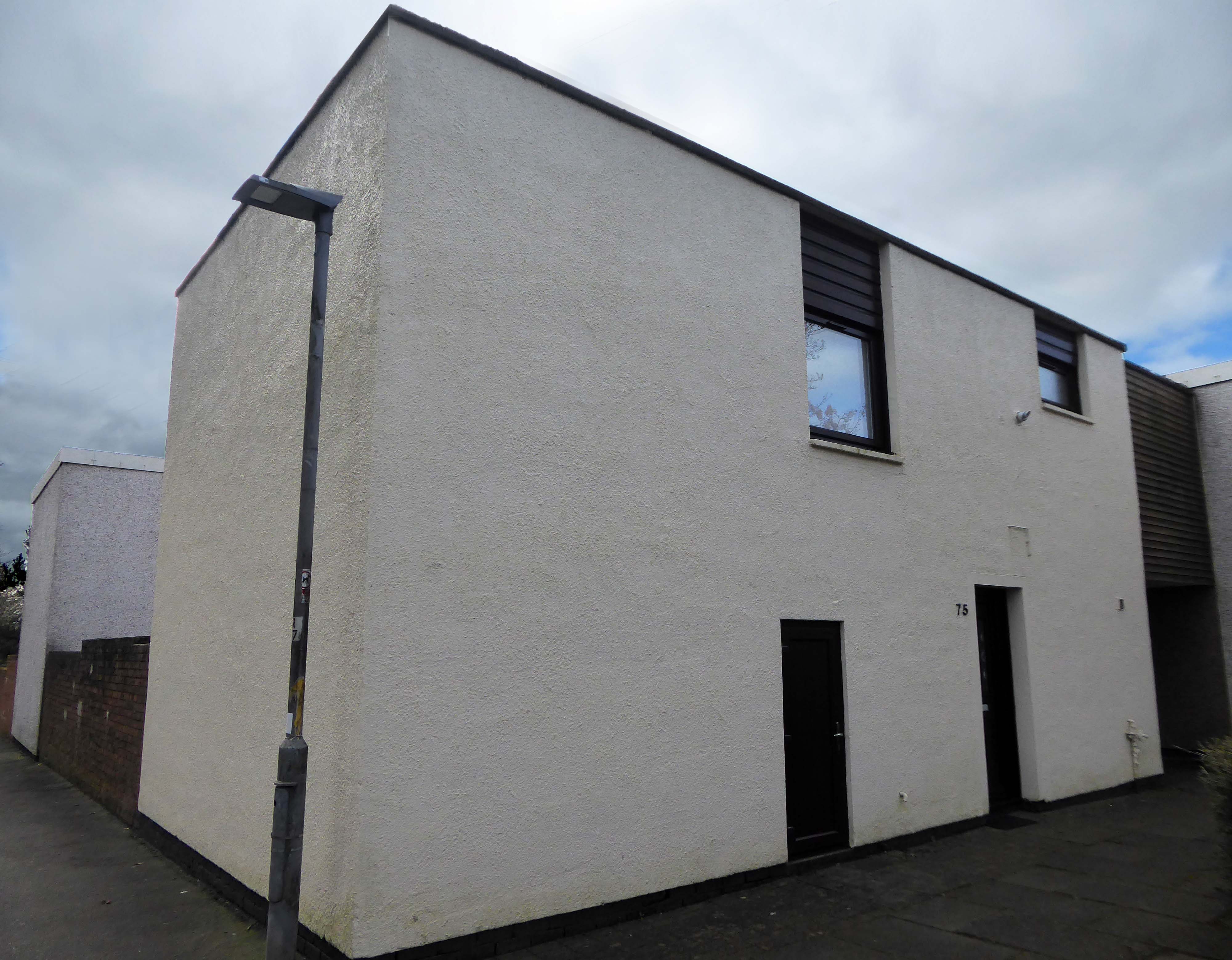
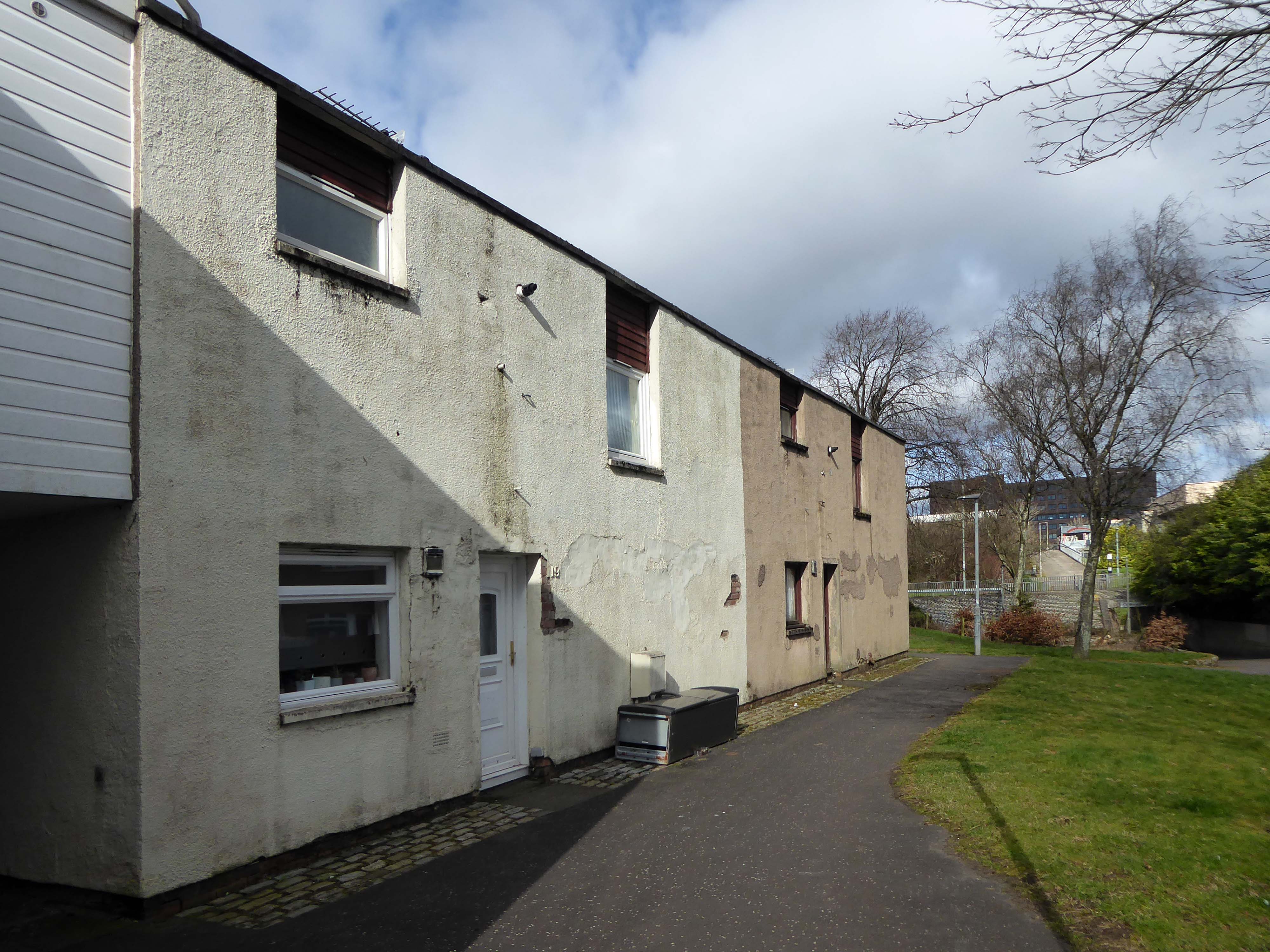
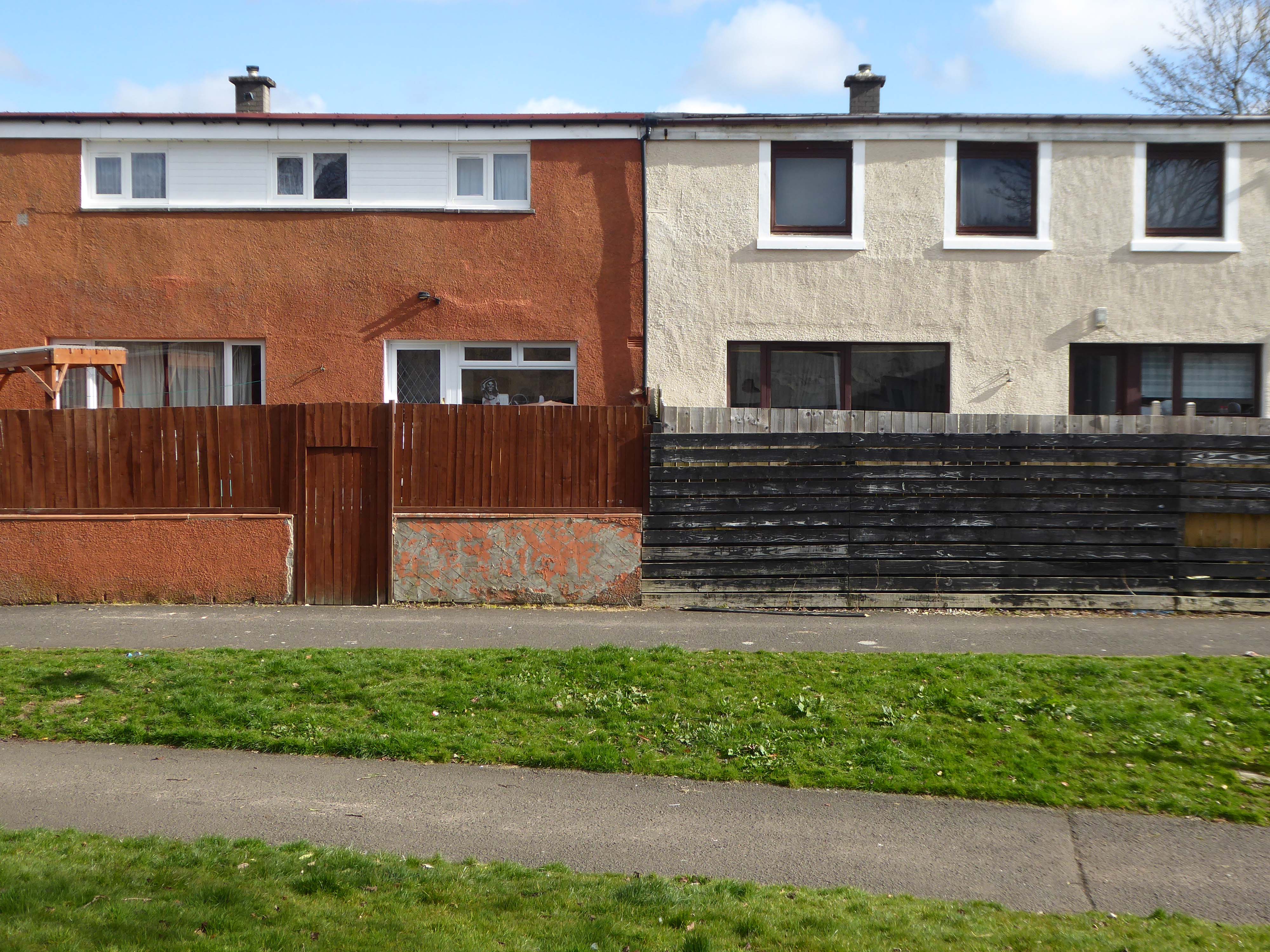
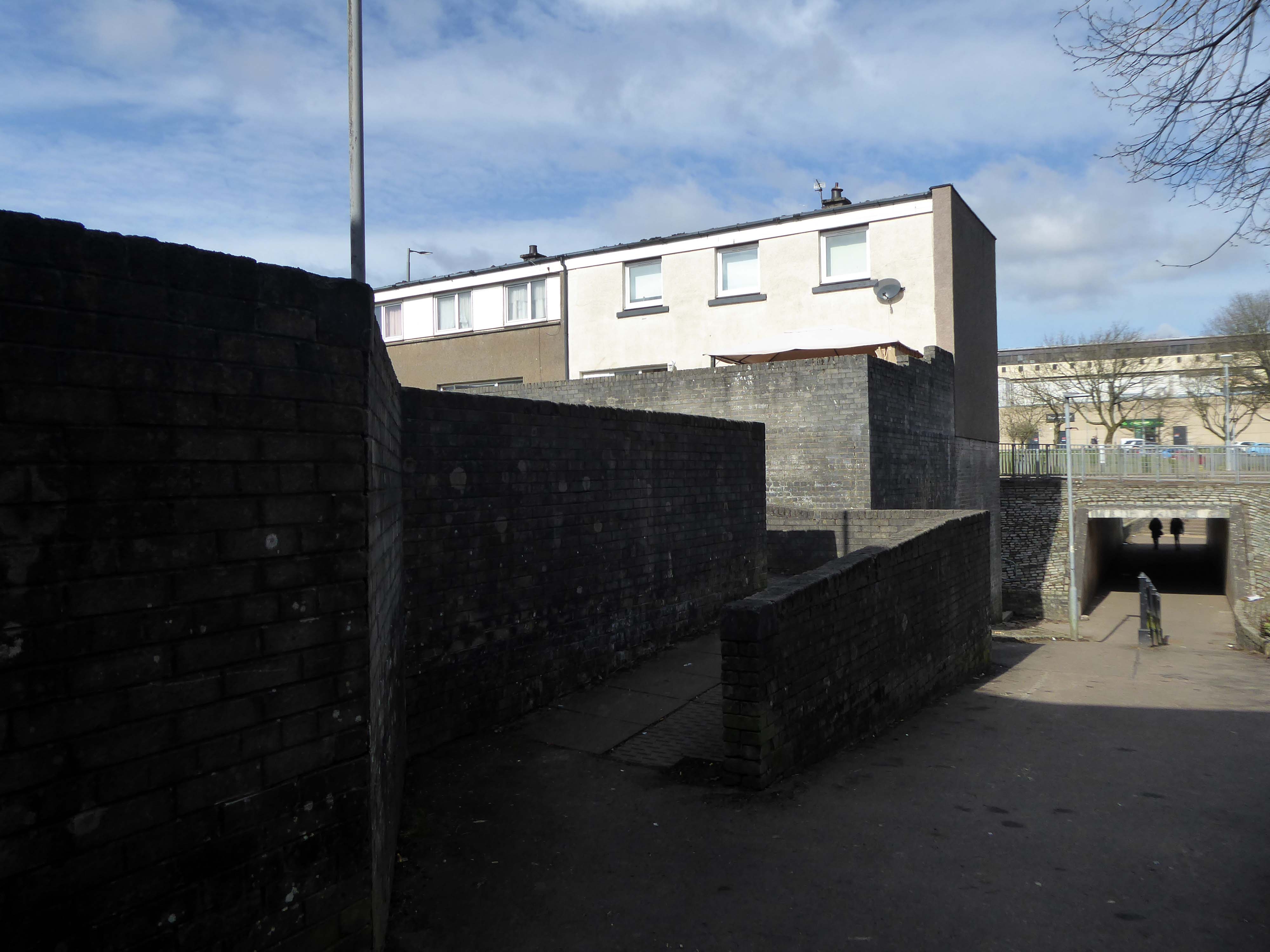
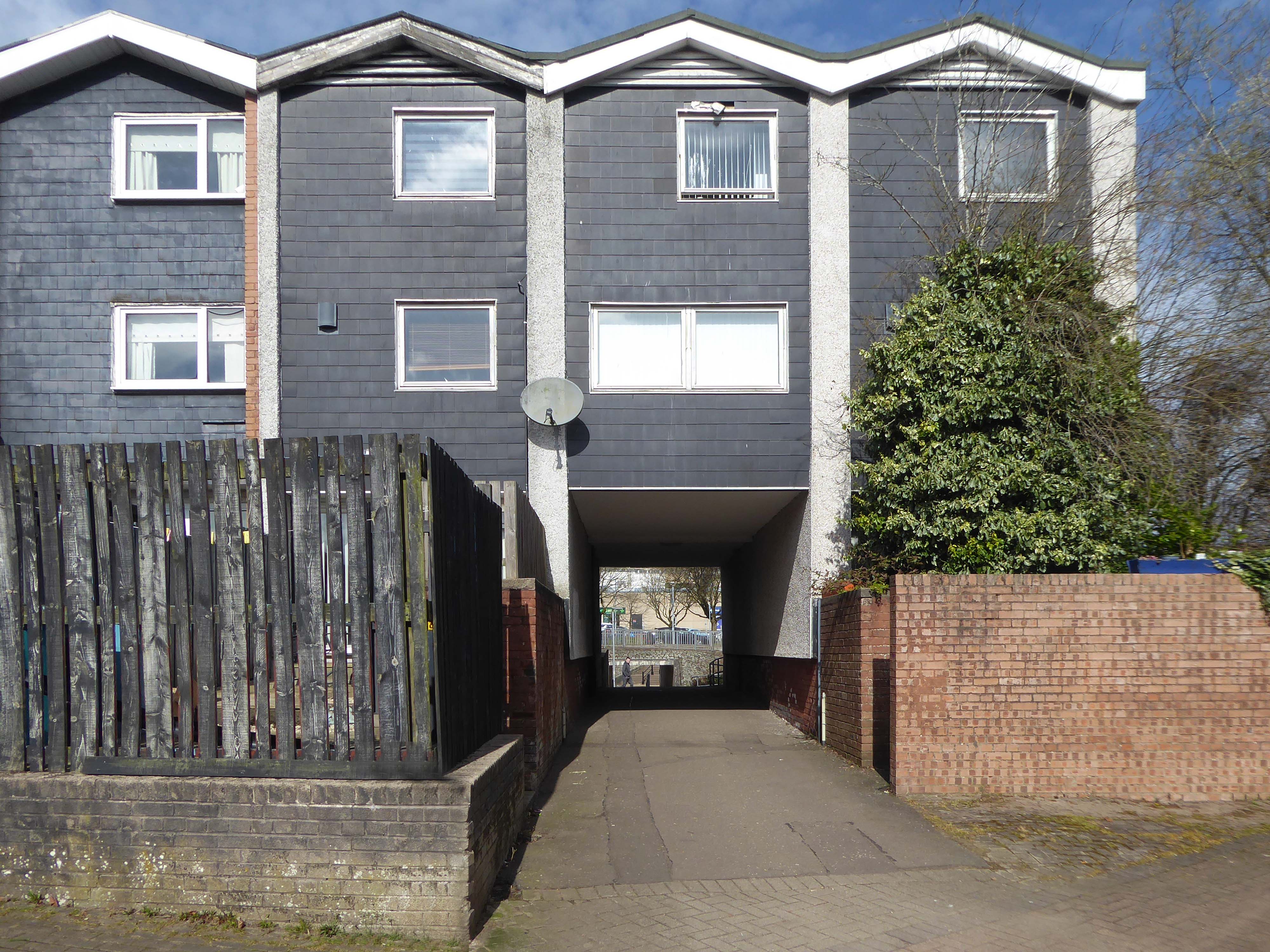
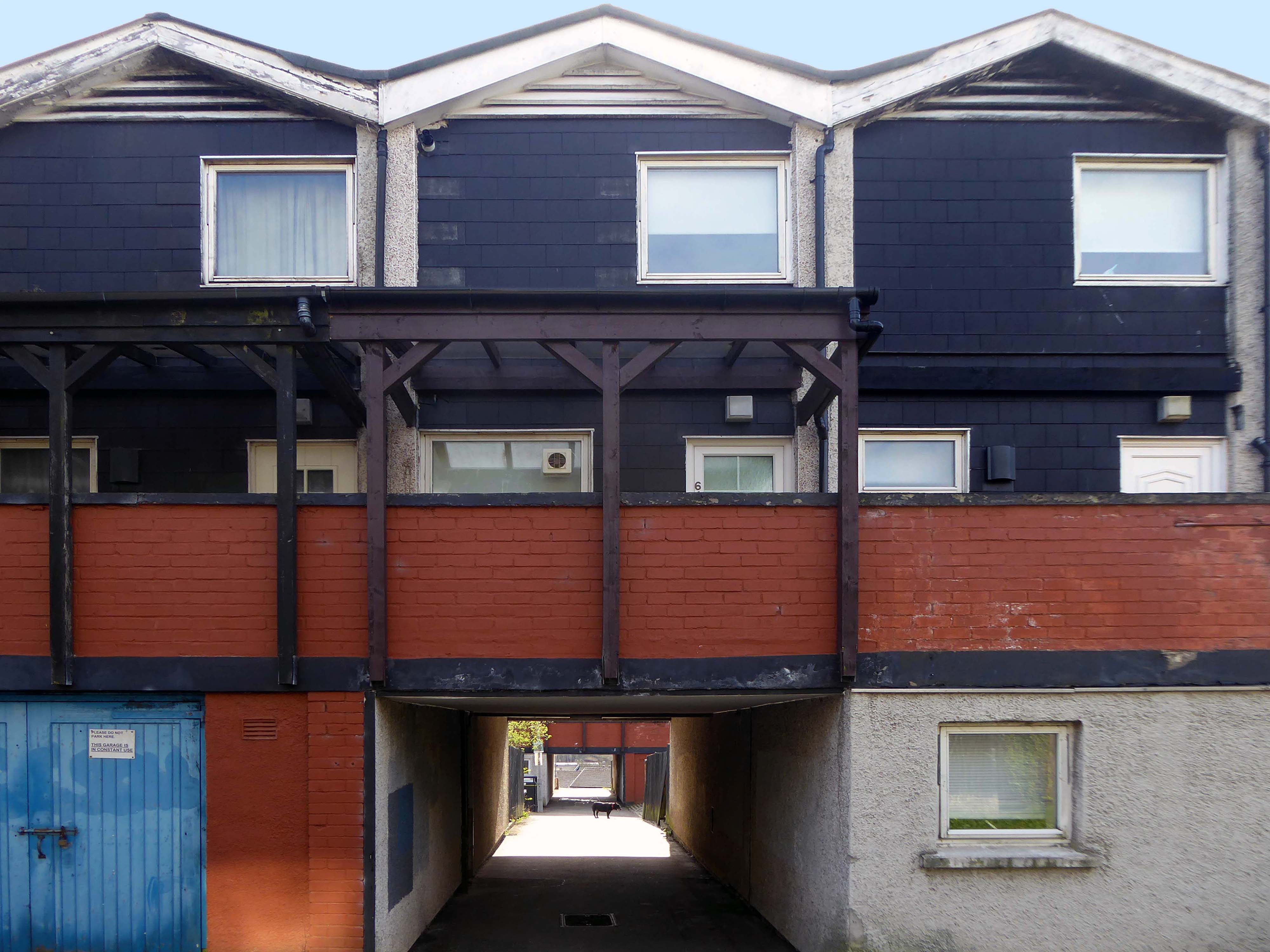
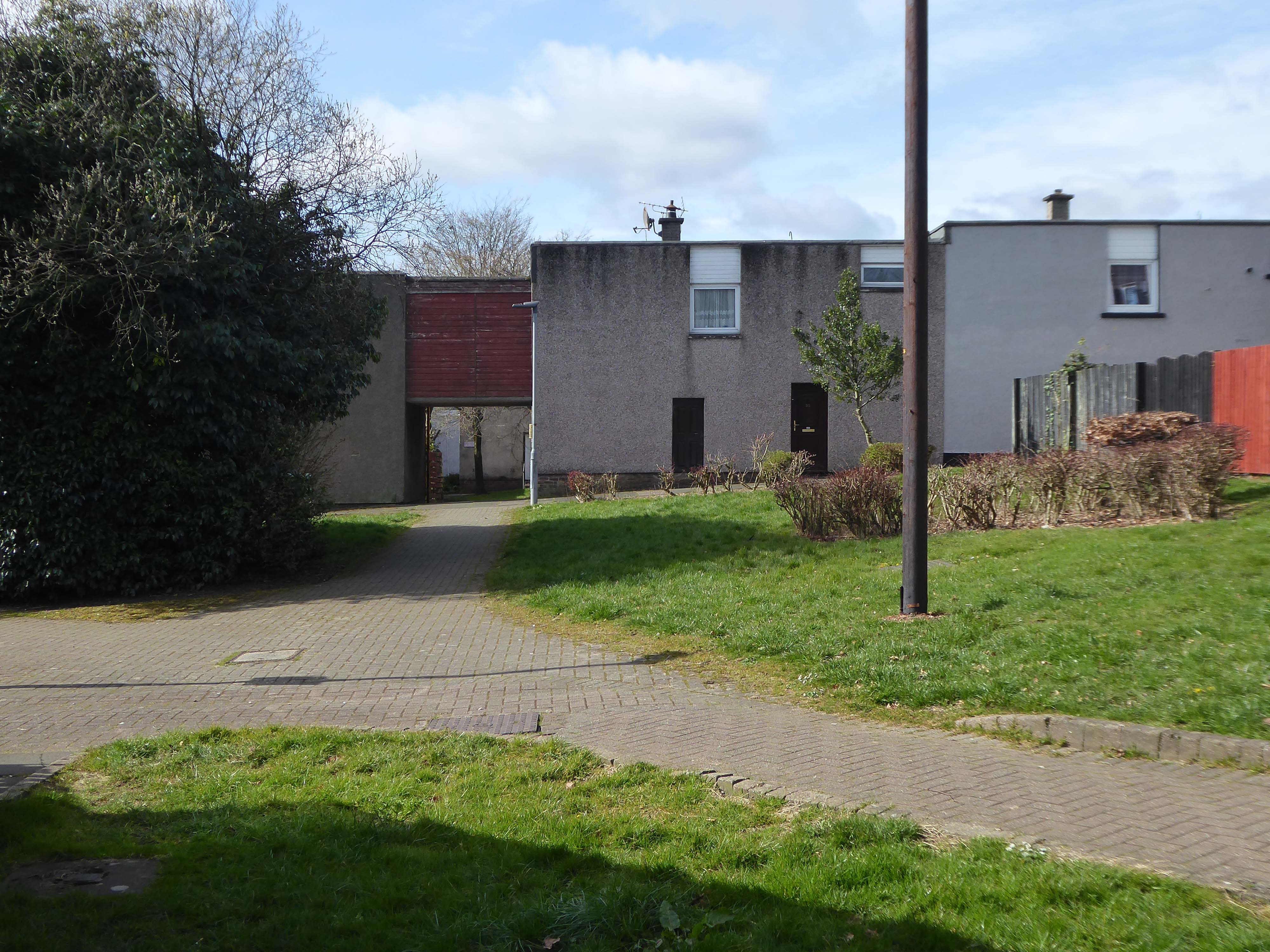
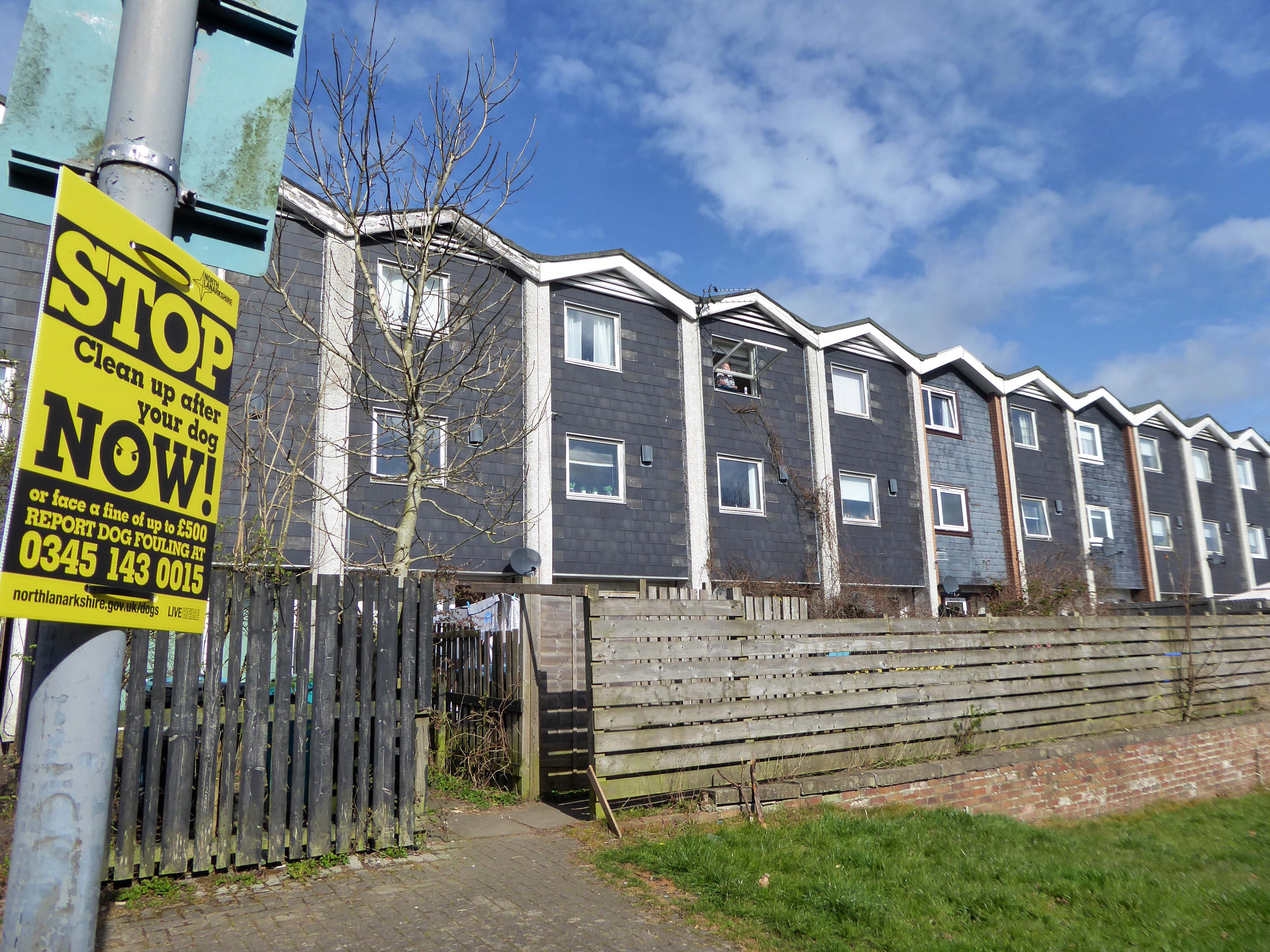
This is the housing that I saw.