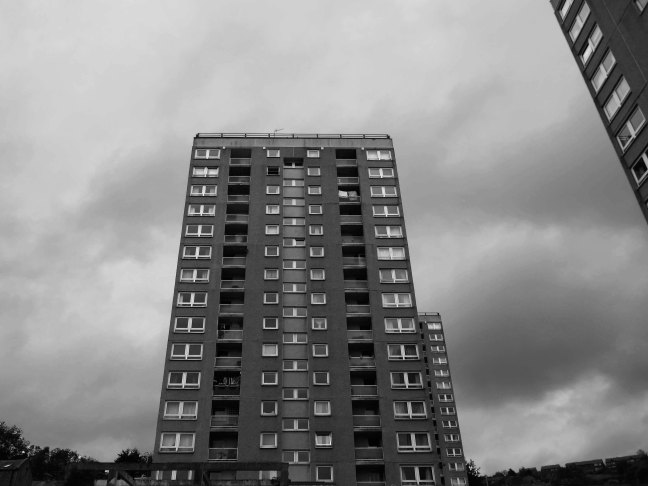
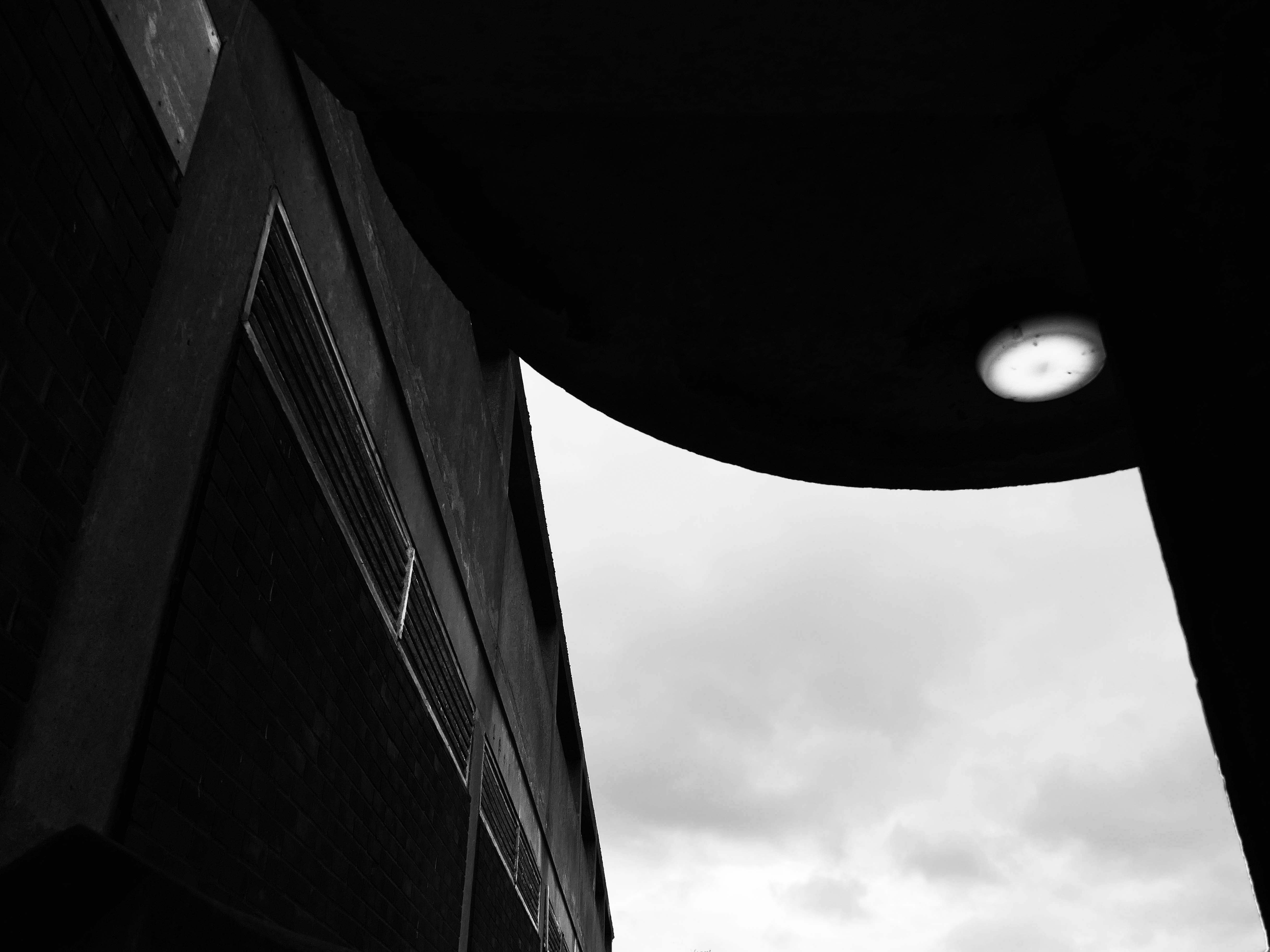
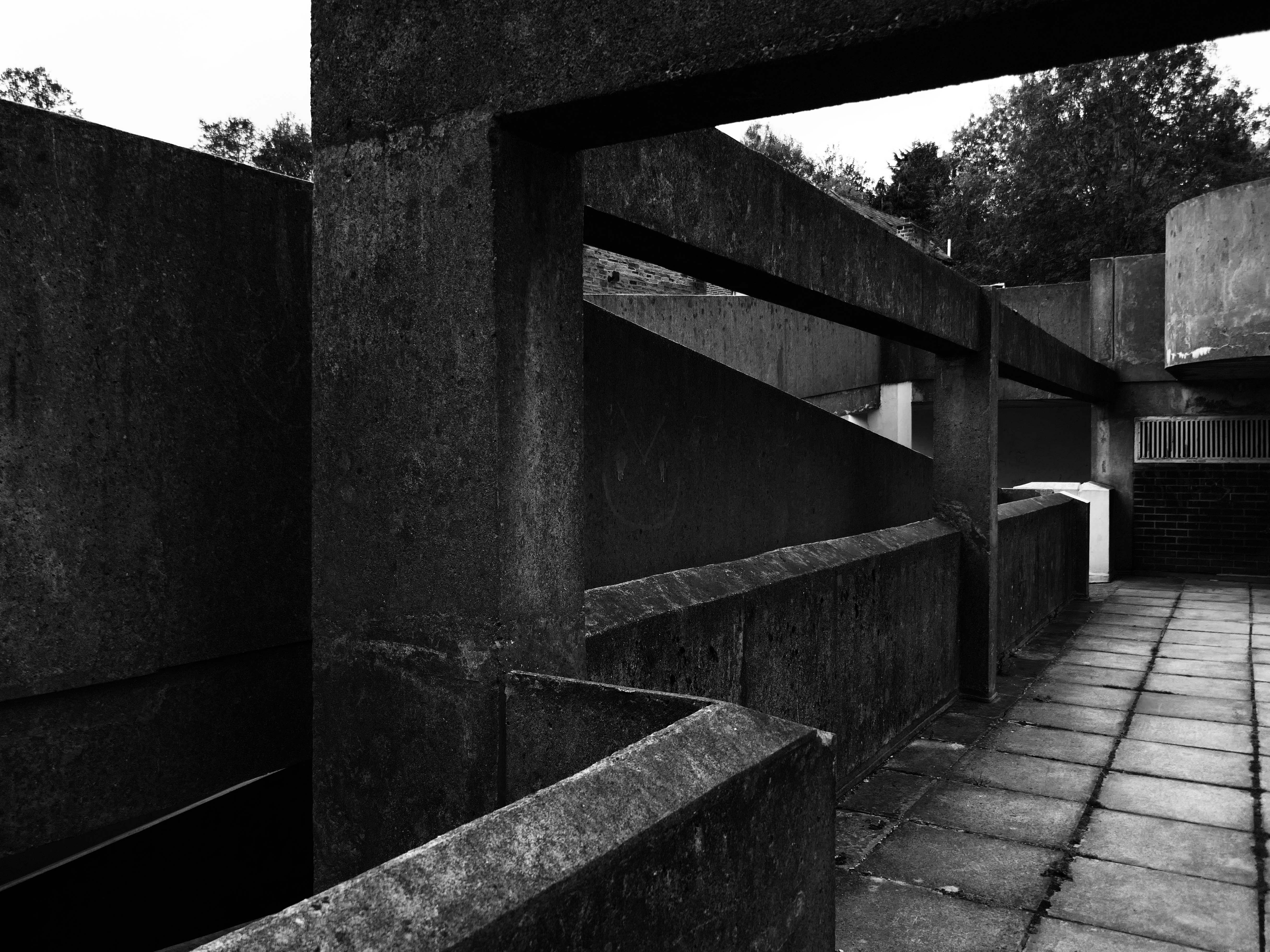
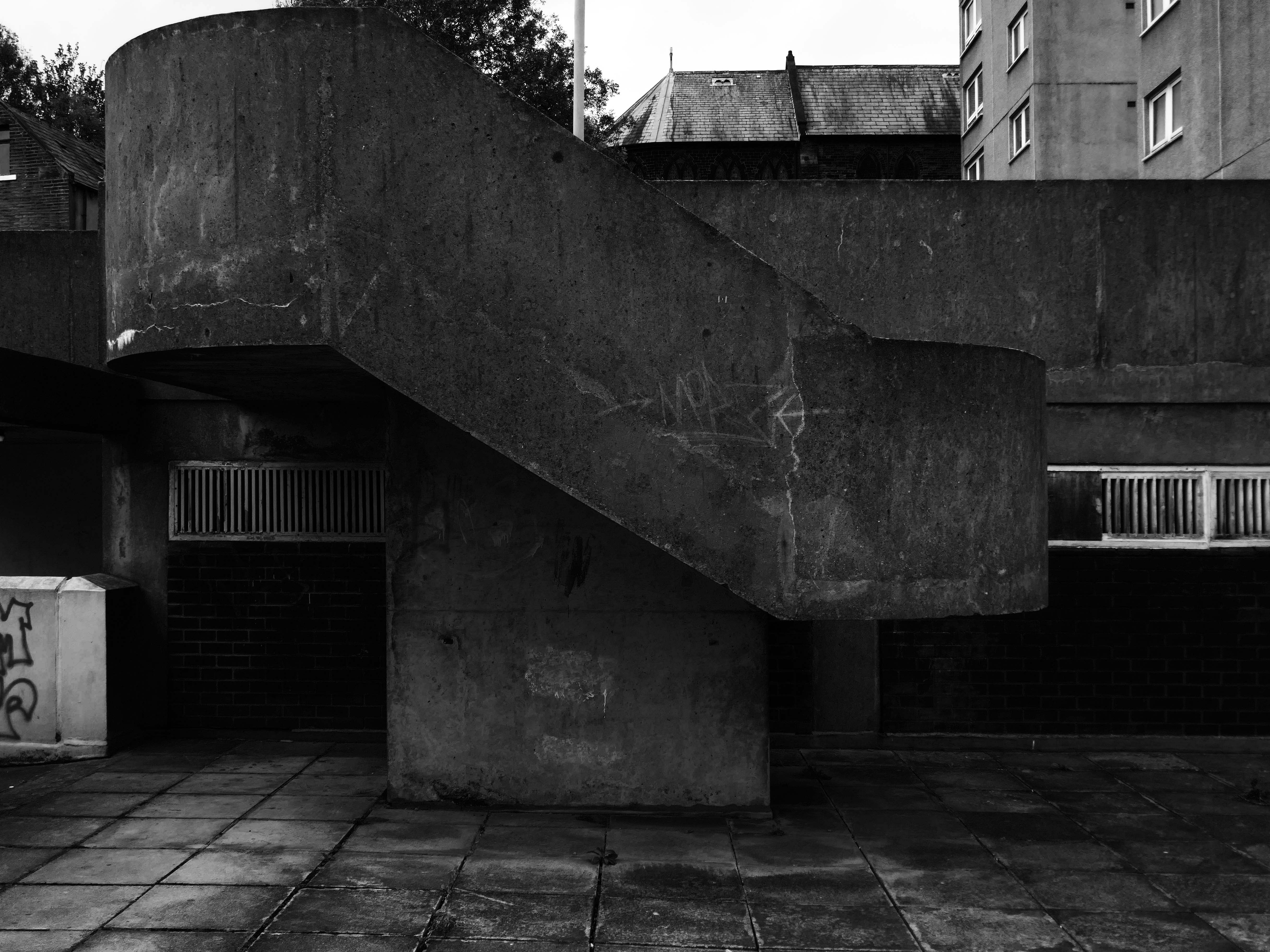
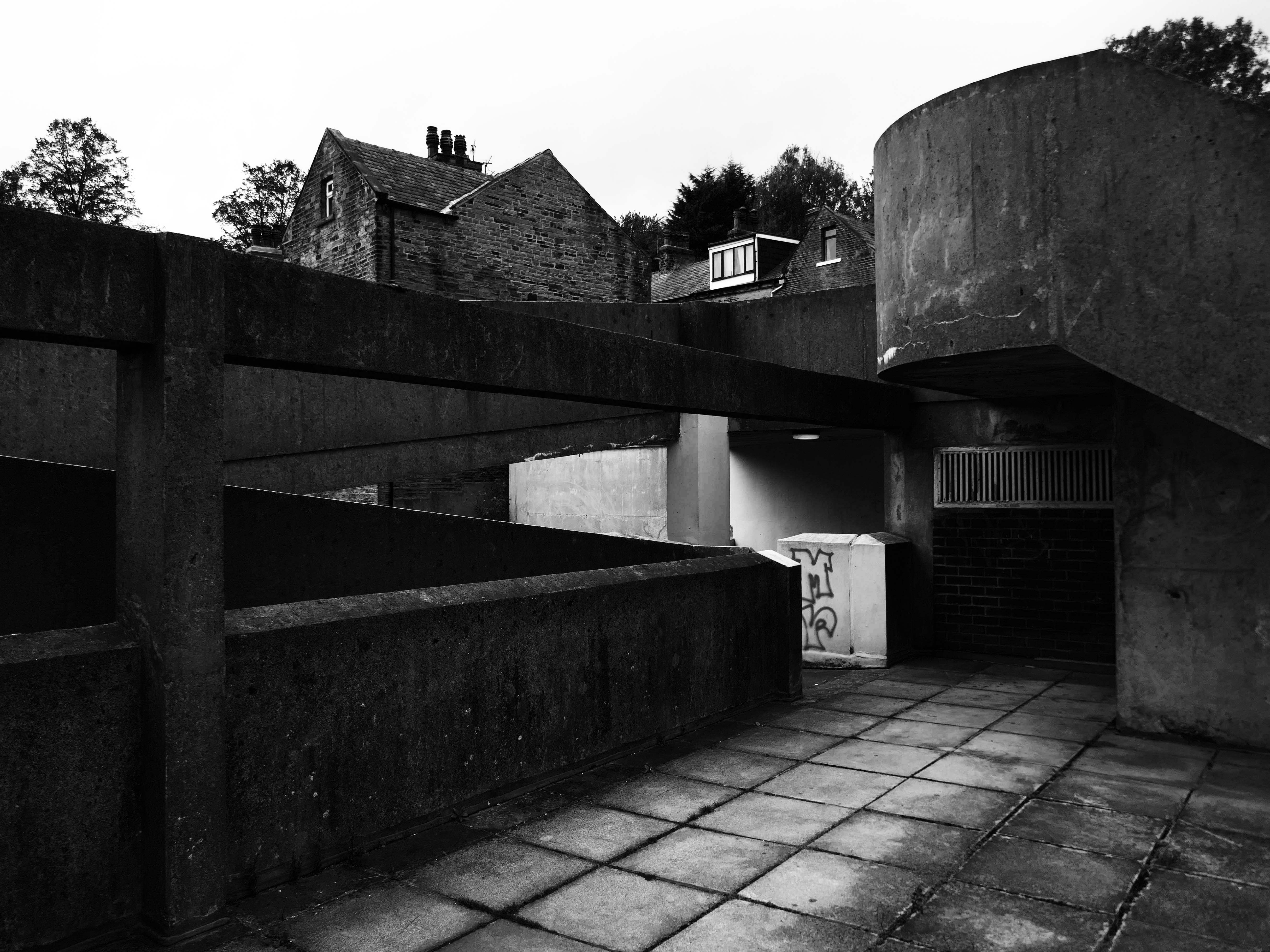
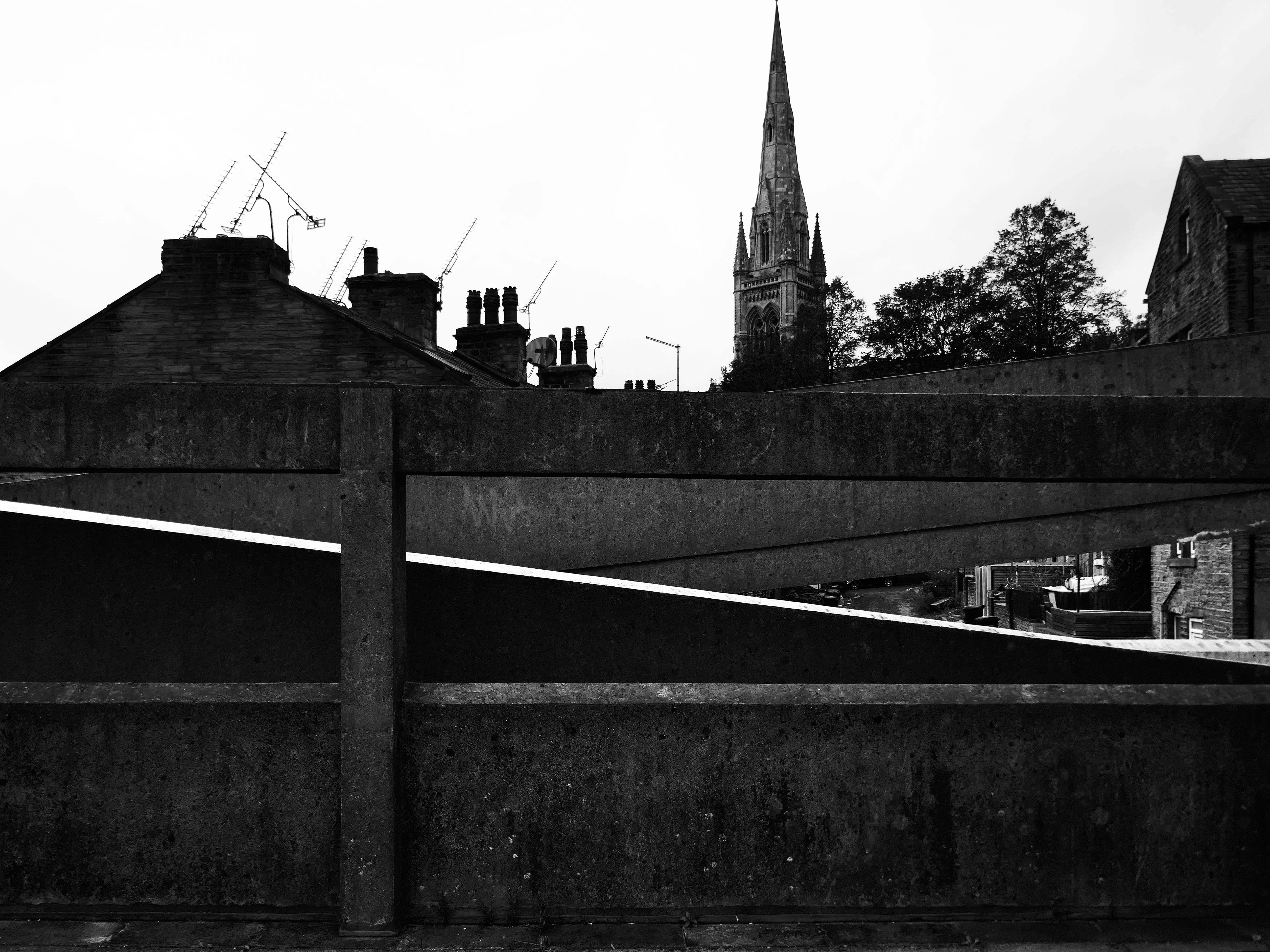
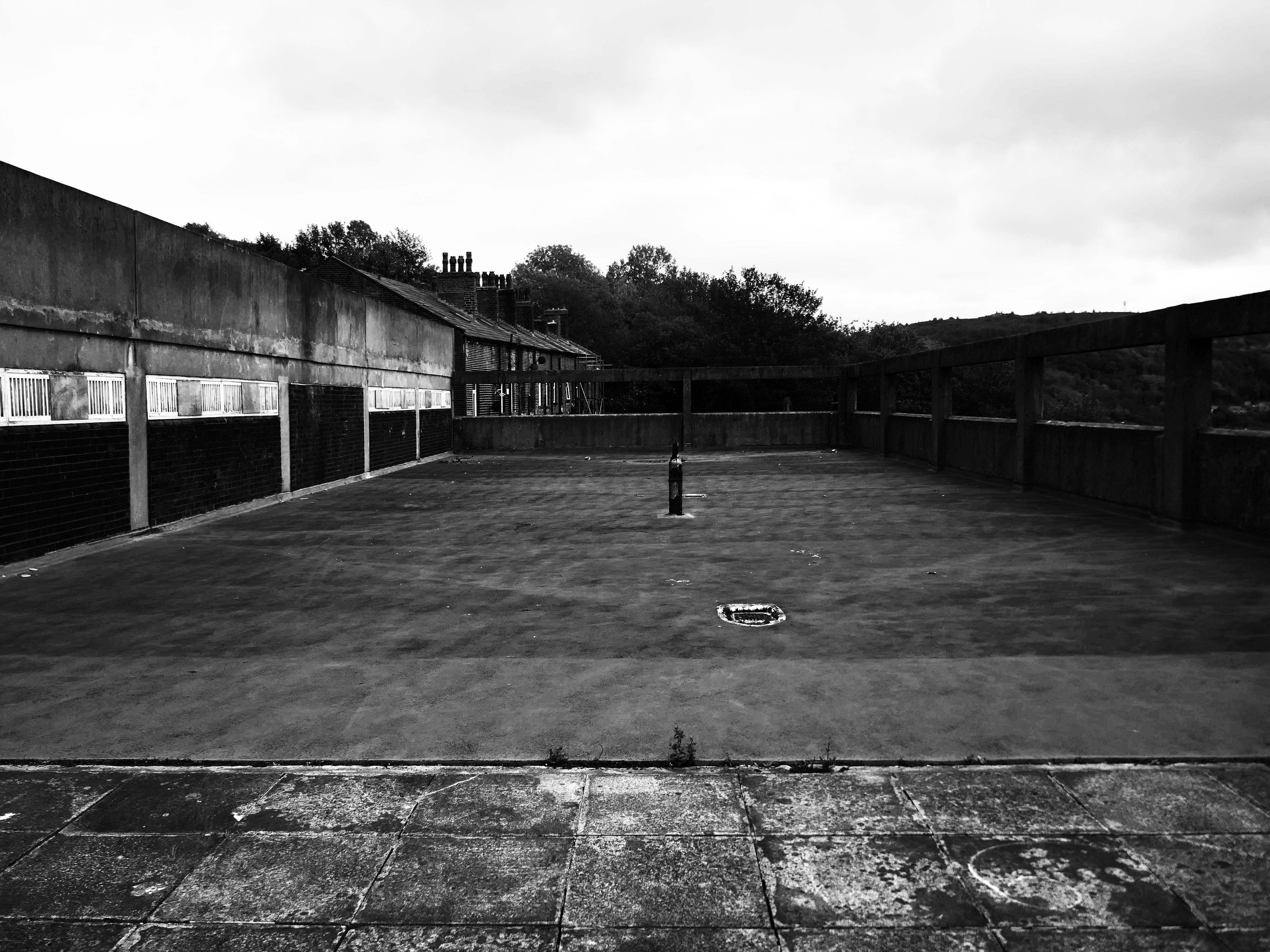
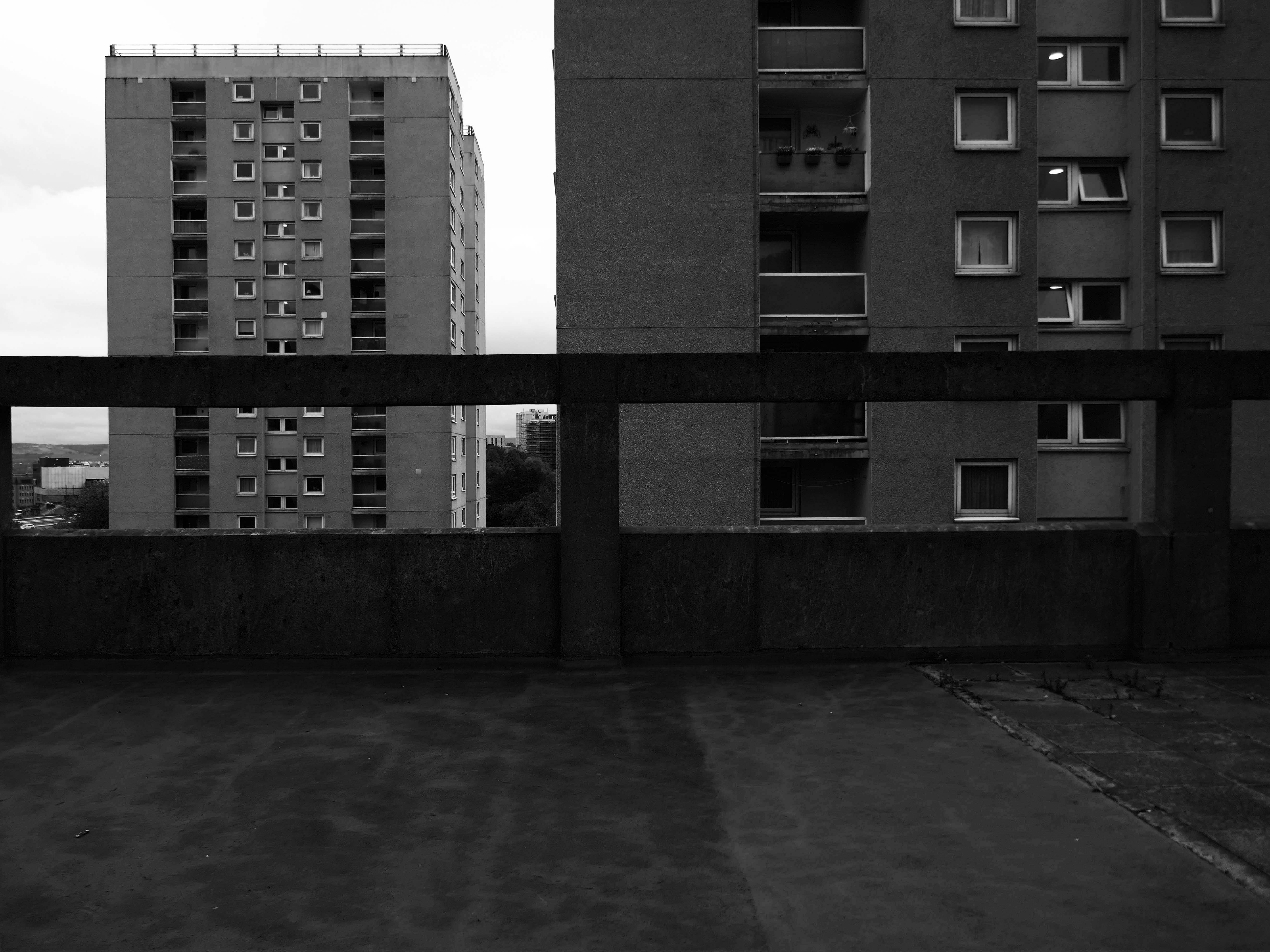
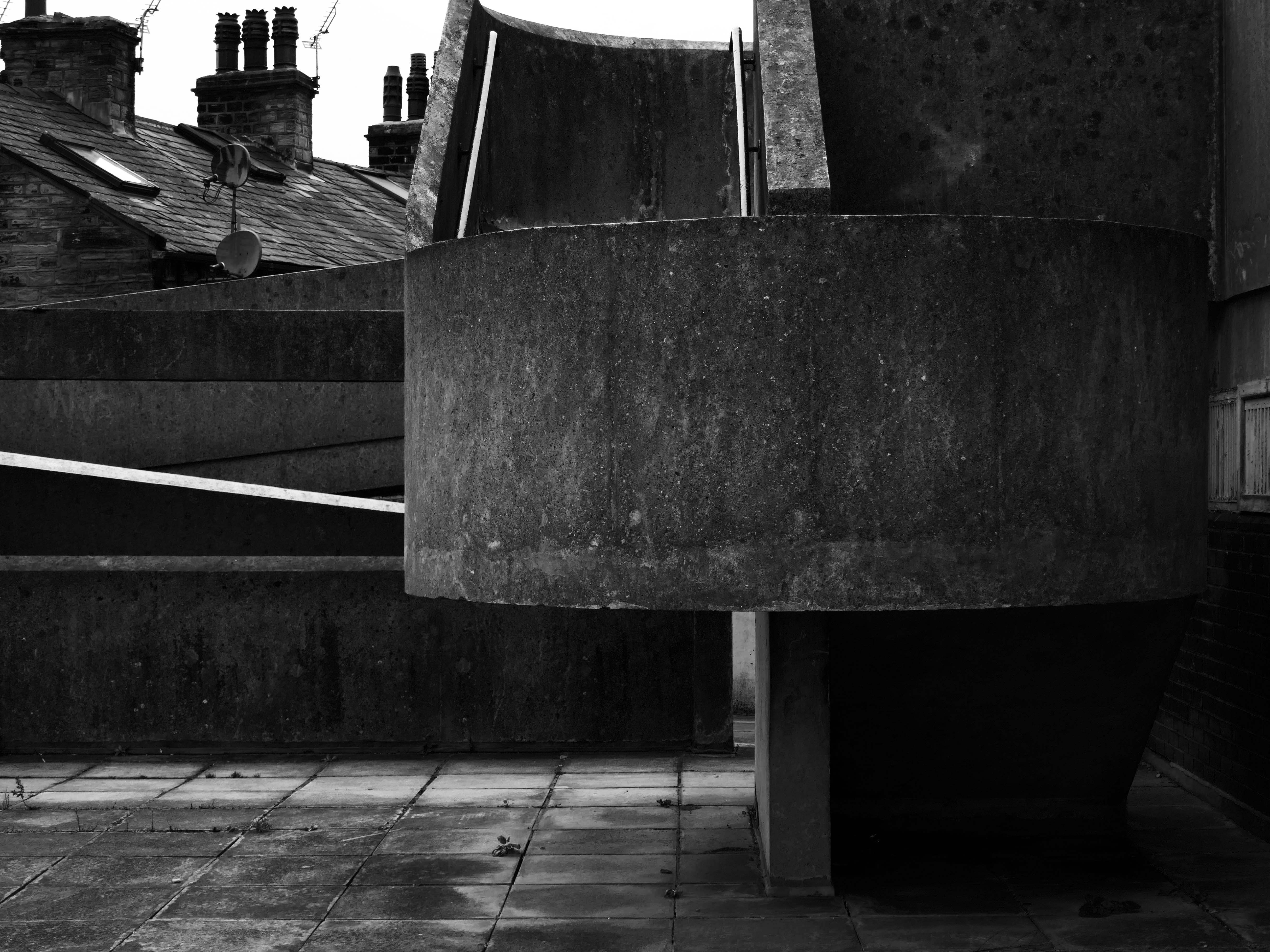
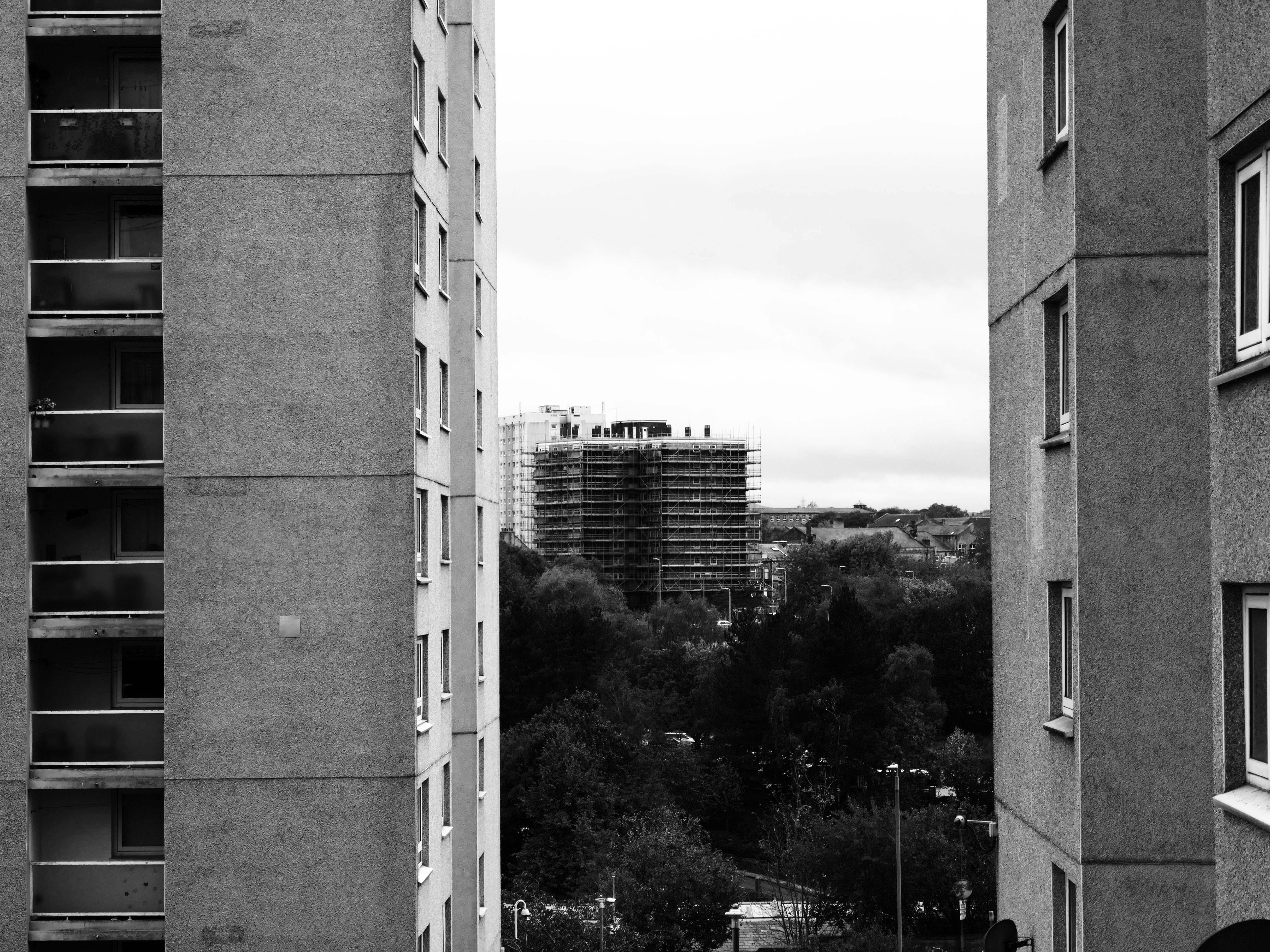
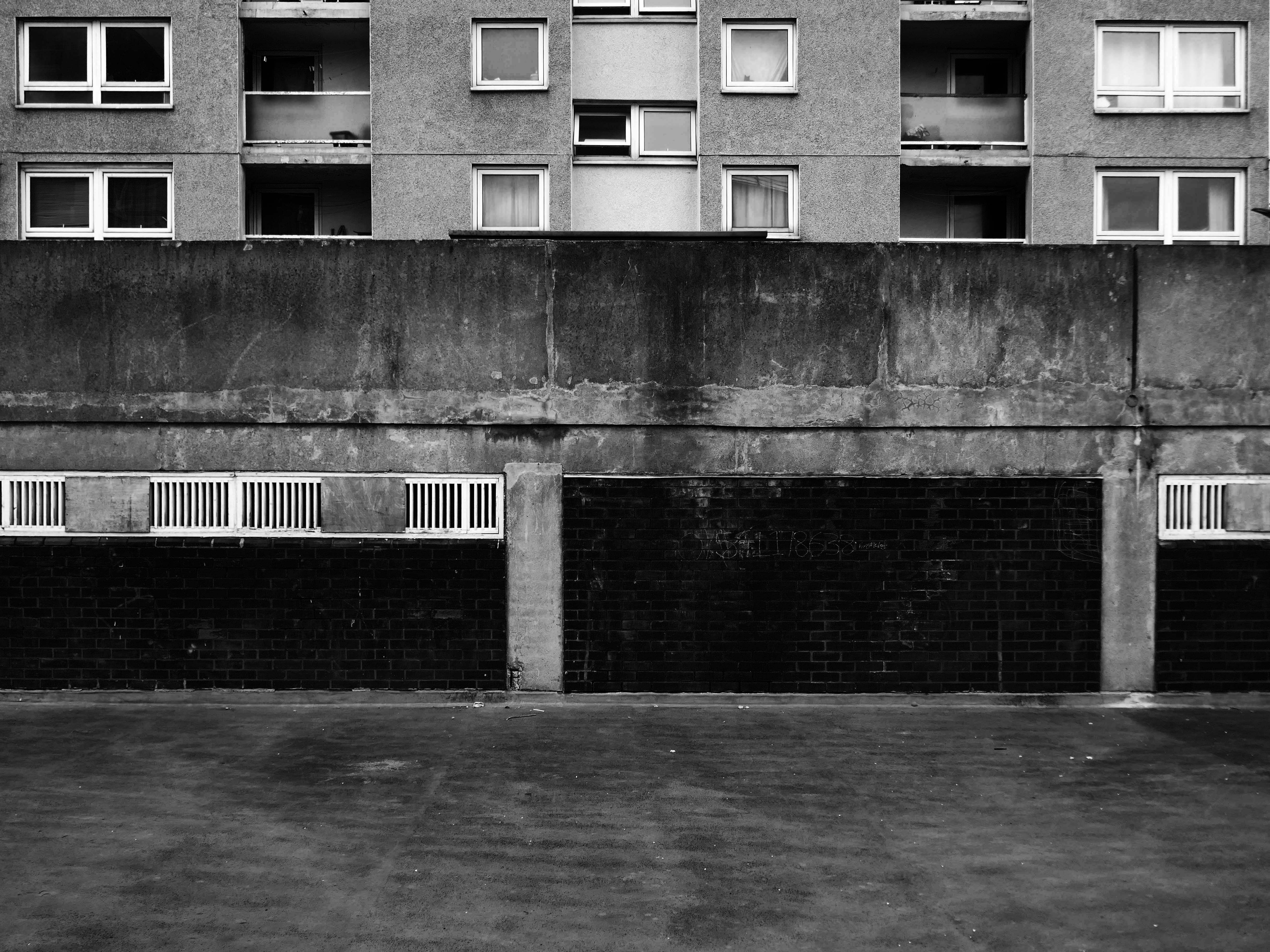
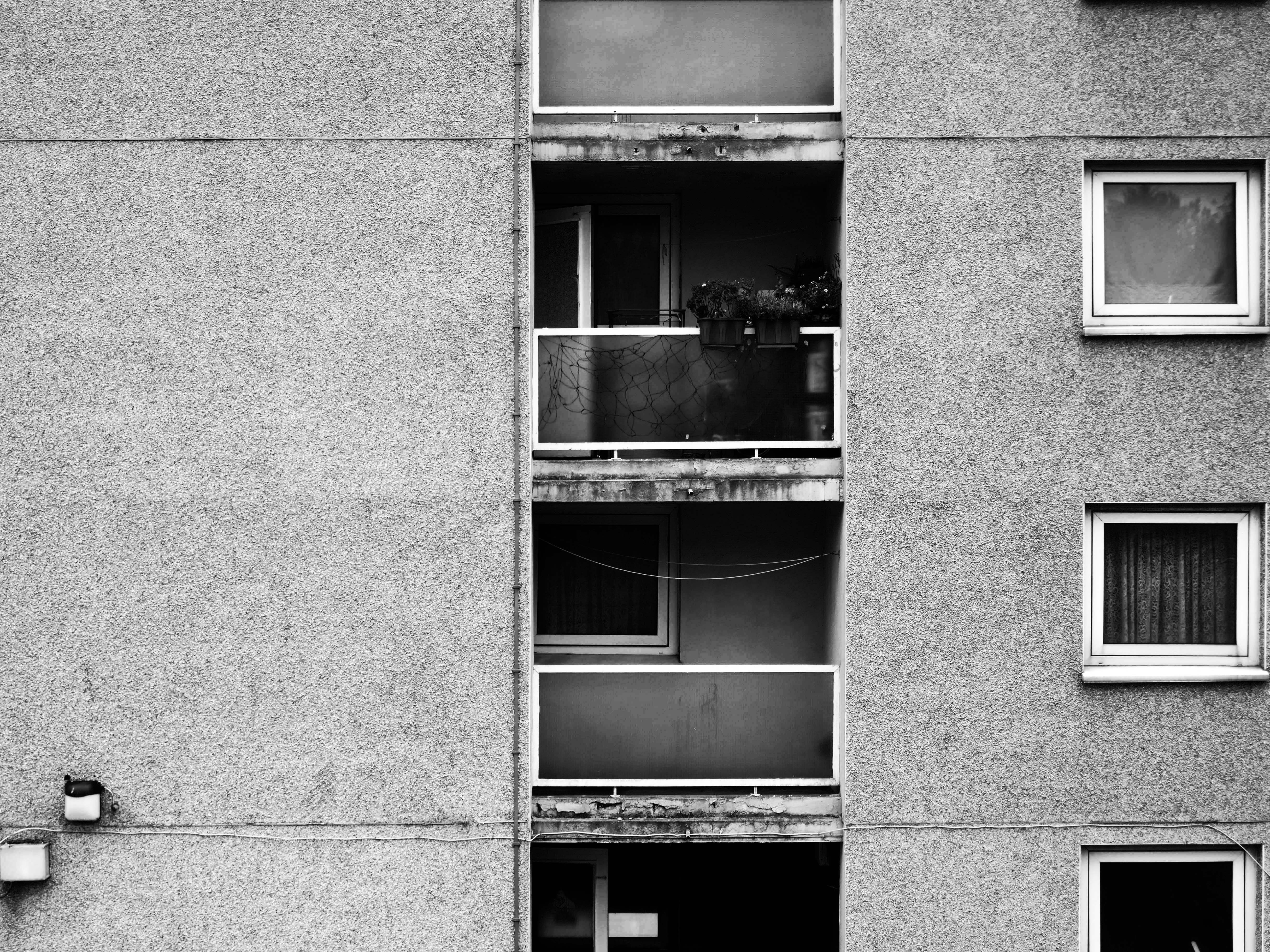
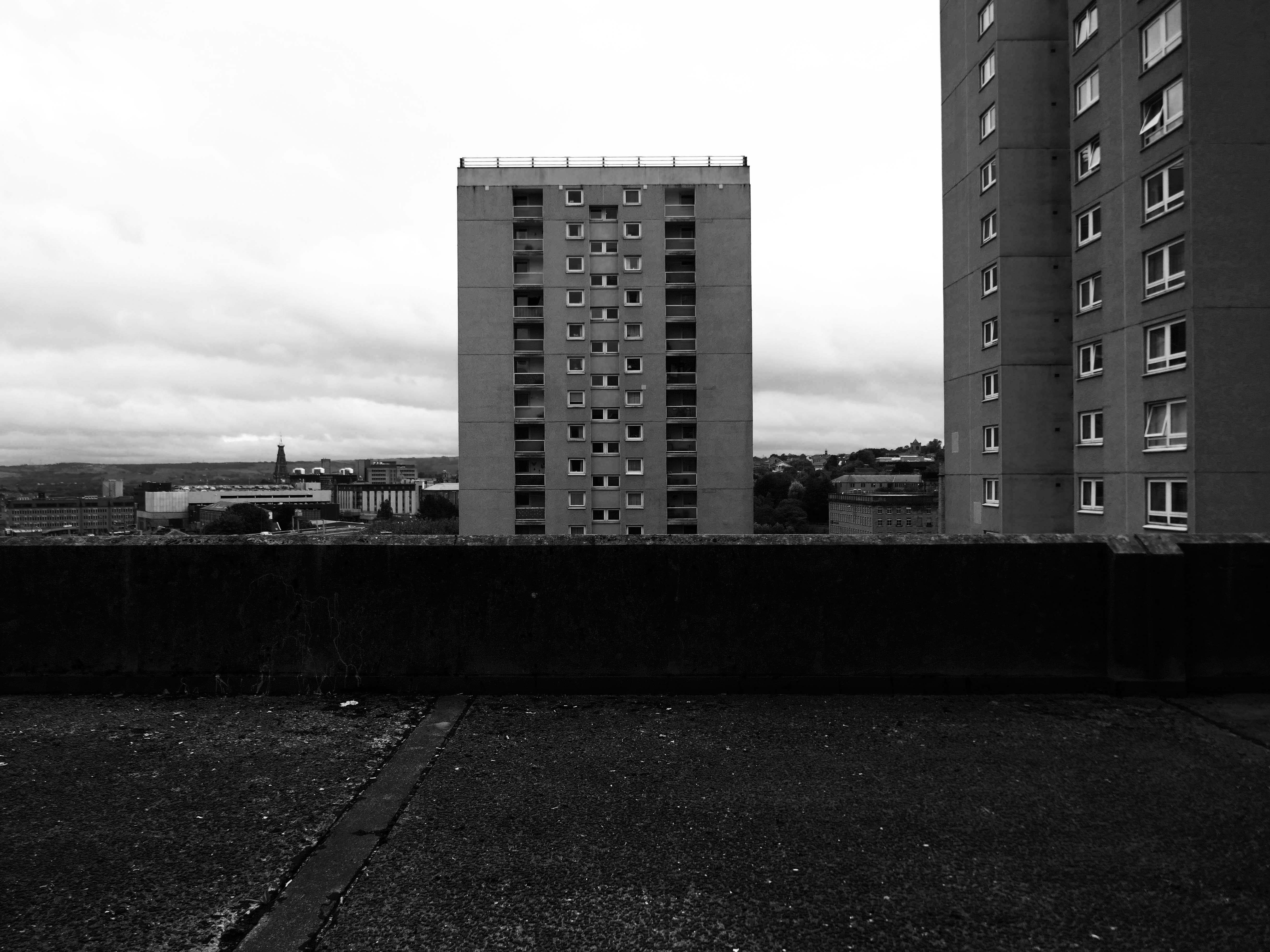
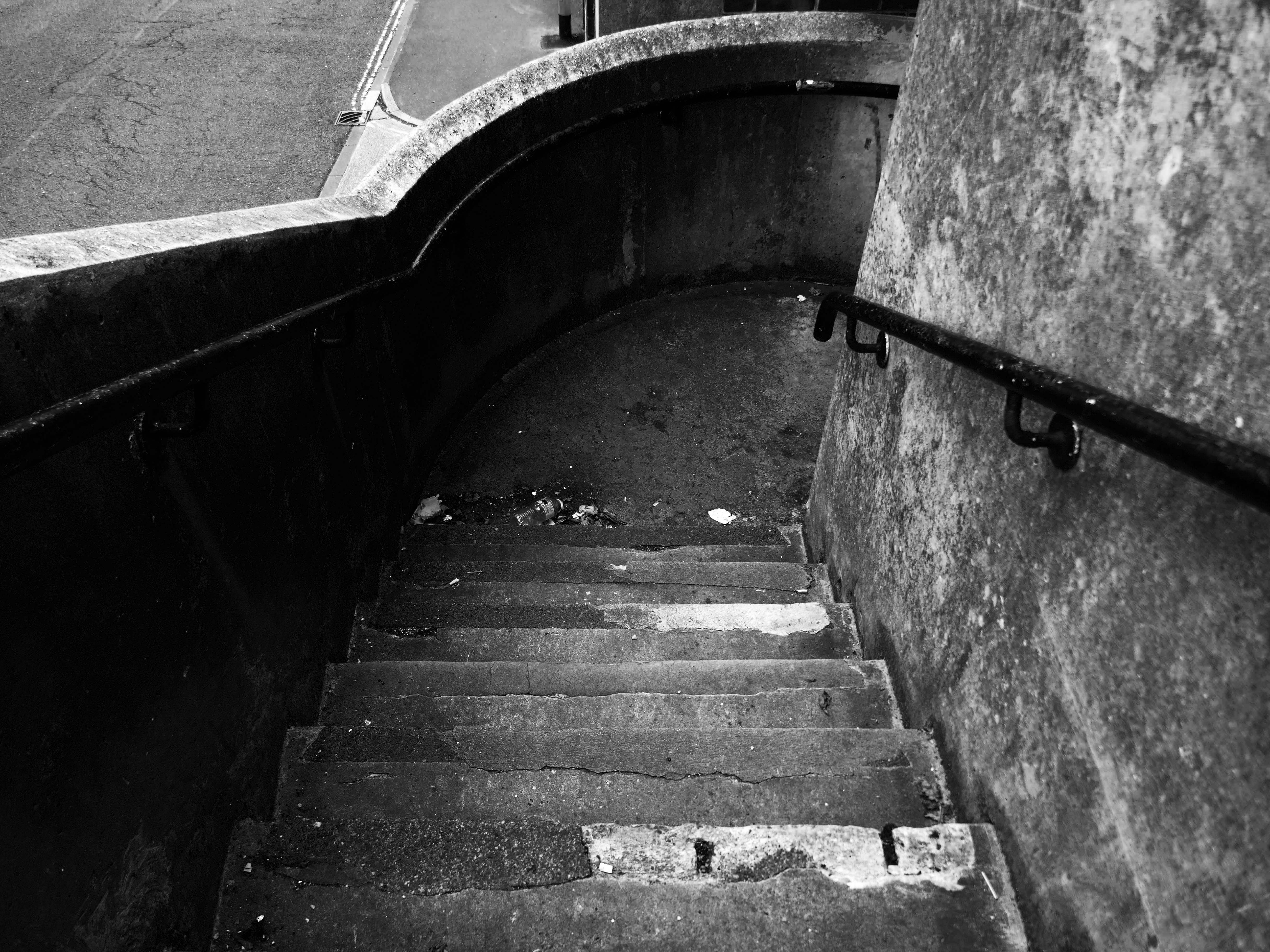
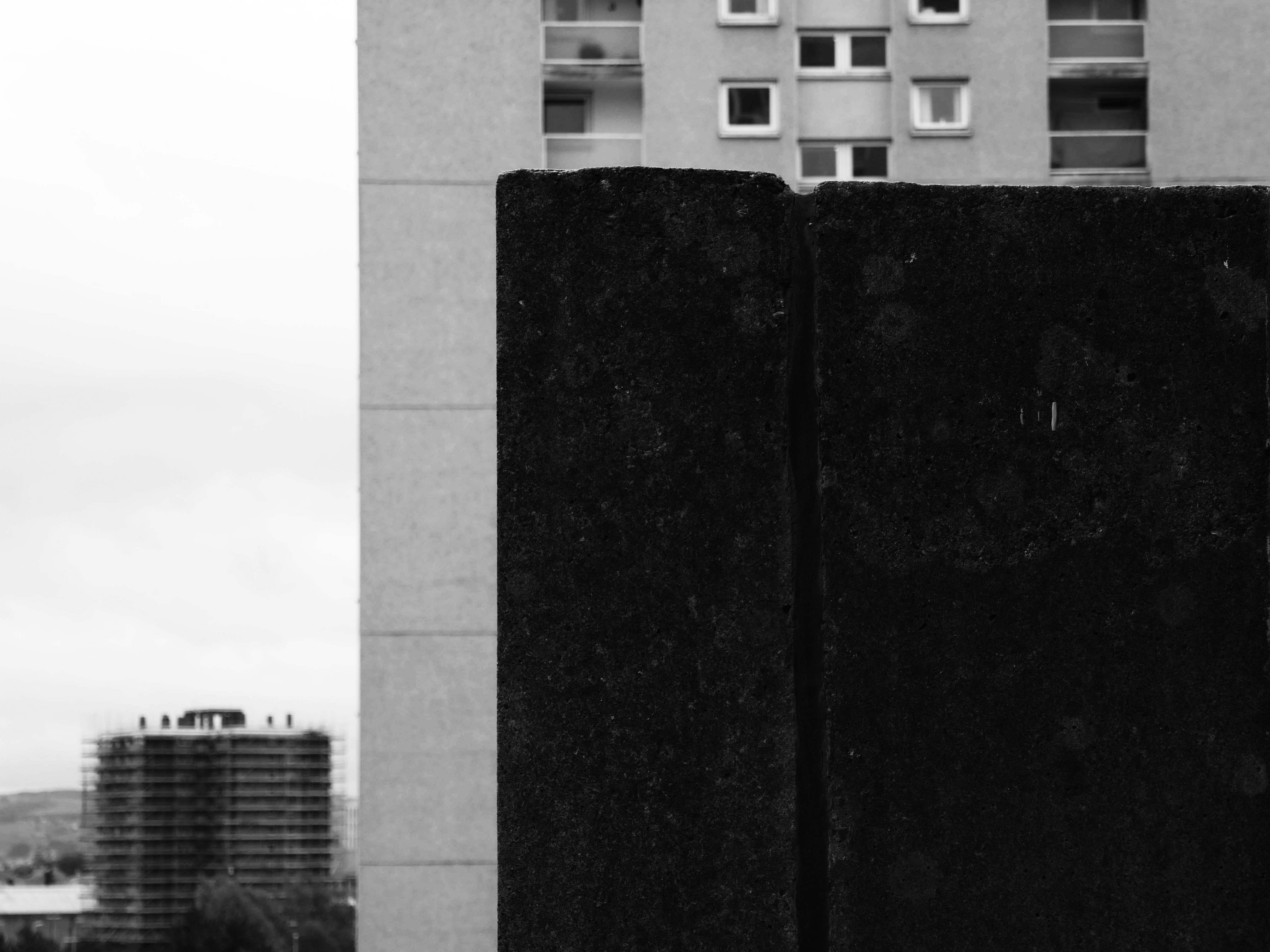
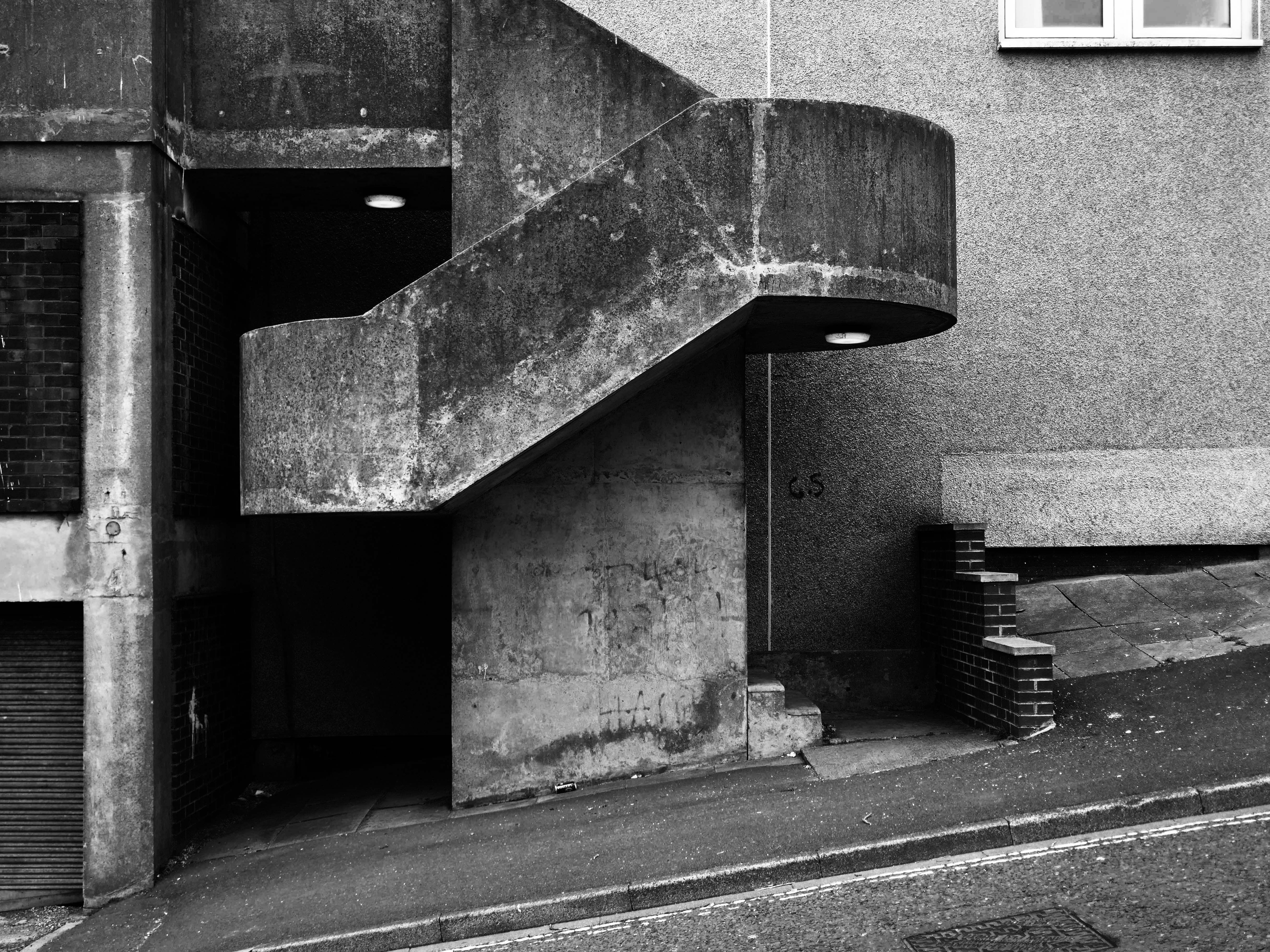
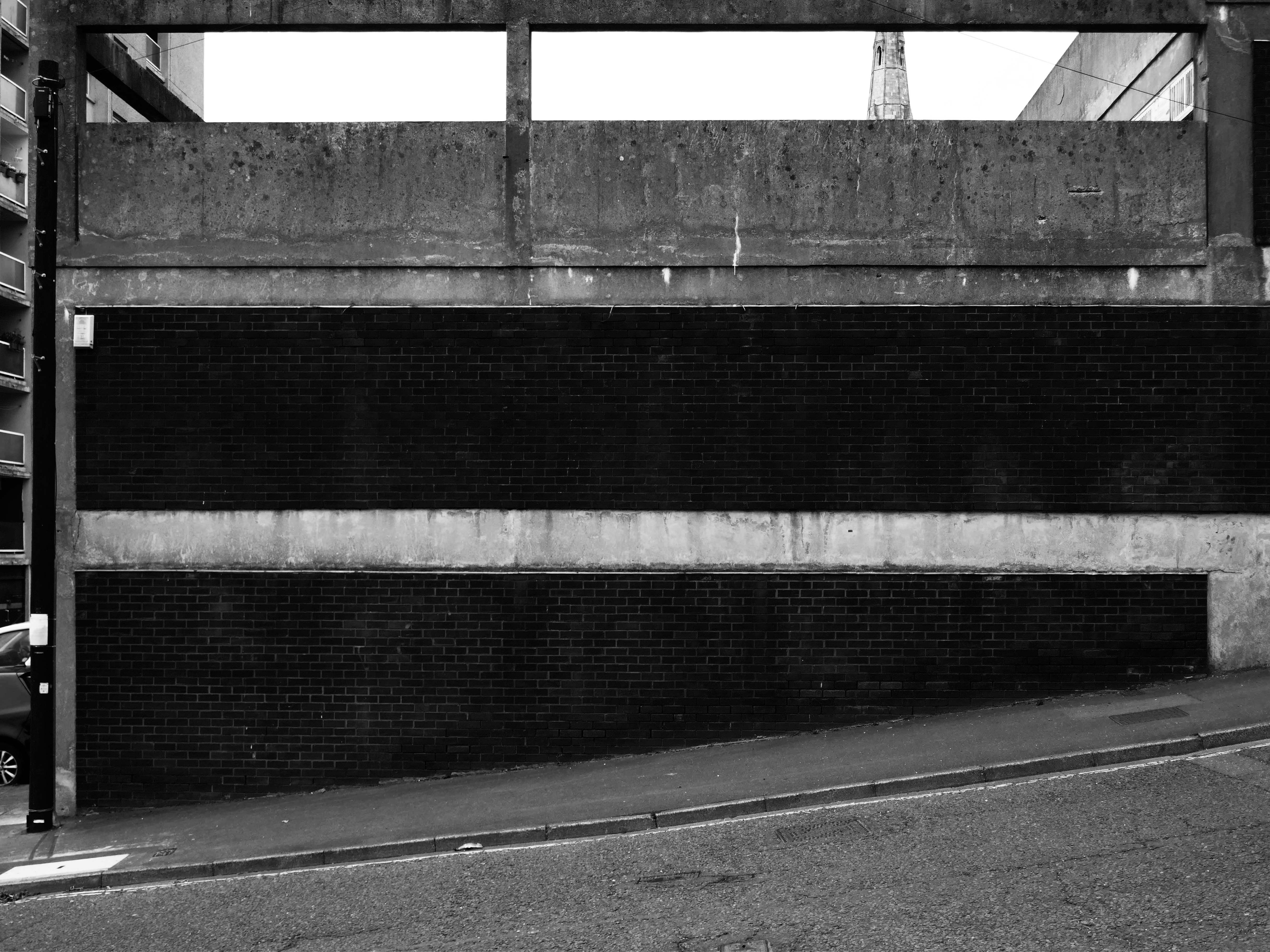
When in Halifax it’s imperative to visit Haley Hill flats, as we did in May 2025.
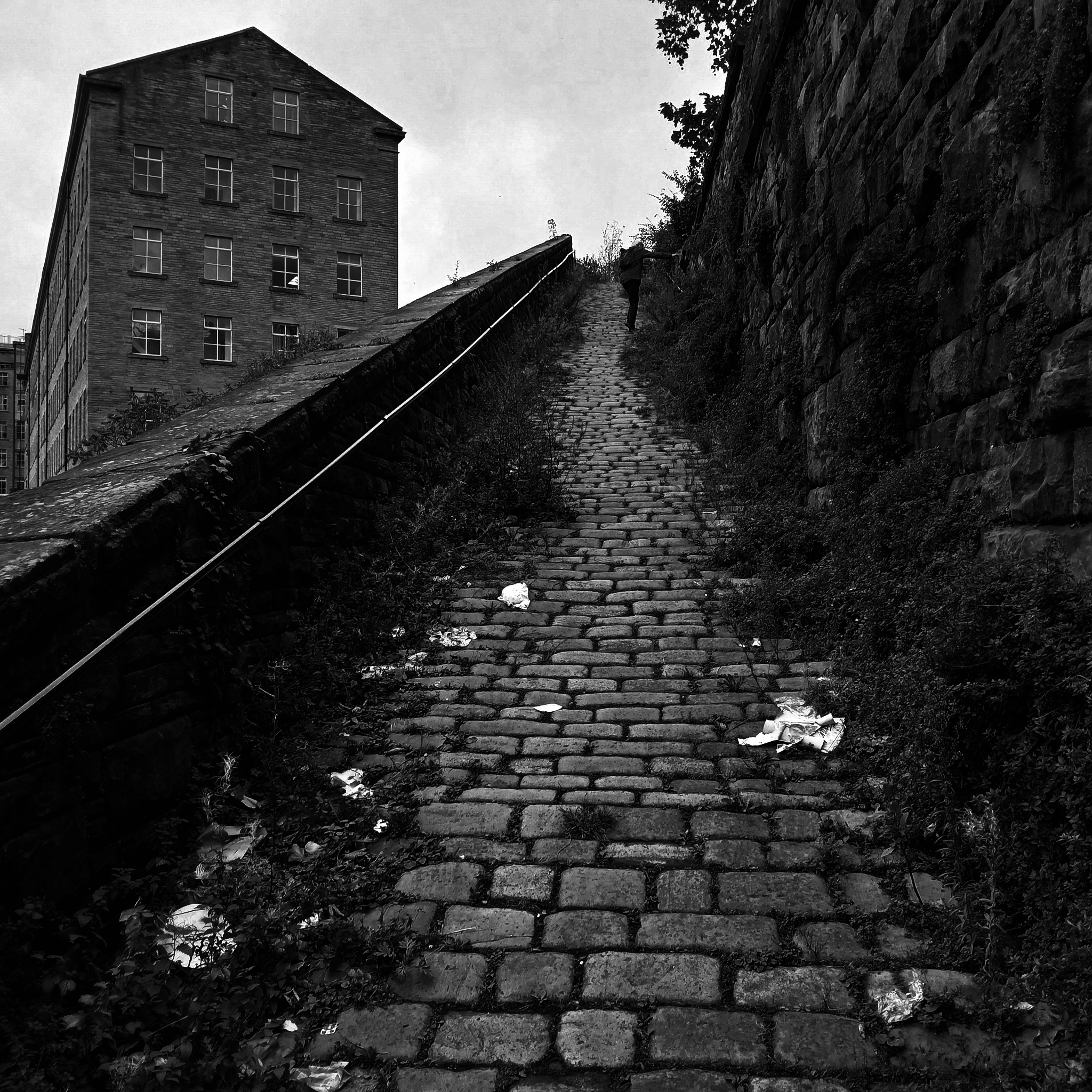
It’s a labour of love ascending the granite setts to the side of Dean Clough.
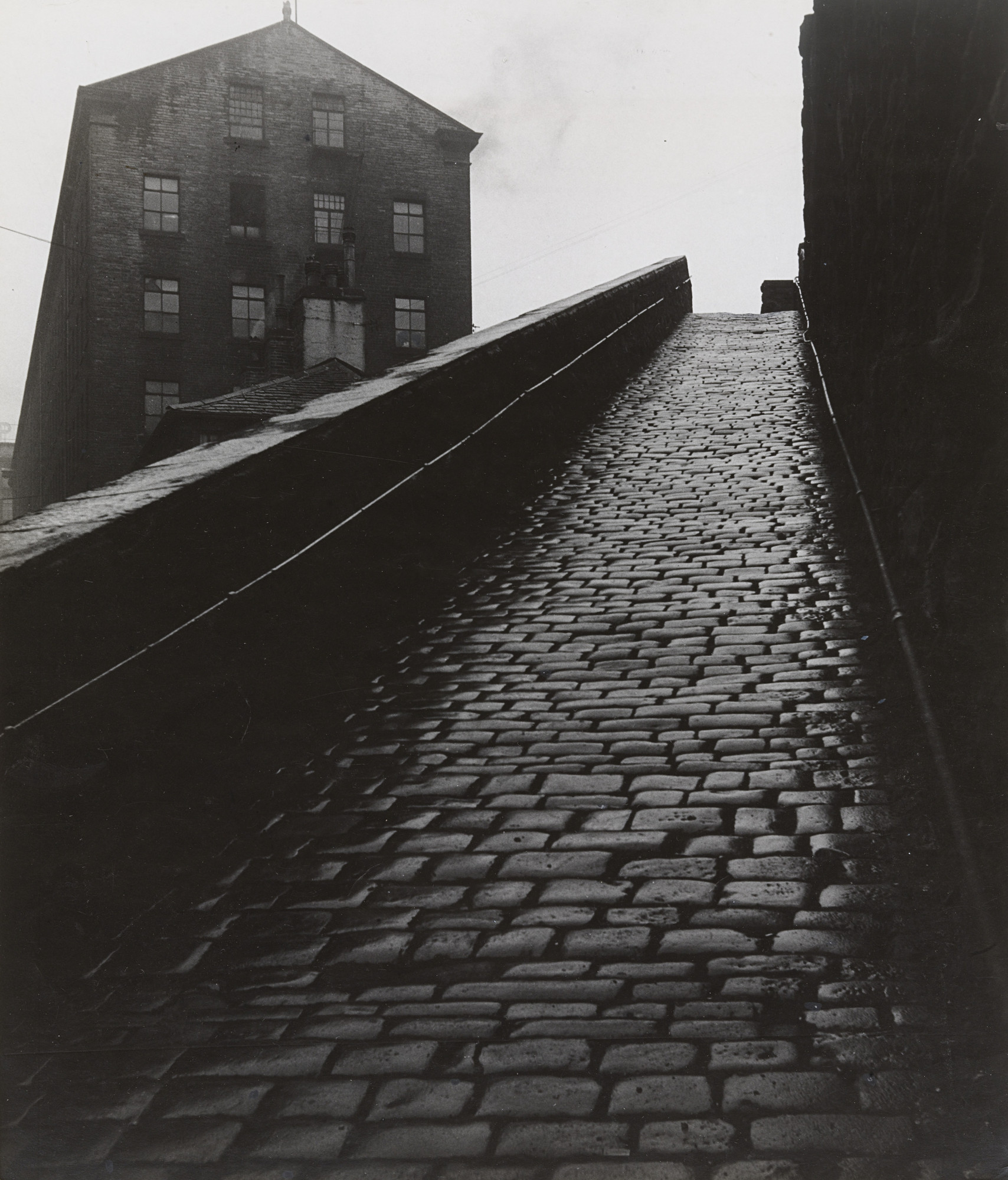
Walking in the footsteps of photographer Bill Brandt.
A Snicket in Halifax: Bill Brandt 1937
A Snicket in Halifax: Steve Marland 2025
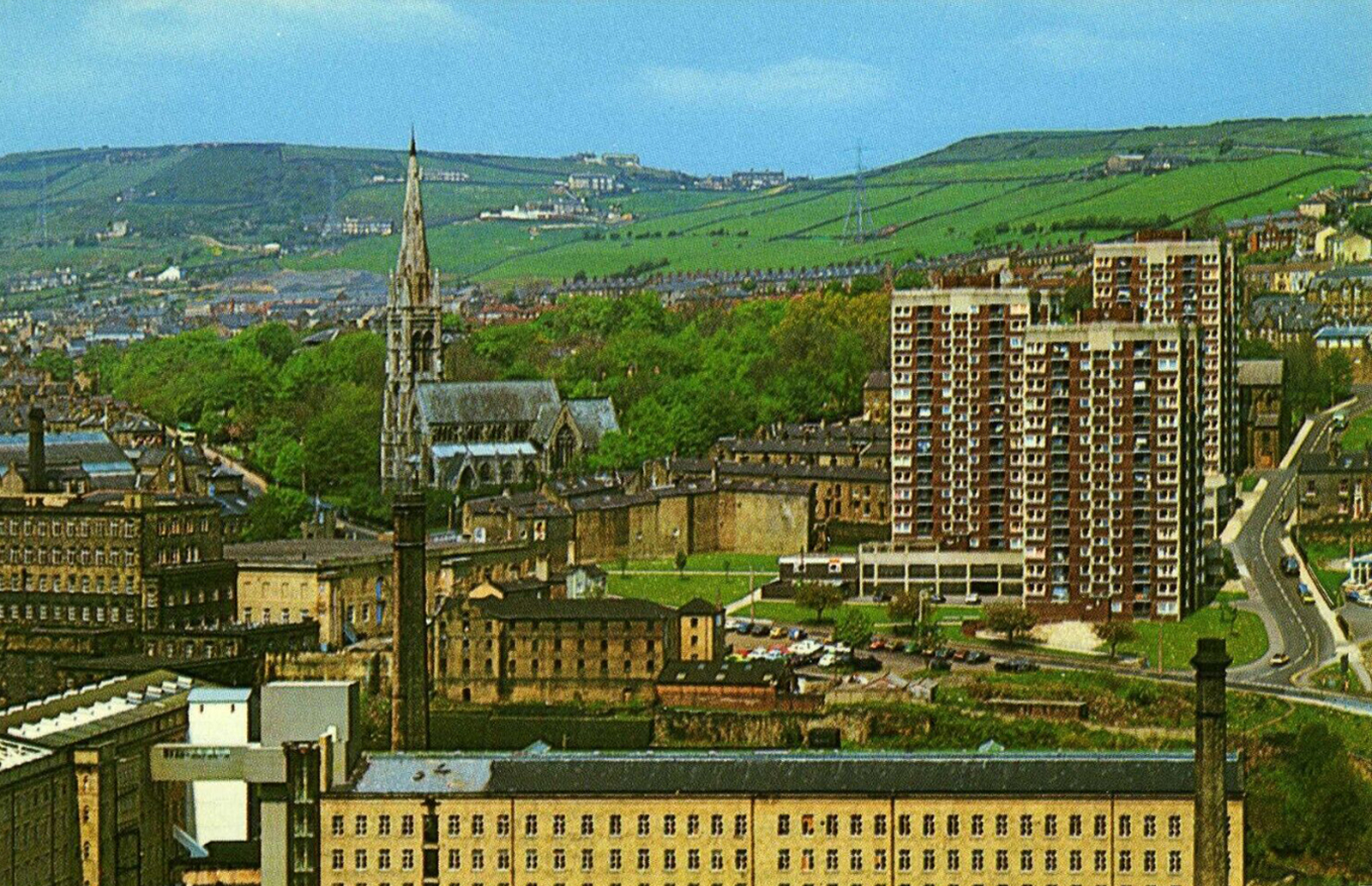
Postcard c. 1970
So it’s October 2025 and today Matthew I am mainly Bill Brandt.
Walking in the footsteps of giants.
Print quality is a variable thing depending on the purpose of the image. I would expect a pure record photograph to have a full range of tone, with both shadow and highlight gradation. Against this, pictorial or art based imagery requires the range of tones best suited to making the statement. The classic case is the soot and whitewash printing of Bill Brandt. So we have a situation that carries a contradiction; blocked up shadows in applied work is not acceptable but blocked up blacks in pictorial work is often perfectly acceptable, if that lost information is not relative to the image. Burnt out highlights are more dangerous, but again Bill Brandt did it with great effect.
Bill Wisden
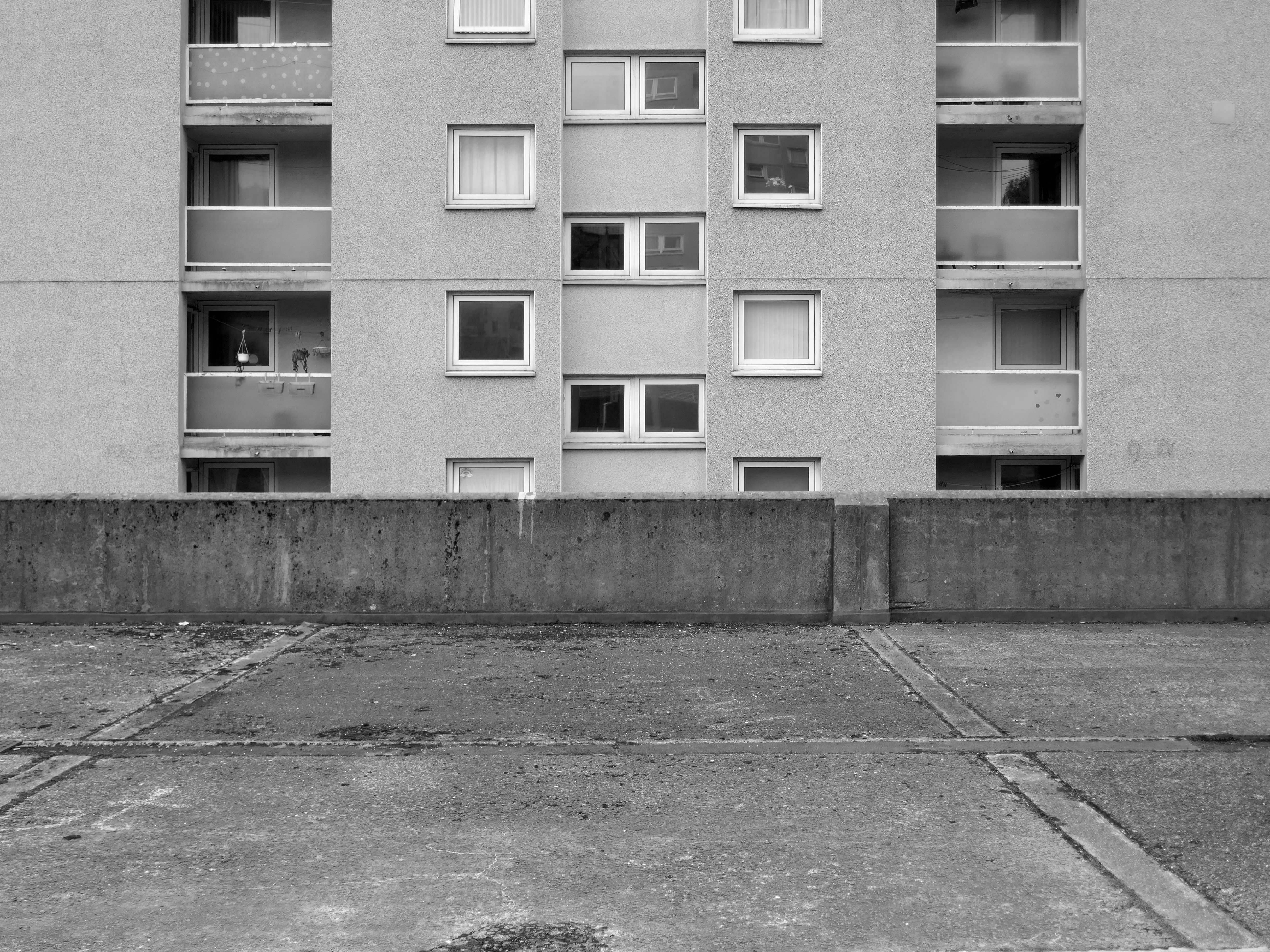
So, the record print would have an even tonality thus:
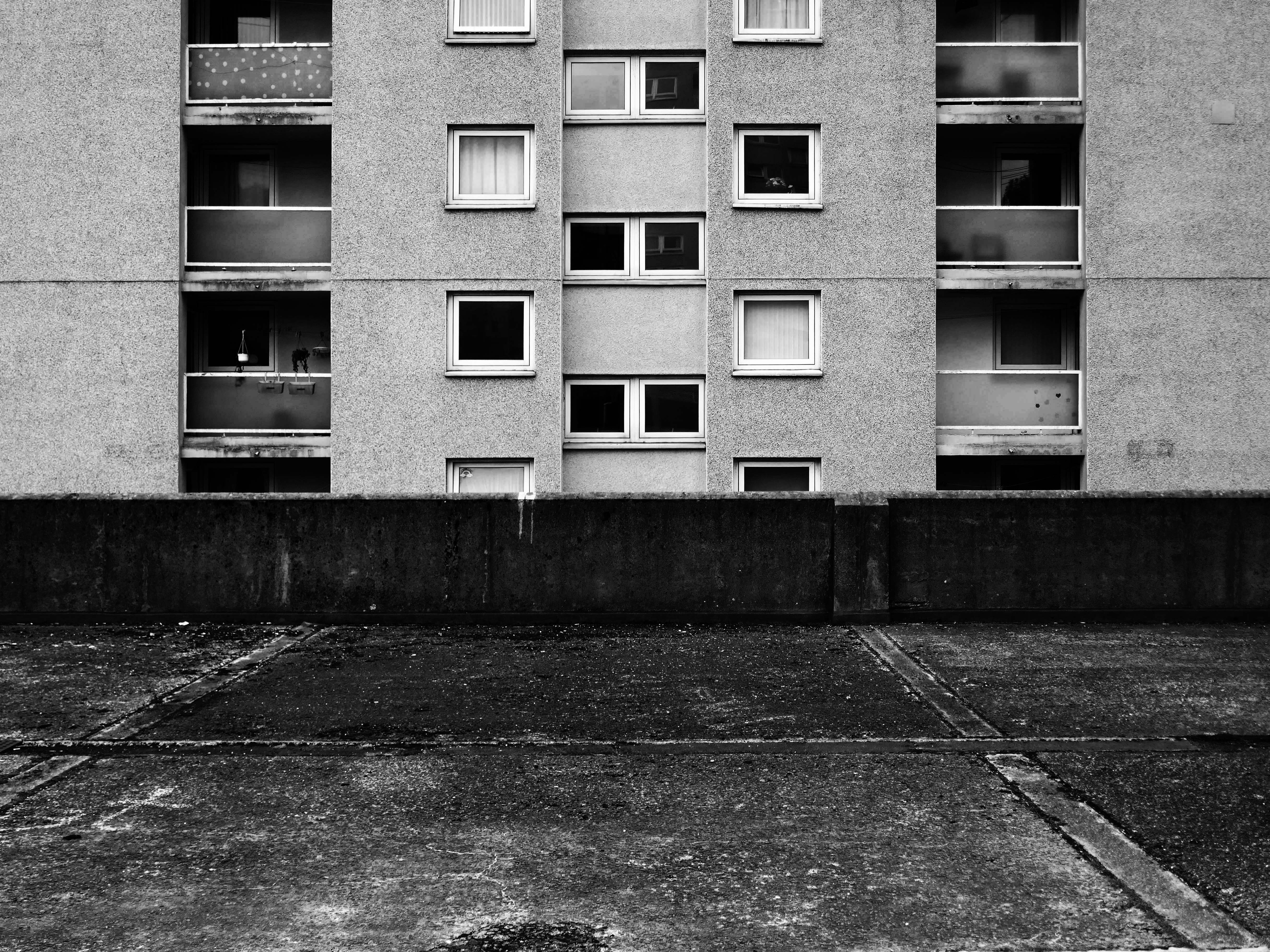
Whilst the pictorial artist may favour the higher contrast.
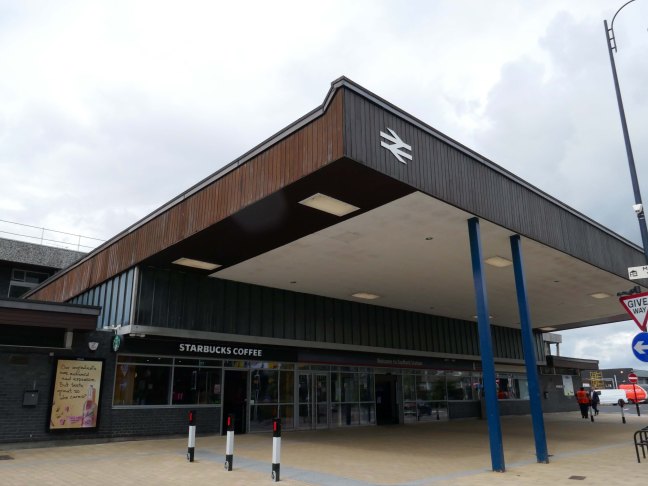
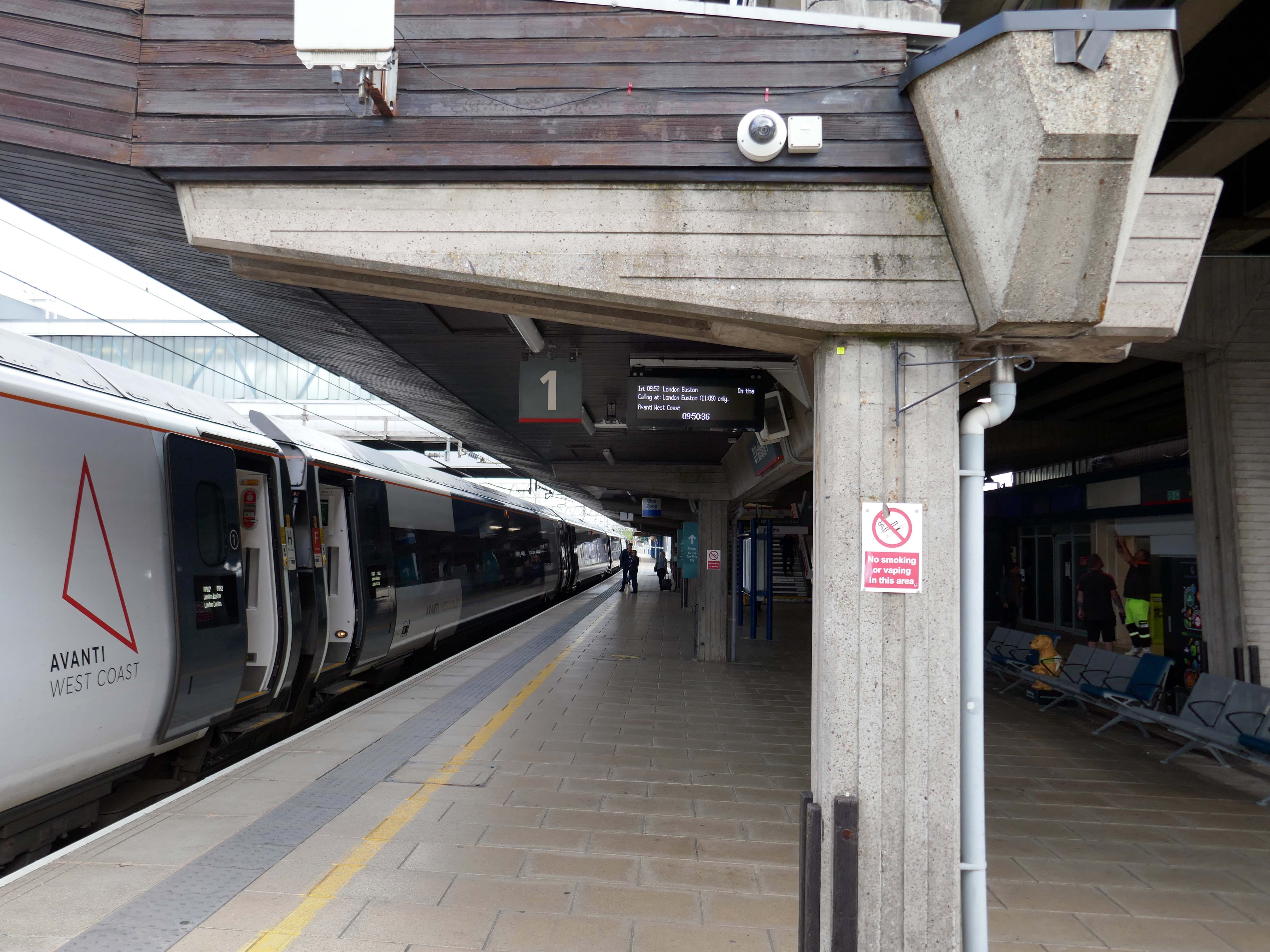
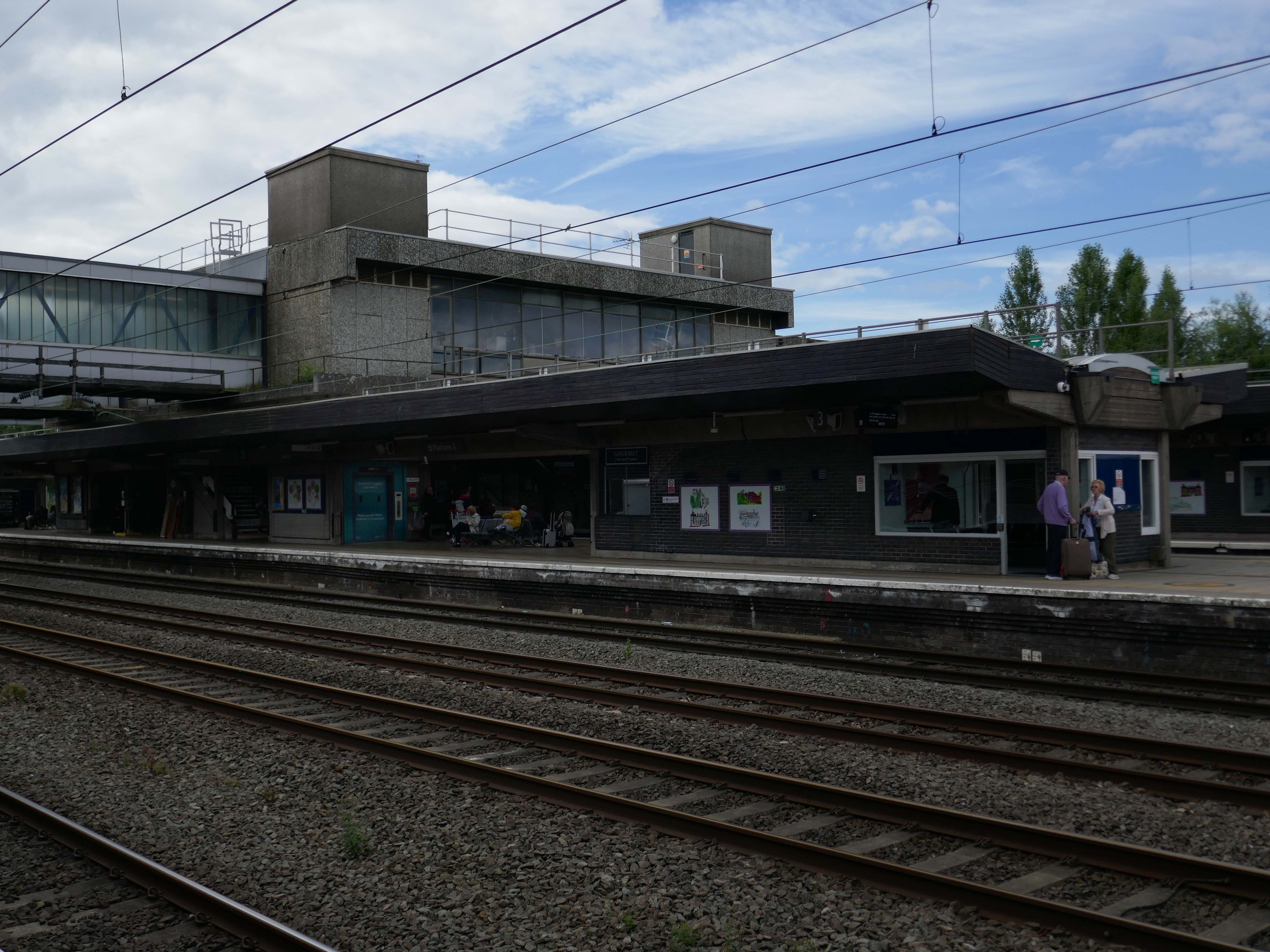
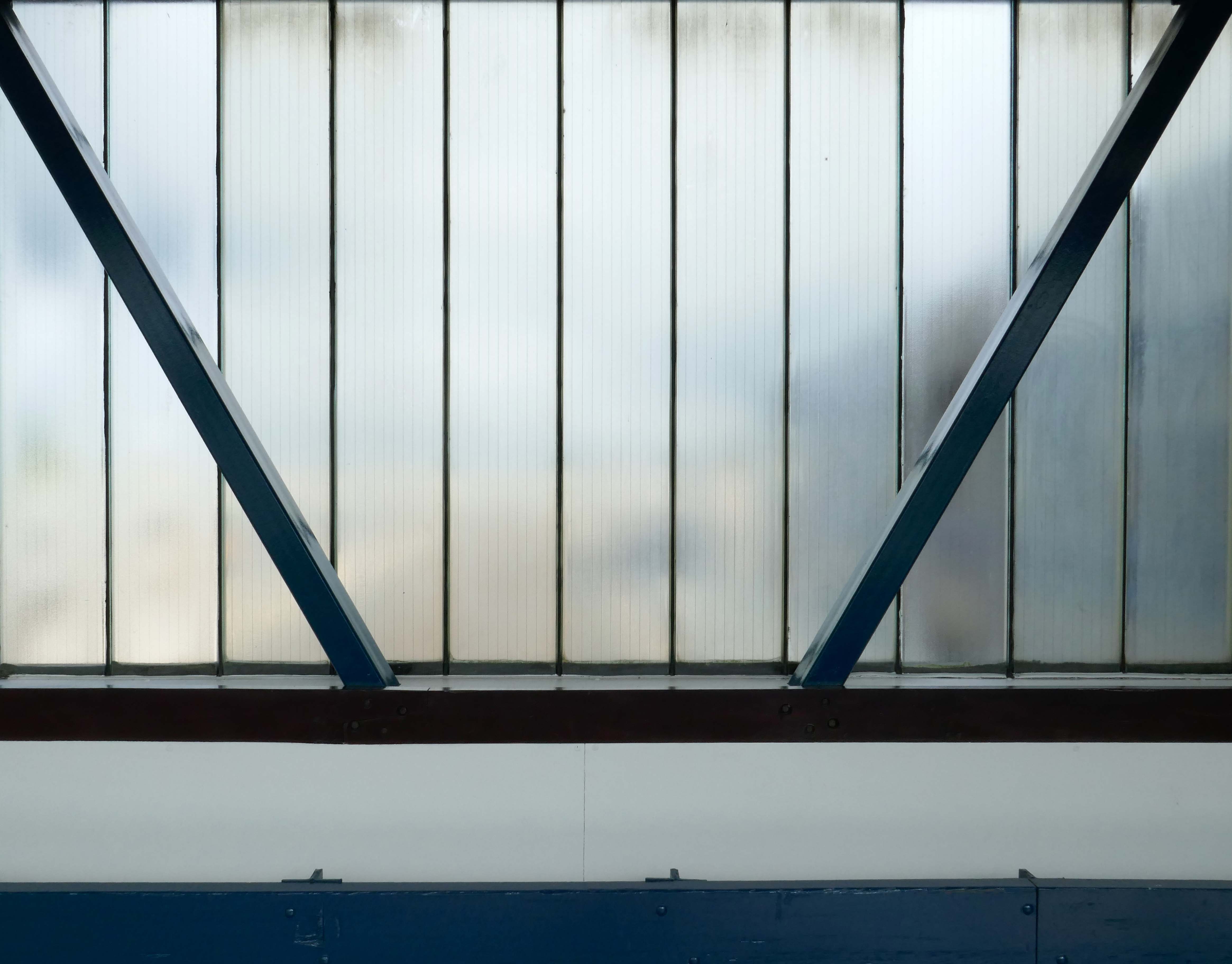
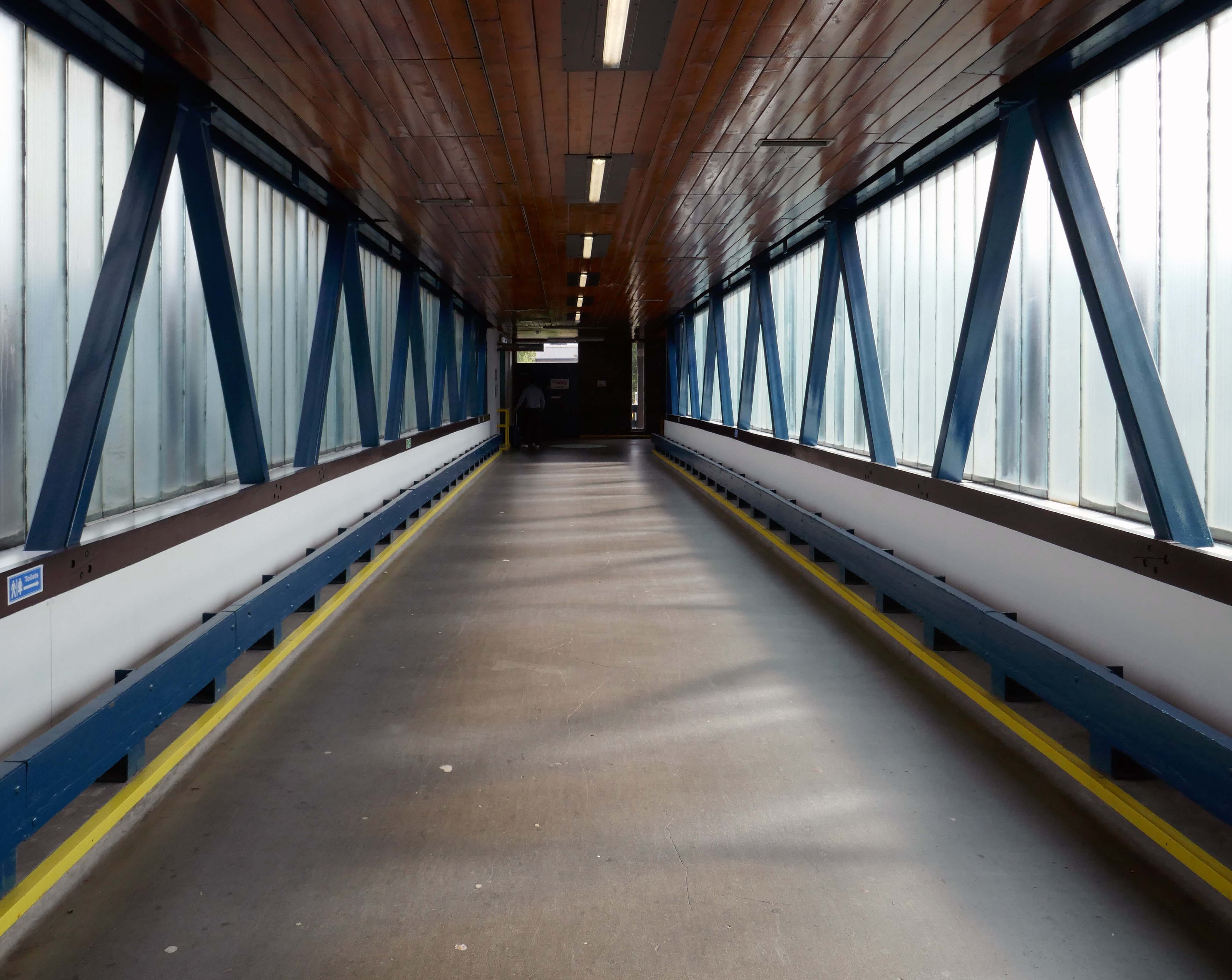
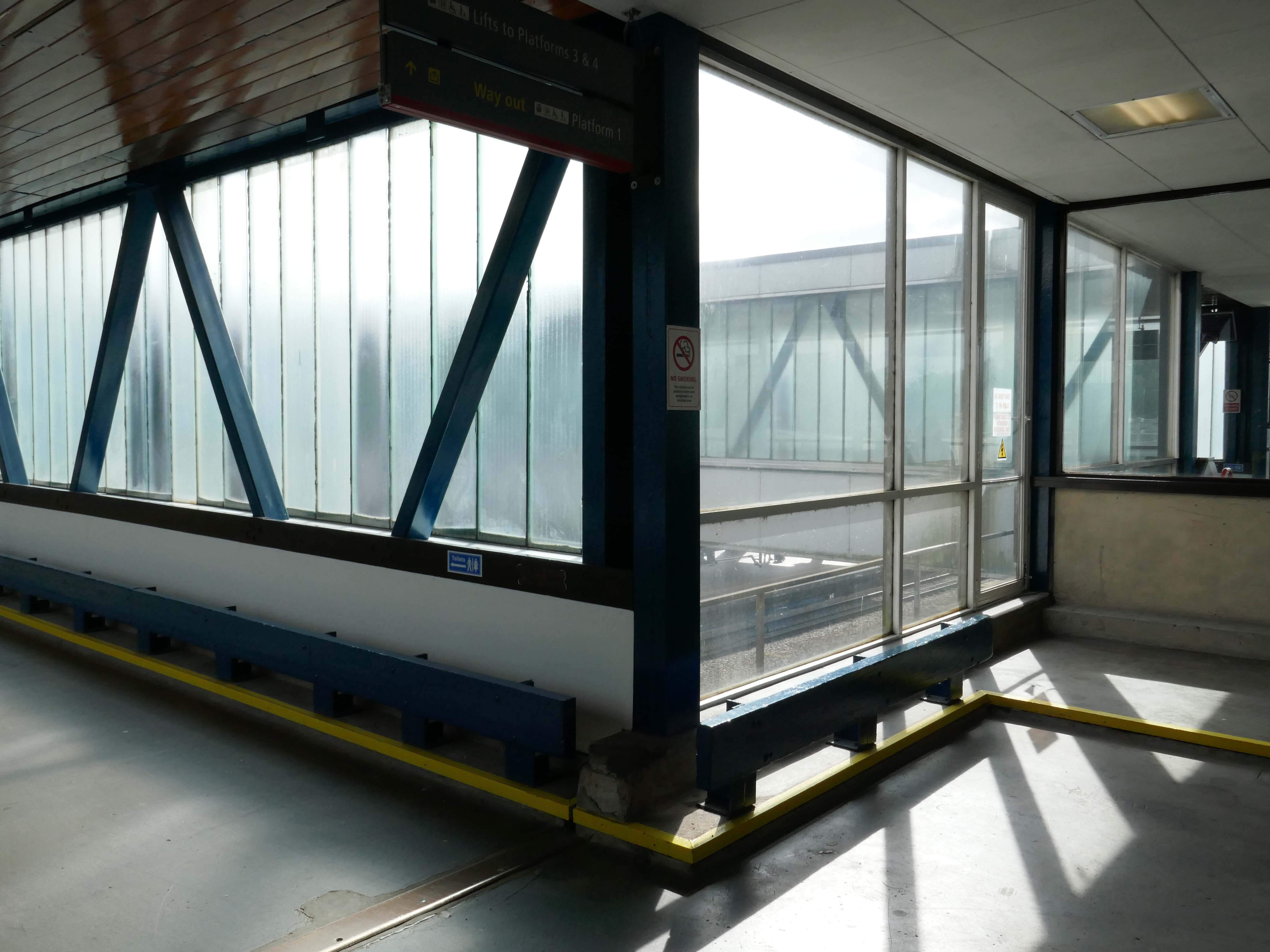
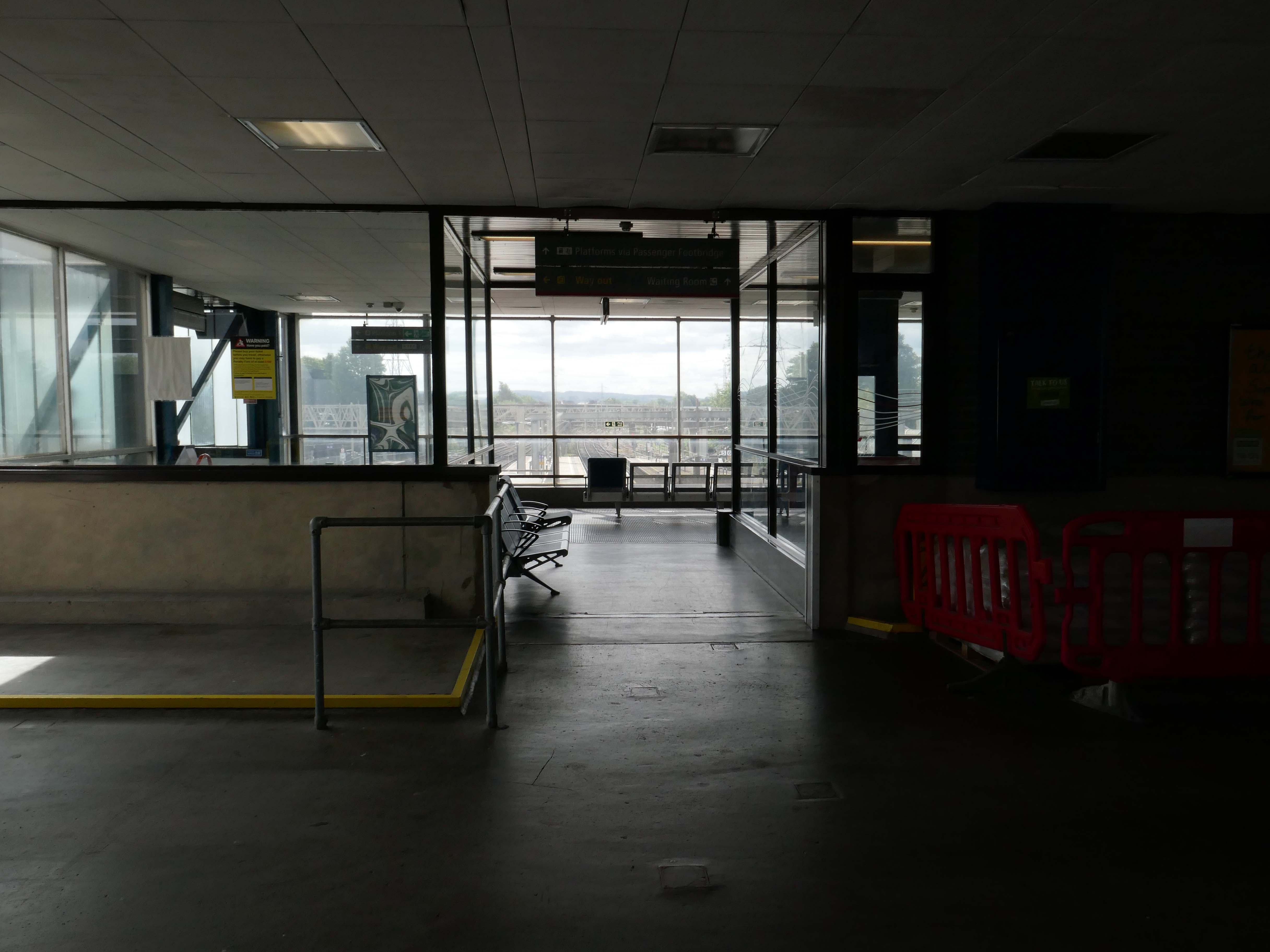
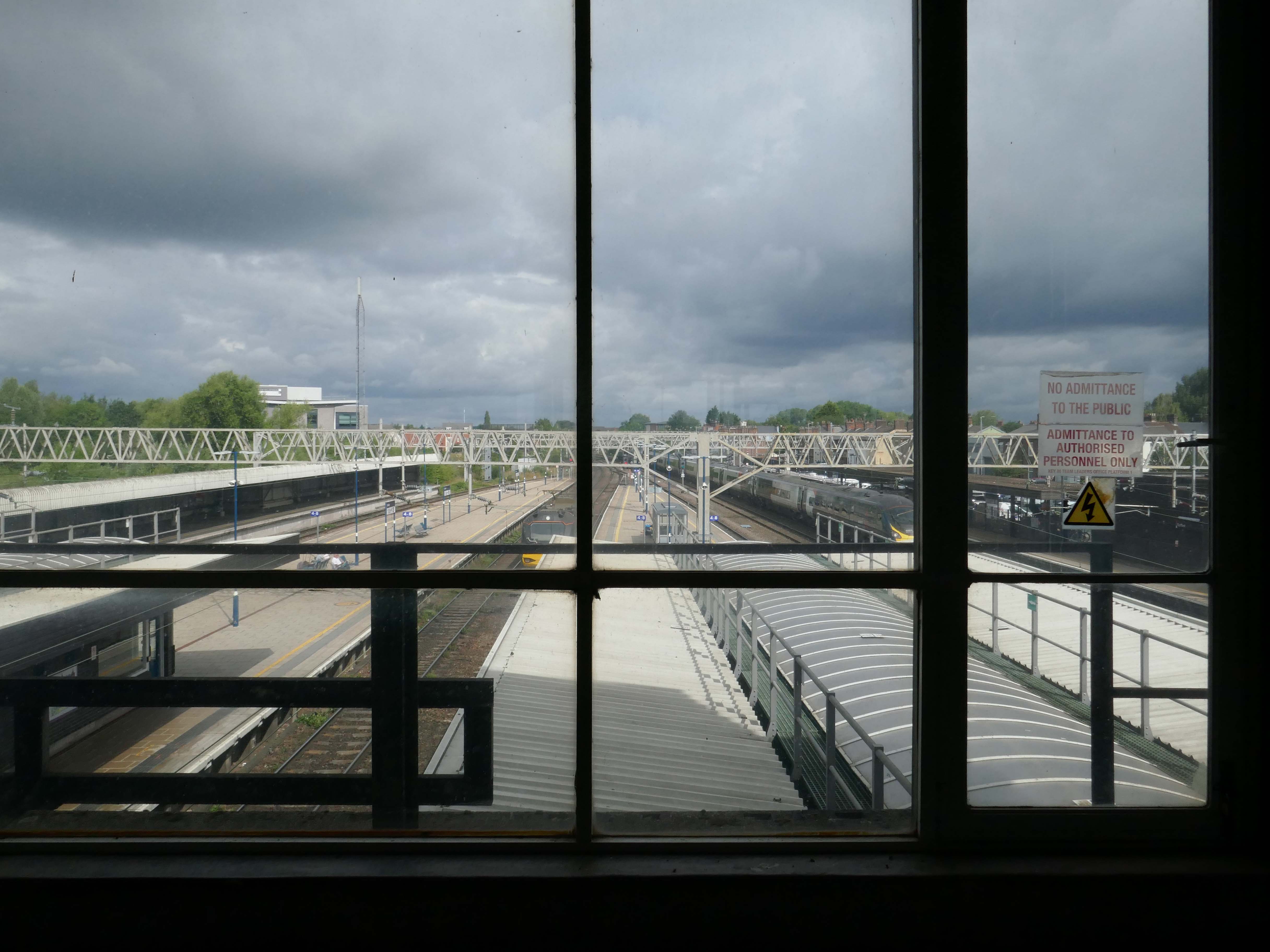
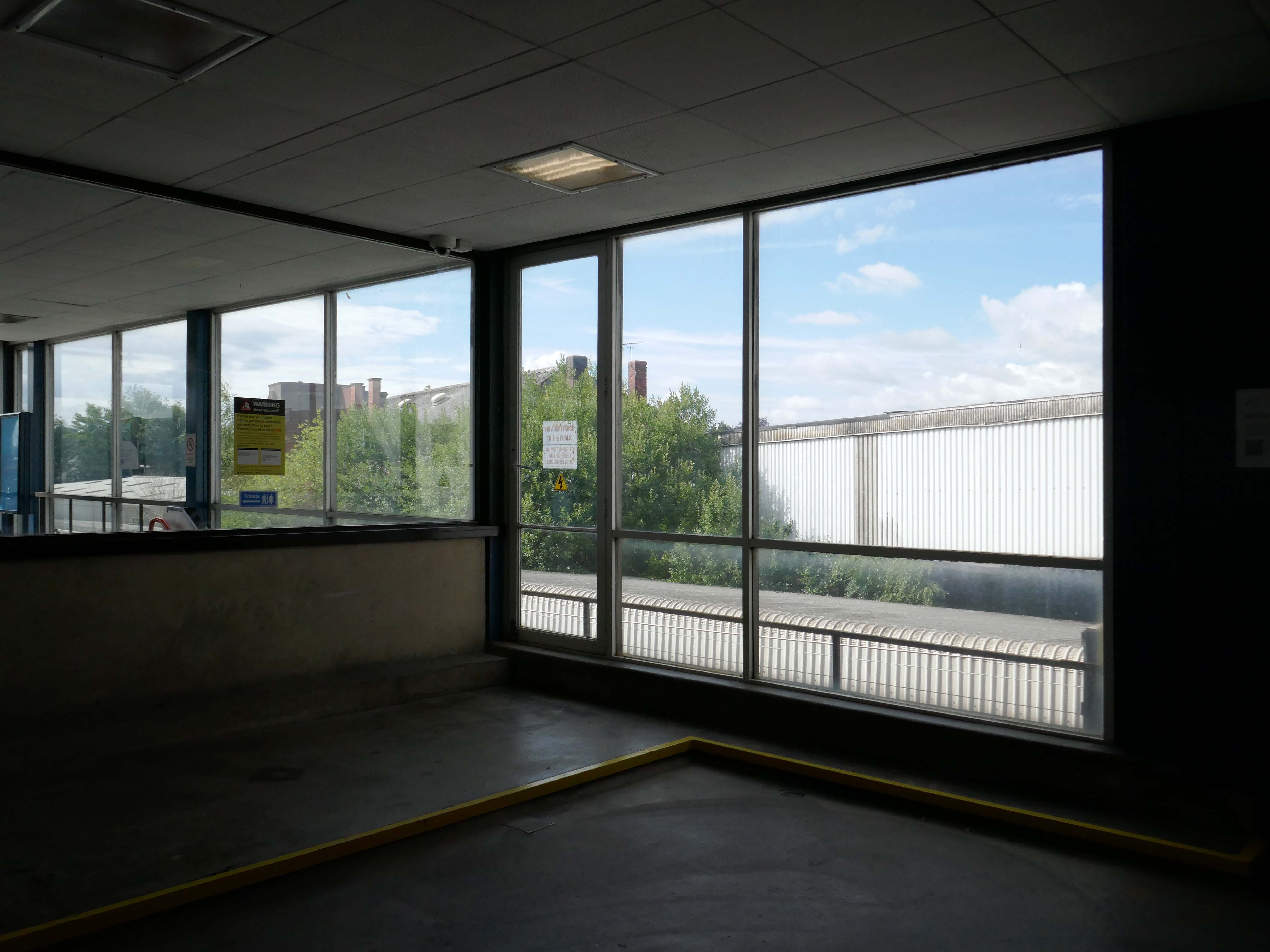
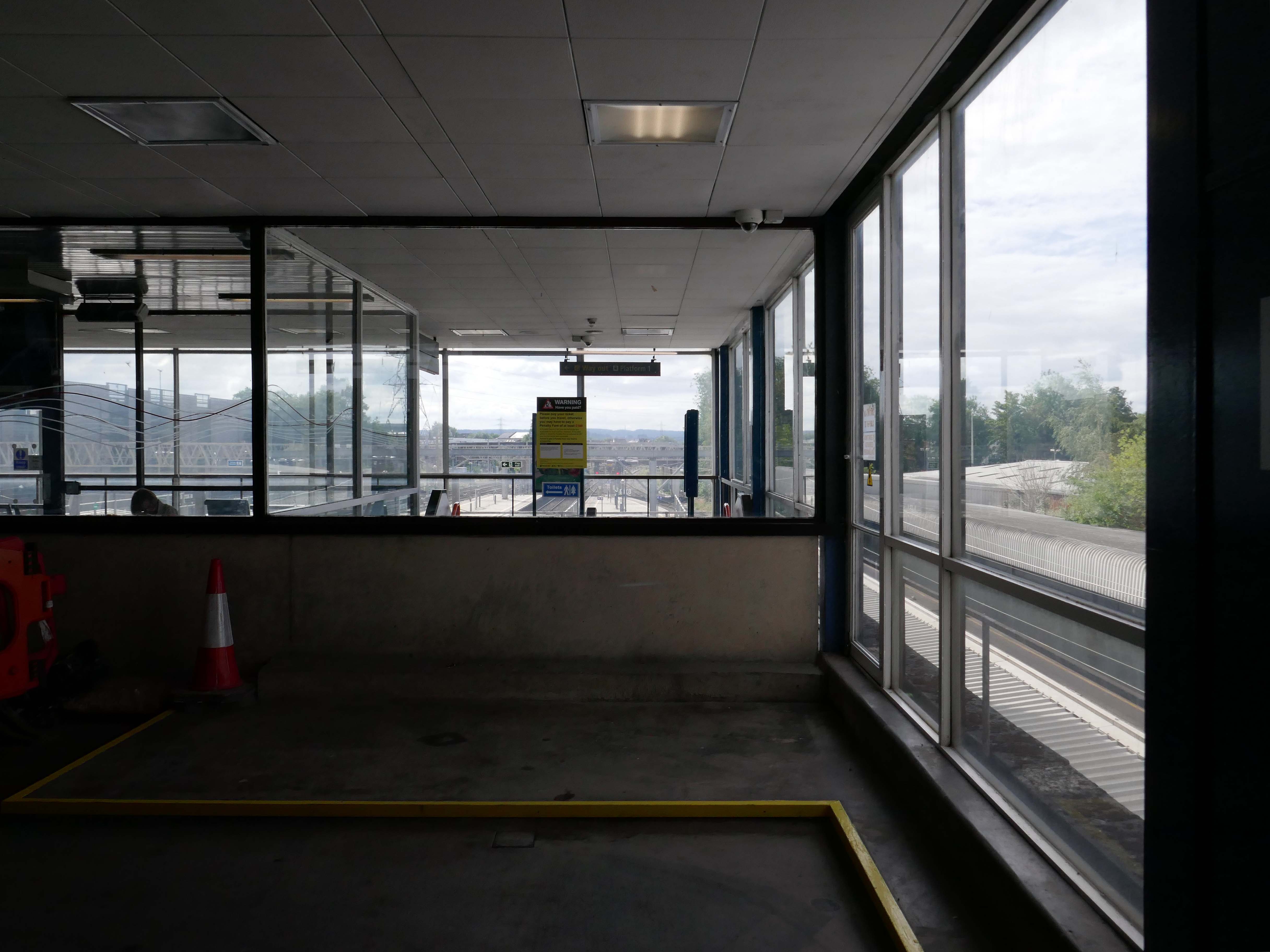
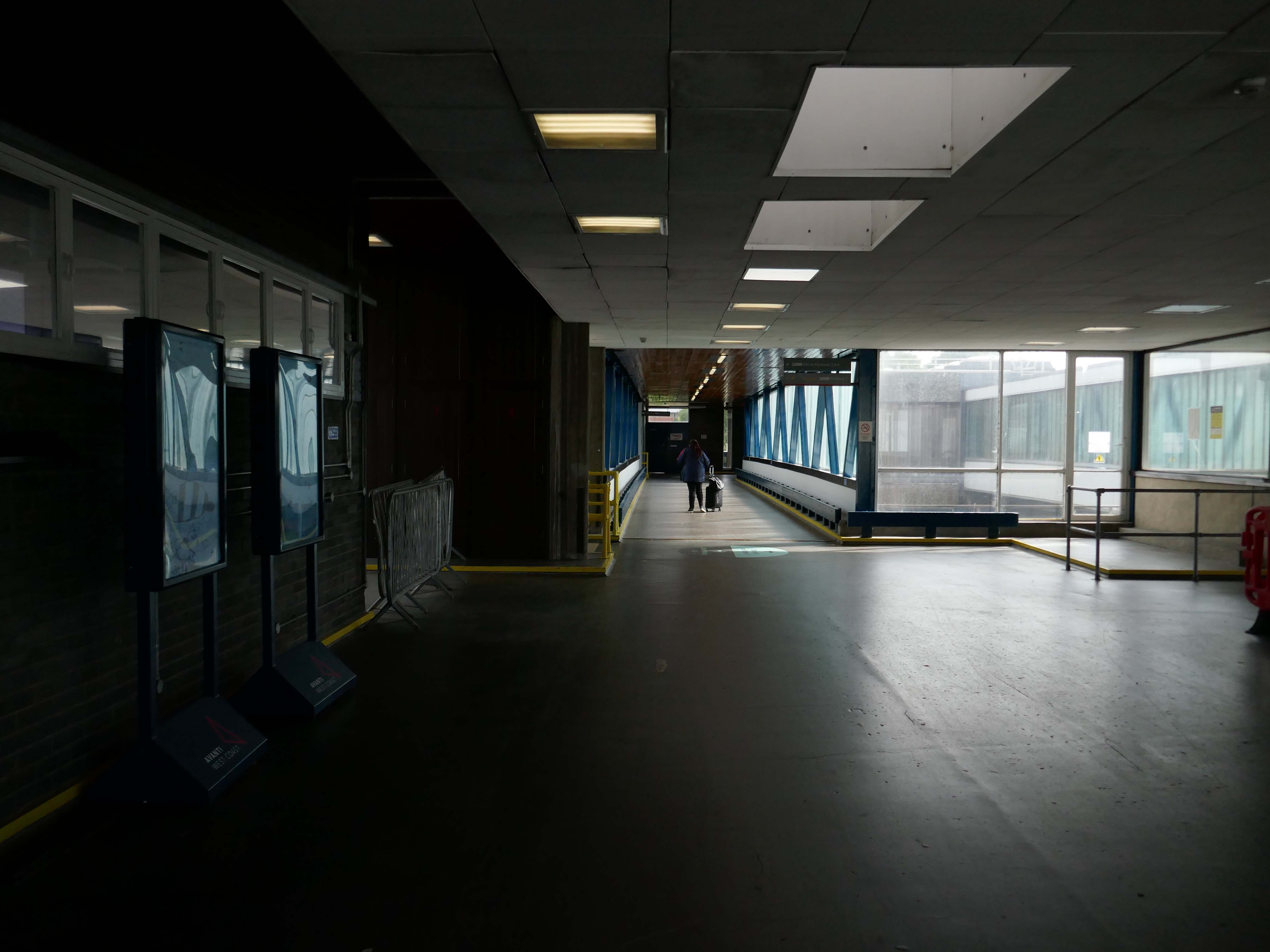
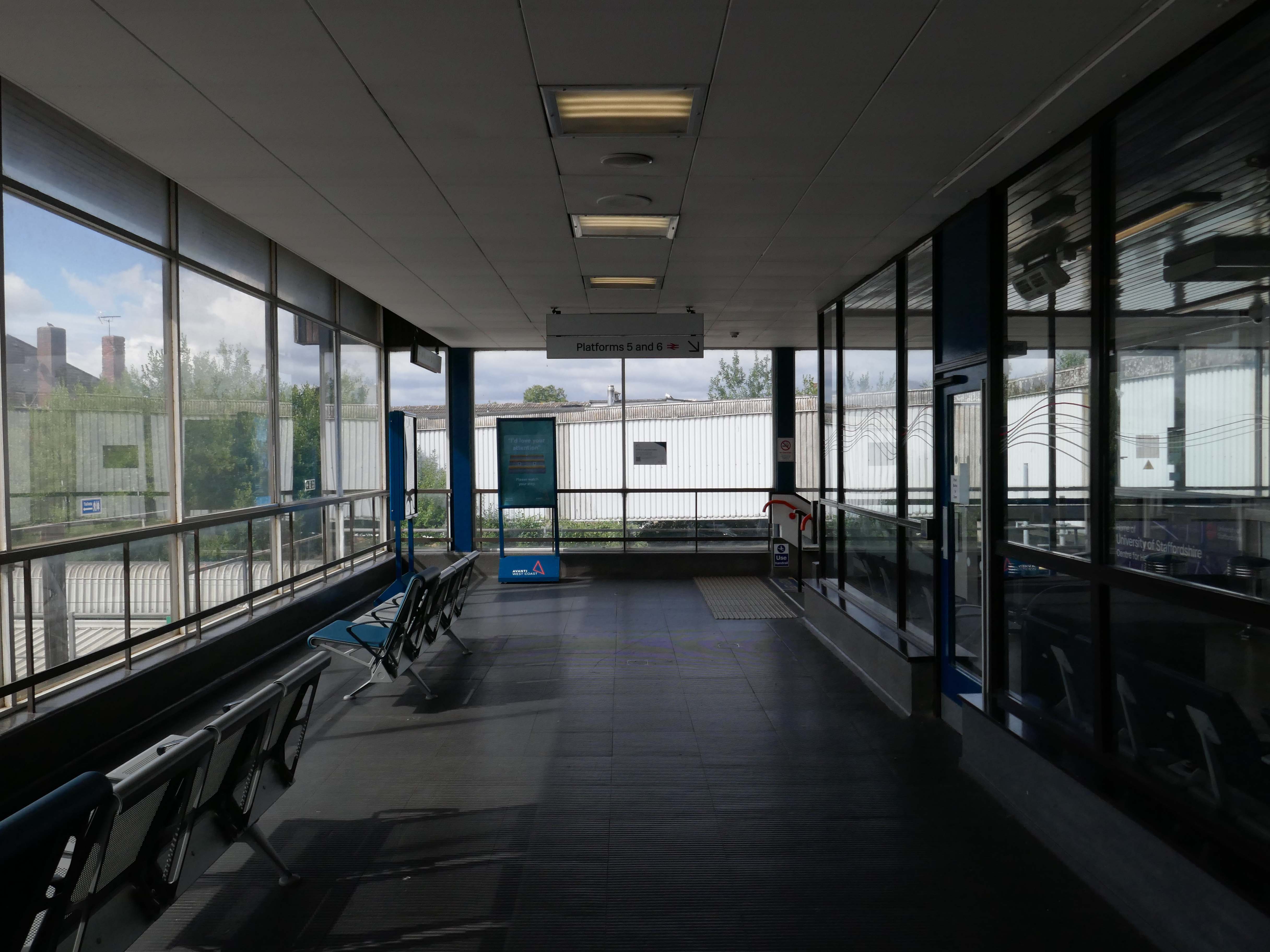
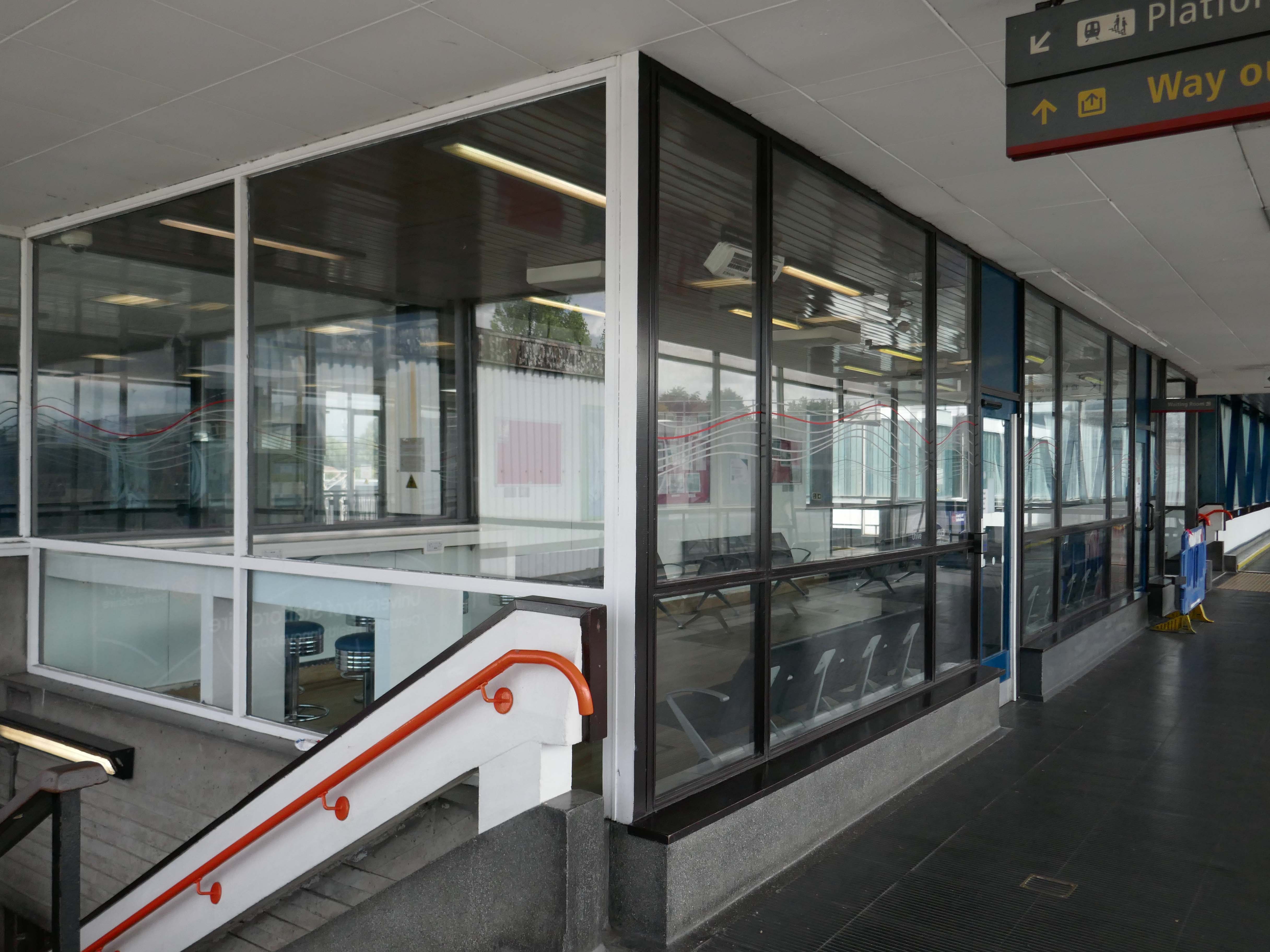
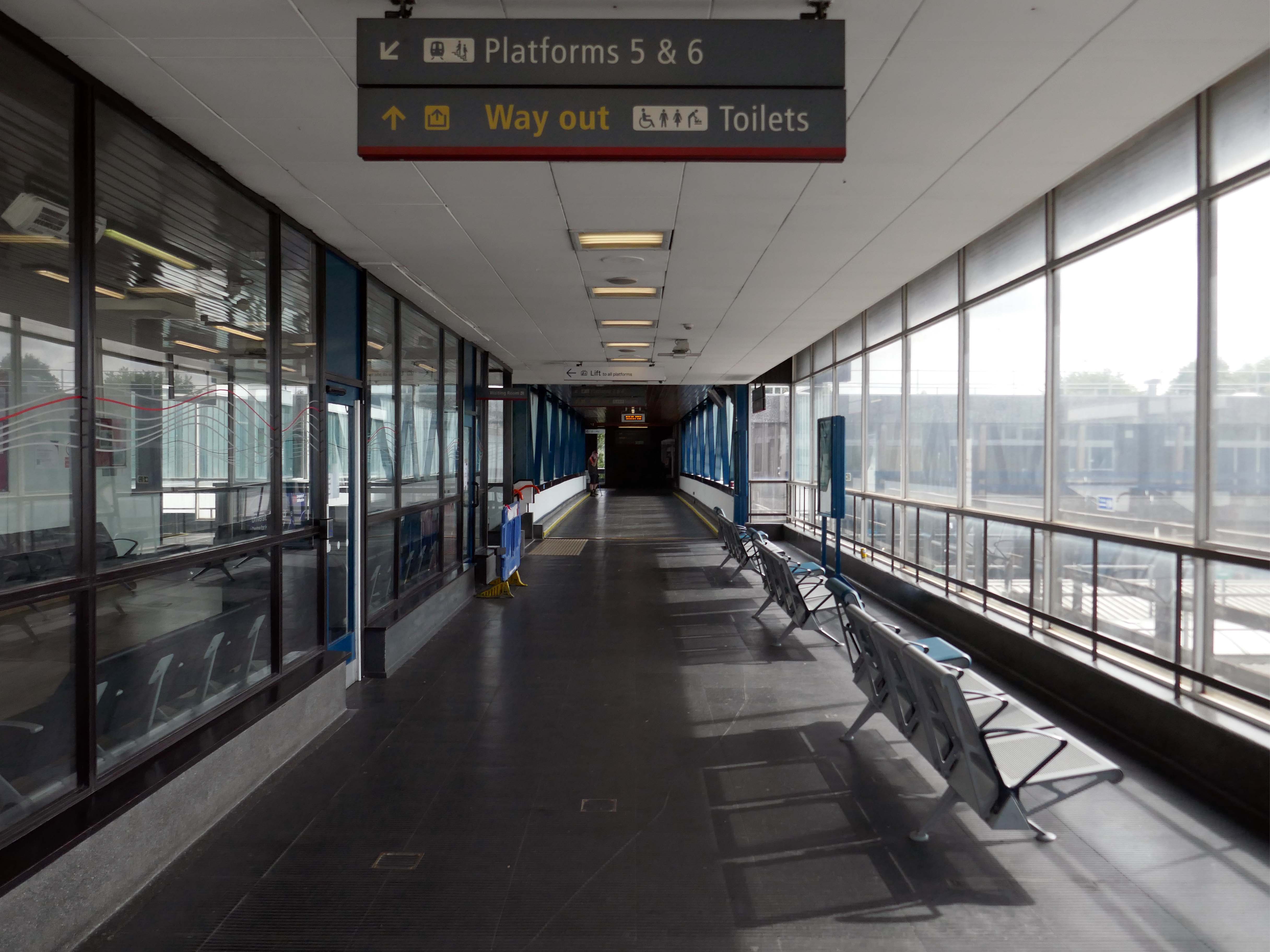
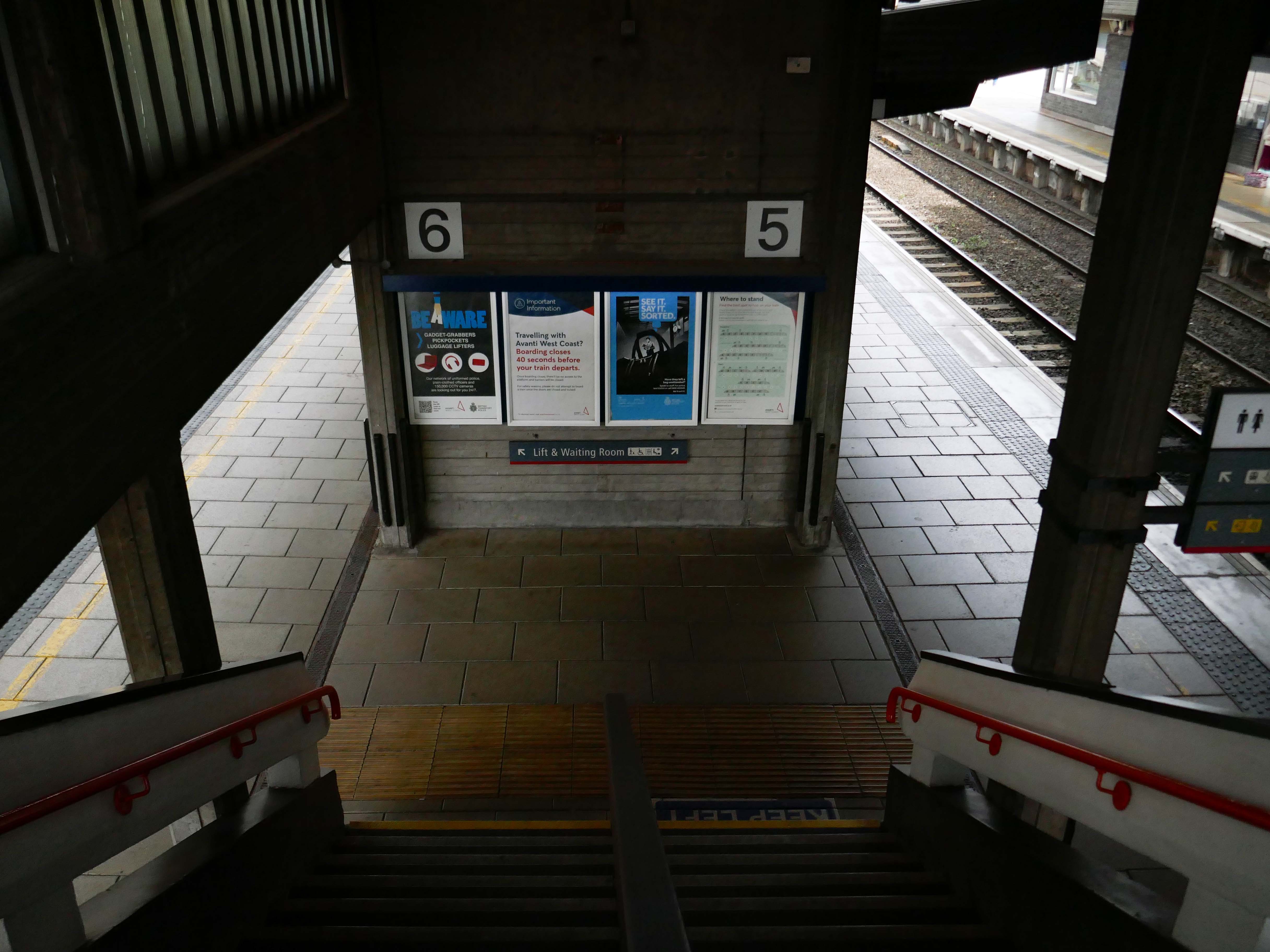
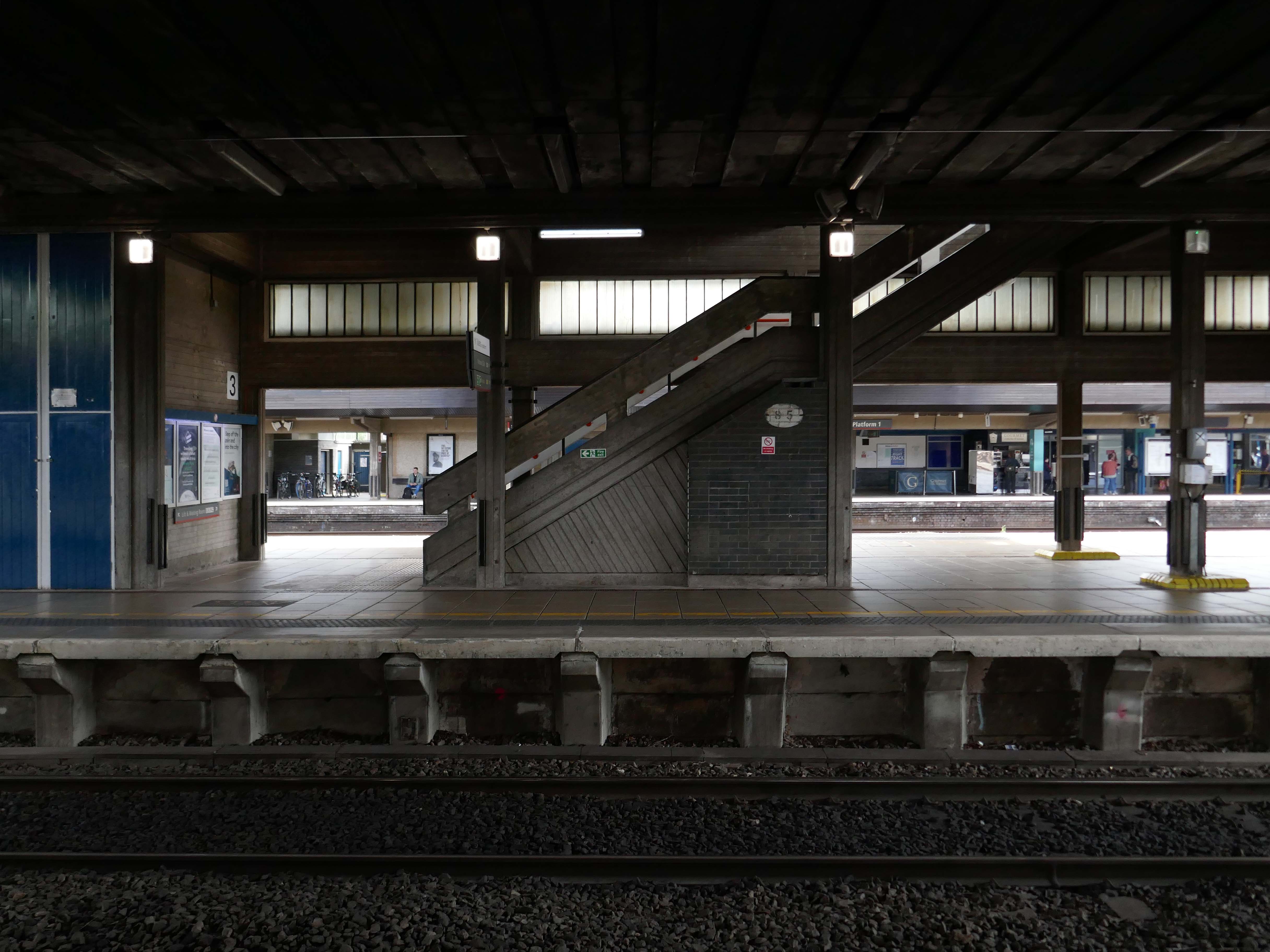
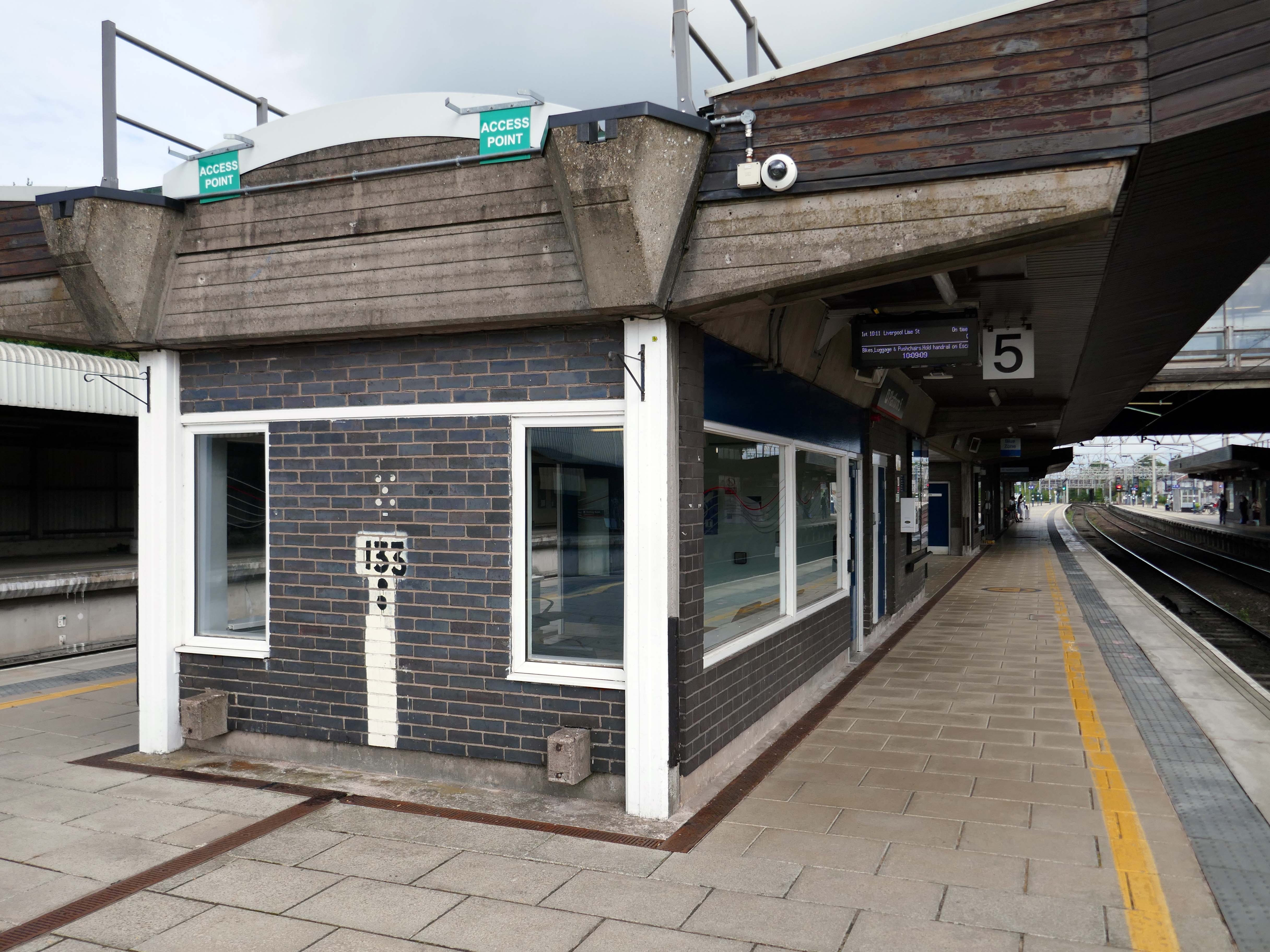
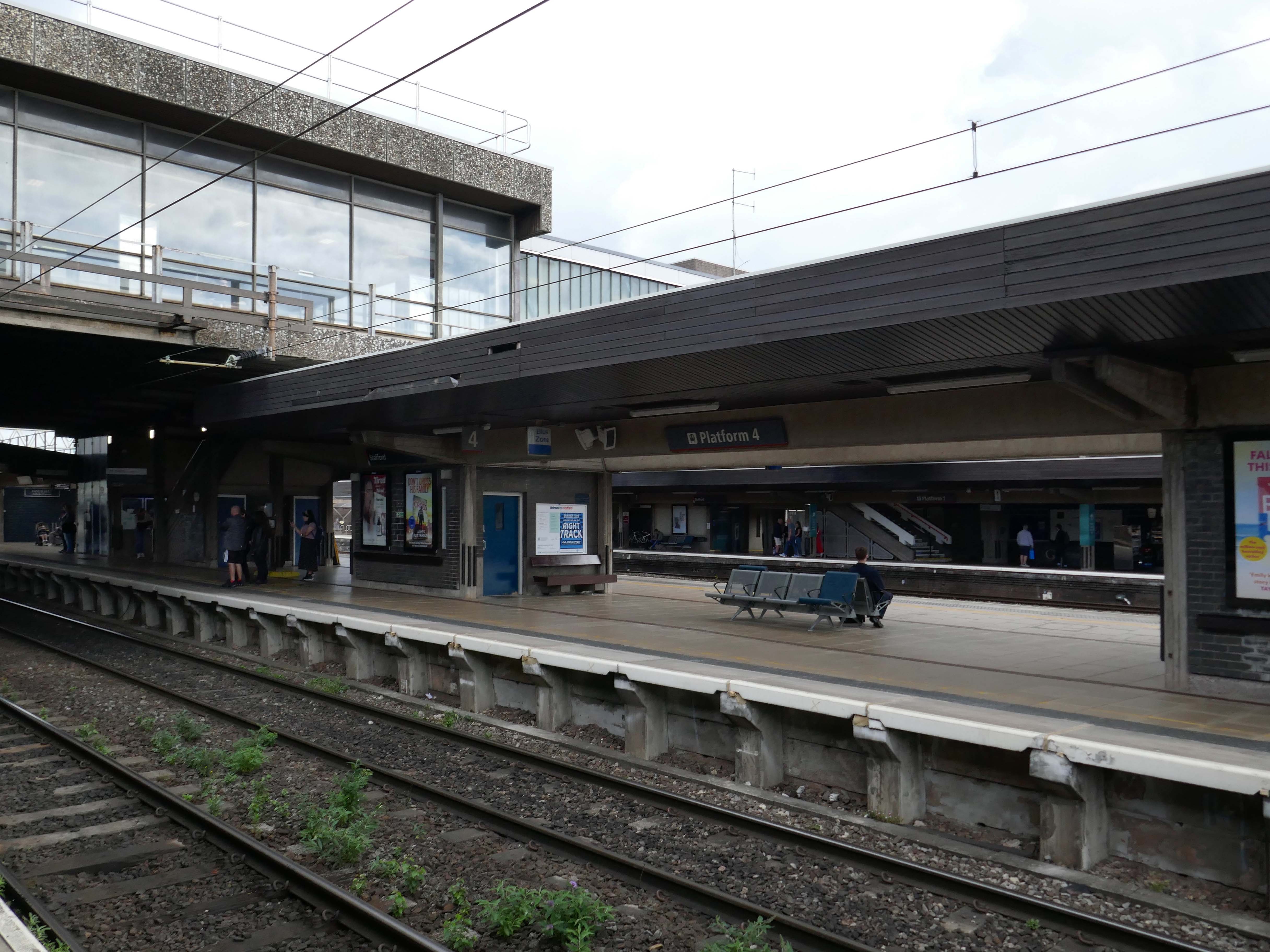
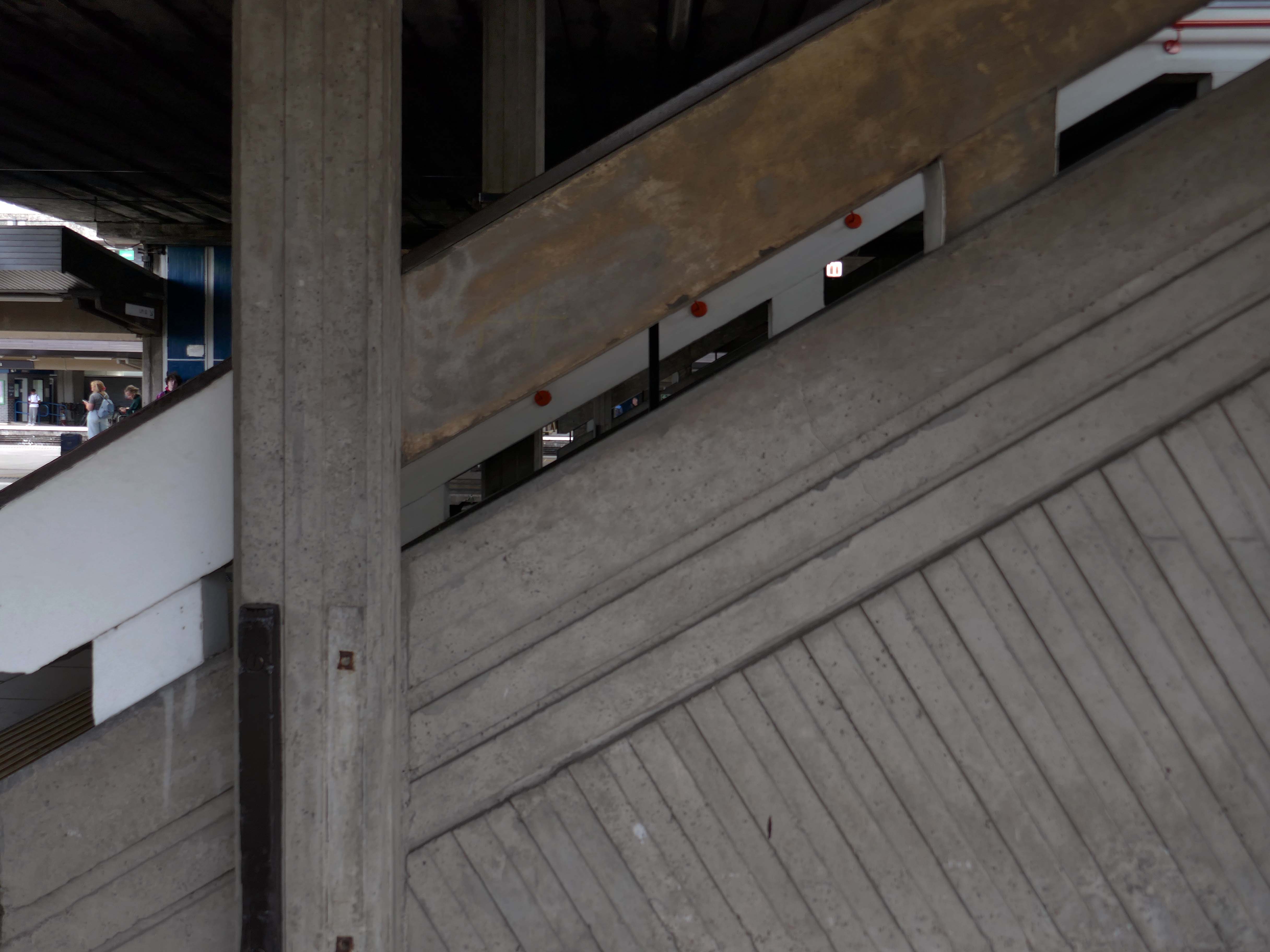
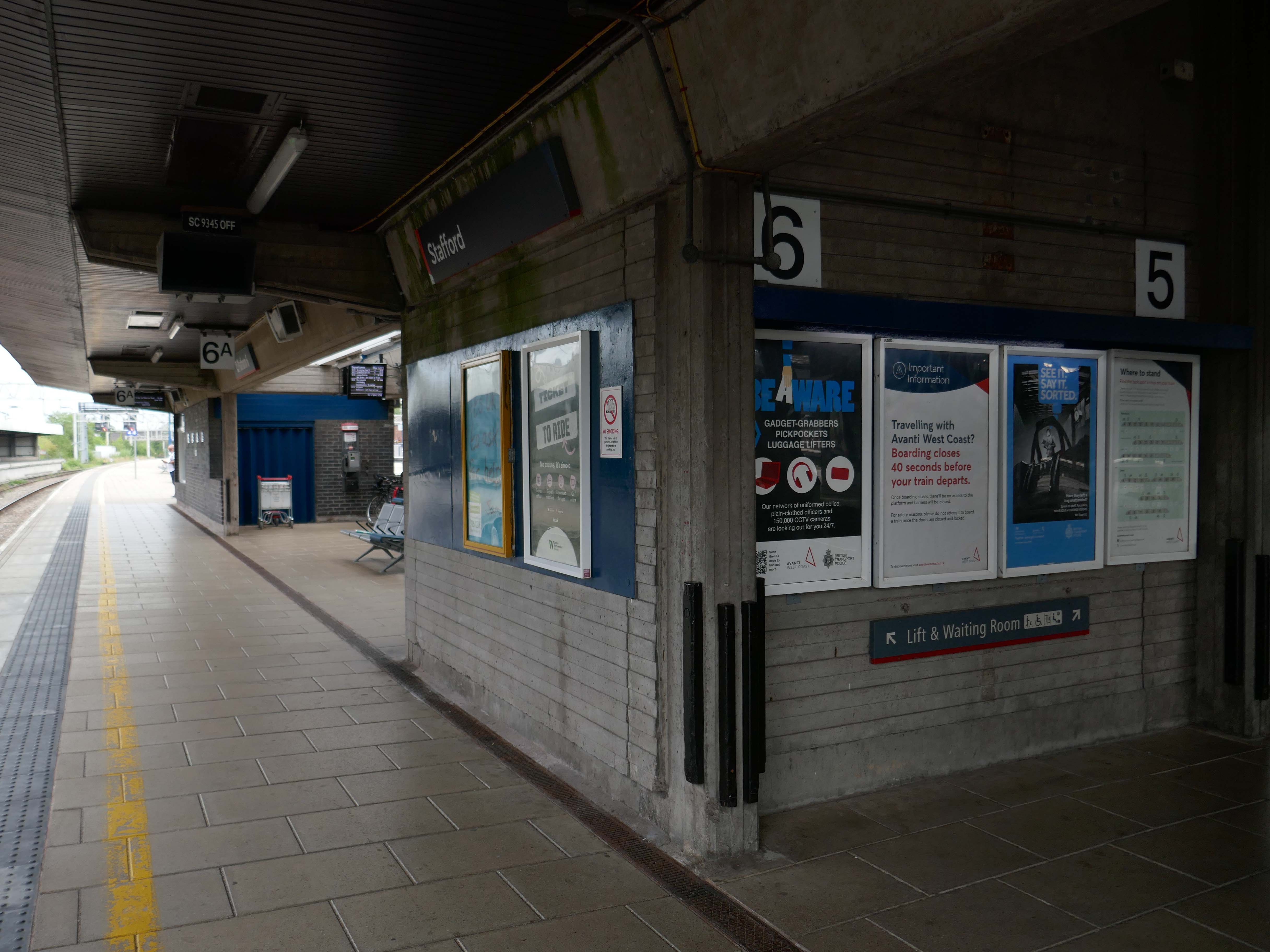
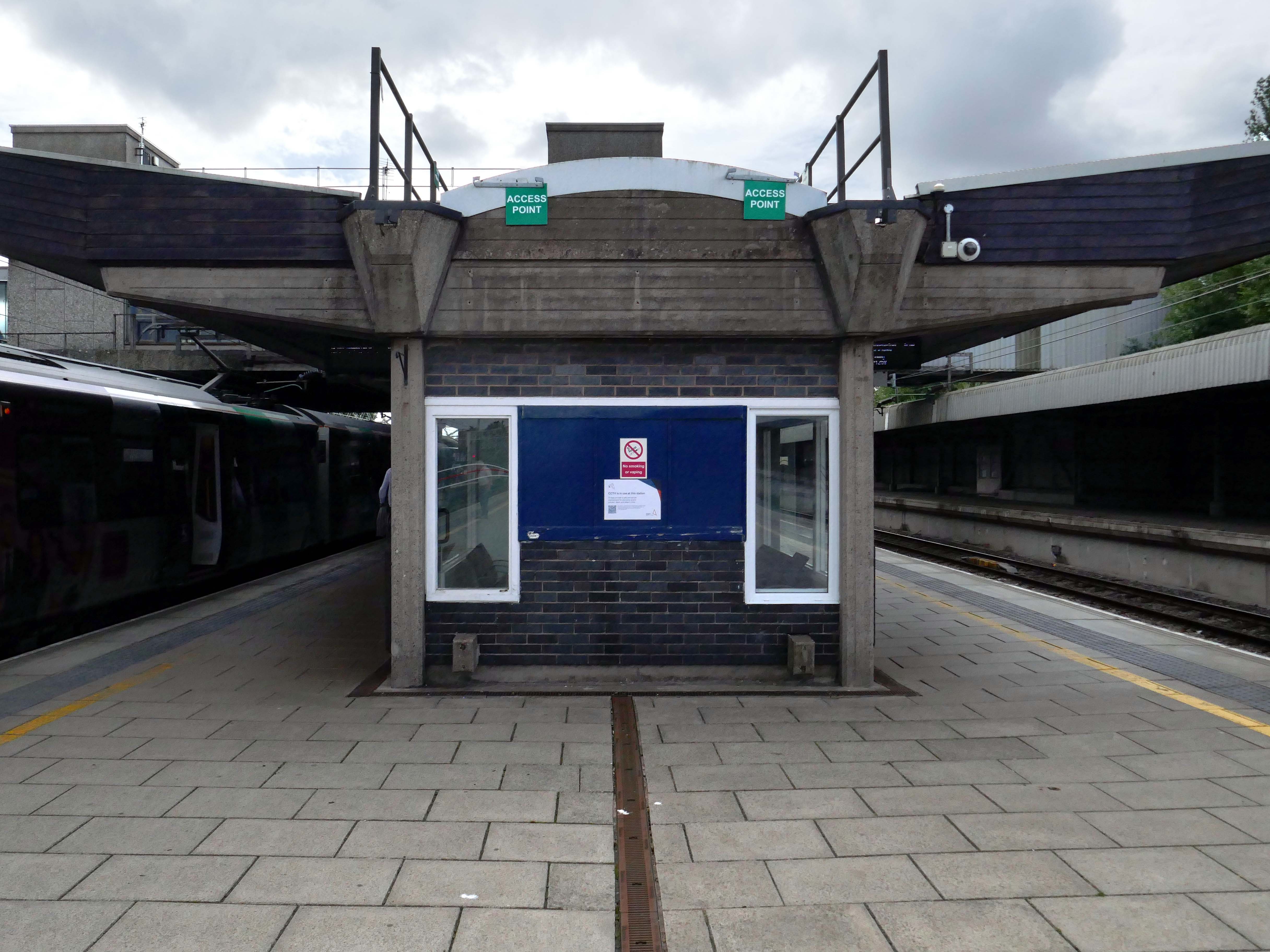
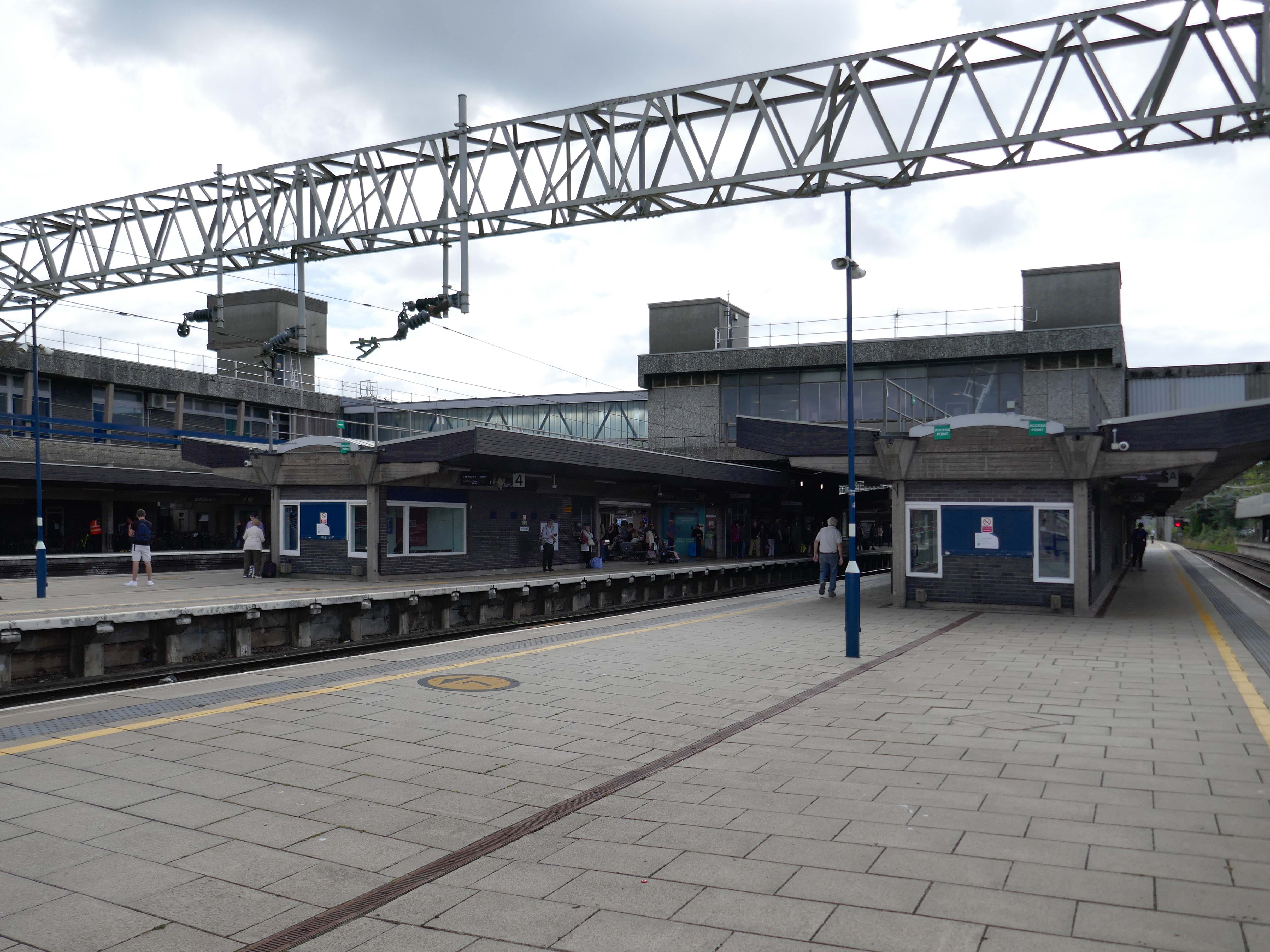
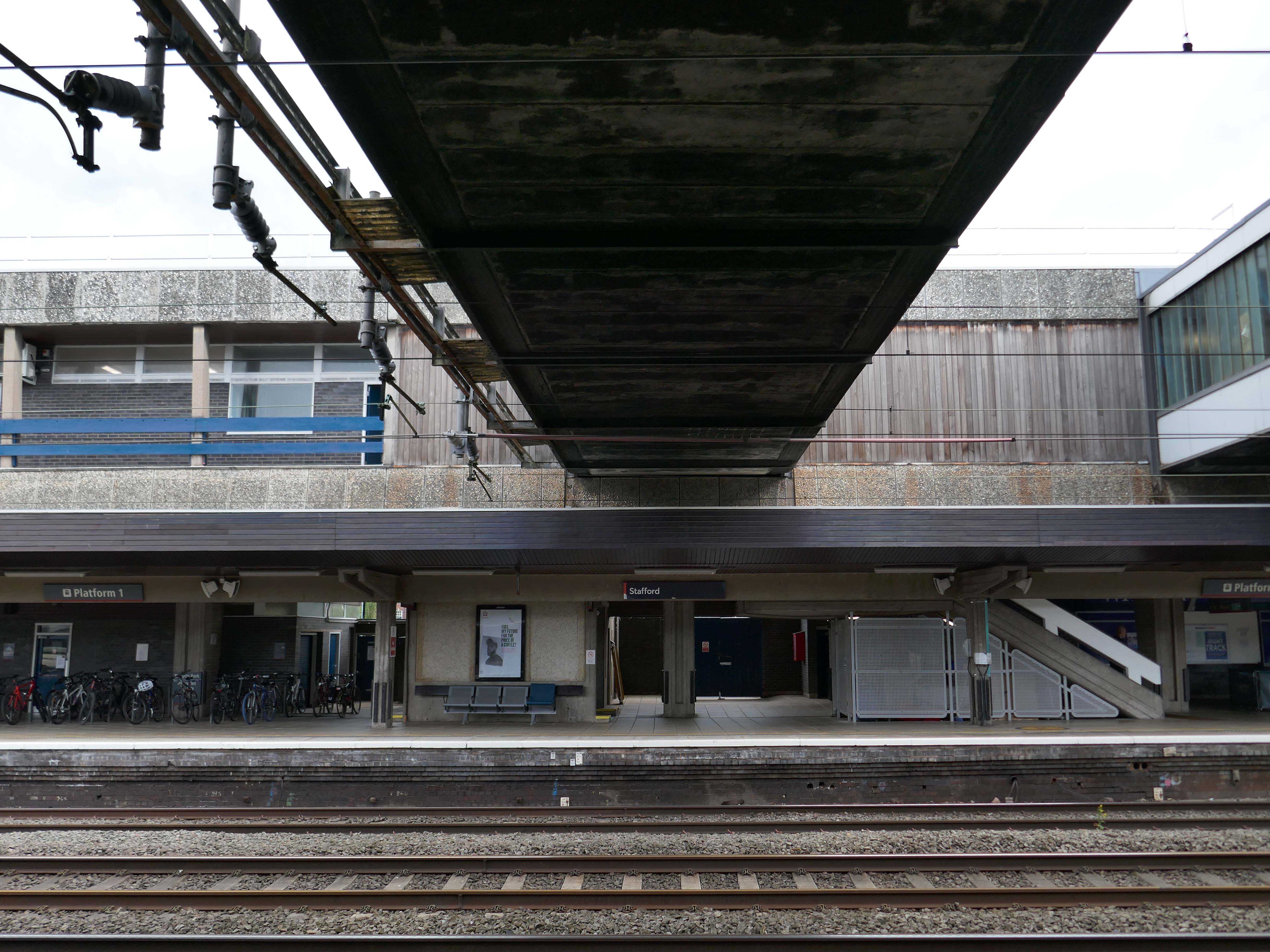
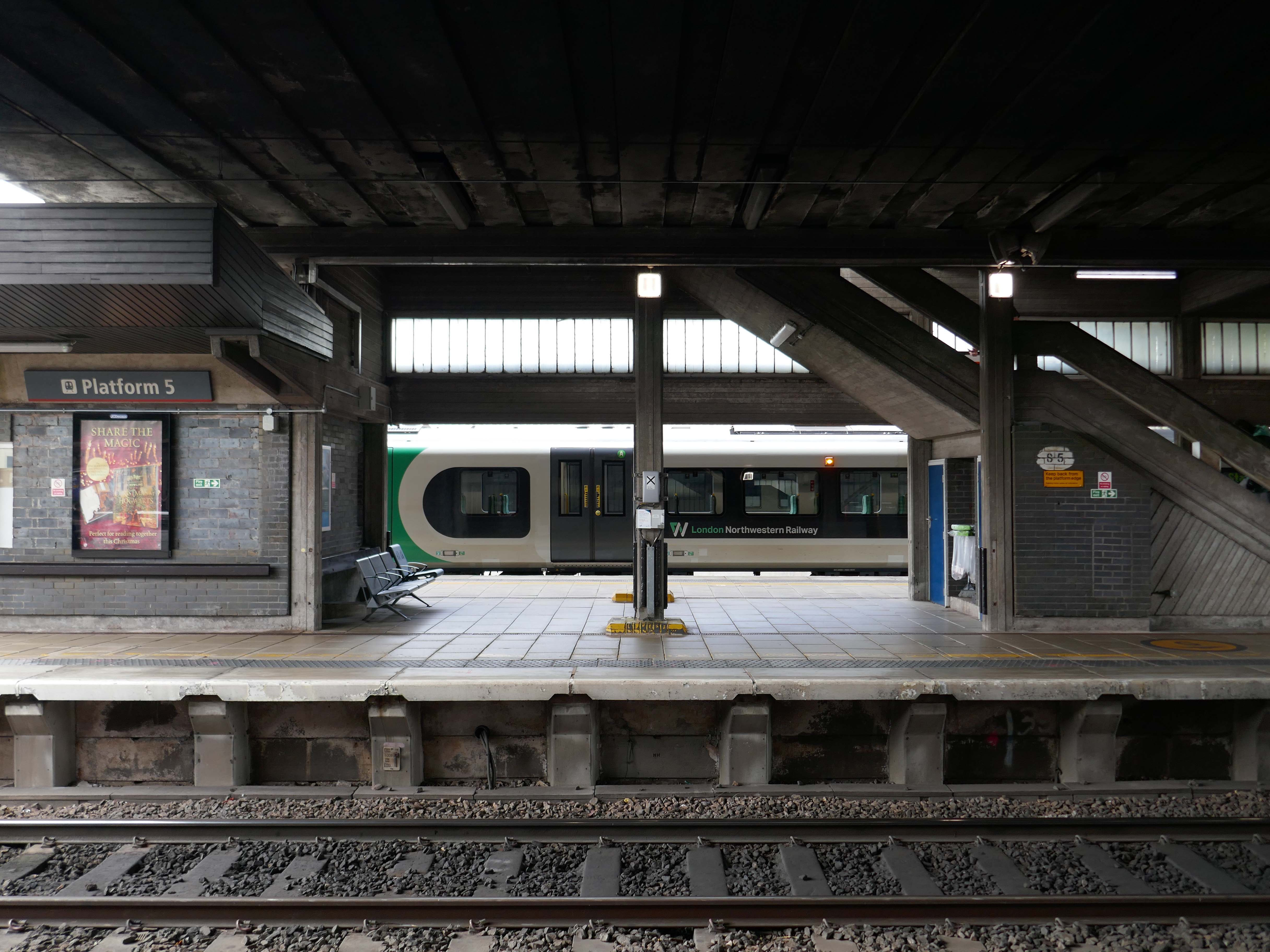
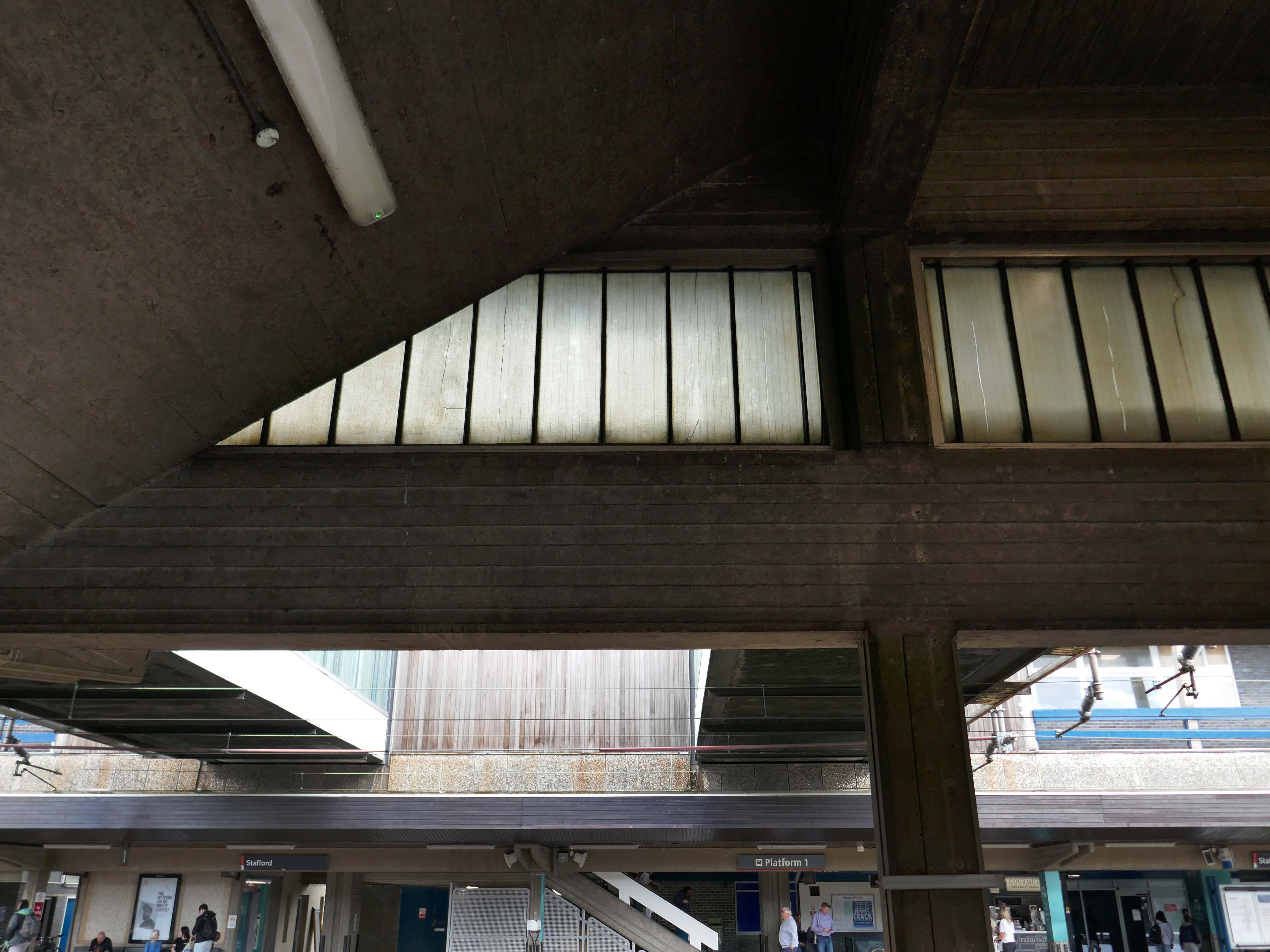
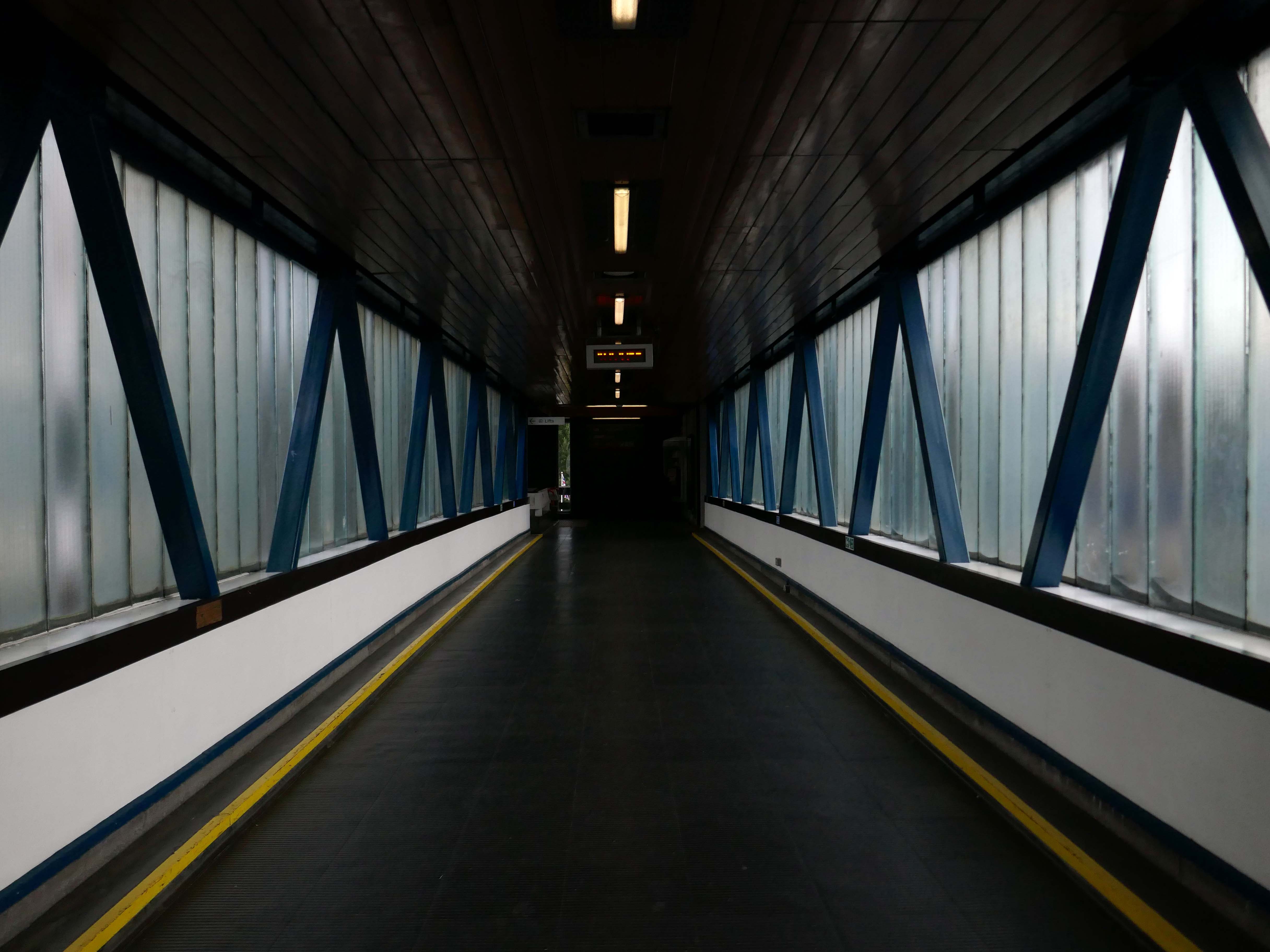
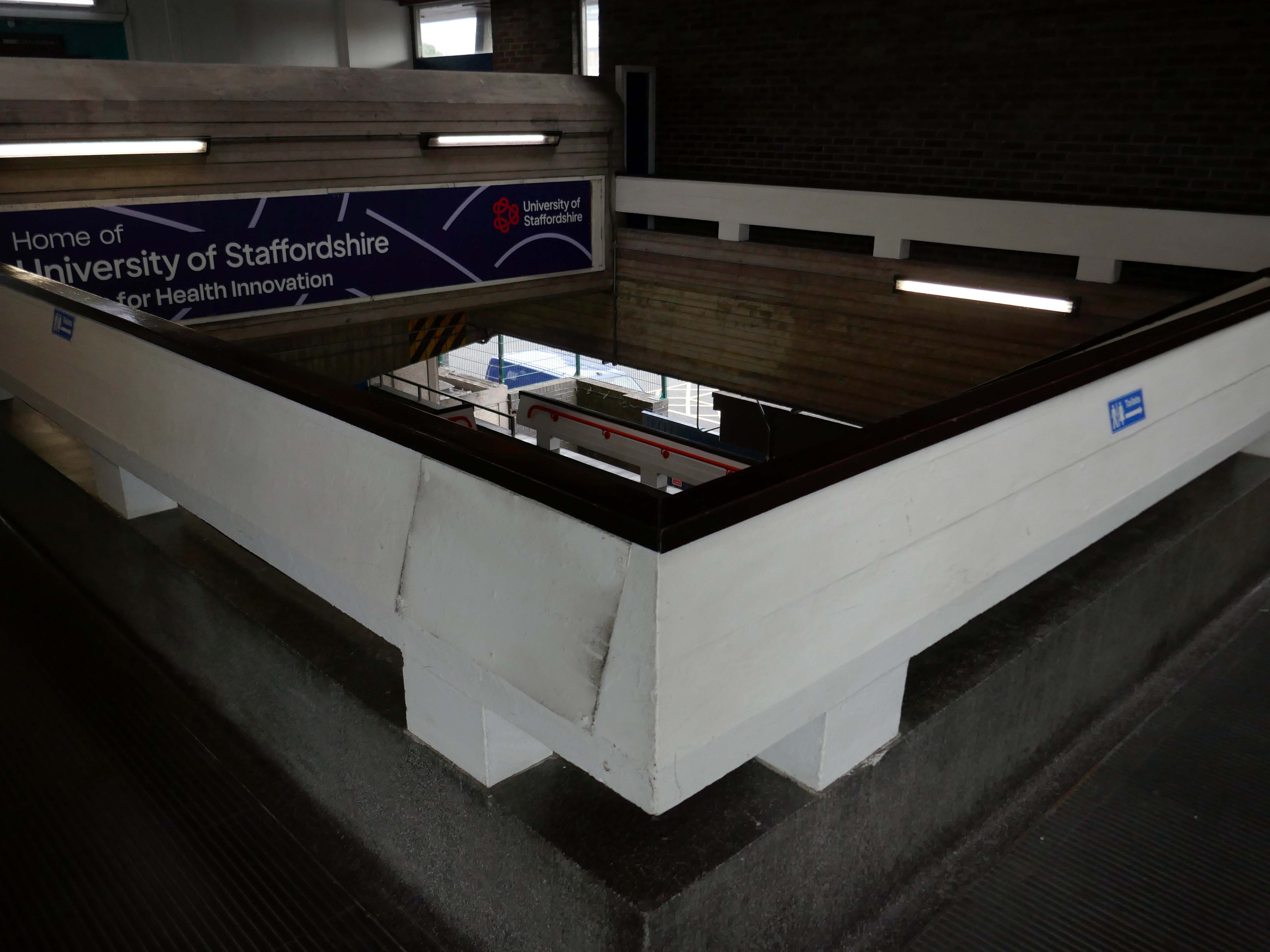
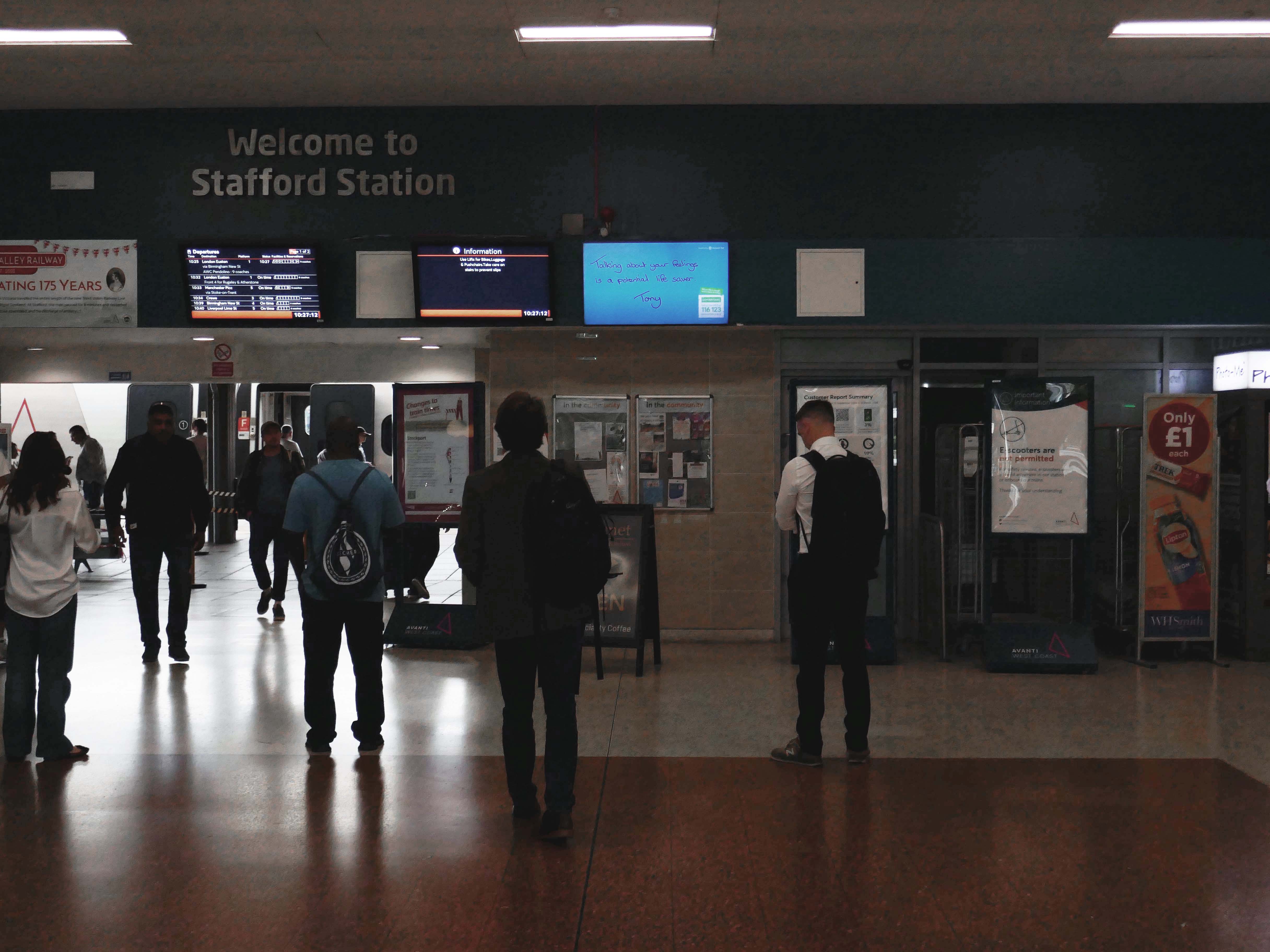
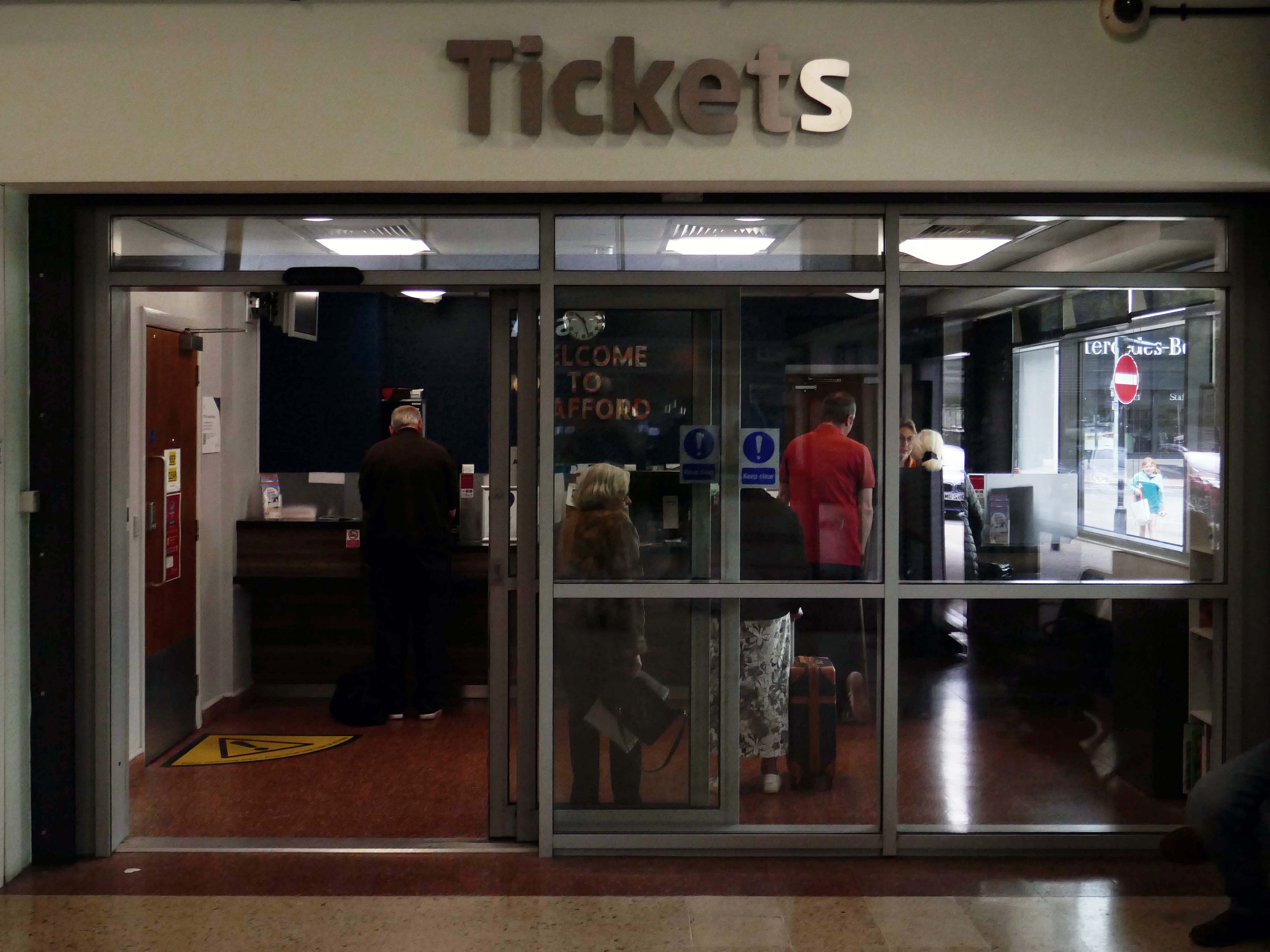
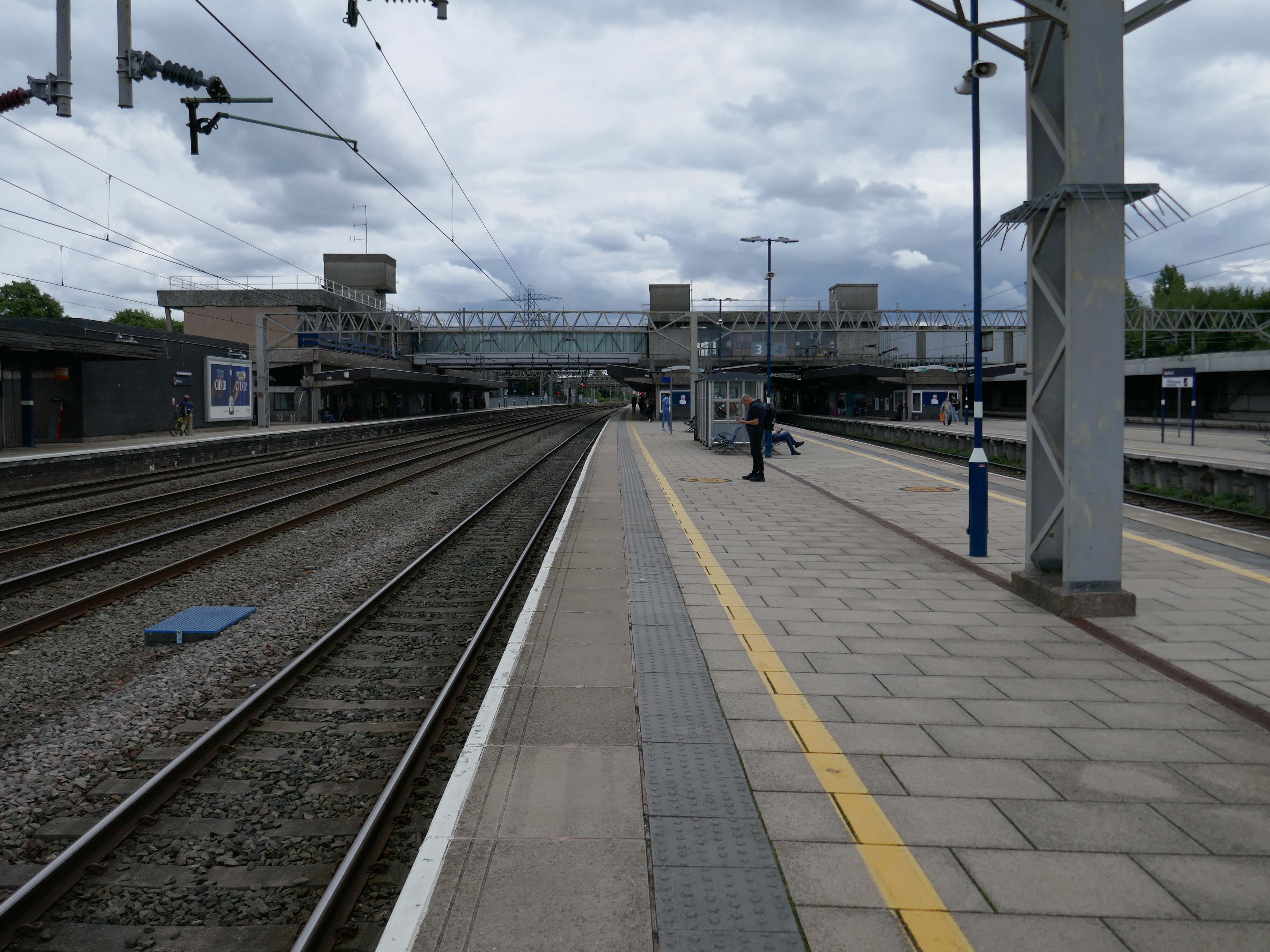
Having passed through here on more than one occasion, it only seemed polite to stop and take a look around.
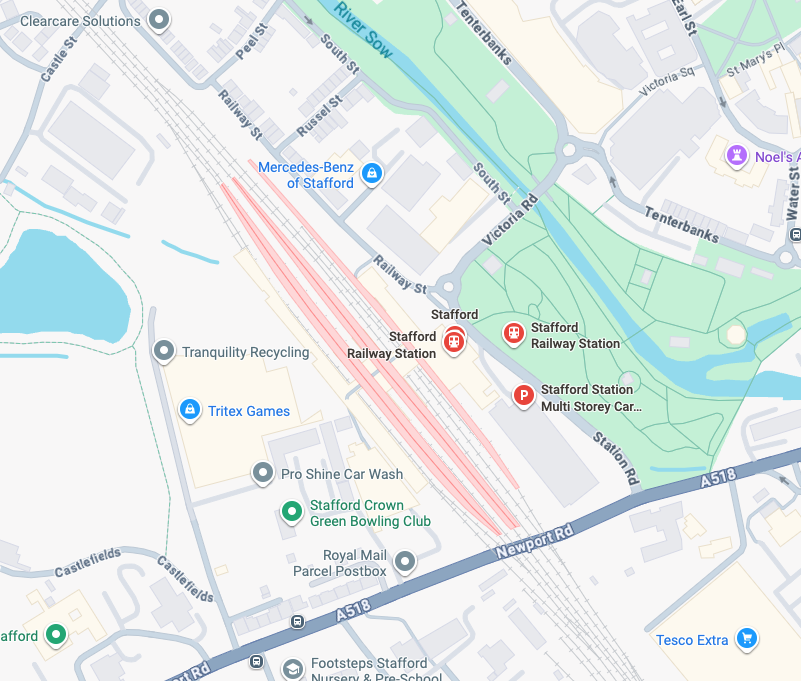
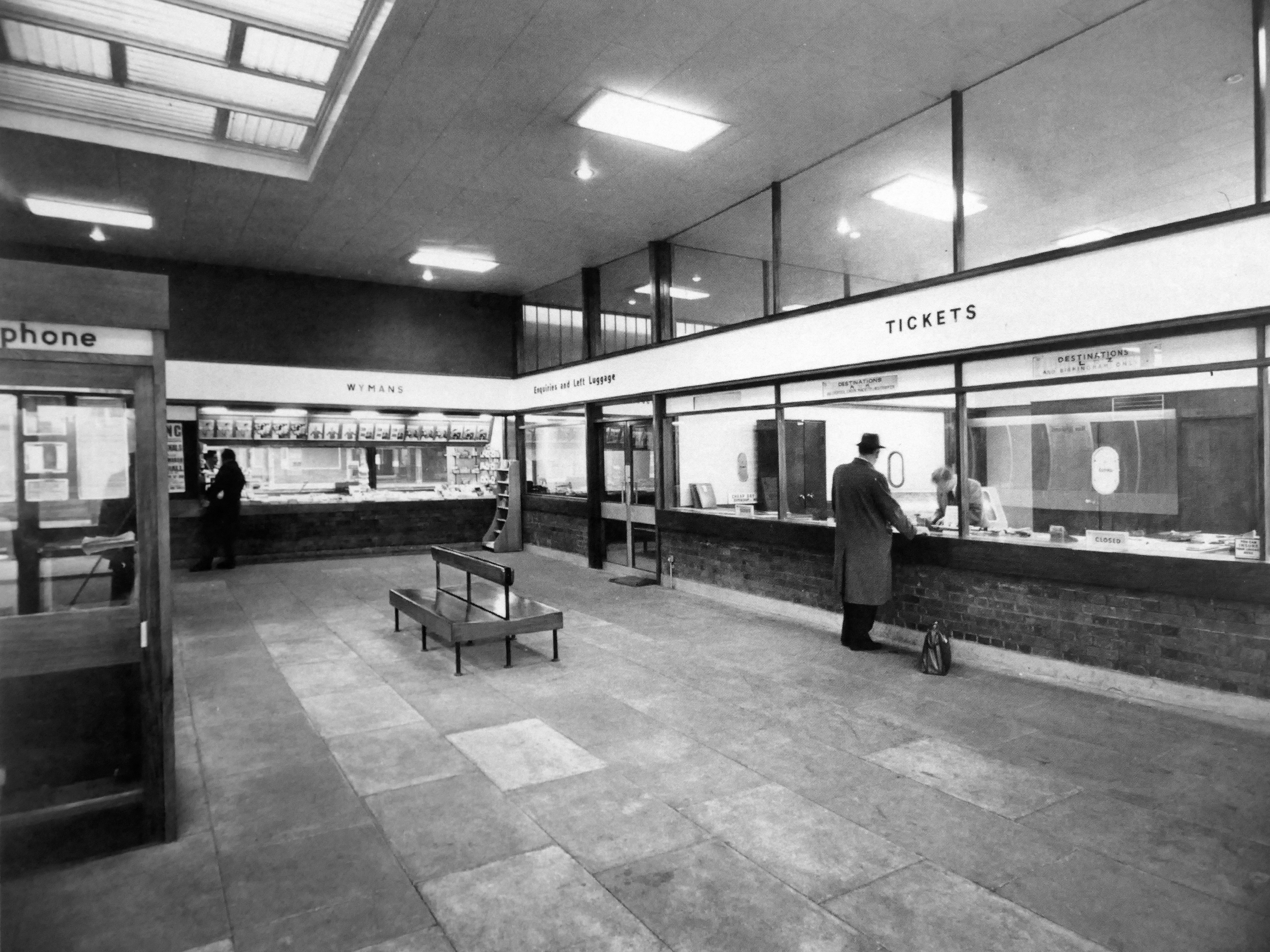
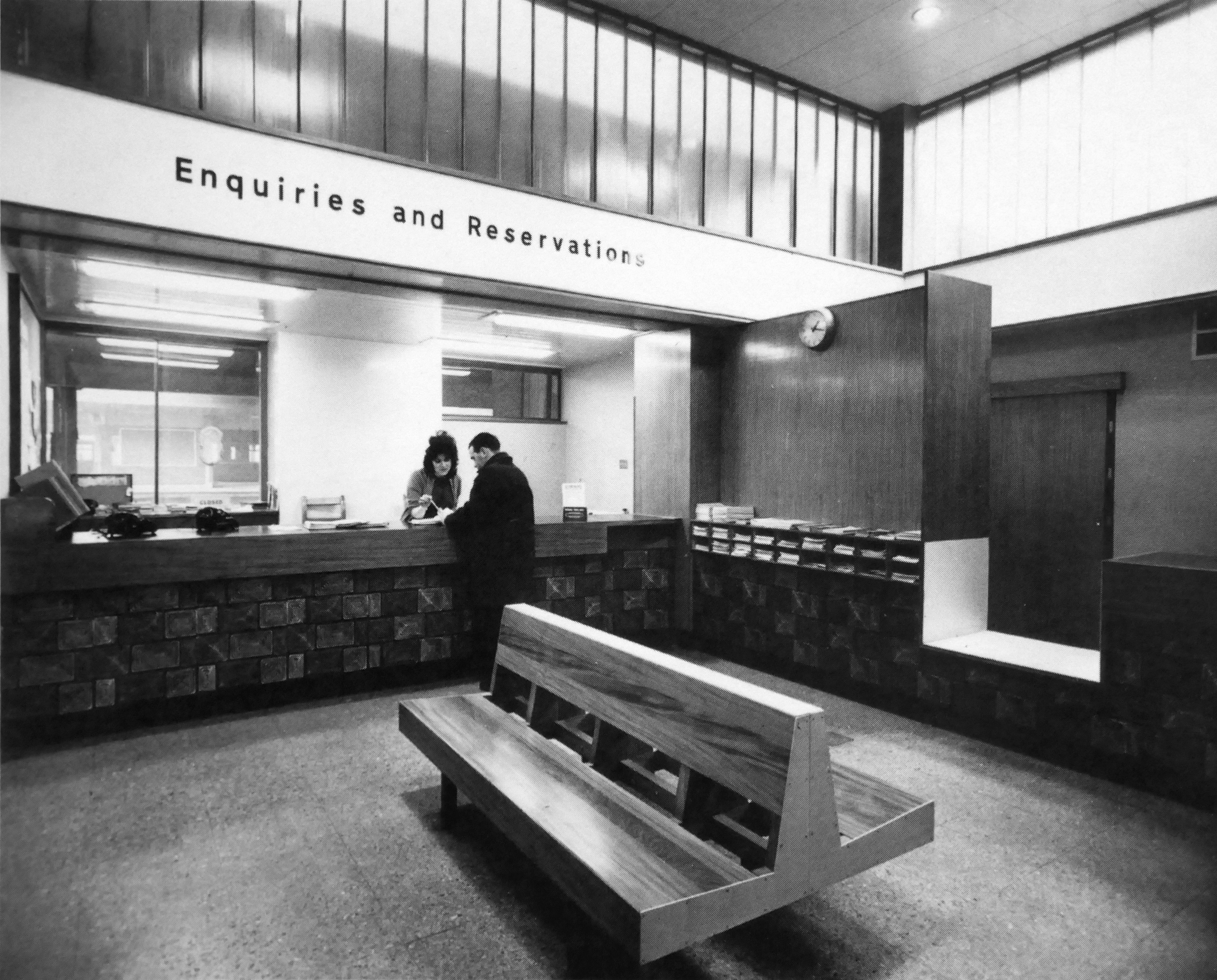
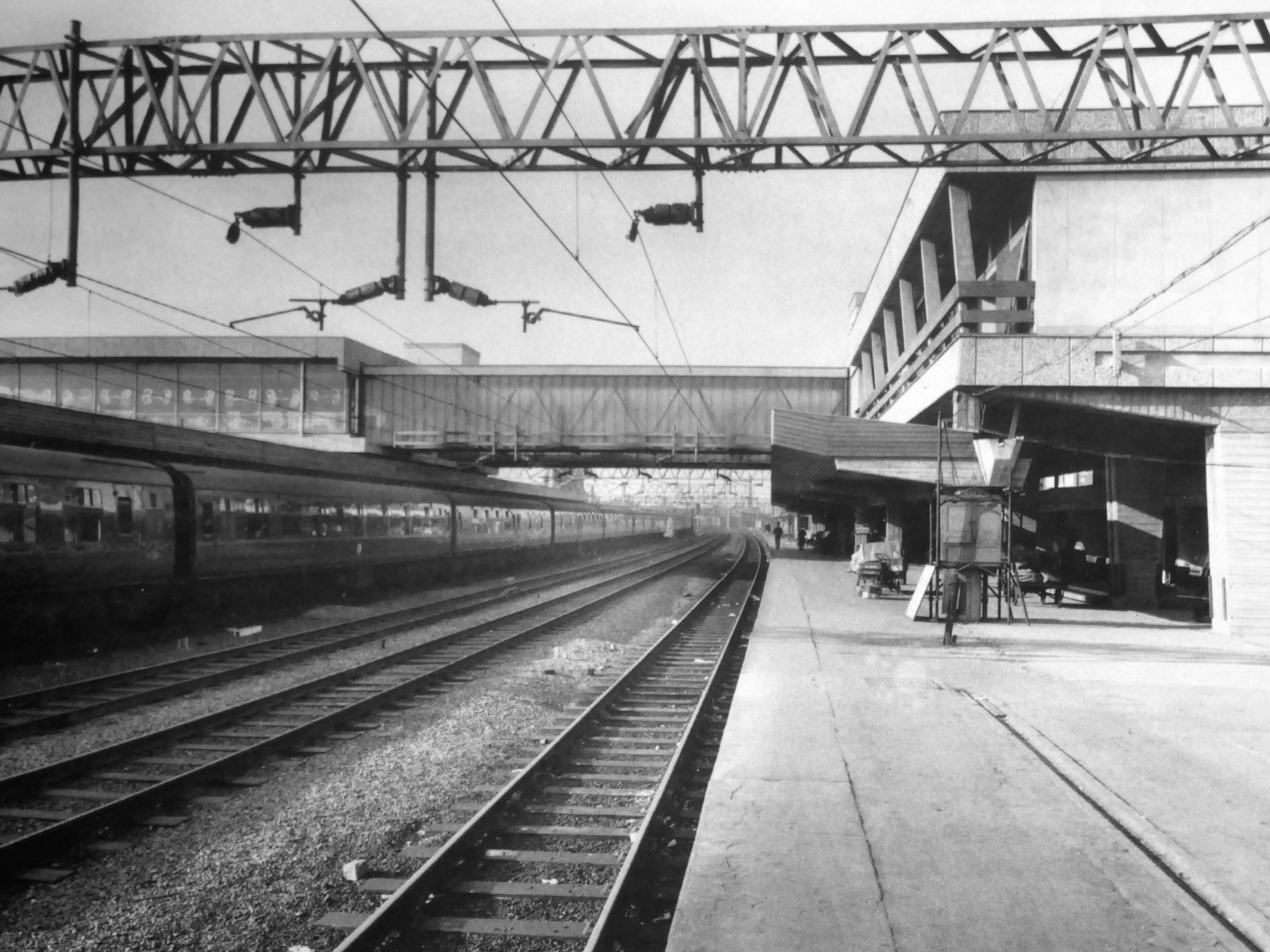
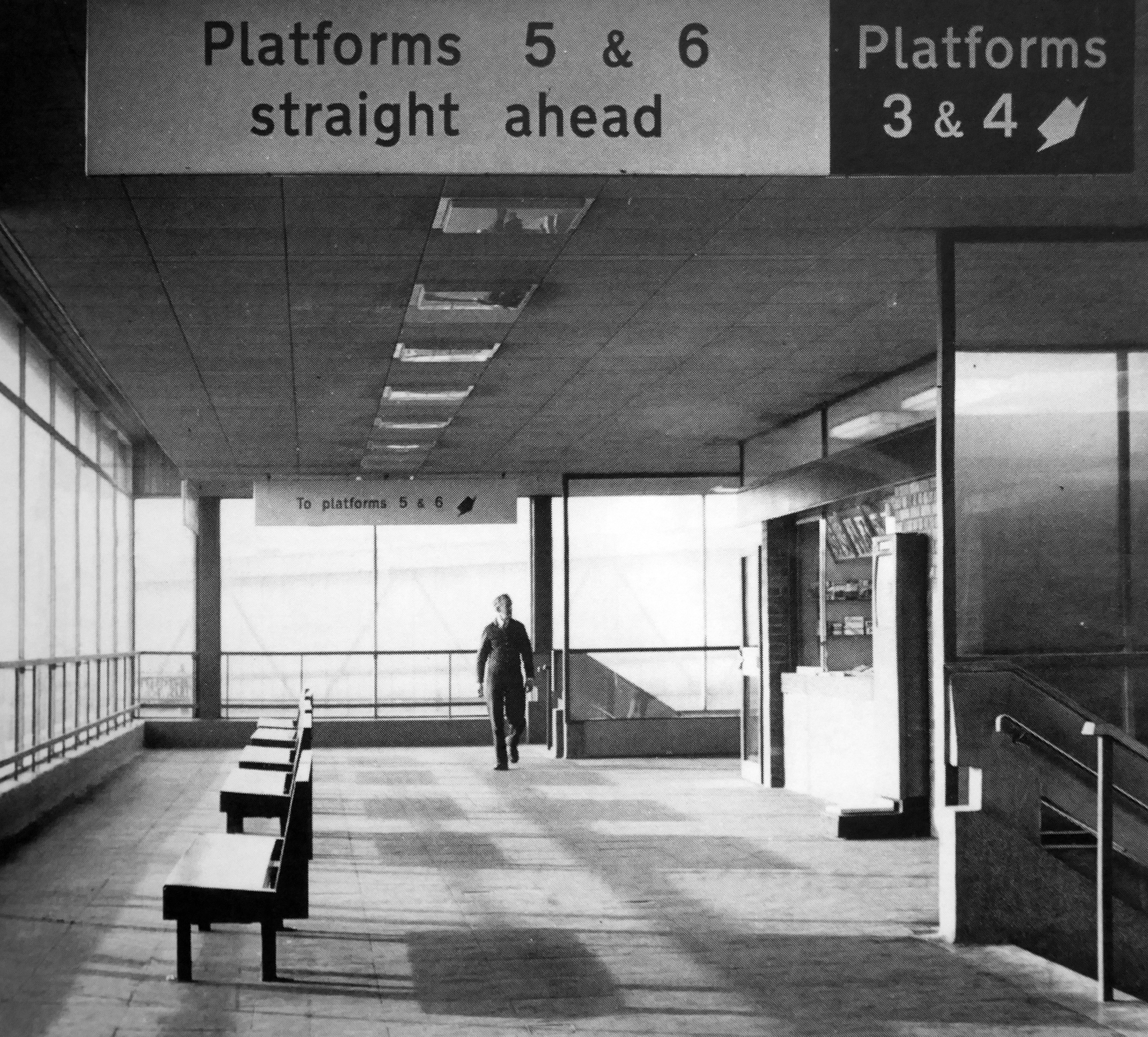
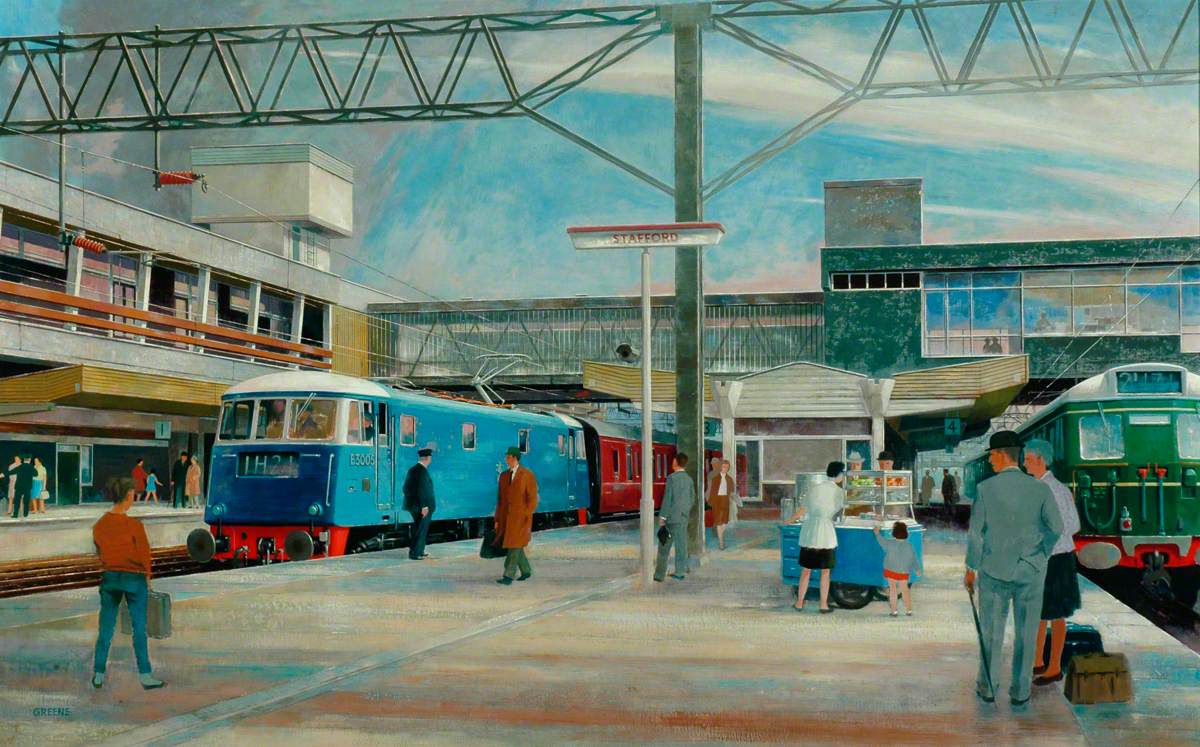
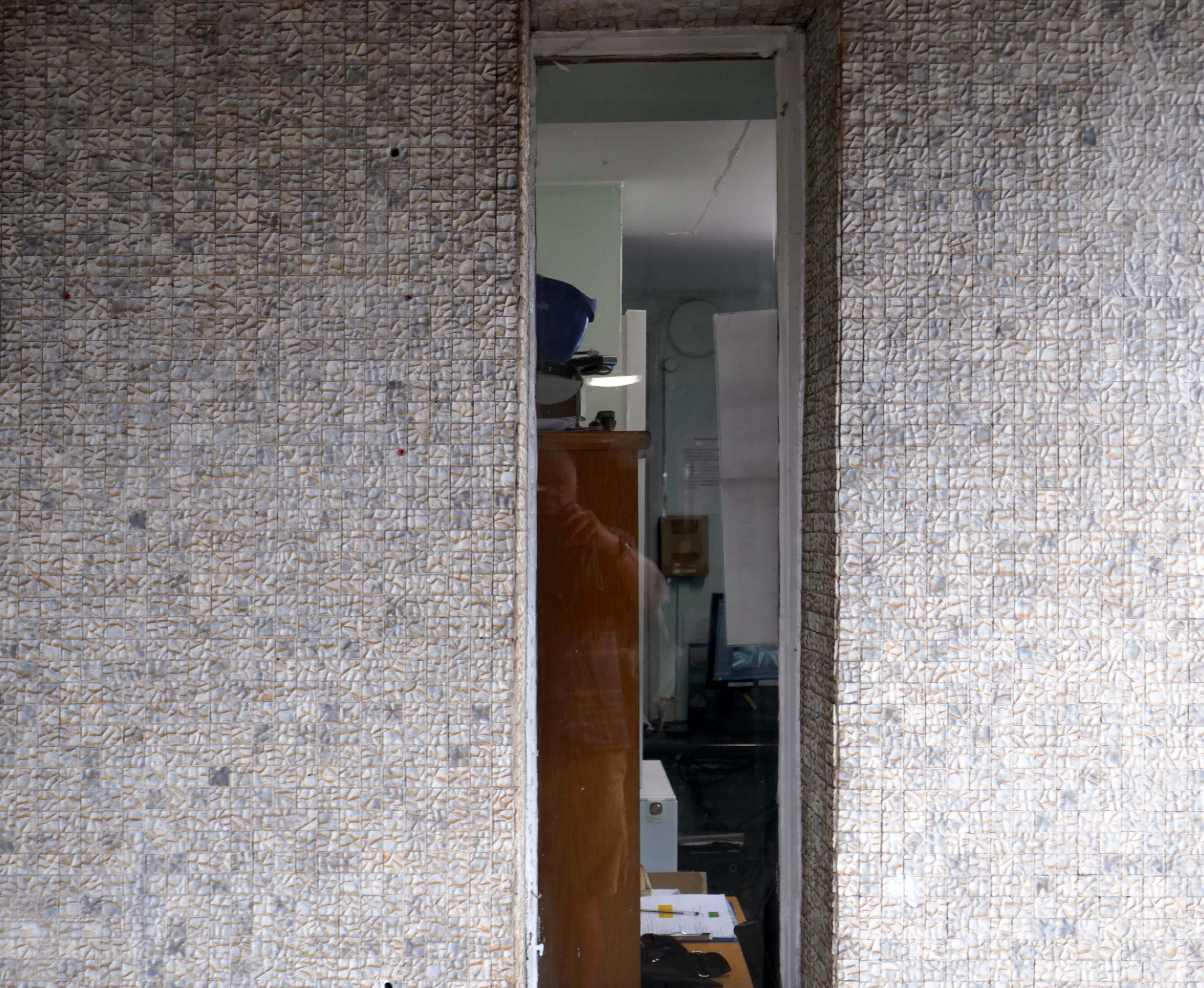
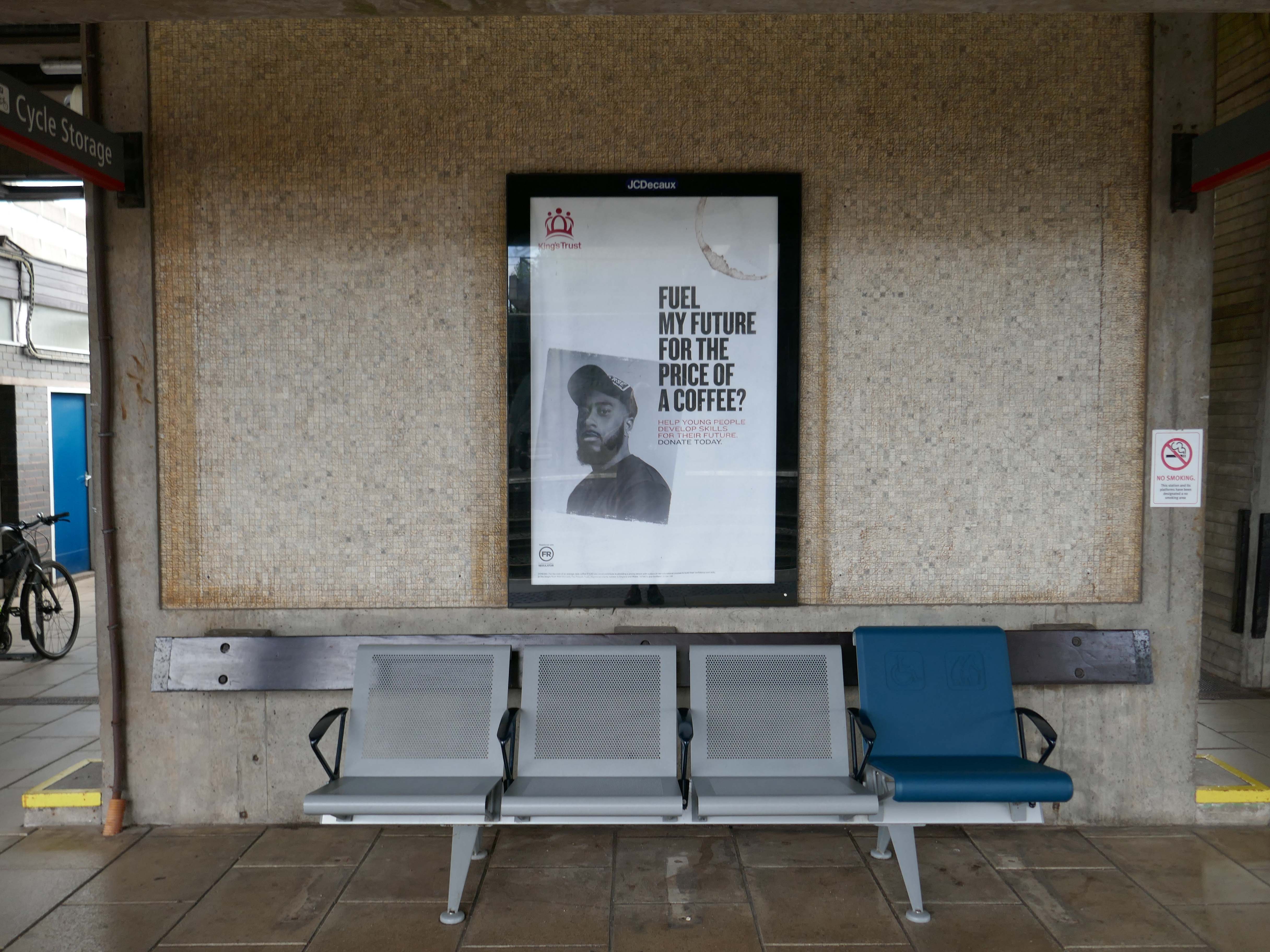
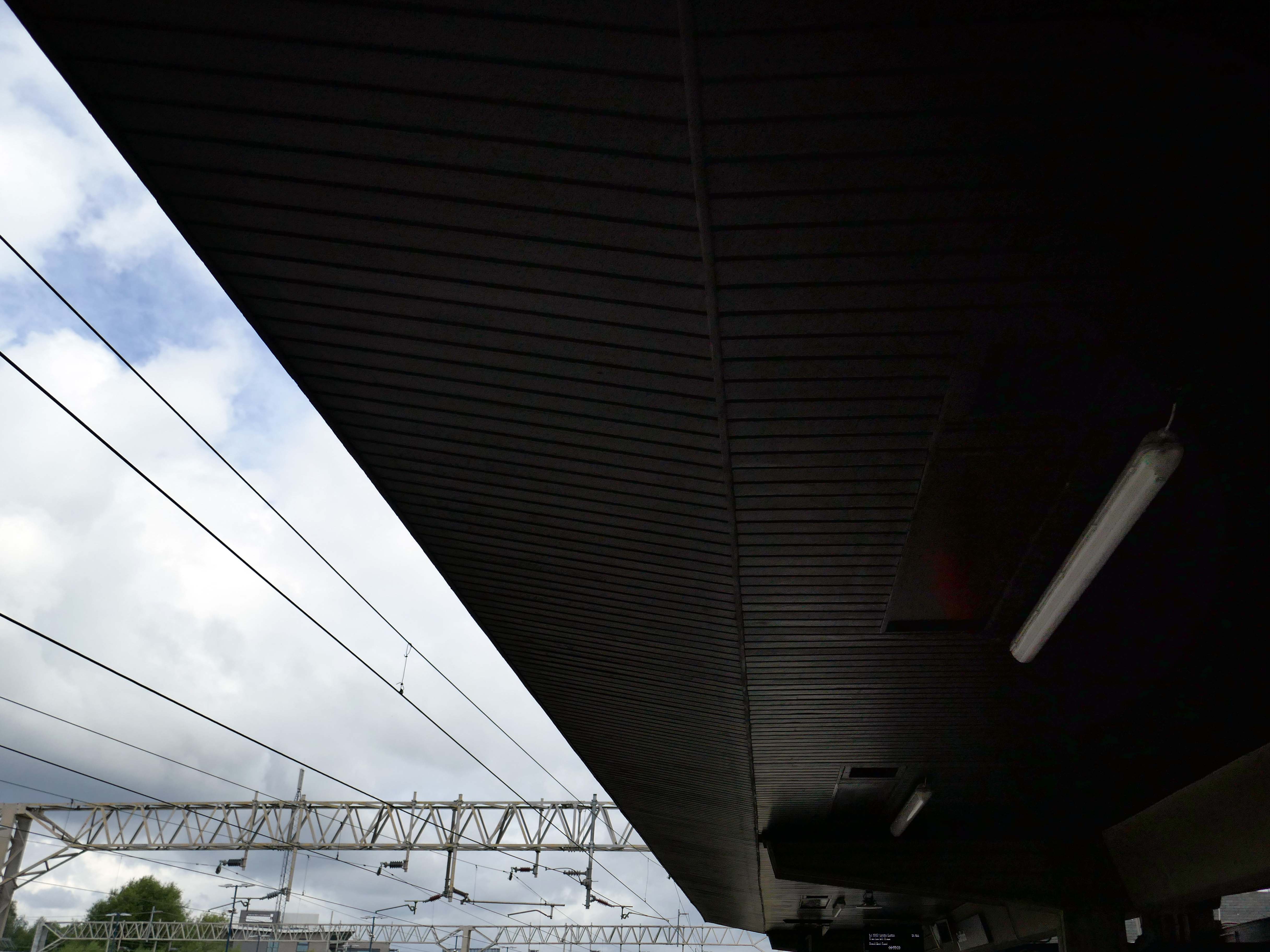
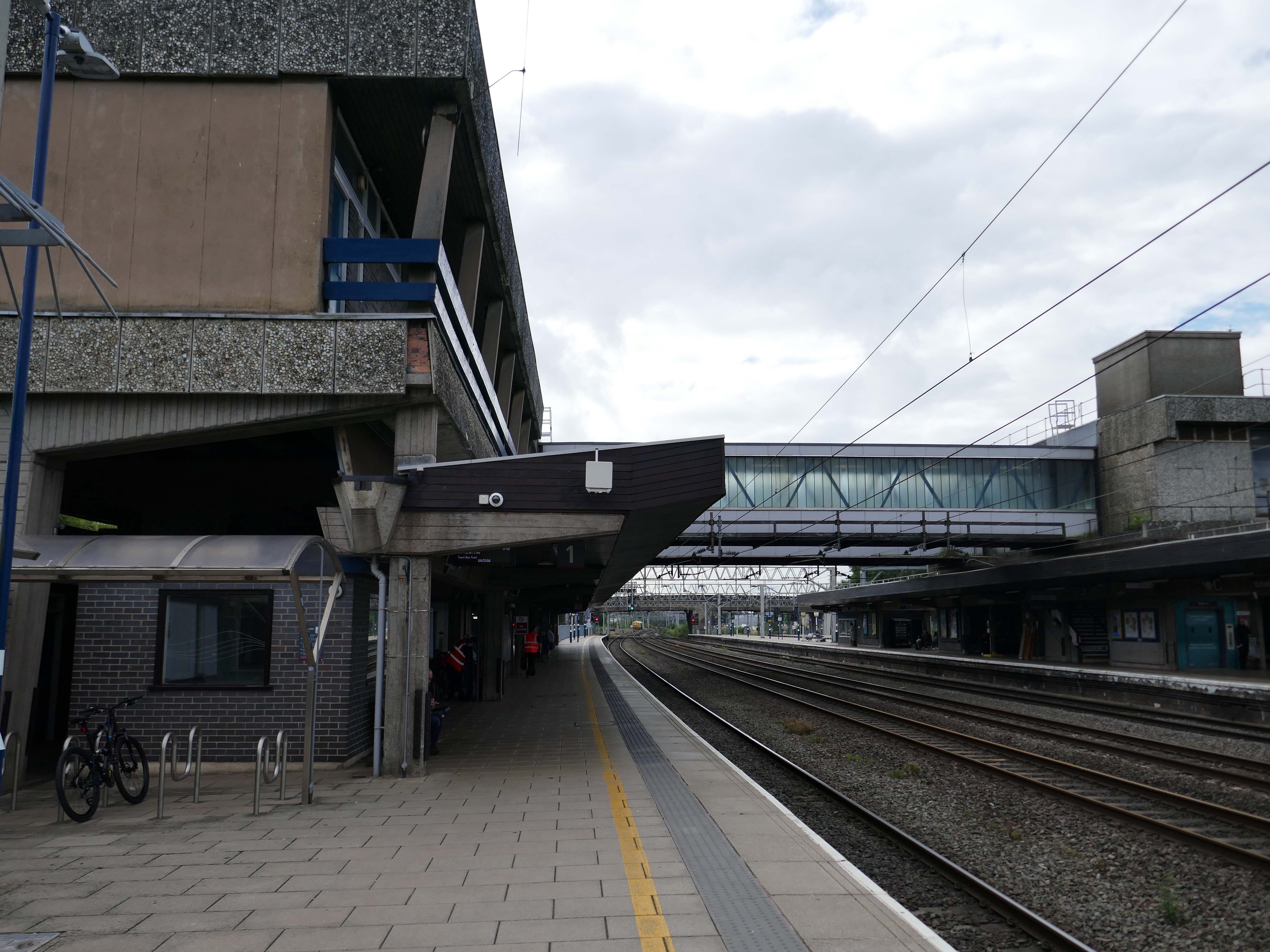
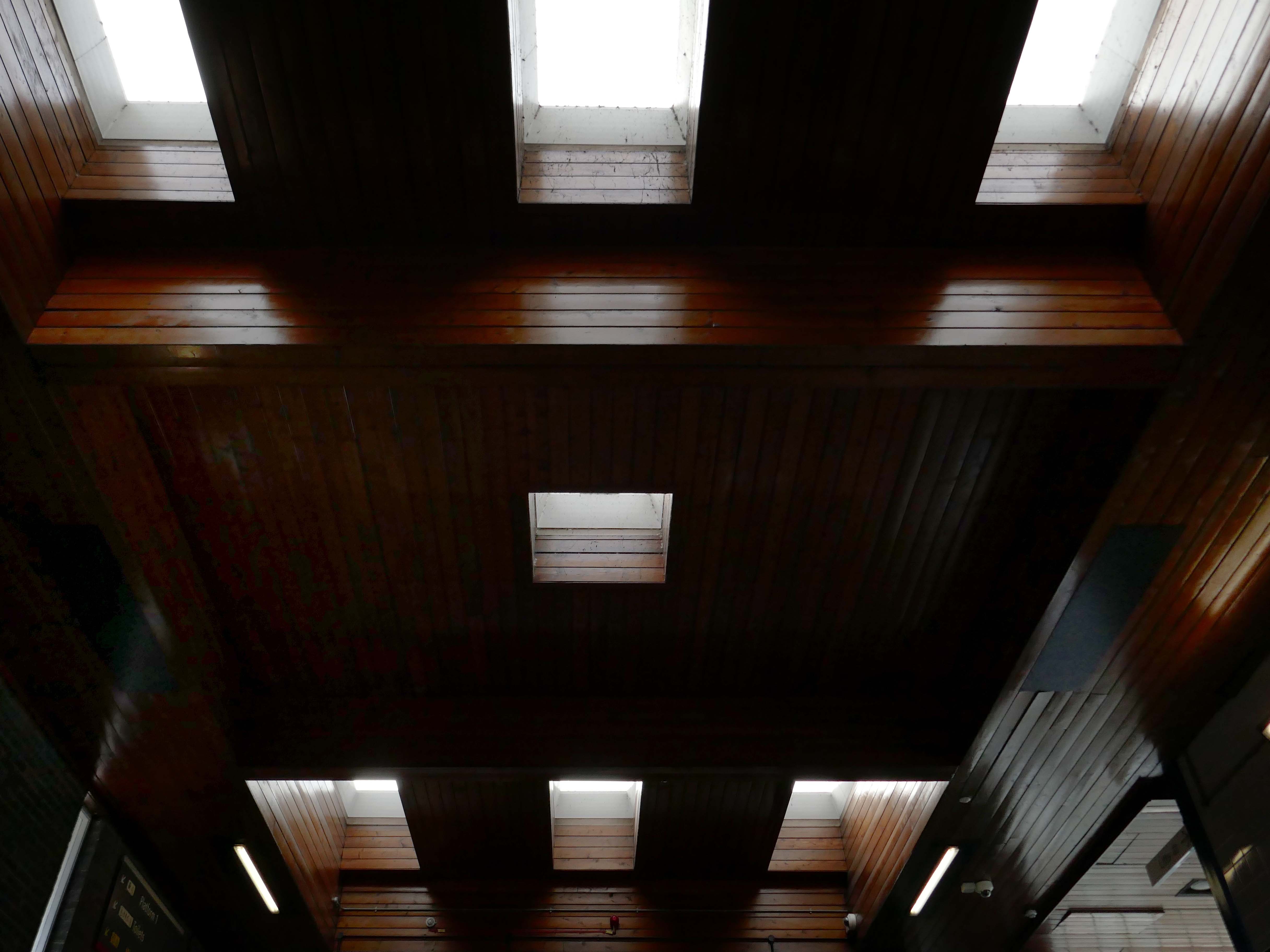
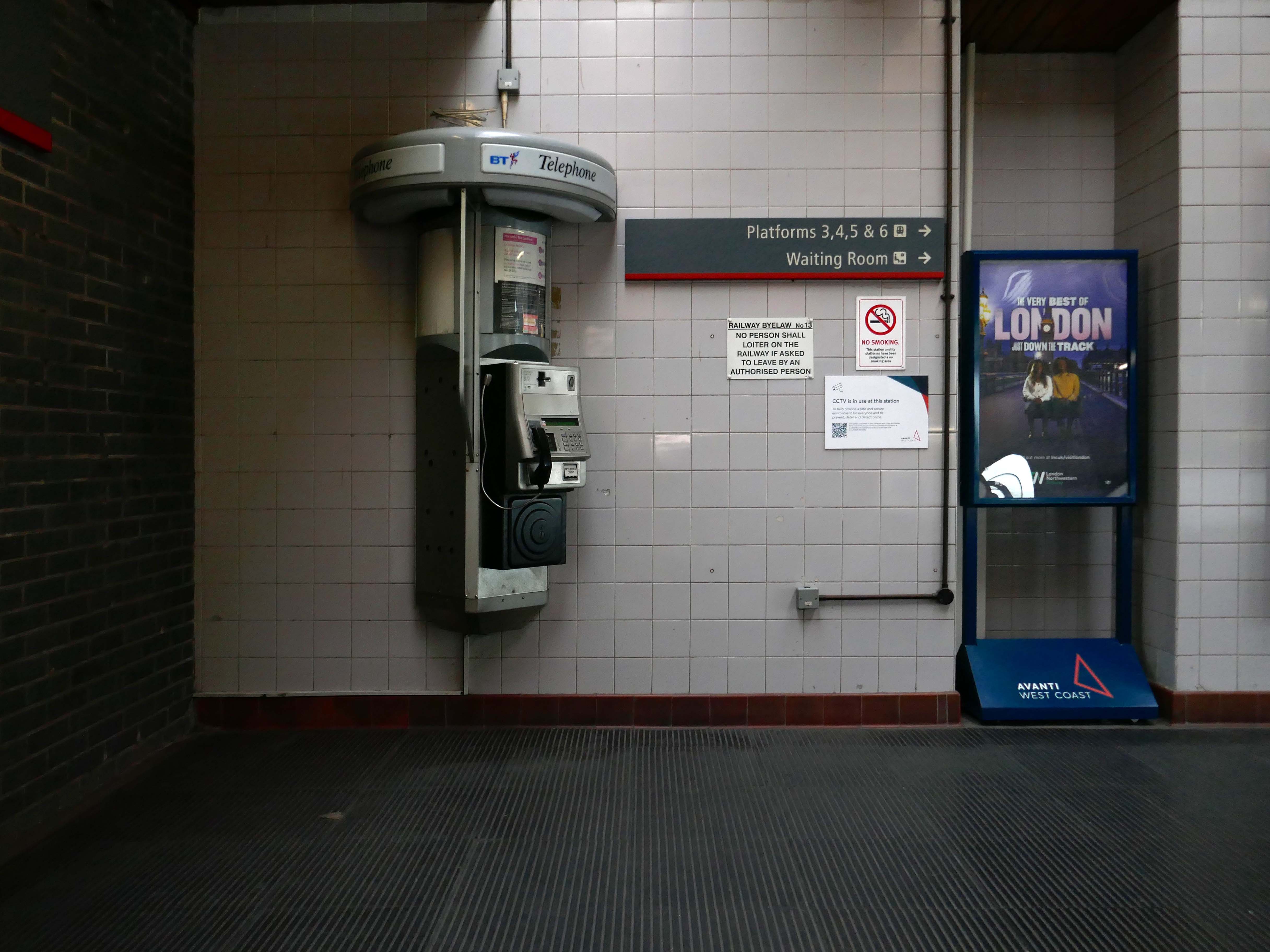
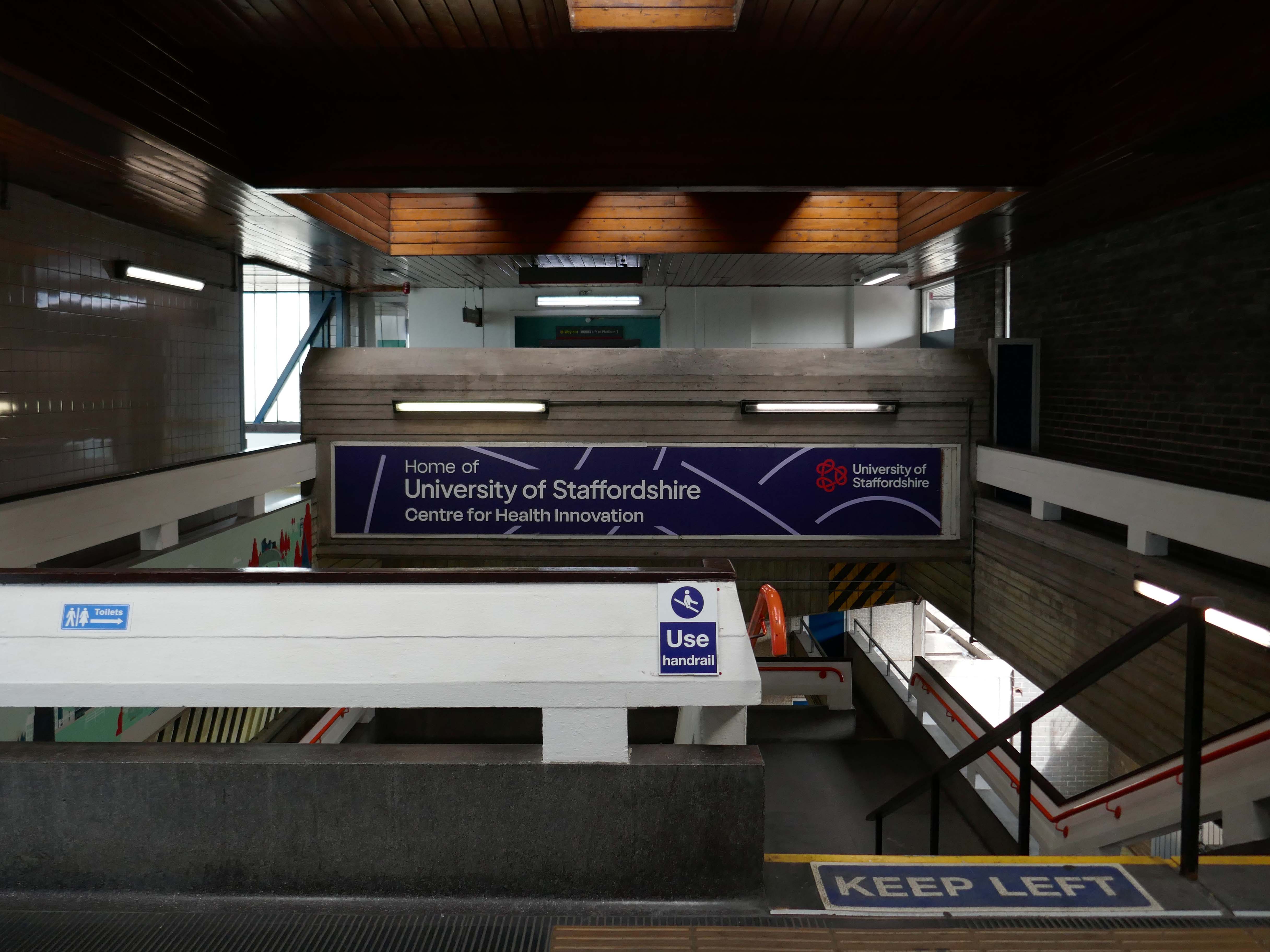
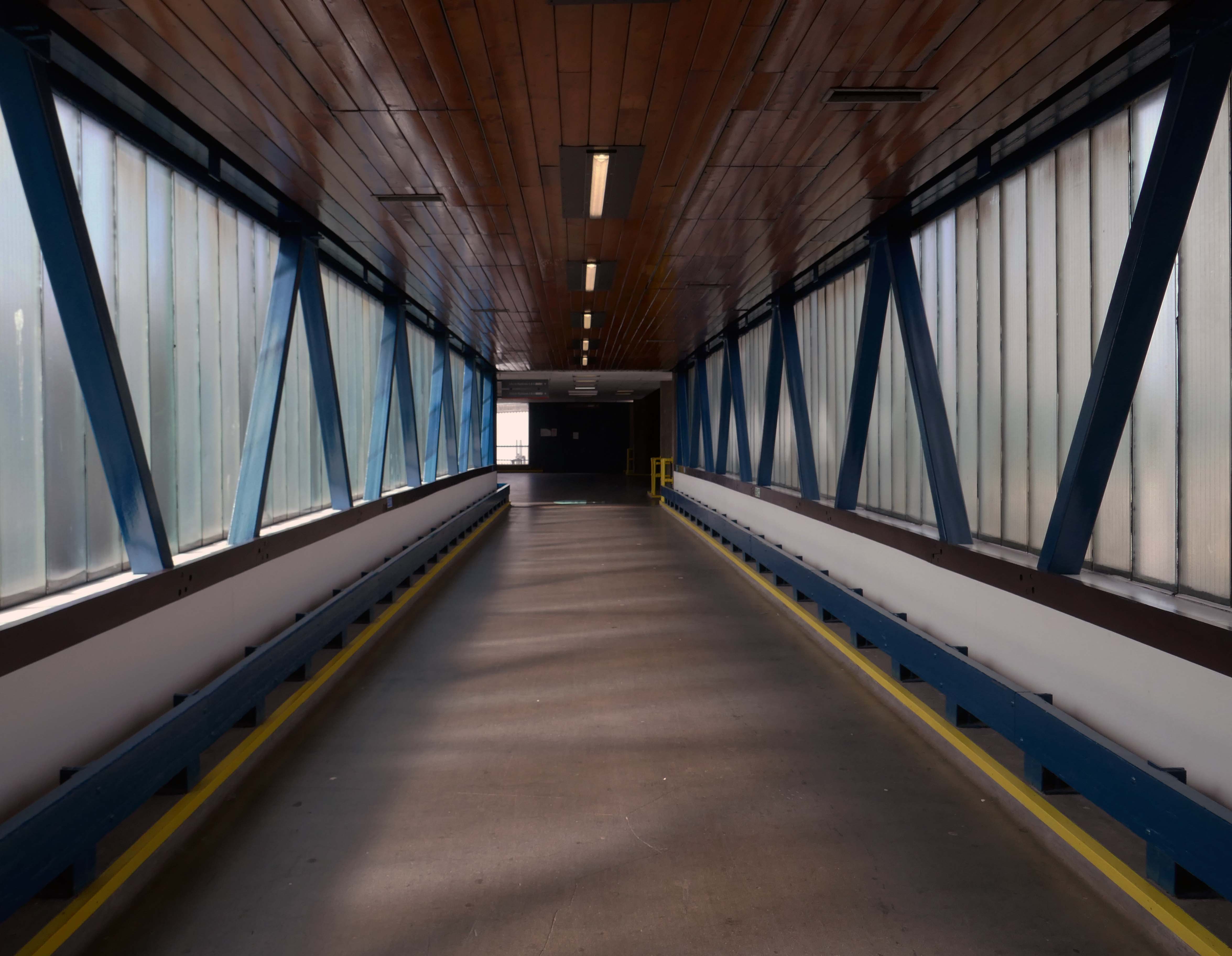
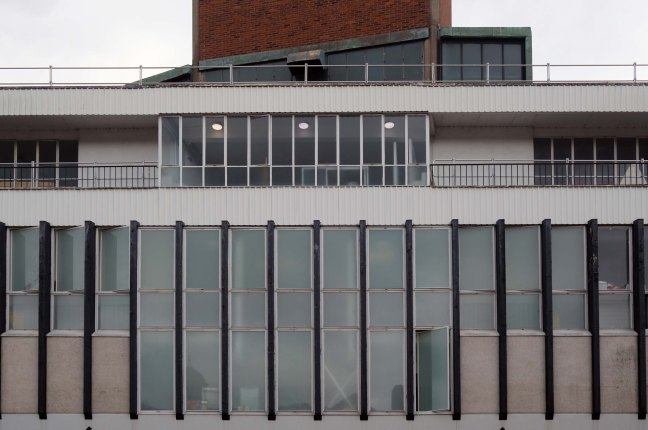
It is the second busiest interchange in the county, after Stoke-on-Trent. It serves the market and county town, as well as surrounding villages. The station lies on the junction of the Trent Valley line, the Rugby–Birmingham–Stafford line and the West Coast Main Line; it was also the terminus for the former Stafford–Uttoxeter and Stafford–Shrewsbury lines.
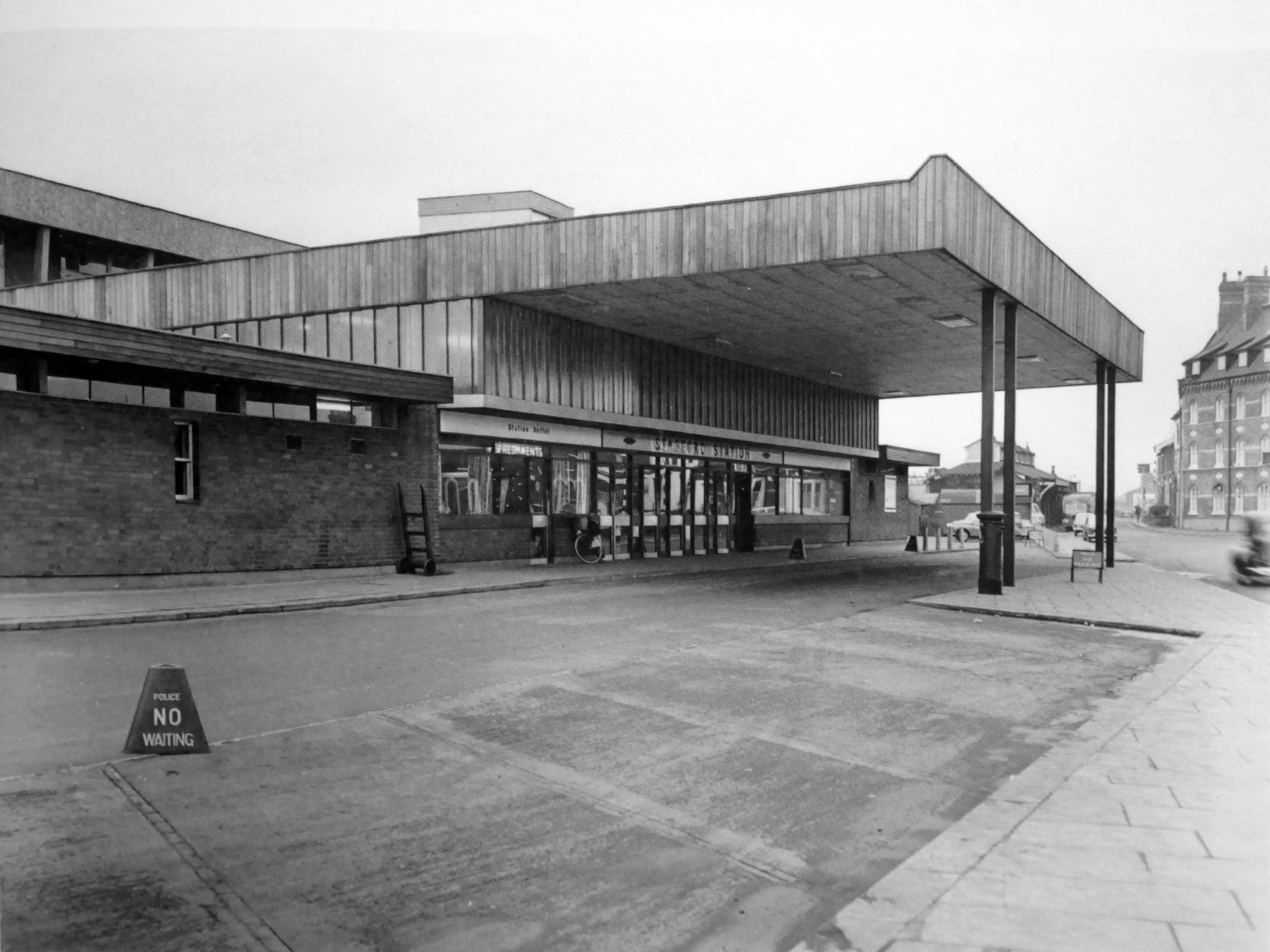
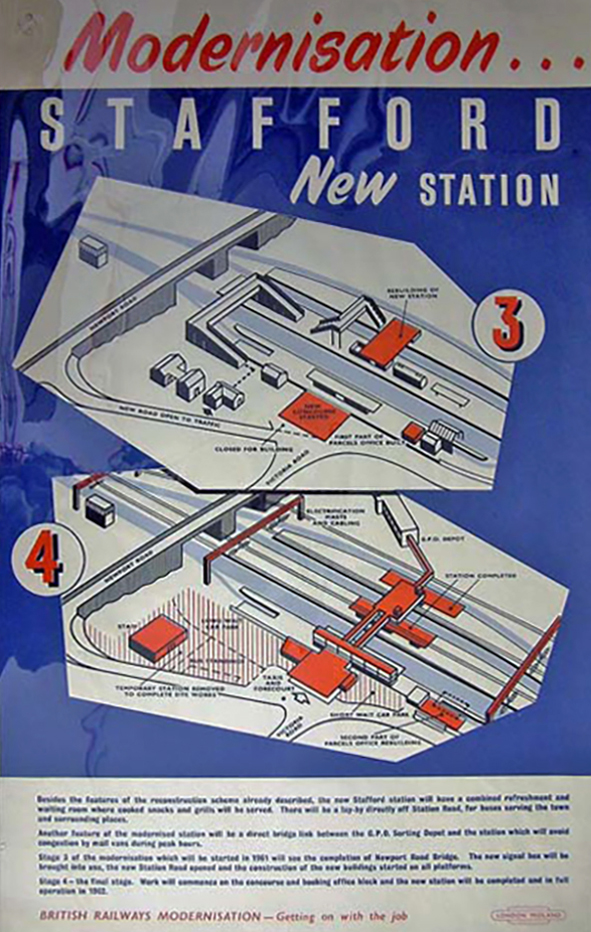
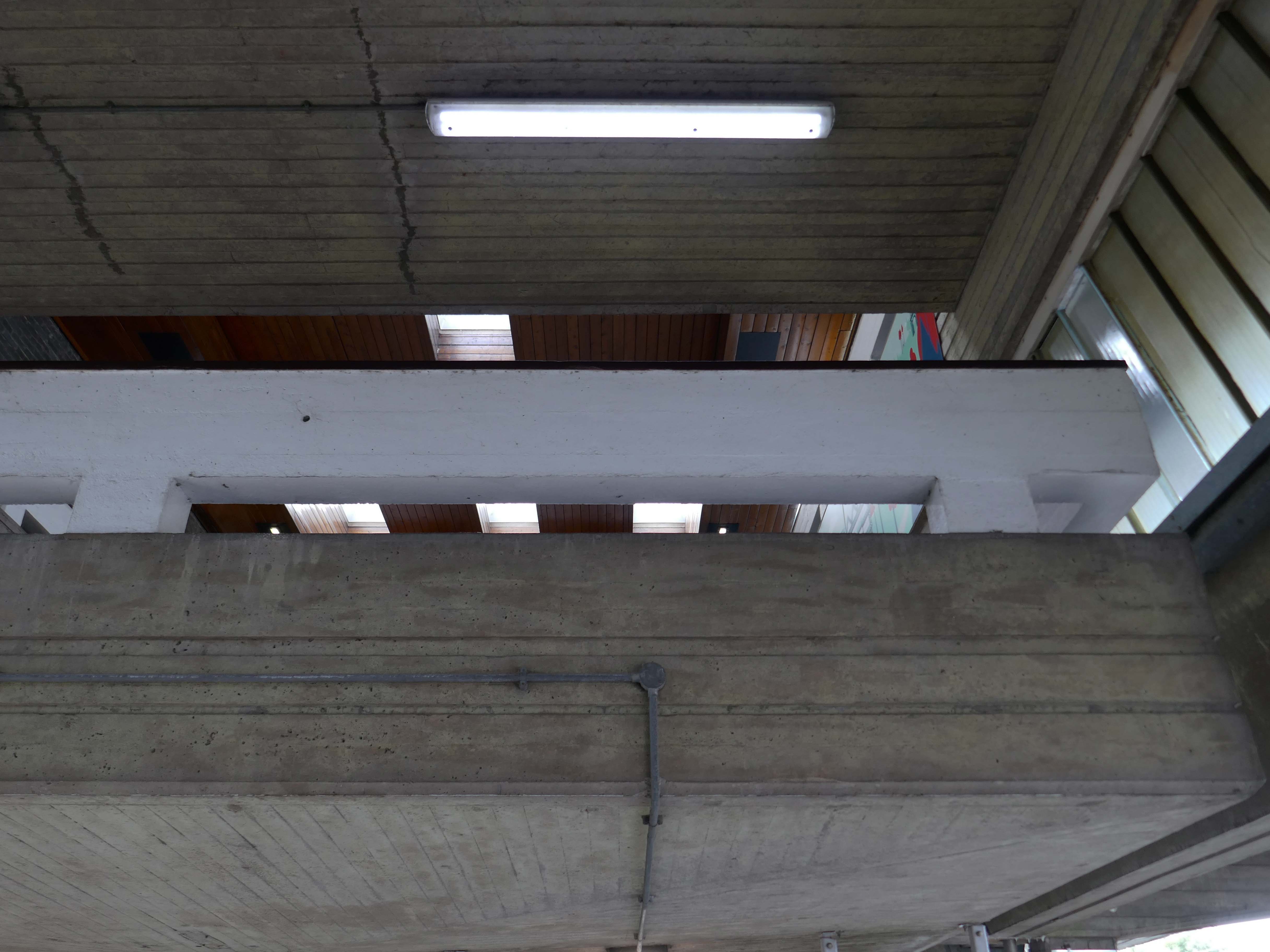
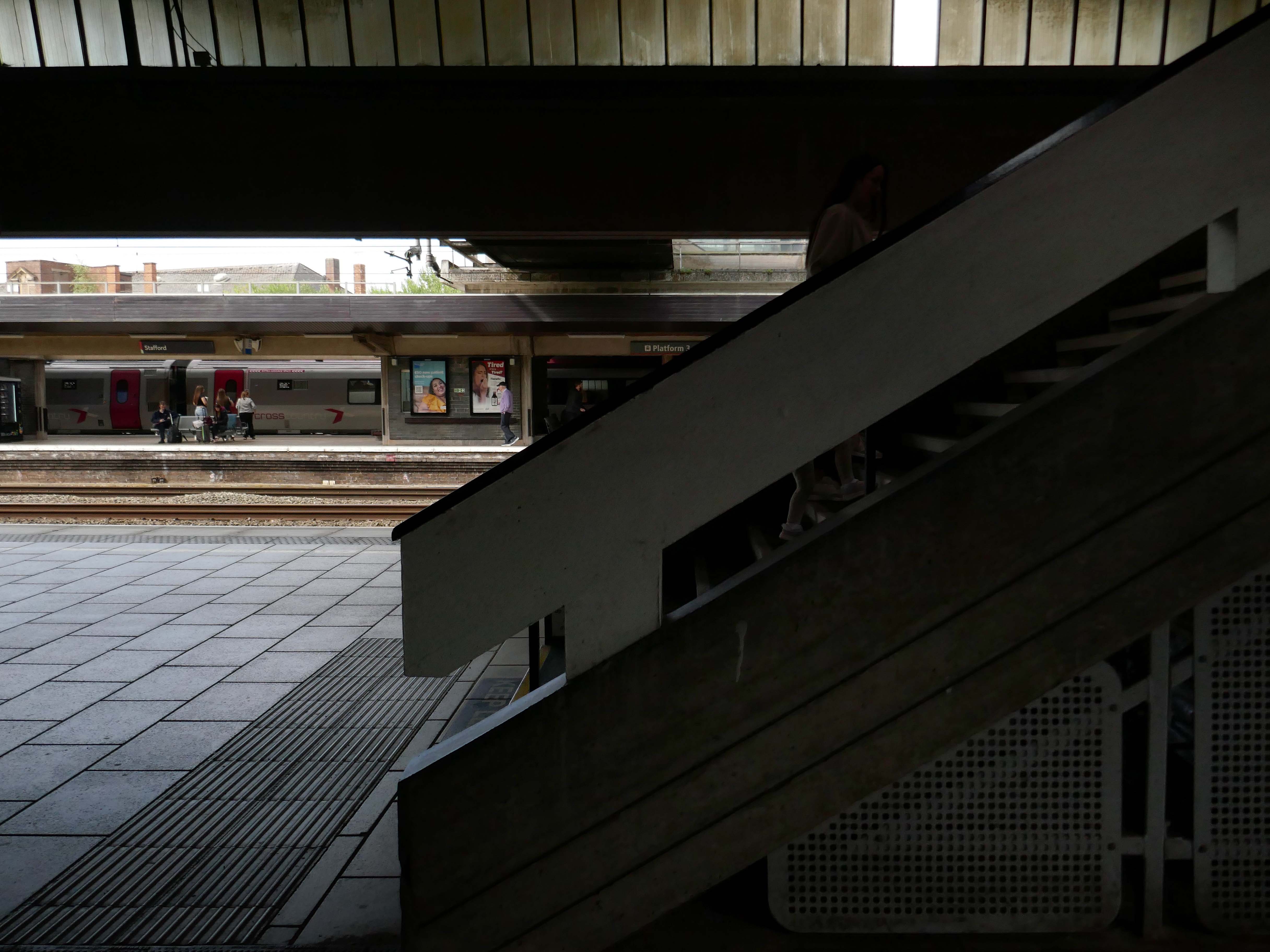
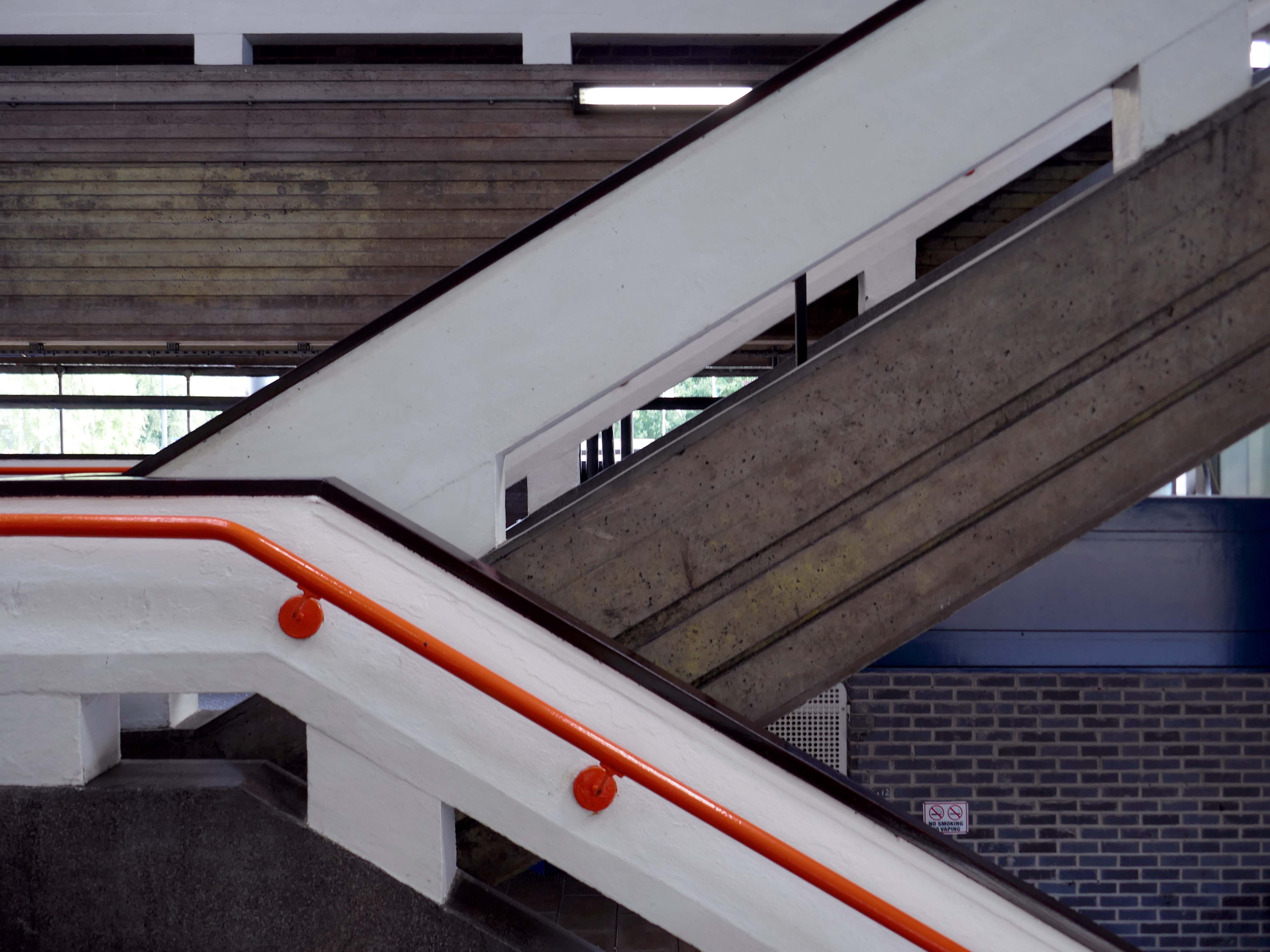
The current station was built in 1962, by the architect William Robert Headley, as part of the modernisation programme which saw the electrification of the West Coast Main Line.
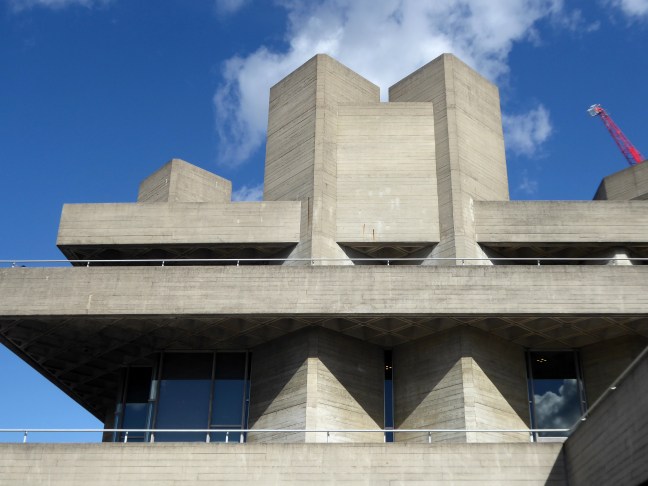
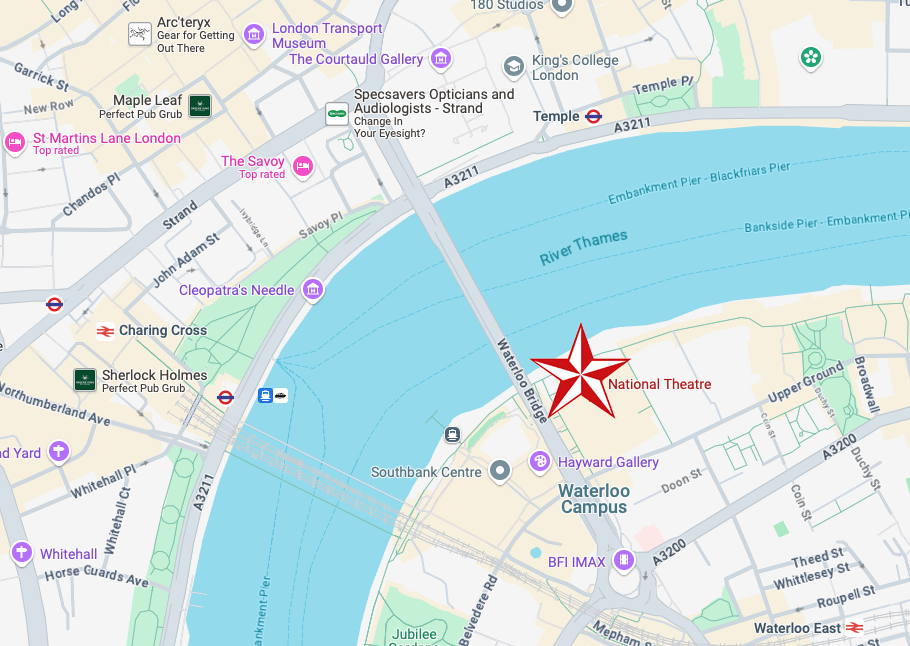
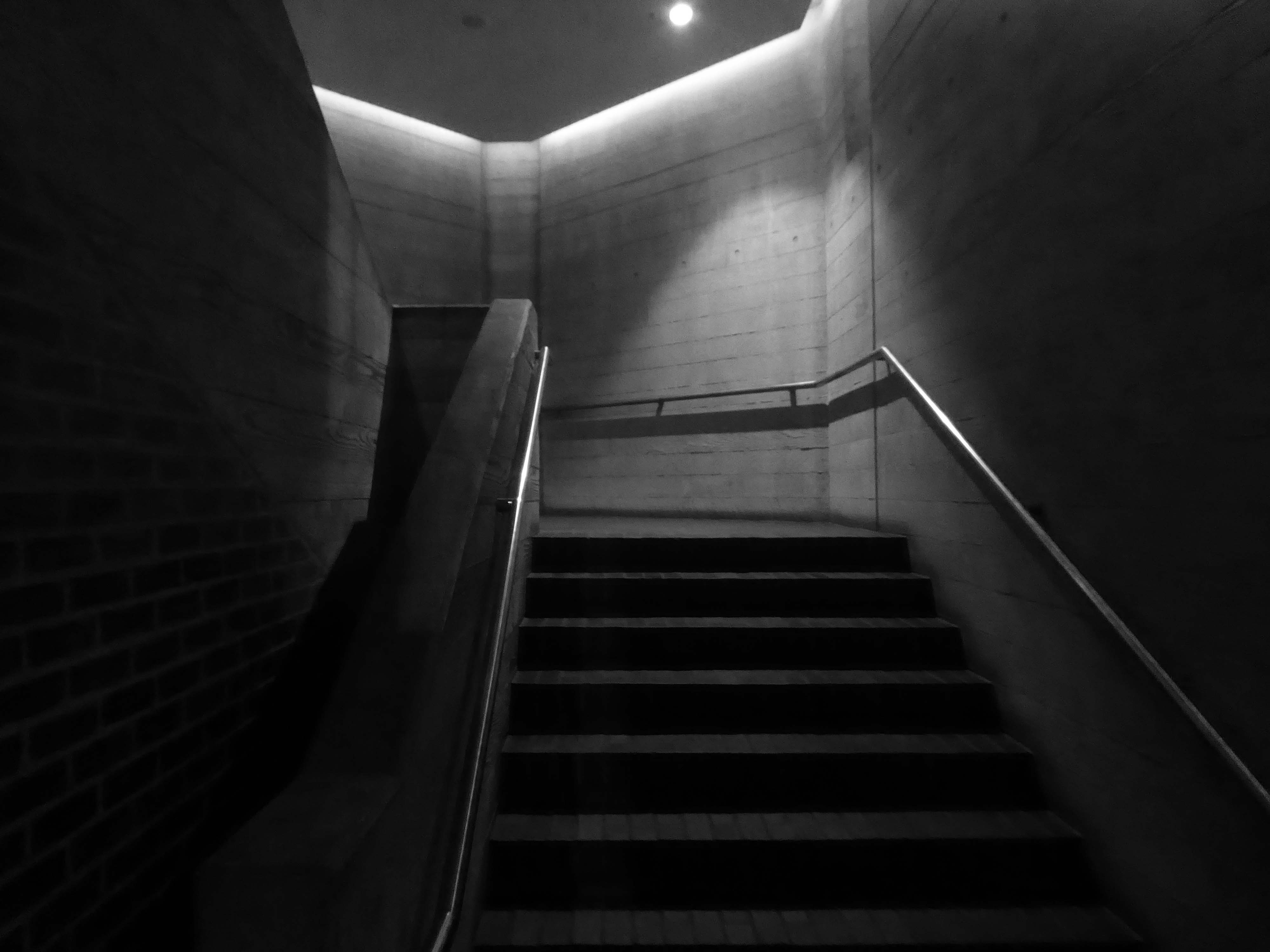
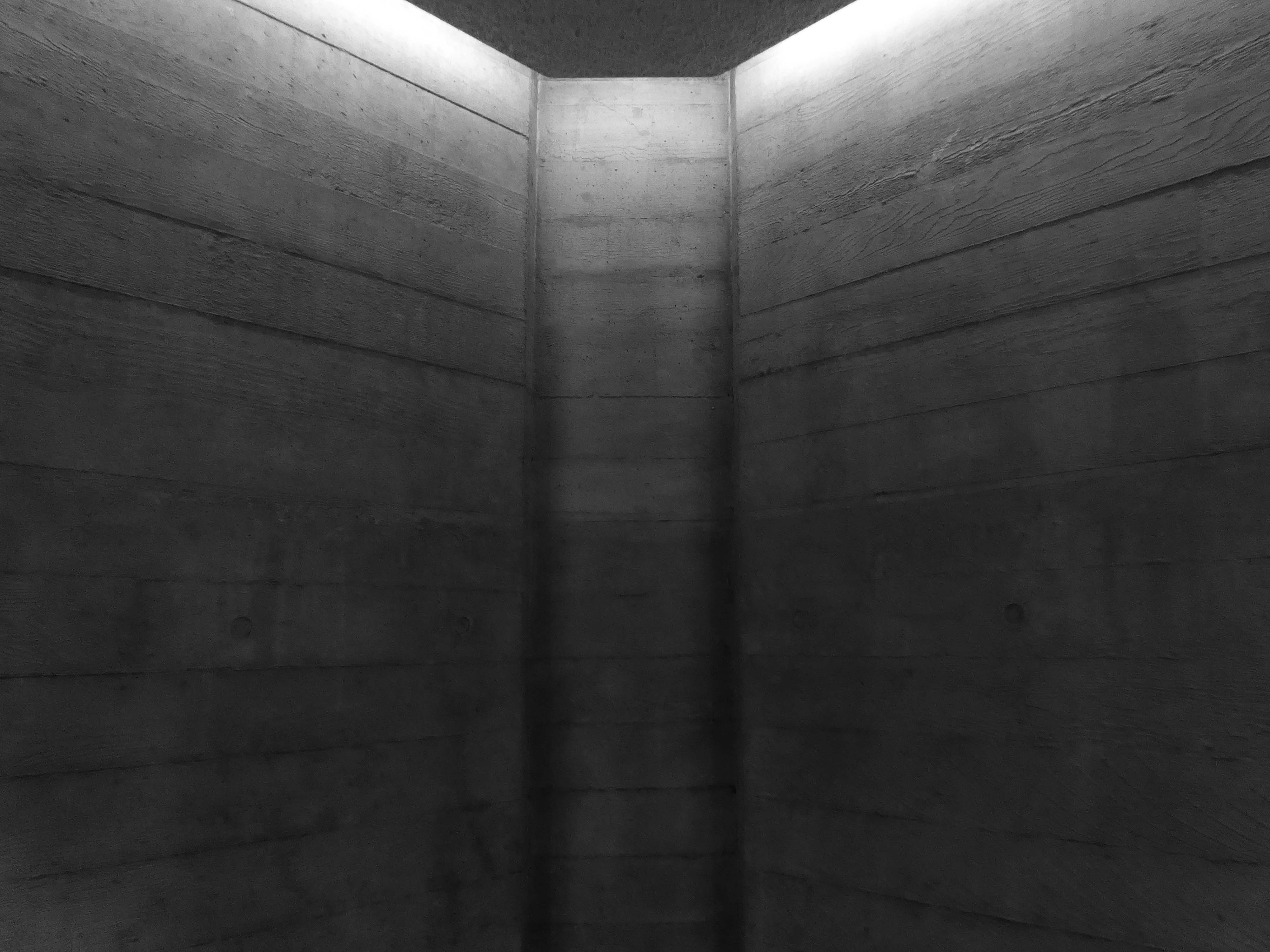
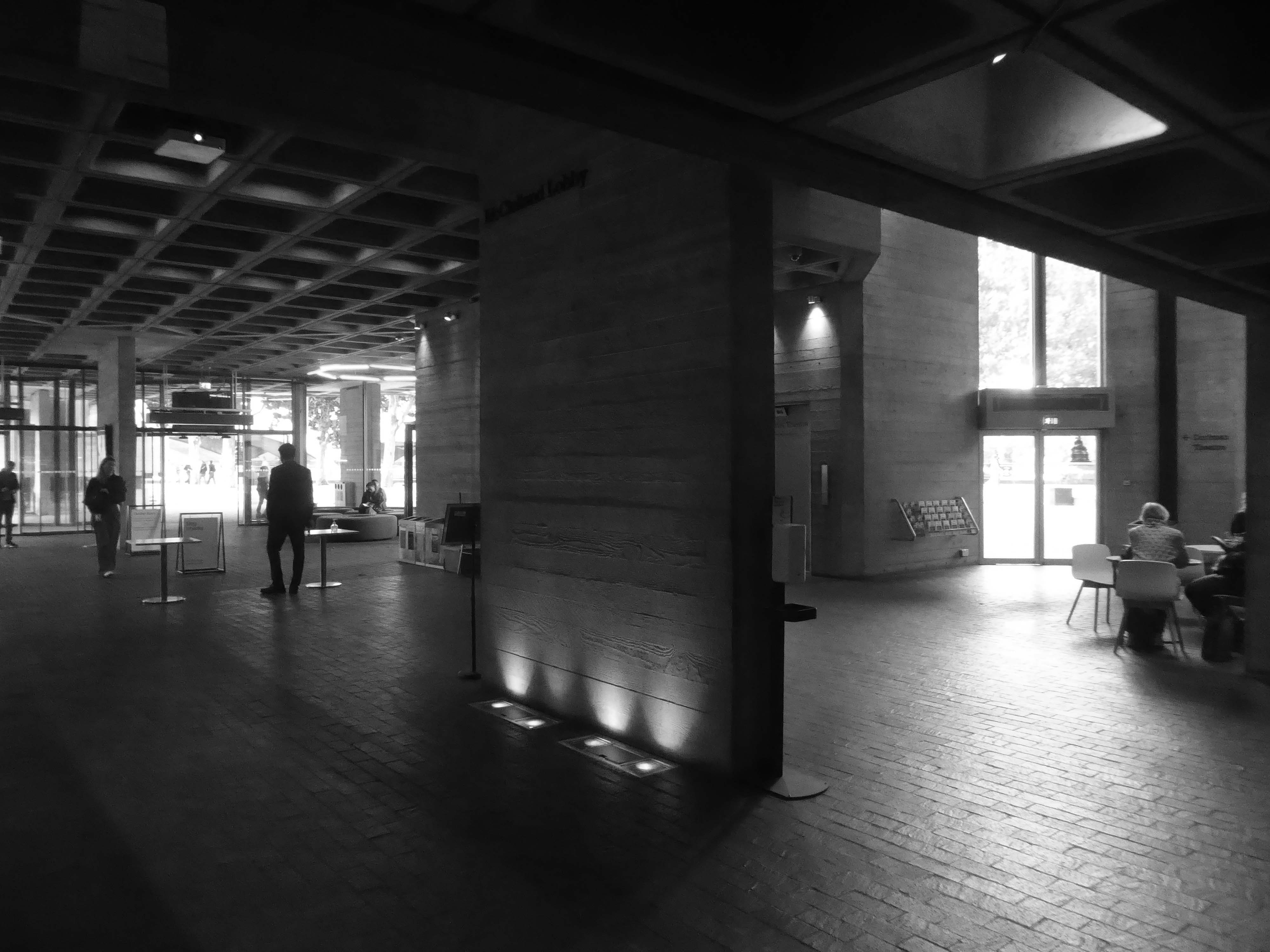
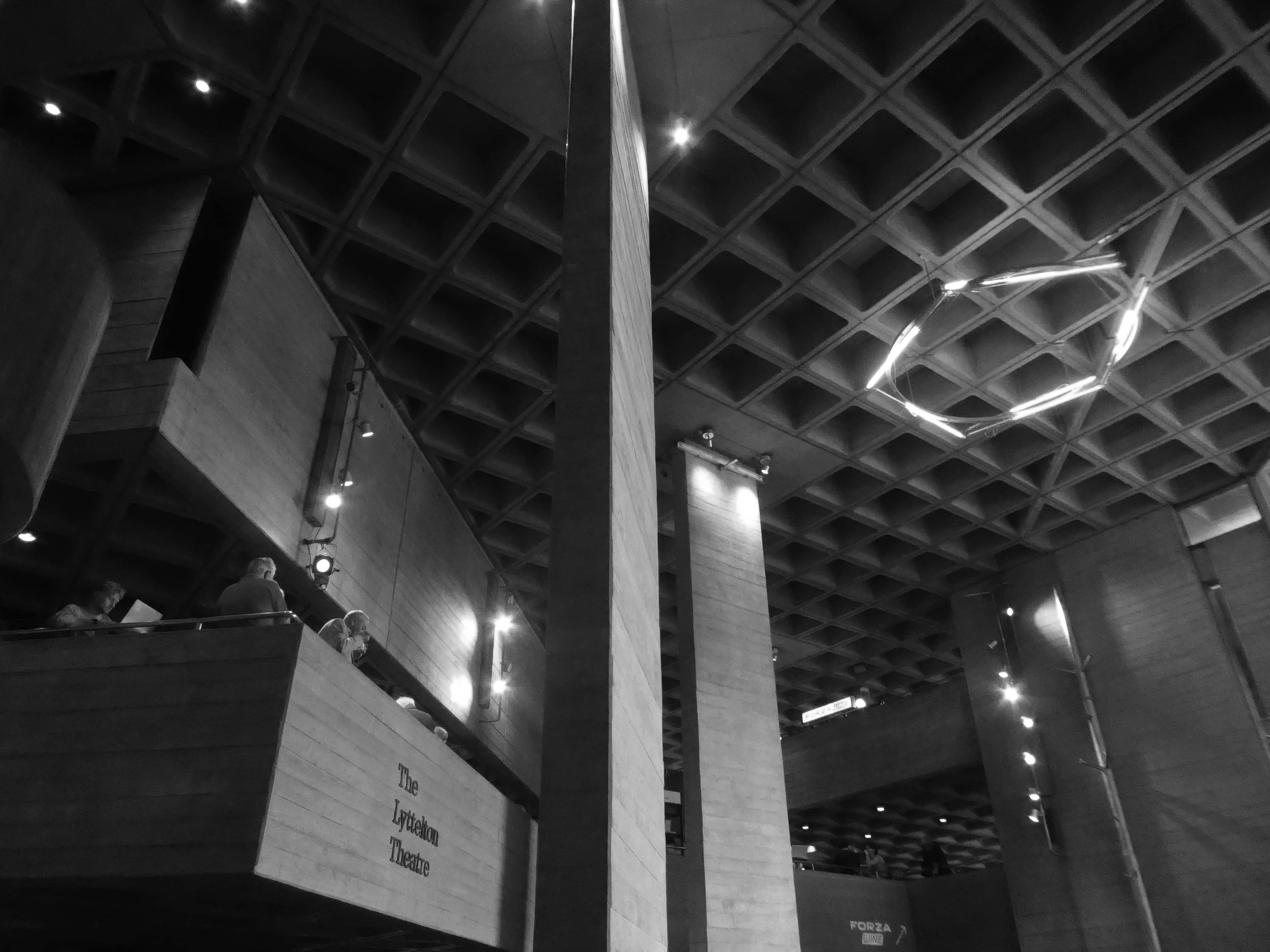
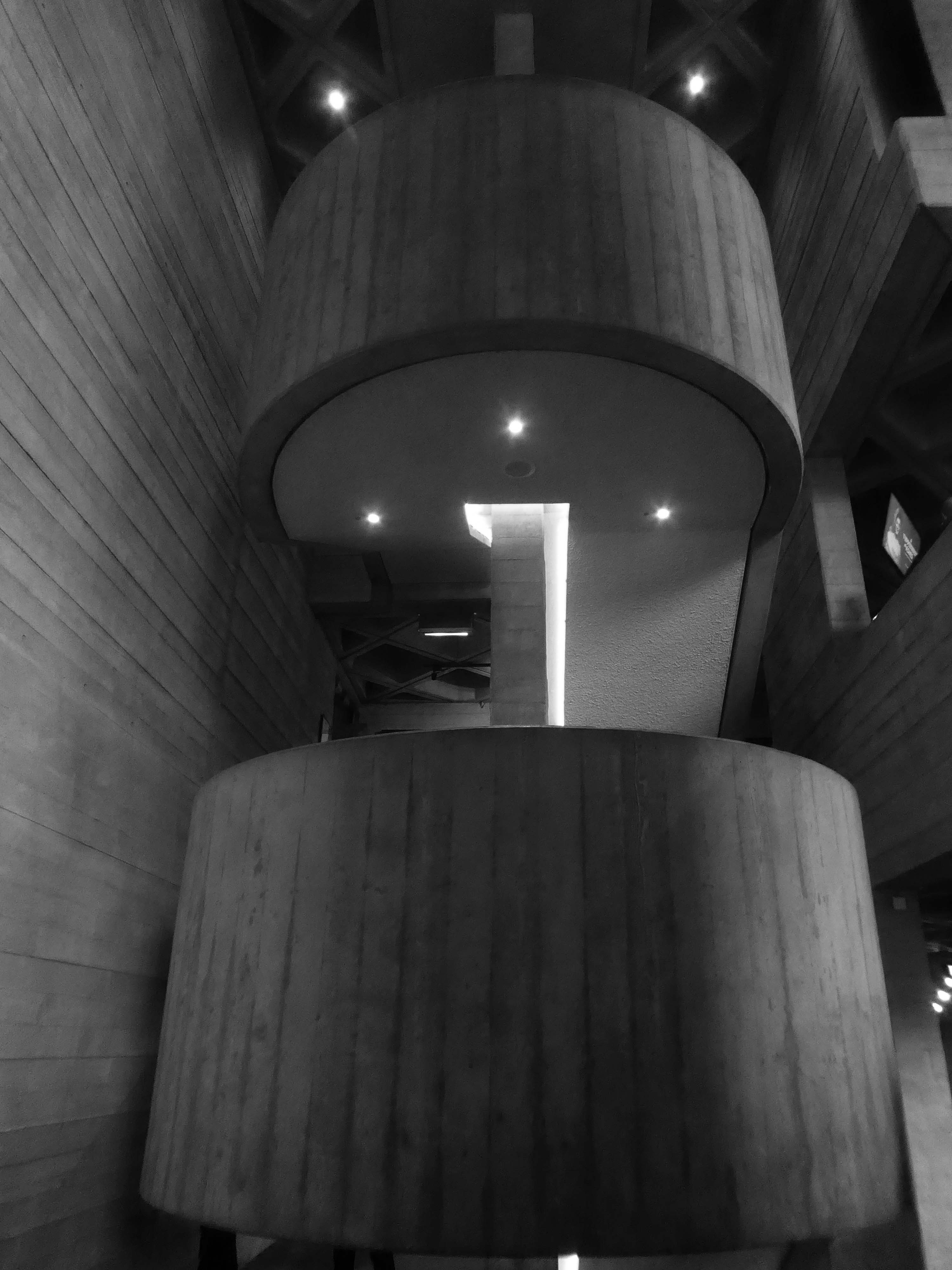
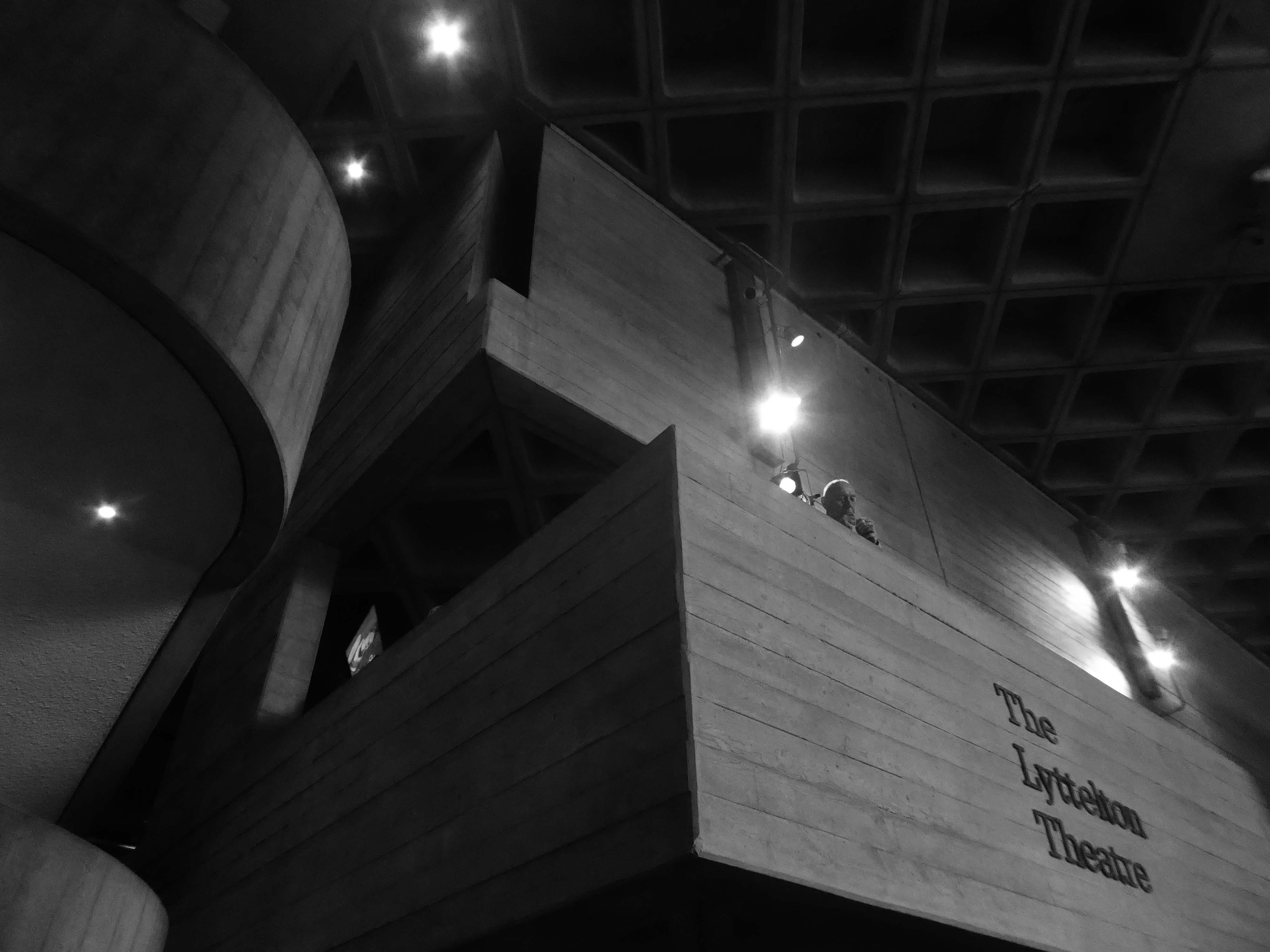
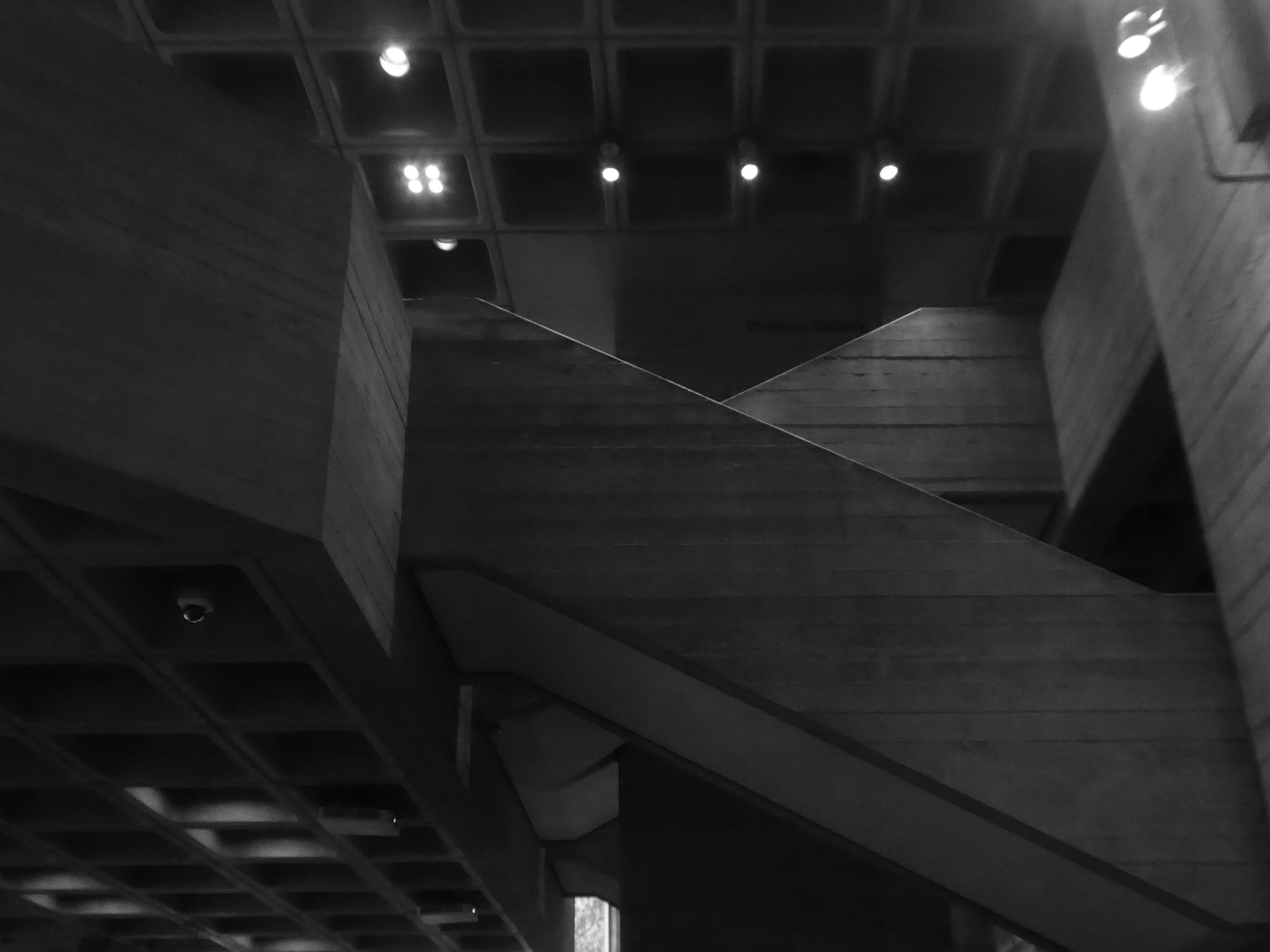
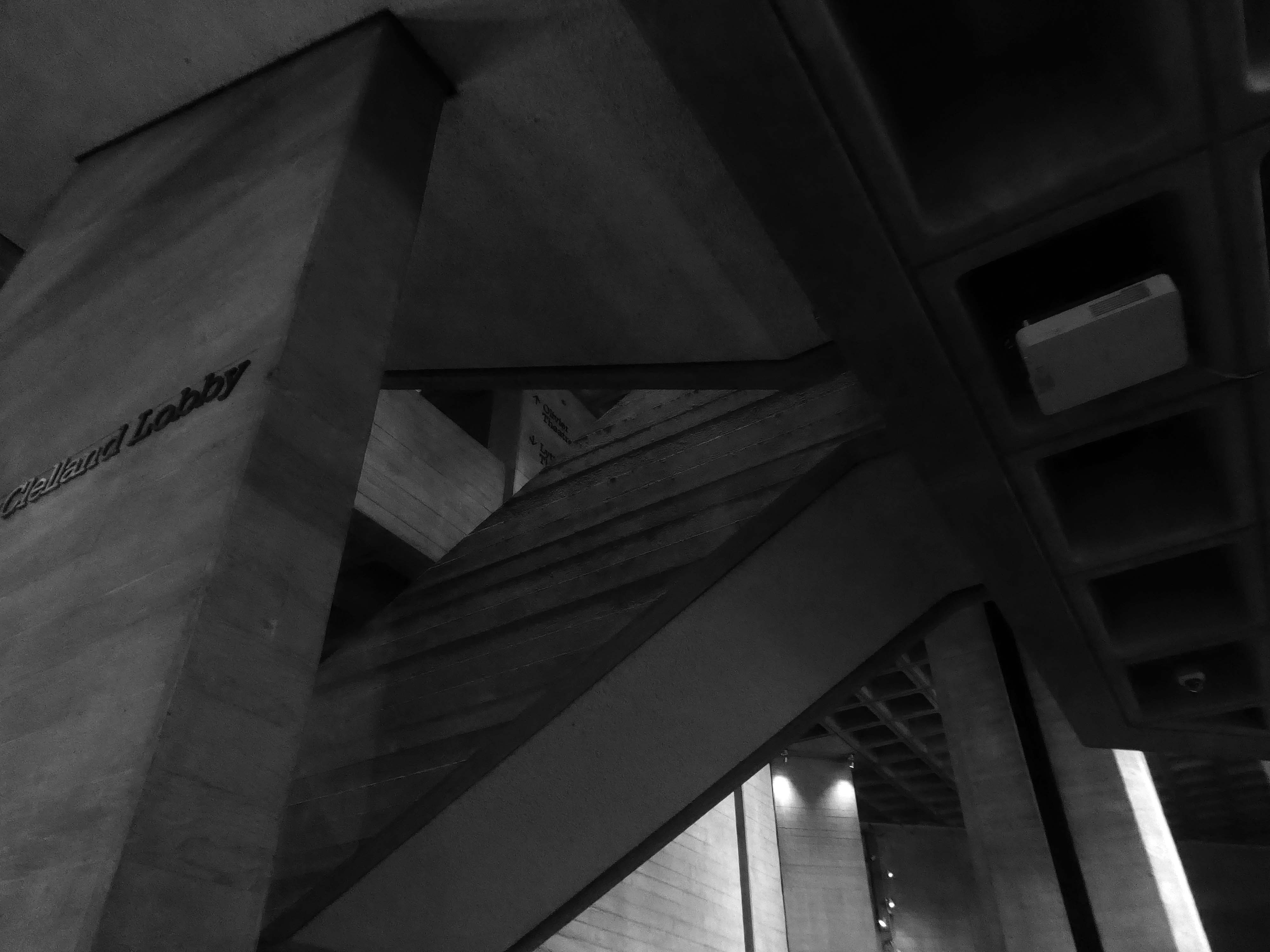
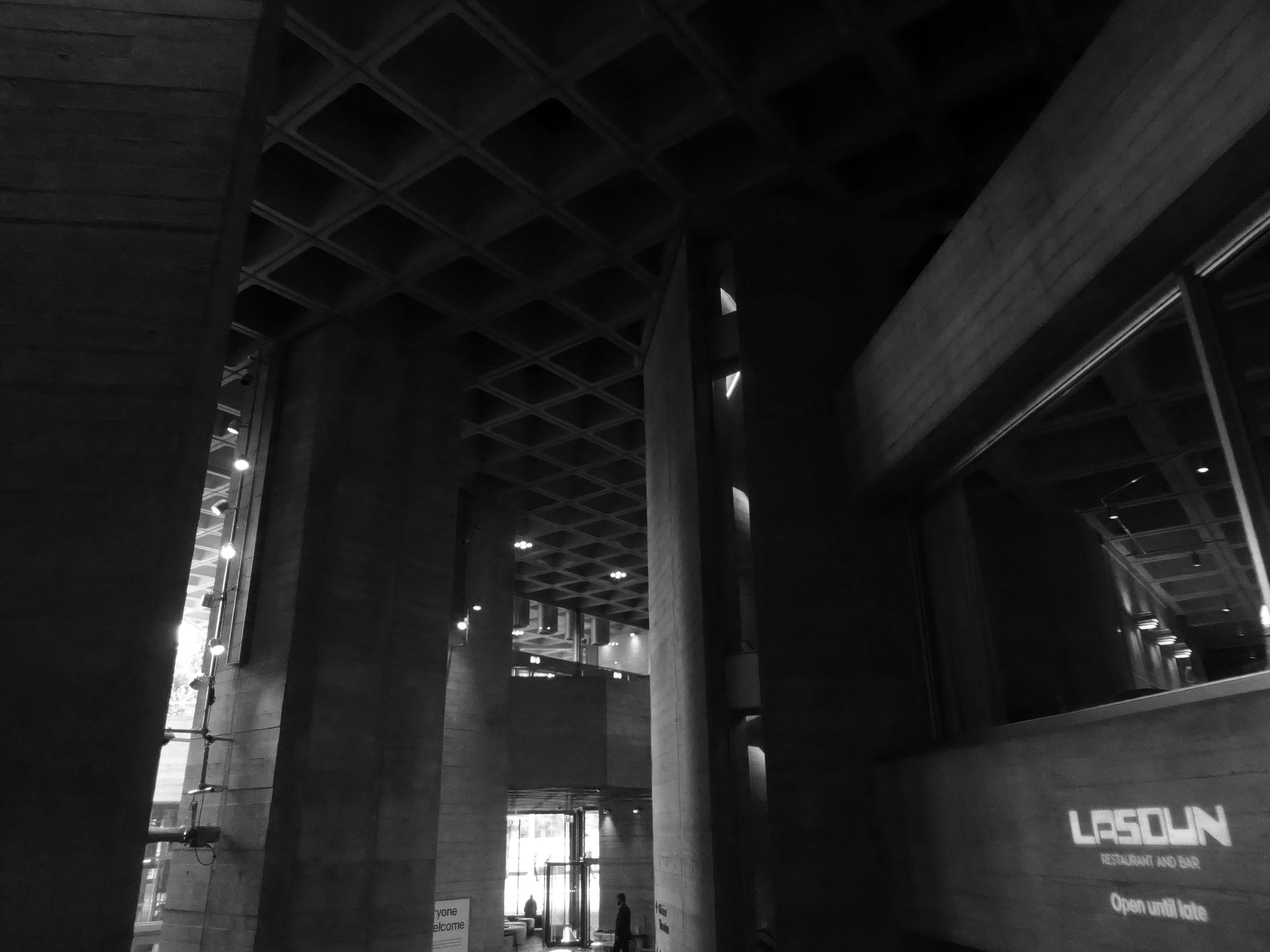
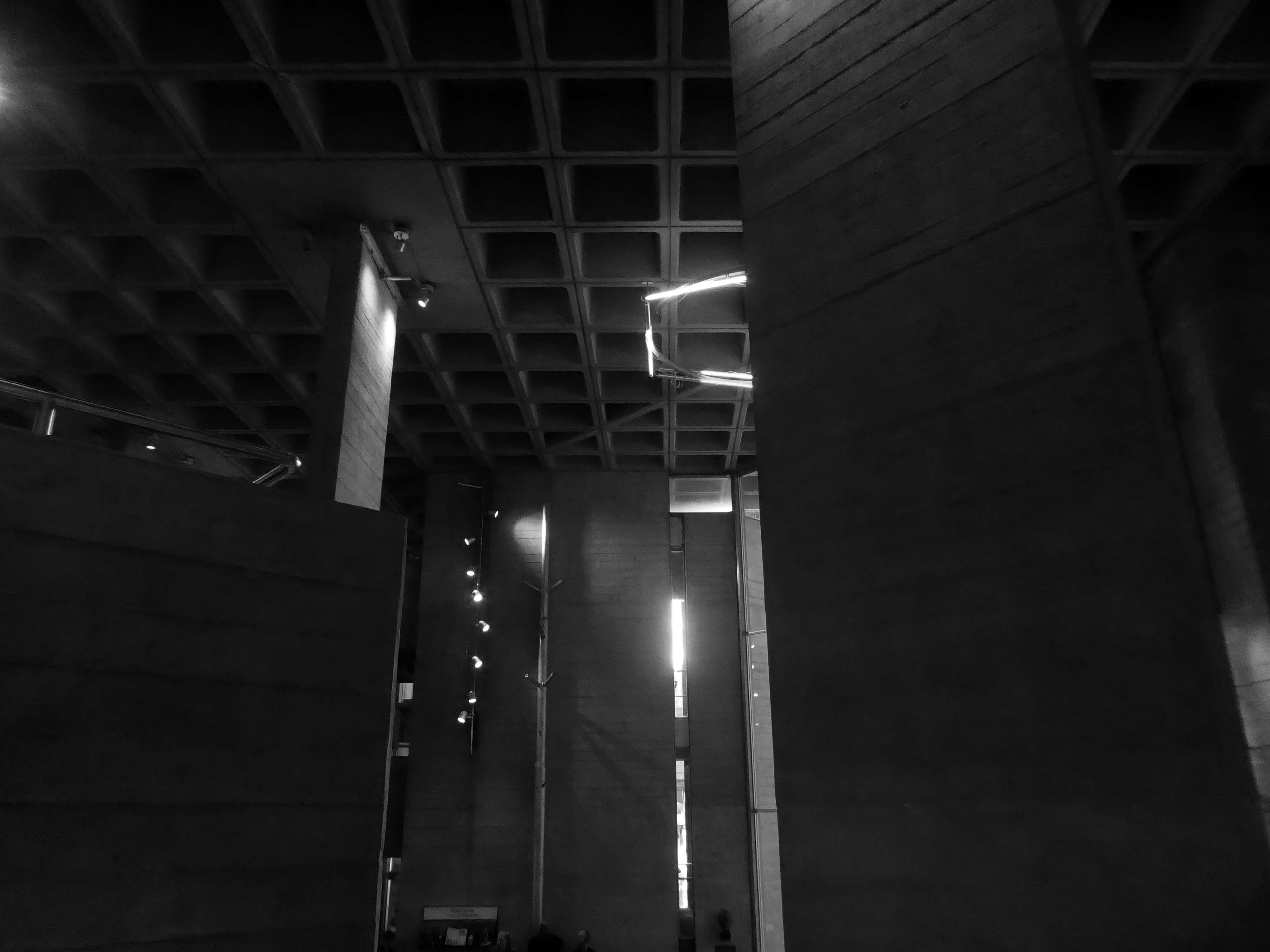
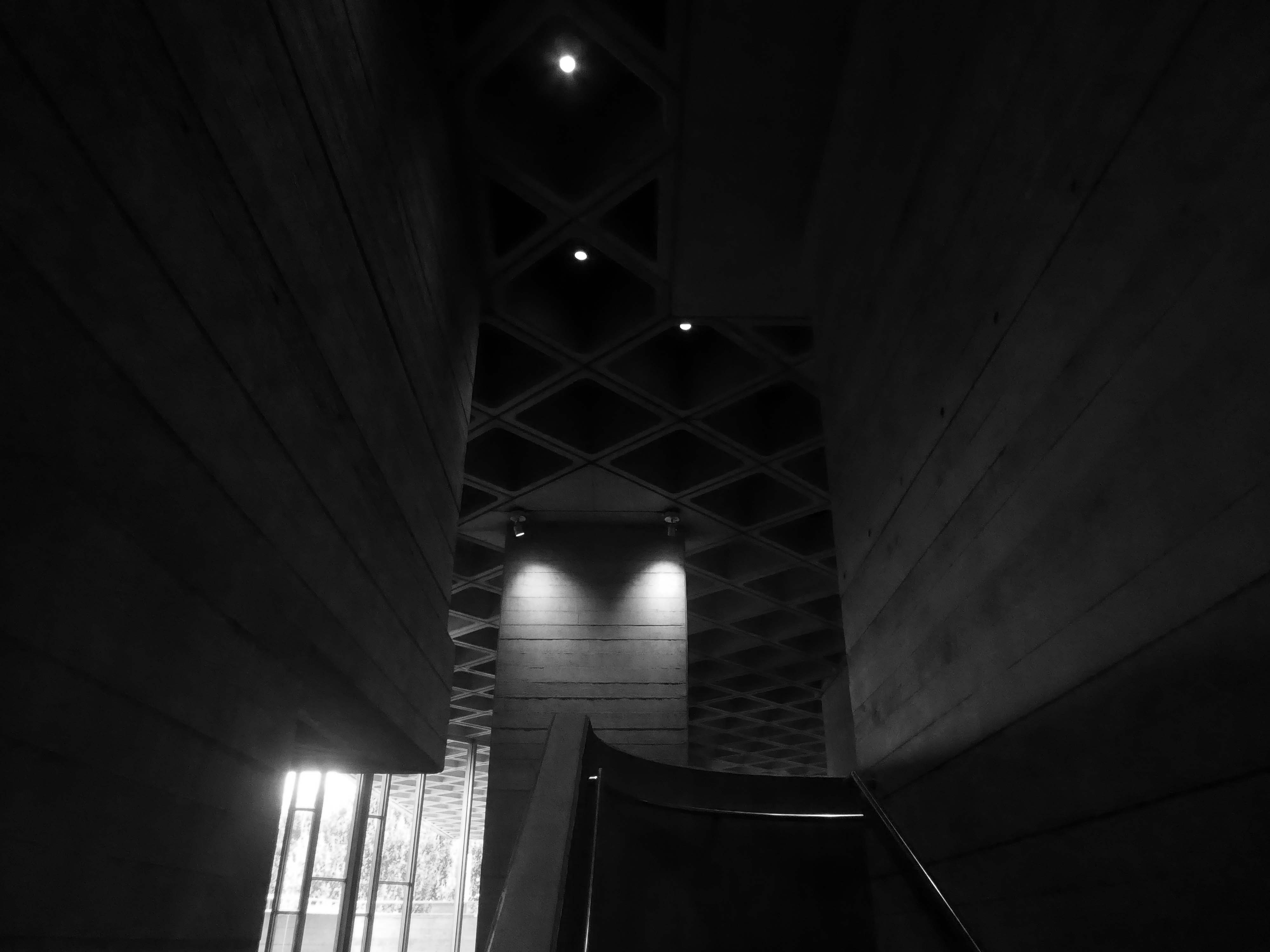
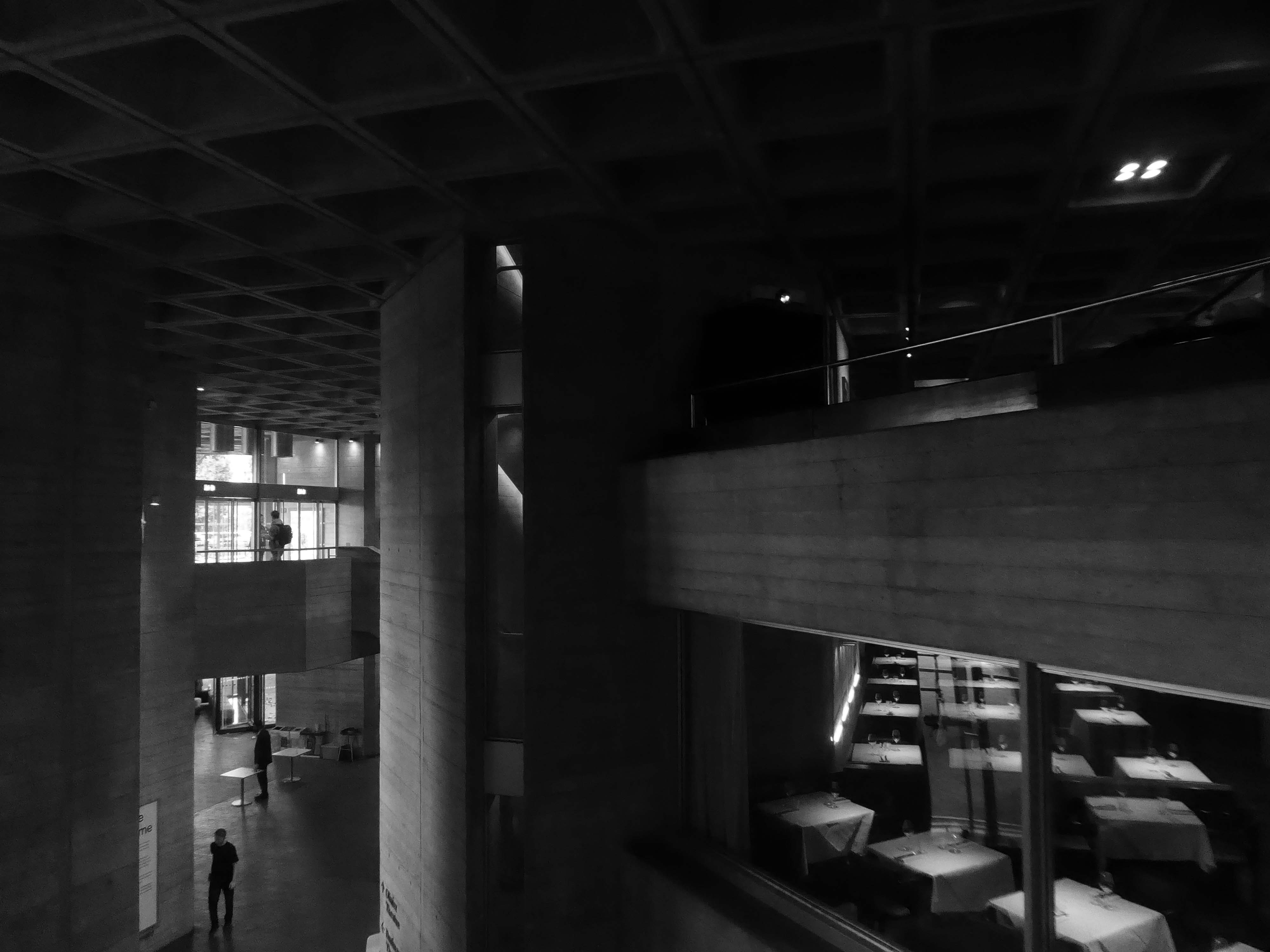
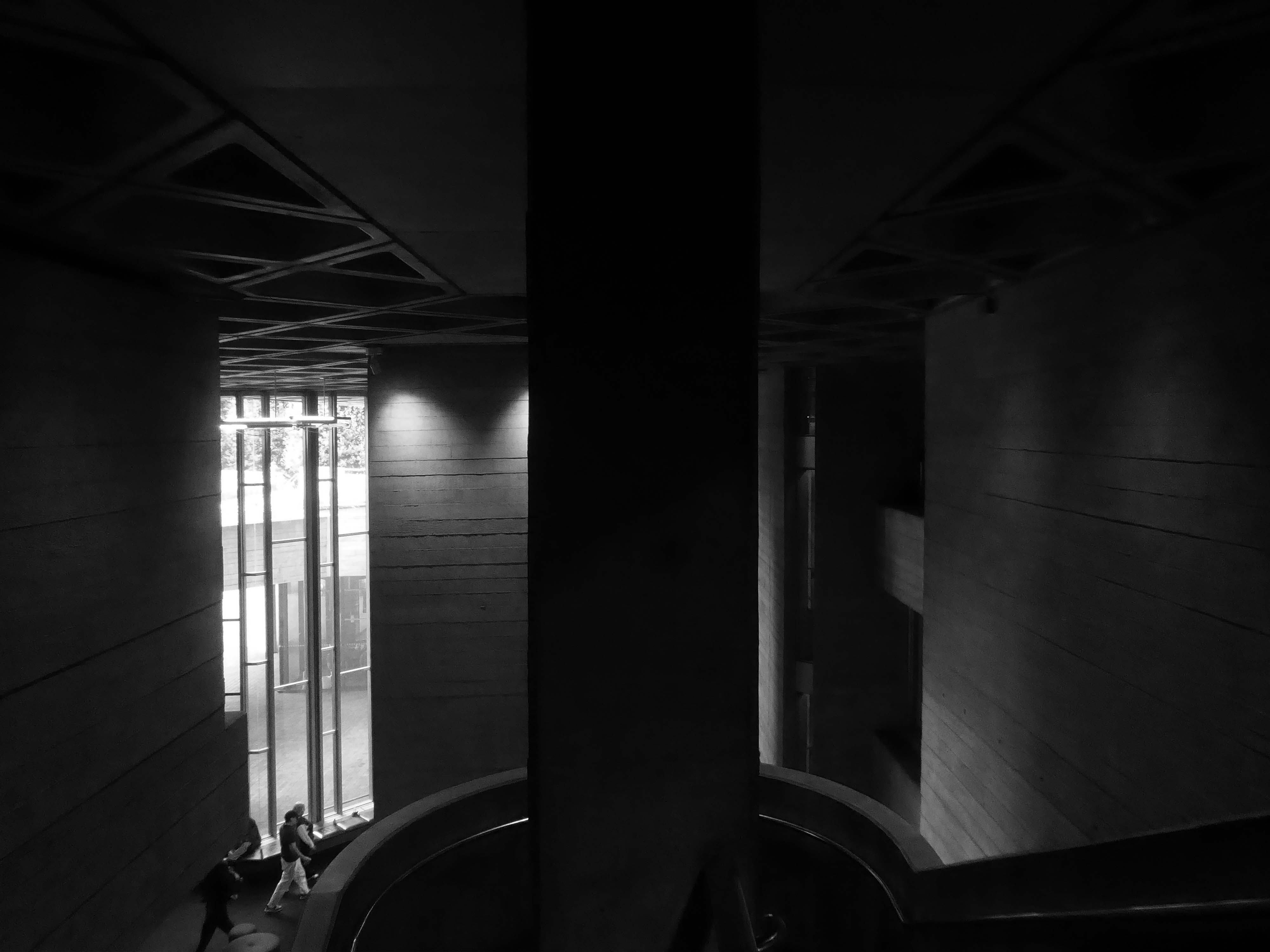
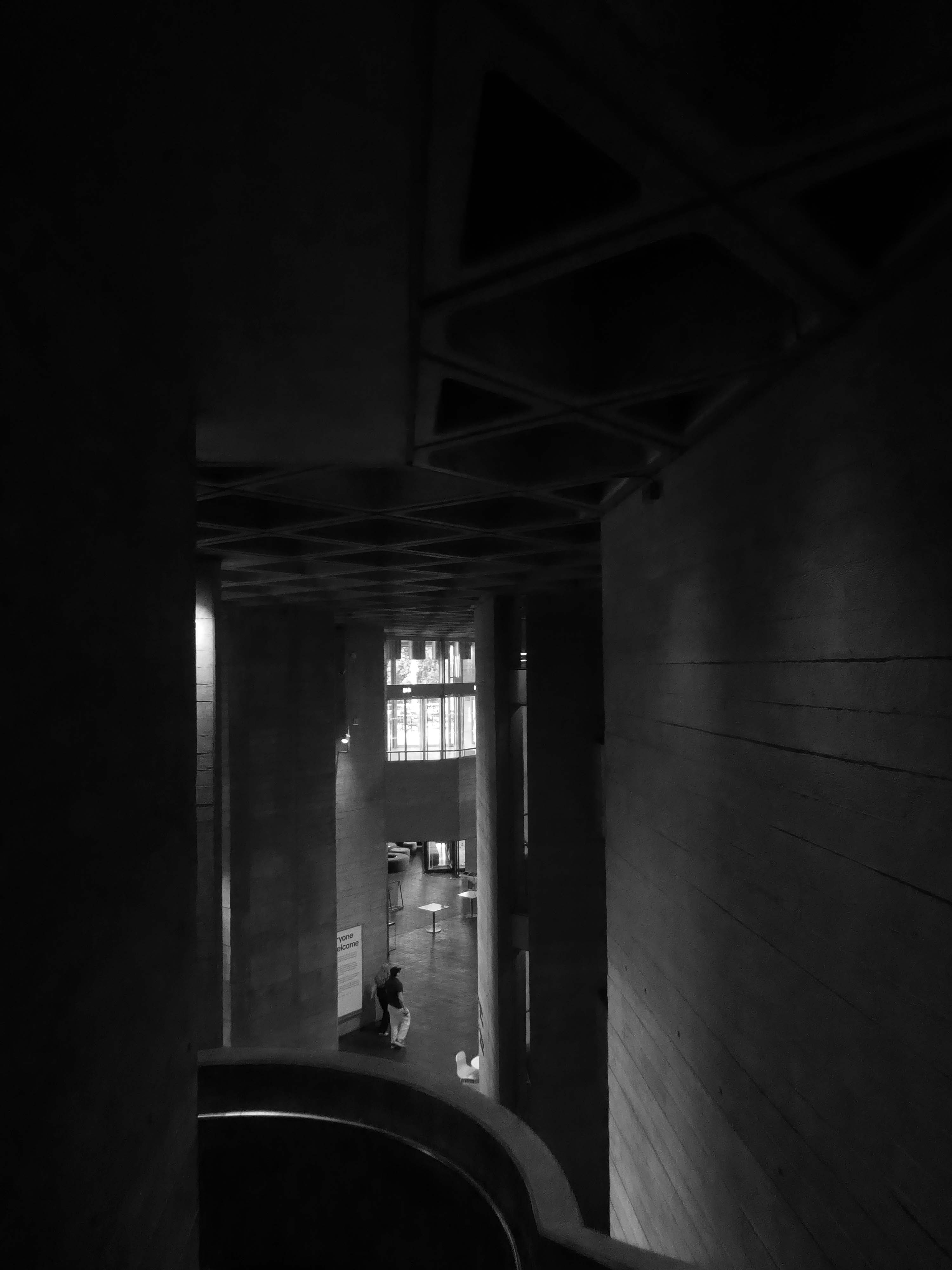
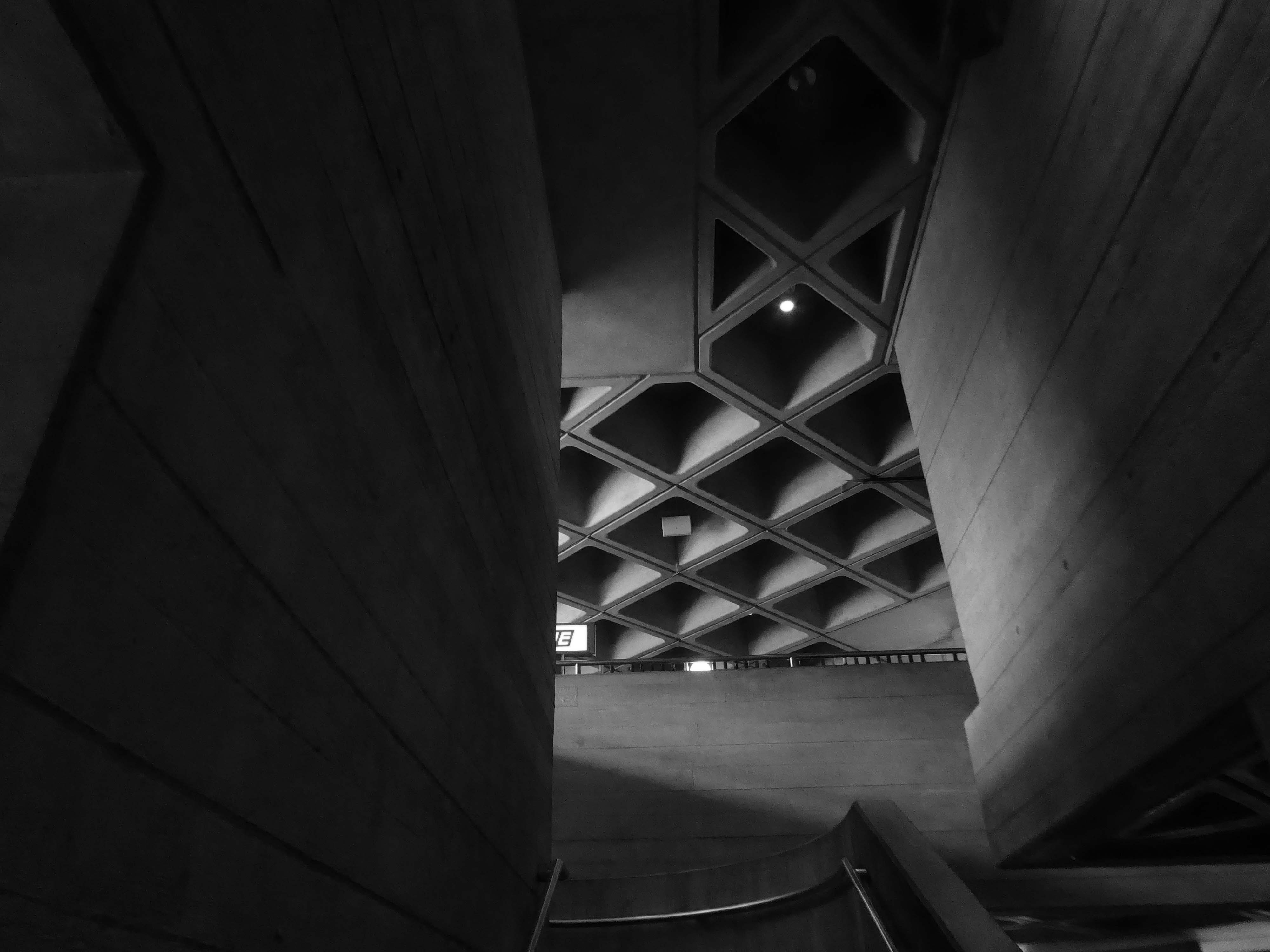
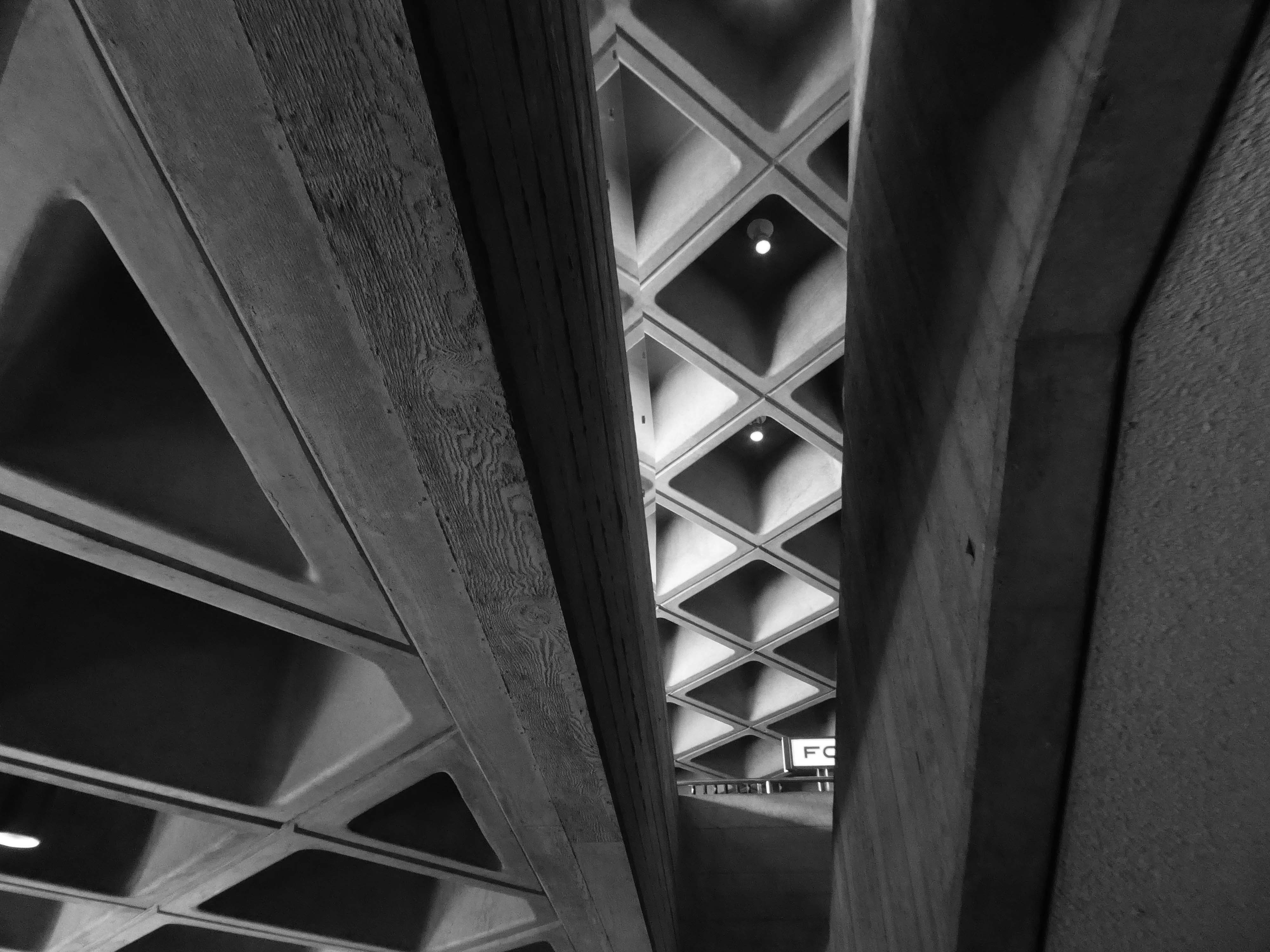
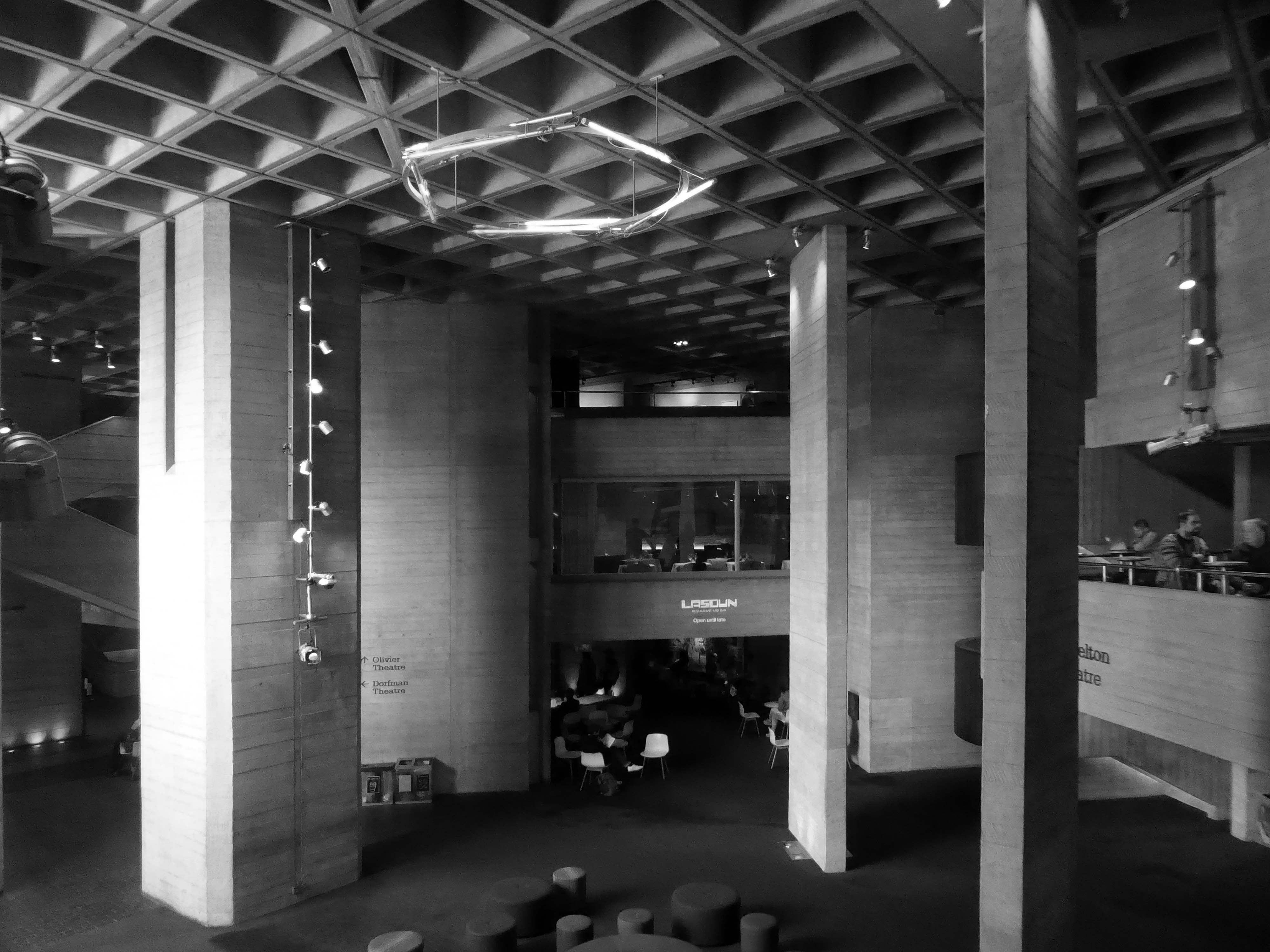
Denys Lasdun was chosen by a jury, which included actor Sir Lawrence Olivier, to design the building. In spite of Lasdun’s fine modernist credentials he was to many a surprising choice – he had never designed a theatre. Within the National Theatre are three separate and very distinct auditoriums. Symbolically and practically they are loosely modelled on theatre designs from the three greatest periods of western drama: the Olivier on classical Greek theatres, the Lyttelton on the proscenium-arch theatres of the past three centuries, and the Cottesloe on Tudor inn-yards. The building has become a national landmark in Great Britain and has been listed Grade II* since 1994.
I have several Brutalist badges, yet feel disinclined to badge myself a Brutalist, with or without a capital B.
Me, I’m a little more Polyarchitectural by nature.
Less seduced by Edmund Burke’s ideas of the sublime than others.
The passion caused by the great and sublime in nature, when those causes operate most powerfully is Astonishment, and astonishment is that state of the soul in which all its motions are suspended, with some degree of horror … No passion so effectually robs the mind of all its powers of acting and reasoning as fear. For fear, being an apprehension of pain or death, operates in a manner that resembles actual pain. Whatever therefore is terrible, with regard to sight, is sublime too … Indeed terror is in all cases whatsoever, either more openly or latently, the ruling principle of the sublime.
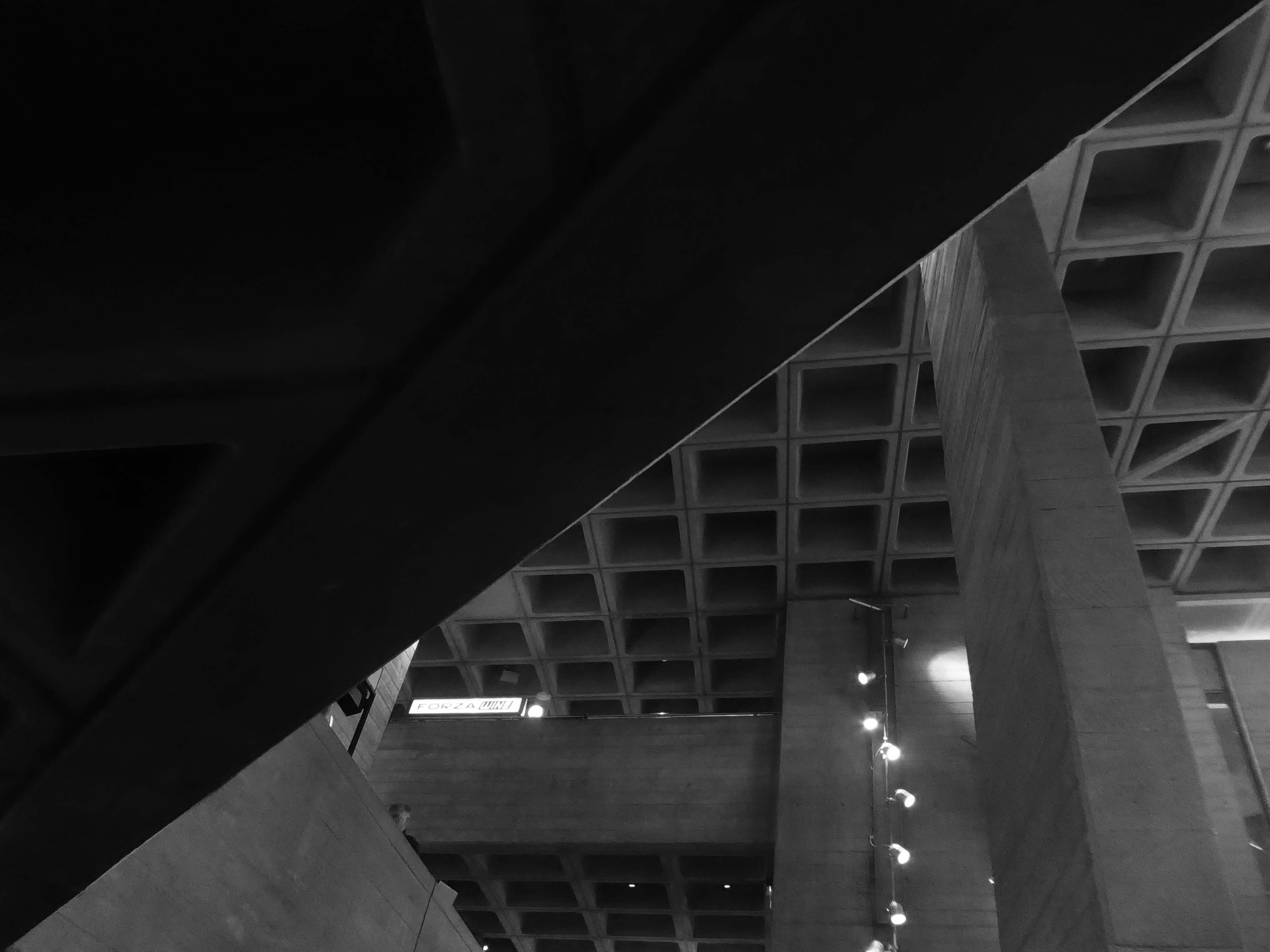
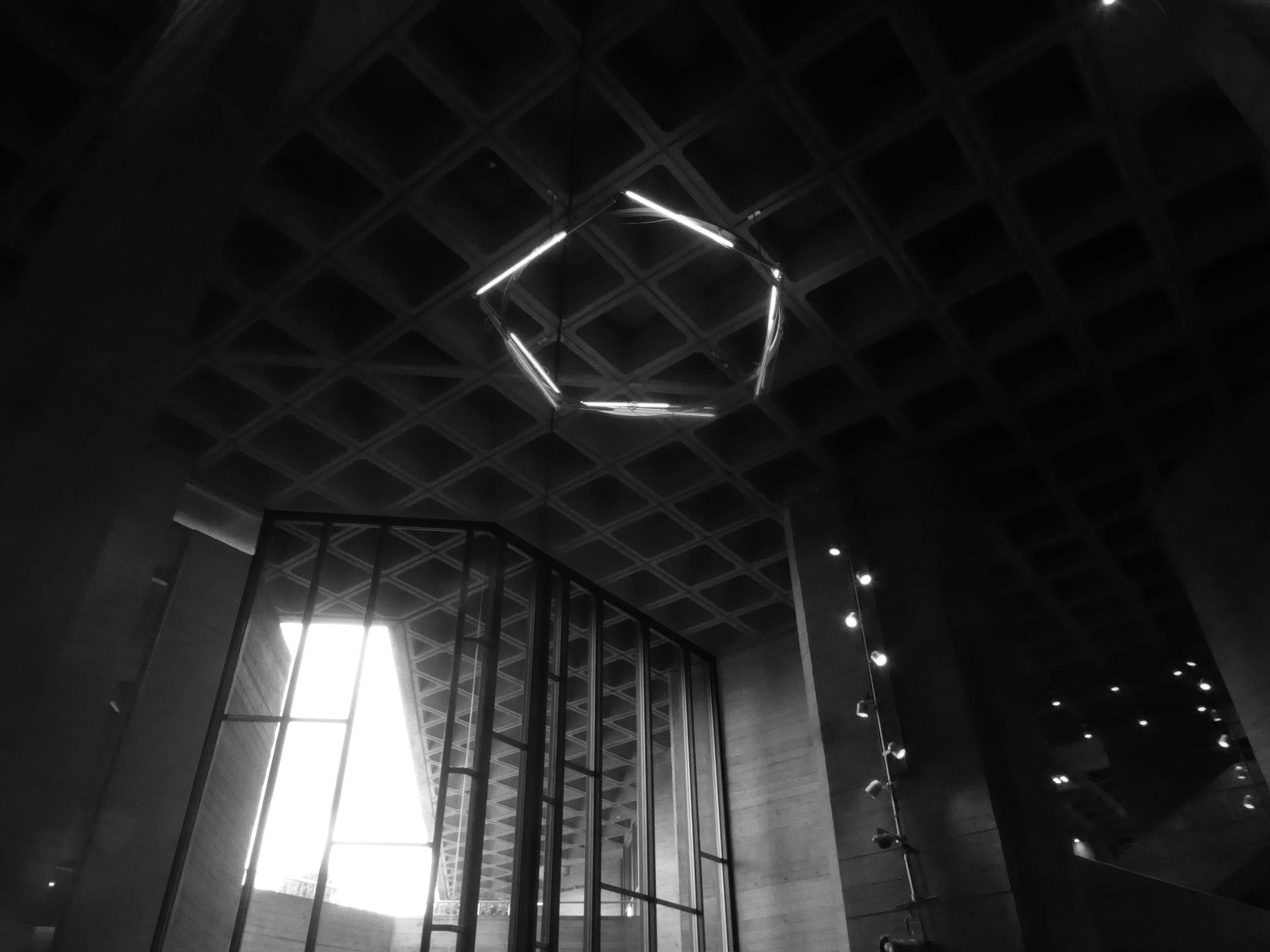
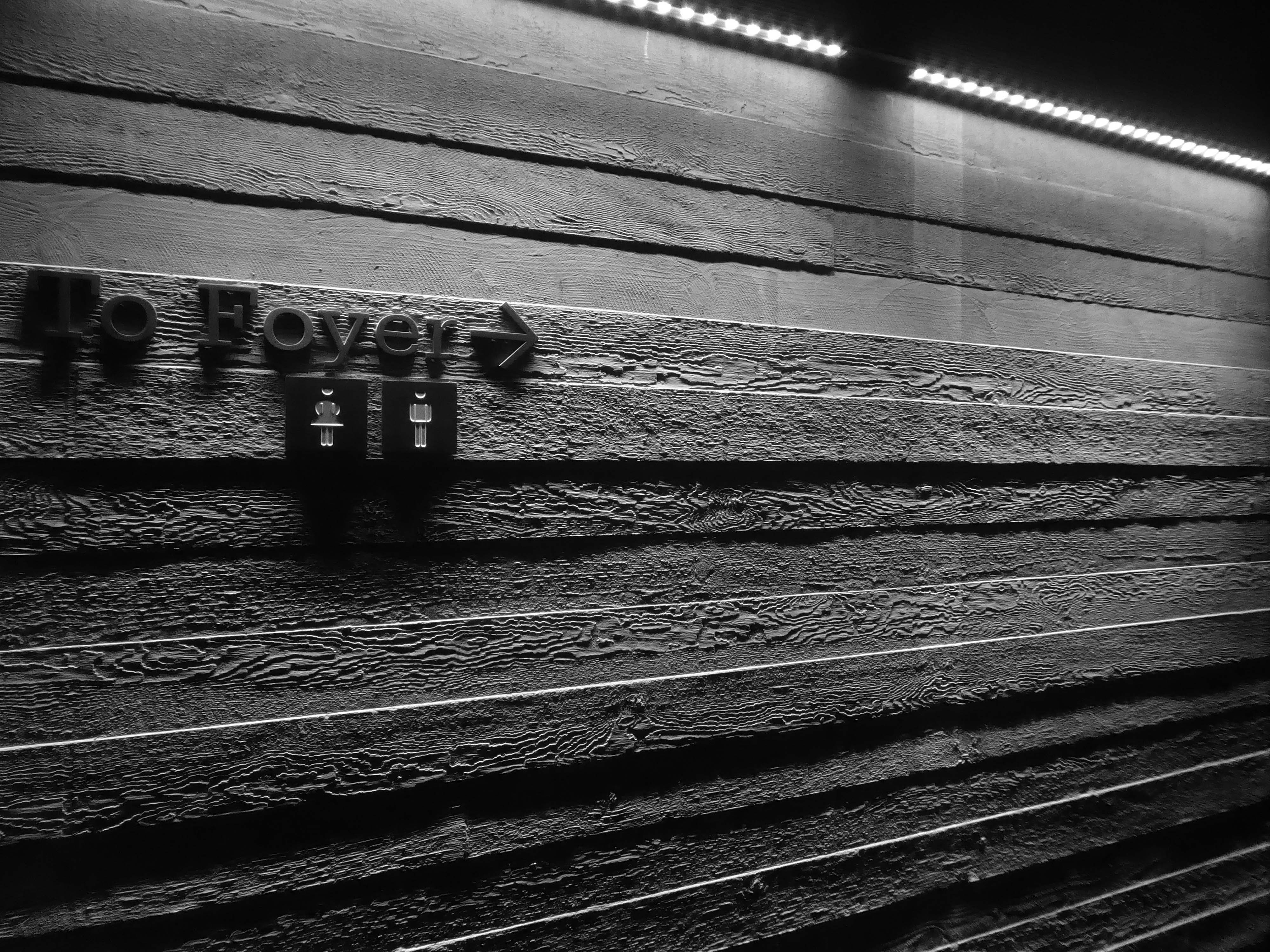
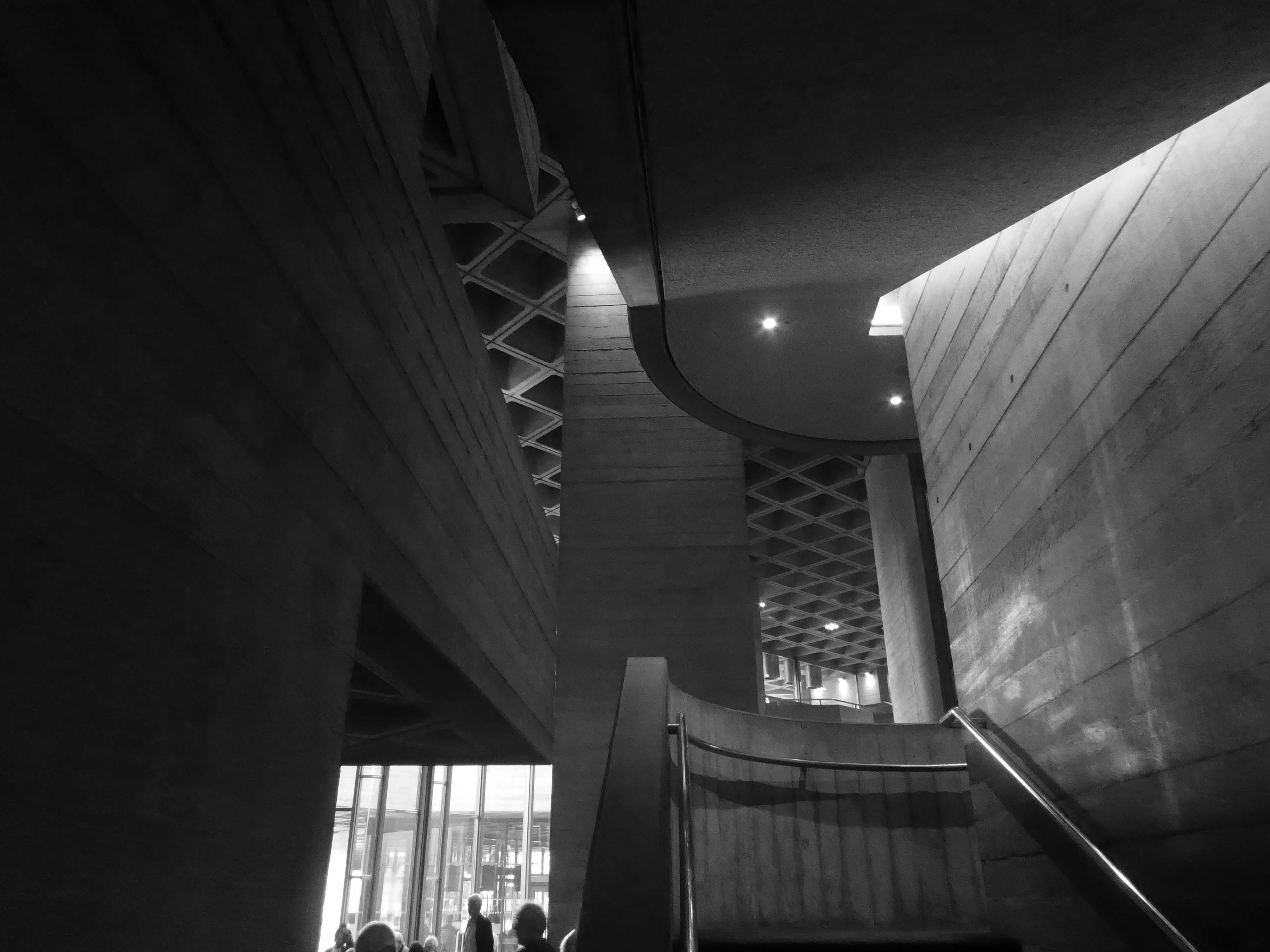
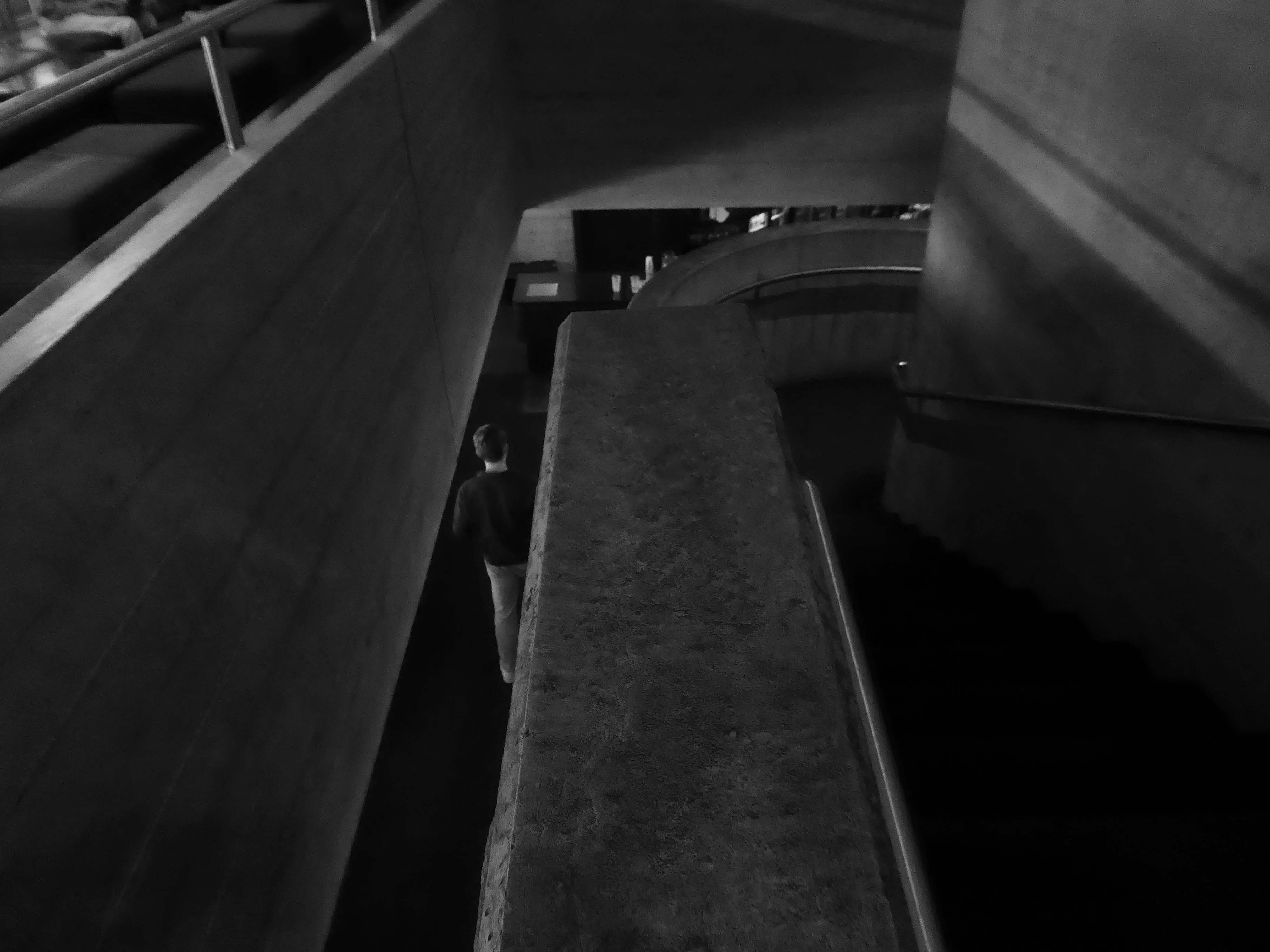
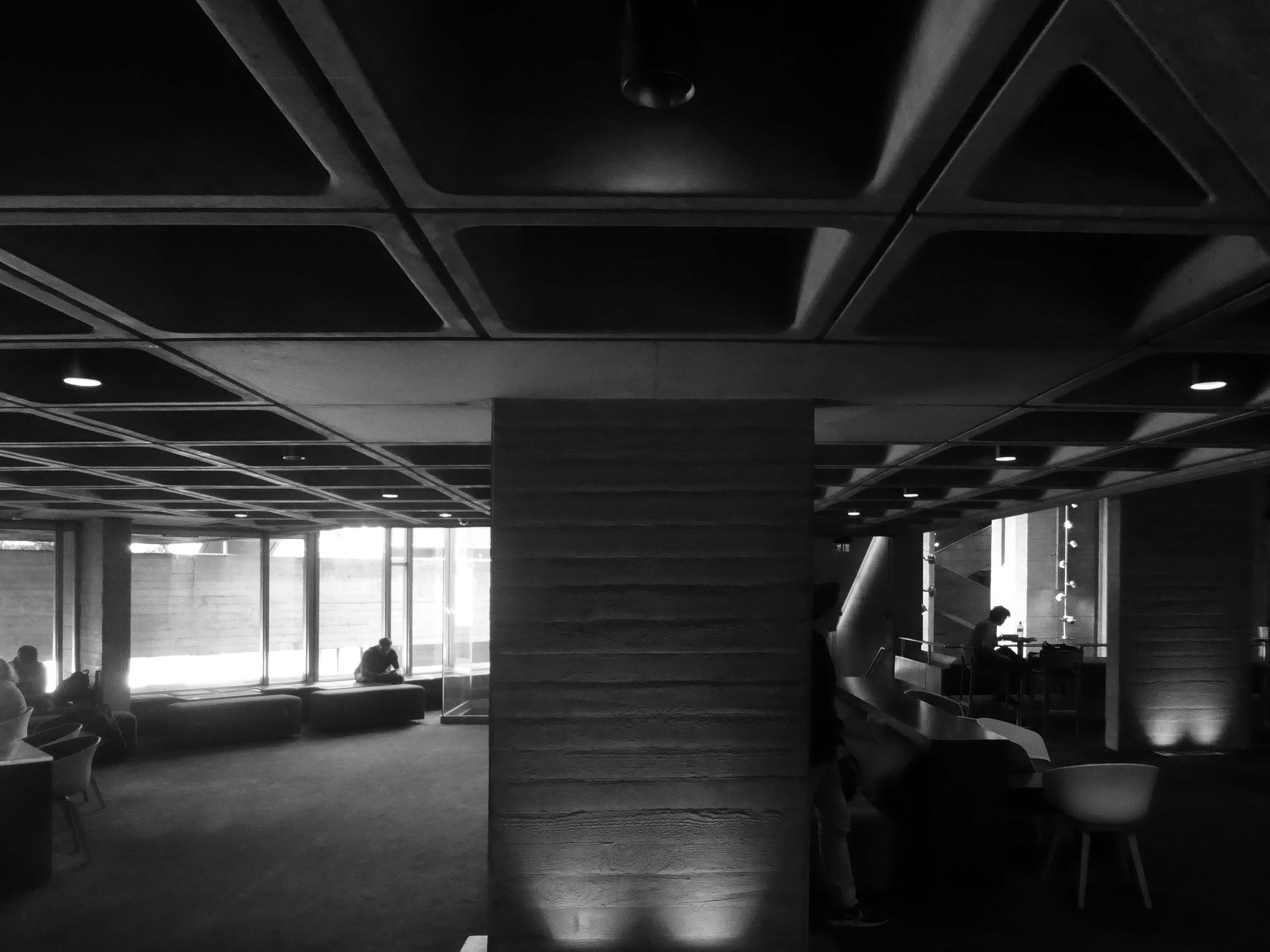
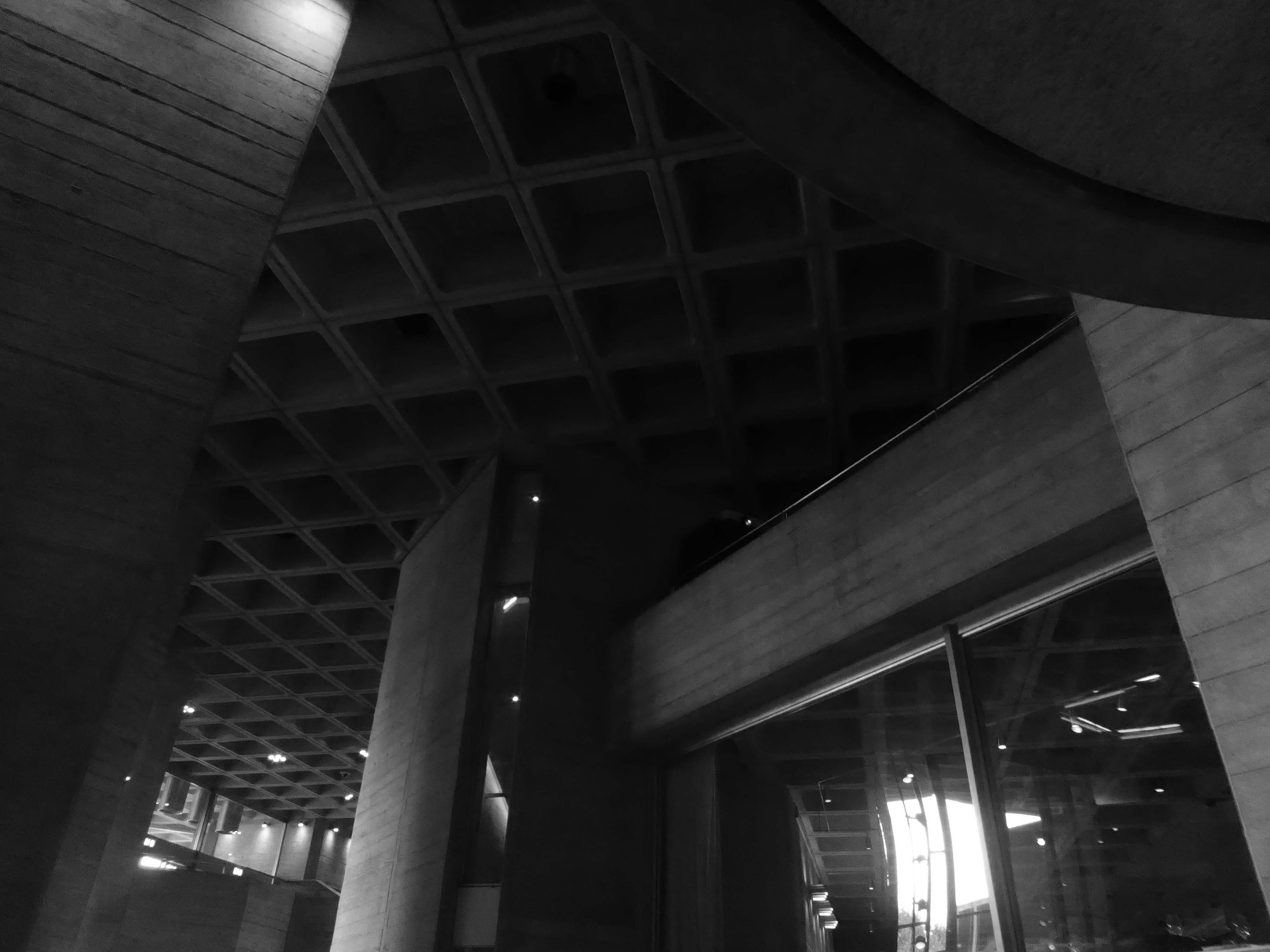
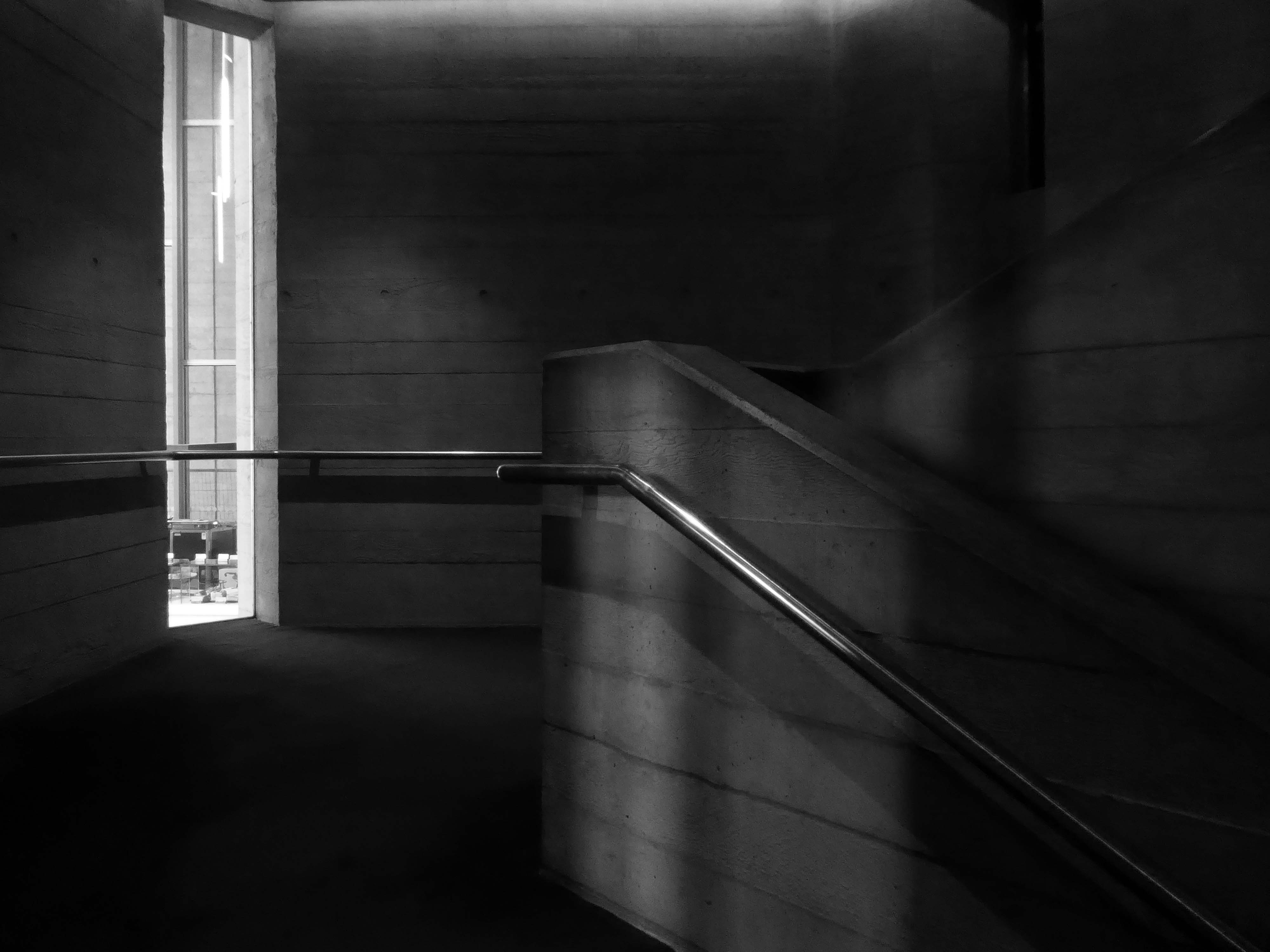
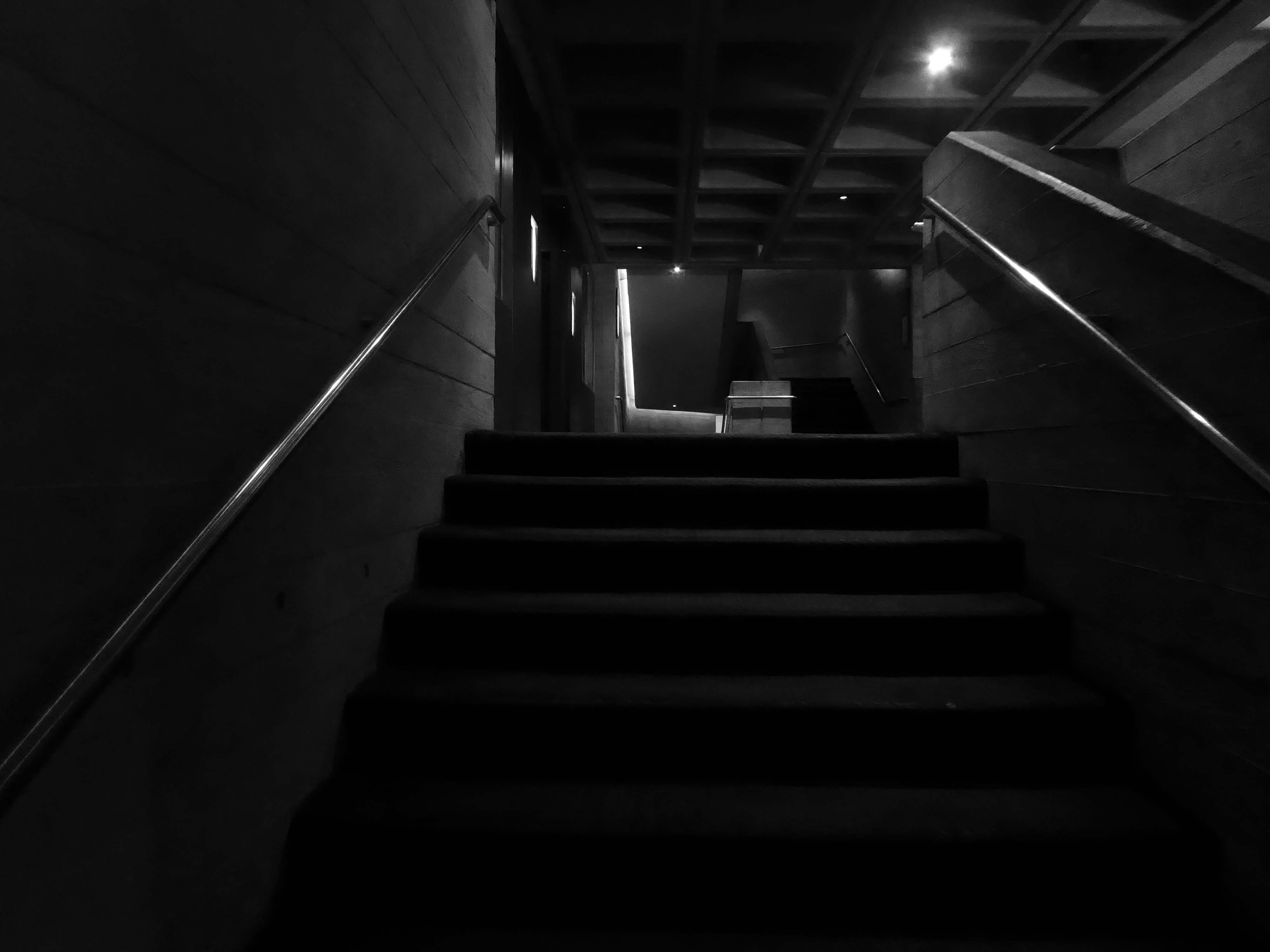
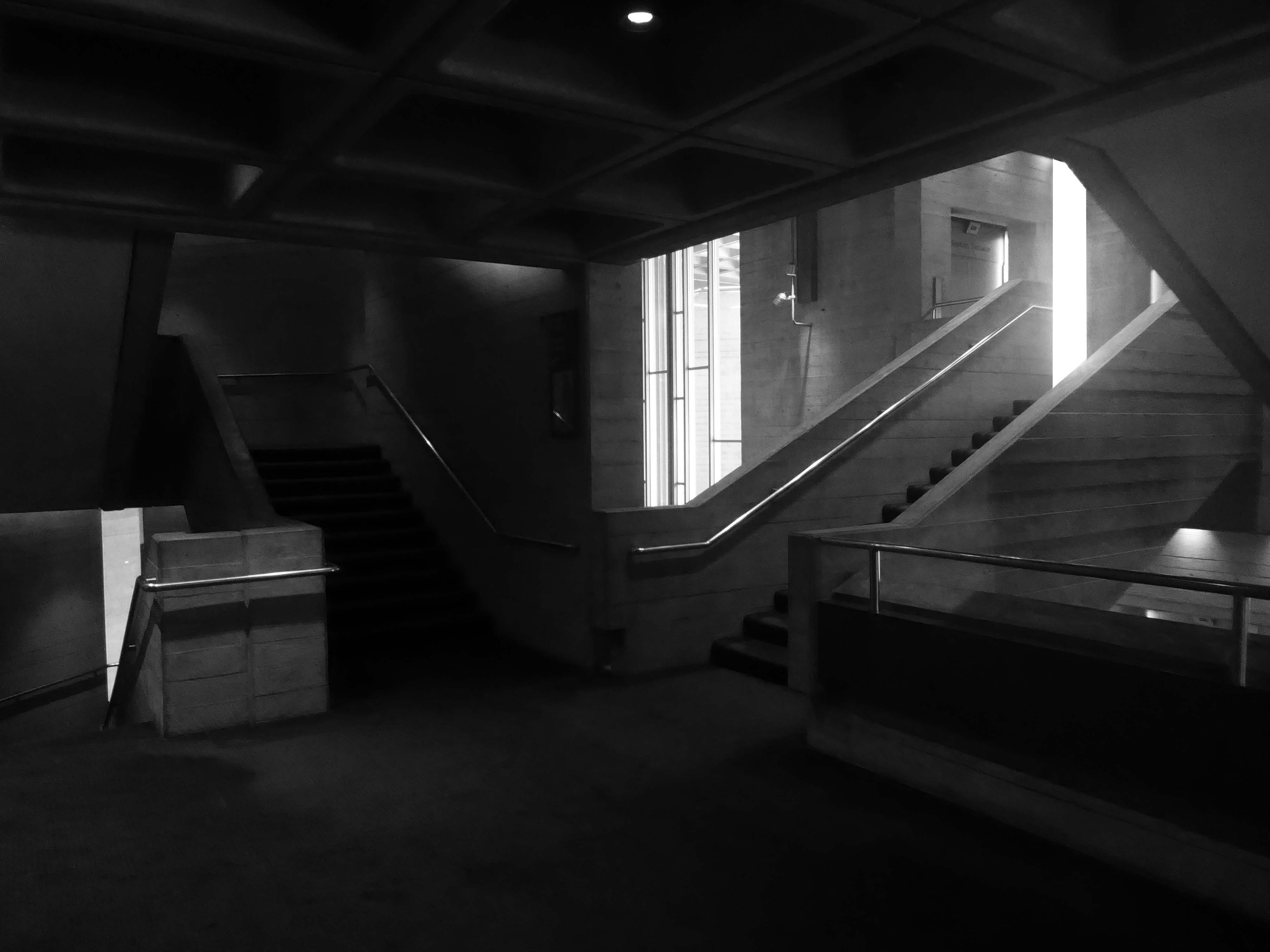
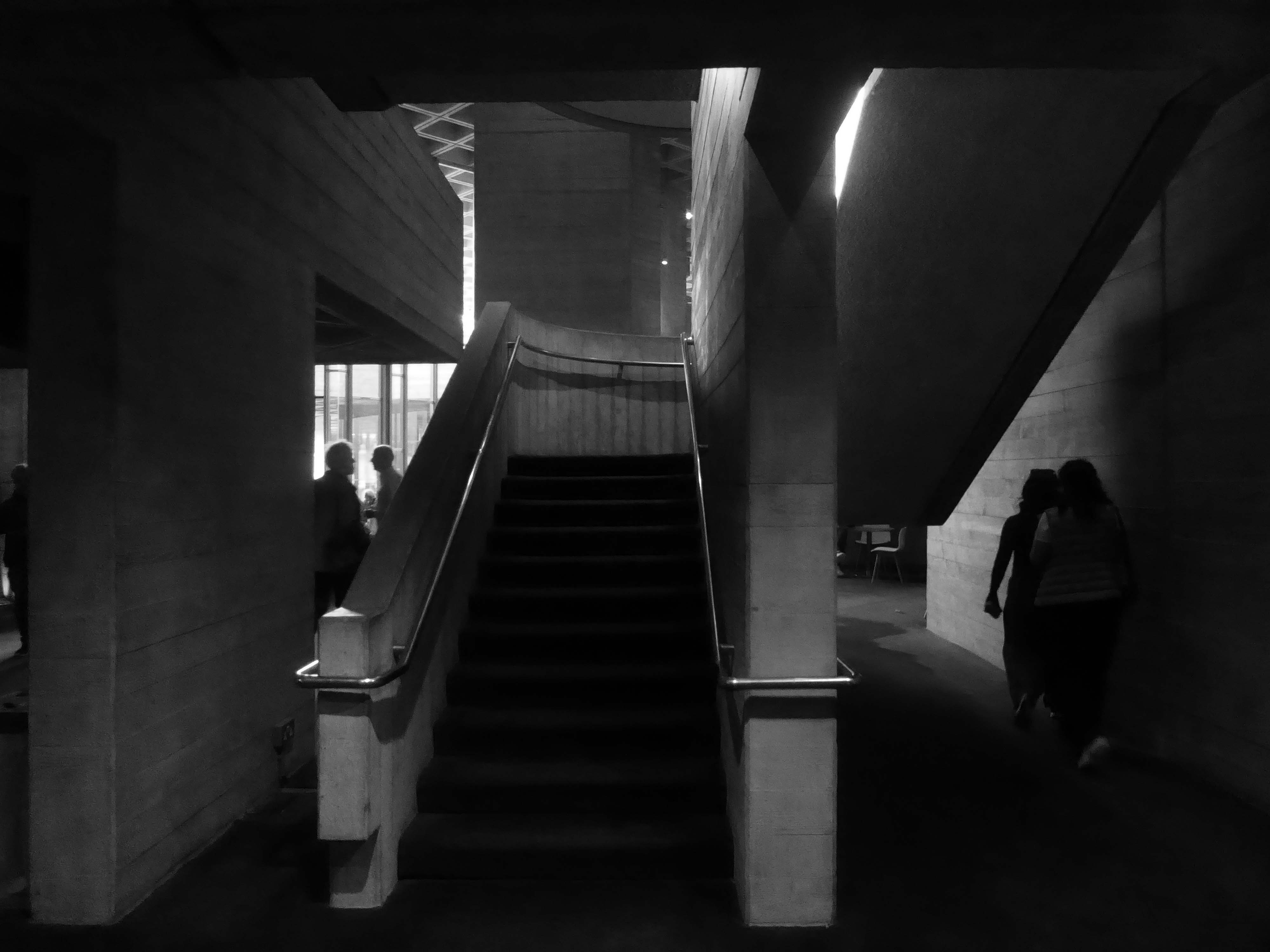
Furthermore, whilst the exterior of the National Theatre may well induce fear, and in some loathing, the interior feels both human and secure. When I explored the ins and outs of the public spaces, the monumental seems to be held carefully in check, despite the challenging contrasts in mass and volume. The exposed concrete surfaces and angular forms are softened by sensitive lighting and the presence of people, in motion and at rest.
So at a loose end on a showery day on the Southbank I caught shelter and solace within.
Previously on Modern Mooch – we encounter Mr Lasdun in Leeds and Liverpool
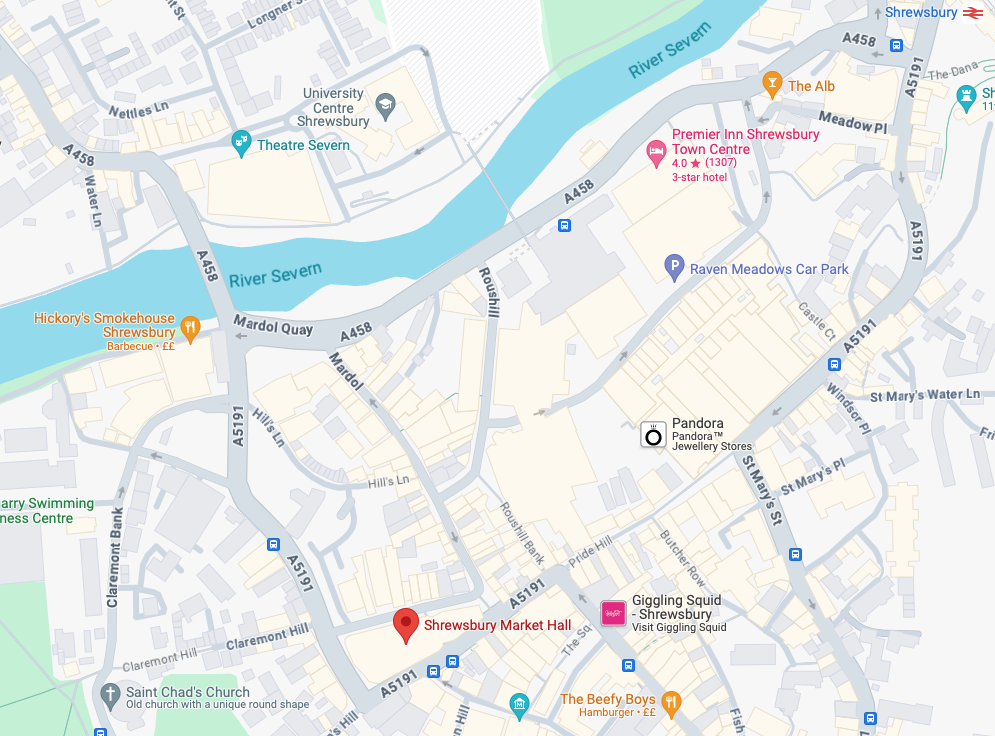
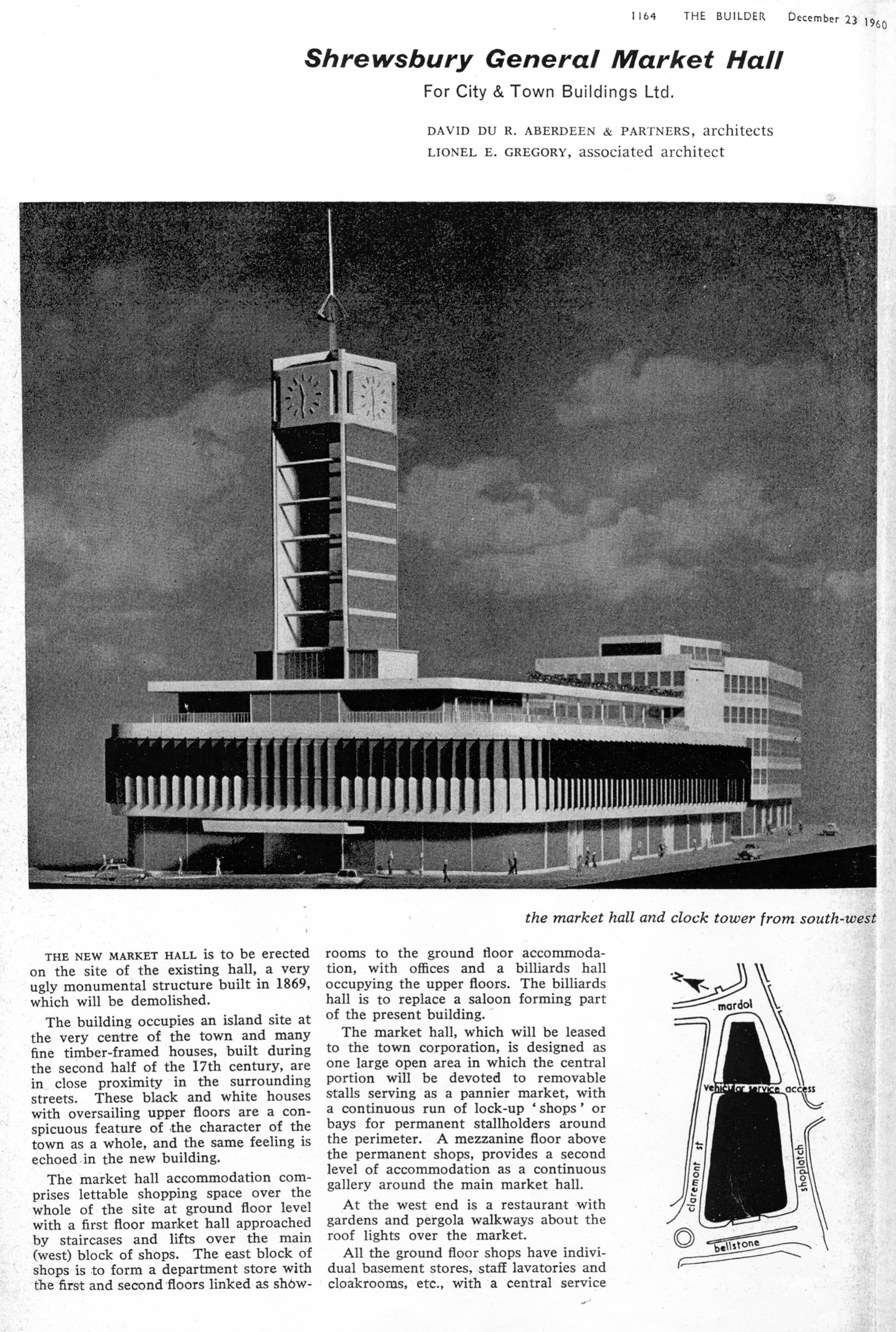
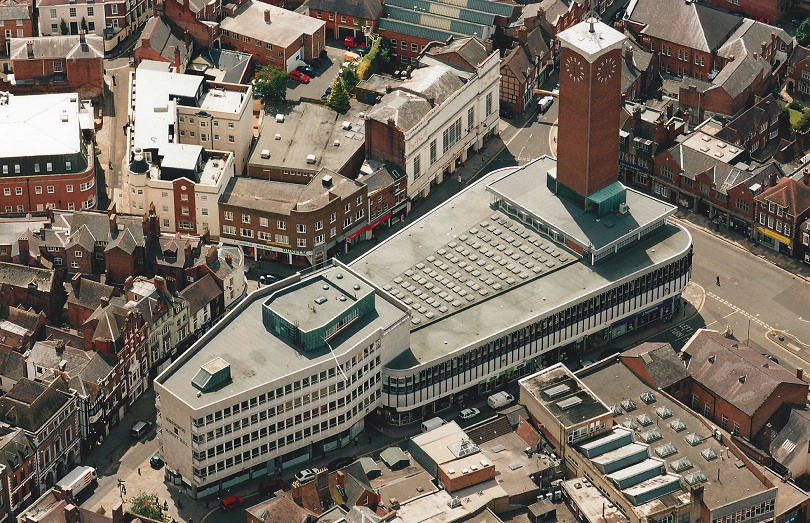
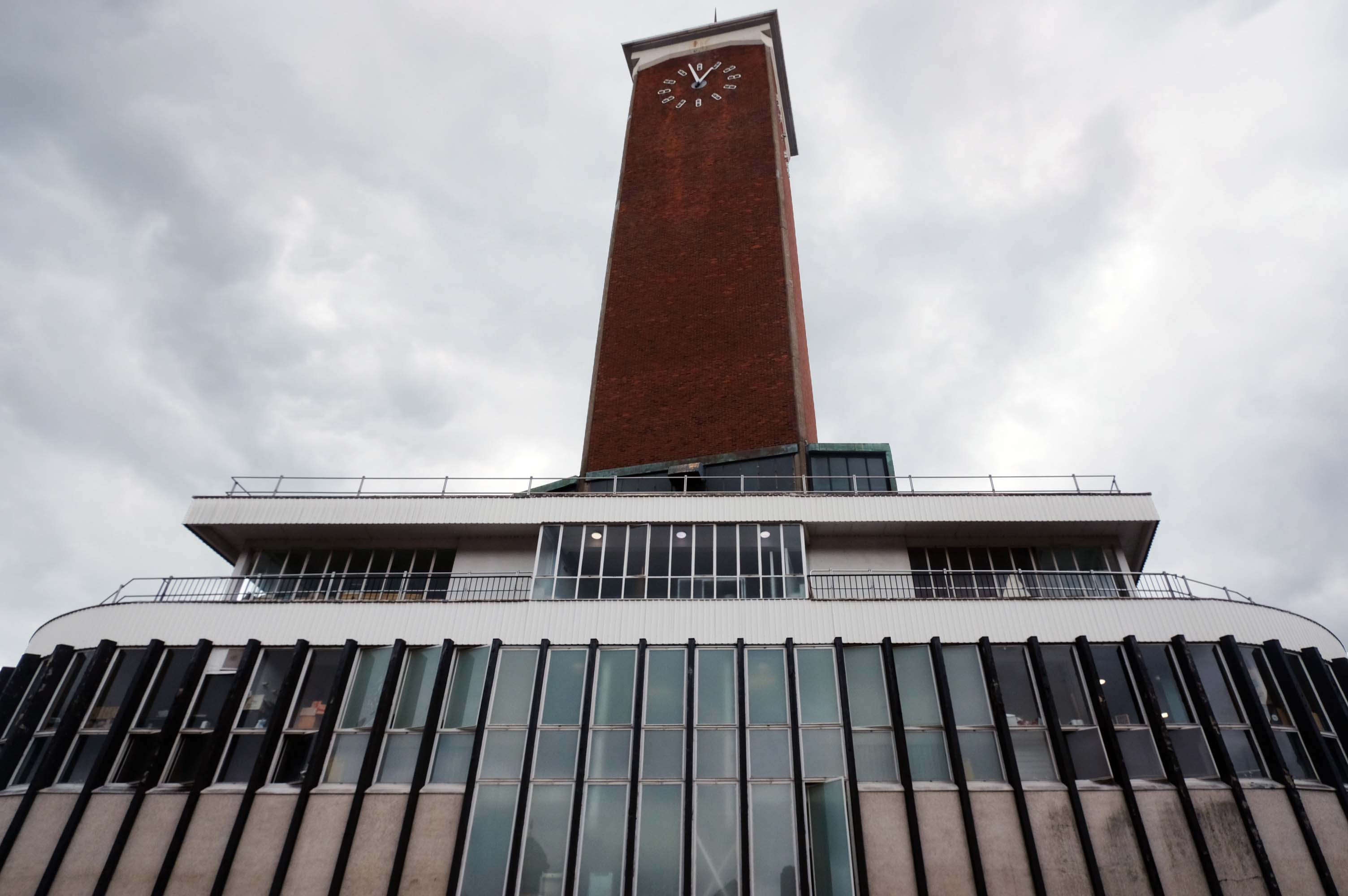
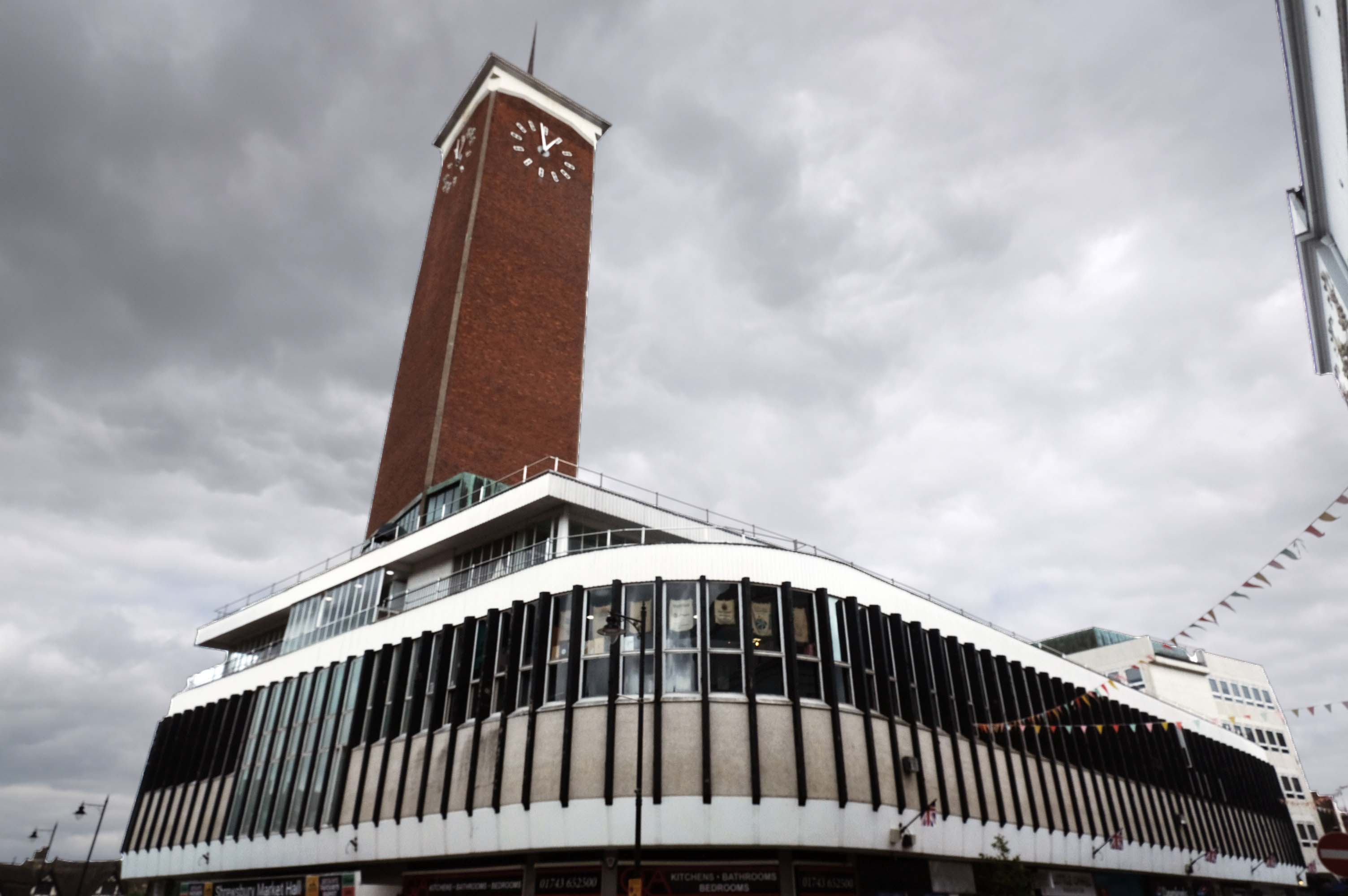
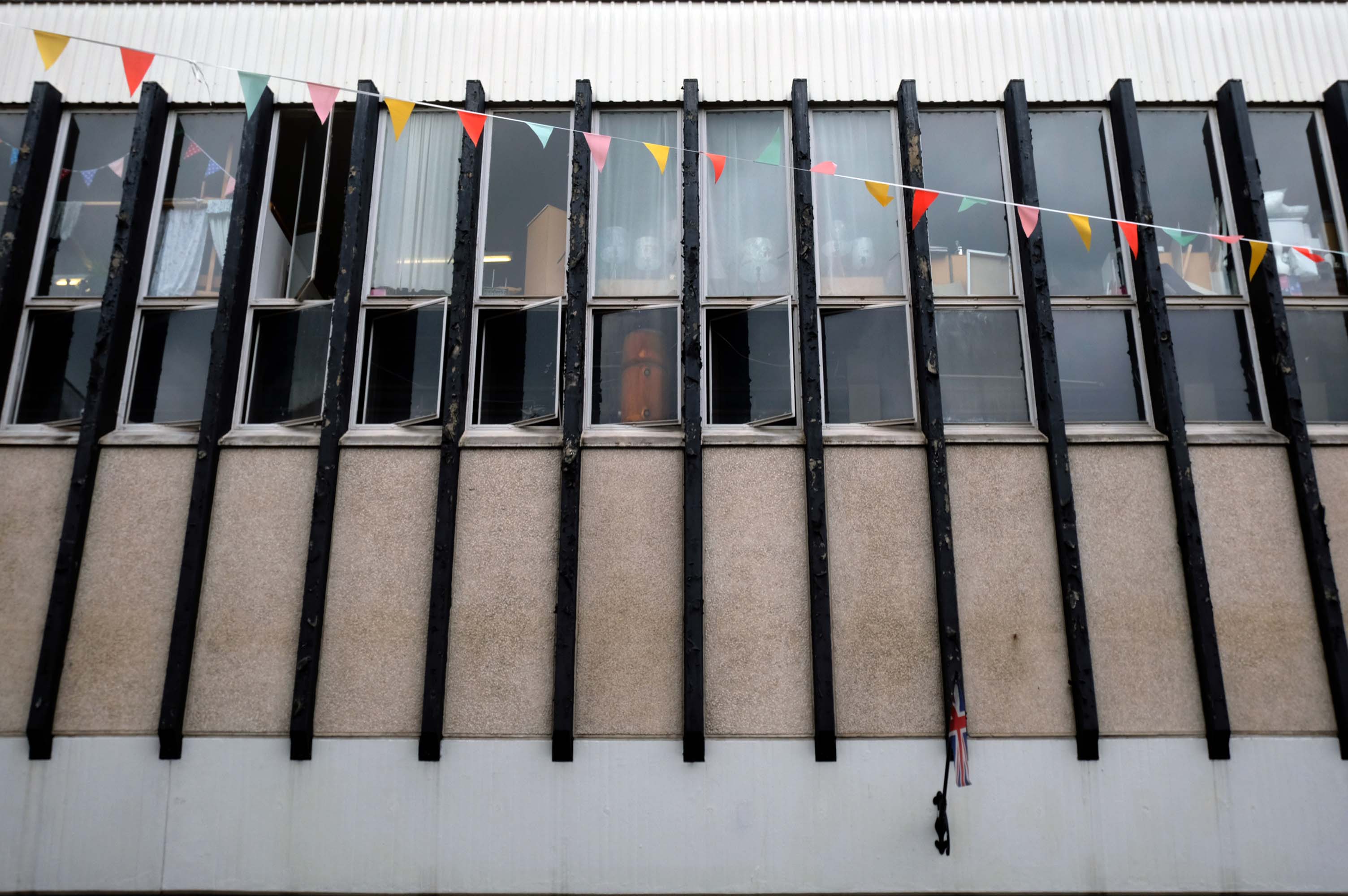
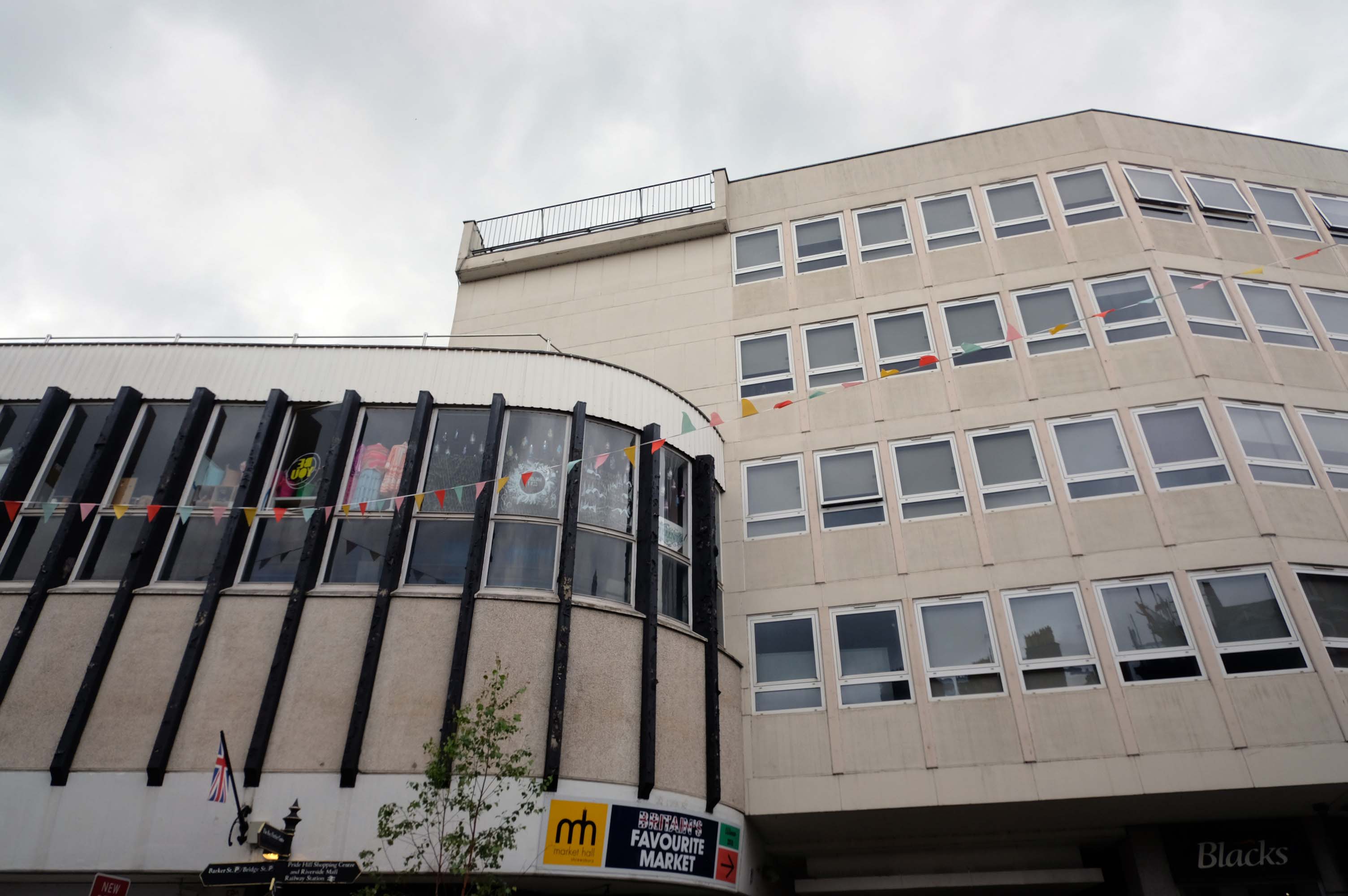
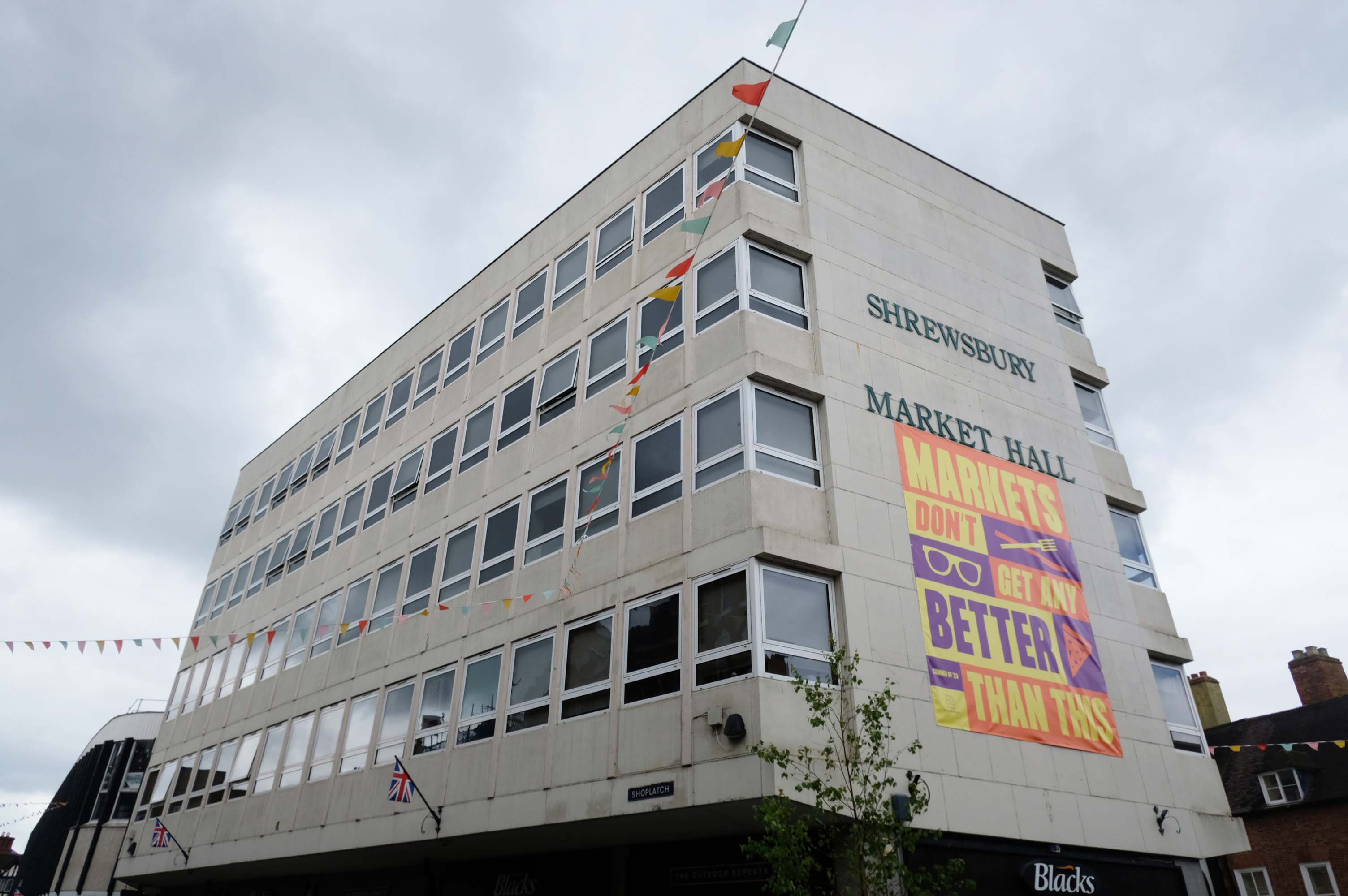
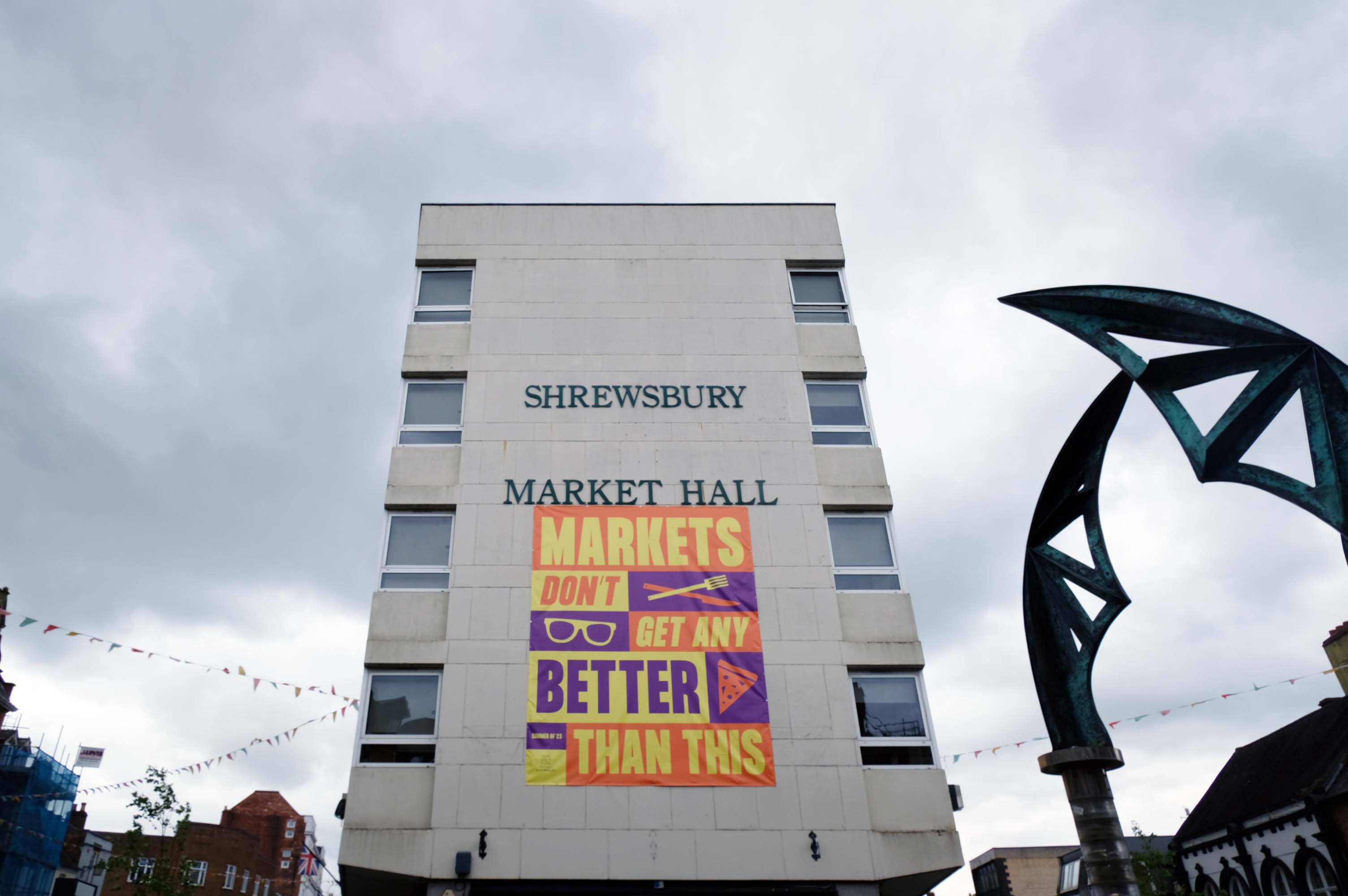
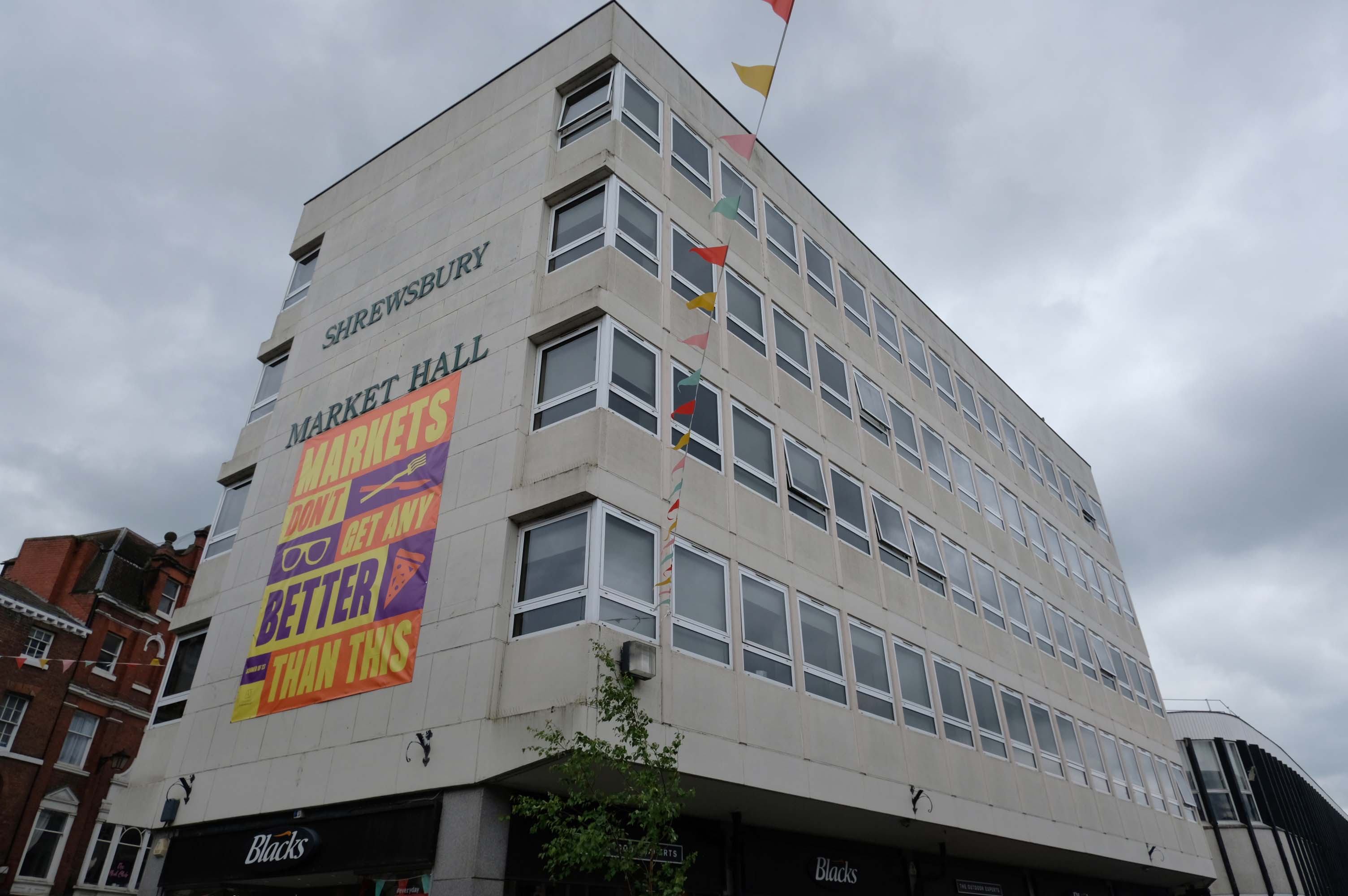
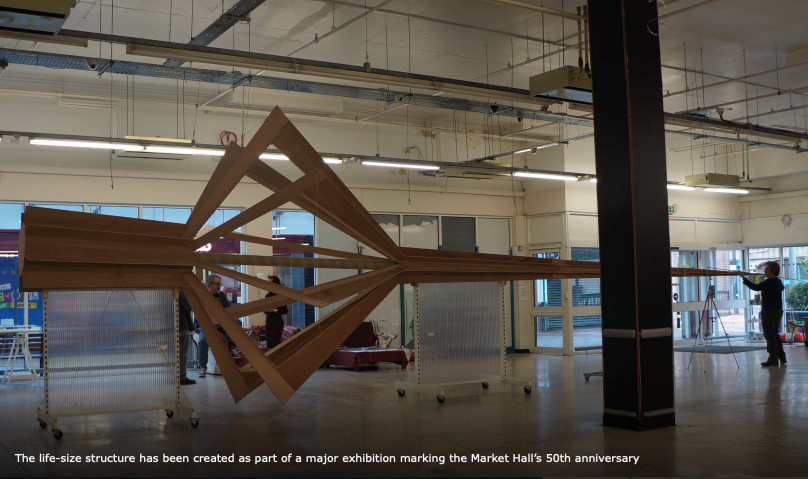
The Market Hall was considered to be a prime example of cutting edge modern architecture when it was officially opened amid a blaze of publicity and civic pageantry on September 16 1965.
It replaced a large Victorian market hall of similar proportions that was in a poor state of repair and was condemned as unhygienic, dingy and “no longer fit for purpose”.
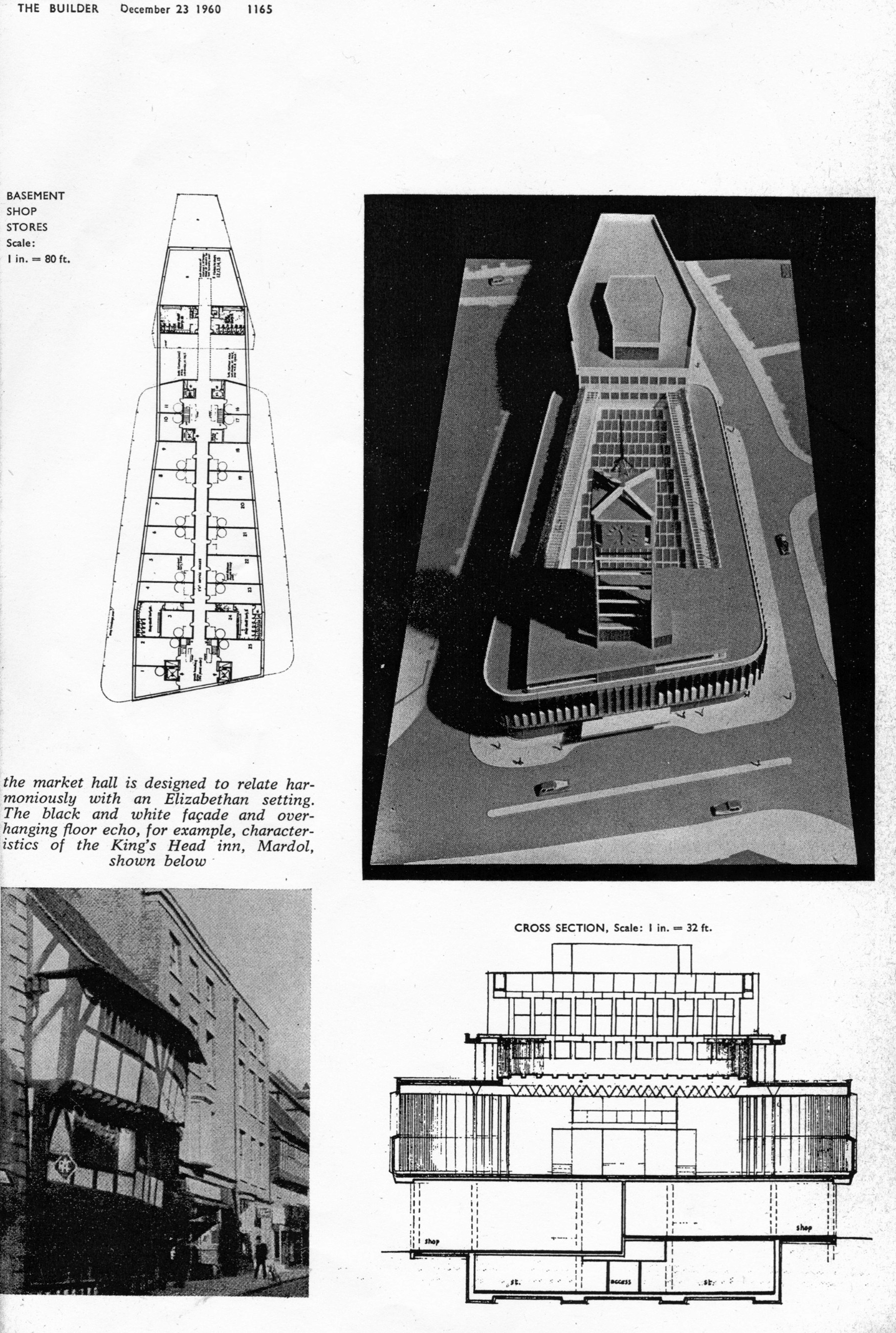
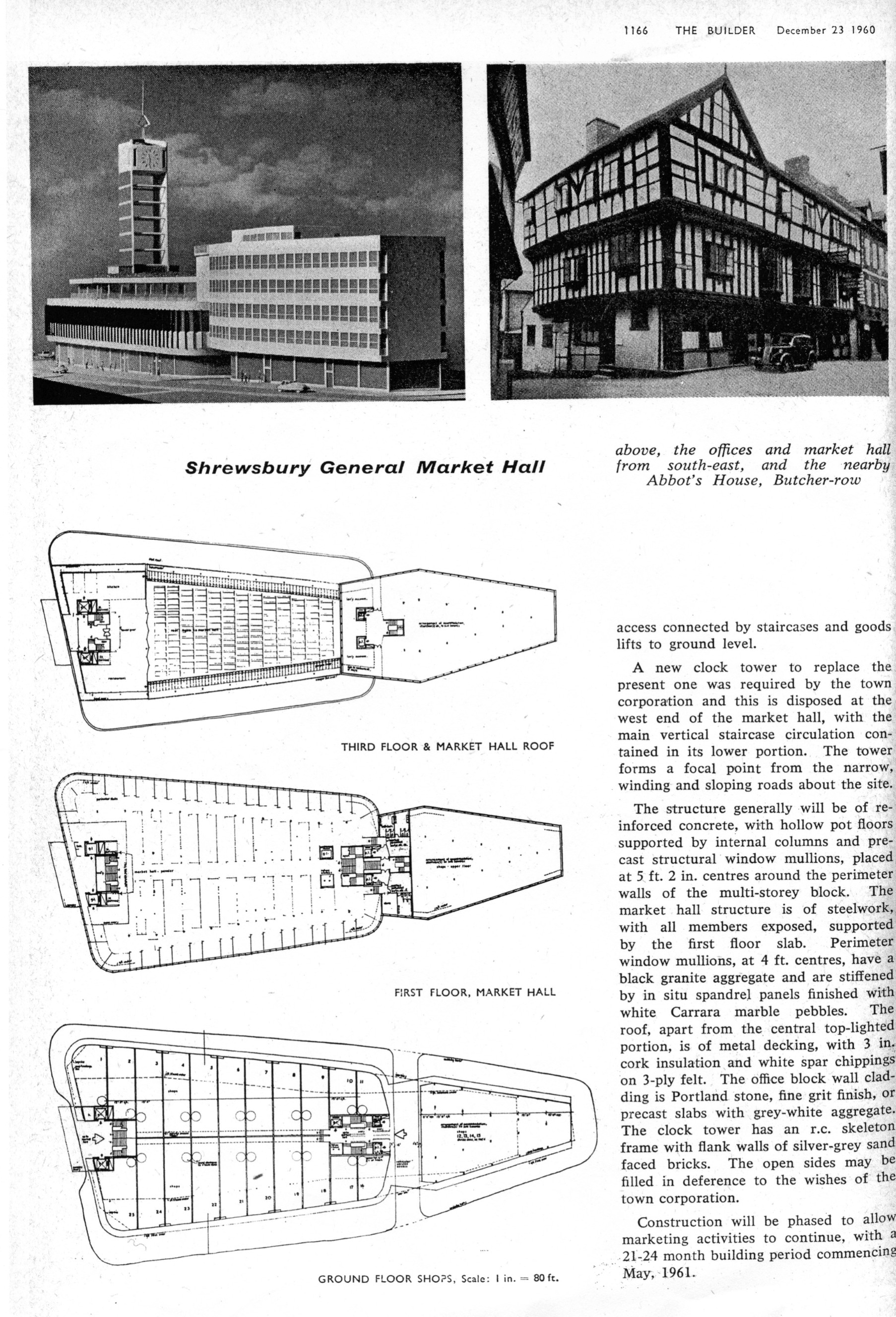
Developed by the Second Covent Garden Property Company, the new Market Hall cost £1 million to build and was designed by a respected architect of his day, David du Rieu Aberdeen. Aberdeen designed major buildings in London and made his name when he won a national competition to design Congress House for the TUC in Bloomsbury. Today Congress House is described as a “modernist masterpiece”.
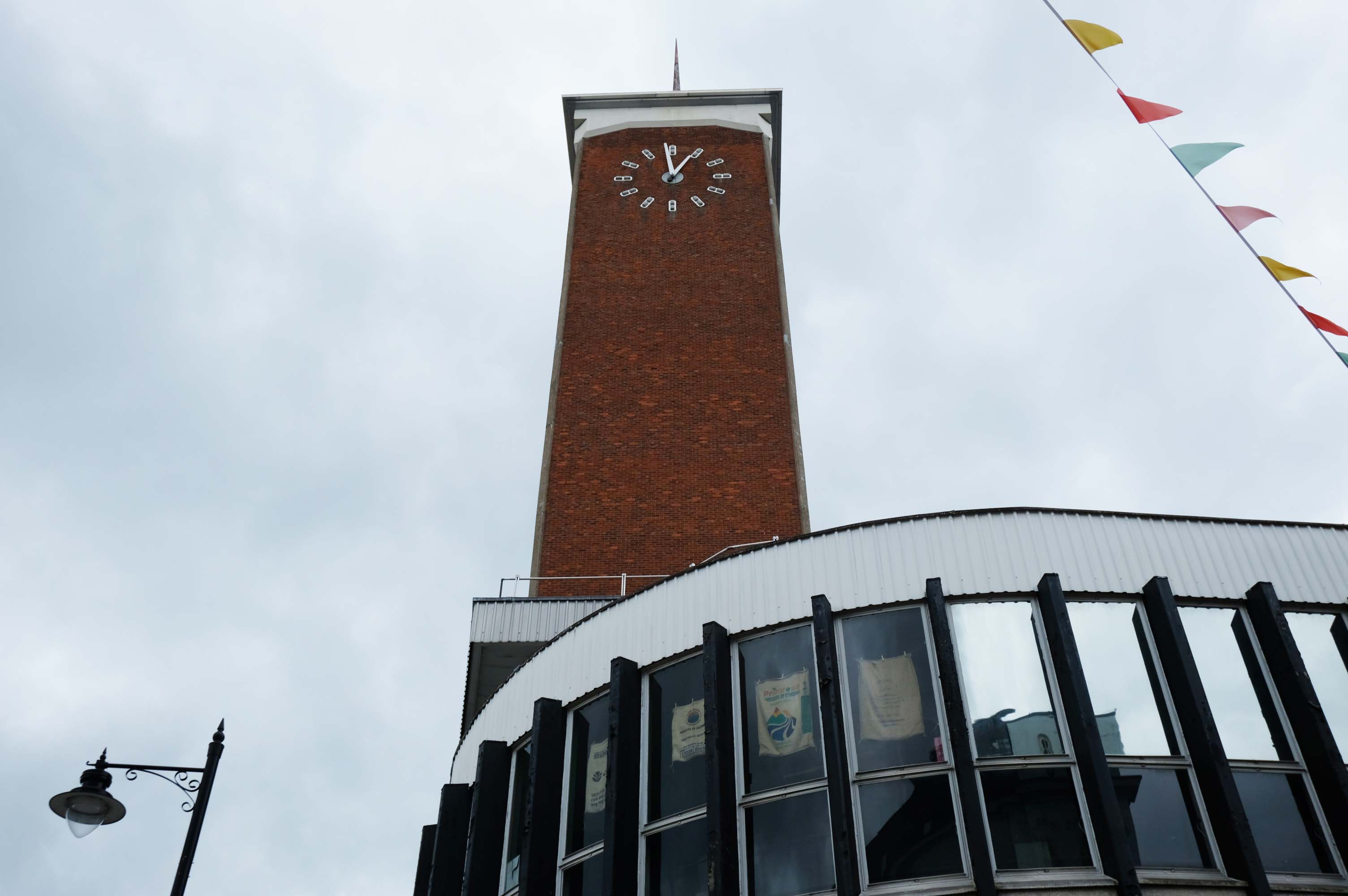
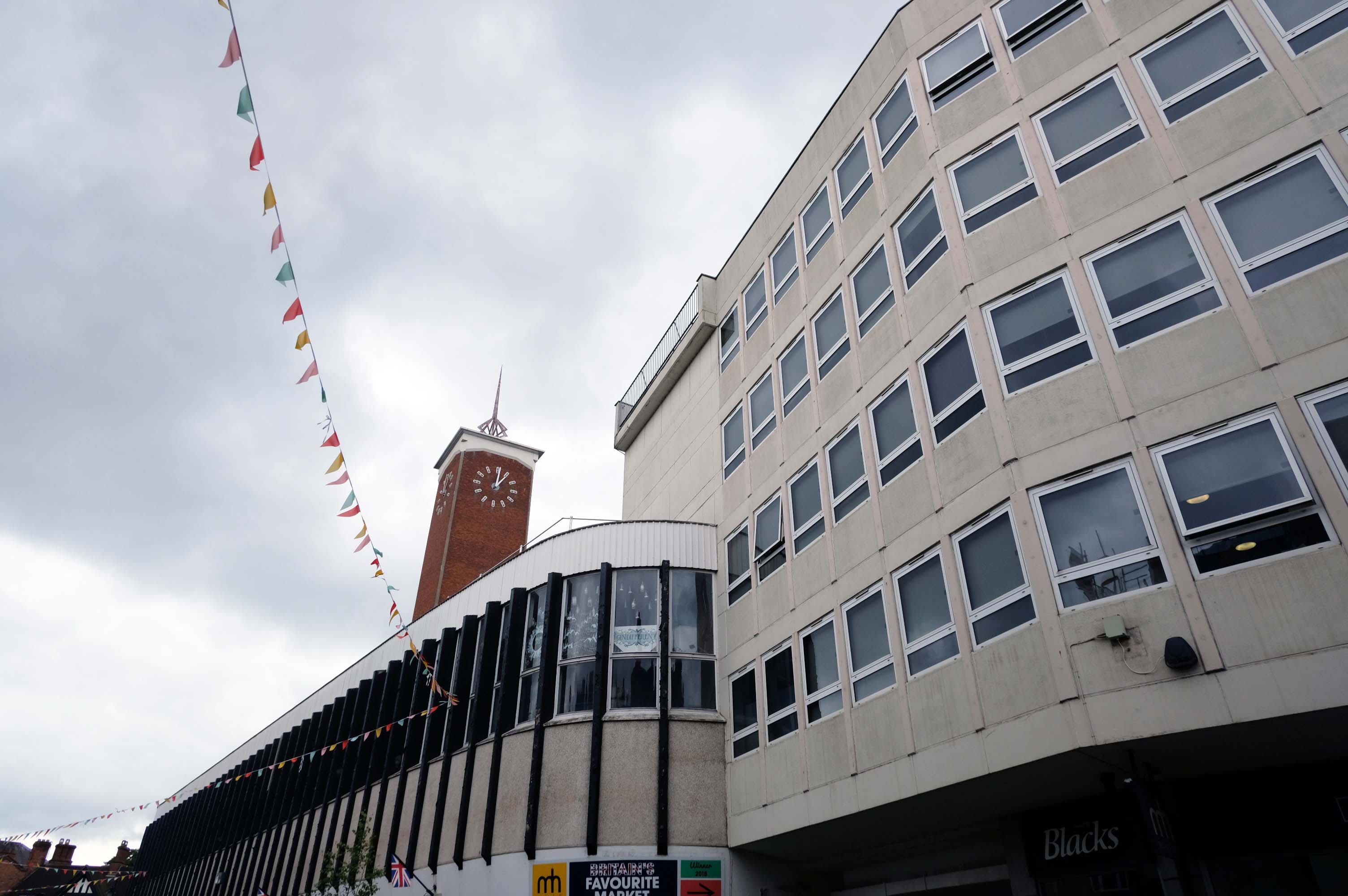
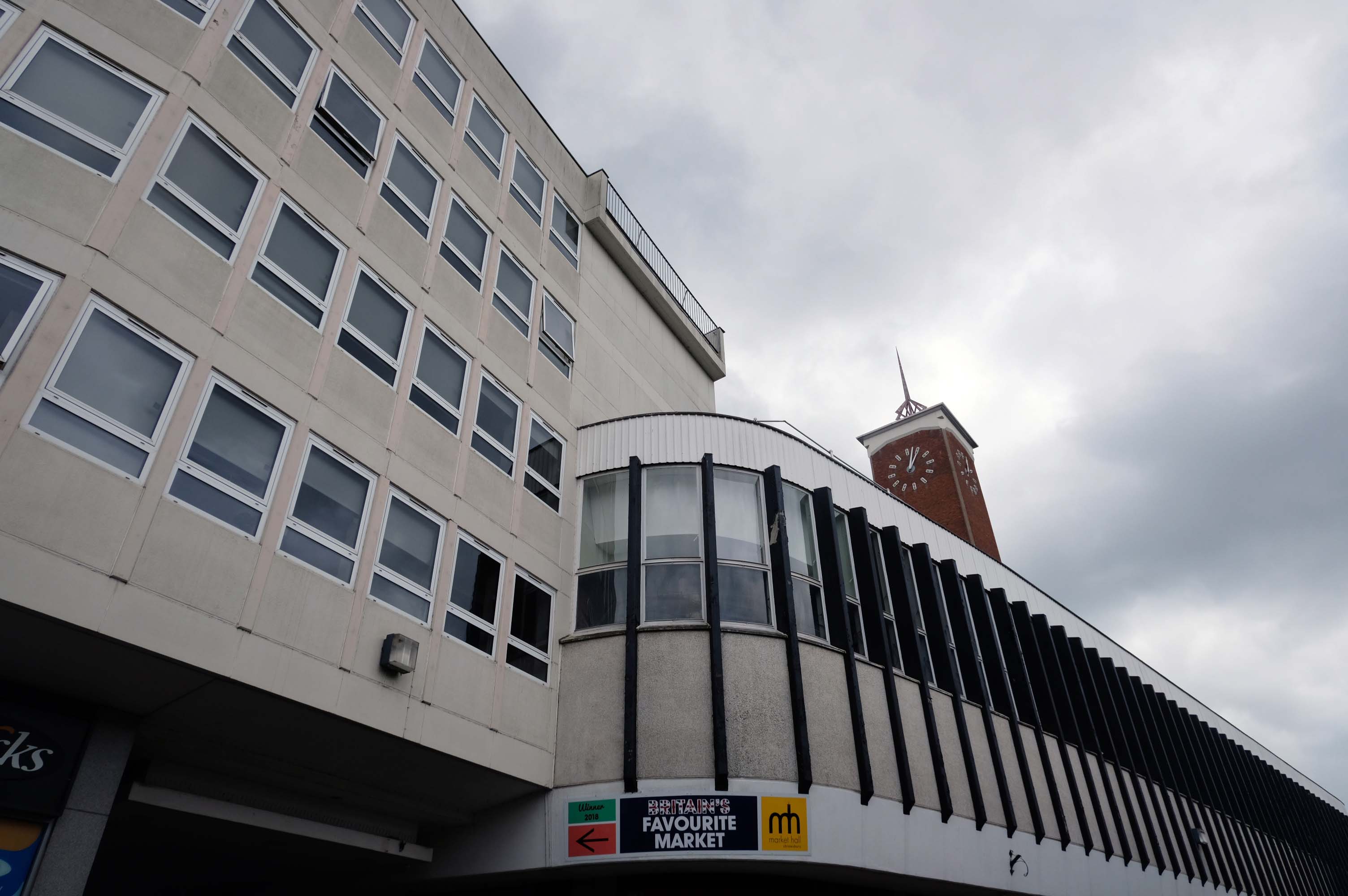
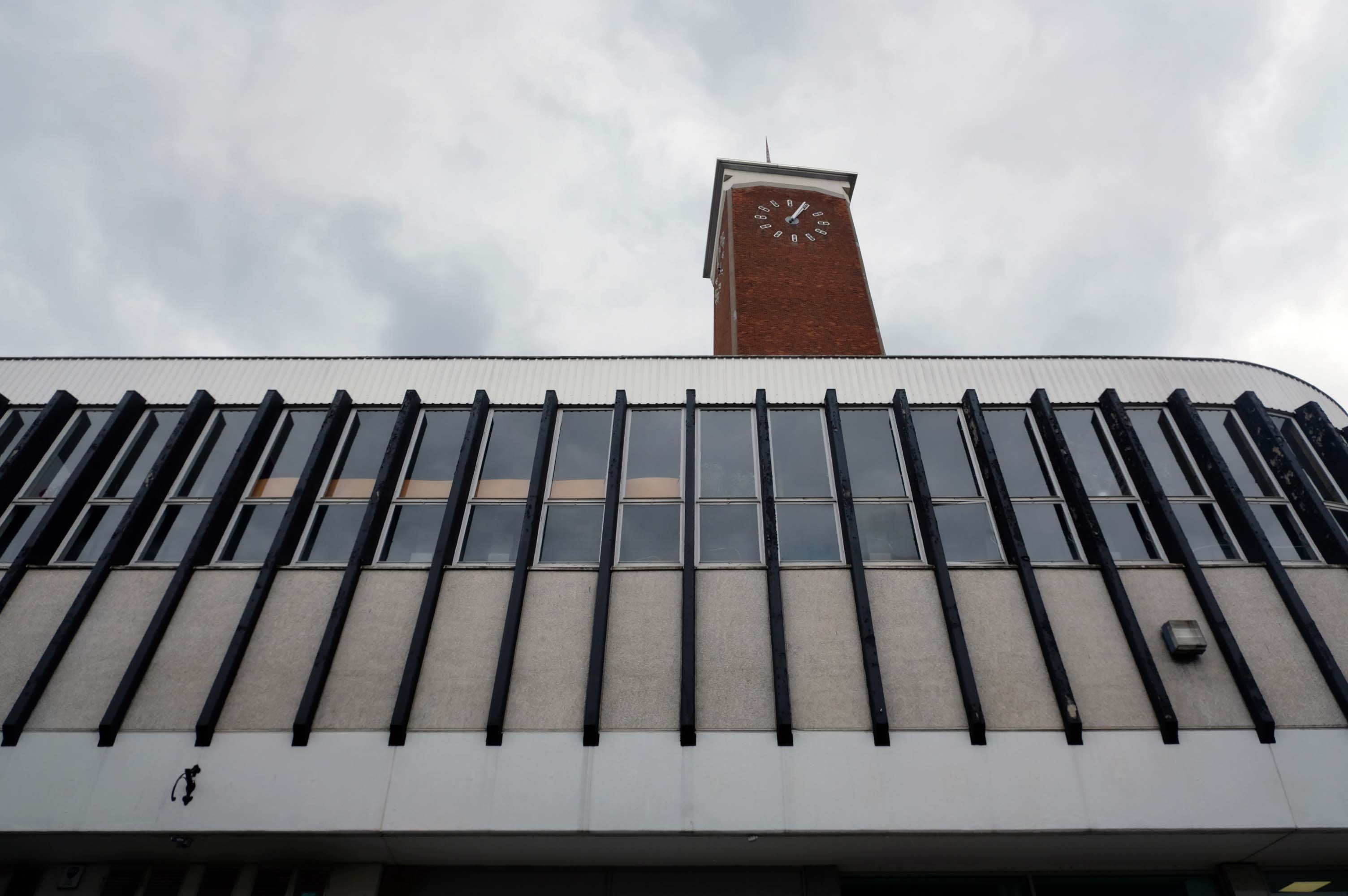
The Pevsner Architectural Guide pronounced the new Market Hall “a good example of modern architecture”, with “its clean lines and simple forms. But the town’s timber-framed tradition is also evoked. The upper storey is jettied out on a reinforced concrete structure and faced with vertical fins in an echo of close studding,” it stated. “The tall slender red brick clock tower mingles effectively in distant views with the town’s medieval steeples.”
I have walked around the exterior on more than one occasion.
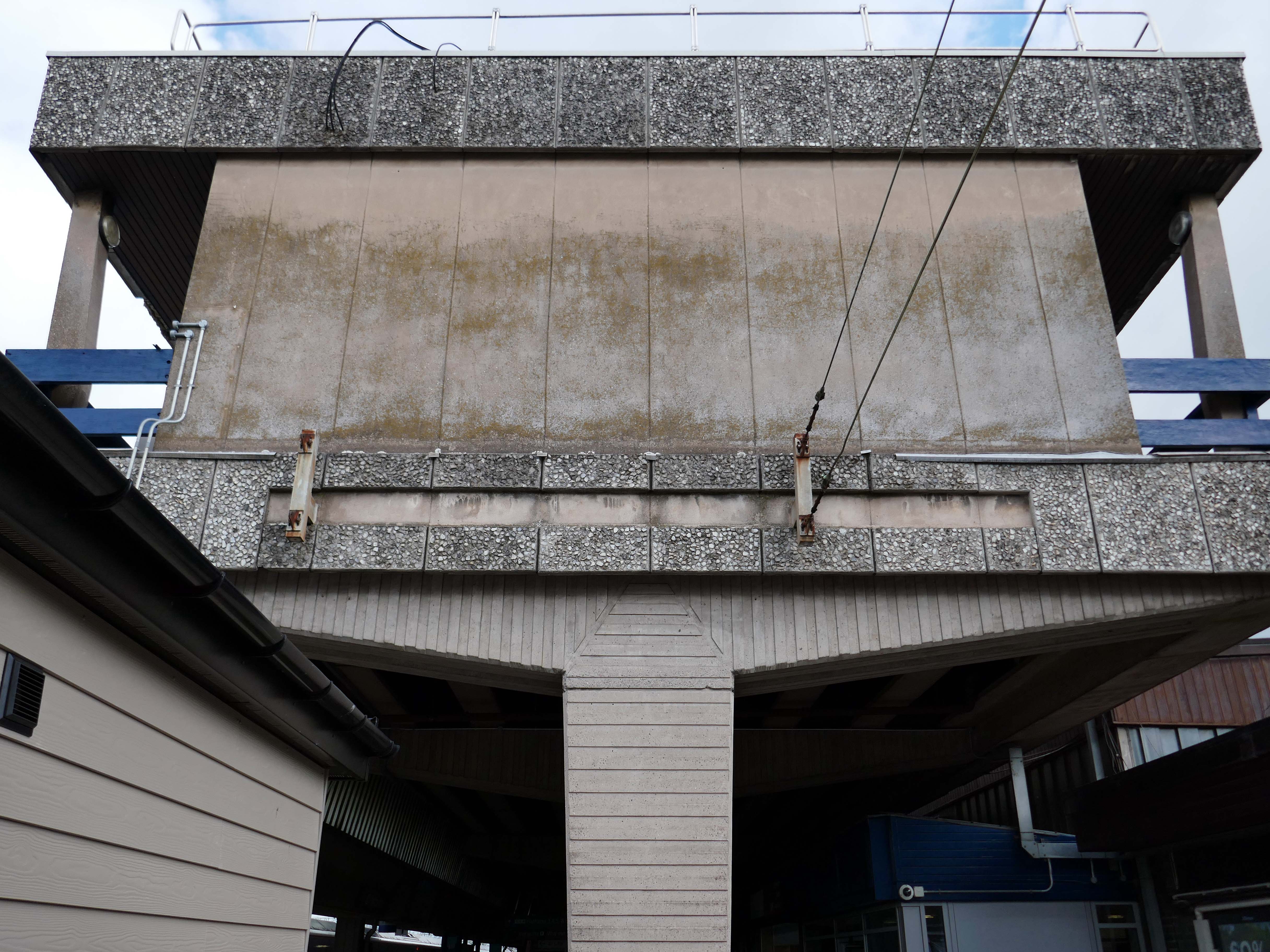
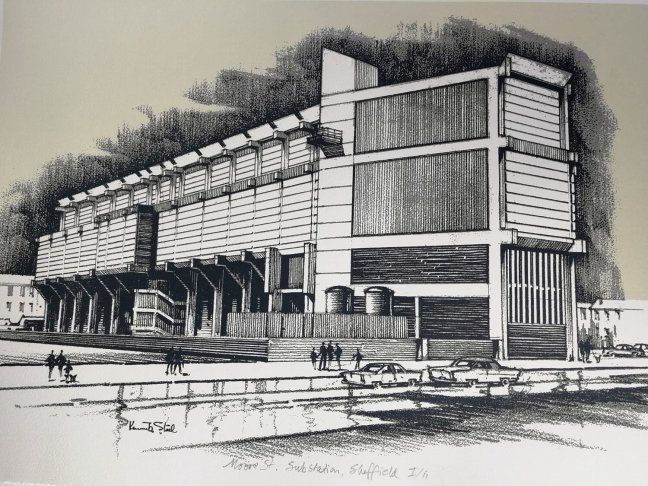
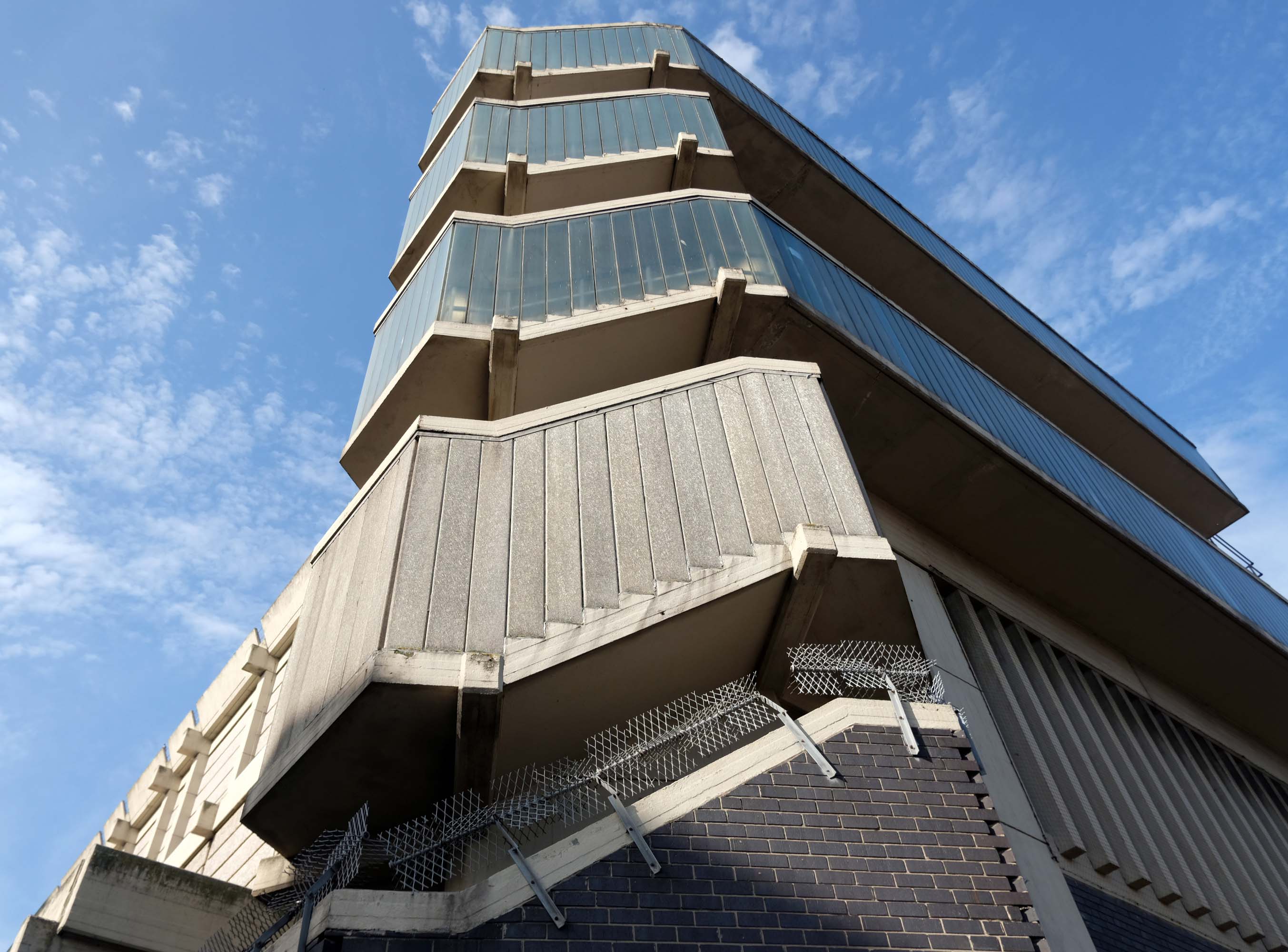
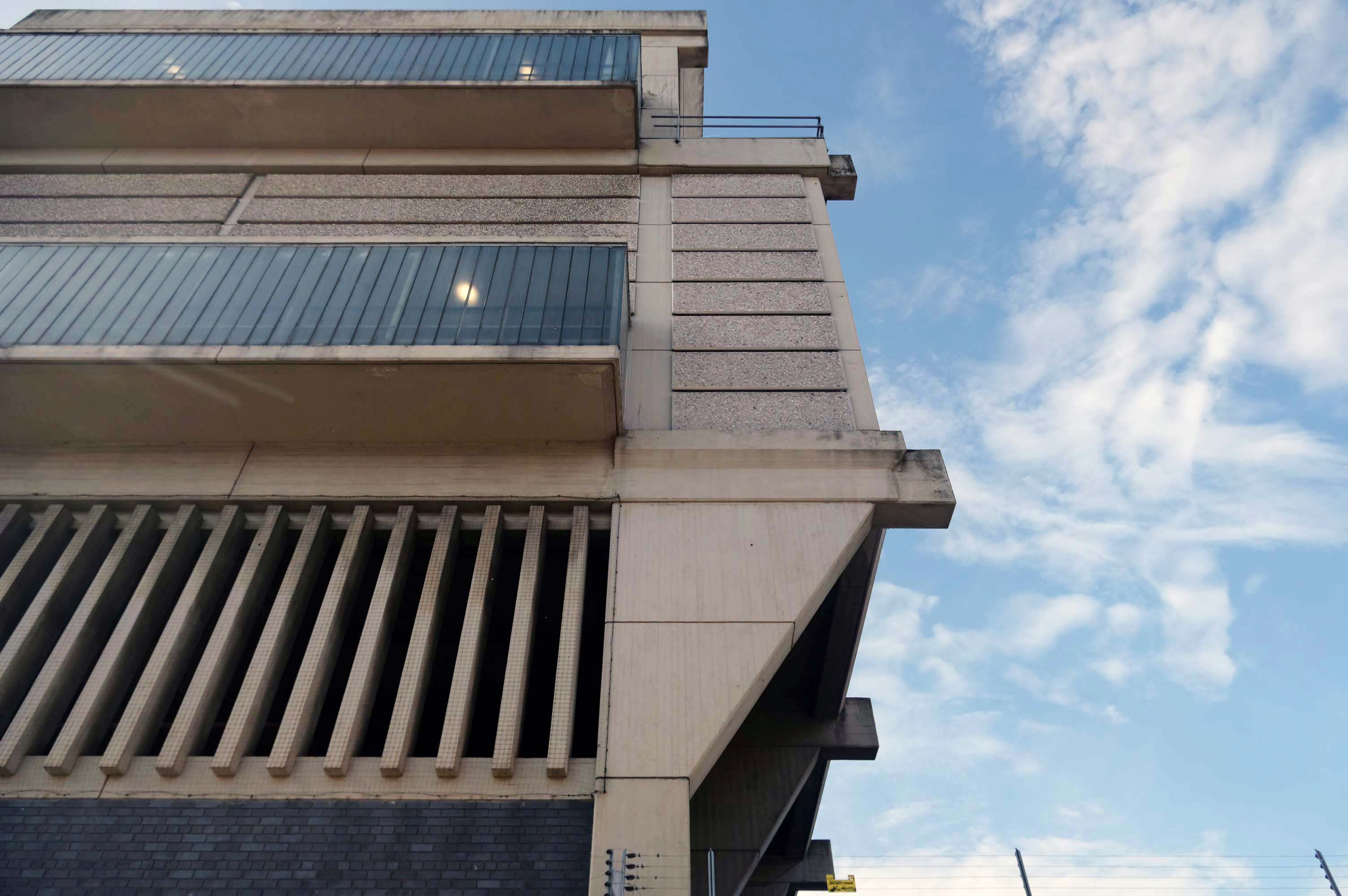
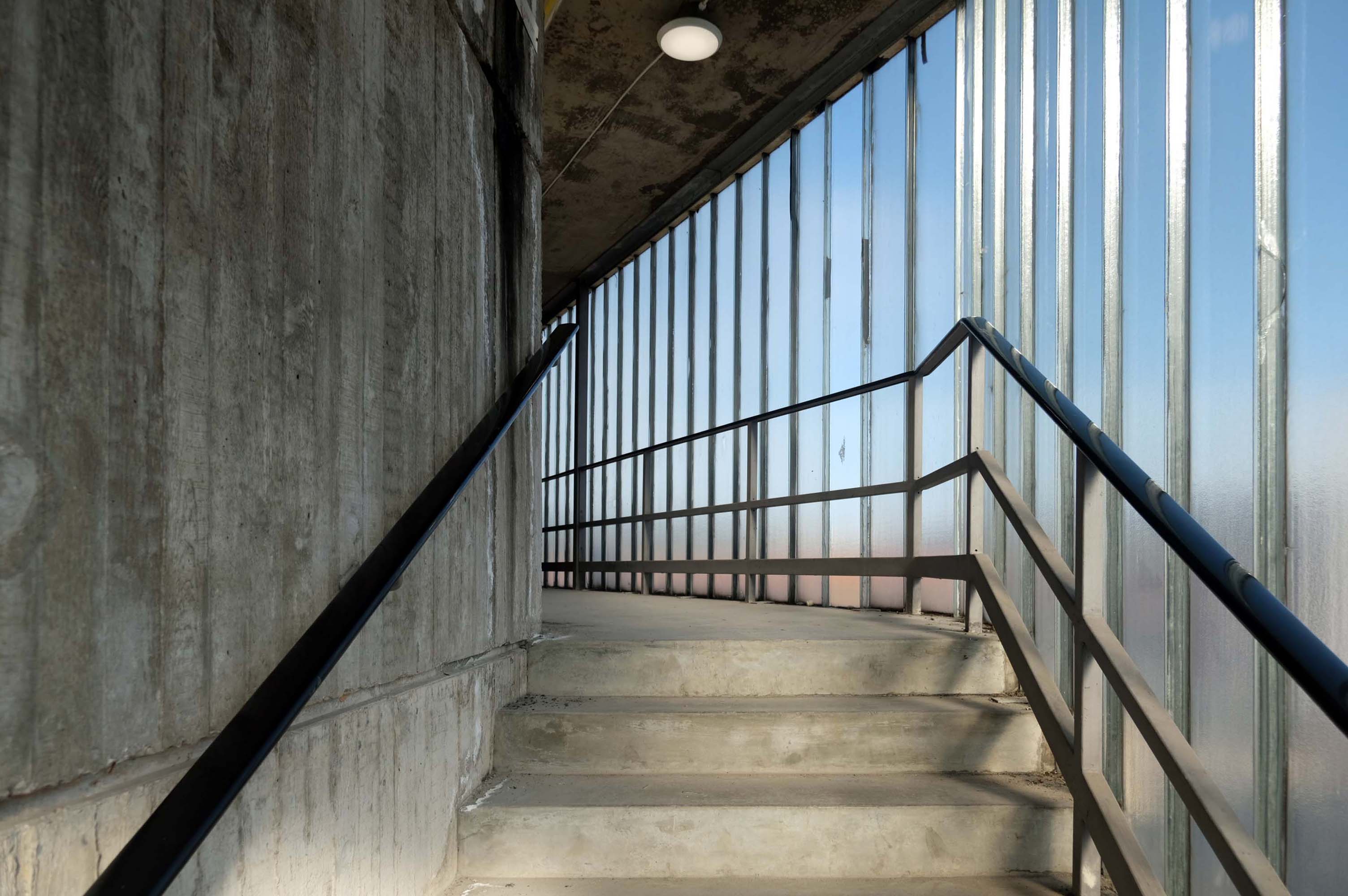
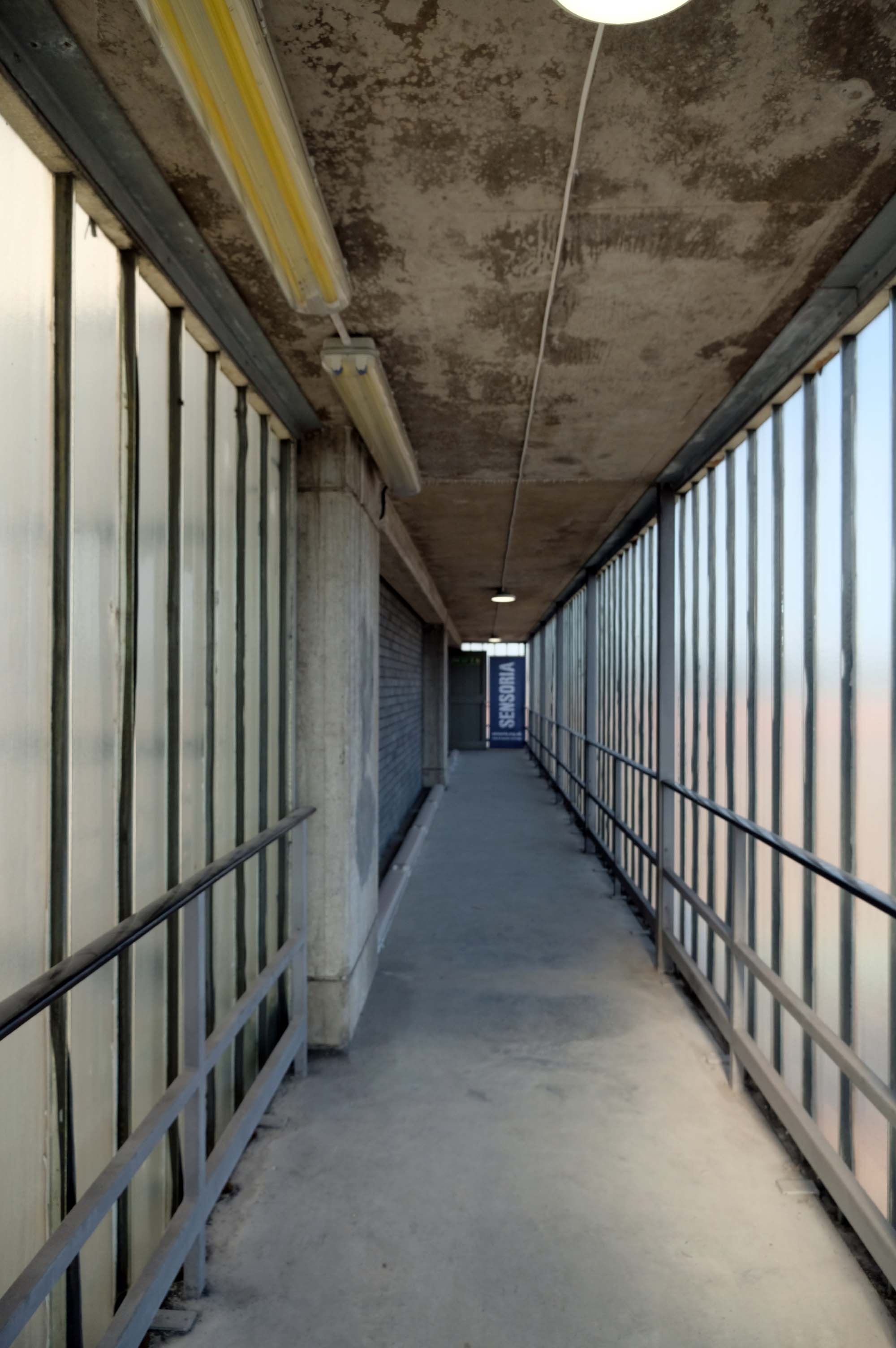
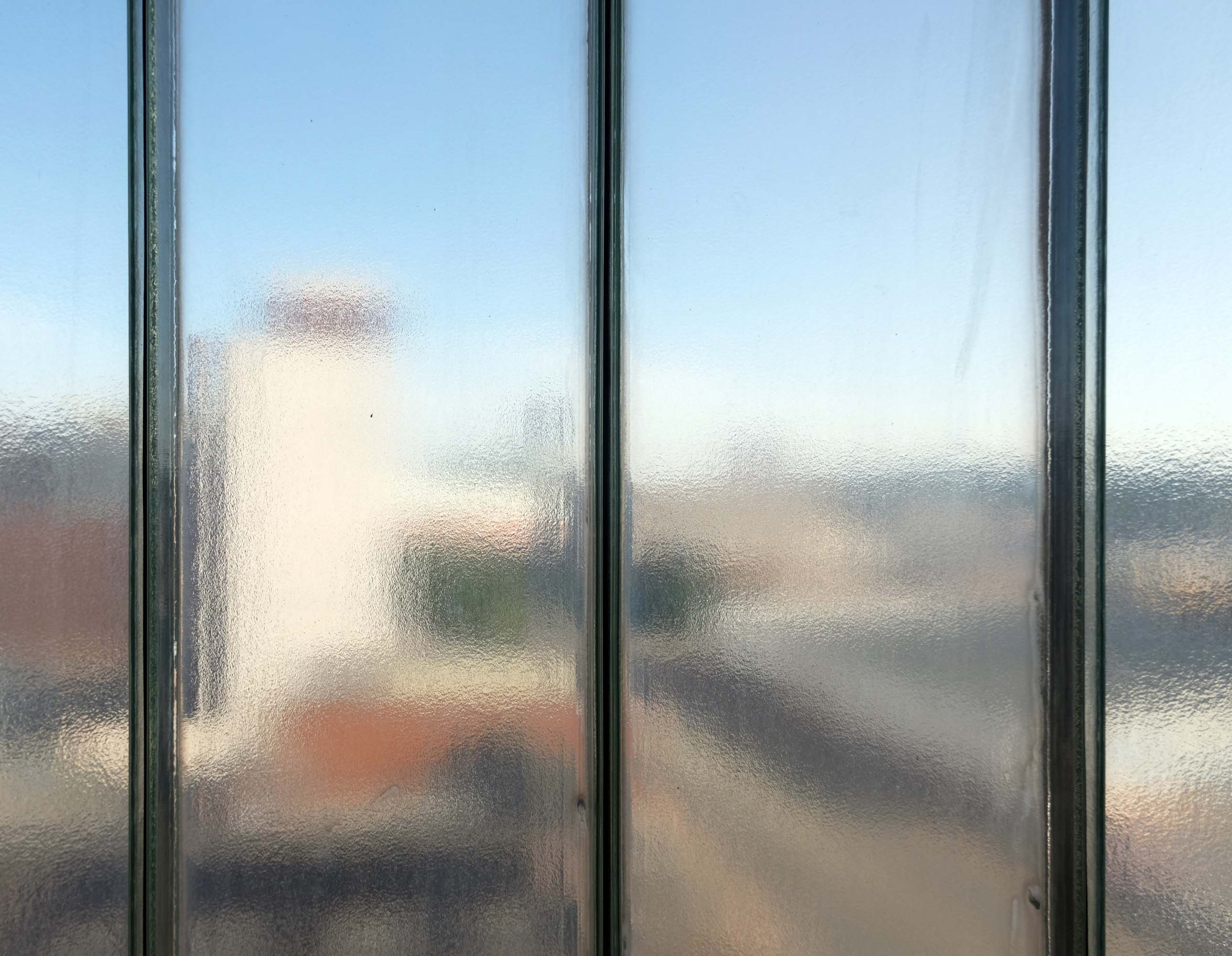
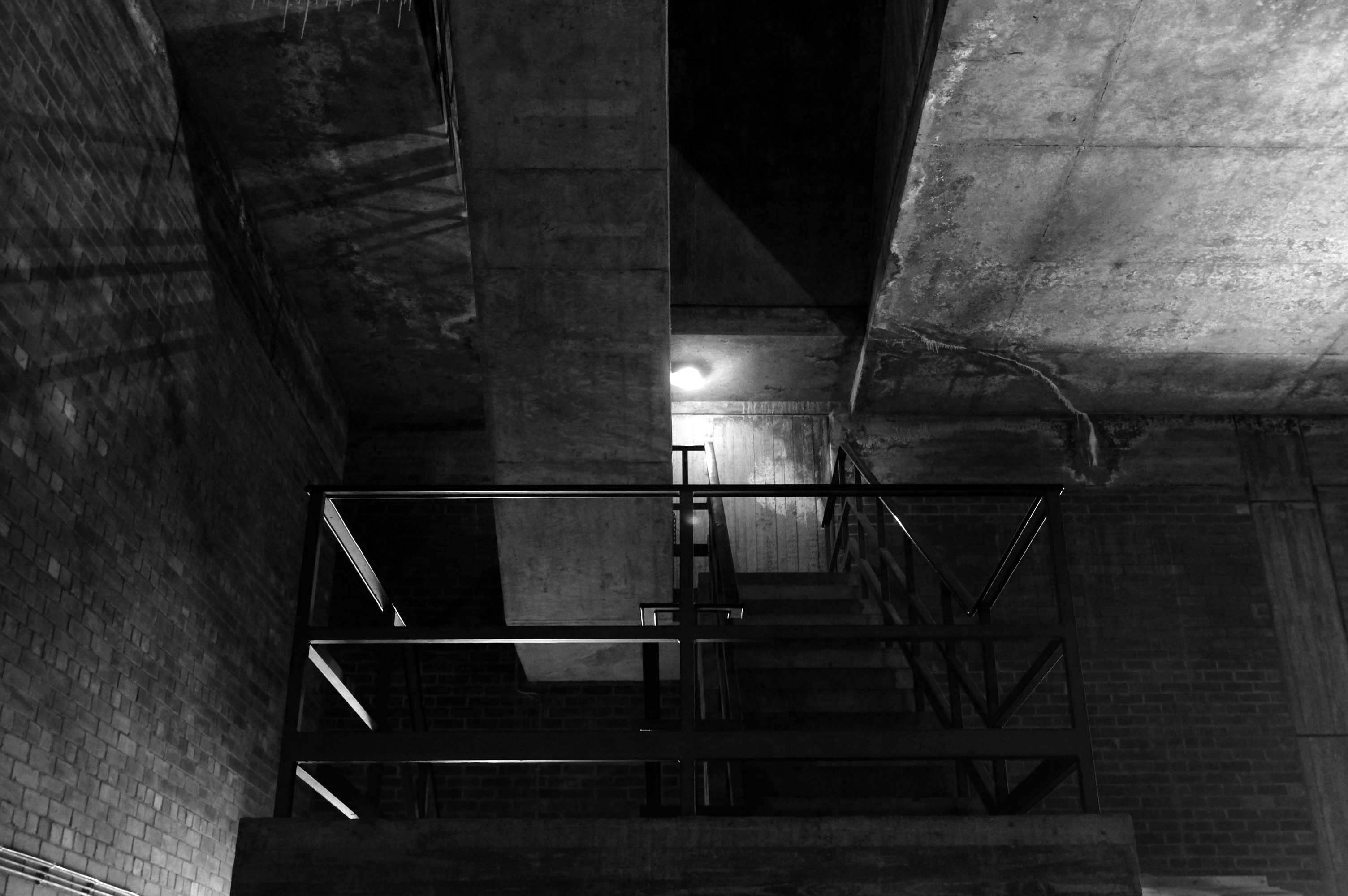
This concrete enclosed, collection of transformers and switchgear.
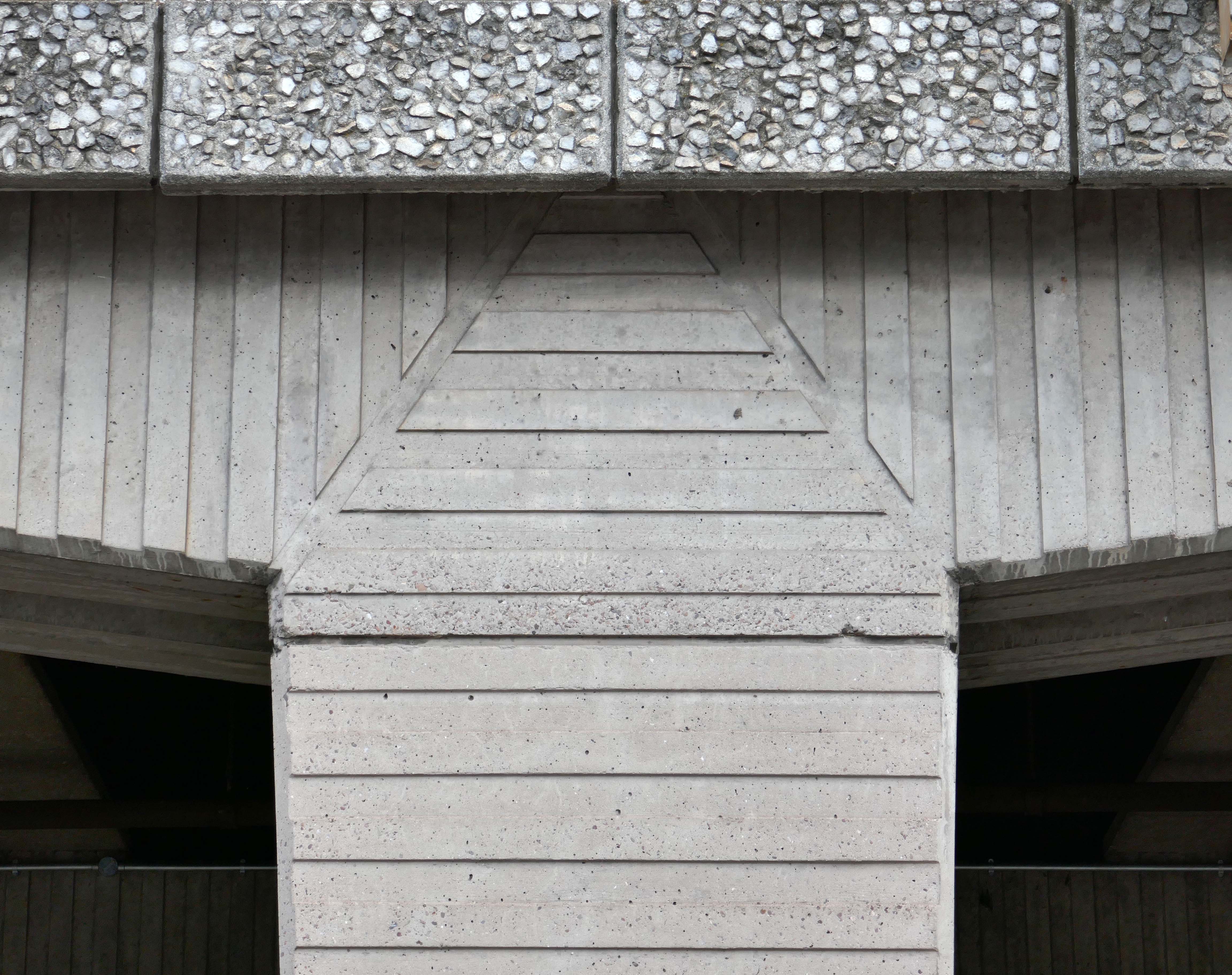
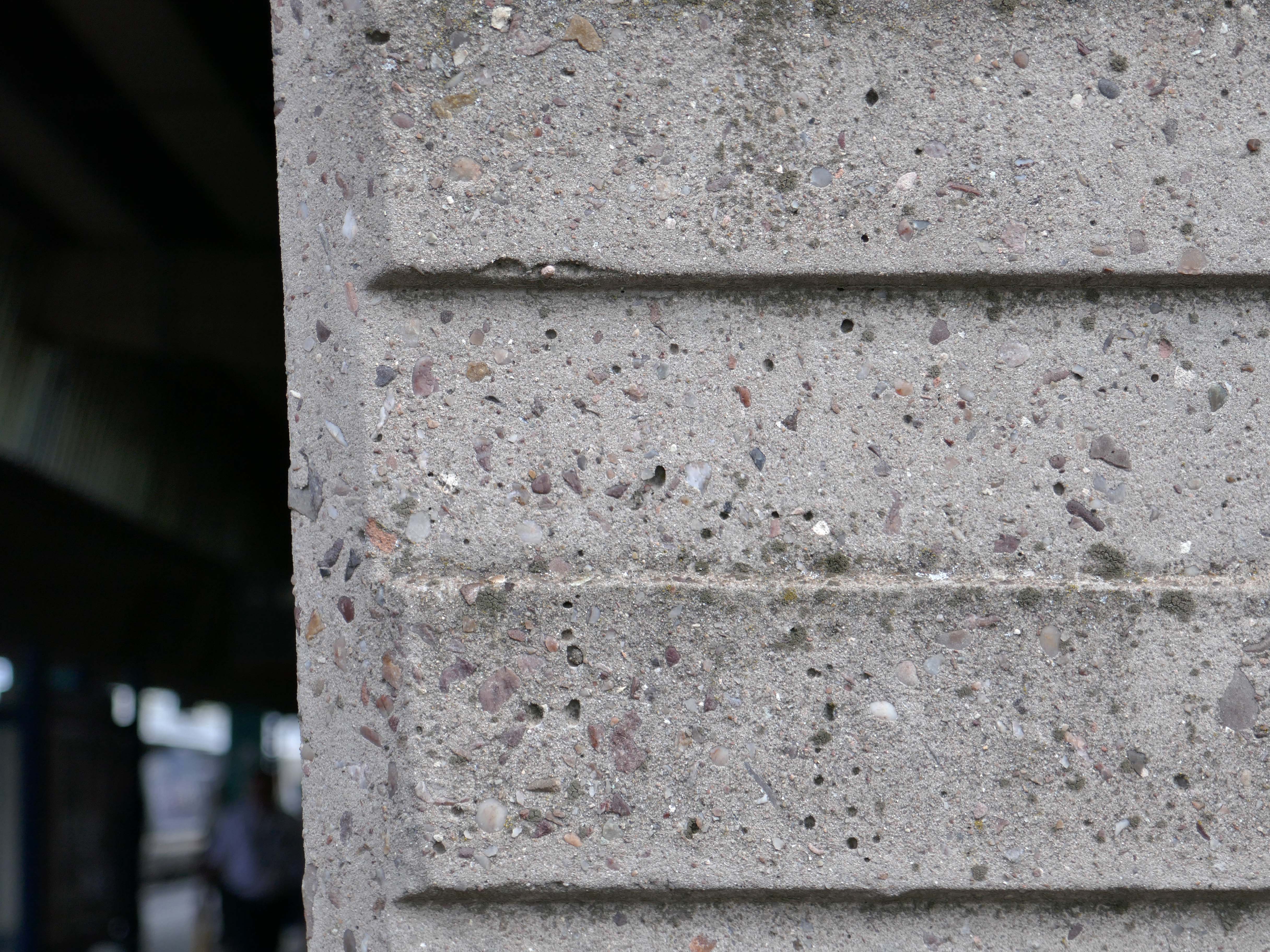
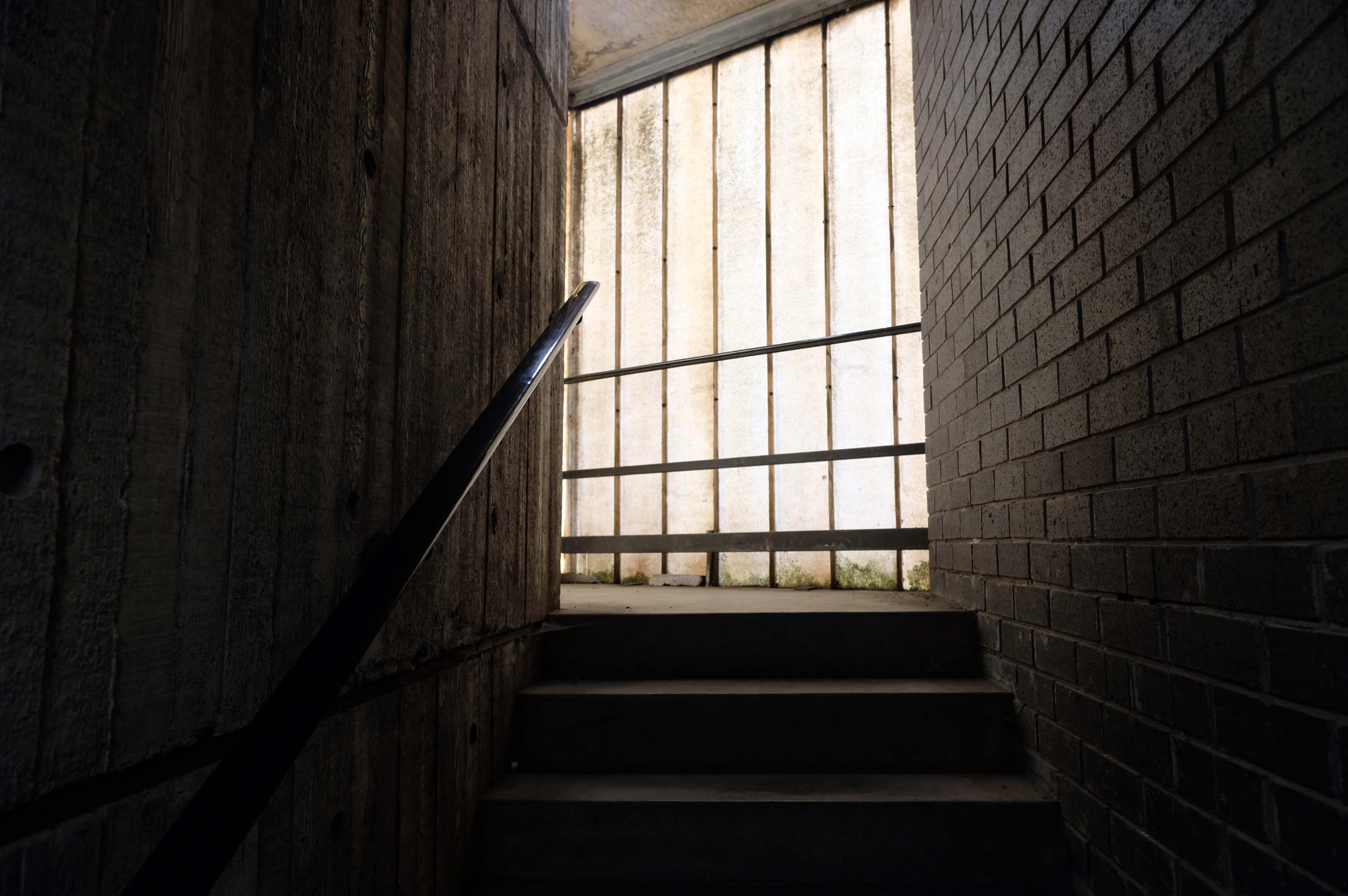
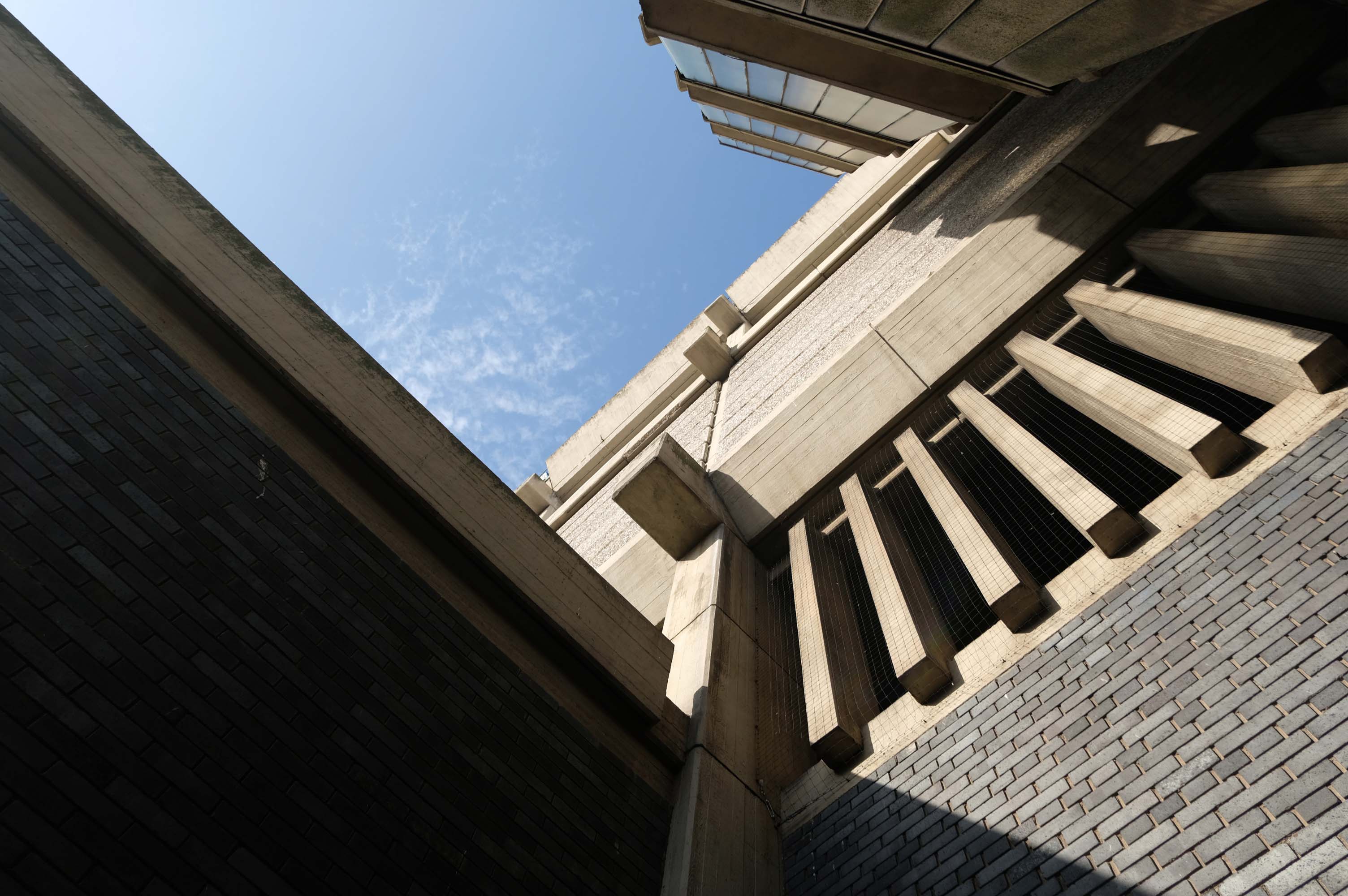
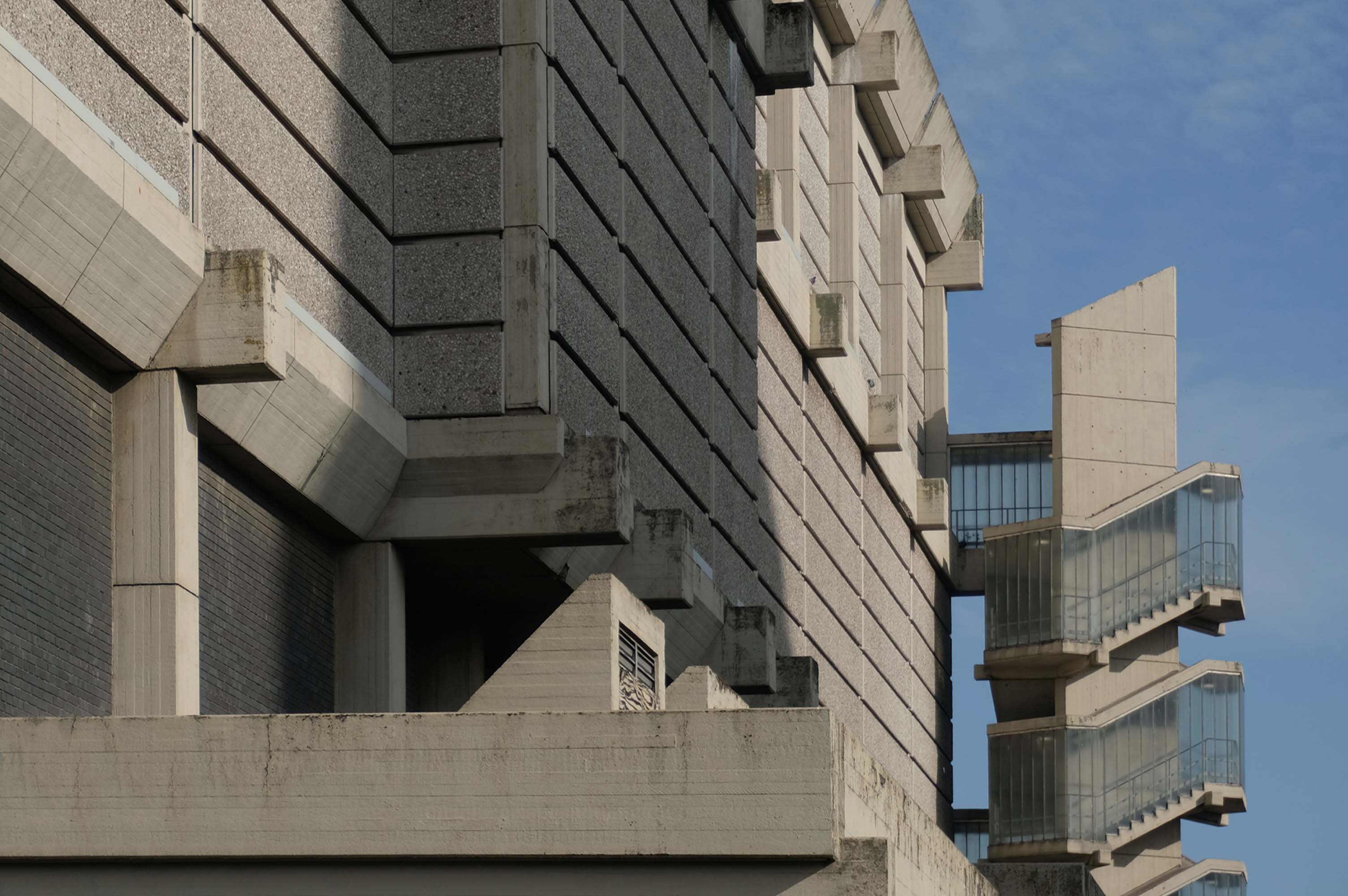
Electricity substation. 1968 to designs by consulting architects Jefferson, Sheard and Partners, Sheffield, led by Bryan Jefferson, in association with the Regional Civil Engineers’ Department of the CEGB North East Region. Contractors, Longden & Sons Ltd, Sheffield. Reinforced concrete frame with board-marked finish with formwork bolt marks, construction and daywork joints emphasised, concrete floor slabs, blue engineering facing bricks, cladding panels of Cornish granite aggregate.
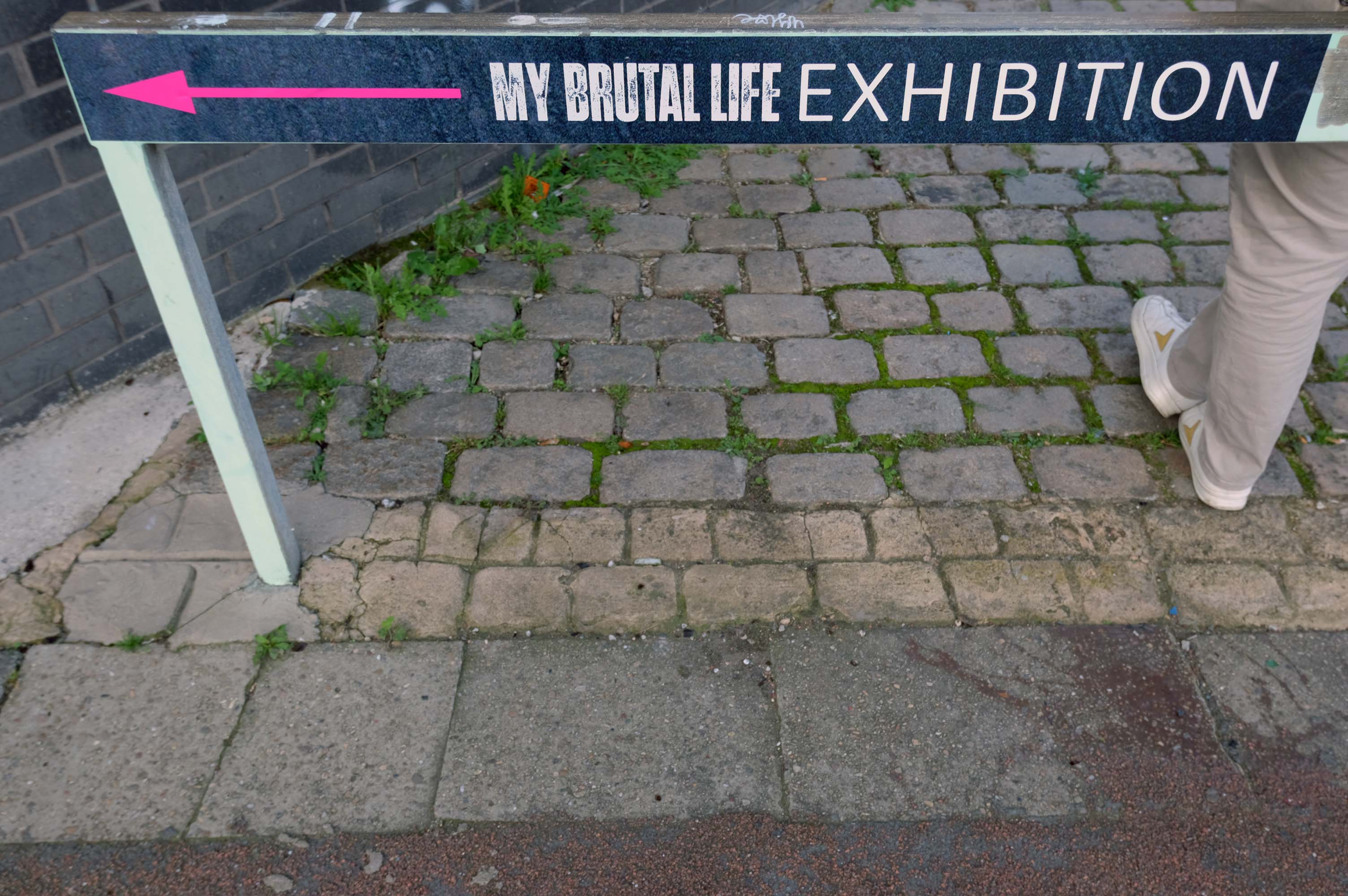
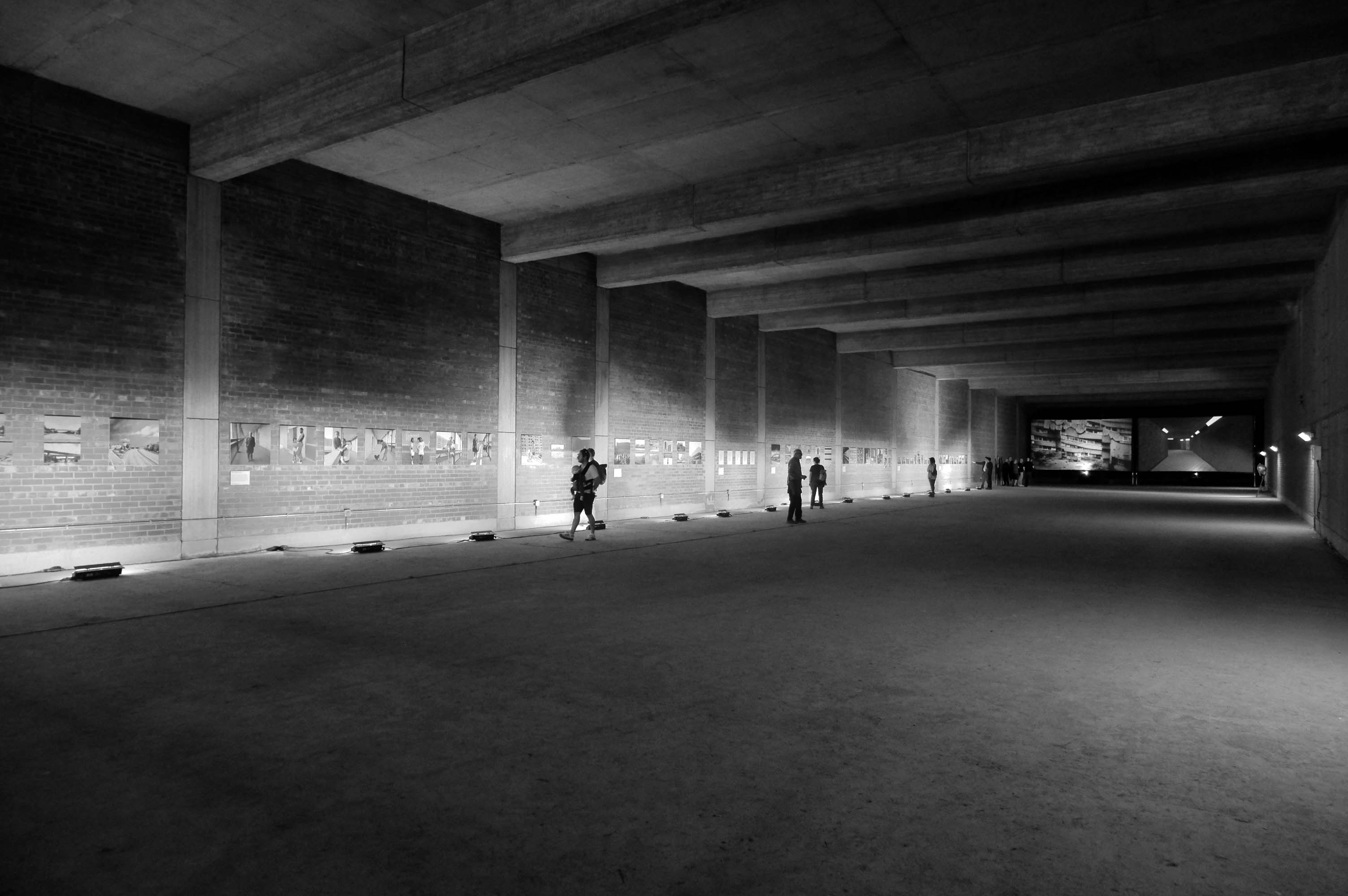
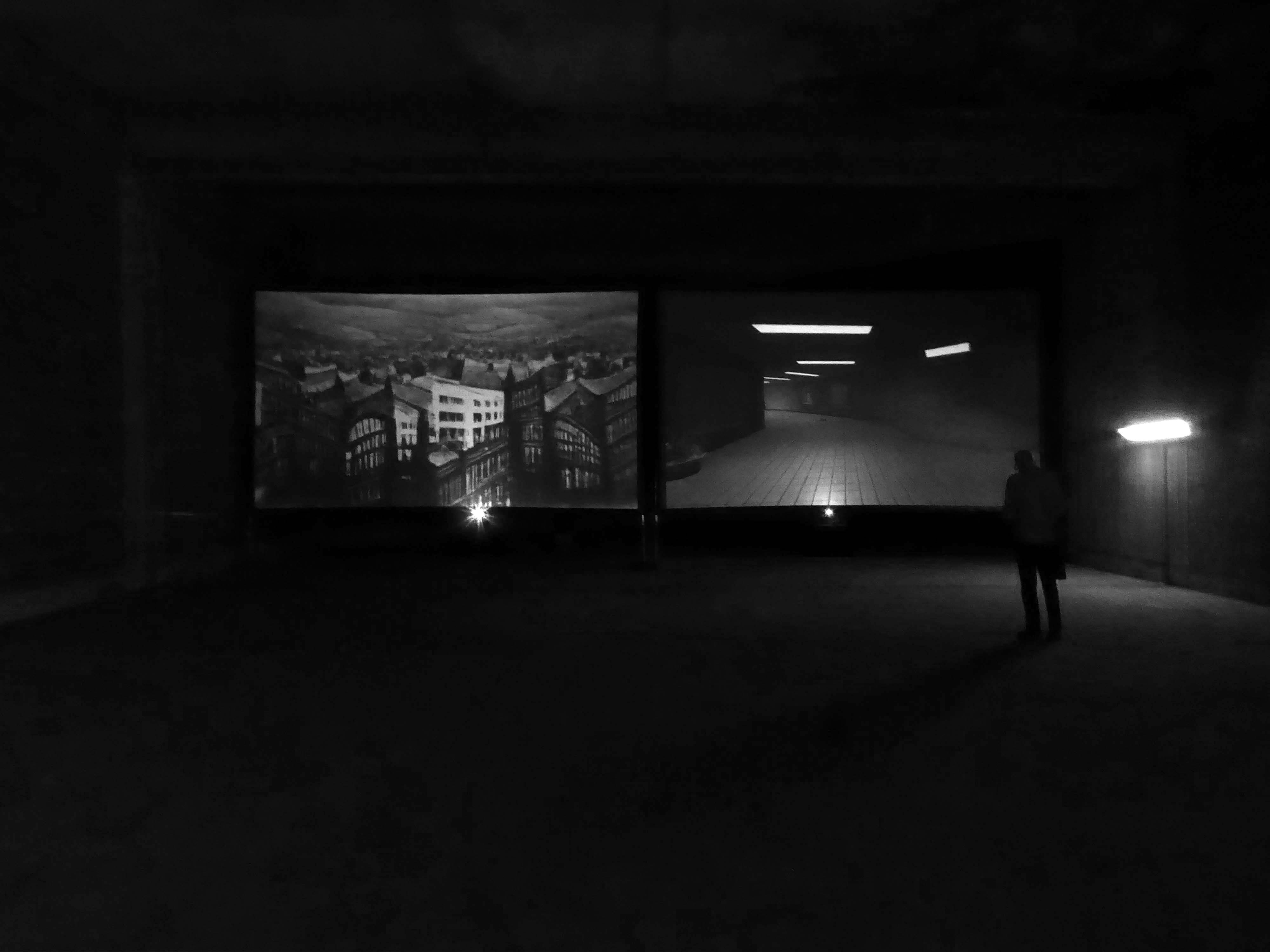
The good folk at Sensoria and The Black Dog staged My Brutal Life inside the building – using the void created by the non-expansion of expanded demand for electricity.
The exhibition features work byBill Stephenson, Mick Jones, Mandy Payne, Martin Dust, Scott Amoeba, Richard Davis, Jen Orpin, Alun Cocks, Human Studio, Sean Madner, Helen Angell and The Black Dog.
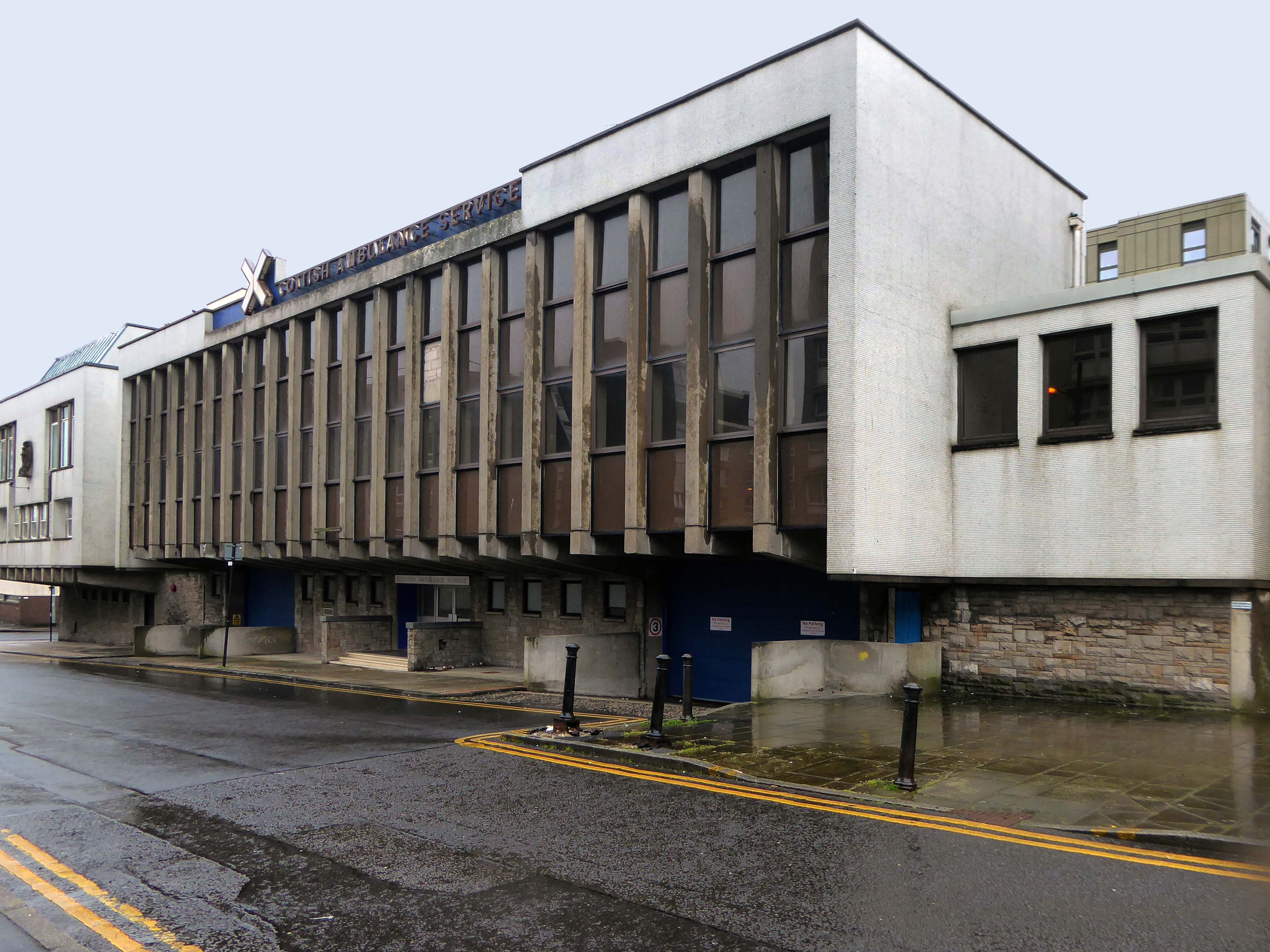
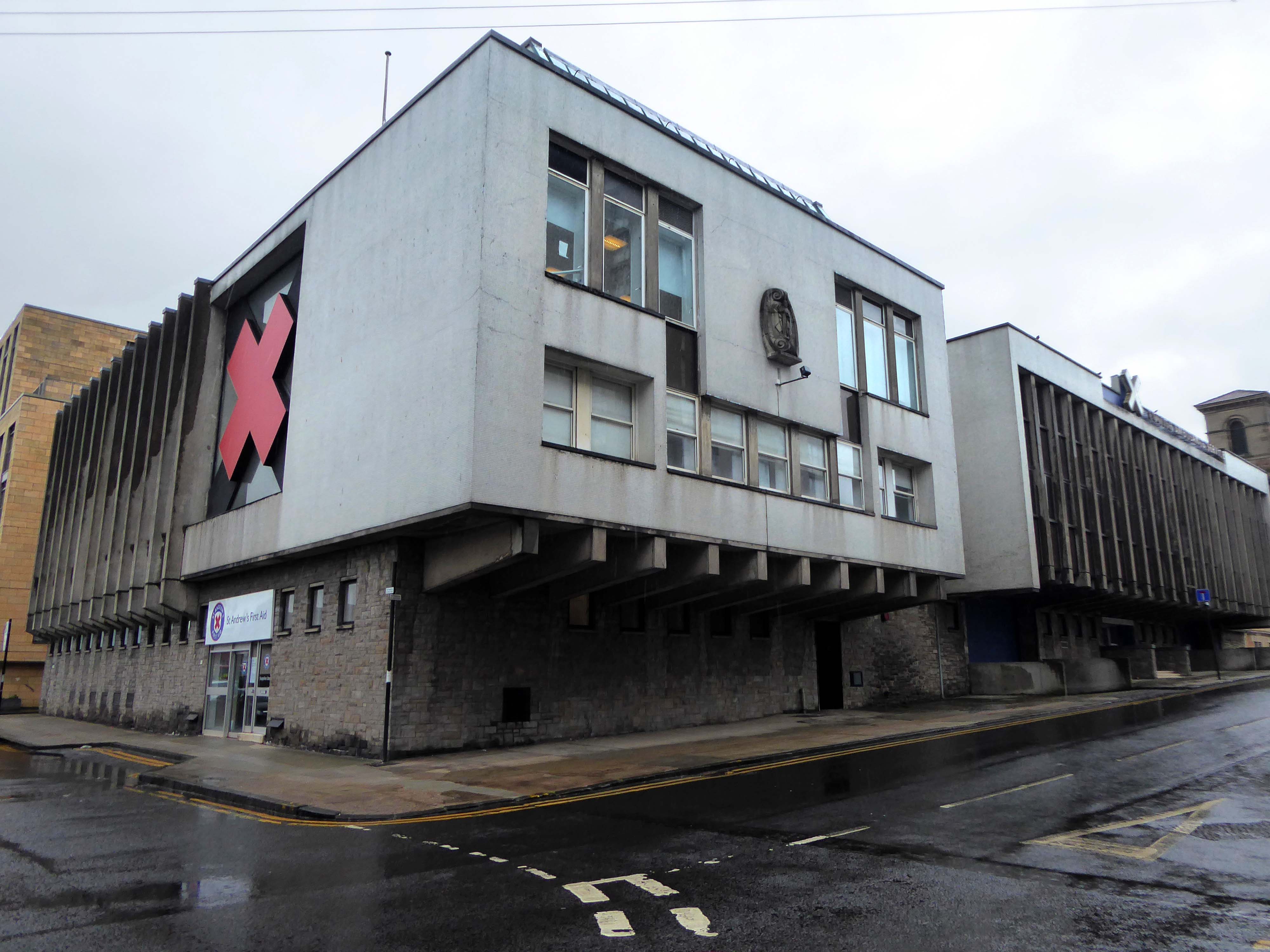
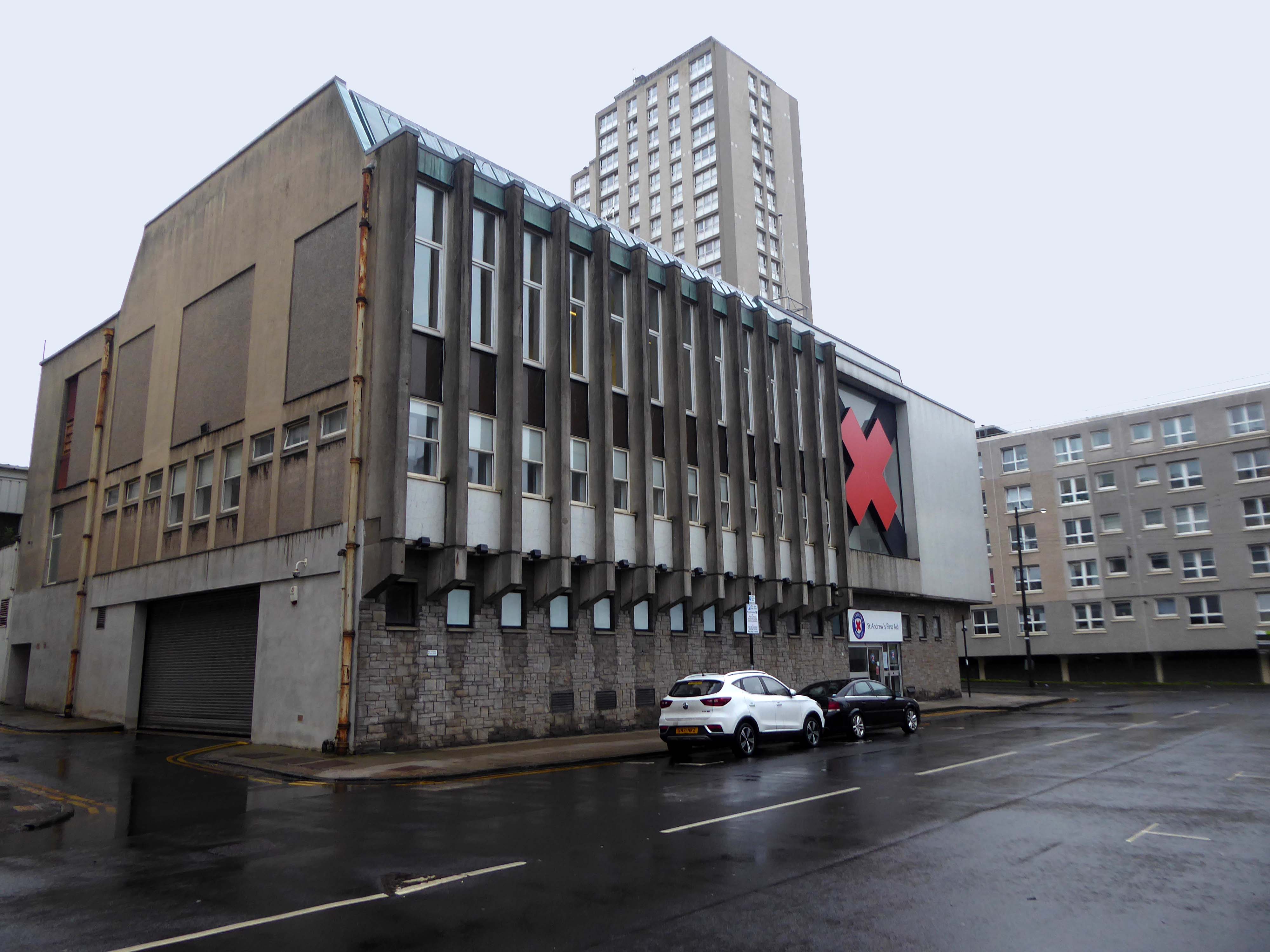
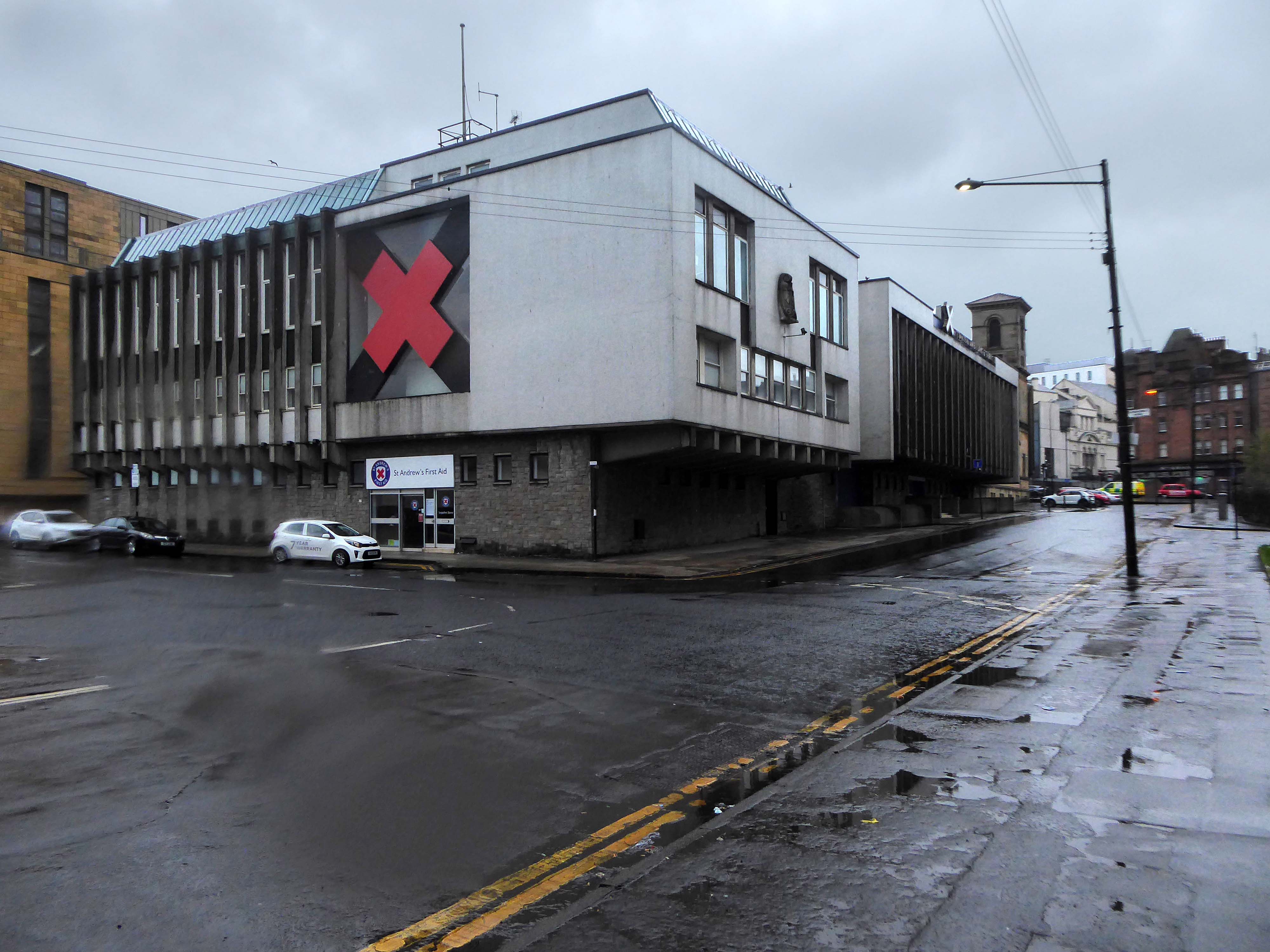
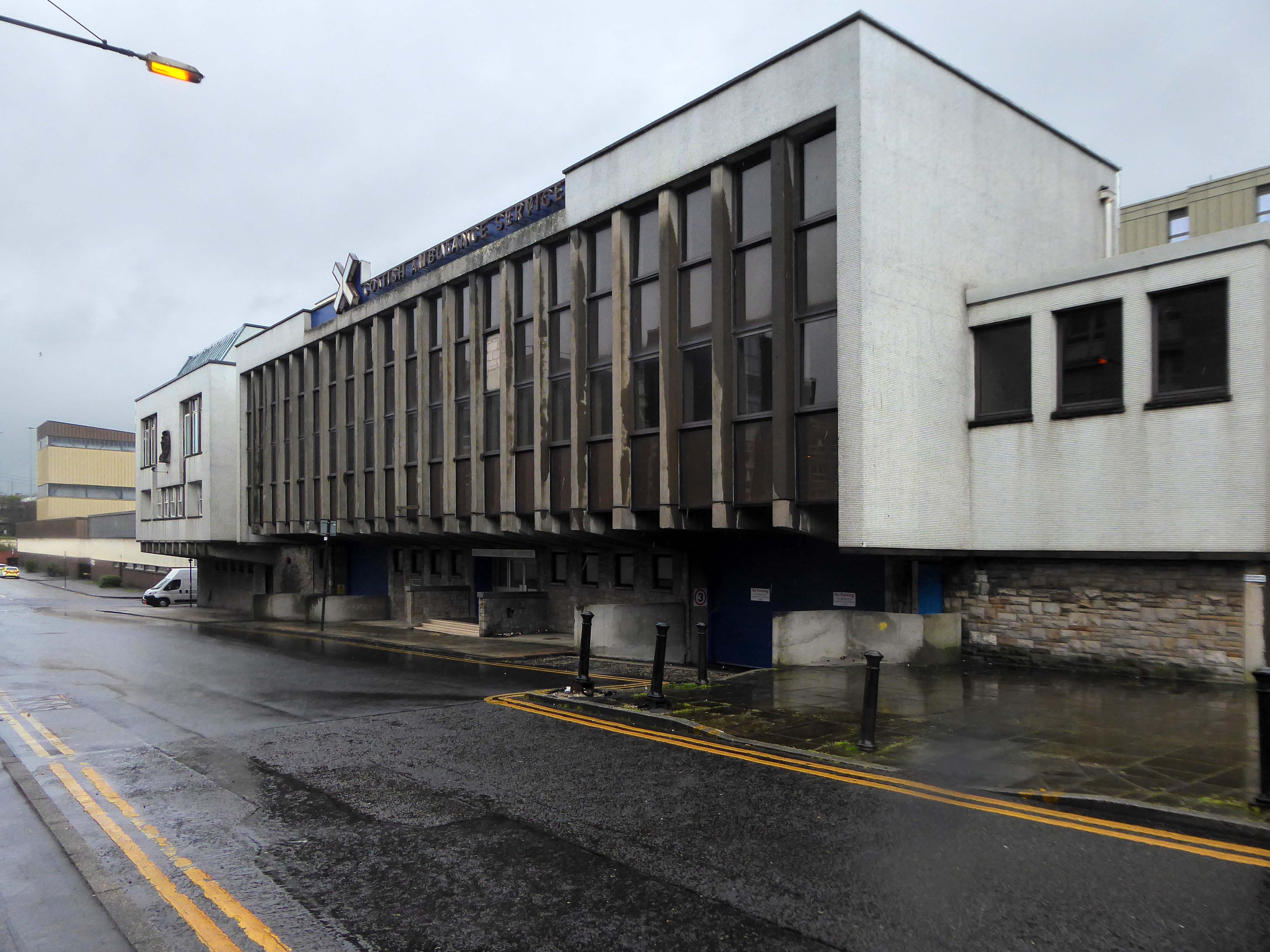
48 Milton Street and Maitland Street Glasgow G4 0LR
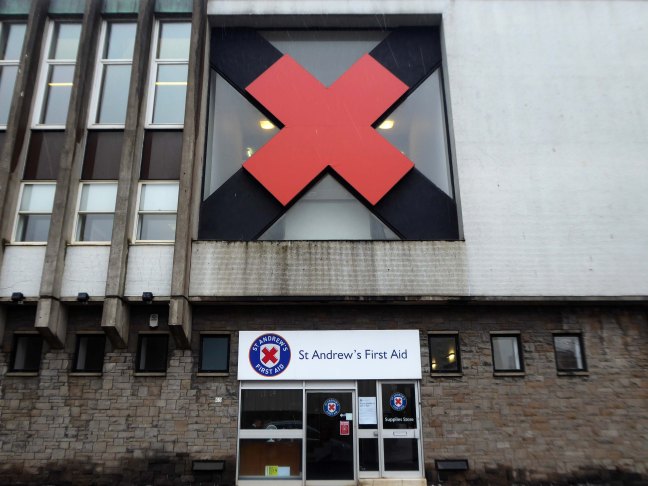
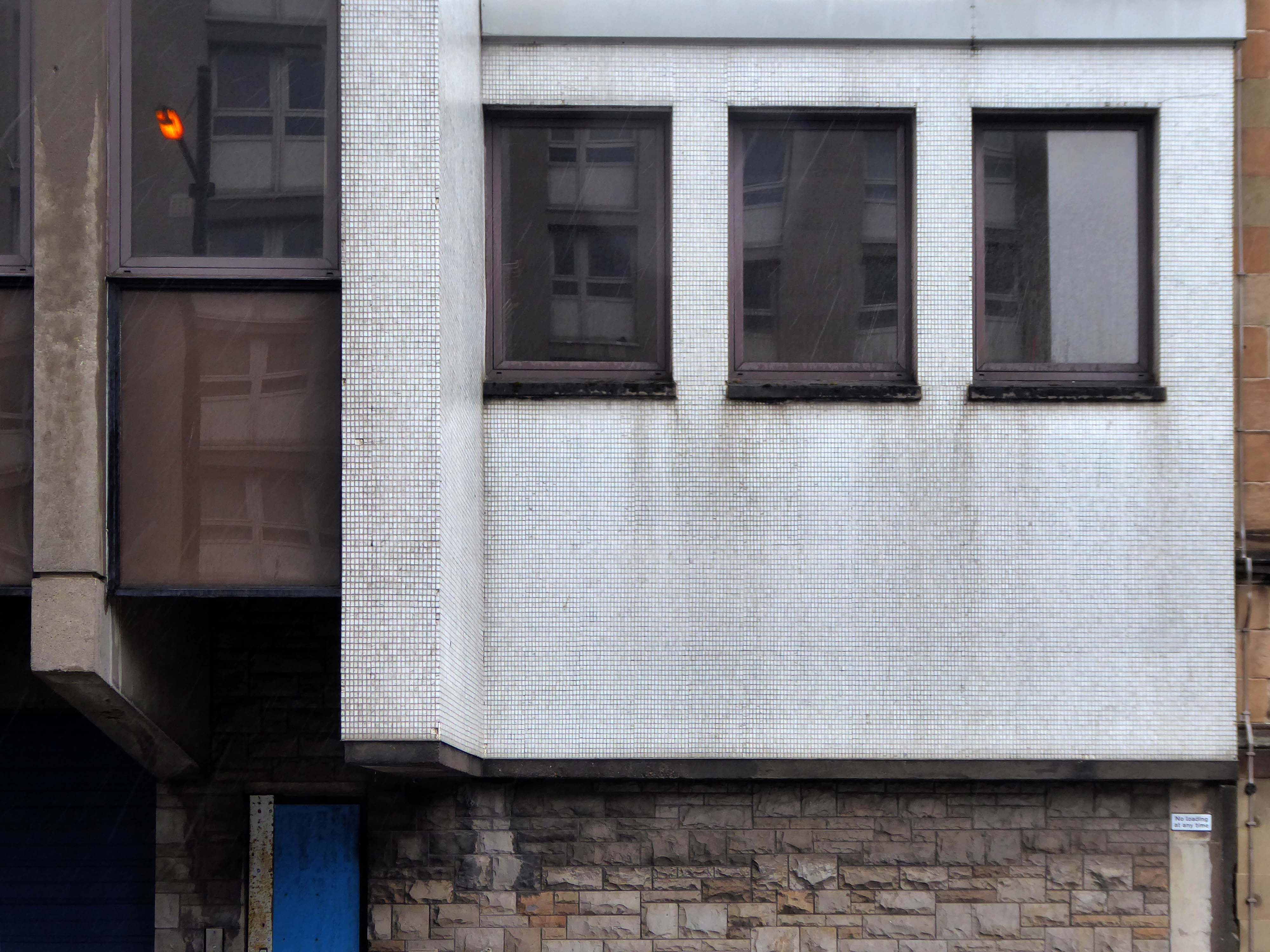
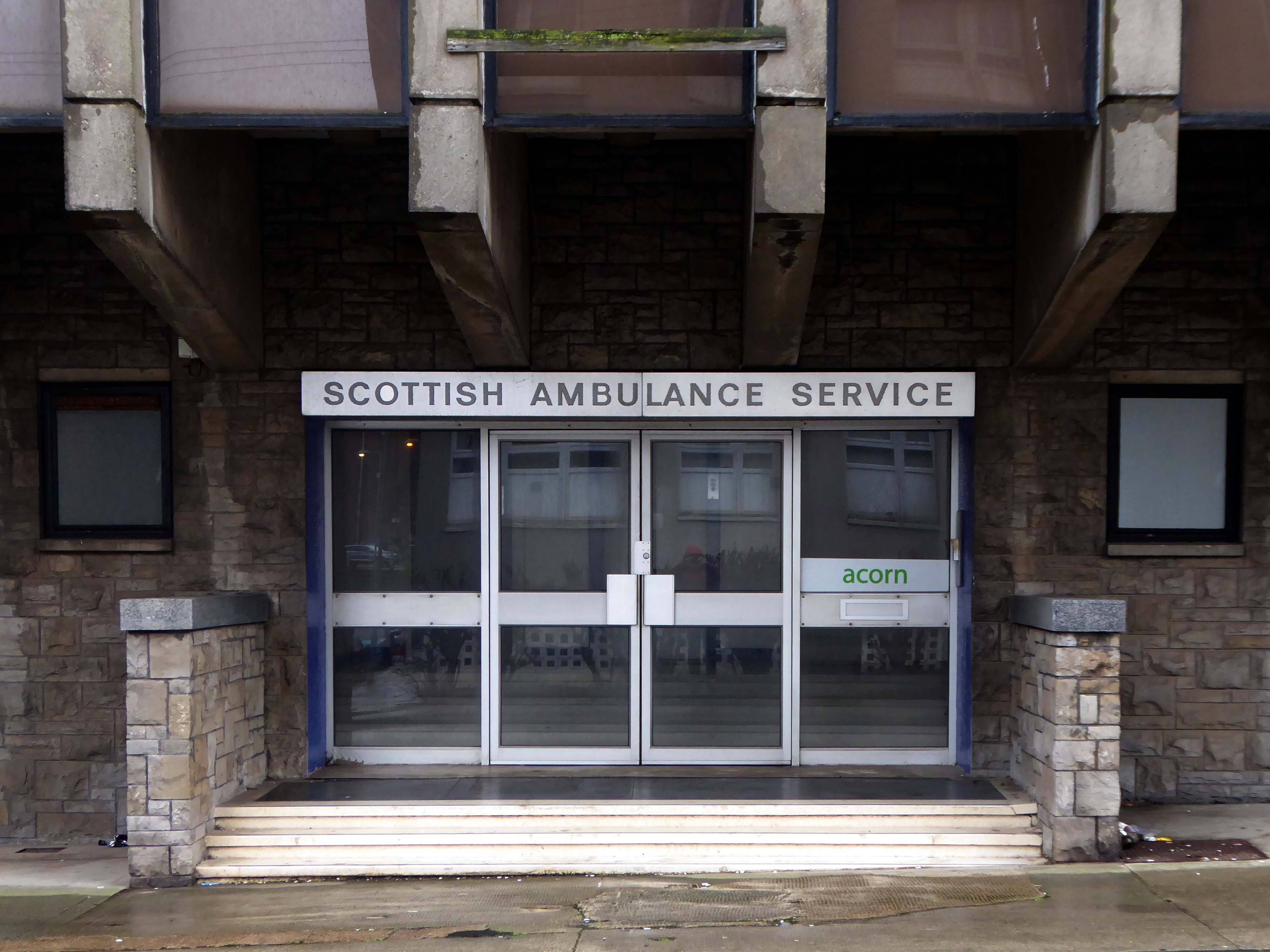
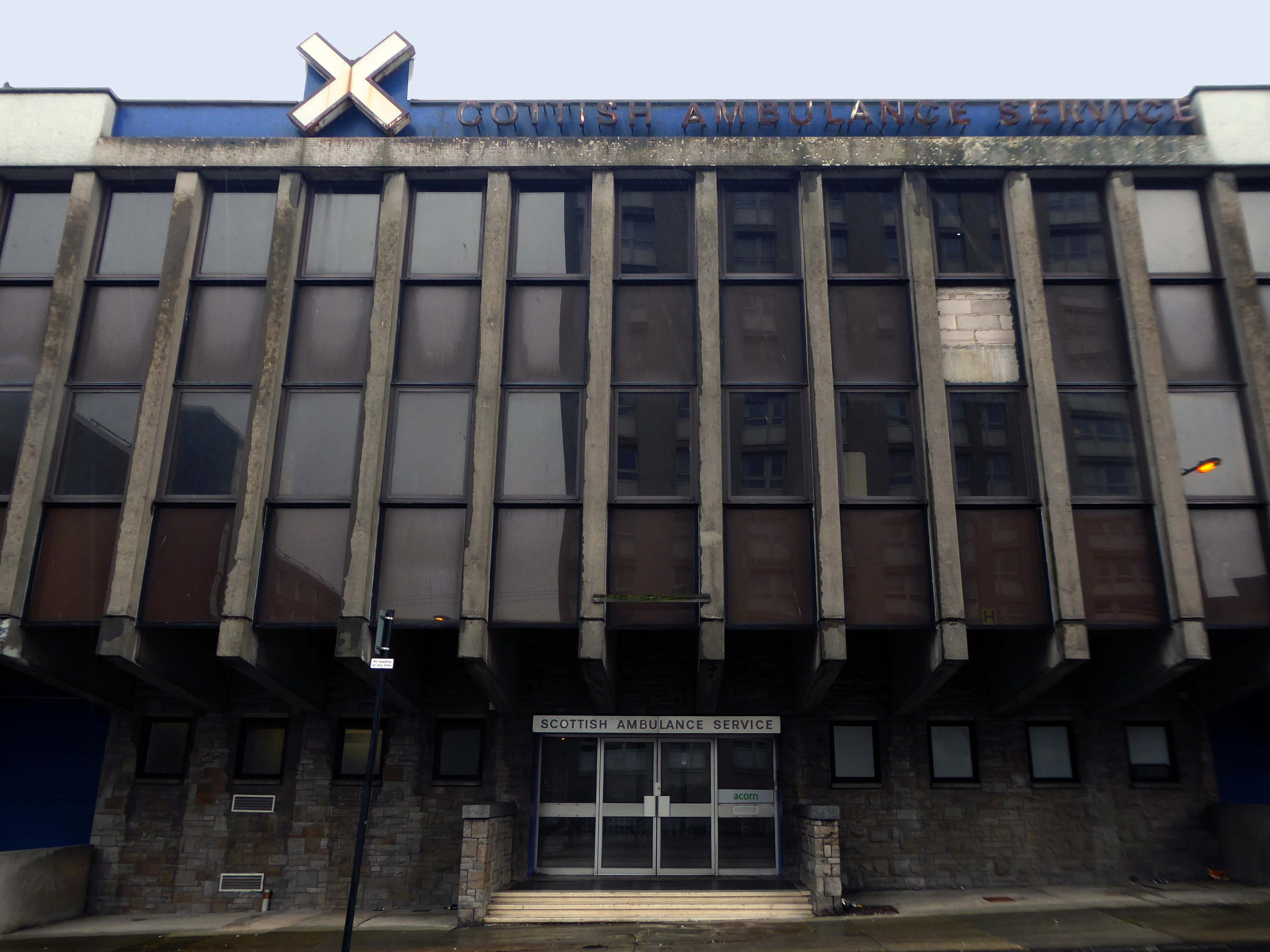
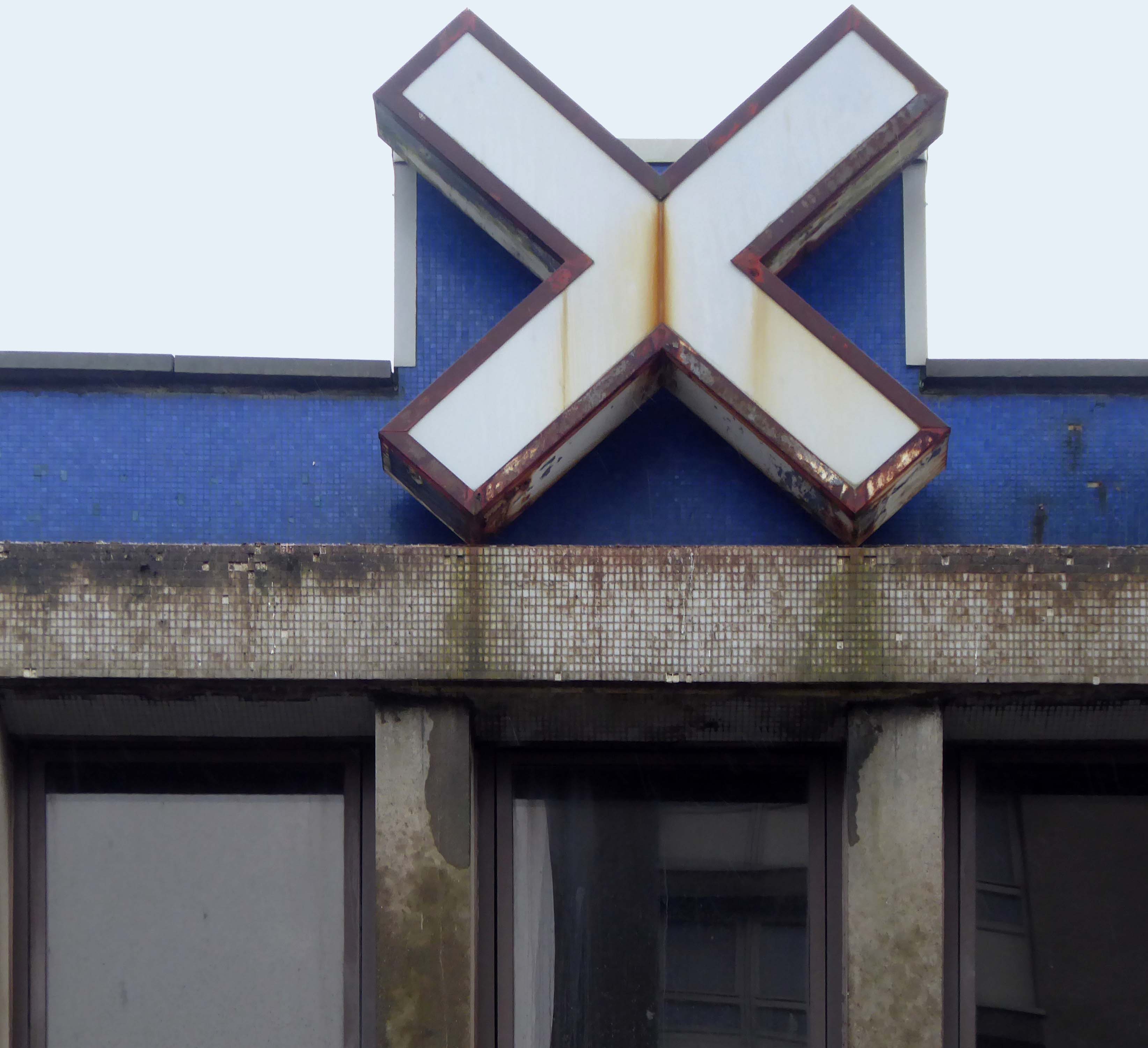
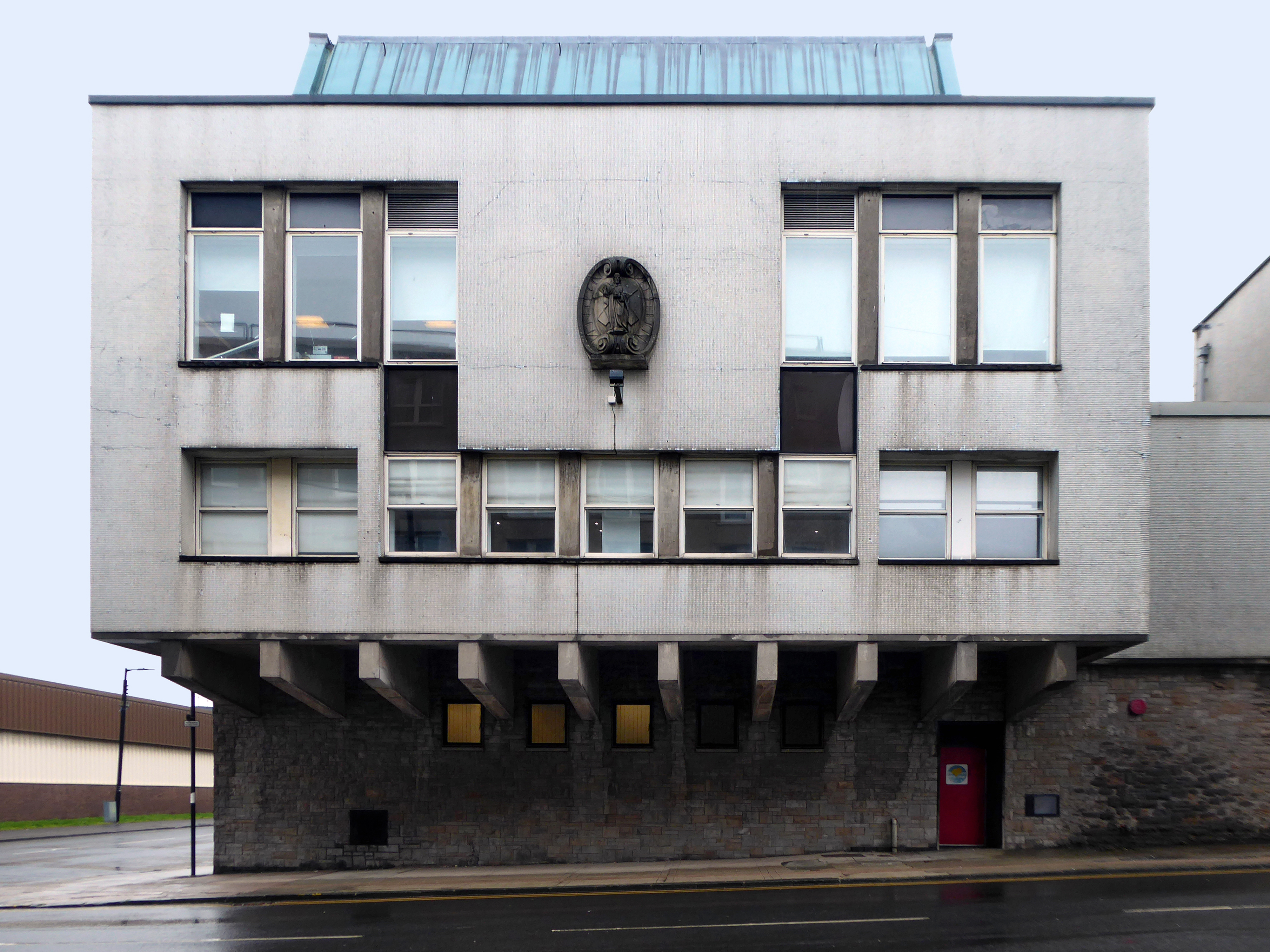
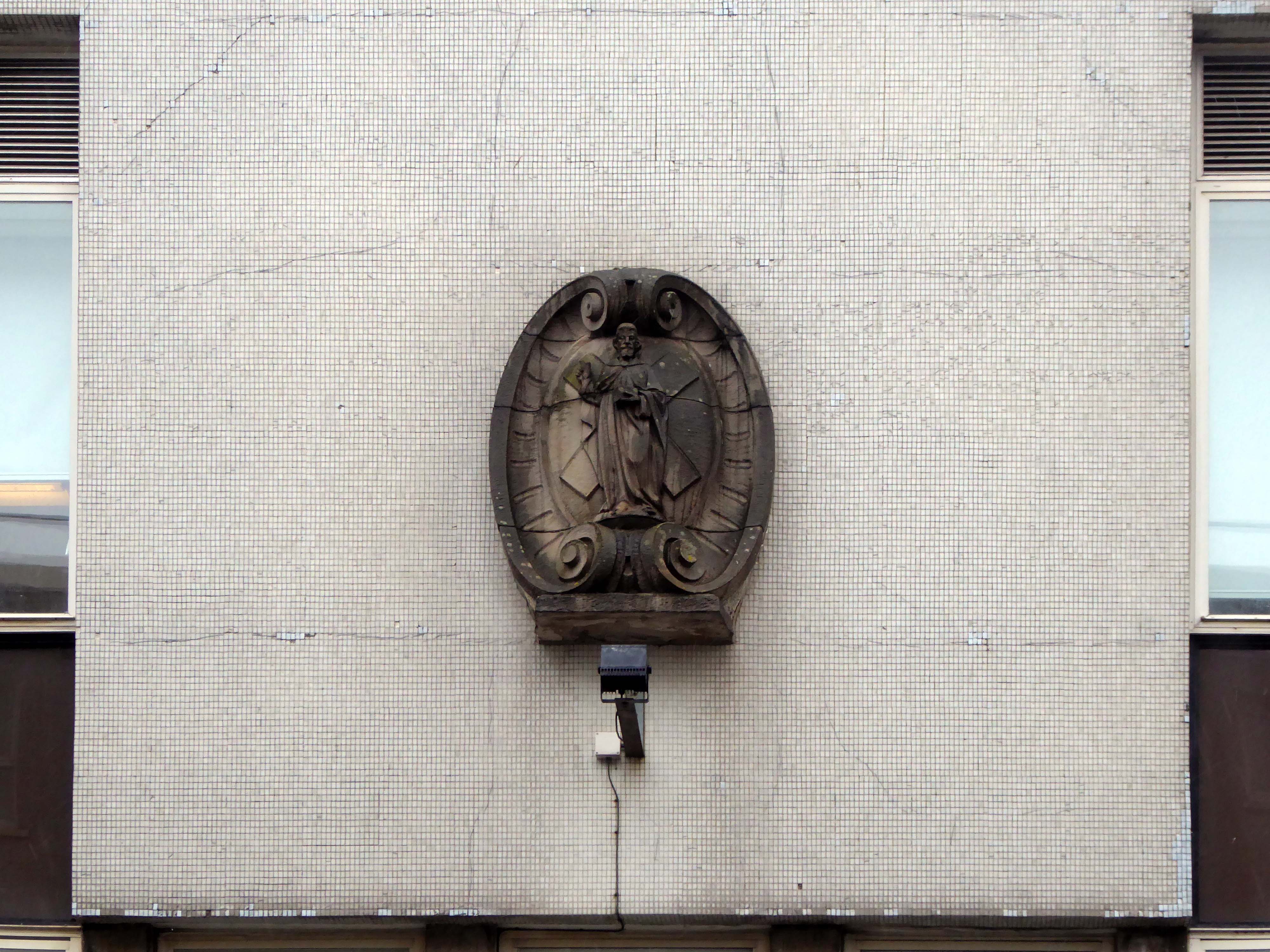
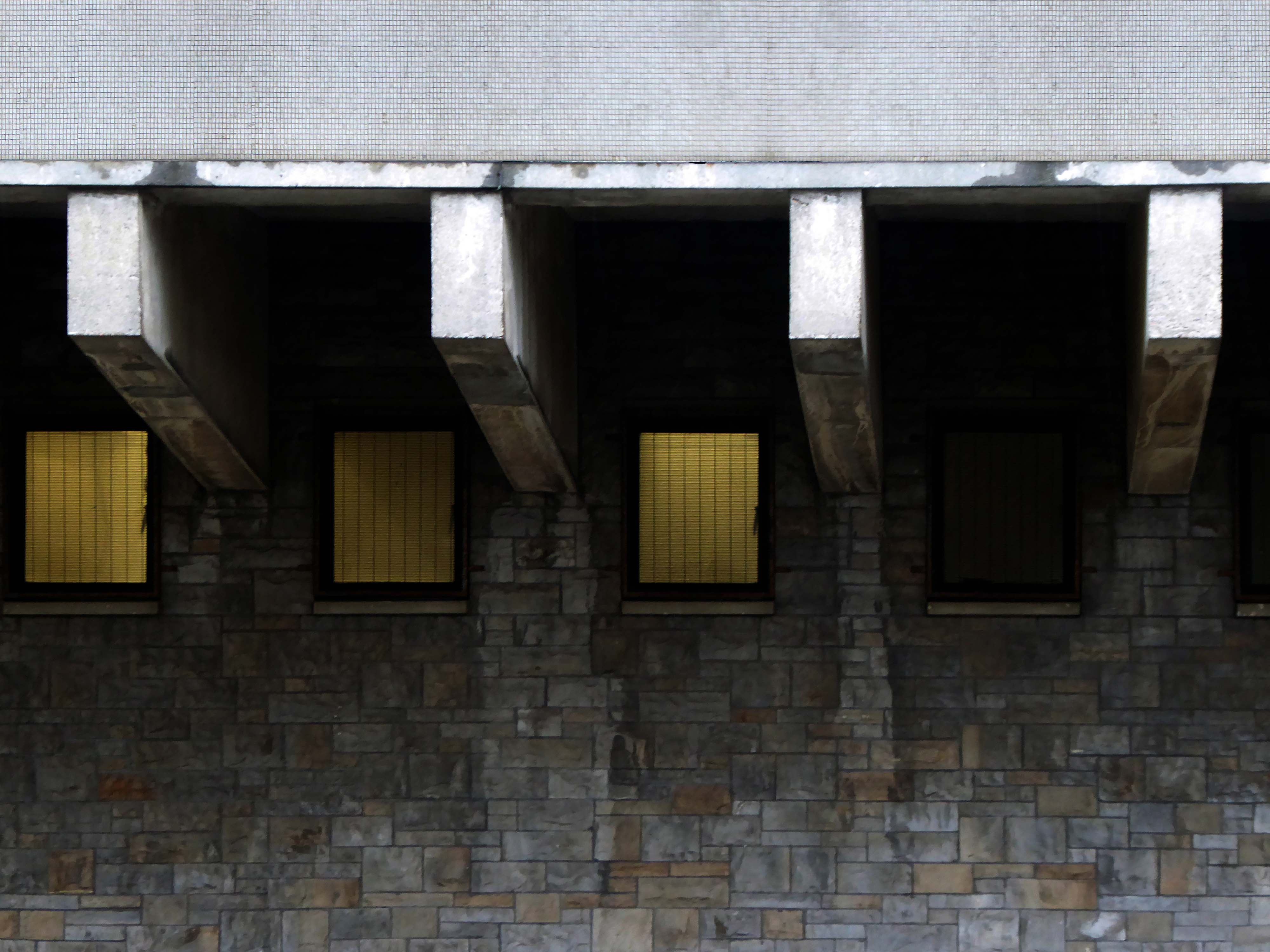
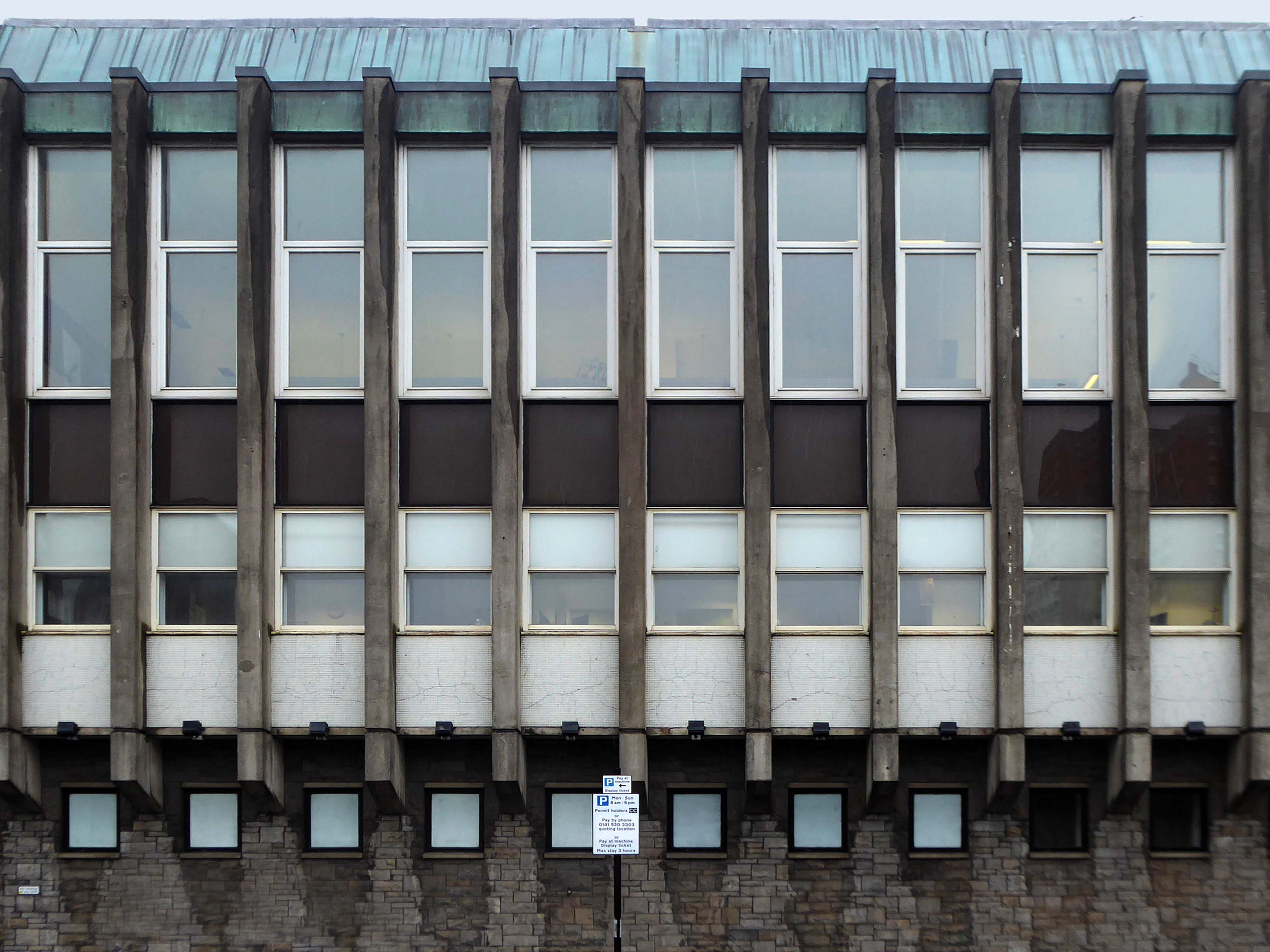
Scottish Ambulance Headquarters on Maitland Street and the adjoining St Andrew’s House with it’s entrance on 48 Milton Street. Designed by Skinner, Bailey & Lubetkin in the late 1960s. Originally two linked buildings, they now act independently with St Andrew’s House occupied by St Andrew’s first aid and the Headquarters next door currently lying vacant April 2011.
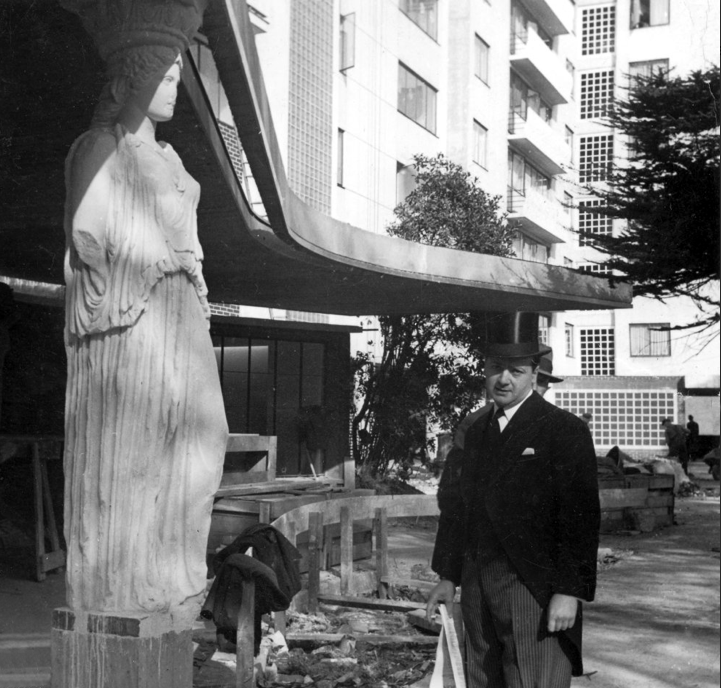
Berthold Lubetkin in top hat beside caryatid at the entrance to Highpoint Two – North Hill Highgate London.
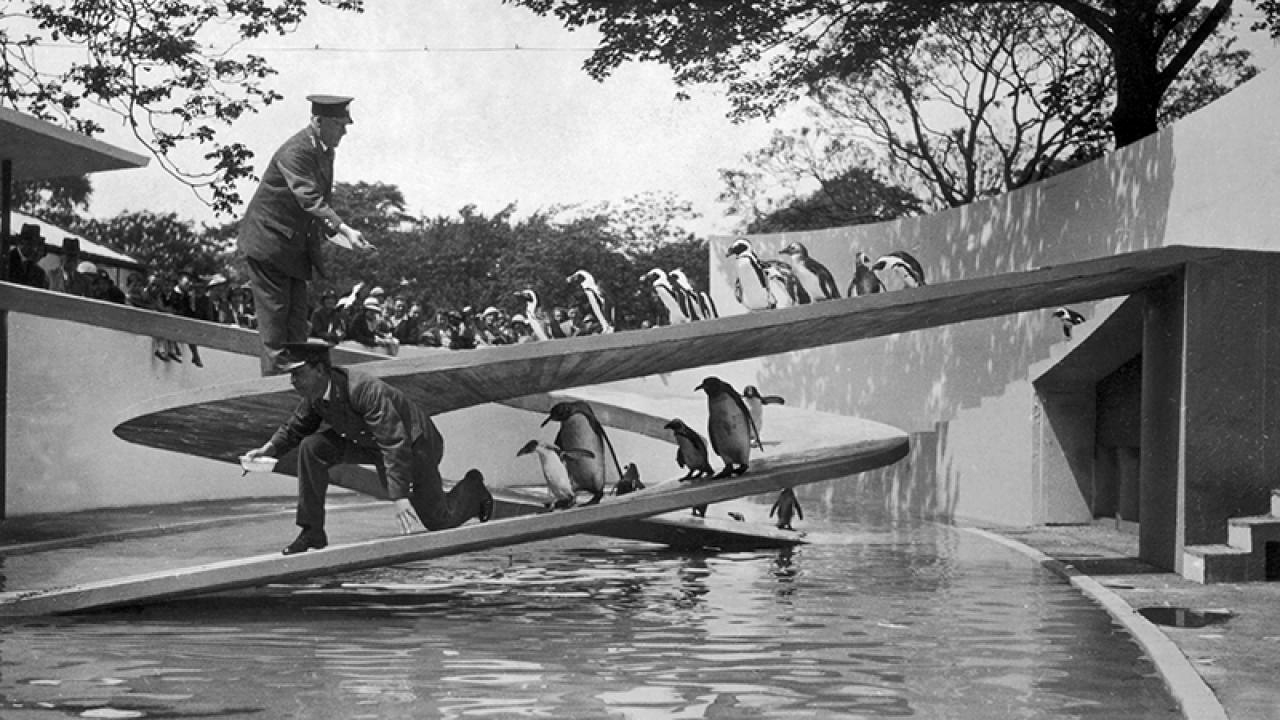
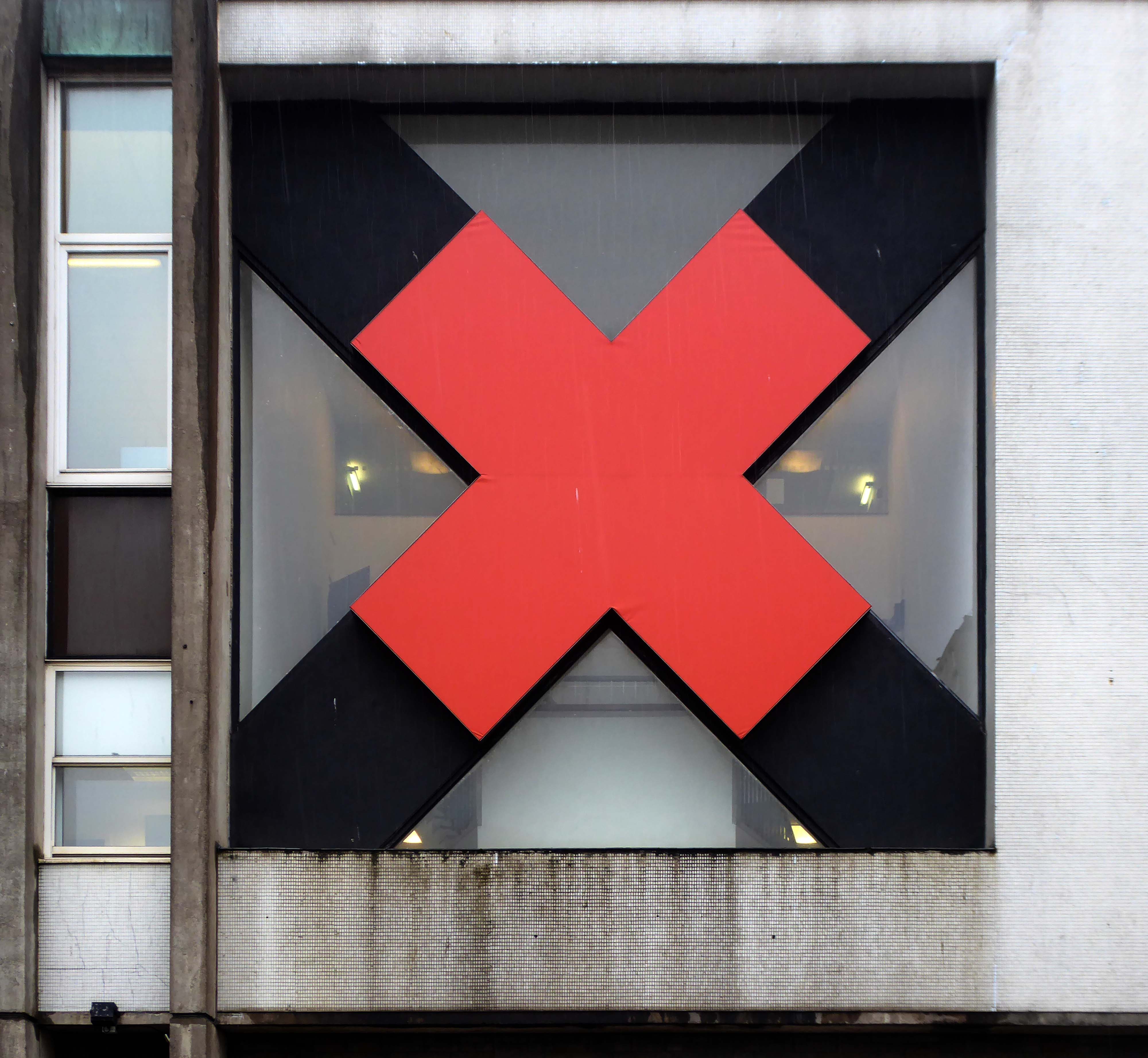
One of the only two buildings in Scotland designed by this architectural practice with Lubetkin acting as a consultant. Lubetkin is one of the outstanding figures of pre-war British architecture – penguin pool, London zoo & Highpoint Flats, London. Lubetkin designed the main cross of the north elevation and the main staircase, Bailey was the lead architect on this project. Both buildings are A listed.
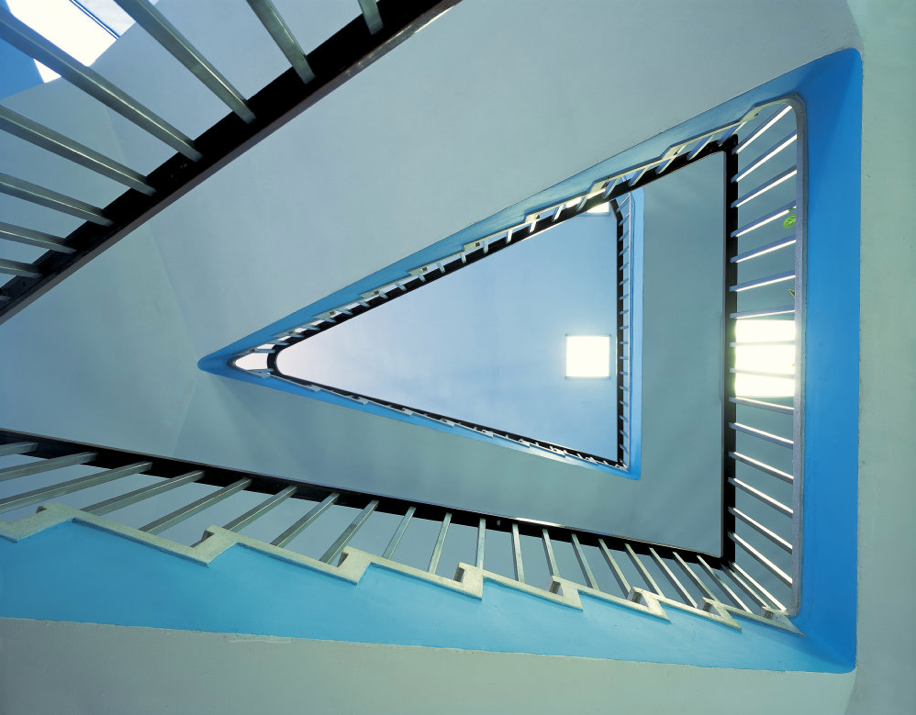
By the mid 1960s, Lubetkin was based at his farm in Gloucestershire, Skinner in London and Bailey in Glasgow. Bailey asked Lubetkin to work out the design of the main staircase and parts of the principal elevation, notably the large cross. Lubetkin’s staircases are particularly spectacular and the St Andrew’s one is no exception. Allan notes that the Lubetkin leitmotif was the controlled collision of straight and curved geometry and this would appear to be exemplified here in the triangular plan geometric staircase which ends in a gentle curve at the ground floor. It is possible that Lubetkin may have influenced the vertical timber panelling in the boardroom. While that in the main hall is smooth and varnished, the boardroom has been sandblasted to present a weathered appearance. At Highpoint Two Lubetkin designed the interior and furniture for the penthouse flat with walls of vertical roughened sand-blasted pine panelling.
This is a walk around the street view of the building during my first visit to Glasgow in April 2022 – there was no evidence of any redevelopment work taking place.
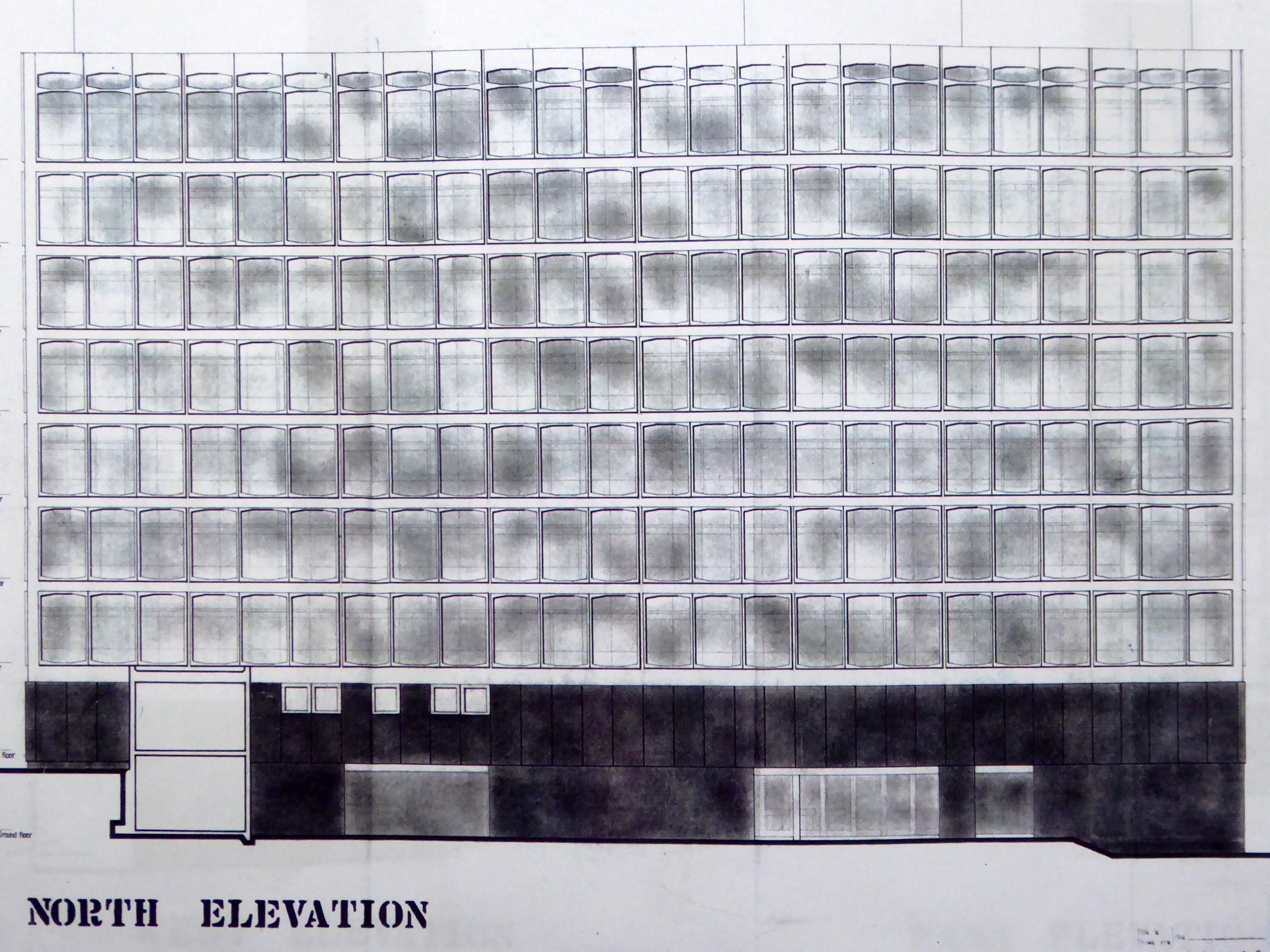
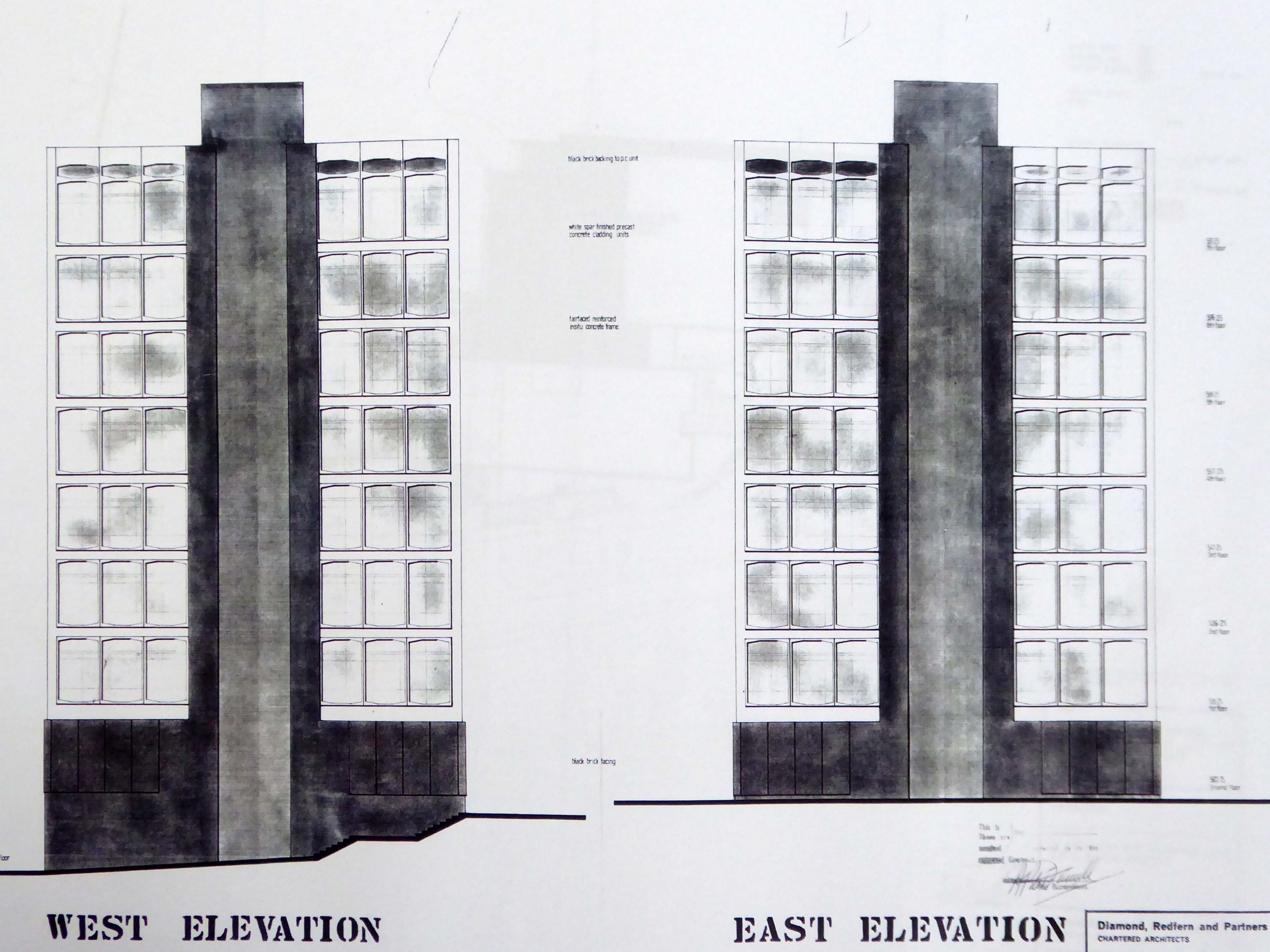
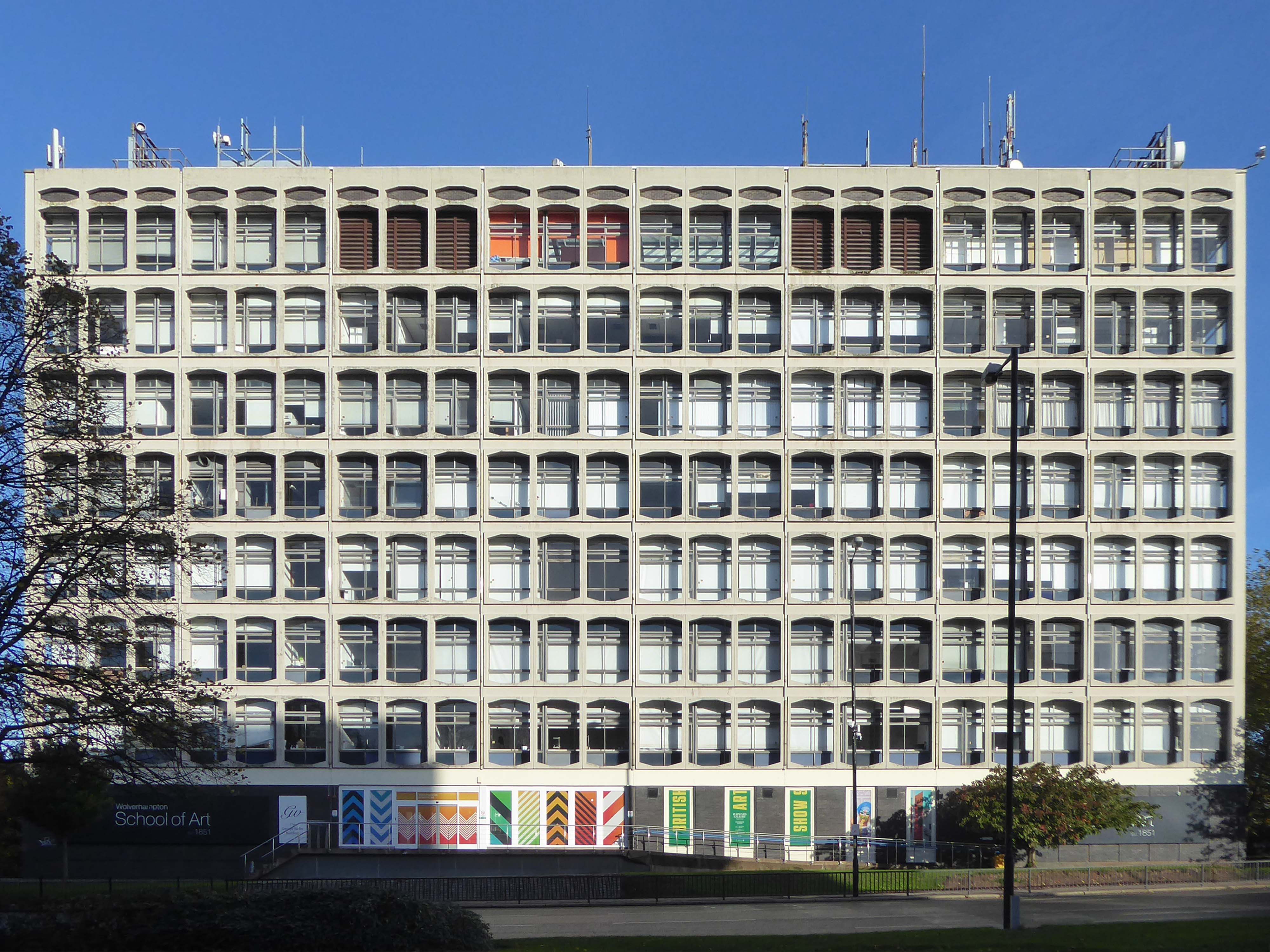
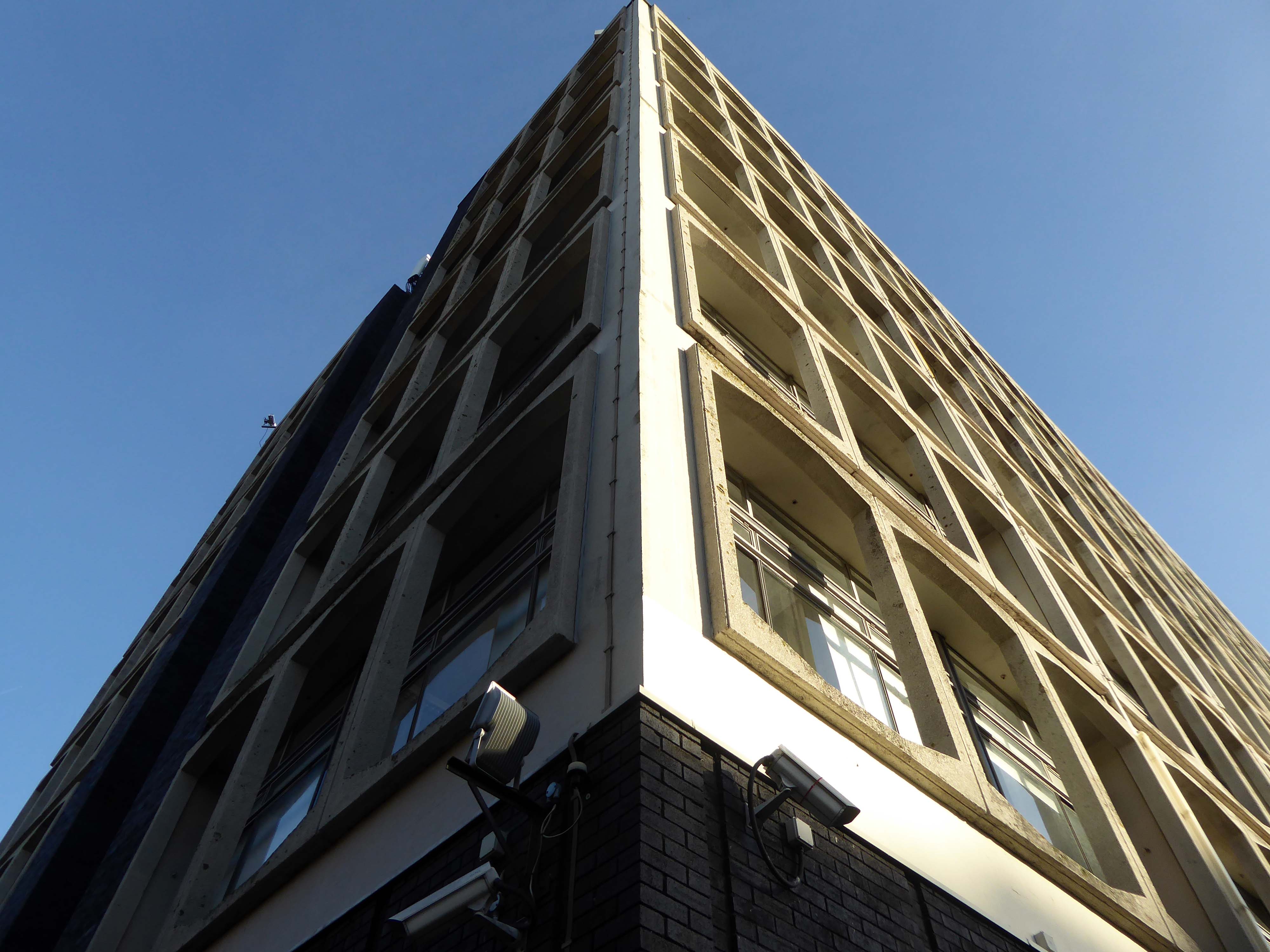
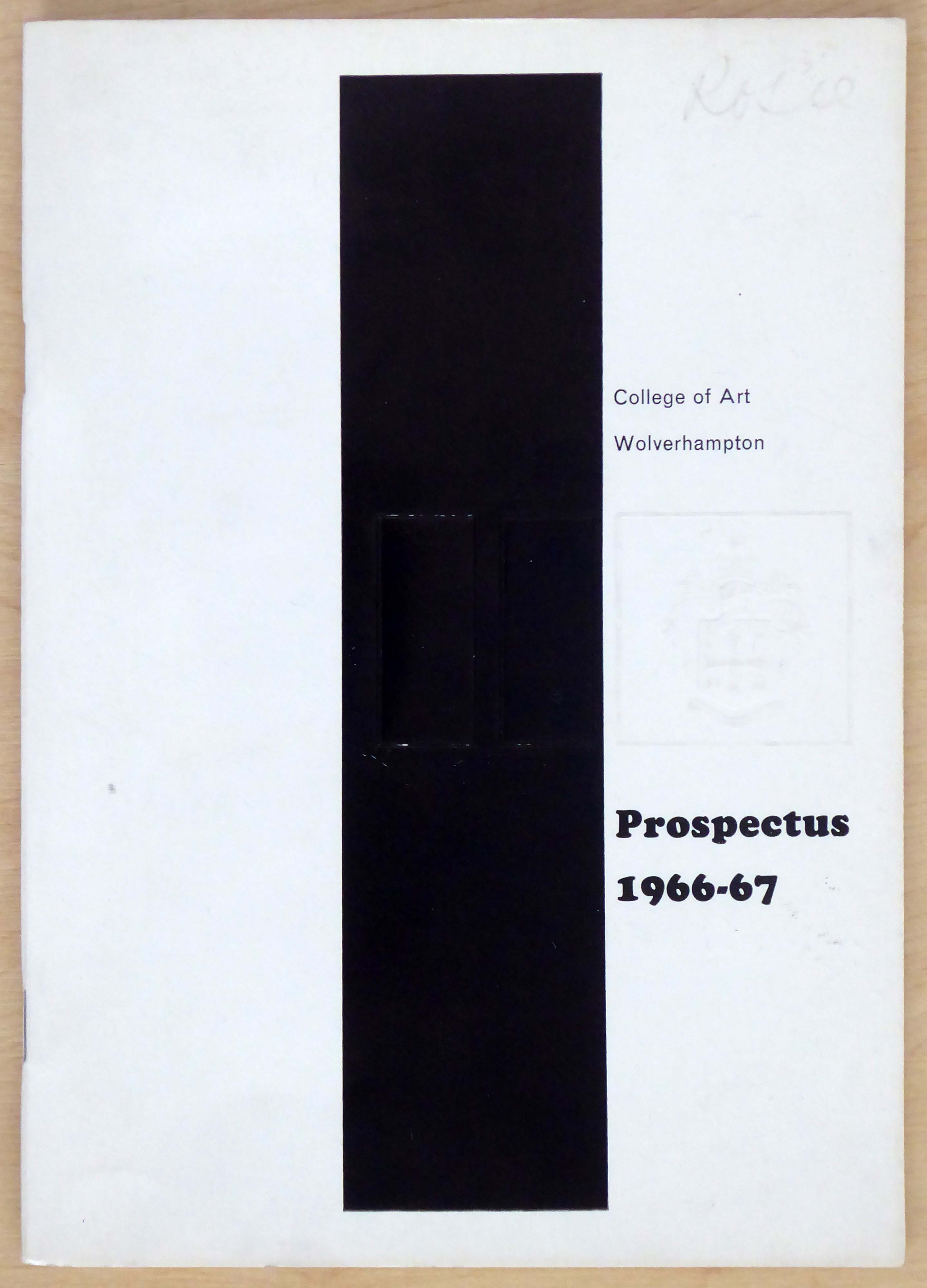
In May 1950 the School of Art and Crafts became Wolverhampton College of Art.
Its aims were to maintain and develop the closest possible relations with industry, collaborate with employers to develop new training courses, and to maintain a high level of achievement in the fine arts.
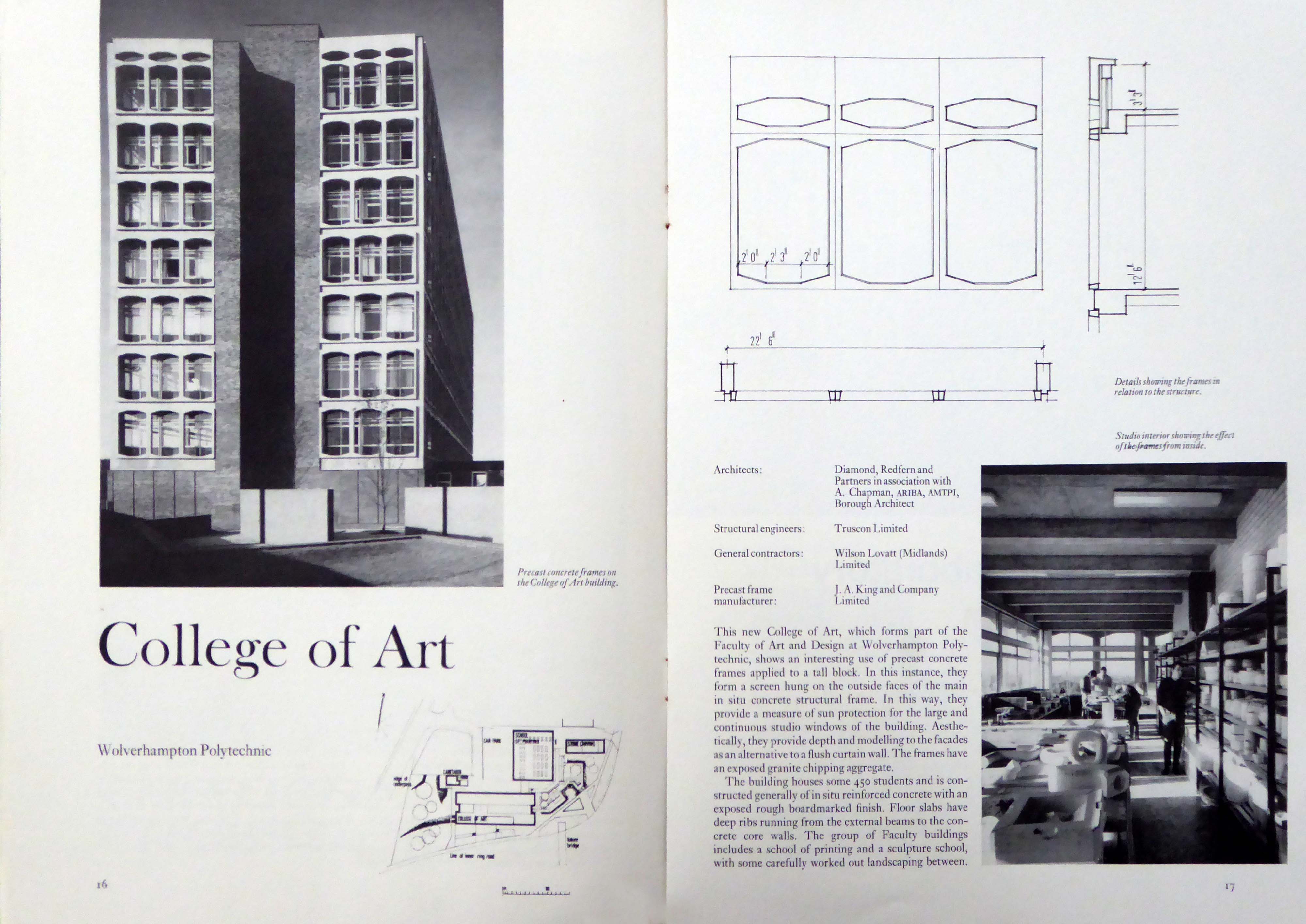
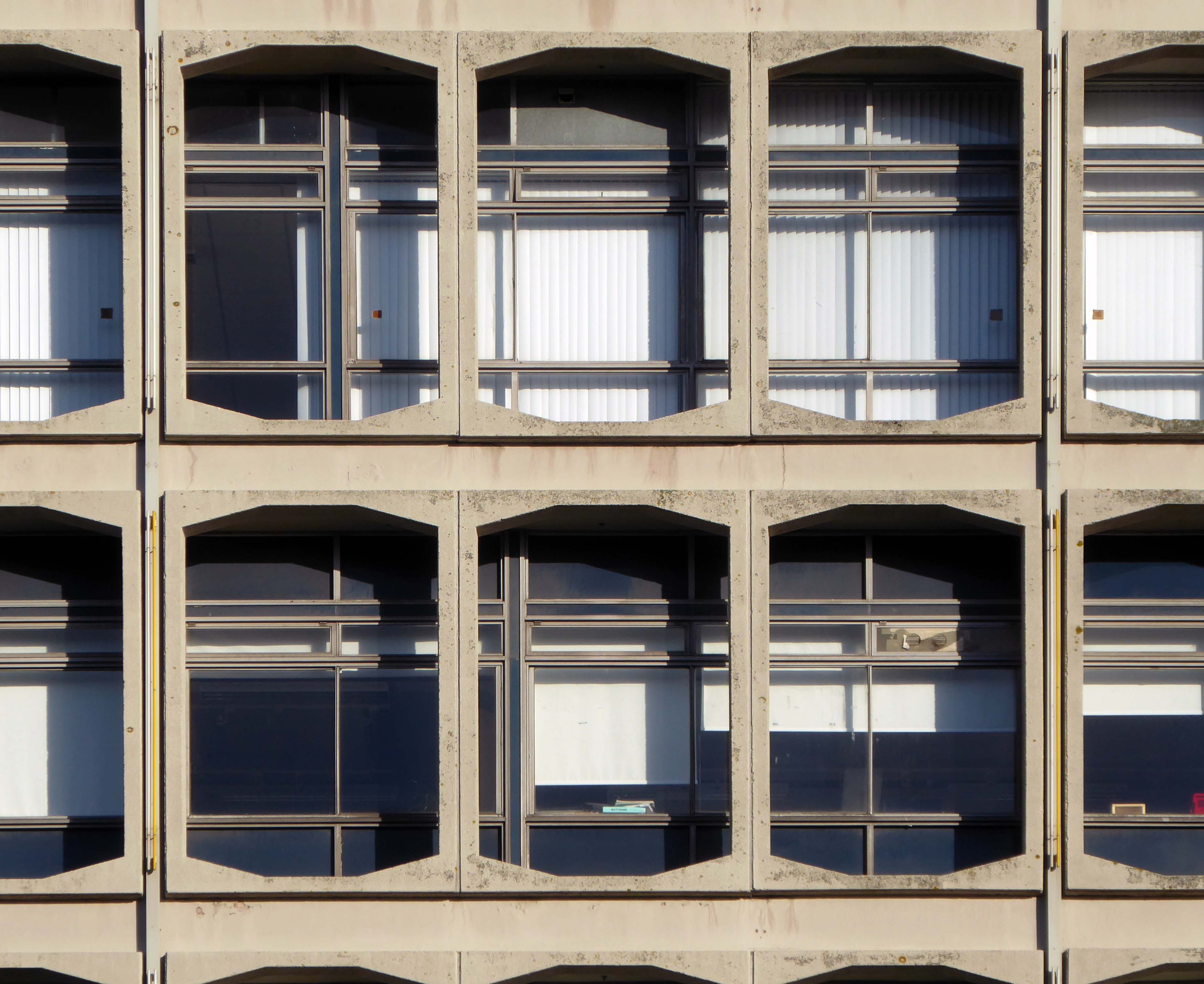
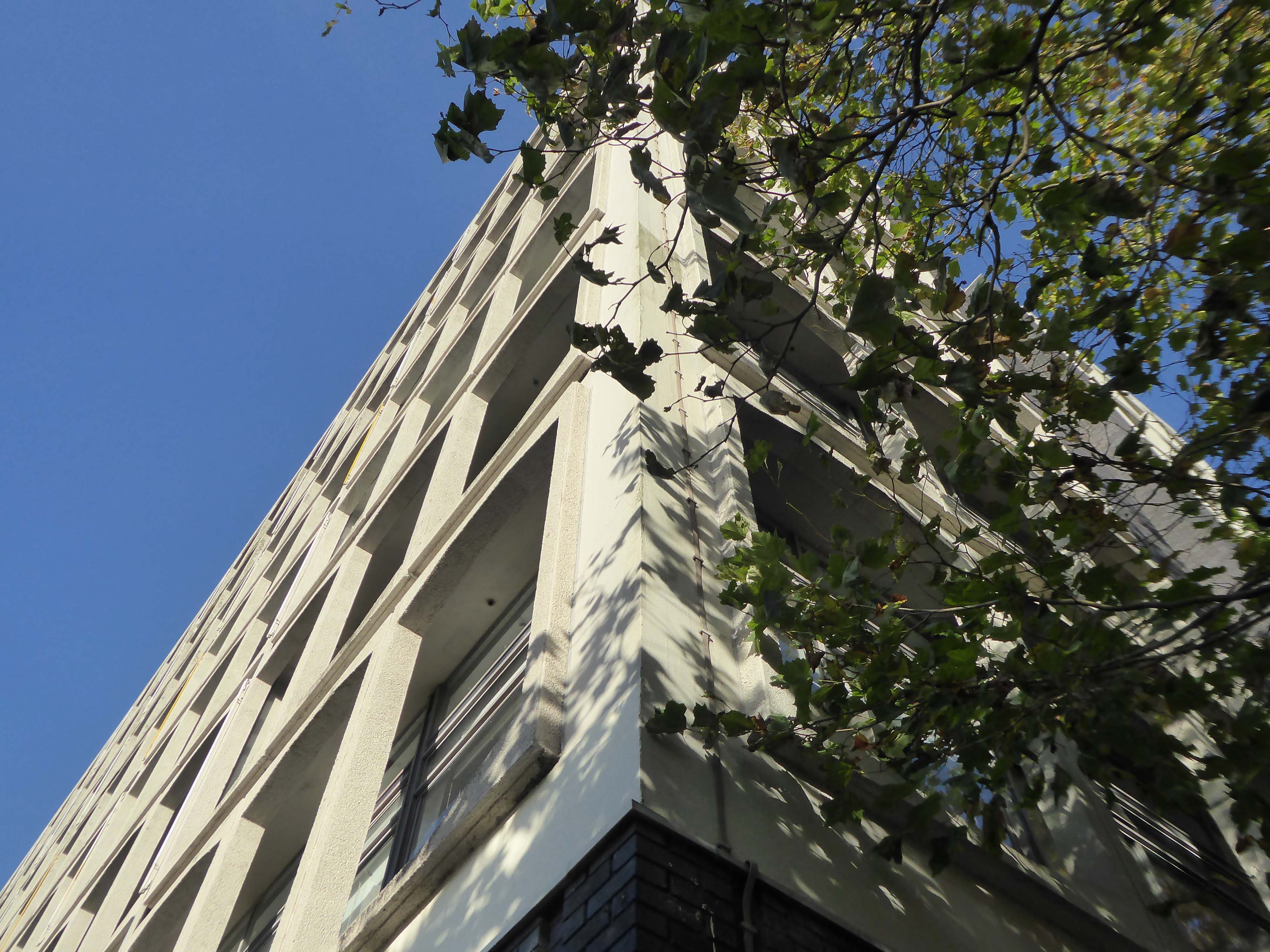
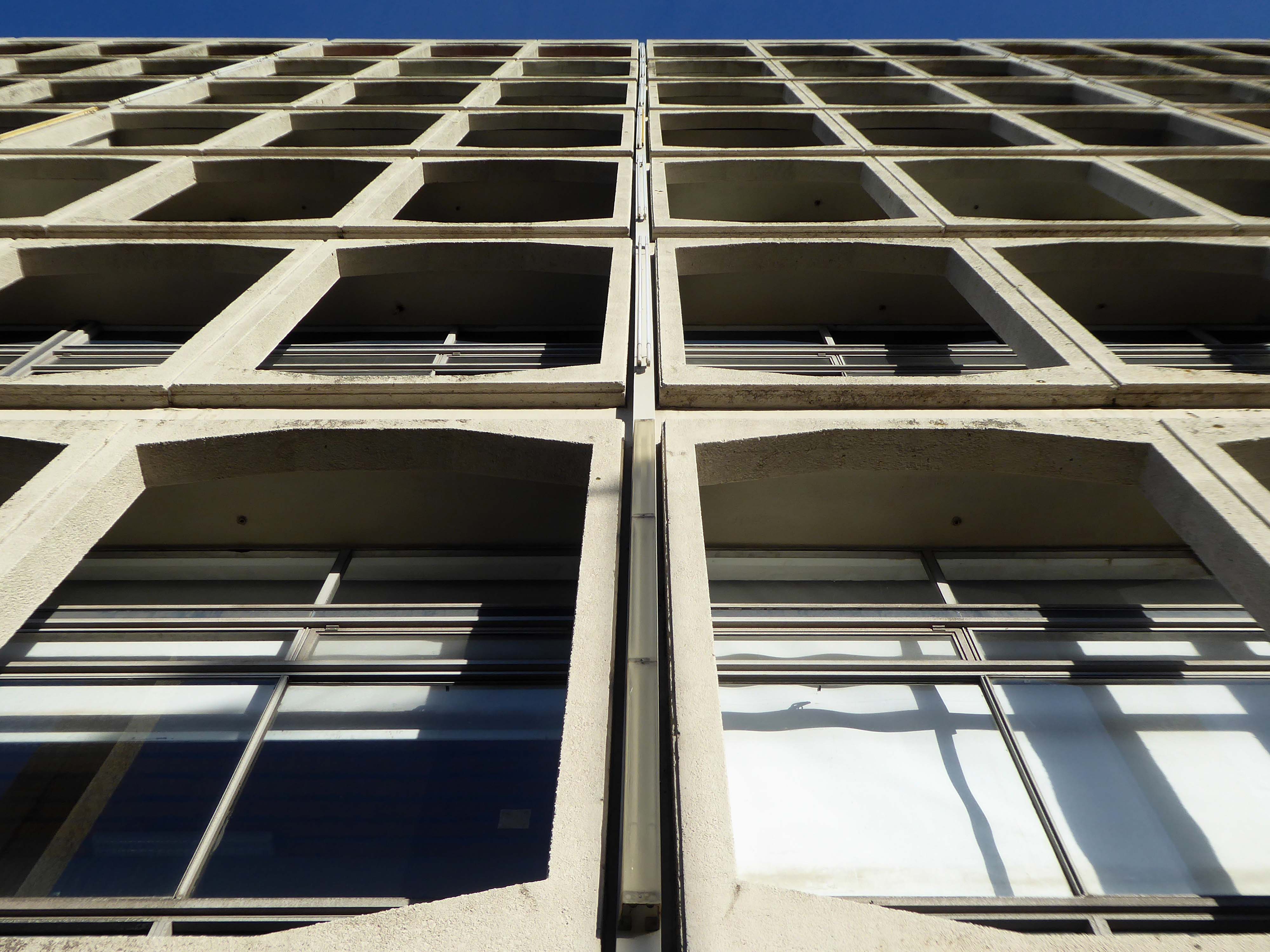
In 1963 the college began running its first degree-level course in the form of a Diploma in Art and Design. Three years later the college had a new Principal, Robin Plummer who oversaw the building of a new college alongside Ring Road St Peters. Work on the new site began in the summer of 1967, and by early 1969 the new building had appeared.
Architects: Diamond Redfern and Partners with A Chapman Borough Architect
The first degree show was held there on 12th June, 1969 and the first full academic year started in September 1969. The building was officially opened by an ex student, Sir Charles Wheeler on 23rd October, 1970.
Wolverhampton College of Art merged with Wolverhampton College of Technology to form The Polytechnic Wolverhampton – which was founded on 1st September 1969.
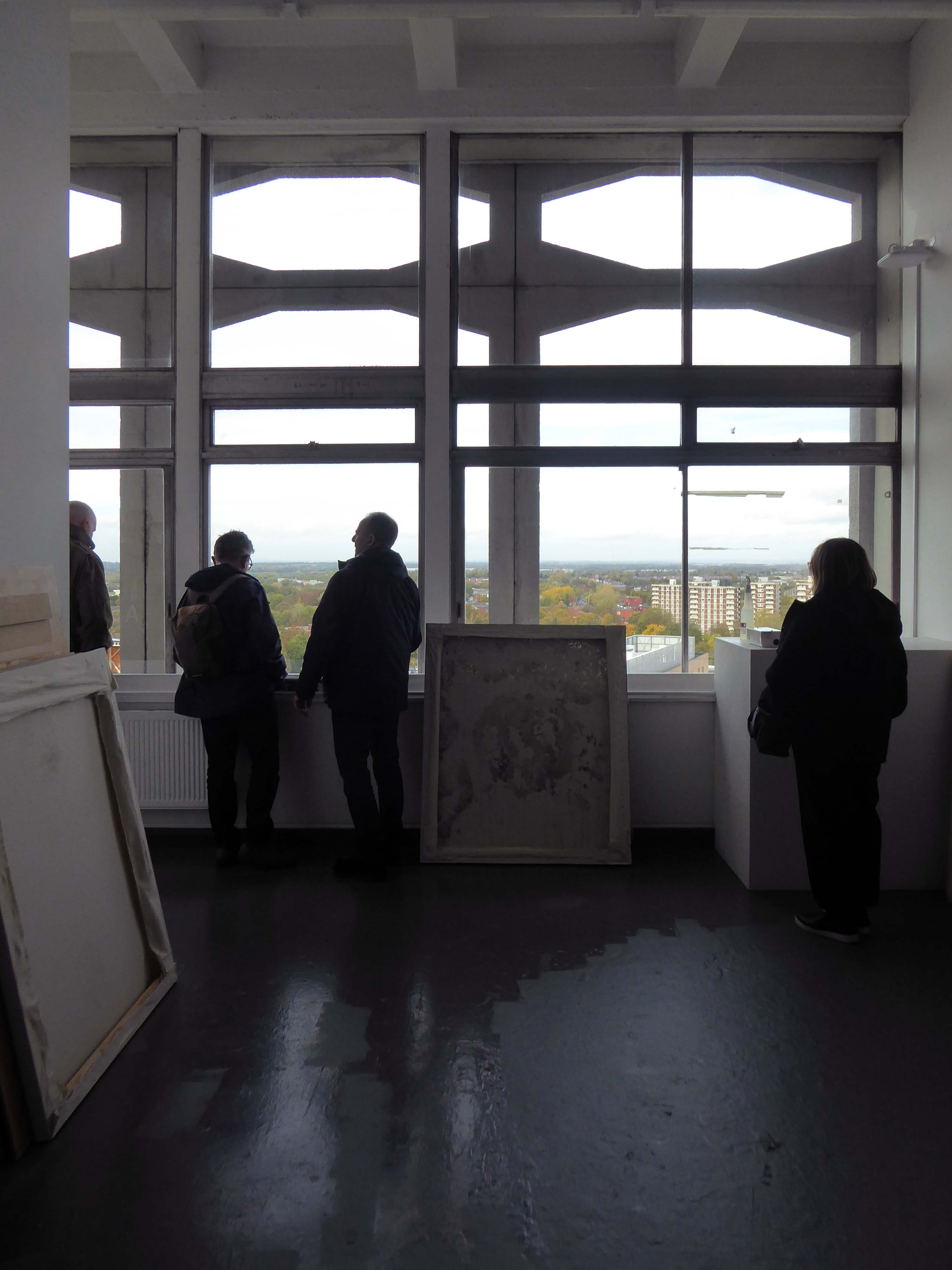
A group of interested parties visited the College, as part of a photographic walk lead by Black Country Type aka Tom Hicks with the cooperation of the School of Art, organised by the Modernist Society.
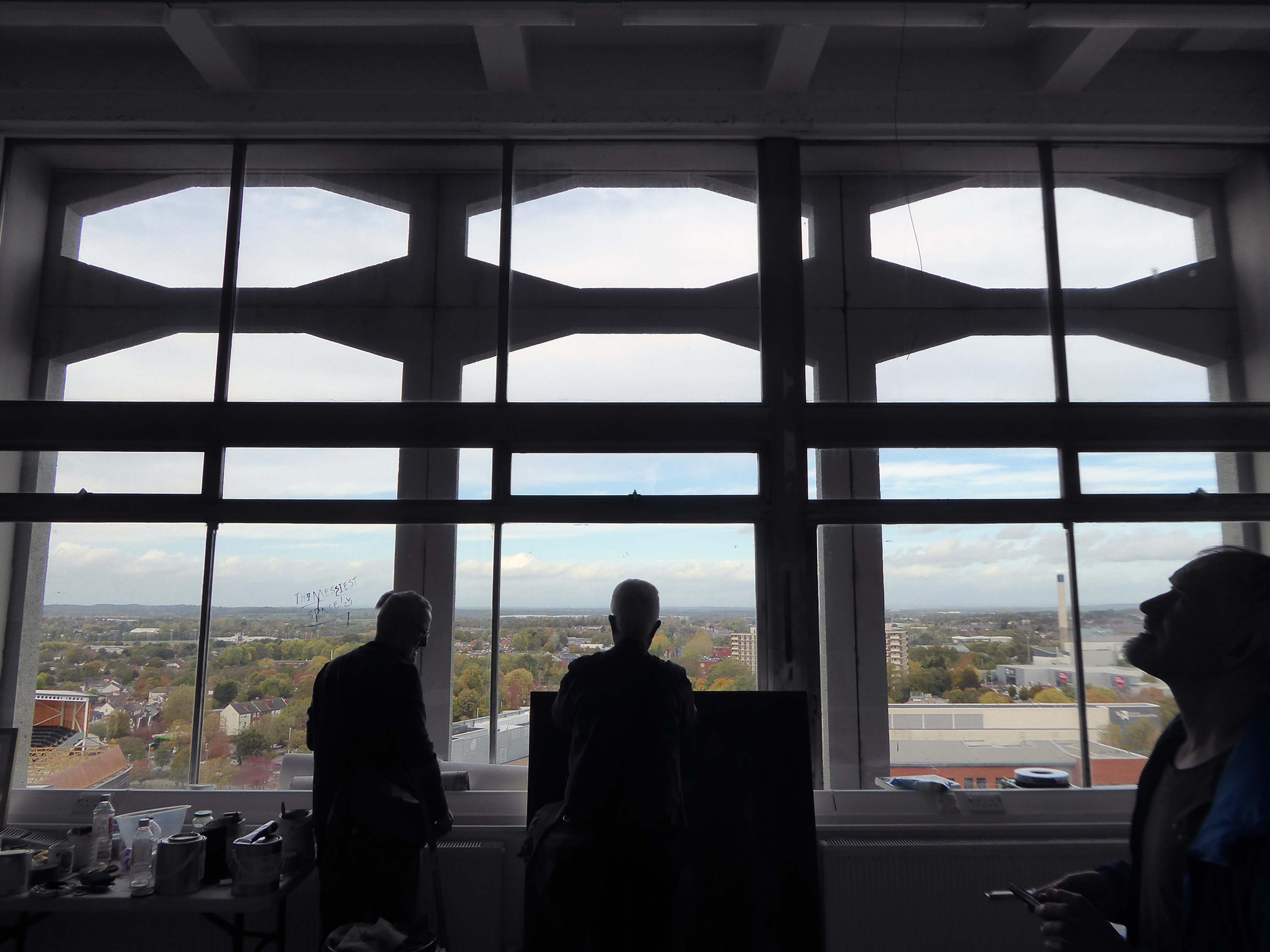
Being a product of the Great British Art School Challenge I was delighted to find the college to be in rude health. Floor after floor of well equipped studios and workshops which service the needs of hoards of eager students.
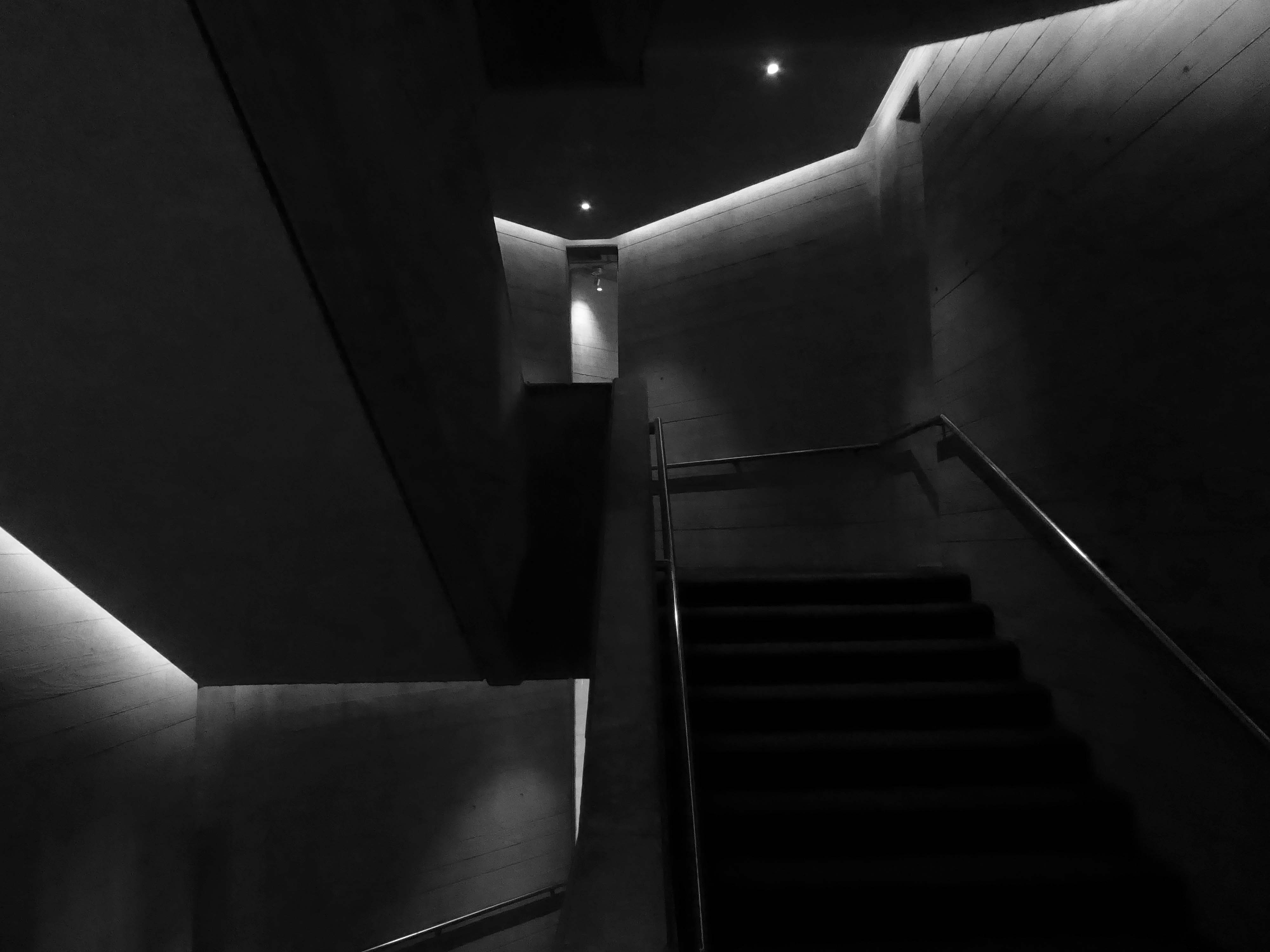
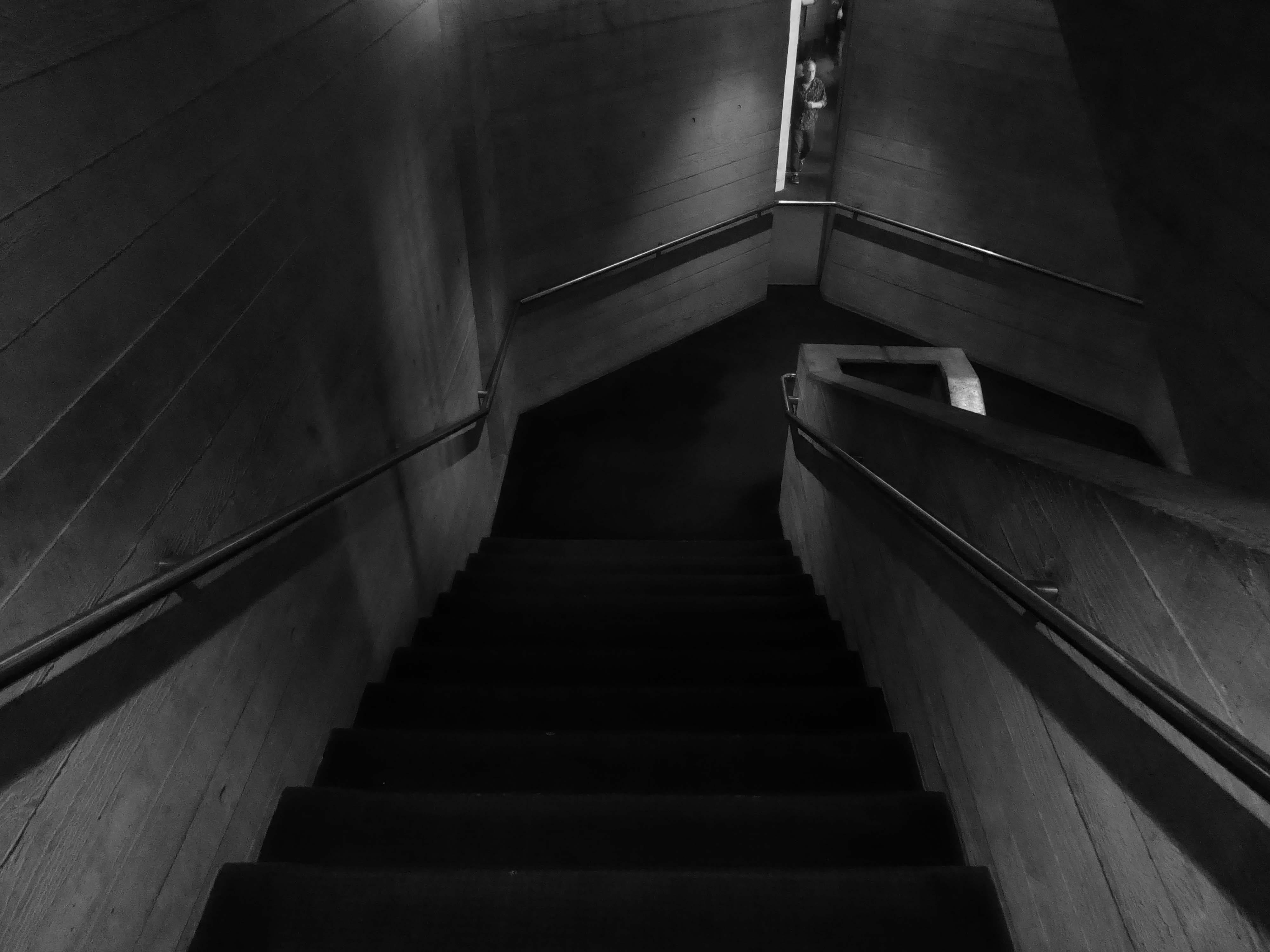
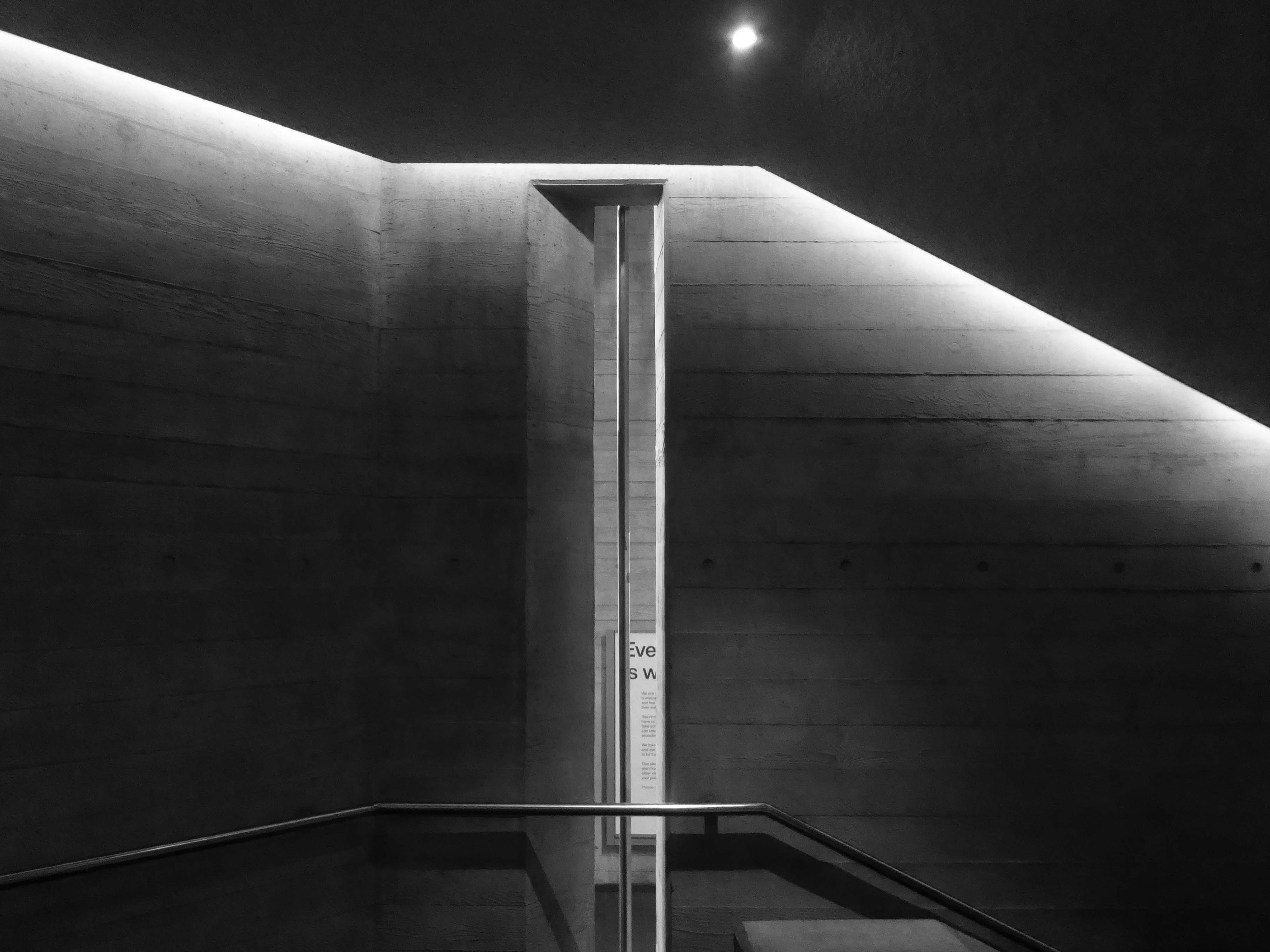
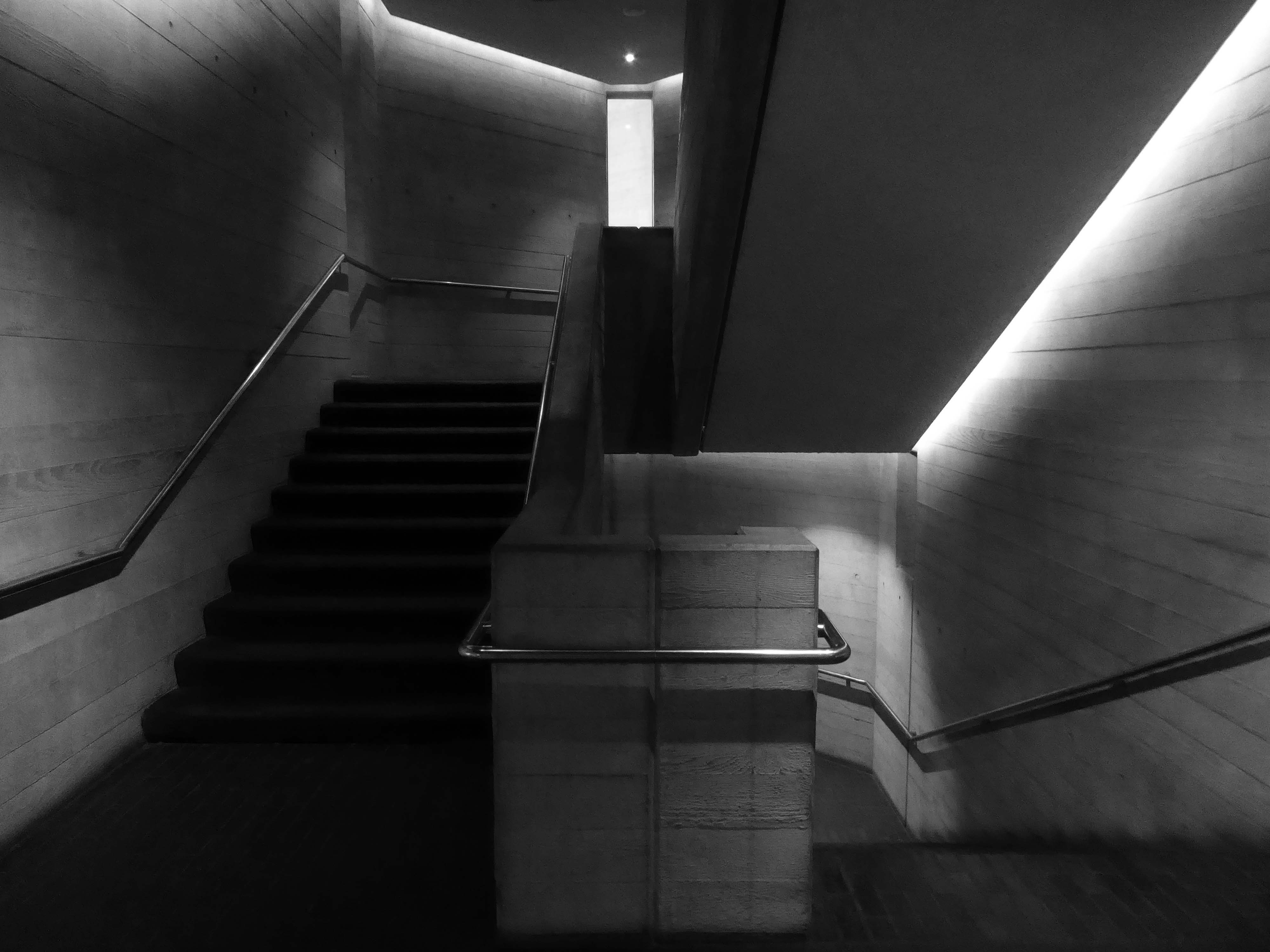
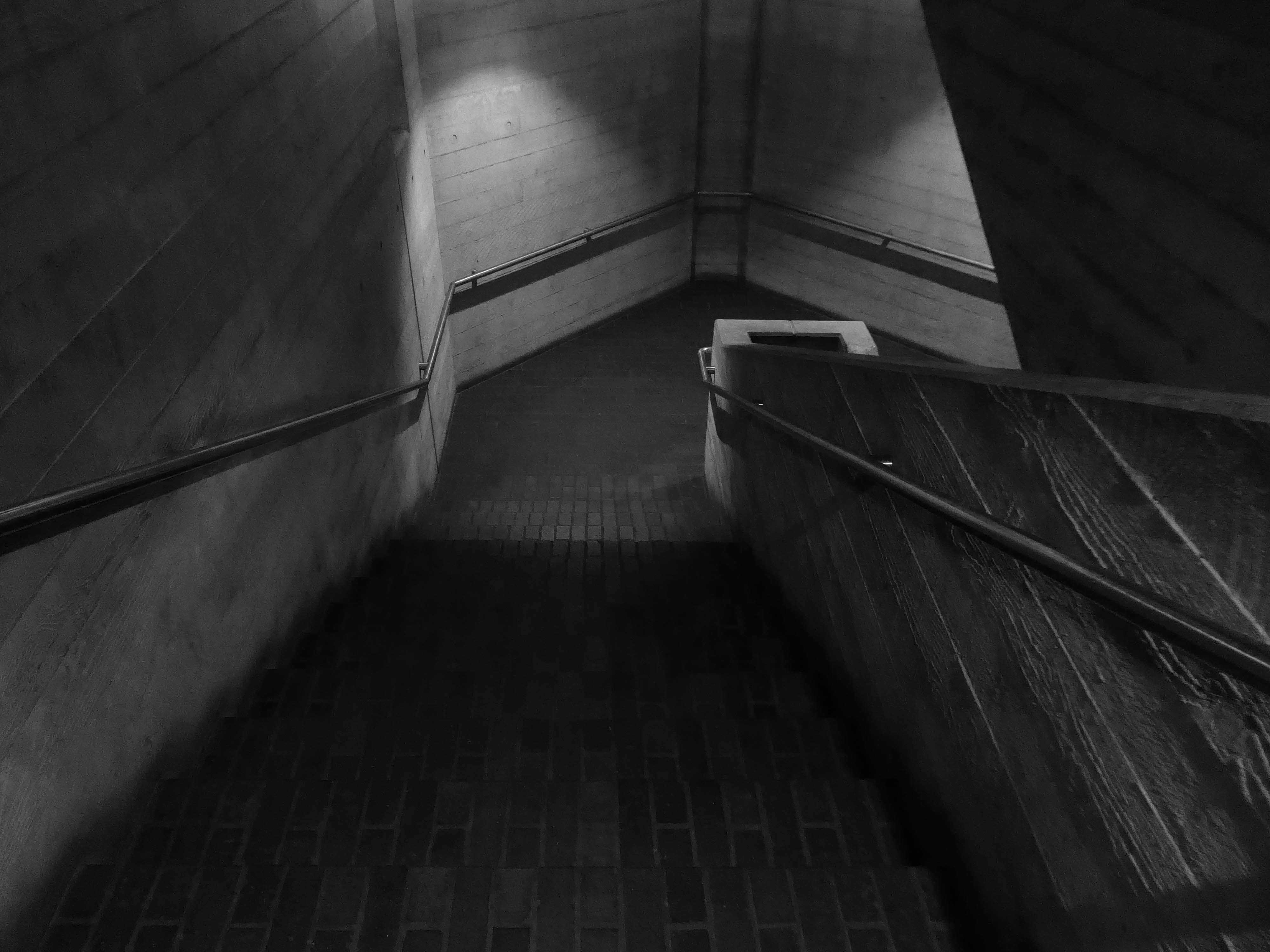
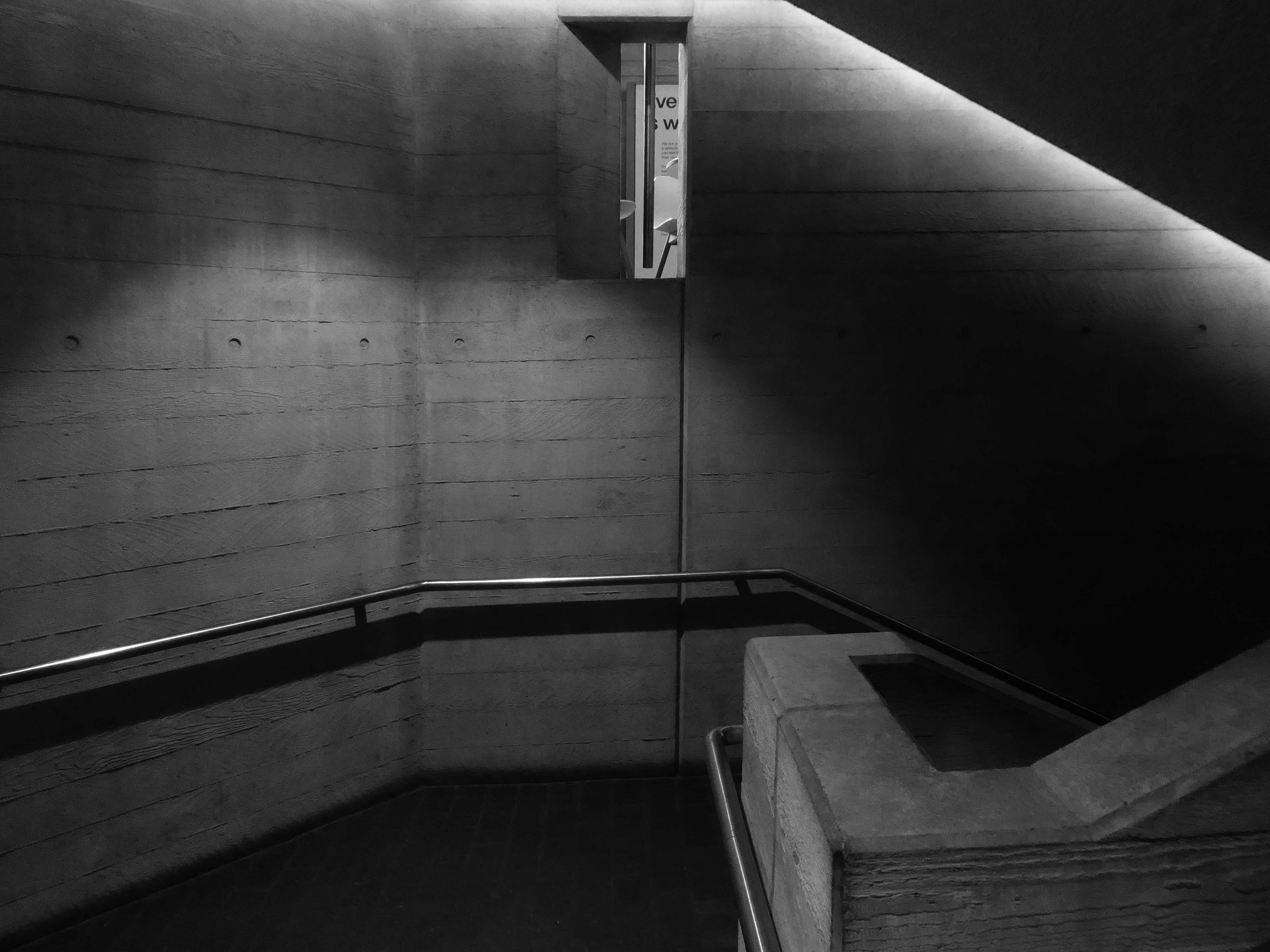
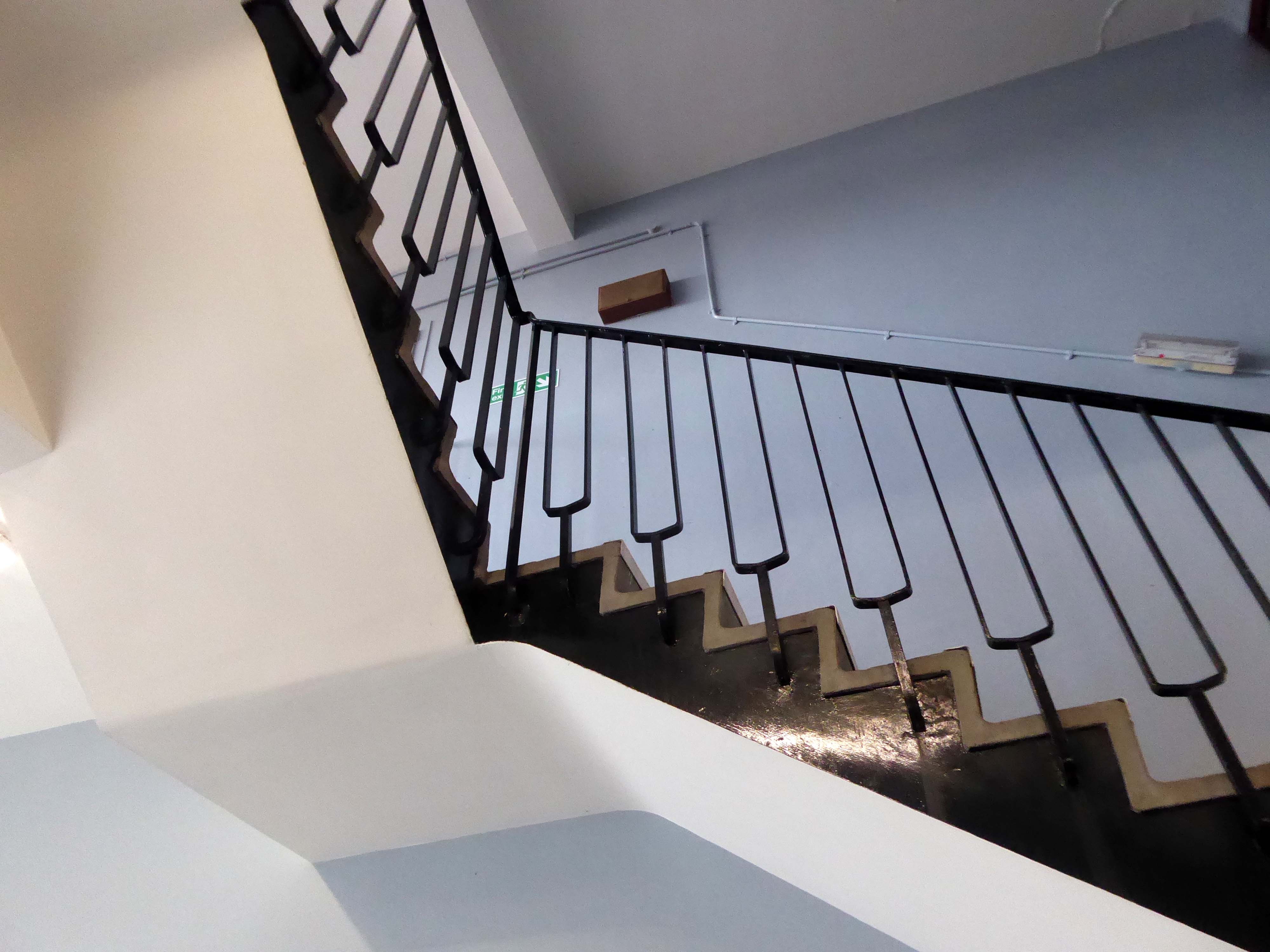
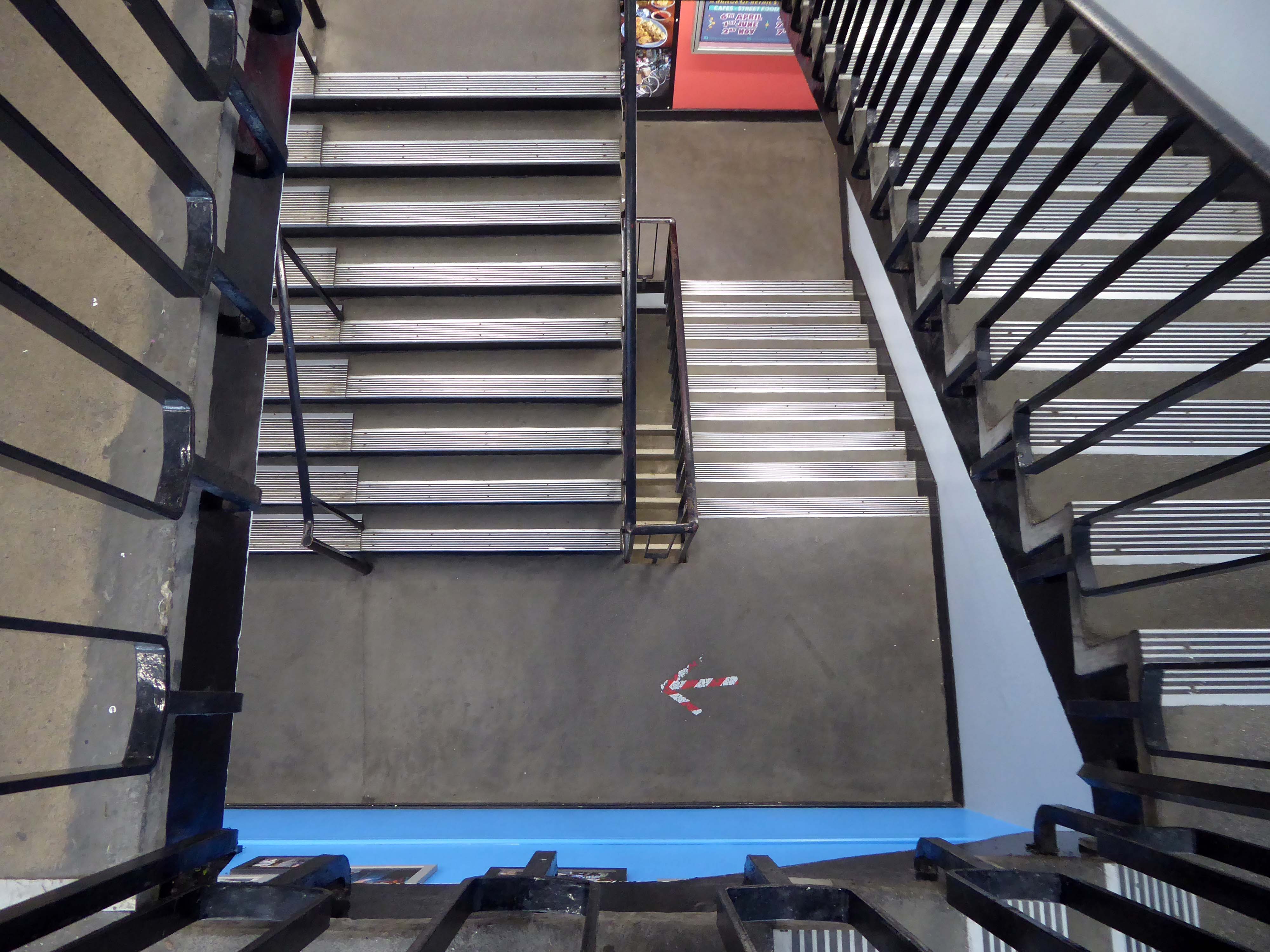
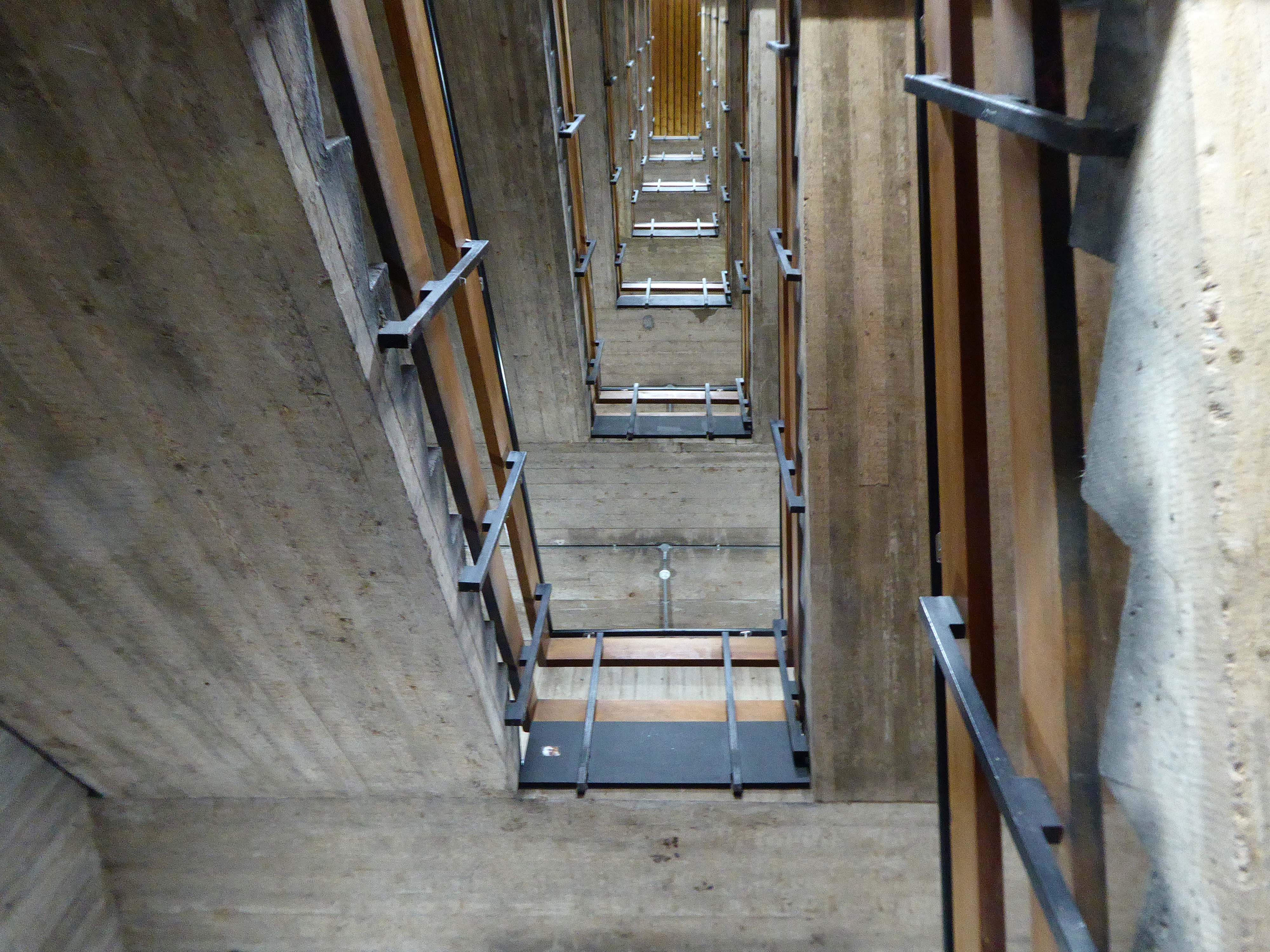
Accessed by raw shuttered concrete stairwells.
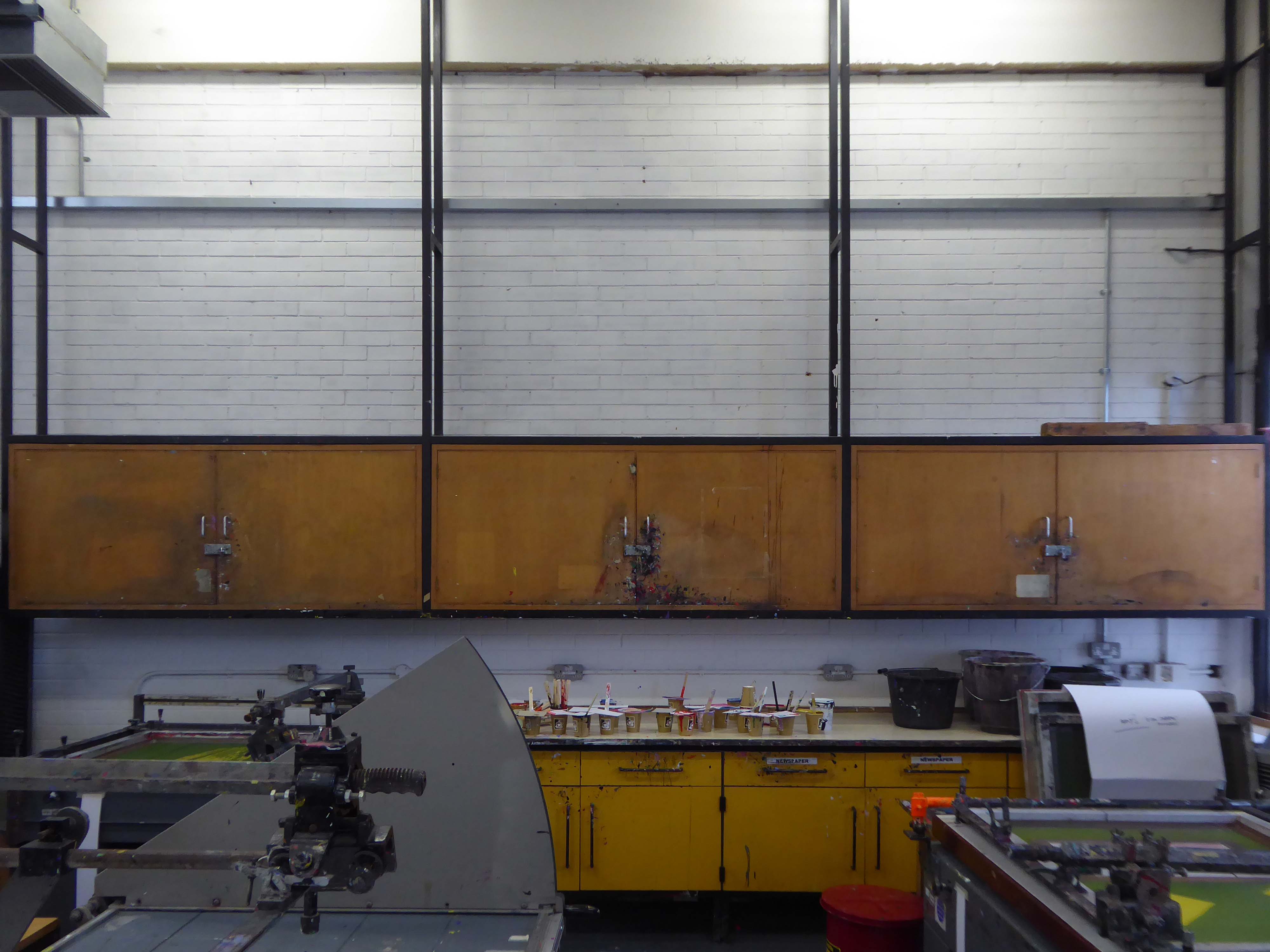
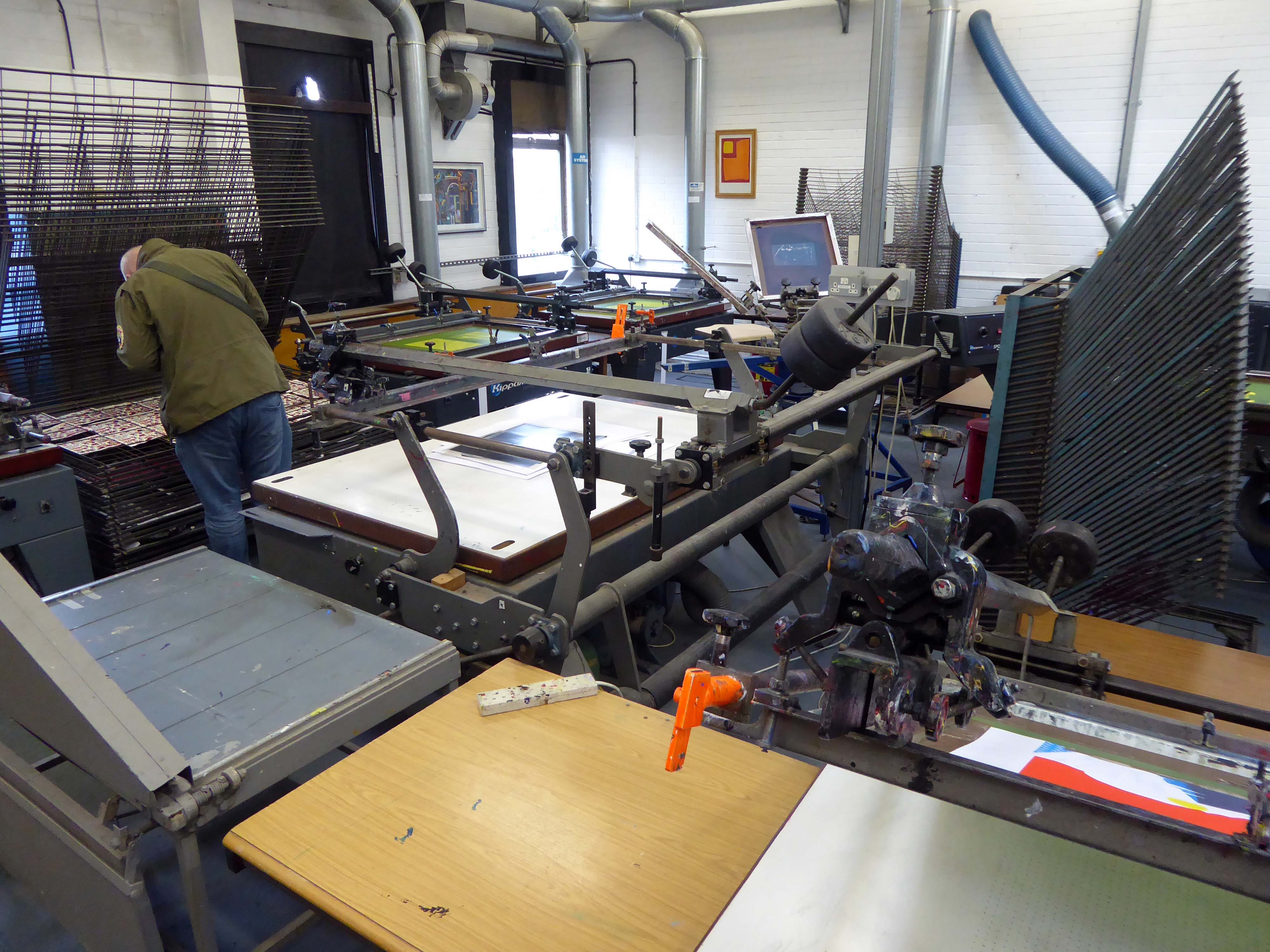
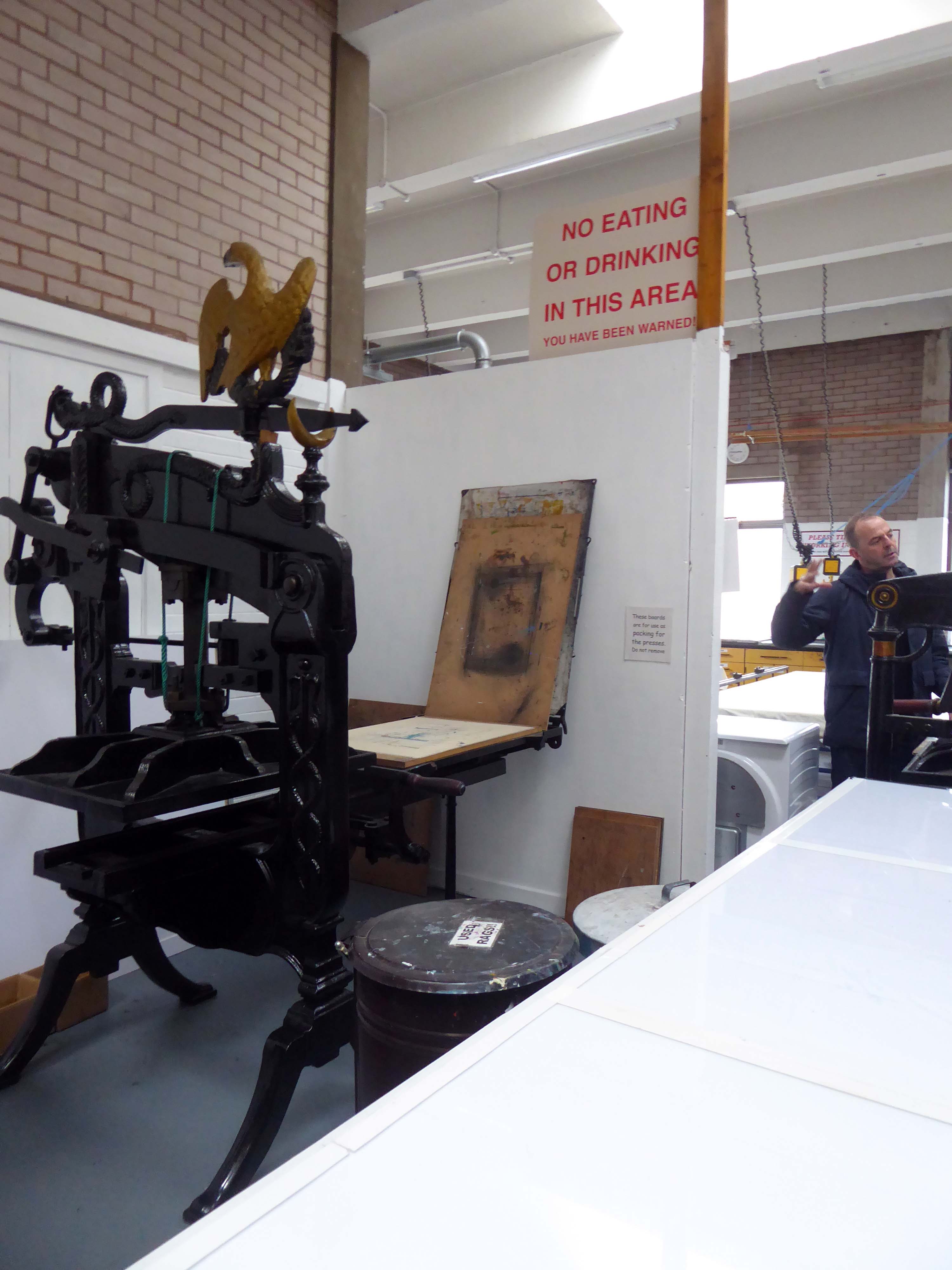
As a historically inky individual I was particularly taken with the extensive printmaking facilities.
And the city a heritage of angular, jangly guitar Power Pop.
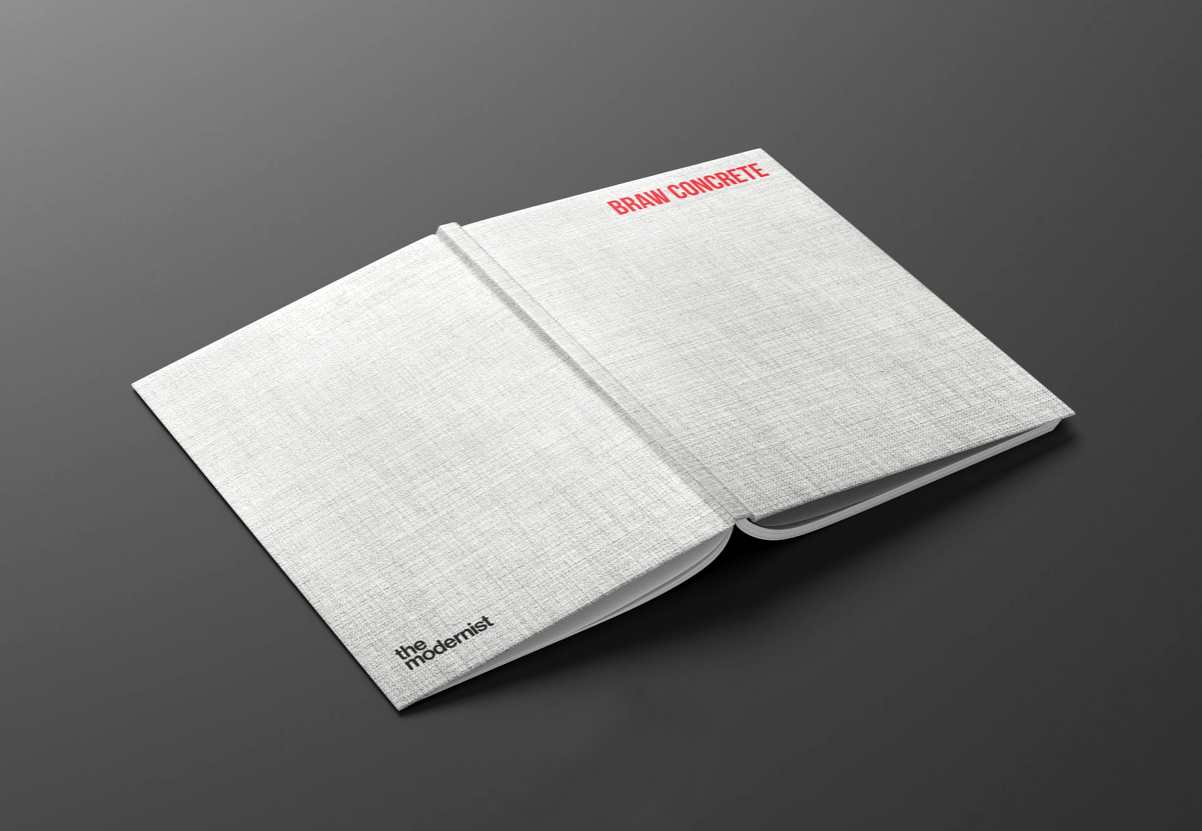
It is now renowned and venerated as a Brutalist landmark – featuring in the modernist society publication Braw Concrete by Peter Halliday and Alan Stewart – available right here.
Let’s take a look at how it looked way back in April 2022.
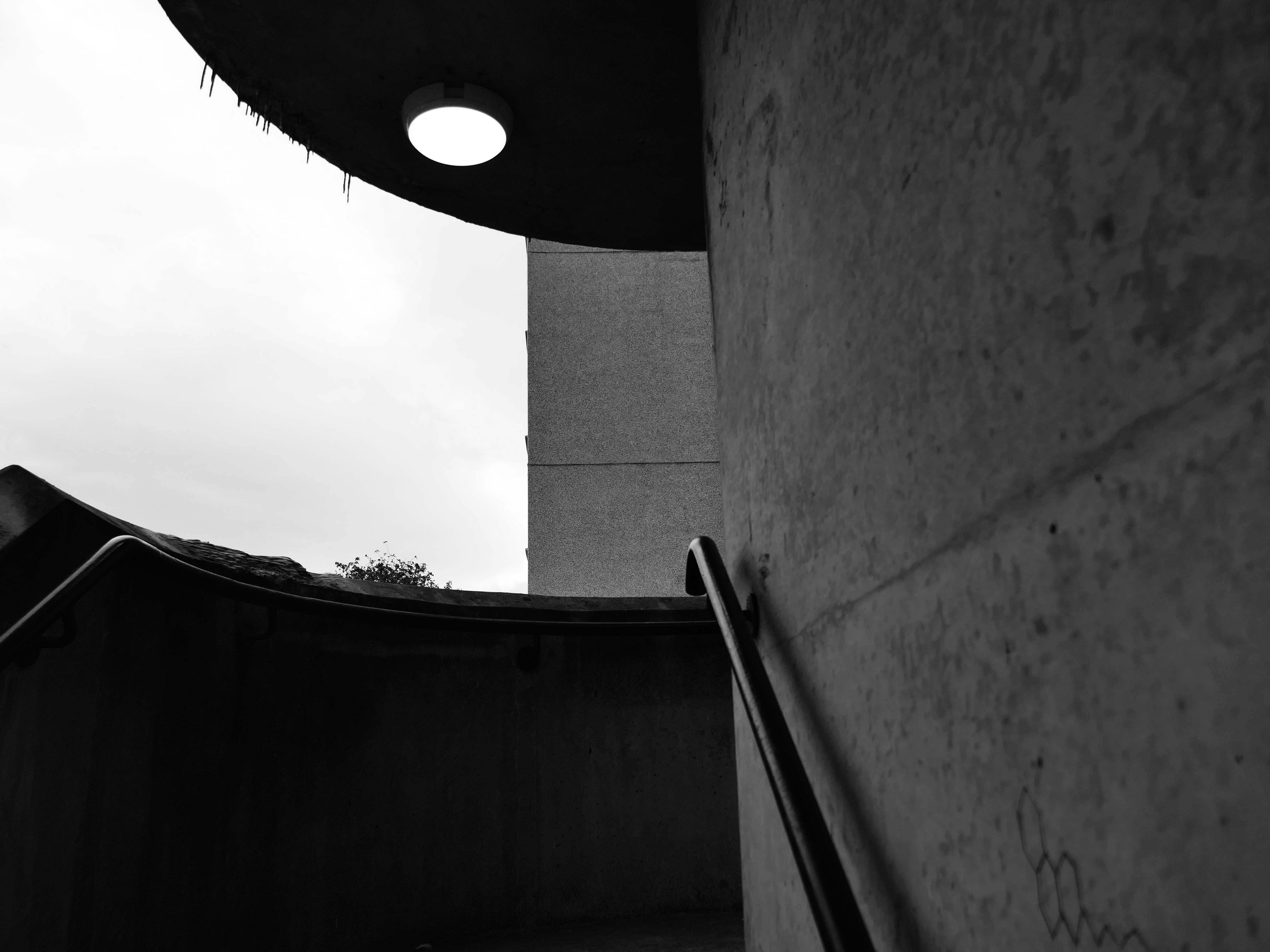
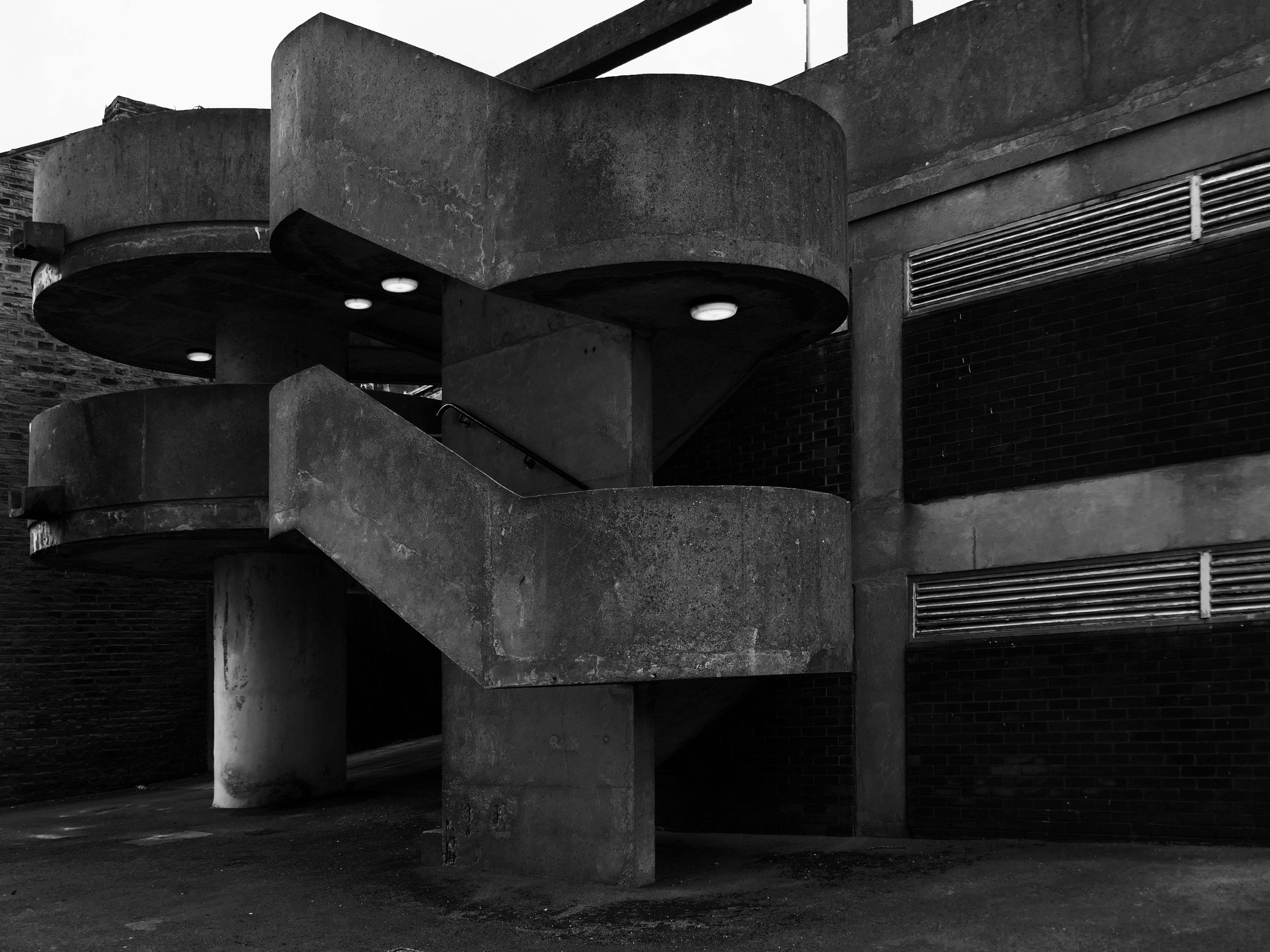
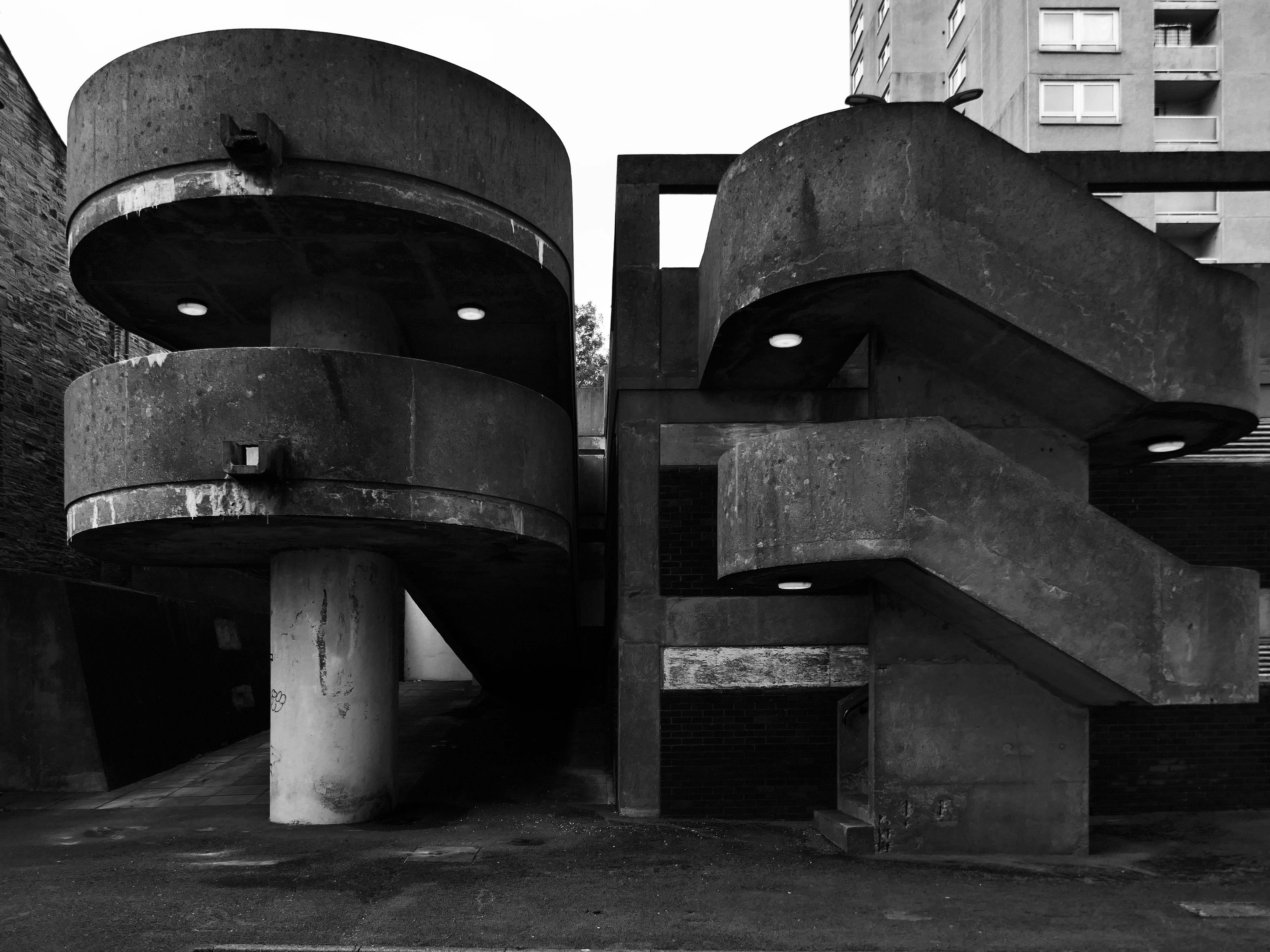
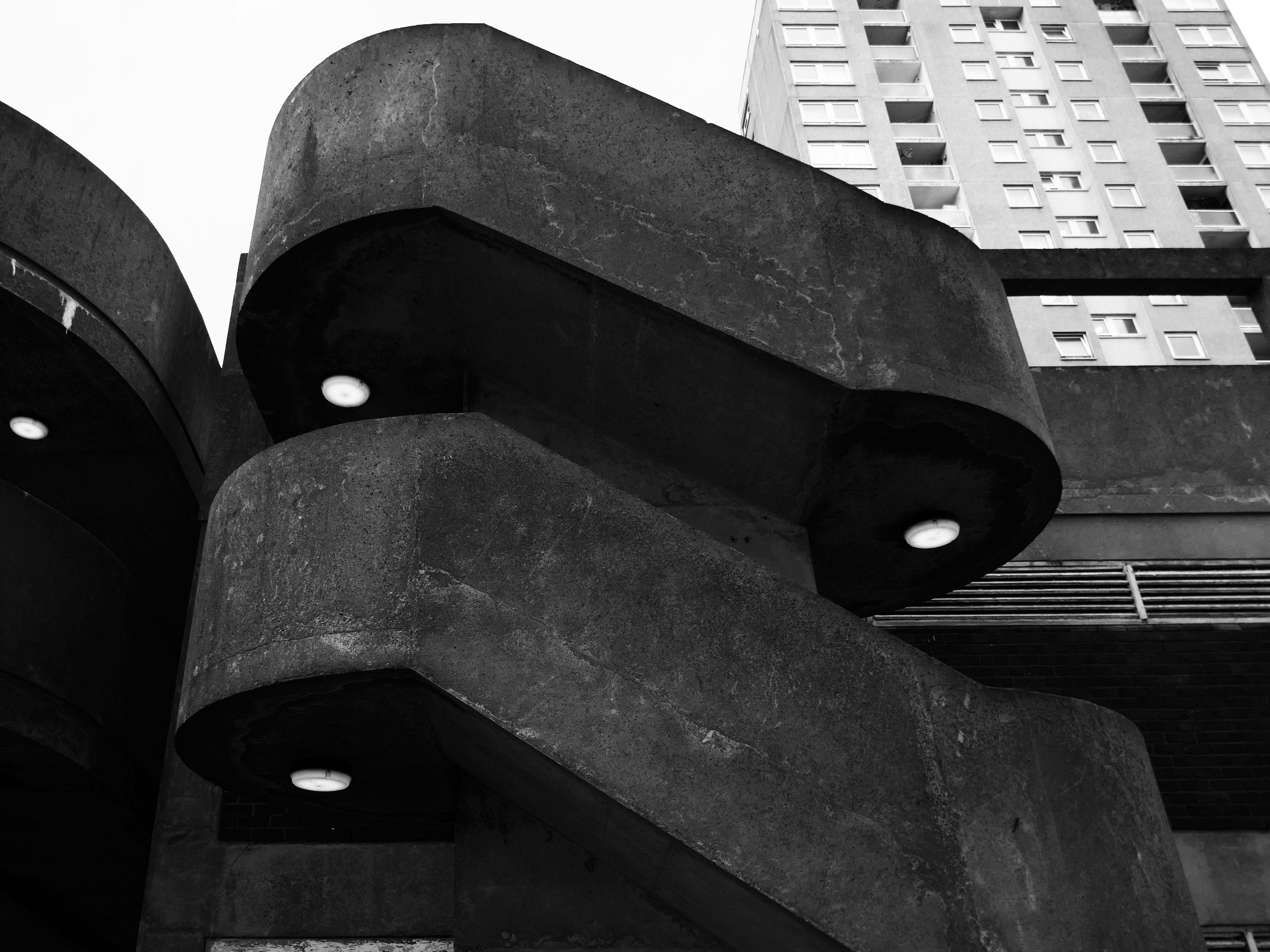
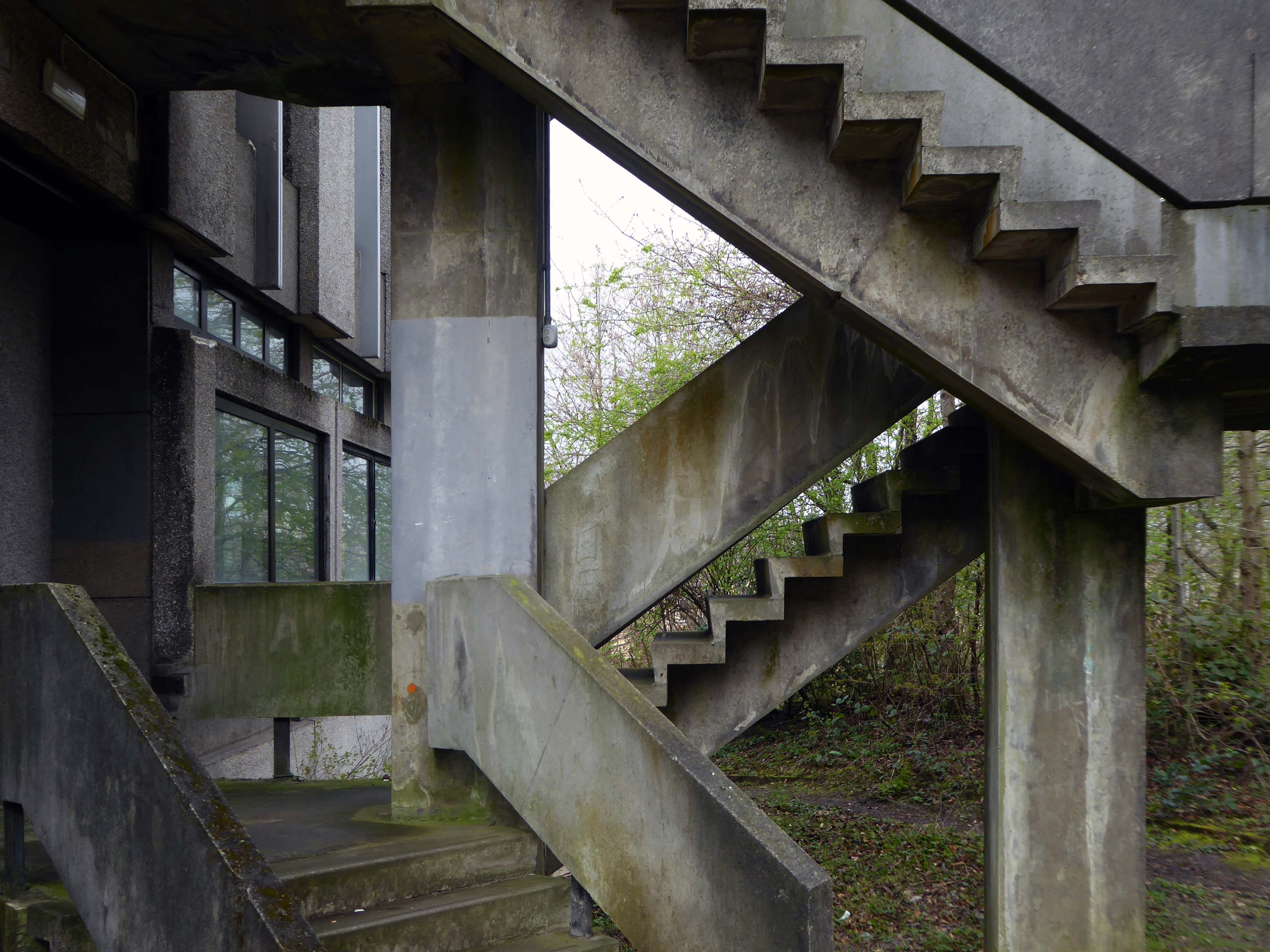
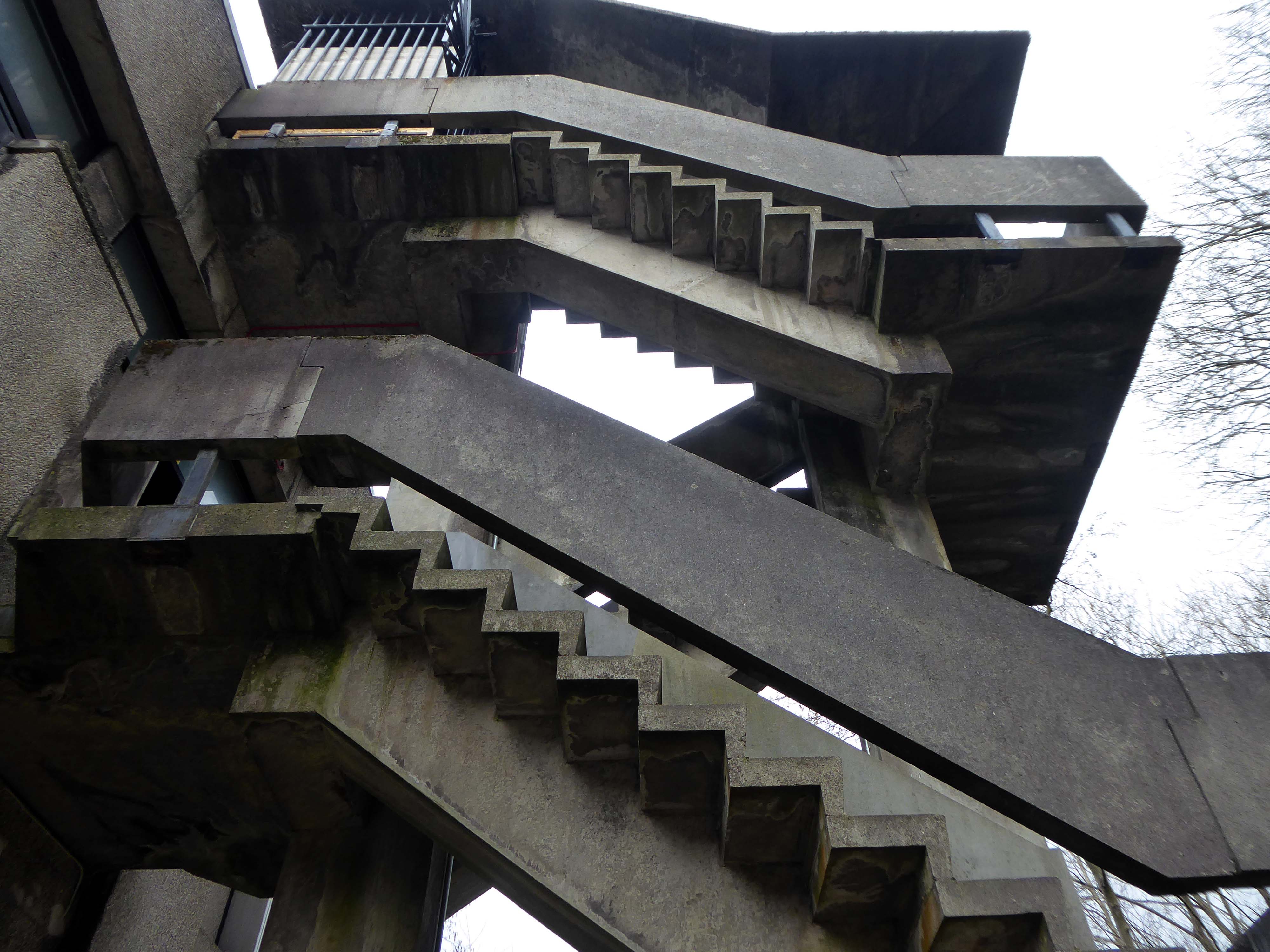
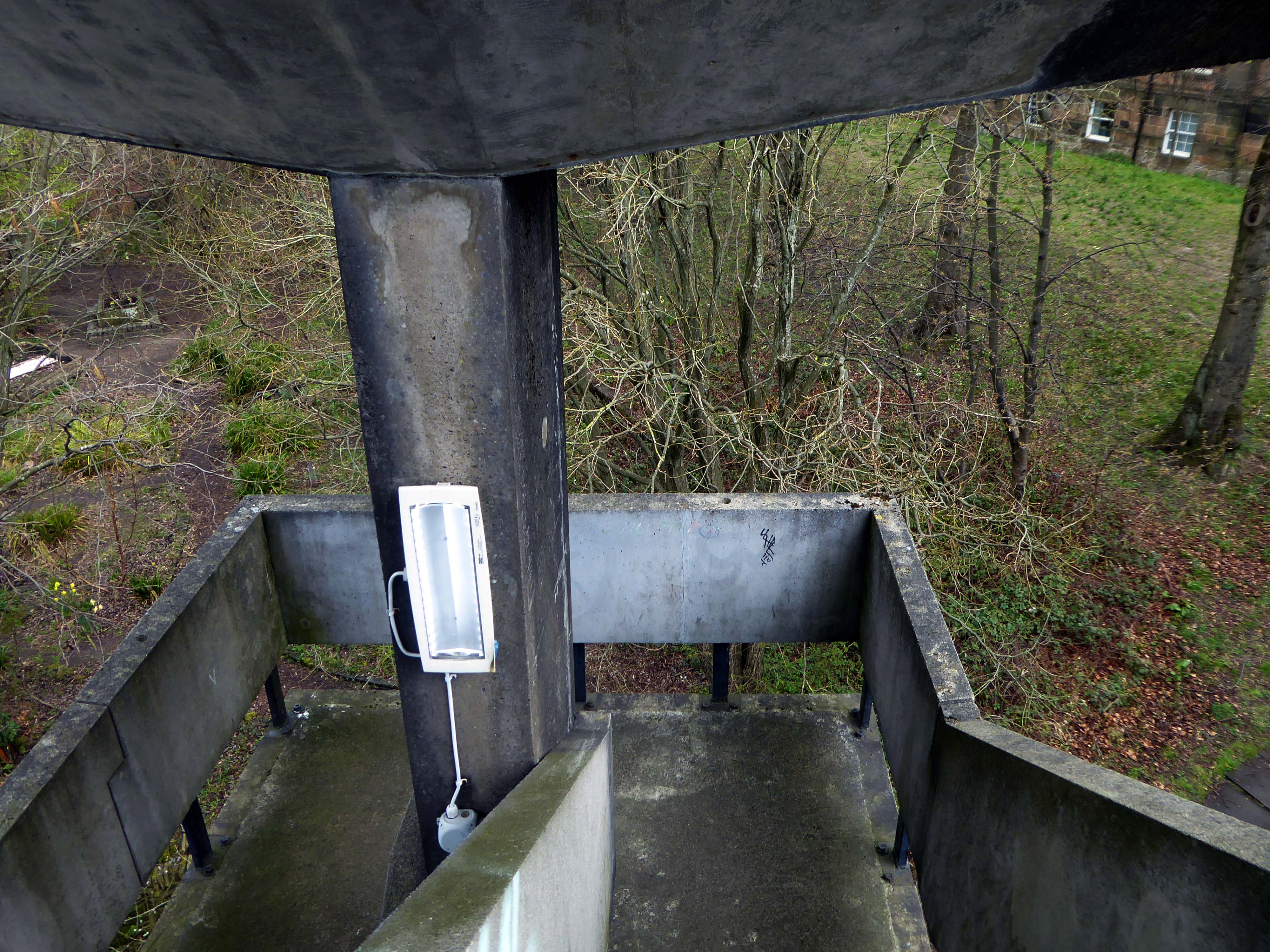
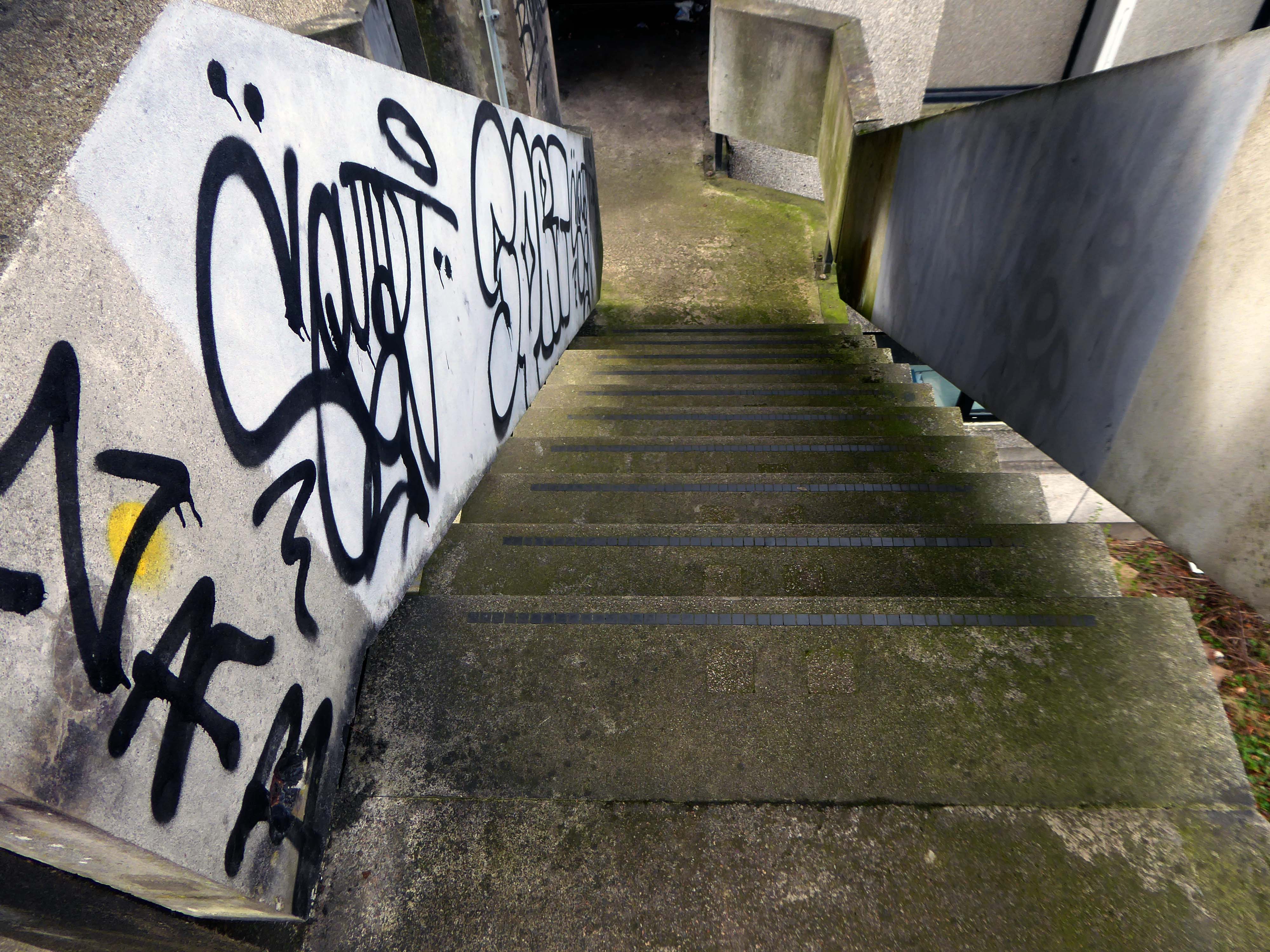
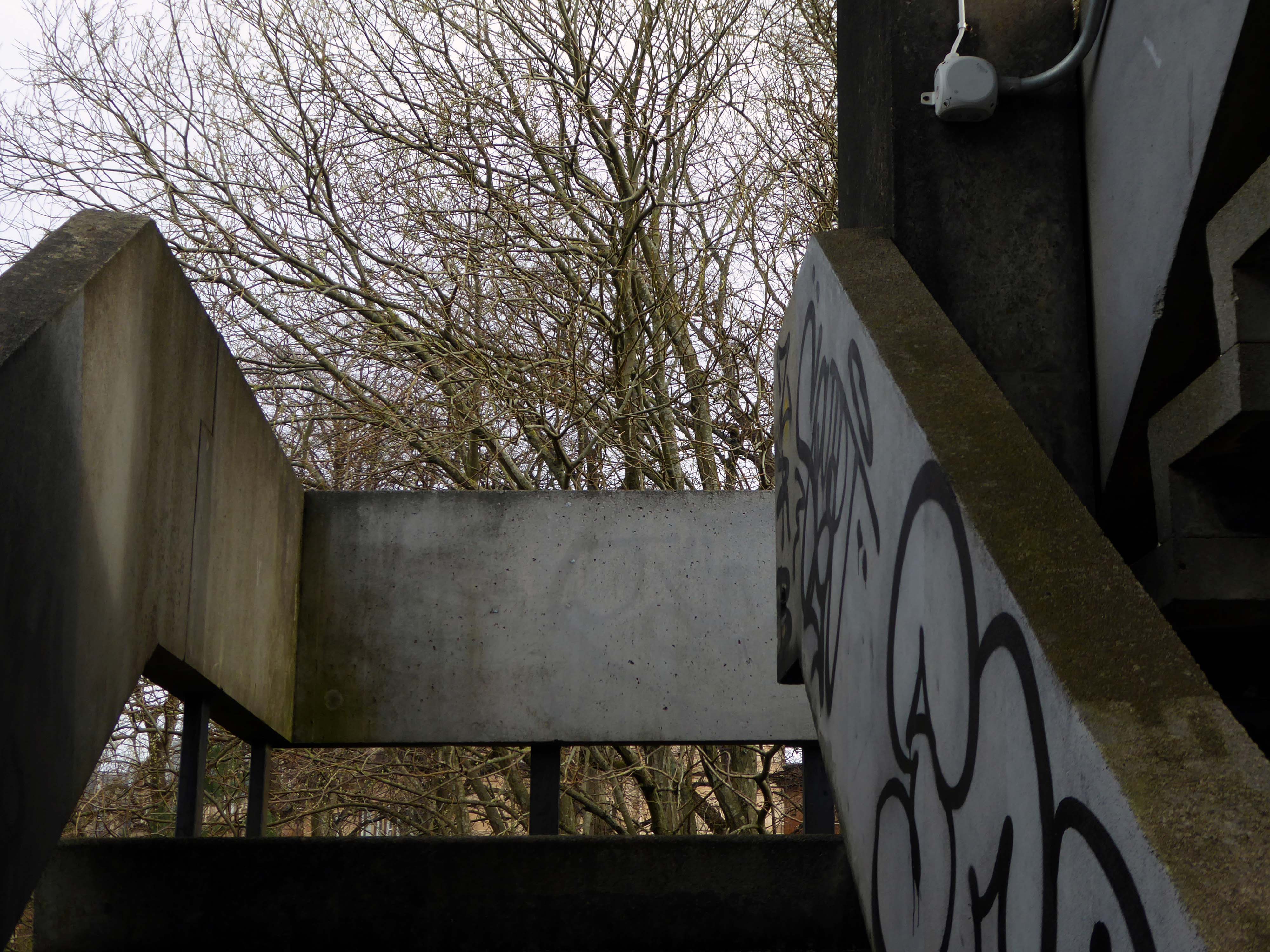
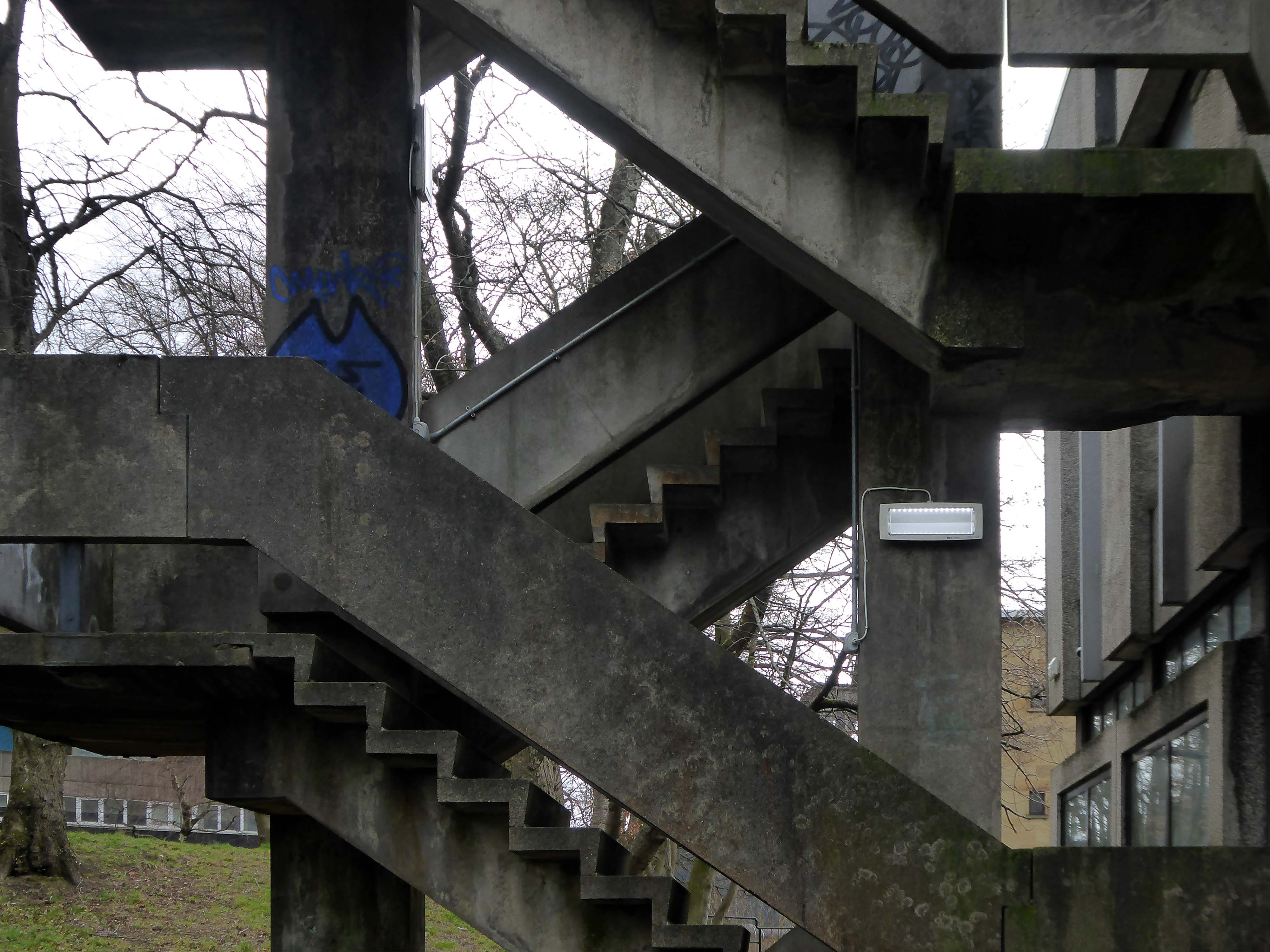
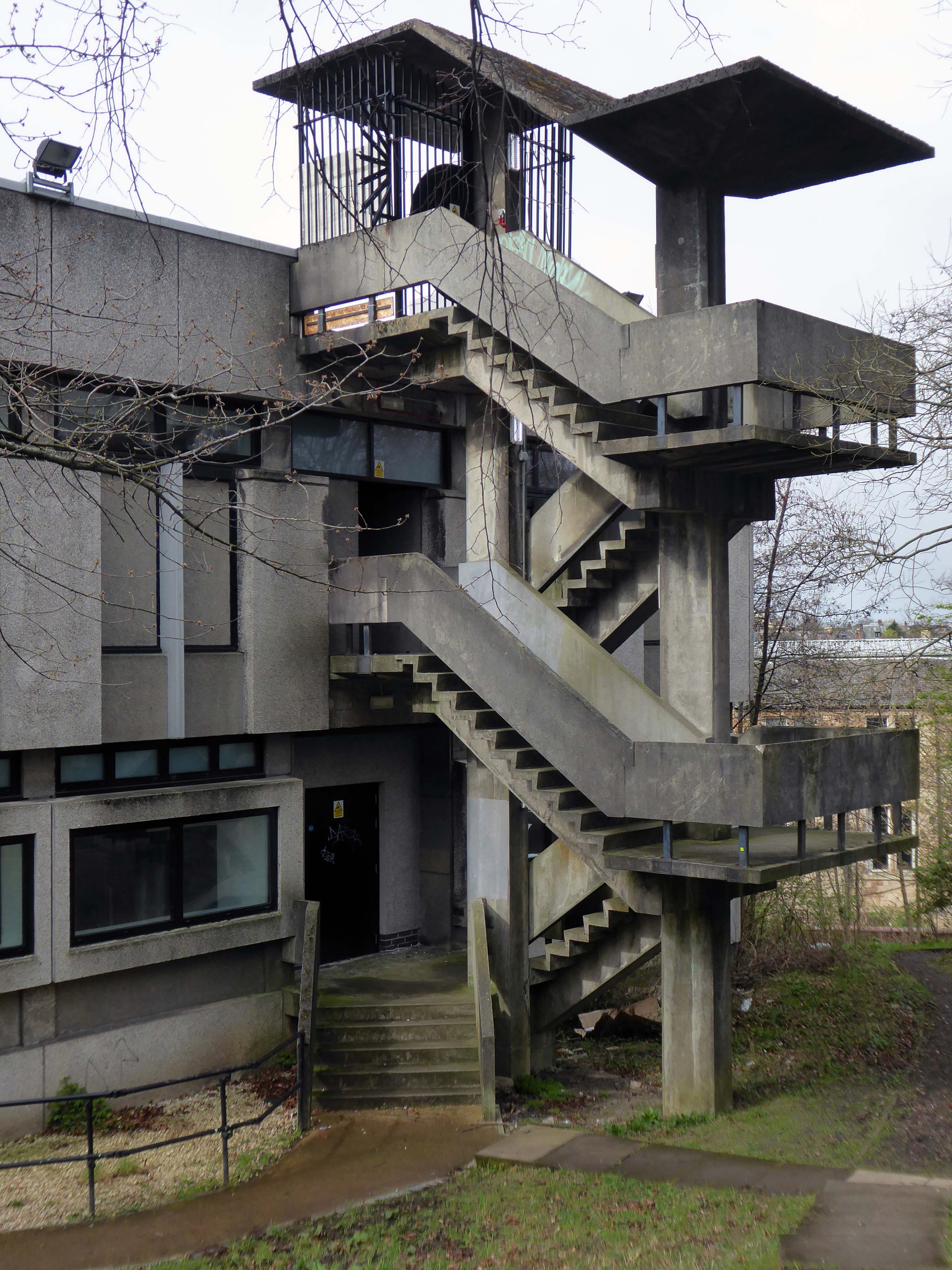
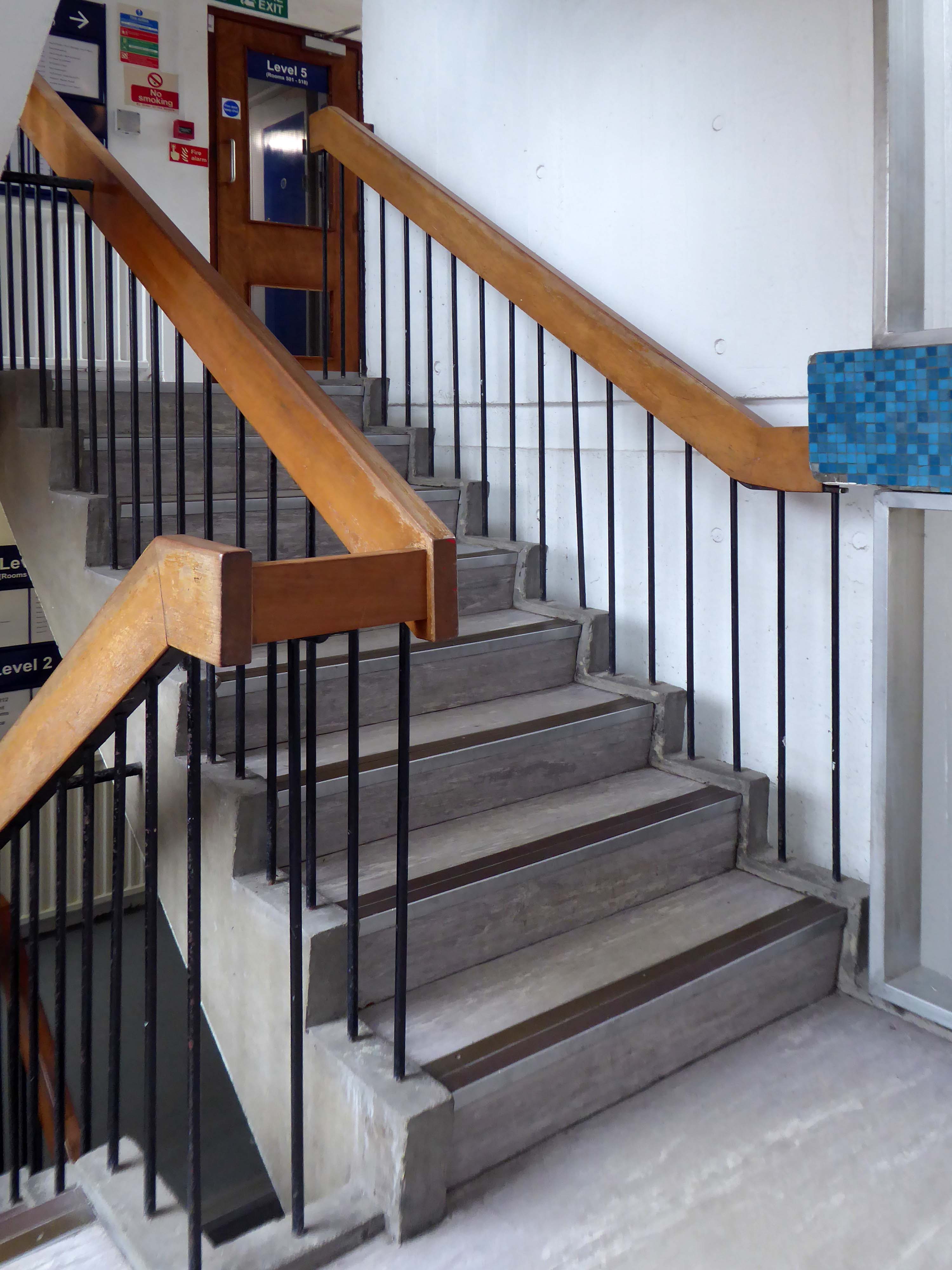
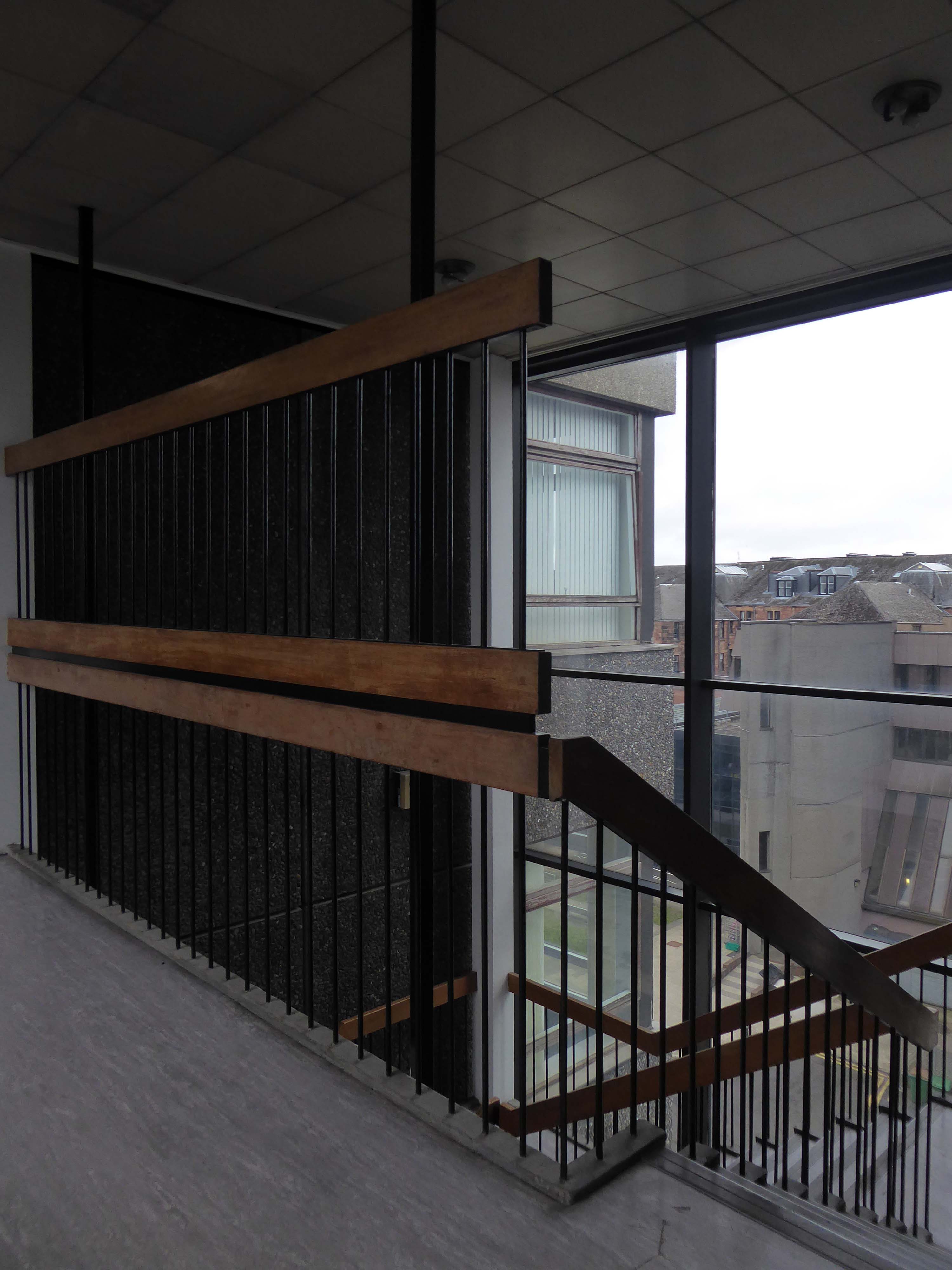
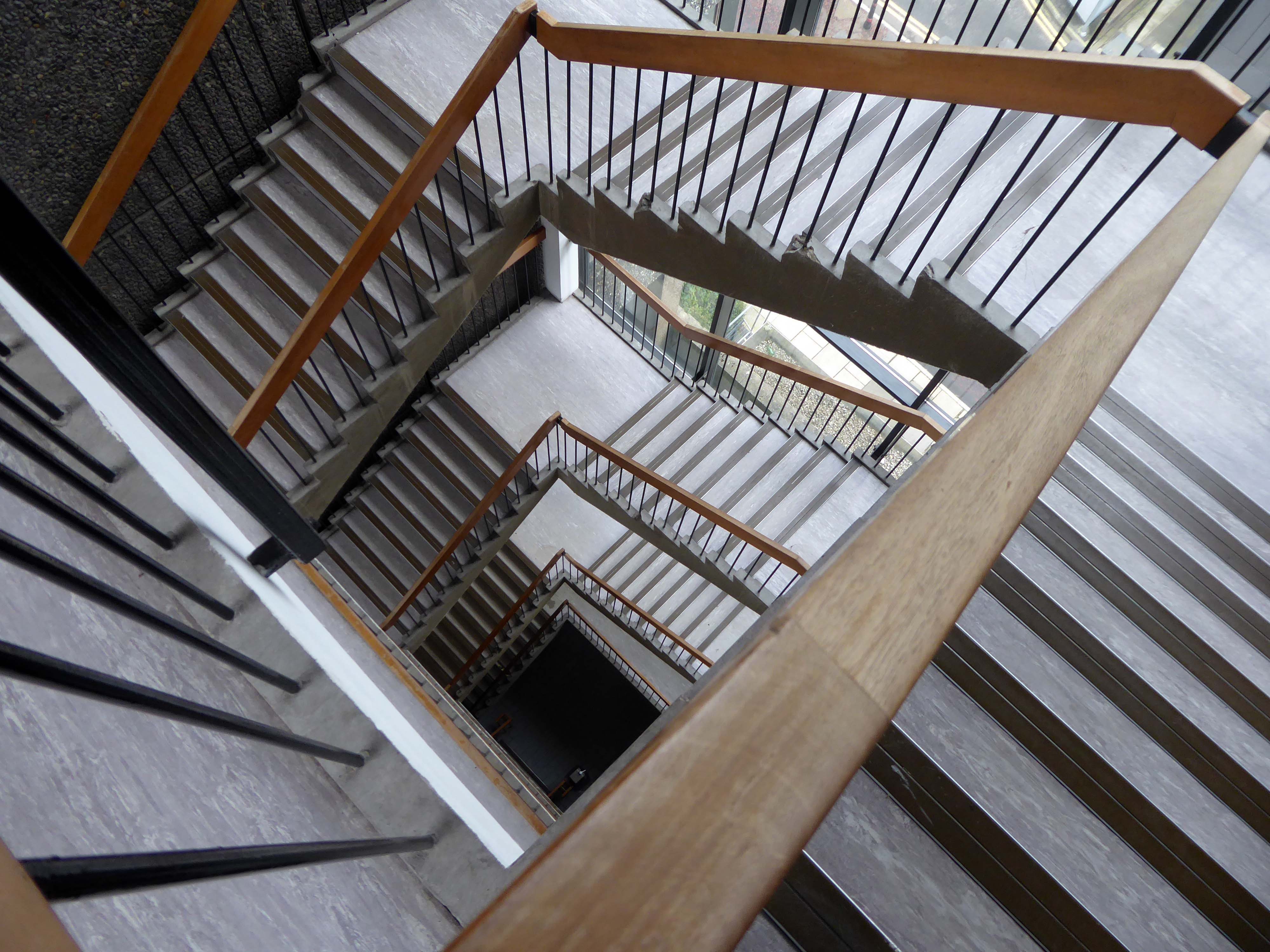
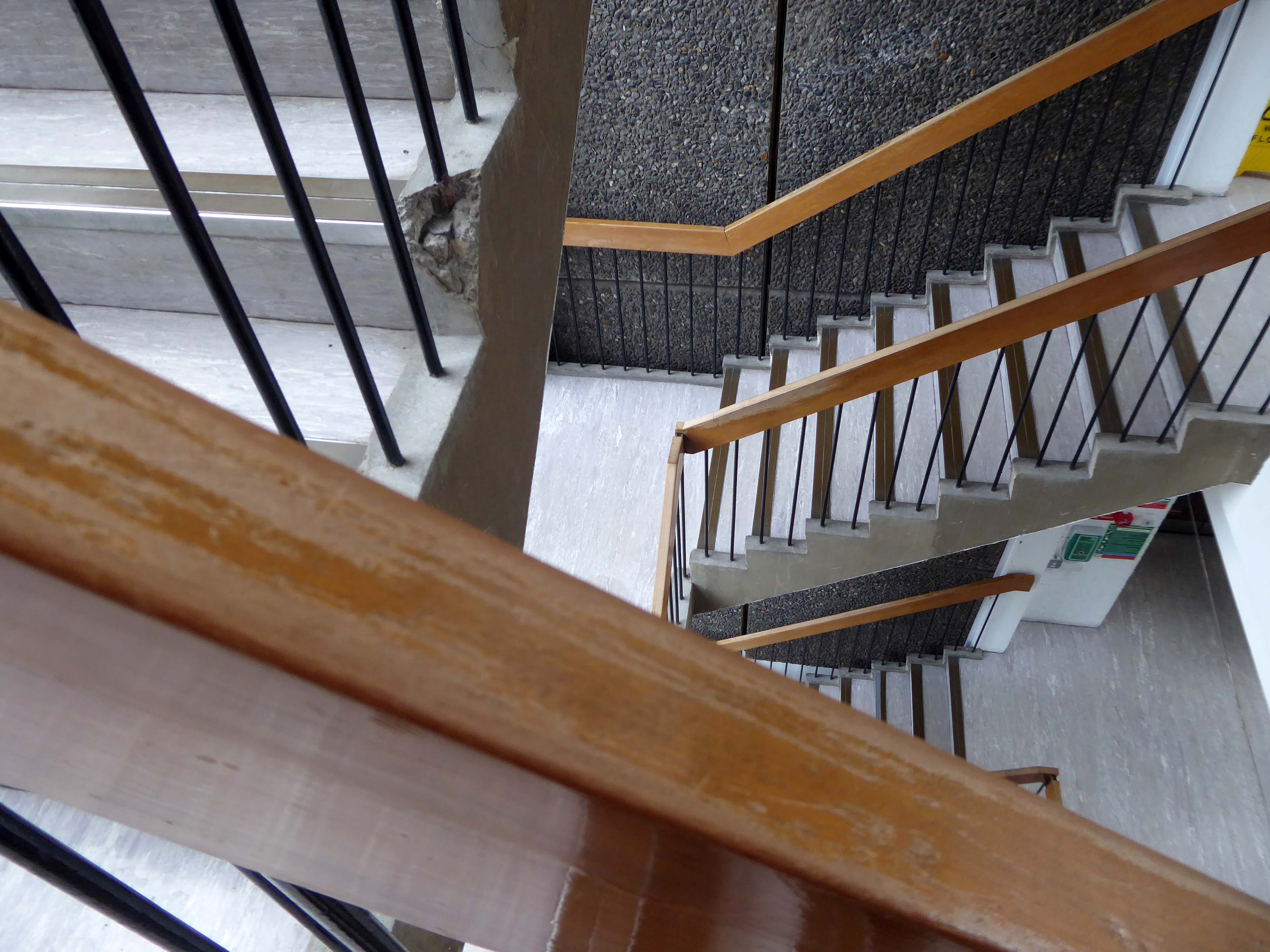
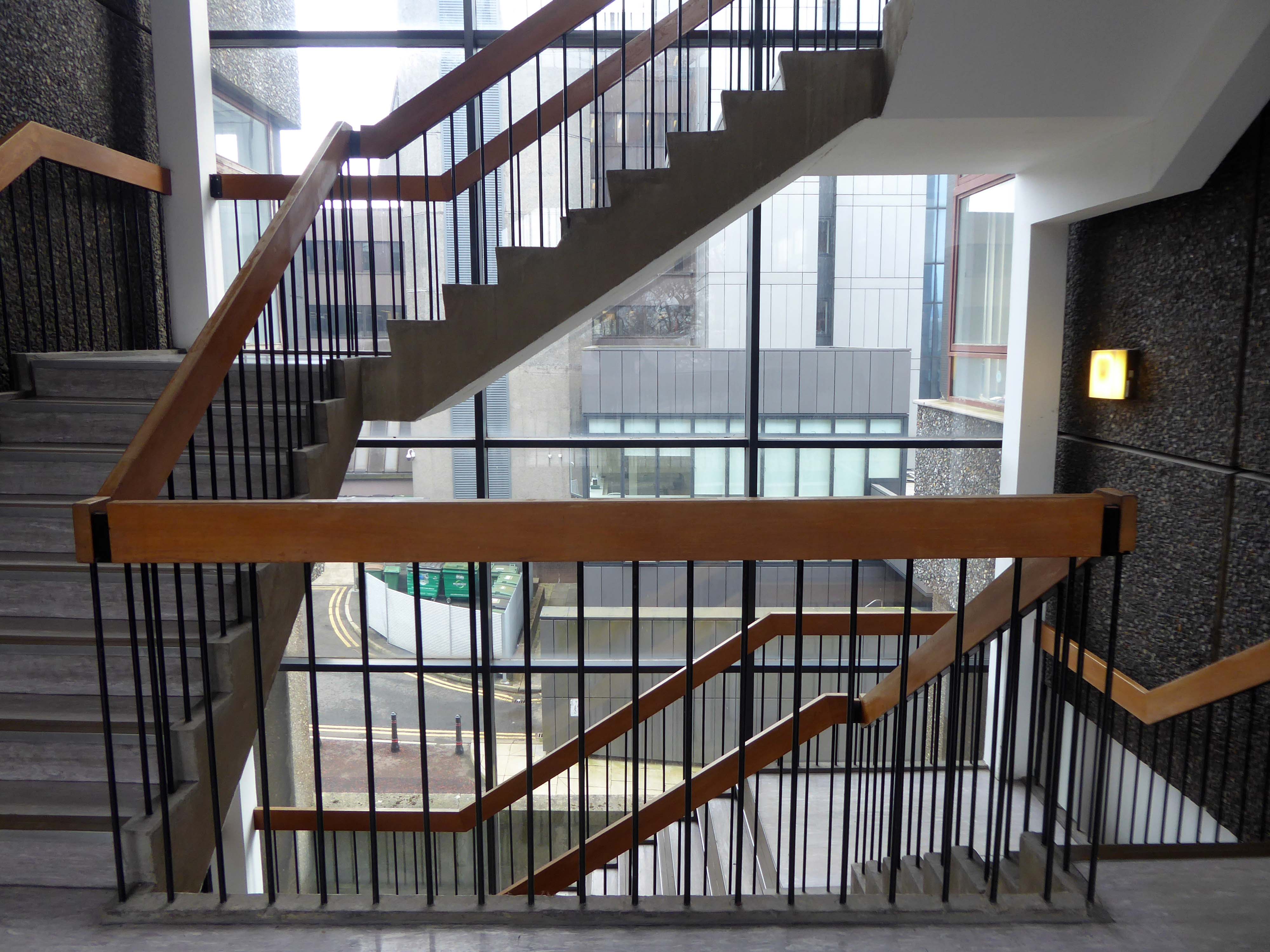
In addition, if you nip around the back you get to go up and down a delightful concrete staircase!
Architects: David Harvey, Alex Scott & Associates – 1967
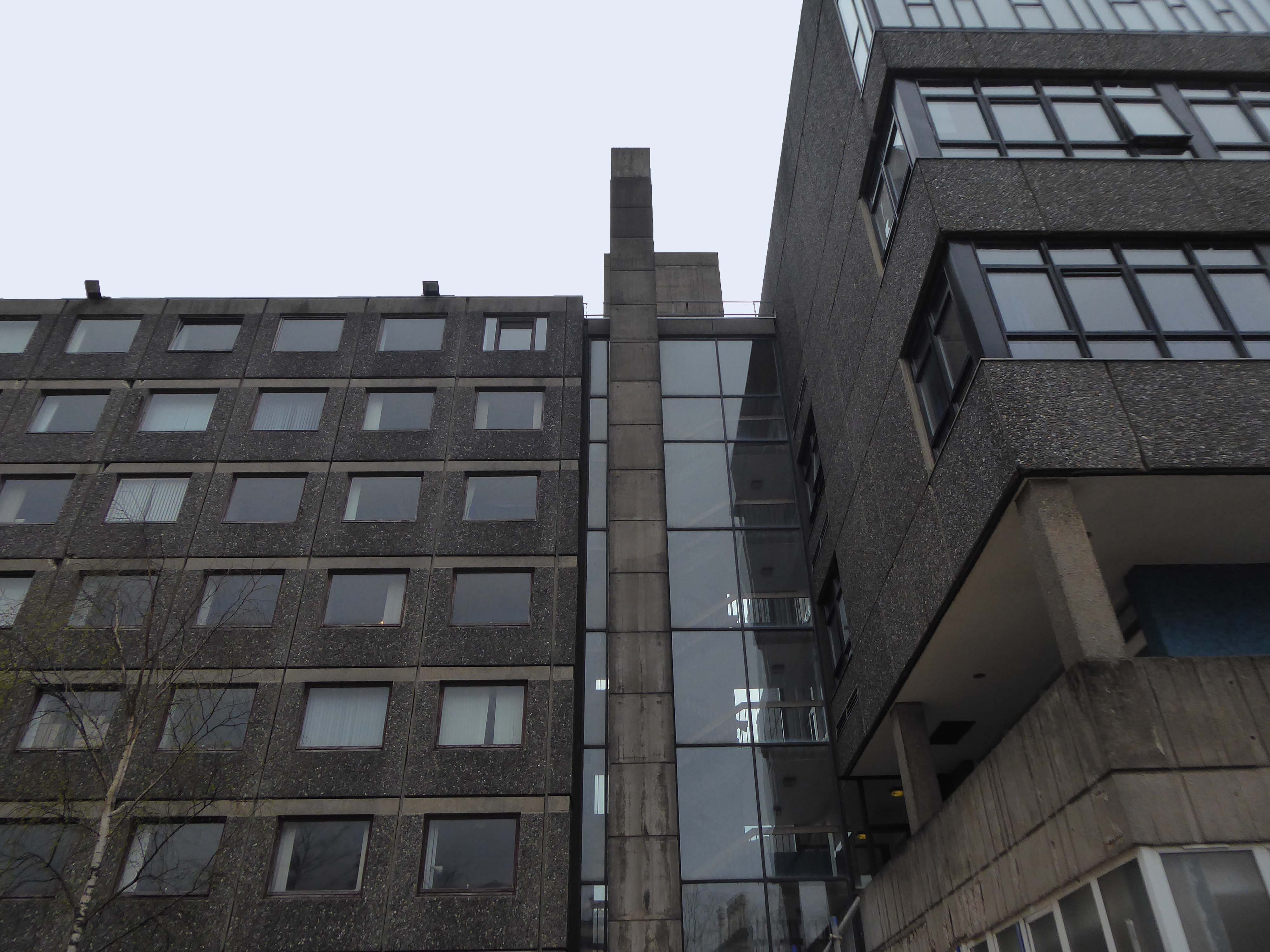
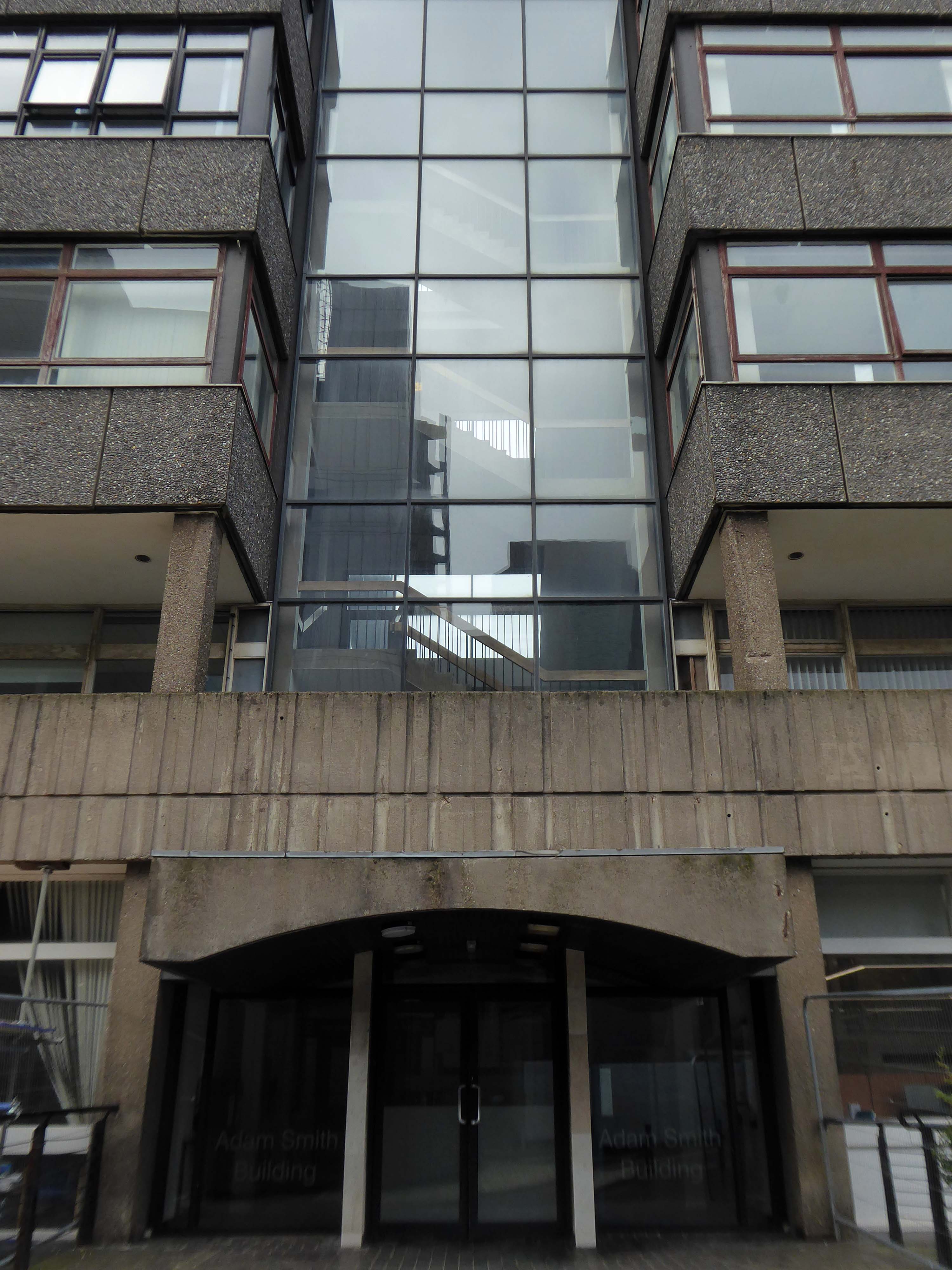
The Adam Smith Building, named in honour of the moral philosopher and political economist, Adam Smith, was formally opened on 2 November 1967 by Sydney George Checkland, Professor of Economic History from 1957 to 1982. The building was the first of the University’s multipurpose blocks housing a large number of departments, and a library for Political Economy, Social and Economic Research, Economic History, Political and Social Theory and Institutions, Management Studies, Psychology, Social Psychology, Accountancy, Citizenship, Anthropology, Criminology, Industrial Relations, and the School of Social Study. A records store was provided beneath the Library for the Economic History department to house their rapidly growing collection of business records from the vanishing Clyde shipyards and heavy engineering workshops, which now form part of the Scottish Business Archive held at University of Glasgow Archive Services.
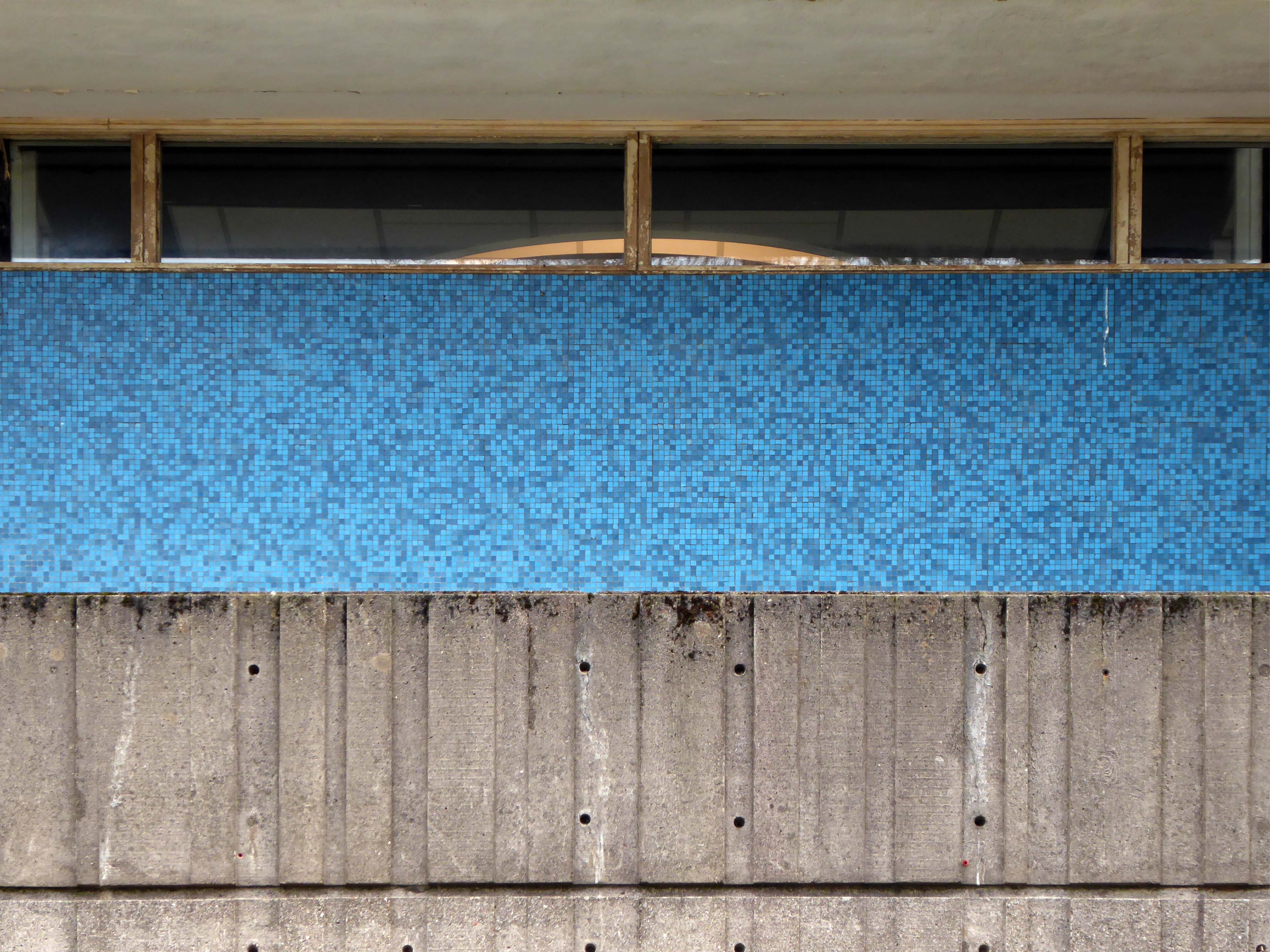
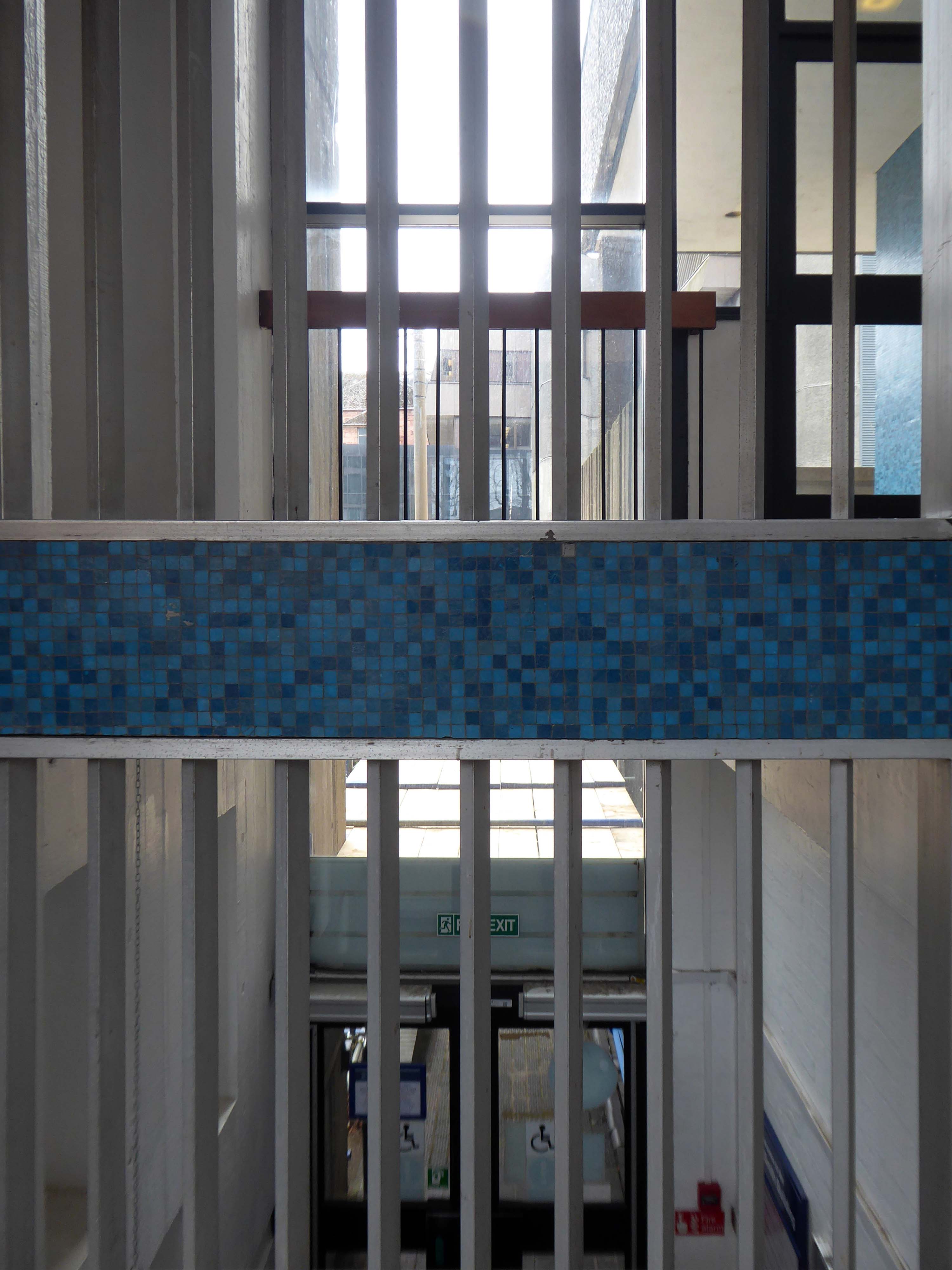
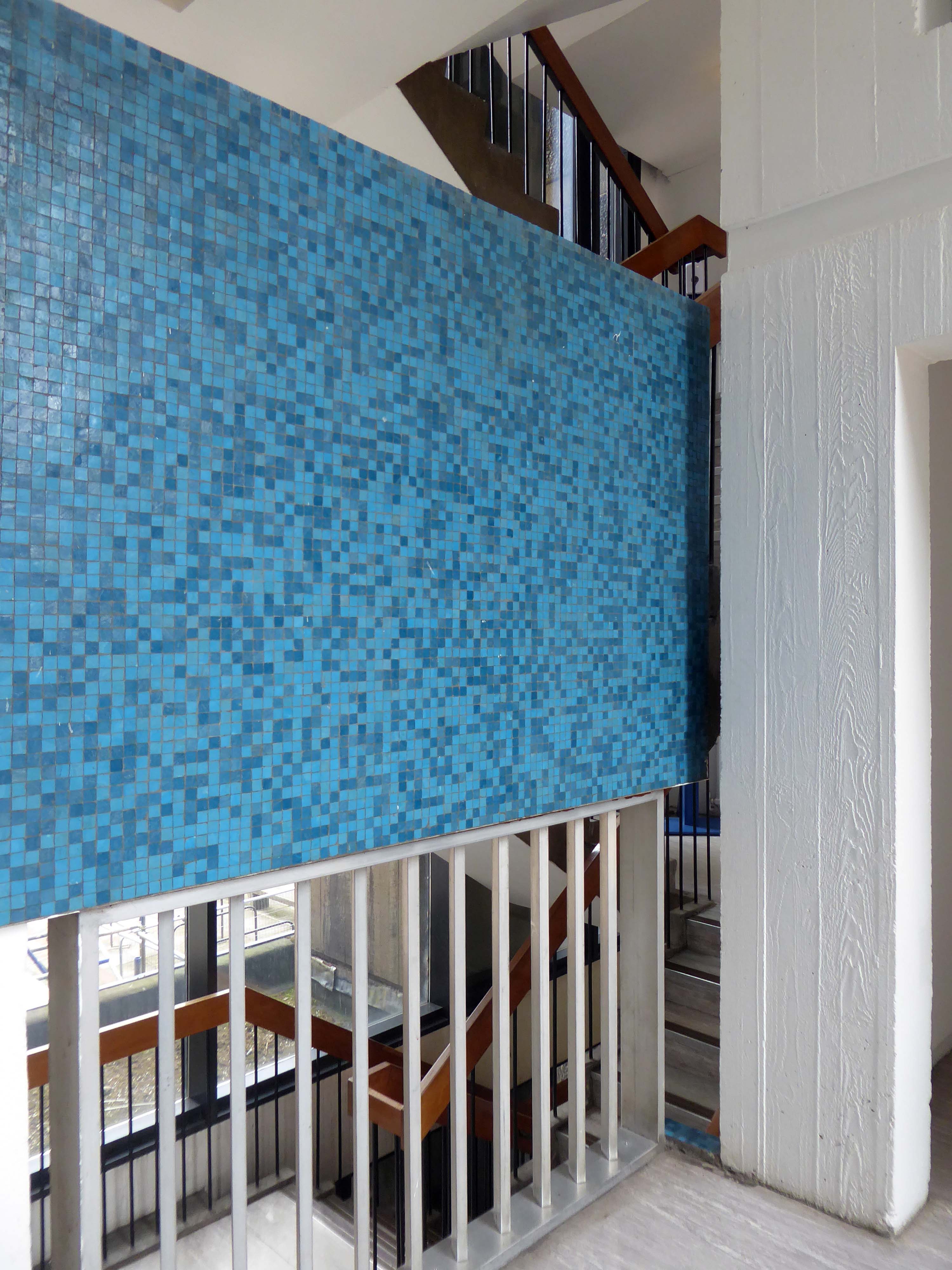
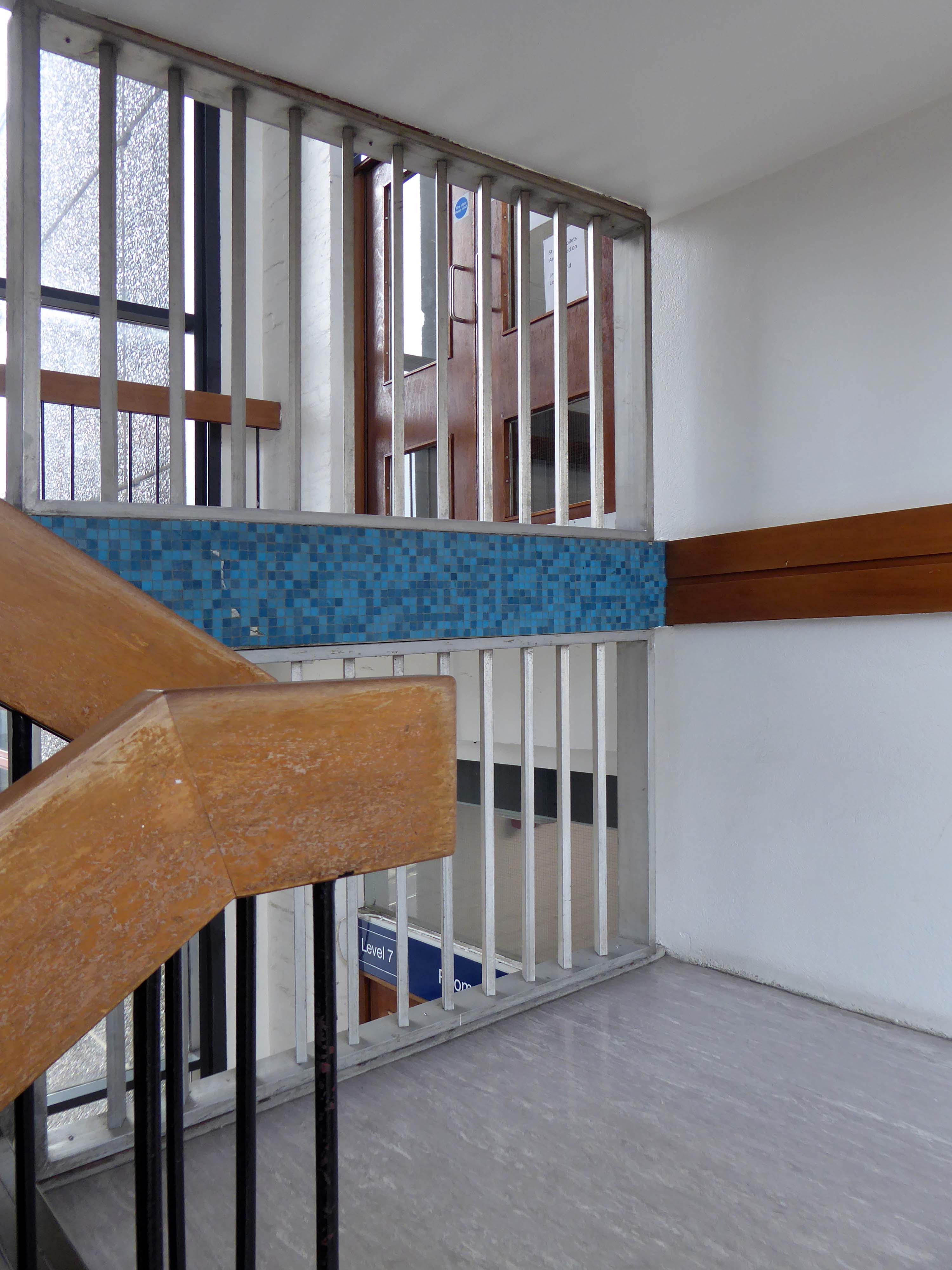
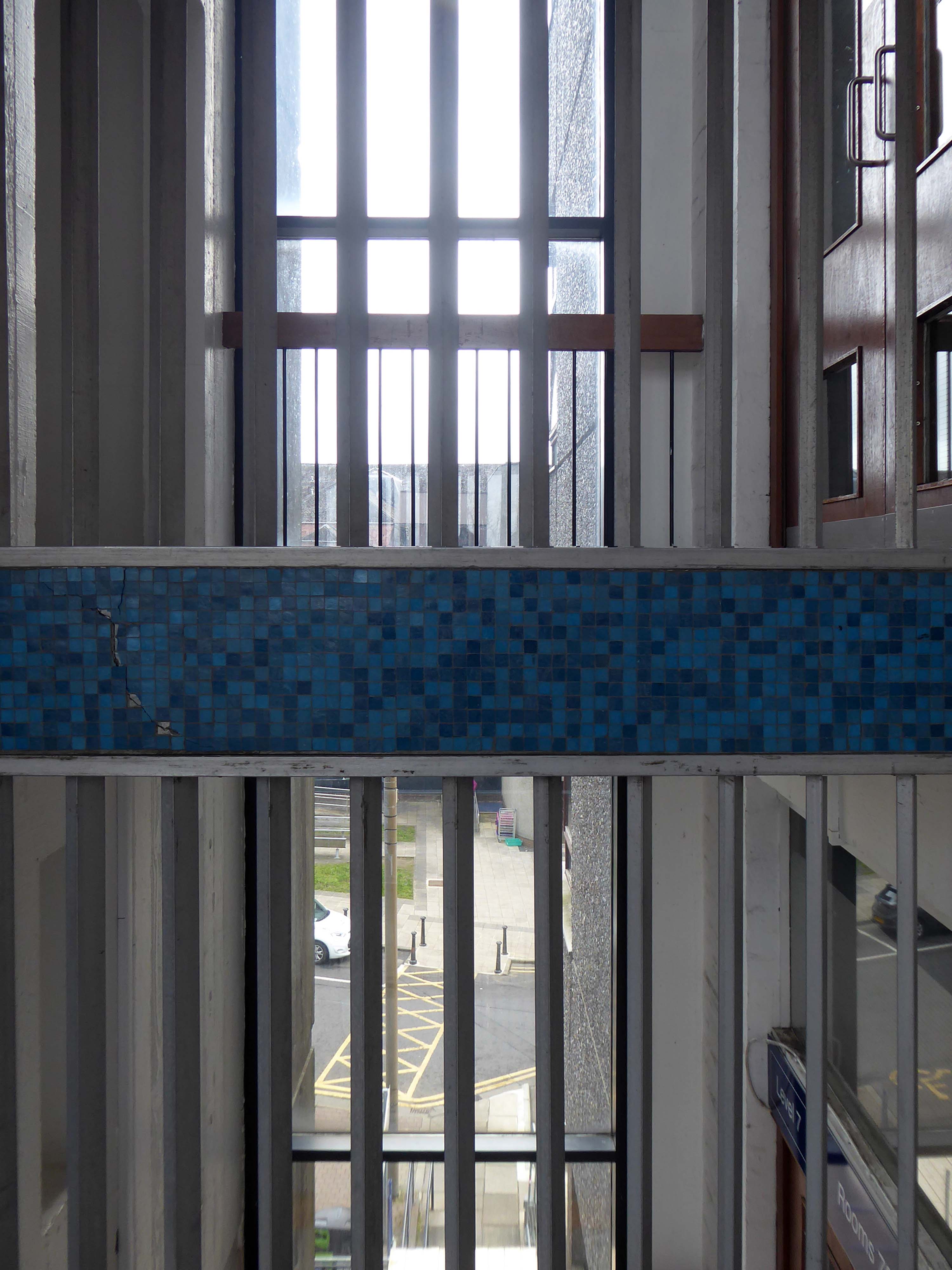
Wandering almost aimlessly around the campus, when the blue mosaic caught my eye.
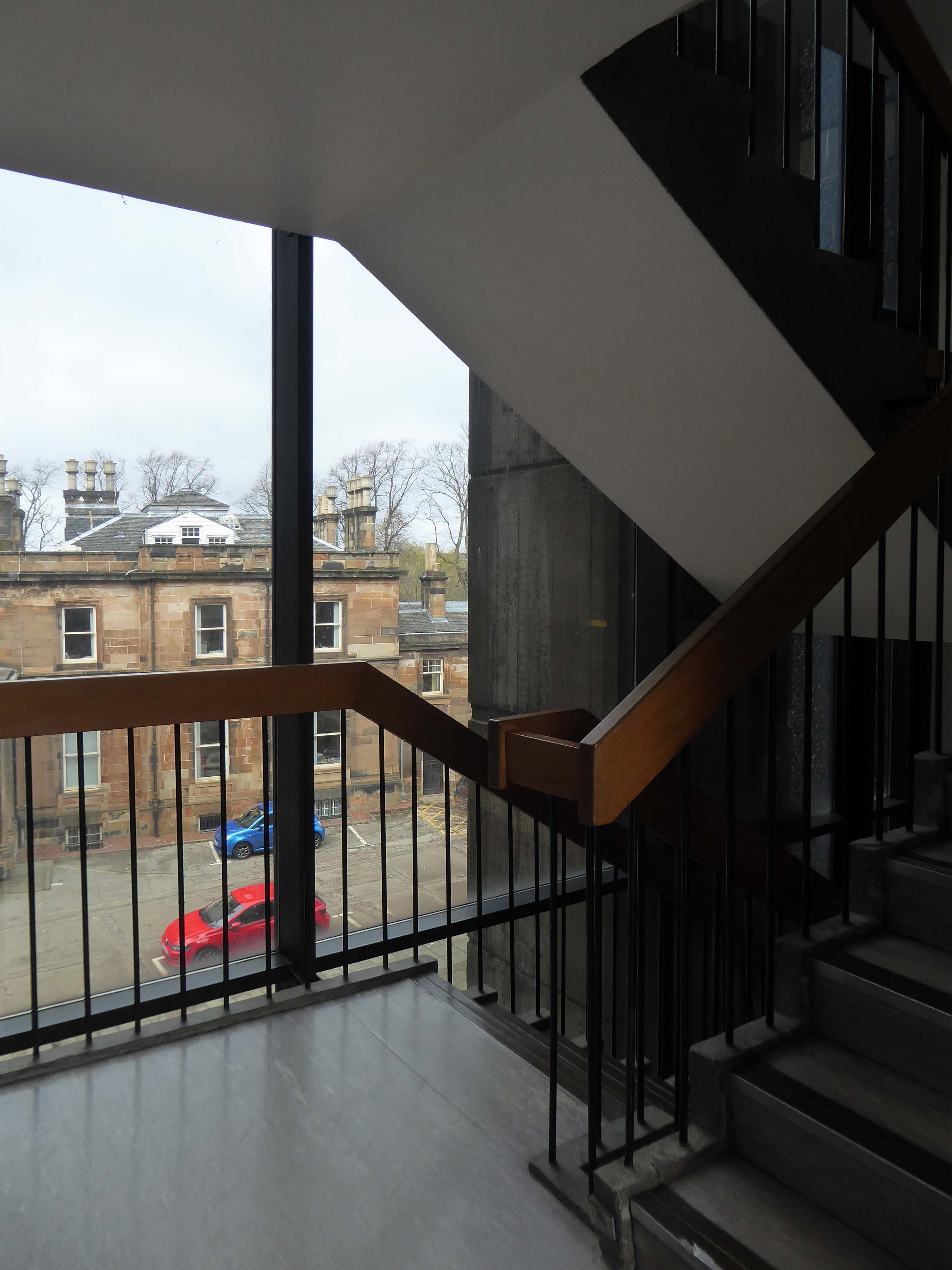
The glass stairwell drew me in further.
Entering the building I explained myself to the passing janitor:
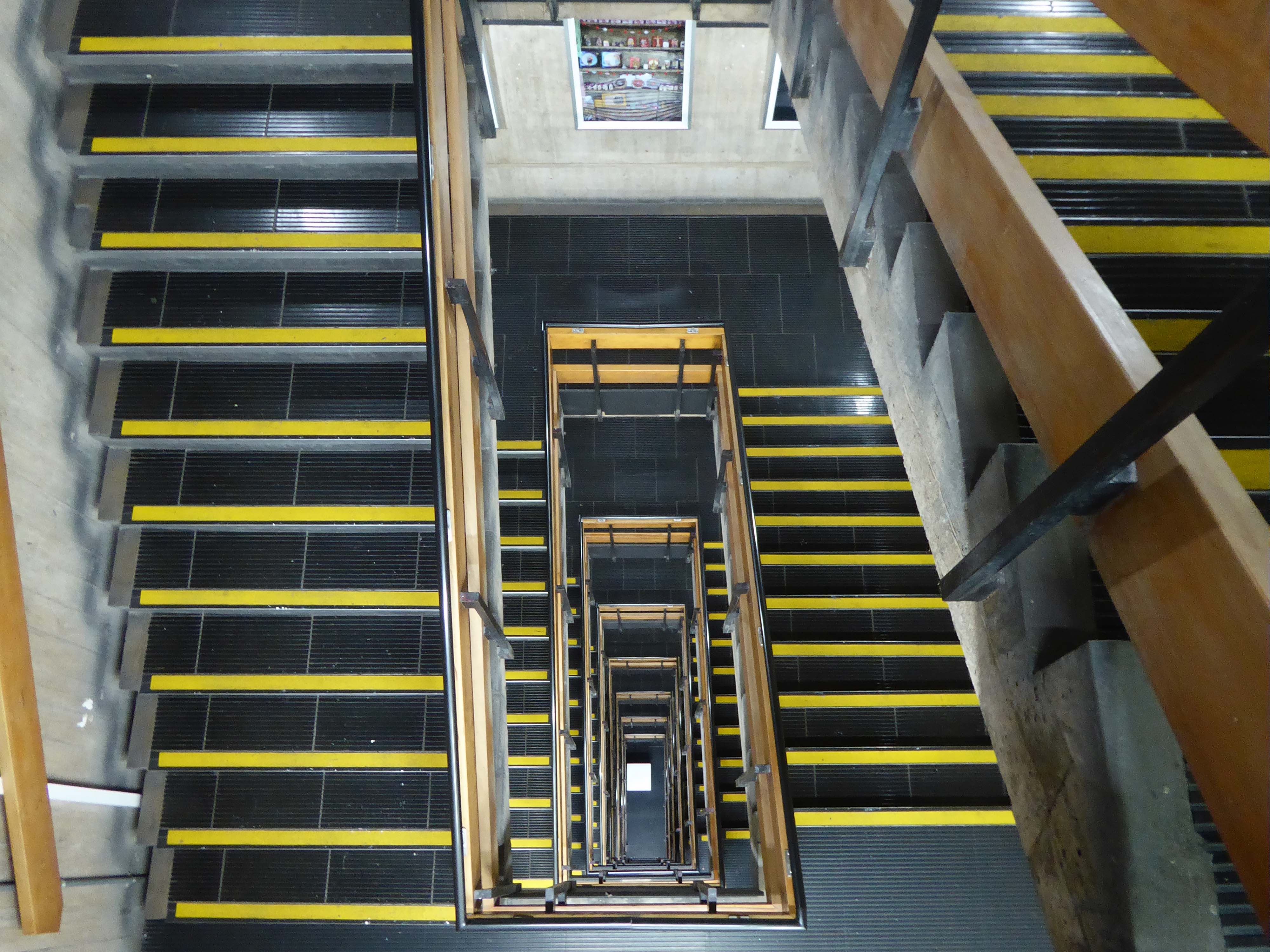
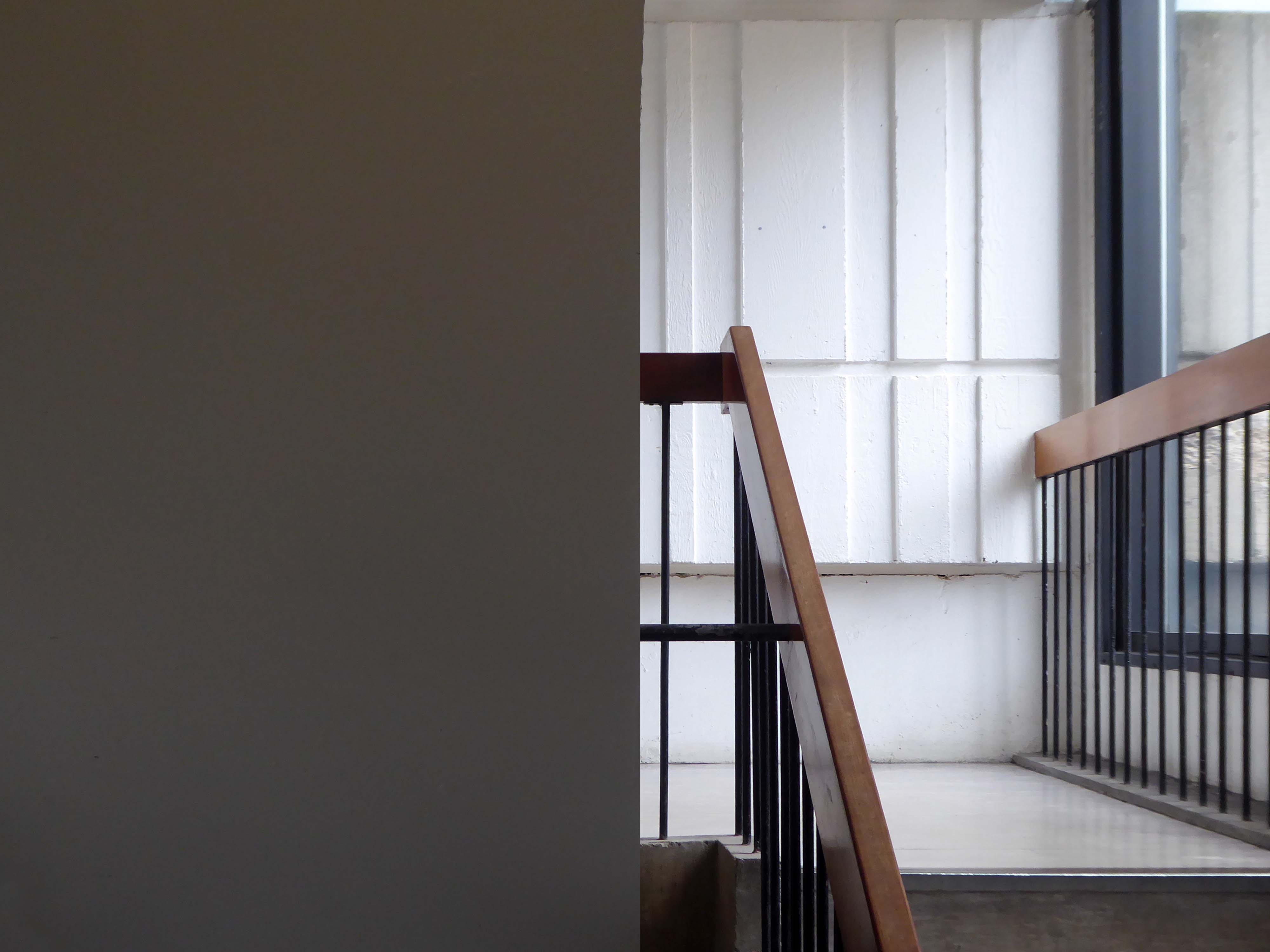
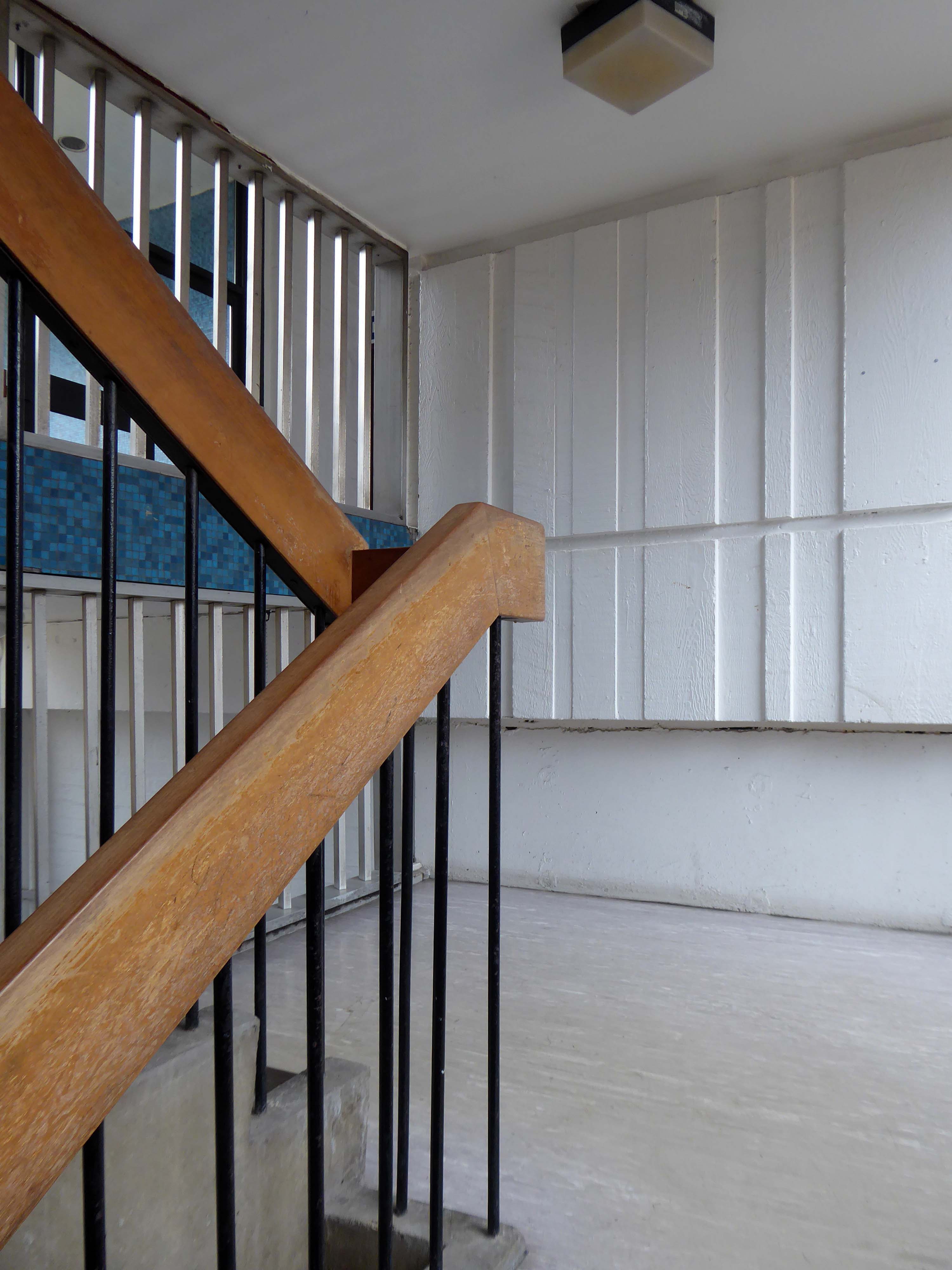
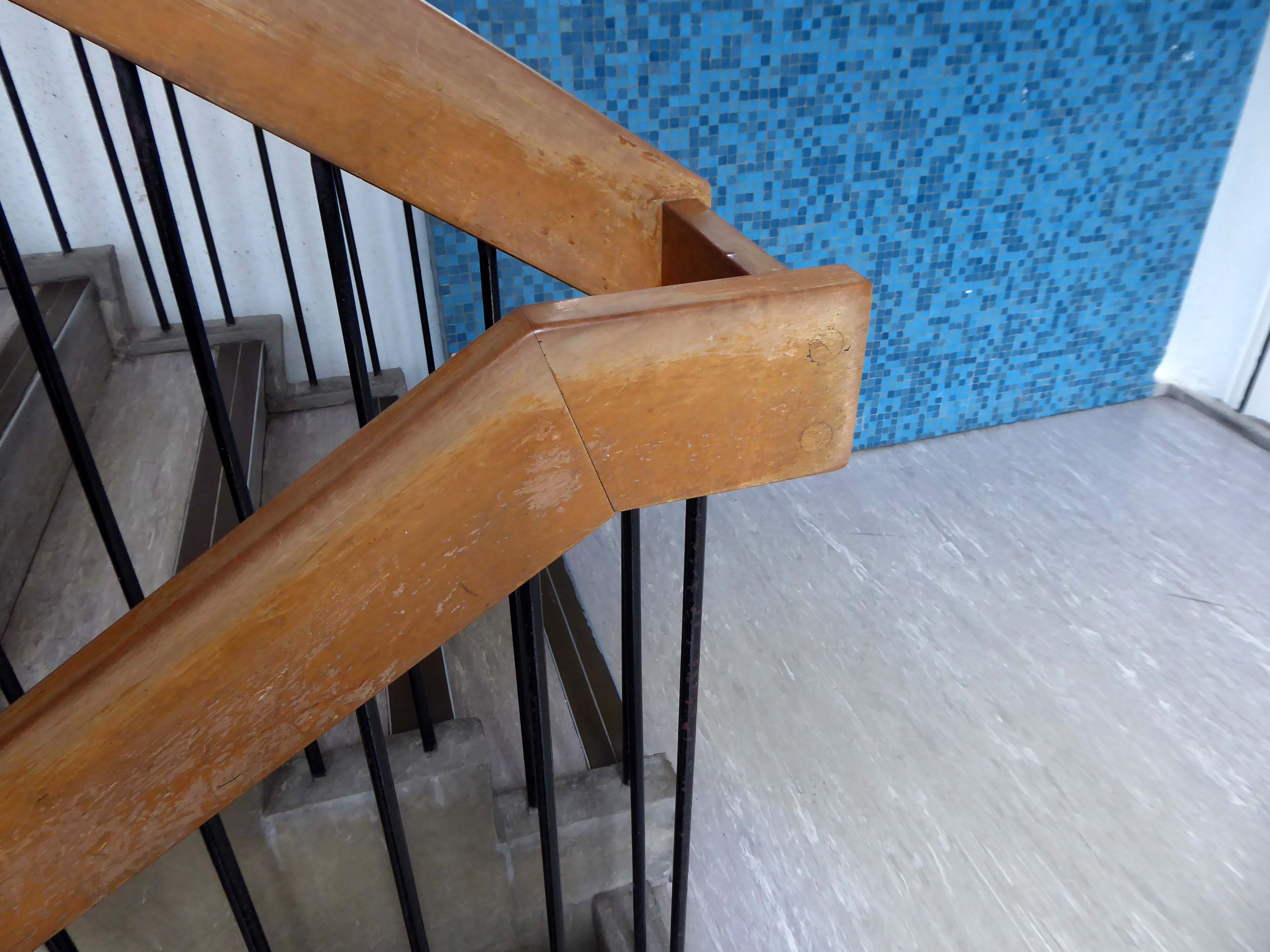
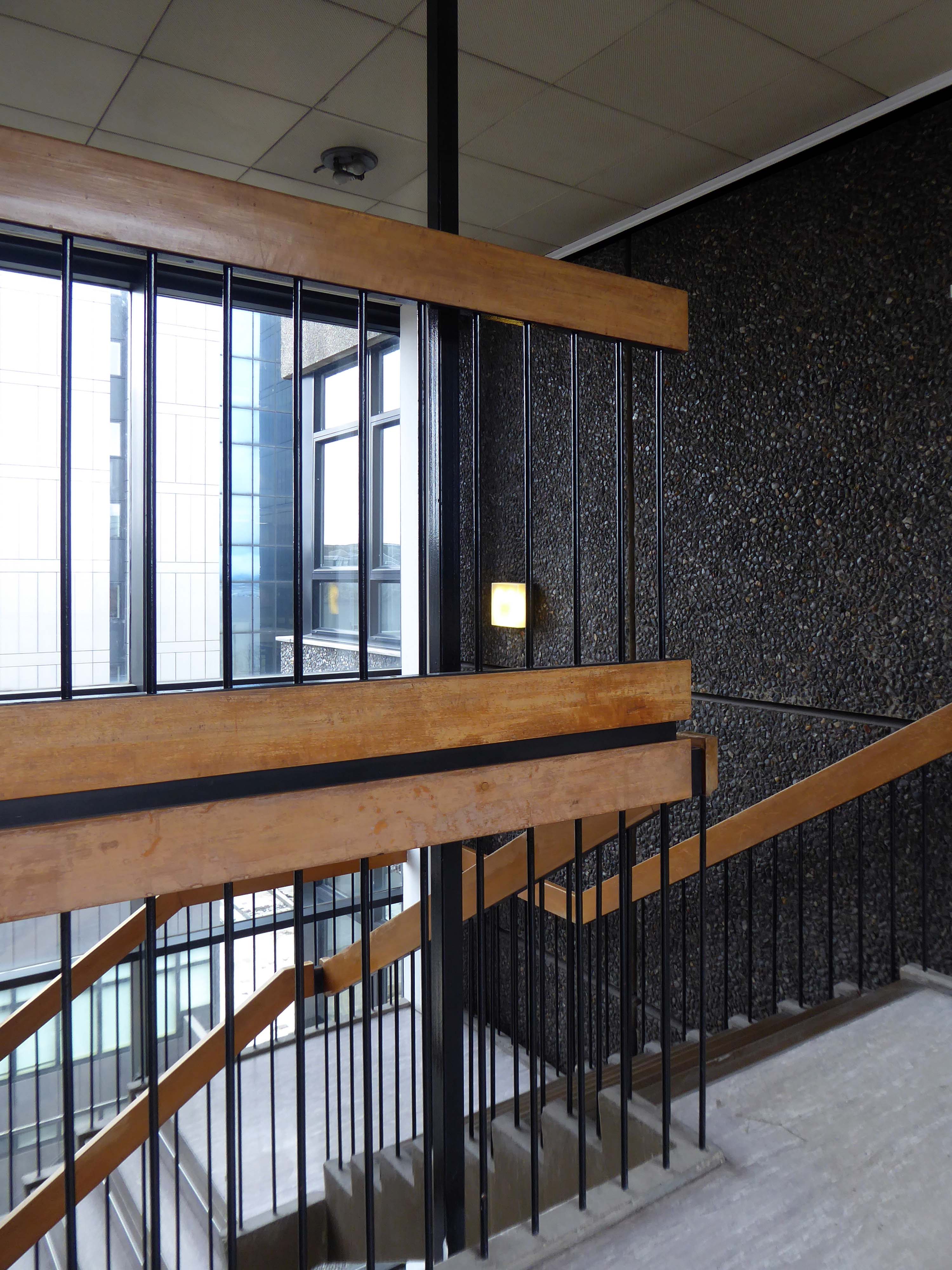
I’m intrigued by the stairways of 1960s civic buildings.
There are two – he helpfully replied.
Further intrigued I took a good look around – first up one.
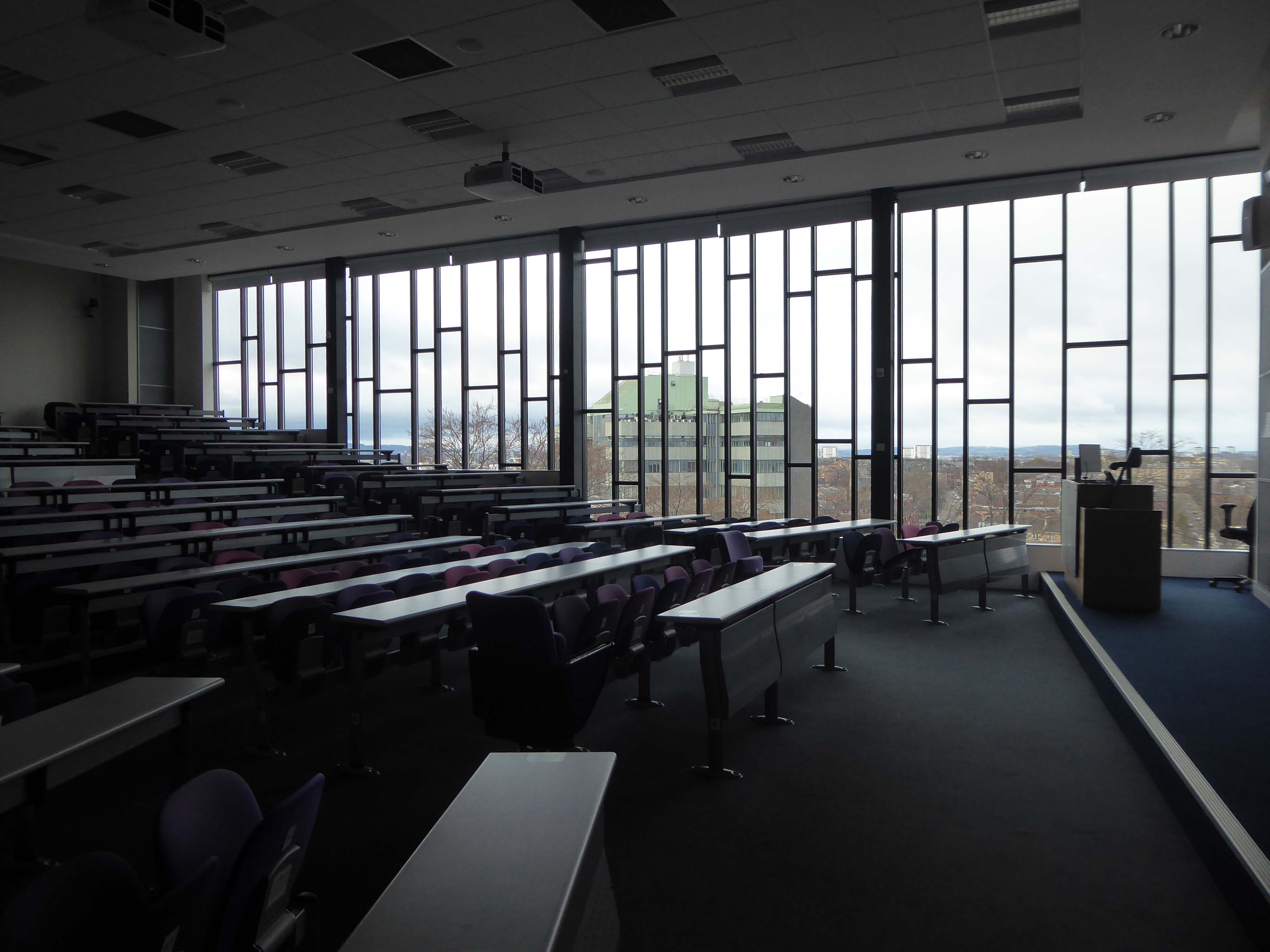
Reaching the top and discovering the Lecture Theatre.
Then down the other.
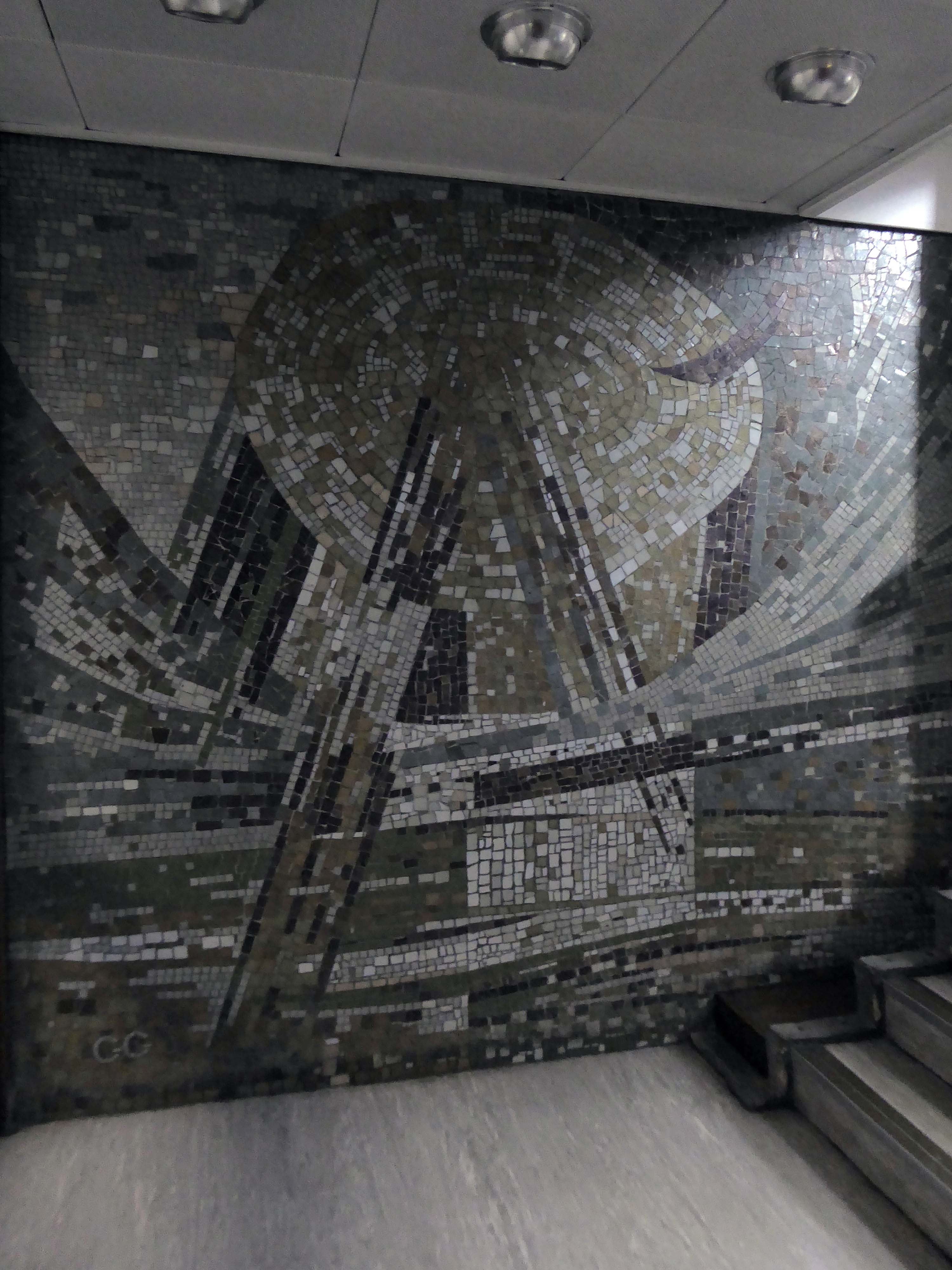
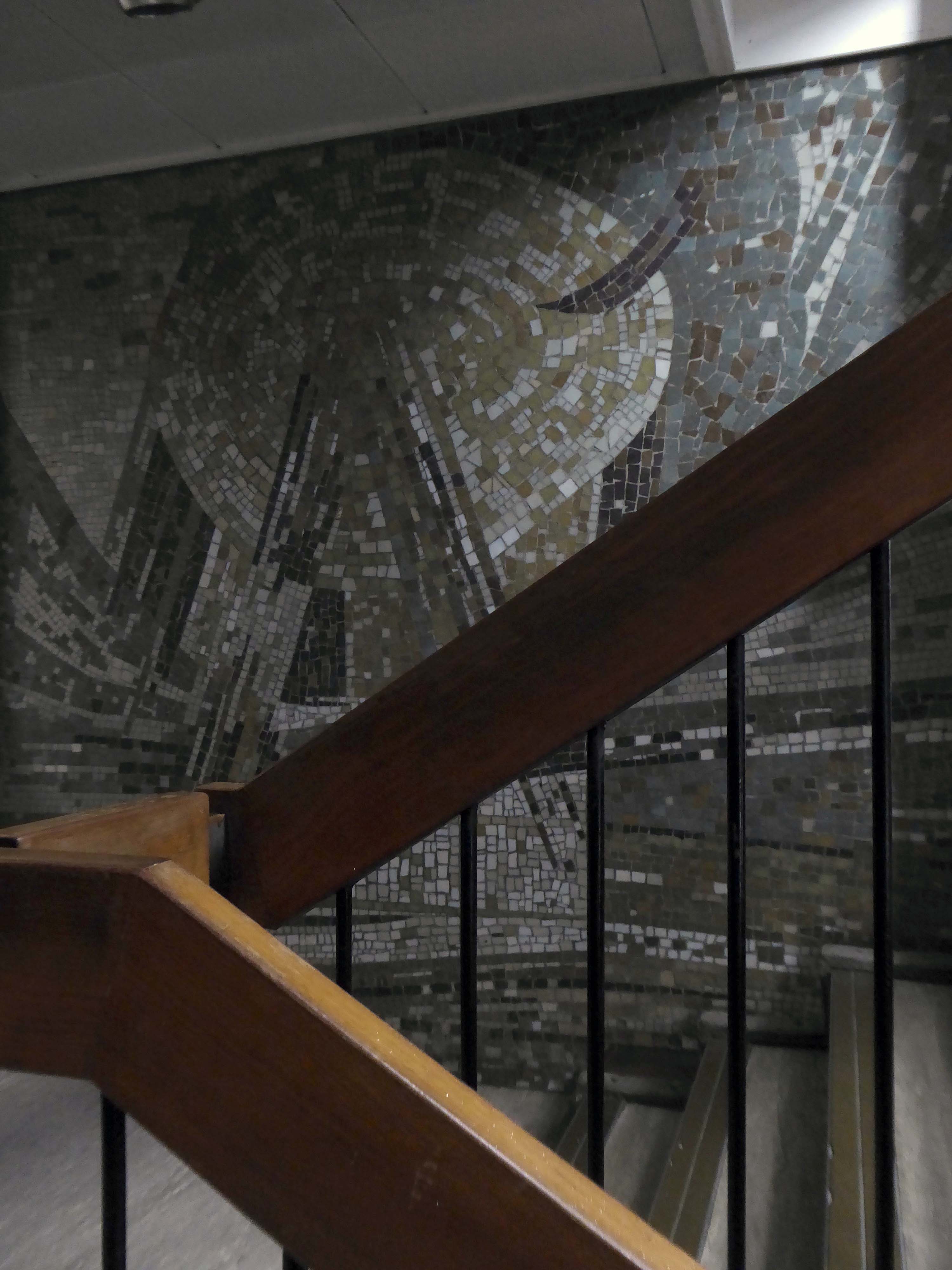
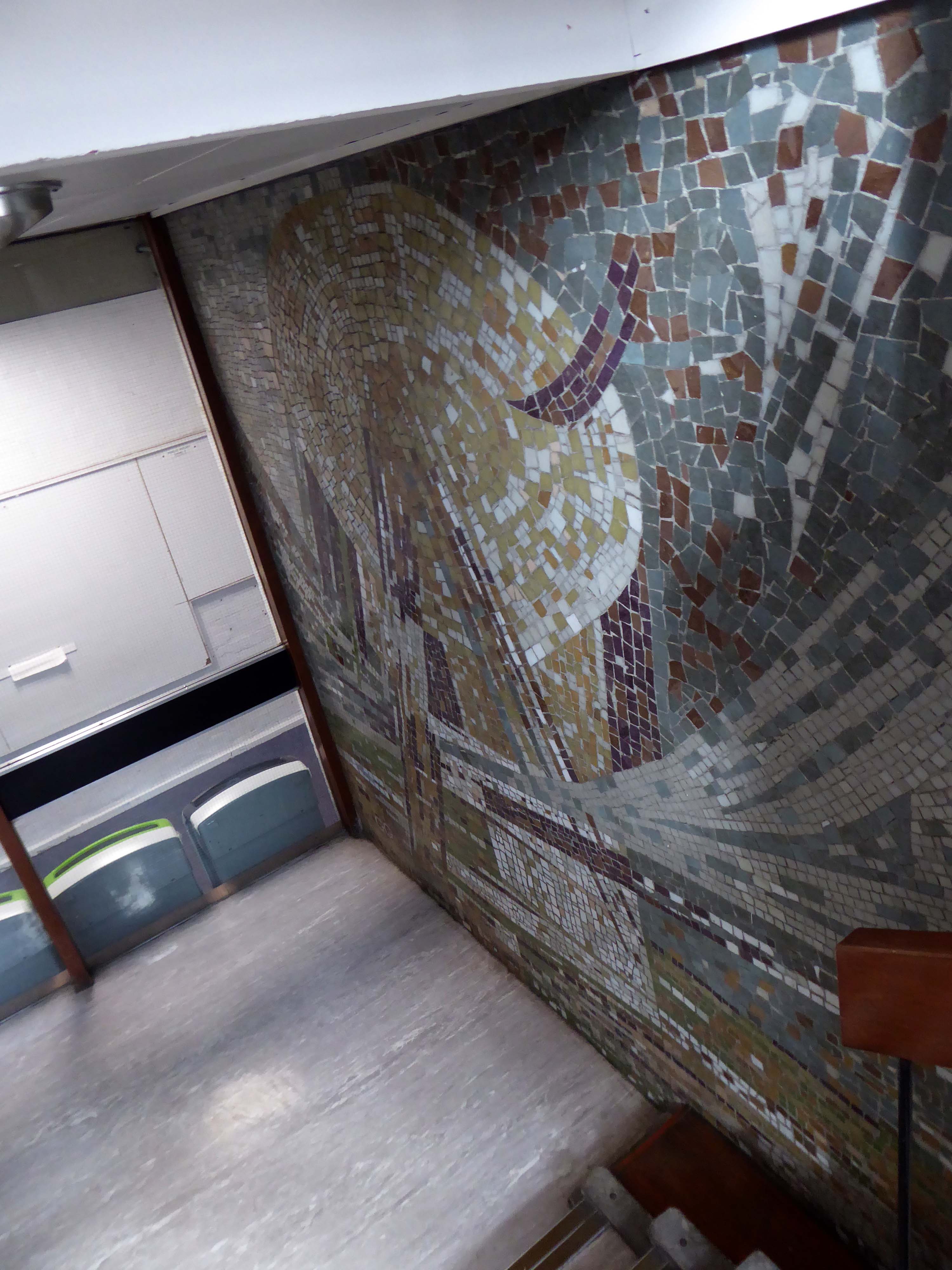
The mosaic mural at the foot of the main staircase was the work of George Garson, the head of the Mural Design and Stained Glass department at the Glasgow School of Art.
A quick look around the outside and then on my way.
29 King Street Bridlington East Riding of Yorkshire YO15 2DN
Supplier of a variety of discounted homewares and DIY products, toys, clothes and stationery.
In 1881 William Boyes opened a small store in Eastborough, Scarborough selling odd lots and remnants from merchants. There was great poverty in the working classes and housewives were even keener for a bargain than they are today. When customers found that they could buy enough material to make a coat or a dress cheaper than anywhere else, they soon spread the word and trade increased to such an extent that William had to look for larger premises.
William rented a large warehouse just off the main street where business continued to grow. By 1886 he purchased further units in Market Street and Queen Street and knocked them into one large store and named it ‘The Remnant Warehouse’. Older customers in Scarborough still refer to the shop as ‘The Rem’. As time went on William expanded his range and bought other clearance lines from merchants developing the warehouse into a department store.
Business continued to grow and go from strength to strength and in 1910 the expansion of the company started. Today W Boyes and Co Ltd operate over 60 stores throughout Yorkshire, the North East, Lincolnshire and Nottinghamshire & Leicestershire.
In 1969 Hammonds of Hull purchased the Carltons department store located in Bridlington, and within a year had demolished and rebuilt the store. The company’s independence did not last much longer, as in 1972 House of Fraser purchased the business for £8 million. The stores were then grouped under the Binns brand. The Bridlington store was closed in 1995 and the store stood empty for three years until Boyes opened in 1998
My sincere thanks to Kate Yorke for her detective work.
I have been here before, enchanted by the exterior tiles, of unknown origin – yet strongly redolent of William Mitchell’s work.
These are on the southern face of the building.
On the opposing side.
They flow through into the entrance lobby.
Exploring further I encountered these striking ceramic tiles on the stairwells.
With a matching set on the others side of the store.
It’s a constant delight to discover the decorative art of the Sixties preserved in situ. Remnants of a time when investment in original work was de rigueur, reflecting the pride which companies had in their buildings and the respect they held for their customers.
The stores trade as Boyes – pronounced Boys but often mispronounced as Boys-es.
It is still owned and family run with Andrew Boyes and his son Richard as joint managing directors.
The Scarborough store was home to a number of animals in the past, including monkeys, chipmunks and budgies. The animals were used as way of encouraging customers to visit the store and purchase something whilst they visited. Two of the monkeys, Jacko and Dinah, are famous to a generation of Scarborough shoppers.






 Modern Mooch