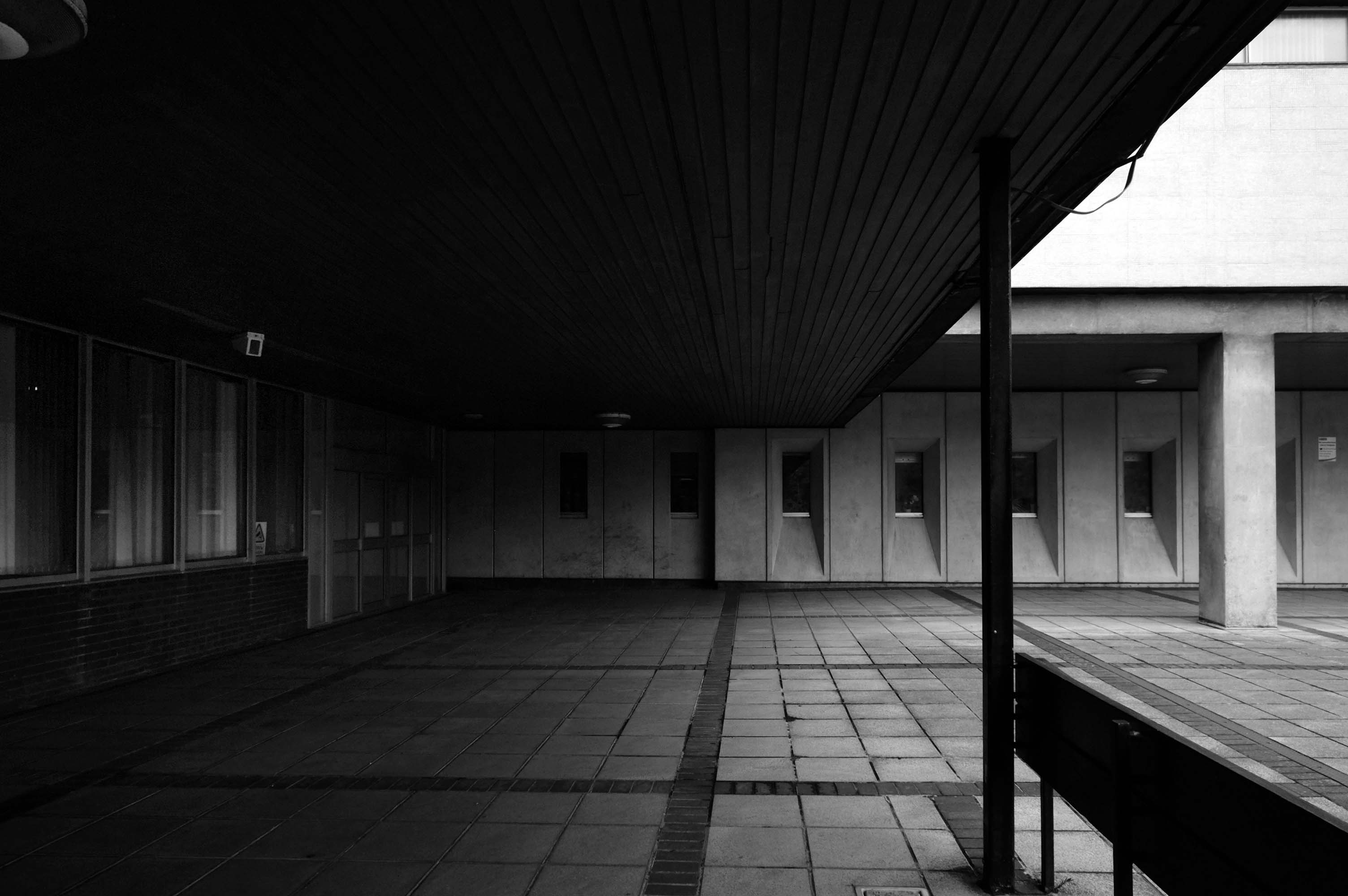
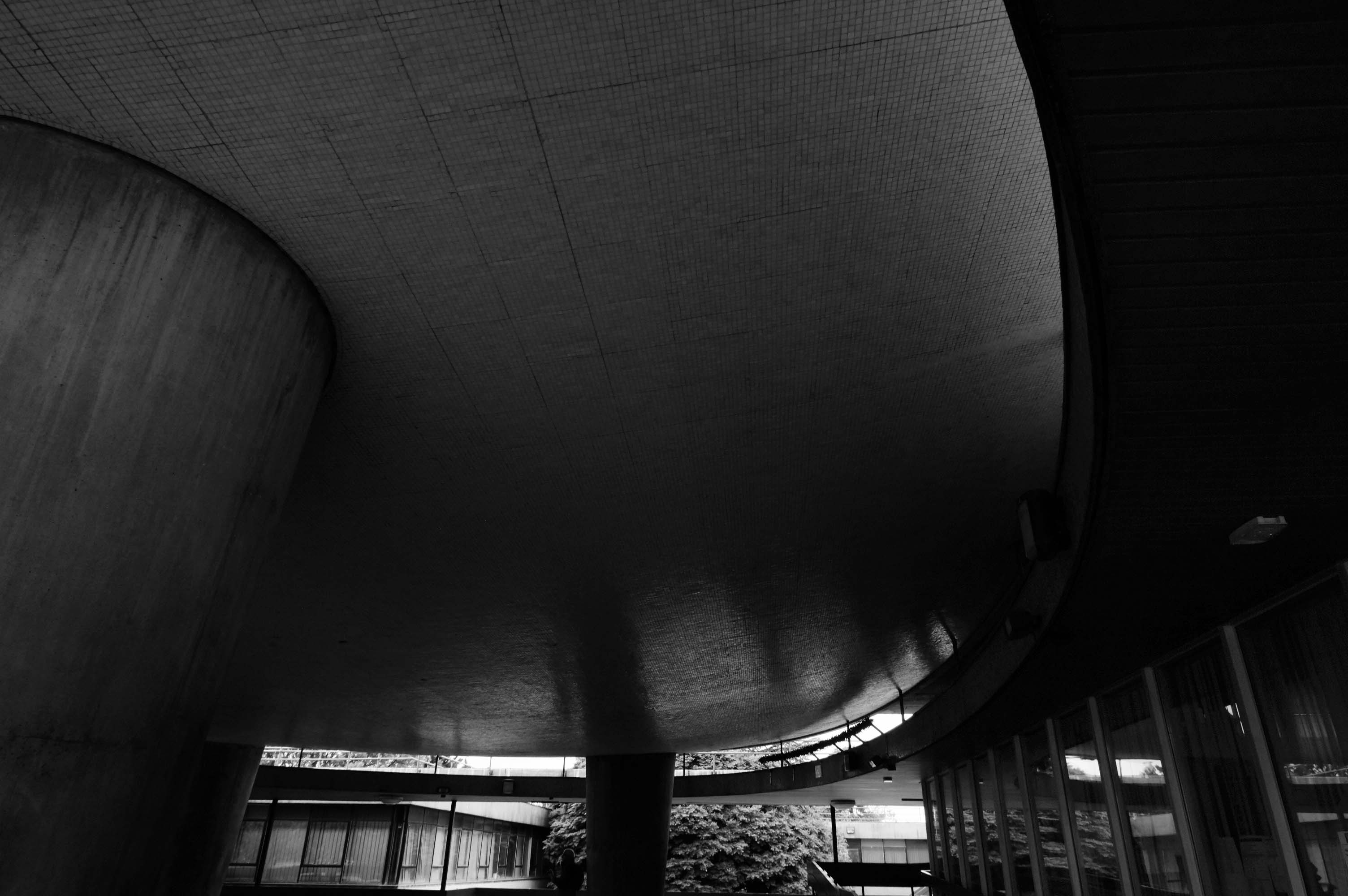
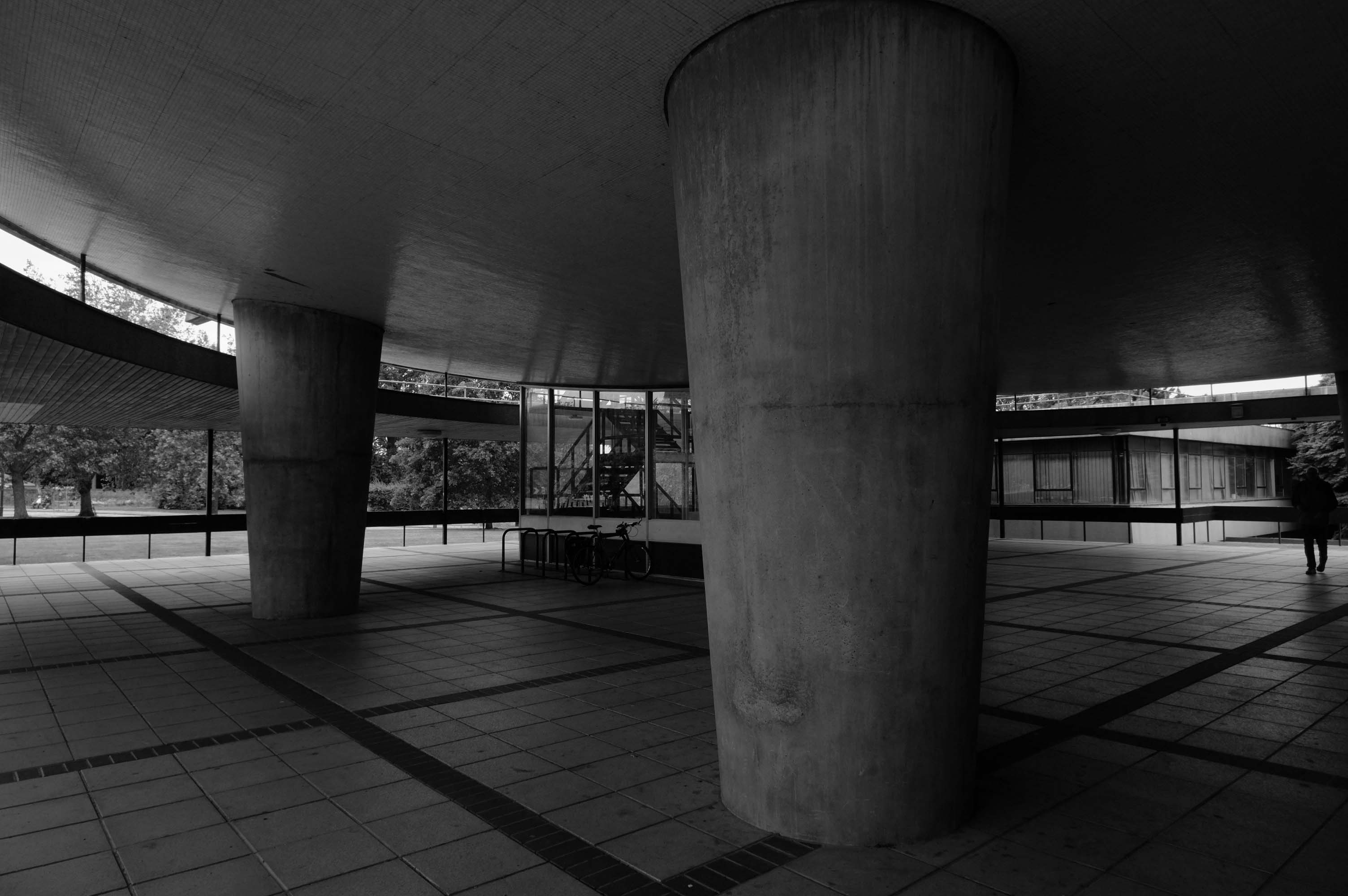
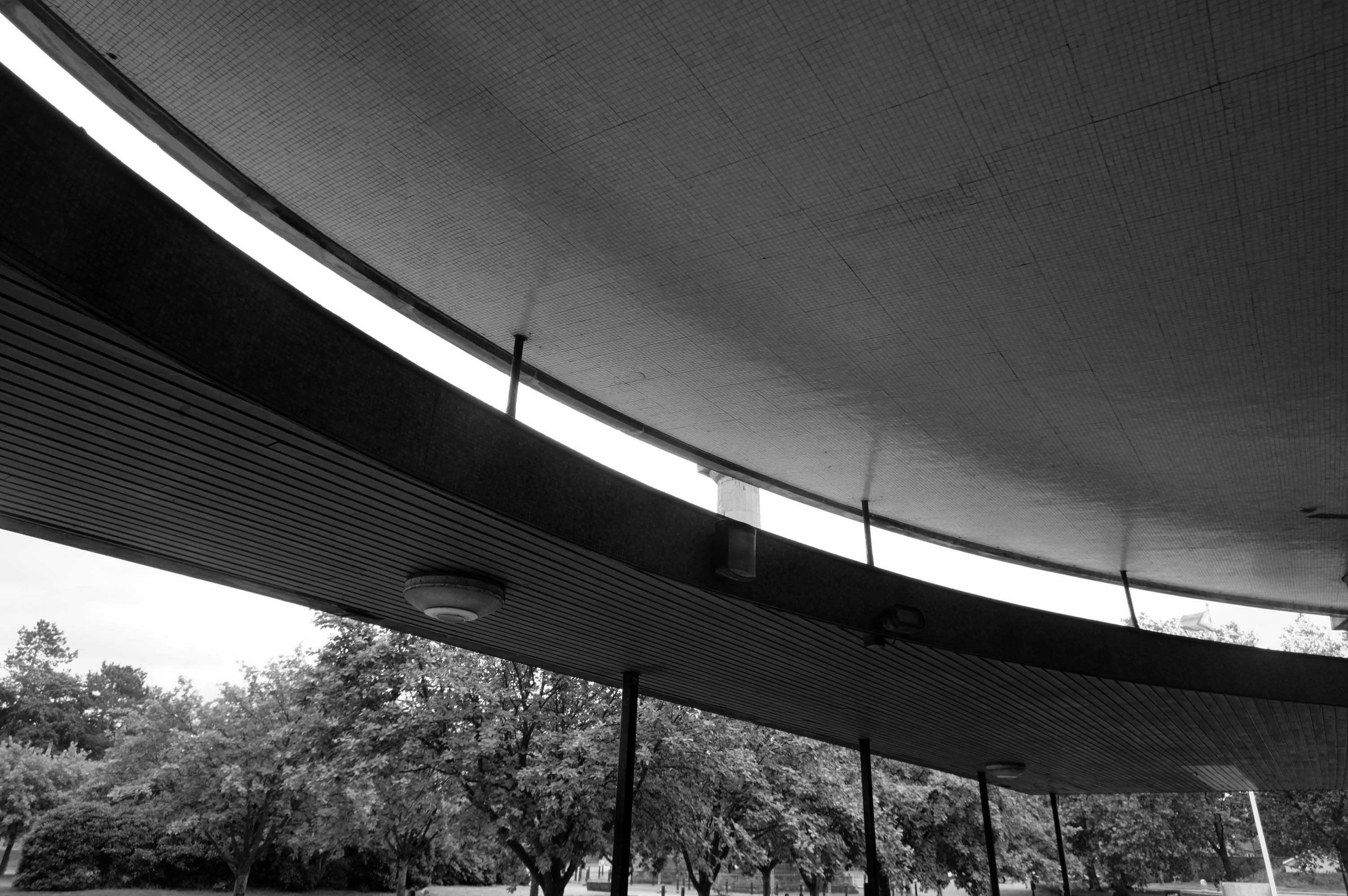
Ferodo Factory – Caernarfon.

The Ferodo Factory was founded in Caernarfon in 1962, and officially opened by Princess Margaret.

However, the Ferodo Factory faced a significant setback in April 2001, when a lengthy industrial strike by the Transport and General Workers Union members began.

The strike lasted for an astonishing two and a half years.

Following the strike, the Ferodo Factory underwent a change in ownership. Bluefield Caernarfon Ltd acquired the site in 2007/08, with plans for redevelopment and revitalization. However, these plans did not come to fruition, and the factory’s buildings gradually fell into disrepair.

The site was identified as a potential location for a multi-million pound North Wales prison. This development would have created numerous job opportunities and breathed new life into the area.

Plans for this proposed redevelopment where rejected.

Michael James

Photo: Graham Stephen 2010

An appeal was launched in 2023 to find ex-strikers, in order to invite them to the premiere of a documentary to mark the 20th anniversary of one of Britain’s longest industrial disputes.

The hard-hitting film, Y Lein: Streic Friction Dynamics – The Line: Friction Dynamics Strike, has been made by Dïon Wyn, the grandson of one of the strikers, Raymond Roberts, who was determined the historic injustice should never be forgotten.

Nation: Cymru

Raymond Roberts and his Grandson Dion Wyn at the entrance to the old Ferodo/Friction Dynamics factory in Caernarfon.

Photo: Mandy Jones

The site is currently for sale.

This is what I saw on my visit – Friday 24th June.

The huge interior space the main building was breathtaking – bringing to mind this work.

Anselm Kiefer: Tempelhof 2011 – oil, acrylic, terra cotta, lead and salt on canvas

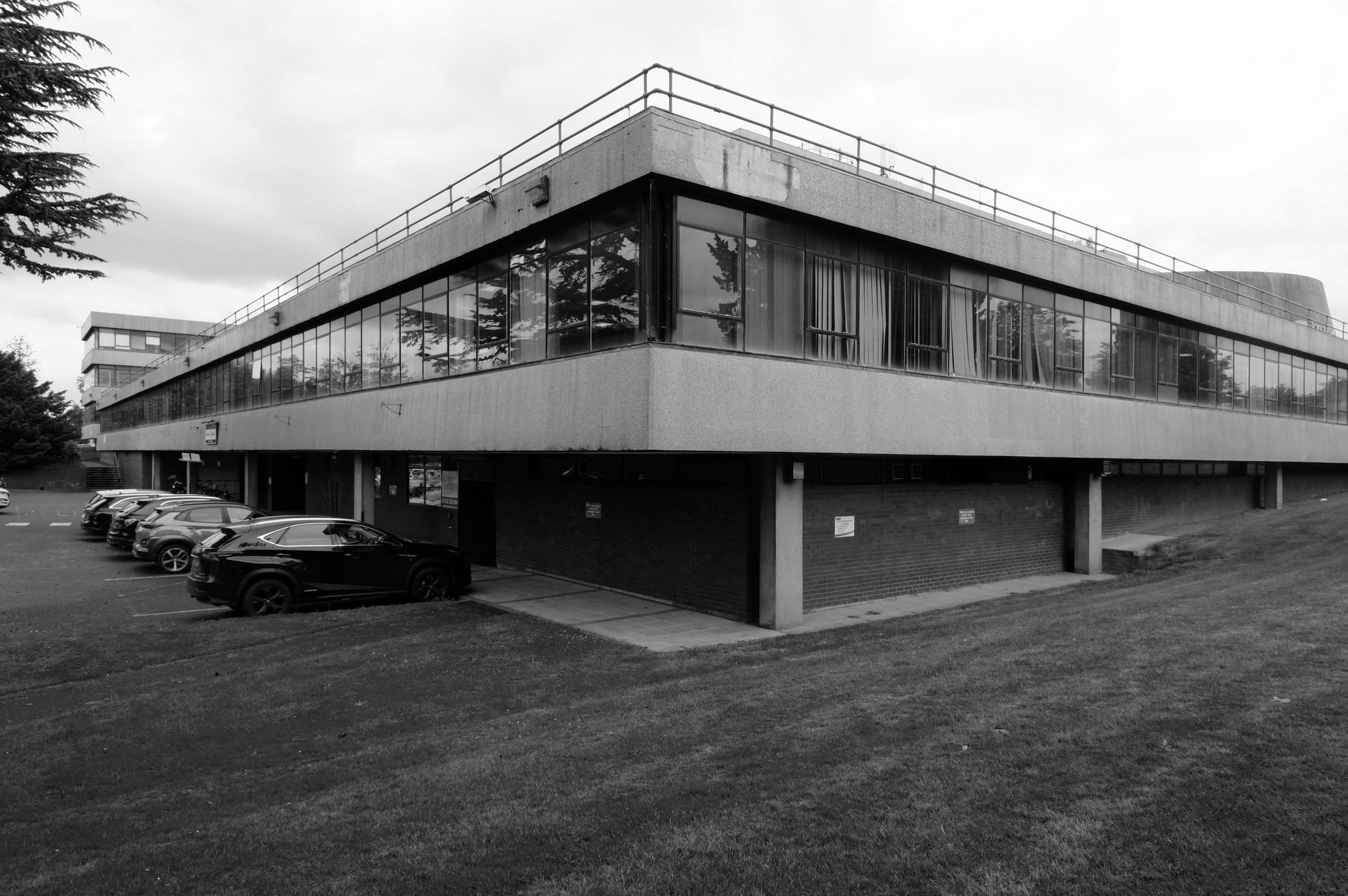
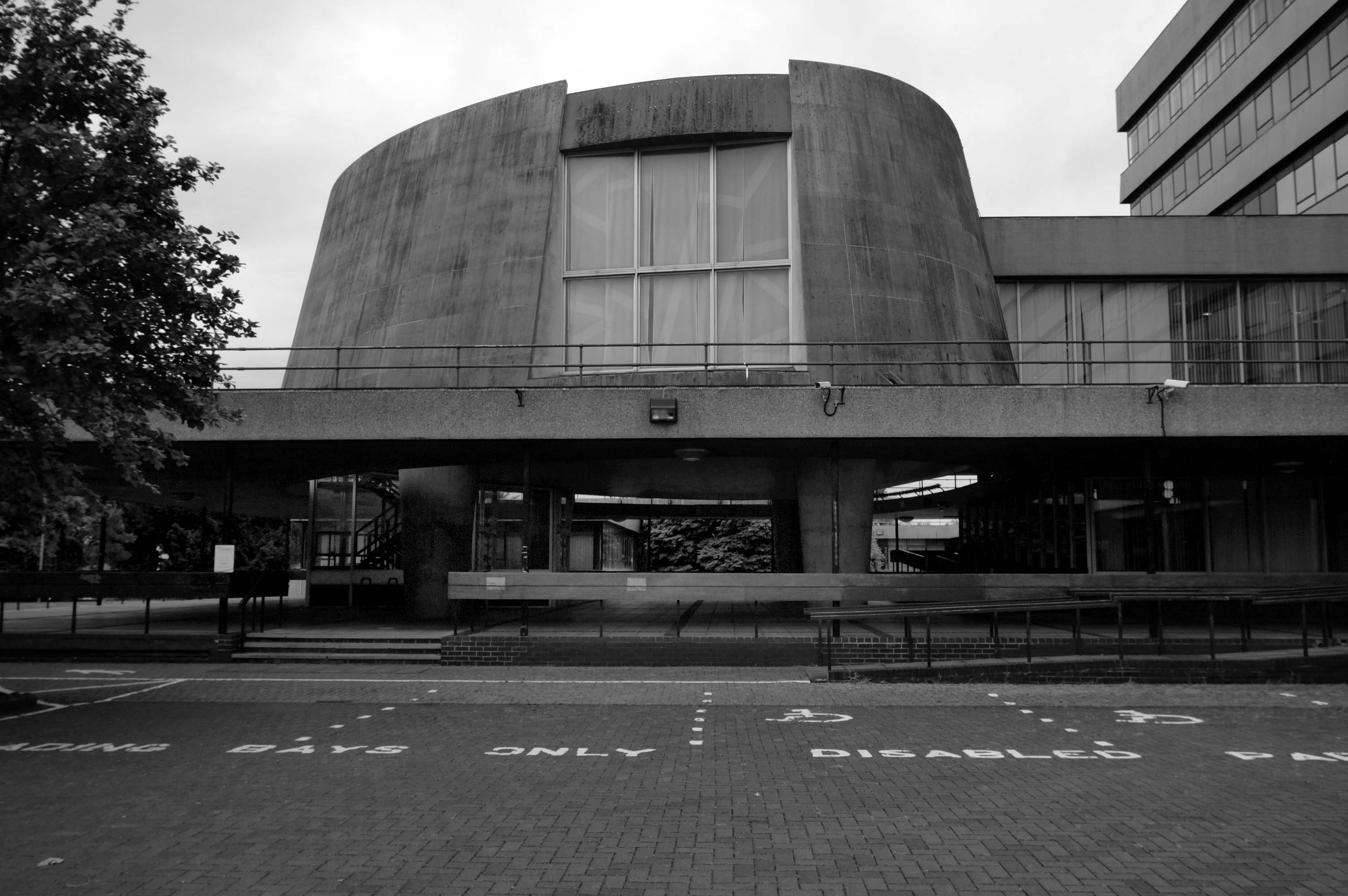
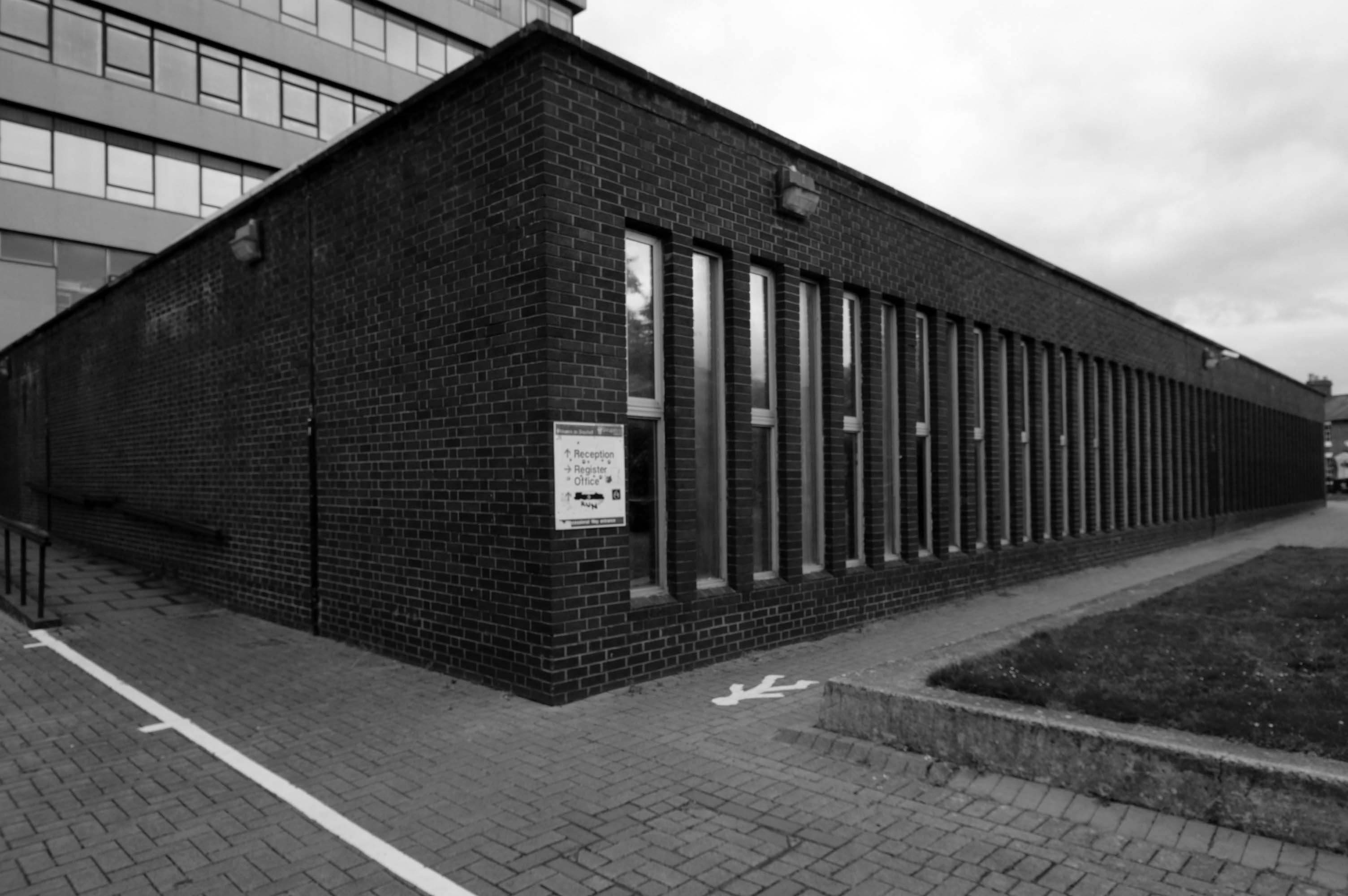
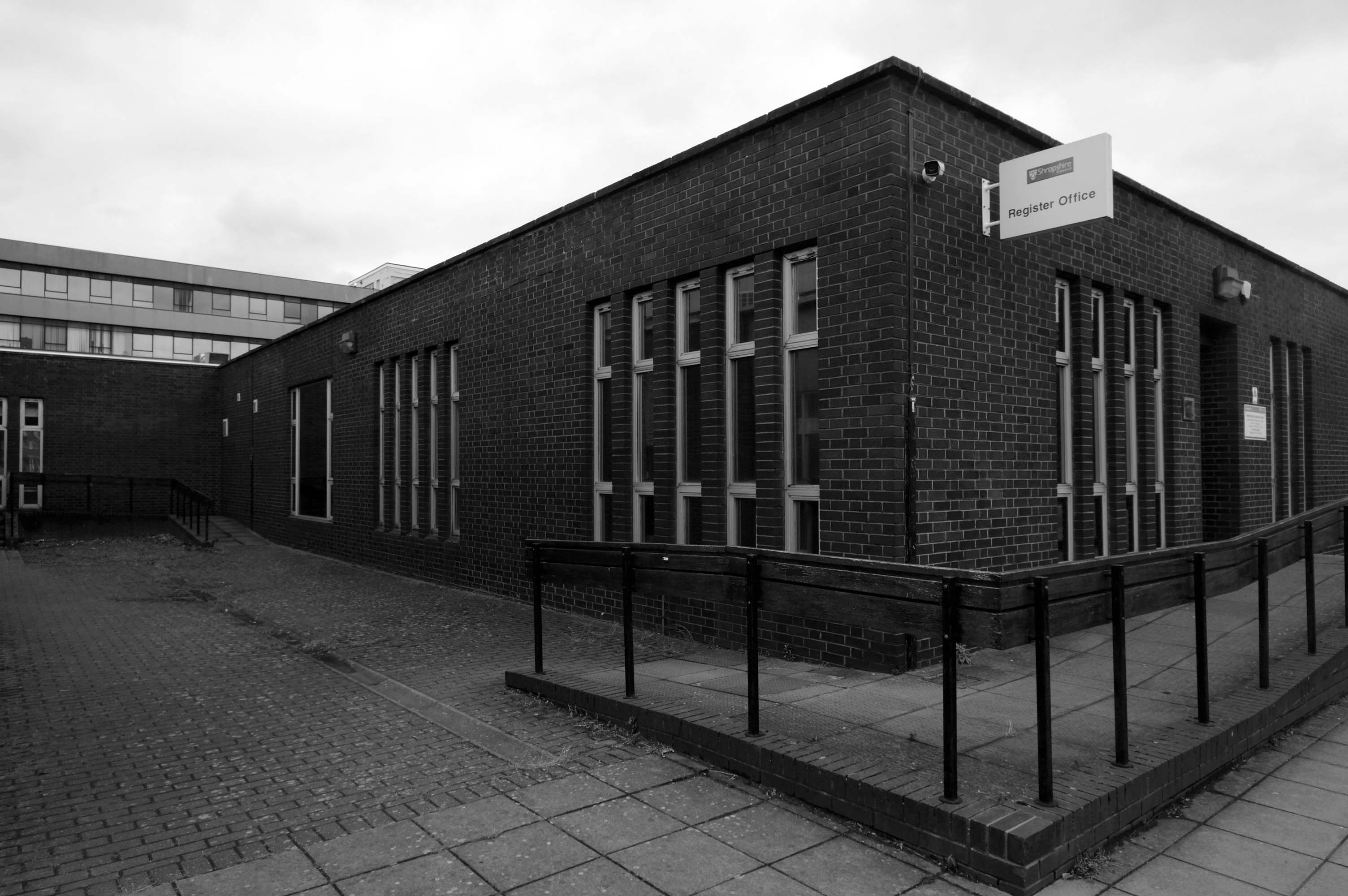
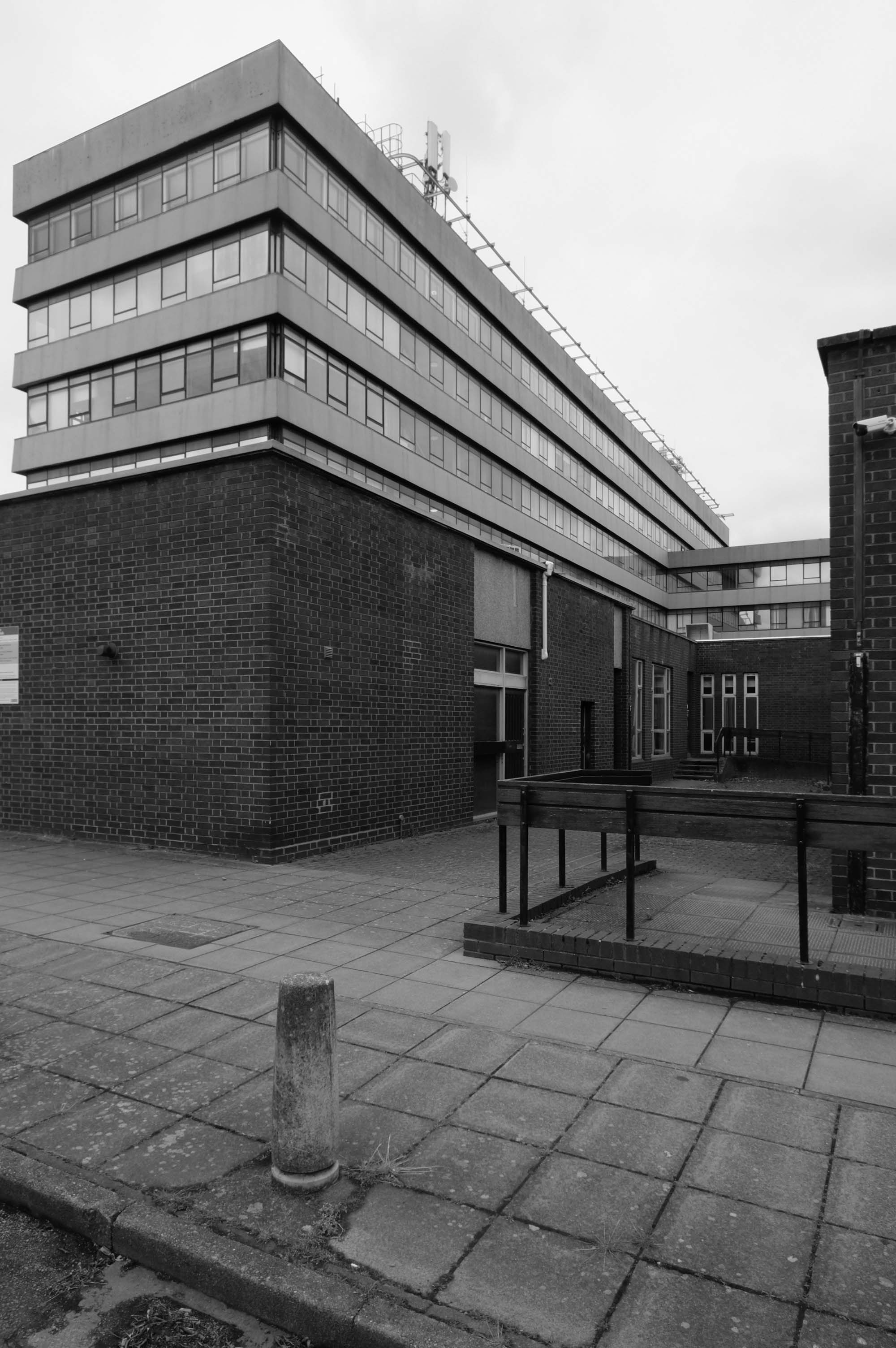
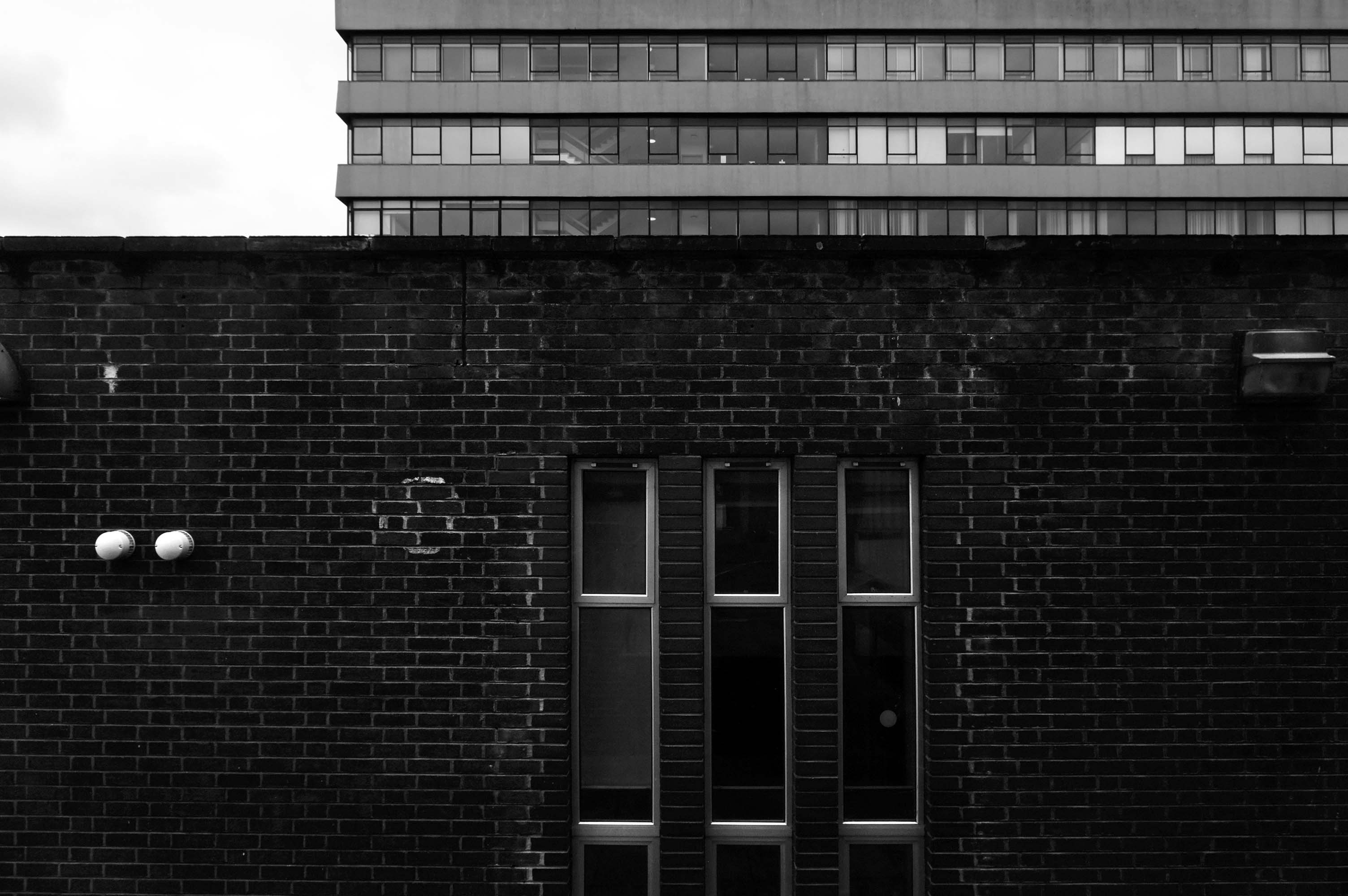
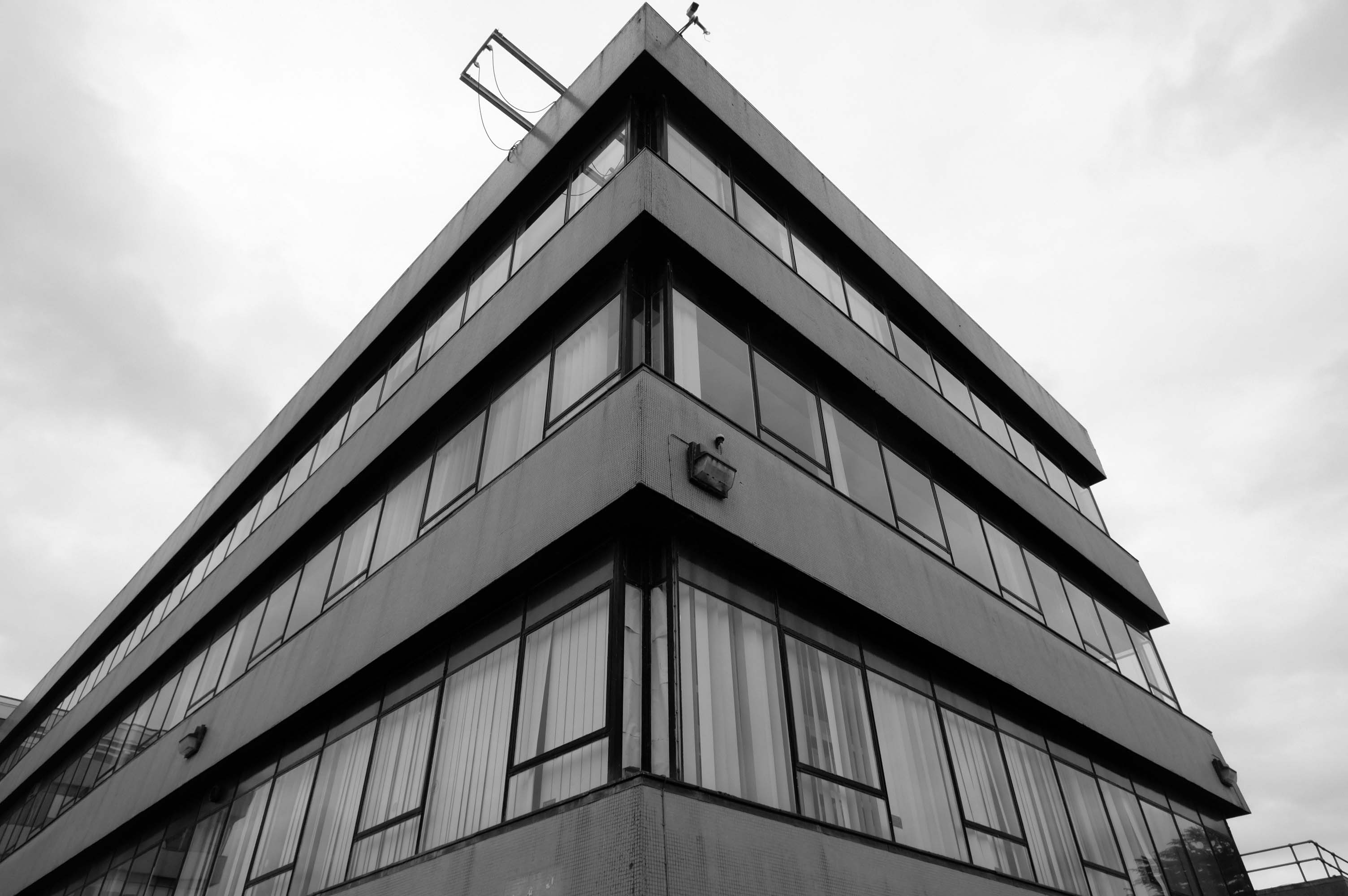
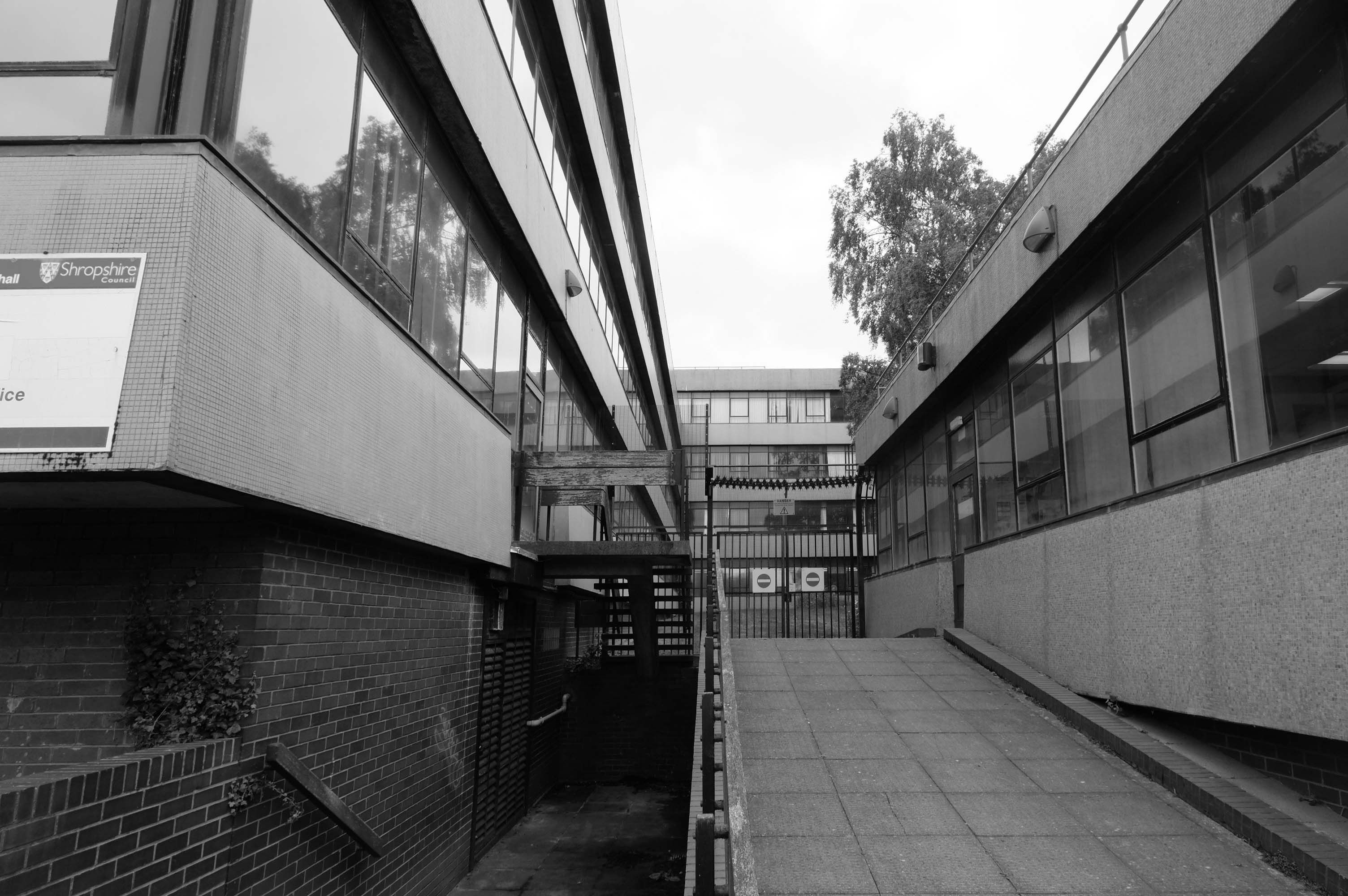
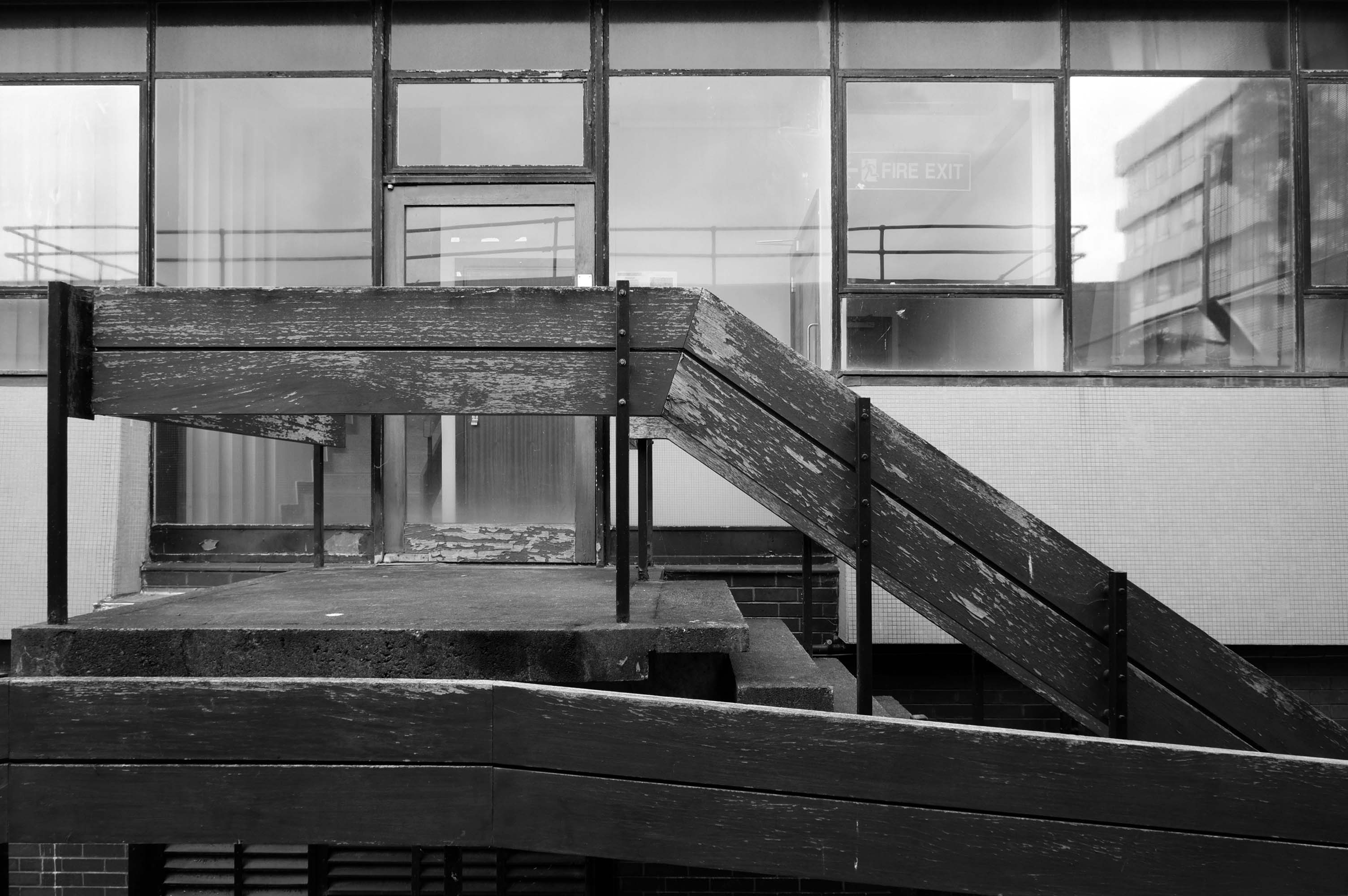
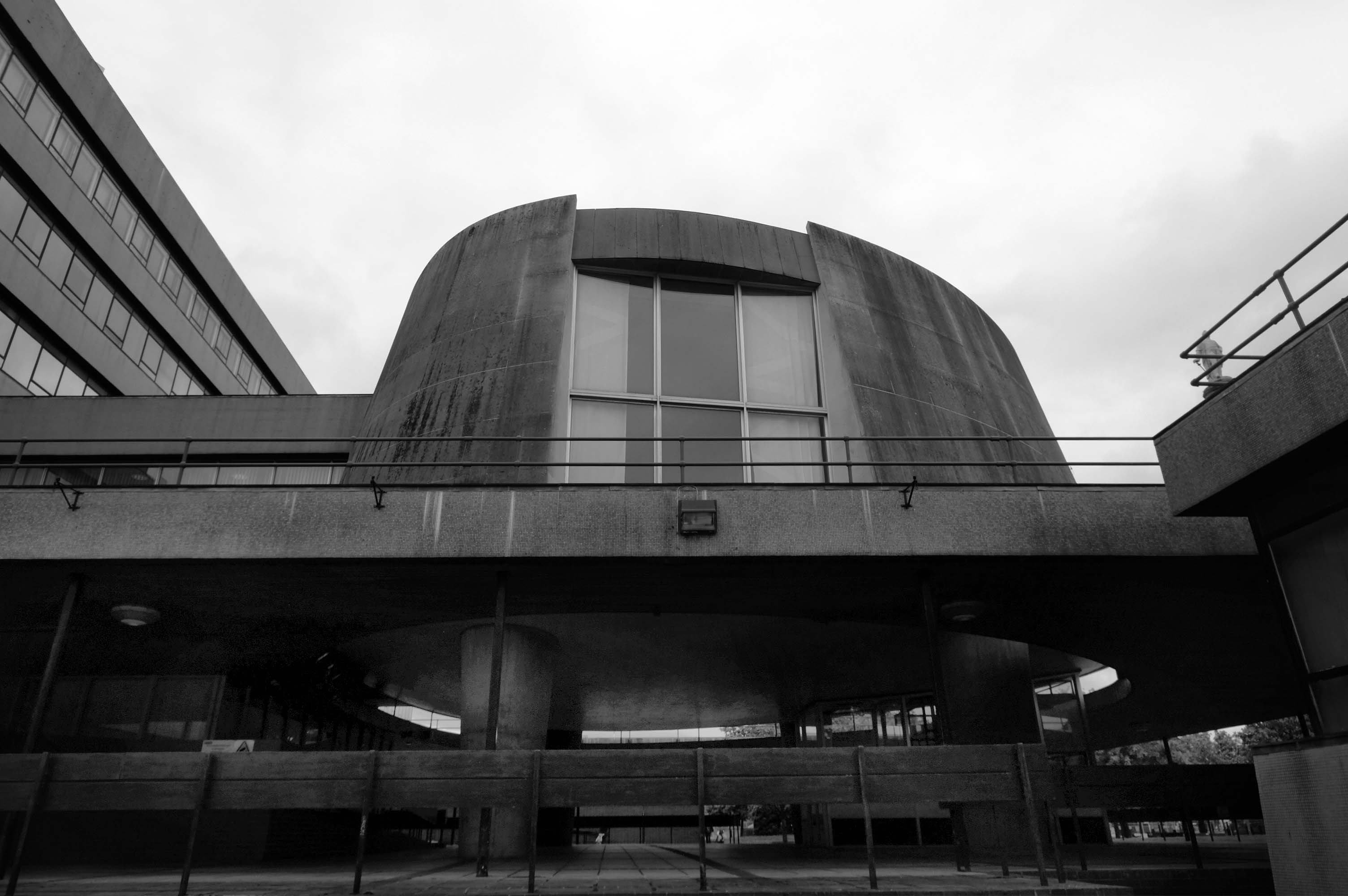
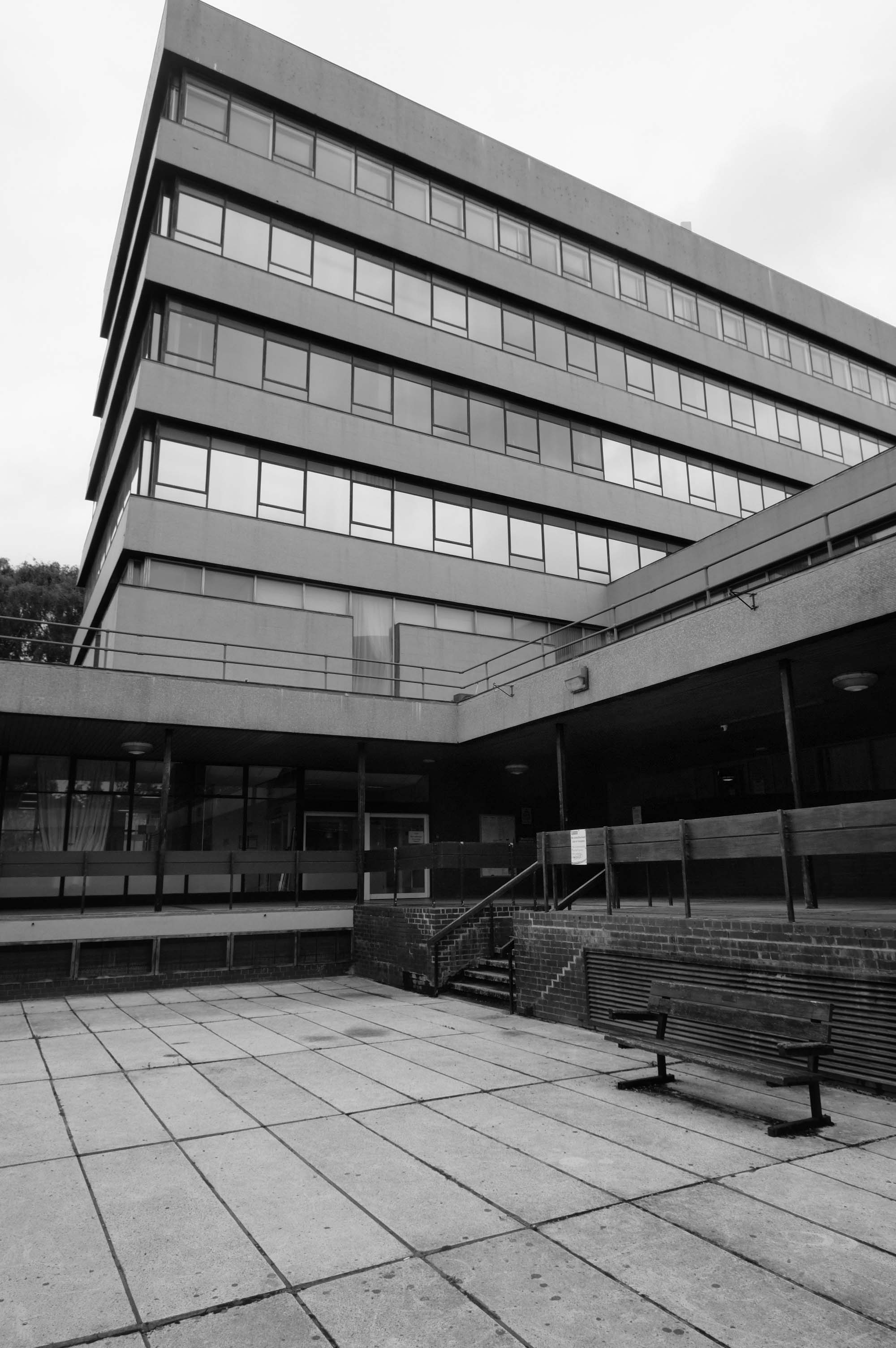
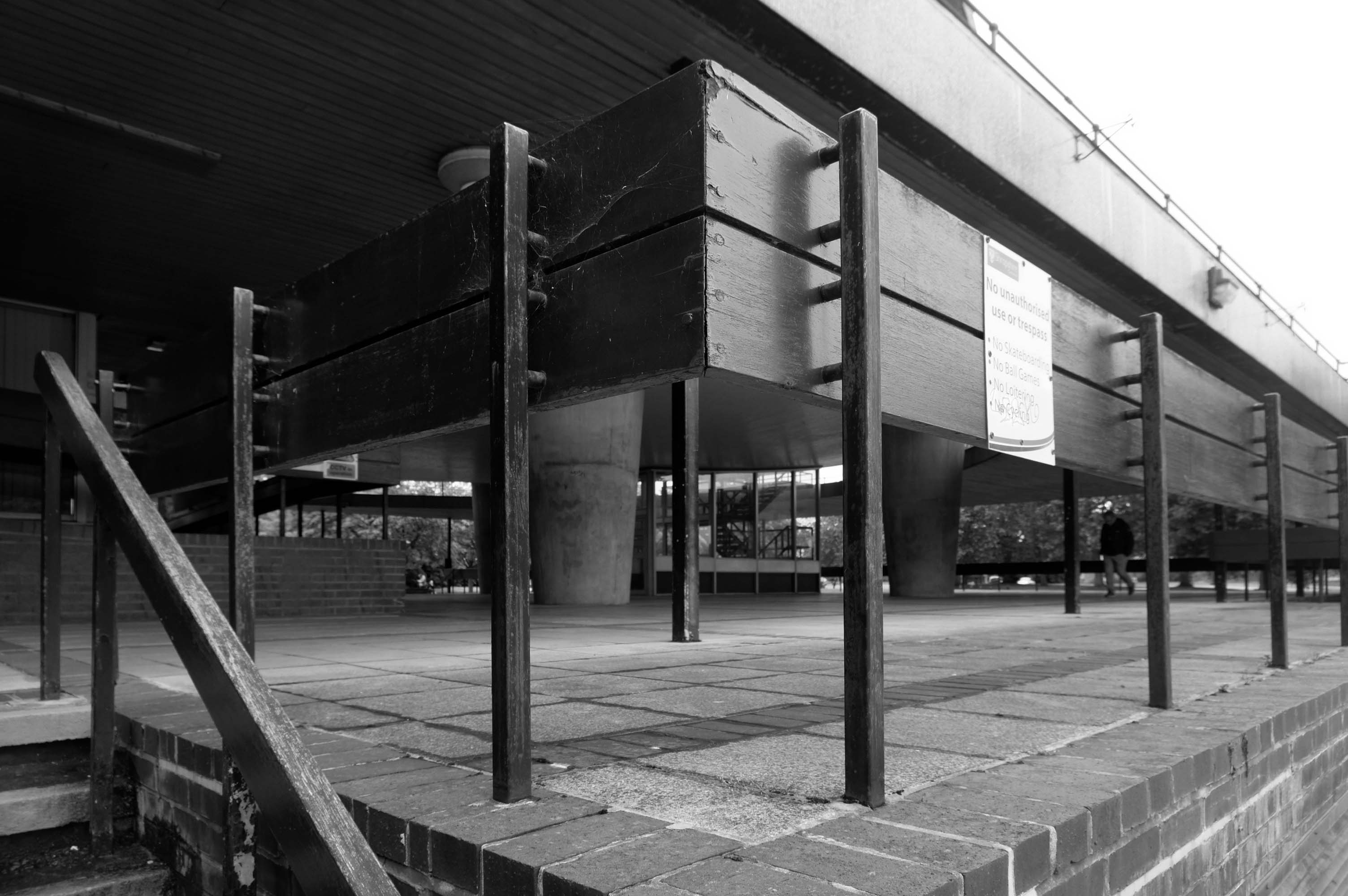
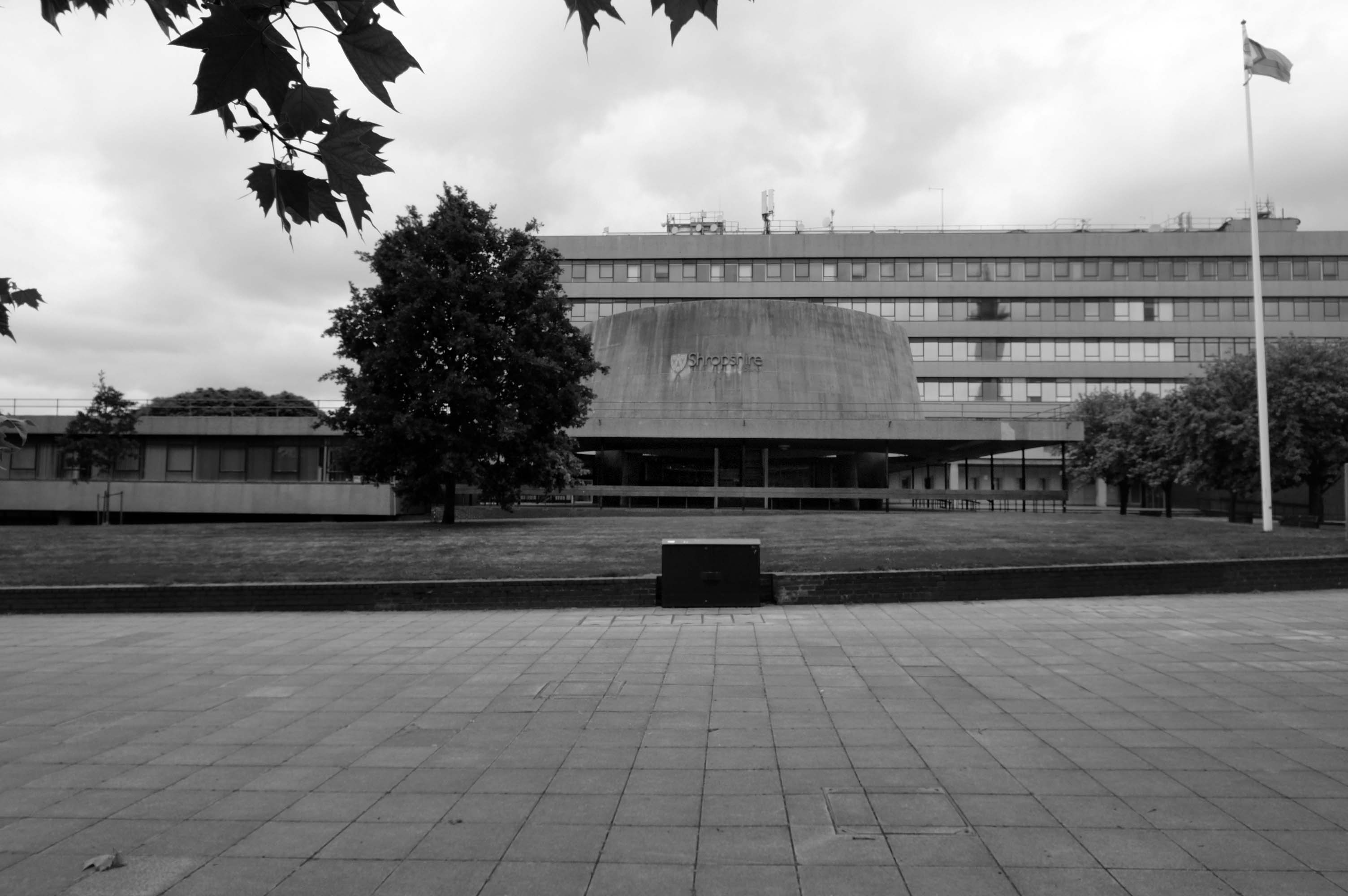
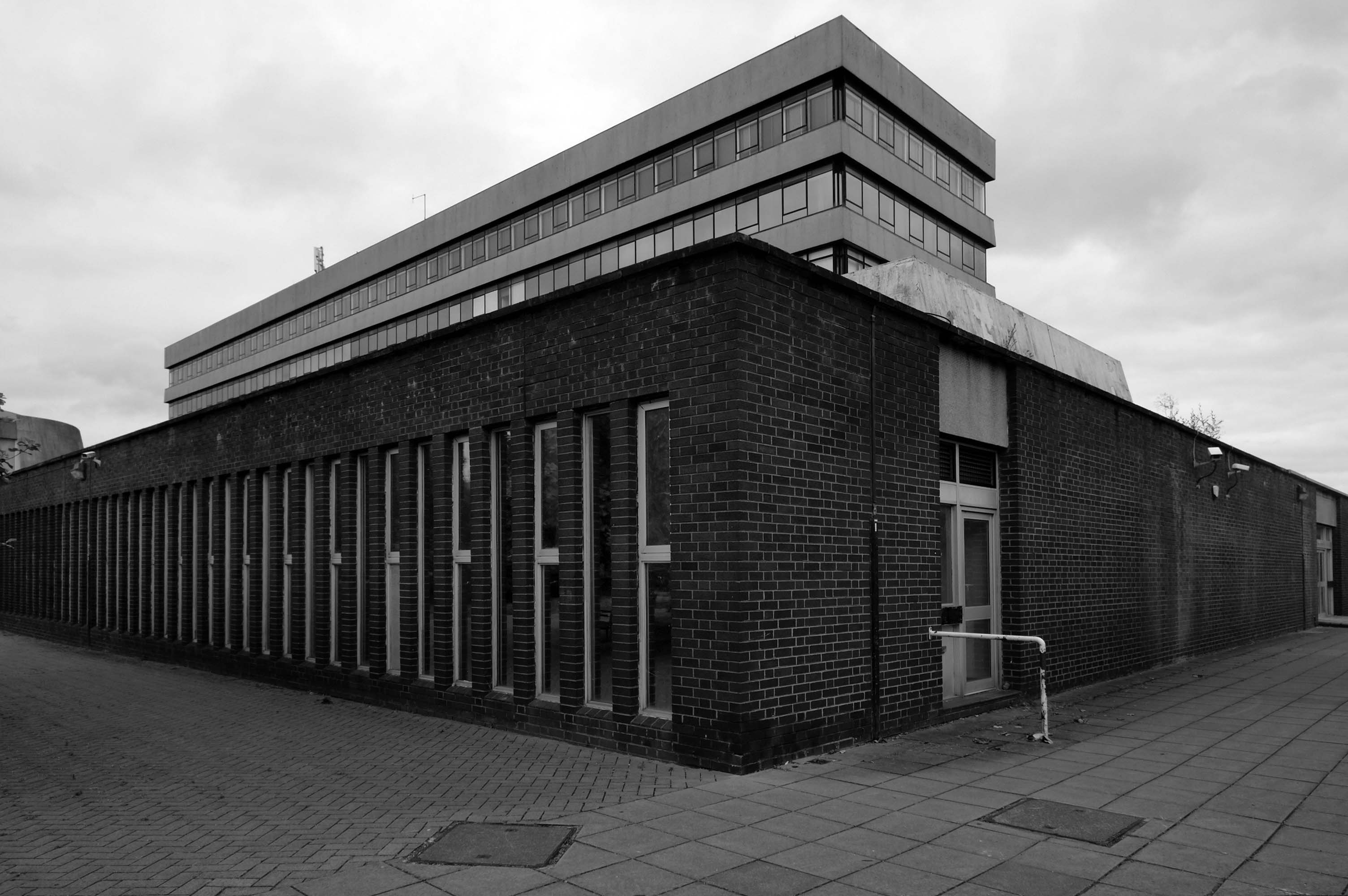
Shirehall – Shrewsbury

Abbey Foregate Shrewsbury SY2 6LY

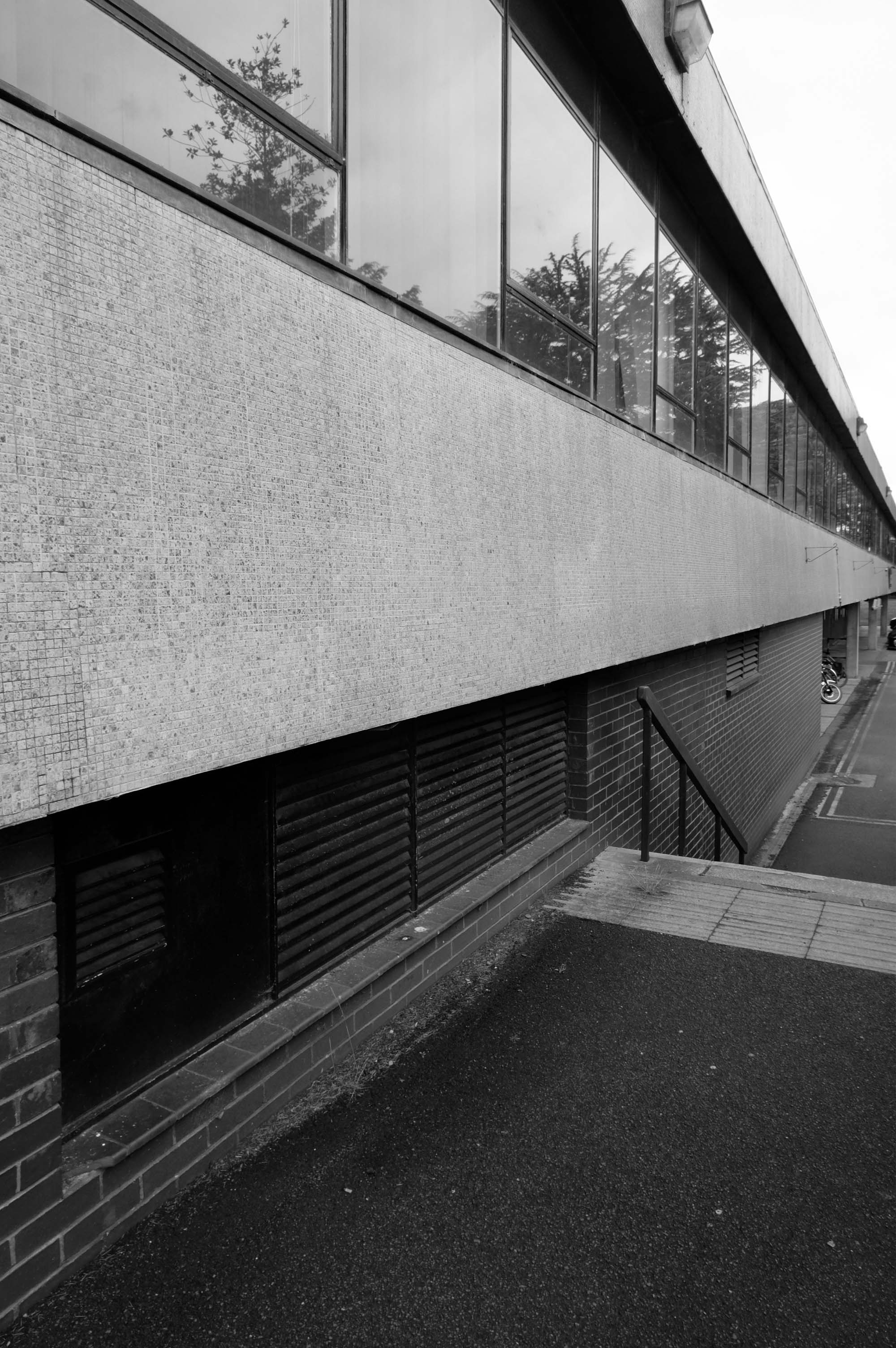
The foundation stone for the new building was laid by Sir Offley Wakeman, a former chairman of the county council, on 25 July 1964. It was designed by Ralph Crowe, the County Architect, in the Modernist style, built at a cost of £1.8 million and was completed in April 1966.

It was officially opened by Queen Elizabeth II, accompanied by the Duke of Edinburgh, on 17 March 1967.

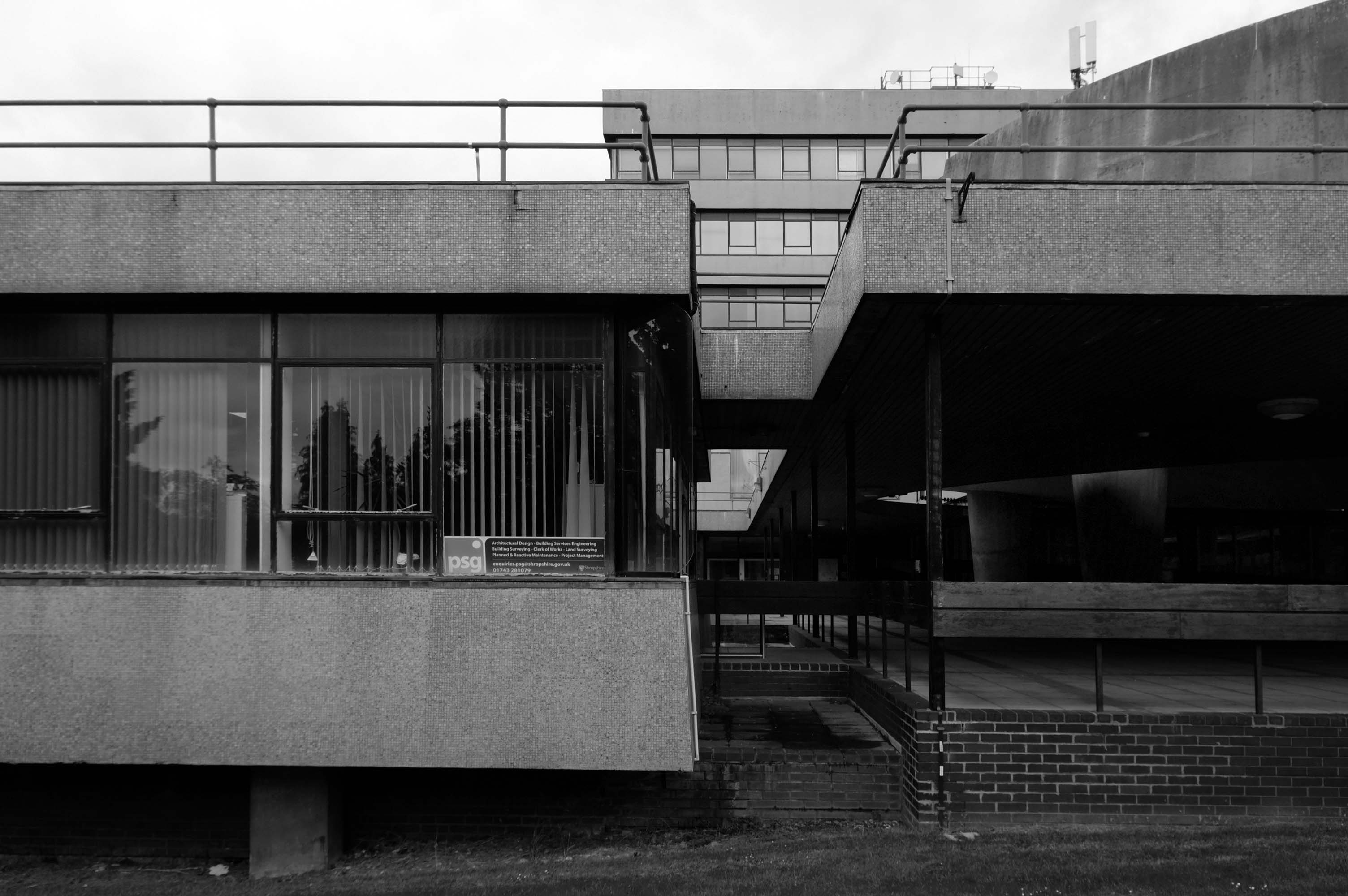
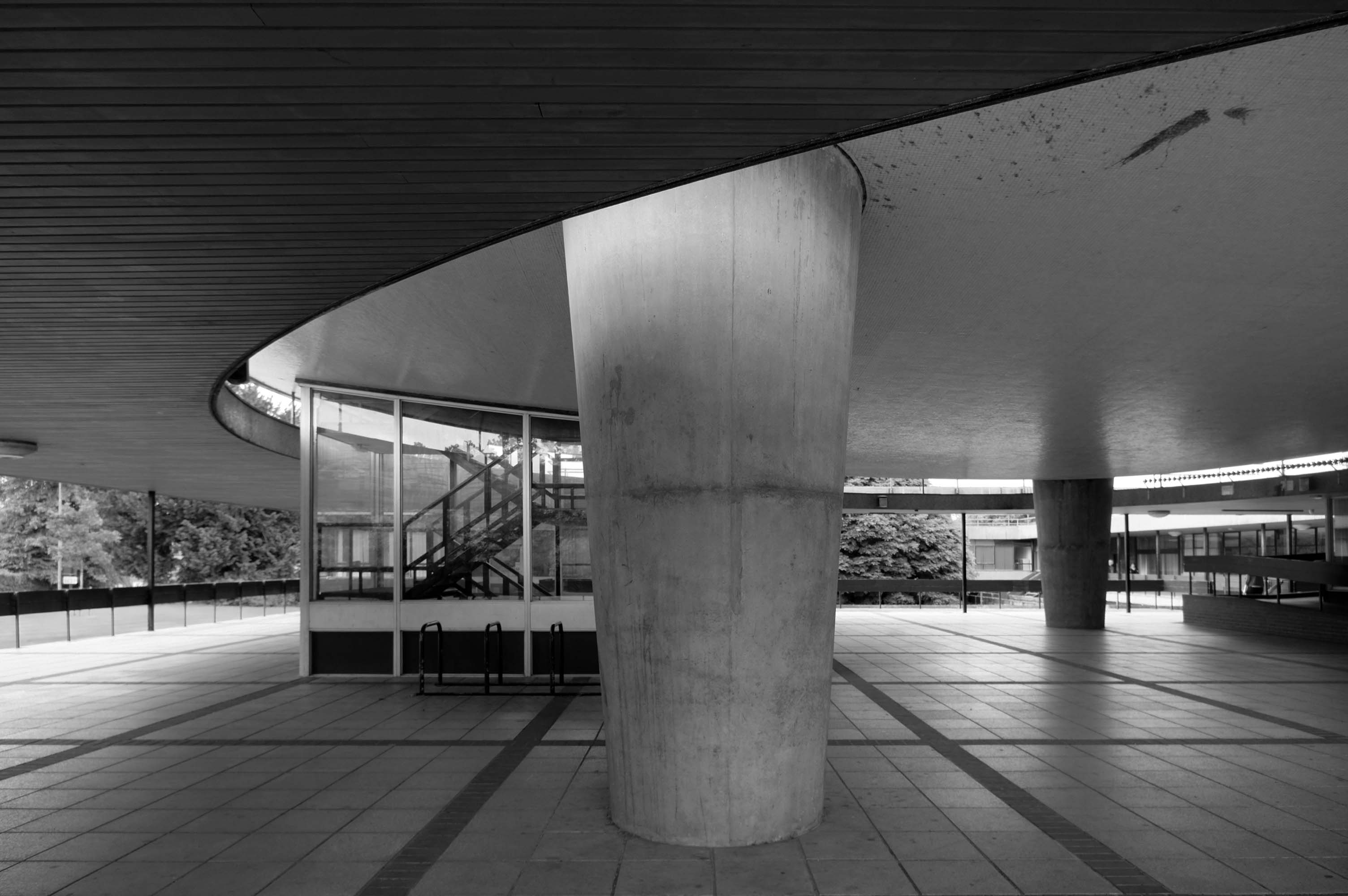
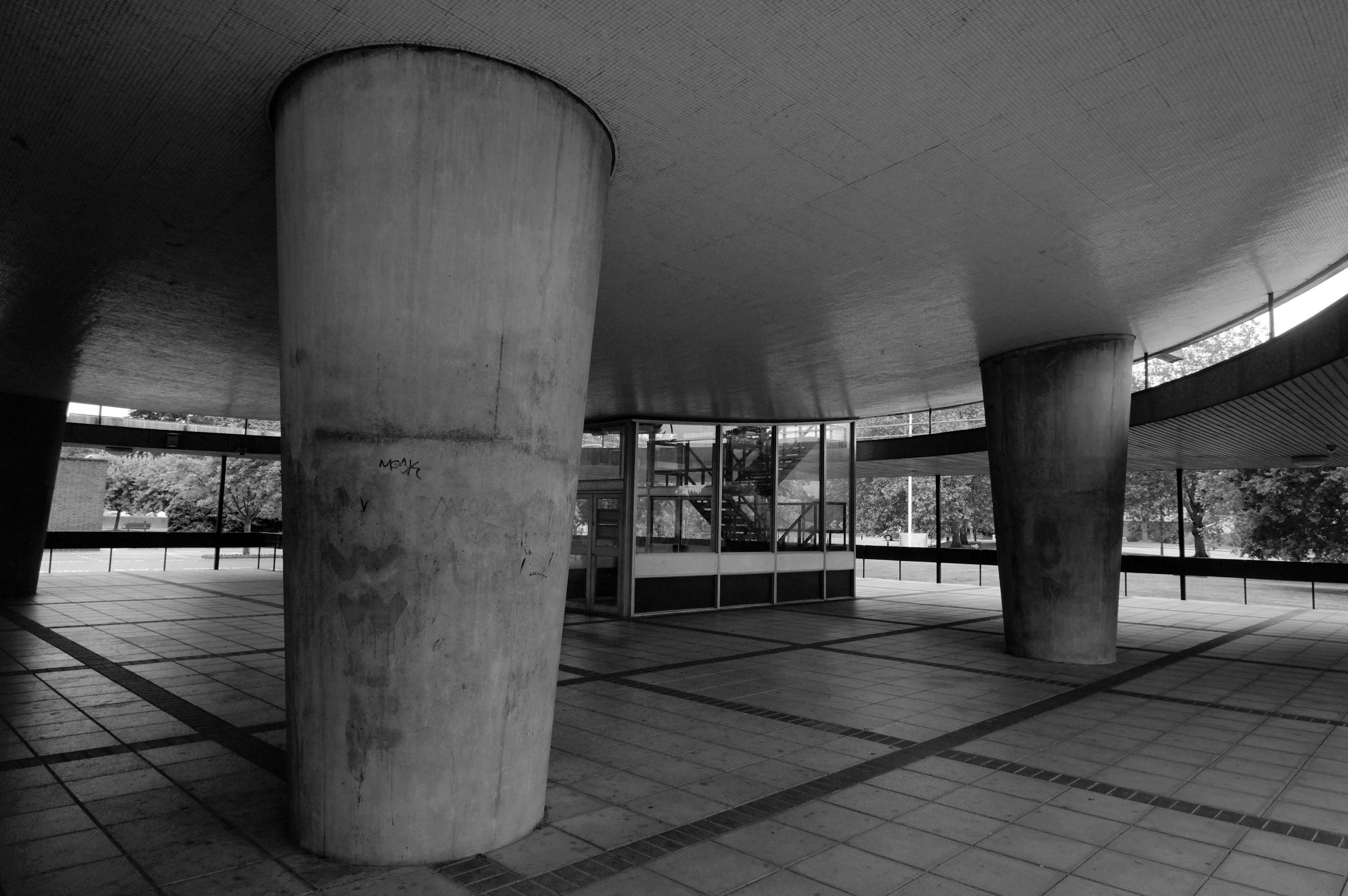
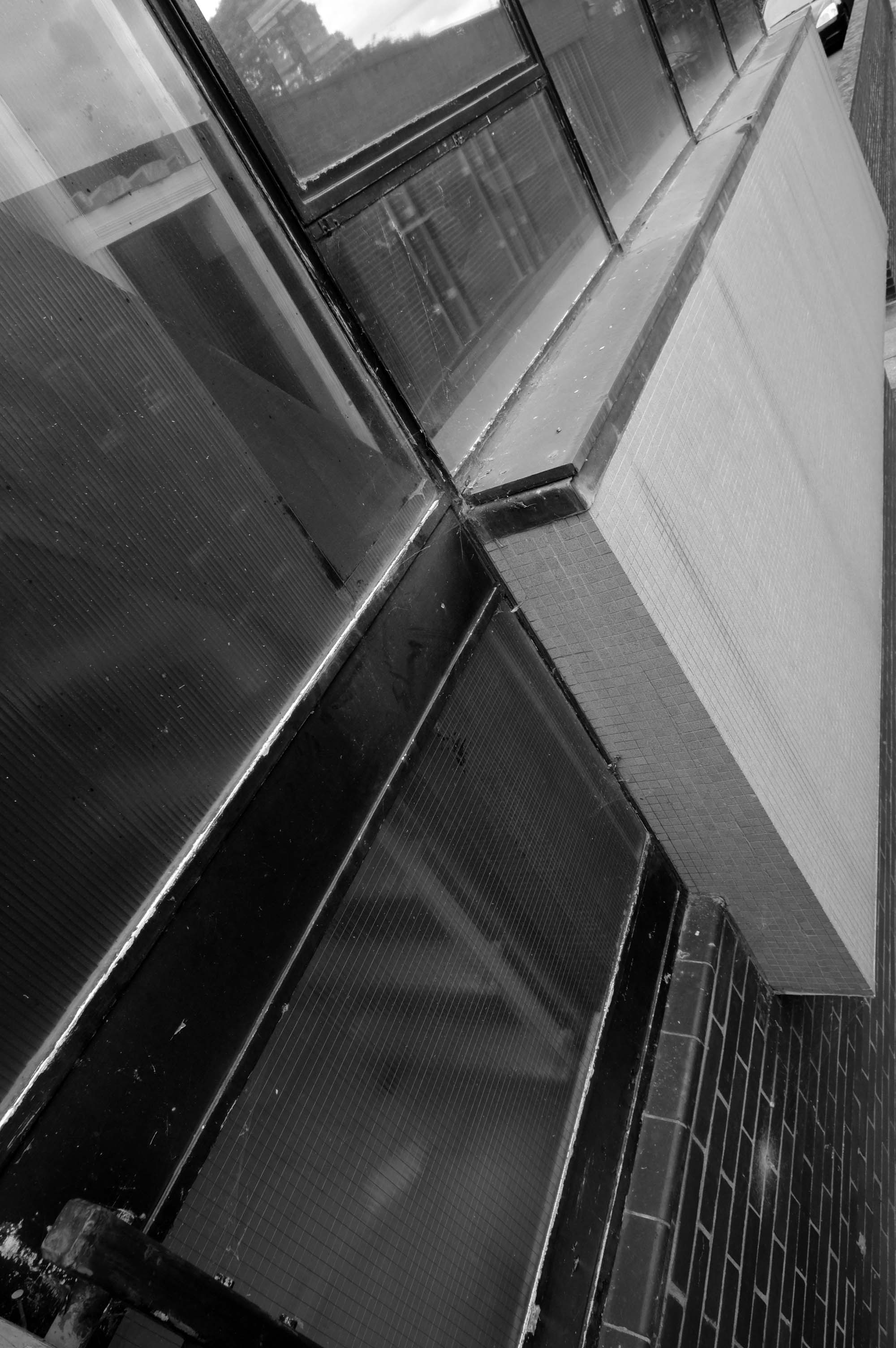
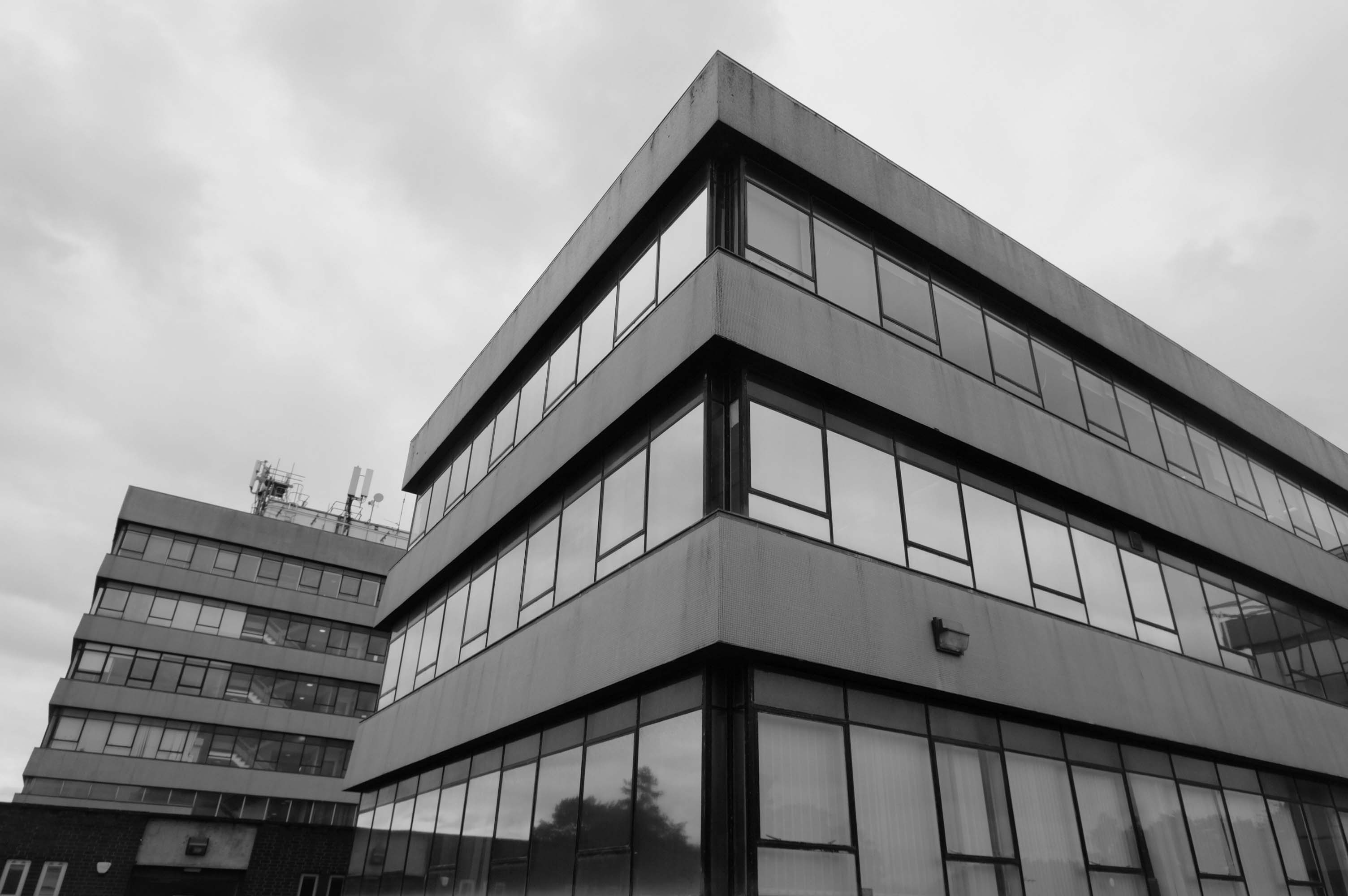
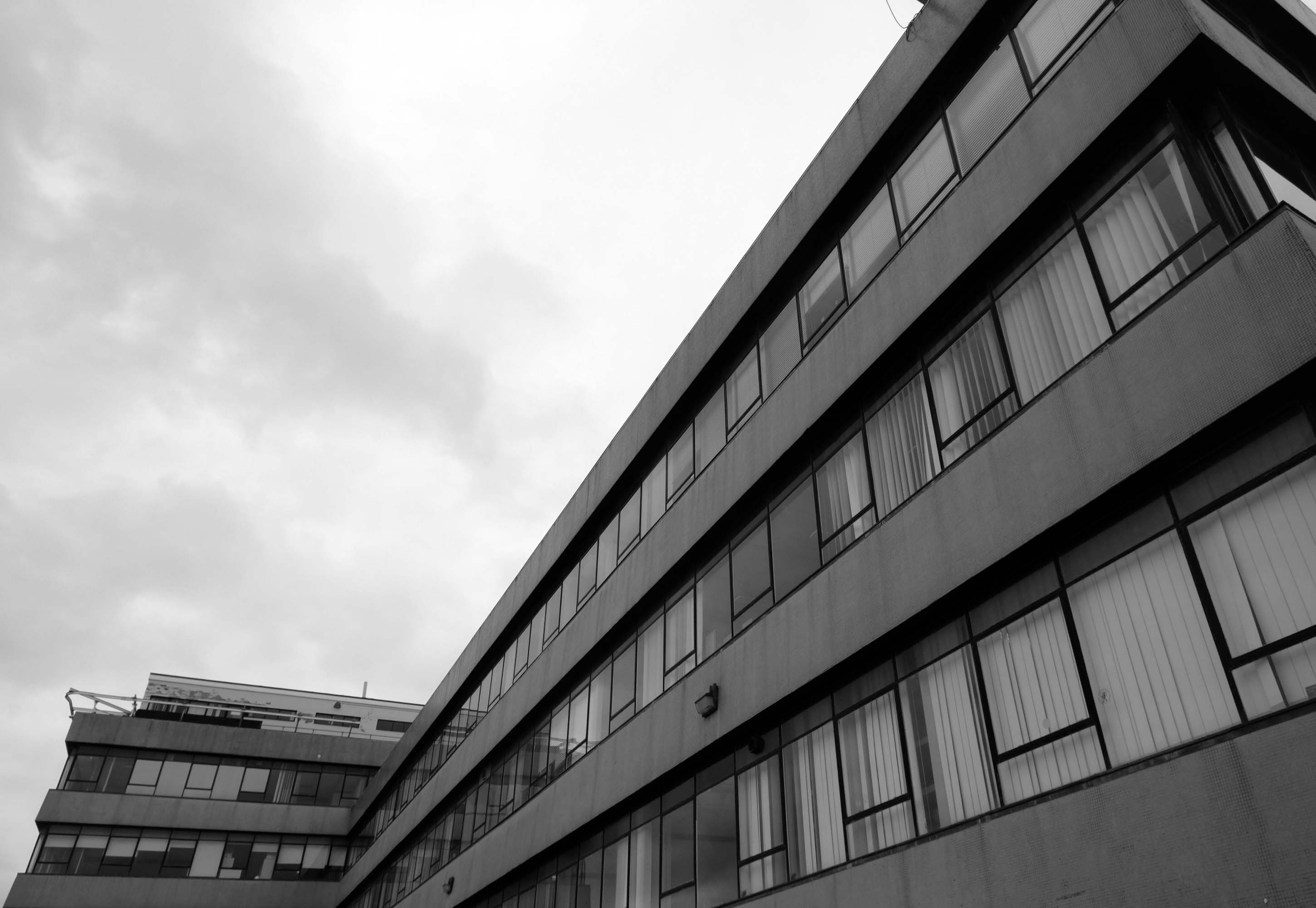
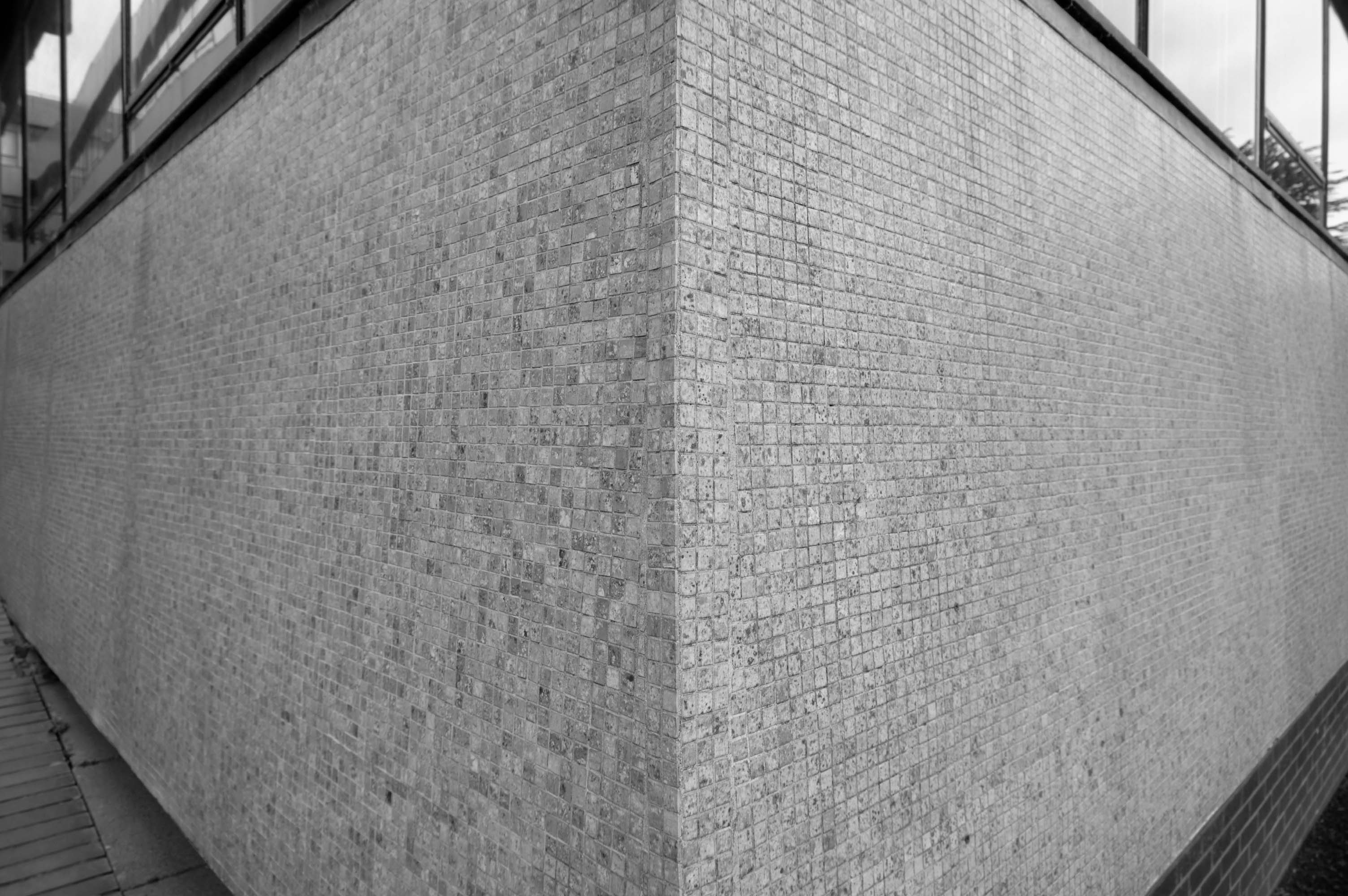
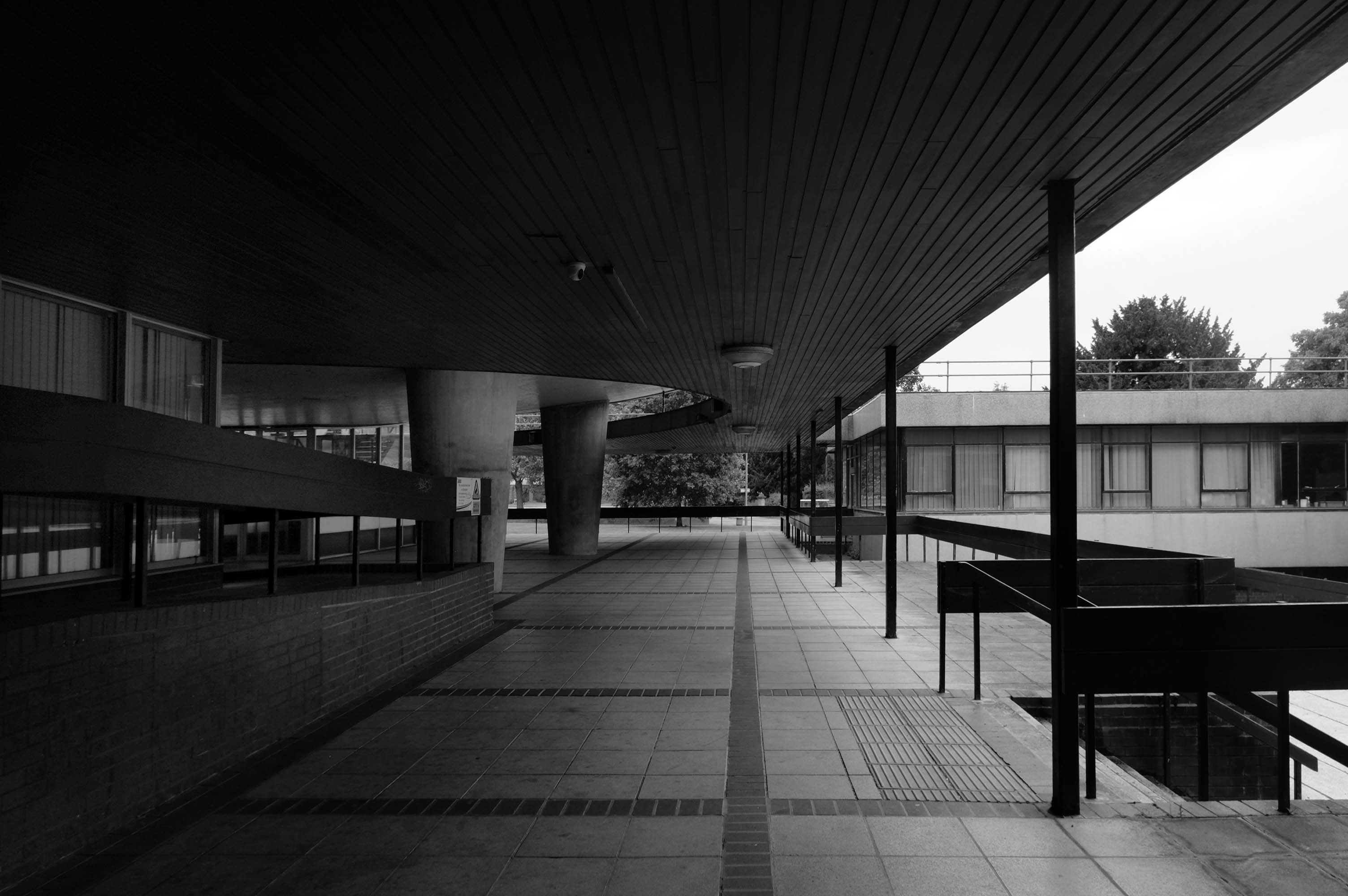
The design for the six-storey building facing Abbey Foregate involved continuous bands of glazing with concrete panels above and below: it also included an unusual ovoid-shaped council chamber which jutted out to the south-west of the main building.

Pevsner described the building as – the major monument to post-war modernism in the county.

Wikipedia

Shropshire Council initially backed a scheme drawn up by HLM Architects in 2017 to revamp Shirehall to provide modern working facilities as well as commercial opportunities. However this plan has not progressed and the local authority has said that making the building fit for purpose would require ‘a multi-million pound investment’.

Architects Journal

in September 2020, the council indicated that it would rather sell the building and move to the town centre. Then in October 2020, following an application for a certificate of immunity from listing requested by the county council, English Heritage decided not to list County Hall as the building did not meet the criteria for listing post-1945 buildings. 

In May 2021 the Twentieth Century Society placed the site on its Top 10 Buildings at Risk List.

The Shrewsbury Civic Society is fighting hard to prevent the demolition.

There is nothing else quite like it in the county, this is an excellent civic building, well-made and individual.

Owen Hatherley: Modern Buildings in Britain: A Gazetteer

I have previously visited Durham where the County Hall is also under threat, and Newcastle, where the Civic Centre seems to have a real future.

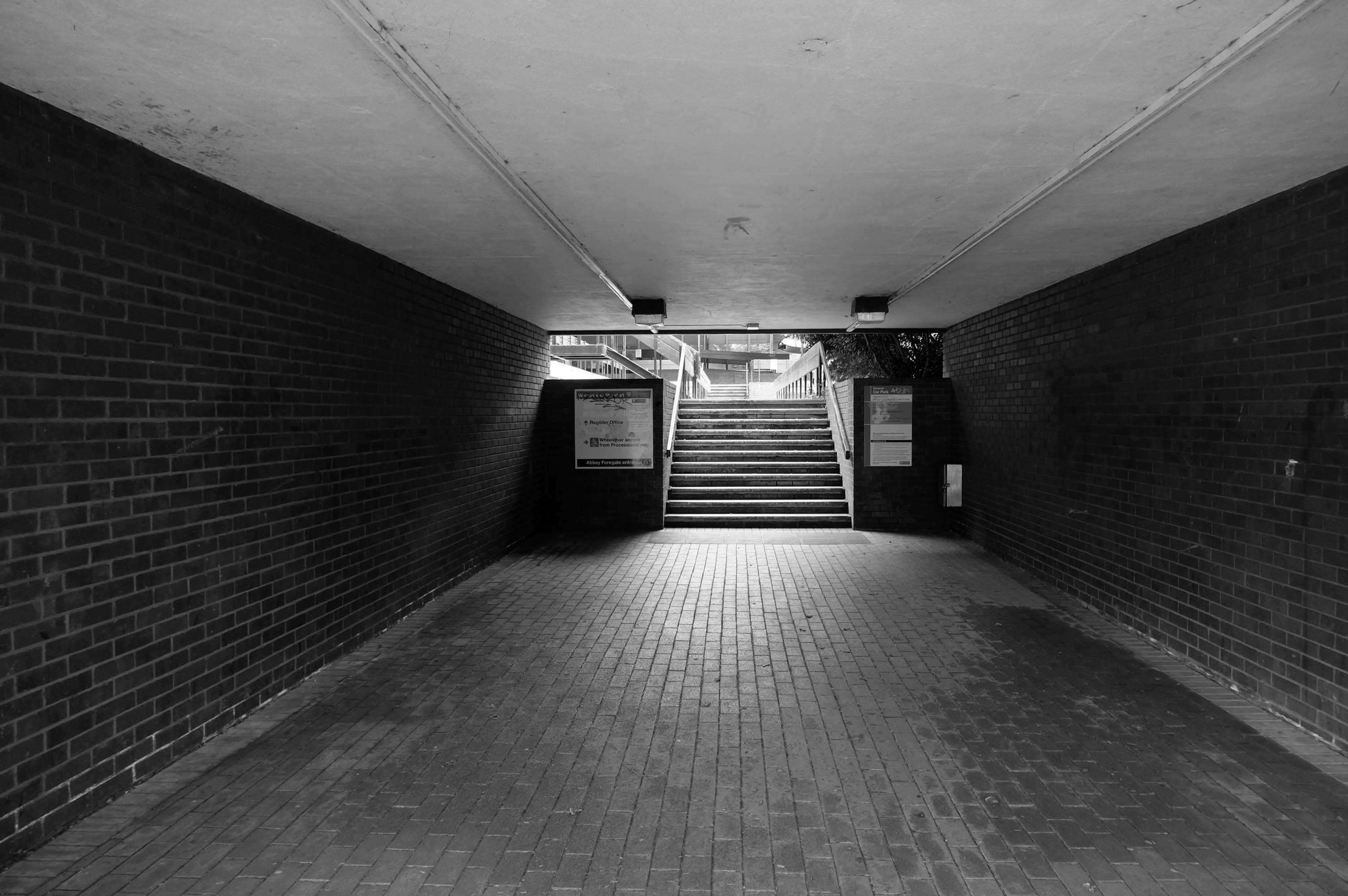
This what I saw on my recent visit to the site.

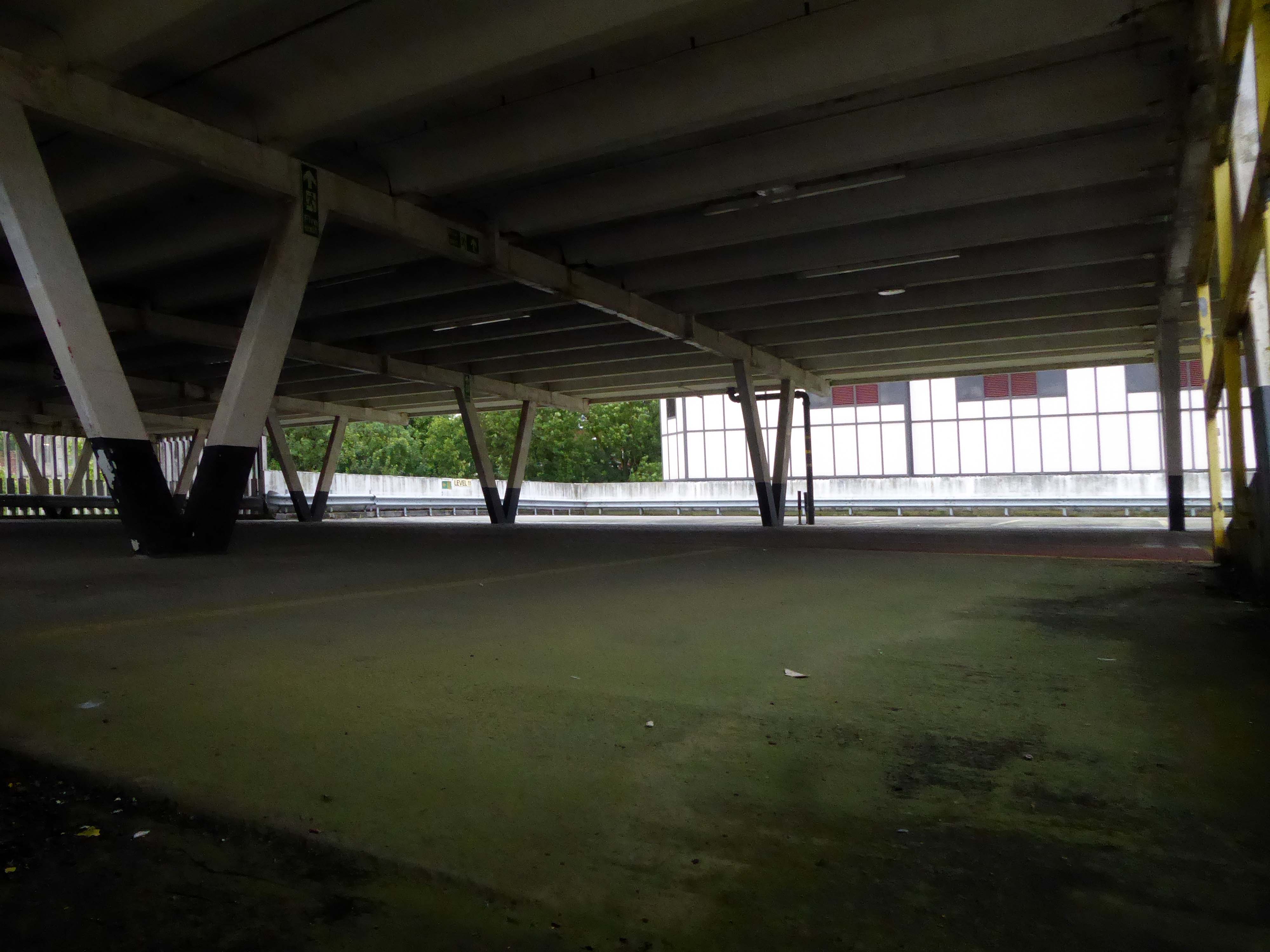
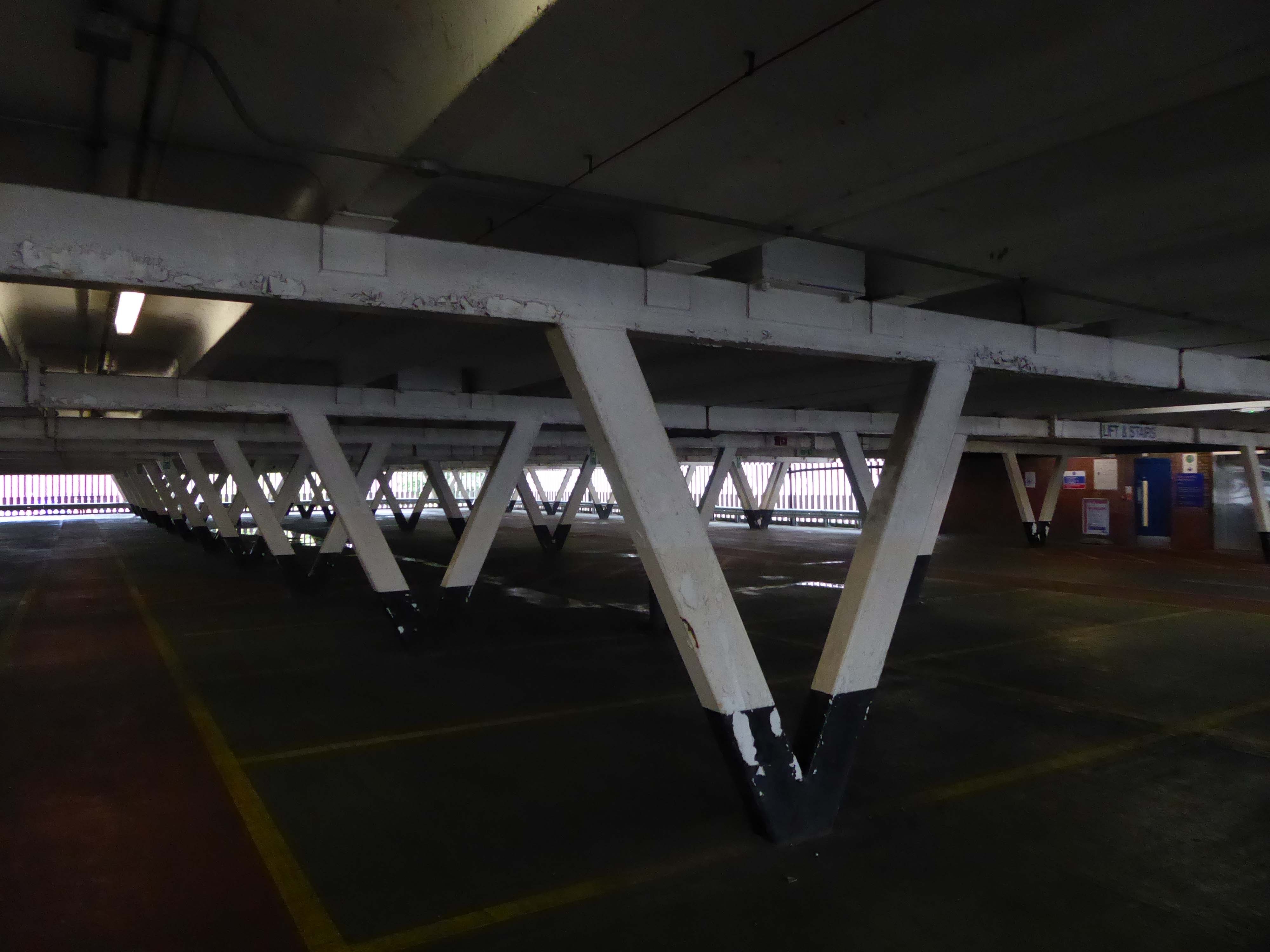
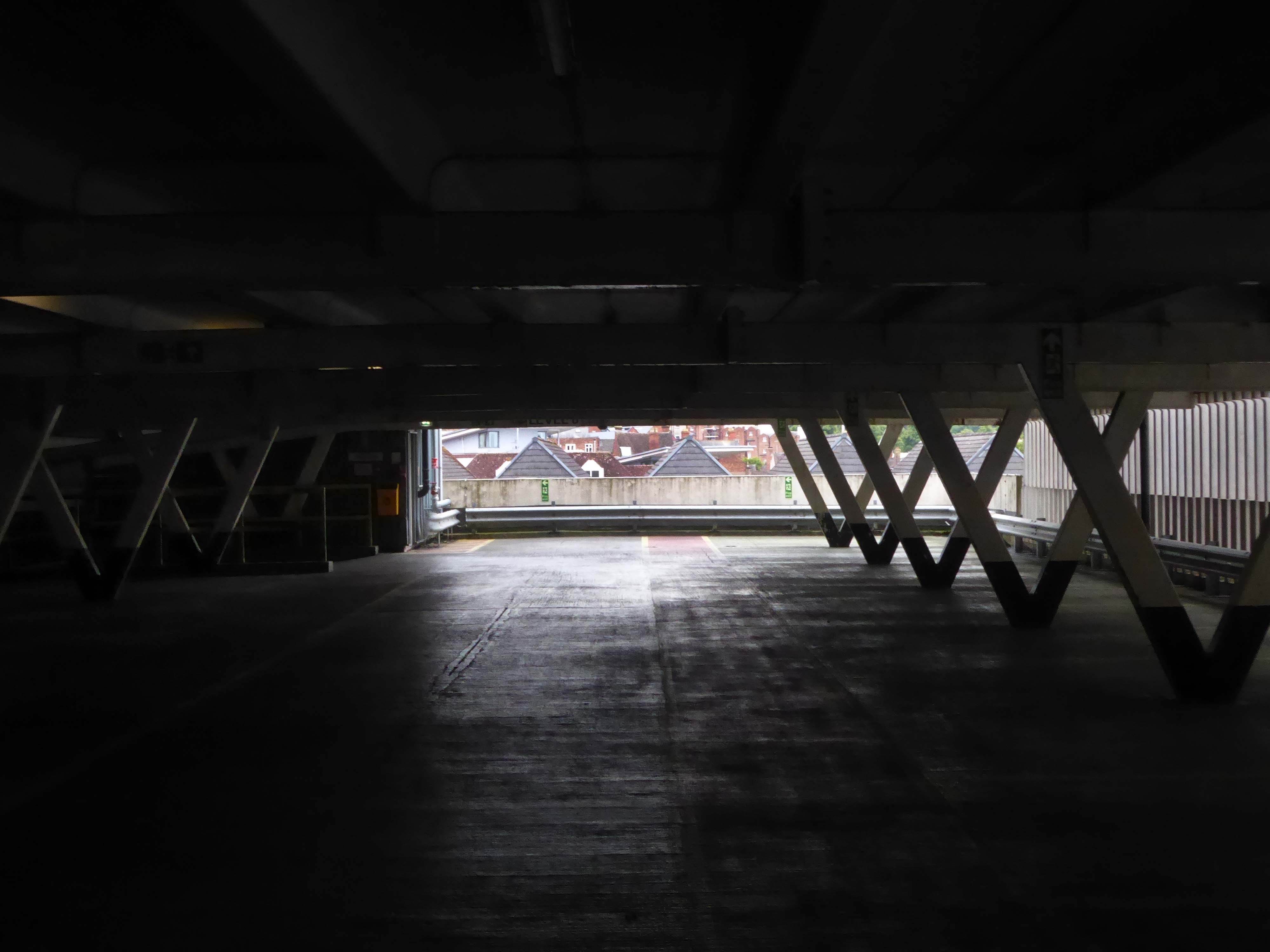
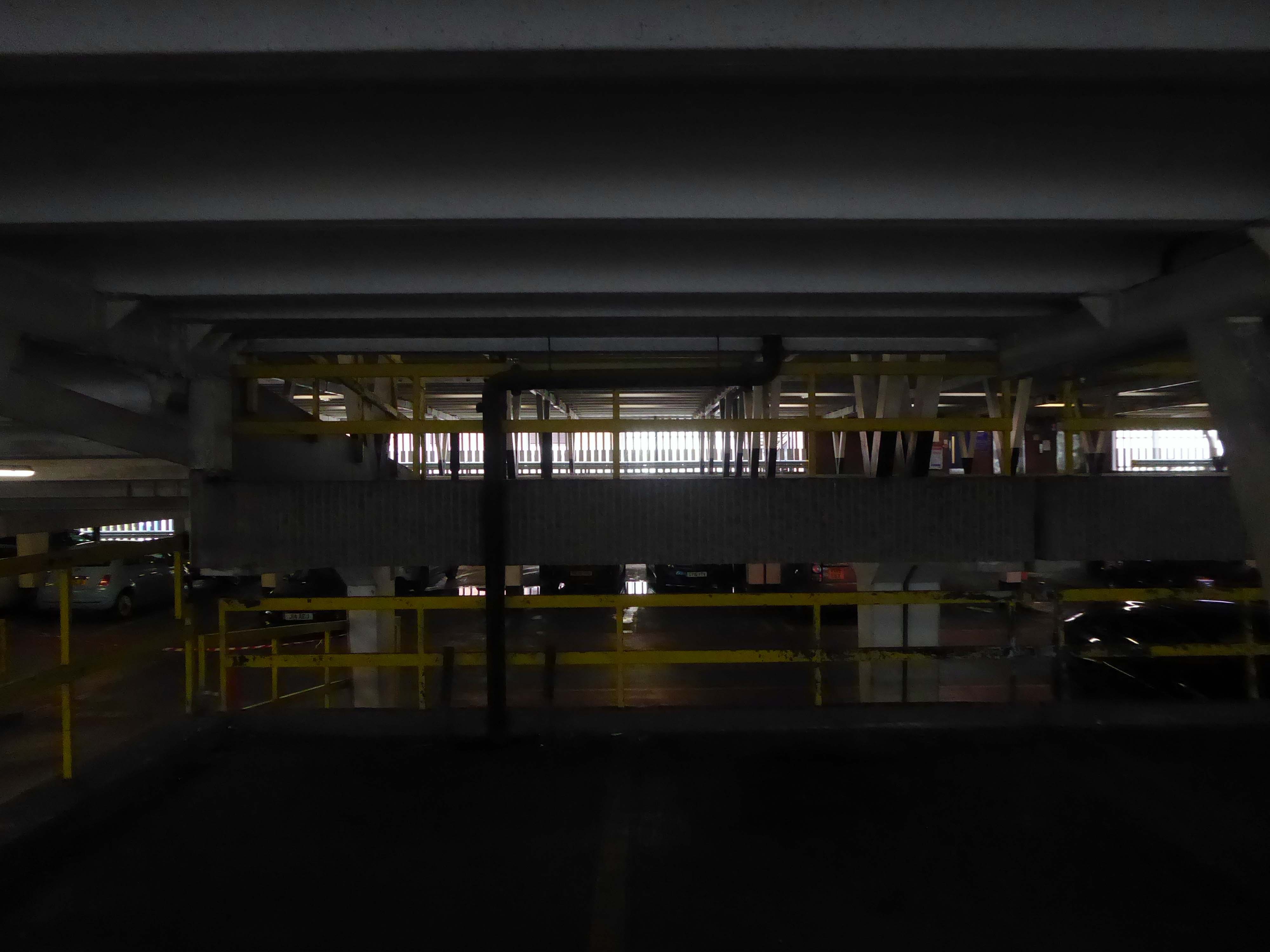
Raven Meadows Car Park – Shrewsbury

Shropshire Council Raven Meadows Shrewsbury SY1 1PL

Built by Truscon Ltd. – 1969

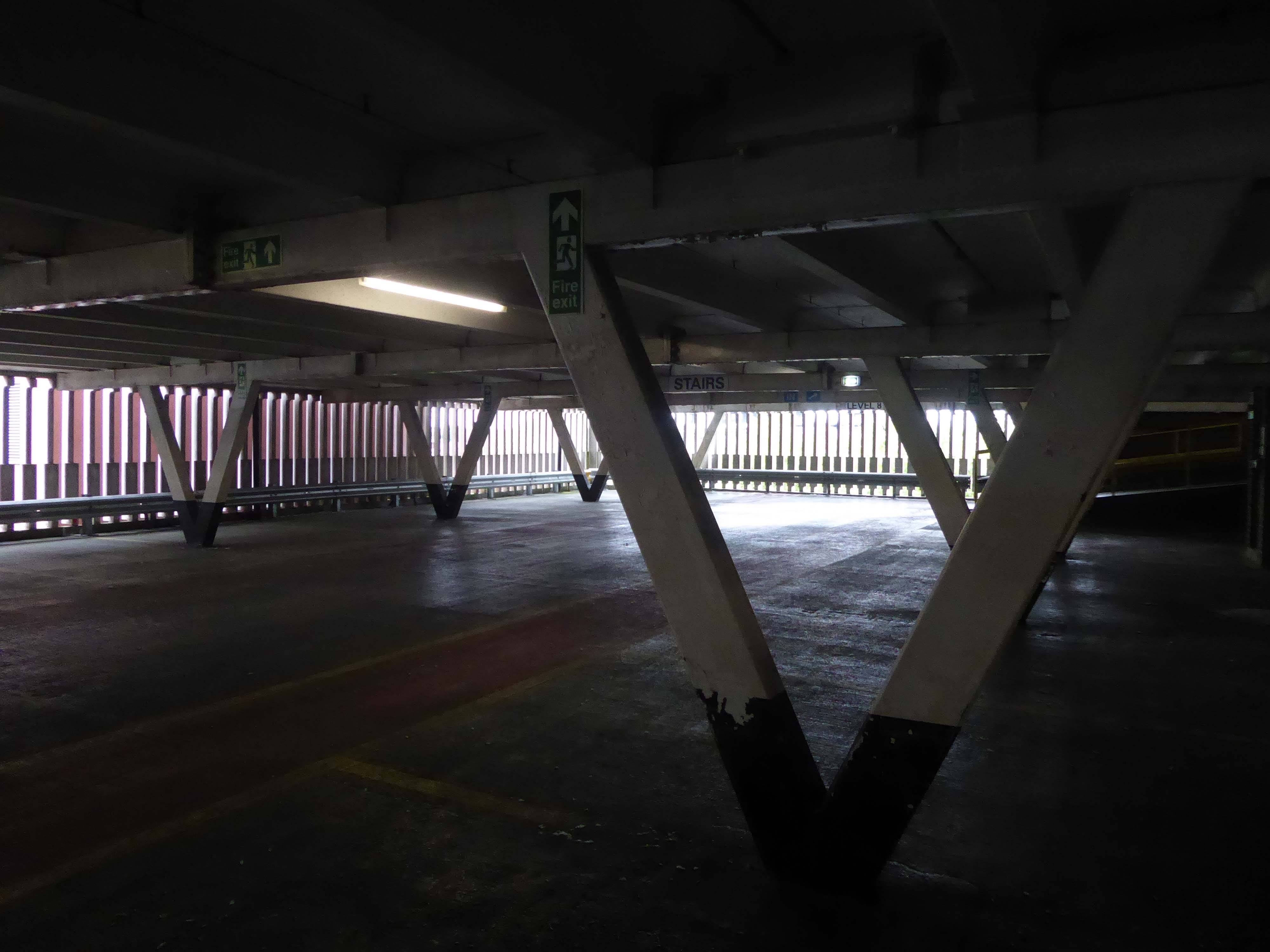
I am a disabled driver and found a lot of the direction signs worn away. When I came to leave I wanted to use the machine on the ground floor. This was out of order, as a lot of other people found. The office was empty as the staff were outside smoking. I then had to negotiate stars back to the 7th floor where the next machine was located. There was no sign on the ground floor machine telling it was out of use and where the next machine was located.
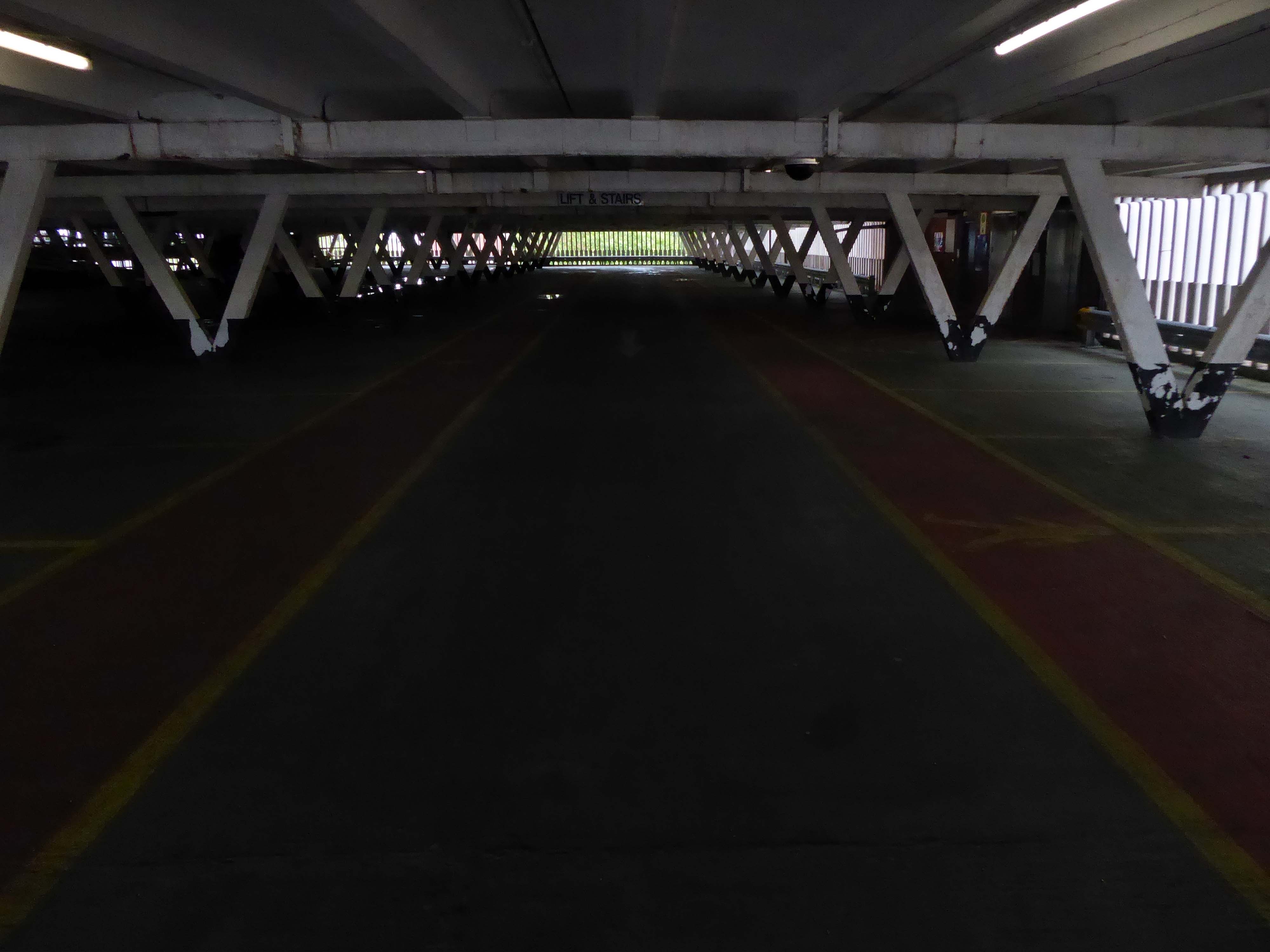
If staff want to have a smoke they should at least leave someone in the office.

Most of the parking spaces are very tight and I would not recommend the use of this car park unless you have a small car and a crystal ball to find the disabled parking and the payment meters.

Parkopedia

The rudest man at the kiosk, that I have ever had an encounter with, over a ticket that was blurred. He had a go at me for not going to him straight away – I went when I went to leave and it wouldn’t work. He also had a go at me because I pressed the buzzer on the intercom. Very strange unhelpful man. Made an issue for no reason! Awful to deal with I never write reviews, but I hope this gets back to him and with hope he will gain some manners.

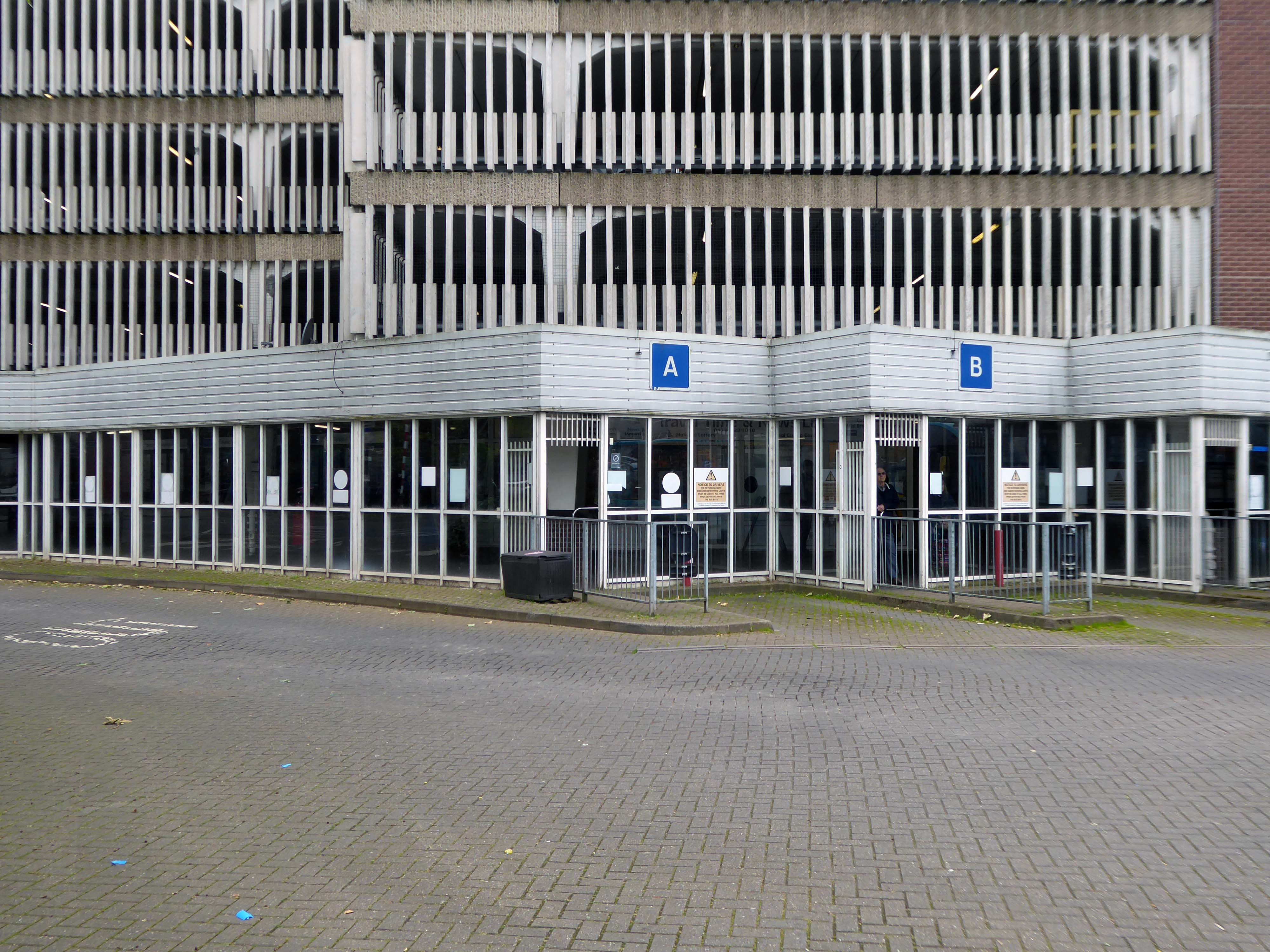
Being a pedestrian, I entered through the bus station on foot.

The station is considered to be dated due to its 1980s architecture partially under a 1960s multi-storey car park. There have been plans for the station to be modernised and rebuilt, or even demolished completely, as part of the town’s Big Town Plan. The demolition of the station would mean the town would not have a central bus terminus and would instead use smaller sites on the town’s Park and Ride routes.

Wikipedia

Shrewsbury Bus Station is a disgrace. I am embarrassed to use it. I don’t feel comfortable with using it. Yet, it is the bus hub for our county. It is one of the main gateways into Shrewsbury and Shropshire for those travelling by public transport.

New bus hubs and interchanges have been developed around the country. Shropshire Council meanwhile ignores Shrewsbury Bus Station. It promises a new bus interchange, but that is in Phase 4 of its plans to redevelop Shrewsbury town centre between Pride Hill and the riverfront. In the current financial climate and with the council stretched to the limit on existing funding, Phase 4 is probably more than a decade away.

Maybe now in fantasy land.

Andybodders

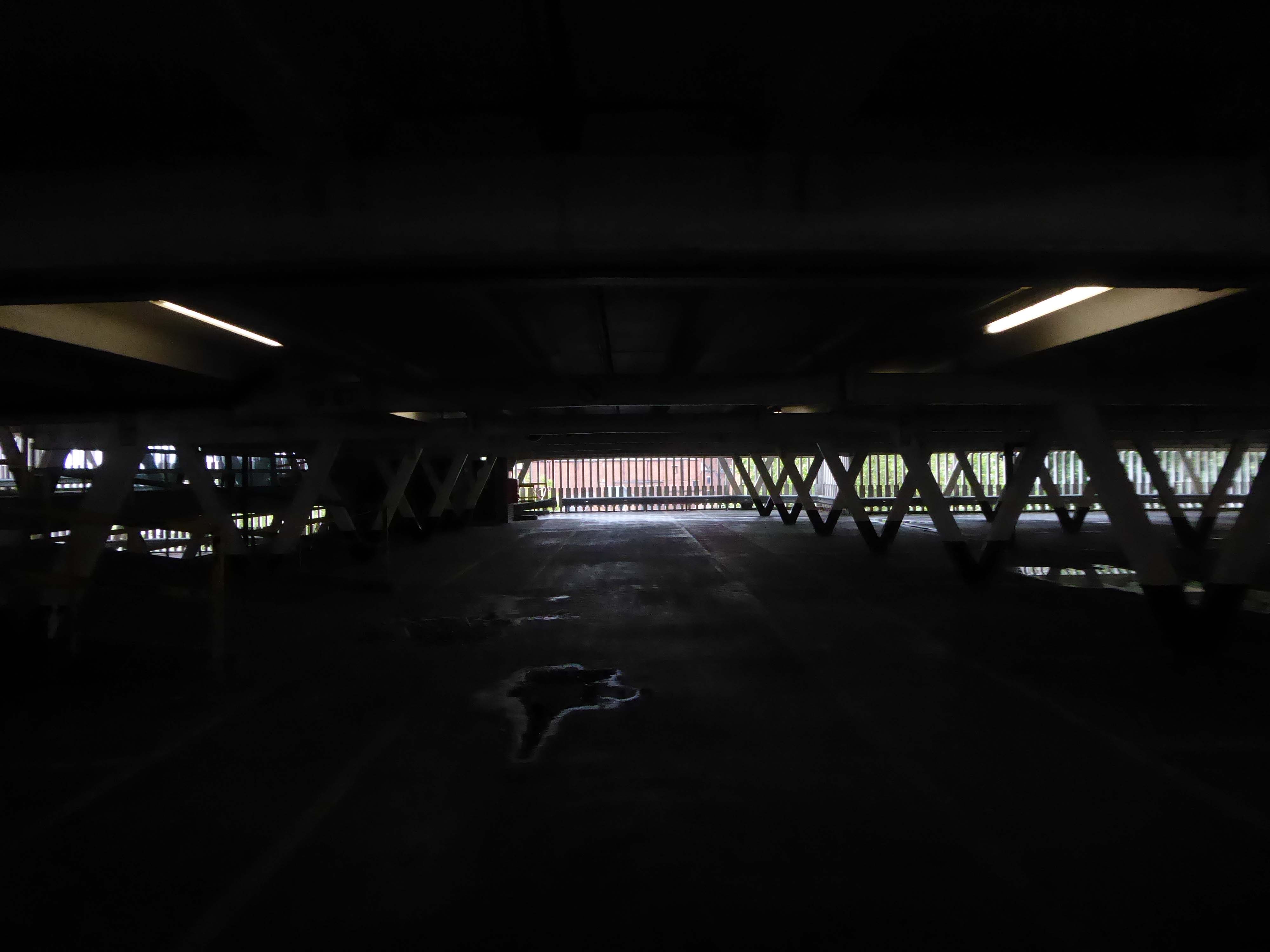
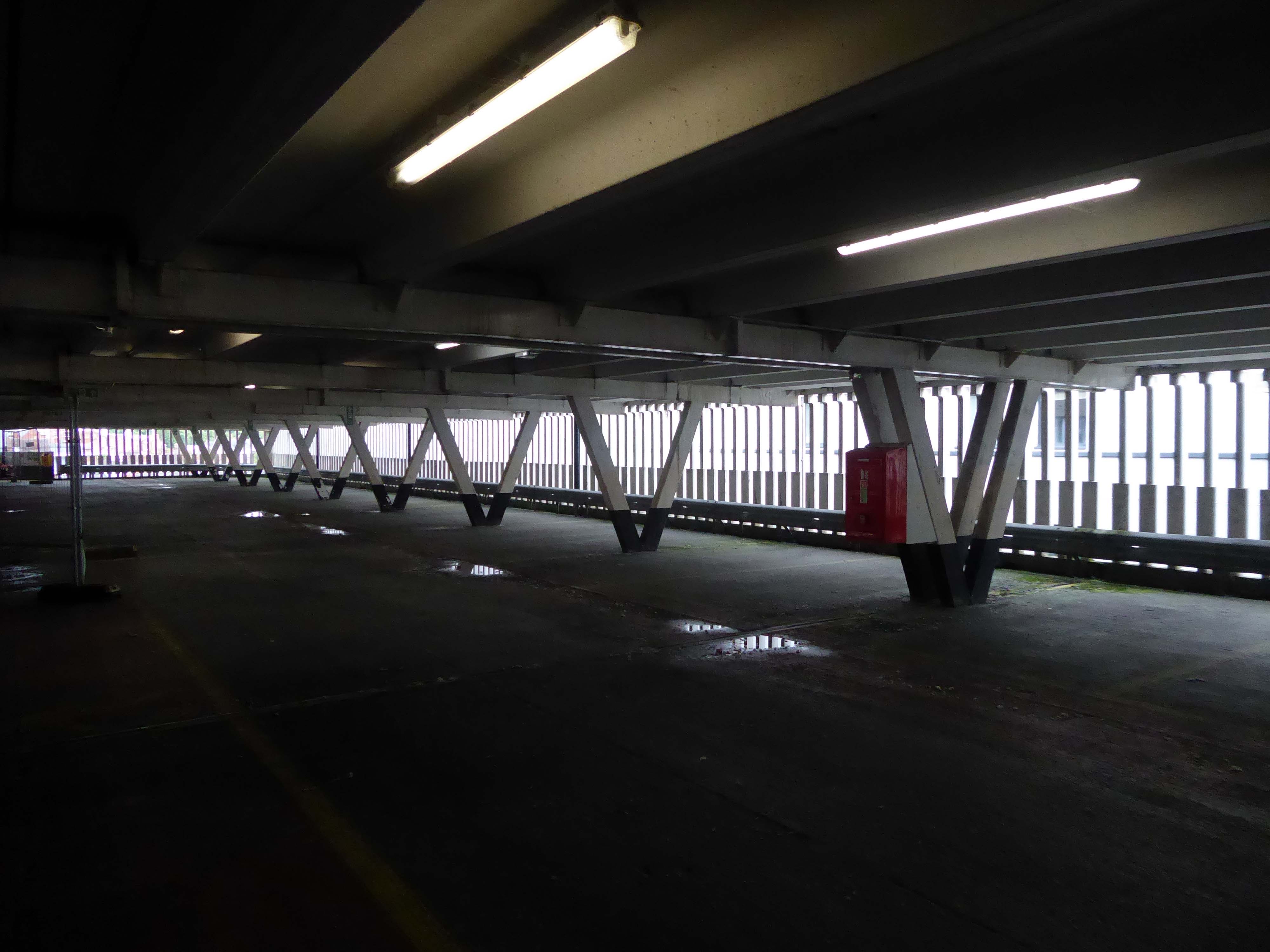
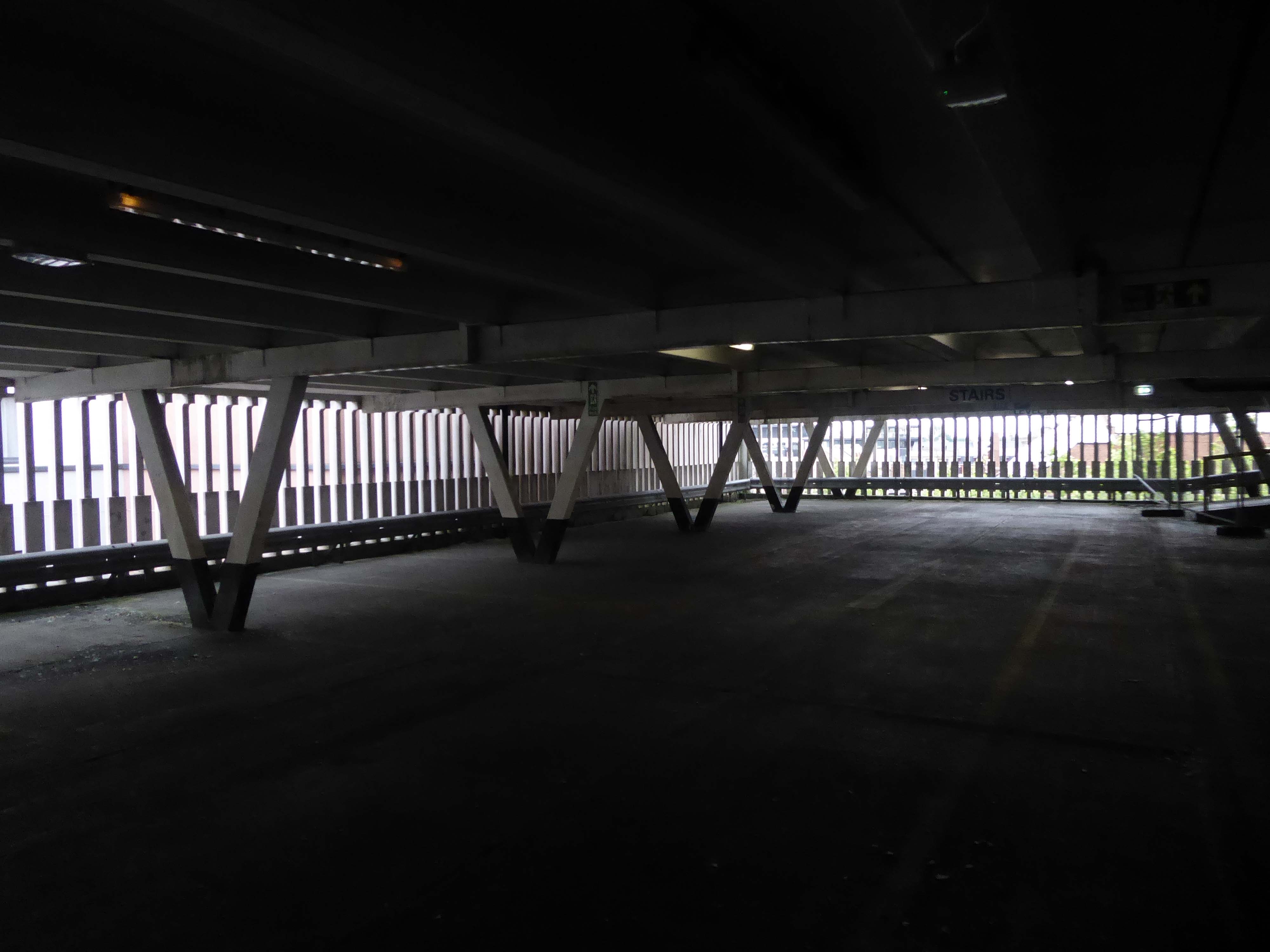
Then took the lift to the seventh level – the ninth and eleventh being closed to motor cars.

But not the intrepid pedestrian.

This is an informative video tour of the area.

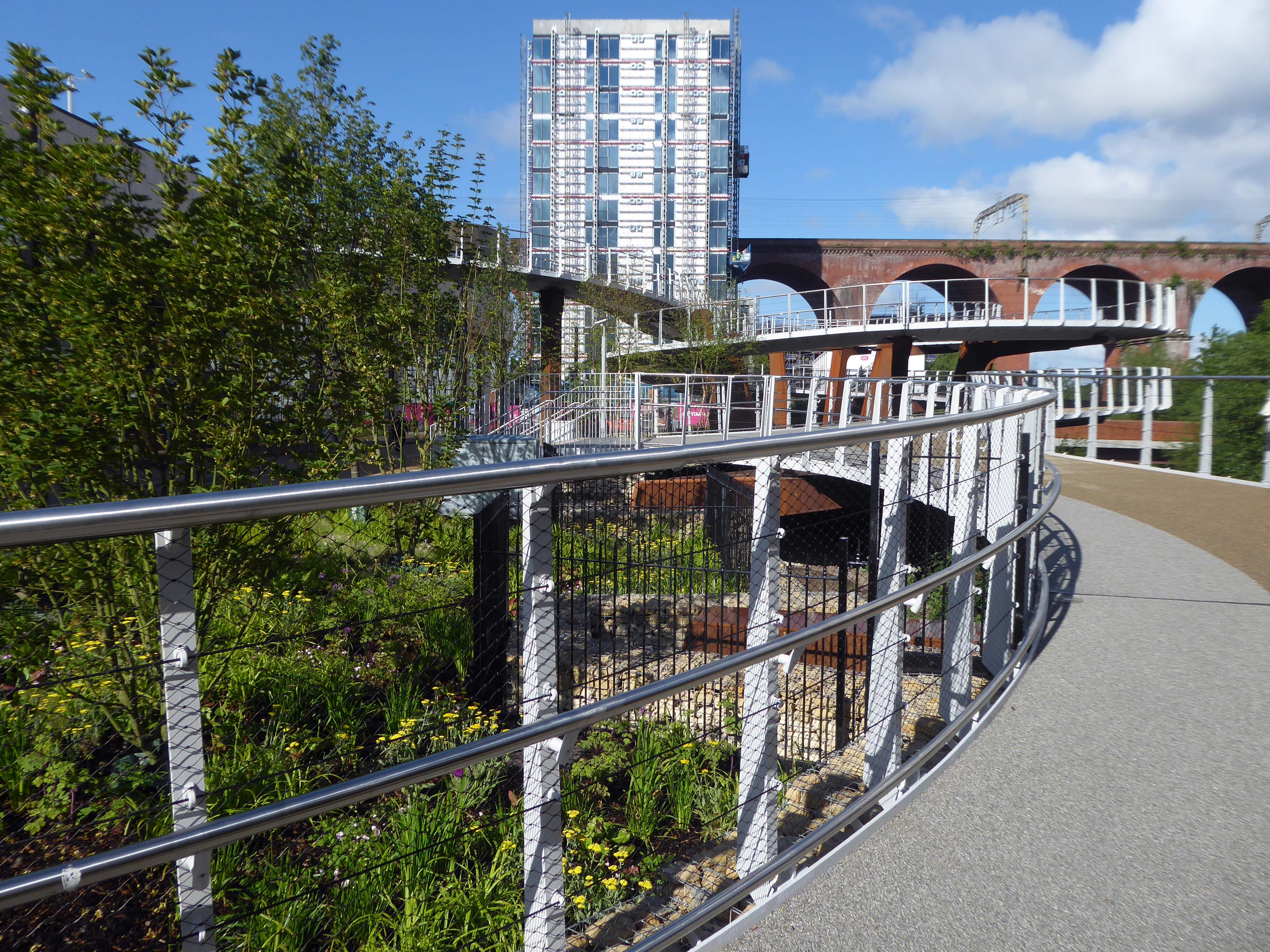
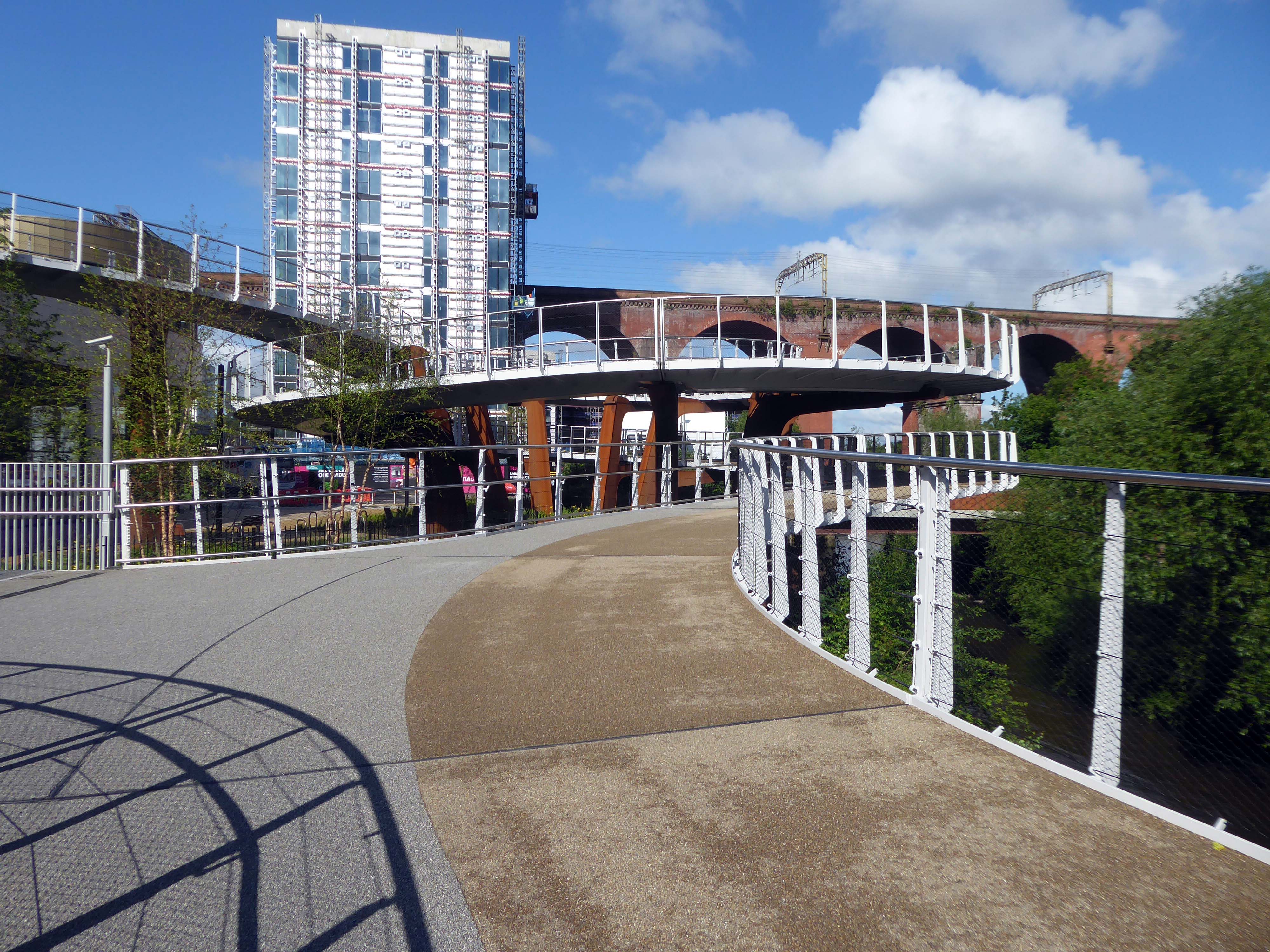
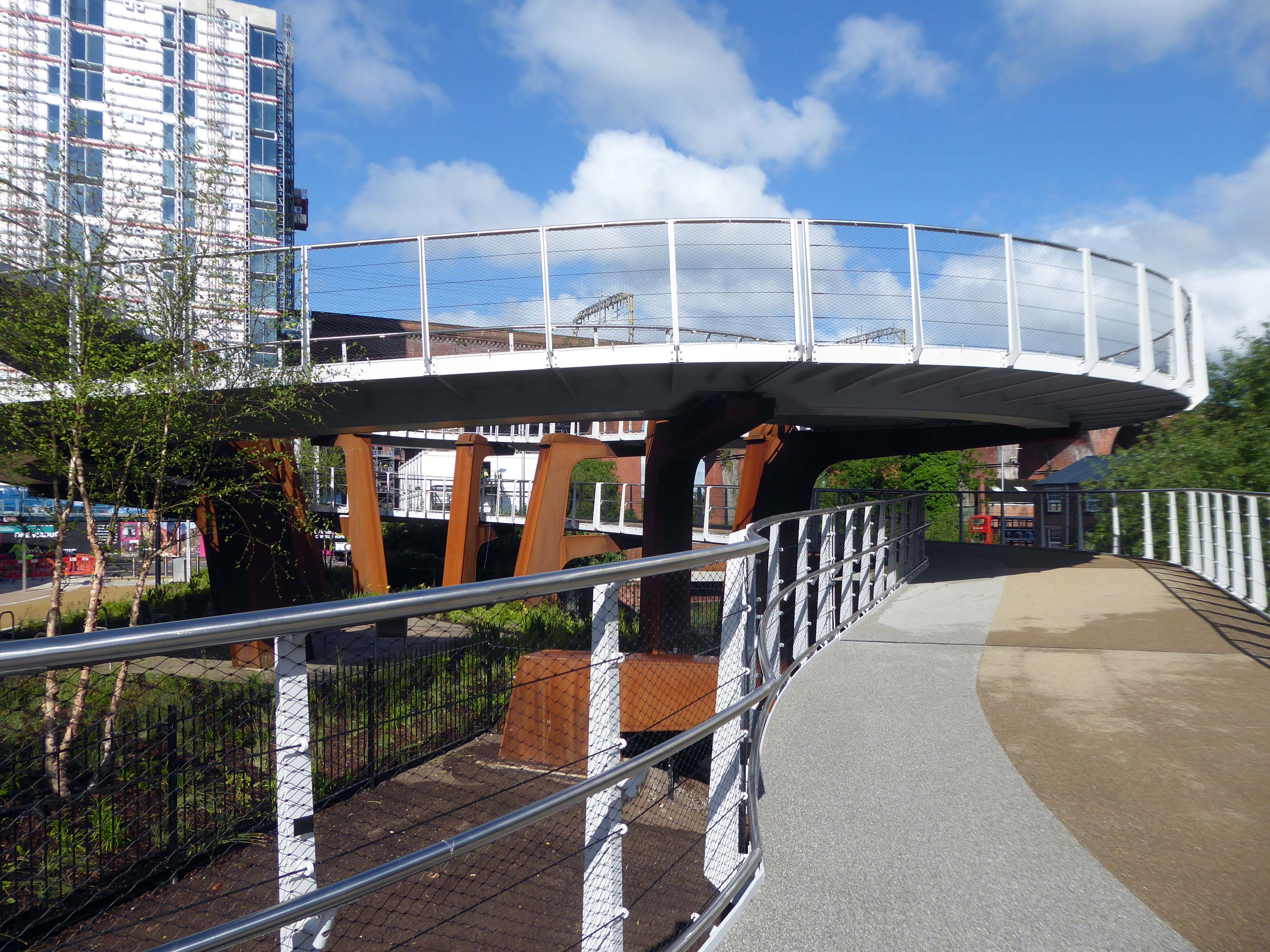
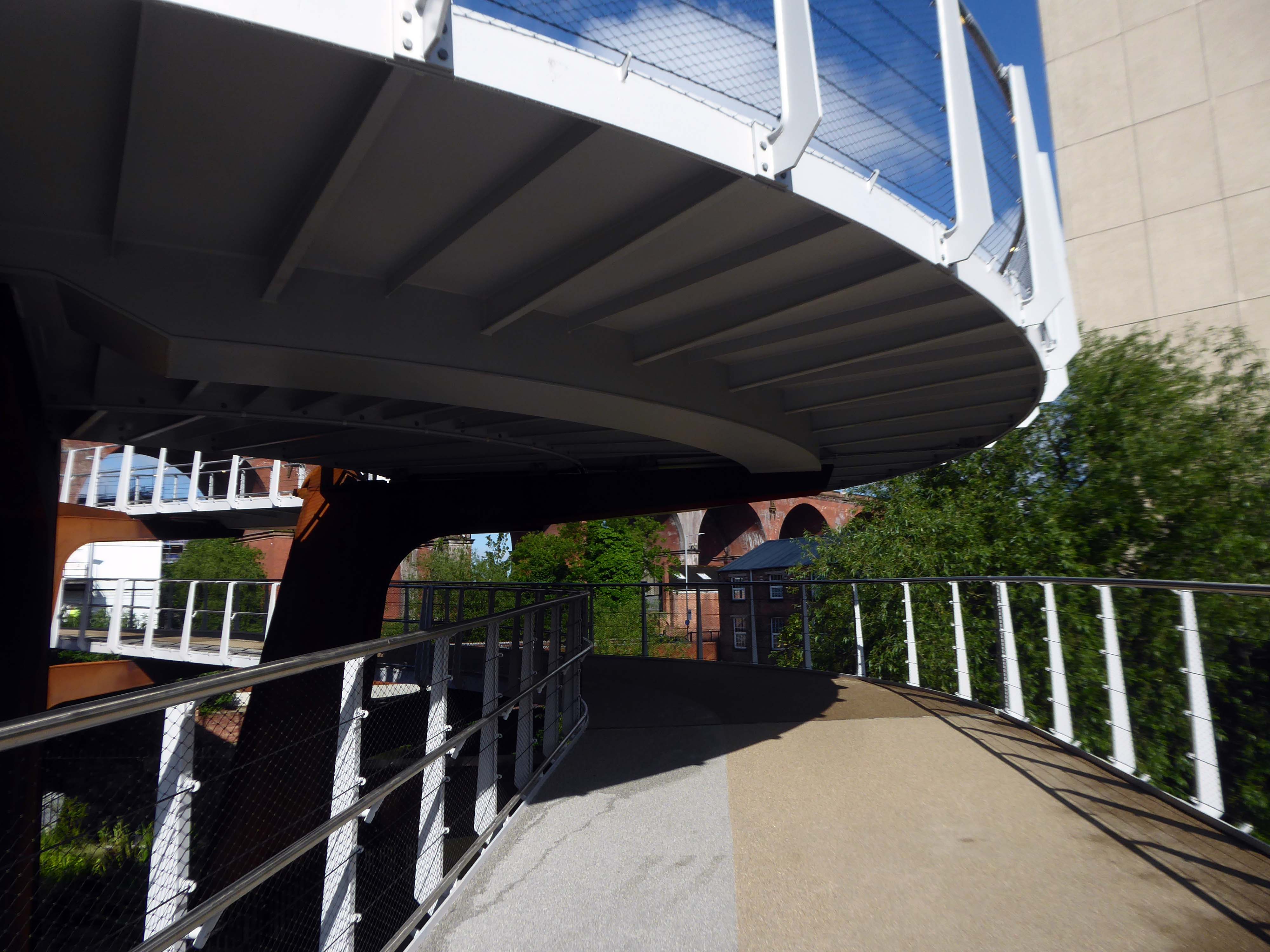
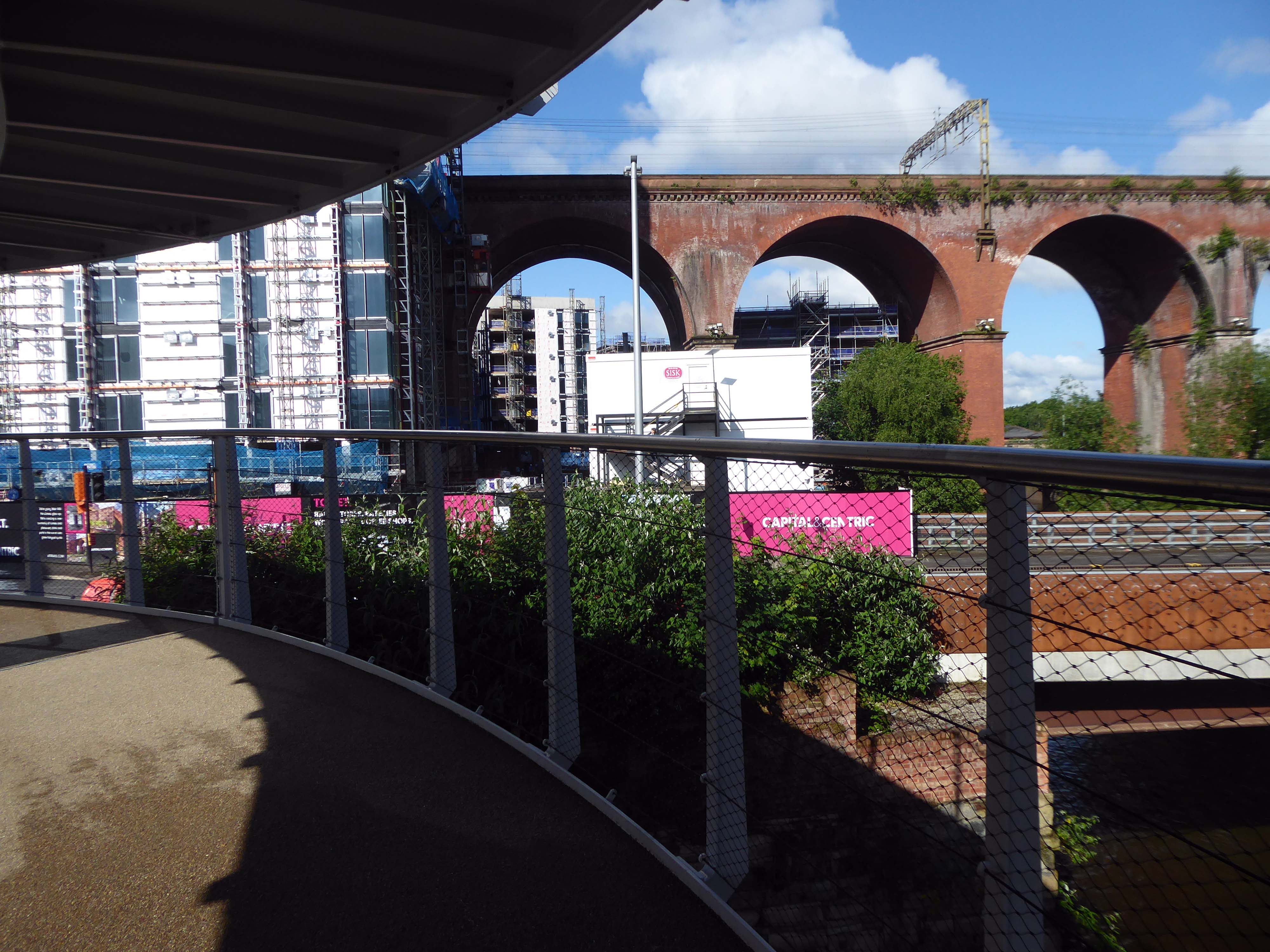
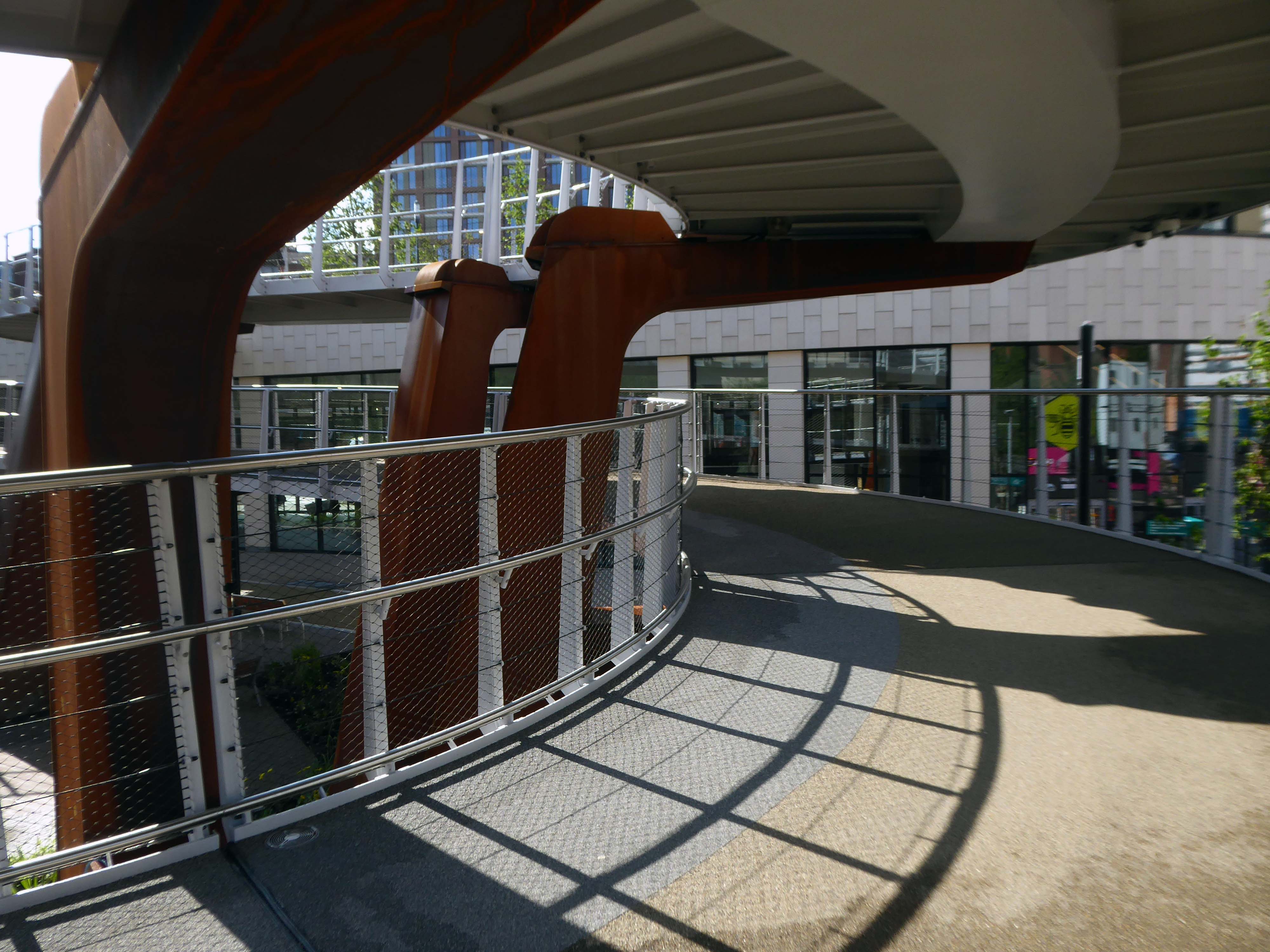
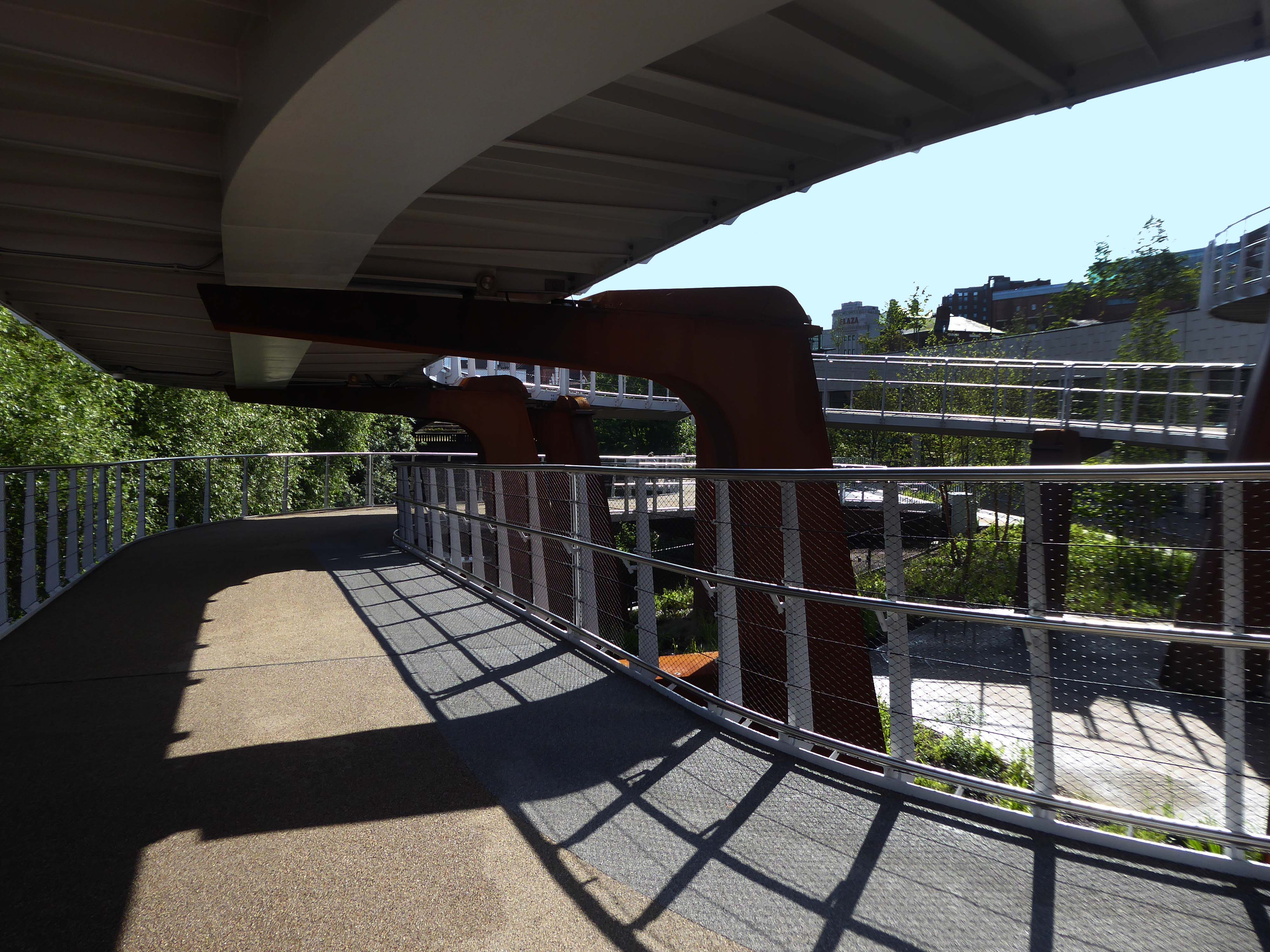
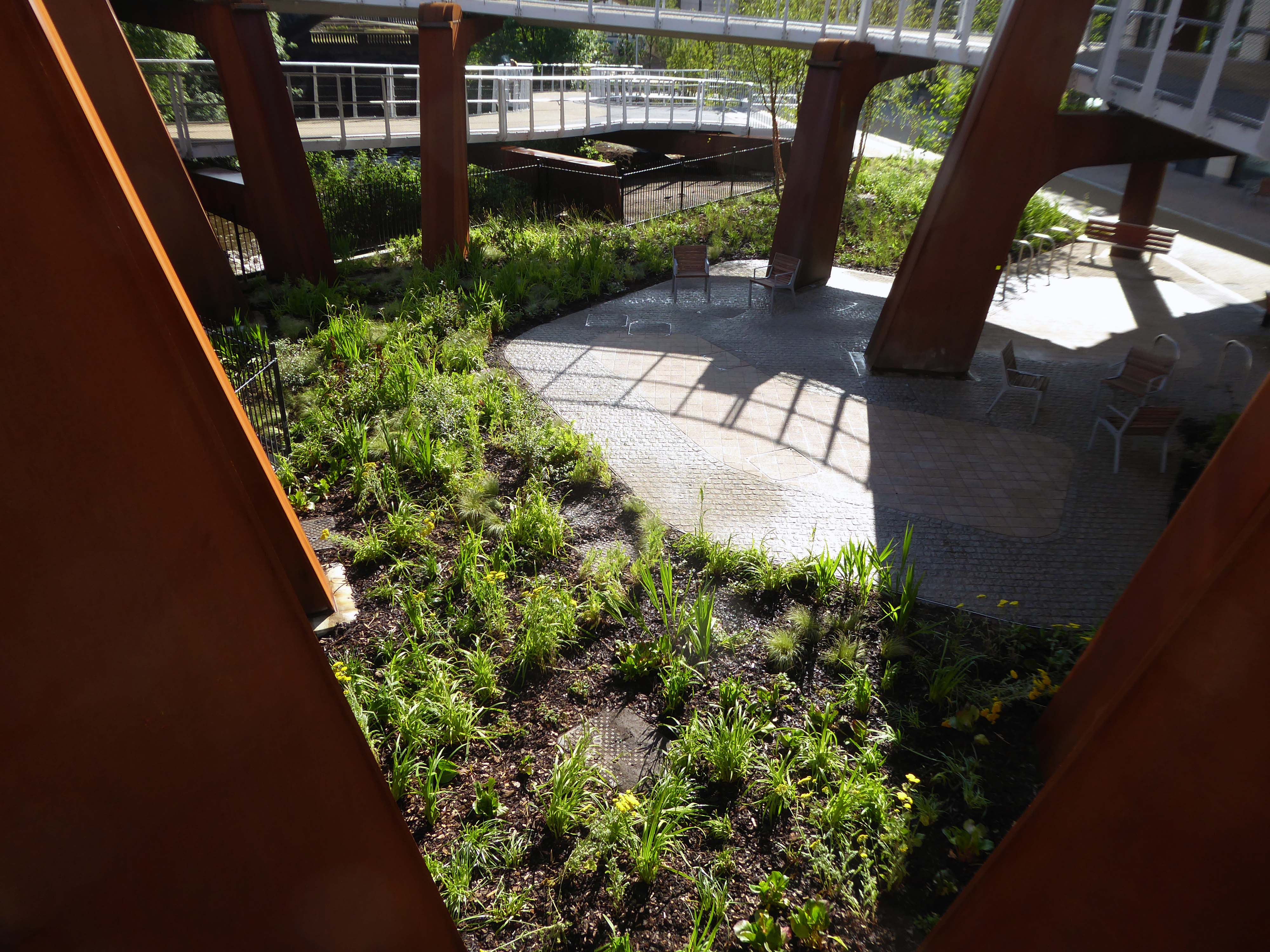
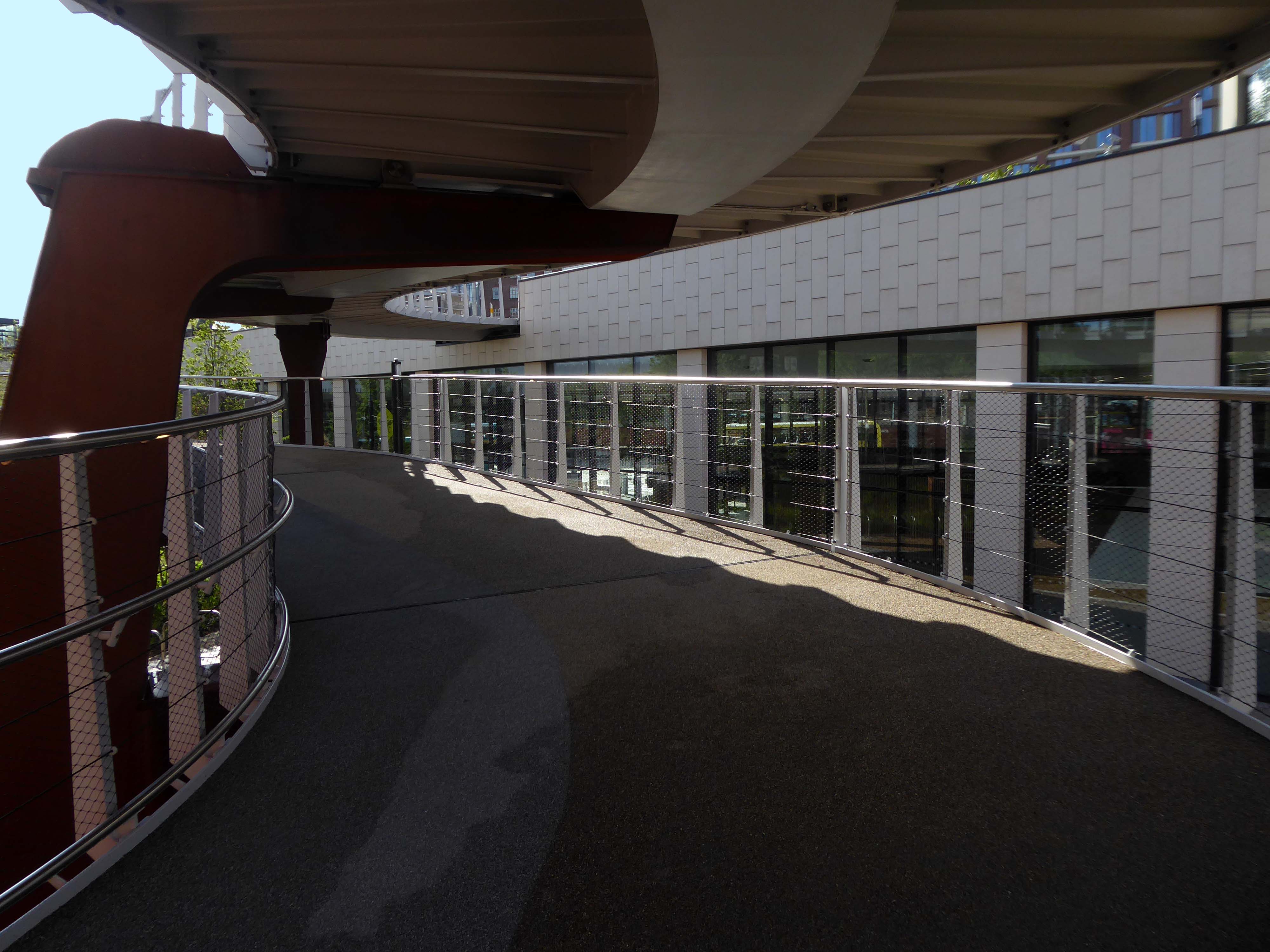
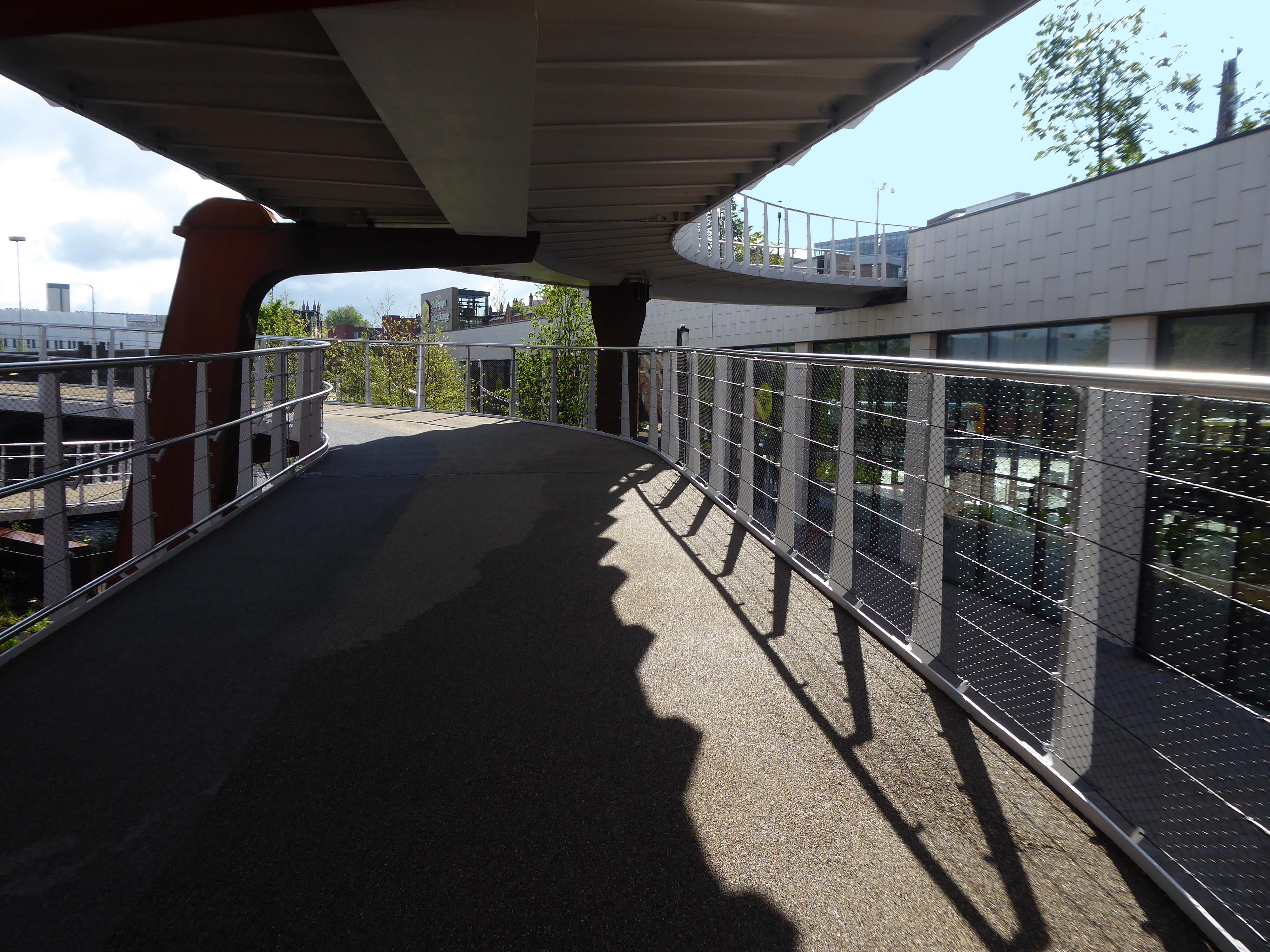
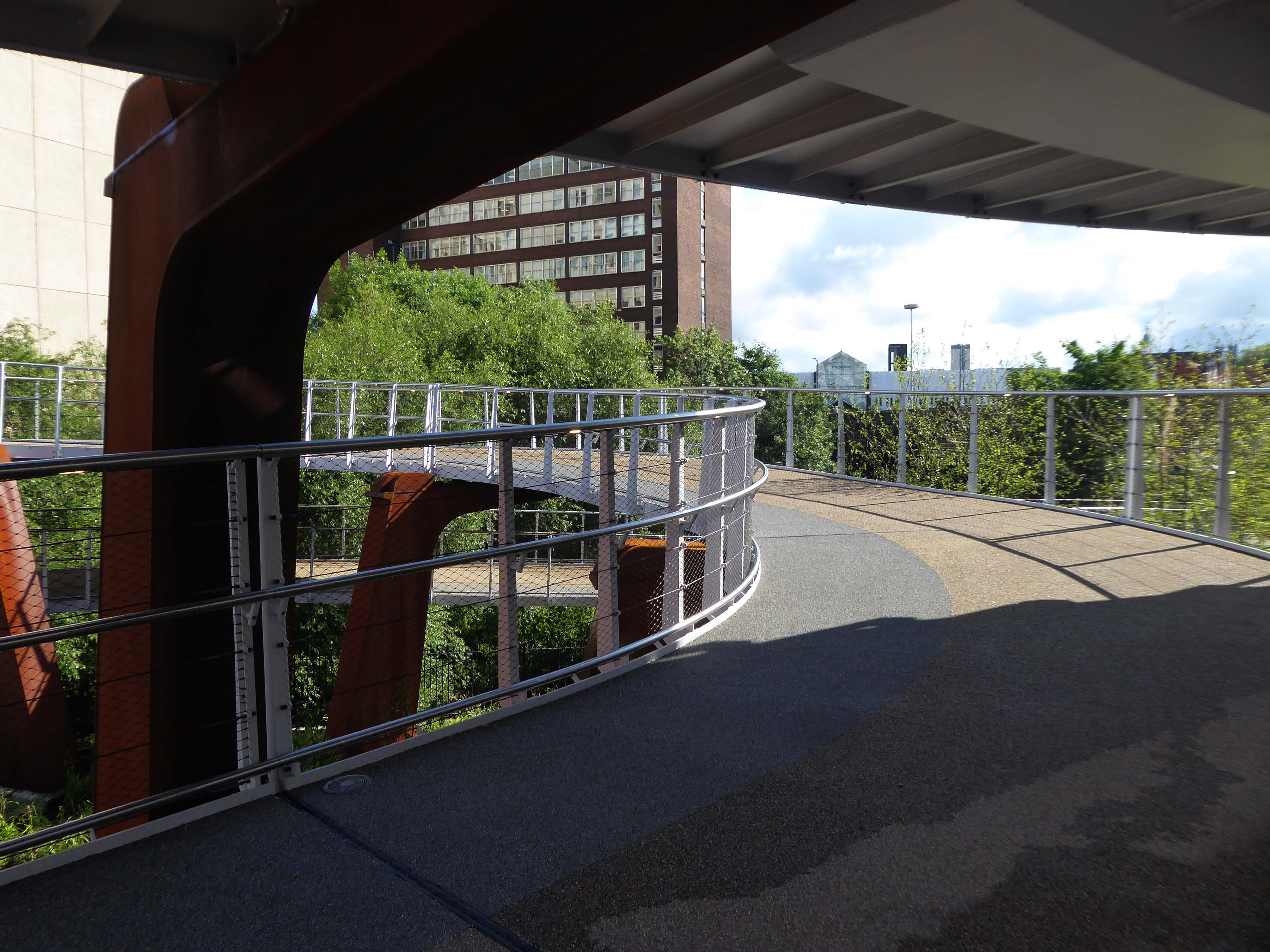
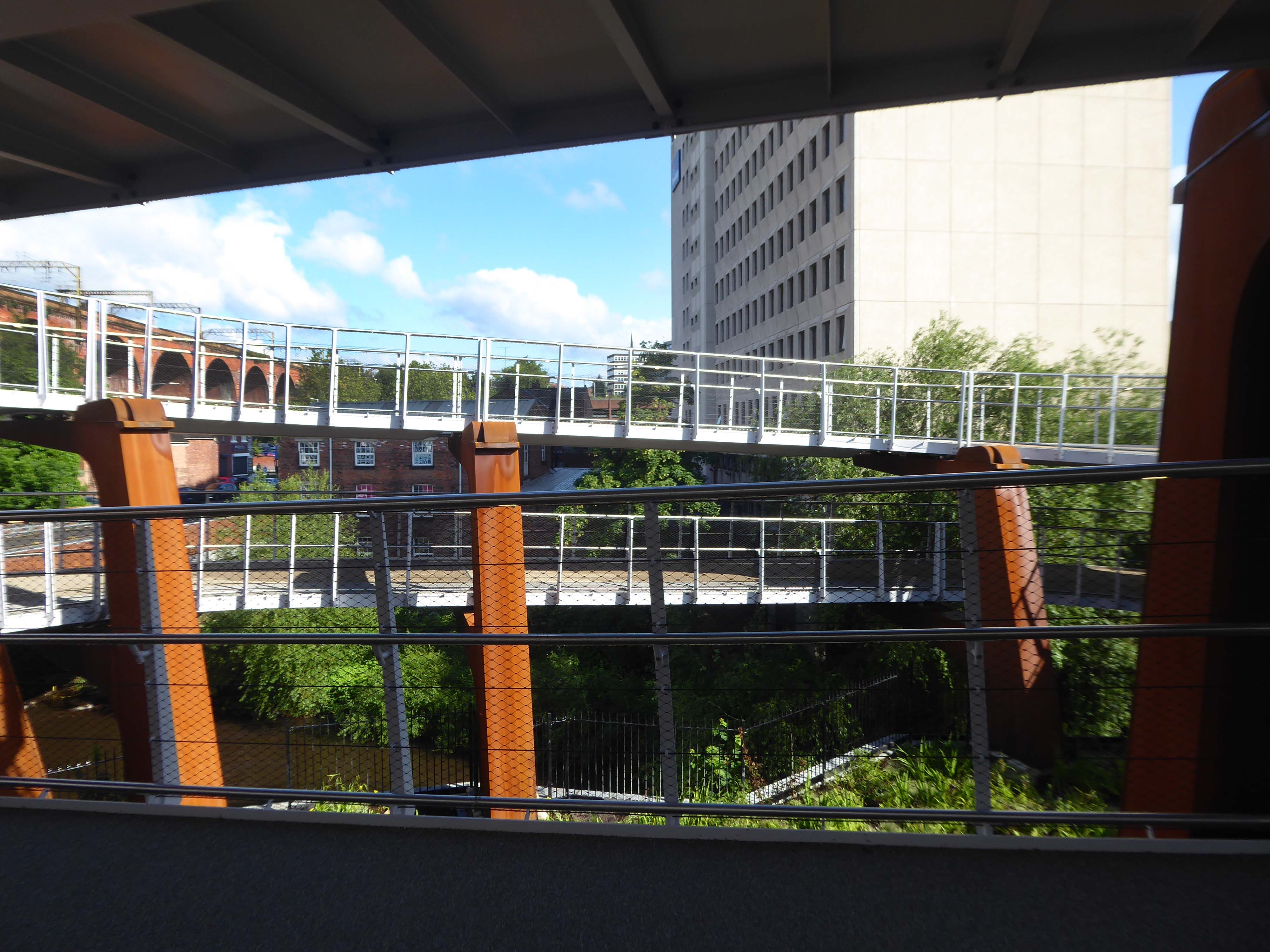
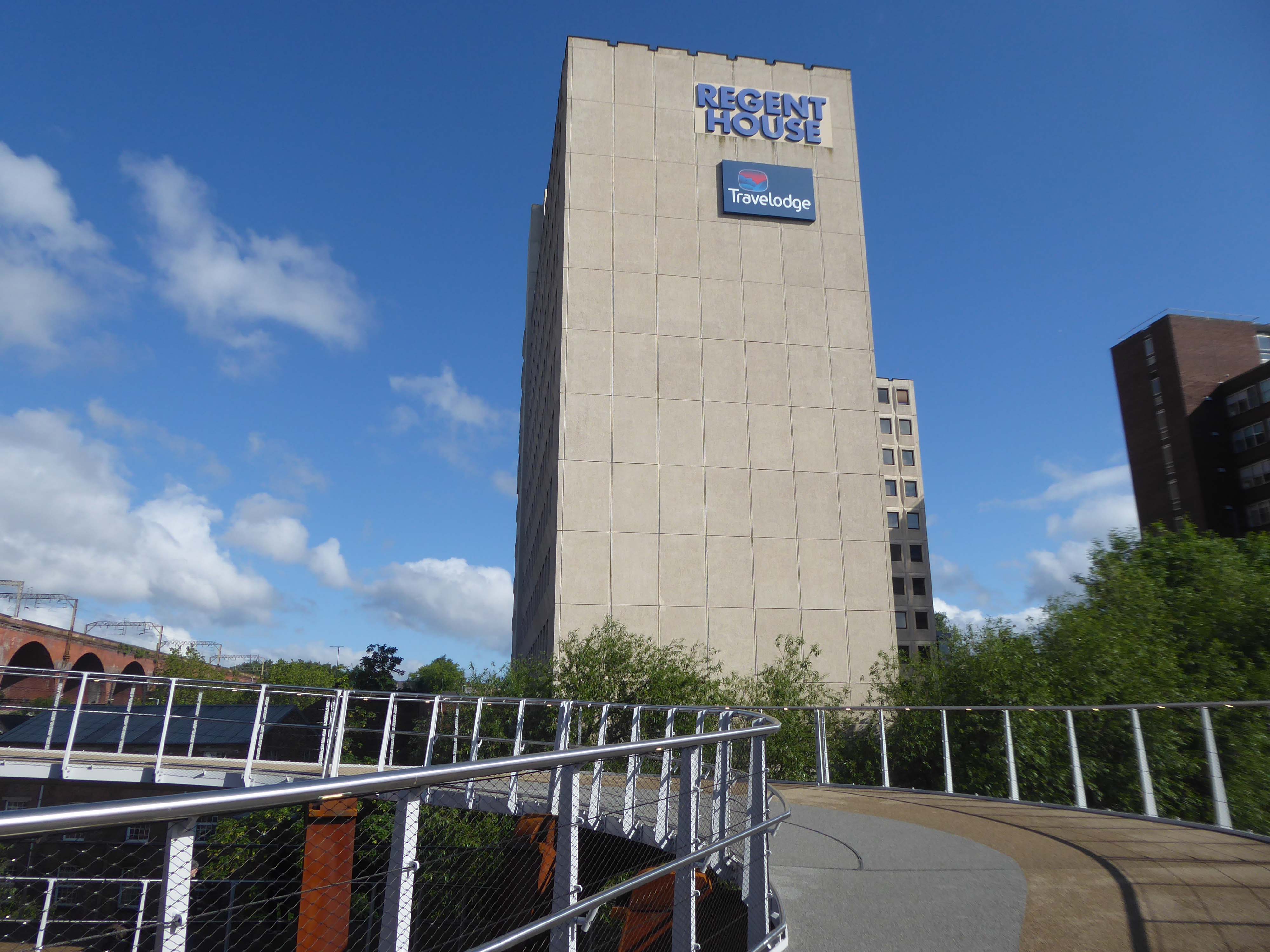
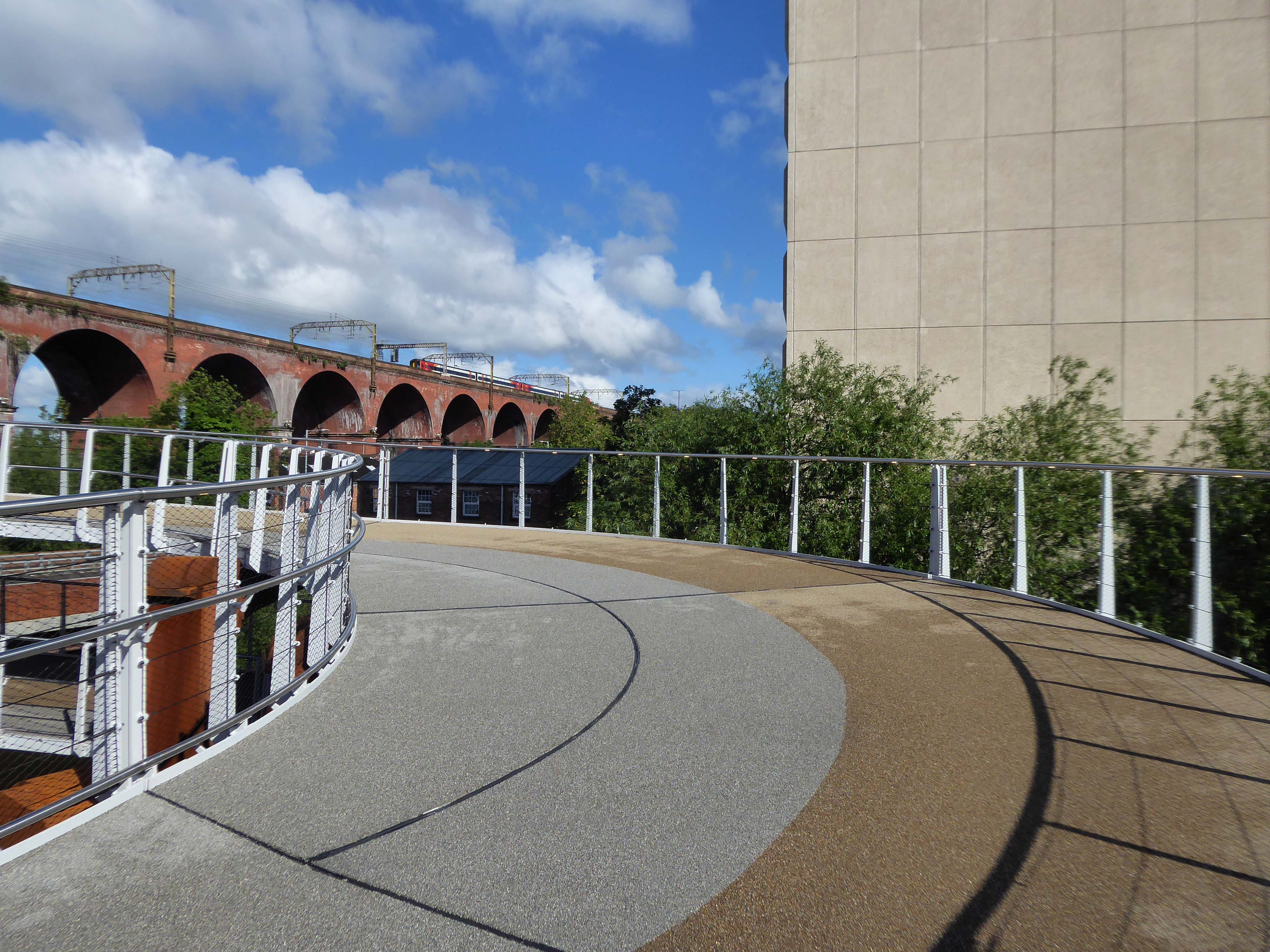
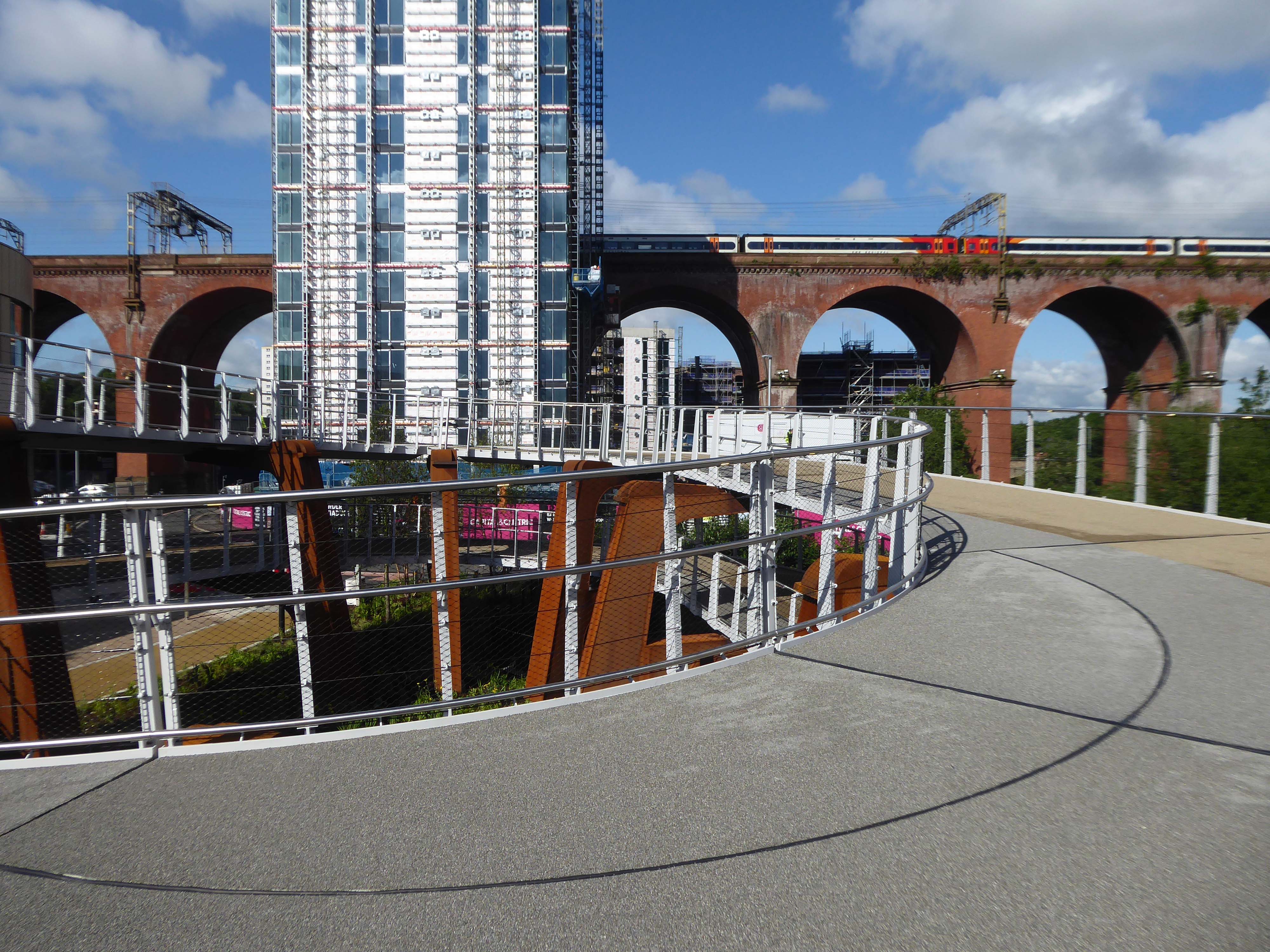
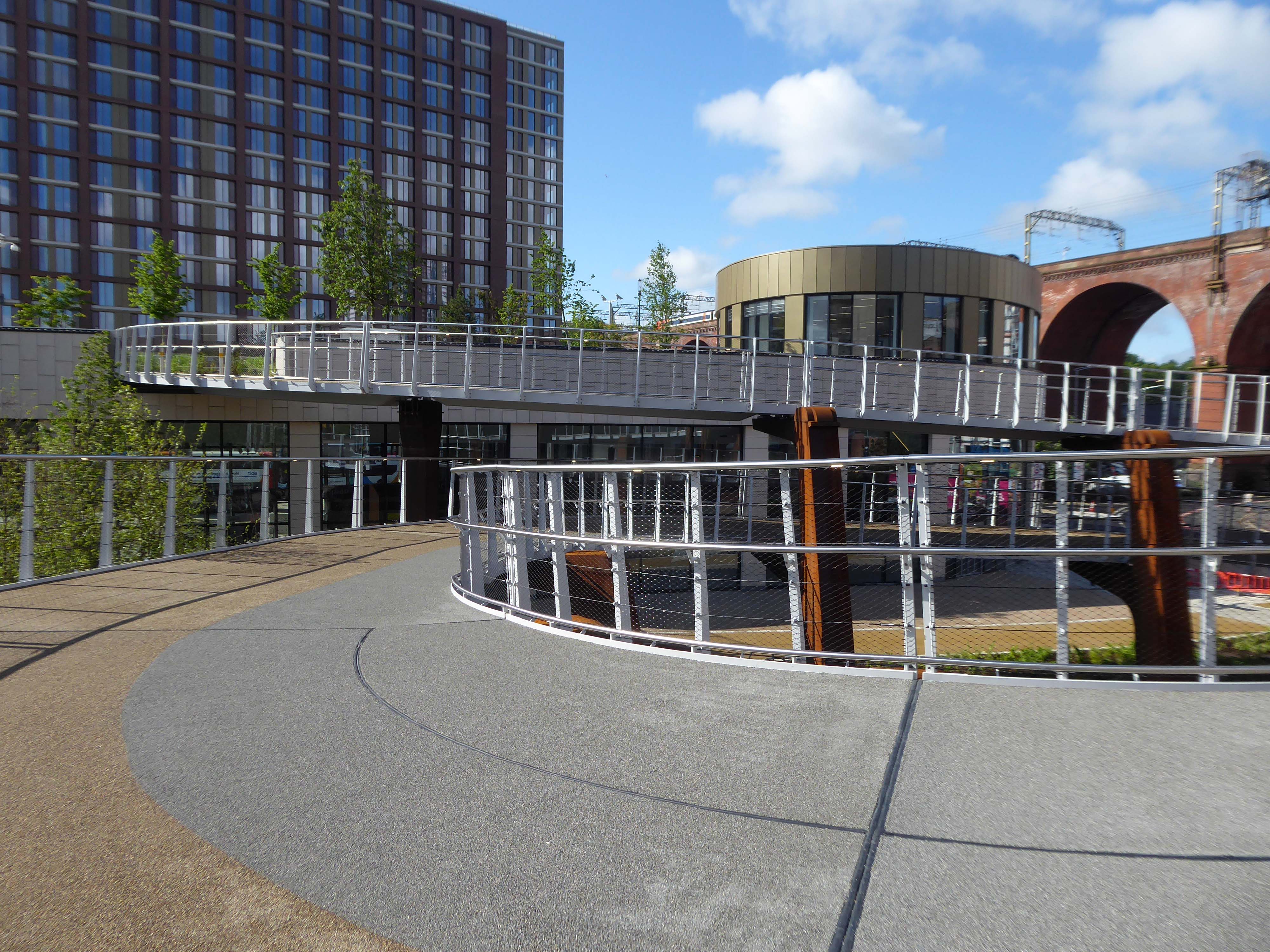
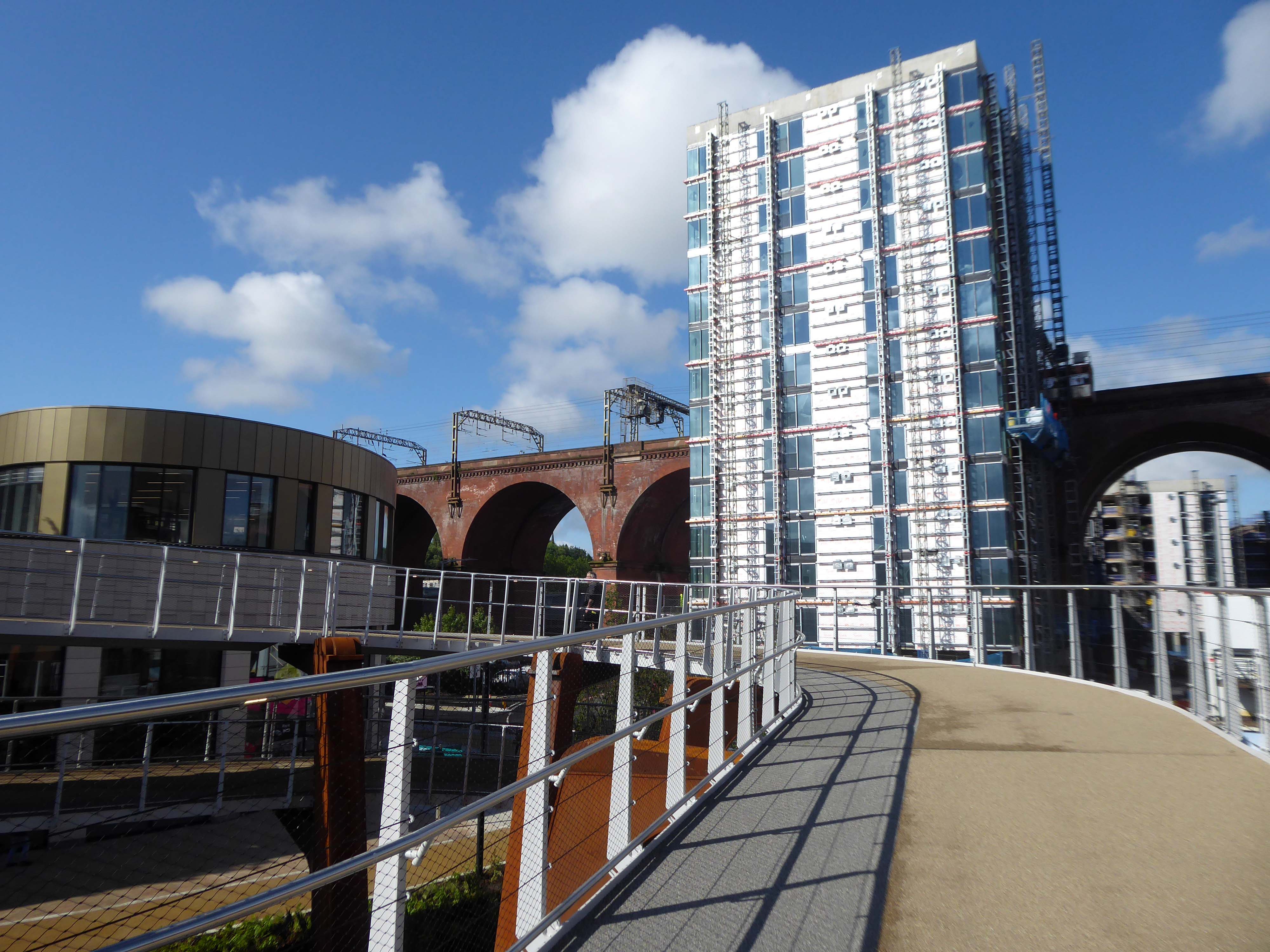
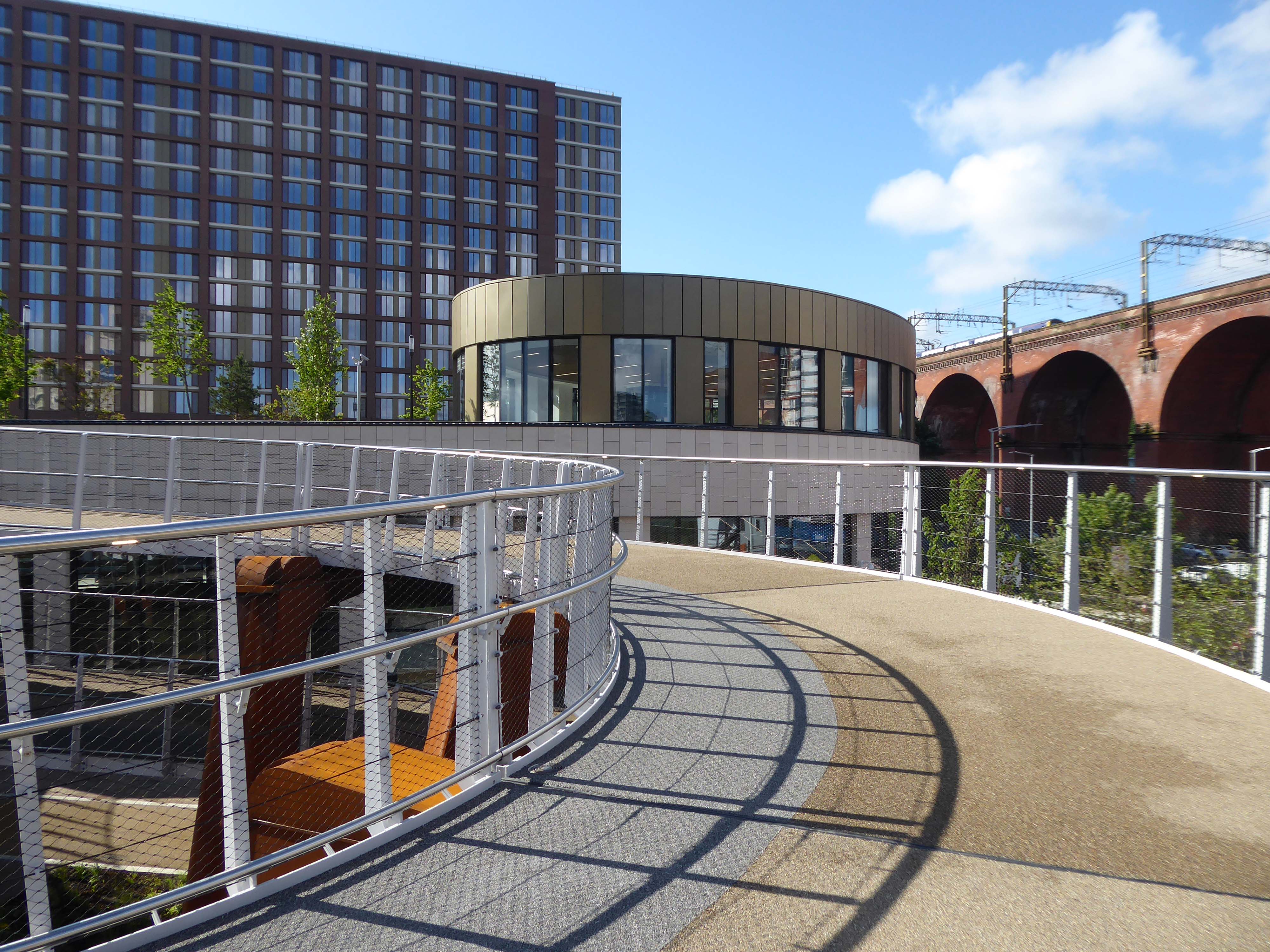
Ramp – Stockport Interchange

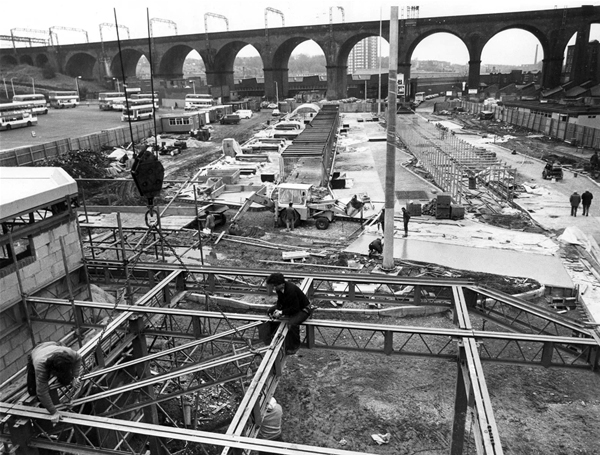
I have written several time about the former bus station.

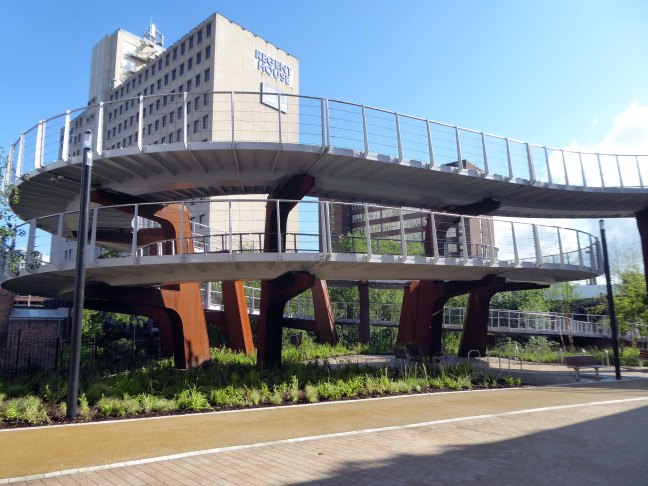
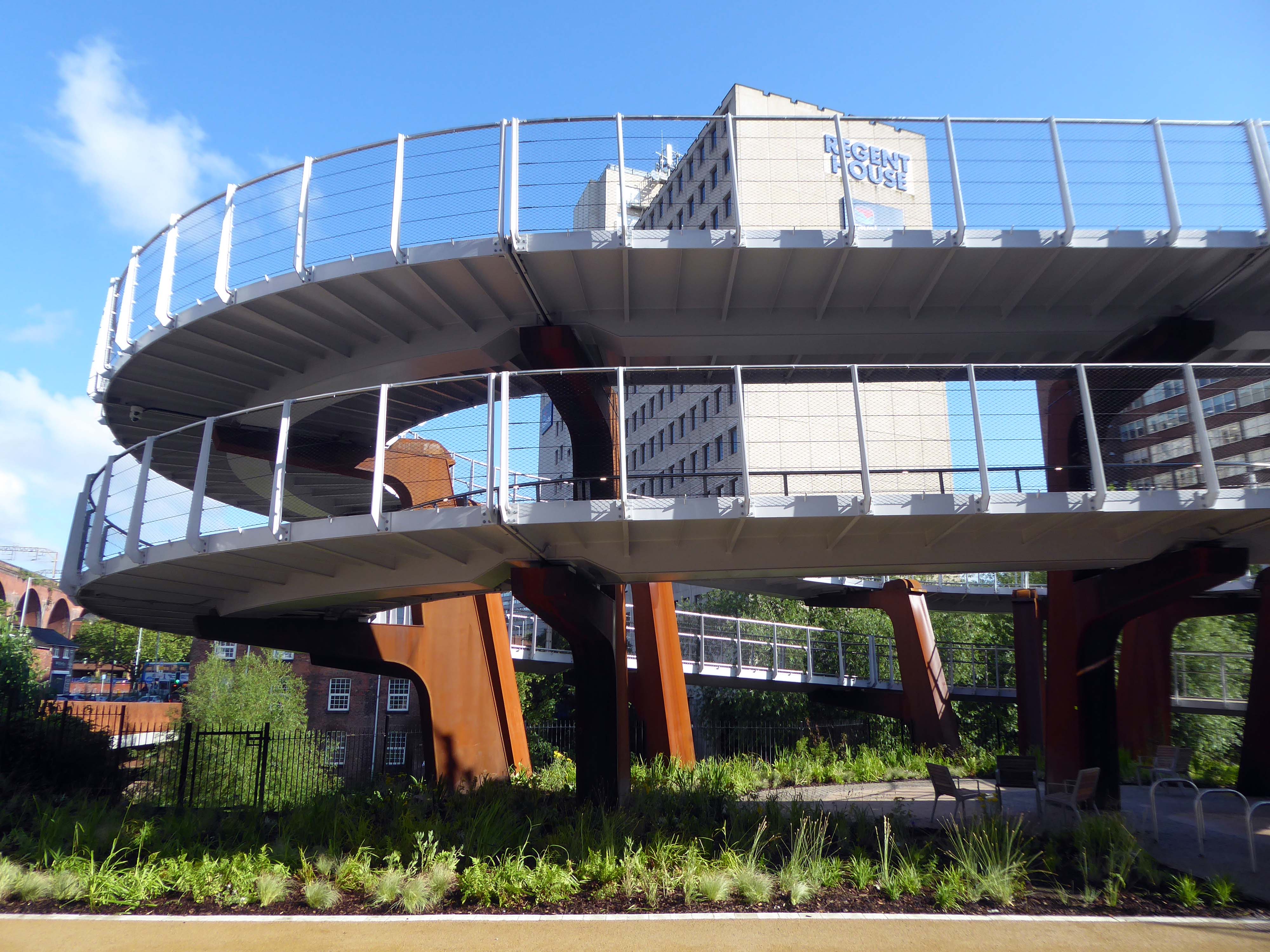
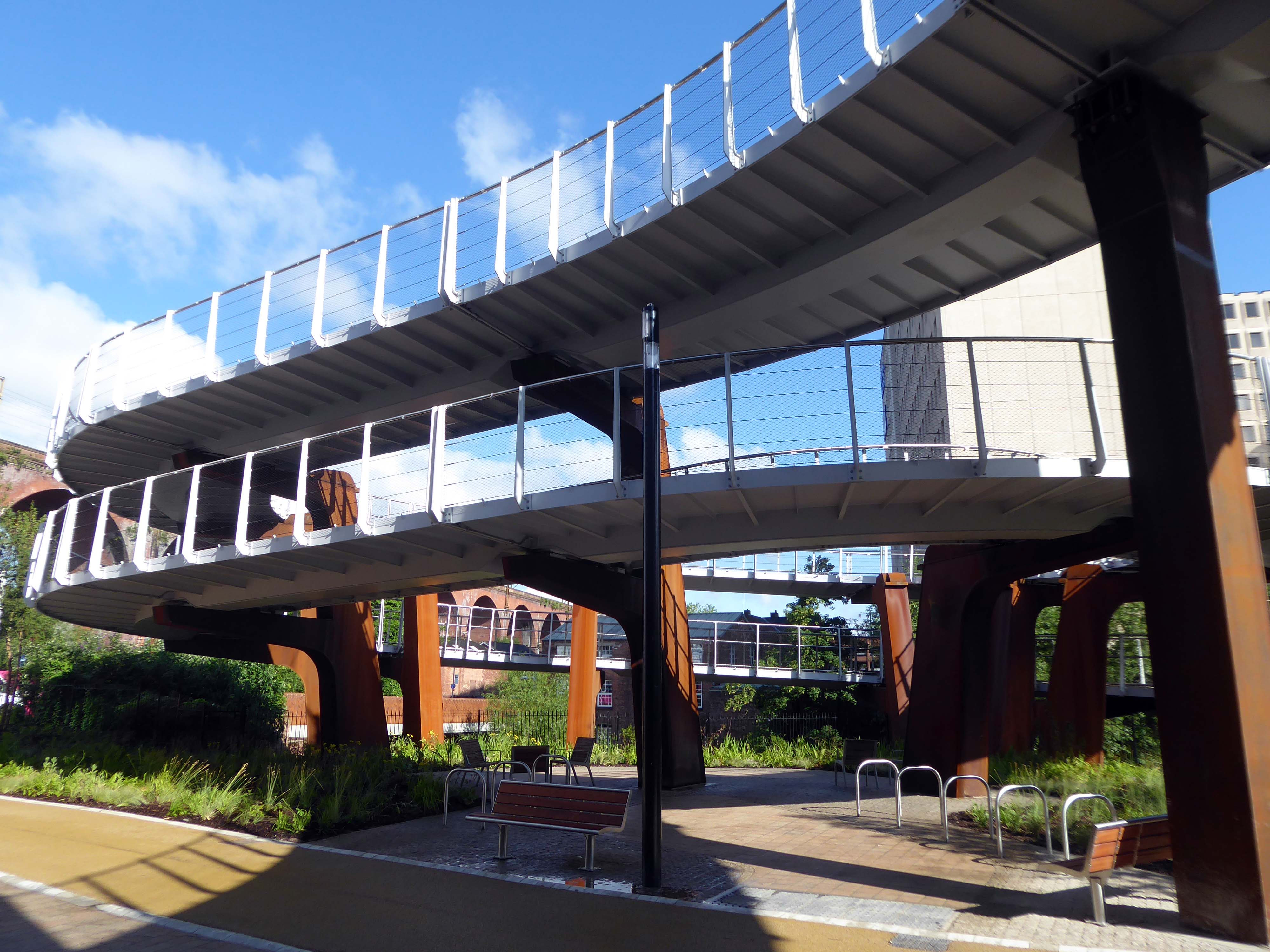
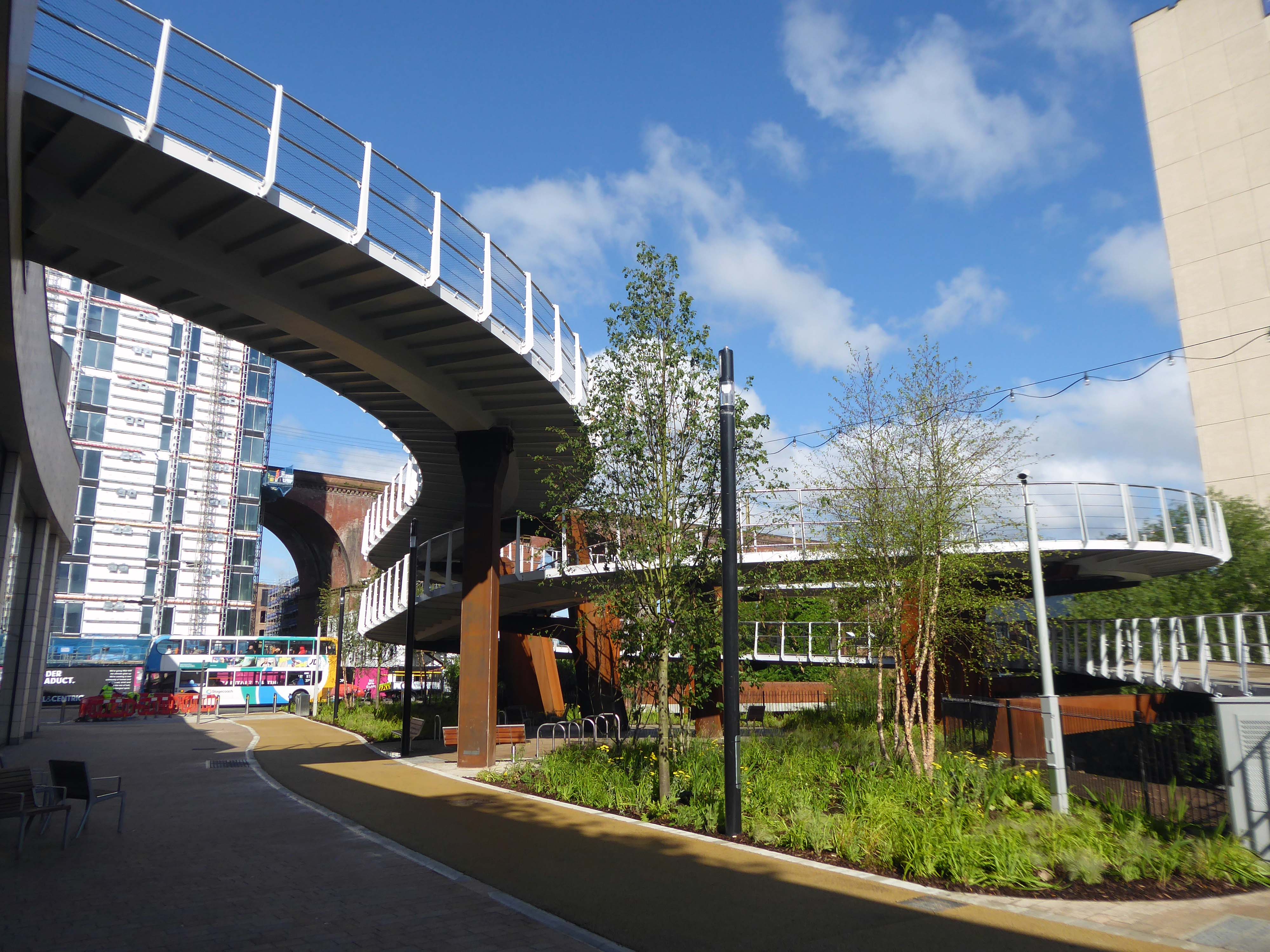
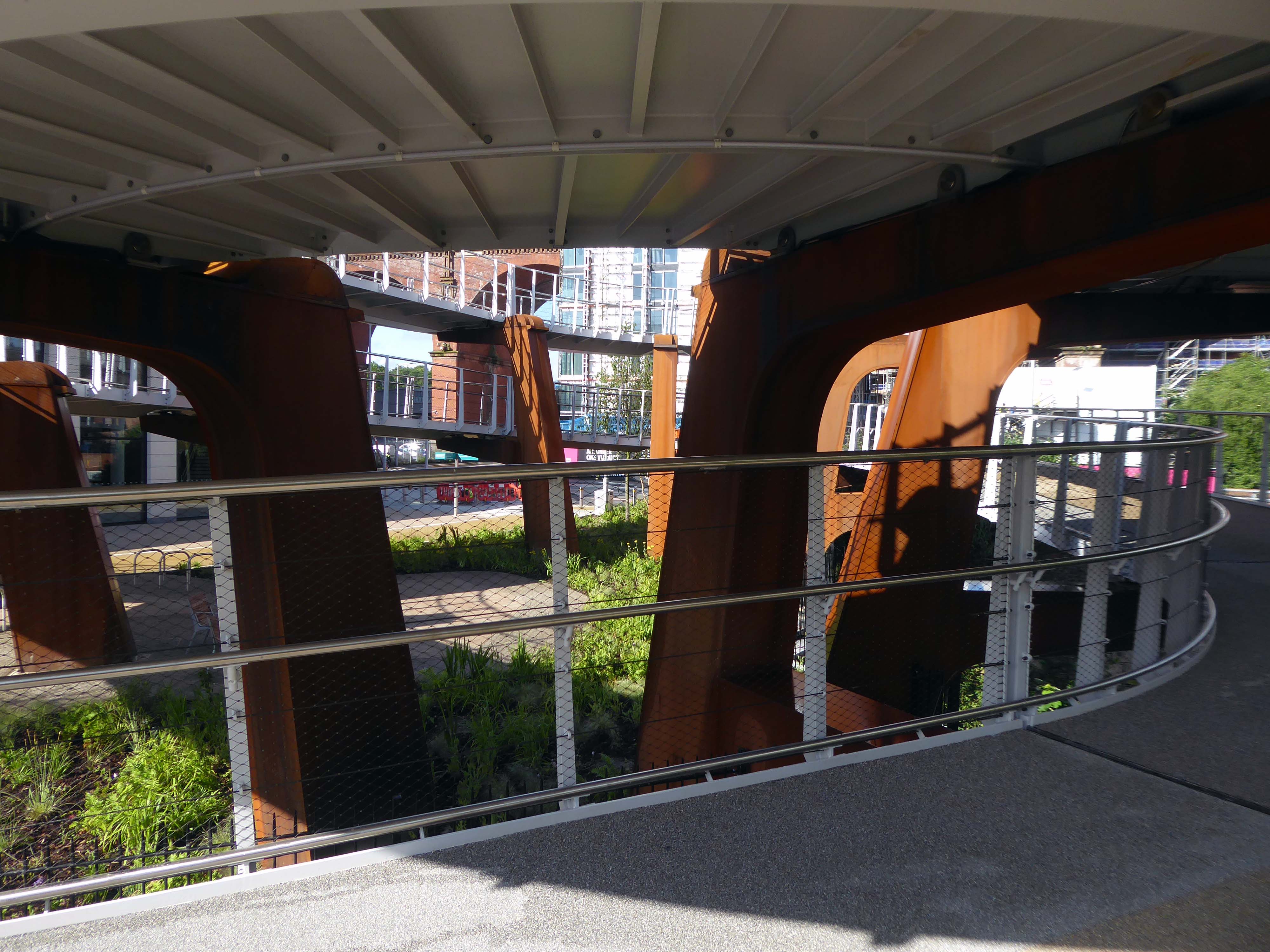
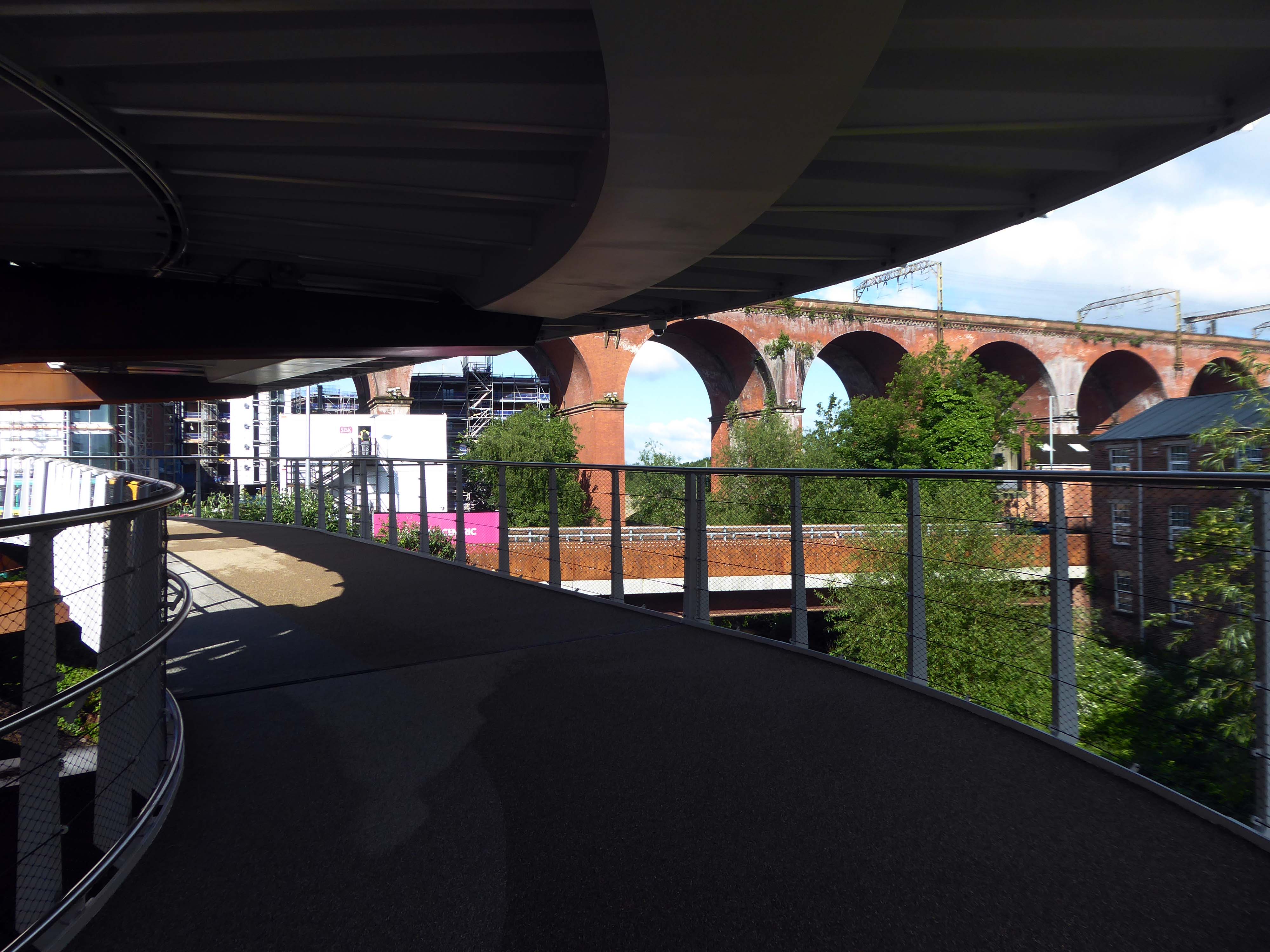
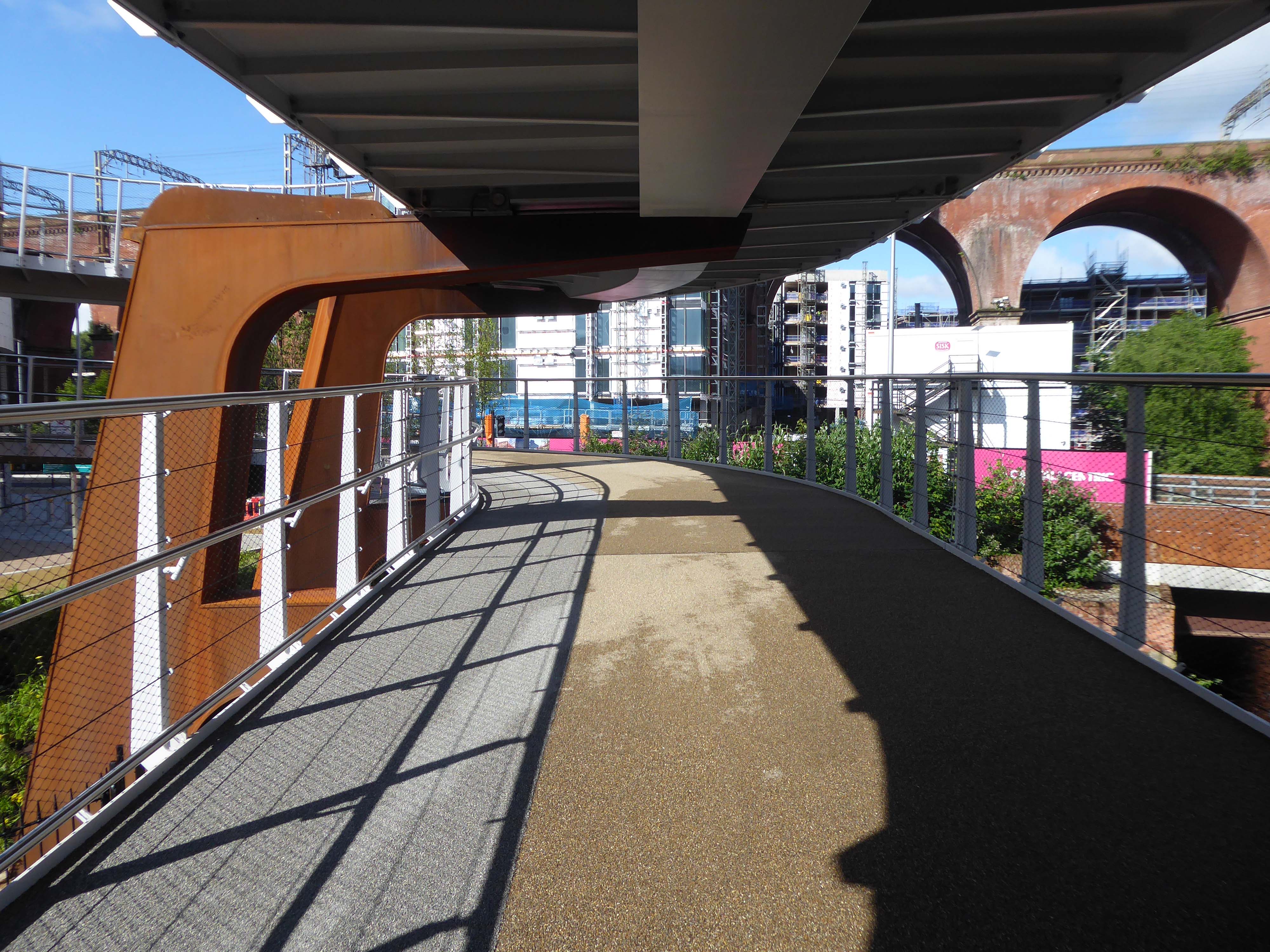
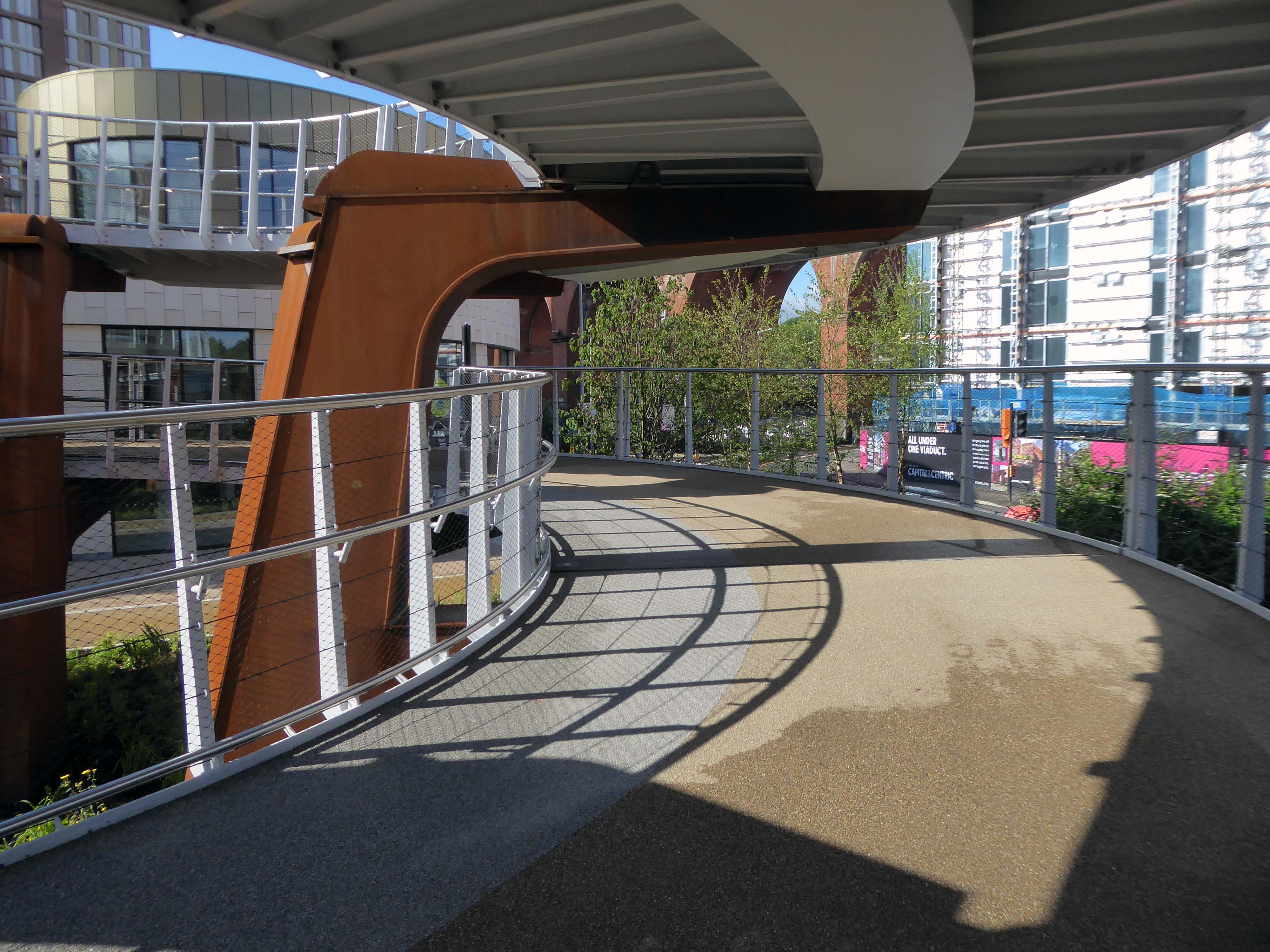
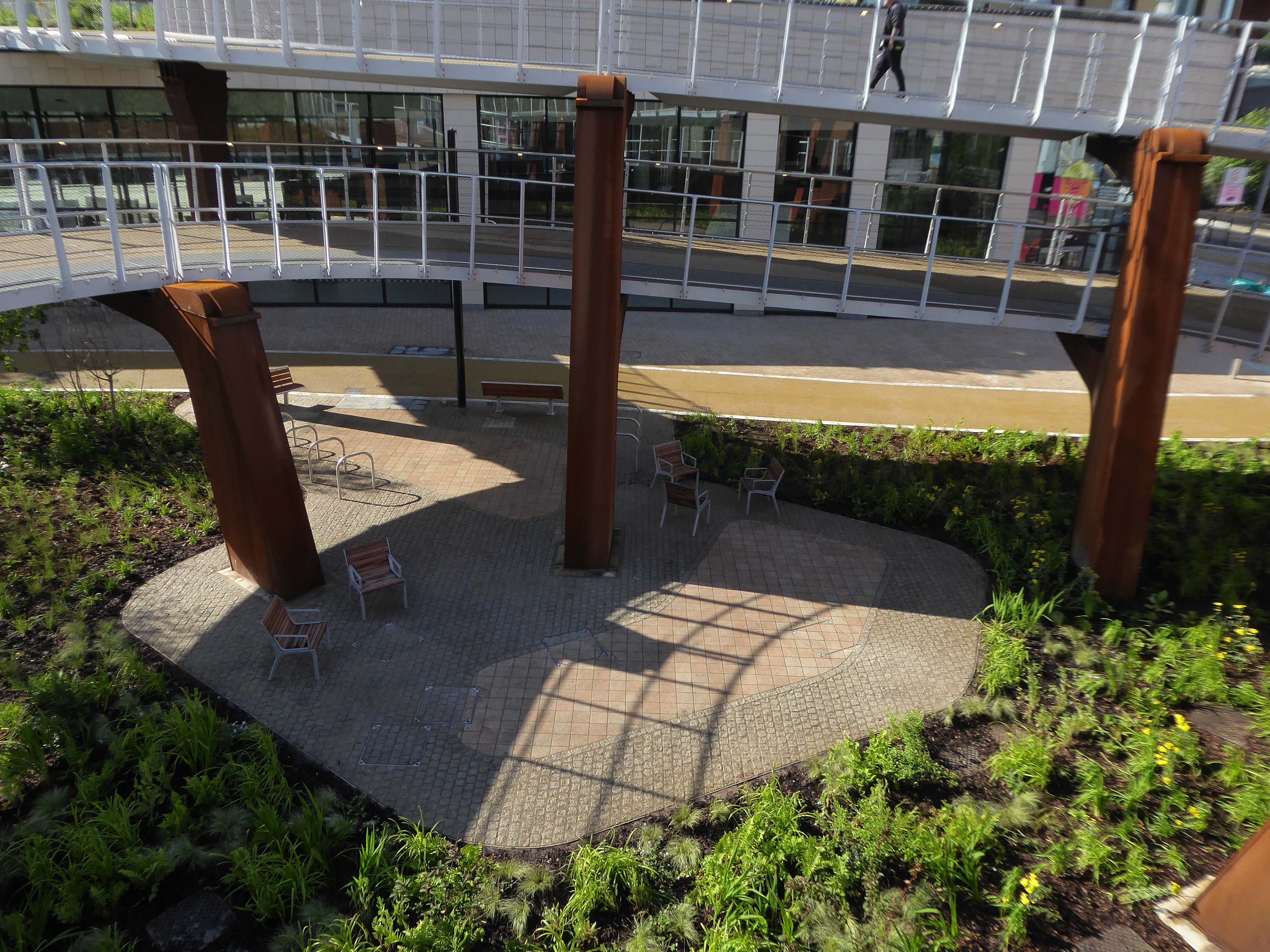
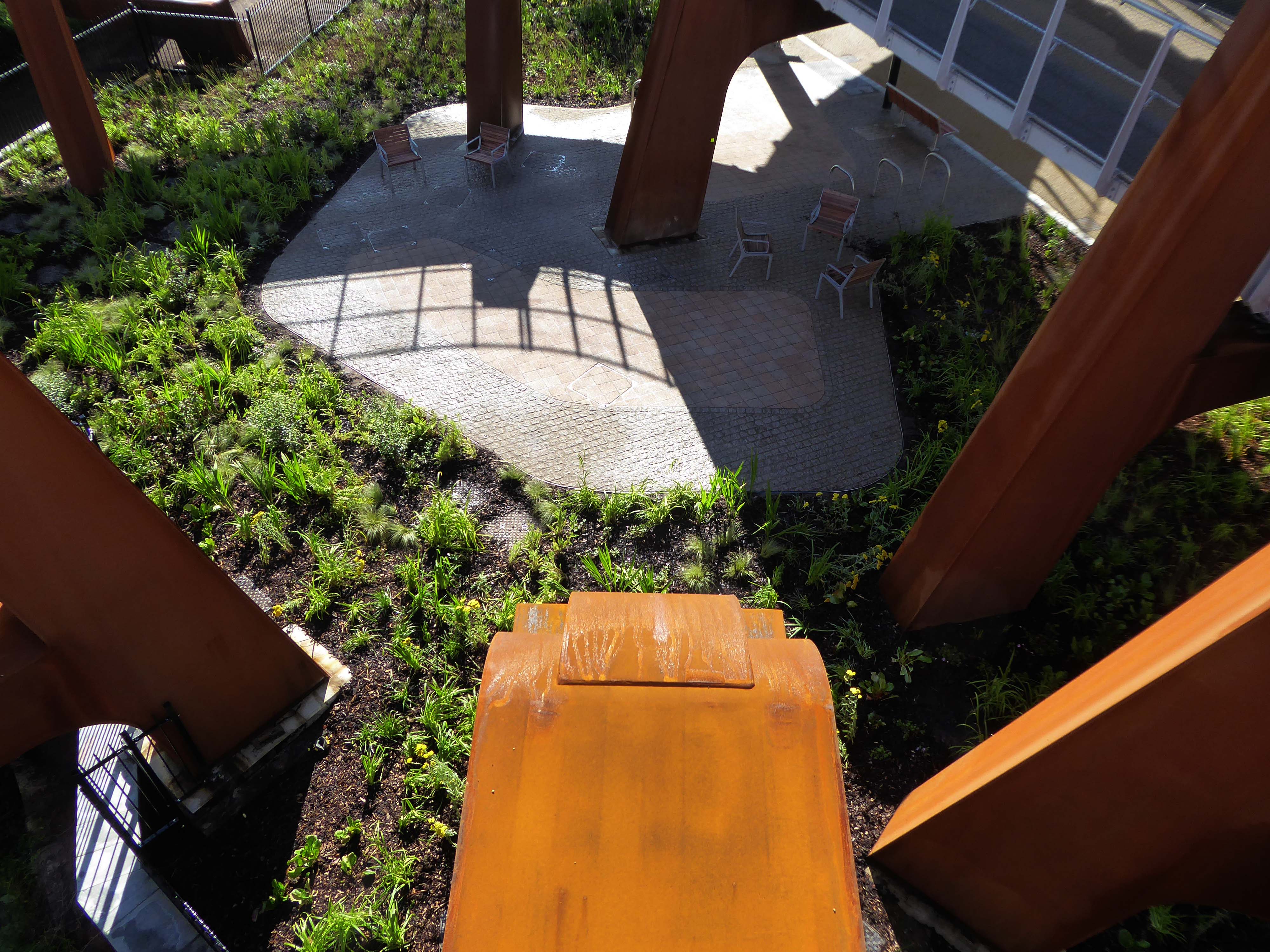
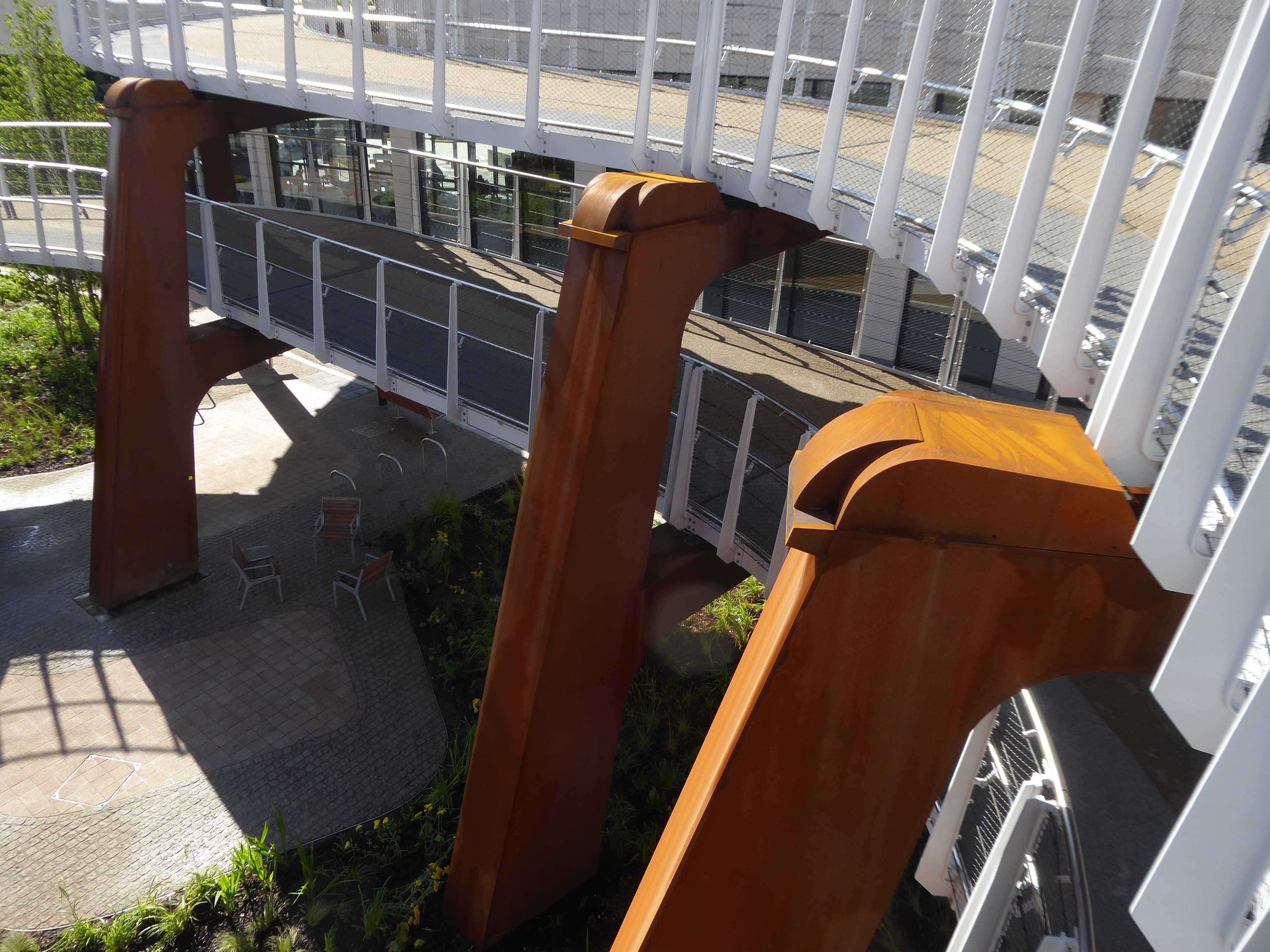
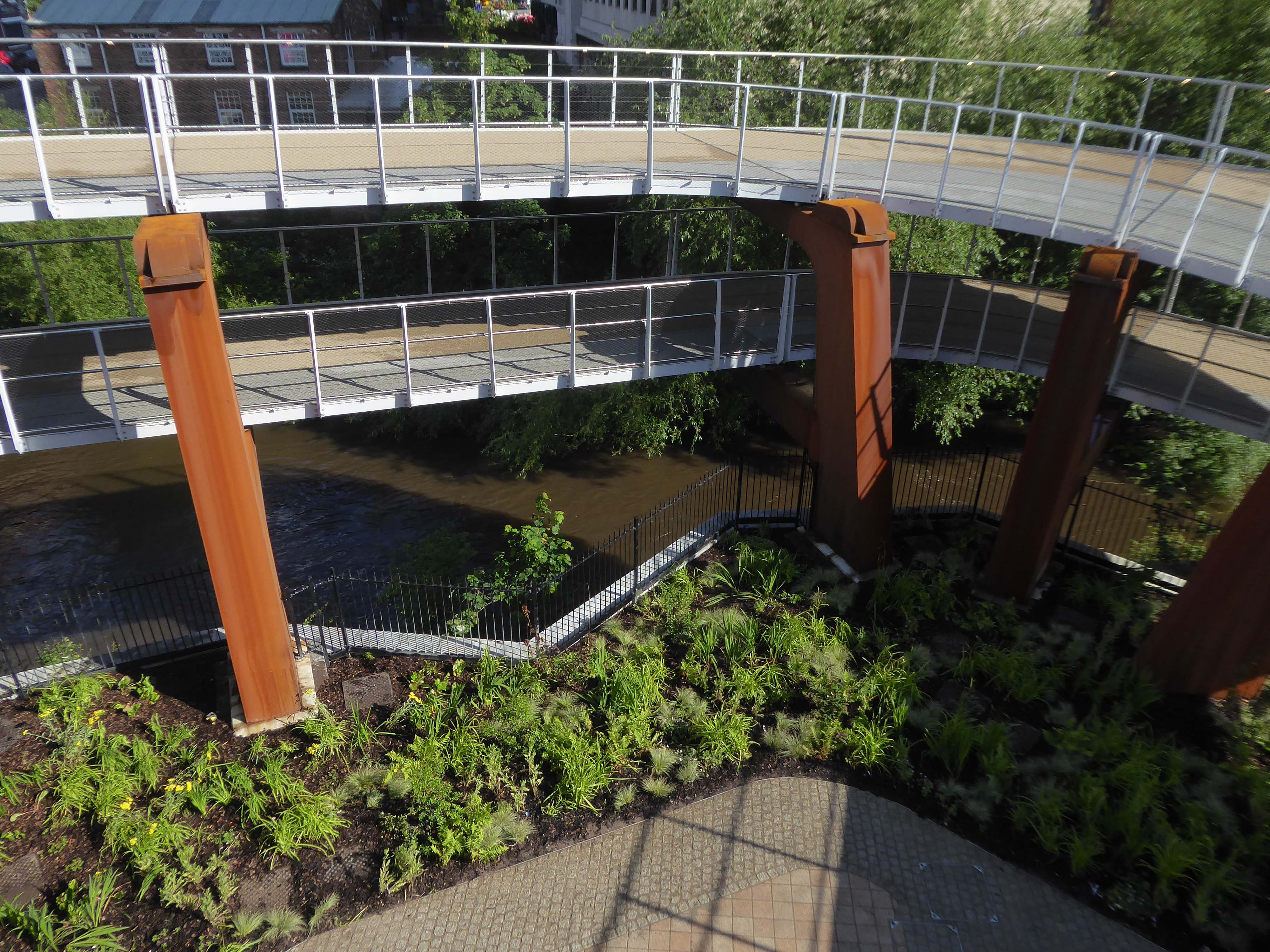
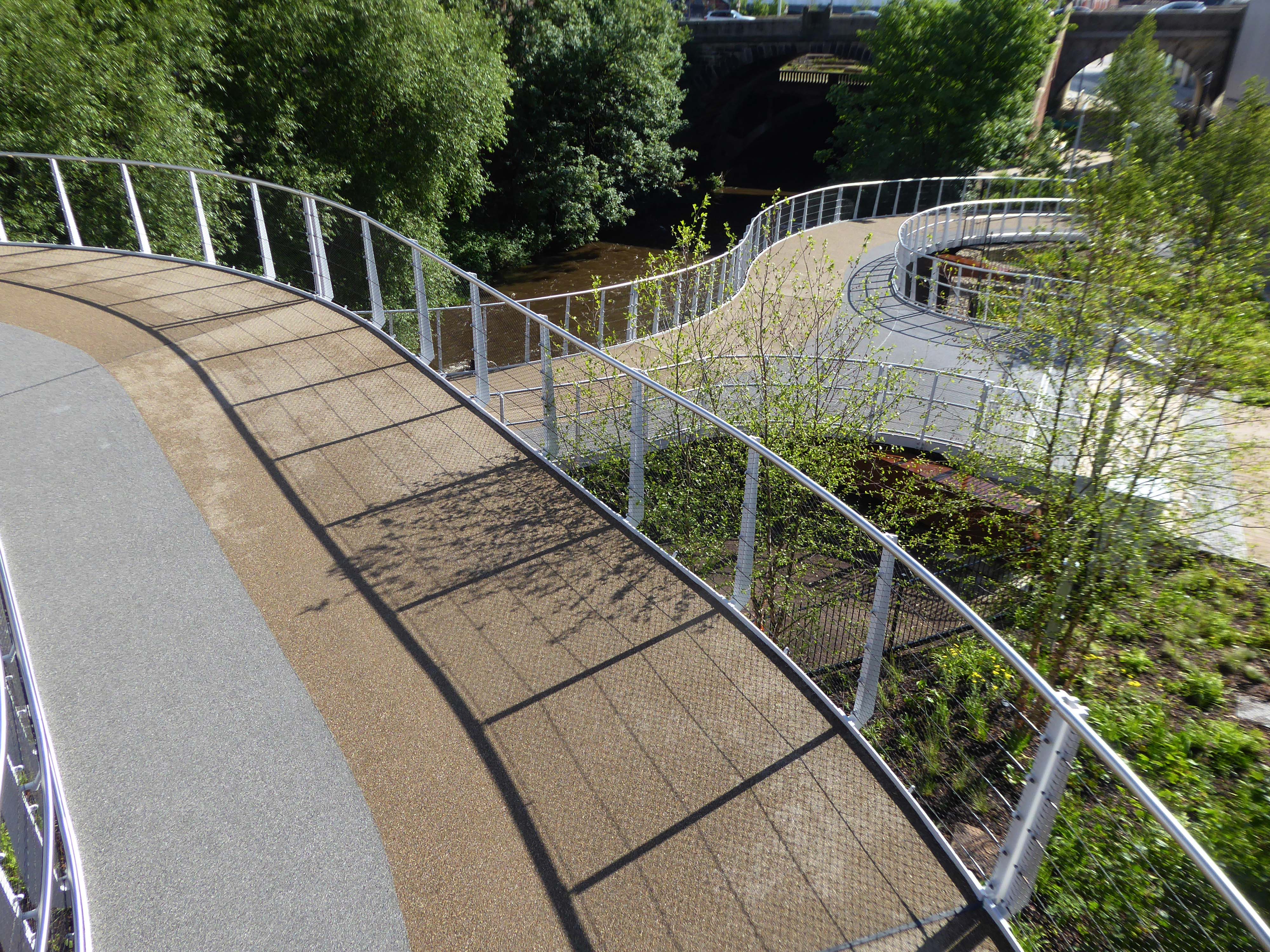
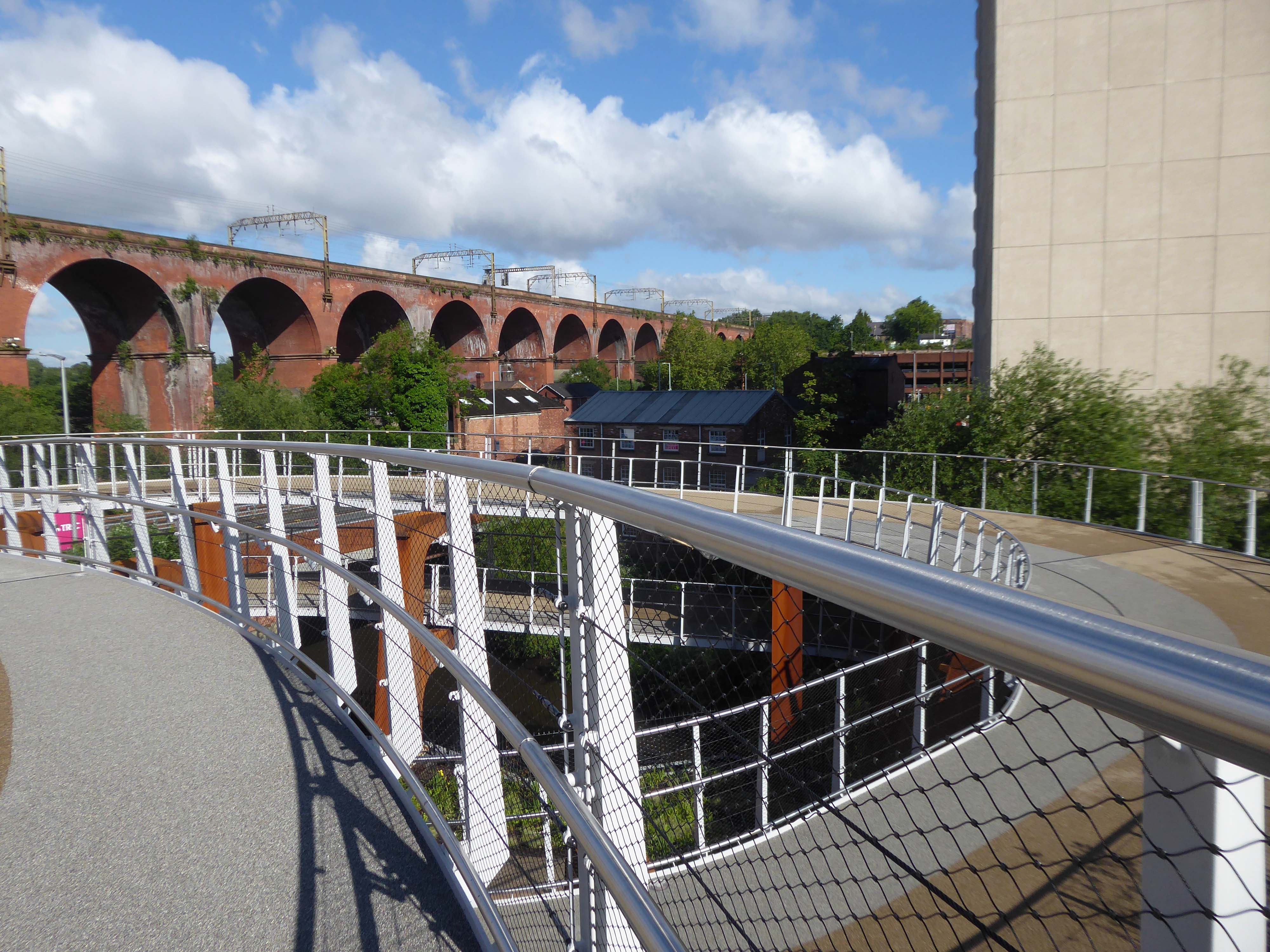
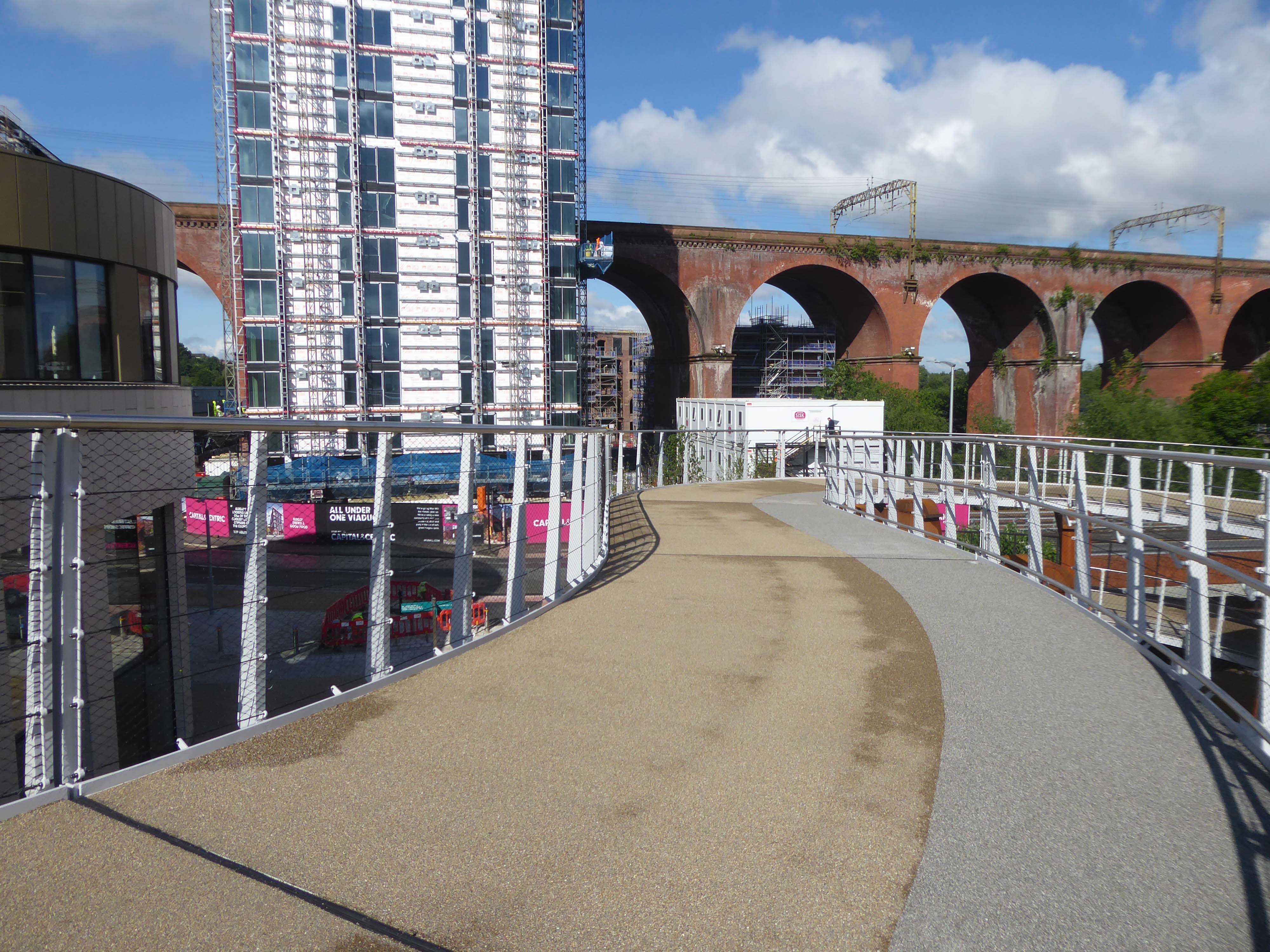
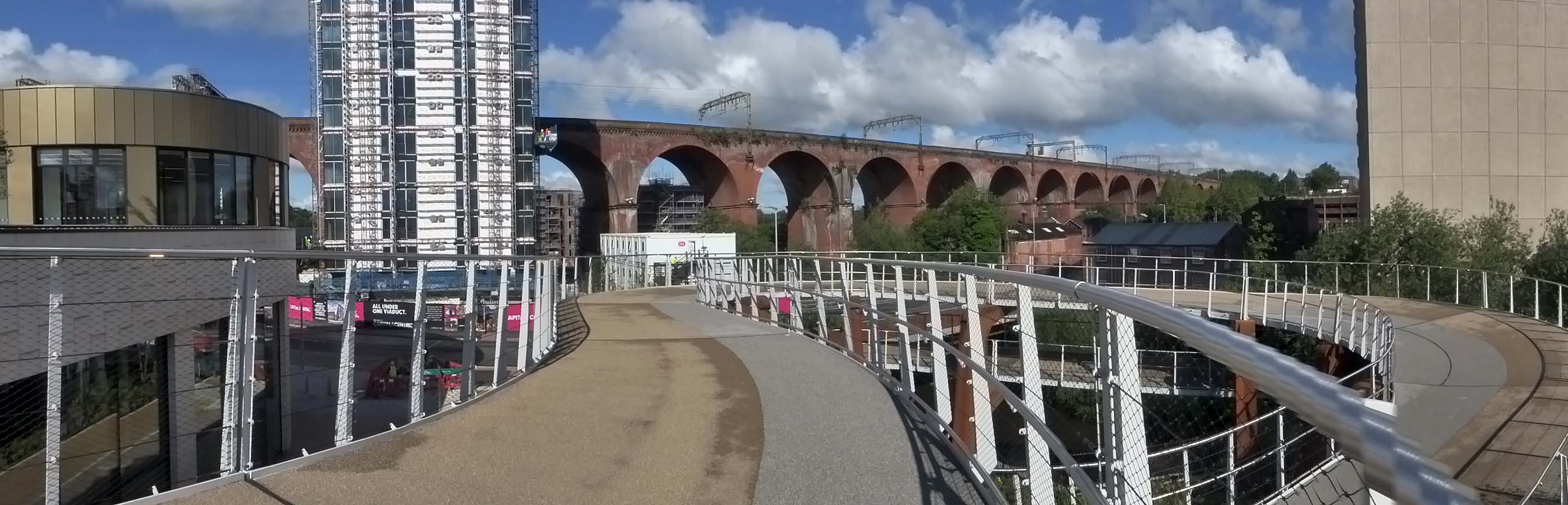
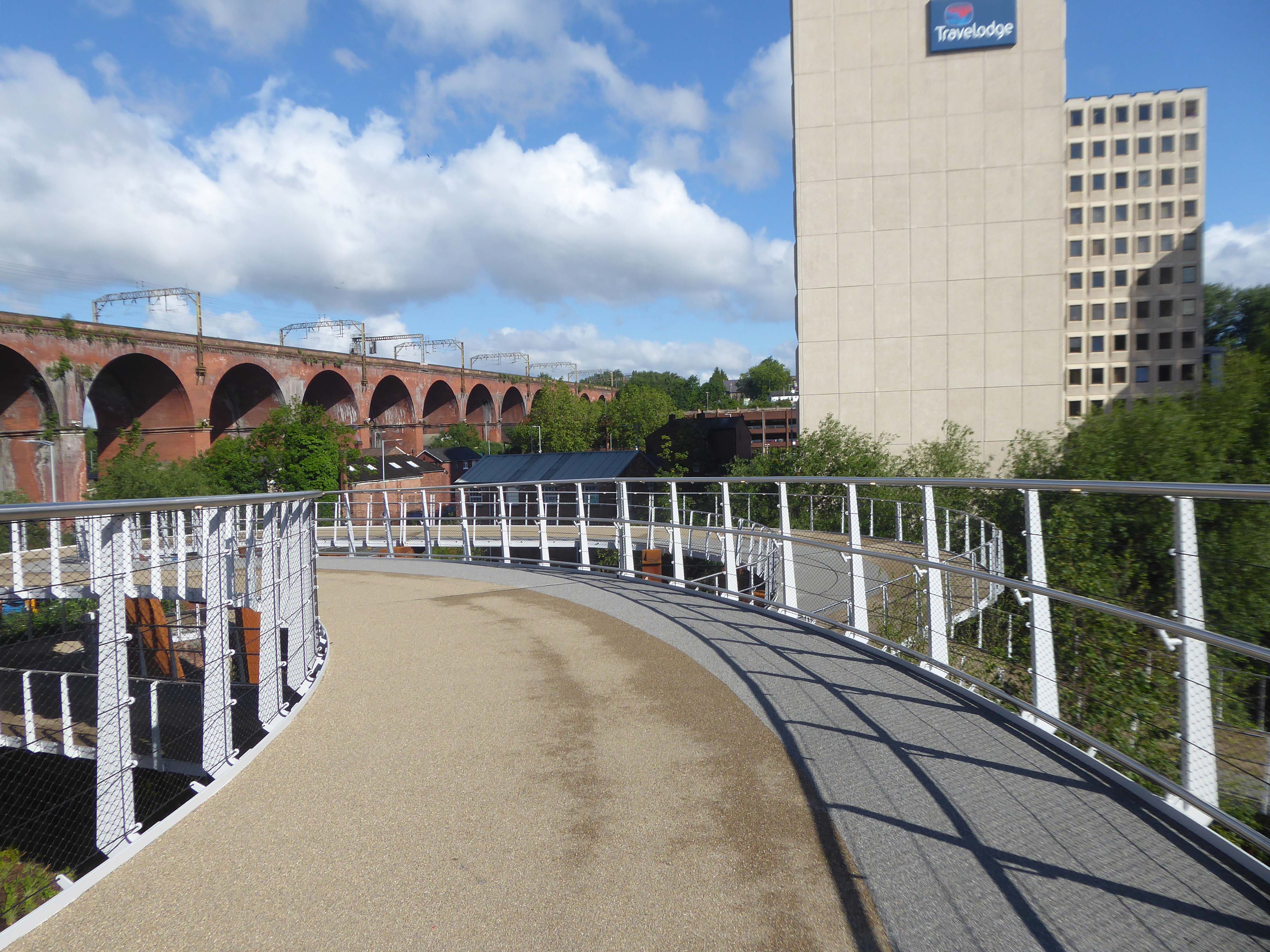
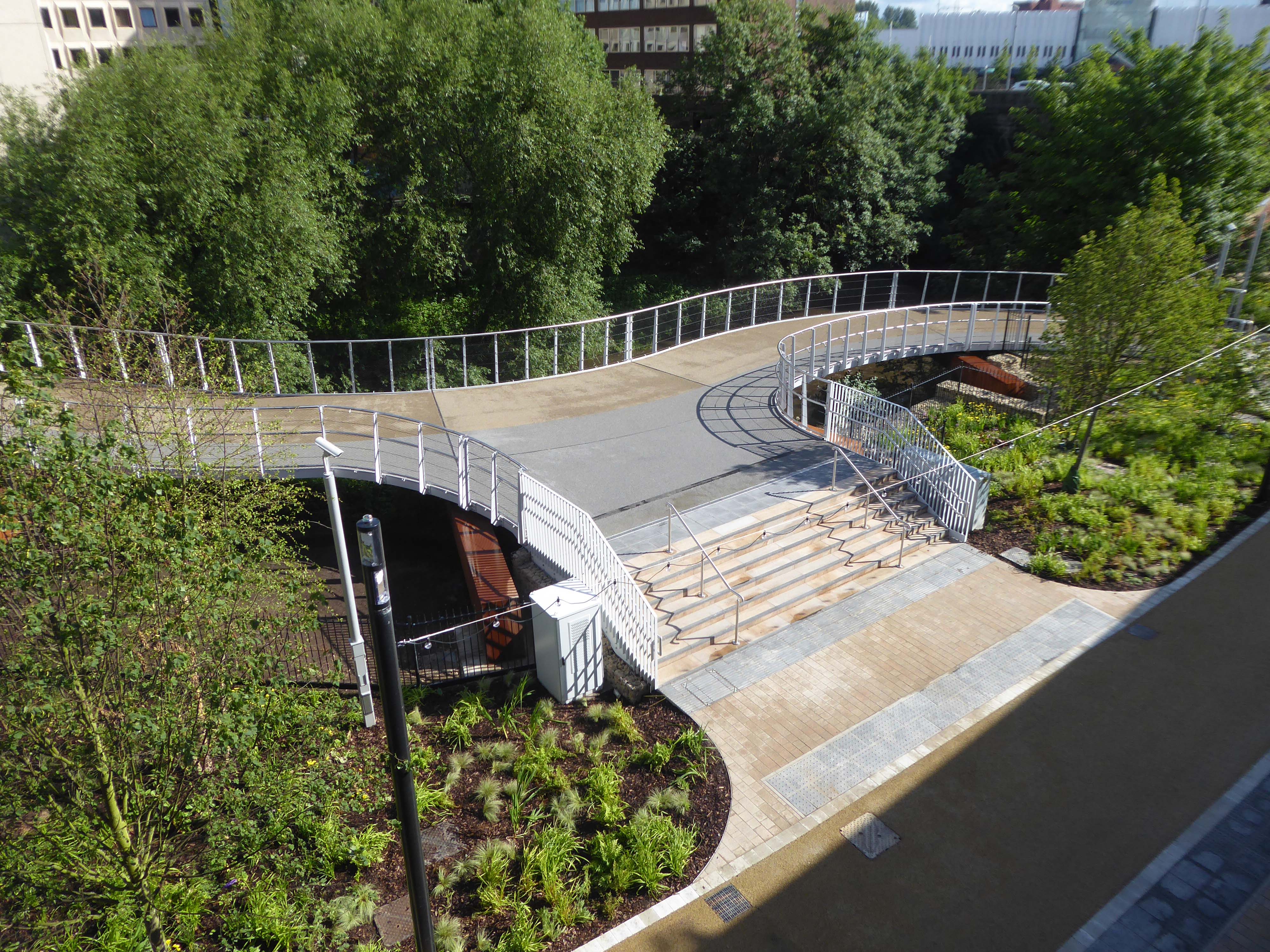
It’s now all grown up into a fully fledged transport interchange – with its very own pedestrian and cycling ramp.

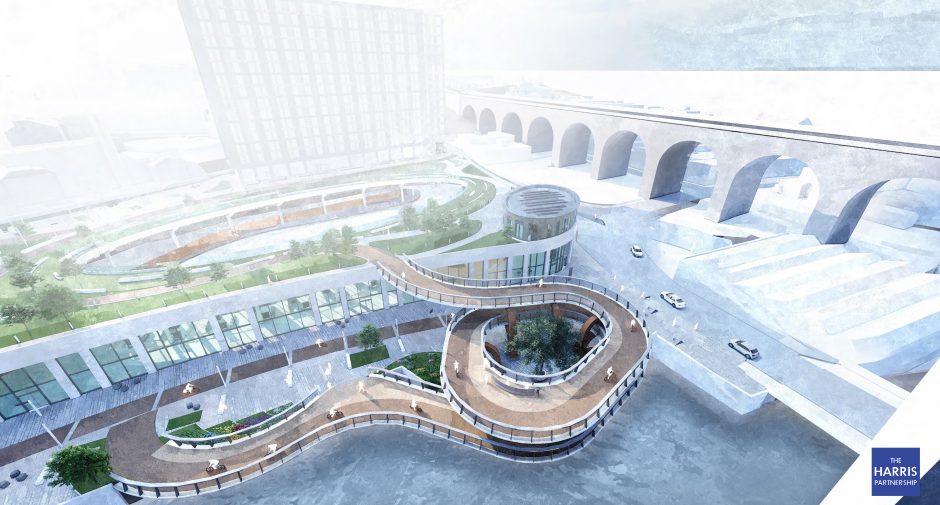
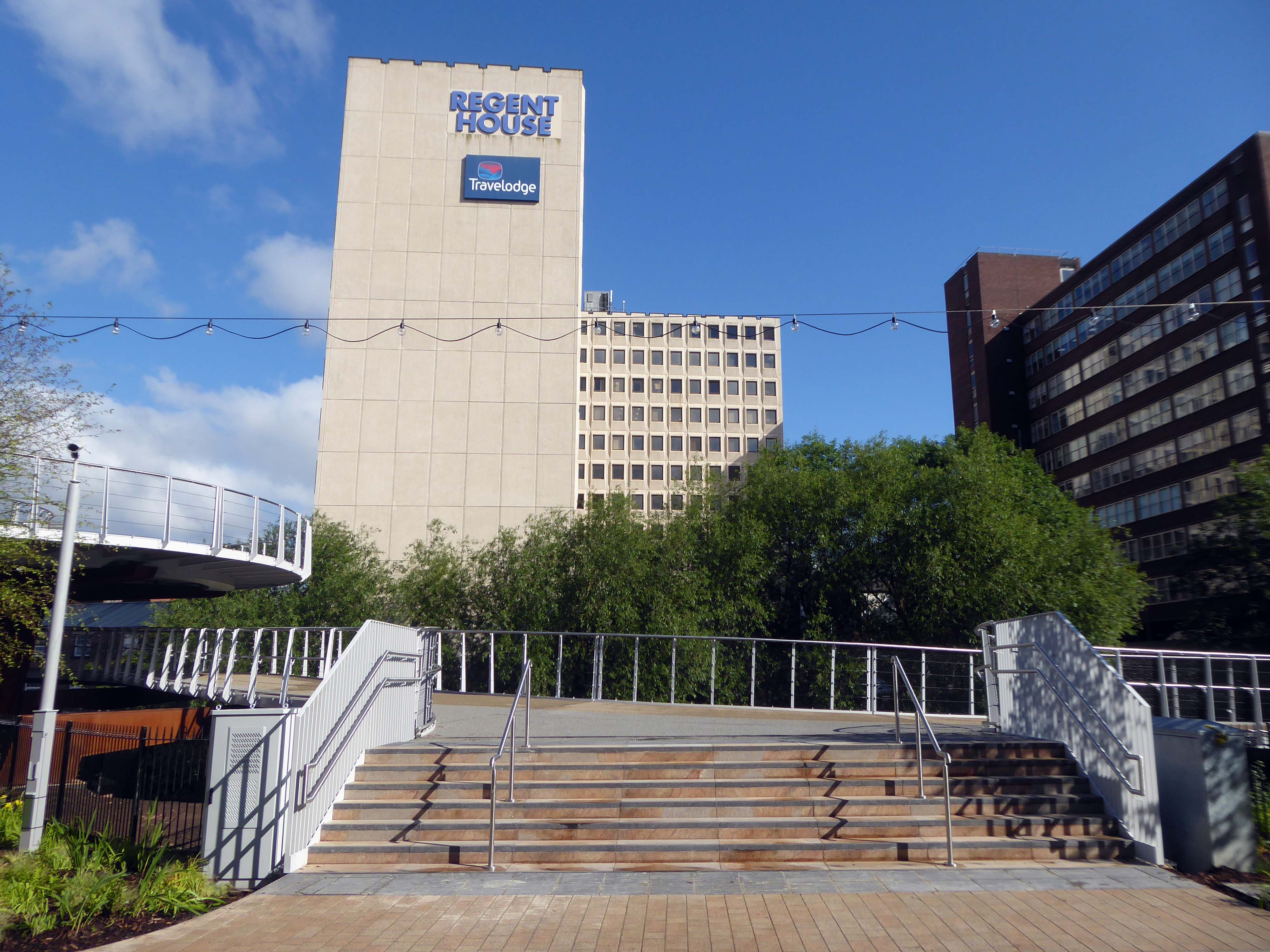
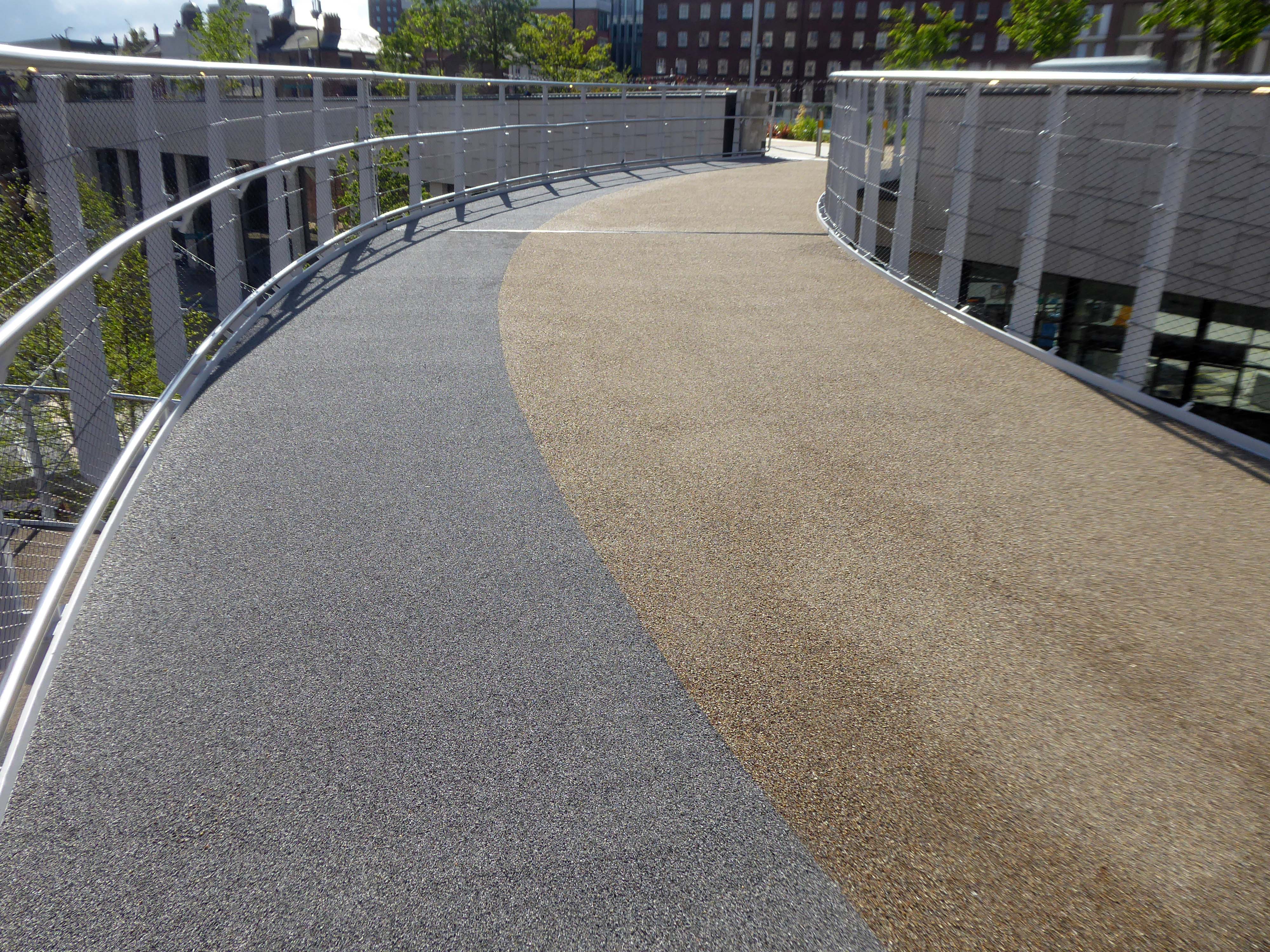
The 189-metre ramp provides a seamless and accessible route to navigate the level change from the rooftop park to the river Mersey frontage, leading to the Trans Pennine Trail route.

Forming part of the Stockport Interchange Mixed Use development scheme, and which also includes a new cycle and pedestrian link from Stockport rail station to the new park, as well as connecting the new facility to the wider Bee Network cycling and walking infrastructure, which is designed to encourage more people to make journeys on foot or by bike.

One Stockport

Architect: The Harris Partnership
Steelwork Contractor: SH Structures
Main Contractor: Willmot Dixon
Structural Engineer: OPS Structures Ltd

Here is a time-lapse video of the whole construction site.

As a pedestrian, cyclist, train and bus user I wholeheartedly approve of the whole shebang.

Let’s take a walk up the ramp together.

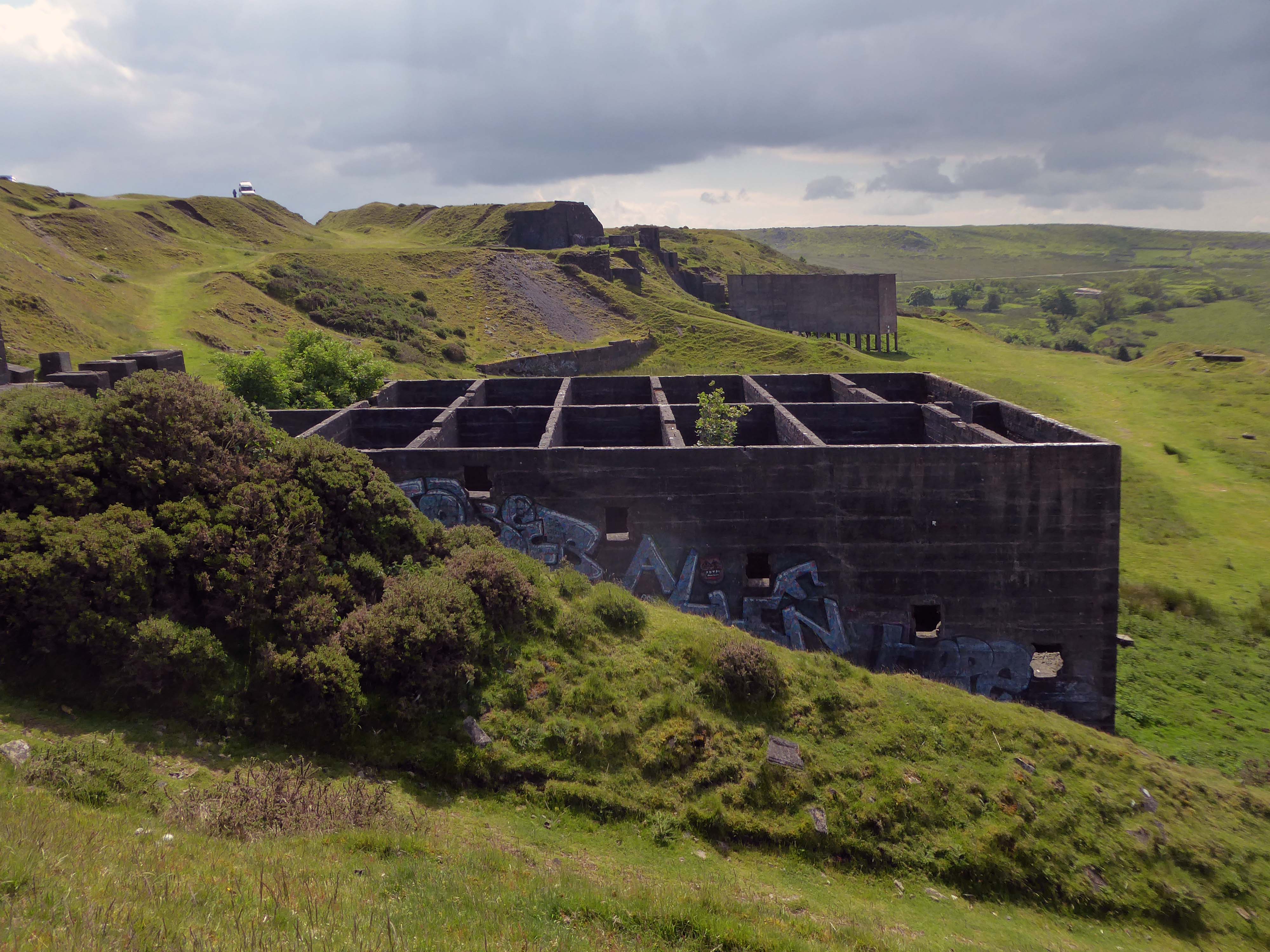
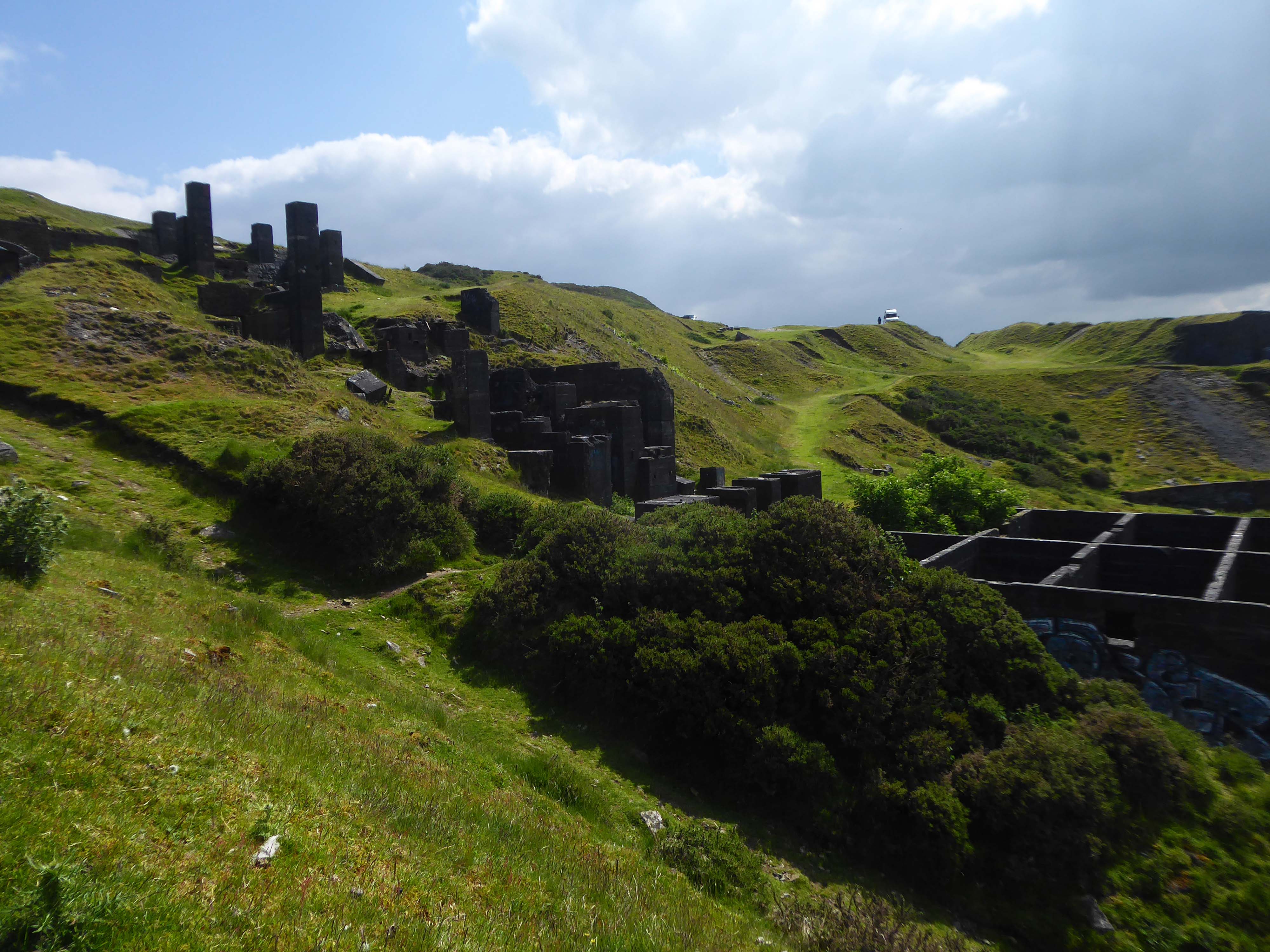
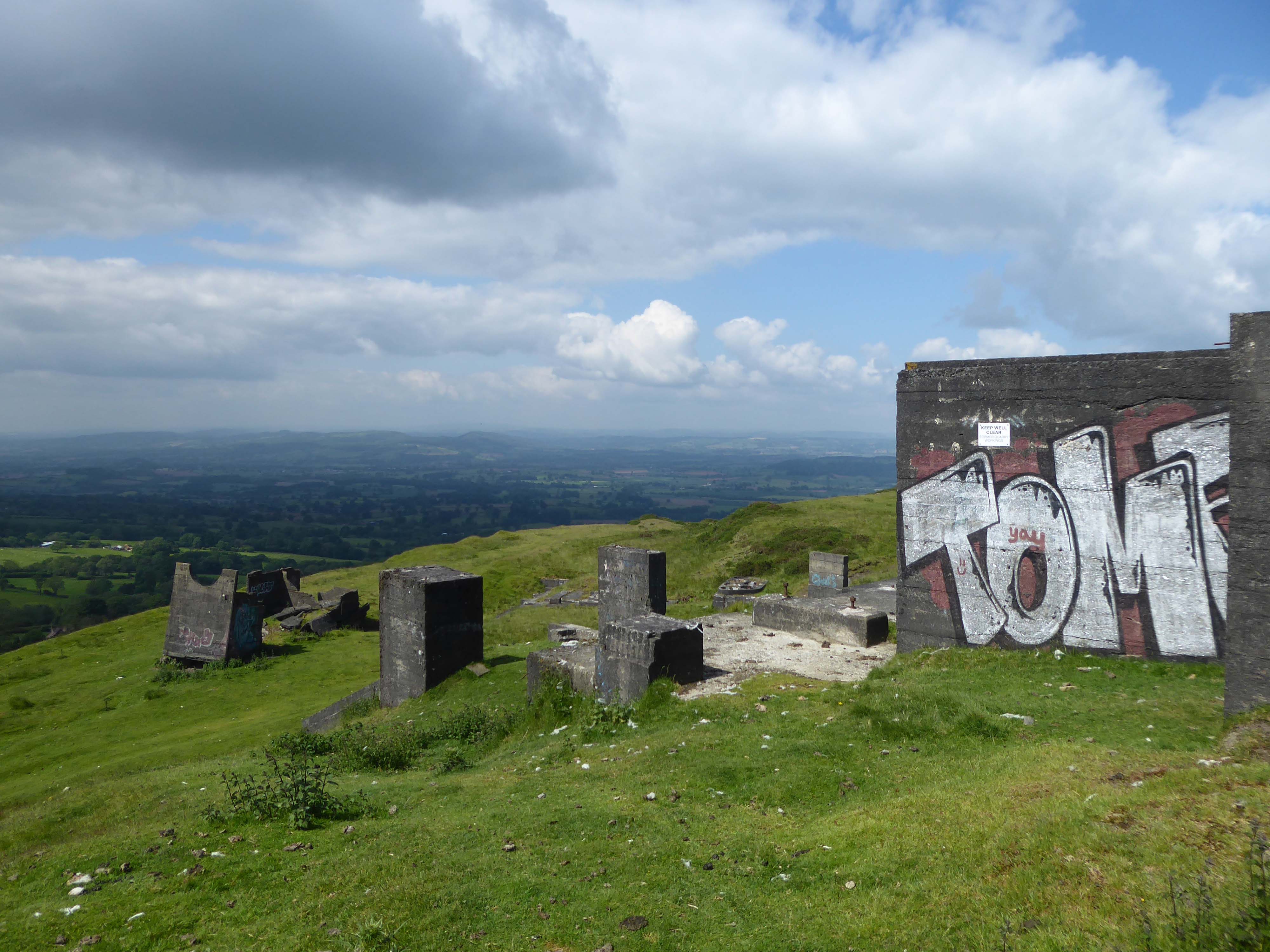
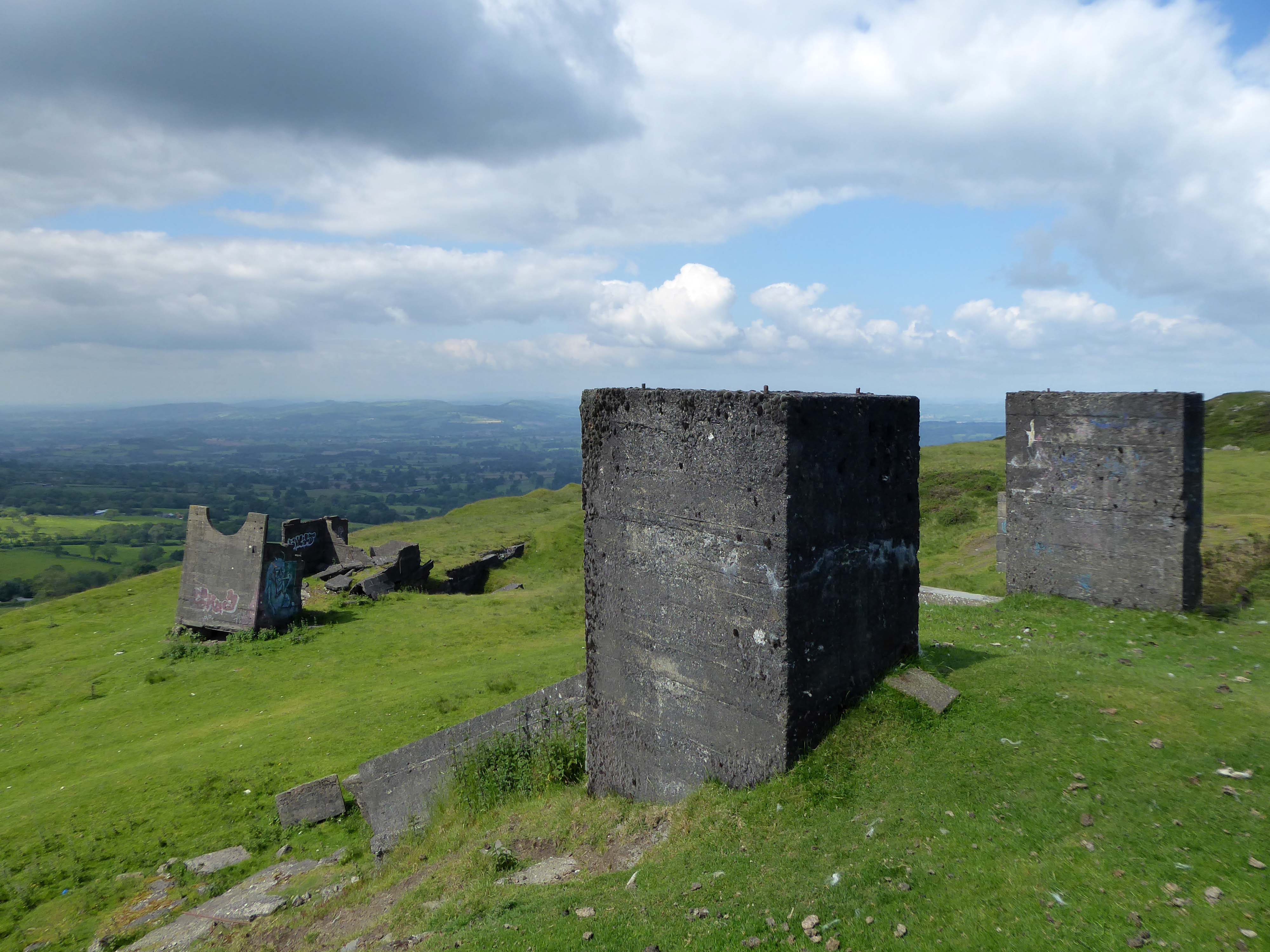
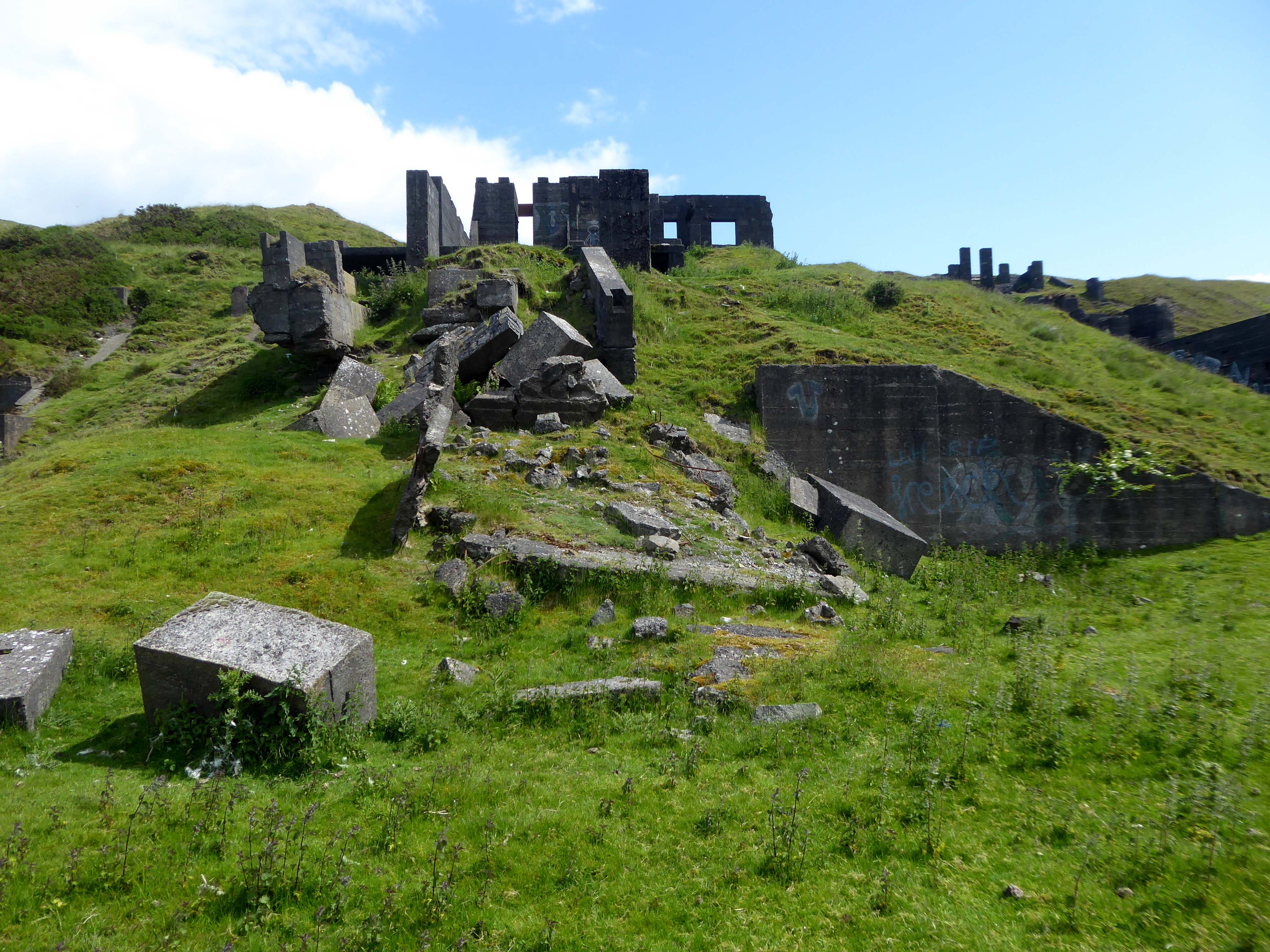
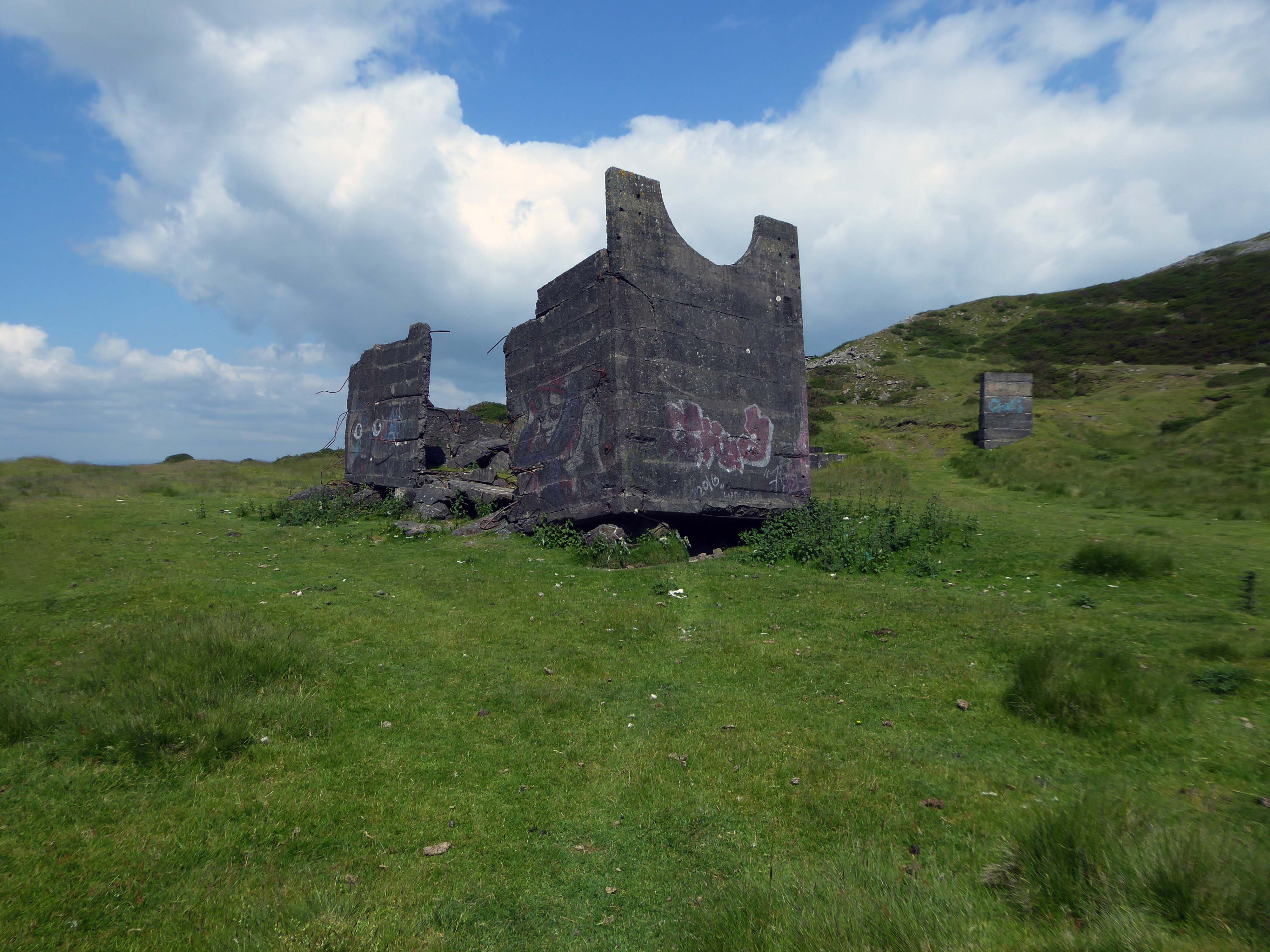
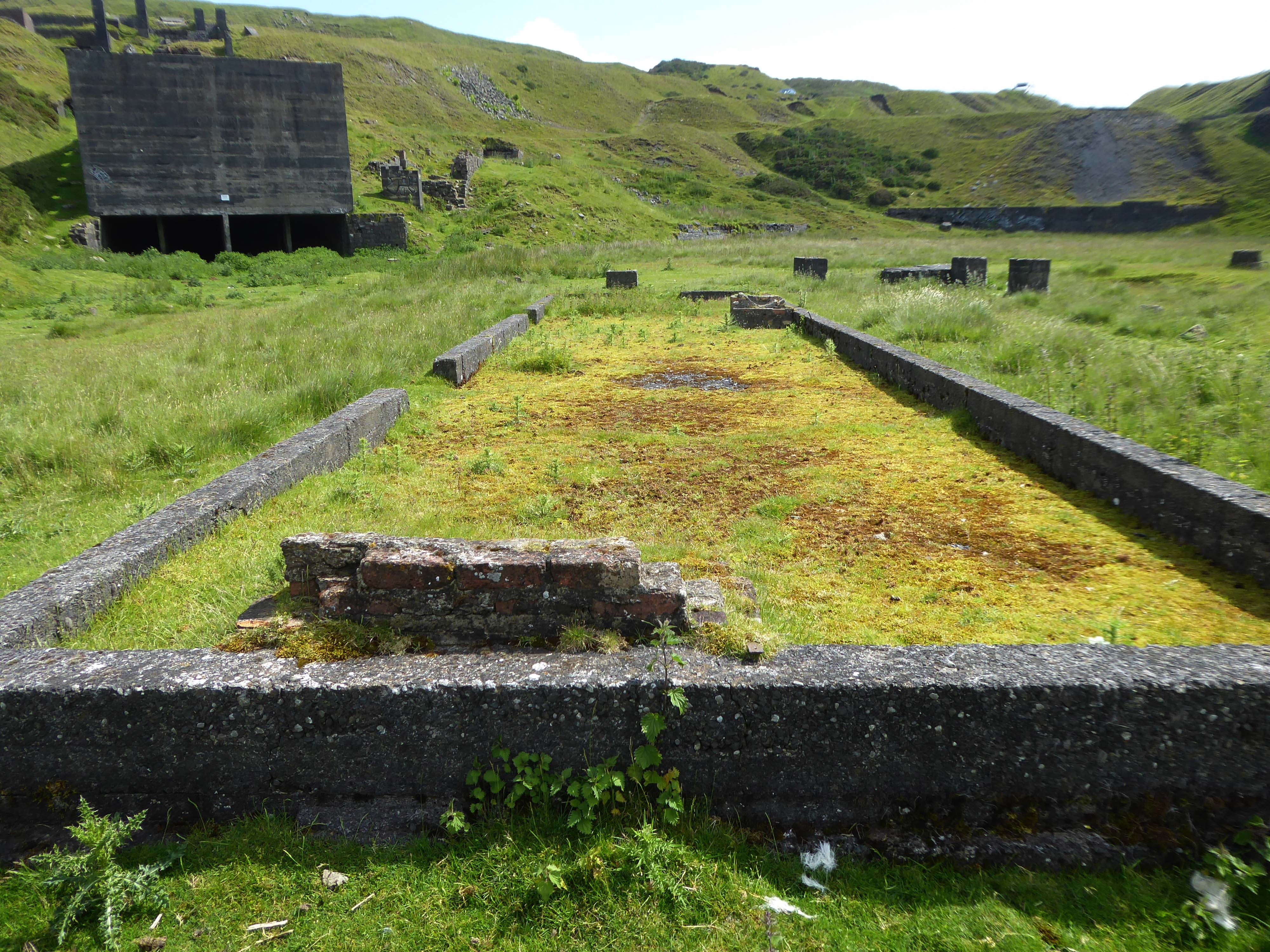
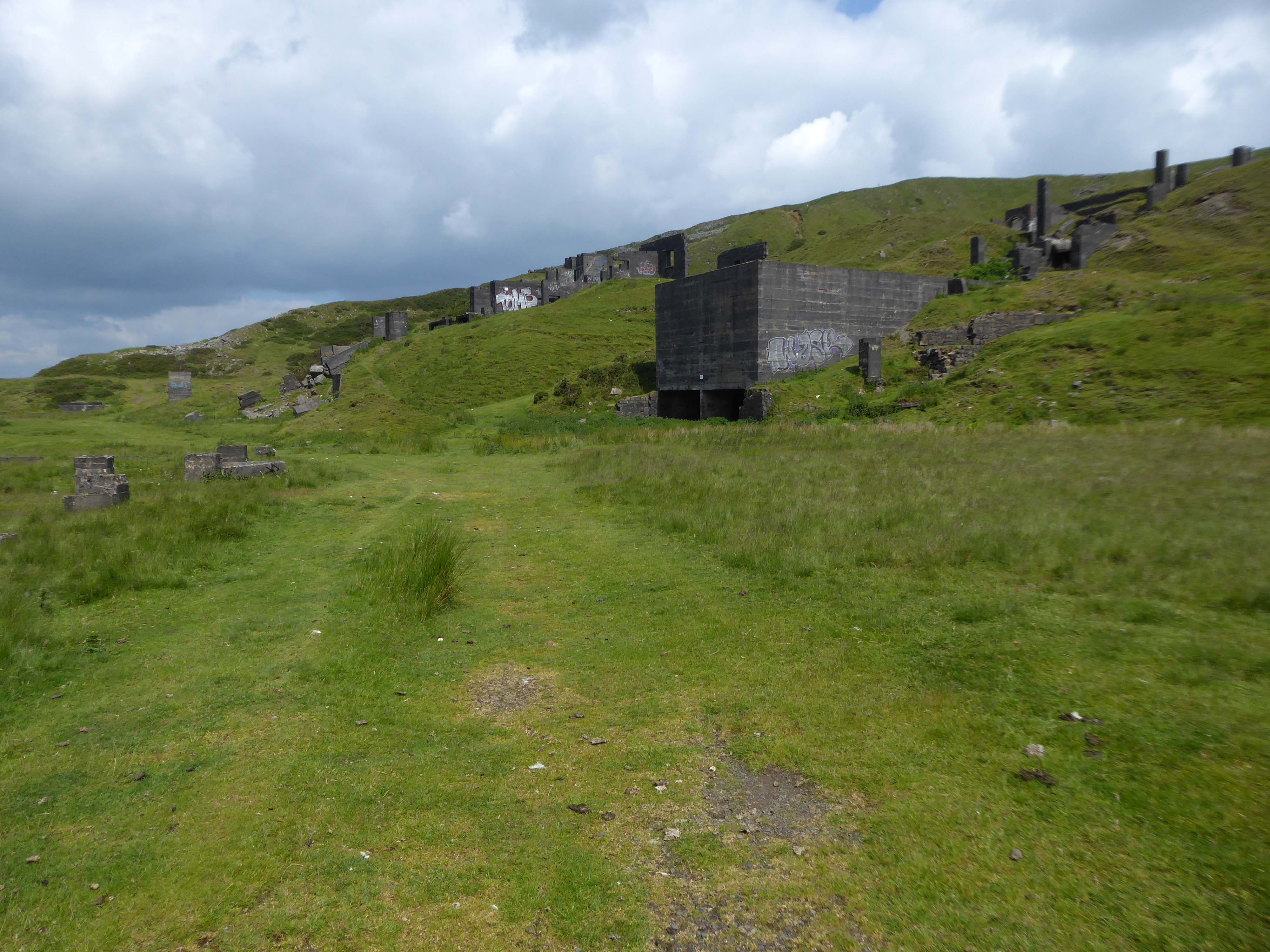
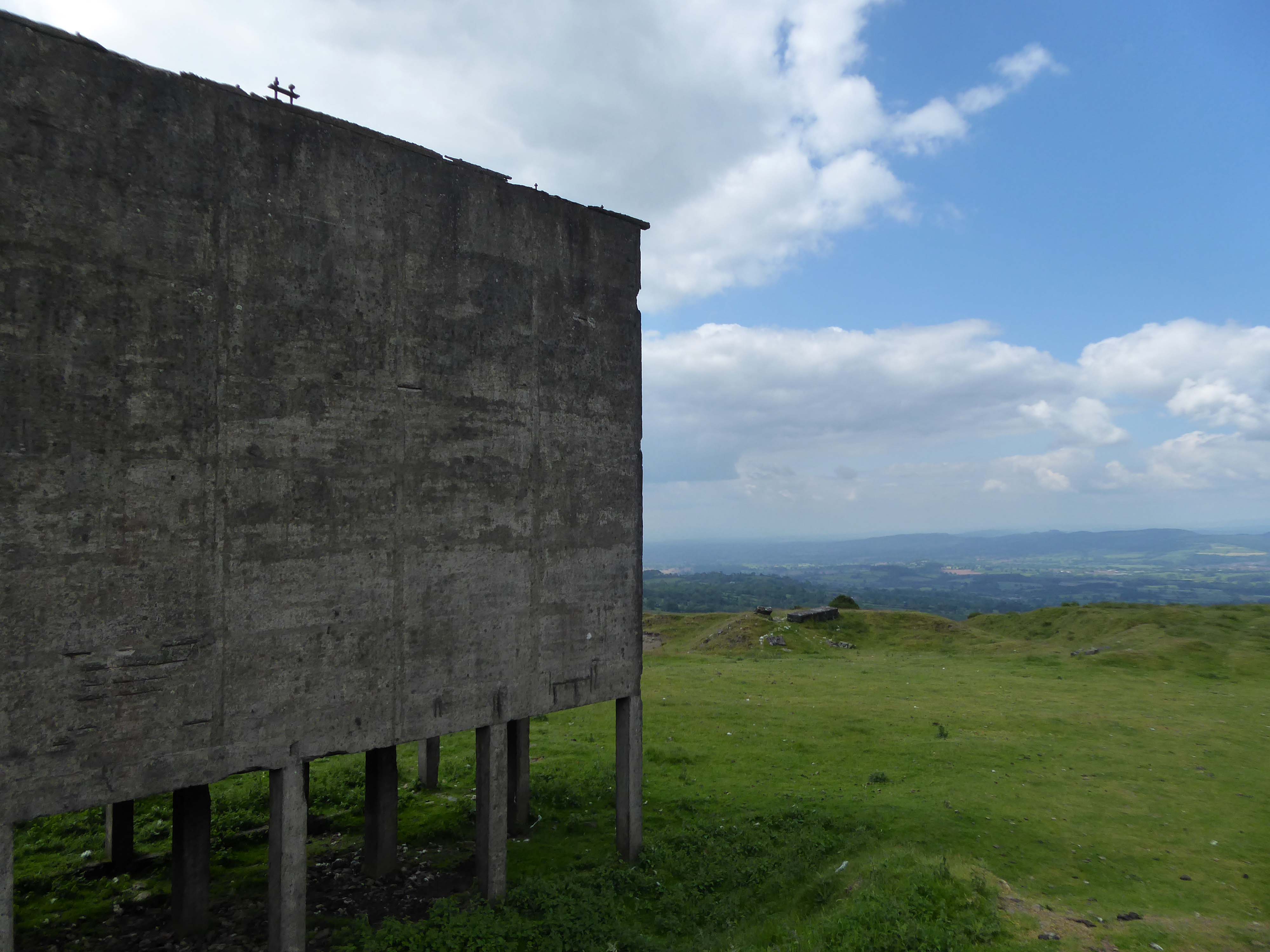
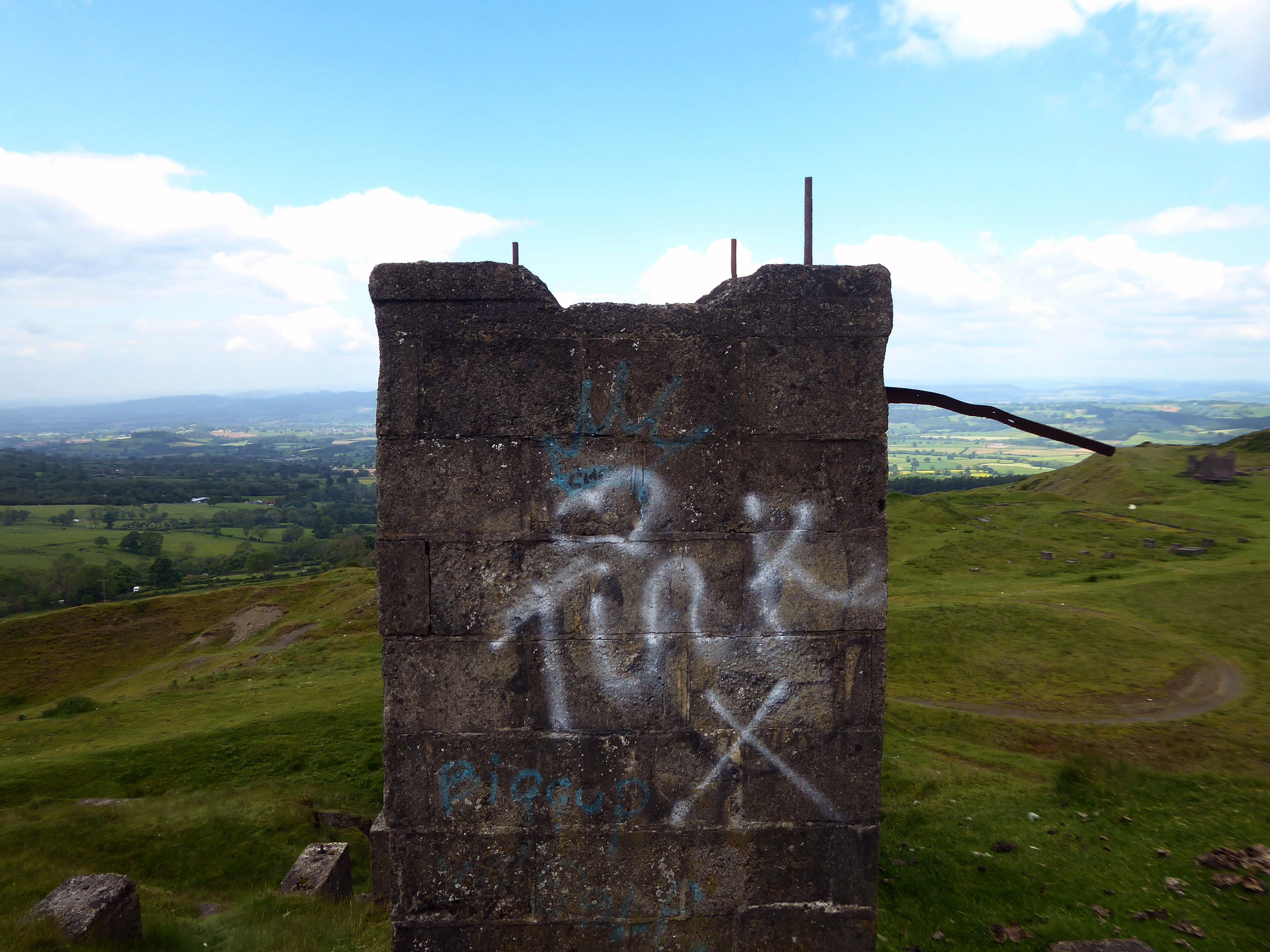
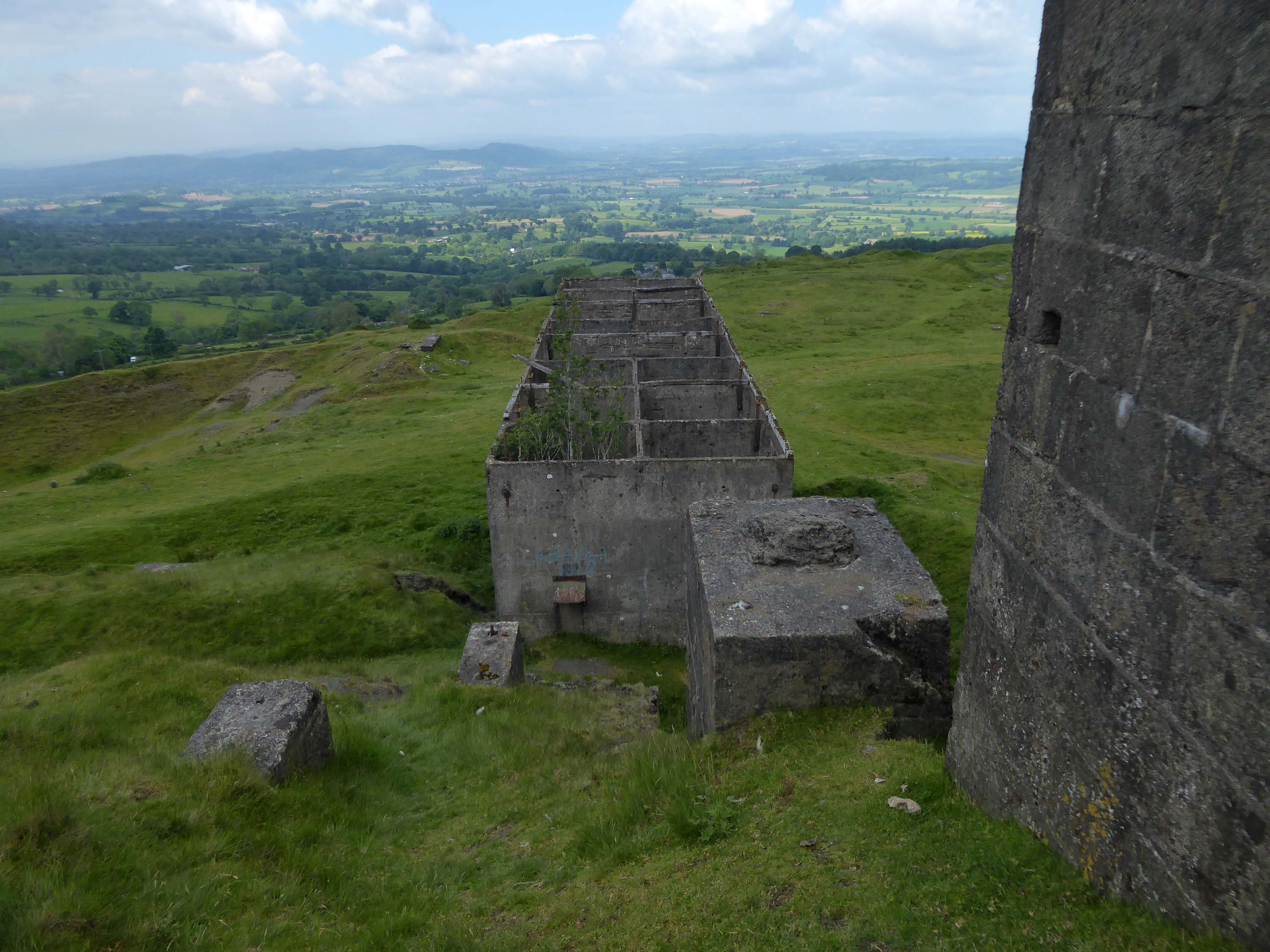
Titterstone Clee Hill Quarry

Titterstone Clee is the third-highest hill in Shropshire rising at the summit to 533 metres – 1,749 ft above sea level.

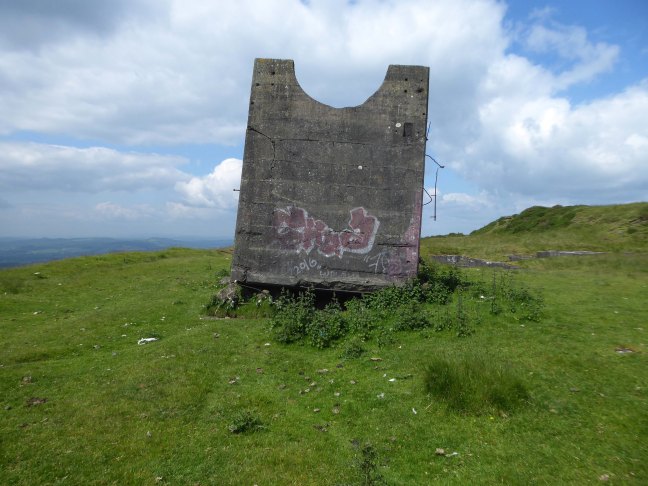
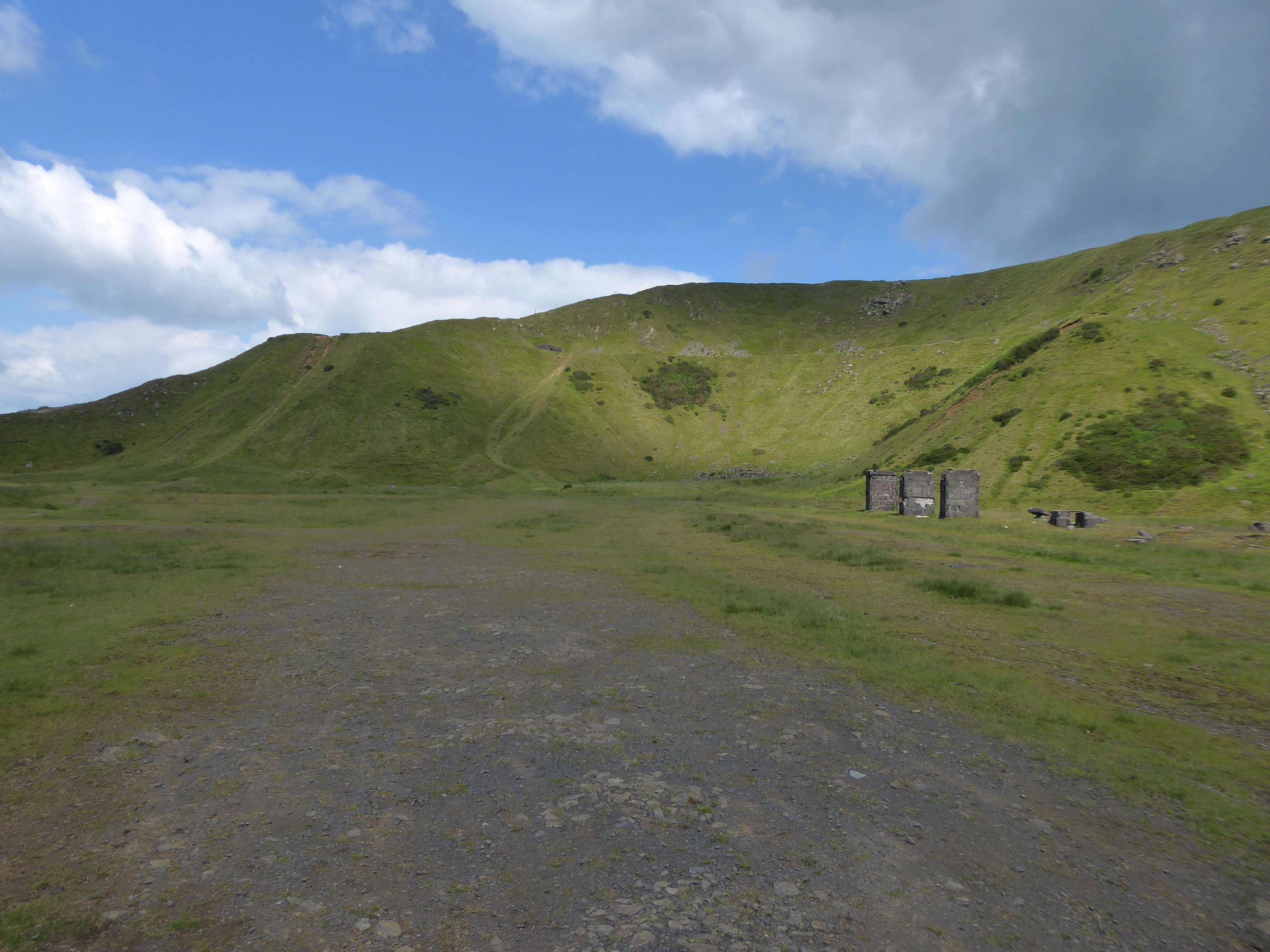
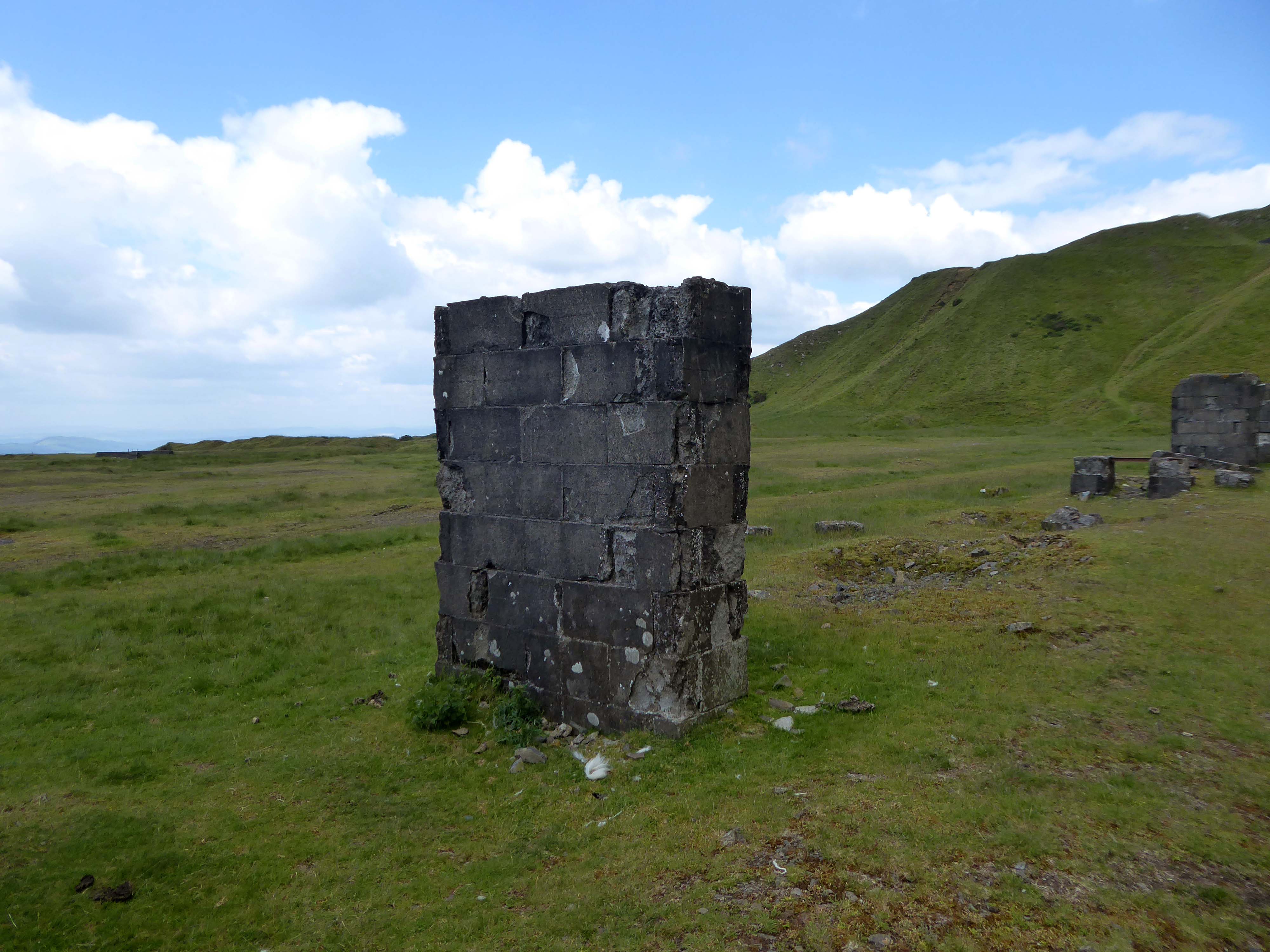
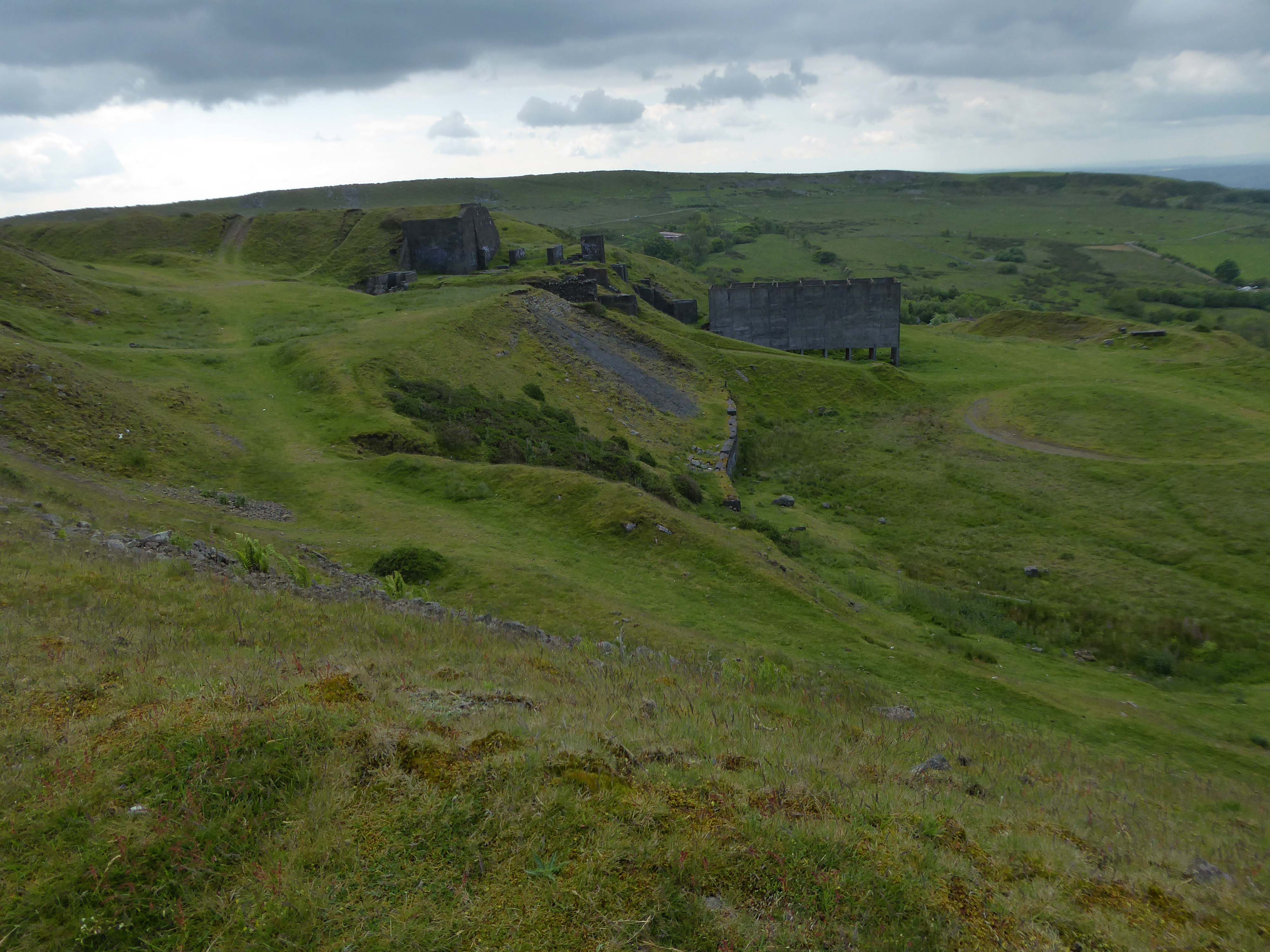
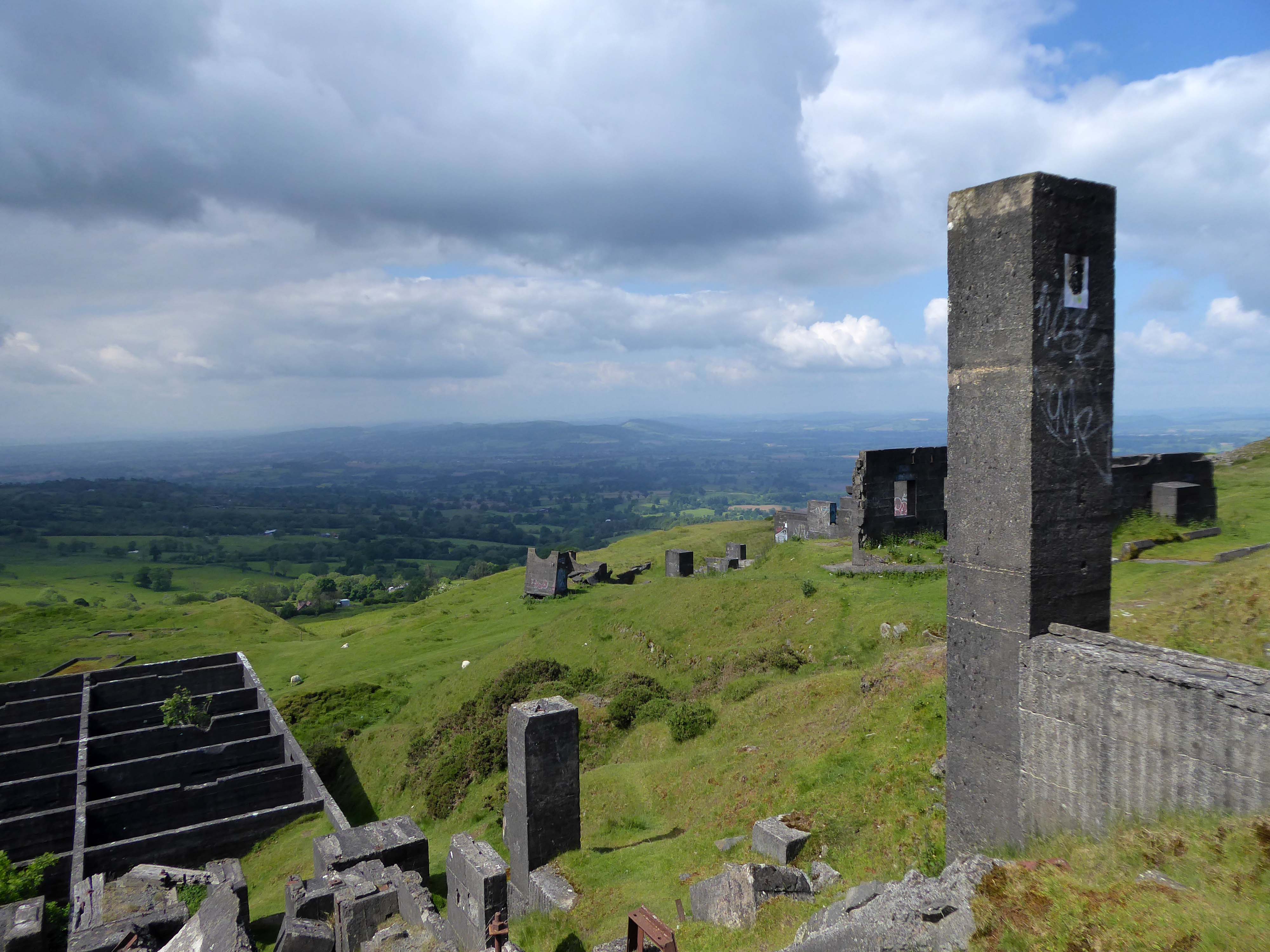
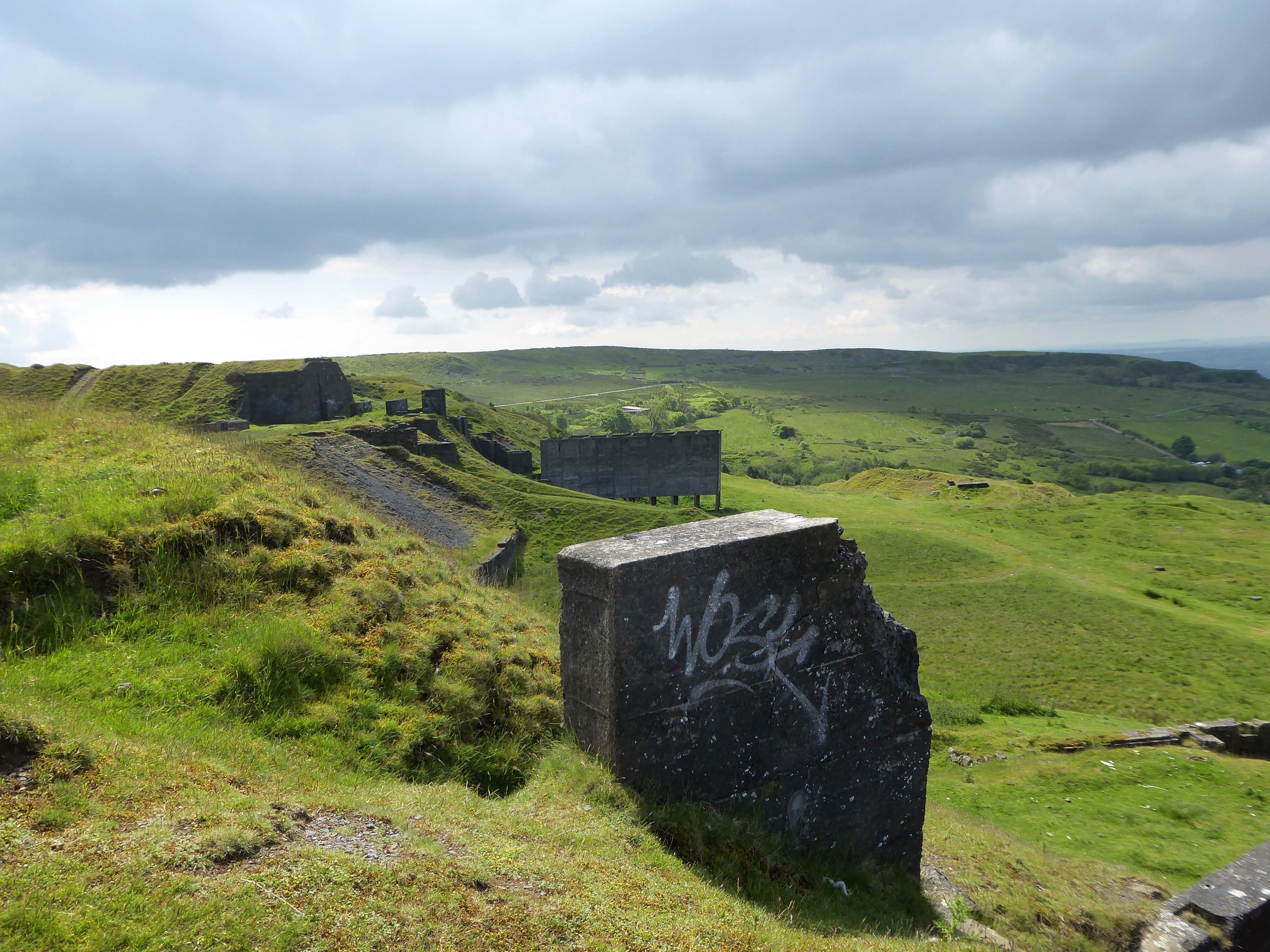
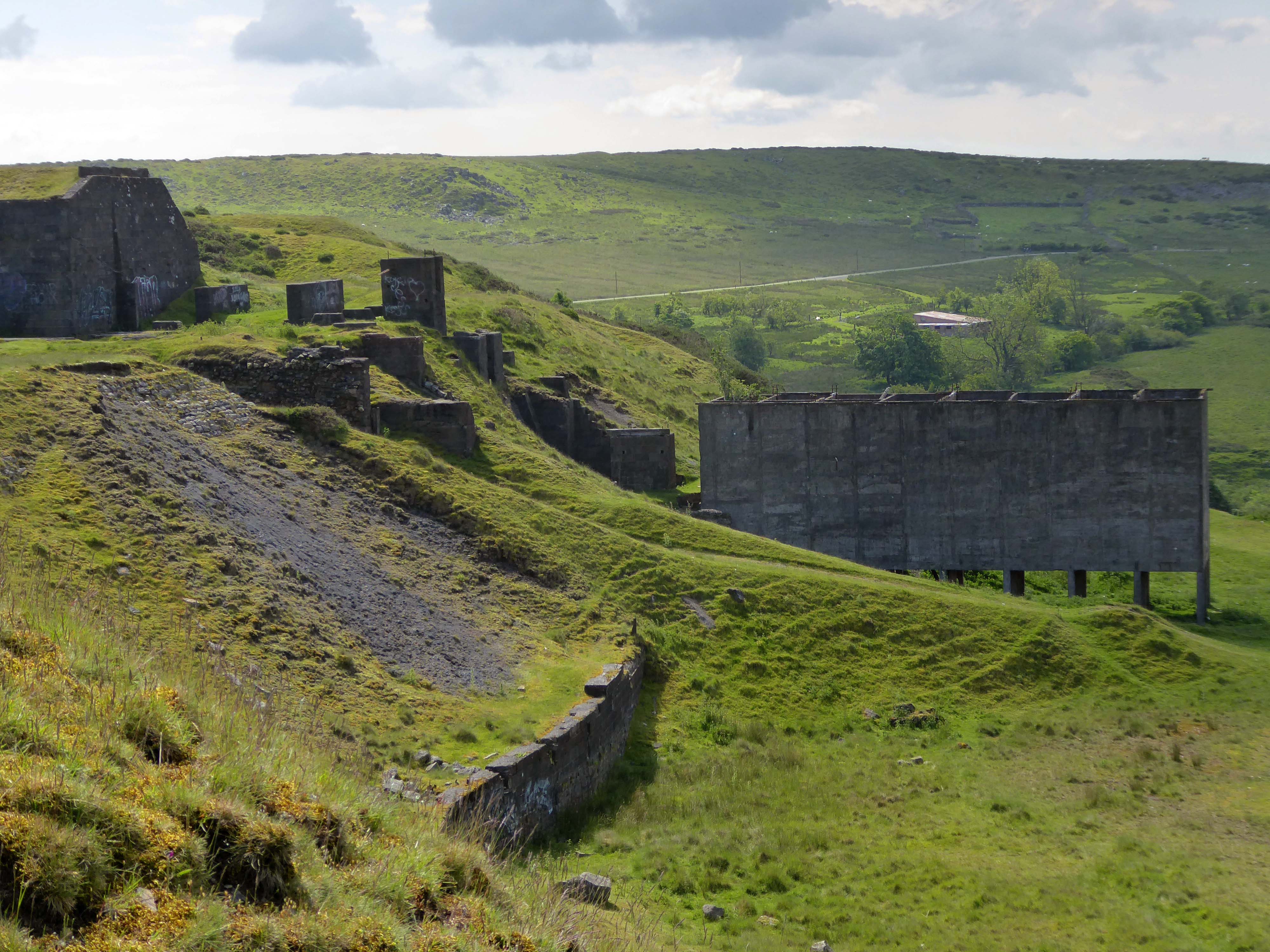
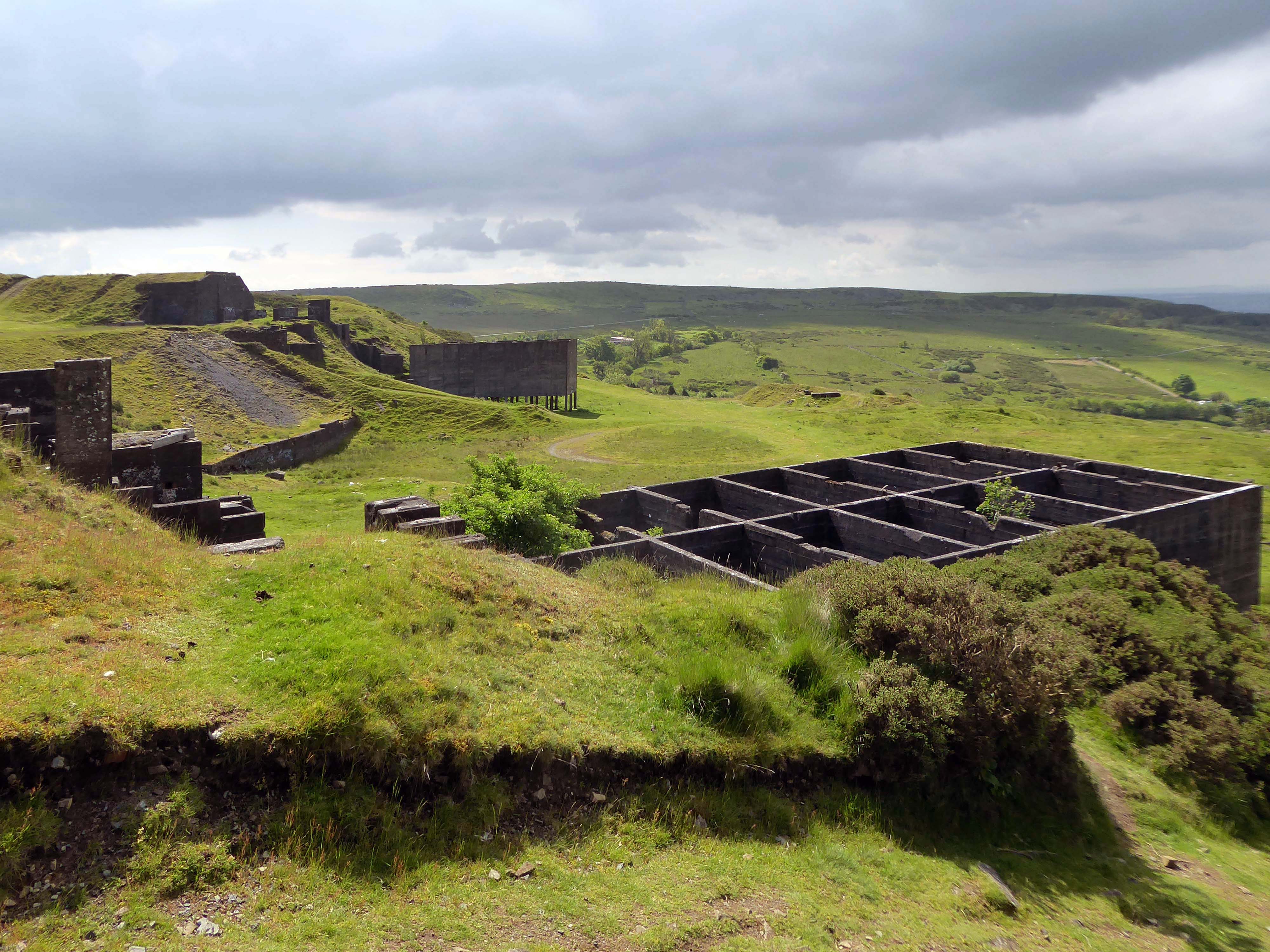
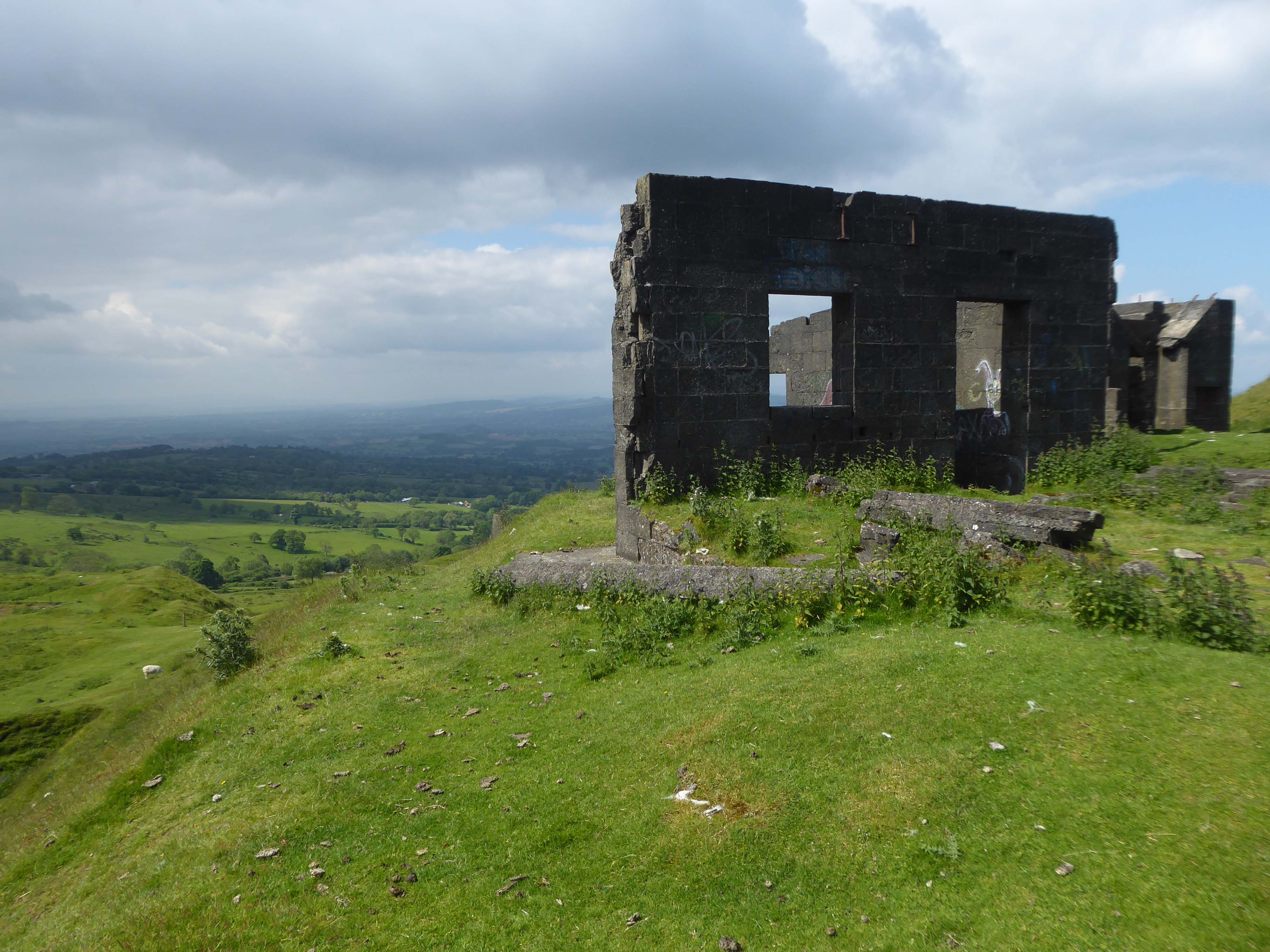
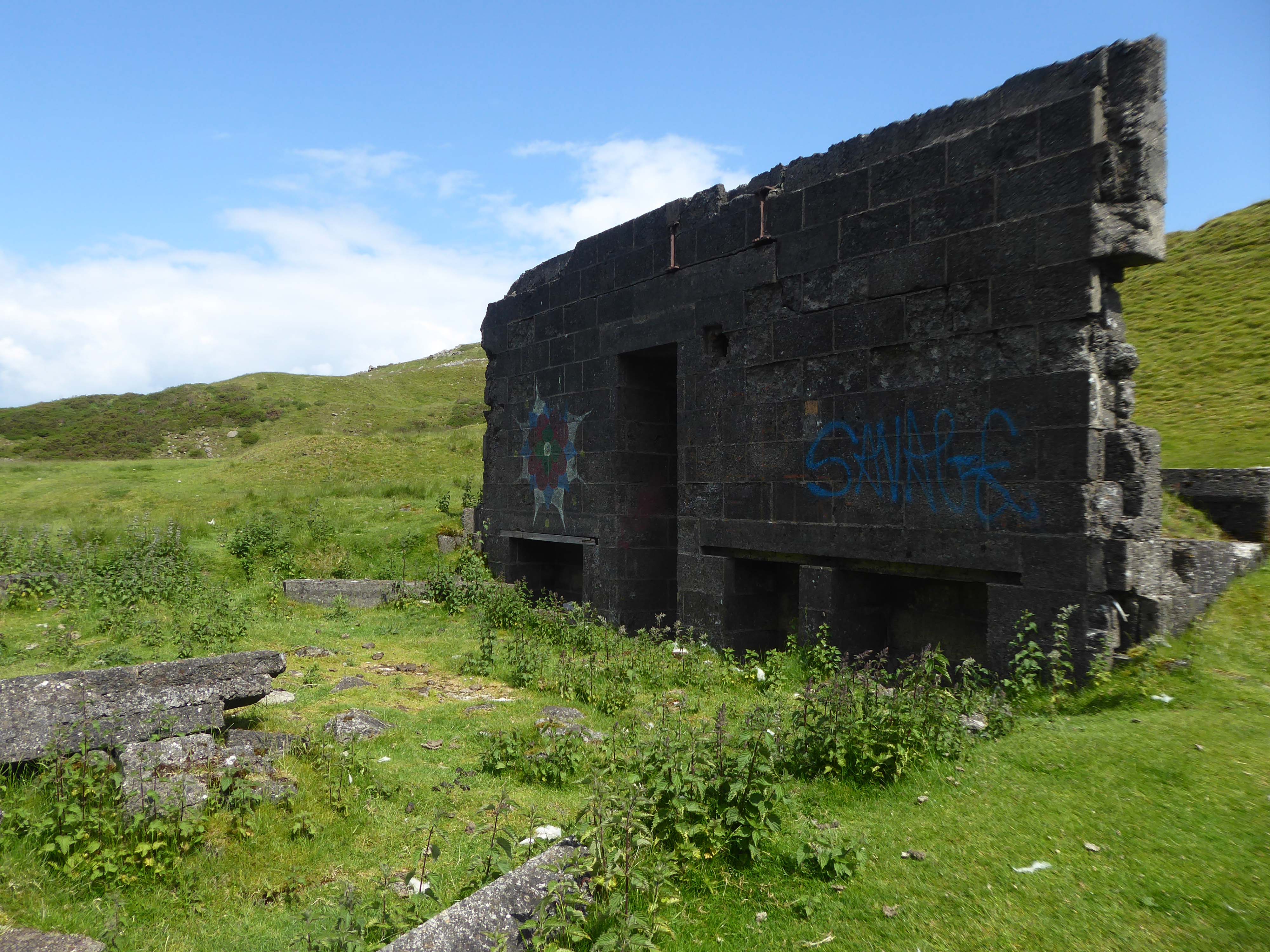
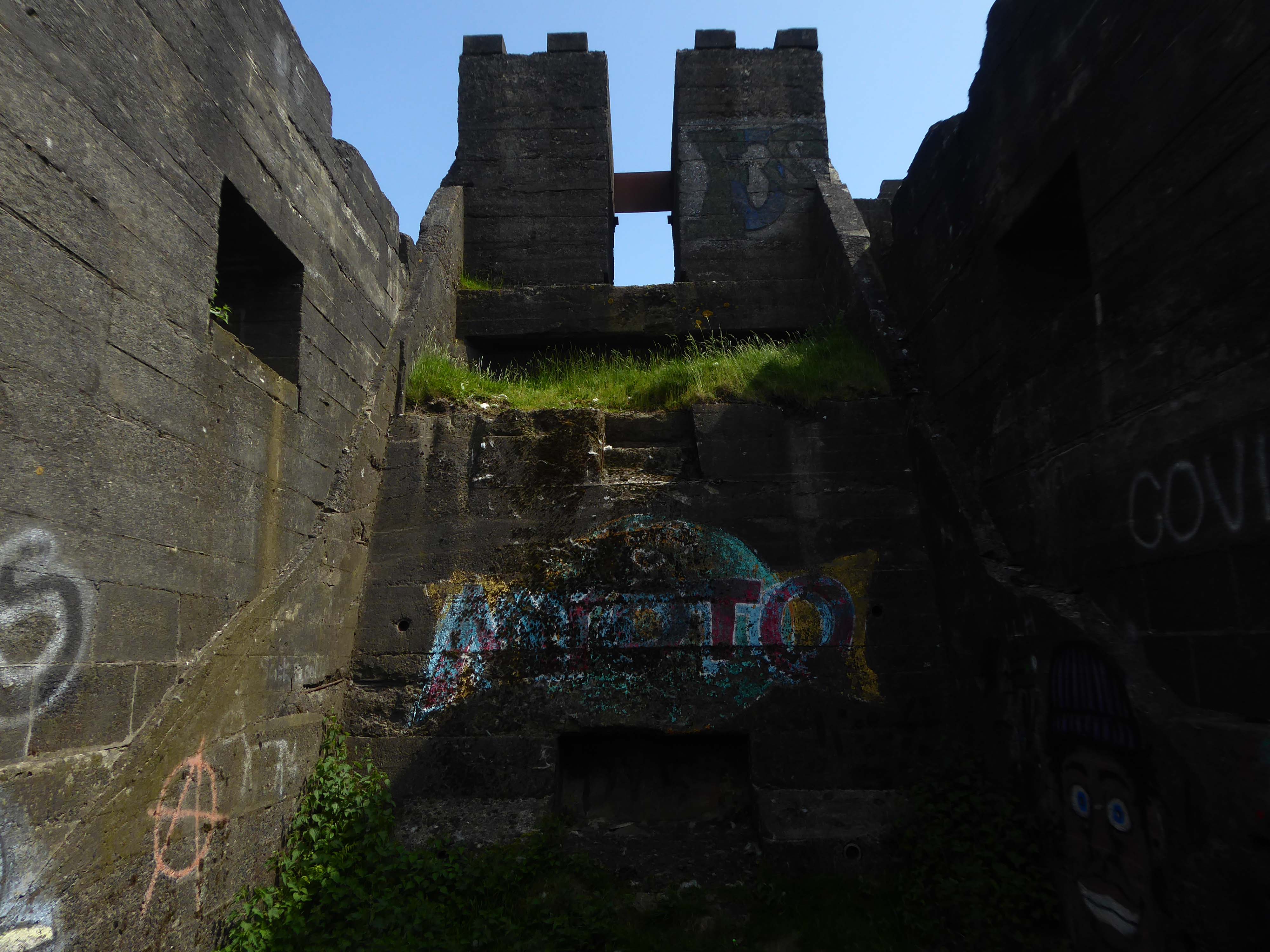
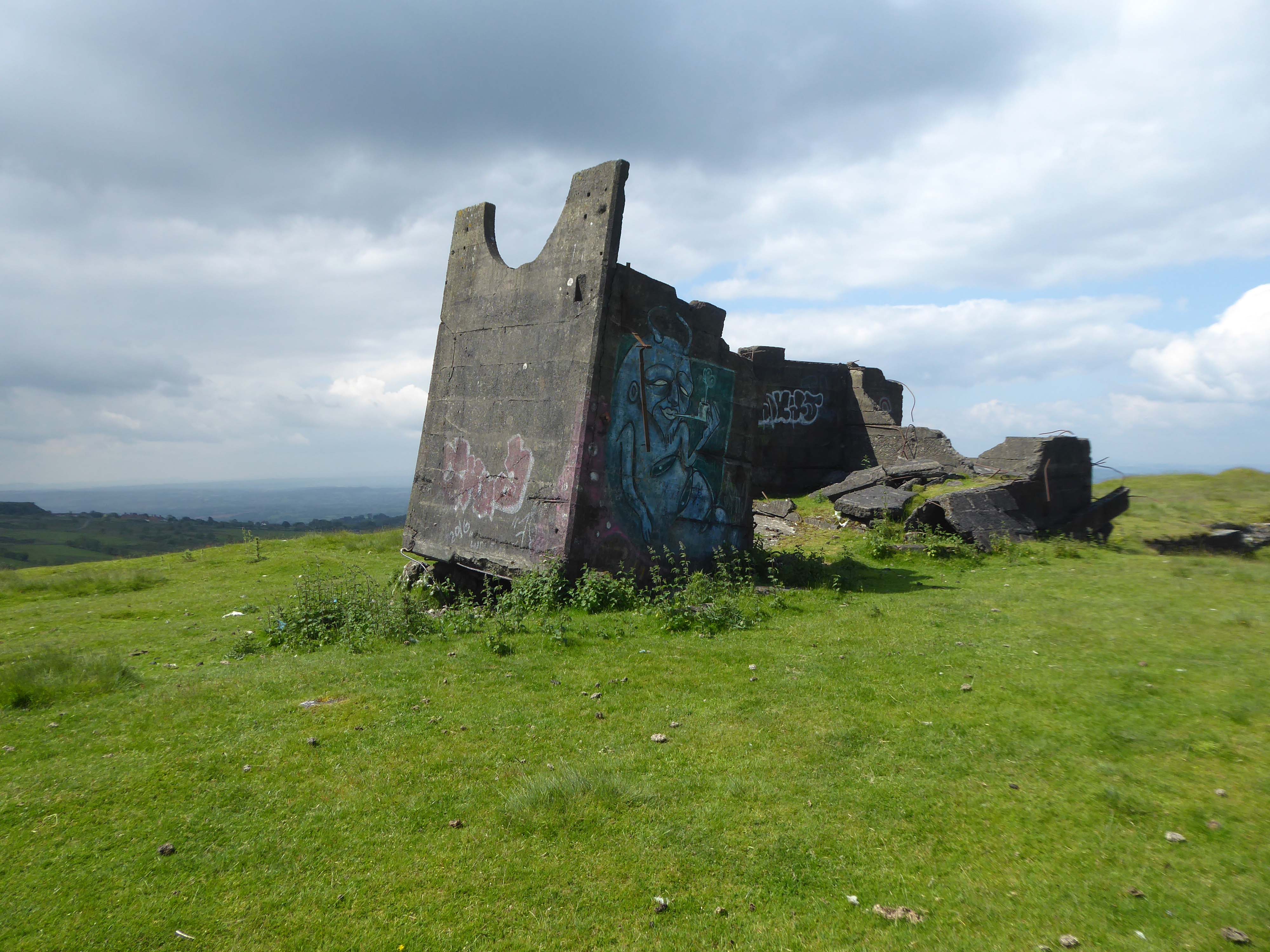
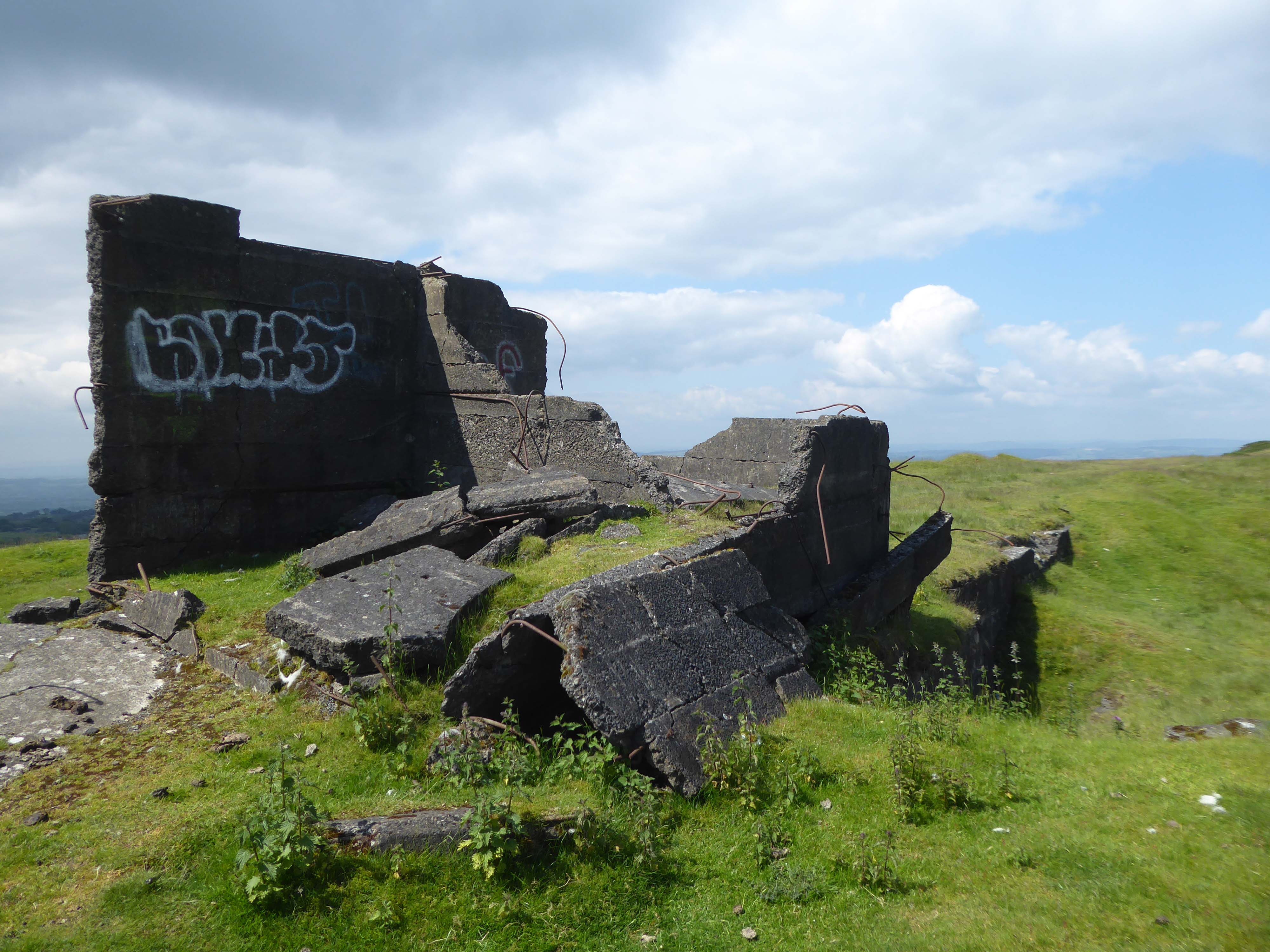
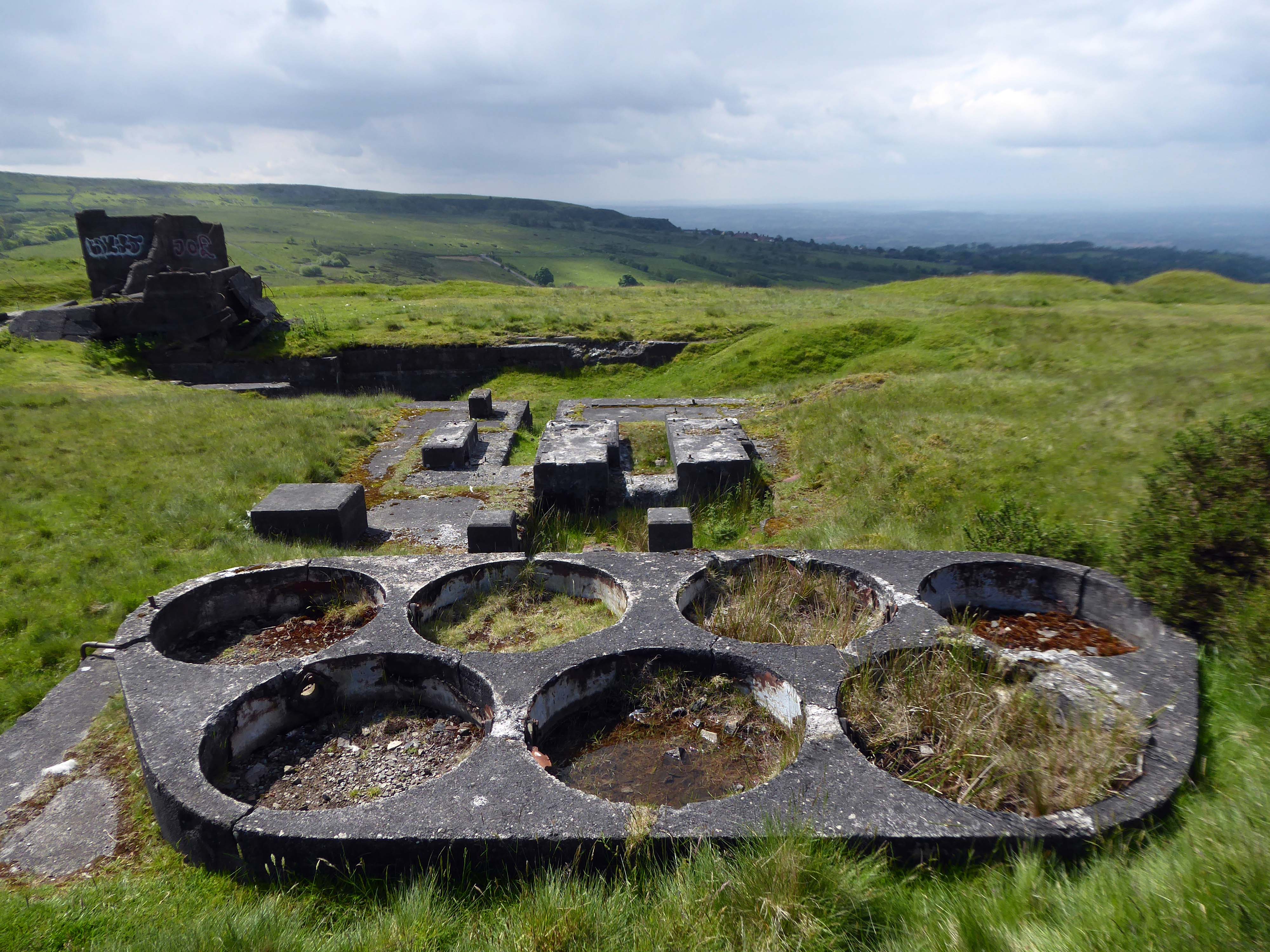
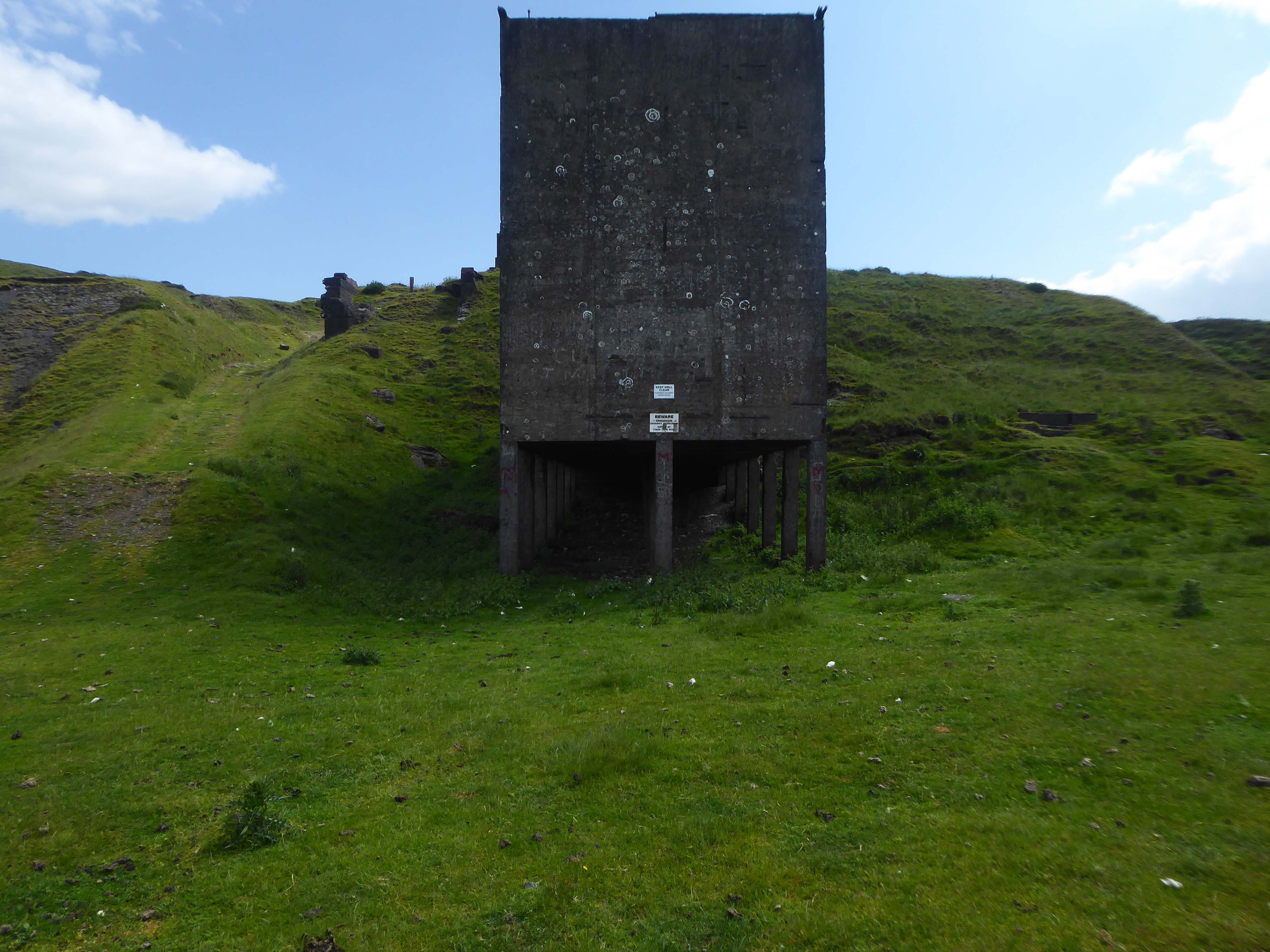
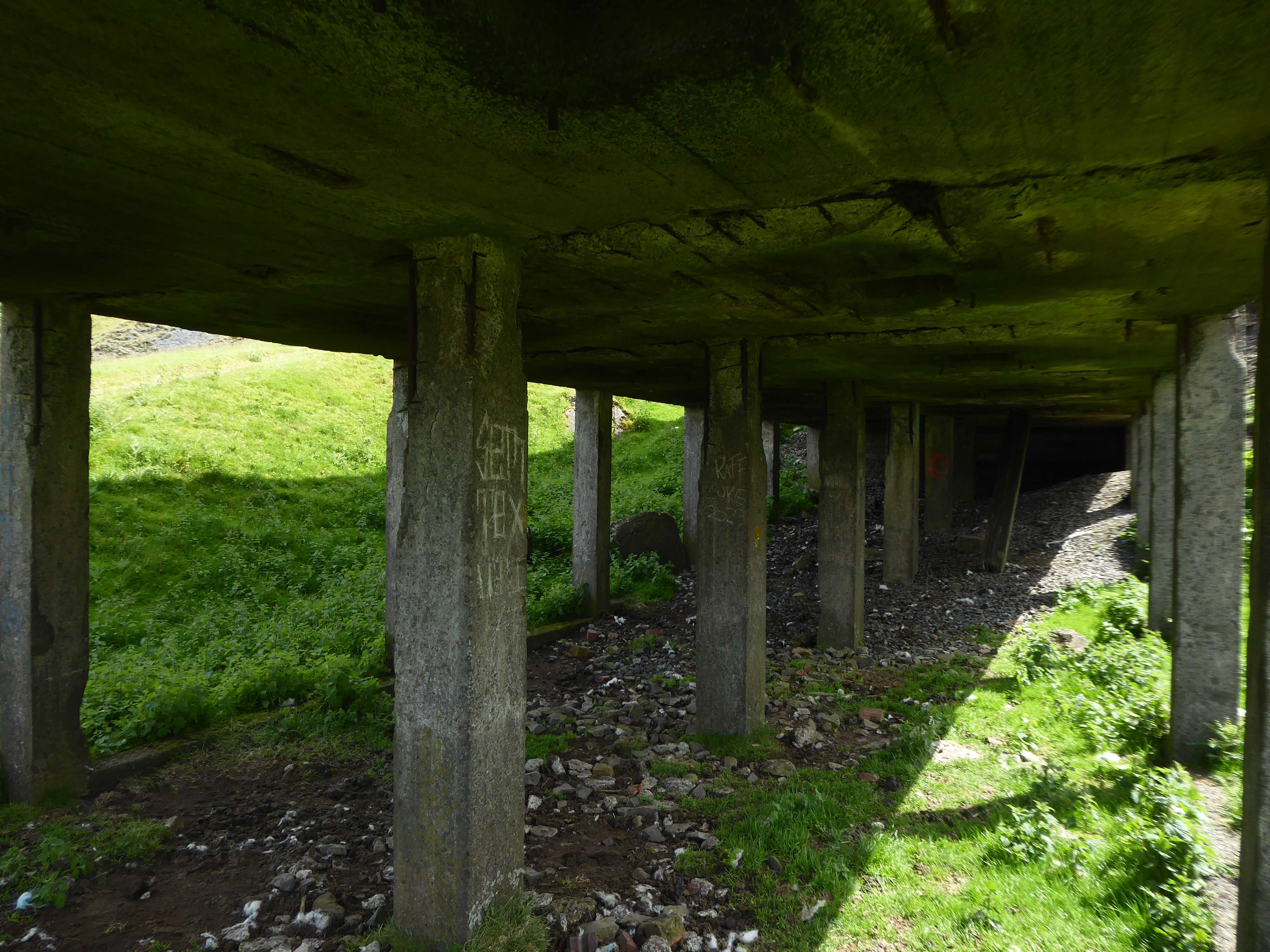
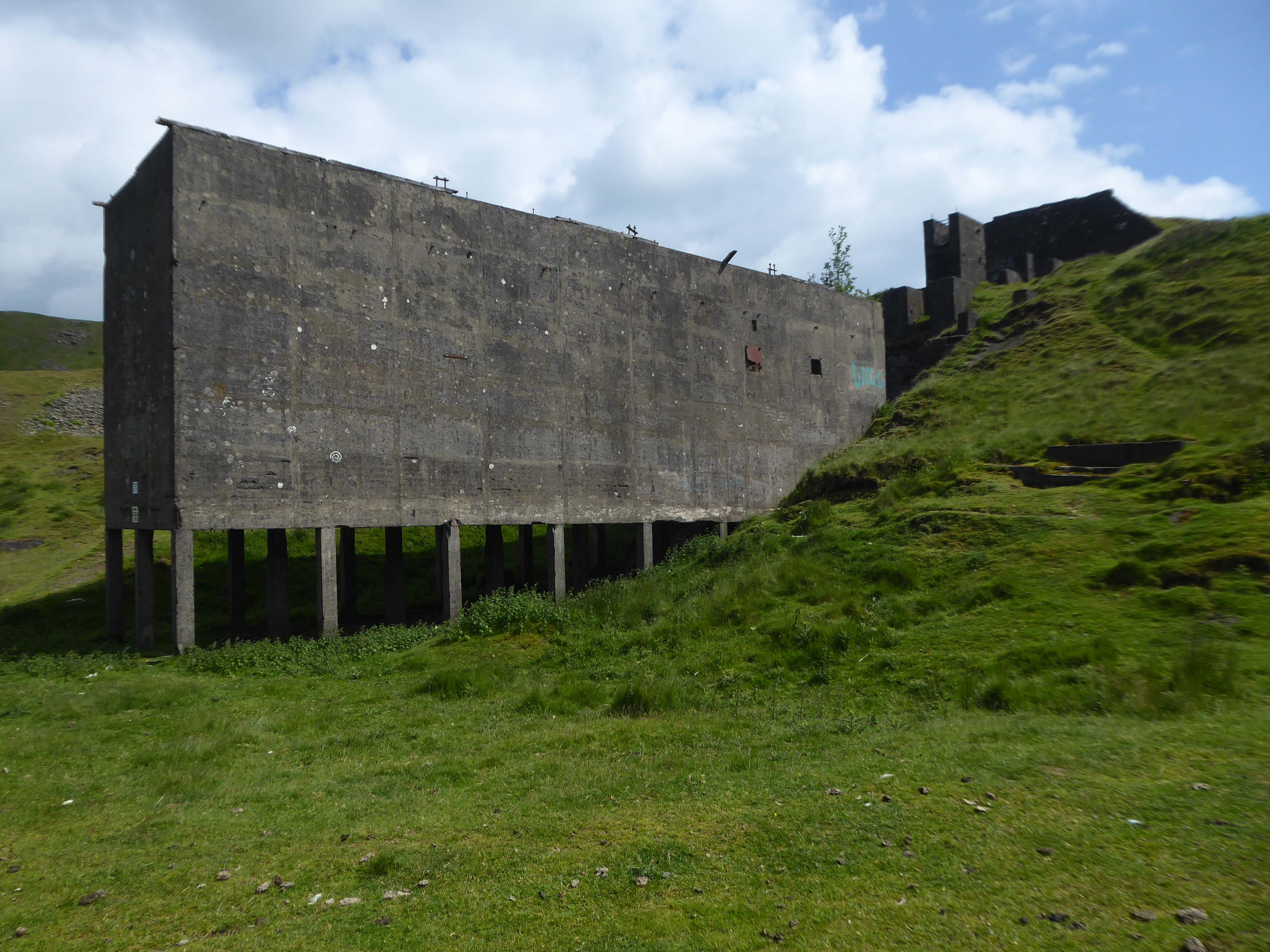
Most of the summit of the hill is affected by man-made activity, the result of hill fort construction during the Bronze and Iron Ages and, more recently, by years of mining for coal and quarrying for dolerite, known locally as dhustone, for use in road-building. Many derelict quarry buildings scattered over the hill are of industrial archaeological interest as very early examples of the use of reinforced concrete.

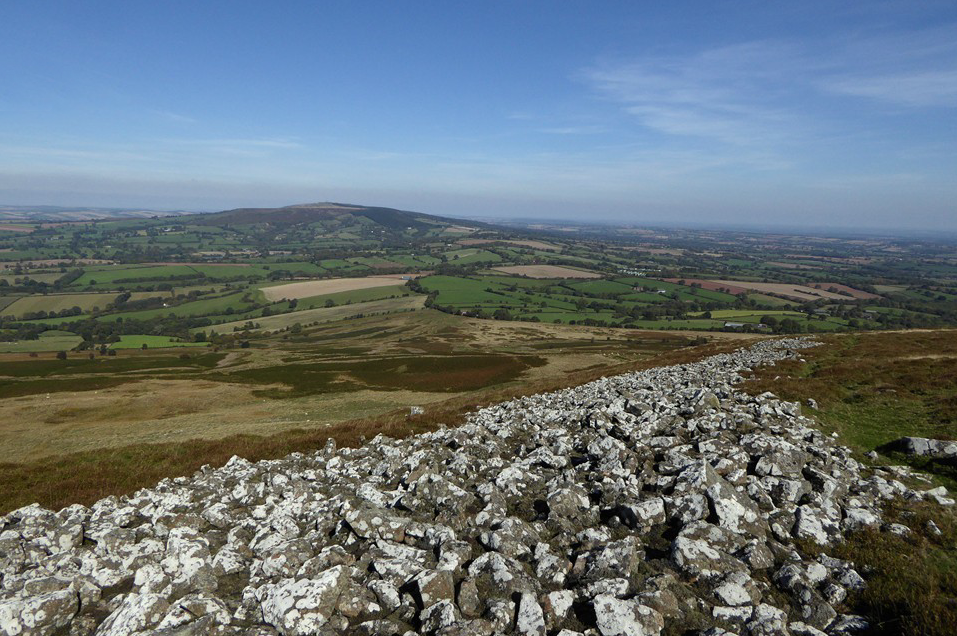
Near the summit trig point are the remains of a Bronze Age cairn, dating back up to 4,000 years and indicating that the summit was a likely ceremonial site. Although partly destroyed by quarrying, Titterstone Clee’s Iron Age hill fort is enclosed by a huge boundary earthworks.

 It is of note that the walls of the fort are made up of stone blocks, instead of earth banks.

© A. Brookes – 29.9.2018

Clee Hill is one of only a few hills and mountains noted on the Hereford Mappa Mundi.

Crumbling remains of quarry buildings now litter the hill, reminders of a bygone industry that once employed more than 2,000 people here.

Wikipedia