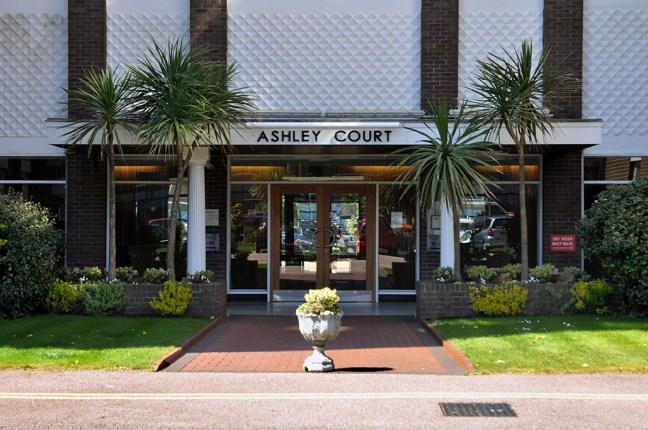
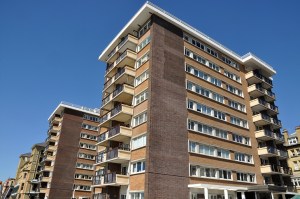
The seashore seems ideally suited to tall well appointed private housing, this is the architecture and landscape of wealth and privilege.
Built and maintained in the finest sixties and seventies Modernist style and fashion, affording panoramic visits across the Hove Lawns to the sea, and the soft rolling hinterland of the Downs.
If you’ve got the dollar, you’ve got a room with a view, or two.
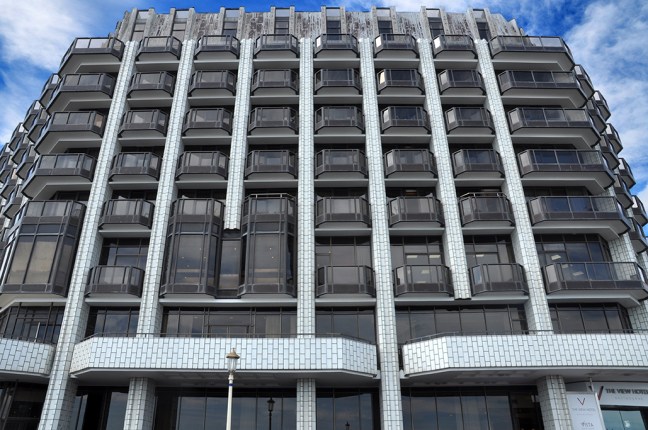
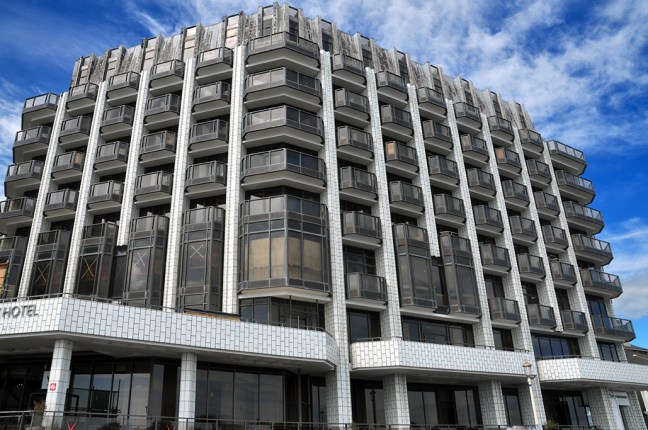
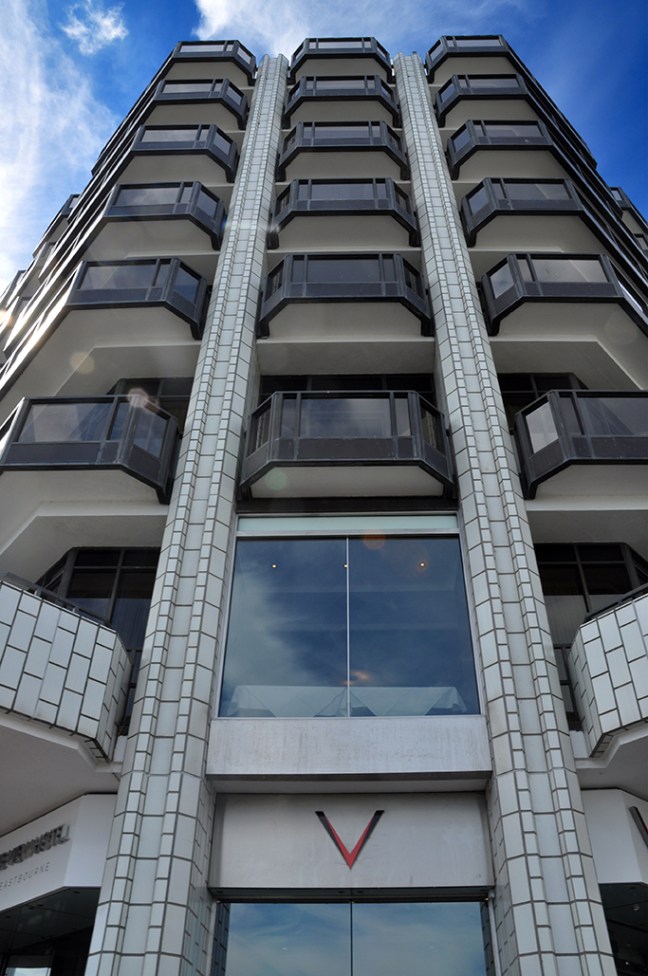
Standing immutable on the south coast seafront is the View Hotel, forever almost changing.
A seventies delight of exuberant geometry, tiled detail, protruding balconies and audacious window frames.
Its confidence is overwhelming.
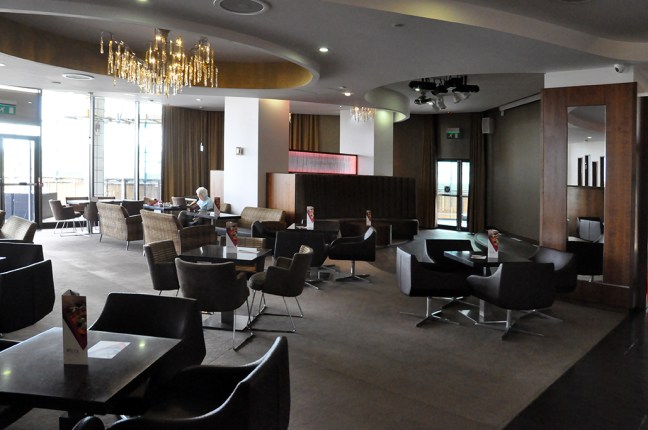
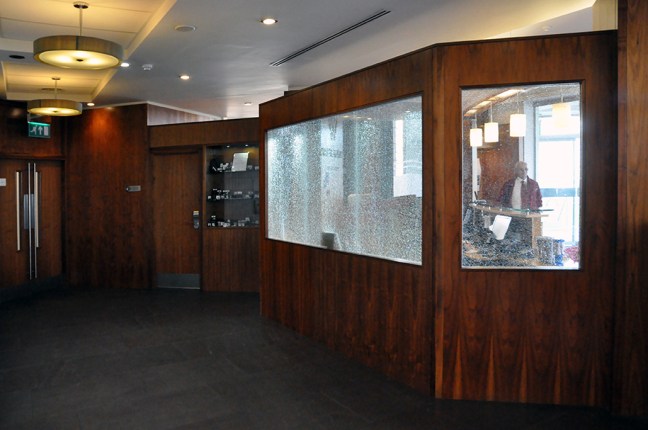
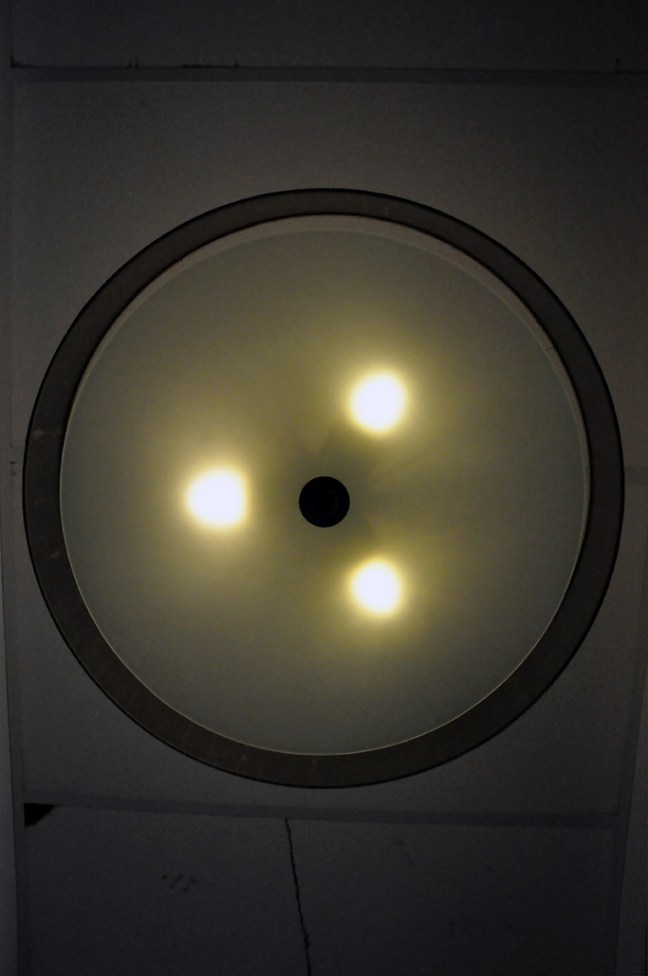
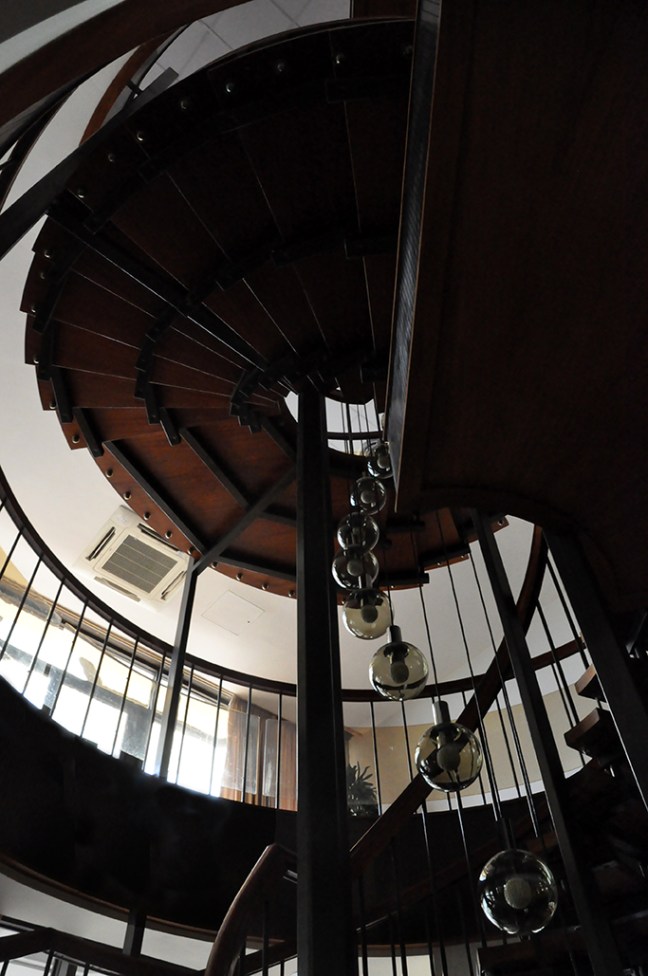
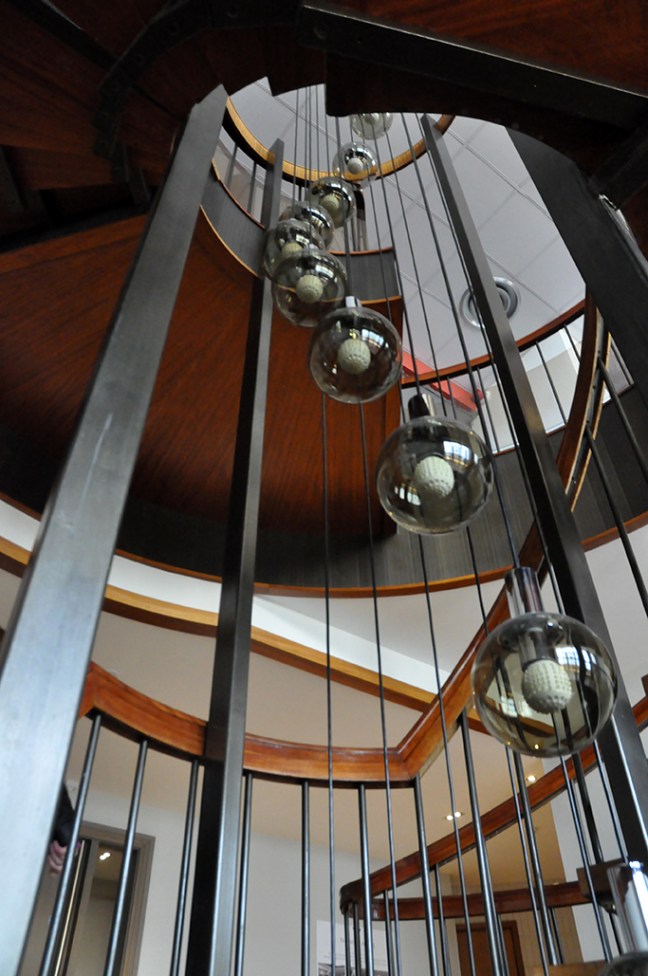
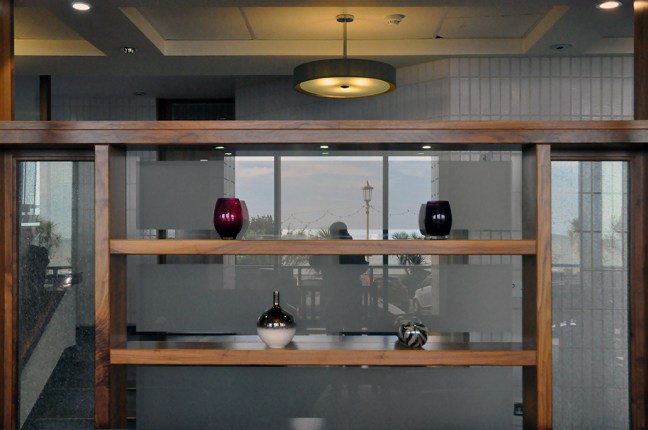
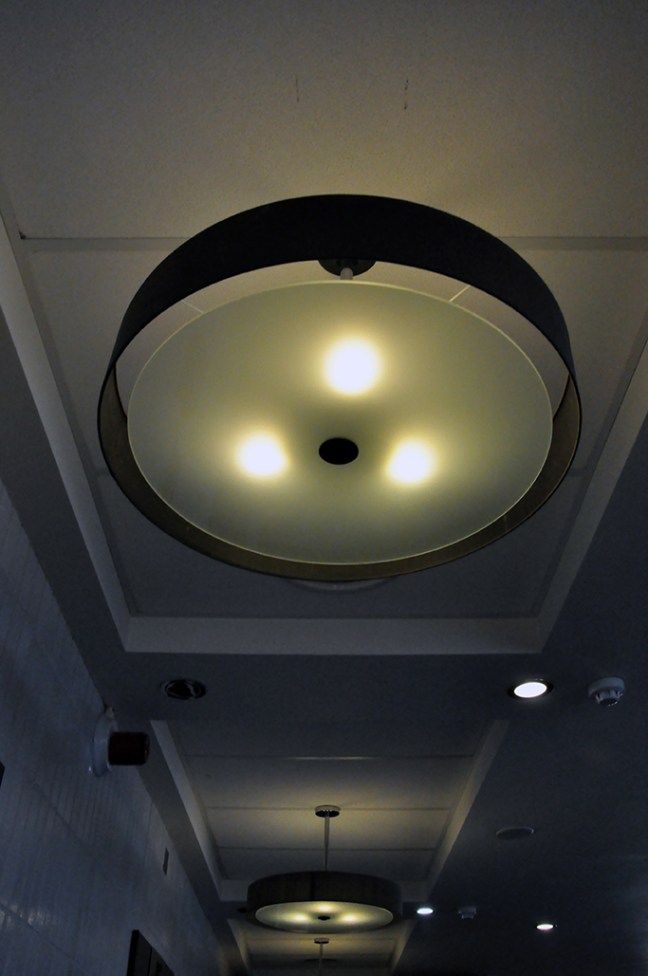
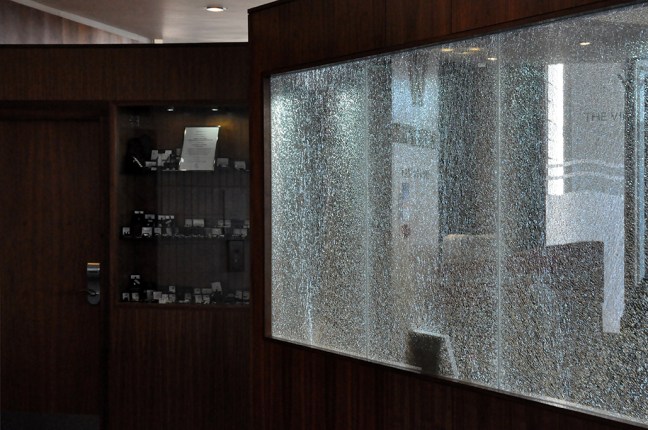
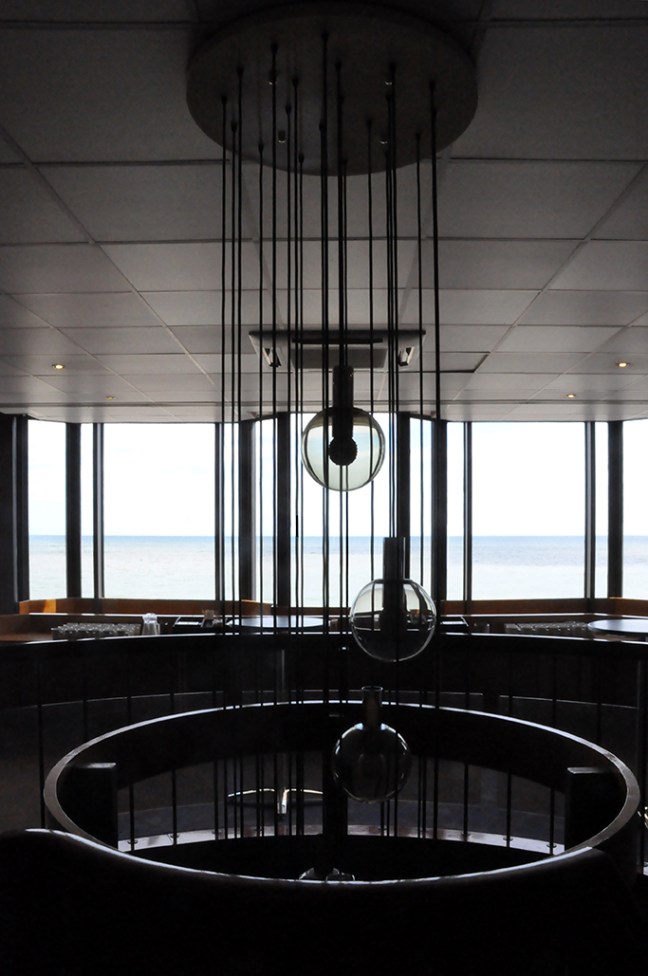
Recently refurbished this trade union run hotel and conference centre has preserved much of its period interior detail, a swirling spiral stairway, unique circular light fittings, dark hardwood fittings and furnishings.
Suitable setting for high espionage or low talking.
Swept along by the verve, vivacity and capacious volume, I suggest you take a peak.
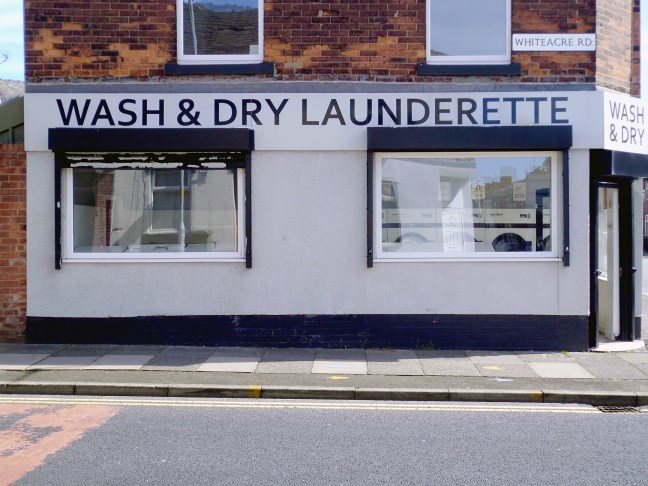
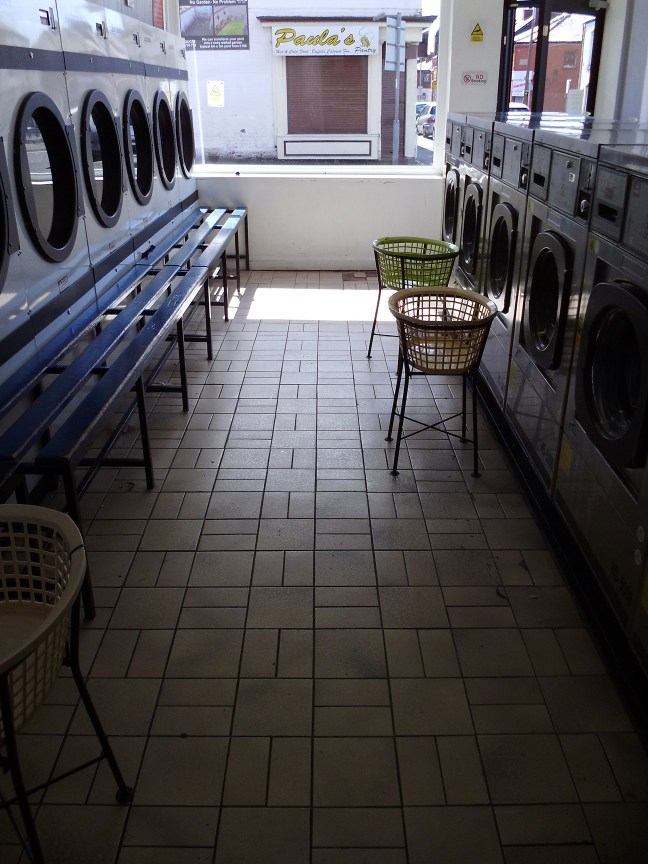
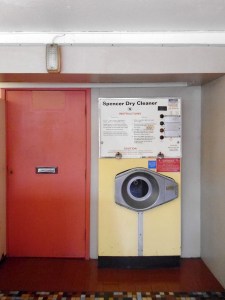
Cycling along Curzon Road one sunny Sunday afternoon, I found to my surprise, facing me across the Whiteacre Road junction.
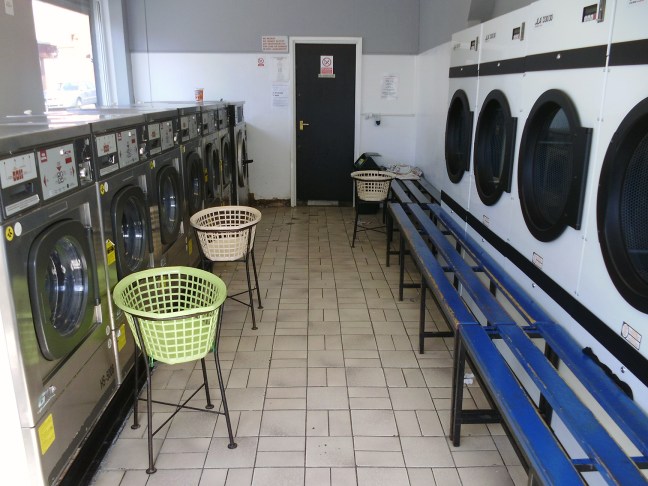
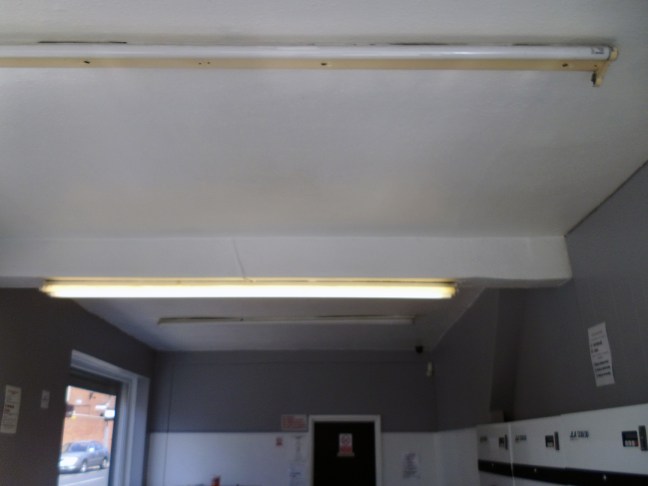
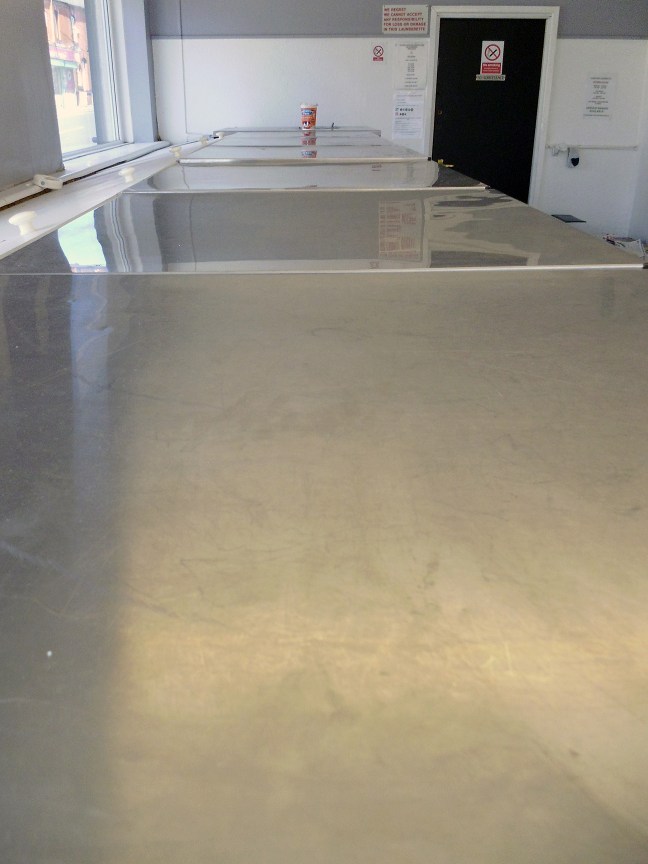
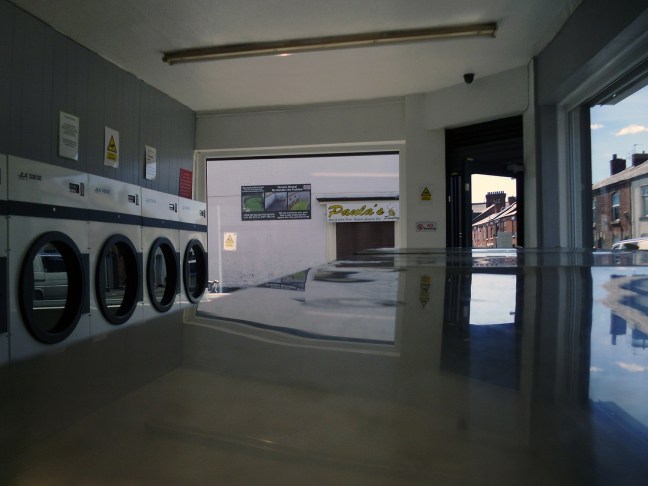
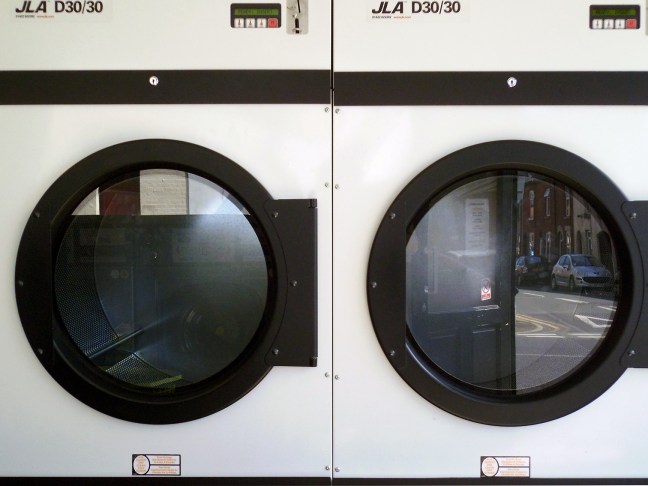
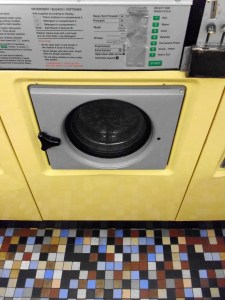
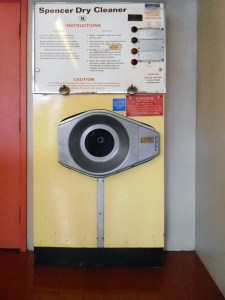
– An empty yet extant launderette.
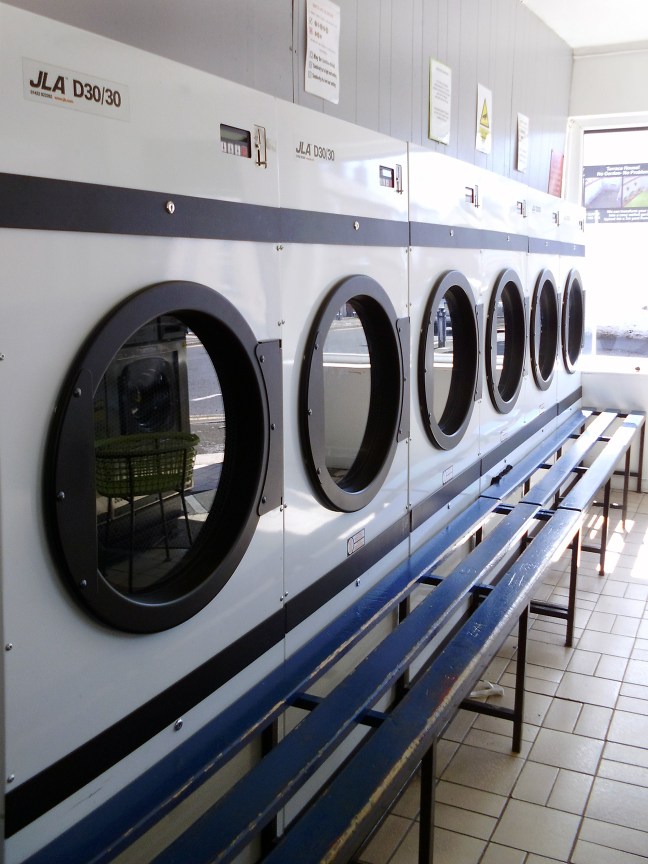
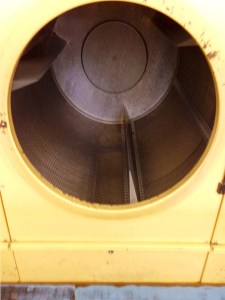
One lone drier tumbling, lonely – an absence of presence, save myself.
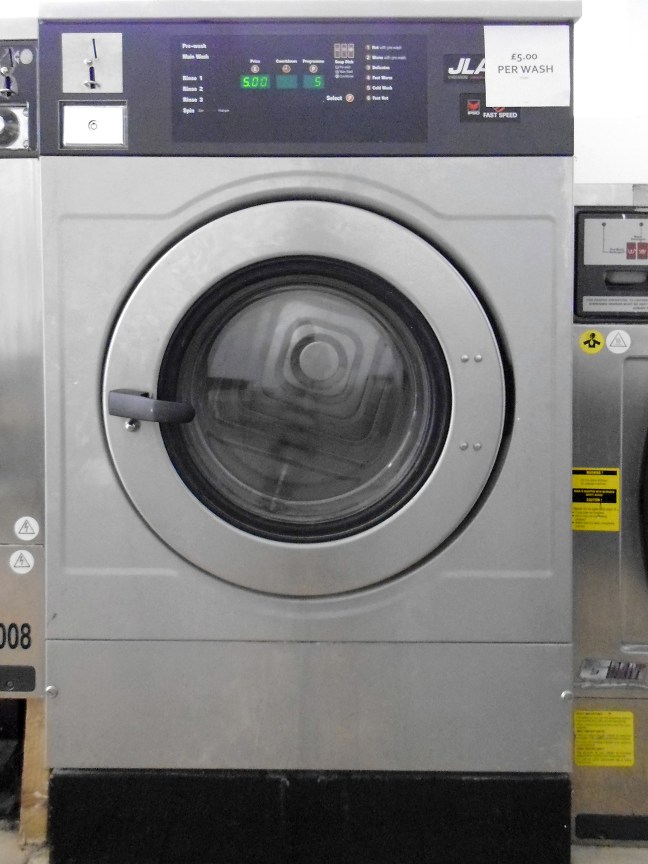
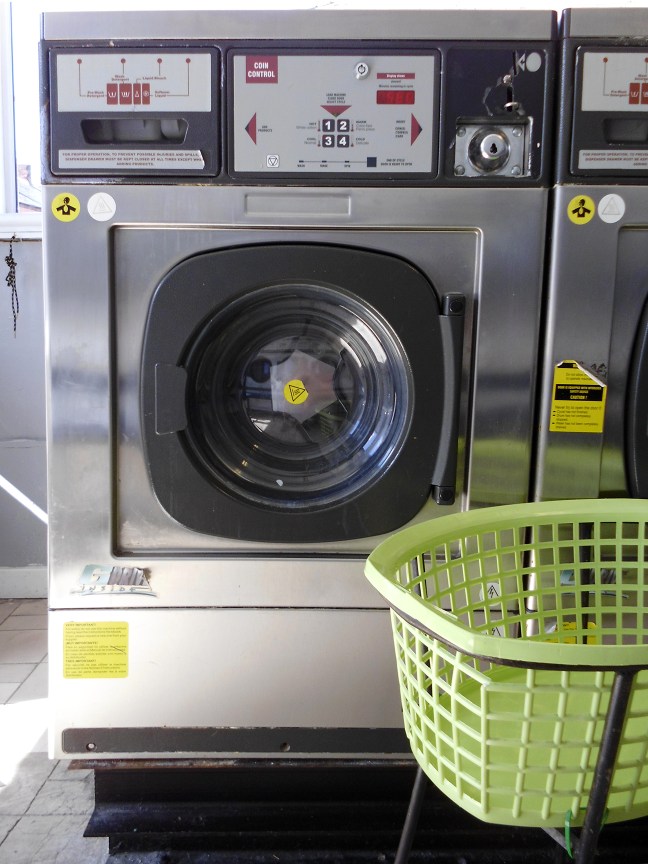
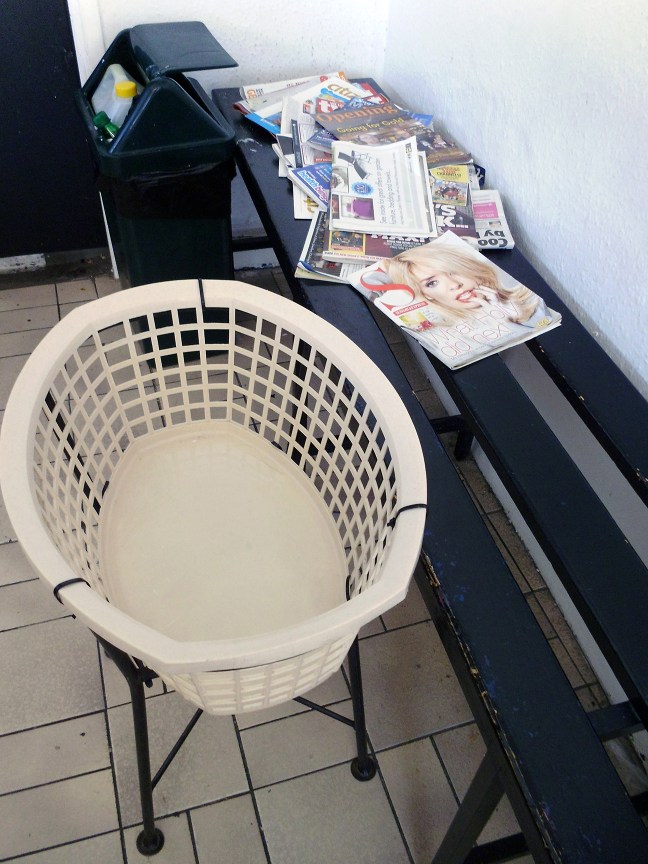
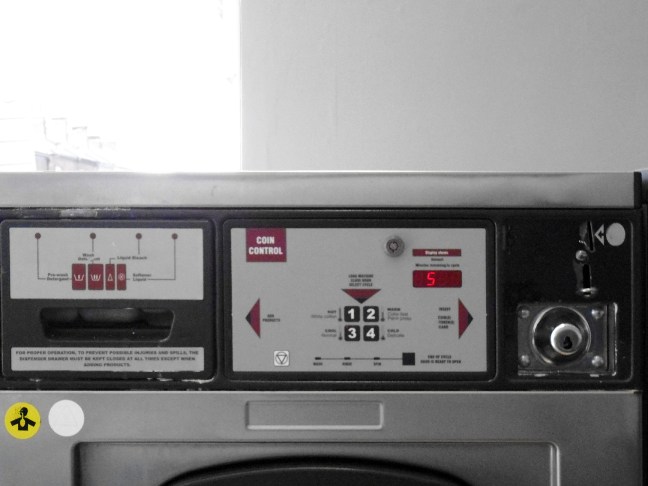
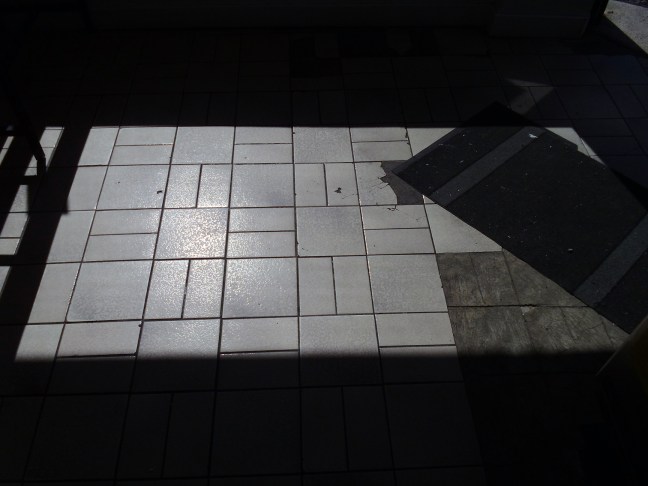
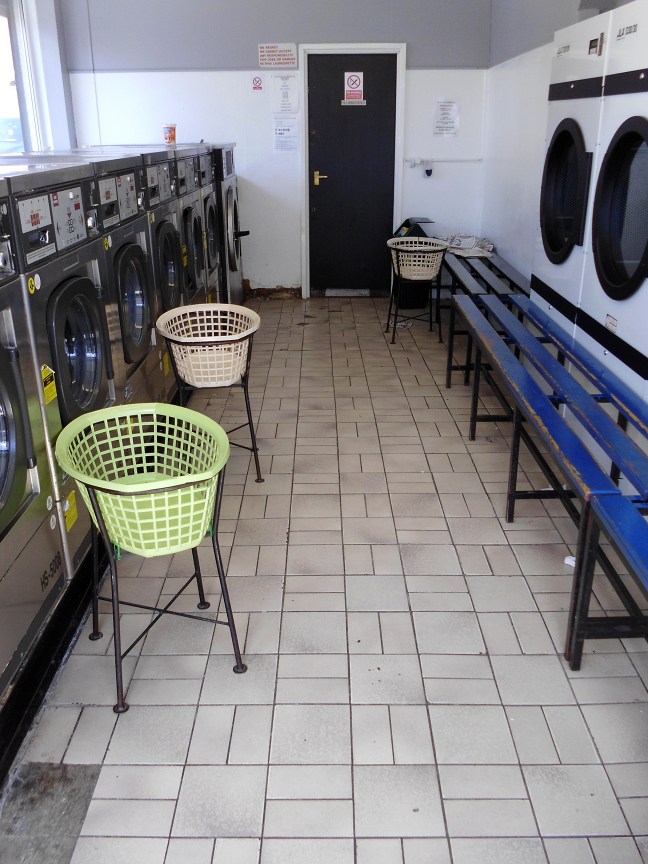
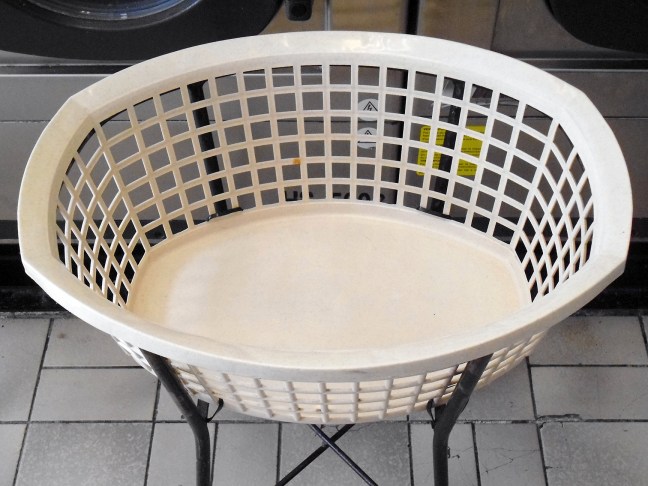
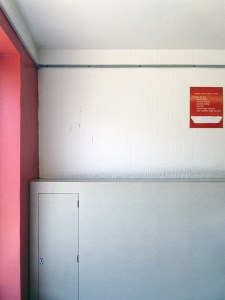
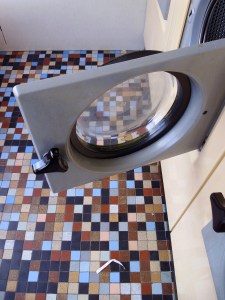
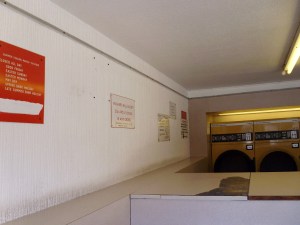
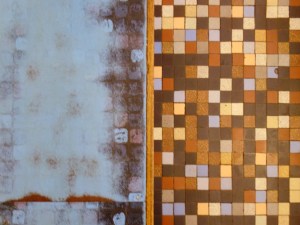
The usual spartan interior almost unkempt, enlivened by four legged, almost alien, ovalish plastic laundry baskets. A sunlit shimmer of brushed steel surfaces, low lit and deeply shadowed linoleum tiles.
Under the illuminating hum of bare fluorescent tubes.
Friday afternoon, clouds gather along a long walk from the Leeds city centre, following an unforgivingly long dual carriageway, not without its hard won charm, we reached the Garden Gate.
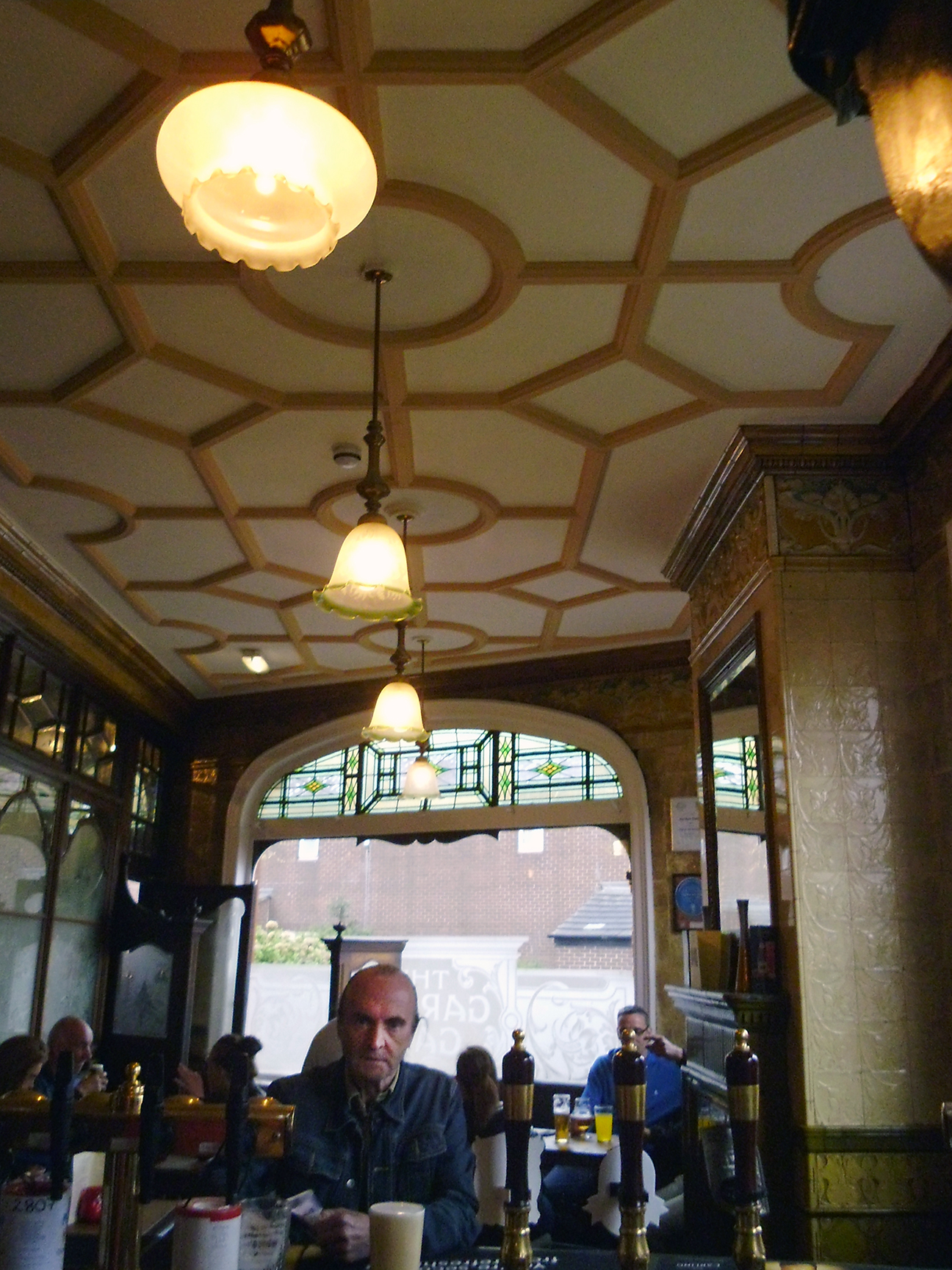
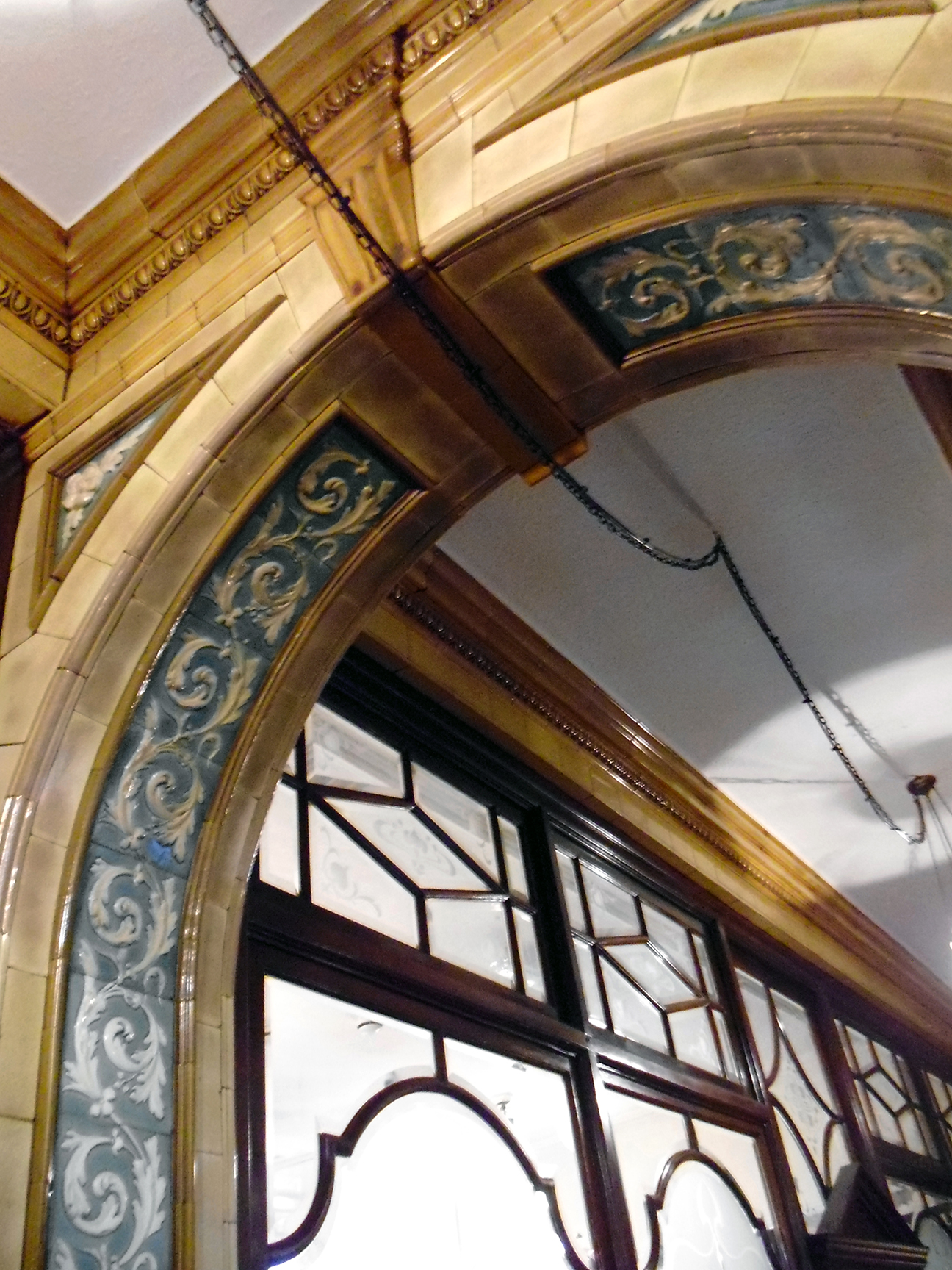
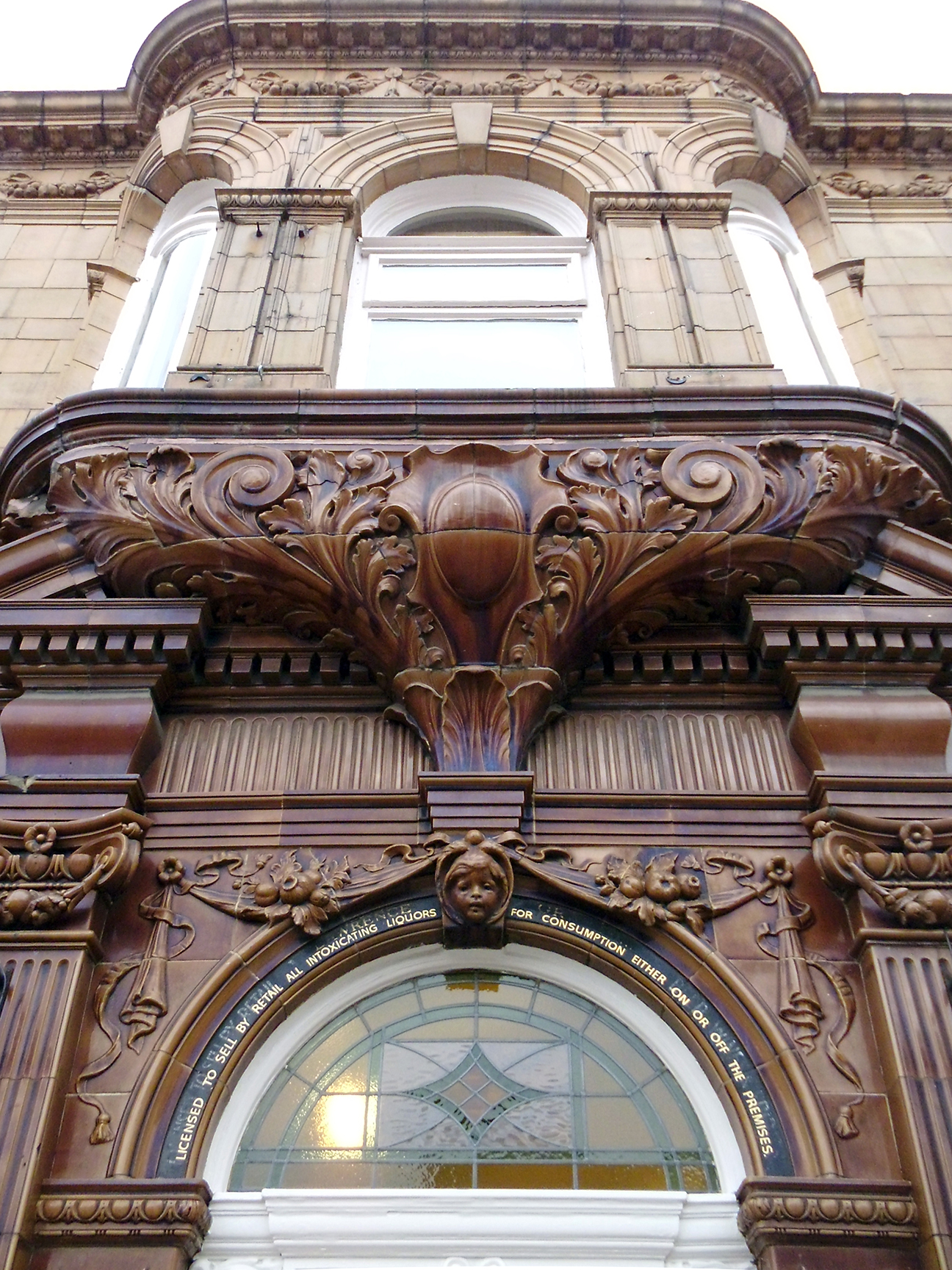
A Tetley Heritage pub the most beautiful in Yorkshire, clad in warm glazed ceramics of the highest decorative order, a terrazzo porch and open door welcomes the weary walker.
Ready for a pint?
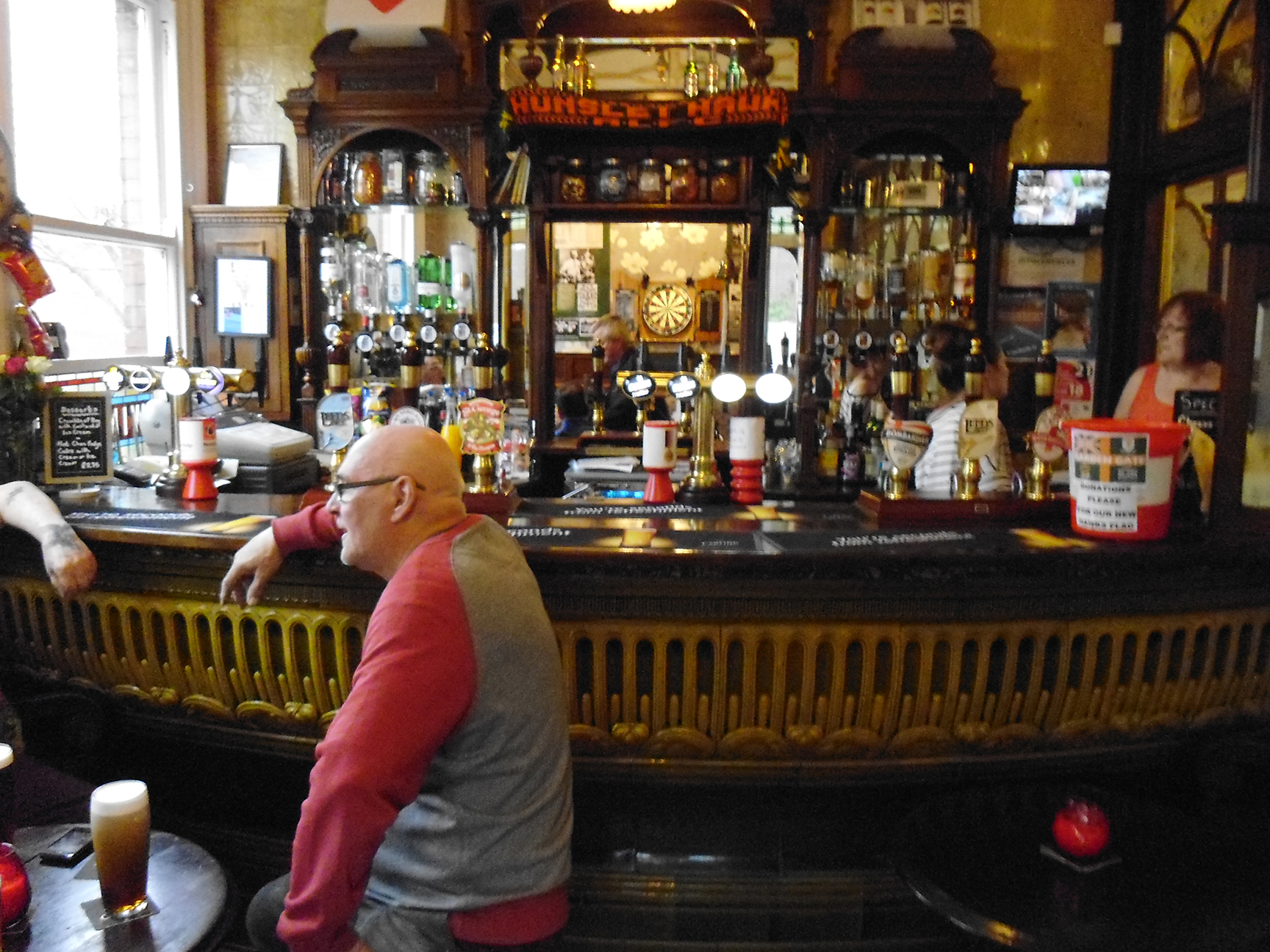
Leeds Pale Ale £2.60 a pop and a fine drop it is too, why not stay and have another!
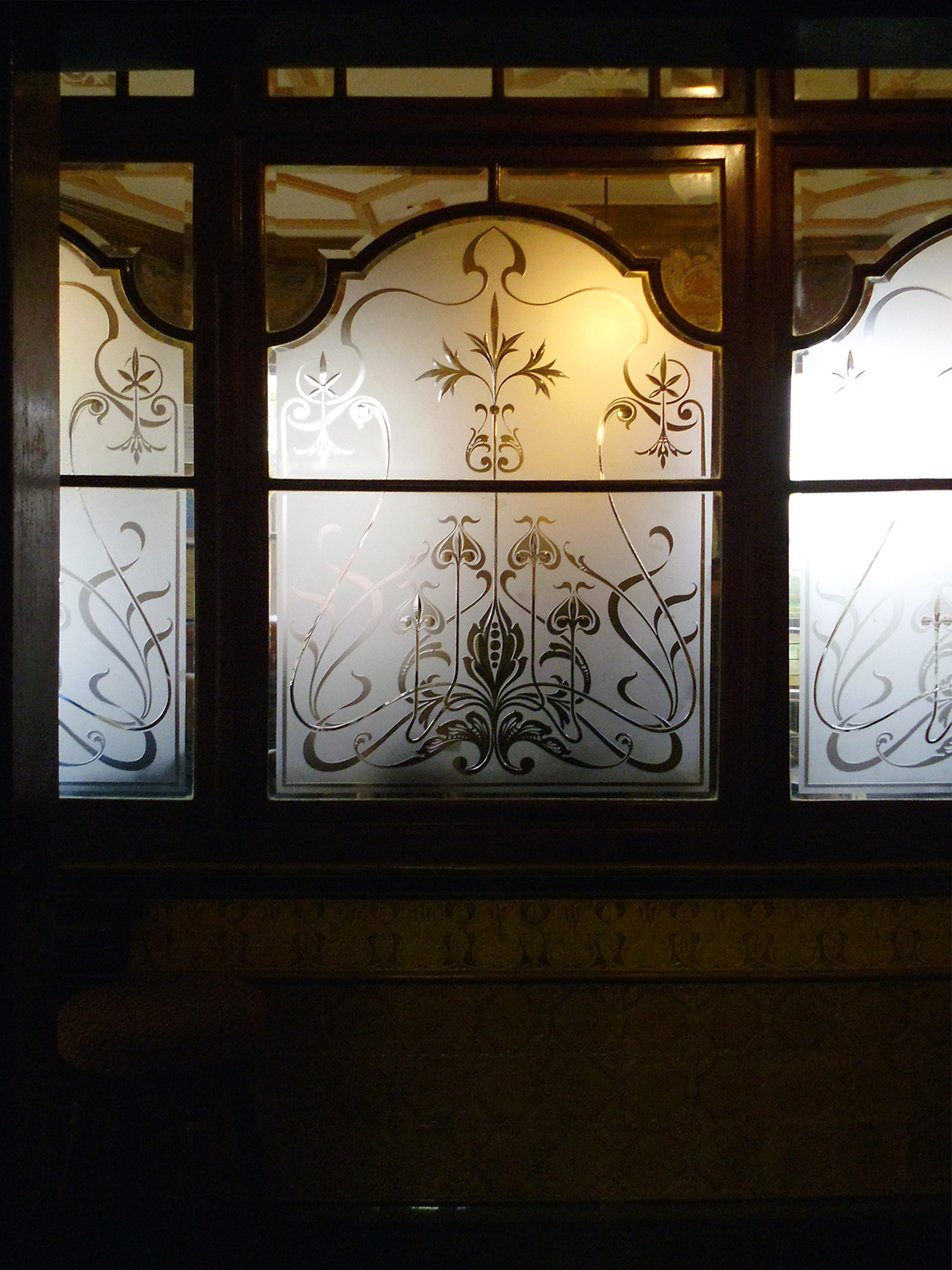
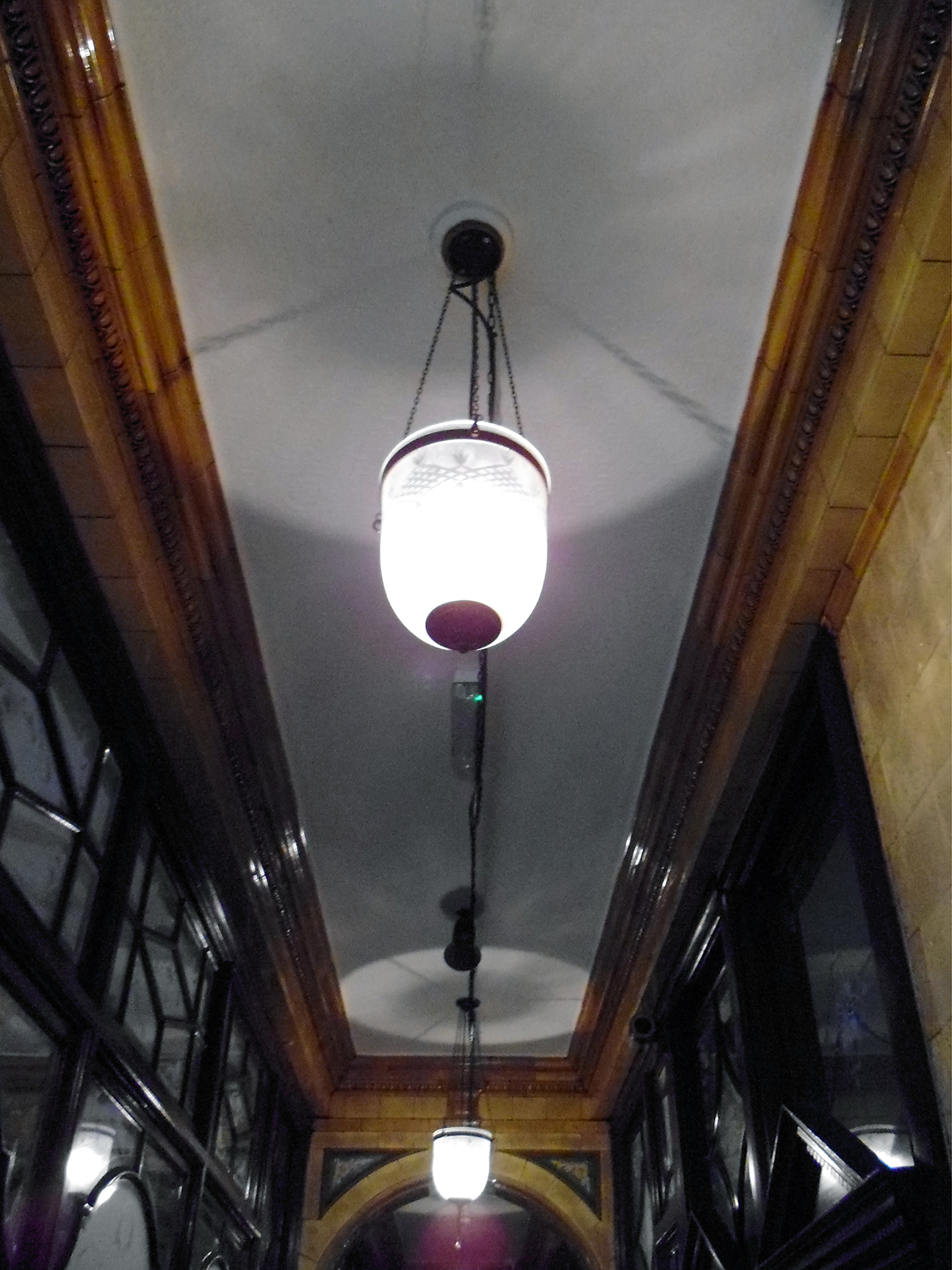
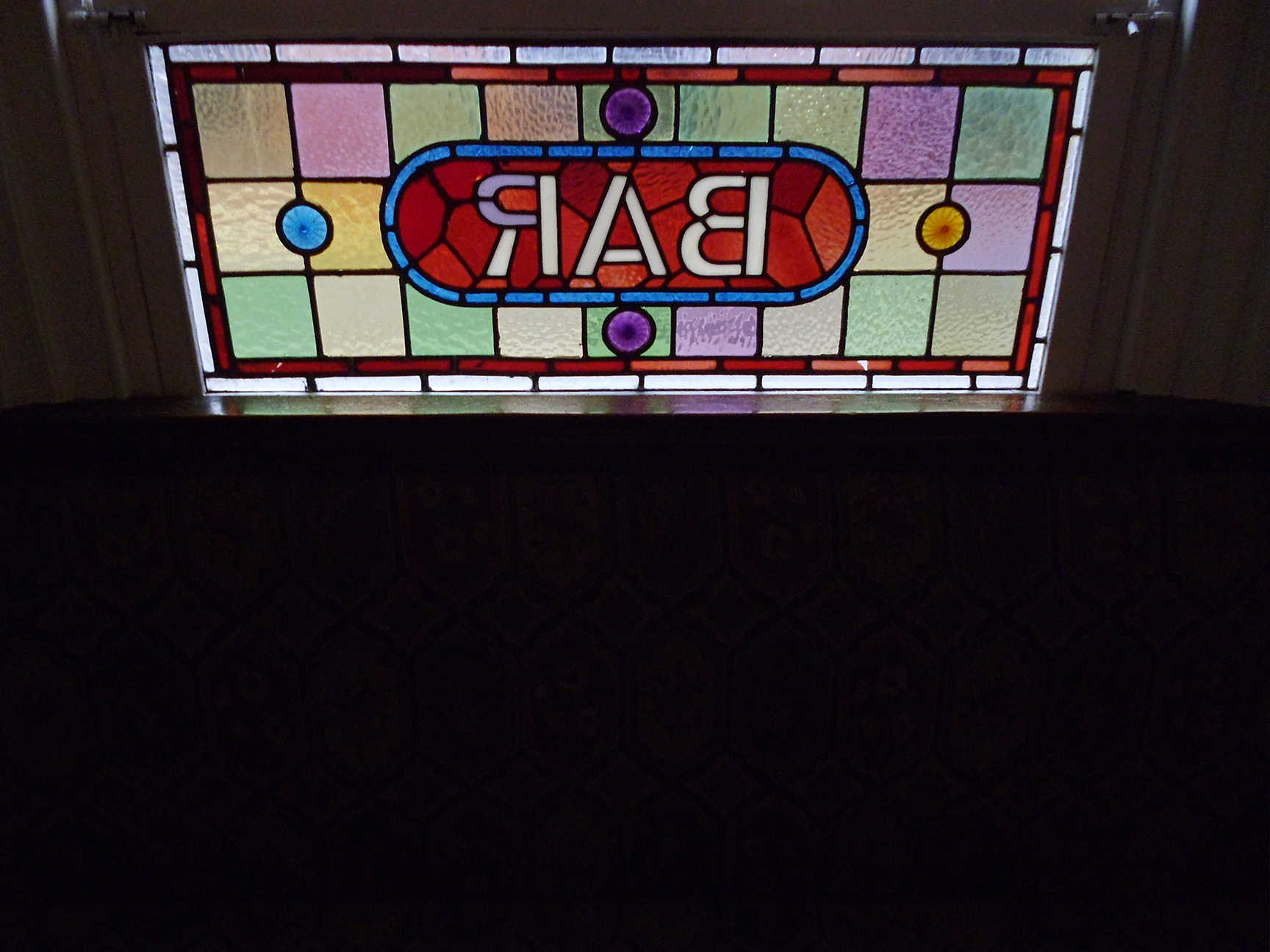
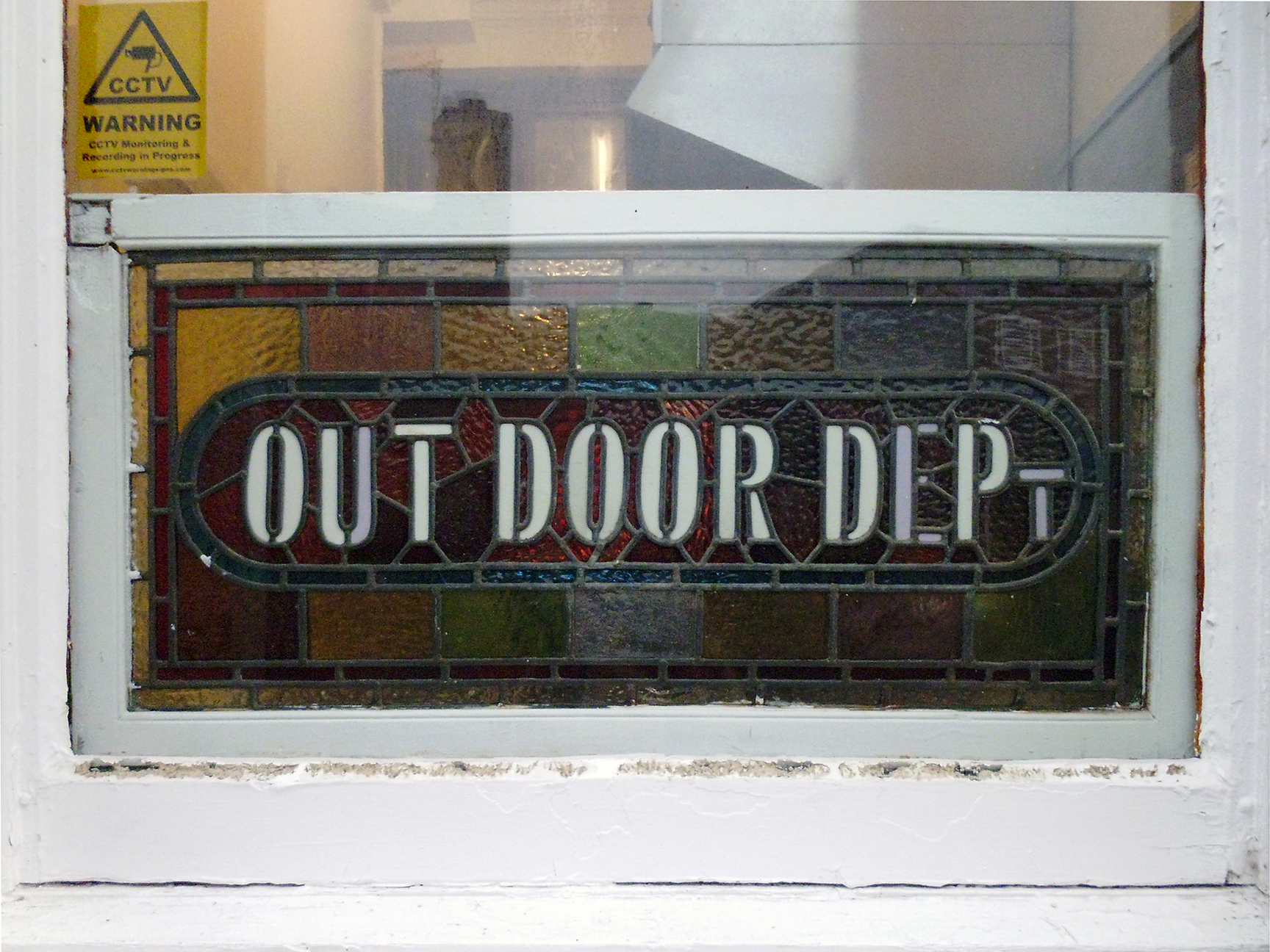
The interior arrangement of rooms cluster around a fine tiled bar, linked by corridors, clad in curved wood and large etched windows, lit with the original fittings – all in an intoxicating Nouveau style.
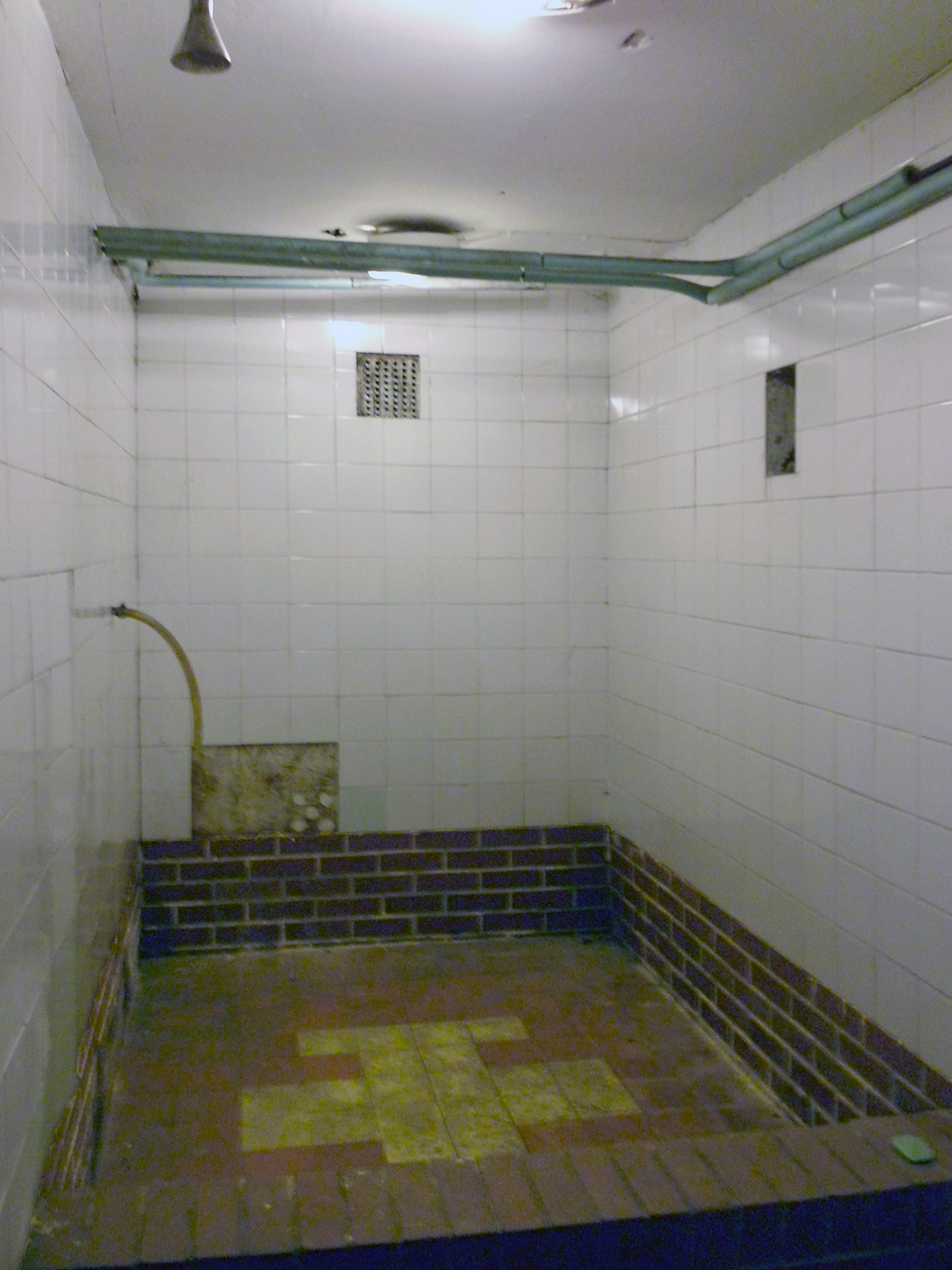
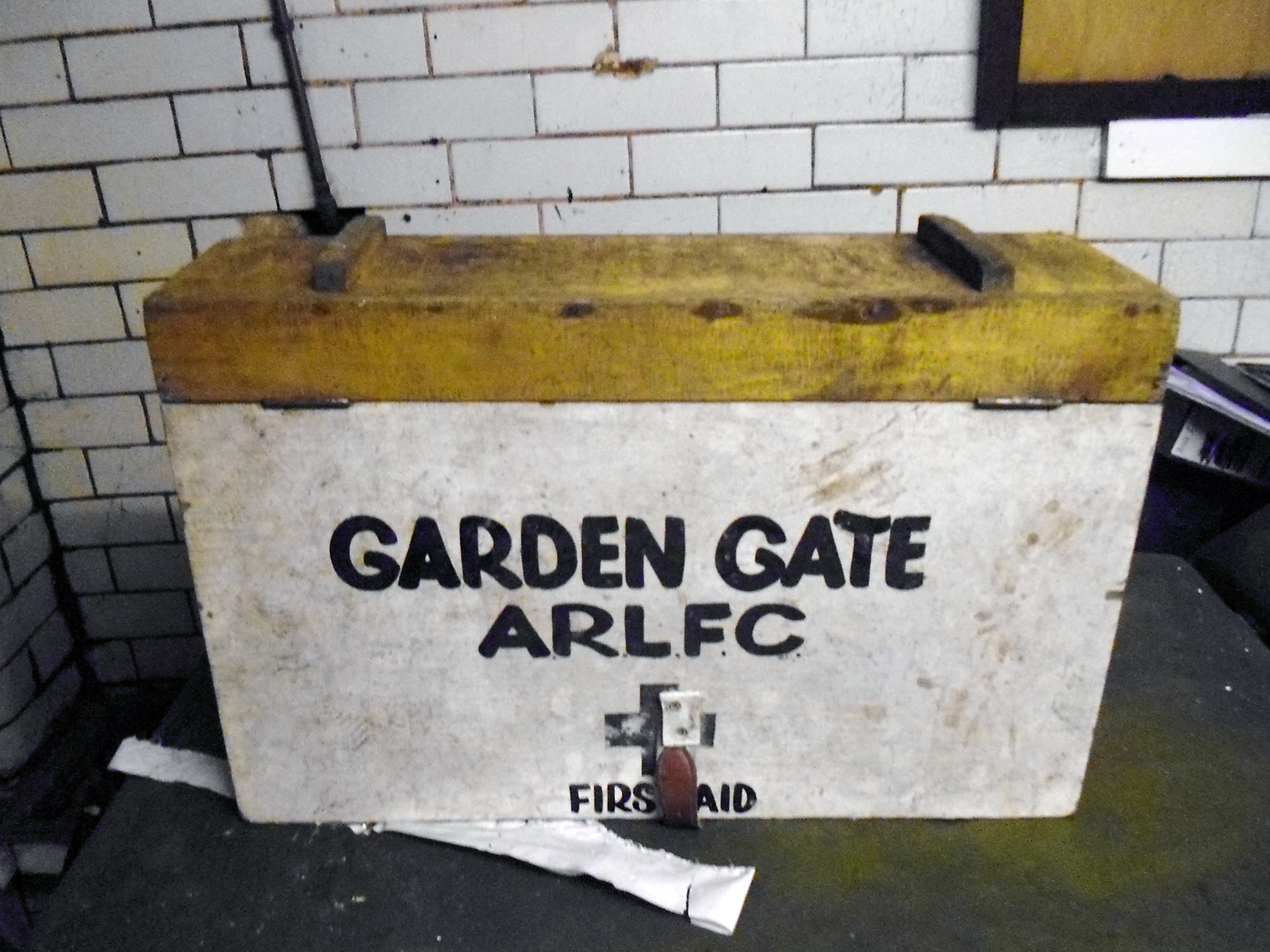
The cellar is lined in heavy glazed white brick and retains its rugby league history with extant showers and physio room, former home of the Garden Gate ARLFC – it says so on the first aid kit.
A thinned bar of green soap rests on the side of the long-dry bath.
The staff and customers were warm, chatty and informative – my thanks for their generous hospitality.
Its worth the walk.
My thanks to Ms. Natalie Ainscough for her cheery company, innate sense of direction and can do attitude.
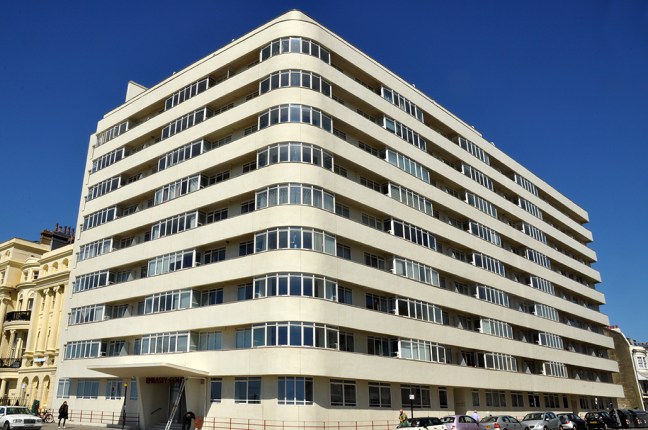
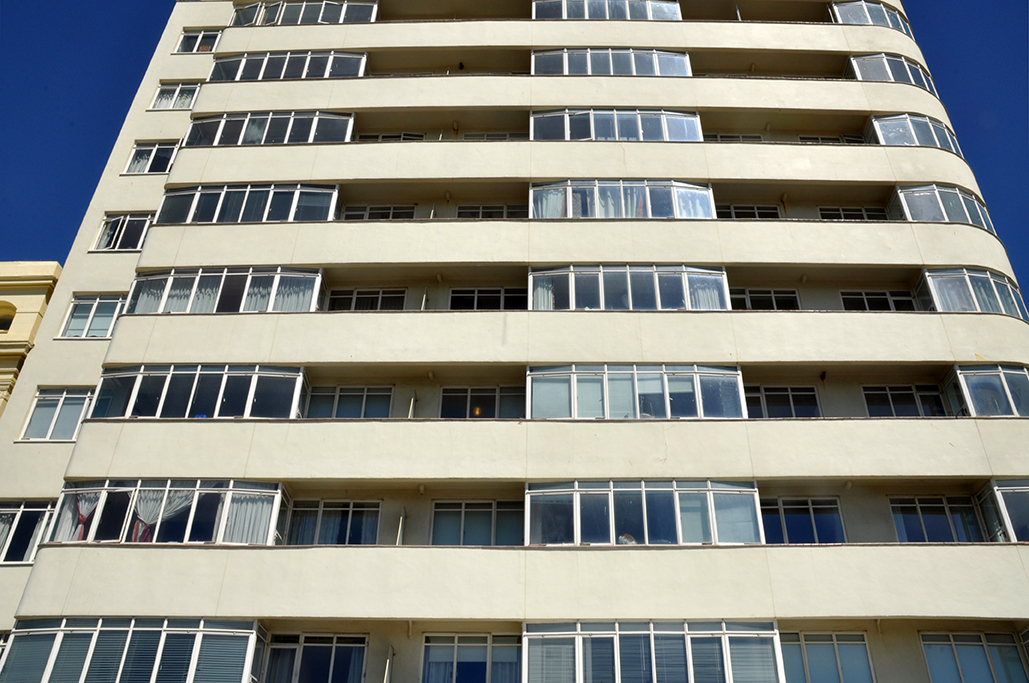
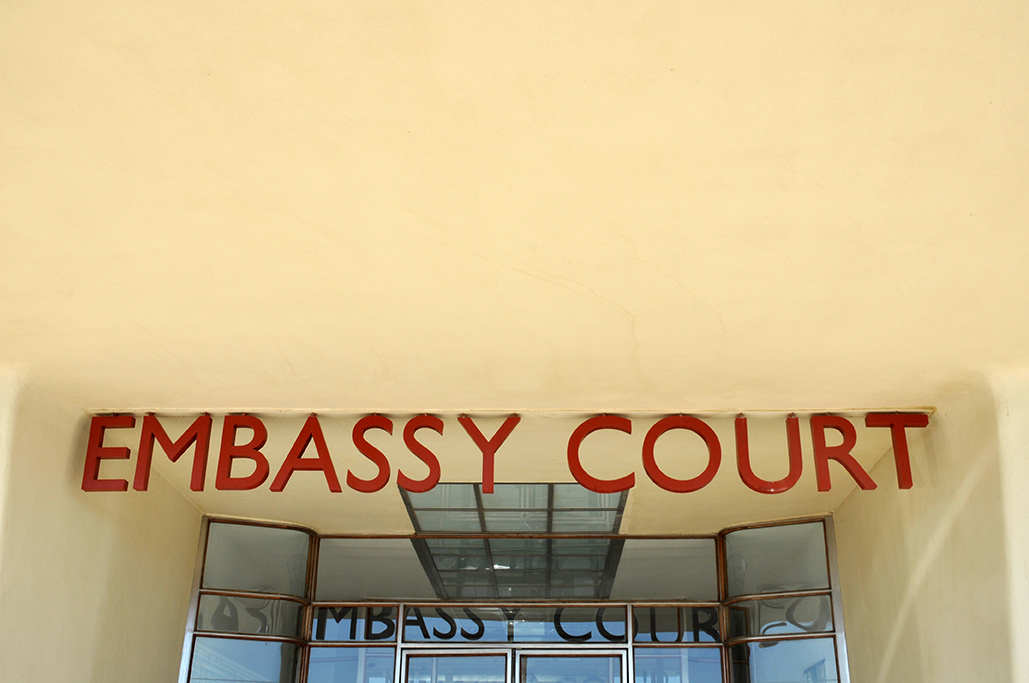
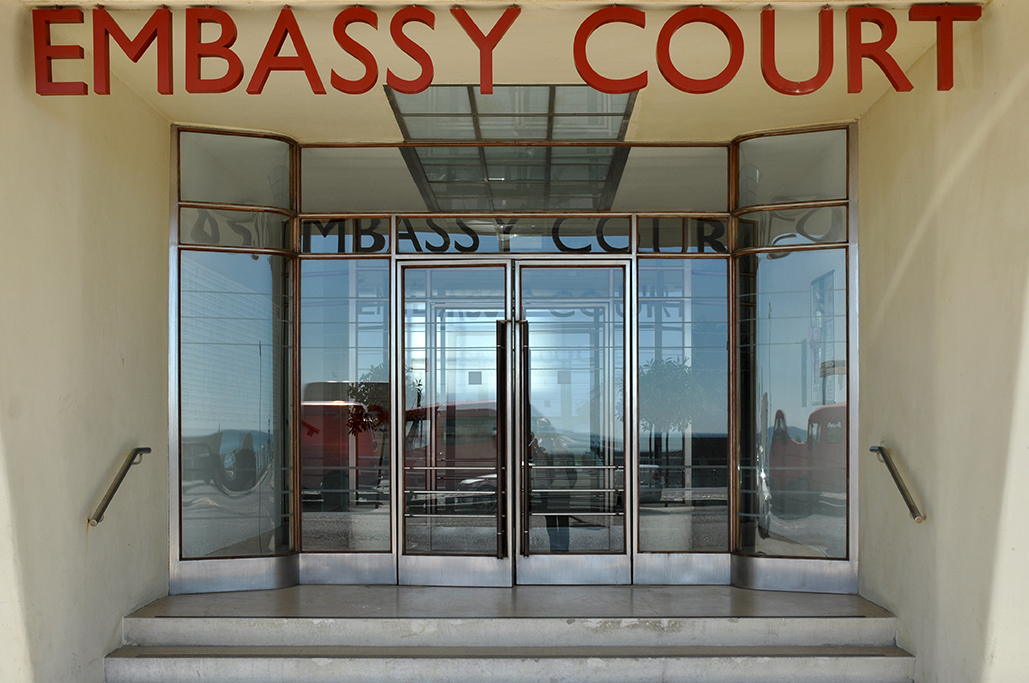
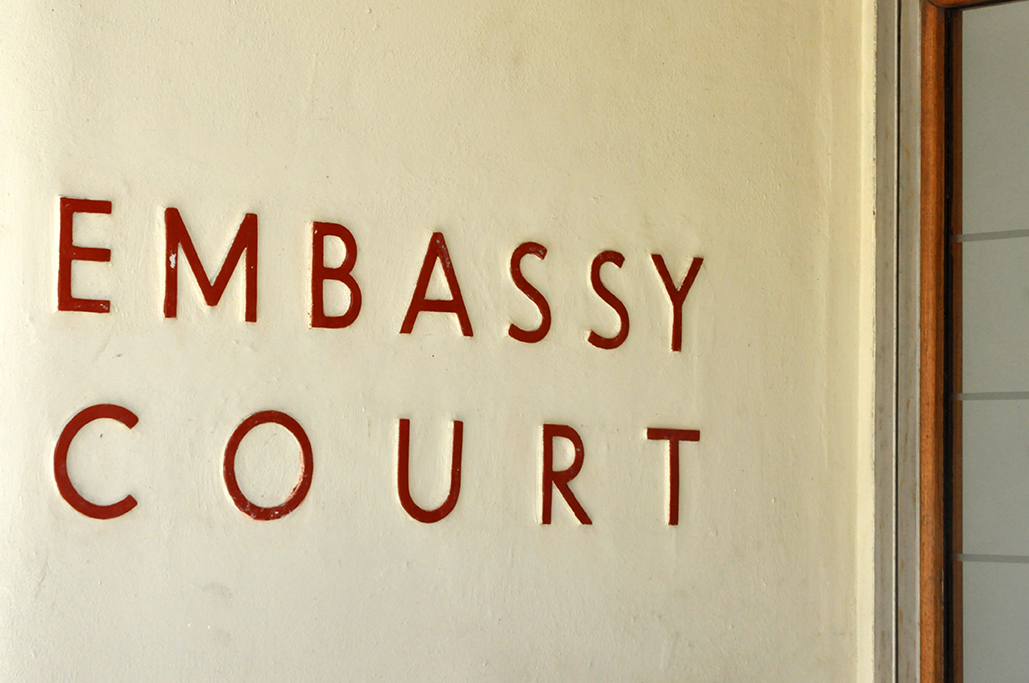
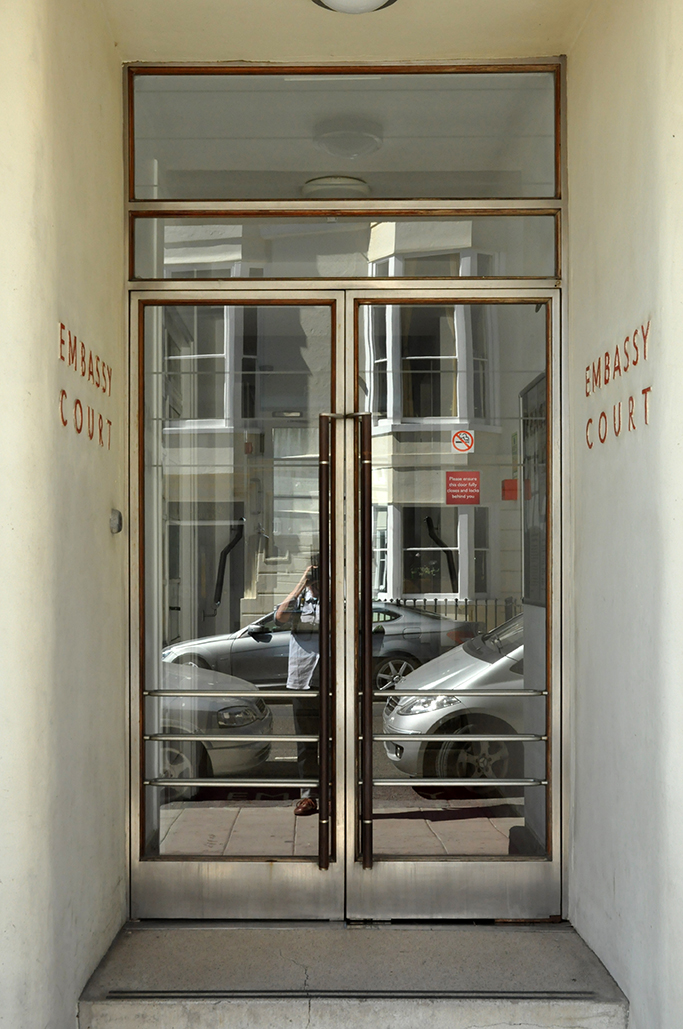
Embassy Court has always had a very special place in my heart.
Forty years ago as a young art student attending nearby Portsmouth Polytechnic, we were taken by Maurice Denis in a minibus to visit the modernist buildings in our locale, this was my first love.
Two days ago I returned to Brighton, sprinting spryly along the prom to meet an old friend.
We were ever so pleased to see each other after all these years, I walked around admiringly and smiled.
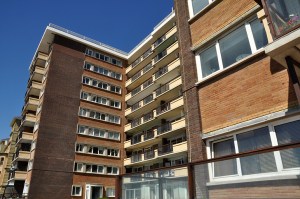
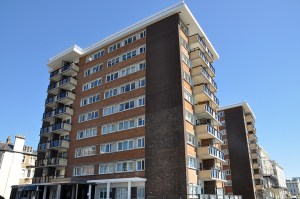
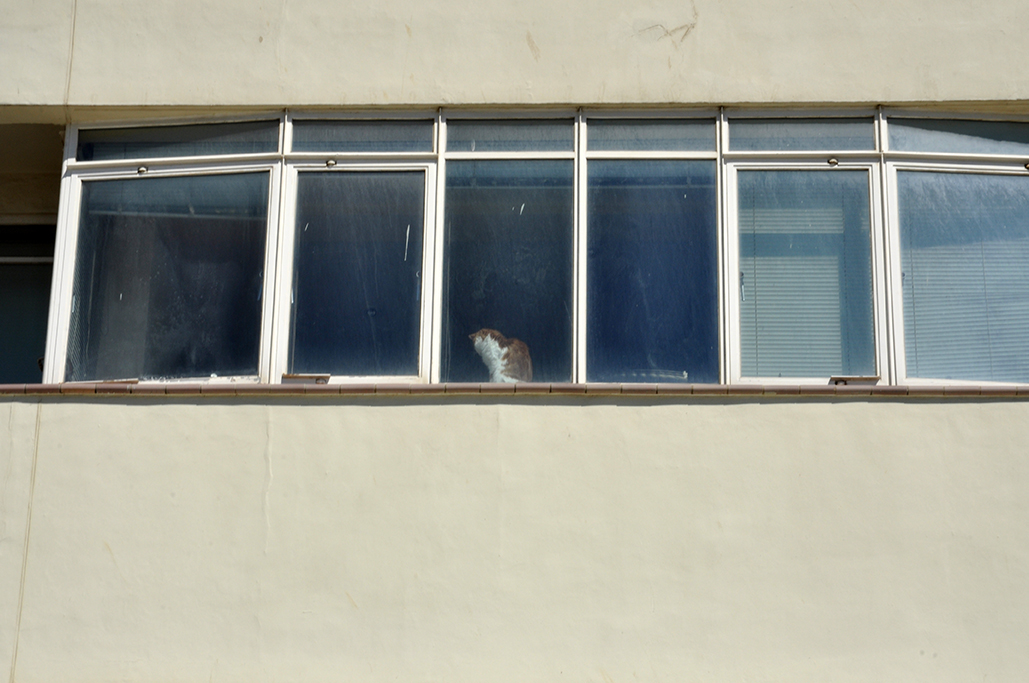
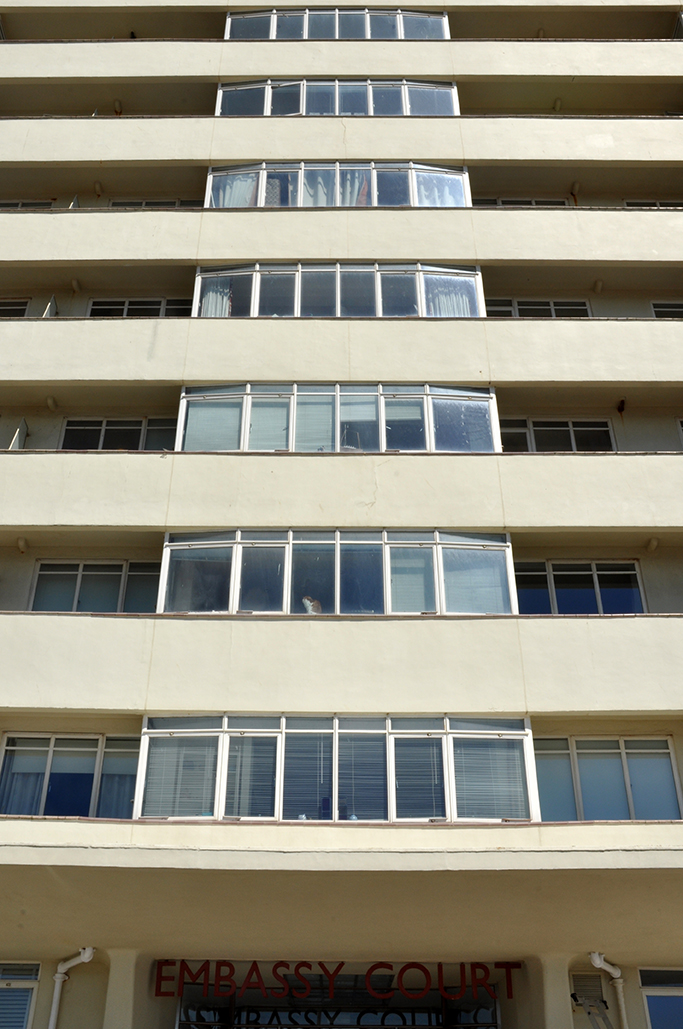
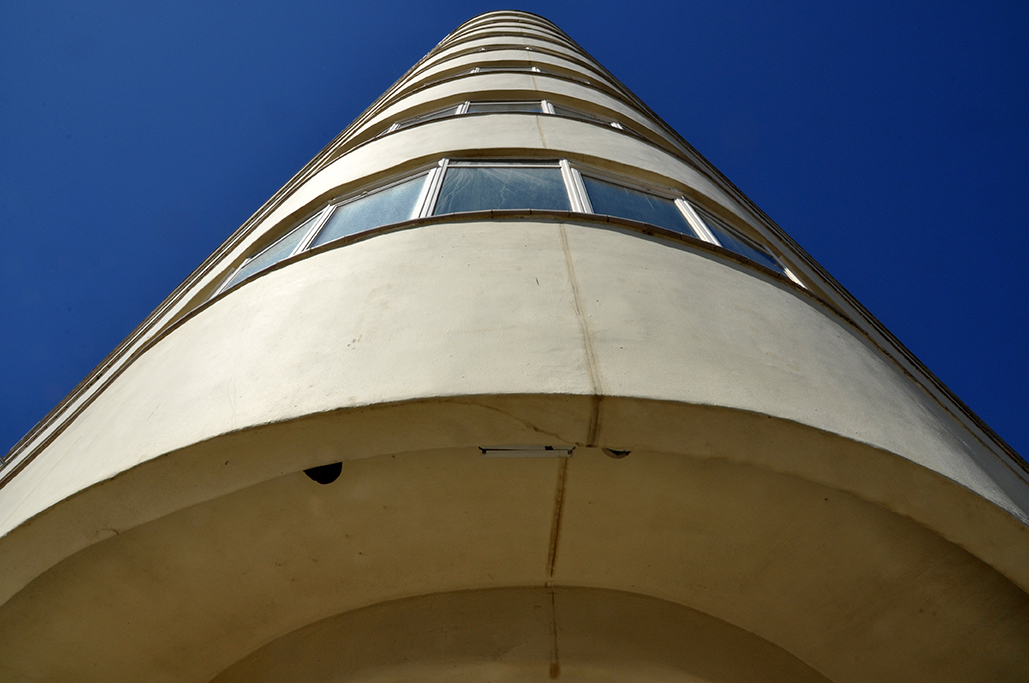
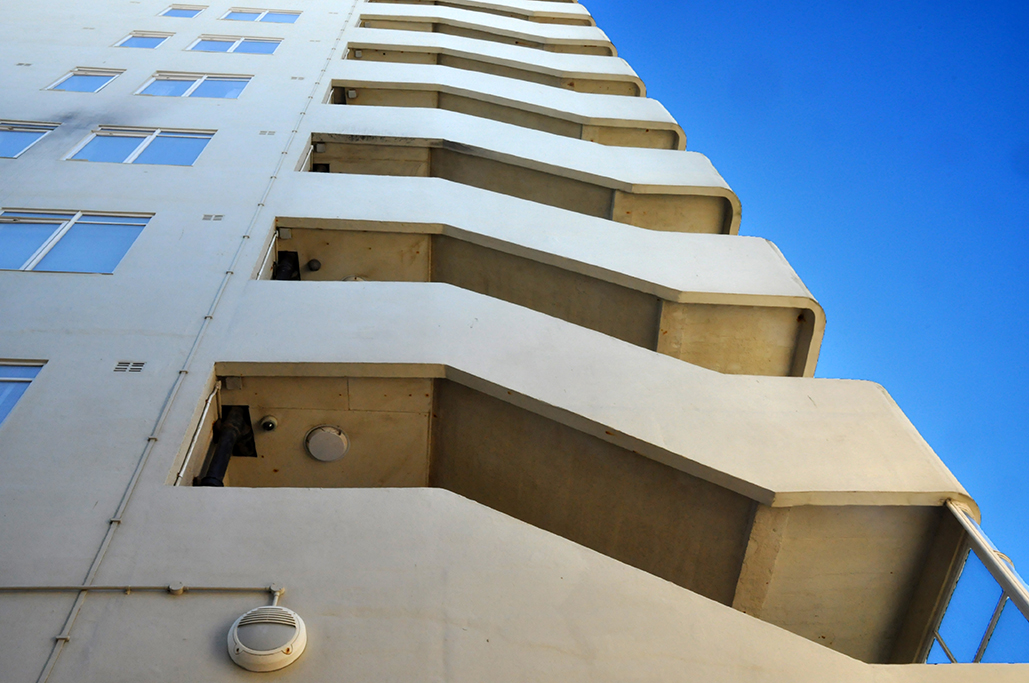
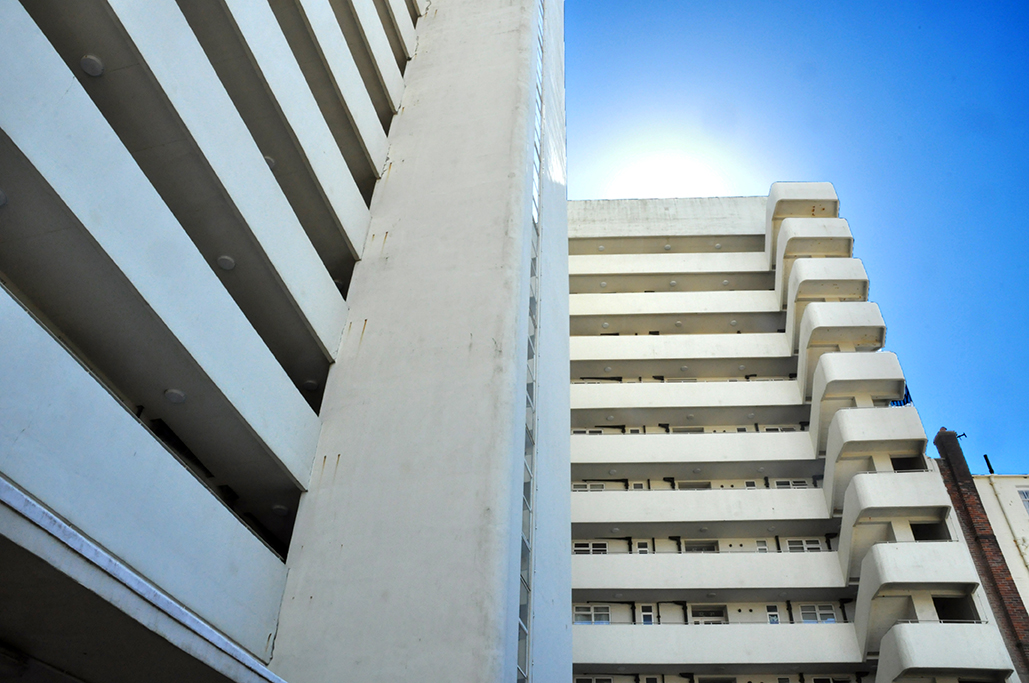
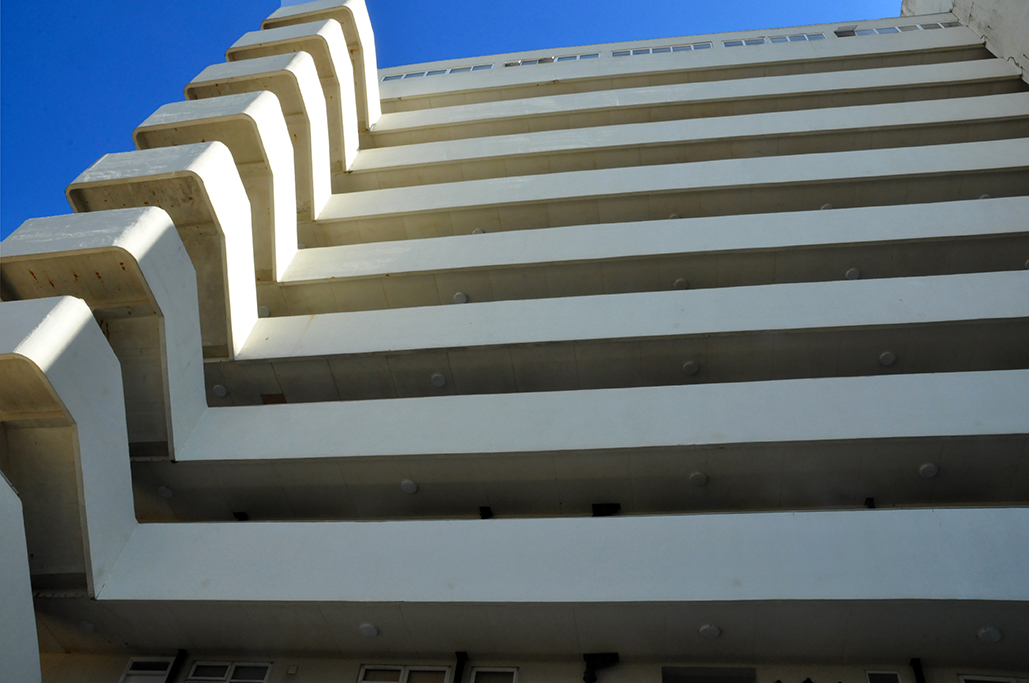
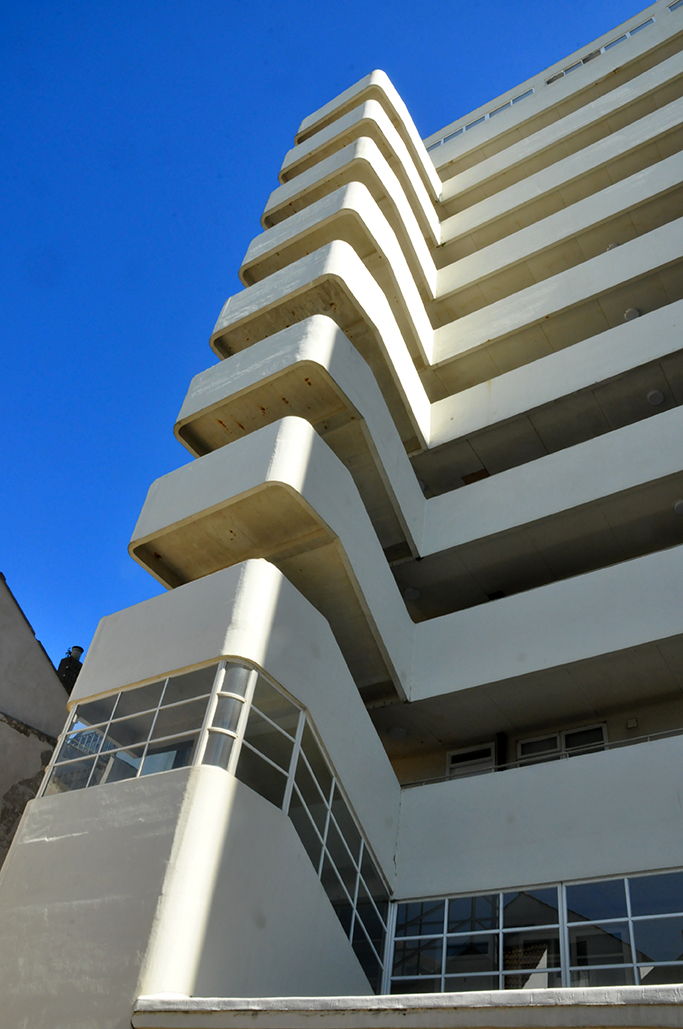
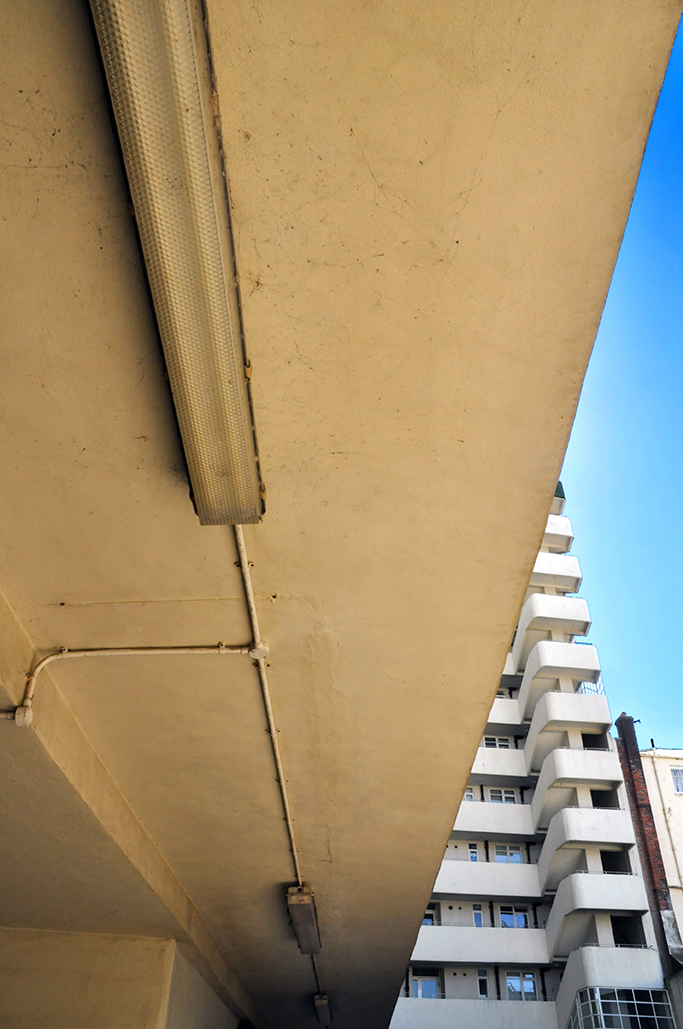
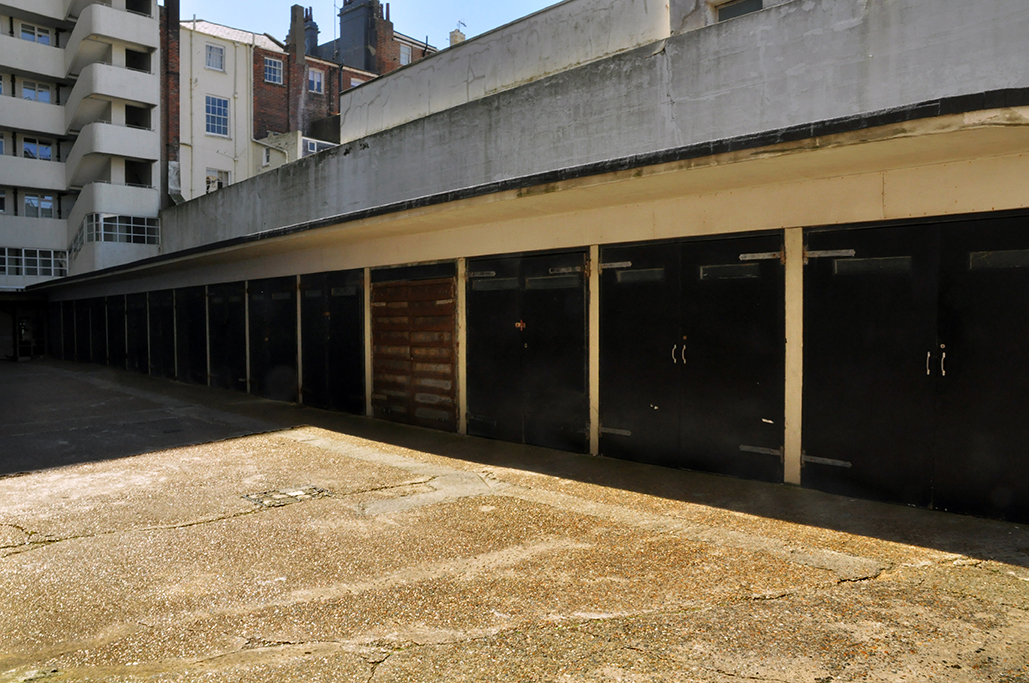
Embassy Court is an 11 storey block of flats situated on the Brighton seafront on the corner of Western Street and the Kings Road. It was designed by the architect Wells Coates and completed in 1935.
It is amongst of the most outstanding examples of pre-war Modernism in the UK, it has a grade II* listed status and remains a major Brighton landmark. This beautiful, elegantly proportioned block contains 72 flats, with awe-inspiring sea views, is considered one of the coolest places to live in Britain.
Restored in 2005 after a long period of decline, Embassy Court is now owned by a limited company, Bluestorm Ltd., born from a Leaseholders Association which obtained the freehold of thebuilding in 1998.
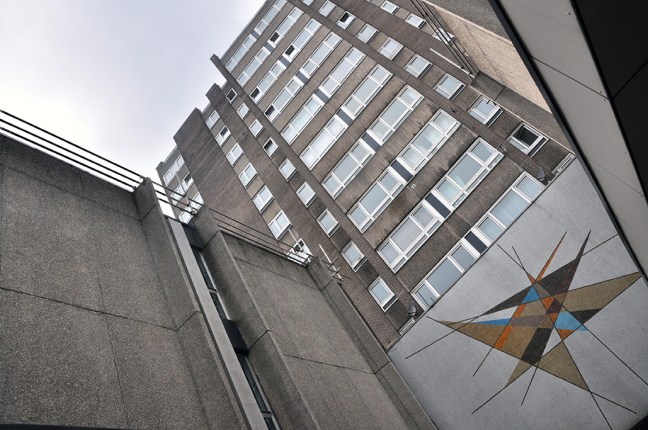
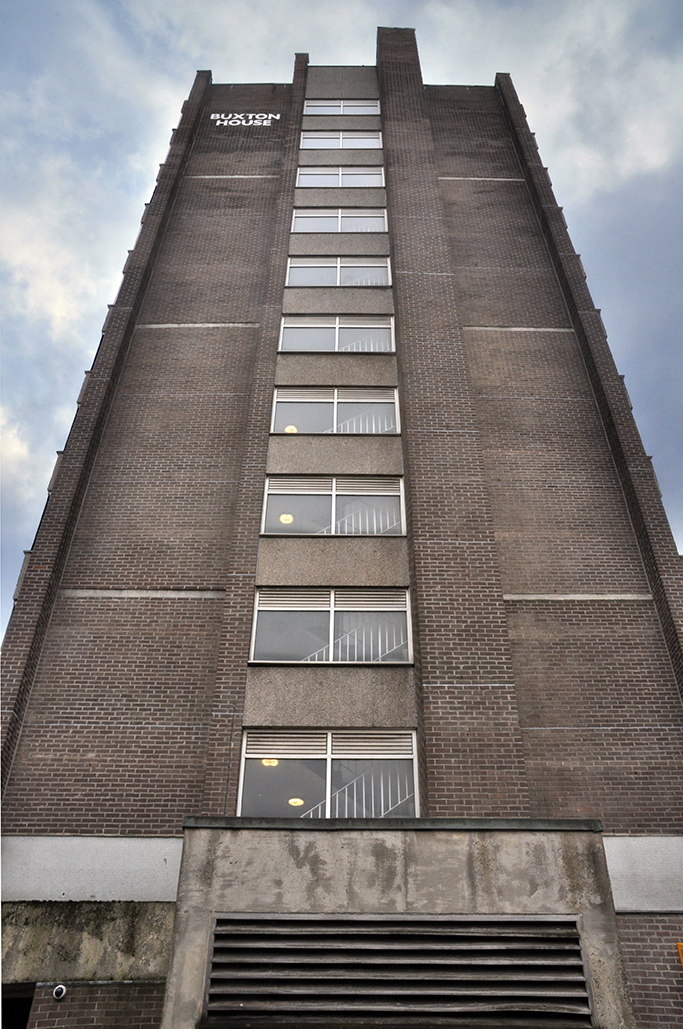
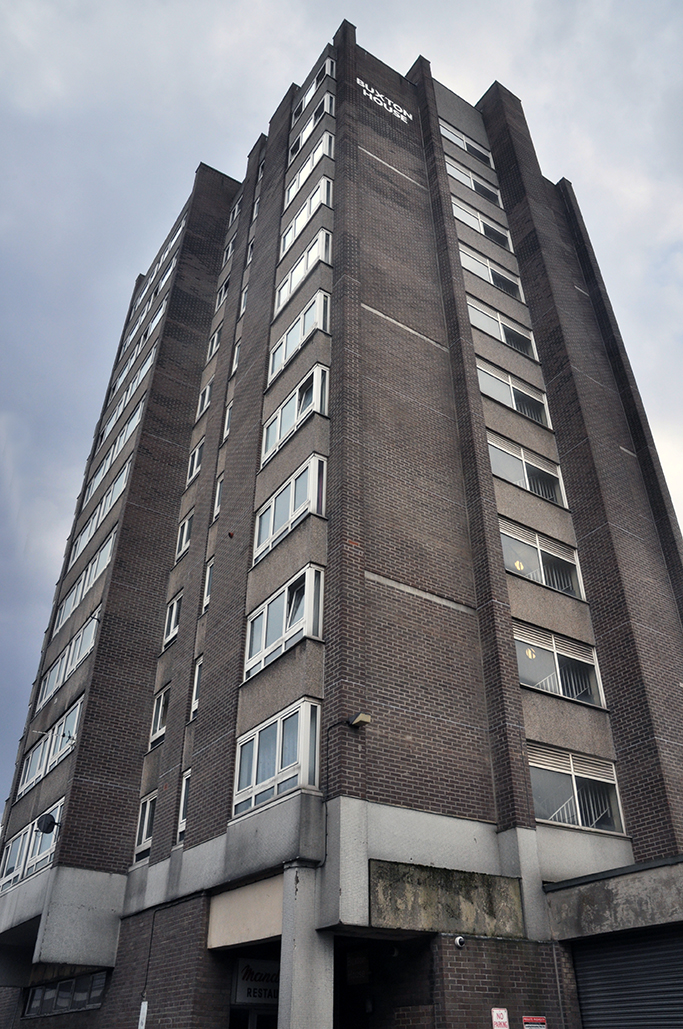
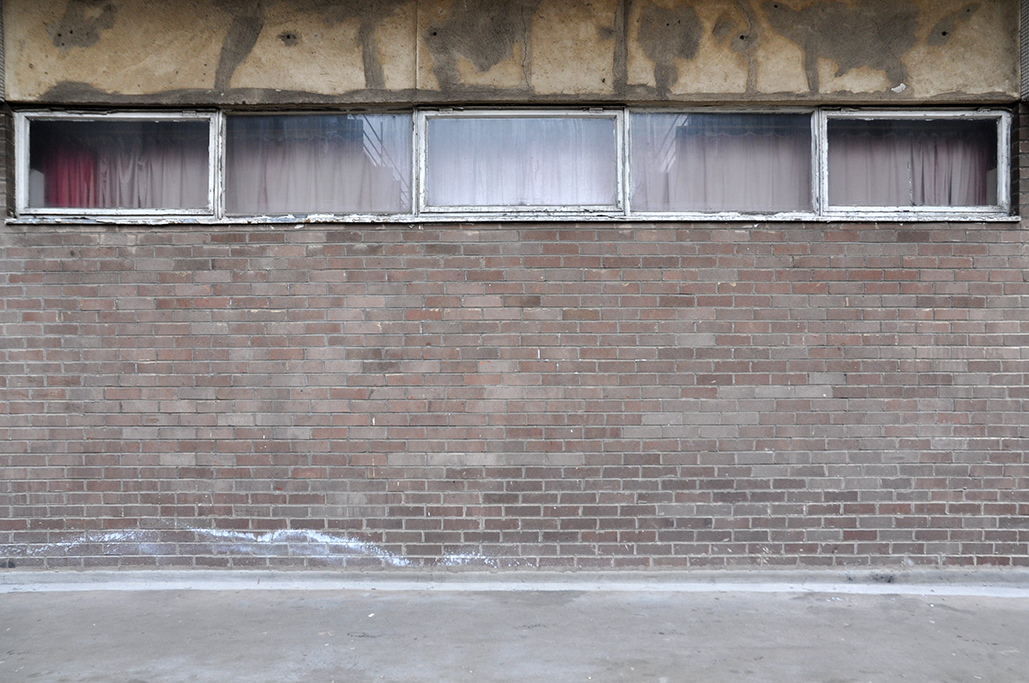
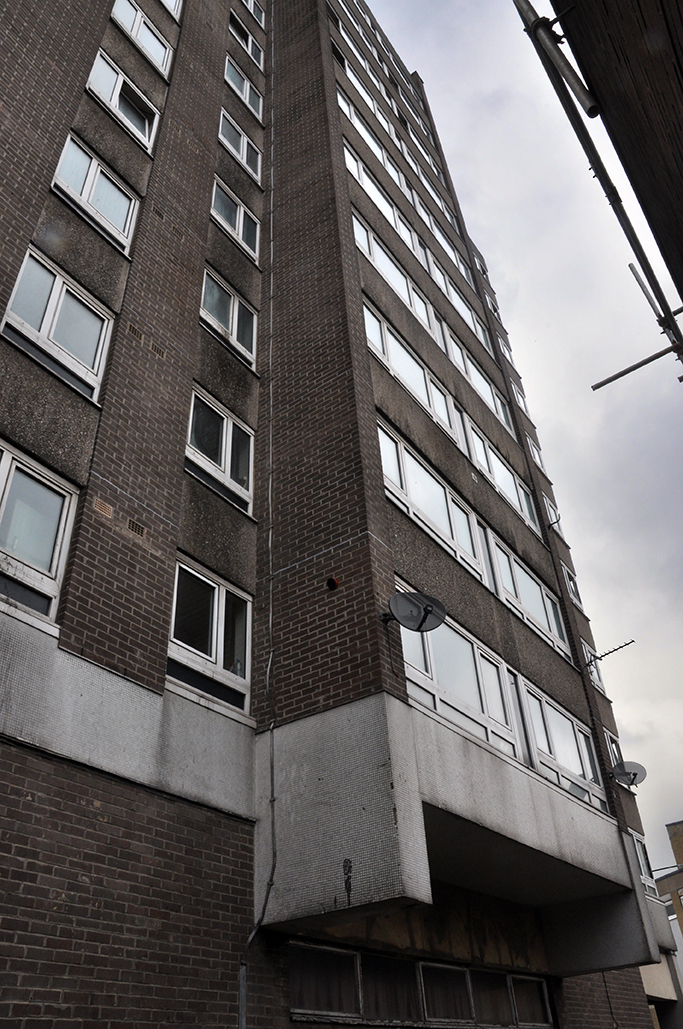
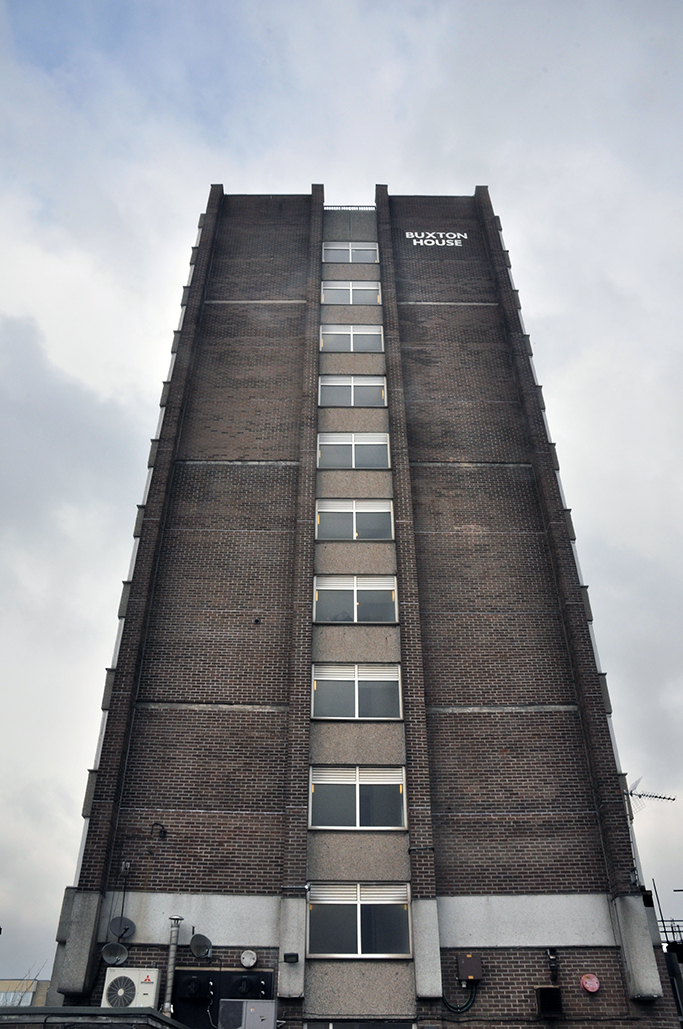
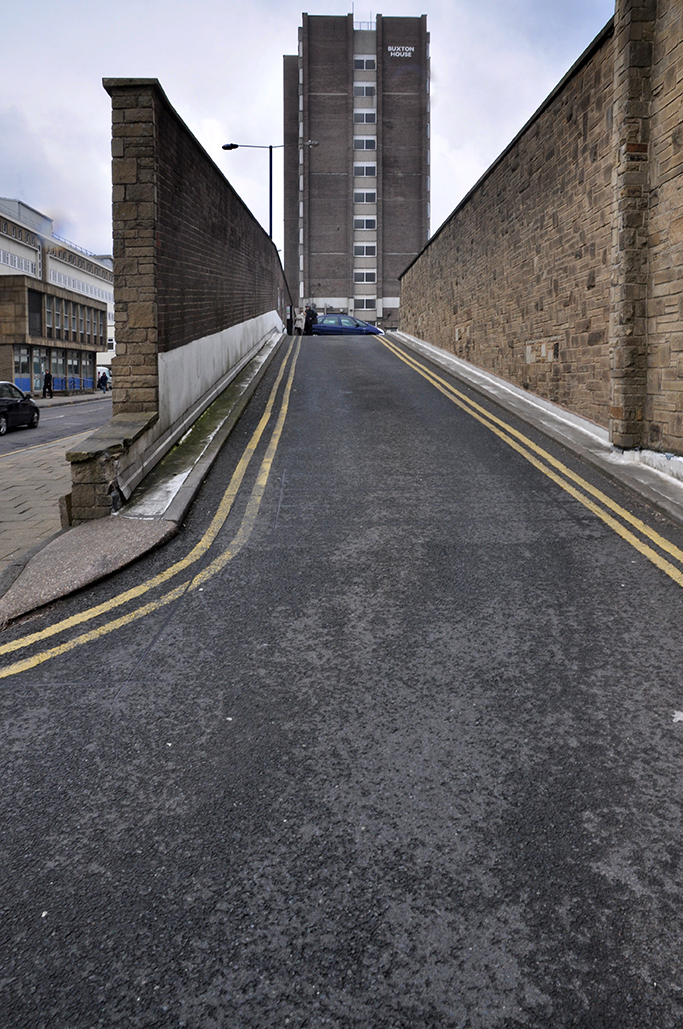
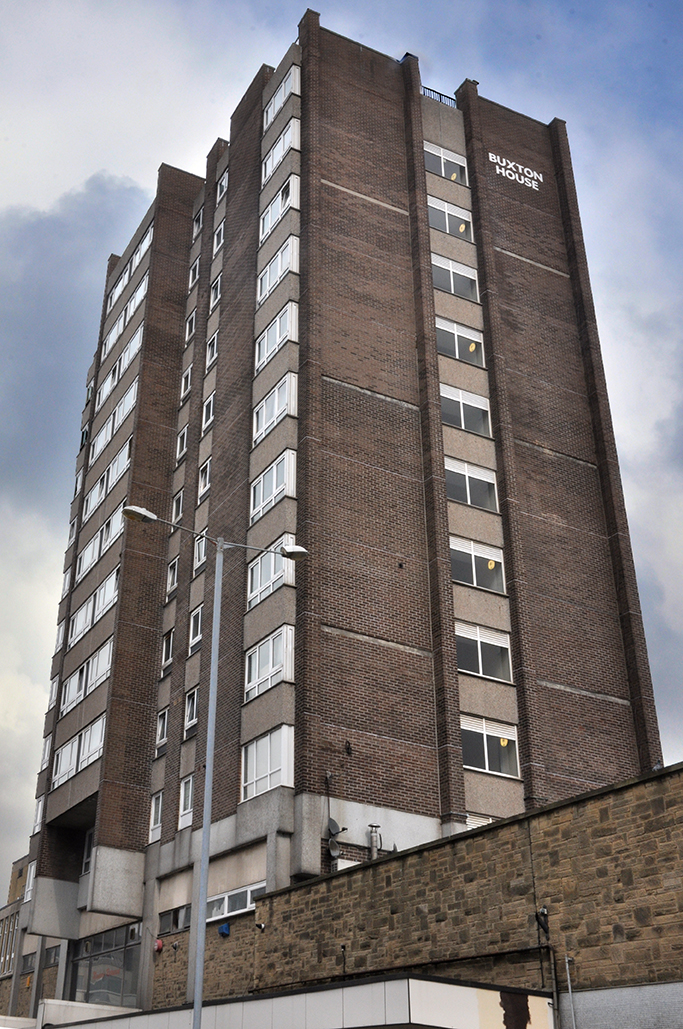
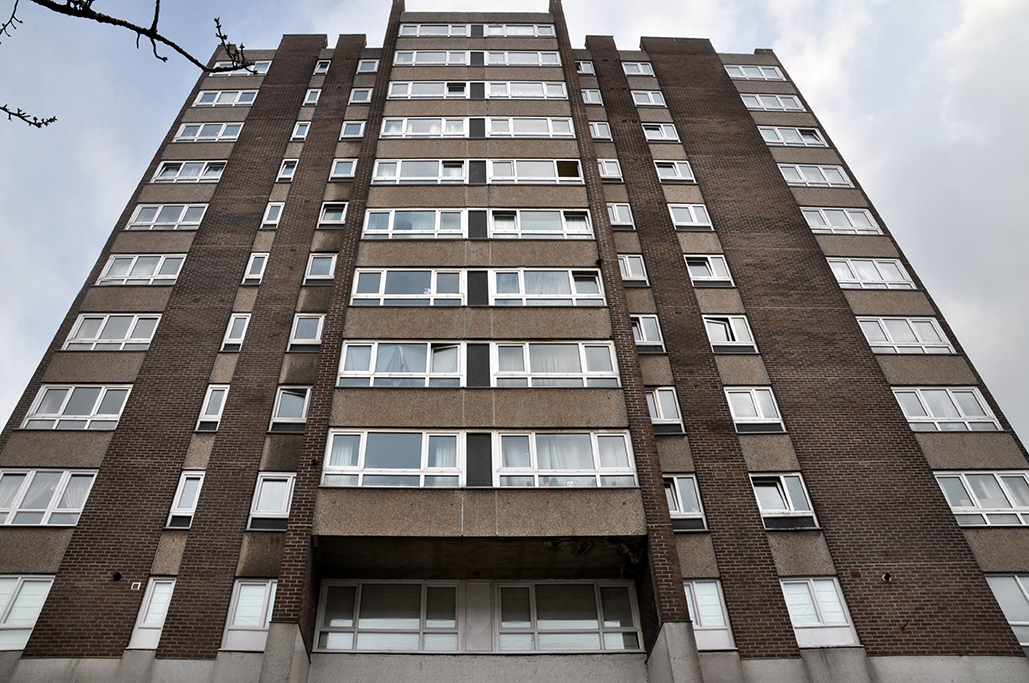
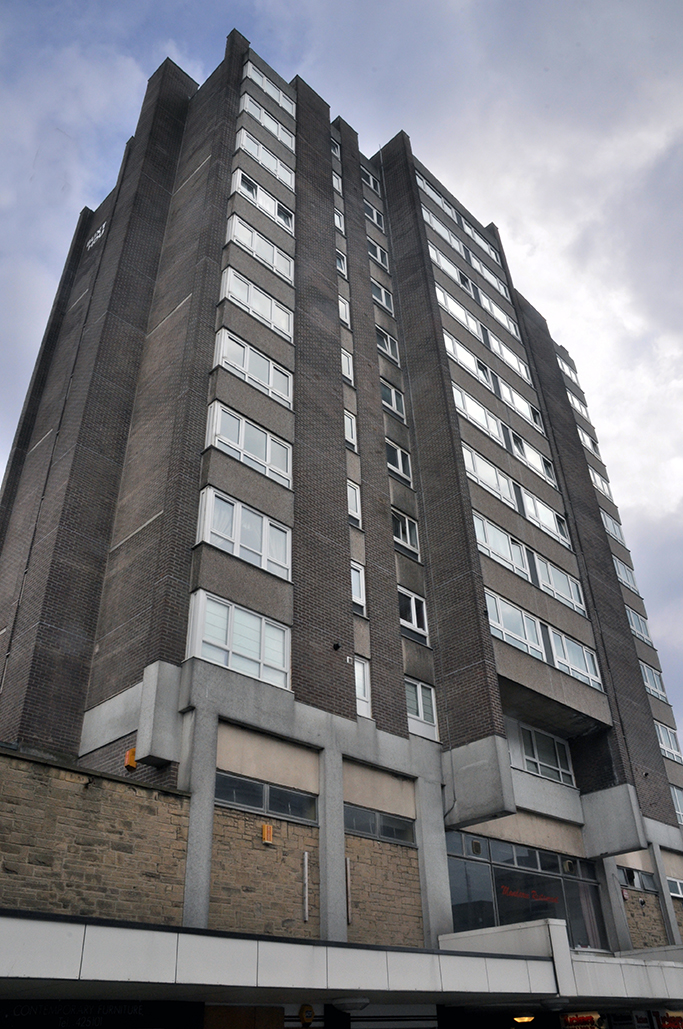
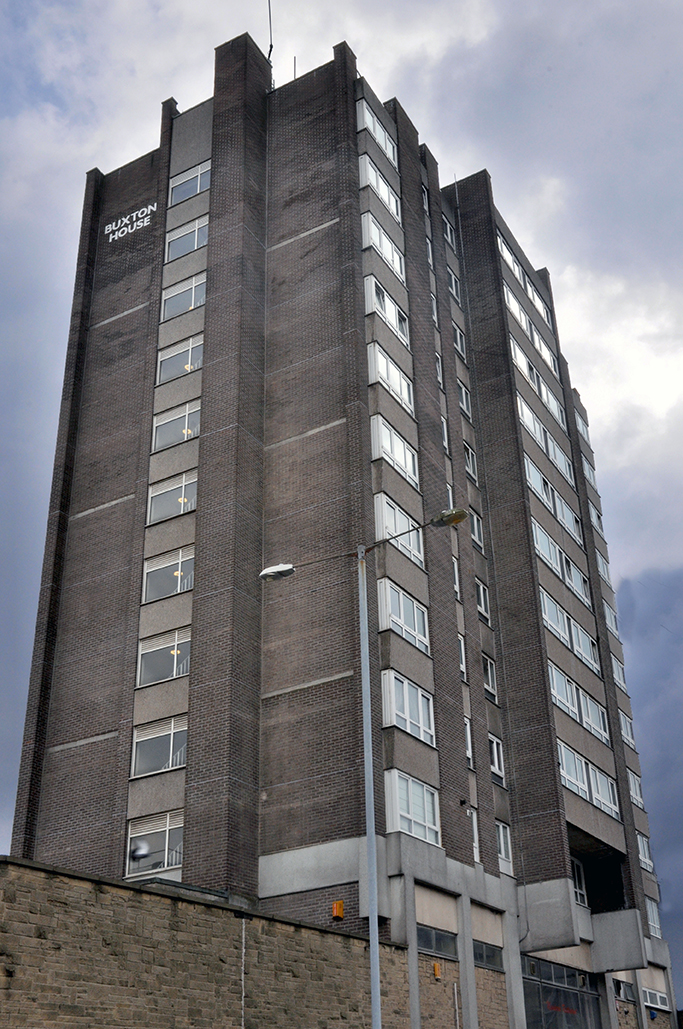
Slap dab in the middle of the town stands a lone tower block of residential, social housing.
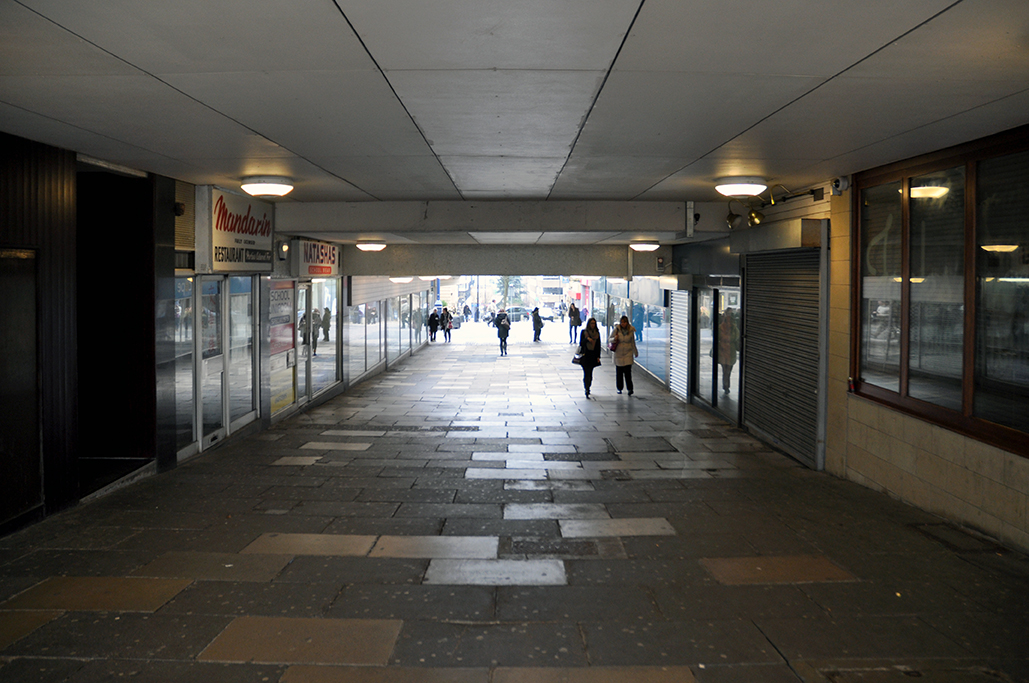
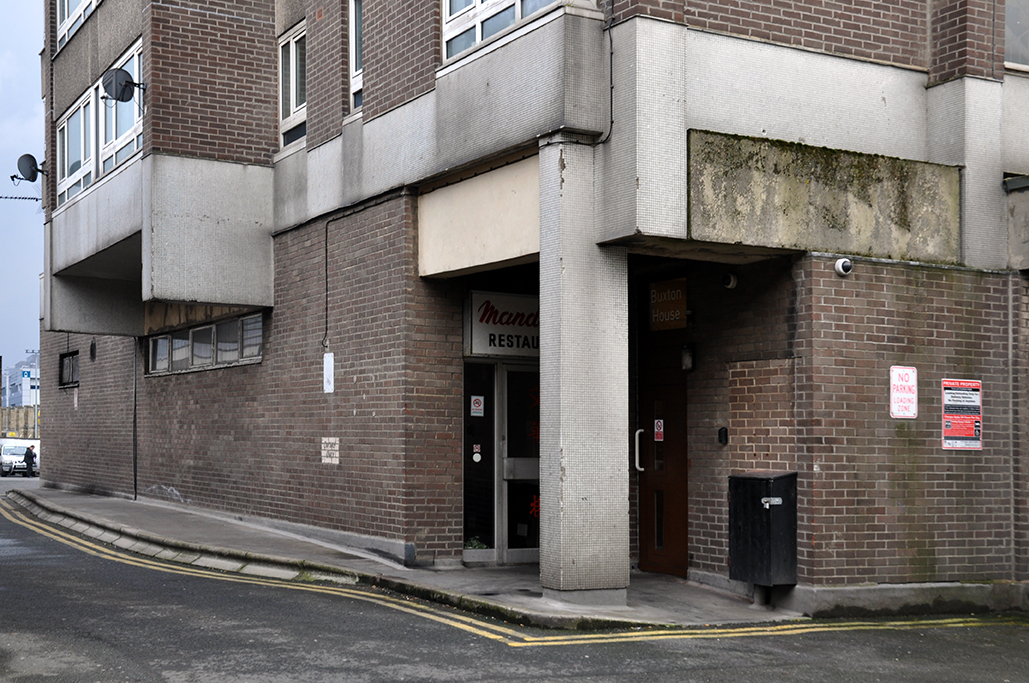
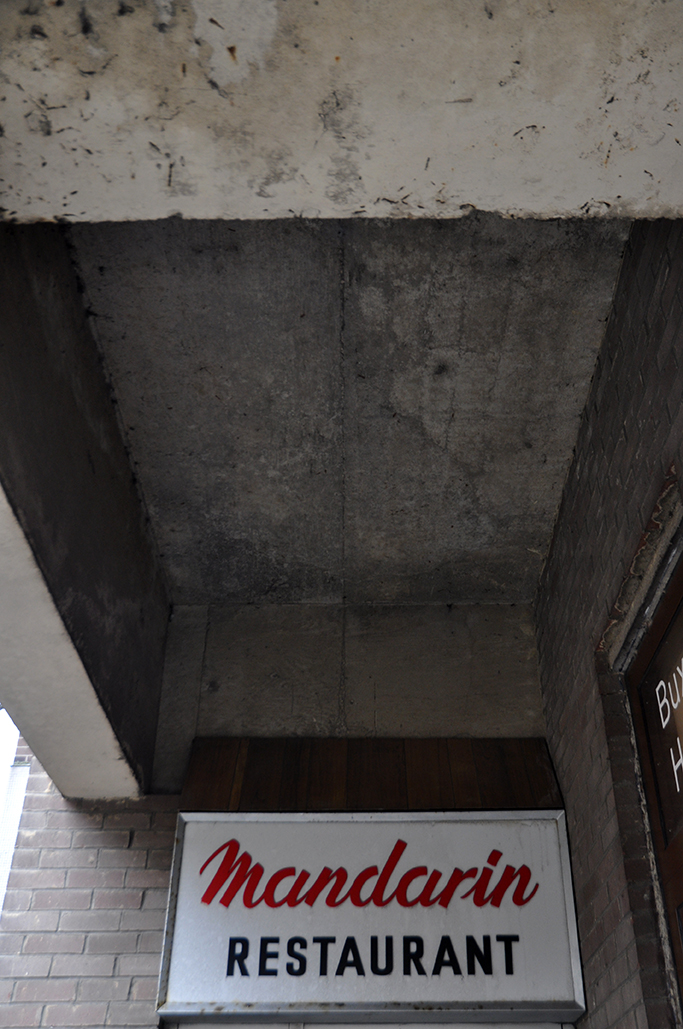
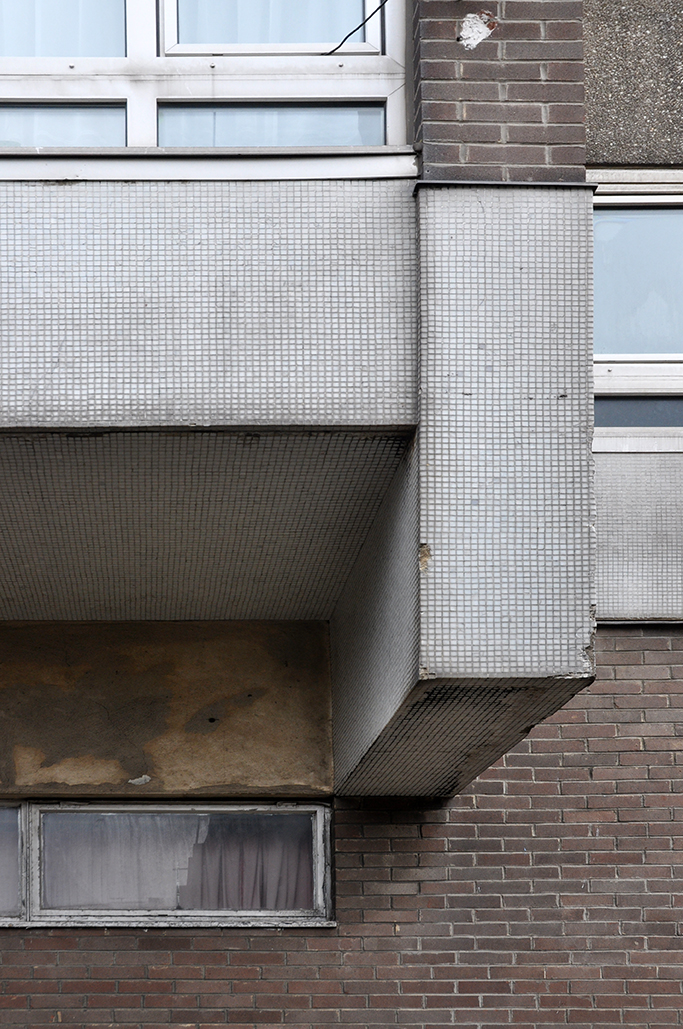
Buxton House backs onto the lower rise Civic Centre and is conjoined to the main shopping street and precinct, linked by a low wide underpass. Adorned on its street entrance by the most enchanting mosaic, announcing a spry geometric optimism to those shoppers and residents that pass under, through the underpass.
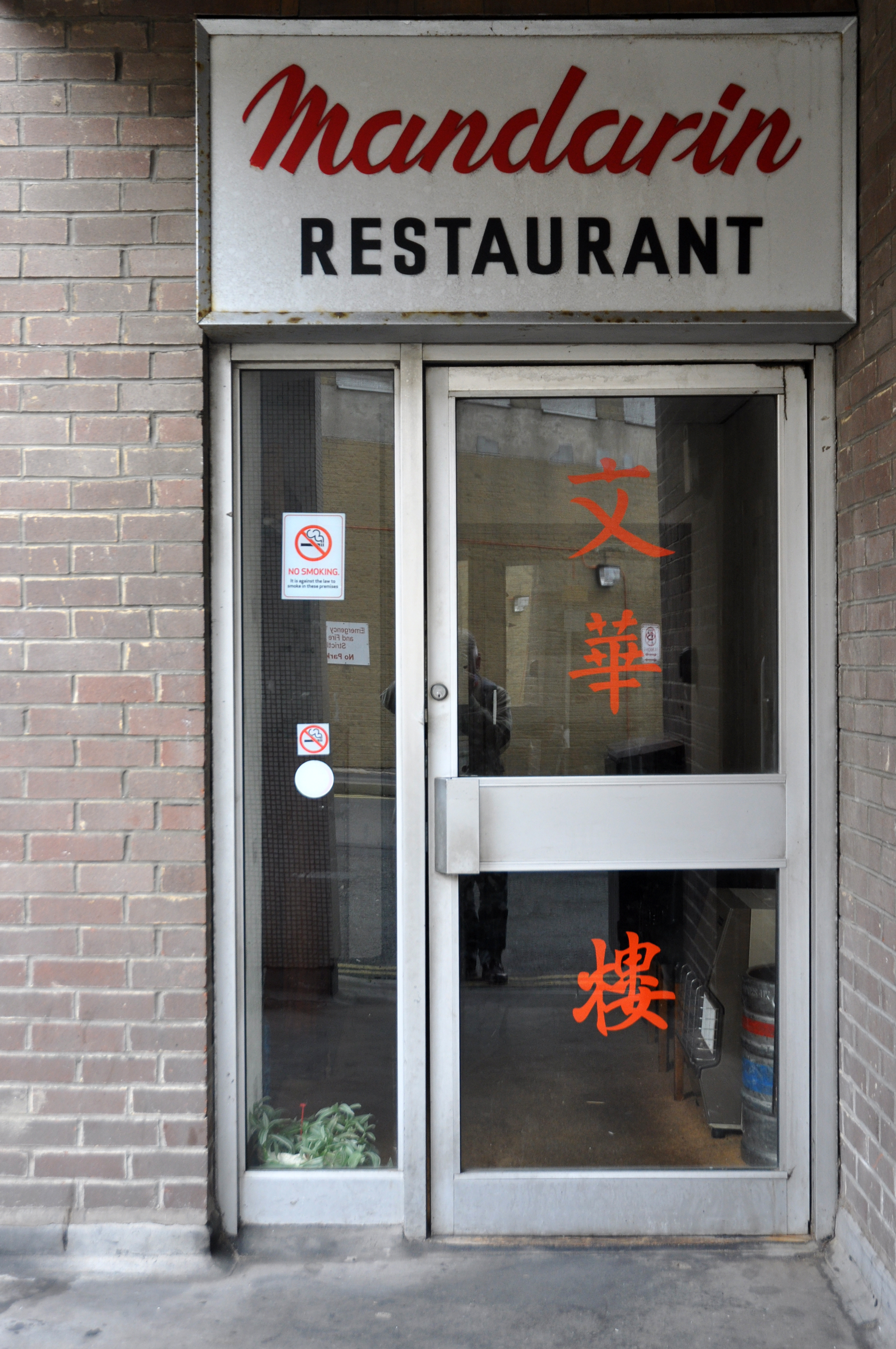
Ten floors of homes are bound in brick concrete and glass – a truly commanding central location, graced by the inclusion of an incongruous Chinese restaurant – The Mandarin.
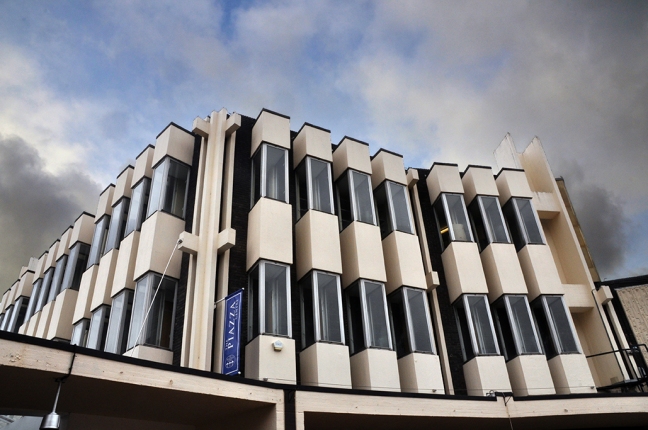
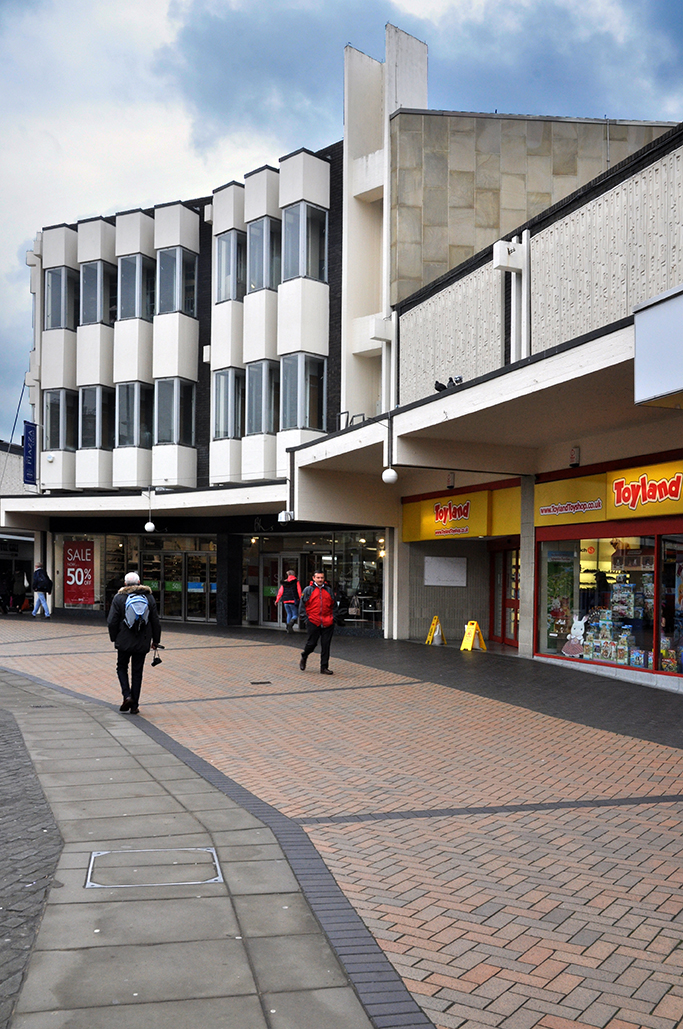
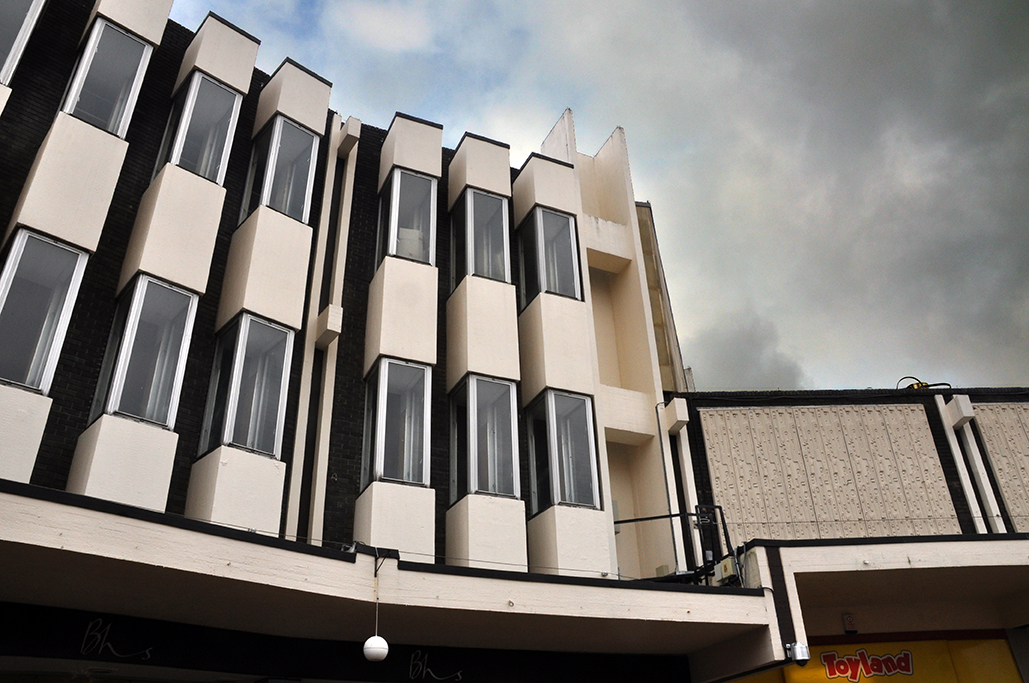
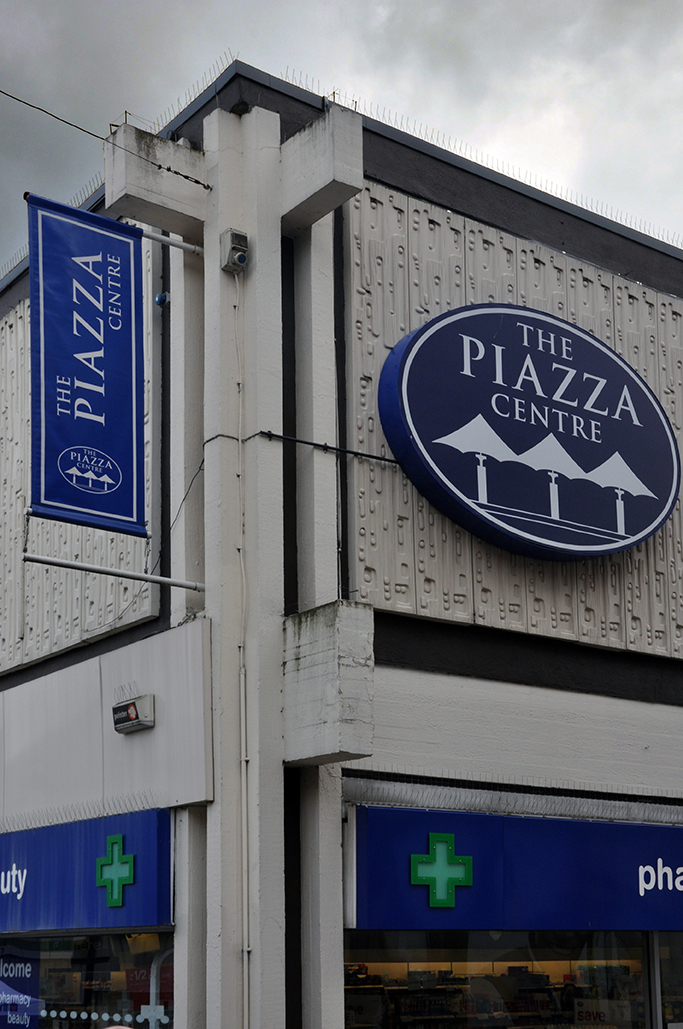
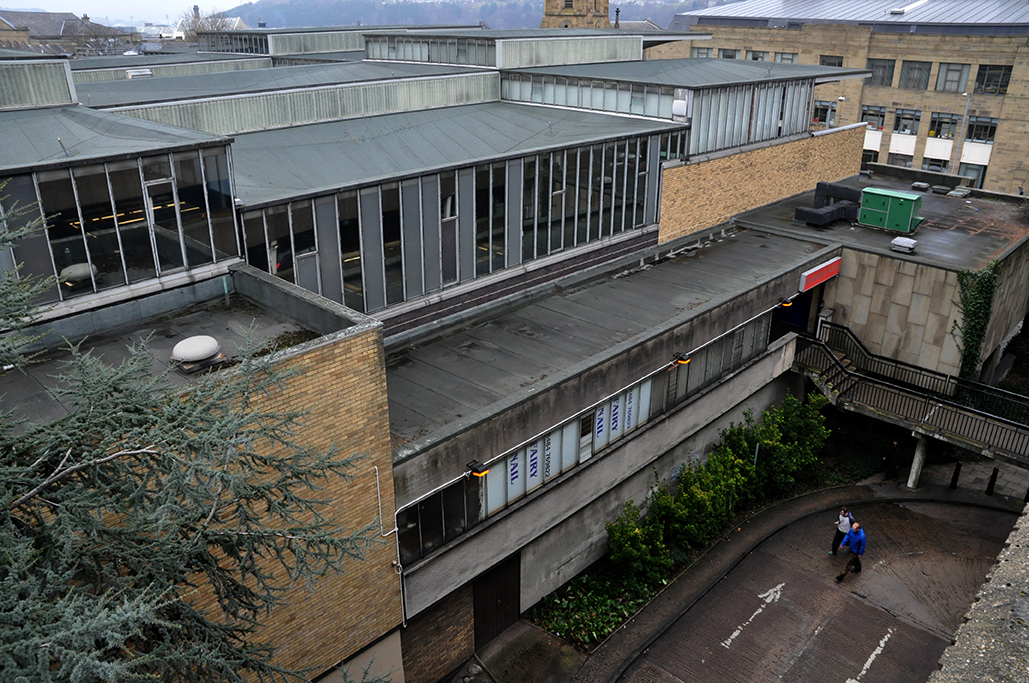
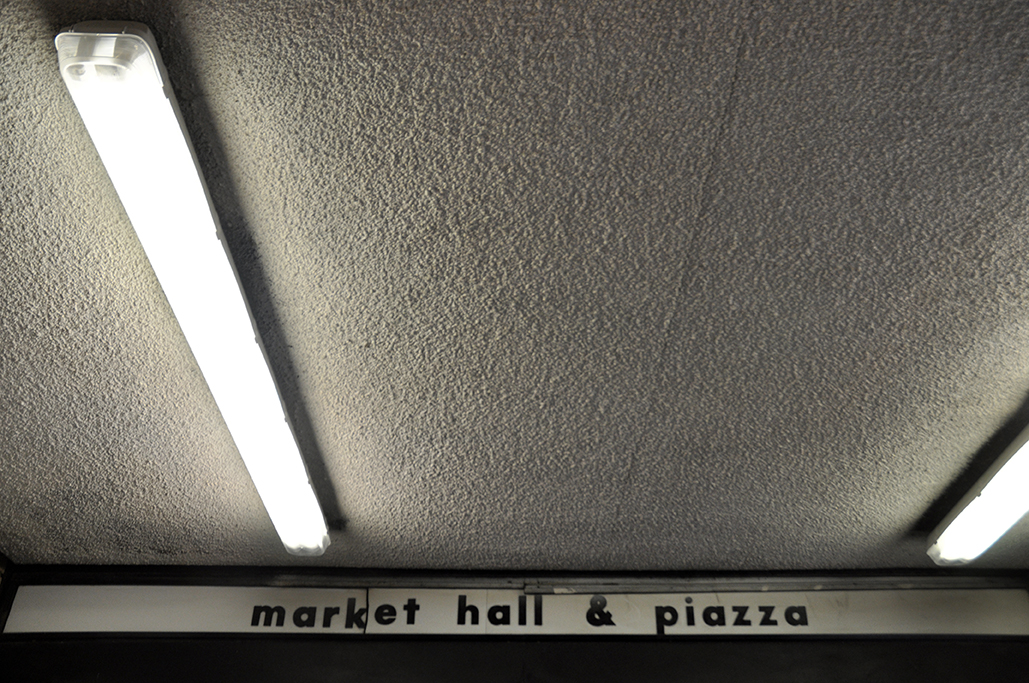
Huddersfield West Yorkshire shares a legacy with many other towns, a legacy of successive shopping developments of varying styles and quality. Shaped by fashion, topography and finance each makes a more or less bold statement on the fabric of the area.
In order to survive each geo-retail layer of architecture, must reinvent itself or die – adding new branding, covering period detail with newer, ever more impermanent fascias, flagging flagging and flags of all stripes.
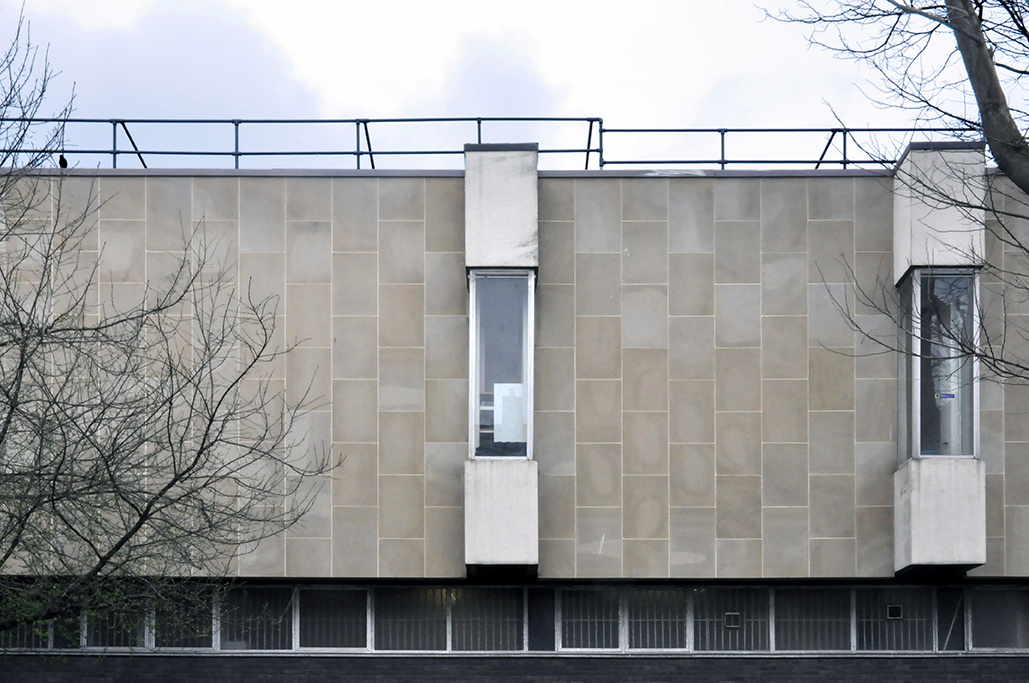
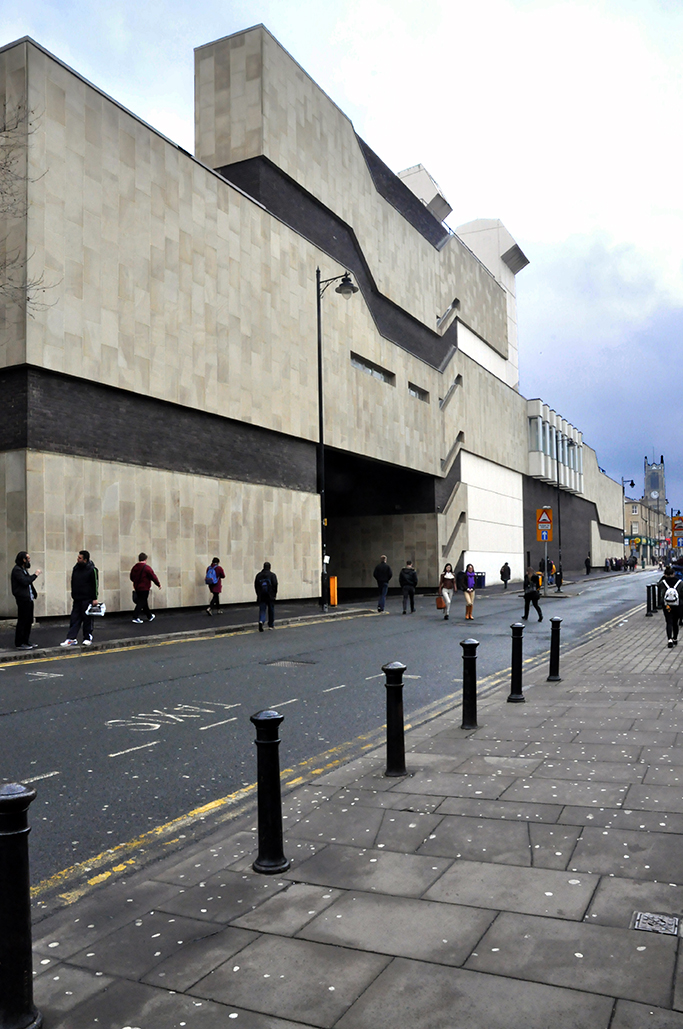
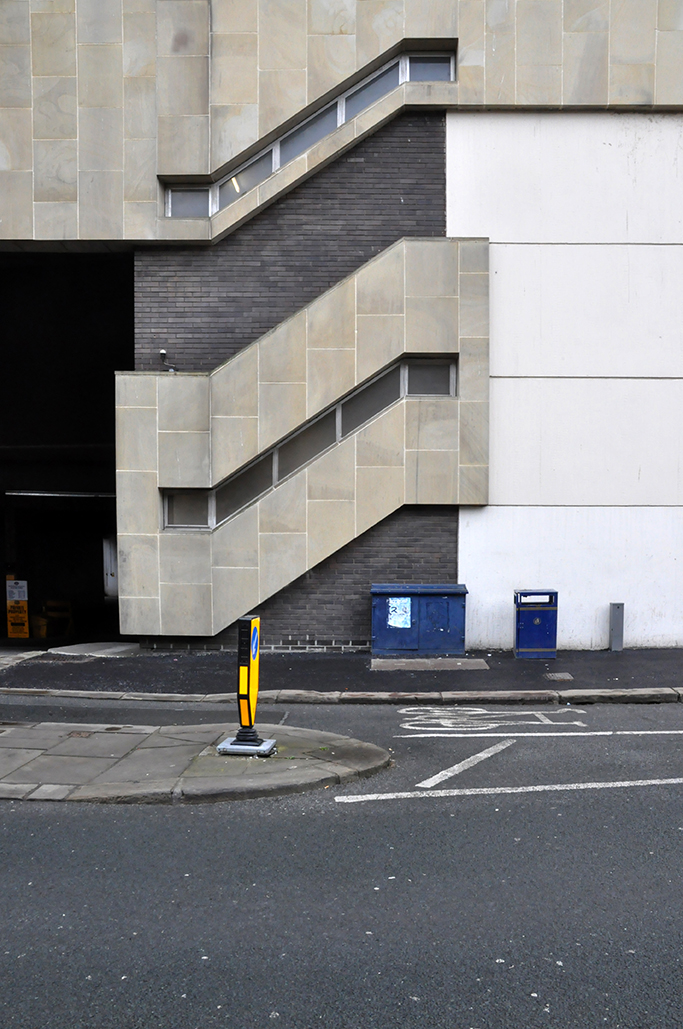
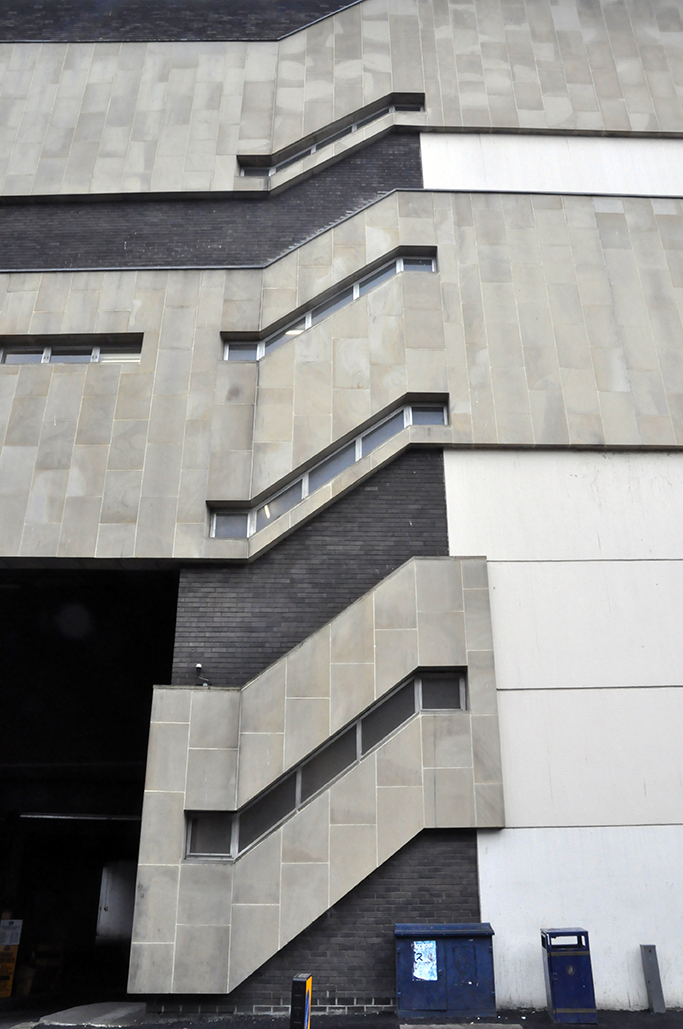
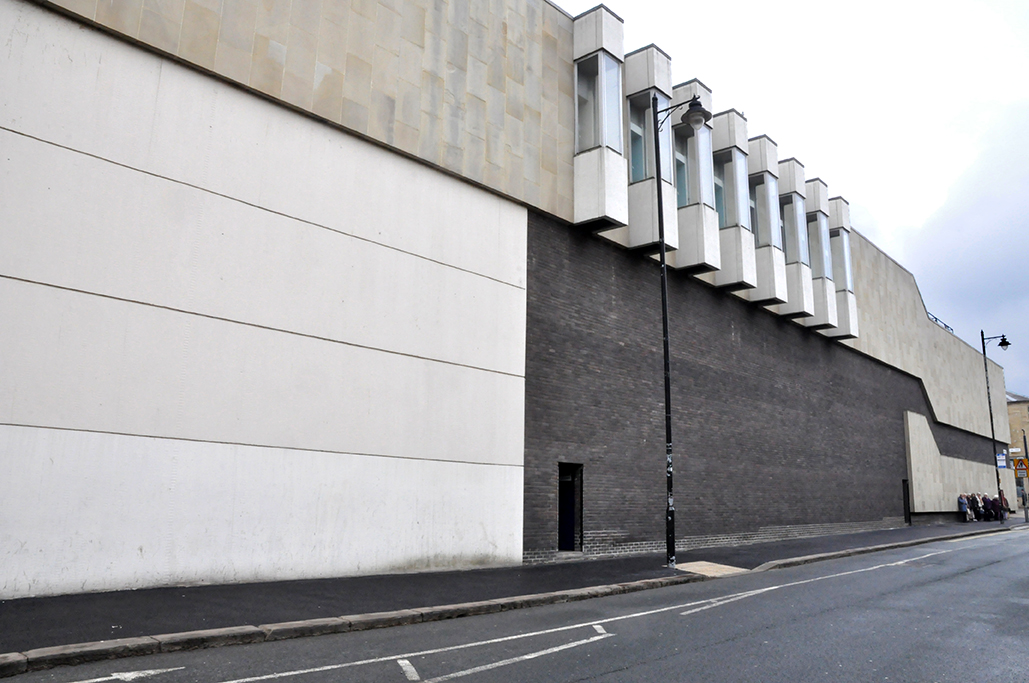
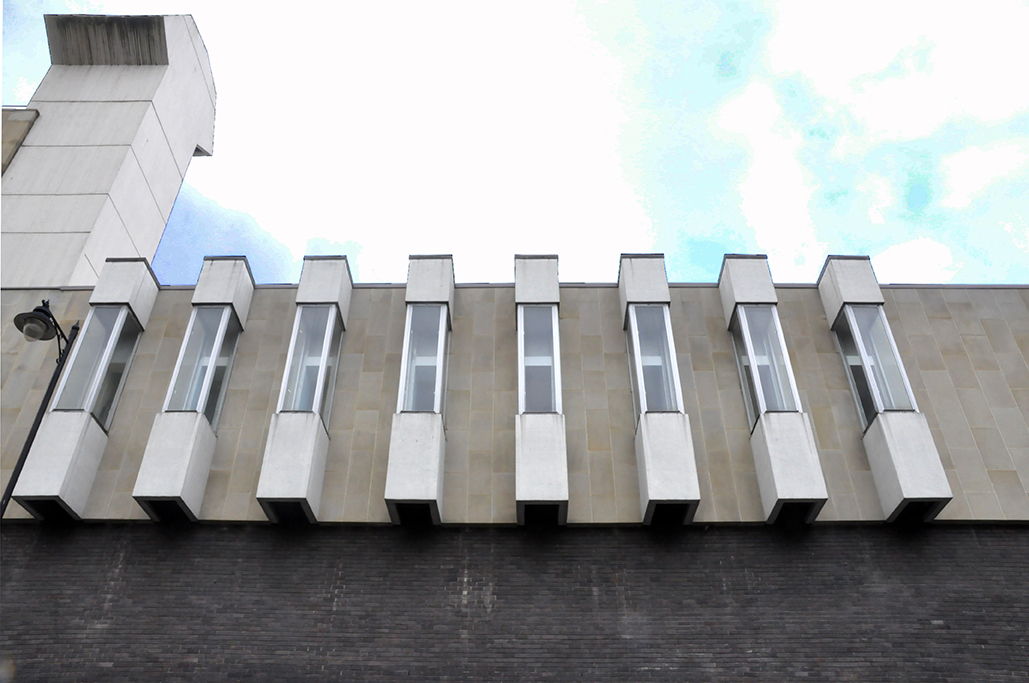
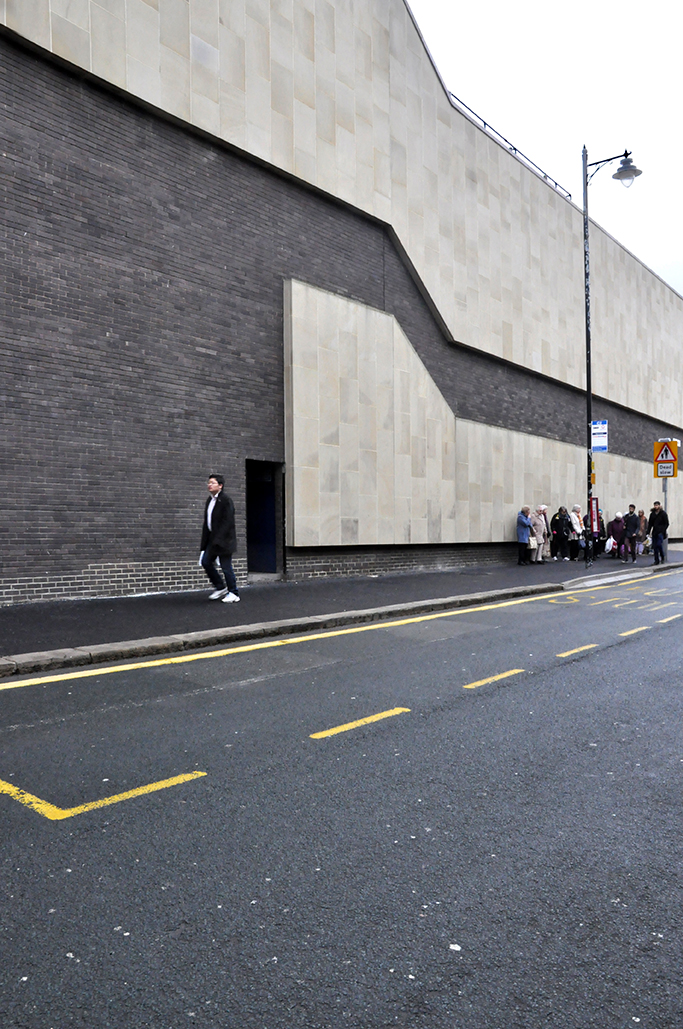
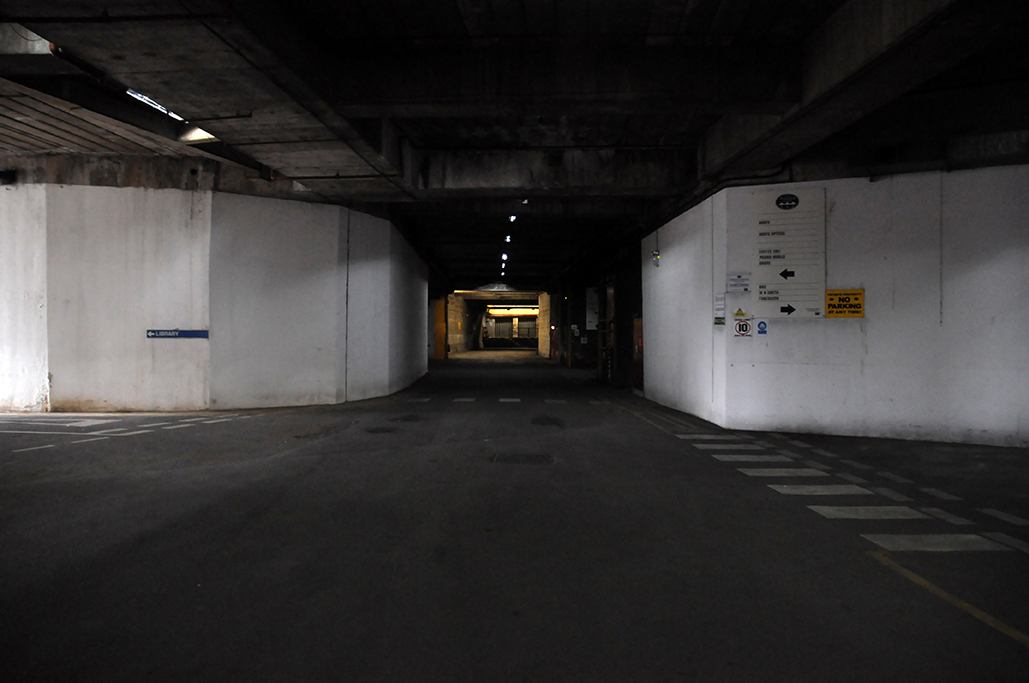
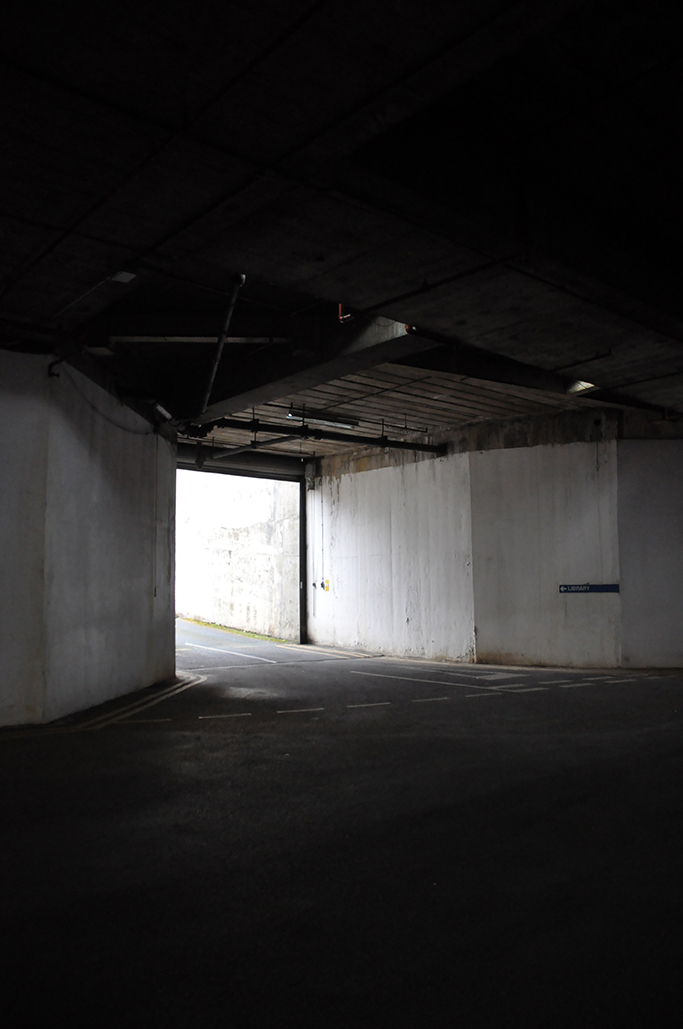
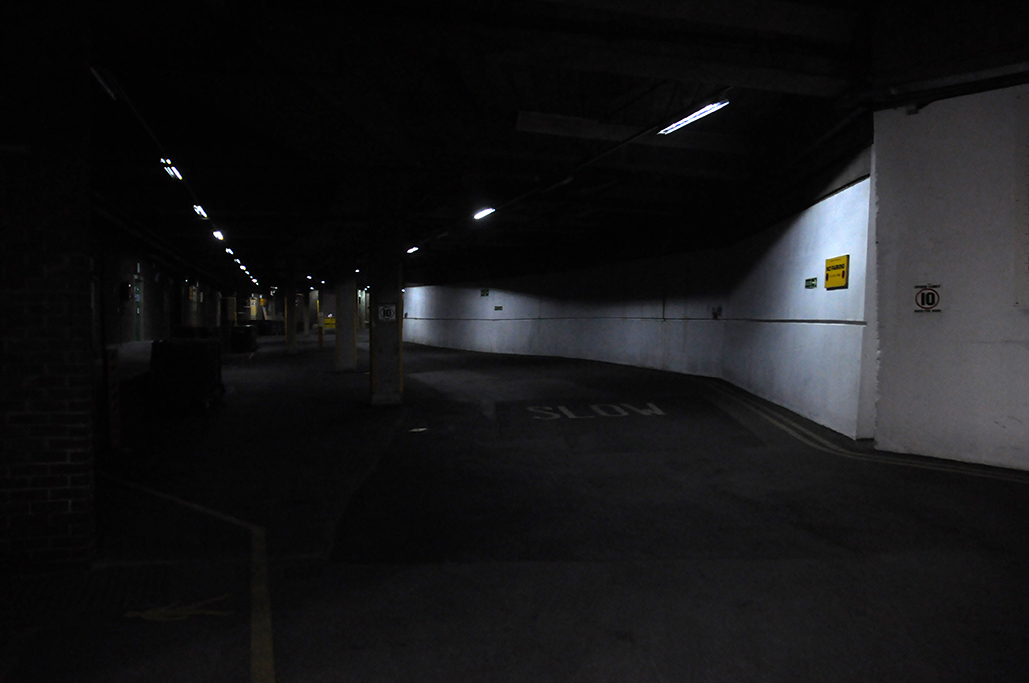
I encircled the Piazza – its monumental nether regions, enlivened with almost temple like scale and applied brick, stone and concrete surfaces, the dark and forbidding, cinematic subterranean service tunnels, and the open walkways of the main shopping areas.
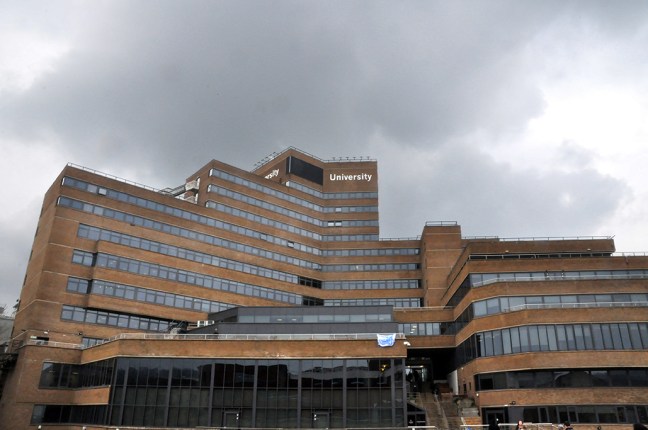
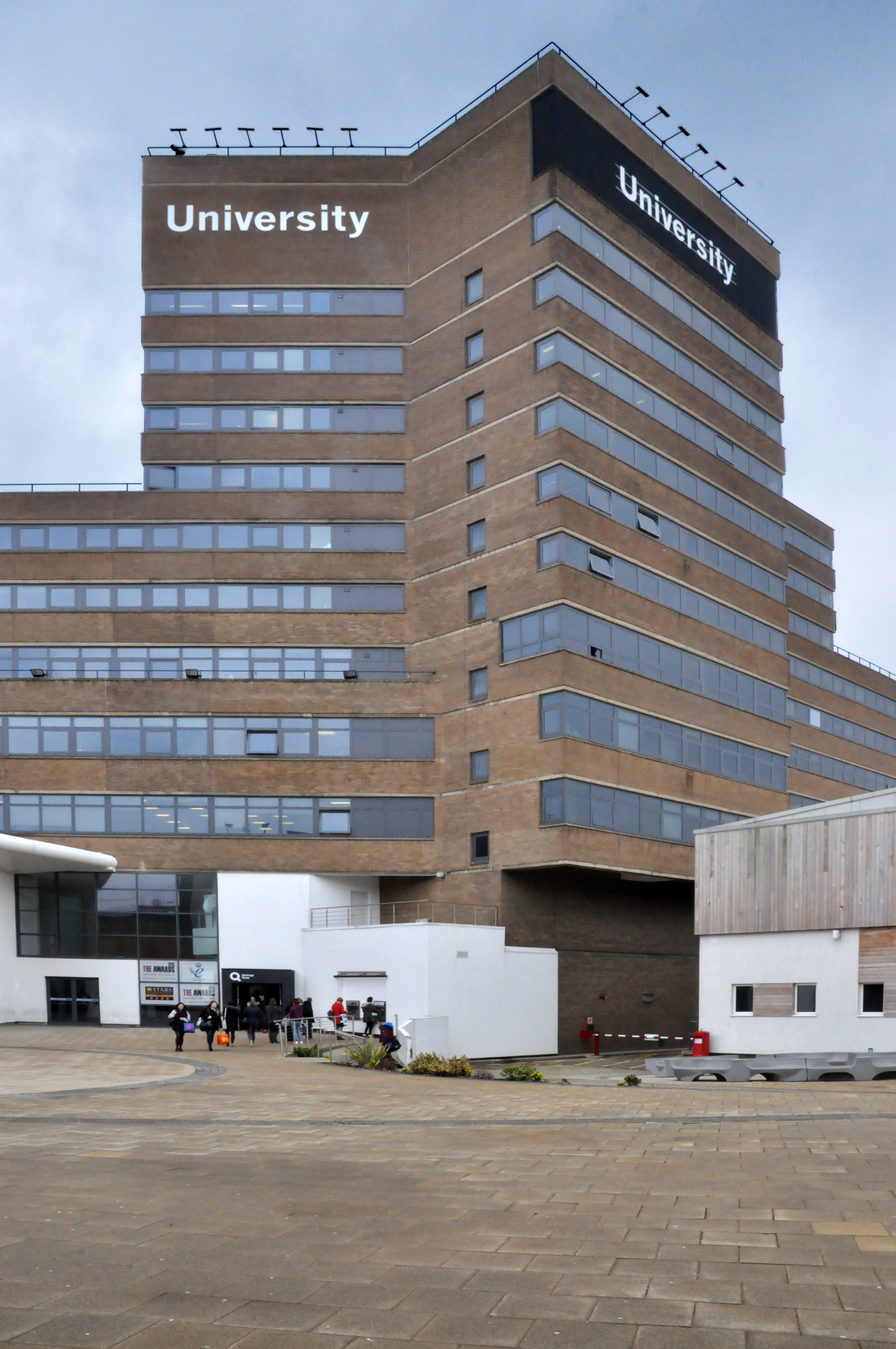
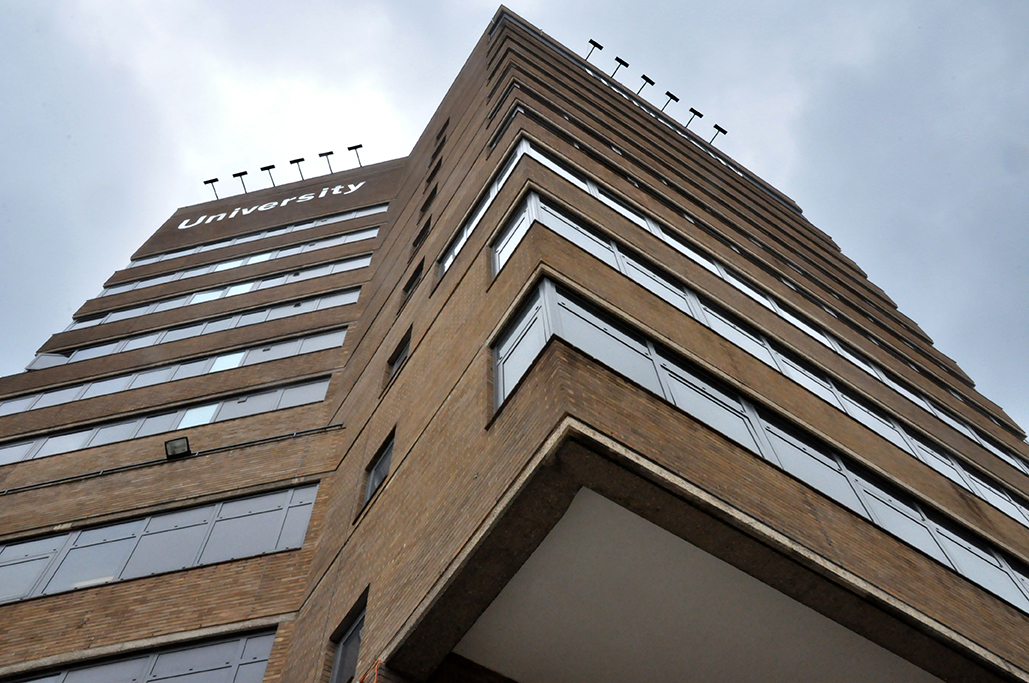
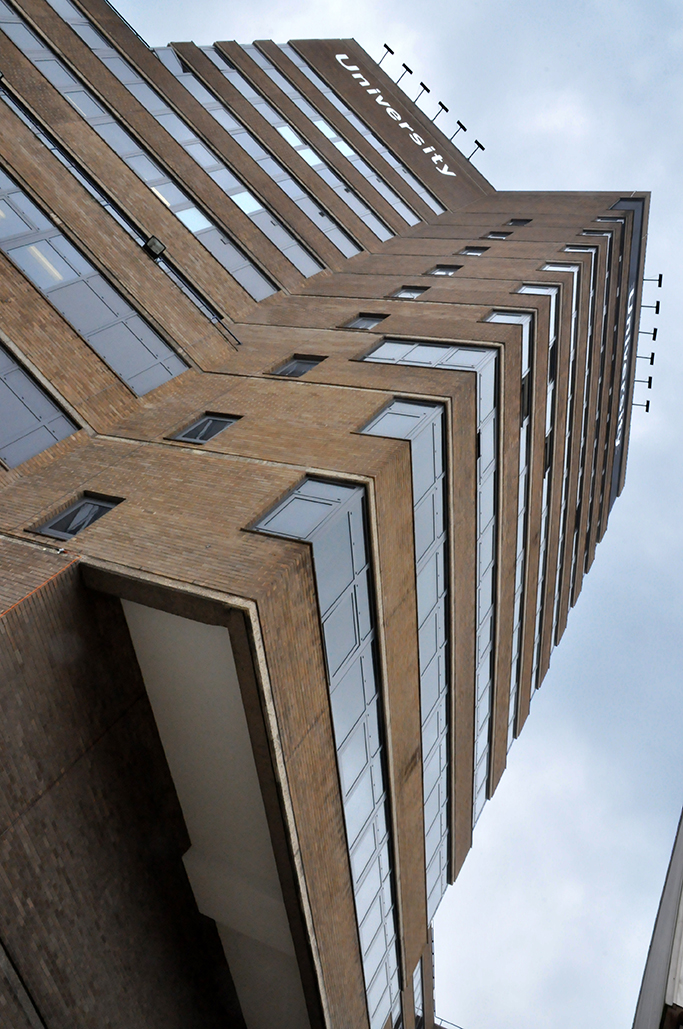
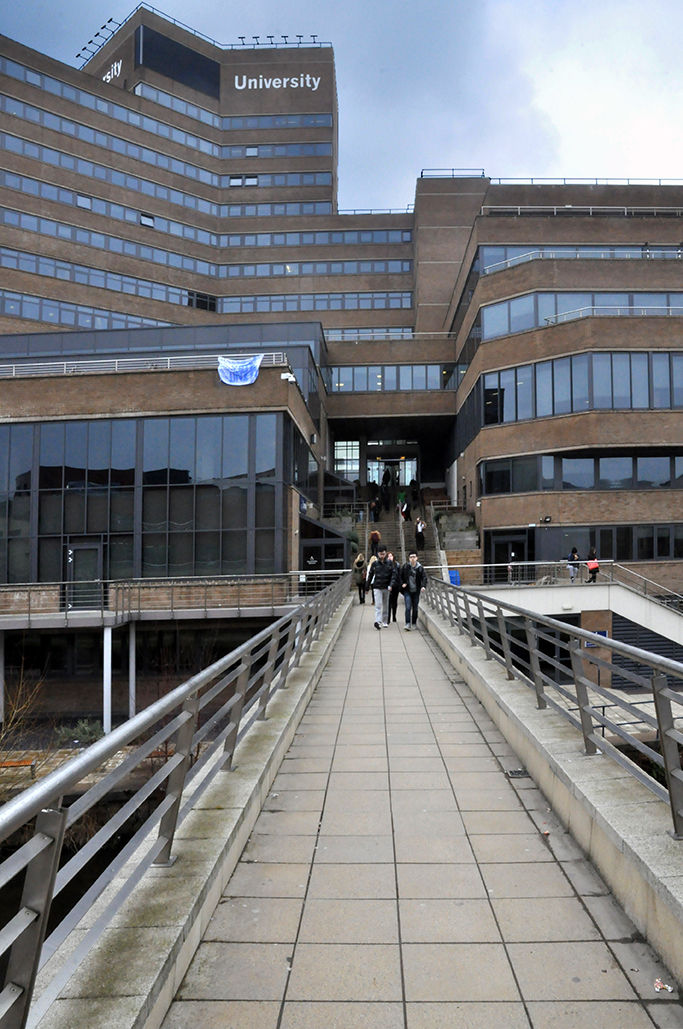
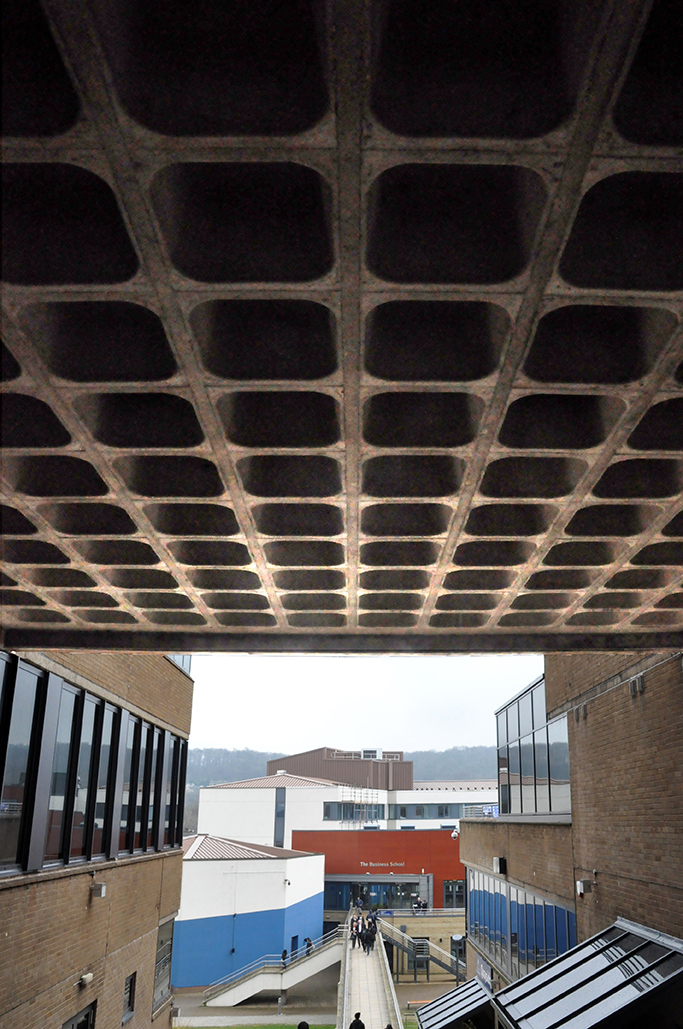
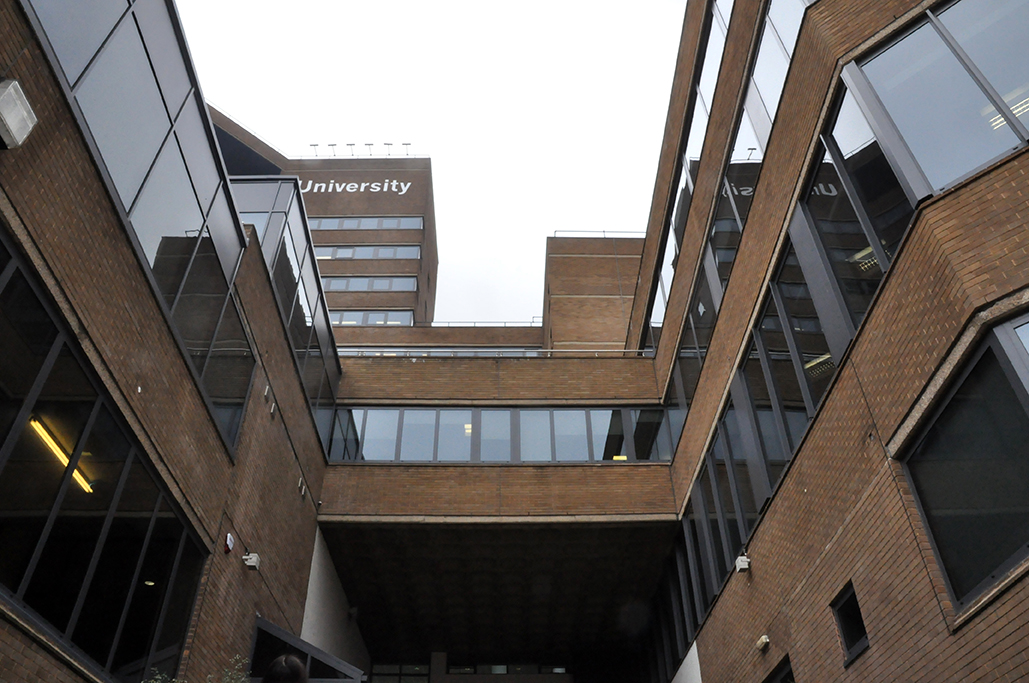
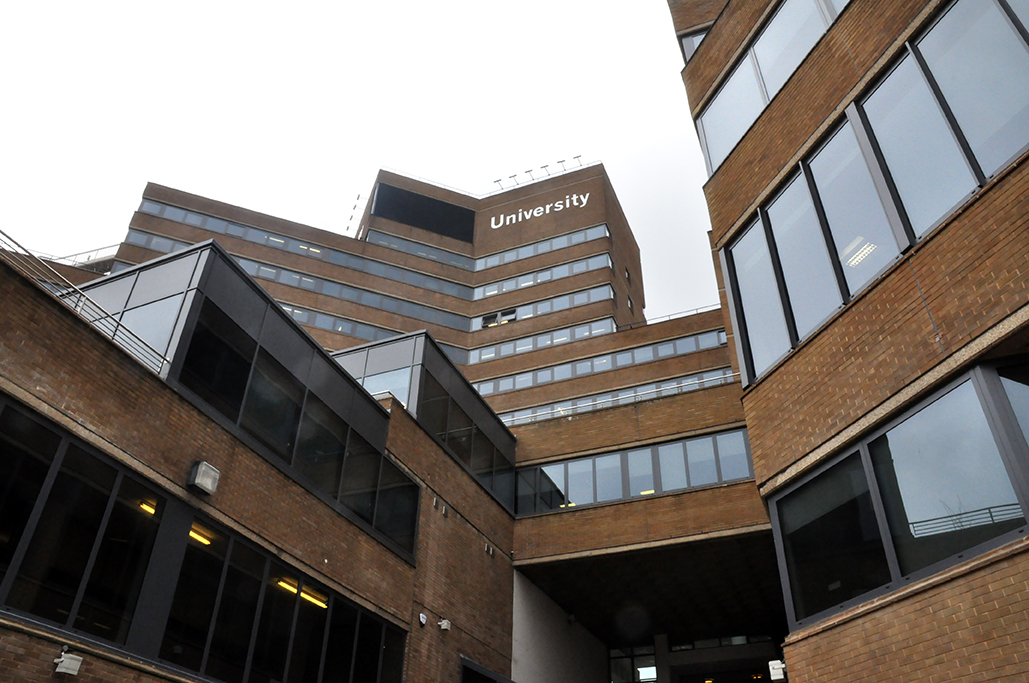
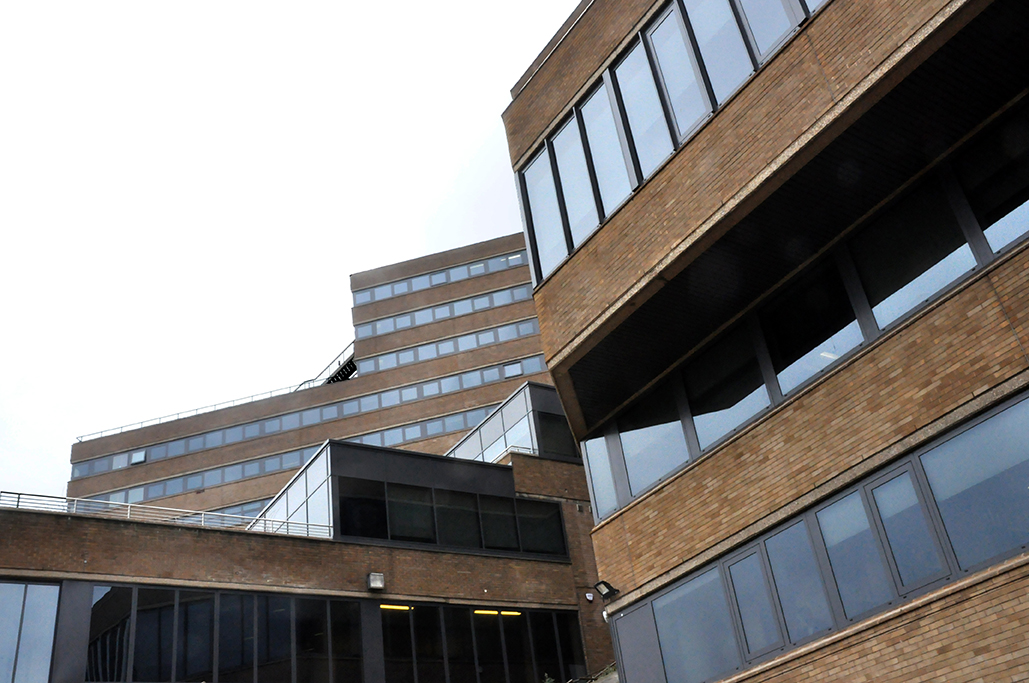
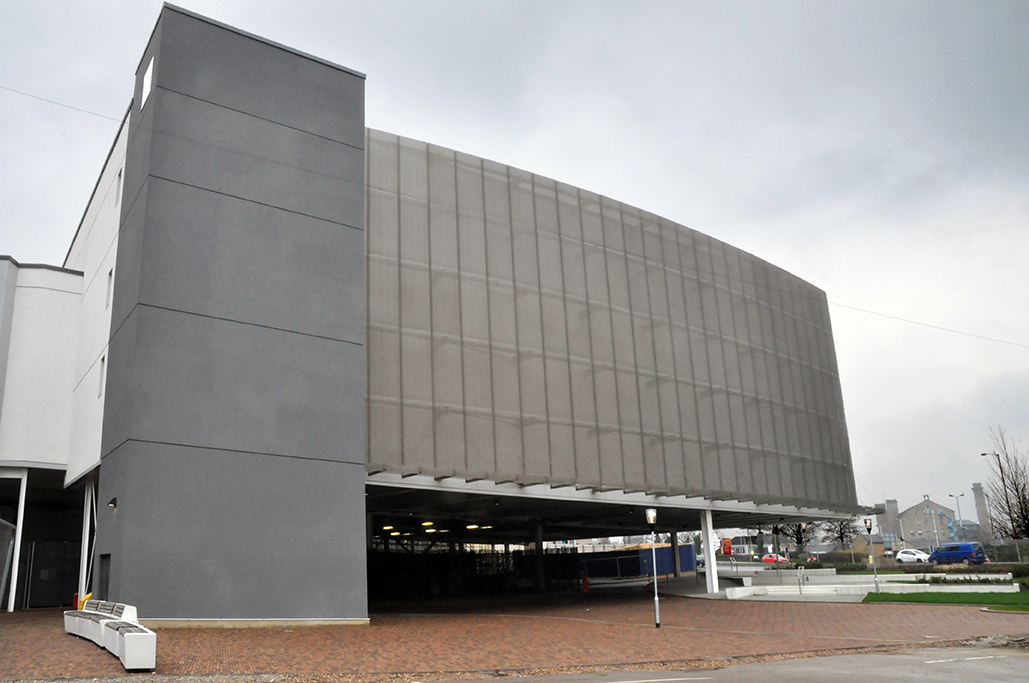
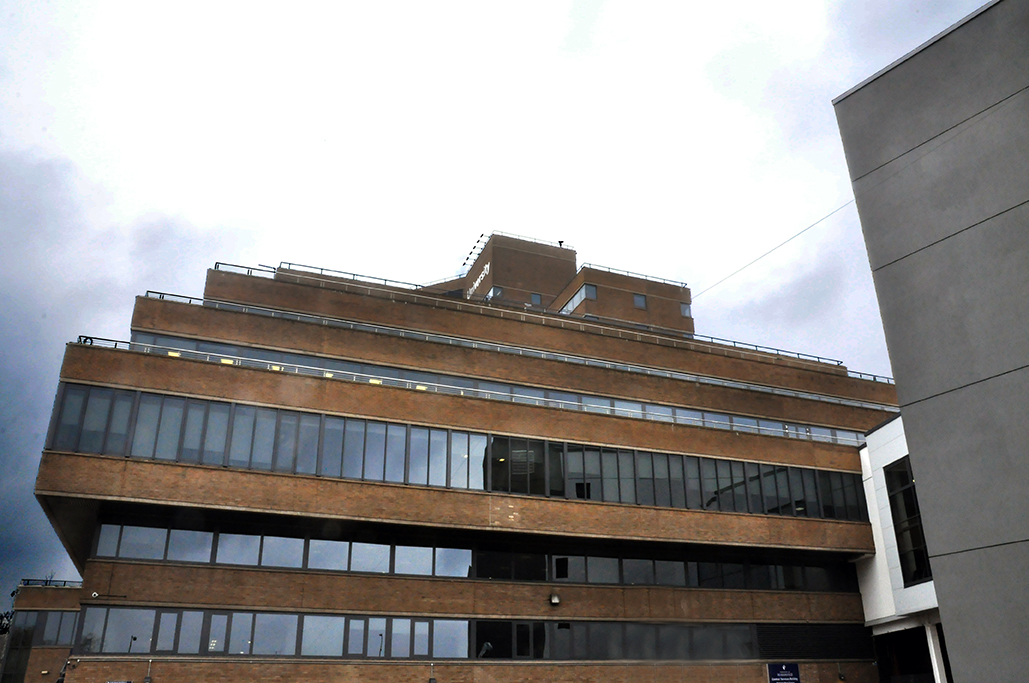
Spanning the Huddersfield canal and set on a hillside site of a hilly Yorkshire town, the University Buildings dominate the Colne Valley area to the south.
Typically their history spans an earlier site which evolves during the 50s and 60s, as part of the drive to develop the industrial/educational base of the area and the burgeoning growth of the provincial Polytechnics.
The result is a confident yet dizzying panoply of styles and materials on a fairly compressed but expanding site.
Brick, concrete, glass and more recent modern clad additions collide in a bun fight of assertive volumes.
It all seems very exciting.
“David Wyles, The Buildings of Huddersfield: four architectural walks – facing us now is the impressive bulk of the Central Services Building in front of which stood a six-storey building; its structure emphasised by the reinforced concrete frame which projected skeleton-like above the main roof level. This was part of the earlier Technical College development which included several buildings of similar style designed from 1957 onwards by Frederick Gibberd. The six-storey blocks have since been demolished.
The focal point of the campus, the Central Services Building, was designed by Hugh Wilson and Lewis Womersley of Manchester and constructed between 1973 and 1977 at a total cost of £3,651,000. The building contains the main non-teaching facilities.
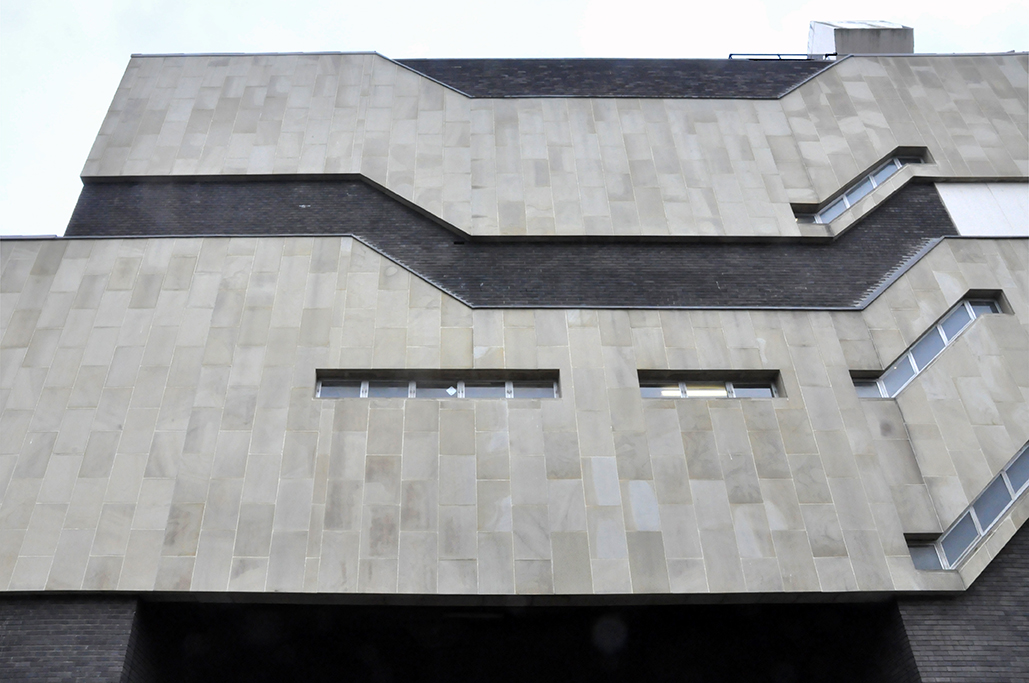
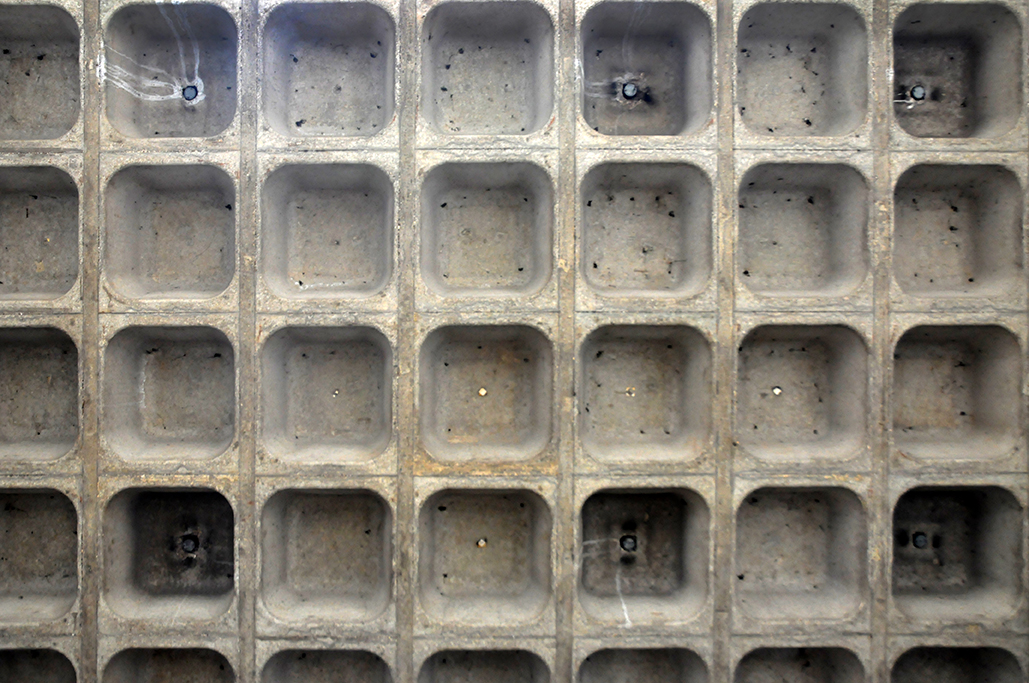
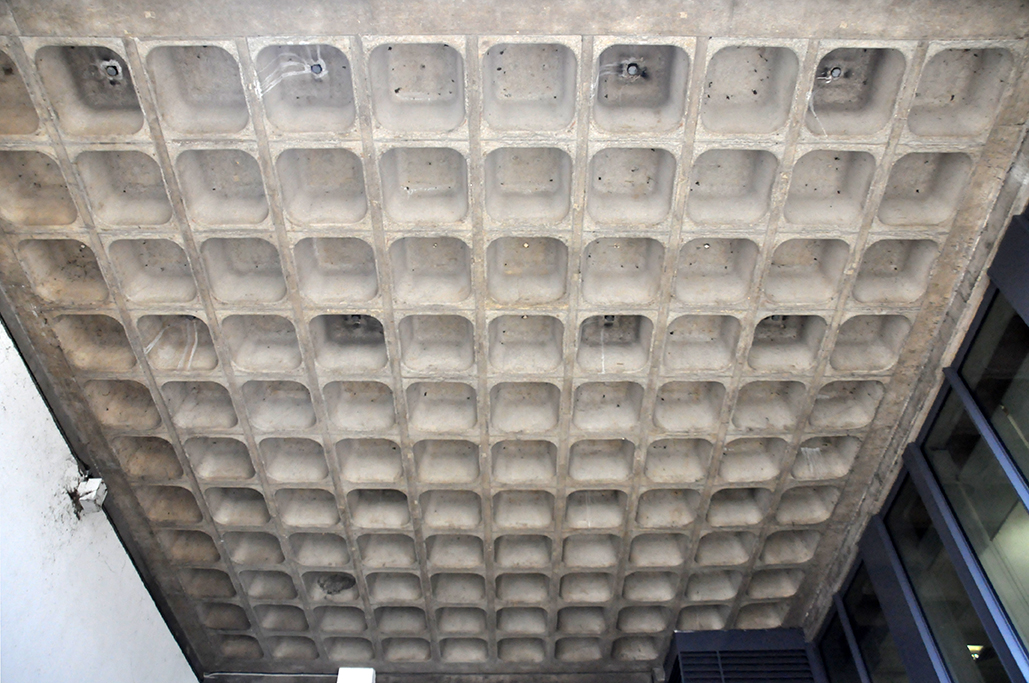
Much of the layout derives its form from the hillside site and this is accentuated by the undercover concourse leading through to the canal, which gives access to all parts of the building. The construction is based on a grid of reinforced concrete with floors supported on circular columns. The building is clad in light buff coloured bricks intended to harmonise with local sandstone.”
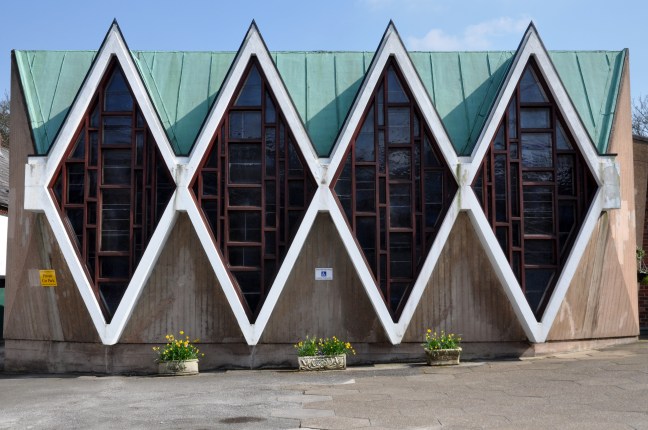
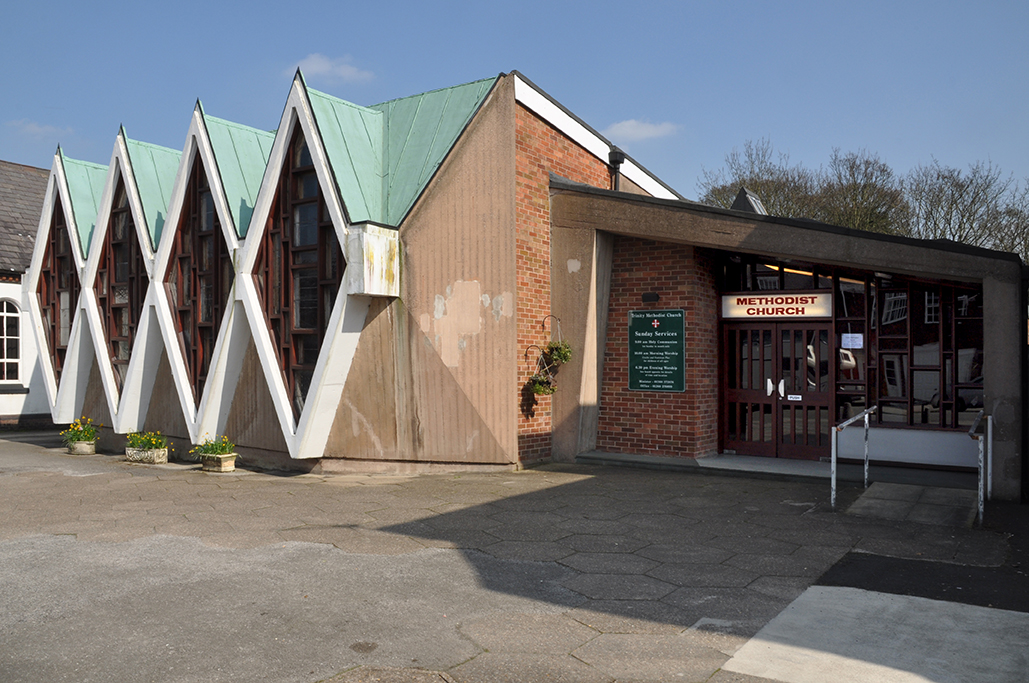
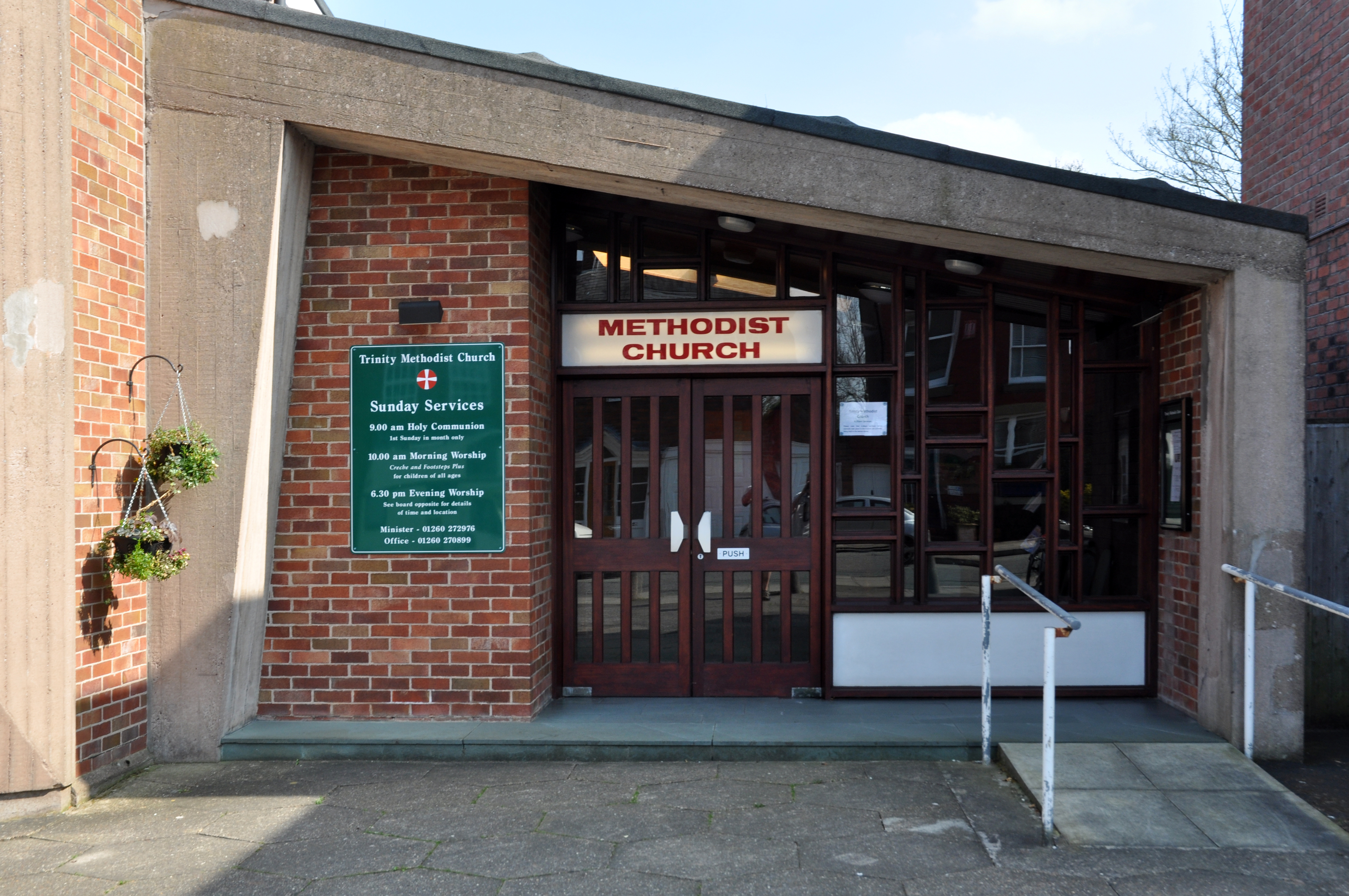
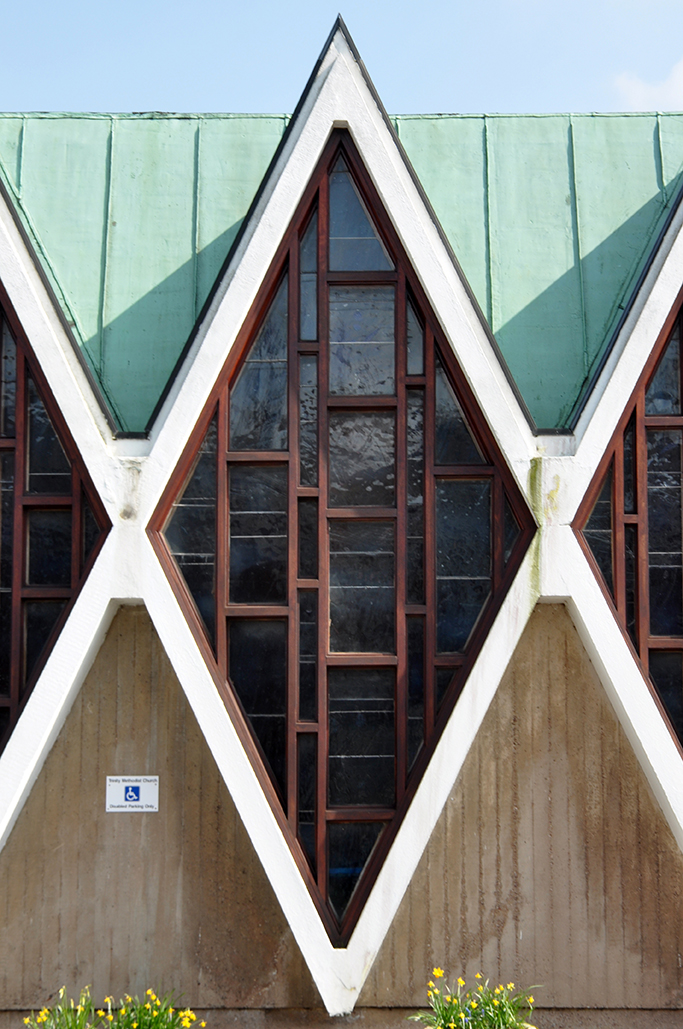
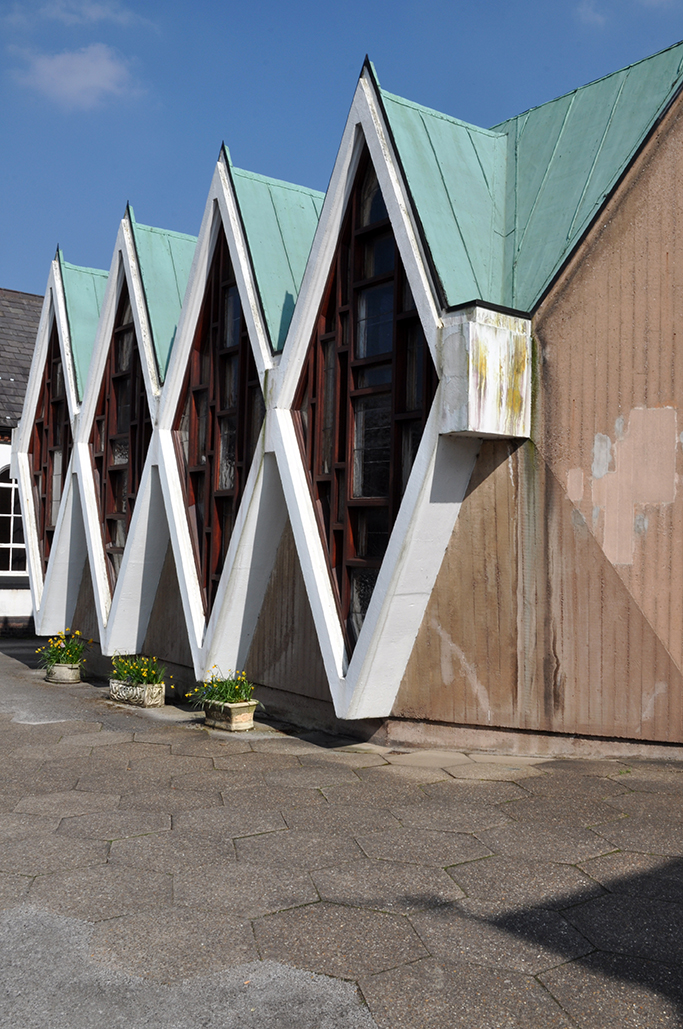
How incongruous, to find a little of the space age in a suburban provincial Cheshire street, keeping company with solid, stolid brick built homes and sensible Victorian stone structures.
Trinity is dominated by its diamond shaped stained glass, framed in unfinished concrete, emboldened like a wide ecstatic grin, extending beyond the bounds of the street, beaming towards heaven.
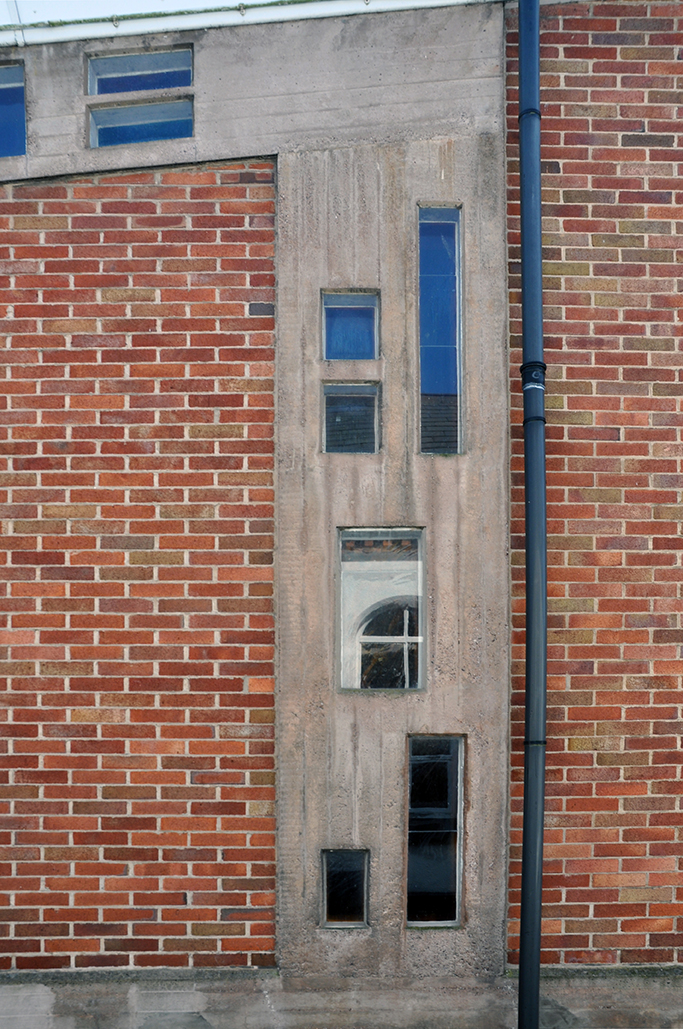
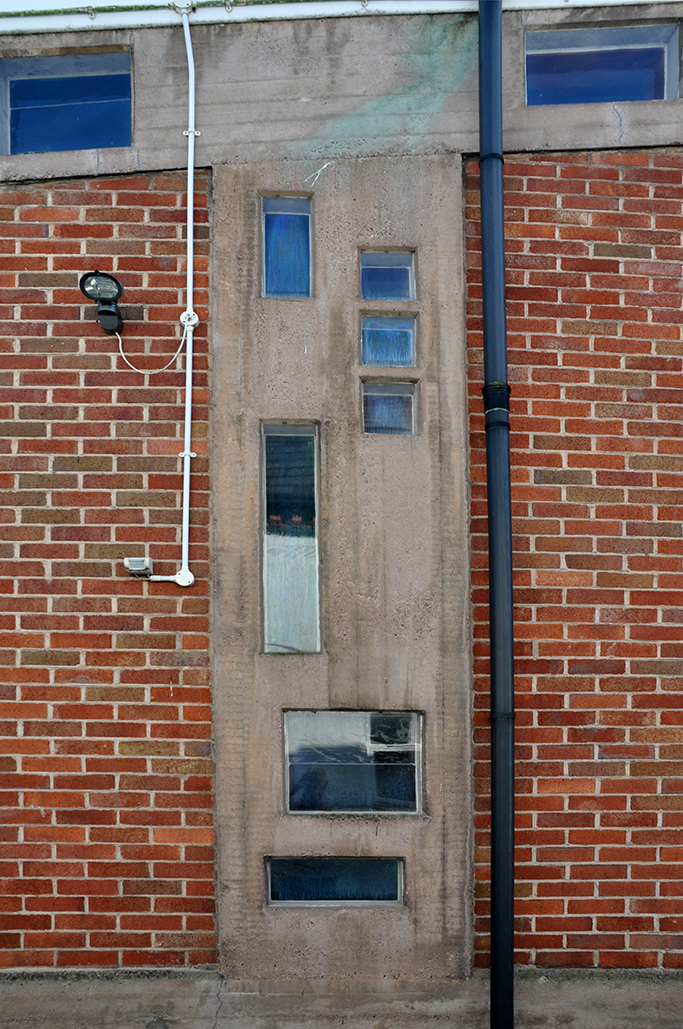
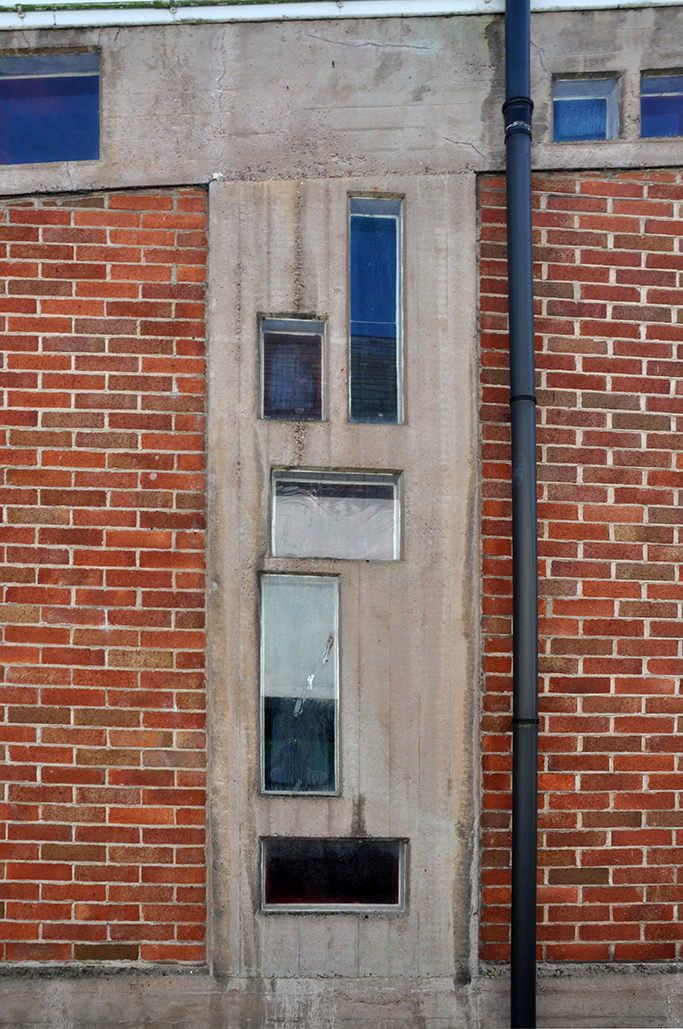
To the side are concrete columns pierced by irregular rectangular windows.
Completed in 1968, architect was Gorden Ball from VWB Architects.
This tiny gem deserves your attention – take yourself off to Mill Street pronto.
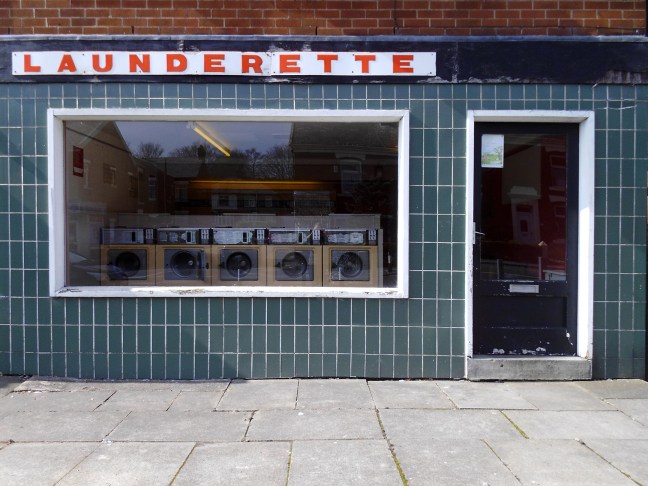
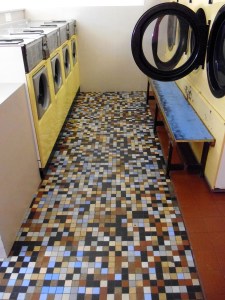
Wandering amiably down Whalley Old Road towards Blackburn one warm sunny day today, I came upon yet another launderette.
Somehow, somewhat frozen in time.
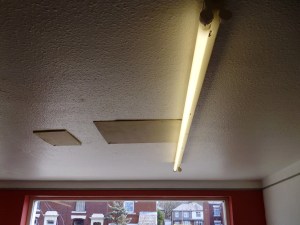
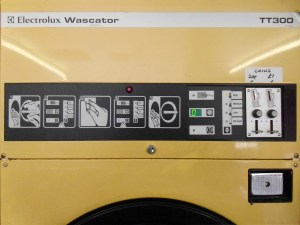
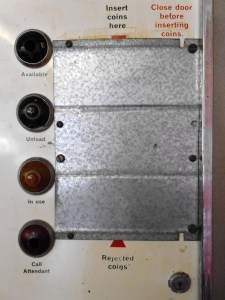
Front window cracked, but just about holding together, signage almost intact, machines formerly fully functioning – flagging, fluorescent tubes softly flickering, unguarded against the wood chip.
Patterned formica surfaces care worn and faded from use and abuse.
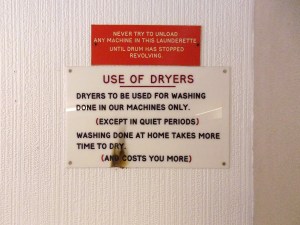
Washing done at home takes longer to dry (and costs you more).
If you walk far enough away, you’ll find yourself right there.
The sea to your right, Bridlington to your left. You could even catch the Land Train if you are so inclined, I declined and walked wet streets, in ever eager anticipation of my first visit to:
Bondville
A family run enterprise, tucked just away from the Yorkshire coast nestled in the village of Sewerby. Jan Whitehead and her team of willing helpers kindly allowed me to get a sneak preview of the village, as they prepared for the imminent Easter opening.
This one twelfth scale wonder is filled with everything you might wish to find in an idyllic village – but smaller and made lovingly by hand. Wandering its narrow streets, each tiny turn is a new and exciting surprise, an irresistible vista of diminutive figures, set in a cornucopia of architectural delights.
The trains always run on time, and the trawlers bob merrily in the harbour.
The wedding party remain forever almost snapped by the arched photographer, blink and they don’t move.
So step inside a world of wonder – I’ll be back when the sun shines, I promise.
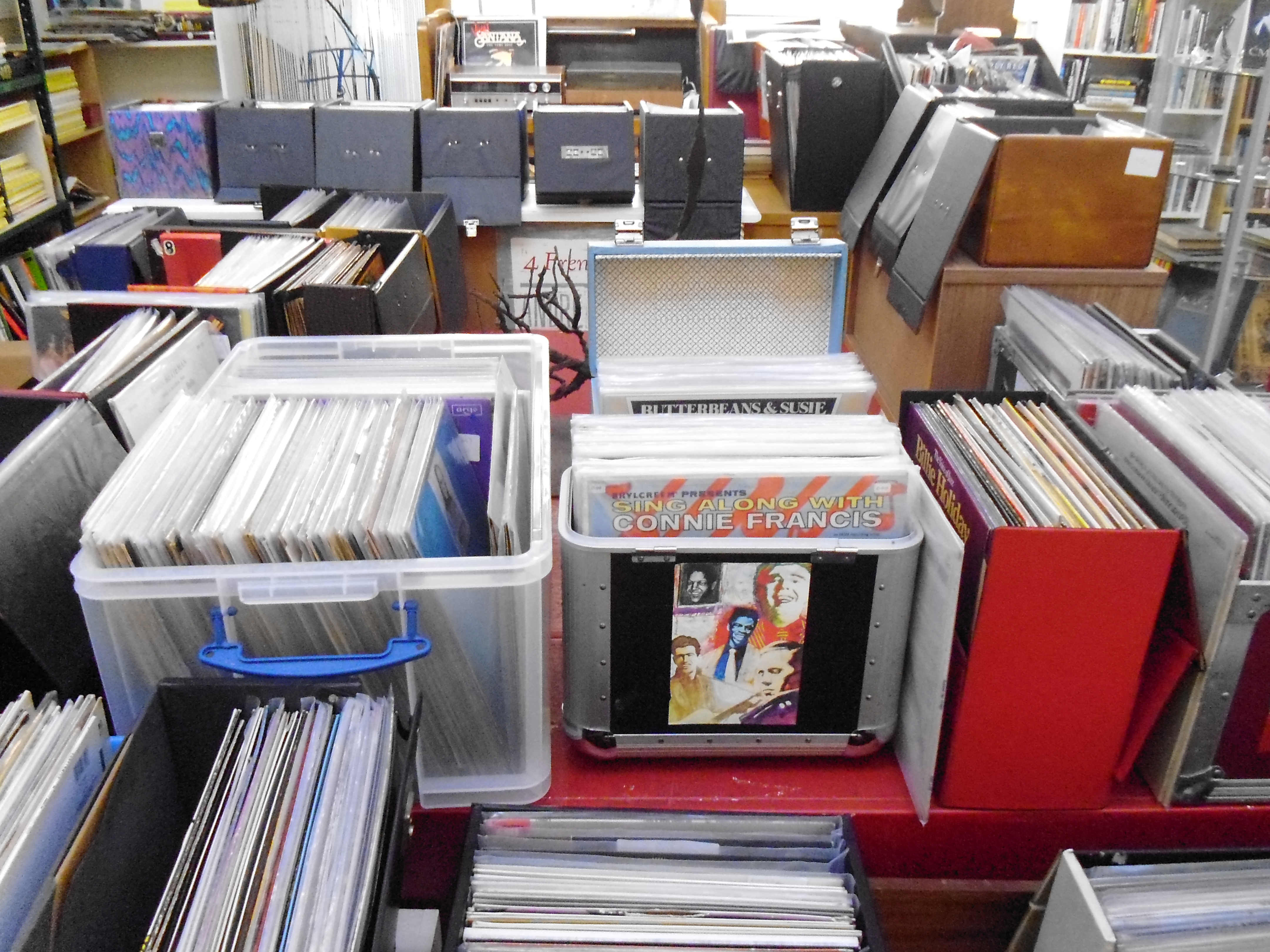
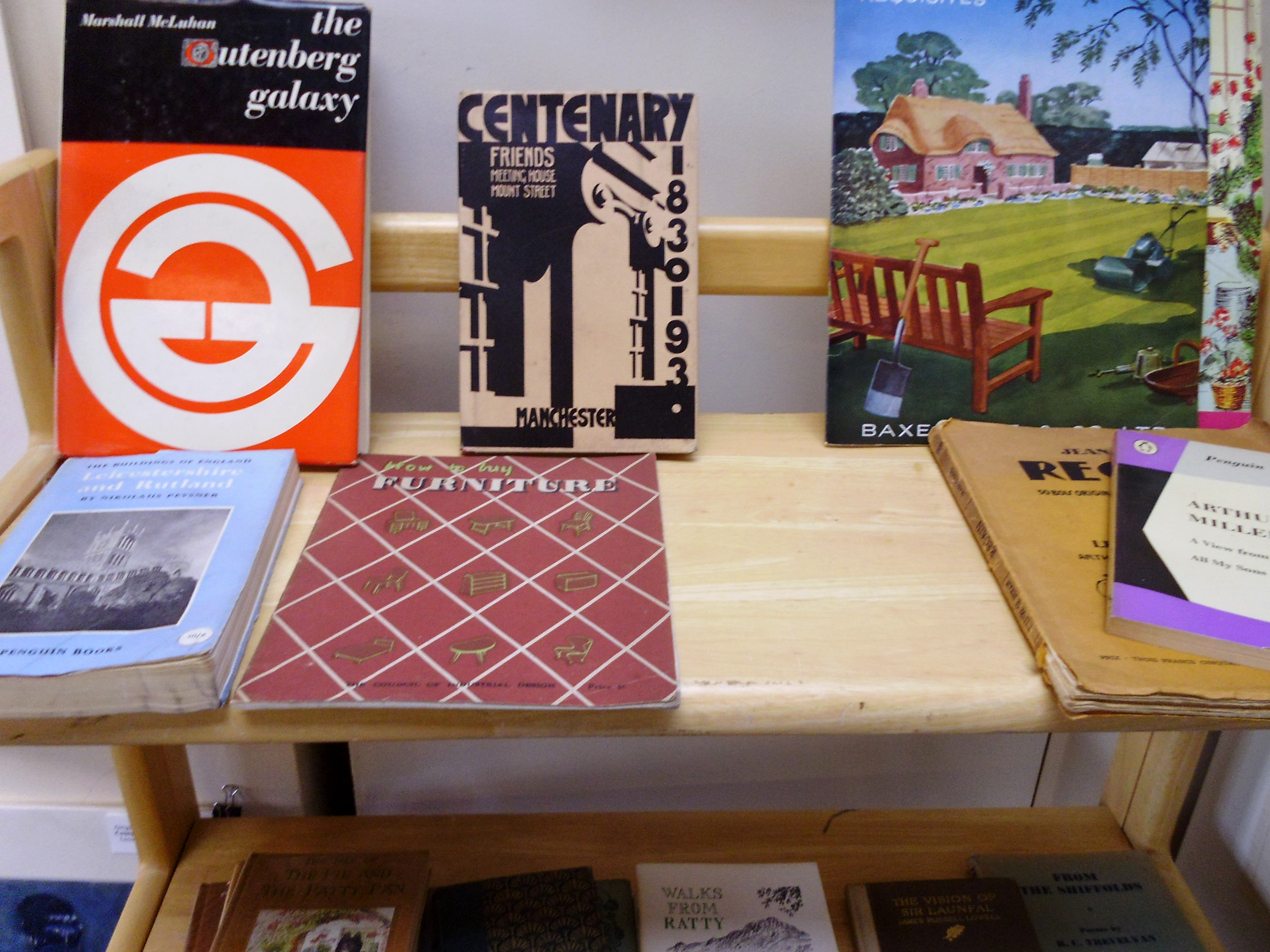
Every town worth its salt should have a decent second hand book shop.
Stockport does.
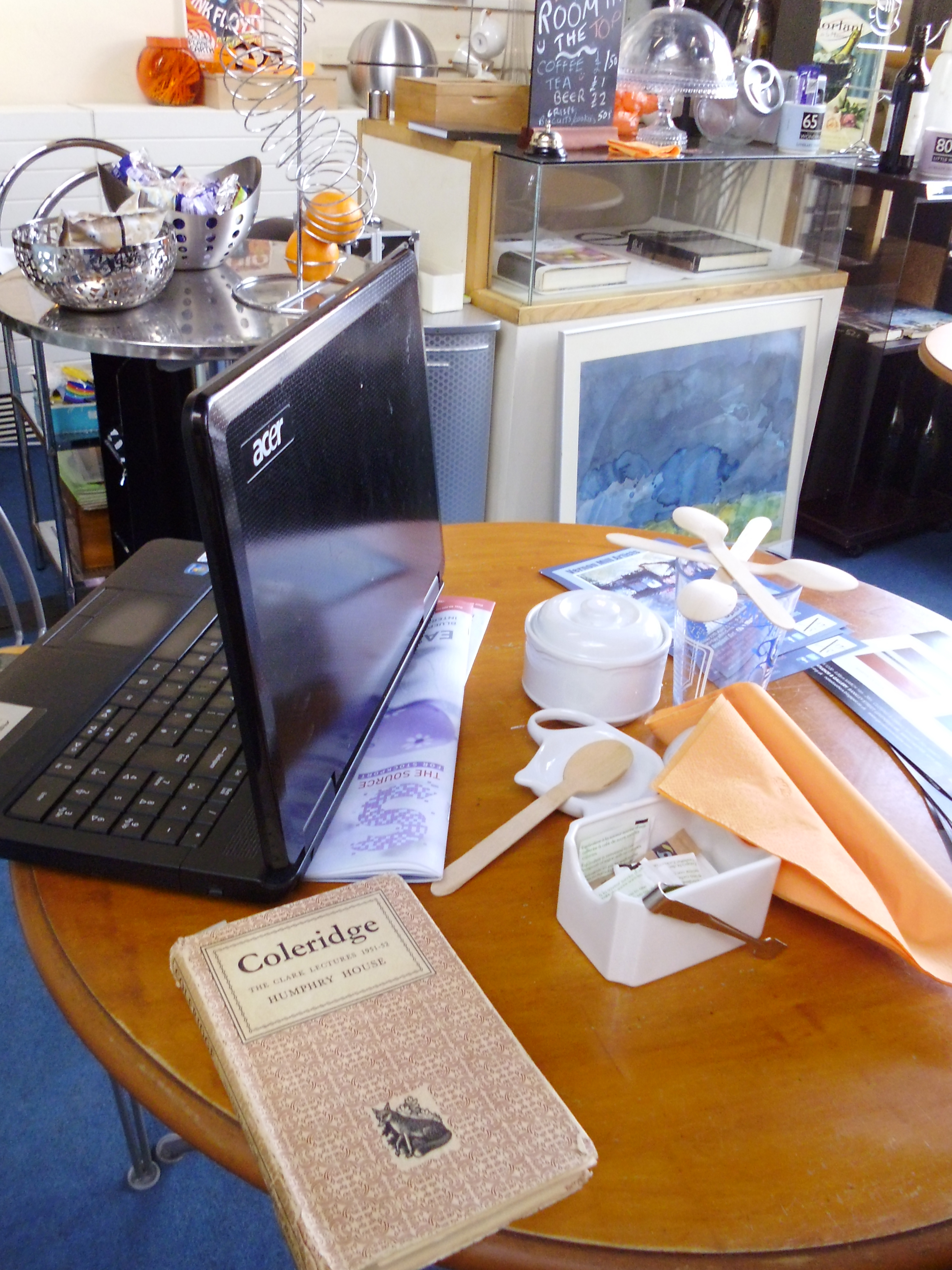
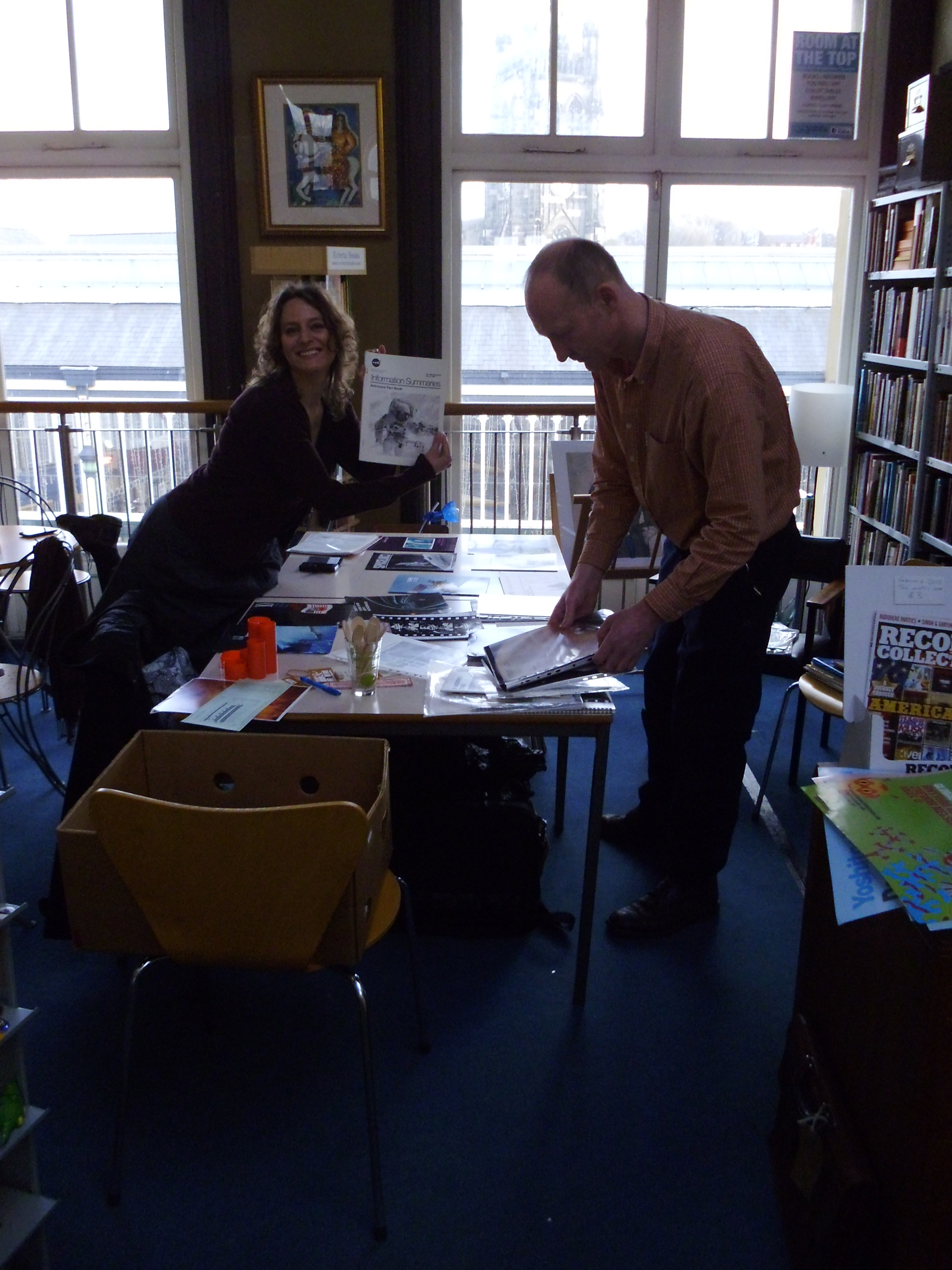
Room at the Top – on the ever so elegant Market Square, centre of the Old Town and part of the ever enlarging nexus of vintage shopping.
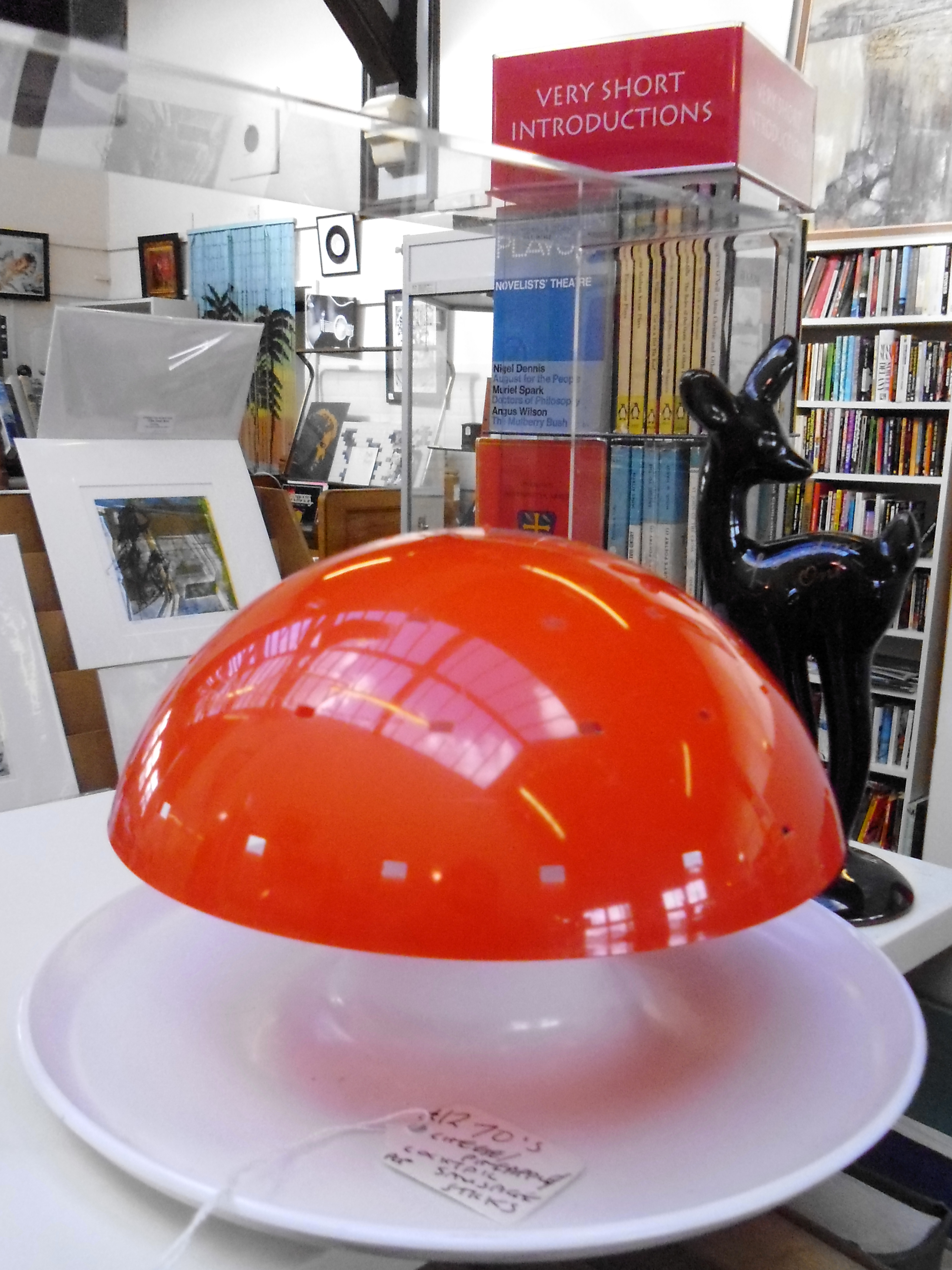
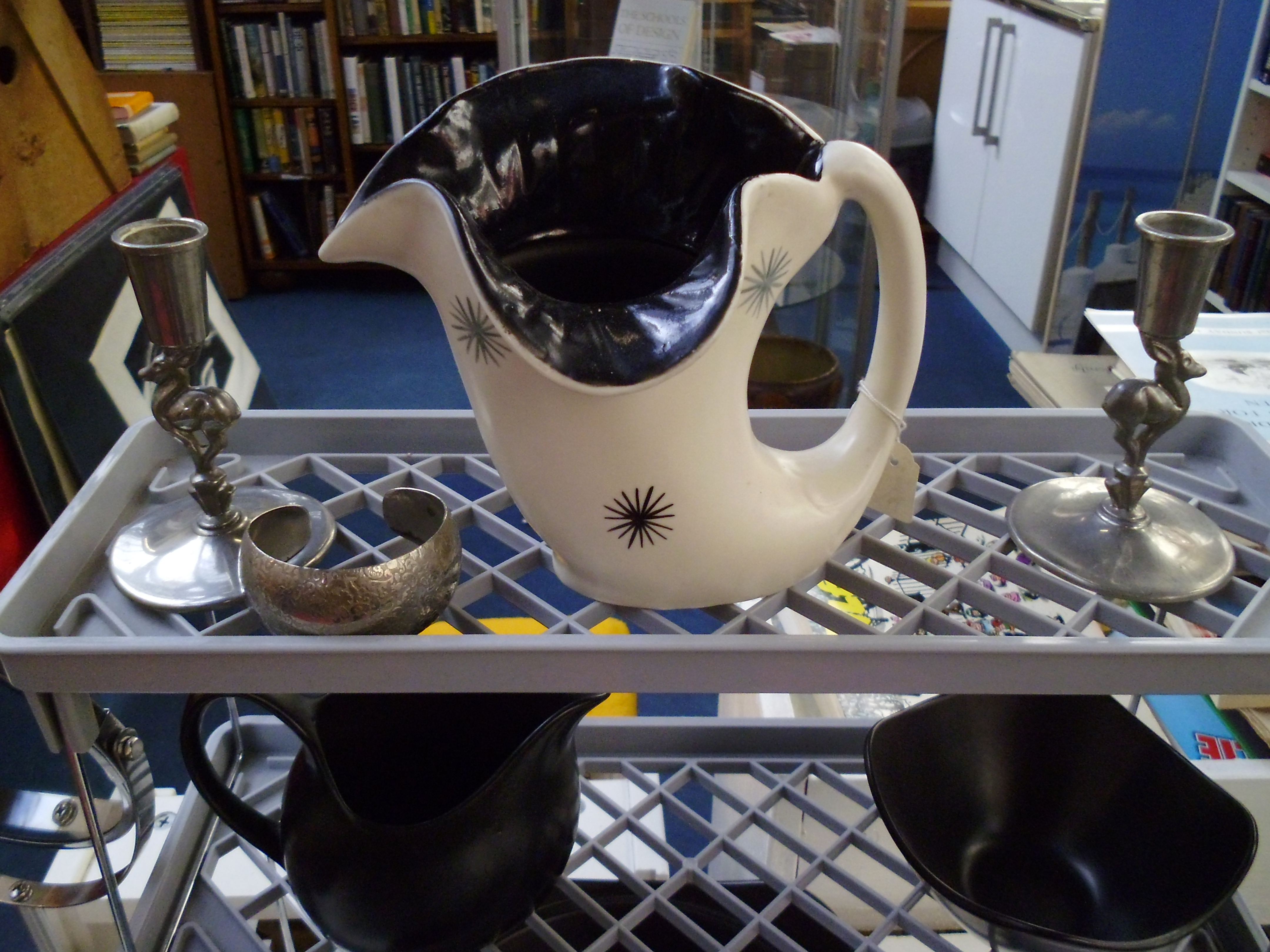
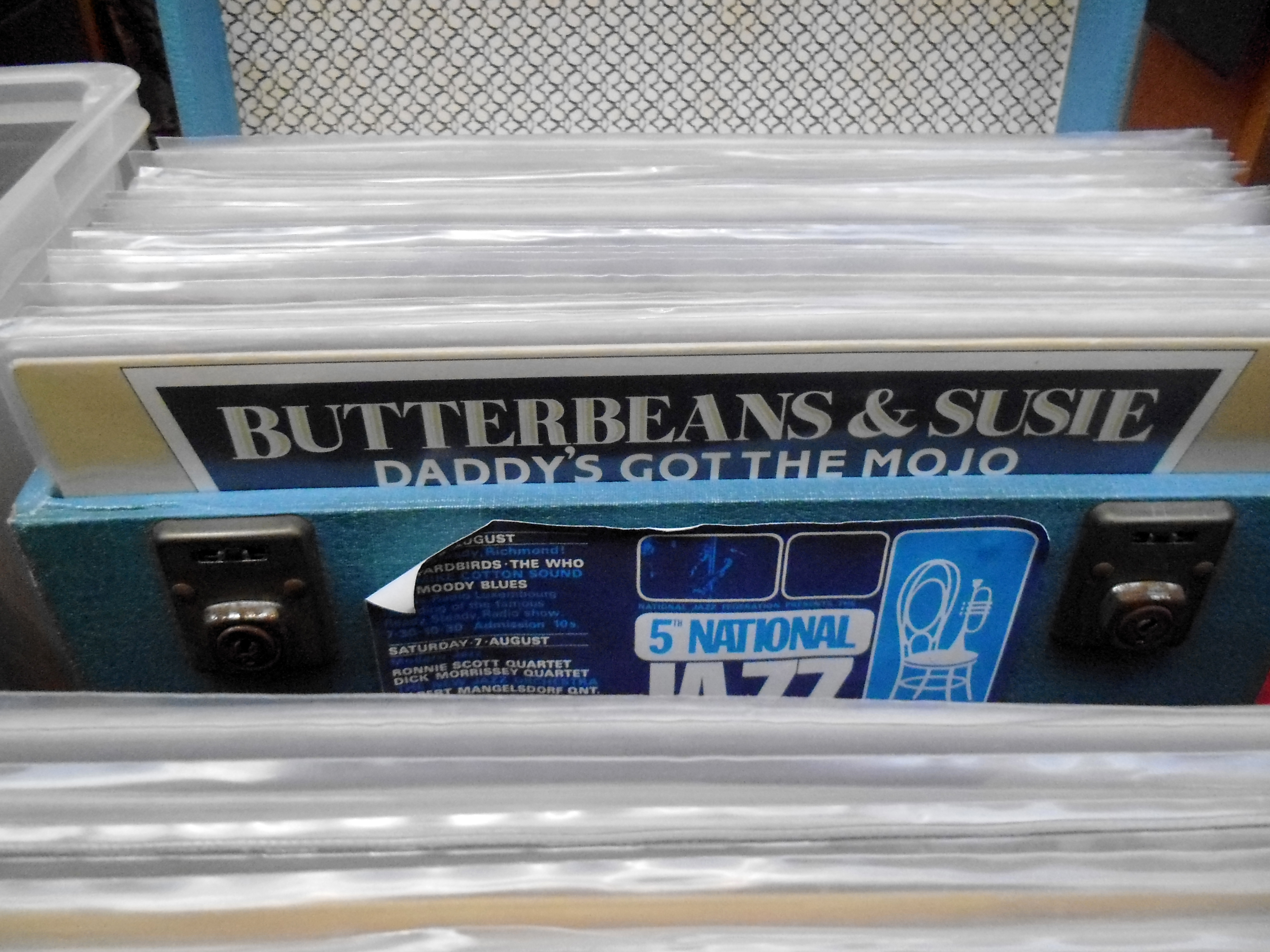
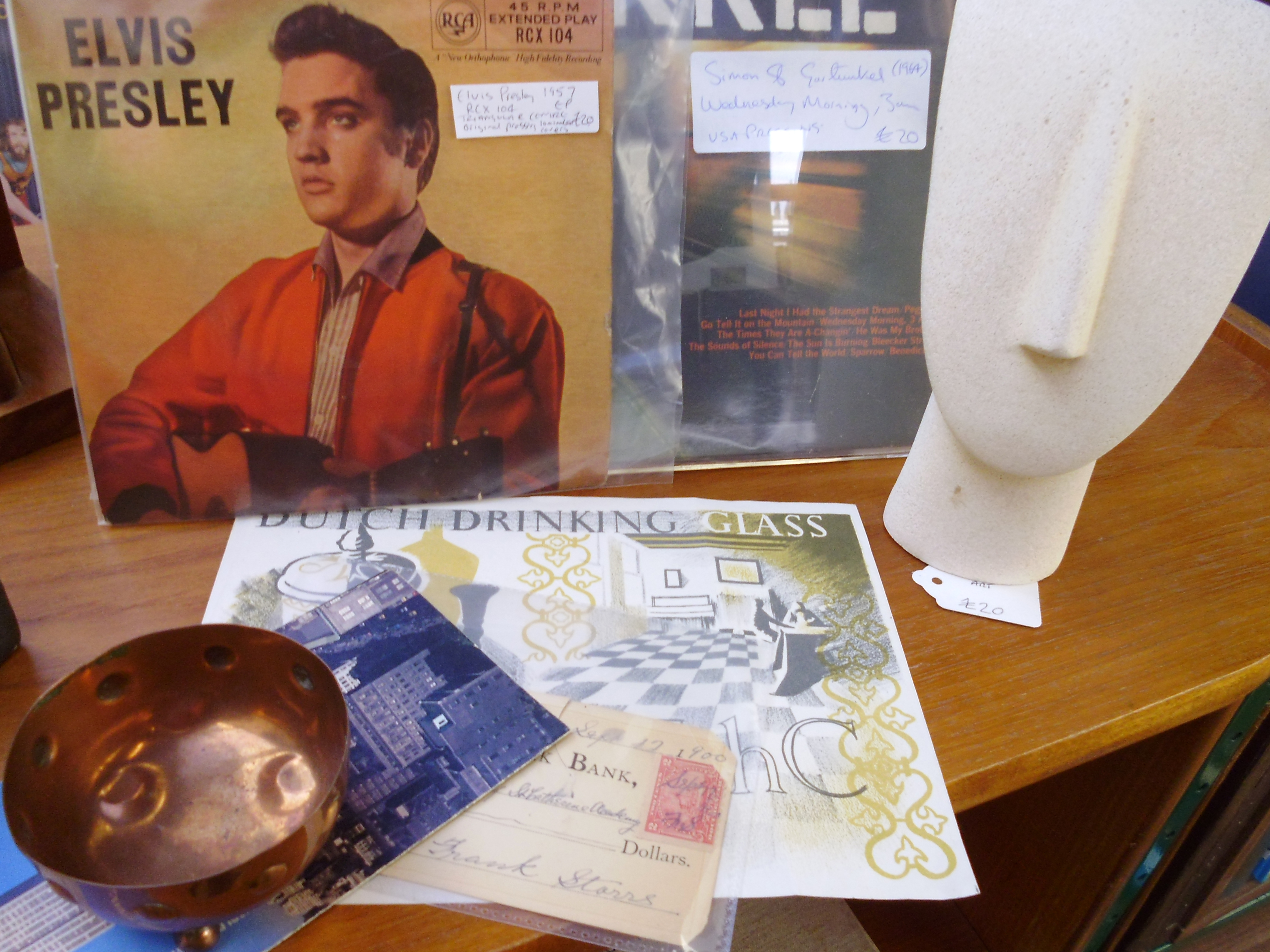
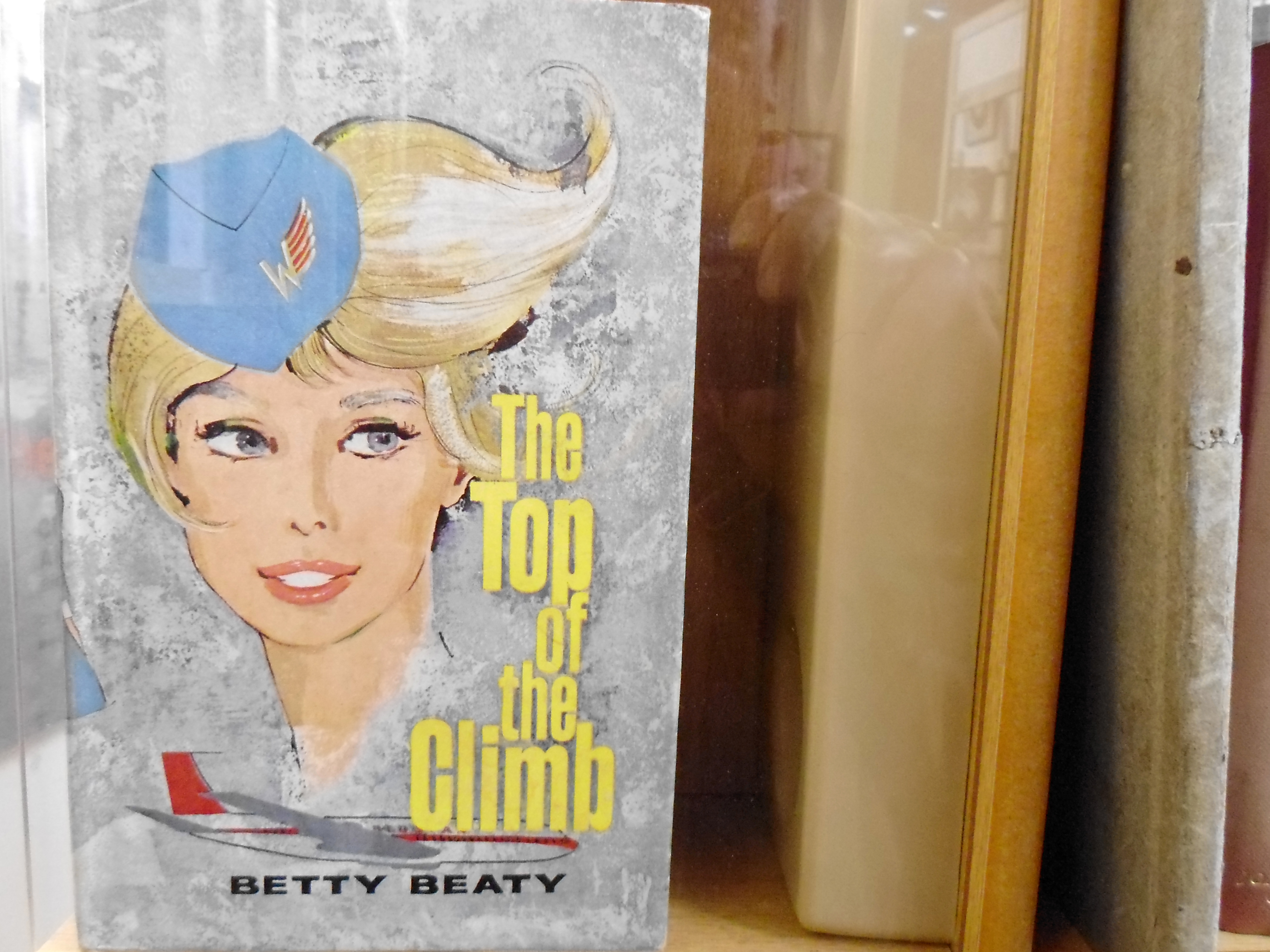
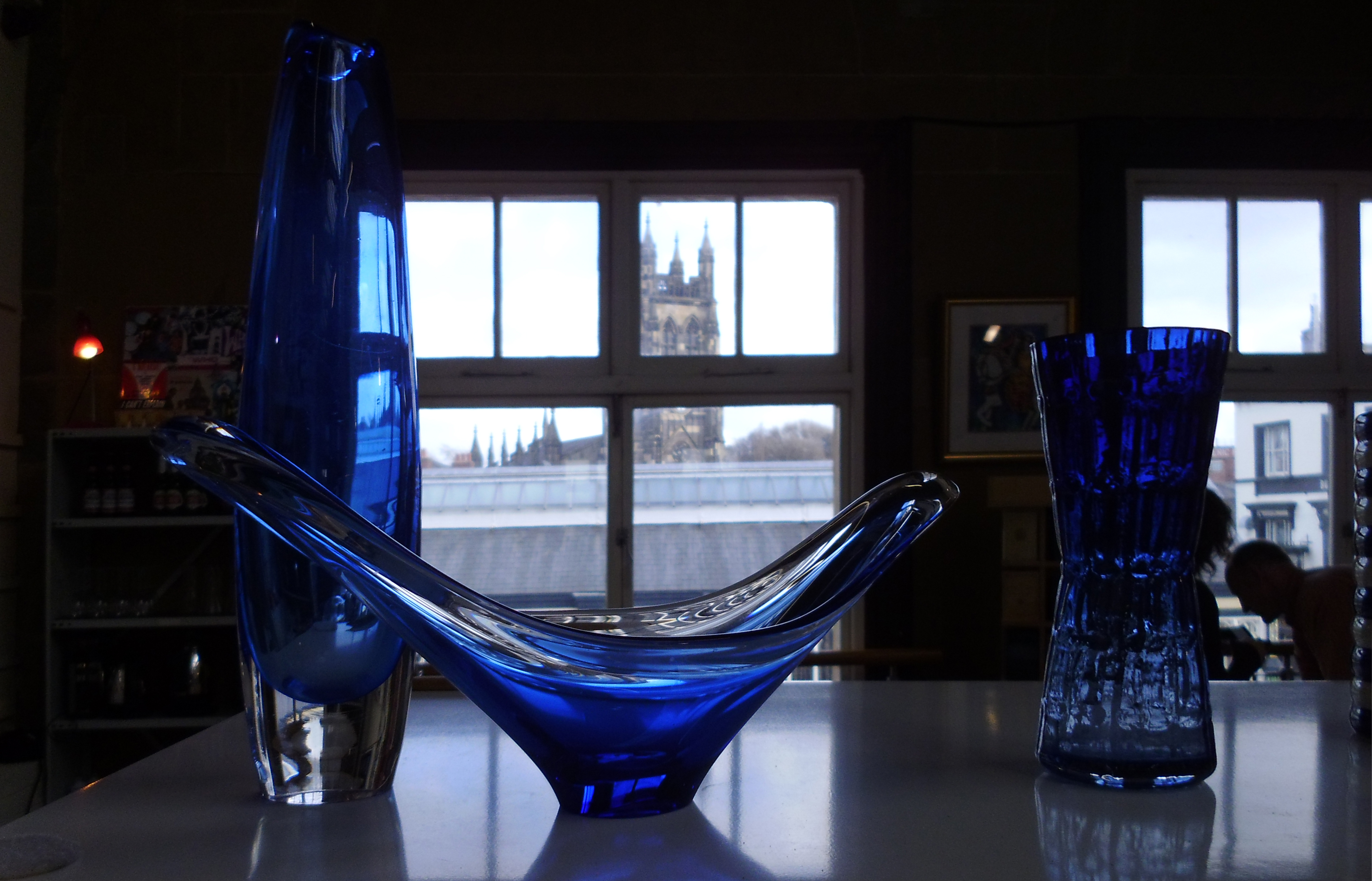
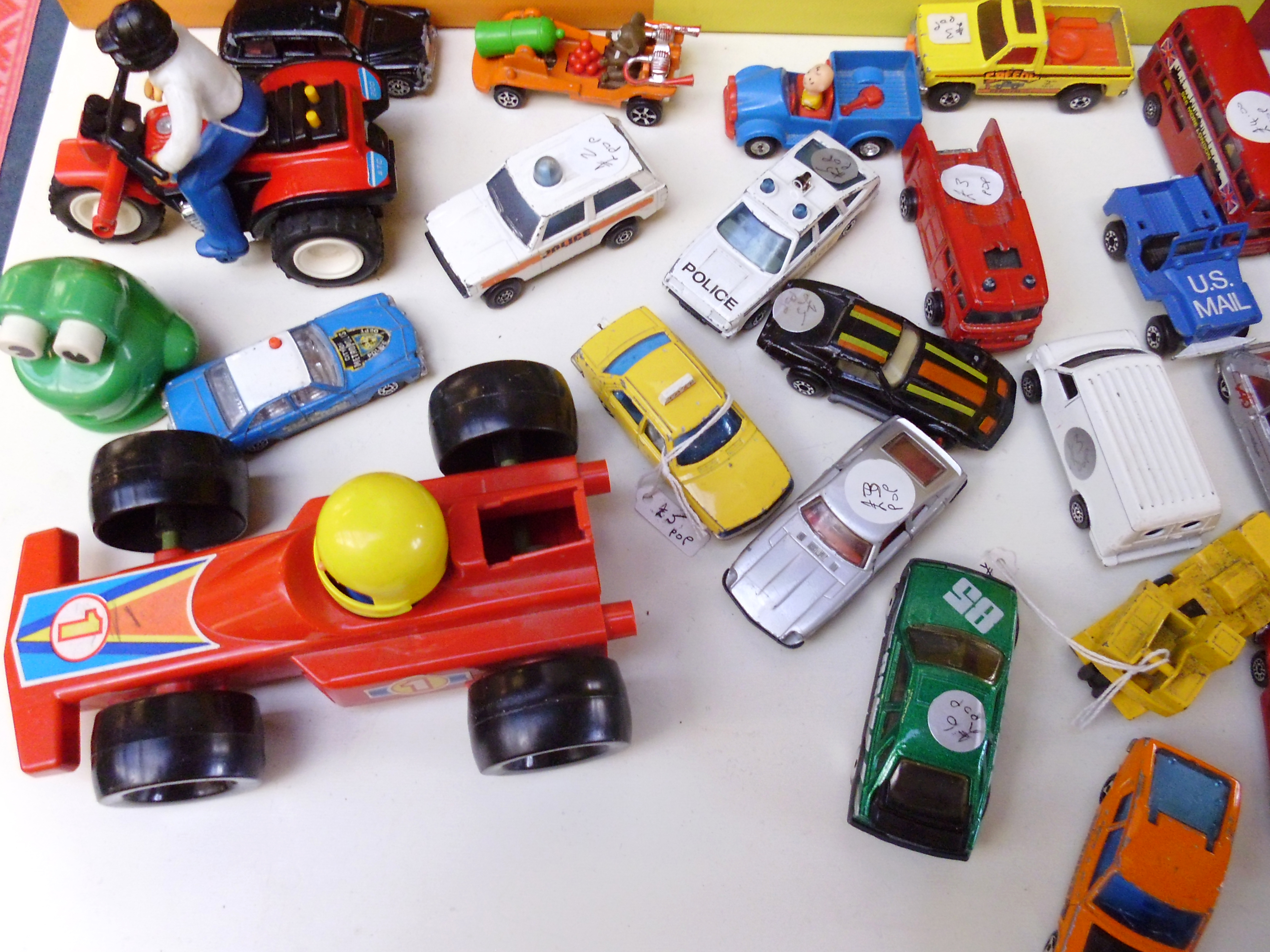
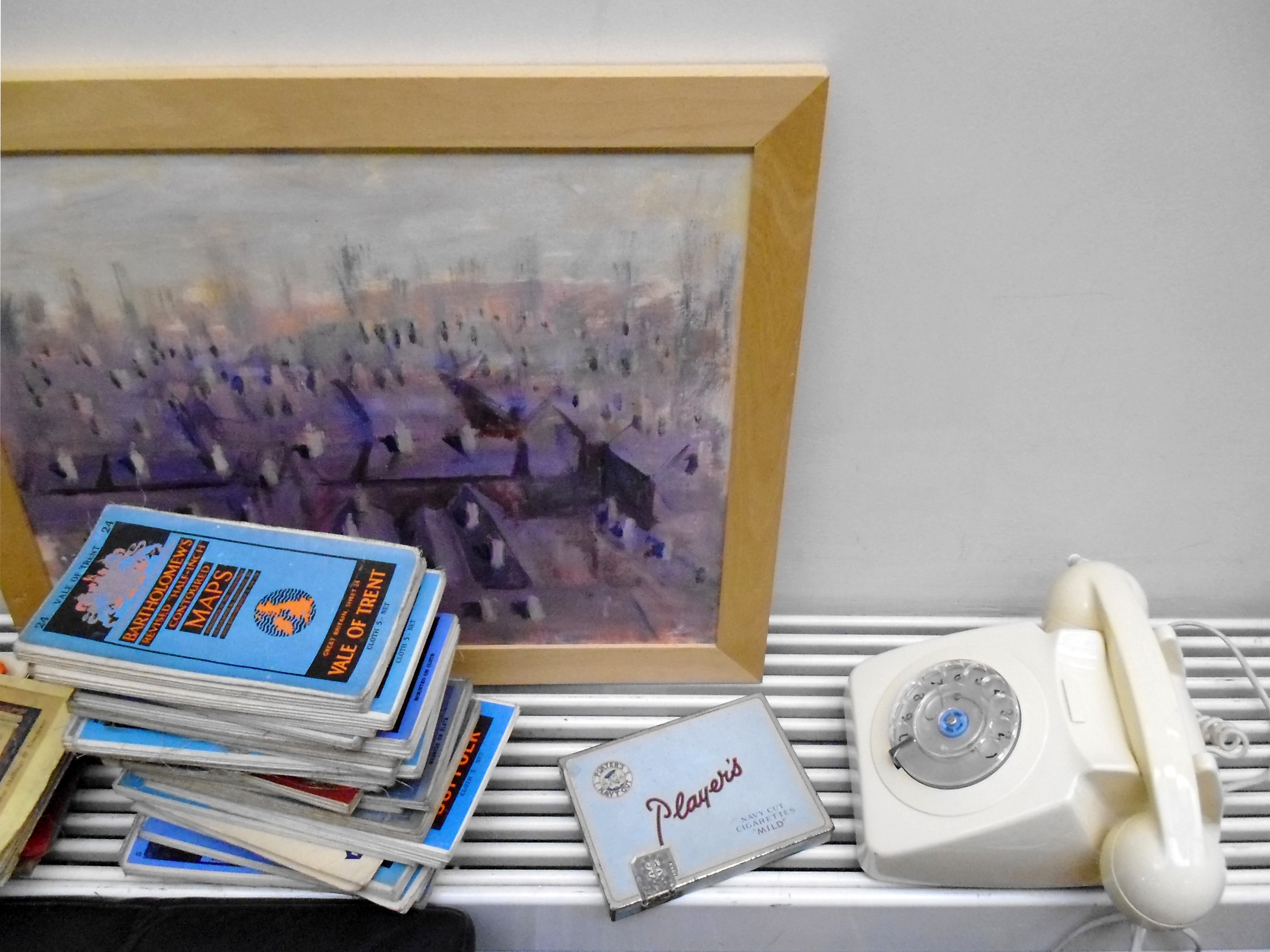
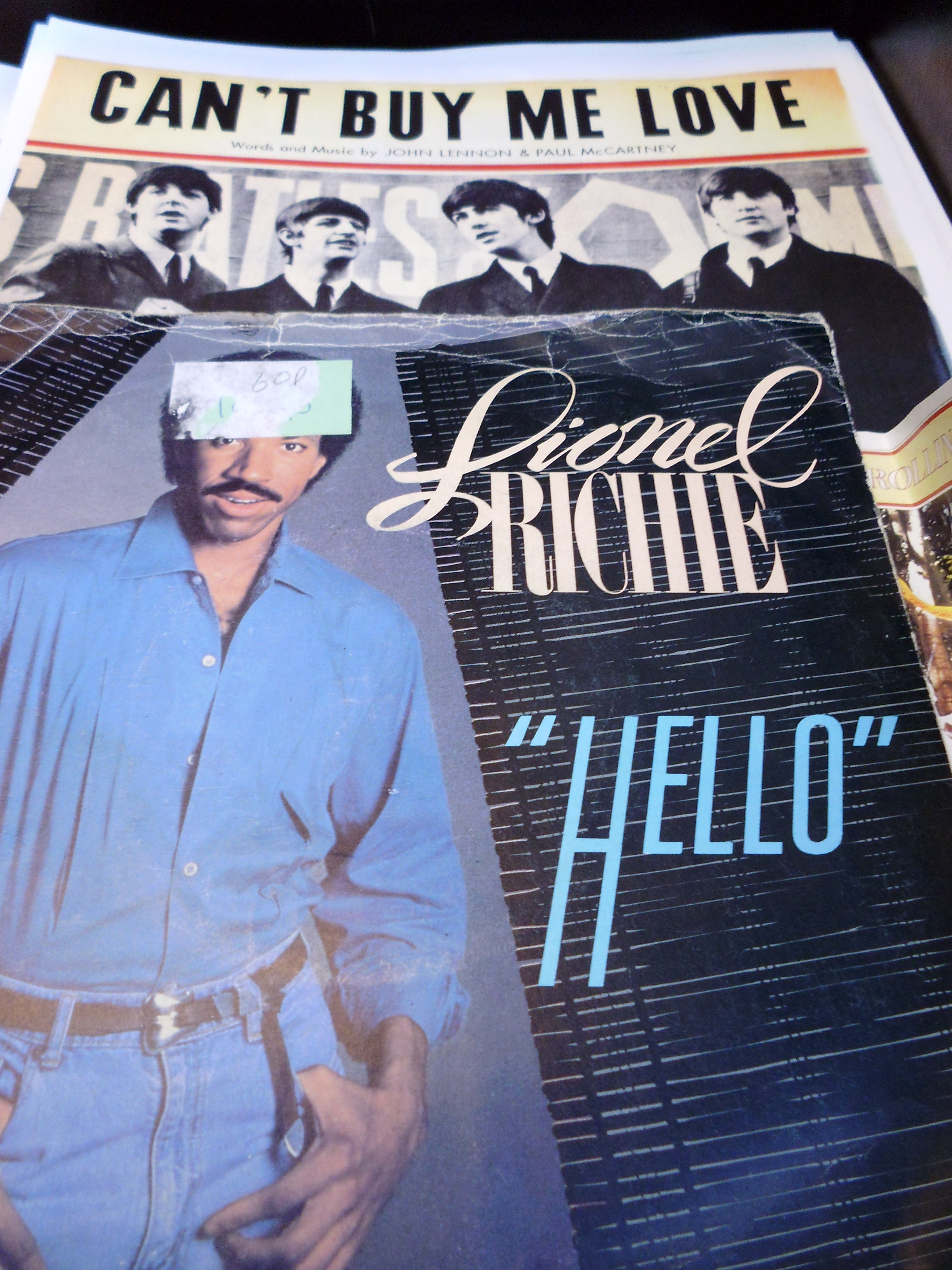
Jane, John and Lynn offer a wide selection of books, records, art, ephemera, glass, toys, ceramics and almost all sorts, in their first floor eyrie of happiness.
Always at the most reasonable of prices – you can get a brew too!
So take an hour out to browse, pursue and lollygag in convivial surroundings.
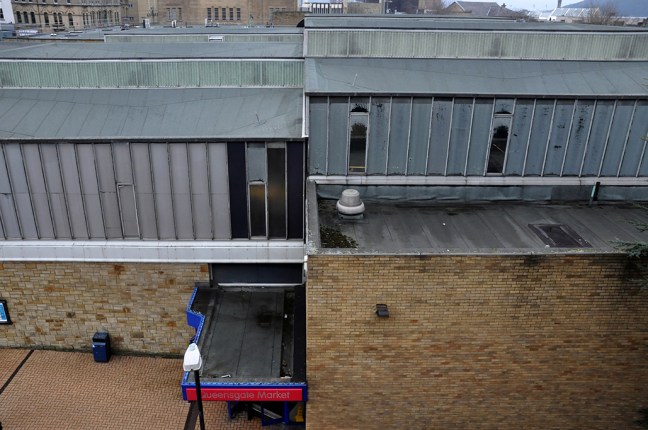
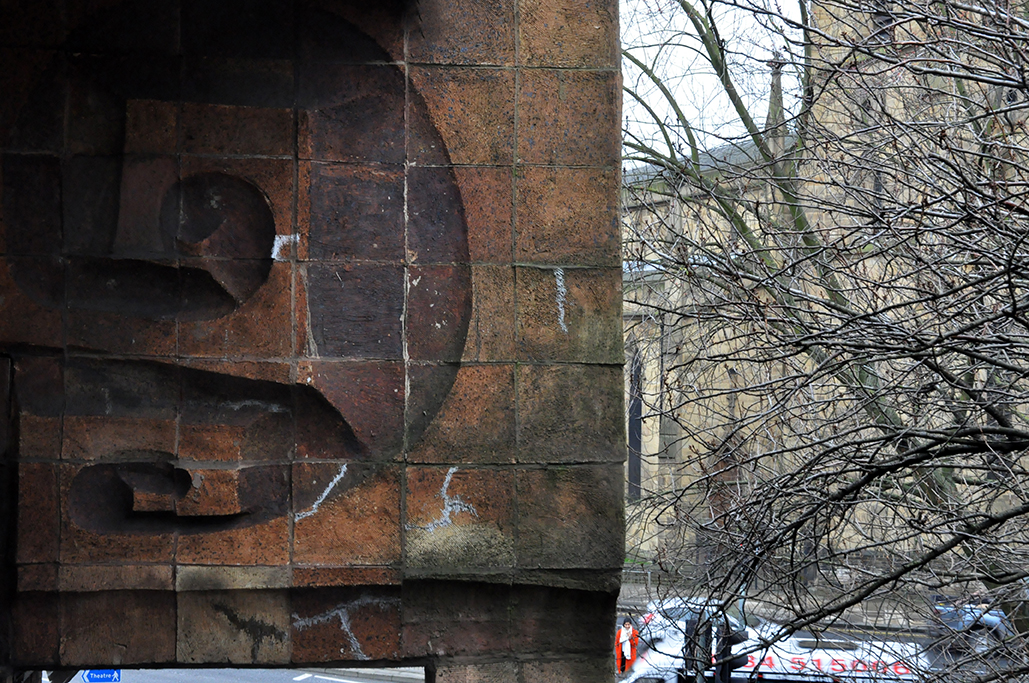
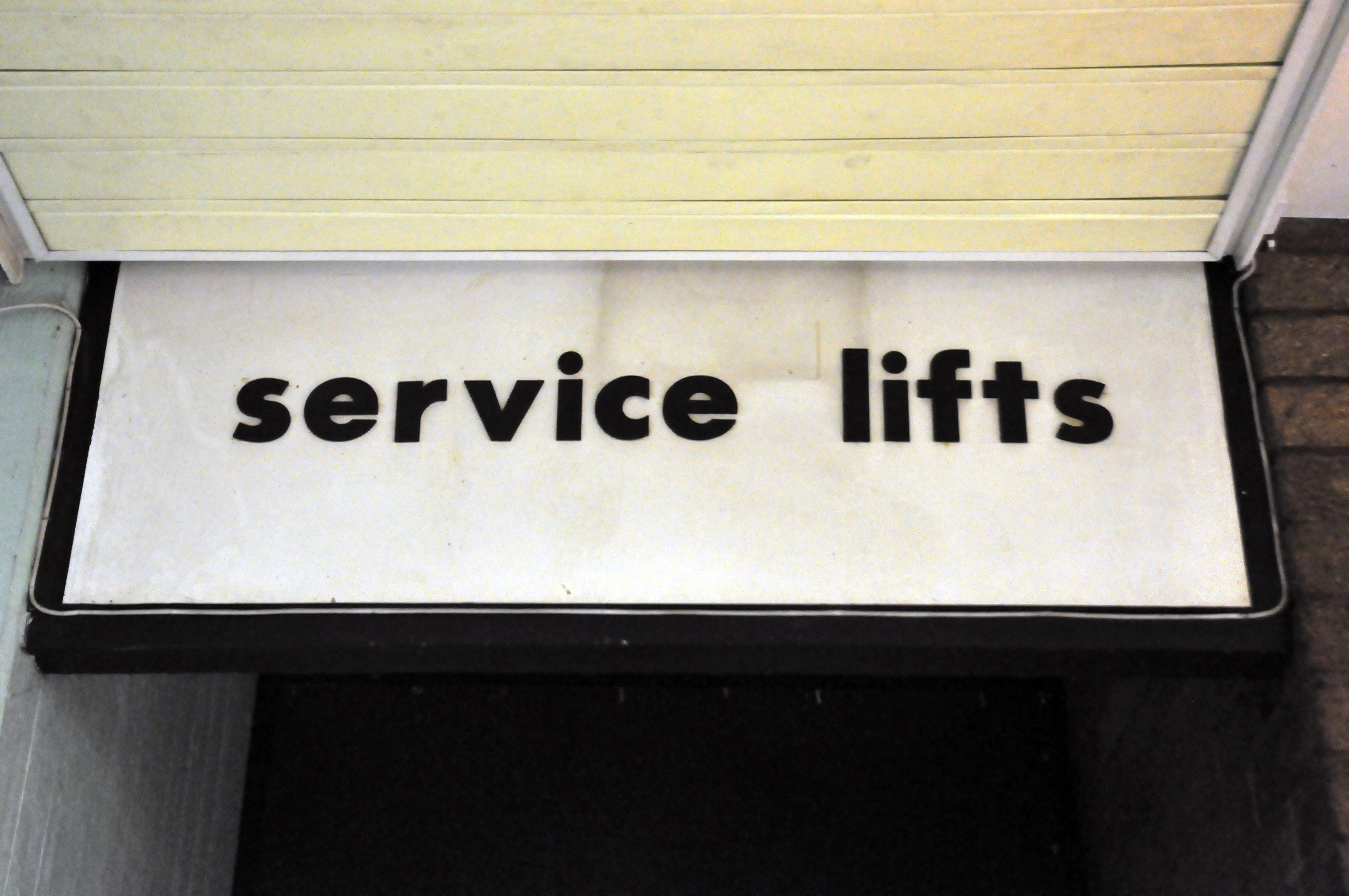
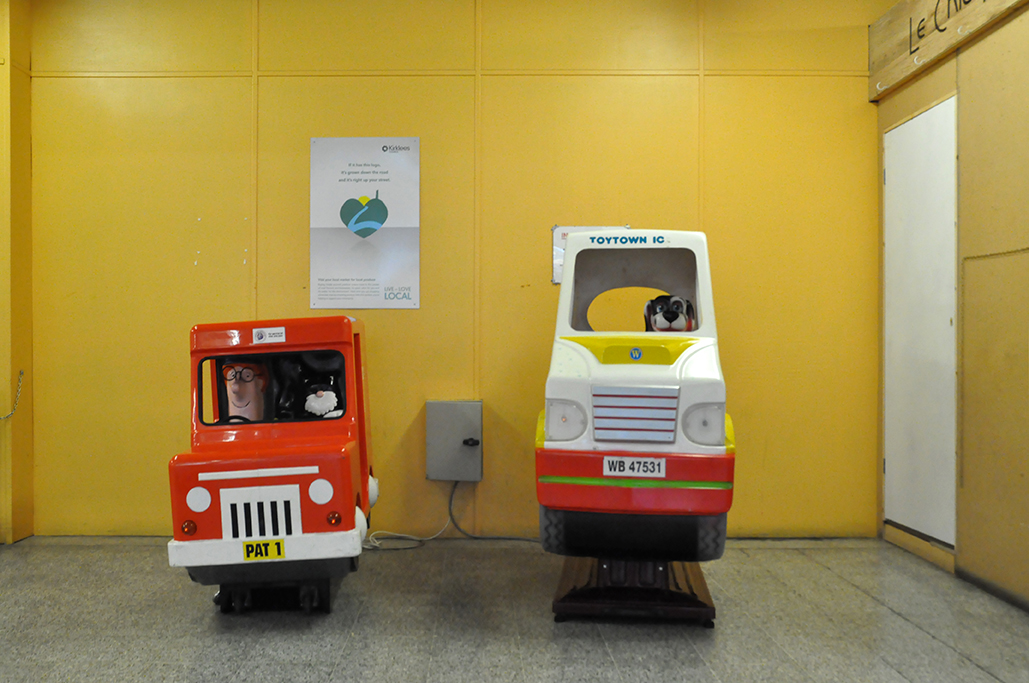
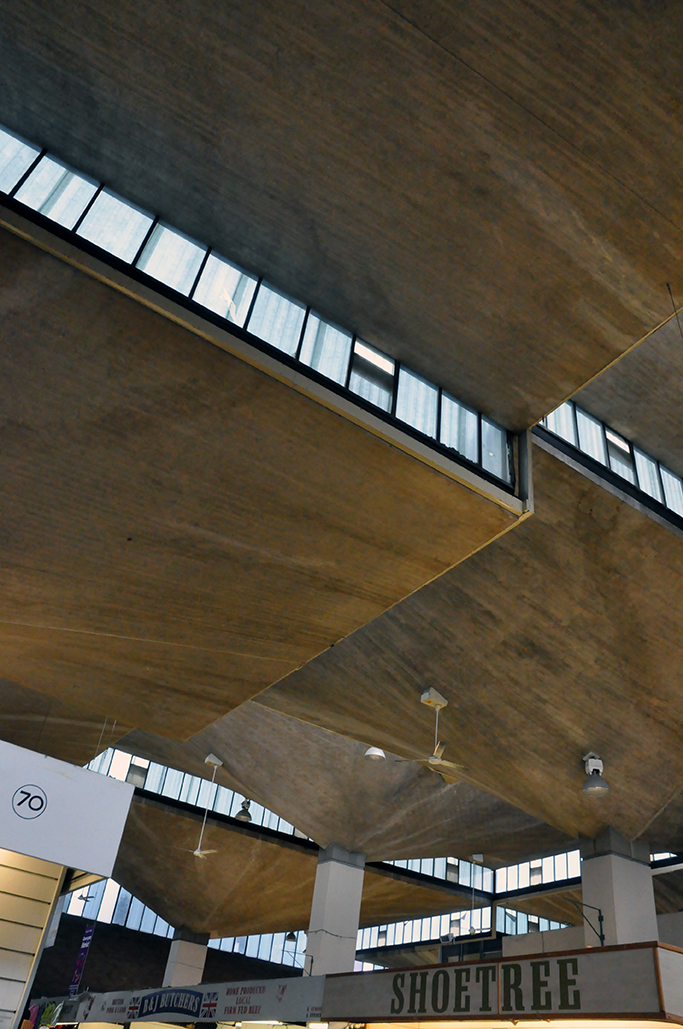
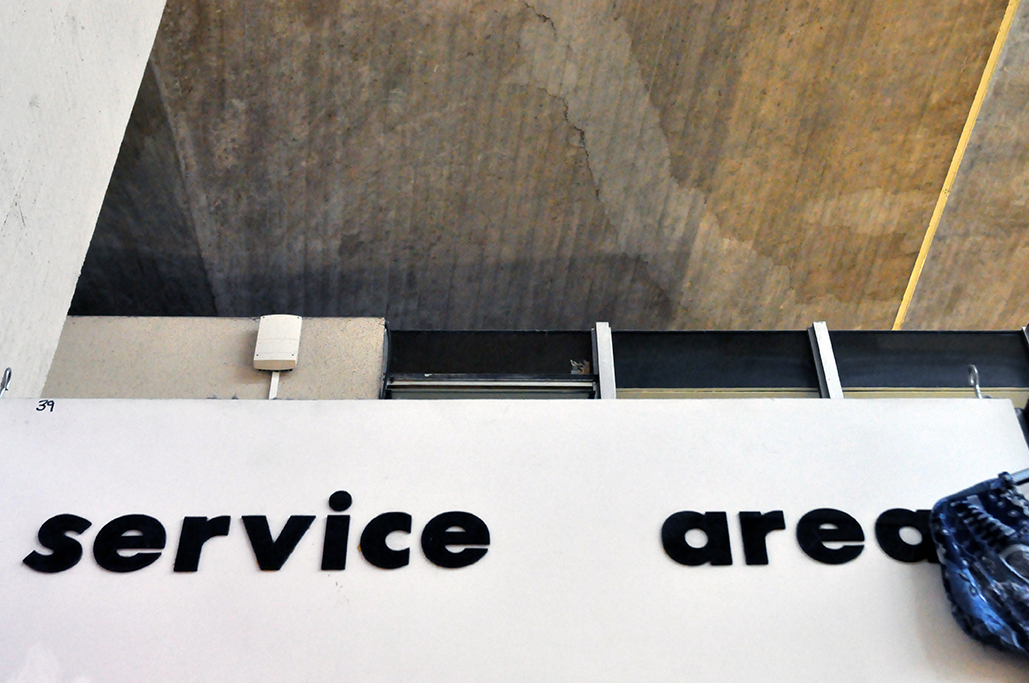
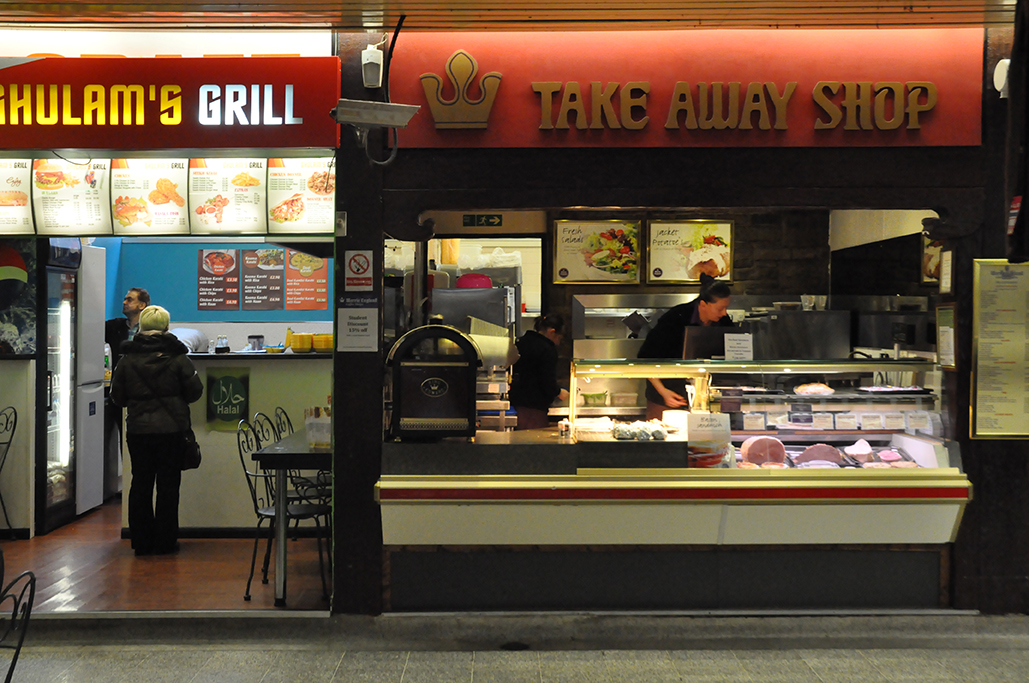
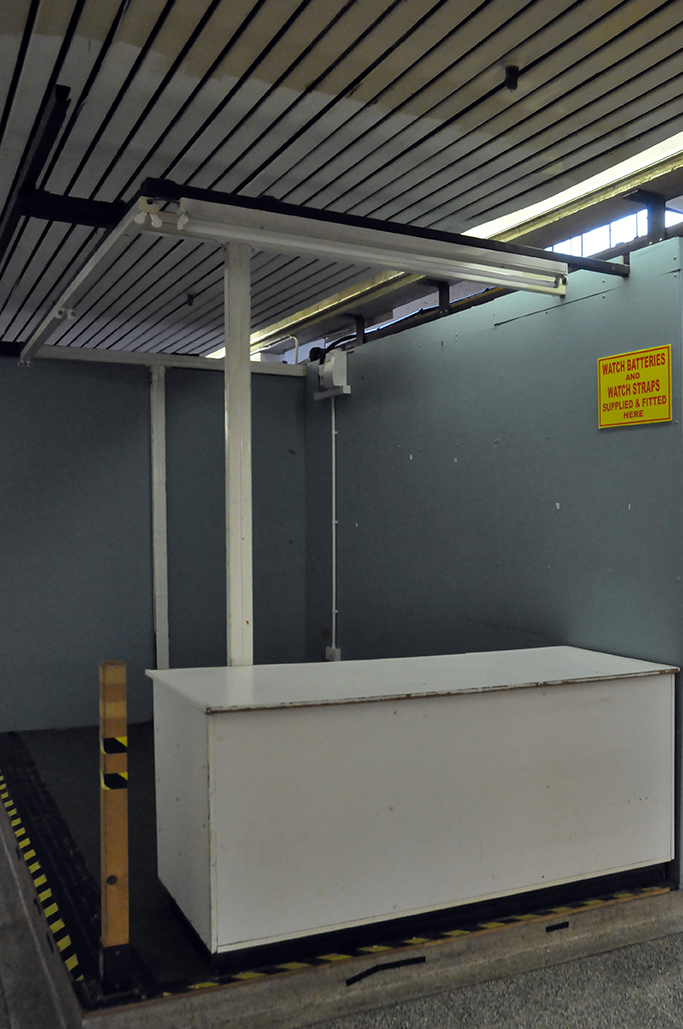
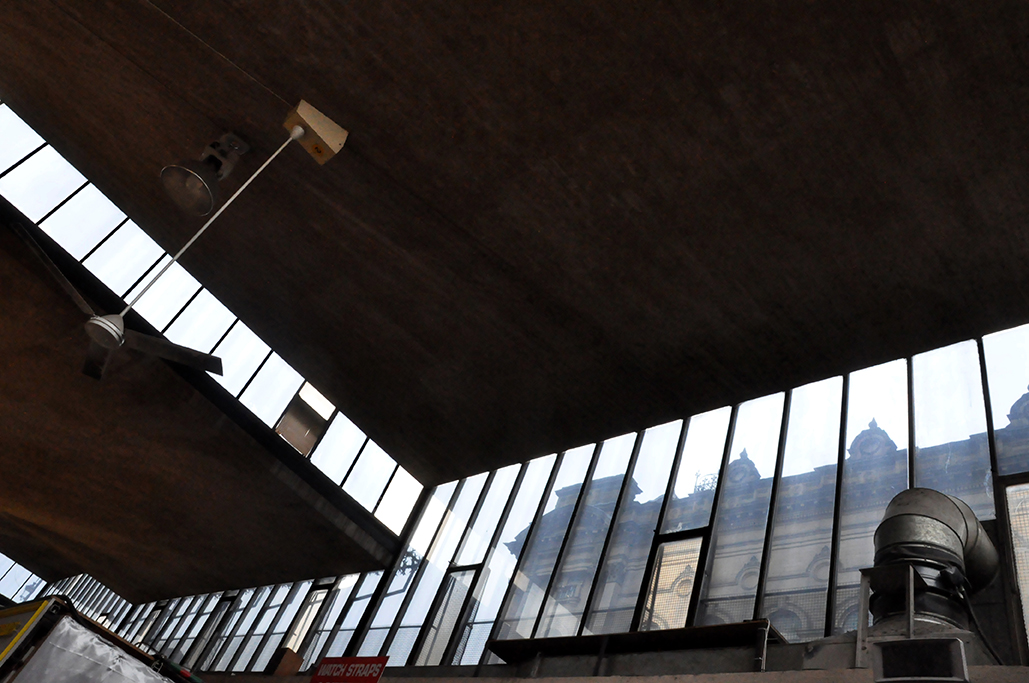
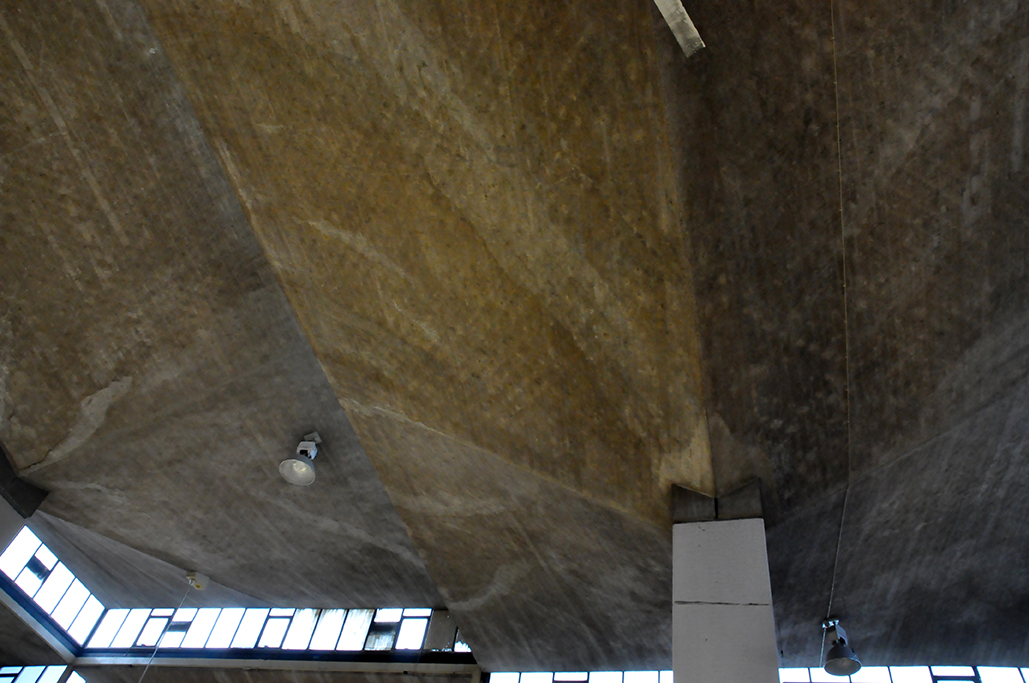
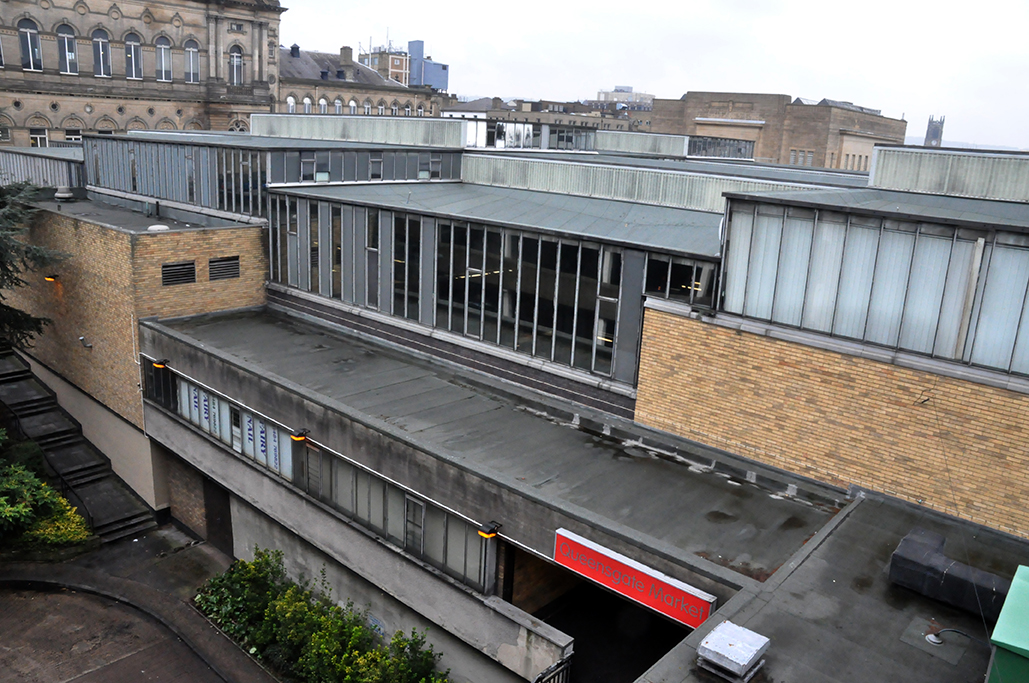
One can only marvel at the ingenuity and vision that brings together modern architecture, technology and municipal functionality. It has produced an indoor market place of lasting and everlasting beauty and wonder.
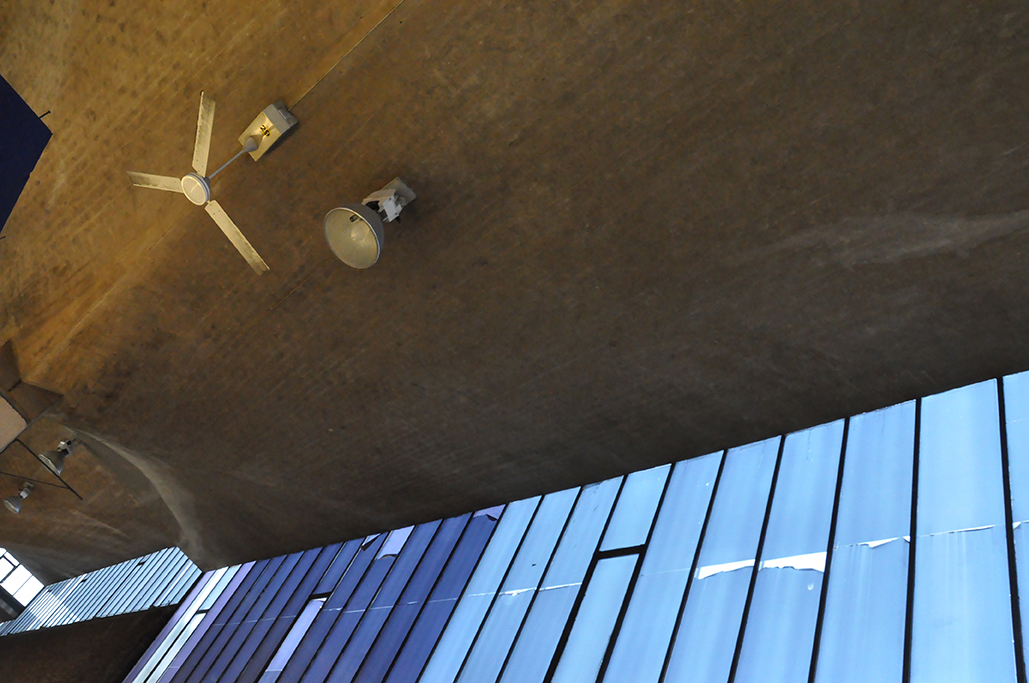
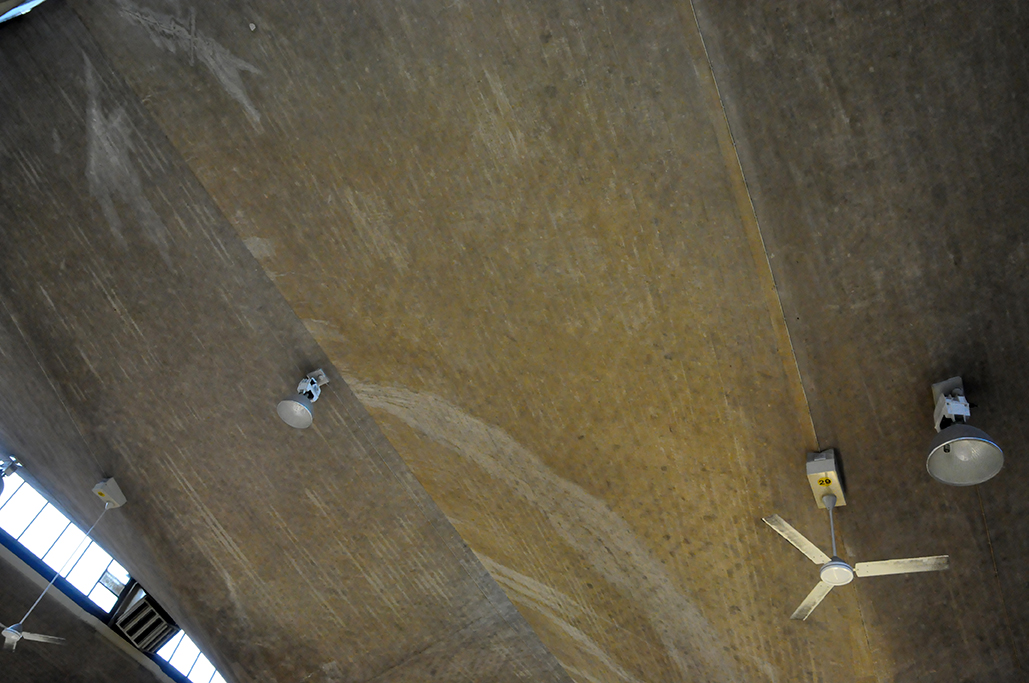
Vaulted concrete roof columns and high side lighting from the pierced window strips between the split level roofing lead the eye up towards eternity.
The exterior and interior walls are both adorned by some of the finest mid-century public art.
A lasting provincial splendour that offers more with each visit – it’s irresistible.
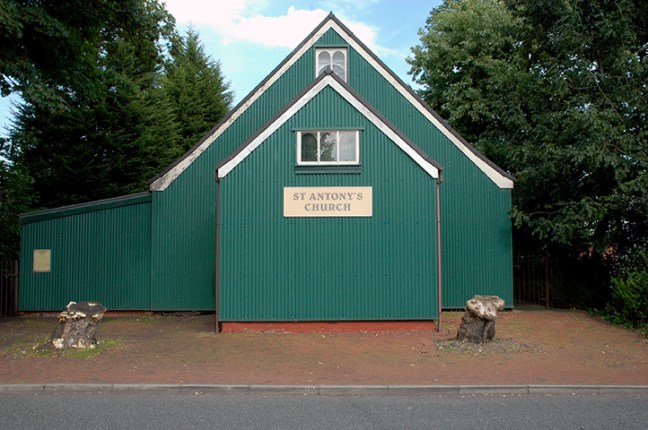
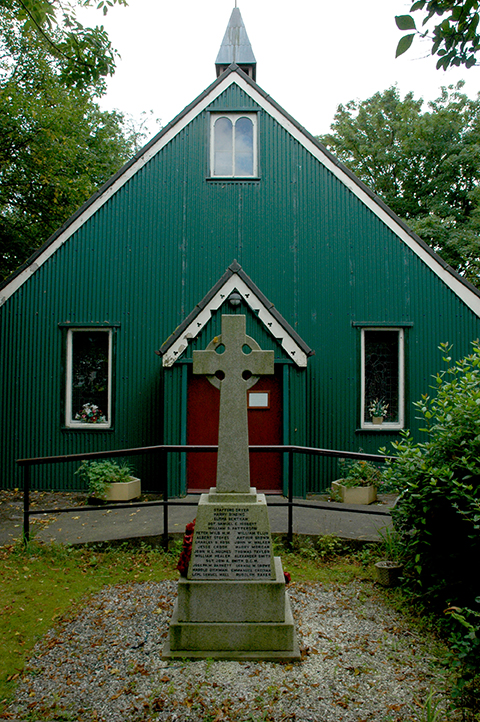
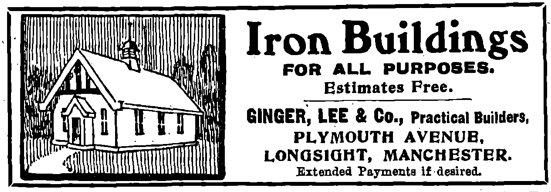
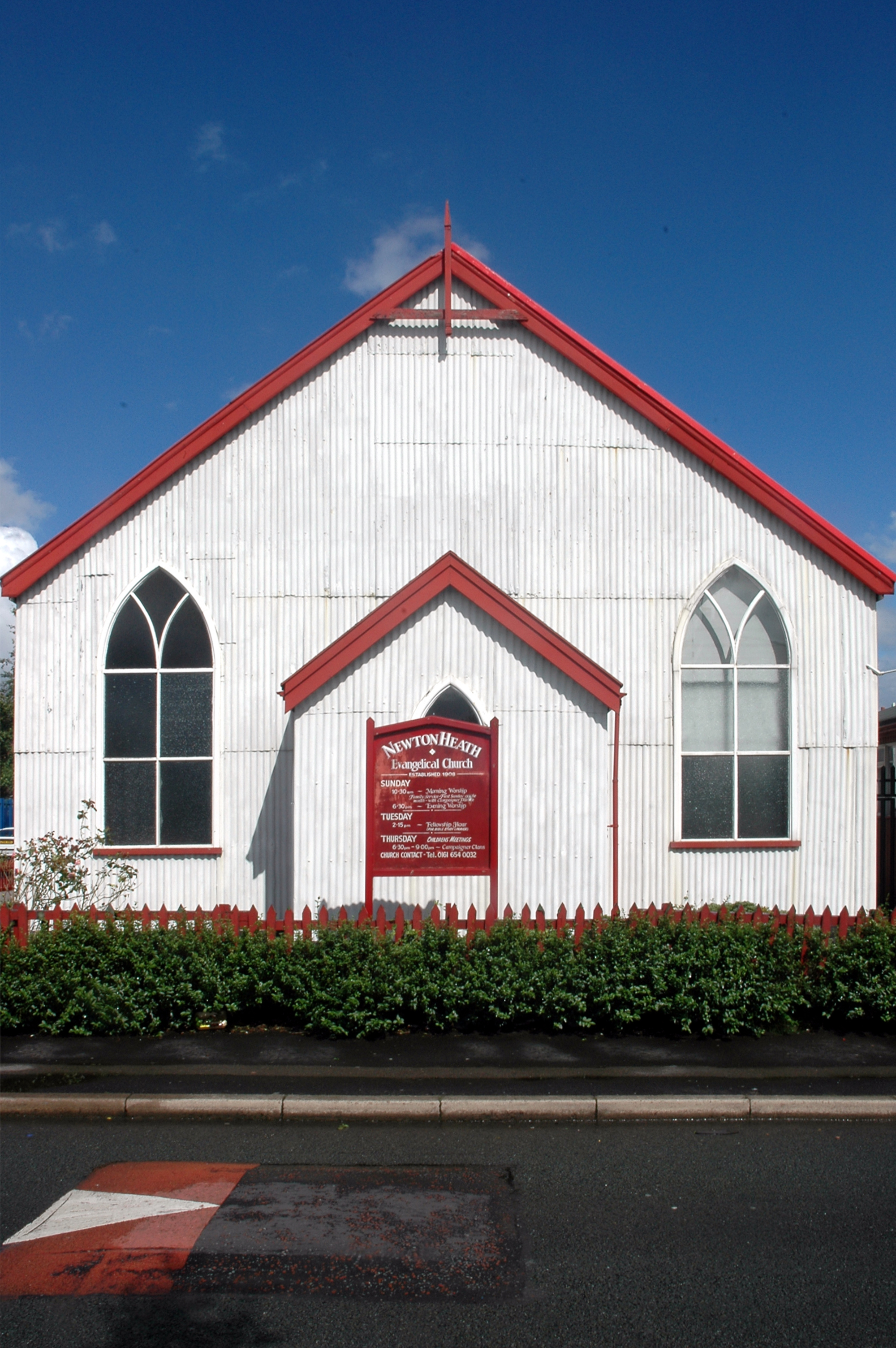
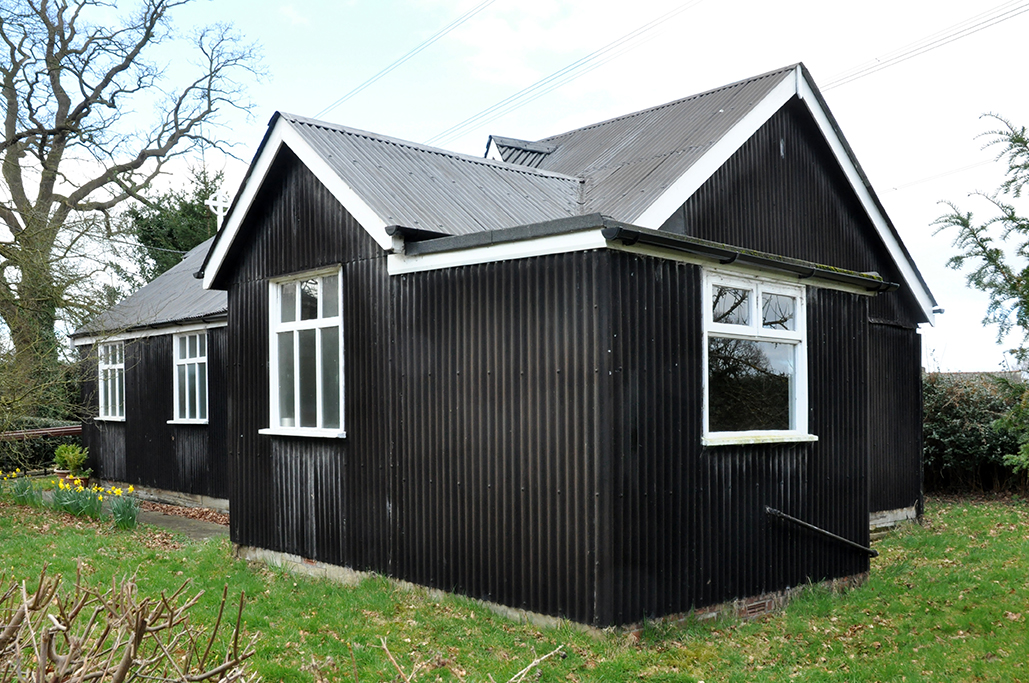
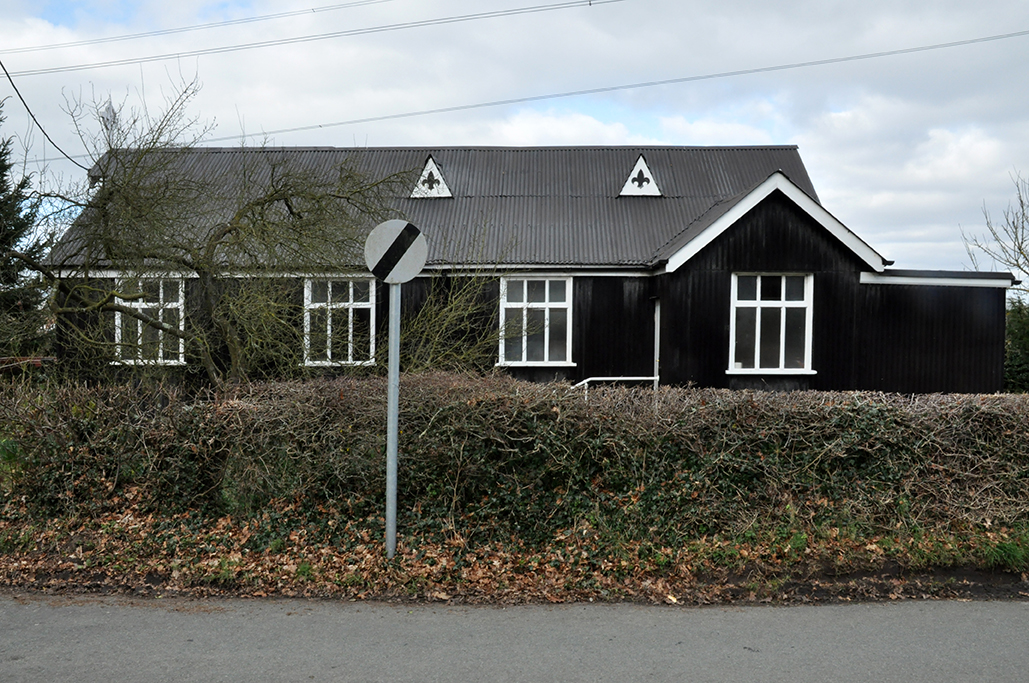
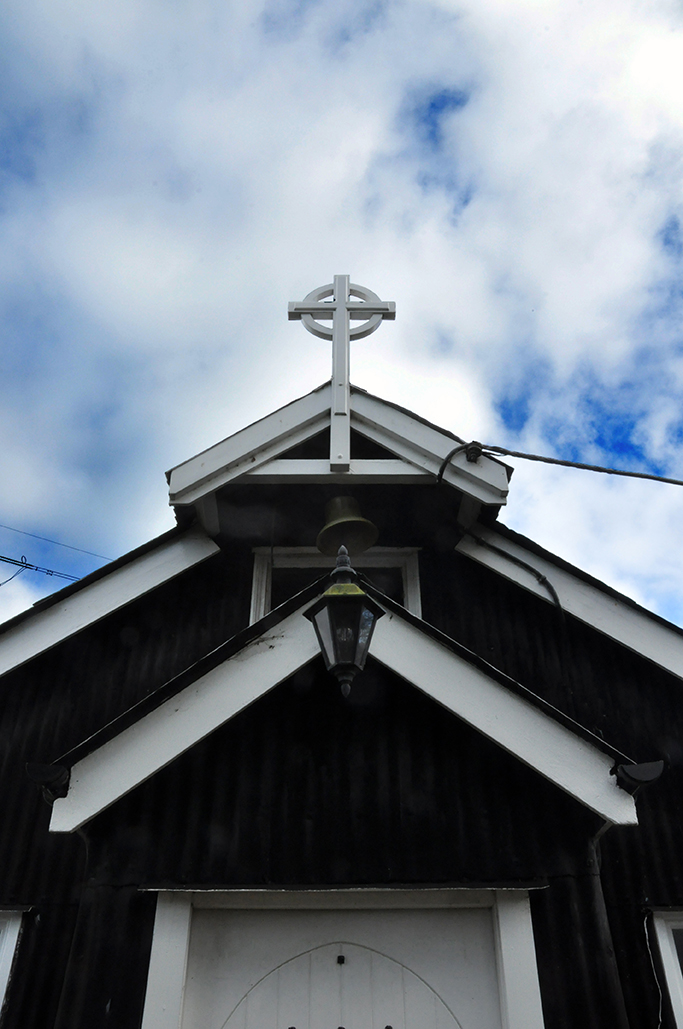
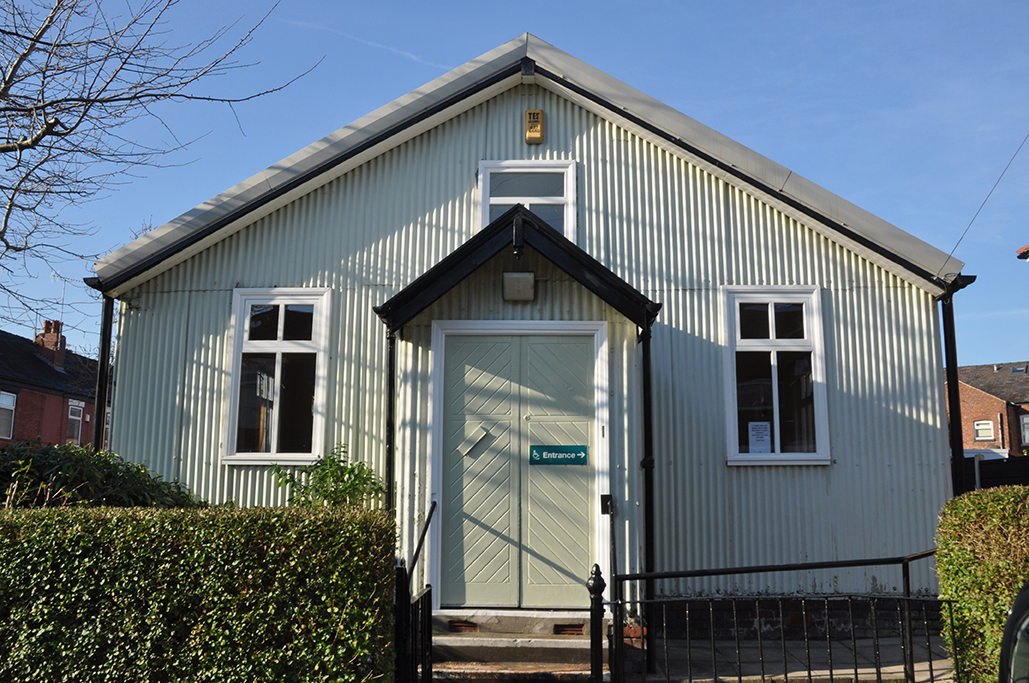
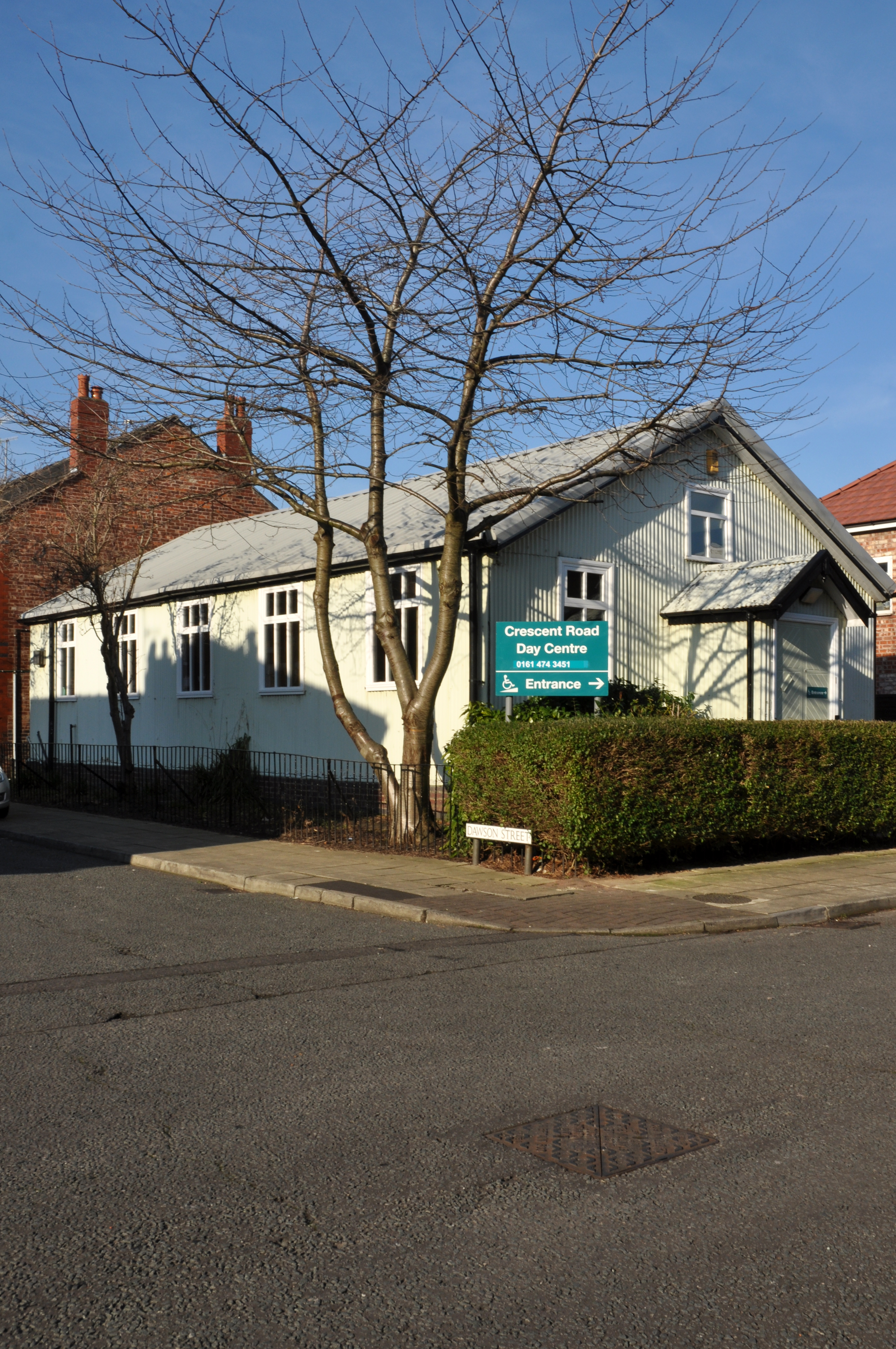
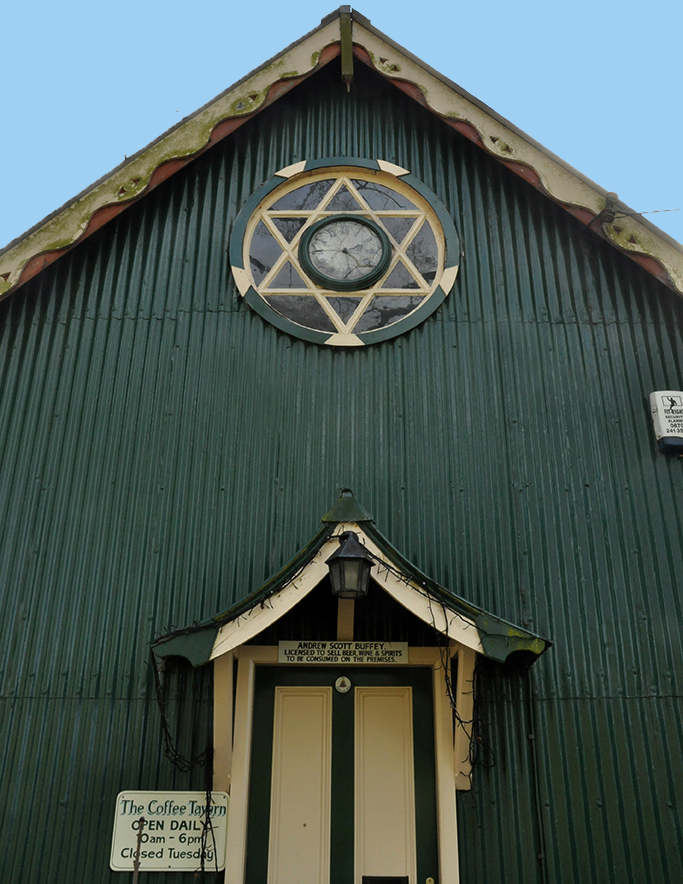
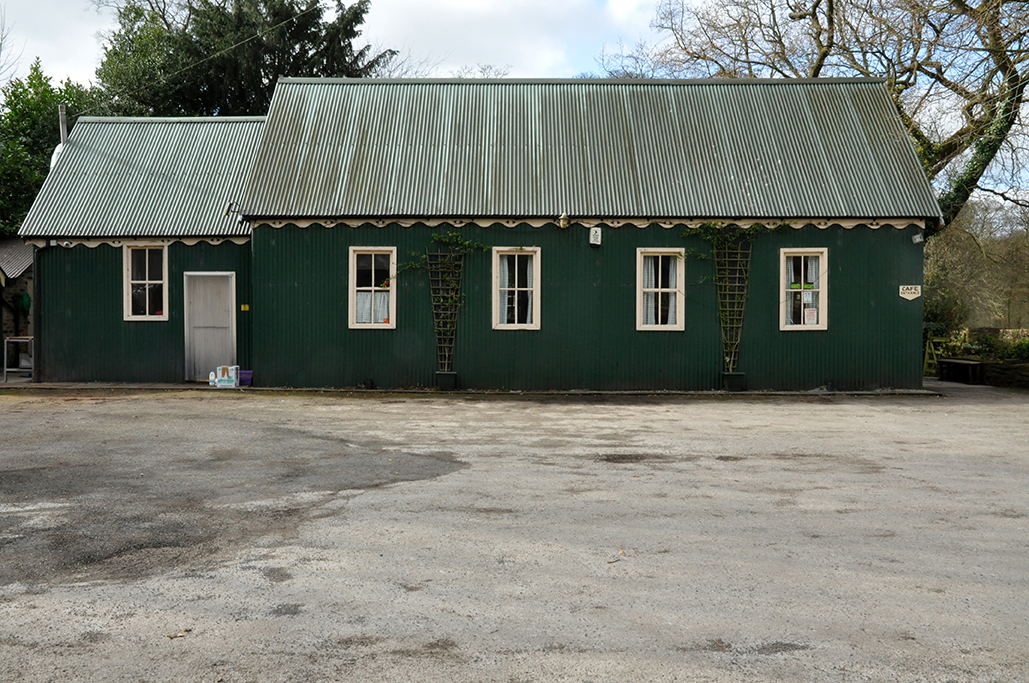
I’ve always been fascinated by temporary and informal architecture from childhood dens to shotgun shacks, sheds and caravans, so here is a record of the so called Tin Tabernacles from around Greater Manchester and beyond. And a tribute to those local people that created them.
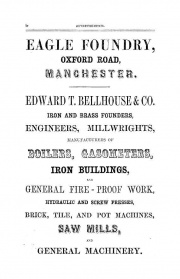
He was apprenticed to Messrs. Wren and Bennett, where he remained for some six and a-half years, and where he acquired a thorough knowledge of practical engineering. He then worked for about a year as a journeyman millwright at the Caloa Mills, and at the St. Helen’s Union Plate Glass Works; and next spent a year as a journeyman at Sir William Fairbairn’s works in the Isle of Dogs. The following year, the last of his actualworkshop life, he passed in the employ of the Liverpool Grand Junction Railway. On 1st July 1842 he started thefirm of E. T. Bellhouse and Co., which has carried on a prosperous business for the last forty years at the Eagle Foundry, Hunt Street, Manchester. Mr. Bellhouse, undertook the erection of many large bridges for various railways; and the whole of the stations required for the Arequipa Railway were constructed by him.
Another branch of engineering in which be took a great interest was the construction of iron buildings. He made and erected many custom-houses of iron; among others, that for Payta, Peru – a building unique of its kind.
Within Manchester he did a large amount of work, both for the corporation and for others. The construction of large roofs, and the general ironwork in connection with the erection of buildings, constituted the principal part of his Manchester business, although he did a large amount of hydraulic work, having among other things designed and made the hydraulic lifts in the new City Hall Manchester.
Apart from business he took an interest in every institution which tended to the benefit of his fellow-citizens, and showed especially an active desire to better the position of his workmen; for the latter purpose an extensivescientific library was formed at the Eagle Foundry. He was connected with the formation of the Athenaeum, was president of the Mechanics’ Institute, and a director of the Royal Institution of Manchester; and in many other ways he gave all the aid in his power towards benefiting the social life of his native town. After a life of hard work and disinterested generosity, the ravages of time and over-work began at length to be felt by a constitution which was not naturally of the strongest. Finding himself in failing health, be removed to Southport in hopes of regaining his strength; but on 13th October 1881 he died there at the ago of sixty-five.
St Antony’s Trafford Park
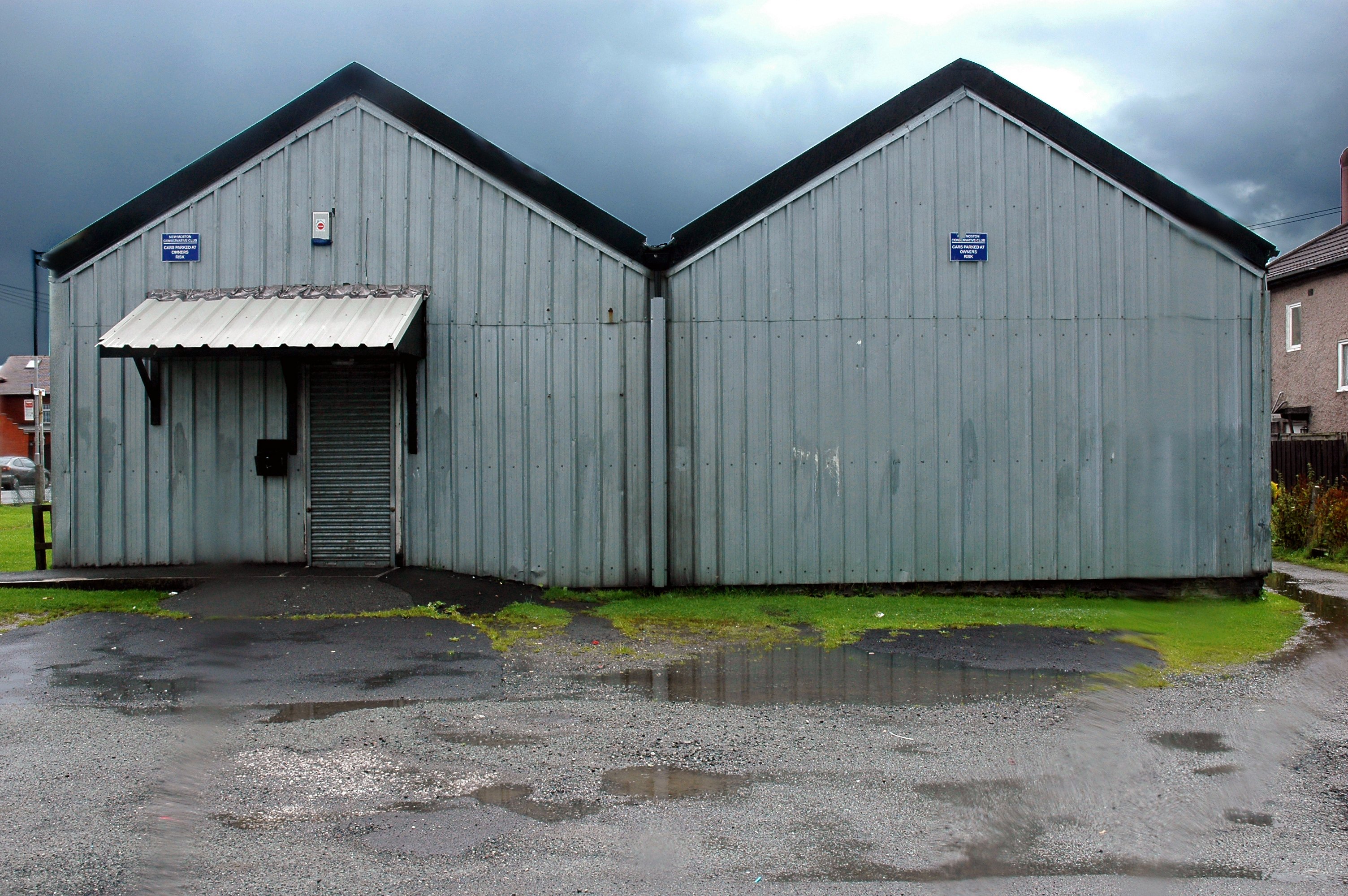
New Moston Constitutional Club 273 Moston lane
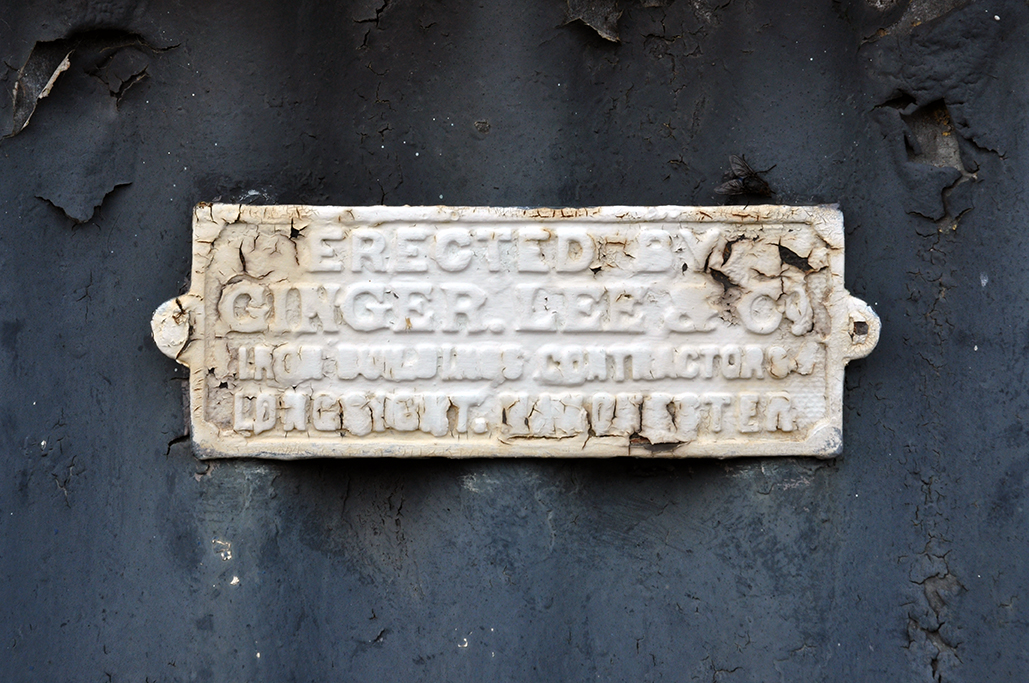
This example was made by Ginger Lee of Longsight but built in Mid Wales – along the A490 near Forden
What happens to functionalist architecture when it ceases to function?
It ceases to function.
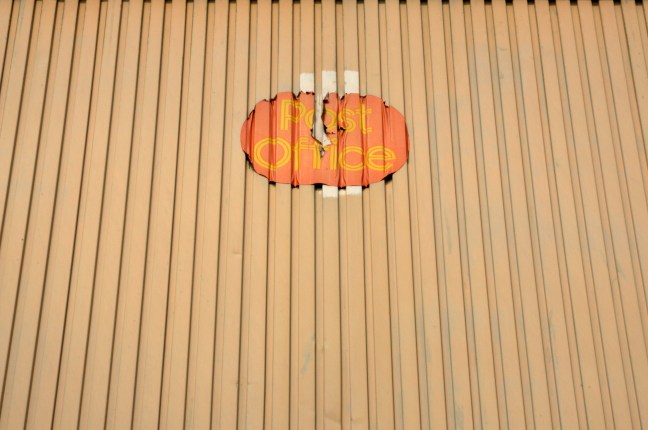
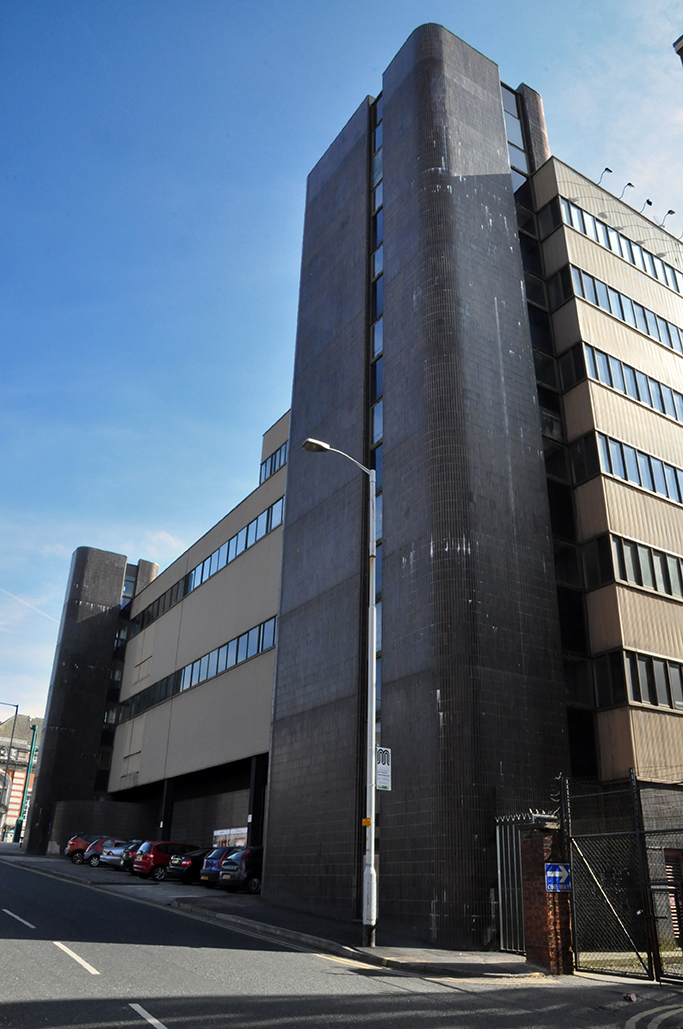
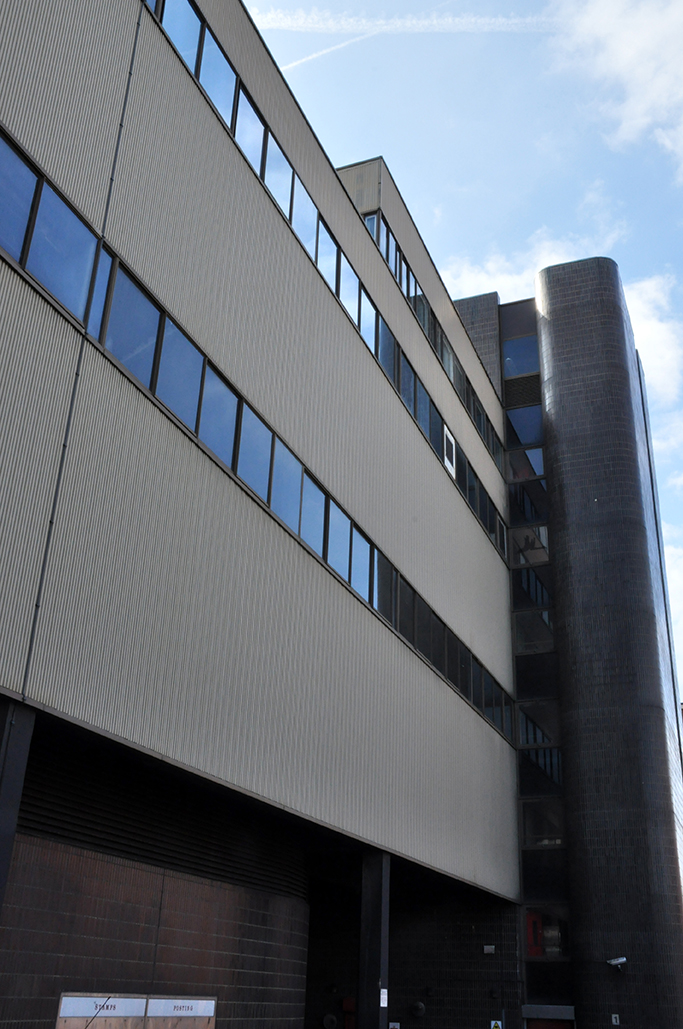
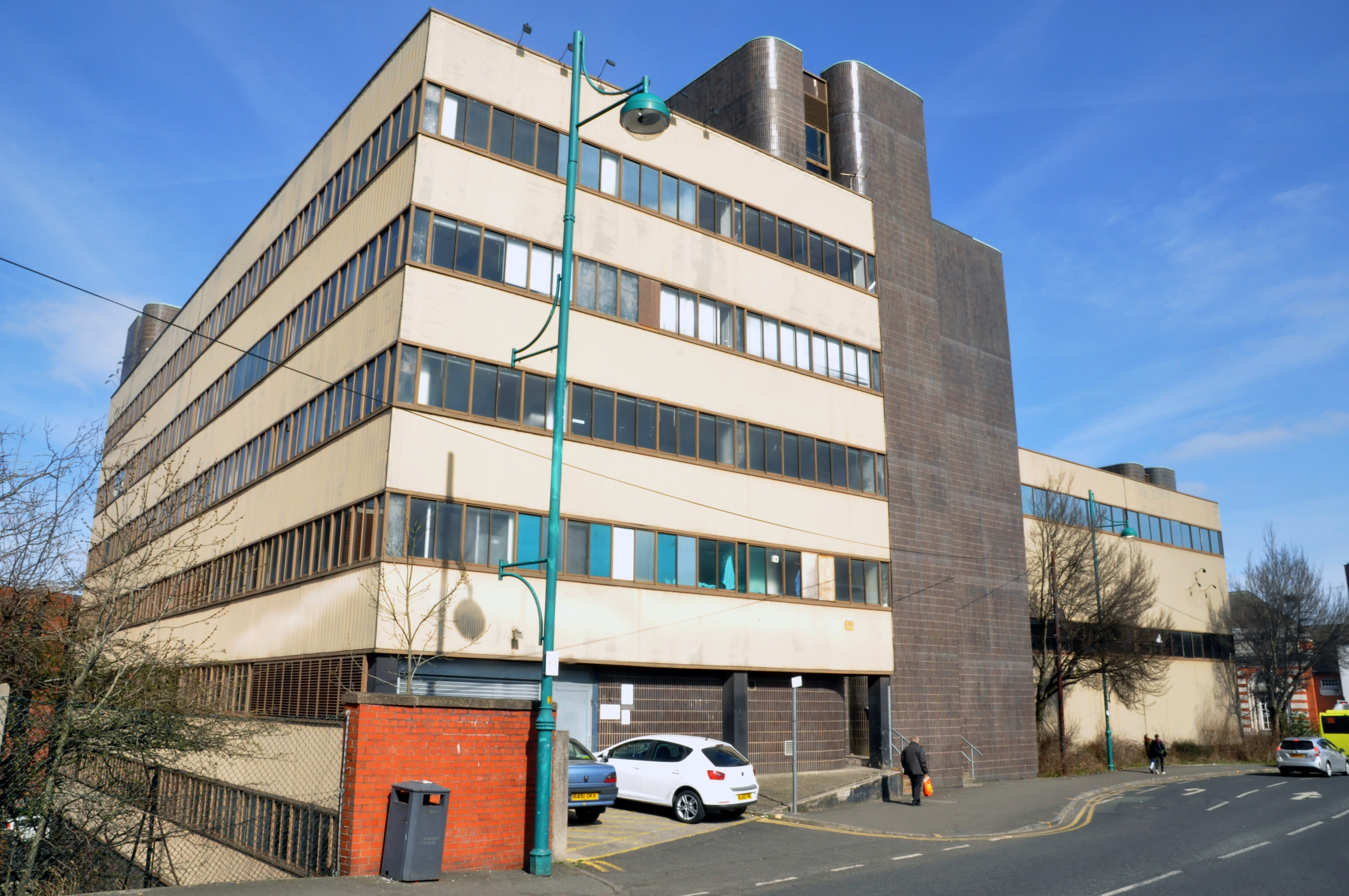
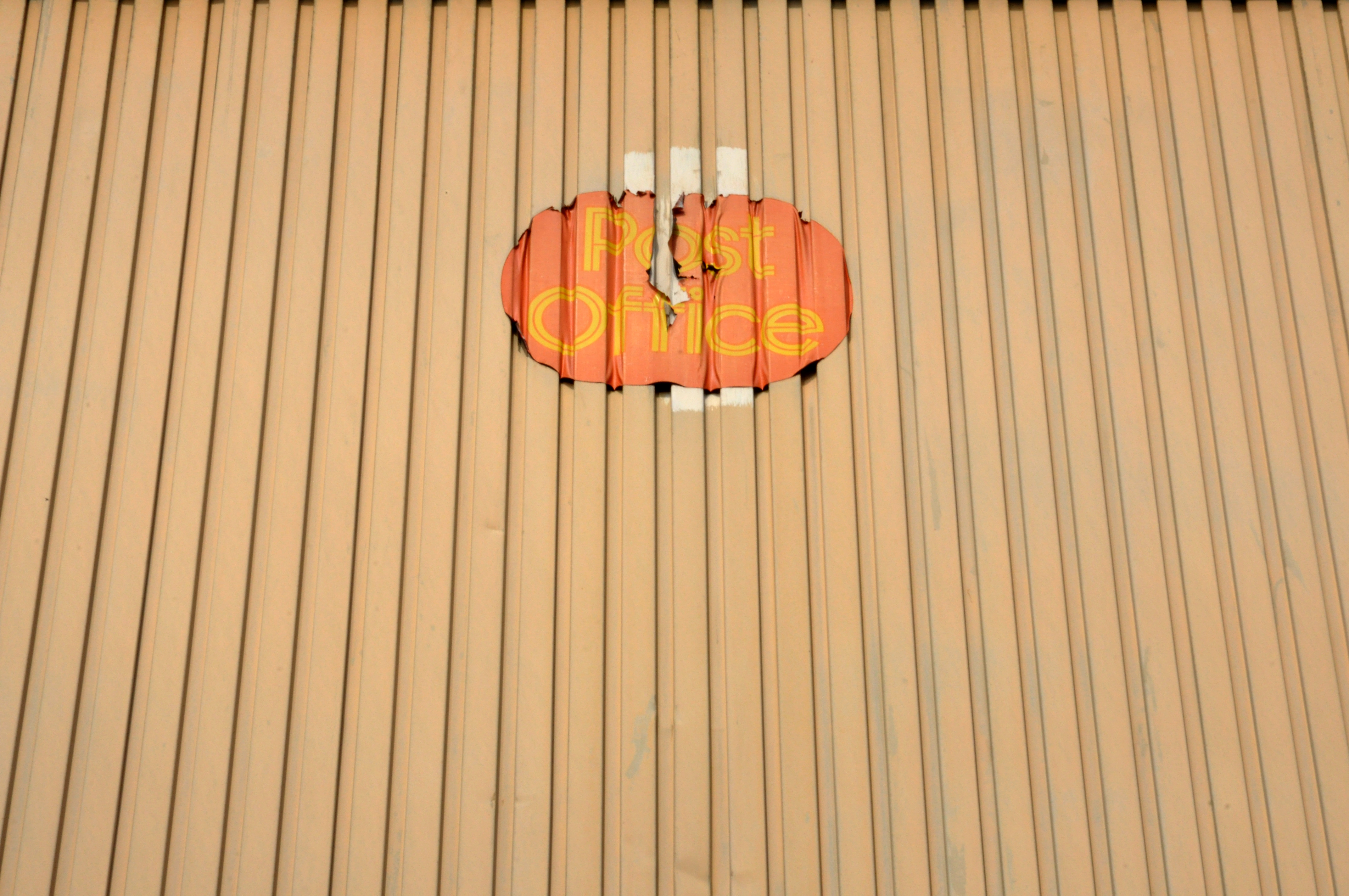
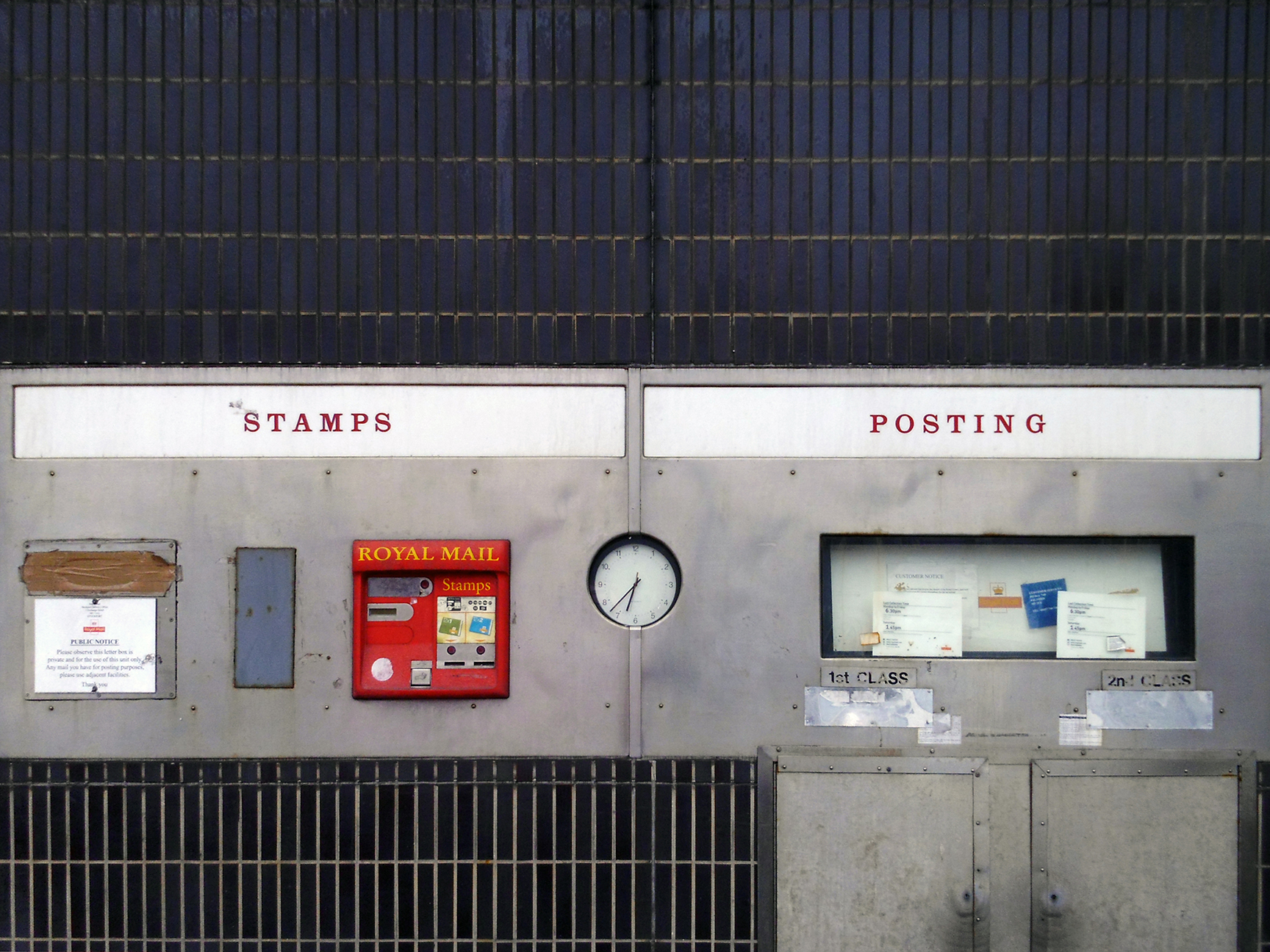
Standing on the A6 in the centre of the town, once home to a warren of postal workers, sorting mail in preparation for the two delivery a day walks. This was a communications hub before they even thought of communications hubs.
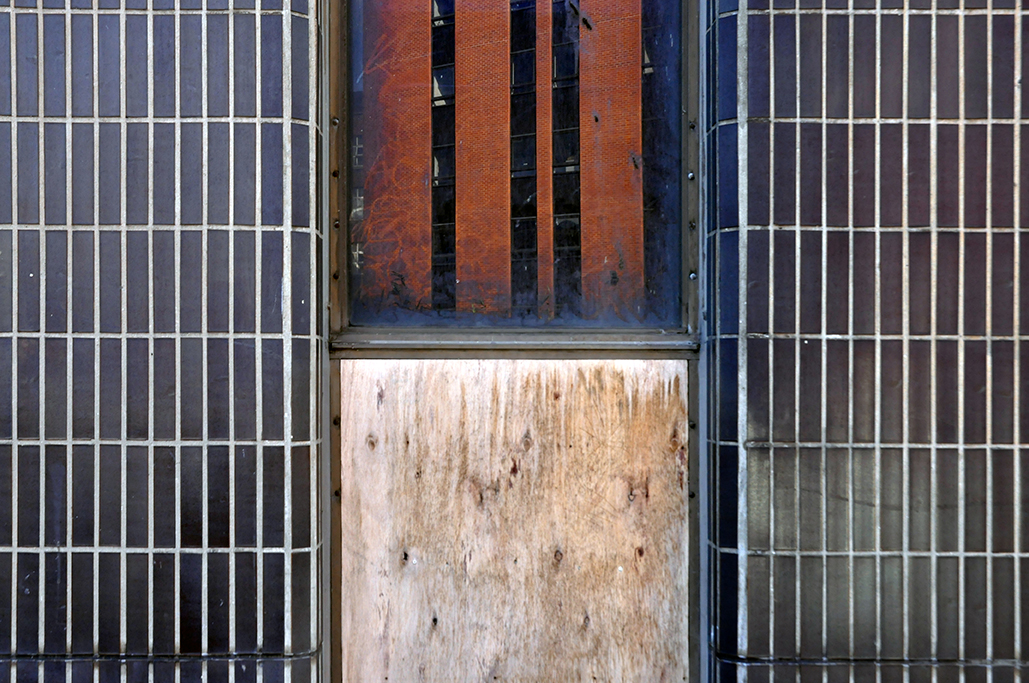
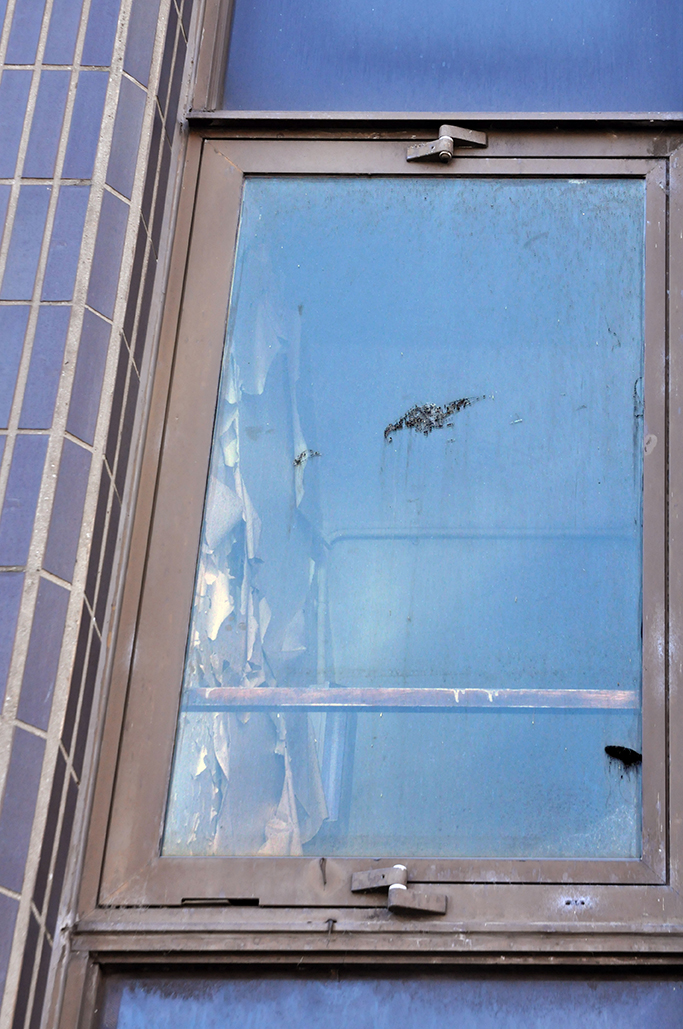
The office stands empty, inside the paint slowly peels.
Following changes in working practices the posties now sort their own round, for a single daily delivery. The process has become mechanised, requiring new technologies and an appropriate anonymous architecture, on the edge of town.
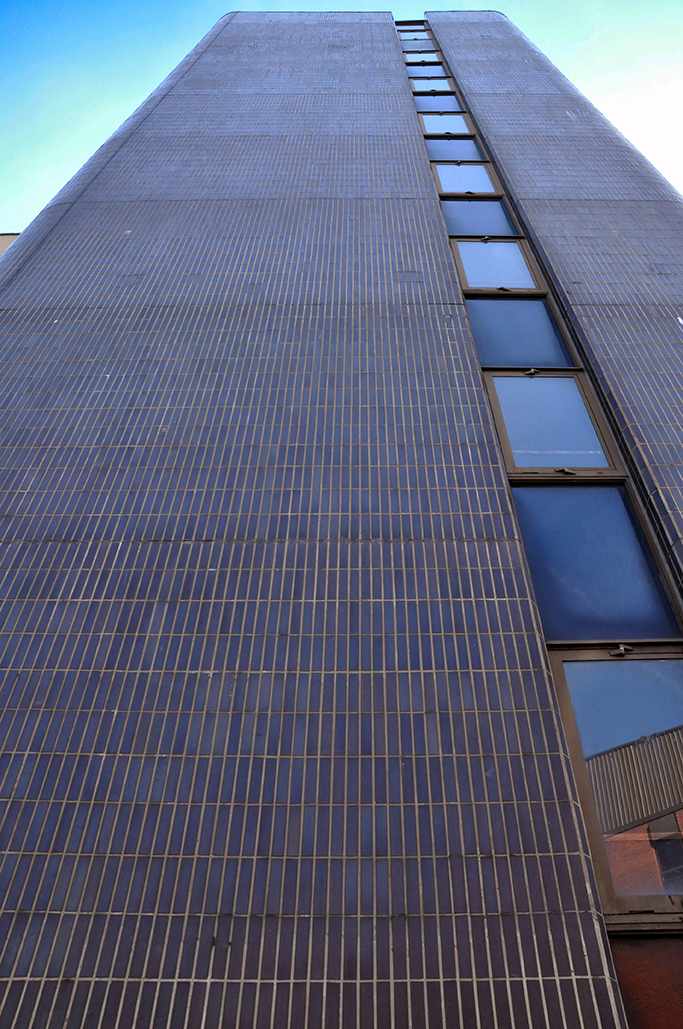
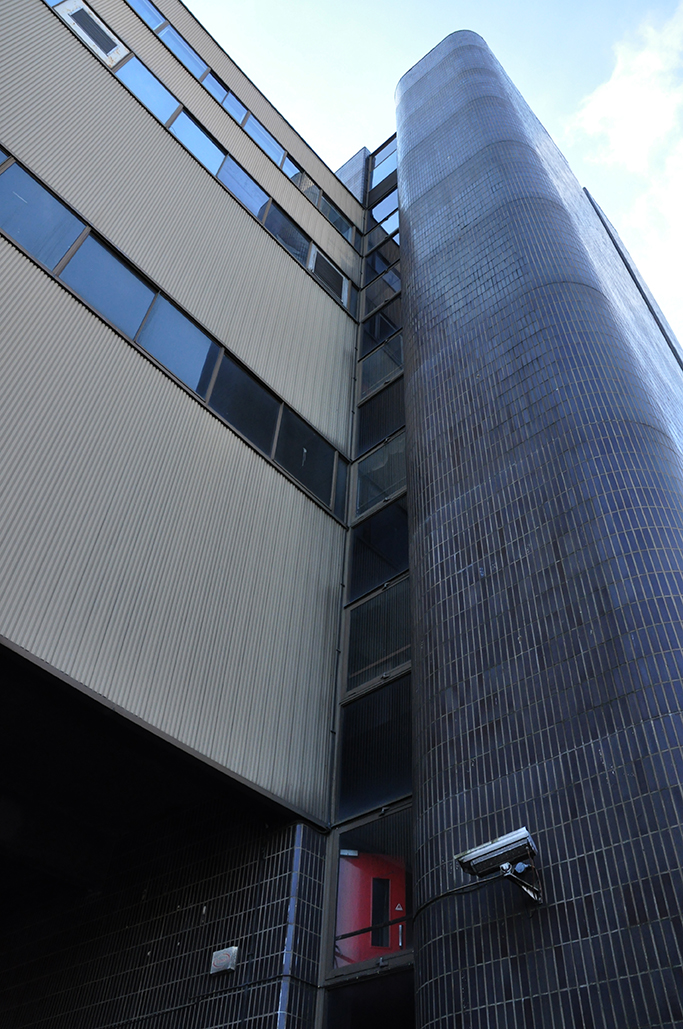
The building however, continues to reflect a 70s optimism, monumental – fading, as optimism is apt to do.
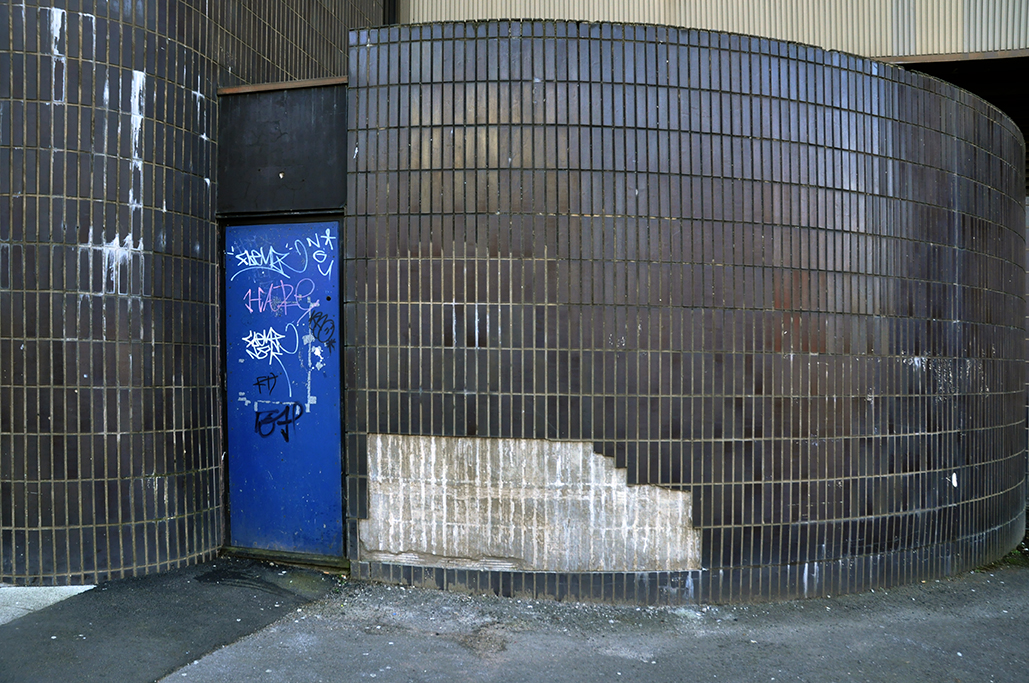
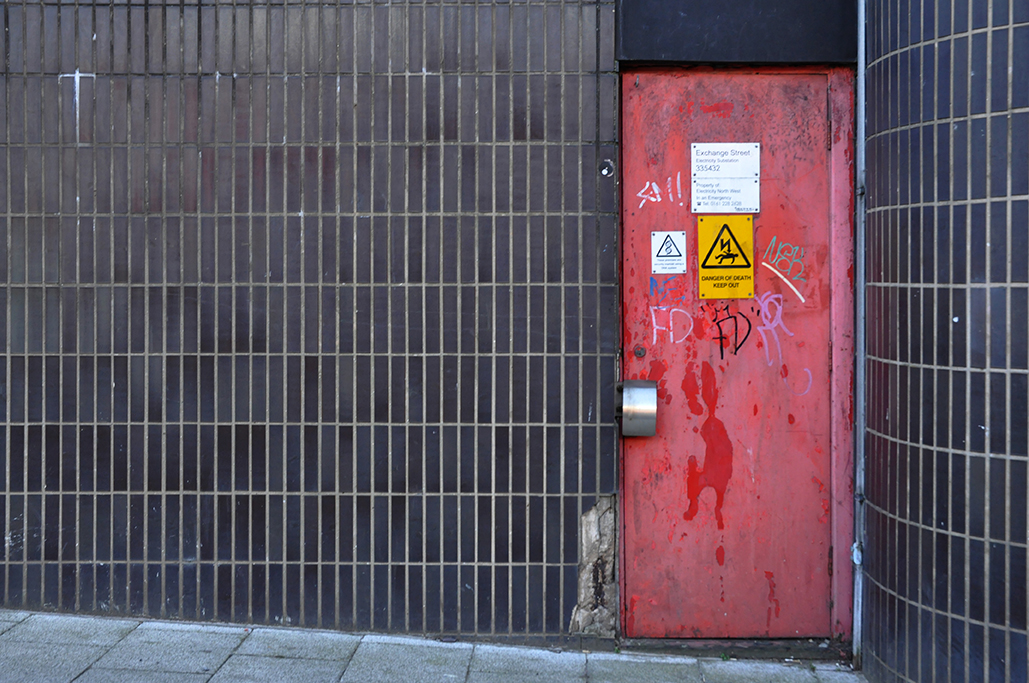
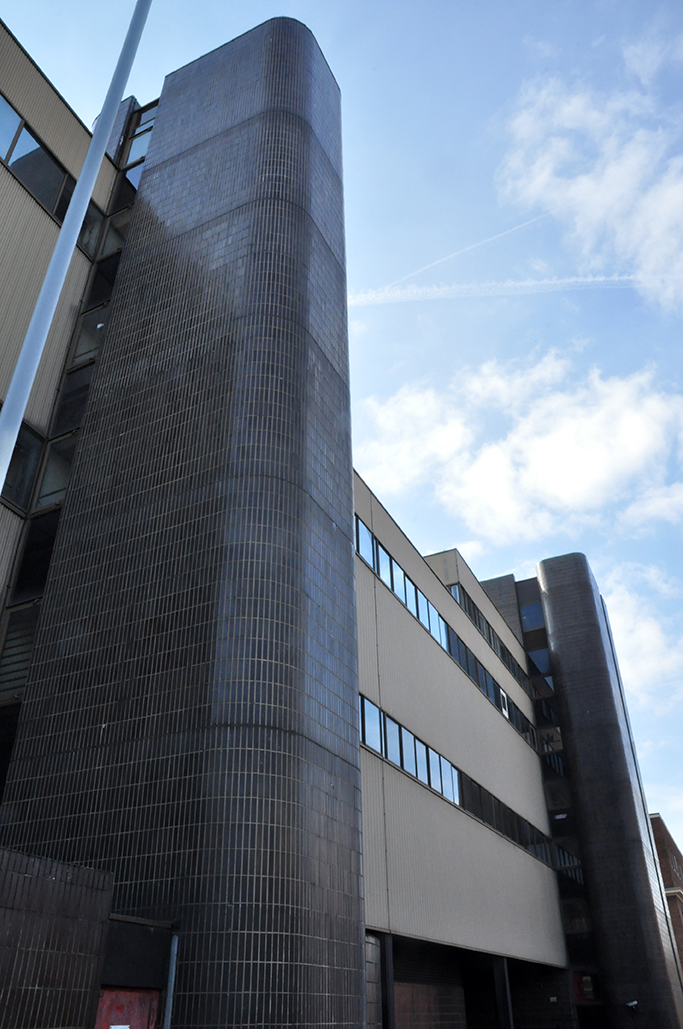
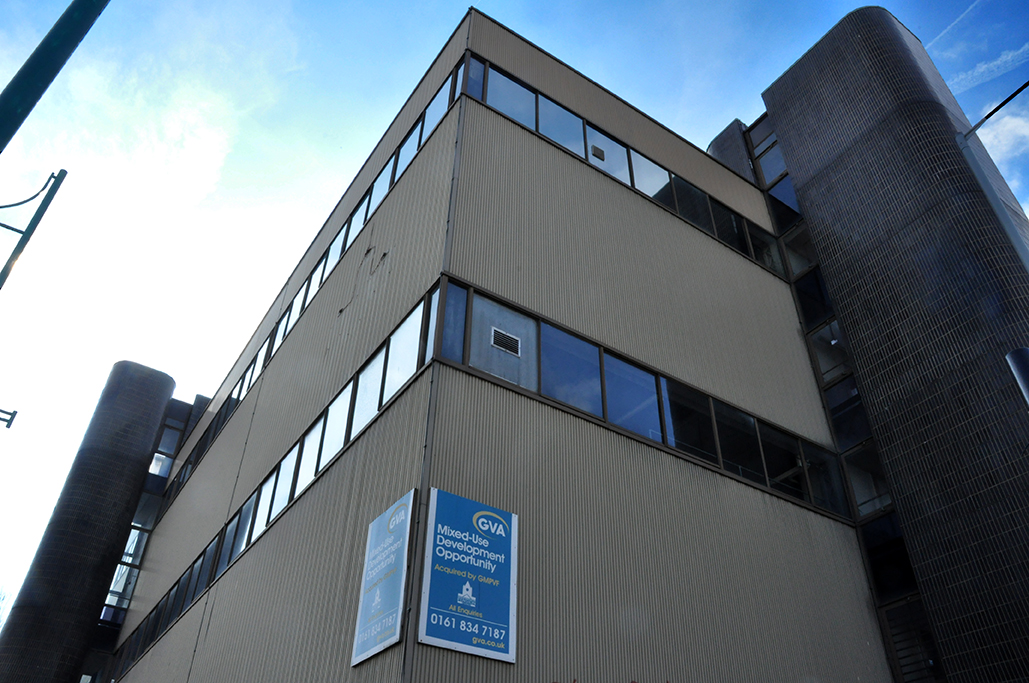
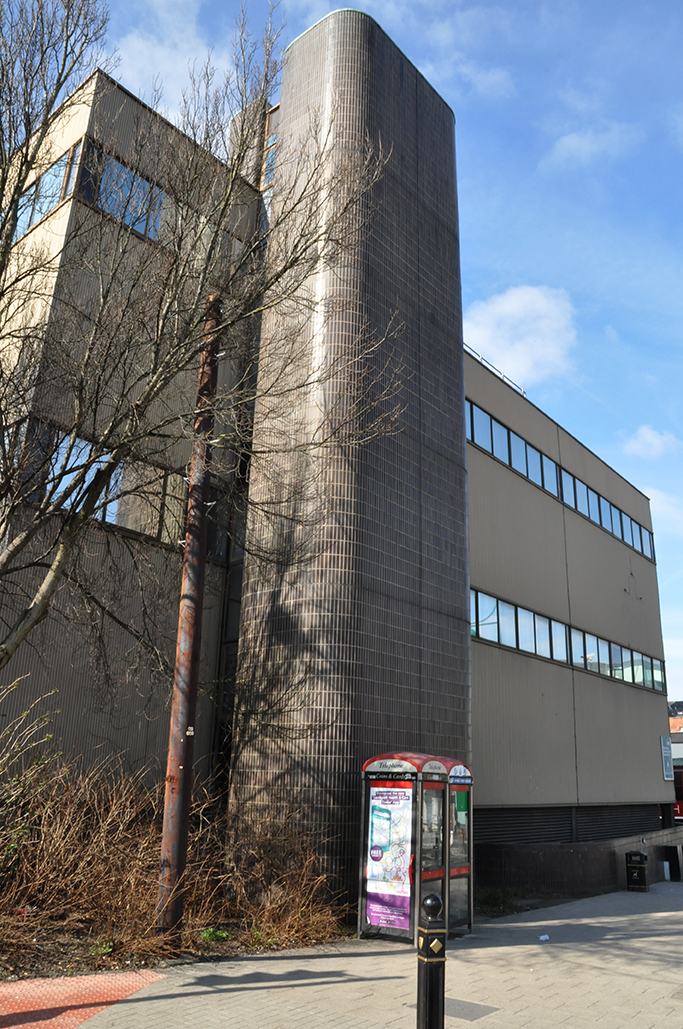
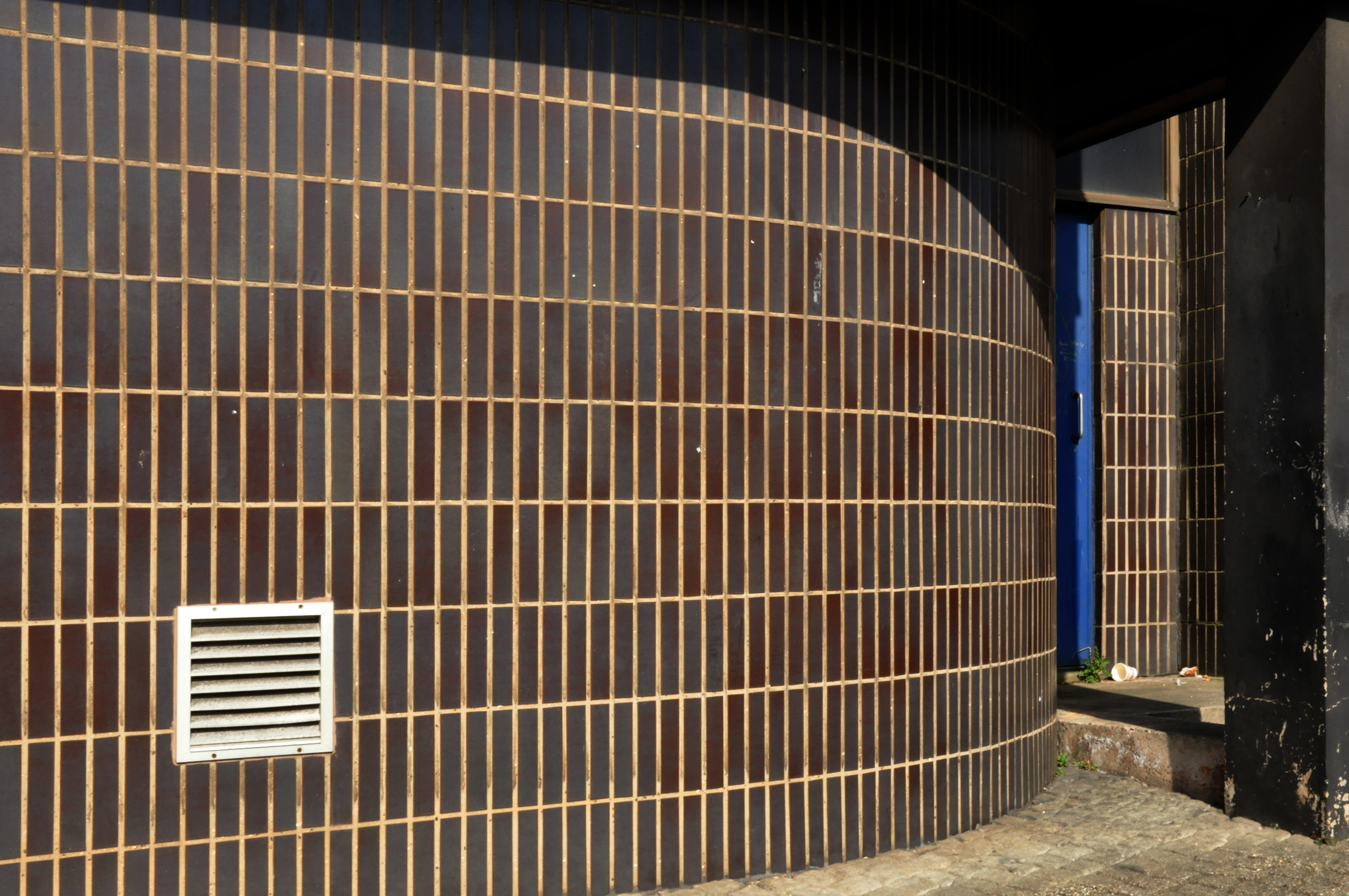
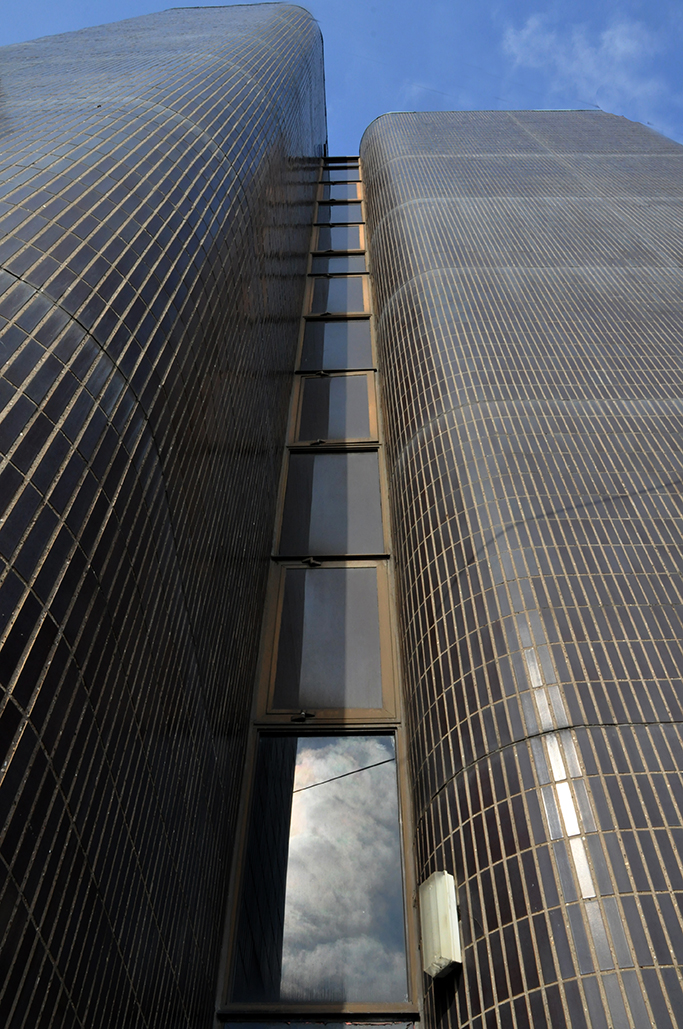
An exciting composition of curved tiled volumes and boxy glass and steel modernism, in a delightfully battered brown and cream. Now in the ownership of the Greater Manchester Pension fund, its future would seem, to say the least, uncertain. This whole Grand Central site clustered around the railway station has been subject to a series of speculative leisure developments. As in other locations they seem to fade, just as quickly as the boarded hoardings, shrouded in designers’ digital piazza visualisations.
So we stand and stare at each other lovingly, our heads in a cloud of municipal stasis.
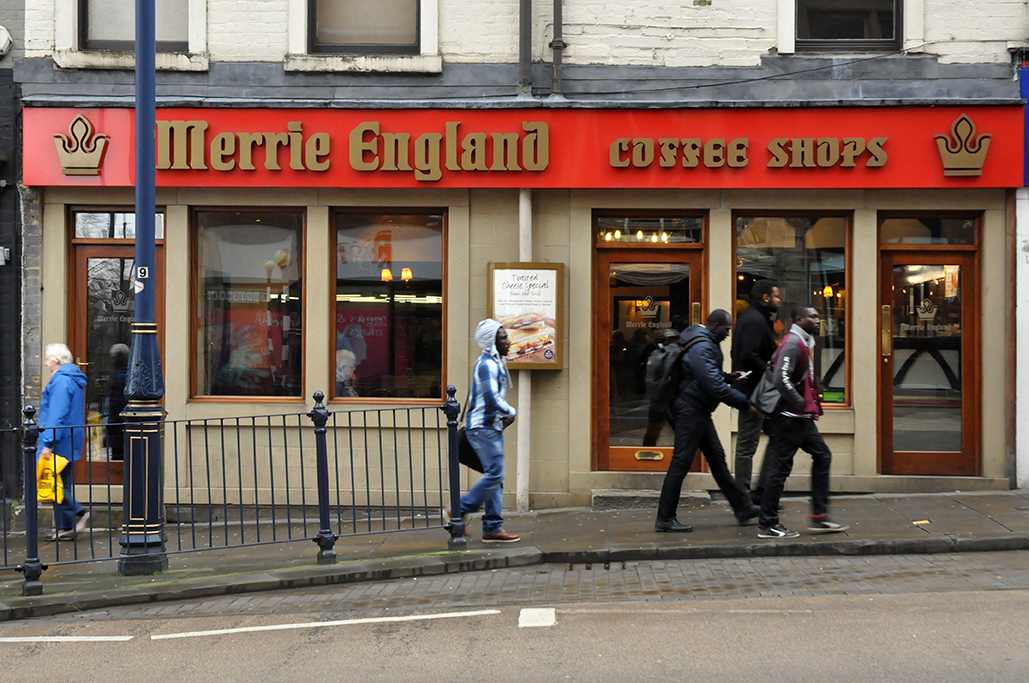
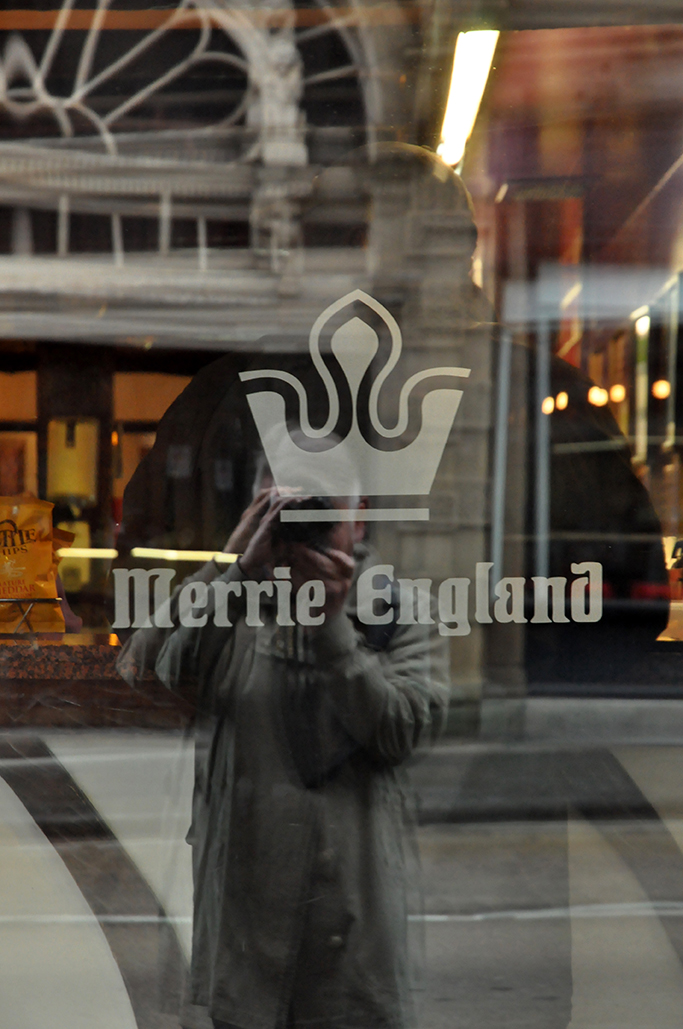
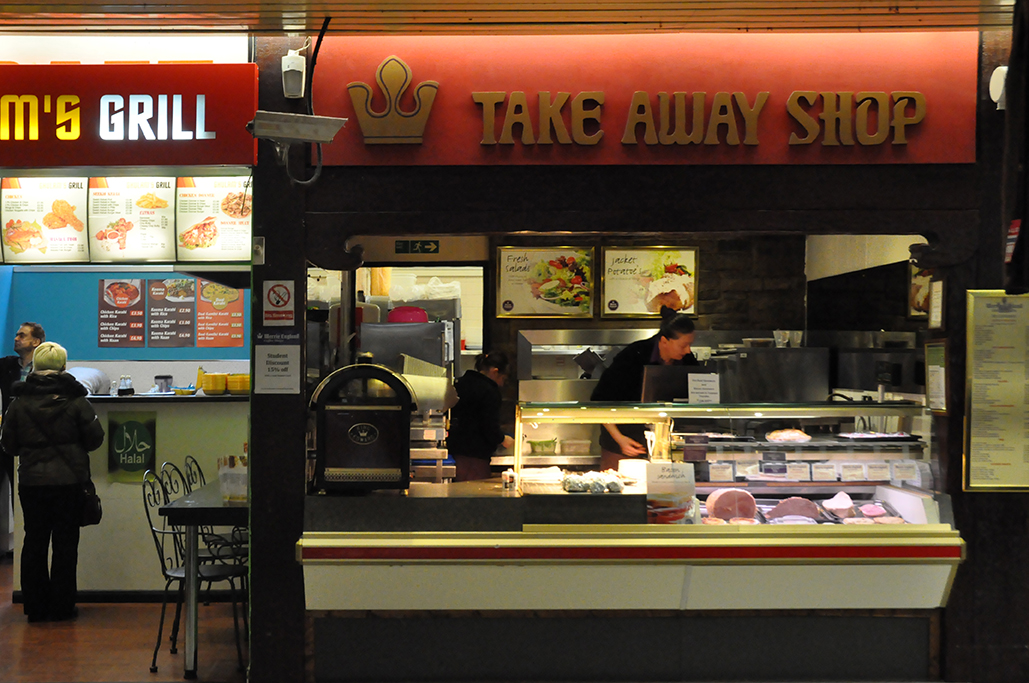
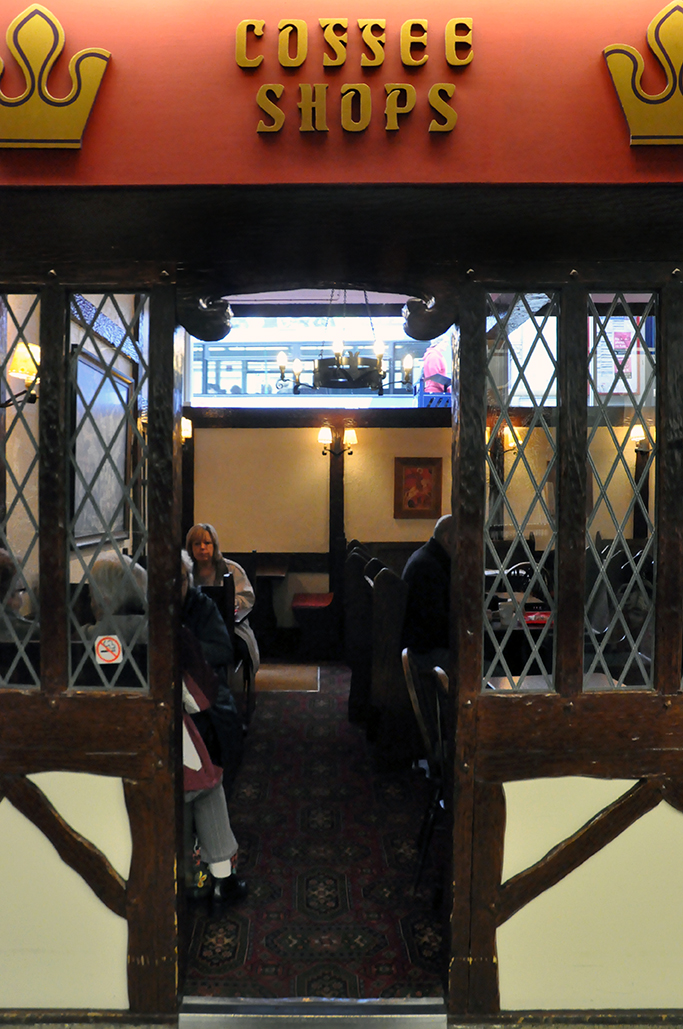
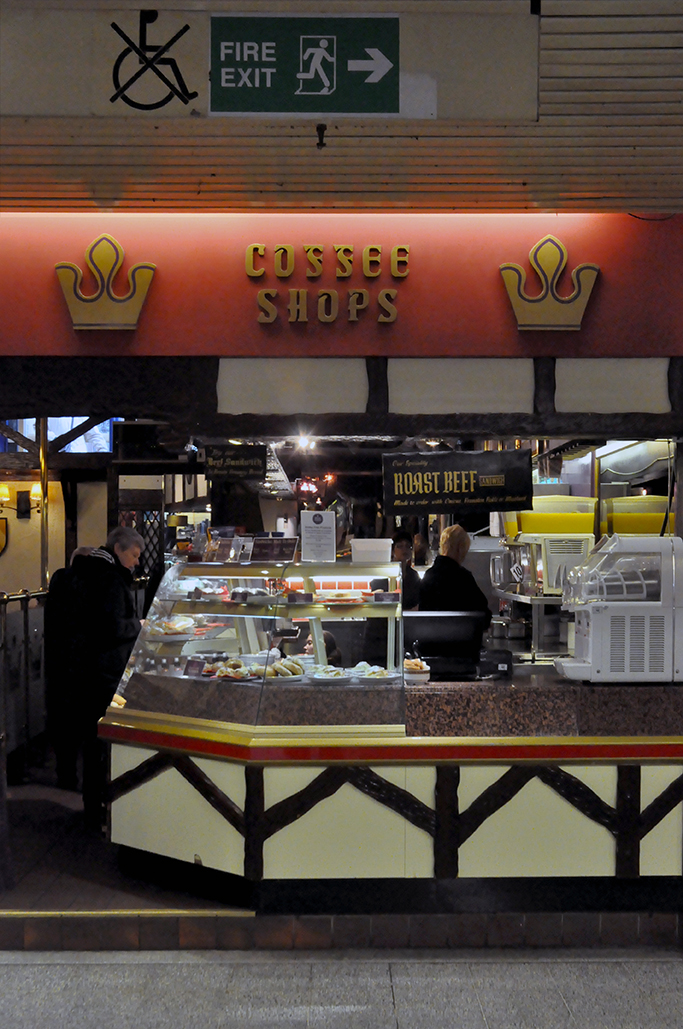
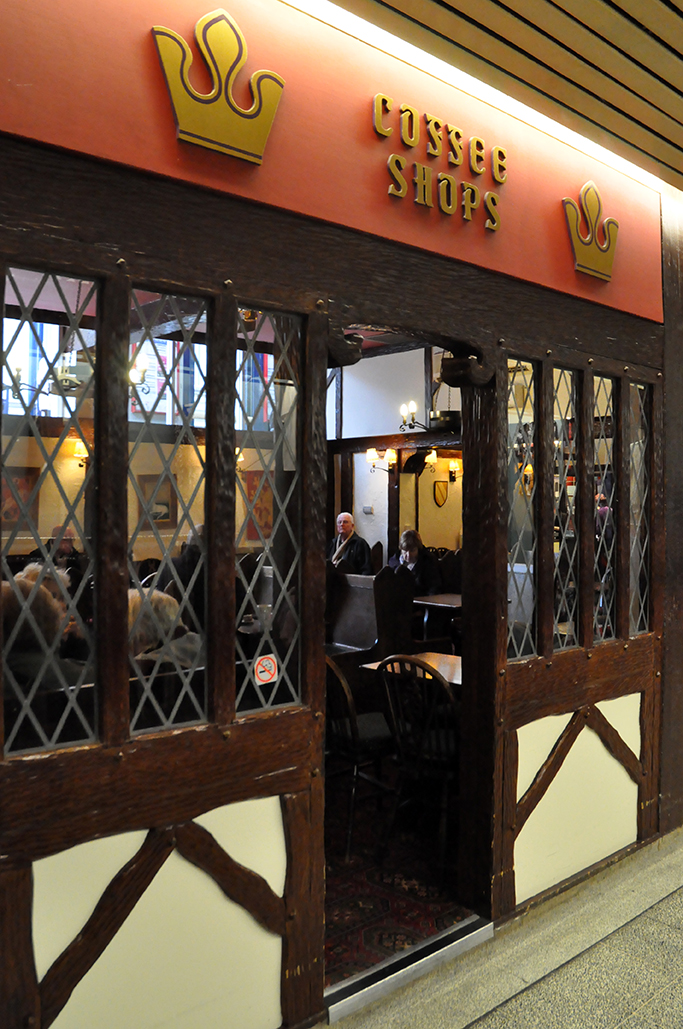
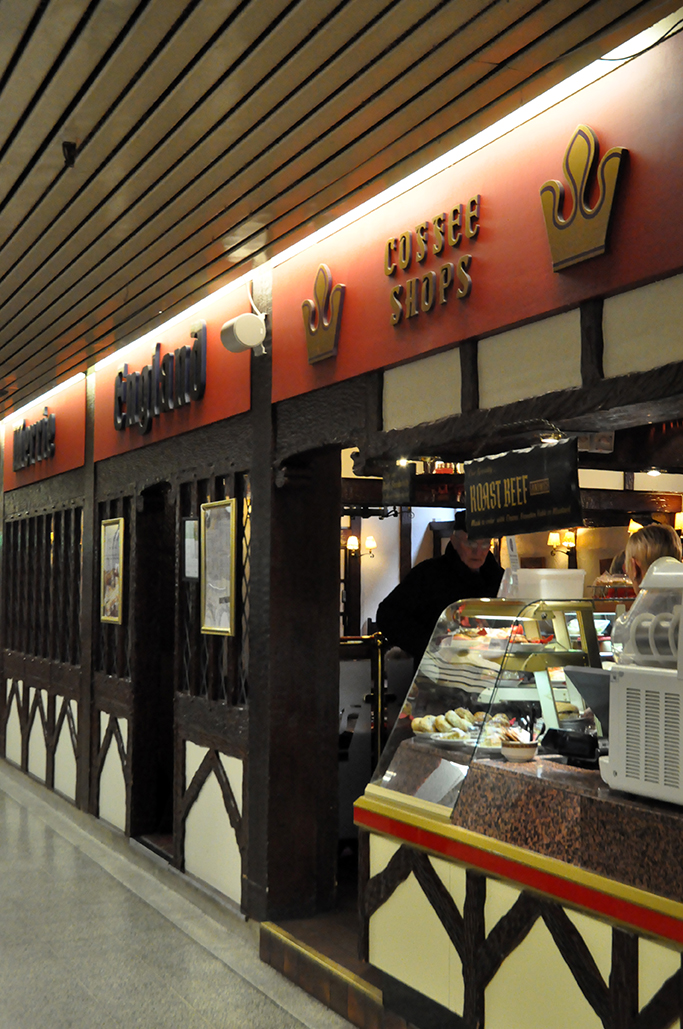
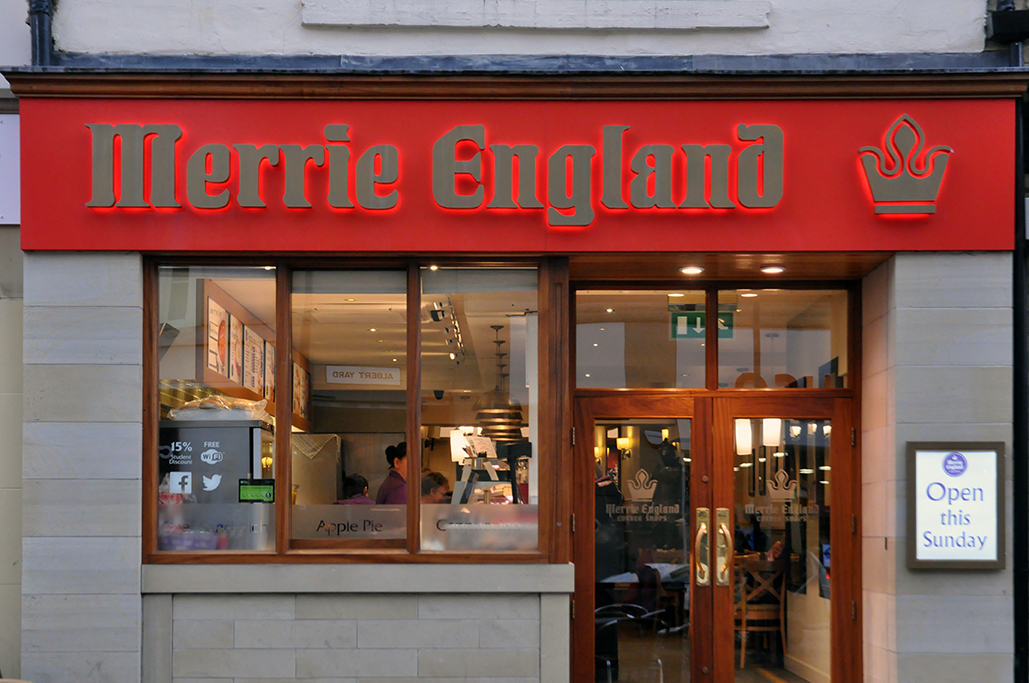
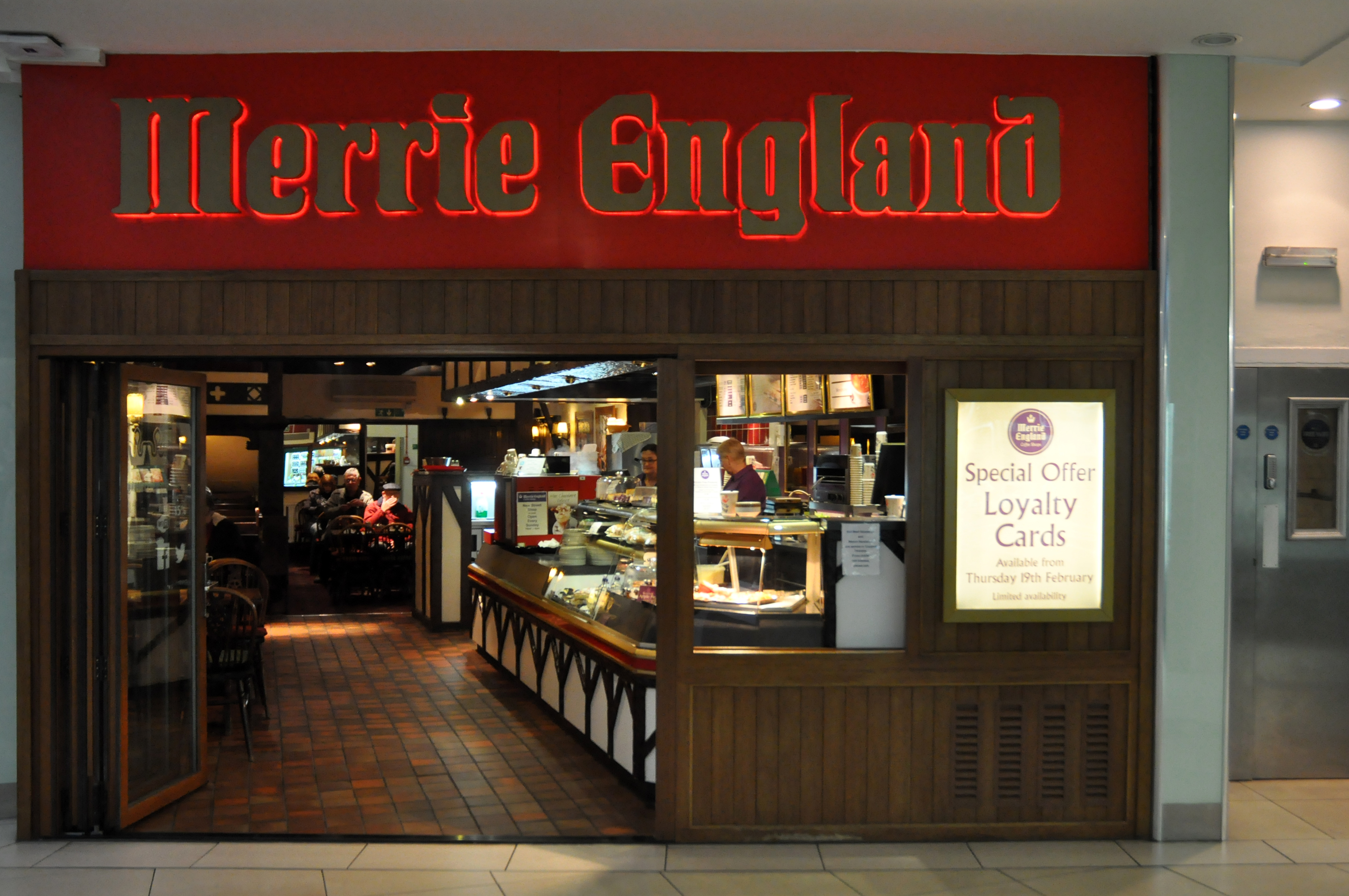
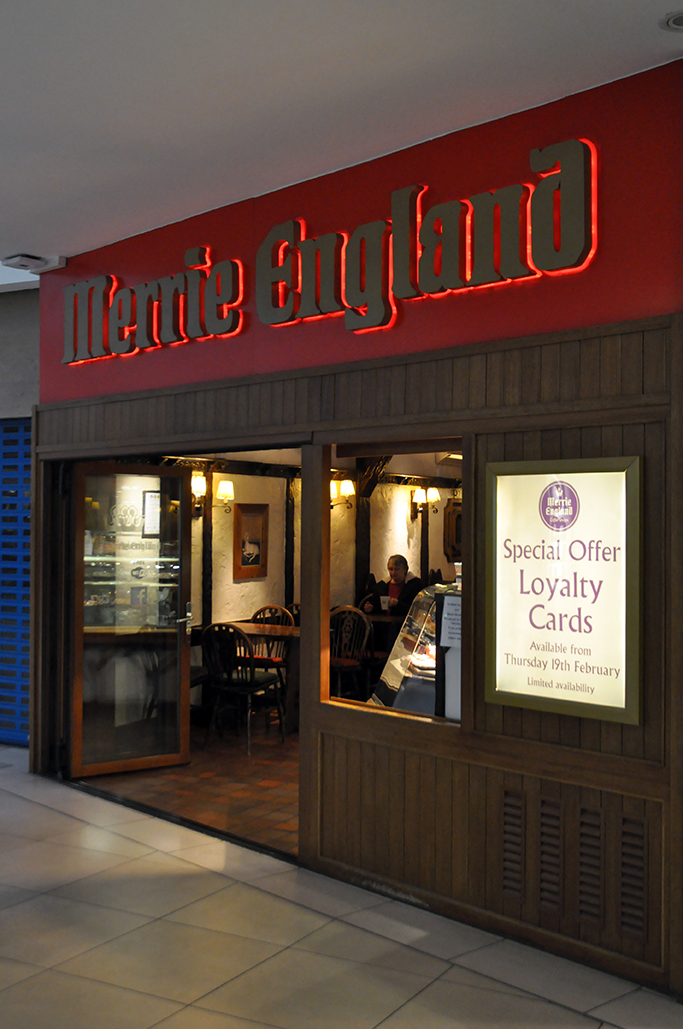
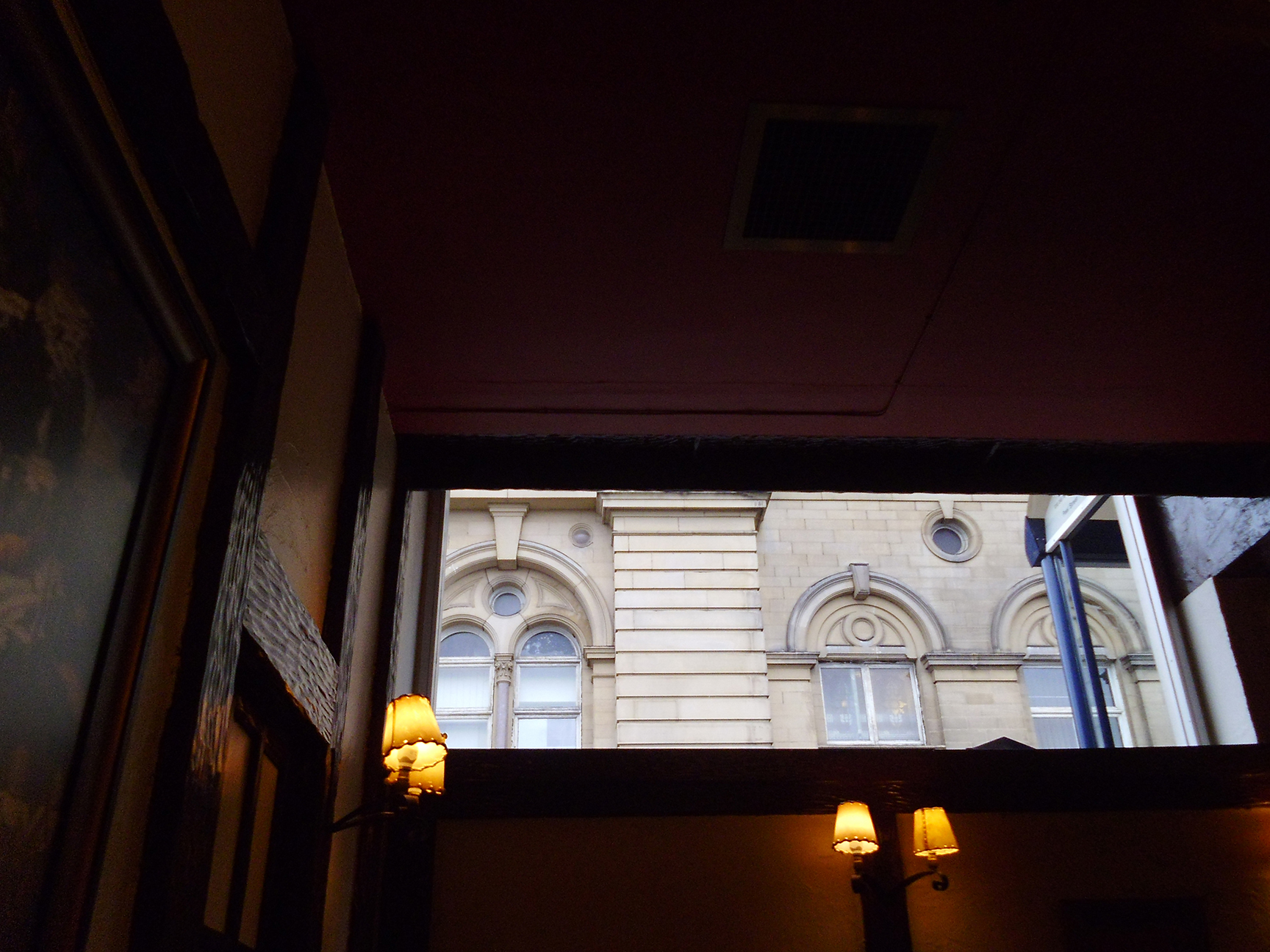
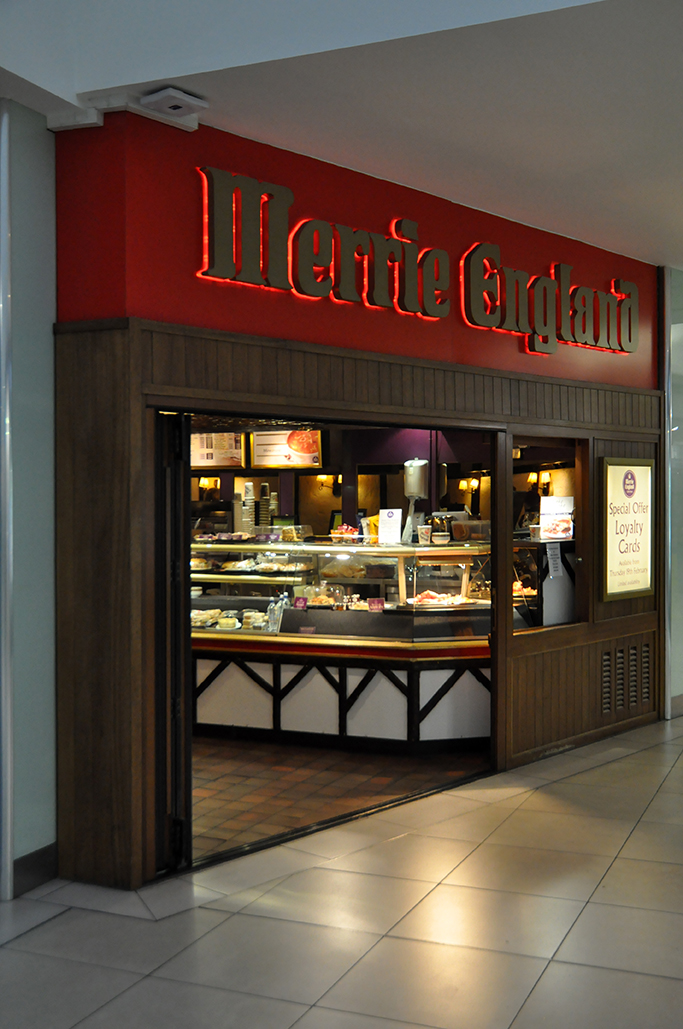
A local café group, that has the market cornered in West Riding mock-baronial dining.
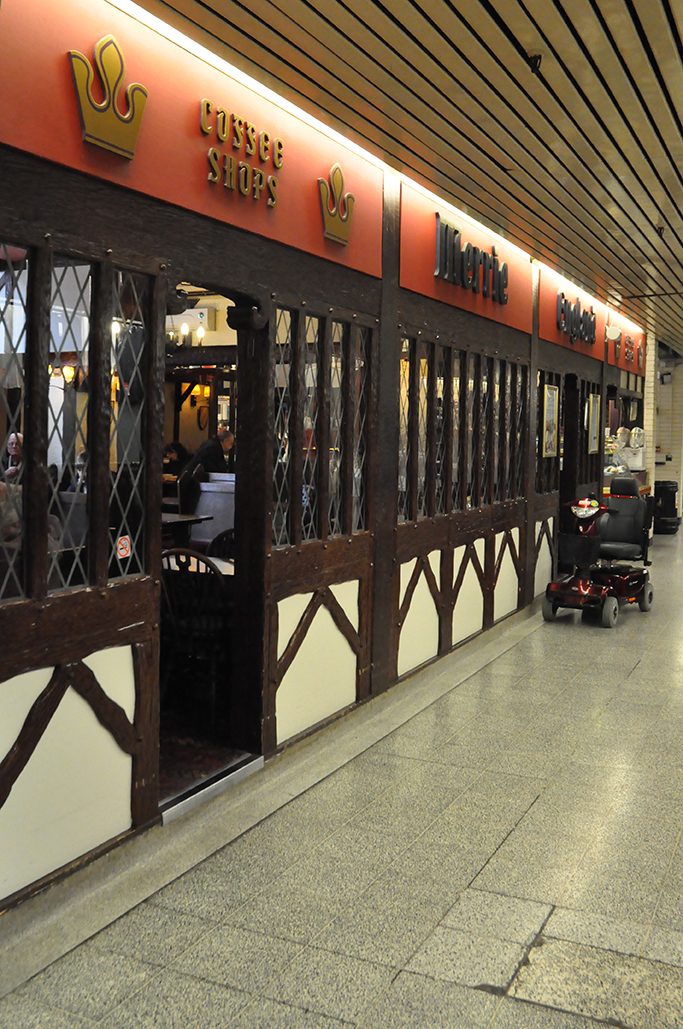
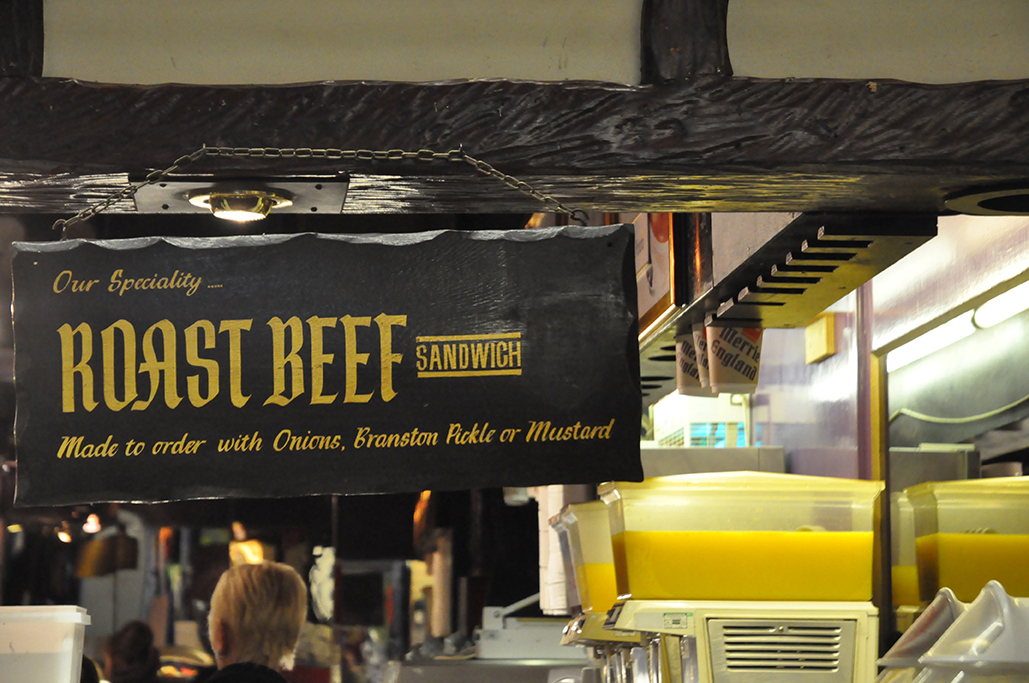
Walking into a half-timbered, overwhelmingly cream and red, world of tea, toast and hot beef sandwiches, there is a dislocation in time and location. No longer March 2015 in the centre of a Yorkshire Town, but in a lukewarm Westworld totally lacking in animatronic psychopathic killers.
The furniture is brown.
Moves are afoot to refurbish and refresh the brand, one branch doing its best to emulate an Argos furniture showroom, with an incongruous suit of armour thrown in for good luck.
Clank!
Pop in make your own mind up – old new old, or new new old.
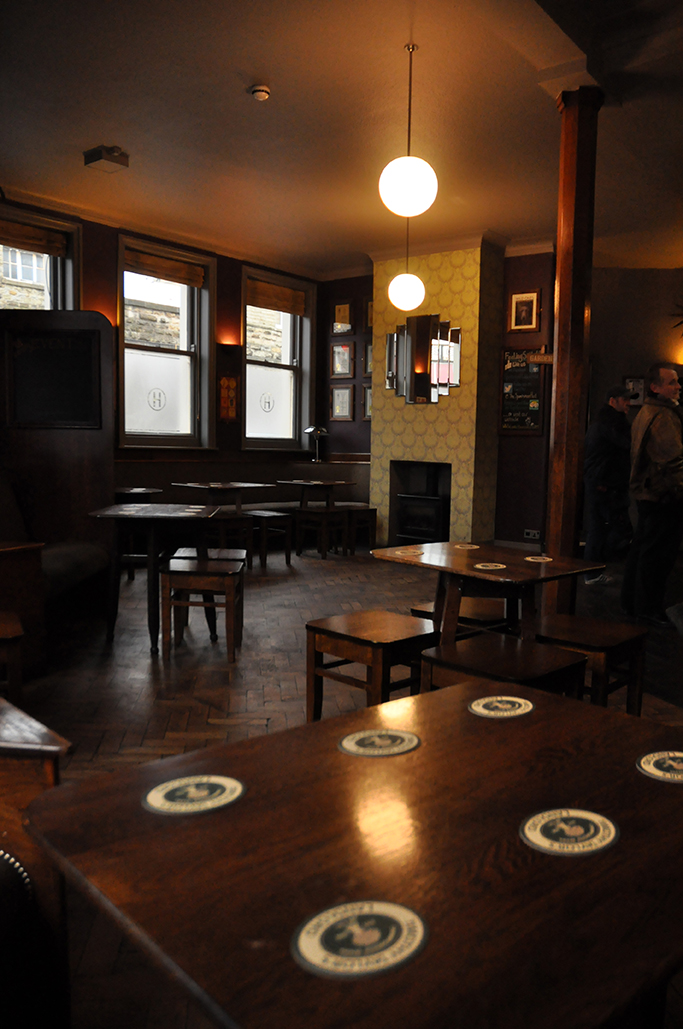
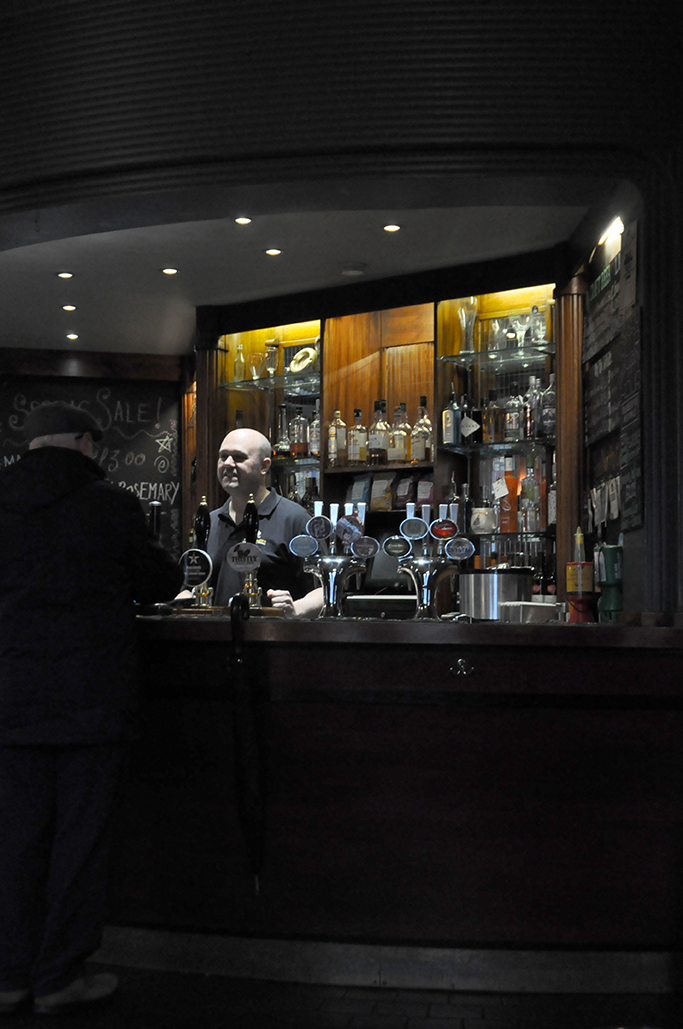
Turn left out of the station, round past the George, big and closed. Head under the railway viaduct – there it is right in front of you, on the corner of John Street.
The Sportsman.
You will not find a finer pub, but you don’t have to, you’re there.
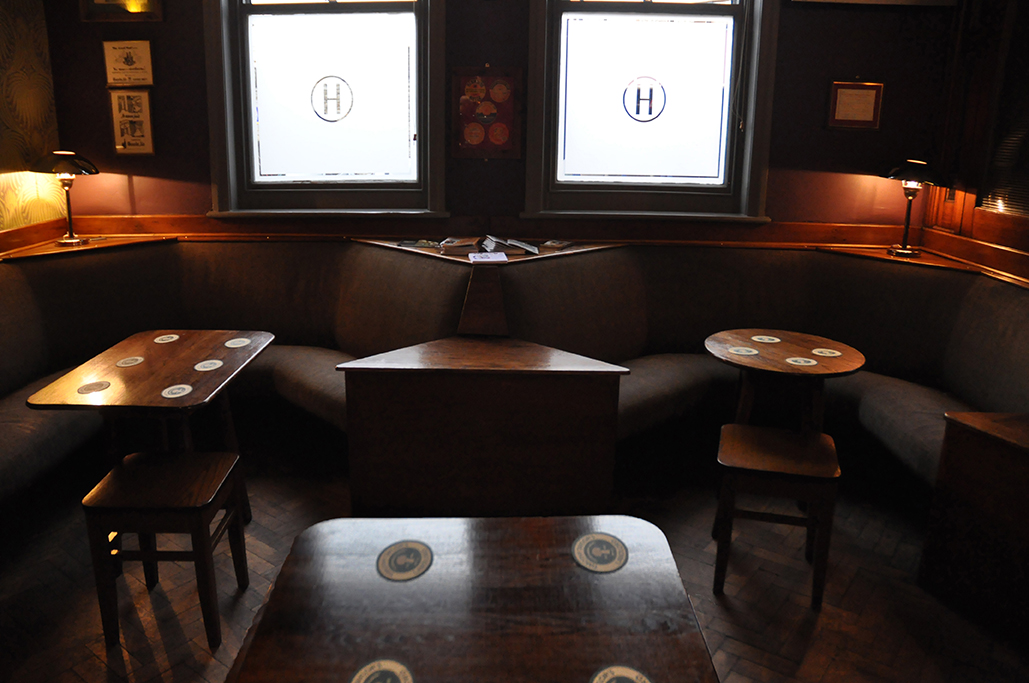
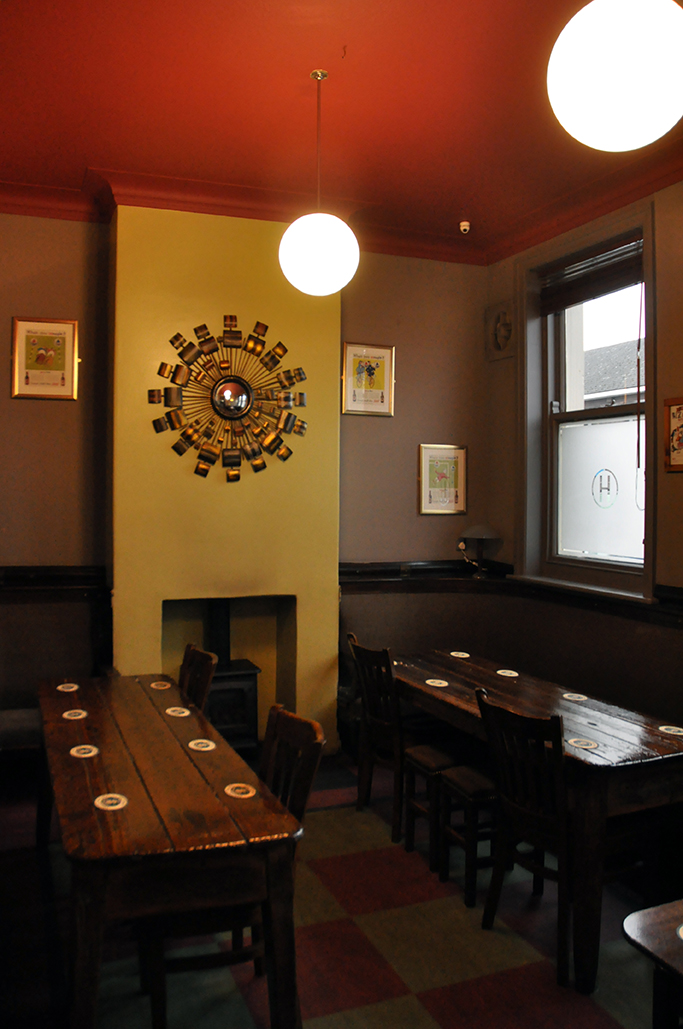
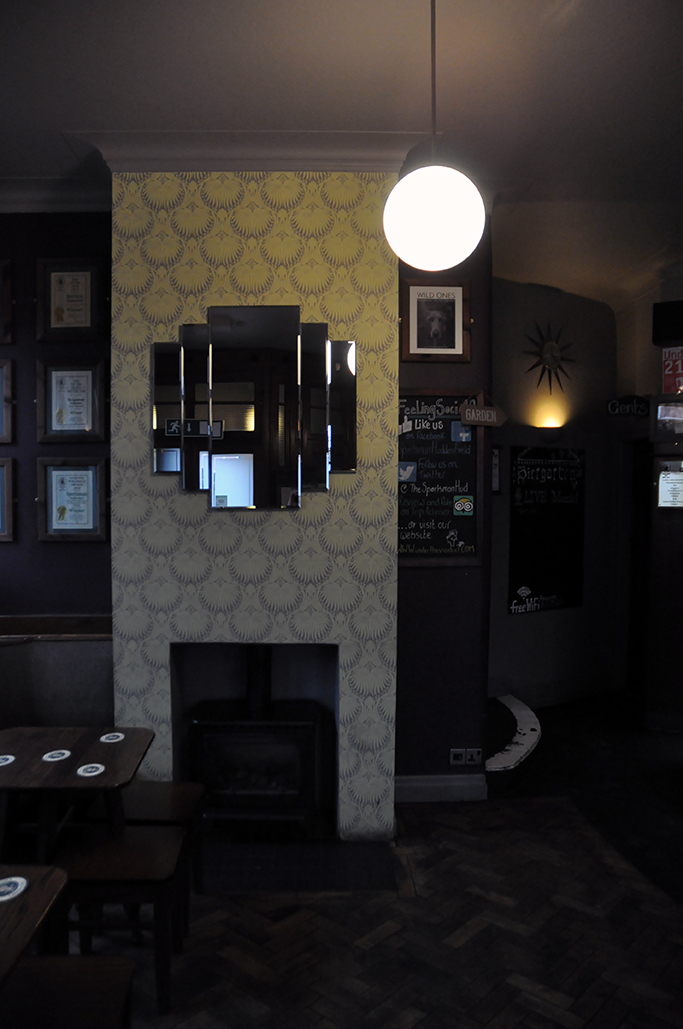
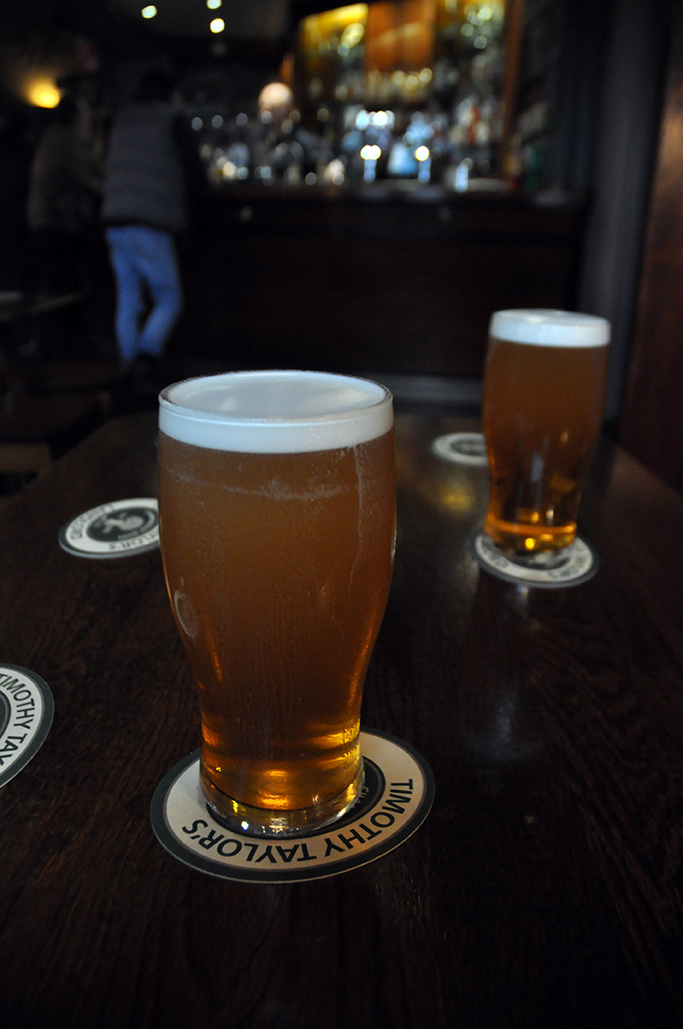
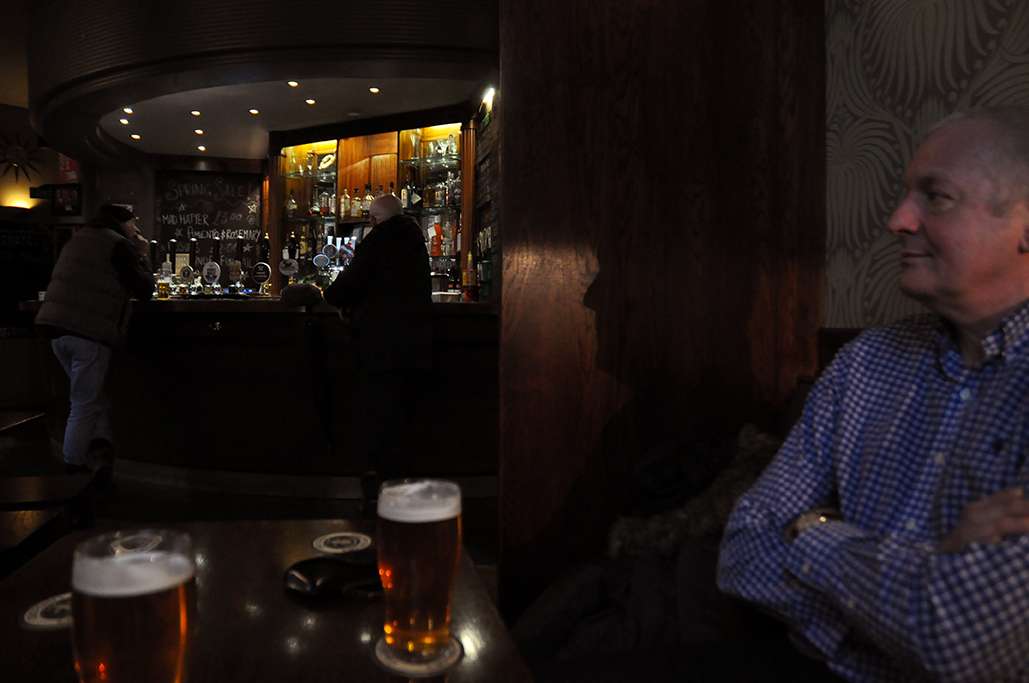
Striding across the decorative deco porch, pushing aside the weighty timber and glass doors. Inside a dull warm afternoon light, falls lazily through the windows. White globes glow low from the ceiling, gently washing the well worn parquet floor. Put your bags down on the upholstered seating, walk up to the bar get a pint pulled, then another – take your time it’s fluid.
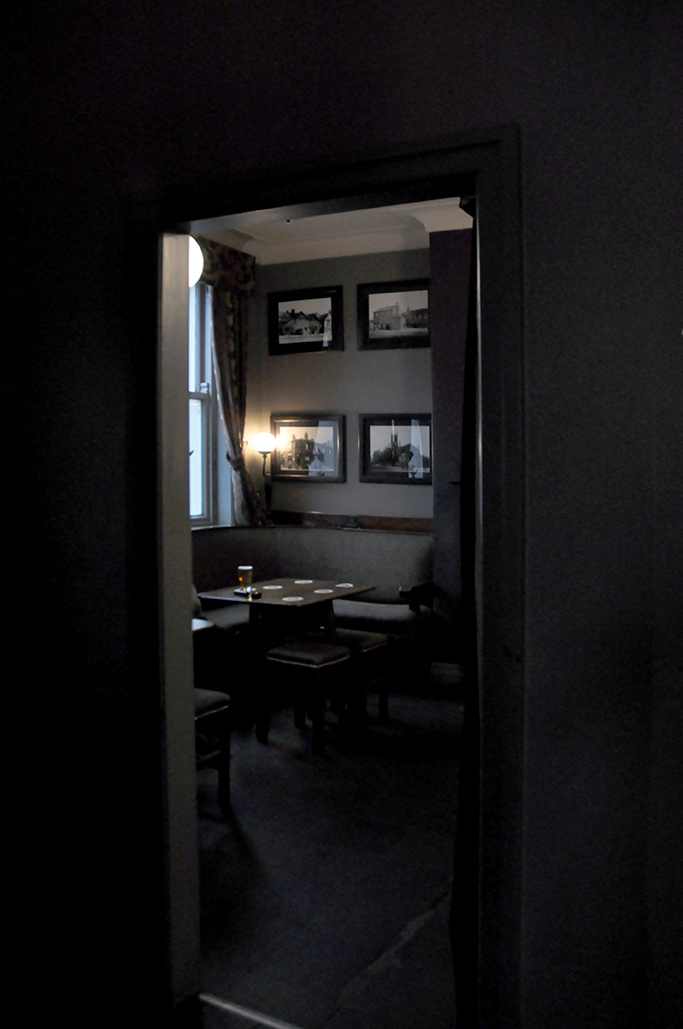
The main room is wide and welcoming, side rooms smaller and intimate.
Decorated in a post war muted style, all wood and restrained colour, certainly not over fussy or over decorative. It has a style that doesn’t impose itself upon you – simply whispers in your ear
Pub.
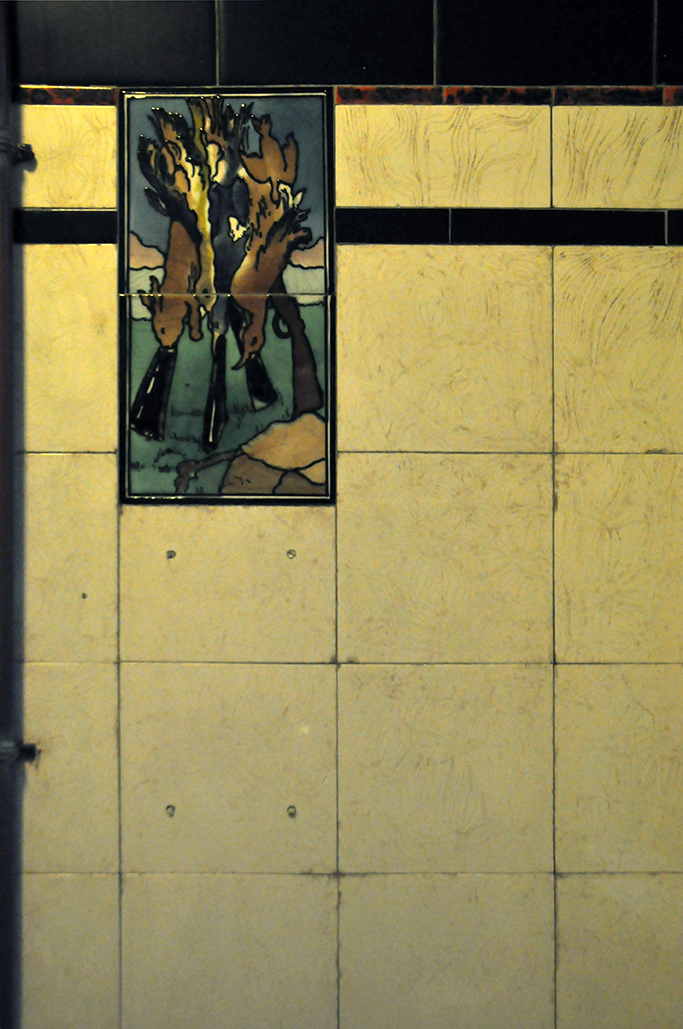
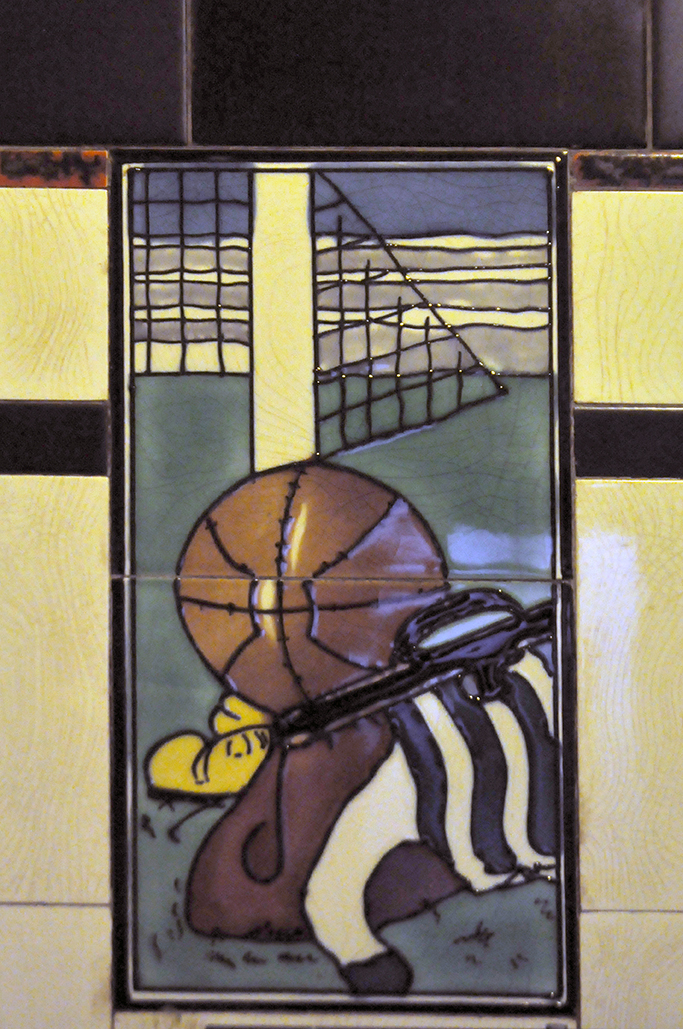
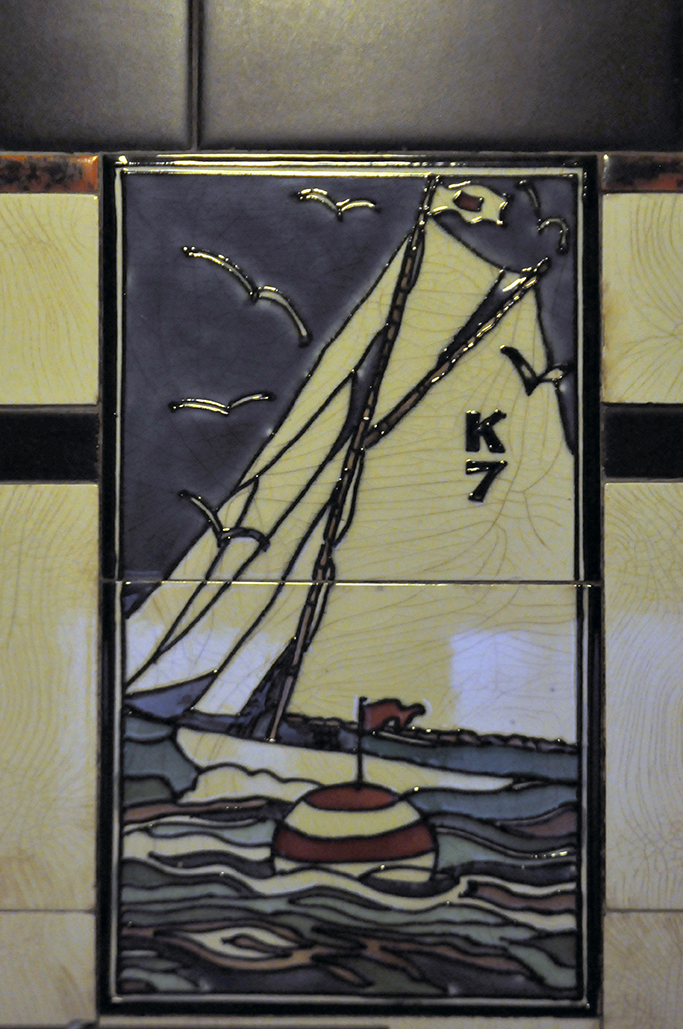
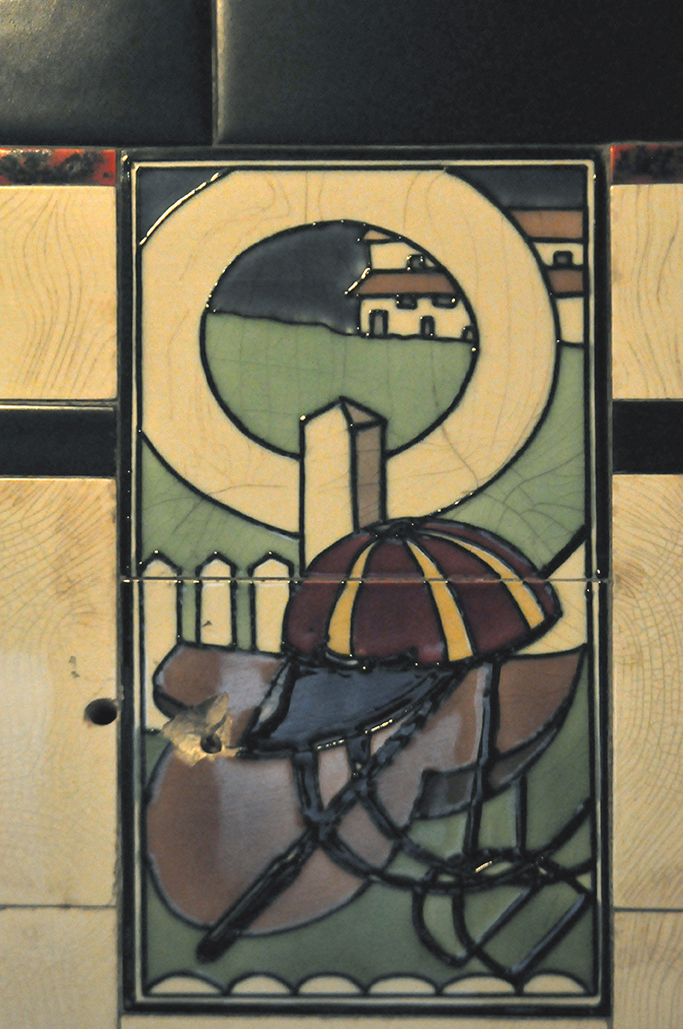
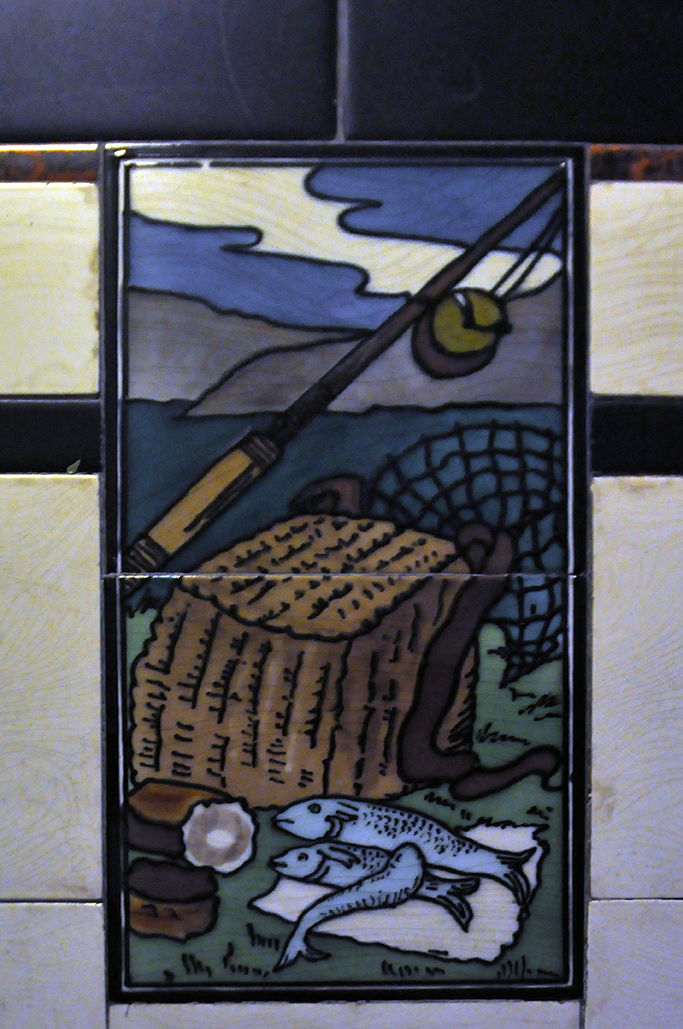
Look out for the tiles, a series of sporting scenes in the gents, mysterious.
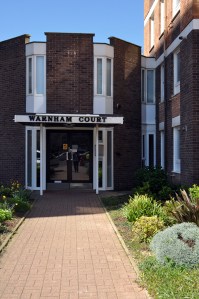
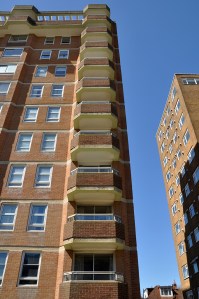
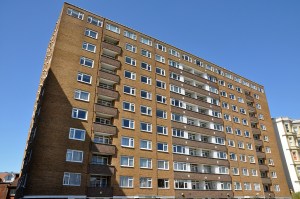
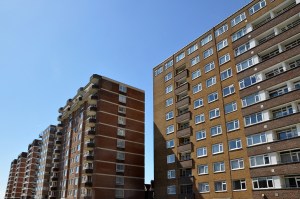
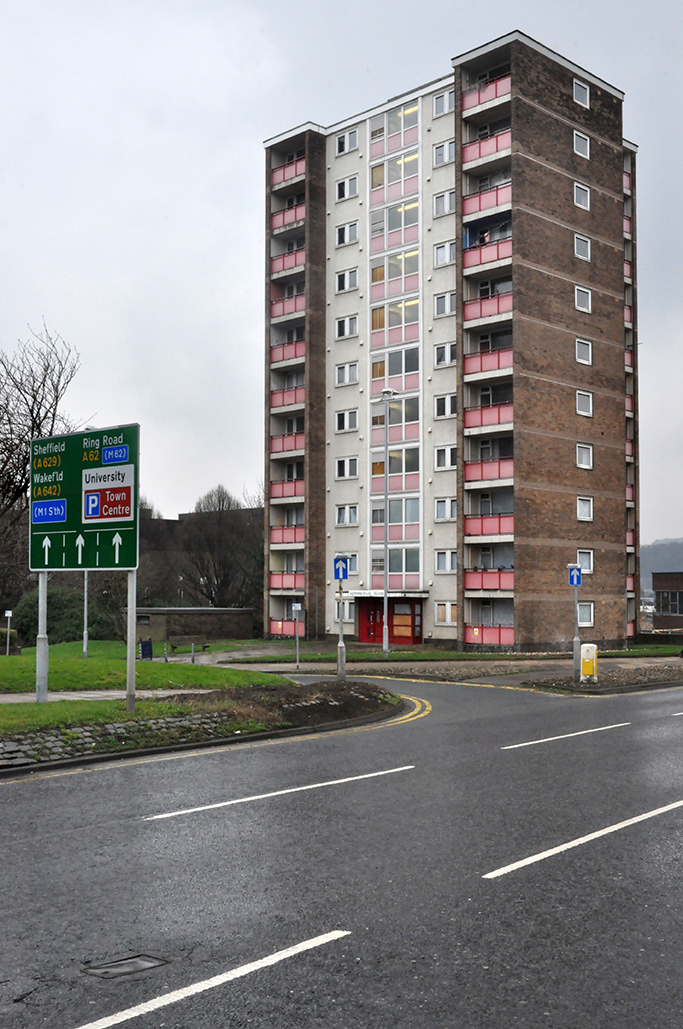
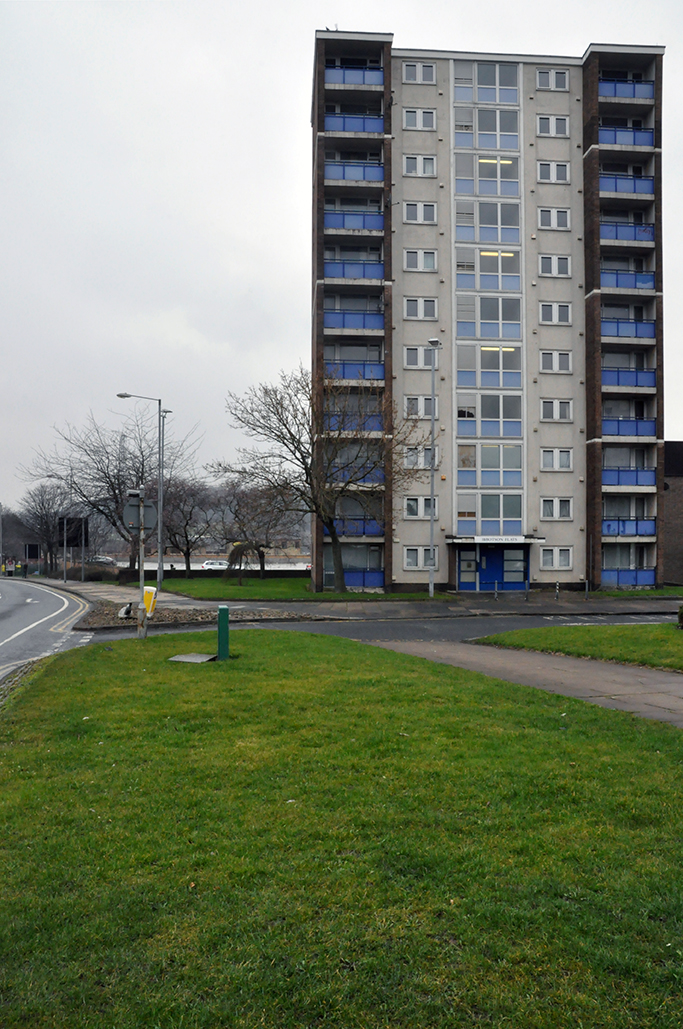
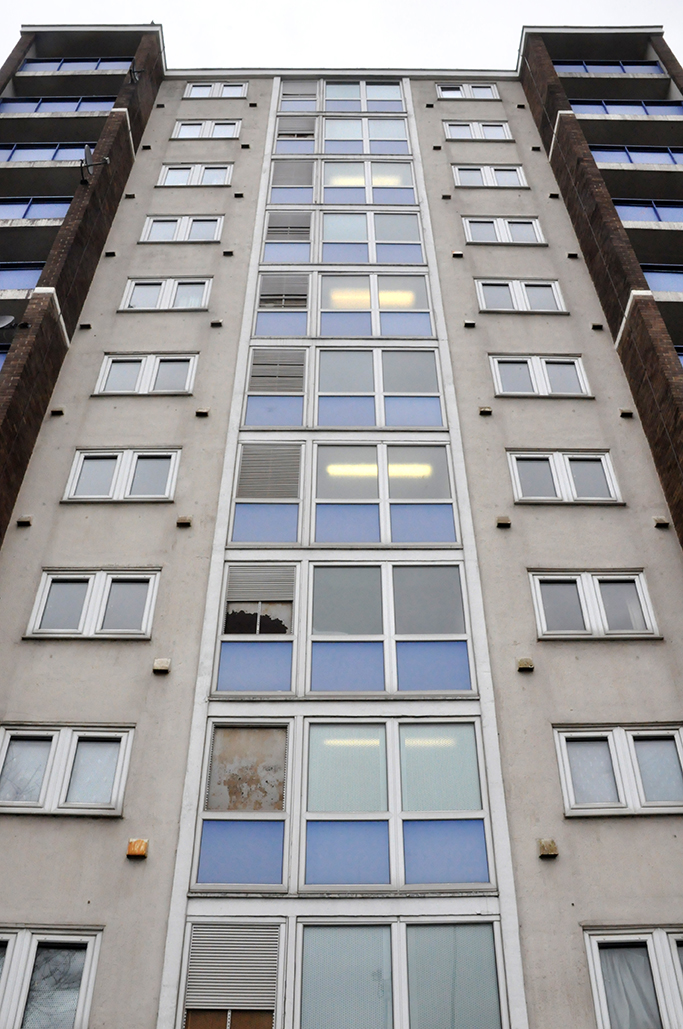
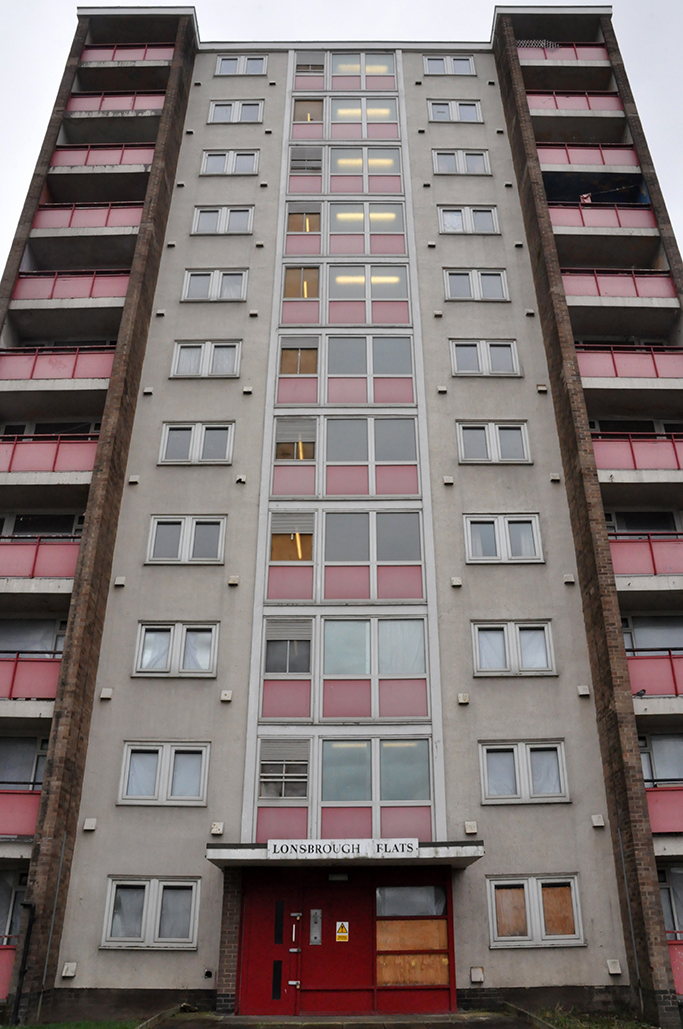
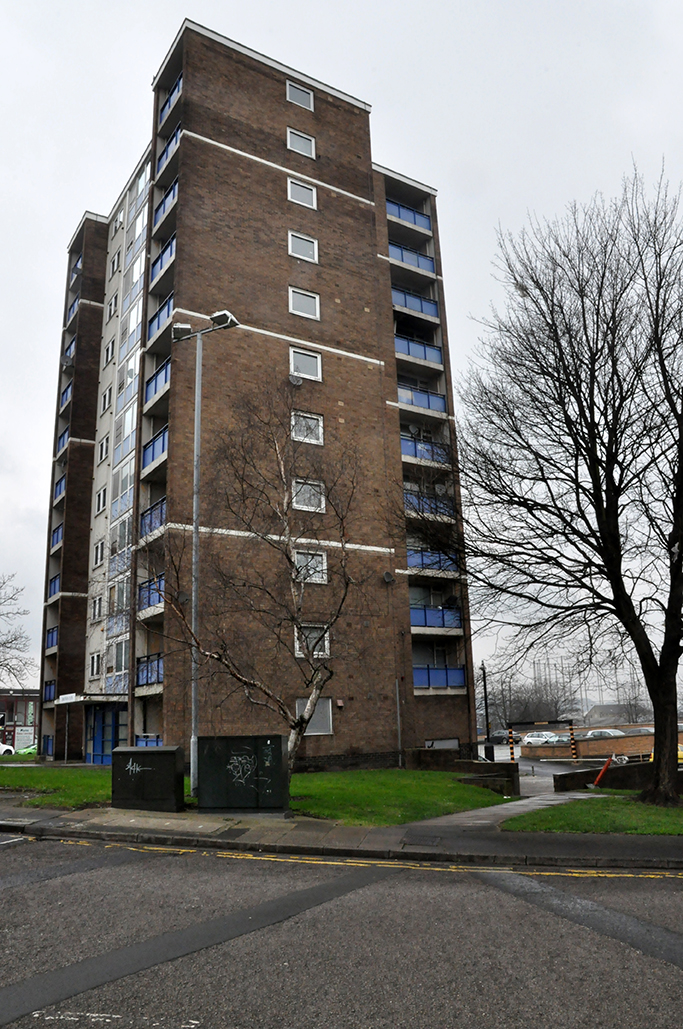
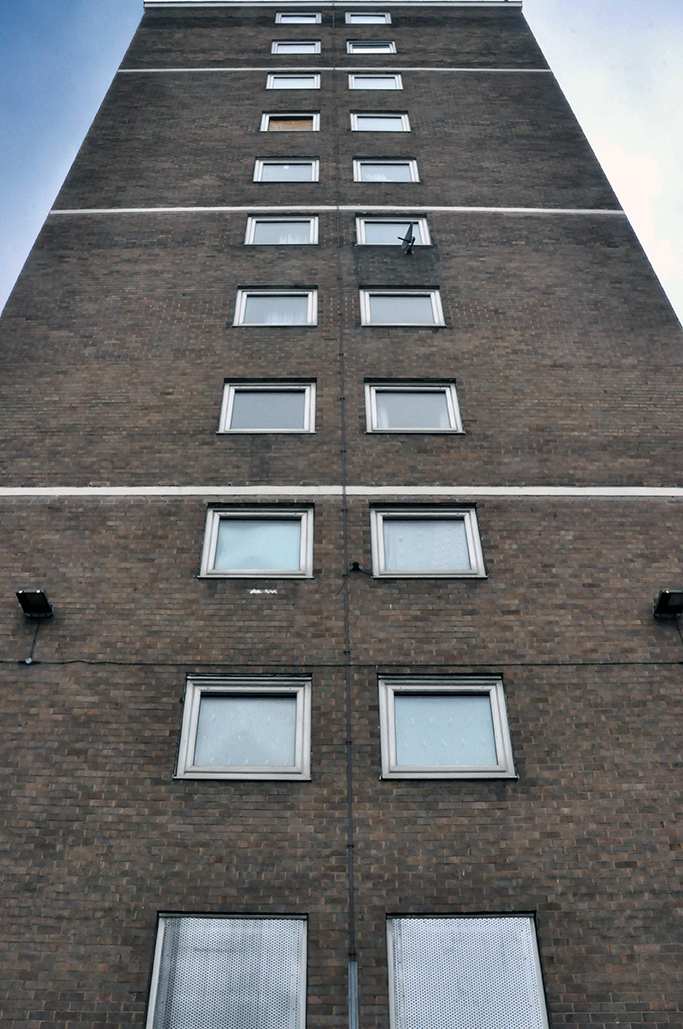
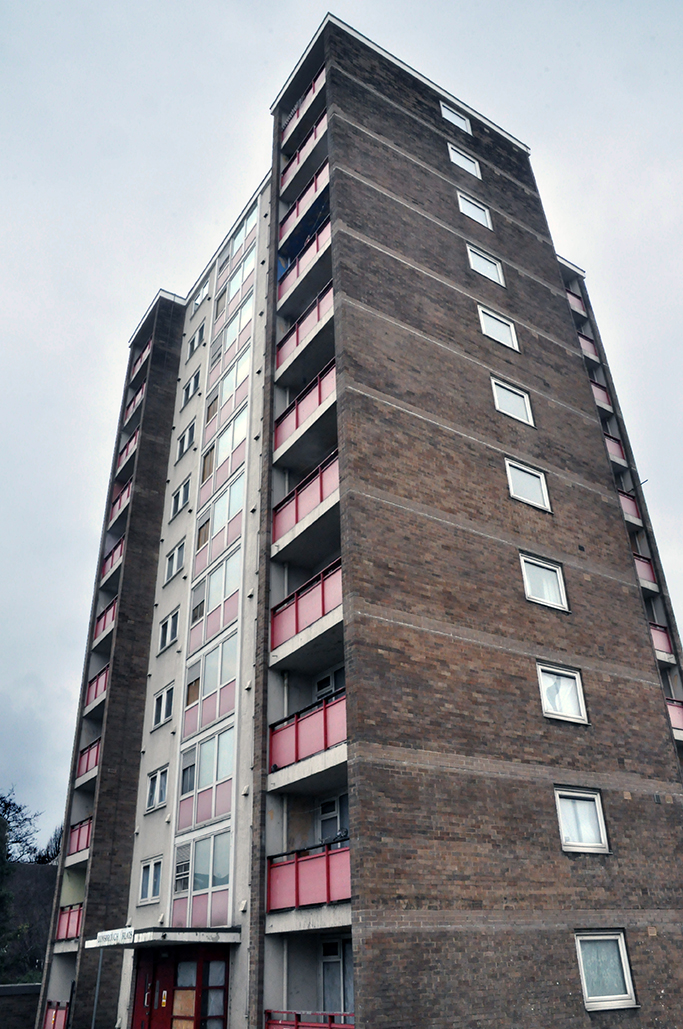
The former Richmond flats in Huddersfield have been revamped and are now known as Harold Wilson Court.
The two other blocks sadly have neither been revamped nor renamed after famed local politicos.
Herbert Asquith or Luddite House – take your pick.
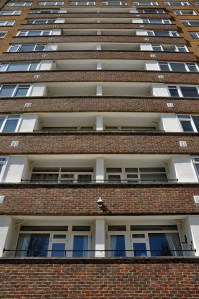
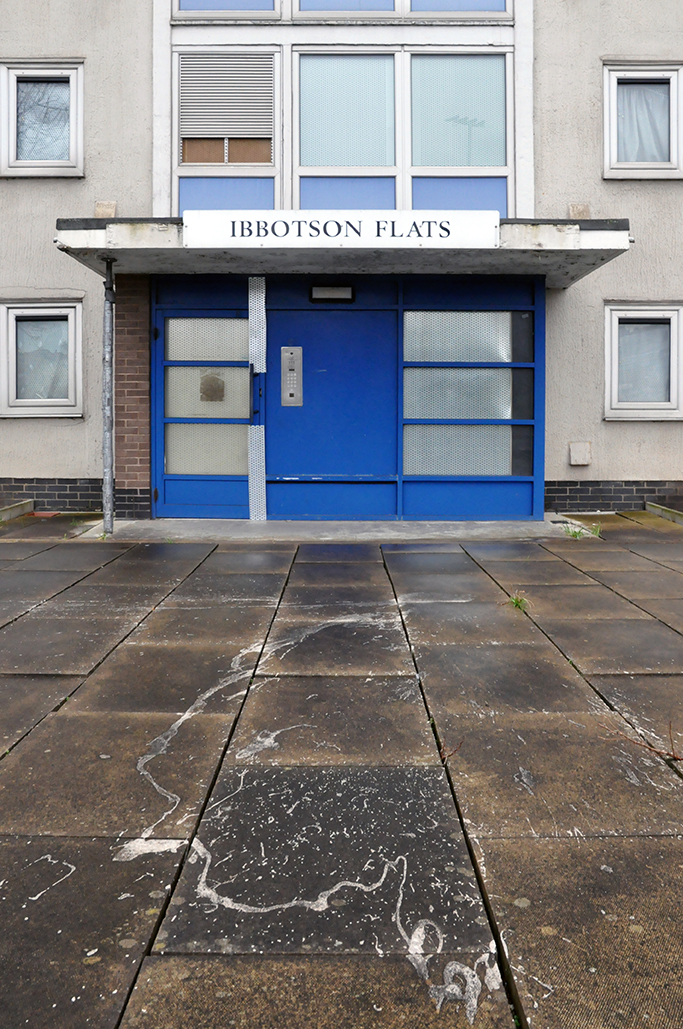
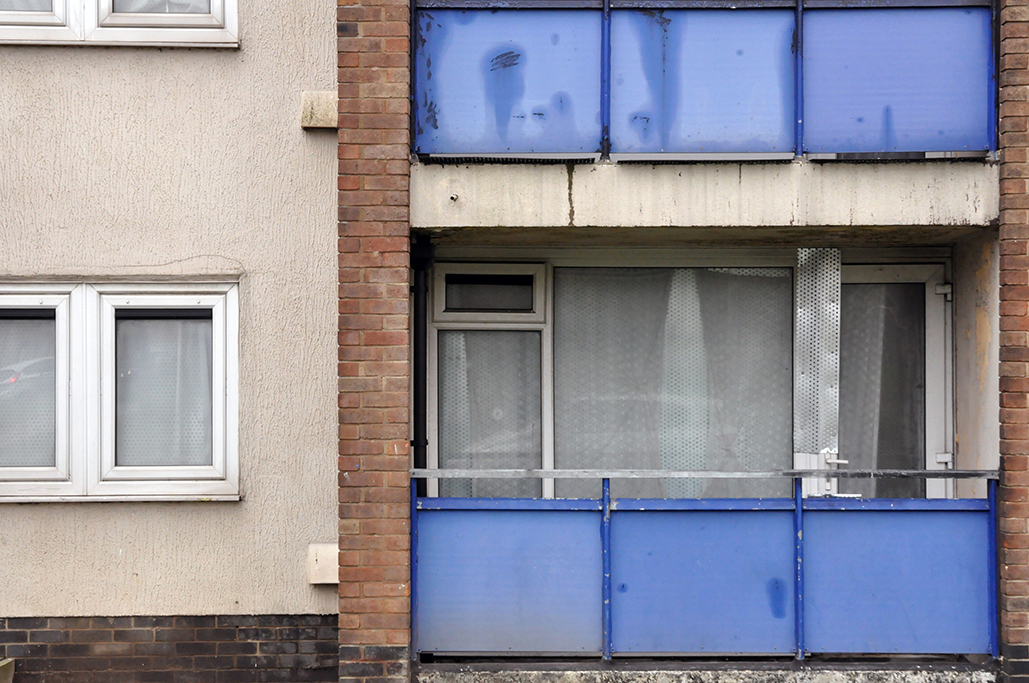
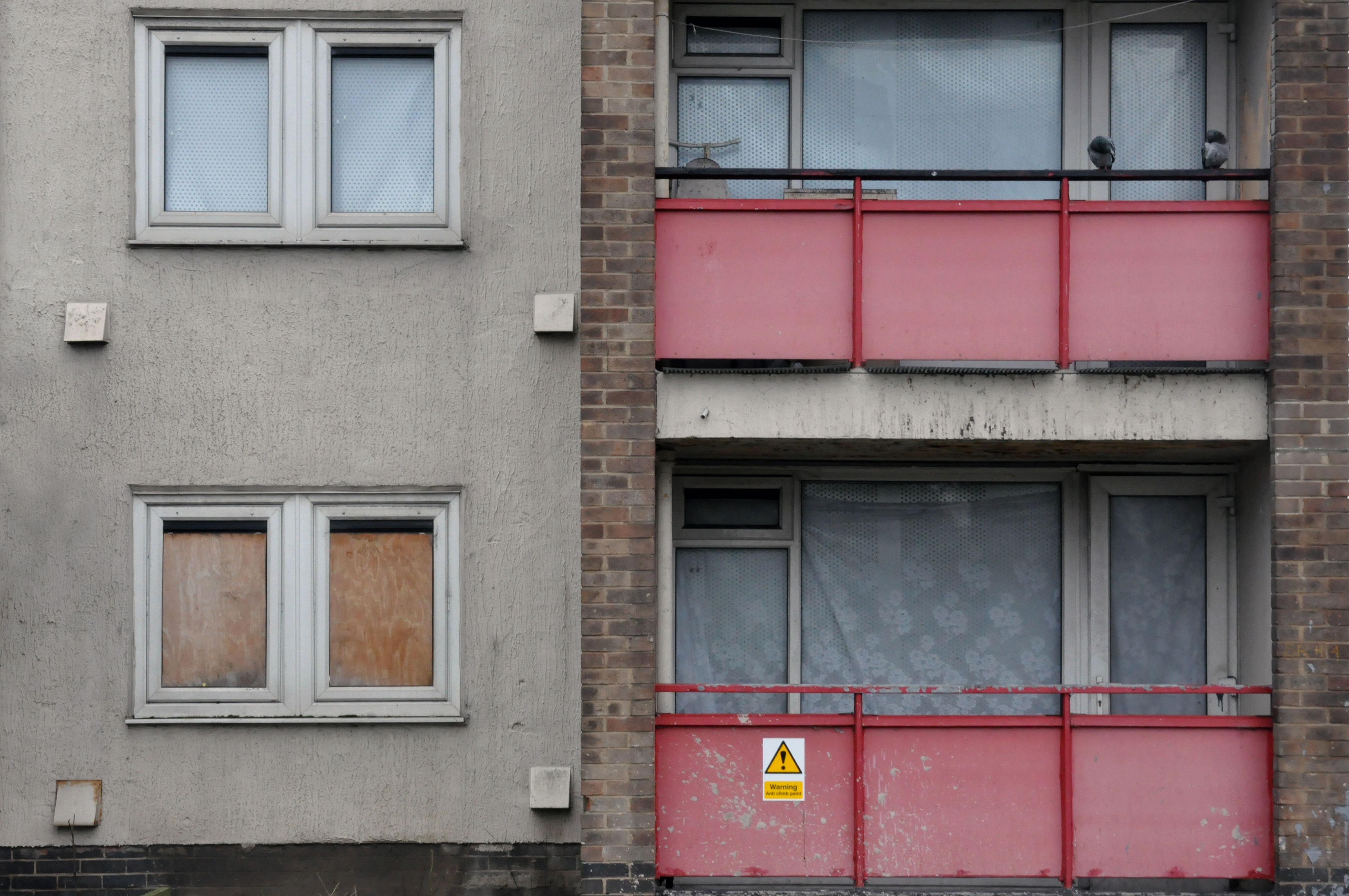
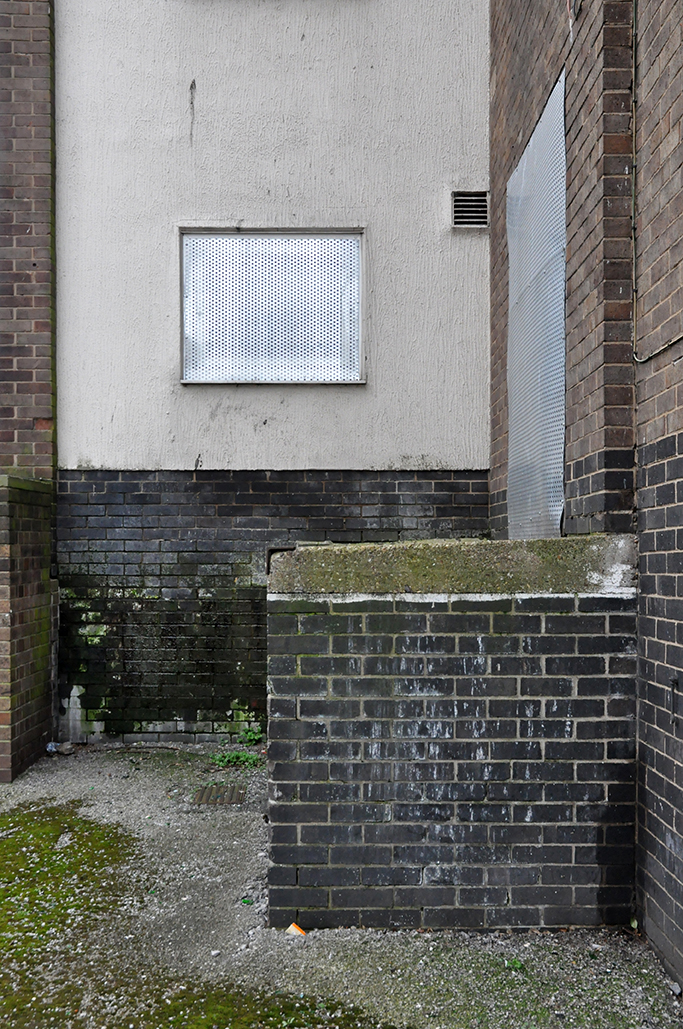
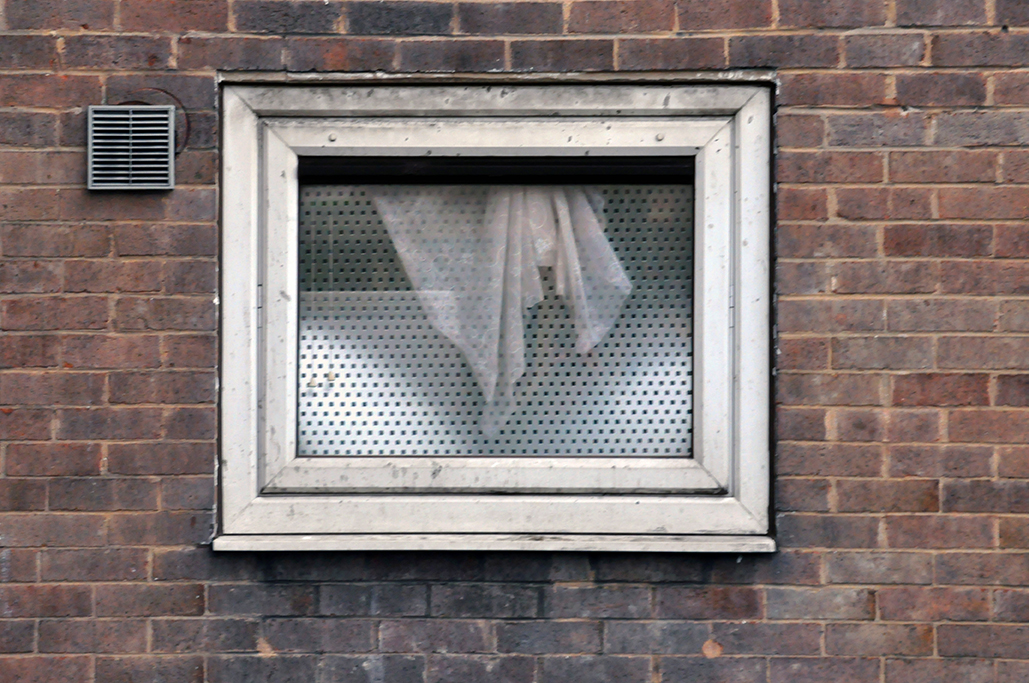
They stand by the road unloved and forlorn, tinned up awaiting demolition. Once home to hundreds, the former residents have now been paid out, moved out and hopefully rehoused.
Richmond flats were named after Sidney Richmond, the former Huddersfield Borough Council architect, and were the second of the three blocks currently on the site. The first block opposite was Lonsbrough Flats, named after Anita Lonsbrough, 1960 Olympic Gold medal swimmer and council employee, with the third being the middle block Ibbotson Flats, named after Derek Ibbotson, the Huddersfield athlete who held the world record for running a mile.
The site was obviously more valuable than viable town centre homes – Tesco is a coming
Hurrah.
Go see them, say hello and wave goodbye – they’ll soon be gone.
































 Modern Mooch