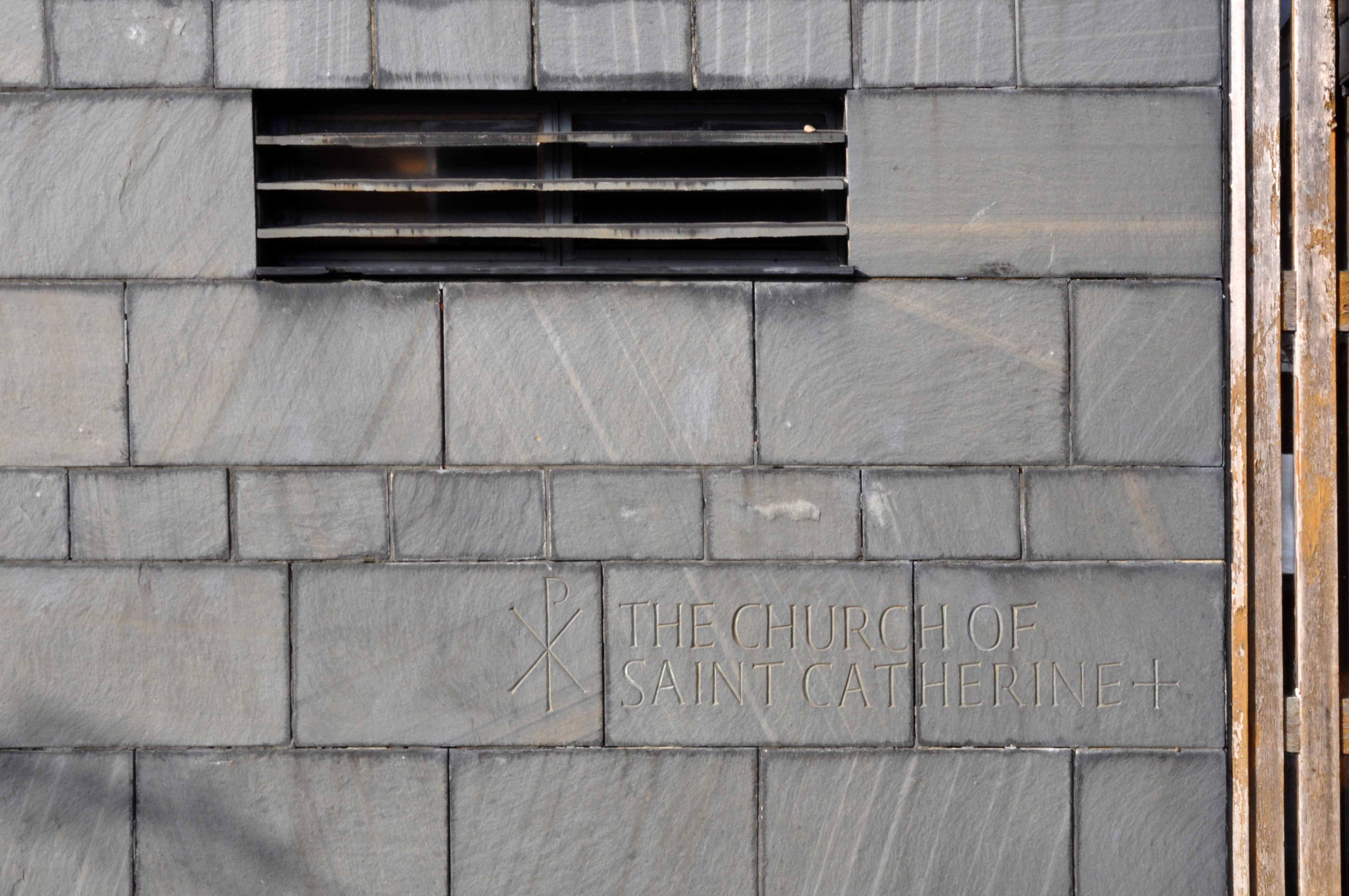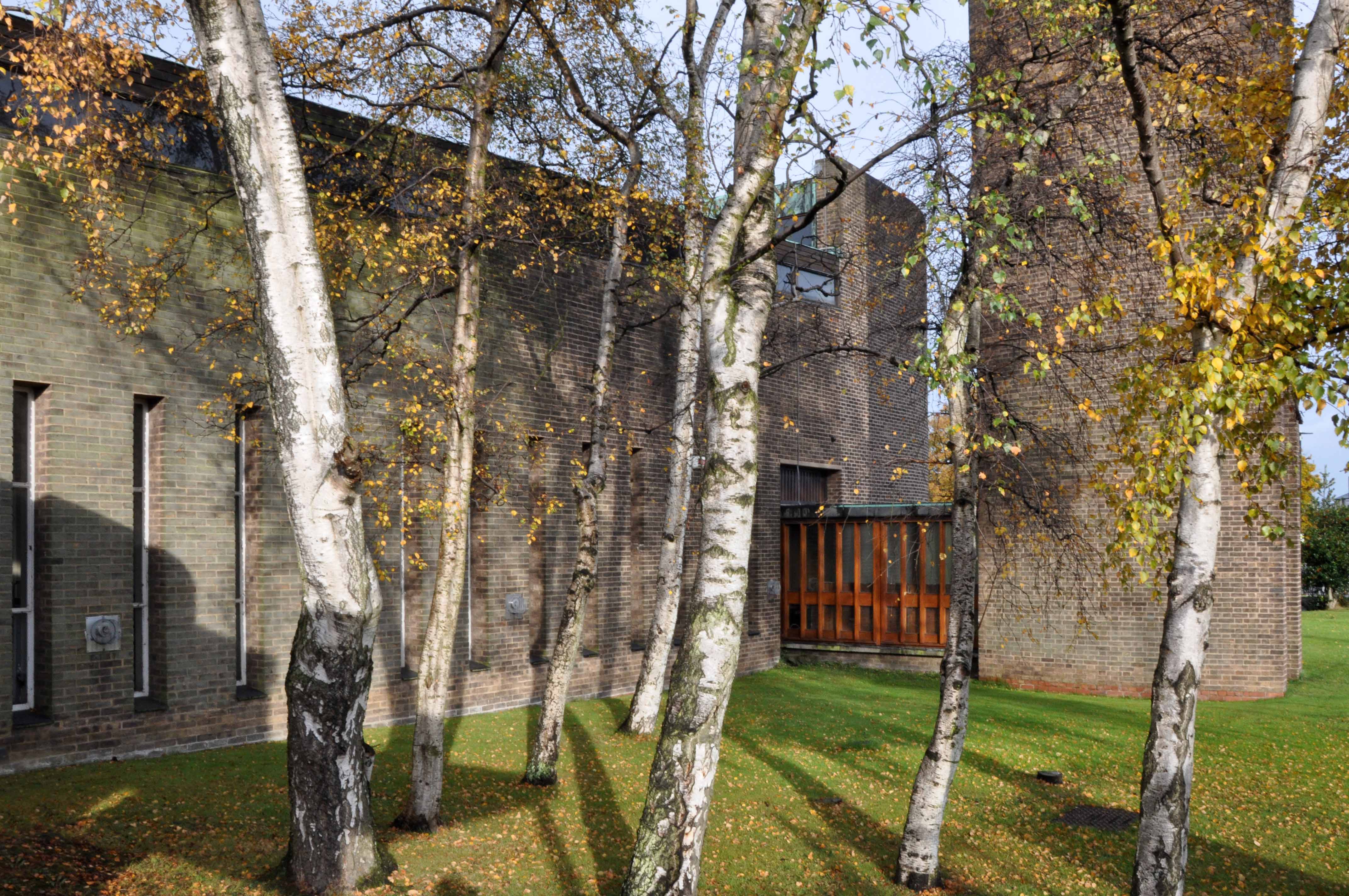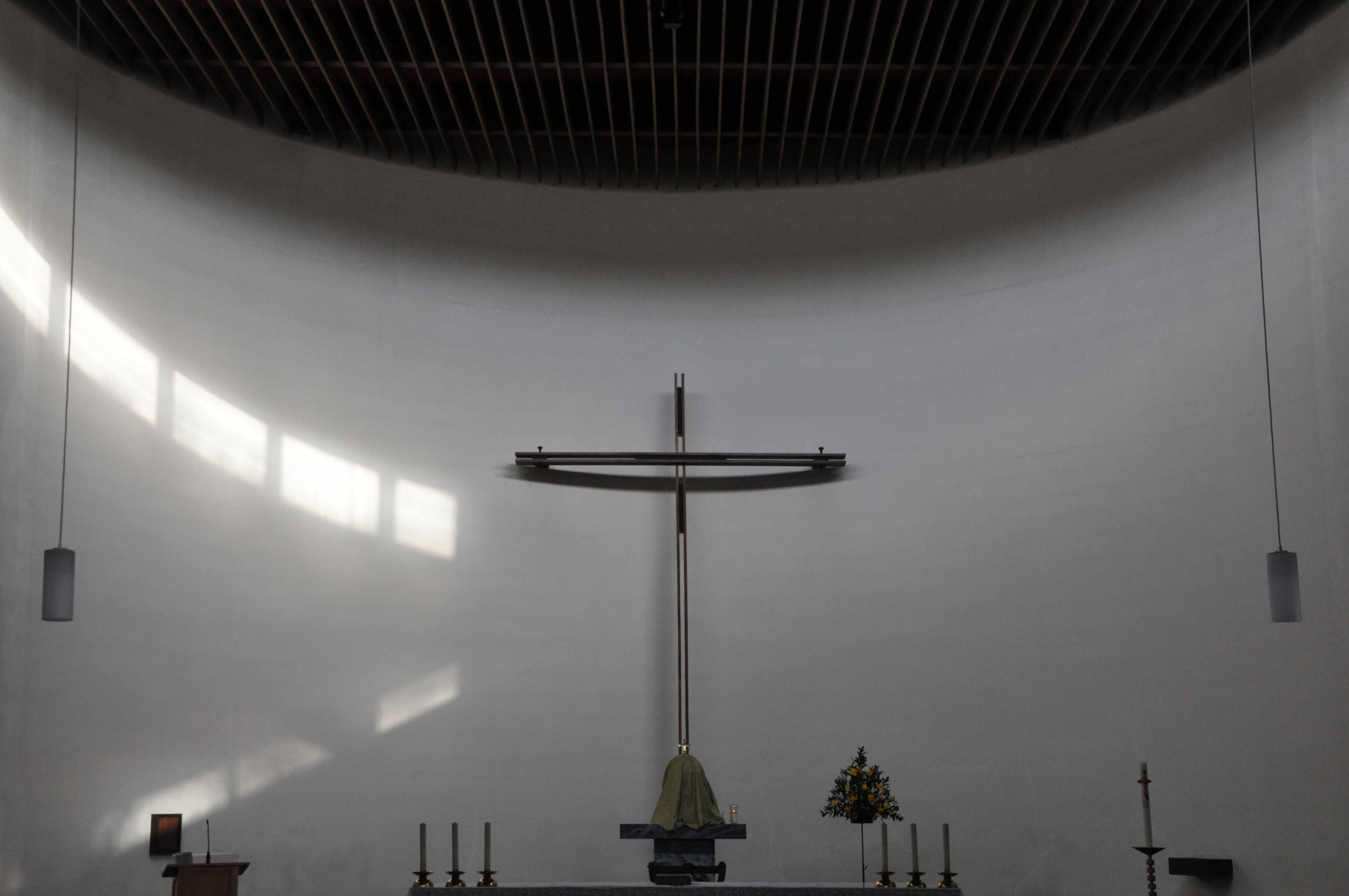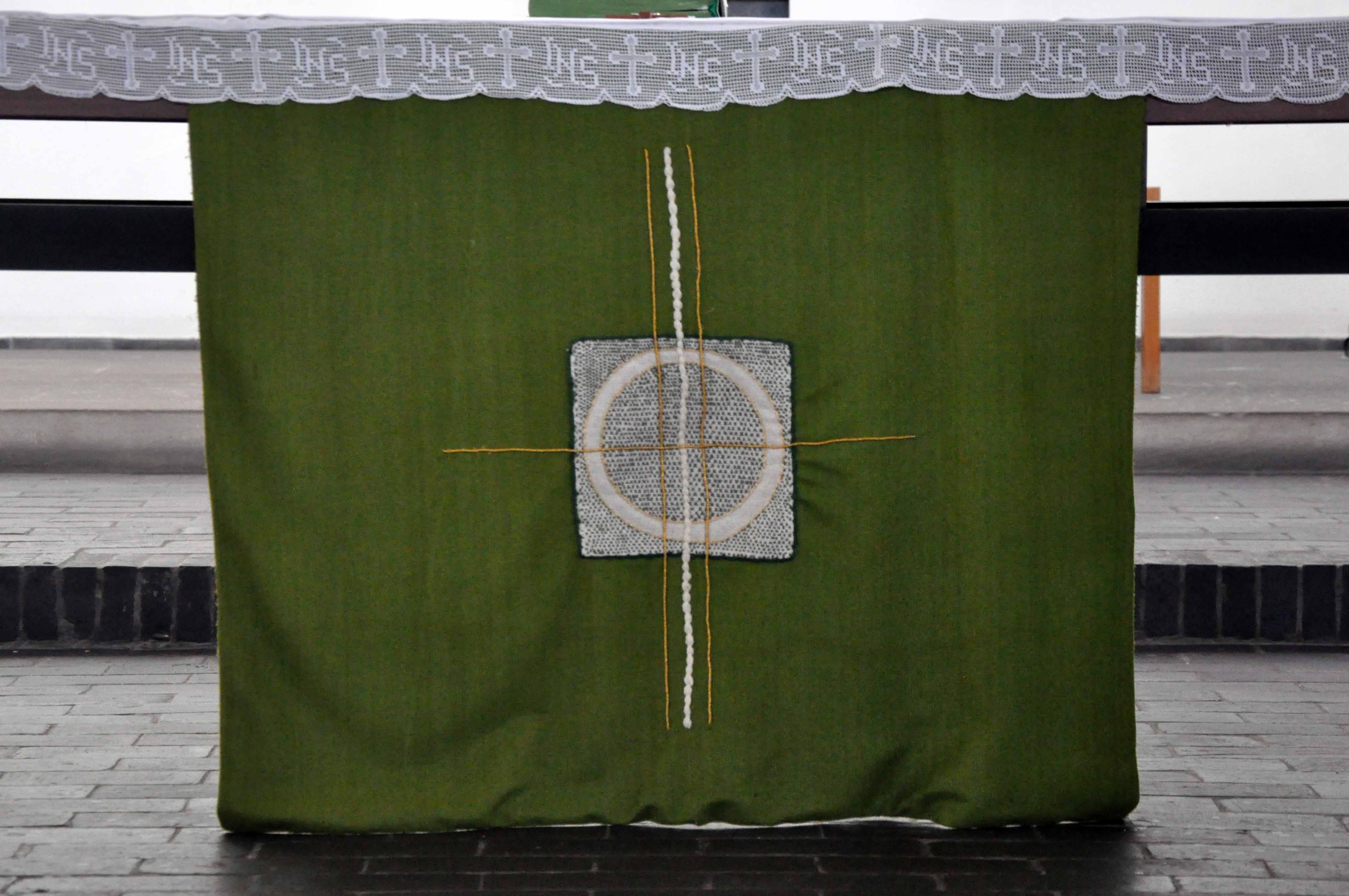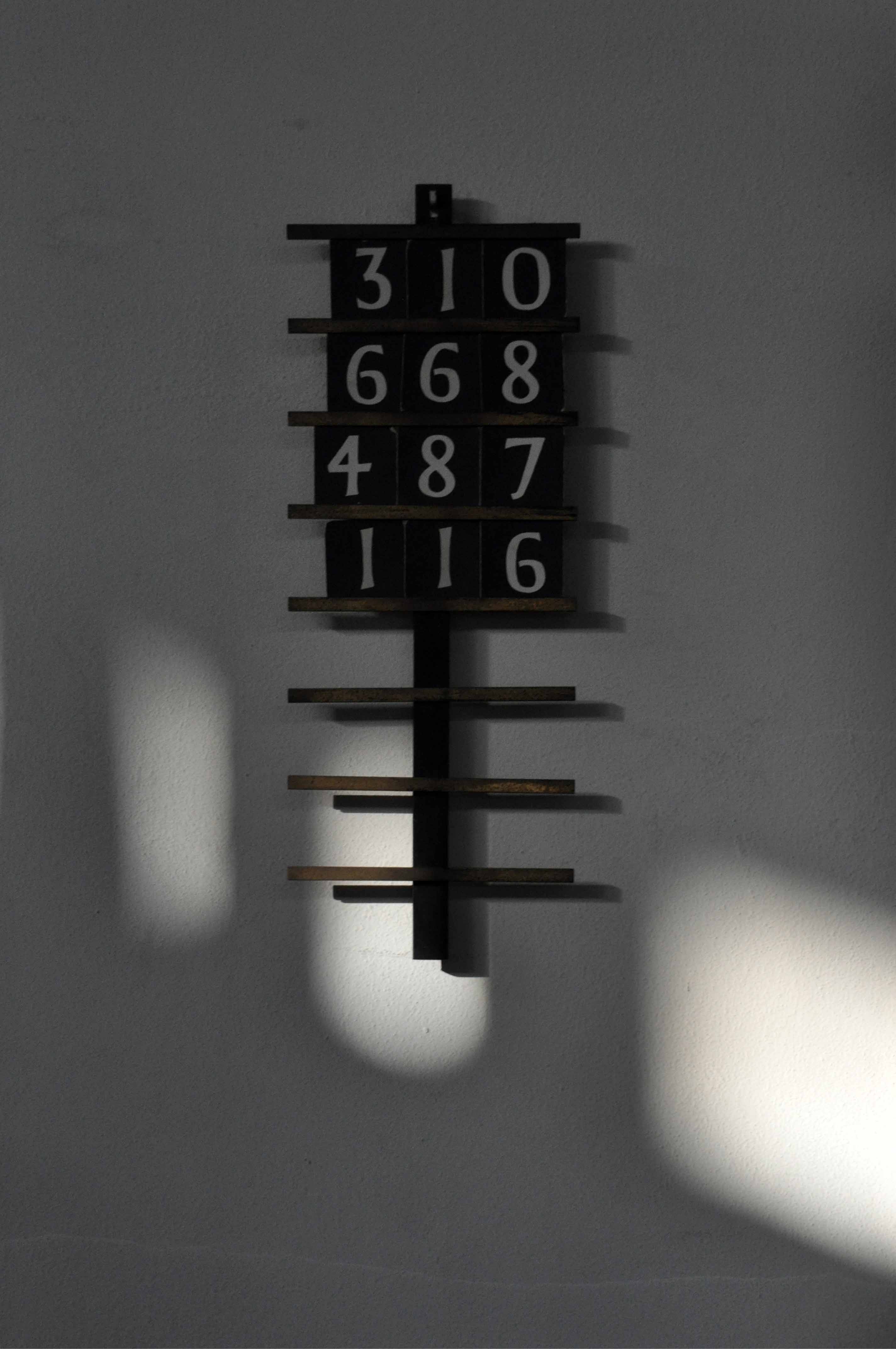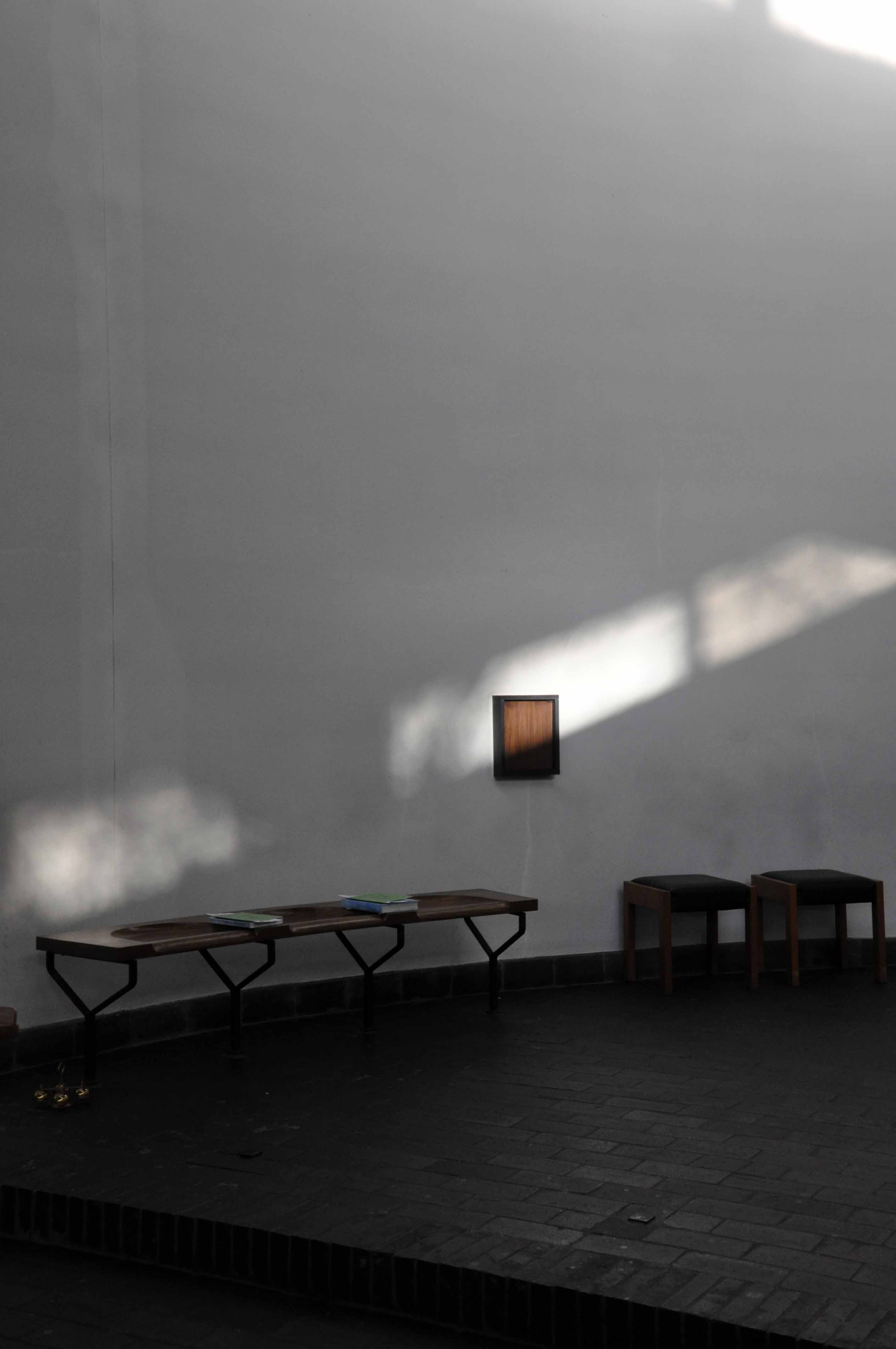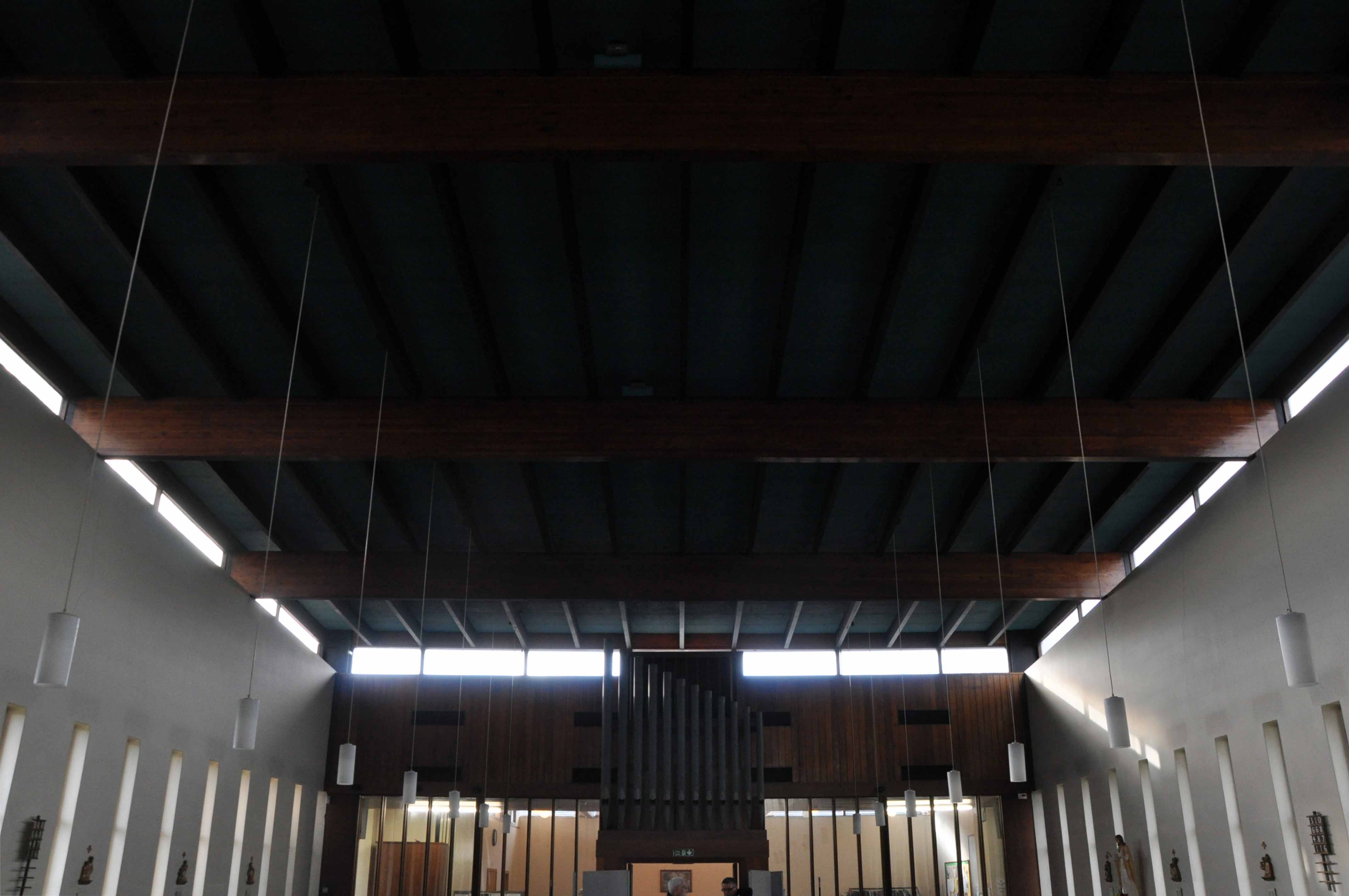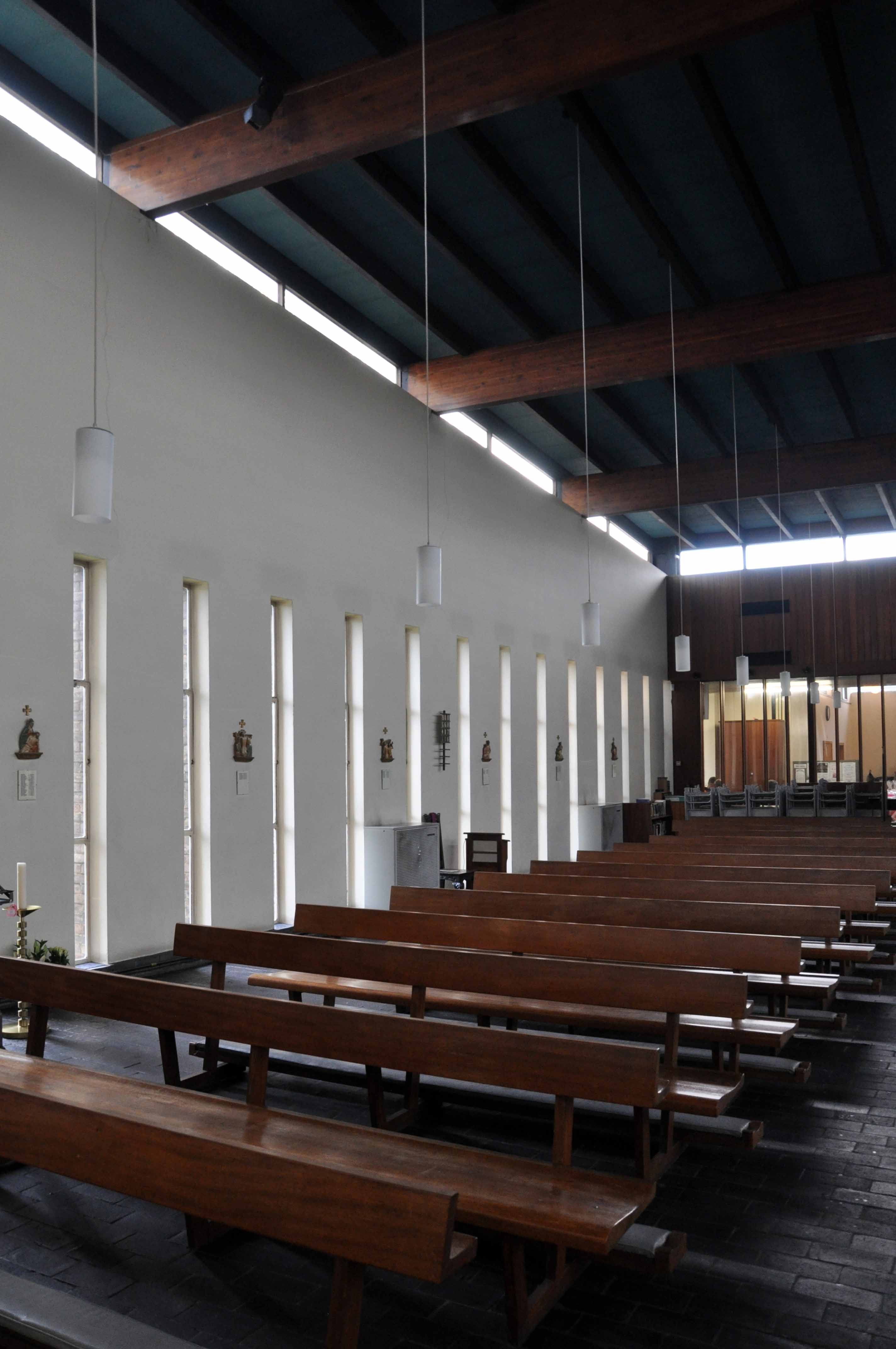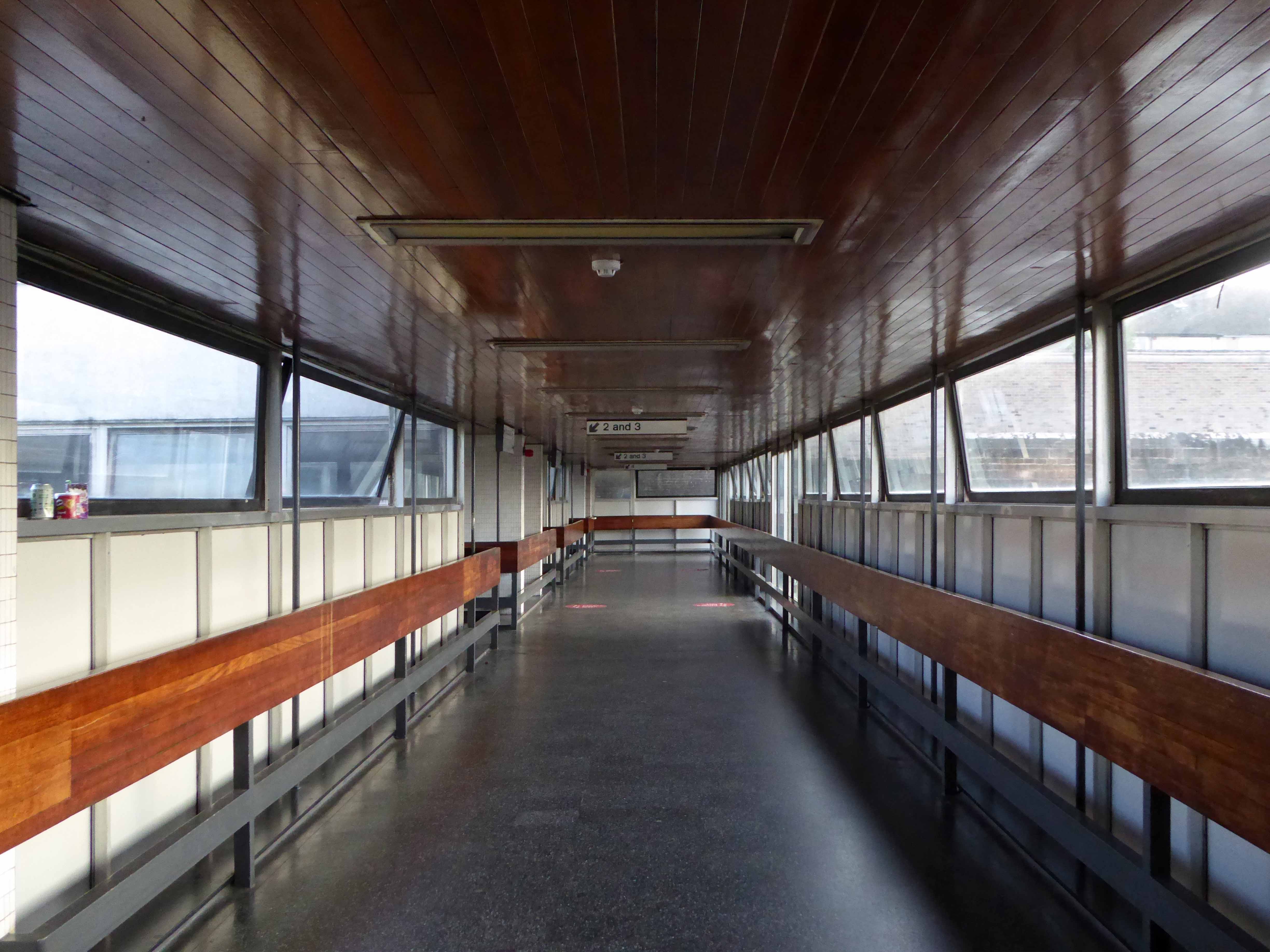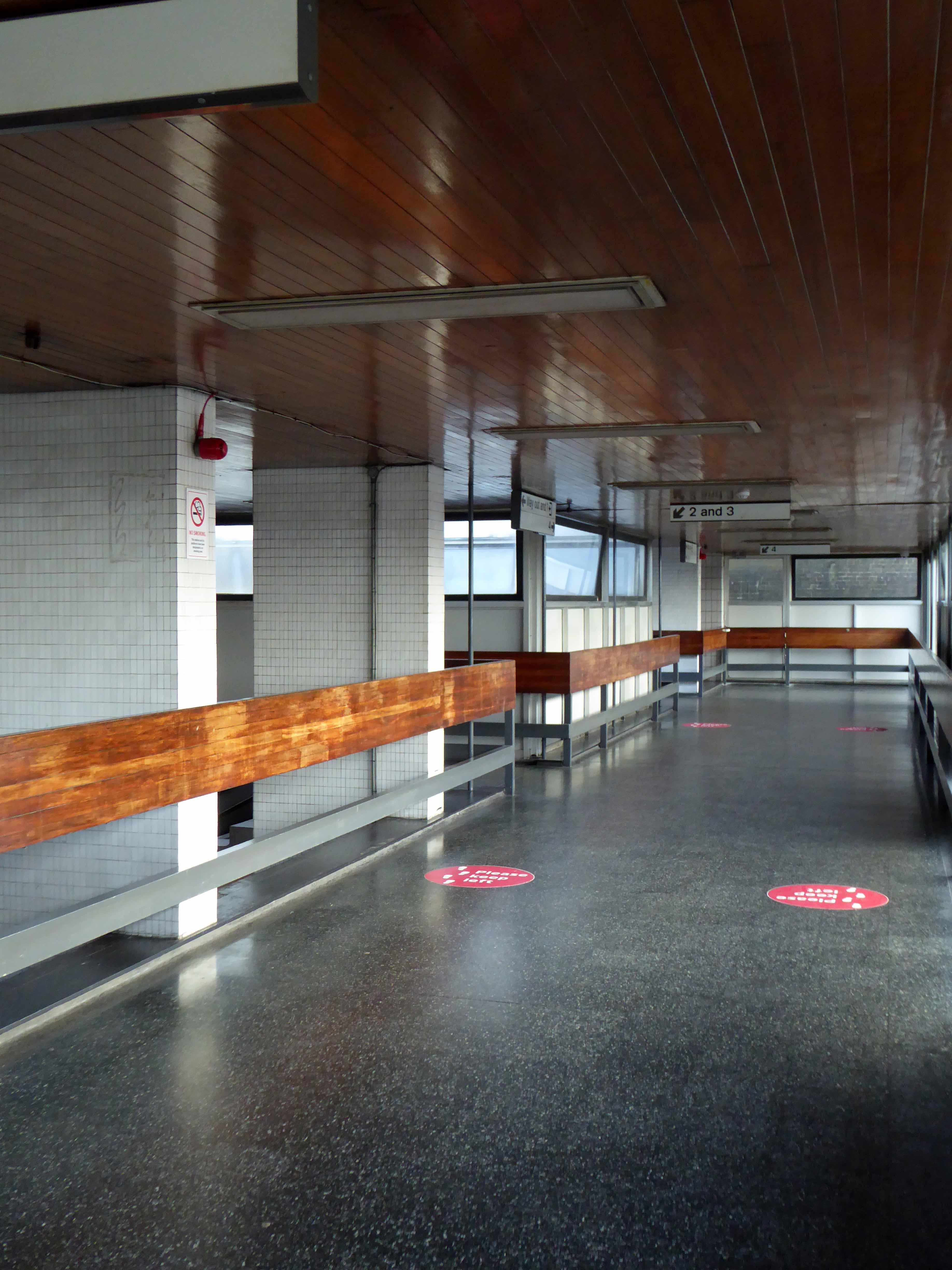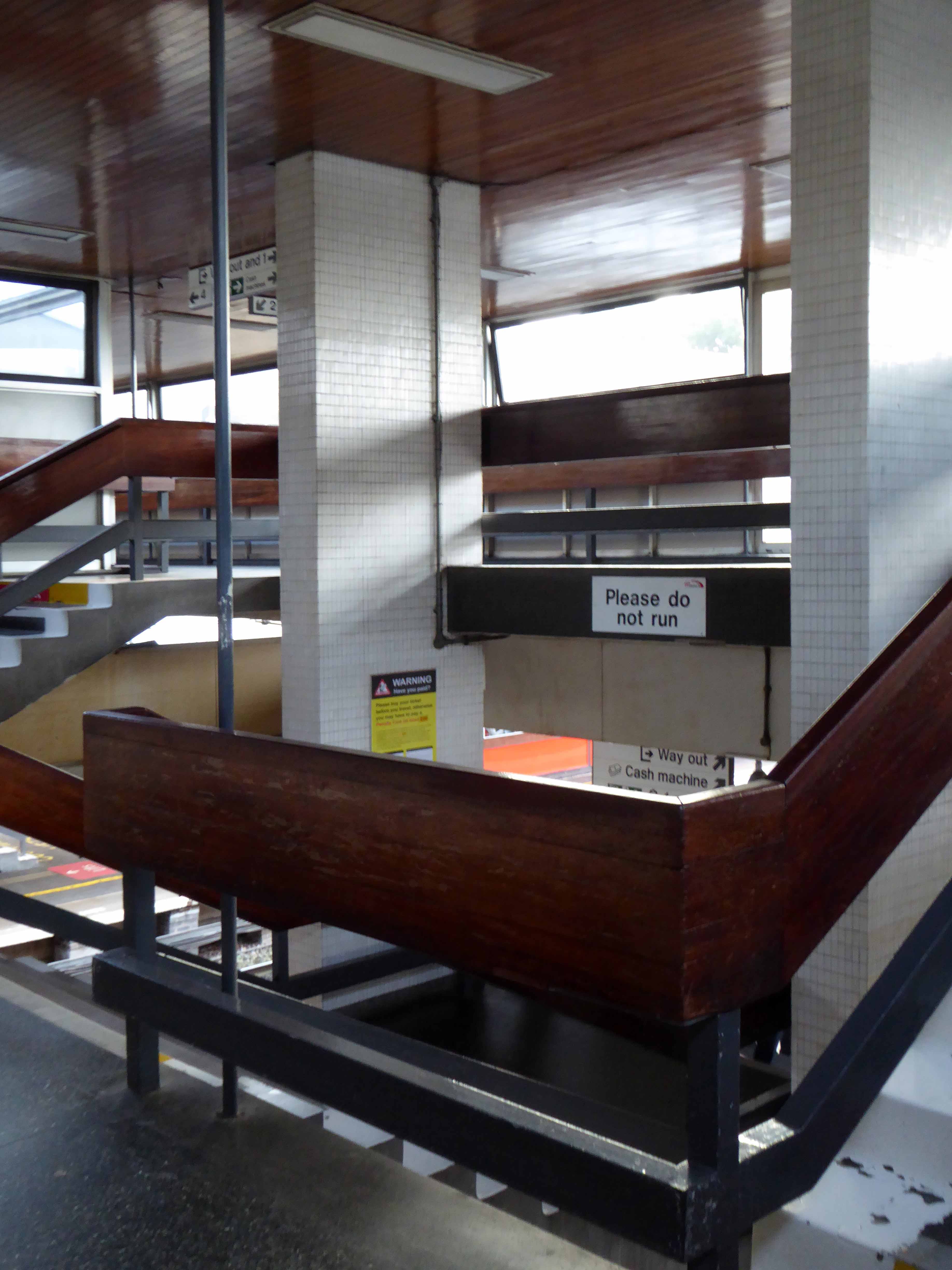
St Paul – Ecclesfield/Sheffield

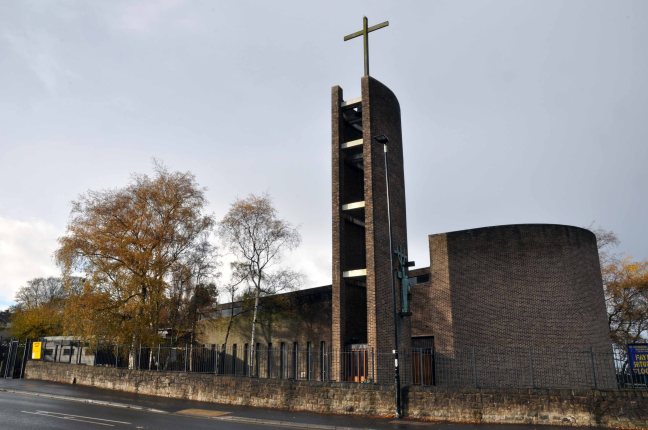
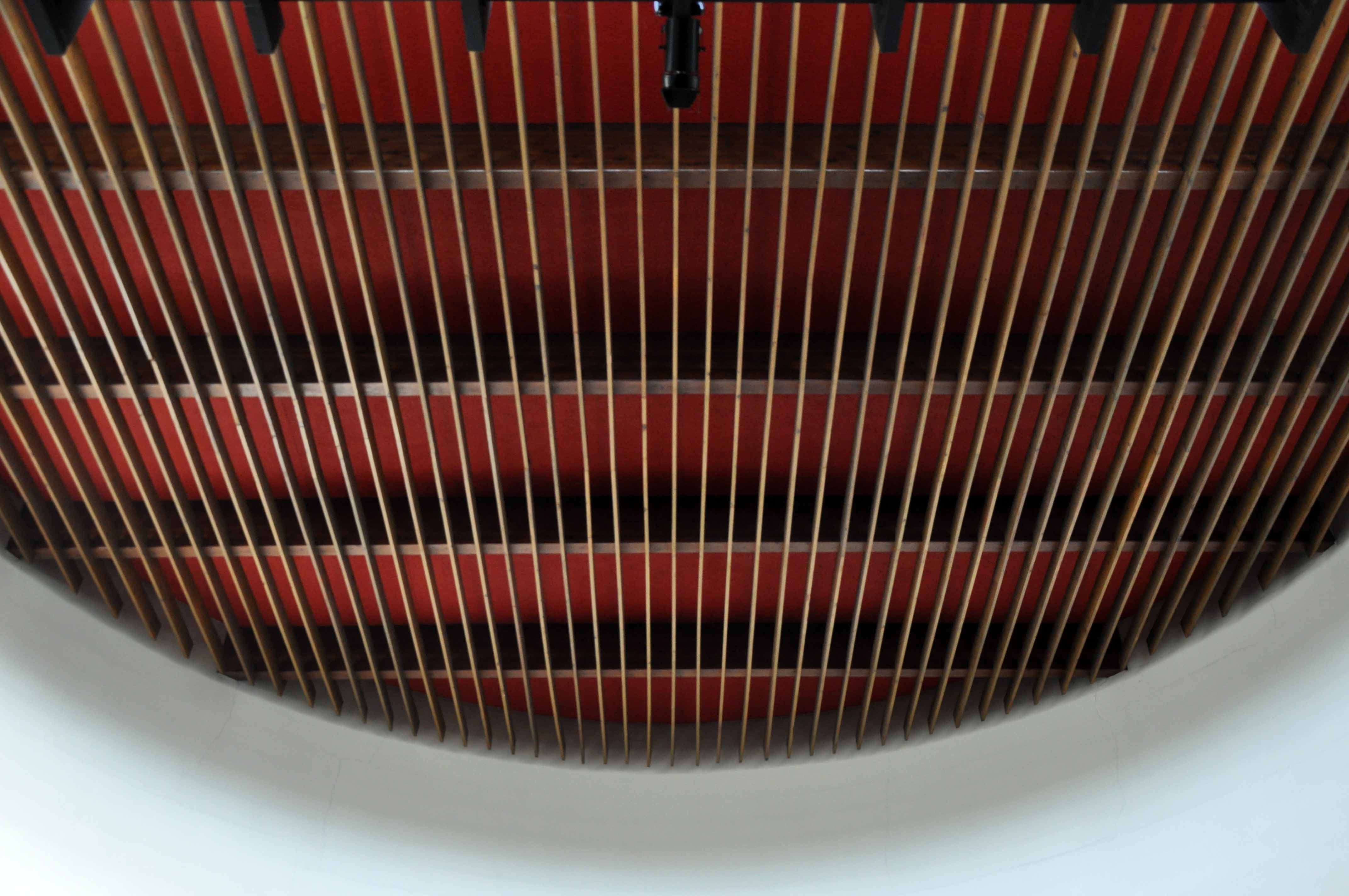
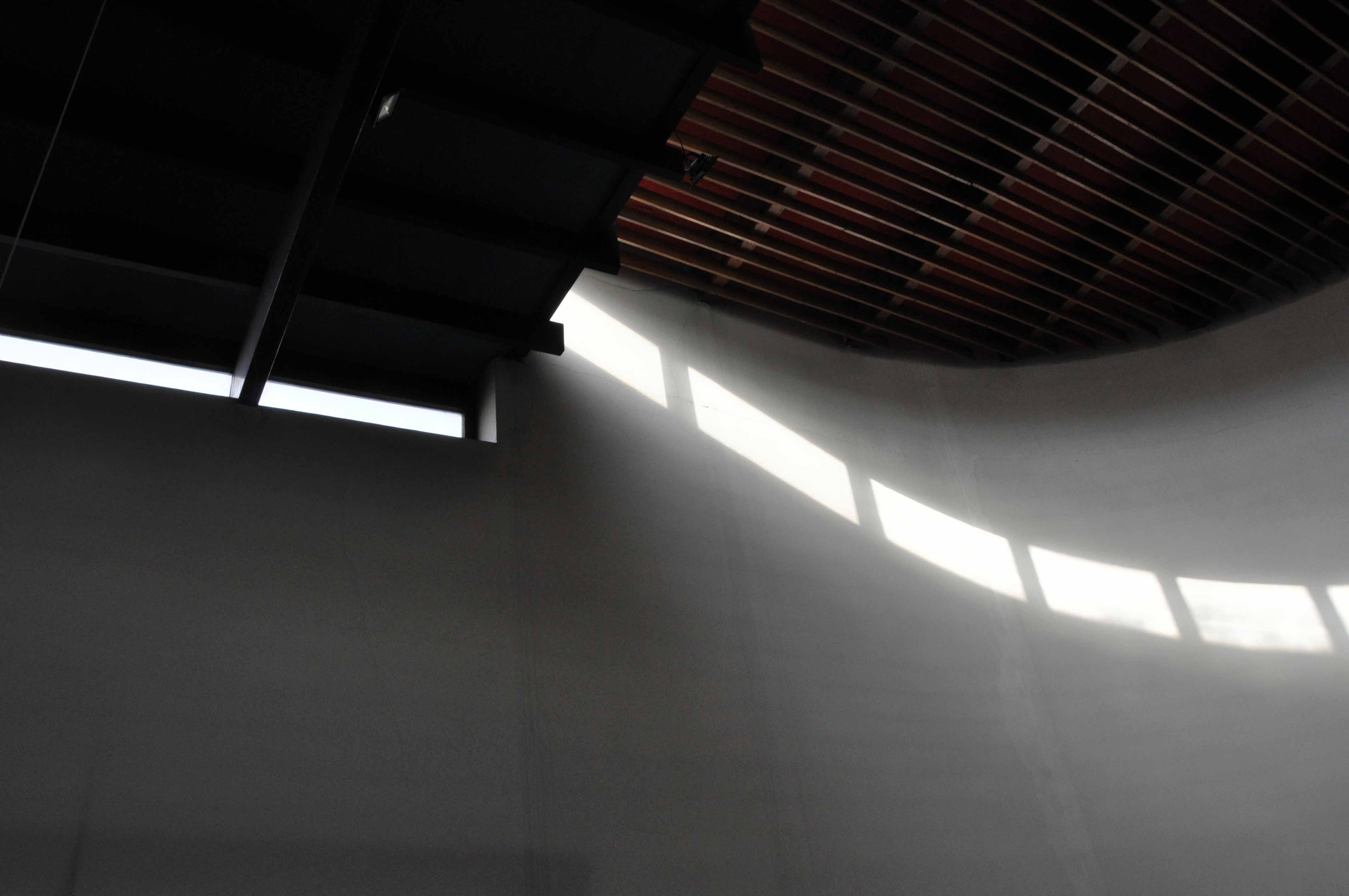
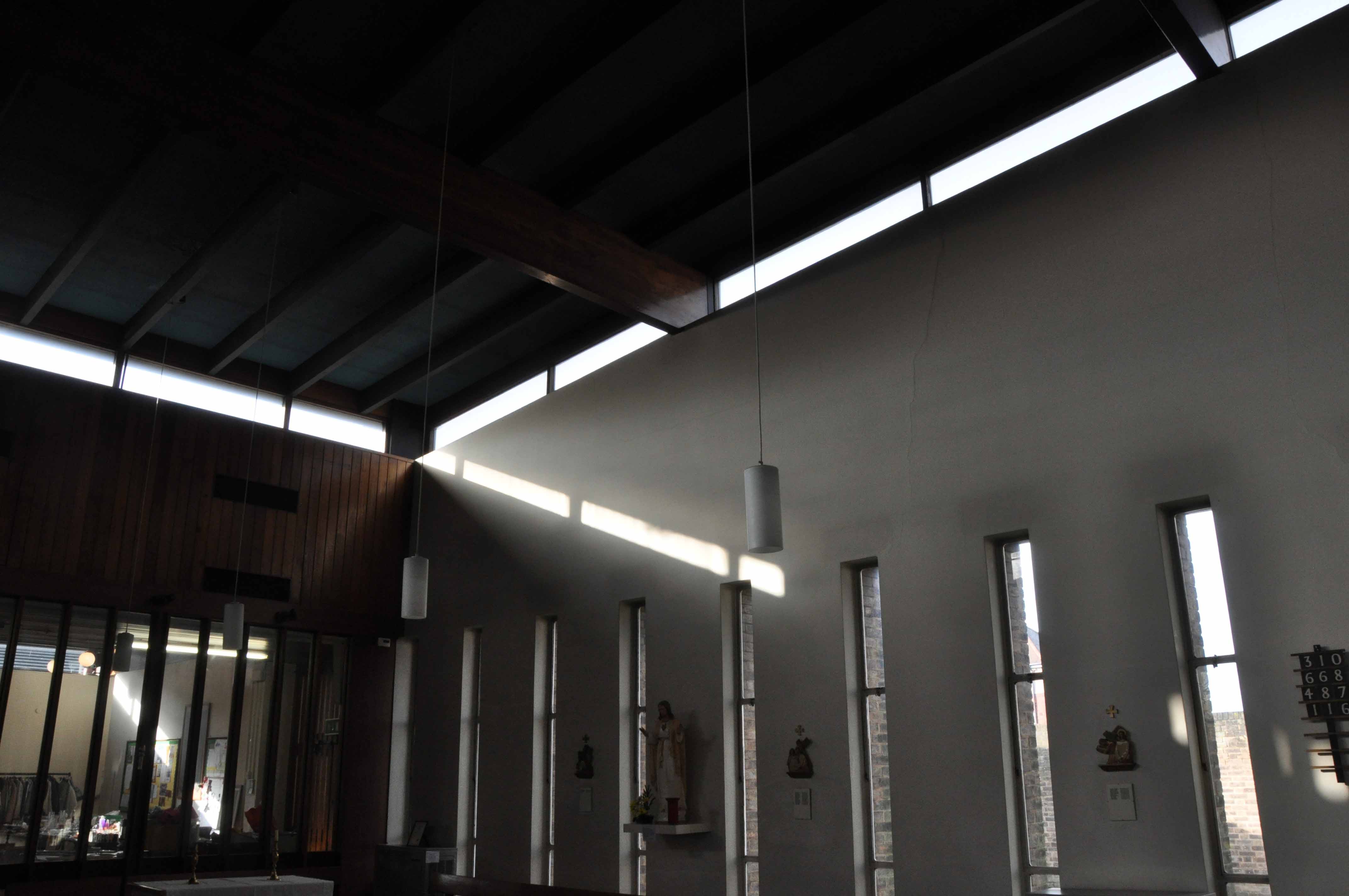
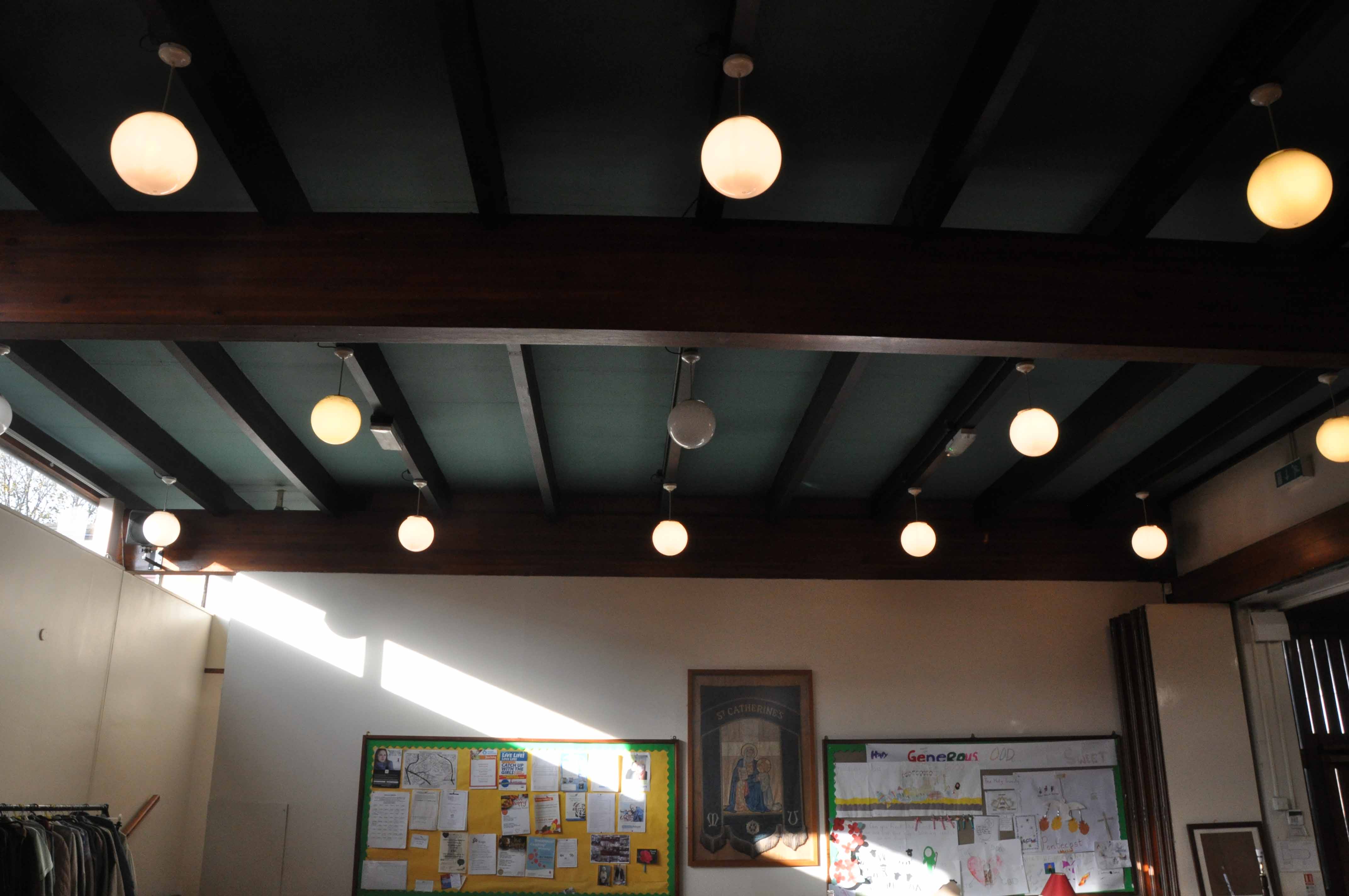
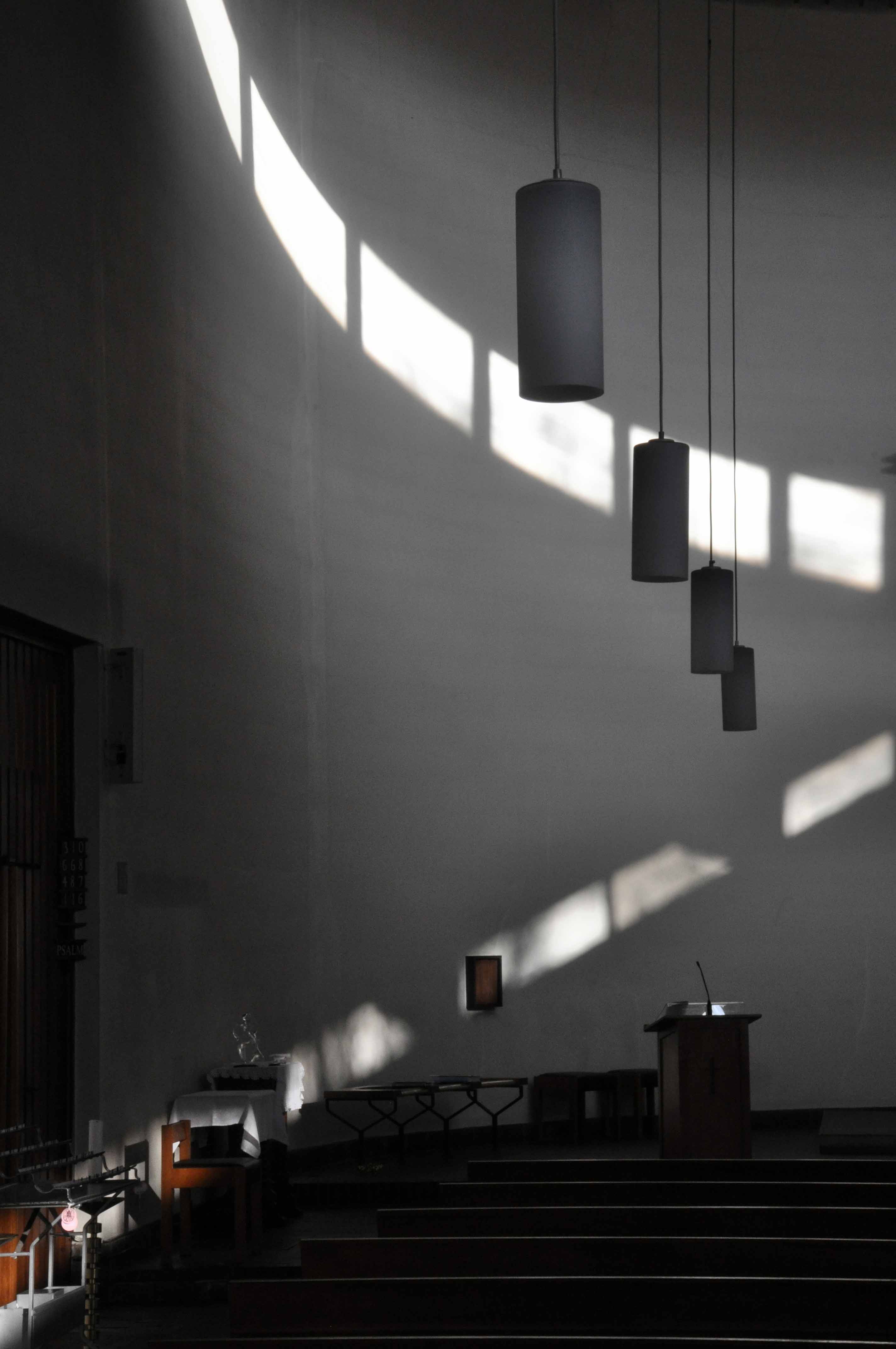
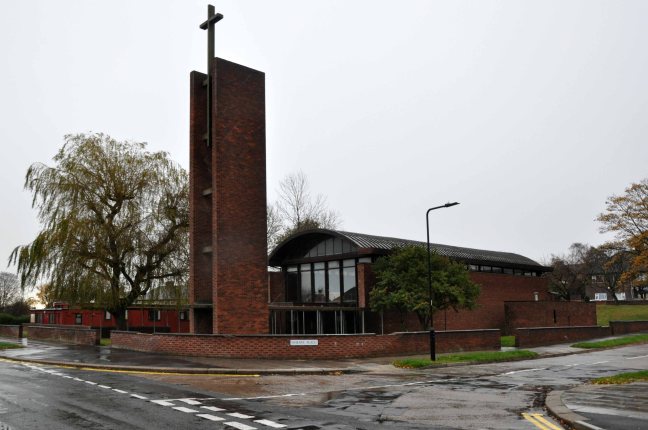
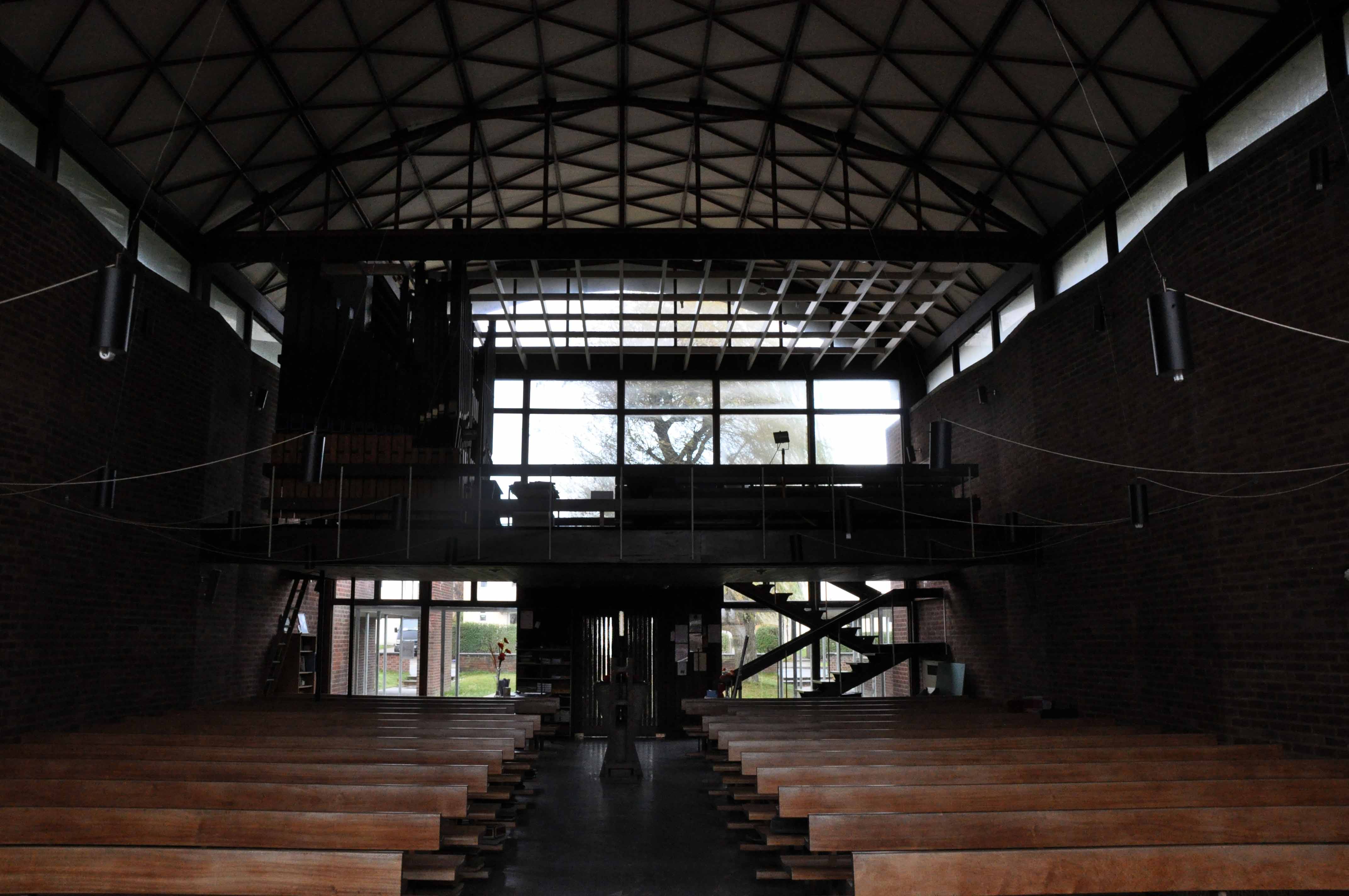
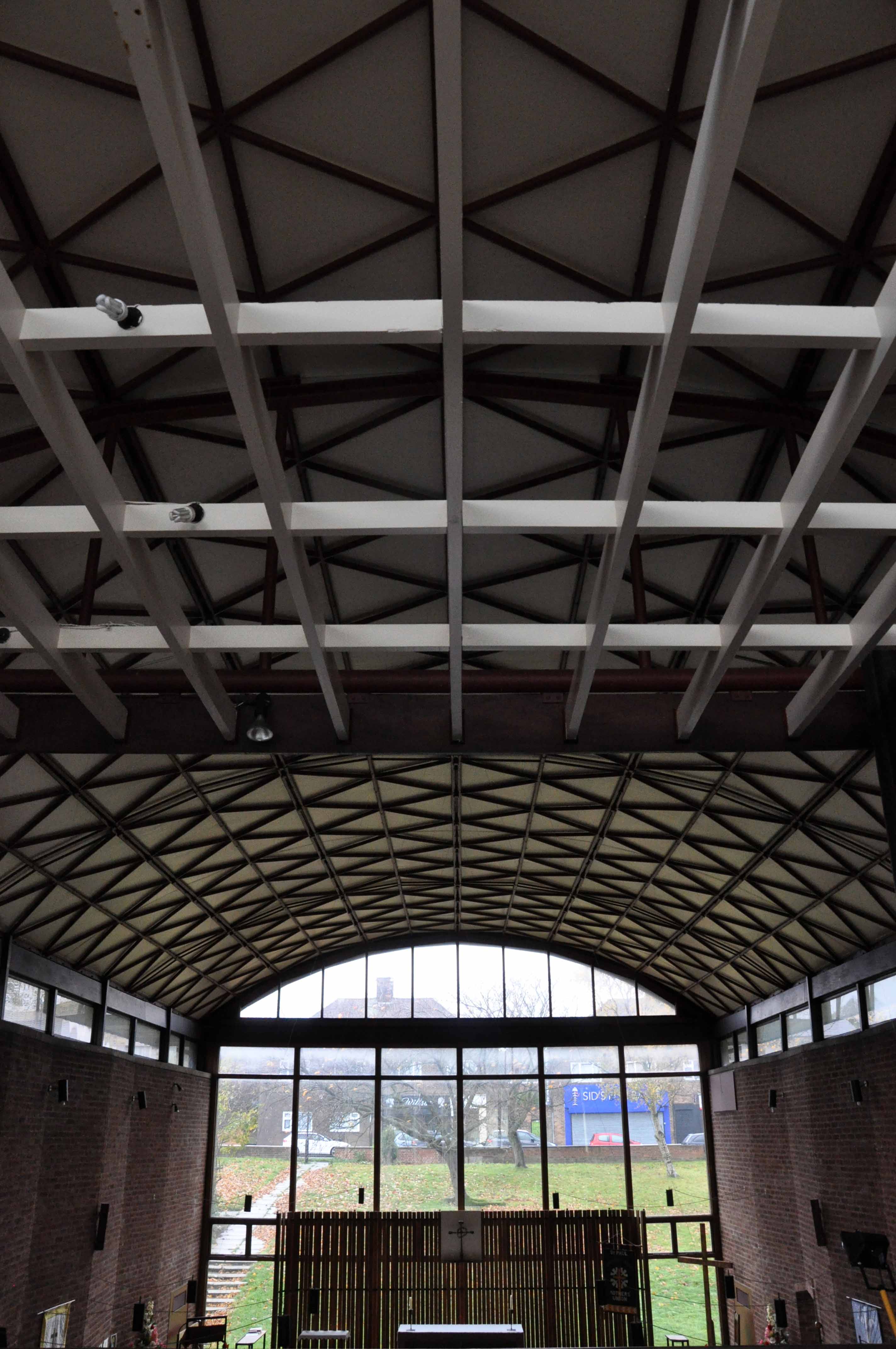
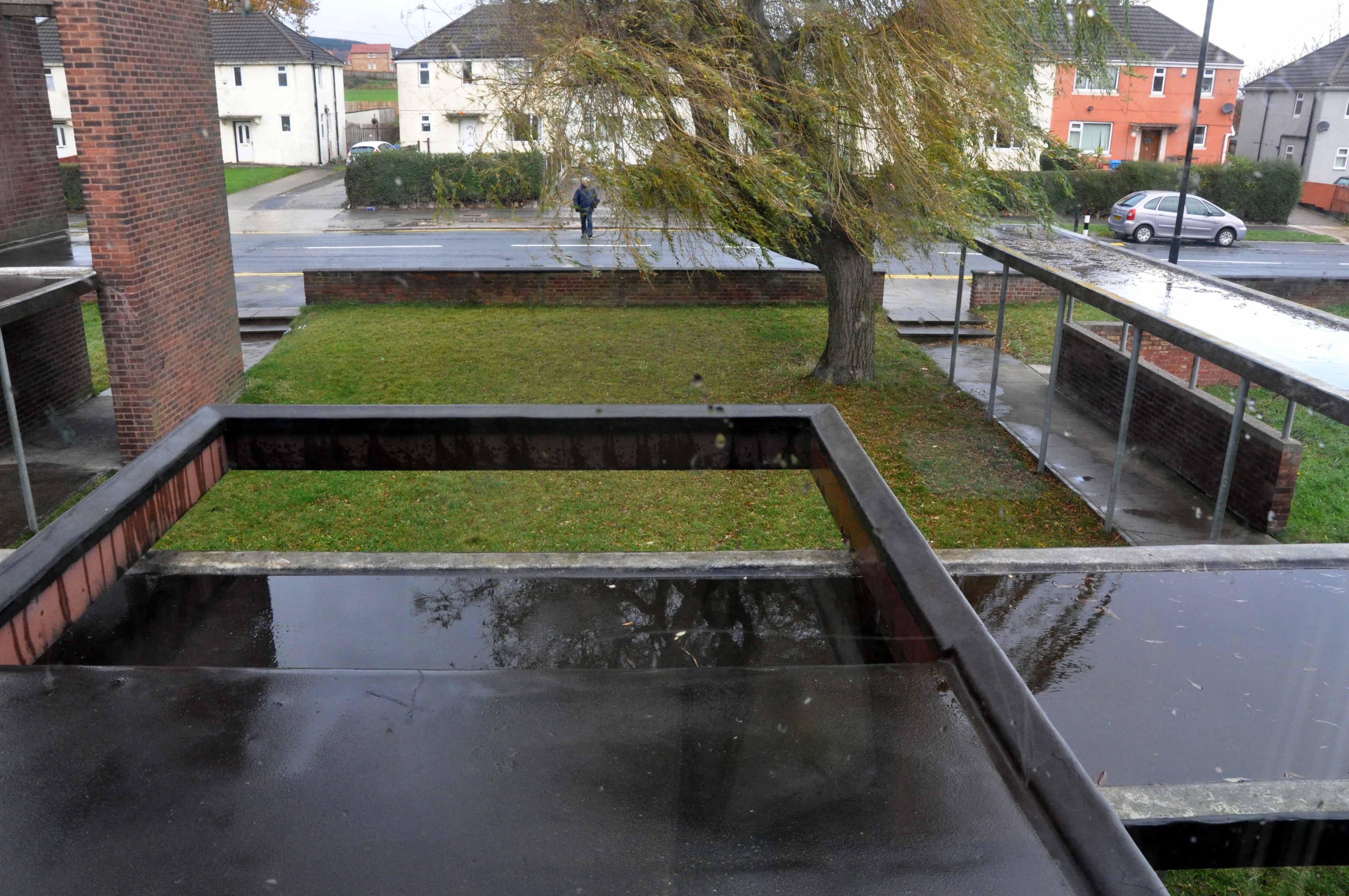
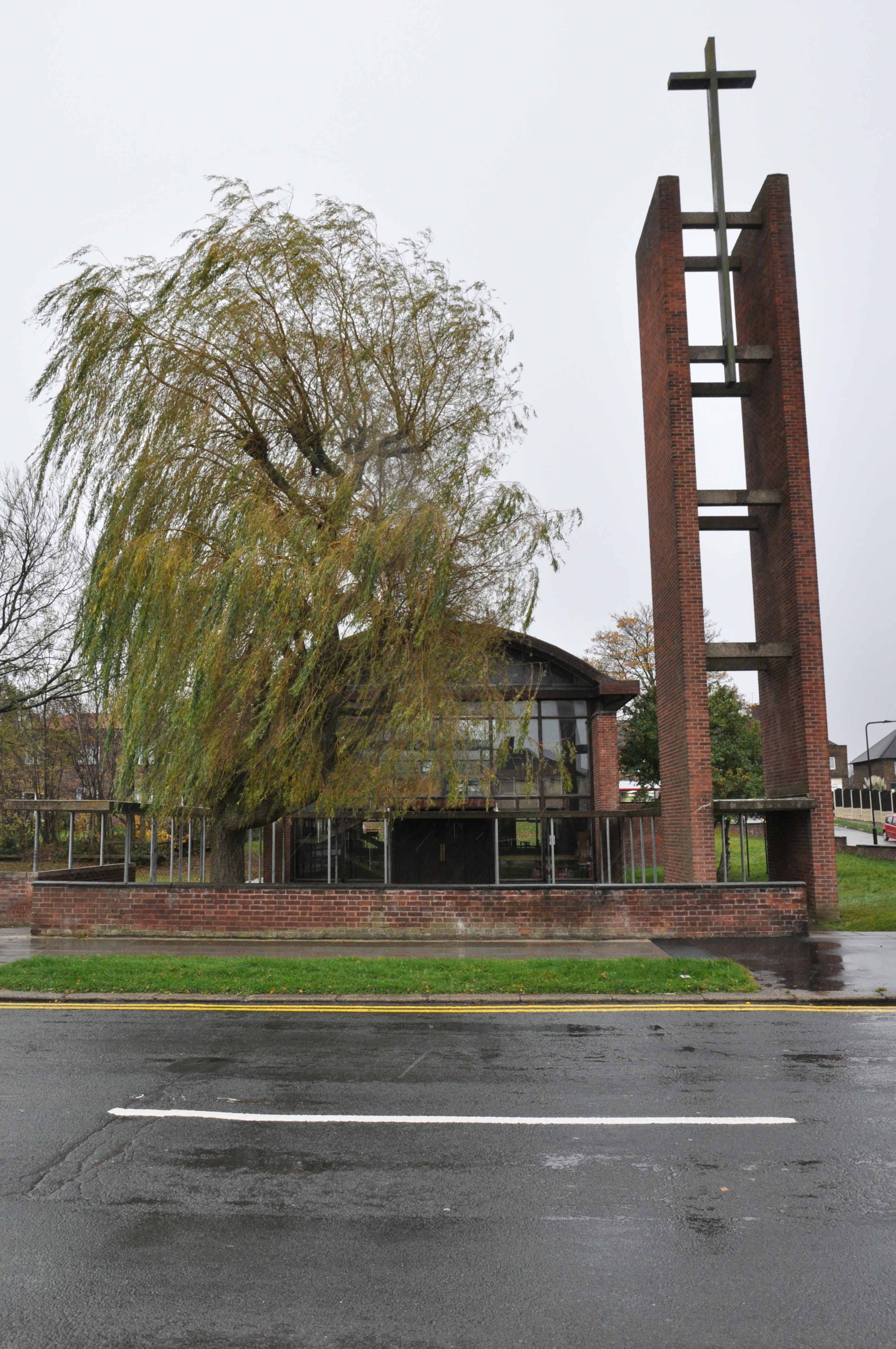
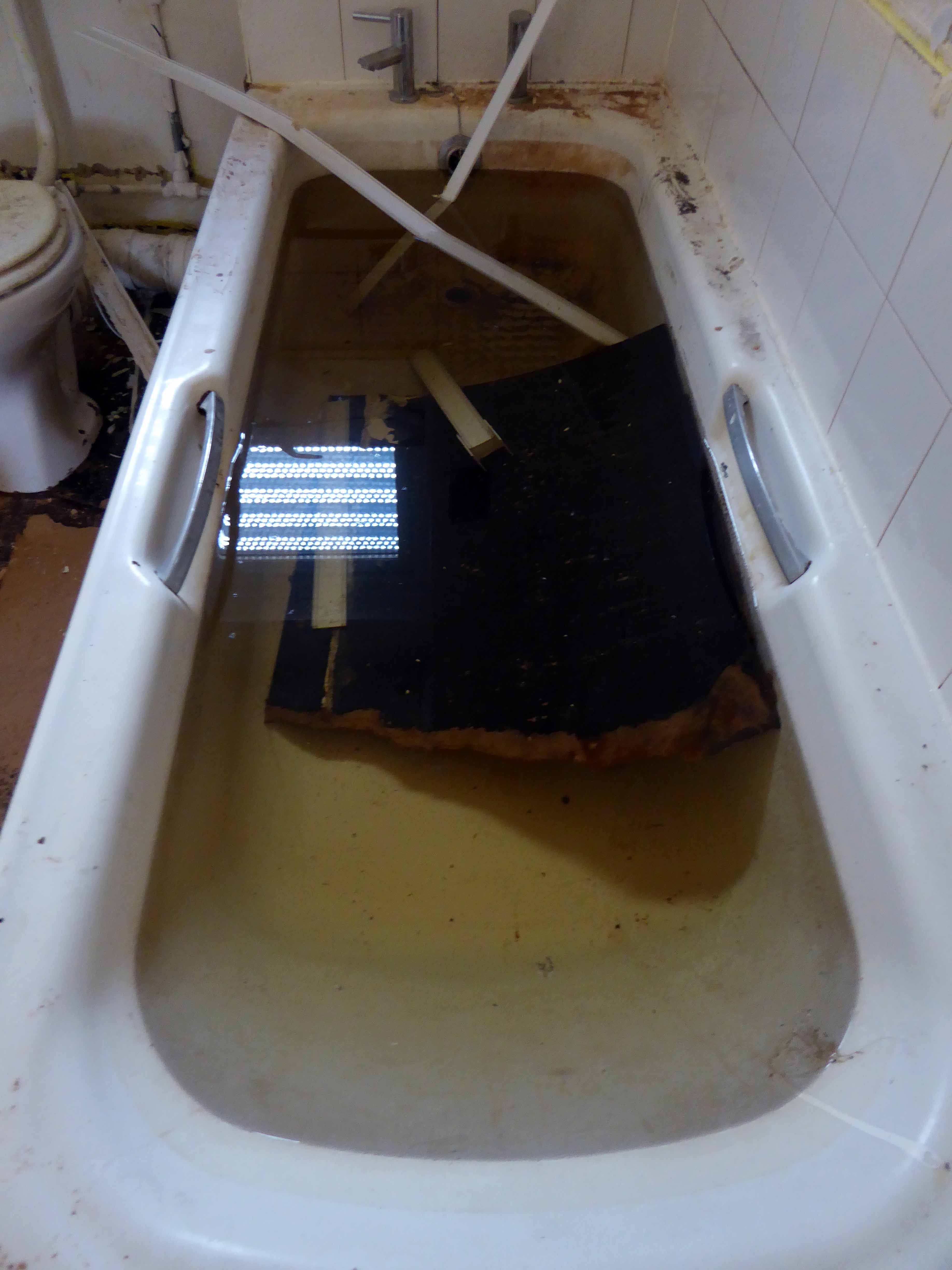
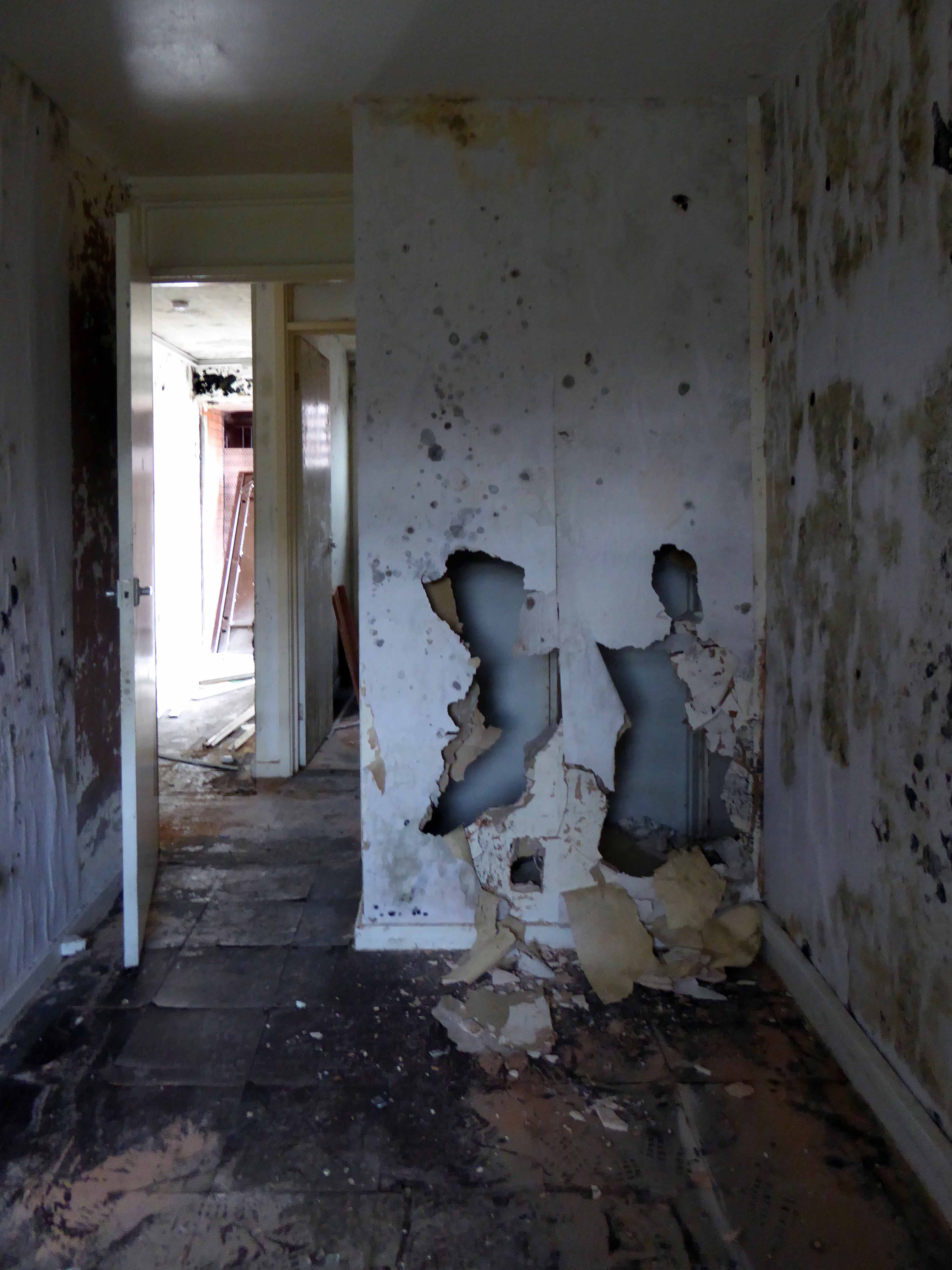
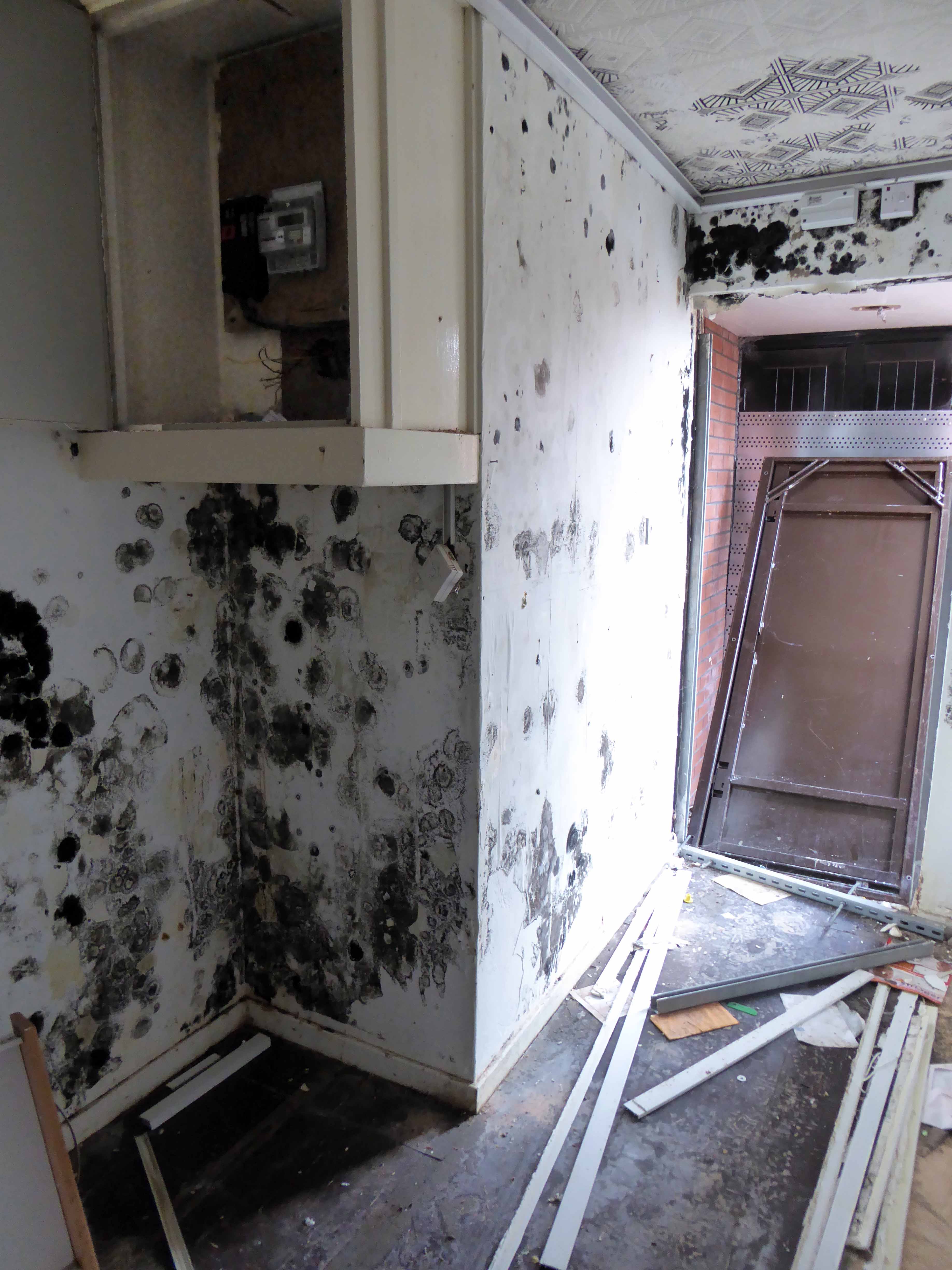
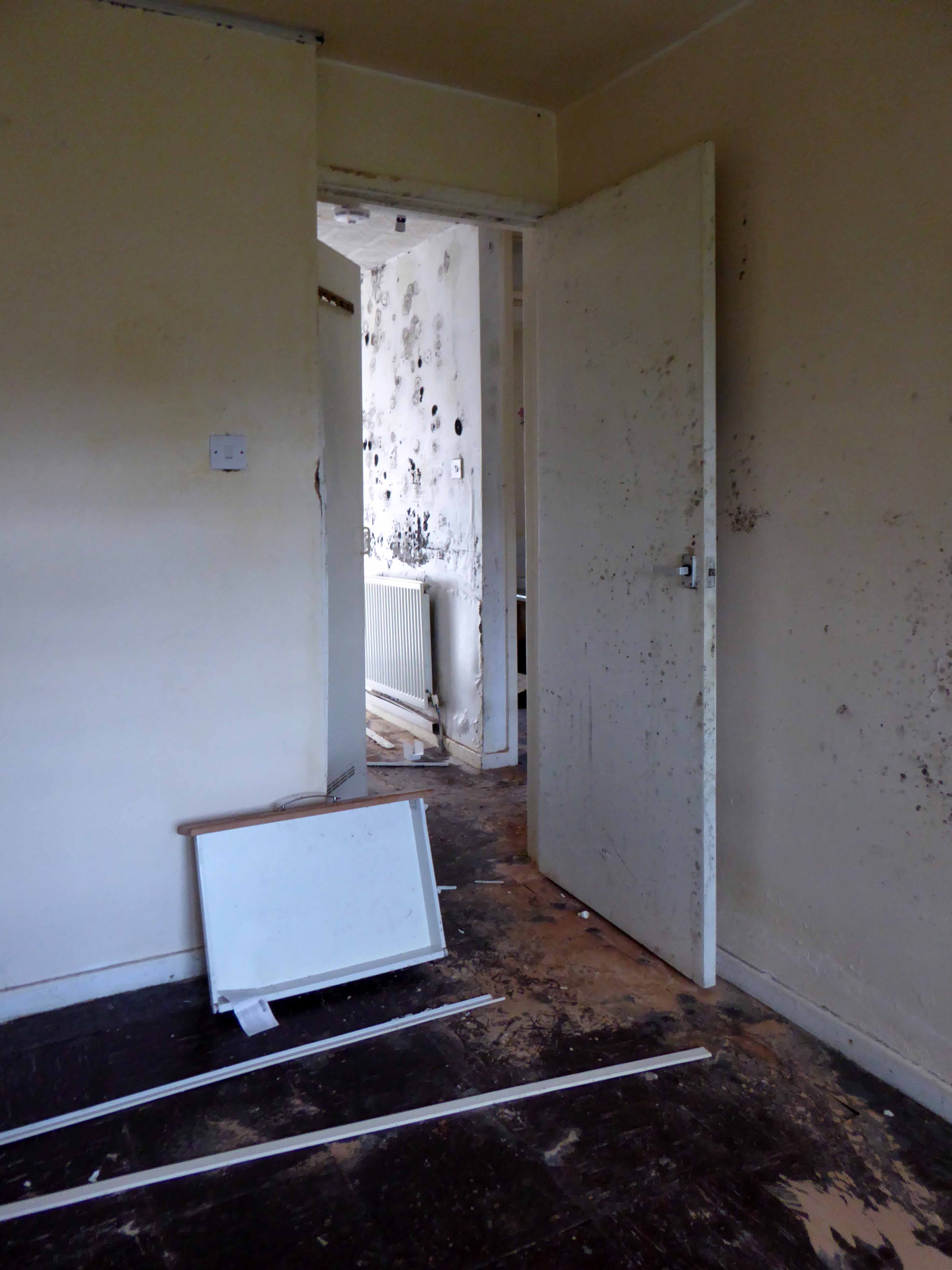
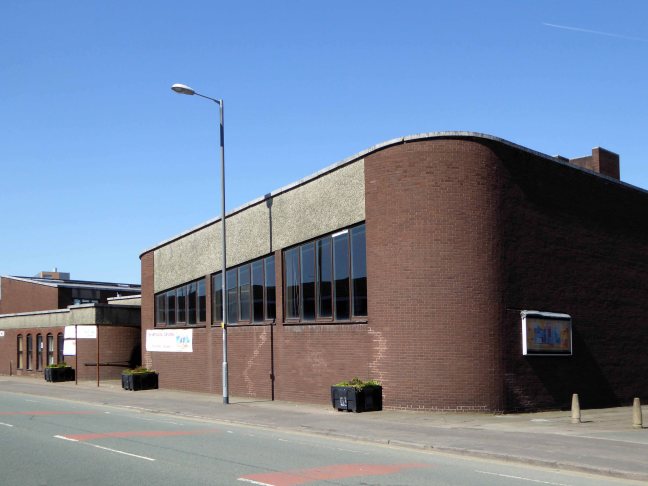
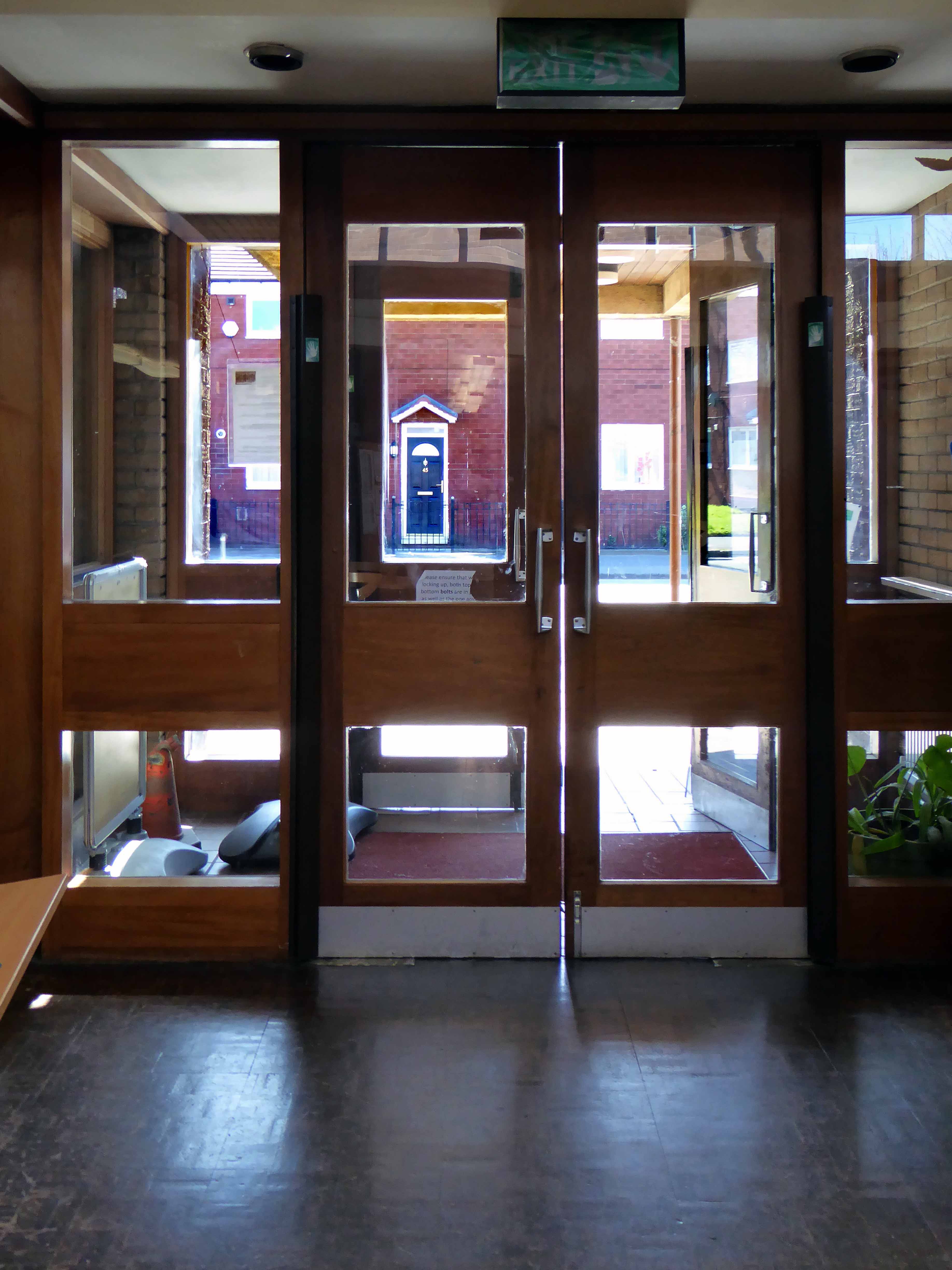
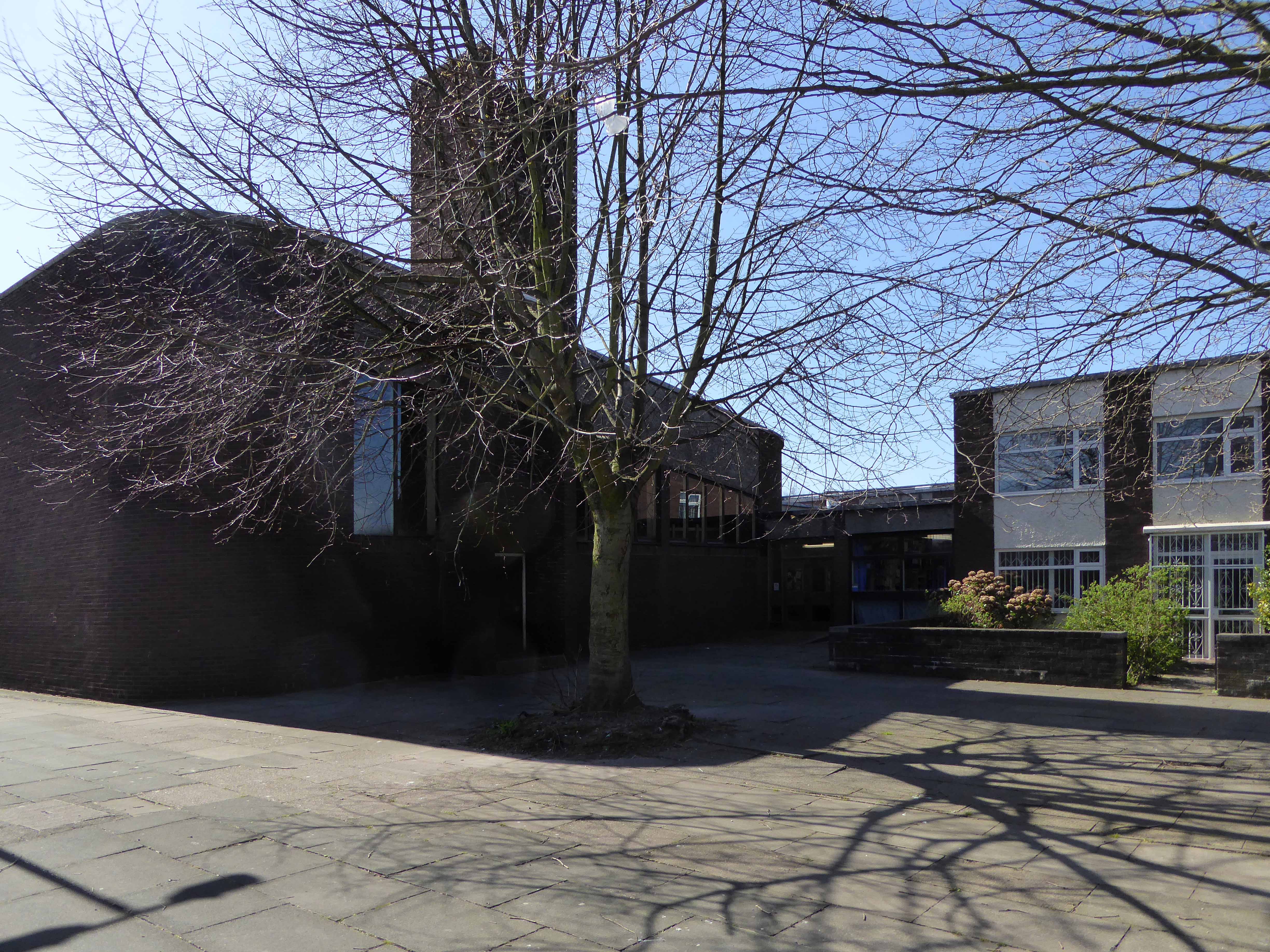
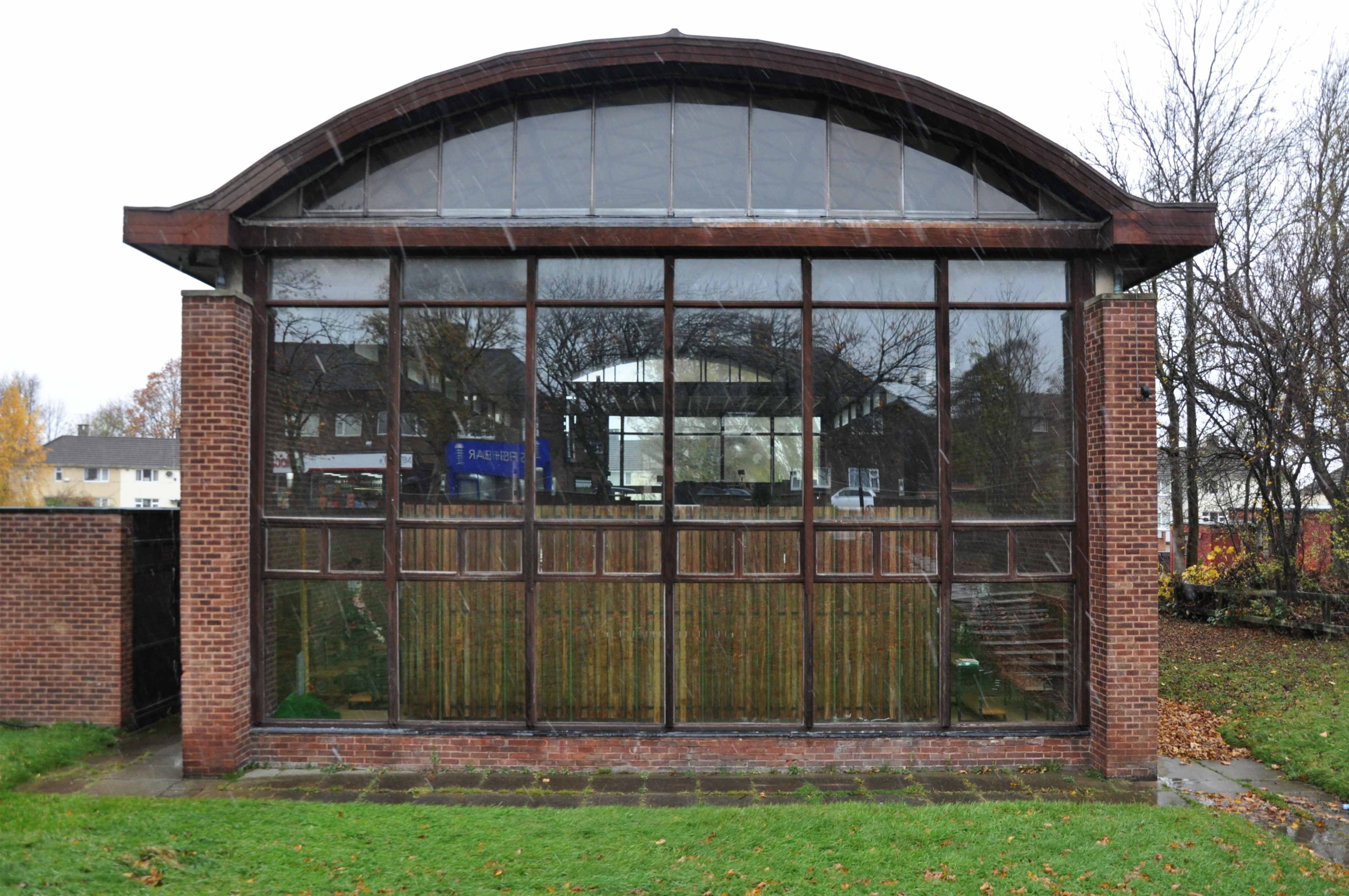
High above the city on Wordsworth Avenue, Eccleshall, built to serve the large Parson Cross post-war social housing estate, stands St Paul.

On the day of my visit, more than somewhat windswept and sleet lashed, almost imperious, the church stood steadfast set against the elements.

It is however registered as at risk by Historic England.

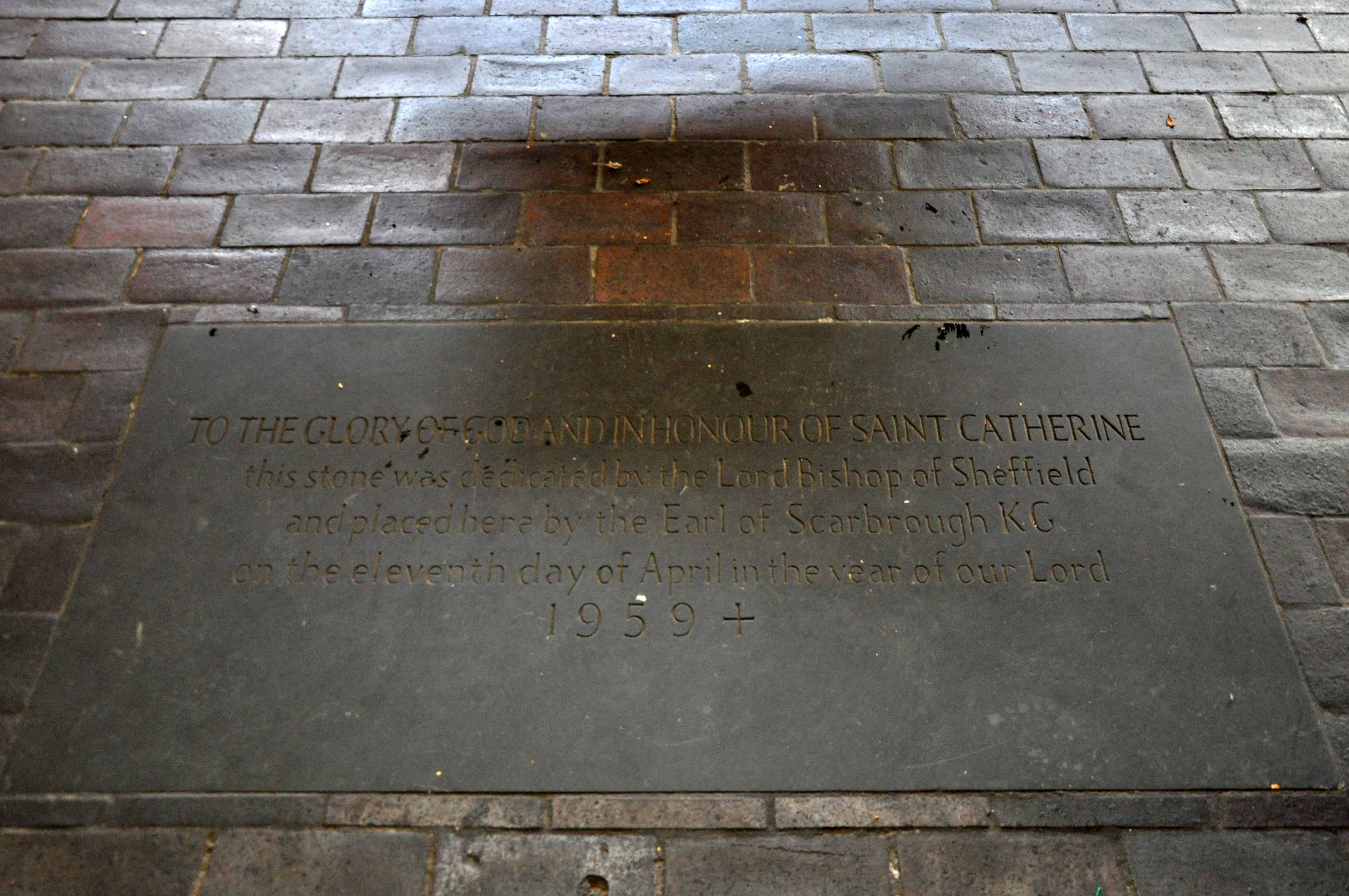
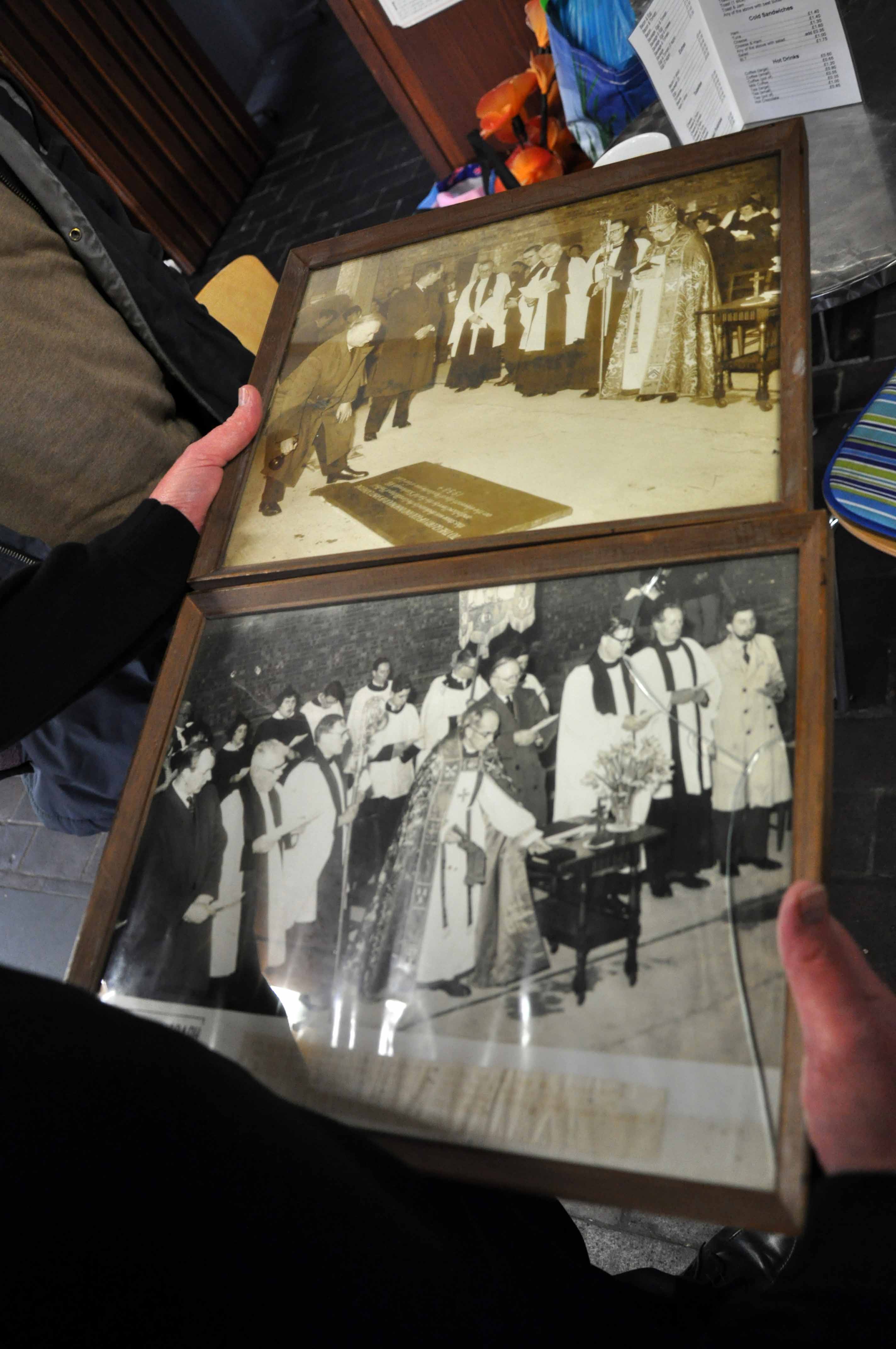
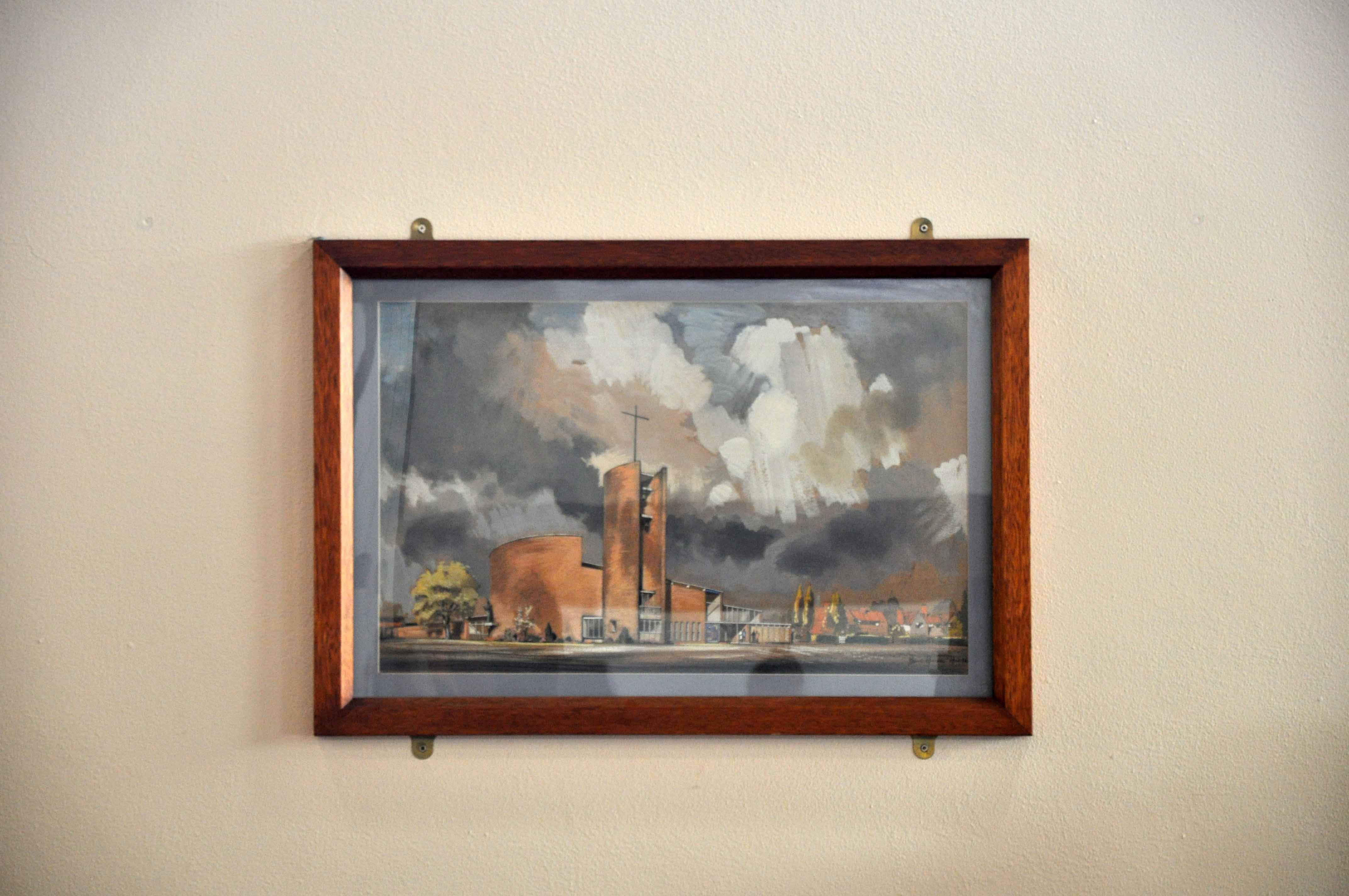
Designed by Sir Basil Spence and built by Charles Price of Doncaster Ltd. the church was completed in 1959 and consecrated on24th January 1959.

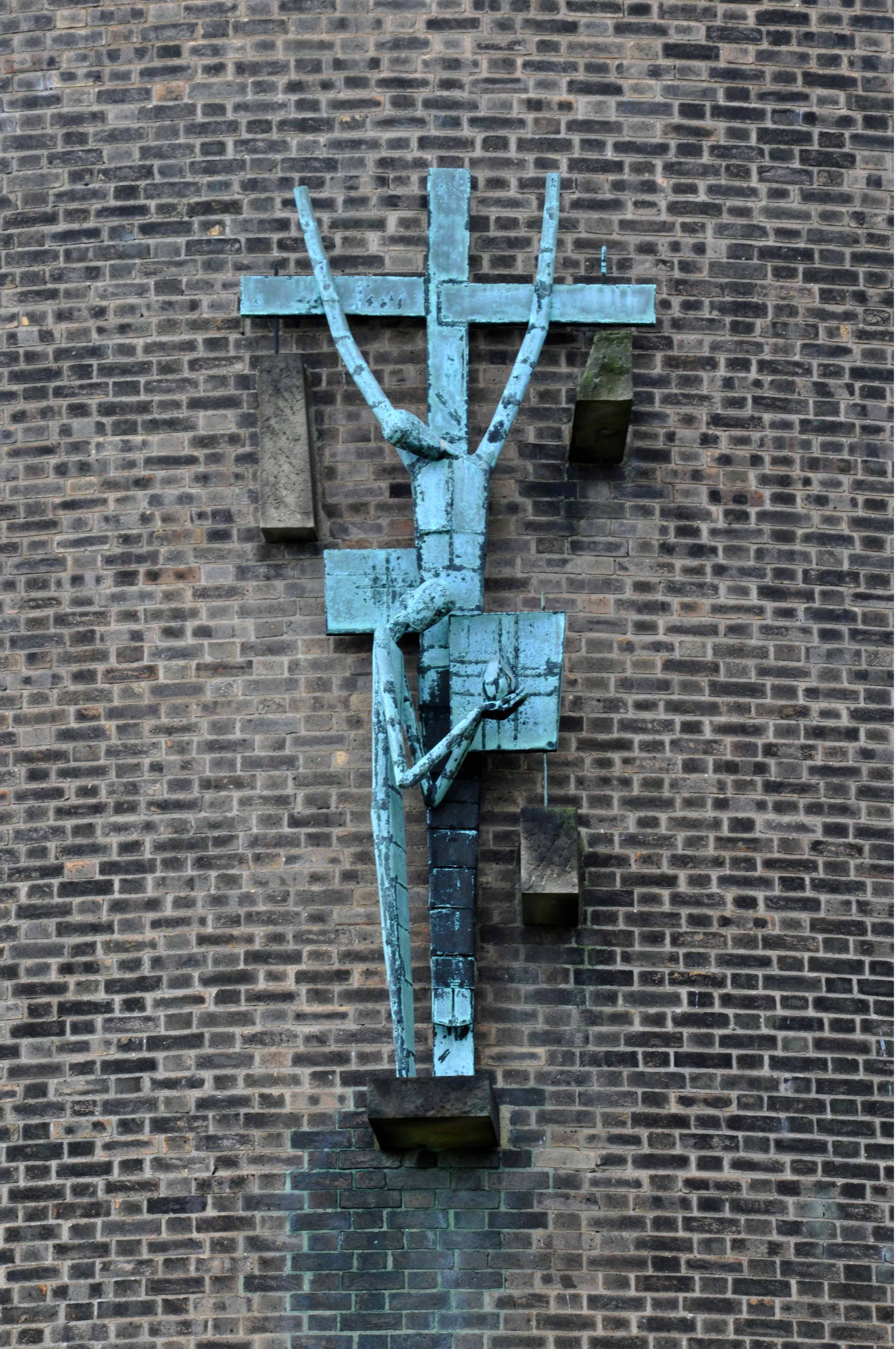
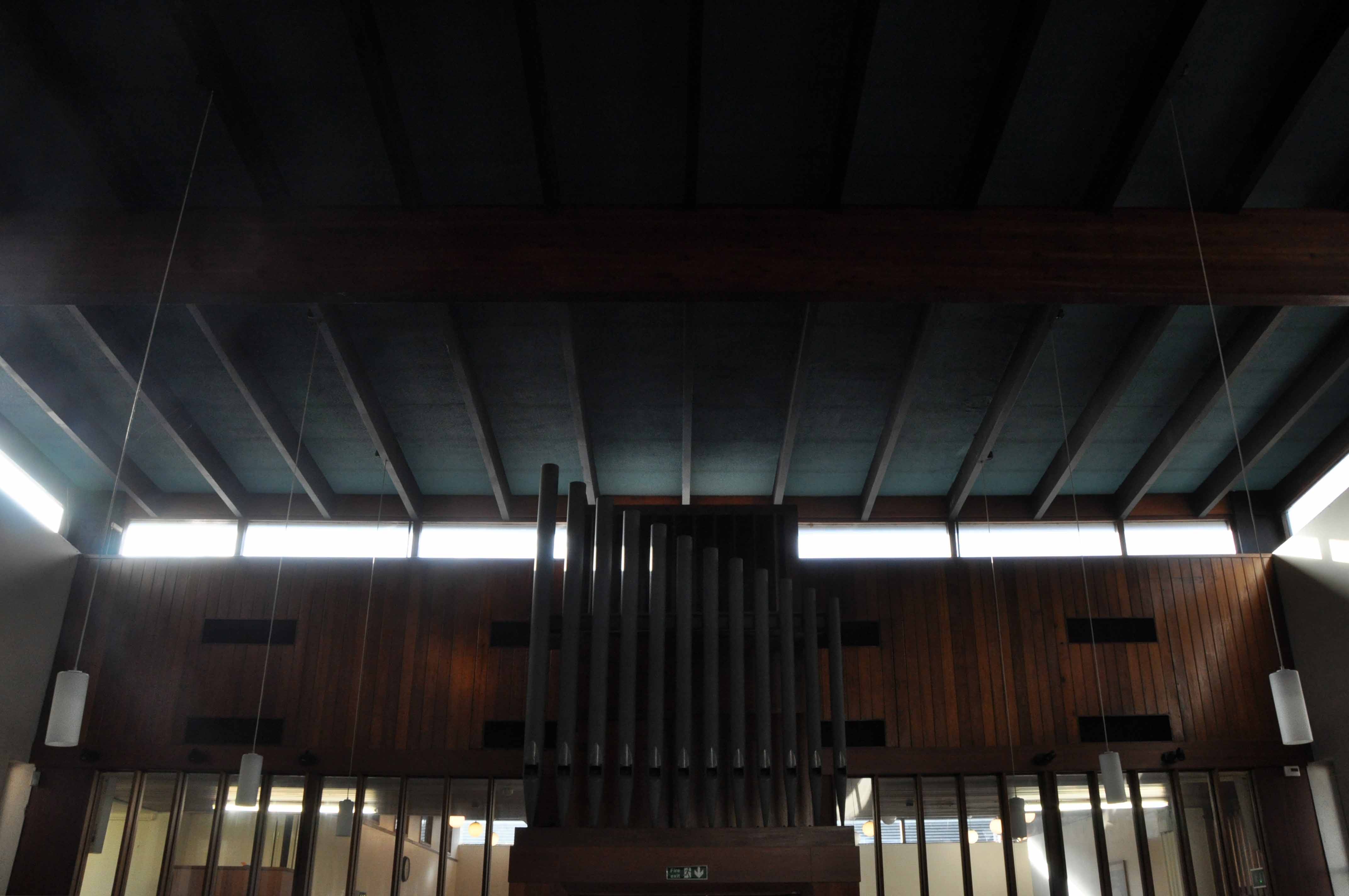
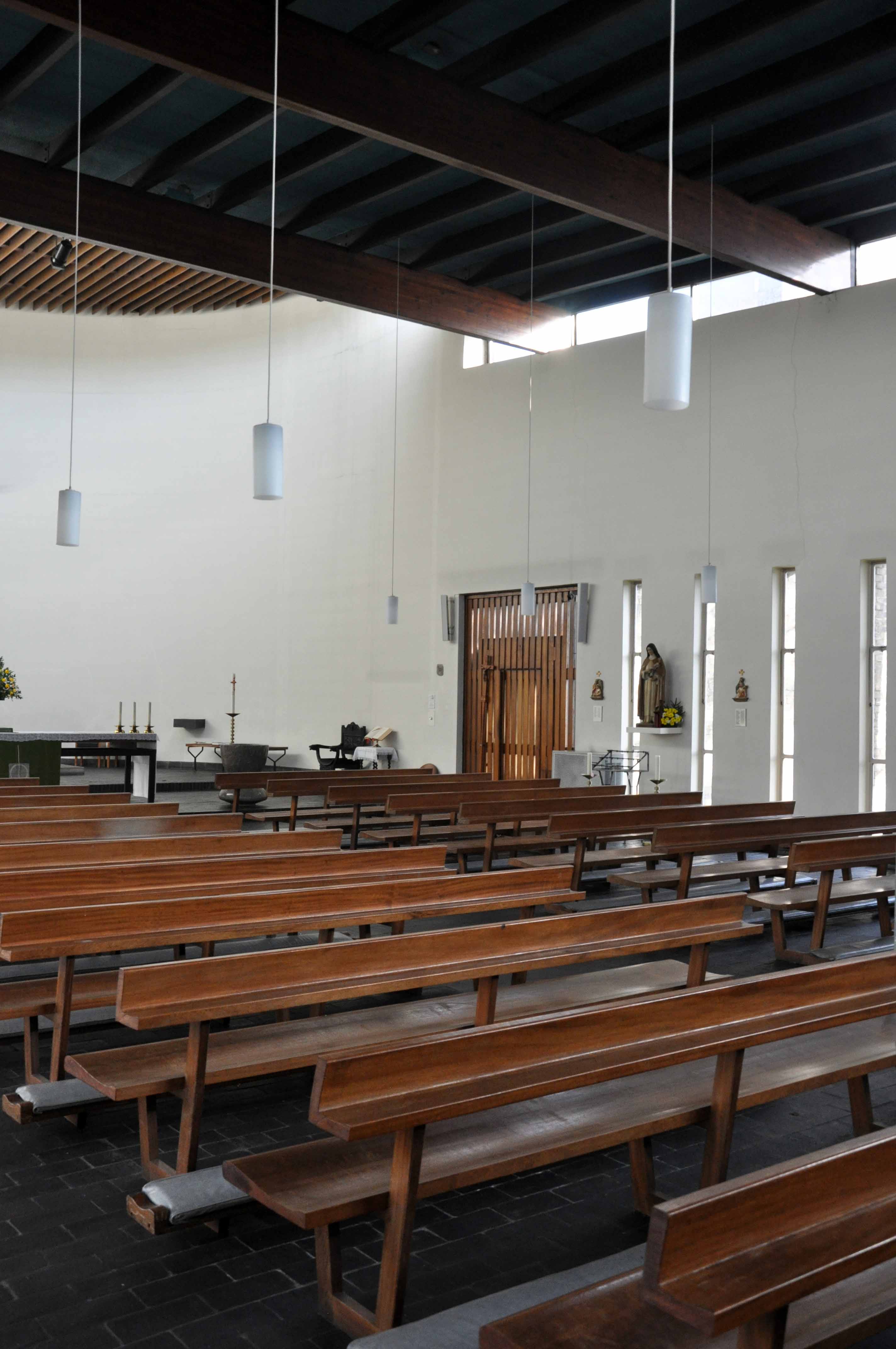
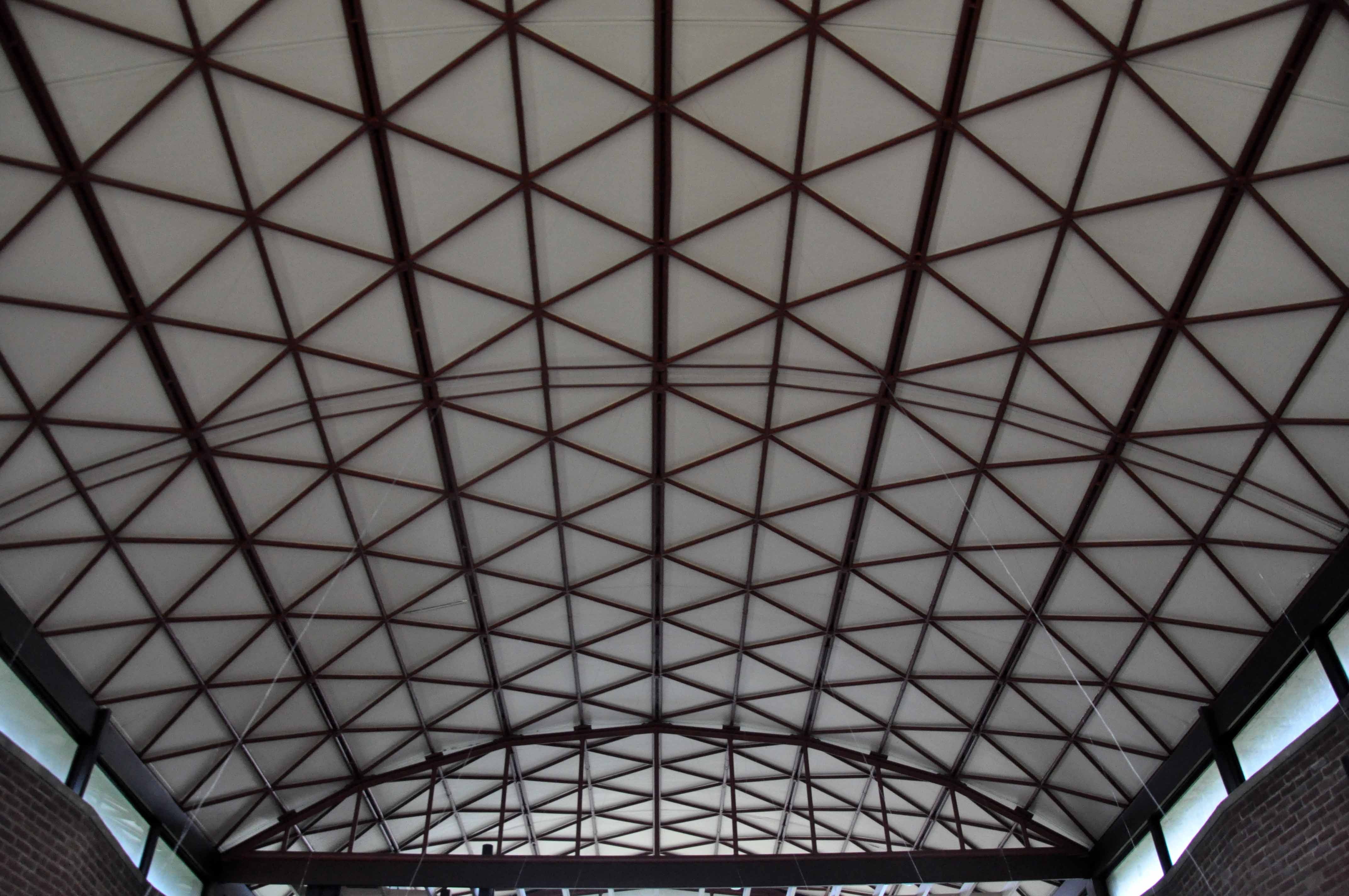
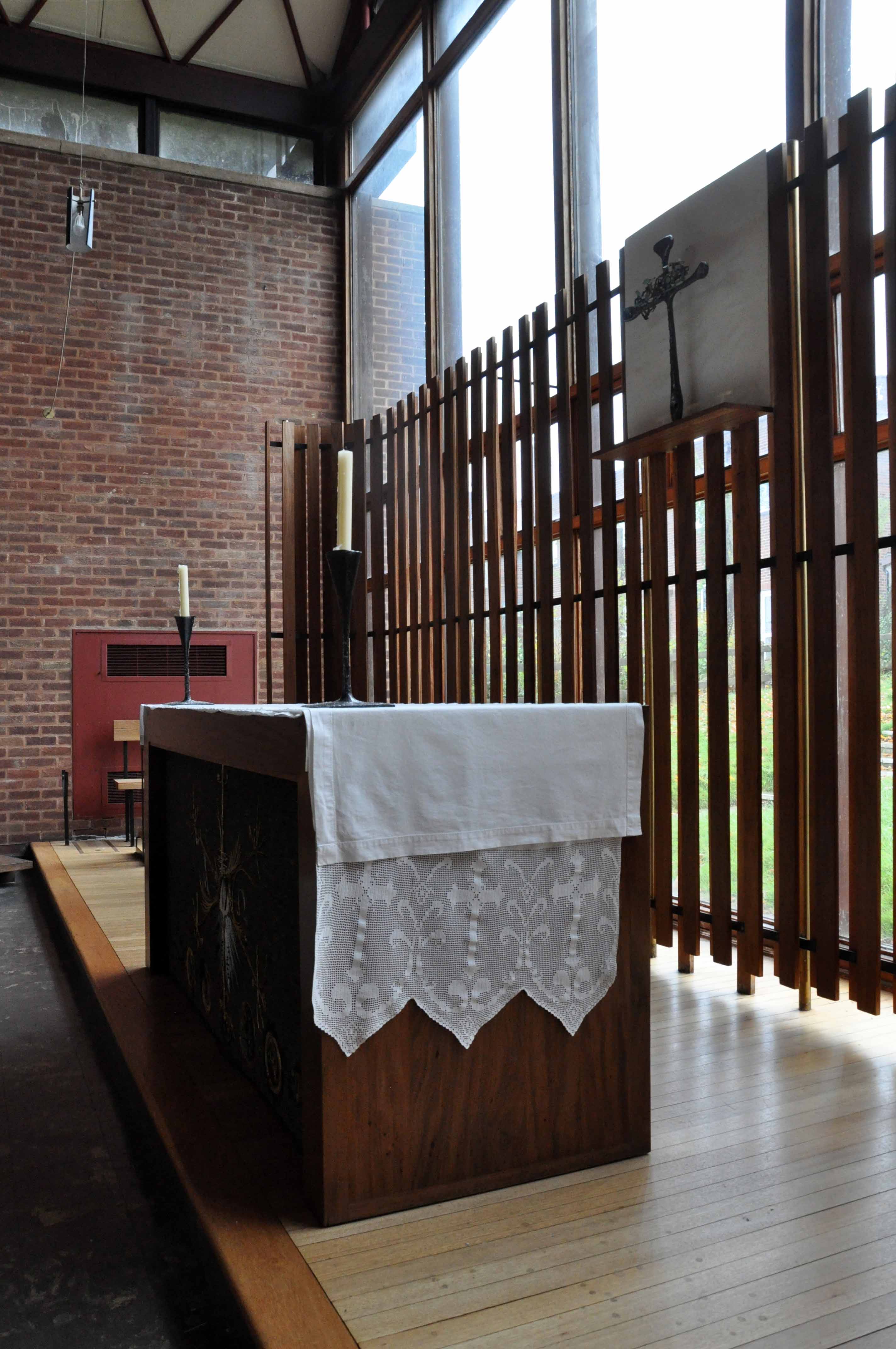
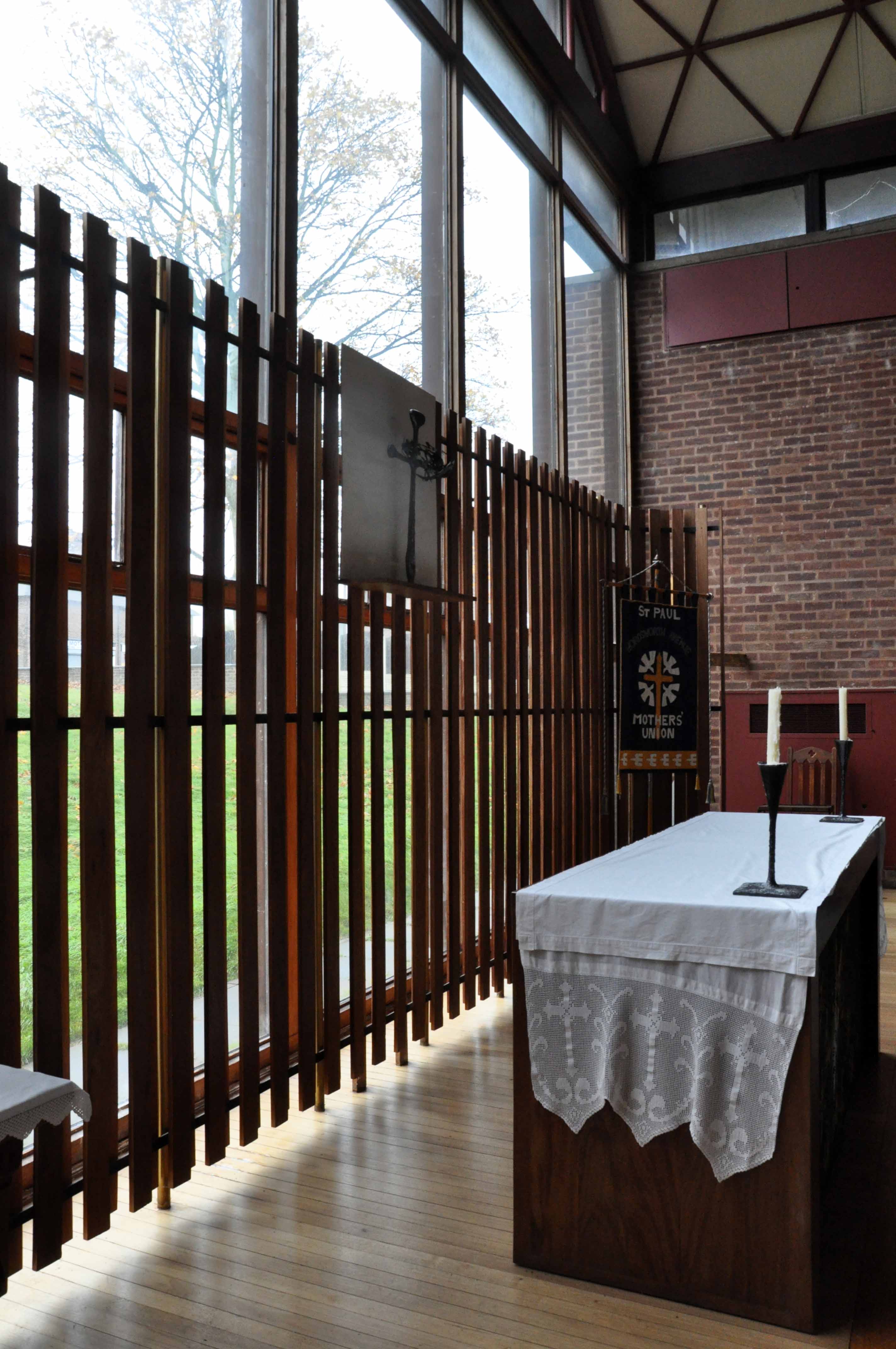
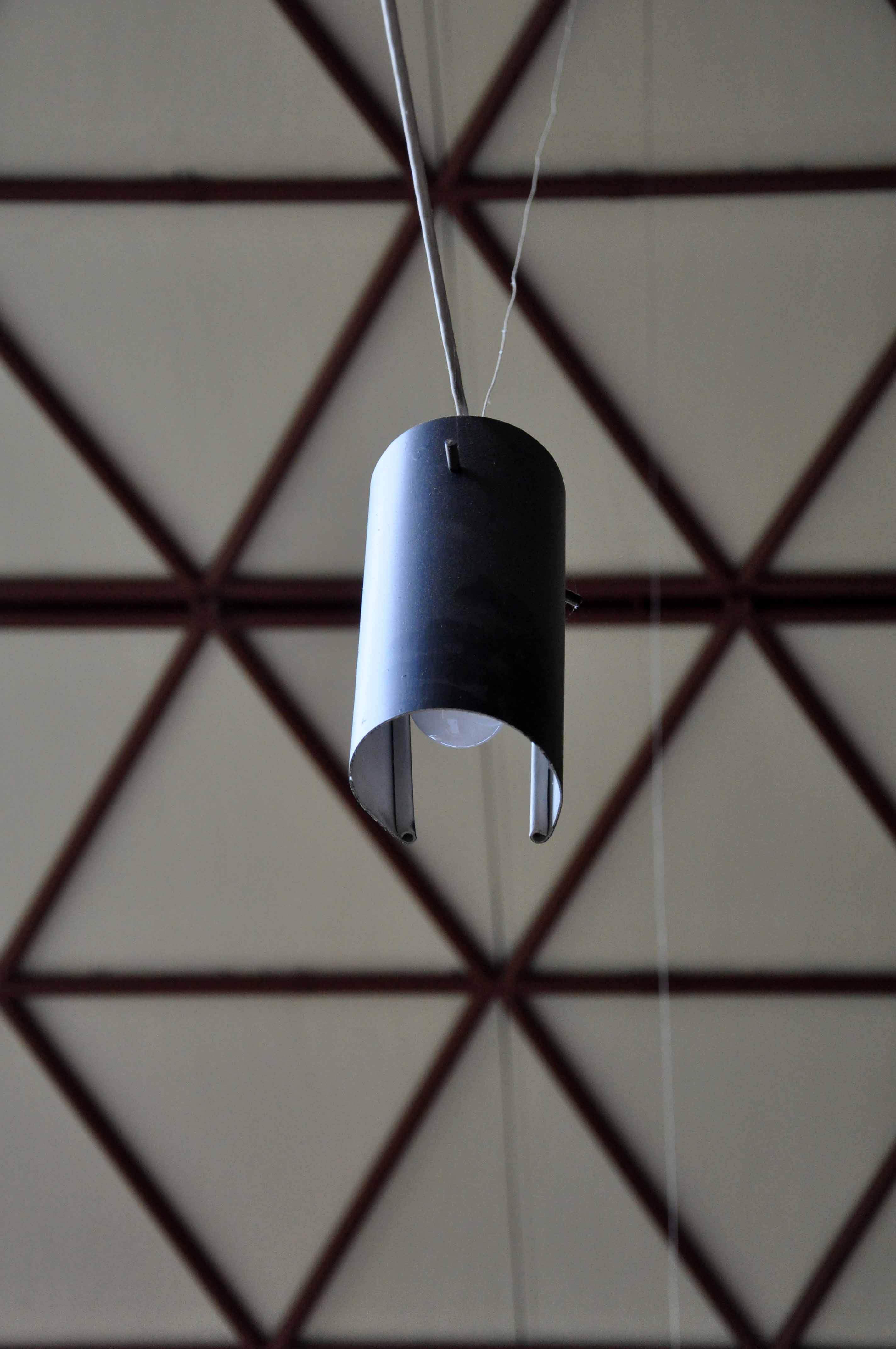
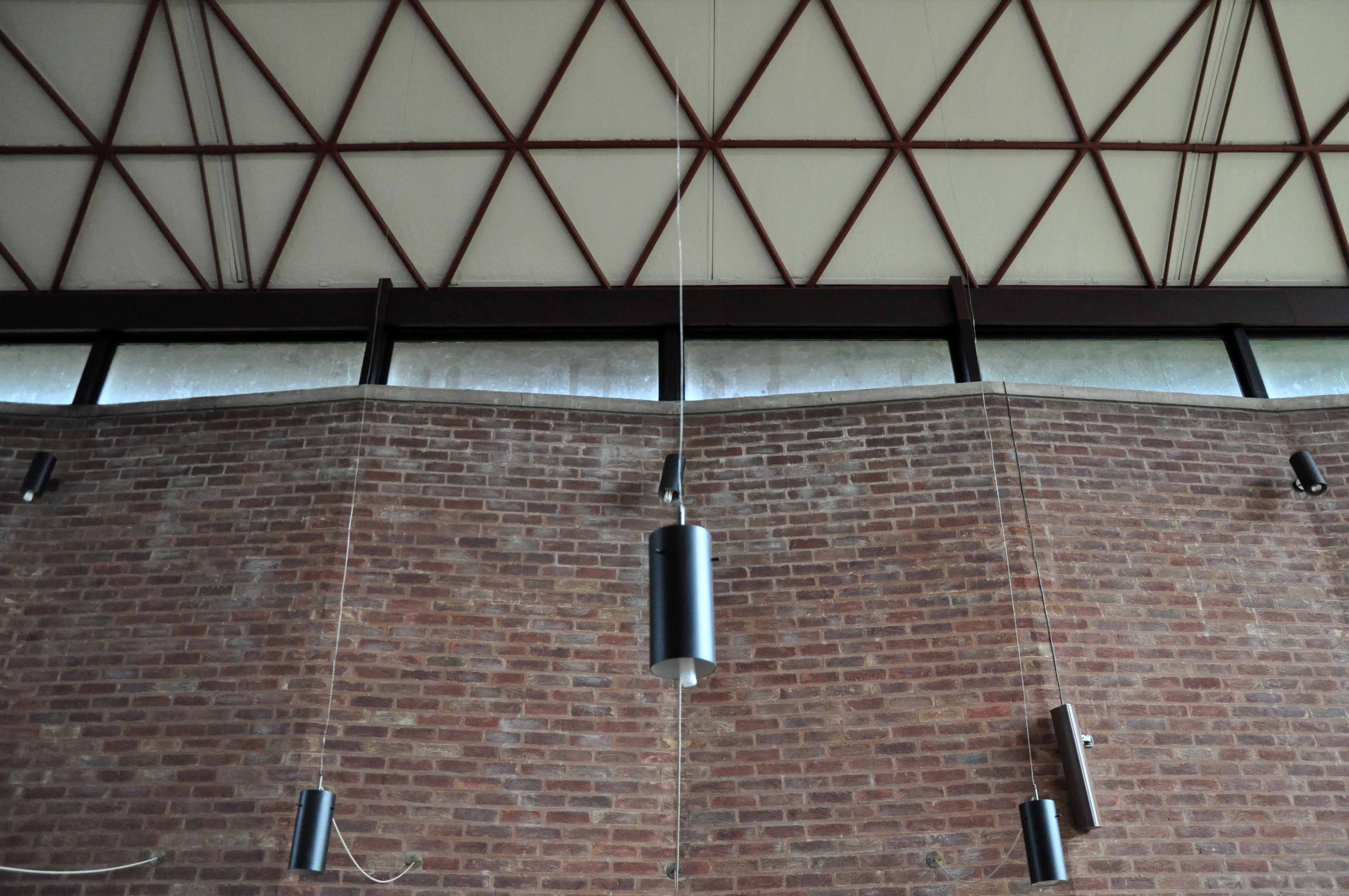
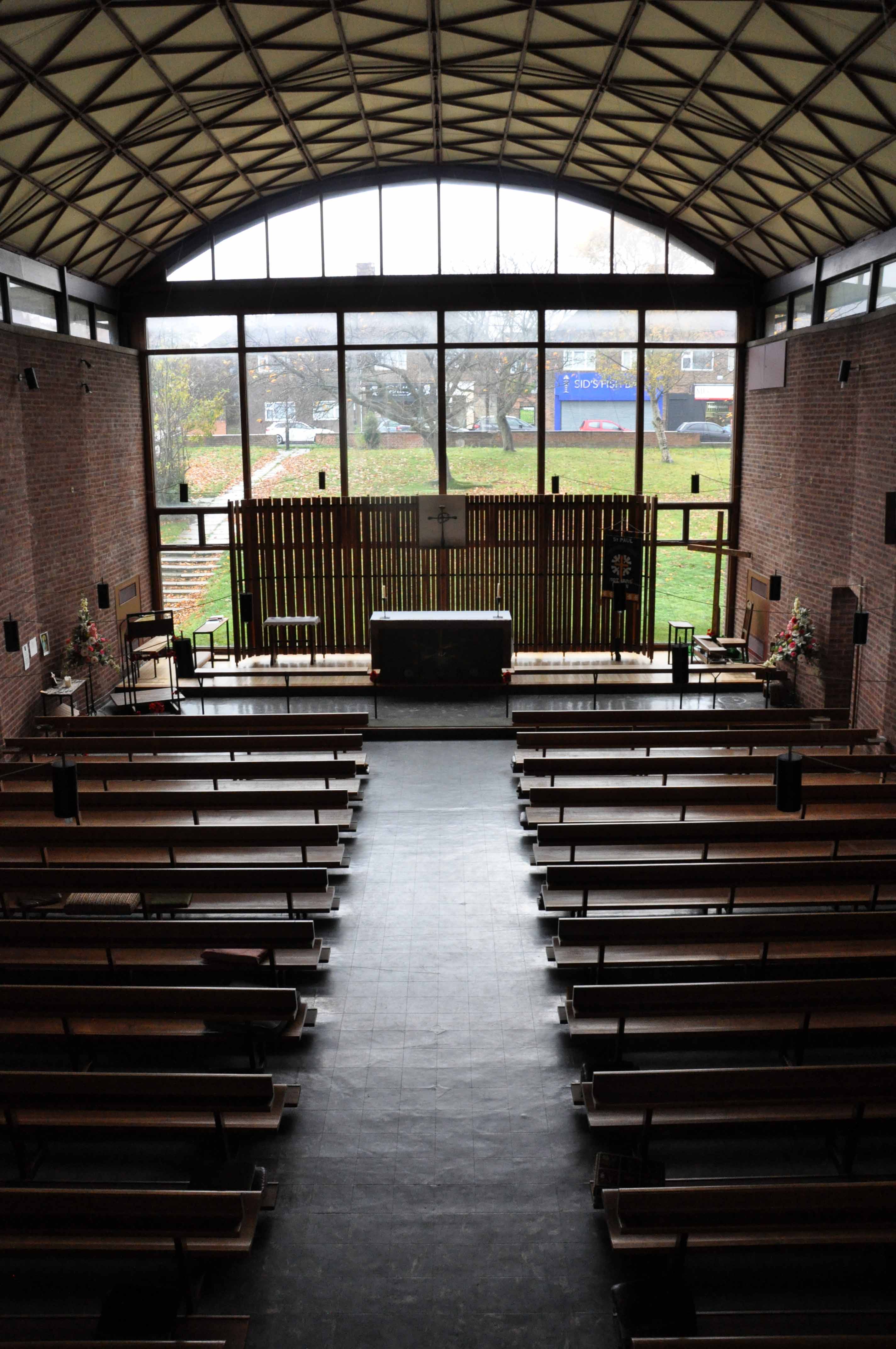
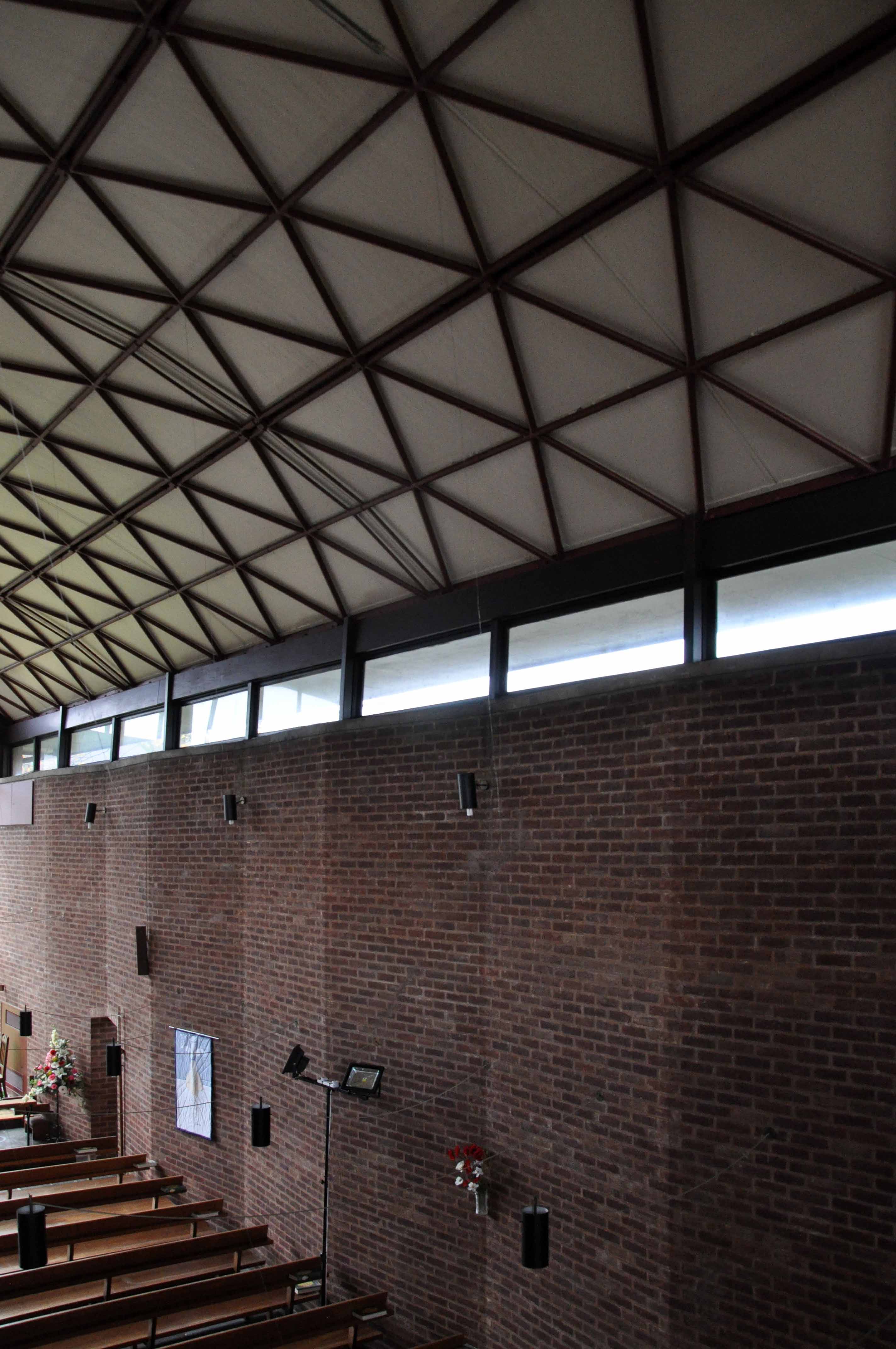
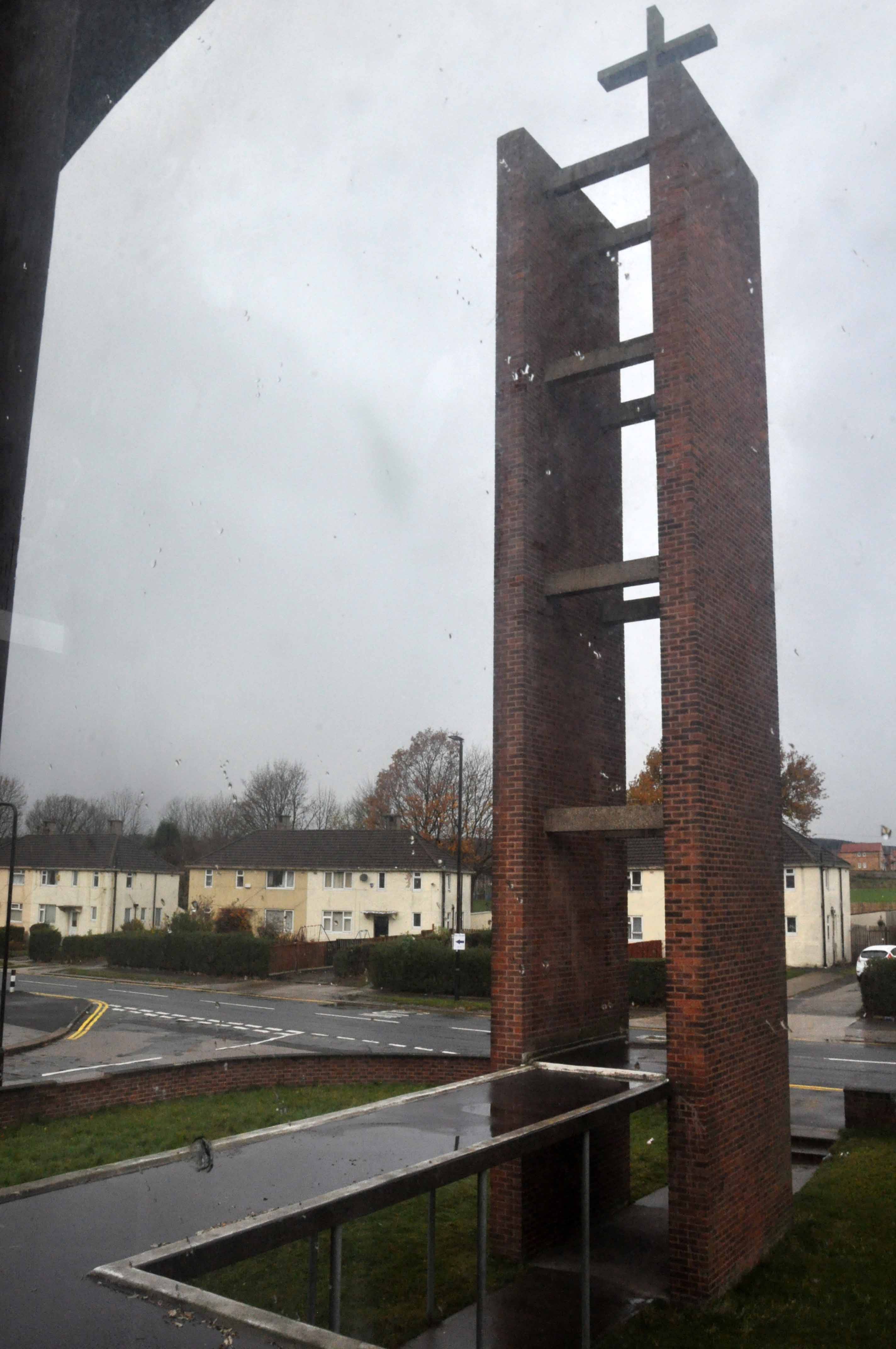
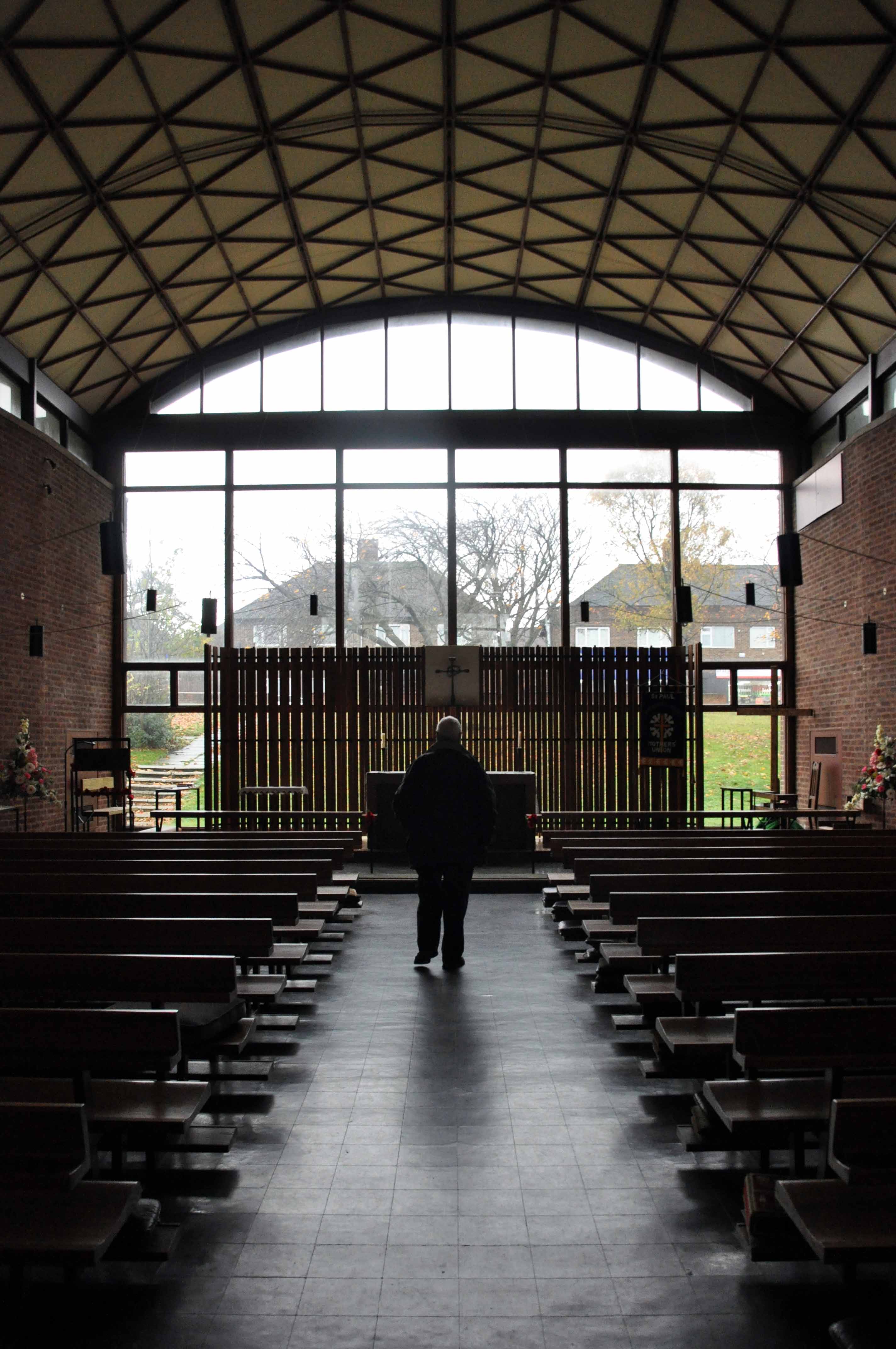
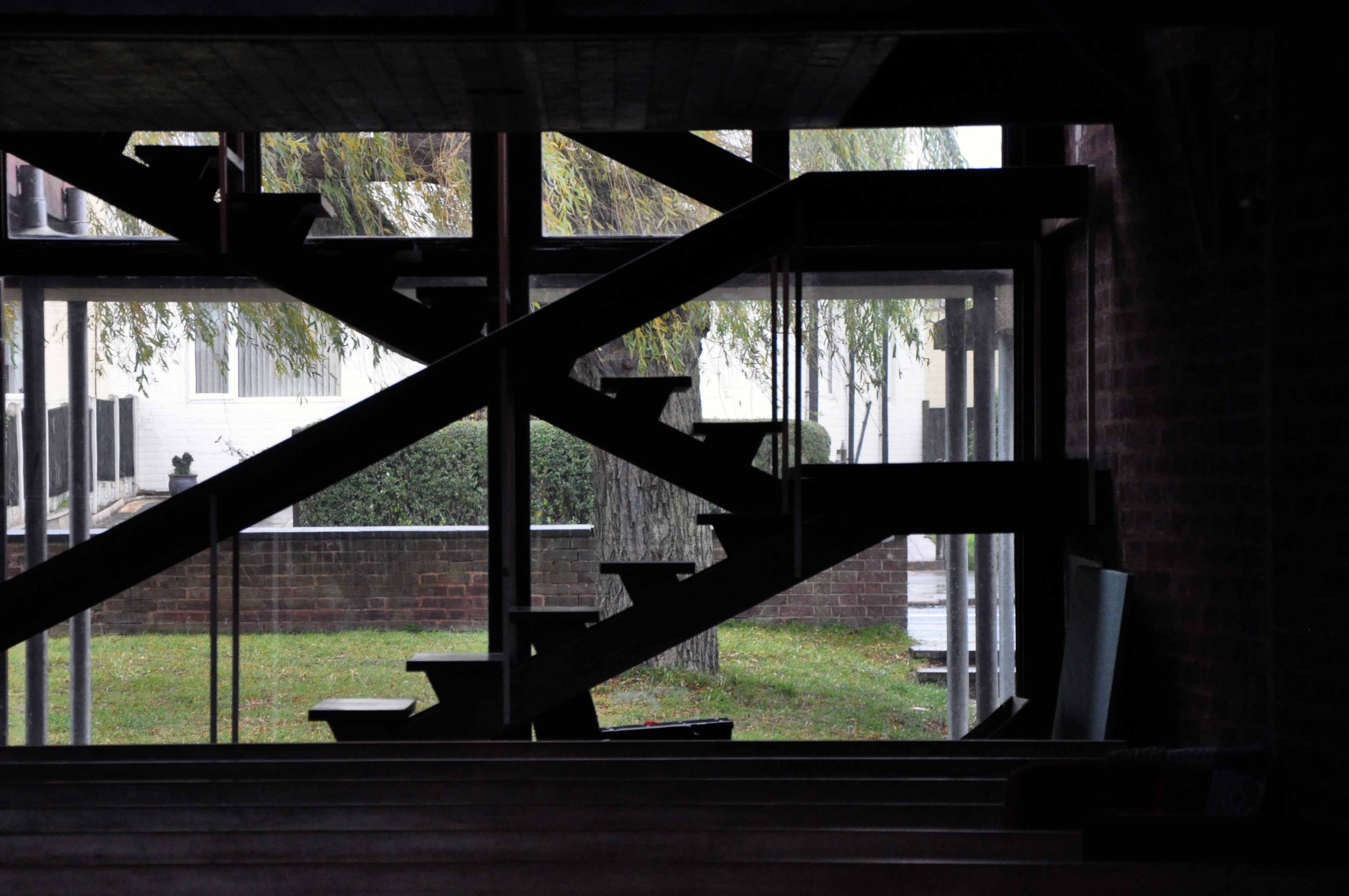
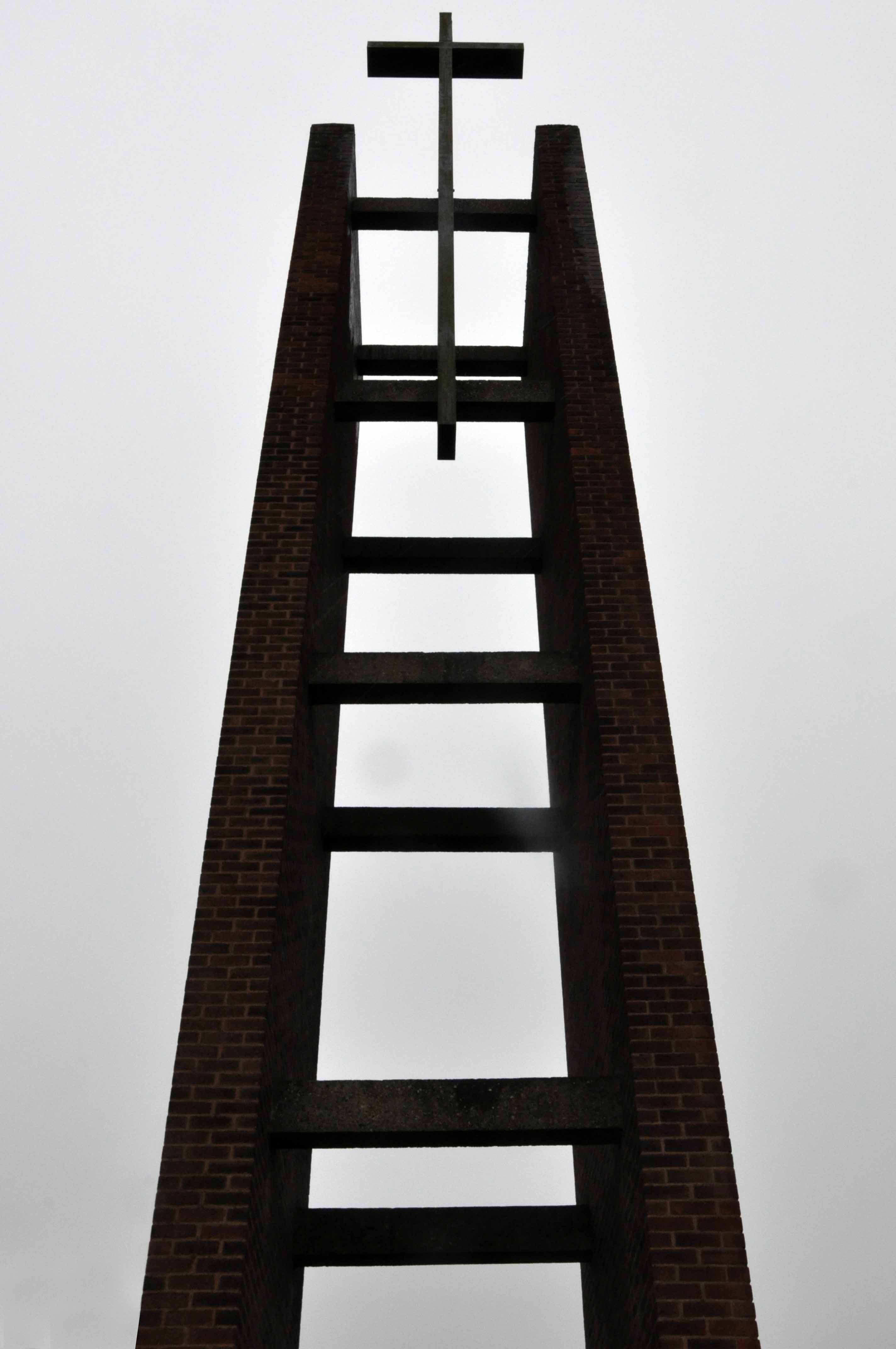
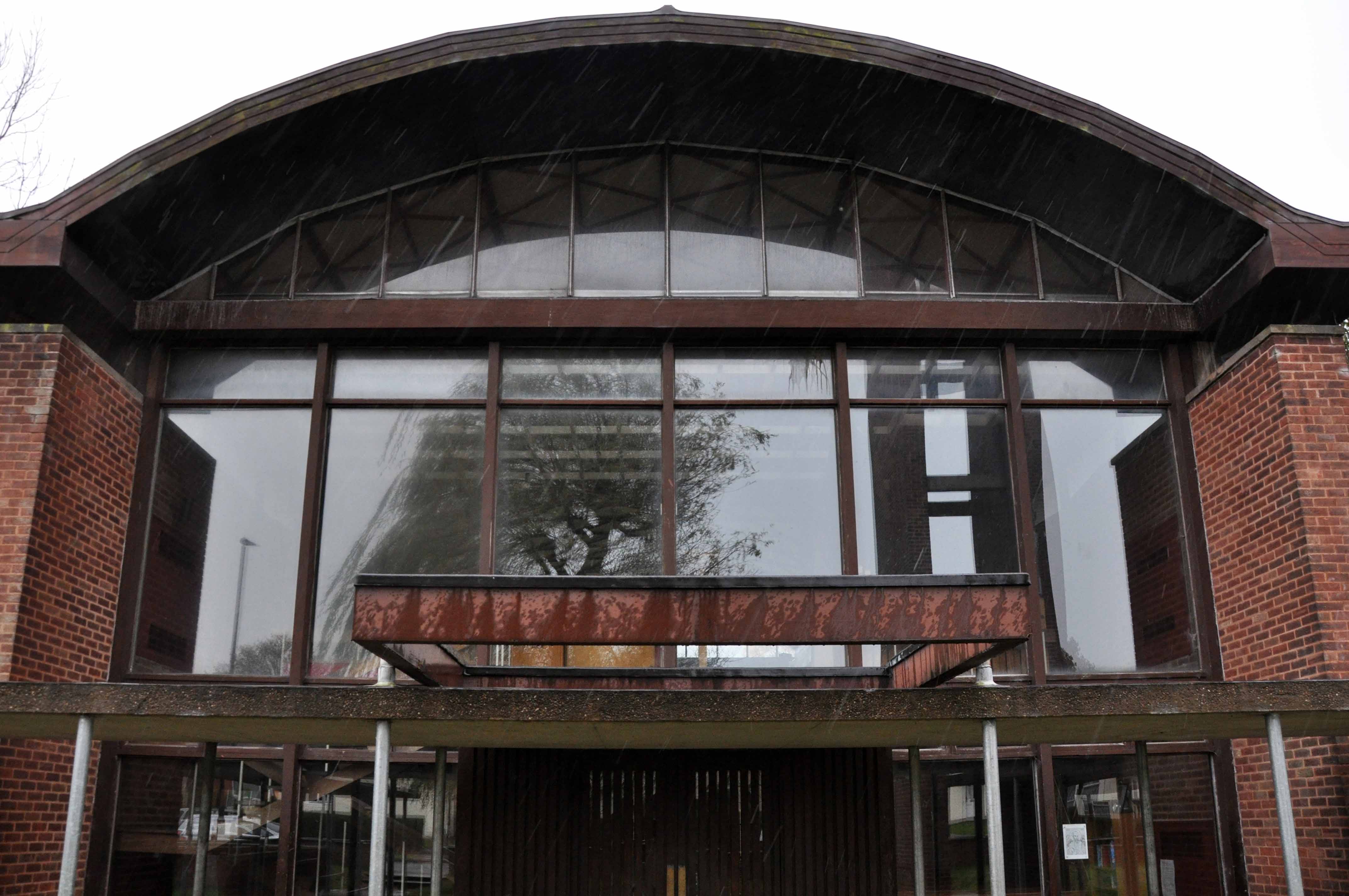
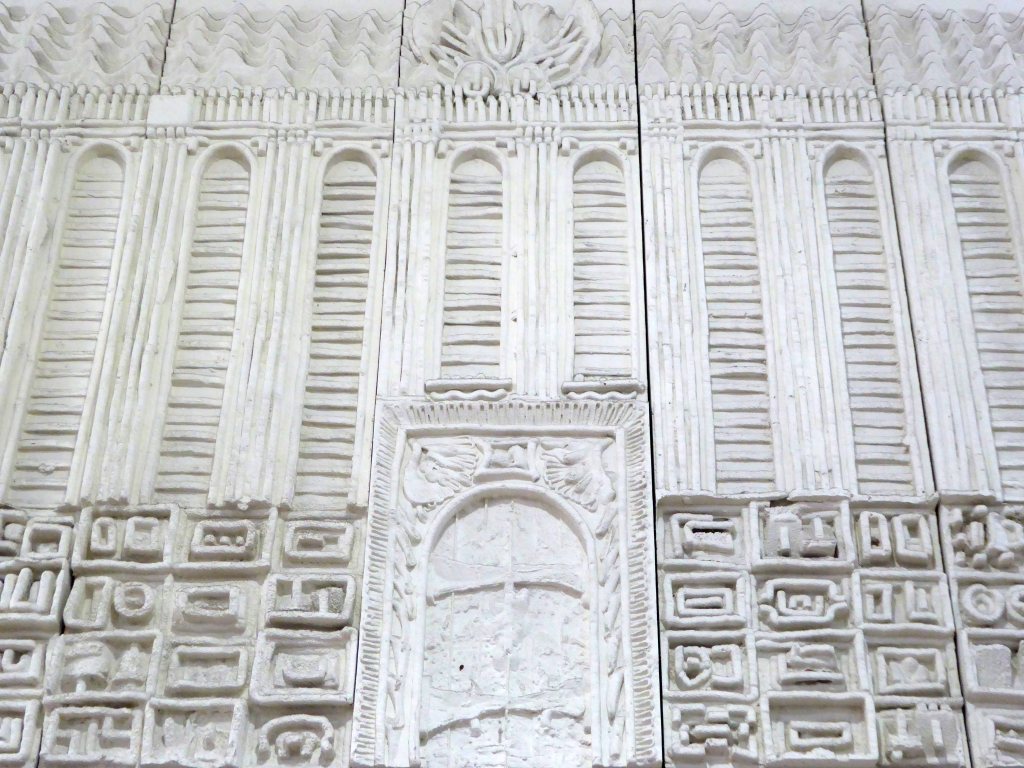
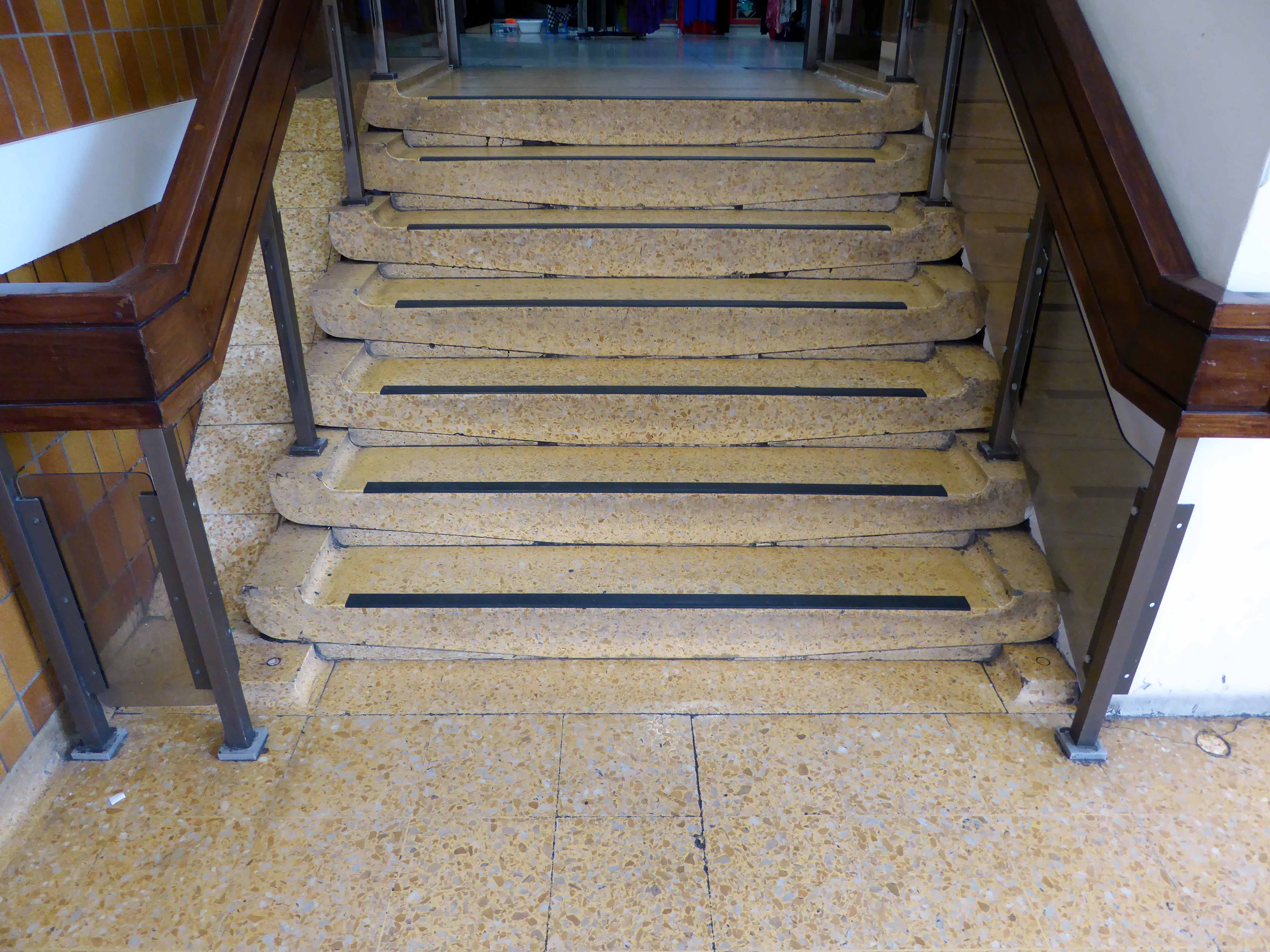
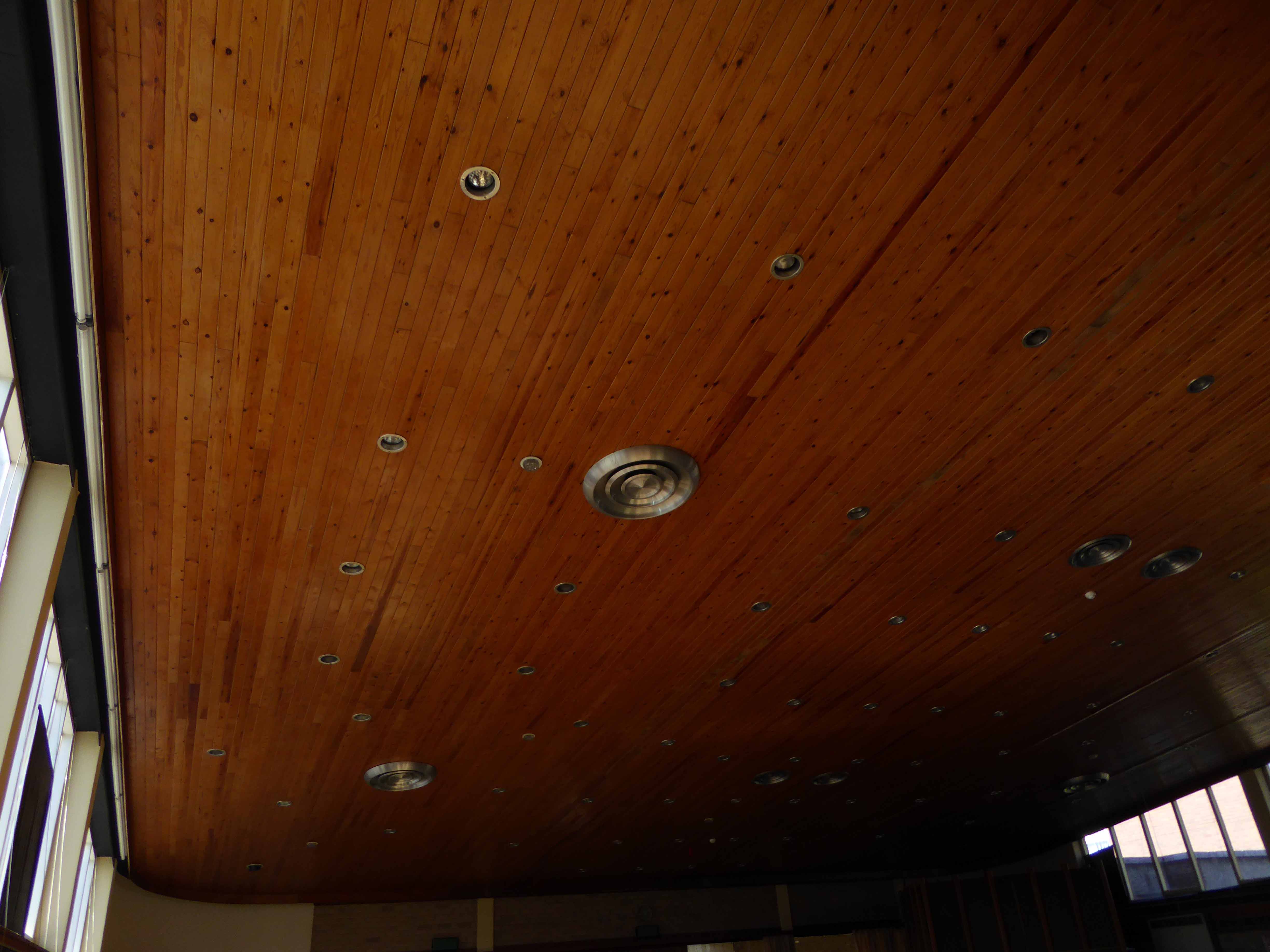
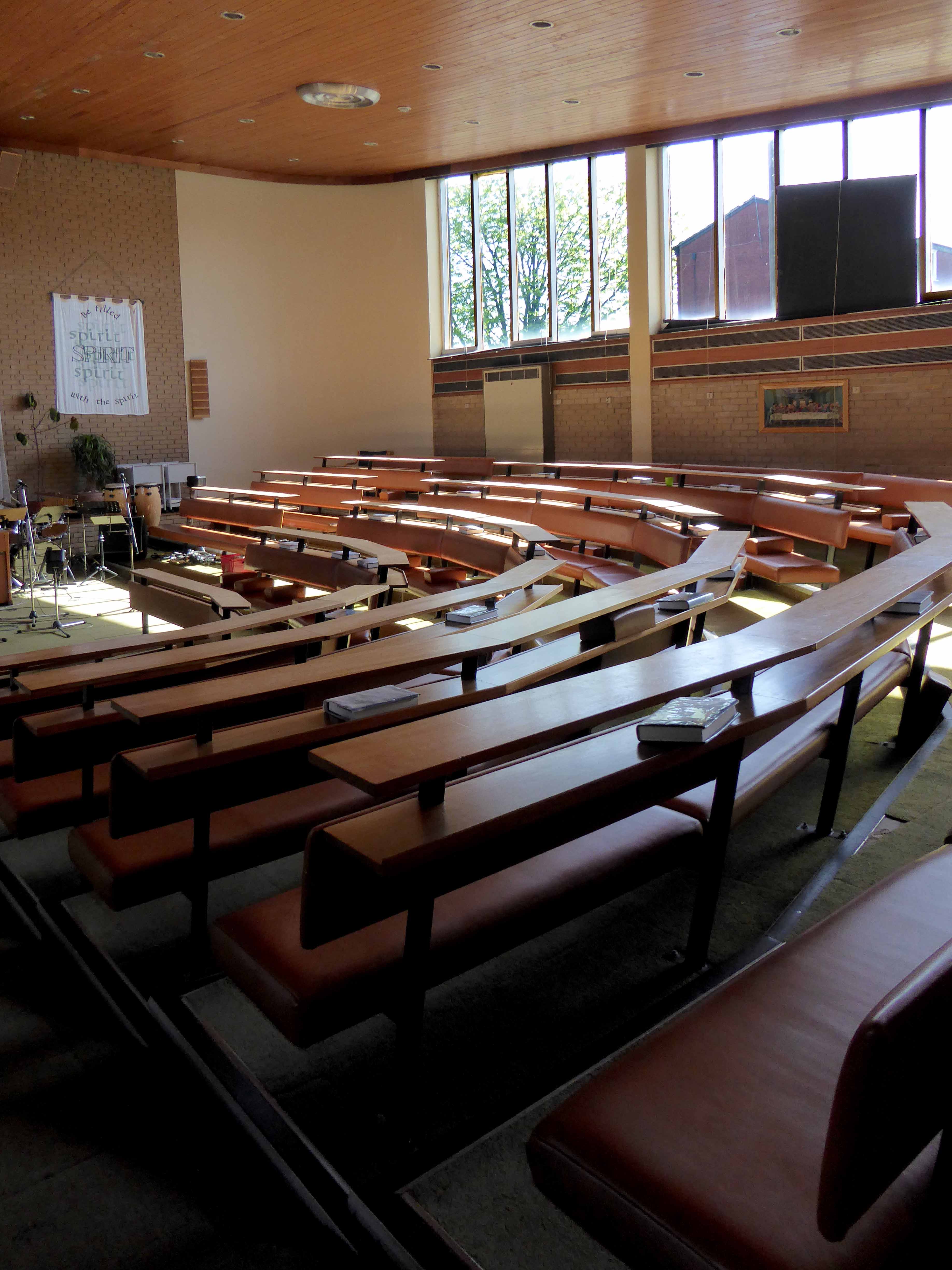
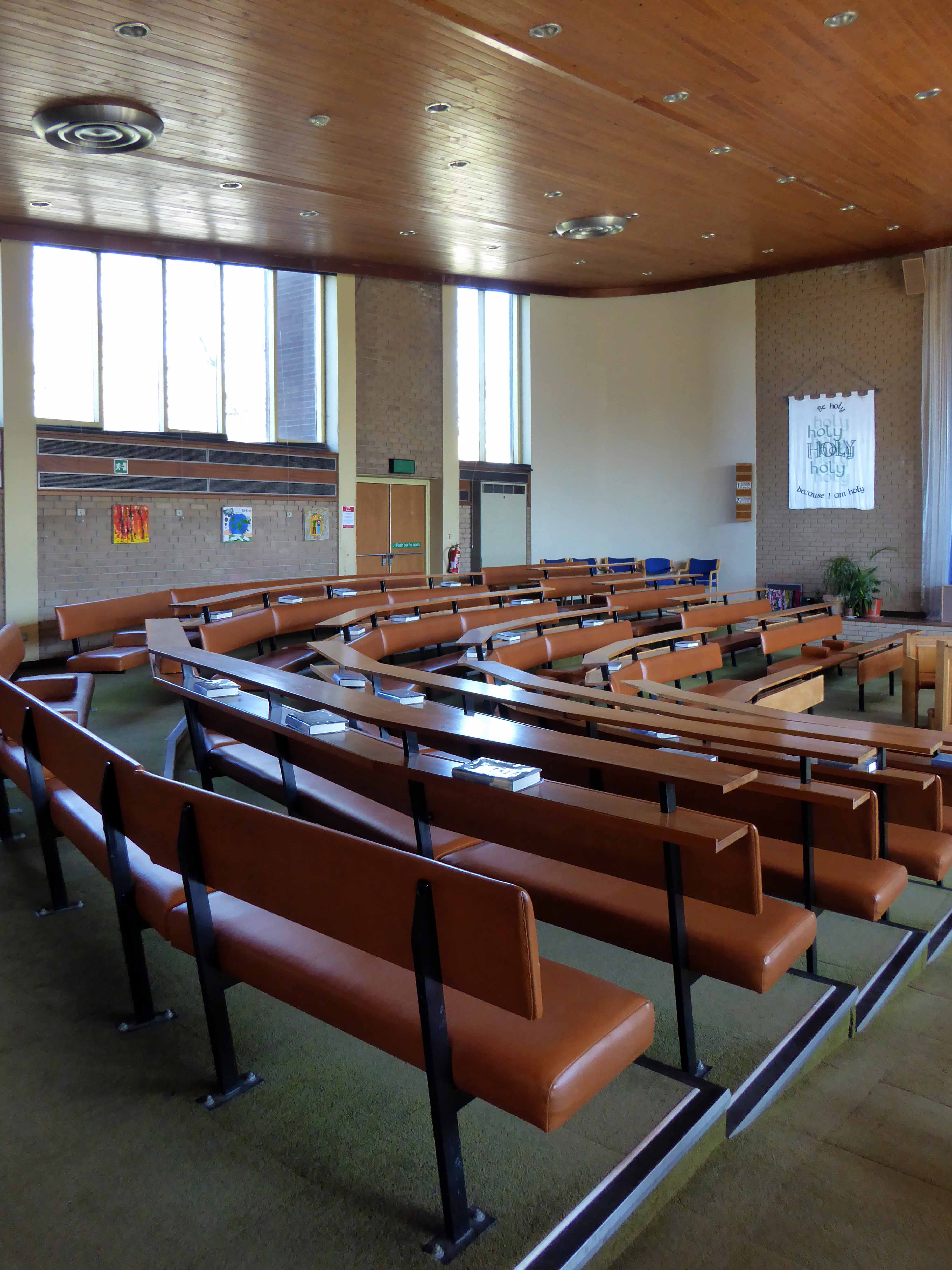
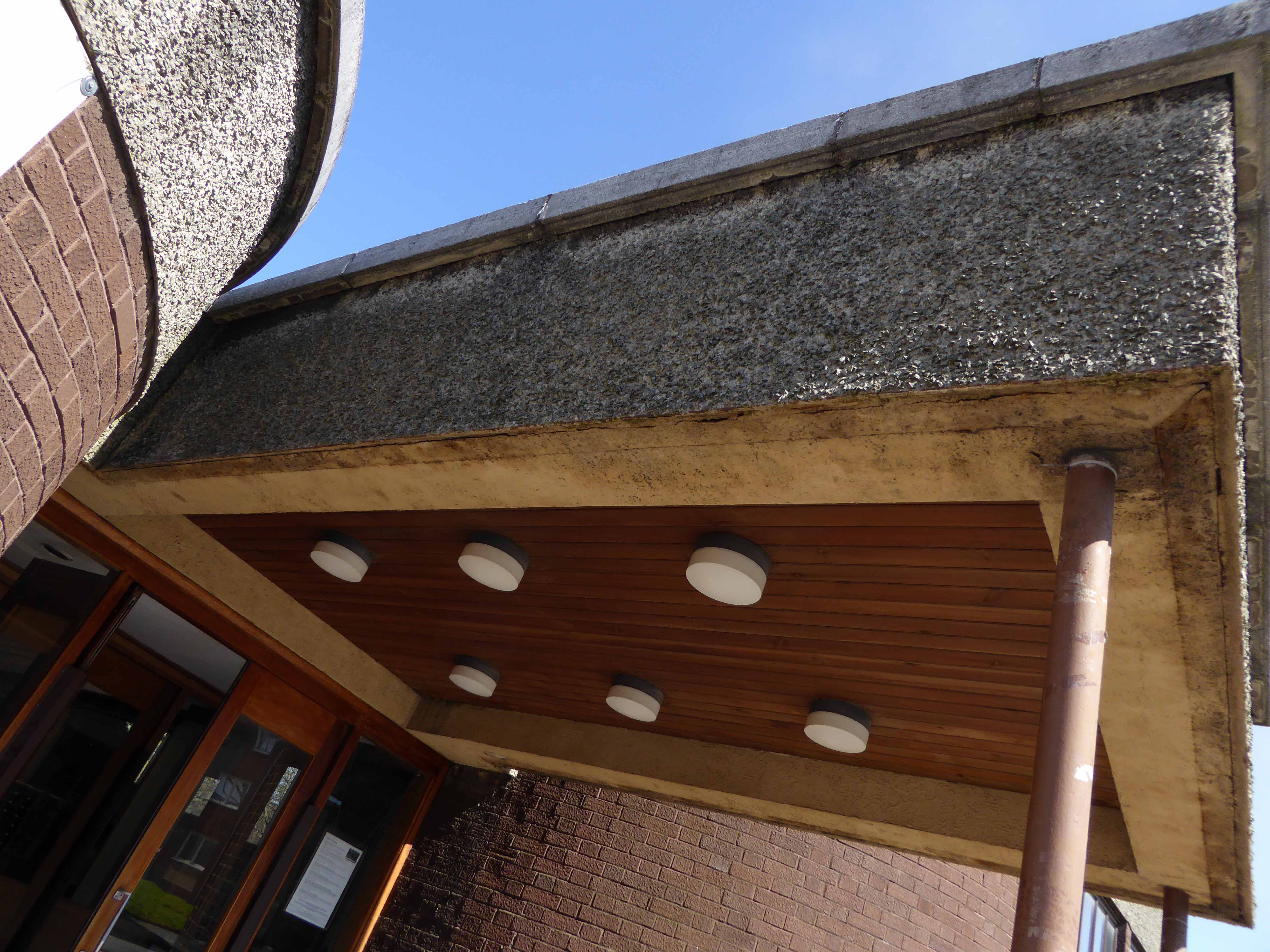
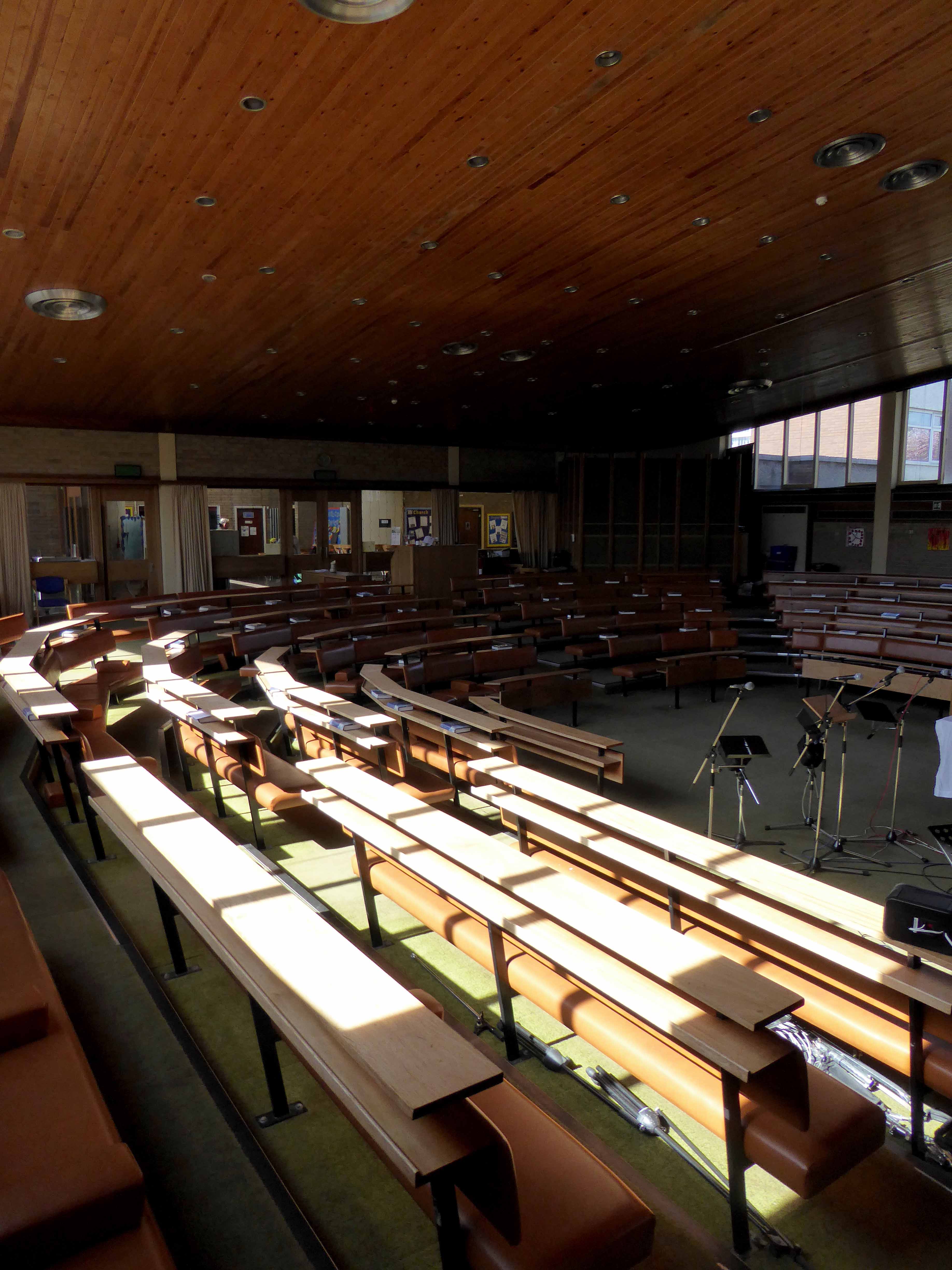
A large open brick steel and concrete structure, glassed and open at each end, a curved roof with vaulted detail, a detached tower is connected by a concrete cloister. There is an elegant simplicity to the body of the church, which is elevated by the staggered supporting walls.

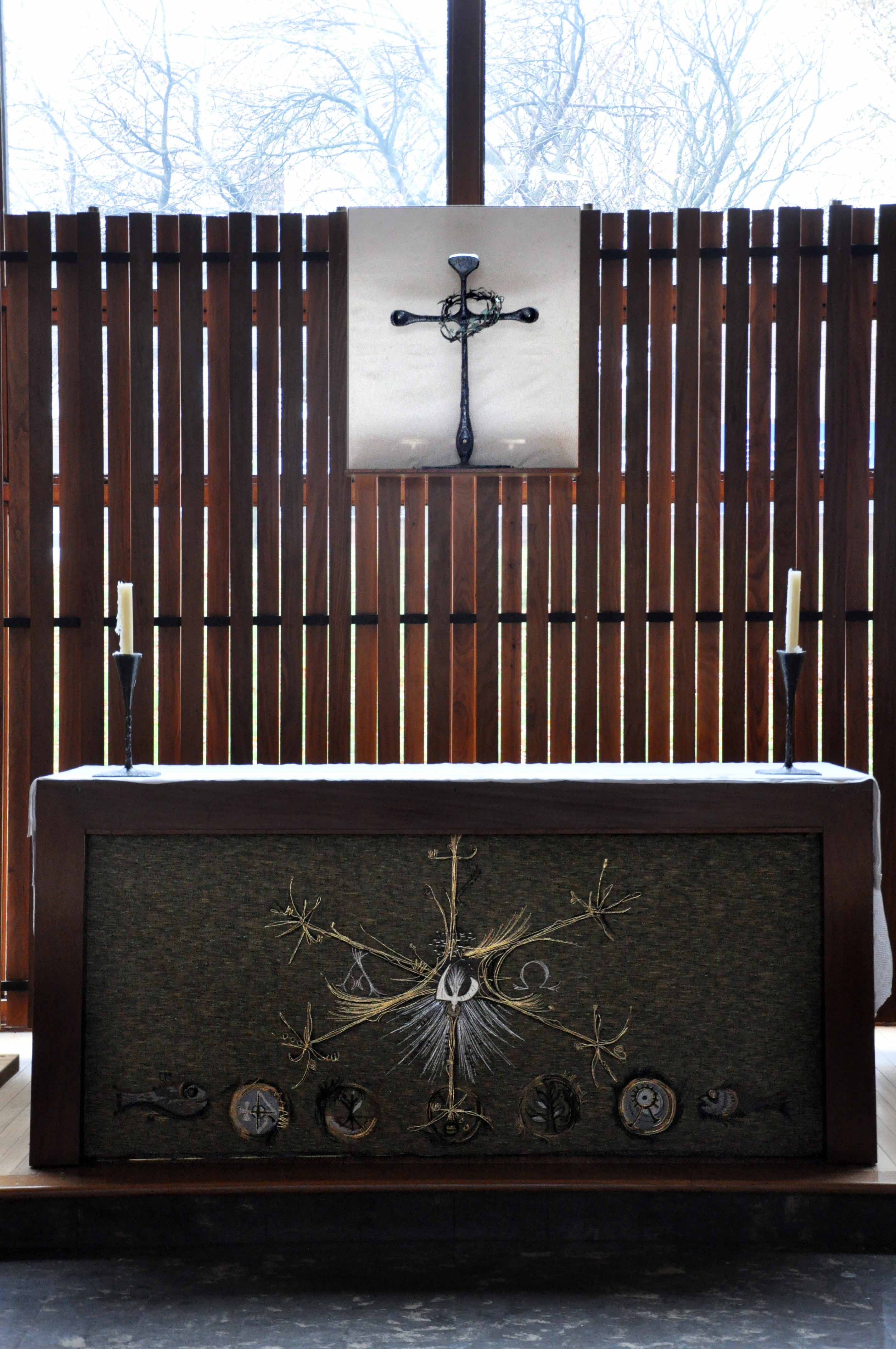
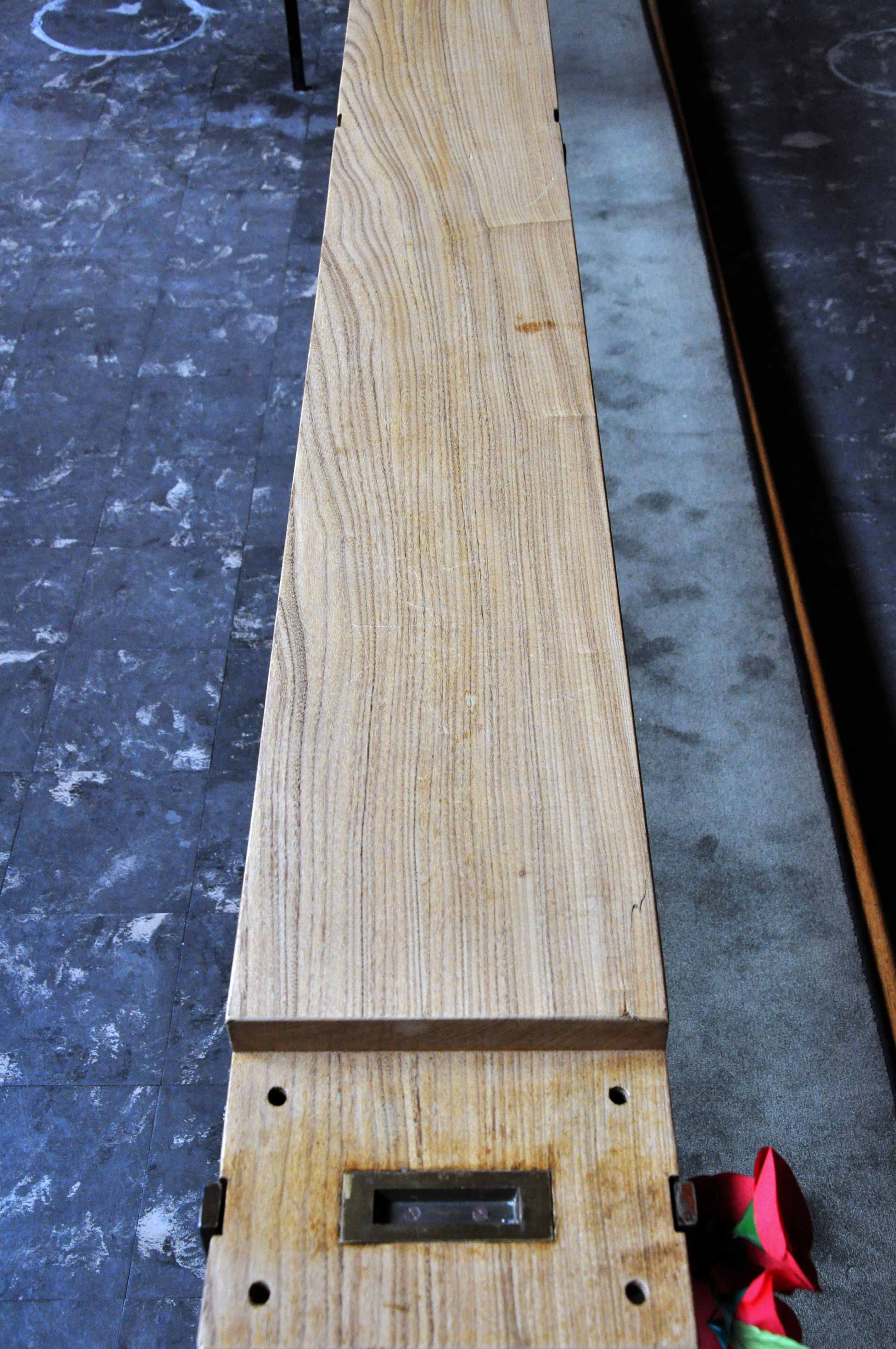
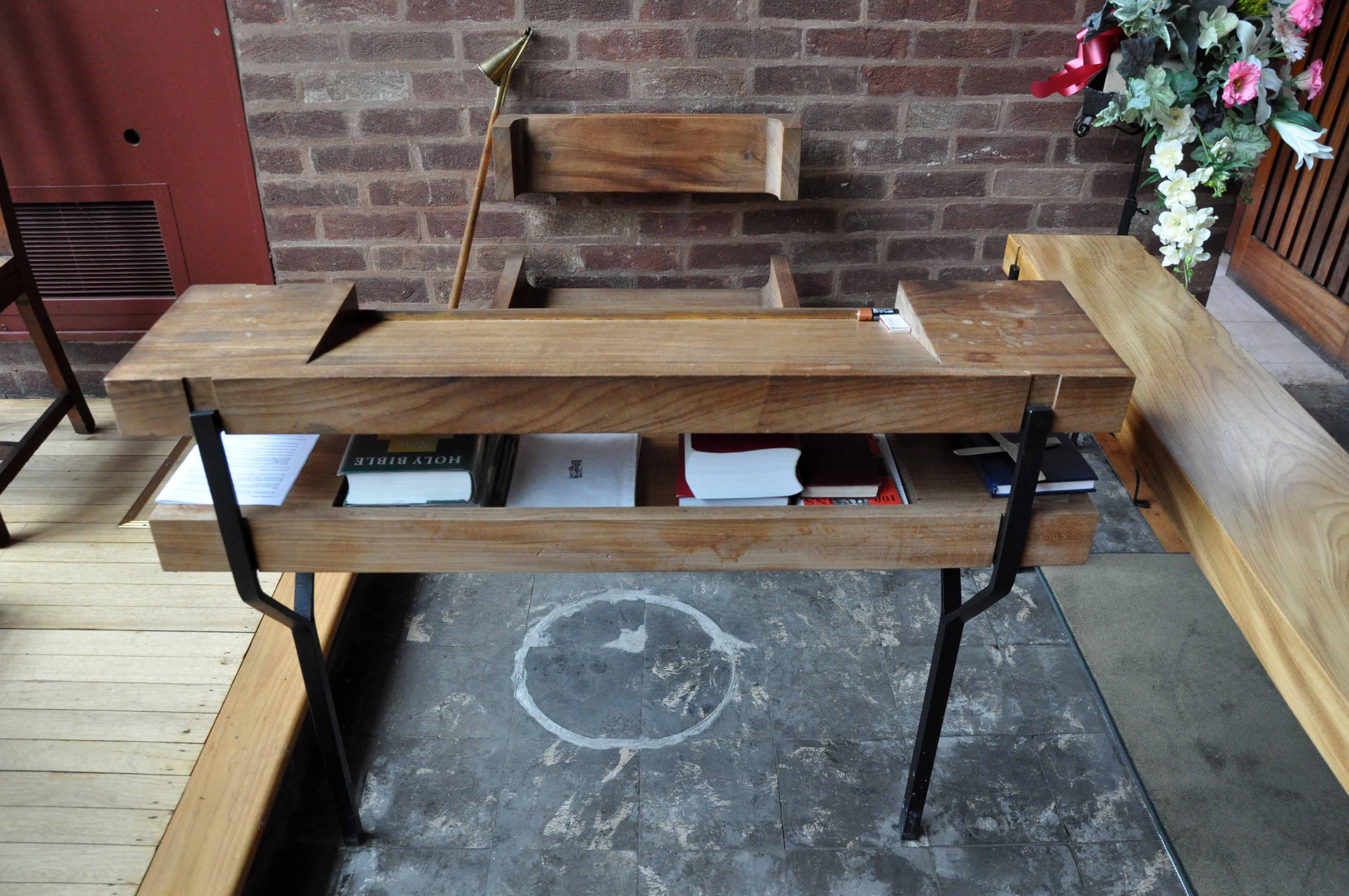
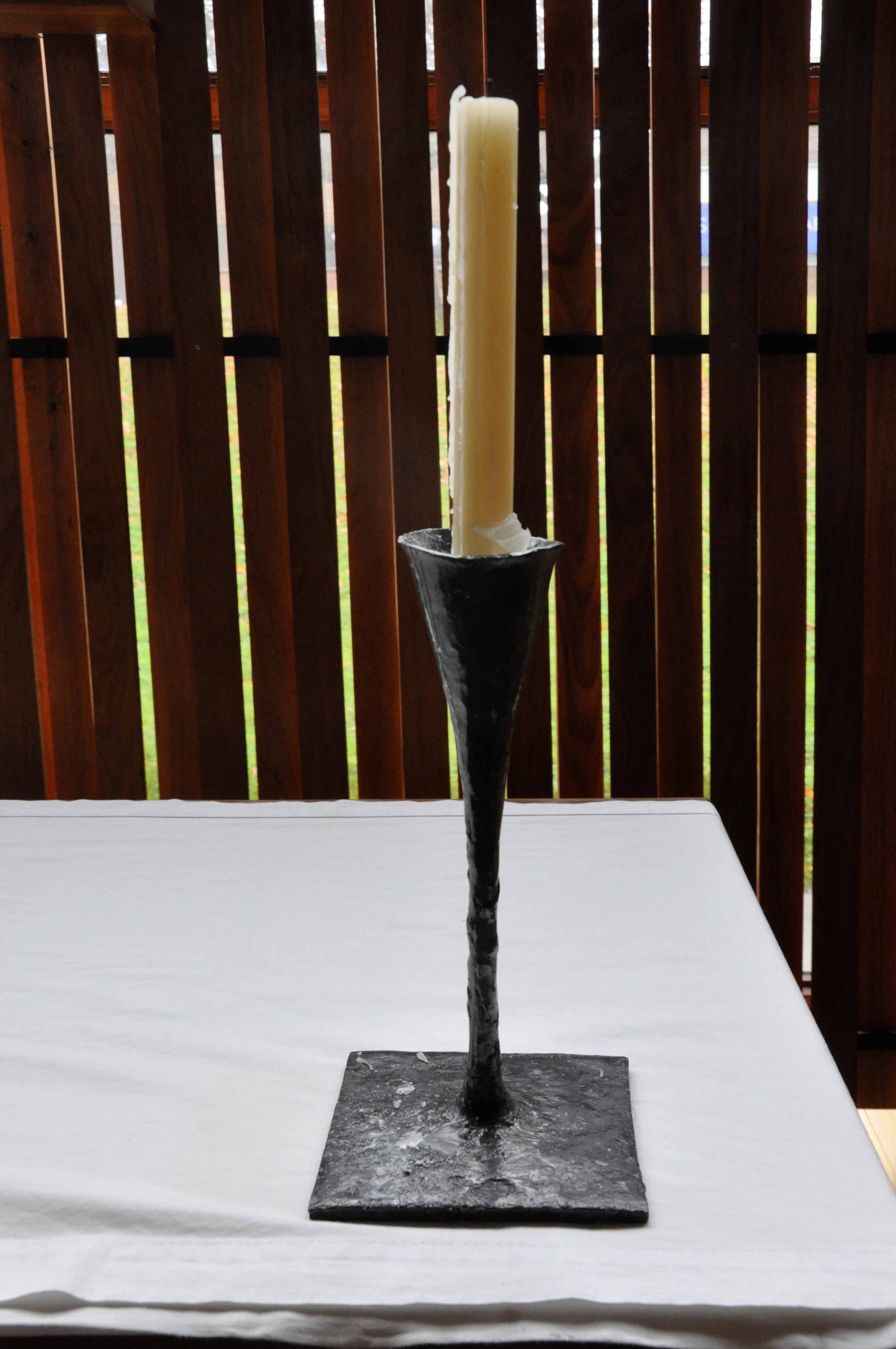
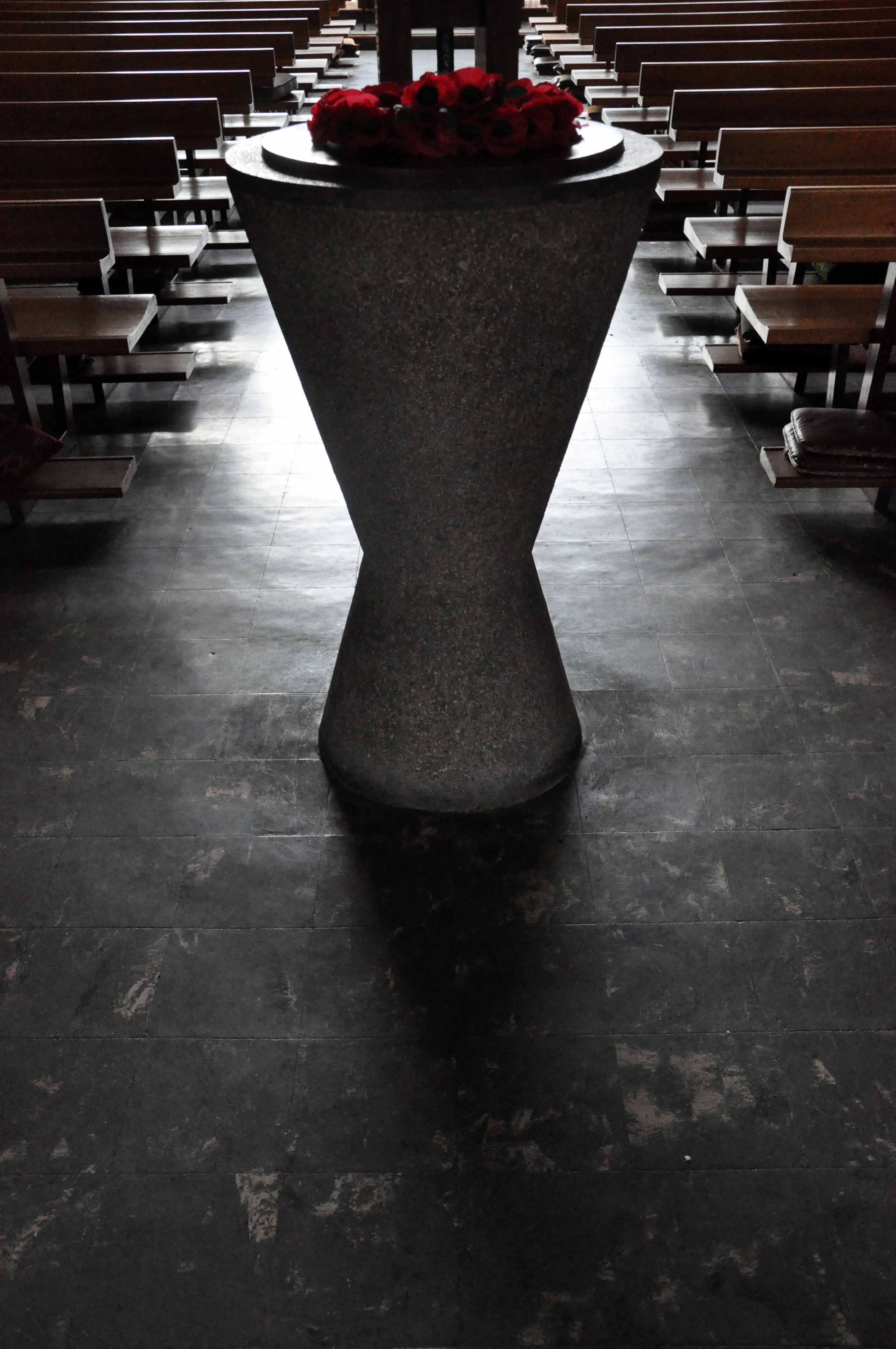
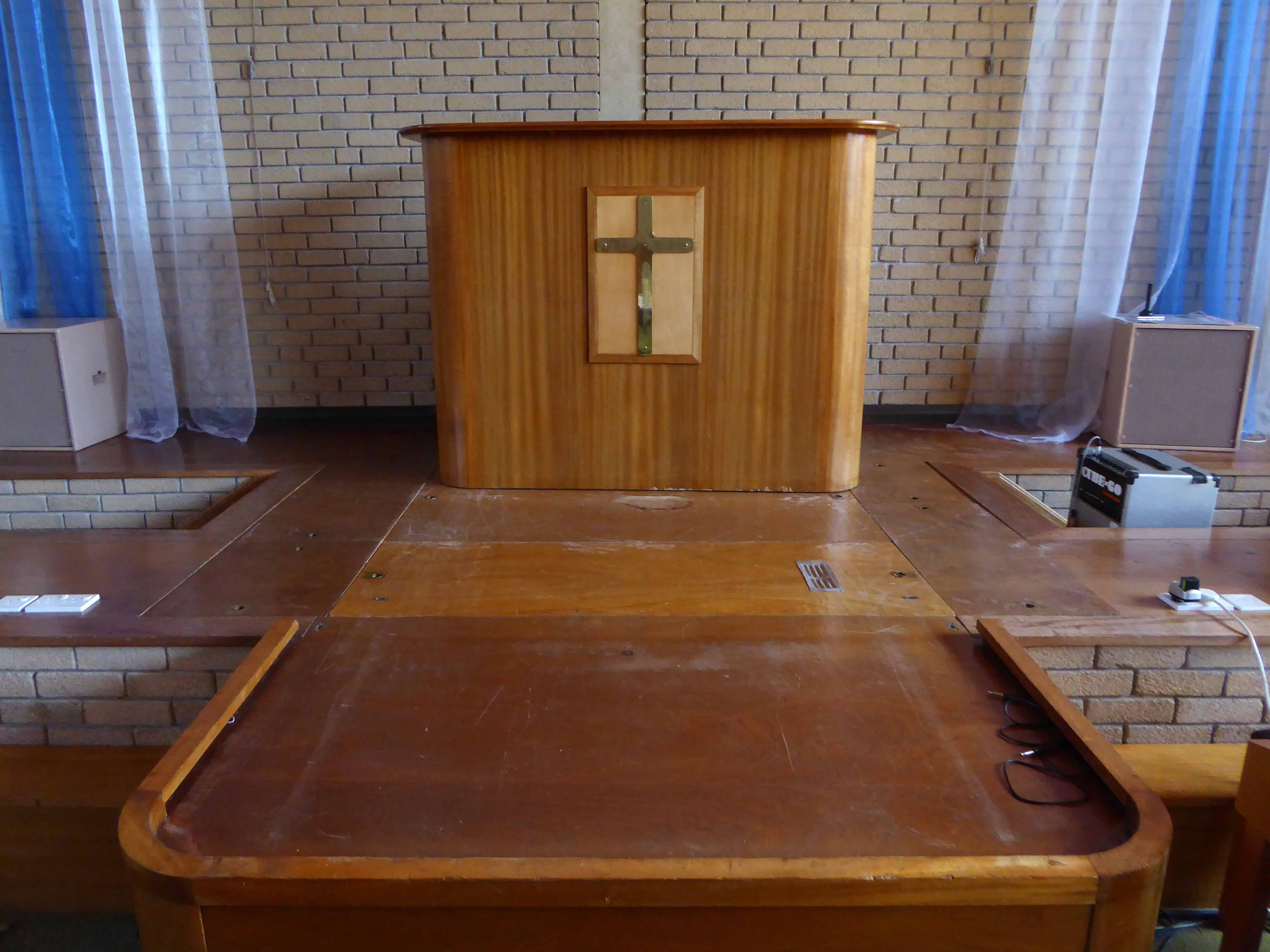
A plain altar is complemented with ornaments, the gift of Spence, decorated by a frontal designed by Anthony Blee and an embroidered panel by Beryl Dean. A plain slatted wooden screen masks the window to the rear.

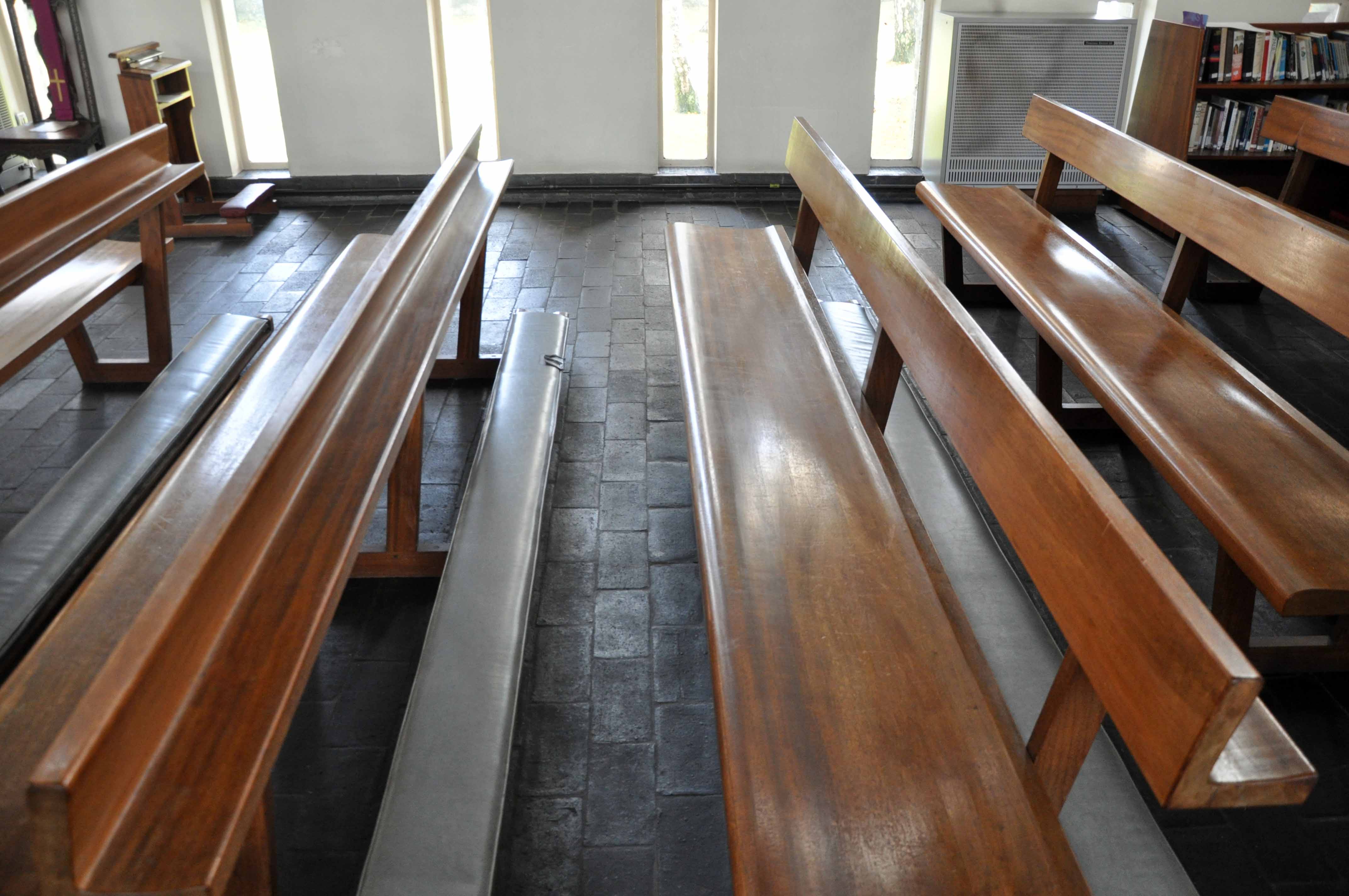
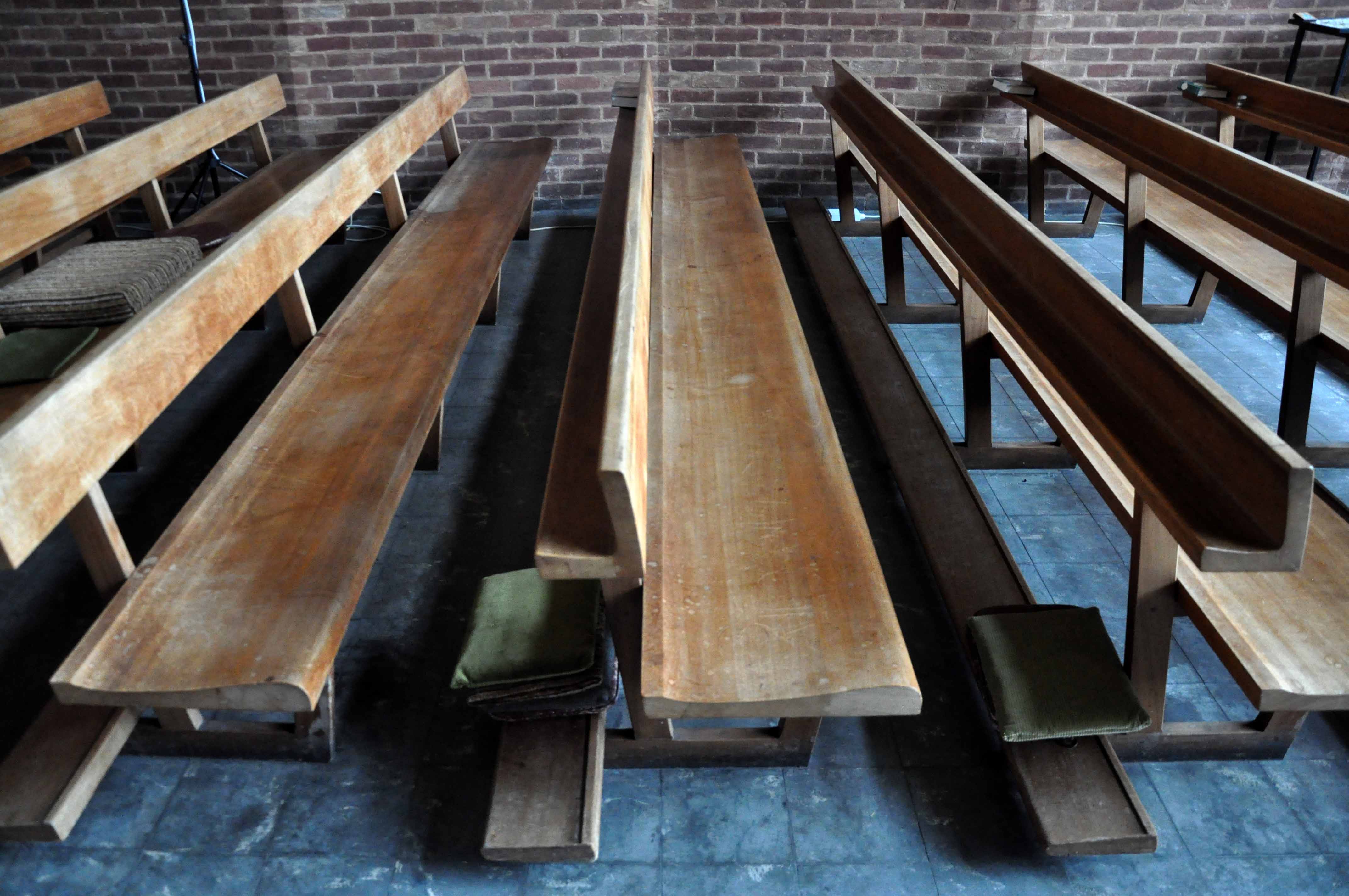
The pews – also the work of Spence were not costed in the original proposal, additional funds were found and they remain in use as an integral part of the scheme and worship.

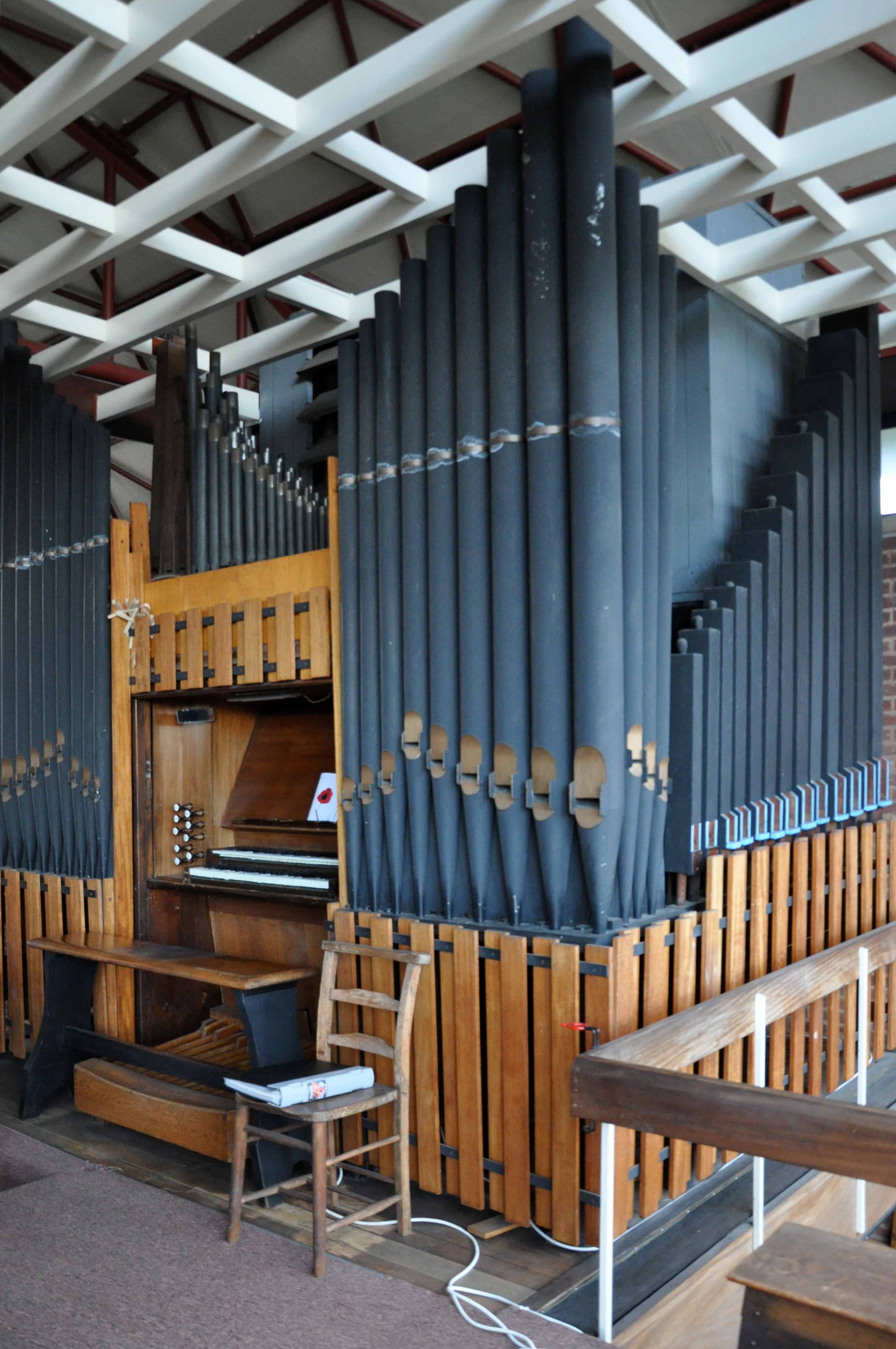
The organ, sited in the gallery, is a later addition of 1962, puchased for £100 from Mount Tabor Church, Holland – integrated into the overall design using slatted wood.

My thanks to John Roch, church organist and lifelong member of the congregation, having attended Sunday School at St Paul on the first day of its opening, for his time and erudite instruction.

dsc_0001

dsc_0002

dsc_0003

dsc_0004


dsc_0008

dsc_0010

dsc_0011

dsc_0012

dsc_0013

dsc_0014

dsc_0016

dsc_0019

dsc_0021

dsc_0022dsc_0024

dsc_0025

dsc_0026

dsc_0030

dsc_0033

dsc_0035

dsc_0042

dsc_0046

dsc_0049

dsc_0052

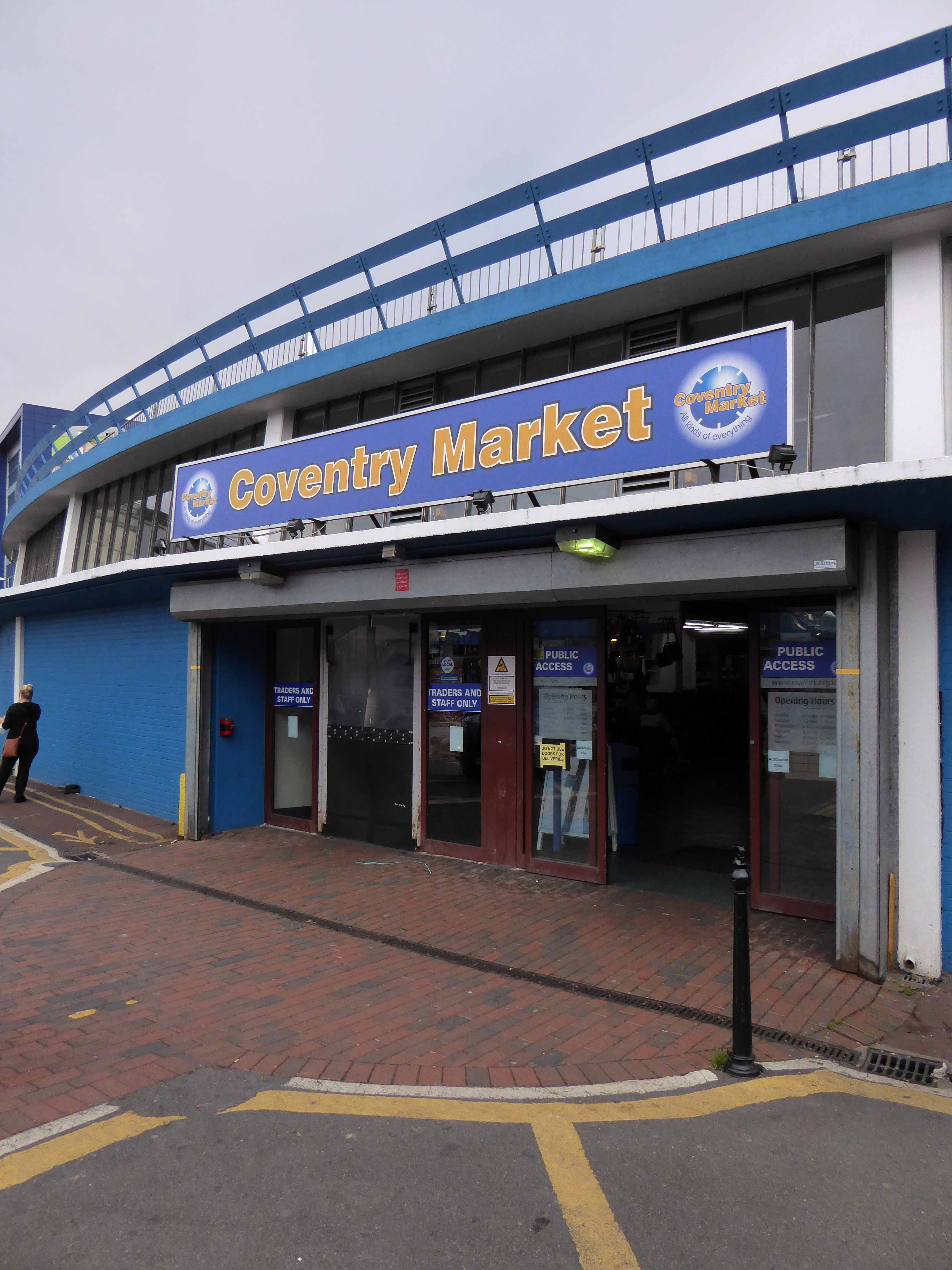
Coventry – Indoor Market

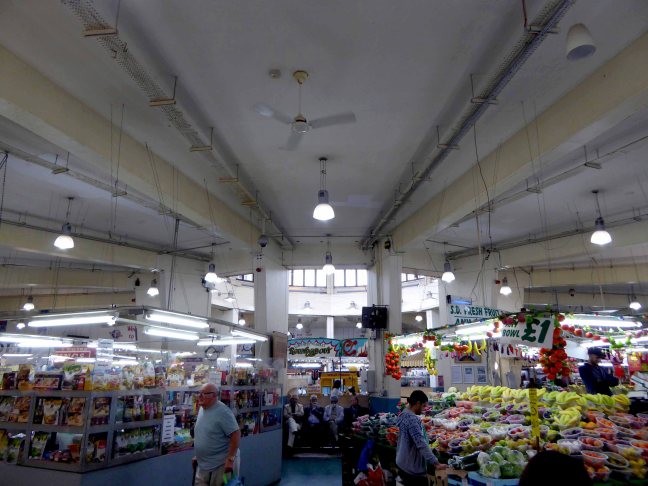
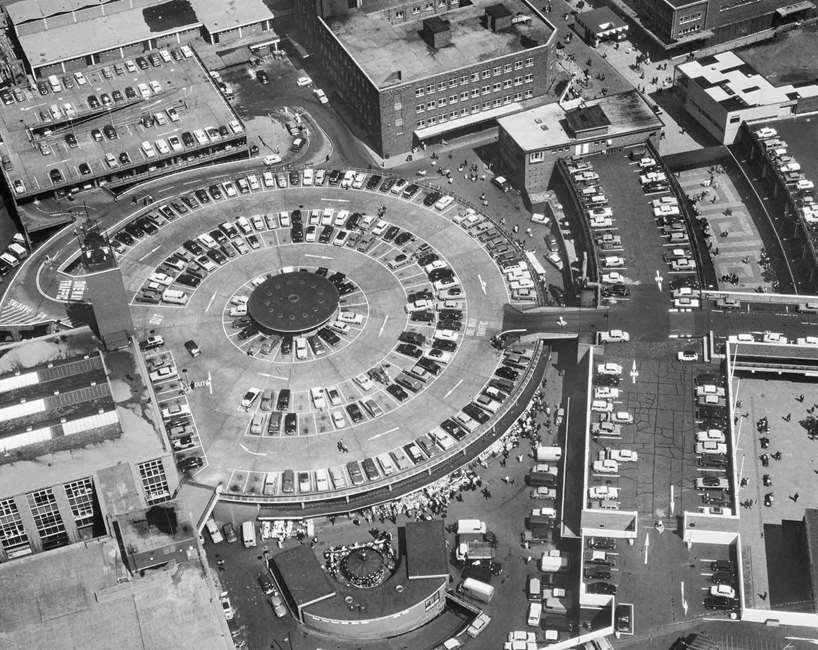
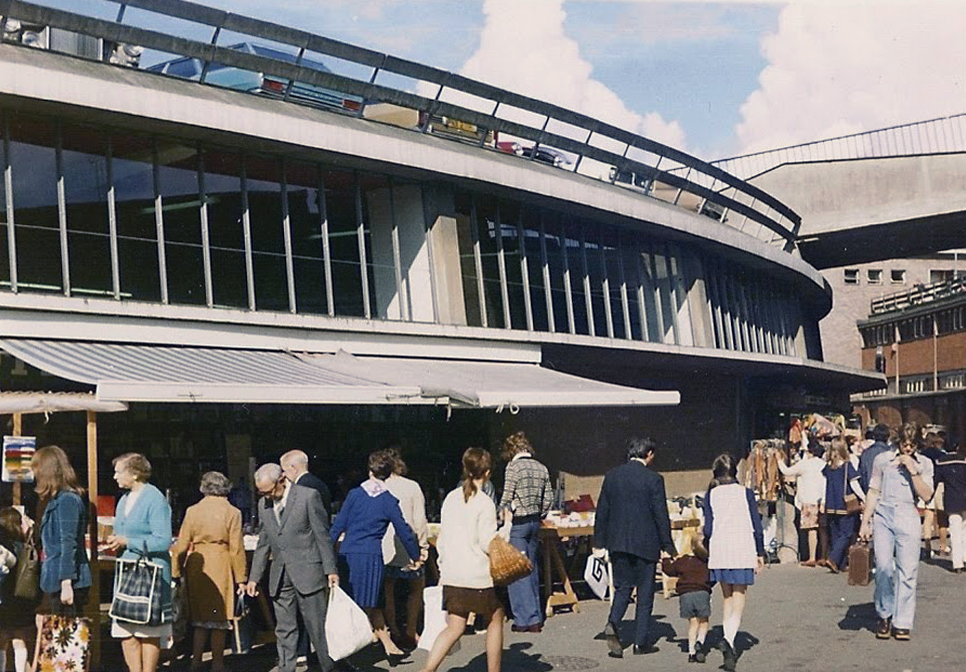
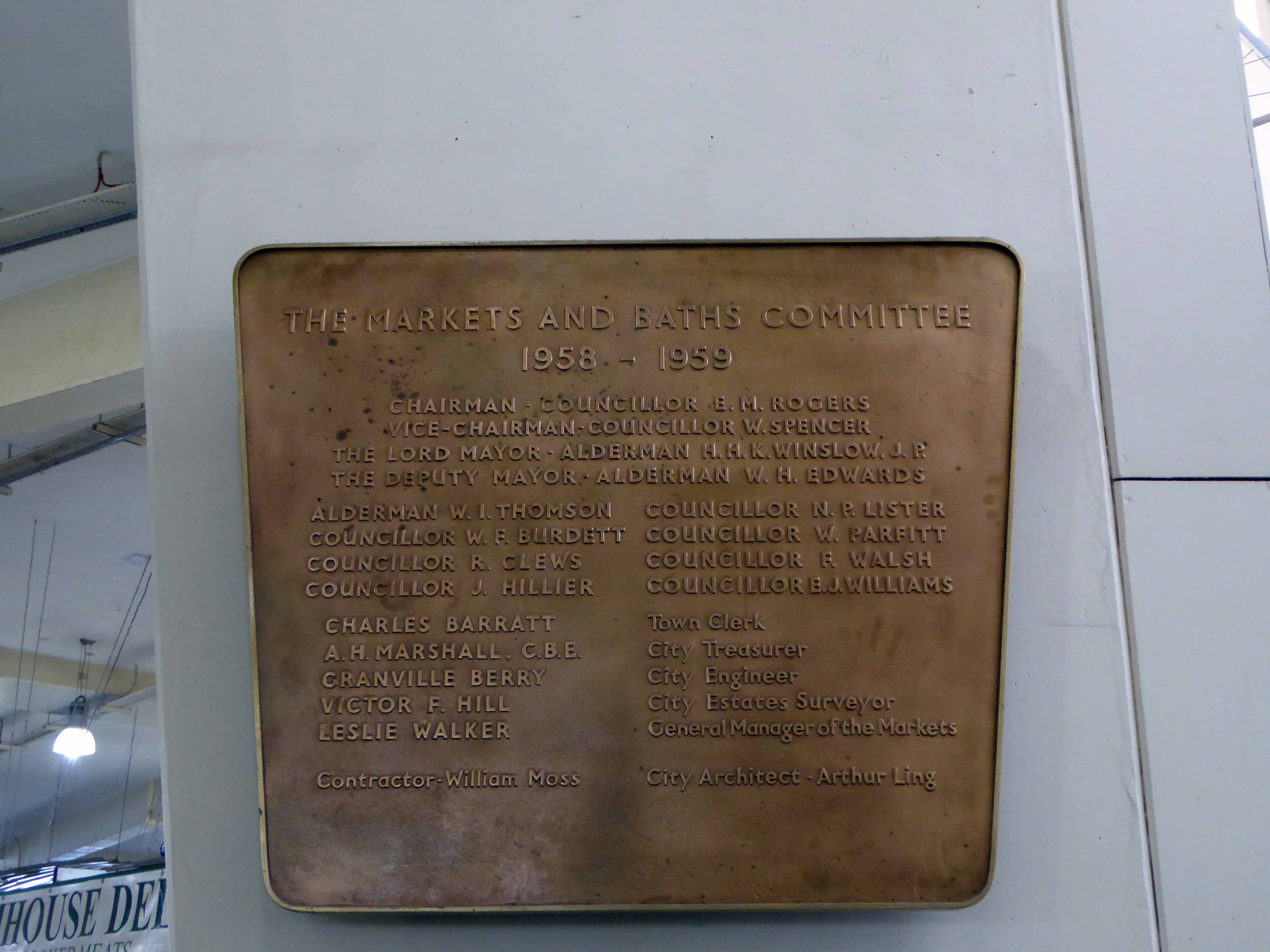
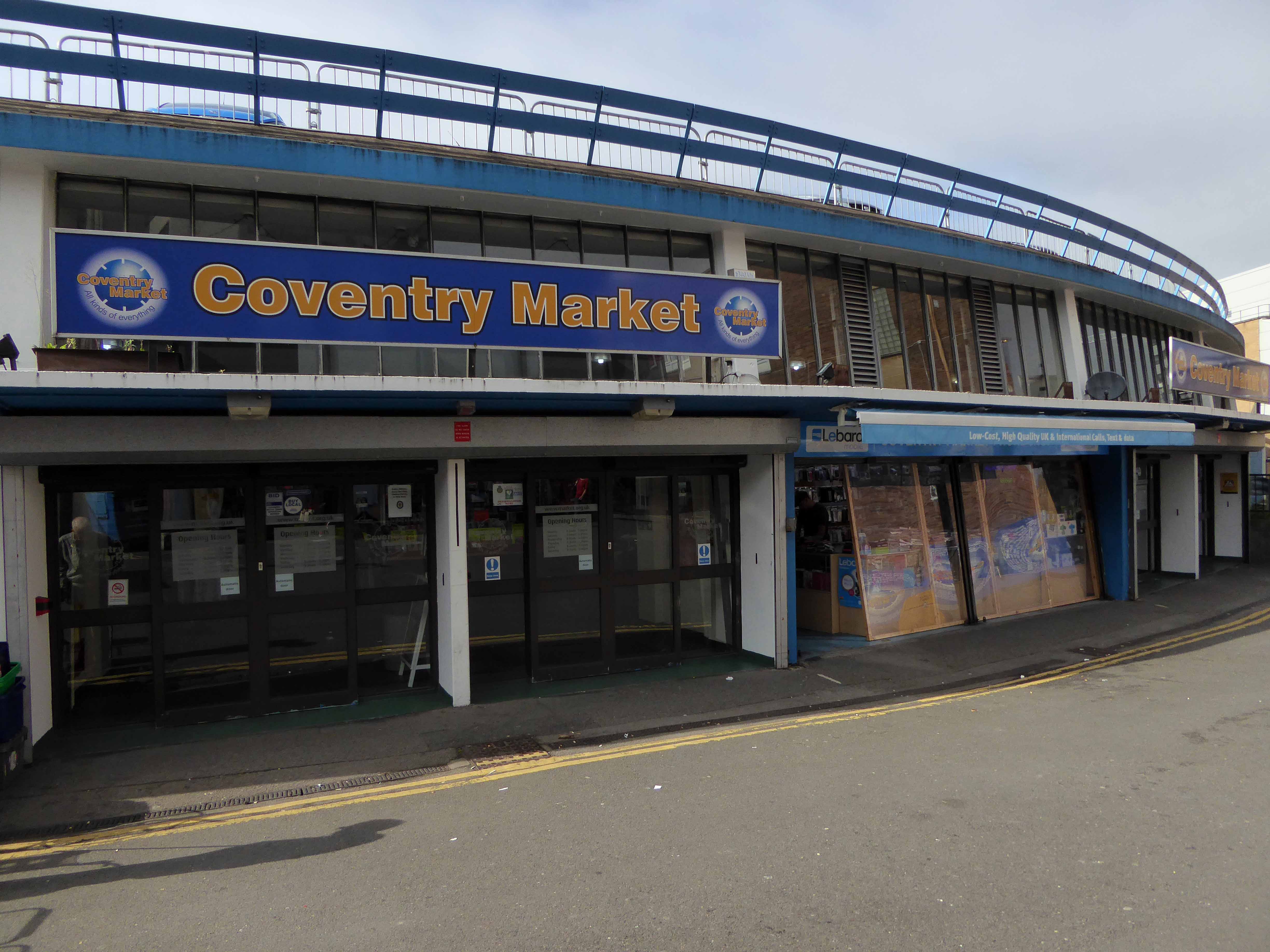
A market hall built in 1957 to designs by Douglas Beaton, Ralph Iredale and Ian Crawford of Coventry City Architect’s Department.

 Various designs were considered, but eventually a circular design was chosen to encourage circulation and to offer a number of entrances. It was given a flat roof in order to create a car park (with a heated ramp to prevent icing, now no longer there), and was to become the central focus for a complex scheme of linked roof car parks in Coventry.

coventry-market-1

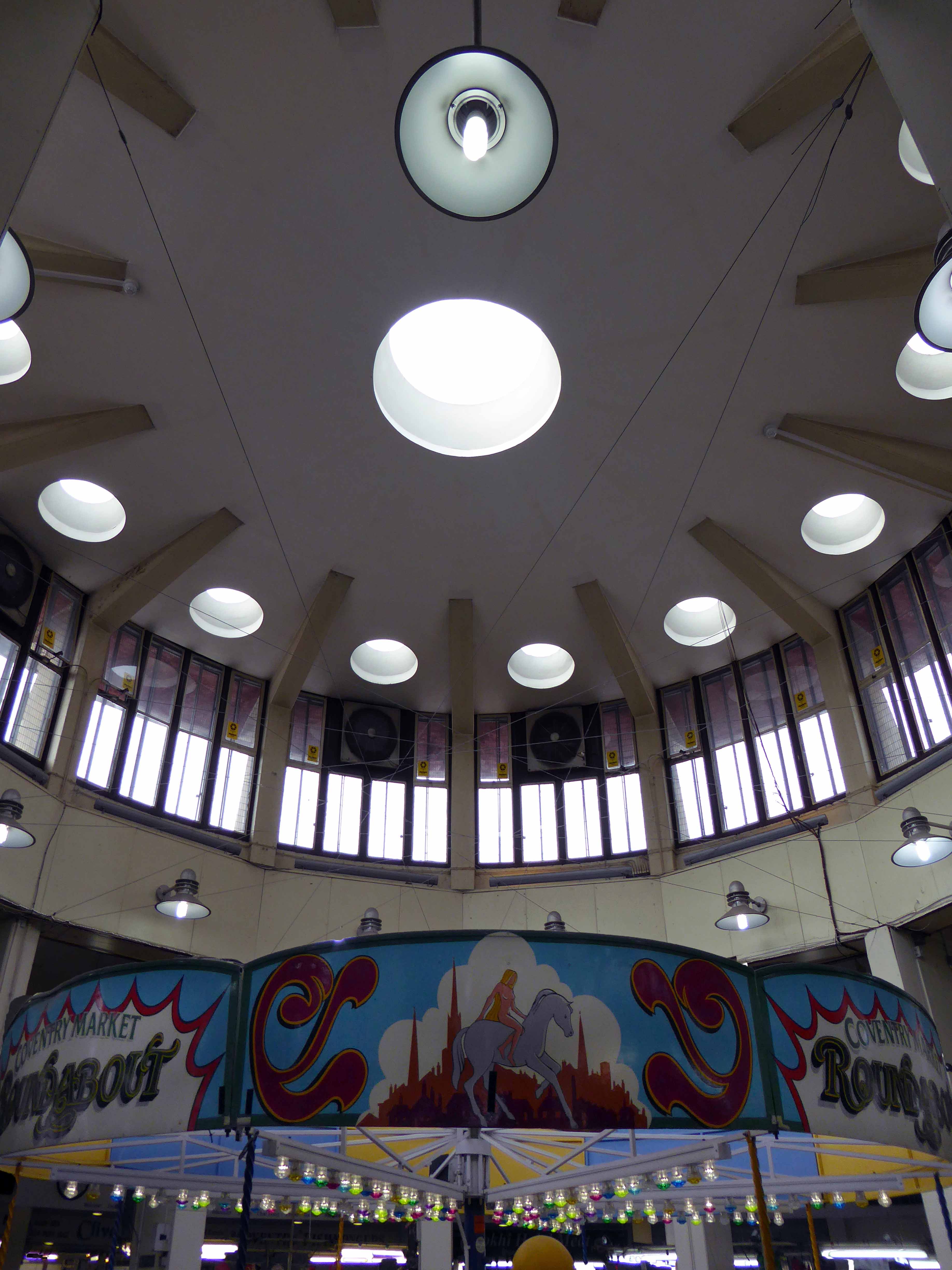
 The market consists of a series of concrete arches joined by a ring beam, all left exposed, with brick infilling and a concrete roof, laid out as a car park, with a central circular roof light. It has a circular plan, just over 84m in diameter and 4 ½ m high, is laid out with 160 island stalls, arranged in groups of two or four units in concentric rings, with 40 `shop stalls’ set into the perimeter wall.

covmarket2

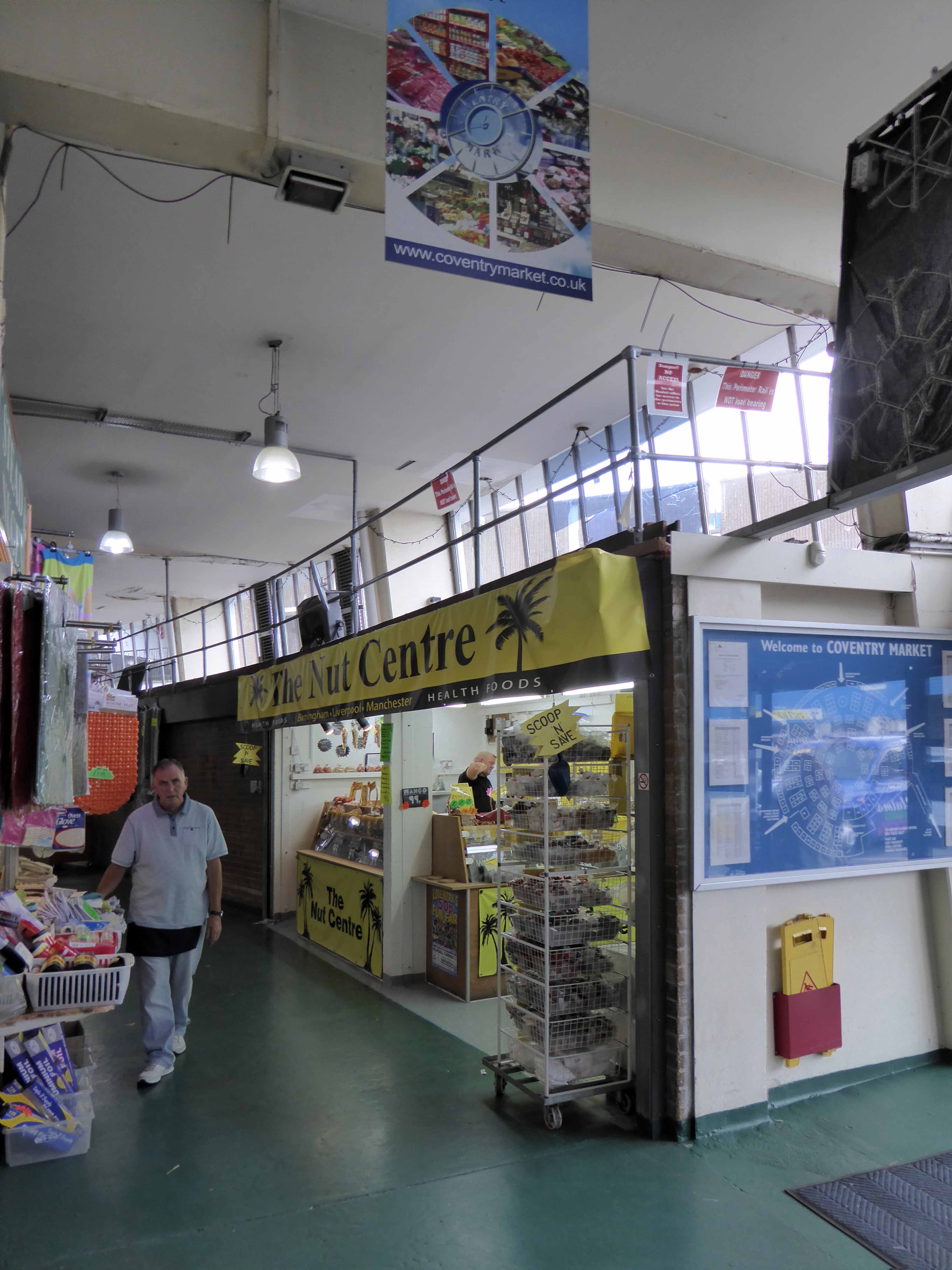
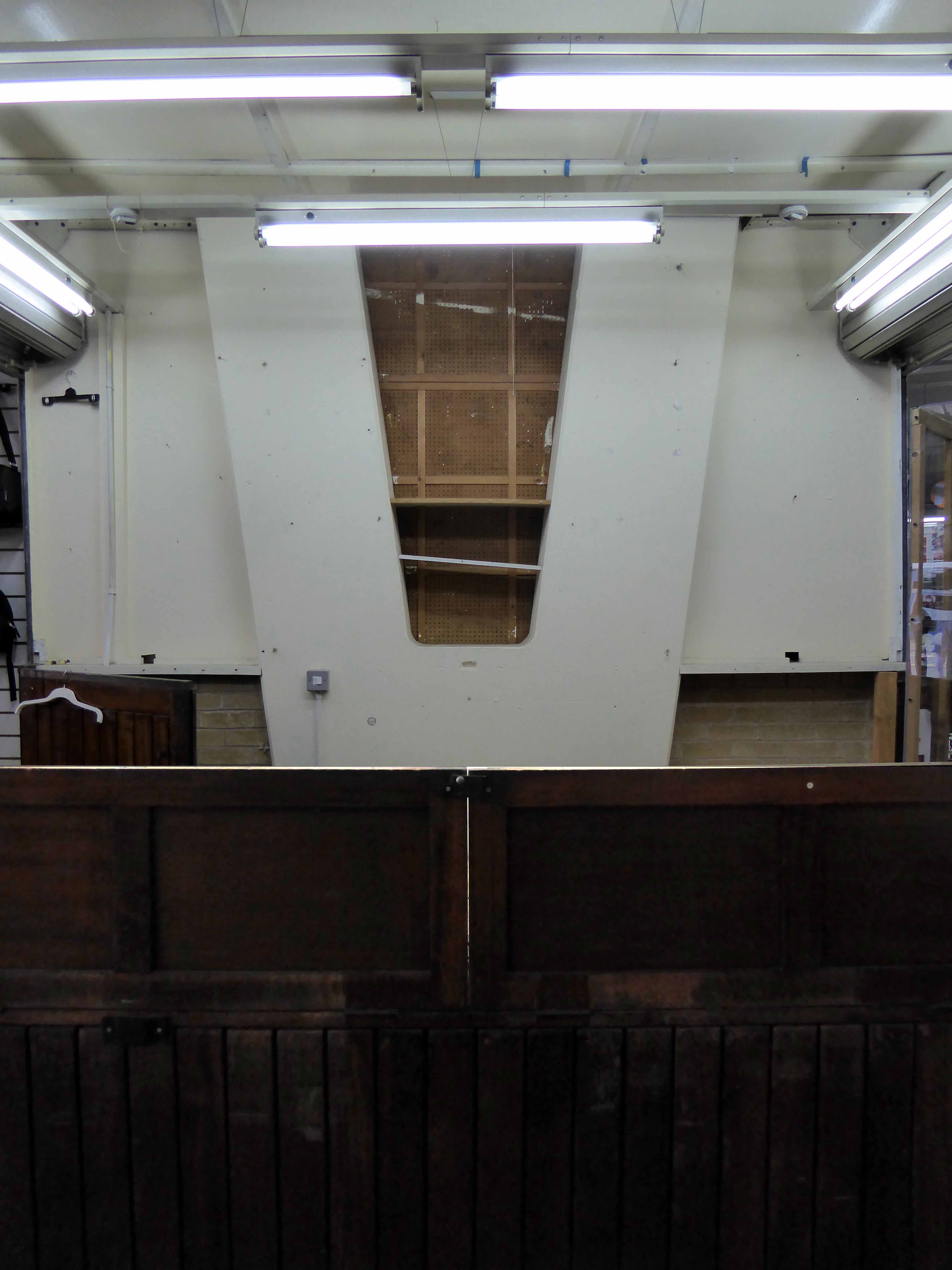
Inside, the circular space is characterised by the tall V-shaped concrete `columns’ that hold the roof. Some of the original shop and stall signs have survived. Natural light enters via the clerestory windows along the top perimeter of the building and through the clerestory lighting and oculi in the central dome. The space under this dome, designed as an area for shoppers to rest, is lined with seats and has a terrazzo mosaic floor designed by David Embling, with a central sun motif, a gift from the Coventry Branch of the Association of Building Technicians.

p1090738-copy

p1090736-copy

p1090737-copy

p1090742-copy

p1090744-copy

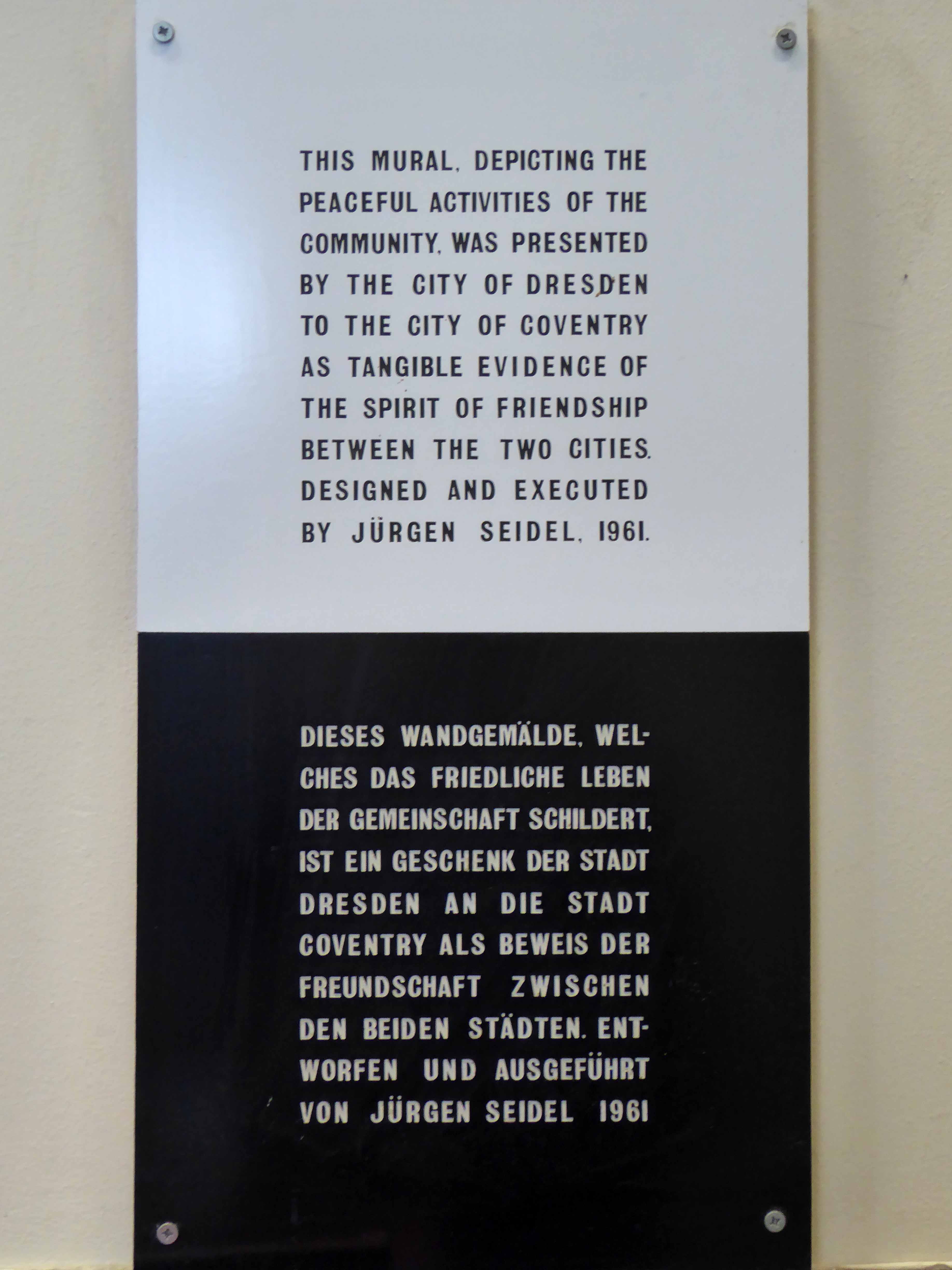
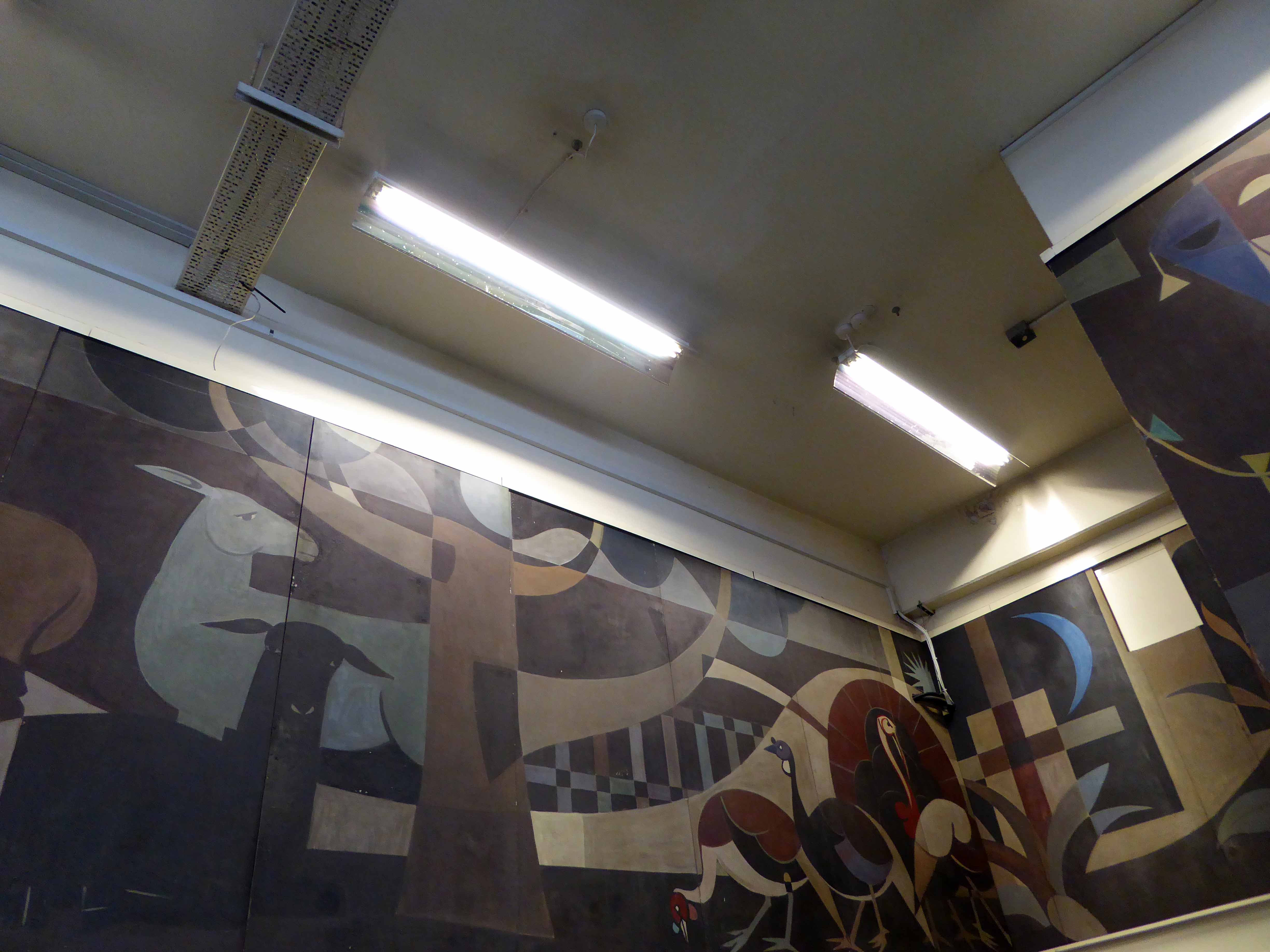
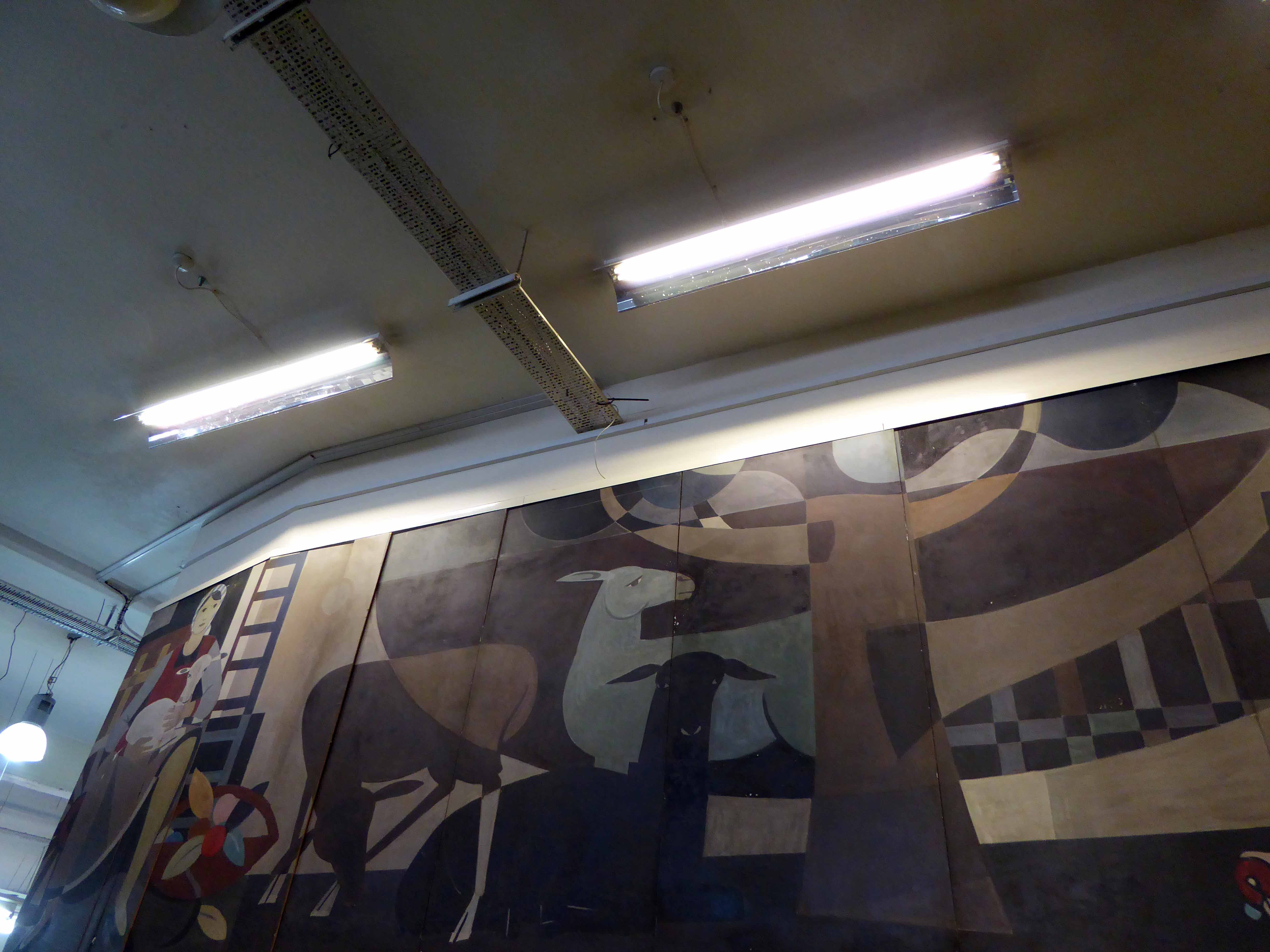
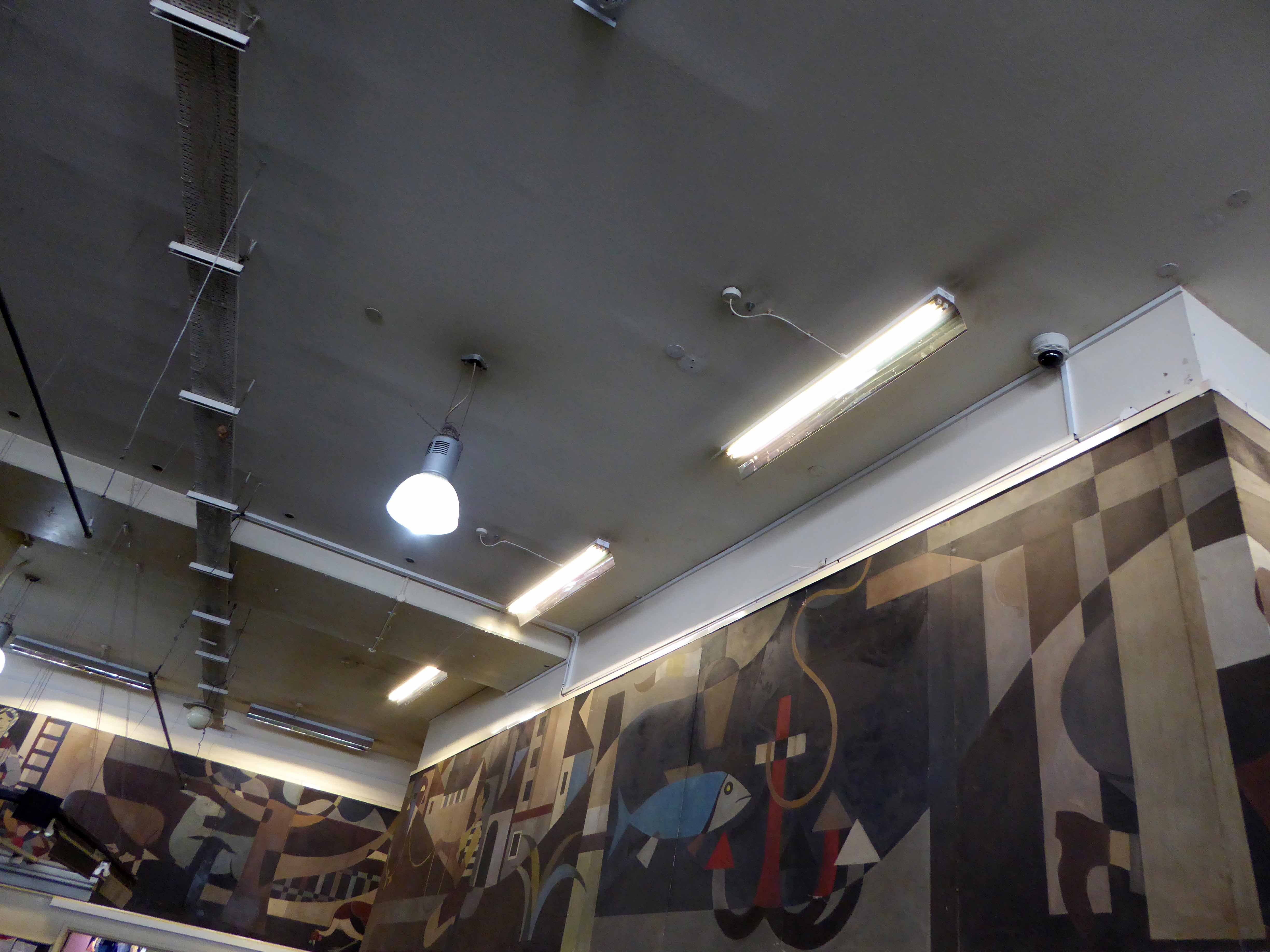
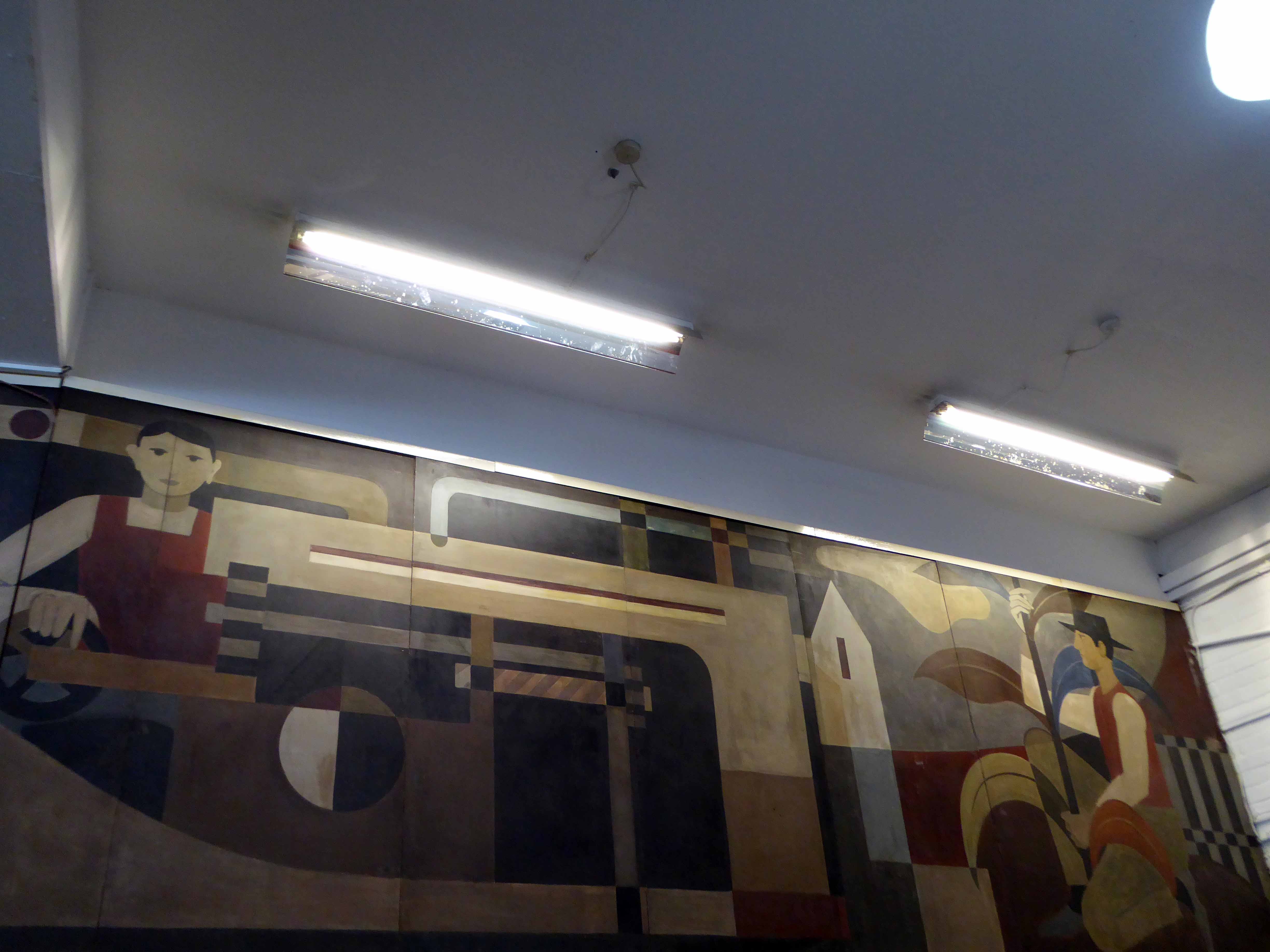
Above the current market office is an impressive painted mural by art students from Dresden commissioned especially for the market in the 1950s in a Socialist Realist manner, depicting farming and industrial scenes. 

Thanks to Historic England

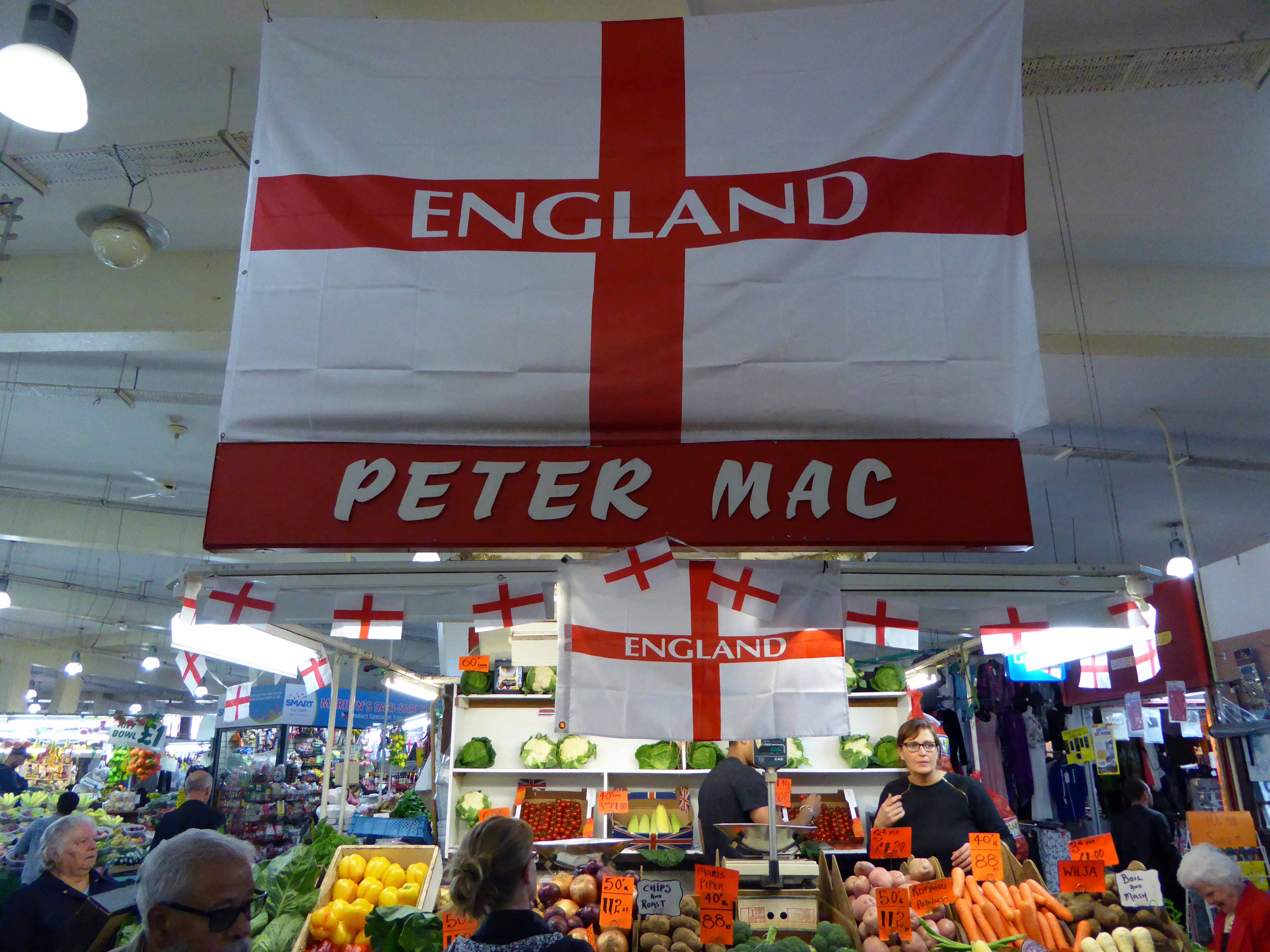
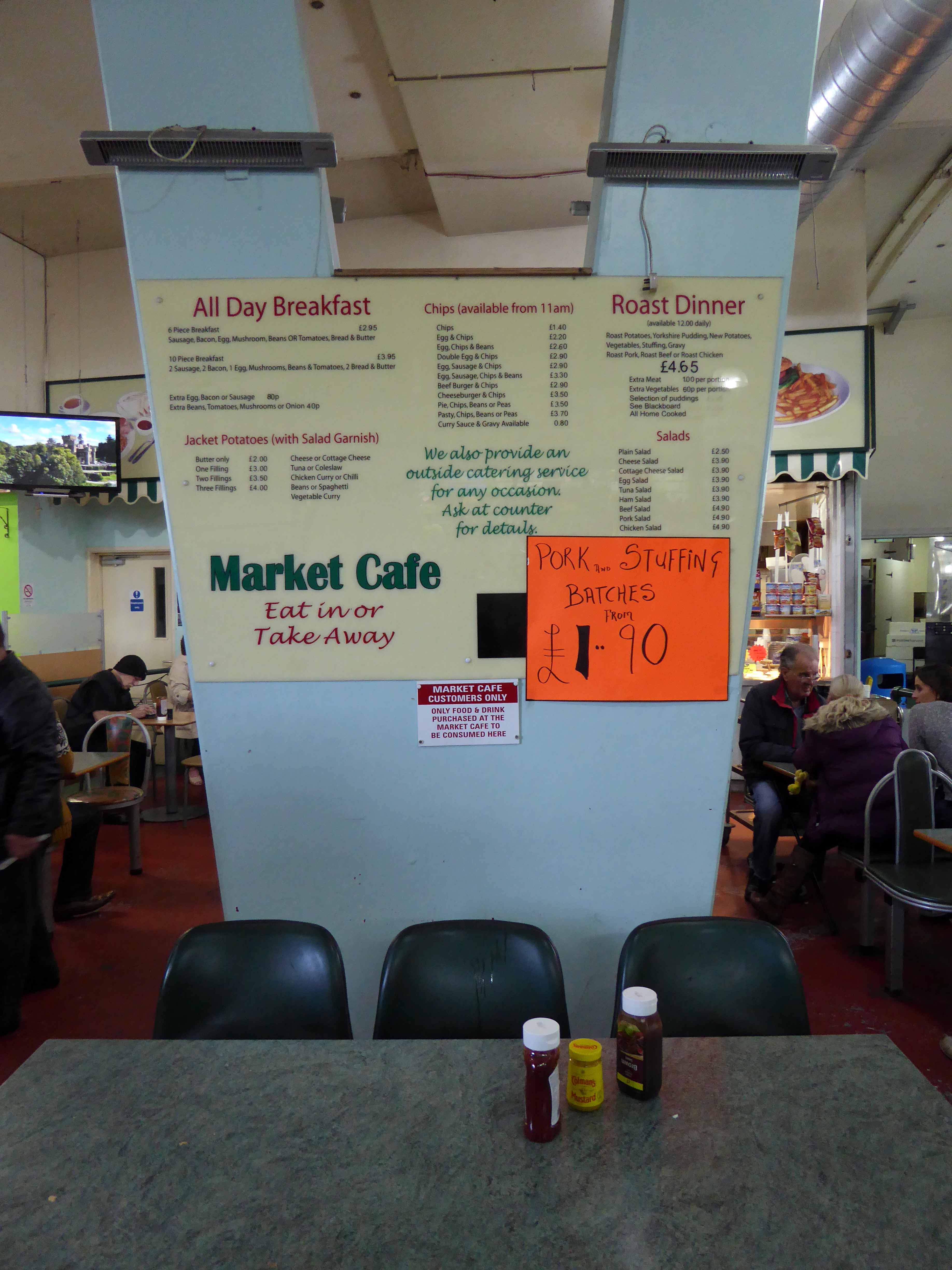
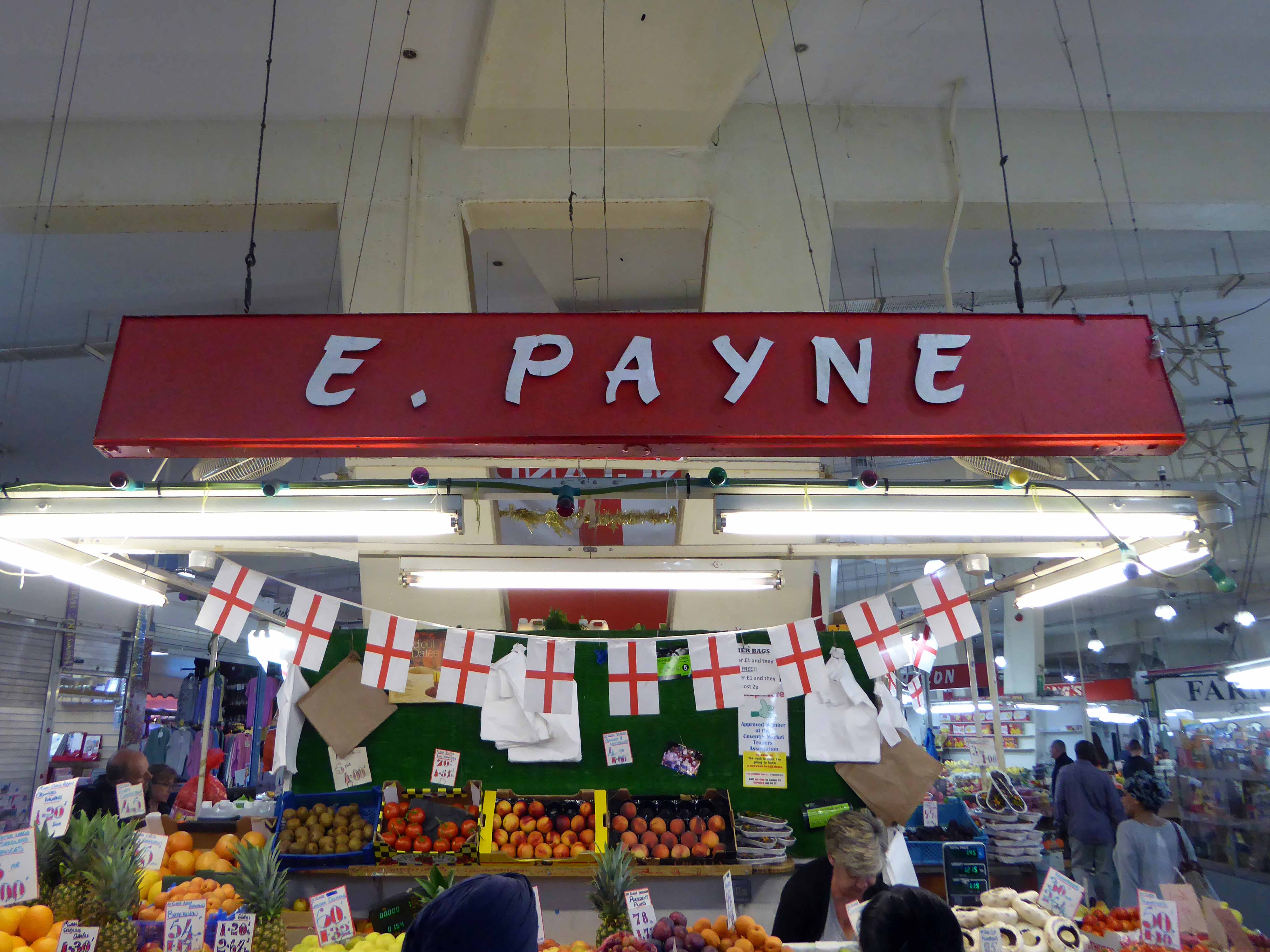
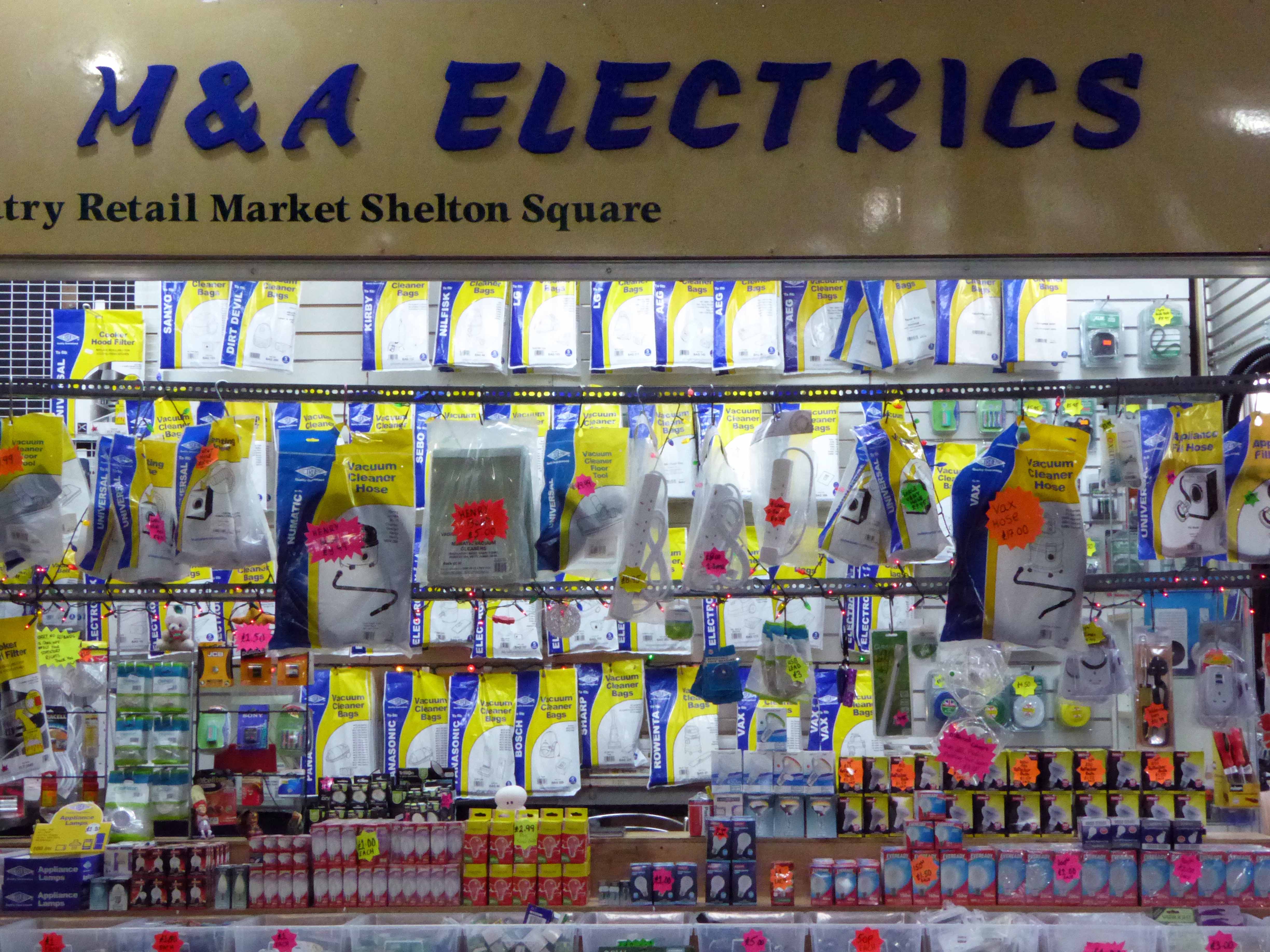
I visited the market on a busy bustling day and was made to feel more than welcome, a wide range of heavily laden stalls was trading briskly. The Market Office kindly gave me a copy of the book Coventry Market in a Roundabout Way.

It’s a splendid structure, now listed, that functions six days a week.

Get down take a look around.

p1090713-copy

p1090723-copy

p1090714-copy

p1090716-copy

p1090719-copy

p1090726-copy

p1090733-copy

p1090721-copy

p1090758-copy

p1090751-copy

p1090764-copy

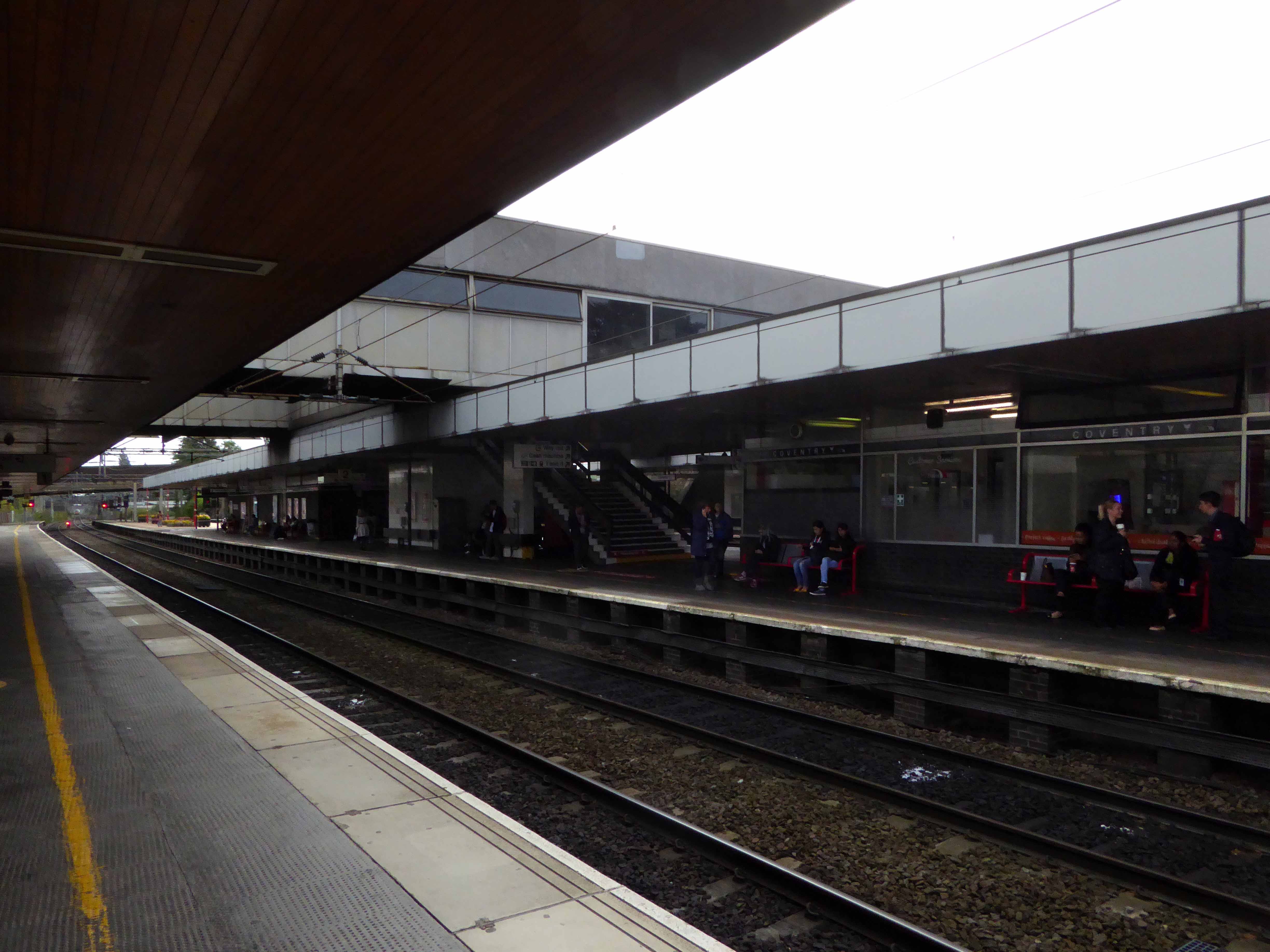
Coventry – Railway Station

Steven Parissien, director of Compton Verney Museum in Warwickshire, says:

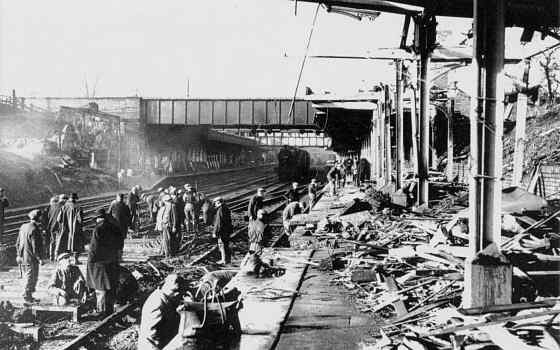
“Coventry is a great station. Its predecessor was pummelled to bits but it really wasn’t particularly marvellous anyway.

station-platform1940

“The new station really came into its own. Built in the same month as the cathedral, in a way it was just as emblematic as the cathedral, though not quite so famous.

“It’s a light and airy place with a nice design. You do come out and have the ring road right in front of you which pedestrians have to guess where to go but that’s not really the fault of the station developers.”

coventry_station_newly_rebuilt_geograph-2986359-by-ben-brooksbank

screen-shot-2016-09-30-at-12-14-04

screen-shot-2016-09-30-at-12-14-28

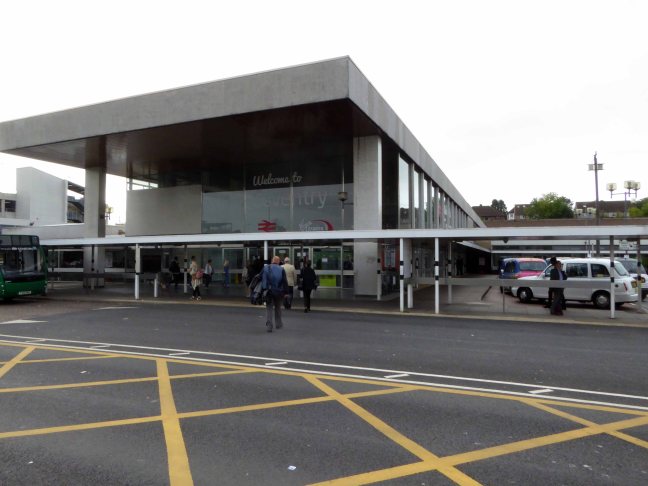
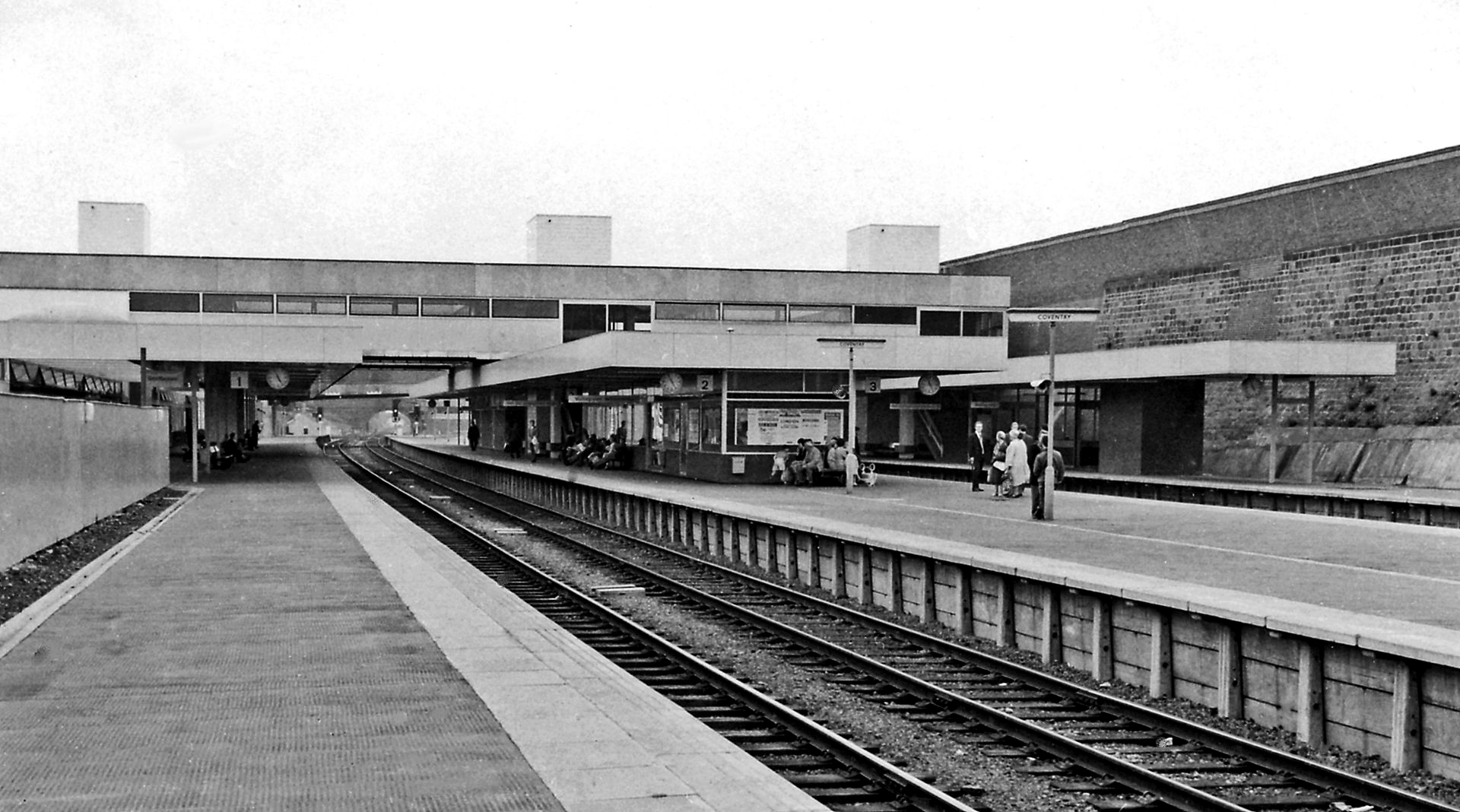
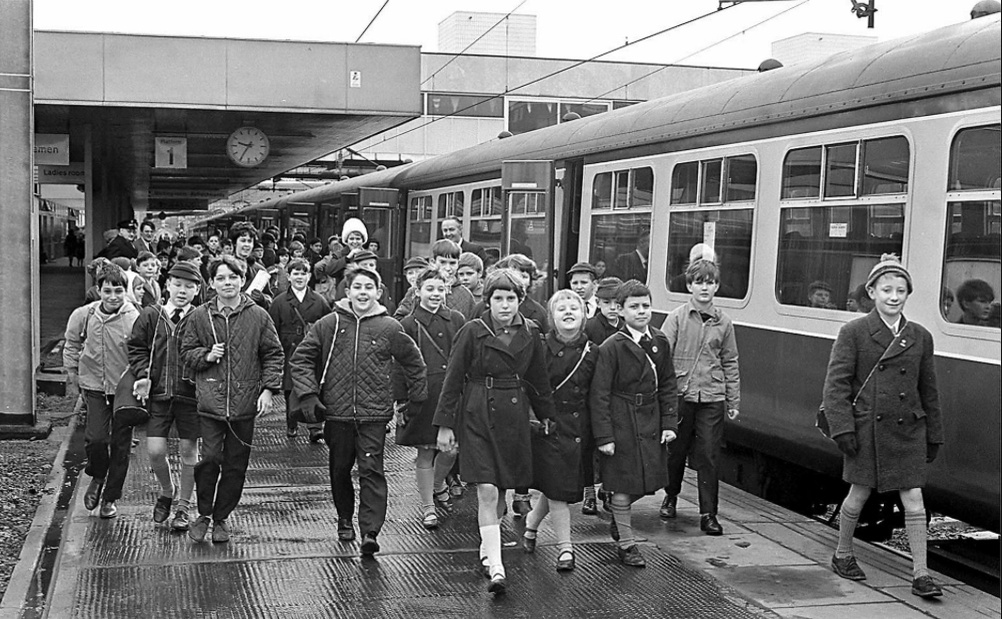
The original station was built in 1838 as part of the London and Birmingham Railway and could be entered from Warwick Road, where two flights of stairs took the passengers down to the platform. Within two years it had been replaced, with a new larger station, a few hundred feet nearer to Rugby, this time, accessed via Eaton road. In the late 19th century the Coventry tram network extended to the station at Eaton Road. The original station remained in service as the station masters offices, until the station was redeveloped in the early 1960s by the London Midland Region of British Railways.

Architects Derrick Shorten worked with John Collins, Mike Edwards and Keith Rawson.

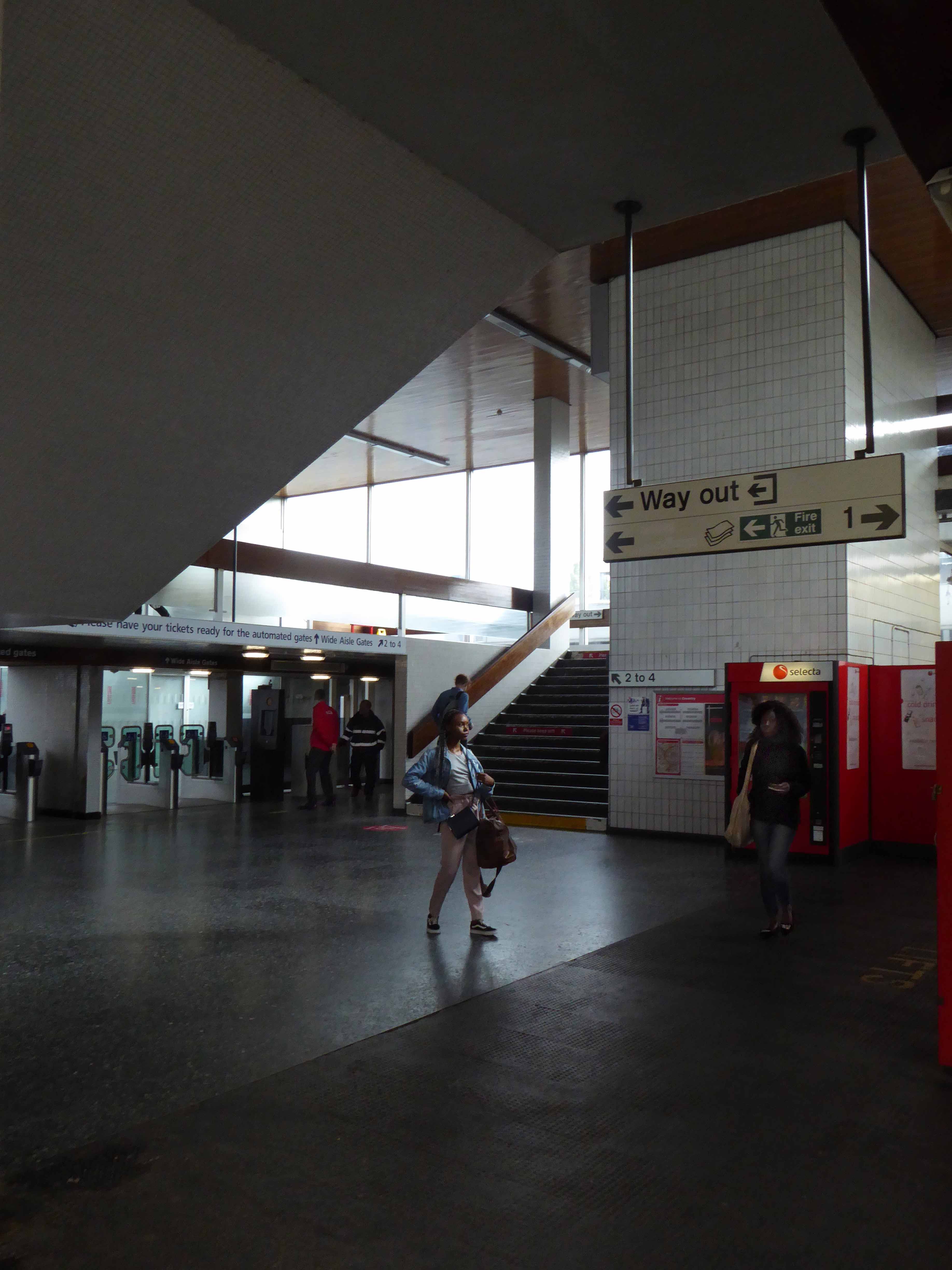
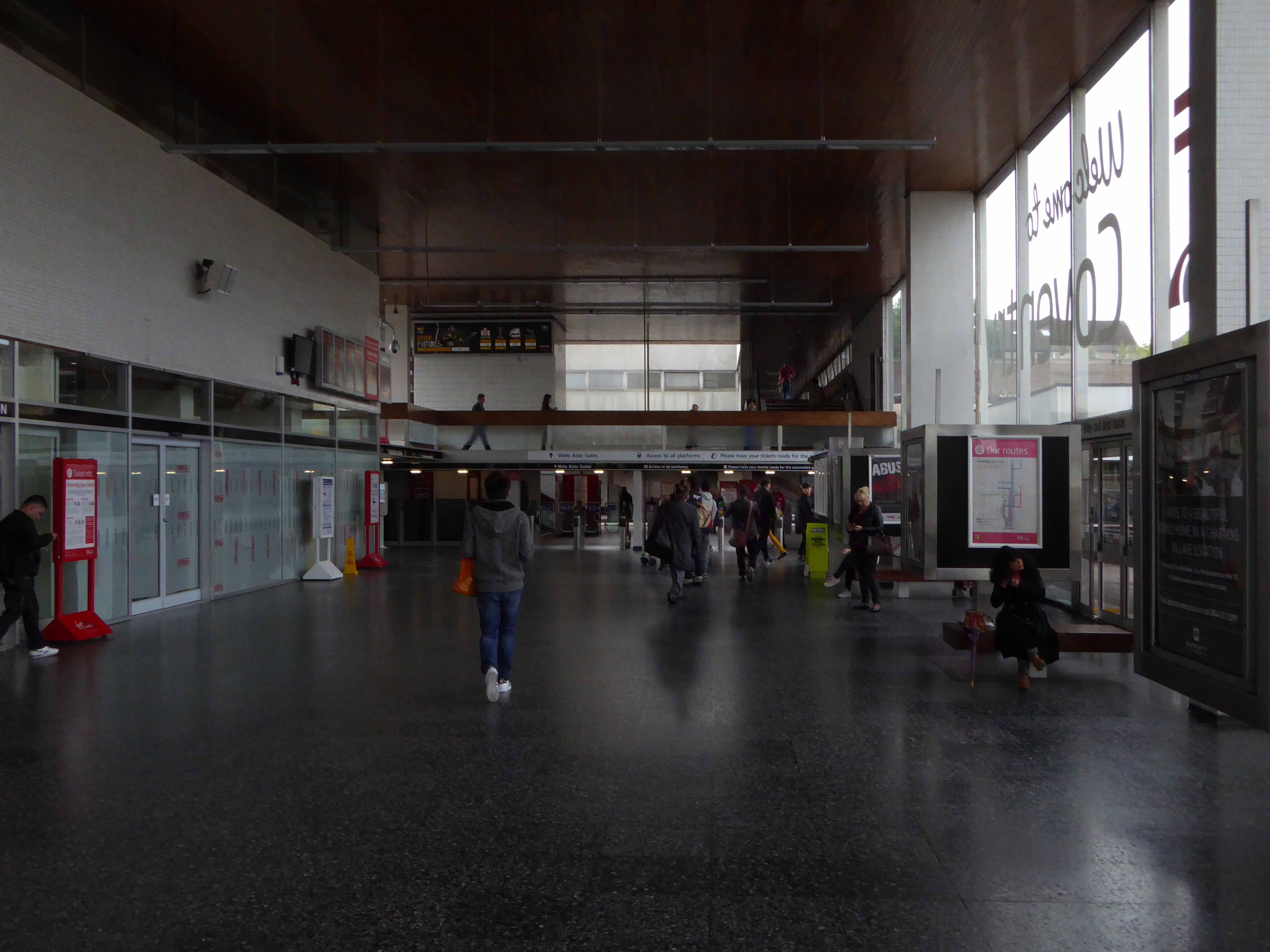
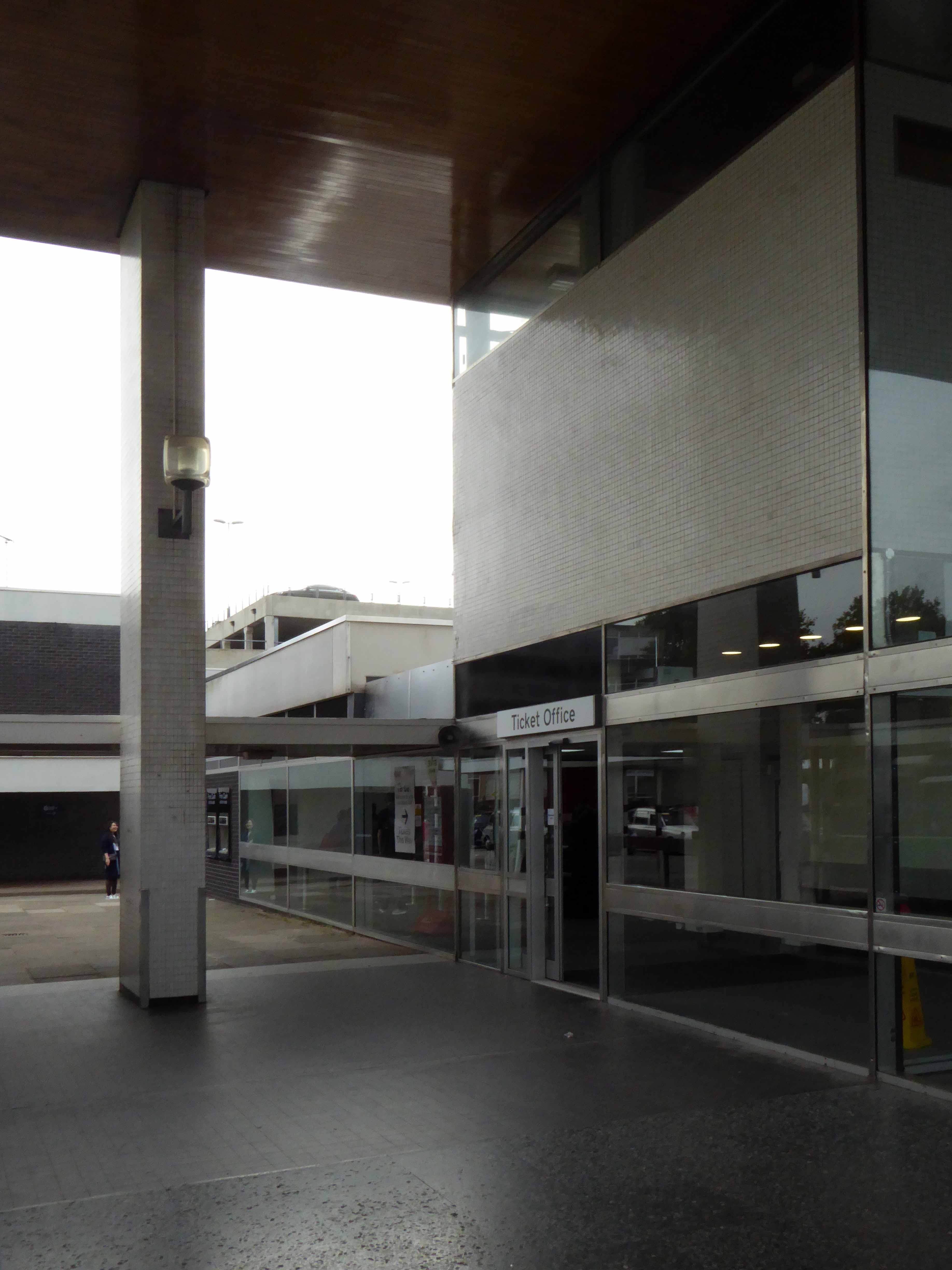
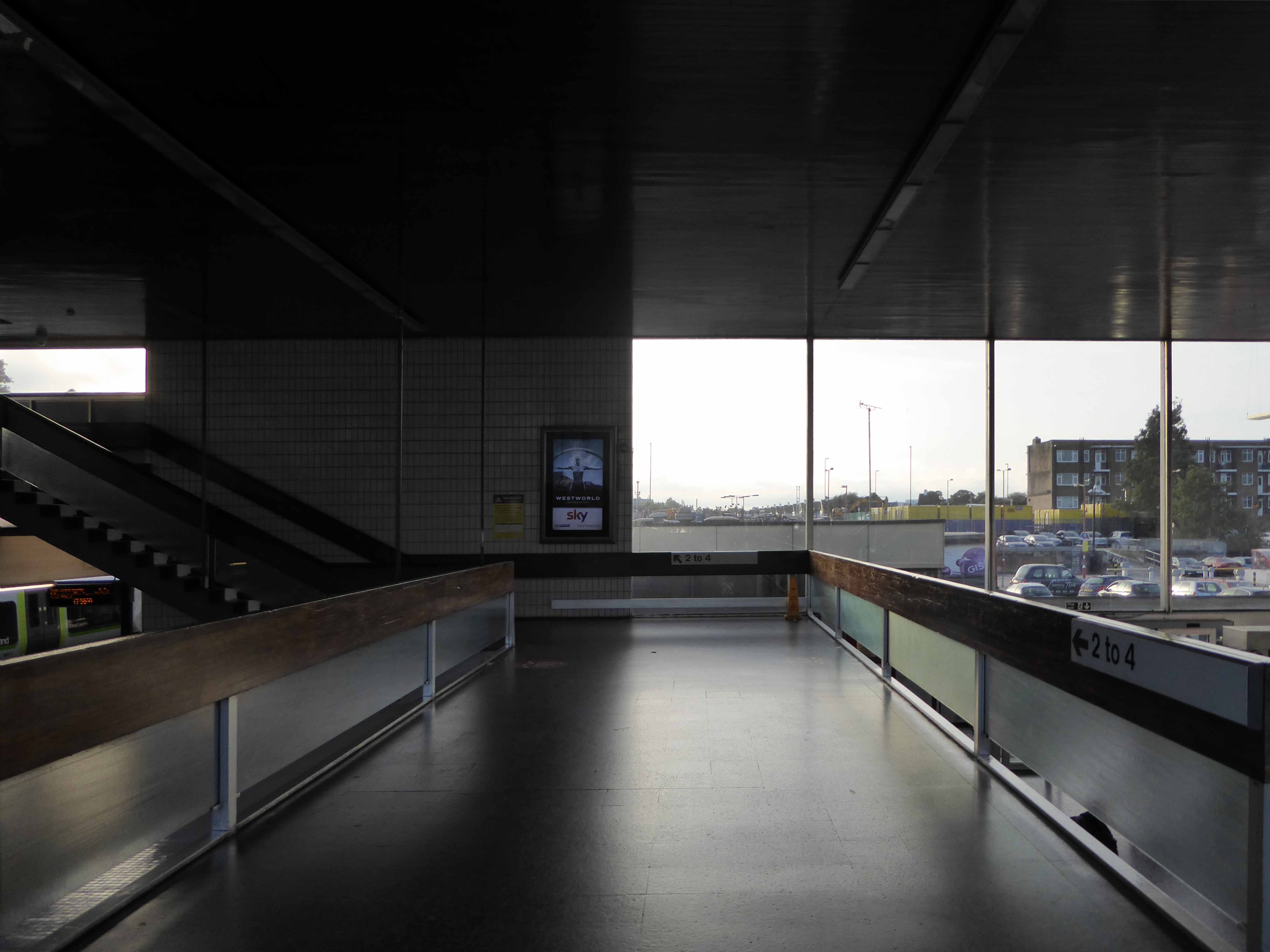
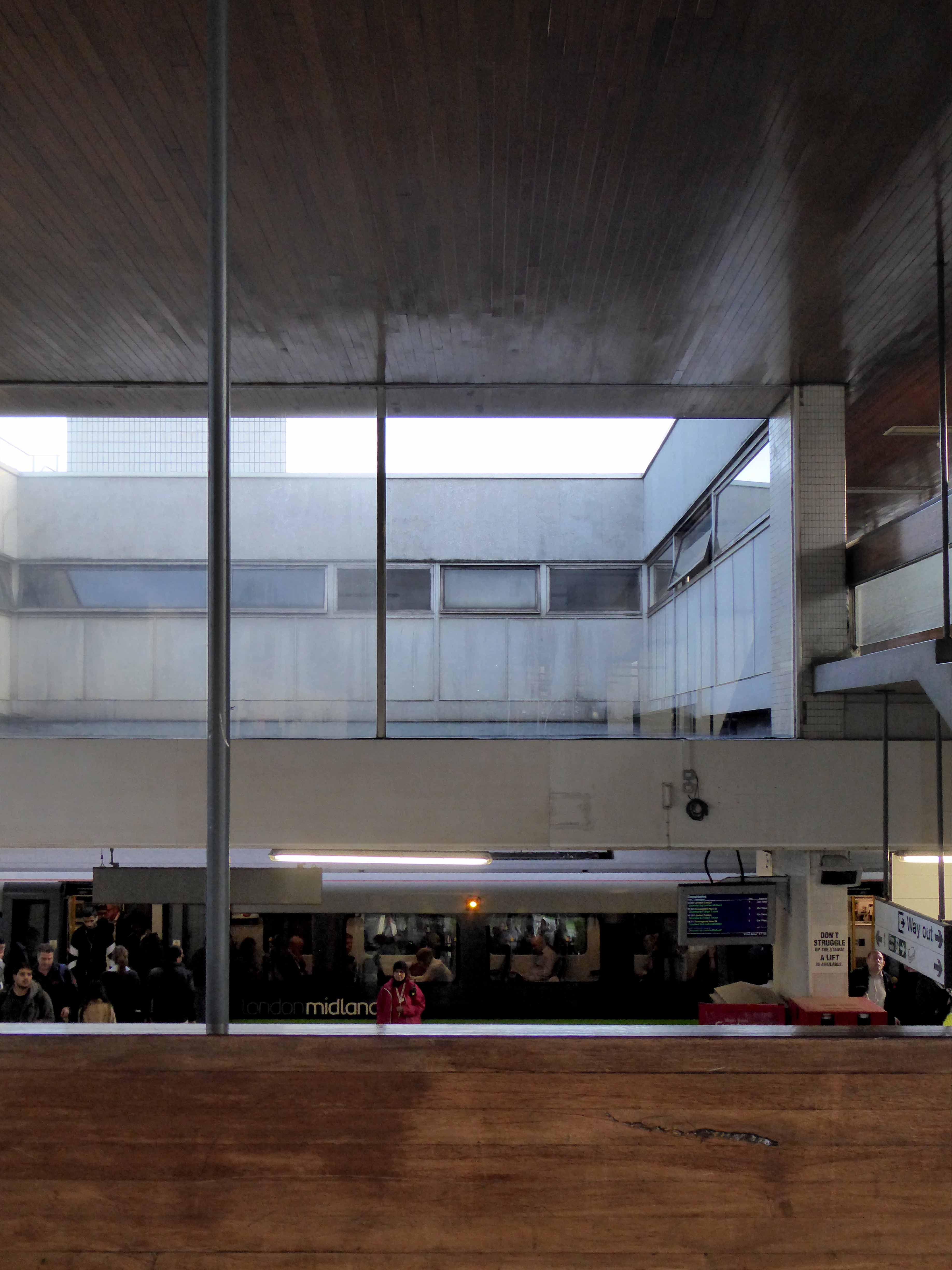
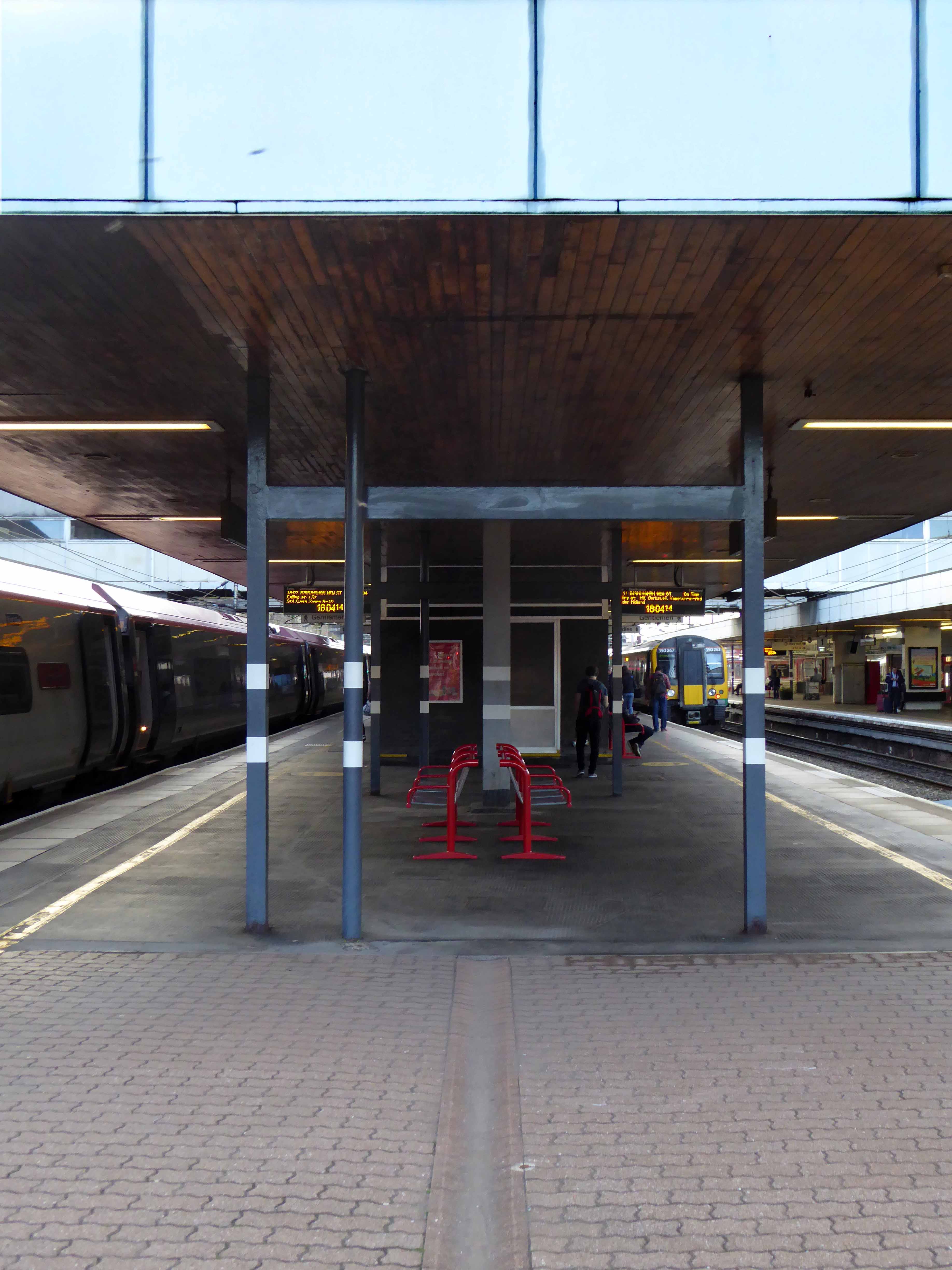
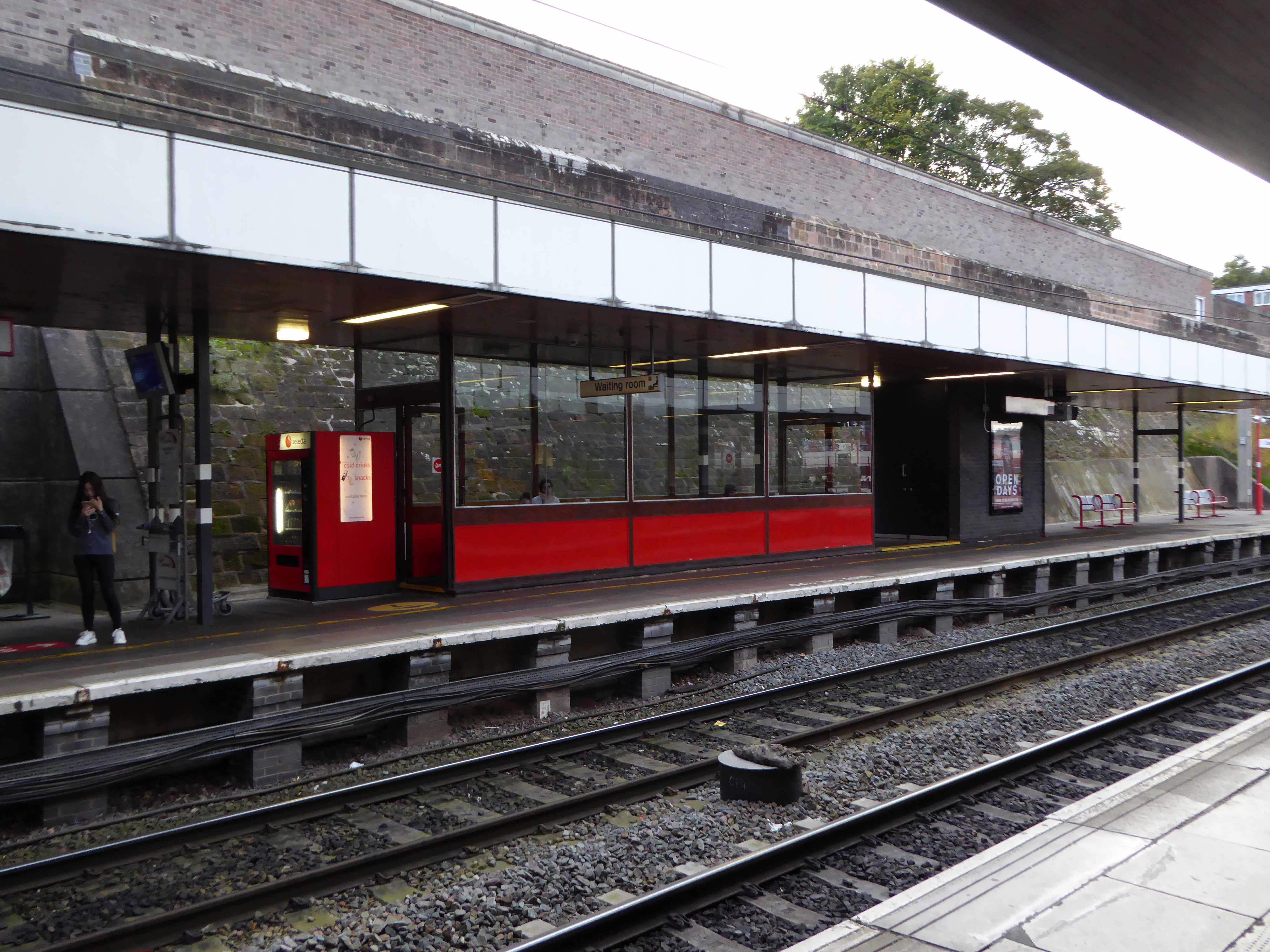
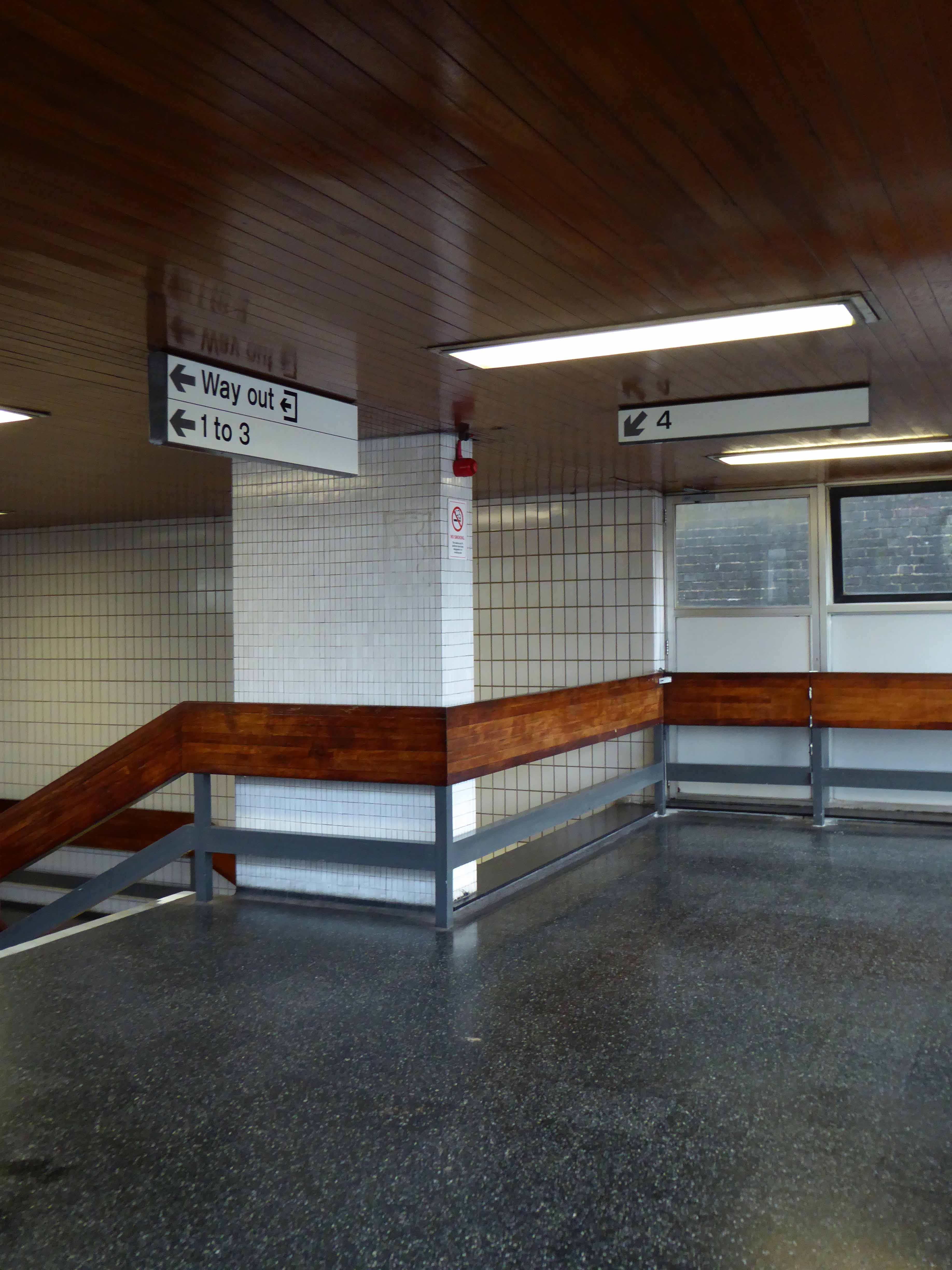
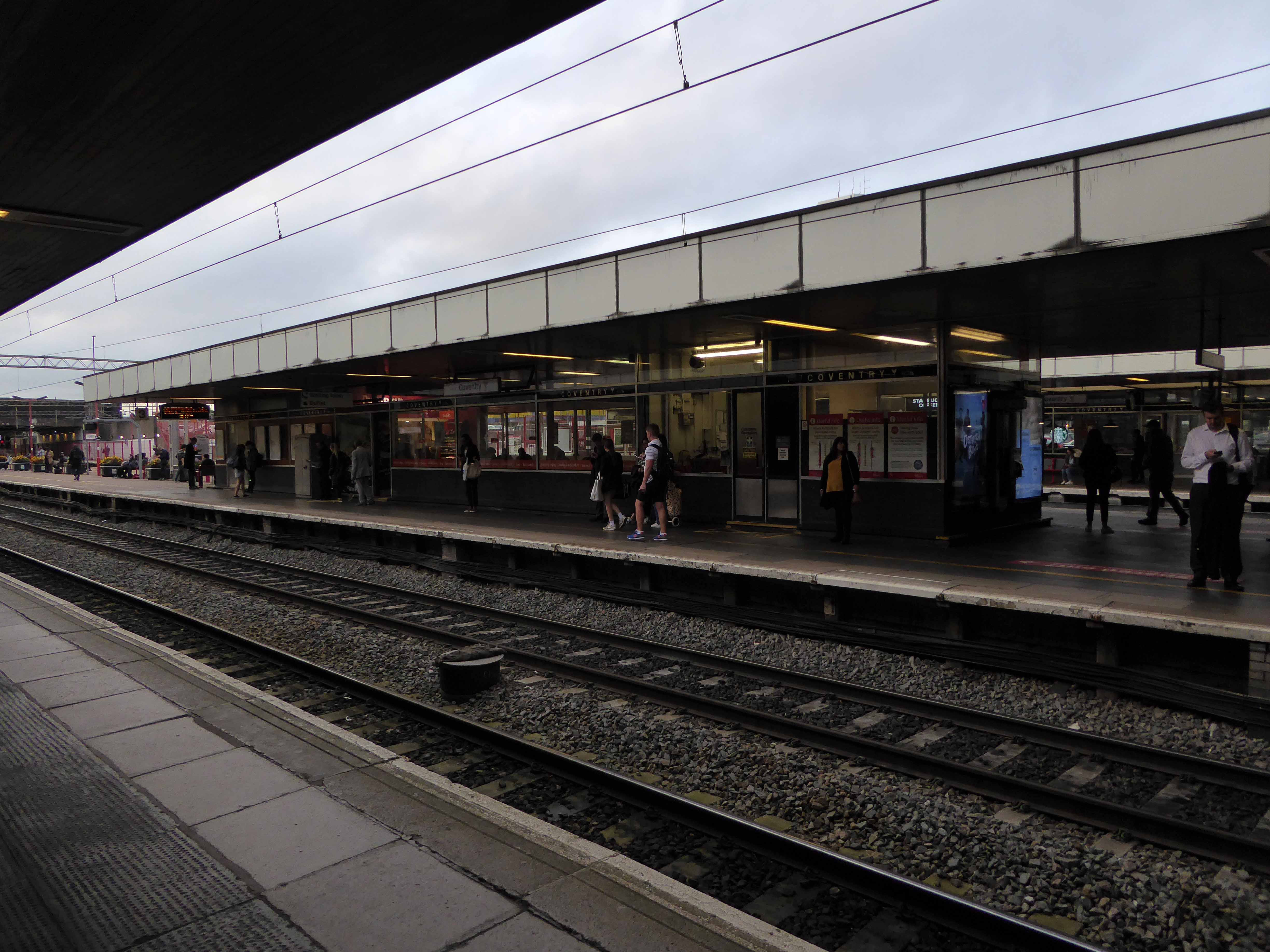
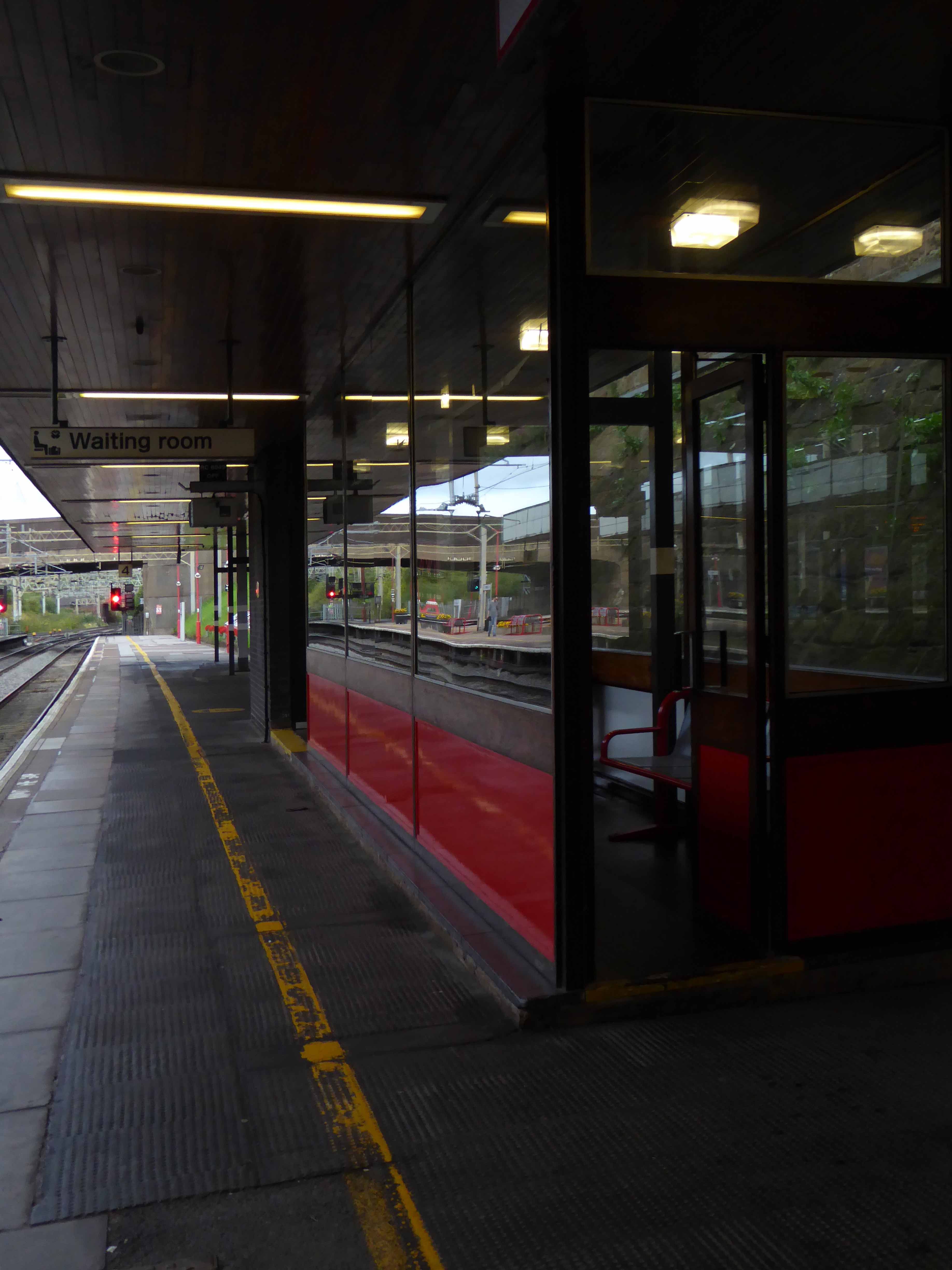
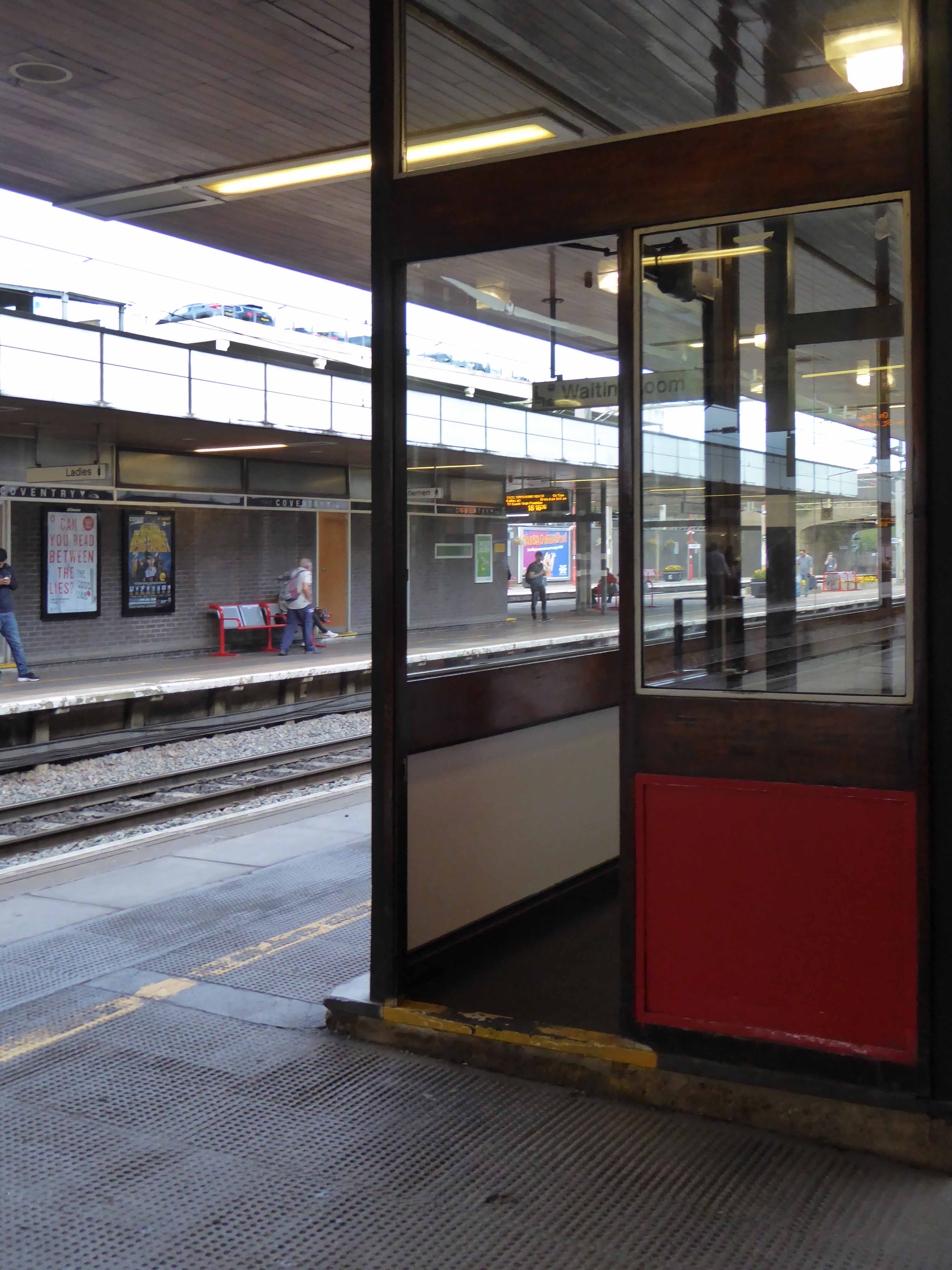
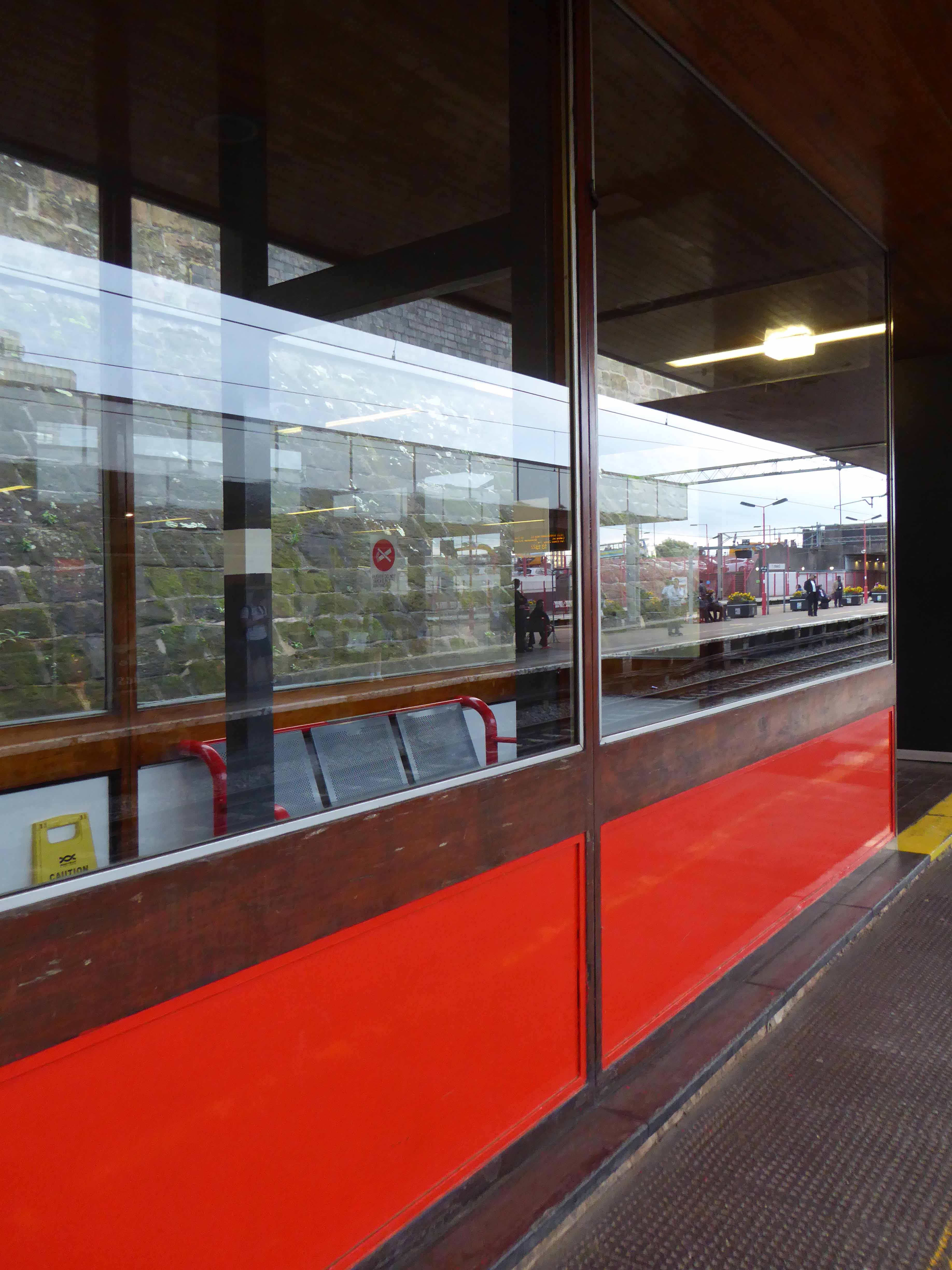
Sent to Coventry, under an imperative to explore the post-war redevelopment of a great city, I arrived by train, more than somewhat unsurprisingly at the station.

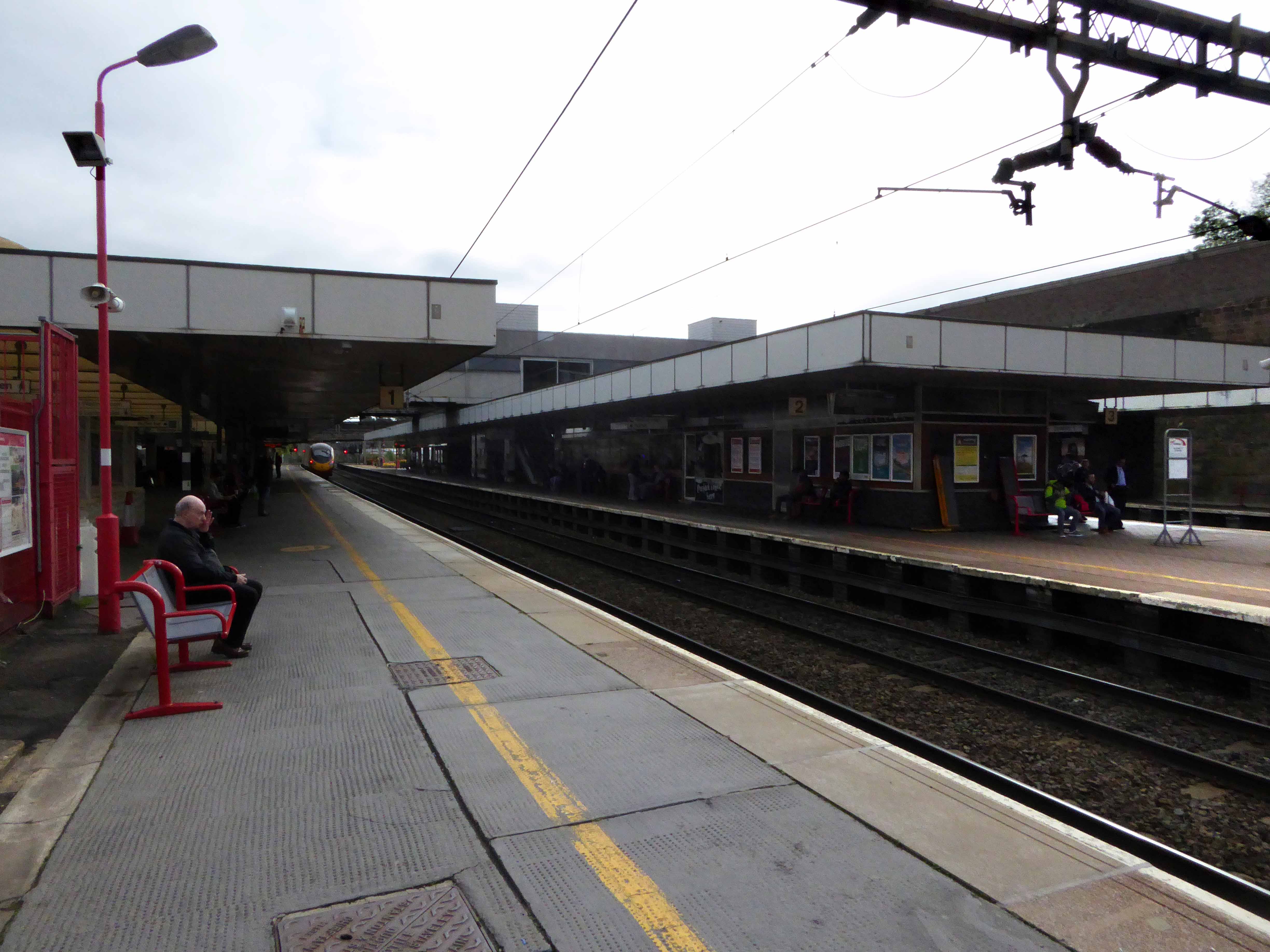
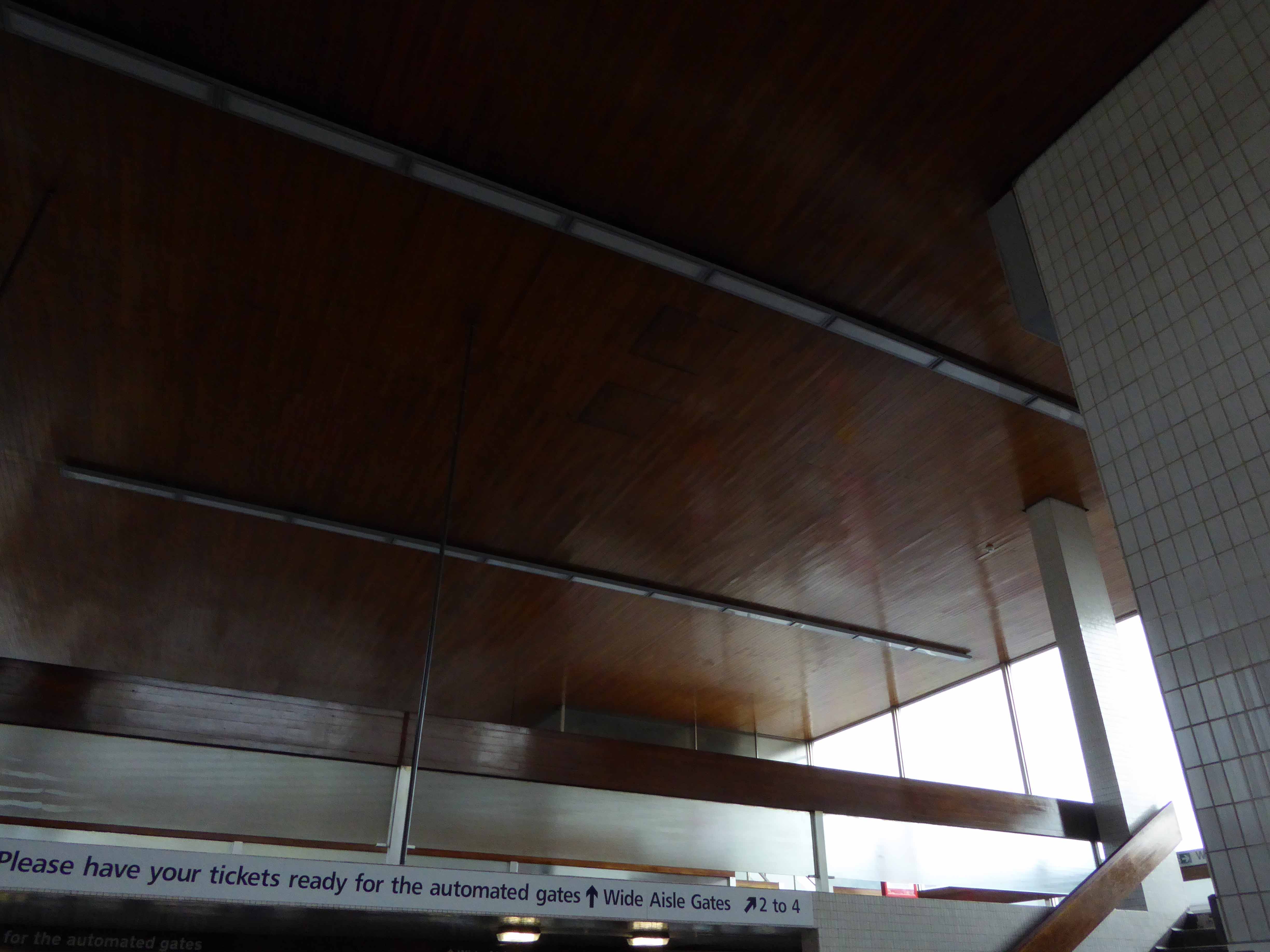
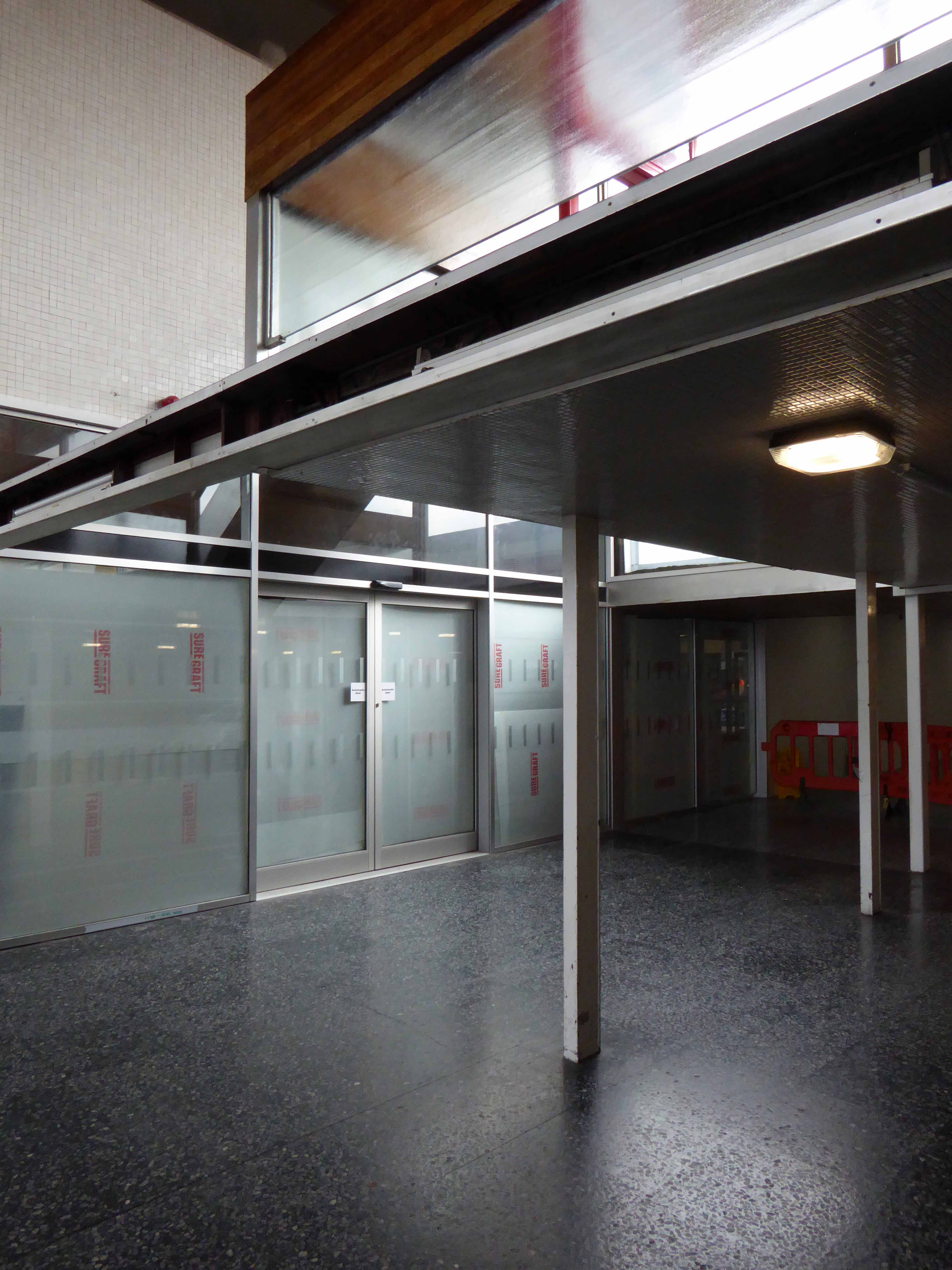
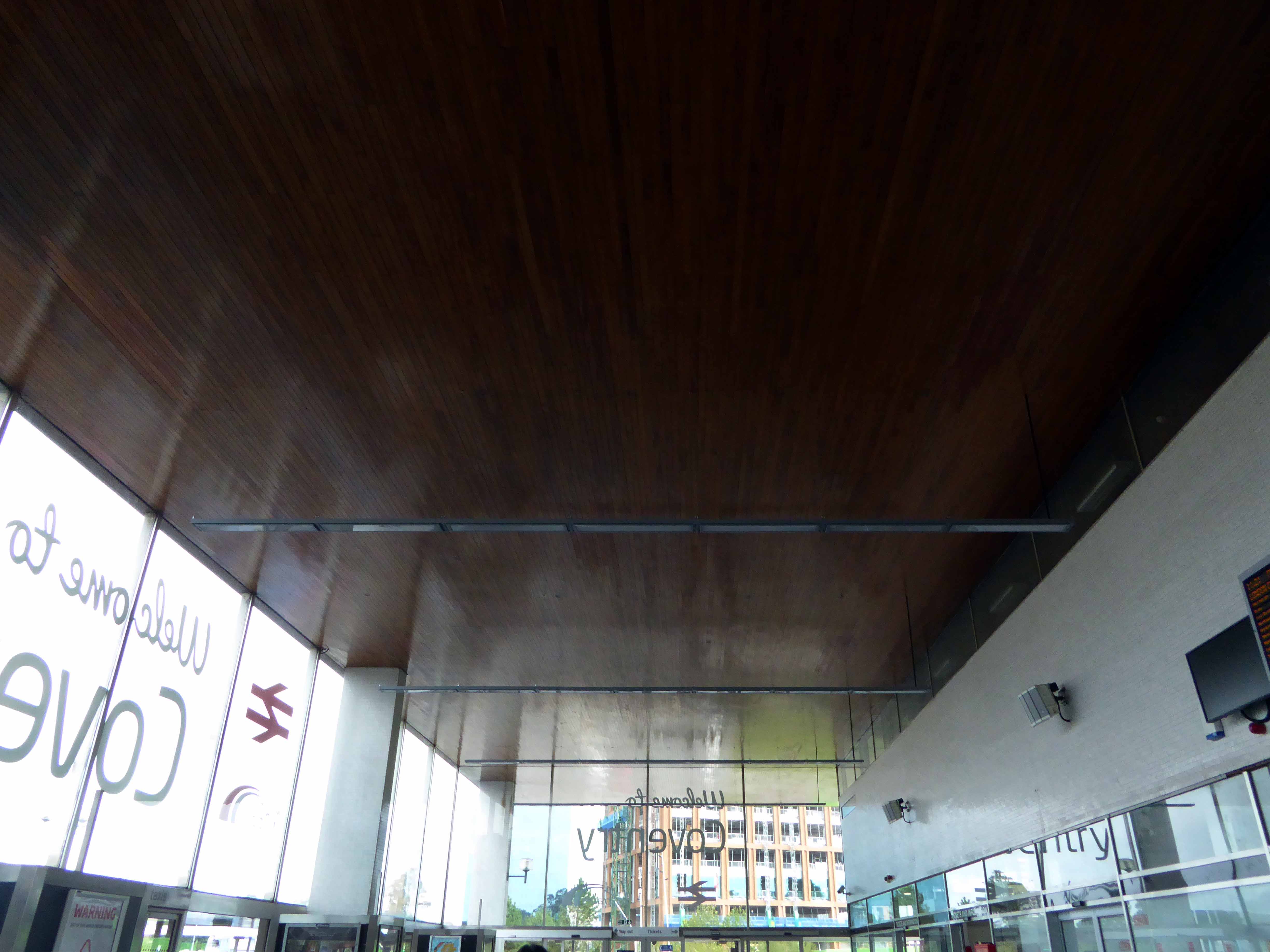
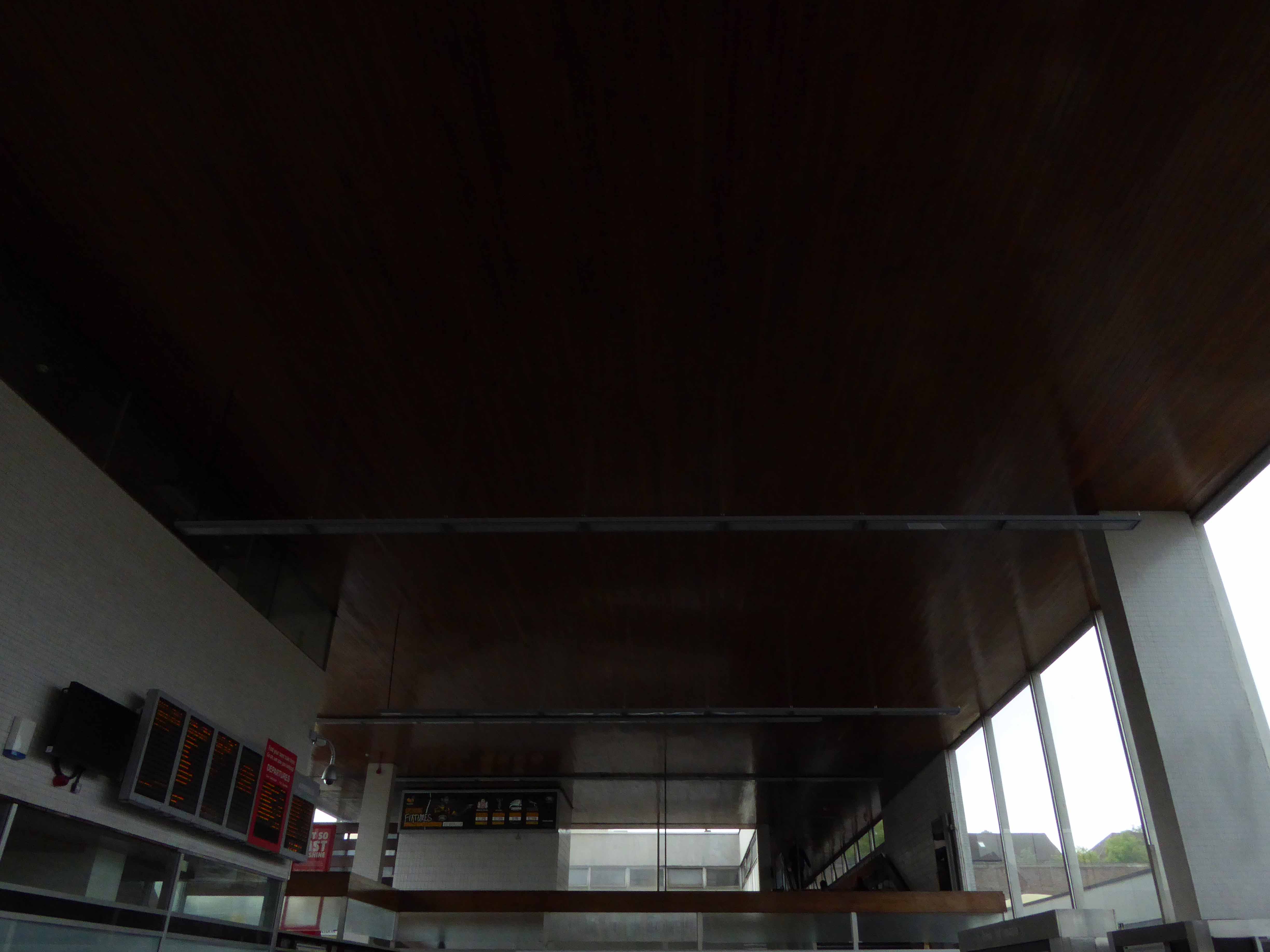
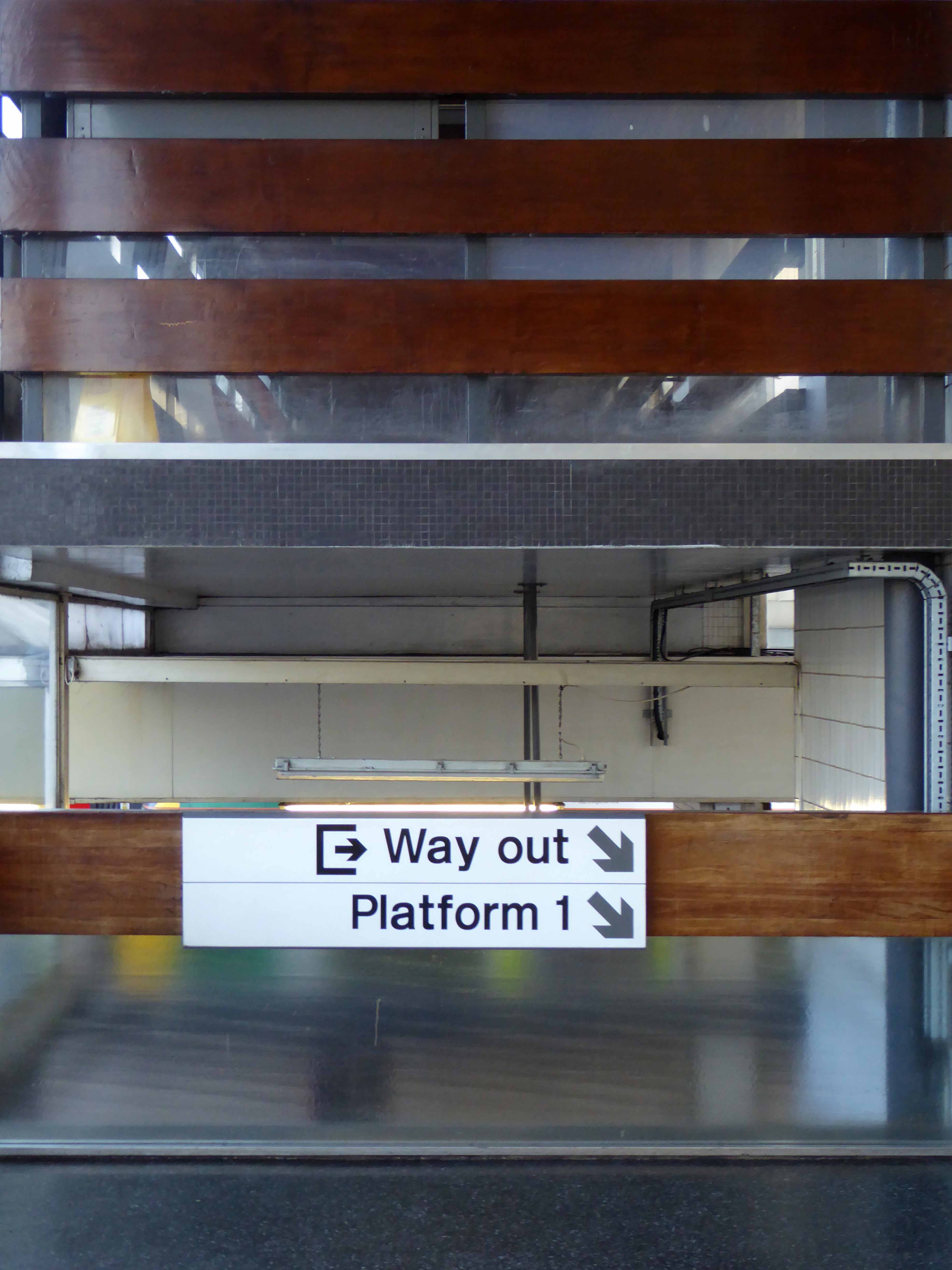
A fine building of 1962 light and airy, warm wooden ceilings, gently interlocking aluminium, glass and steel volumes, original signage and a lively feeling of calm controlled hustle and bustle.

The ideal way to start the day – take a look.

p1090647-copy

p1090648-copy

p1090649-copy

p1090650-copy

p1090651-copy

p1090652-copy

p1090653-copy

p1100057-copy

p1090654-copy

p1090656-copy

p1090658-copy

p1100058-copy

p1100060-copy

p1100061-copy

p1100062-copy

p1100063-copy

p1100064-copy

p1100065-copy

p1100067-copy

p1100068-copy

p1100071-copy

p1100073-copy

p1100074-copy

p1100075-copy

p1100076-copy

p1100077-copy

p1100078-copy

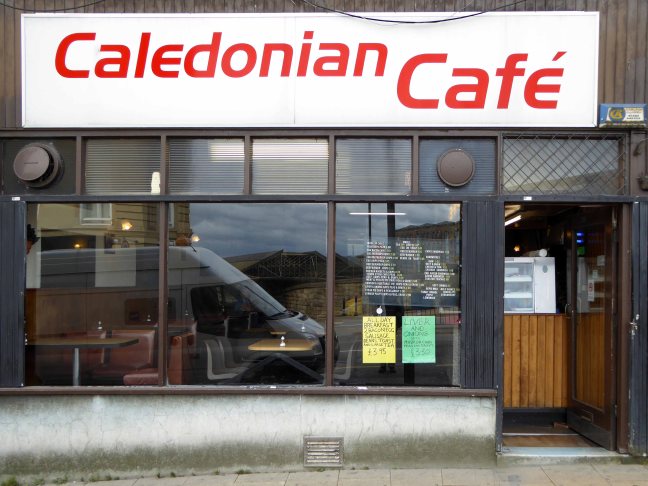
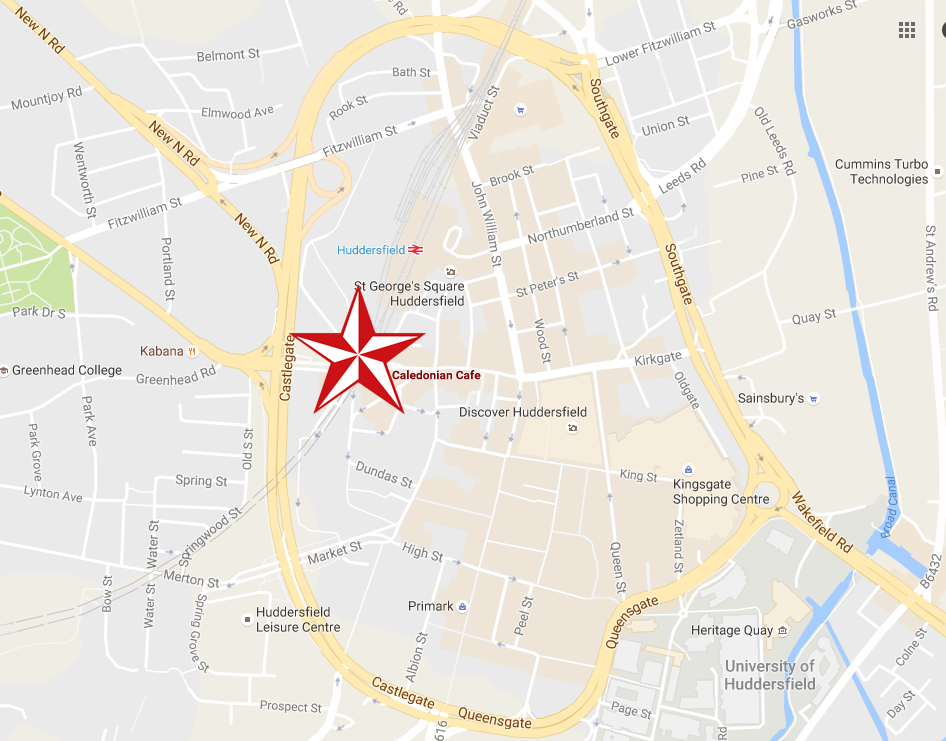
Caledonian Café – Huddersfield

screen-shot-2016-09-11-at-14-47-39

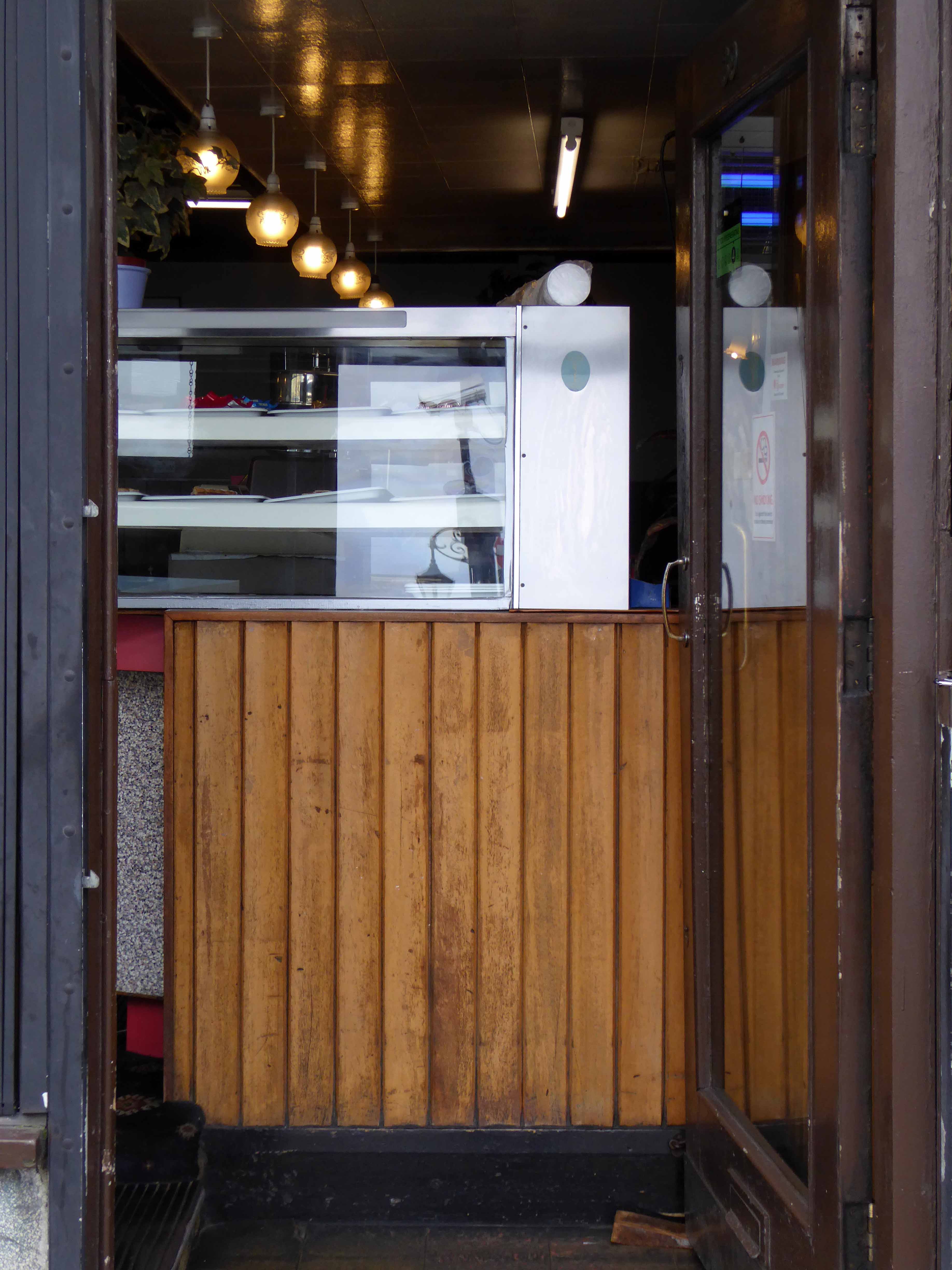
I often visit Huddersfield, and I often discover something new, exciting and different.

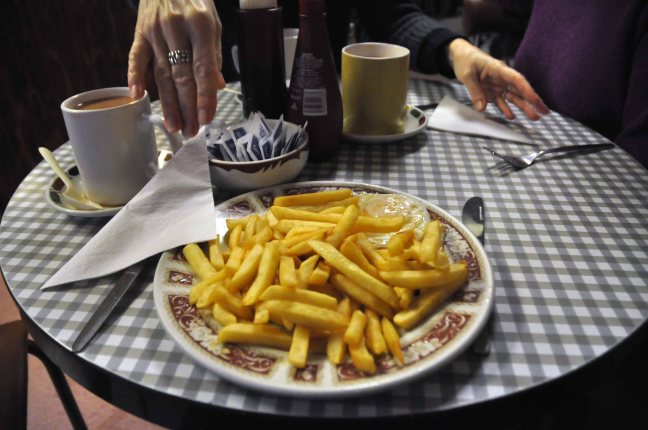
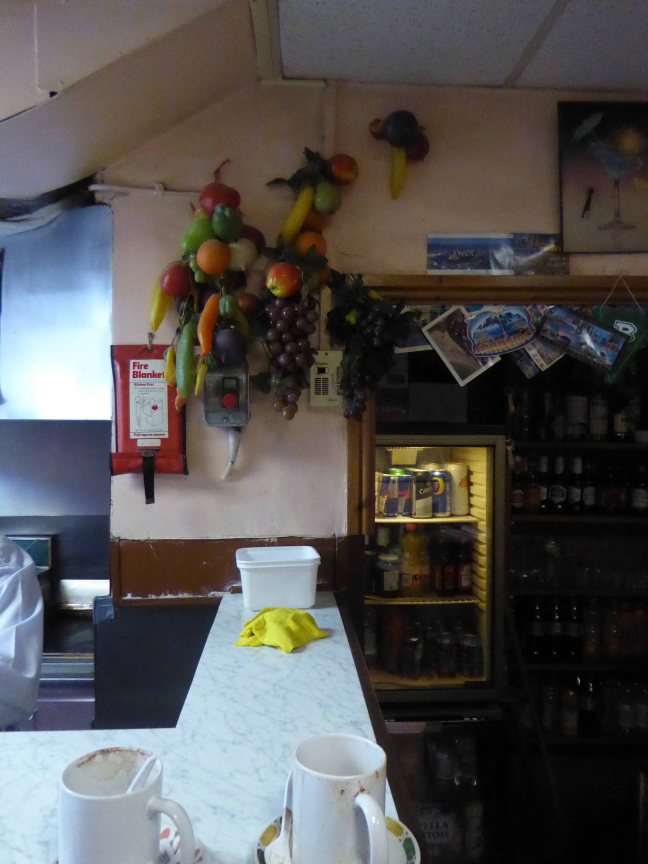
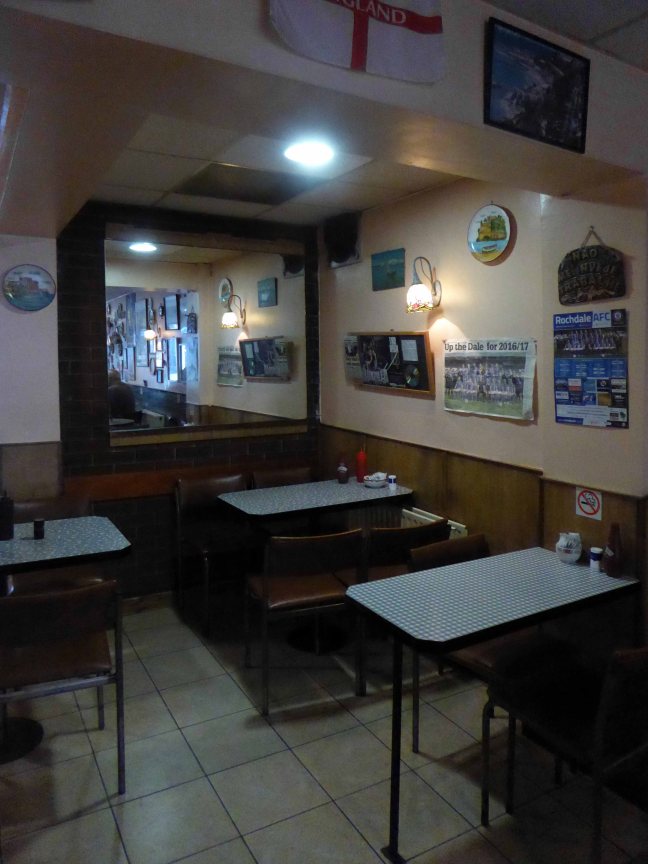
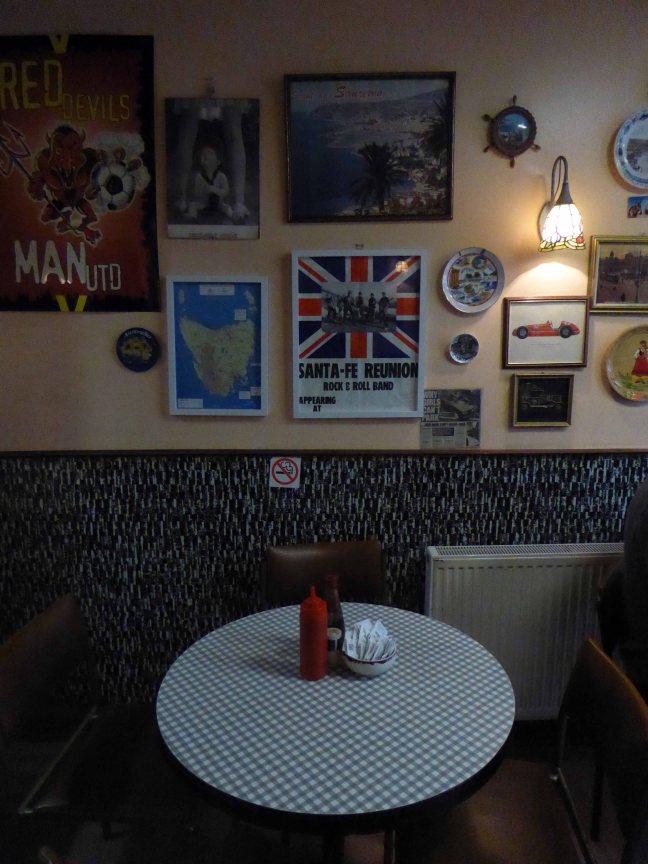
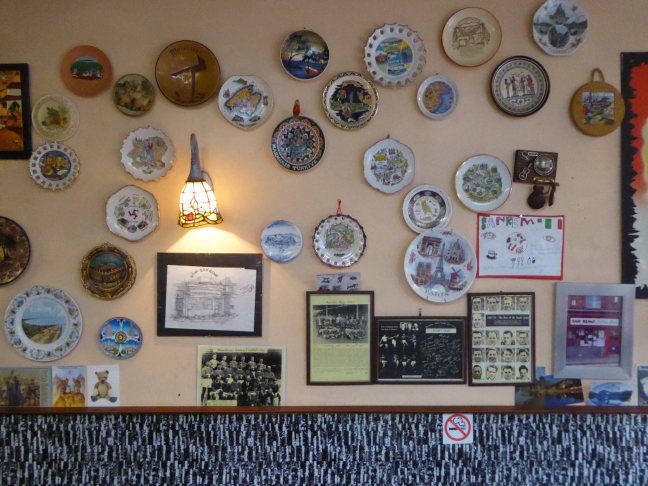
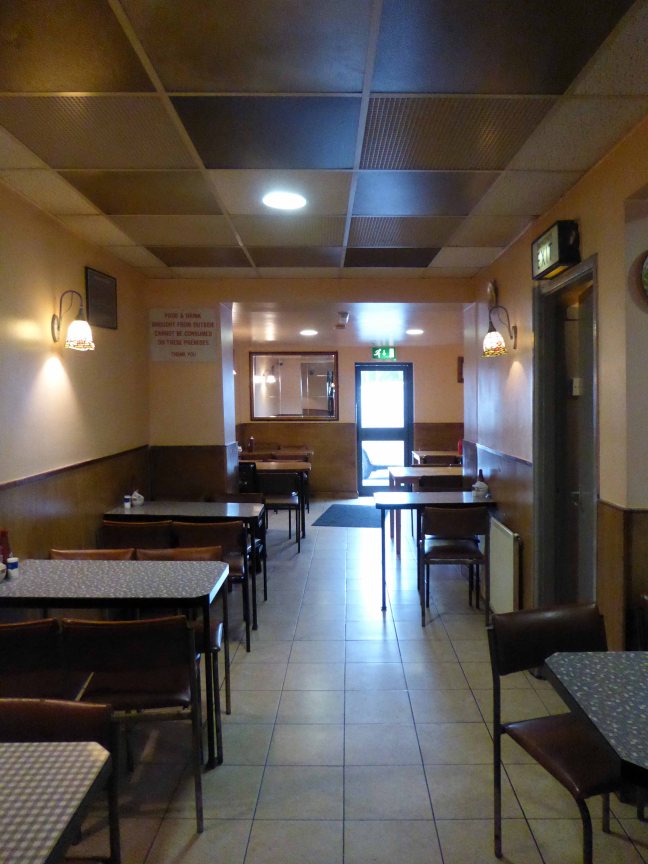
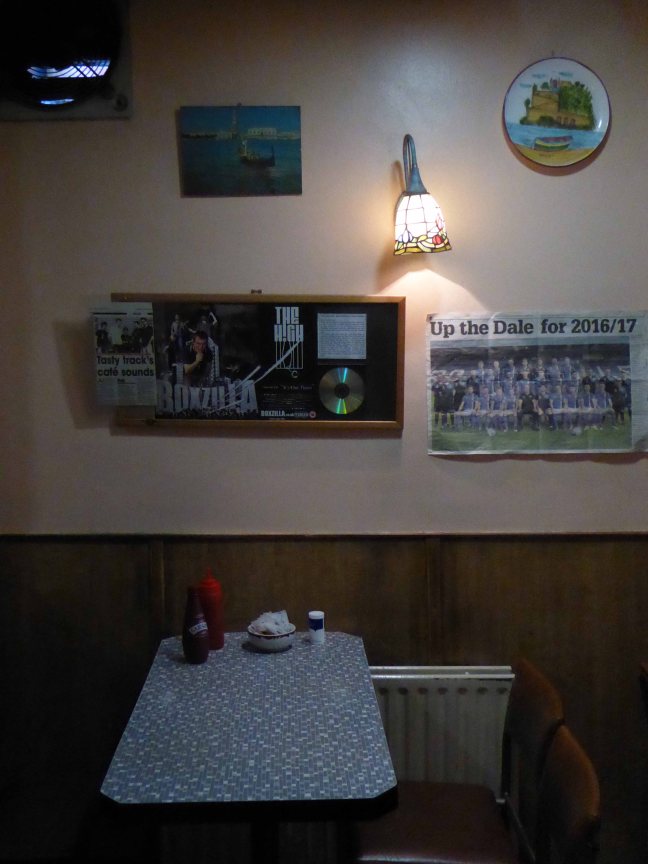
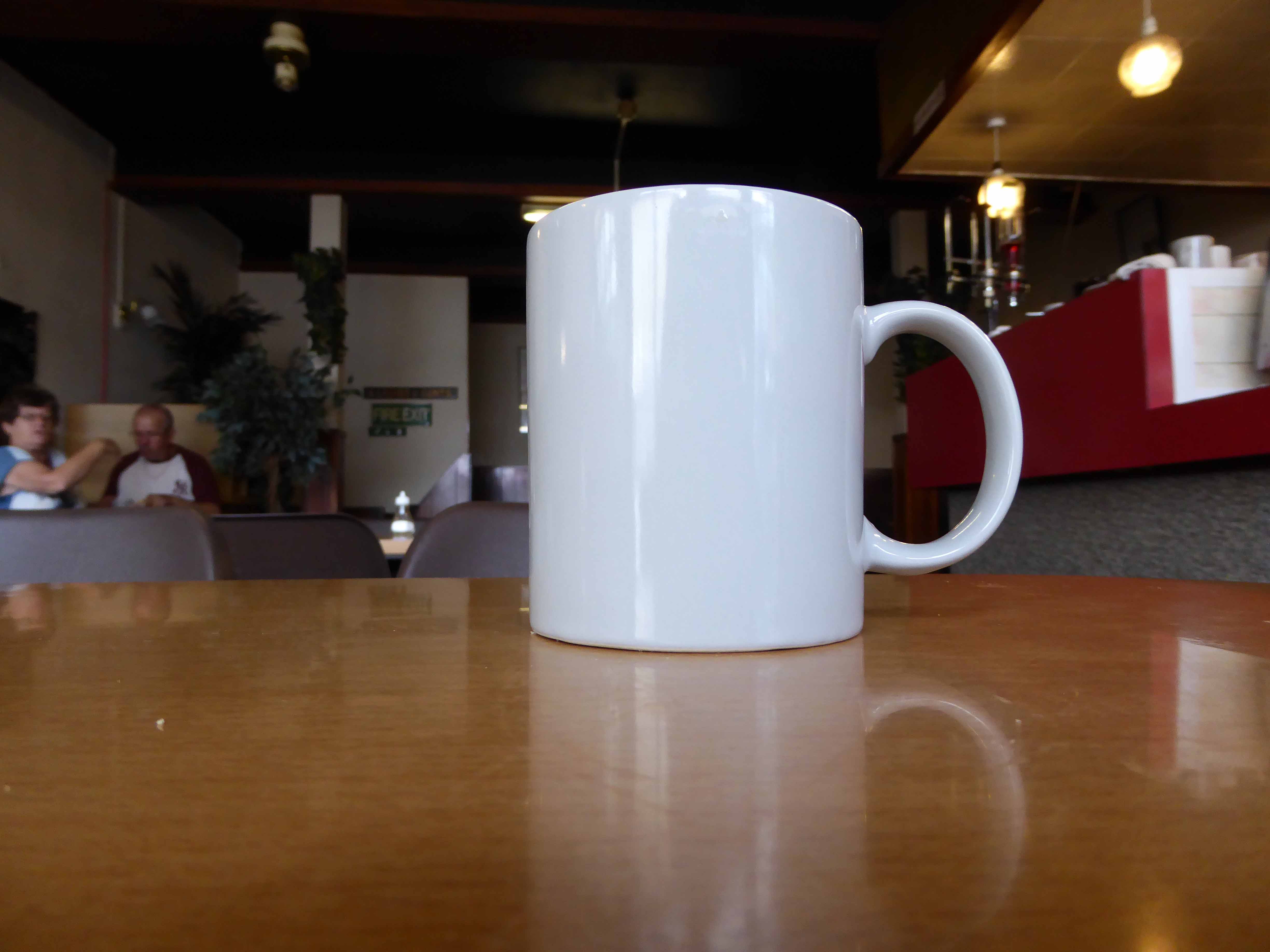
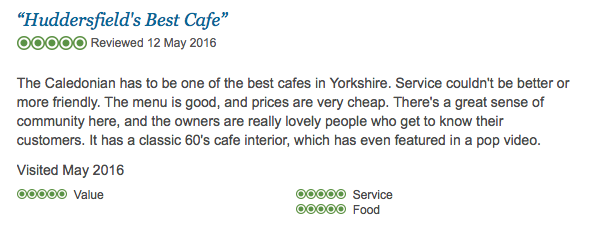
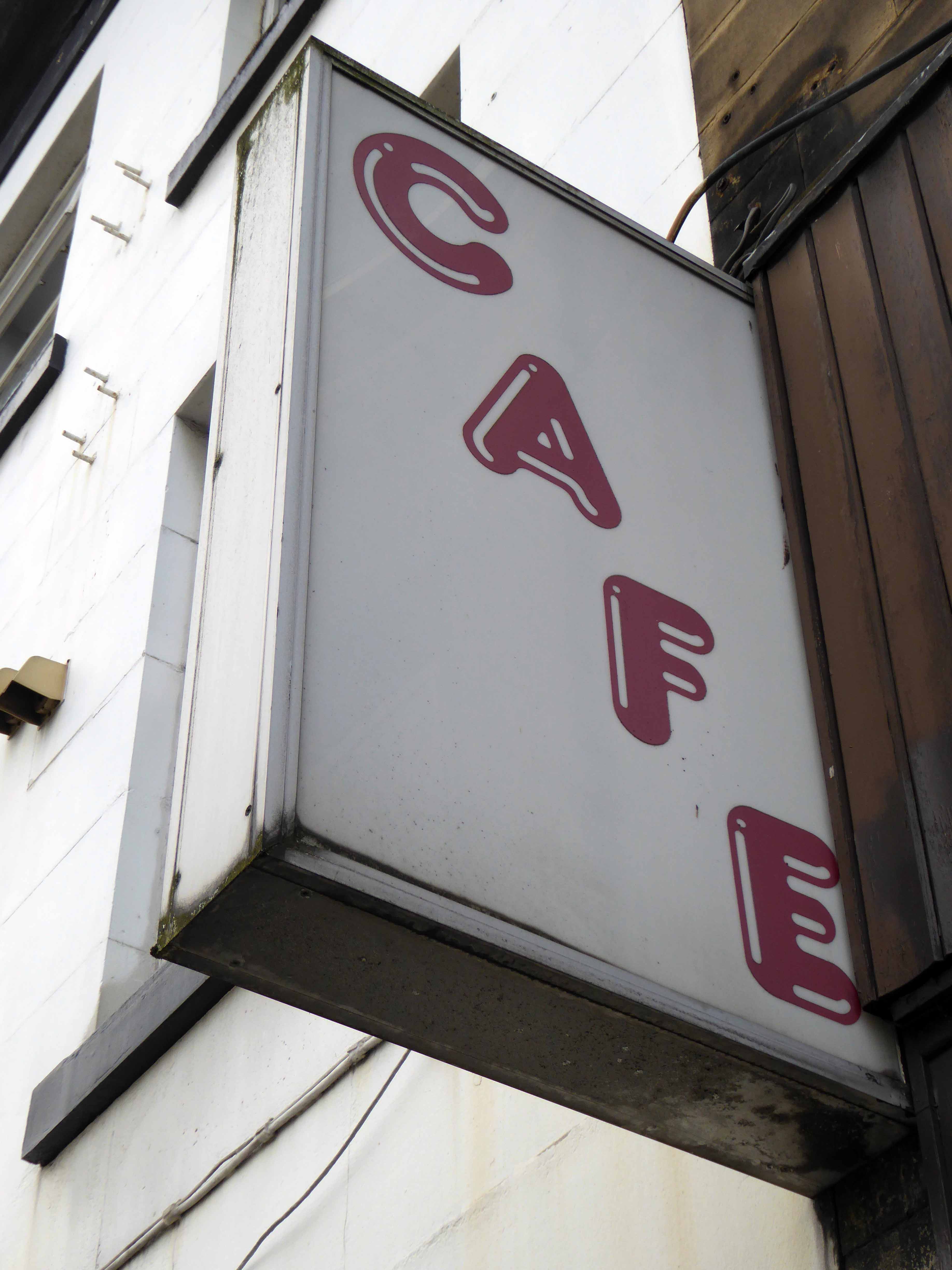
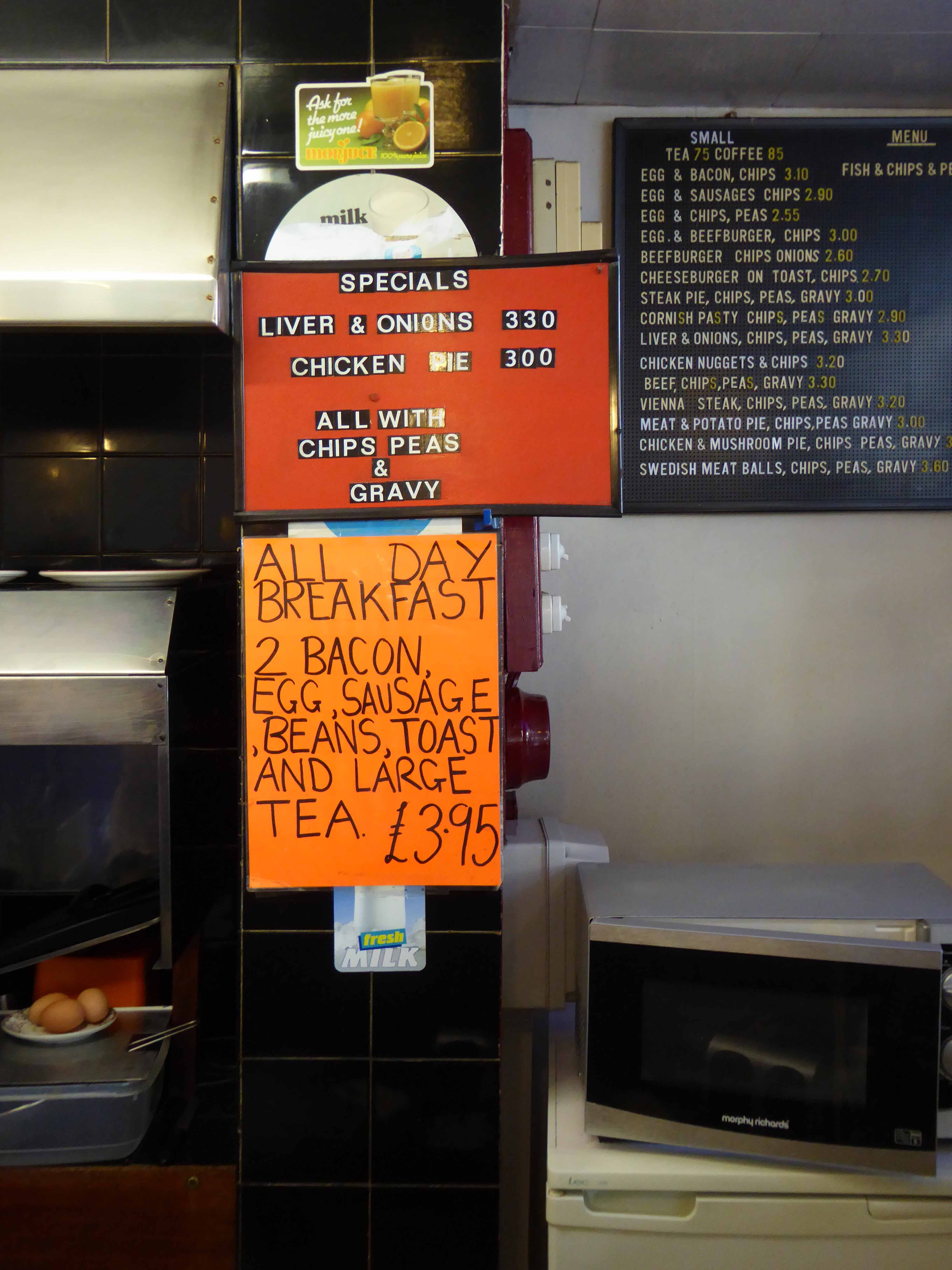
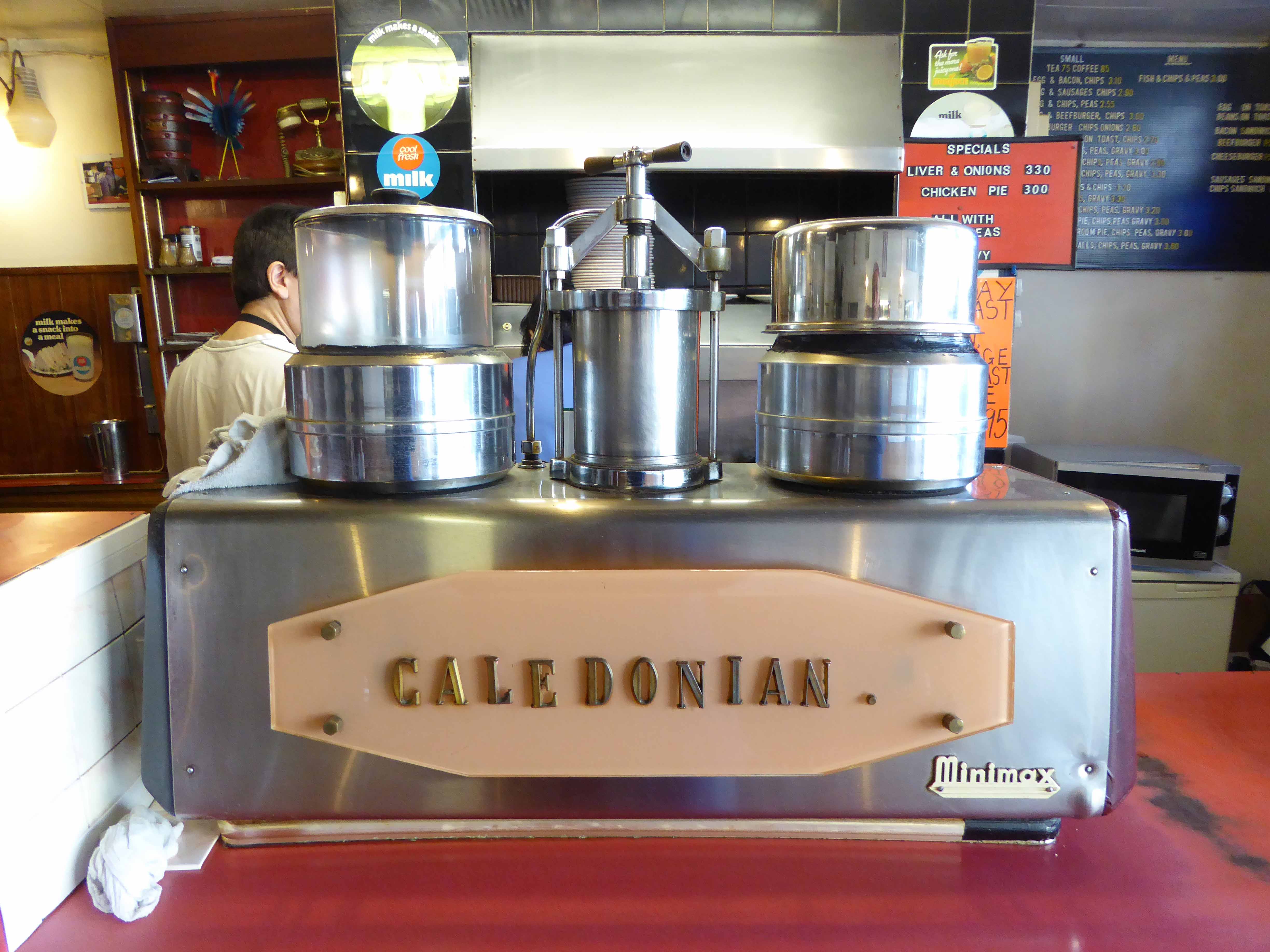
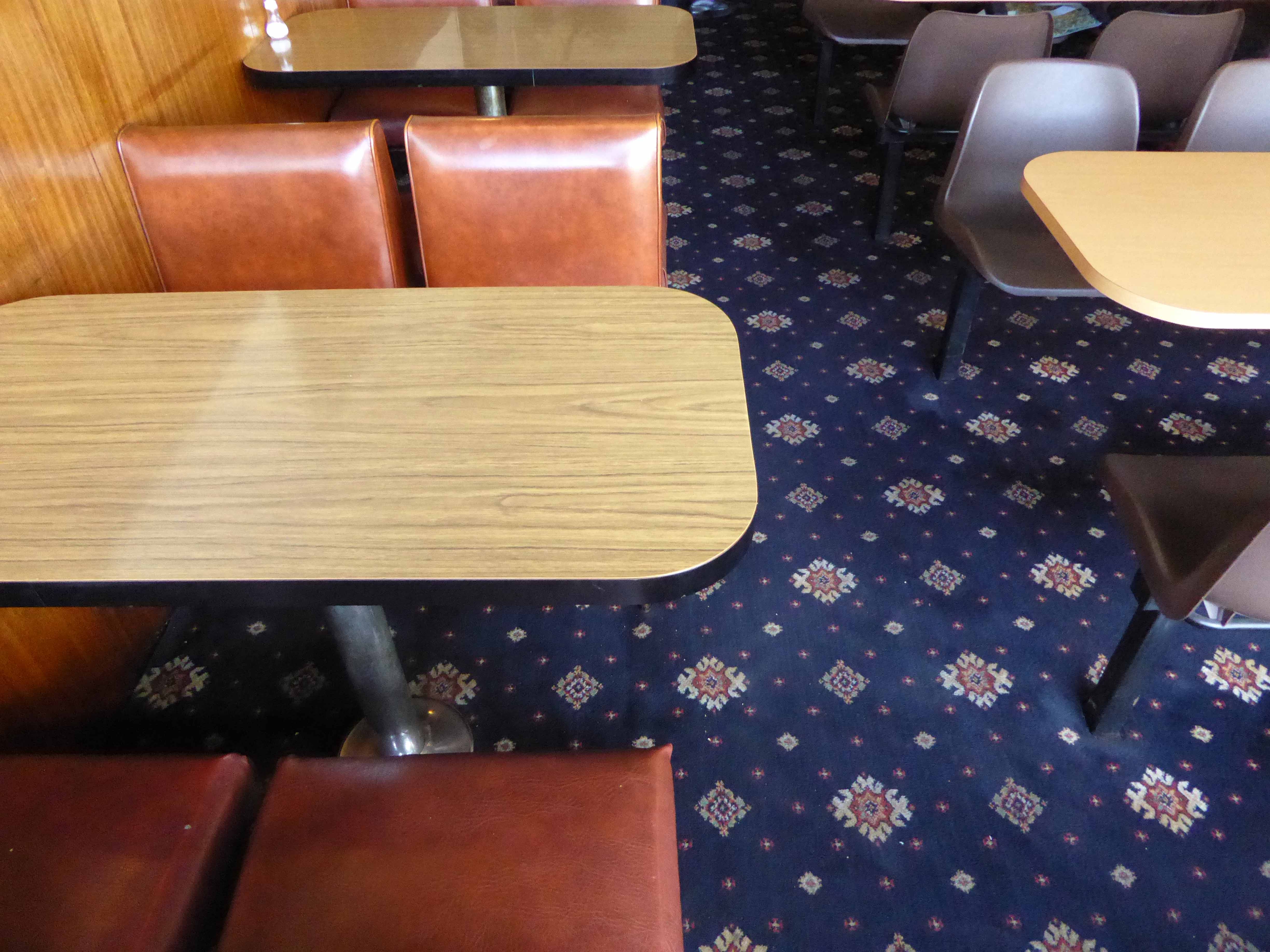
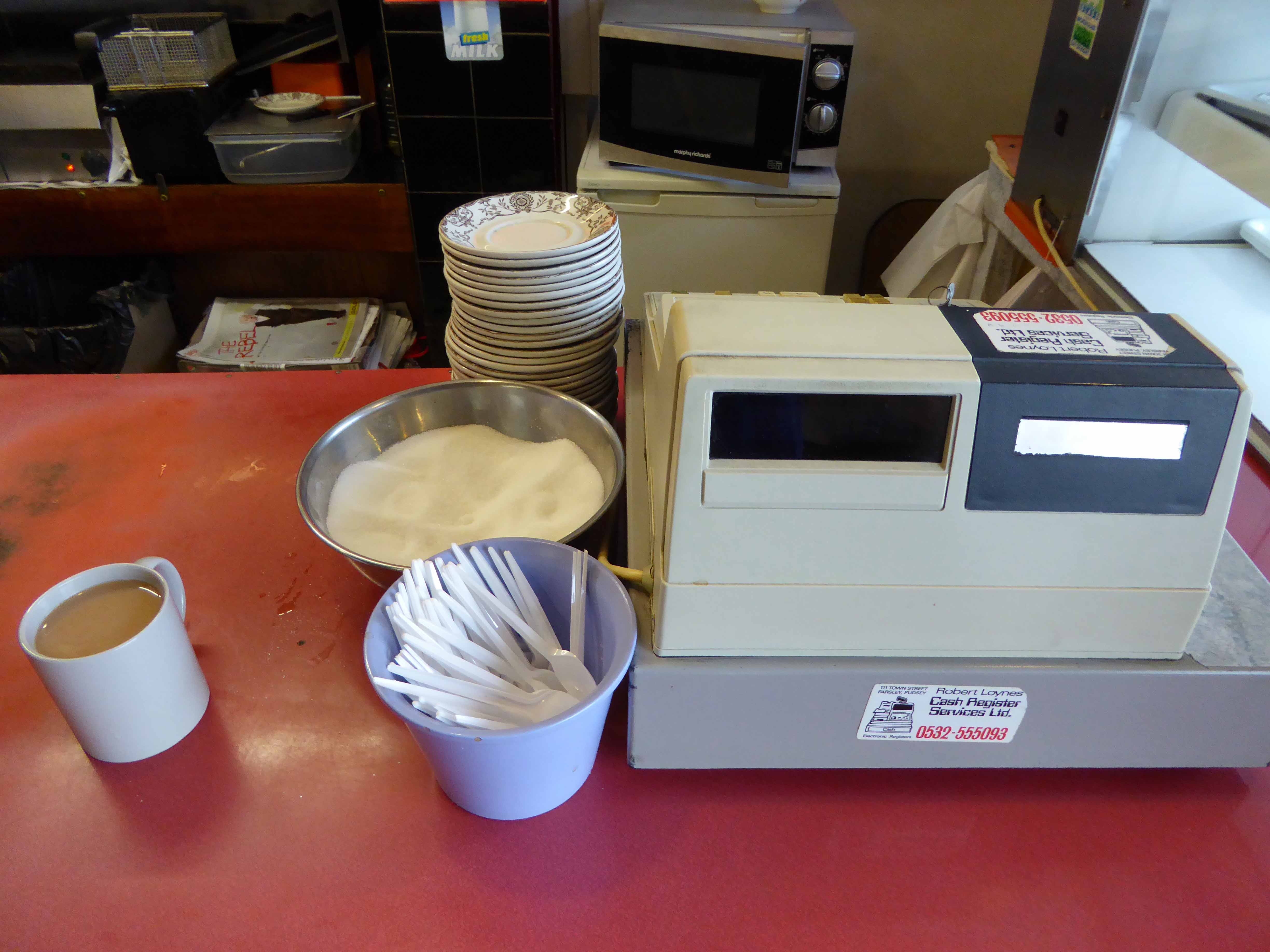
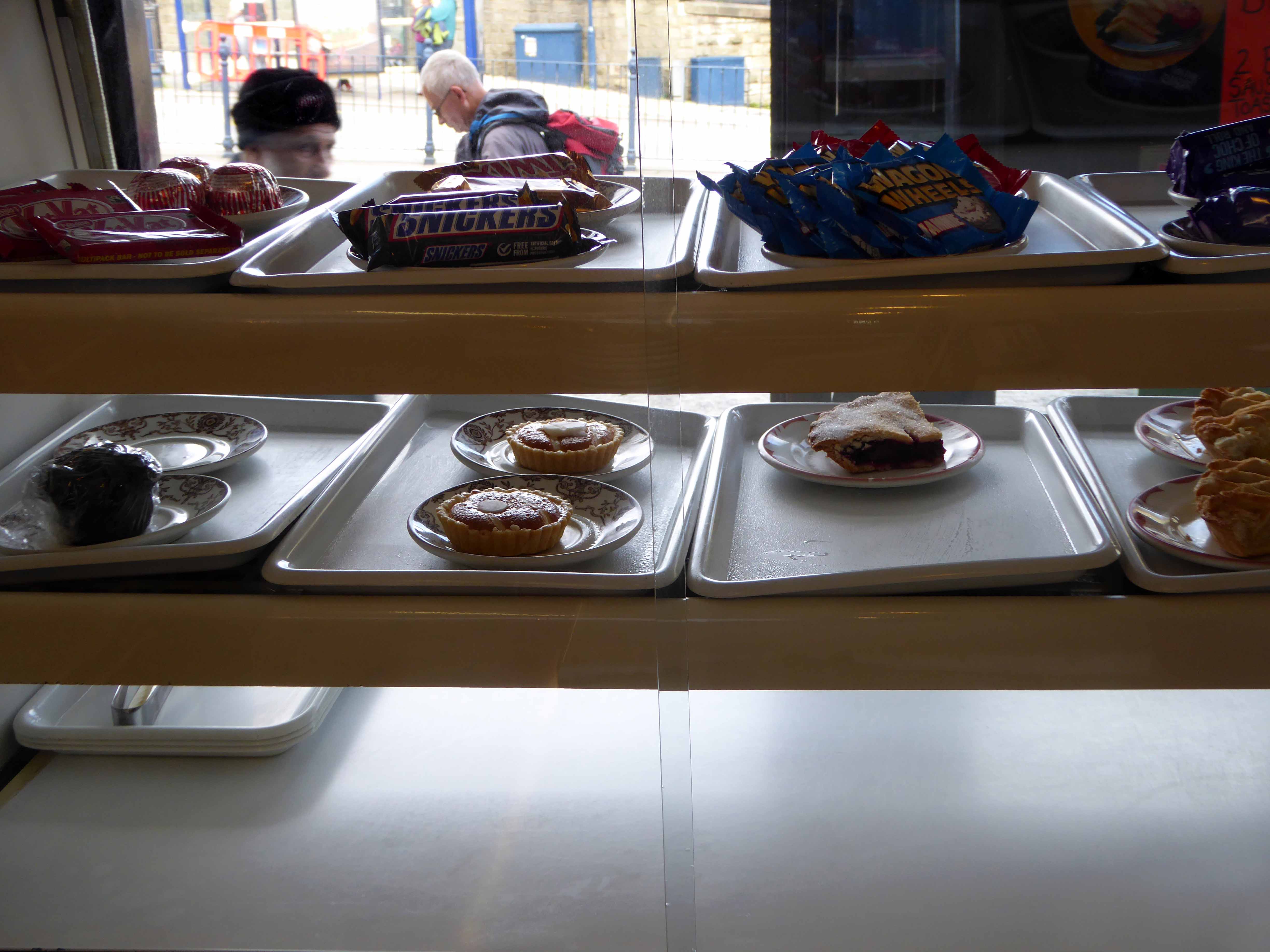
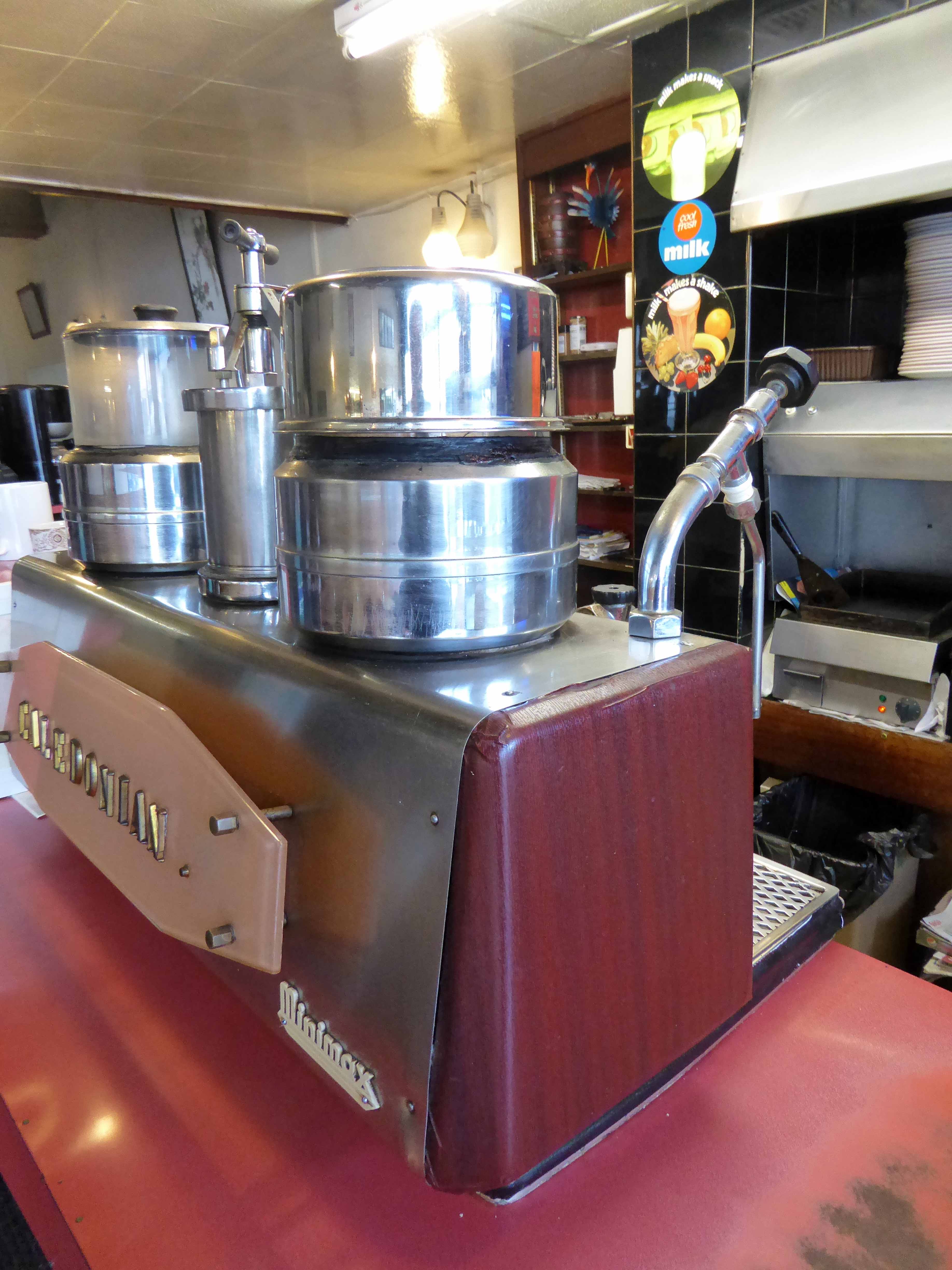
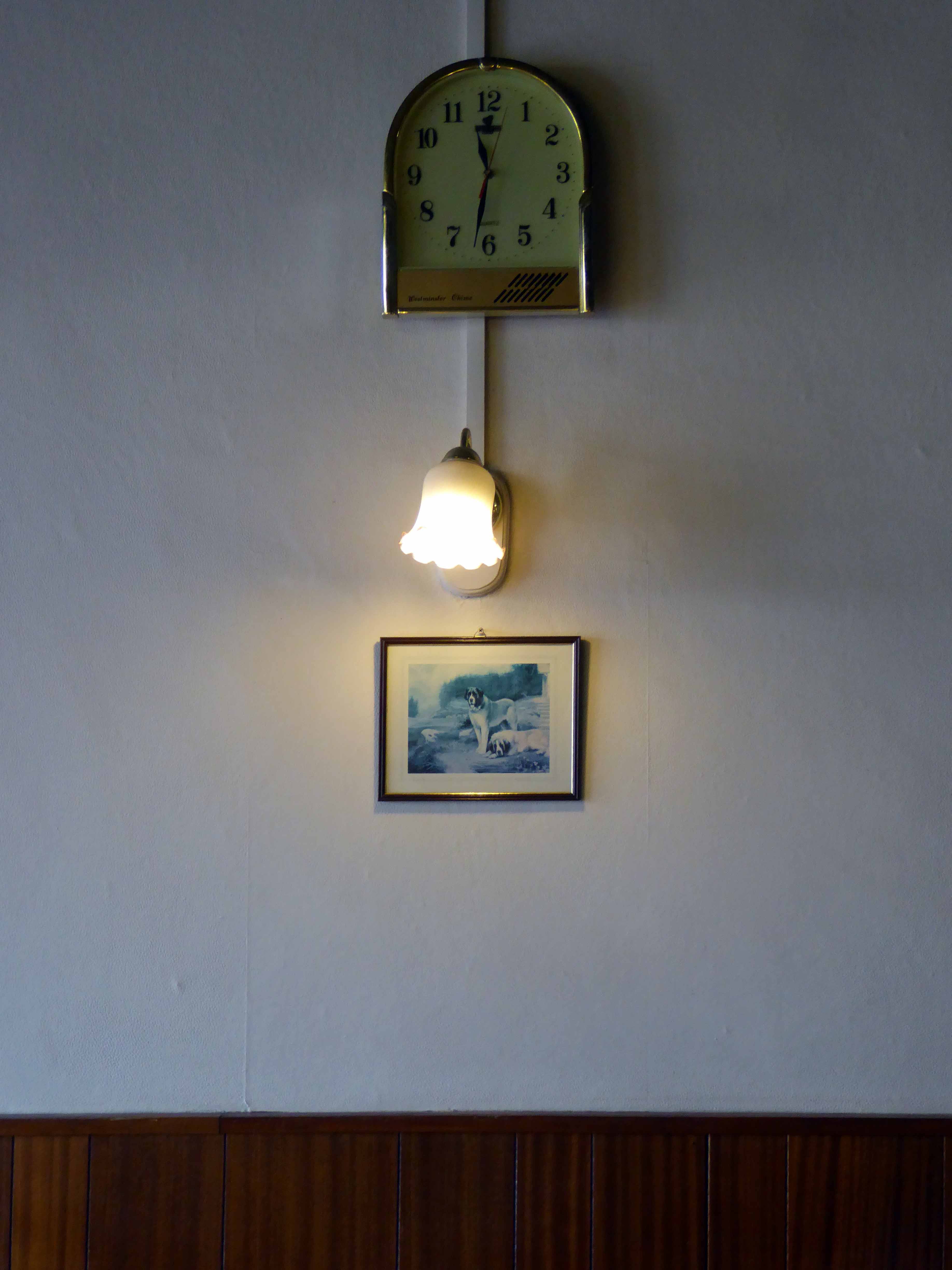
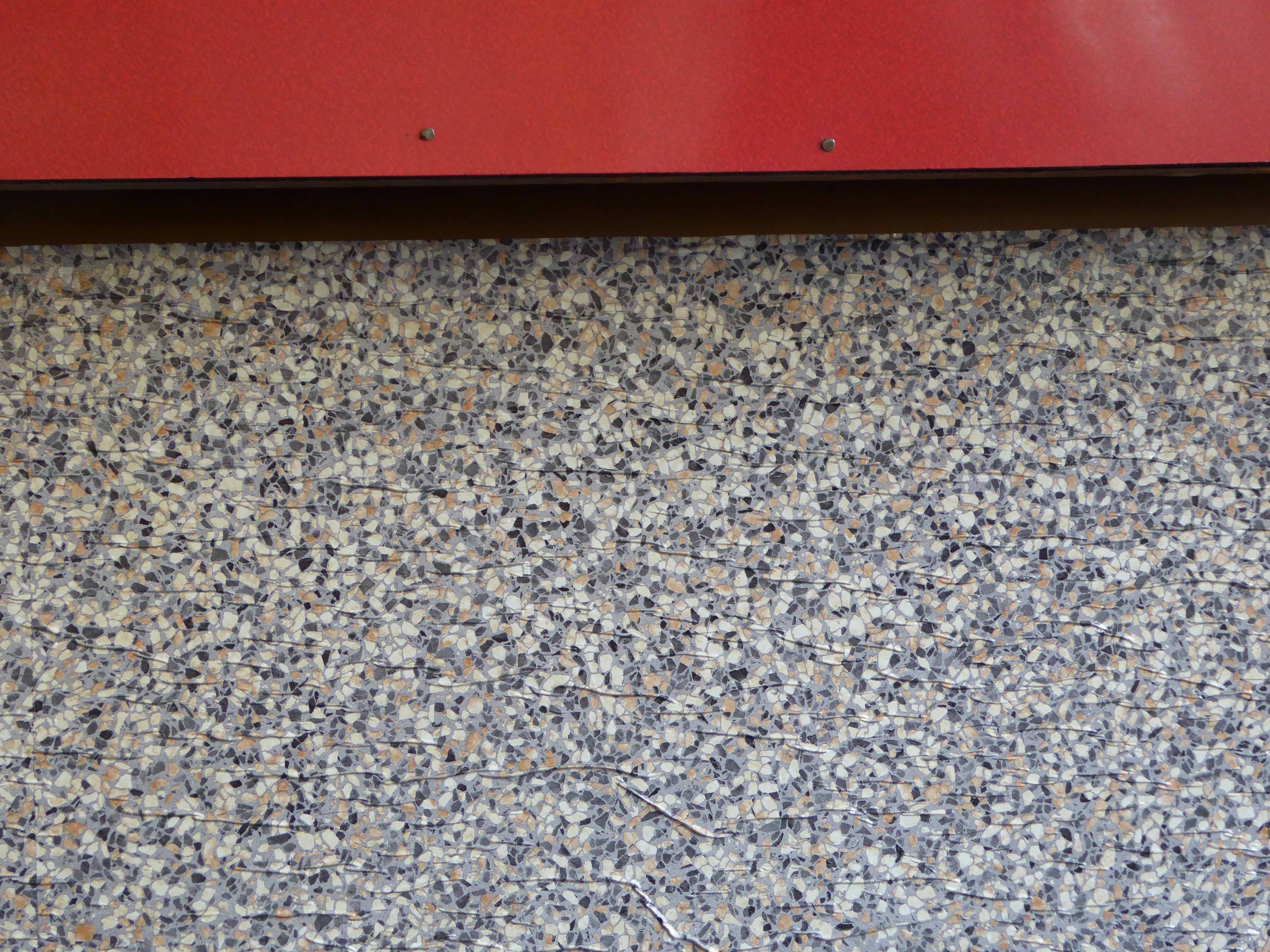
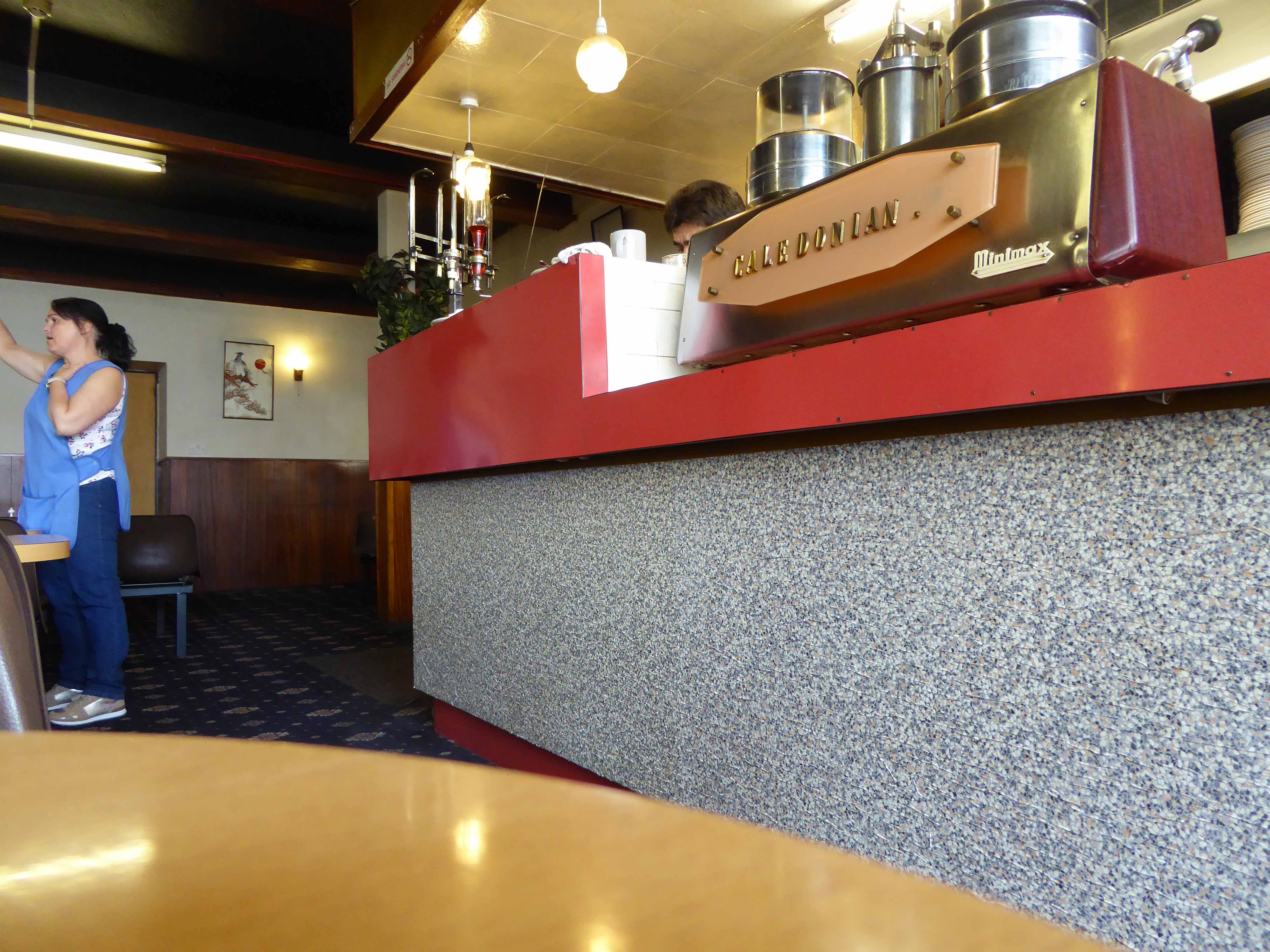
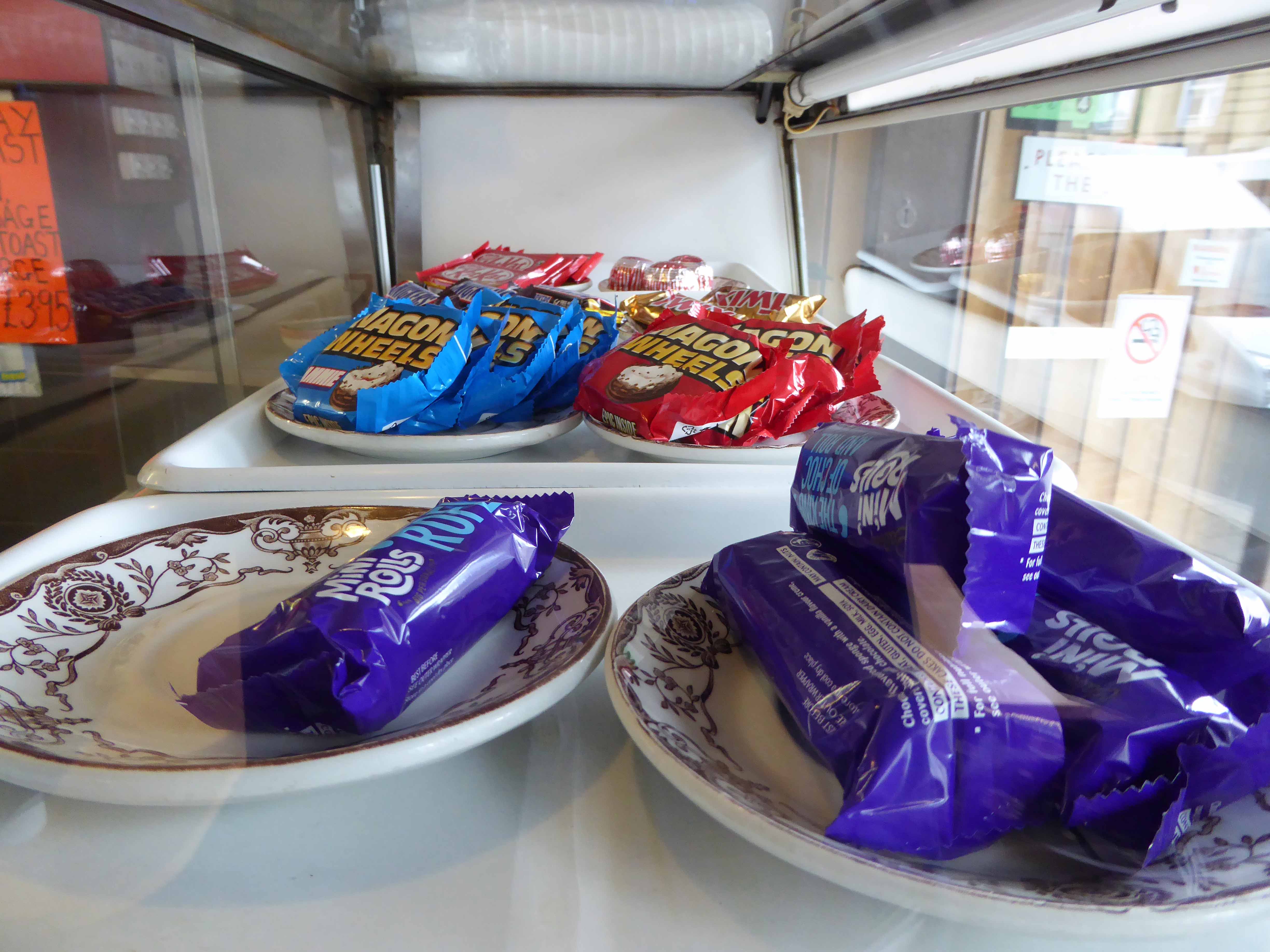
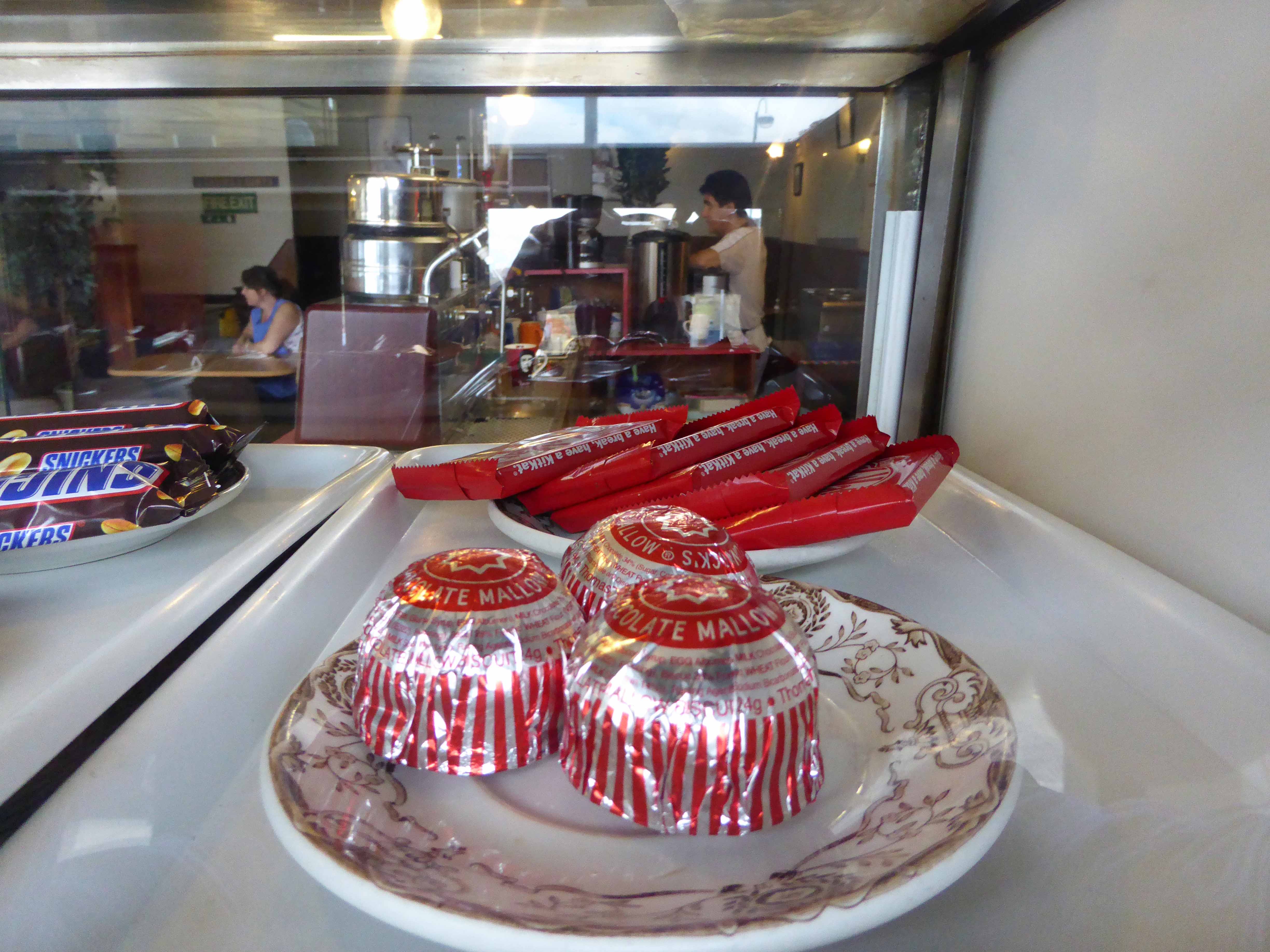
The Caledonian Café is everything that it isn’t, it’s the slow accretion of time, personal taste and accoutrements. Not frozen but slowly evolving, warm and welcoming. Owners Tony and Claire were more than happy to offer their company, tea and sympathy.

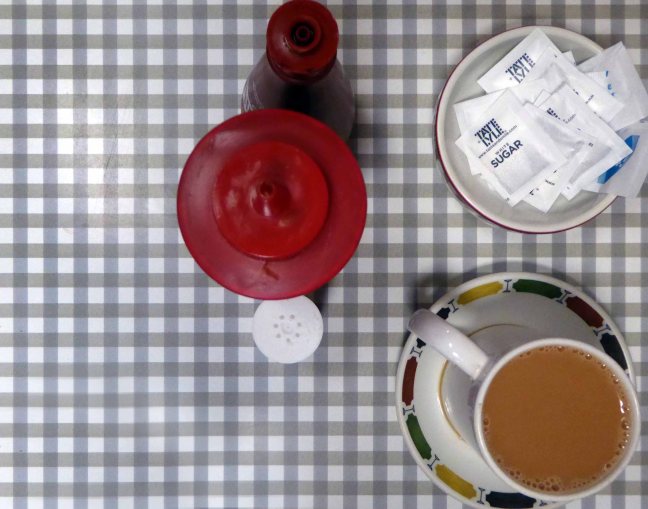
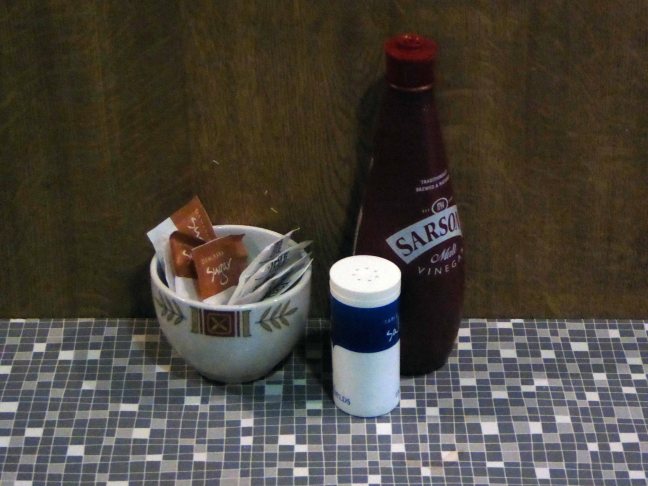
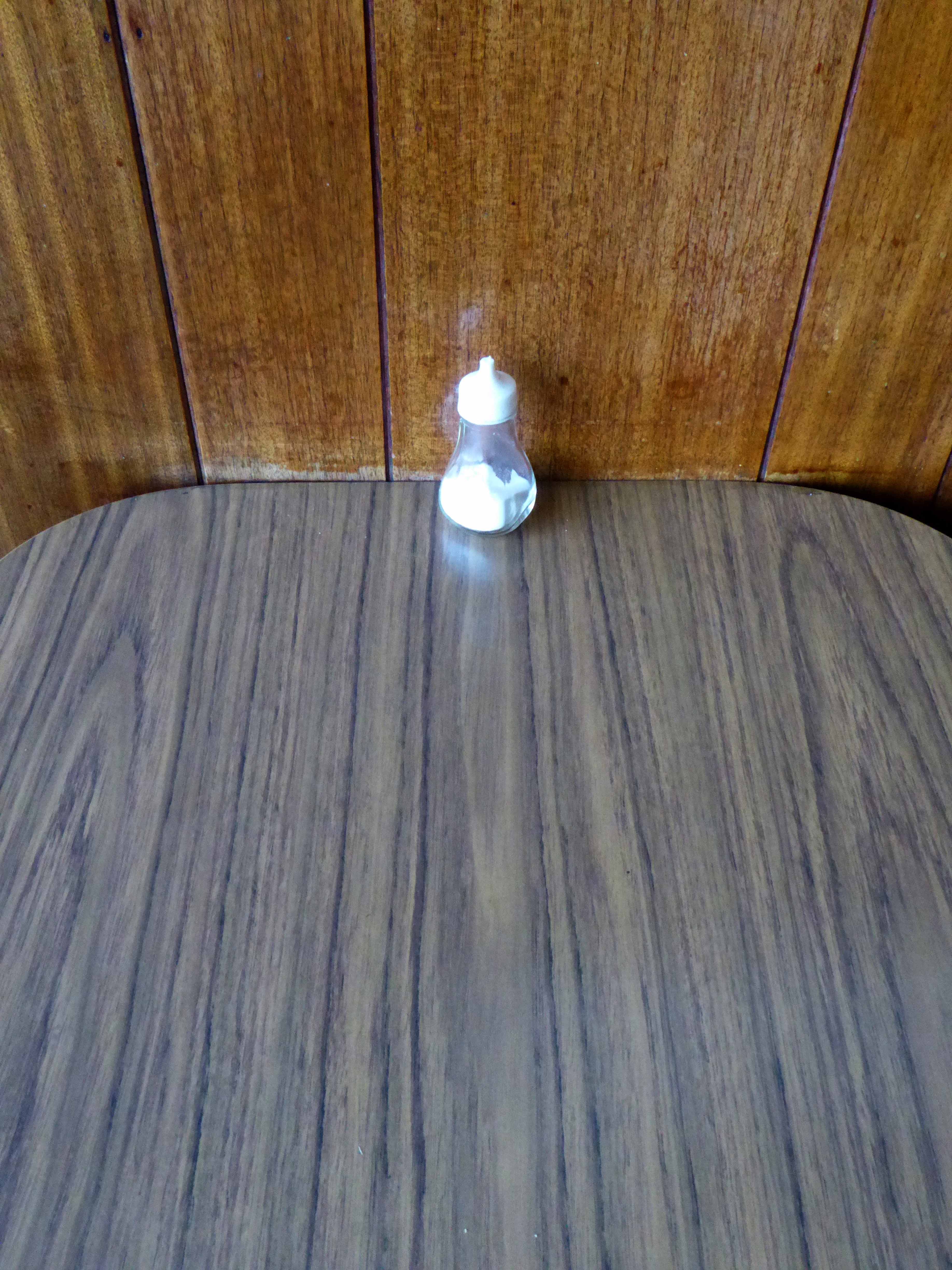
“The students come in to do their projects, sometimes they just ask to photograph the salt pots.”

I was more than happy to oblige and comply.

p1080592-copy

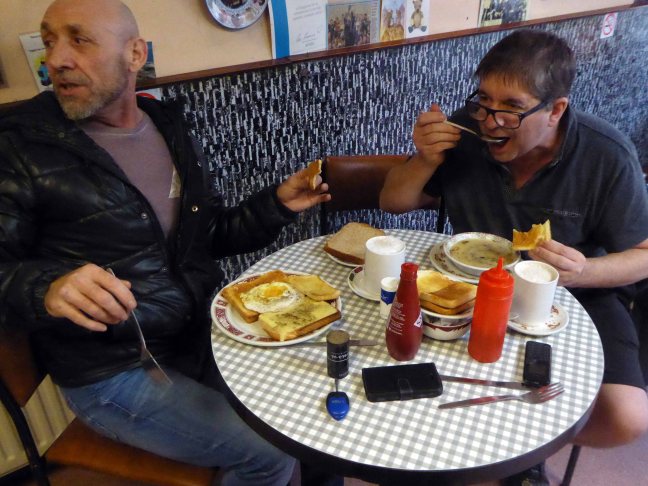
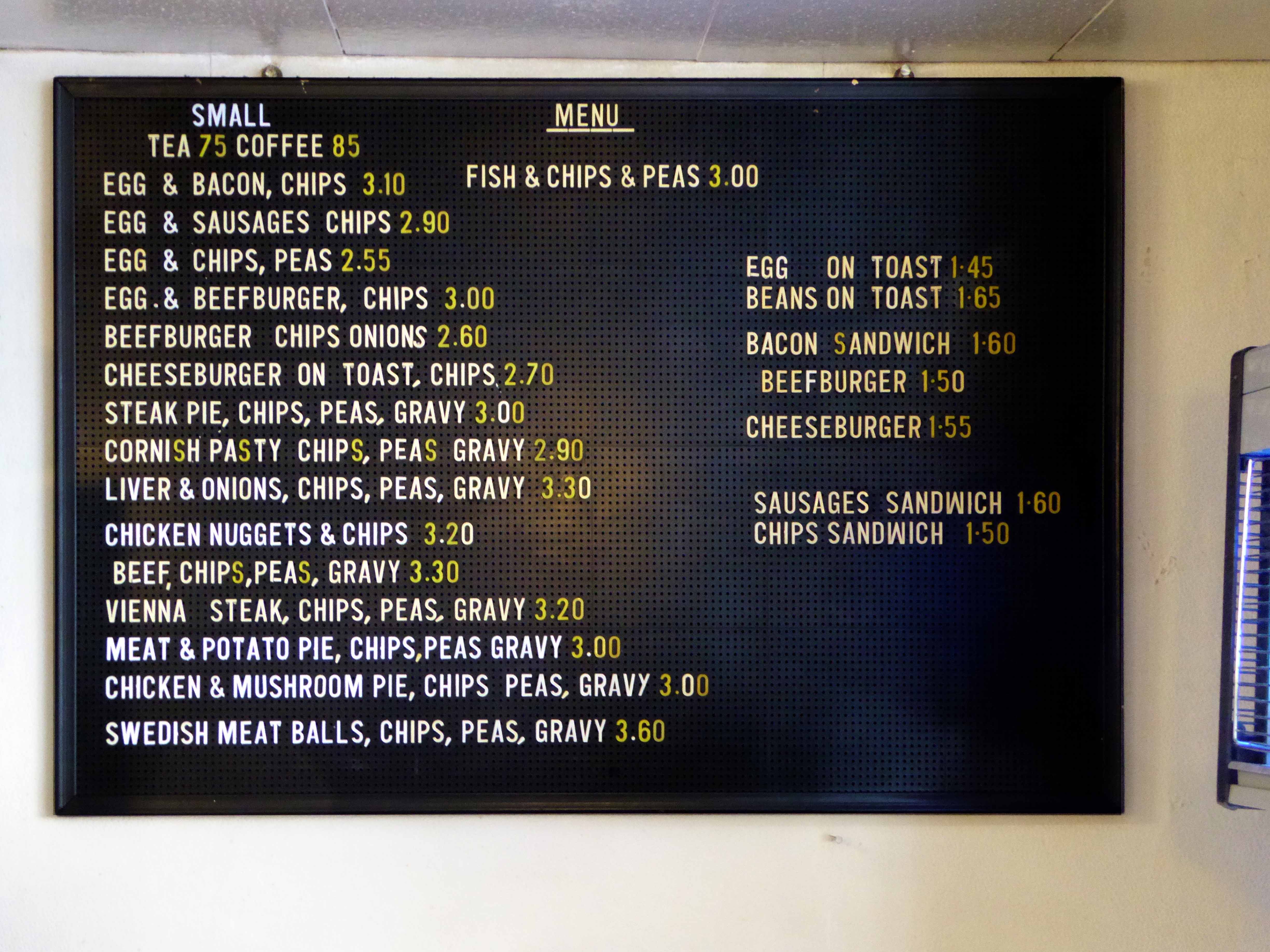
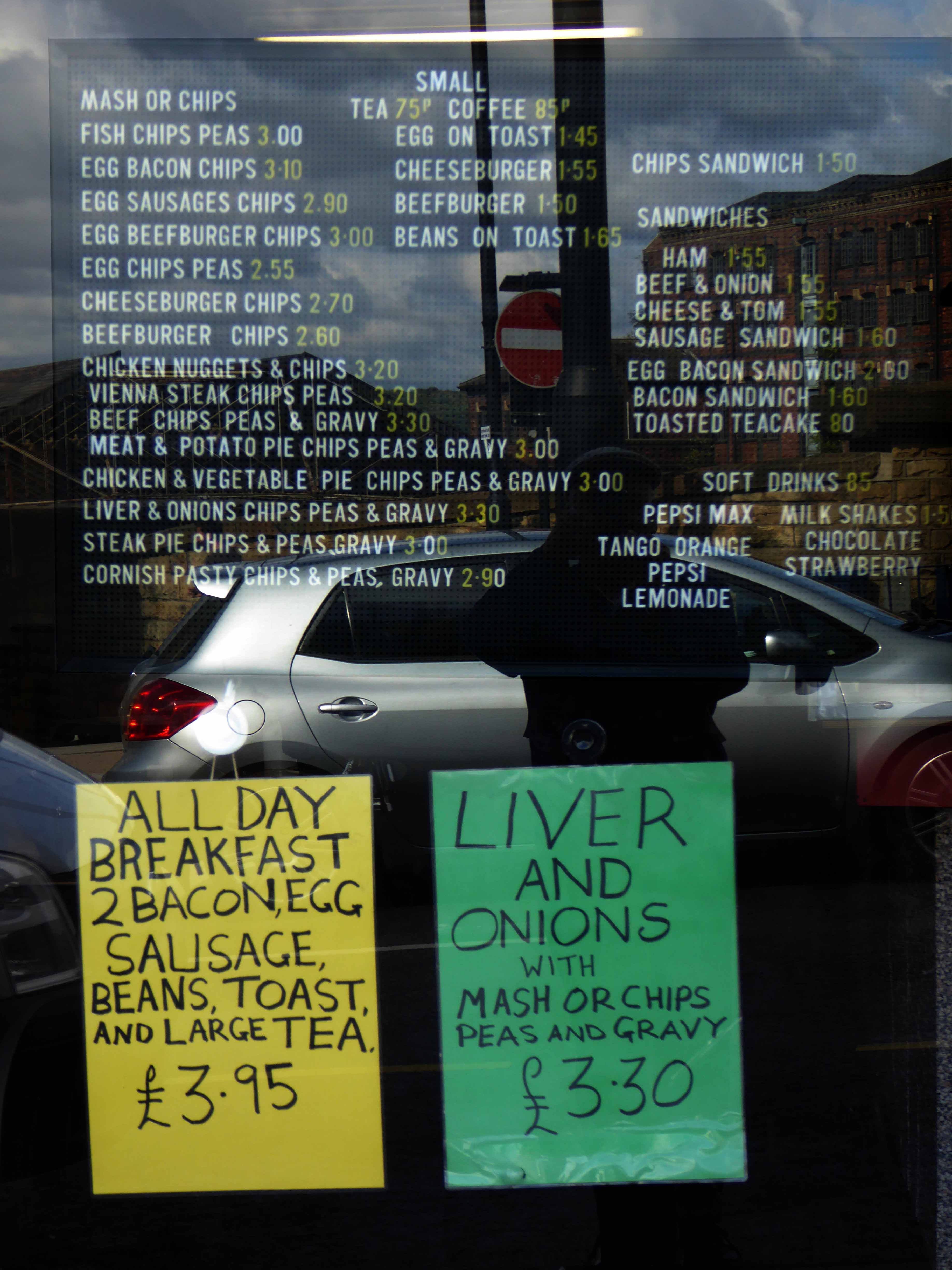
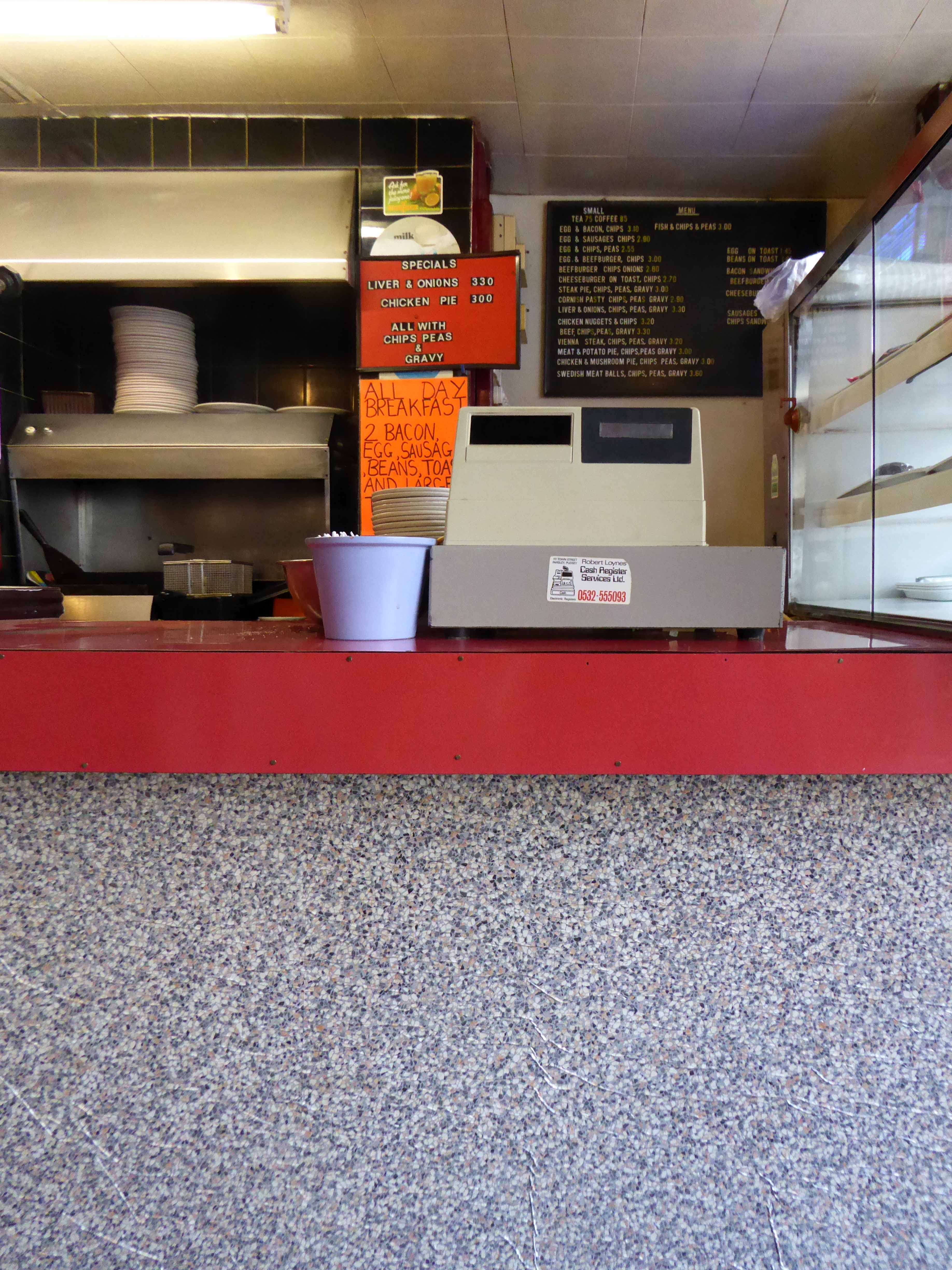
The prices are more than reasonable, and Tony goes out of his way to accommodate his customers.

” The families don’t always have a lot, so I give them two plates and split the burger and chips for the two kiddies.”

p1080584-copy

It was still early for me so I settled on a large tea, but I’ll be back before long for a bite to eat.

p1080623-copy

So best foot forward, get yourself down to the Caledonian, you won’t be disappointed.

screen-shot-2016-09-11-at-14-46-57

p1080640-copy

p1080583-copy

p1080643-copy

p1080585-copy

p1080586-copy

p1080591-copy

p1080594-copy

p1080595-copy

p1080596-copy

p1080597-copy

p1080599-copy

p1080600-copy

p1080601-copy

p1080603-copy

p1080605-copy

p1080608-copy

p1080613-copy

p1080614-copy

p1080615-copy

p1080617-copy

p1080618-copy

p1080621-copy

p1080622-copy

p1080624-copy

p1080625-copy

p1080627-copy

p1080630-copy

p1080631-copy

p1080634-copy

p1080635-copy

p1080637-copy

p1080638-copy

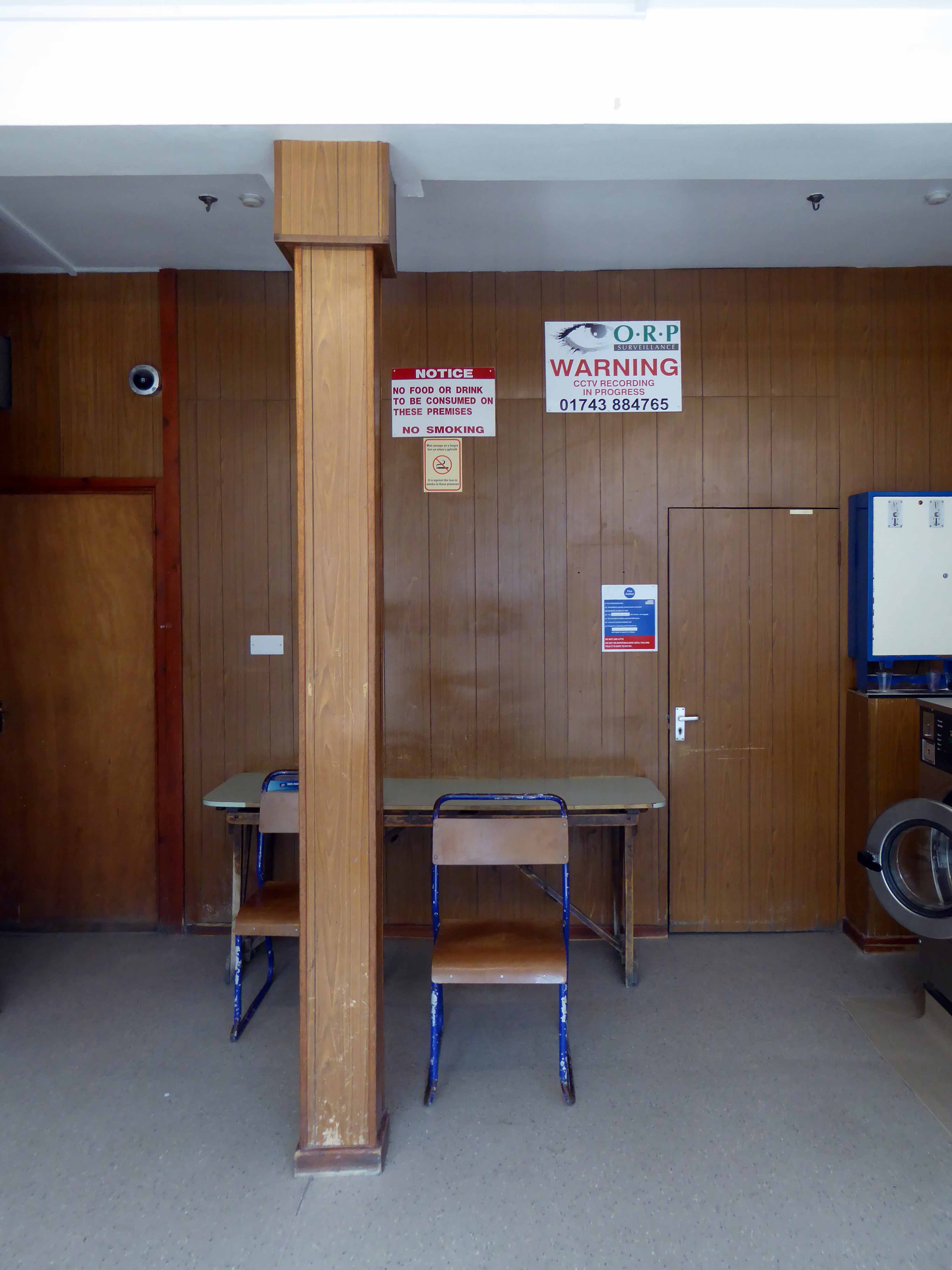
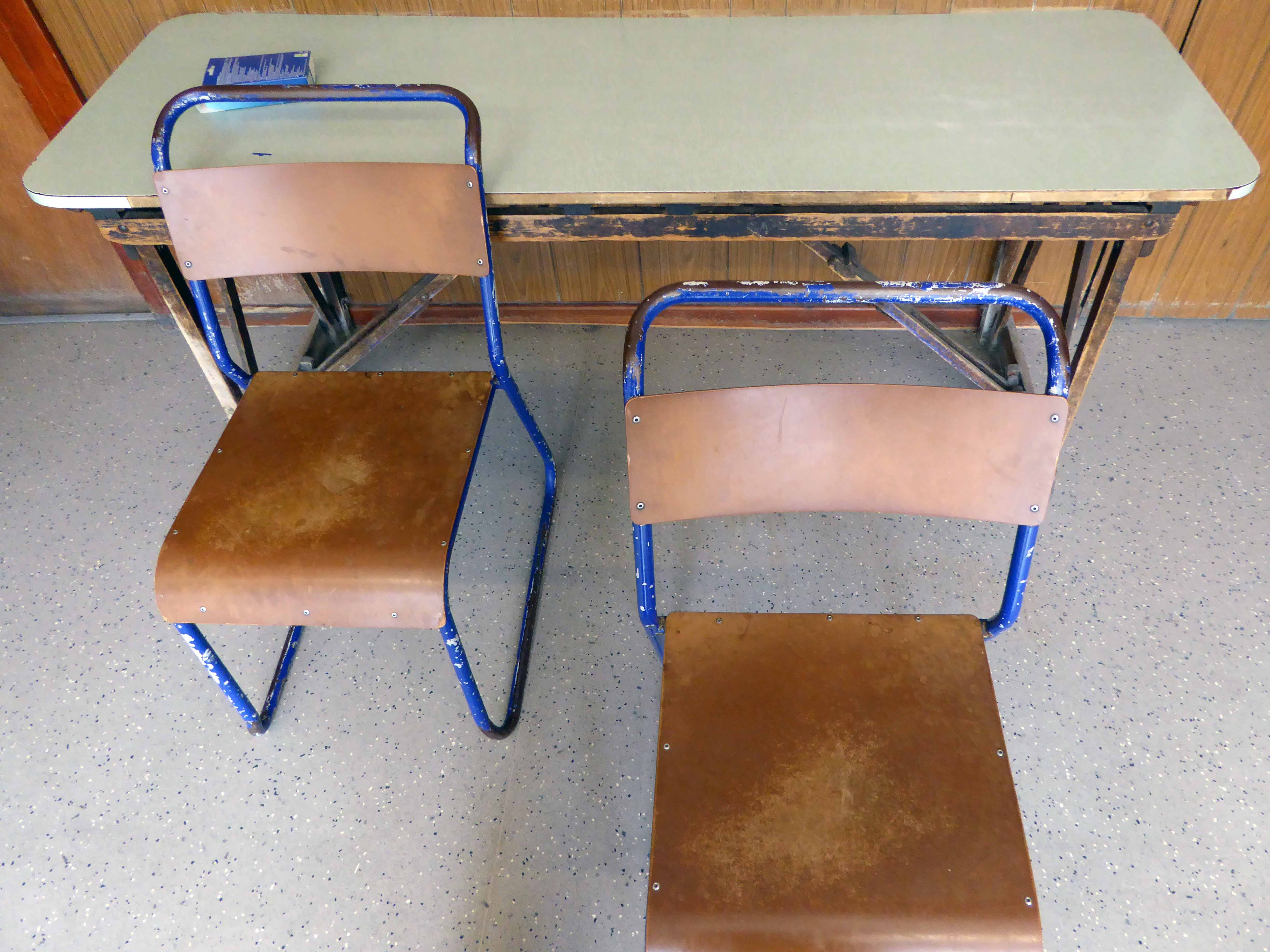
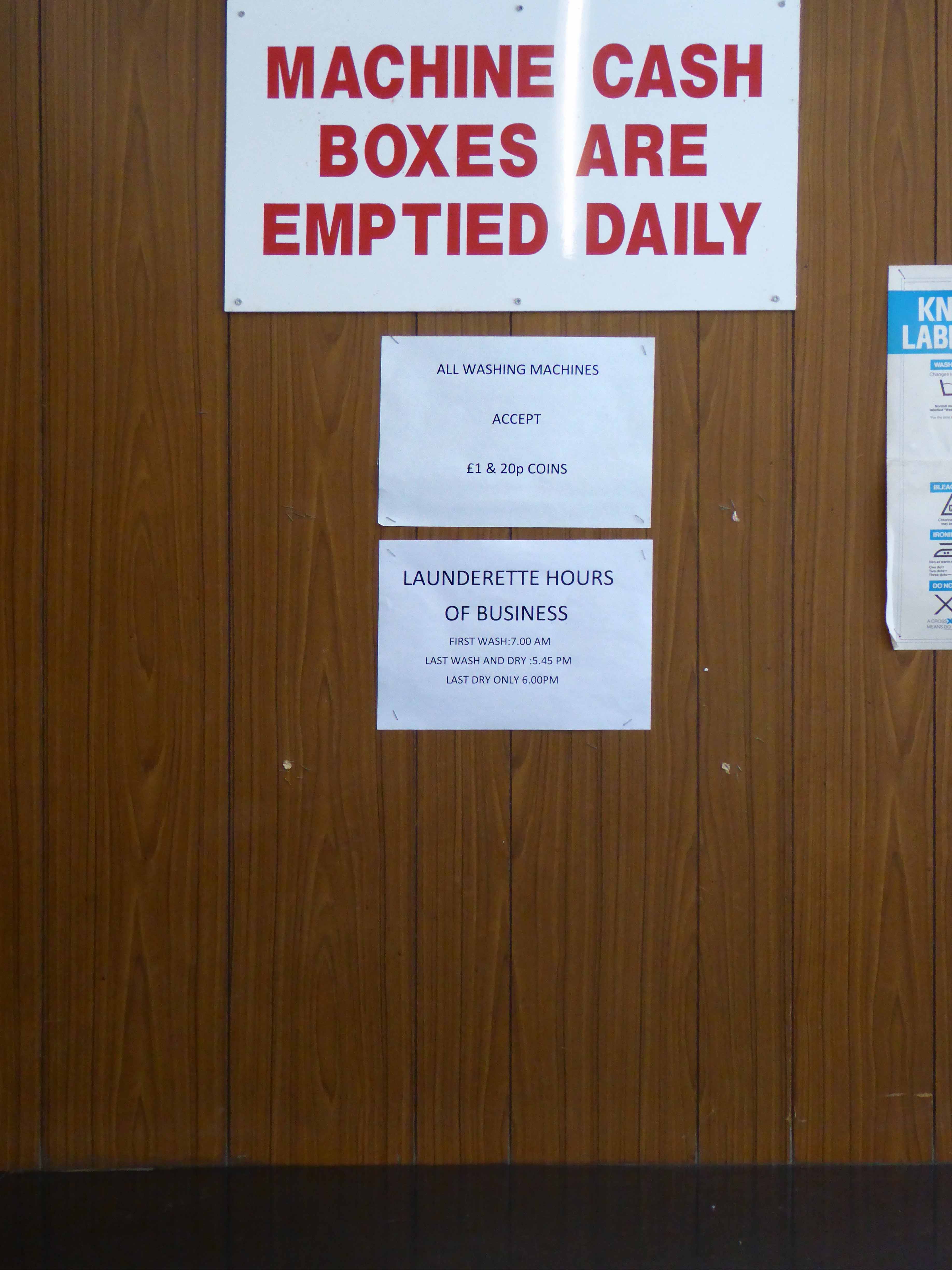
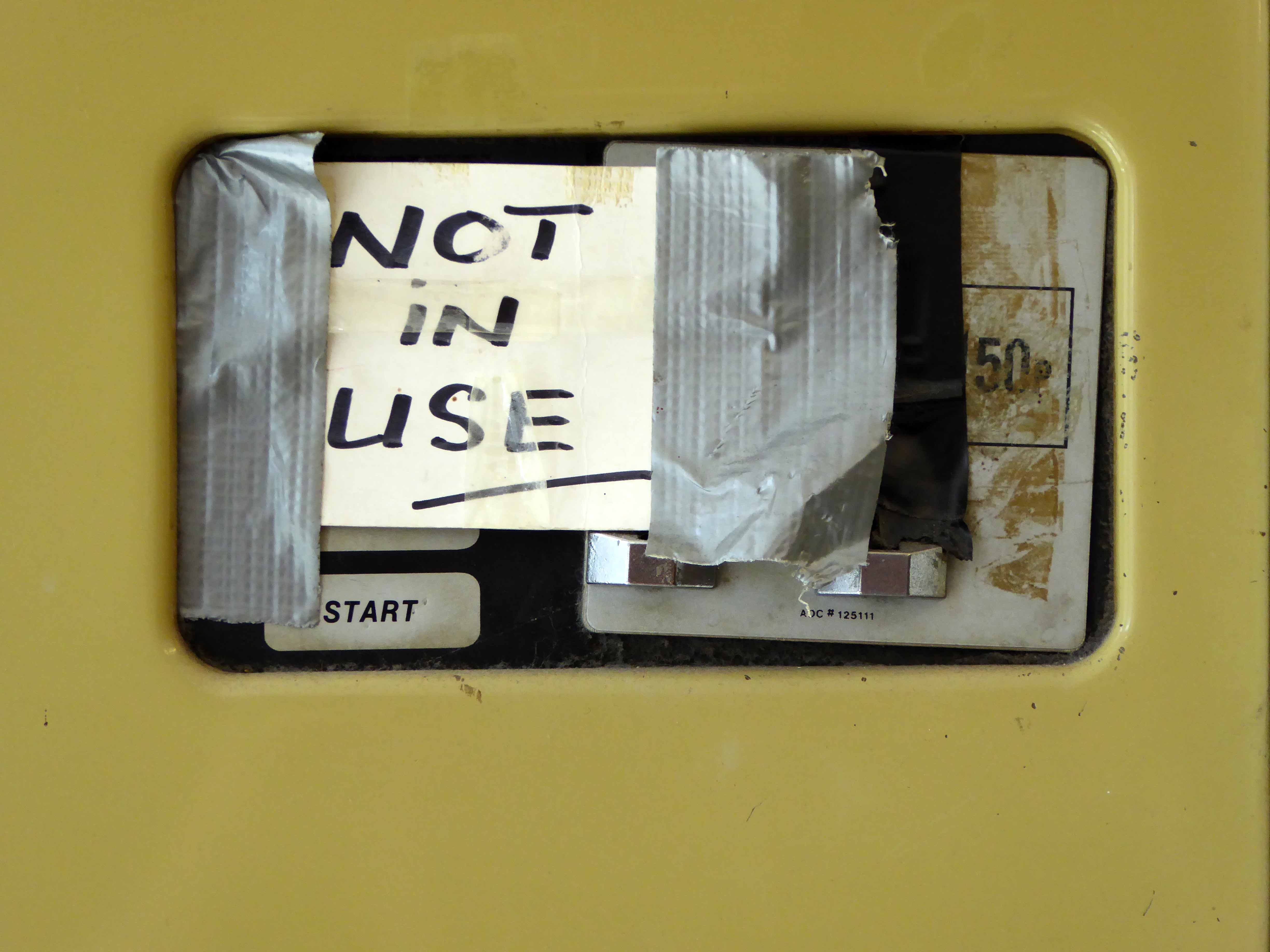
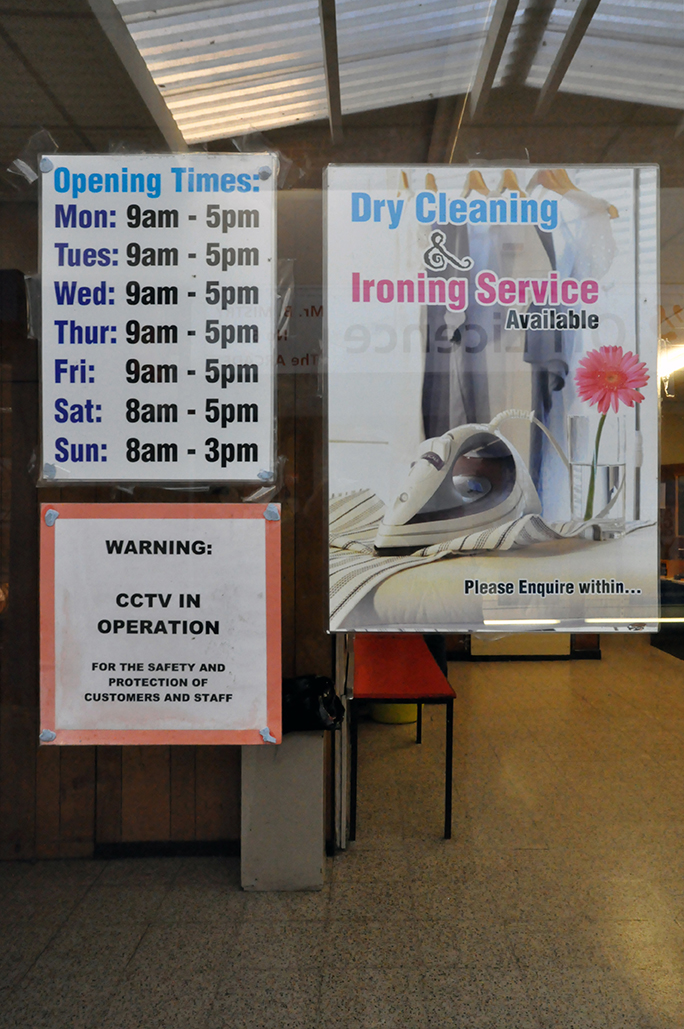
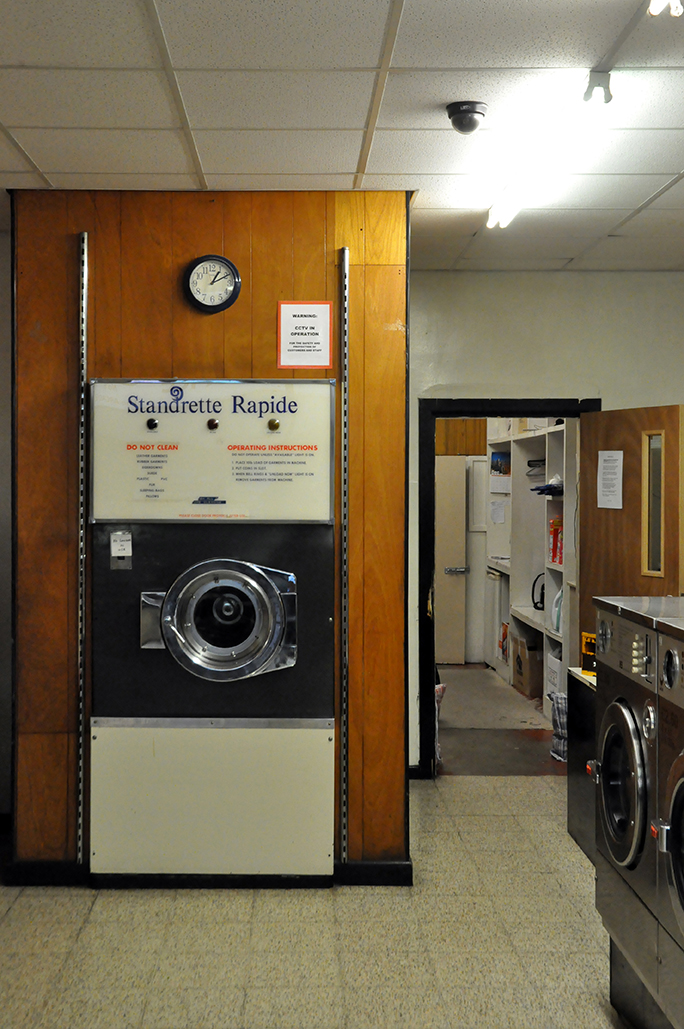
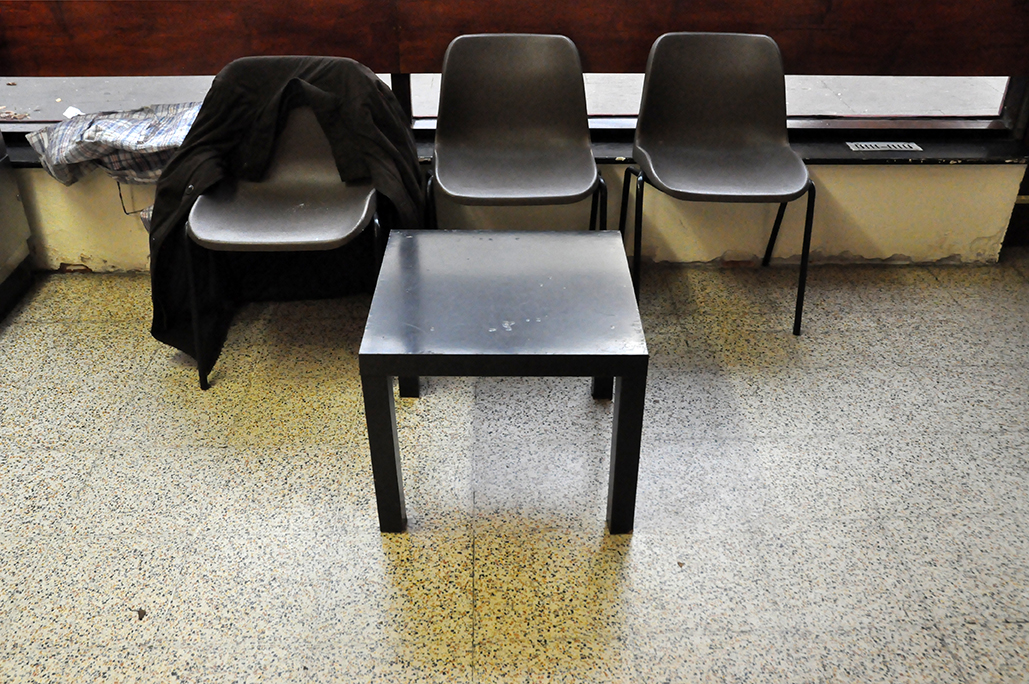
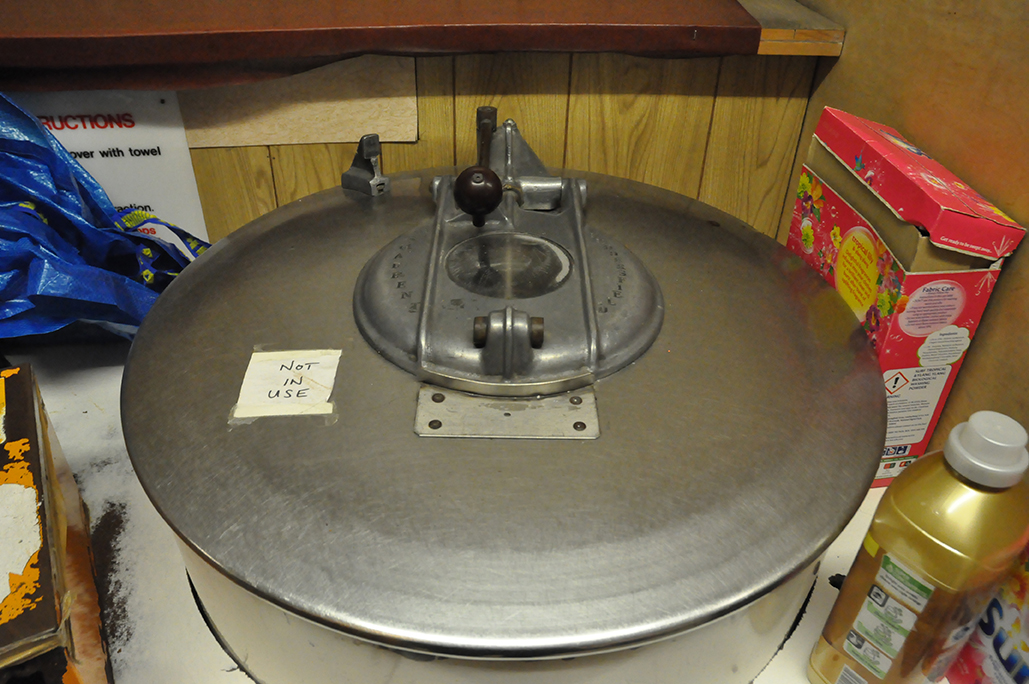
Laundrette – Welshpool

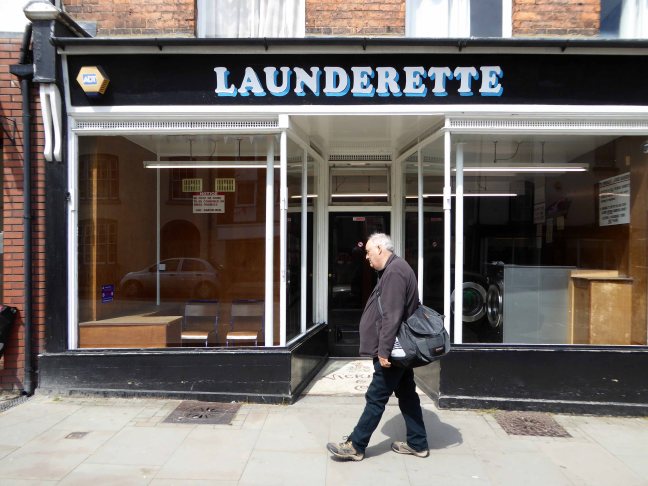
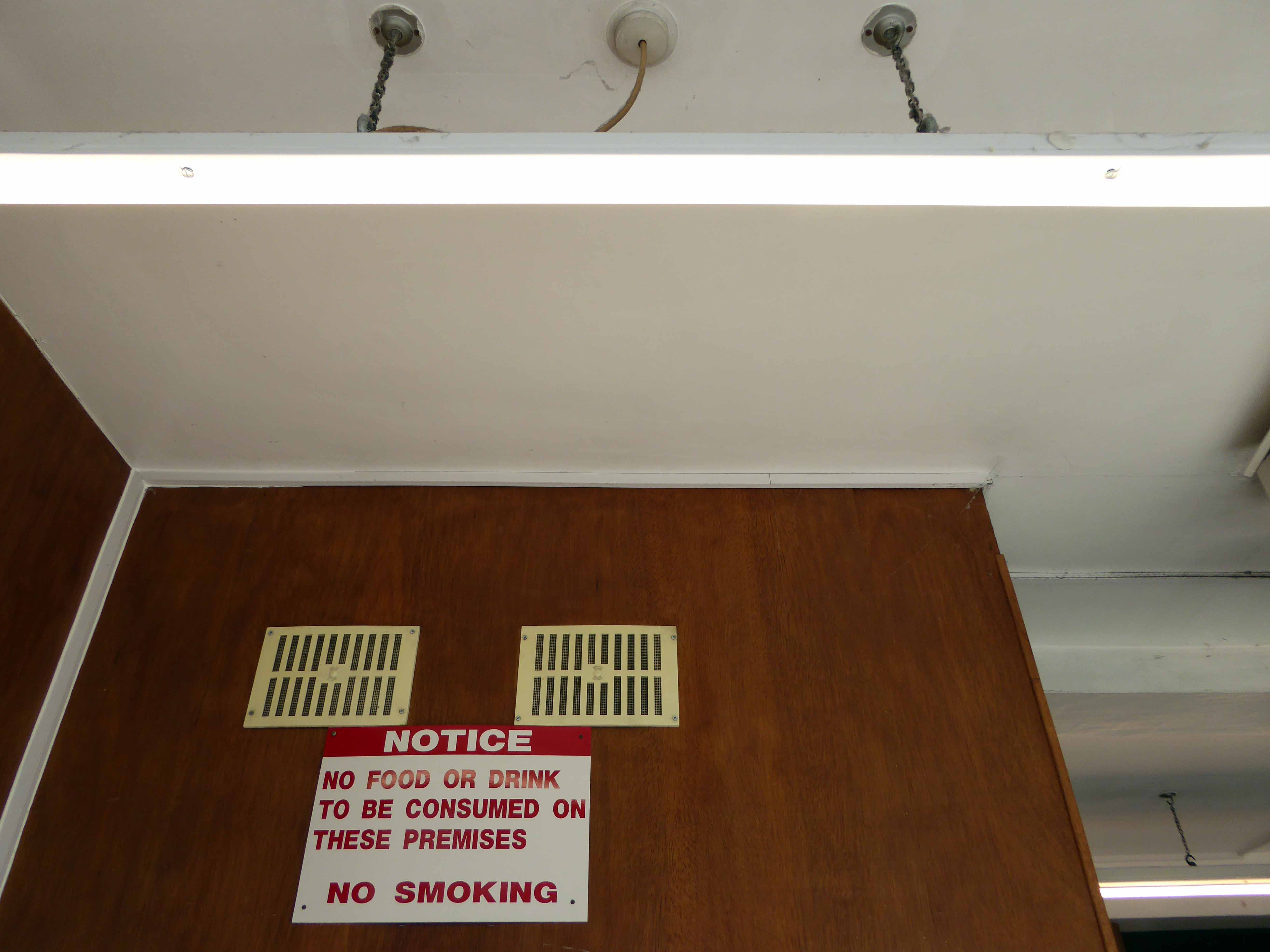
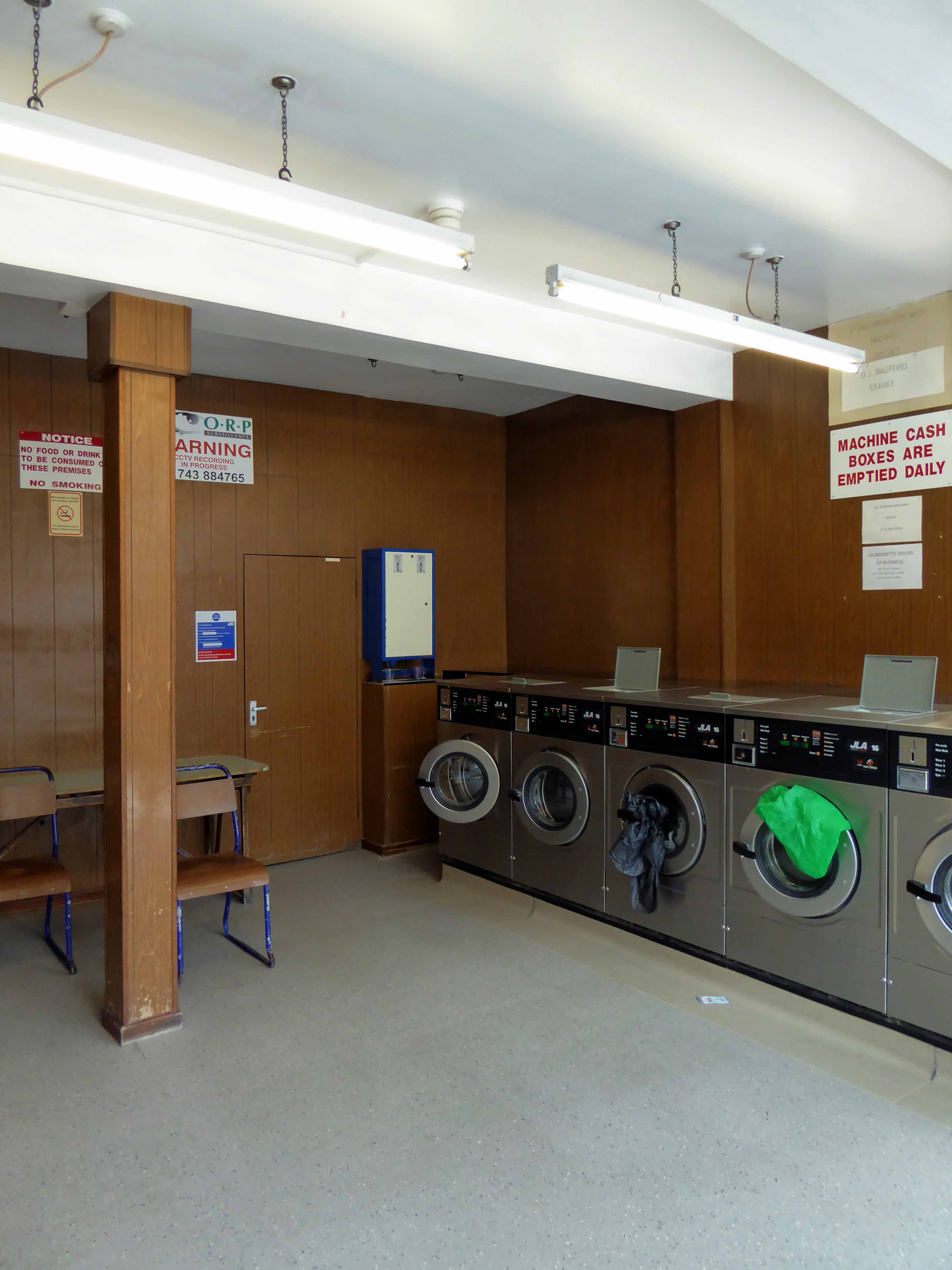
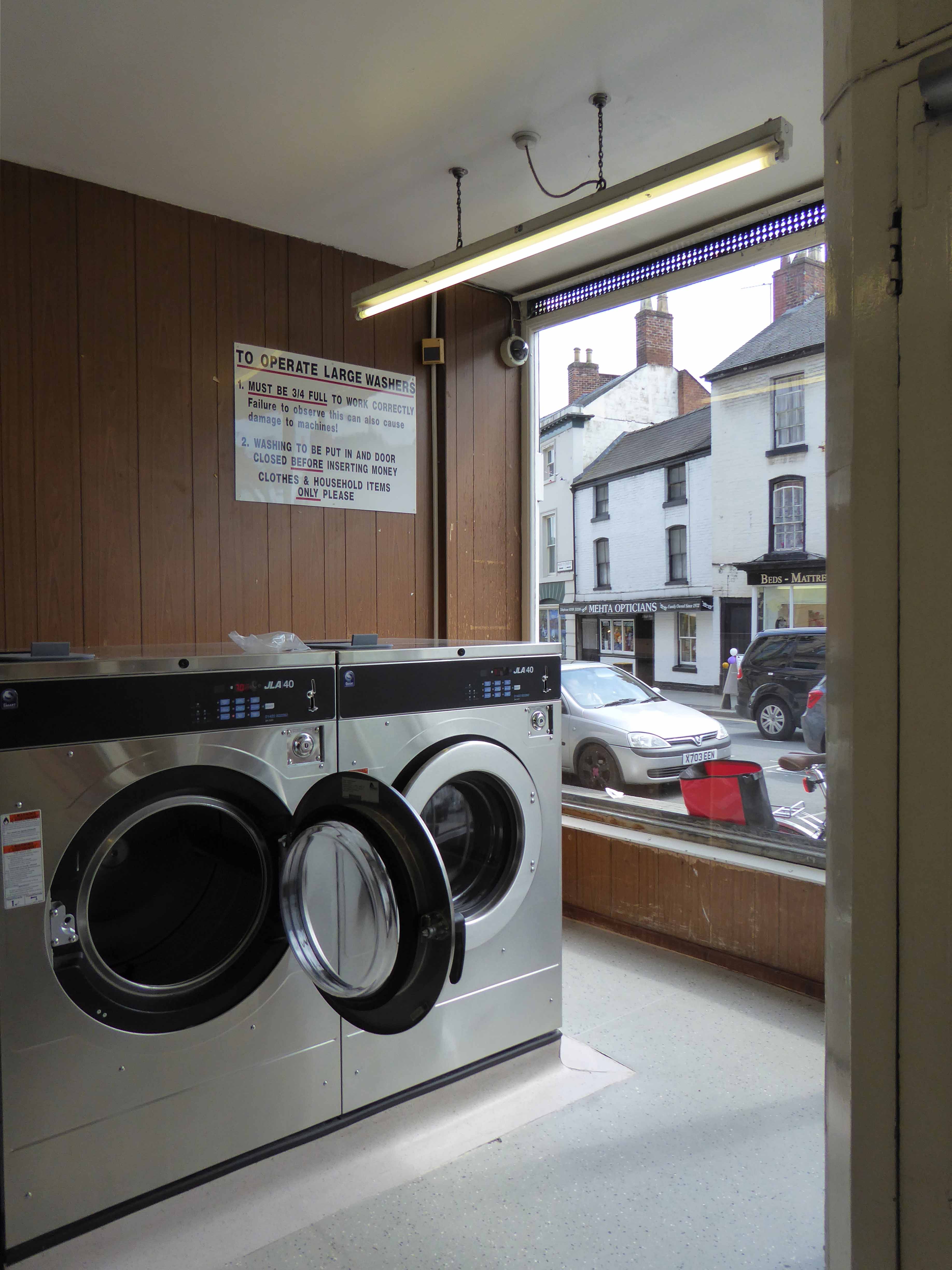
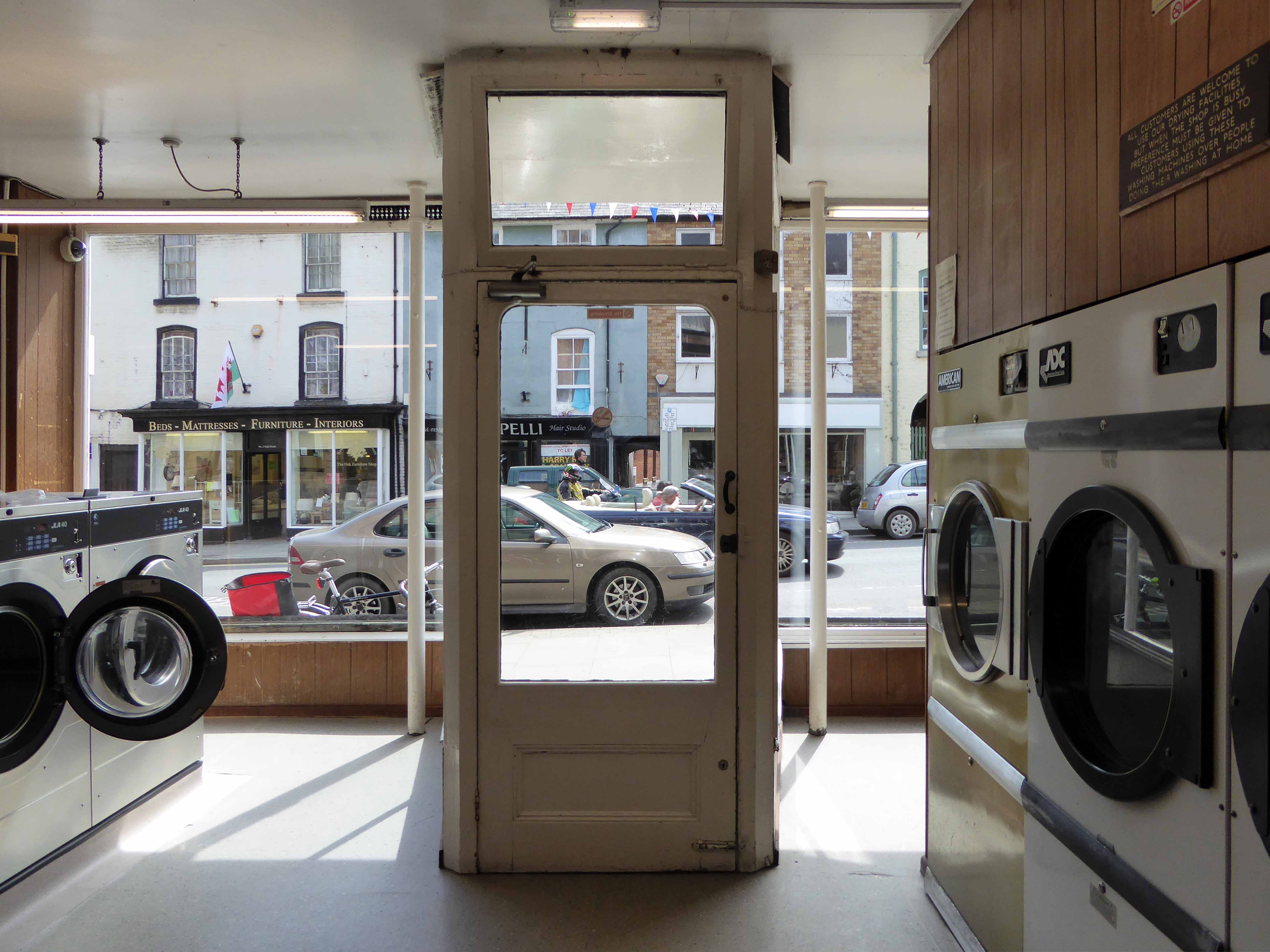
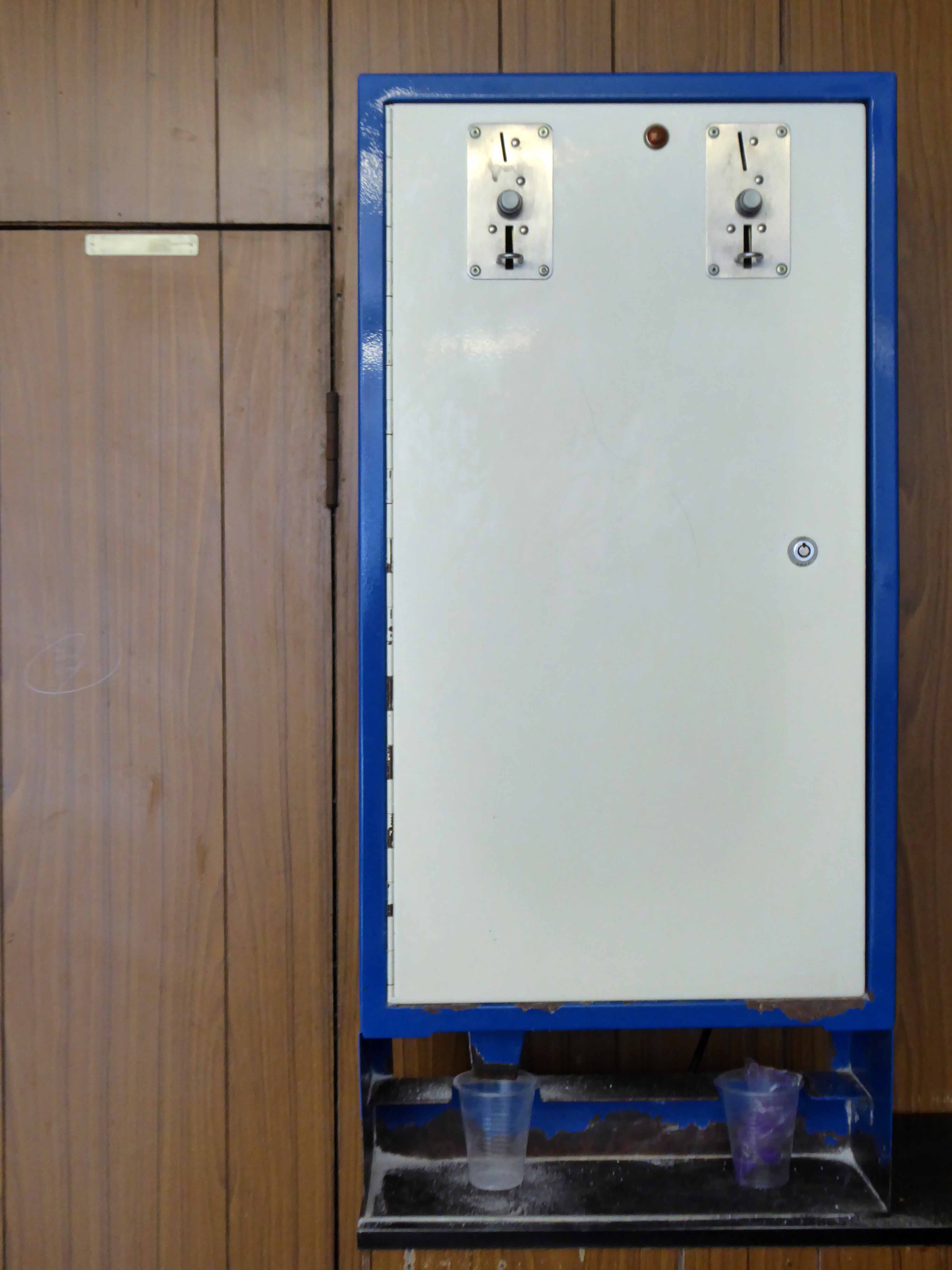
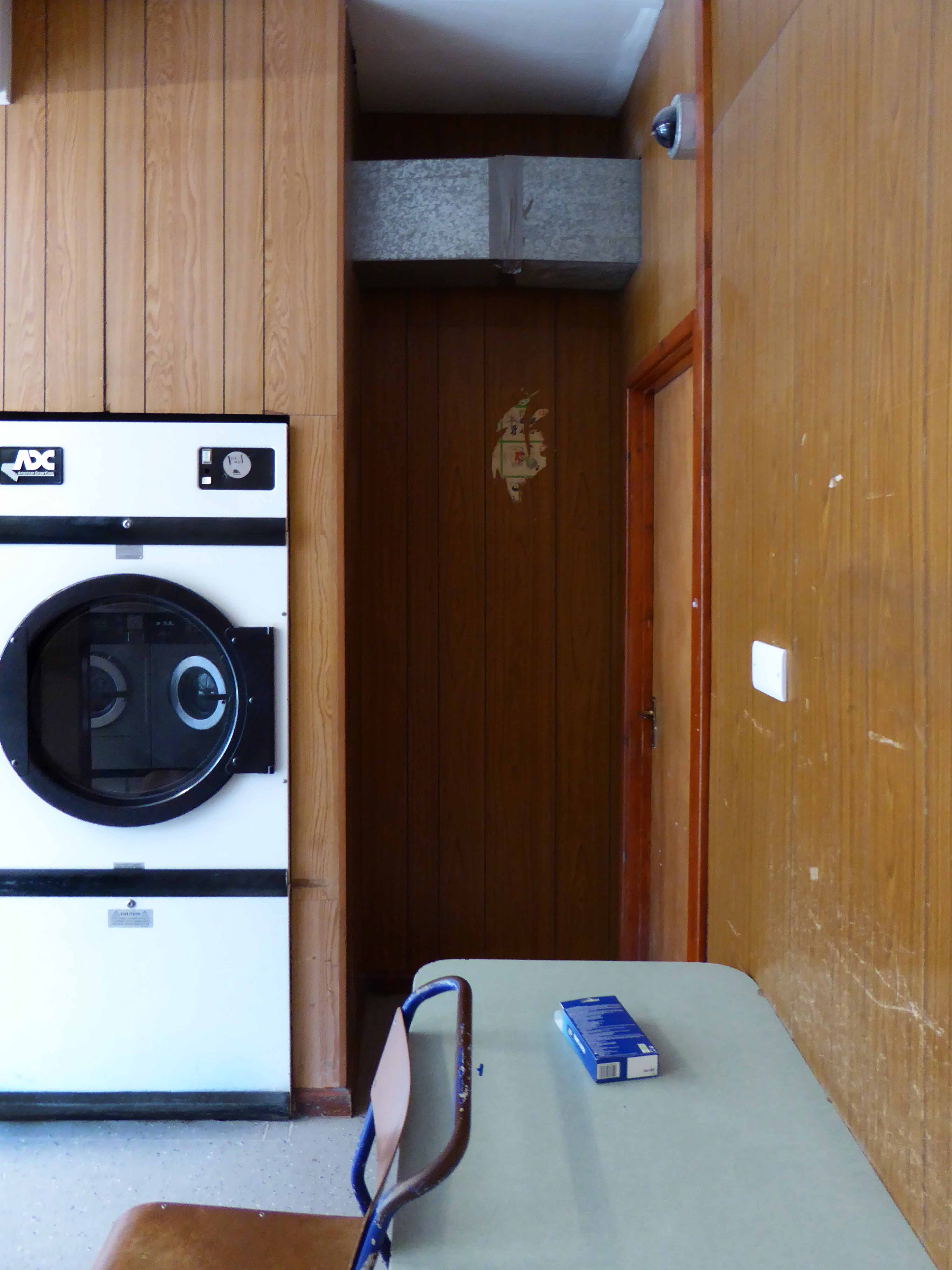
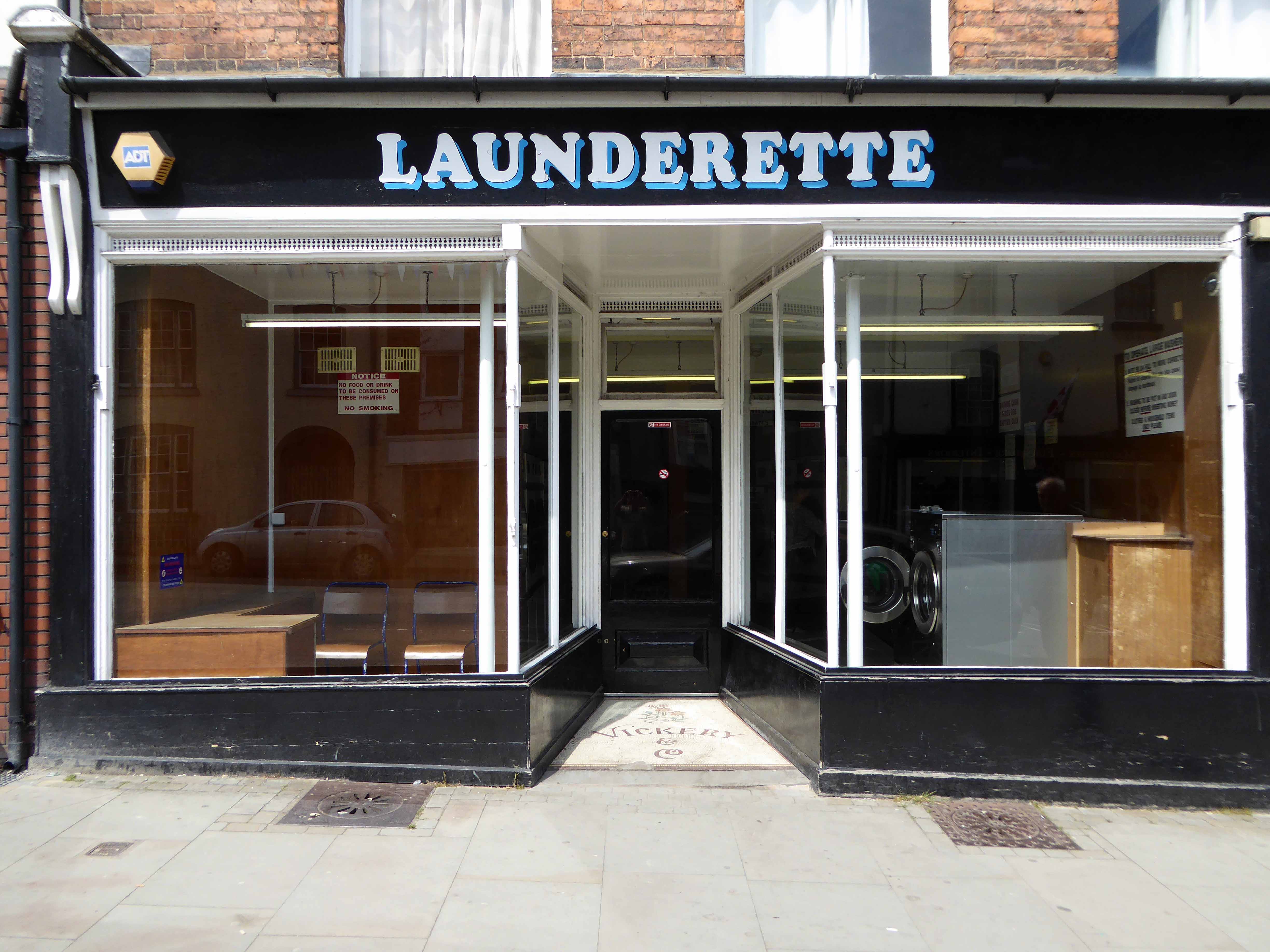
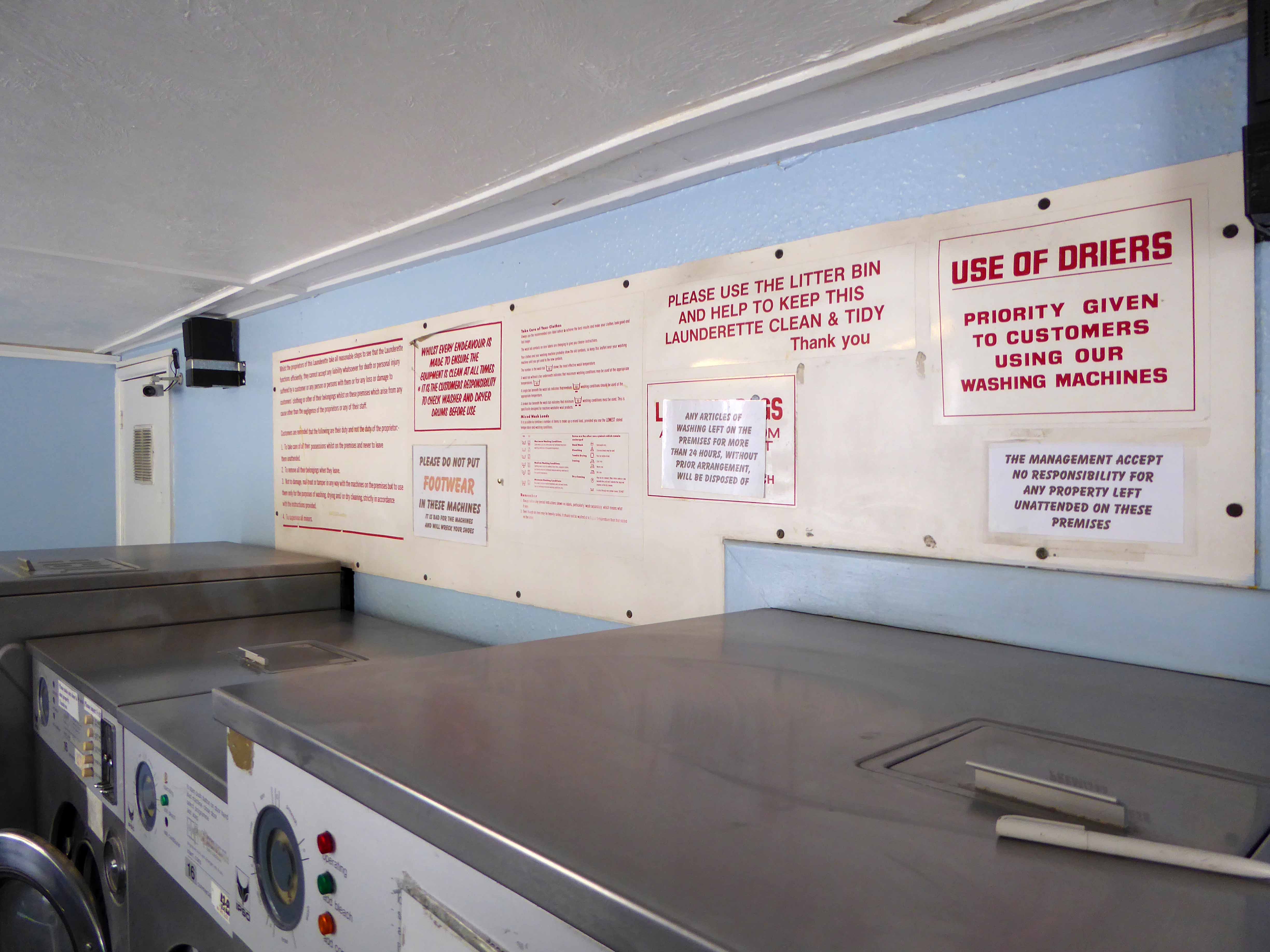
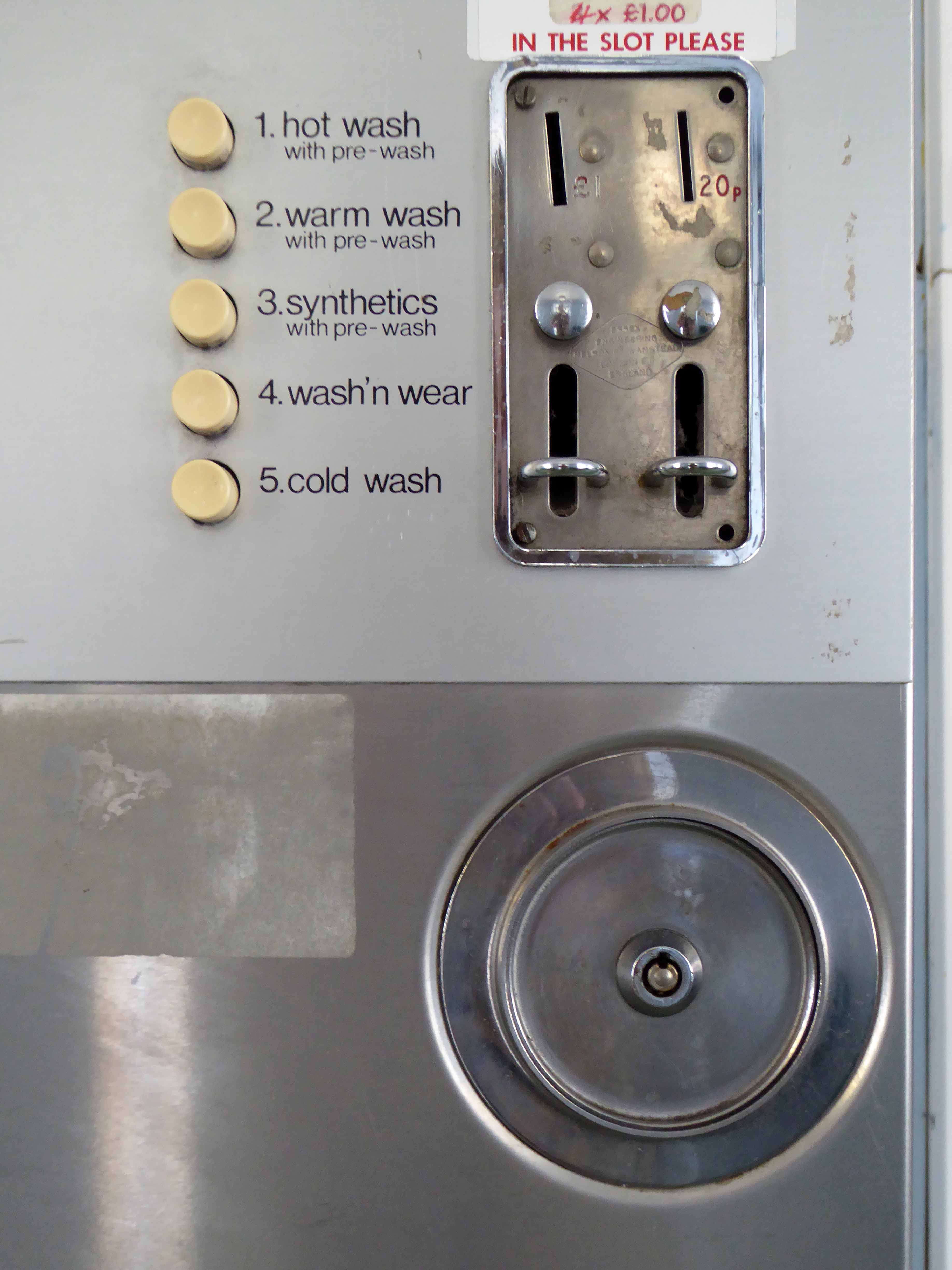
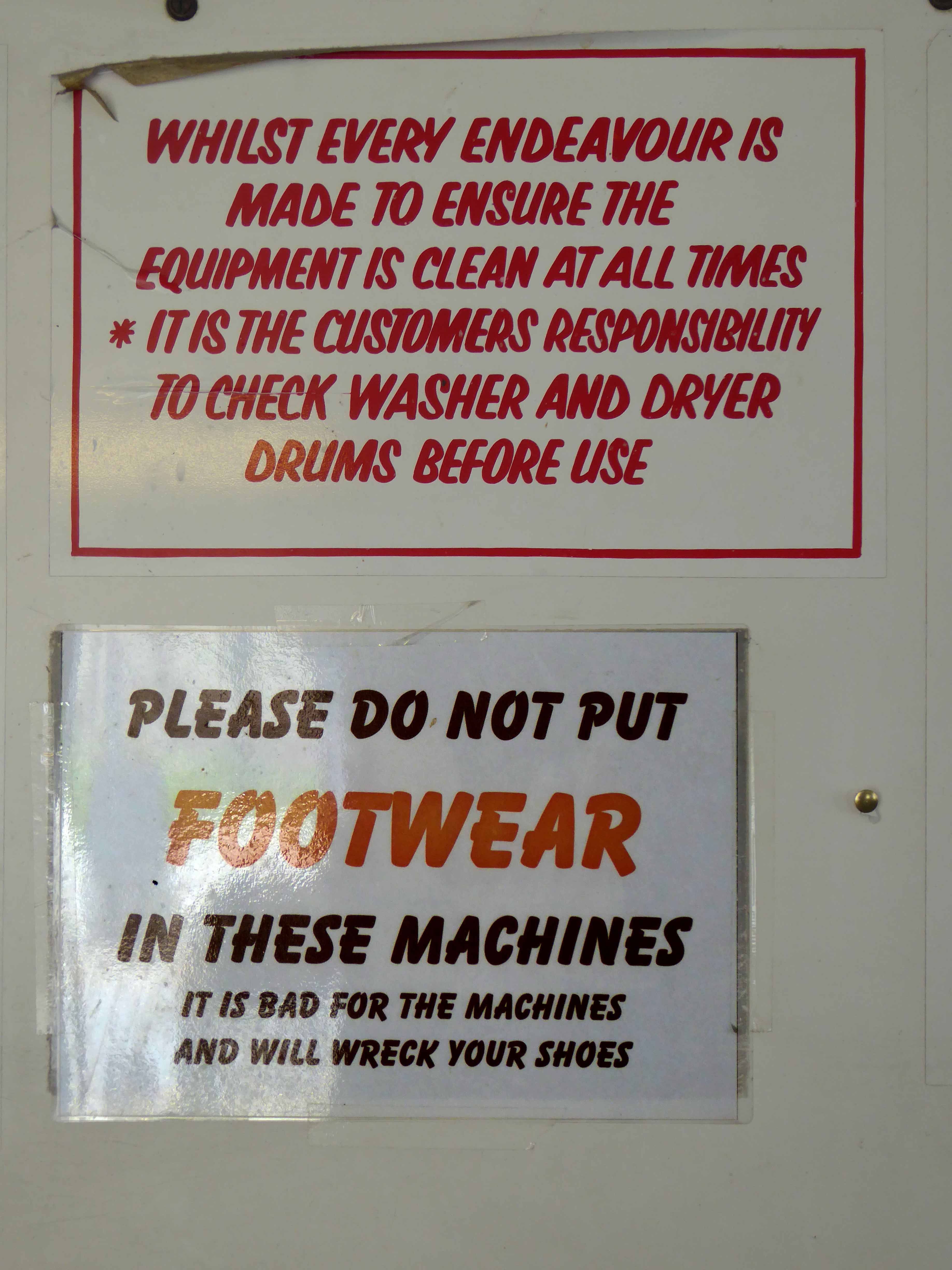
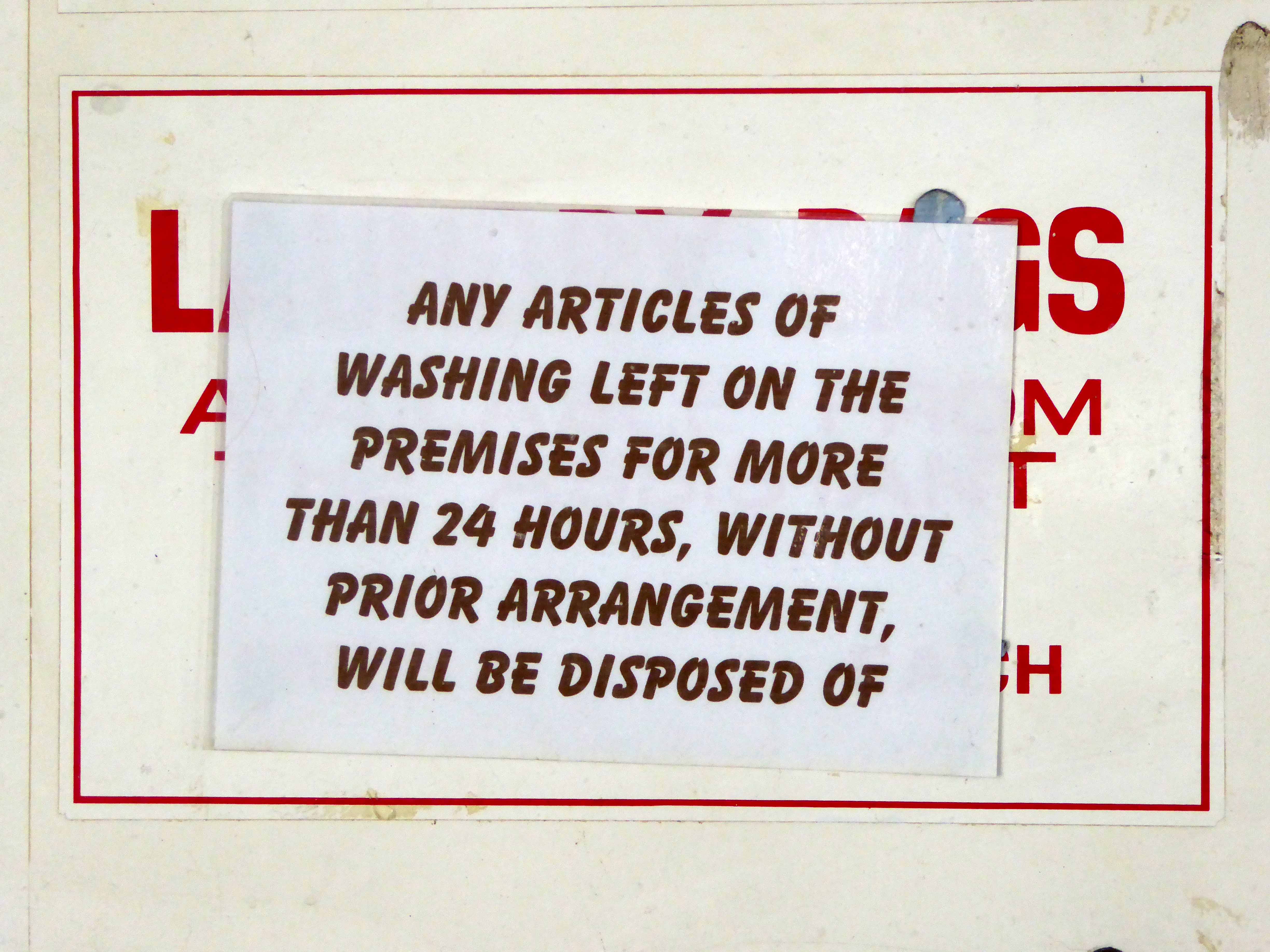
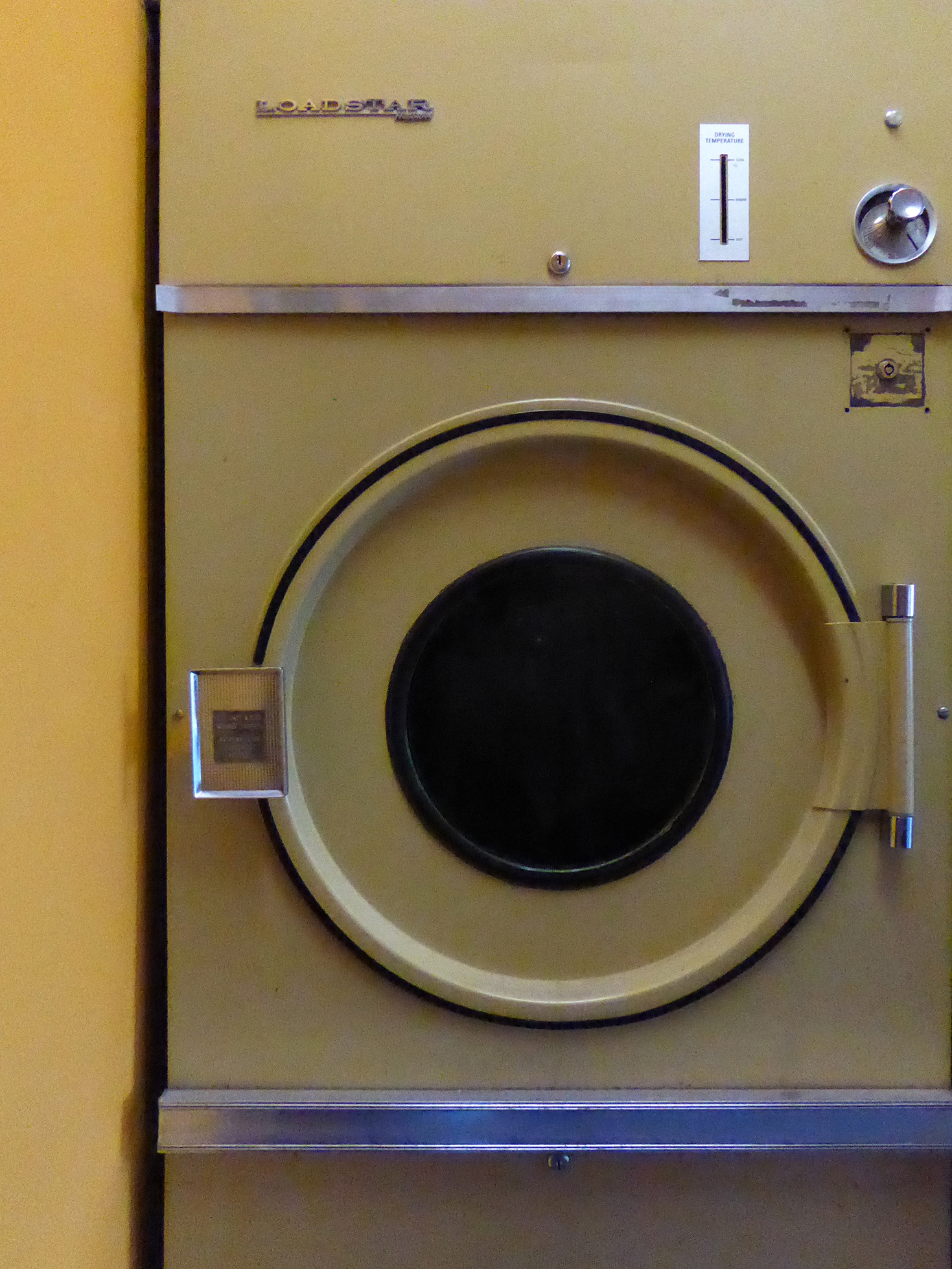
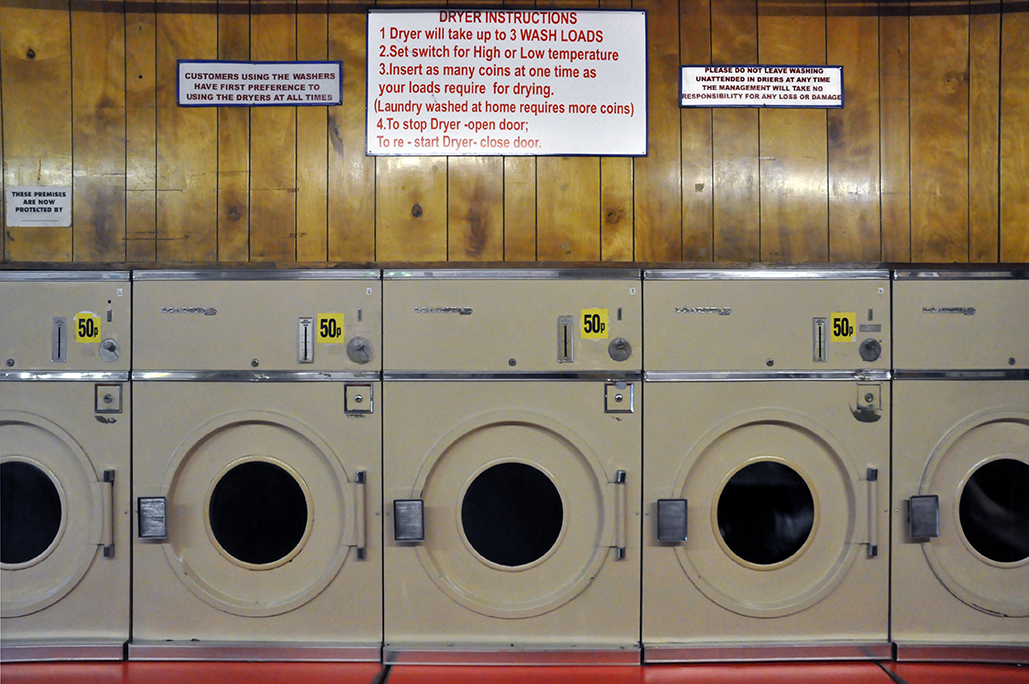
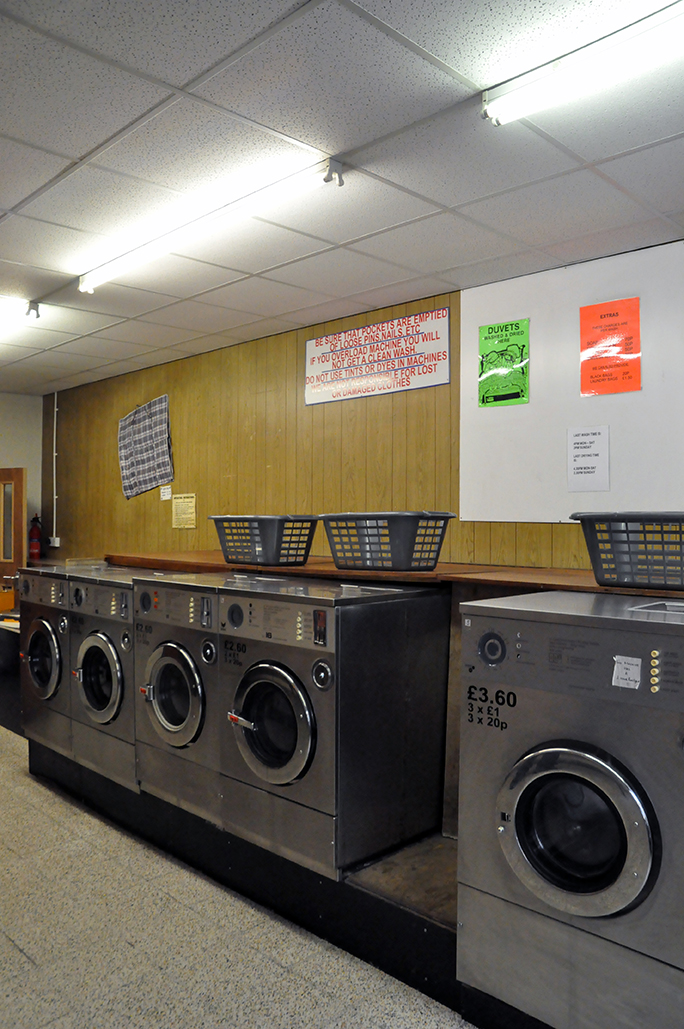
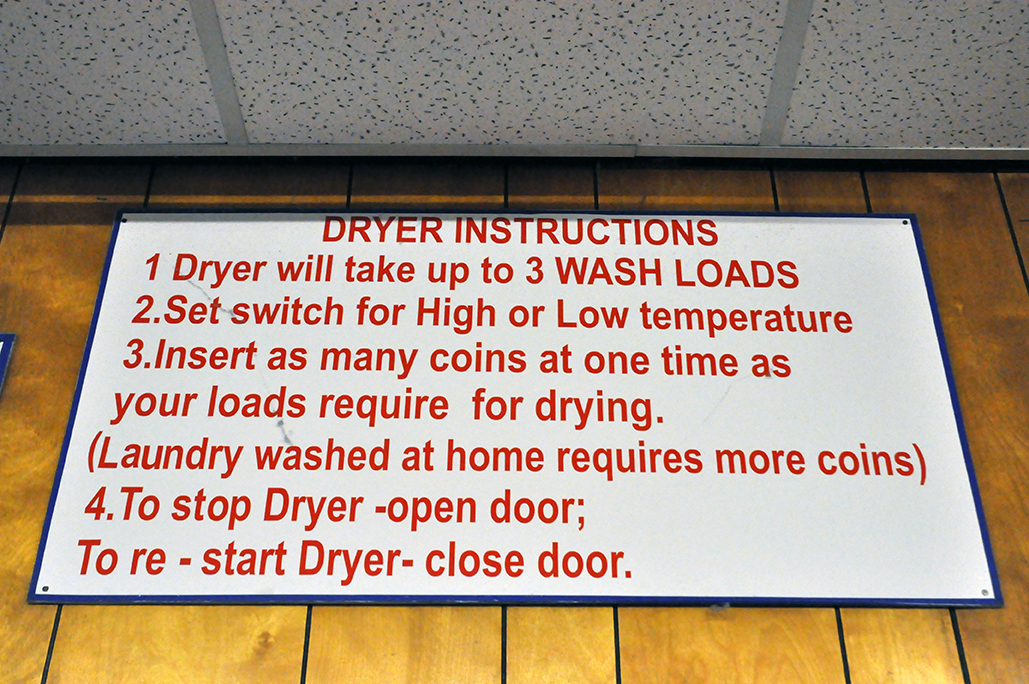
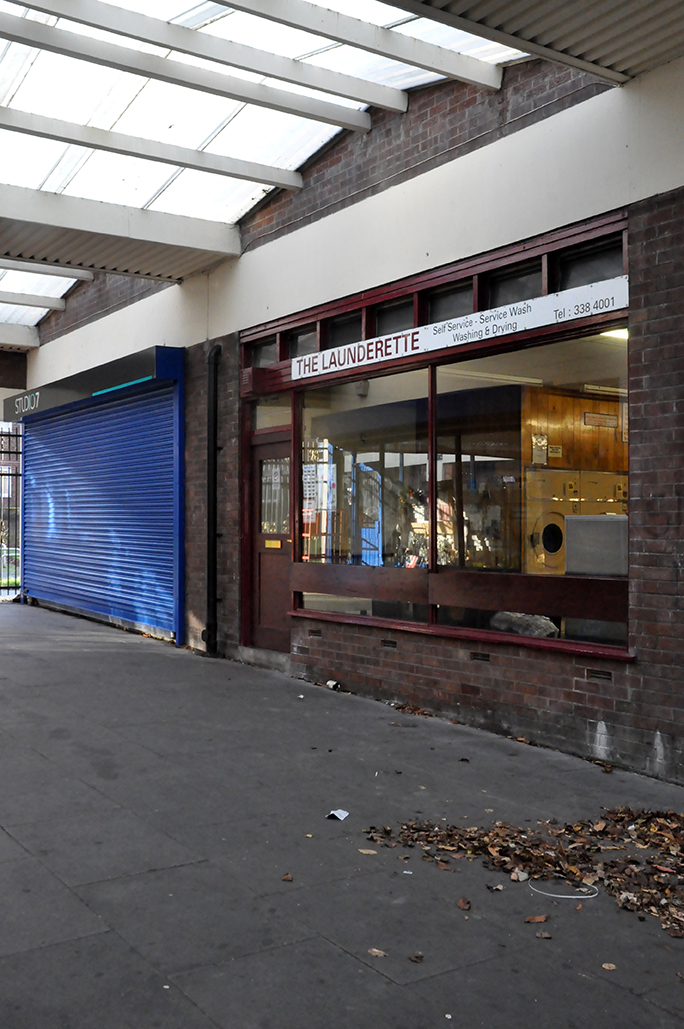
When walking the streets of Welshpool, one often finds oneself outside.

Outside a launderette.

I paused.

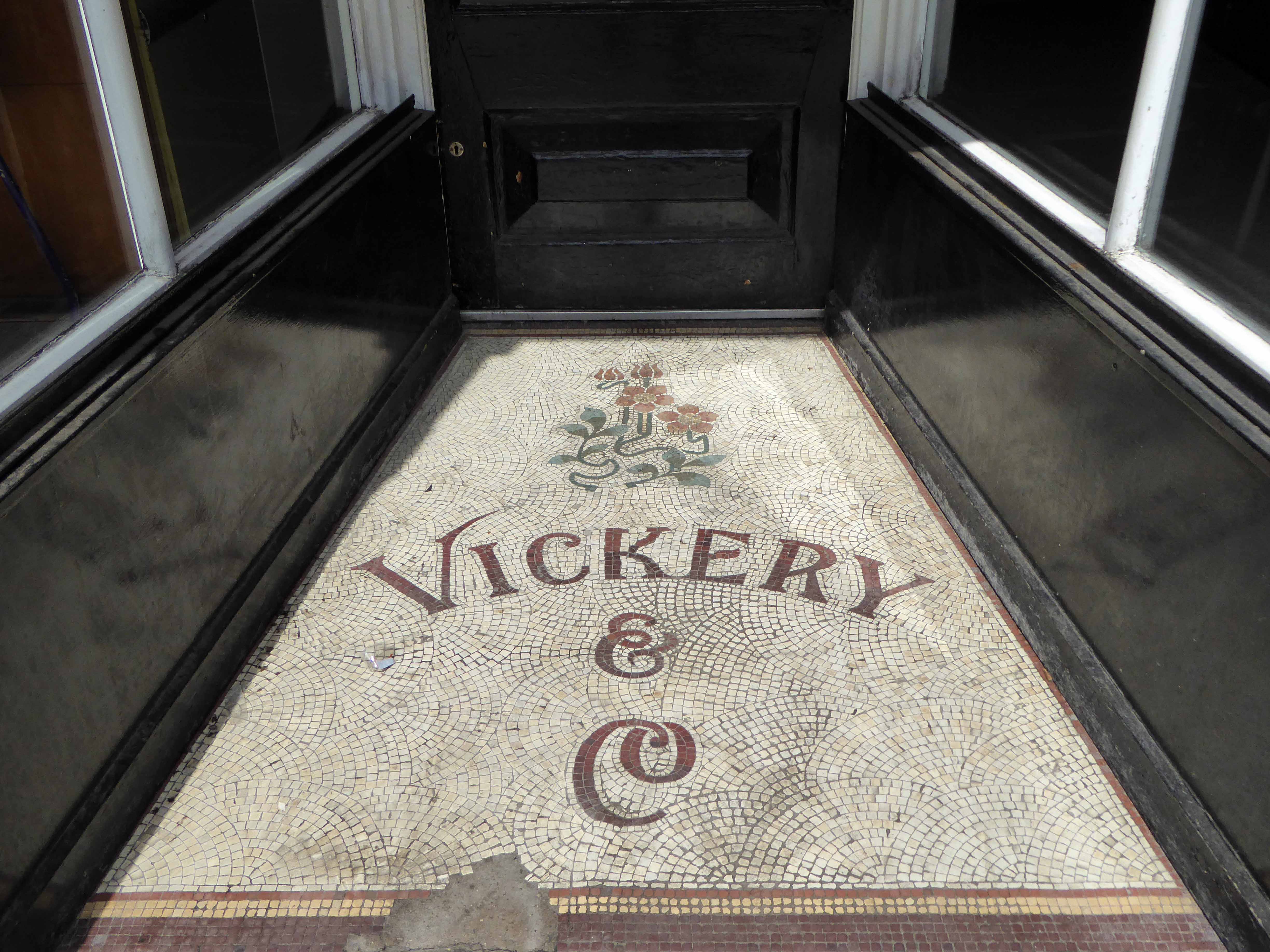
The porch was decorated by the most enchanting mosaic, Vickery and Co.

Hosiers, Hatters and Outfitters.

Politely, ever so politely, I asked the two local lads if they would step aside from their porch perch one moment, I snapped.

And walked on.

Upon my return, nobody was here, I hurriedly occupied the vacant space, with the expansive volume of my incurable curiosity.

Here is what I found.

P1050847 copy

P1050848 copy

P1050849 copy

P1050850 copy

P1050851 copy

P1050852 copy

P1050853 copy

P1050854 copy

P1050855 copy

P1050856 copy

P1050858 copy

P1050859 copy

P1050860 copy

P1050861 copy

P1050862 copy

P1050863 copy

P1050864 copy

P1050865 copy

P1050866 copy

P1050867 copy


WH Smiths – Newtown Powys

Life is full of tiny delights.

Newtown, a town of tiny delights, my journey through Wales by bike took me there.

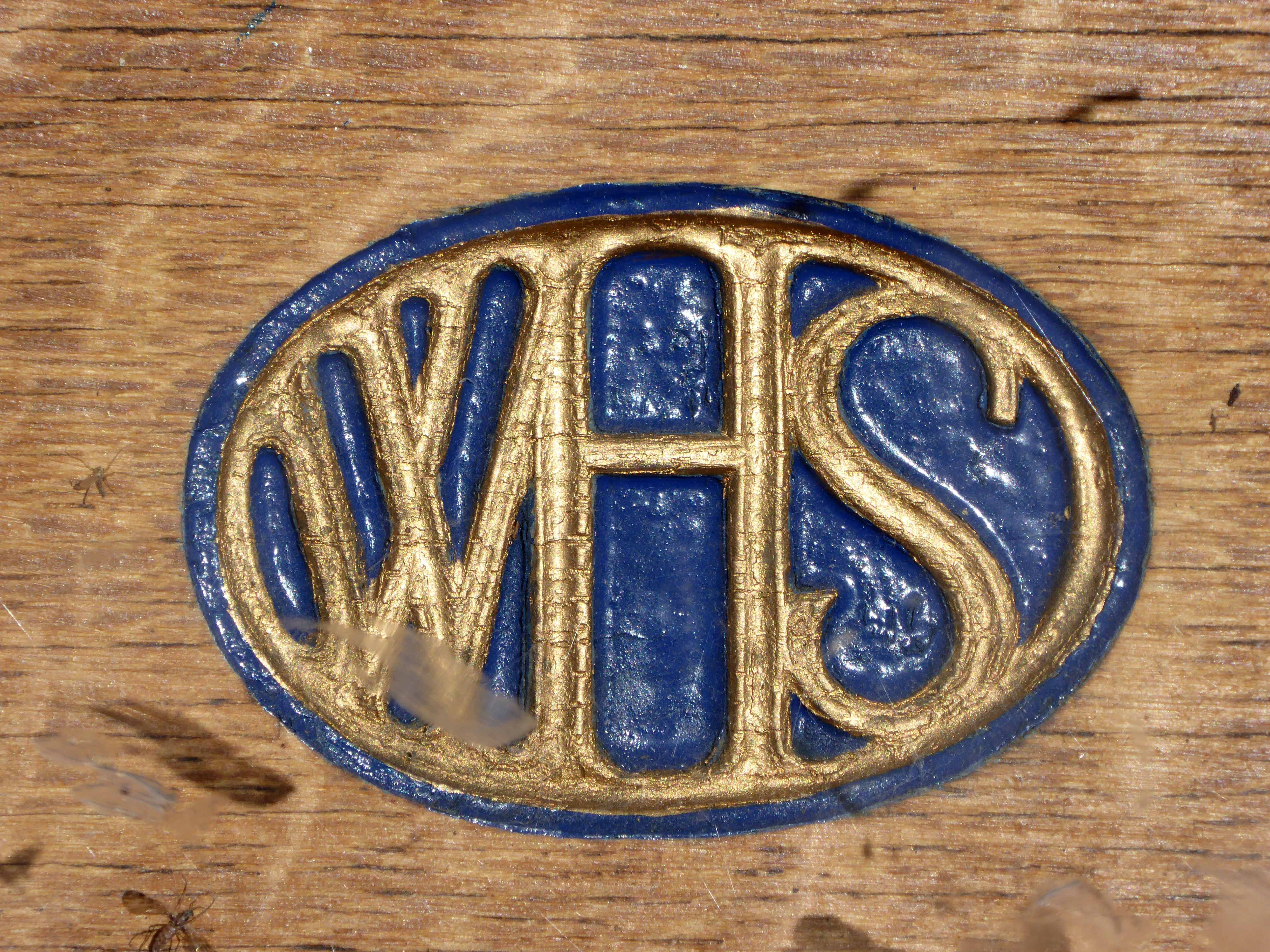
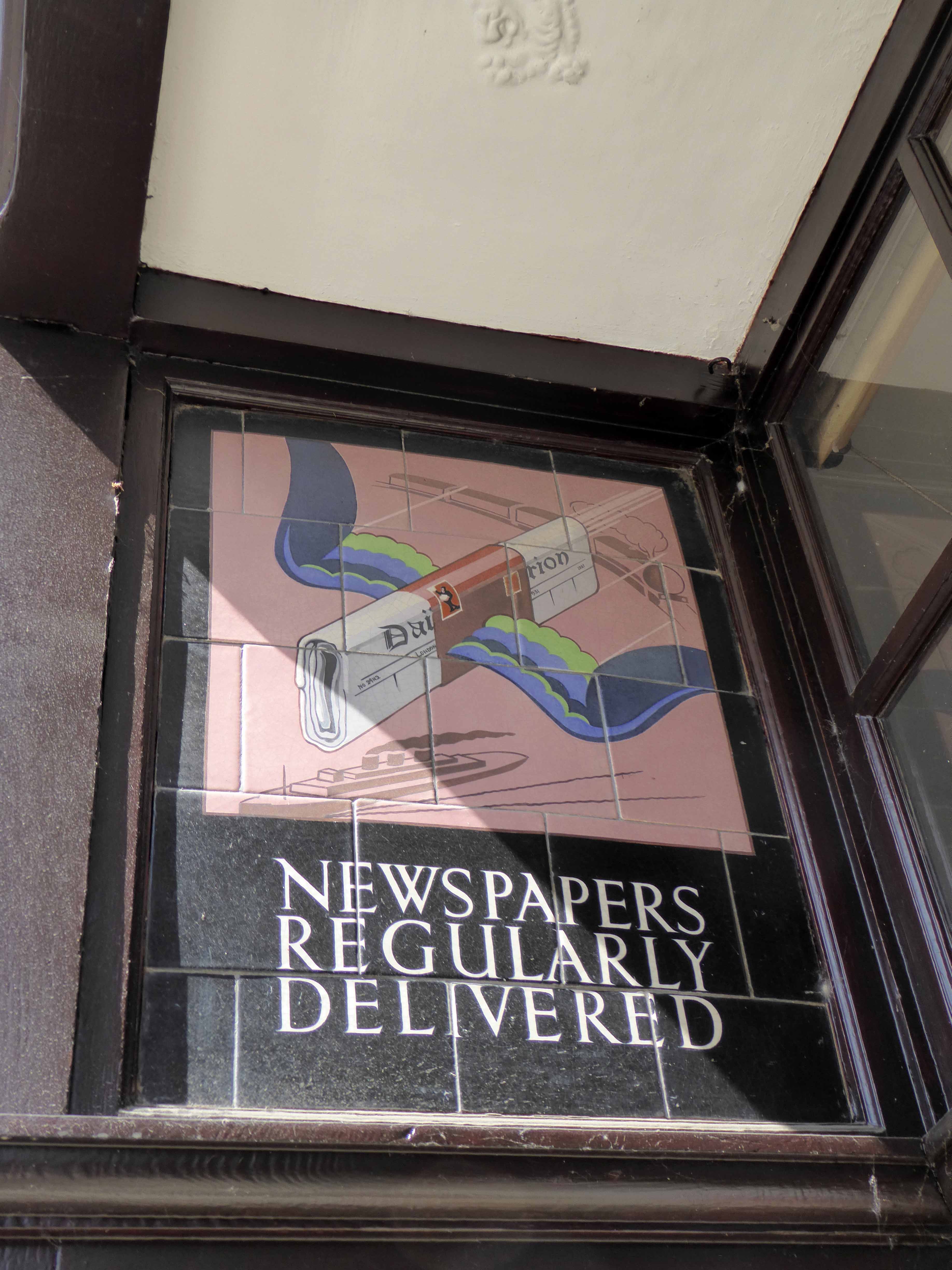
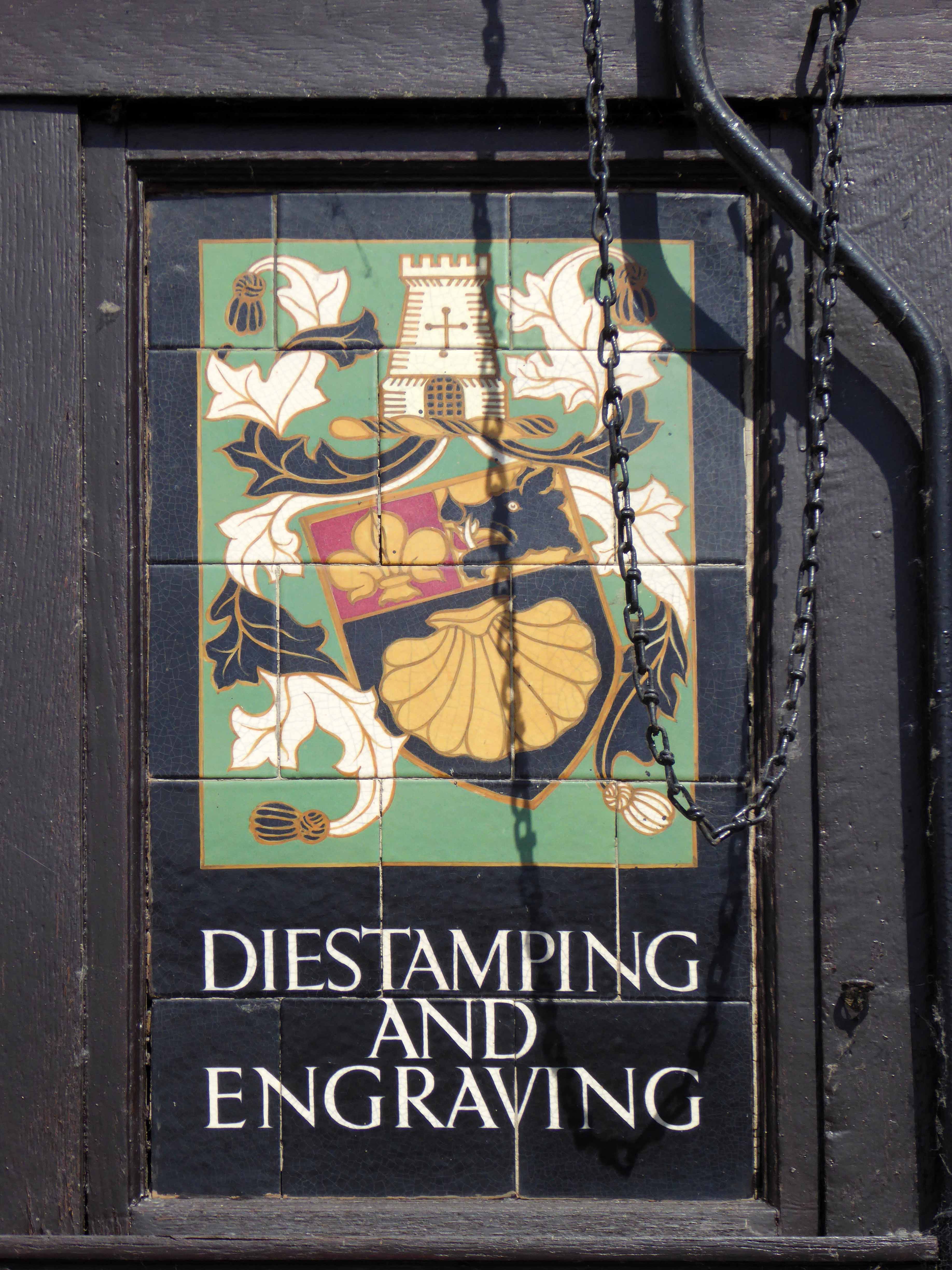
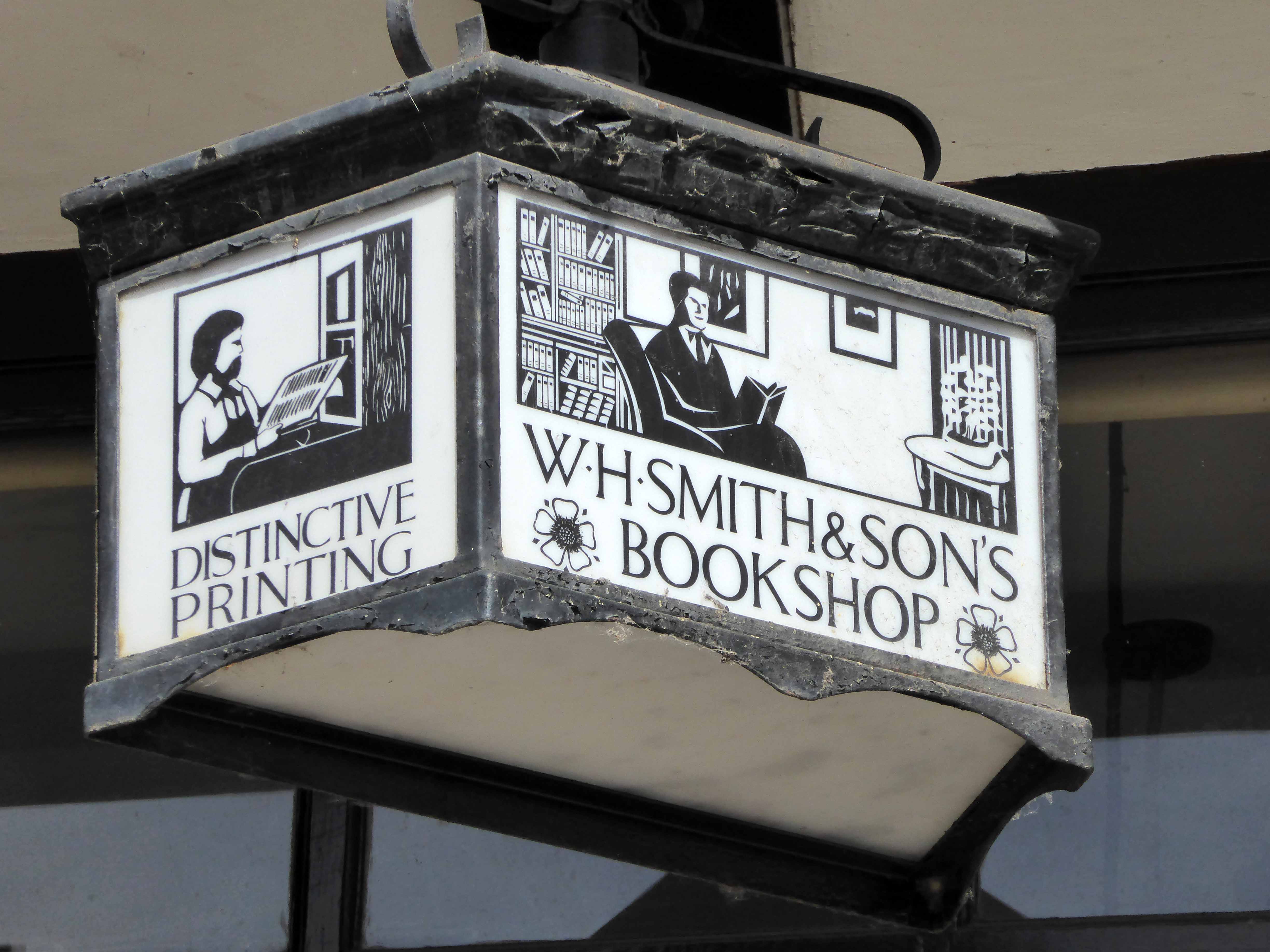
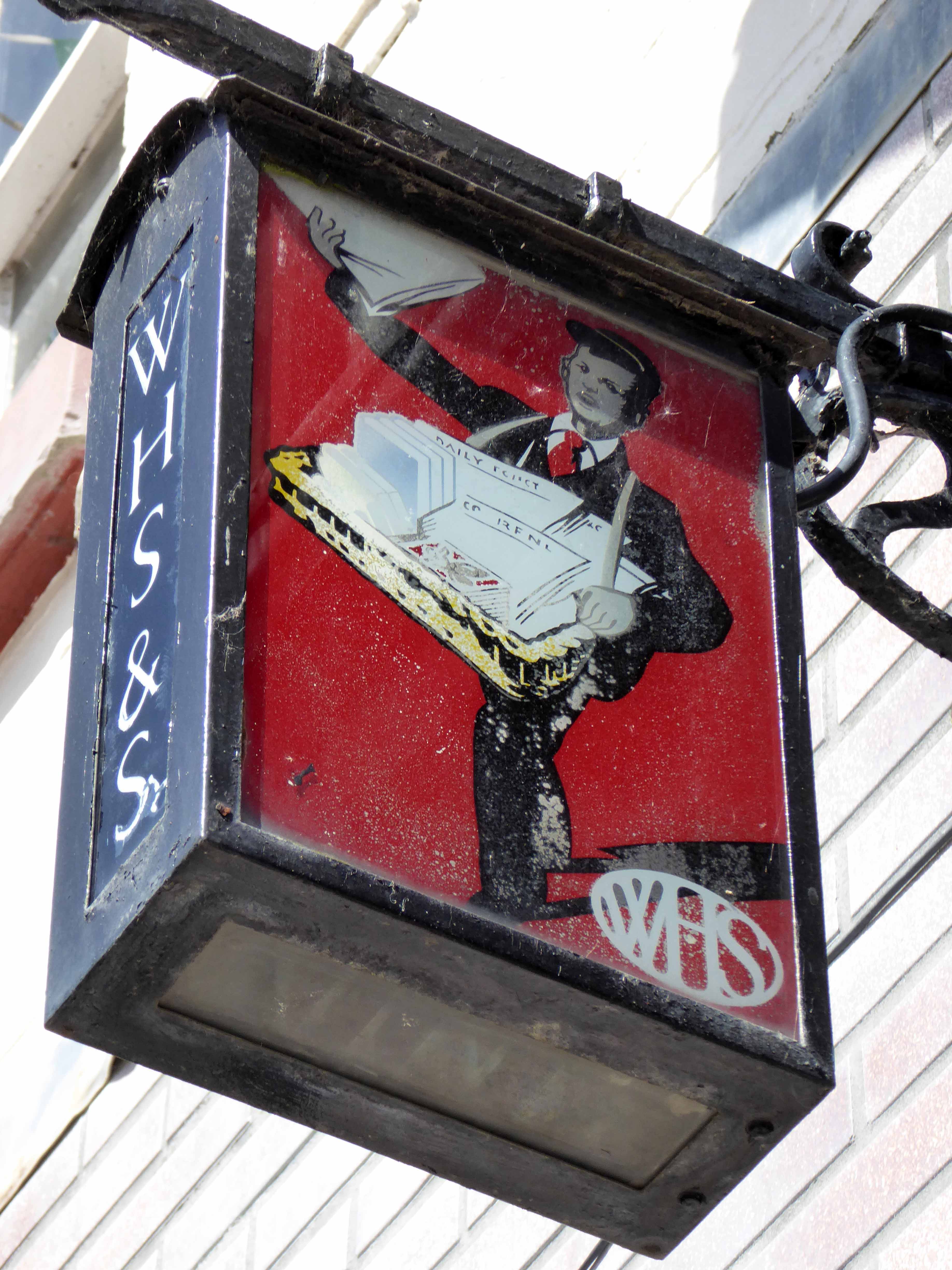
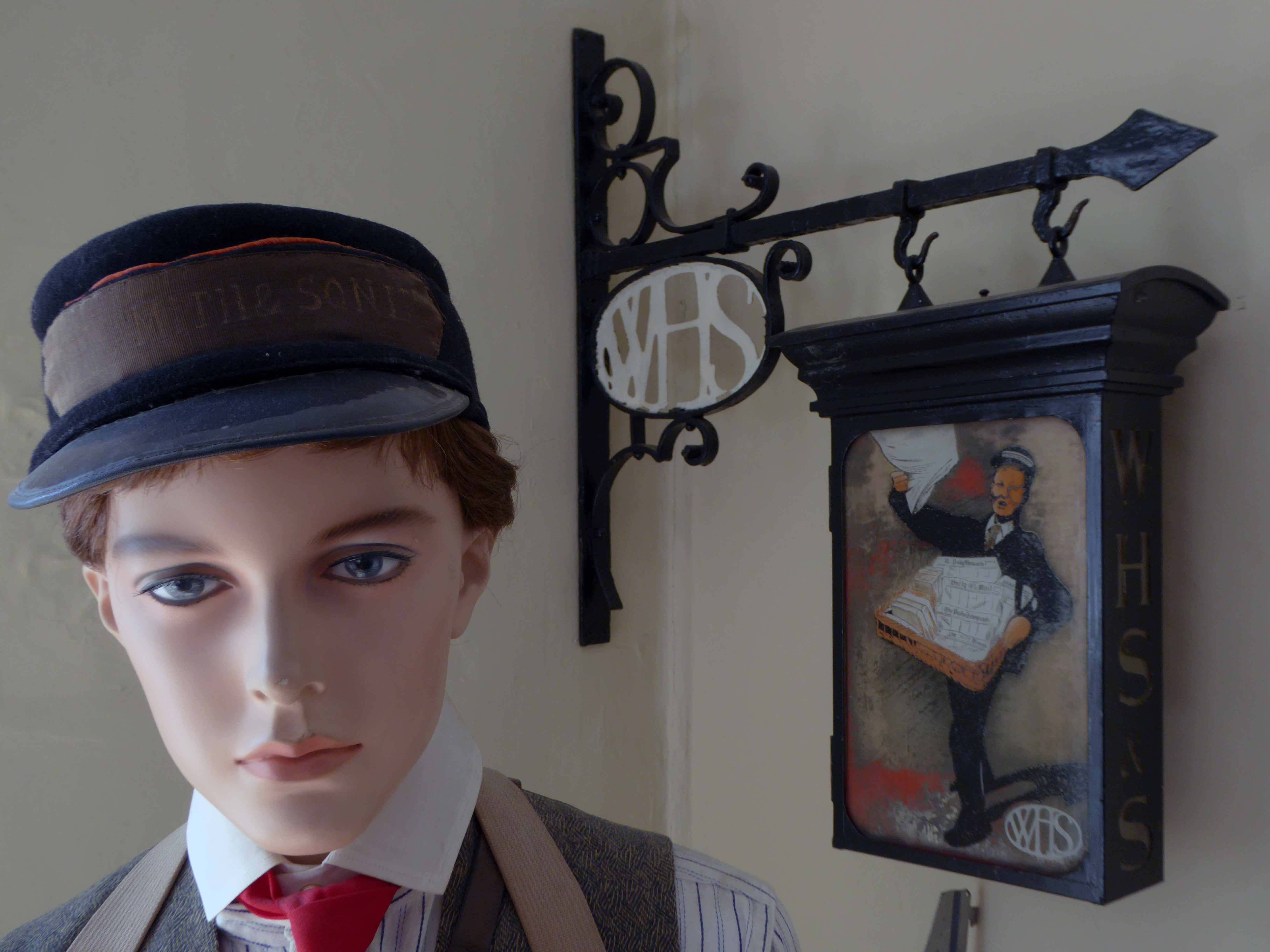
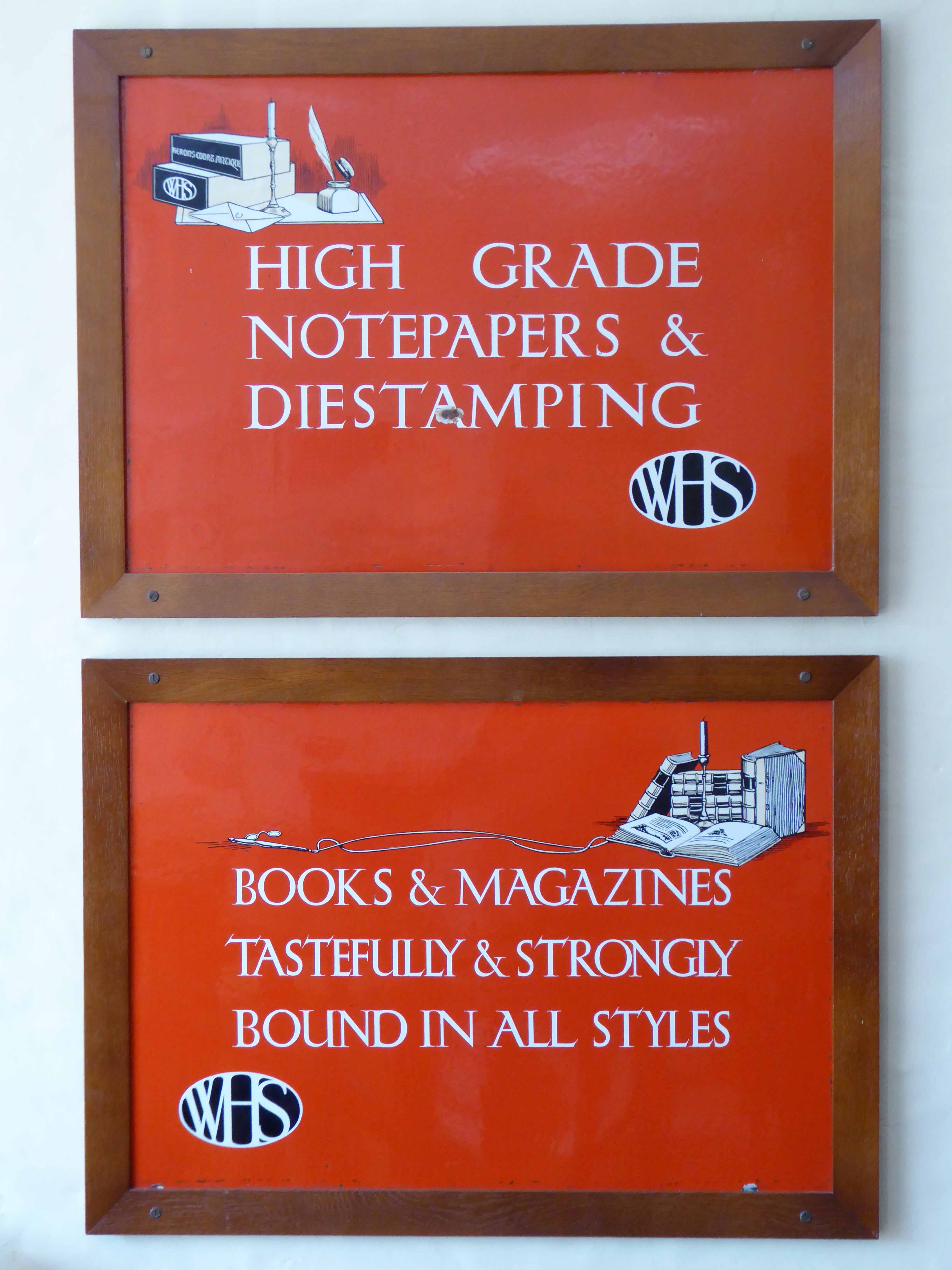
None more delightful and surprising than the branch of WH Smiths, its exterior adorned with the most beautiful of signs, tiles and lamps.

P1050808 copy

P1050802 copy

P1050804 copy

P1050807 copy

P1050811 copy

P1050805 copy

P1050834 copy

P1050803 copy

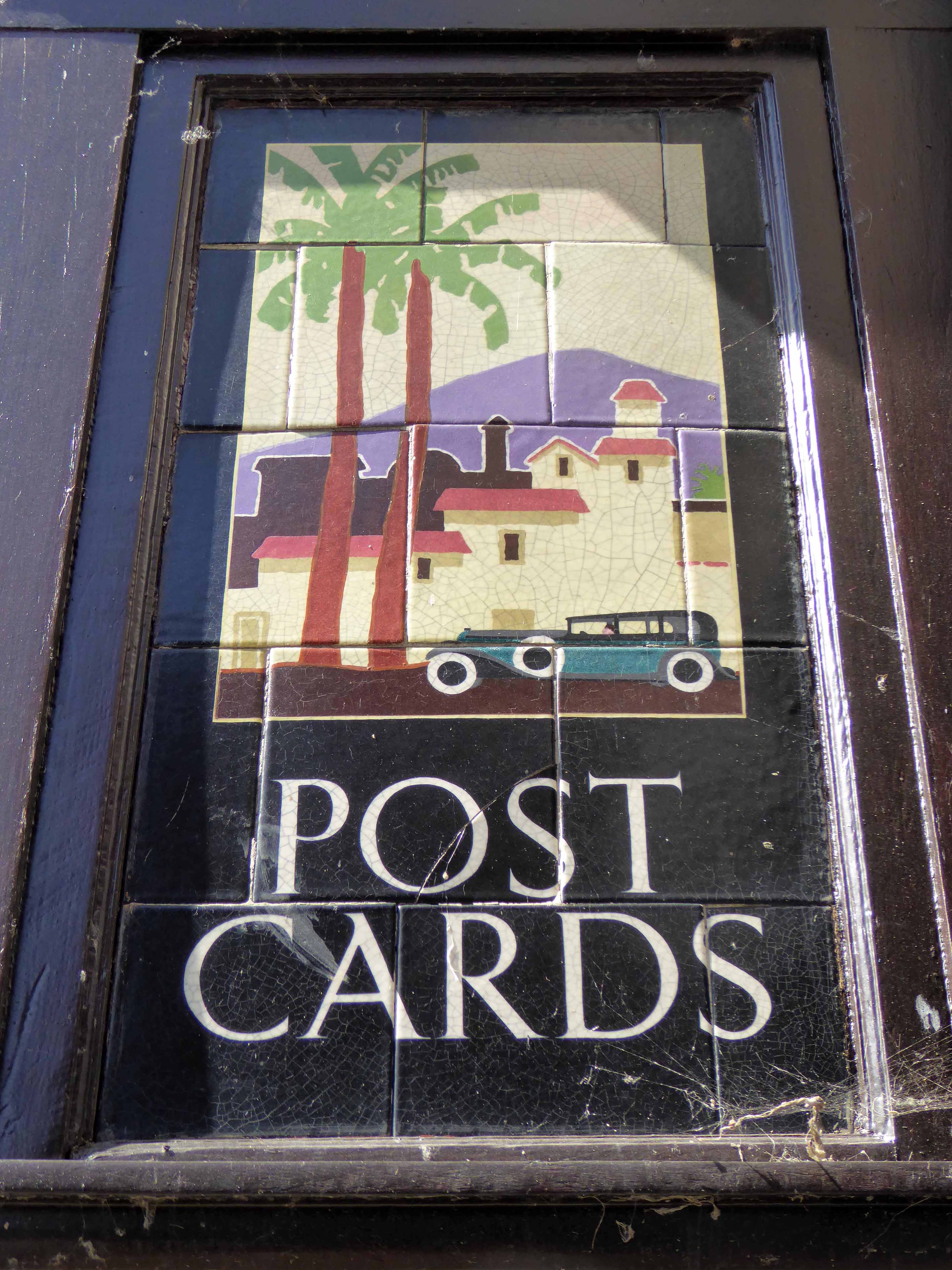
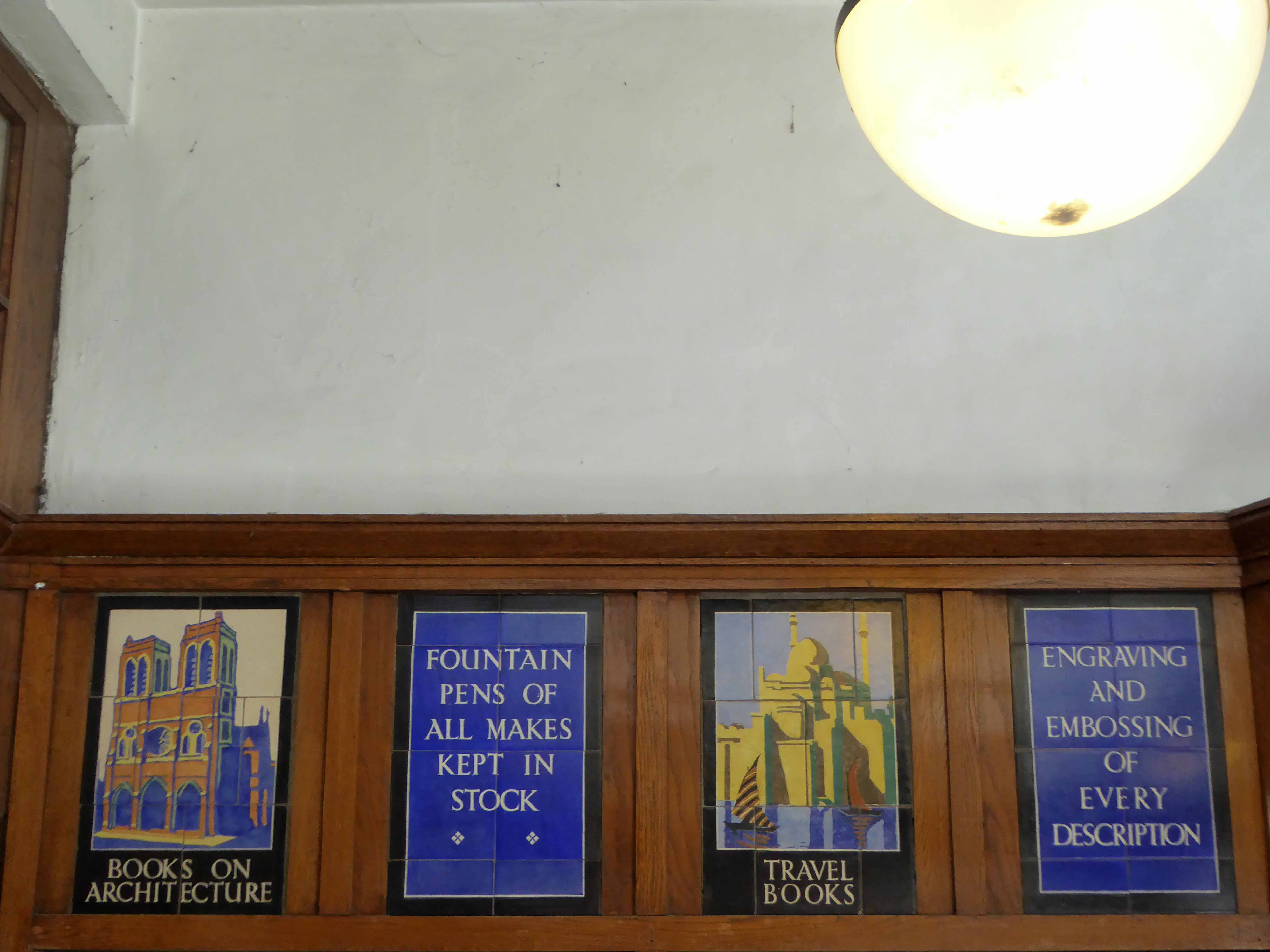
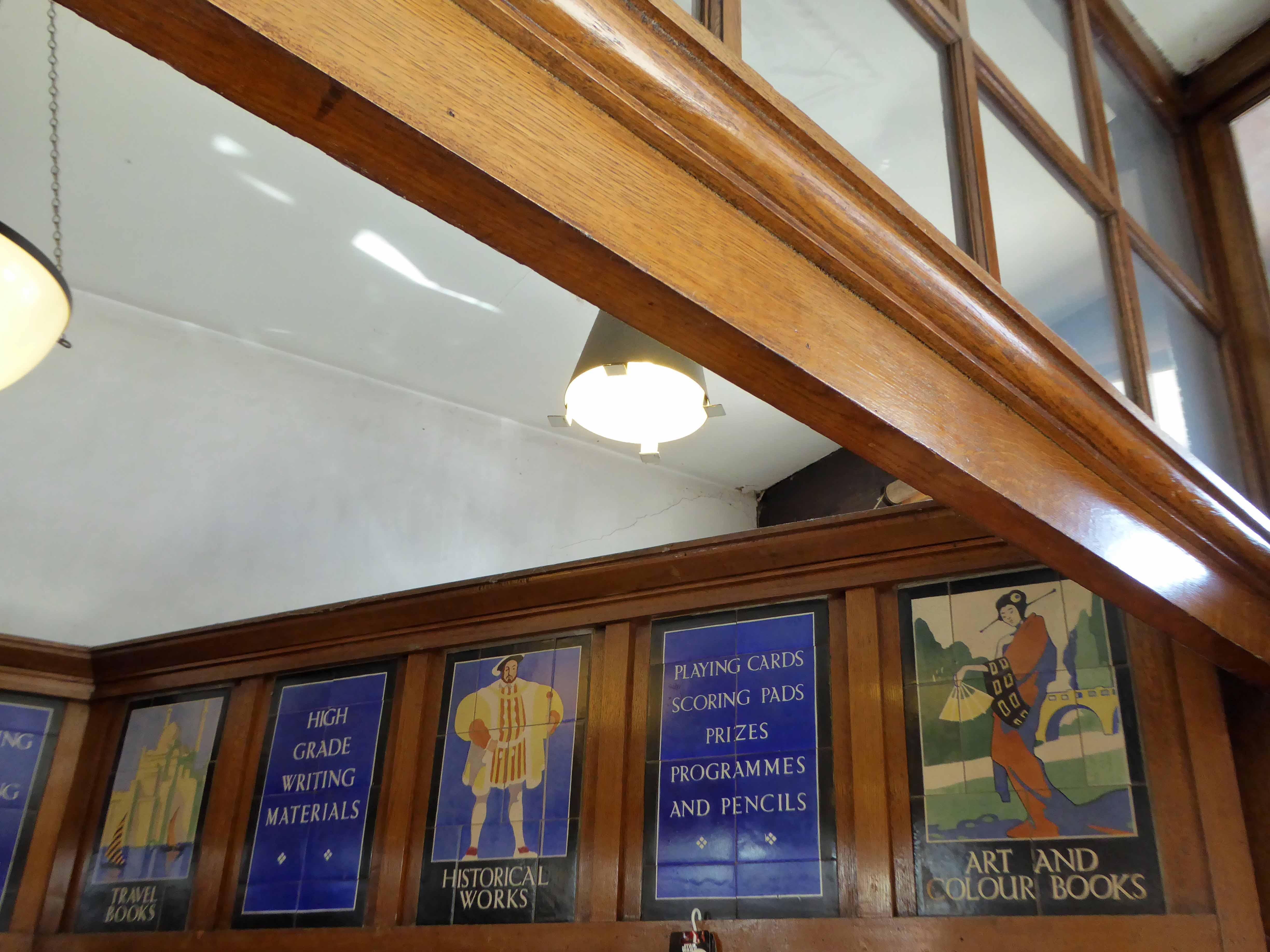
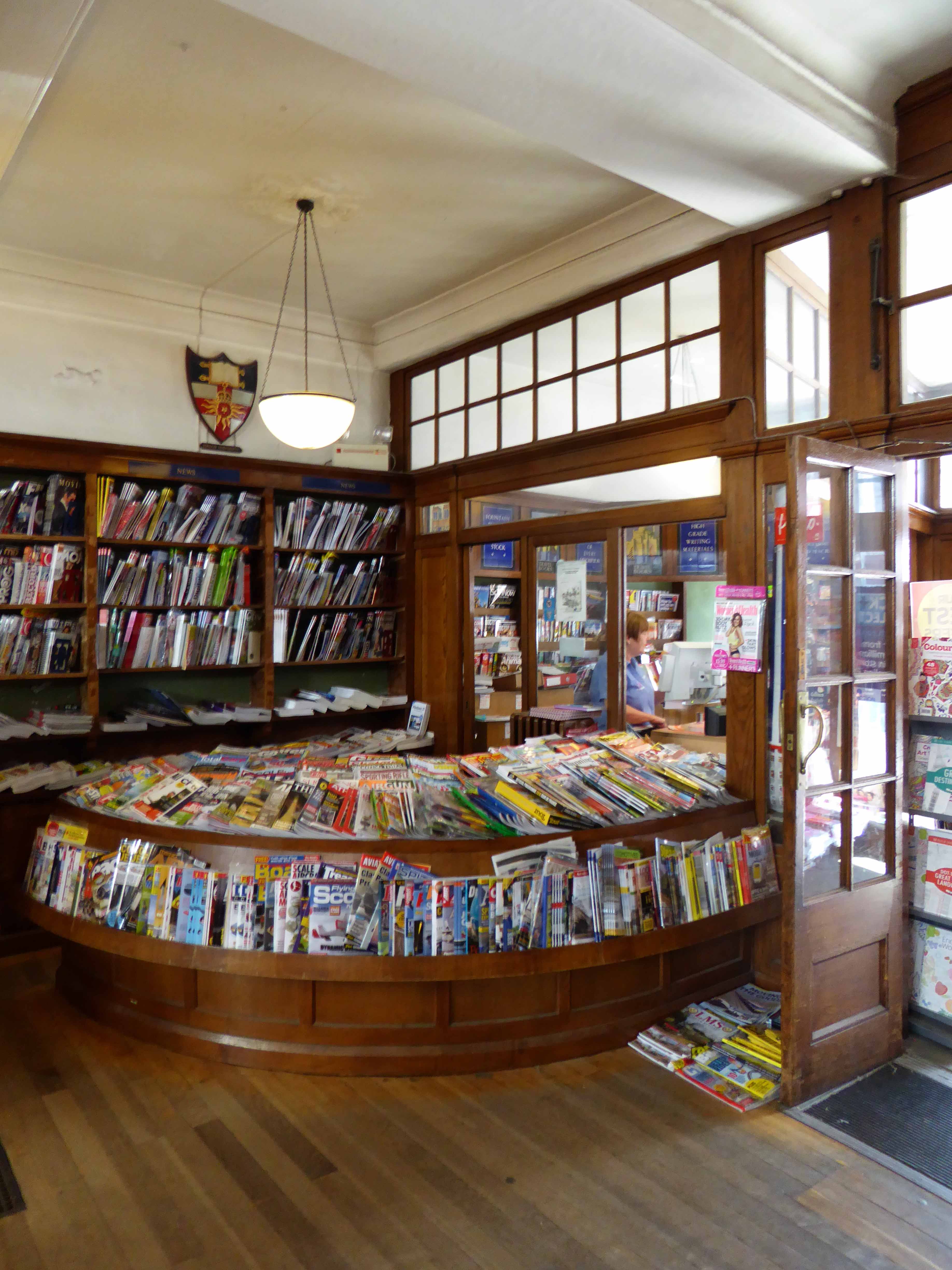
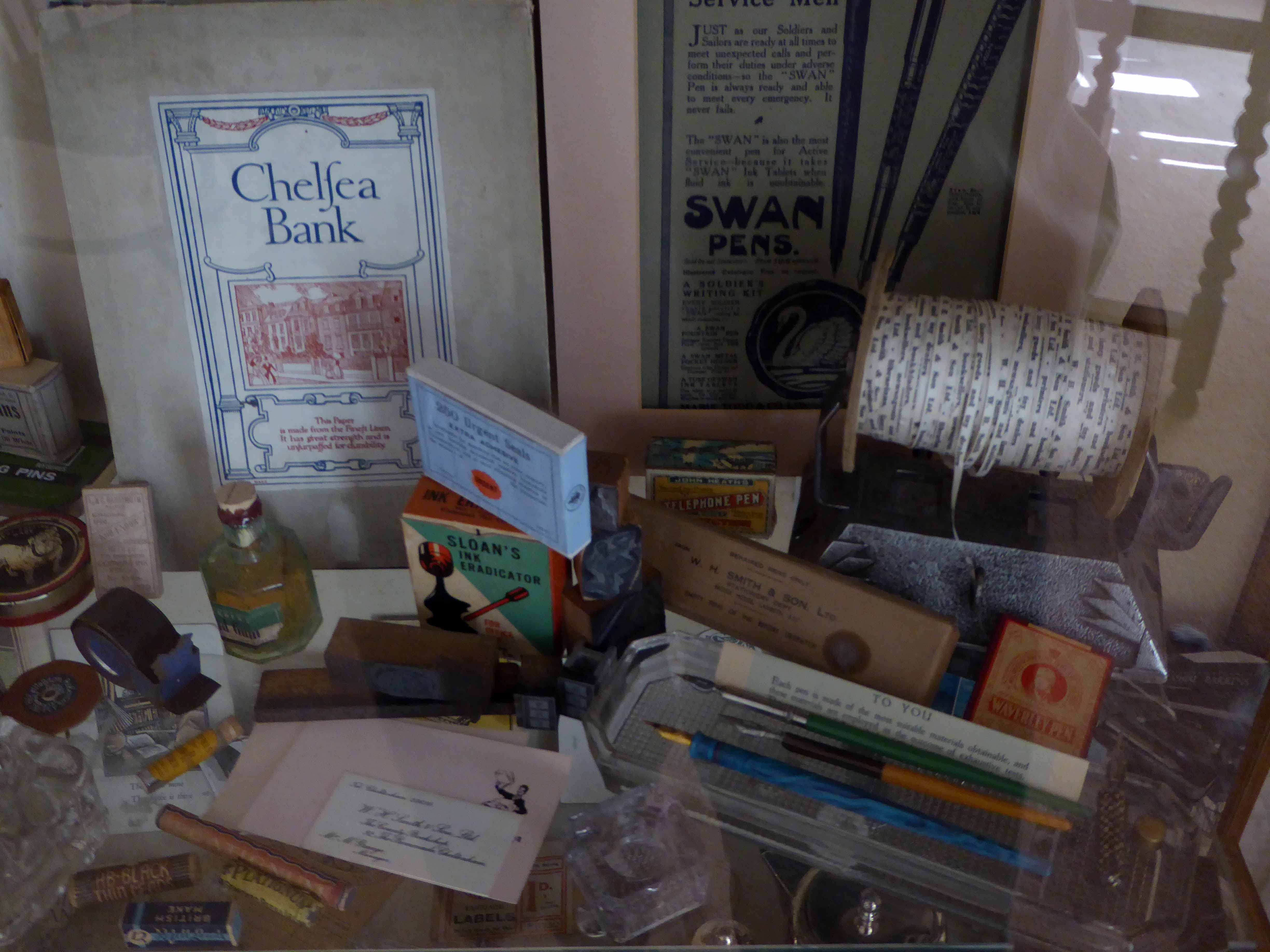
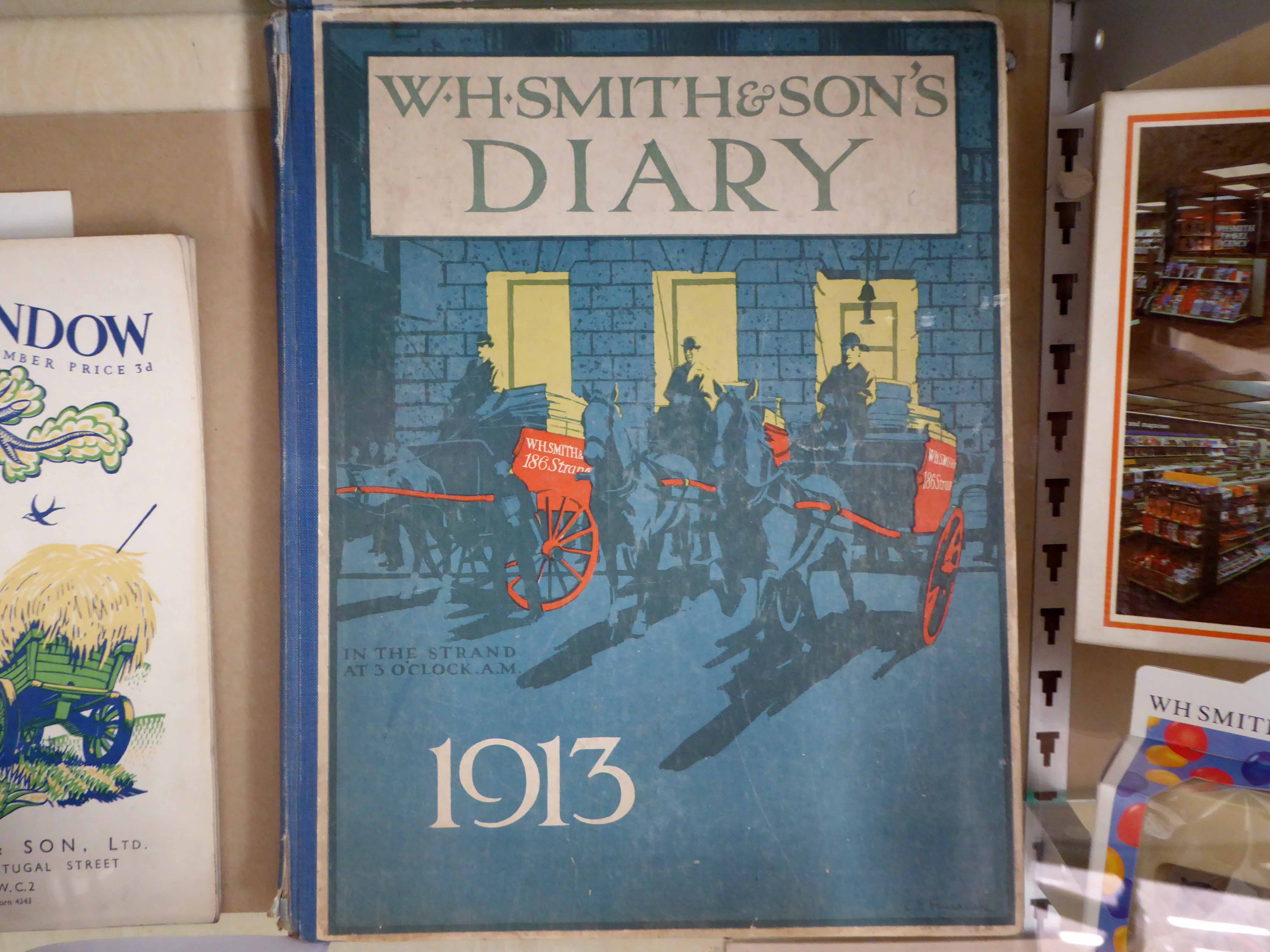
Curious, curiously I  explored further, the porch housed a newspaper and magazine stall with further tiled images.

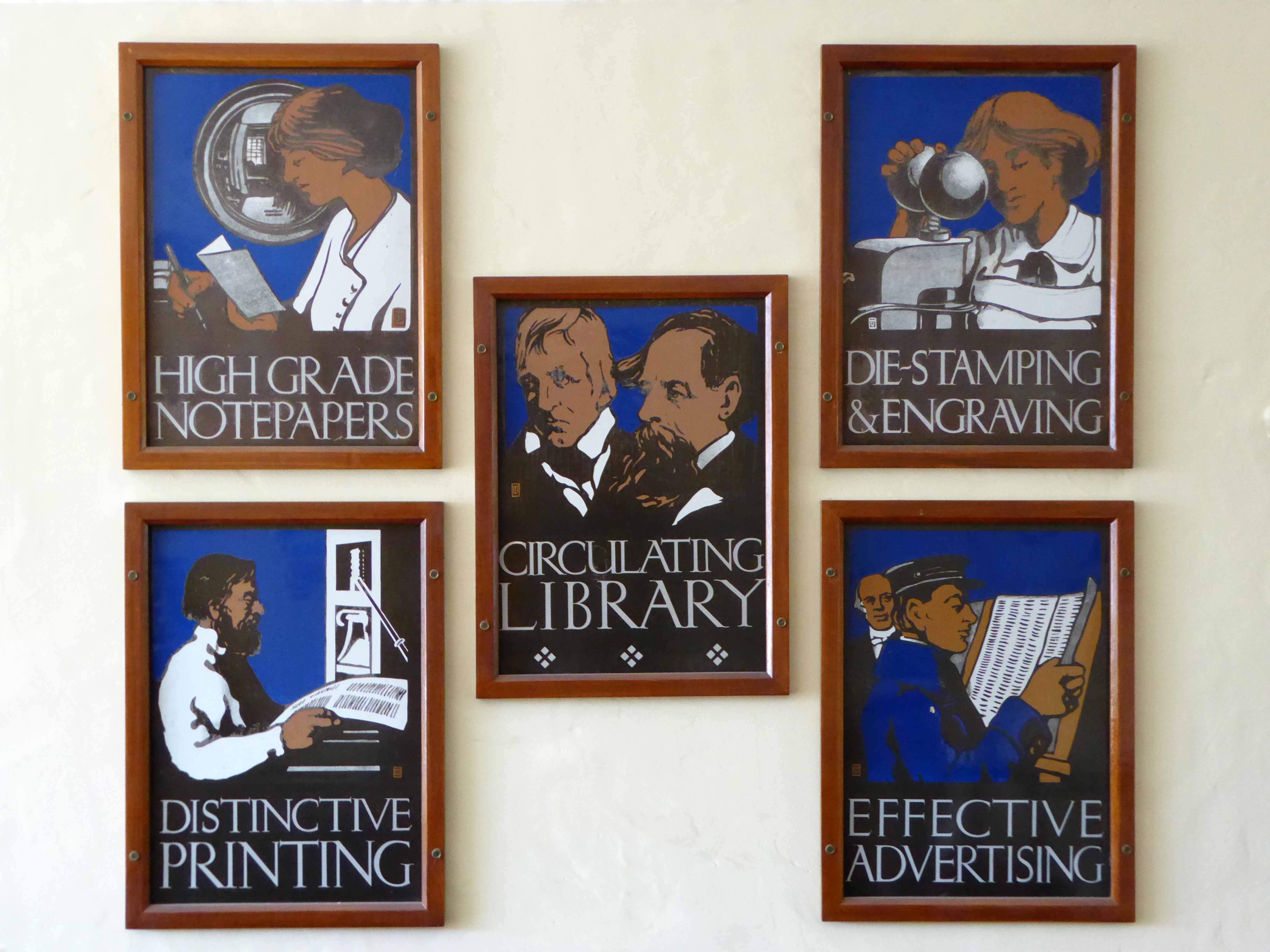
These tiles were made by Carter & Co. at their pottery works in Poole, Dorset in the 1920s. Commissioned by the retailer, they were installed in the entrance ways of a number of its branches. They were intended to advertise the wide selection of books and other items on sale, however their distinctive Art Deco style and the scenes depicted also expose a great deal about society at that time.

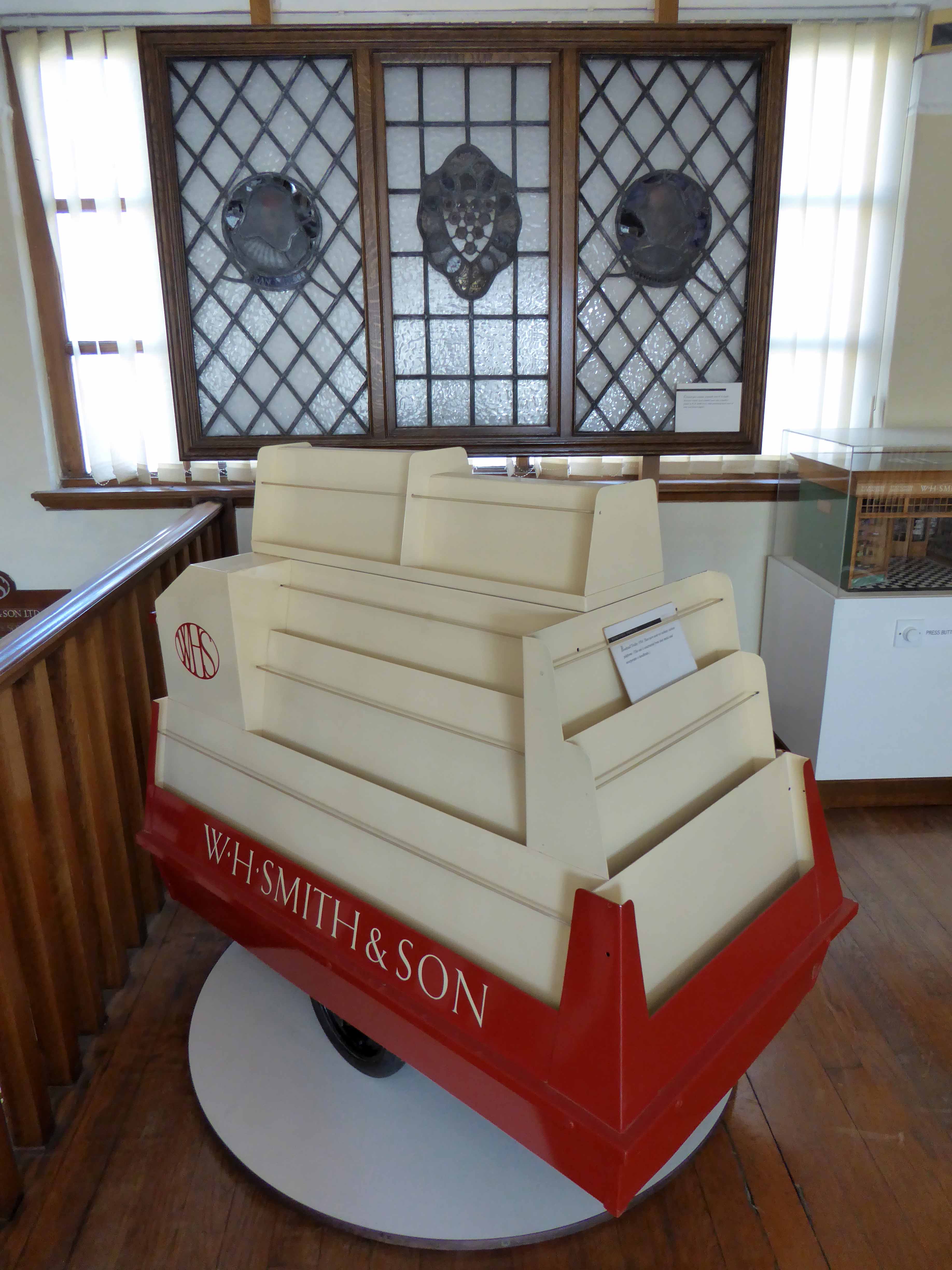
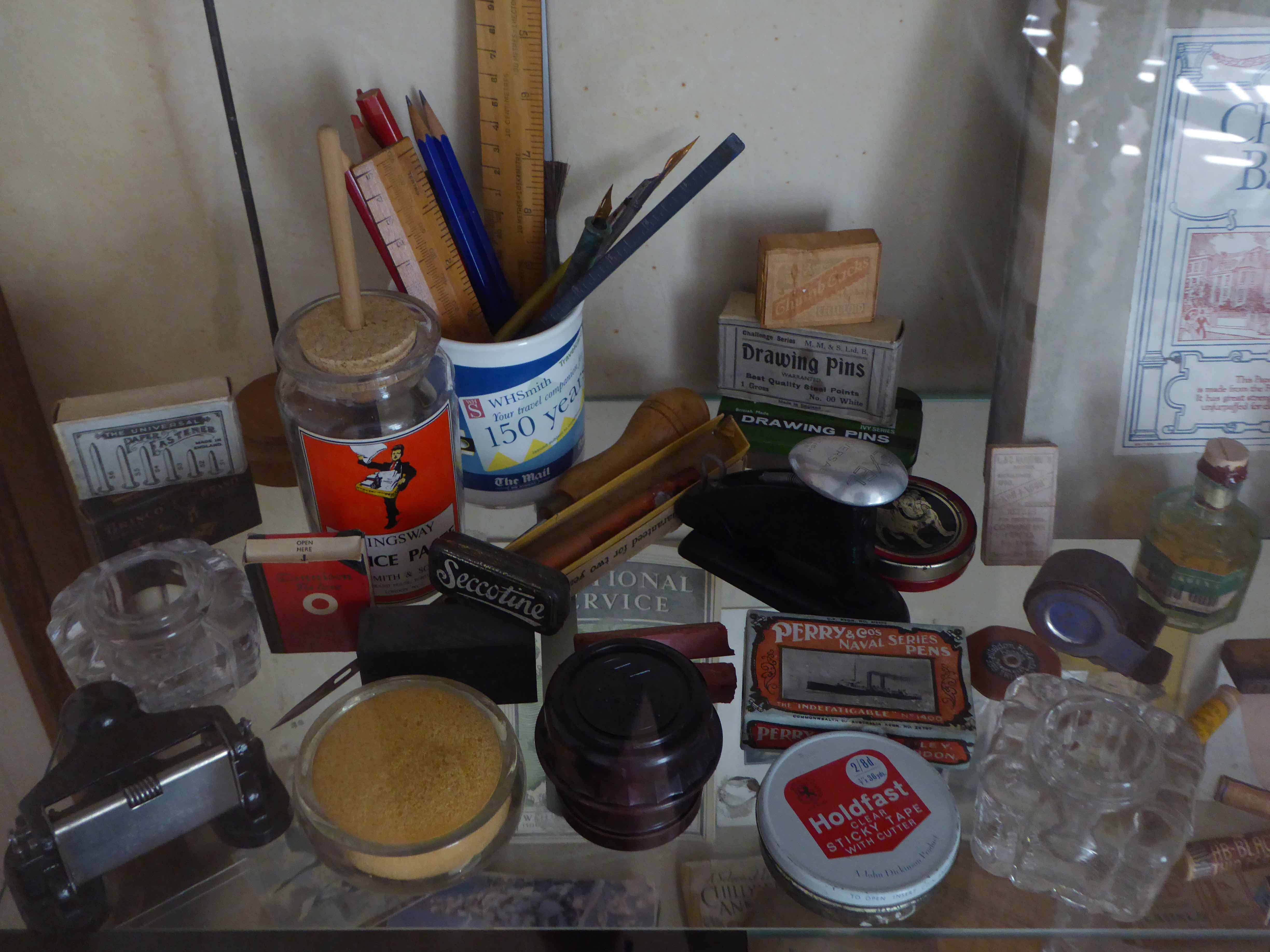
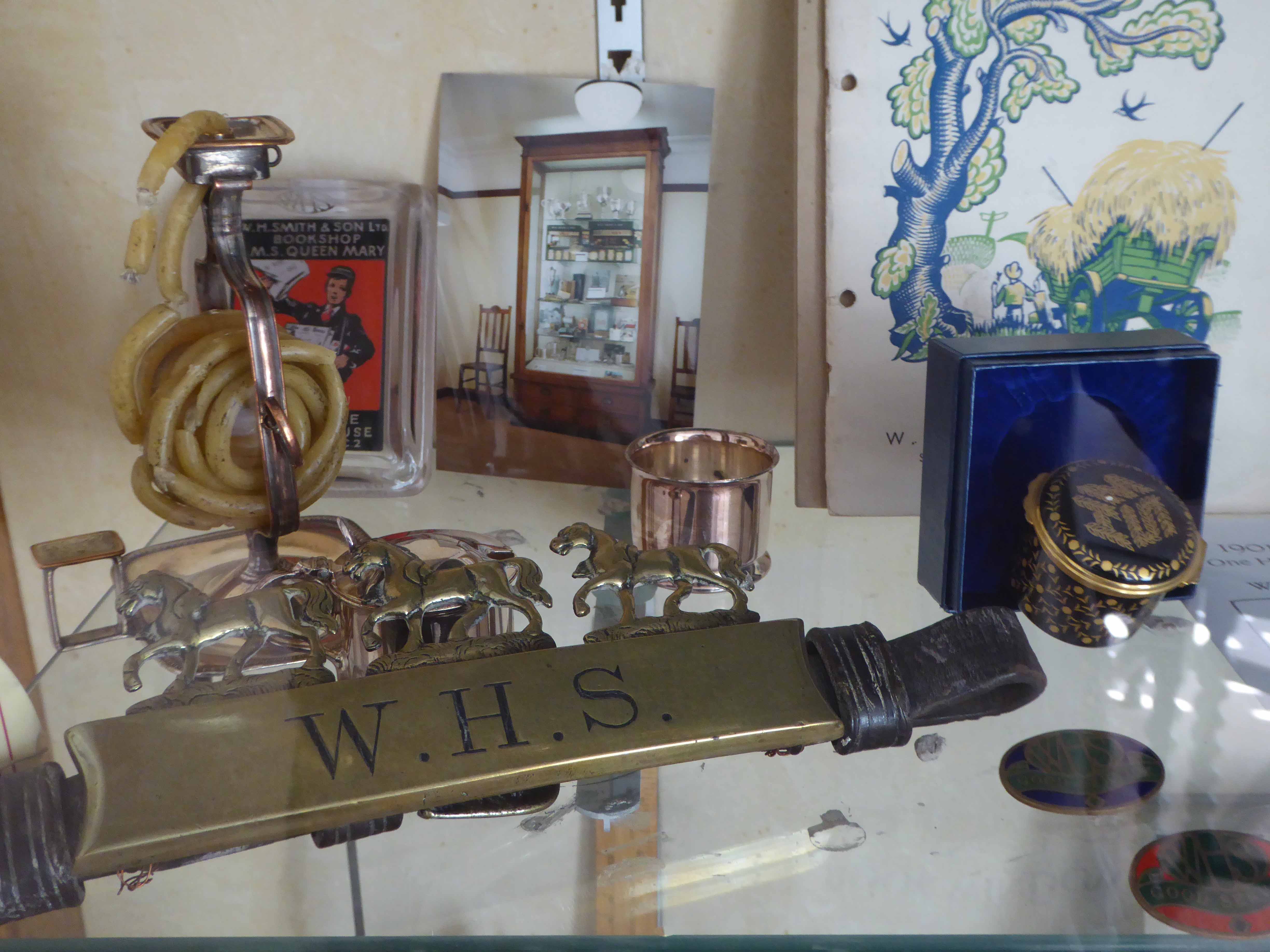
In subsequent decades, particularly during periods of refurbishment from the 1960s, many shops lost their decorative panels, either being removed or covered over. Only seven branches of WHSmith are known to have their tile panels intact, with a few surviving in private collections. Many tiles were rescued by WHSmith and these can now be seen in a museum housed in the Newtown branch in Powys. 

Further information

P1050813 copy

P1050814 copy

P1050832 copy

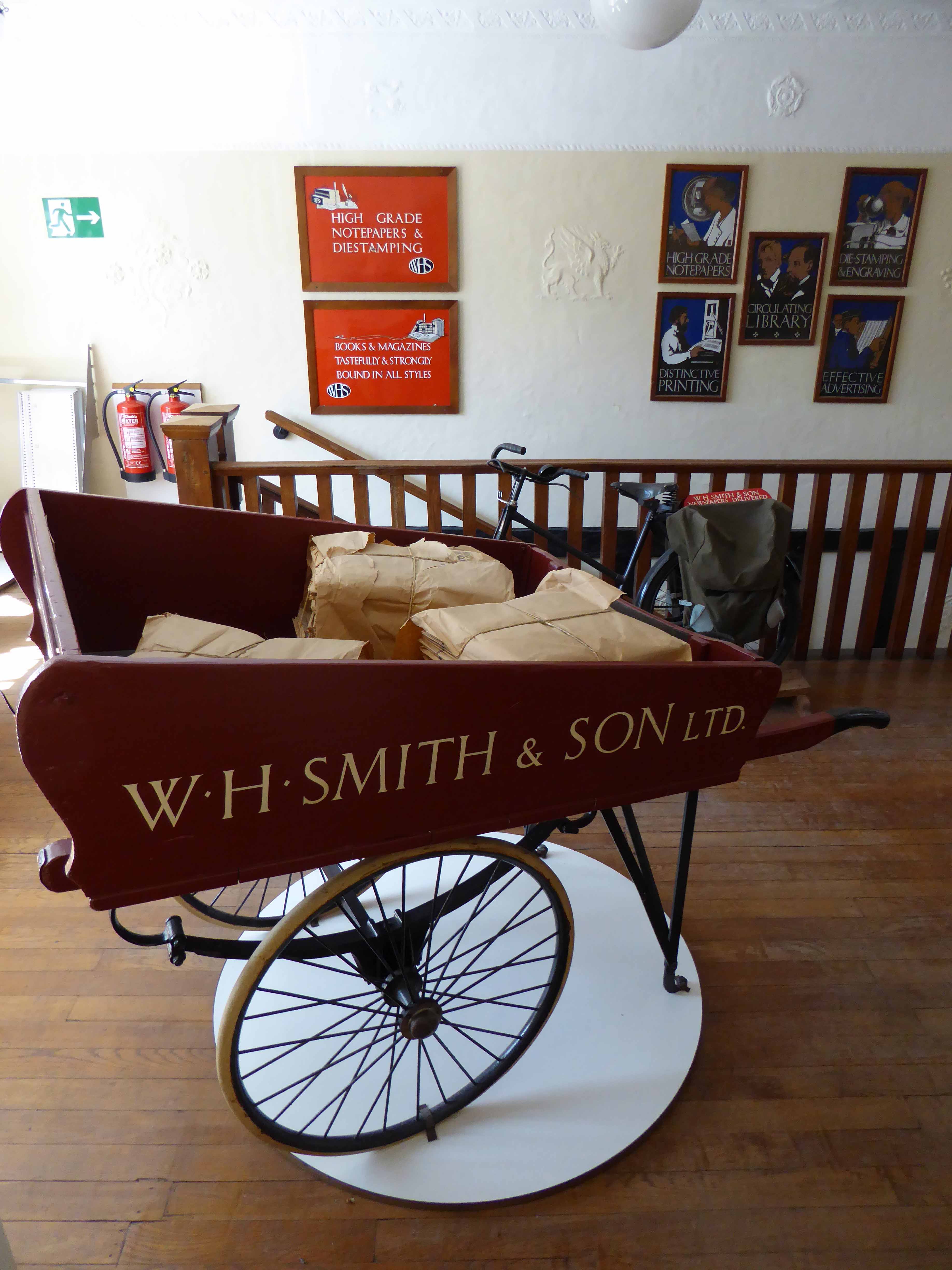
The staff were typically helpful and accommodating – directing me to the Museum upstairs – just pull the rope to one side.

Go take a look 

P1050820 copy

P1050822 copy

P1050823 copy

P1050824 copy

P1050825 copy

P1050826 copy

P1050827 copy

P1050828 copy

P1050829 copy

P1050830 copy

Laundrette – Emlyn West Wales

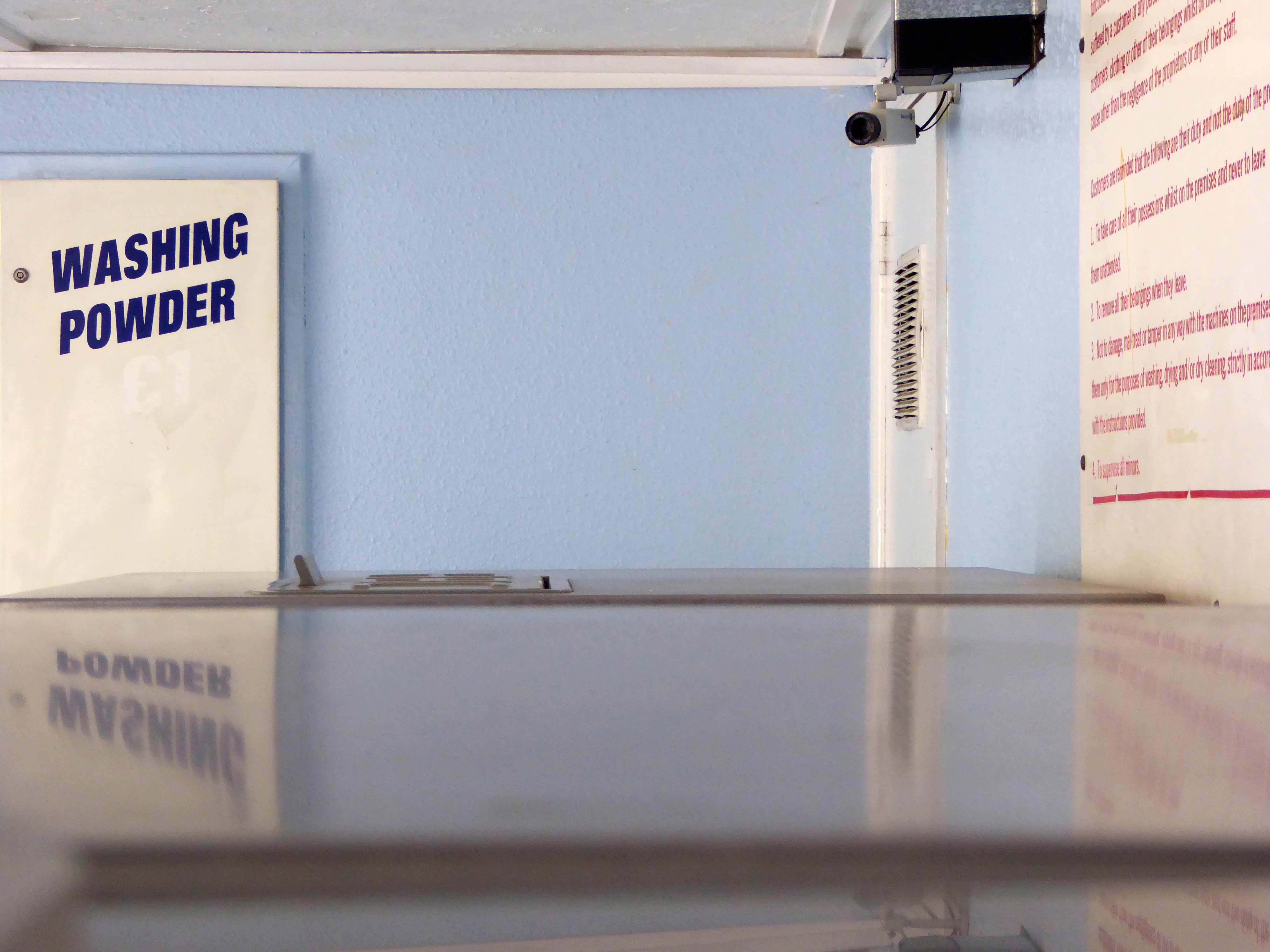
You could be in the middle of nowhere.

You are in the middle of nowhere.

Though never six feet from a rat, or a mile from a main road.

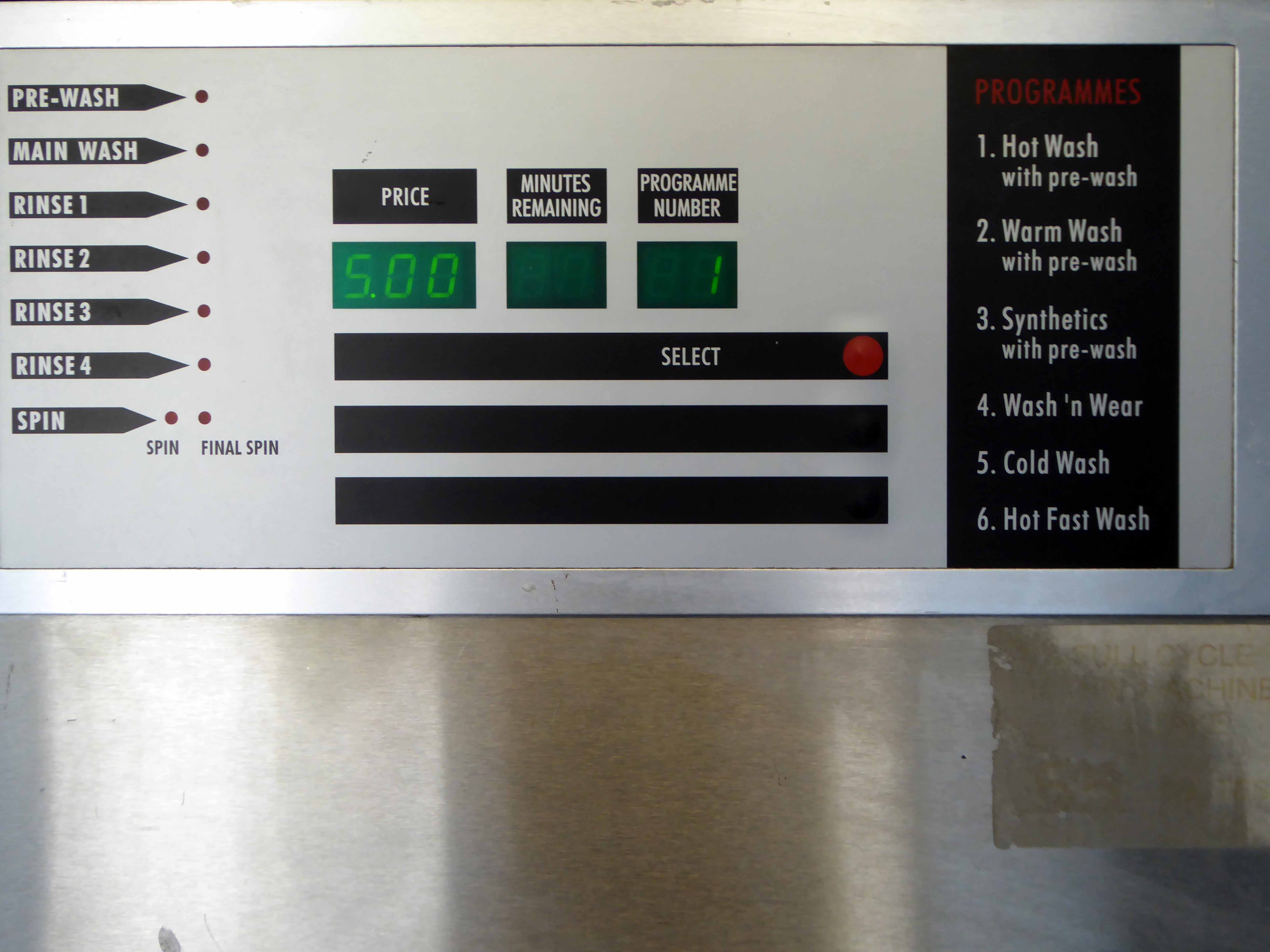
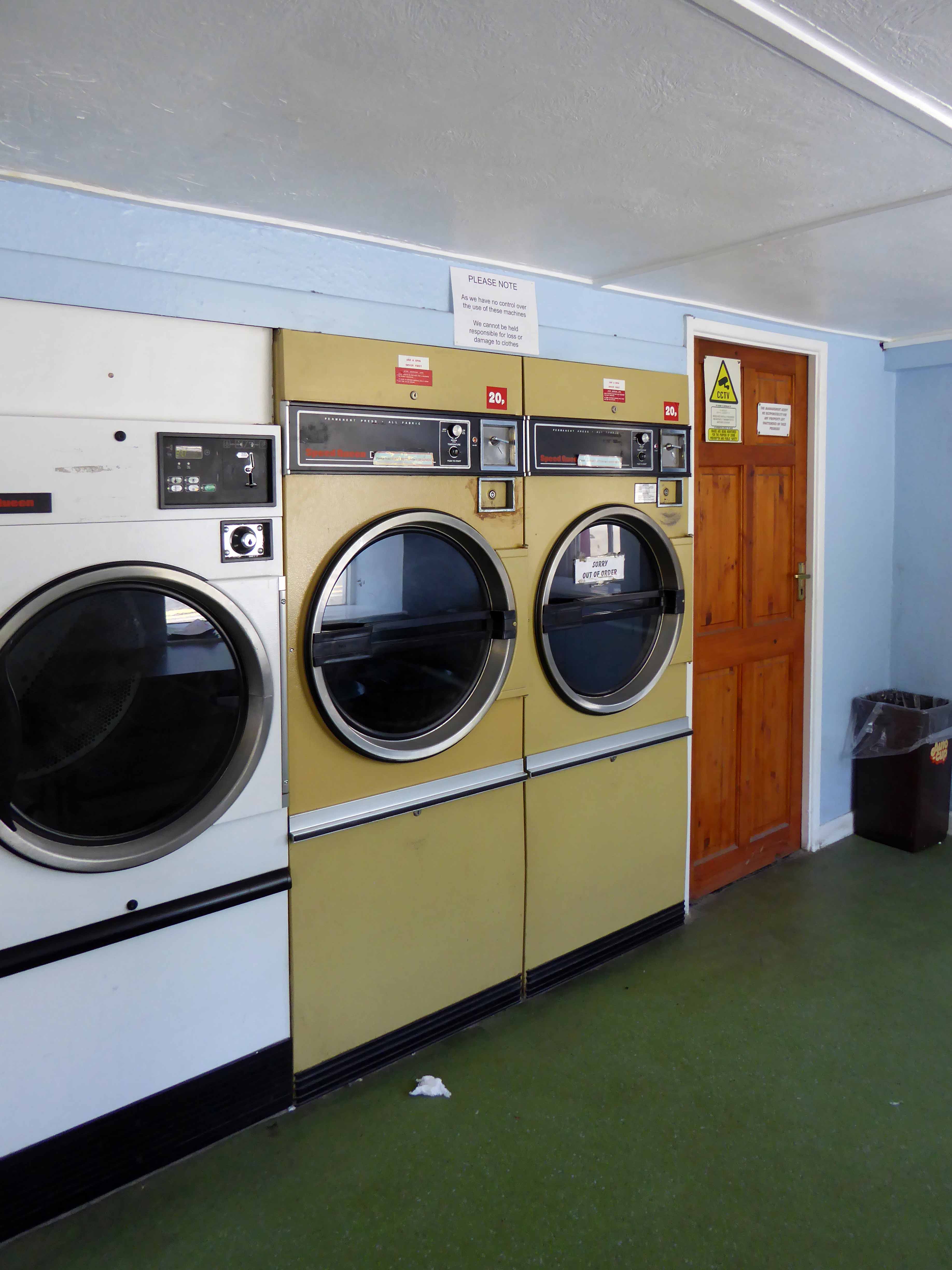
Moments away from a laundrette.

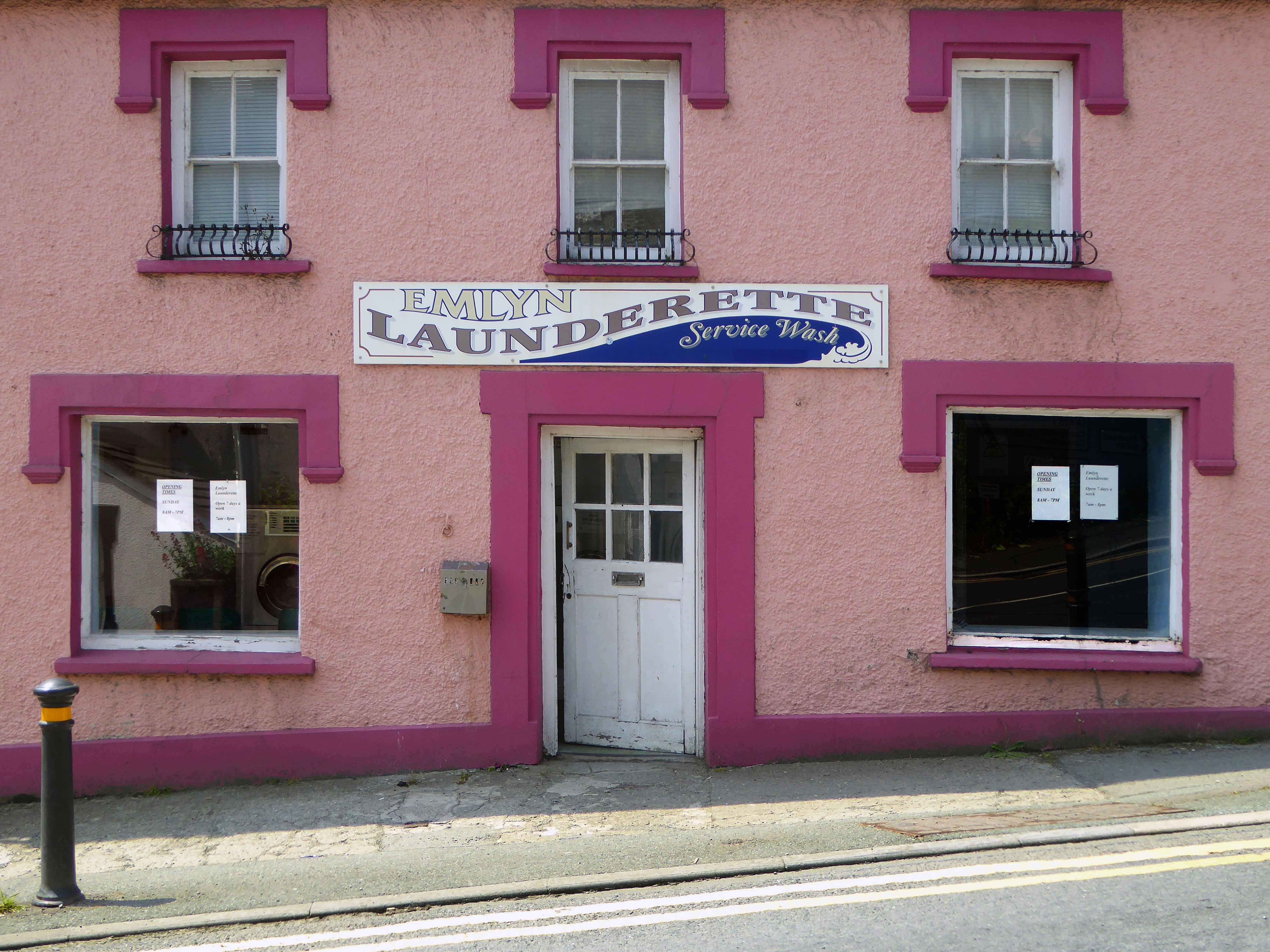
Imagine my amazement, on arrival in a town straddling the border of the counties of Ceredigion and Carmarthenshire in west Wales and lying on the River Teffi.

A launderette.

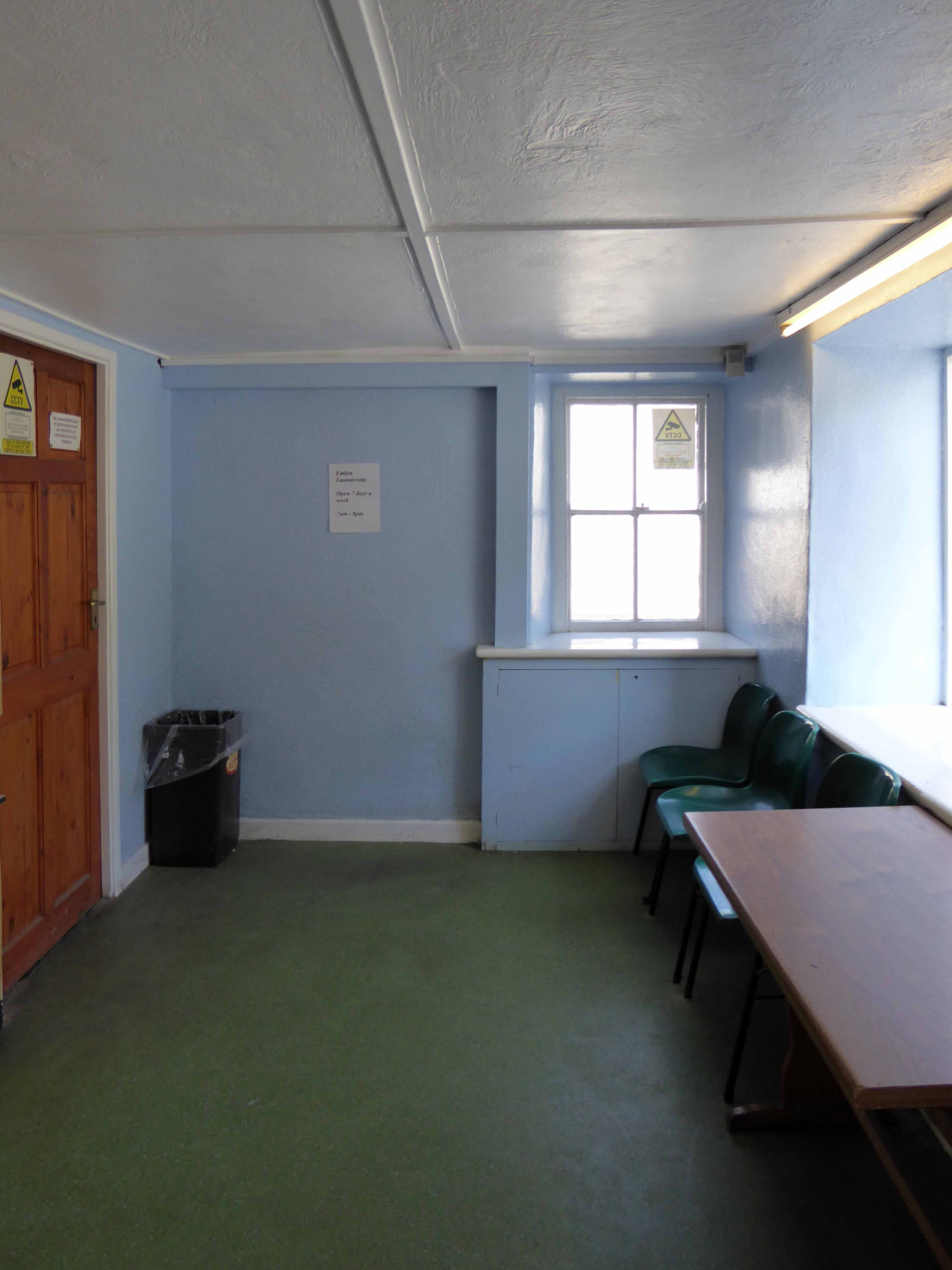
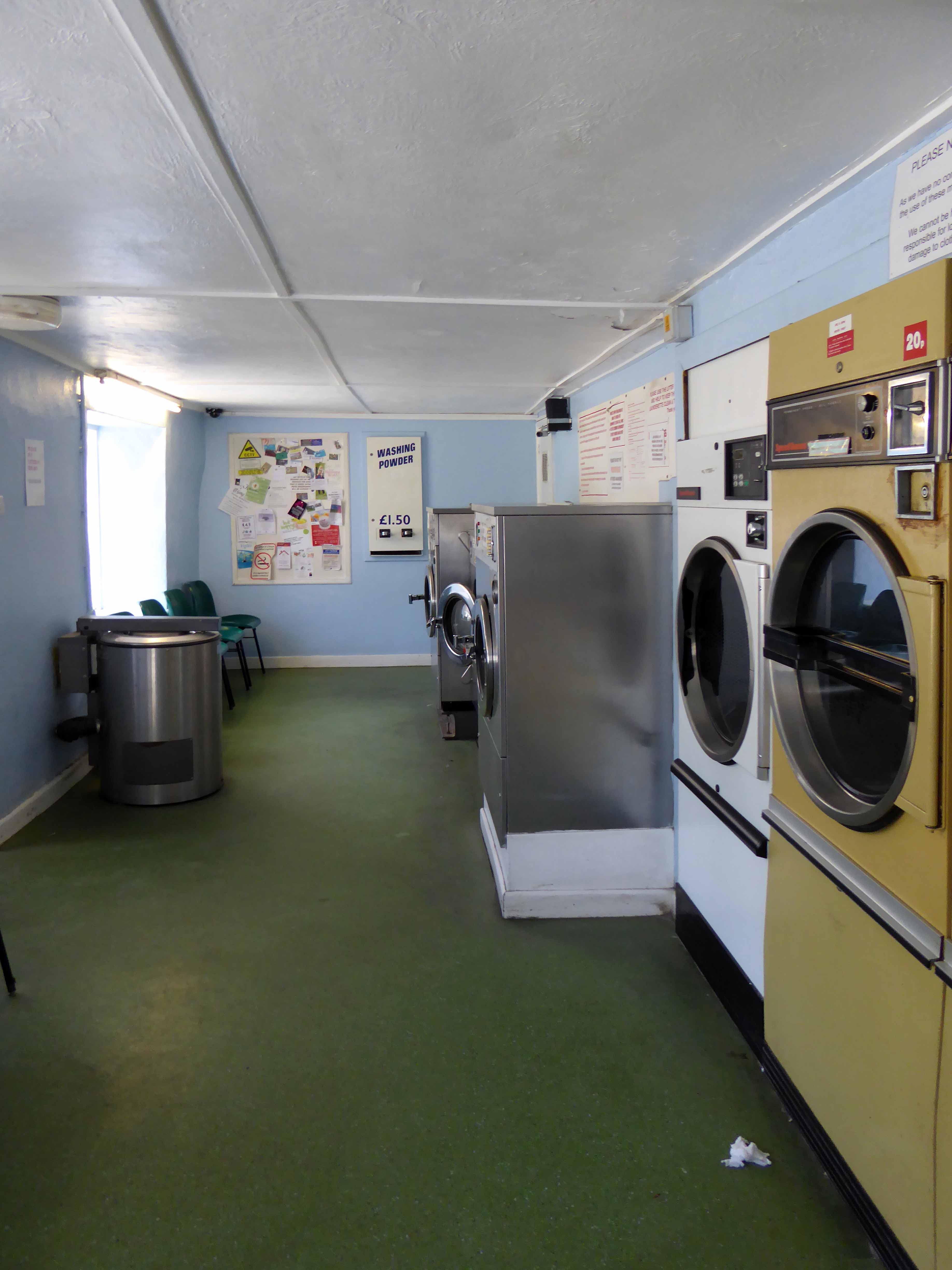
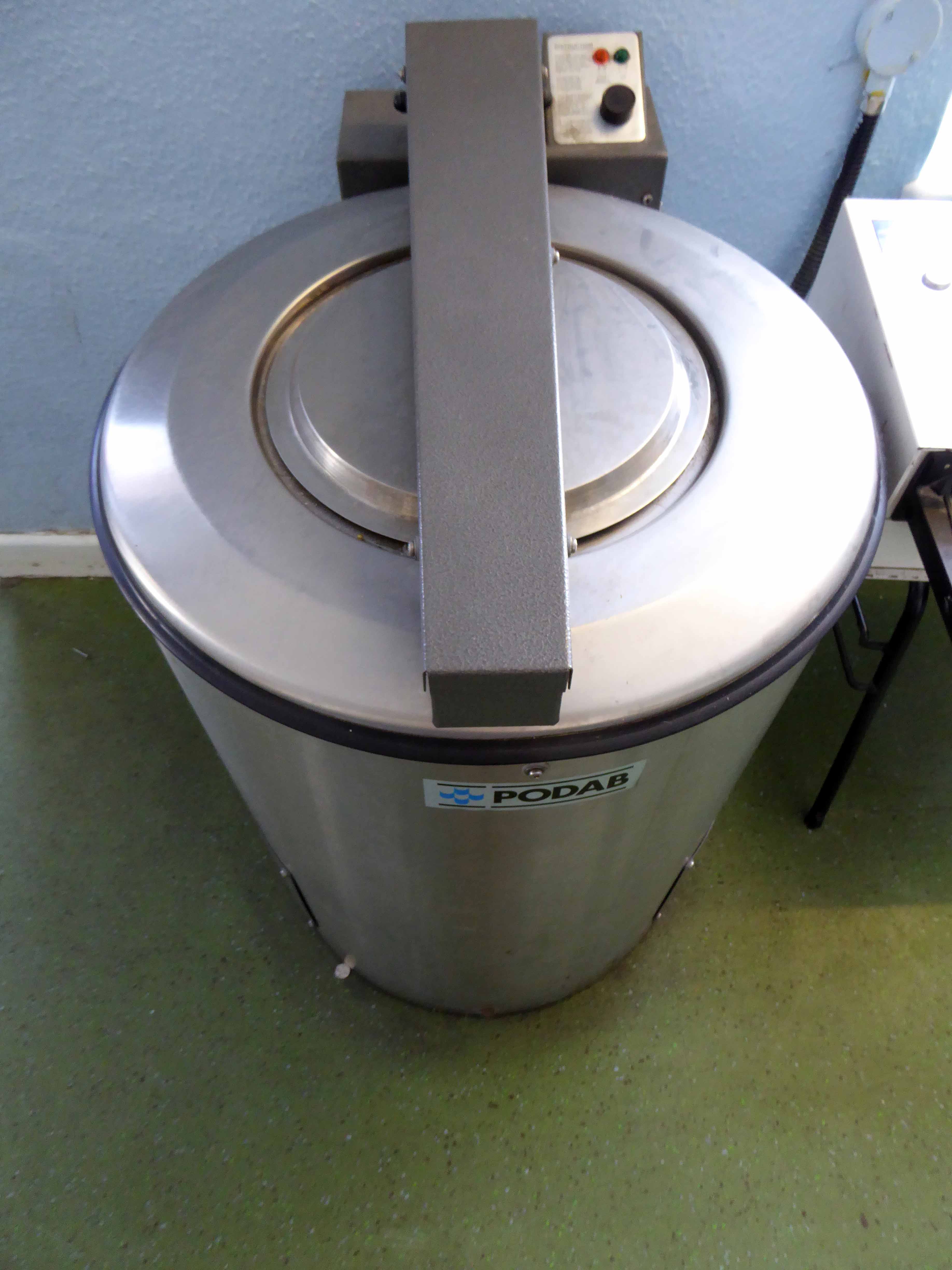
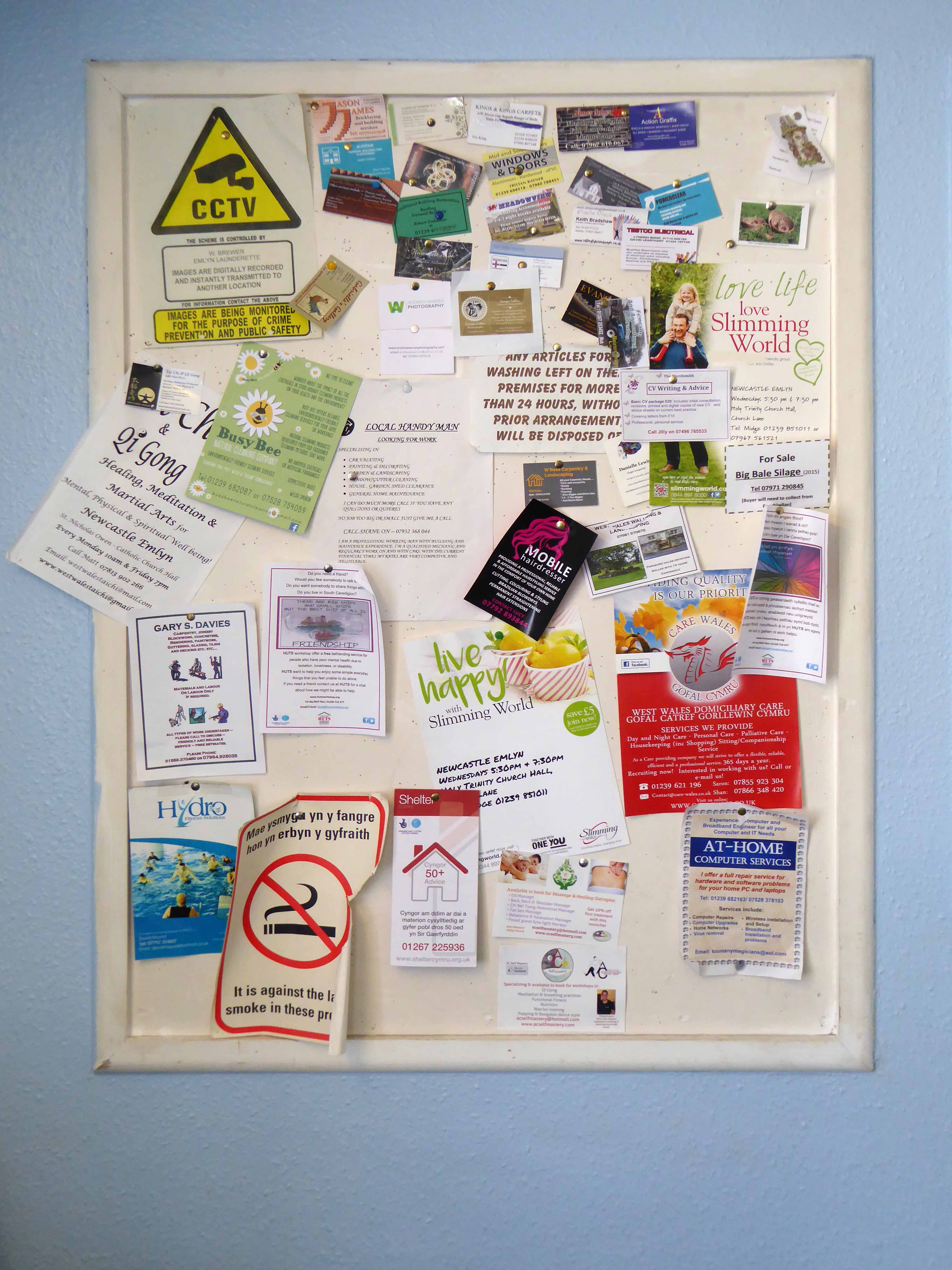
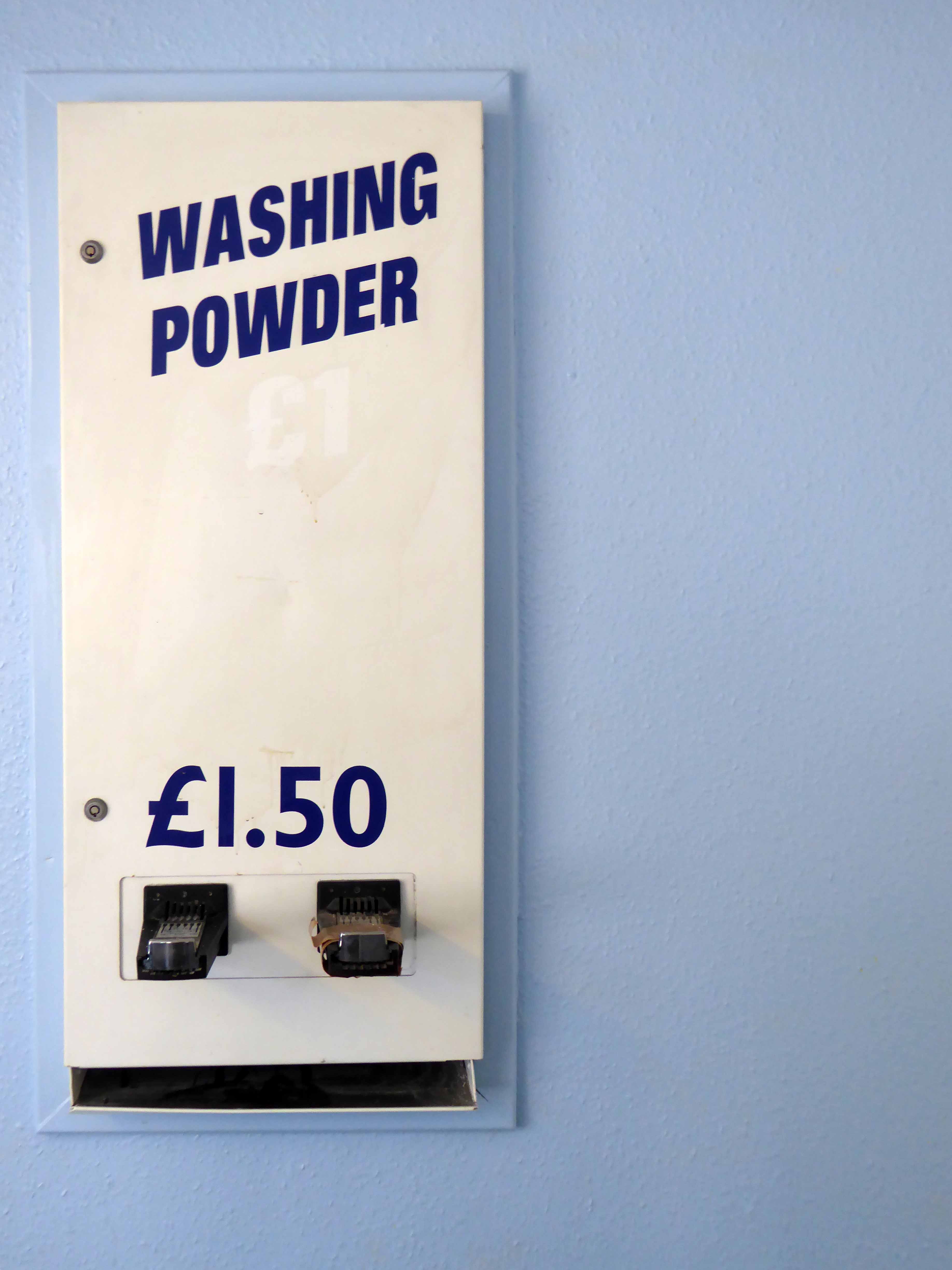
The heady of mix of interior austerity.

Functionally muted green, grey sky blue, nothing added.

An all too distinctive aroma of who knows what – warm water, soap and humanity?

Wash your dirty linen in public.

P1050712 copy

P1050688 copy

P1050689 copy

P1050690 copy

P1050691 copy

P1050692 copy

P1050693 copy

P1050694 copy

P1050696 copy

P1050697 copy

P1050698 copy

P1050699 copy

P1050700 copy

P1050701 copy

P1050702 copy

P1050703 copy

P1050704 copy

P1050705 copy

P1050706 copy

P1050707 copy

P1050708 copy

P1050709 copy

P1050710 copy

P1050711 copy

Collyhurst

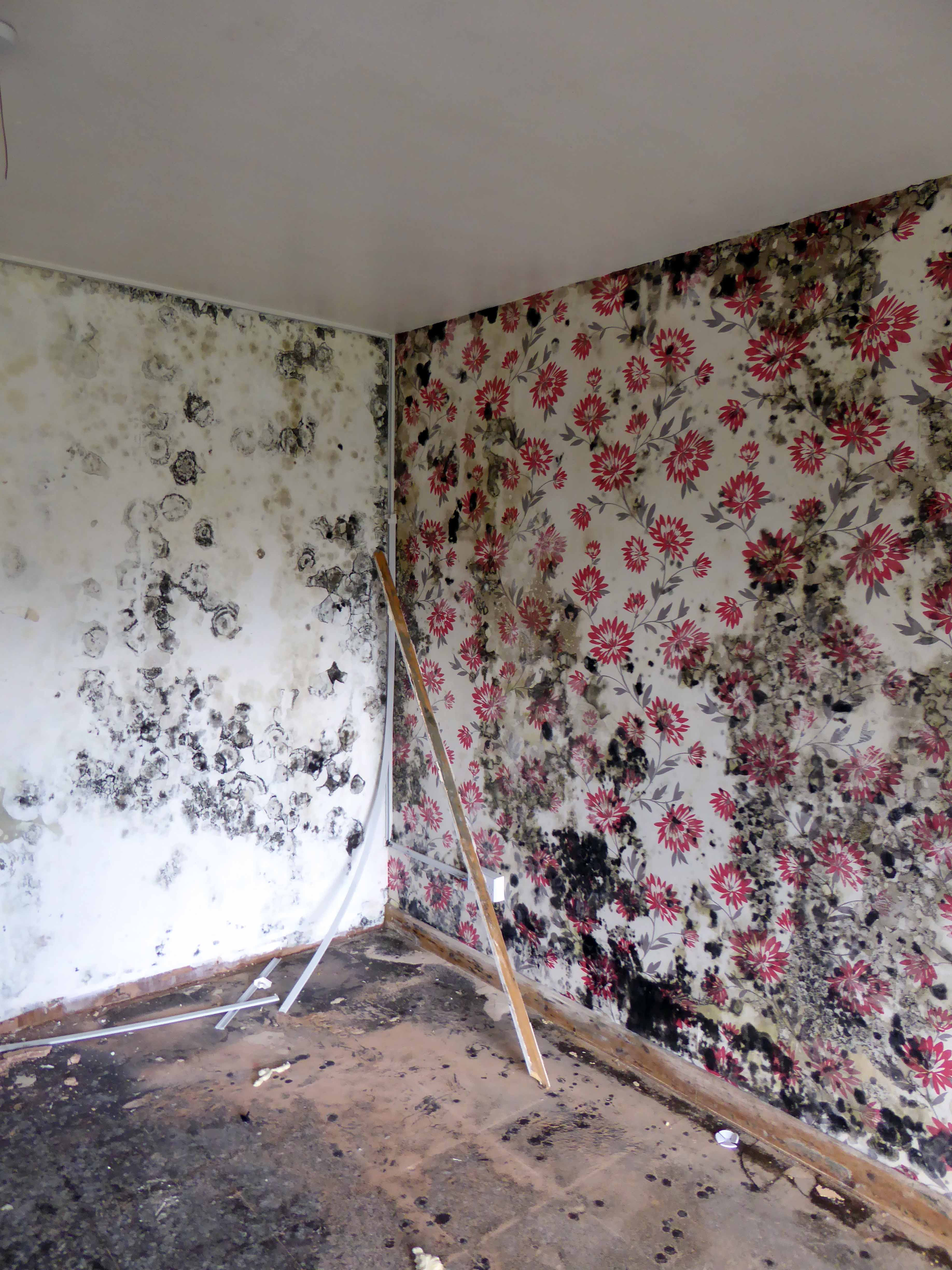
It’s the end of the road, for the middle of the street.

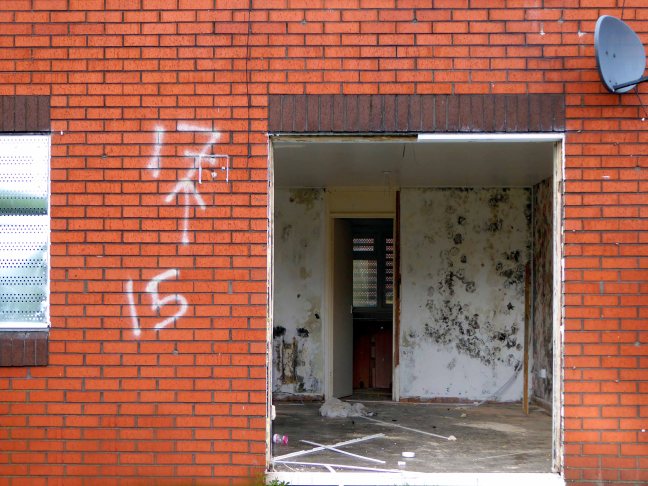
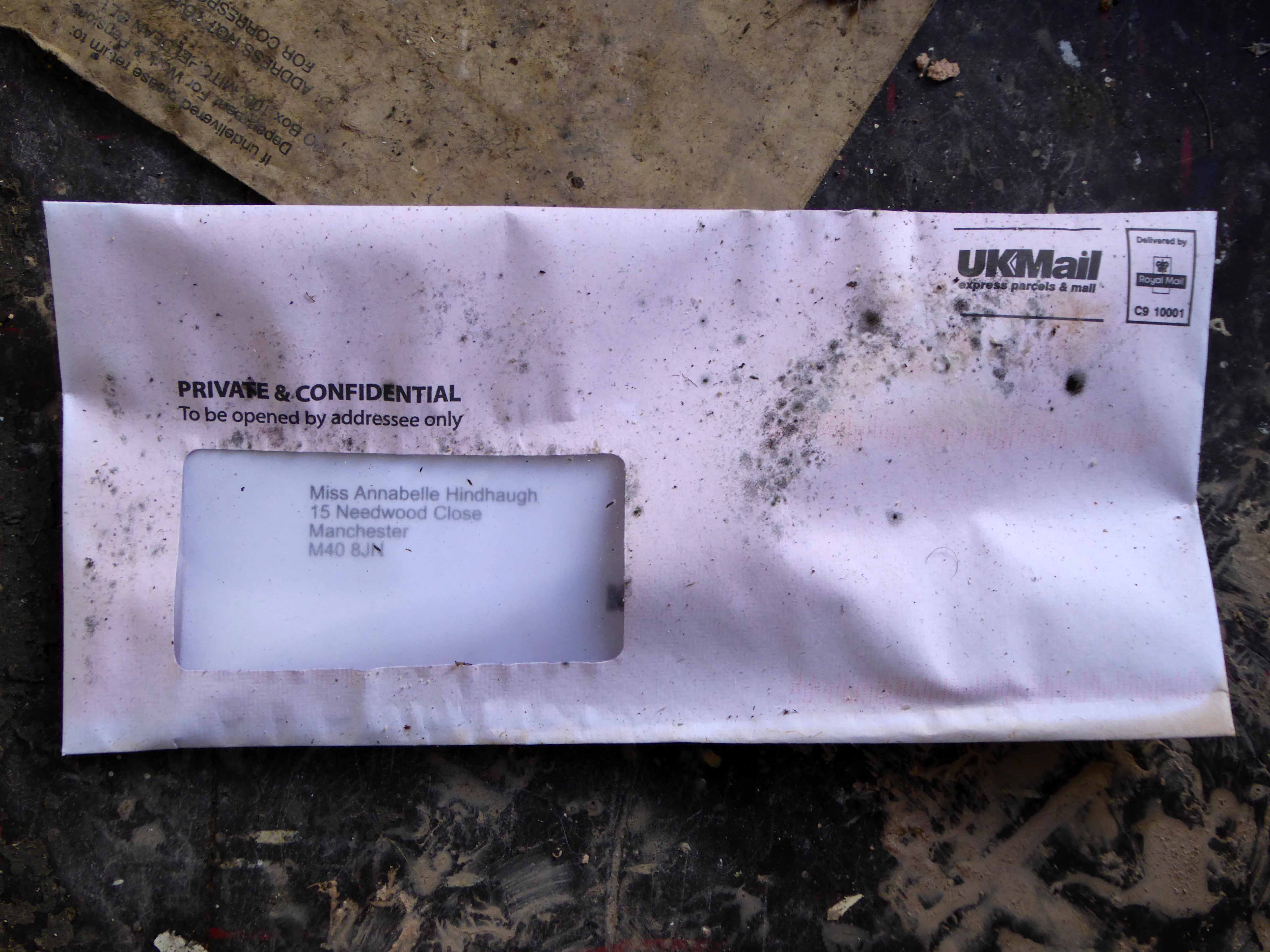
Needwood Close Collyhurst is closed.

An area that has suffered the slings, swings and arrows of failed PFI bids, absent partners and putative city fathers.

2012

After missing out on £252m of state investment when the Government cut the Homes and Communities Agency budget, Manchester is now trying another approach to deliver the much needed regeneration of Collyhurst.

As reported by Manchester Confidential

2014

The masterplan is part of Manchester Place, a joint initiative between Manchester City Council and the Homes & Communities Agency that looks to create a pipeline of development-ready sites to help the city meet its ambitious target of creating 55,000 new homes by 2027 as set out in the Manchester Residential Growth Prospectus.

Manchester Place will work with investors, such as Manchester Life, a £1bn, partnership between Manchester City Football Club and Abu Dhabi United Group, the privately owned investment company which also owns Manchester City Football Club, to bring 6,000 new homes to east Manchester over the next 10 years.

As outlined in Place North West

2016

Kirkgate Market – Bradford

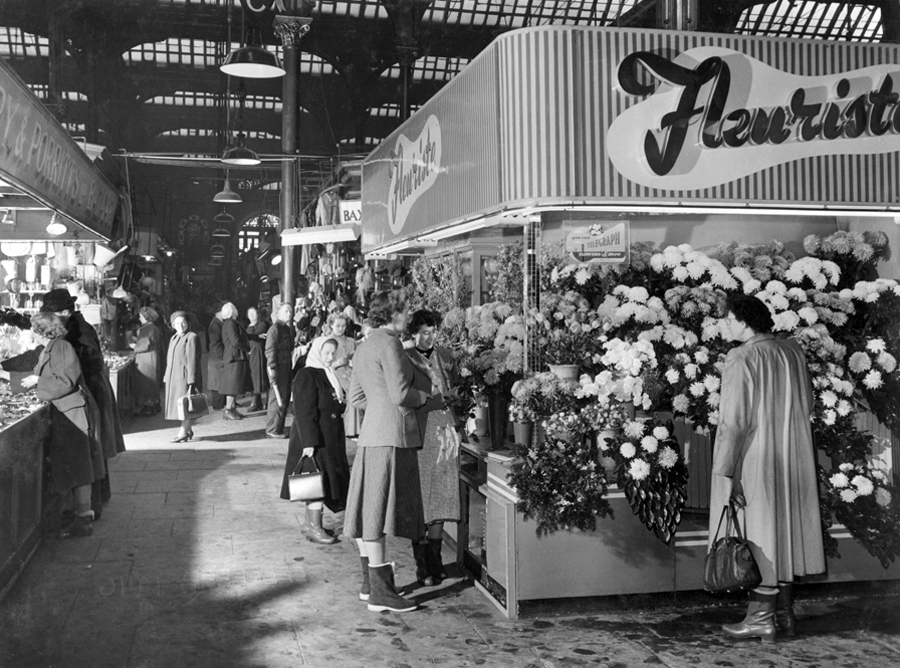
Yorkshire is a county of market towns – Bradford is no exception, a mediaeval village expanding with the growth of the wool trade and the coming of the Industrial Revolution.

P1050380 copy

Flourishing.

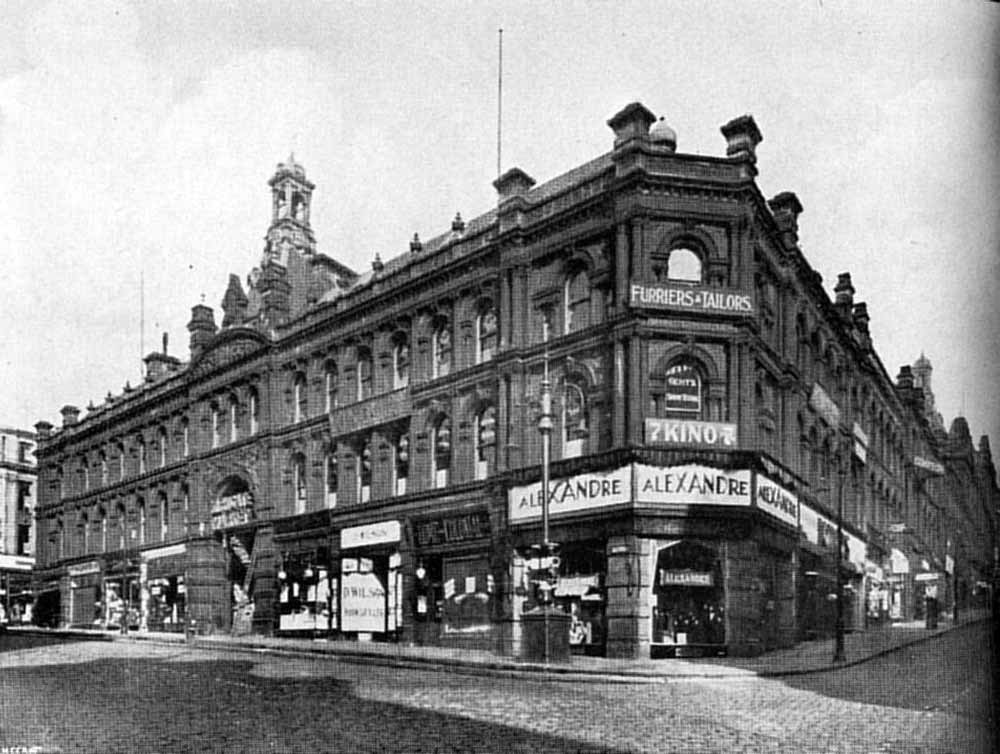
The site was originally occupied by an imposing building of 1878.

5142193649_7127ea46f8_b
Q1976

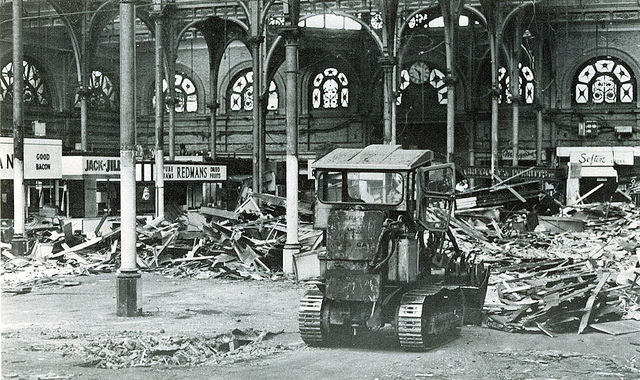
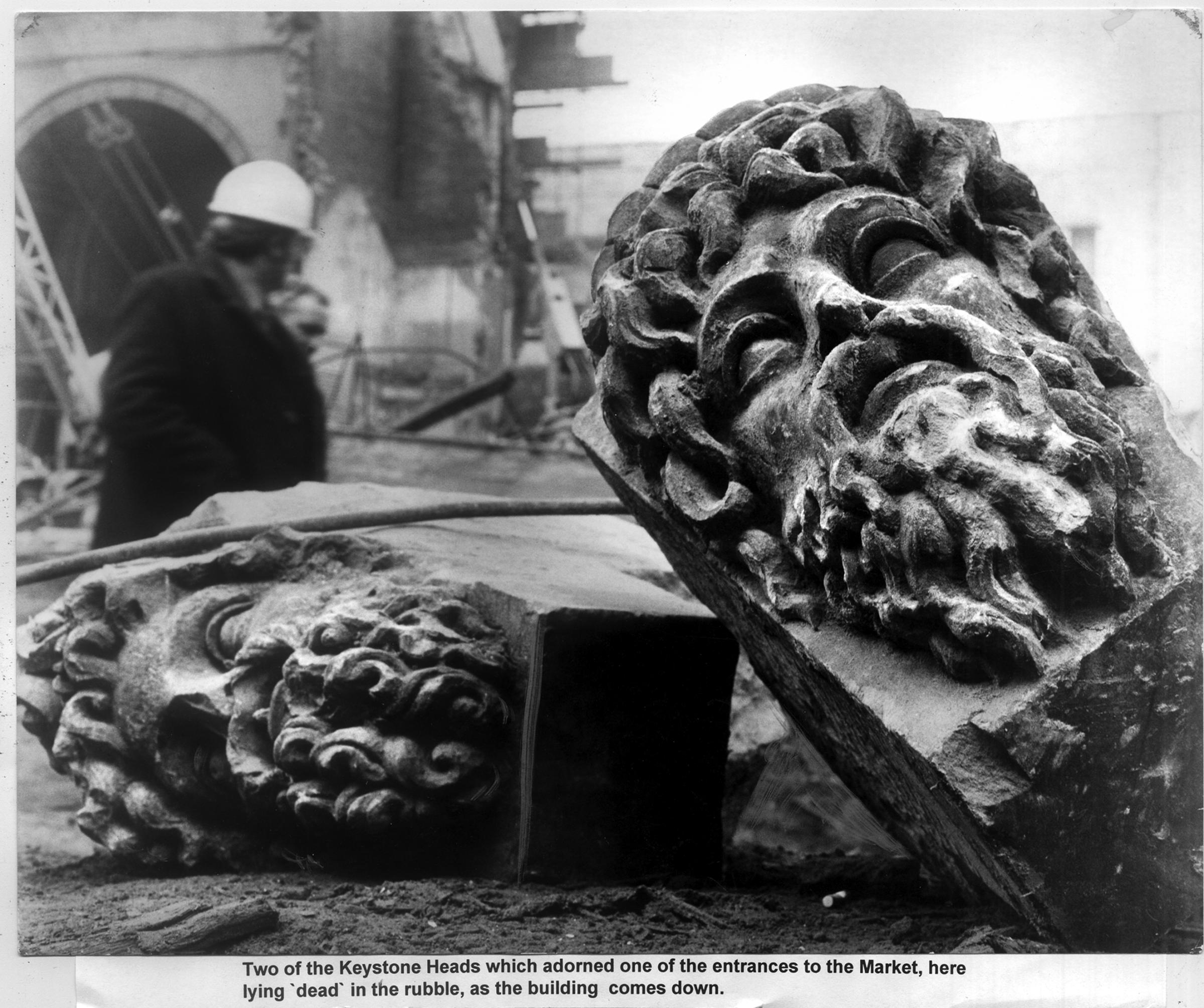
Demolished in 1973.

5177960364_c44e85ae92_z
imgID8575583

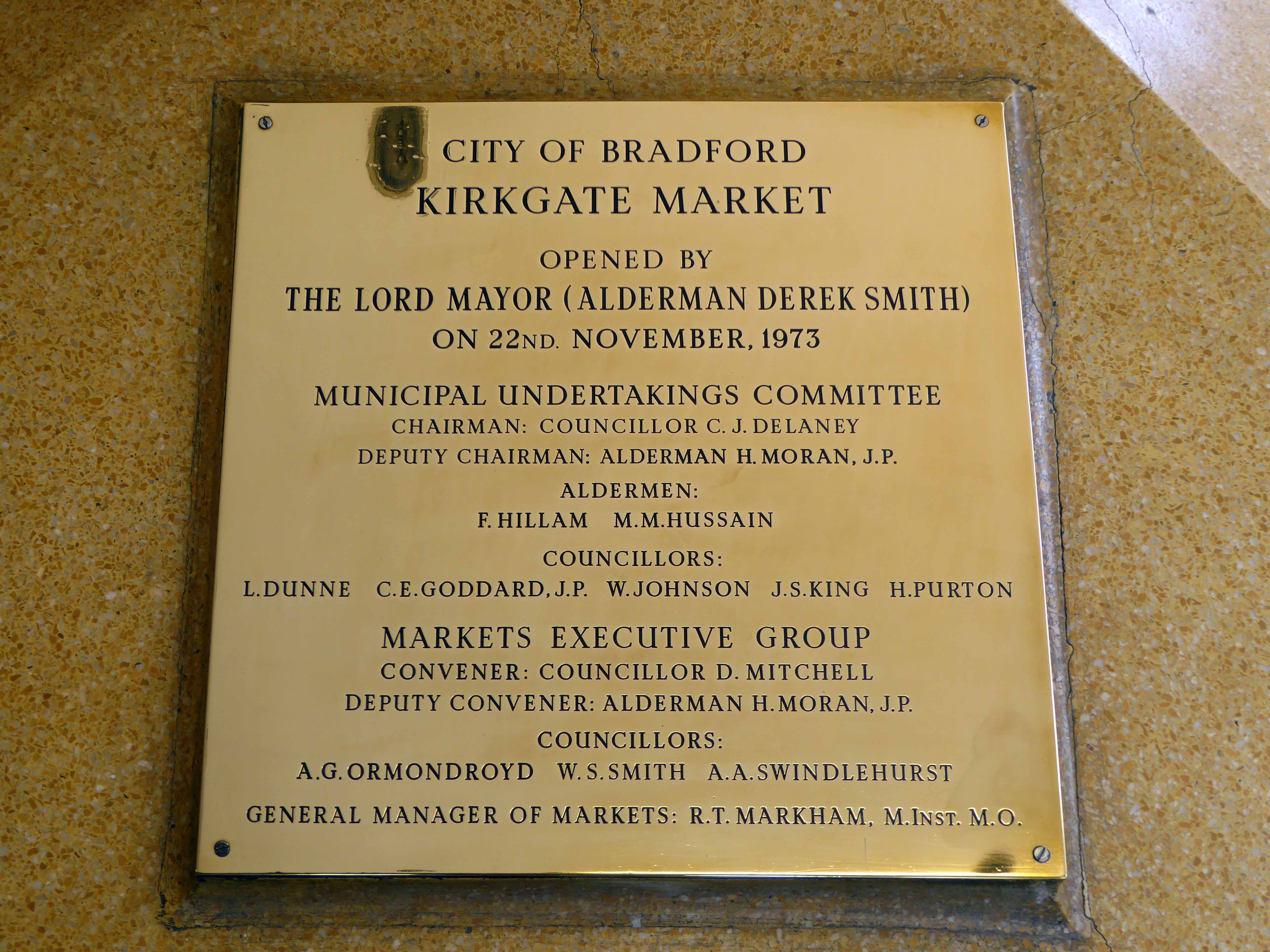
To be replaced by a Brutalist build in the same year.

P1050379 copy

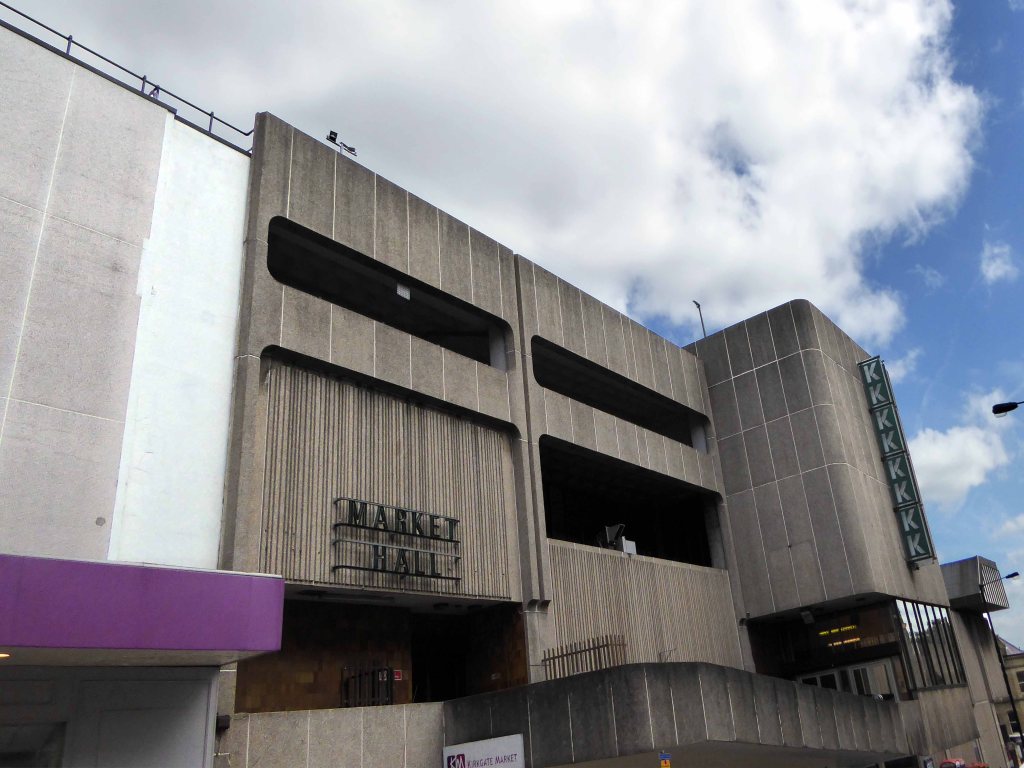
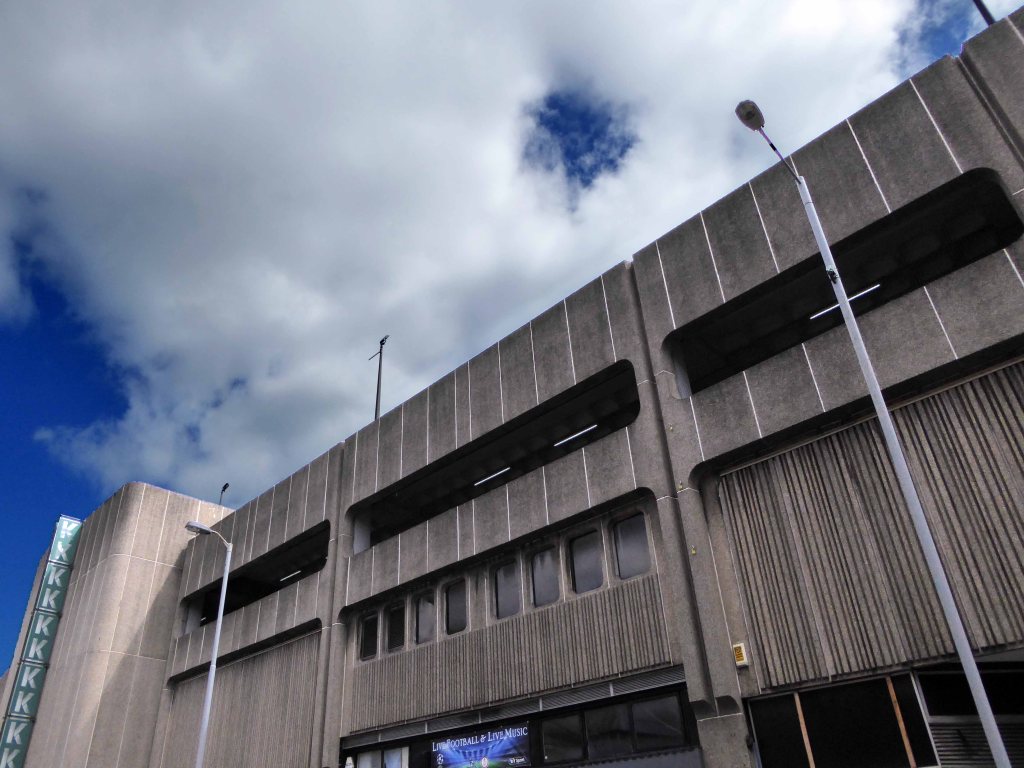
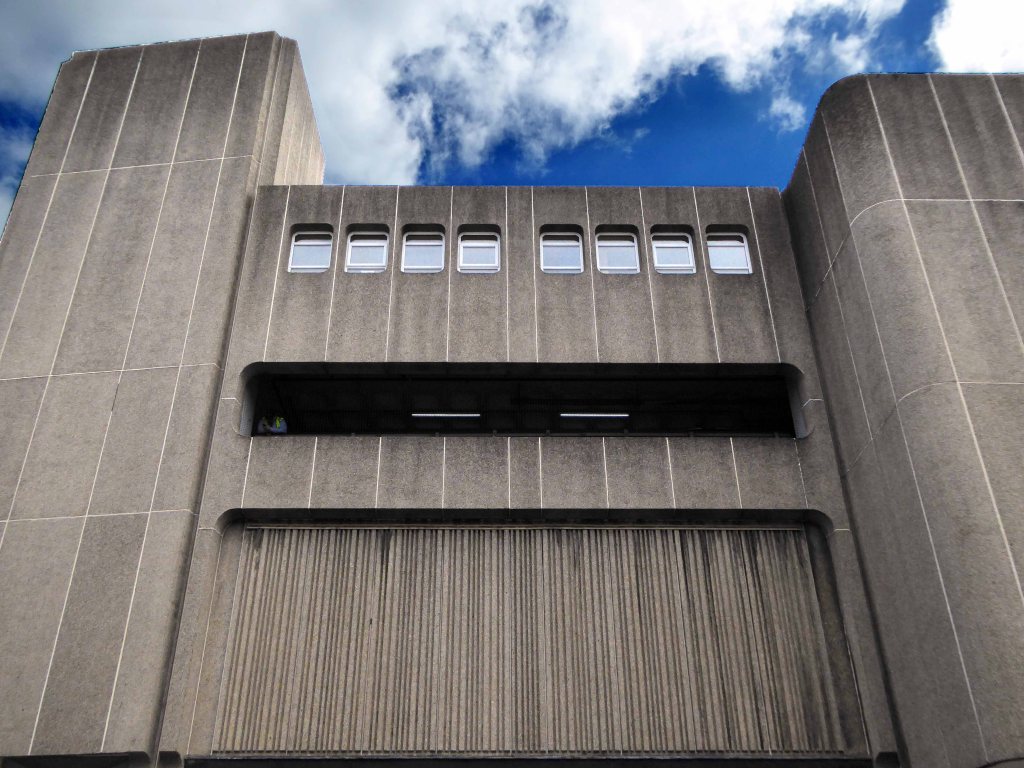
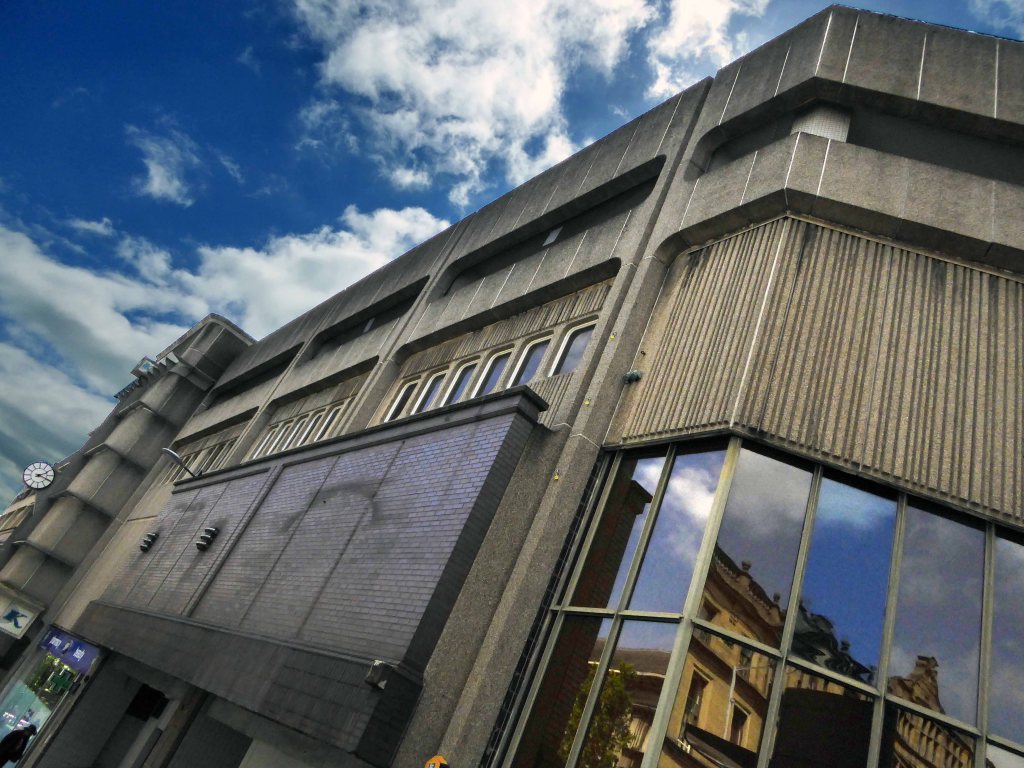
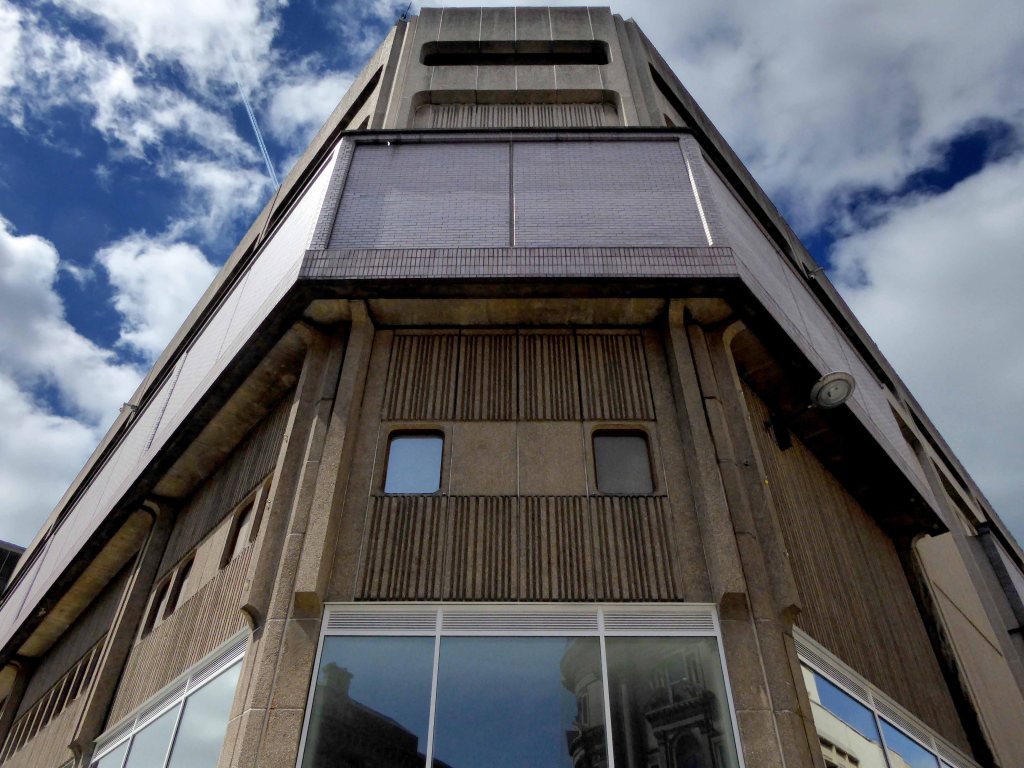
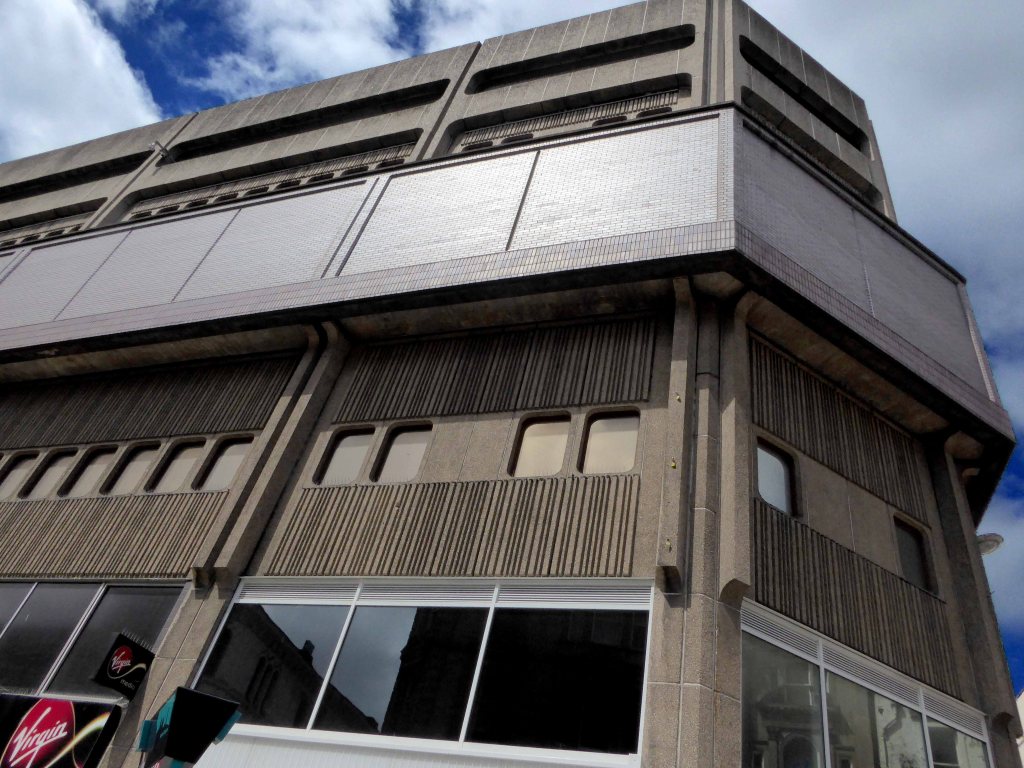
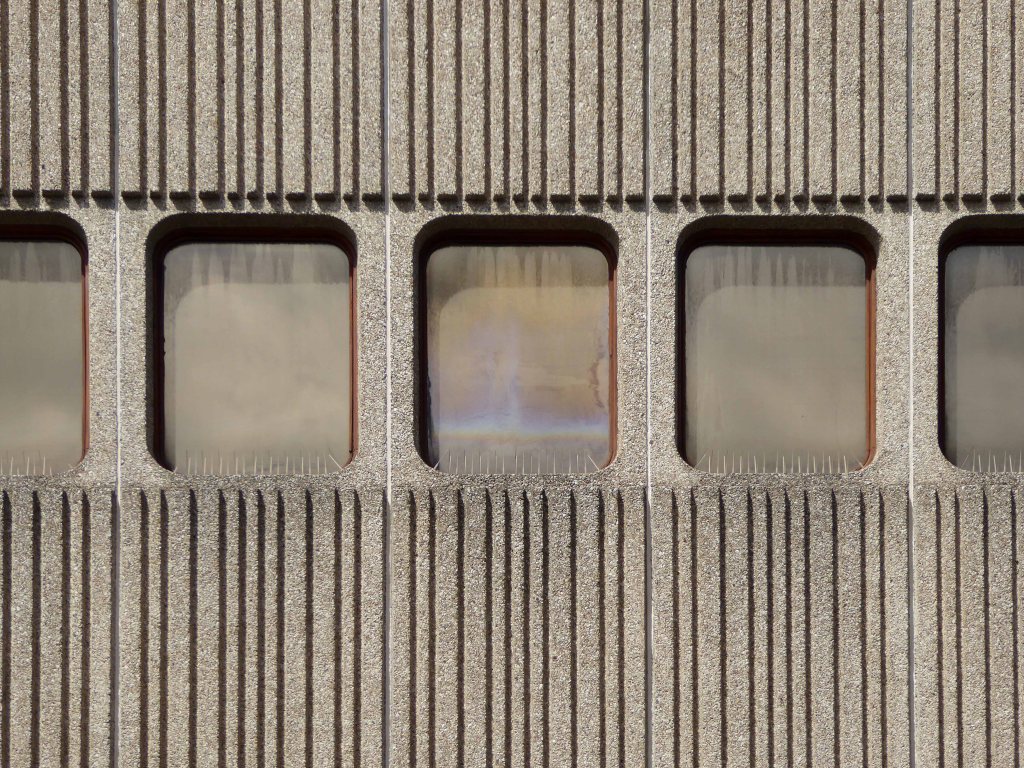
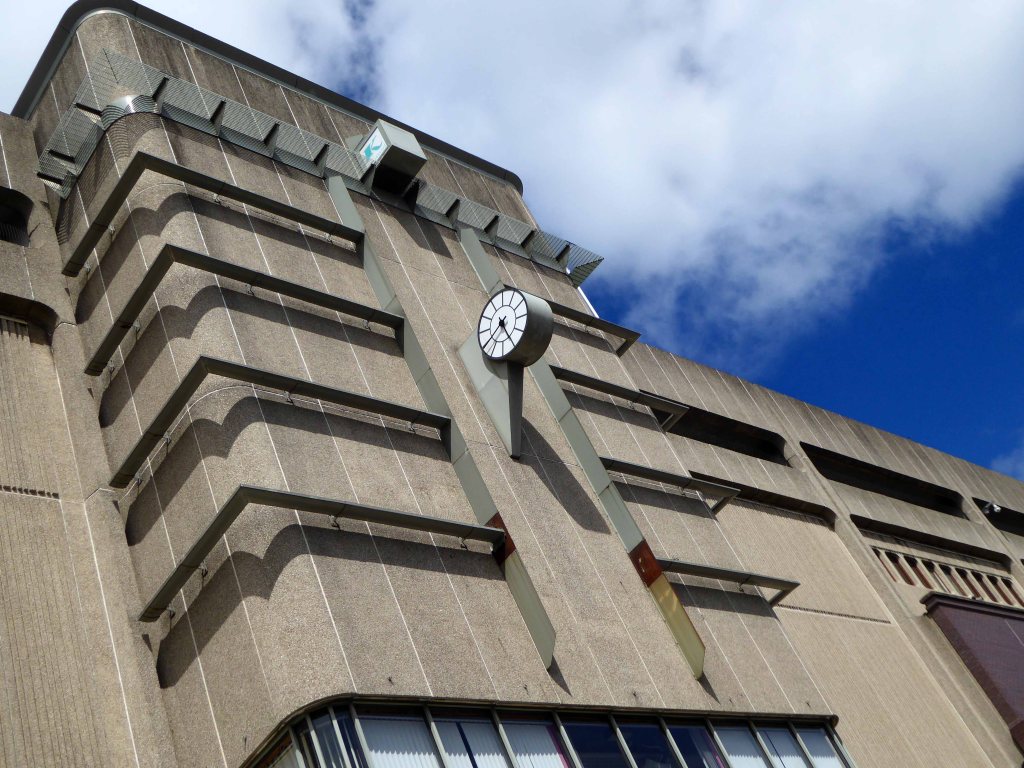
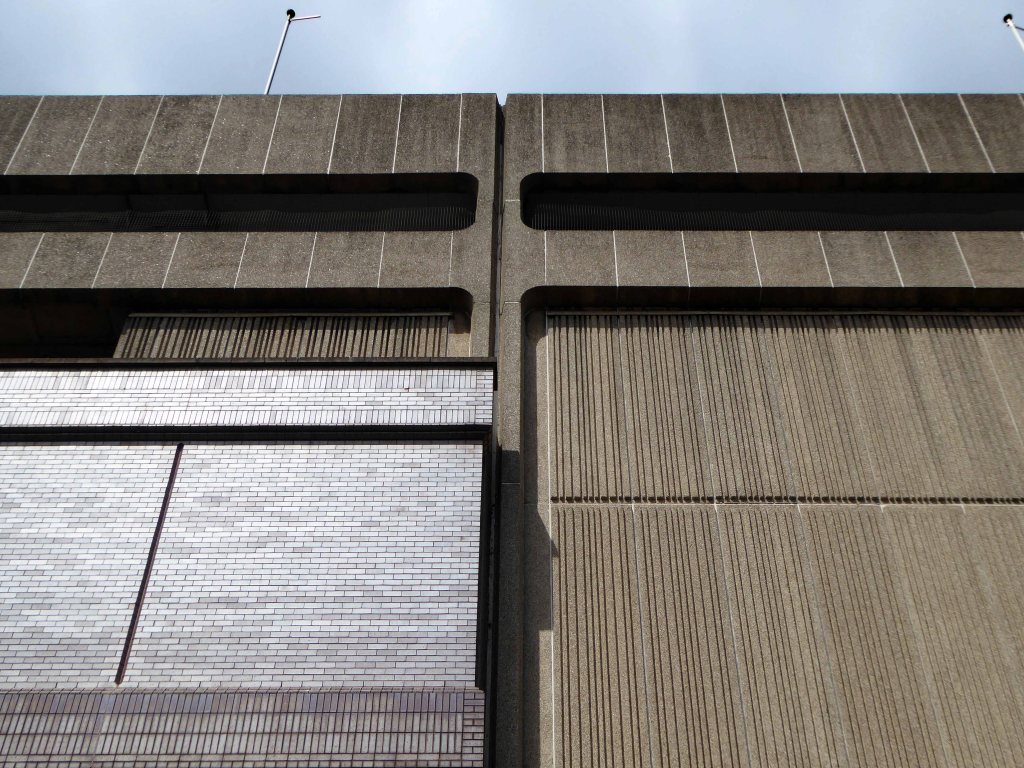
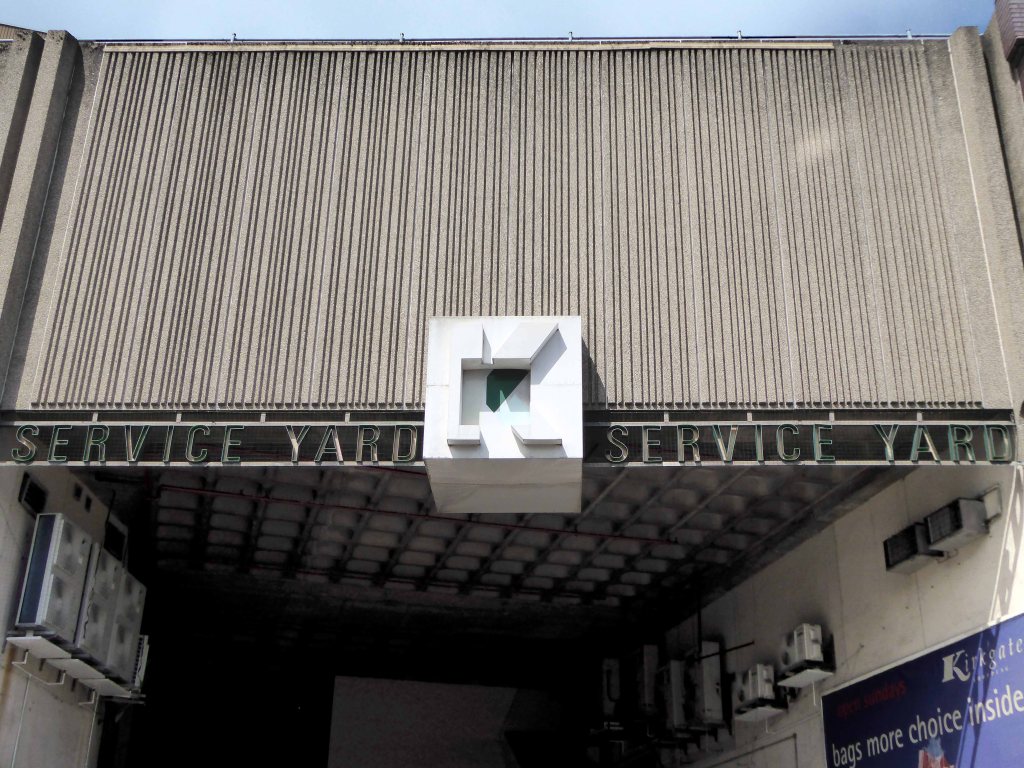
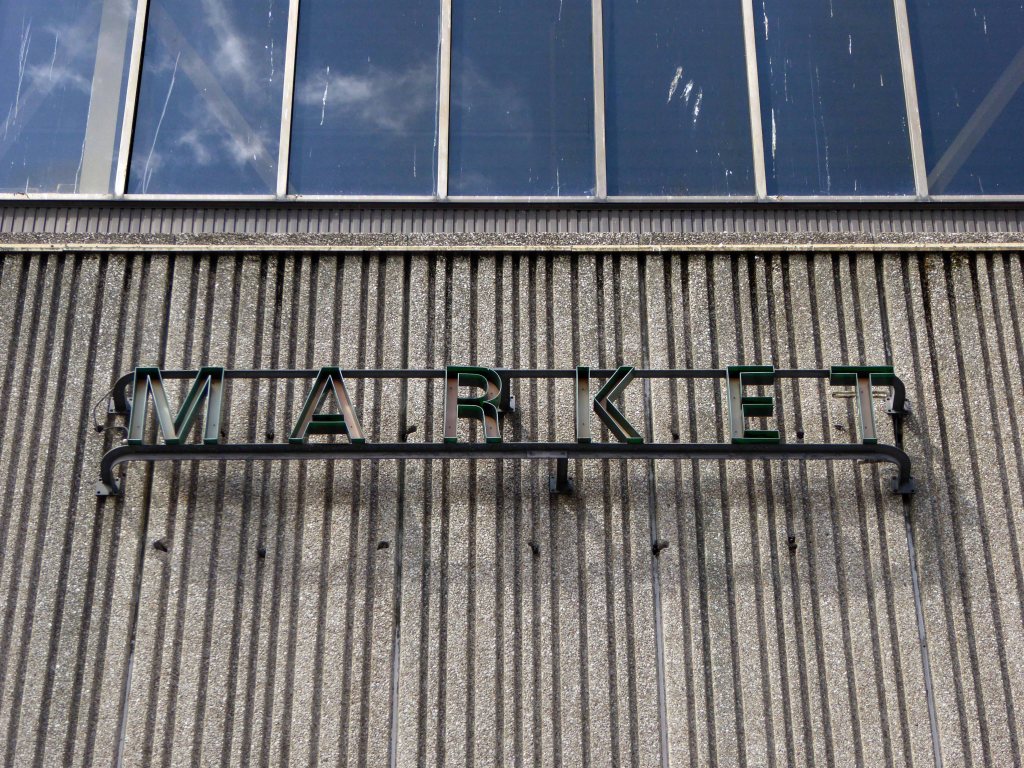
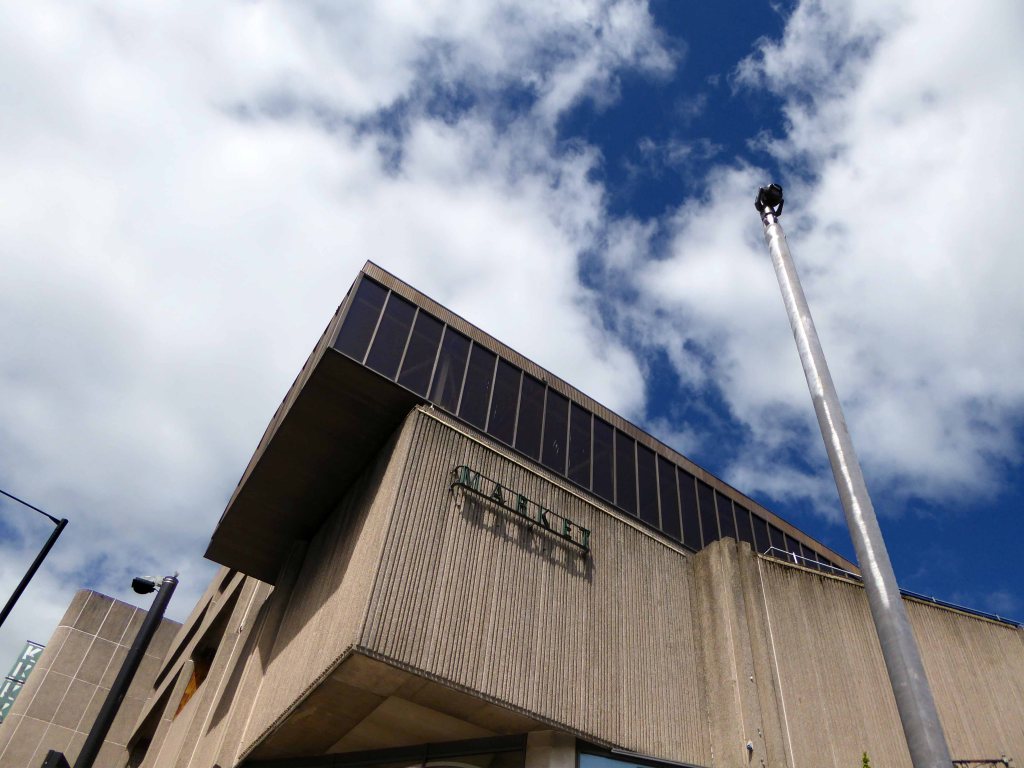
A structure of bold geometry, contrasting brick and warm, raw striated concrete.

The huge building, designed by John Brunton & Partners, was dubbed Bradford’s ‘space-age shopping centre’ when it opened in 1976. One of a series of American-style Arndale malls

Now the city council has purchased the centre for £15.5 million and agreed a deal that will see Primark – the largest of Kirkgate’s remaining stores – move to Bradford’s Broadway mall which opened in 2015.

The initiative will allow the authority to double the size of its proposed City Village programme, which it hopes will create better public spaces and 1,000 new homes in a ‘world-class sustainable urban’ across 5 acres of city centre land.

Architects Journal

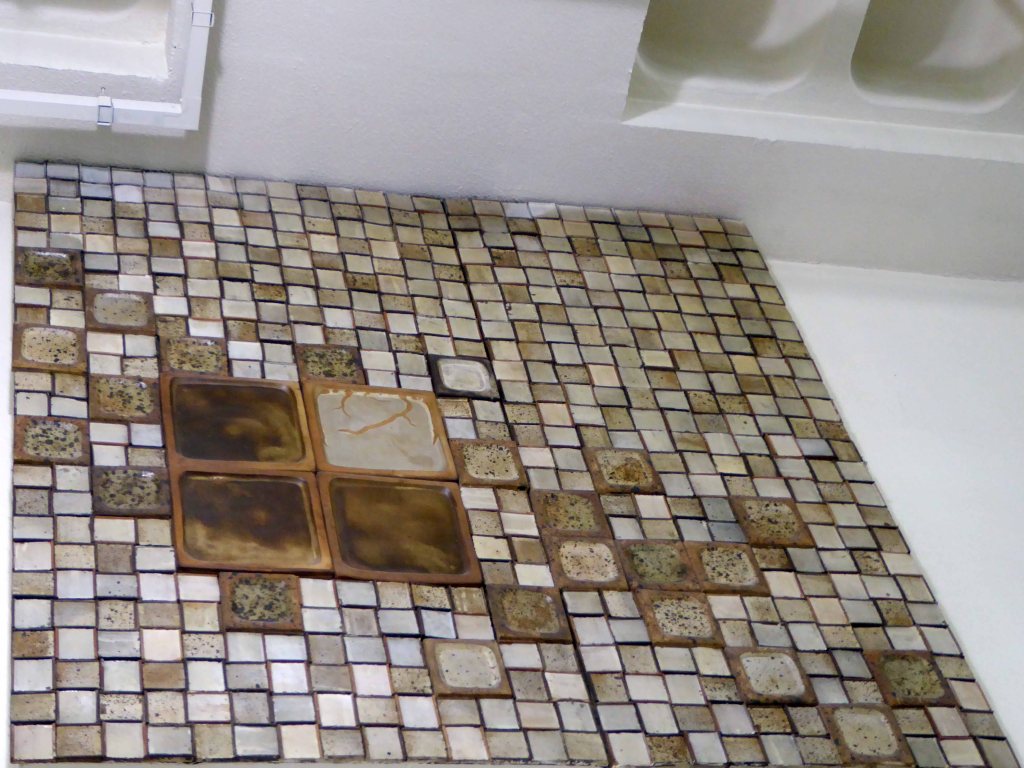
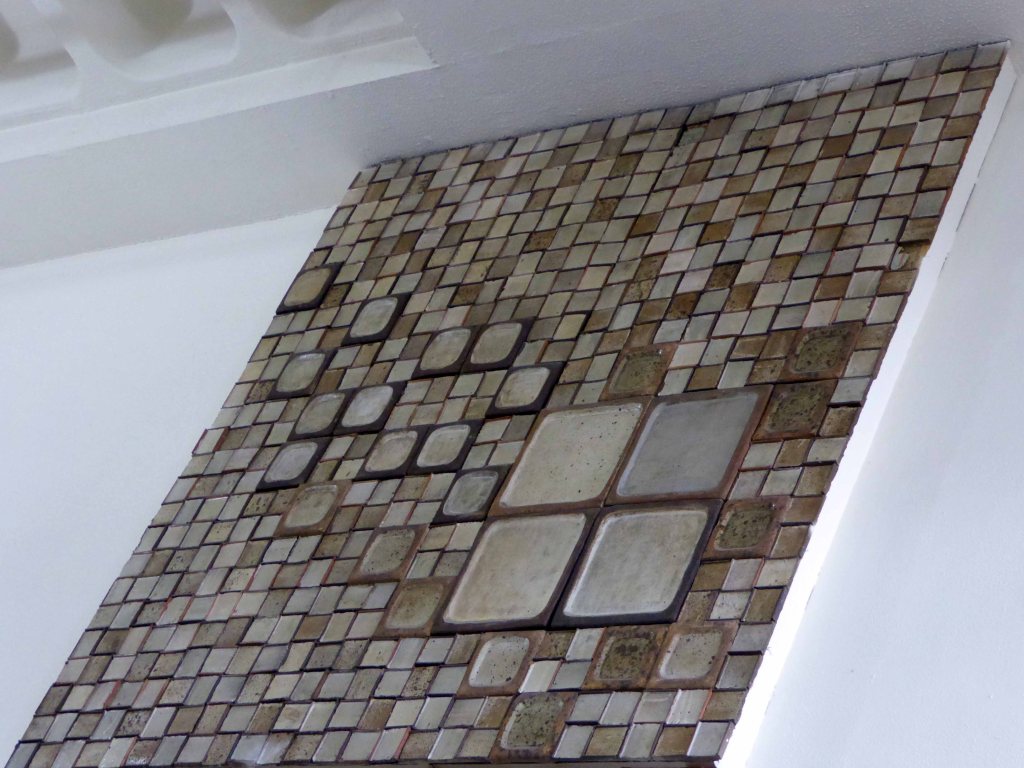
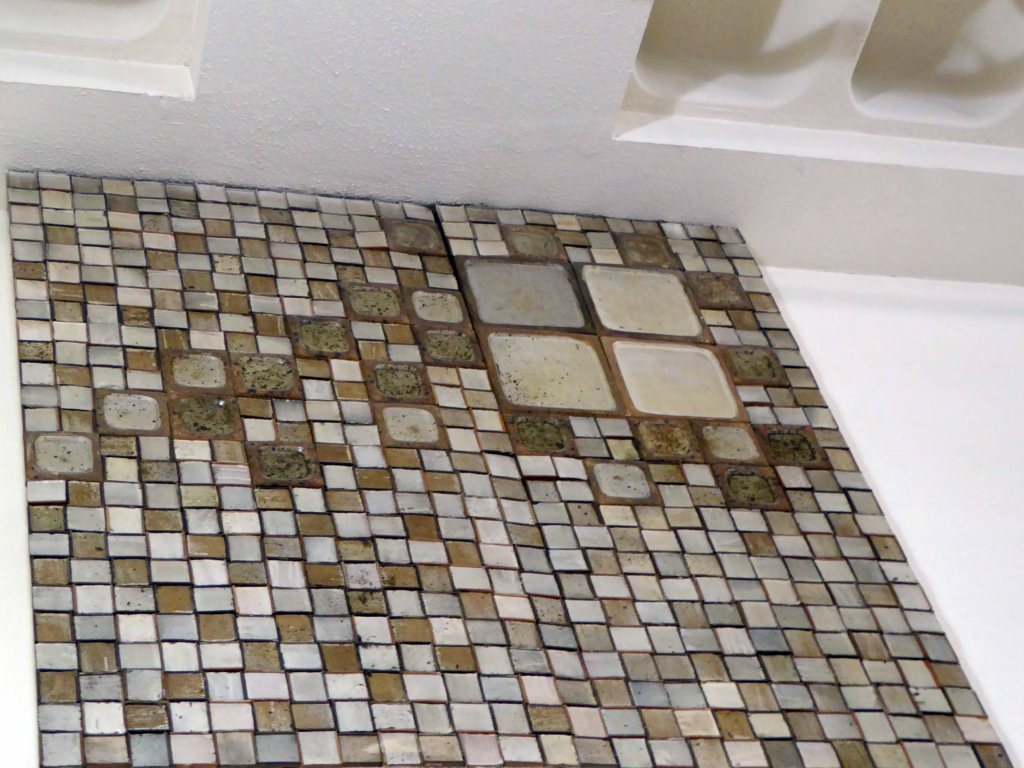
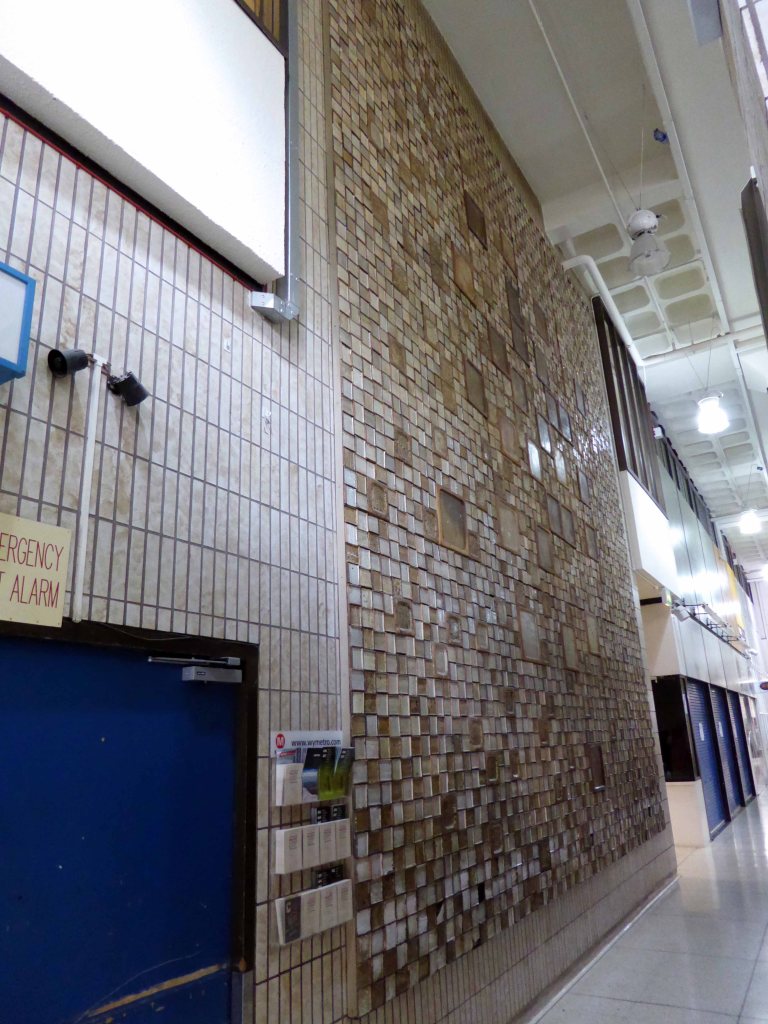
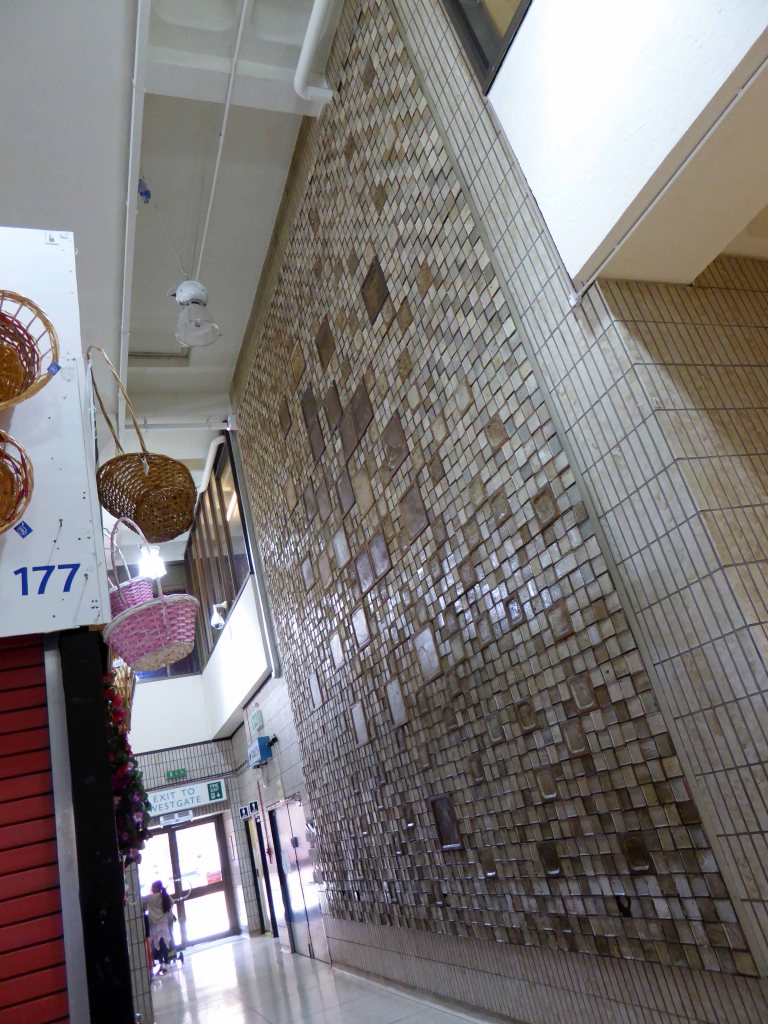
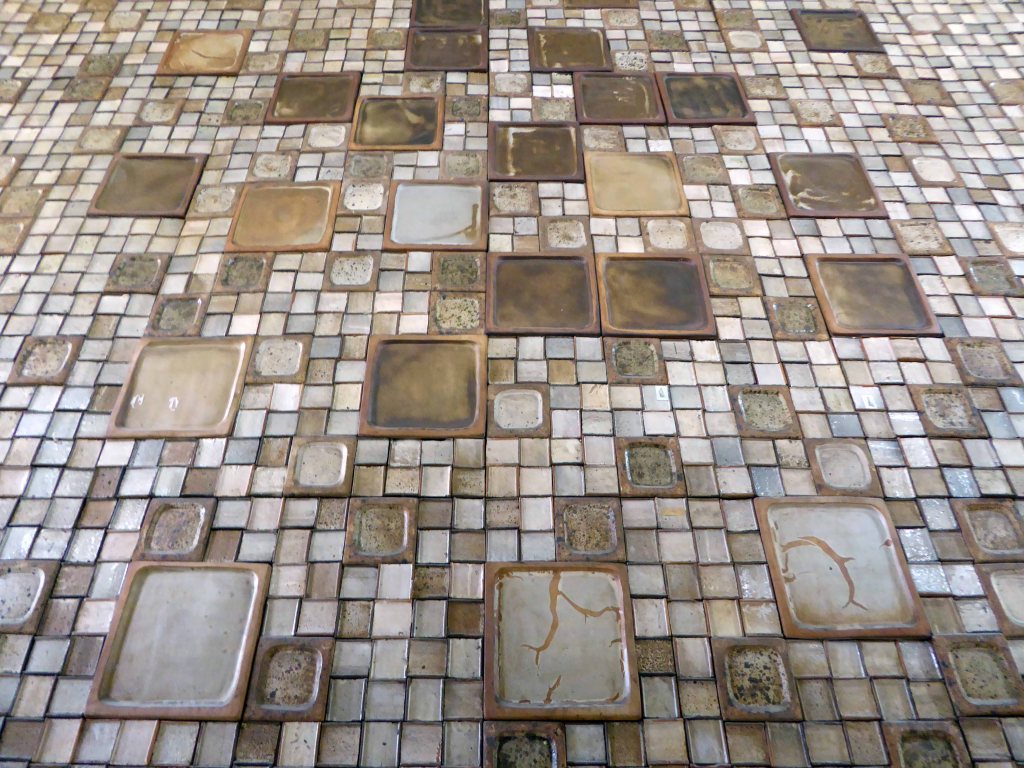
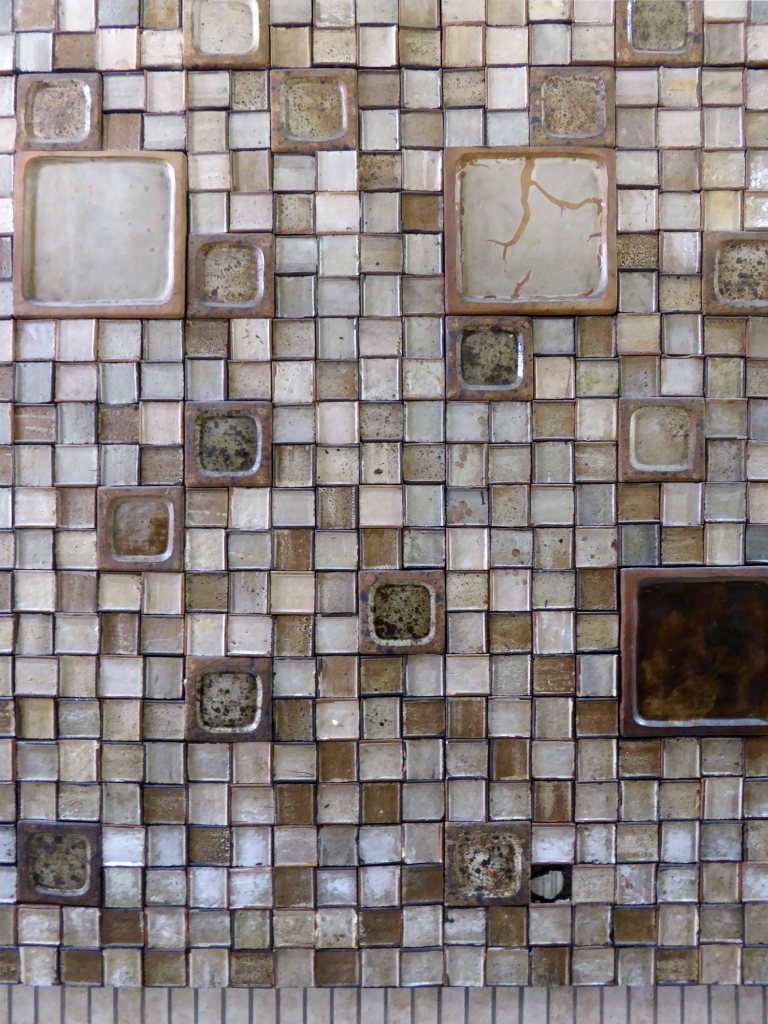
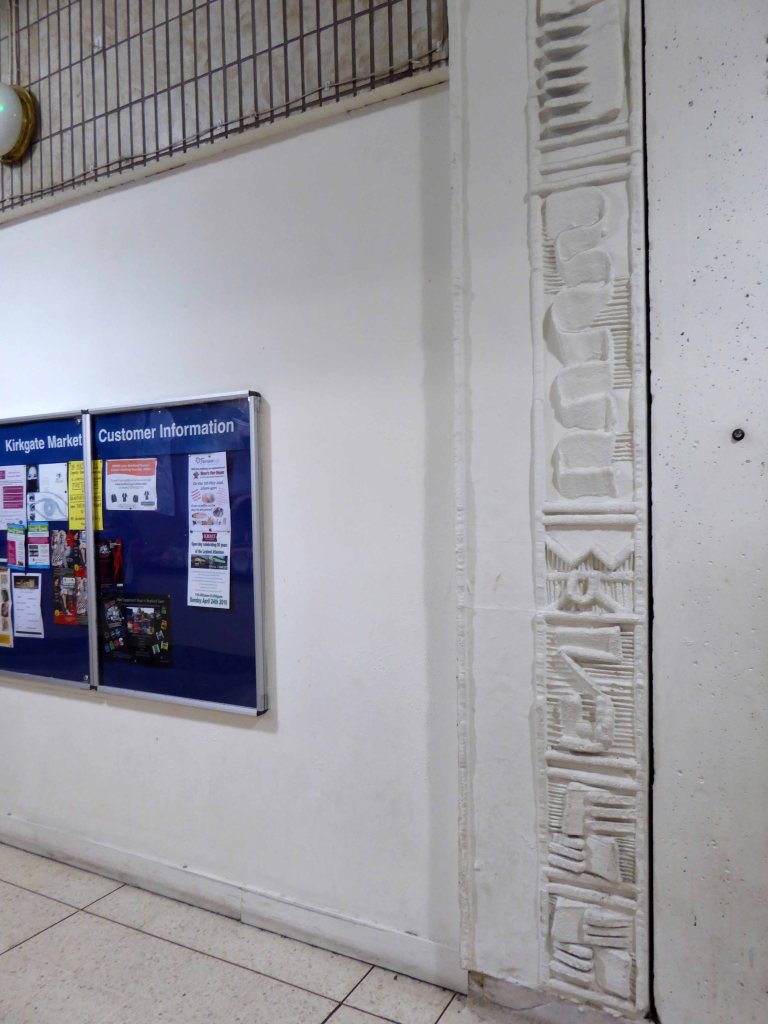
The interior has several decorative features, tiles their authorship and origins unknown, consisting of four 2.5 metre, and one 6.5 metre  square ceramic panels.

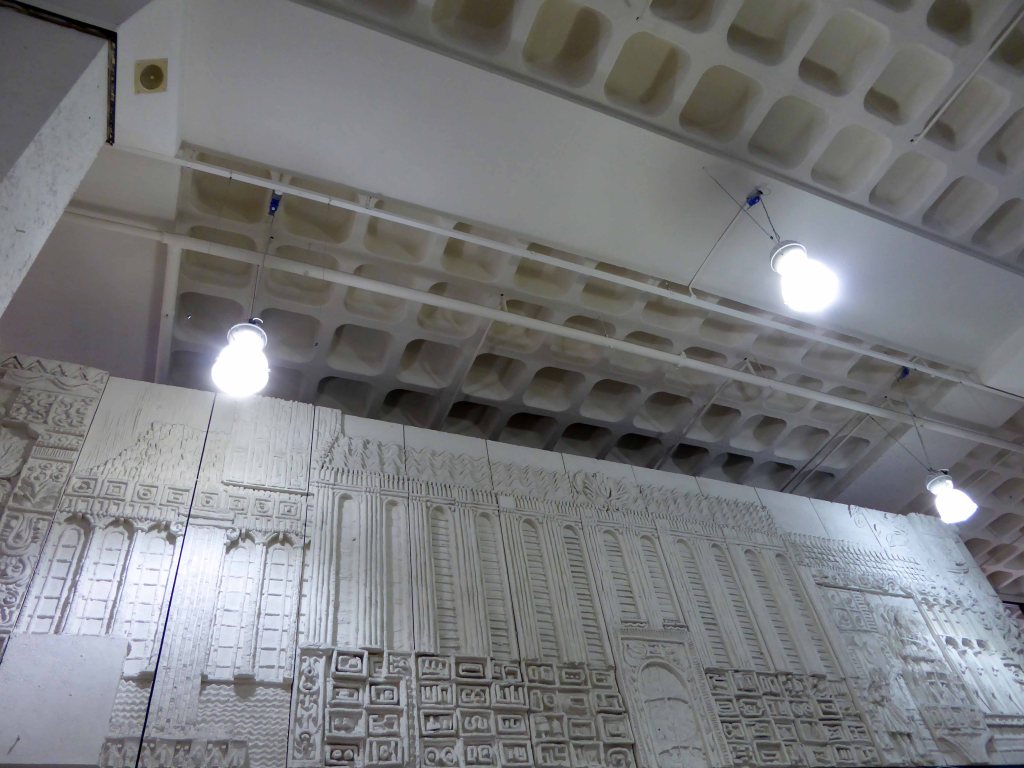
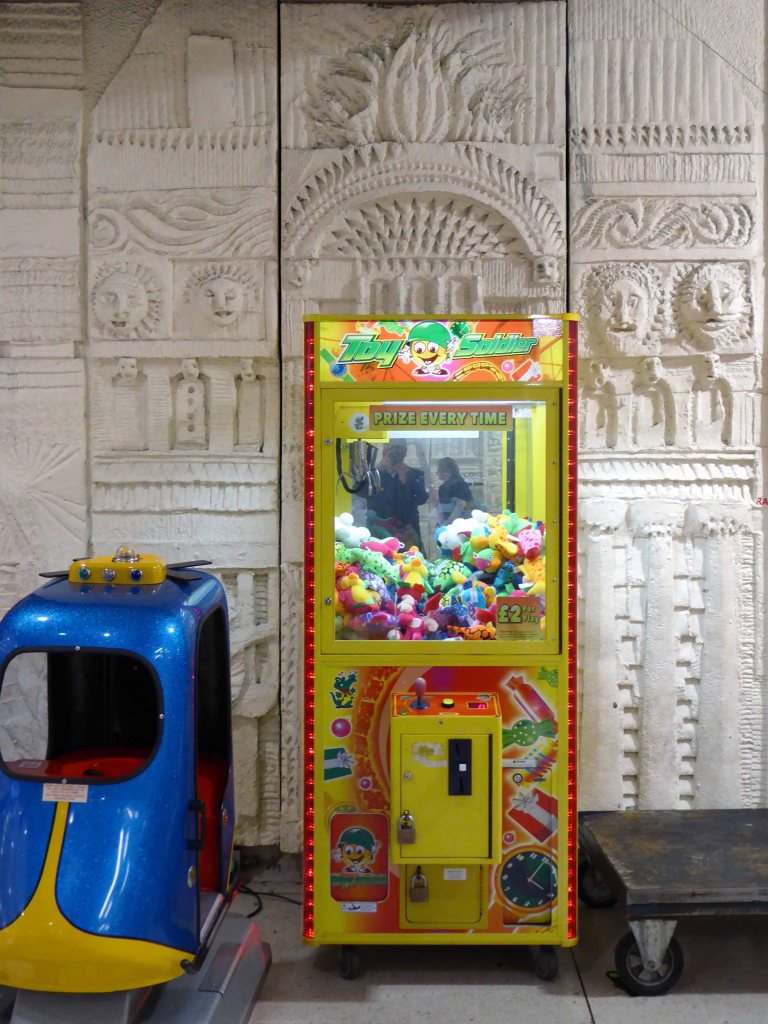
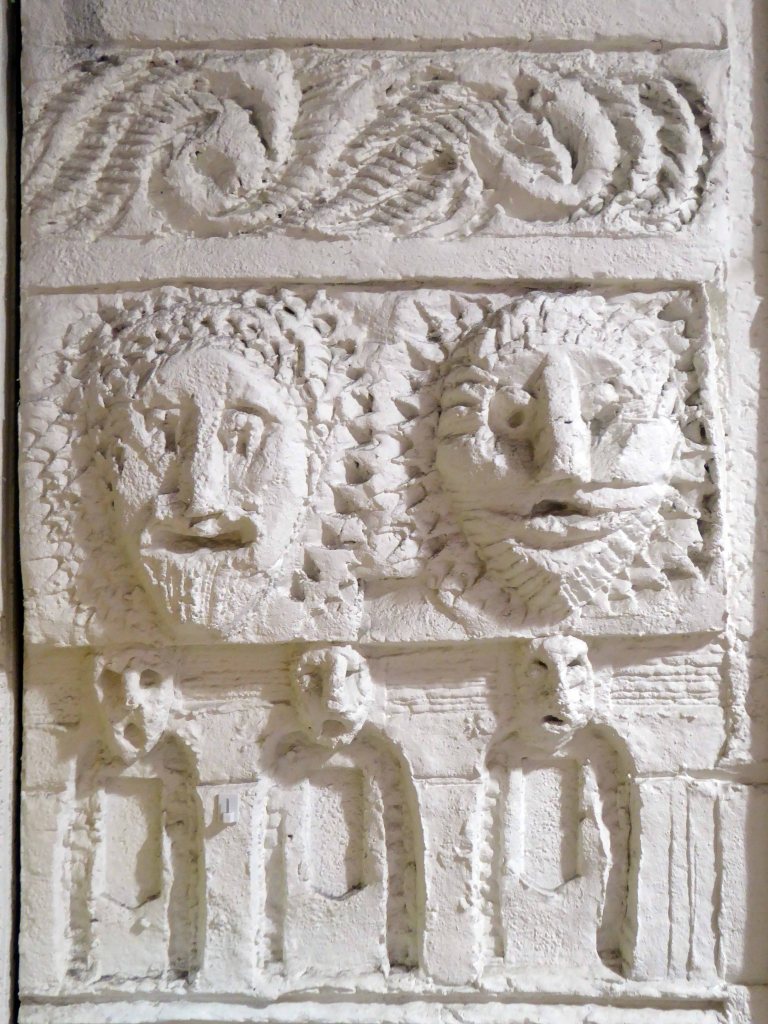
Alongside William Mitchell concrete reliefs.

We now know that they are the work of Fritz Steller – also responsible for Huddersfield’s Queensgate Market ceramics.

So farewell fair Kirkgate, I love your stairwell.

Well.

P1050382 copy

Manchester – Brunswick Parish Church

You don’t have to go far out off town to discover the unfamiliar familiar.

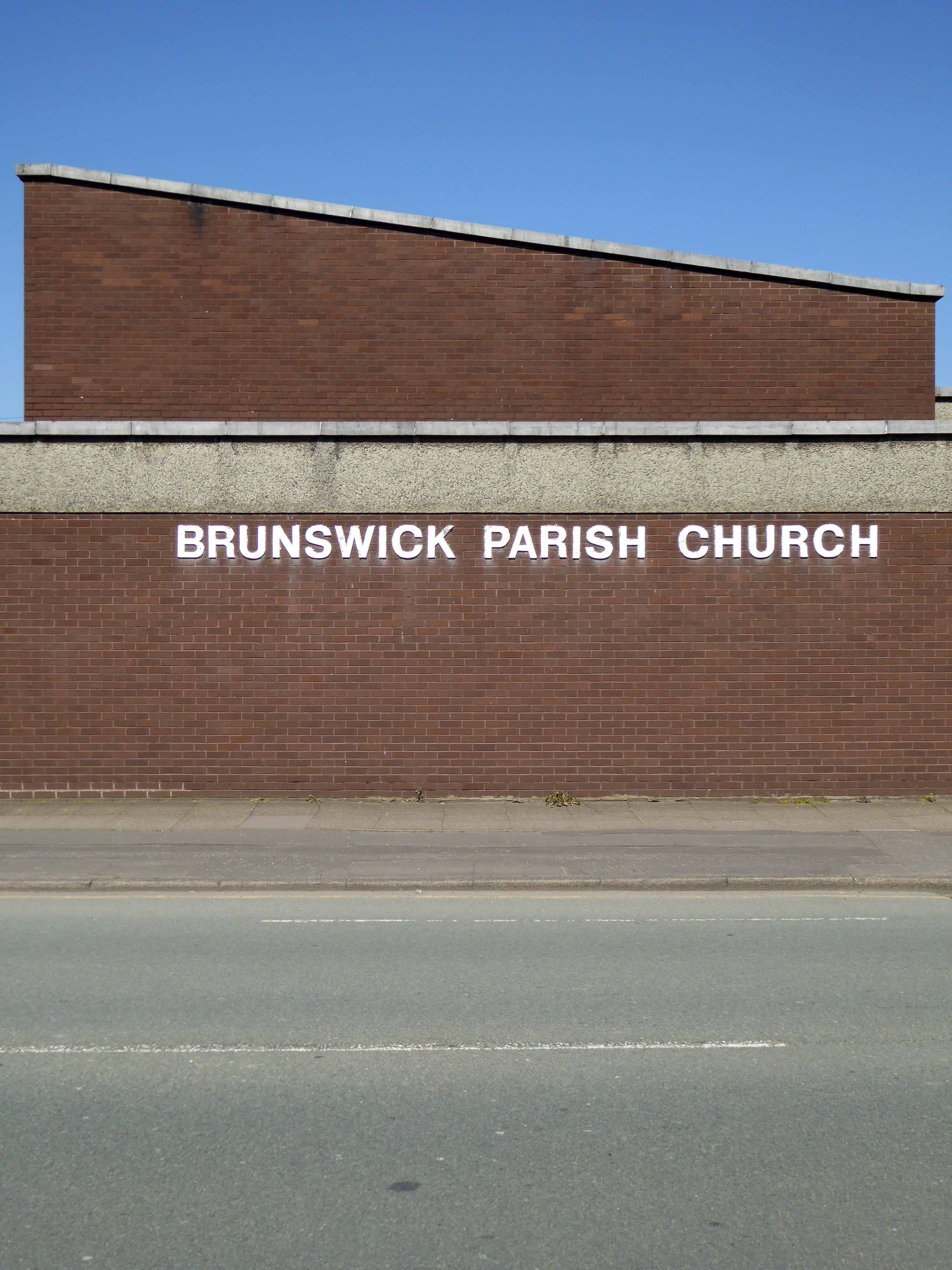
Tucked betwixt and between Chorlton on Medlock and Ardwick, is Brunswick, so near and yet so far, from the booming cosmopolis.

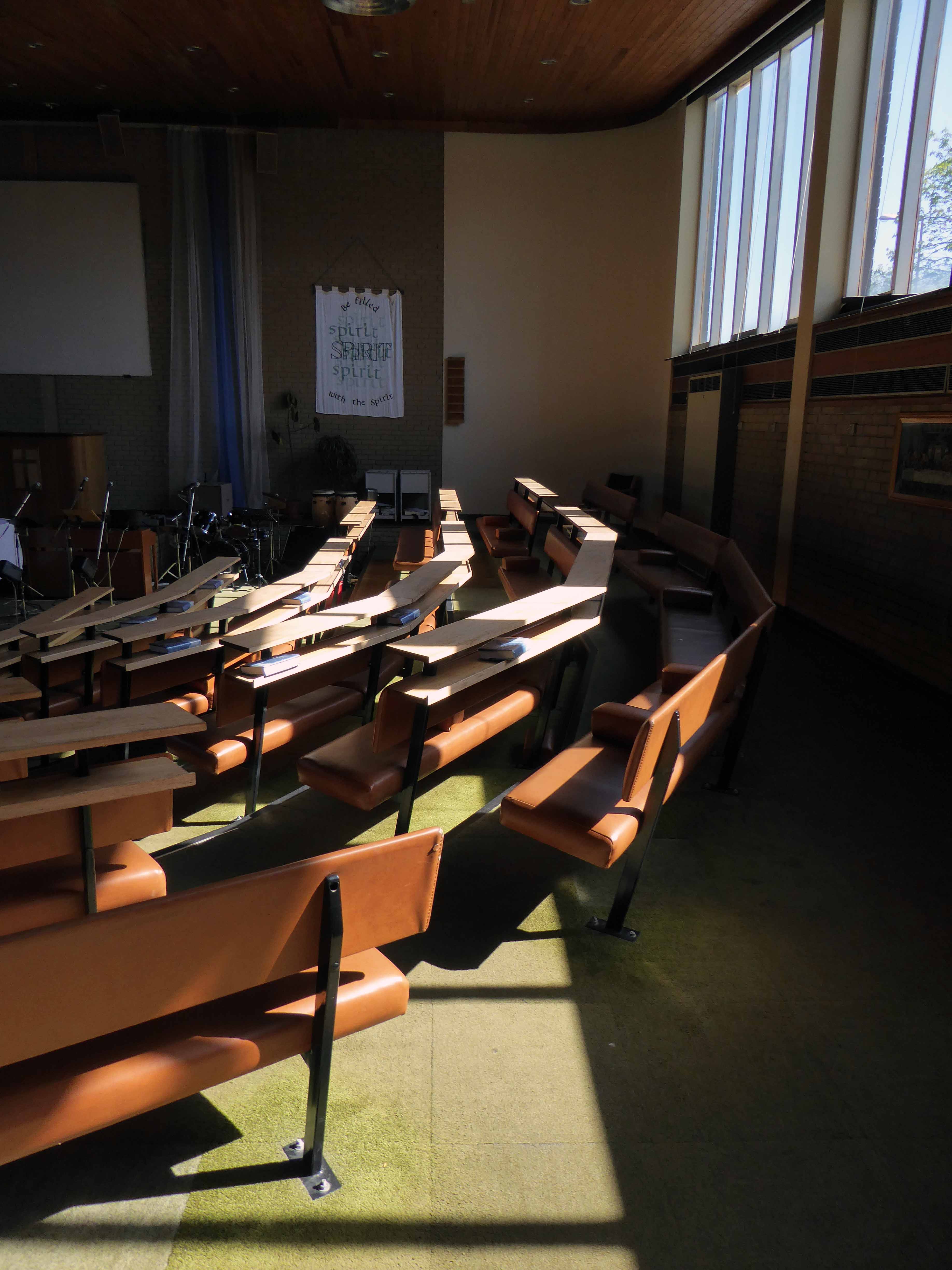
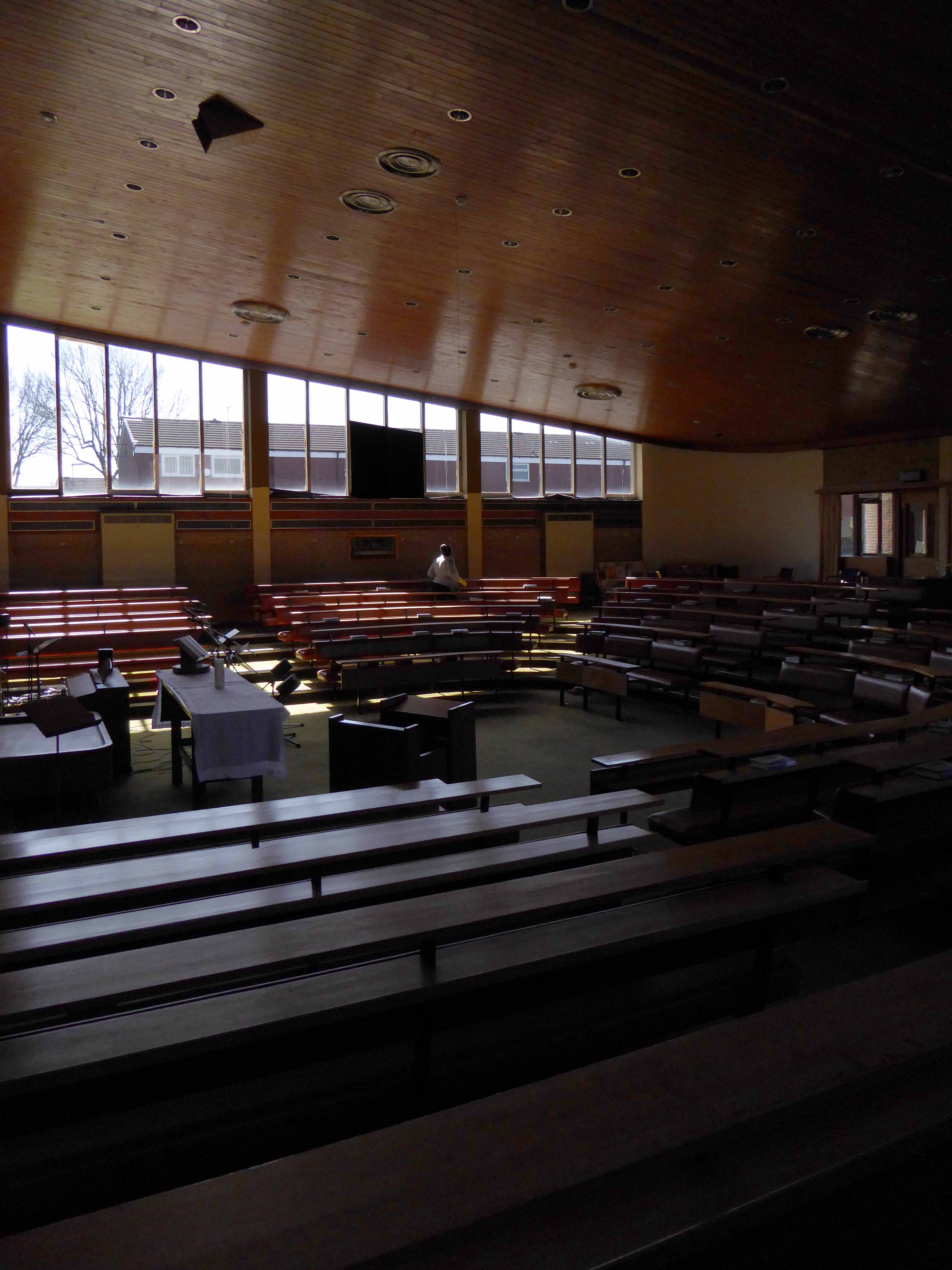
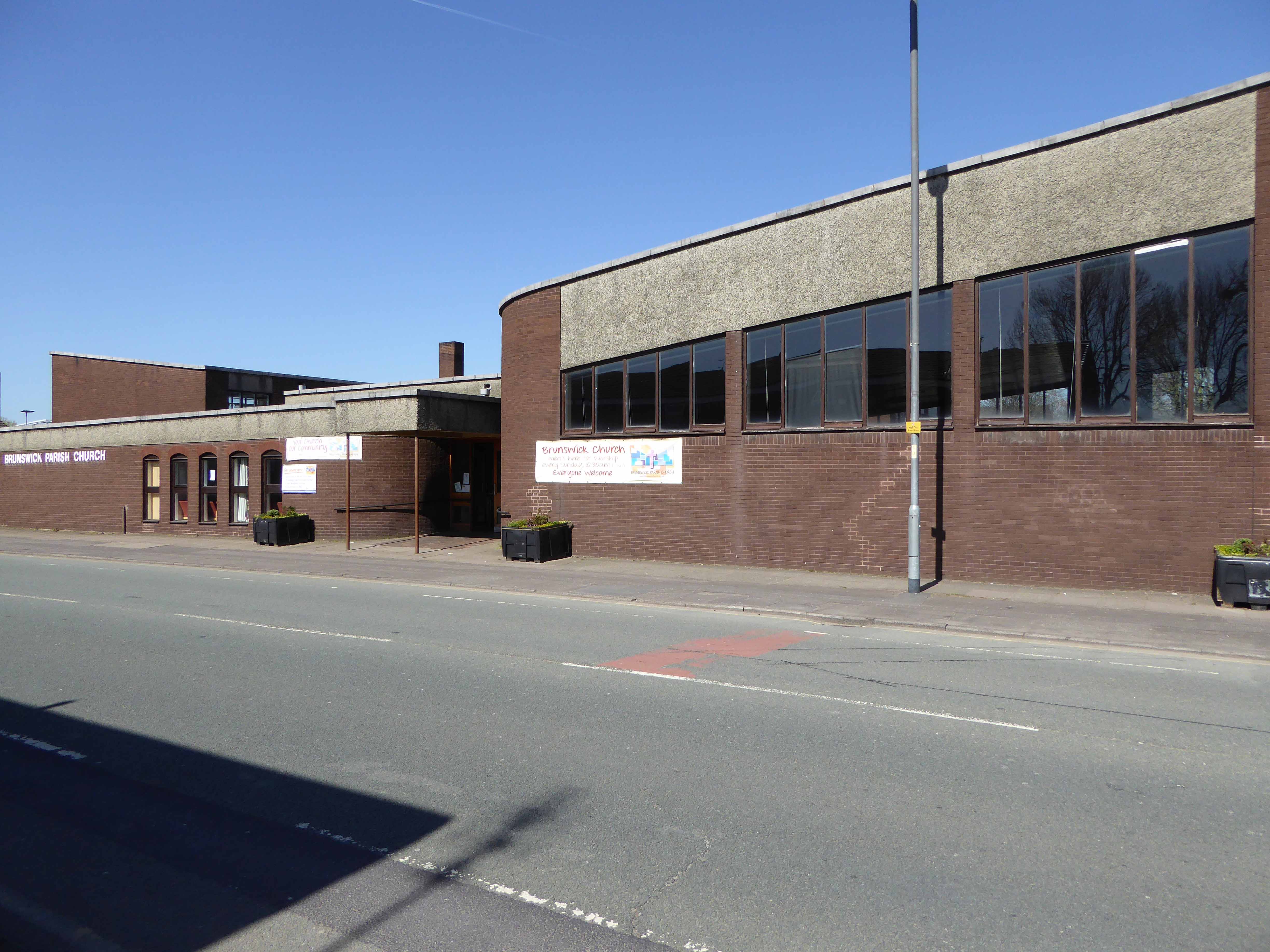
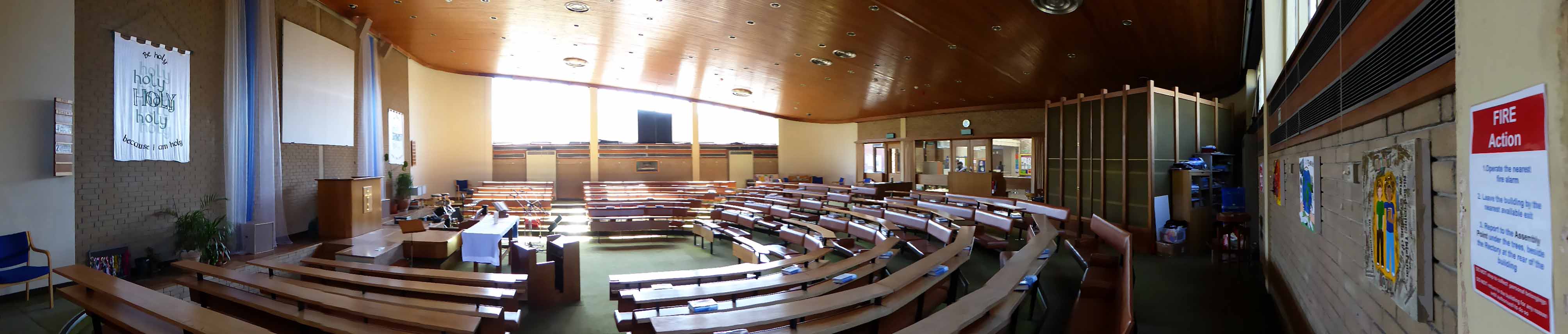
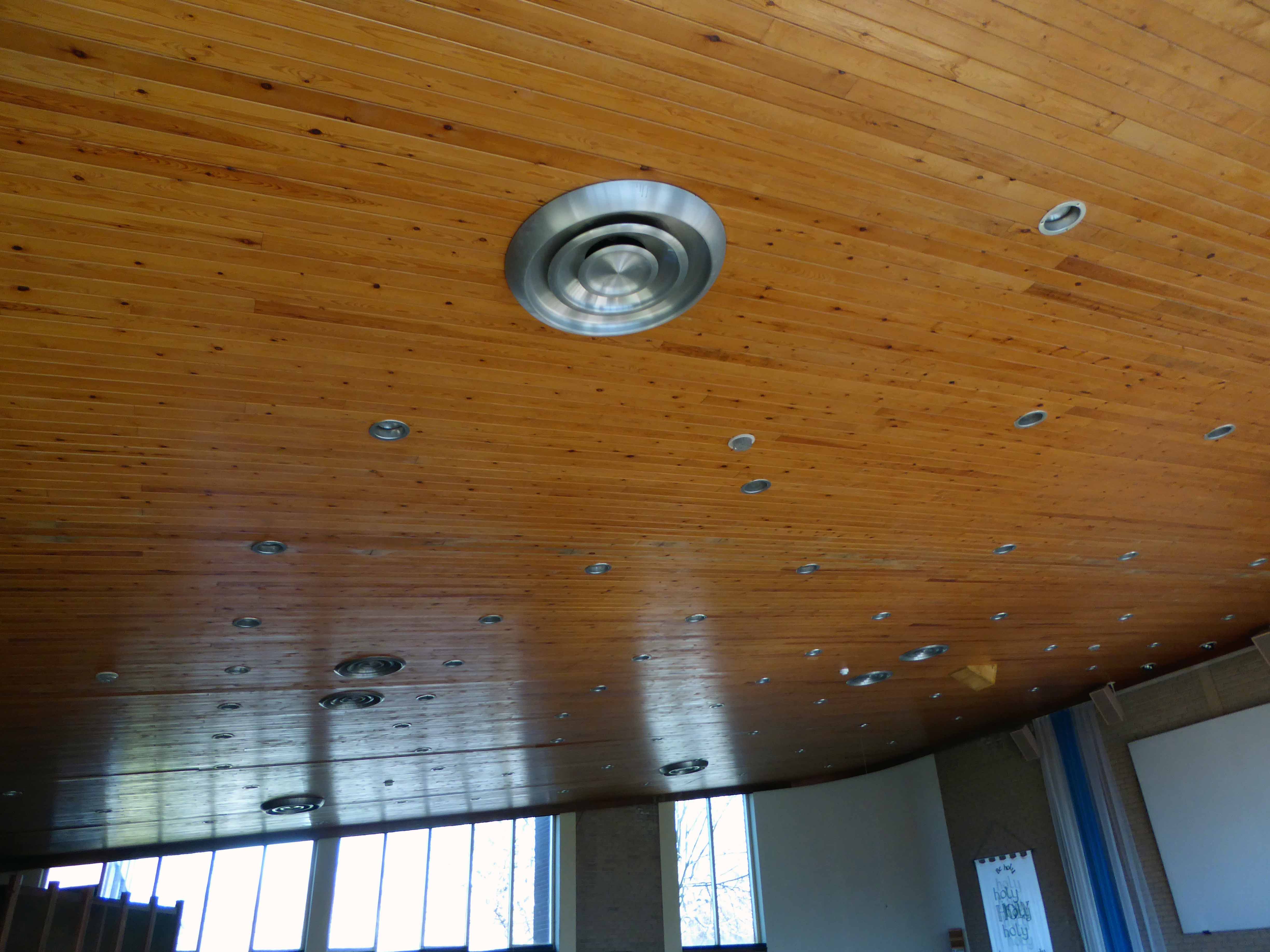
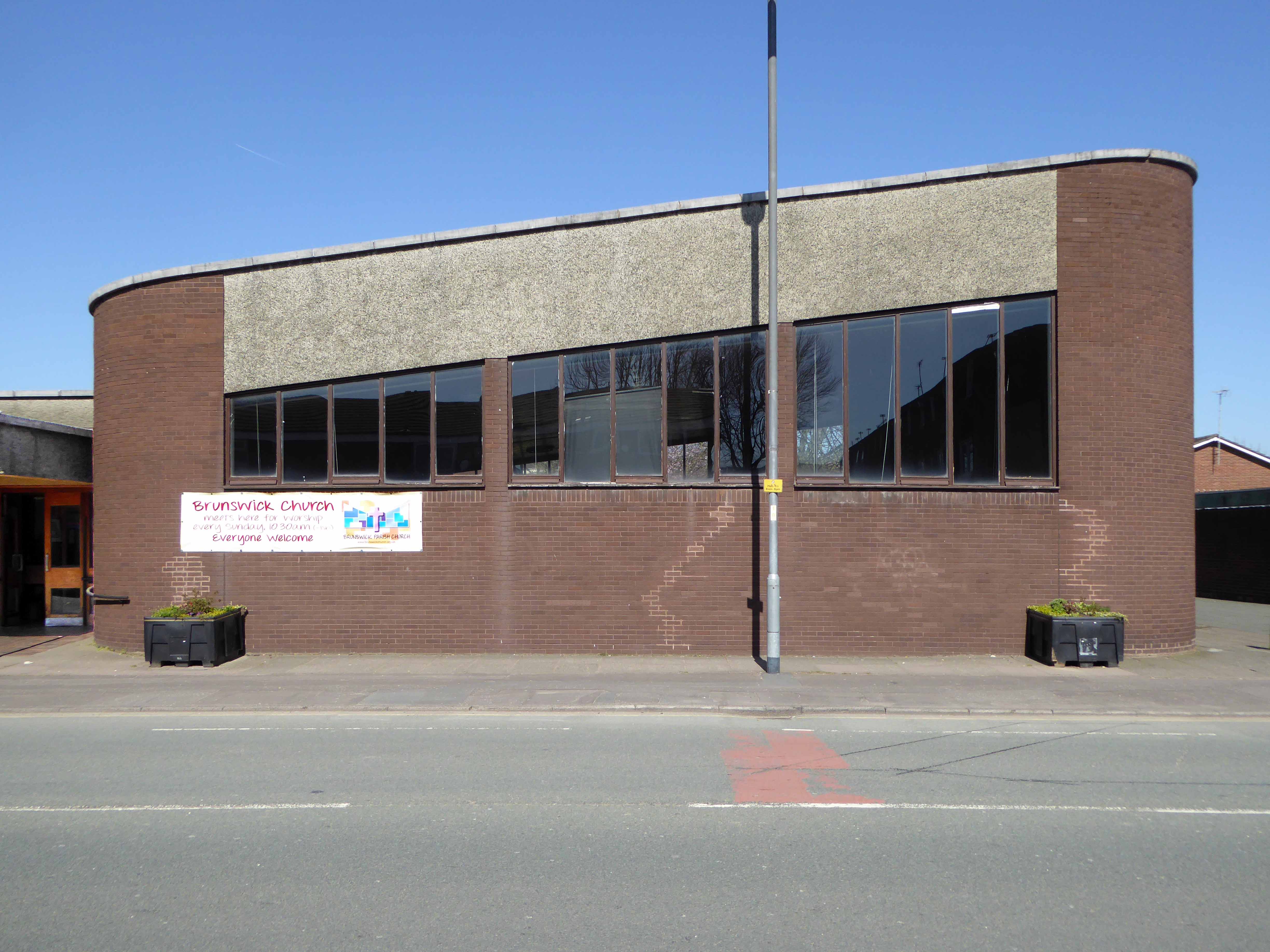
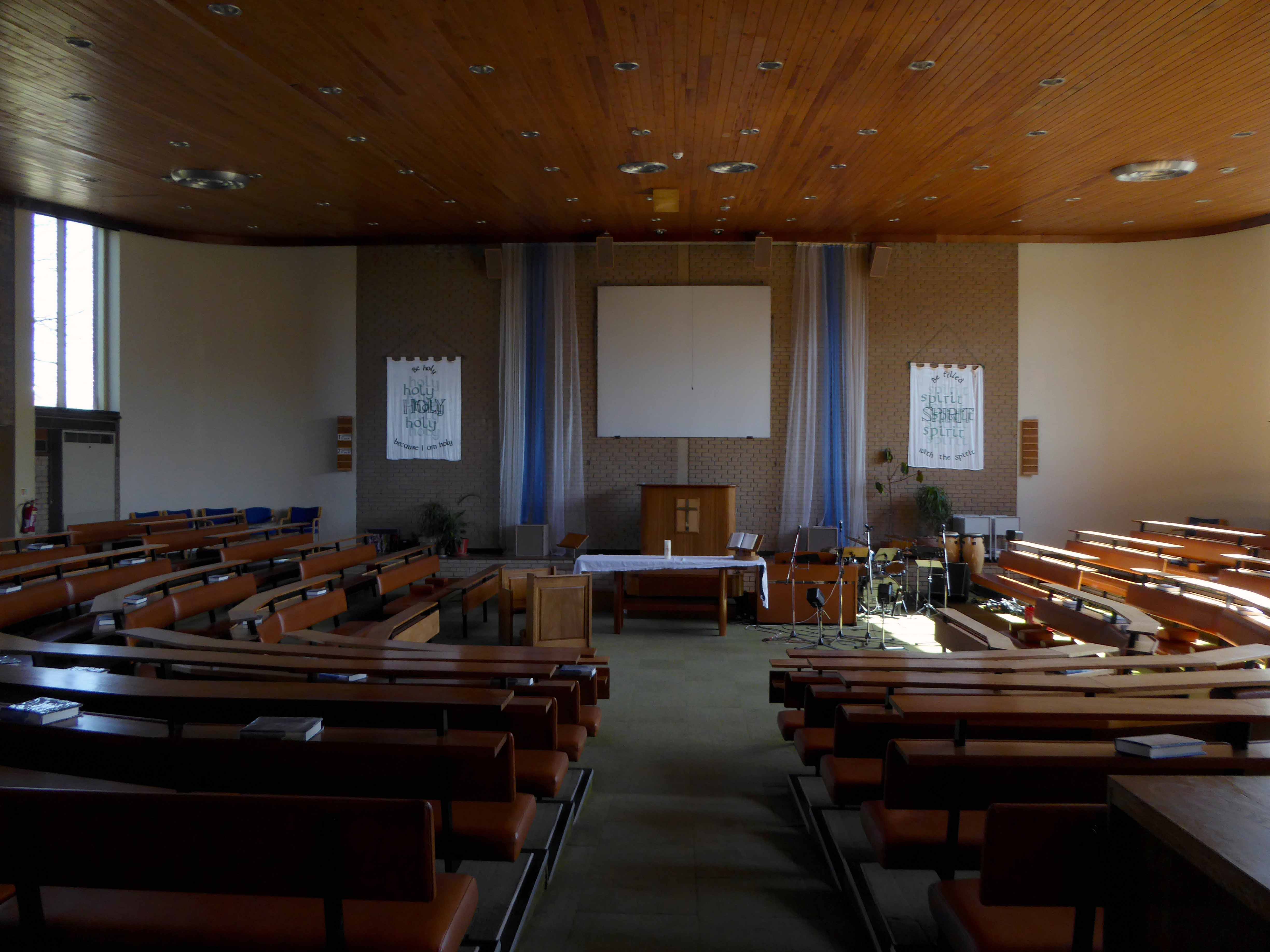
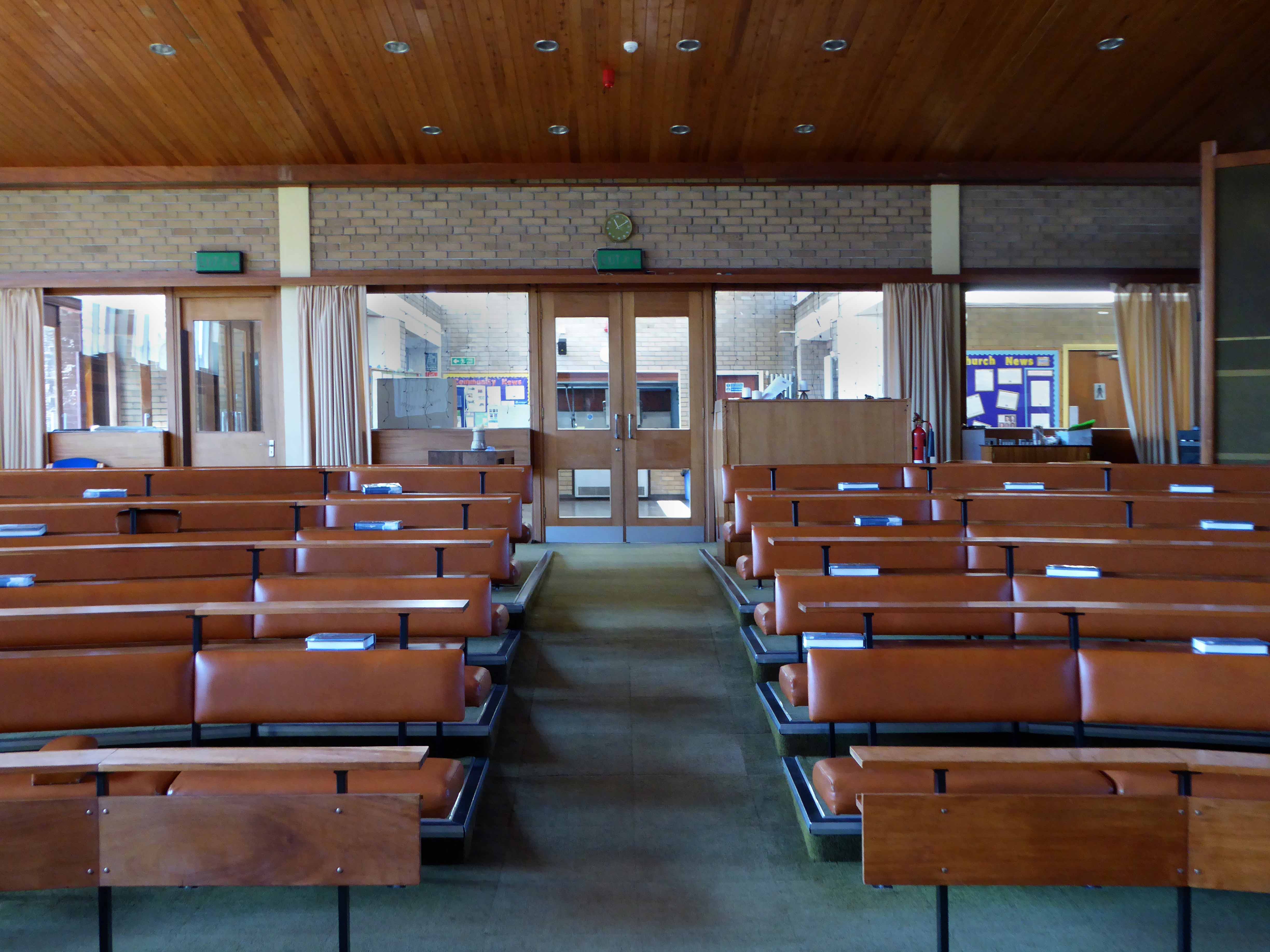
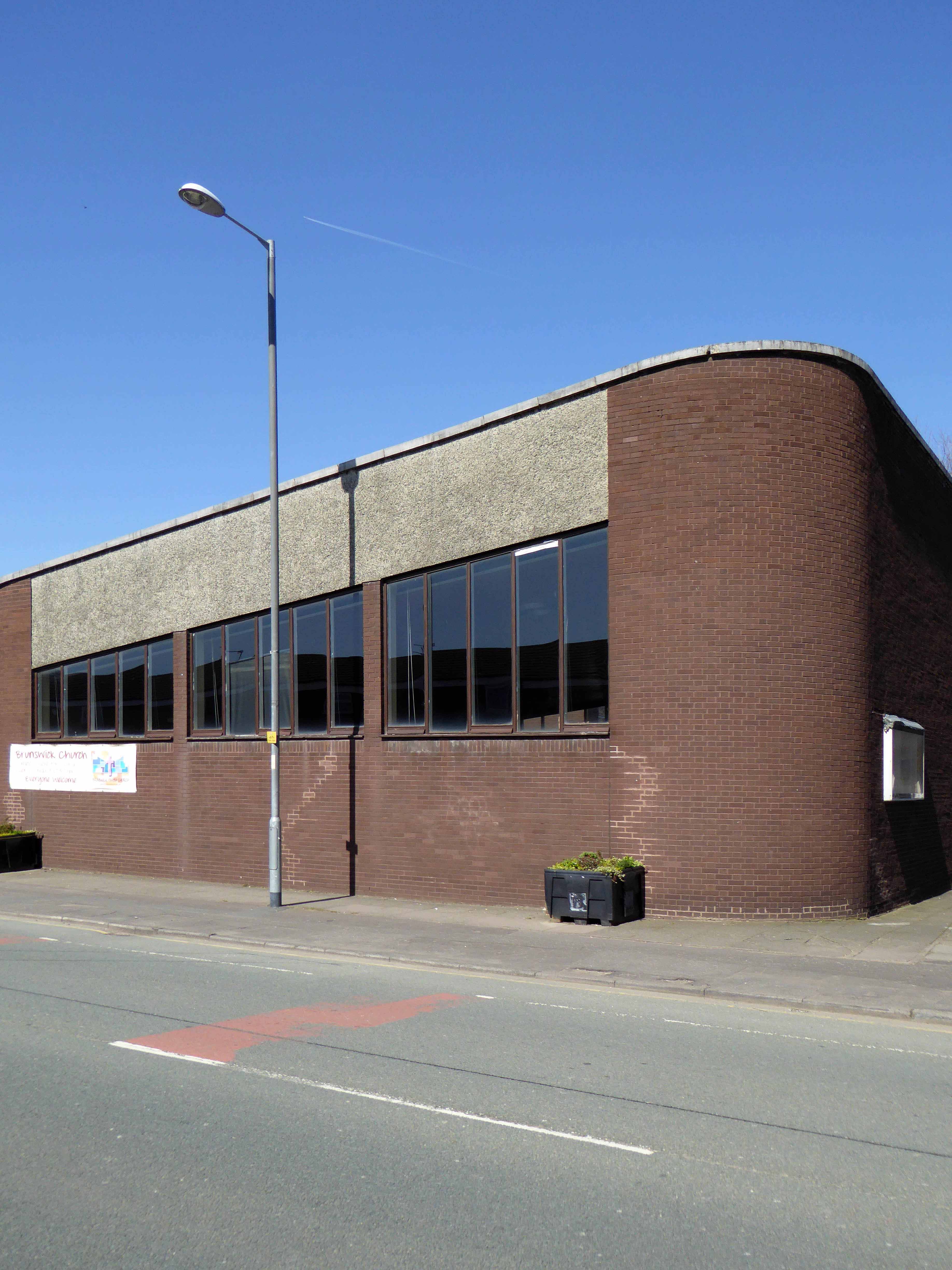
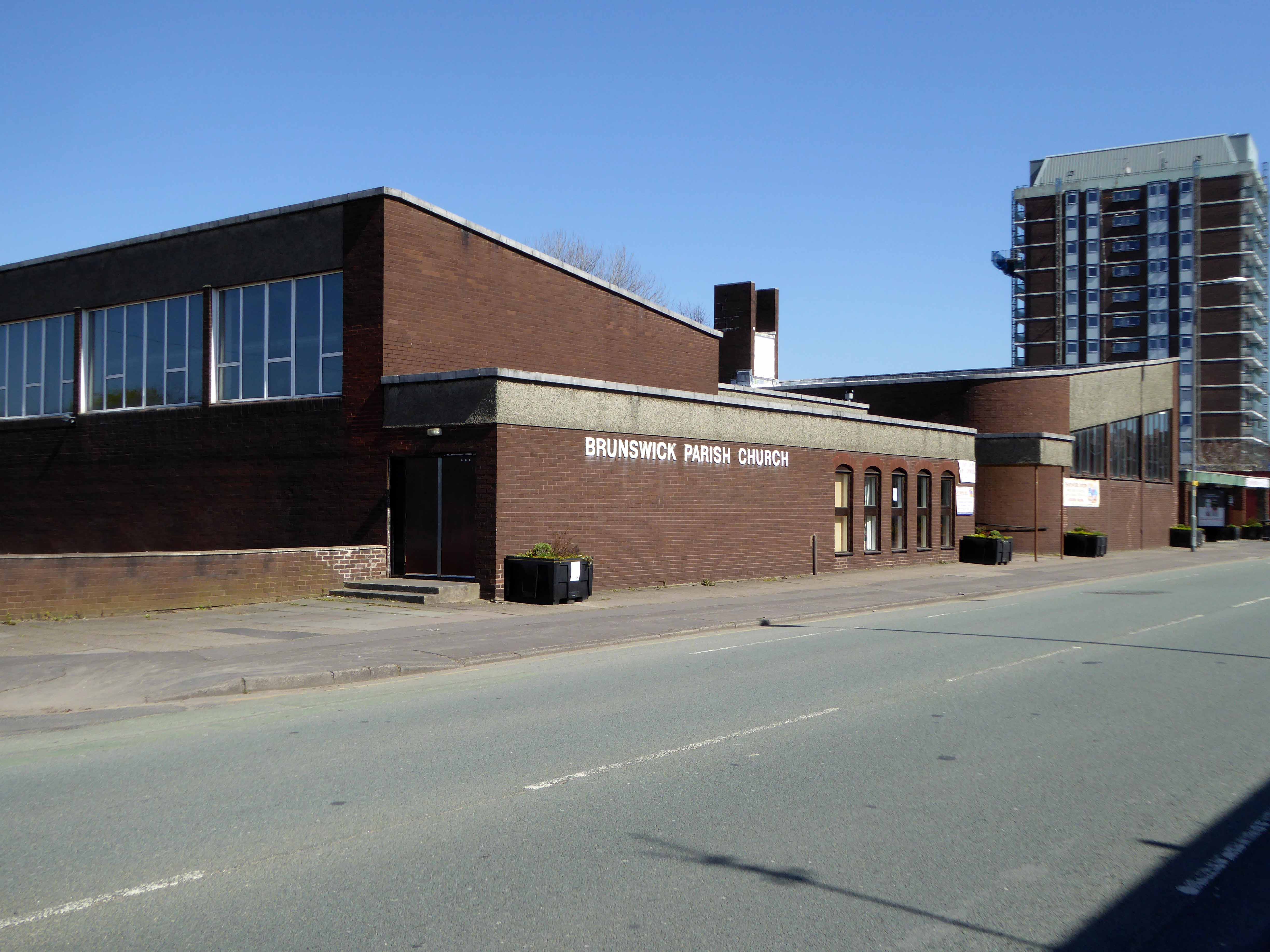
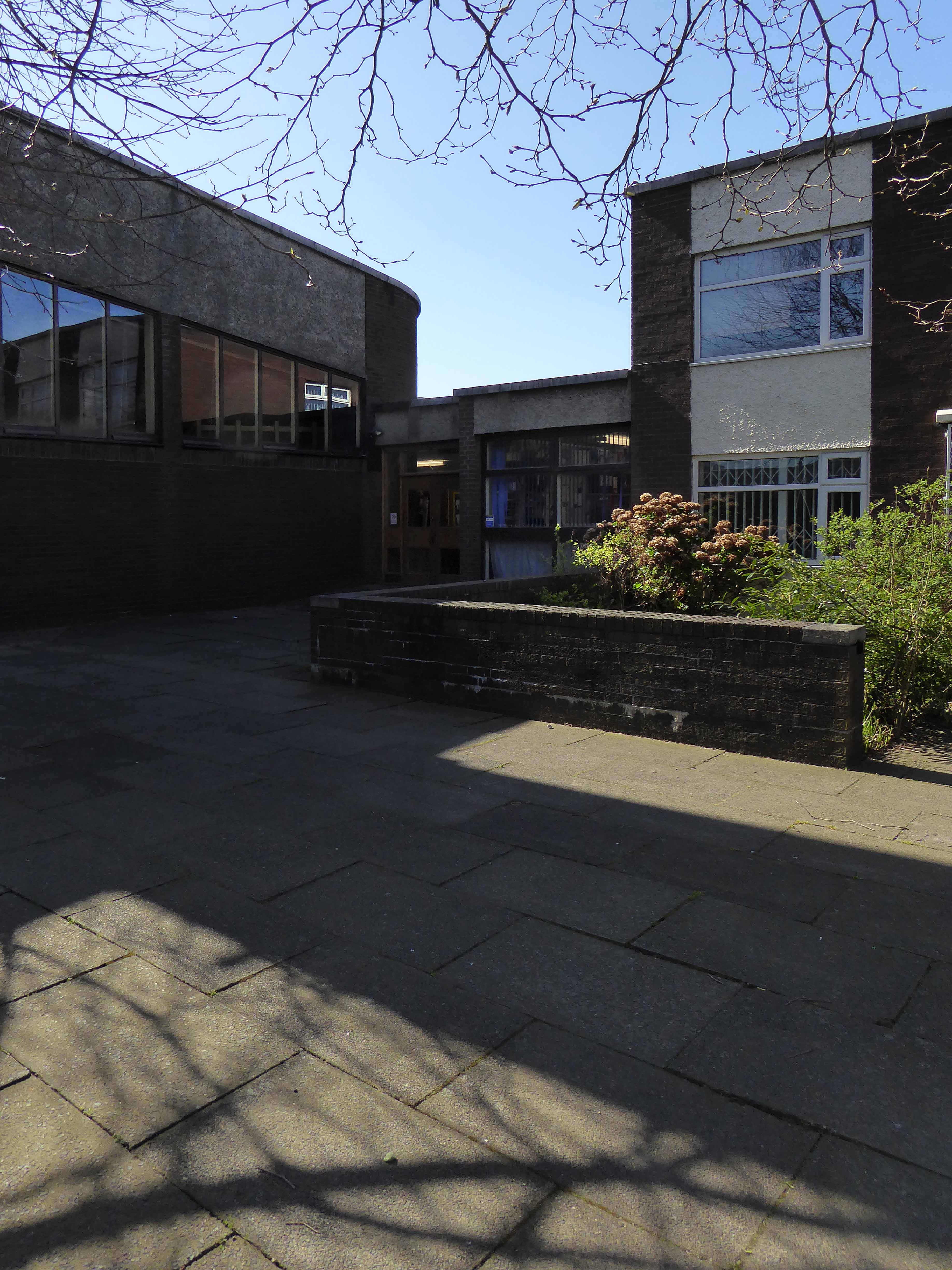
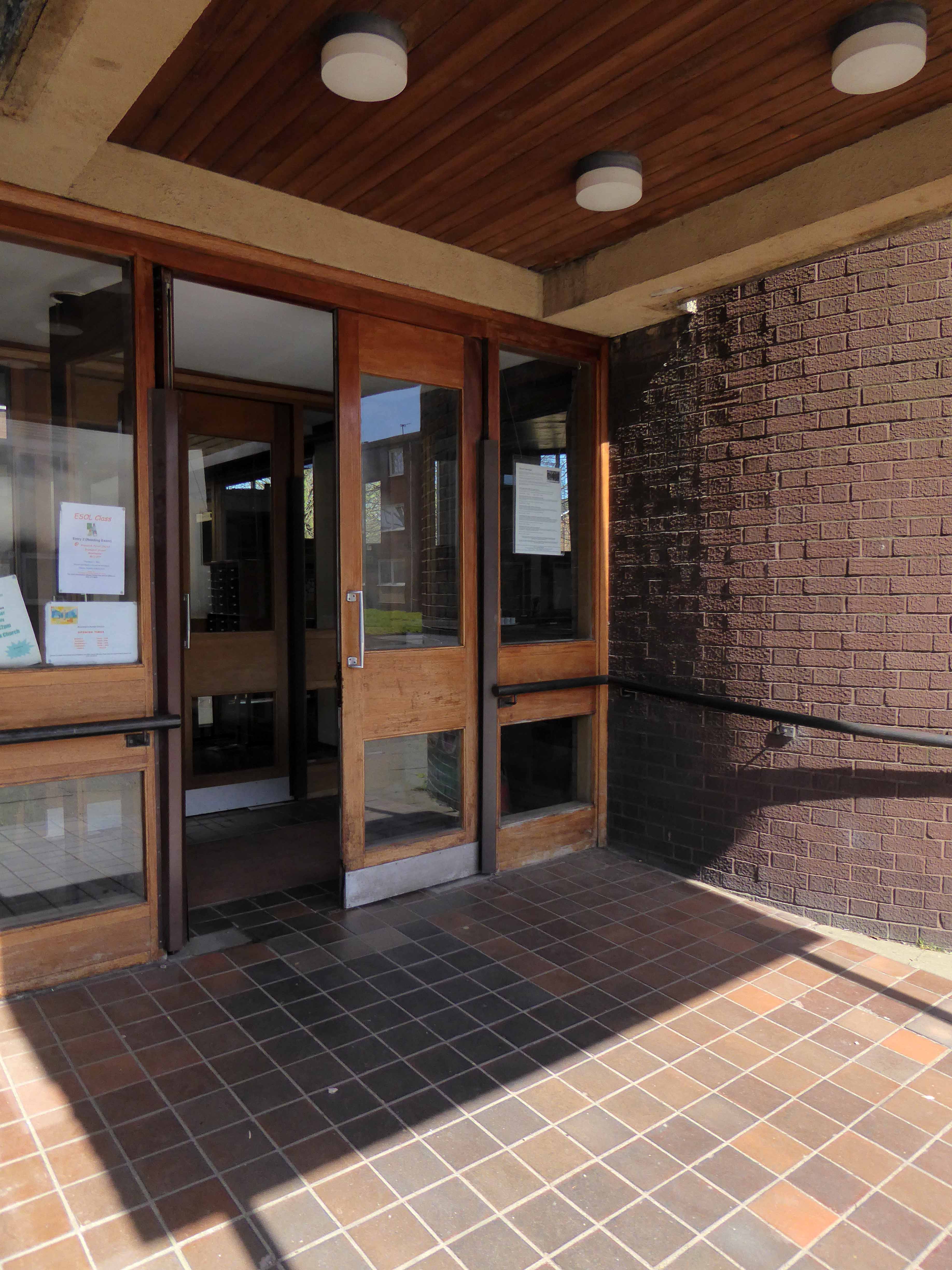
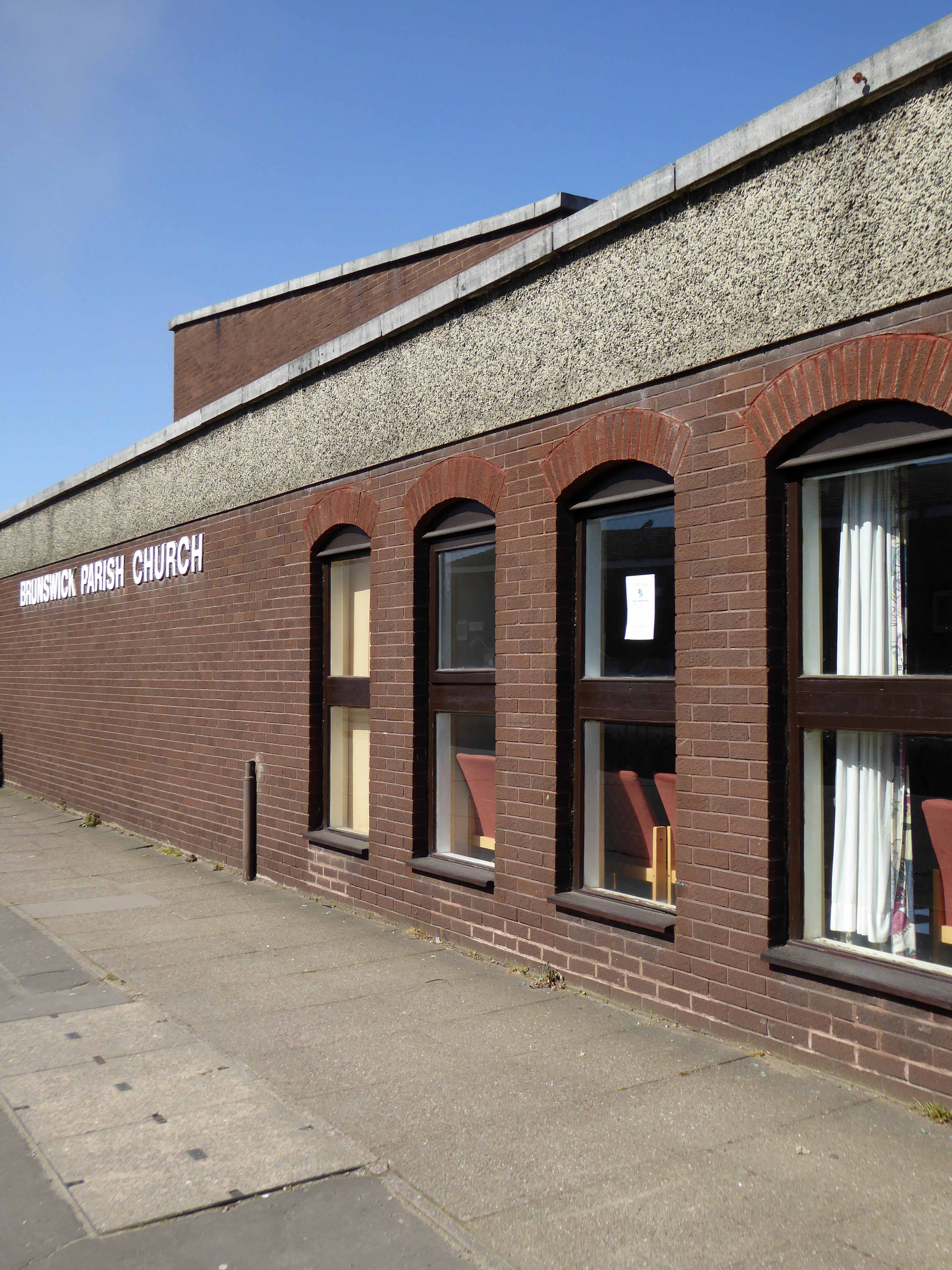
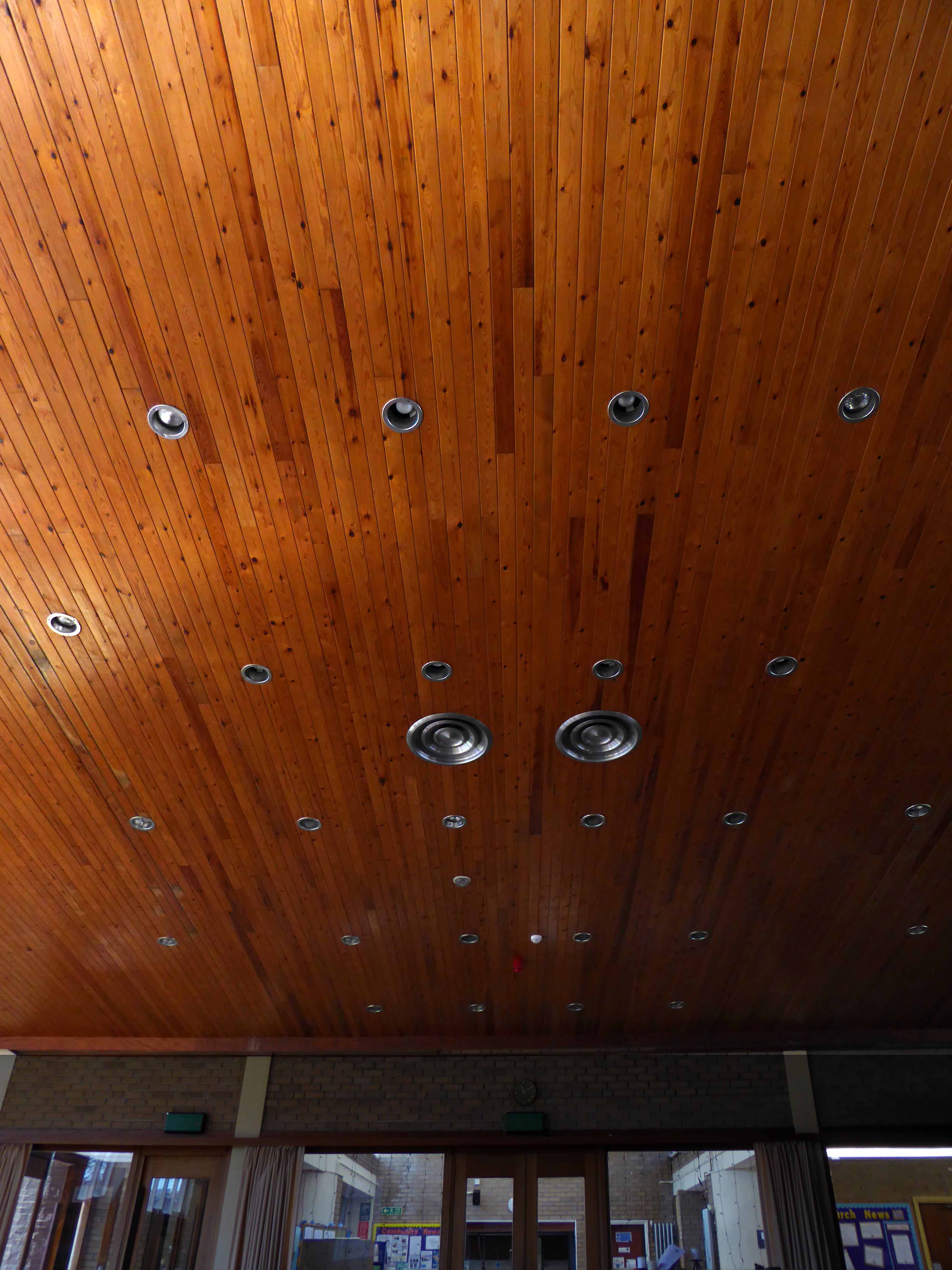
At its heart, a solid brick modernist church, built to serve the new social housing estates that surround it. Bold curves, angled interlocking volumes, an warmly lit interior space with a dynamic timber roof, and a dramatic arc of tiered seating.

Perhaps you’ve never passed by, perhaps you’ve never noticed.

Operating as a community centre and place of worship, it continues to serve the area well.

I was given the warmest of welcomes by the staff and clerics, thanks.

Simon the vicar says: Please don’t get us grade two listed.

Pop in set a spell.

http://www.brunswickchurch.org.uk

P1030800 copy

P1030798 copy

P1030794 copy

P1030793 copy

P1030812 copy

P1030795 copy

P1030799 copy

P1030815 copy

P1030805 copy

P1030787 copy

P1030808 copy

P1030796 copy

P1030788 copy

P1030792 copy

P1030802 copy

P1030786 copy

P1030817 copy

P1030790 copy

P1030813 copy

P1030814 copy

P1030803 copy

P1030791 copy

P1030789 copy

P1030797 copy


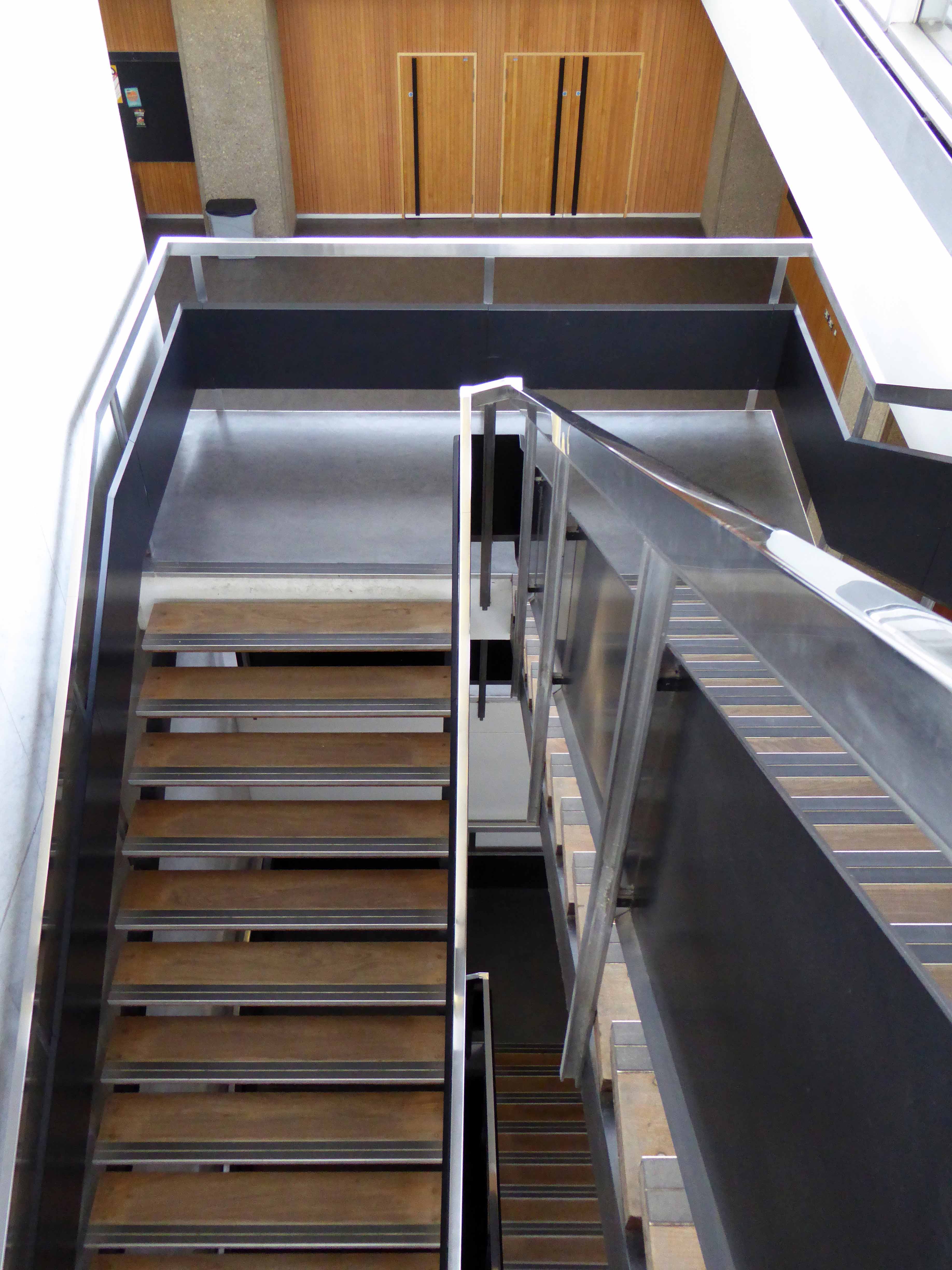
Sheffield – Arts Tower and Library

I’ve never ever been here before – my thanks to the Sheffield Modernist Society for arranging the visit, part of a walking tour of the city, the first of many, one hopes.

You can find them here http://www.modernist-society.org/sheffield/

Or possibly simply bump into them, casually walking around Sheffield and environs.

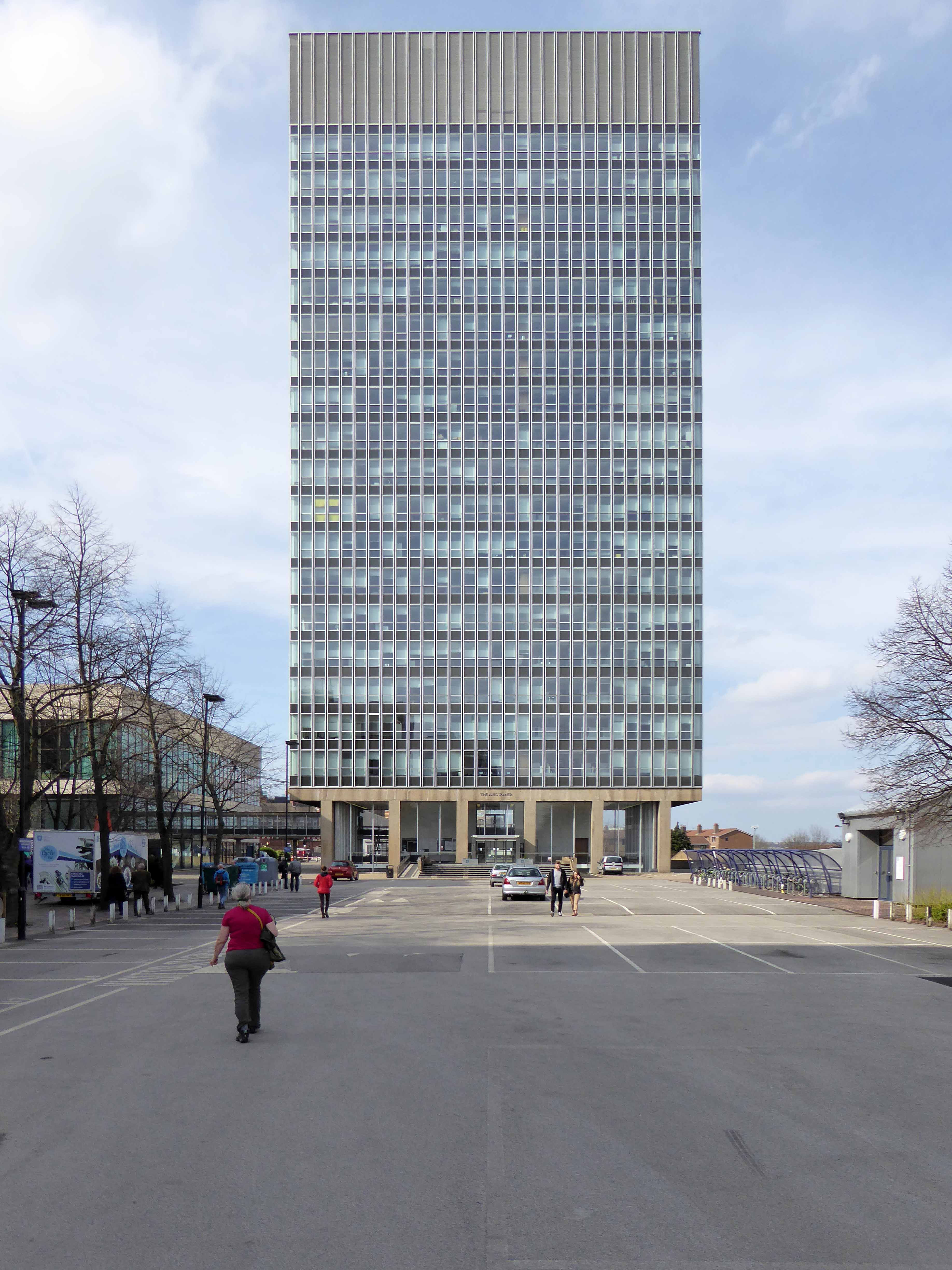
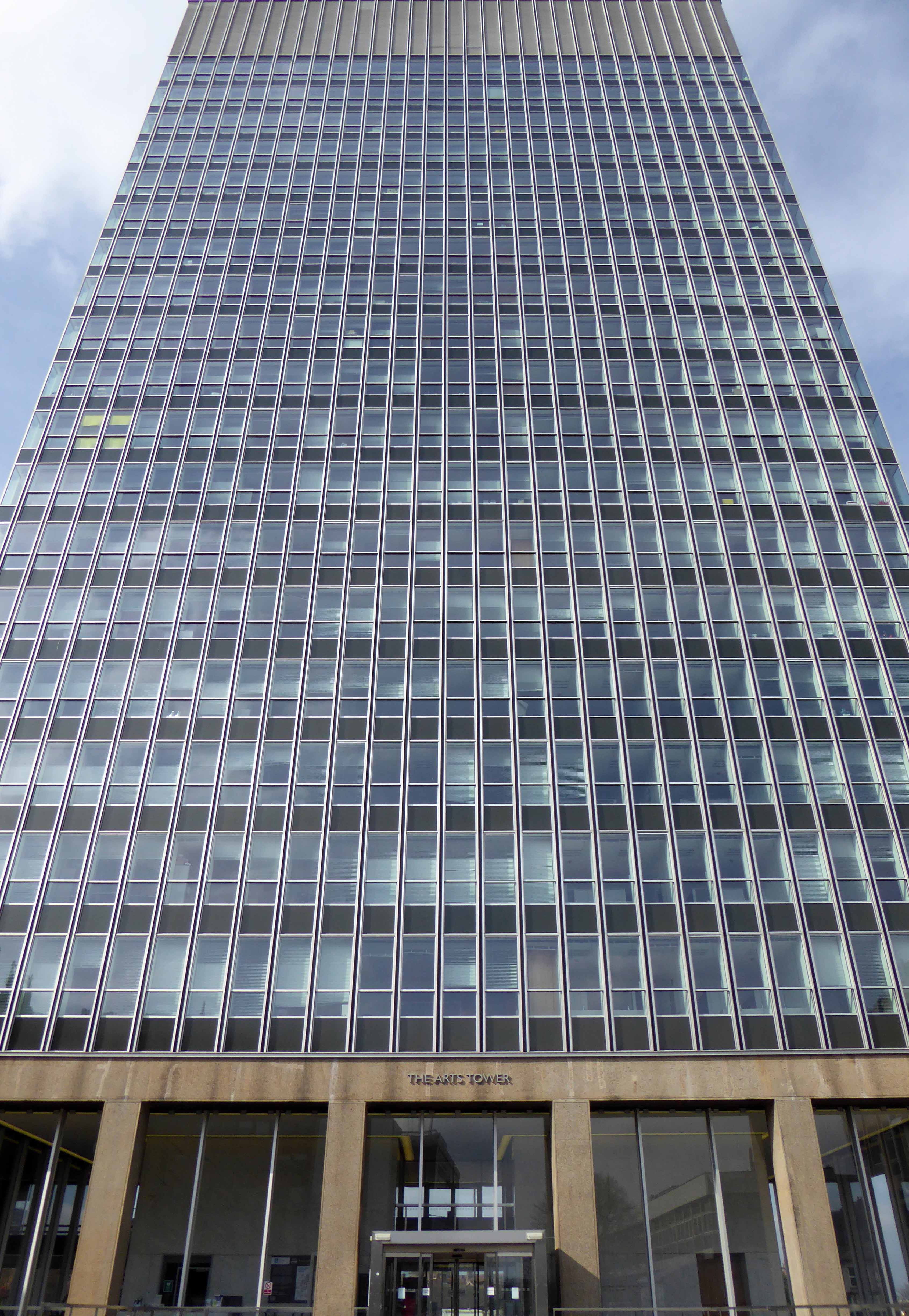
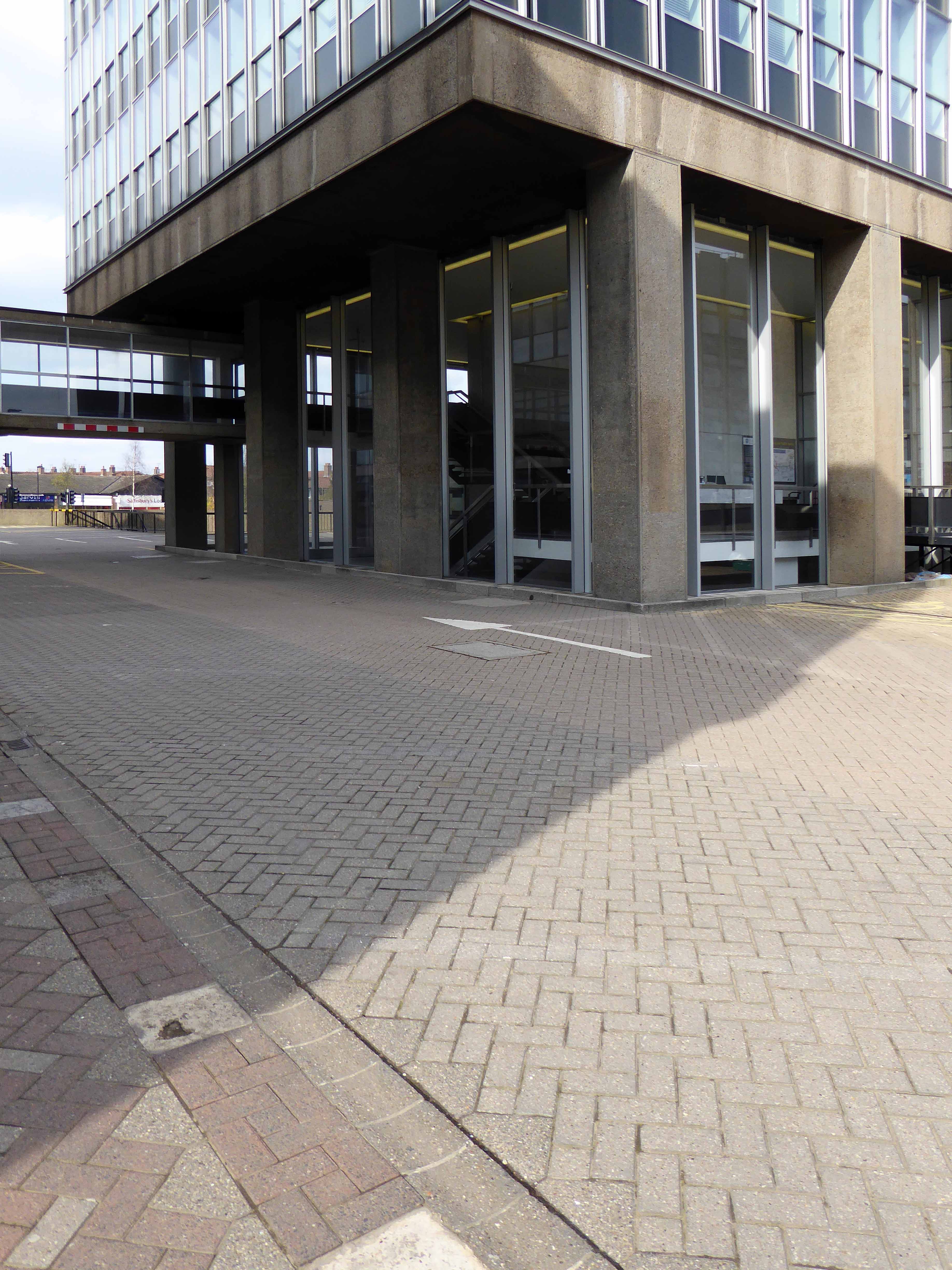
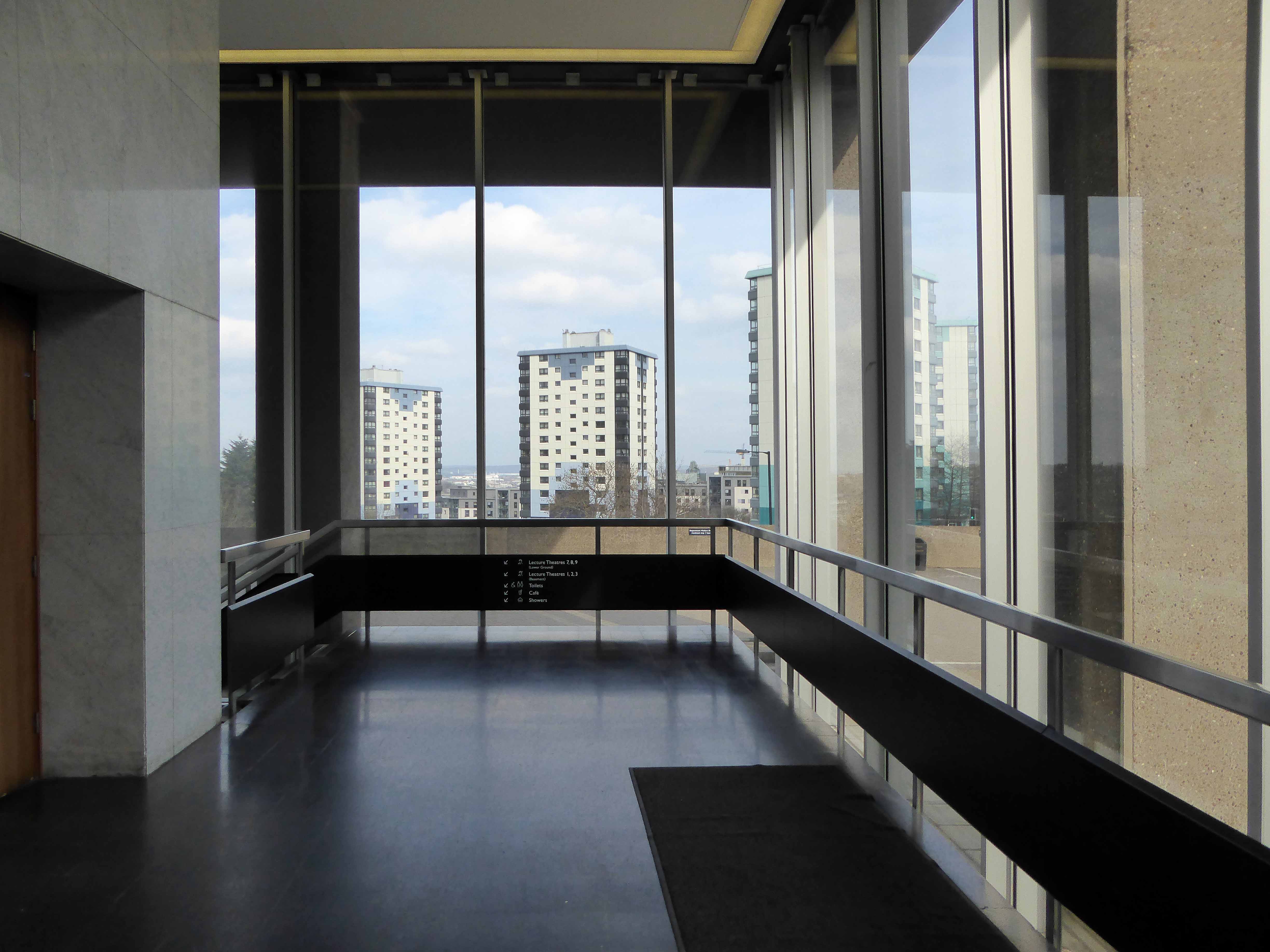
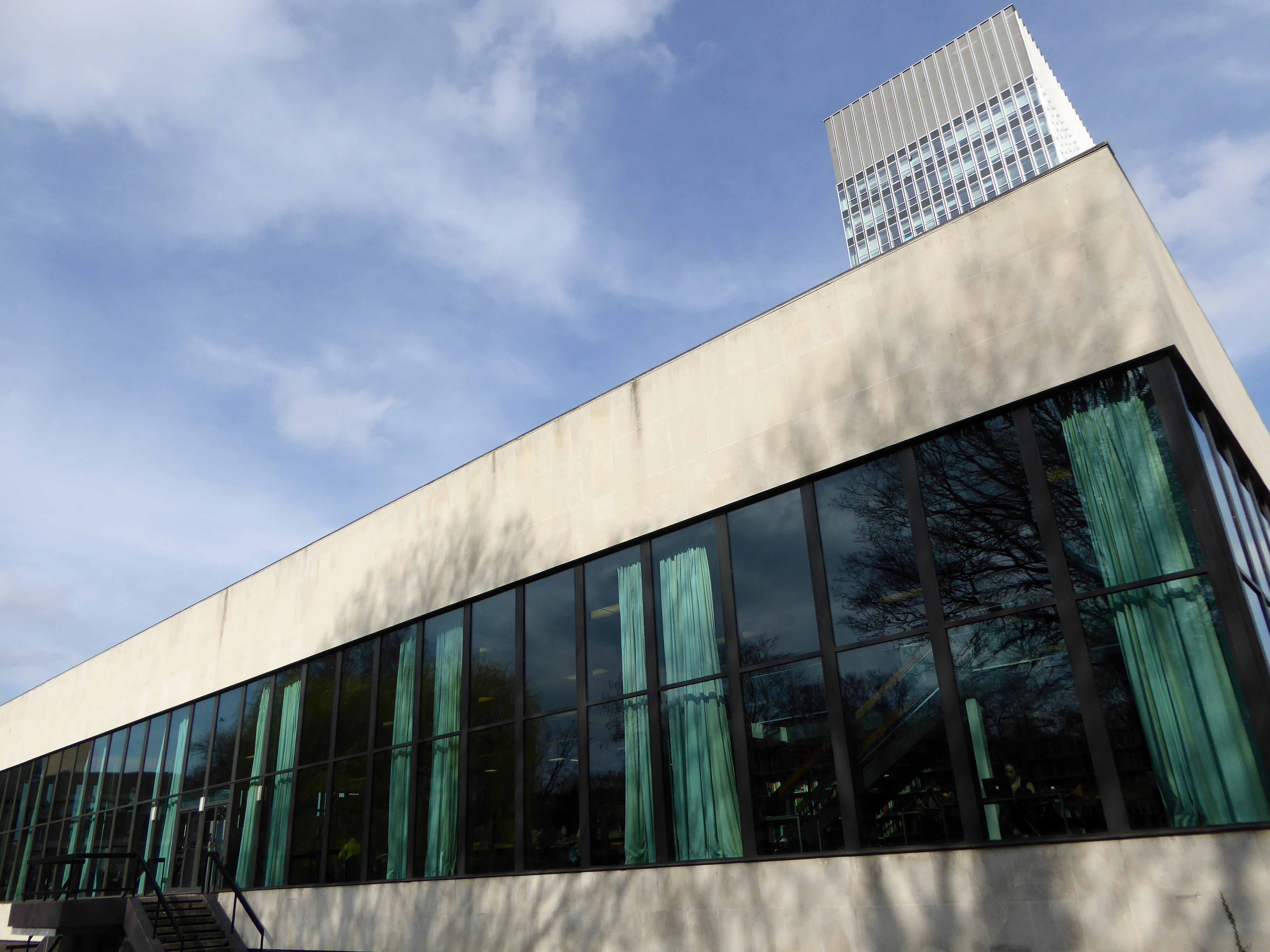
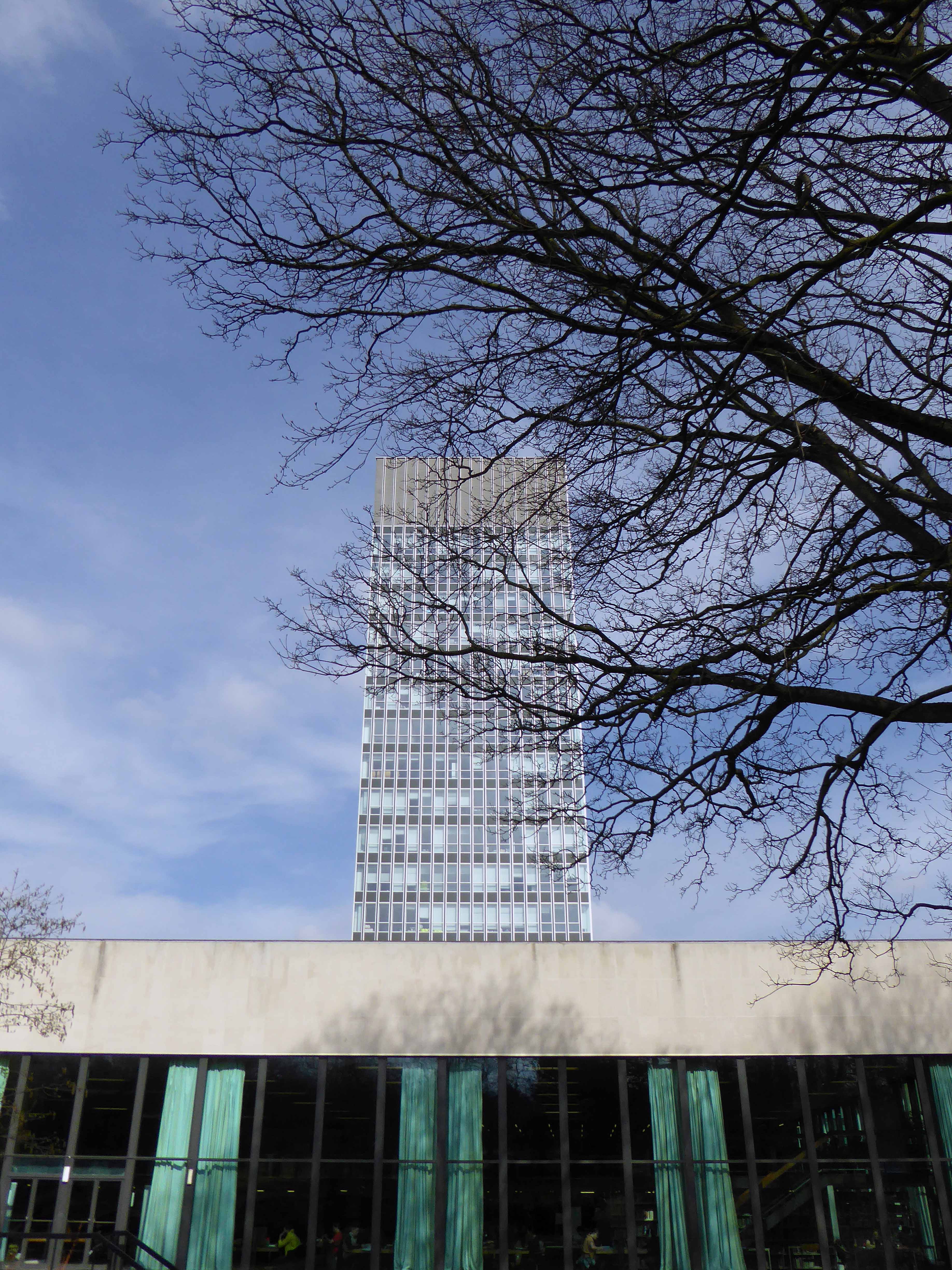
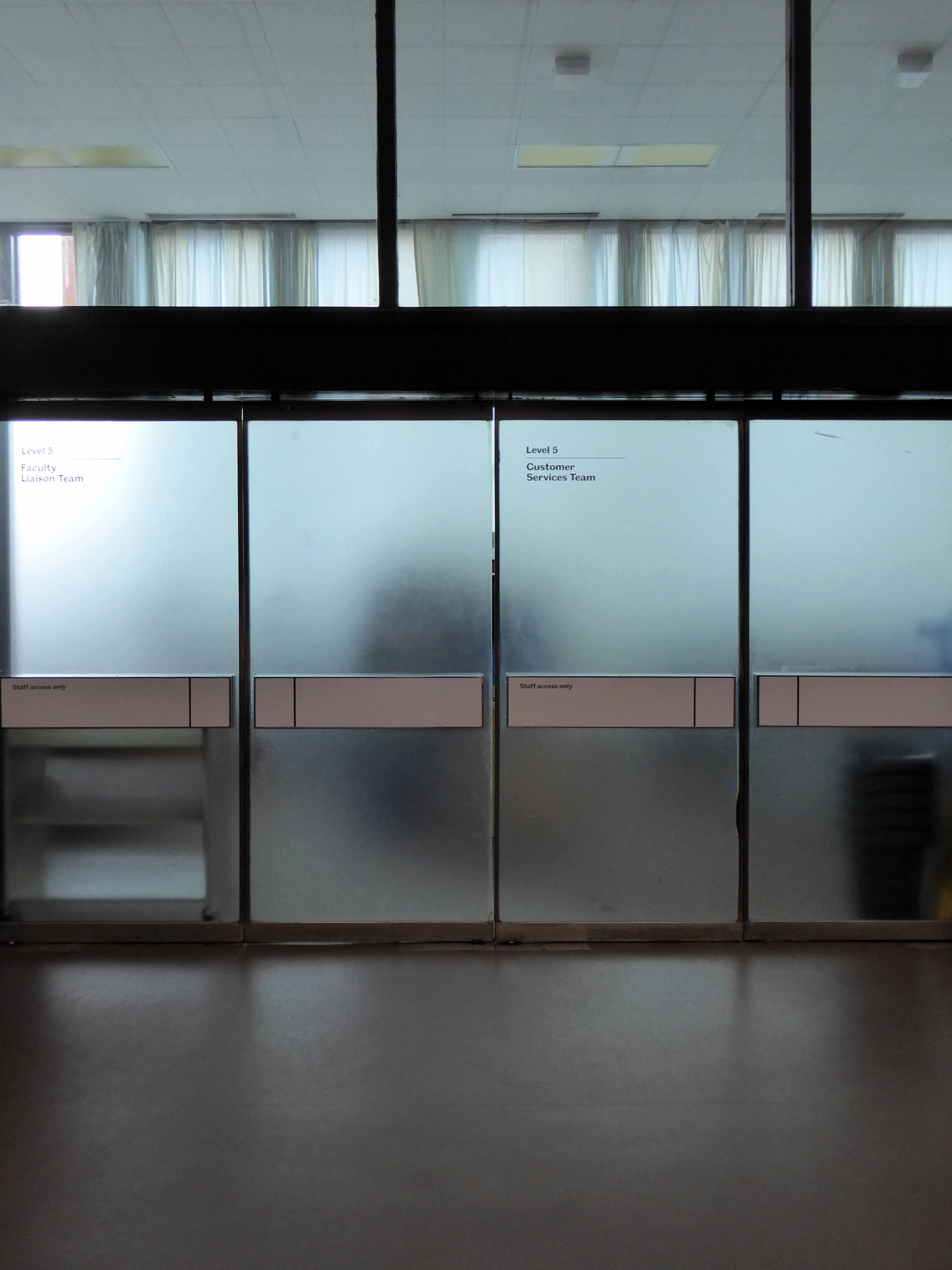
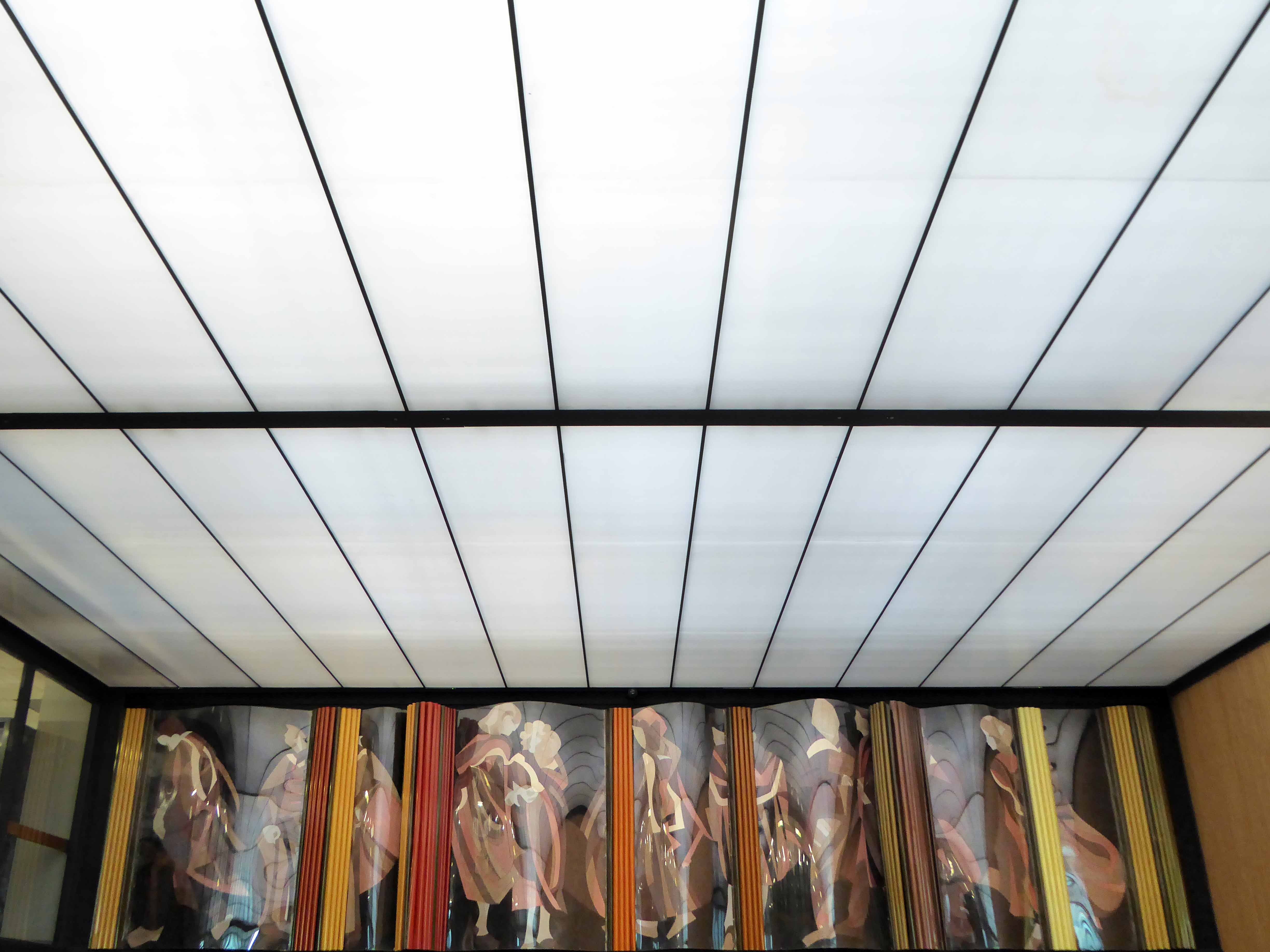
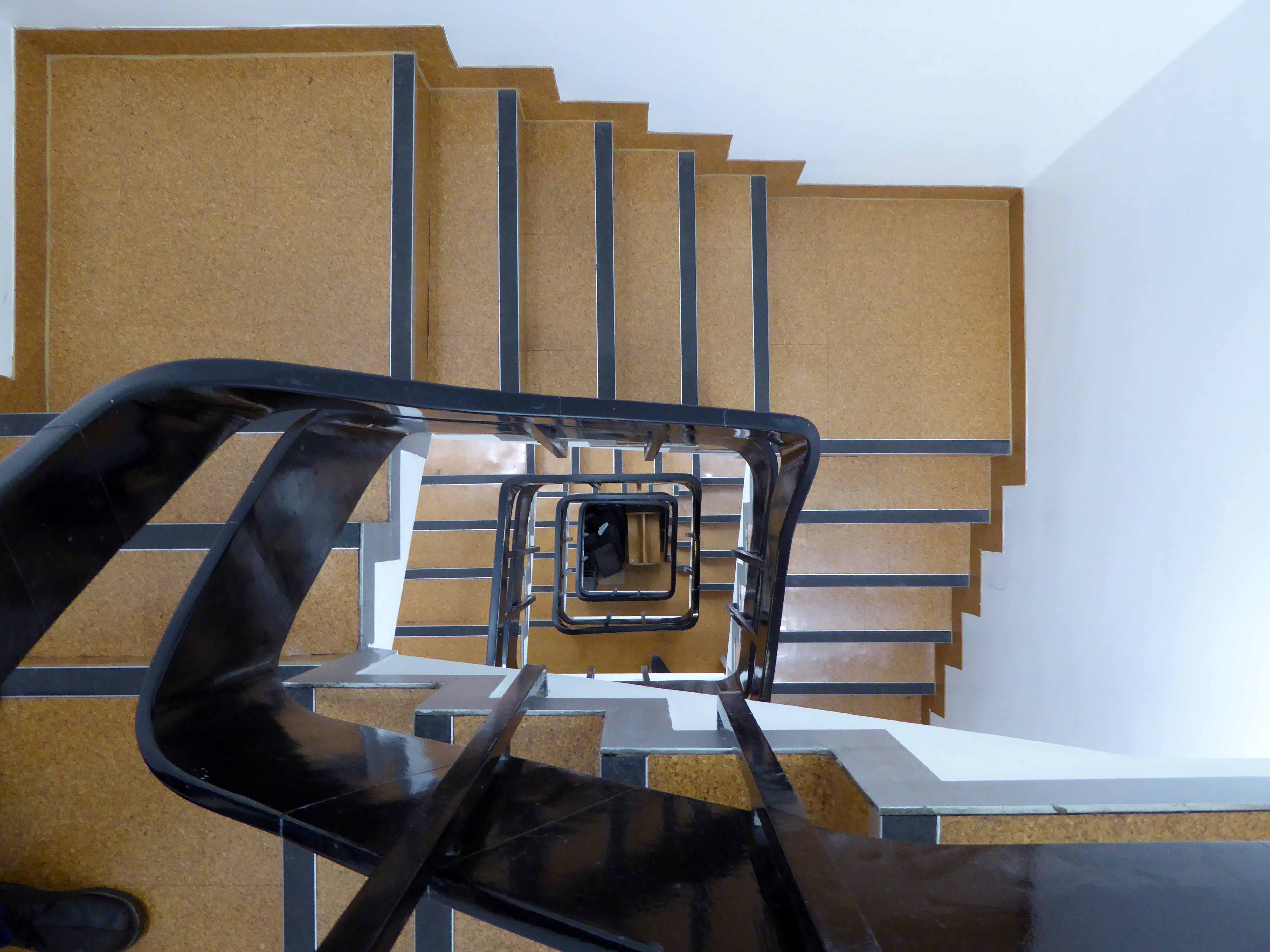
The Arts Tower is an exciting amalgam of Manchester’s CIS Tower, Mies van der Rohe’s Seagram Building and itself. A sleek slab of steel and glass, occupying a prominent site with views across Sheffield’s seven hills.

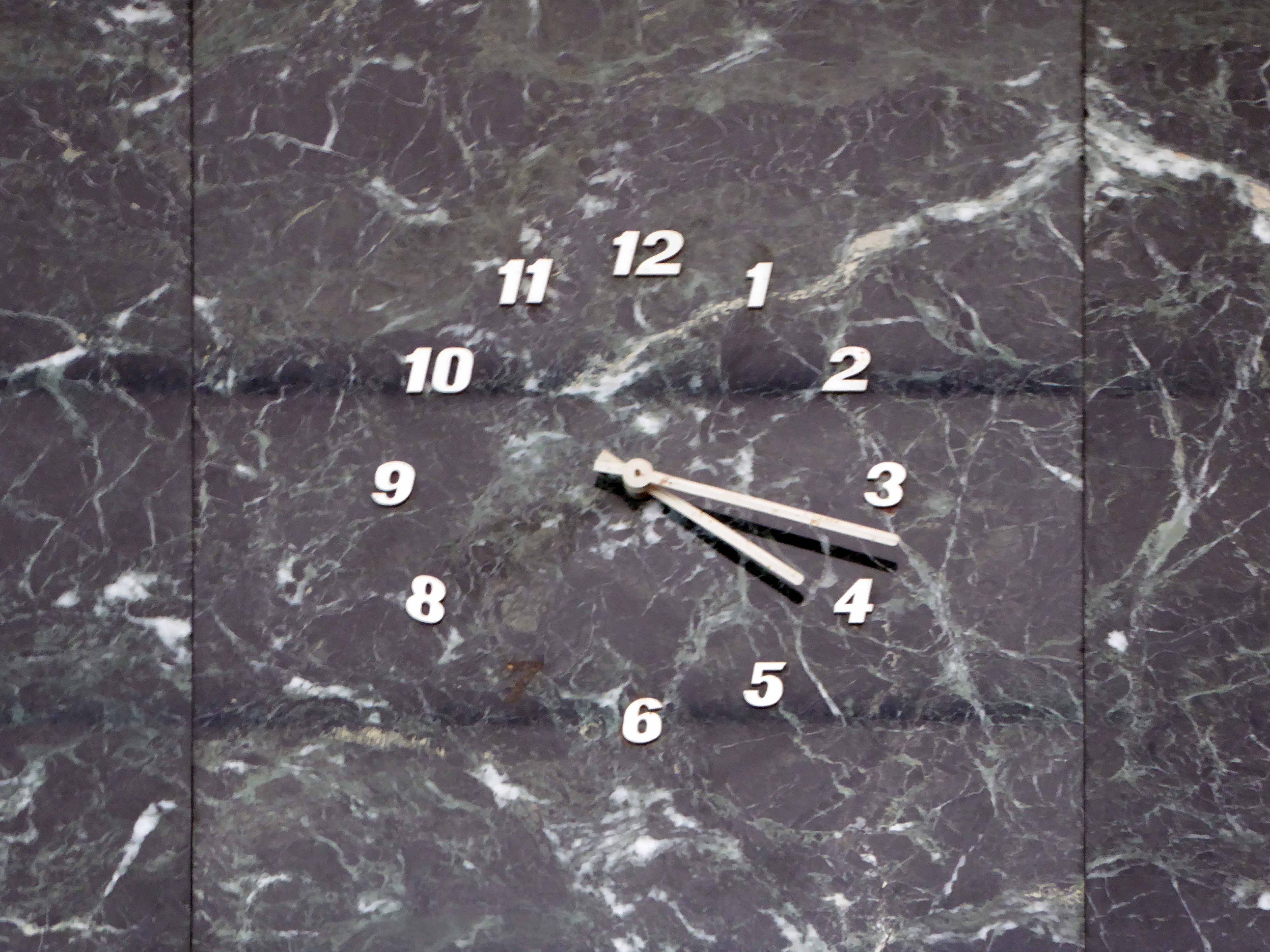
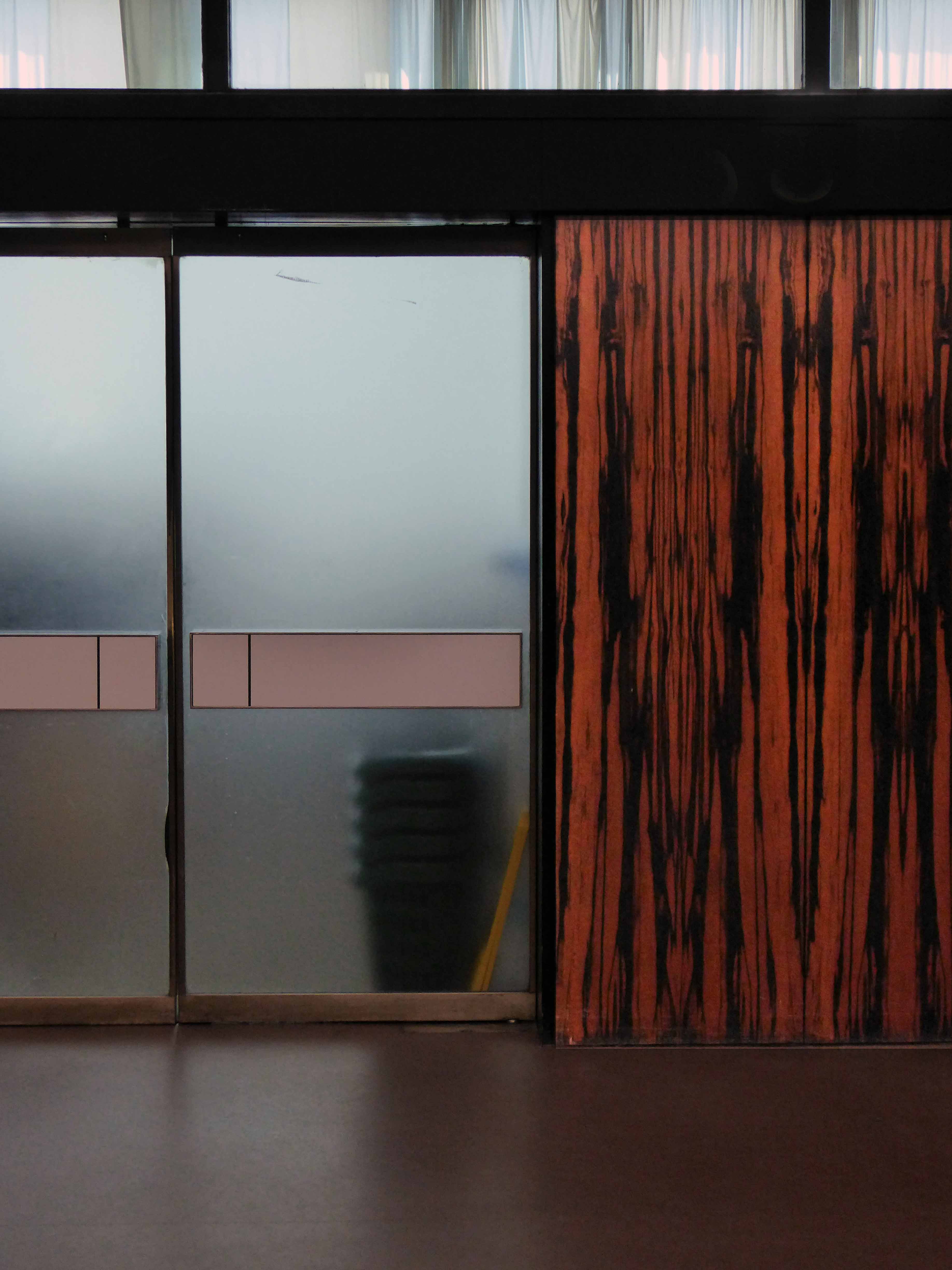
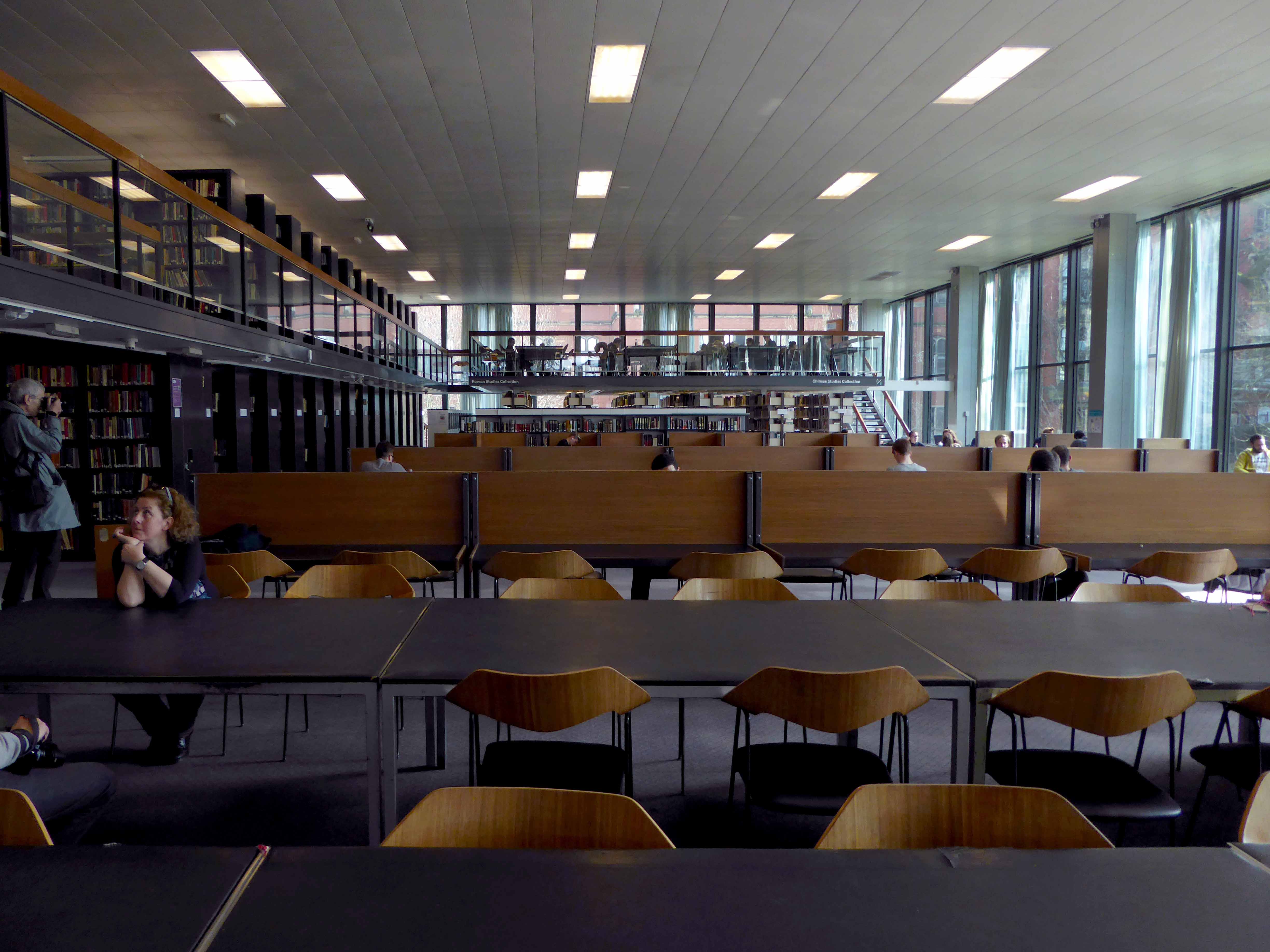
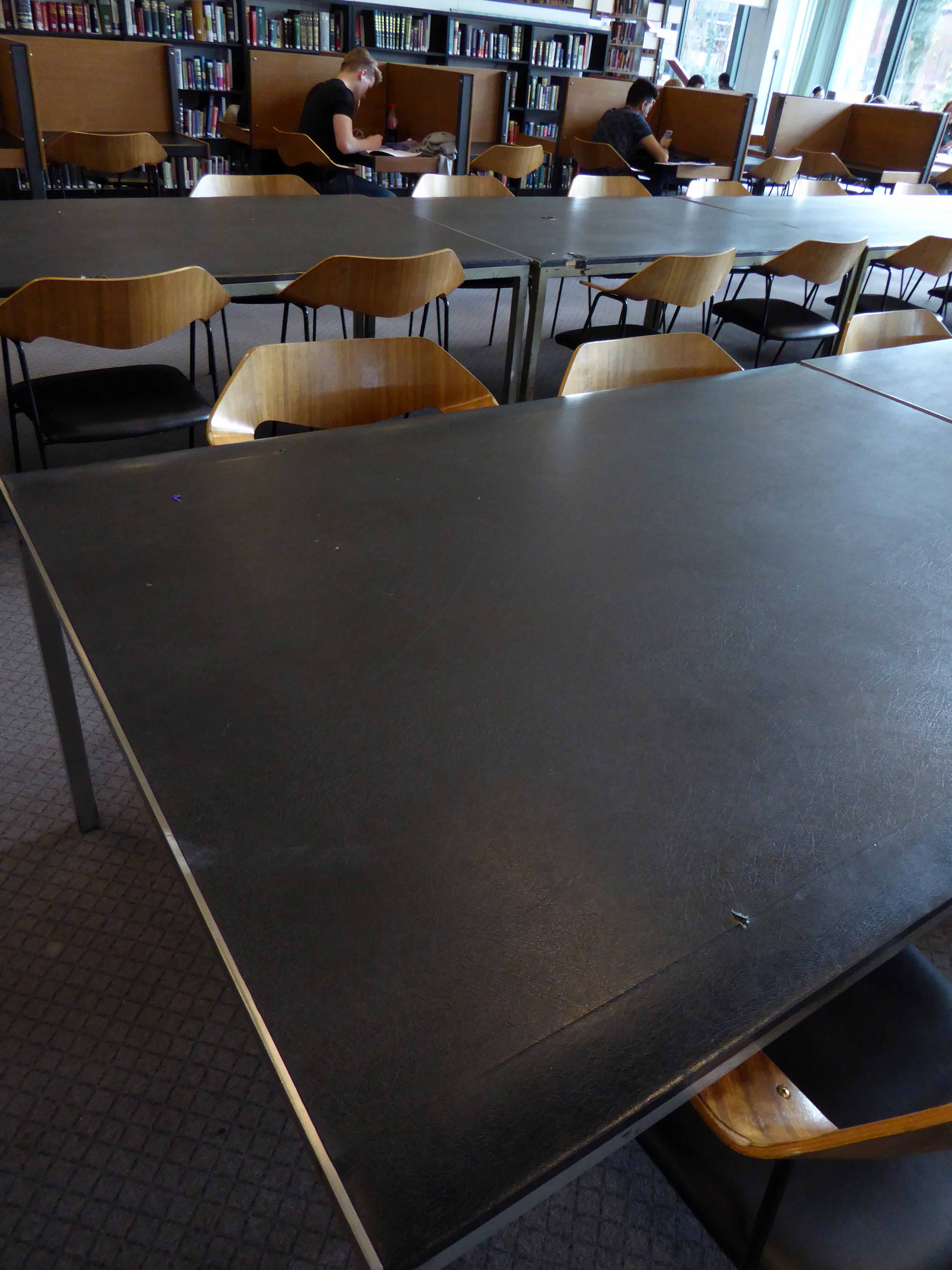
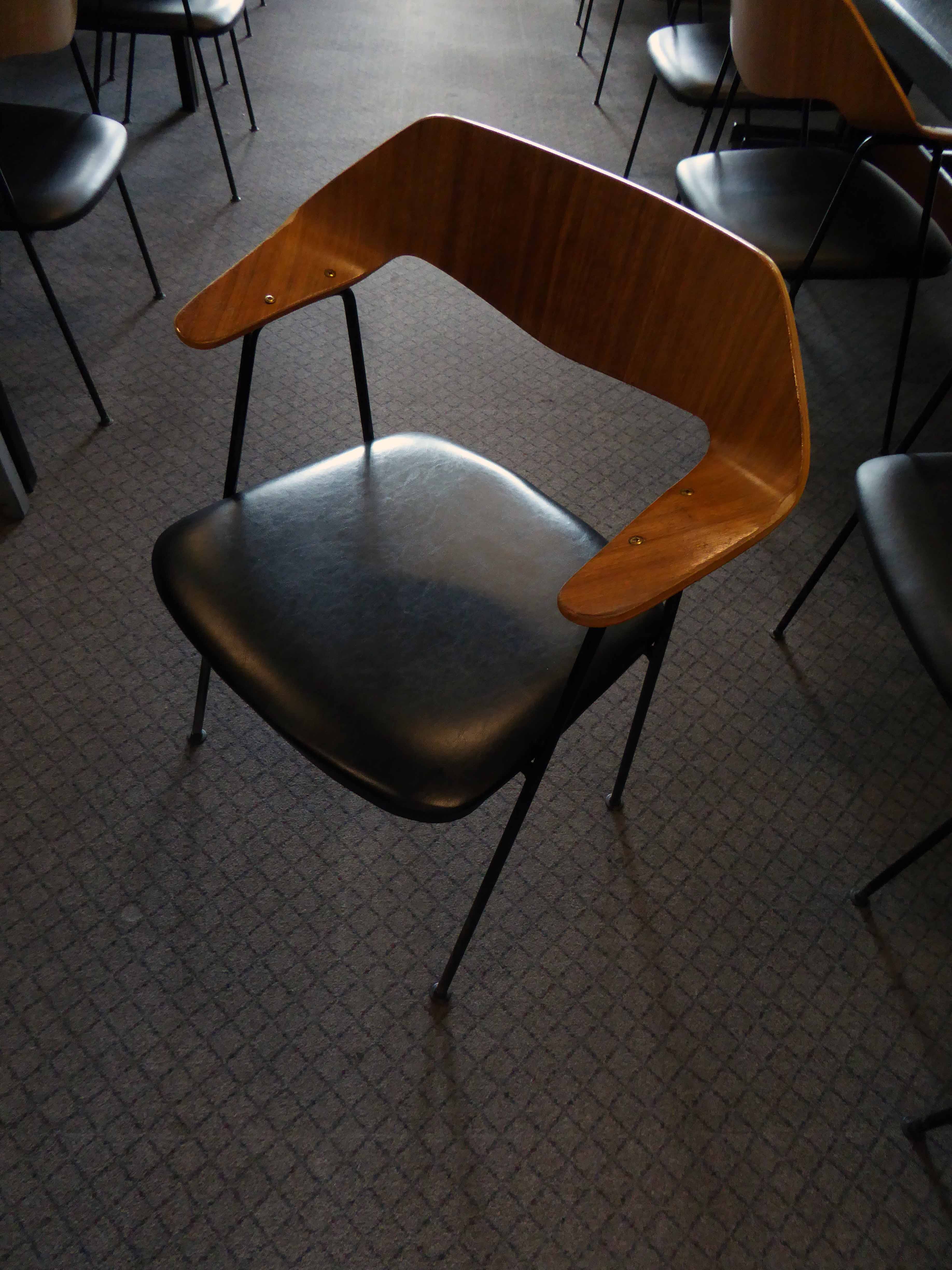
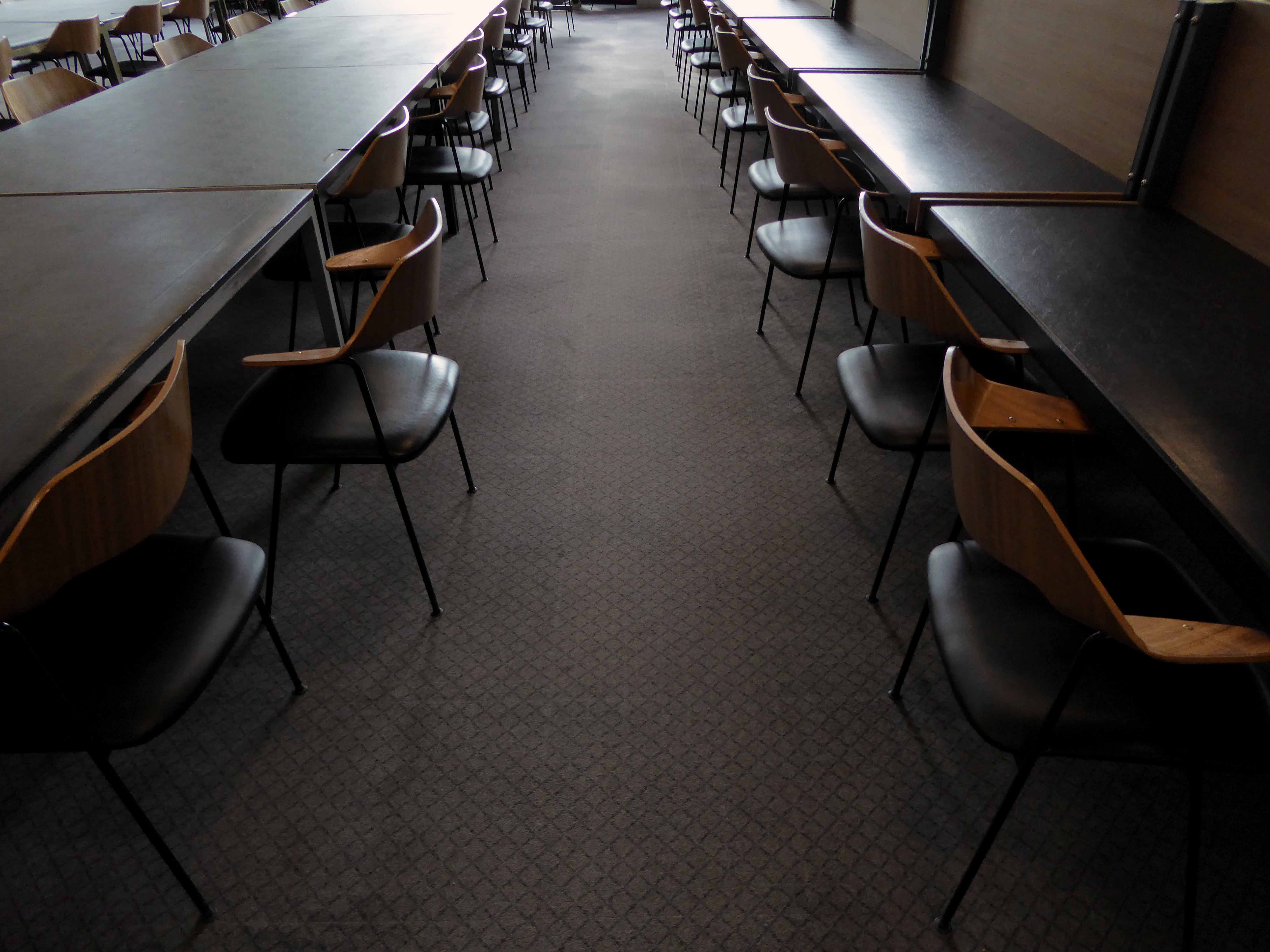
On a sunny Sunday in early April the adjoining library was alive with studying students and Modernists, attracting the odd, odd look, as we stopped and stooped to snap the odd period detail or two. It has retained much of its original character and features, deliciously elegant, almost edible chairs, some signage – and a clock.

Though the seven is mysteriously missing.

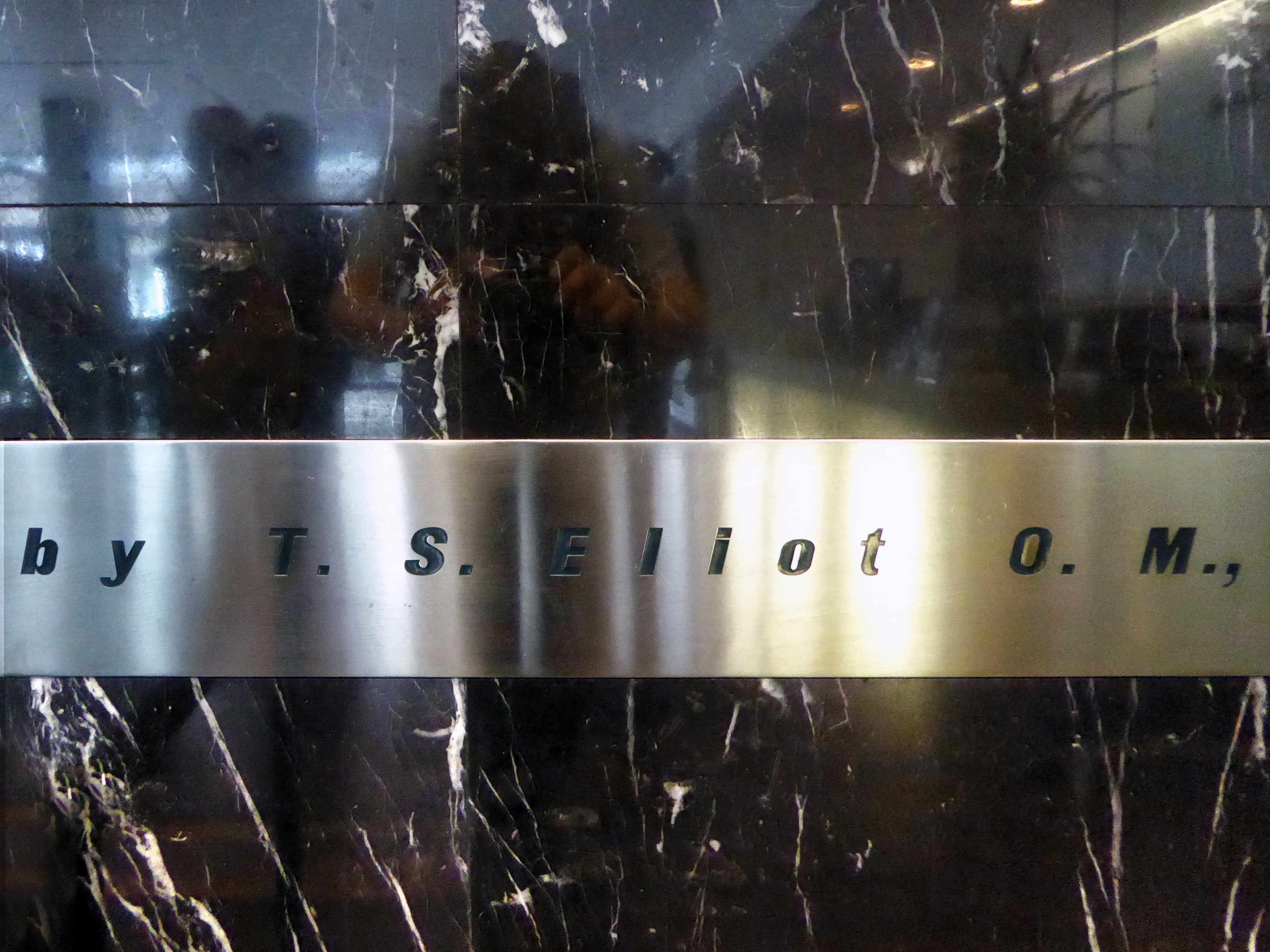
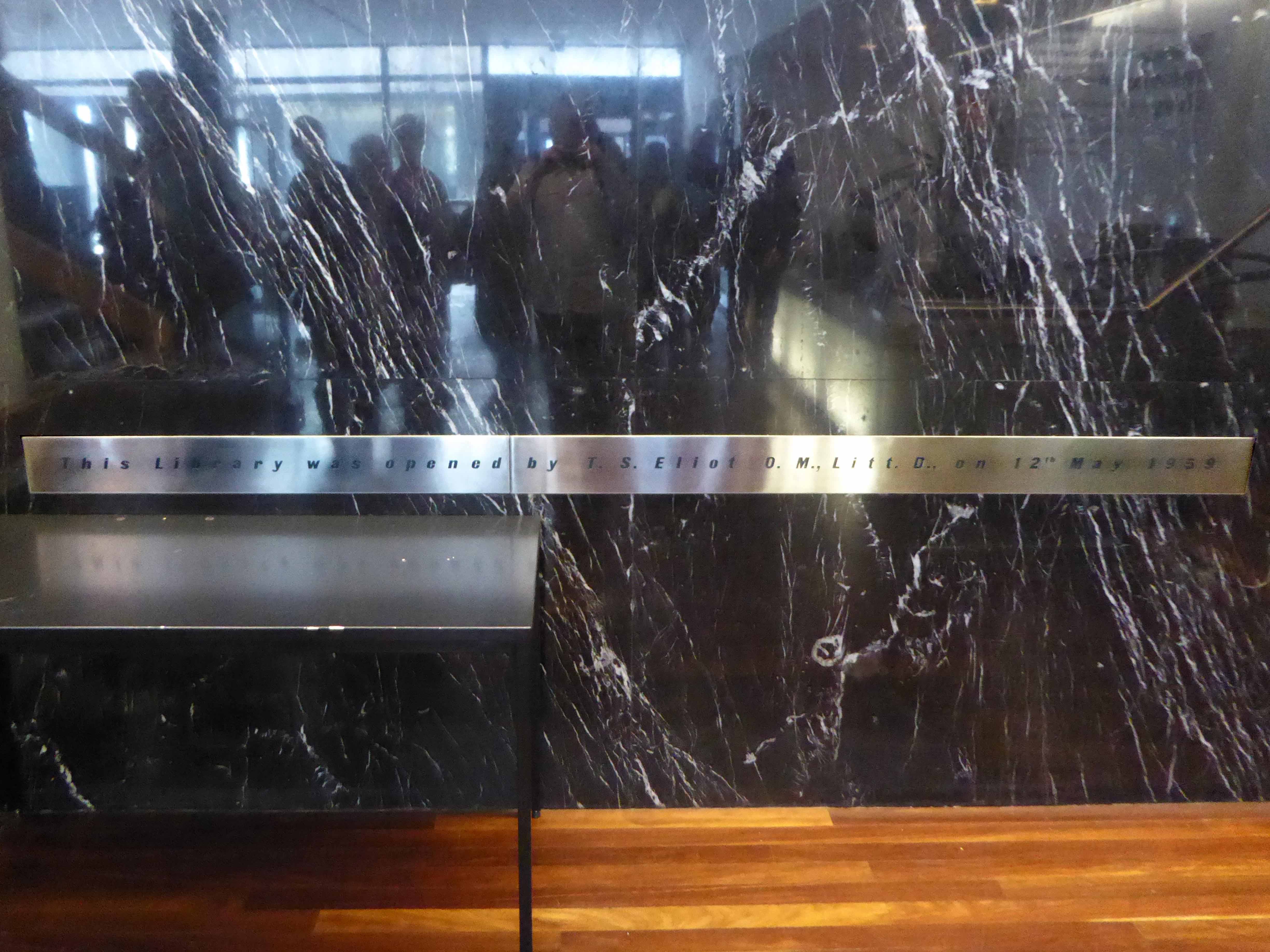
It was opened by TS Elliot.

P1030222 copy

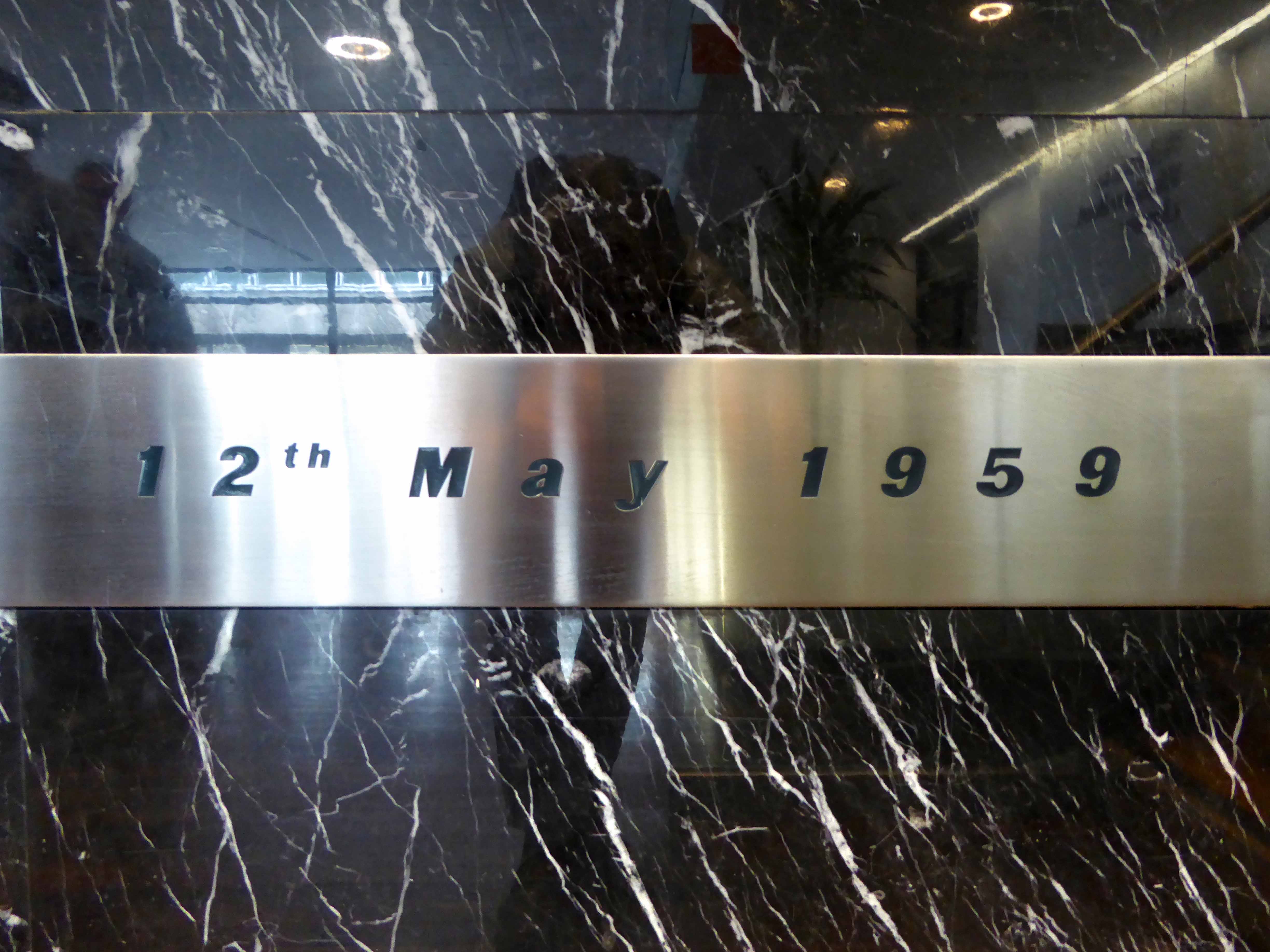
On 12th May 1959 – it was a Tuesday.

P1030223 copy


The Arts Tower 12 Bolsover Street in Sheffield,  belonging to the University of Sheffield and opened in 1966. English Heritage has called it

“the most elegant university tower block in Britain of its period”. 

At 255 feet/78 m tall, it is the second tallest building in the city. It is also the tallest university building in the United Kingdom.

Designed by architects Gollins, Melvin, Ward & Partners, construction of the tower started in 1961 and lasted four years. 

Entry to the building was originally made by a wide bridge between fountains over a shallow pool area in front of the building. This pool was eventually drained and covered over when it was found that strong down drafts of wind hitting the building on gusty days caused the fountain to soak people entering and exiting the building. 

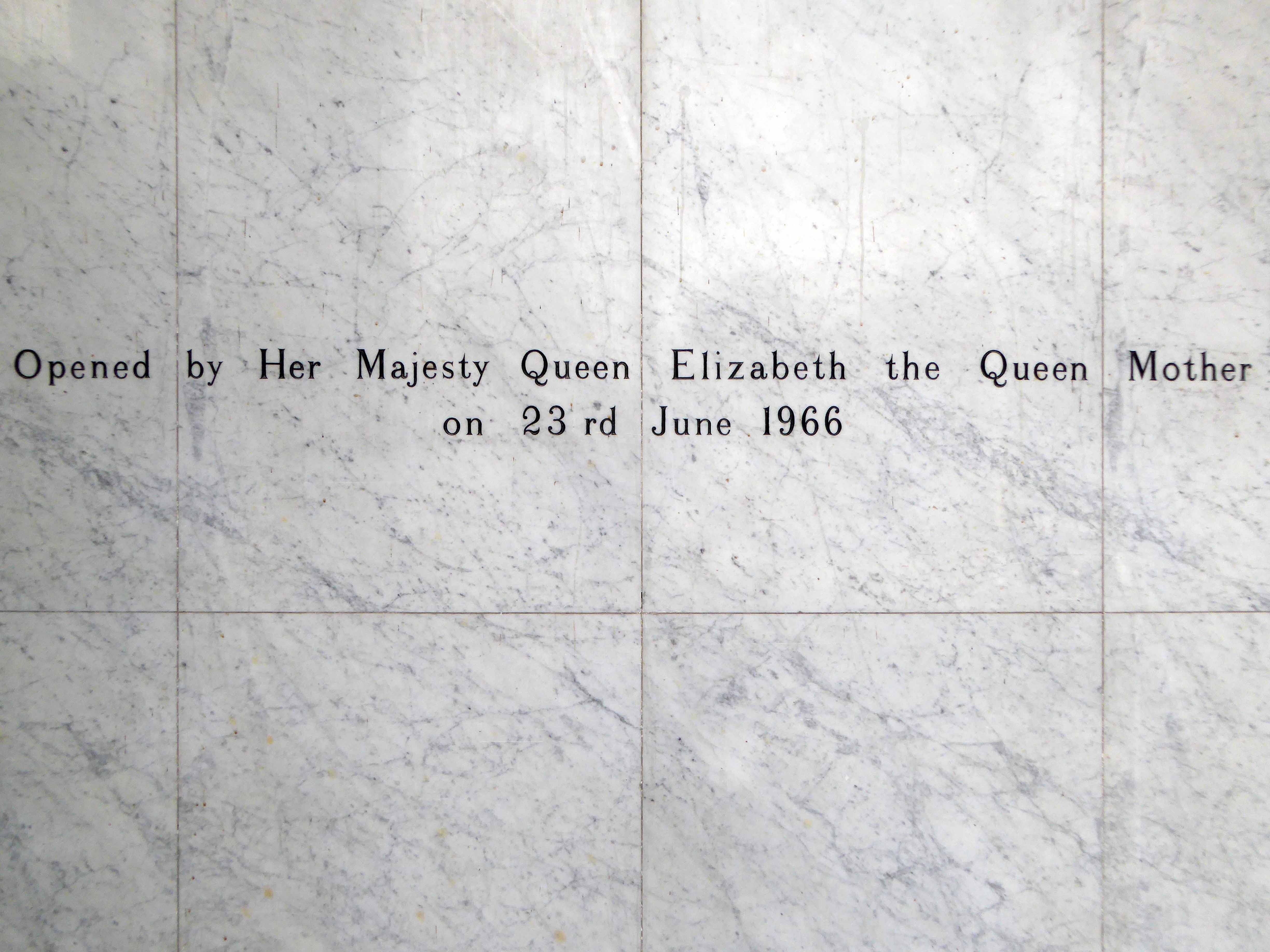
The building was officially opened by Queen Elizabeth, The Queen Mother in June 1966; it has 20 stories and a mezzanine level above ground. As its name suggests, the building originally housed all the University’s arts departments. Circulation is through two ordinary lifts and a paternoster lift, at 38 cars the largest of the few surviving in the United Kingdom.

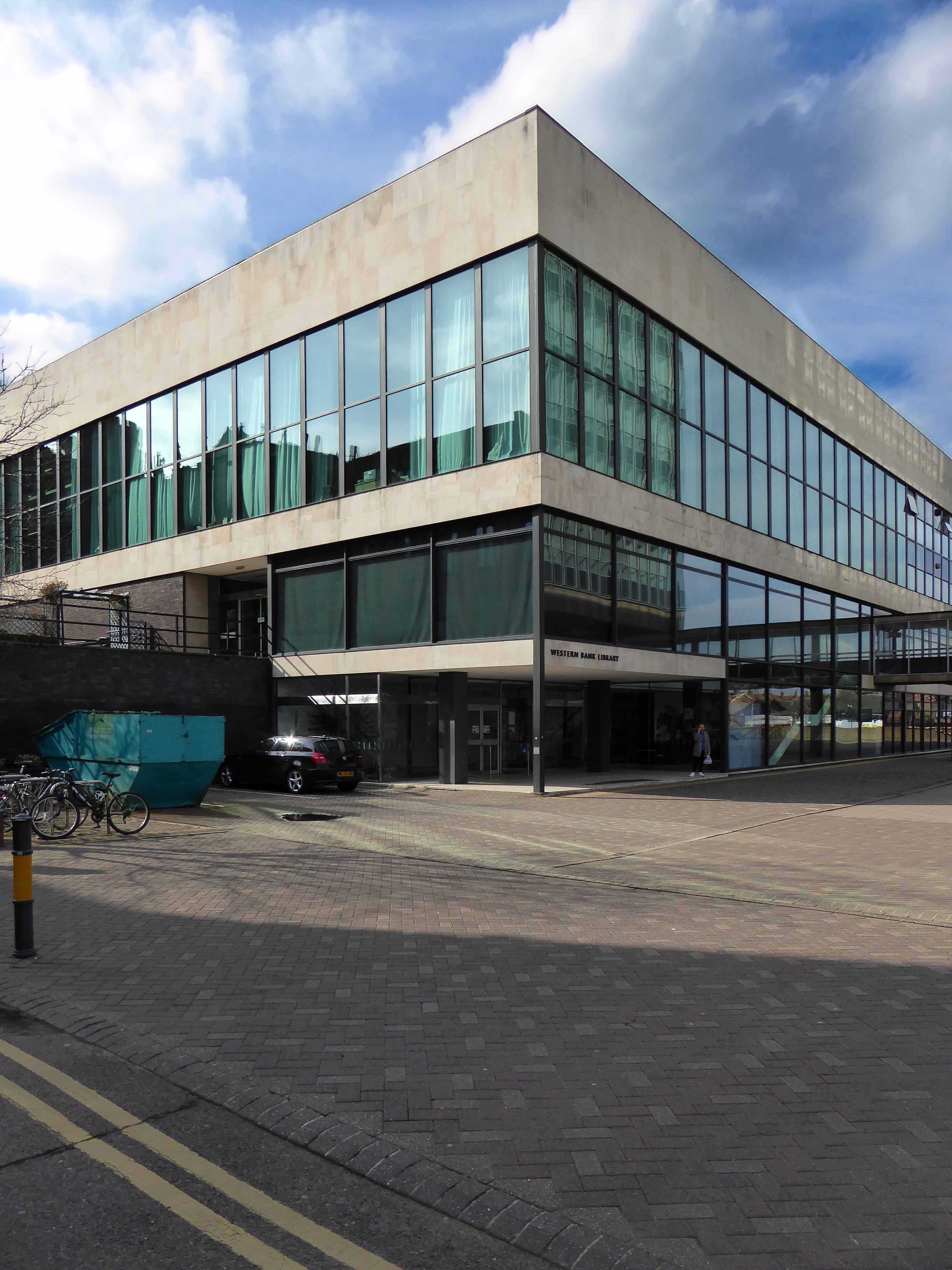
A bridge at the mezzanine level links the tower to Western Bank Library. This building was also designed by Gollins, Melvin, Ward & Partners—the two buildings are intended to be viewed together, the Arts Tower and Library are Grade II* listed buildings.

So if you have a penchant for a tall slab with an adjoining library, set in expansive parkland on the perimeter of a dual carriageway – go take a look.


Library – Morecambe

I love libraries.

I love Morecambe.

Therefore I love Morecambe library.

Built and opened in 1967, designed by the County Architect  Roger Booth who was also responsible for a whole host of buildings in Lancashire between 1962 and 1983.

image-6.php

Almost fifty years on, the building still speaks of modernity, optimism, light and learning. It’s well used and loved by the public and the charming and helpful staff – many thanks, for your time and assistance.

P1020260 copy

Application was made for listing, this was not accepted – there have been significant changes to both the external and internal structure over time.

image-9.php

The vertical, impressed cast concrete panels, shown above, have been replaced by brick.

image-2.php

The original suspended *bean can* lighting system has also been replaced. At night, I was told it was hard to navigate the building using the limited spot illumination, so a box of bike lights were kept and handed out, to permit the safe, well-lit passage of library users.

P1020279 copy

Concentric hexagonal rings of suspended strip lighting are now in place.

image-10.php

Sadly the vivarium, contained  in a glassed link corridor, was short lived.

Archive photographs from Lancashire Lantern Images

The staff were more than happy to allow me take photographs, I was even afforded, at my own risk, to access the roof area through a very secret door!
I urge you to visit Morecambe and its charming library soon.

http://www.lancashire.gov.uk/libraries-and-archives/libraries/find-a-library/morecambe-library.aspx

Queen Elizabeth Hall – Oldham

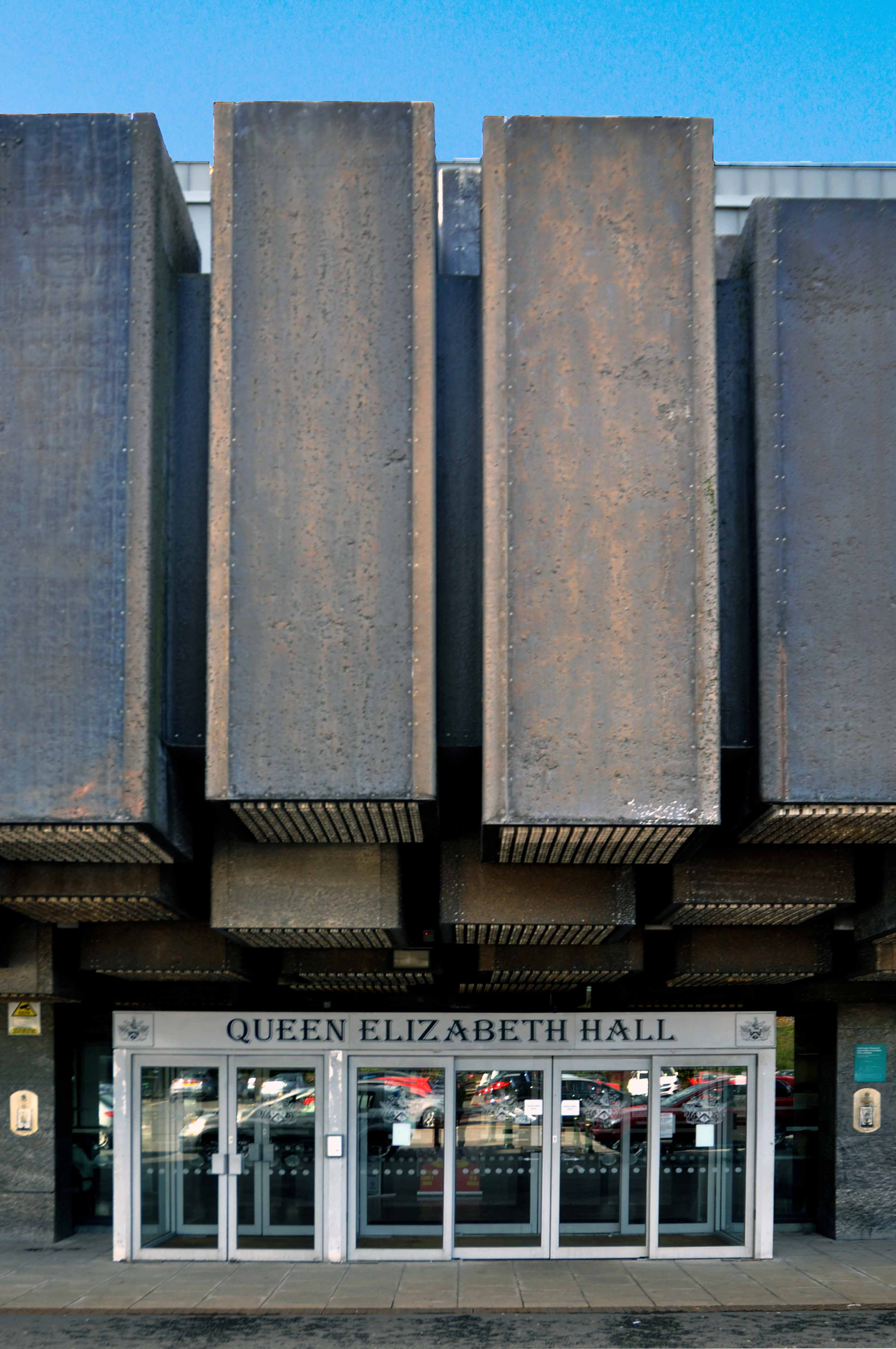
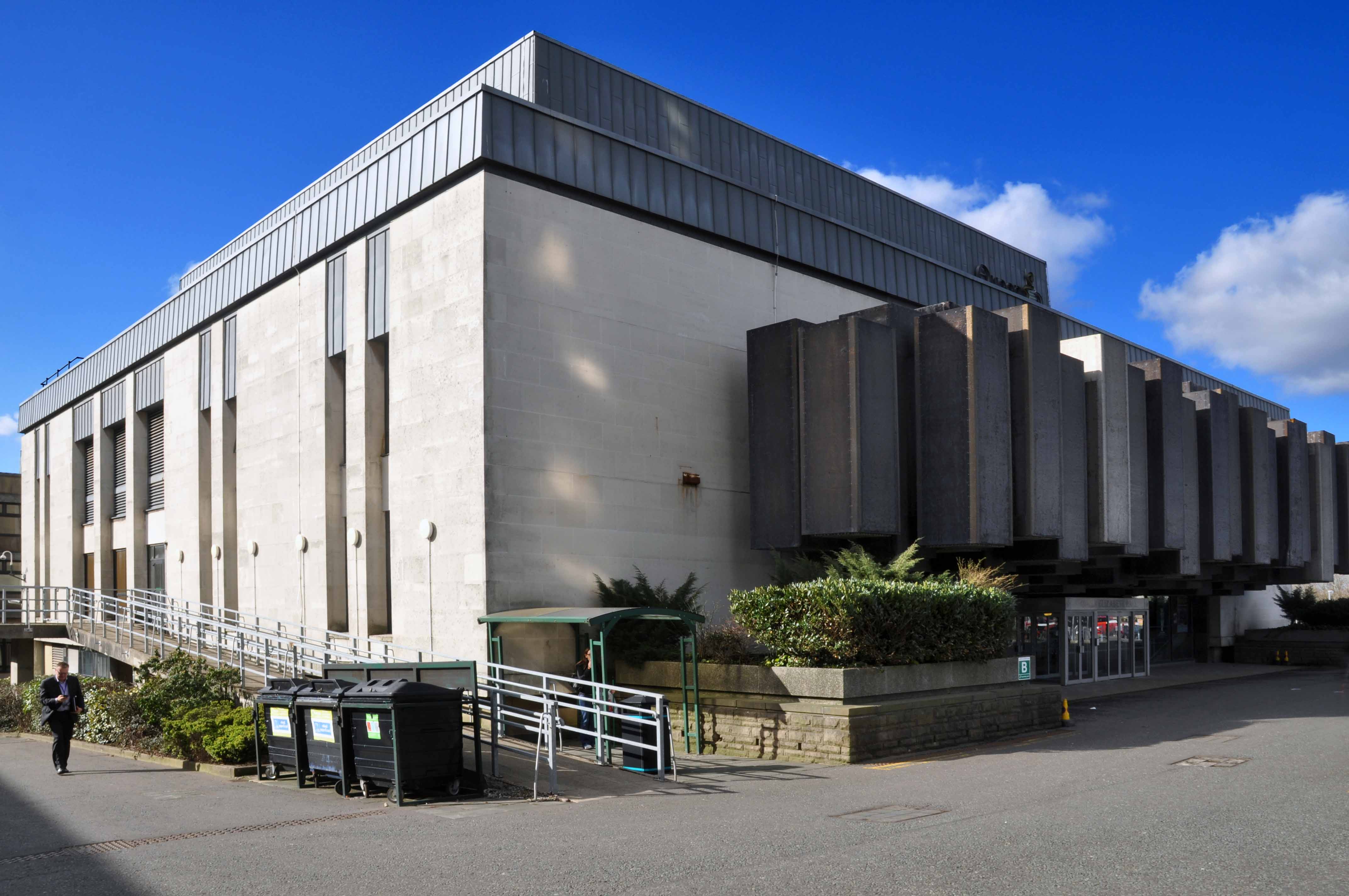
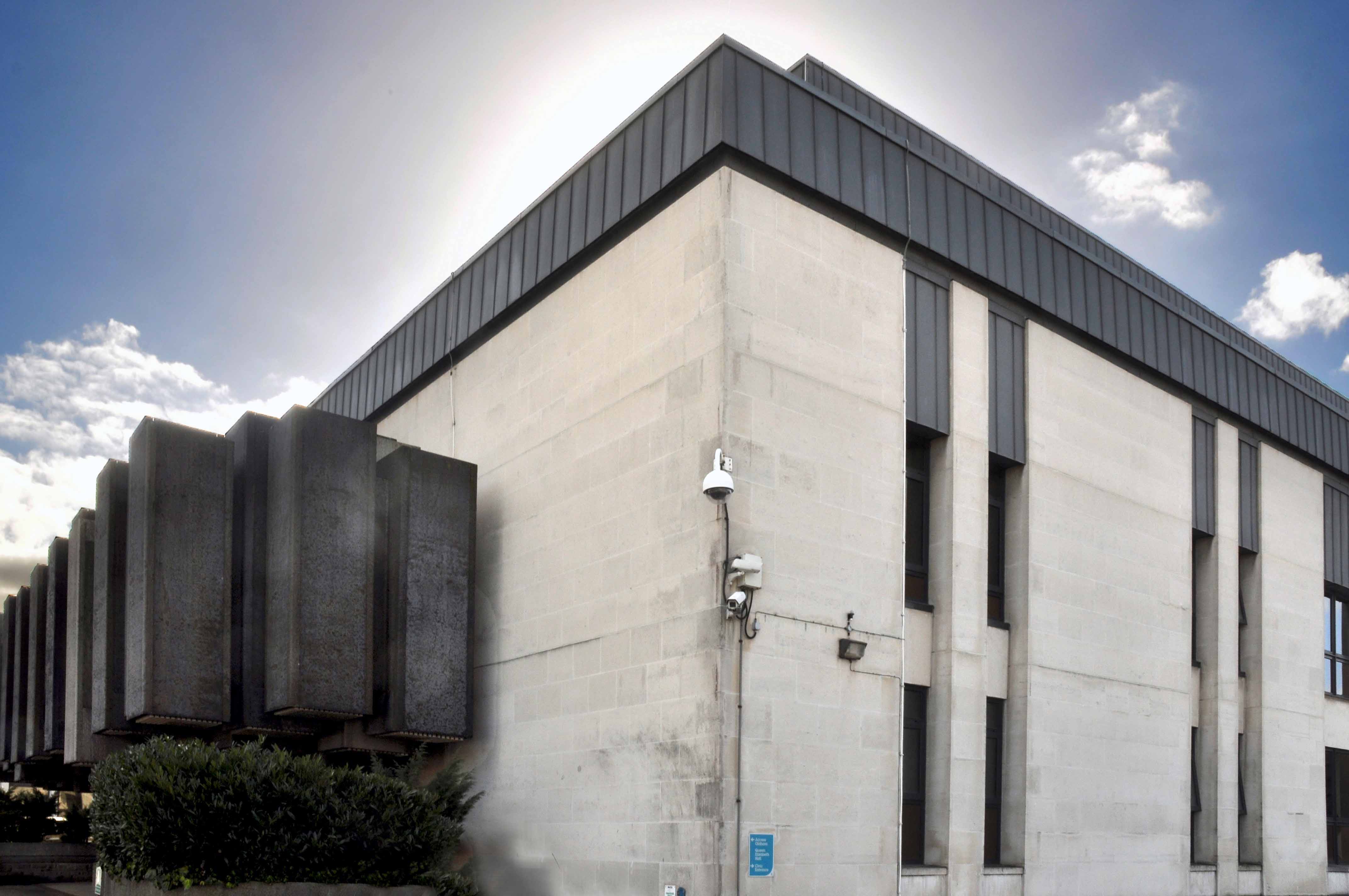
Attached to the Civic Centre, developed and opened in 1977, to commemorate the Queen’s Silver Jubilee, she ain’t no human being, she’s a building.

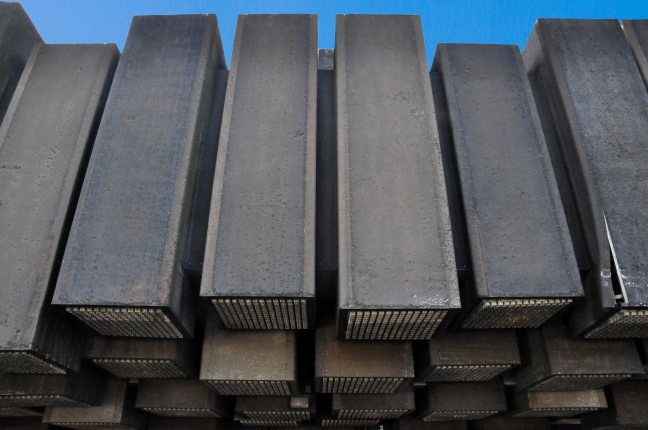
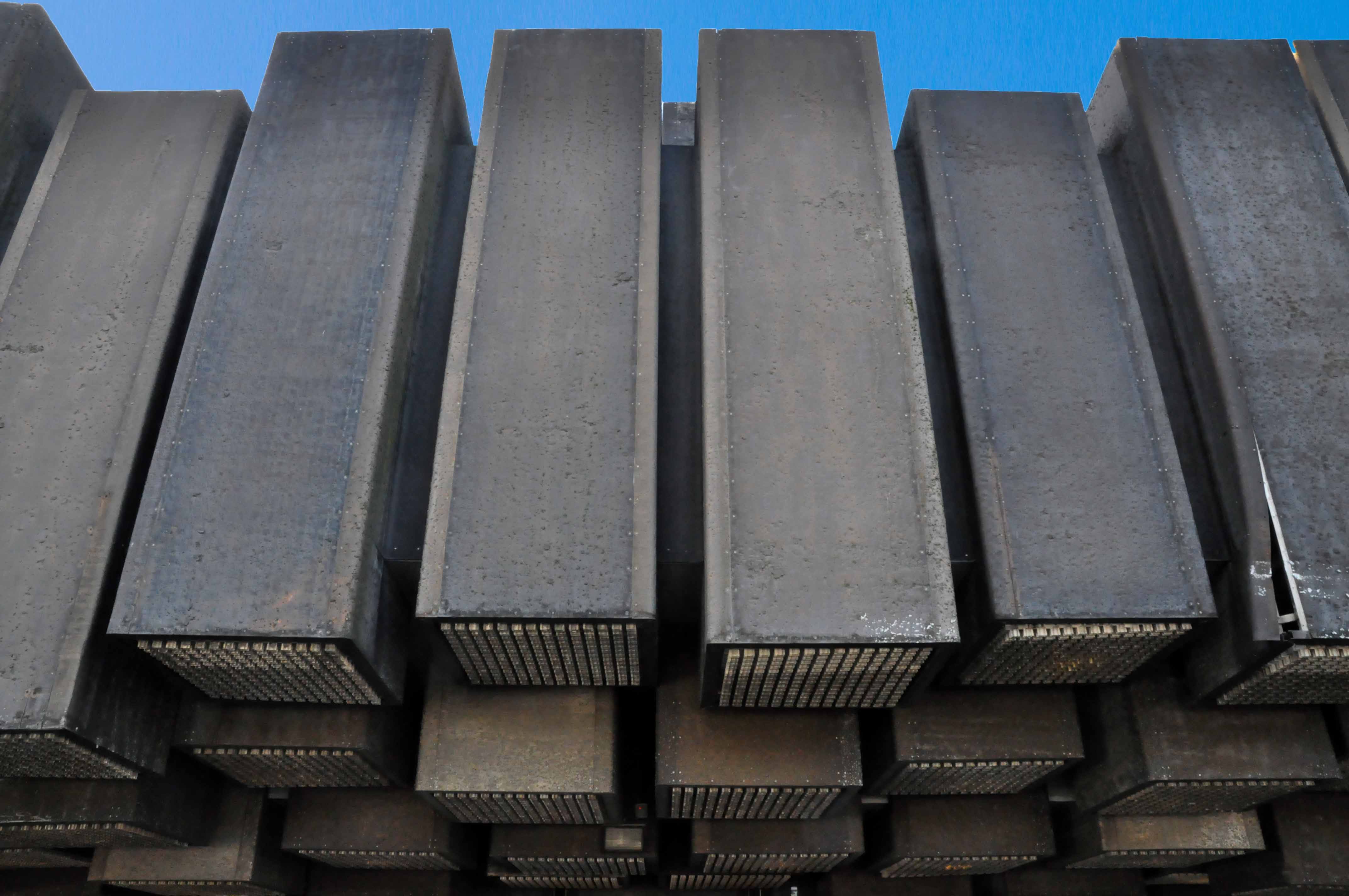
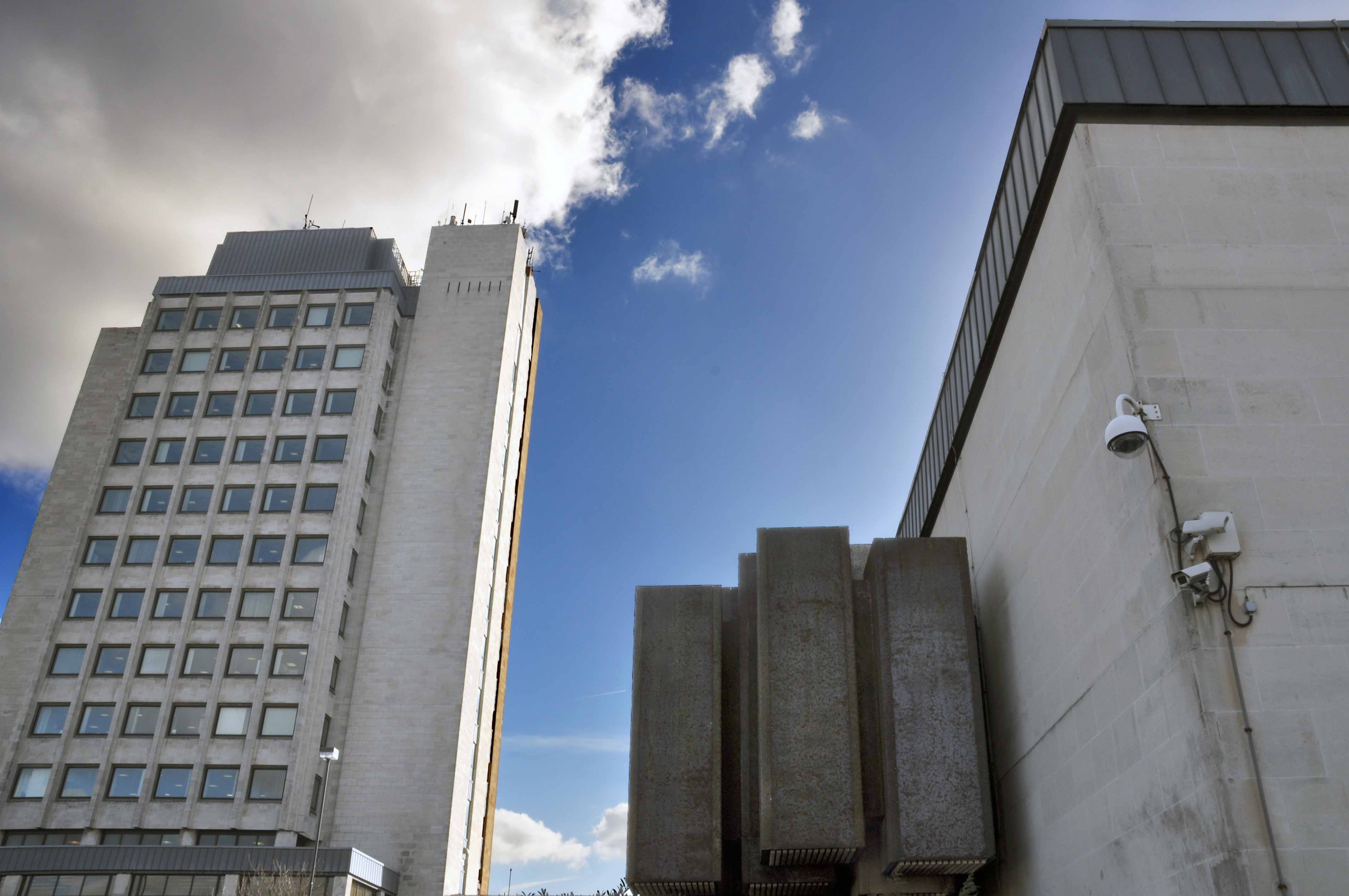
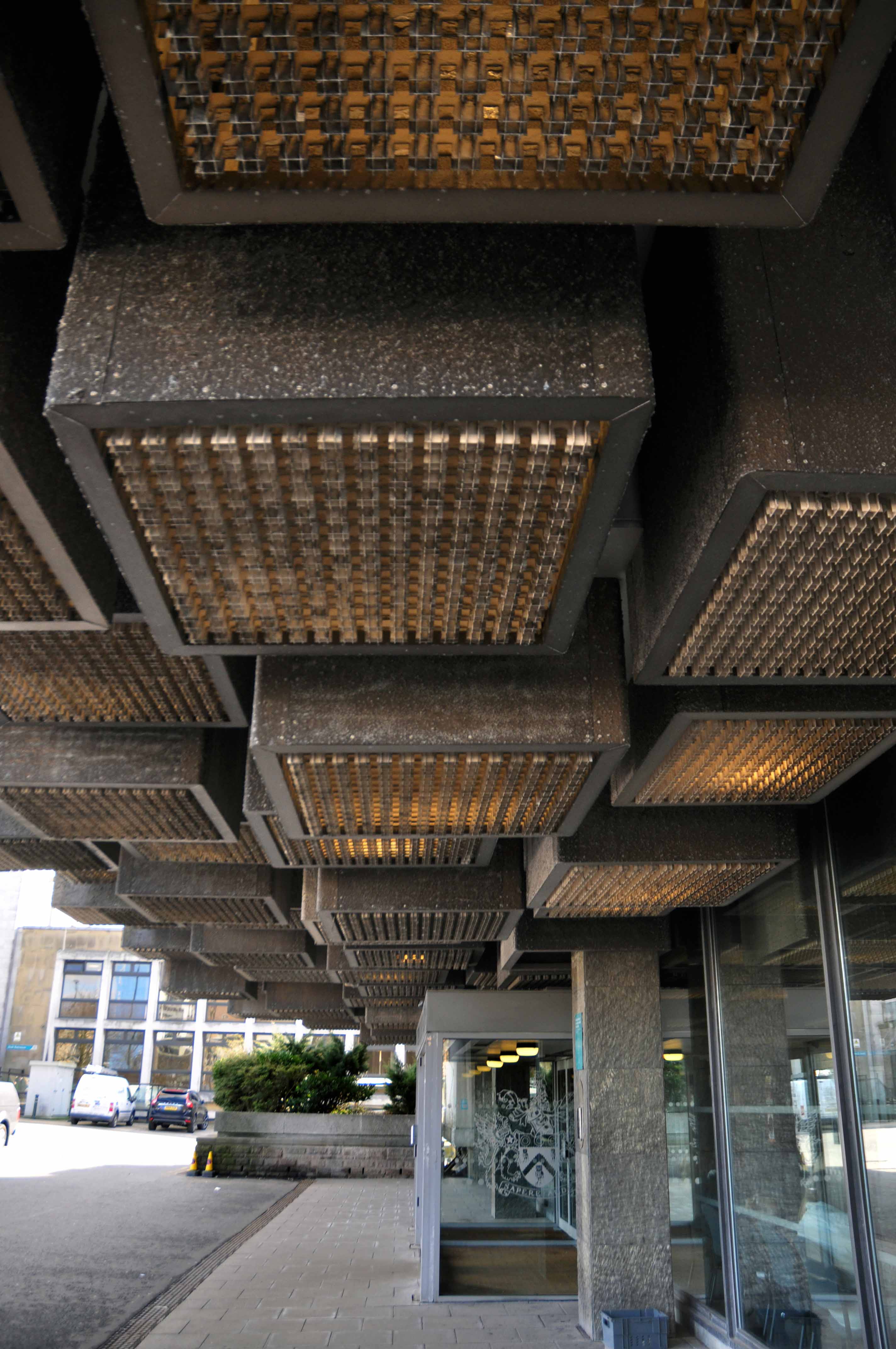
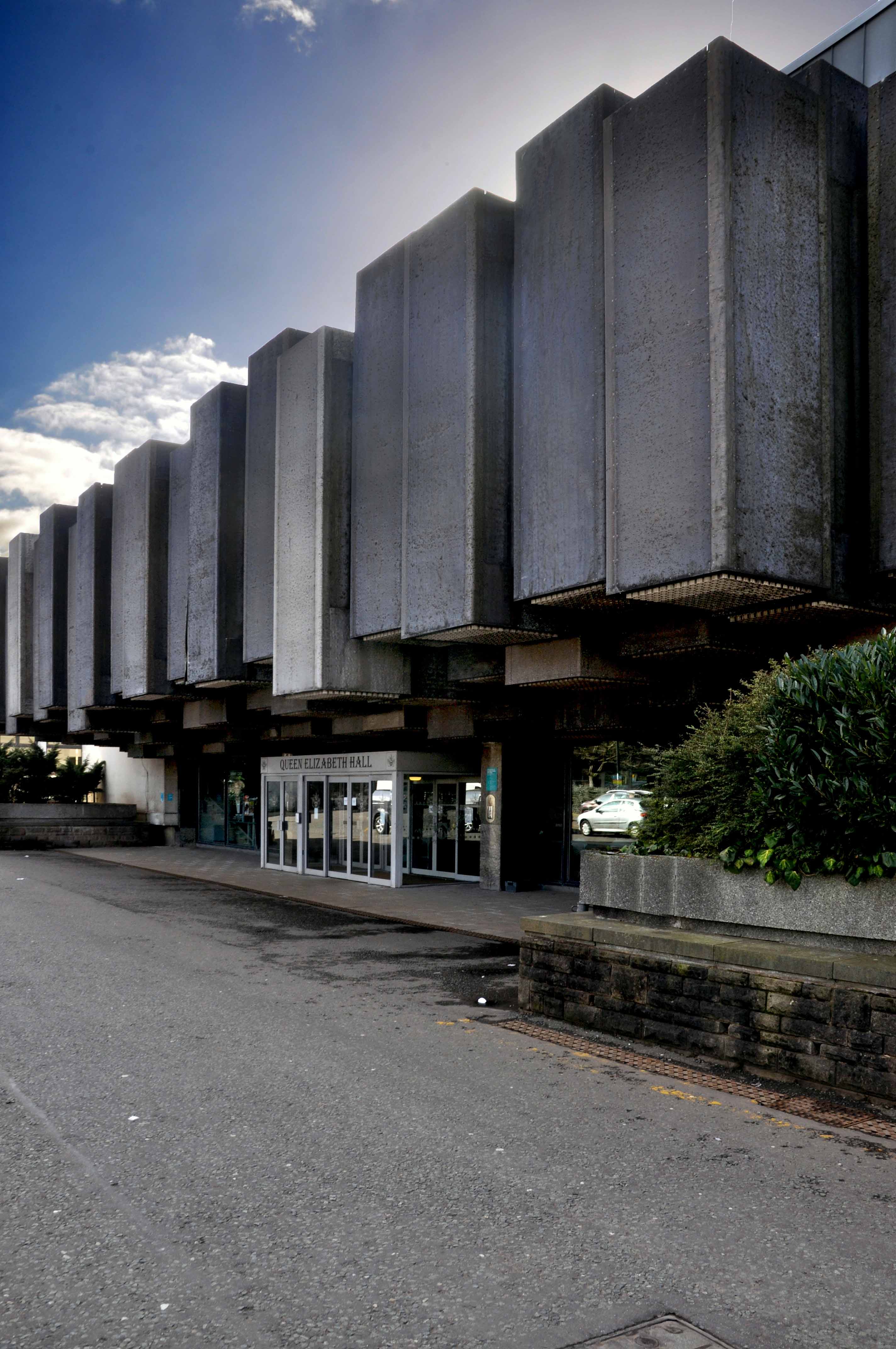
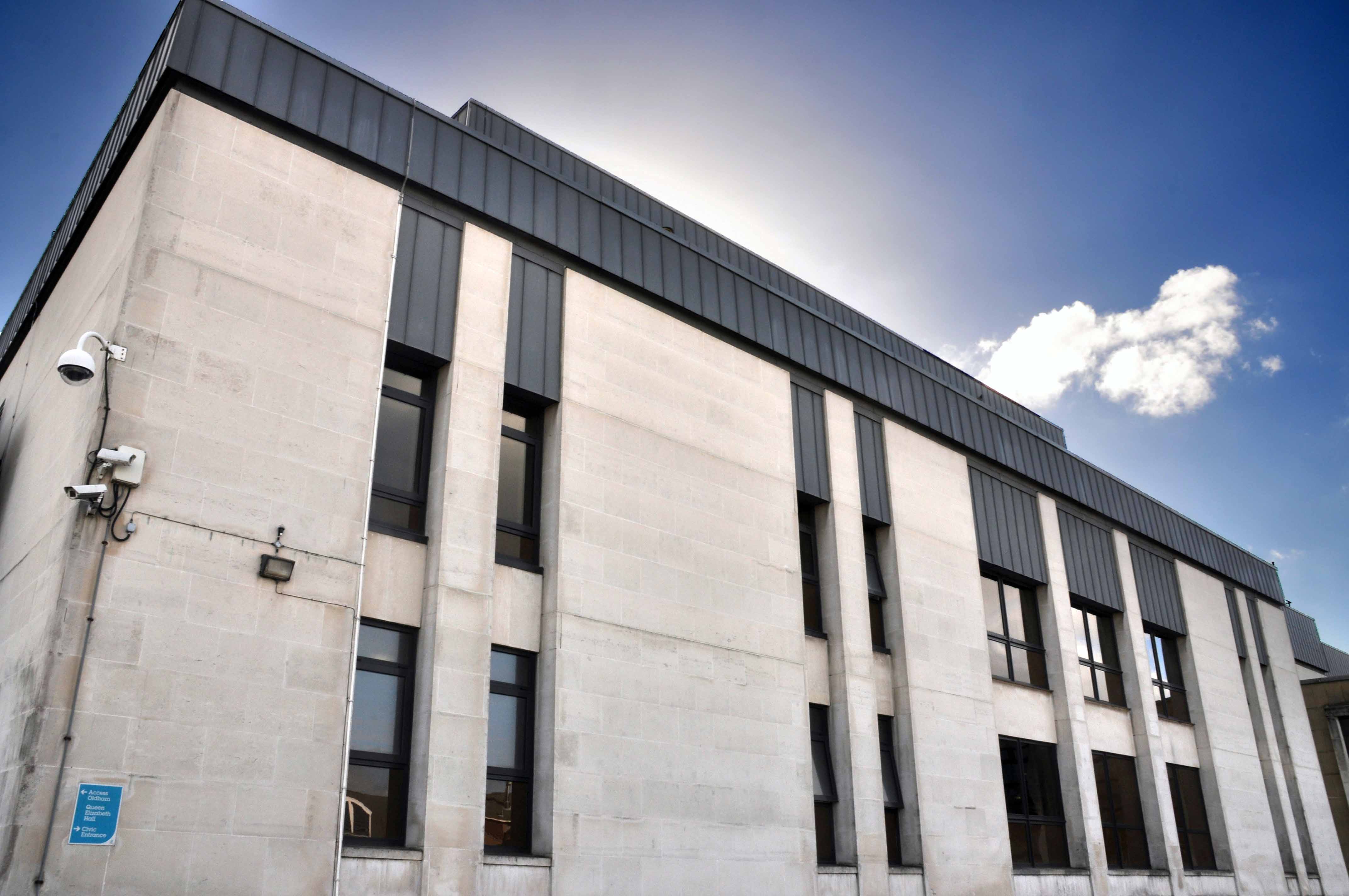
An low exterior slab of classical municipal modernism, with a series of wonderful and surprising new attachments, ideal for all occasions!
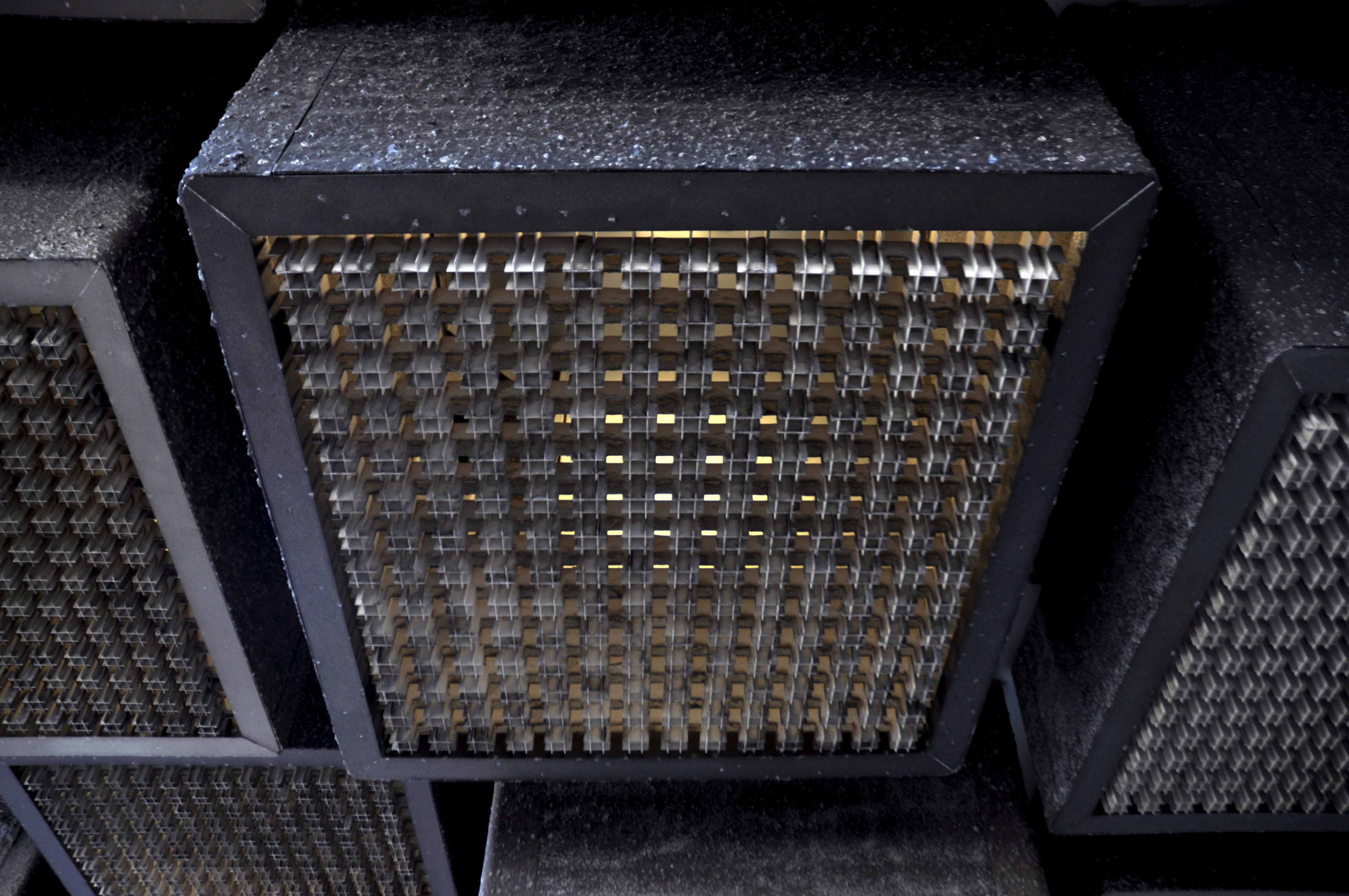
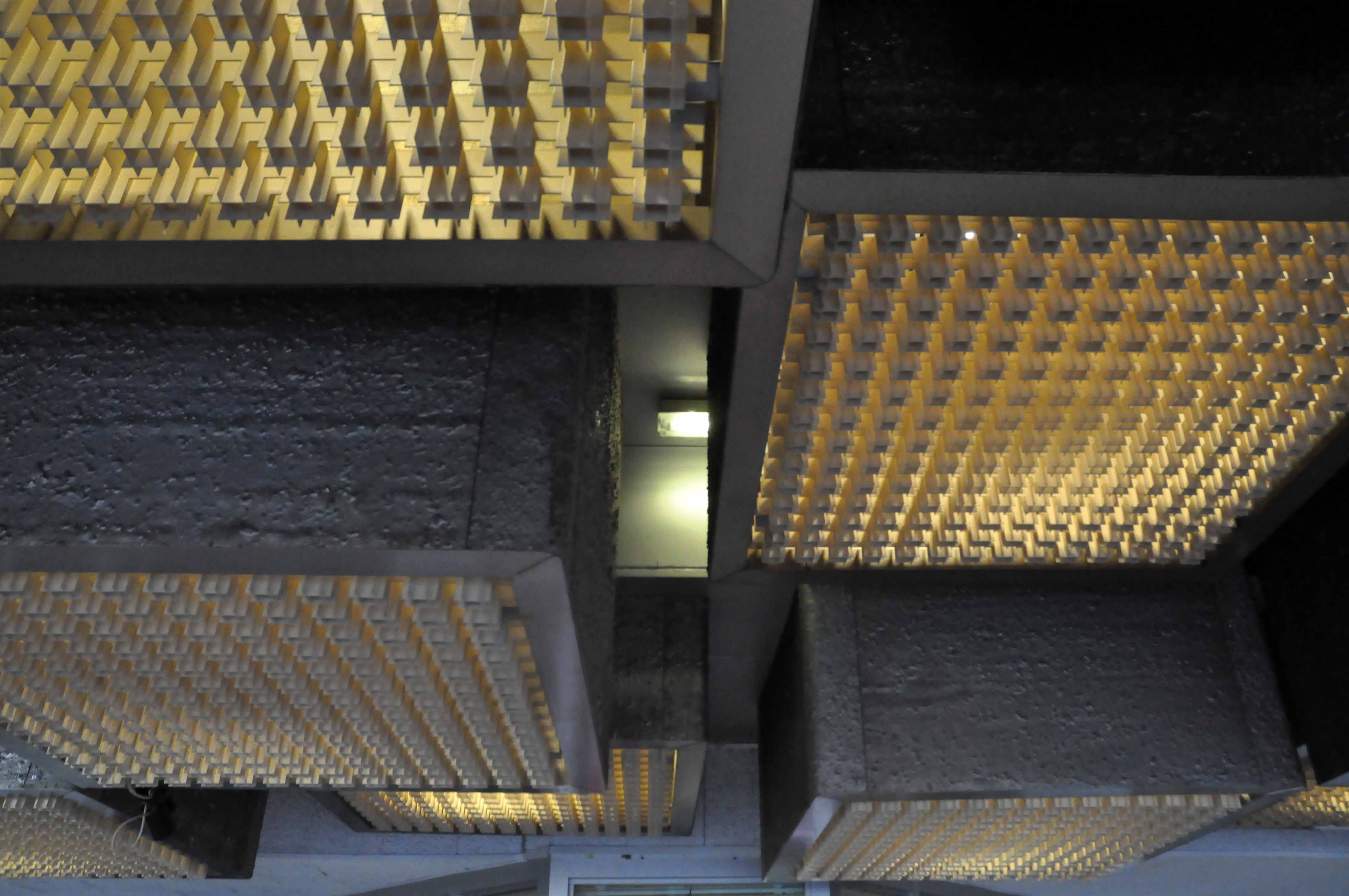
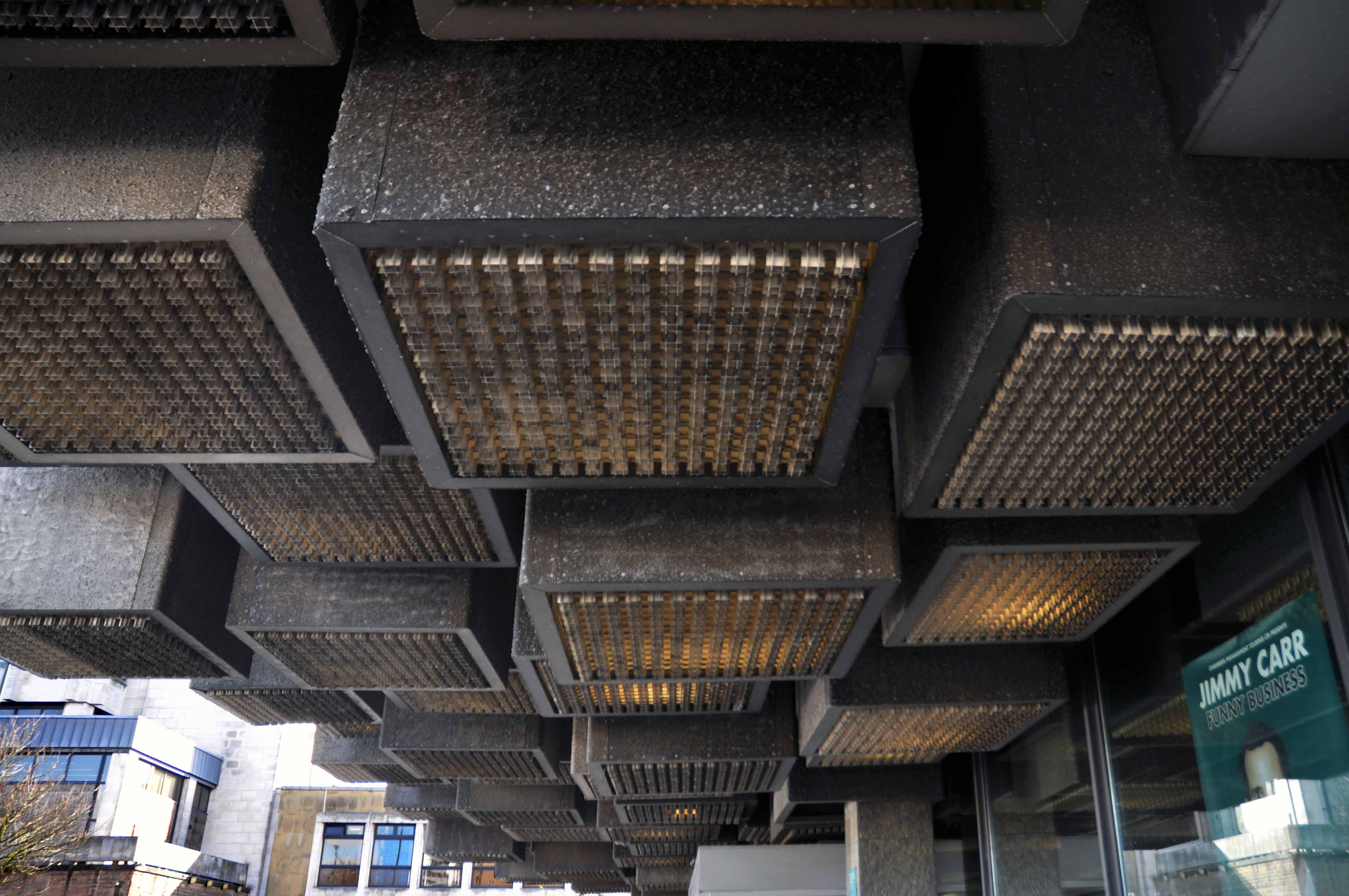
The most amazing set of heavily patinated, square sectioned, inorganic pipes which are precipitously cantilevered  onto the front elevation.

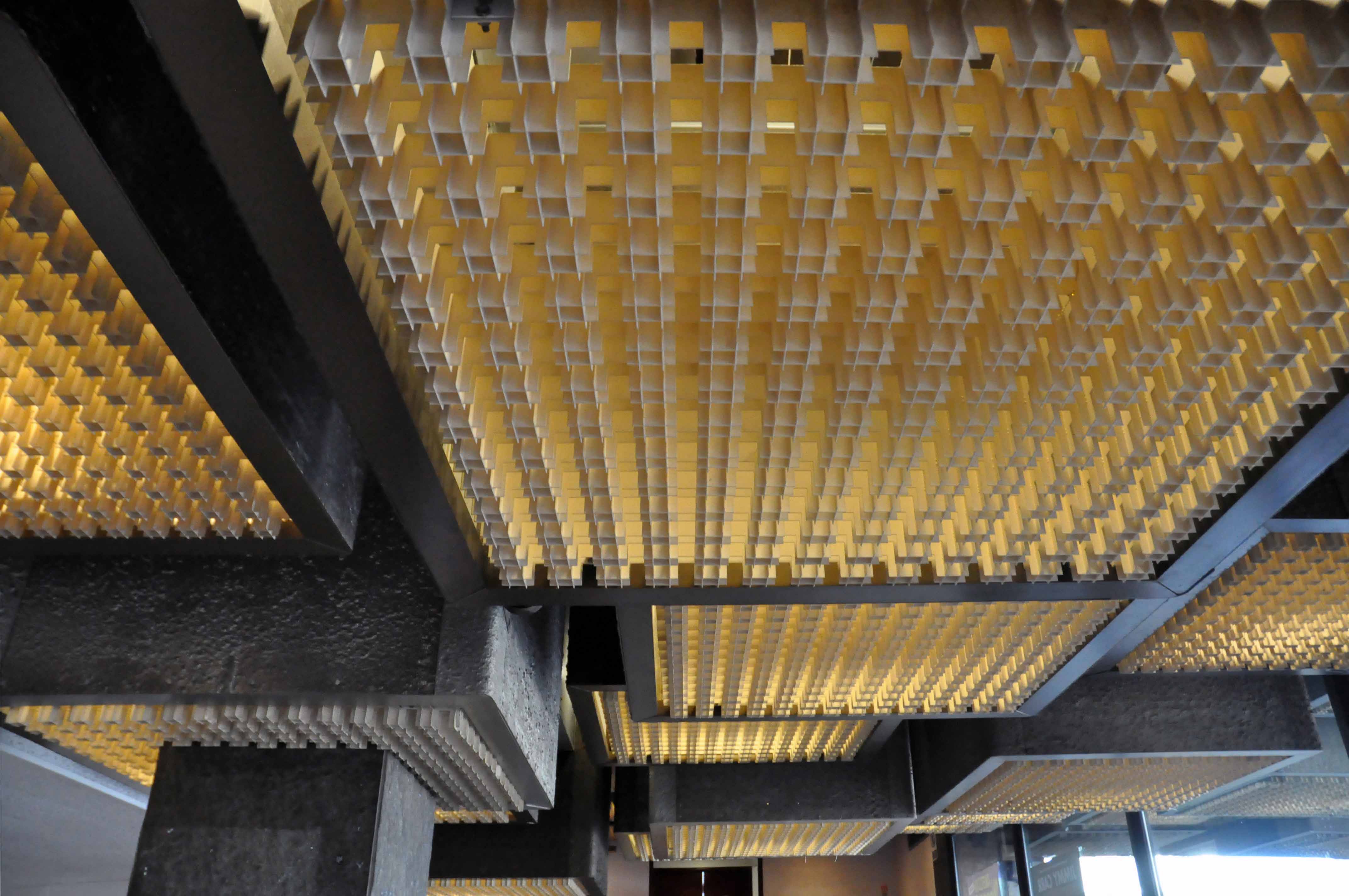
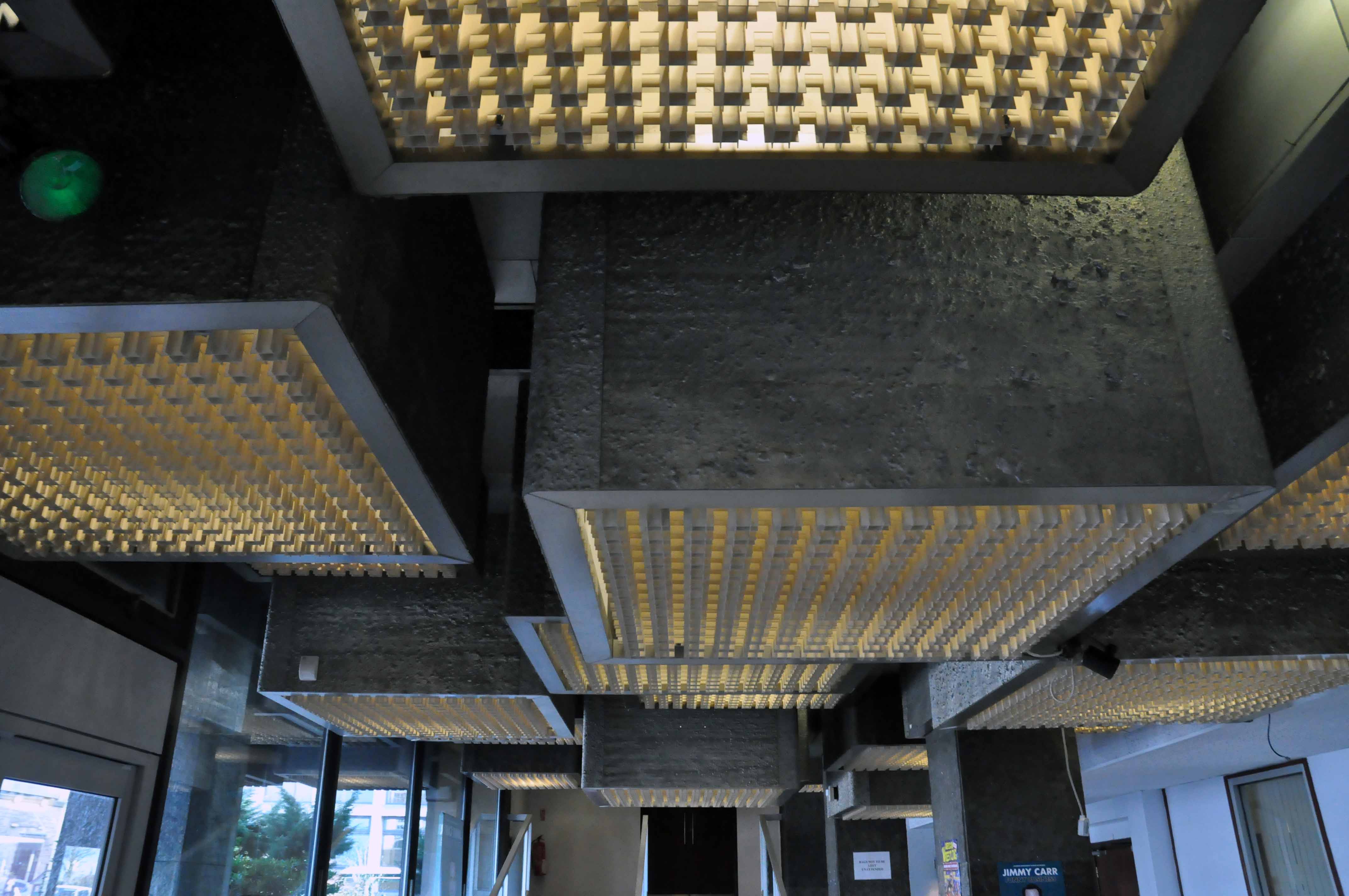
Illuminating!

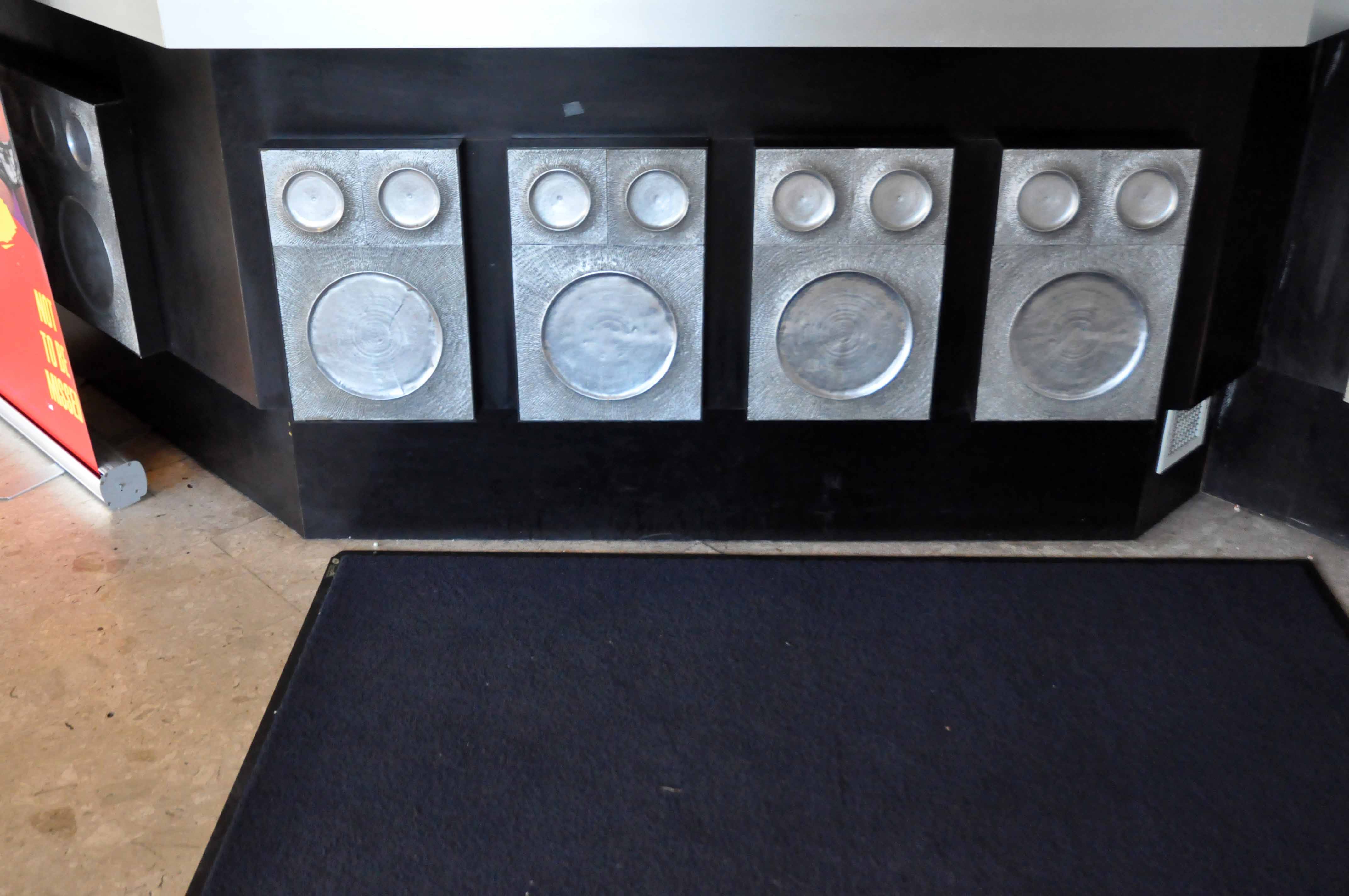
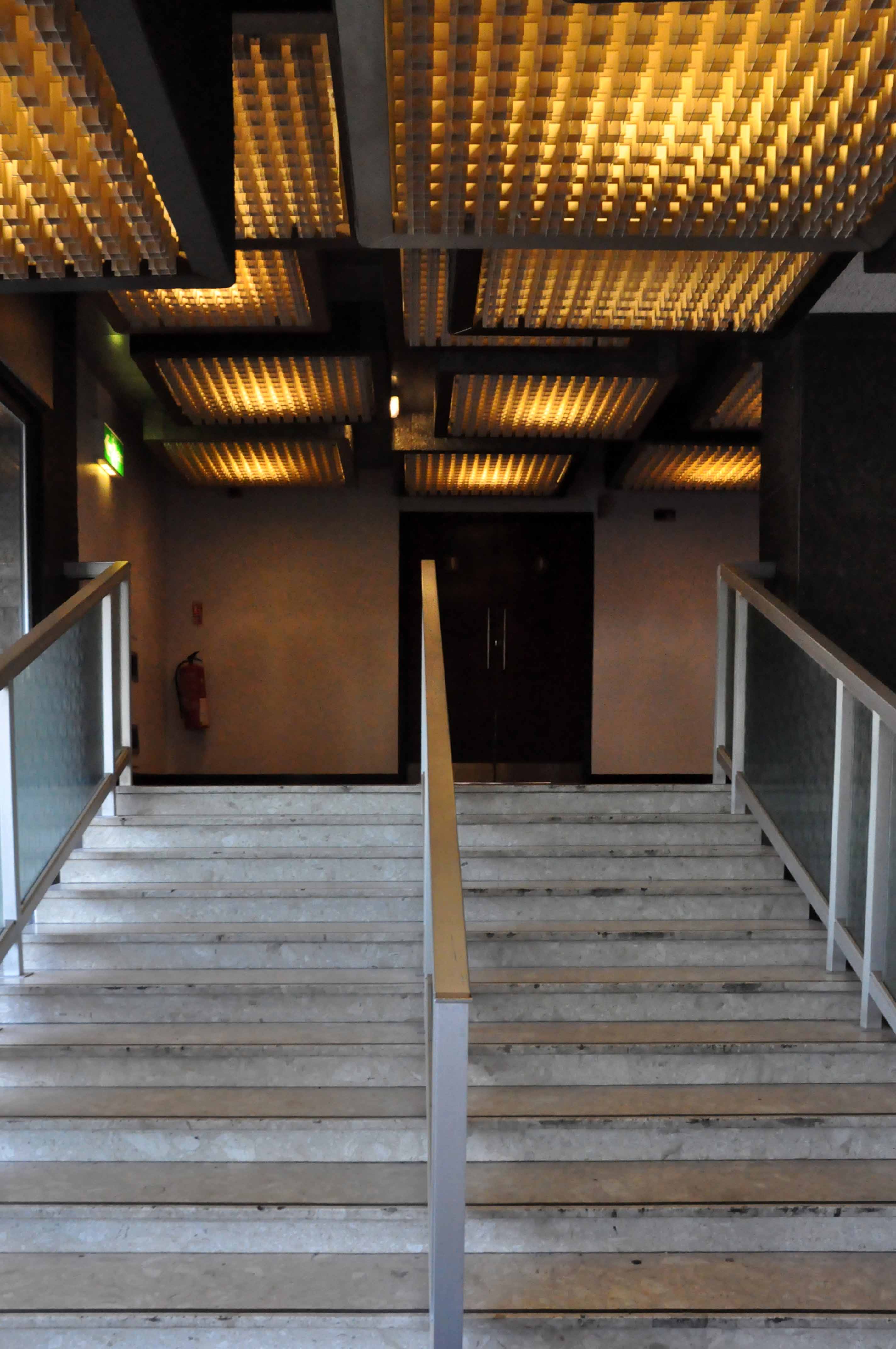
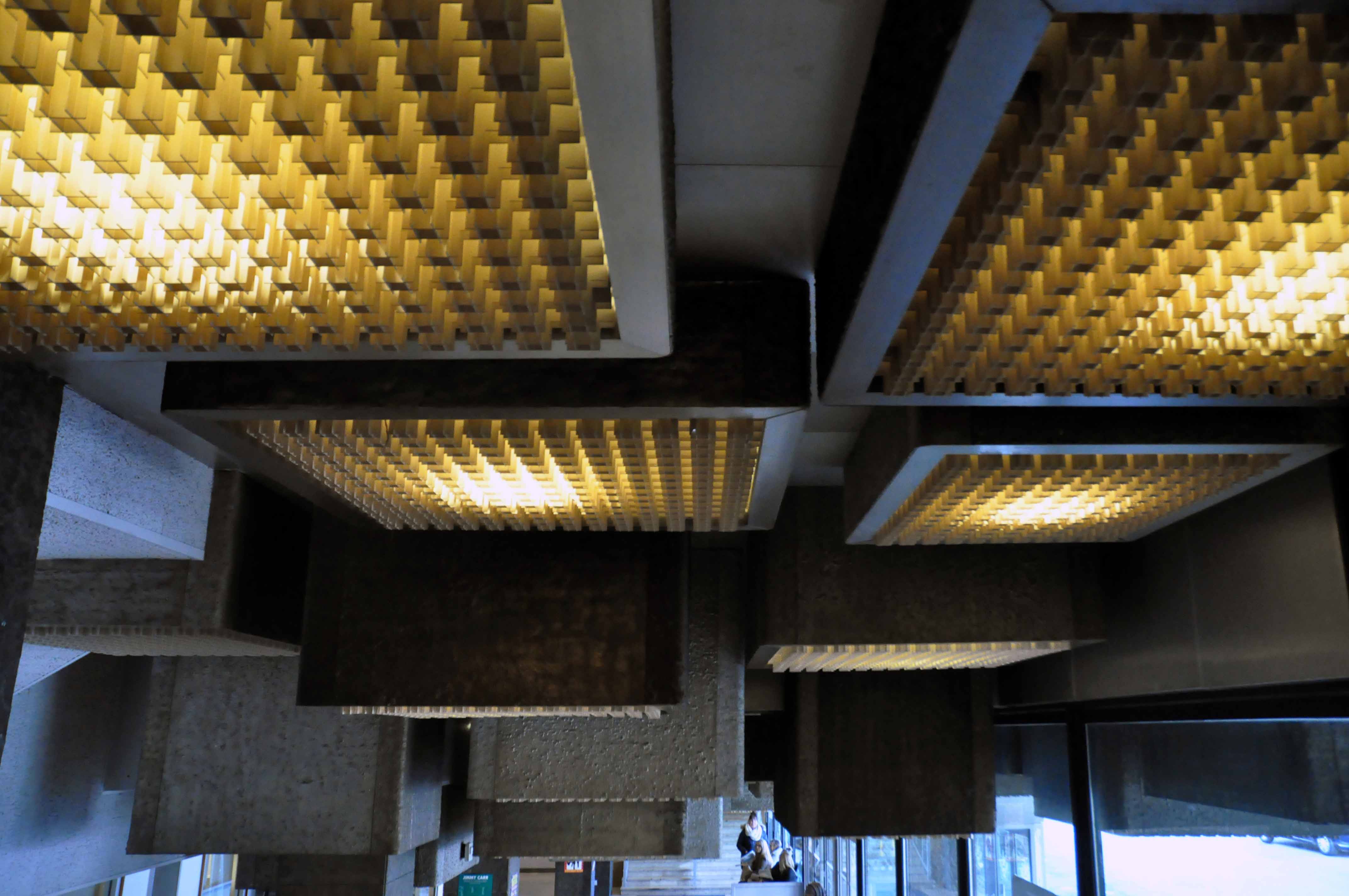
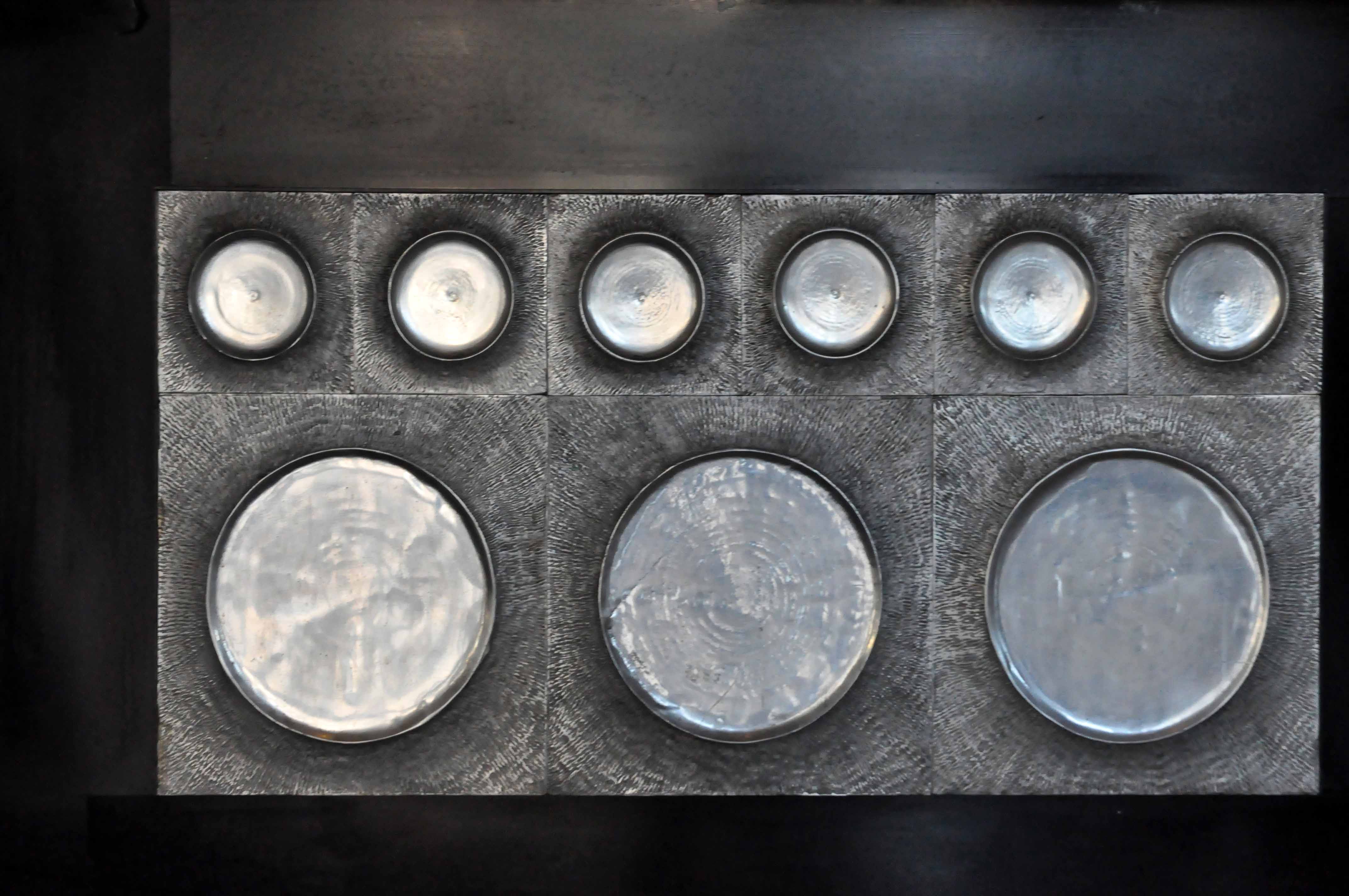
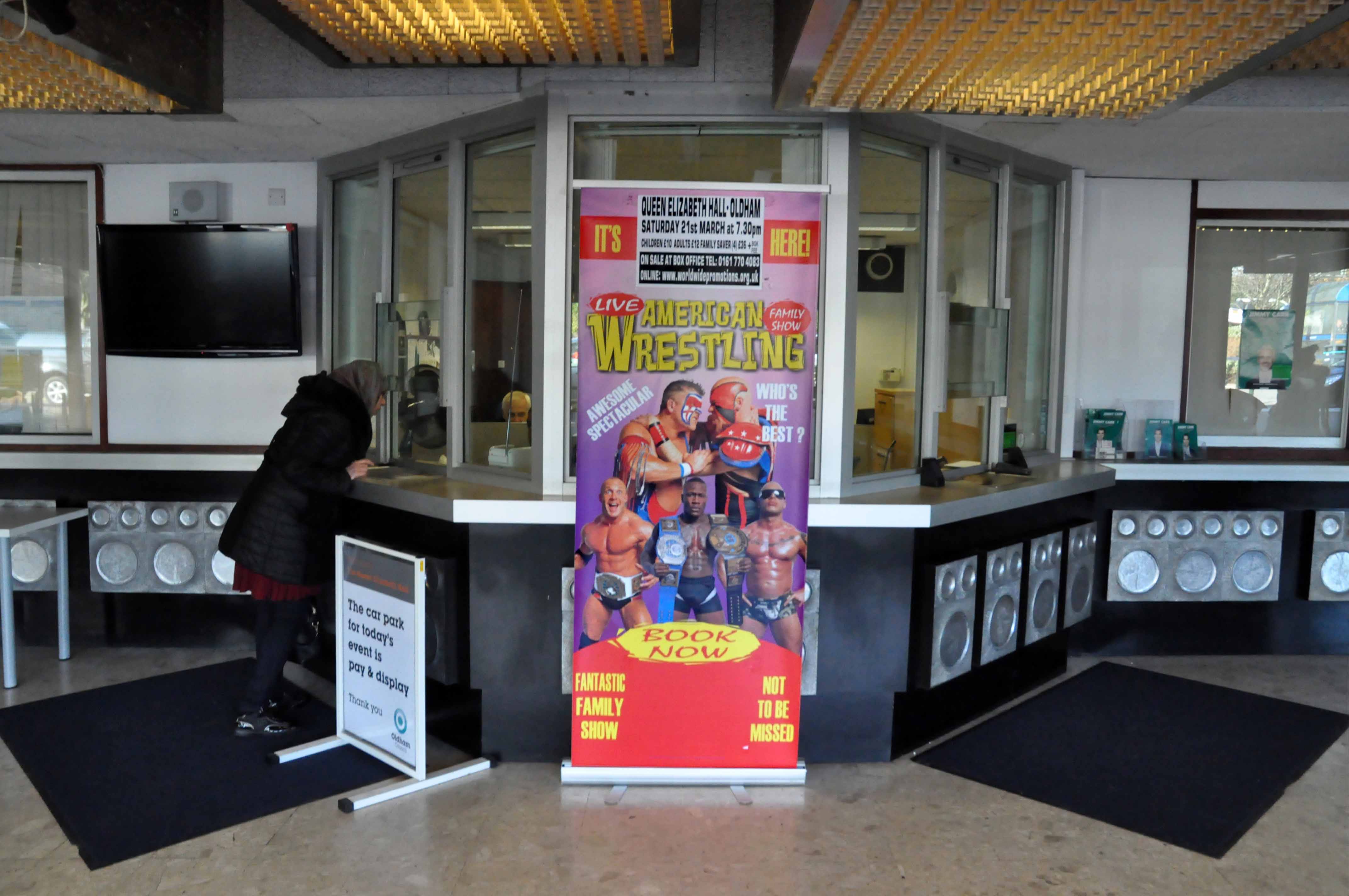
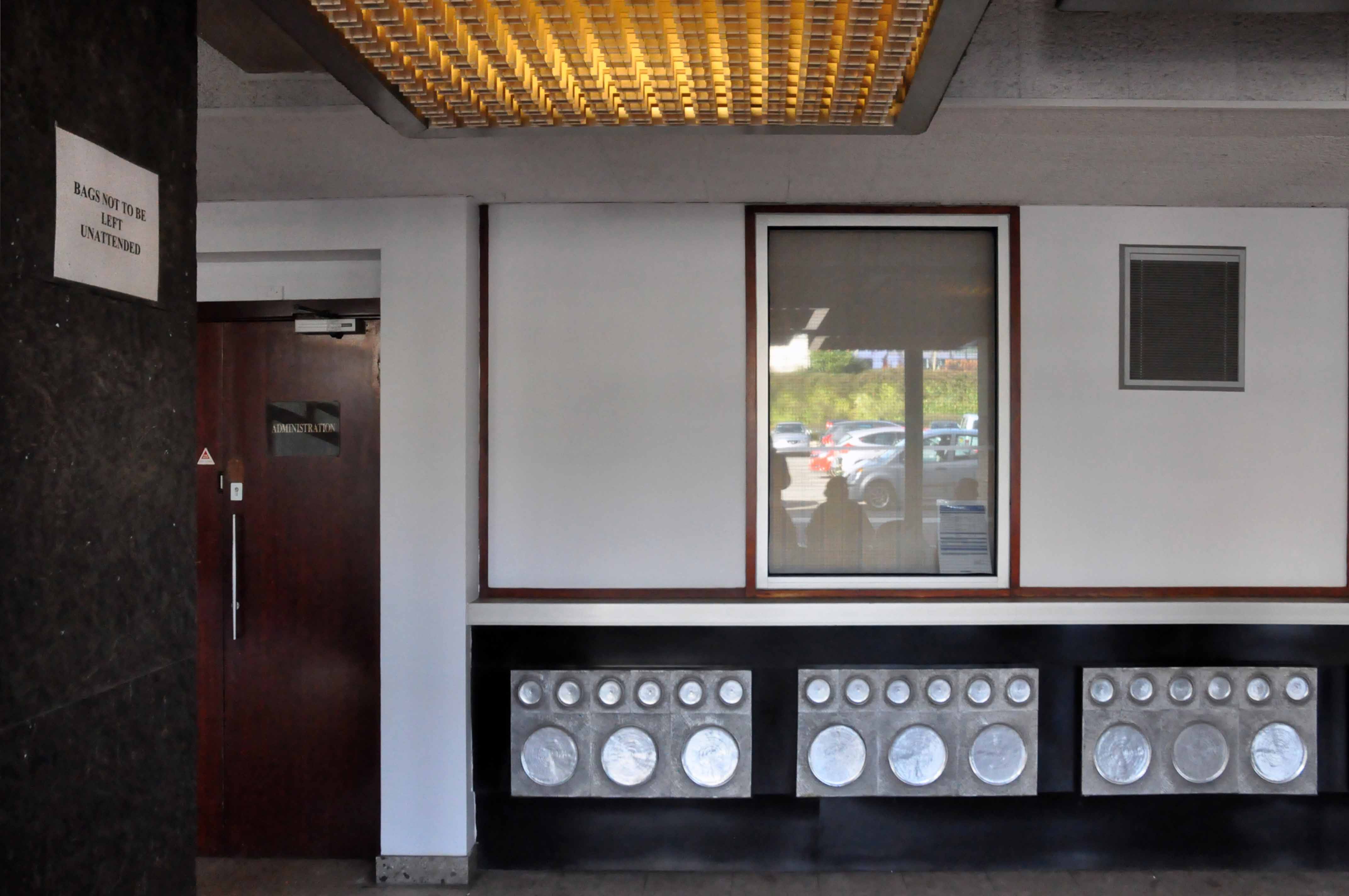
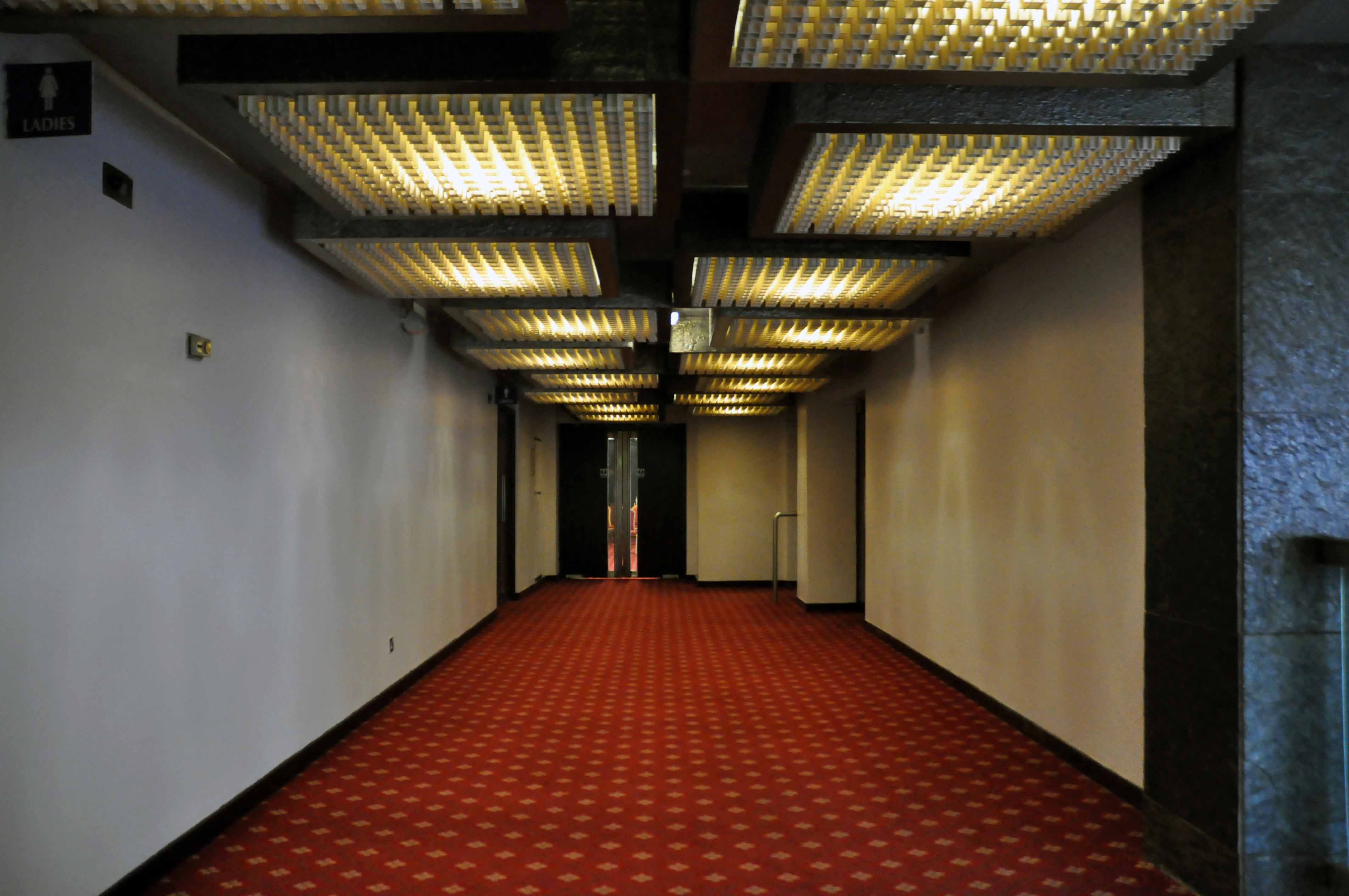
The lobby boasts further exotic lighting, this time on the ceiling, and applied metal reliefs attached to the back wall and booking office.

I’ve never been in the main auditorium, yet – but life is full of little surprises.

Others have – boxers, boozers, bands, concerts, carousers, dancers, thespians – the lot.

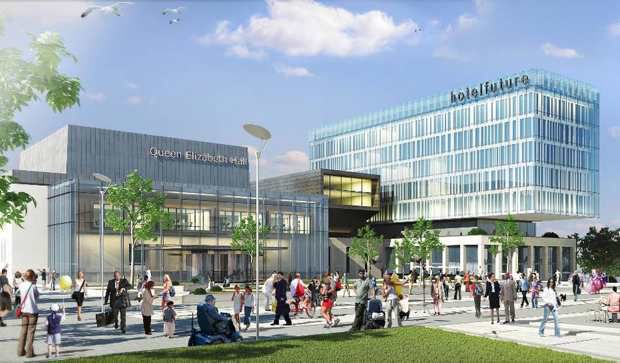
The council have a mind to put a stop to all this wayward architecture and replace it something new, shiny and anonymous.

C_71_article_1488157_image_list_image_list_item_0_image

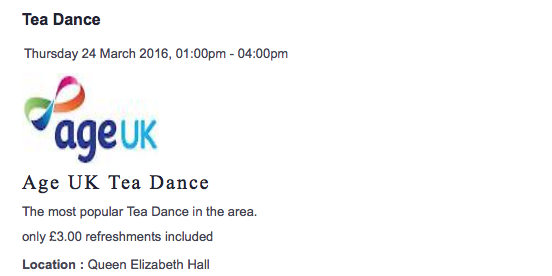
But they’re having to wait for the Men from the Ministry to cough up the cash – which may or may not be tied up in a nearby Northern Powerhouse, Mr Osborne may just have to be lead up the A62 by the nose, with a promise of the most popular Tea Dance in the area.

Screen Shot 2016-03-11 at 15.59.07

I do advise you to go and have a look before you can’t.

DSC_0680

DSC_0667

DSC_0670

DSC_0662

DSC_0660

DSC_0671

DSC_0674

DSC_0664

DSC_0677

DSC_0669

DSC_0673

DSC_0672

DSC_0679

DSC_0666

DSC_0678

DSC_0675

DSC_0663

DSC_0665

DSC_0668

DSC_0676

Best Launderette – Brunswick Street Manchester

I was out walking on the corner one day.

I spied some old washing.

In the doorway it lay.

Well there was a doorway, but no door.

There was a door, but not attached to the doorway.

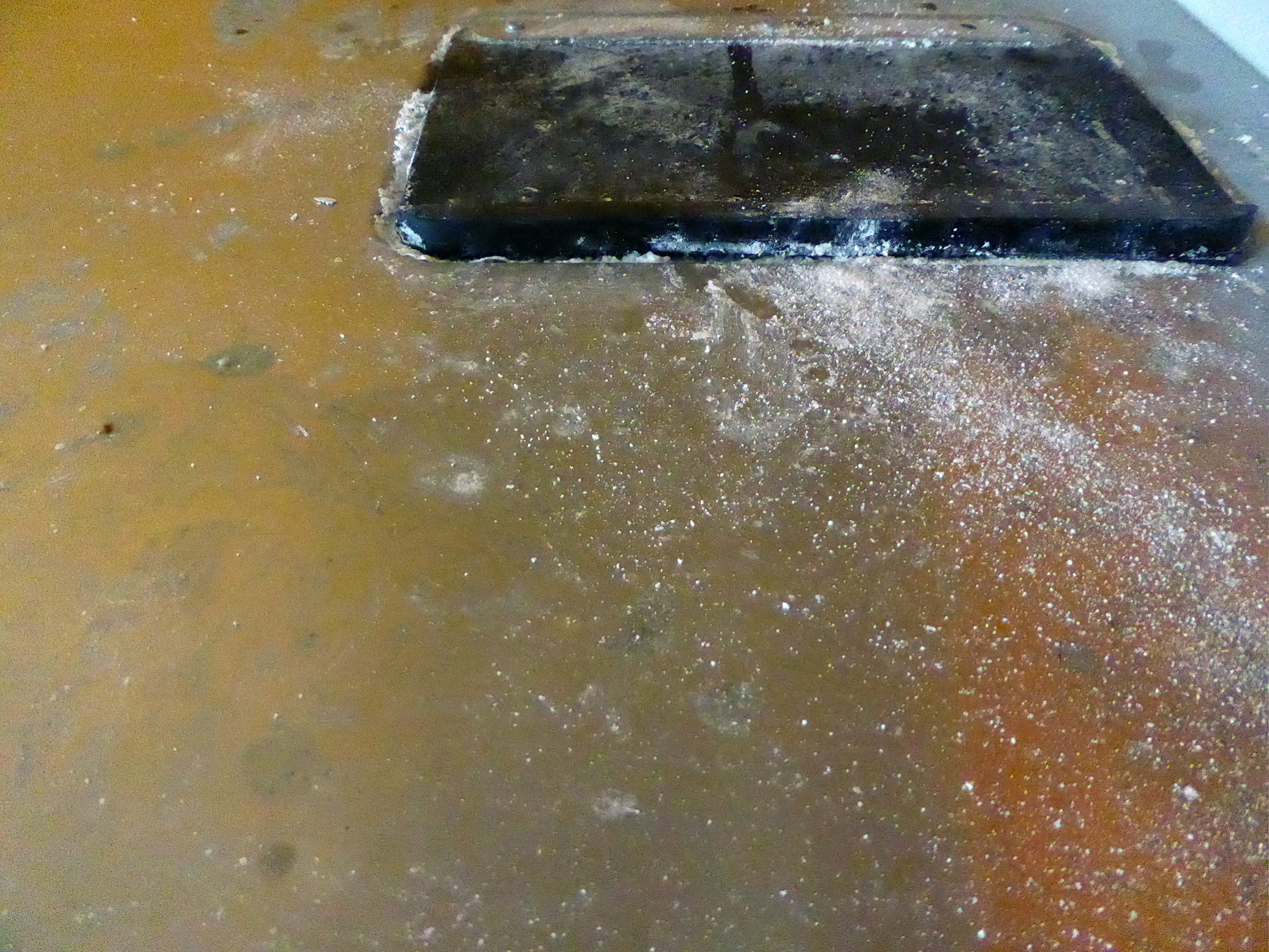
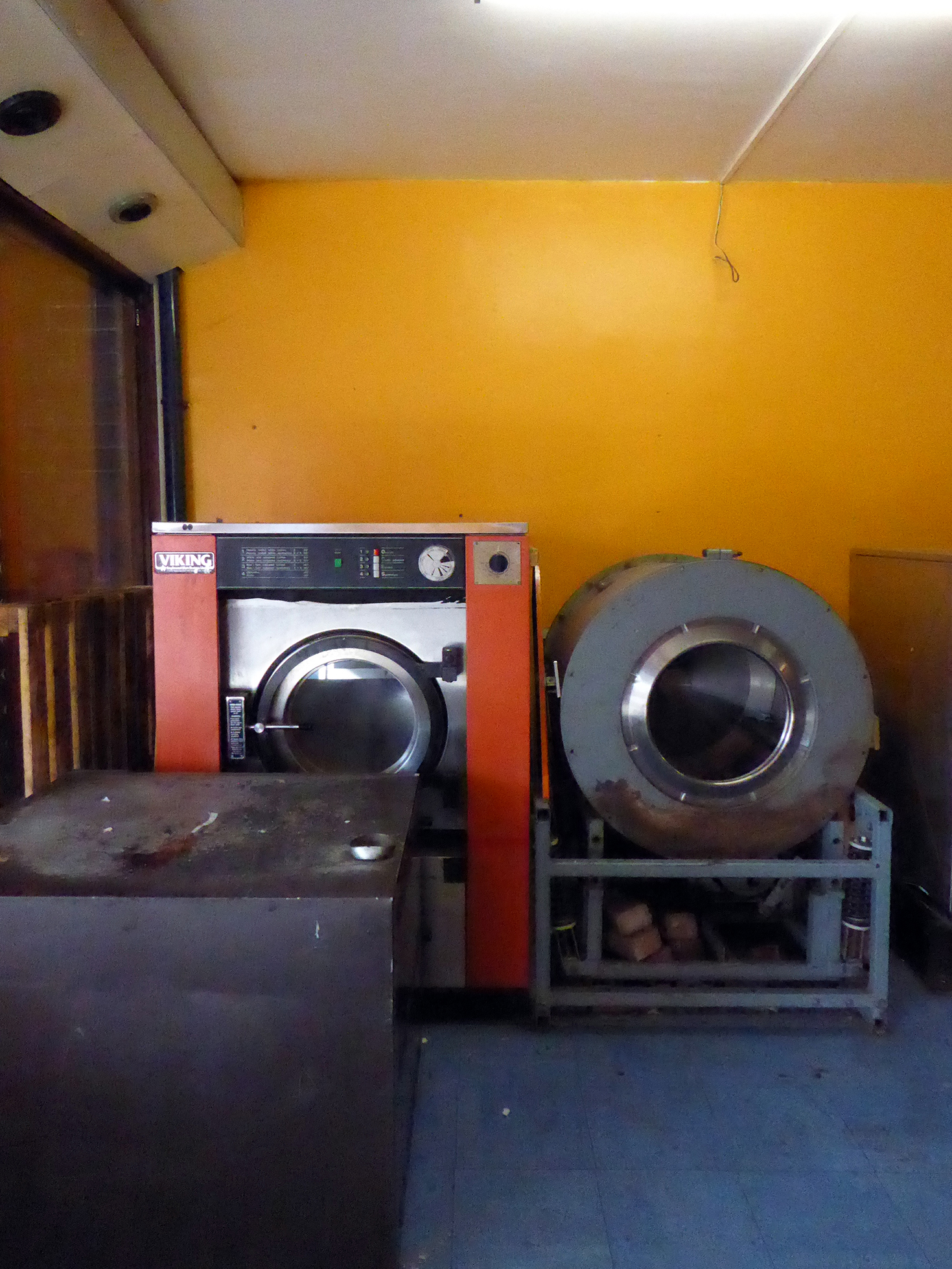
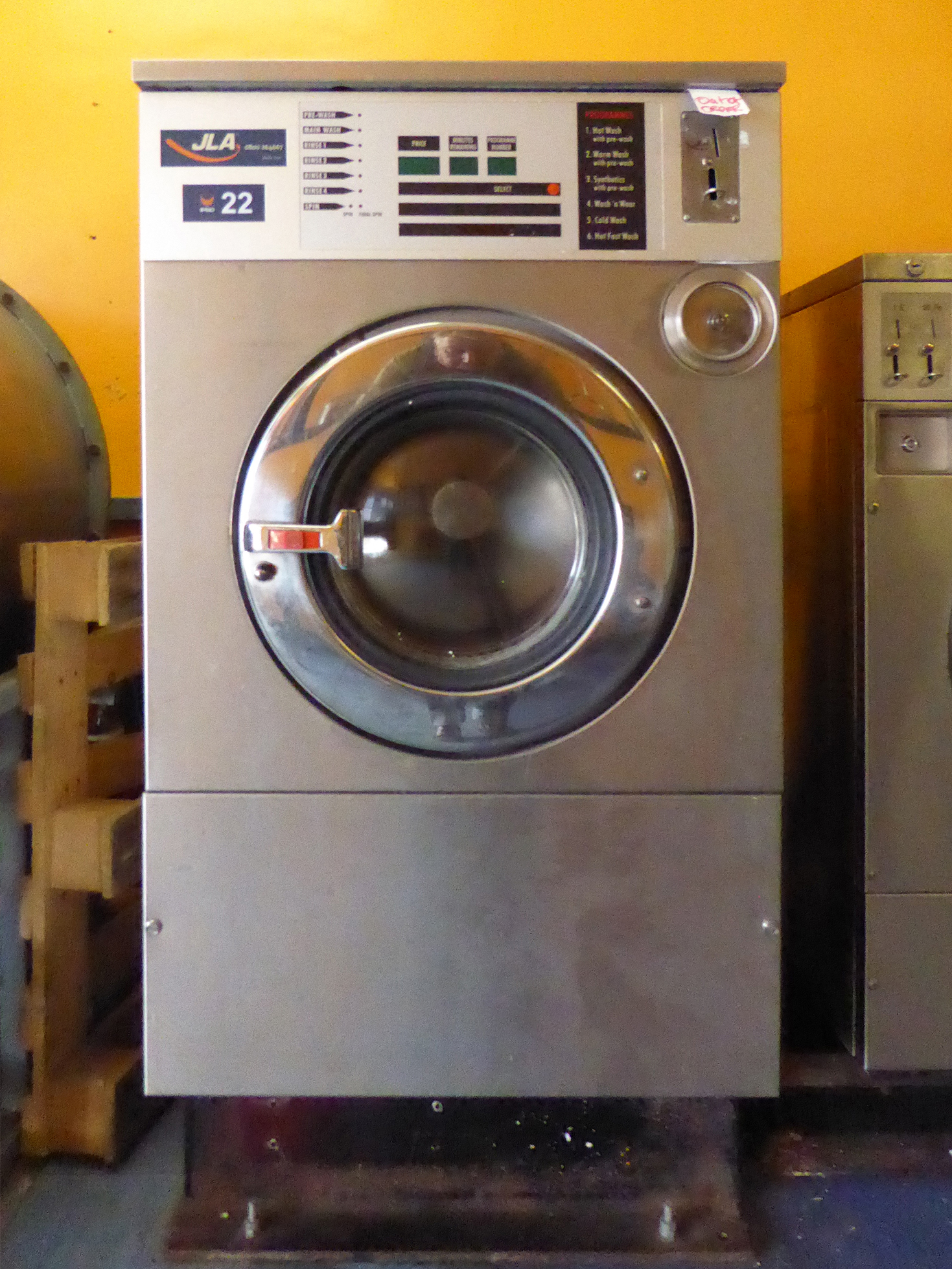
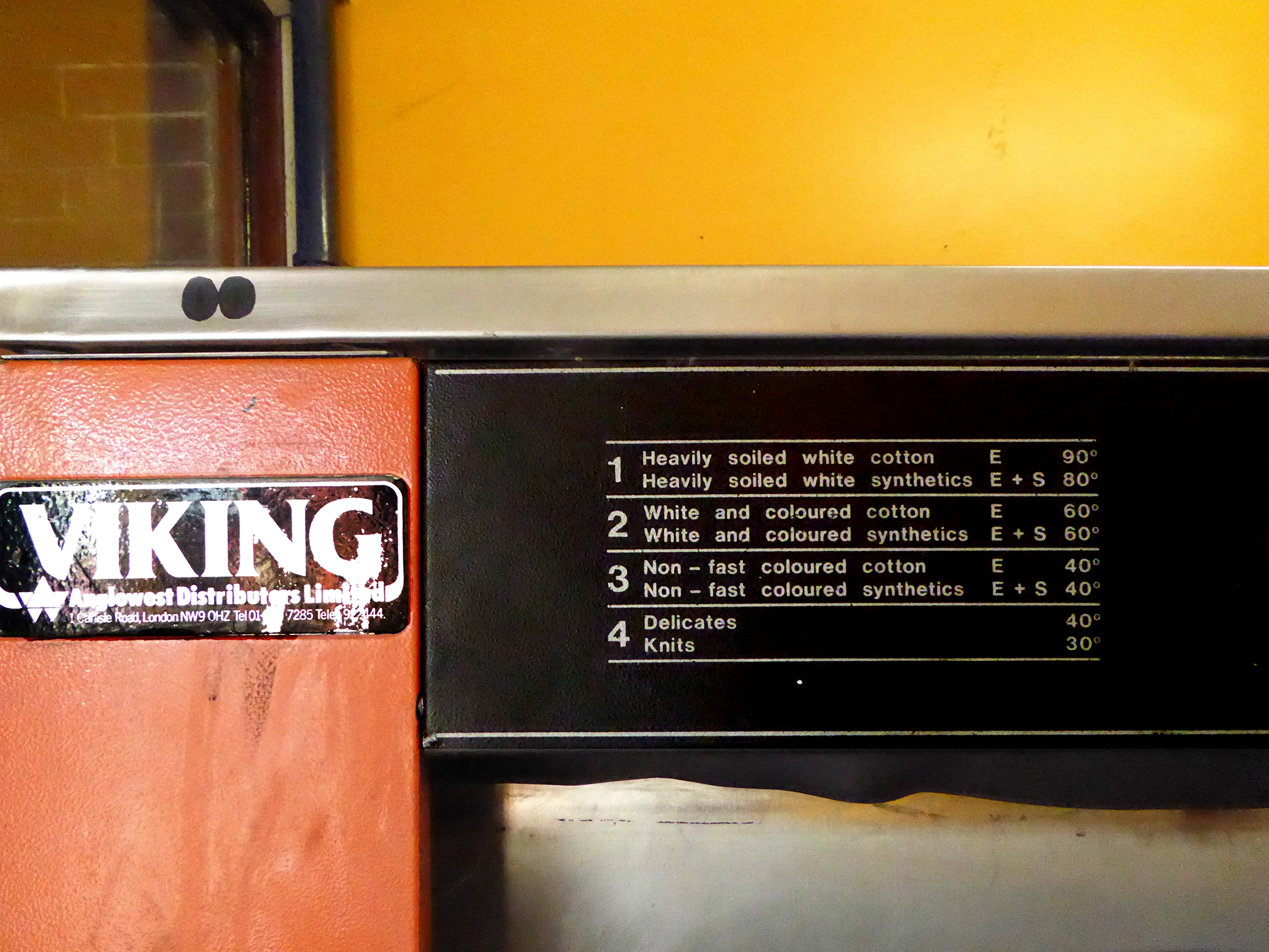
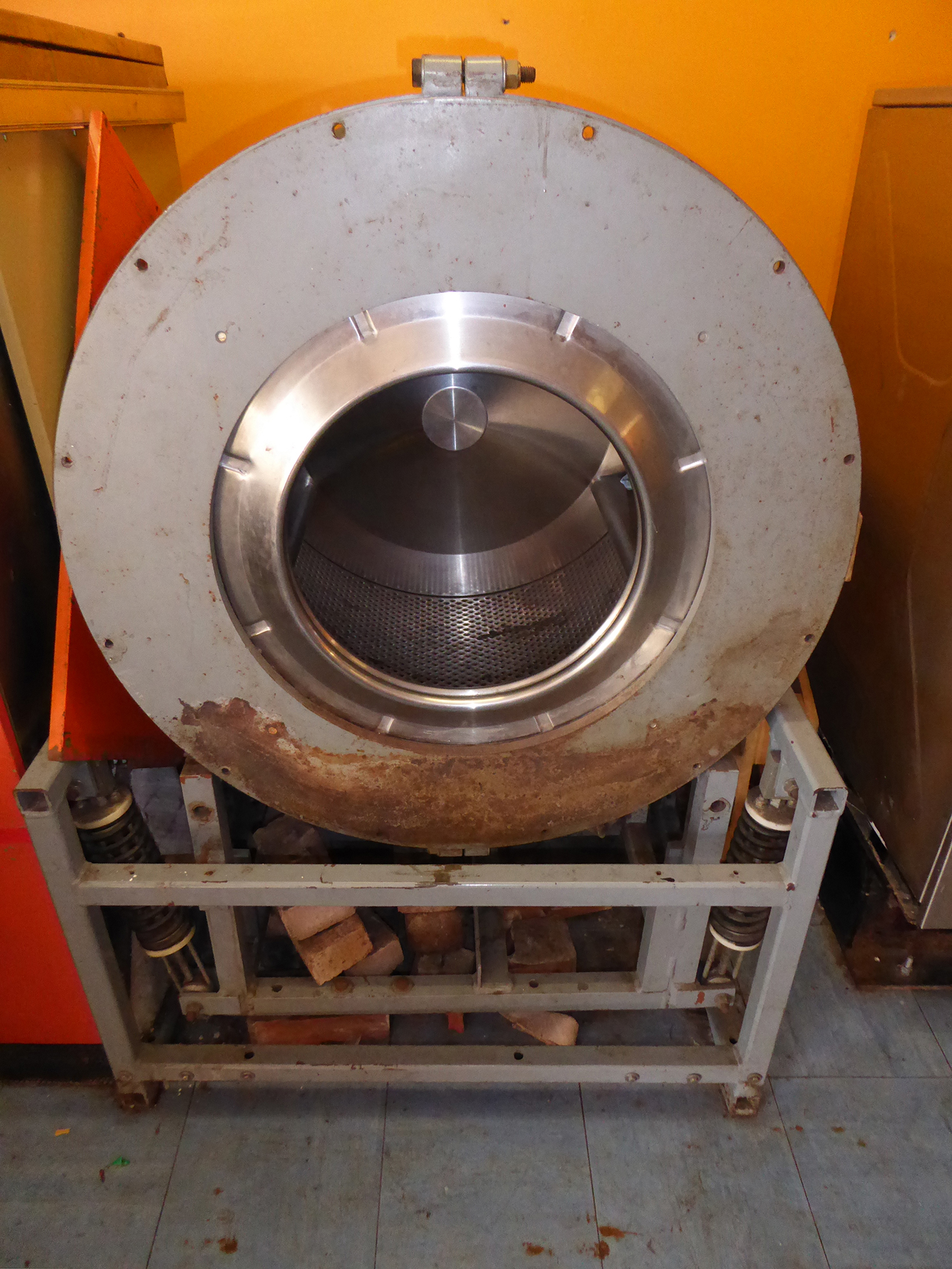
Well there was washing, I had inadvertently found the Best Laundrette.

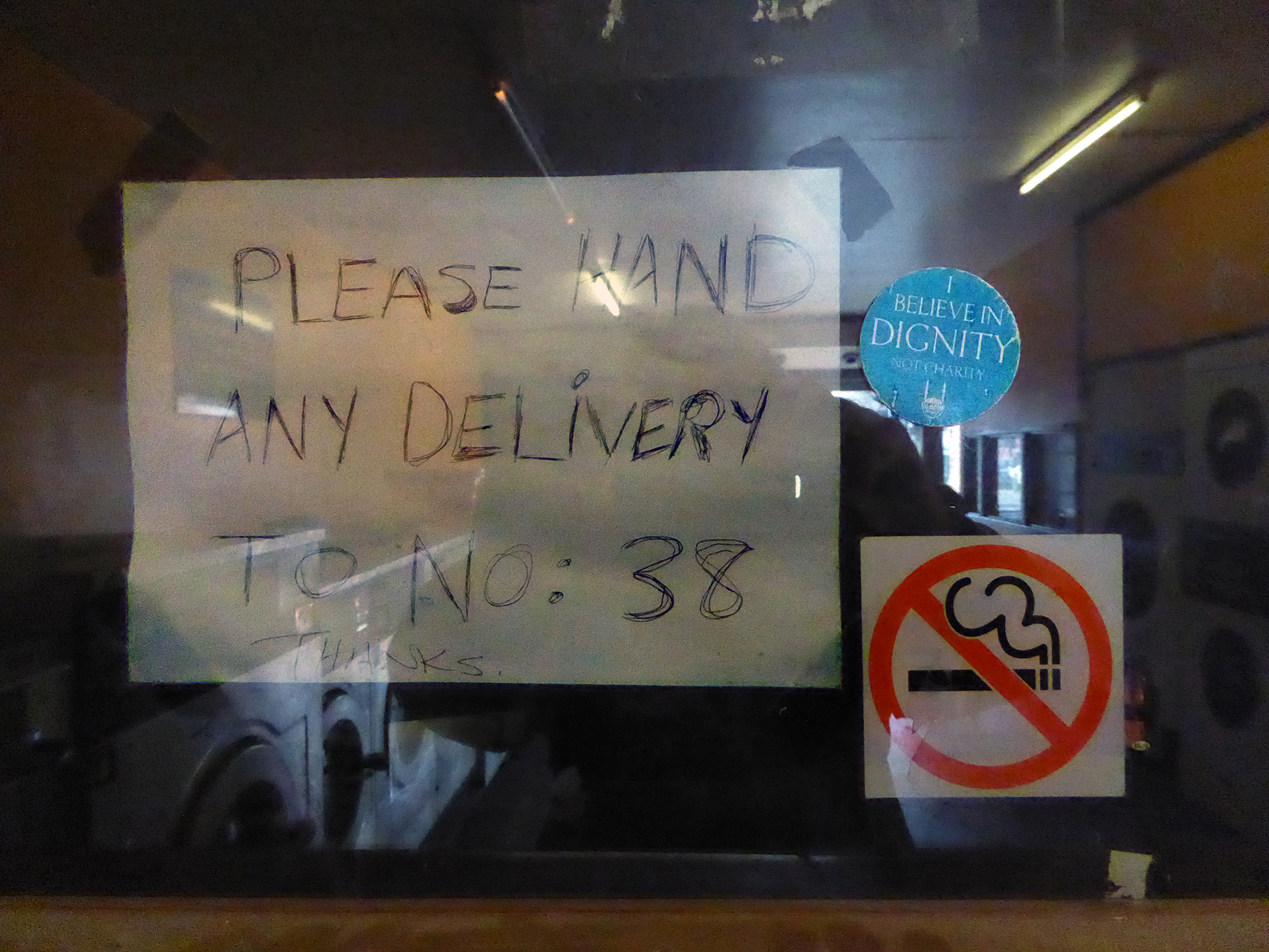
Unattended, seemingly unloved, washing spinning happily, unobserved.

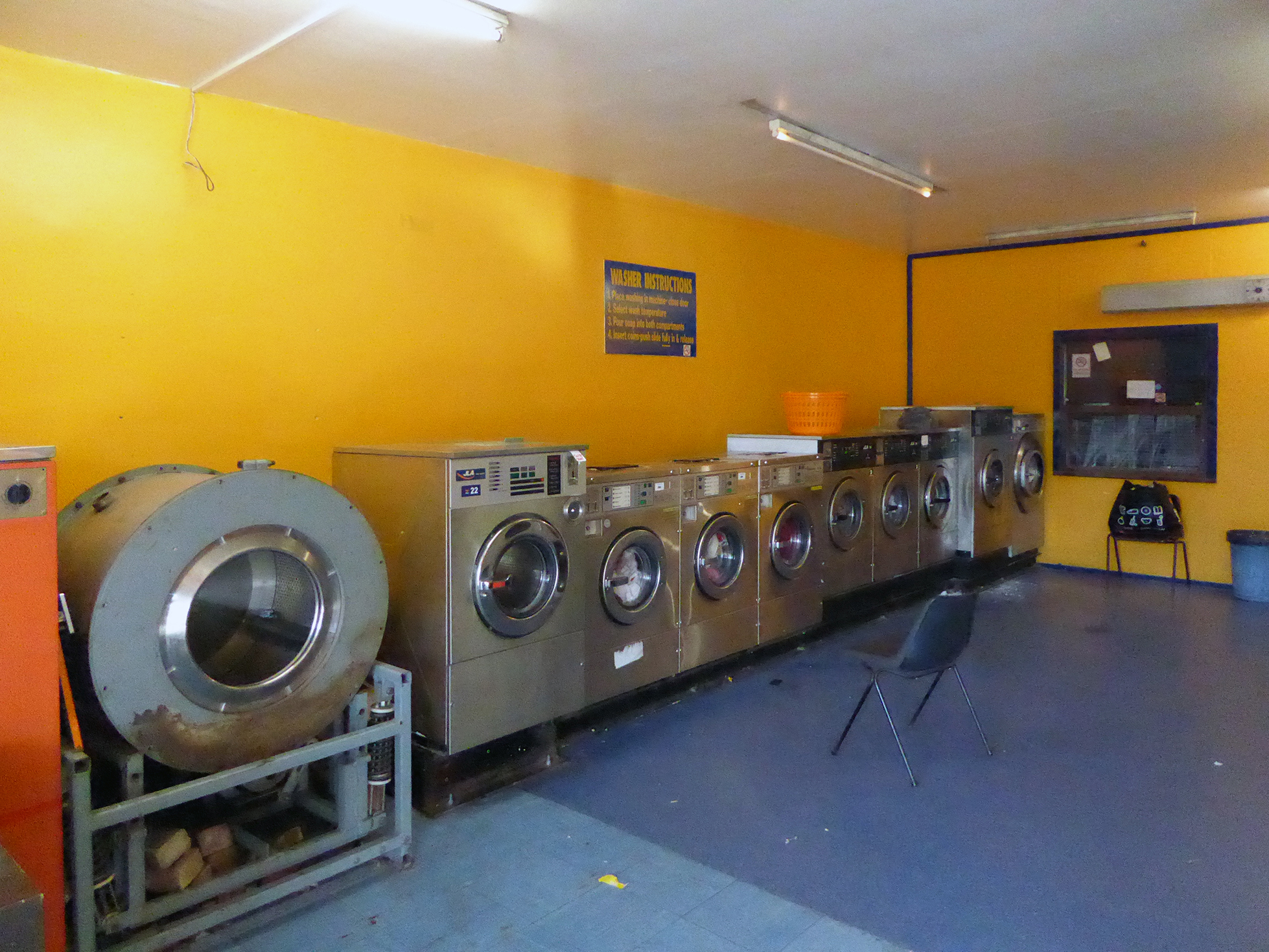
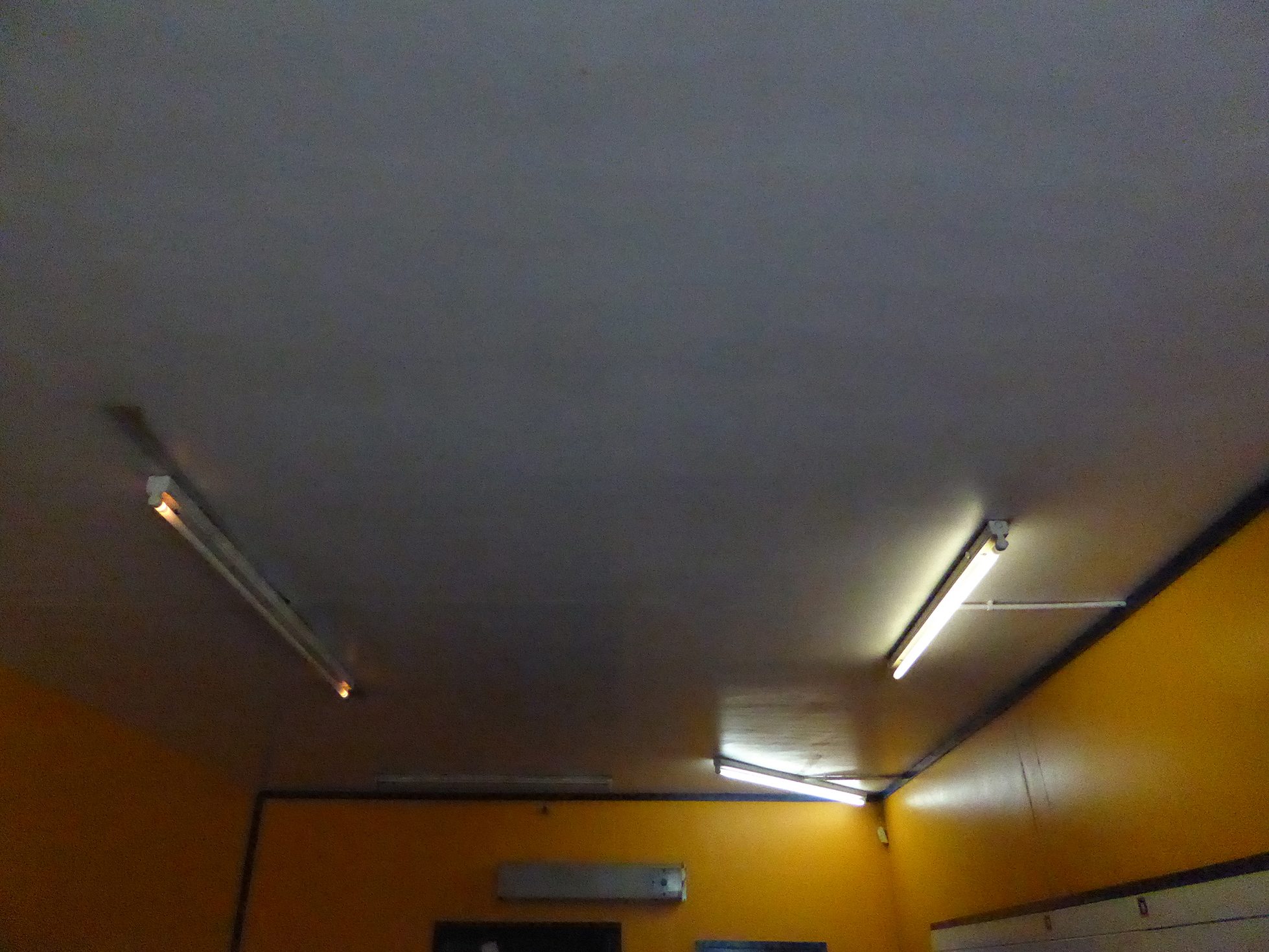
Guantanamo orange walls, stormy petrol blue sky linoleum floor.

Lit by several stark, bare fluorescent tubes.

I quickly went about my business, made my excuses to myself and left.


P1000922 copy

P1000928 copy

P1000920 copy

P1000924 copy

P1000937 copy

P1000935 copy

P1000931 copy

P1000932 copy

P1000927 copy

P1000918 copy

P1000930 copy

P1000919 copy

P1000917 copy

P1000943 copy

P1000921 copy

P1000942 copy

P1000923 copy

P1000936 copy

P1000934 copy

P1000939 copy

P1000933 copy

P1000952 copy

P1000949 copy

P1000948 copy

P1000945 copy

P1000962 copy

P1000957 copy

P1000944 copy

P1000950 copy

P1000959 copy

P1000954 copy

P1000958 copy

P1000961 copy

P1000938 copy

P1000947 copy

P1000946 copy


Liverpool – Metropolitan Cathedral of Christ the King

Possibly, probably and inevitably the finest Modernist building in Britain.

It continues to surprise the surprised visitor on each successive visit.

A compelling structure which articulates the ever changing marine light, both inside and out – physically and spiritually.

Dizzy detail waiting to be discovered and rediscovered.

A decorative order of the highest order.

Treat your body and mind to a day out – or simply banish the last traces of Cartesian Dualism and immerse yourself, soon.

http://www.liverpoolmetrocathedral.org.uk


P1030313 copy

P1030318 copy

P1030320 copy

P1030326 copy

P1030321 copy

P1030317 copy

P1030327 copy

P1030319 copy

P1030325 copy

P1050604 copy

P1050606 copy

P1050573 copy

P1030322 copy

P1050572 copy

P1050593 copy

P1050589 copy

P1030324 copy

P1050586 copy

P1050584 copy

P1050595 copy

P1030323 copy

P1030328 copy

P1050598 copy

P1050597 copy

P1050602 copy

P1050582 copy

P1050599 copy

P1050594 copy

P1050591 copy

P1050610 copy

P1050592 copy

P1050609 copy

P1050583 copy

P1050608 copy


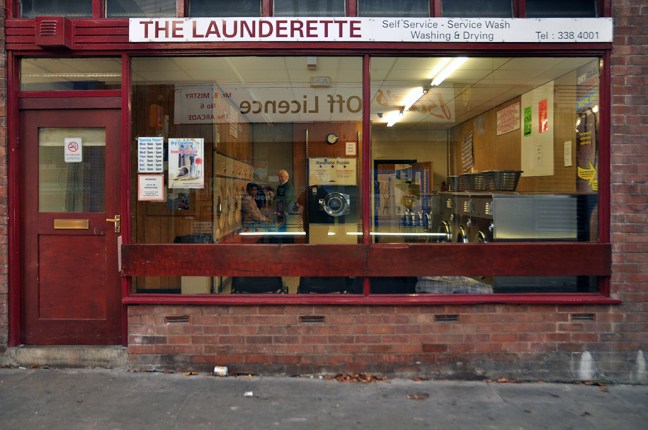
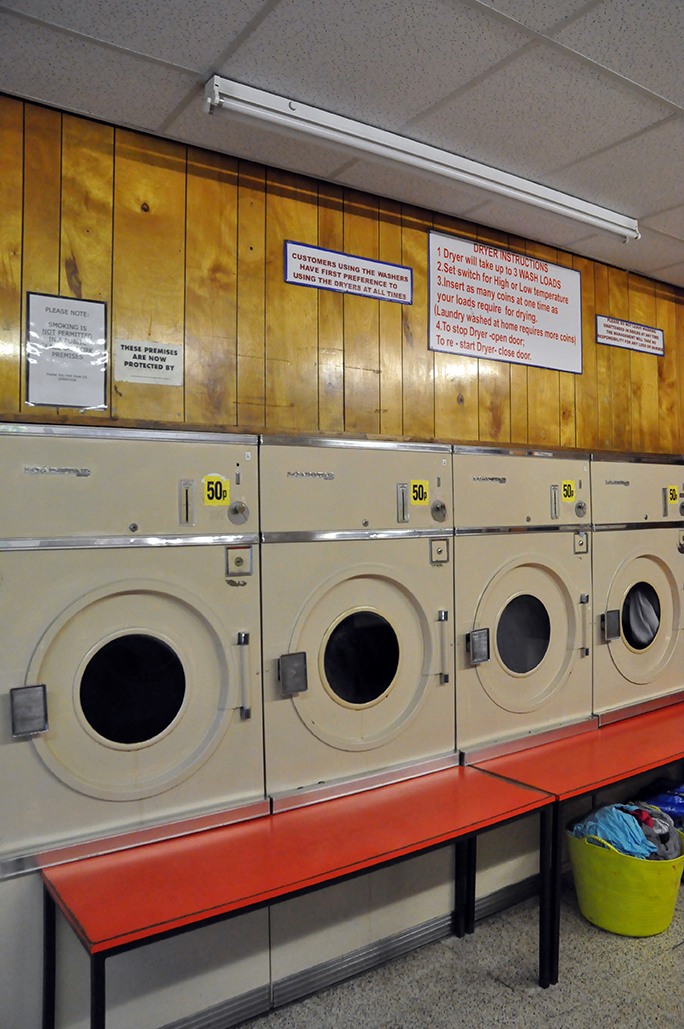
Launderette – Stalybridge

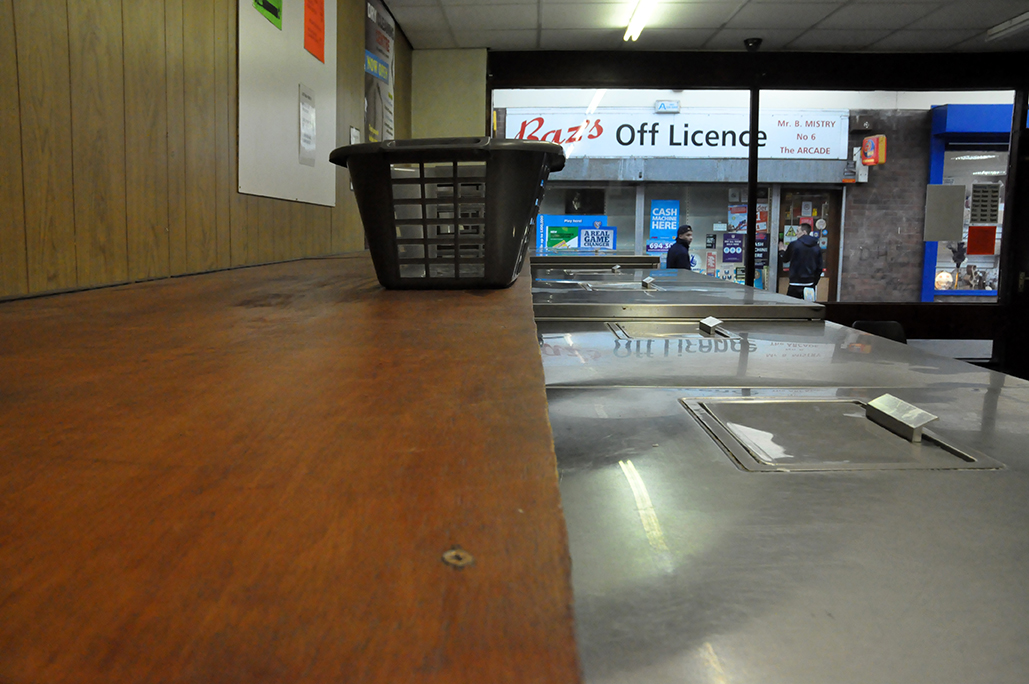
Tucked away in an arcade, far from Arcadian – not far from Baz’s Off Licence.

The launderette.

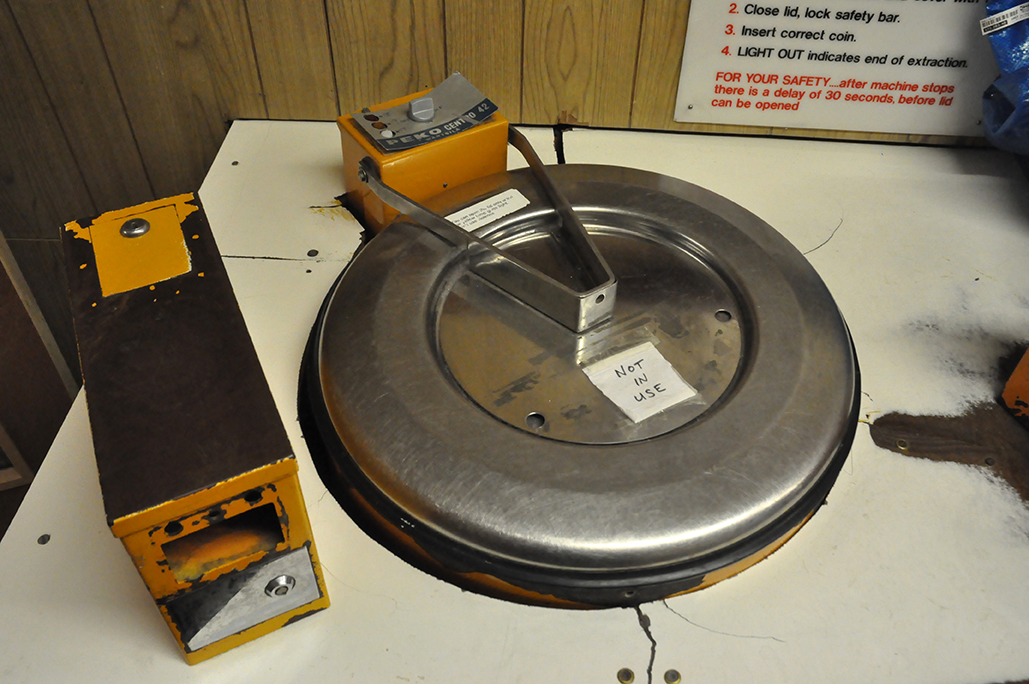
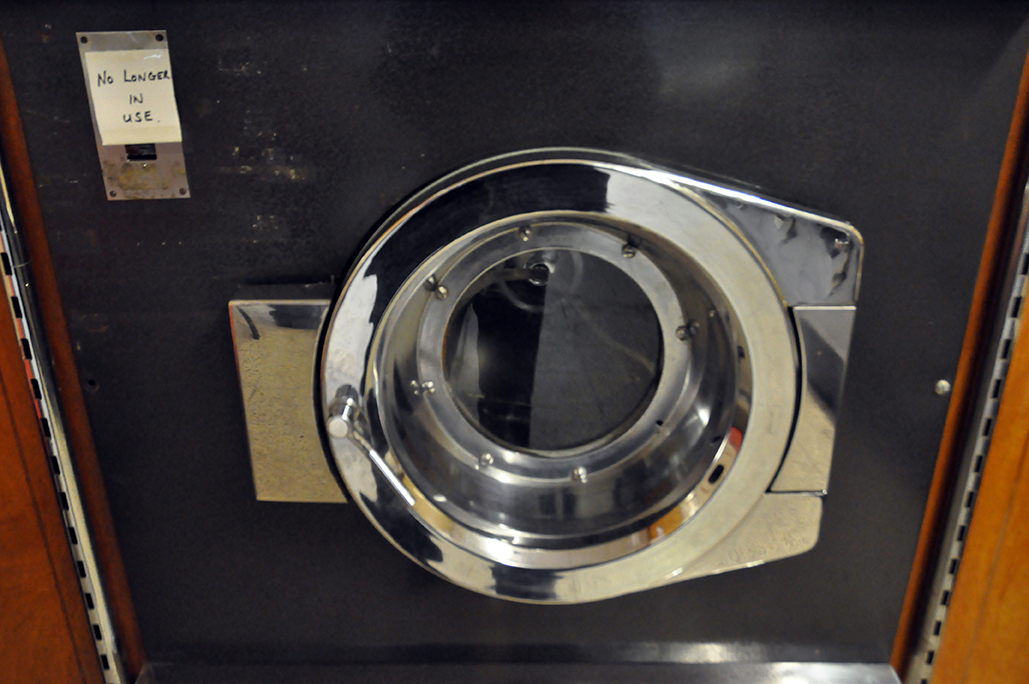
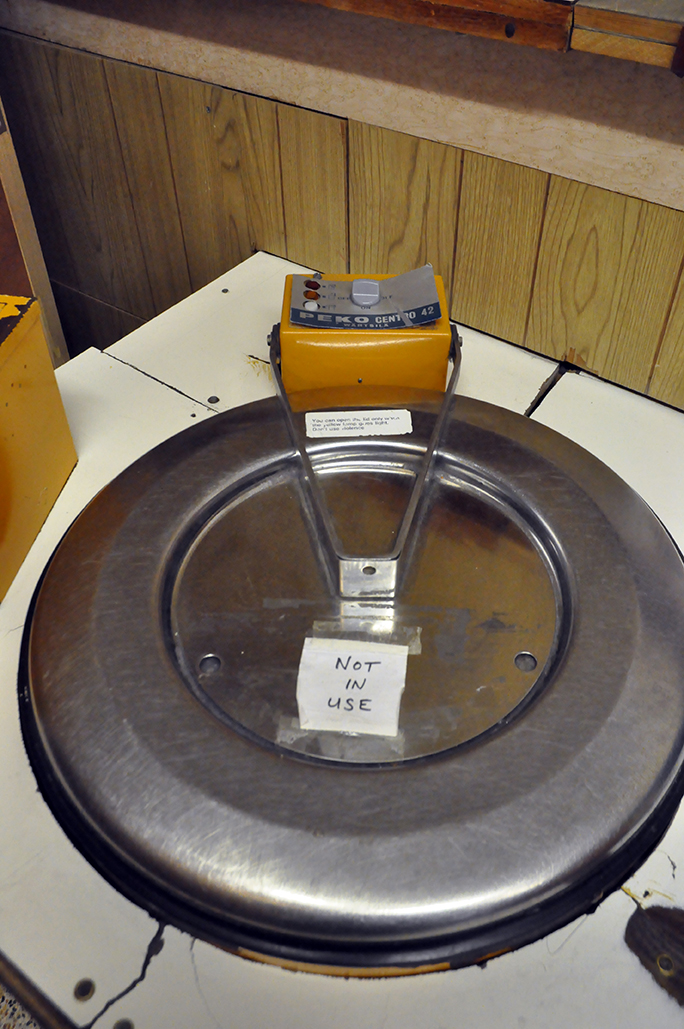
Yet another testament to the partial persistence of industrial technology.

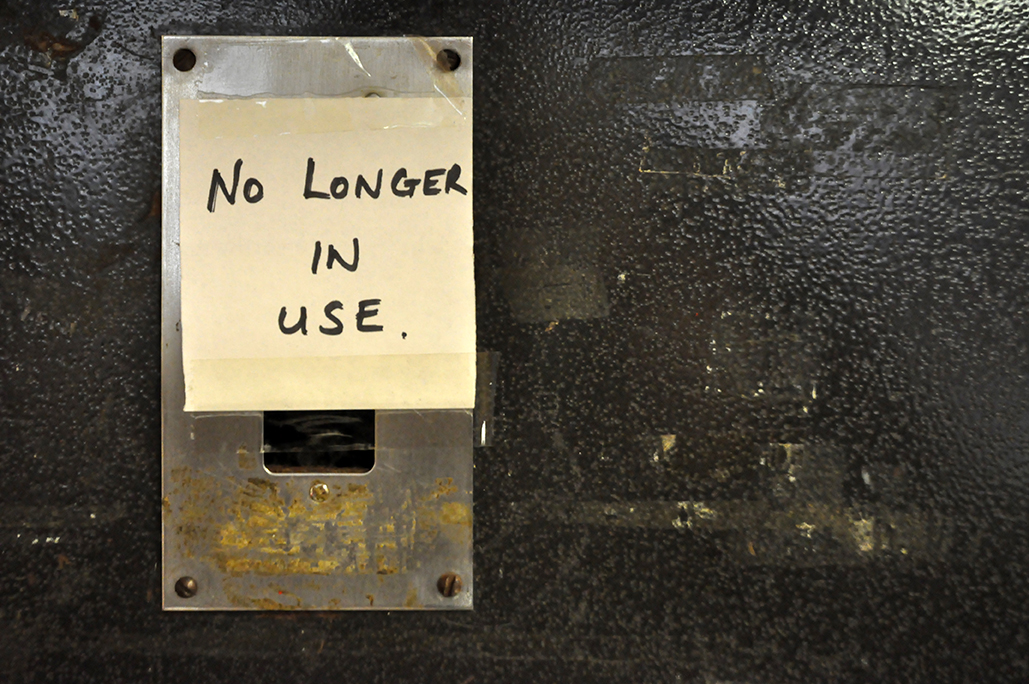
No Longer in Use.

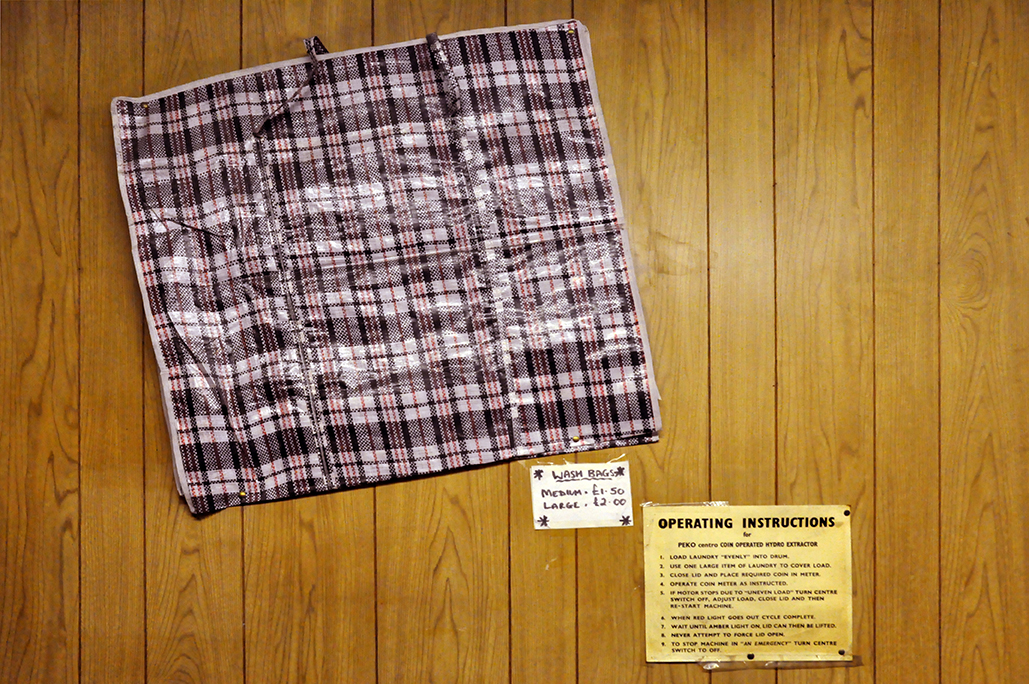
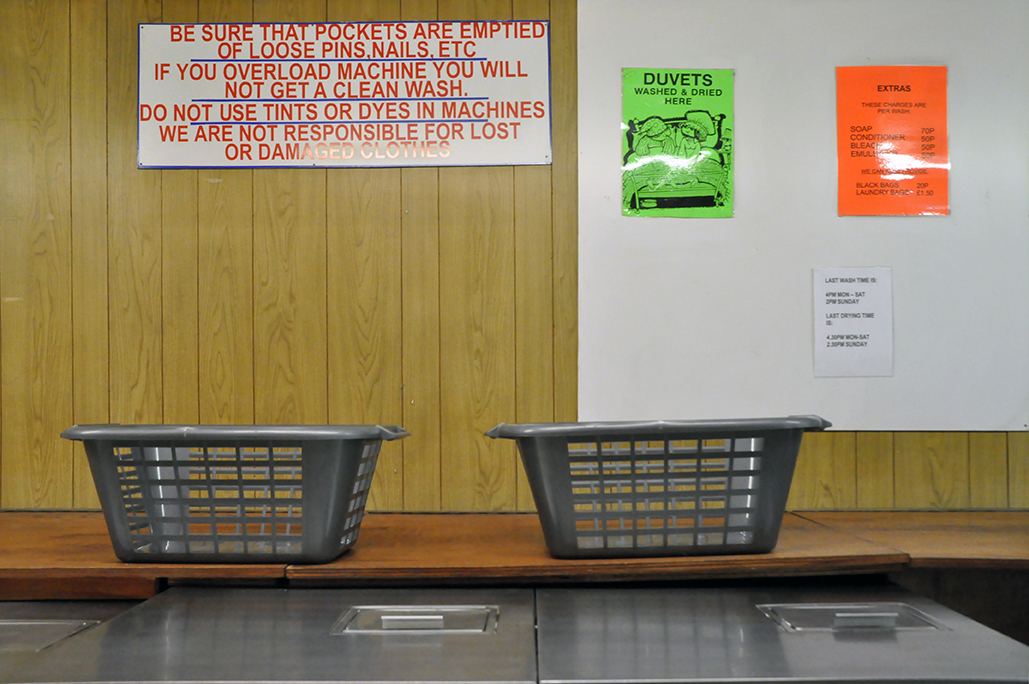
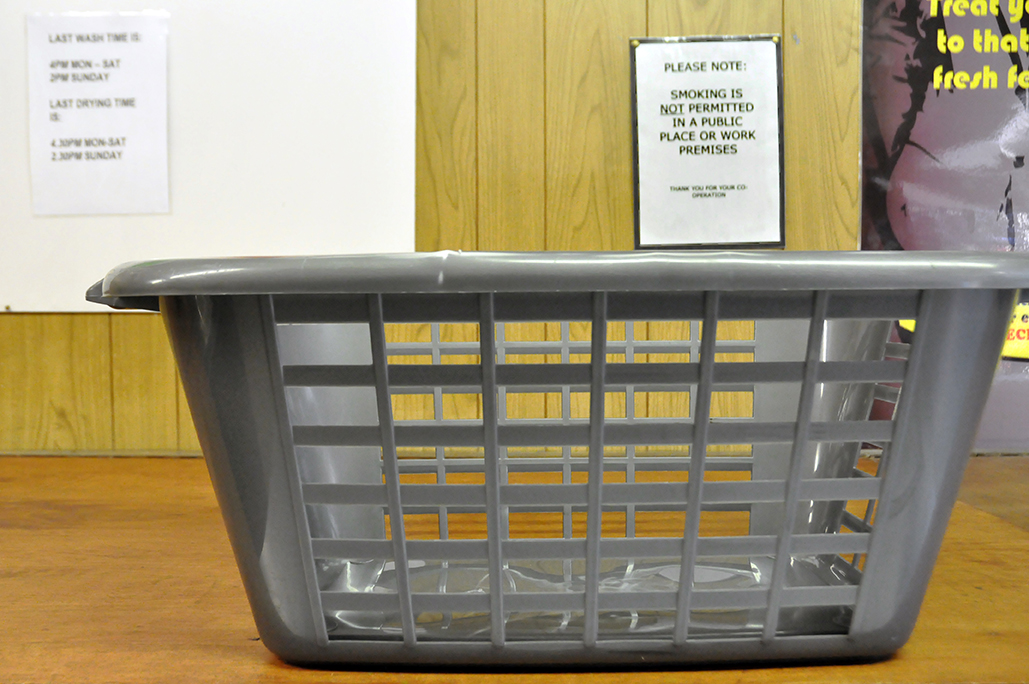
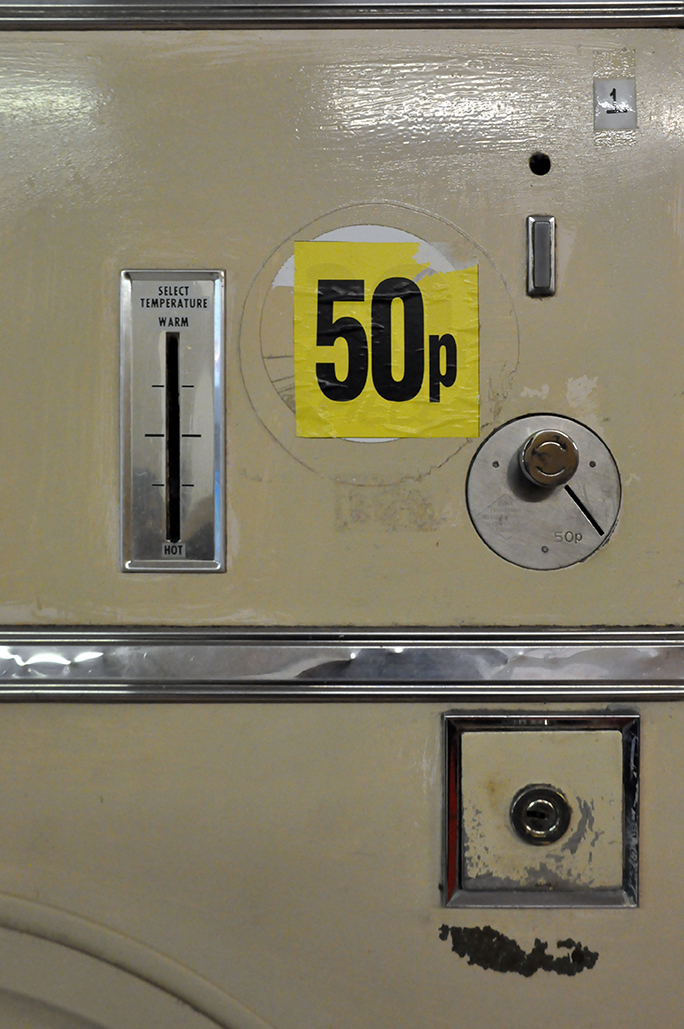
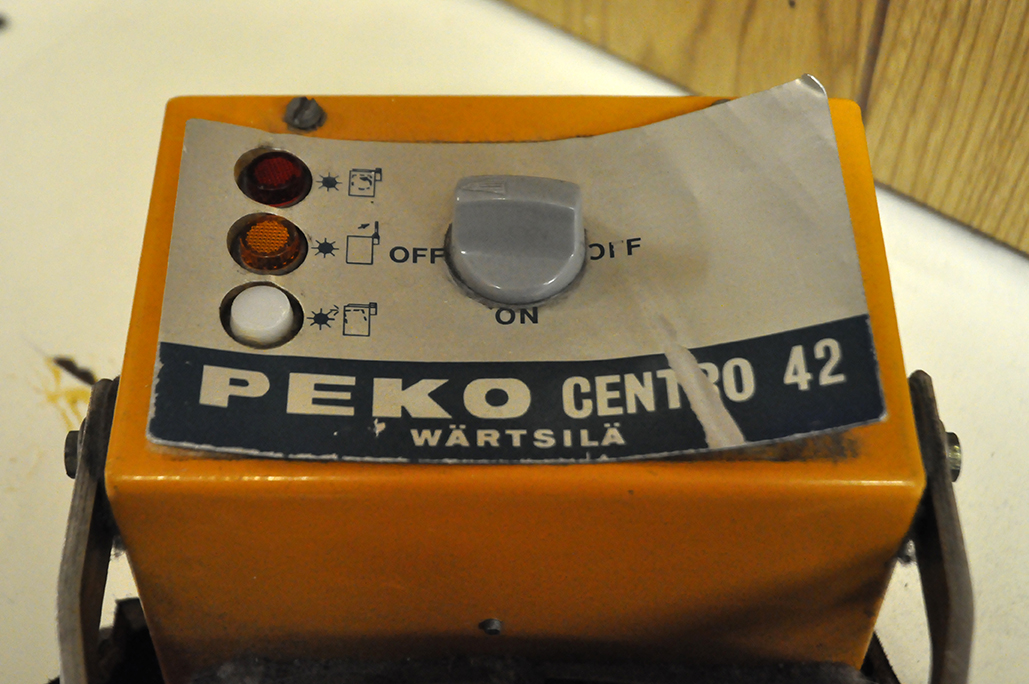
A happy hotch-potch of signs, surfaces and sixties design.

Informal formica, stripped bare strip lighting, wobbly laminate walls.

Watch and wait, whilst the World and your washing whirl.


DSC_0073 copy

DSC_0074 copy

DSC_0075 copy

DSC_0072 copy

DSC_0098 copy

DSC_0084 copy

DSC_0076 copy

DSC_0091 copy

DSC_0089 copy

DSC_0096 copy

DSC_0088 copy

DSC_0078 copy

DSC_0086 copy

DSC_0080 copy

DSC_0094 copy

DSC_0082 copy

DSC_0081 copy

DSC_0097 copy

DSC_0083 copy

DSC_0077 copy

DSC_0101 copy

DSC_0100 copy

DSC_0085 copy

DSC_0079 copy

DSC_0092 copy

DSC_0090 copy

DSC_0093 copy

DSC_0102 copy


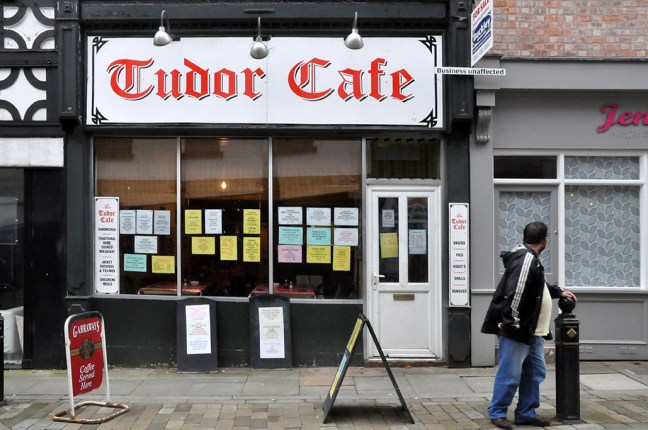
The Tudor Café – Stockport

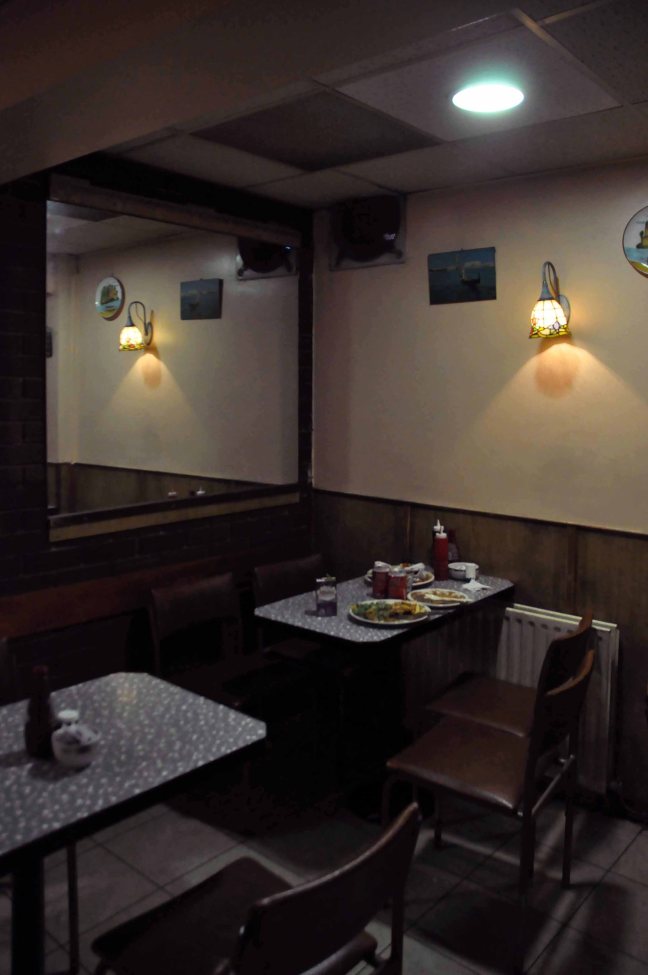
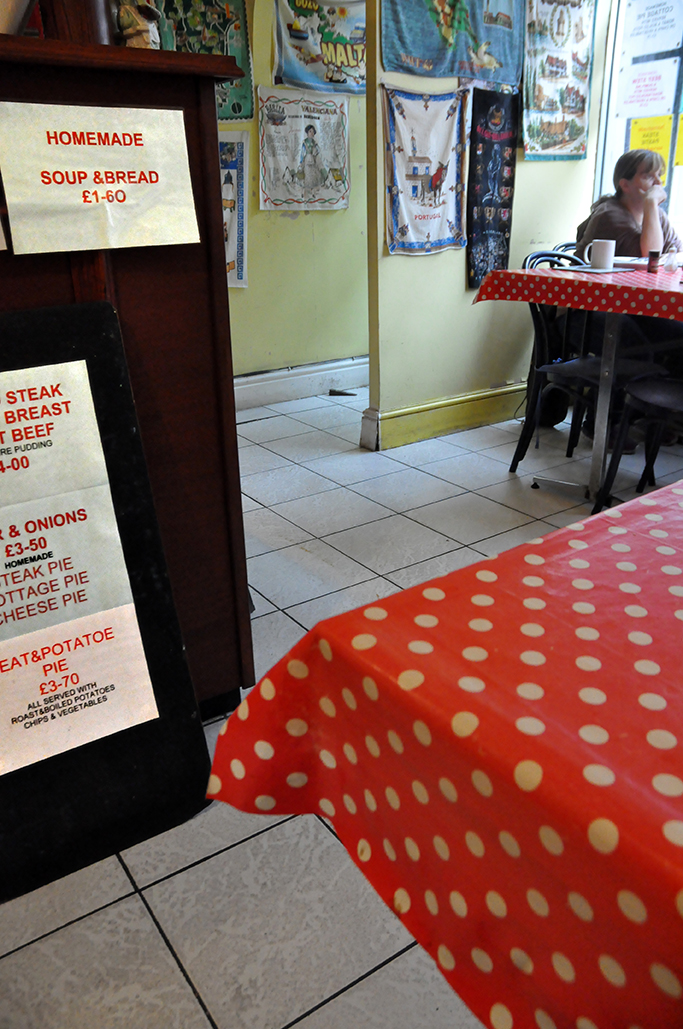
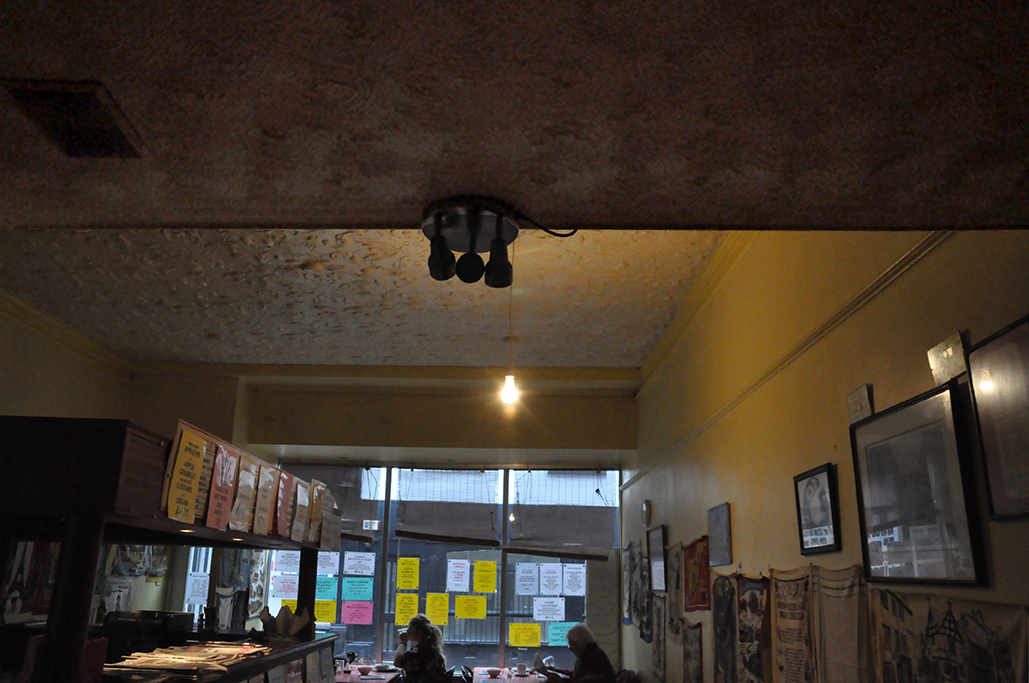
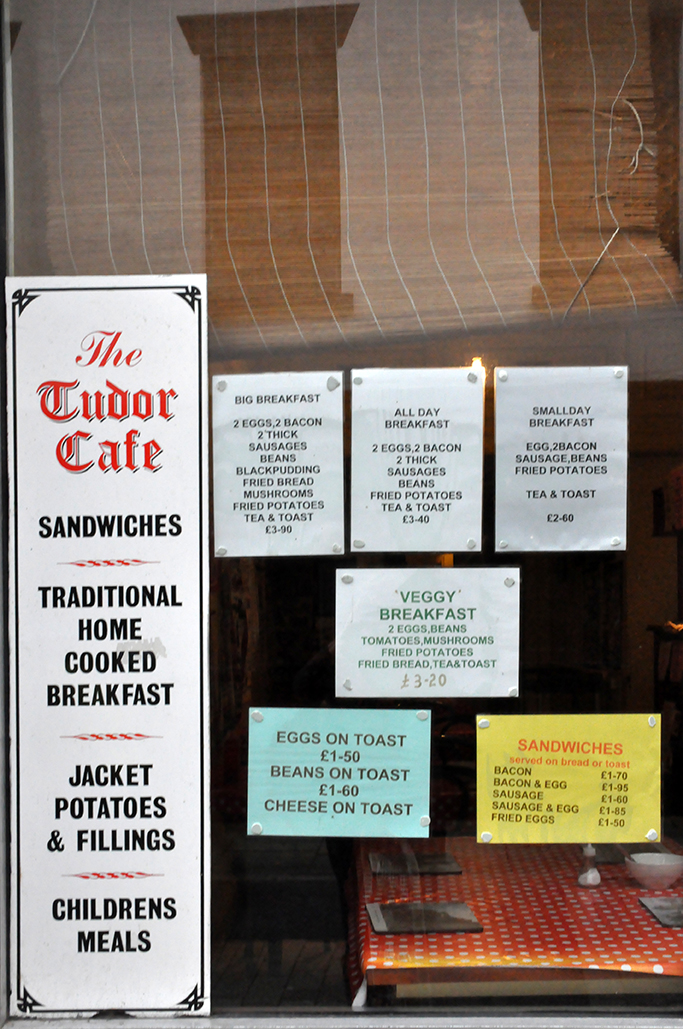
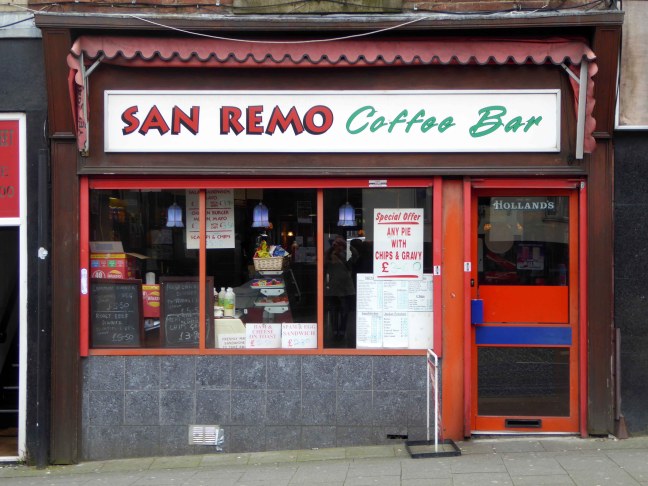
On Lower Hillgate, almost next door to where it used to be, there stands The Tudor Café.

Almost where it has almost always stood.

Other businesses have come and gone, happily it prevails.

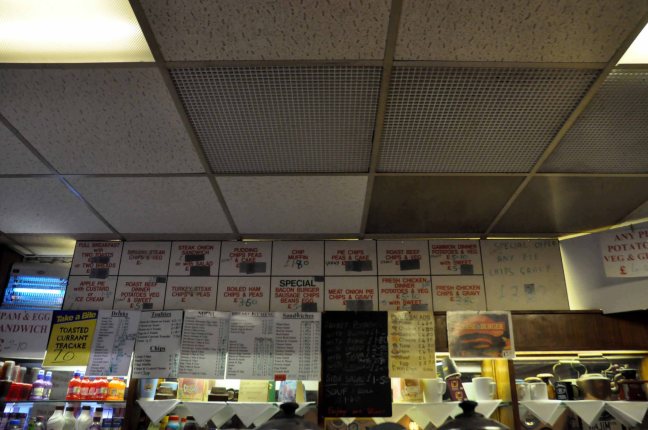
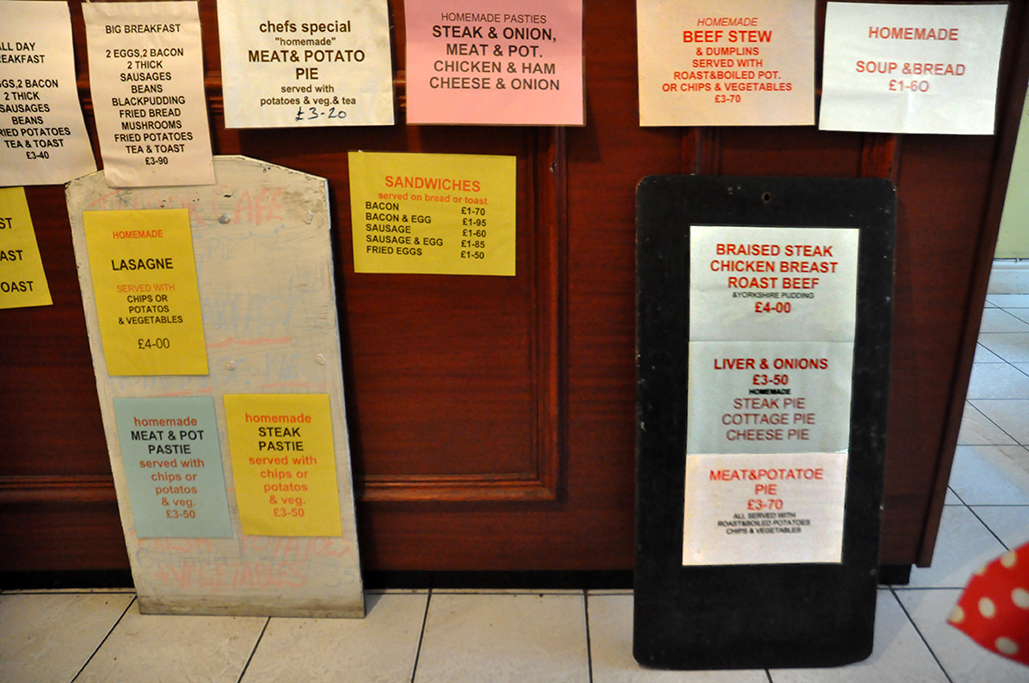
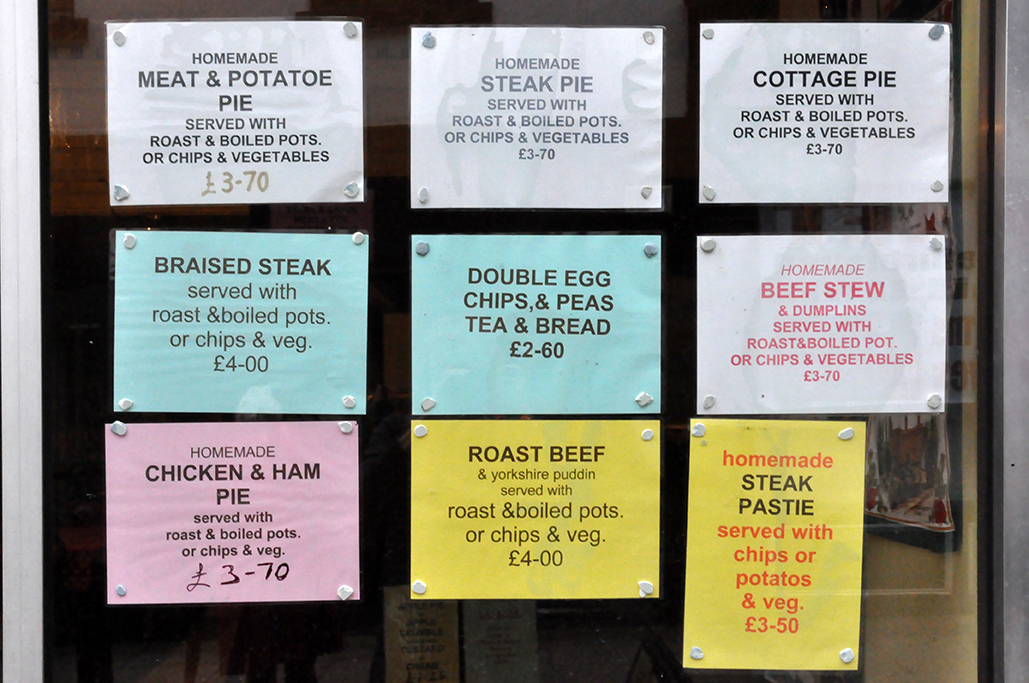
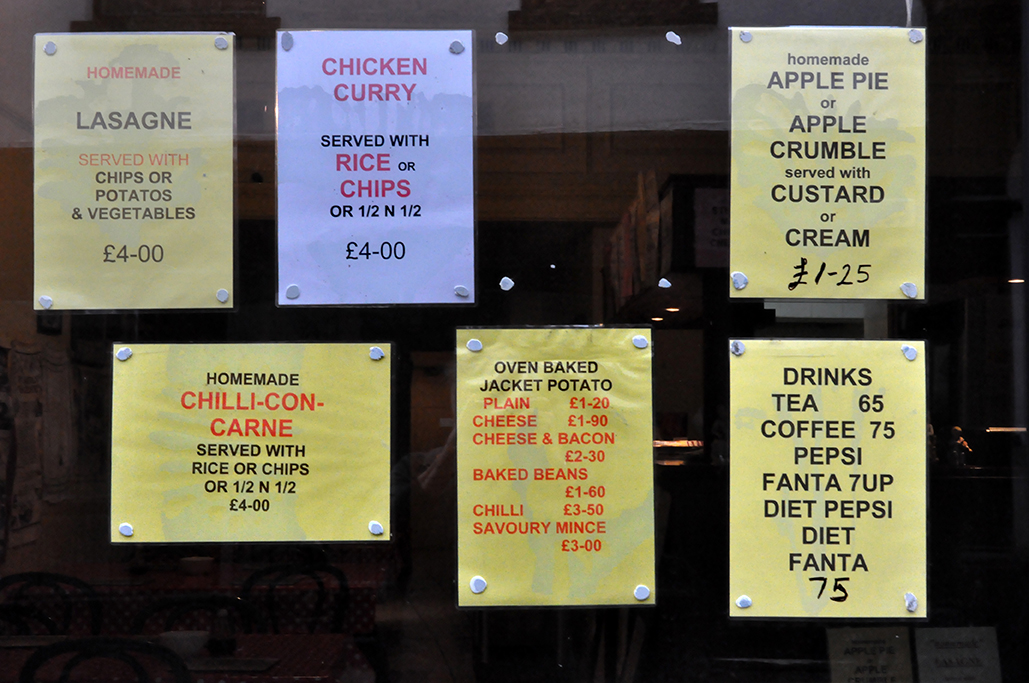
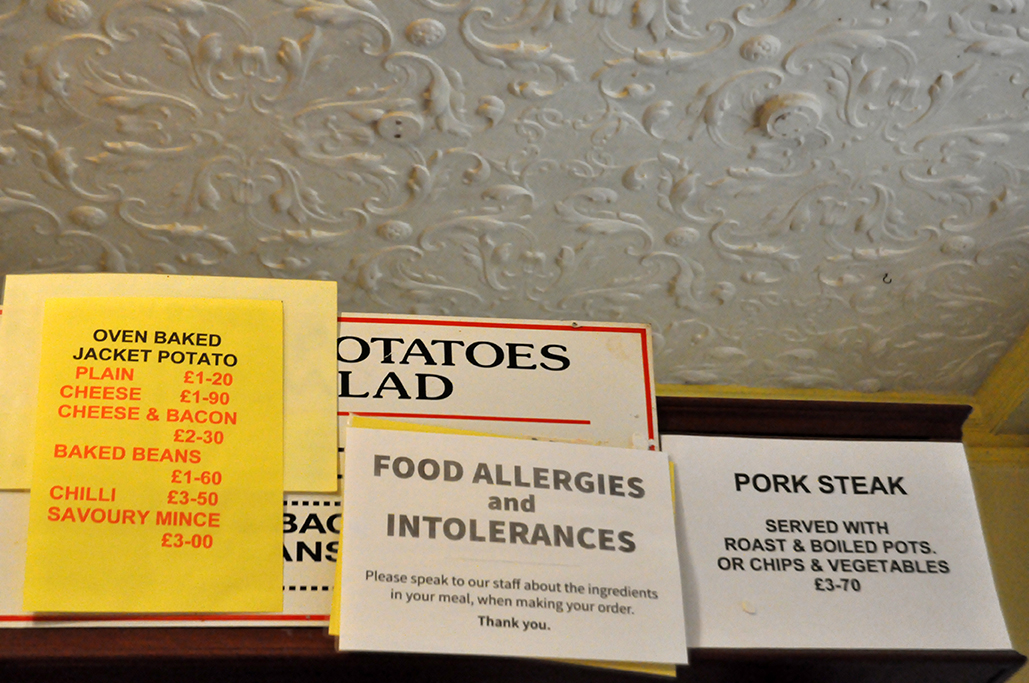
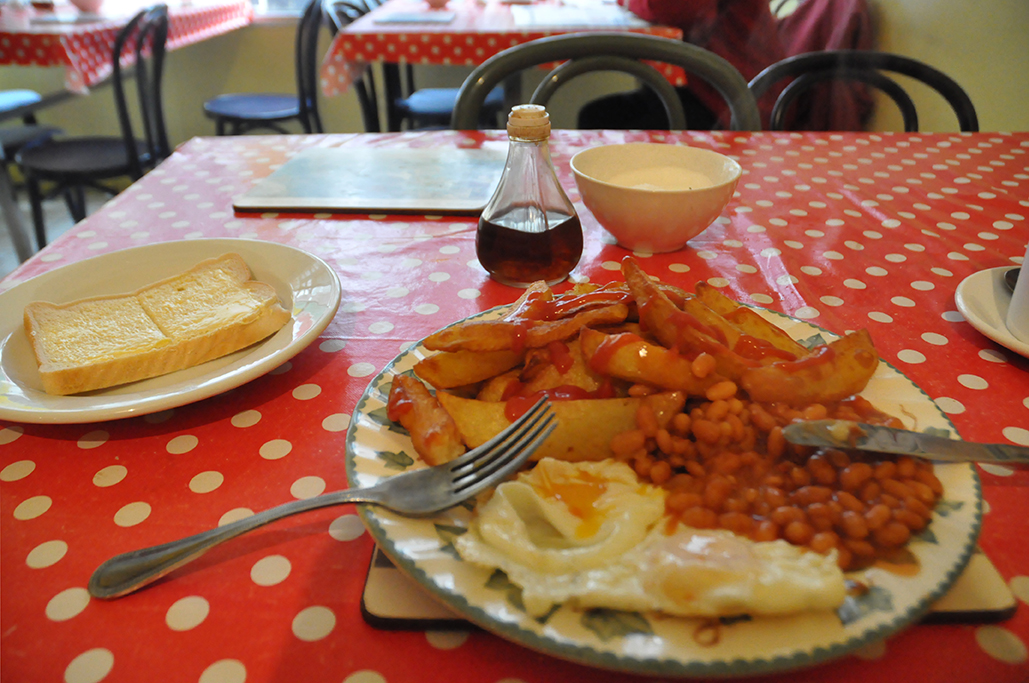
The cheapest tastiest grub in town.

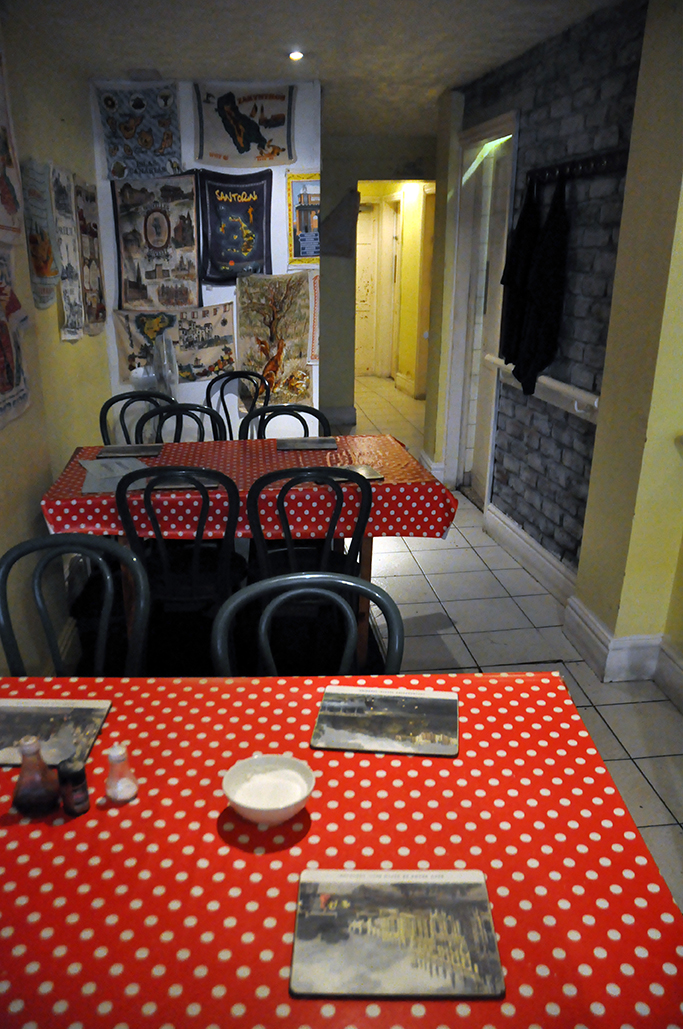
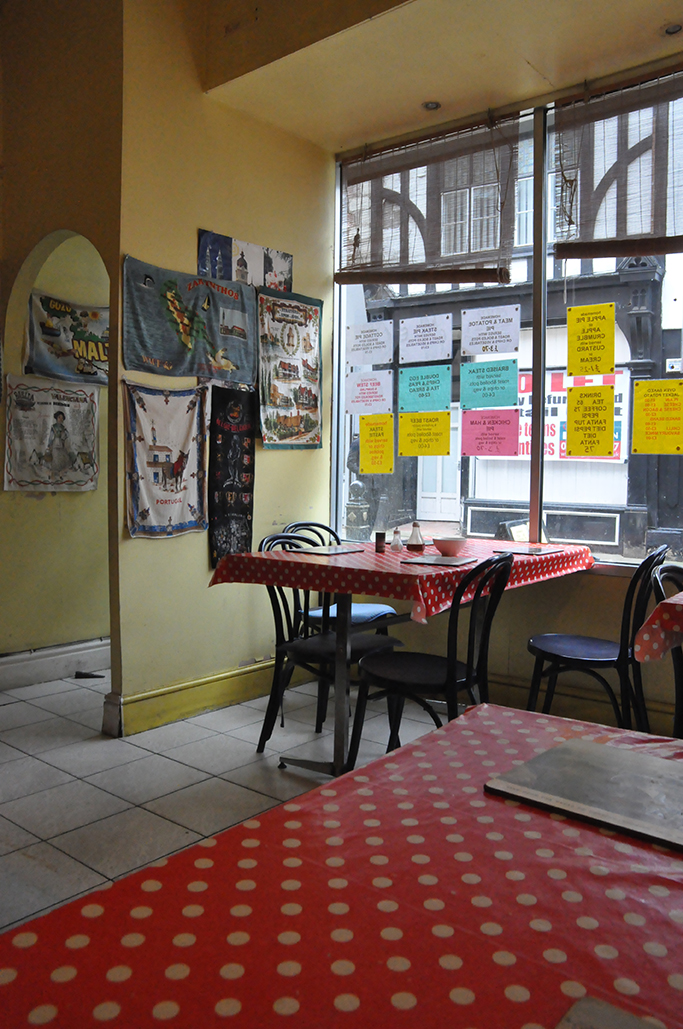
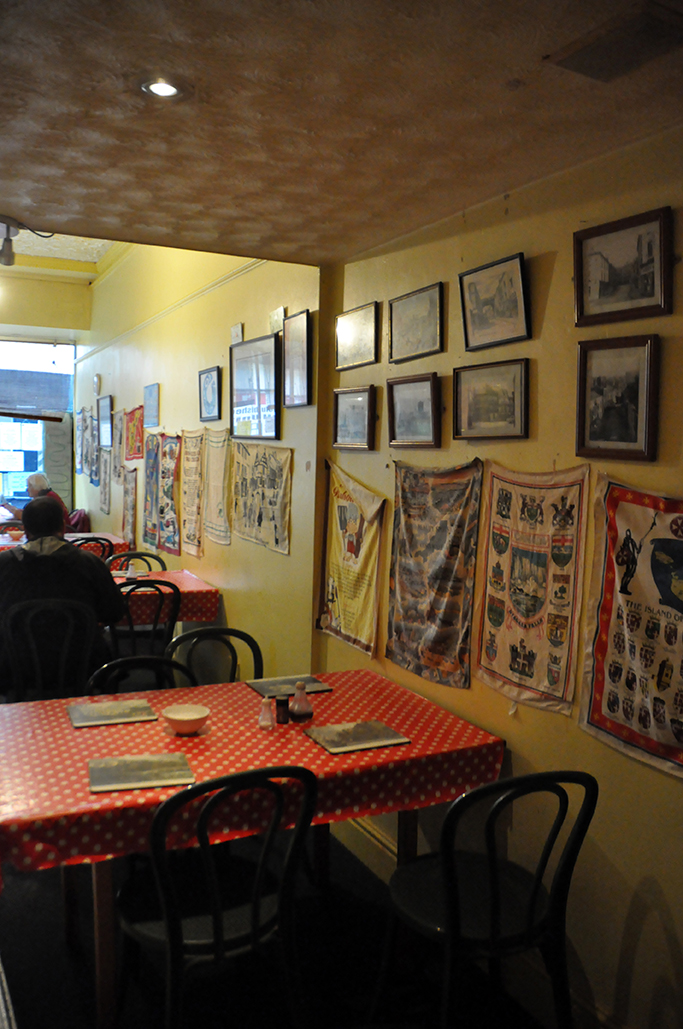
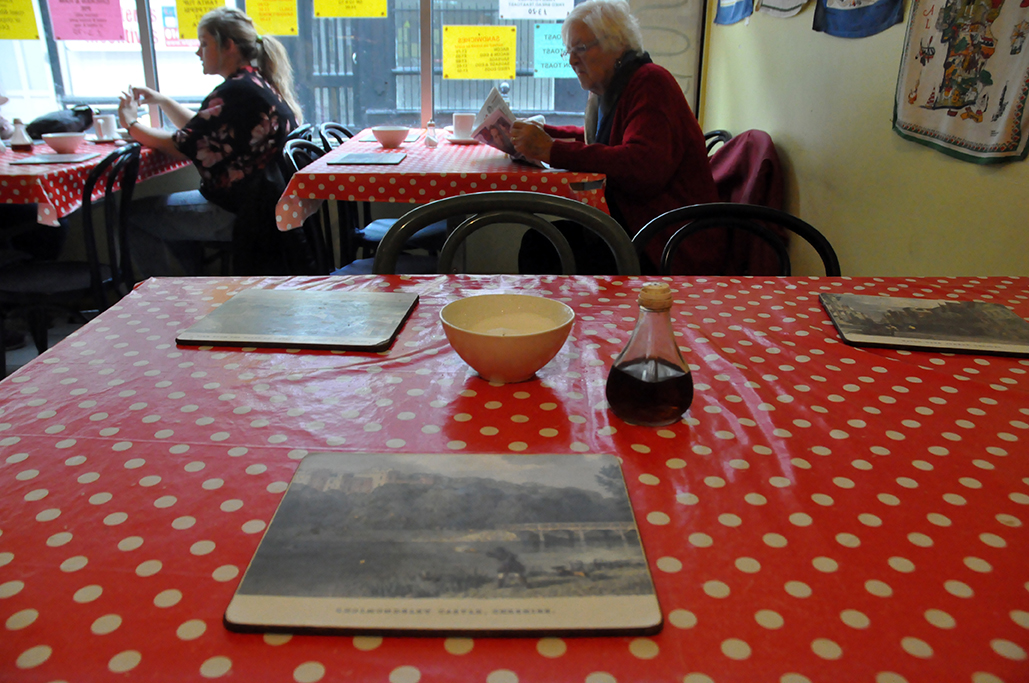
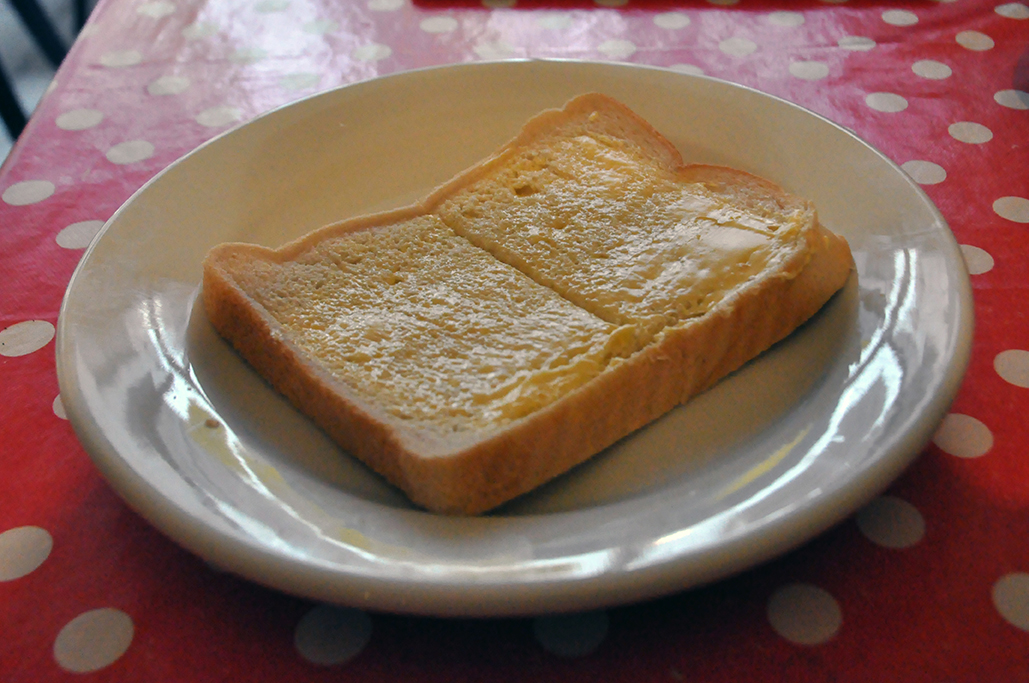
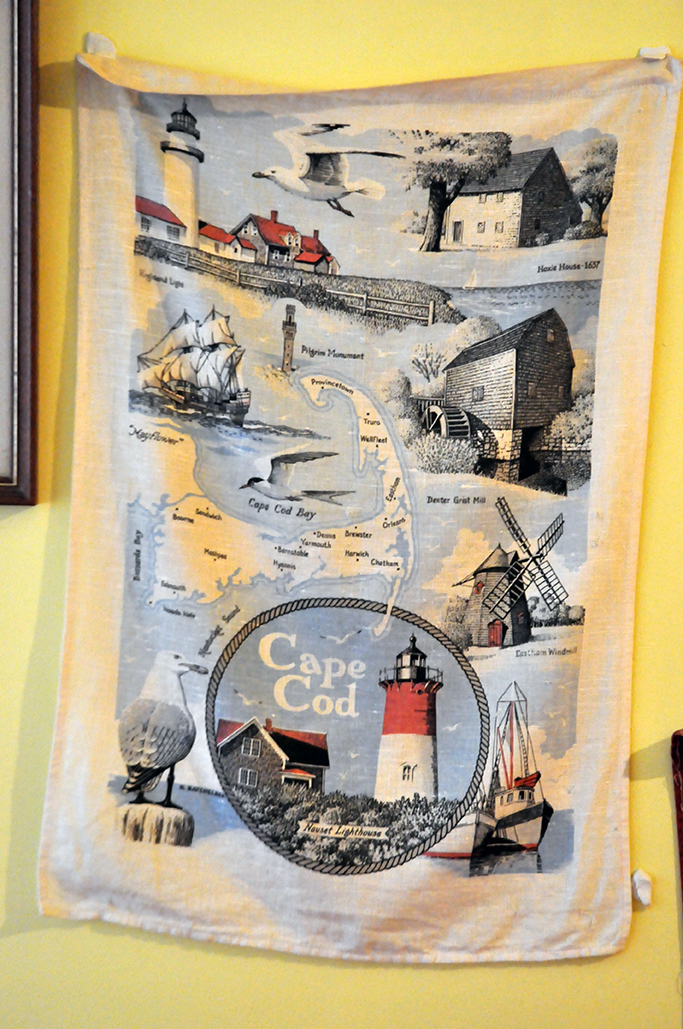
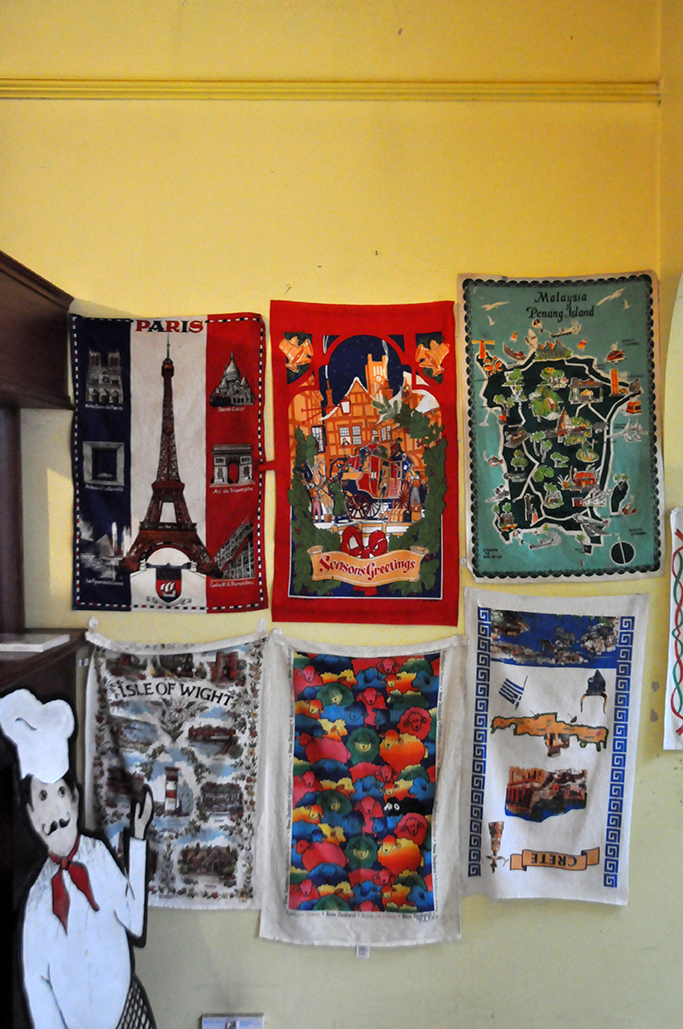
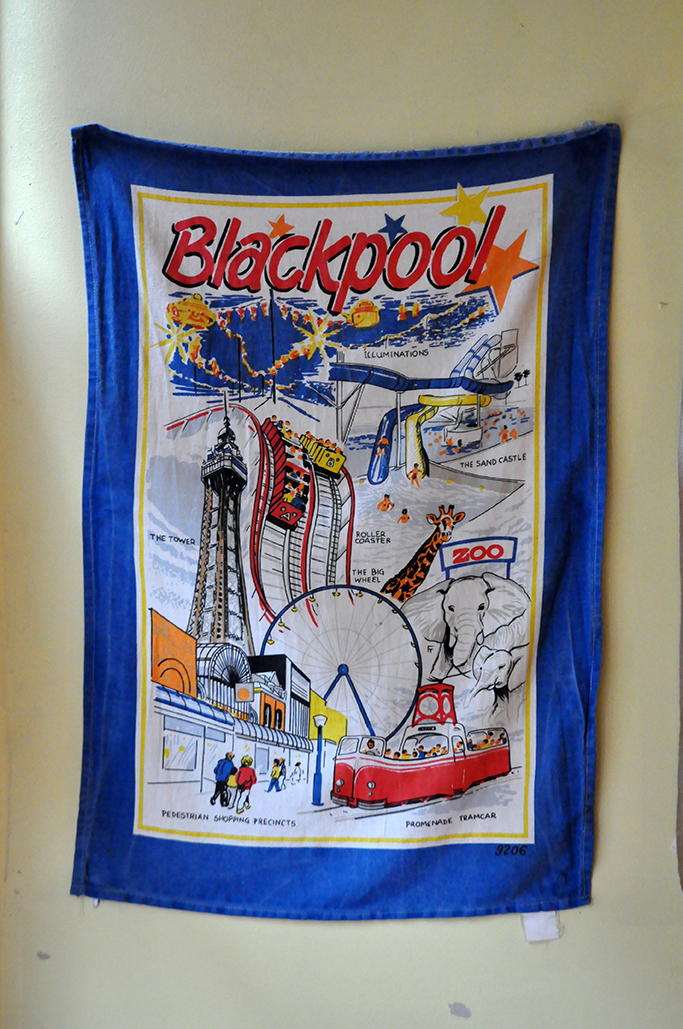
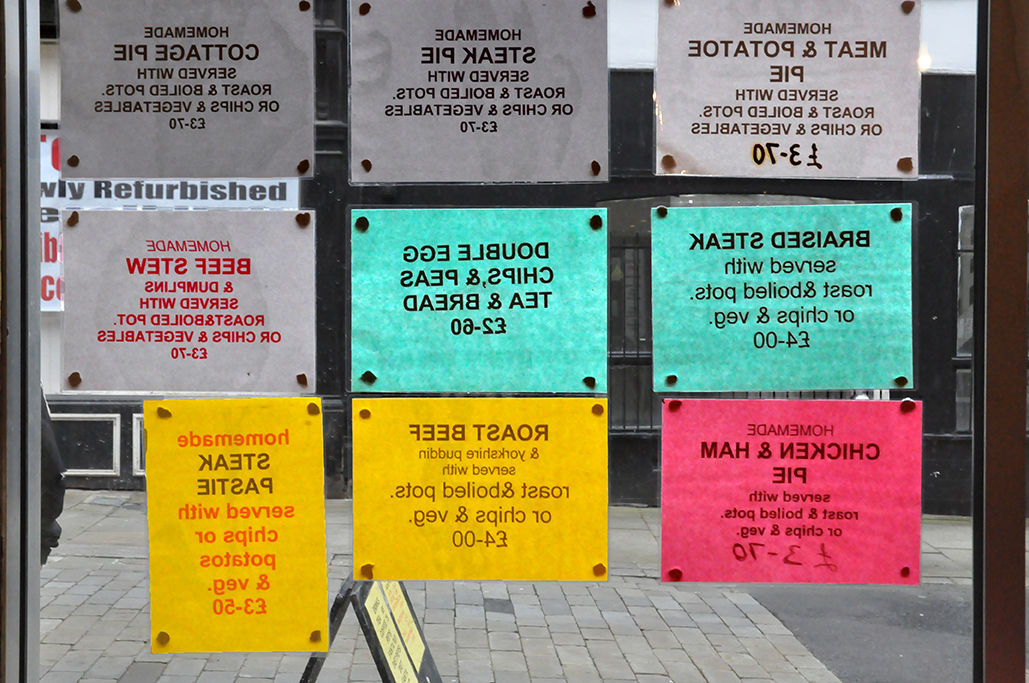
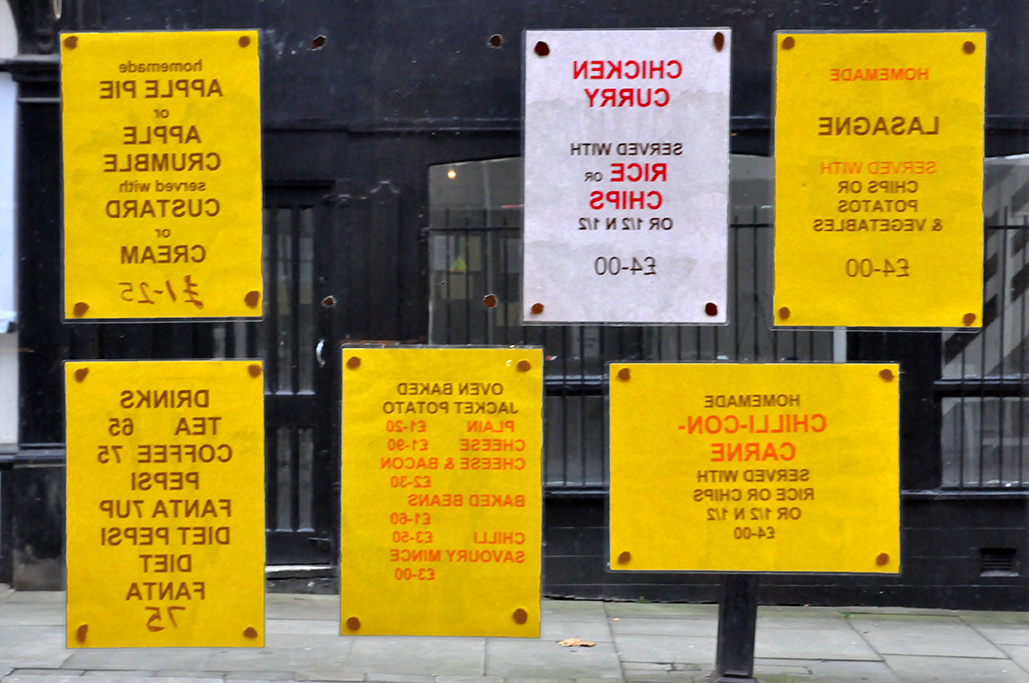
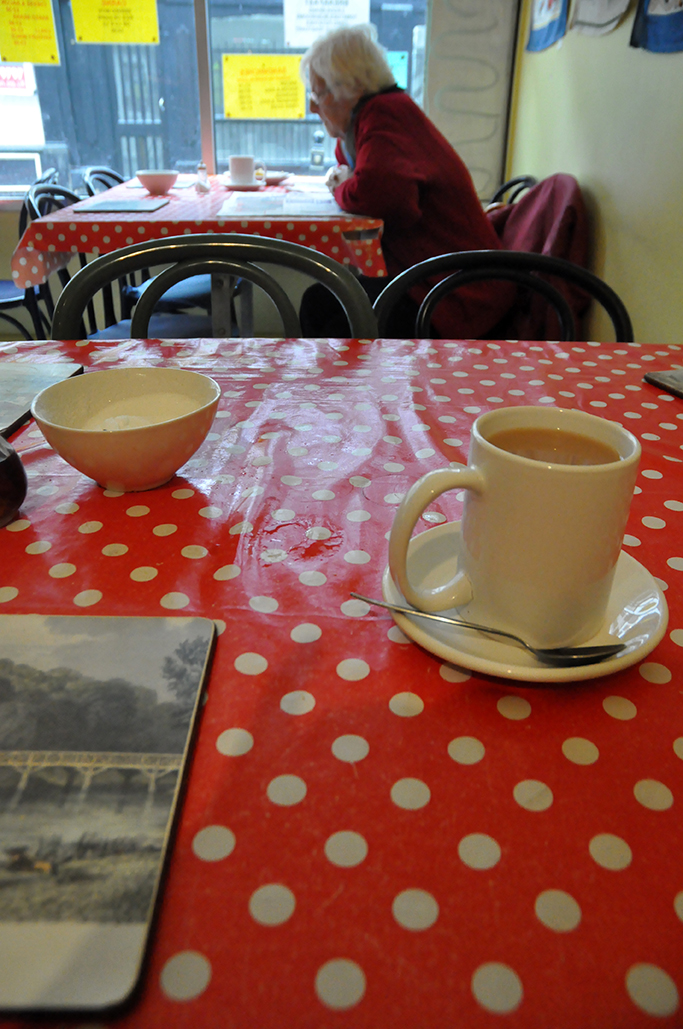
An interior festooned with tea towels.

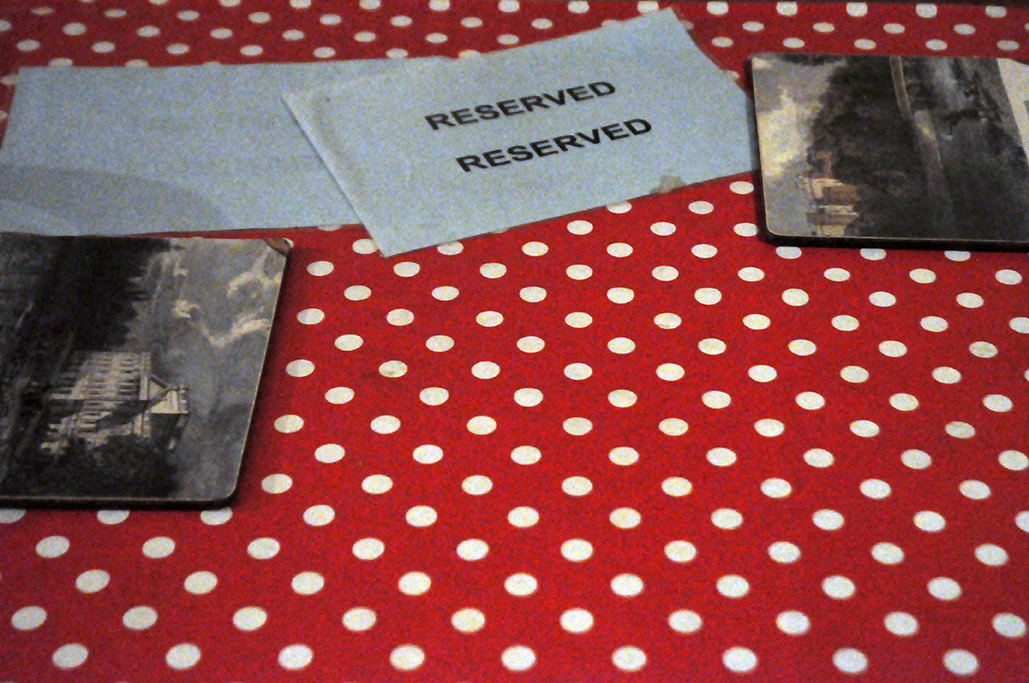
Tables polka dotted, teas hot.

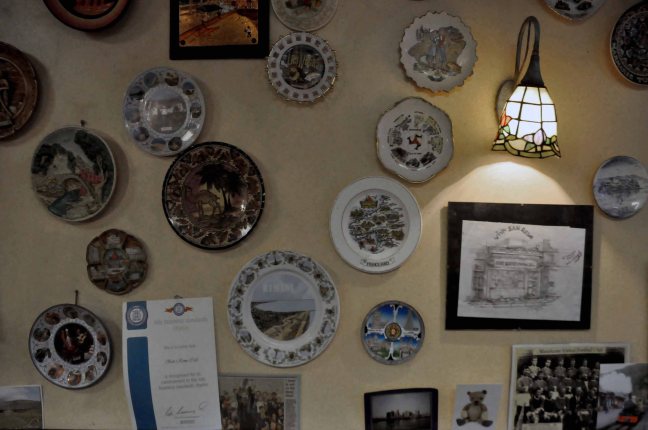
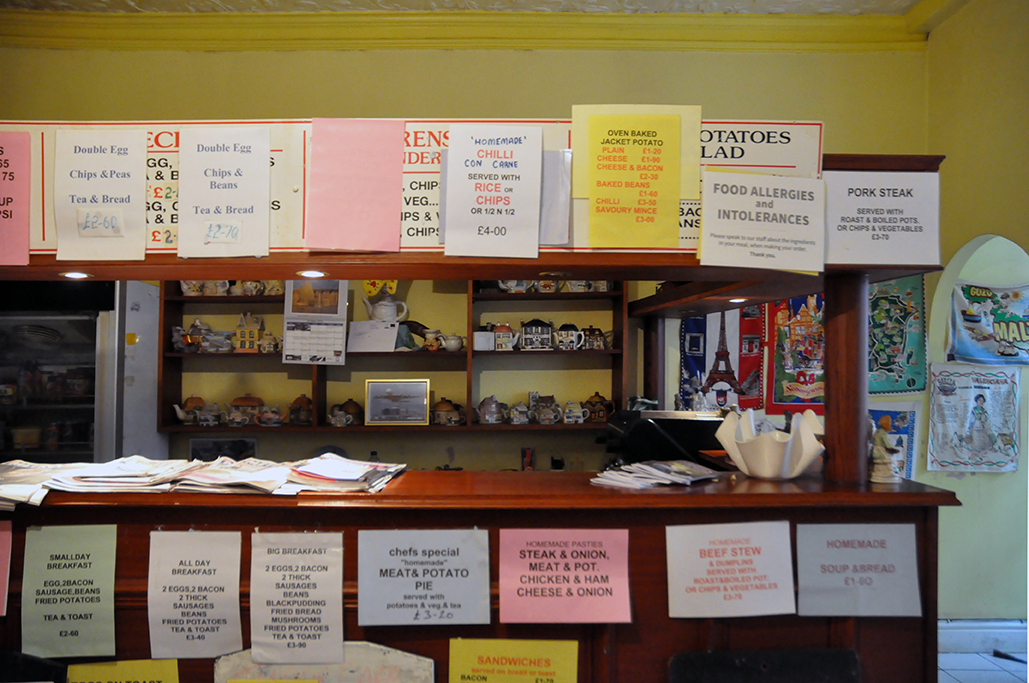
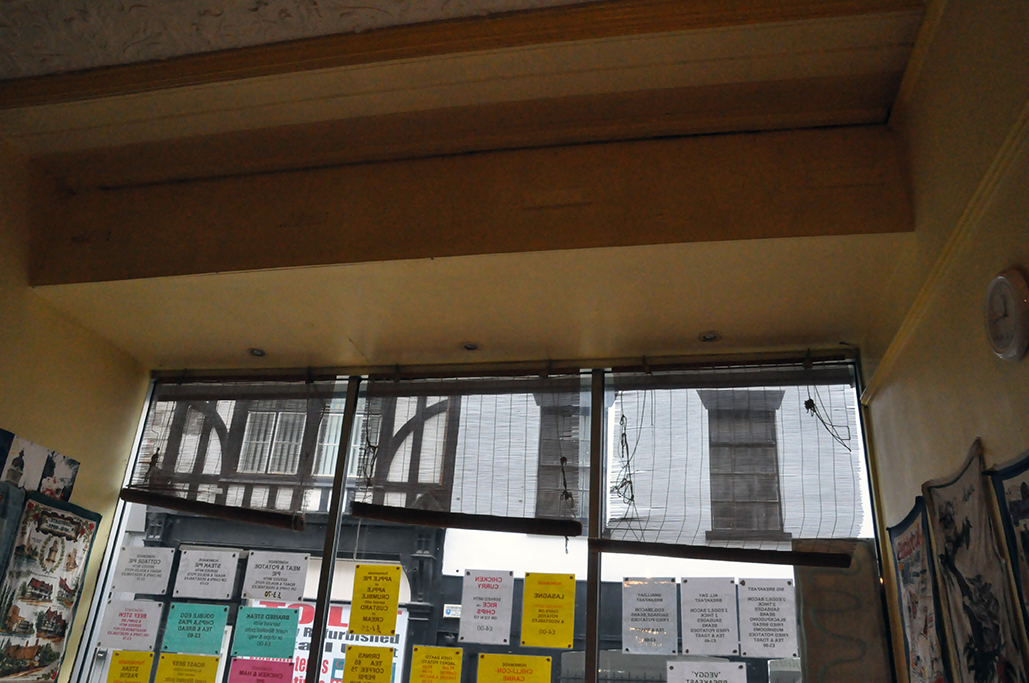
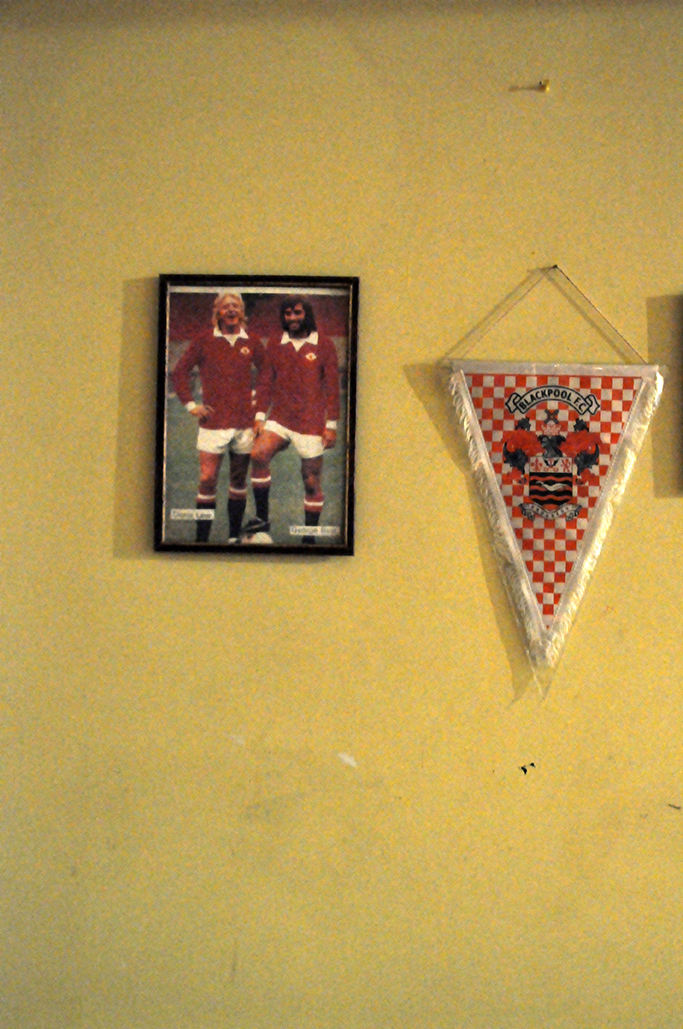
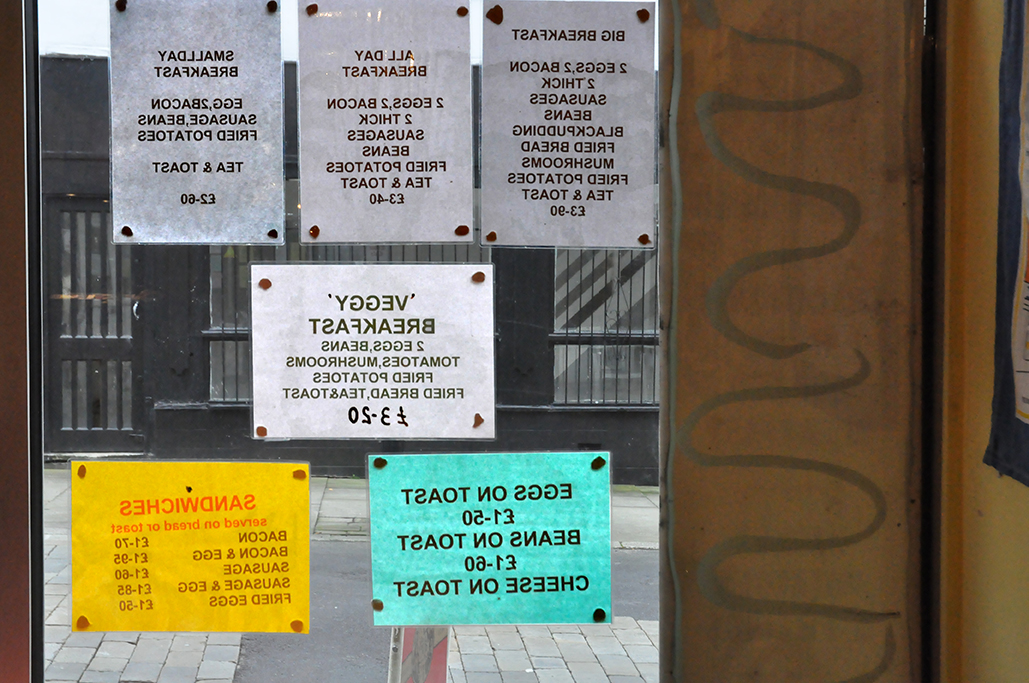
Signs inside and out, some of them inside out.

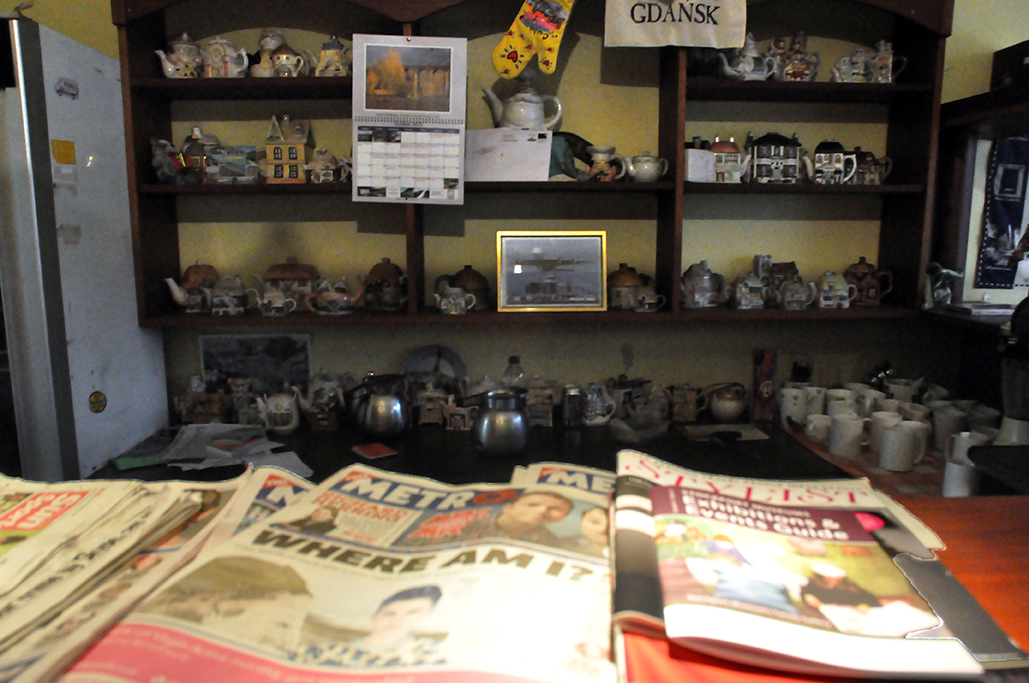
Greetings from Gdansk.

DSC_0025 copy

DSC_0026 copy

DSC_0046 copy

DSC_0030 copy

DSC_0024 copy

DSC_0045 copy

DSC_0053 copy

DSC_0043 copy

DSC_0034 copy

DSC_0039 copy

DSC_0032 copy

DSC_0051 copy

DSC_0040 copy

DSC_0037 copy

DSC_0063 copy

DSC_0059 copy

DSC_0029 copy

DSC_0060 copy

DSC_0064 copy

DSC_0041 copy

DSC_0052 copy

DSC_0065 copy

DSC_0061 copy

DSC_0062 copy

DSC_0058 copy

DSC_0049 copy

Washeteria – Hastings

Don’t forget to forget.

Big is not large, not small.

This is a dirty blue,  washed-out pale yellow, Alice in Wonderland un-wonderful land.

Time will not stand still – you’re in a spin, oh what a spin that you’re in.

Walk in, wash and wish.

DSC_0424 copy

DSC_0439 copy

DSC_0429 copy

DSC_0431 copy

DSC_0438 copy

DSC_0441 copy

DSC_0436 copy

DSC_0434 copy

DSC_0428 copy

DSC_0444 copyDSC_0445 copy

DSC_0427 copy

DSC_0430 copy

DSC_0432 copy

DSC_0435 copy

DSC_0443 copy

DSC_0442 copy

Hastings – Arthur Green’s

Facing happily out to sea, hard by Hastings promenade, sits Arthur Green’s, former menswear shop of some considerable distinction. Currently operating as an antiques centre, the whole of the perfectly preserved, period interior is now listed by English Heritage.

A mosaic porch and glass lined vestibule, invite you into a palace of dark hardwood fittings, capacious drawers, glass fronted cabinets, and an ornately carved cashiers booth, all topped off and lit by crystal chandeliers.

Few such example still exist intact, their contents usually ripped out, ripped off and reinstalled in chi-chi overpriced, cosmopolitan boutiques – suits you sir?

I think not!

My thanks to the helpful and patient staff who informed and facilitated my mooching.

Take a walk along the front – pop in.

P1020506 copy

P1020523 copy

P1020510 copy

P1020521 copy

P1020522 copy

P1020526 copy

P1020512 copy

P1020511 copy

P1020520 copy

P1020508 copy

P1020529 copy

P1020518 copy

P1020509 copy

P1020530 copy

P1020505 copy

P1020515 copy

P1020507 copy

P1020516 copy

P1020514 copy

P1020513 copy

P1020528 copy

The Wash Inn – Hastings

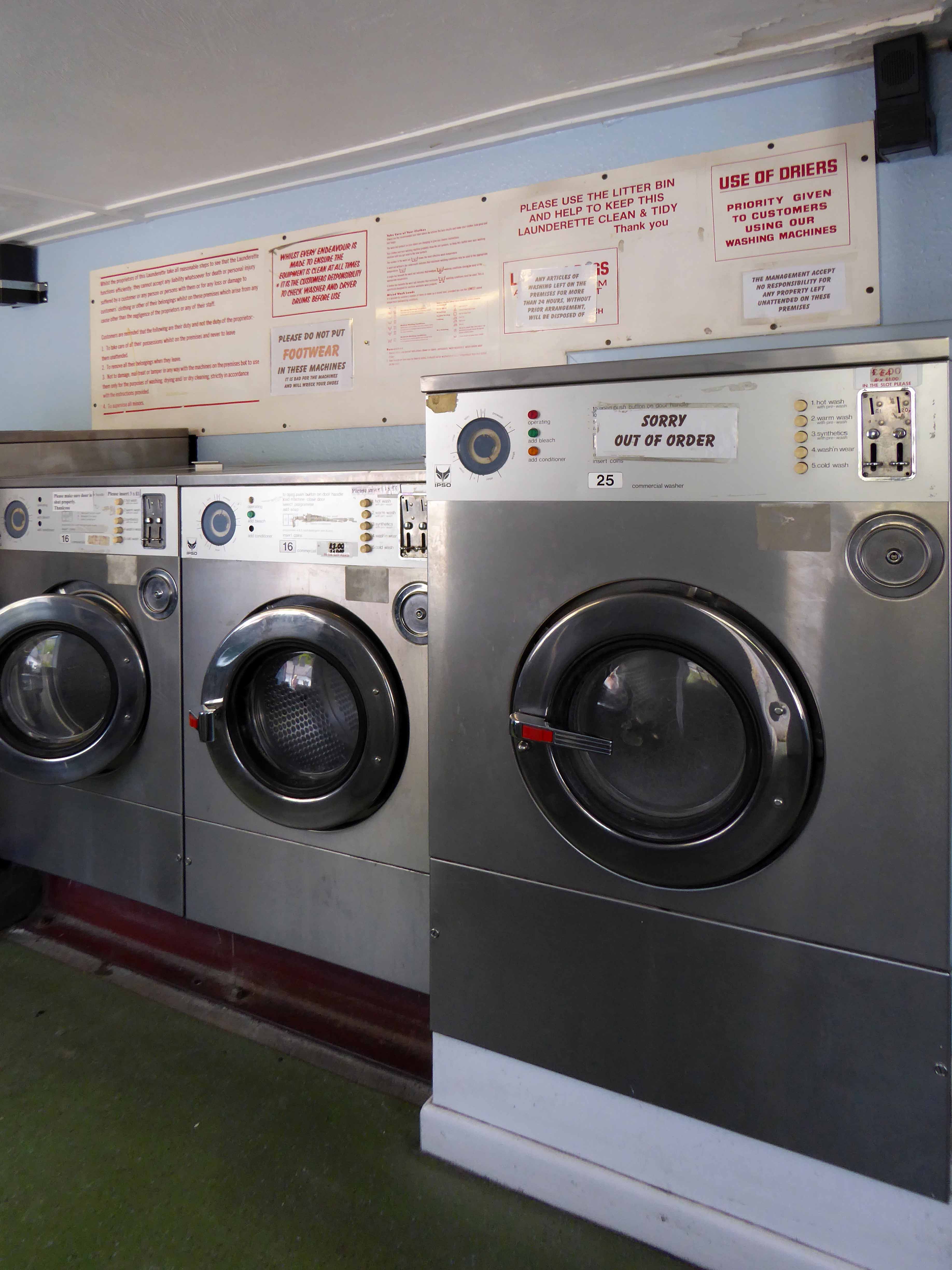
Standing alone in an unattended laundrette can be a chilling experience, a heightened state of awareness abounds, accentuating that all pervasive absence of presence.

The unseen hand, that write the notes, that speak to you in emphatic hurried caps, pinned or taped precisely on the walls.

The ghosts of clothes, still warm, now gone.

A Proust defying amalgam of aromas, that almost fills the air.

Just you and a series of slots, demotic instructions, care worn utilitarian surfaces and time.

Wash Inn get out.