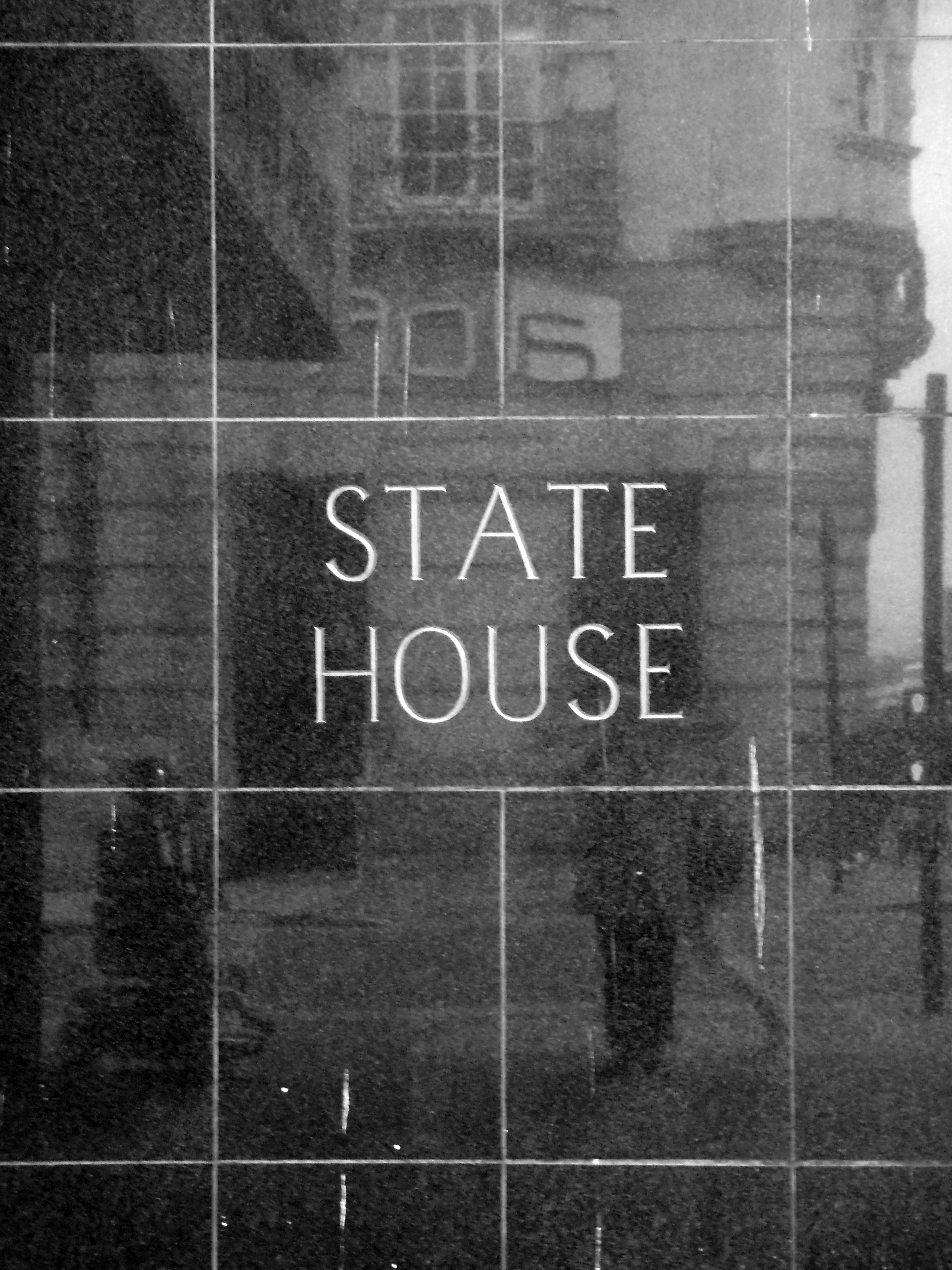
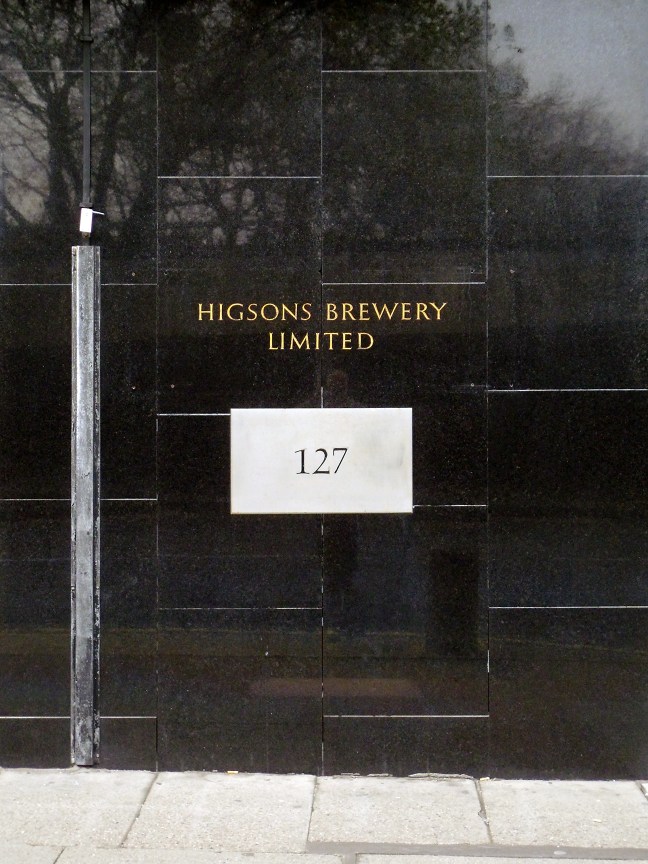
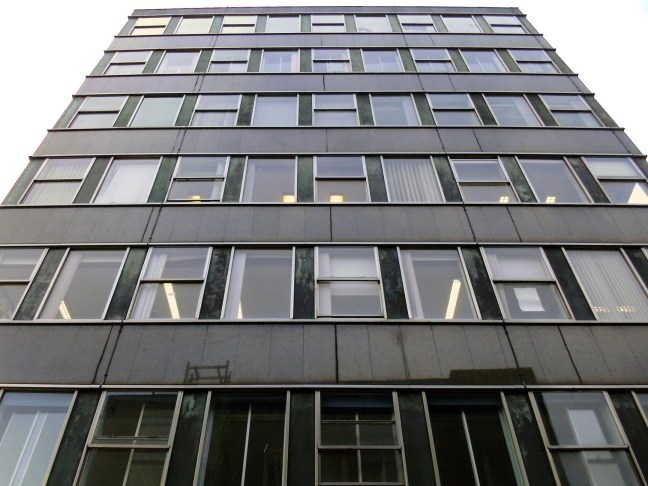
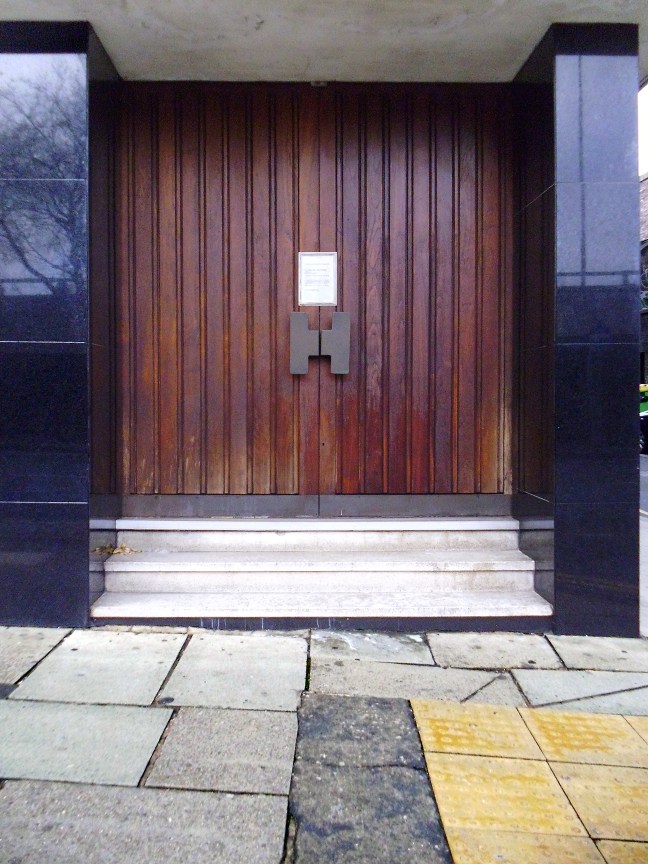
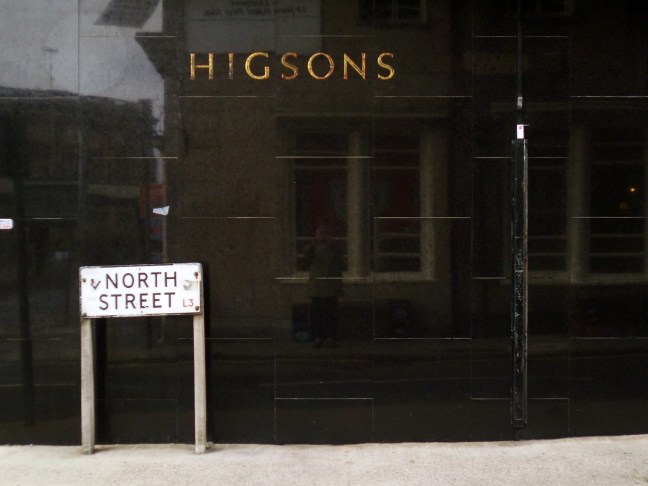
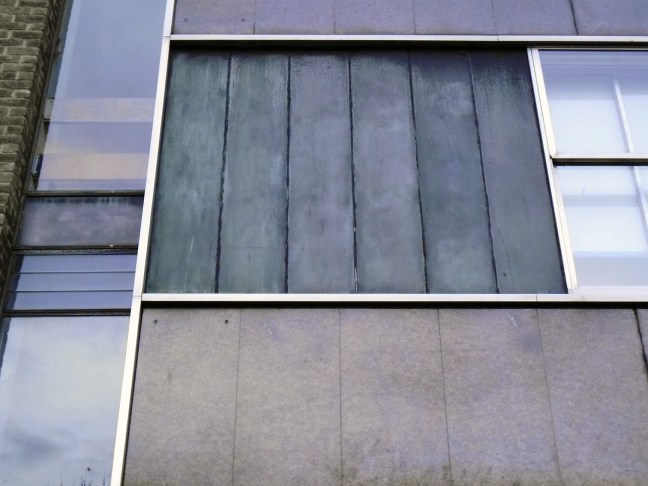
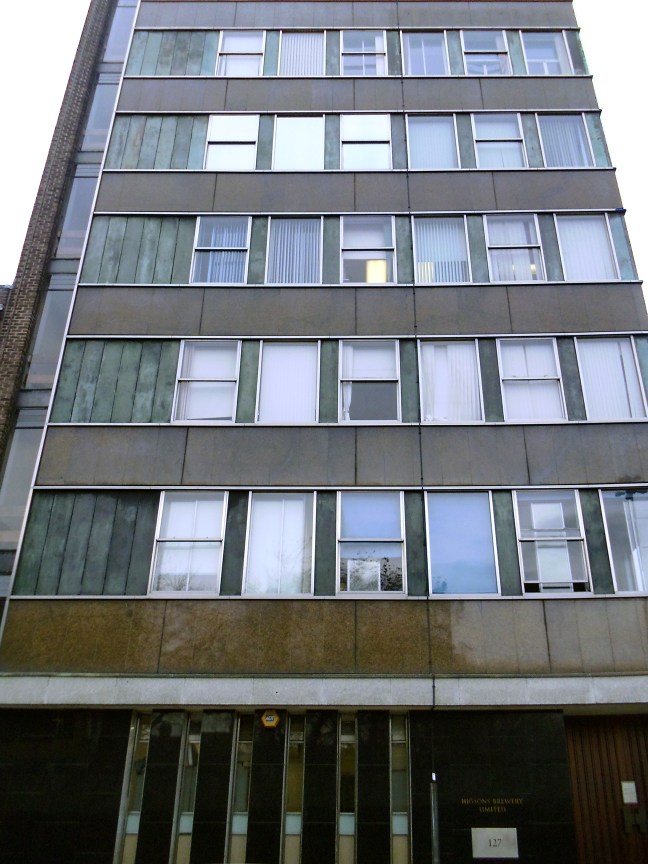
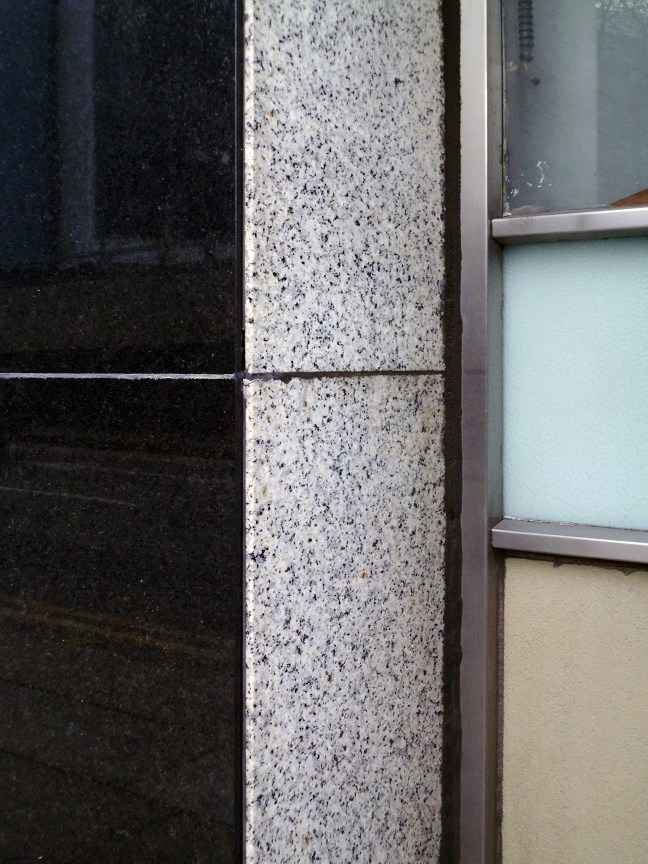
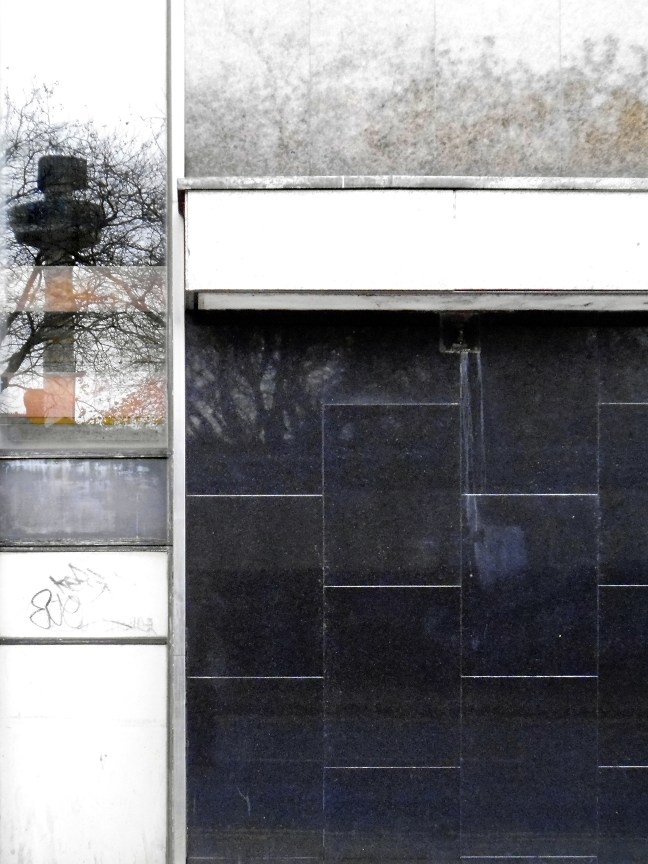
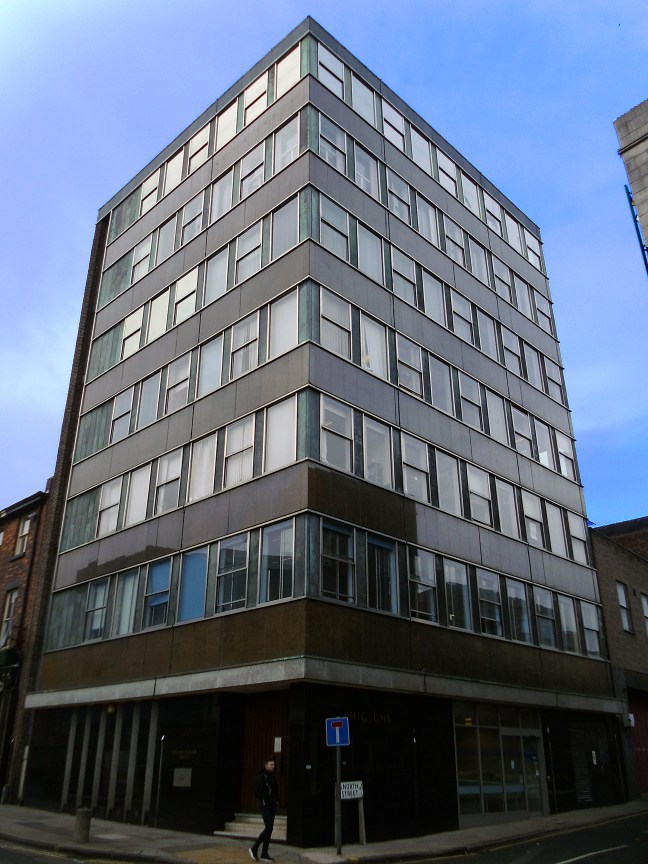
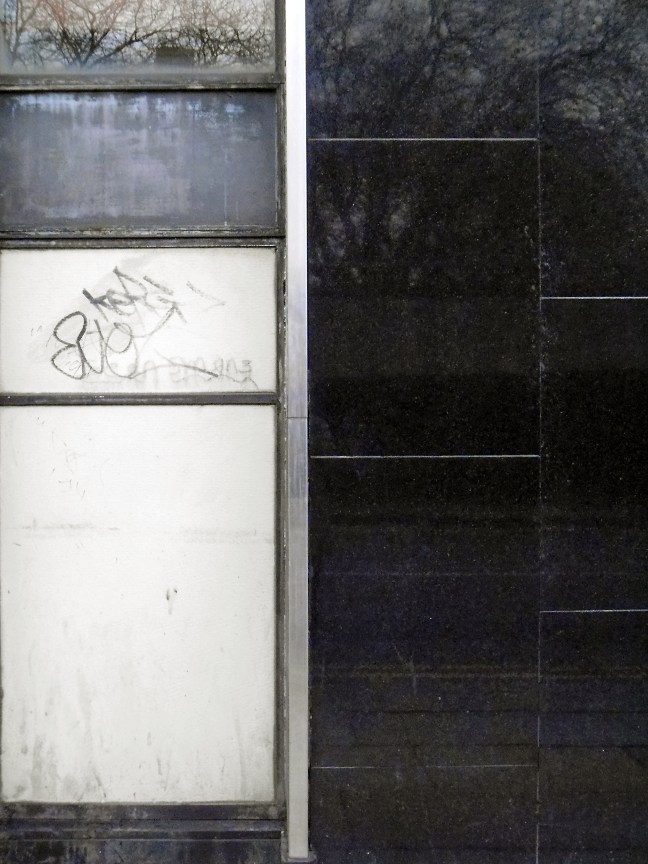
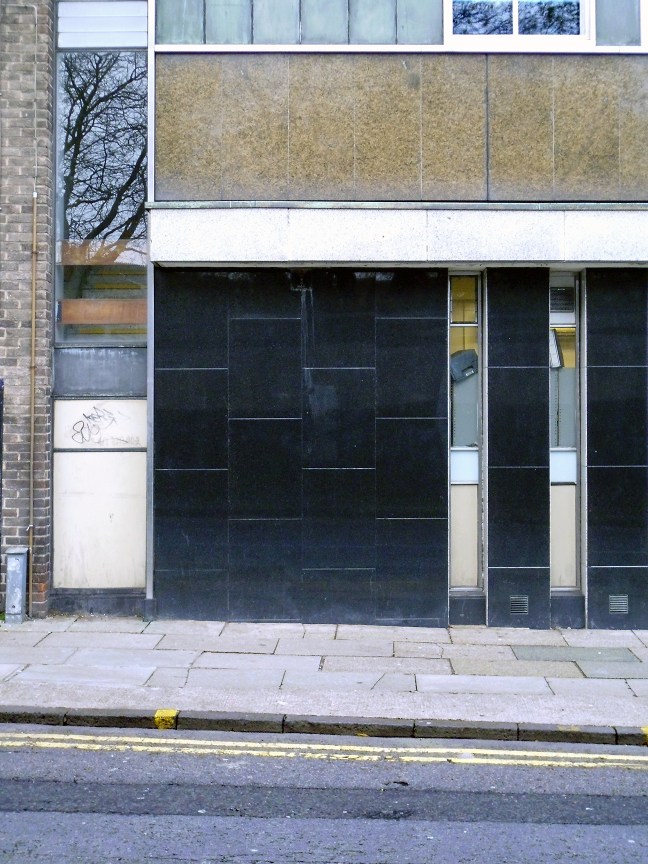
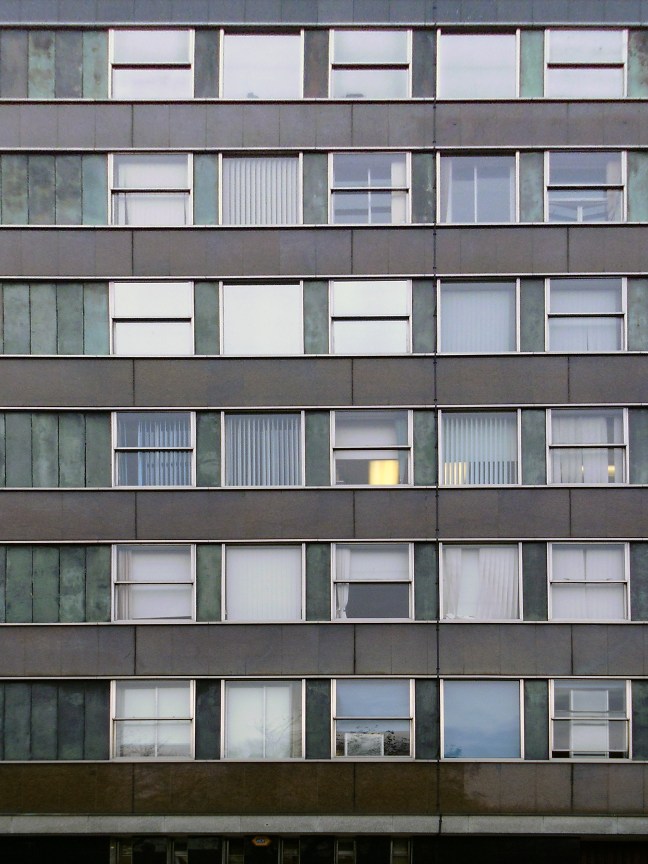
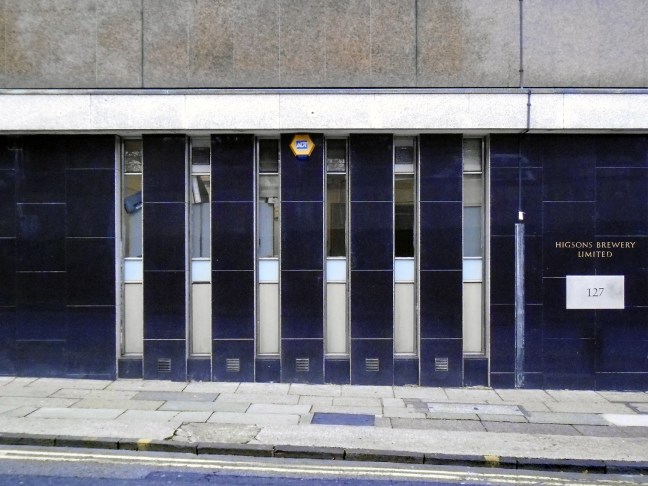
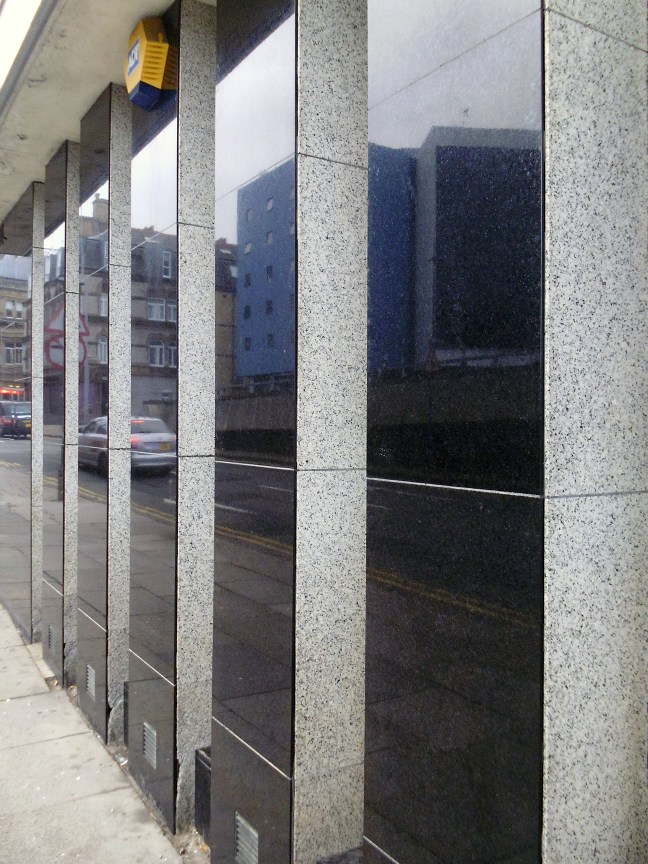
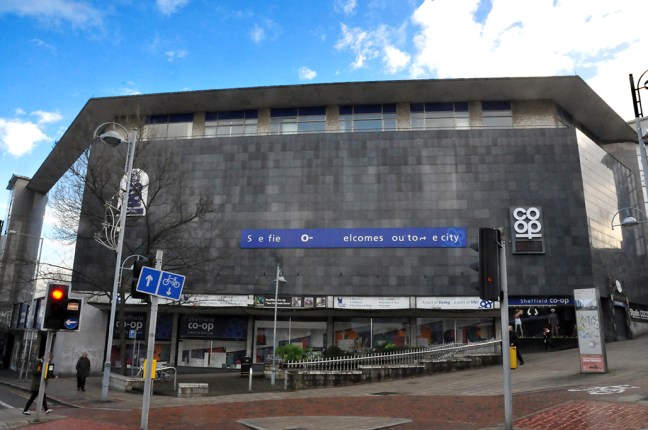
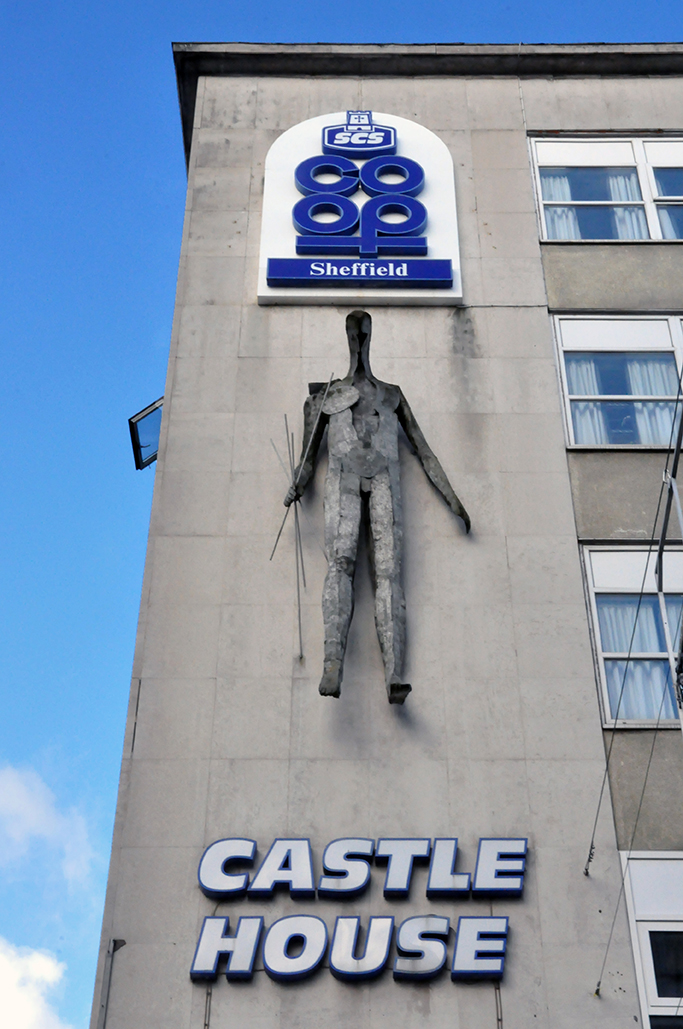
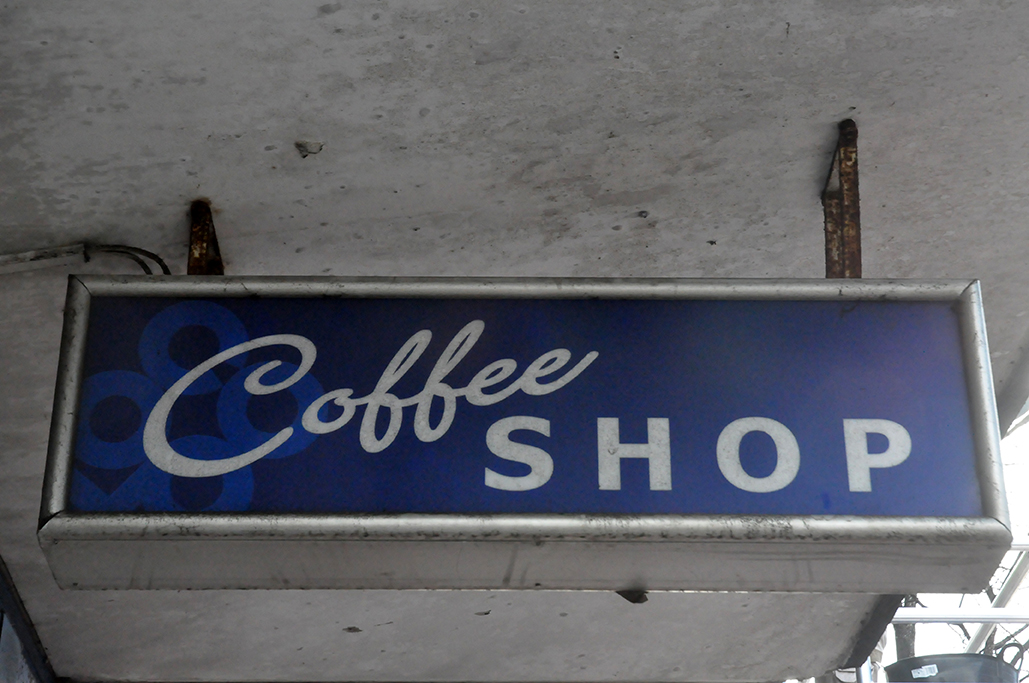
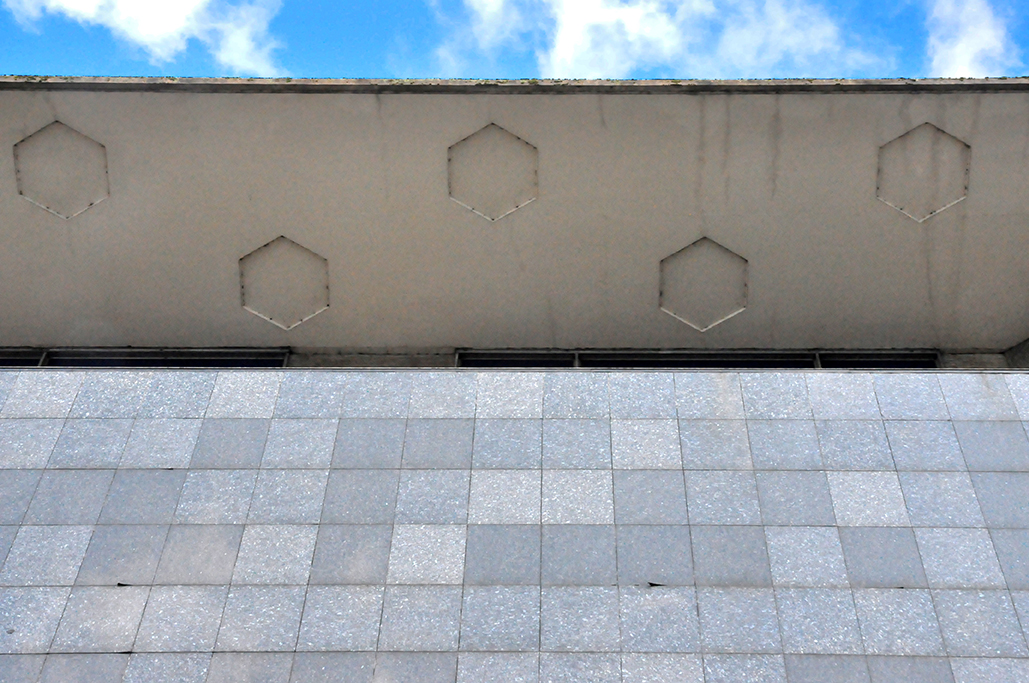
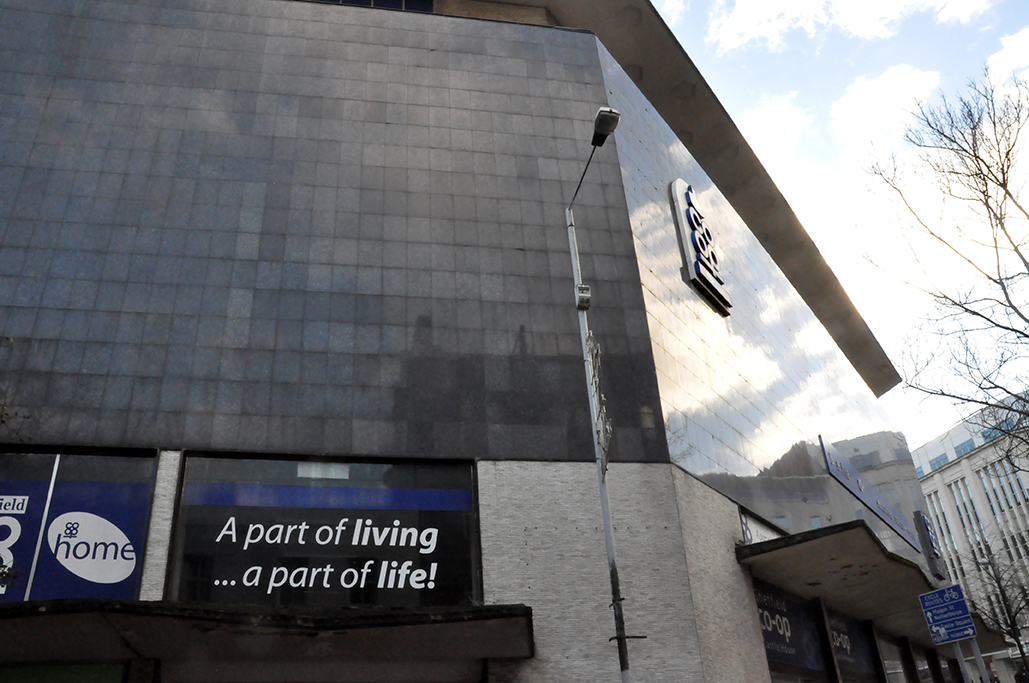
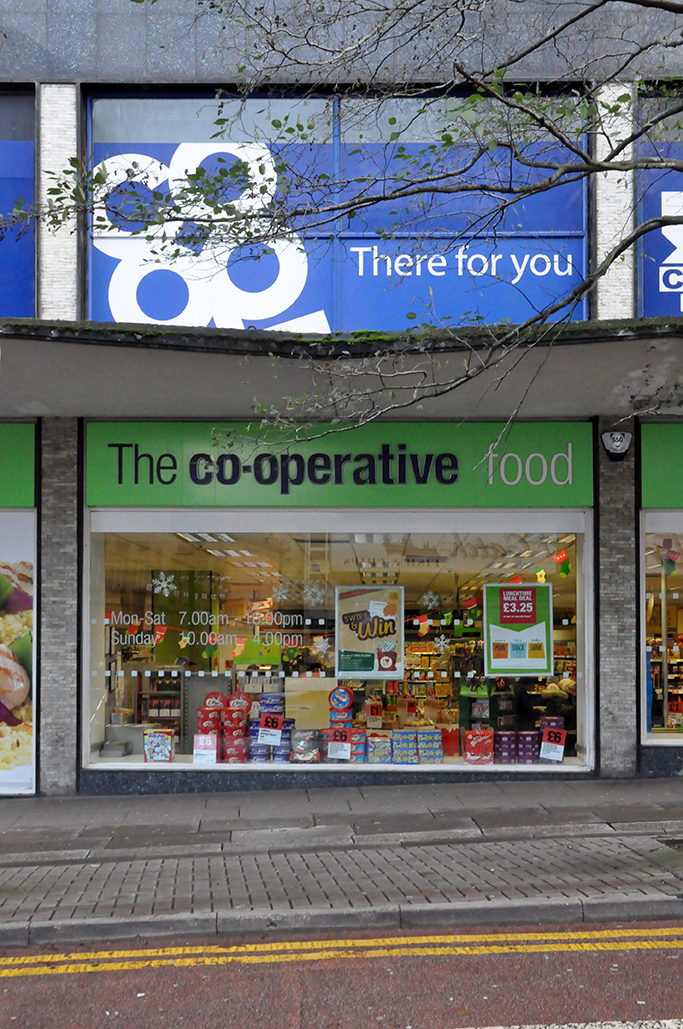
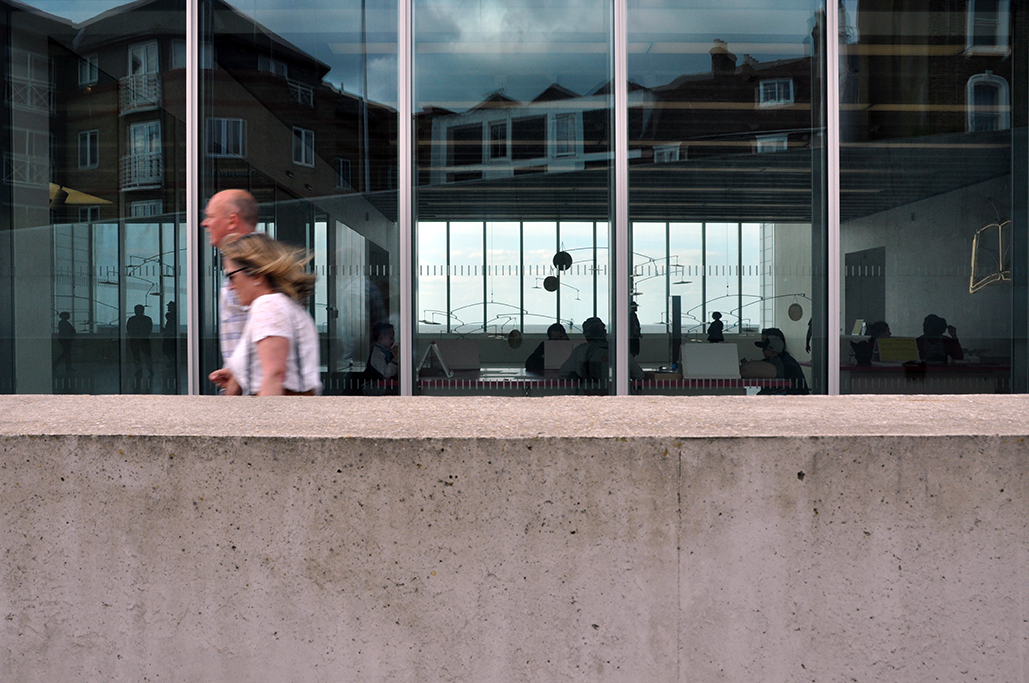
Castle House – Sheffield

I want it.

Historic England want it.

Hopefully you and the people of Sheffield want it,

– anyway it’s listed.

http://www.historicengland.org.uk/listing/the-list/list-entry/1393220

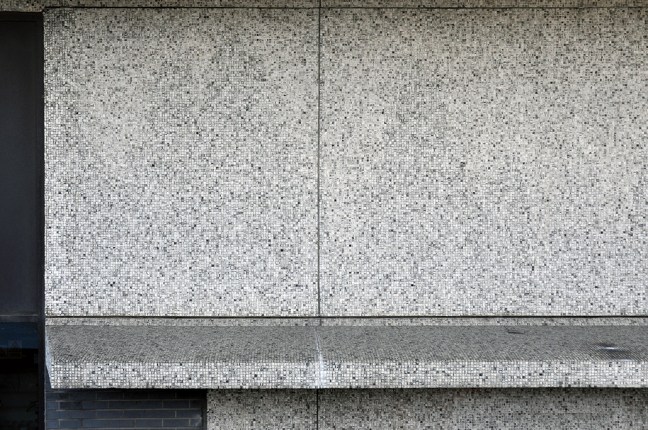
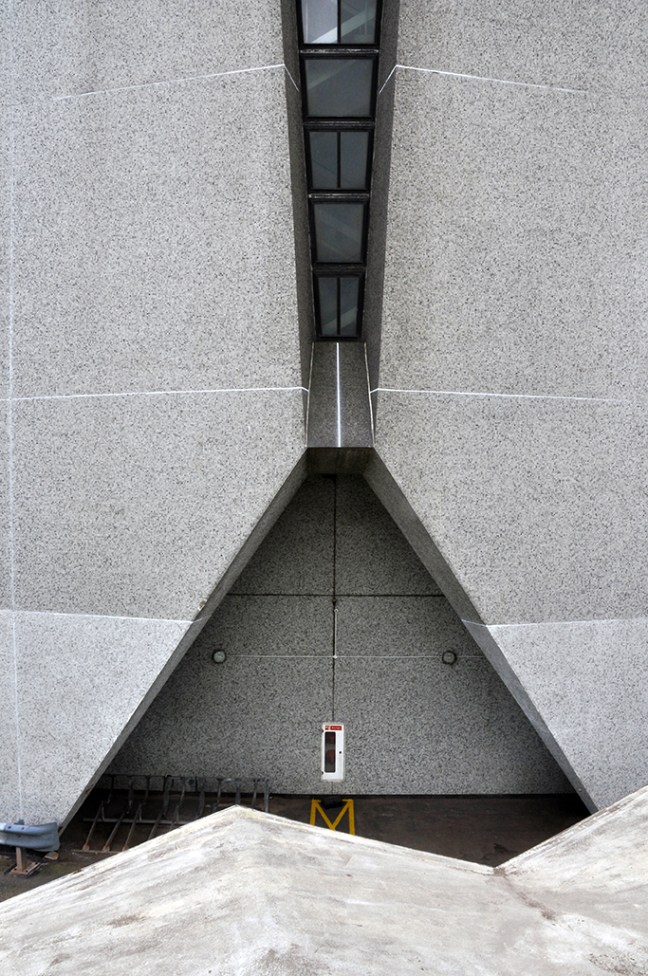
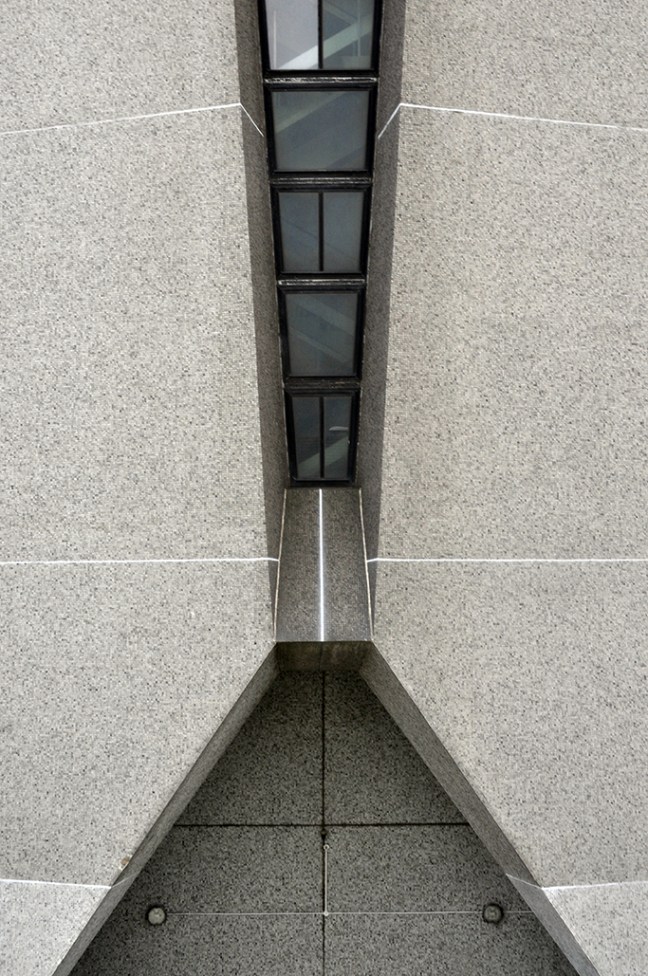
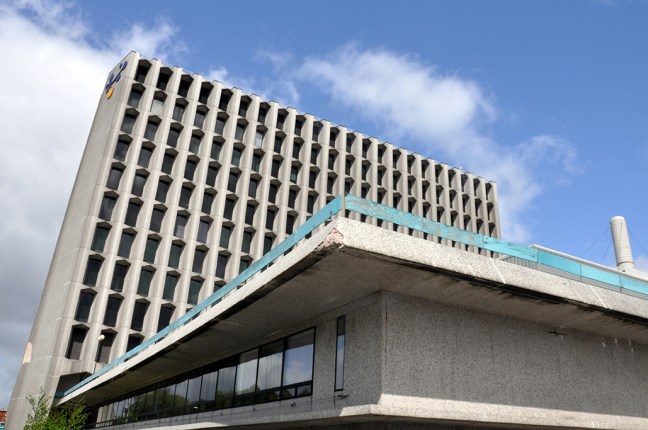
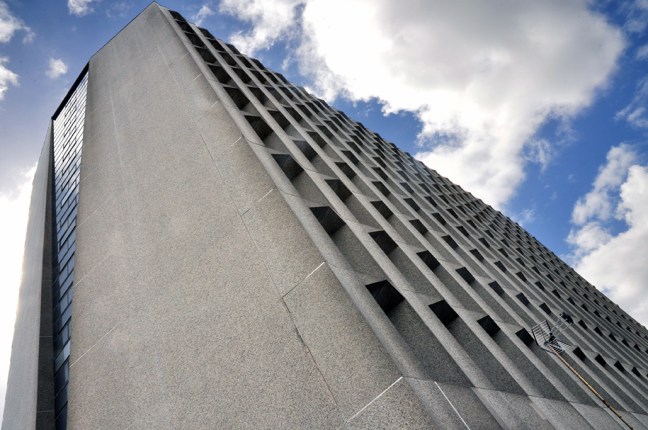
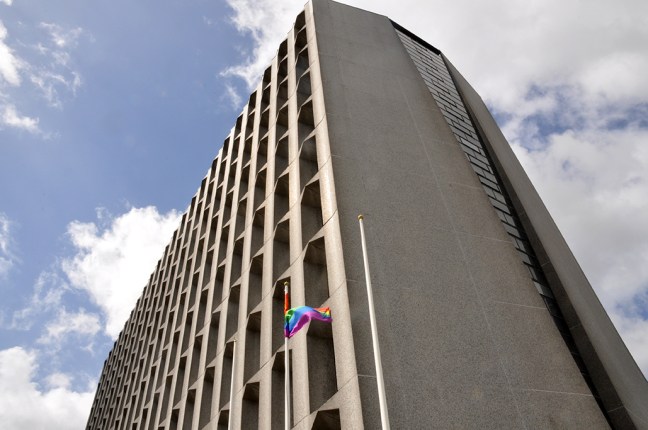
“1964 by George S Hay, Chief Architect for CWS, with interior design by Stanley Layland, interior designer for CWS. Reinforced concrete with Blue Pearl granite tiles and veneers, grey granite tiles and veneers, buff granite blocks, glass, and brick.”

The Liberal Democrat Council objected,  saying

“It could be a major barrier to regenerating Castlegate.”

http://www.sheffieldtelegraph.co.uk/what-s-on/saving-castle-house-controversial-listing-call-defended-1-453913#ixzz3sL3p5RAP

There is now the possibility of redevelopment as a creative hub.

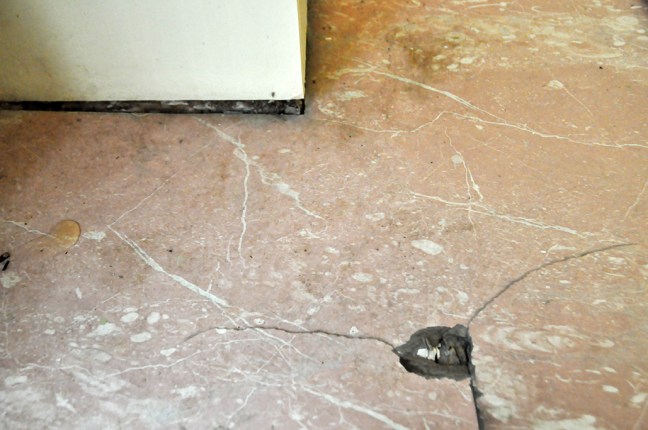
It was a Co-op on the grandest of scales.

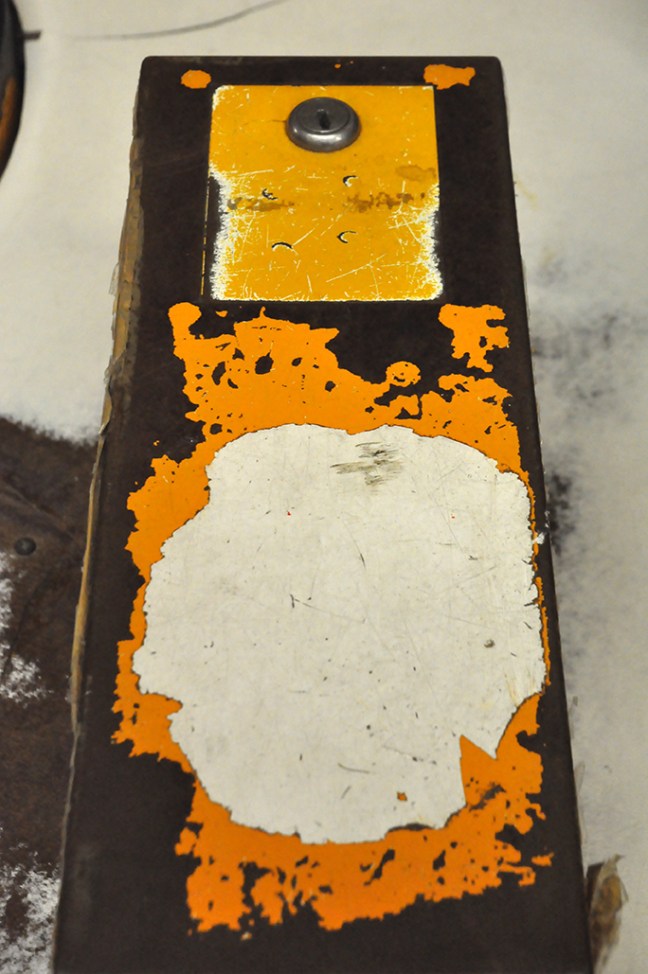
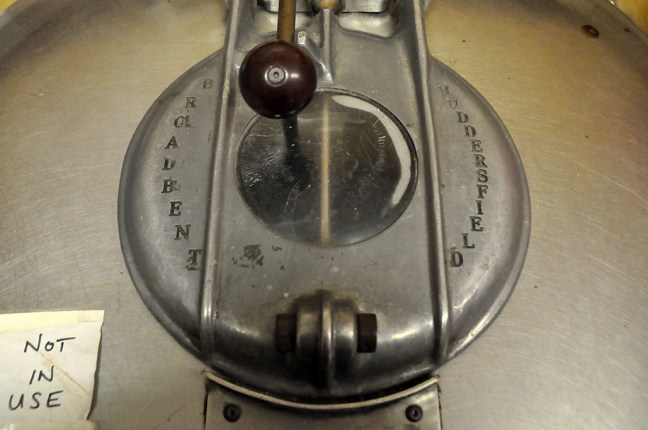
It has it all, public art, monolithic proportions and finish, bags of detail and scale in abundance. A fascinating building to explore and certainly one that fills my little heart with joy in superabundance

A building of period distinction, it deserves its preservation.

We do not require another patch of steel and wilfully wayward clad nowheresville non- architecture, replete with aspirational retail agogo.

Go see it soon!

Moore Street Electricity Substation – Sheffield

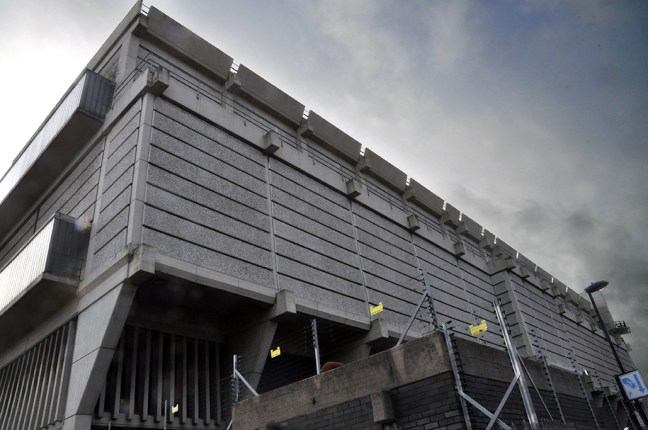
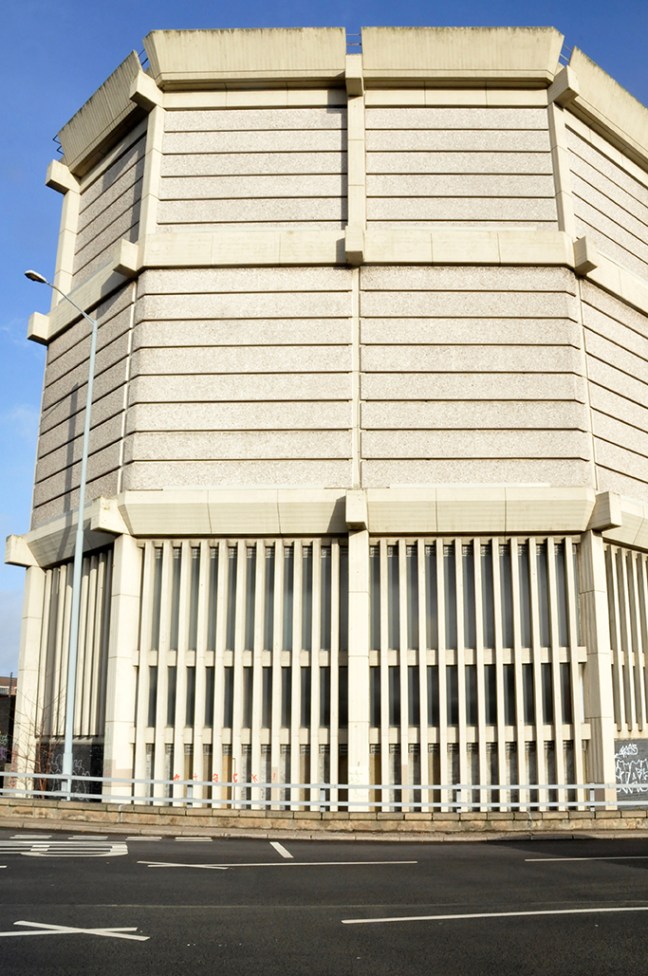
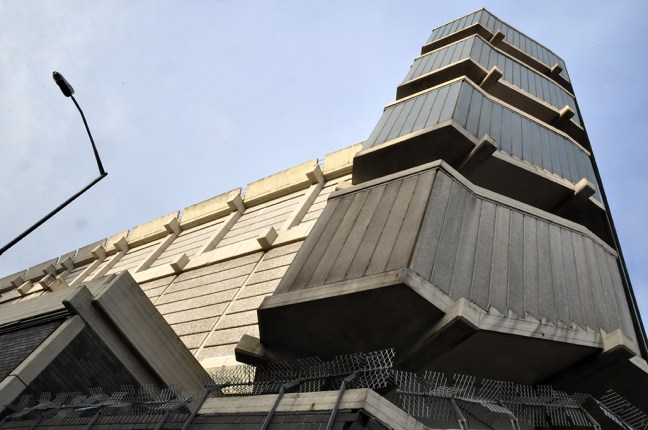
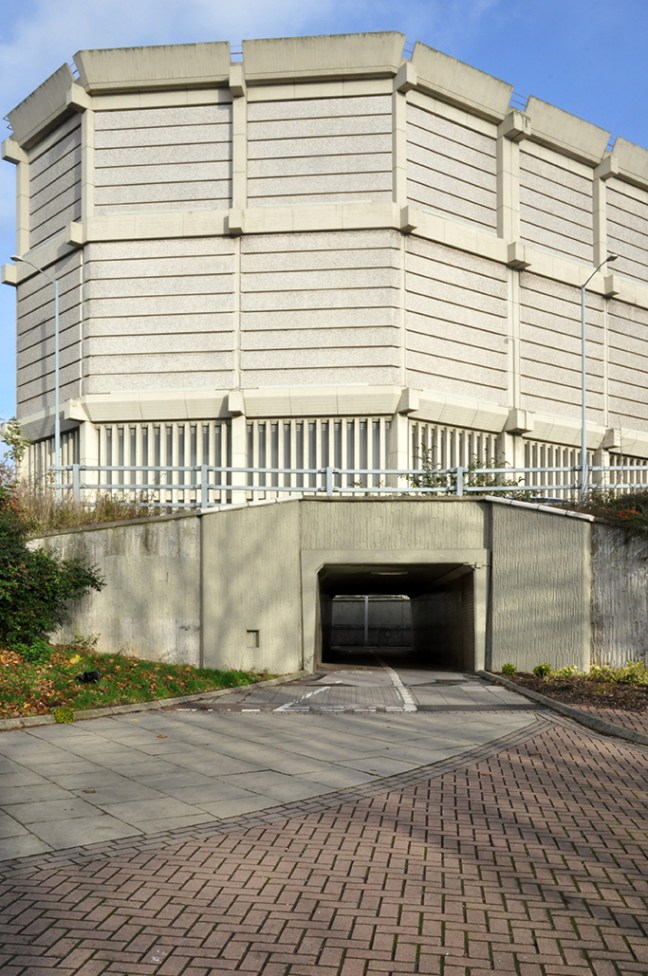
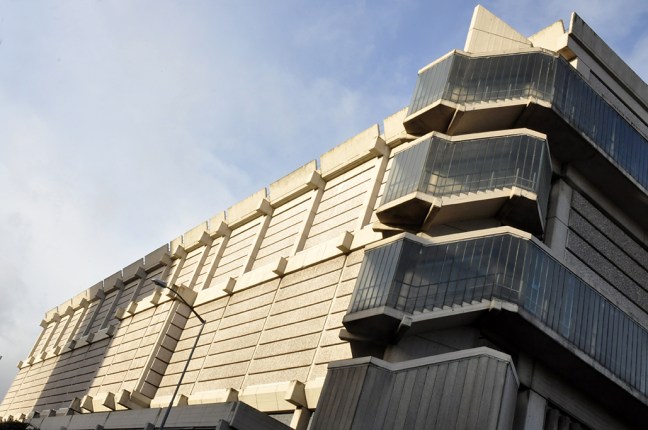
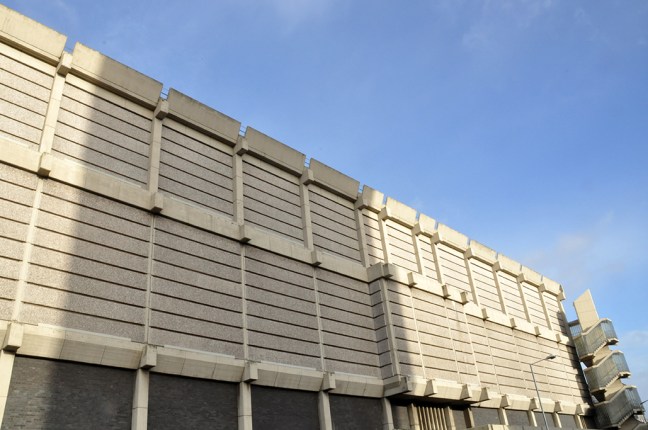
Moments from the centre of the City, bordered by dual carriageways and a substantial roundabout, sits a most remarkable building.

What is it?

It’s almost unfathomable.

A carpark lacking entrance and exit, abattoir, contemporary art space?

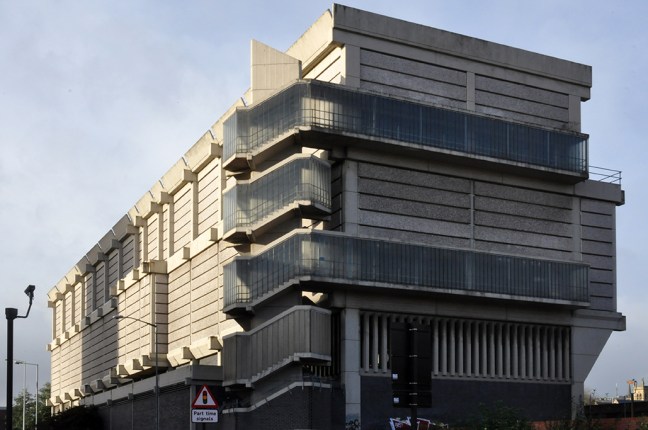
No – an electrical substation, on such a colossal scale as to relieve you temporarily, of a gasp or two.

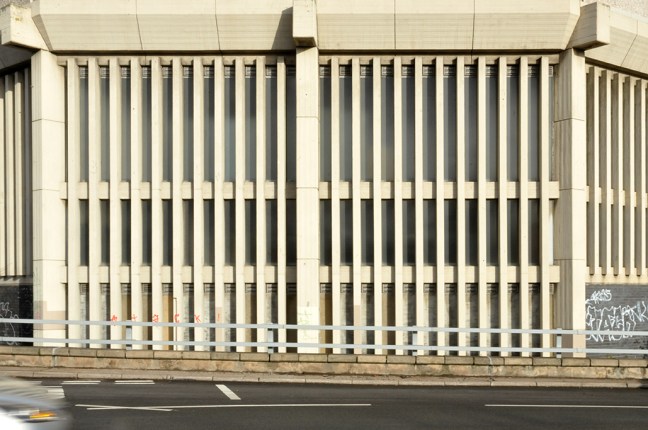
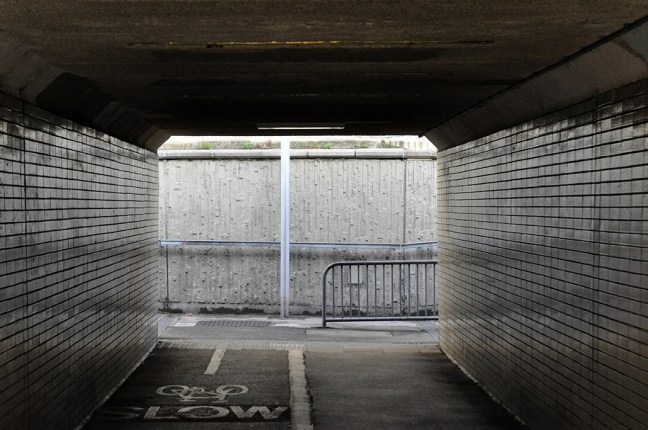
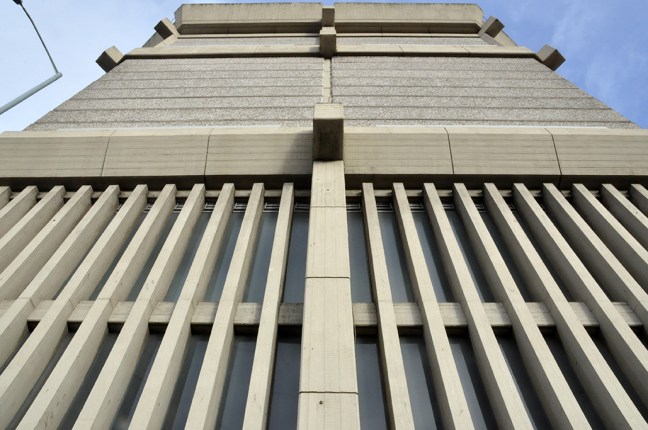
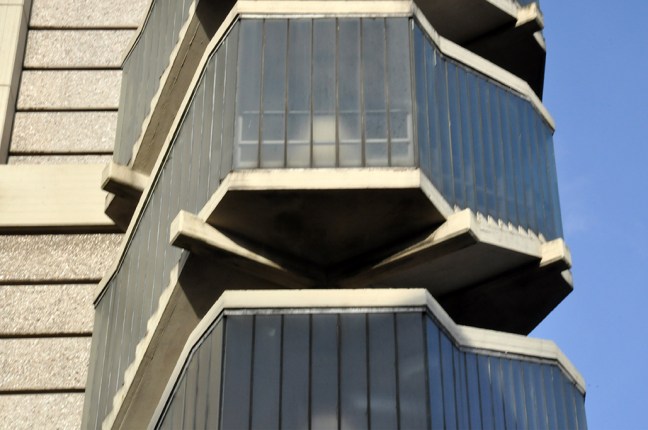
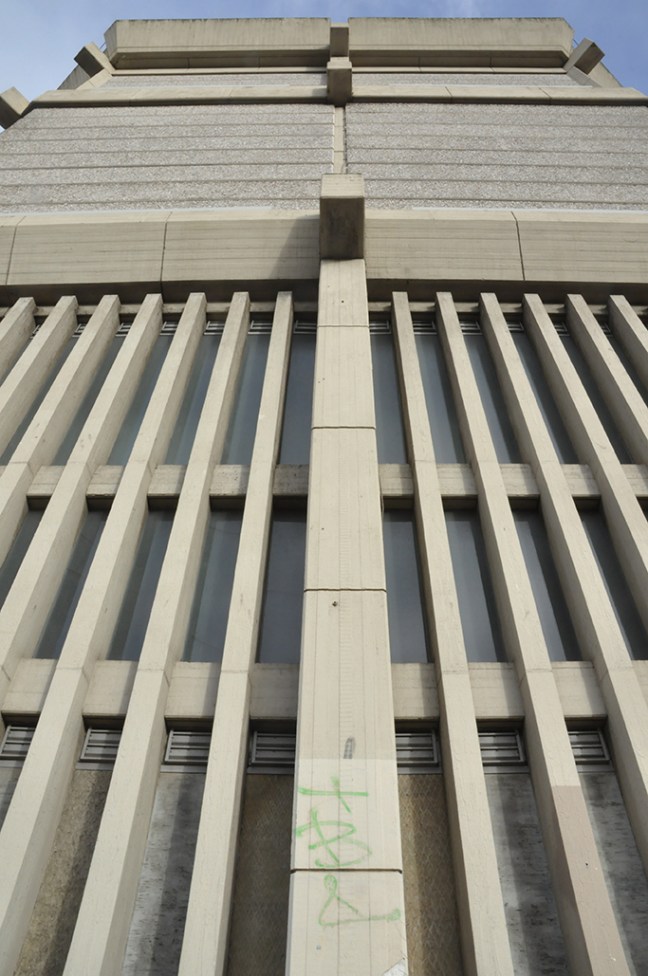
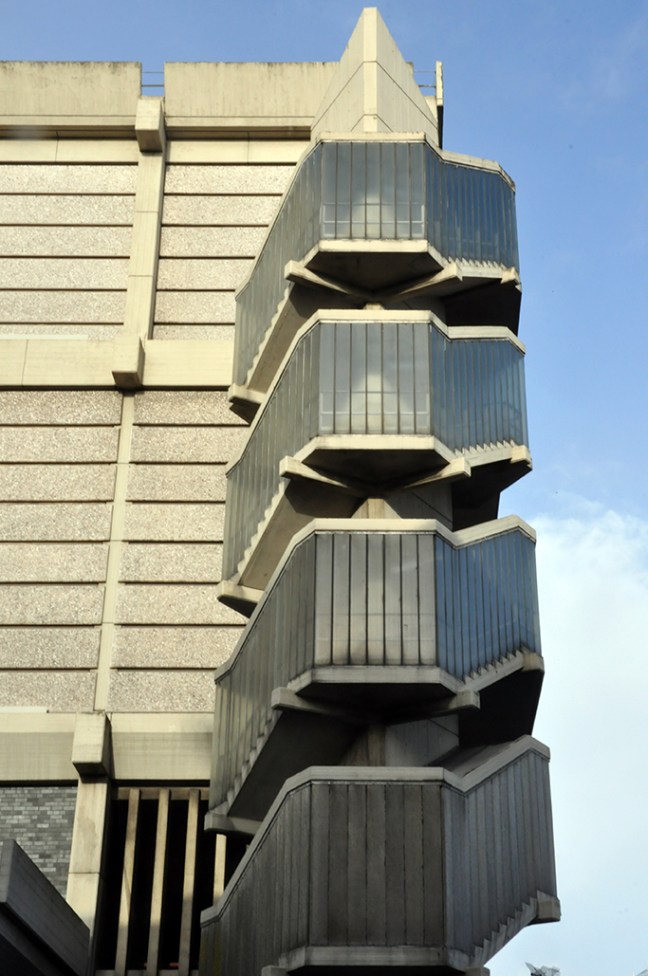
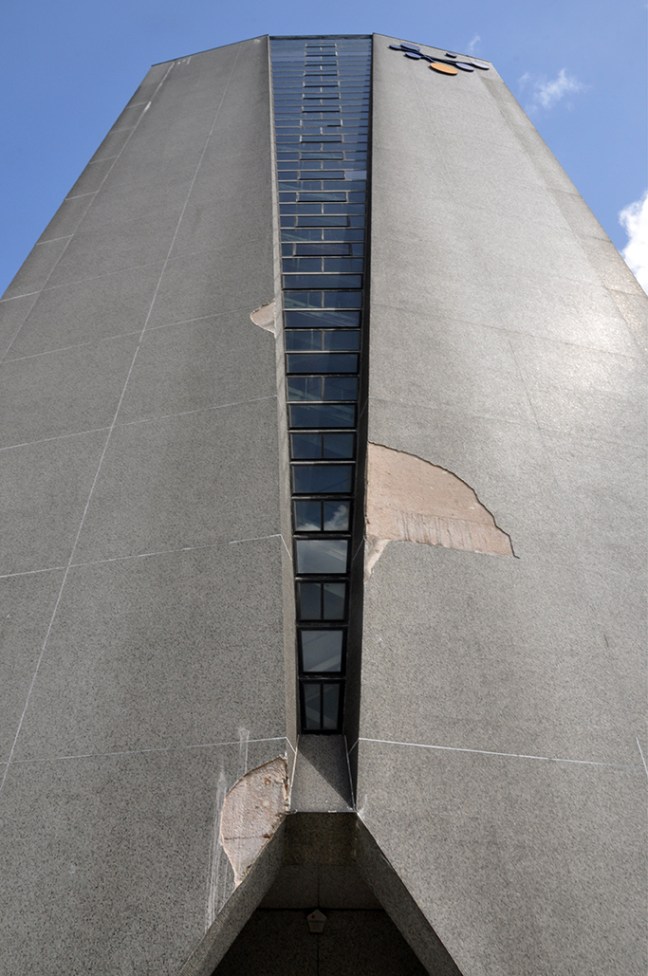
Finished entirely in unfinished concrete, a great volume, broken by vertical and horizontal lines, punctuated by intermittent abutments.

Accessed externally via a most extraordinary glazed and enclosed staircase.

Wisely Historic England have had the site listed:

https://historicengland.org.uk/listing/the-list/list-entry/1415383

“Electricity substation. 1968 to designs by consulting architects Jefferson, Sheard and Partners, Sheffield, led by Bryan Jefferson, in association with the Regional Civil Engineers’ Department of the CEGB North East Region. Contractors, Longden & Sons Ltd, Sheffield. Reinforced concrete frame with board-marked finish with formwork bolt marks, construction and daywork joints emphasized, concrete floor slabs, blue engineering facing bricks, cladding panels of Cornish granite aggregate.”

Go see for yourself, if you don’t believe my eyes.
DSC_0035 copy

DSC_0057 copy

DSC_0036 copy

DSC_0037 copy

DSC_0031 copy

DSC_0059 copy

DSC_0041 copy

DSC_0042 copy

DSC_0039 copy

DSC_0034 copy

DSC_0043 copy

DSC_0033 copy


Hexagon Tower – Blackley Manchester

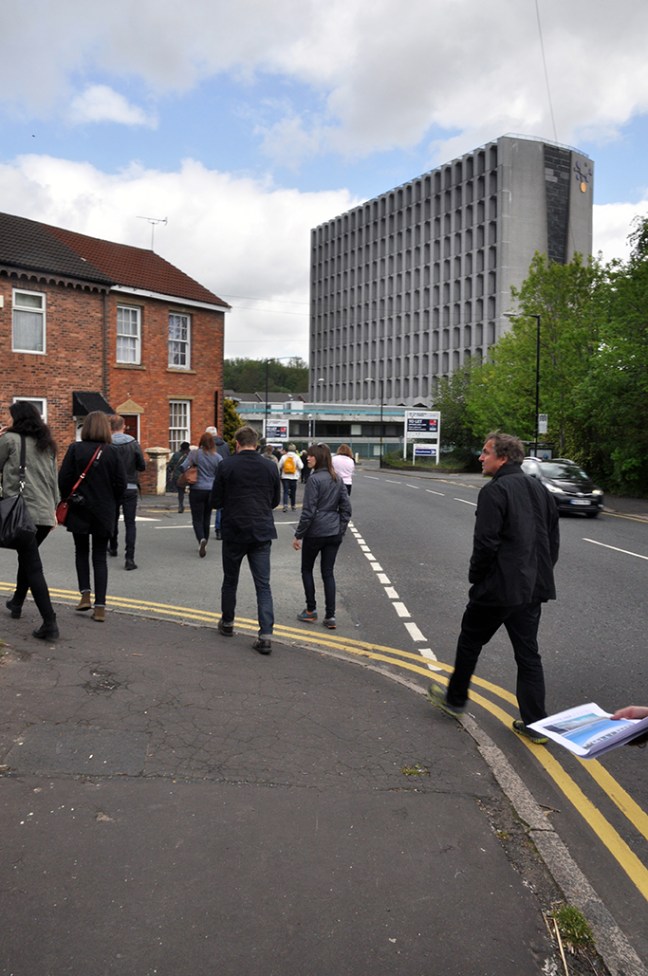
Manchester Orbital – a coach trip around the outer and upper limits of the city’s Modernist Architecture.

Organised by the Manchester Modernist Society

http://www.modernist-society.org

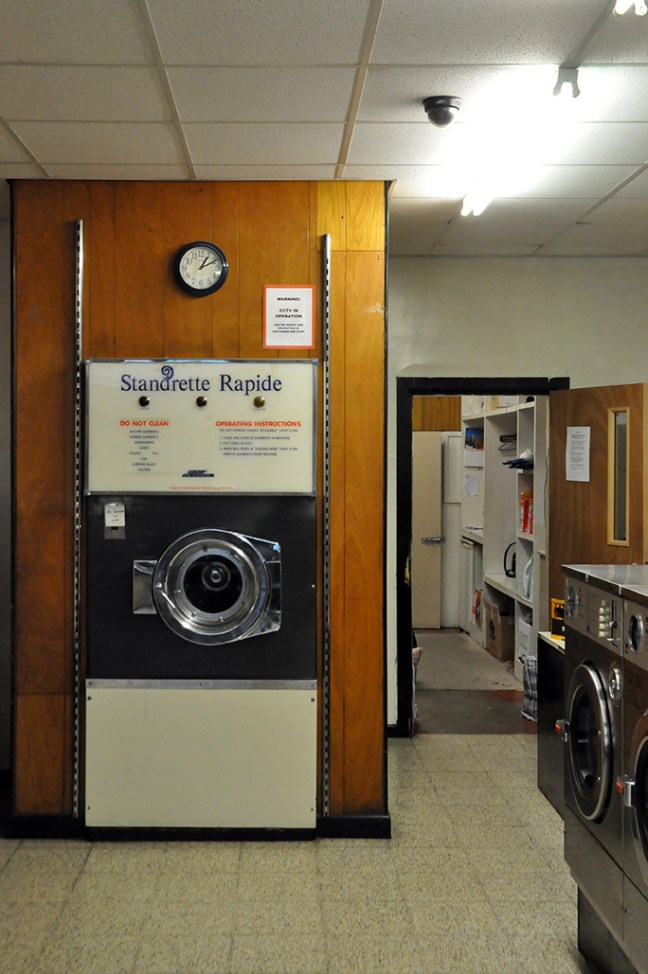
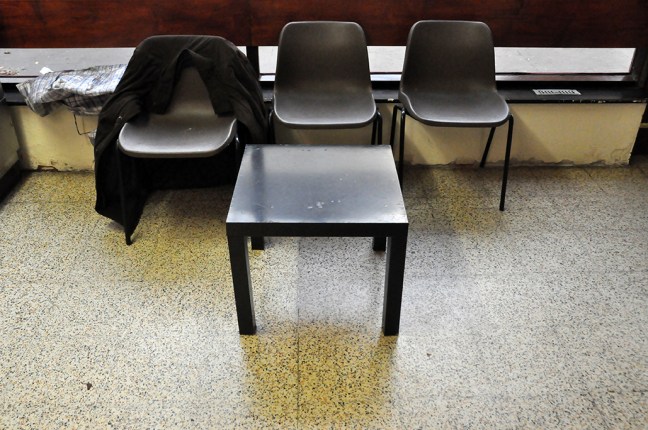
“Seifert’s corporate buildings were regularly bold, those in Manchester no exception, but this is perhaps the most monolithic of his North-West schemes. The site, in a depression adjacent the River Irk in Blackley, was formerly owned by ICI, by whom the building was commissioned. At one time, a four storey ICI laboratory building by émigré architect Serge Chermayeff also stood close. Here, the simple massing, formed by the junction of horizontal and vertical volumes, bears several of Seifert and Partners trademark gestures; the hexagonal geometries, the cut away sections of wall to form entrance ways between structural elements, and the repetitive facade. The end wall is reminiscent of Tolworth Tower, also by Seifert. The tower and podium configuration is a product of the brief; the machine hall had to be at ground level and have no construction above. The narrow tower has no internal columns, the structural grid is mirrored in the services arrangement and the two co-exist outside the usable volume of the laboratory space, in the walls and floor. This solution is expressed in the deep reveals of the main façade, services travel vertically between the window modules. Whilst somewhat hidden, the building reveals itself fantastically from elevated vantage points, the tram south from Bowker Vale station being one such location. Originally it was intended that four of these towers would be built and run along the river valley in some sort of massive futurist domino arrangement.”
With thanks to Mainstream Modern

http://www.mainstreammodern.co.uk/casestudies.aspx/Detail/72/hexagon-tower

DSC_0013

DSC_0023

DSC_0026

DSC_0017

DSC_0030

DSC_0032

DSC_0024

DSC_0045

DSC_0044

DSC_0029

DSC_0025

DSC_0027

DSC_0043

DSC_0046

DSC_0038

DSC_0036

DSC_0018

Marine Court – St Leonards on Sea

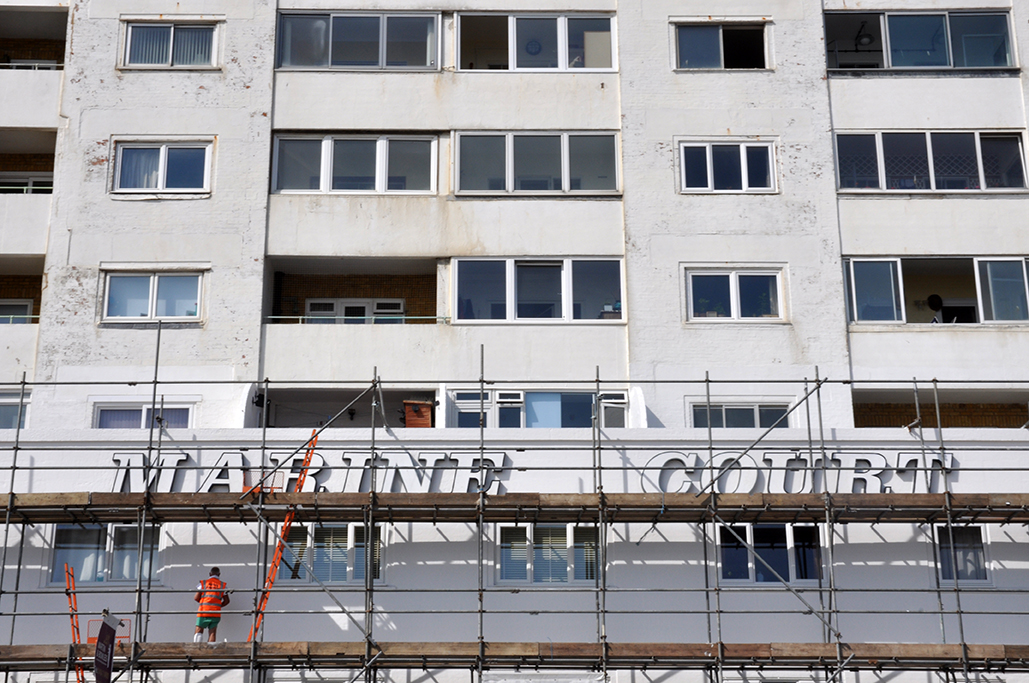
It’s ever so easy to fall in love with a building, that’s ever so lovable.

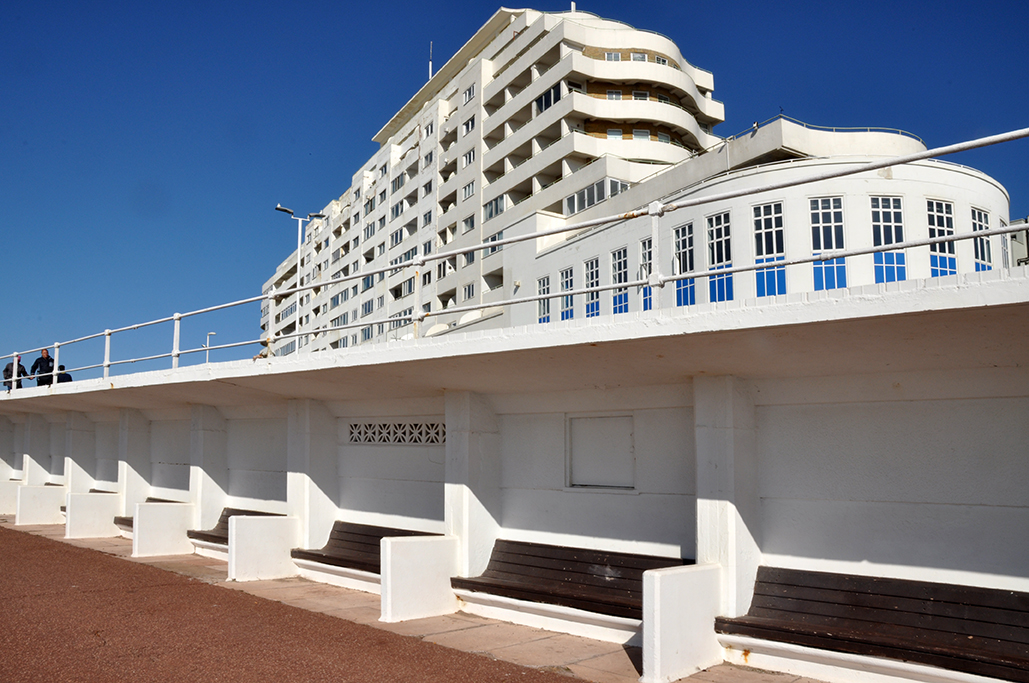
So much of its time and place – a perfect piece of Seaside Moderne.

Sun soaked and whiter than white, against almost clear blue southern skies.
A luxury liner beached and beloved, now returned to showroom condition.

Go see for y’self.

http://www.modernistbritain.co.uk/post/building/Marine+Court/

Washeteria – Hastings

Don’t forget to forget.

Big is not large, not small.

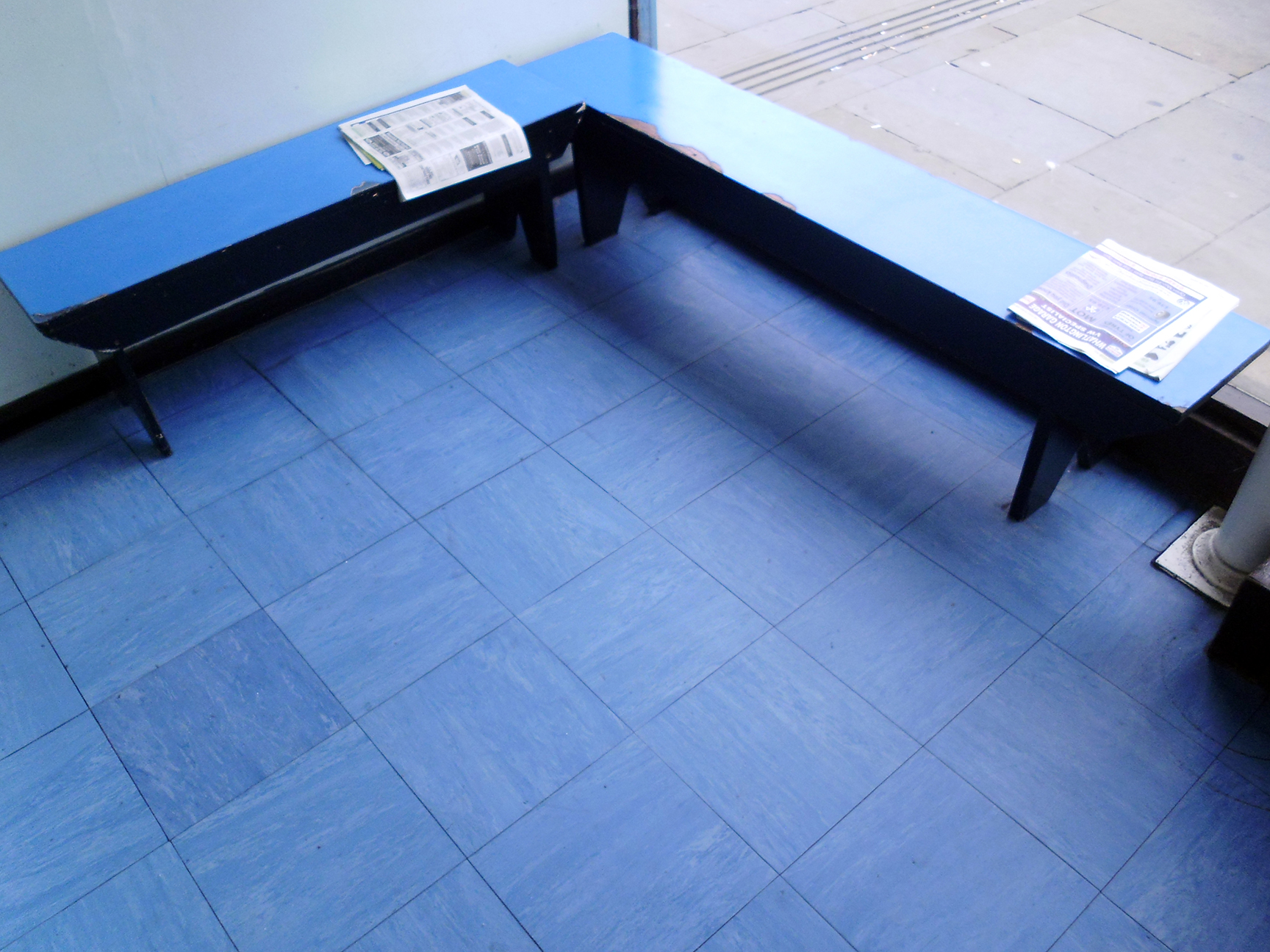
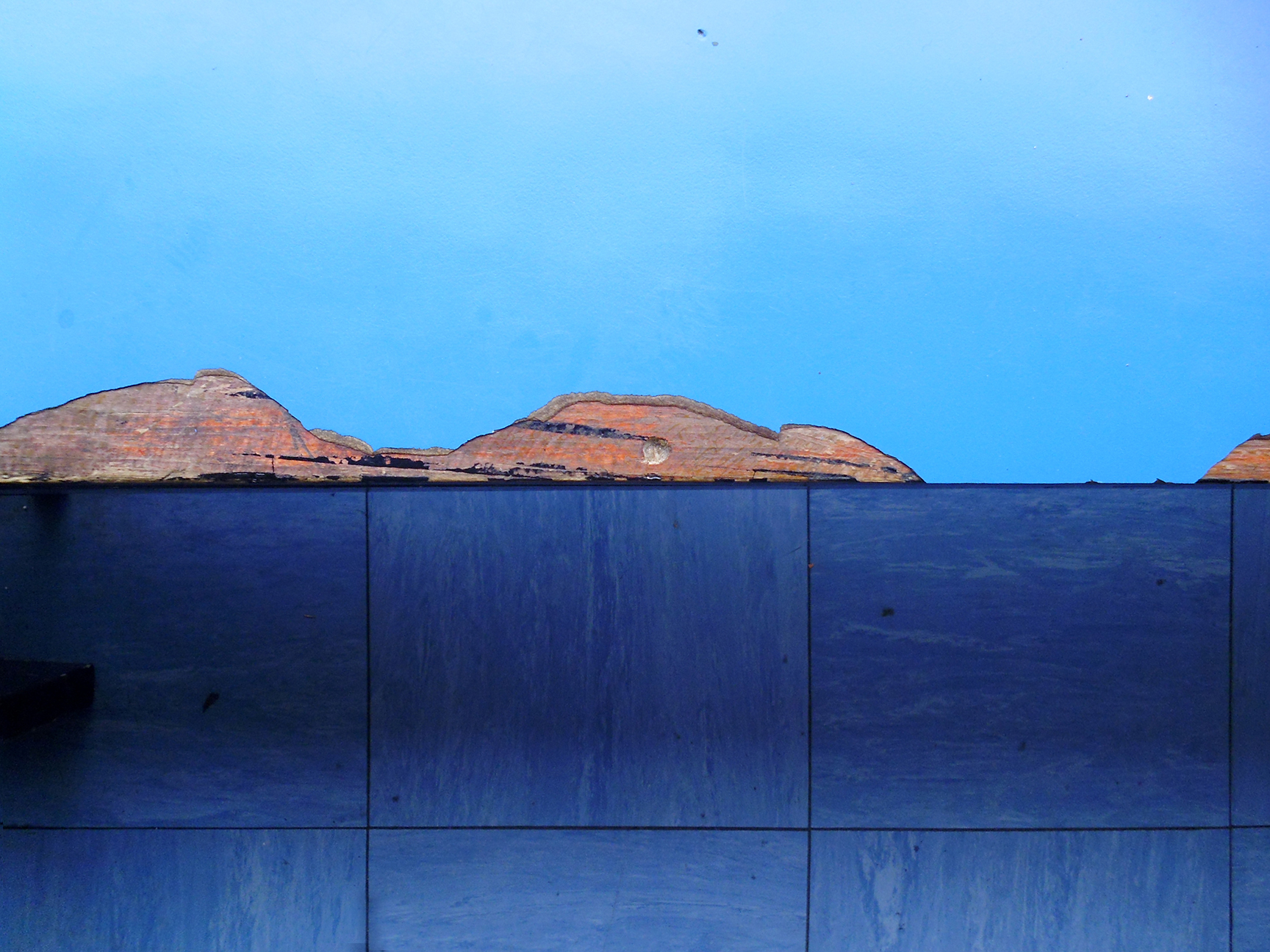
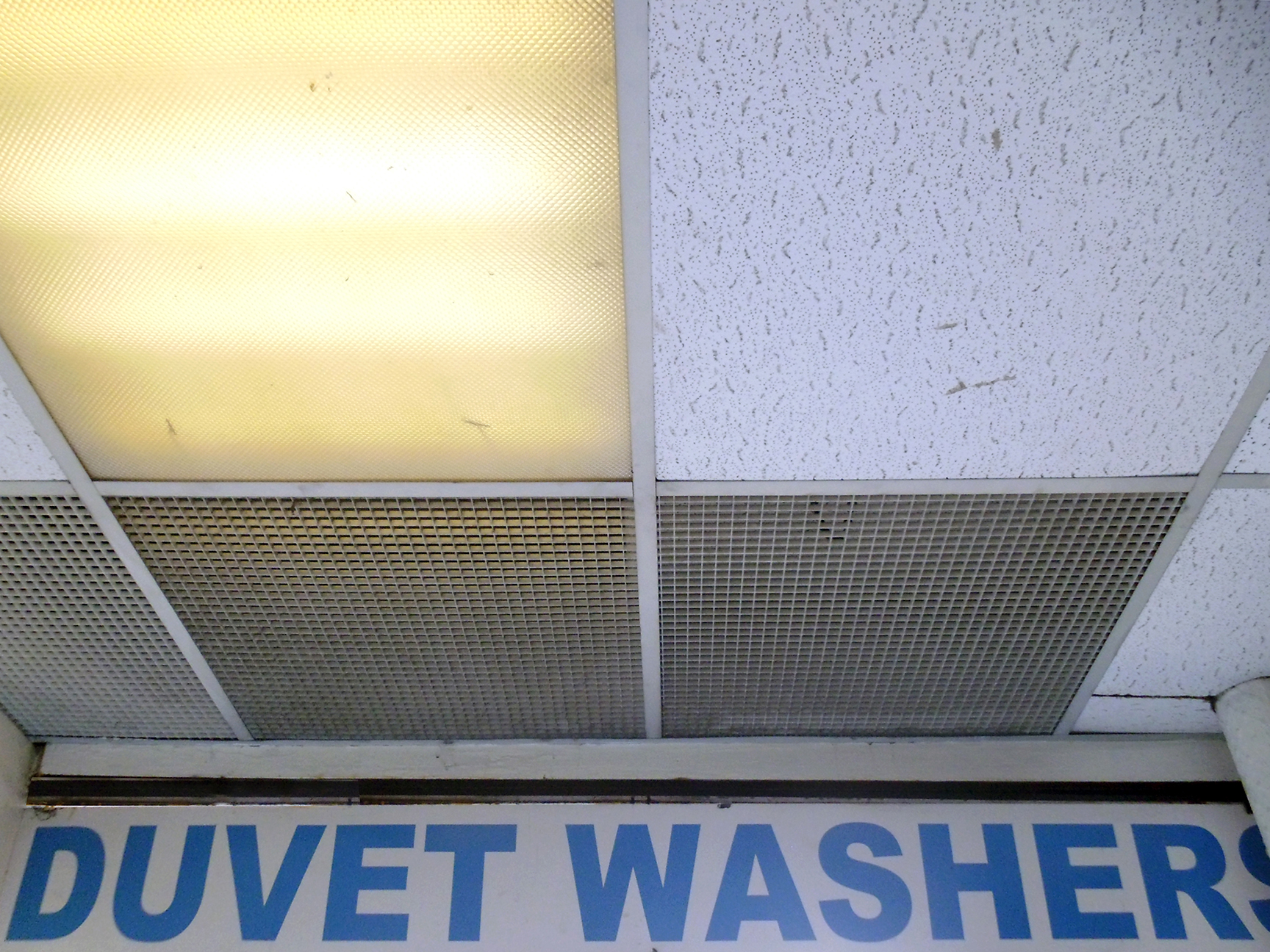
This is a dirty blue,  washed-out pale yellow, Alice in Wonderland un-wonderful land.

Time will not stand still – you’re in a spin, oh what a spin that you’re in.

Walk in, wash and wish.

DSC_0424 copy

DSC_0439 copy

DSC_0429 copy

DSC_0431 copy

DSC_0438 copy

DSC_0441 copy

DSC_0436 copy

DSC_0434 copy

DSC_0428 copy

DSC_0444 copyDSC_0445 copy

DSC_0427 copy

DSC_0430 copy

DSC_0432 copy

DSC_0435 copy

DSC_0443 copy

DSC_0442 copy

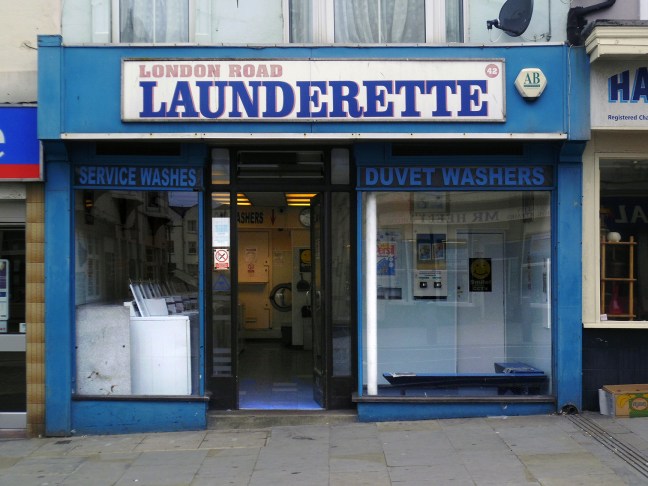
Launderette – London Road St Leonards

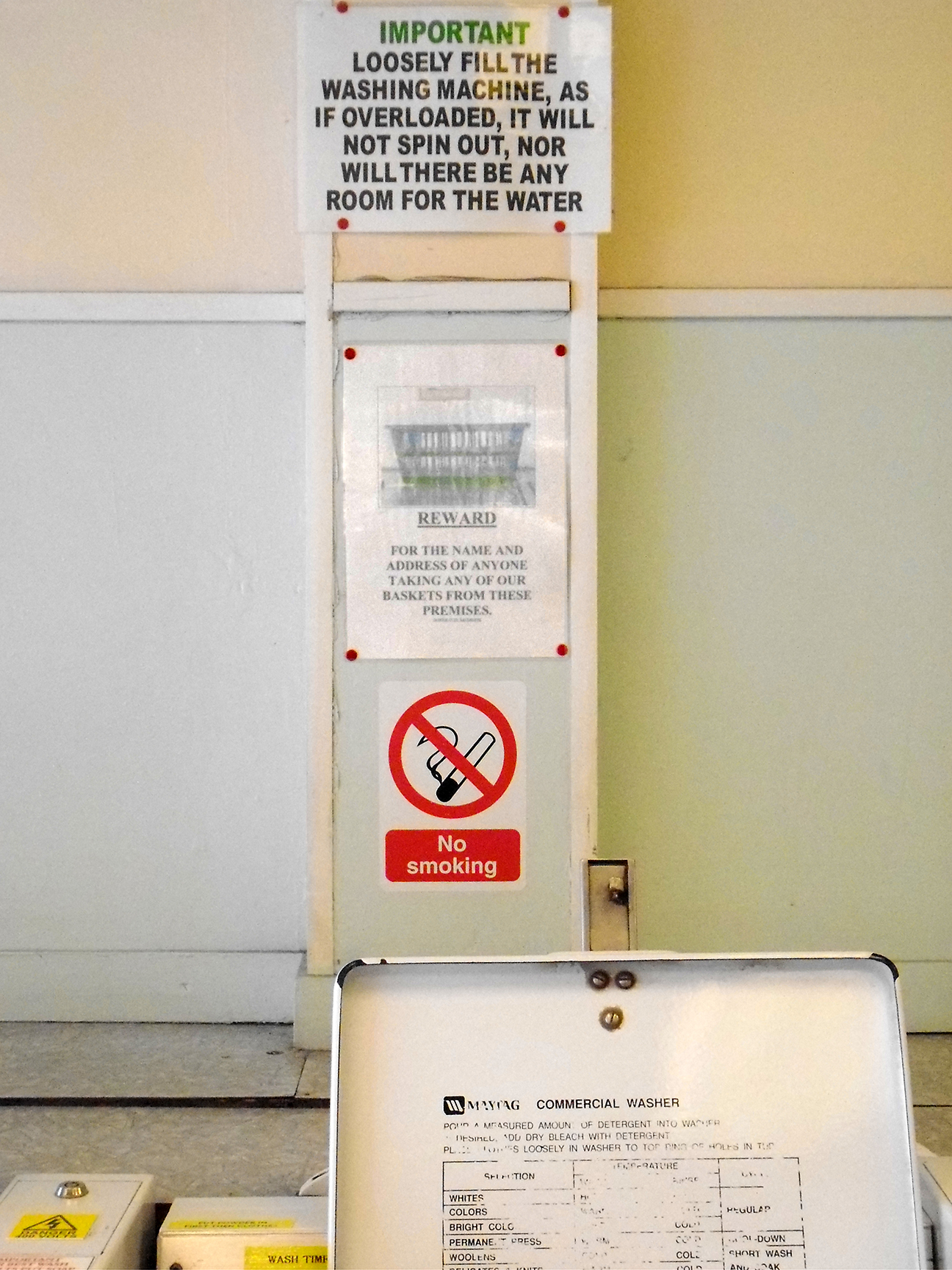
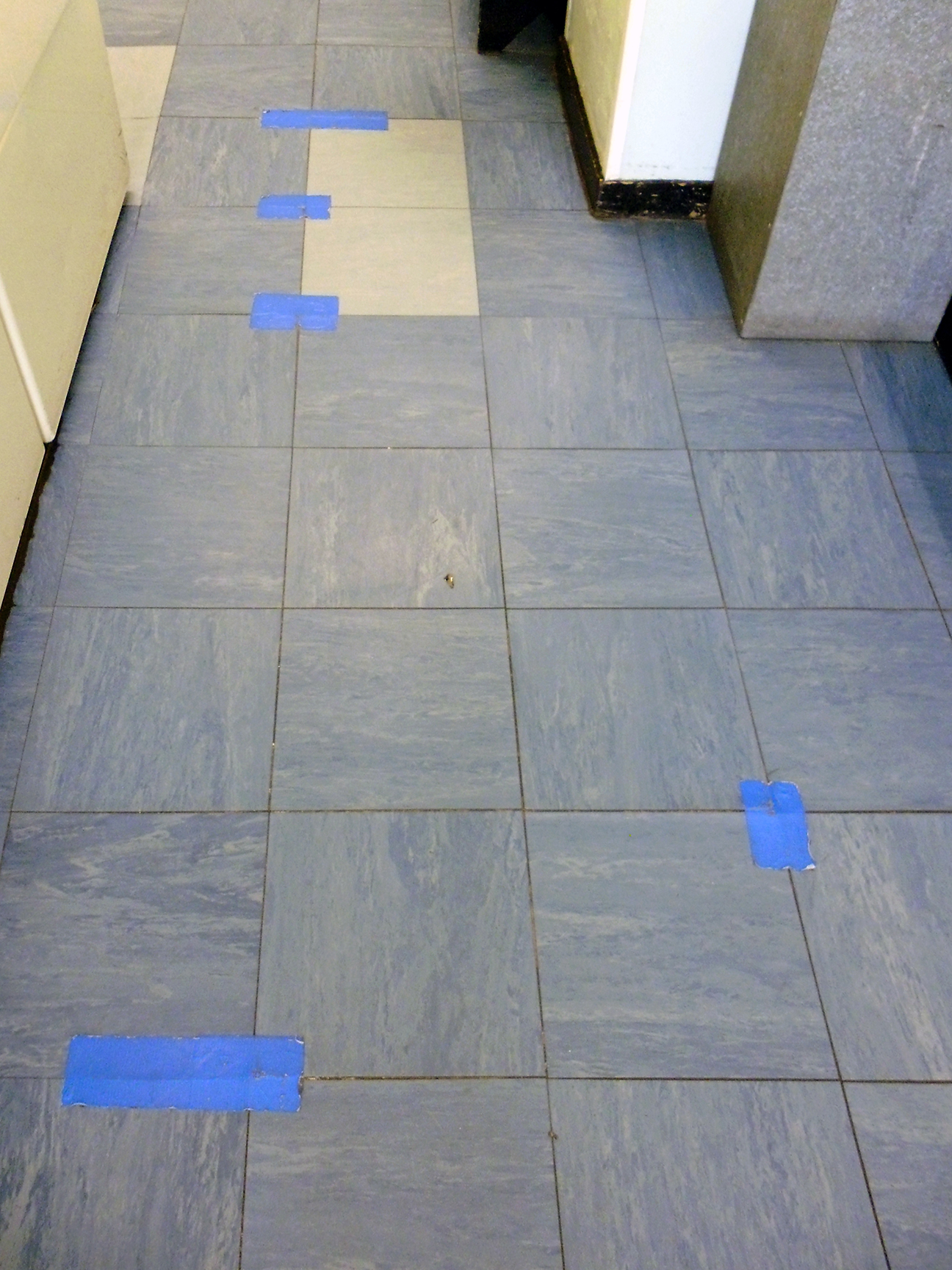
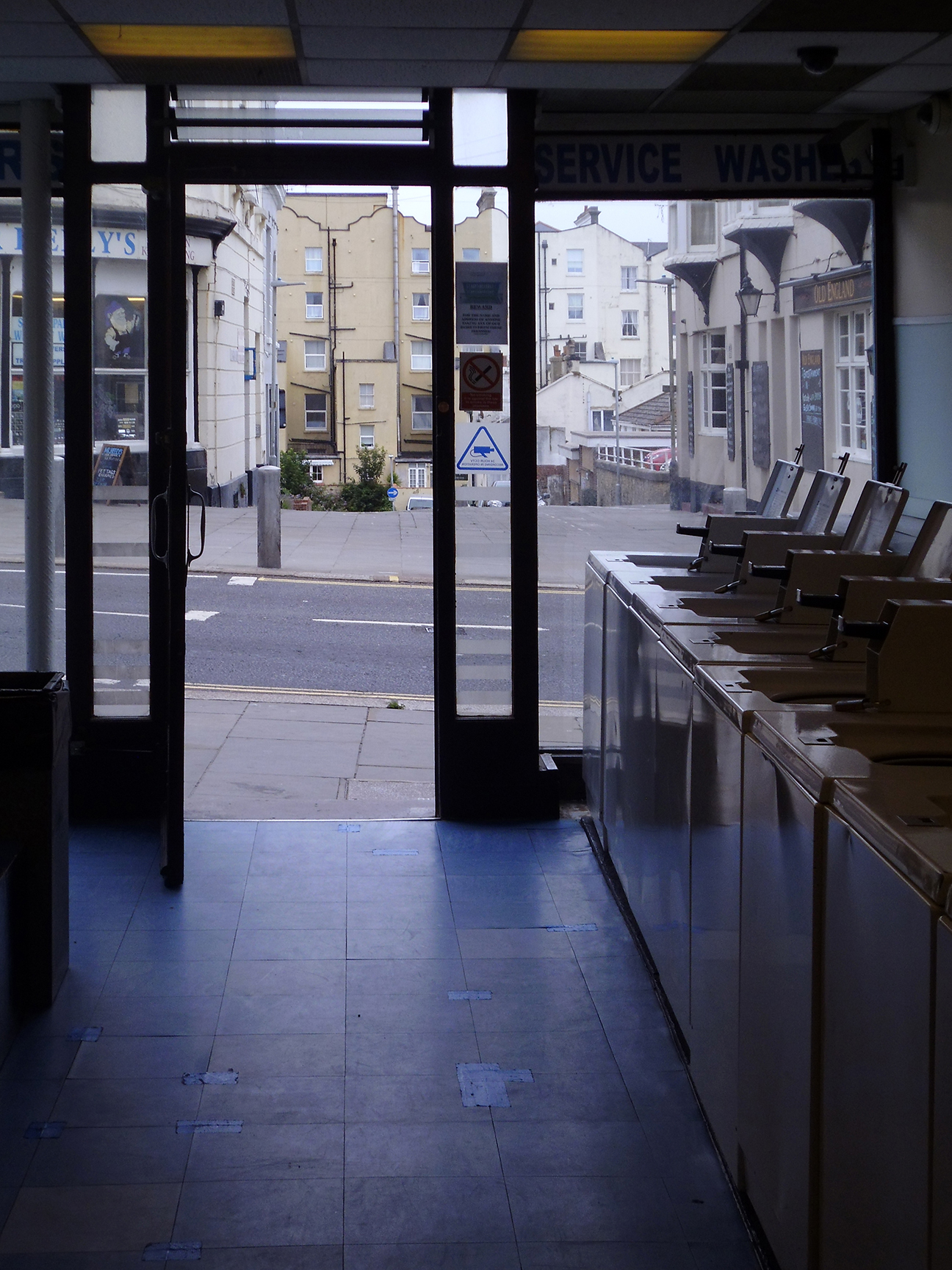
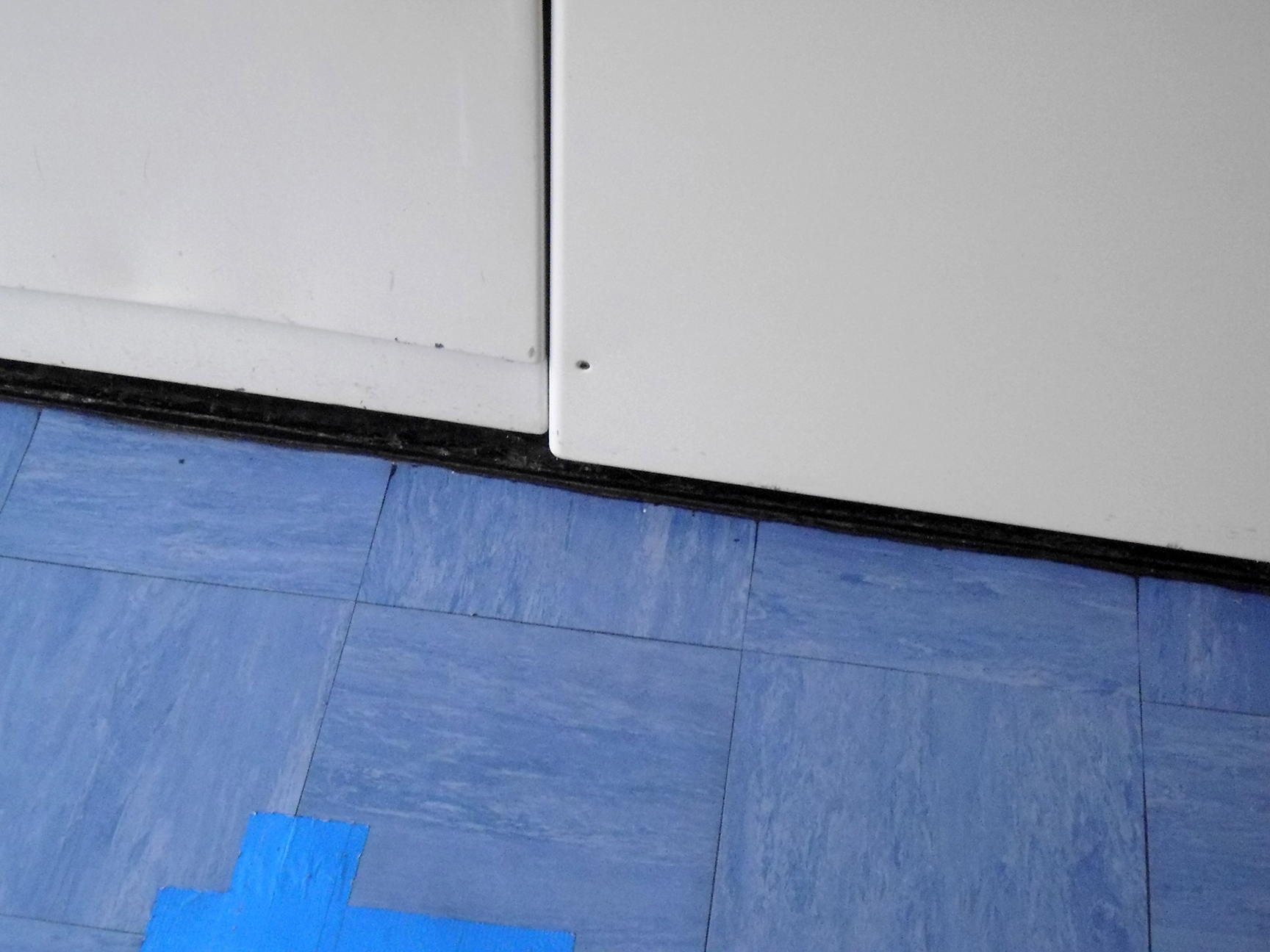
Mid blue linoleum tiles, patched here there.

And everywhere.

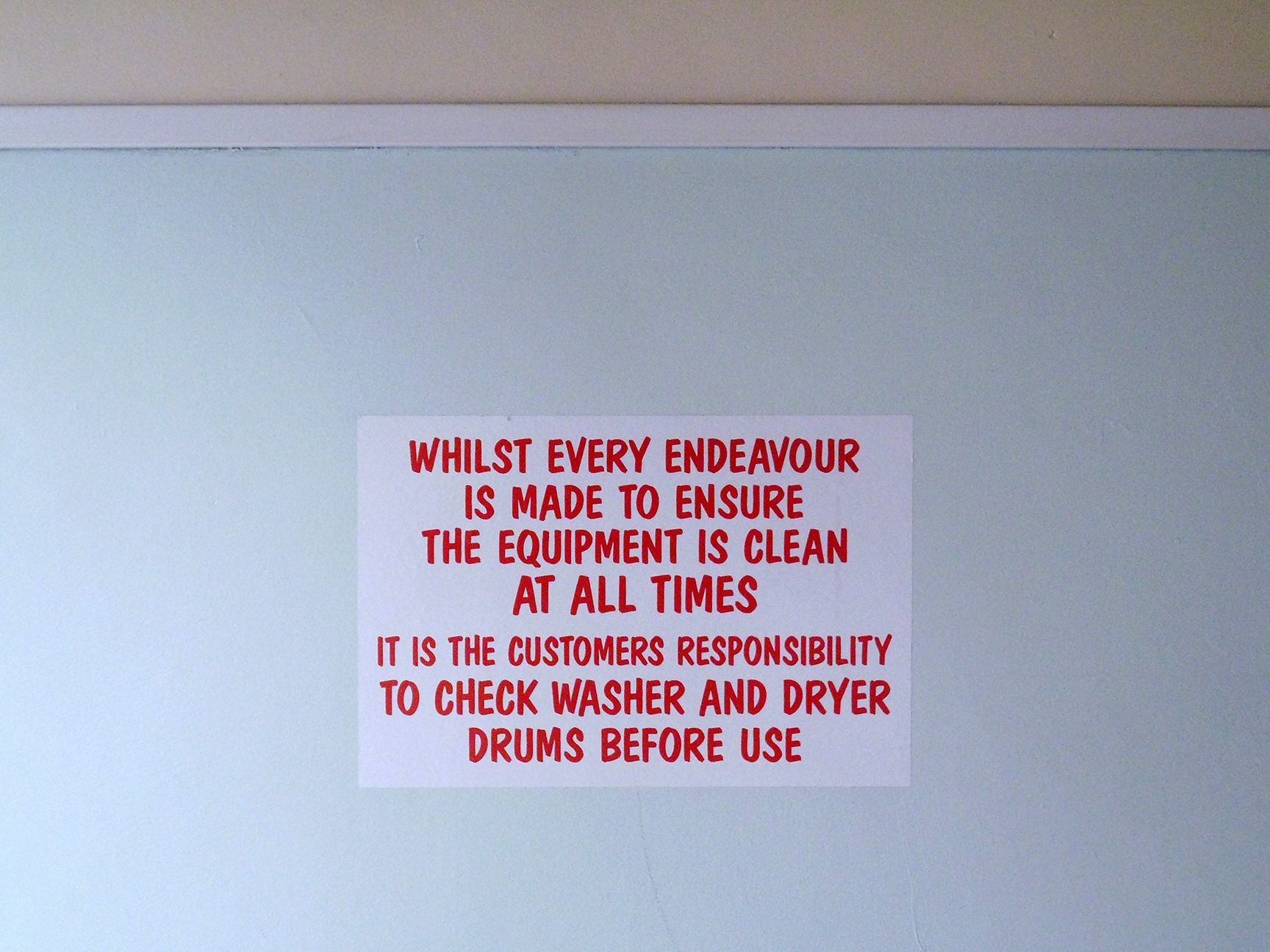
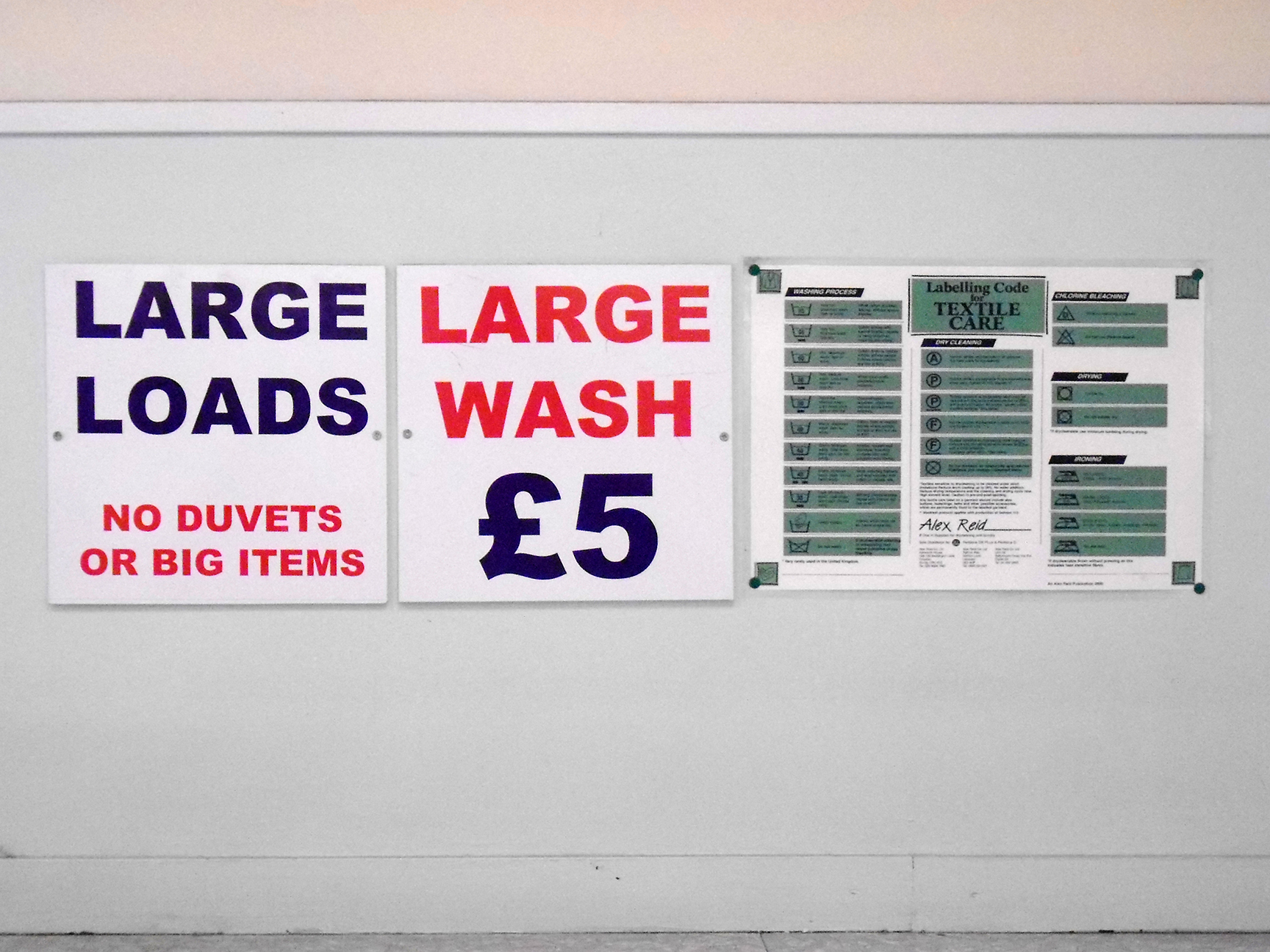
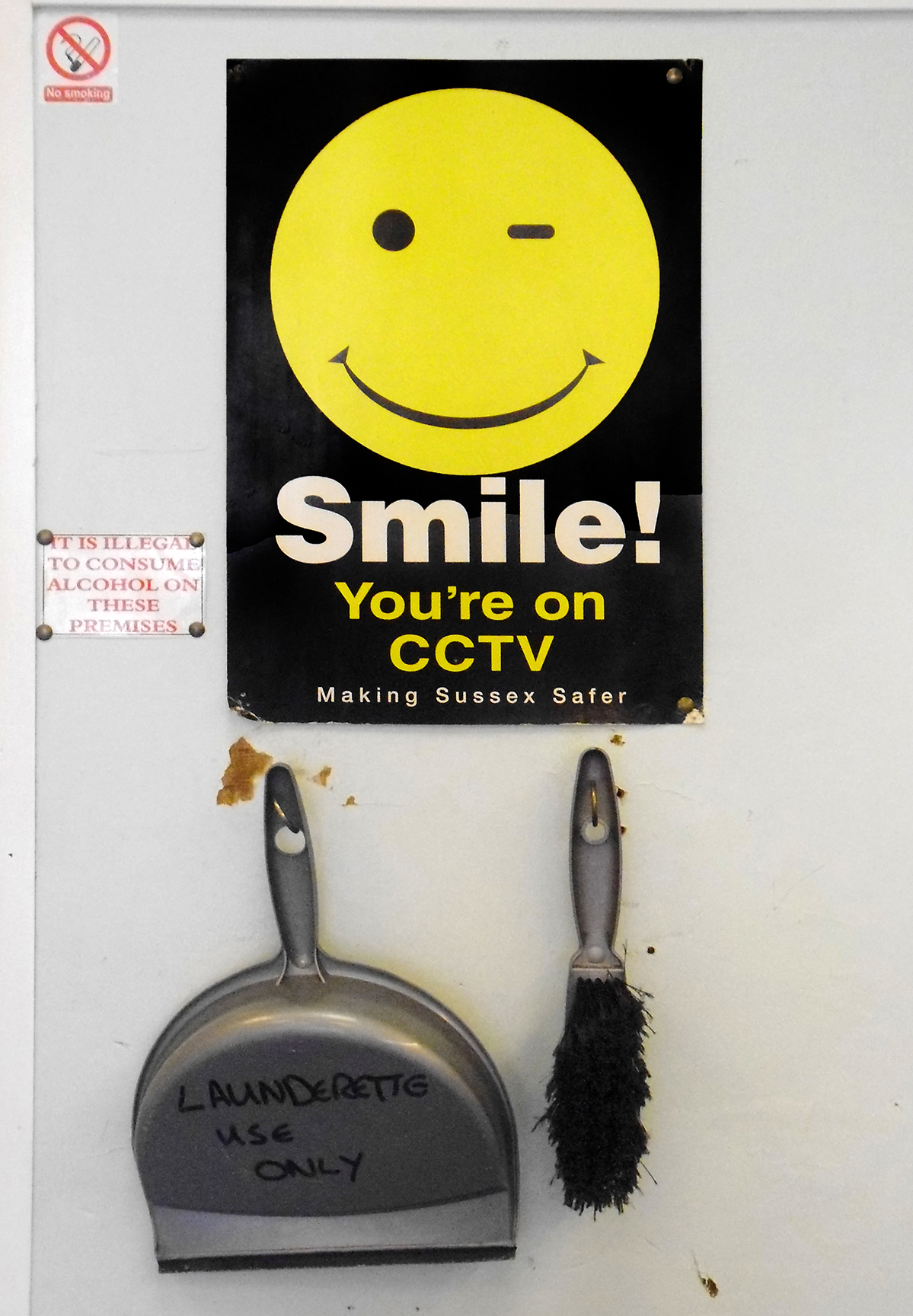
Signs

Everywhere.

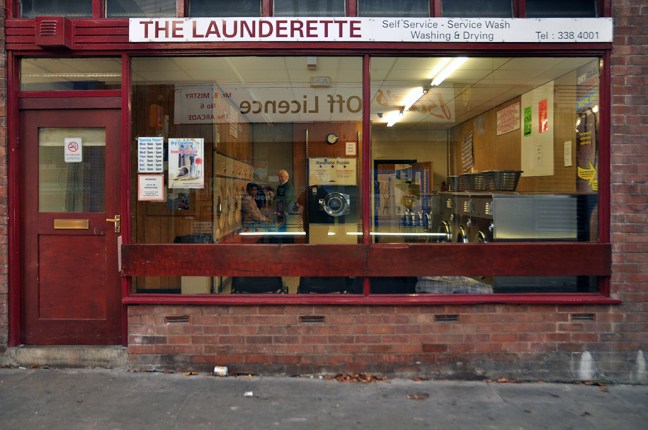
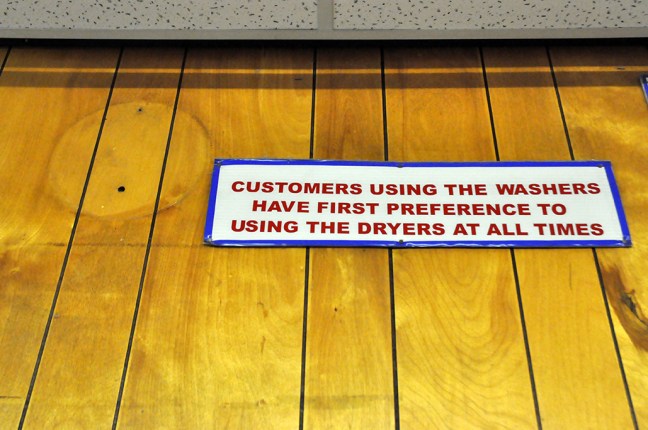
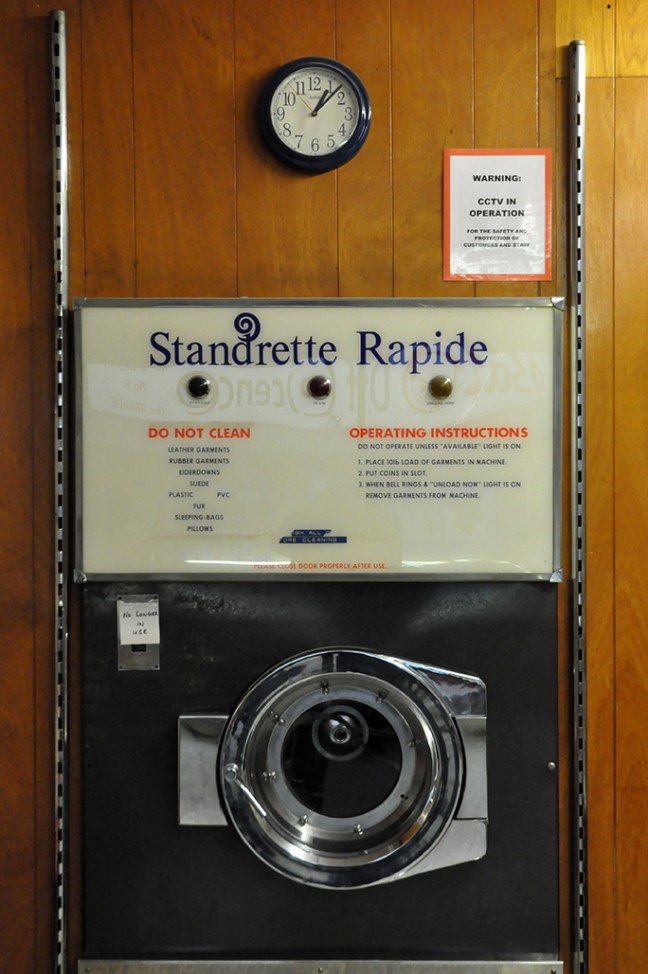
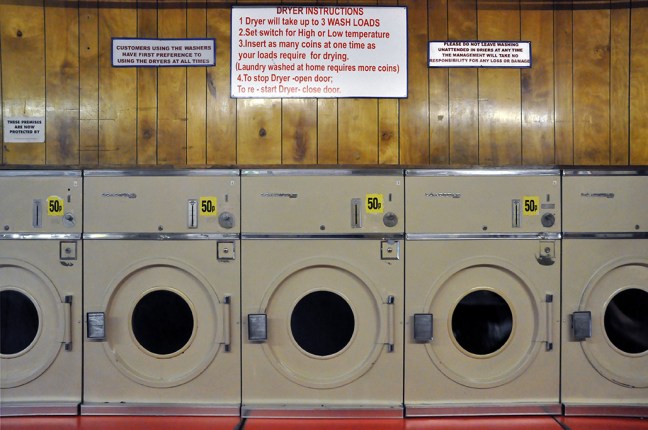
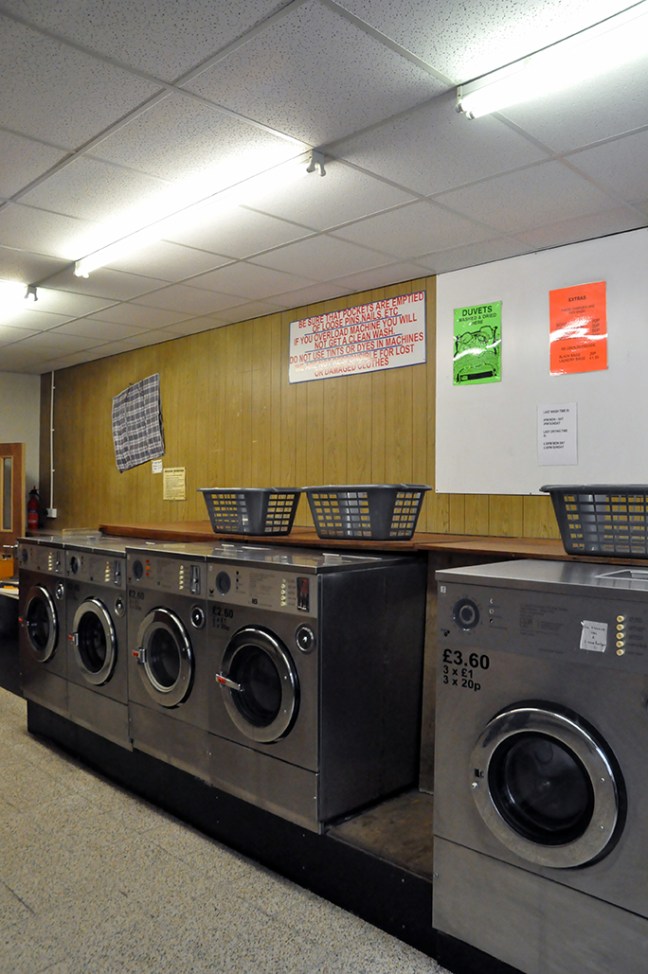
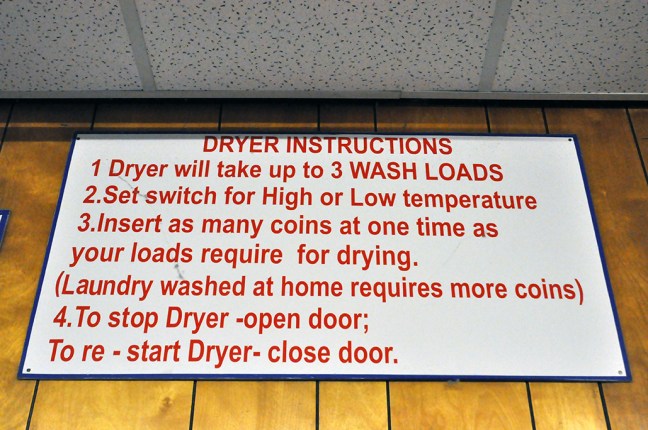
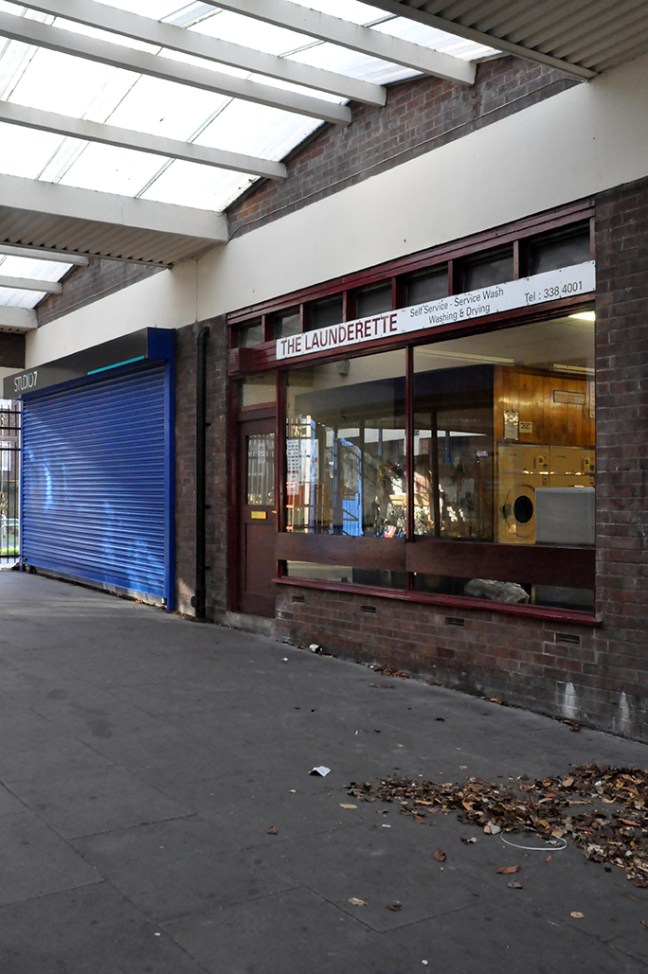
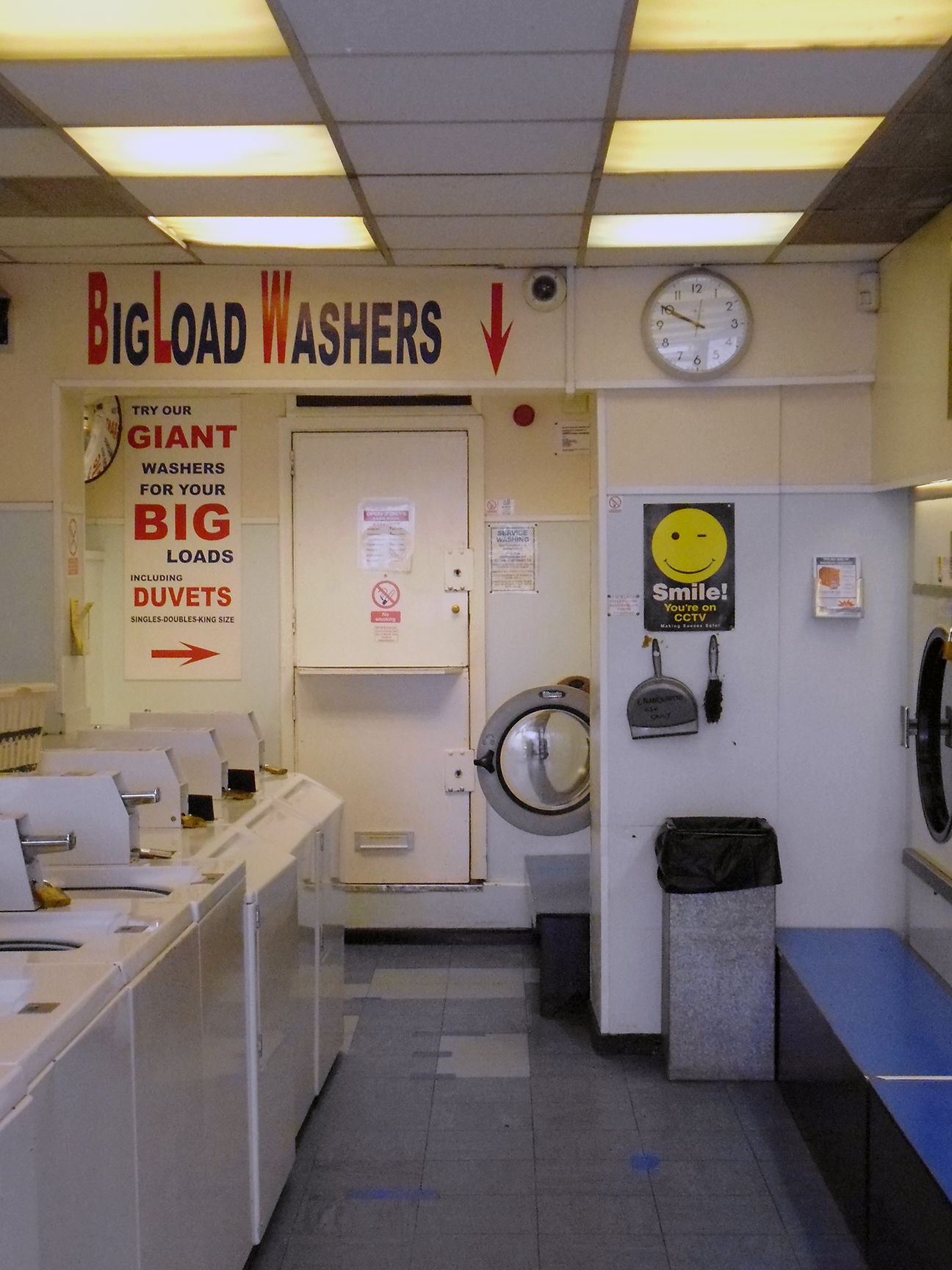
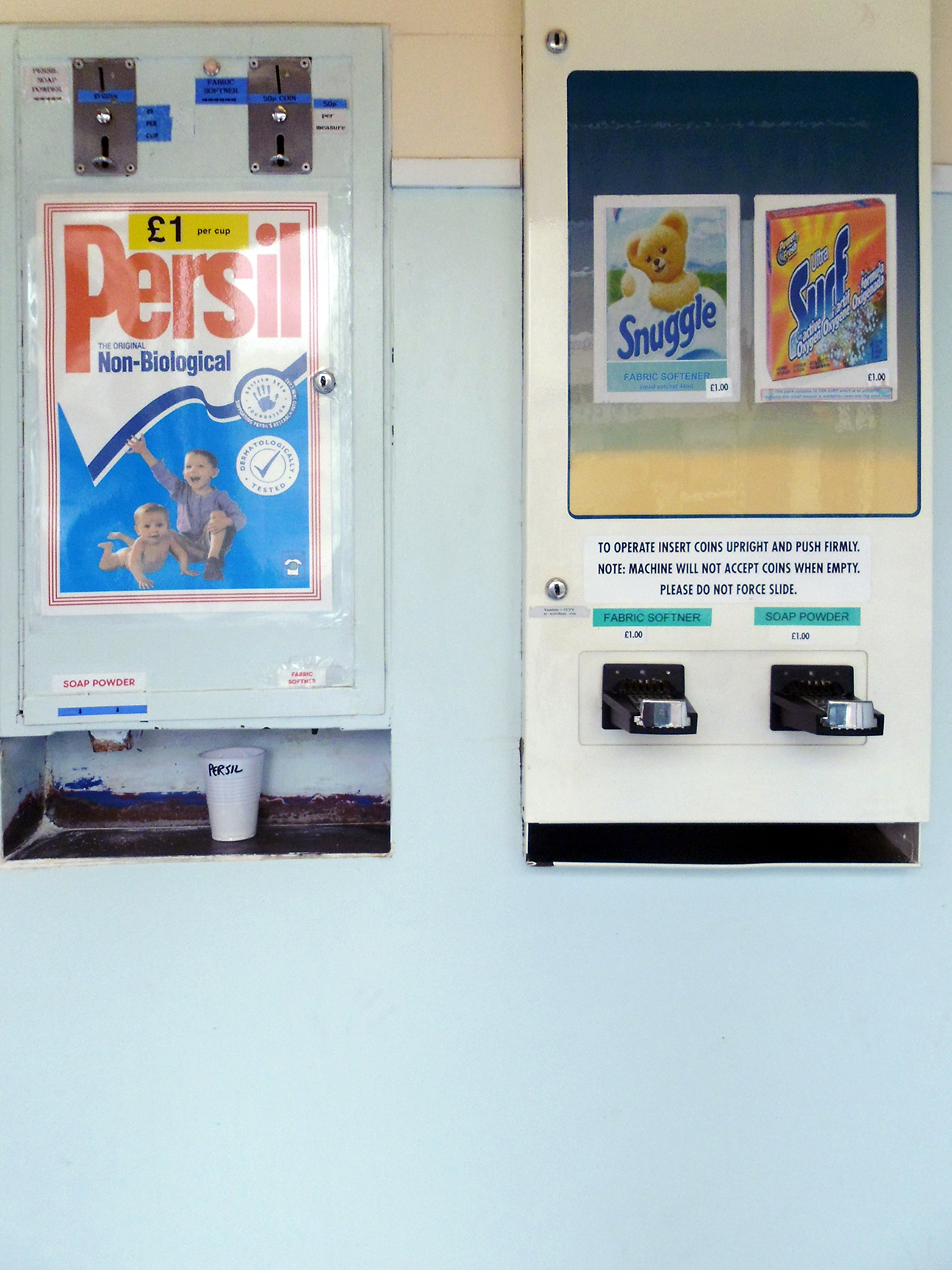
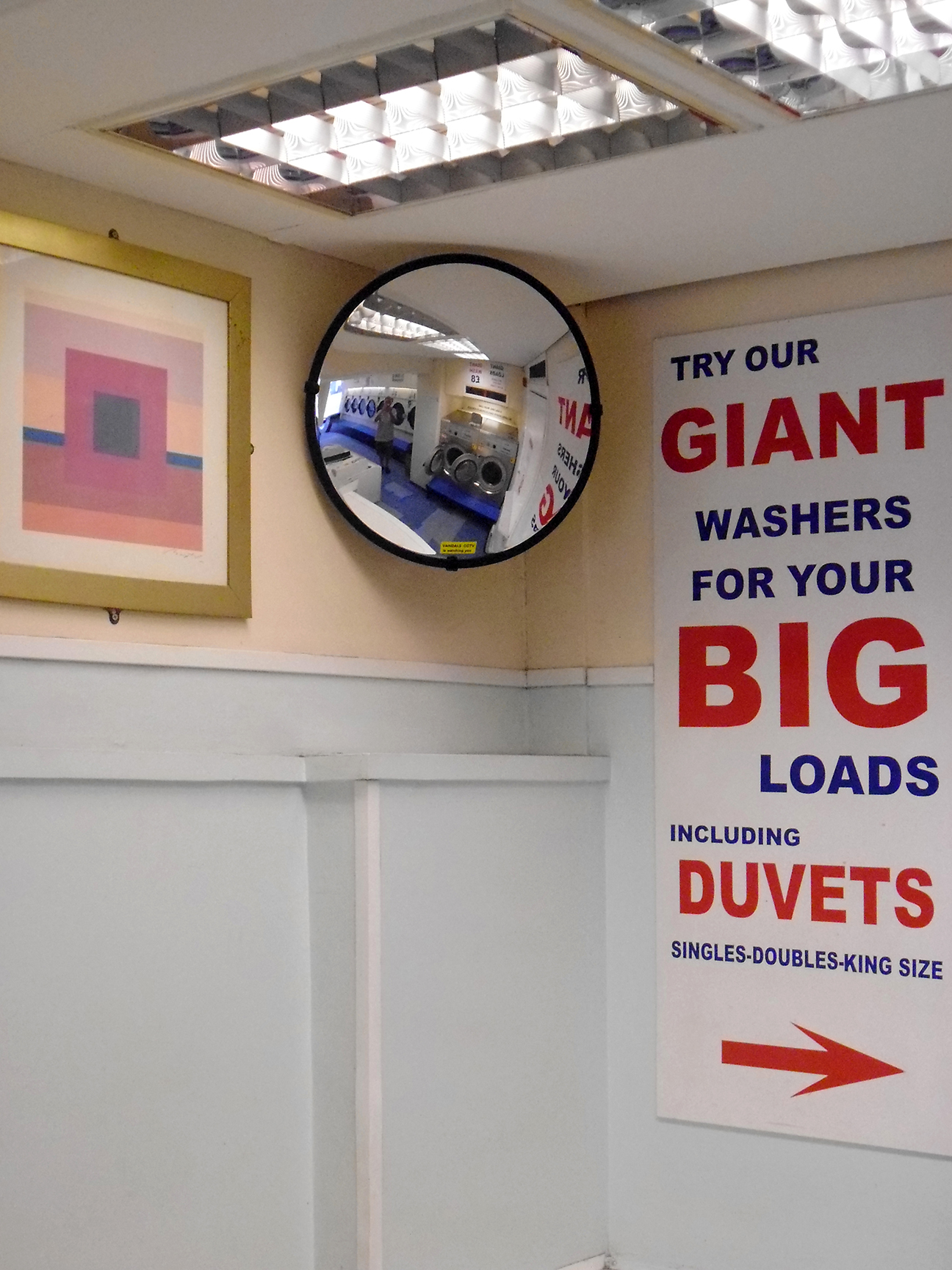
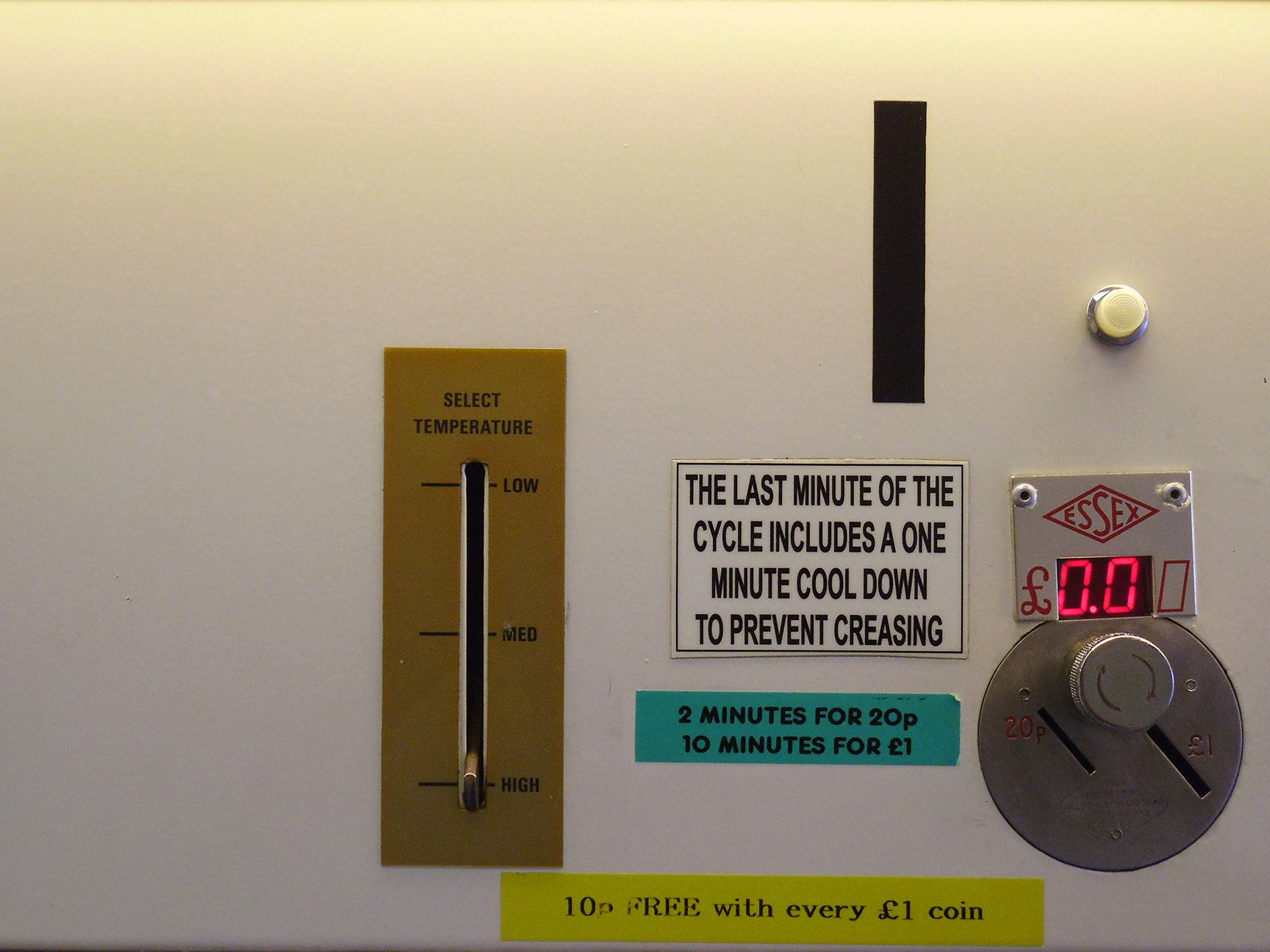
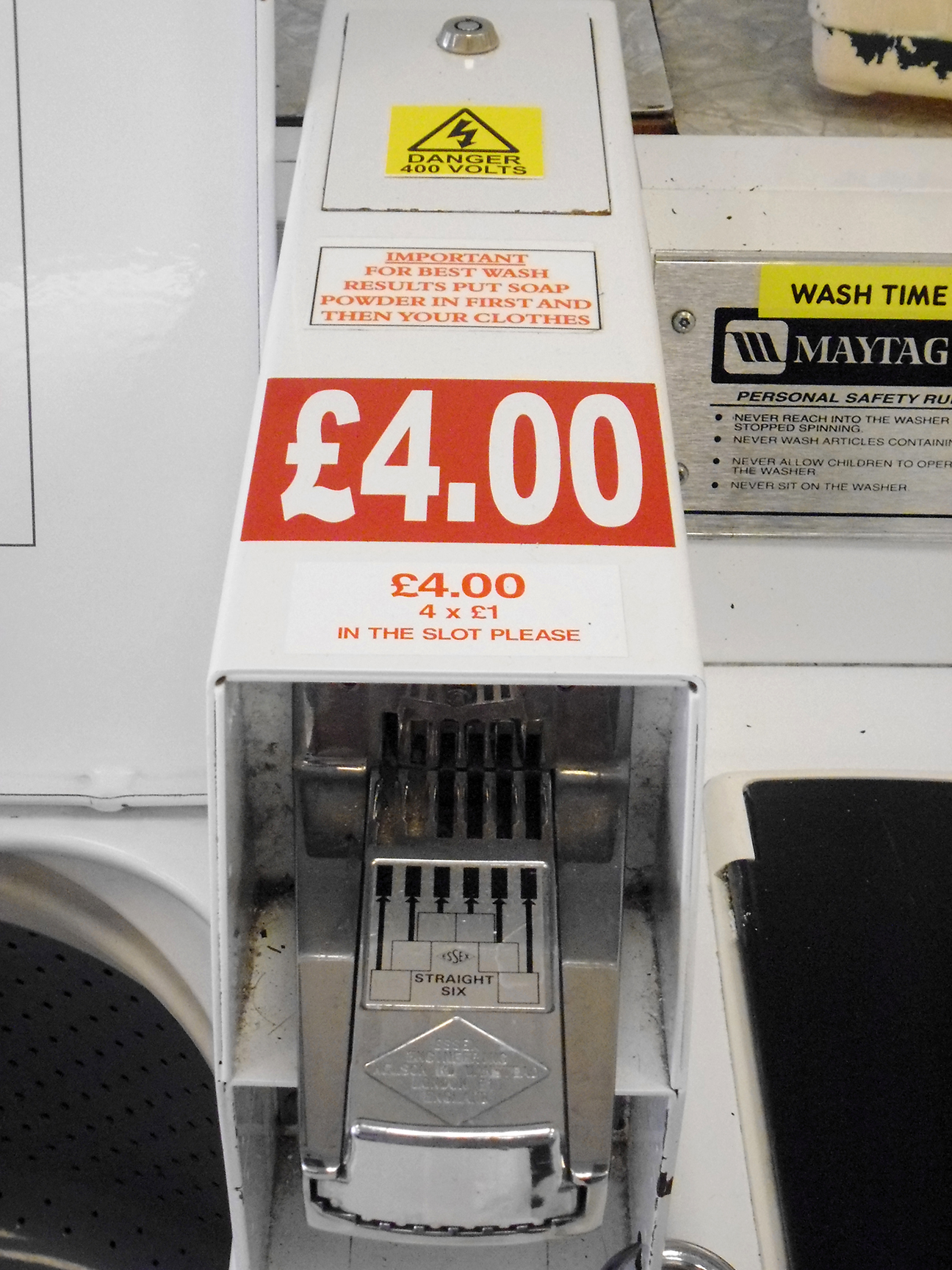
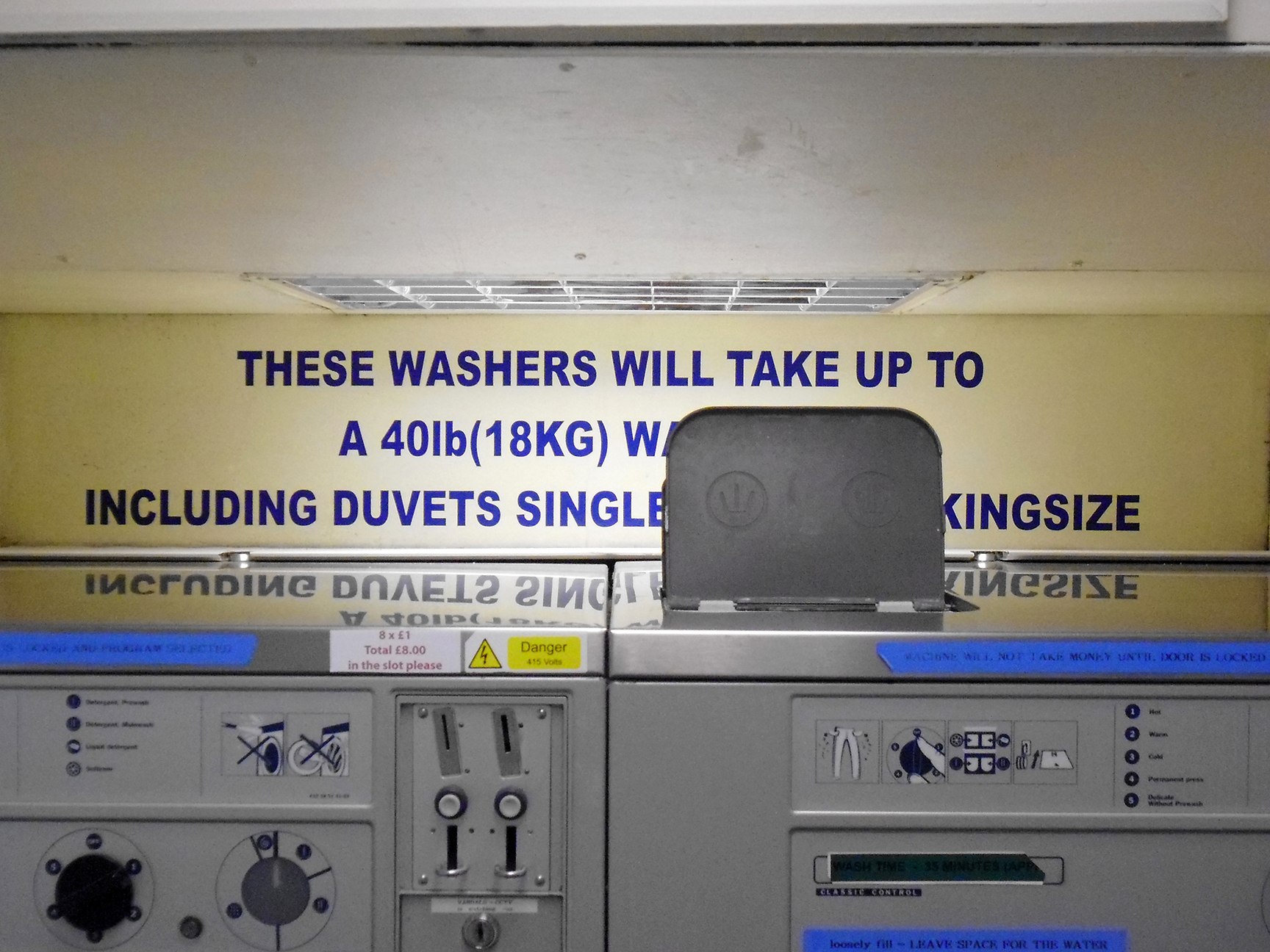
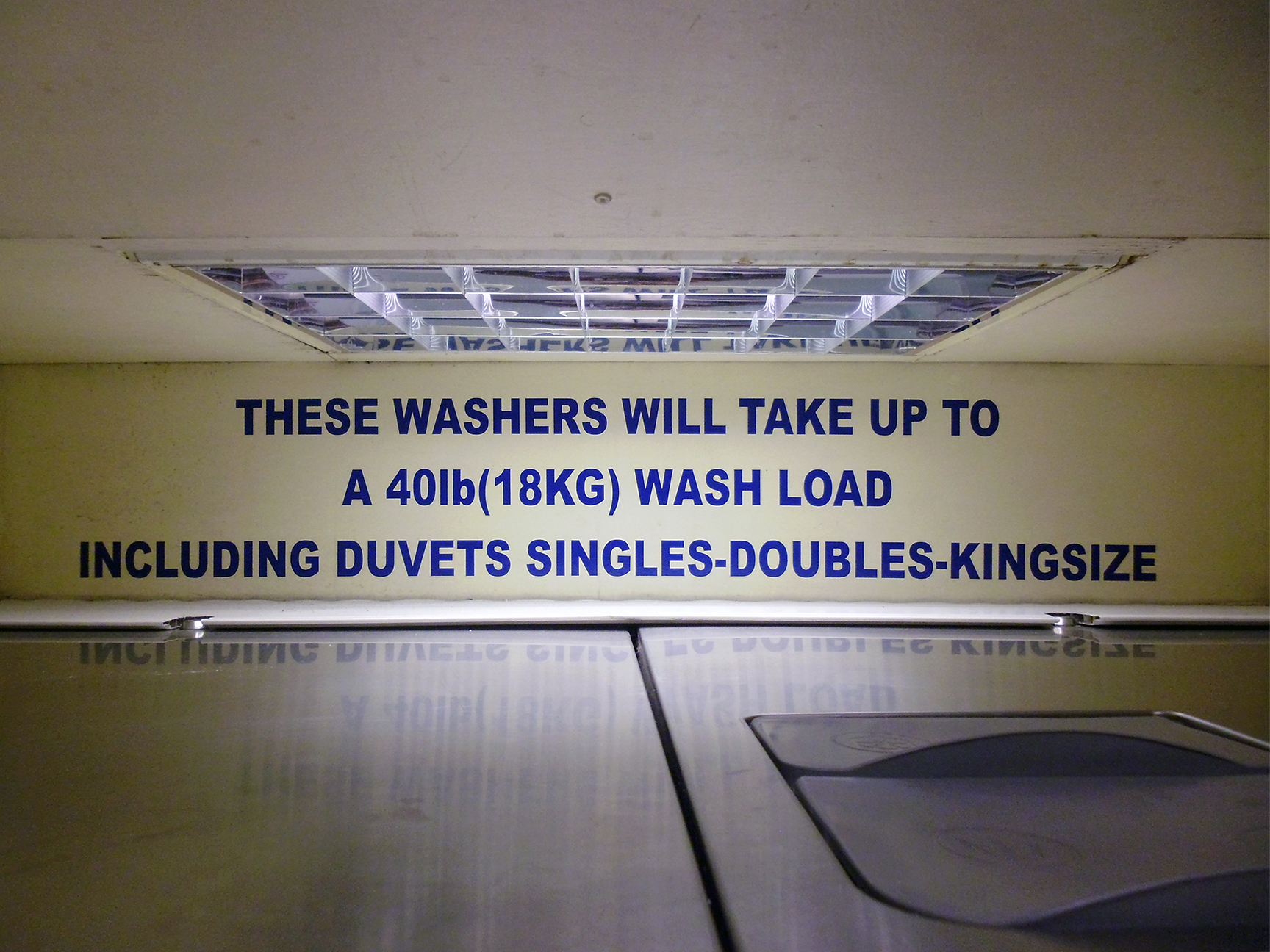
In an uncertain universe, you can almost always rely on the launderette, to guide you on life’s soapy journey, through a complex series of immutable do’s and don’ts, arrows, slots, buttons and bows.
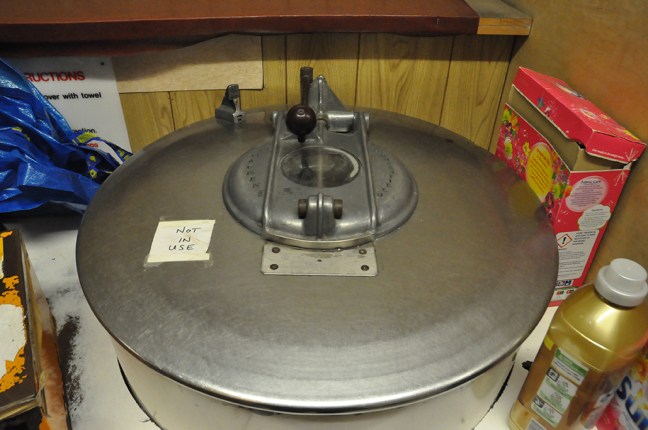
Giant is the new big is the new large.
I feel so small.

P1020467 copy

P1020466 copy

P1020482 copy

P1020469 copy

P1020472 copy

P1020475 copy

P1020478 copy

P1020477 copy

P1020487 copy

P1020479 copy

P1020471 copy

P1020481 copy

P1020476 copy

P1020470 copy

P1020473 copy

P1020474 copy

P1020480 copy

P1020468 copy

P1020483 copy

P1020484 copy

P1020485 copy

P1020486 copy

The Wash Inn – Hastings

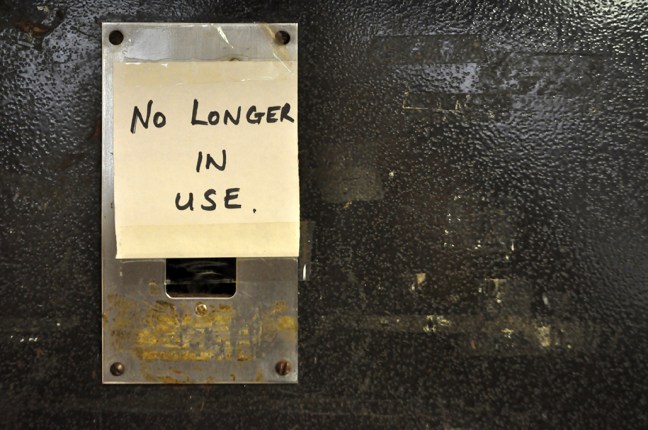
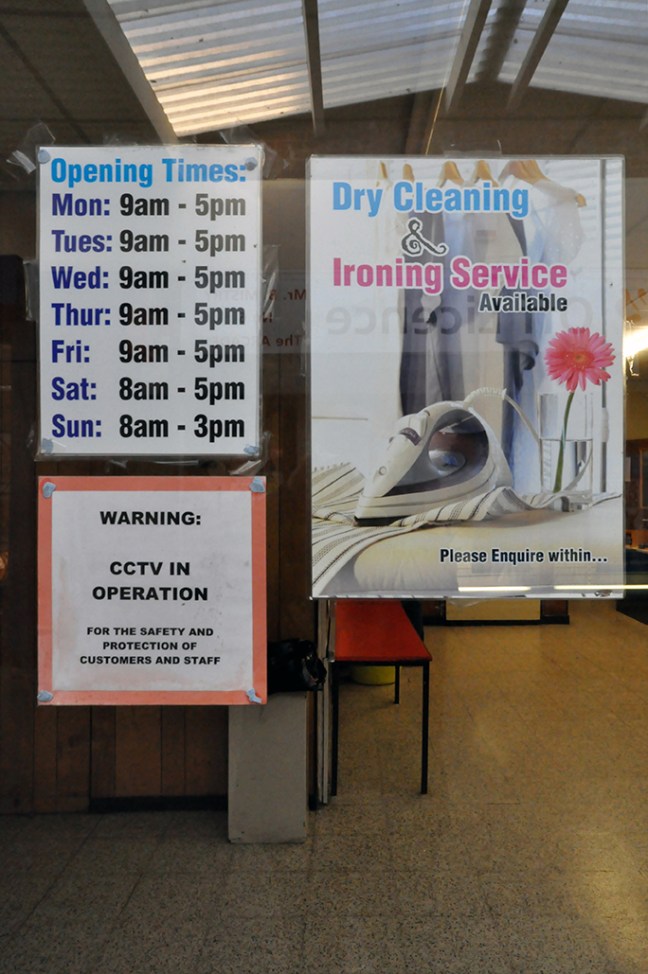
Standing alone in an unattended laundrette can be a chilling experience, a heightened state of awareness abounds, accentuating that all pervasive absence of presence.

The unseen hand, that write the notes, that speak to you in emphatic hurried caps, pinned or taped precisely on the walls.

The ghosts of clothes, still warm, now gone.

A Proust defying amalgam of aromas, that almost fills the air.

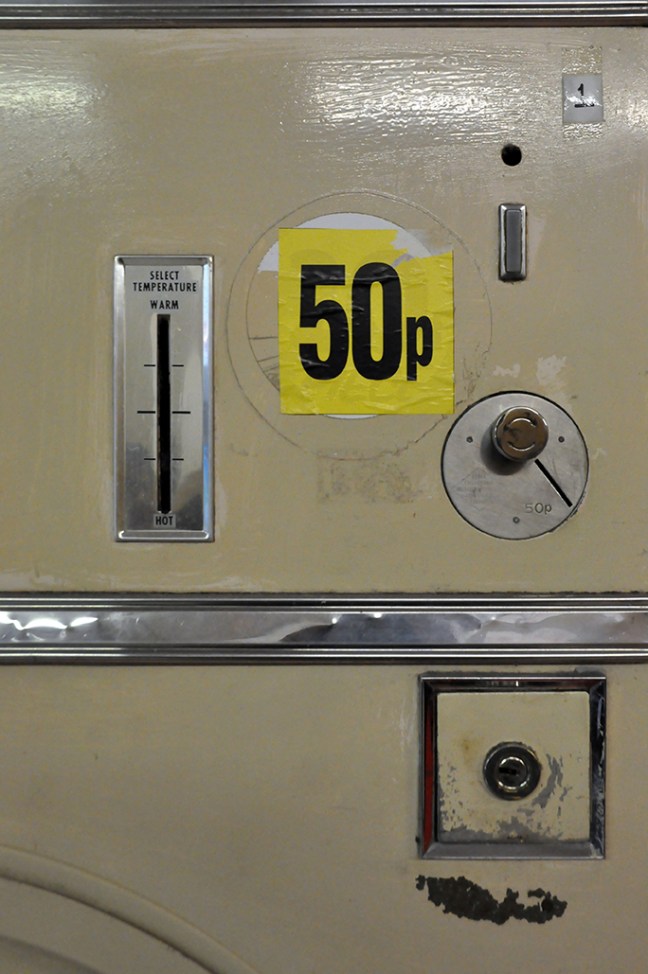
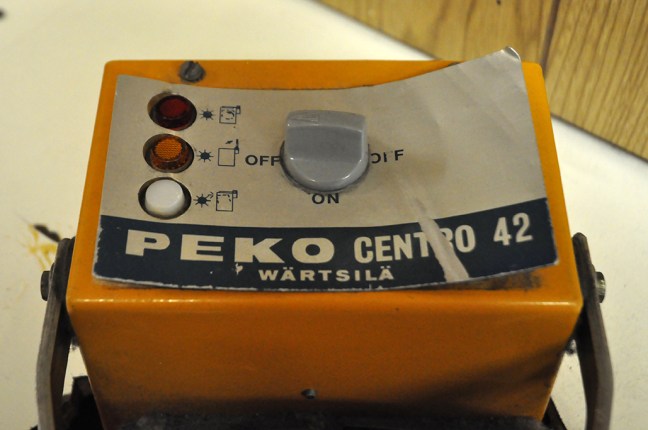
Just you and a series of slots, demotic instructions, care worn utilitarian surfaces and time.

Wash Inn get out.

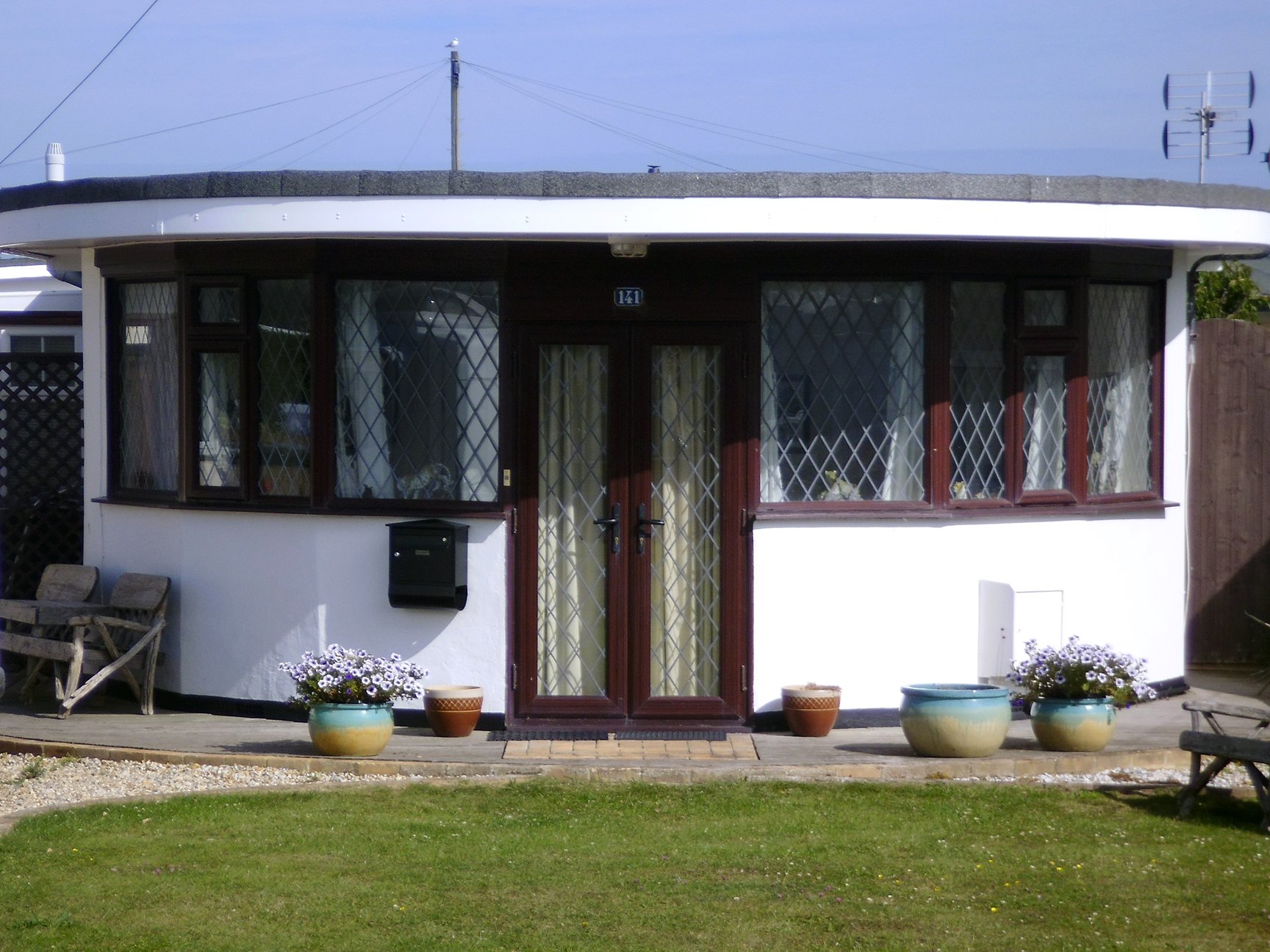
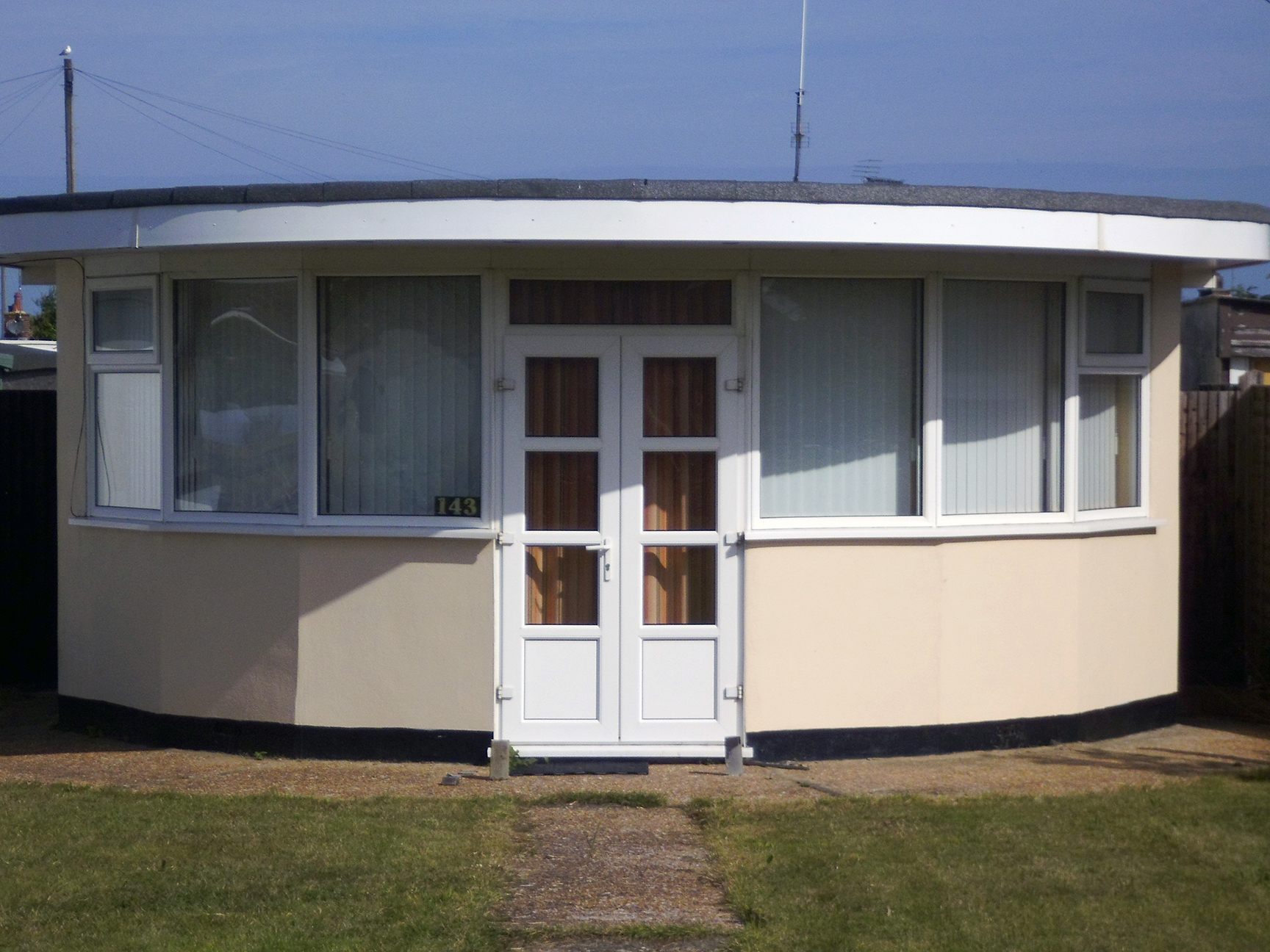
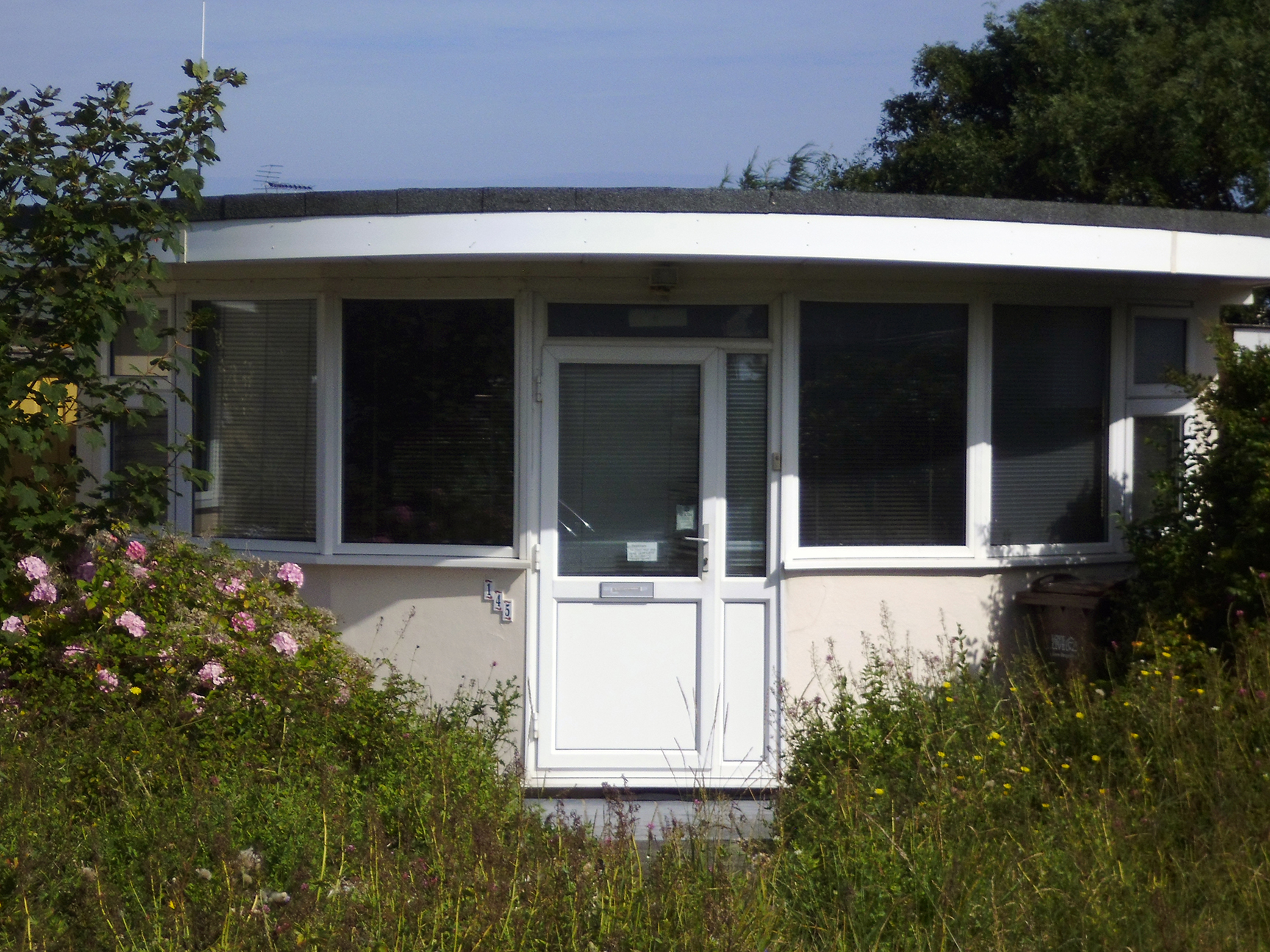
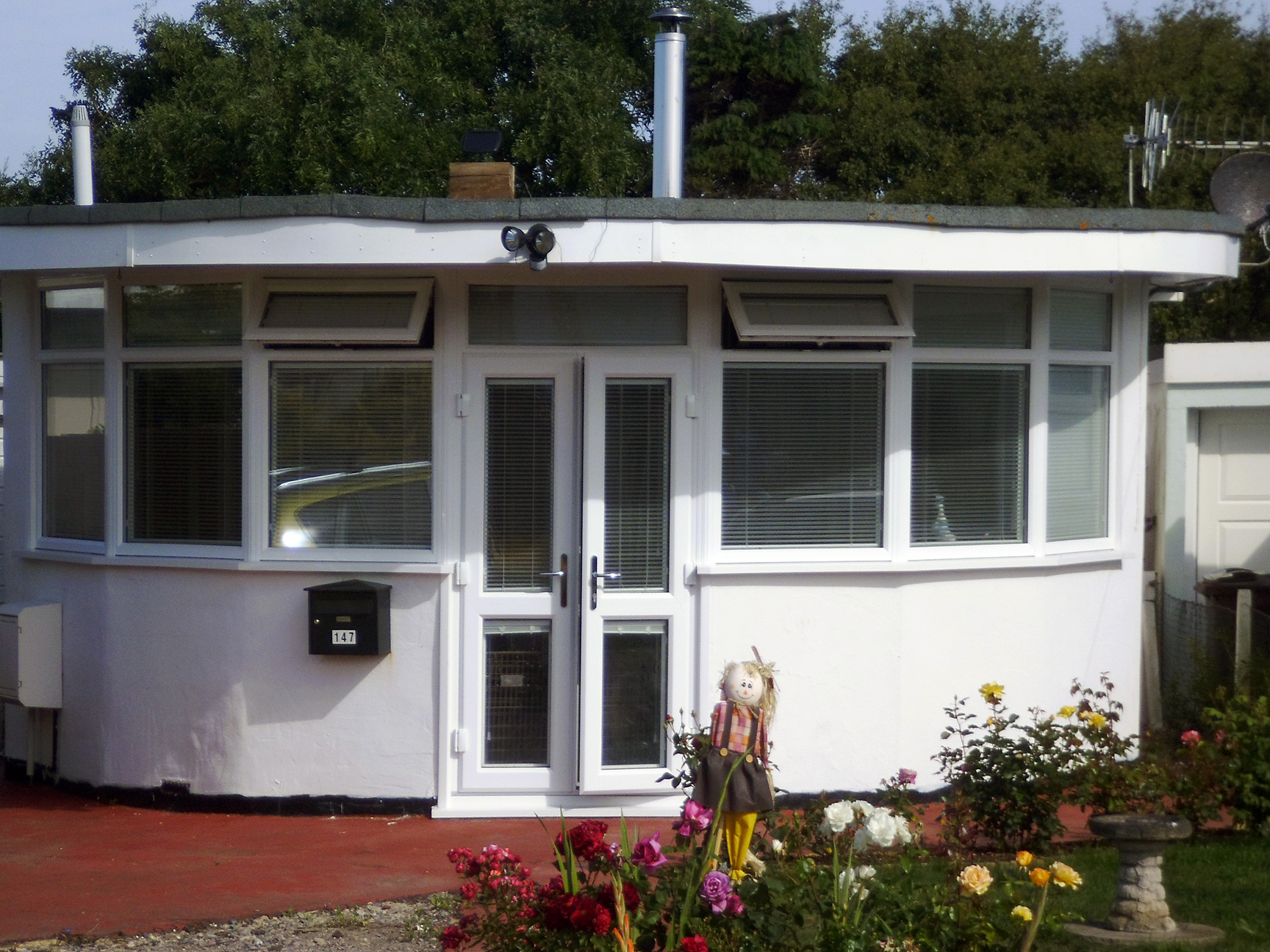
Pevensey – Oyster Bungalows

Hardly by accident, passing Pevensey Bay by bike one sunny summer’s day, hurriedly intent on catching up with old friends.

Having visited here some years ago, under the guidance of pal Pauline, I was as ever, over eager to renew our previously brief acquaintance.

There they were waiting patiently, to the left of a long straight road, running parallel to the adjacent shore.

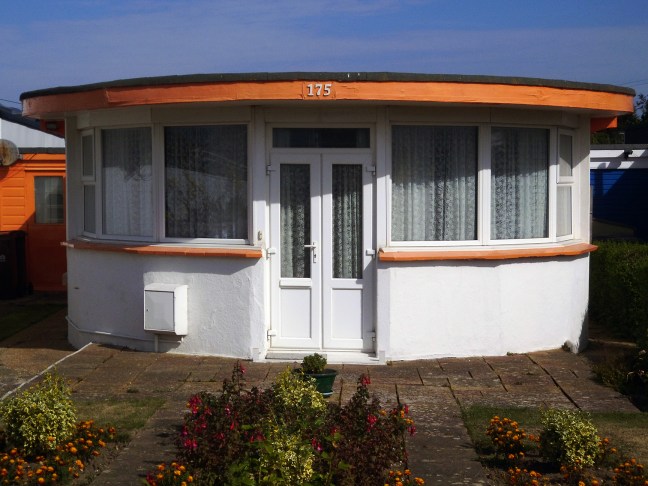
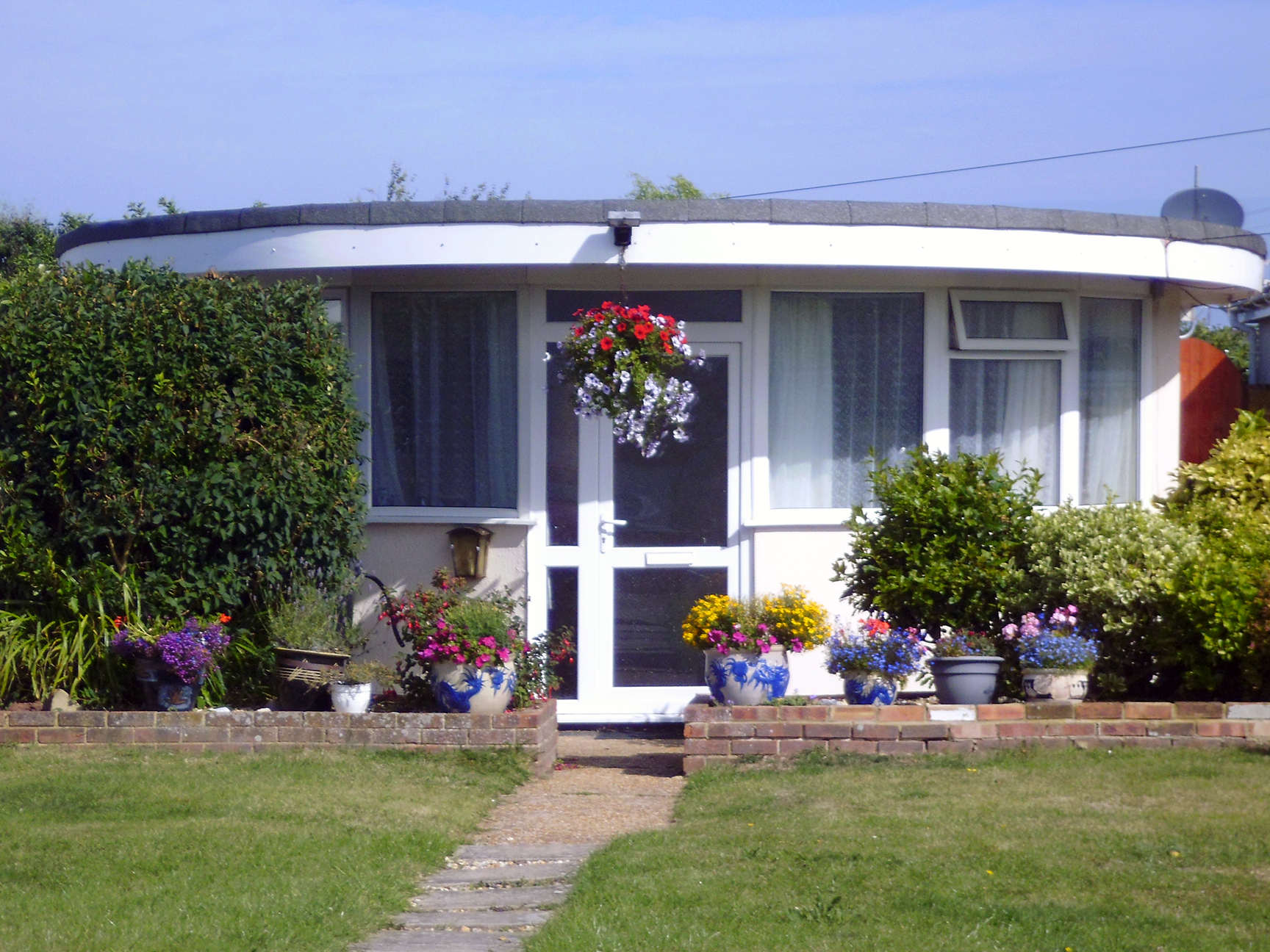
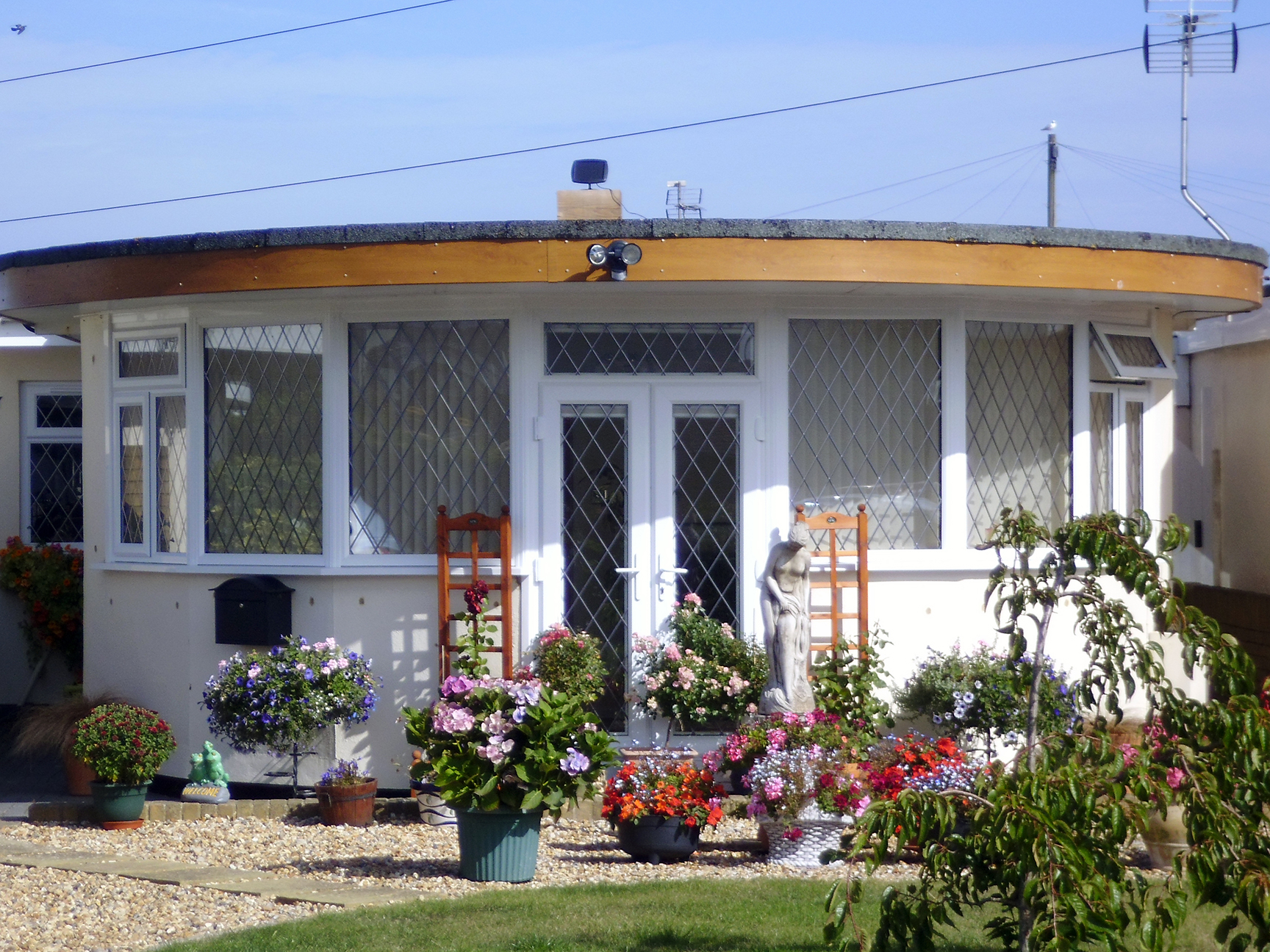
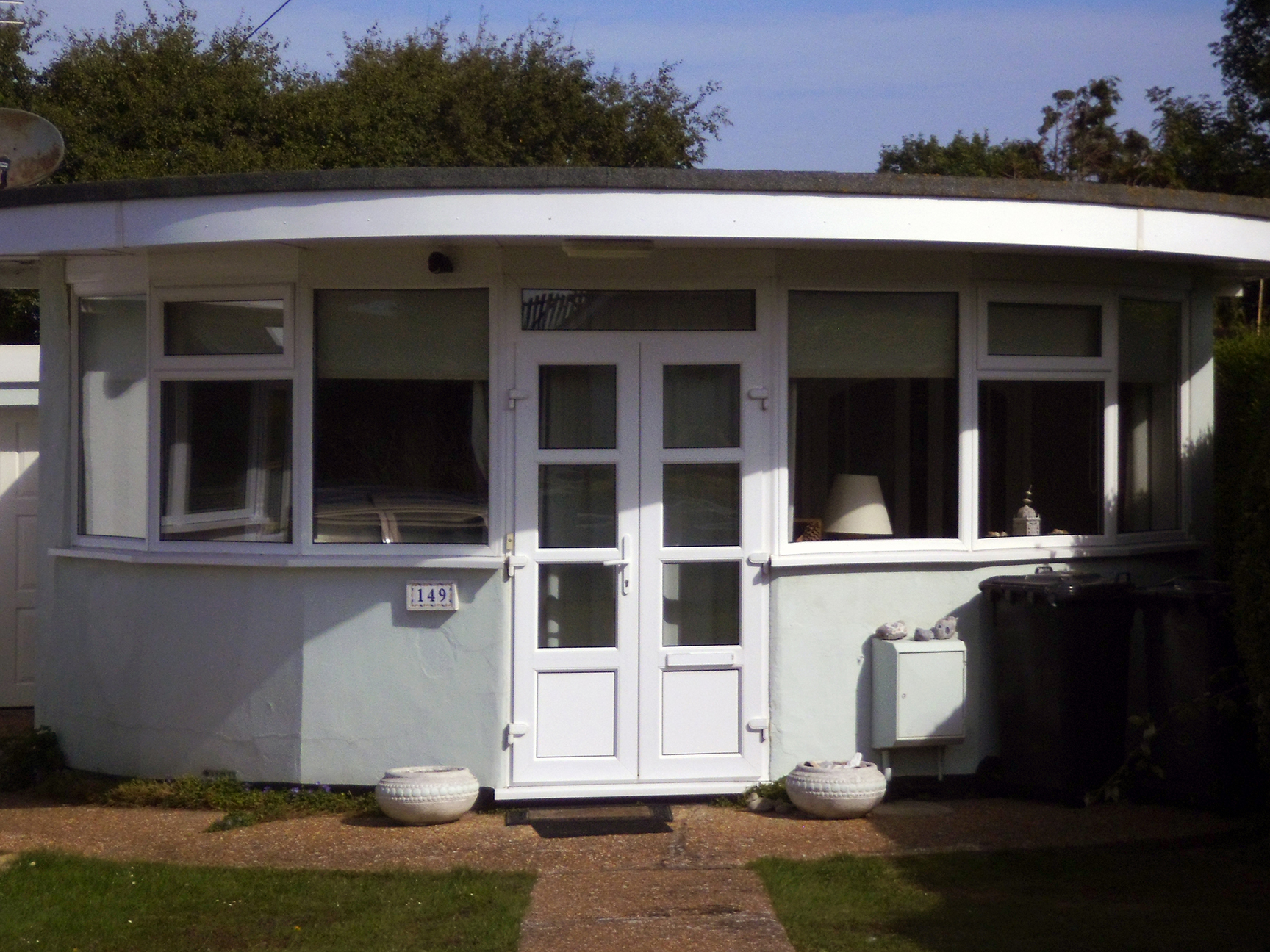
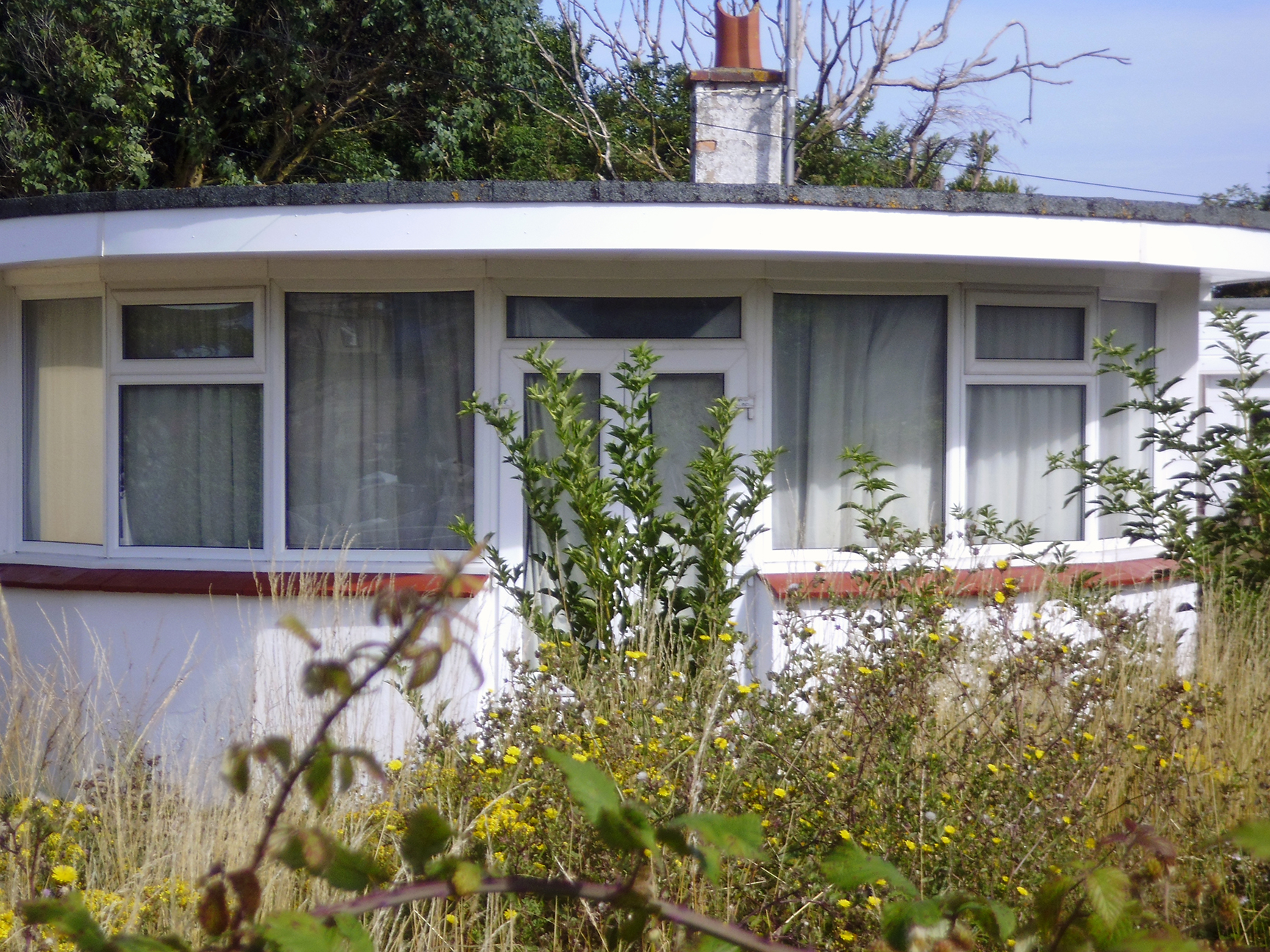
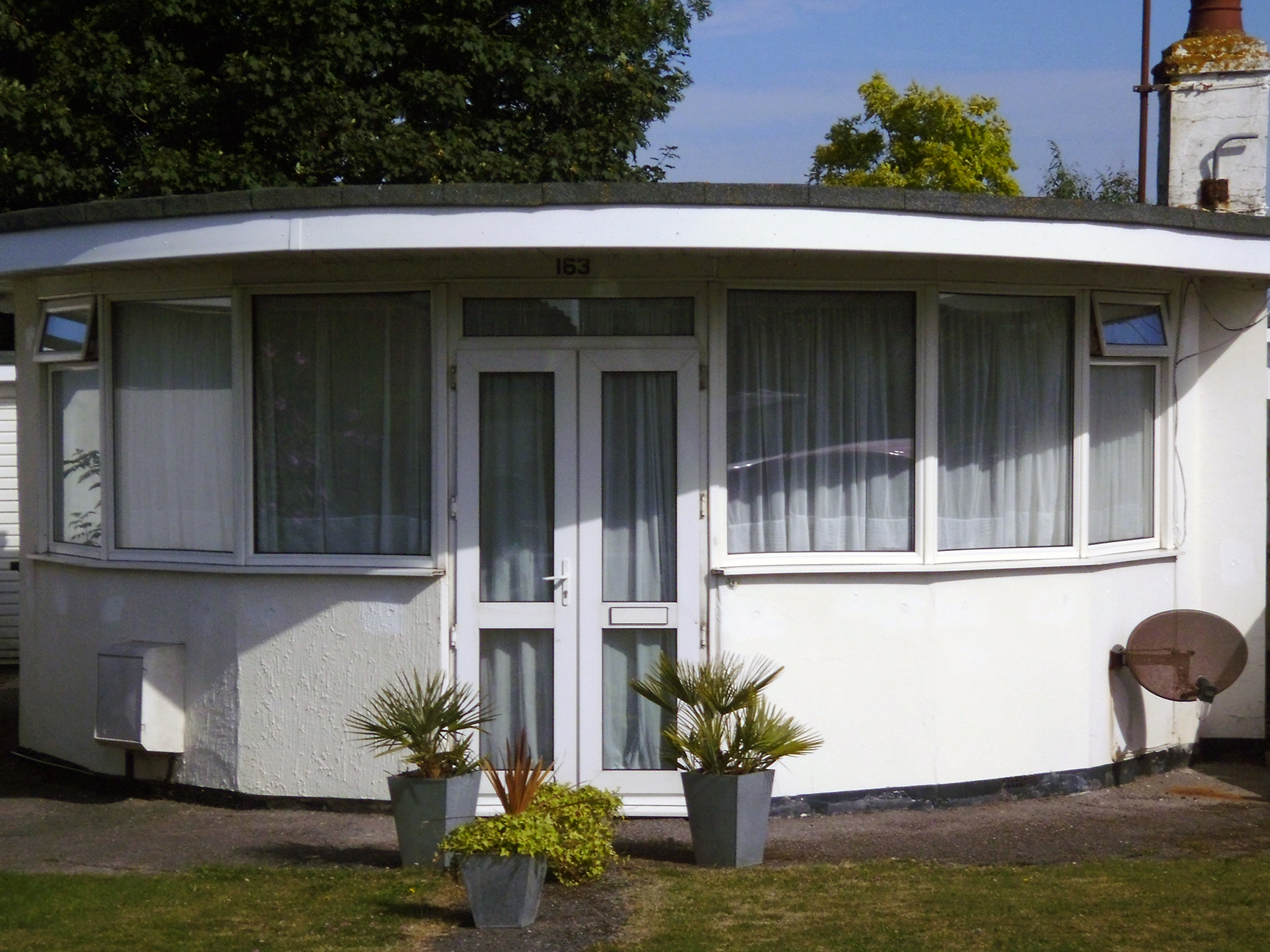
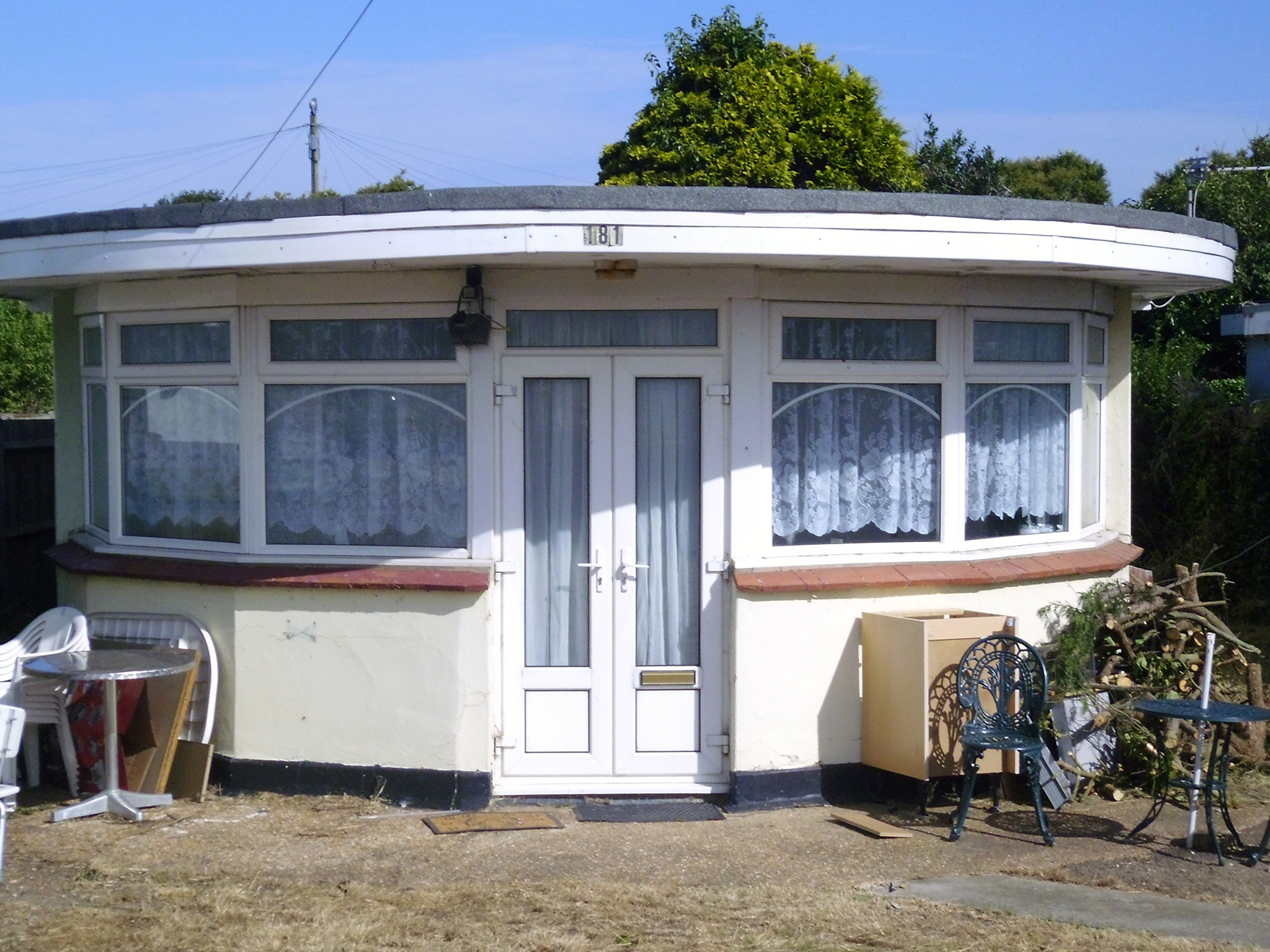
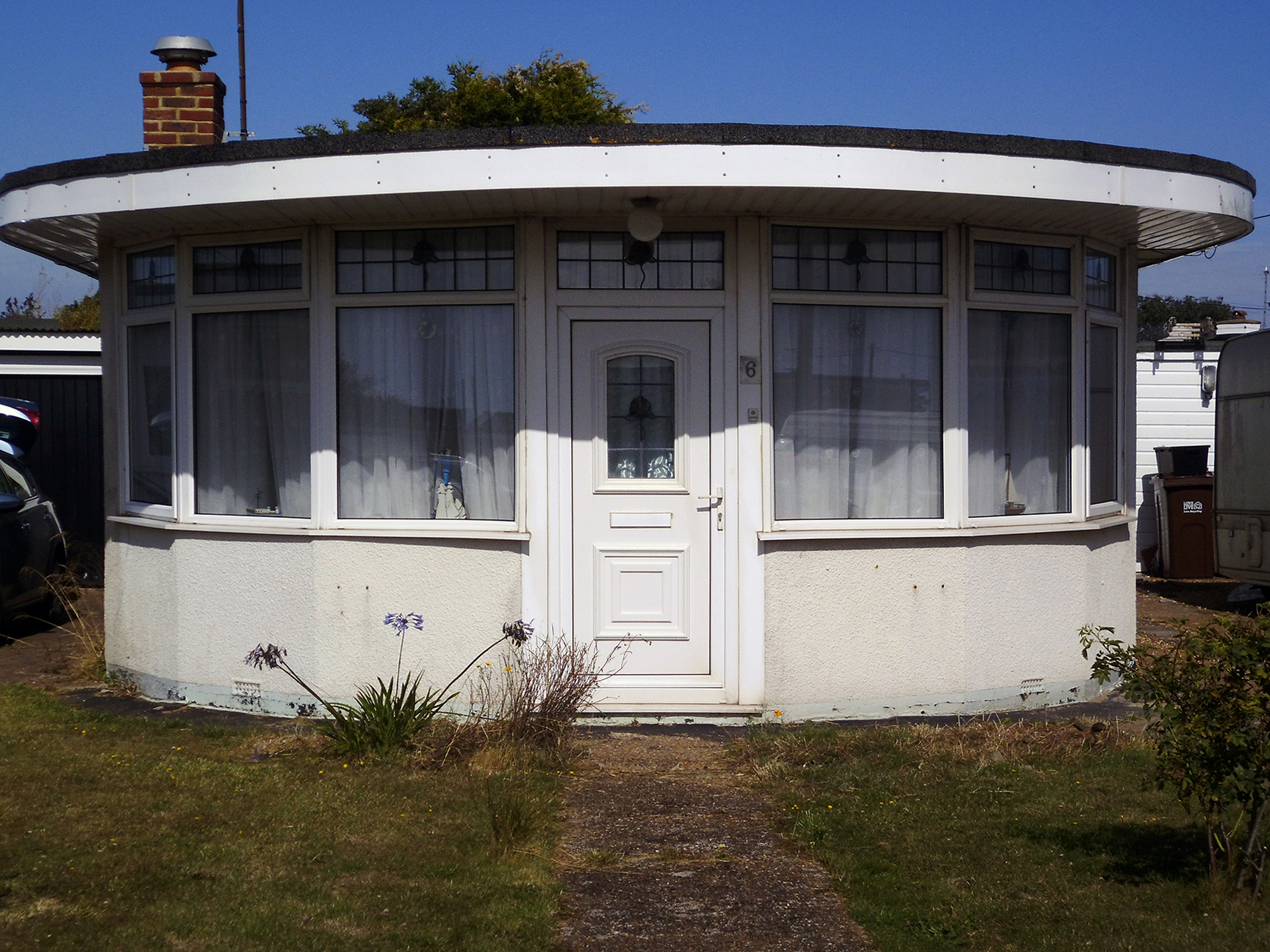
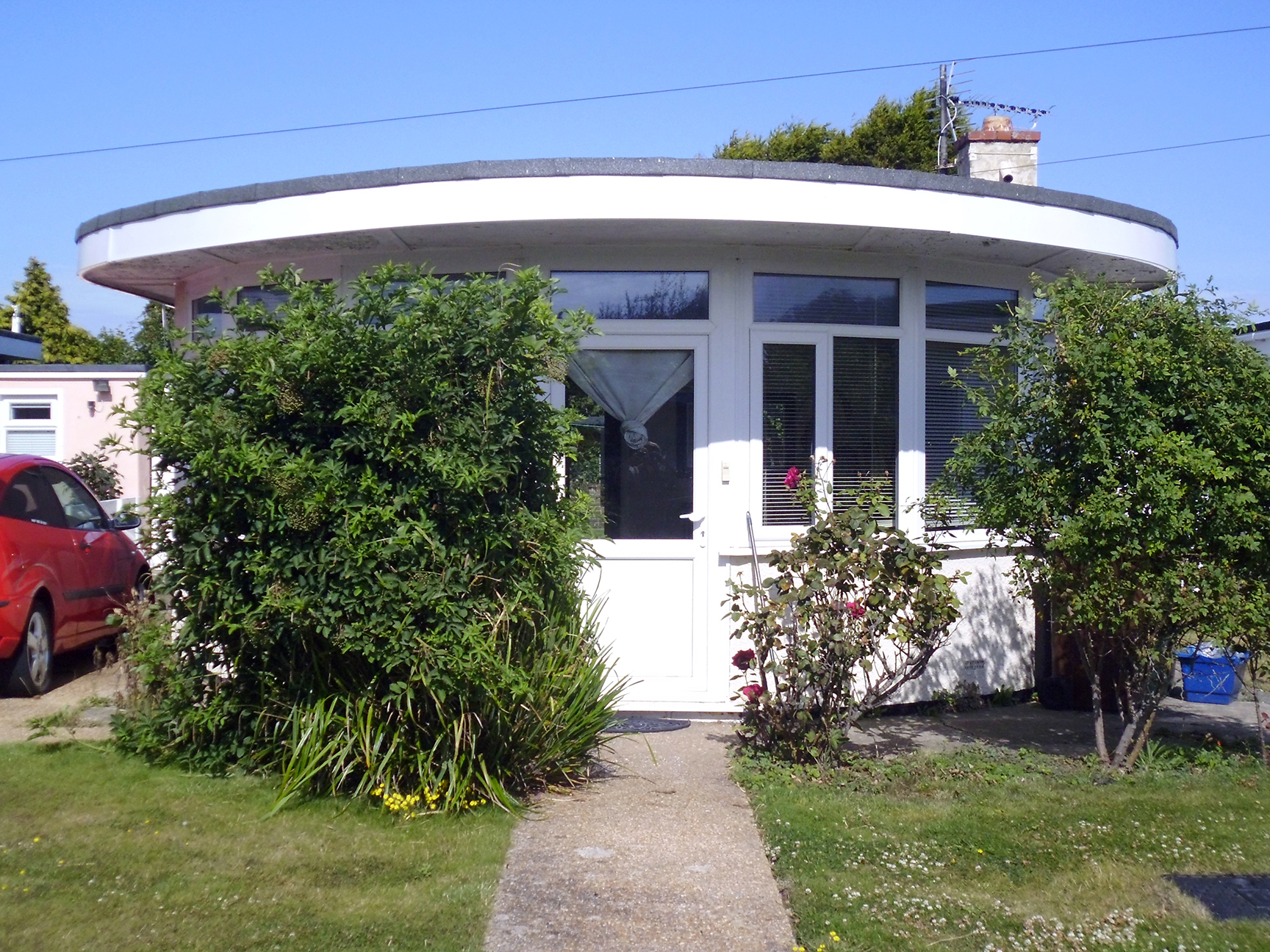
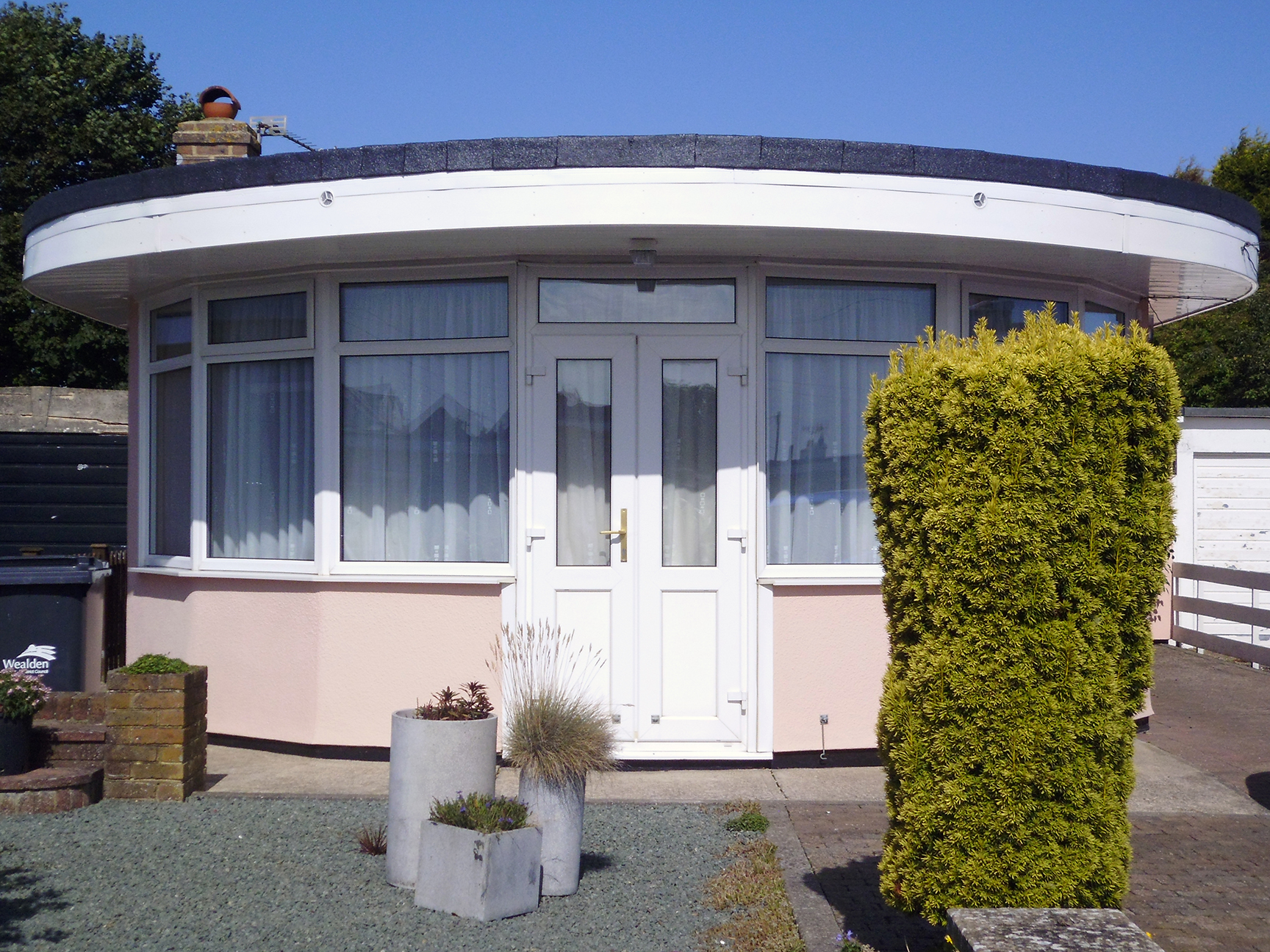
Oyster Bungalows – so called for their cylindrical form and formerly scalloped barge boards.

Holiday homes the work of designer / architect: Martin & Saunders Limited built: 1937 – 1939.

Small and perfectly formed, they all seem to have suffered the indignities of ageing none to gracefully.

Subject to the whims of fashion and the uPVC expediency of our age.

Typically no two are the same, variegated planting, neglect and graceless addenda grace the previously pristine homes.

For all that, their diminutive charm remains undiminished.

My spirits lifted as I strolled by, inevitably yours will too.

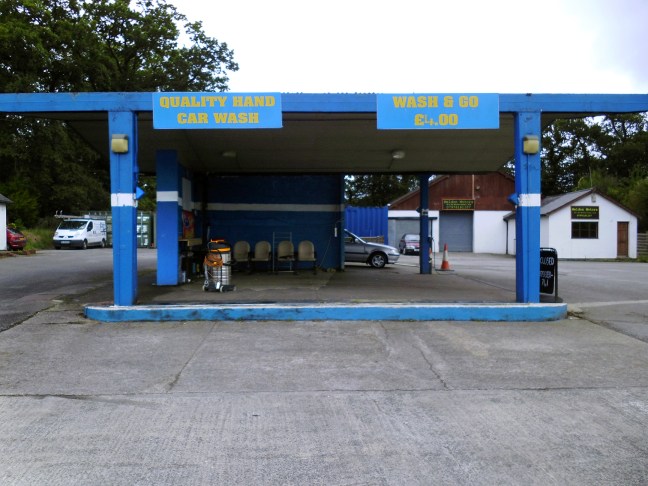
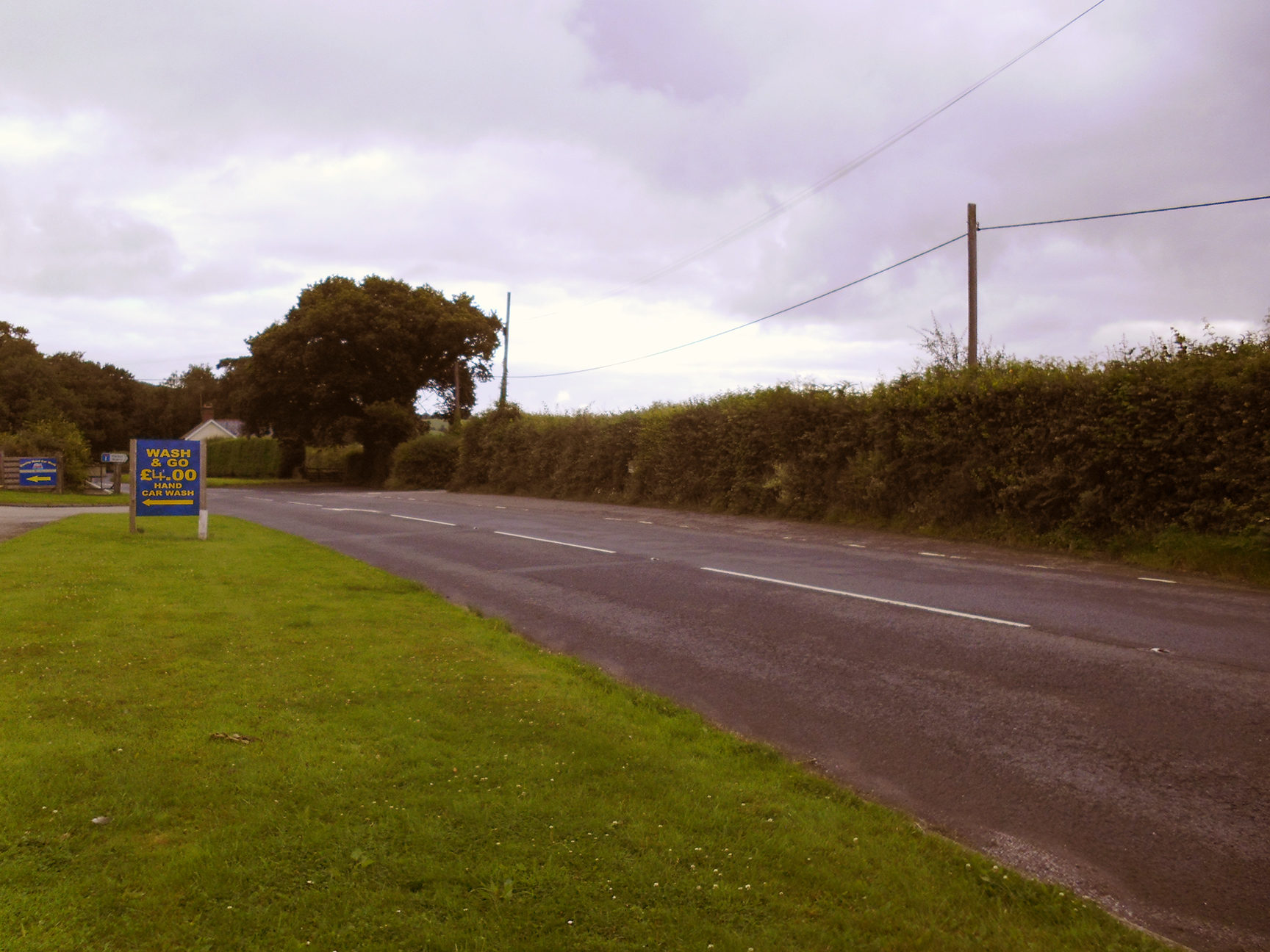
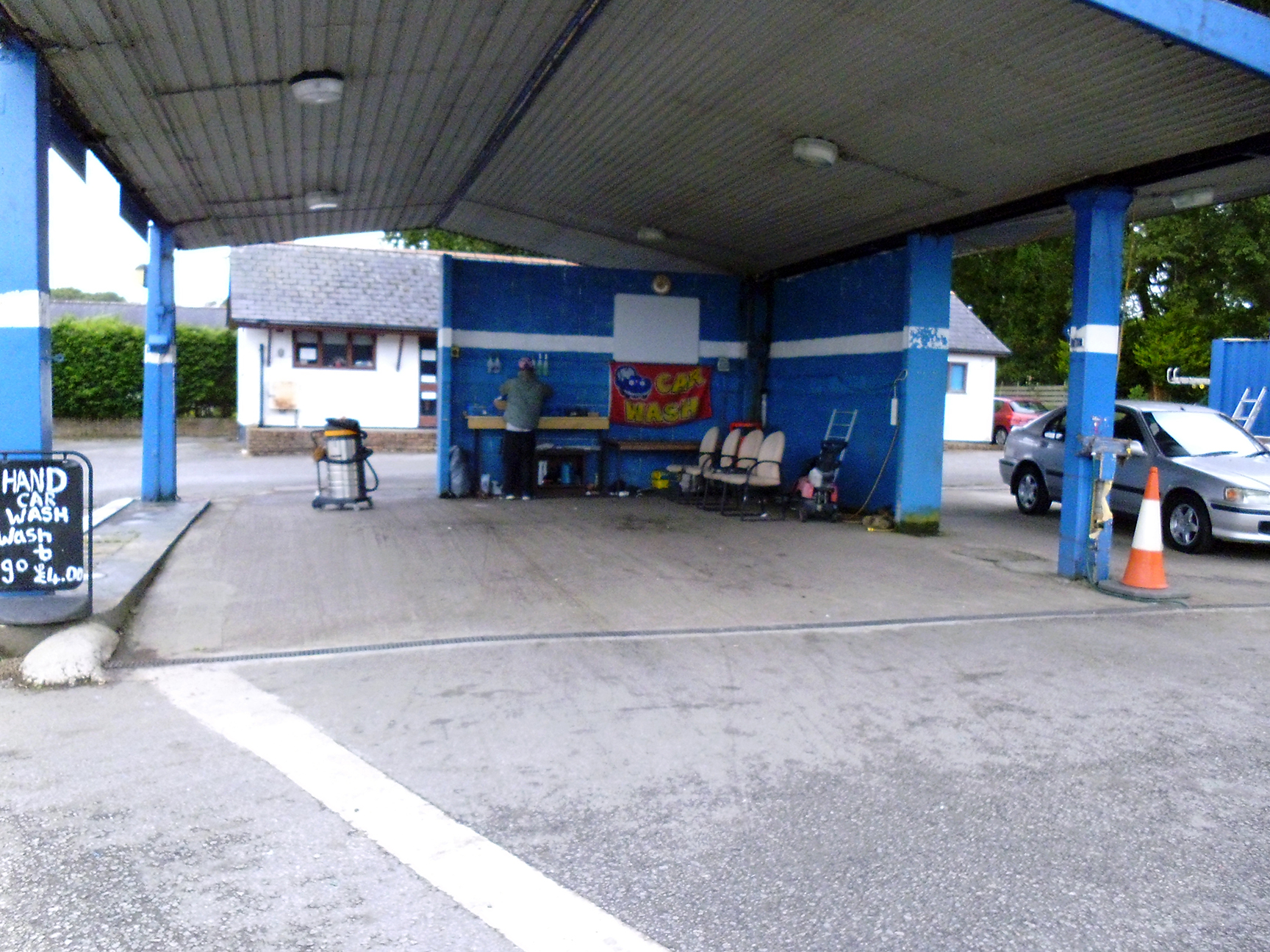
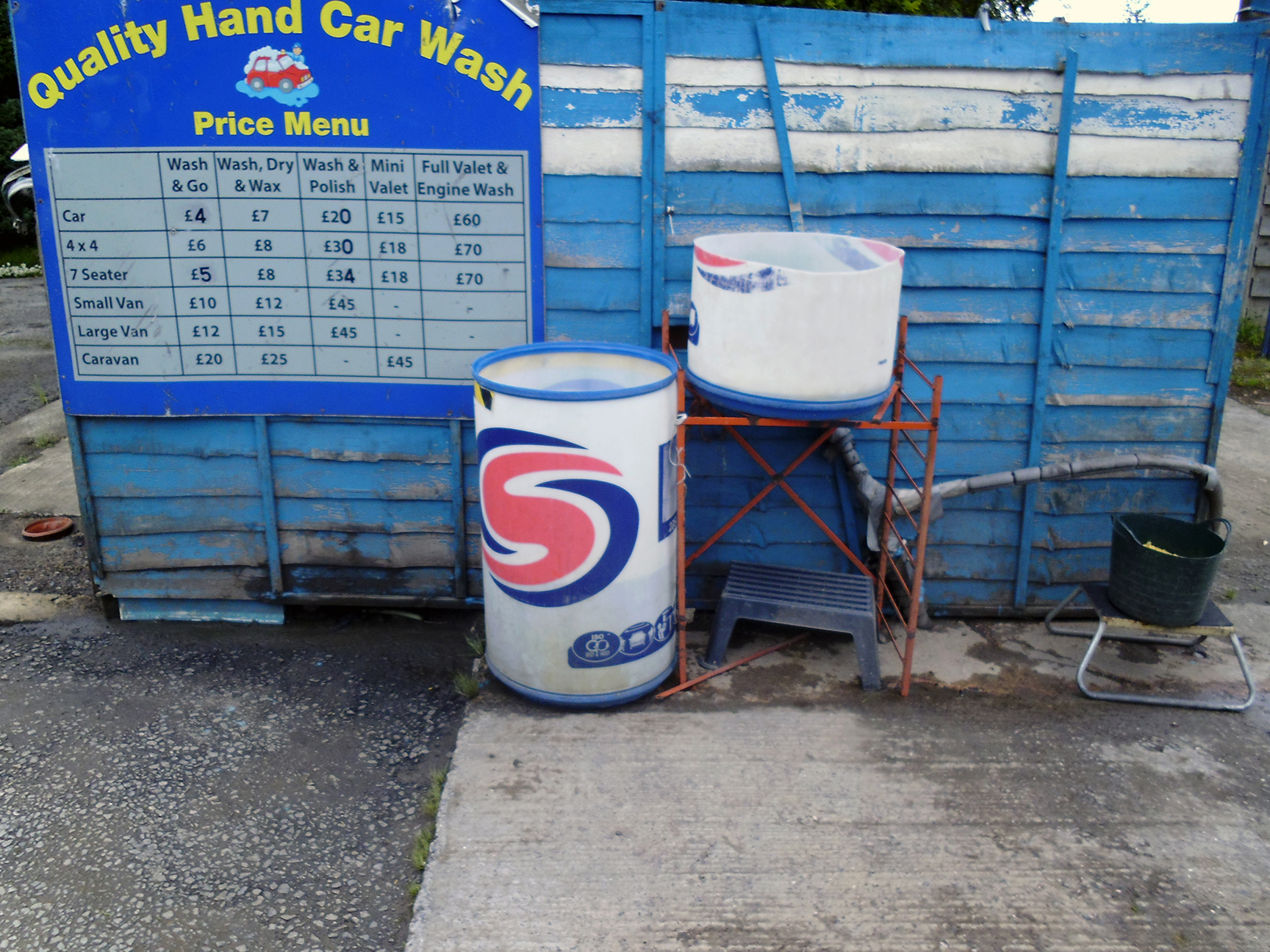
Okehampton – Car Wash and Go

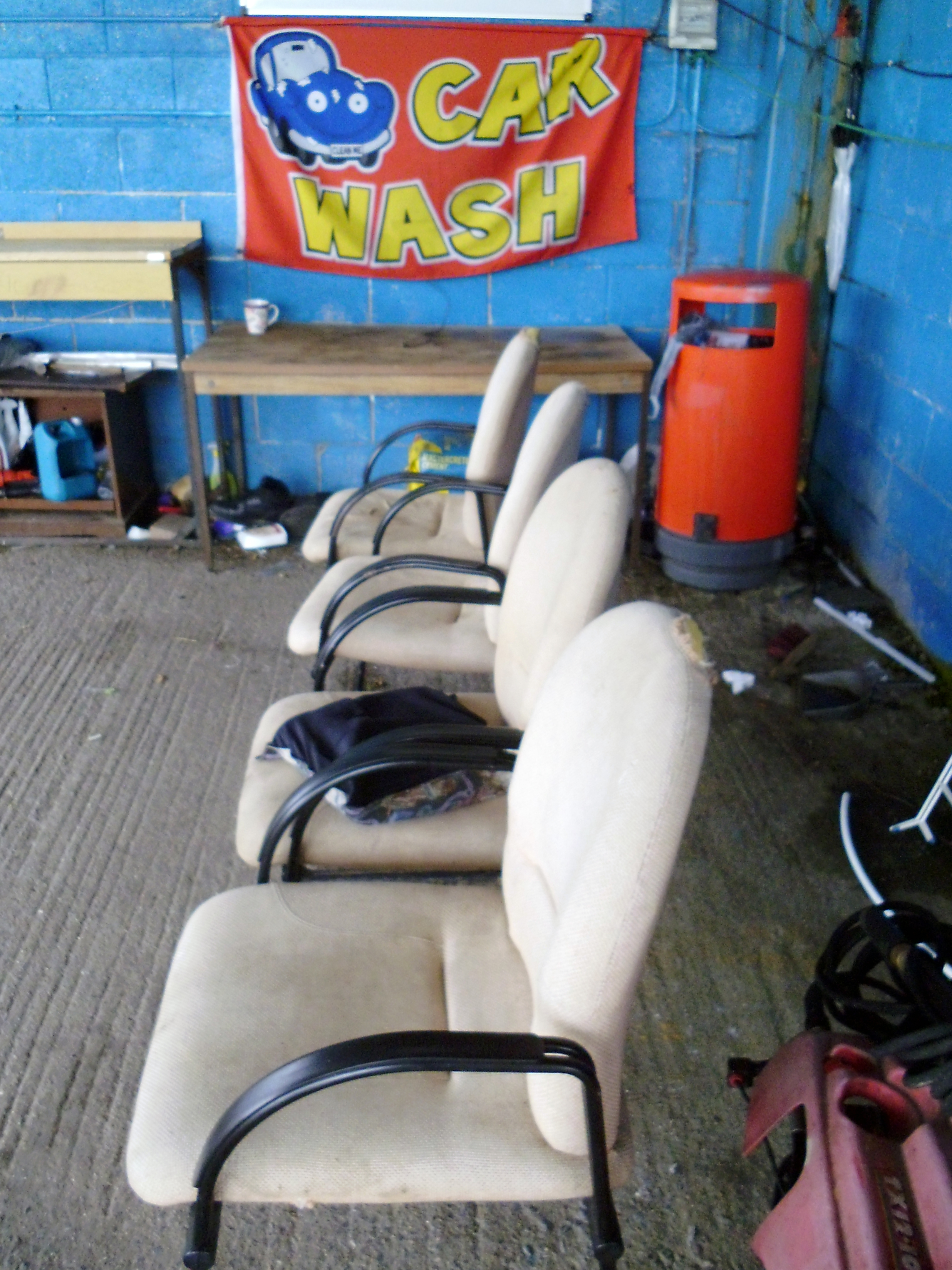
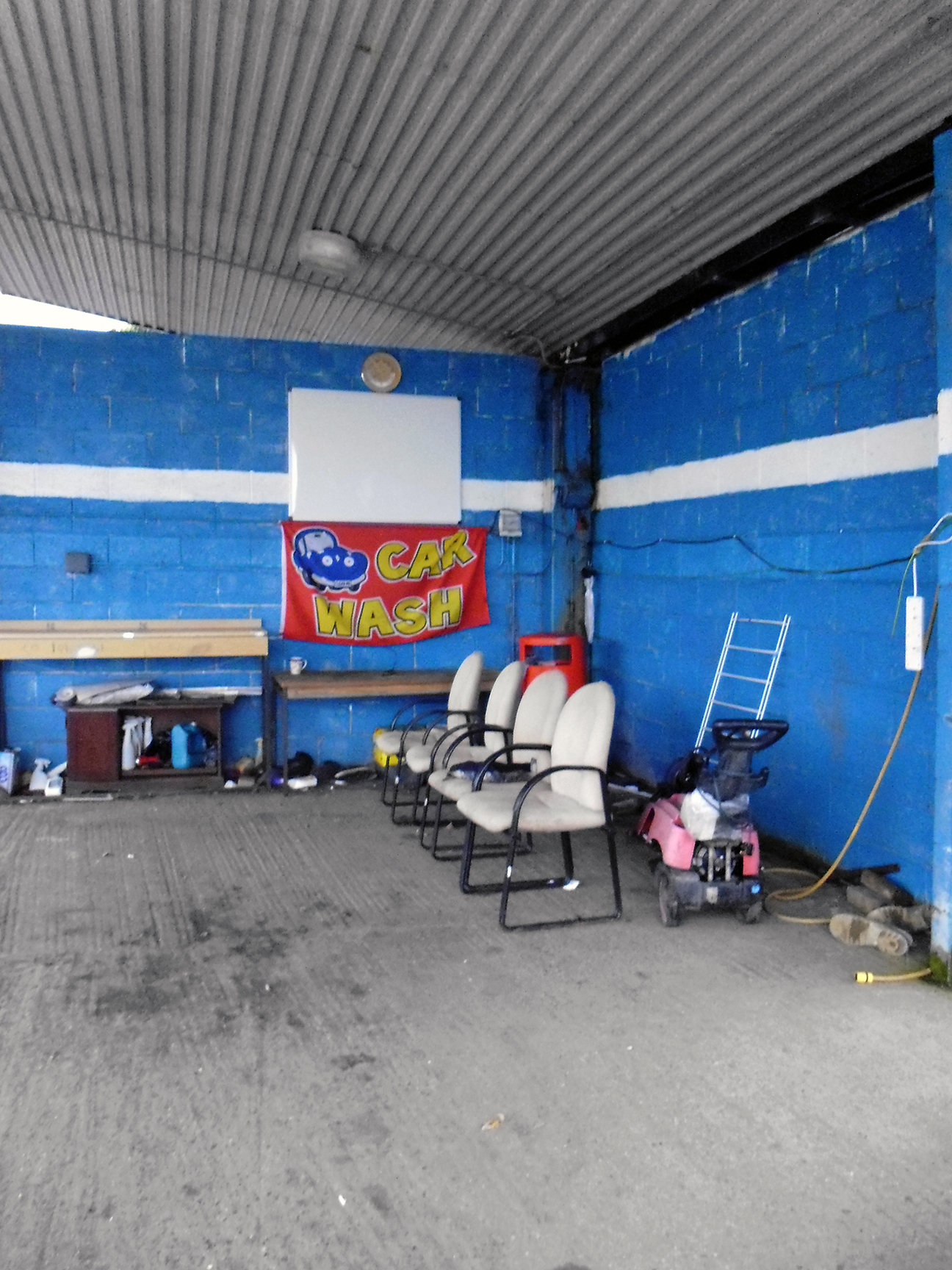
Early morning on the A30 out of Okehampton and something is beginning to stir.

Two inscrutable Romanians and a curious garrulous traveller are going about their respective business.

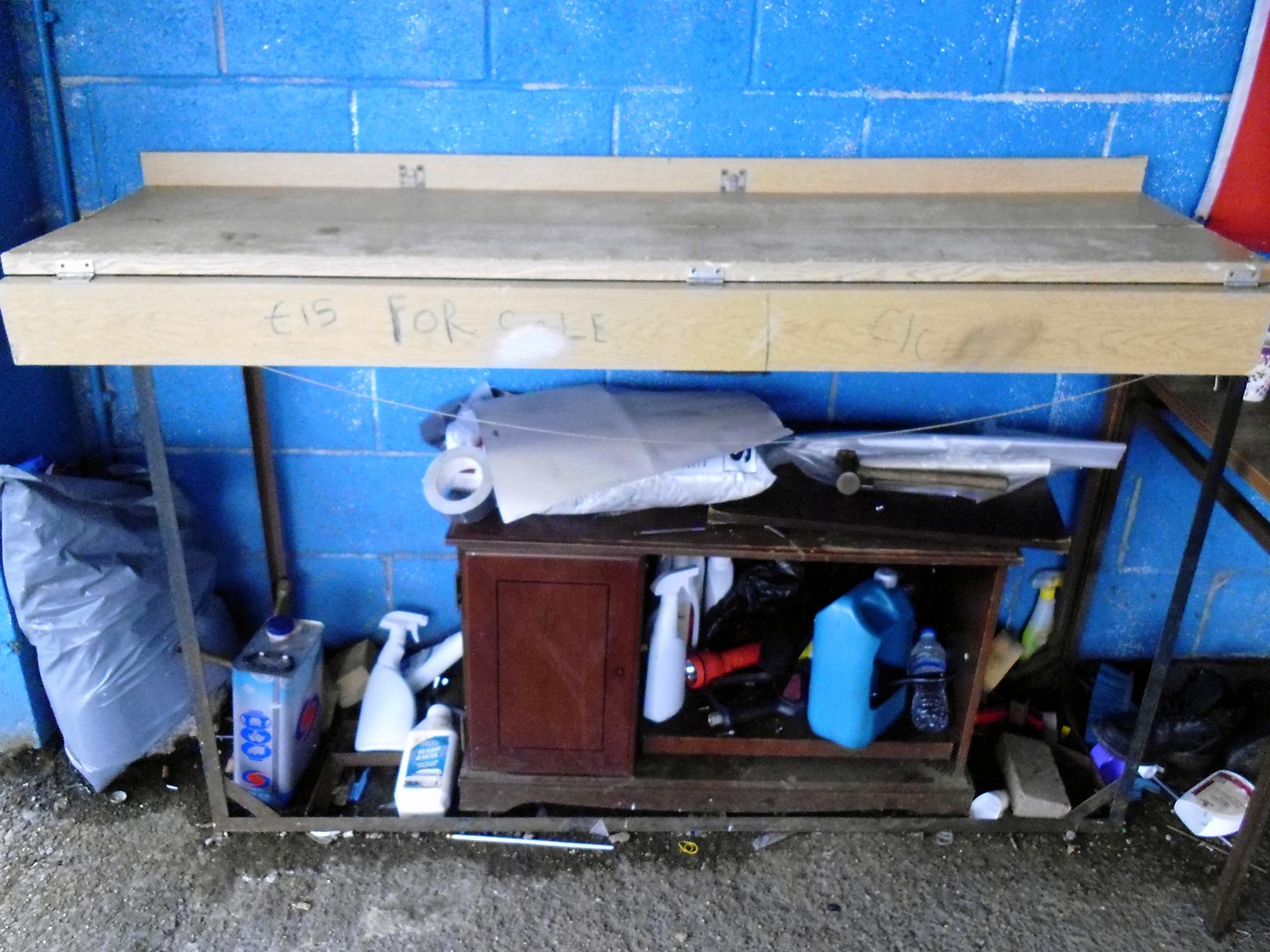
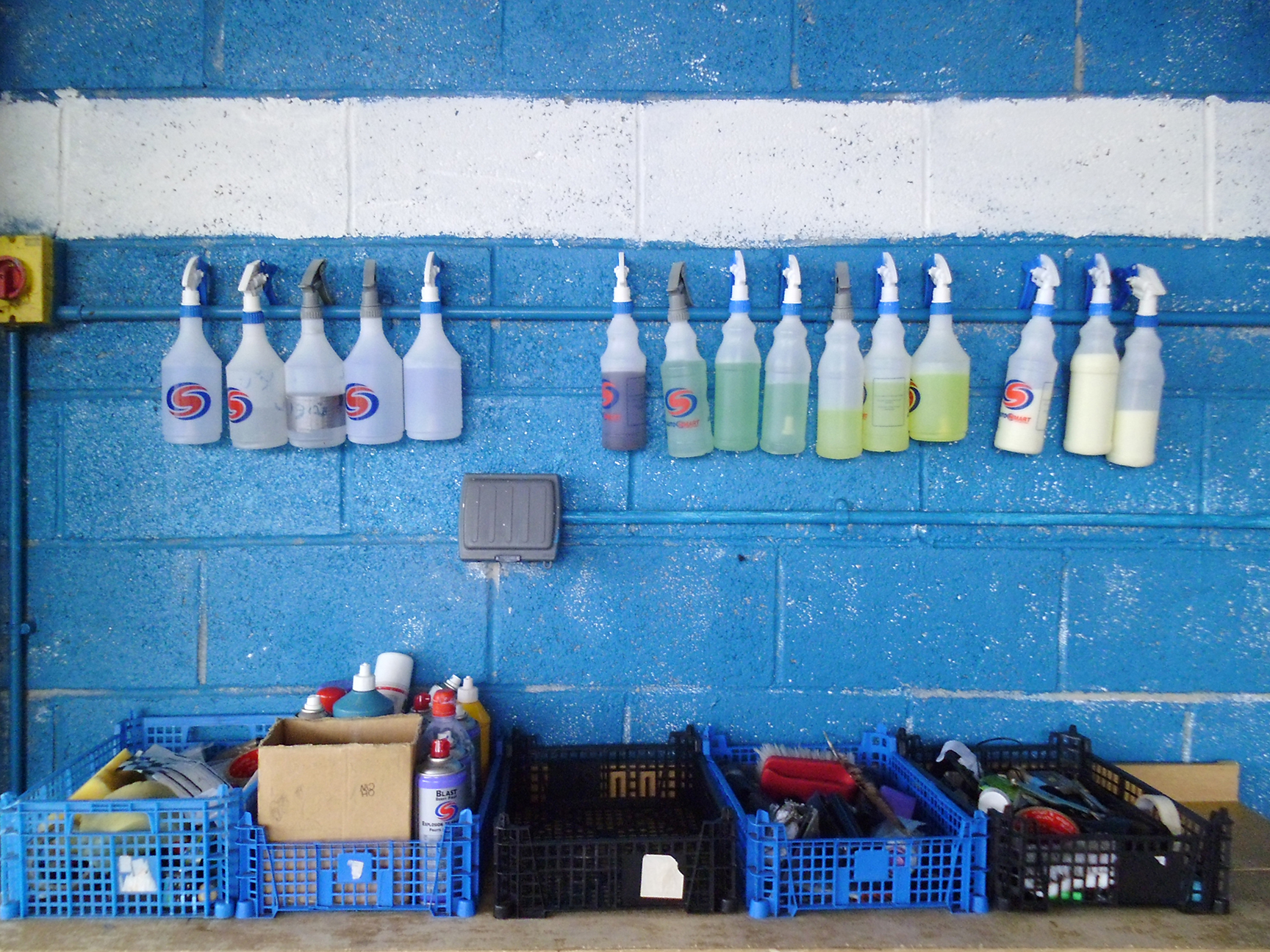
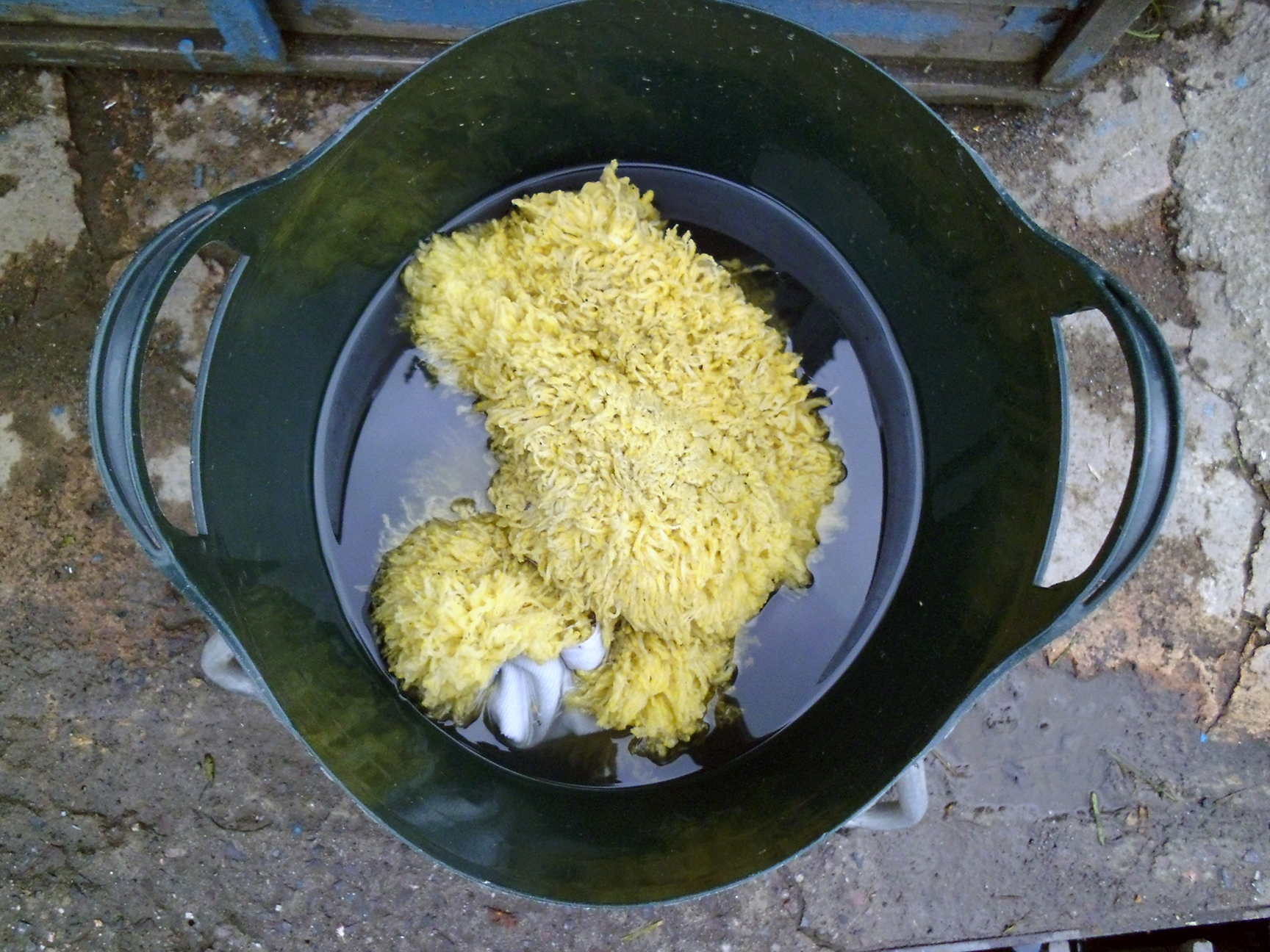
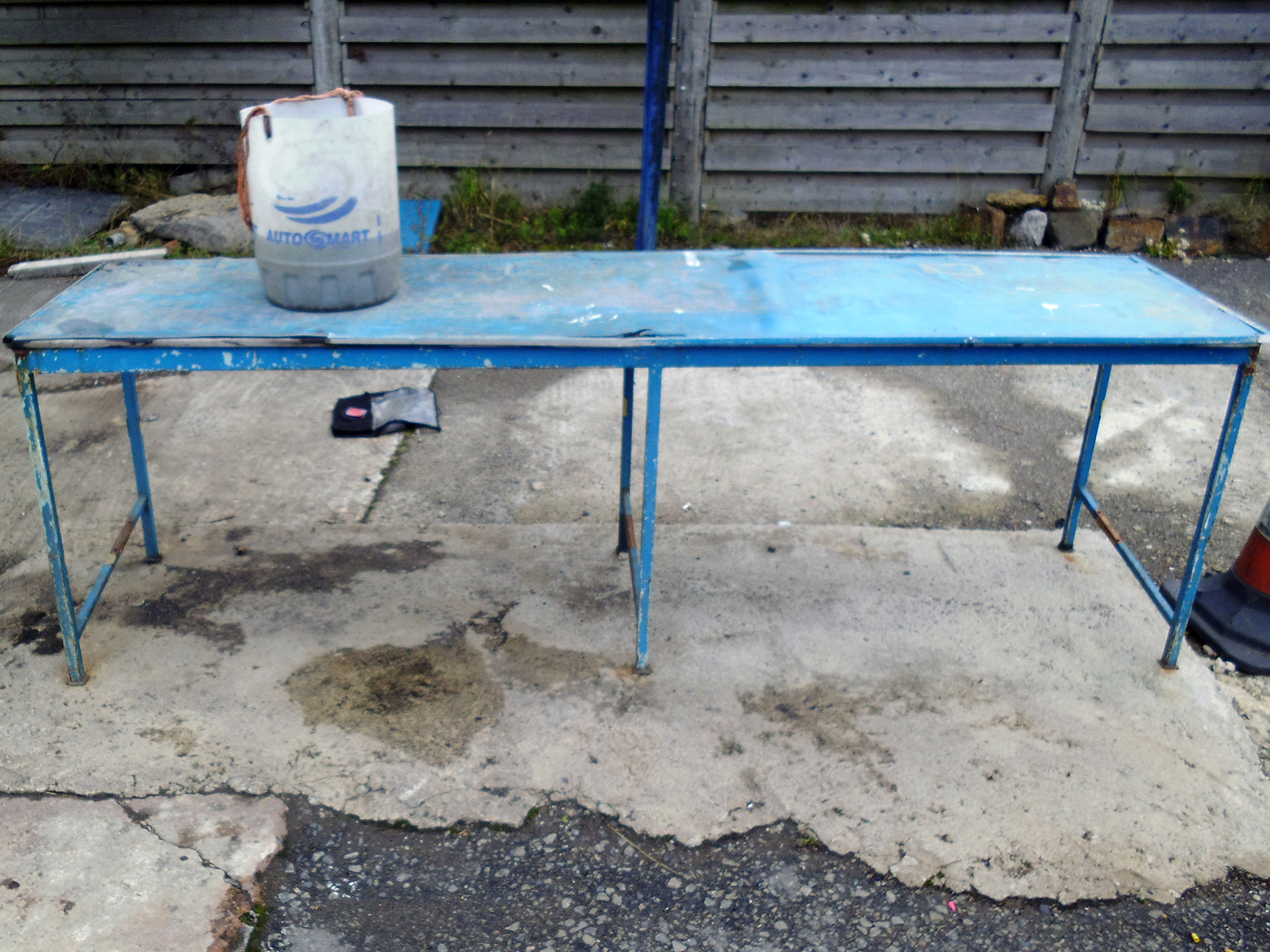
They – filling buckets and arranging a complex array of cleaning fluids.

Me –  just mooching with a compact camera.

Initially expressing an understandable resistance to my snappy ways, their consent was granted, following a series of complex hand gestures, smiles, and an open and honest request.

Moments later my job was done and theirs had just begun.

Wash and go!

P1010258 copy

P1010268 copy

P1010262 copy

P1010264 copy

P1010269 copy

P1010254 copy

P1010265 copy

P1010256 copy

P1010261 copy

P1010259 copy

P1010267 copy

P1010263 copy

P1010260 copy

P1010257 copy

P1010266 copy

Stoke on Trent – The Glebe

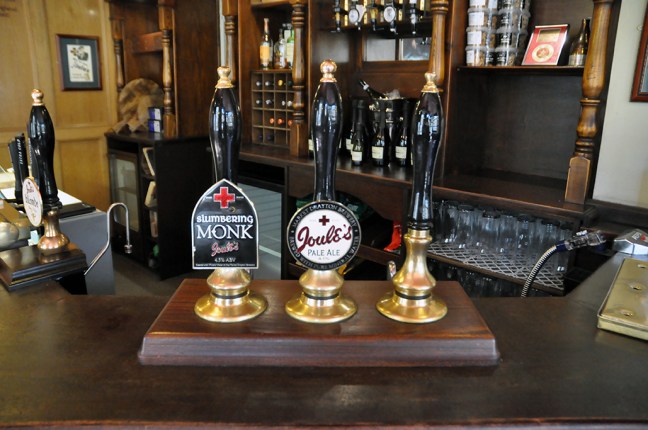
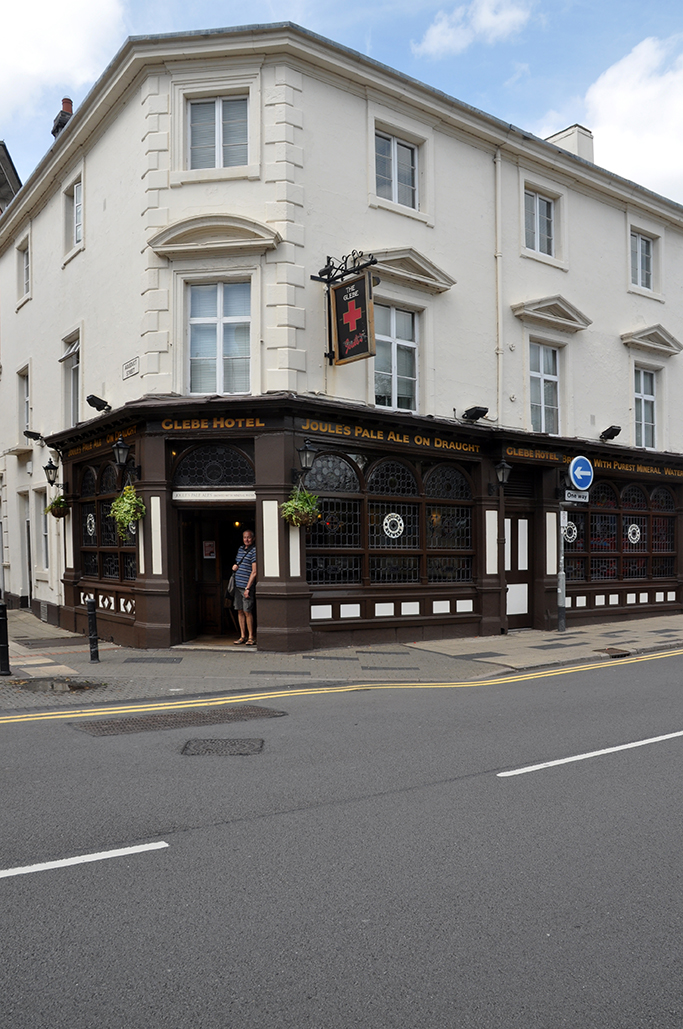
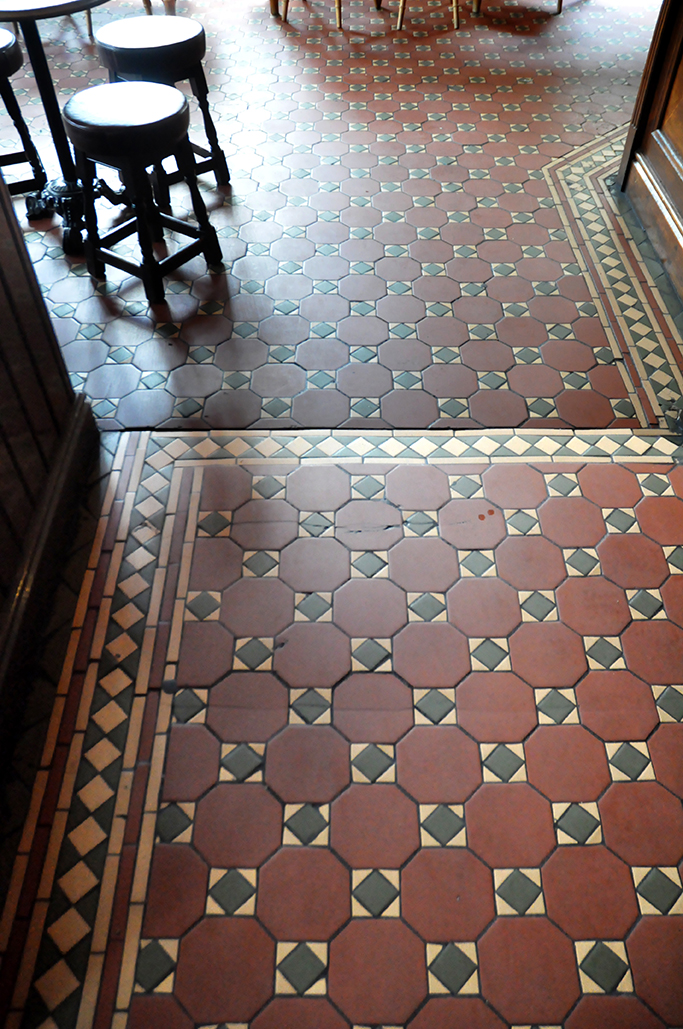
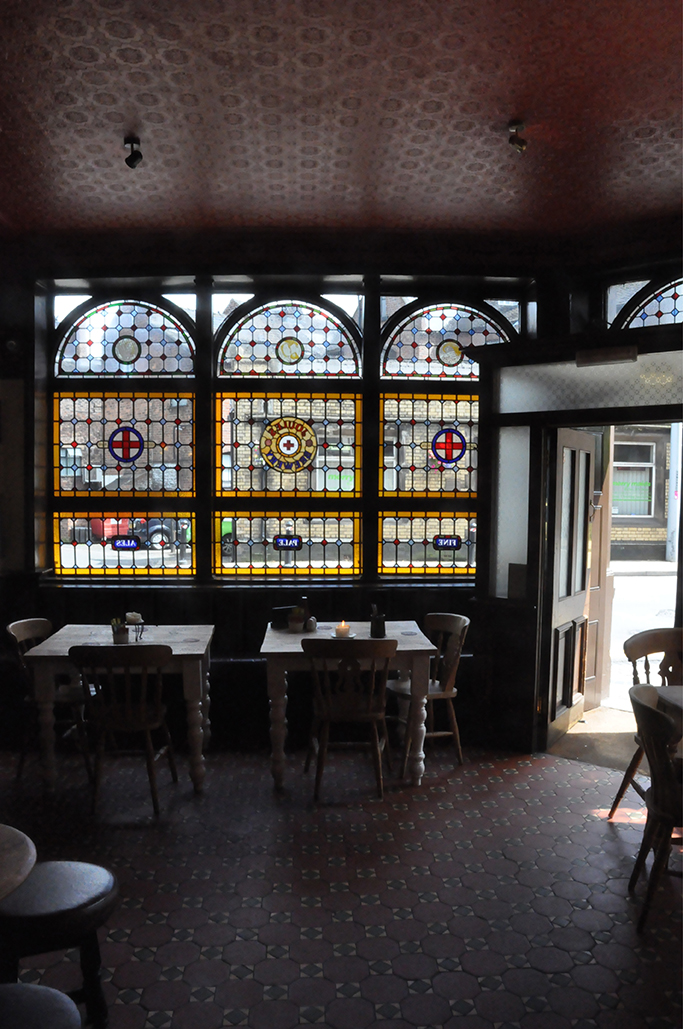
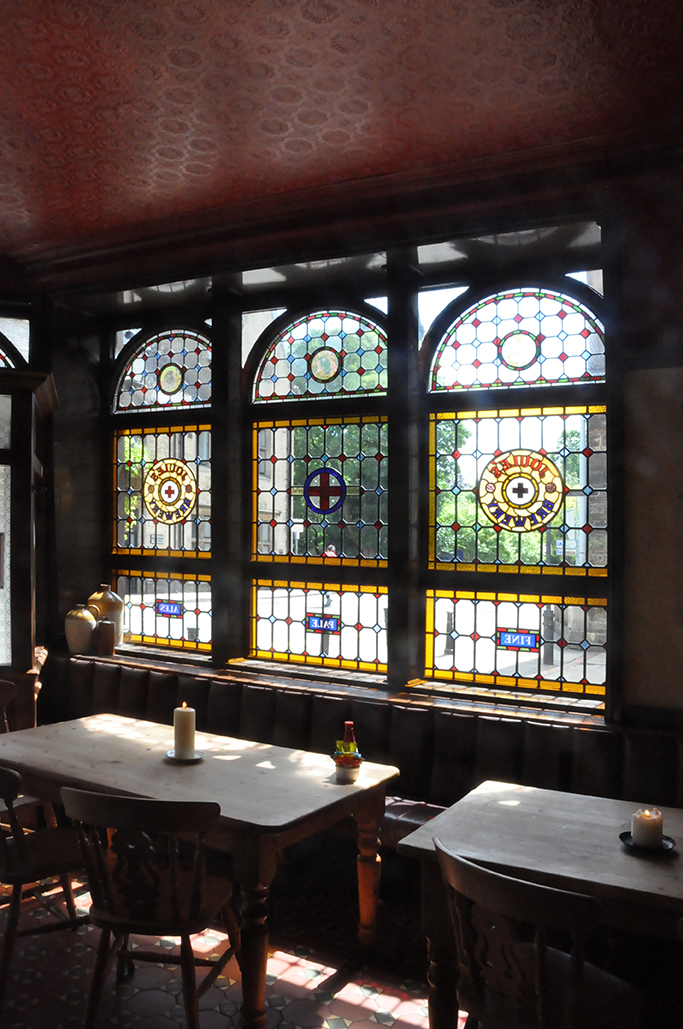
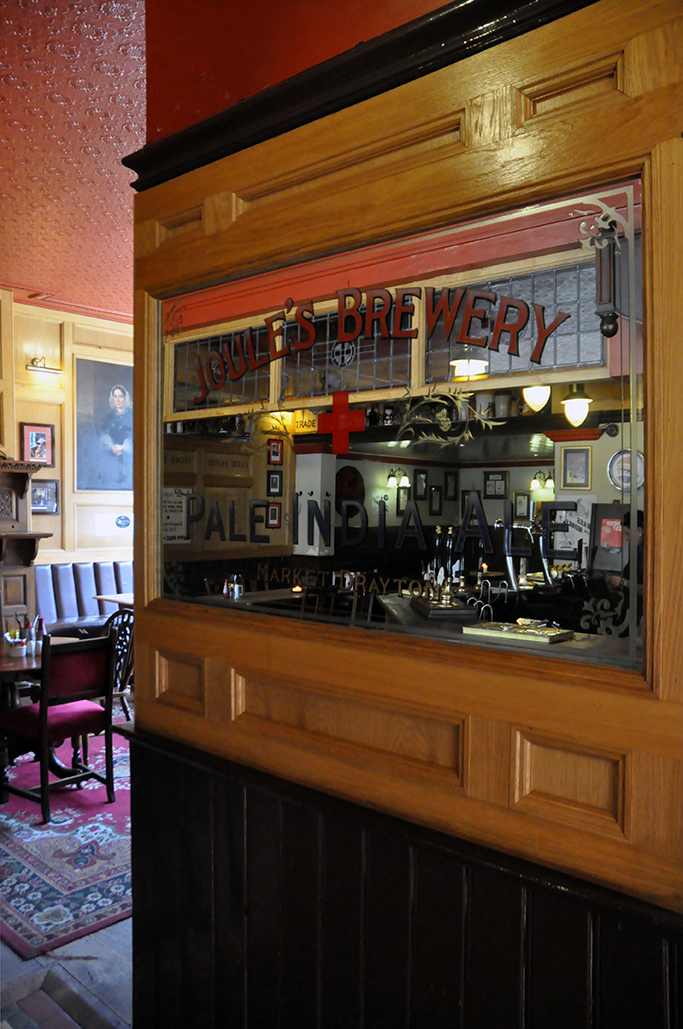
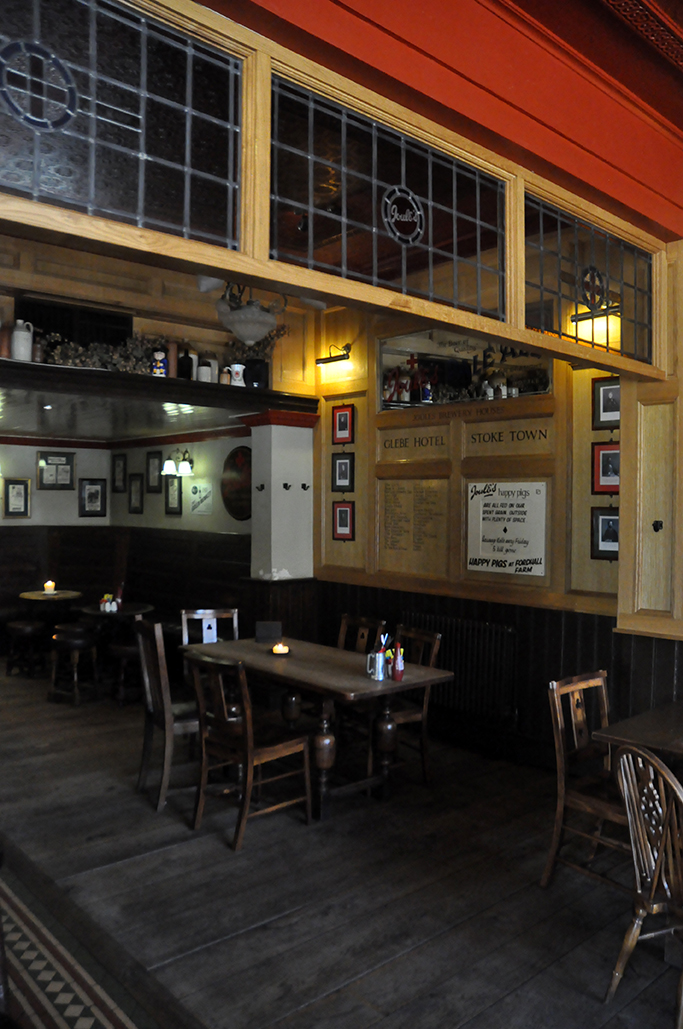
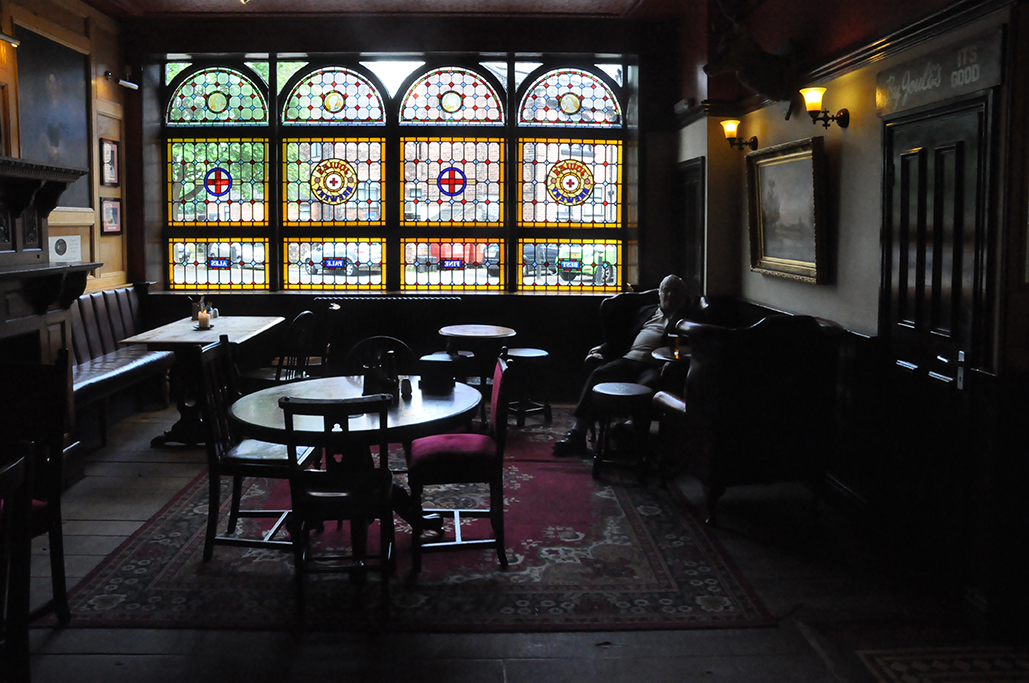
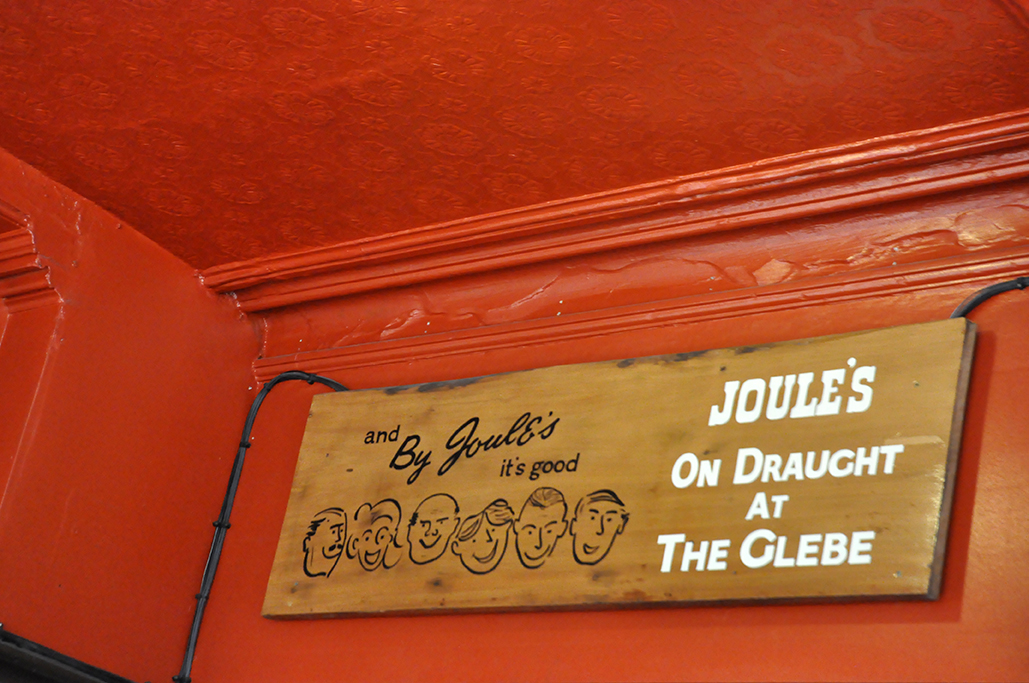
Hard by Stoke Minster stands the only pub in the area I care to visit, tucked in a cosy corner by the Civic Centre, five minutes from the station, barely time to work up a thirst.

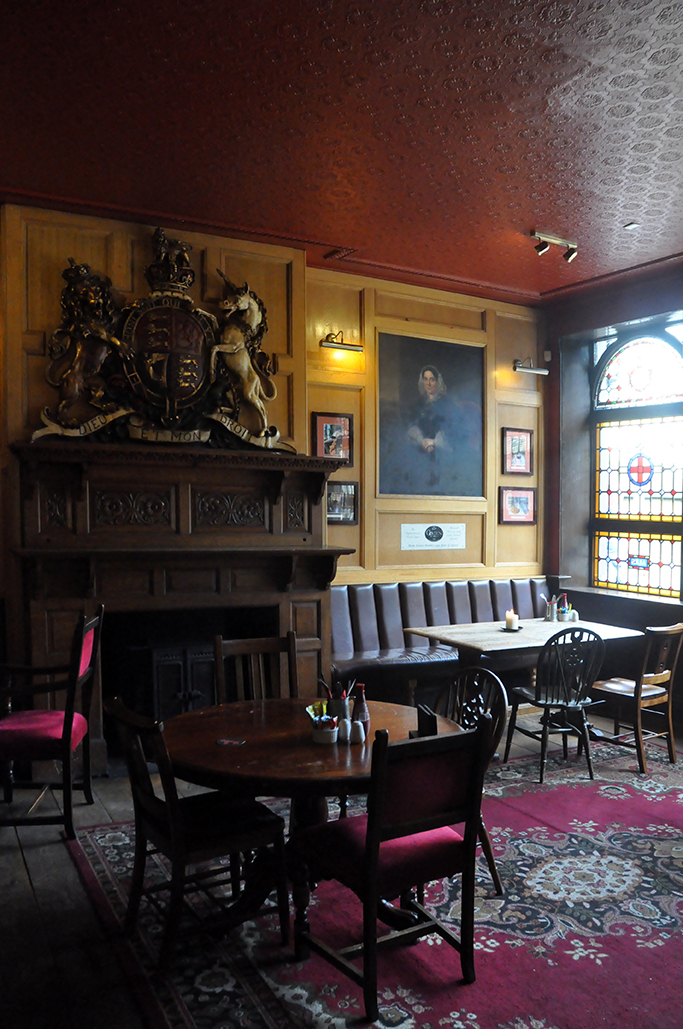
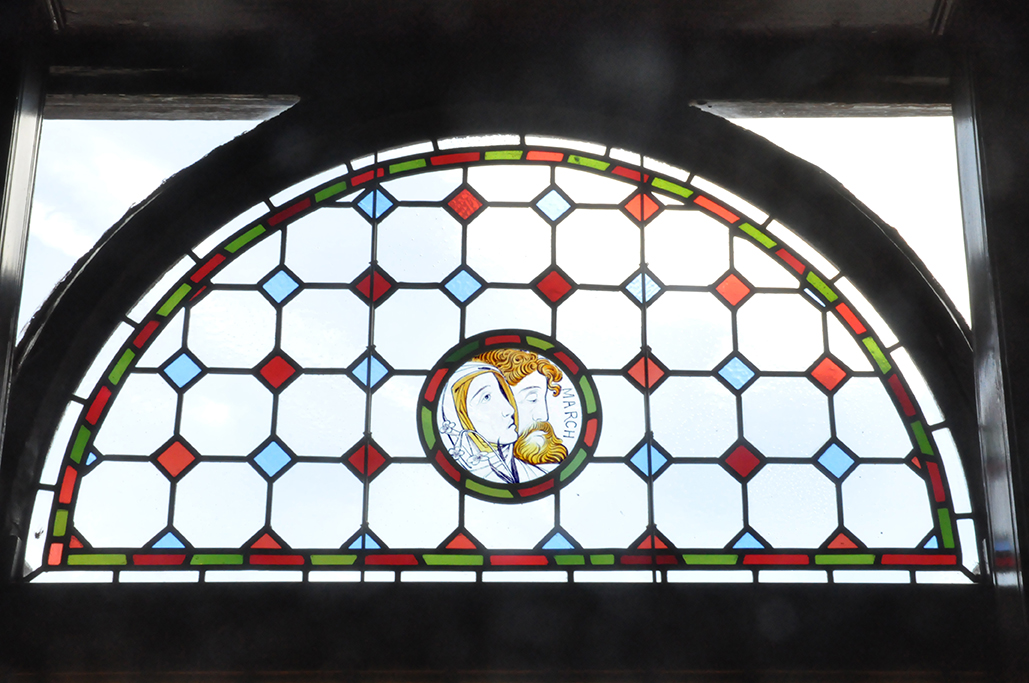
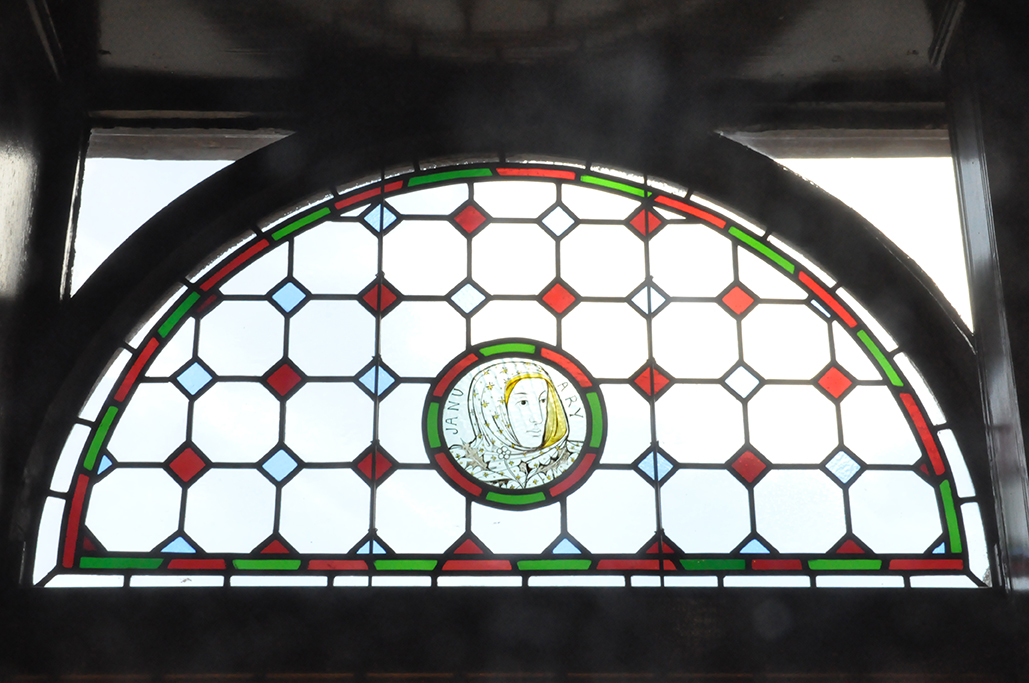
Carefully and skilfully refurbished, exquisite original semi circles of stained and painted glass depicting the months of the year – though there is no February, the lower panes a recent addition.

A tiled floor and broad stripped floorboards beneath your feet.

Sympathetically furnished, plainly, simply appropriate to a pub with pride.

In being a pub.

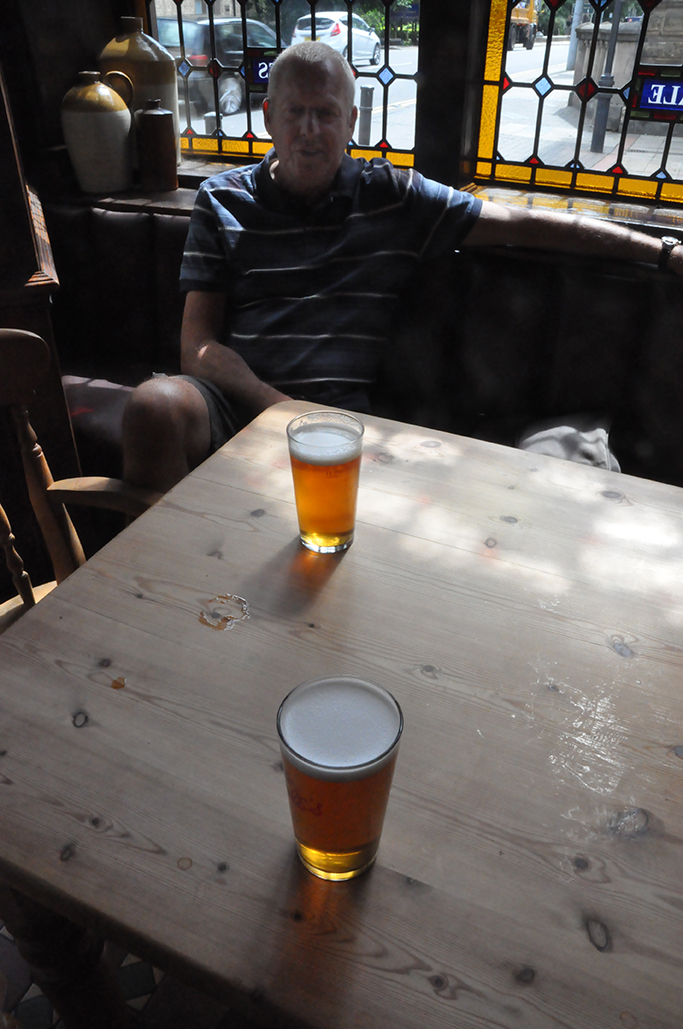
We and the afternoon sun, spill lazily in, in time for a pint.

It’s delicious so we have another

And another.

http://www.joulesbrewery.co.uk/pubs/pub_details.php?id=9

Margate – Batchelor’s Patisserie

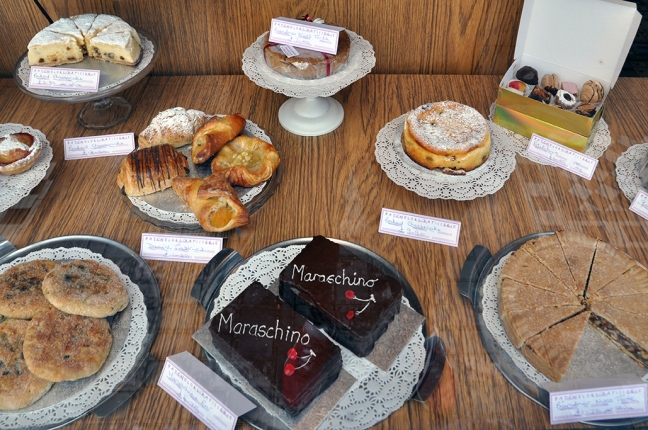
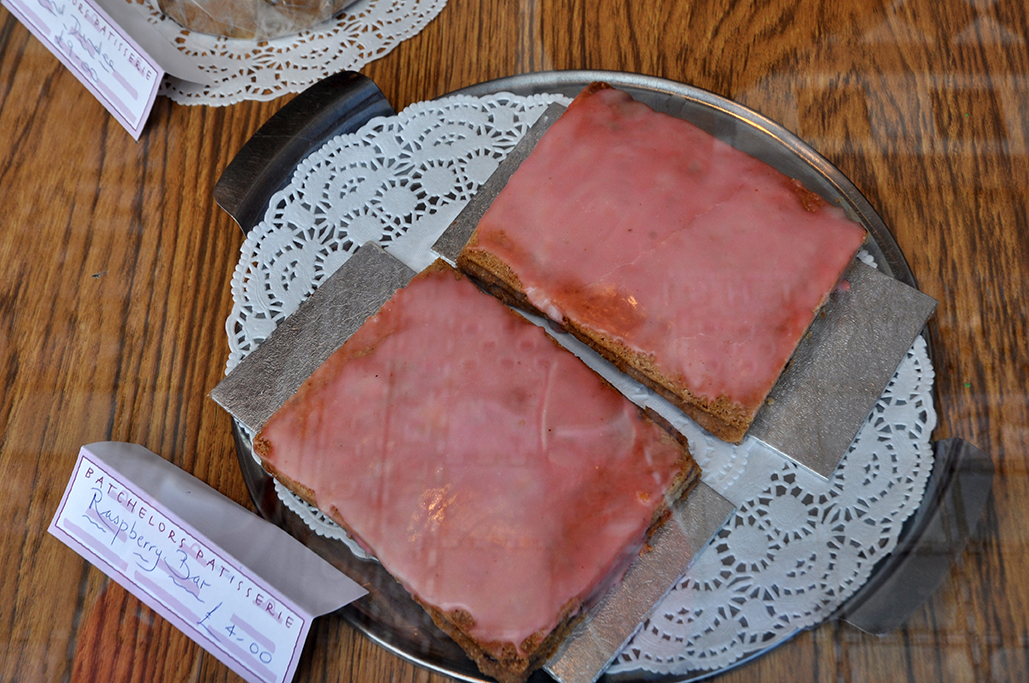
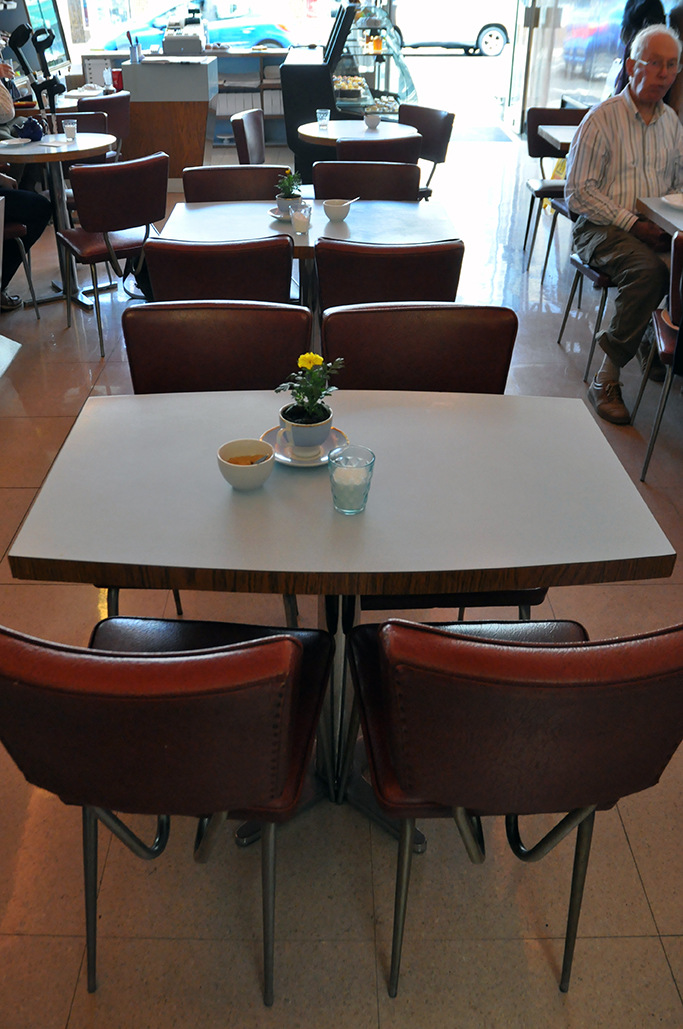
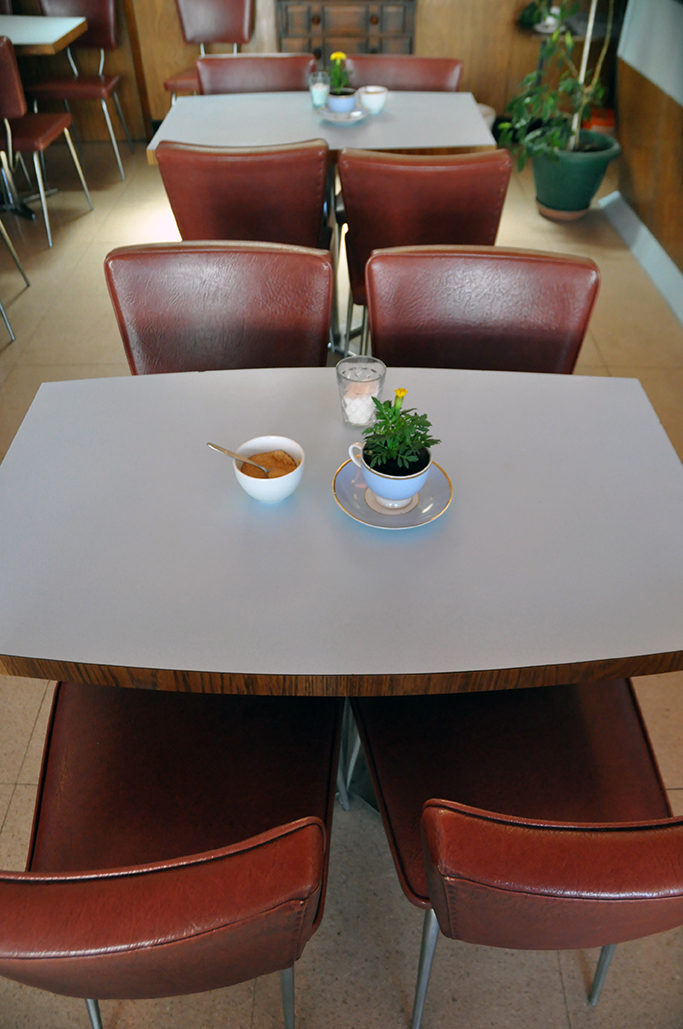
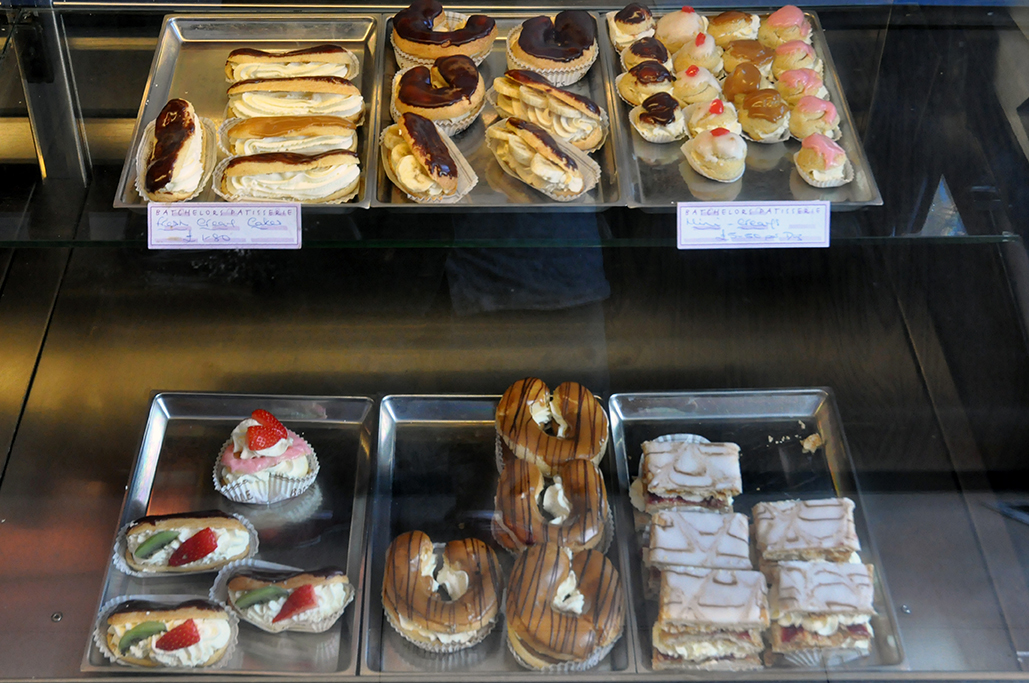
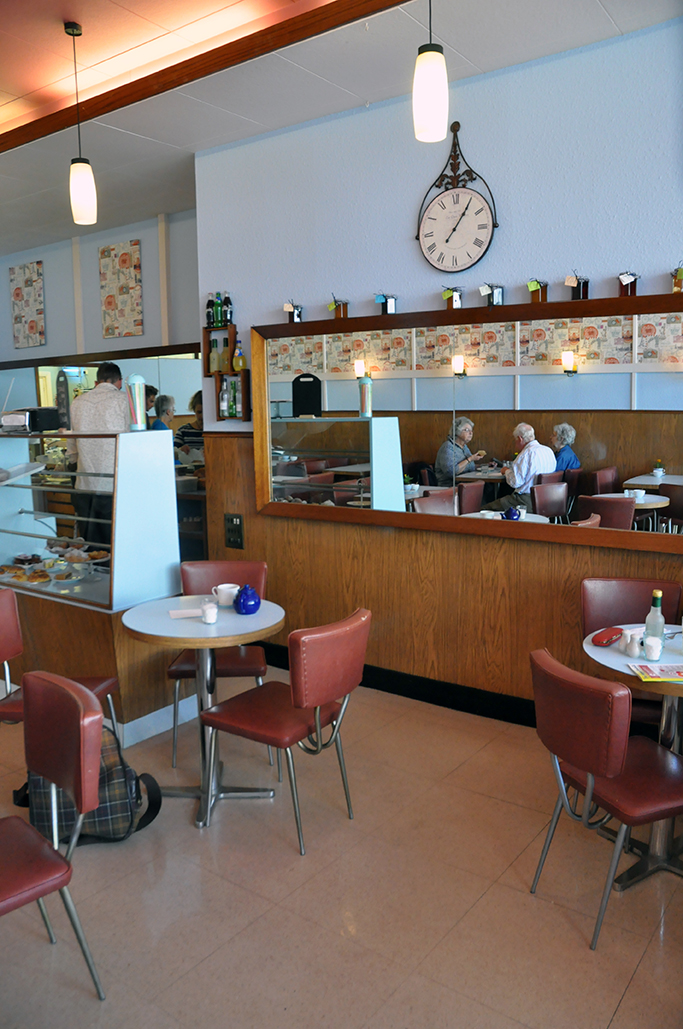
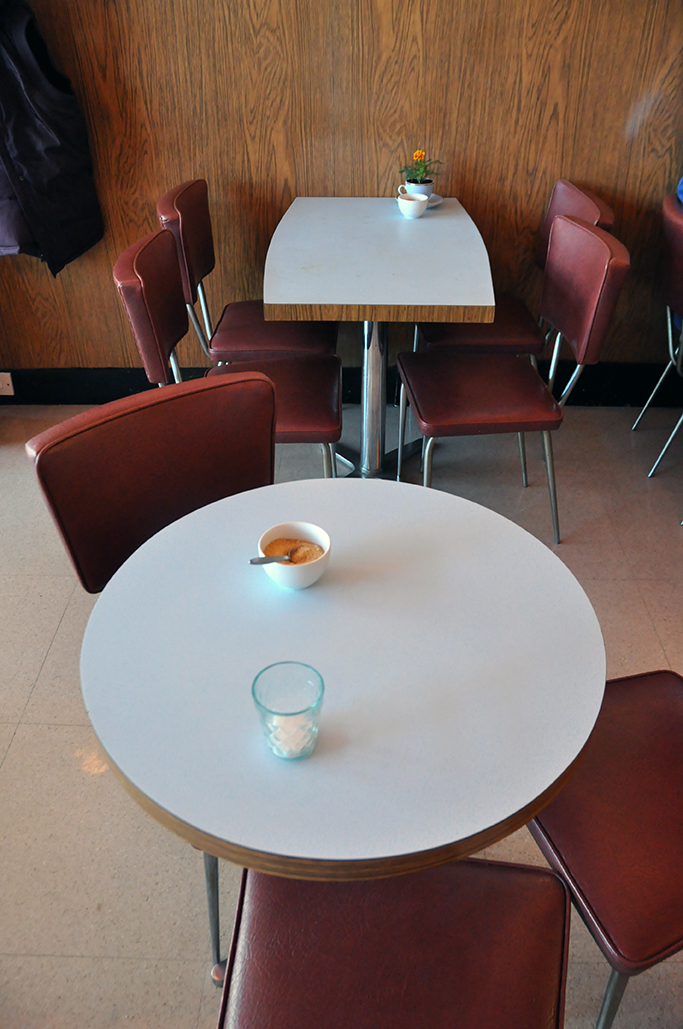
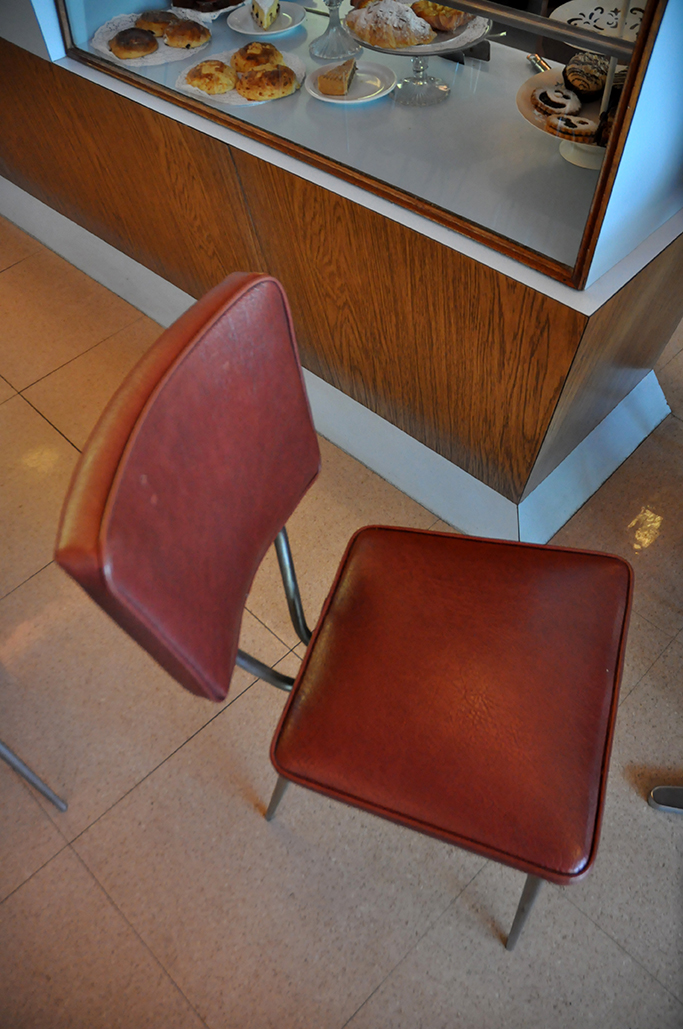
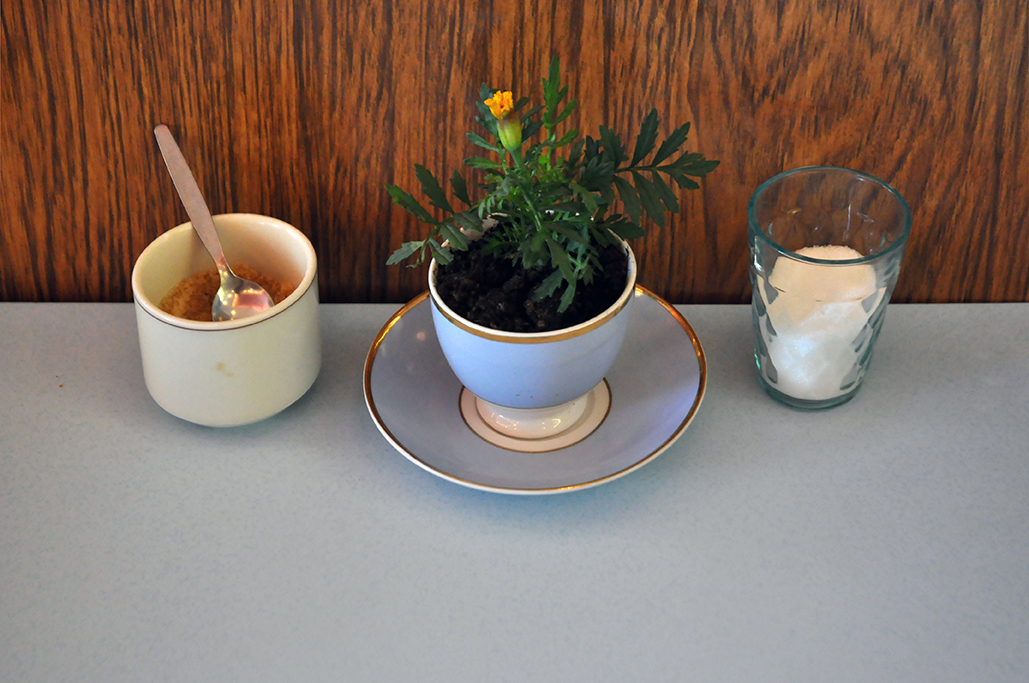
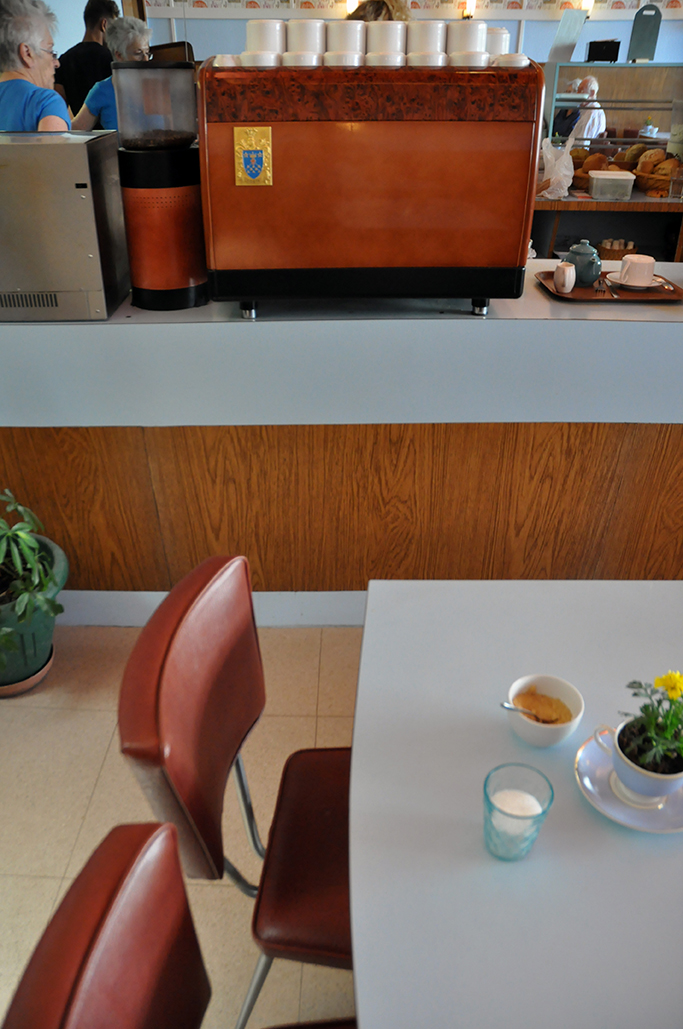
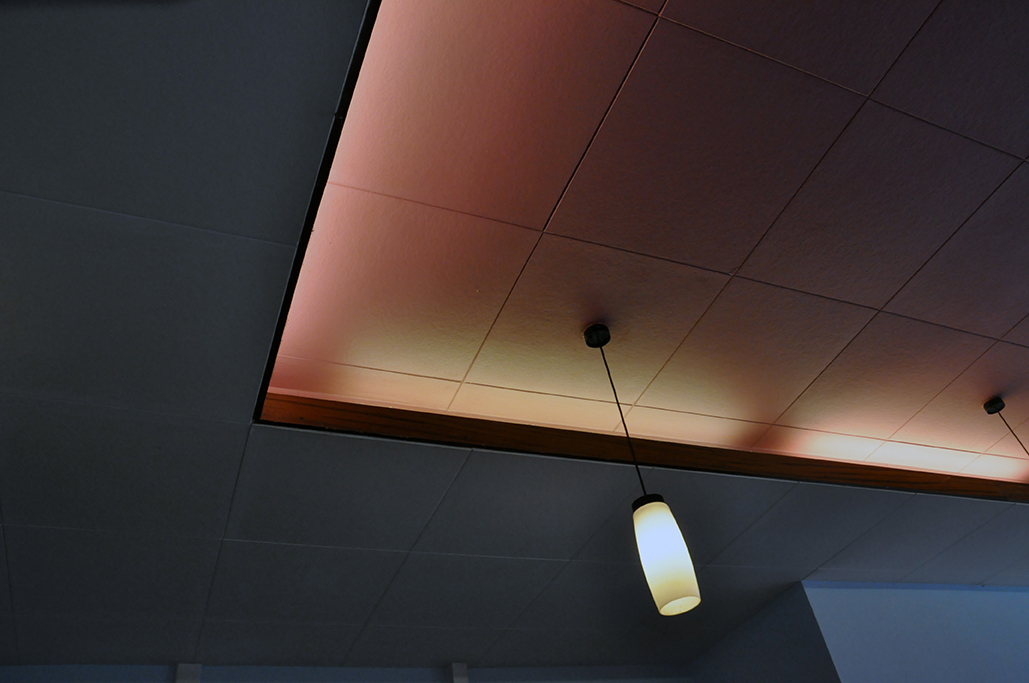
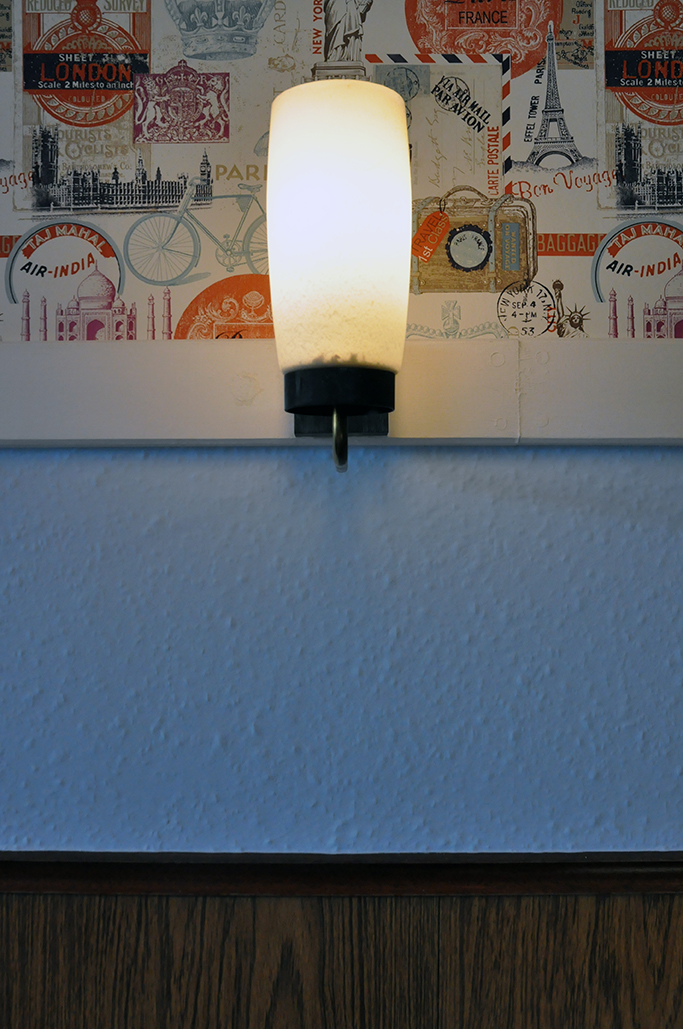
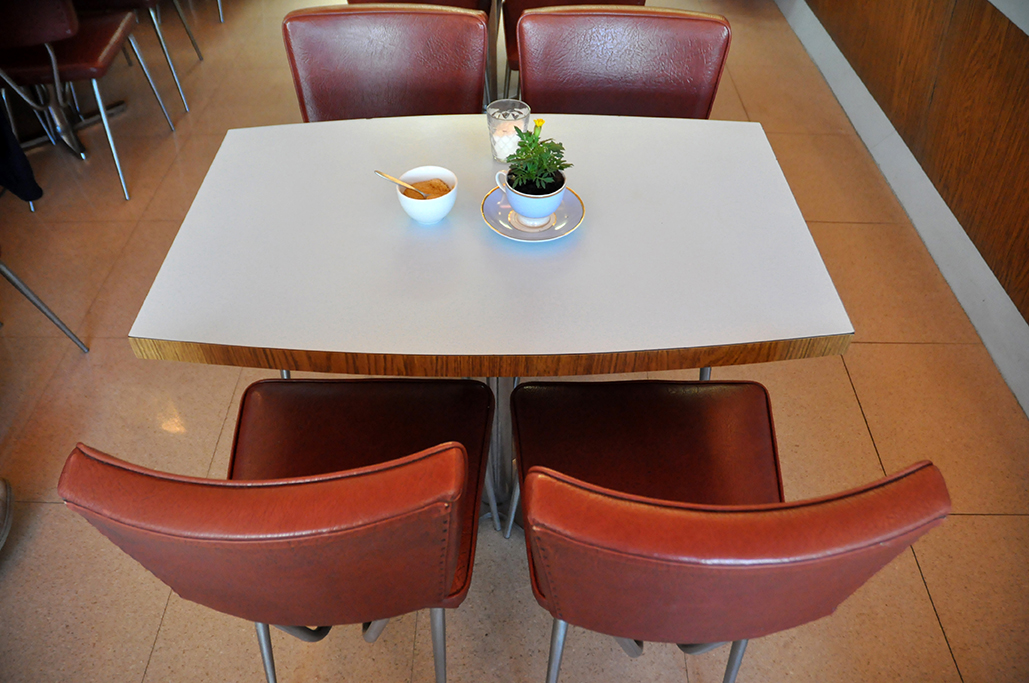
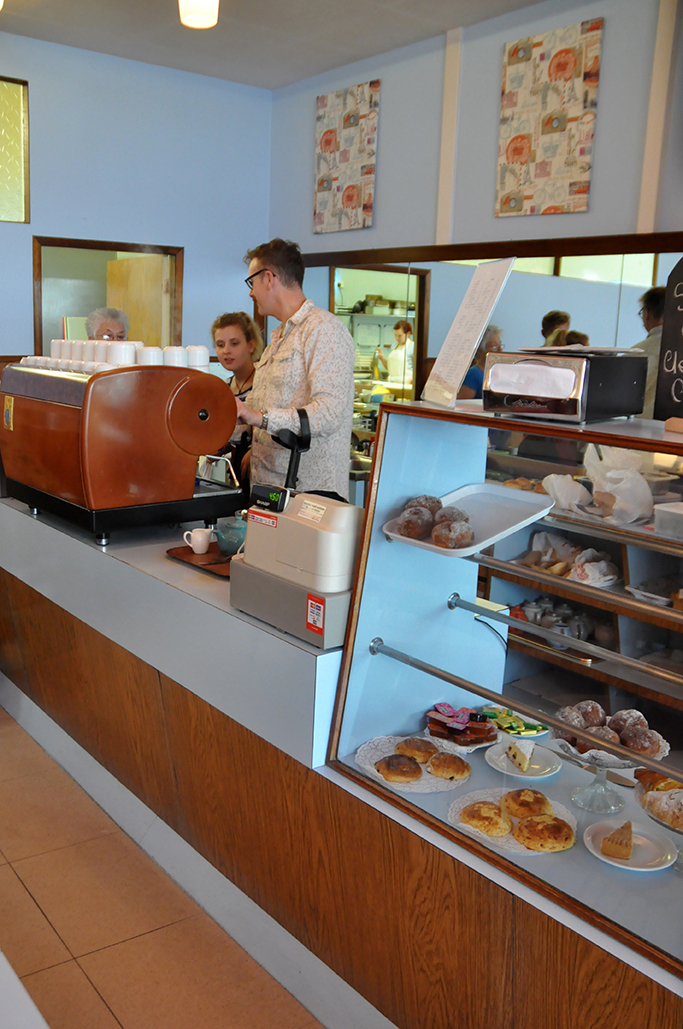
Idly meandering through Cliftonville, along Northdown Road, I chanced upon the most delightful of cake shop windows. Being something of an aficionado of cakes, shops and windows it seemed like an ideal opportunity to snap away, with customary broad-smiling, wide-eyed enthusiasm. Furthermore why not go in? I was met with the most charming of receptions from the patron Stuart Turner and staff – not unreasonably inquisitive regarding my impromptu picture taking, I explained my particular interest in the patisserie. The interior of the 50’s bakery, shop and café is perfectly preserved, with a little sympathetic restorative work. Well upholstered and formica topped the furniture is the finest of its kind, each table graced with fresh flowers, condiments and loving care and attention. An exquisite array of breads, pastries and cakes, resting on delicate doilies, displayed in glass fronted cases. I encourage you to visit, take tea, take cake, take away the fondest of sweet memories.

DSC_0261 copy

DSC_0278 copy

DSC_0270 copy

DSC_0266 copy

DSC_0269 copy

DSC_0264 copy

DSC_0291 copy

DSC_0289 copy

DSC_0284 copy

DSC_0282 copy

DSC_0273 copy

DSC_0279 copy

DSC_0285 copy

DSC_0286 copy

DSC_0287 copy

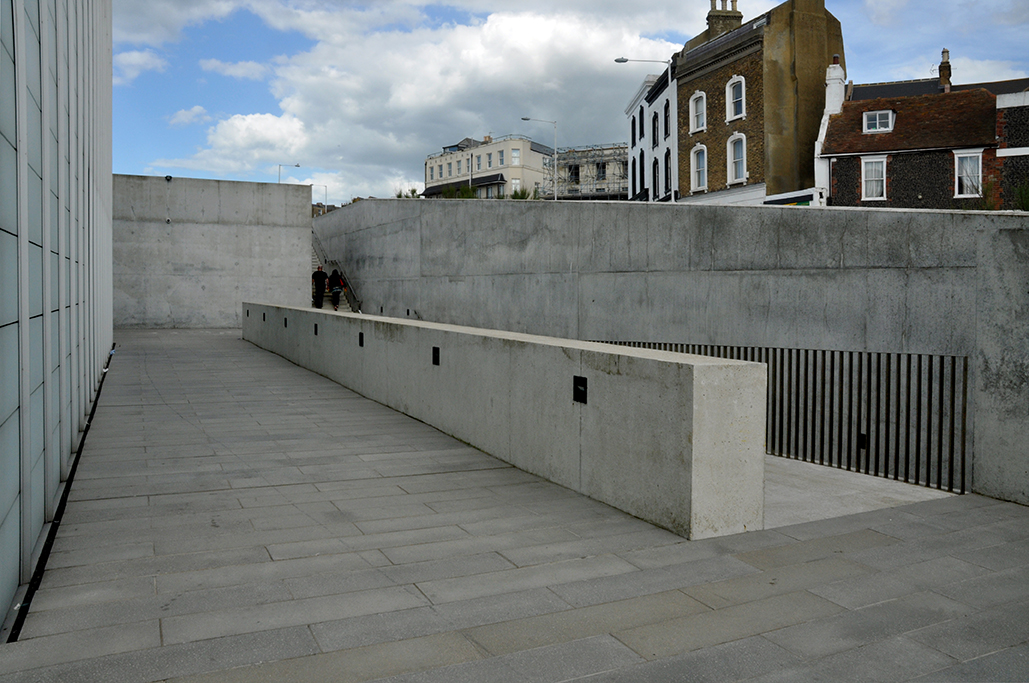
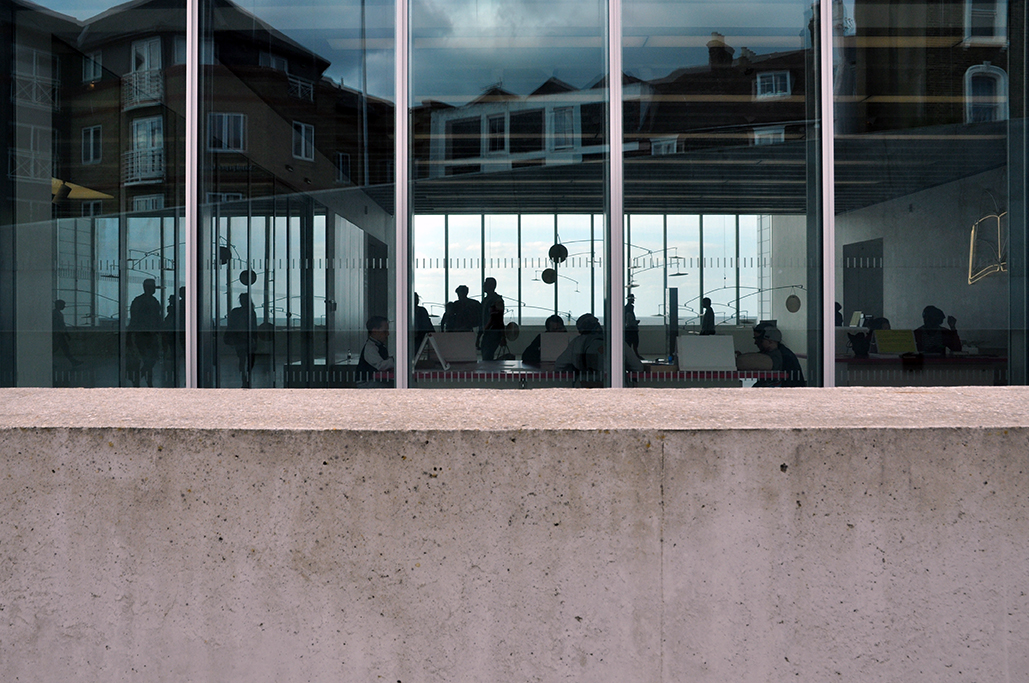
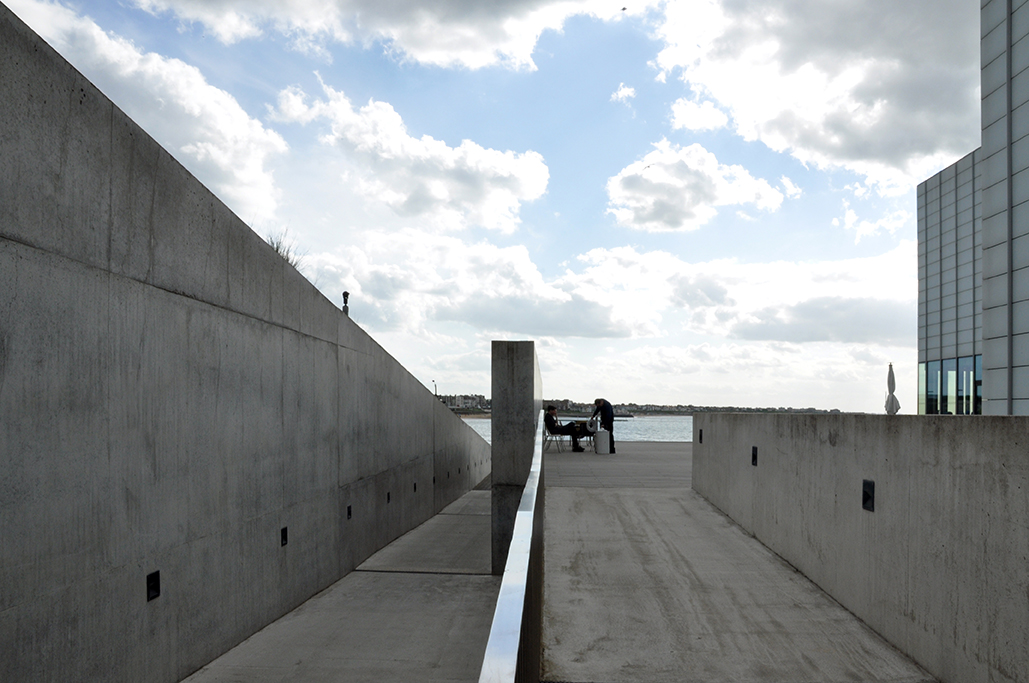
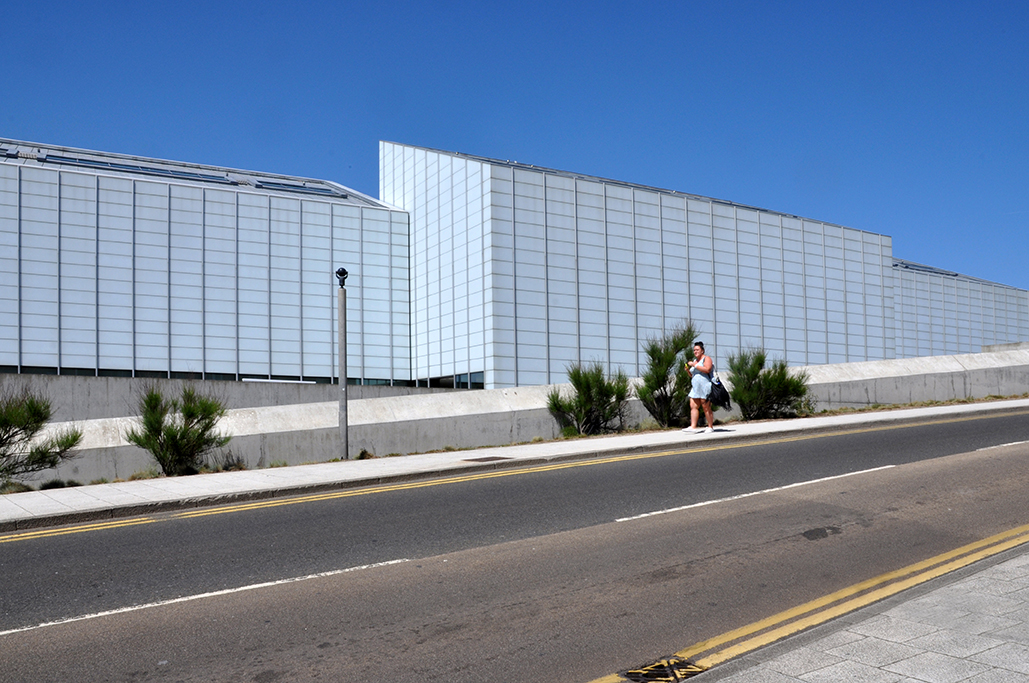
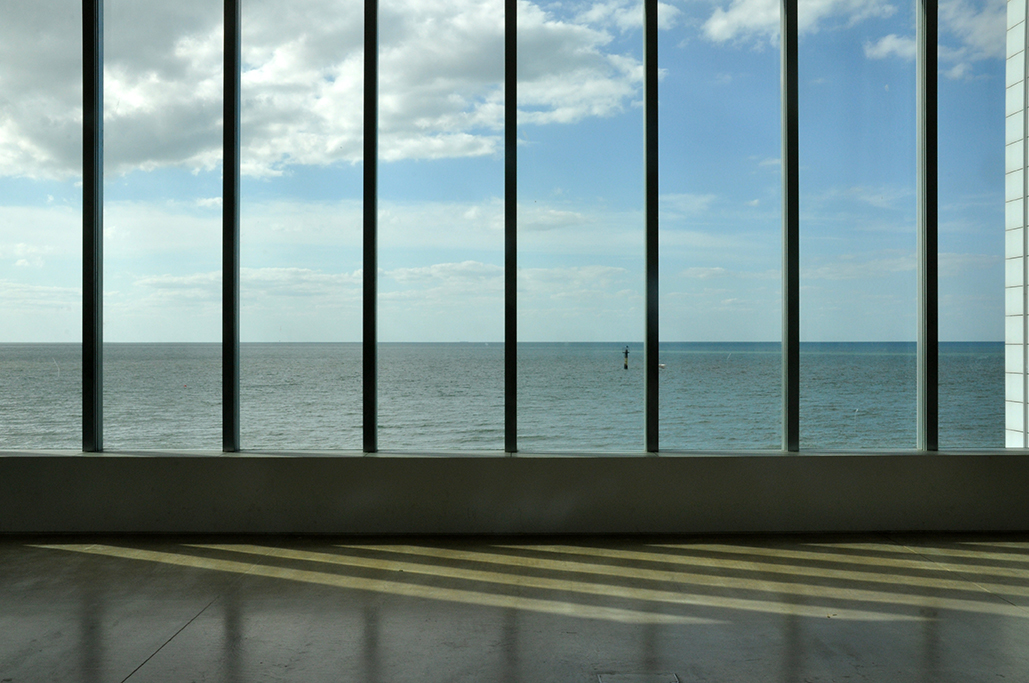
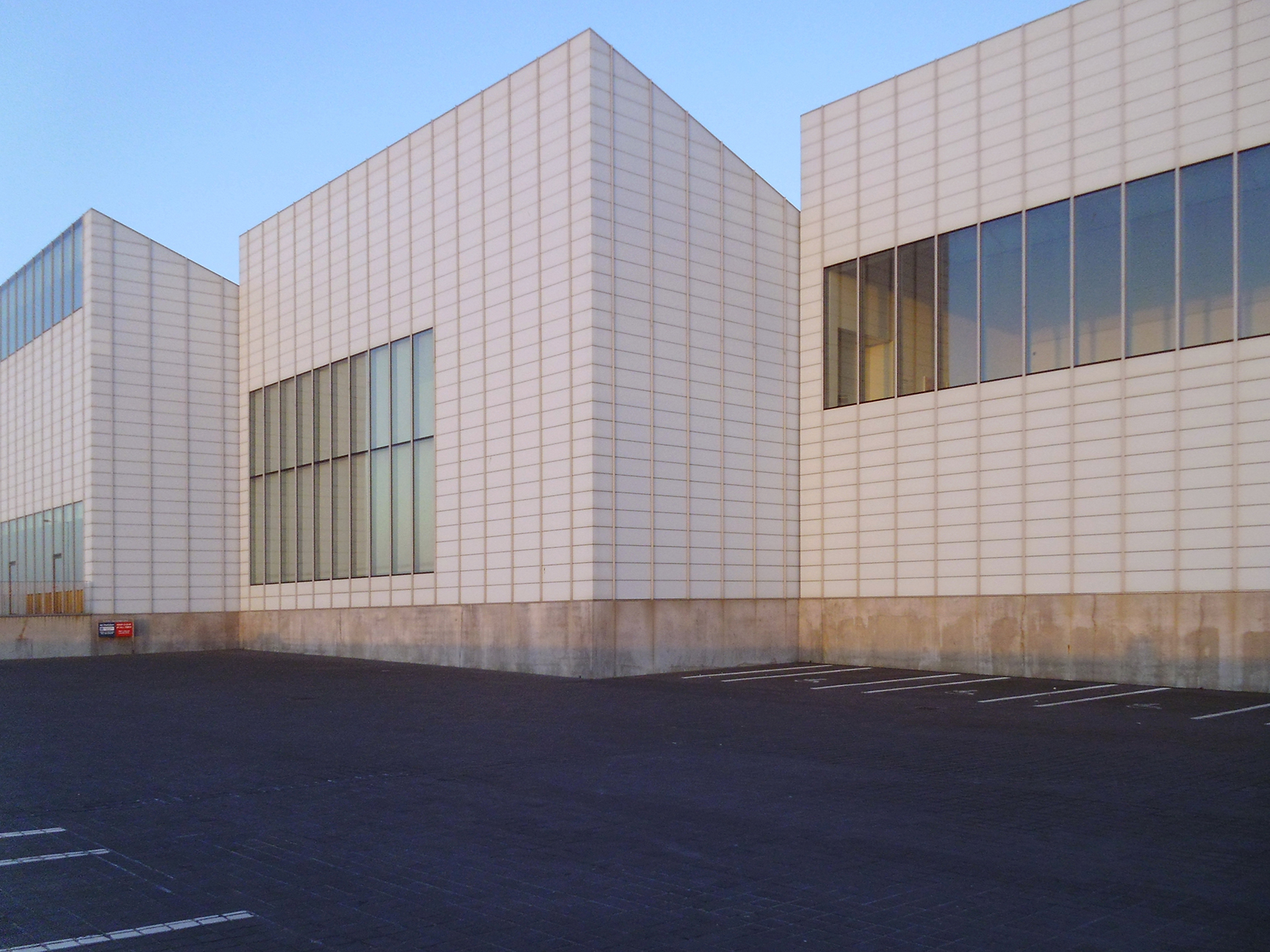
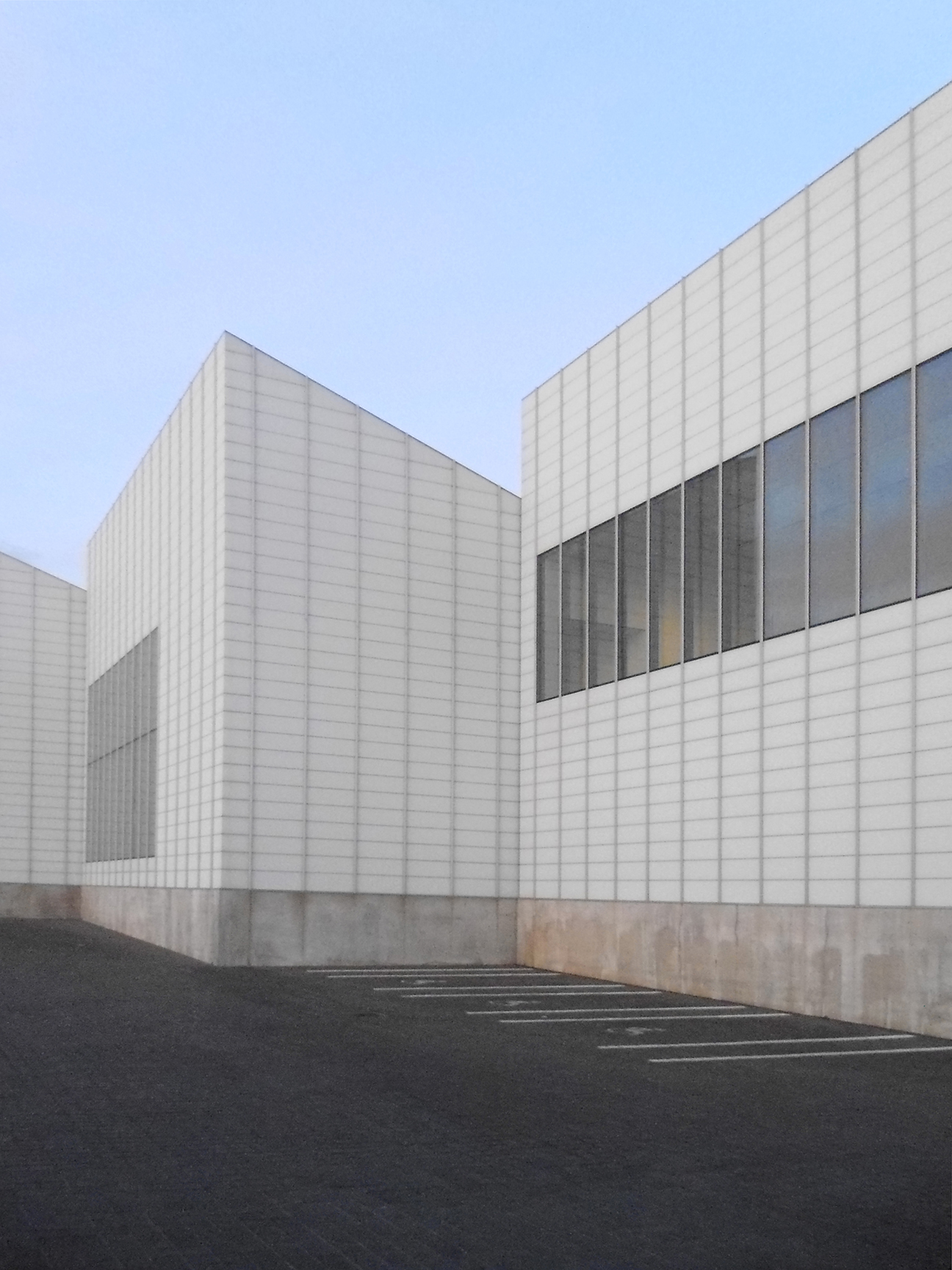
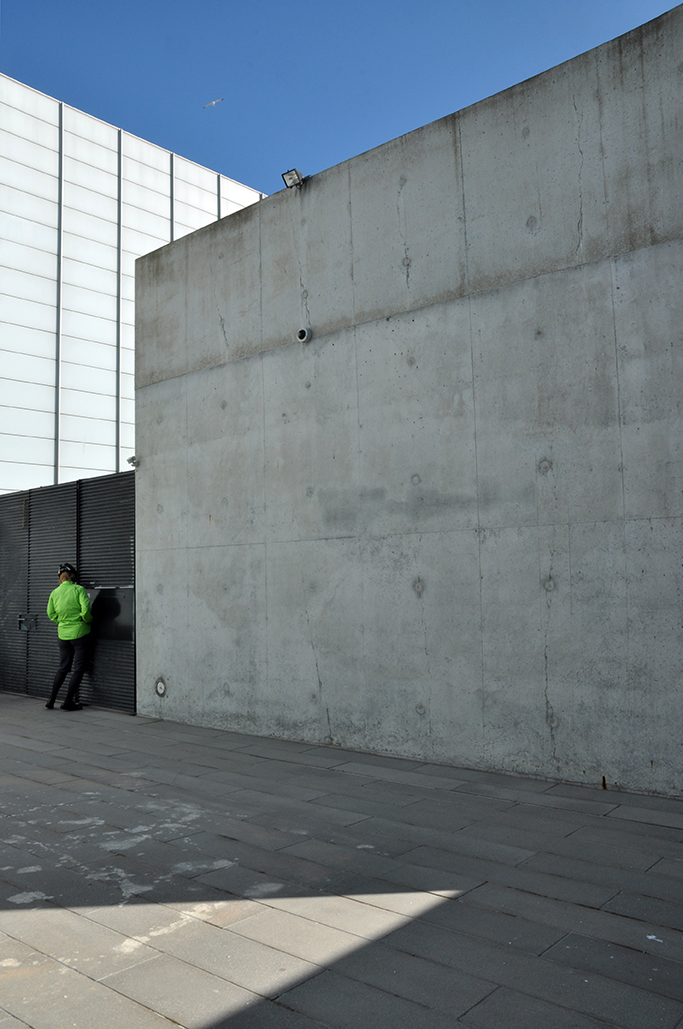
Margate – Turner Contemporary

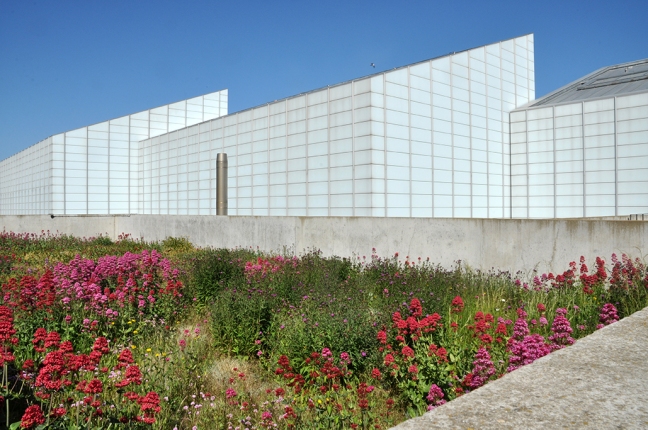
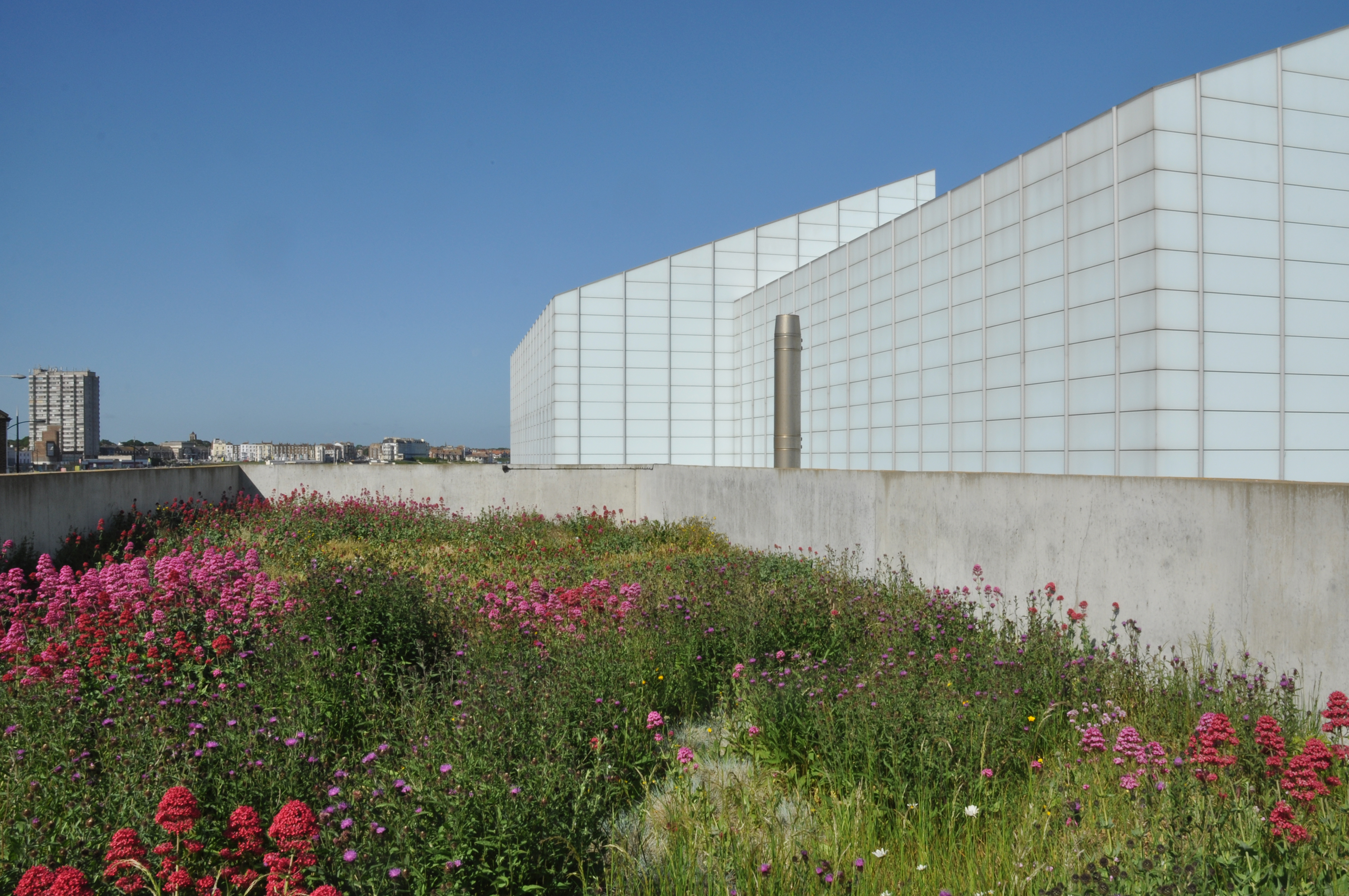
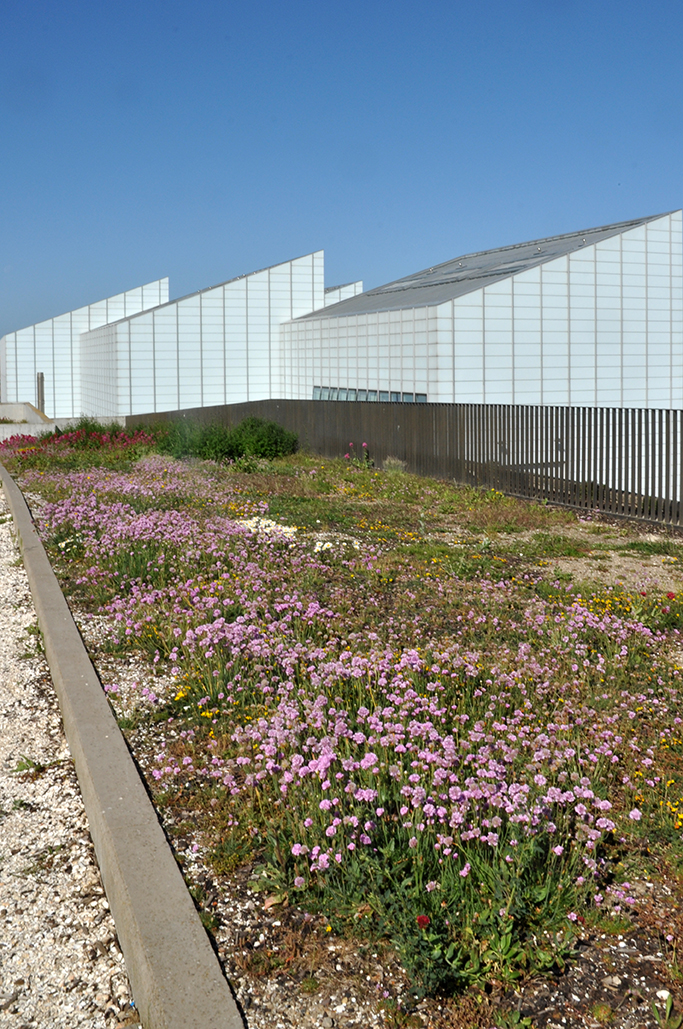
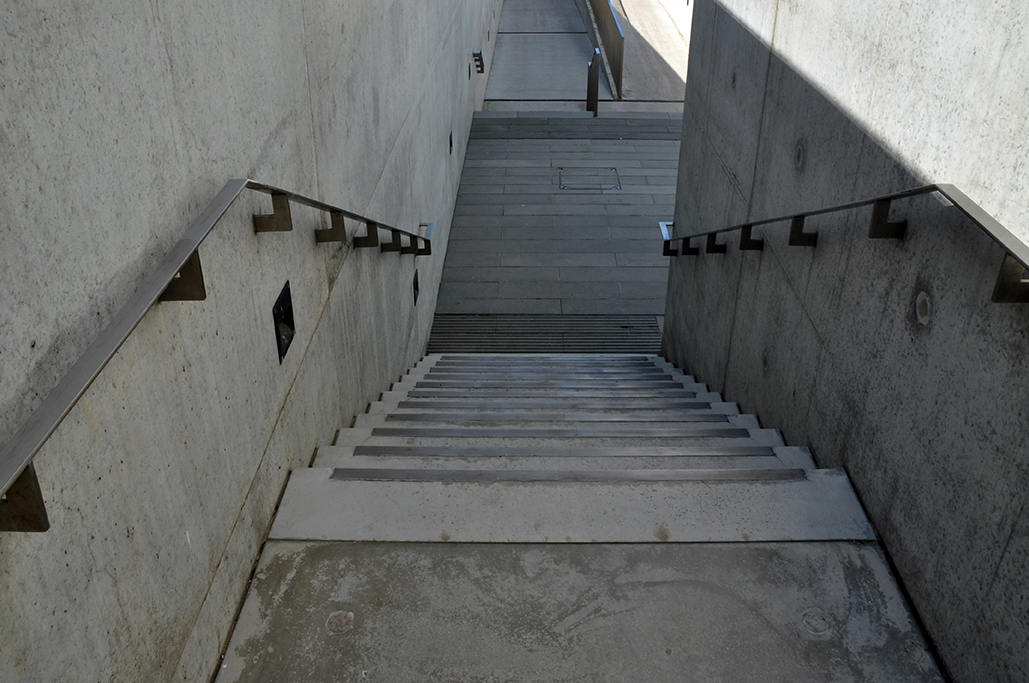
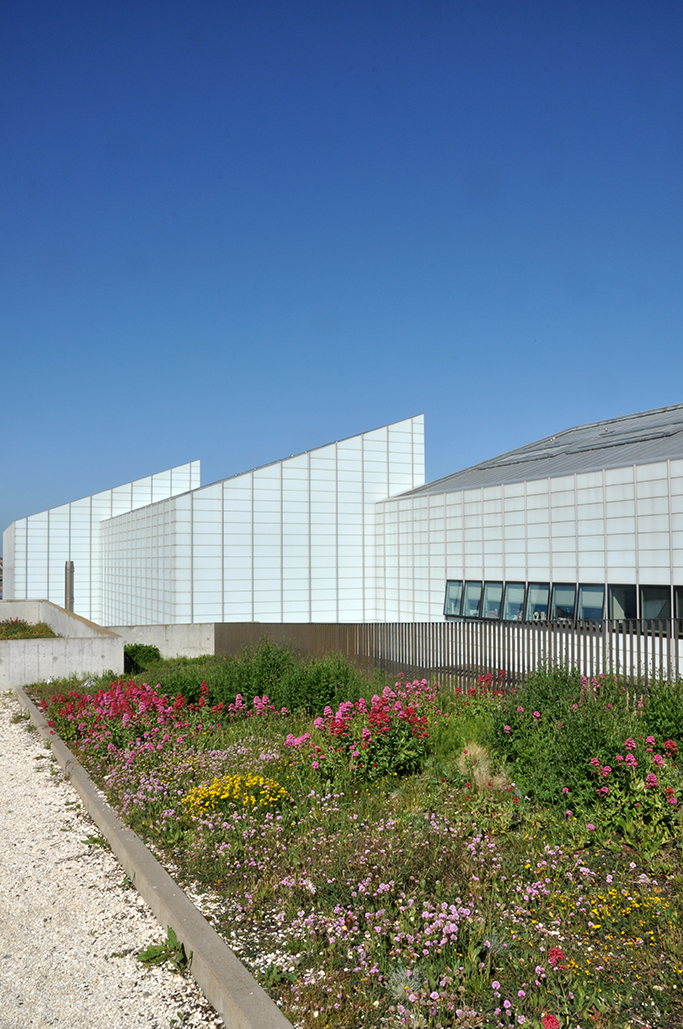
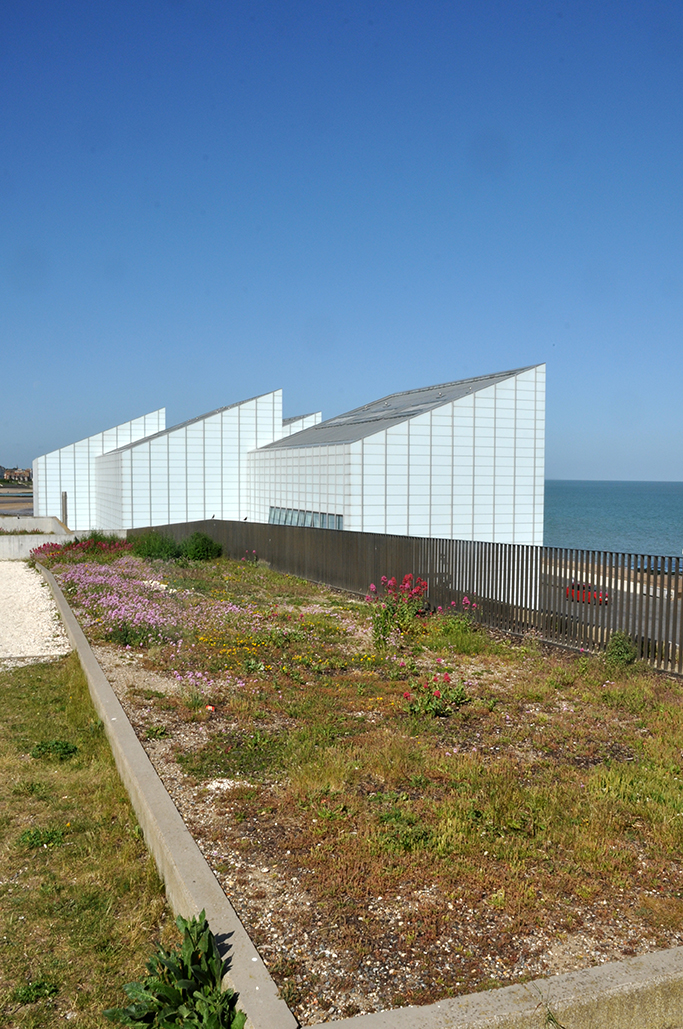
Mr Turner came here way back when,

The same sea lapped a different shore,

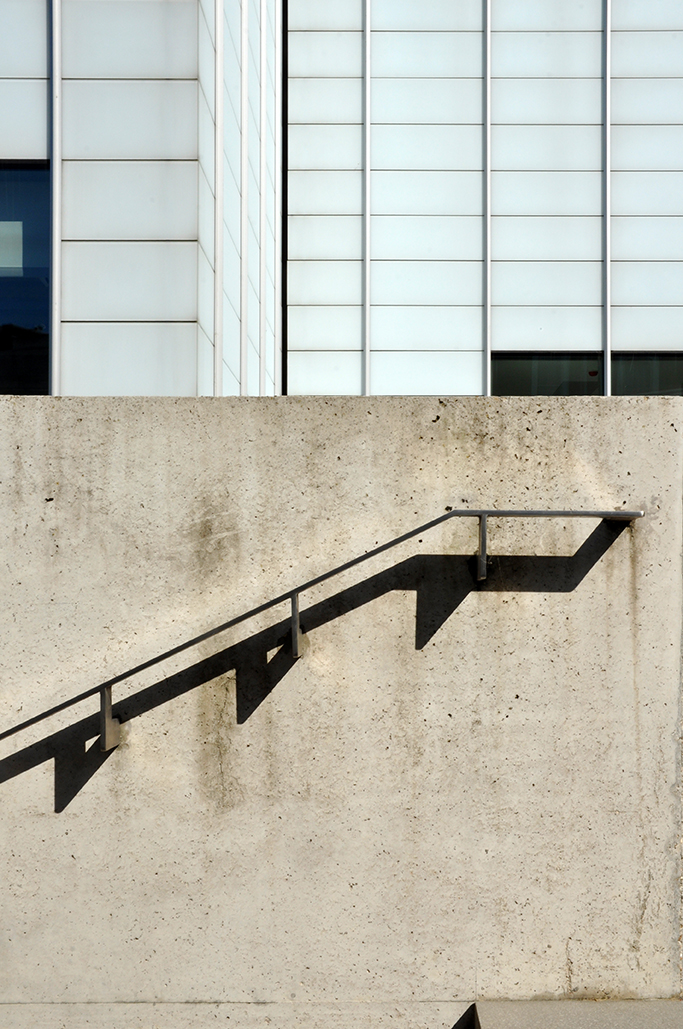
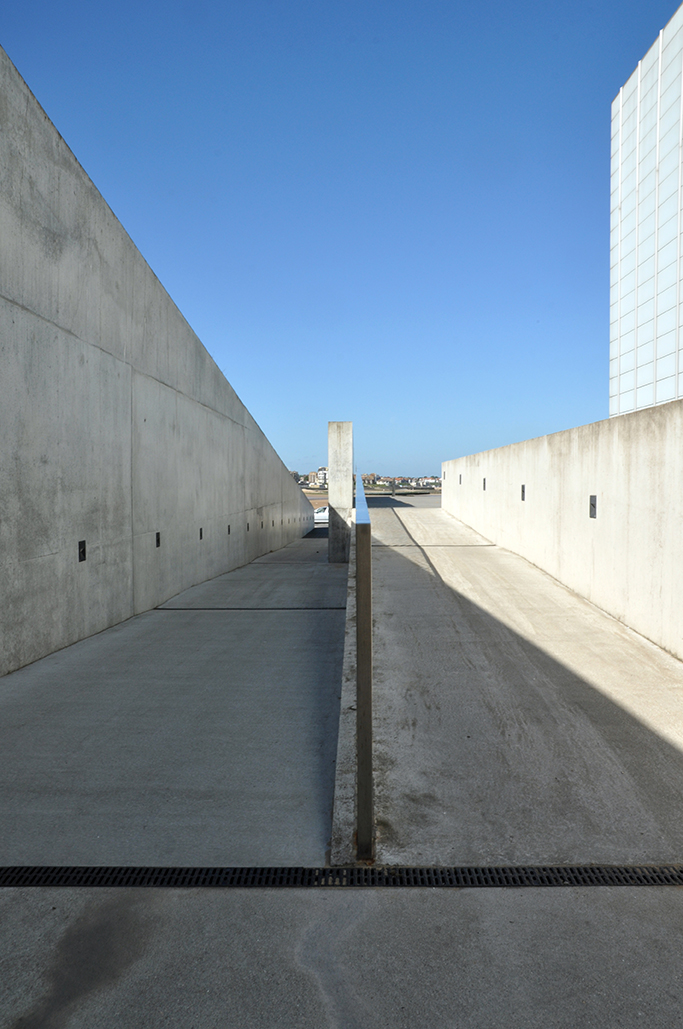
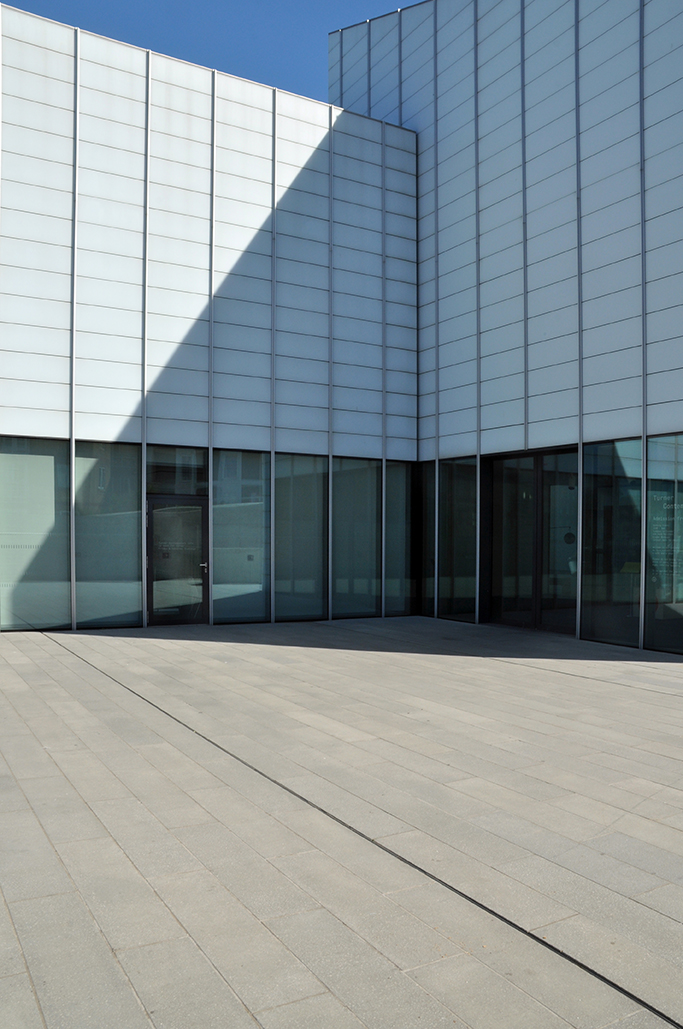
A gallery stands where he passed,

If passing pop in,

Or wander the perimeter in search of a sense,

Of well being, or otherwise,

Seeking a link with some not too distant past,

When a different sea lapped the same shore.

https://www.turnercontemporary.org

DSC_0398 copy

DSC_0401 copy

DSC_0400 copy

DSC_0608 copy

DSC_0490 copy

DSC_0488 copy

DSC_0493 copy

DSC_0489 copy

DSC_0396 copy

DSC_0494 copy

P1070766 copy

P1070740 copy

DSC_0498 copy

DSC_0487 copy

DSC_0500 copy

DSC_0502 copy

P1070738 copy

DSC_0497 copy

DSC_0503 copy

DSC_0402 copy

Margate – Arlington House

Arlington House is a 58 metre high eighteen-storey residential apartment block in Margate, Kent, England.

It was built in 1964, it has 142 apartments, and was designed by Russell Diplock & Associates, developed by Bernard Sunley Trust, and built by the contractors Bernard Sunley & Sons.

The sides of the building have a wave-like design, providing both inland and sea views.

It was initially advertised as Britain’s first park and buy shopping centre with luxury flats , incorporating a theatre, restaurant and rooftop swimming pool.

Arlington Margate

I’ll try anything twice.

So off I went to Margate, on a train, again.

Rushing out of the station agog, eager, looking for a long lost friend.

An impudent exclamation mark at the end of a rowdy Georgian row.

Arlington House.

A mad amalgam of angles, incautious concrete surfaces and glass.

Entranced, enchanted, we both stare out to sea and eye each other admiringly.

DSC_0015 copy
DSC_0409 copy
DSC_0012 copy
DSC_0422 copy
DSC_0419 copy
DSC_0421 copy
DSC_0458 copy
DSC_0416 copy
DSC_0460 copy
DSC_0413 copy
DSC_0018 copy
DSC_0456 copy
DSC_0425 copy
DSC_0463 copy
DSC_0459 copy
DSC_0457 copy
DSC_0424 copy
DSC_0522 copy

Hove – Seafront Flats

The seashore seems ideally suited to tall well appointed private housing, this is the architecture and landscape of wealth and privilege.

Built and maintained in the finest sixties and seventies Modernist style and fashion, affording panoramic visits across the Hove Lawns to the sea, and the soft rolling hinterland of the Downs.

If you’ve got the dollar, you’ve got a room with a view, or two.

Hastings – Sea Front Shelters

The very first time I visited Hastings, I was immediately enchanted by the seafront and its enchanting shelters.

Perfectly formed cast concrete poetry, facing the swelling channel.

Offering shade and respite from coastal sun, wind and rain.

Temporary home to some.

Decorated in the finest style.

A short endless walk, sea to the right, back again, to your left.

DSC_0394 copy

DSC_0359 copy

DSC_0357 copy

DSC_0491 copy

DSC_0365 copy

P1020839 copy

DSC_0372 copy

P1020832 copy

DSC_0487 copy

DSC_0484 copy

P1020851 copy

DSC_0478 copy

DSC_0379 copy

P1020858 copy

DSC_0490 copy

DSC_0390 copy

P1020866 copy

P1020849 copy

P1020859 copy

P1020836 copy

P1020854 copy

P1020853 copy

DSC_0383 copy

Eastbourne – The View Hotel

Standing immutable on the south coast seafront is the View Hotel, forever almost changing.

A seventies delight of exuberant geometry, tiled detail, protruding balconies and audacious window frames.

Its confidence is overwhelming.

Recently refurbished this trade union run hotel and conference centre has preserved much of its period  interior detail, a swirling spiral stairway, unique circular light fittings, dark hardwood fittings and furnishings.

Suitable setting for high espionage or low talking.

Swept along by the verve, vivacity and capacious volume, I suggest you take a peak.

http://www.theviewhoteleastbourne.com

DSC_0201 copy

DSC_0195 copy

DSC_0192 copy

DSC_0207 copy

DSC_0210 copy

DSC_0205 copy

DSC_0199 copy

DSC_0197 copy

DSC_0196 copy

DSC_0206 copy

DSC_0209 copy

DSC_0194 copy

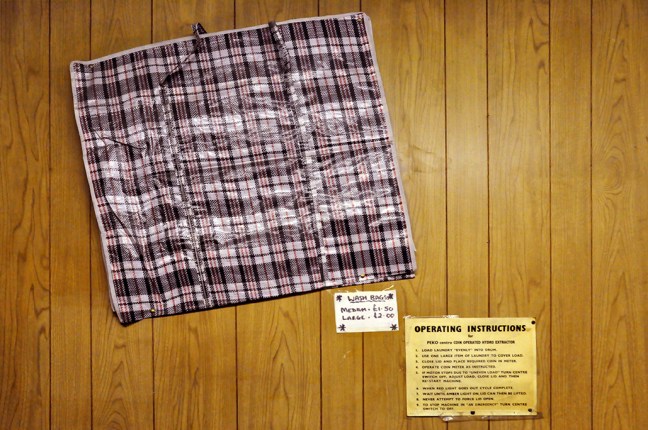
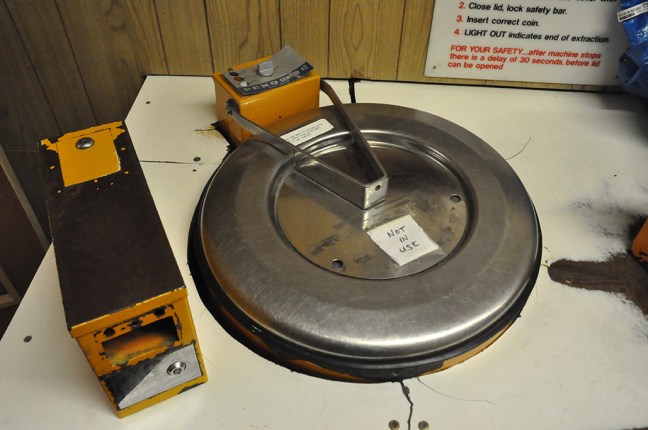
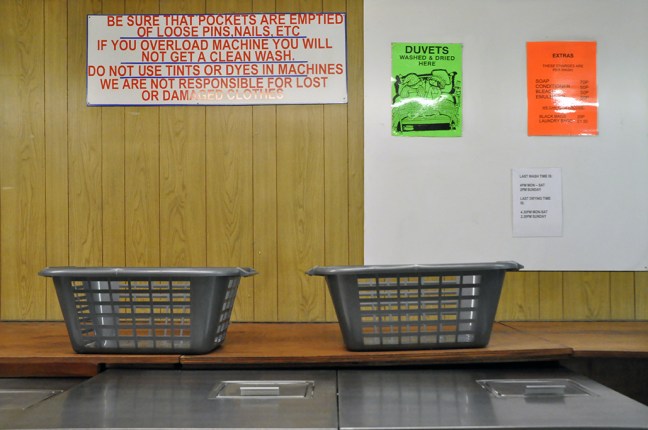
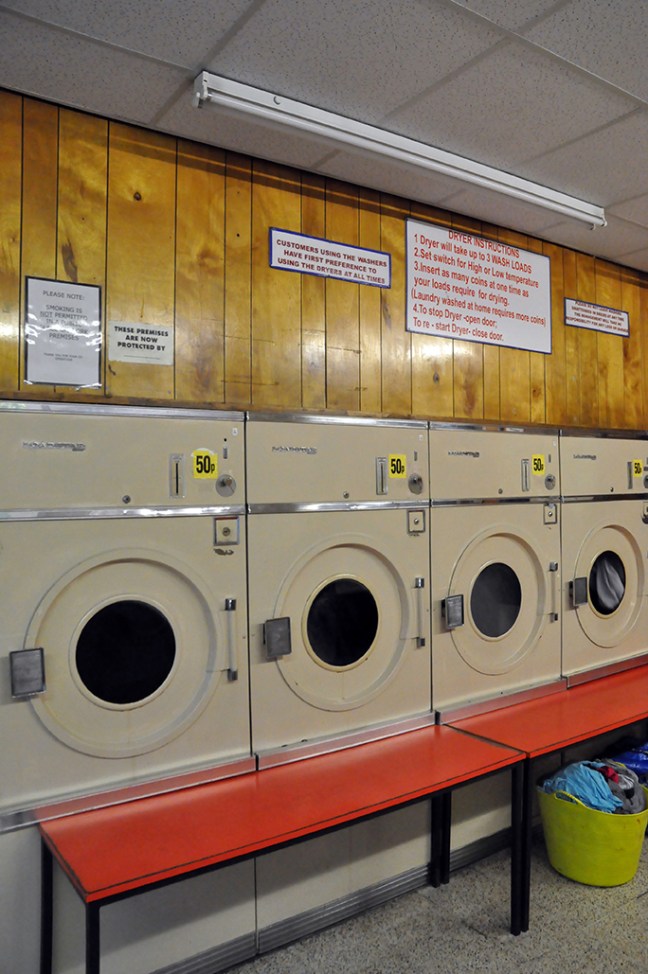
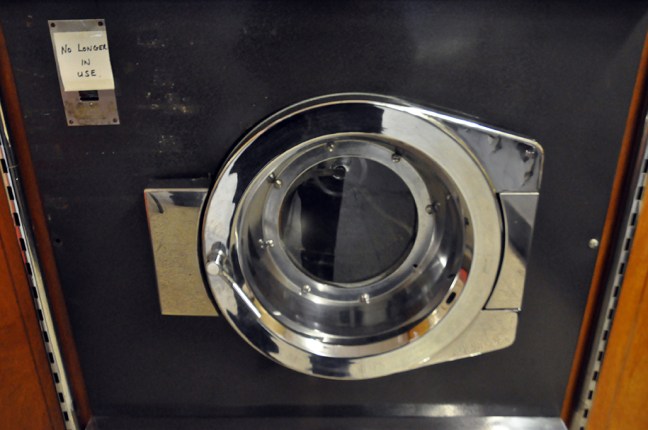
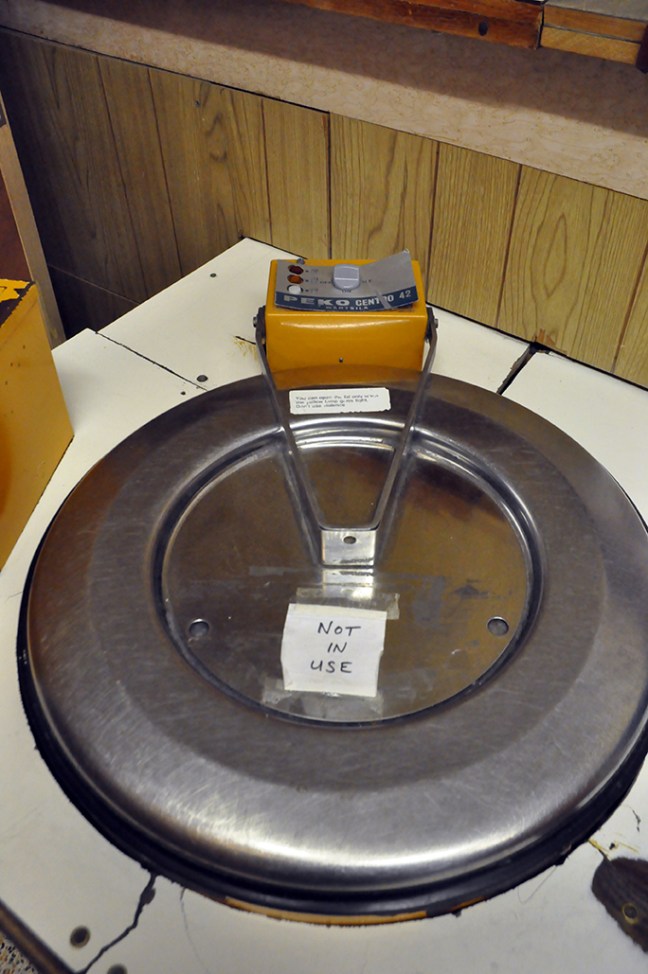
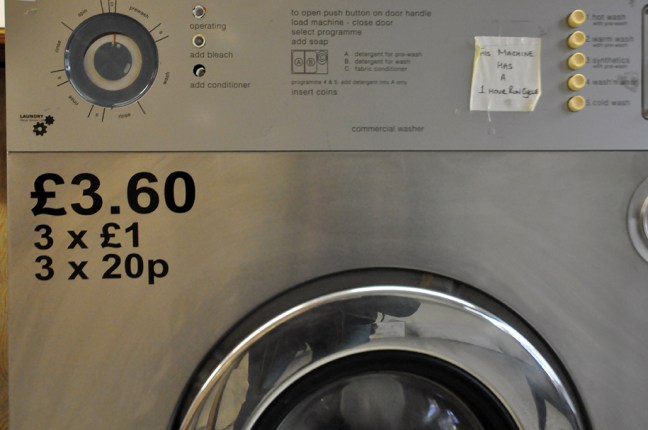
Ashton under Lyne – Laundrette

Cycling along Curzon Road one sunny Sunday afternoon, I found to my surprise, facing me across the Whiteacre Road junction.

– An empty yet extant launderette.

One lone drier tumbling, lonely – an absence of presence, save myself.

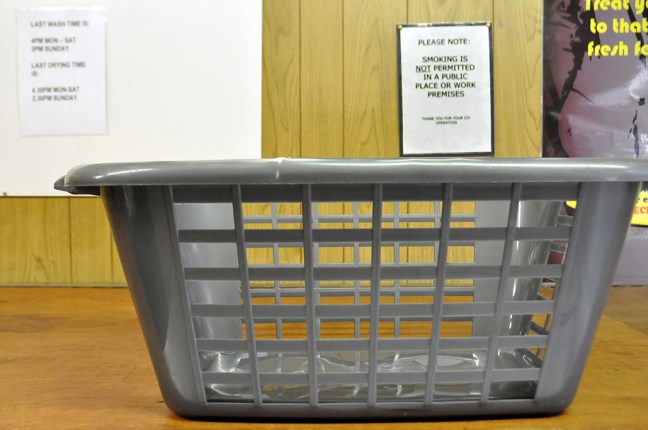
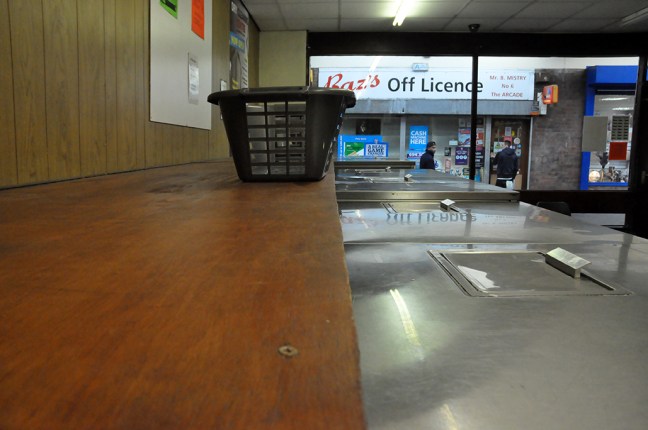
The usual spartan interior almost unkempt, enlivened by four legged, almost alien, ovalish plastic laundry baskets. A sunlit shimmer of brushed steel surfaces, low lit and deeply shadowed linoleum tiles.

Under the illuminating hum of bare fluorescent tubes.

I snapped and exited, unwashed.

Great!

P1060635 copy

P1060627 copy

P1060634 copy

P1060640 copy

P1060633 copy

P1060637 copy

P1060639 copy

P1060626 copy

P1060641 copy

P1060628 copy

P1060638 copy

P1060630 copy

P1060632 copy

P1060636 copy

Brighton – Embassy Court

Embassy Court has always had a very special place in my heart.

Forty years ago as a young art student attending nearby Portsmouth Polytechnic, we were taken by Maurice Denis in a minibus to visit the modernist buildings in our locale, this was my first love.

Two days ago I returned to Brighton, sprinting spryly along the prom to meet an old friend.

We were ever so pleased to see each other after all these years, I walked around admiringly and smiled.

Embassy Court is an 11 storey block of flats situated on the Brighton seafront on the corner of Western Street and the Kings Road. It was designed by the architect Wells Coates and completed in 1935.

It is amongst of the most outstanding examples of pre-war Modernism in the UK, it has a grade II* listed status and remains a major Brighton landmark. This beautiful, elegantly proportioned block contains 72 flats, with awe-inspiring sea views, is considered one of the coolest places to live in Britain.

Restored in 2005 after a long period of decline, Embassy Court is now owned by a limited company, Bluestorm Ltd., born from a Leaseholders Association which obtained the freehold of the  building in 1998.