Every town worth its salt should have a decent second hand book shop.
Stockport does.
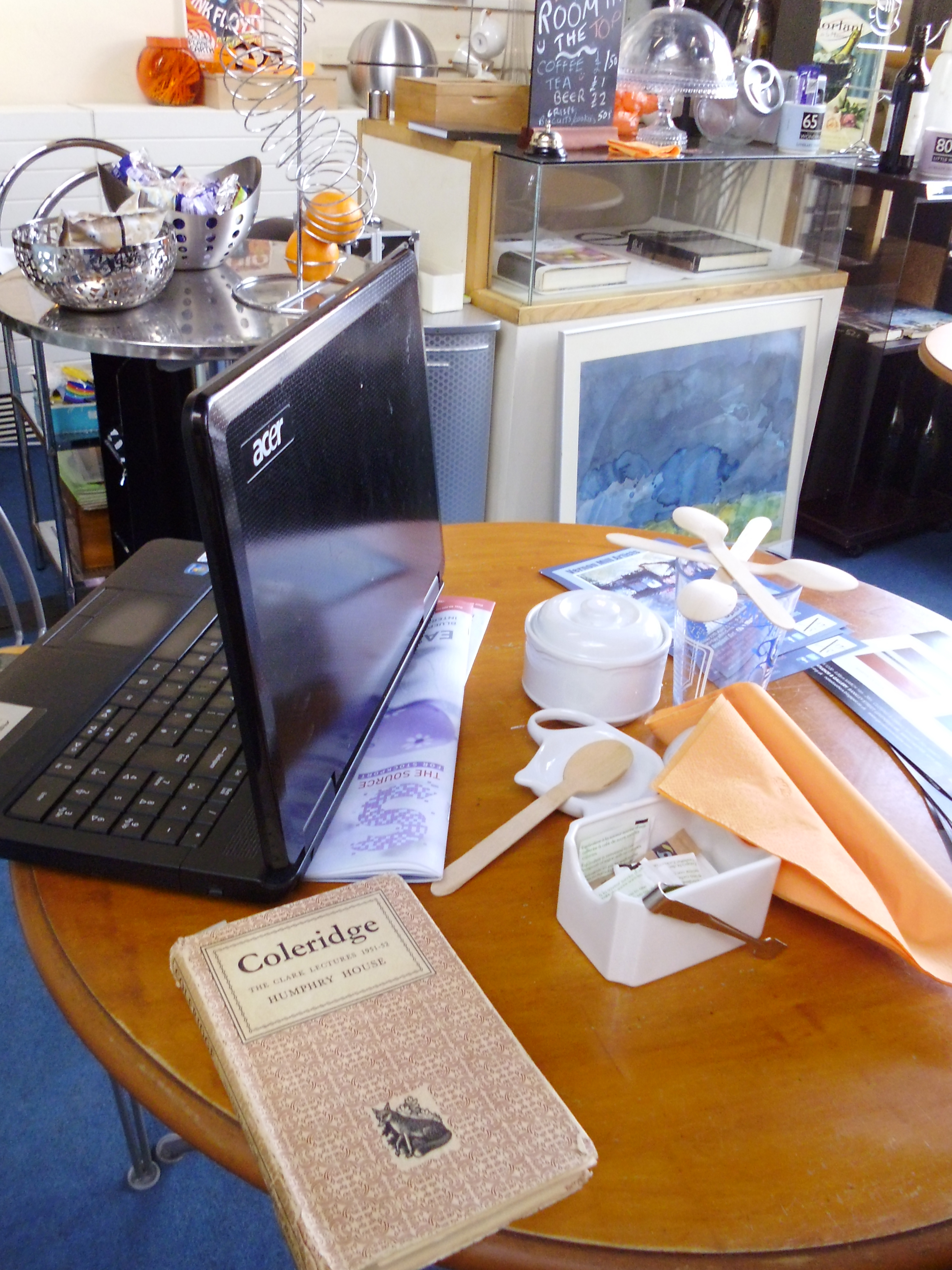
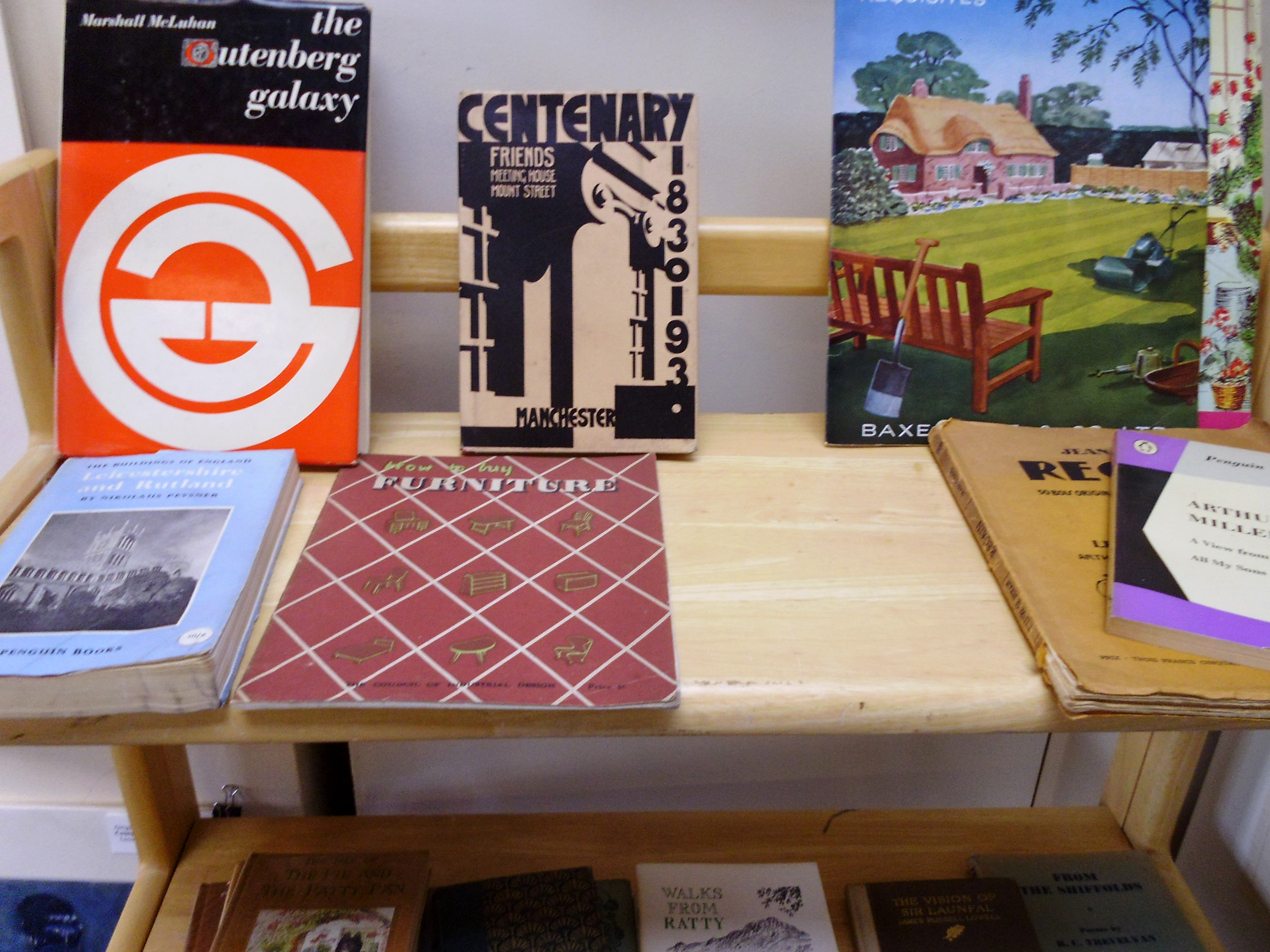
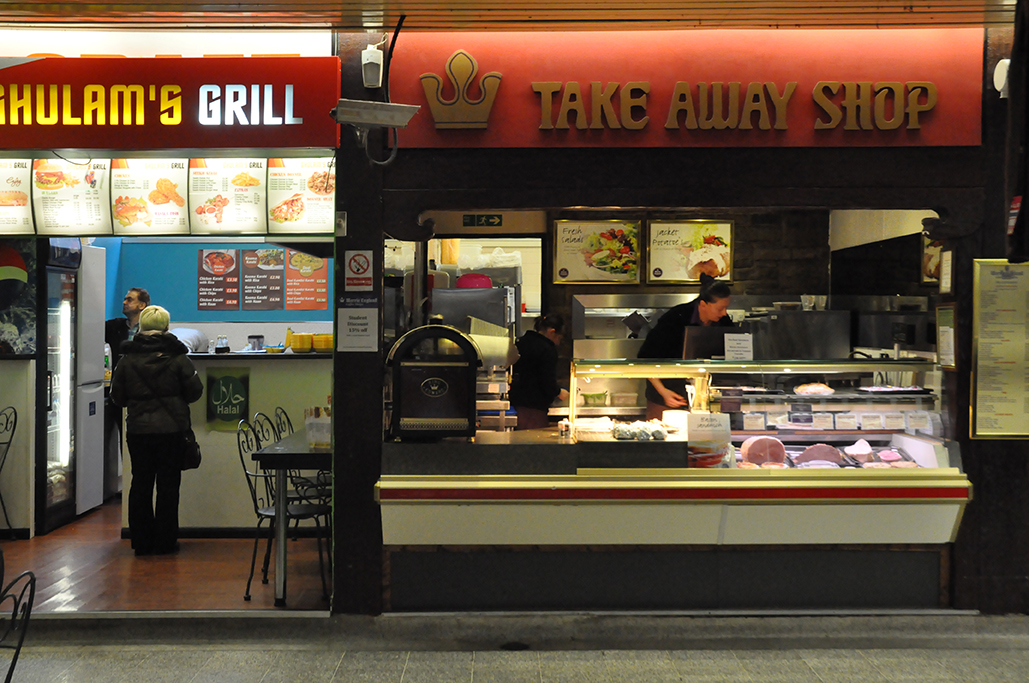
Room at the Top – on the ever so elegant Market Square, centre of the Old Town and part of the ever enlarging nexus of vintage shopping.
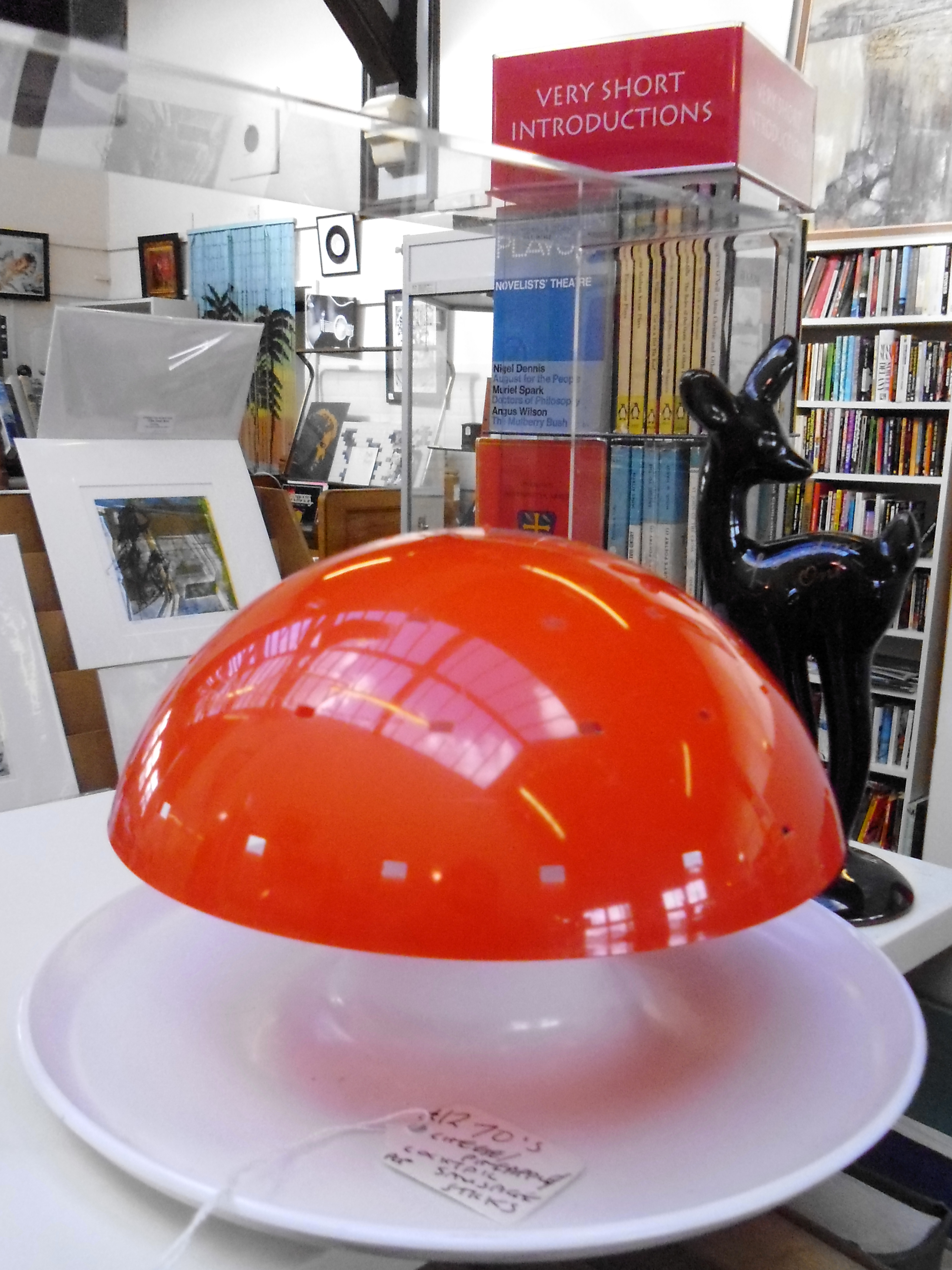
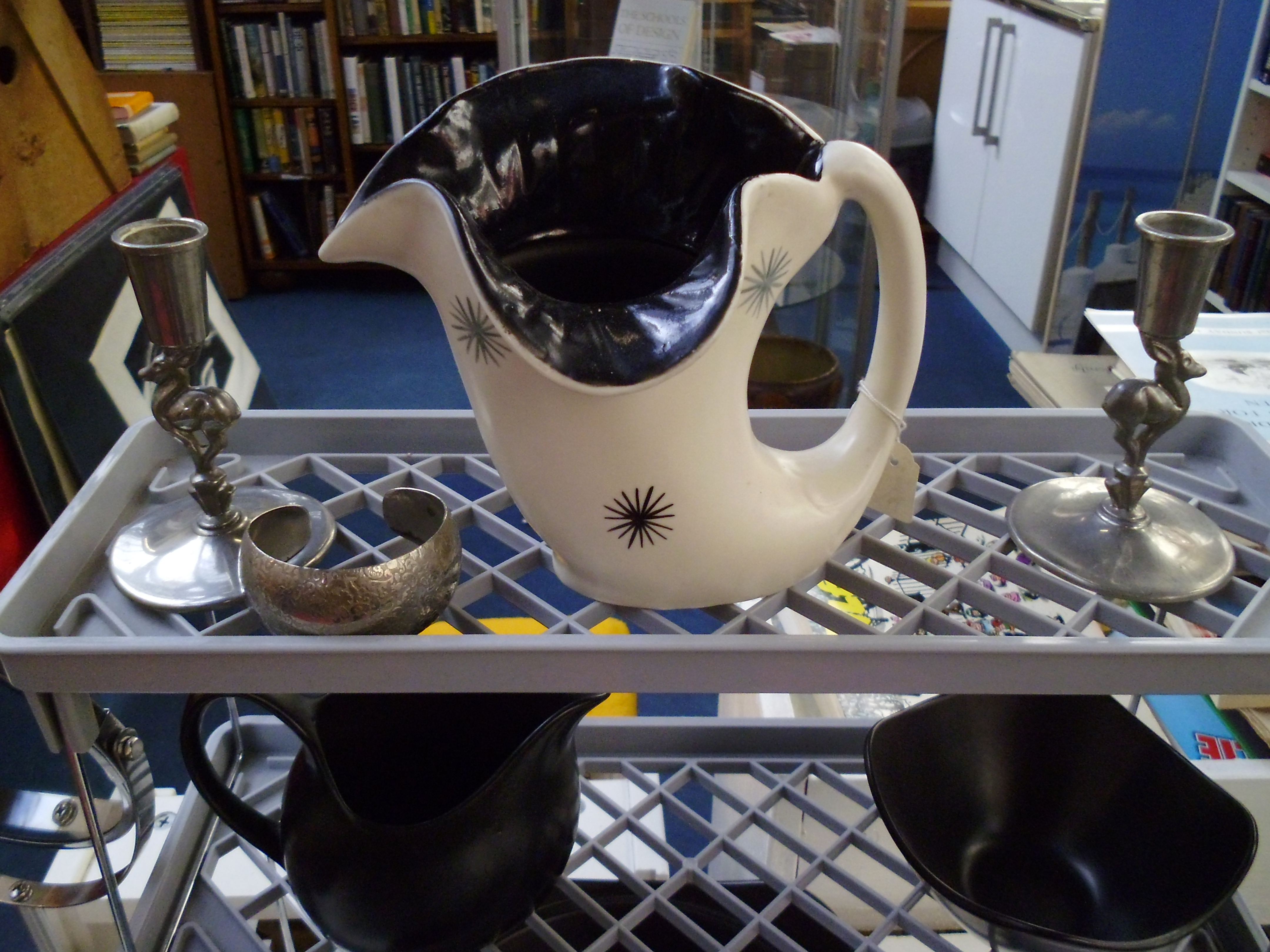
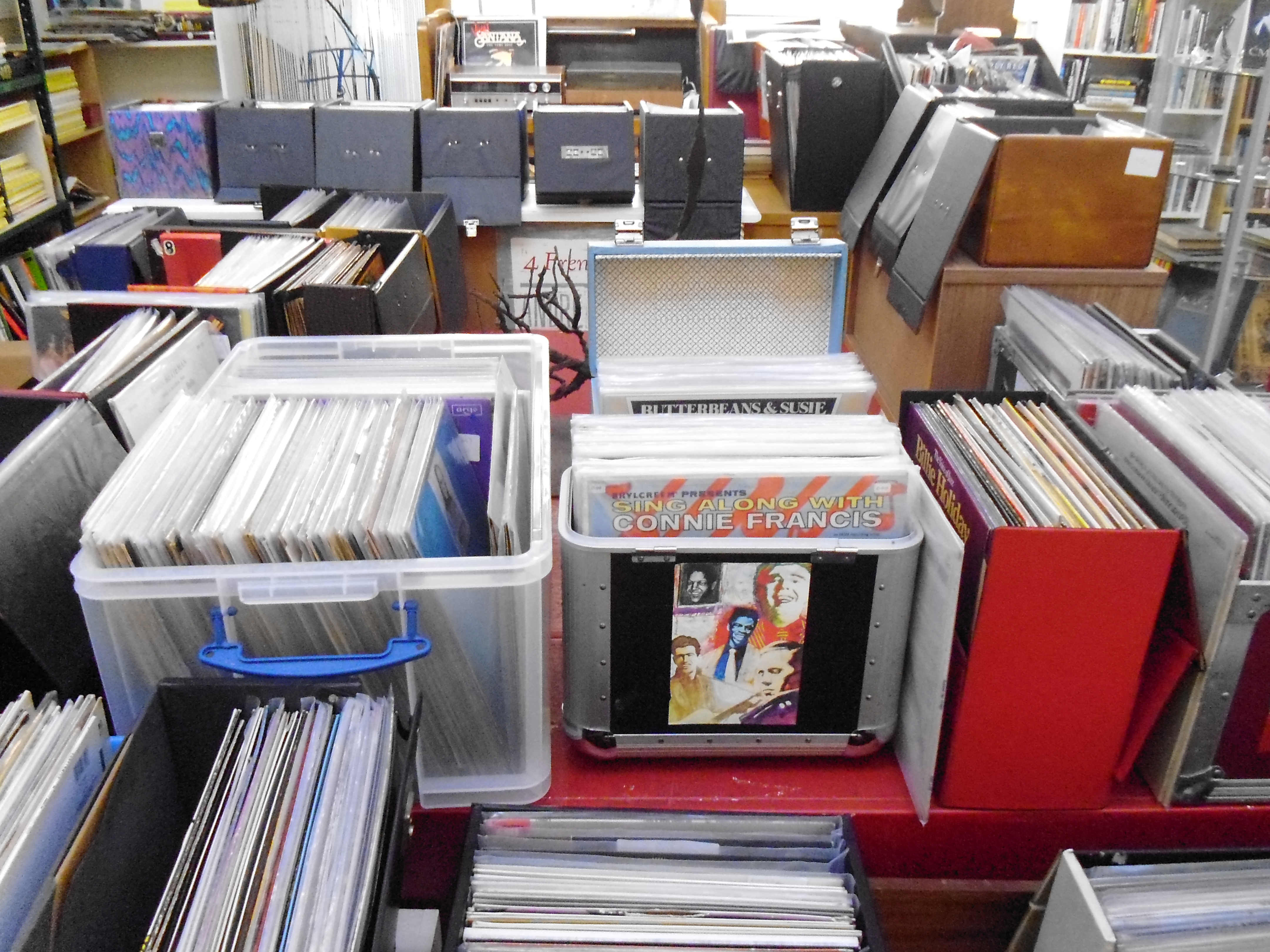
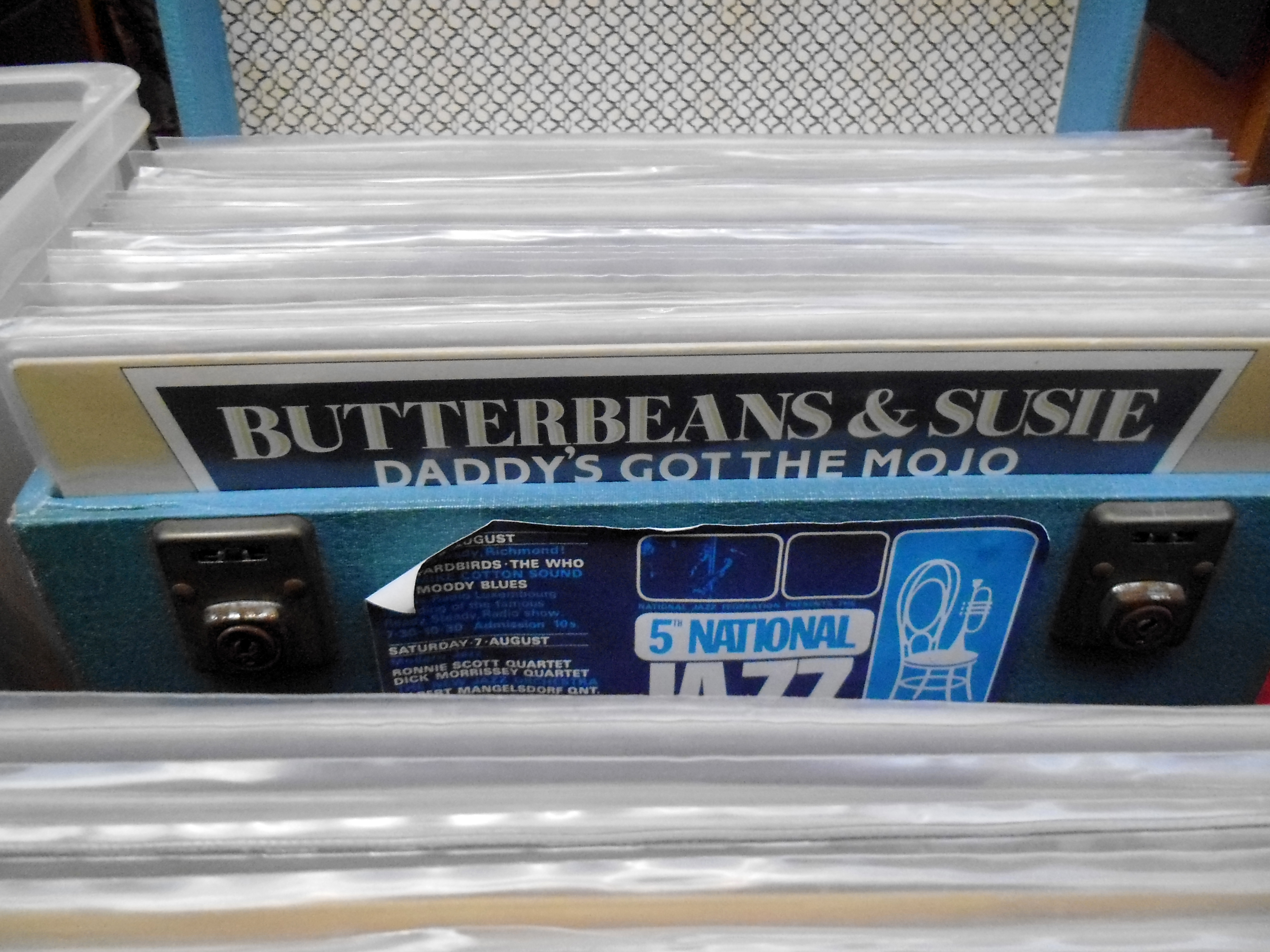
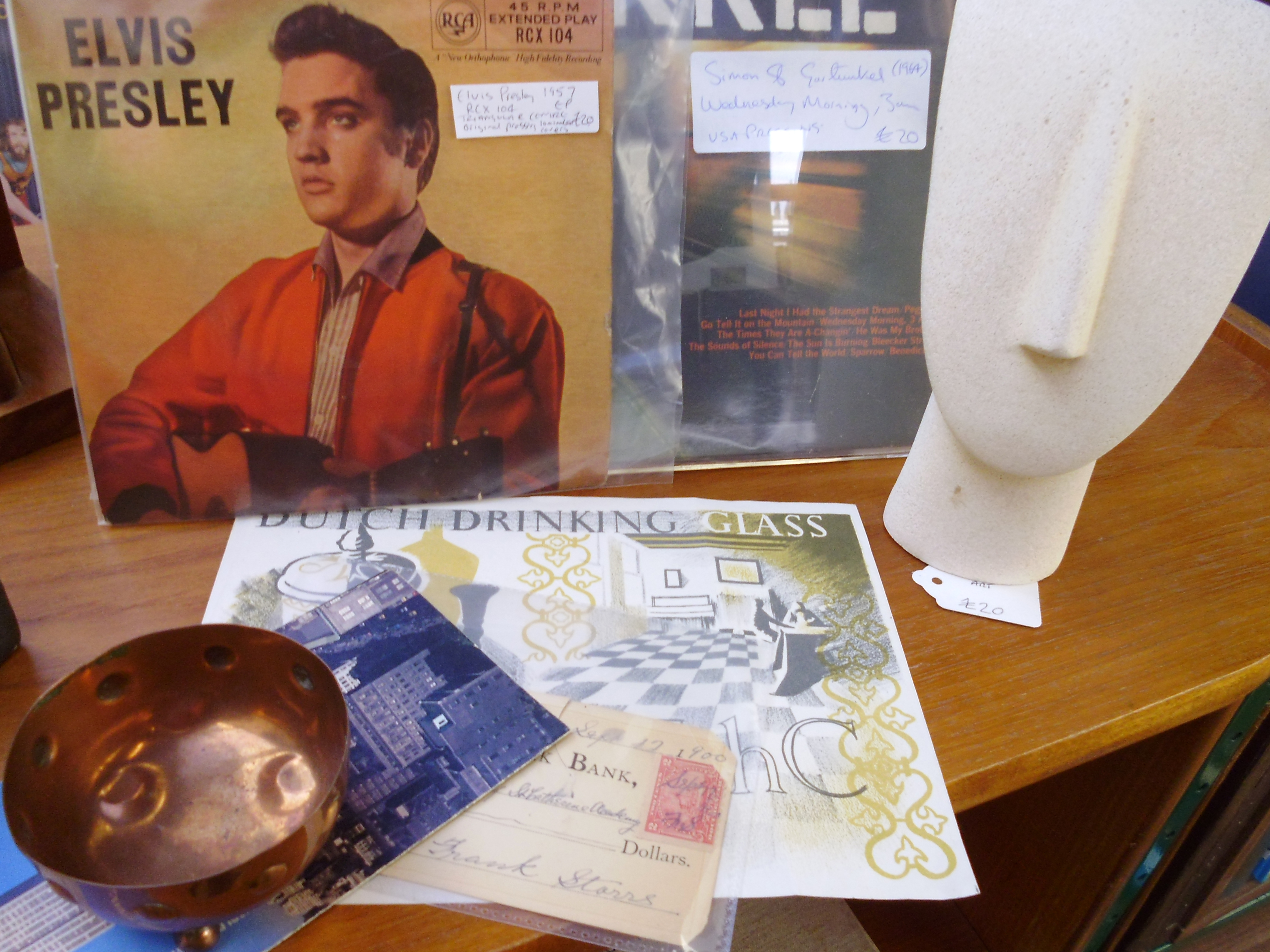
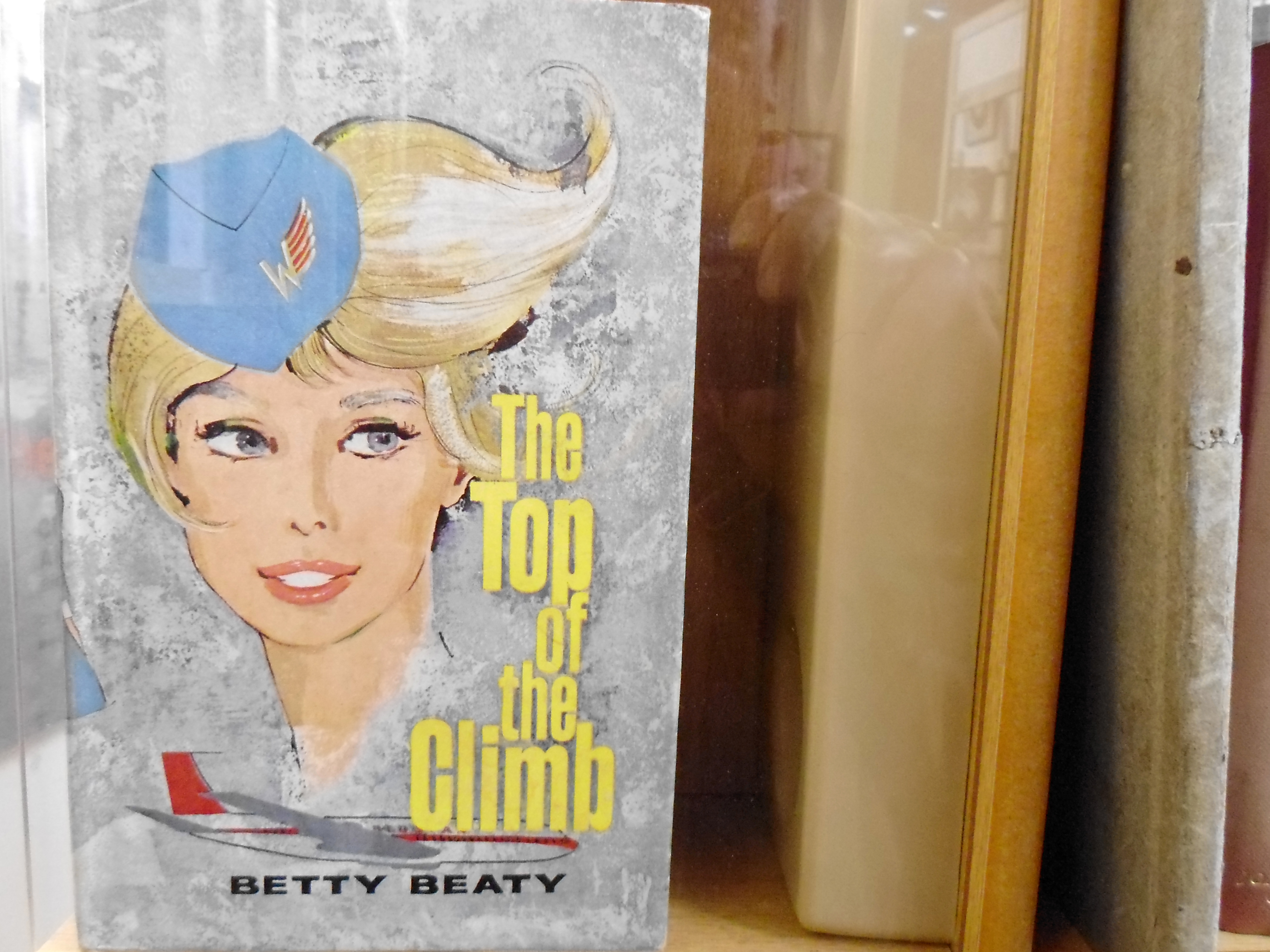
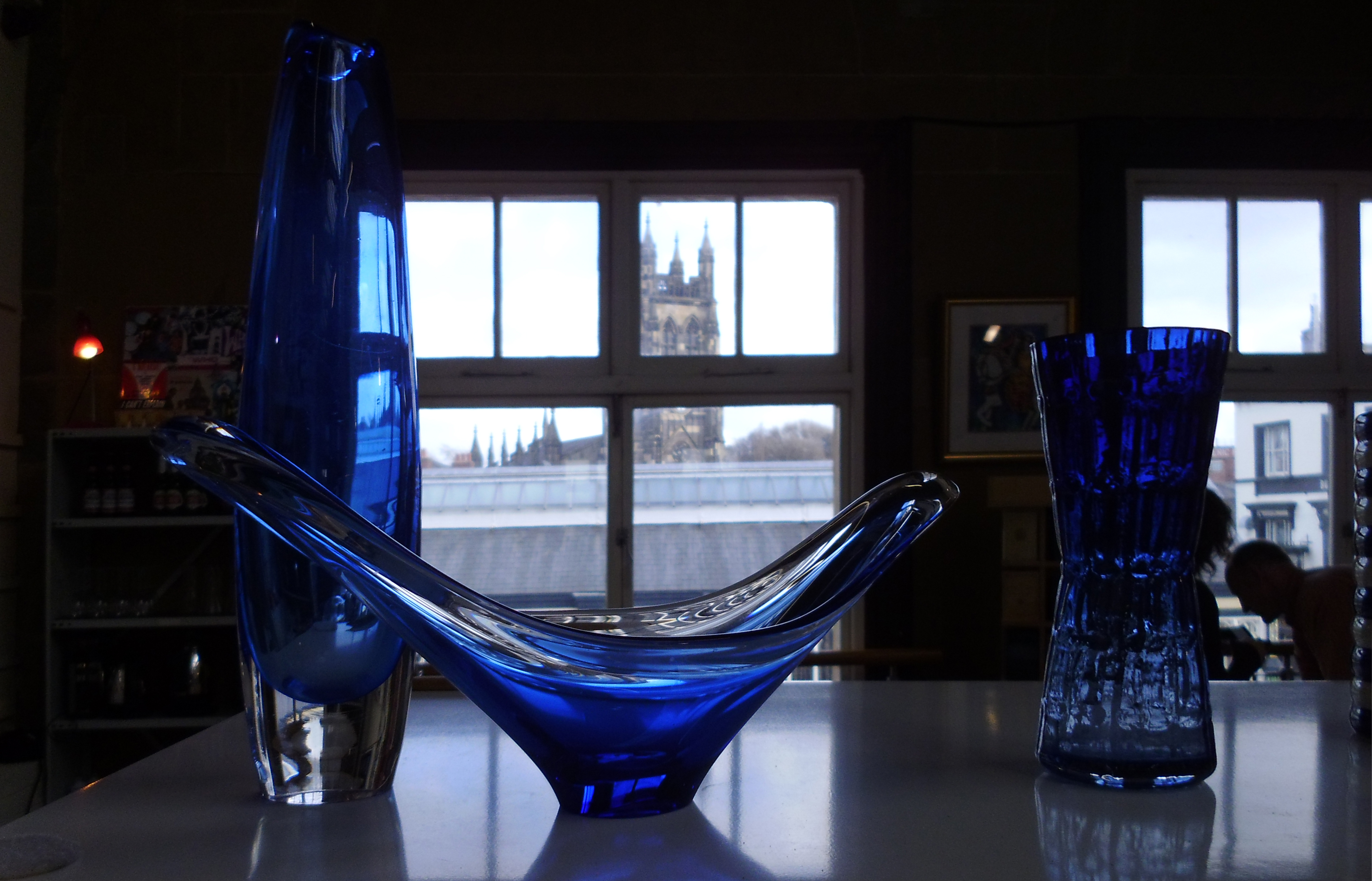
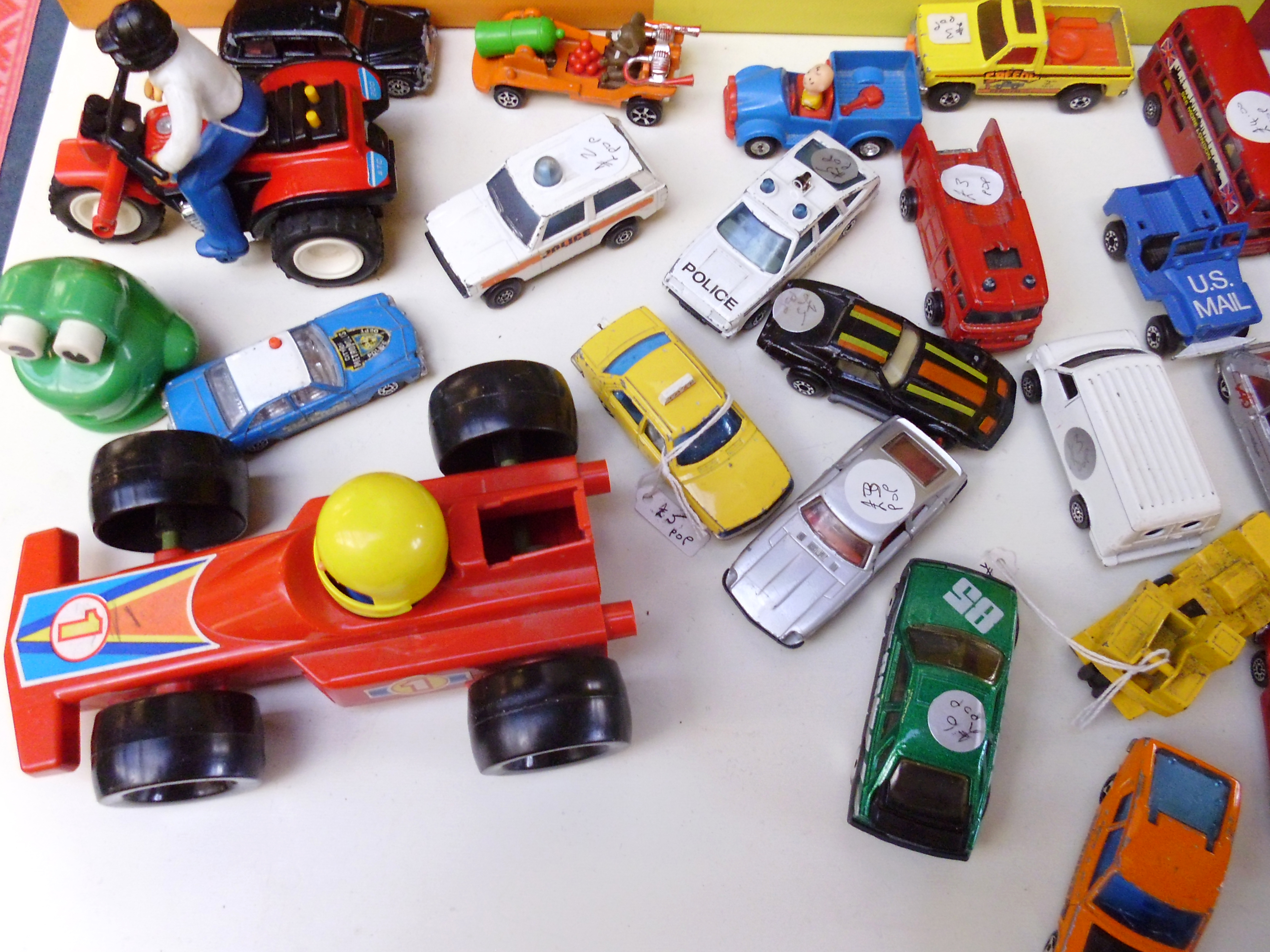
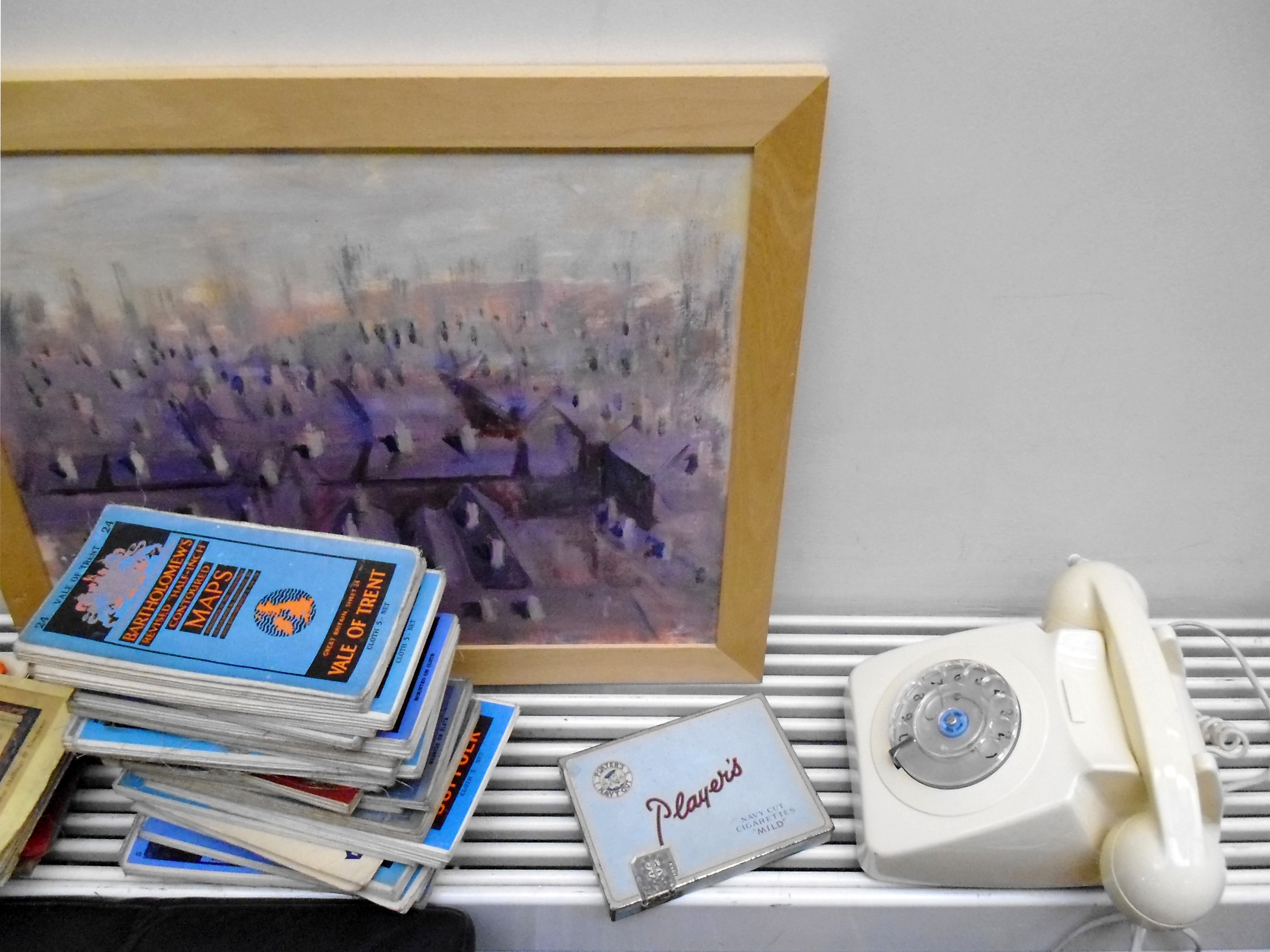
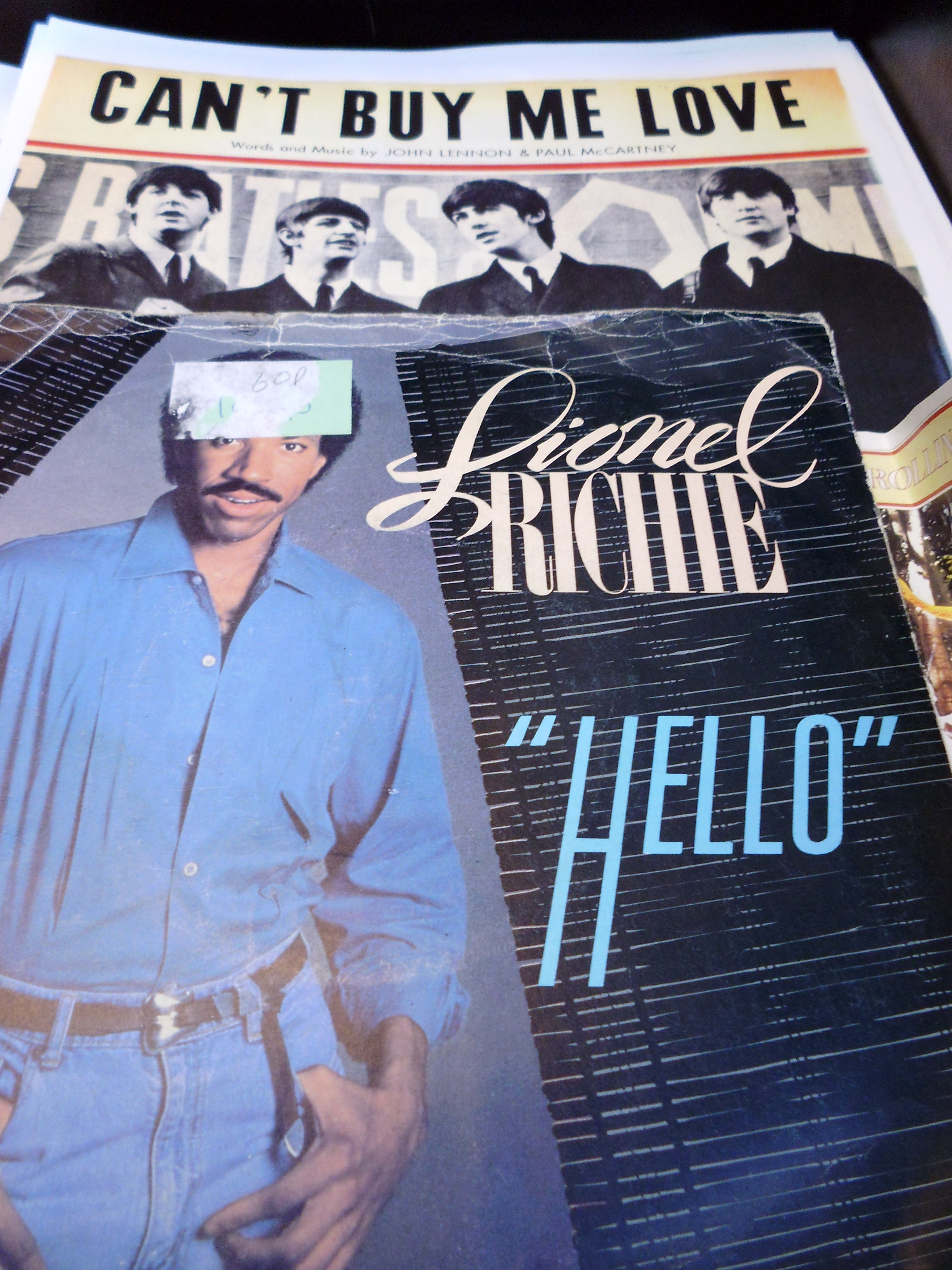
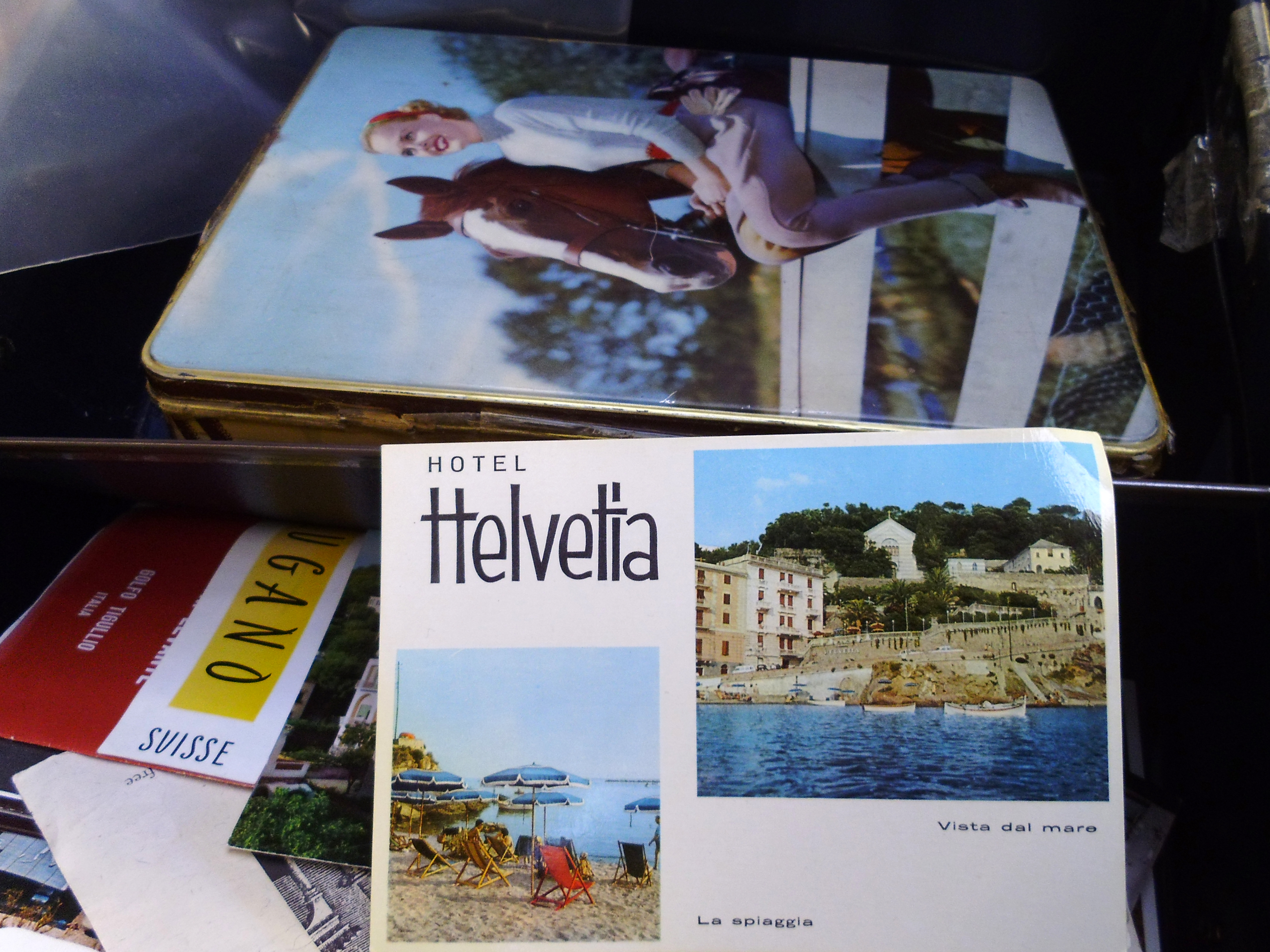
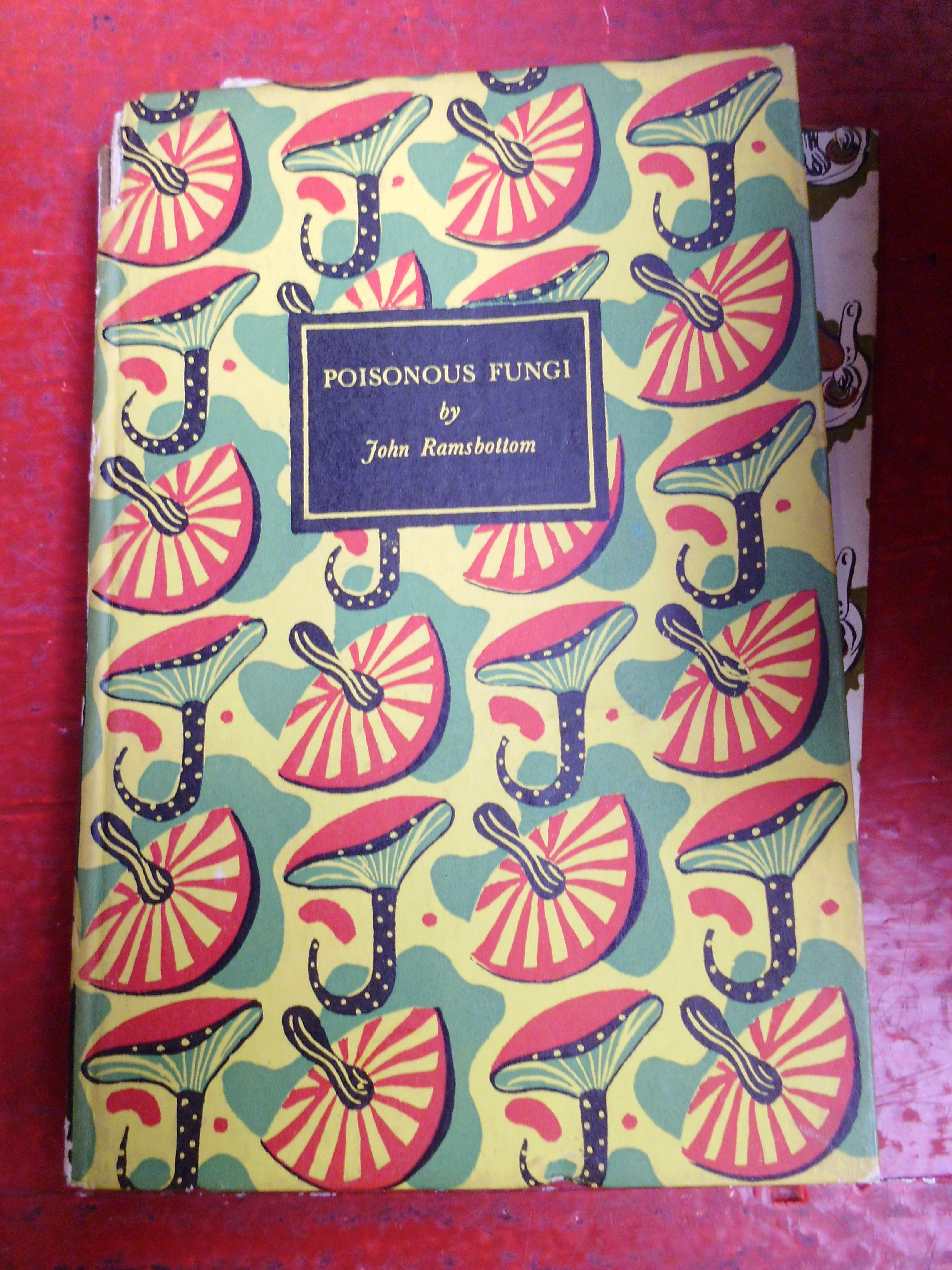
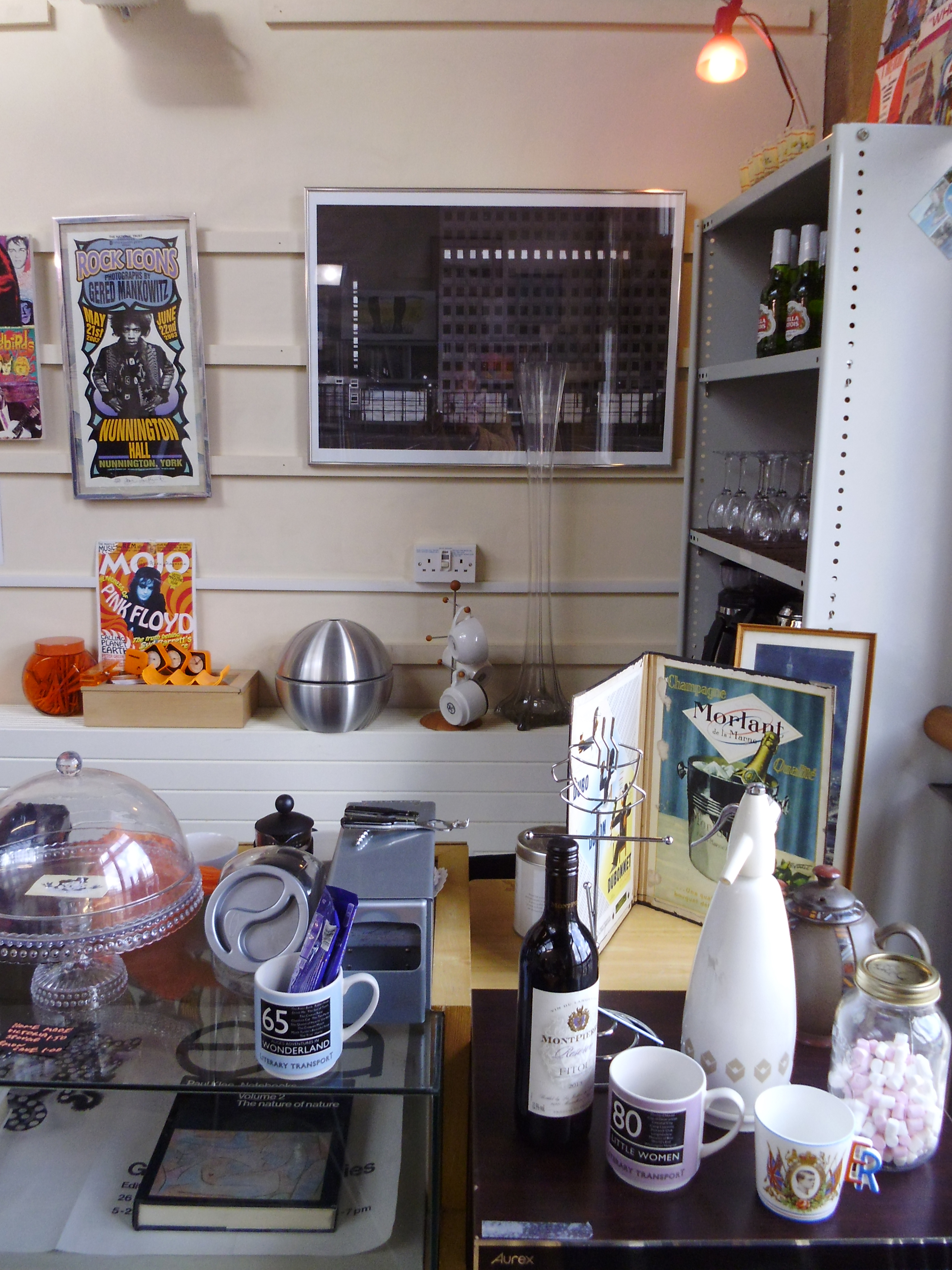
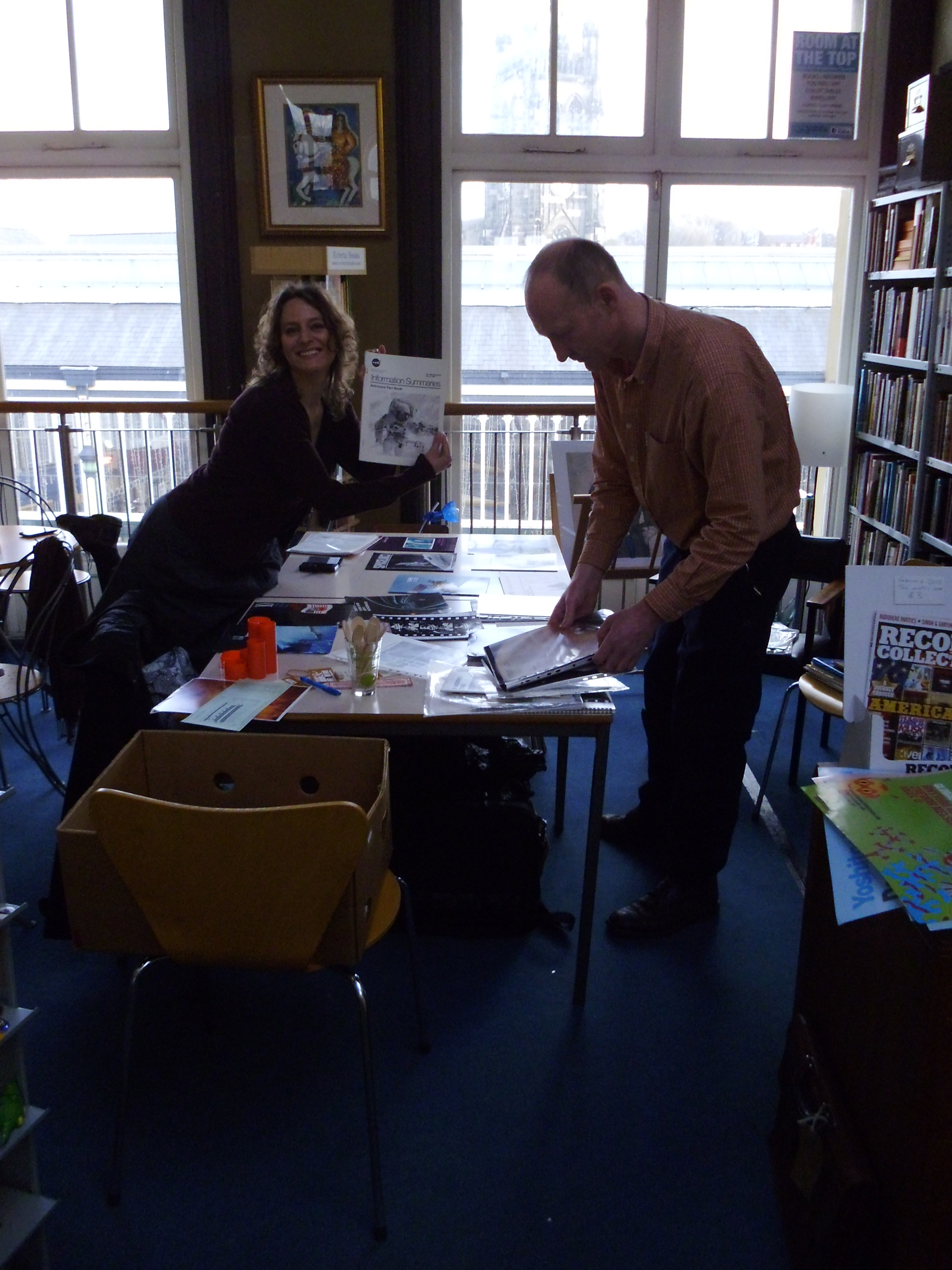
Jane, John and Lynn offer a wide selection of books, records, art, ephemera, glass, toys, ceramics and almost all sorts, in their first floor eyrie of happiness.
Always at the most reasonable of prices – you can get a brew too!
So take an hour out to browse, pursue and lollygag in convivial surroundings.
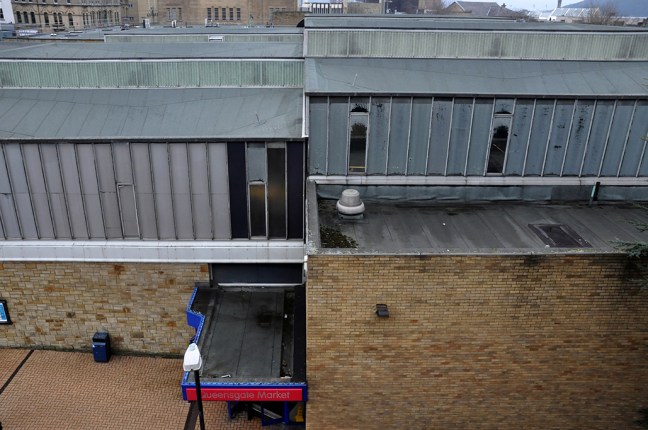
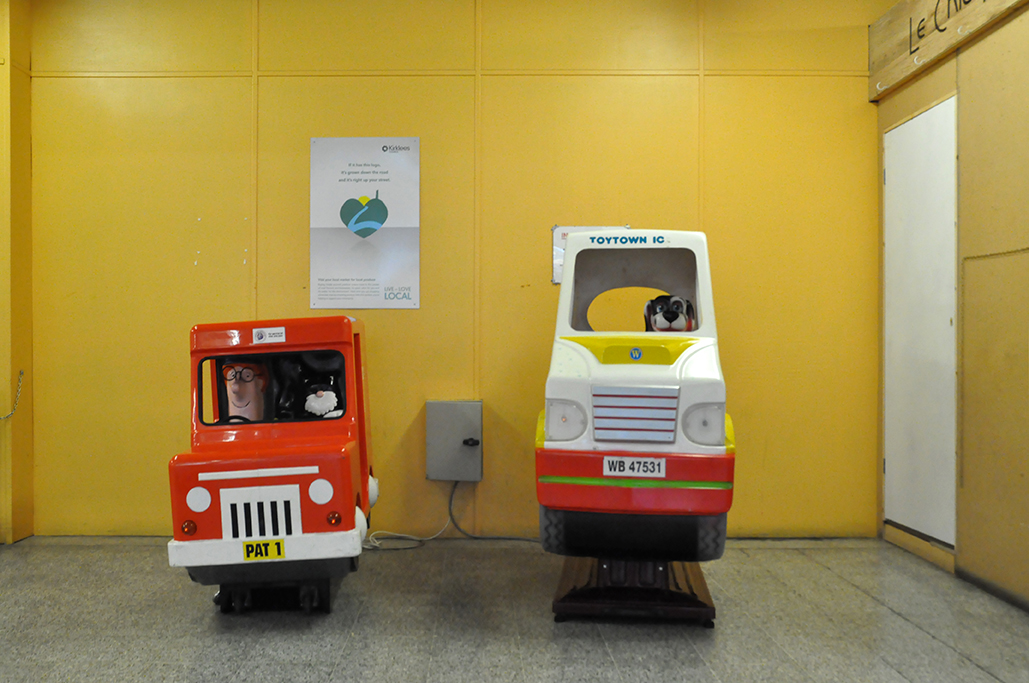
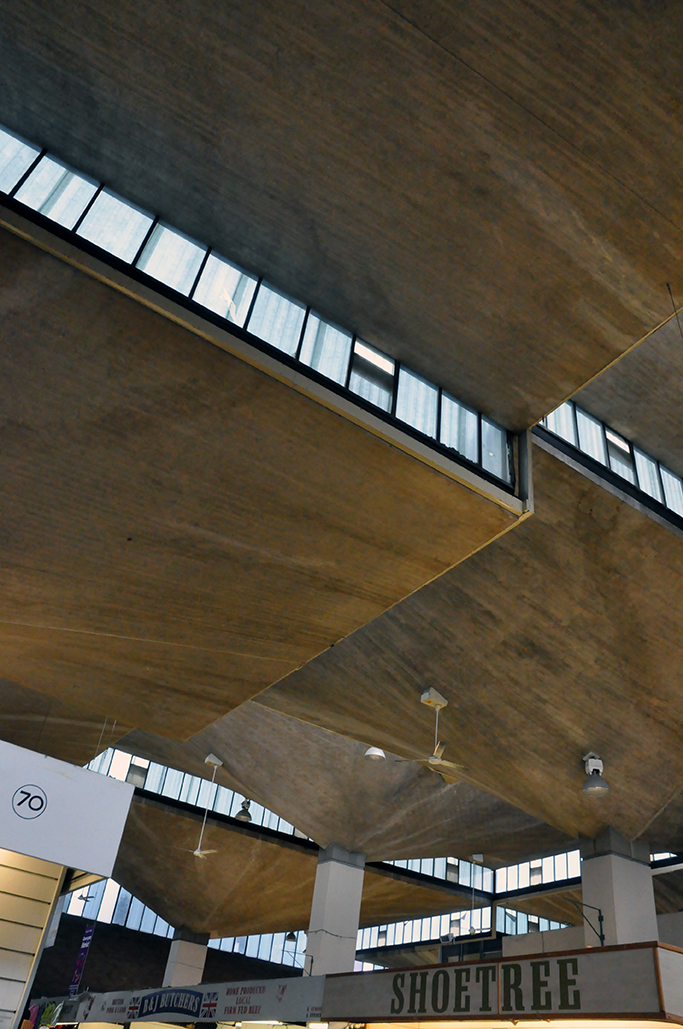
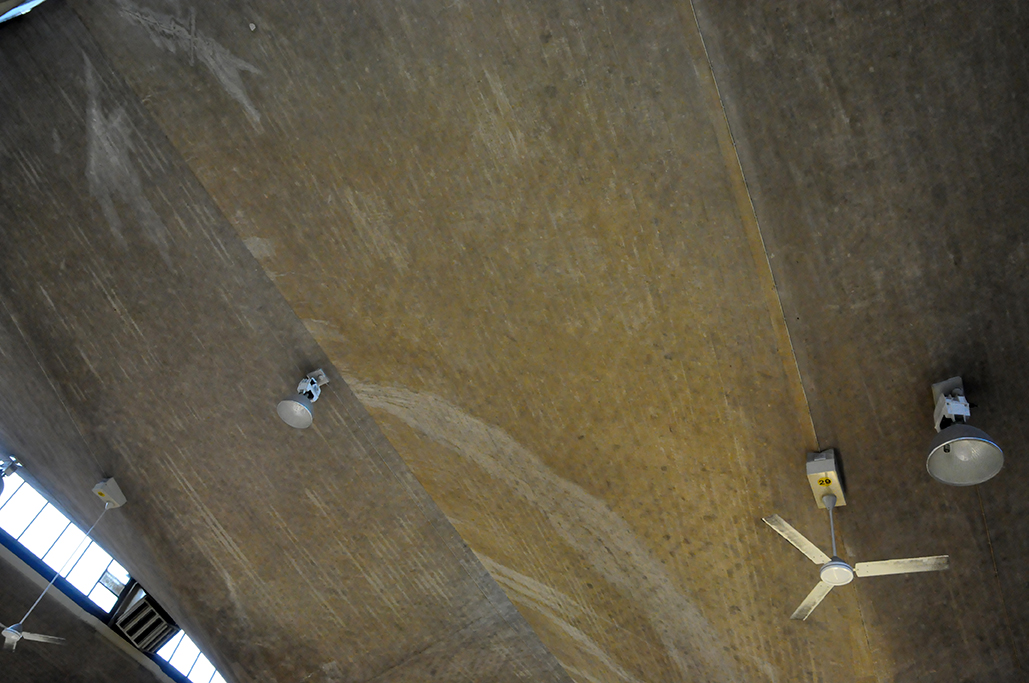
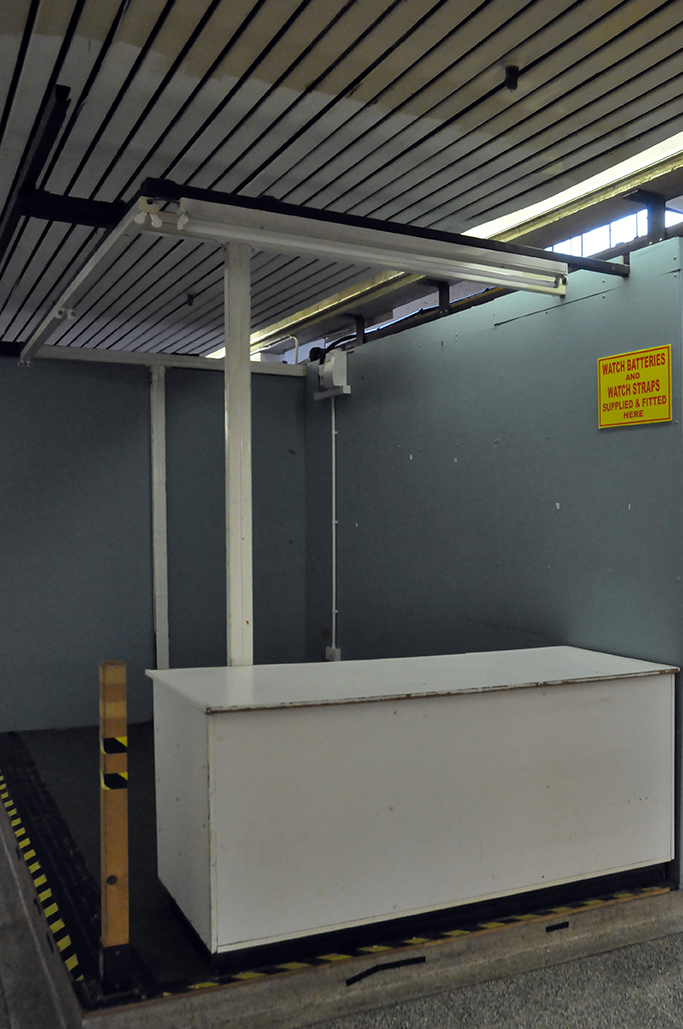
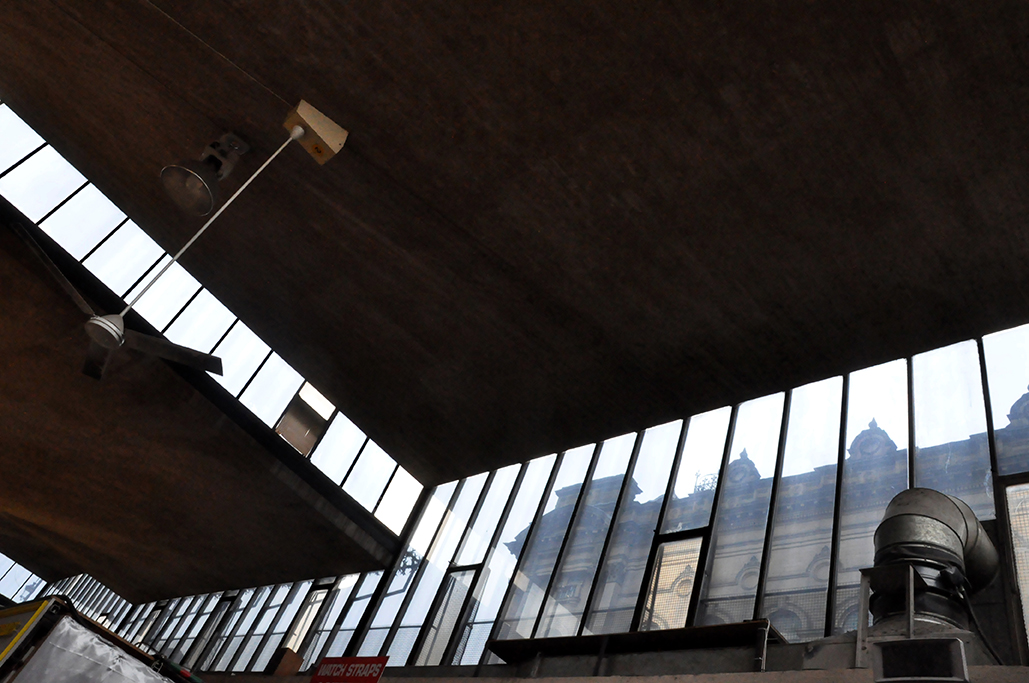
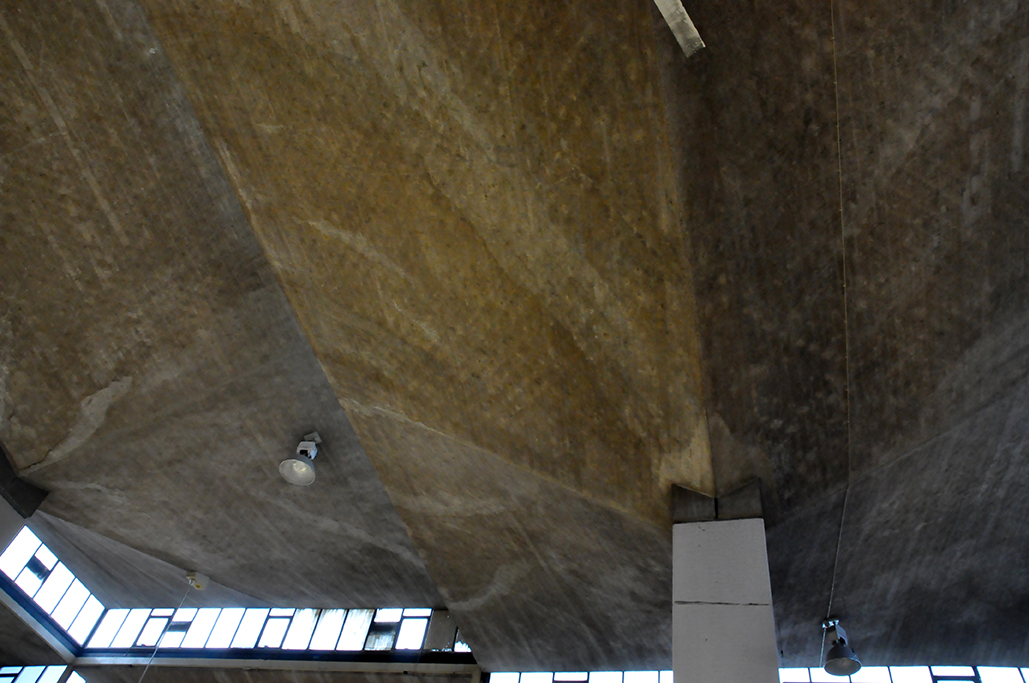
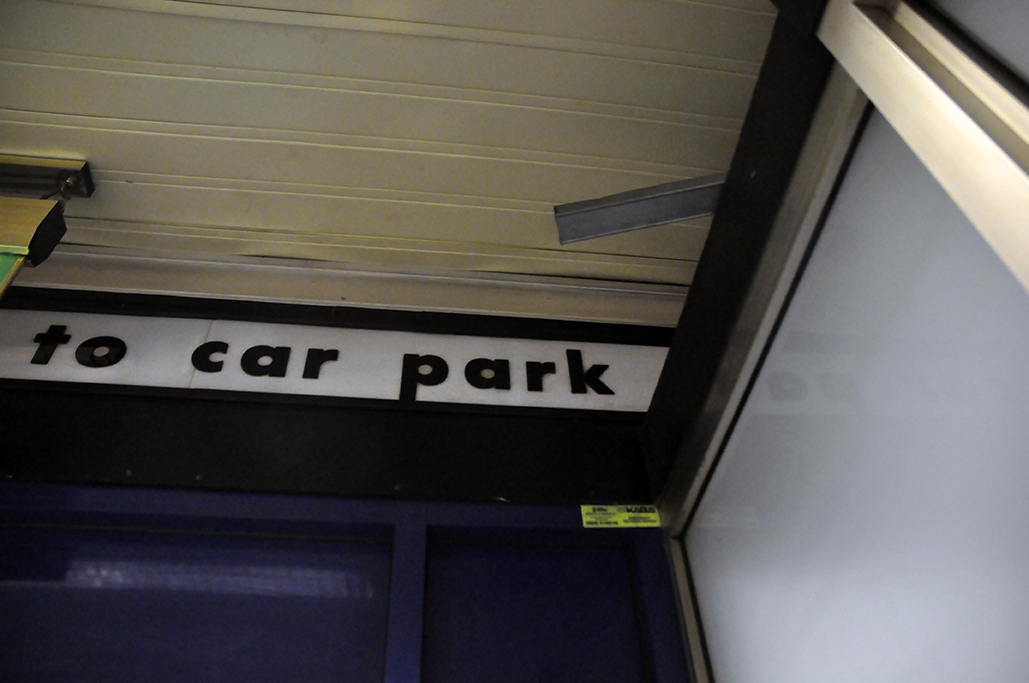
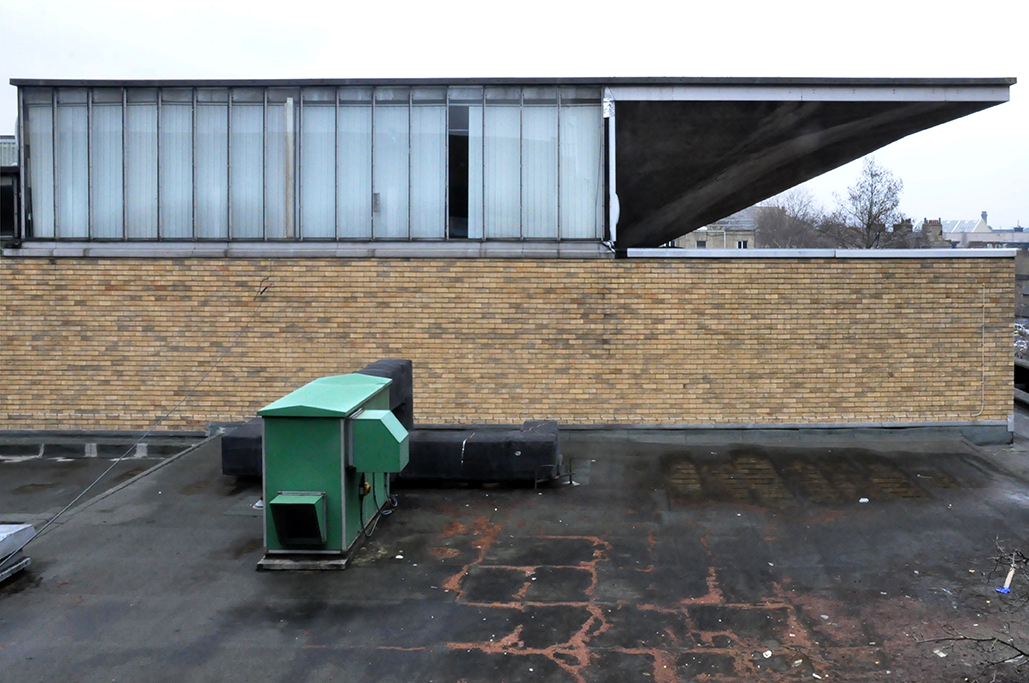
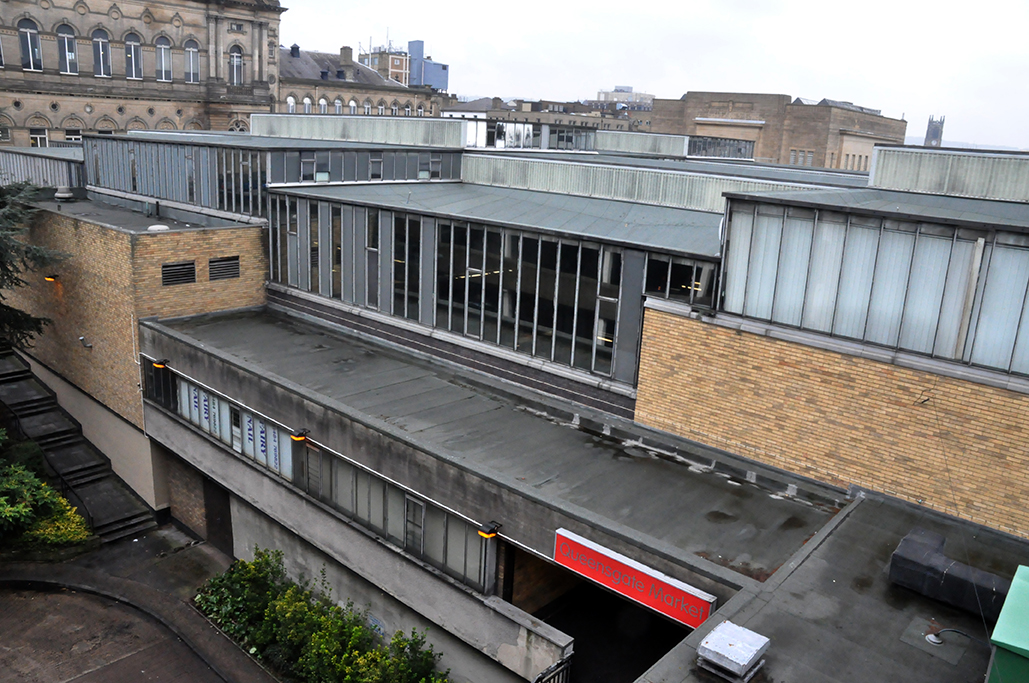
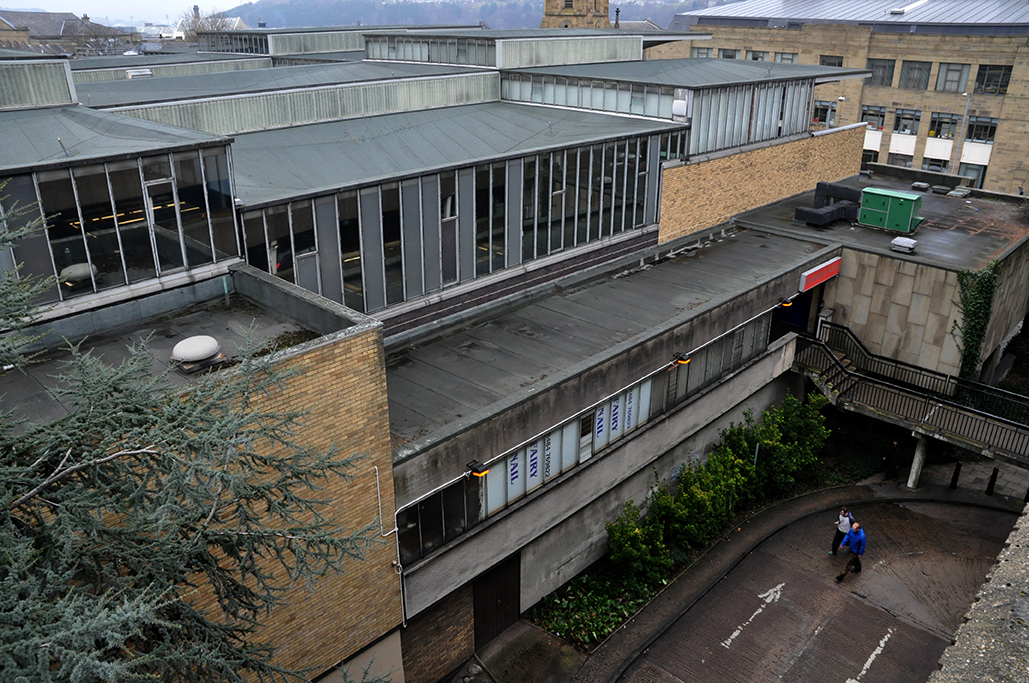
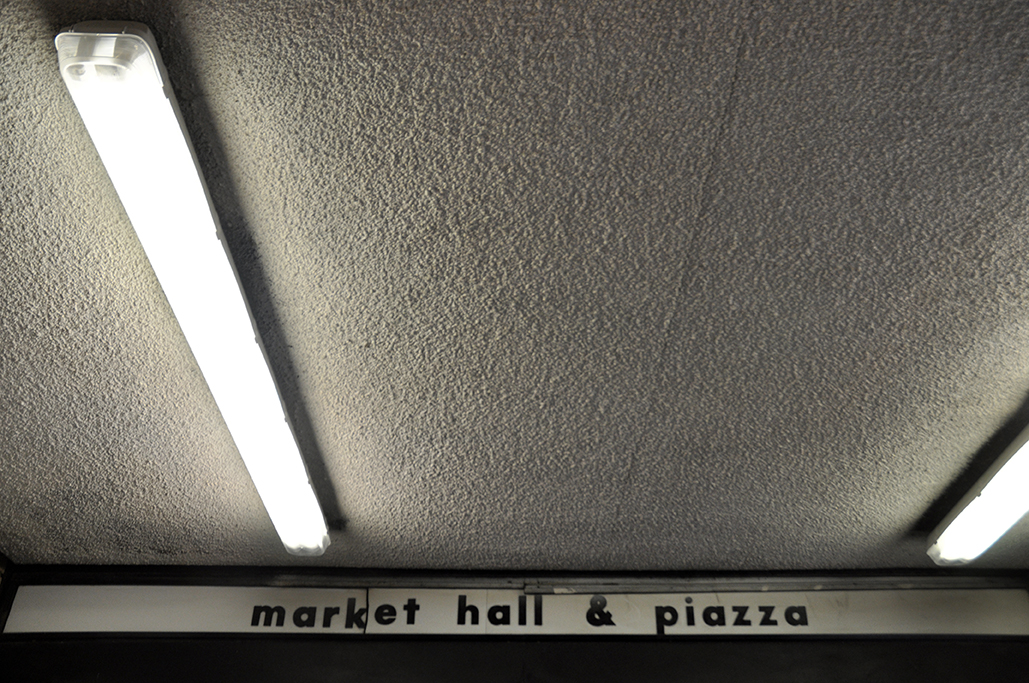
One can only marvel at the ingenuity and vision that brings together modern architecture, technology and municipal functionality. It has produced an indoor market place of lasting and everlasting beauty and wonder.
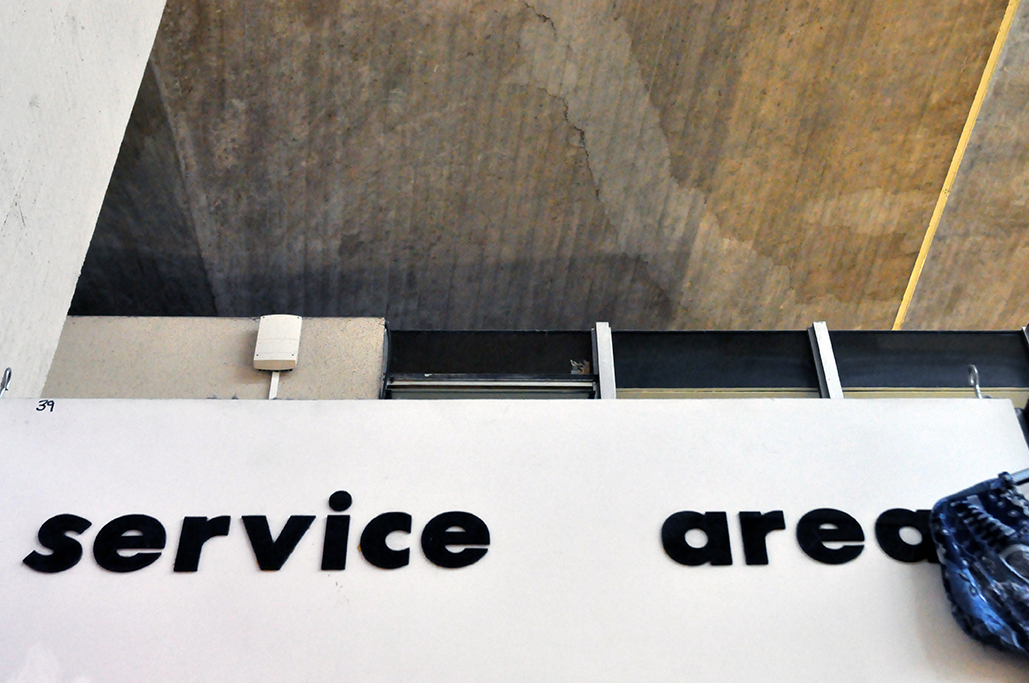
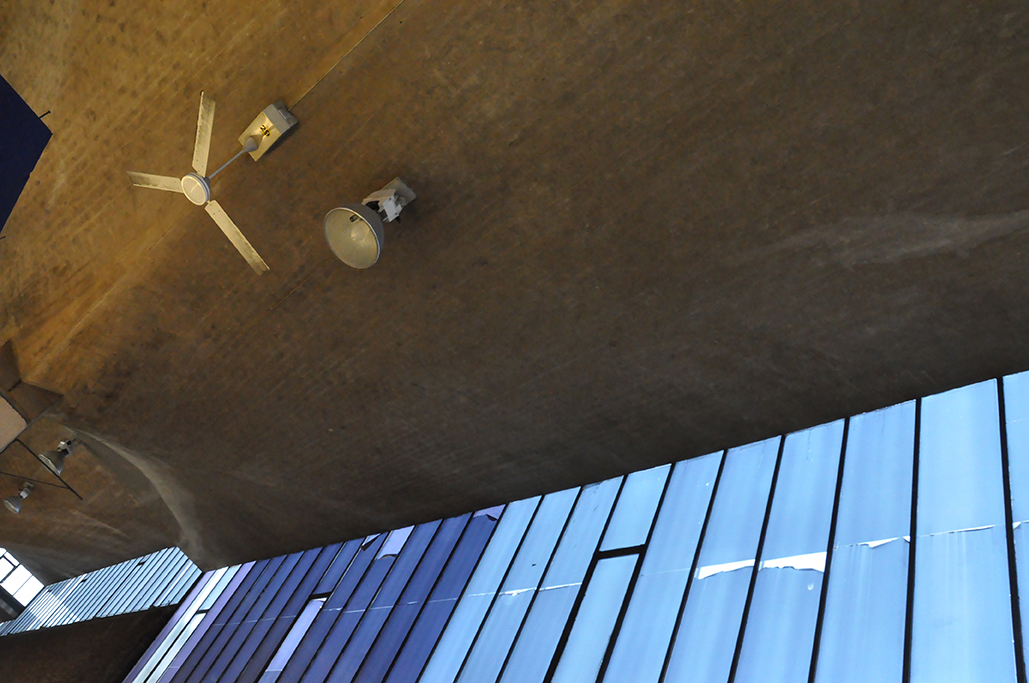
Vaulted concrete roof columns and high side lighting from the pierced window strips between the split level roofing lead the eye up towards eternity.
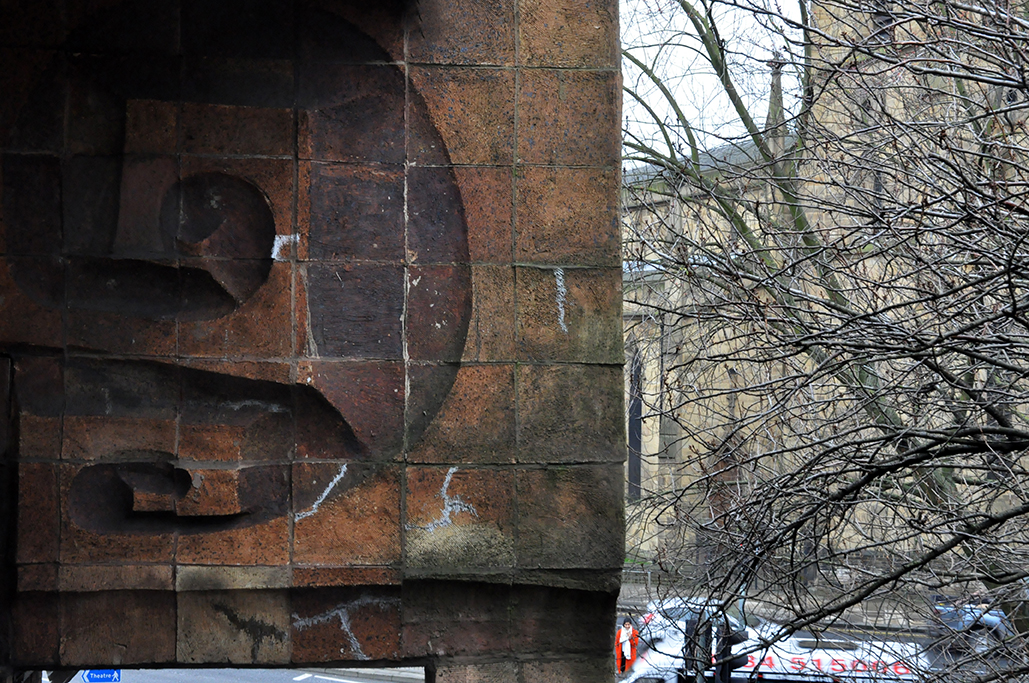
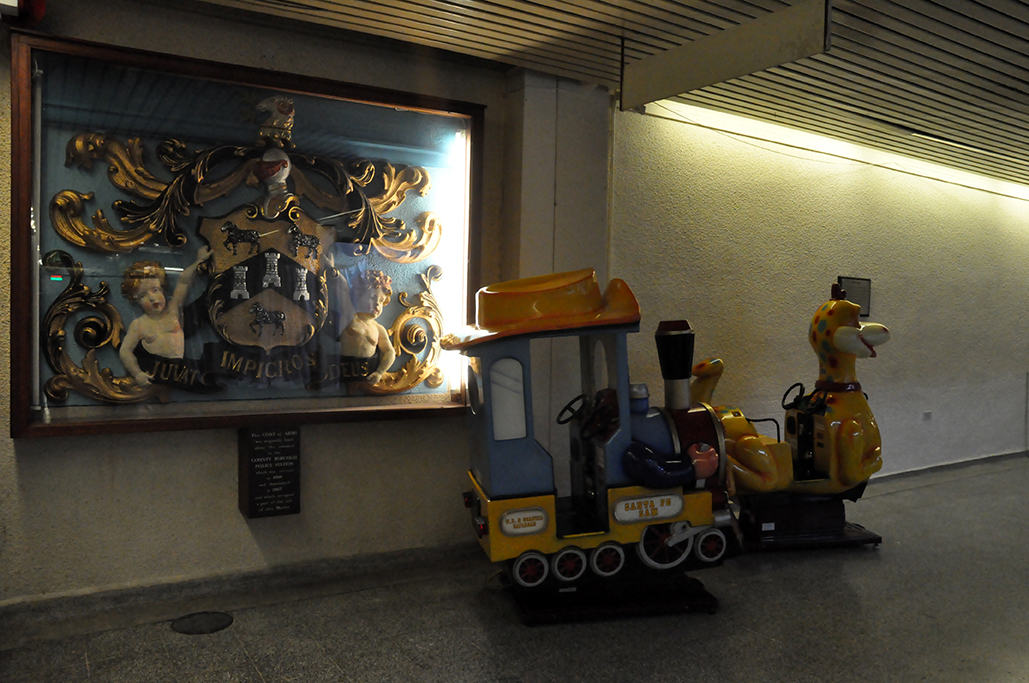
The exterior and interior walls are both adorned by some of the finest mid-century public art.
A lasting provincial splendour that offers more with each visit – it’s irresistible.
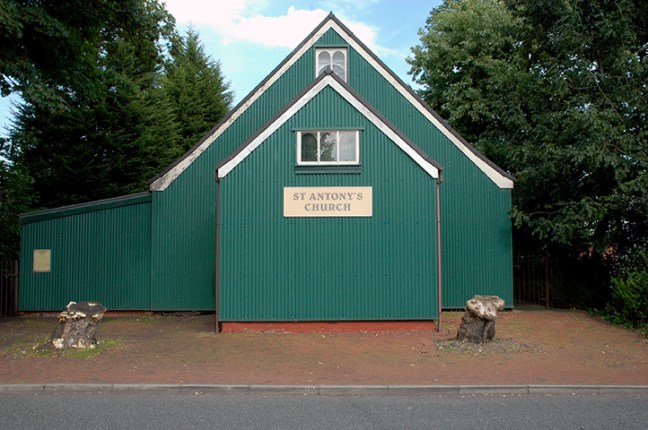
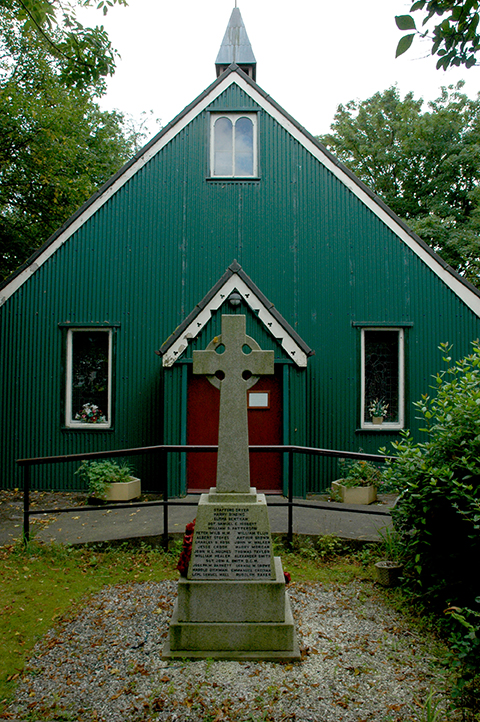
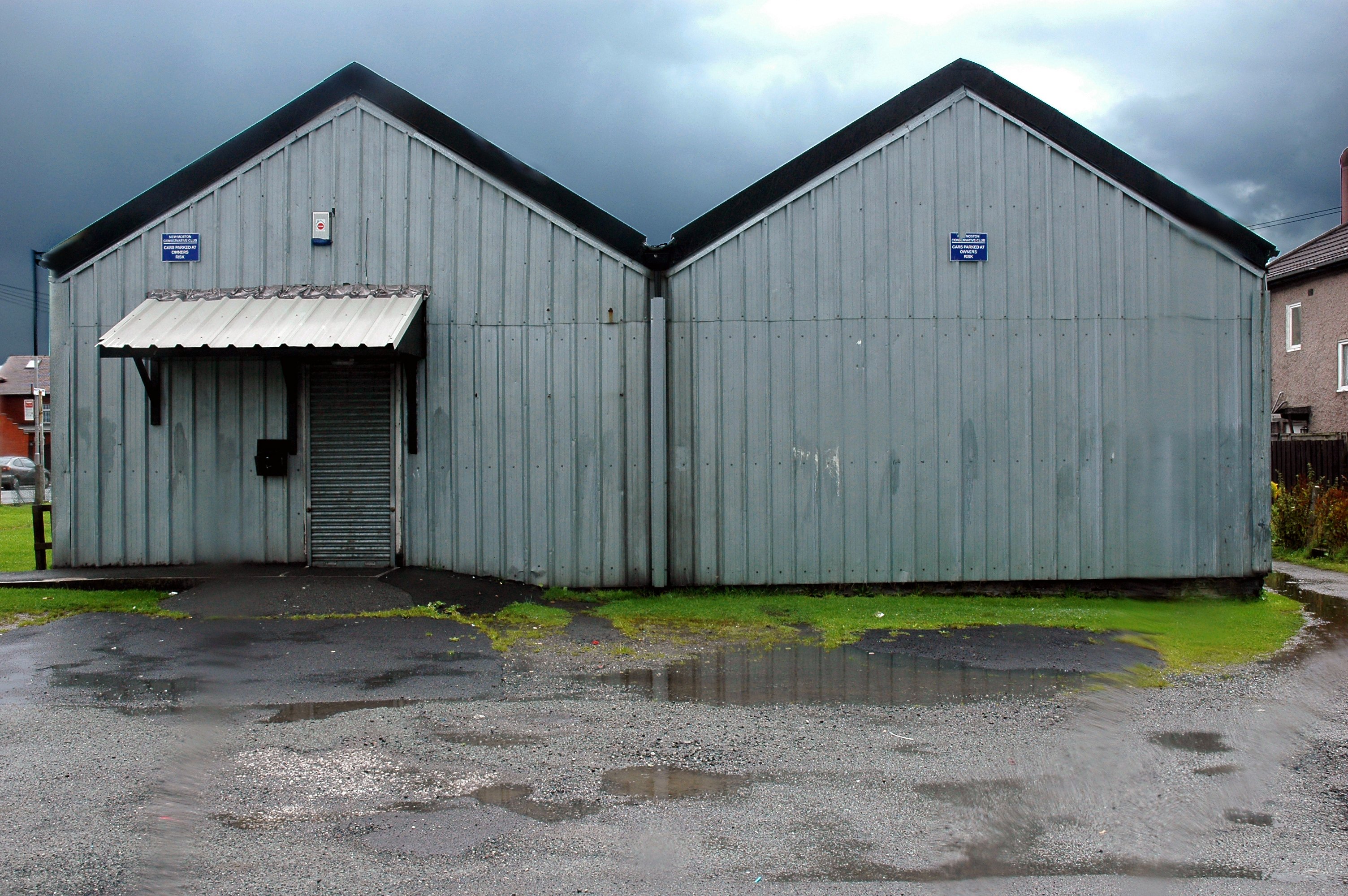
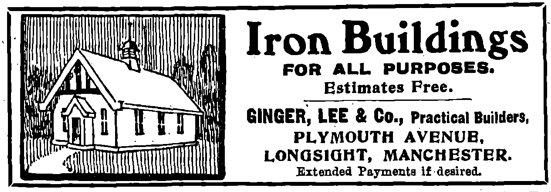
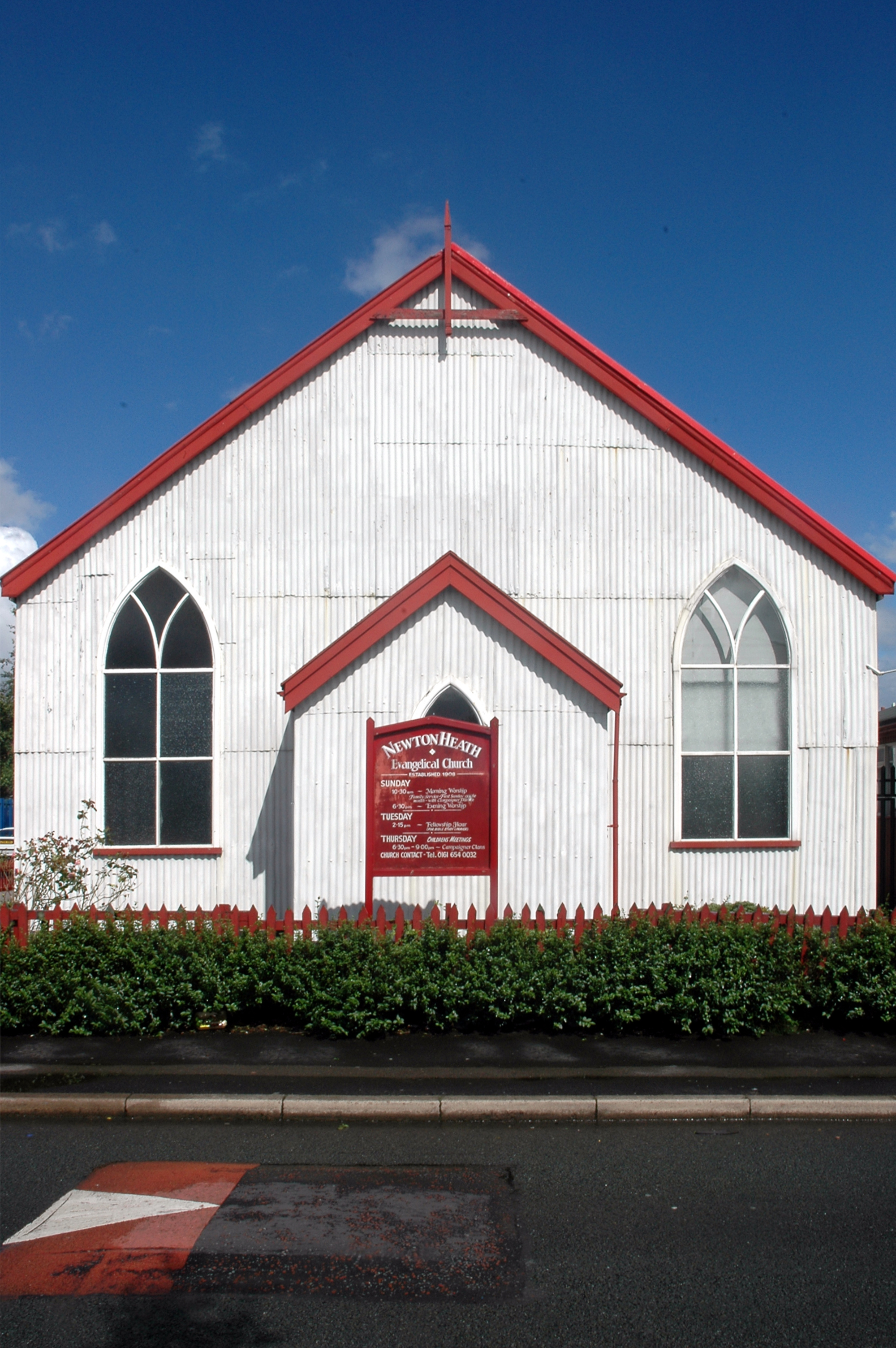
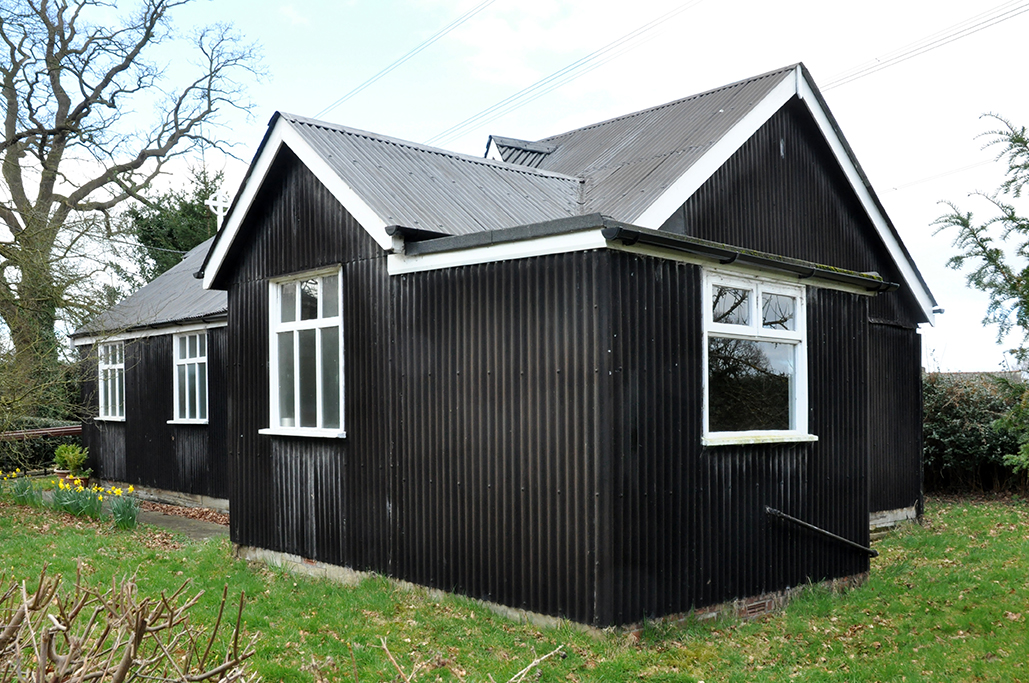
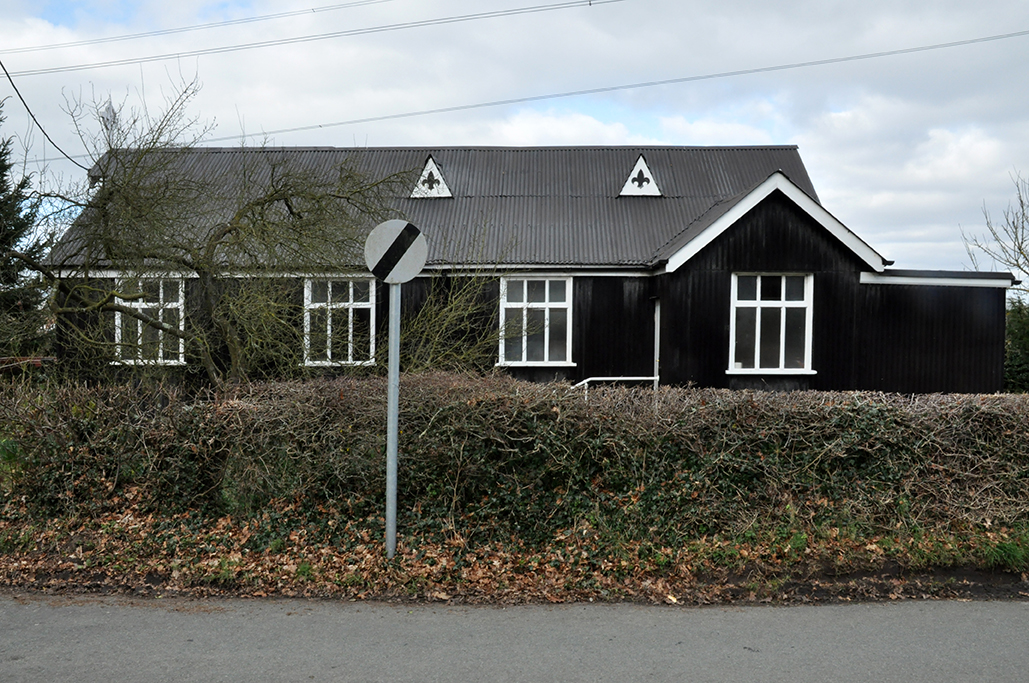
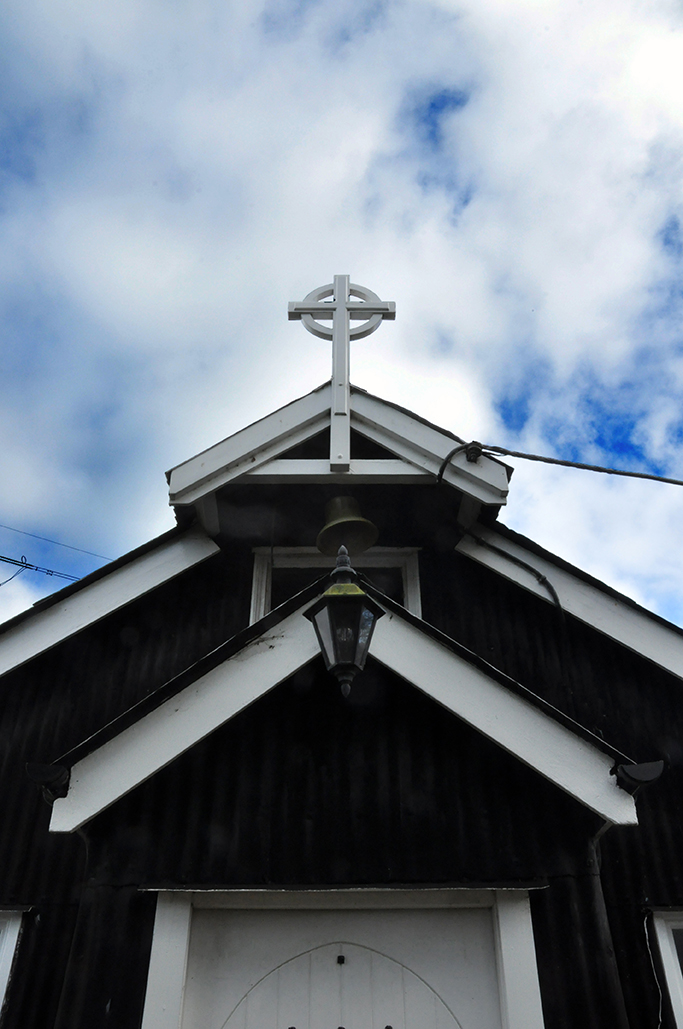
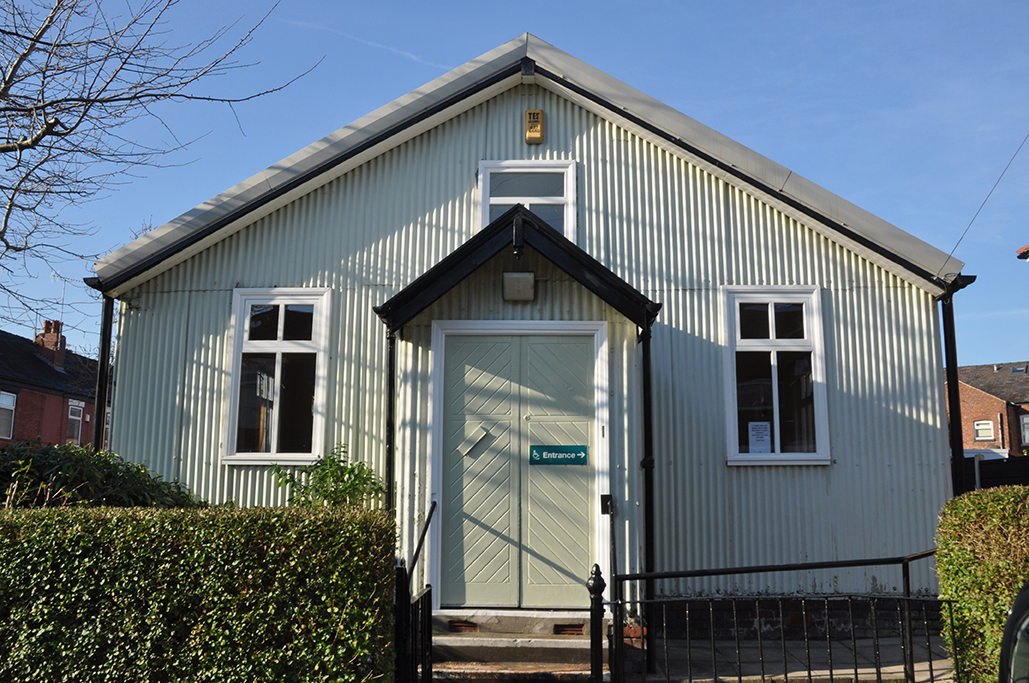
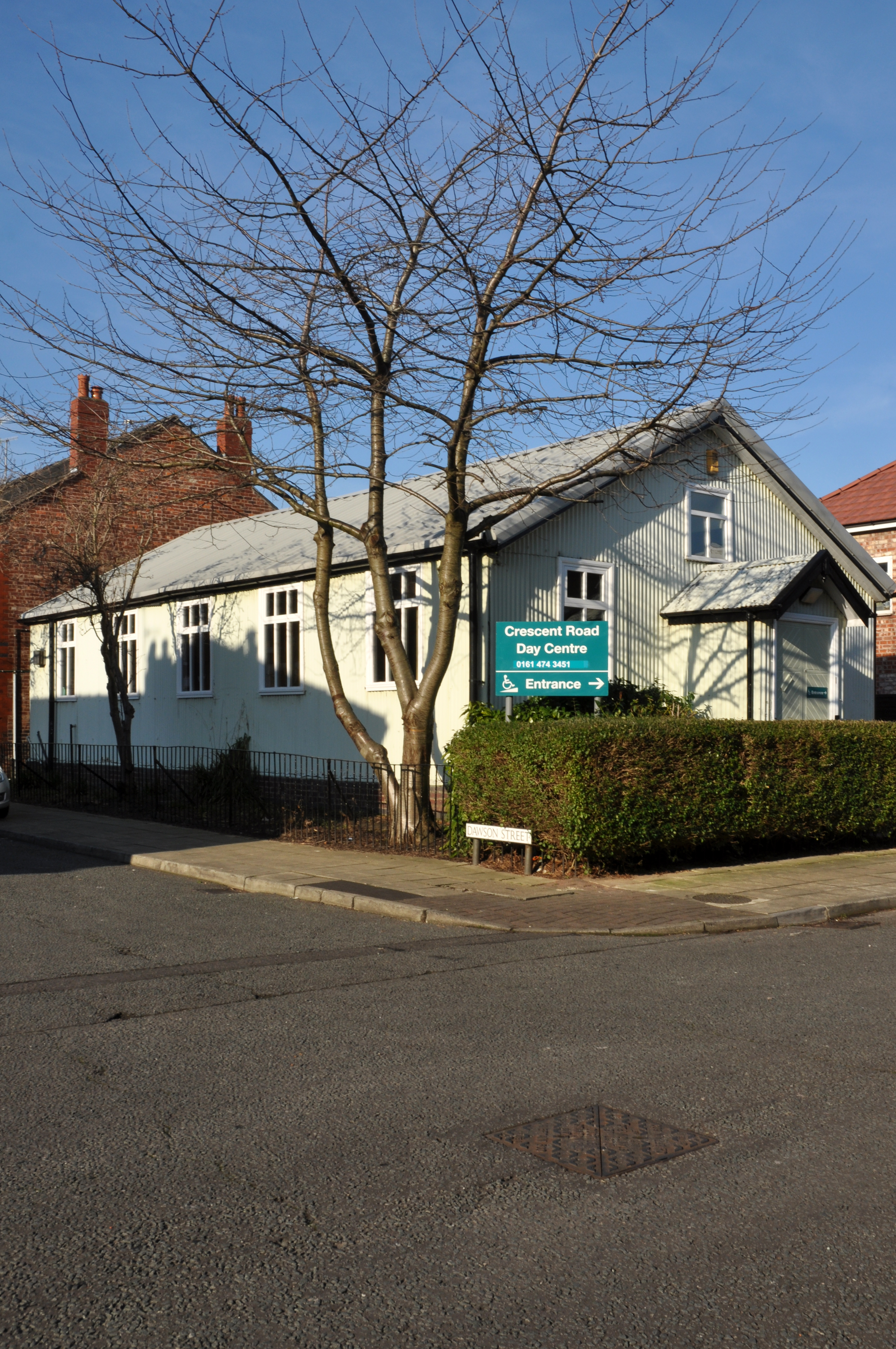
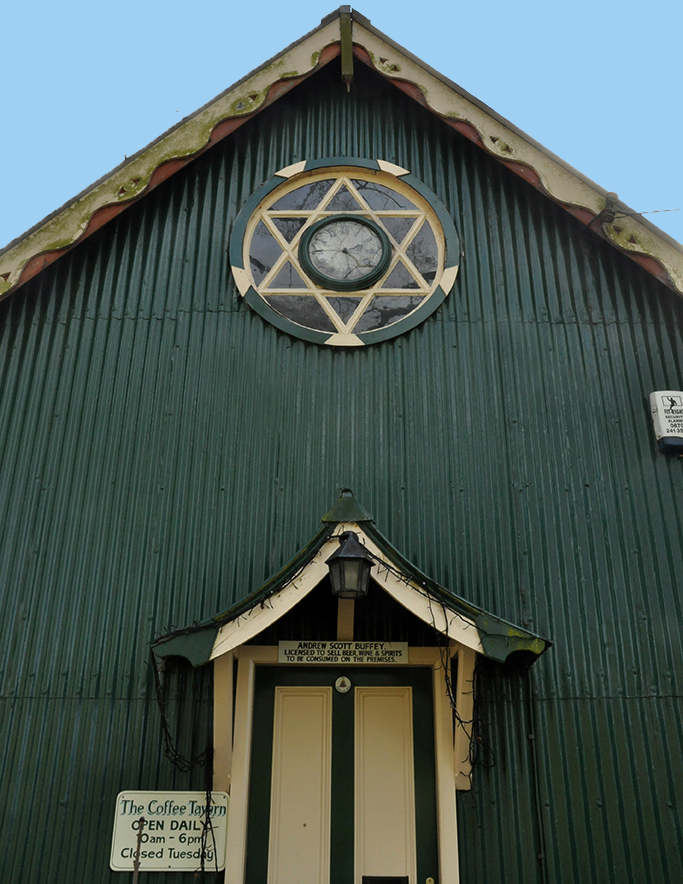
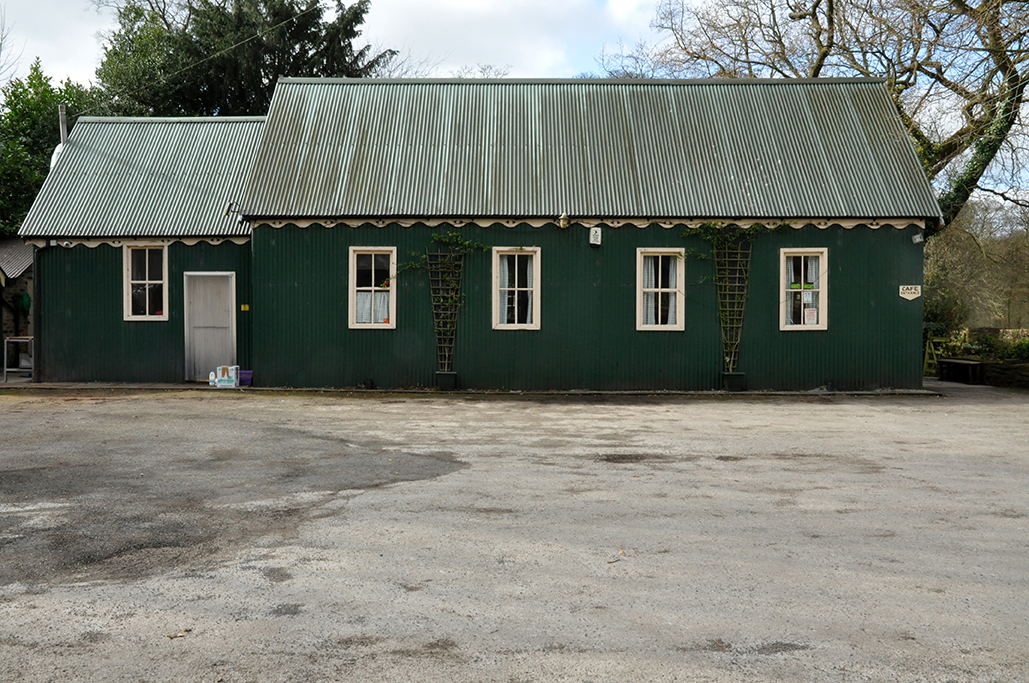
I’ve always been fascinated by temporary and informal architecture from childhood dens to shotgun shacks, sheds and caravans, so here is a record of the so called Tin Tabernacles from around Greater Manchester and beyond. And a tribute to those local people that created them.
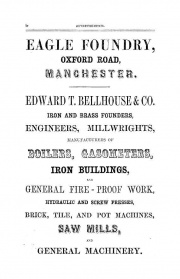
He was apprenticed to Messrs. Wren and Bennett, where he remained for some six and a-half years, and where he acquired a thorough knowledge of practical engineering. He then worked for about a year as a journeyman millwright at the Caloa Mills, and at the St. Helen’s Union Plate Glass Works; and next spent a year as a journeyman at Sir William Fairbairn’s works in the Isle of Dogs. The following year, the last of his actualworkshop life, he passed in the employ of the Liverpool Grand Junction Railway. On 1st July 1842 he started thefirm of E. T. Bellhouse and Co., which has carried on a prosperous business for the last forty years at the Eagle Foundry, Hunt Street, Manchester. Mr. Bellhouse, undertook the erection of many large bridges for various railways; and the whole of the stations required for the Arequipa Railway were constructed by him.
Another branch of engineering in which be took a great interest was the construction of iron buildings. He made and erected many custom-houses of iron; among others, that for Payta, Peru – a building unique of its kind.
Within Manchester he did a large amount of work, both for the corporation and for others. The construction of large roofs, and the general ironwork in connection with the erection of buildings, constituted the principal part of his Manchester business, although he did a large amount of hydraulic work, having among other things designed and made the hydraulic lifts in the new City Hall Manchester.
Apart from business he took an interest in every institution which tended to the benefit of his fellow-citizens, and showed especially an active desire to better the position of his workmen; for the latter purpose an extensivescientific library was formed at the Eagle Foundry. He was connected with the formation of the Athenaeum, was president of the Mechanics’ Institute, and a director of the Royal Institution of Manchester; and in many other ways he gave all the aid in his power towards benefiting the social life of his native town. After a life of hard work and disinterested generosity, the ravages of time and over-work began at length to be felt by a constitution which was not naturally of the strongest. Finding himself in failing health, be removed to Southport in hopes of regaining his strength; but on 13th October 1881 he died there at the ago of sixty-five.
St Antony’s Trafford Park
New Moston Constitutional Club 273 Moston lane
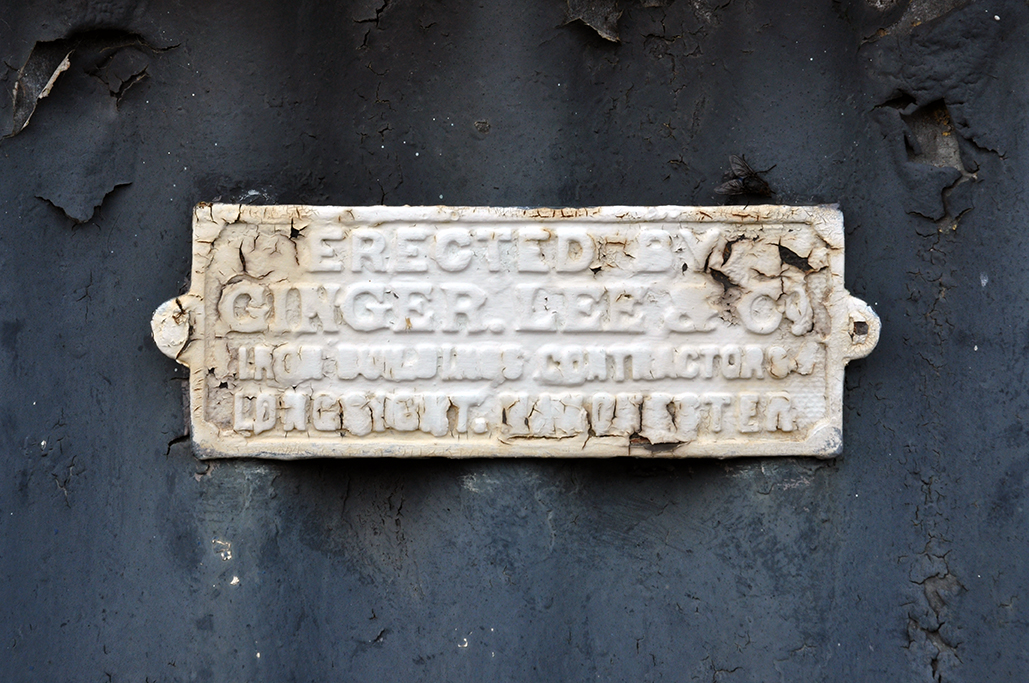
This example was made by Ginger Lee of Longsight but built in Mid Wales – along the A490 near Forden
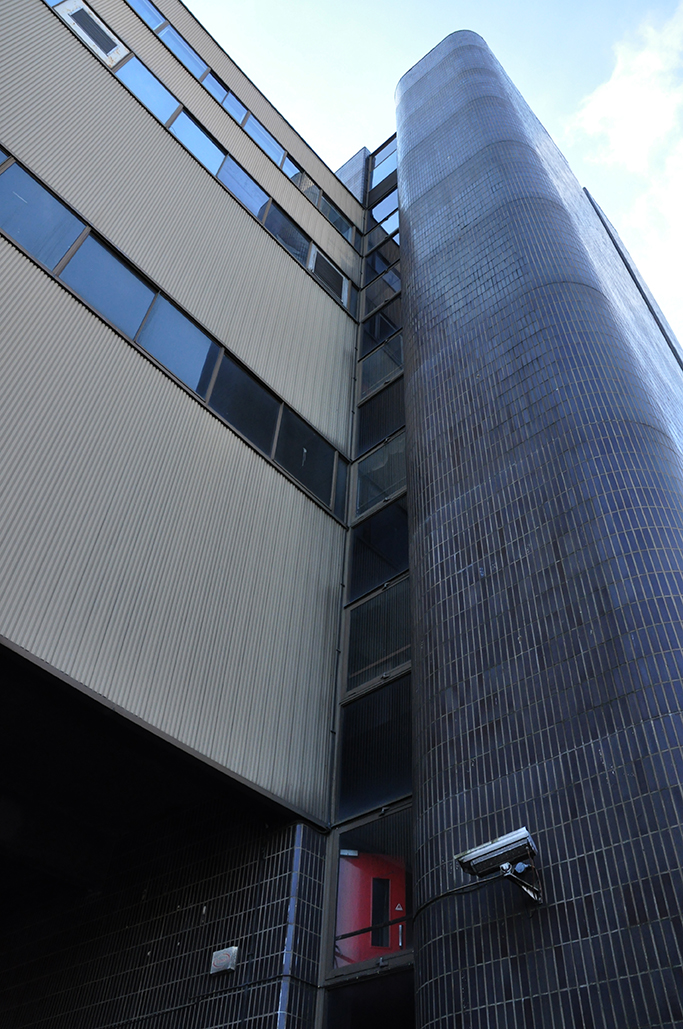
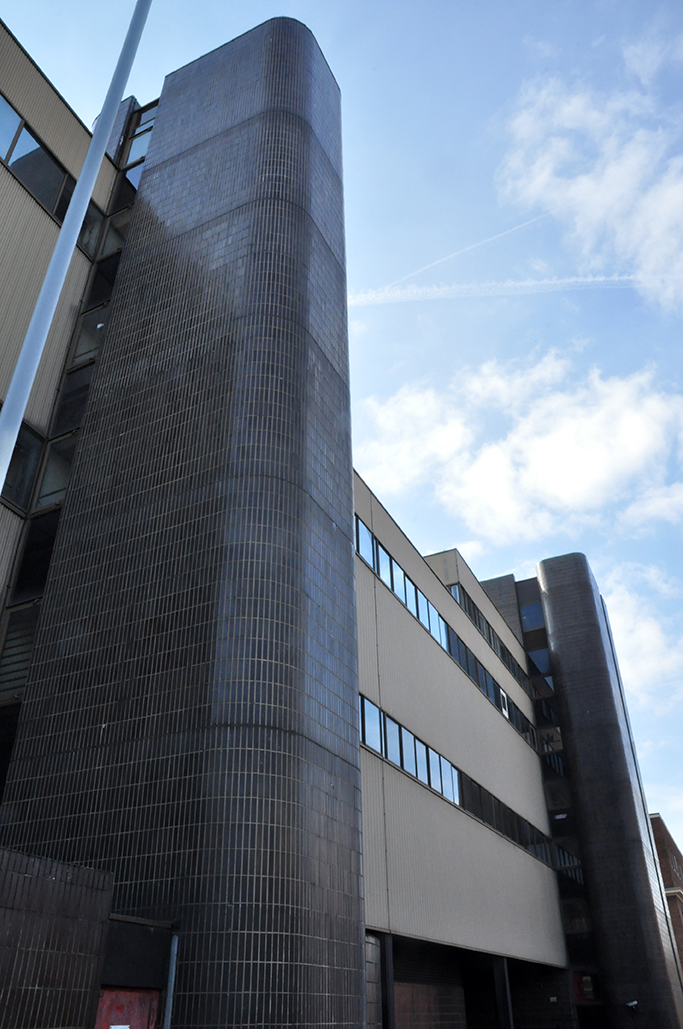
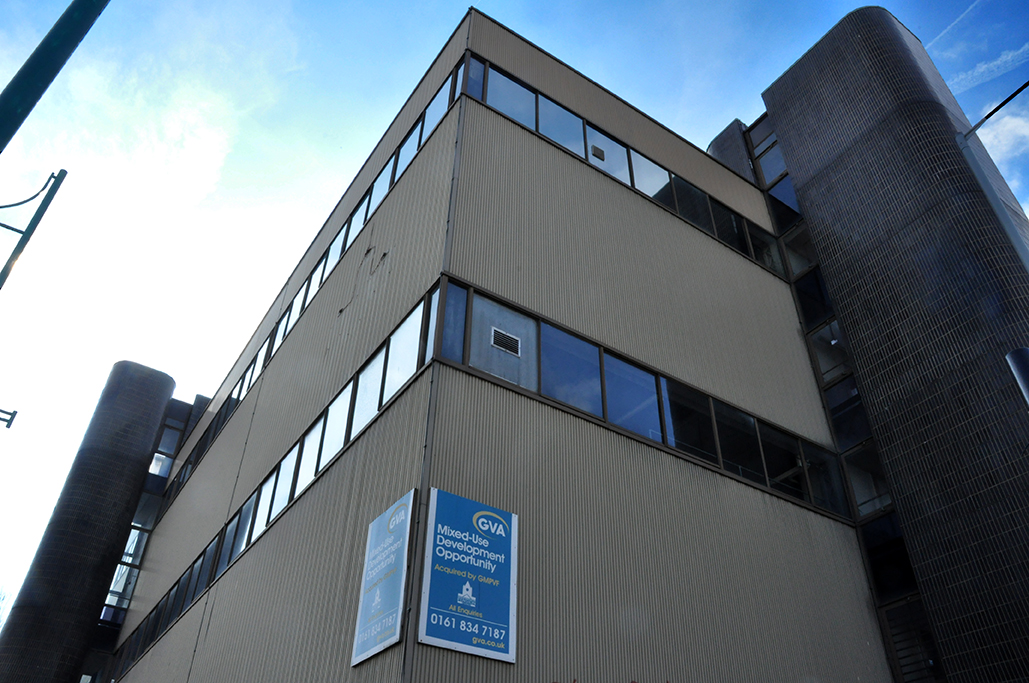
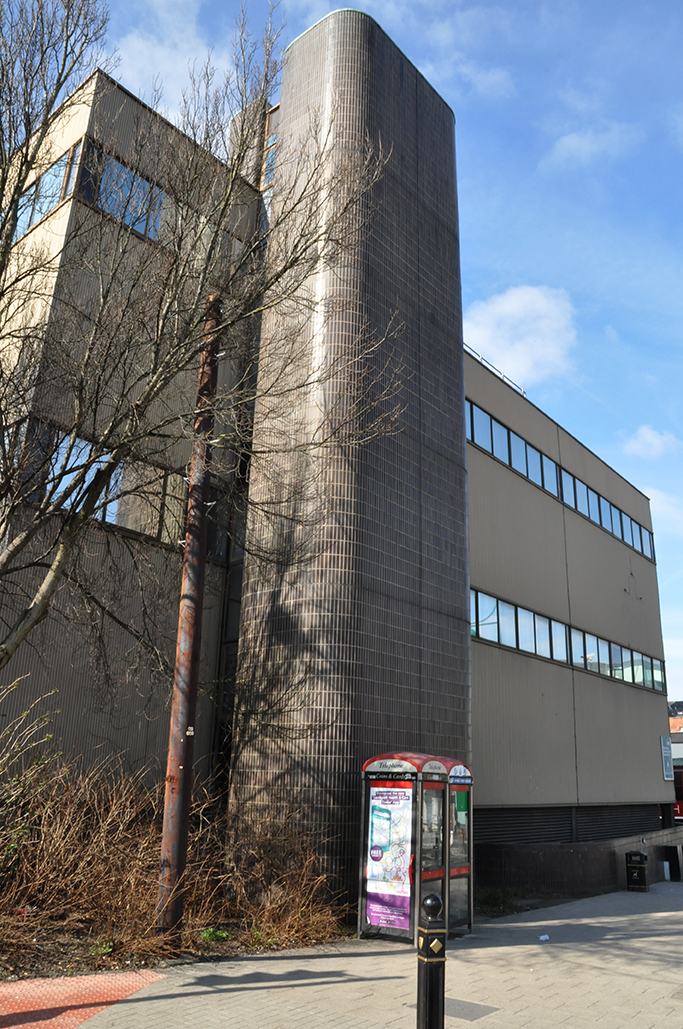
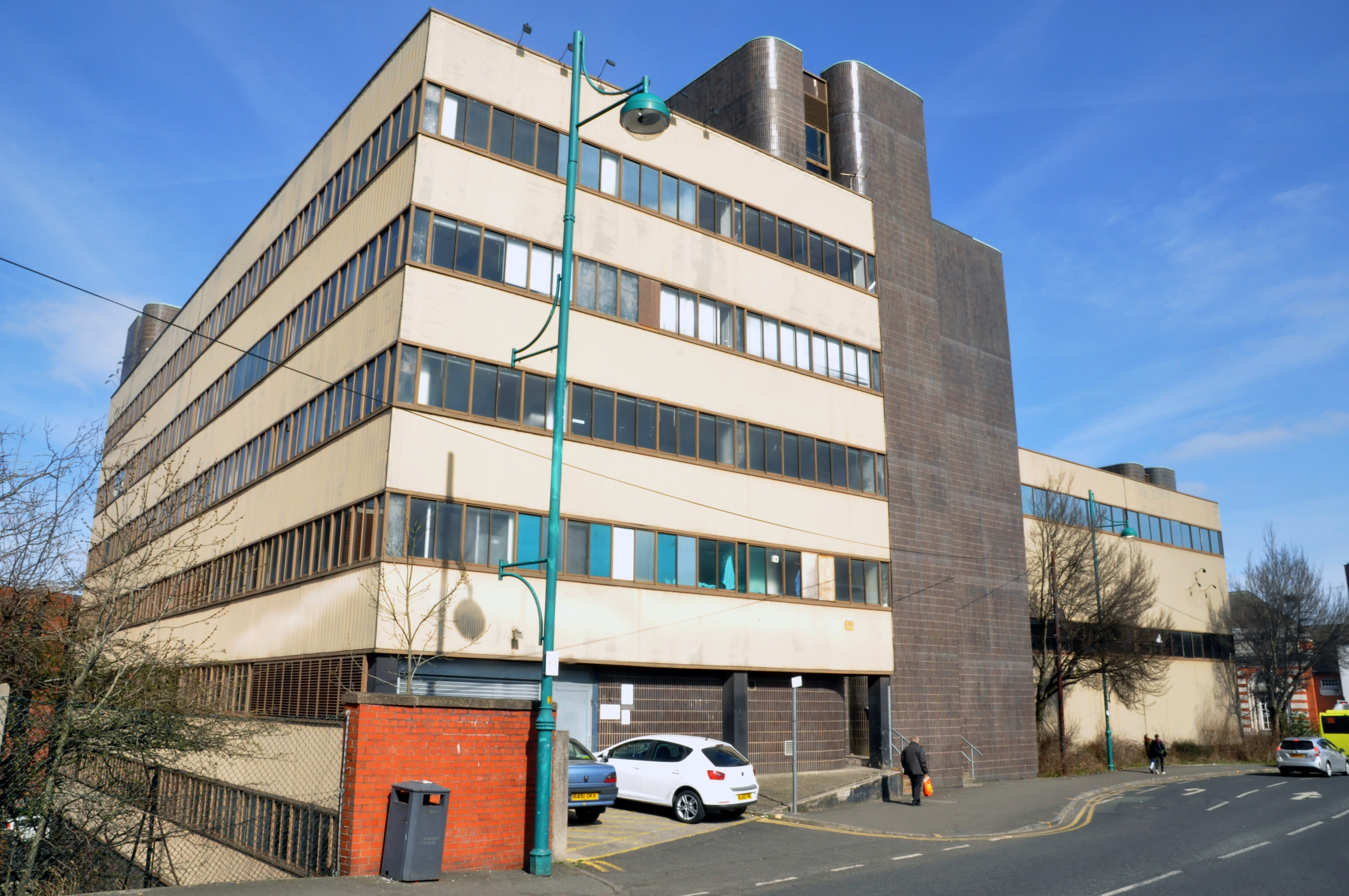
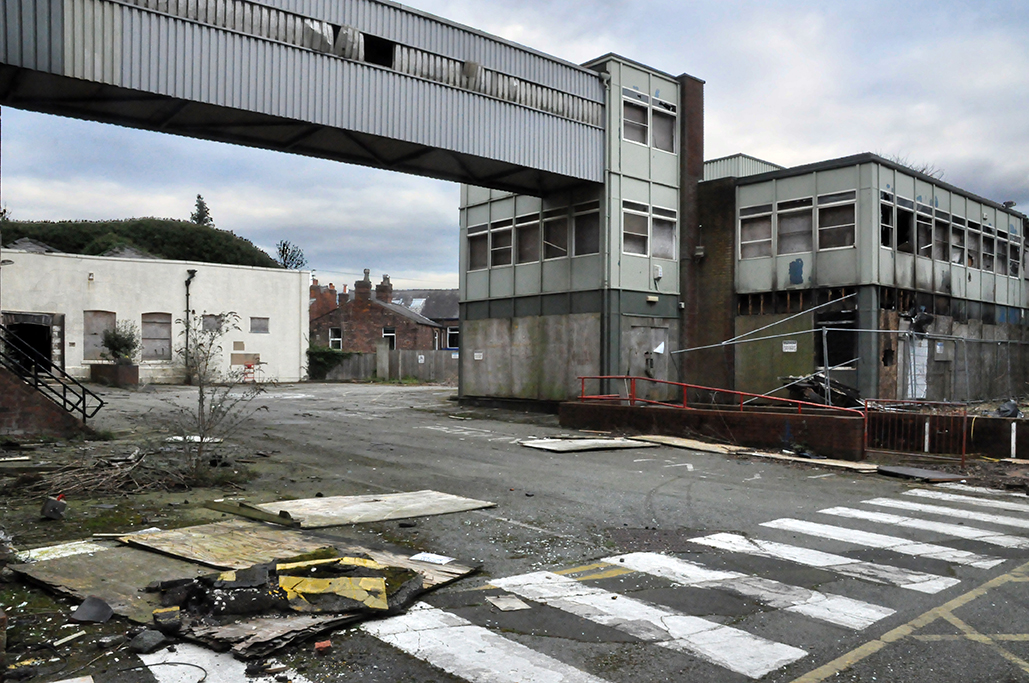
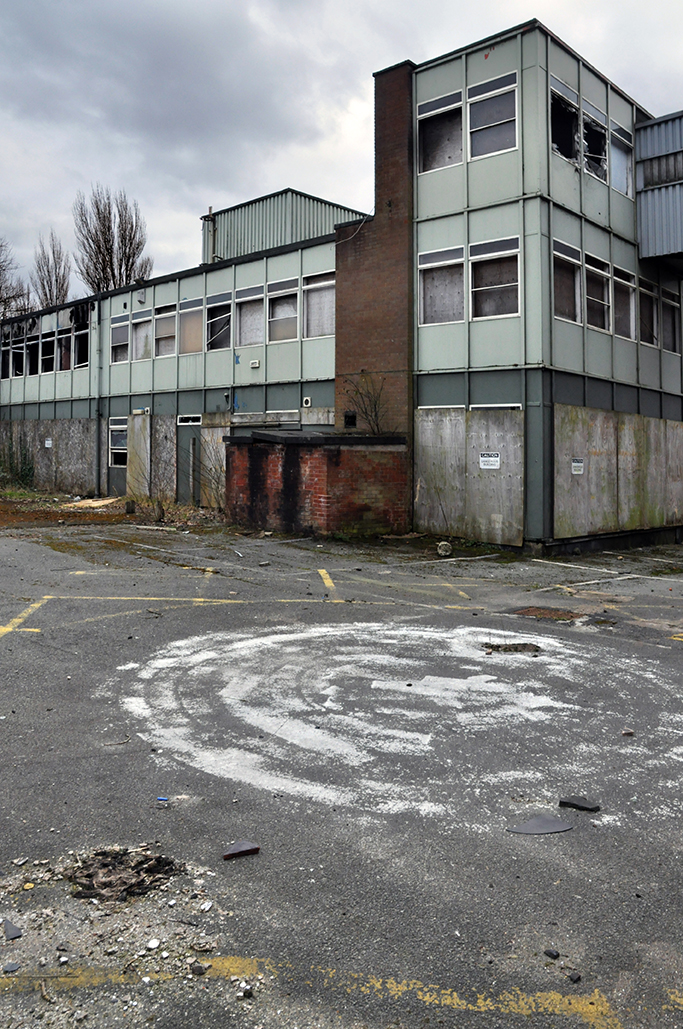
What happens to functionalist architecture when it ceases to function?
It ceases to function.
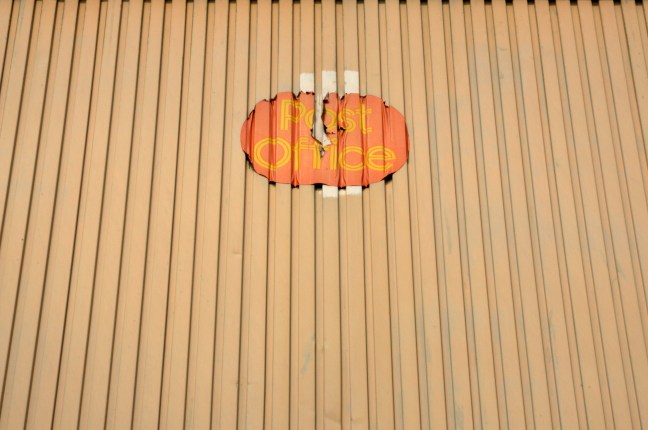
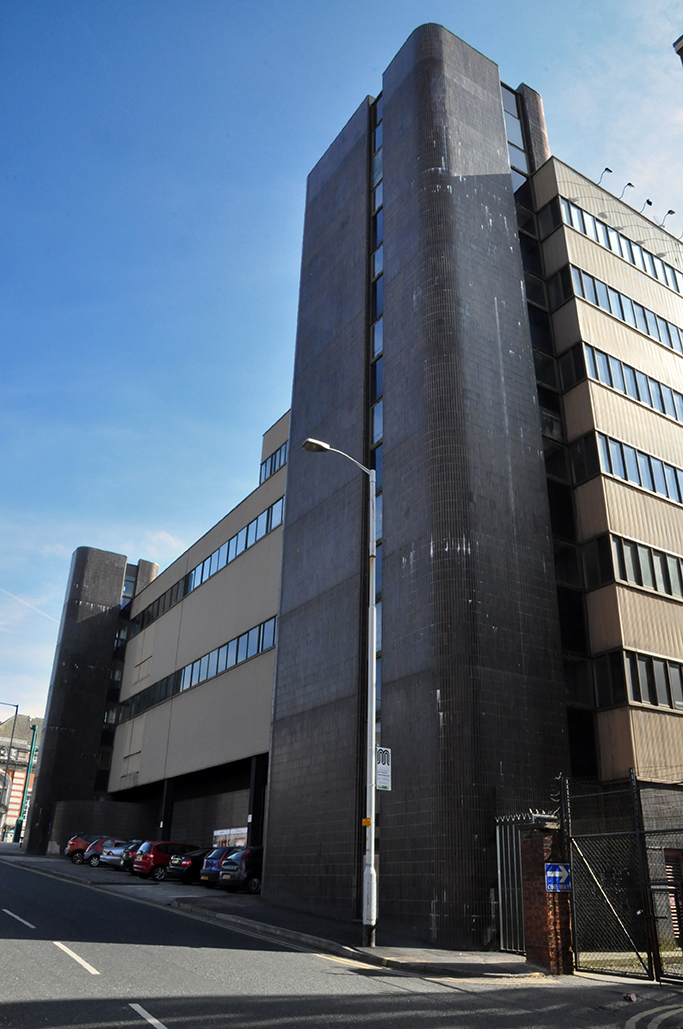
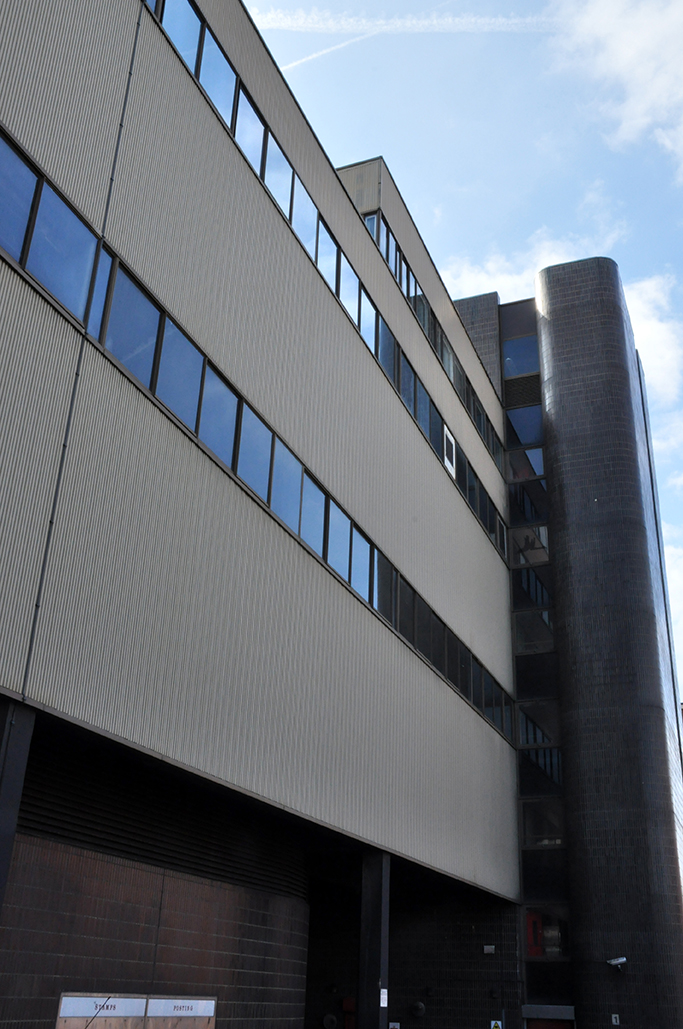
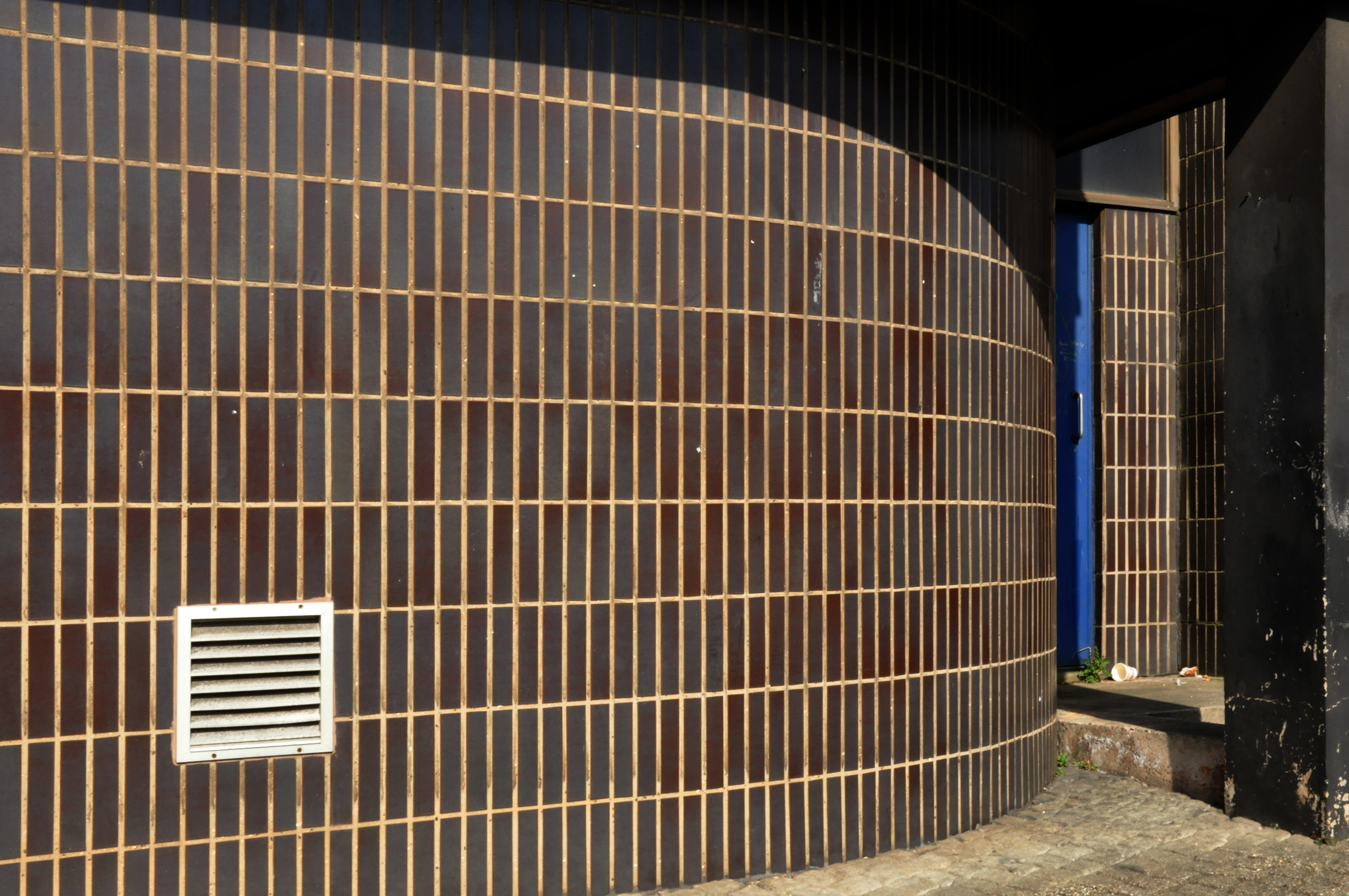
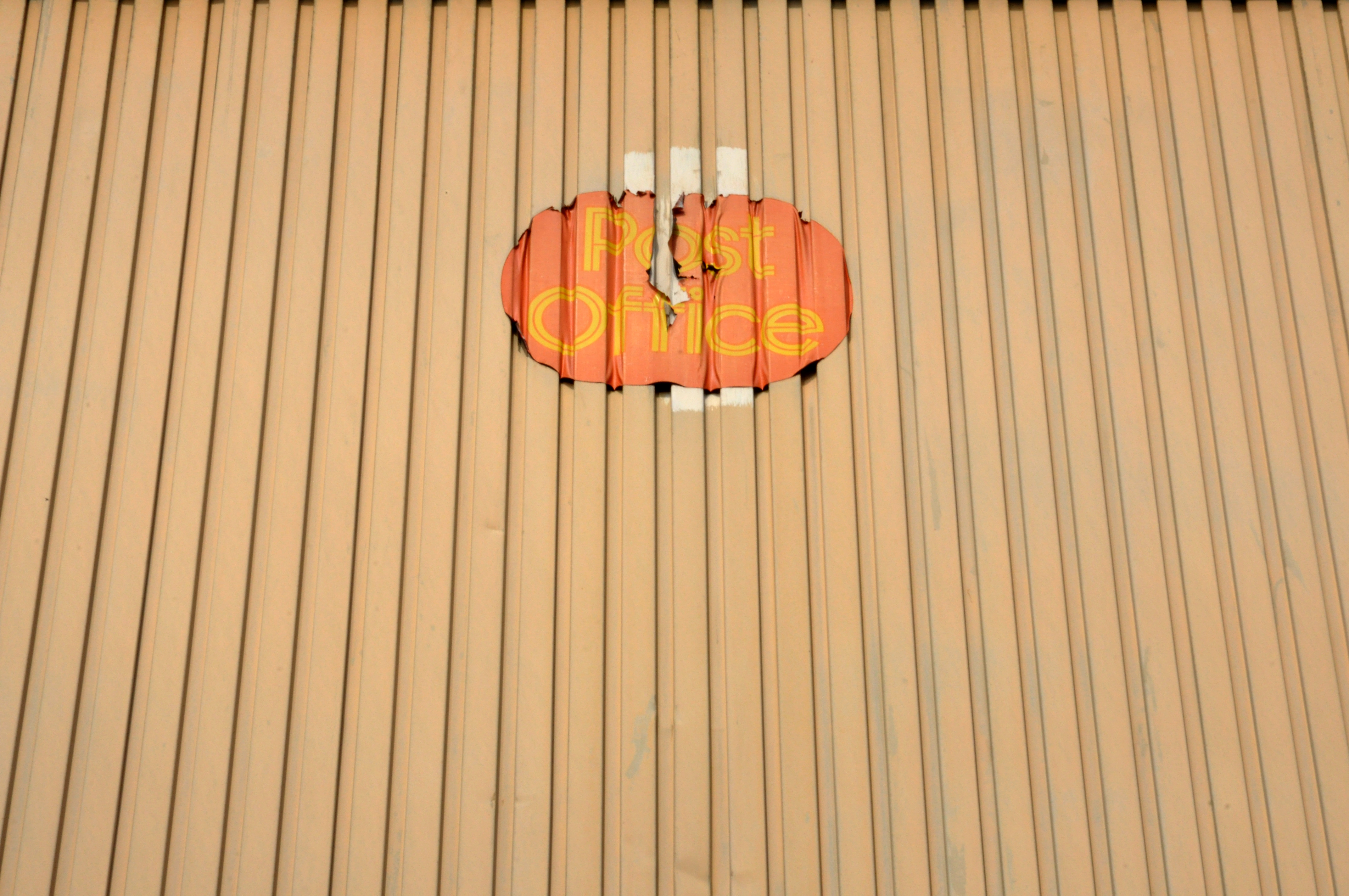
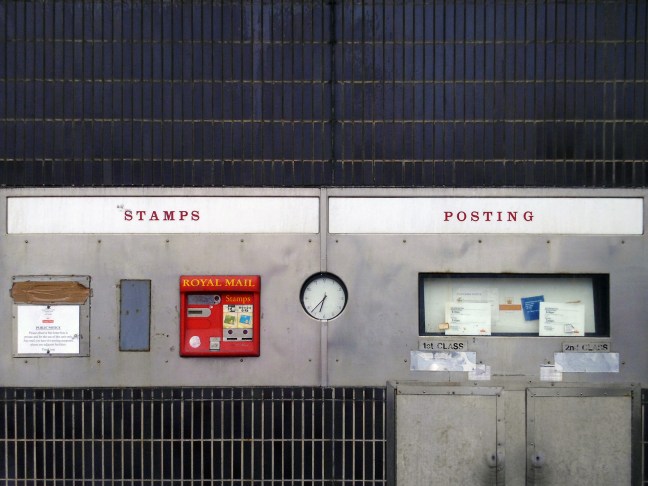
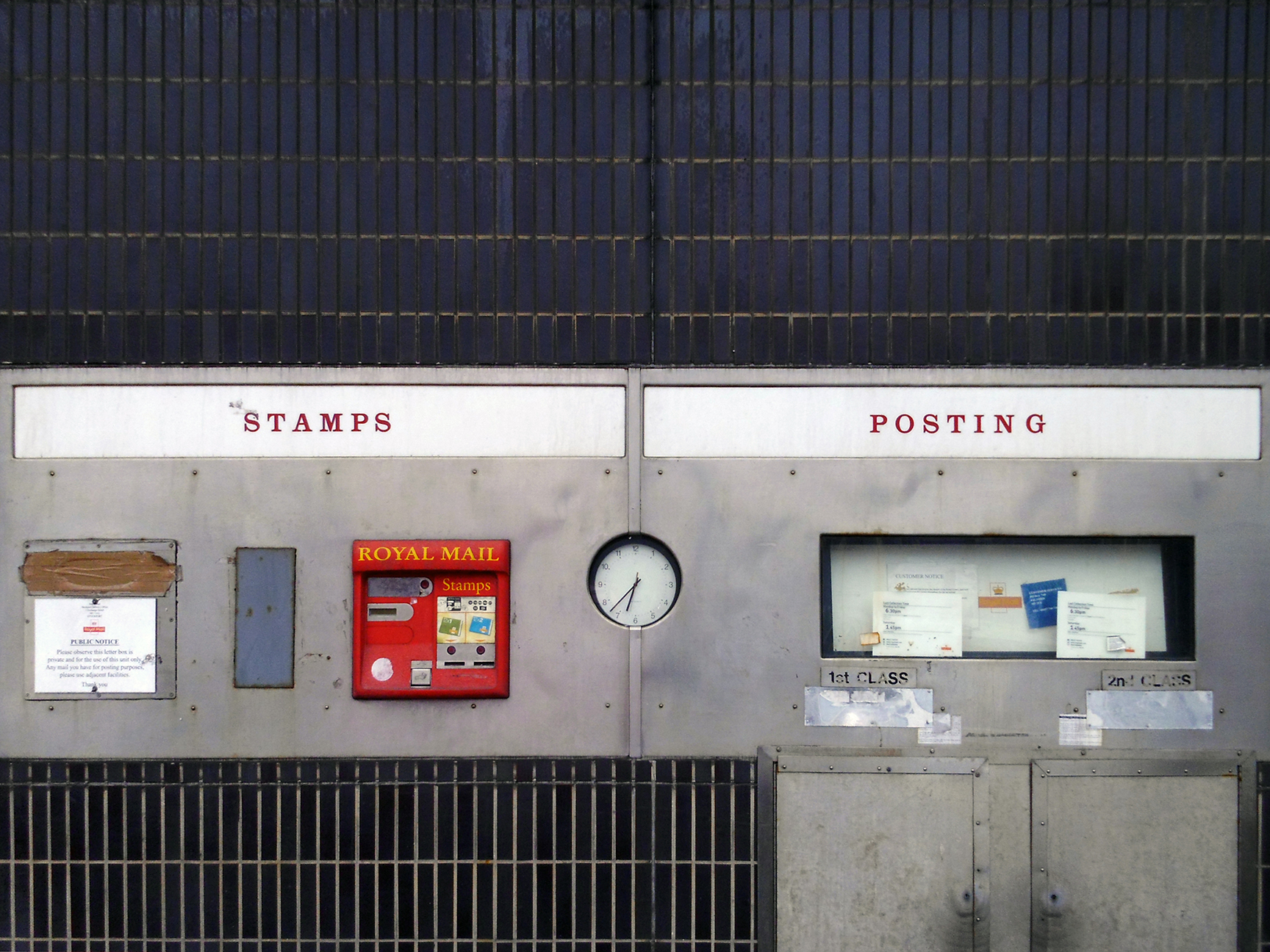
Standing on the A6 in the centre of the town, once home to a warren of postal workers, sorting mail in preparation for the two delivery a day walks. This was a communications hub before they even thought of communications hubs.
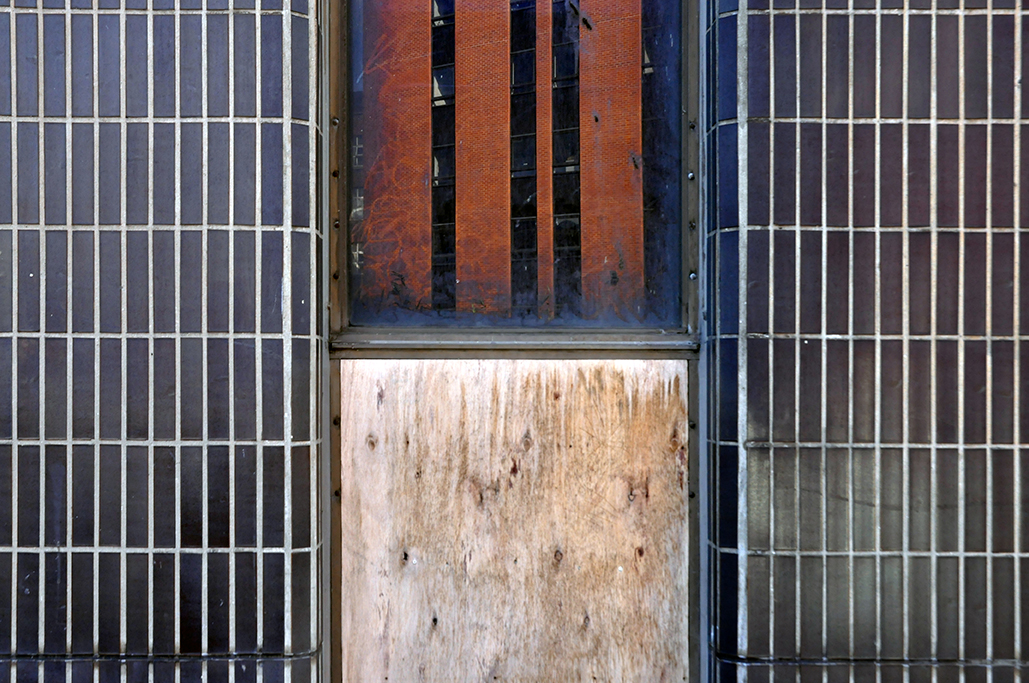
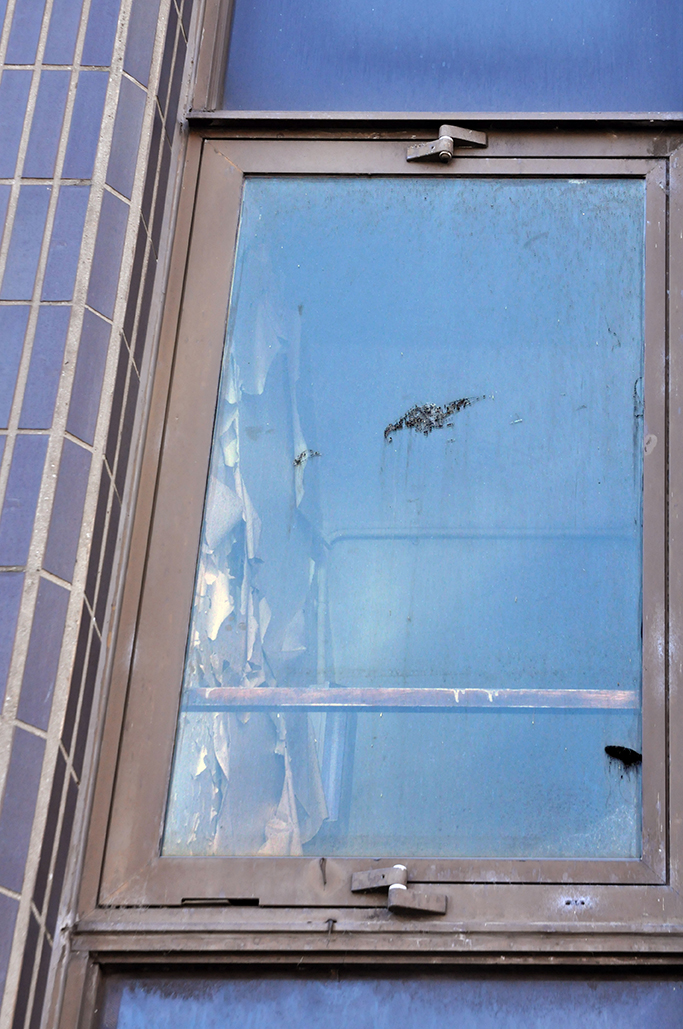
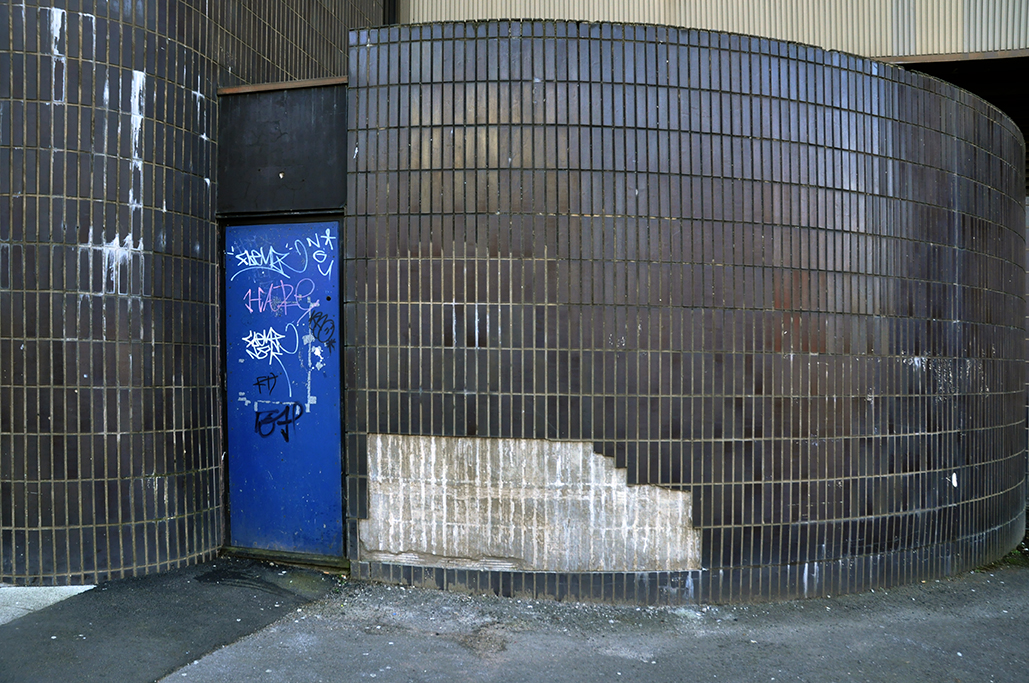
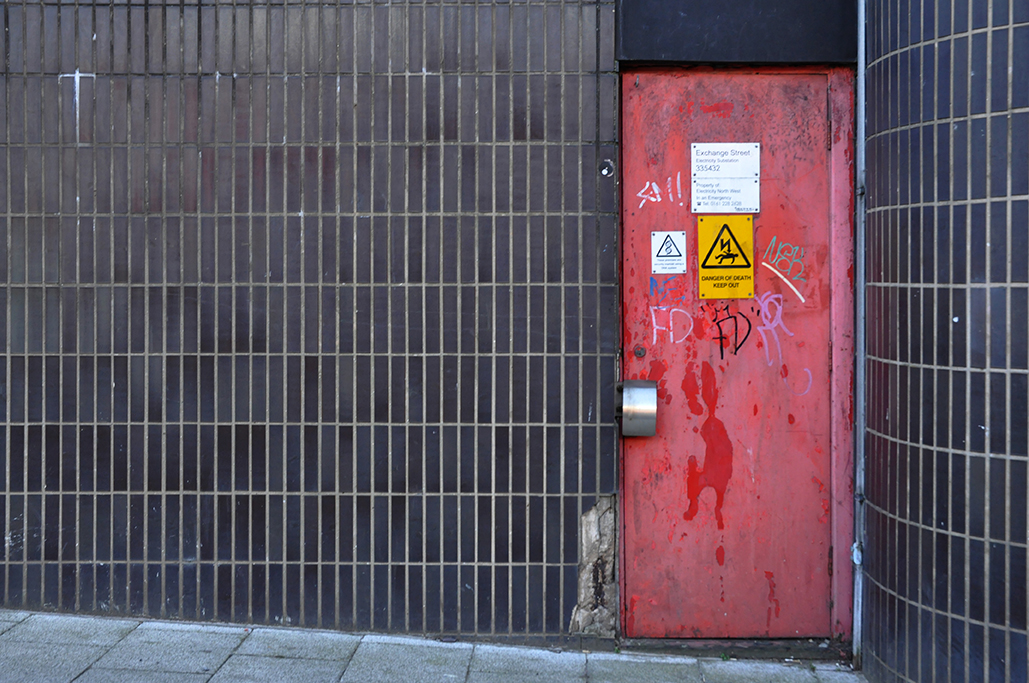
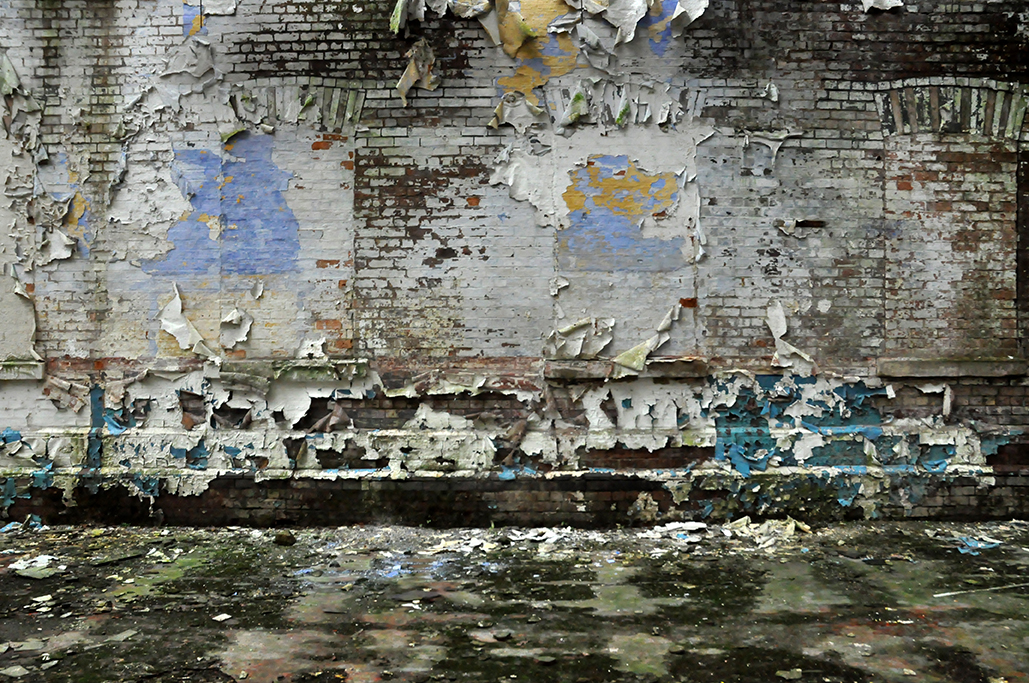
The office stands empty, inside the paint slowly peels.
Following changes in working practices the posties now sort their own round, for a single daily delivery. The process has become mechanised, requiring new technologies and an appropriate anonymous architecture, on the edge of town.
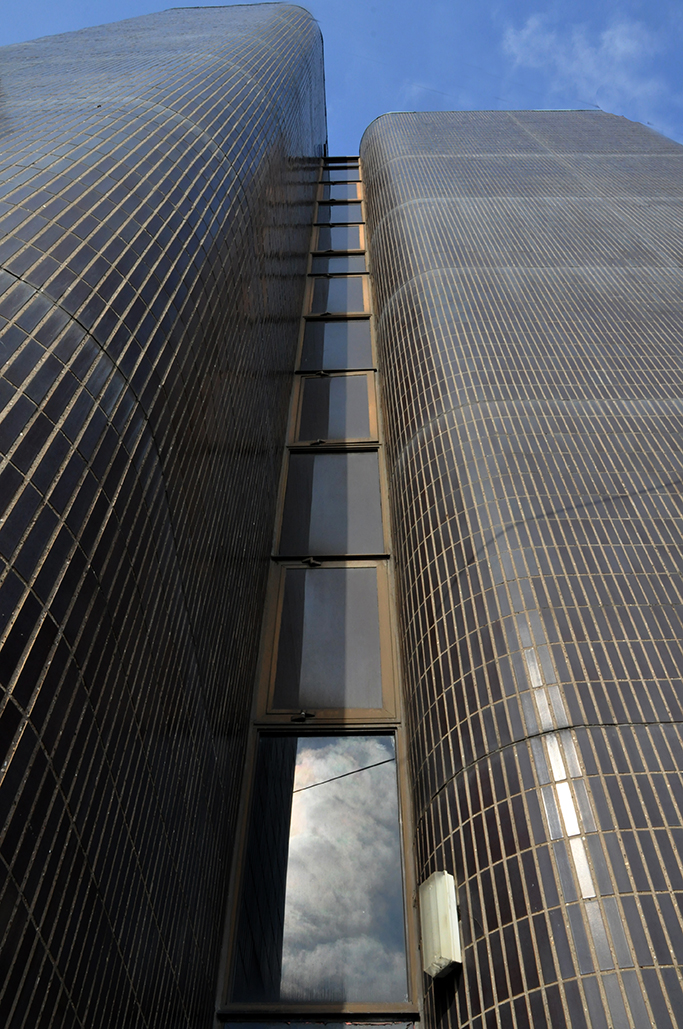
The building however, continues to reflect a 70s optimism, monumental – fading, as optimism is apt to do.
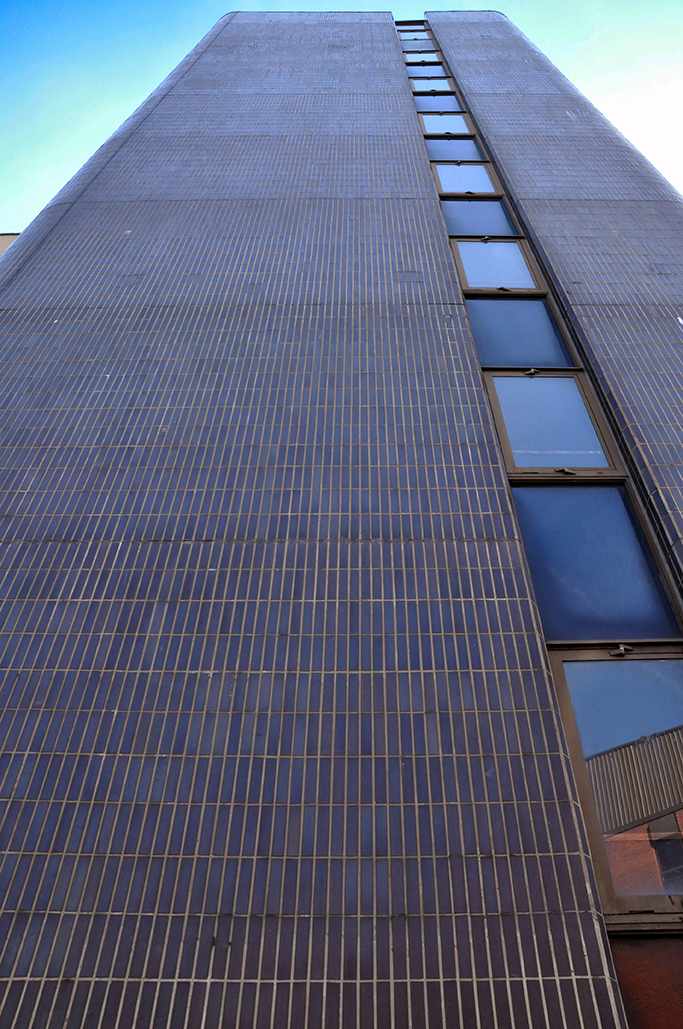
An exciting composition of curved tiled volumes and boxy glass and steel modernism, in a delightfully battered brown and cream. Now in the ownership of the Greater Manchester Pension fund, its future would seem, to say the least, uncertain. This whole Grand Central site clustered around the railway station has been subject to a series of speculative leisure developments. As in other locations they seem to fade, just as quickly as the boarded hoardings, shrouded in designers’ digital piazza visualisations.
So we stand and stare at each other lovingly, our heads in a cloud of municipal stasis.
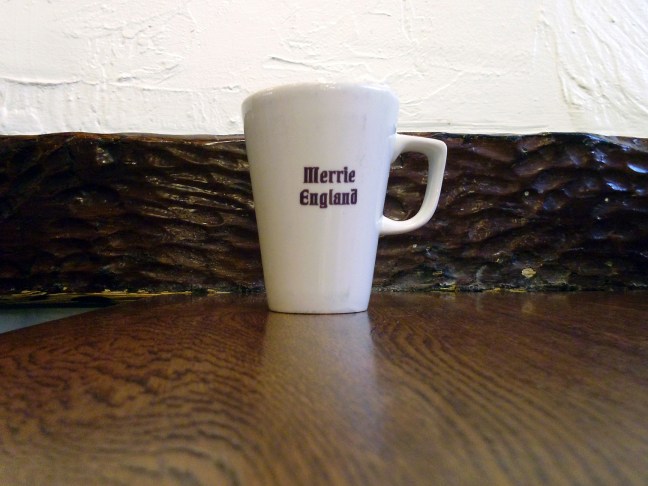
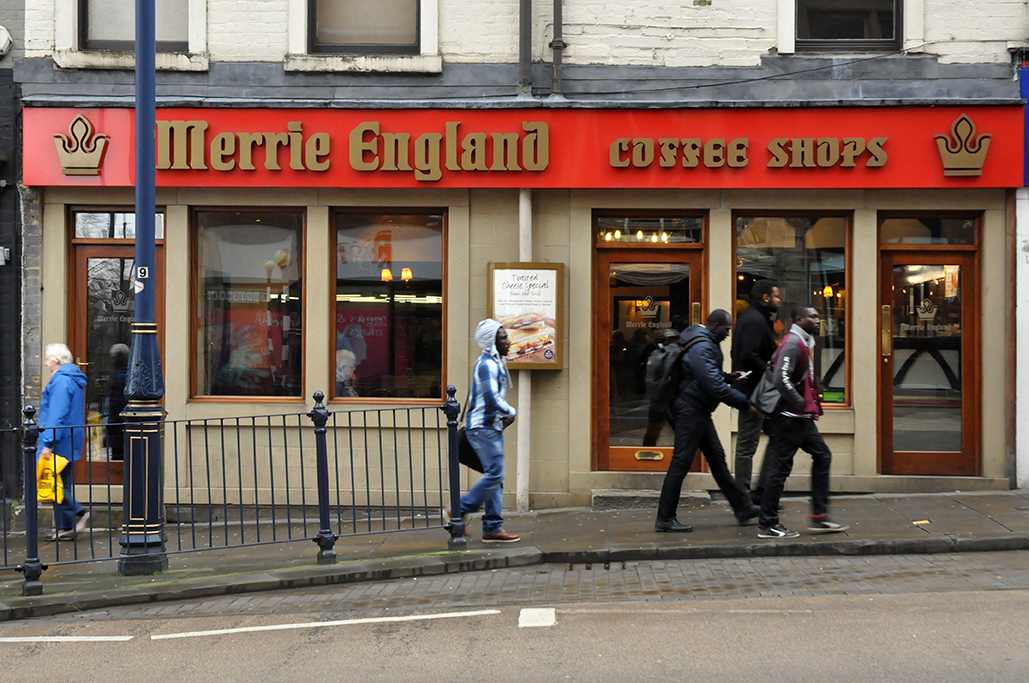
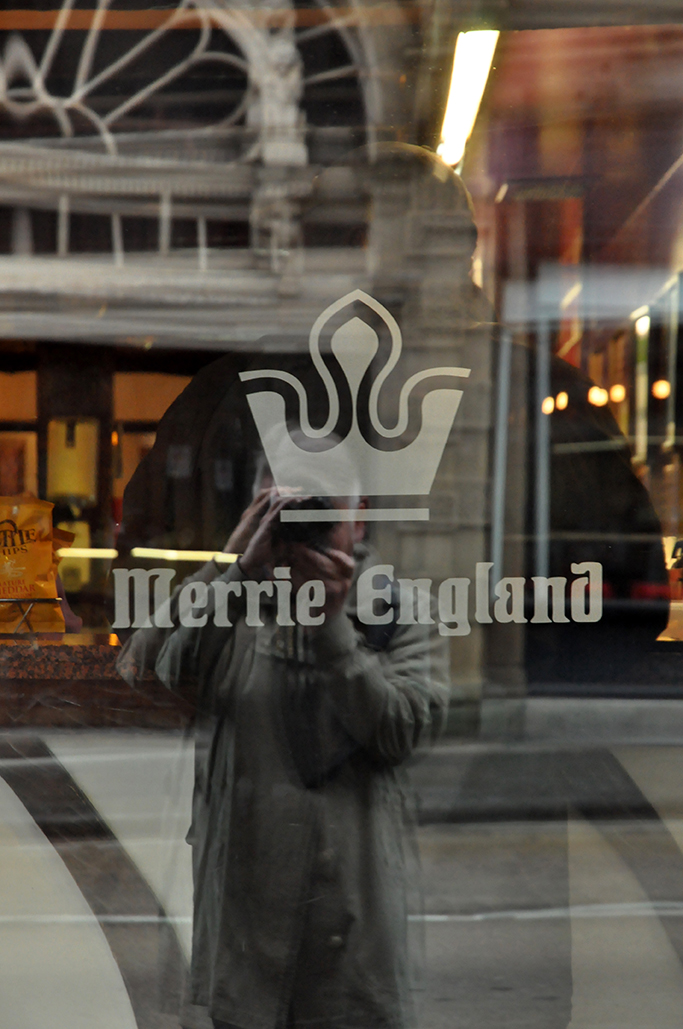
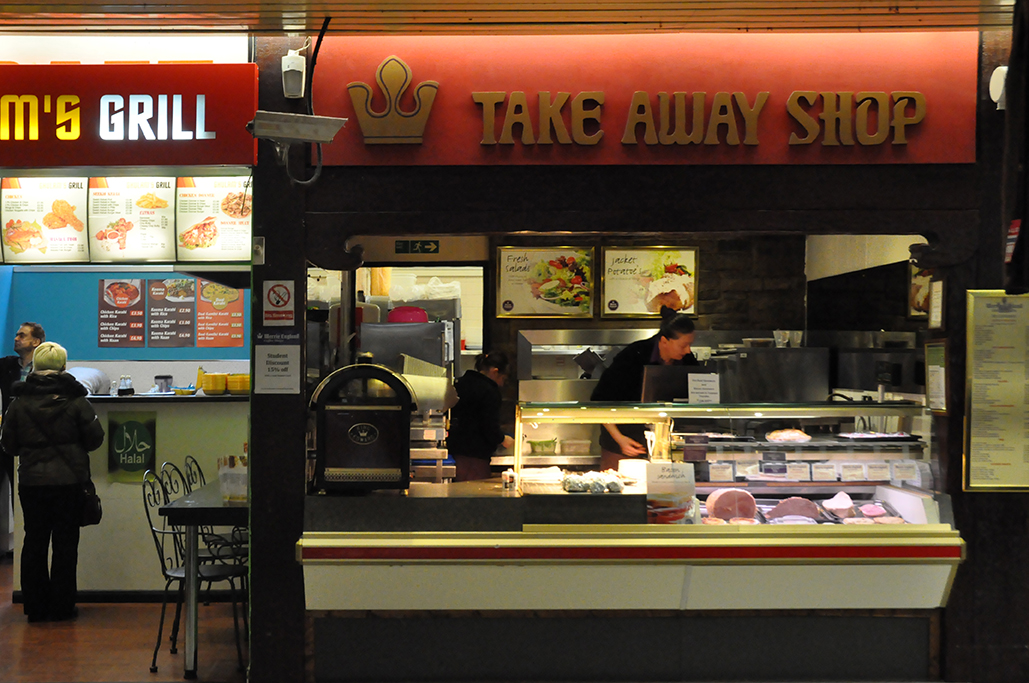
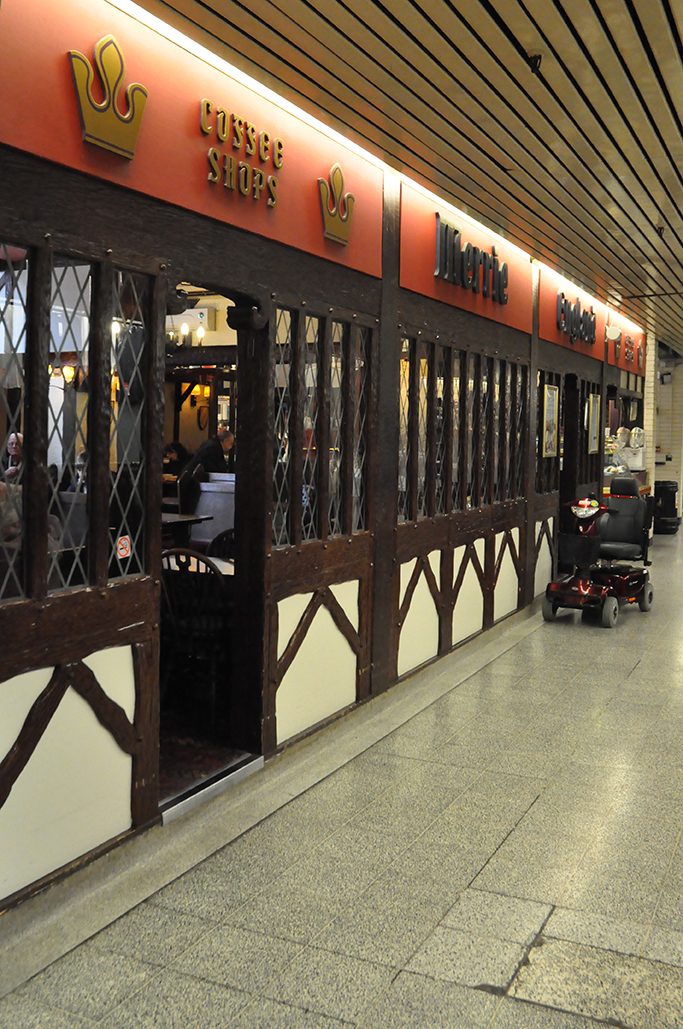
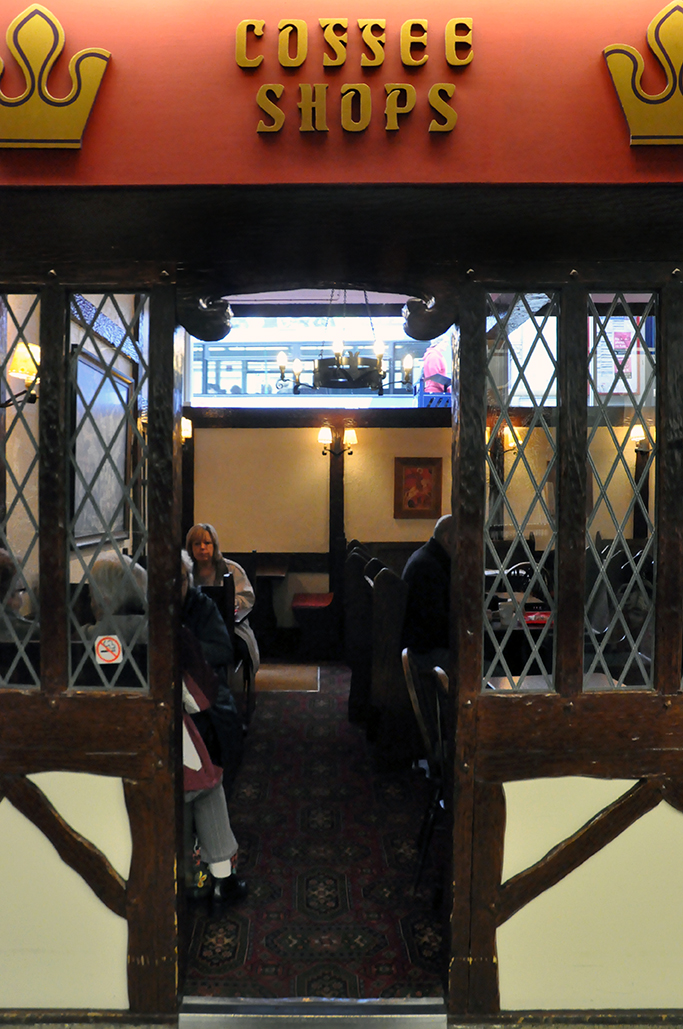
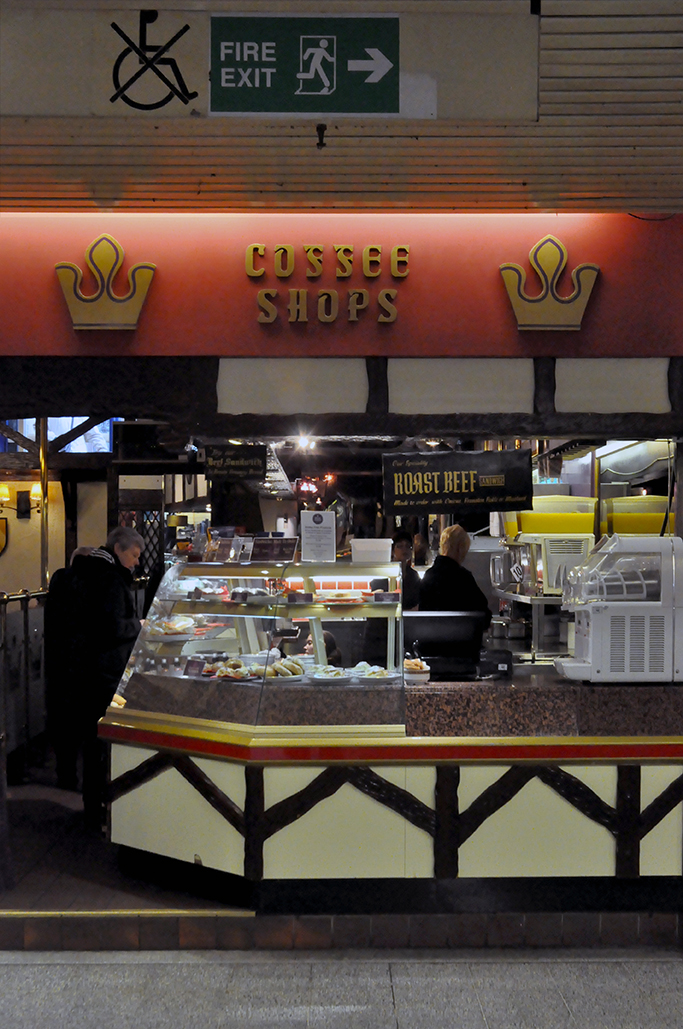
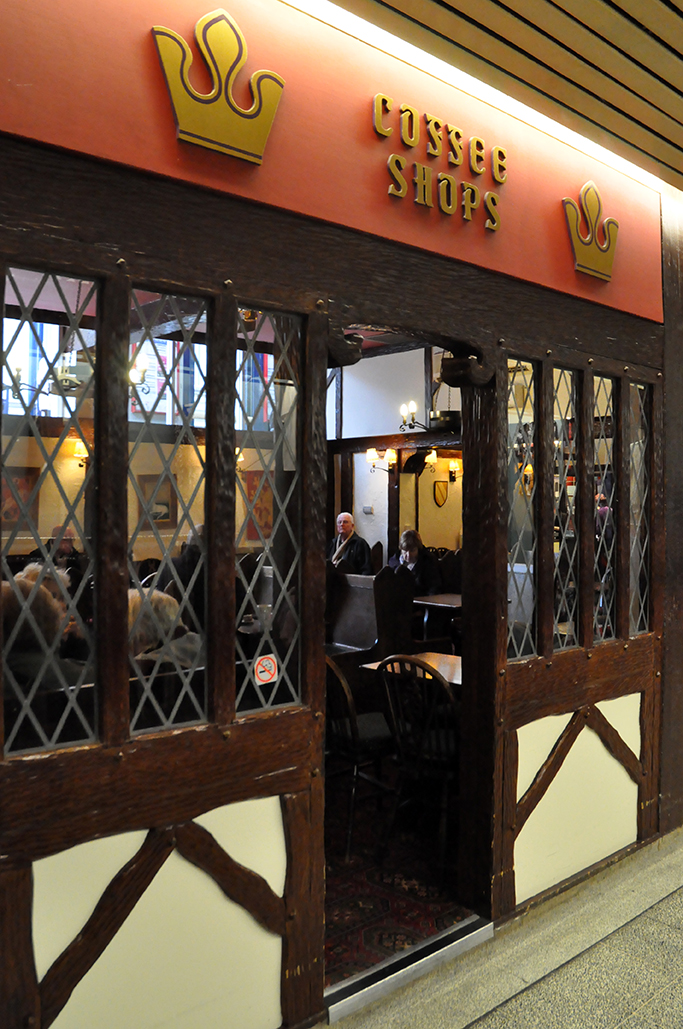
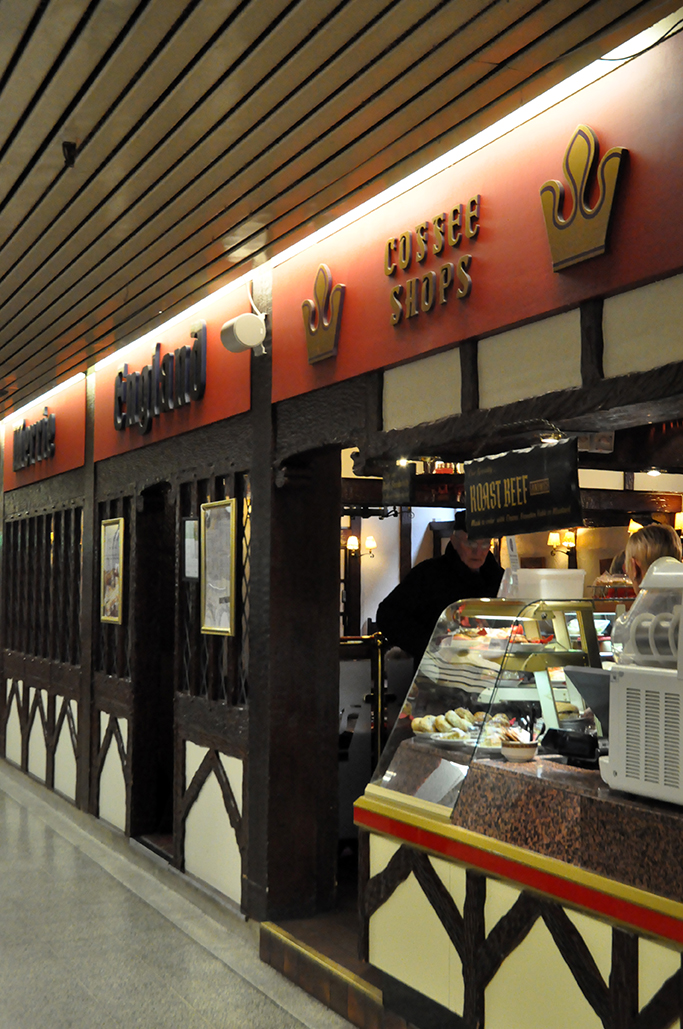
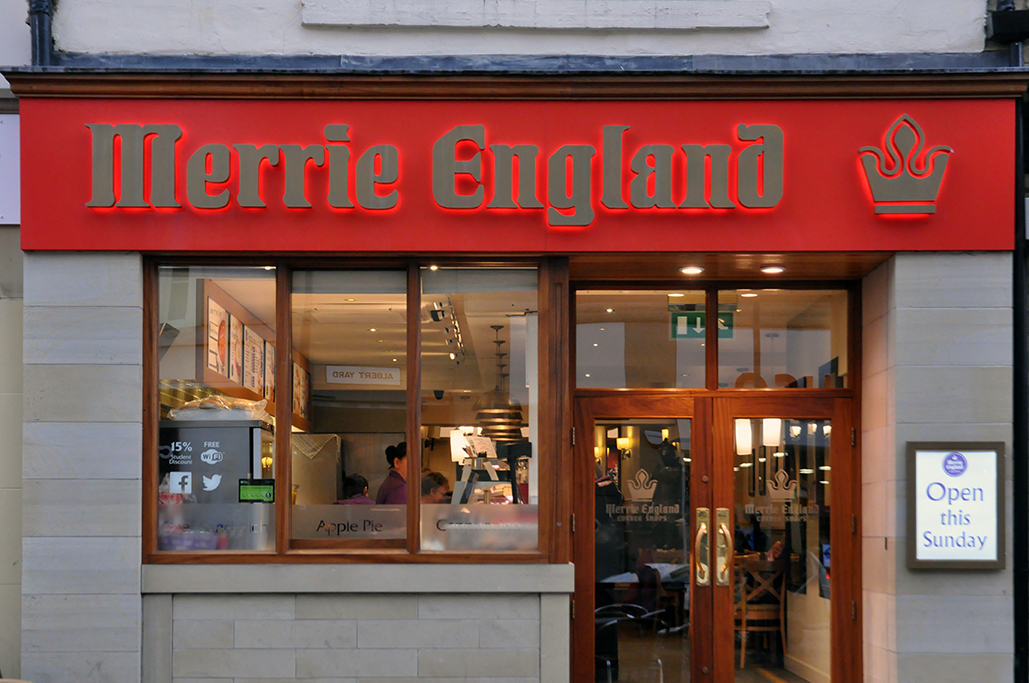
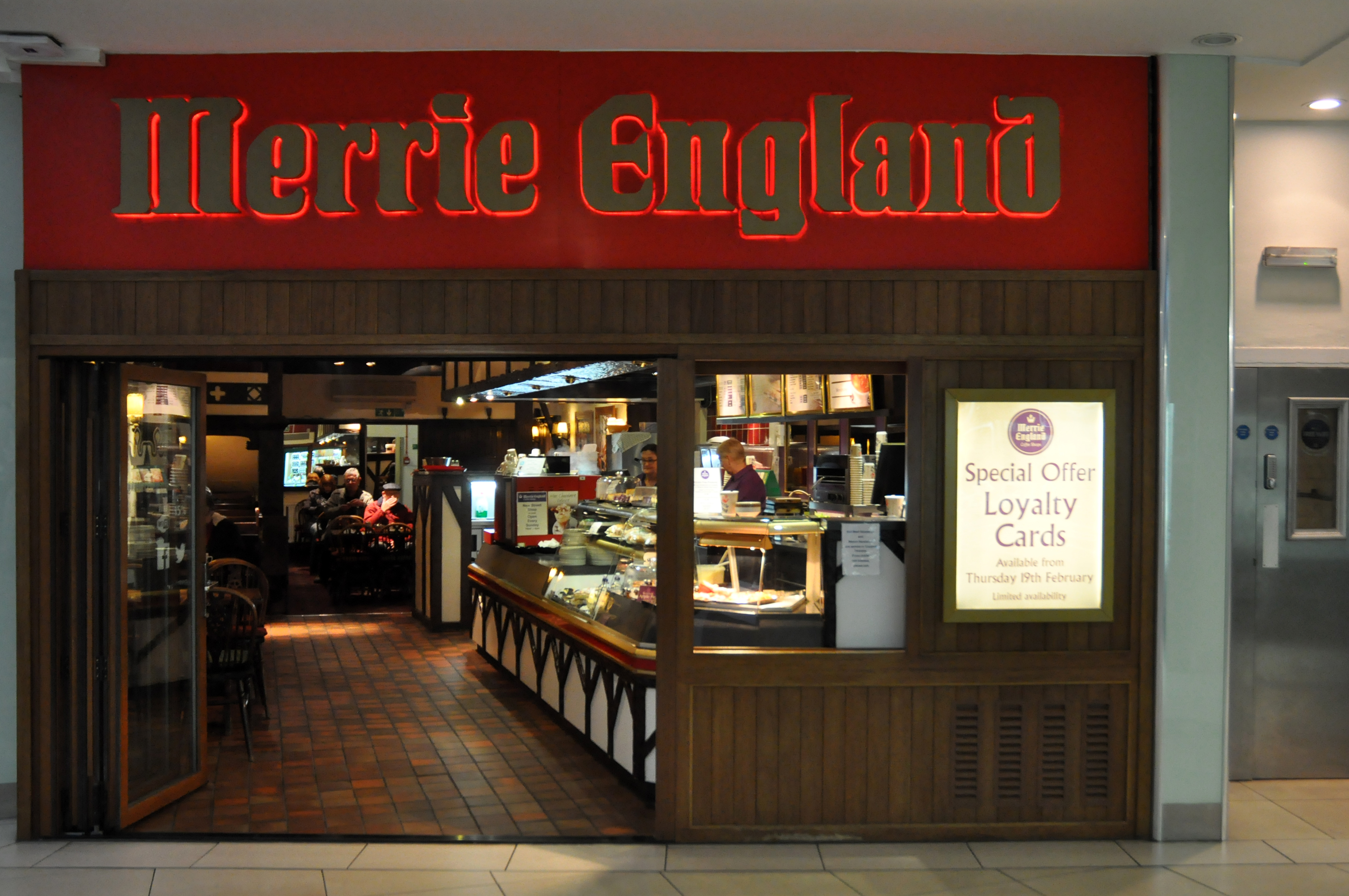
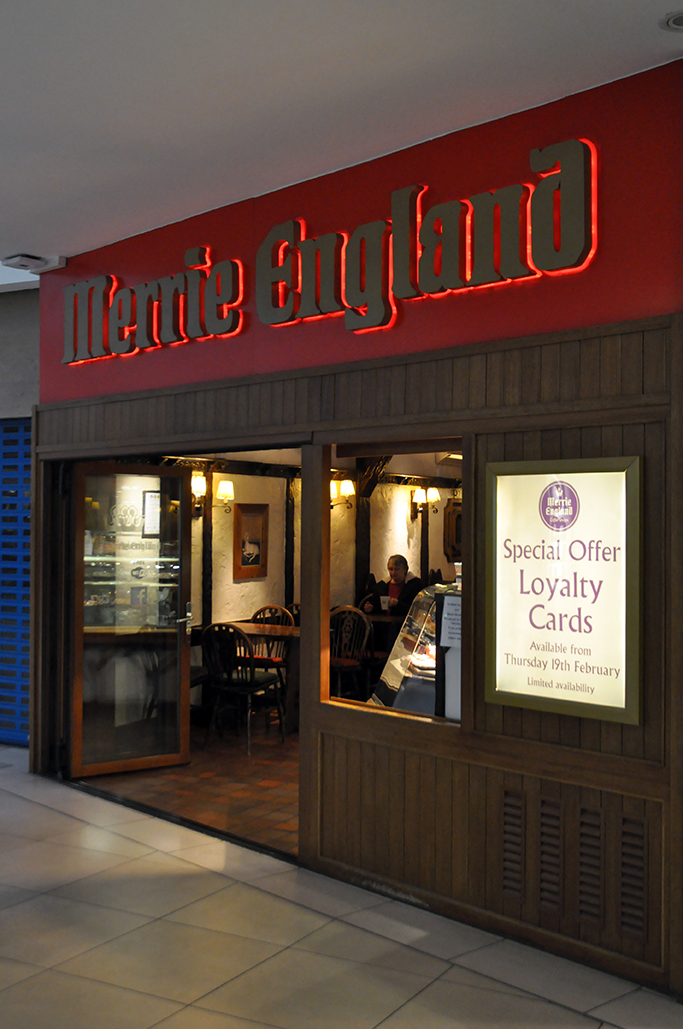
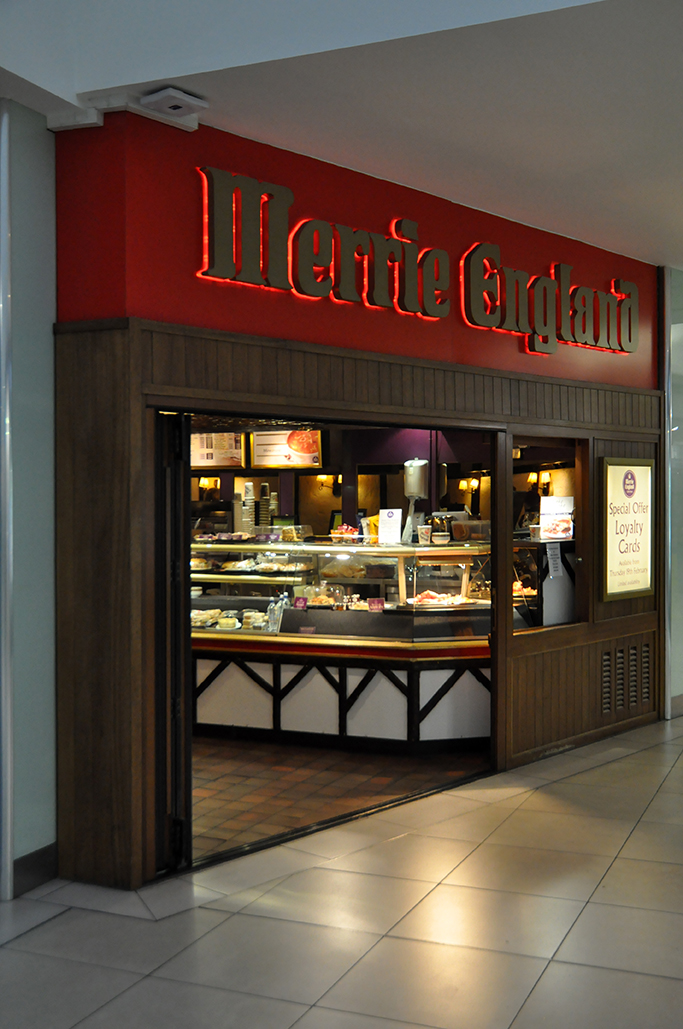
A local café group, that has the market cornered in West Riding mock-baronial dining.
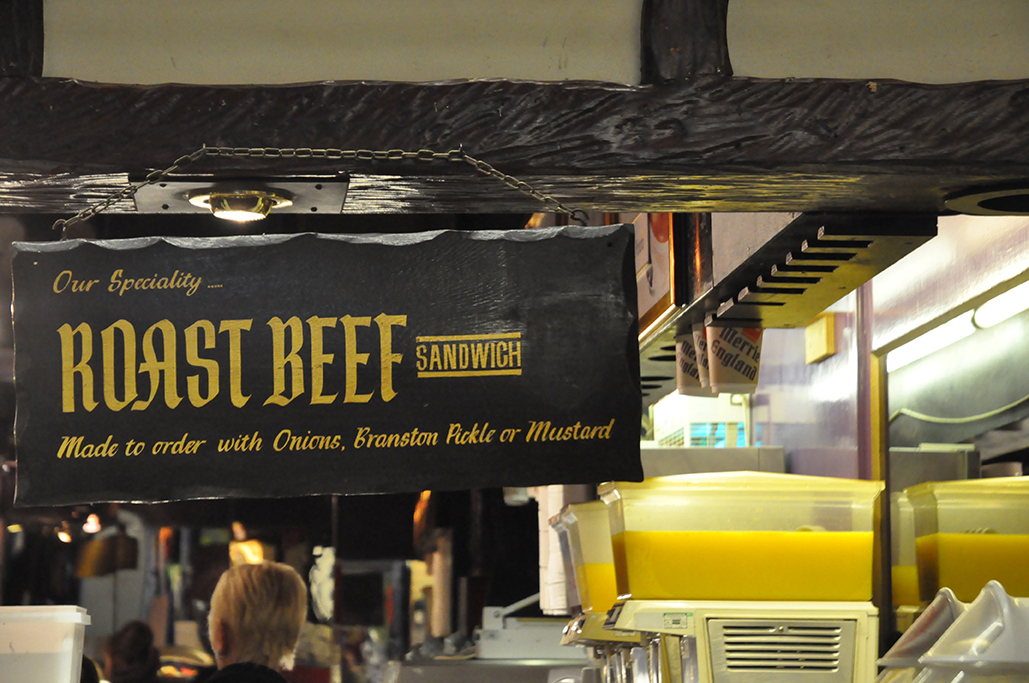
Walking into a half-timbered, overwhelmingly cream and red, world of tea, toast and hot beef sandwiches, there is a dislocation in time and location. No longer March 2015 in the centre of a Yorkshire Town, but in a lukewarm Westworld totally lacking in animatronic psychopathic killers.
The furniture is brown.
Moves are afoot to refurbish and refresh the brand, one branch doing its best to emulate an Argos furniture showroom, with an incongruous suit of armour thrown in for good luck.
Clank!
Pop in make your own mind up – old new old, or new new old.
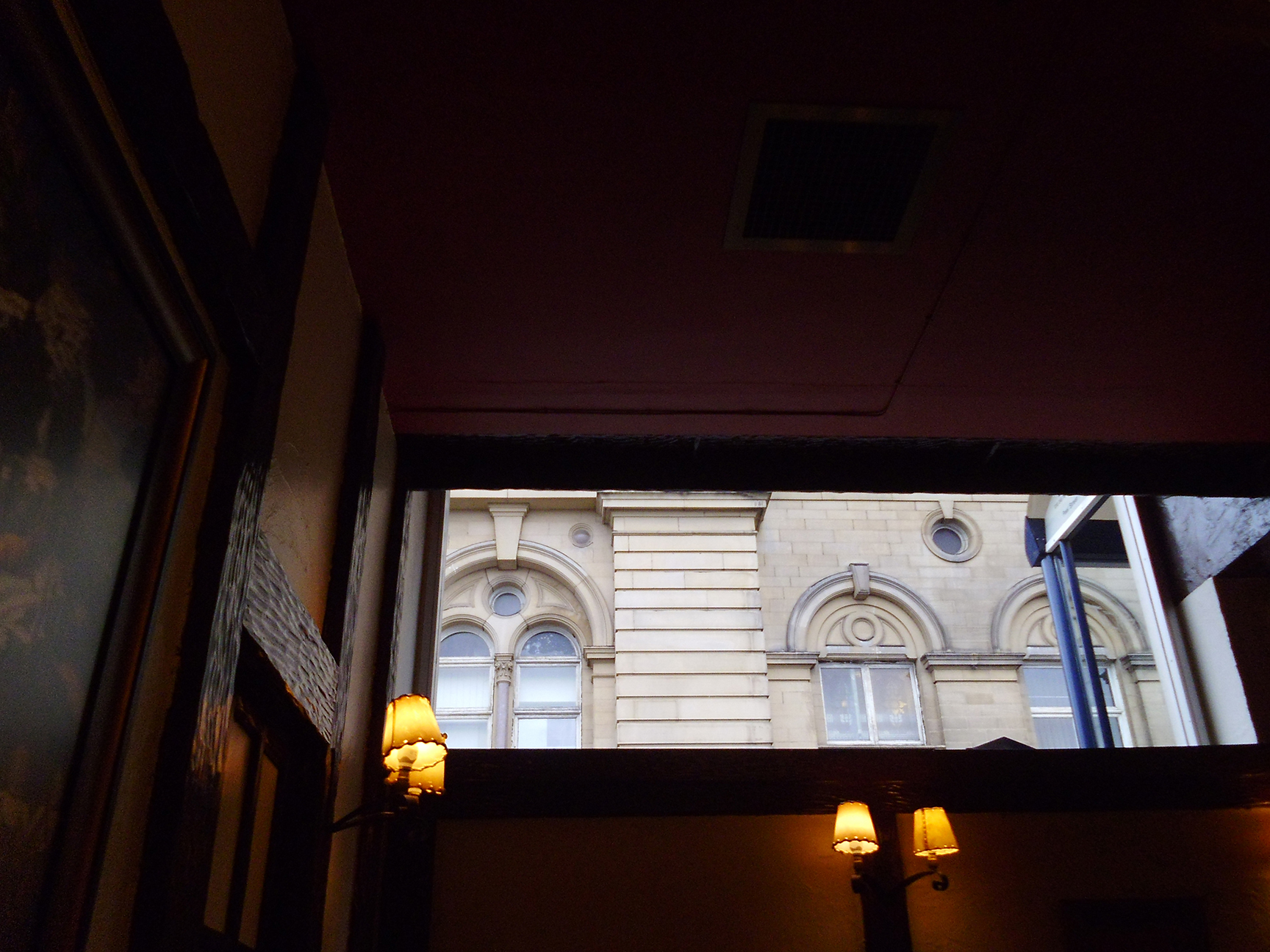
Turn left out of the station, round past the George, big and closed. Head under the railway viaduct – there it is right in front of you, on the corner of John Street.
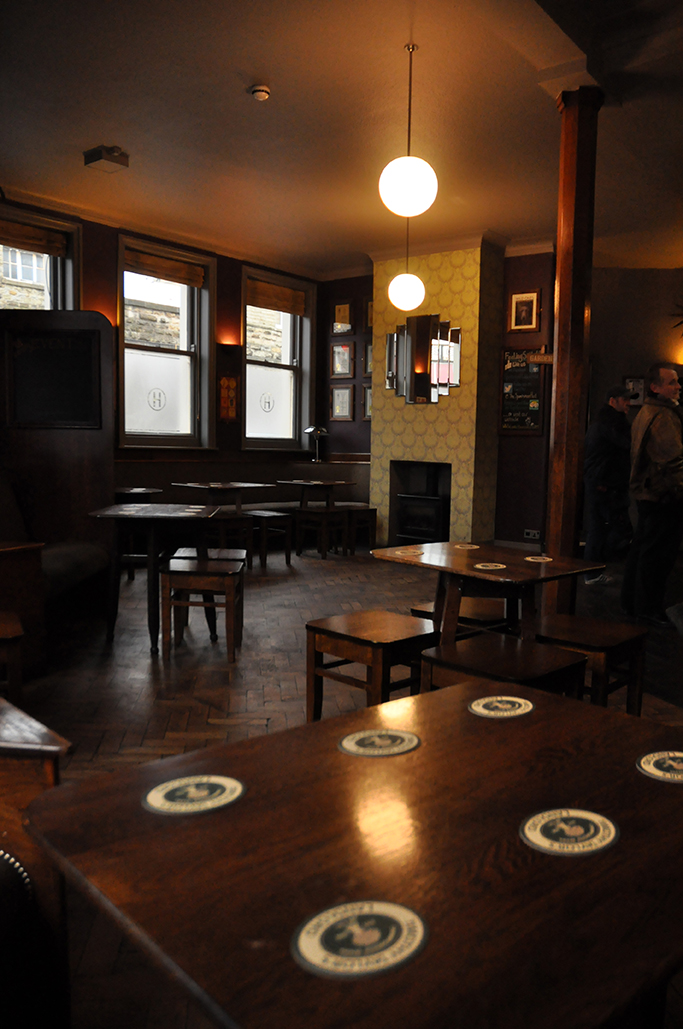
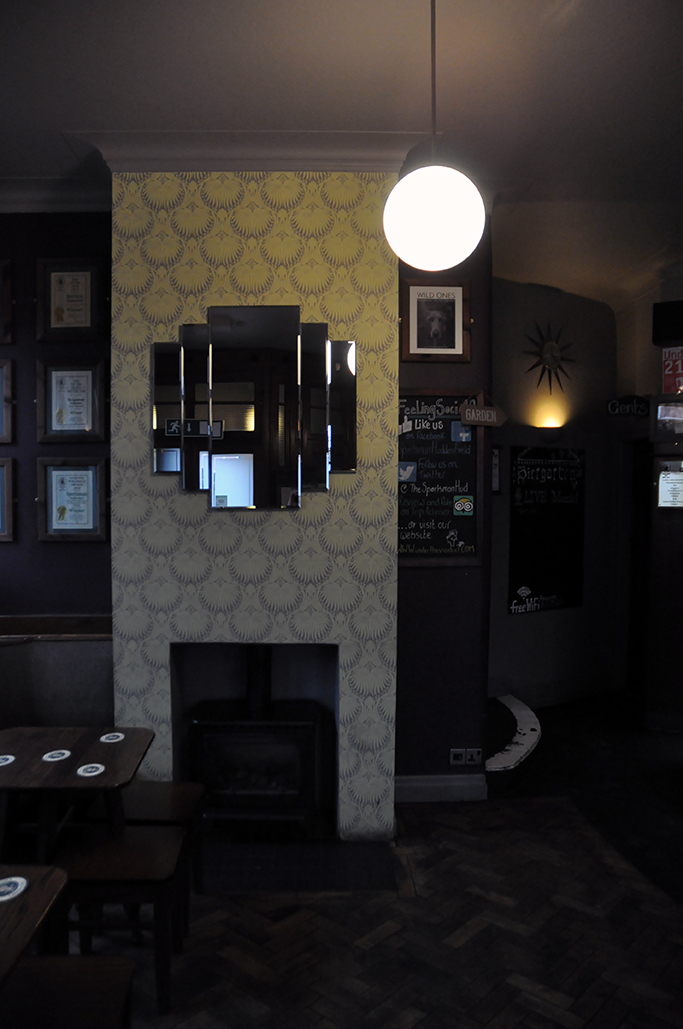
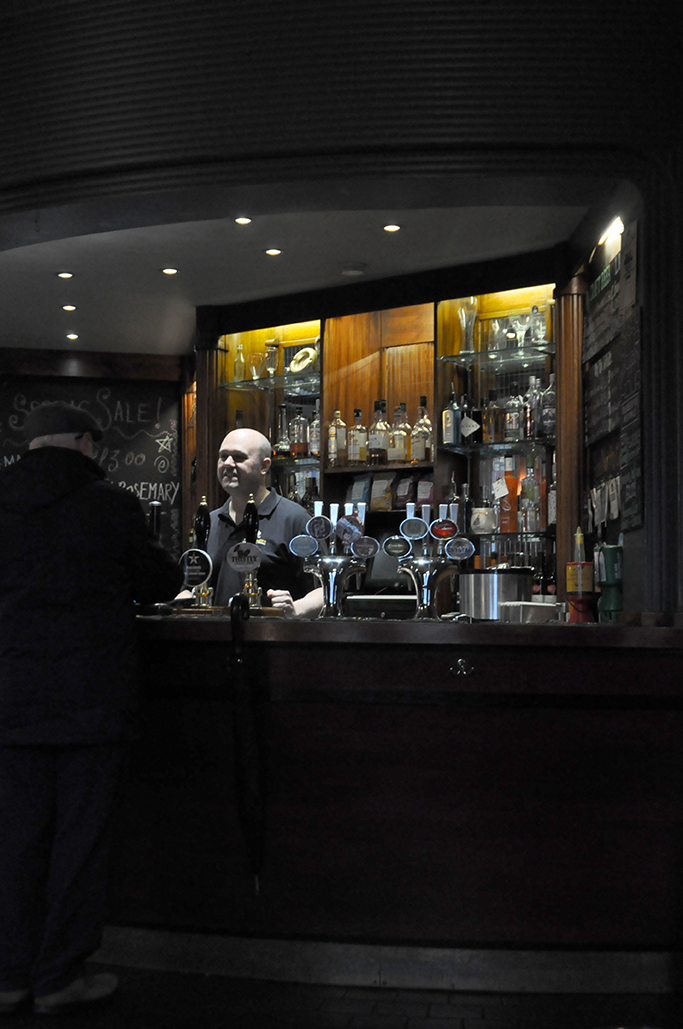
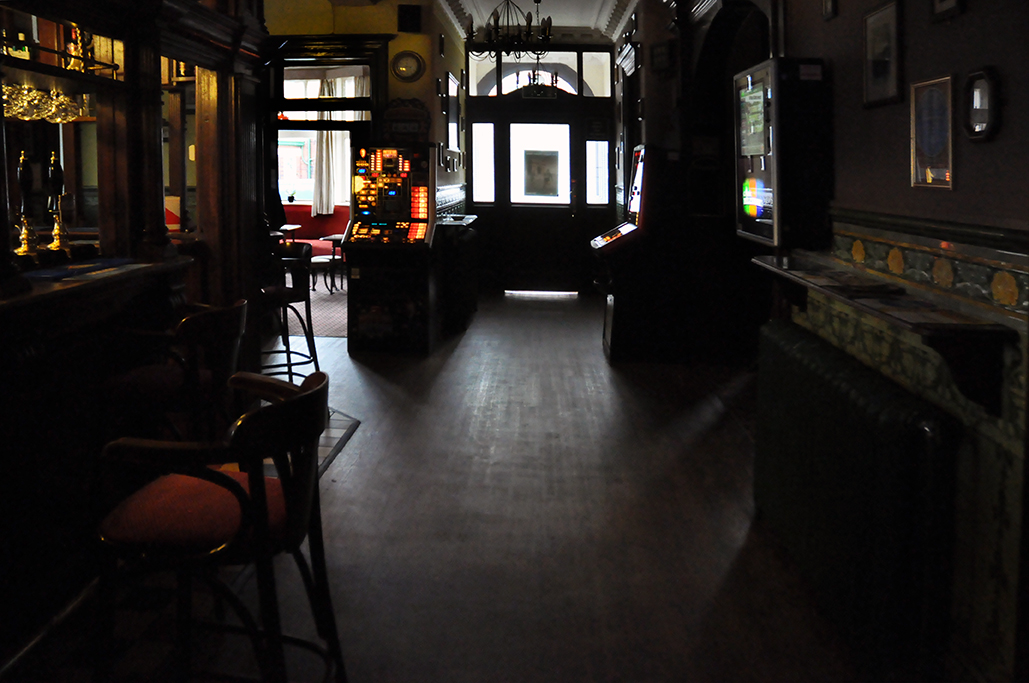
The Sportsman.
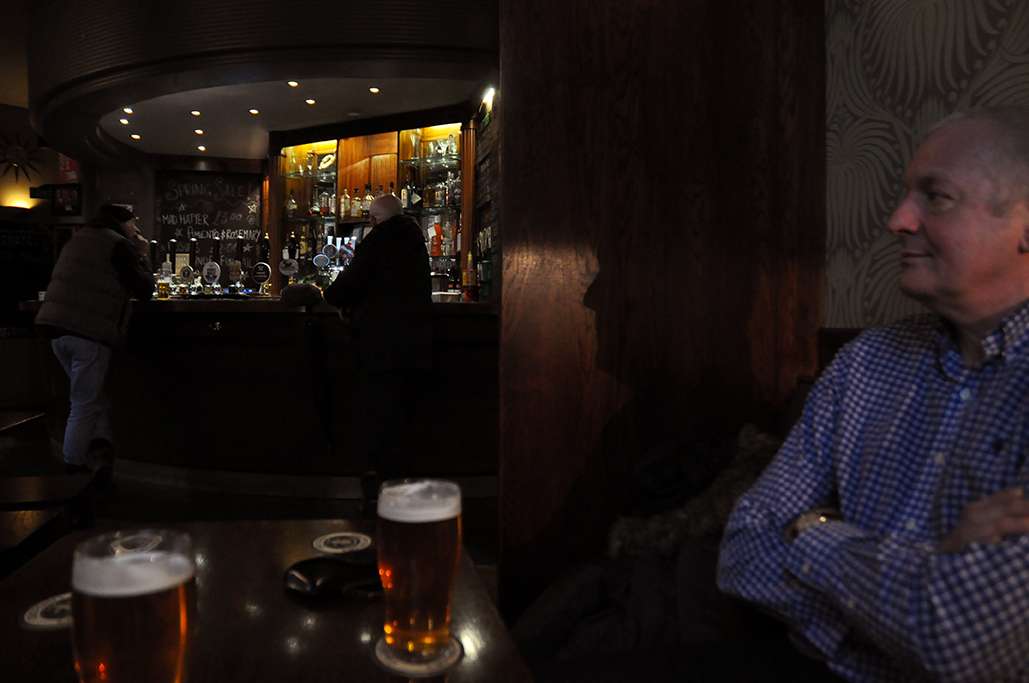
You will not find a finer pub, but you don’t have to, you’re there.
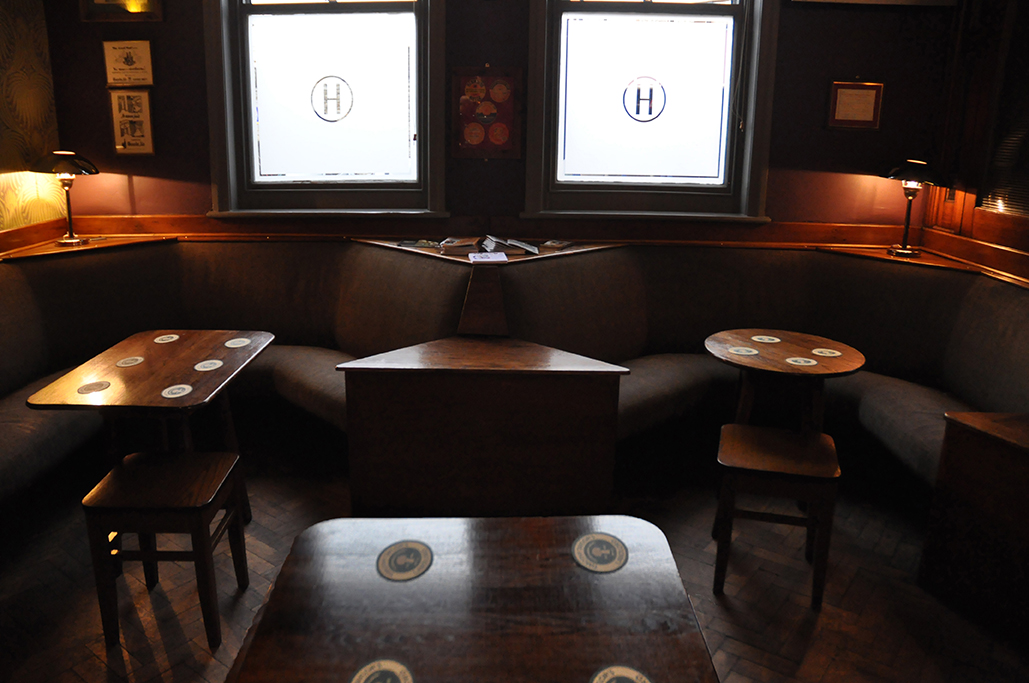
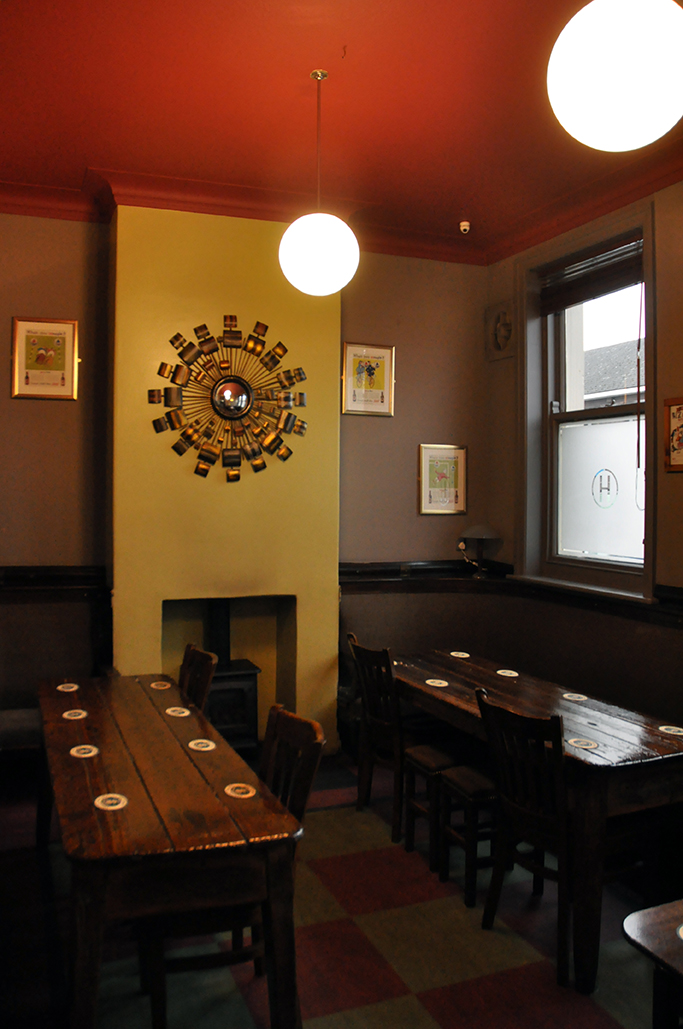
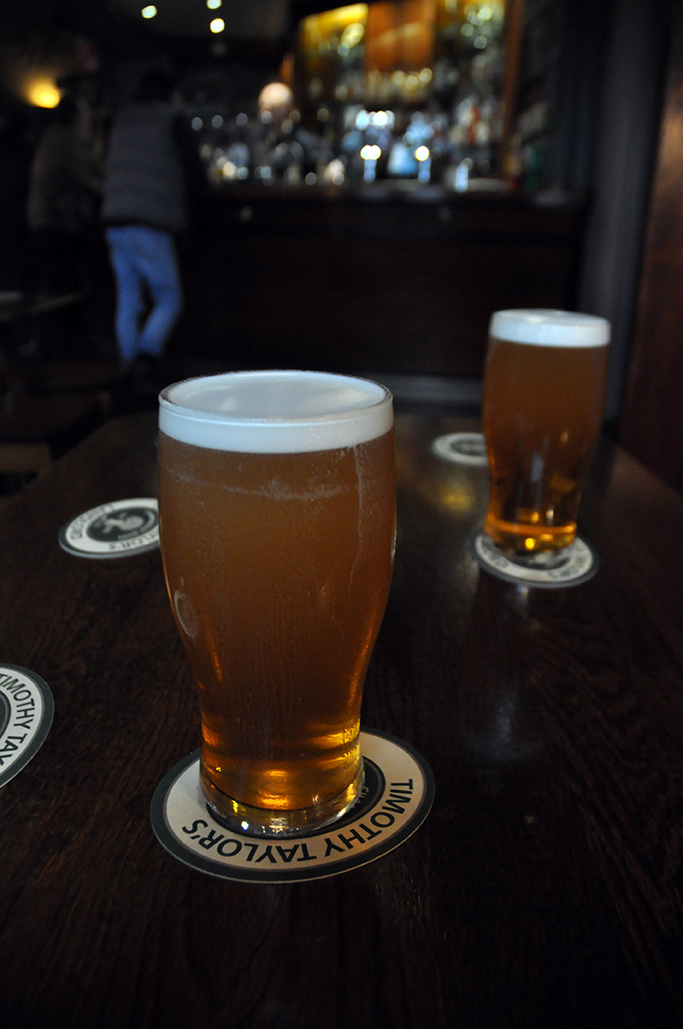
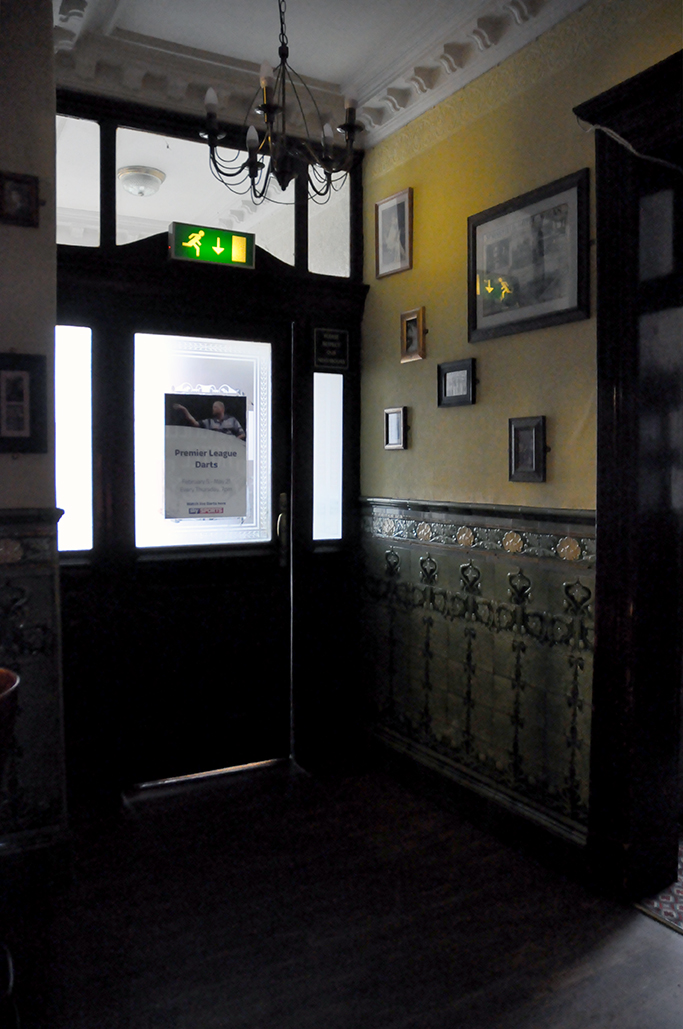
Striding across the decorative deco porch, pushing aside the weighty timber and glass doors. Inside a dull warm afternoon light, falls lazily through the windows. White globes glow low from the ceiling, gently washing the well worn parquet floor. Put your bags down on the upholstered seating, walk up to the bar get a pint pulled, then another – take your time it’s fluid.
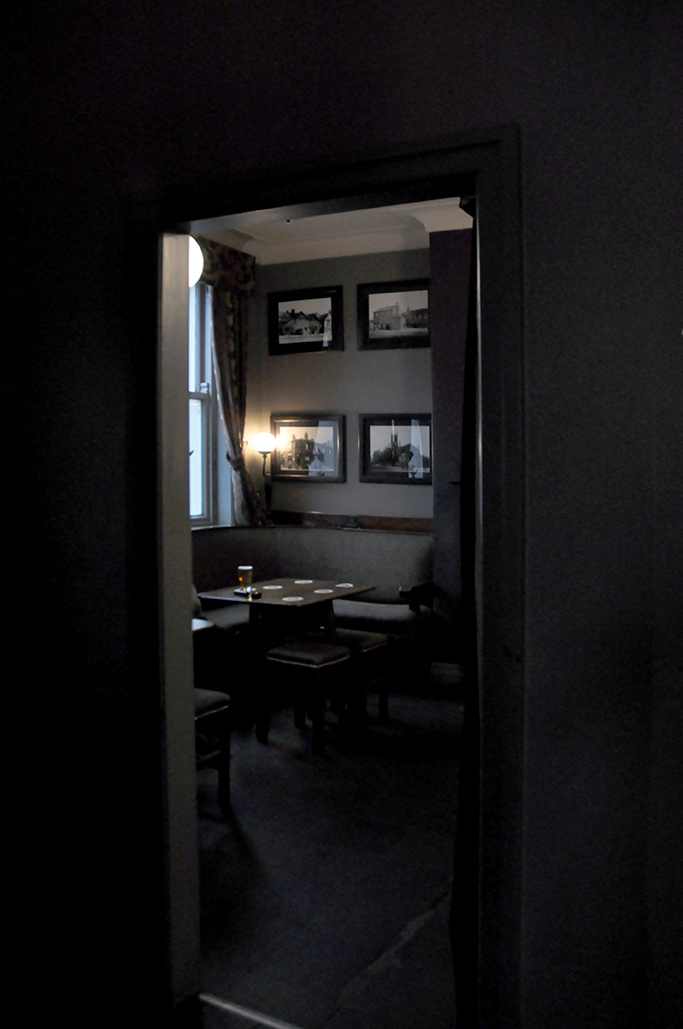
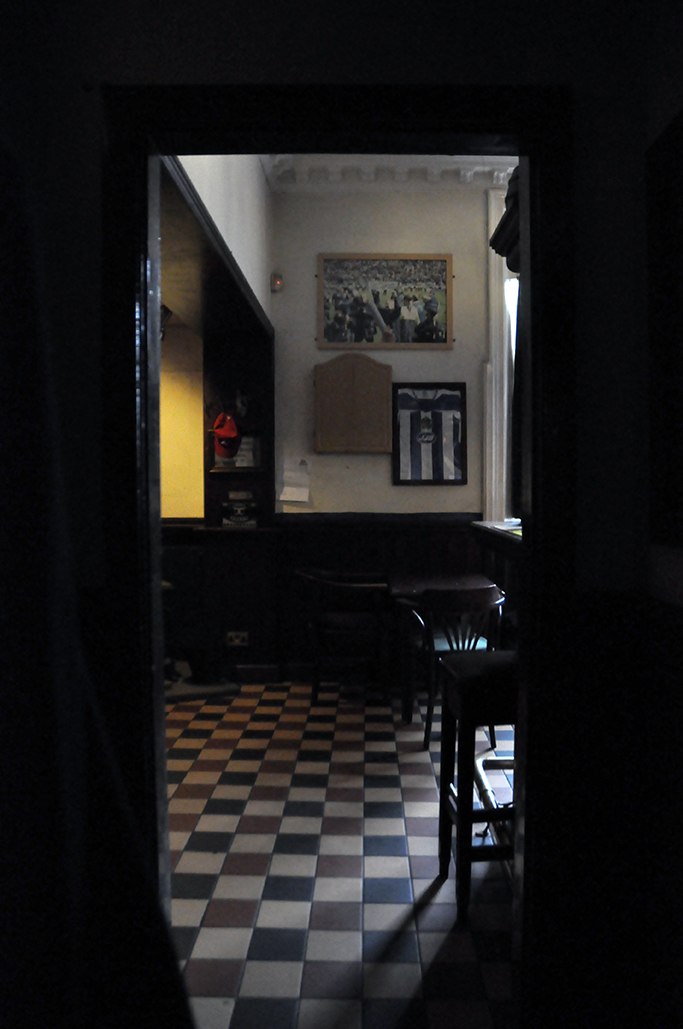
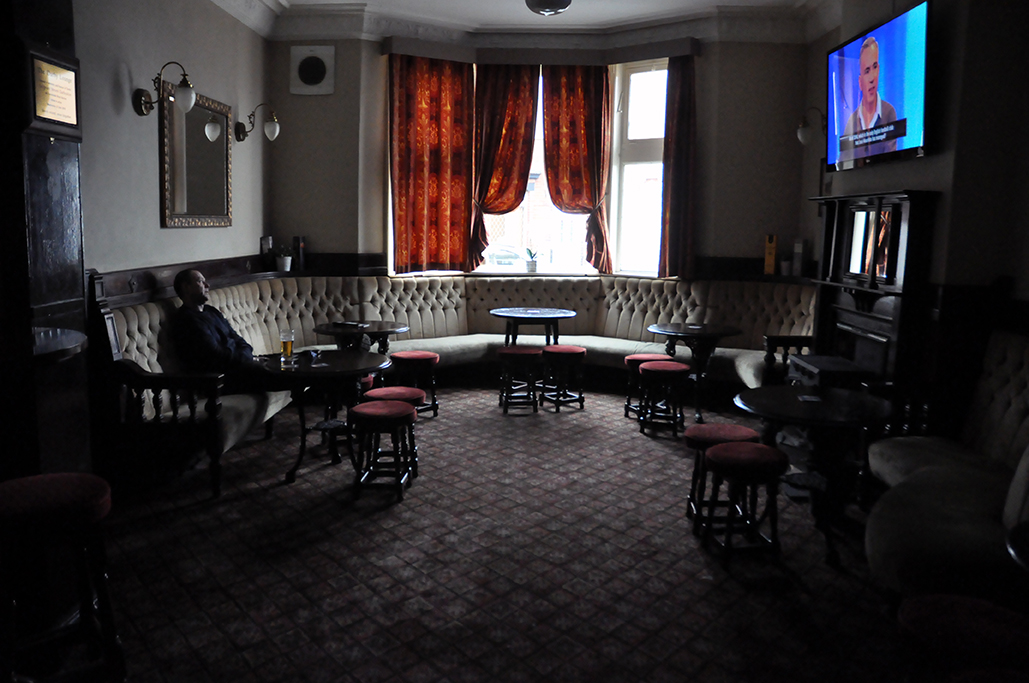
The main room is wide and welcoming, side rooms smaller and intimate.
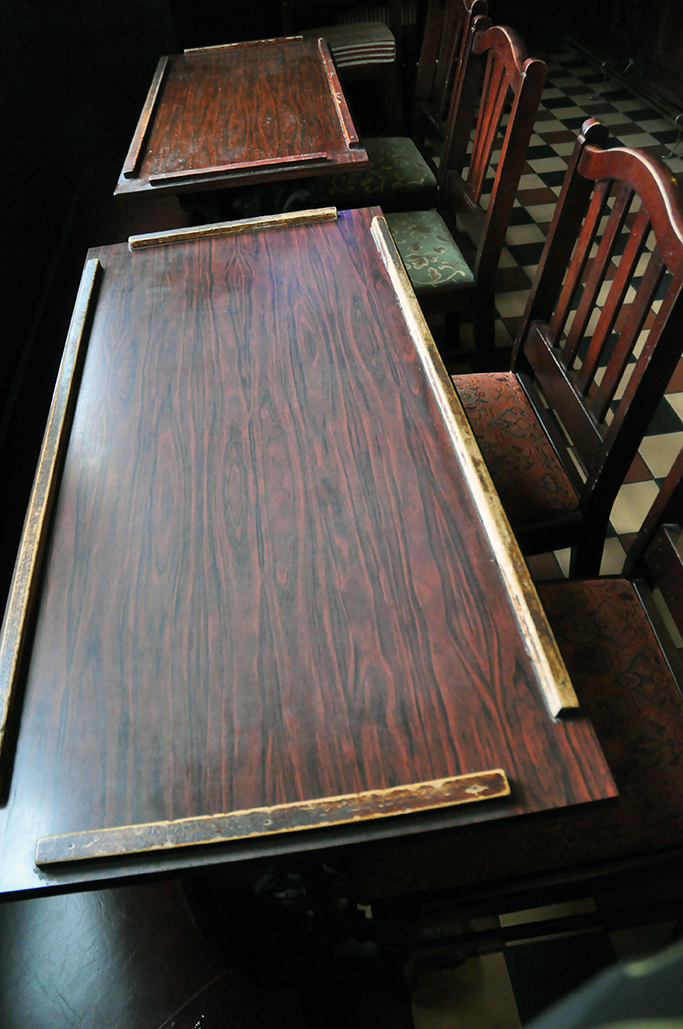
Decorated in a post war muted style, all wood and restrained colour, certainly not over fussy or over decorative. It has a style that doesn’t impose itself upon you – simply whispers in your ear
Pub.
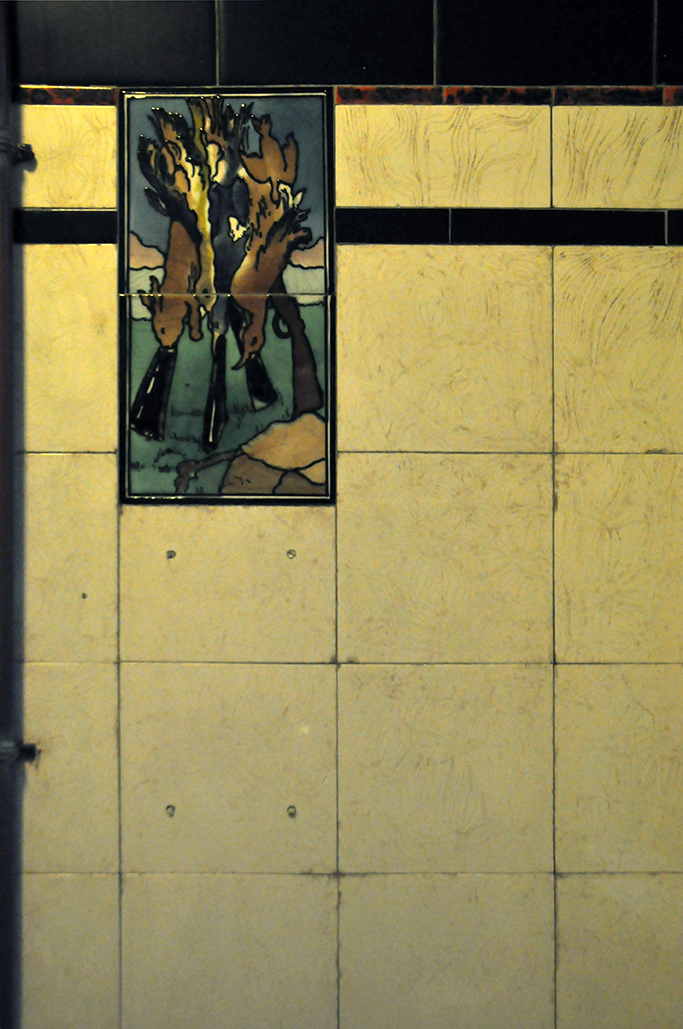
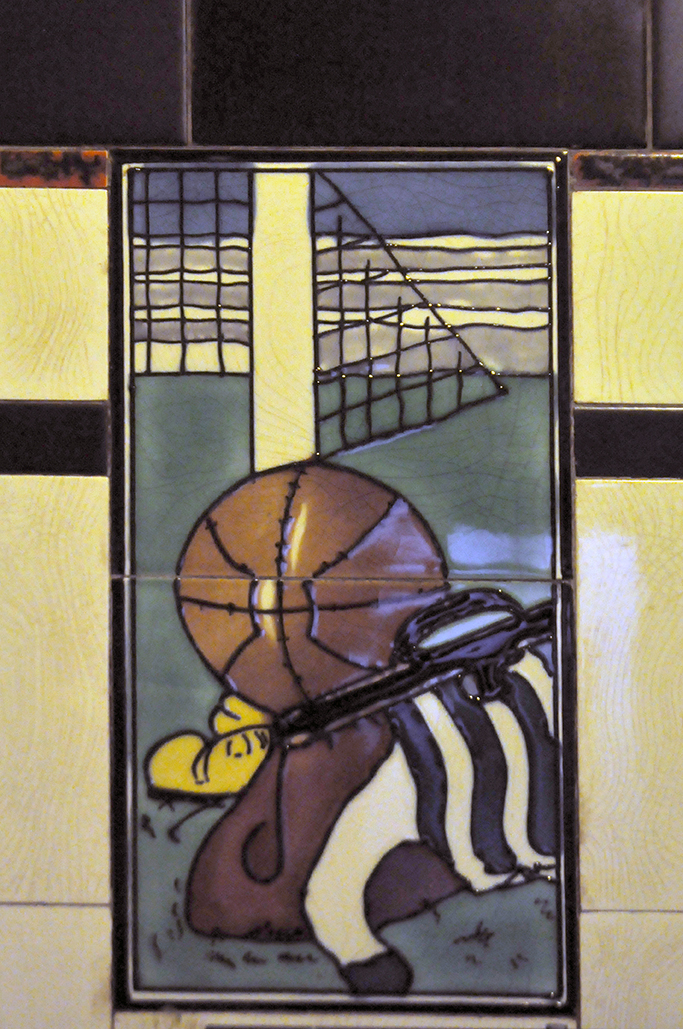
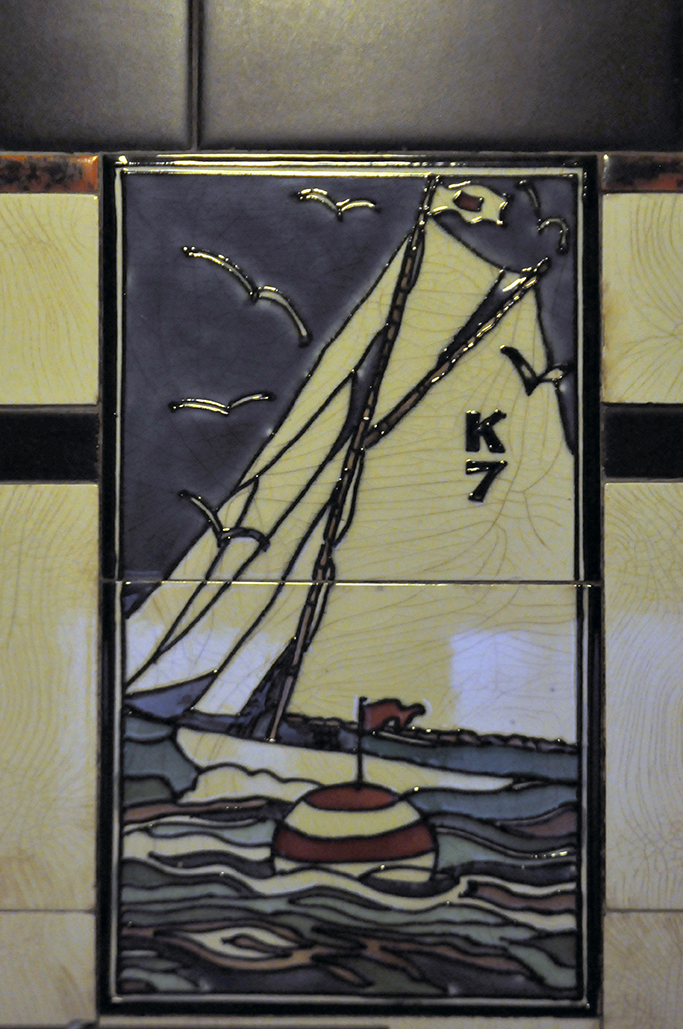
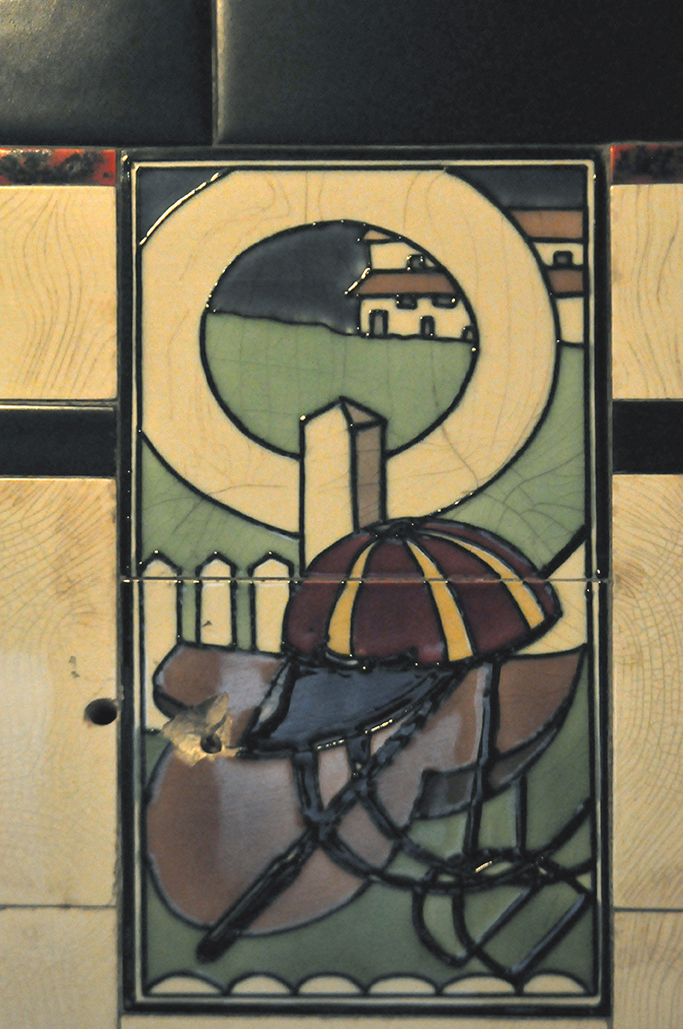
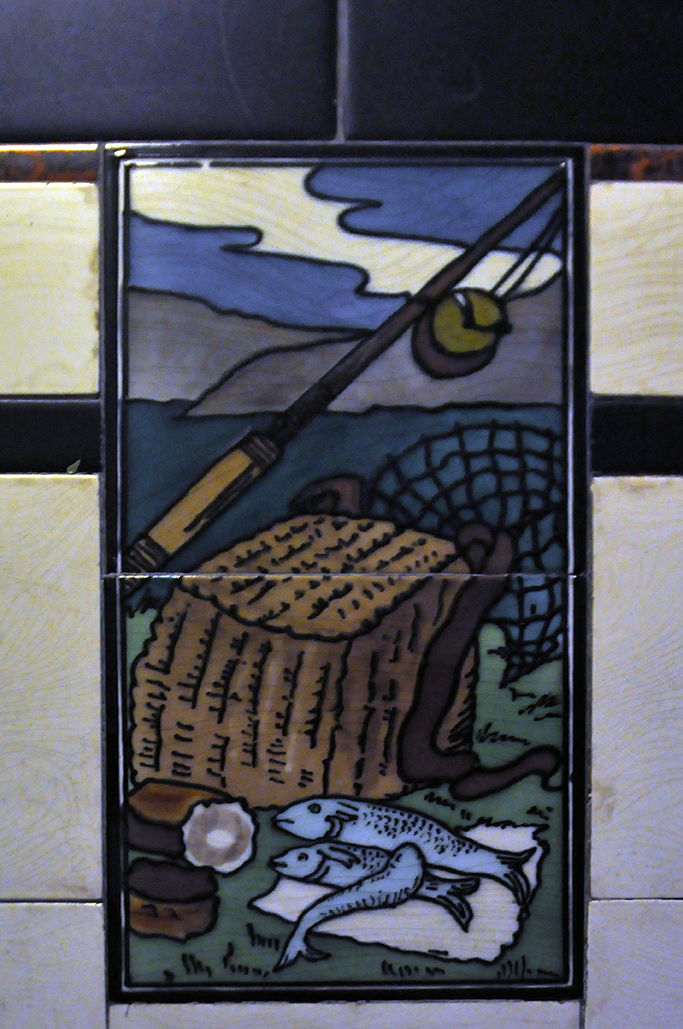
Look out for the tiles, a series of sporting scenes in the gents, mysterious.
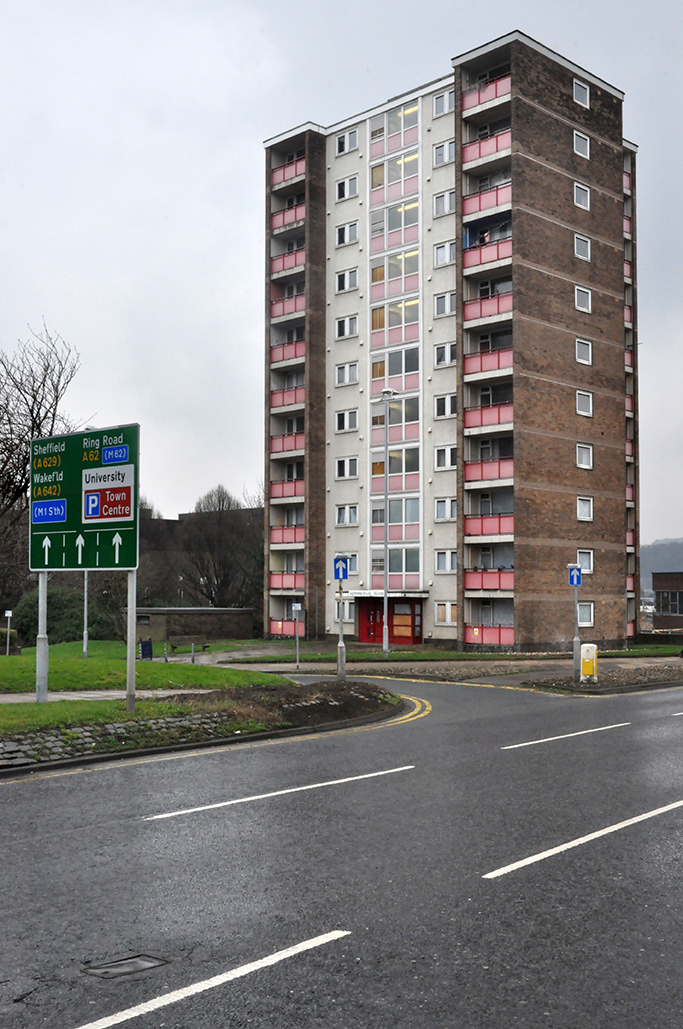
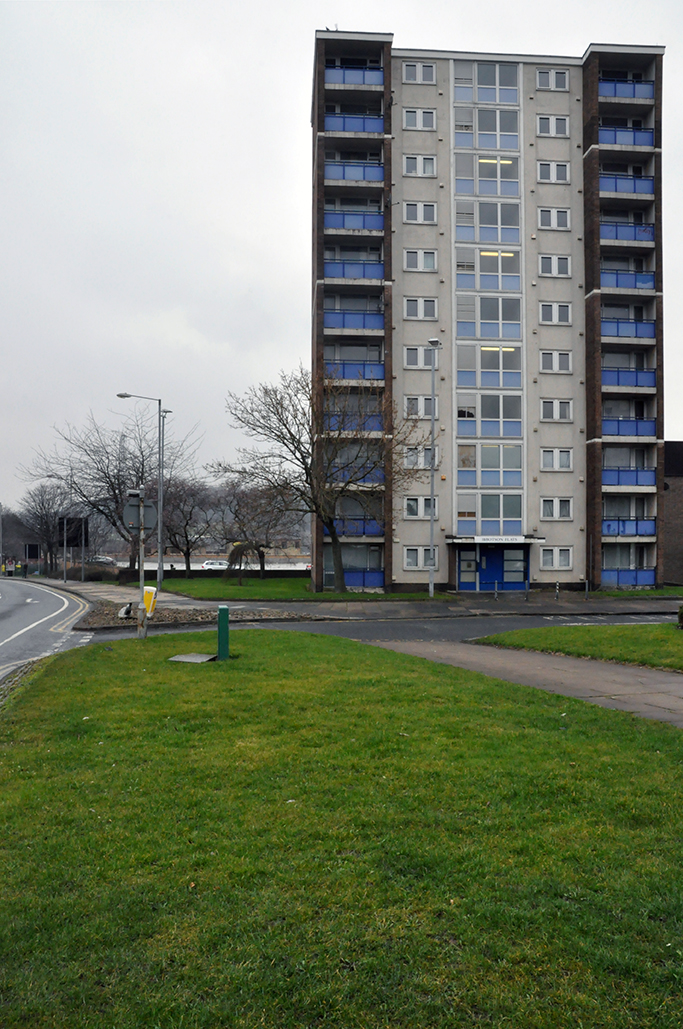
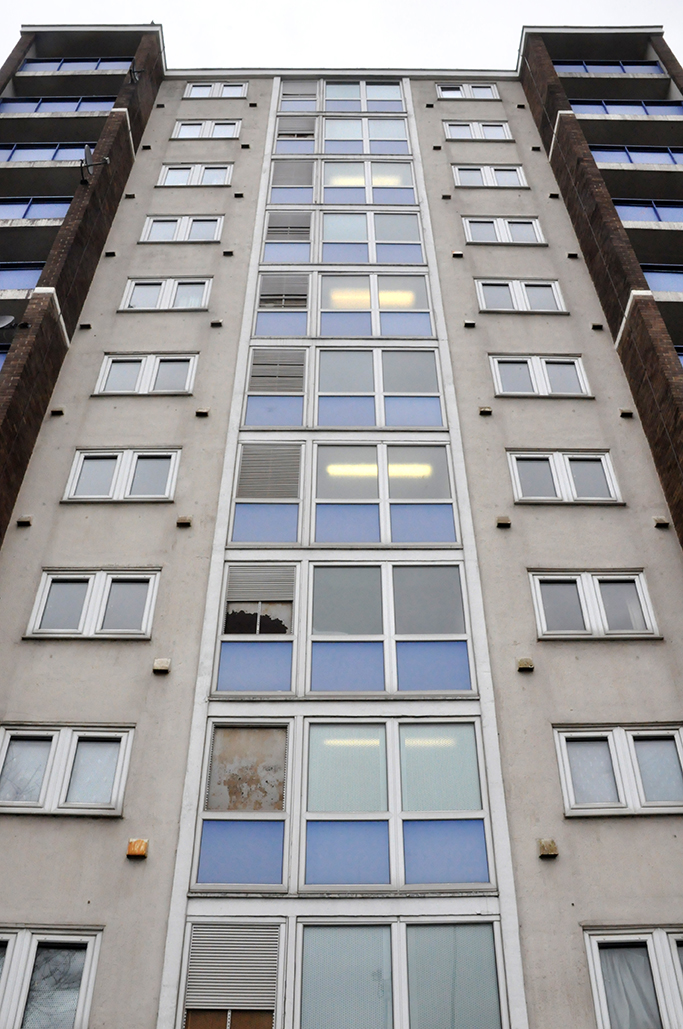
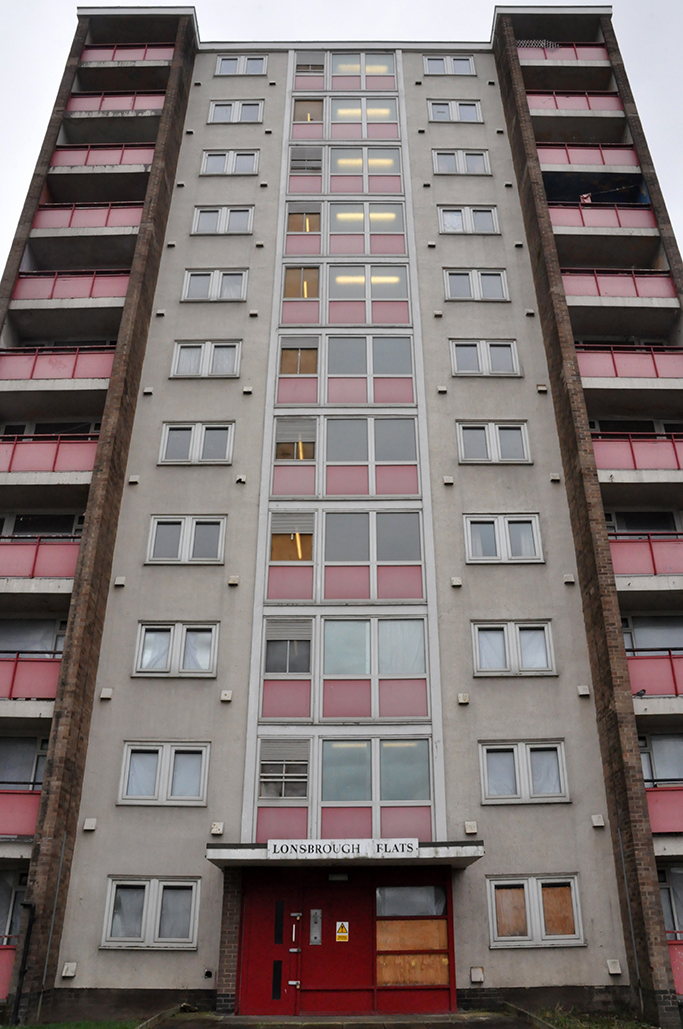
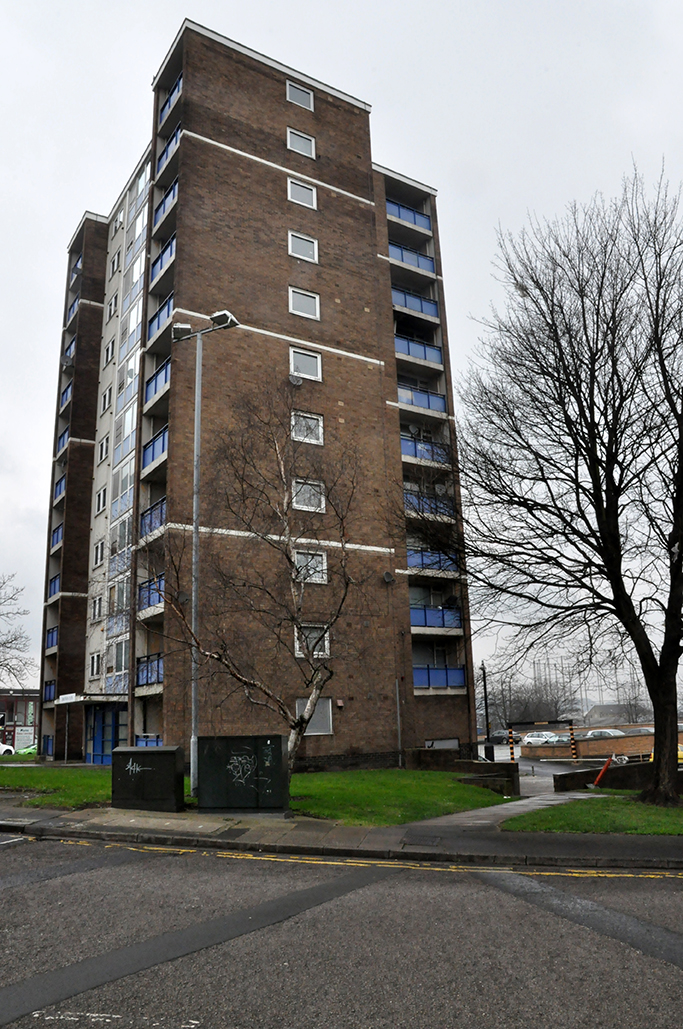
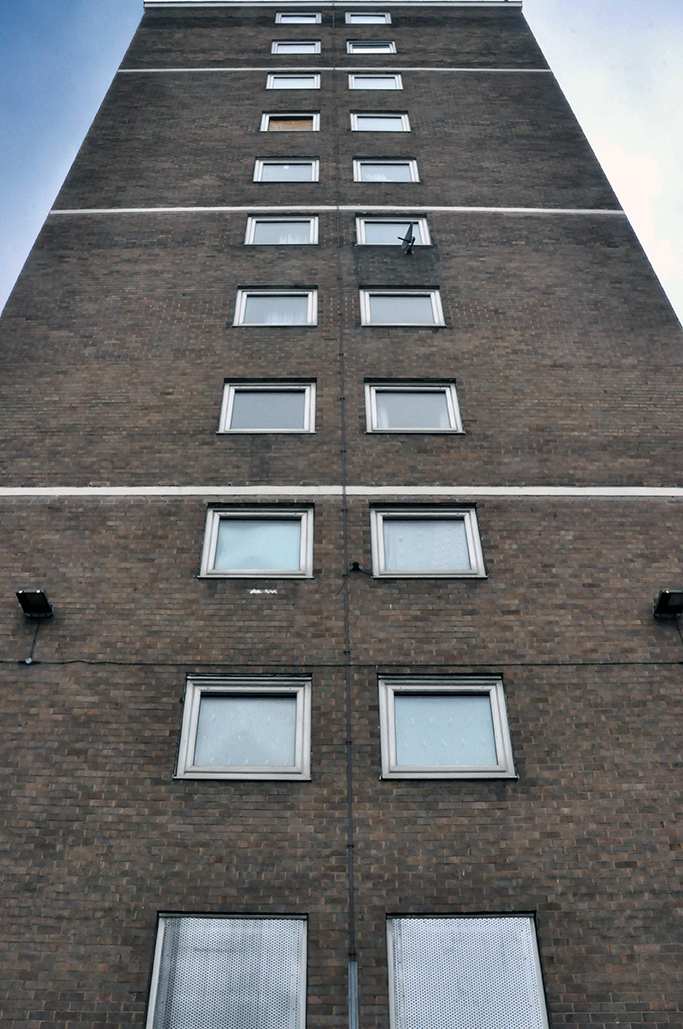
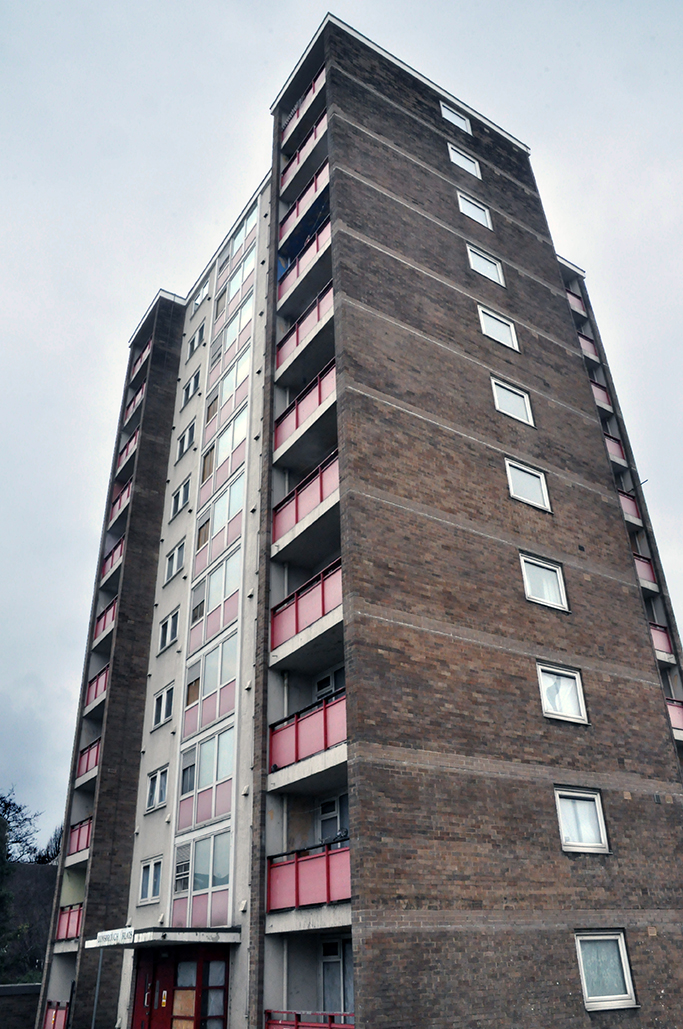
The former Richmond flats in Huddersfield have been revamped and are now known as Harold Wilson Court.
The two other blocks sadly have neither been revamped nor renamed after famed local politicos.
Herbert Asquith or Luddite House – take your pick.
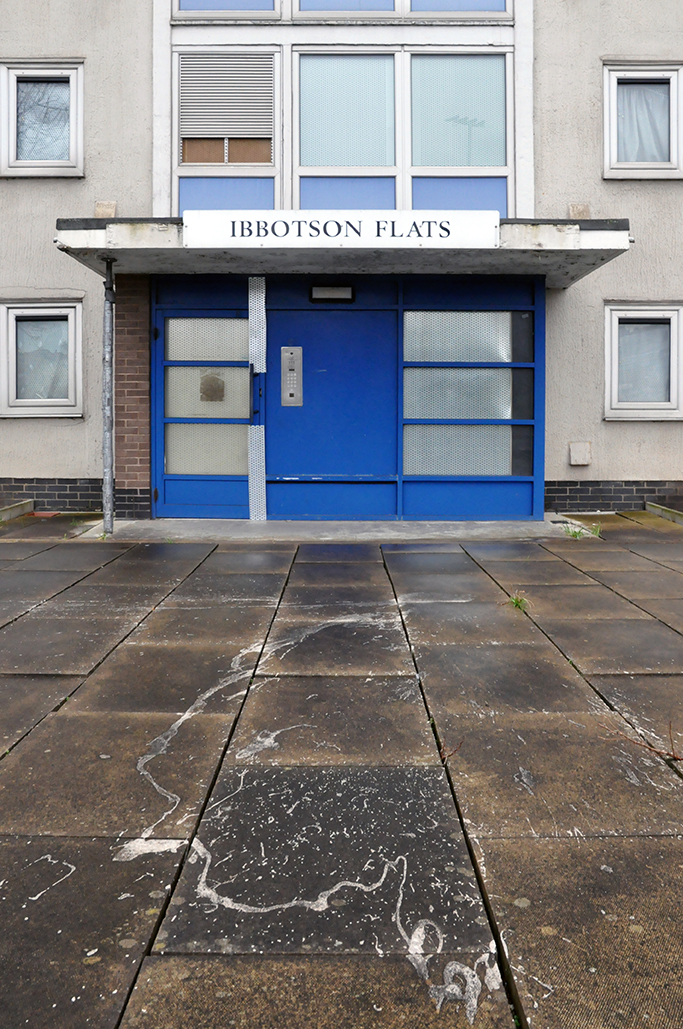
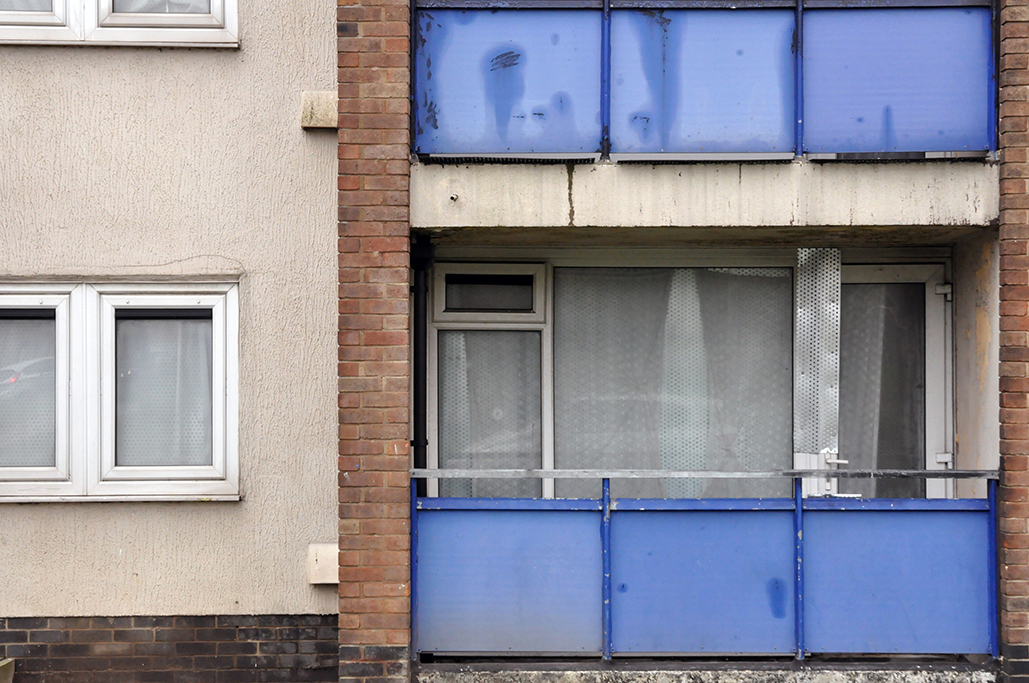
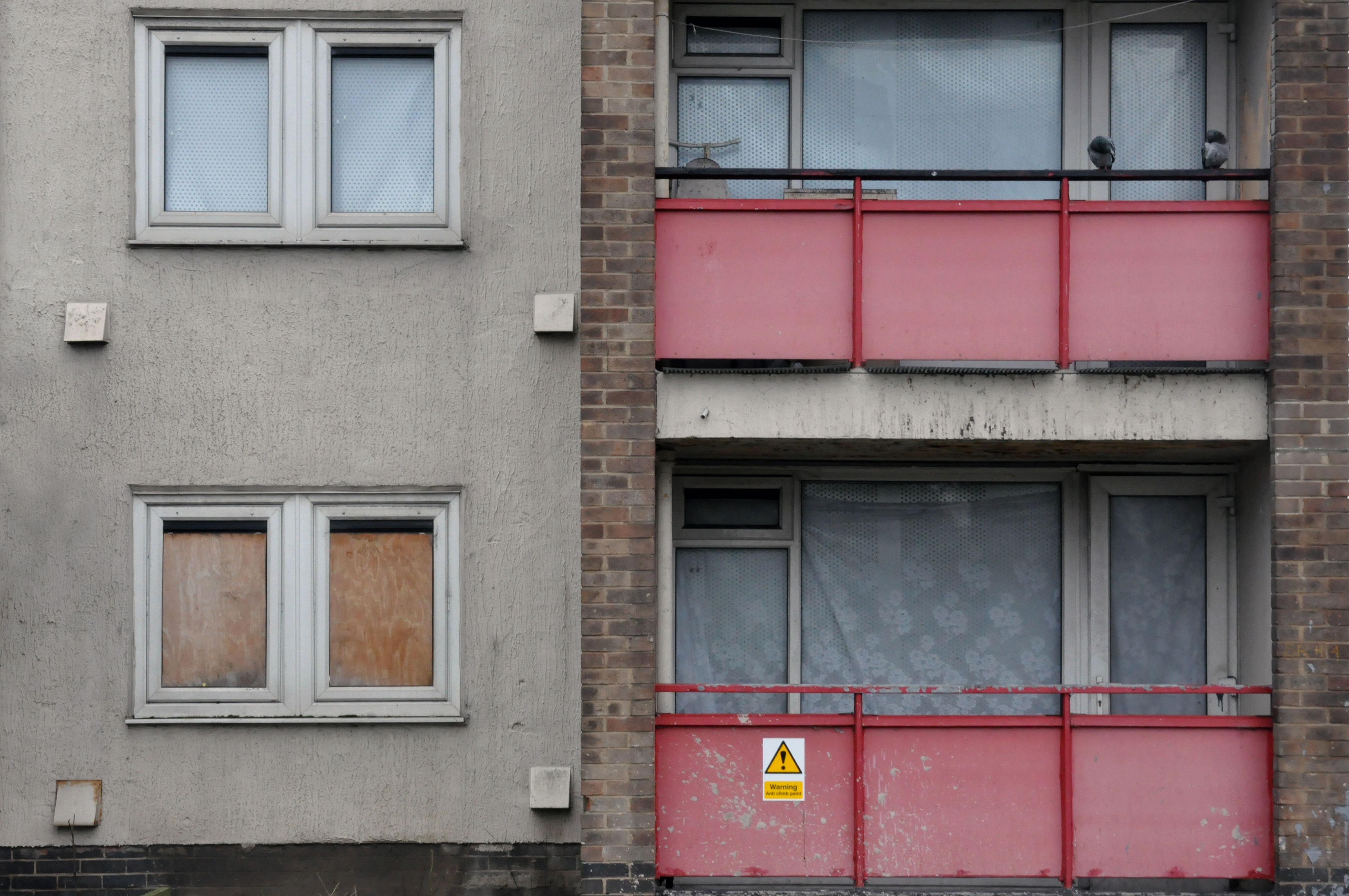
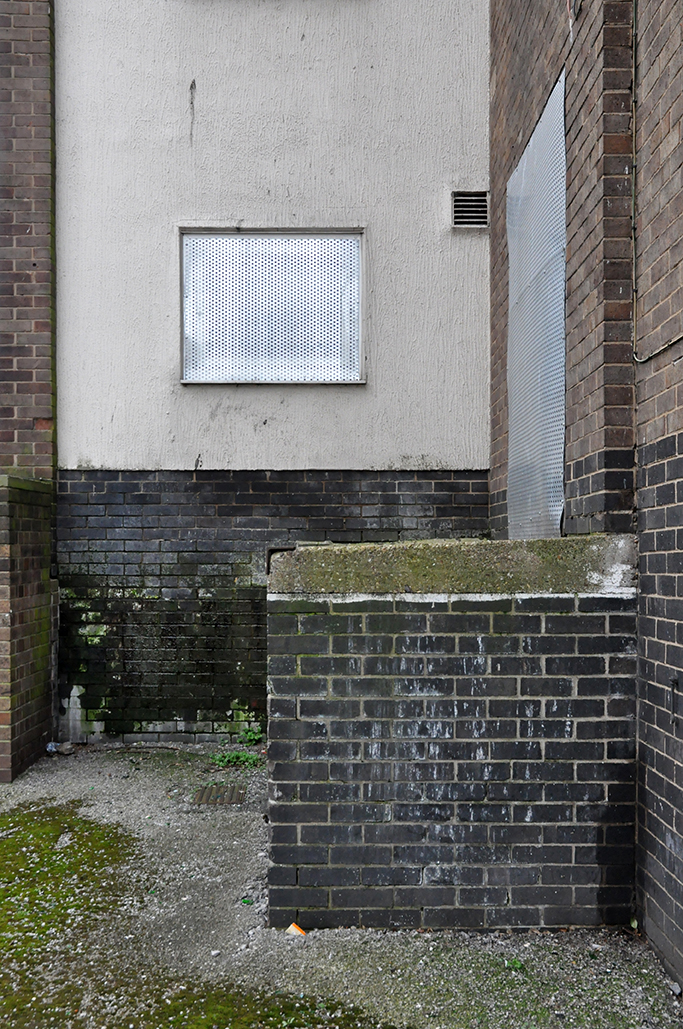
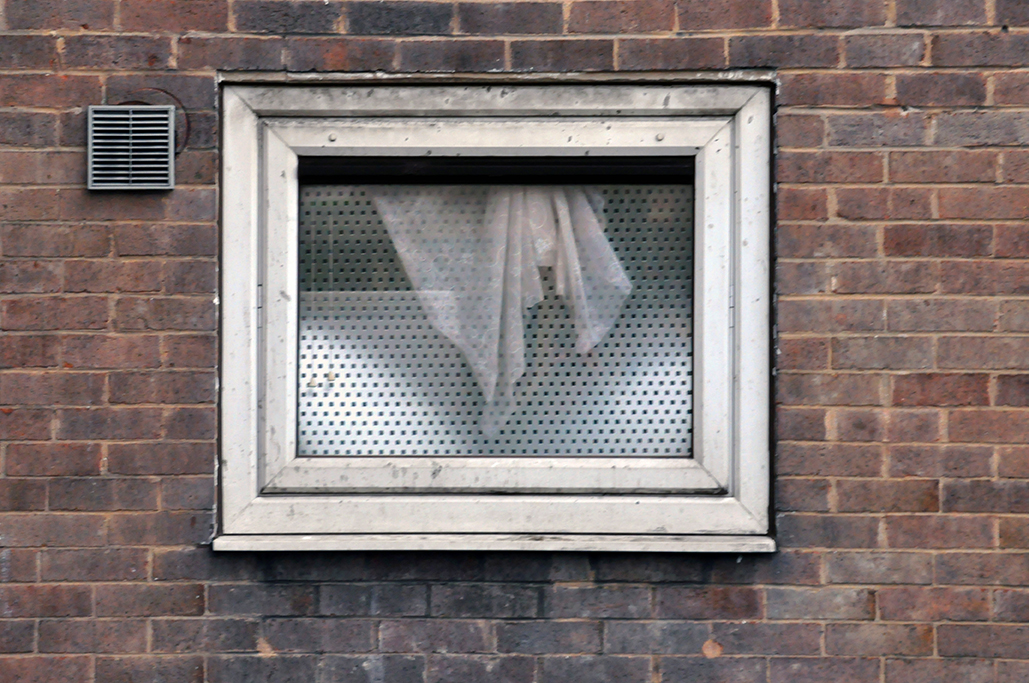
They stand by the road unloved and forlorn, tinned up awaiting demolition. Once home to hundreds, the former residents have now been paid out, moved out and hopefully rehoused.
Richmond flats were named after Sidney Richmond, the former Huddersfield Borough Council architect, and were the second of the three blocks currently on the site. The first block opposite was Lonsbrough Flats, named after Anita Lonsbrough, 1960 Olympic Gold medal swimmer and council employee, with the third being the middle block Ibbotson Flats, named after Derek Ibbotson, the Huddersfield athlete who held the world record for running a mile.
The site was obviously more valuable than viable town centre homes – Tesco is a coming
Hurrah.
Go see them, say hello and wave goodbye – they’ll soon be gone.
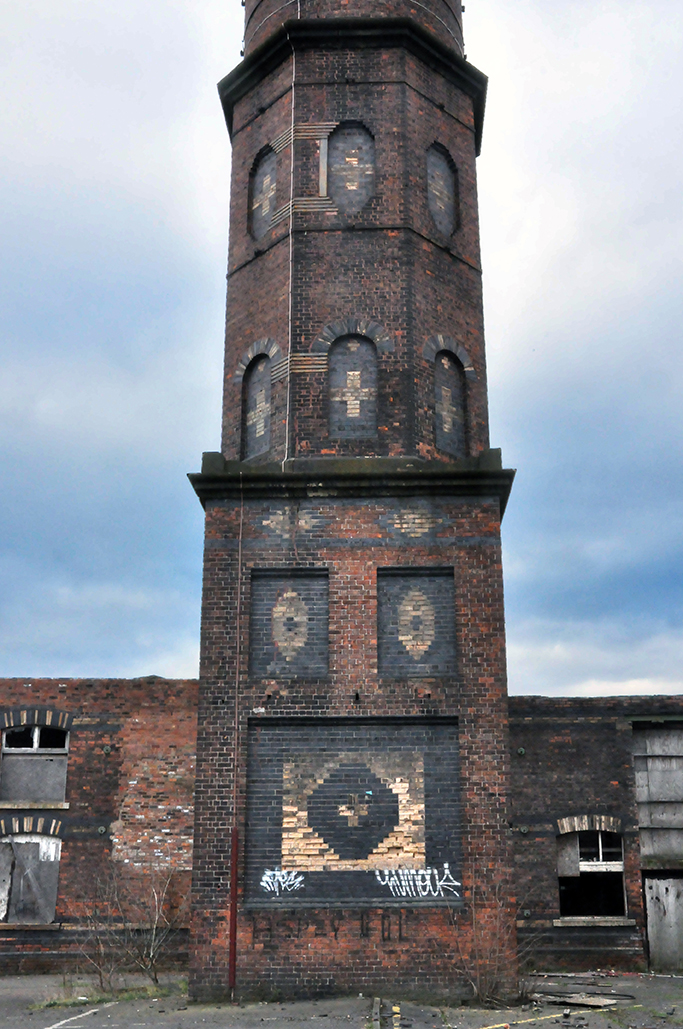
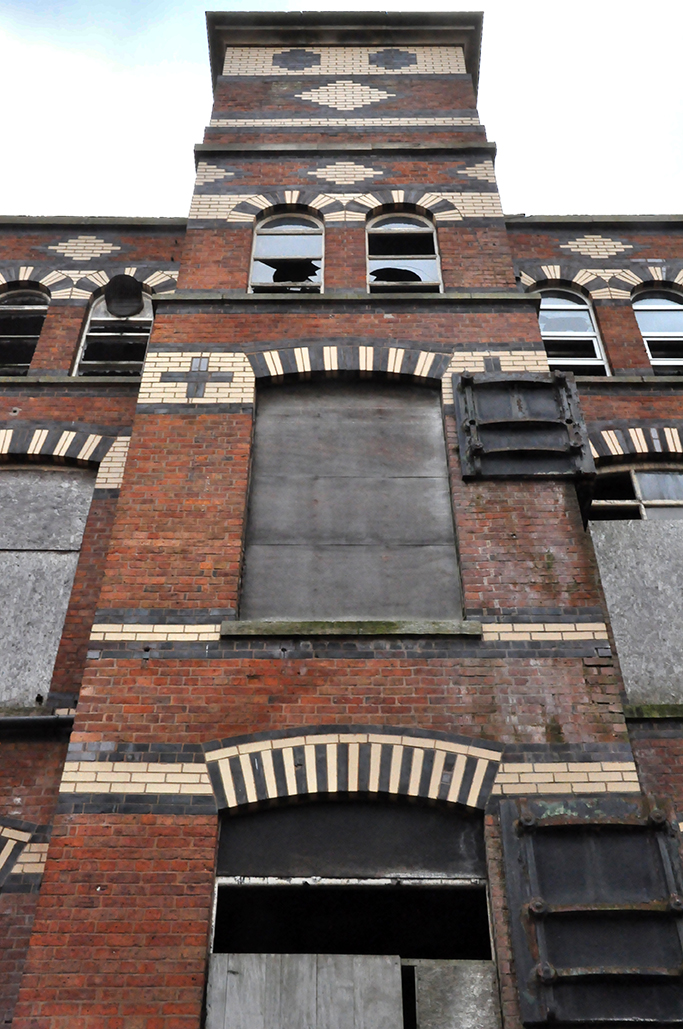
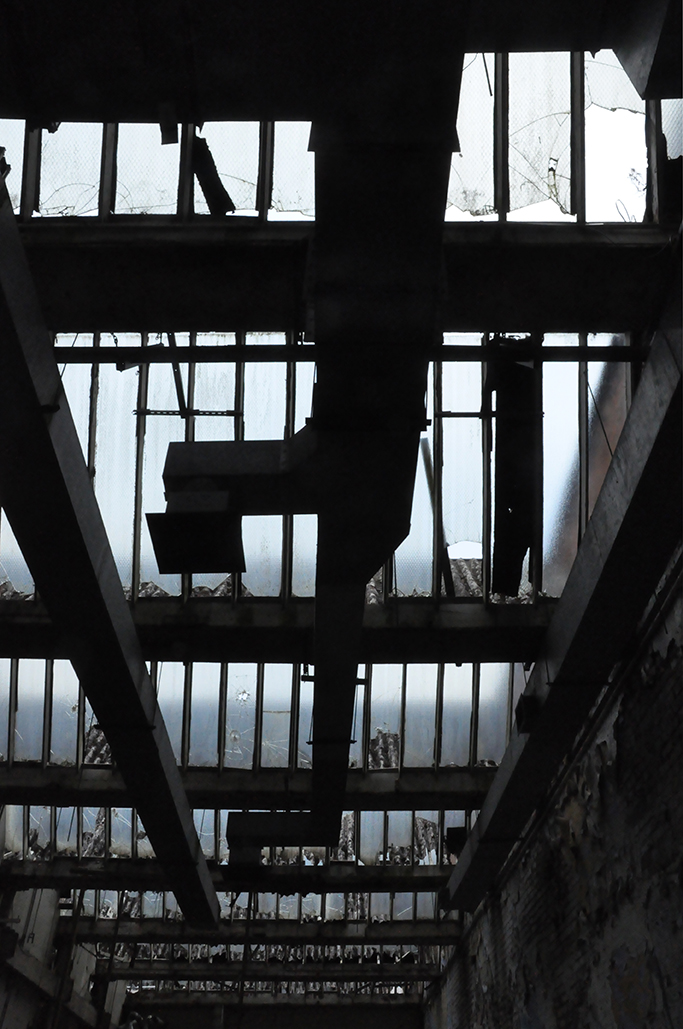
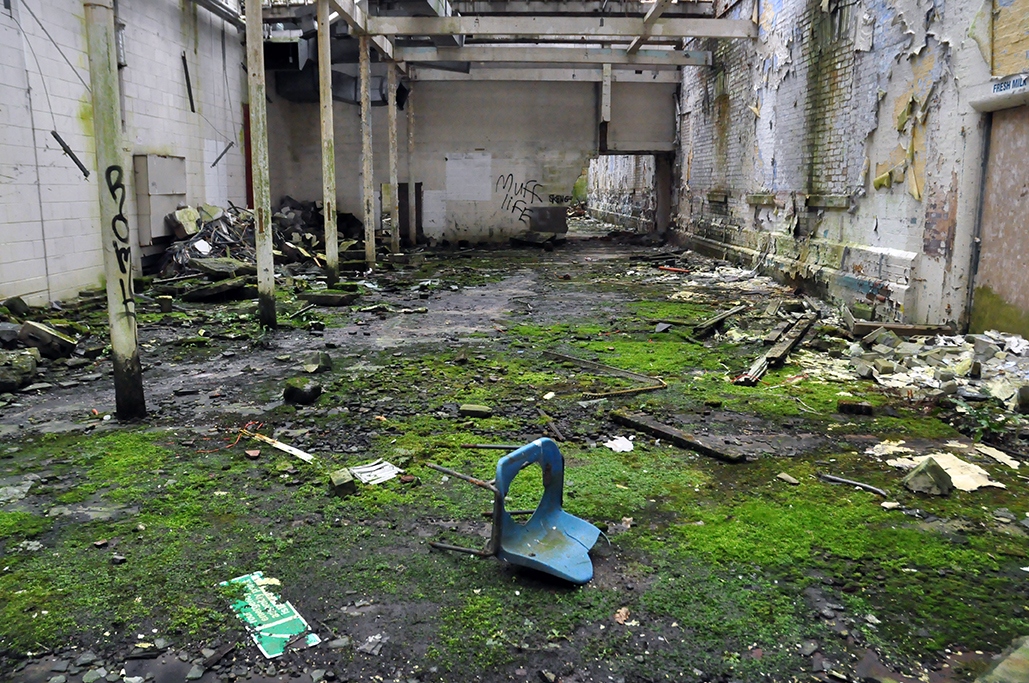
I’m no Urbex man, when all’s said and done, I feel the fear and the weight of the past, I guess I’m just a little too sensitive. So I made cautious ingress into this giant mill complex, always aware of the feet that trod this way in former times and a constant threat of the falling fragile structure.
The surfaces have, since it’s last occupants left, been shaped by intruders, the weather, taggers, blaggers, bloggers and inquisitive teens, I left only hushed footfalls.
We are all now complicit in its history.
– In 1819, Rylands & Sons were established with their seat of operations being in Wigan.
In the course of a few years extensive properties at Wigan, along with dye works and bleach works, were purchased. Valuable seams of coal were afterwards discovered under these properties, and proved a great source of wealth to the purchasers.
The mill was built in 1867, designed by George Woodhouse for John Rylands, one of the area’s largest cotton spinners. The Grade II listed complex includes the former spinning mill, weaving sheds, engine house and chimney, noted for it ornate brickwork.
It has now been acquired by MCR Property Group who are in the process of planning to restore the mill building which will house a mixture of apartments with views over Mesnes Park. The development will also comprise of a number of modern townhouses and office space over four levels.
All current planning applications have been withdrawn, its future remains uncertain.
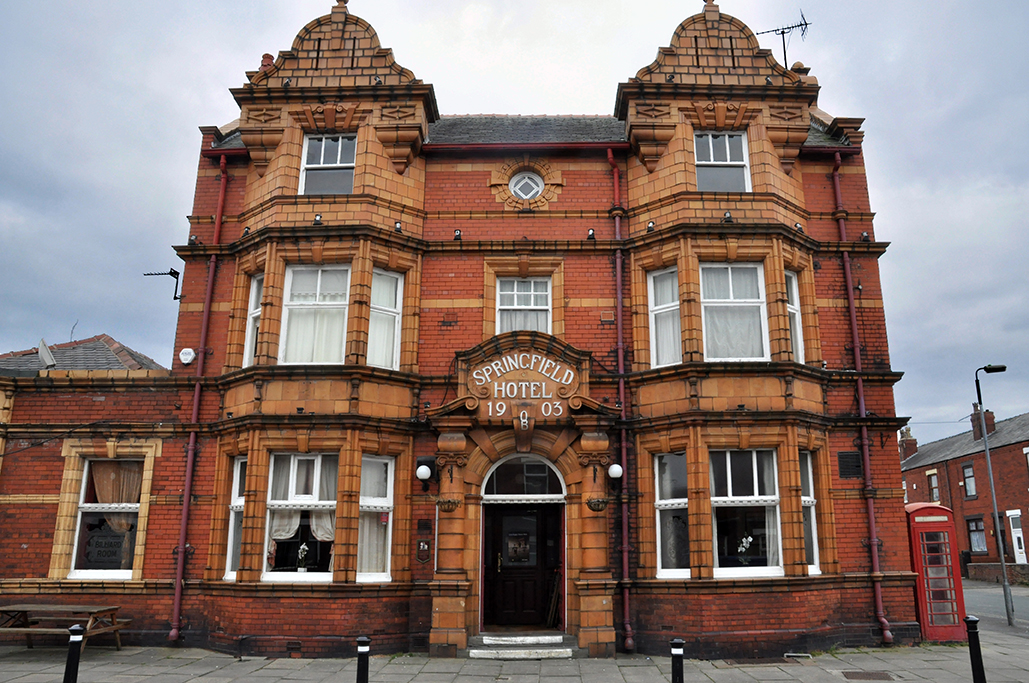
Standing amongst a high density of housing, once homes to the thousands of mill workers that lived, loved, laughed and drank here, The Springfield prevails.
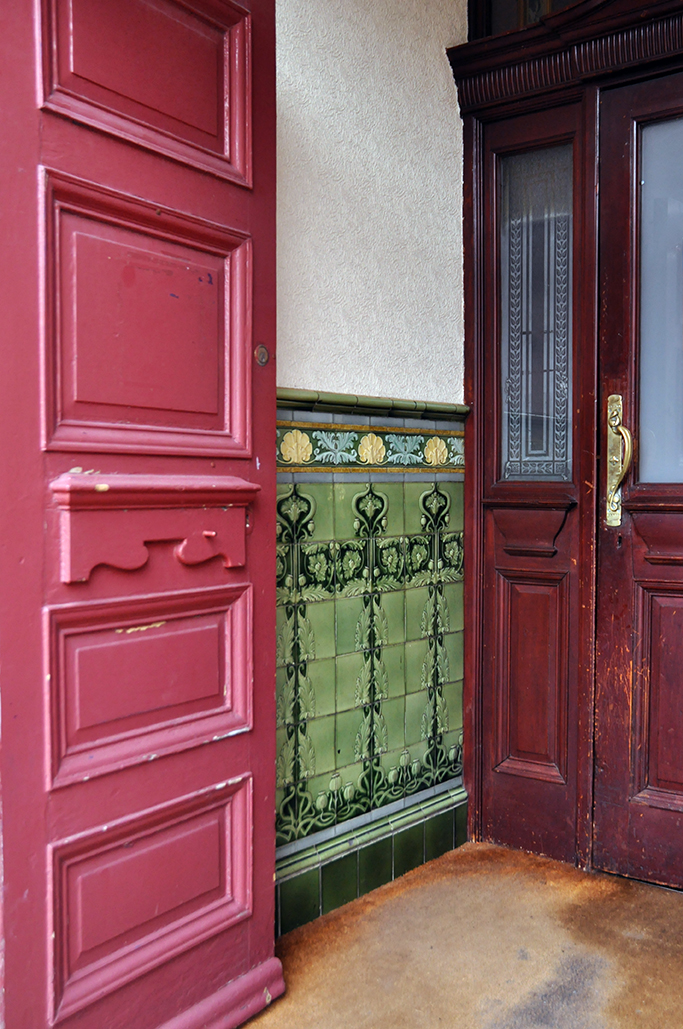
Built in 1903 by Heaton and Ralph for Oldfield Breweries it has retained much of its original character and features and is listed on CAMRA’s Historic Pub Interiors inventory.
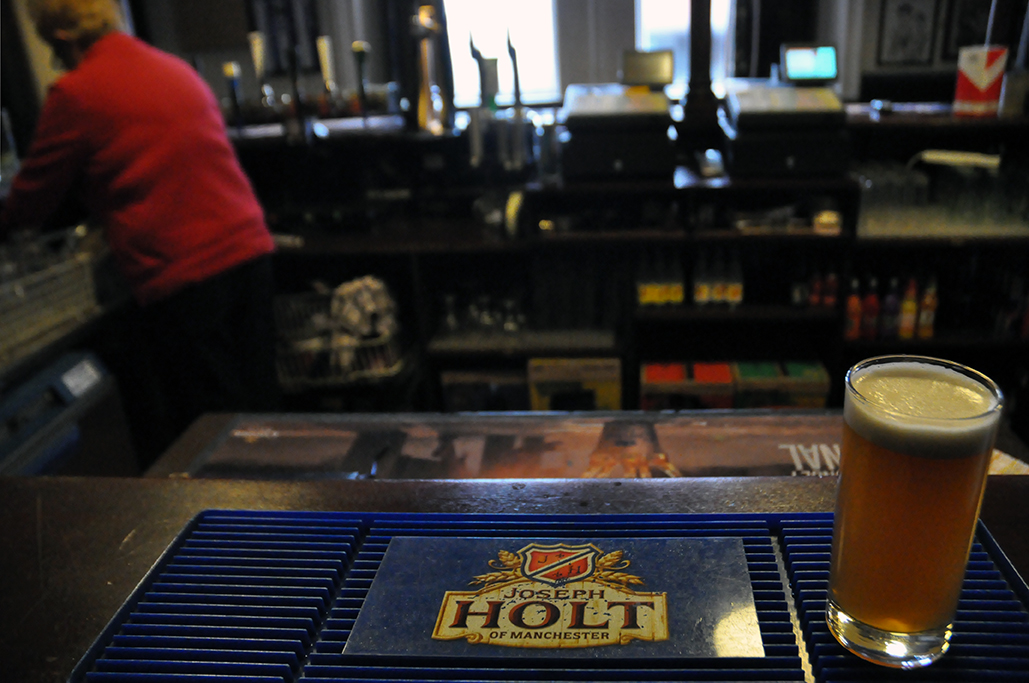
Having walked from the centre of town, following a full day of snapping this and that I was ready for a swift half of well kept Tetley’s Bitter. The staff were more than friendly and happy to assist me in recording this fine and welcoming hostelry. By day quiet and on the dark side, by night it comes to life. Large family and function rooms, a cards and doms tap room, pool and TV caters for customers of all ages and interests.
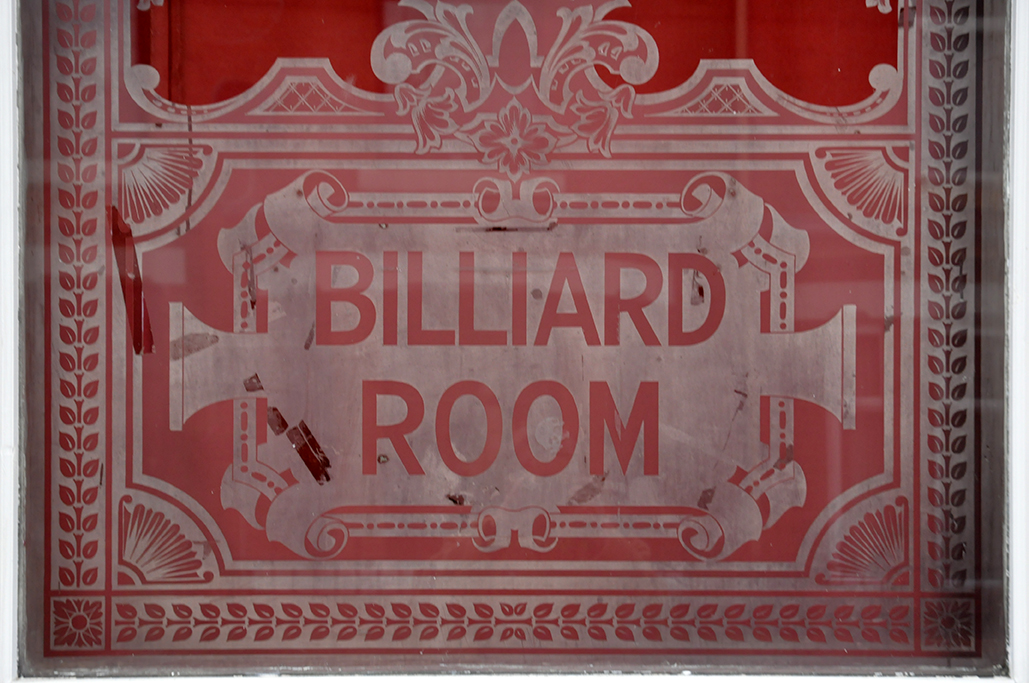
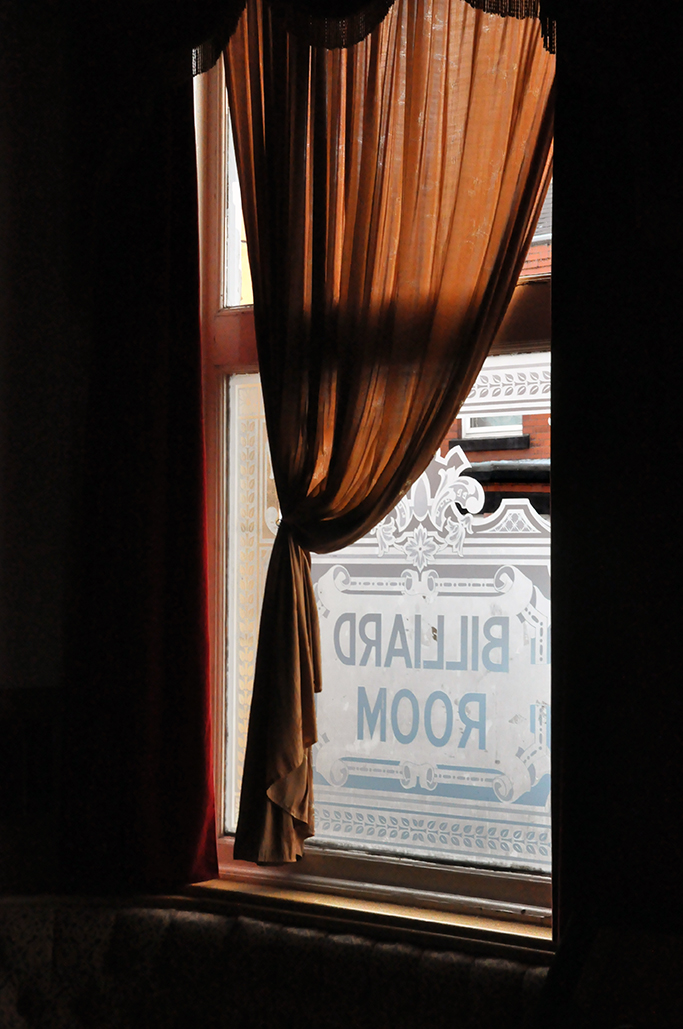
I have tried to capture the weight of sunlight as it falls softly, through the etched glass of the pub, a unique quality known only to the daytime drinker.
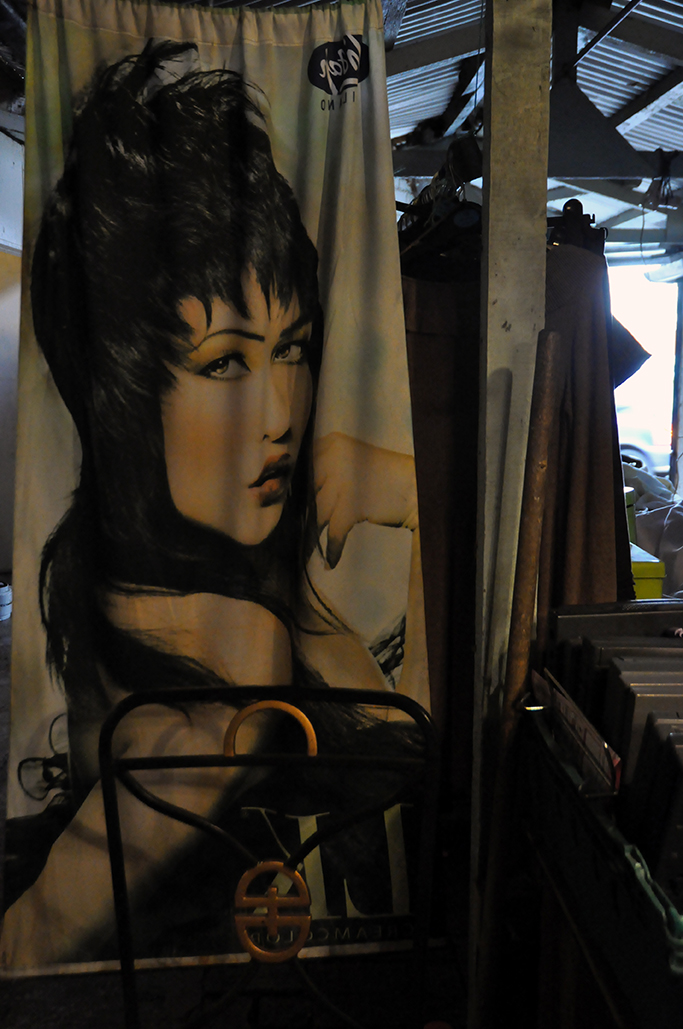
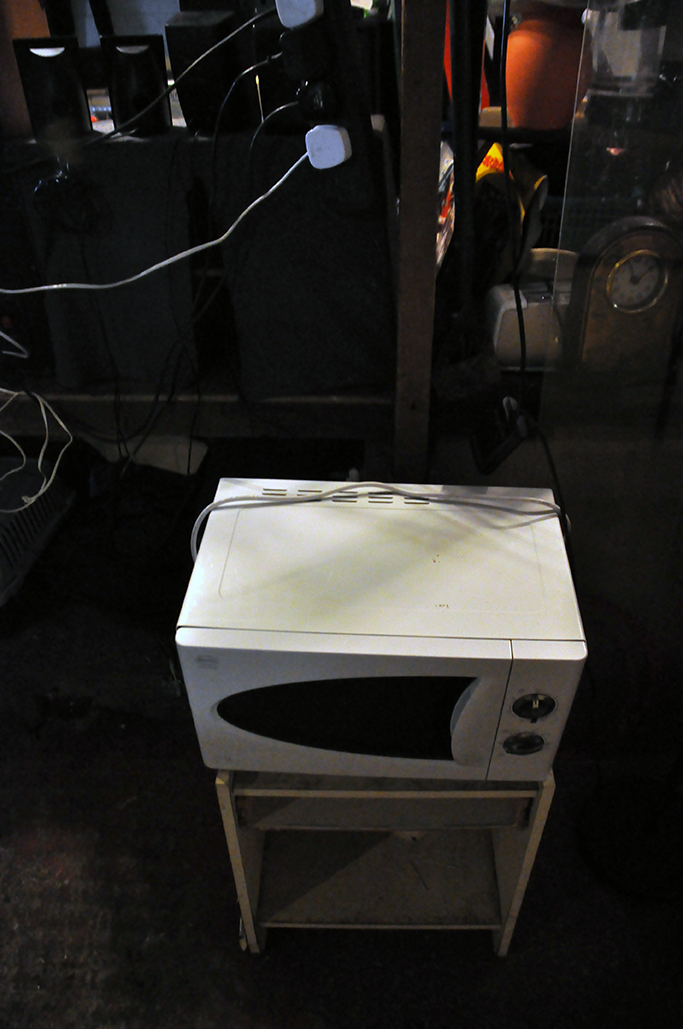
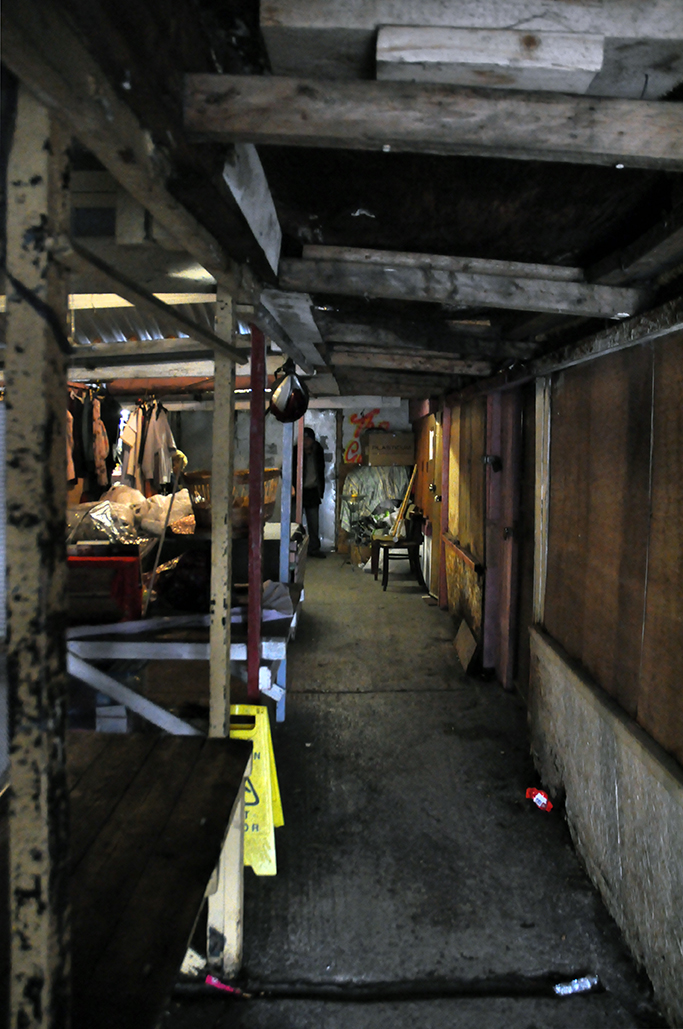
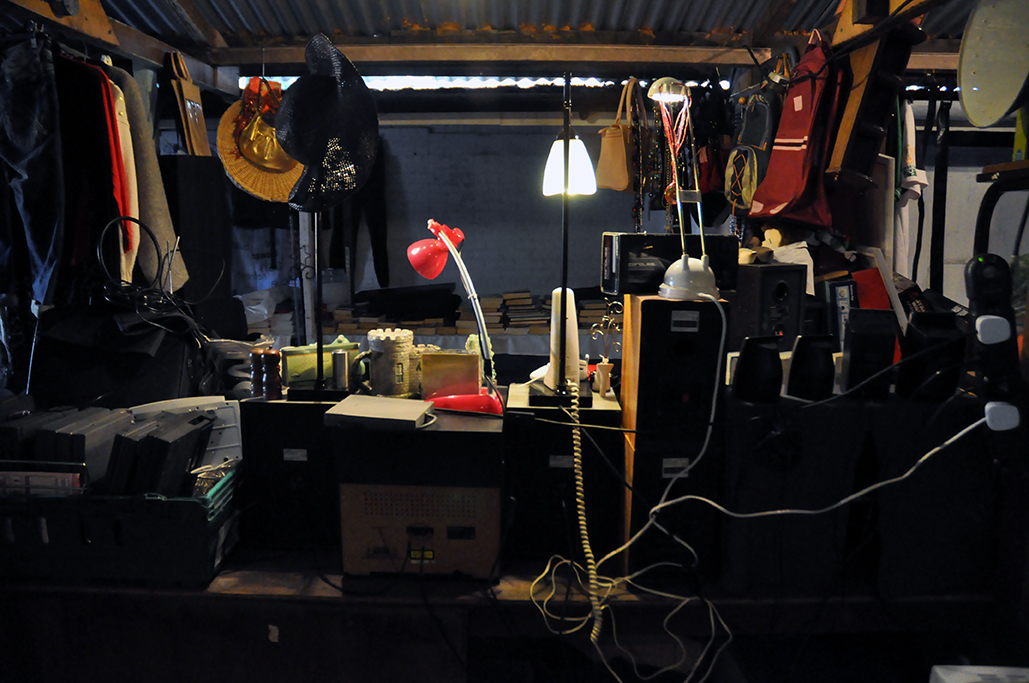
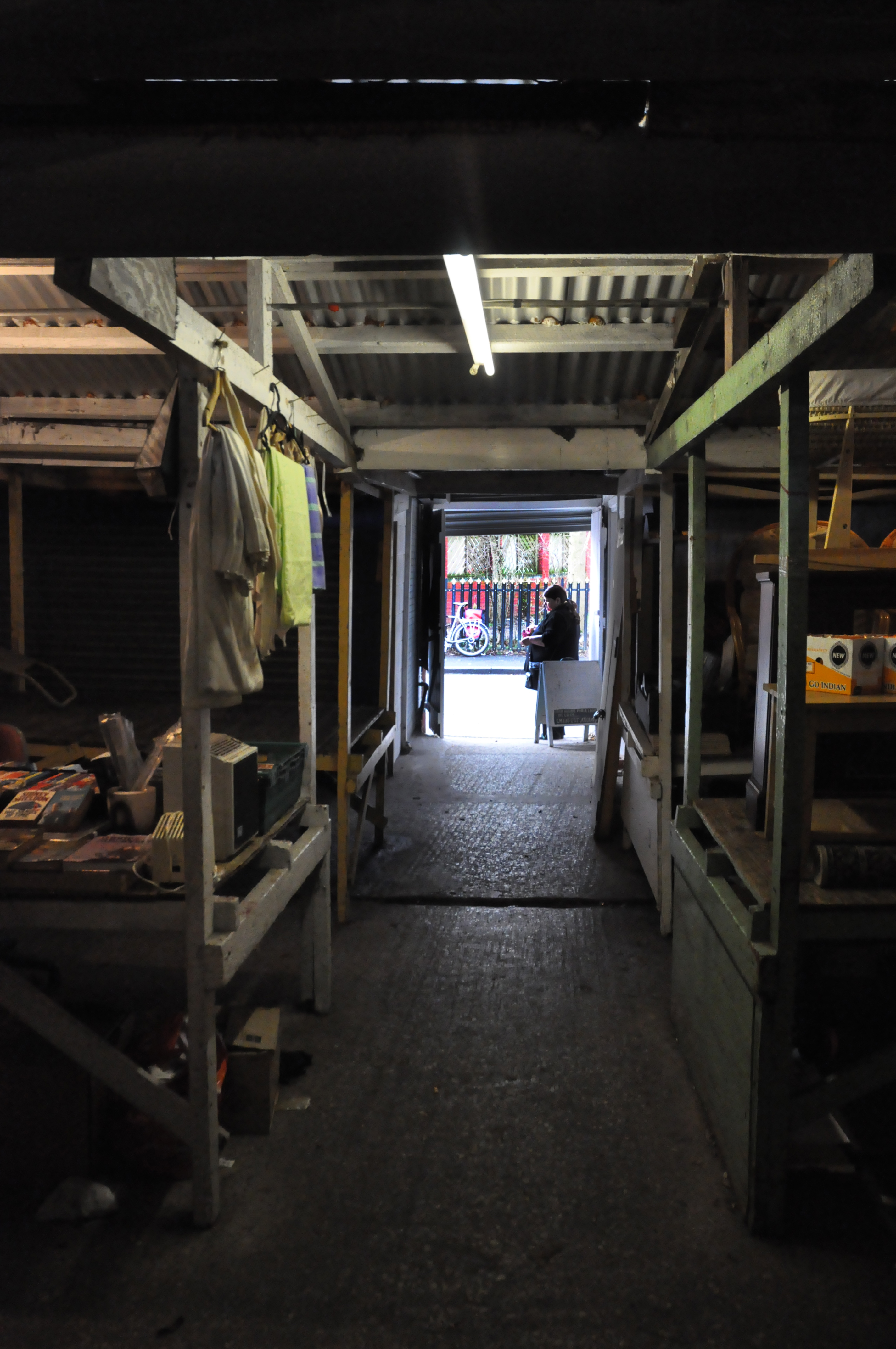
It’s dark inside, you can feel the thin light at war with the murky interior.
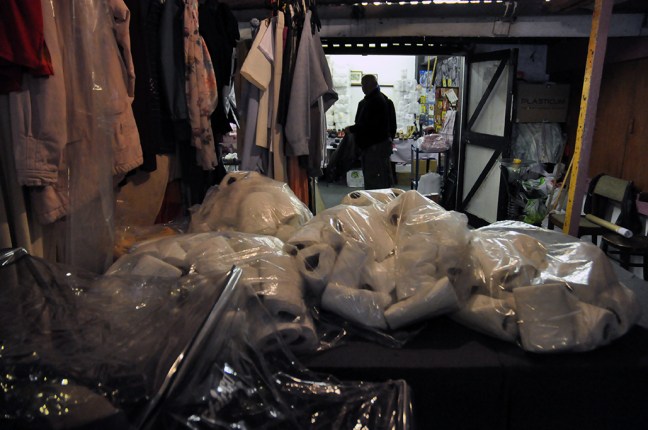
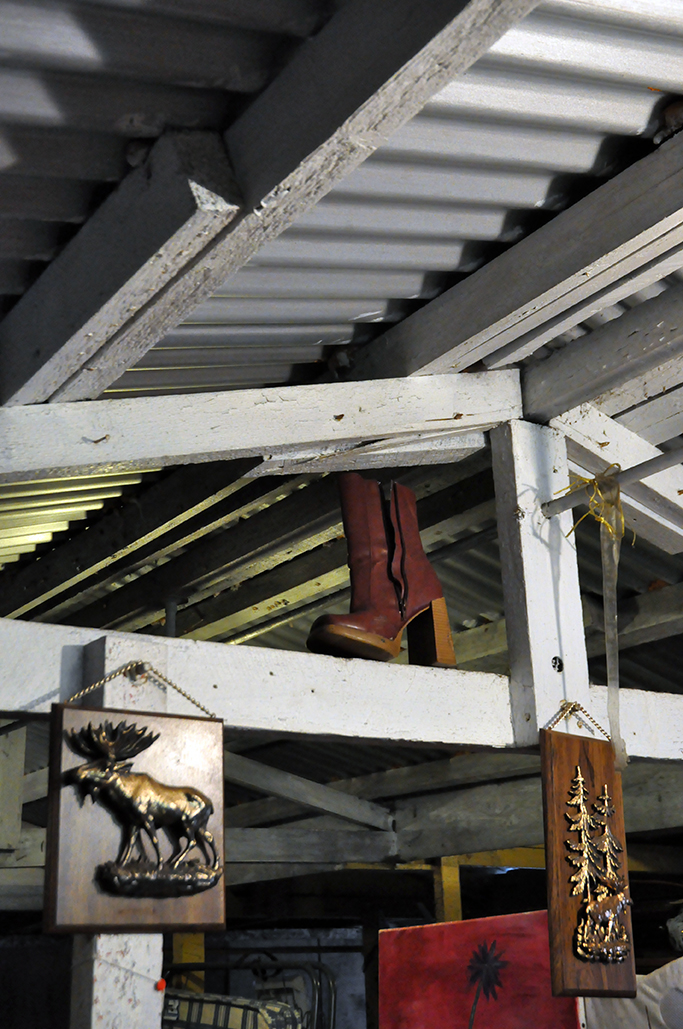
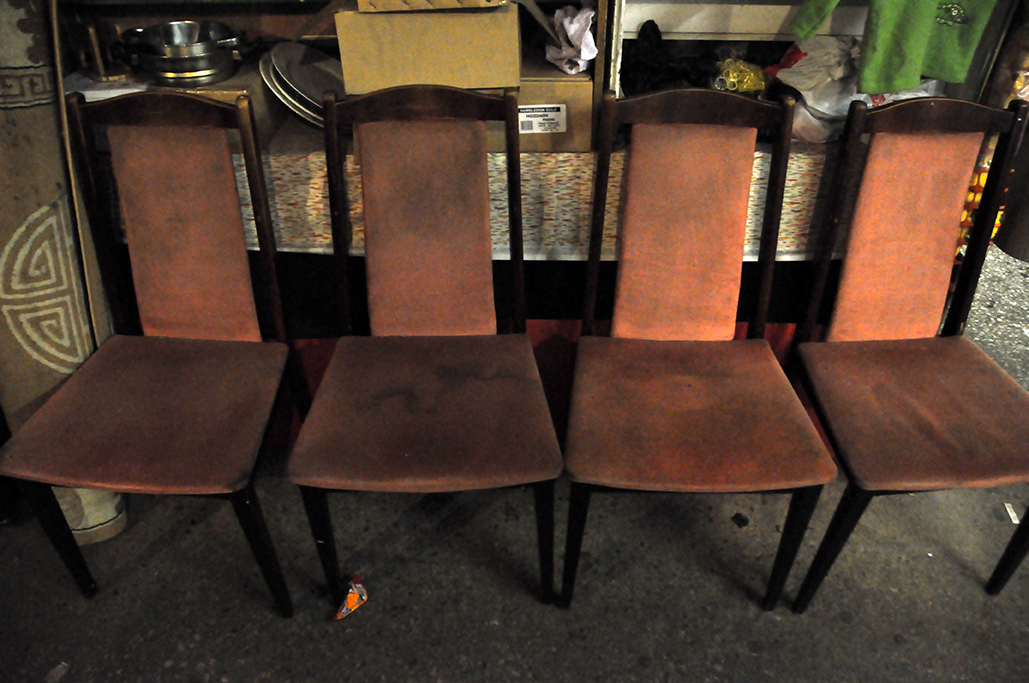
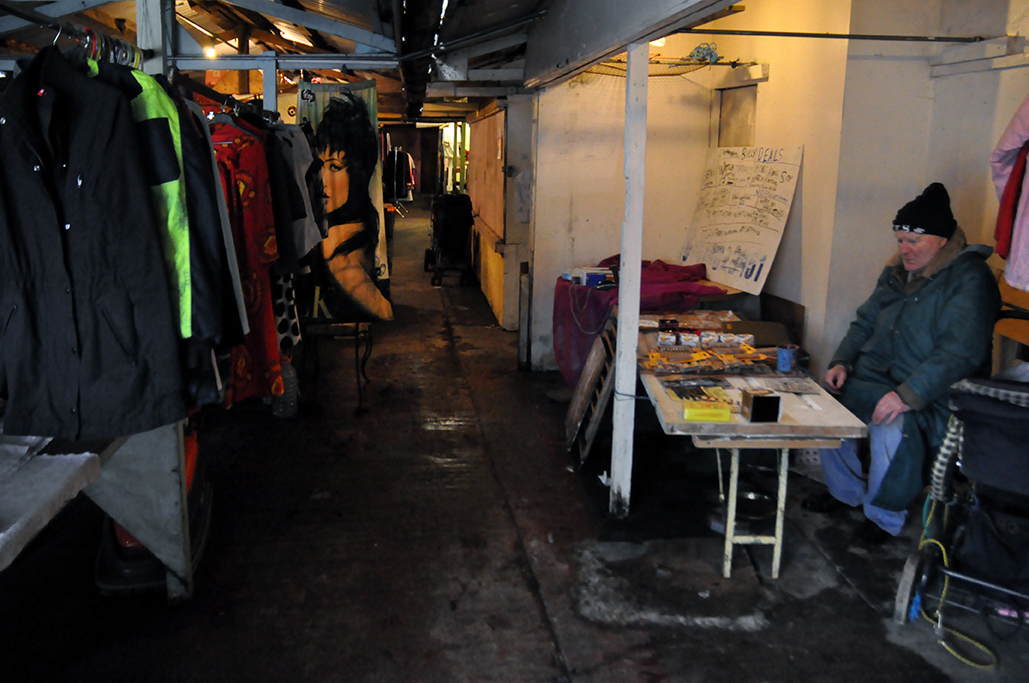
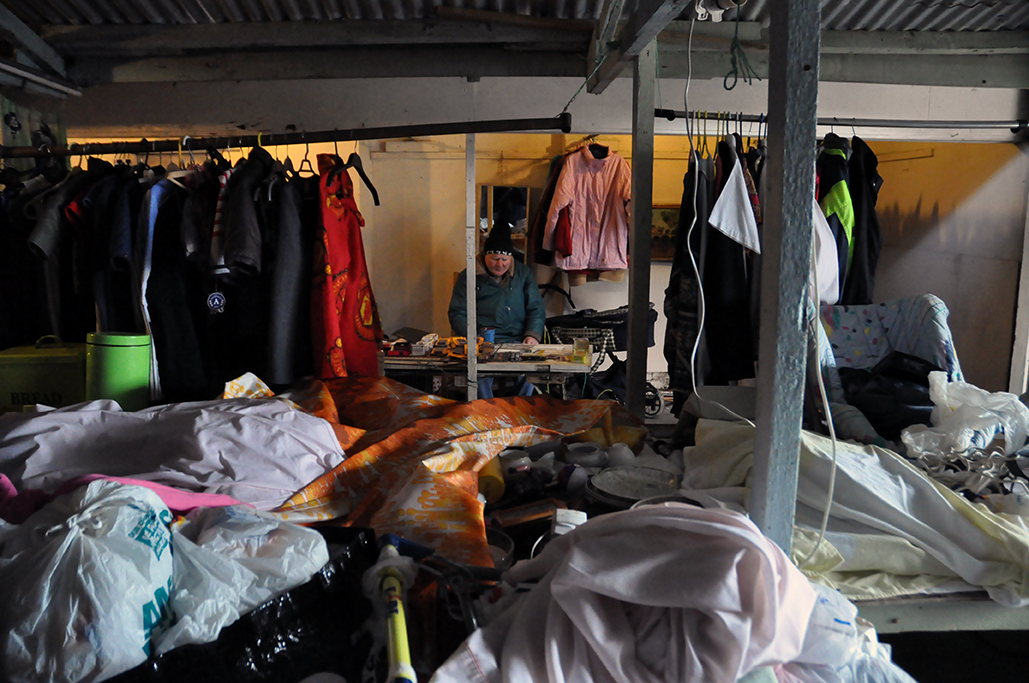
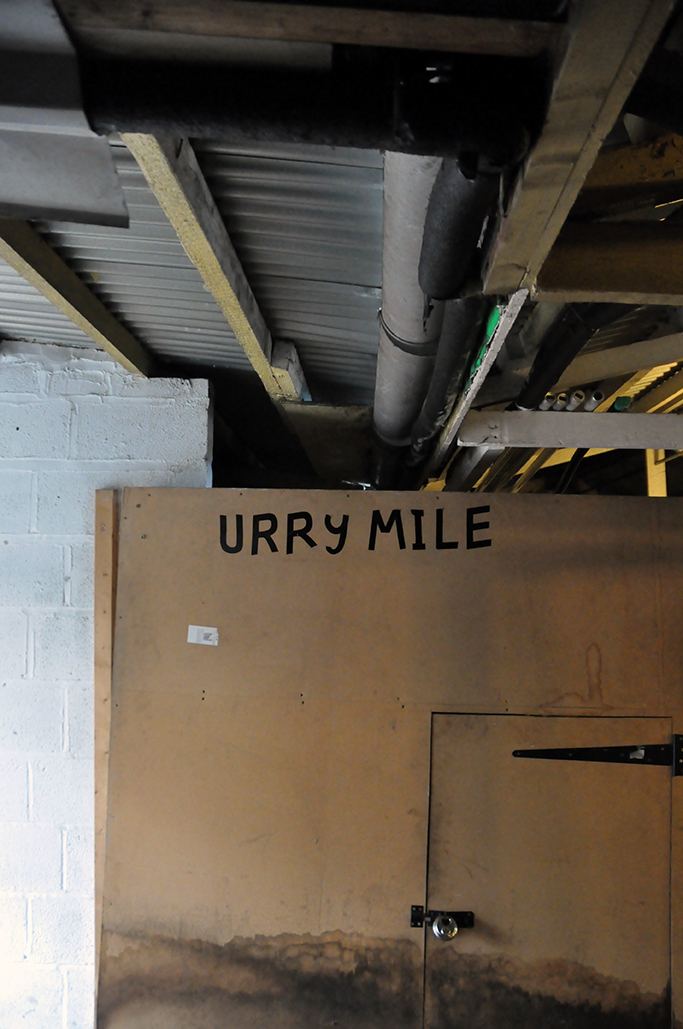
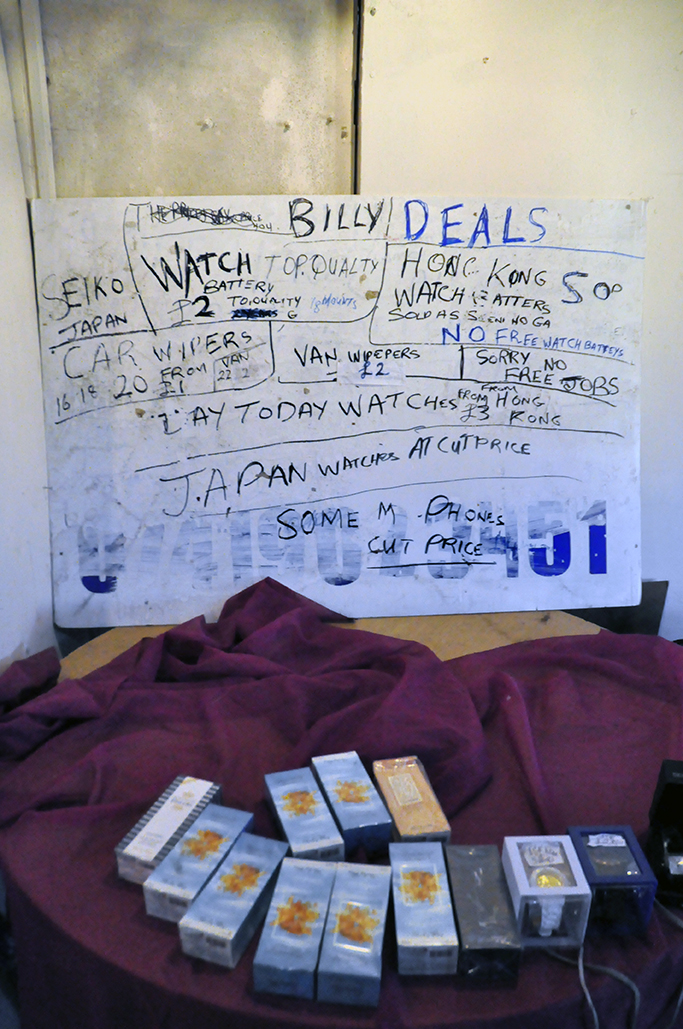
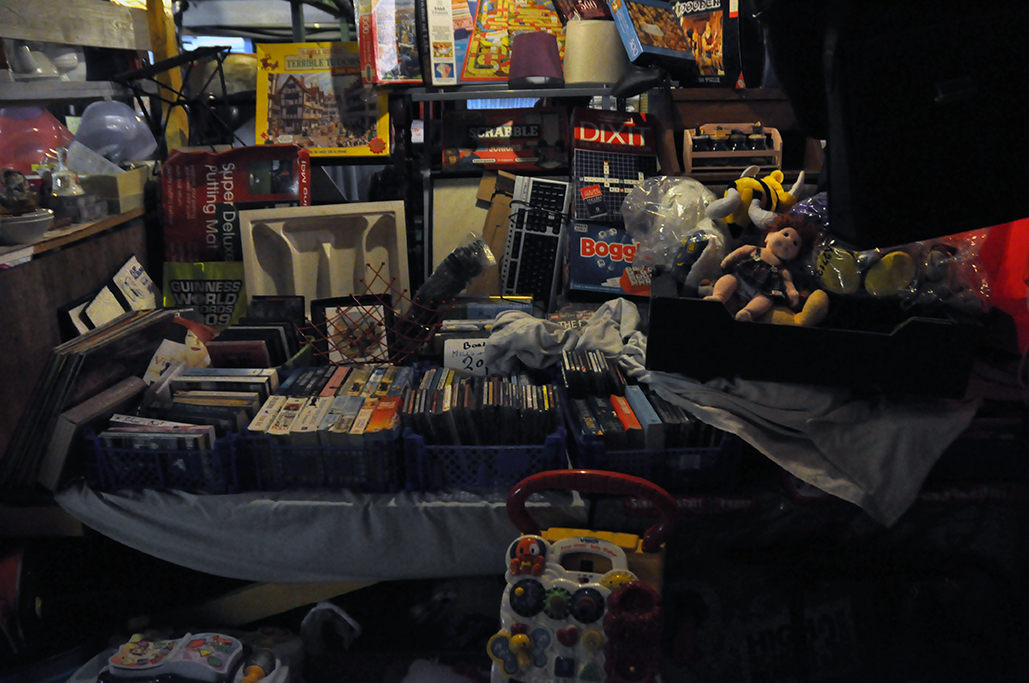
Stall holders scurry between stalls, in and out of alcoves, cupboards, hidey holes and plywood worlds.
They made me welcome, chatted as they went about their business of simply getting by.
This is the land beyond time and at times motion and emotion.
Entering seems transgressive, there is nothing in here I want or need, I just had a compulsion to record this flickering fight against the distinct possibility of extinction.
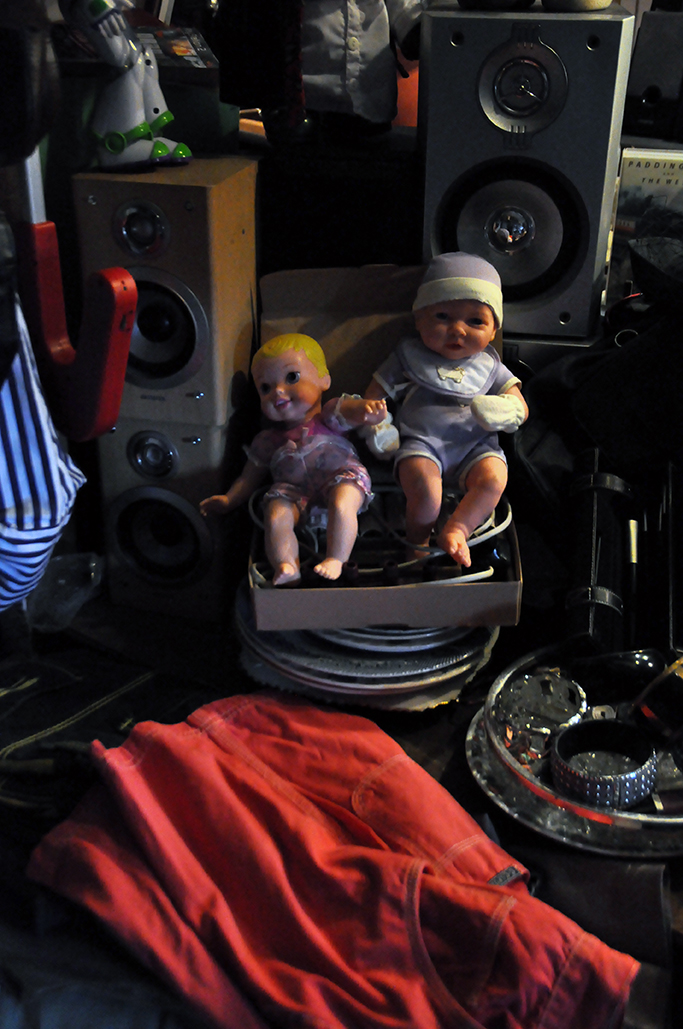
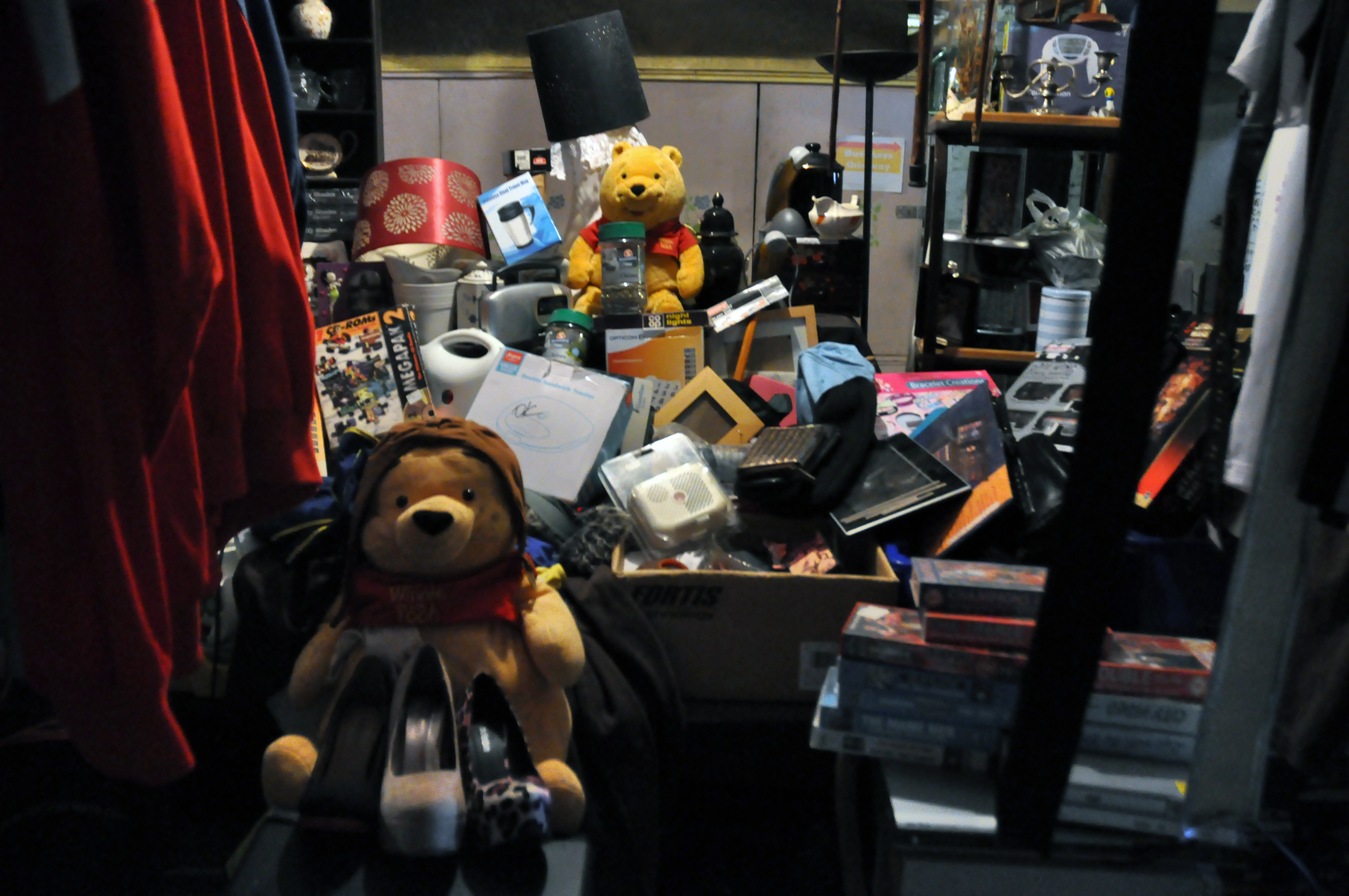
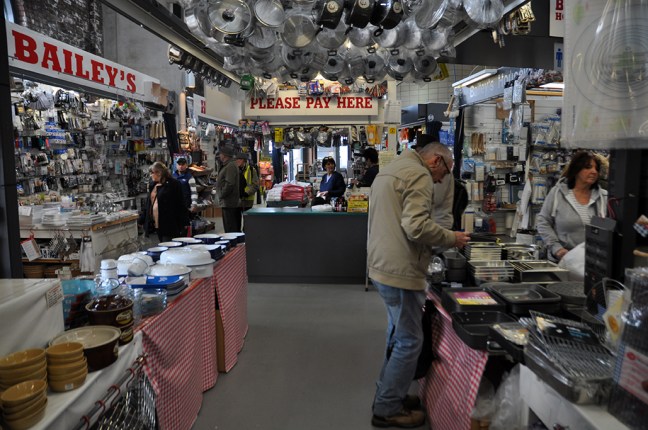
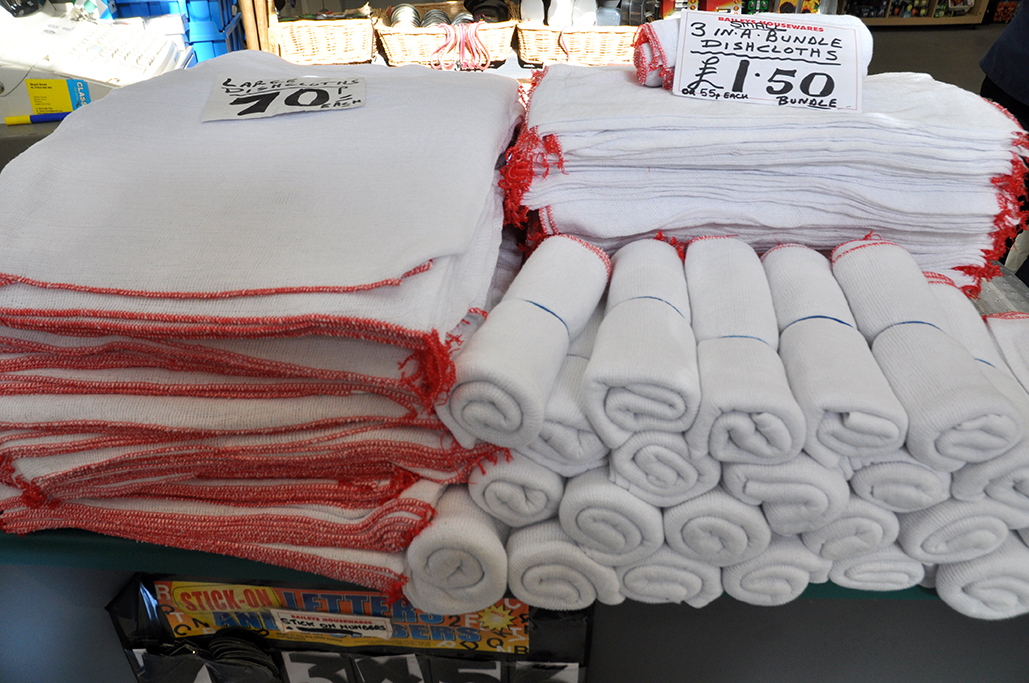
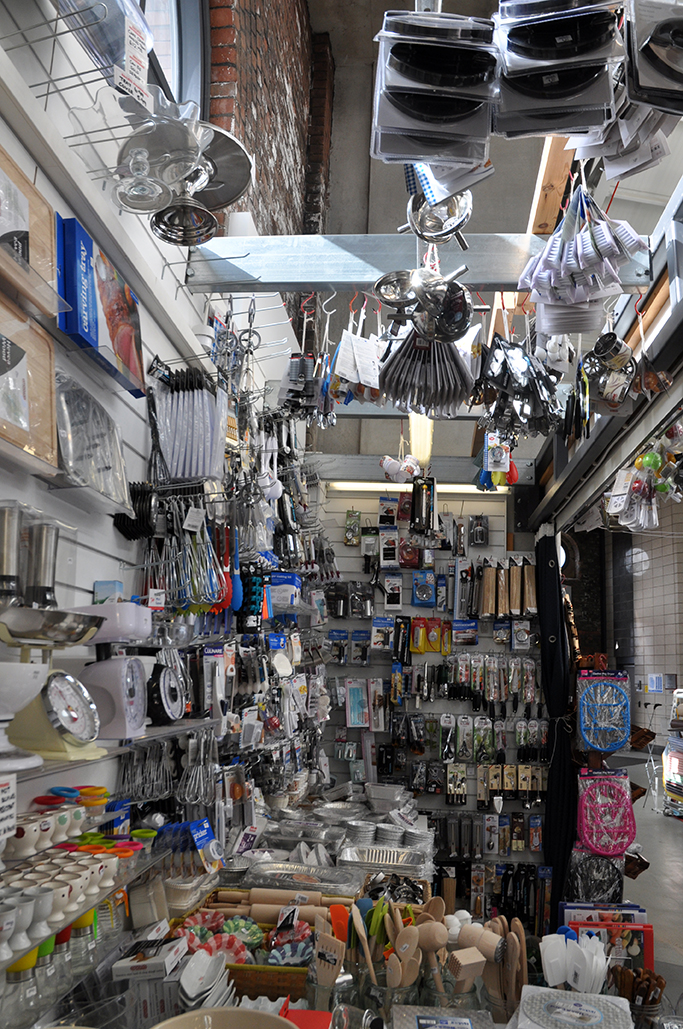
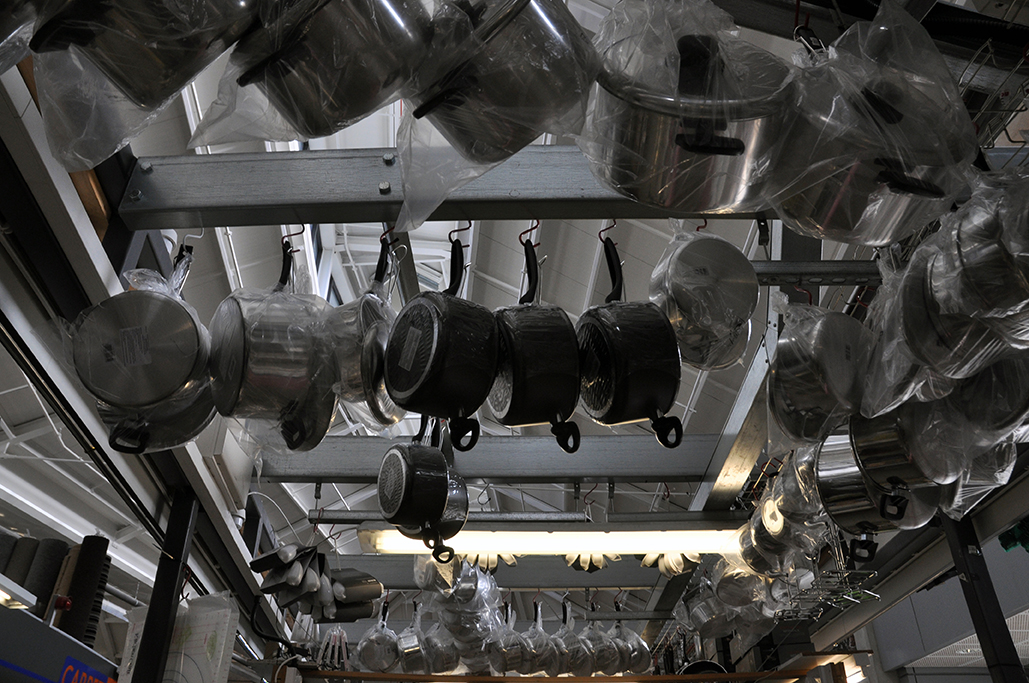
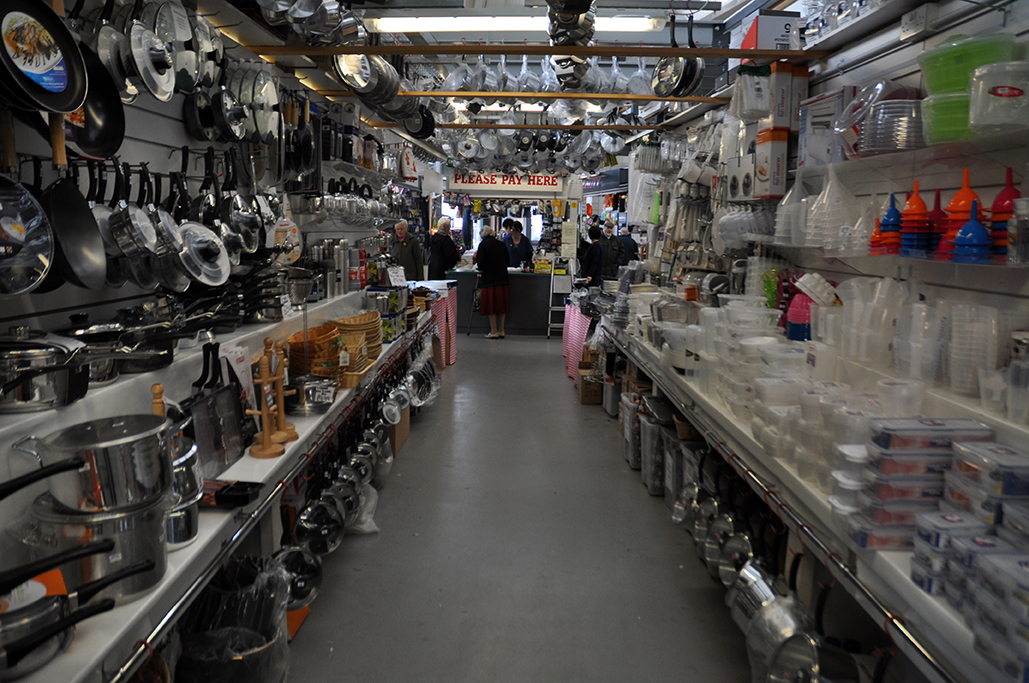
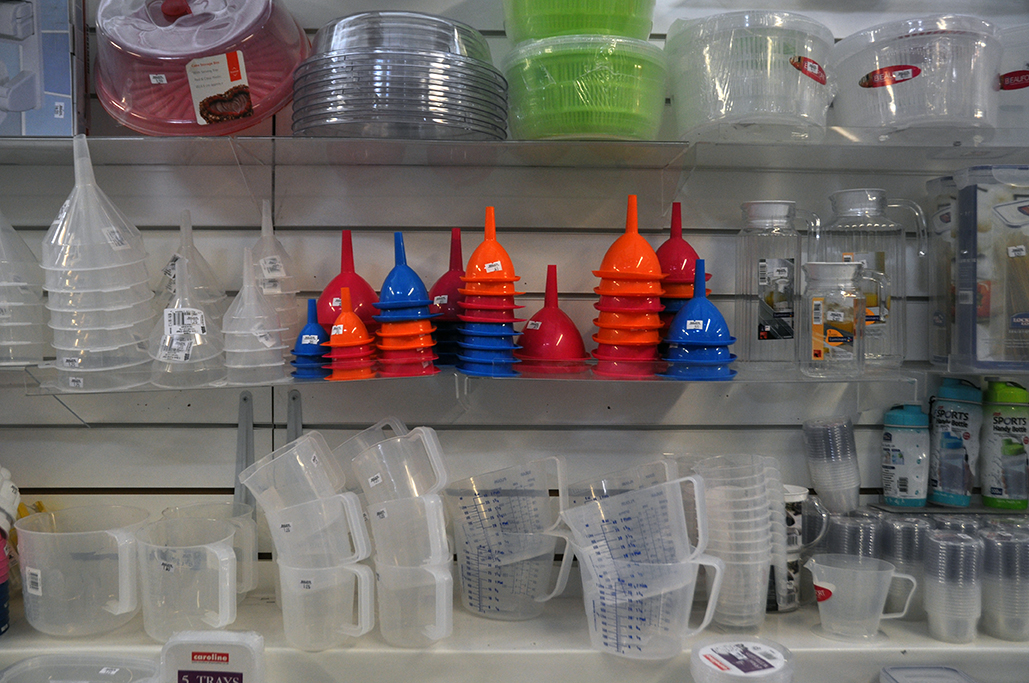
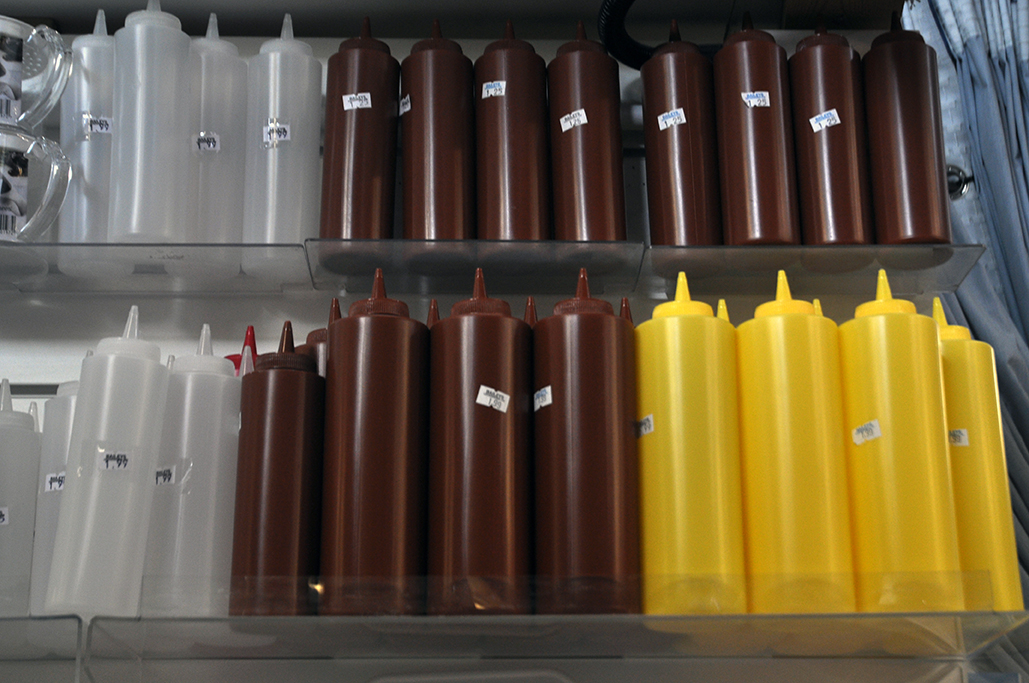
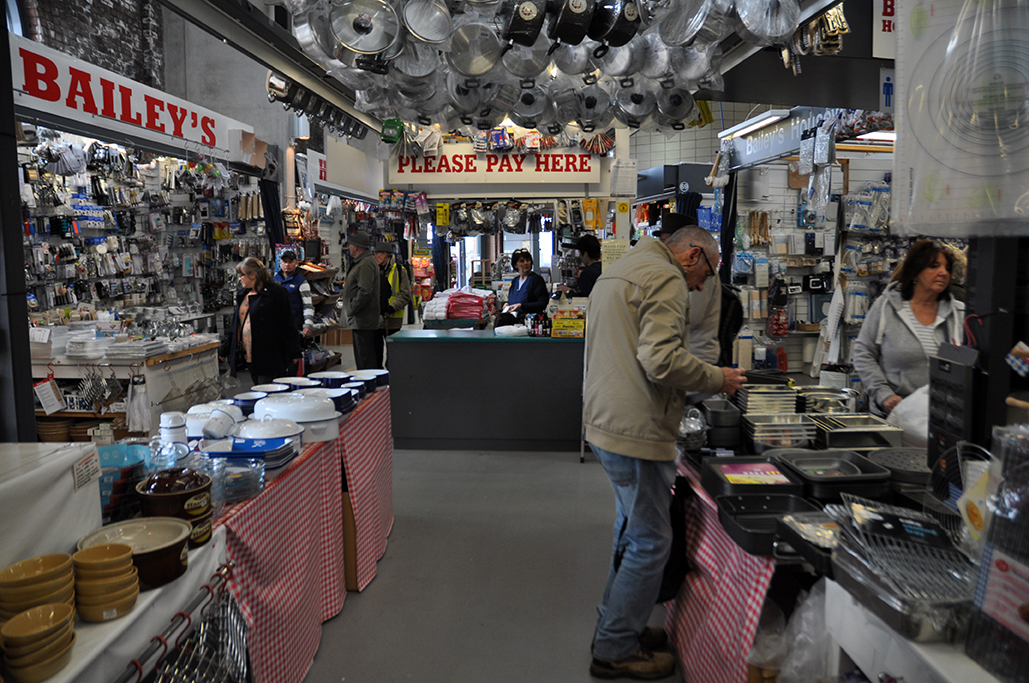
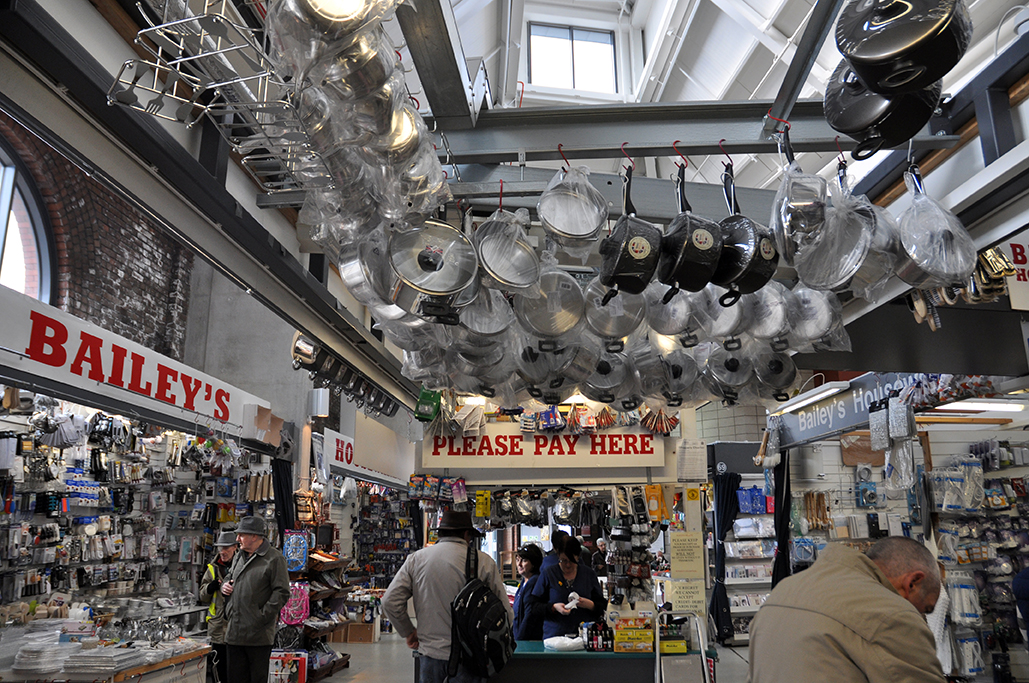
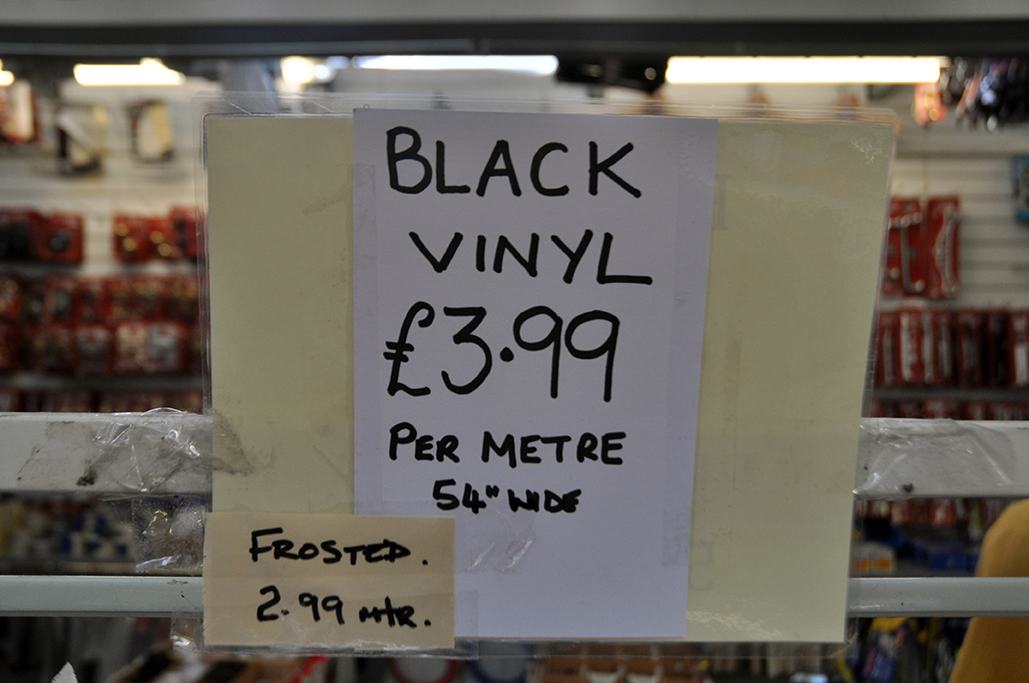
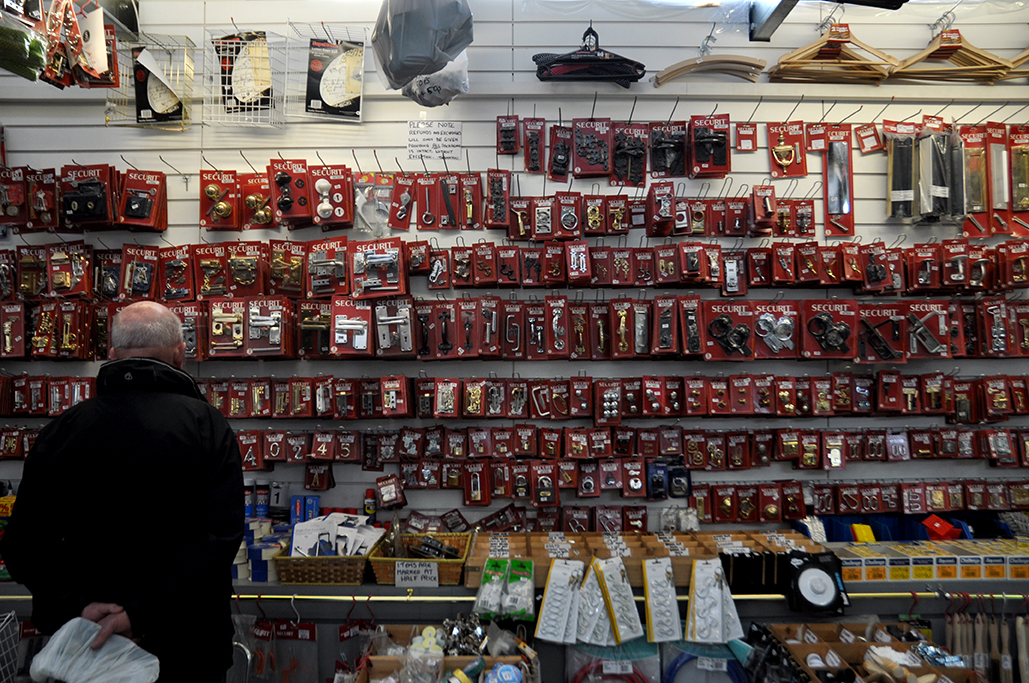
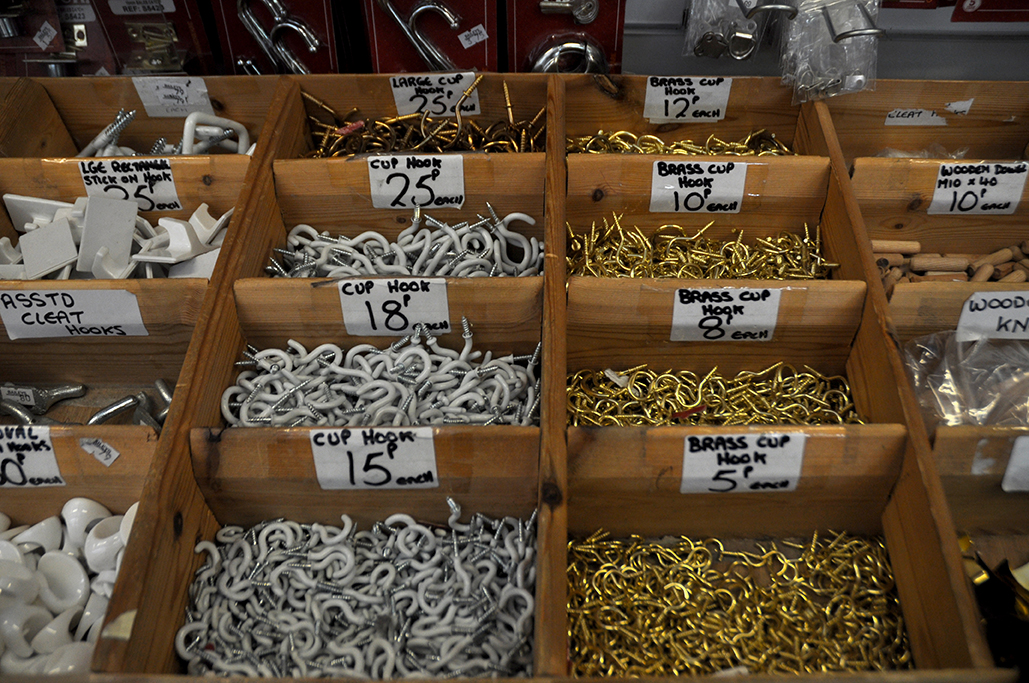
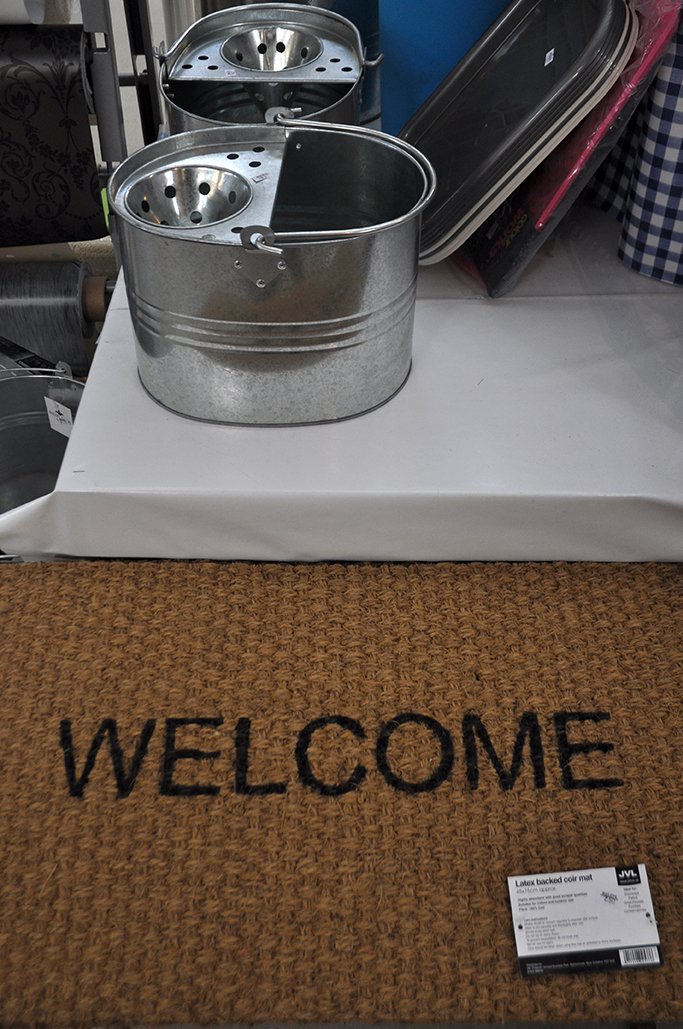
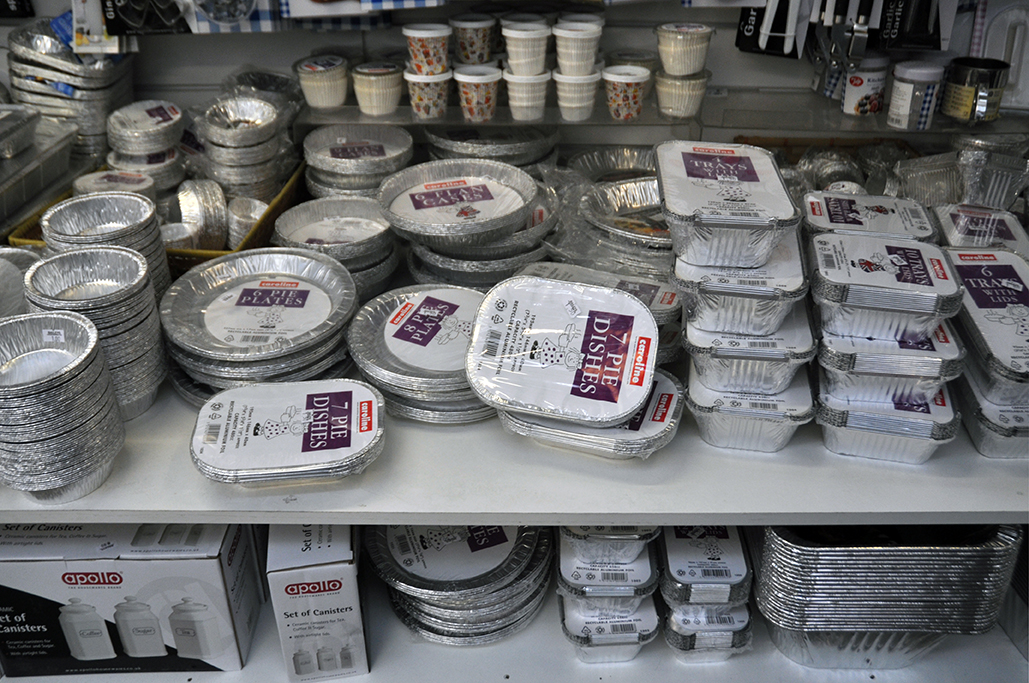
There is a stall in Ashton Indoor Market that almost defies description, an Aladdin’s cave, a cornucopia of kitchenalia – if they don’t have, it probably doesn’t exist.
I visited here as a little lad with my Mam, me holding happily on to her left hand, her right forever clutching a shopping bag. On our way to Queenie’s for woolies, eagerly awaiting a hot Vimto treat, stopping to stare at the toy stall, constantly chatting with all and sundry – pals, passers by, stall holders, the vacant and the aimlessly vagrant.
The most convivial of worlds.
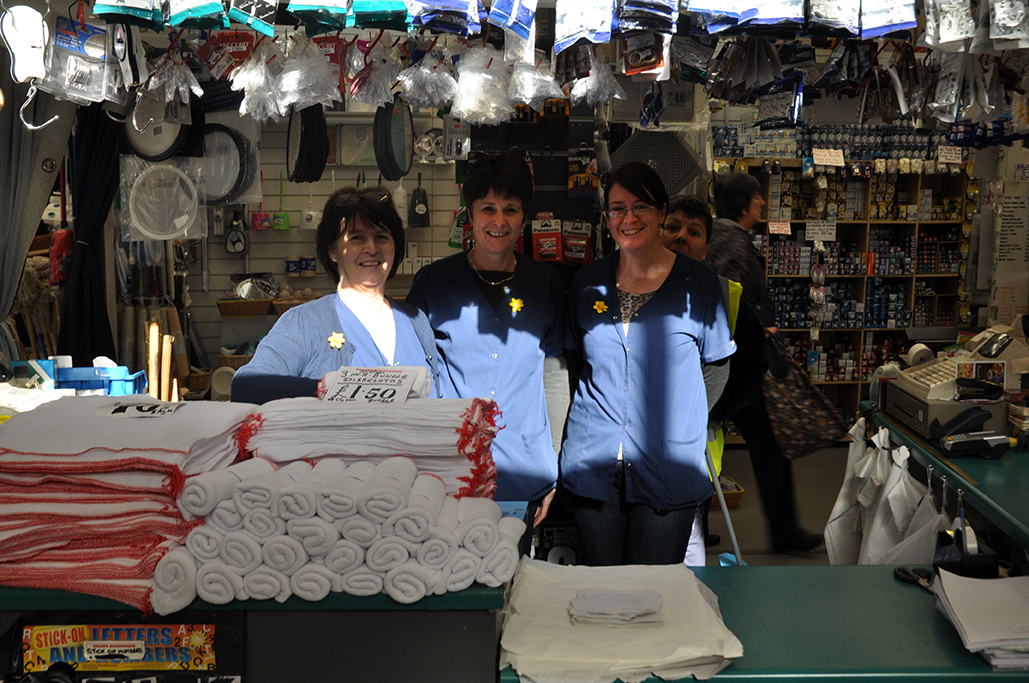
Bailey’s prevails, big, bold and beautiful a temple to the domestic, staffed by the wonderfully helpful Susan, Sandra and Mel – happy to let me snap happily and sell me two enamel pie dishes. It was pleasure to make their acquaintance.
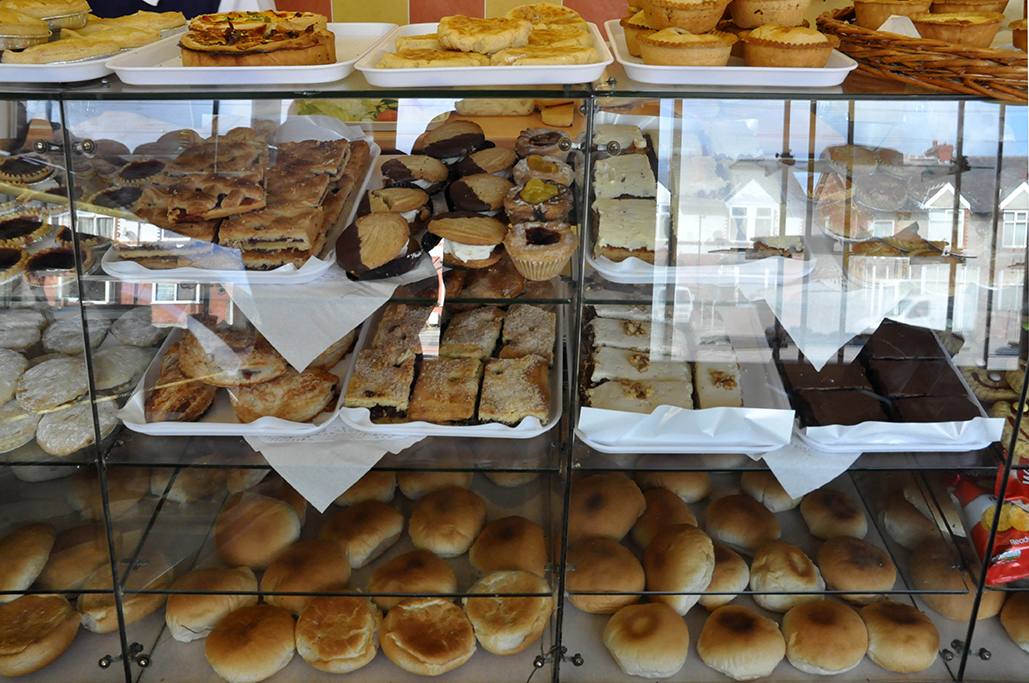
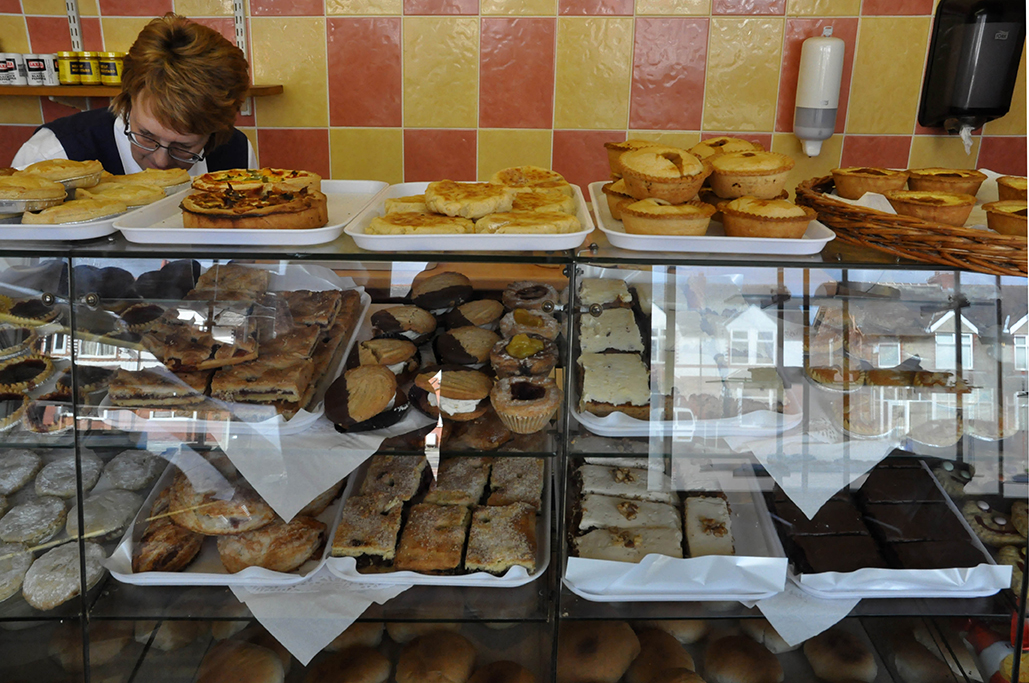
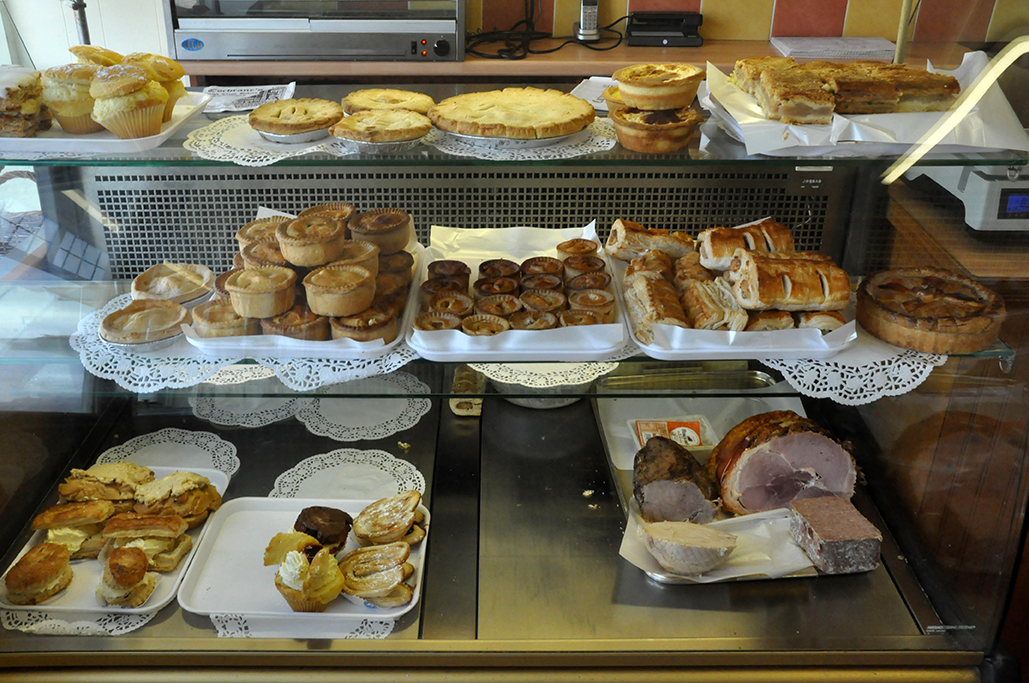
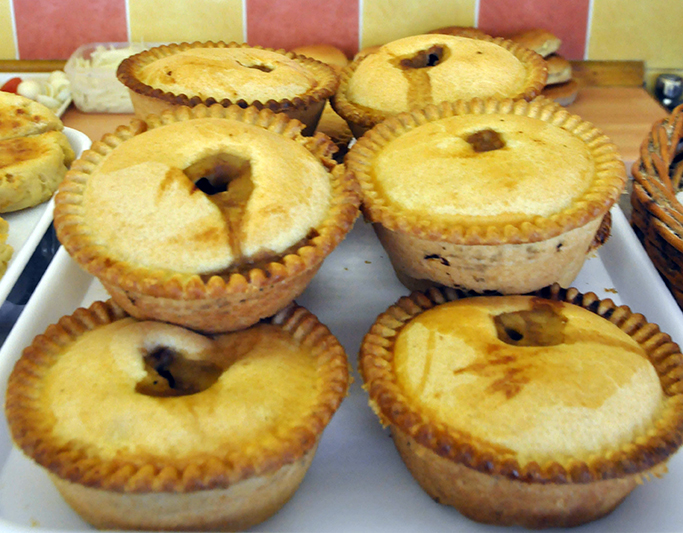
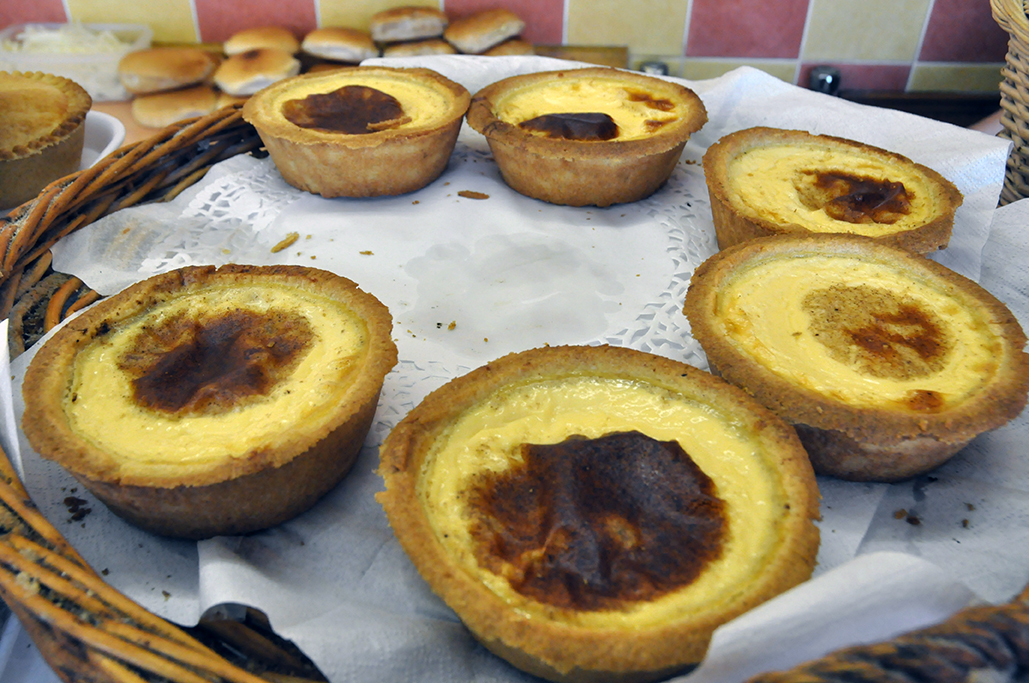
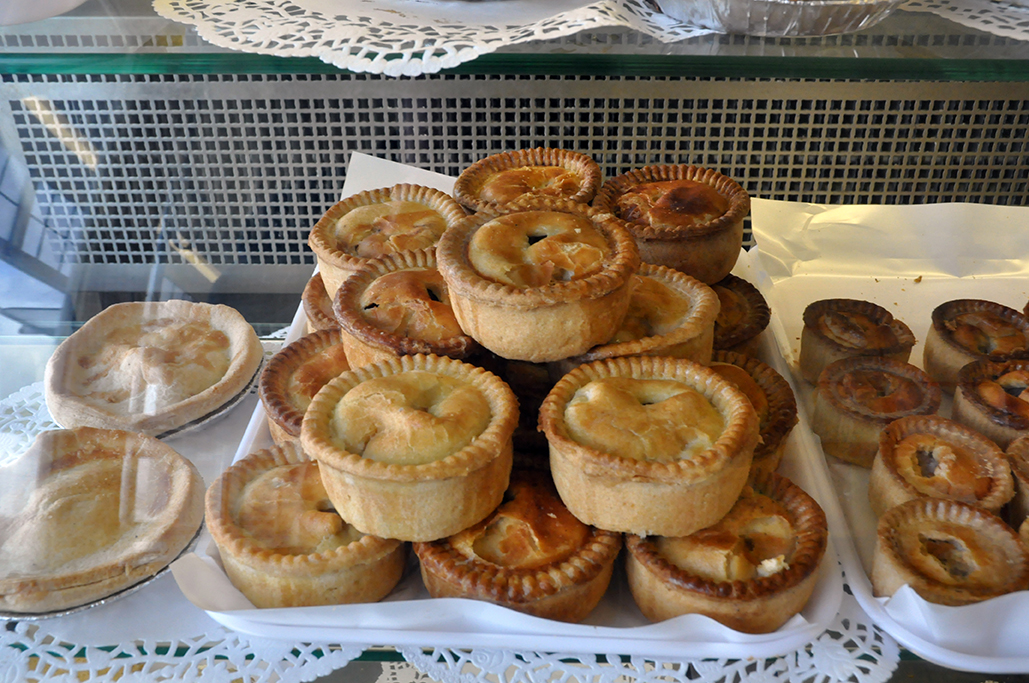
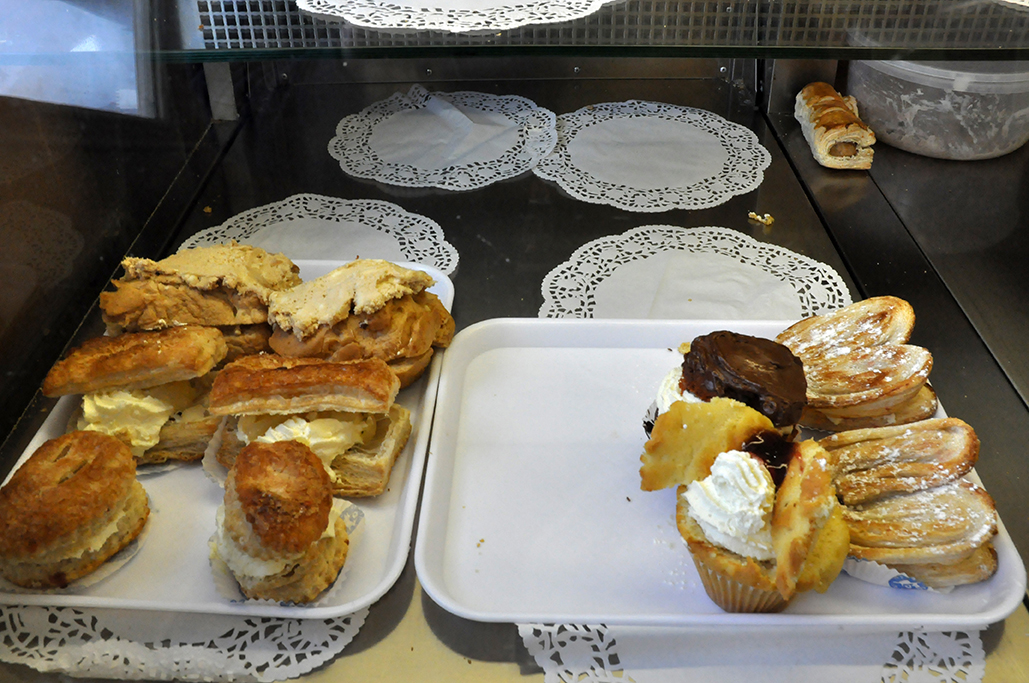
From being little I’ve always eaten pies and cakes, that’s how you stop being little all your life, broadly speaking.
They taste nice.
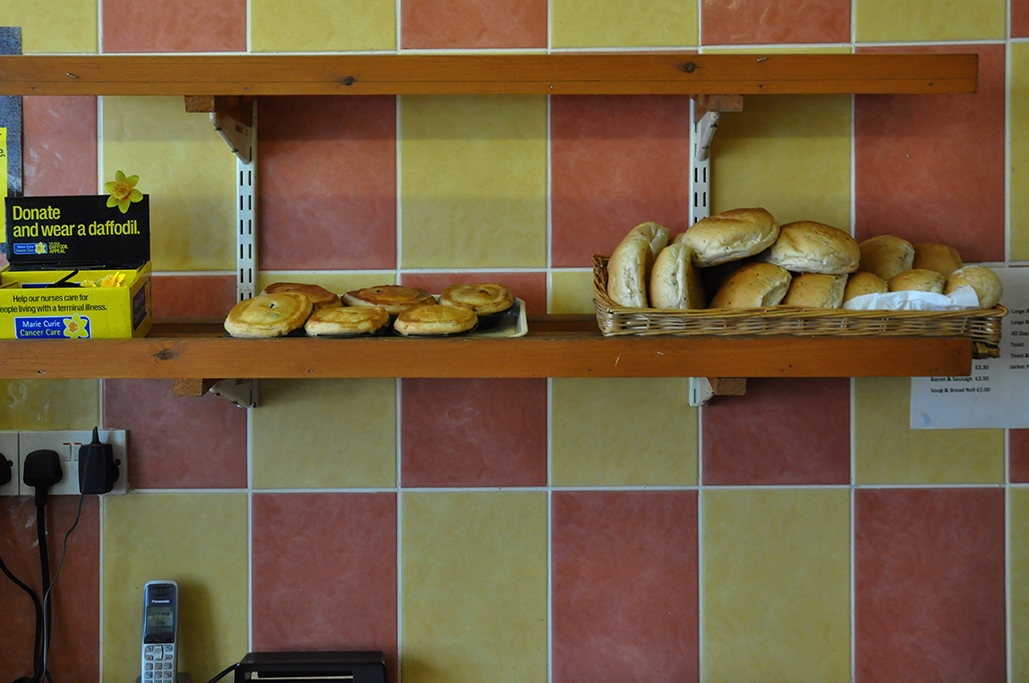
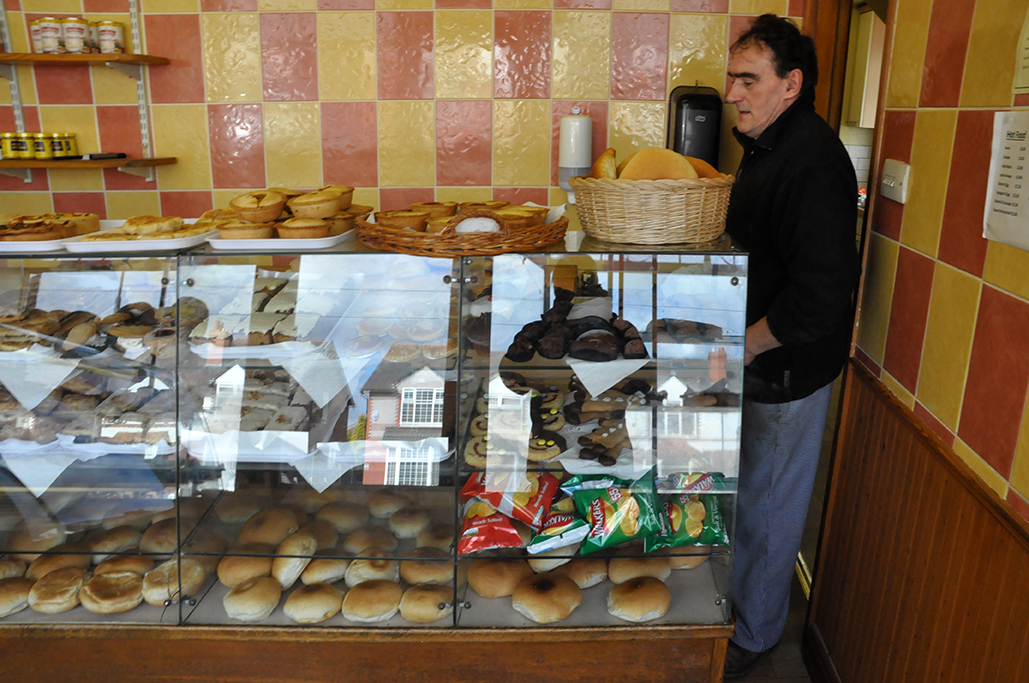
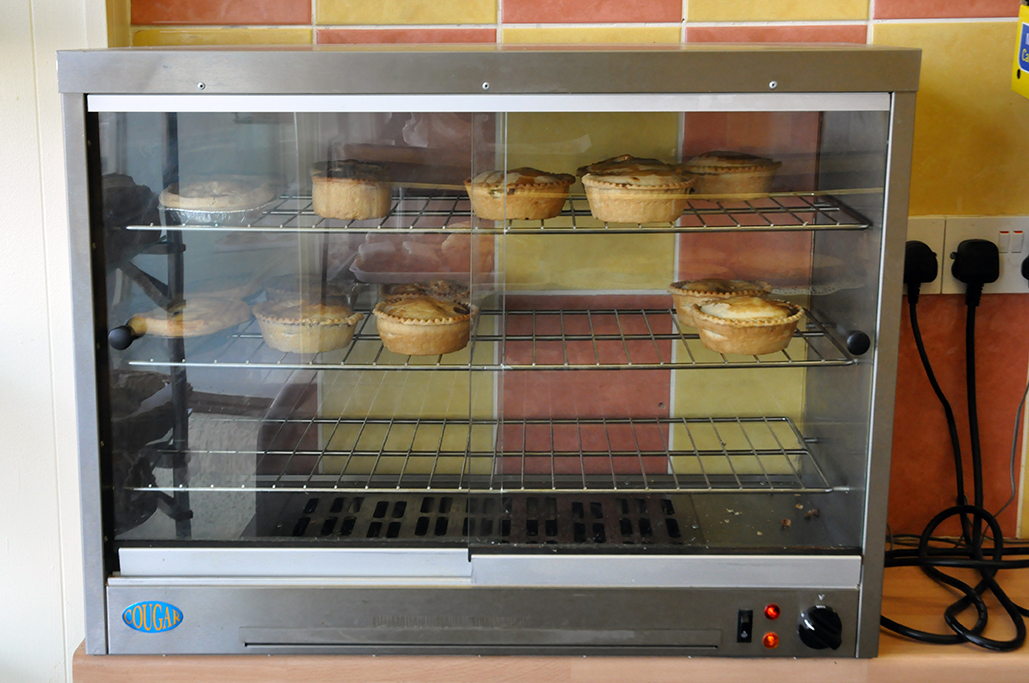
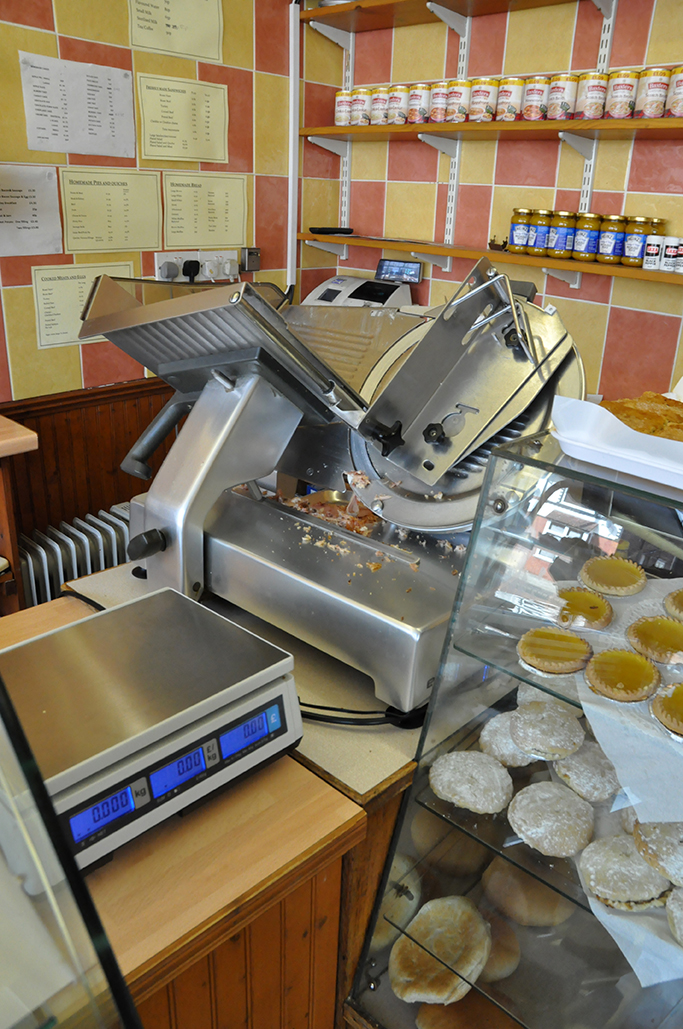
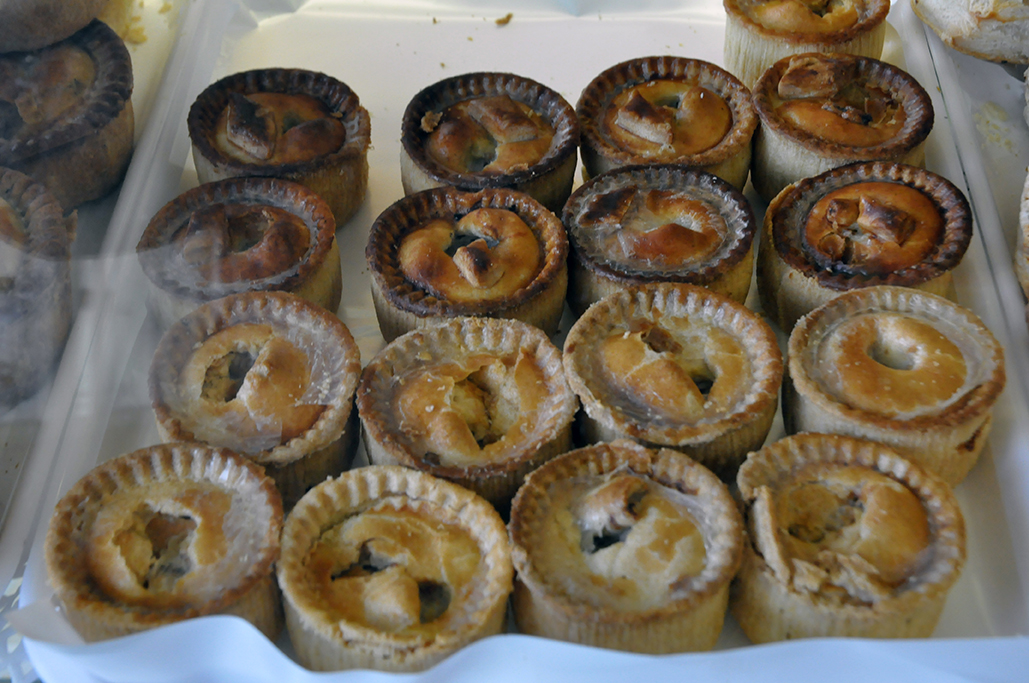
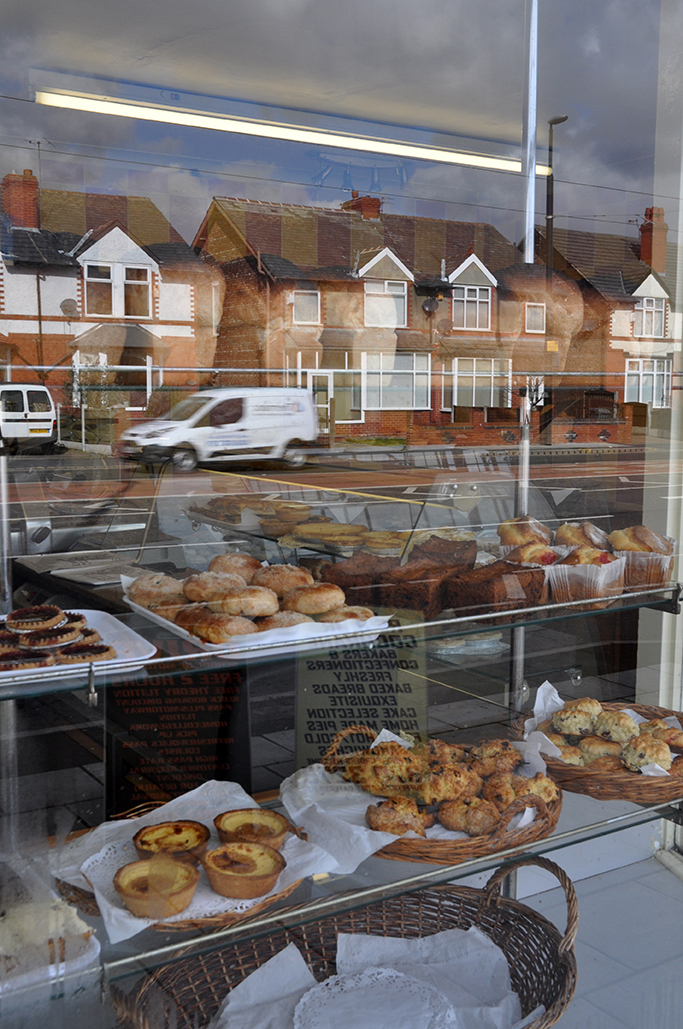
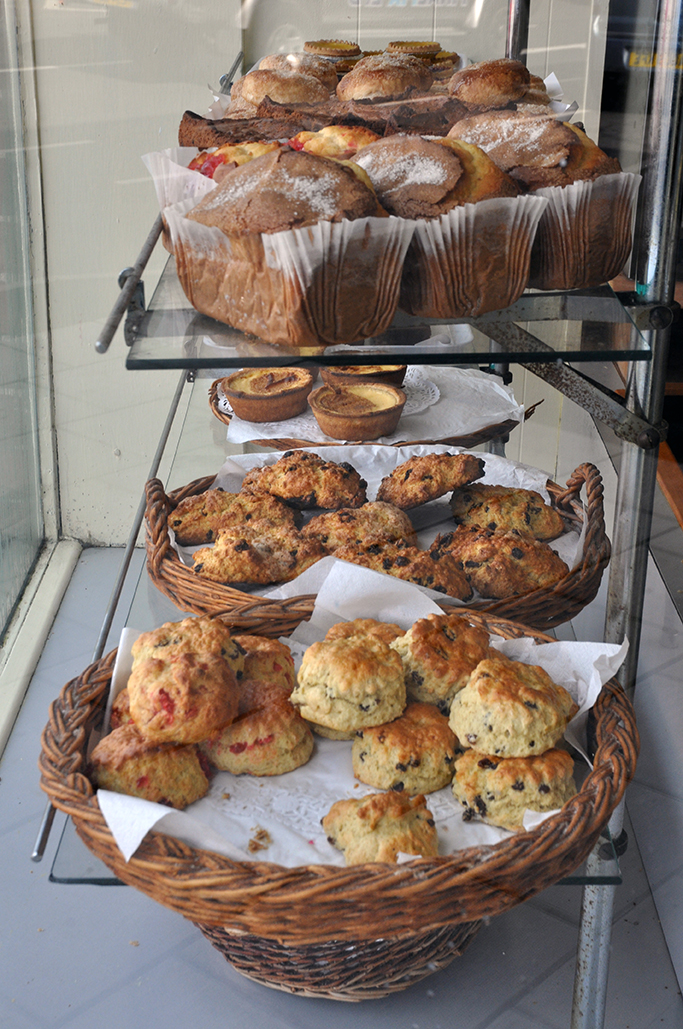
They taste nicest from a local bakers and confectioners, where everything is always fresh and baked on the premises. Walk in and it’s warm and welcoming, it smells of baking and love.
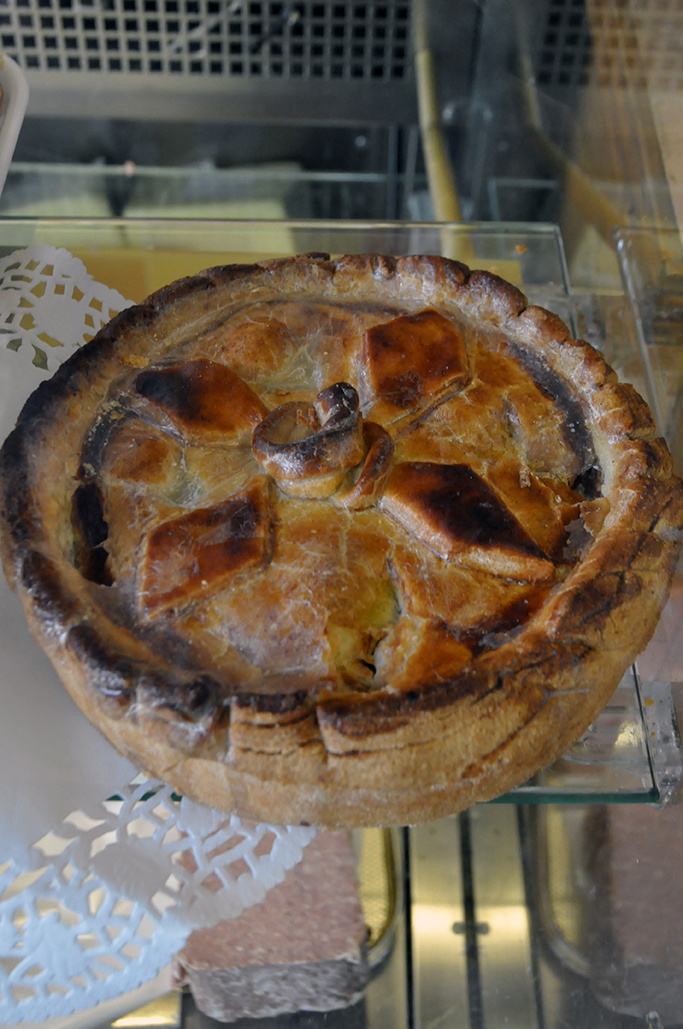
So each time I cycle around Greater Manchester, I do my level best to find one, go in and buy a pie.
And eat it.
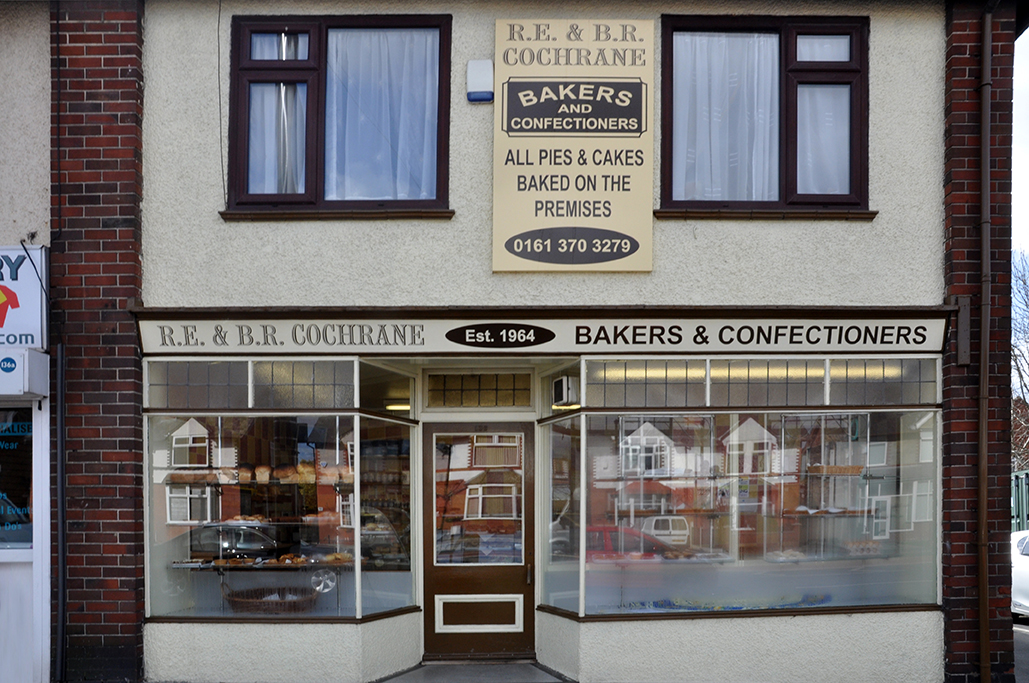
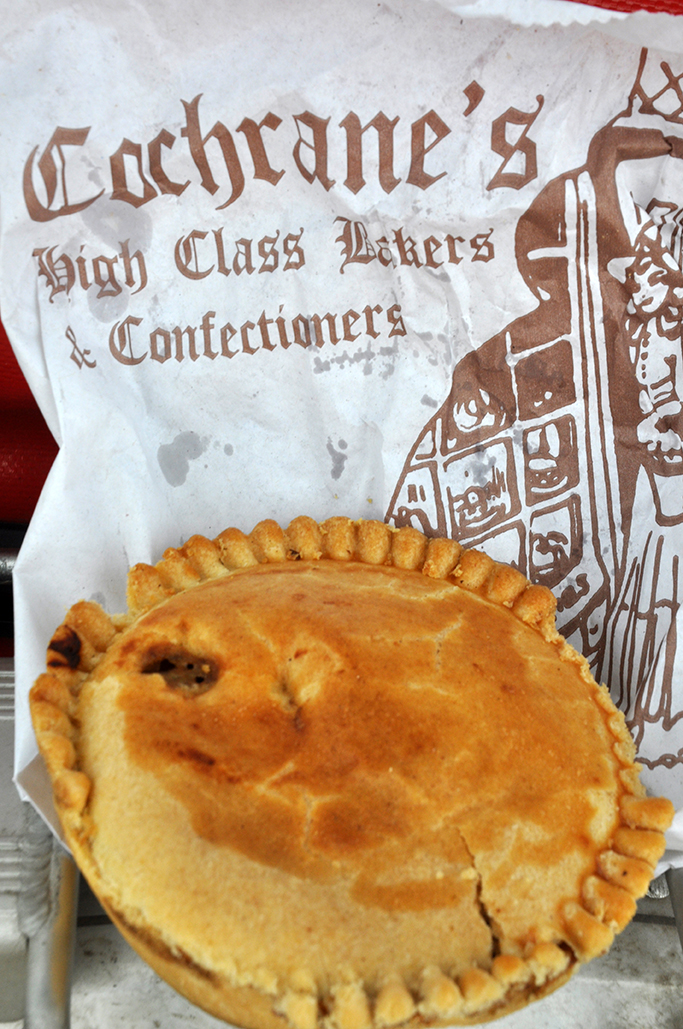
One such stop off is Cochrane’s, the family have baked here since 1964, Ruth and Roger are charming and helpful – sadly we mourned the passing of most of their fellow bakers’ shops. Bowker’s on Penny Meadow in Ashton having recently shut. Once gone nobody takes them on – the family traditions of employment having long since been broken. Three of my aunties were trained as confectioners, I’m a good for nothing photographer.
They disappear in a puff of flour.
So make the most of those that remain, stop by buy a pie – I did.
There have been covered markets to the east of Manchester for many years, those on Grey Mare Lane have now gone, in fact Grey Mare Lane has almost gone, absorbed into a very different and very privatised urban redevelopment. That area of the city is now largely owned by Mansour bin Zayed bin Sultan bin Zayed bin Khalifa Al Nahyan, commonly known as Sheikh Mansour.
He also owns City.
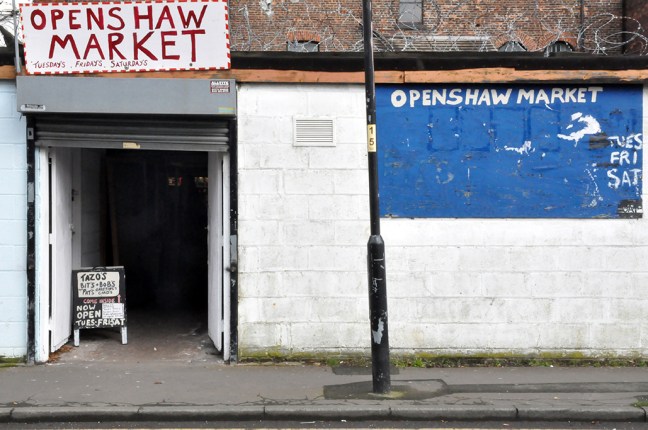
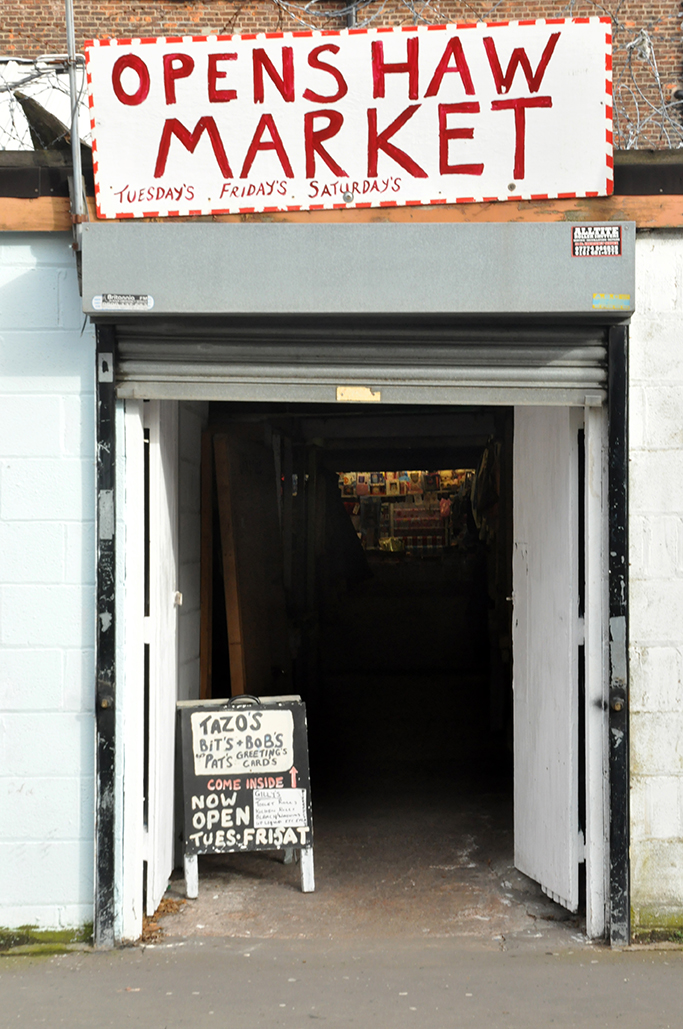
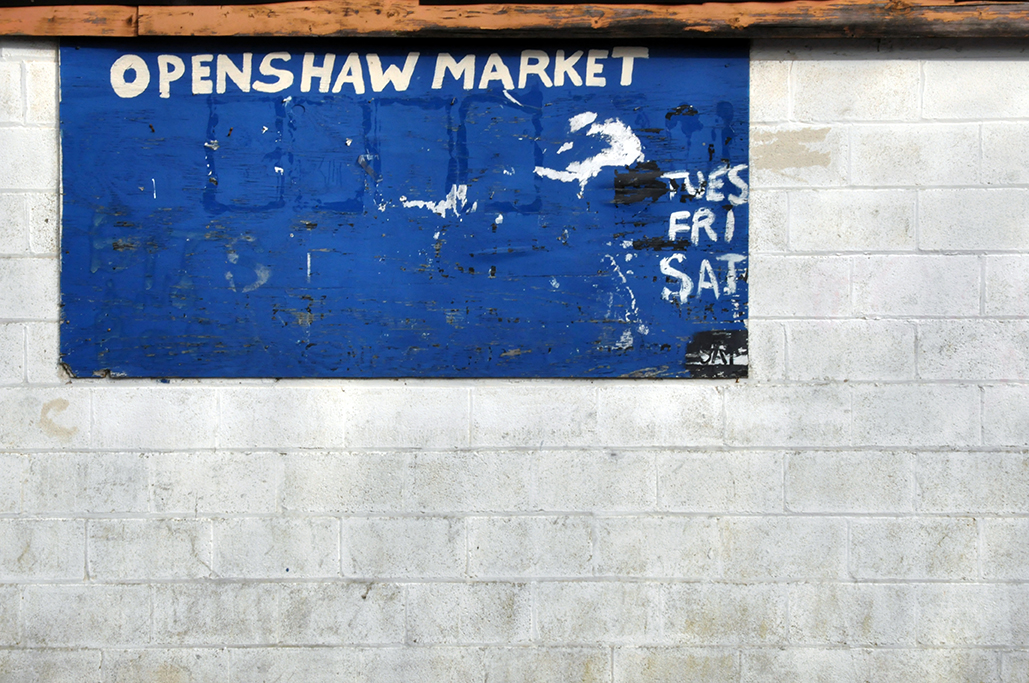
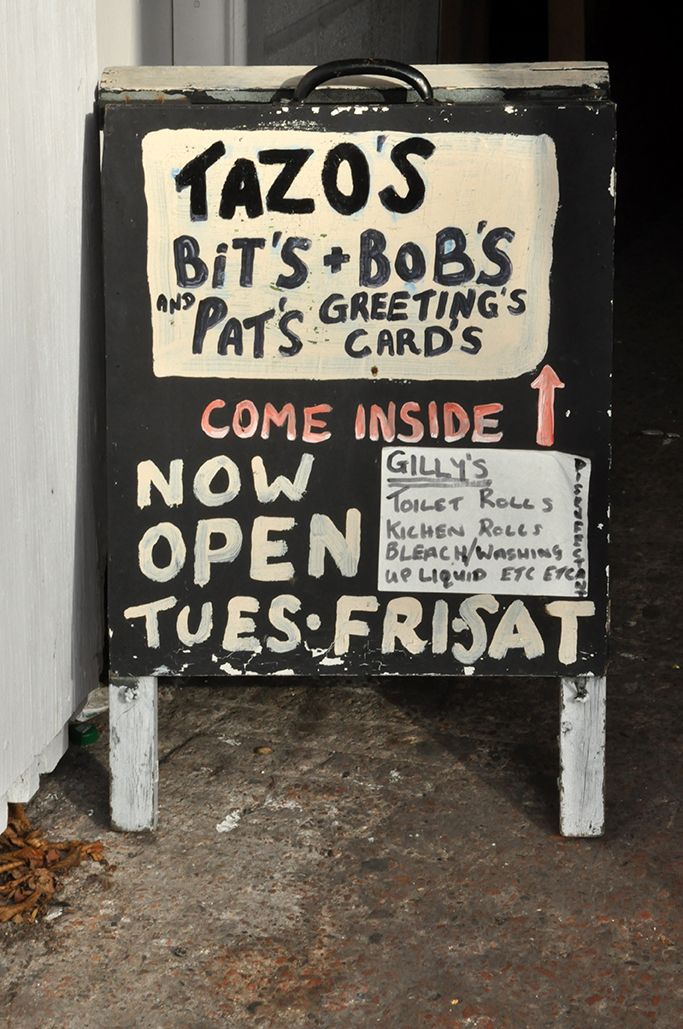
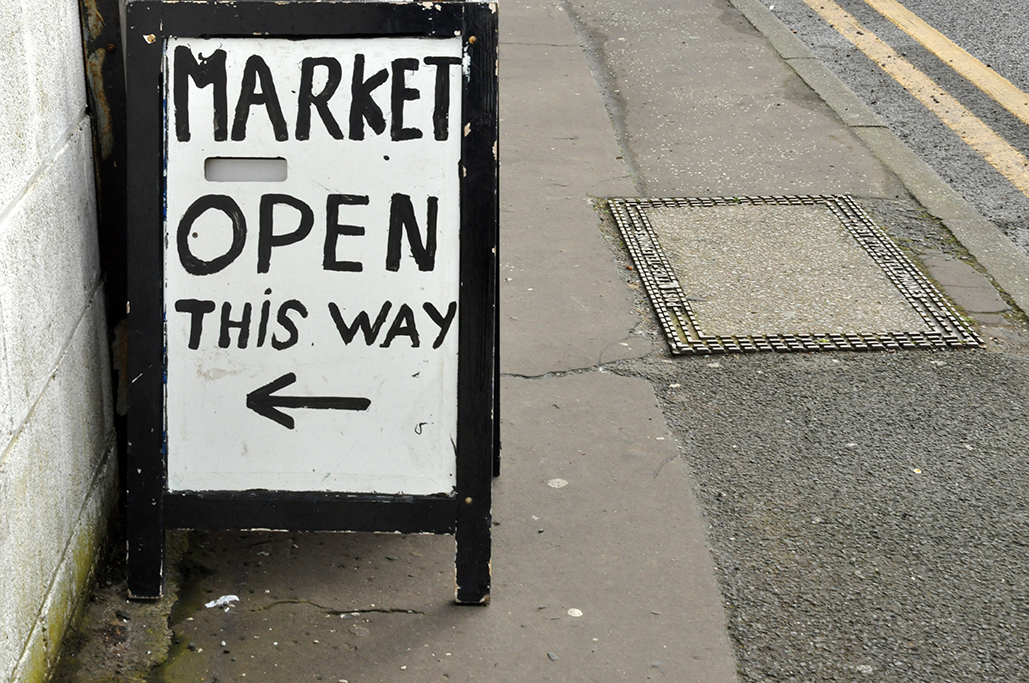
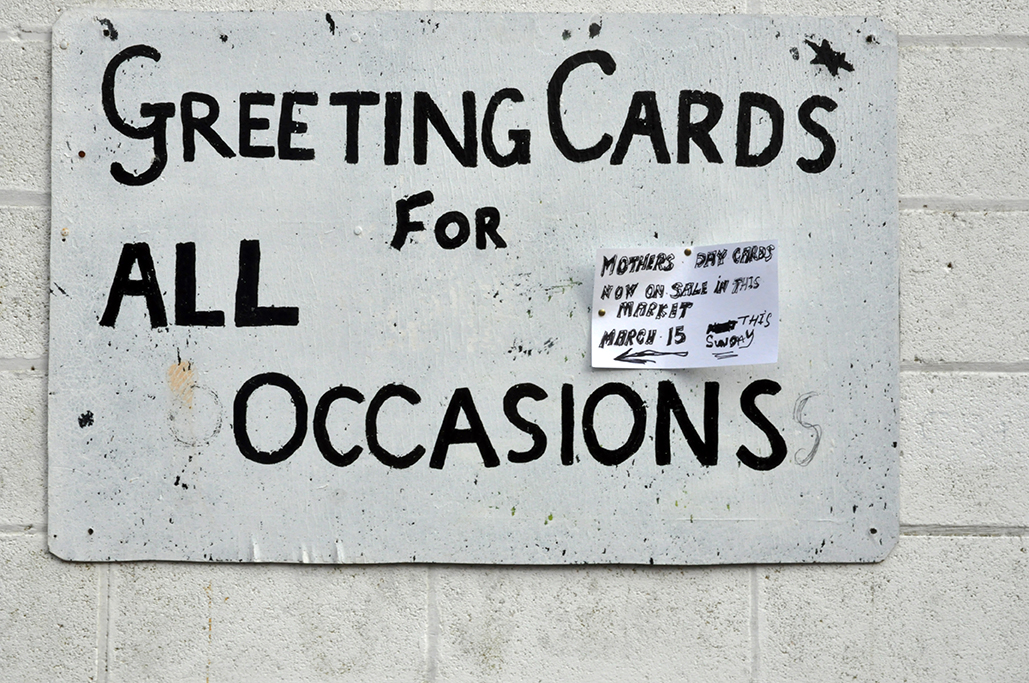
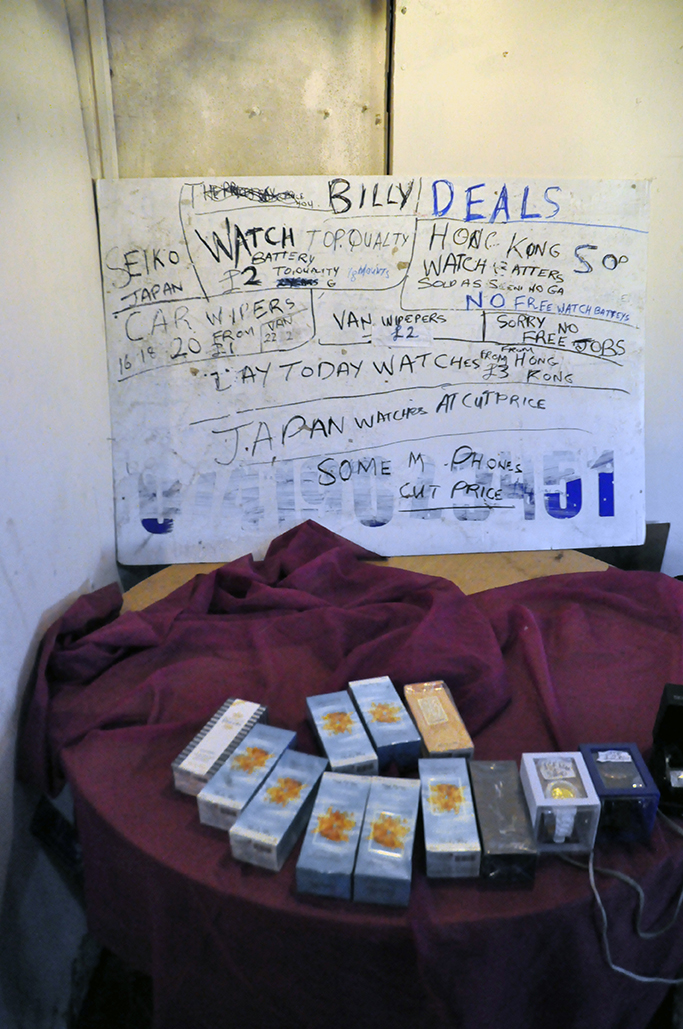
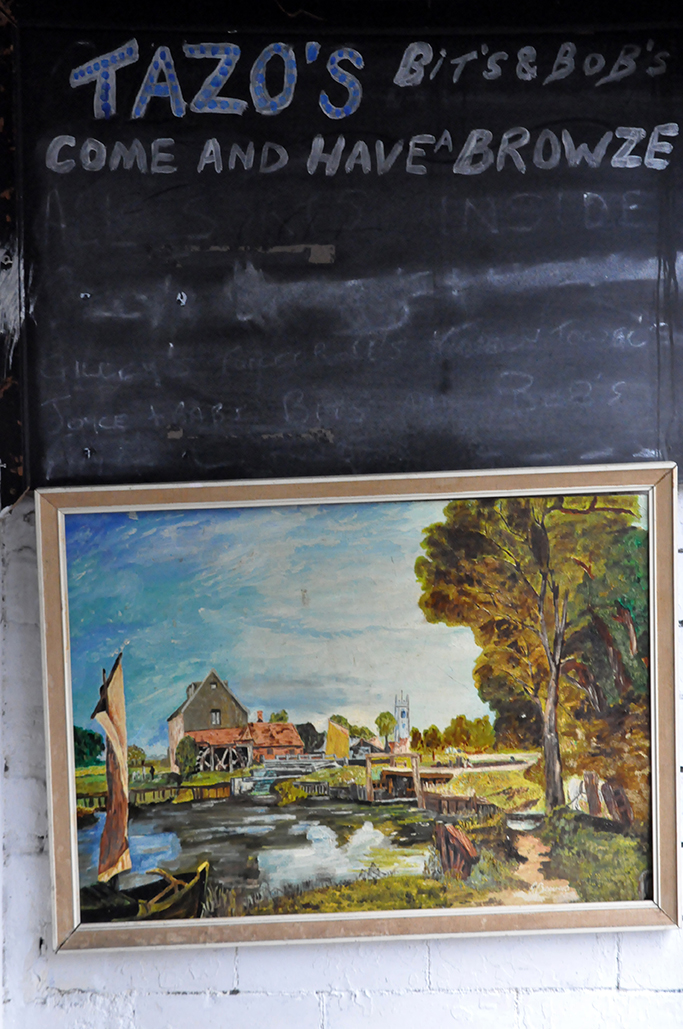
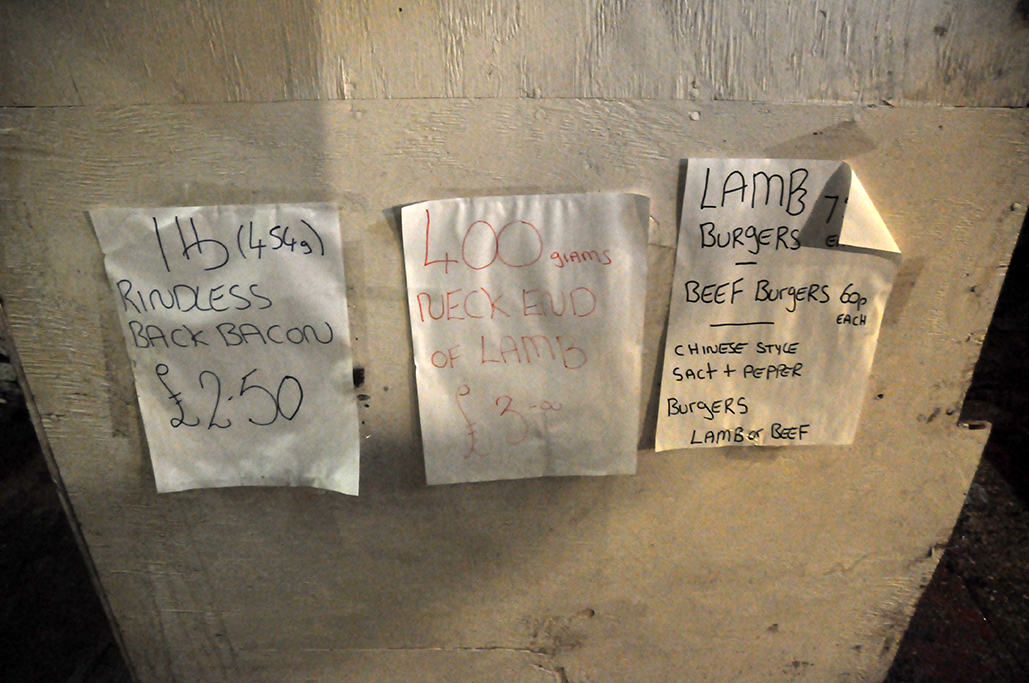
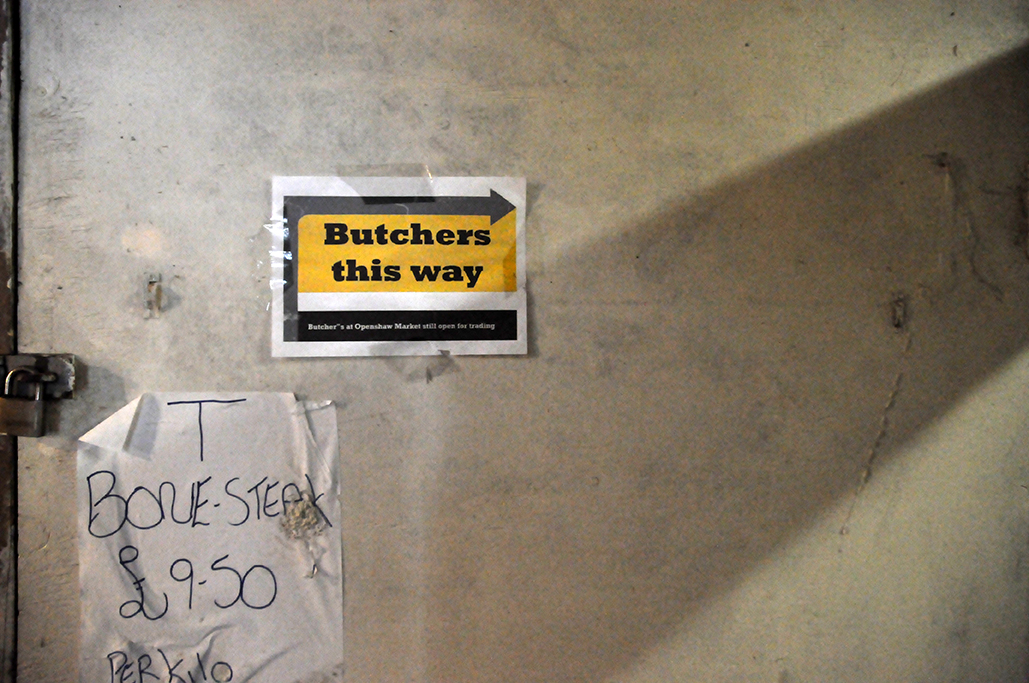
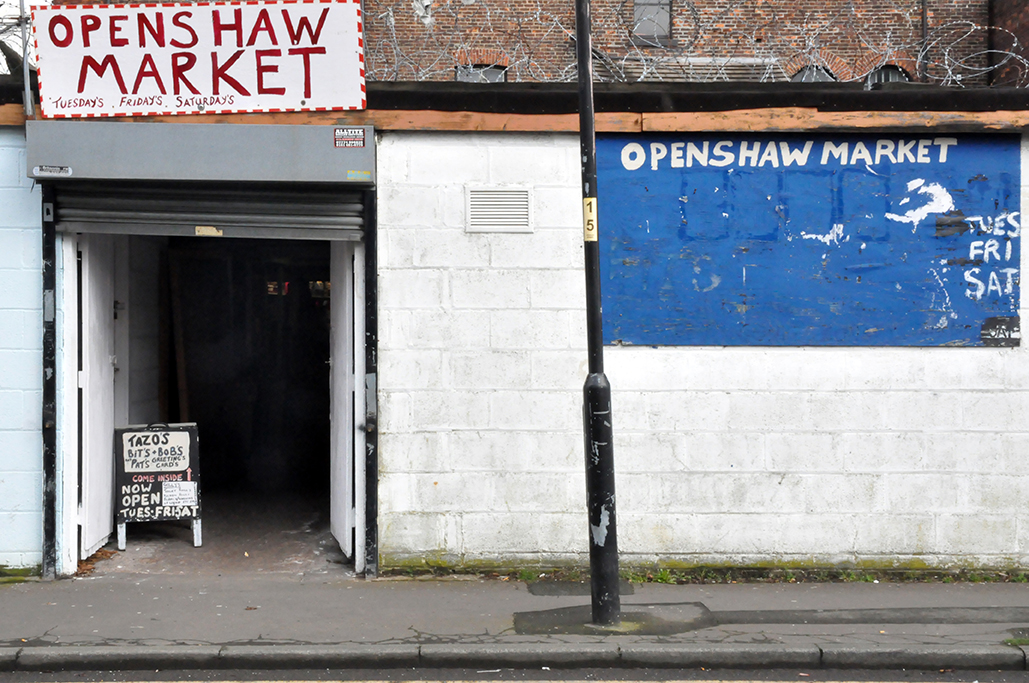
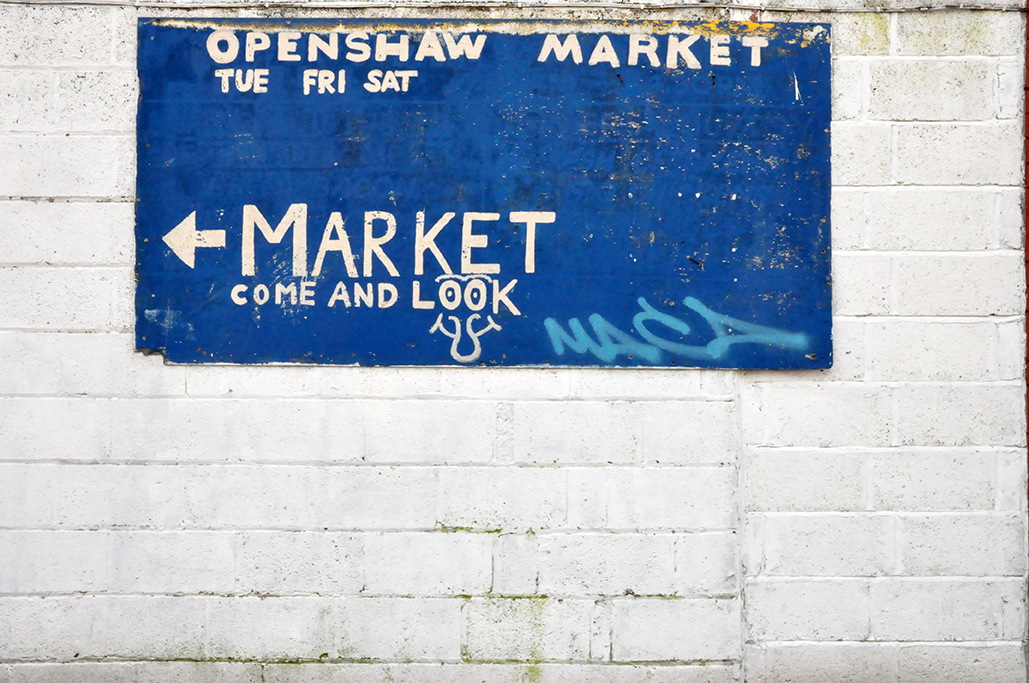
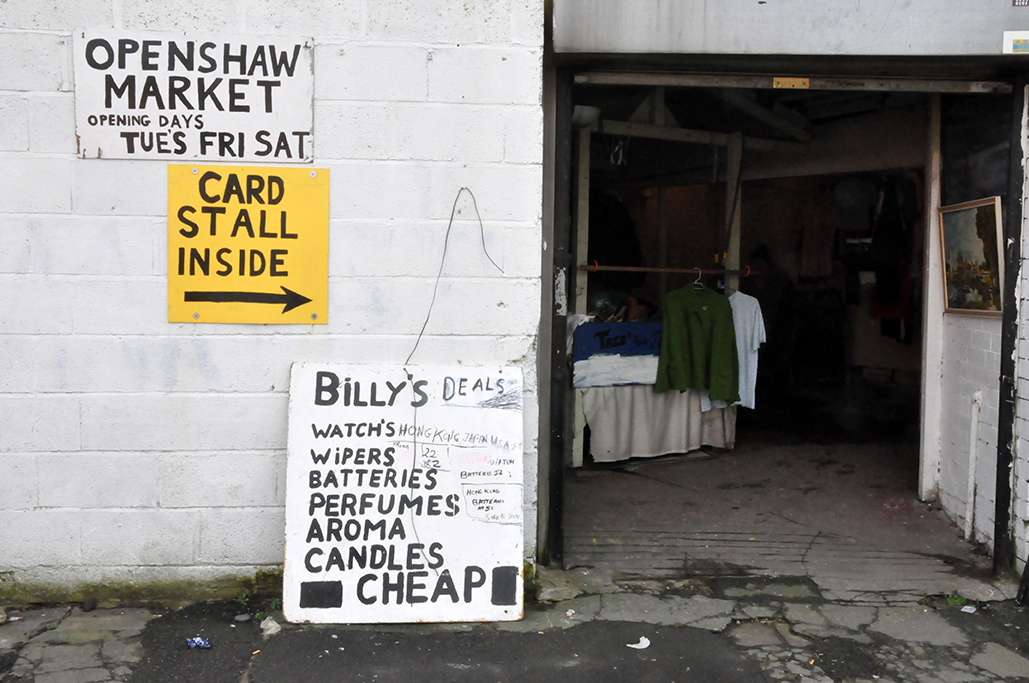
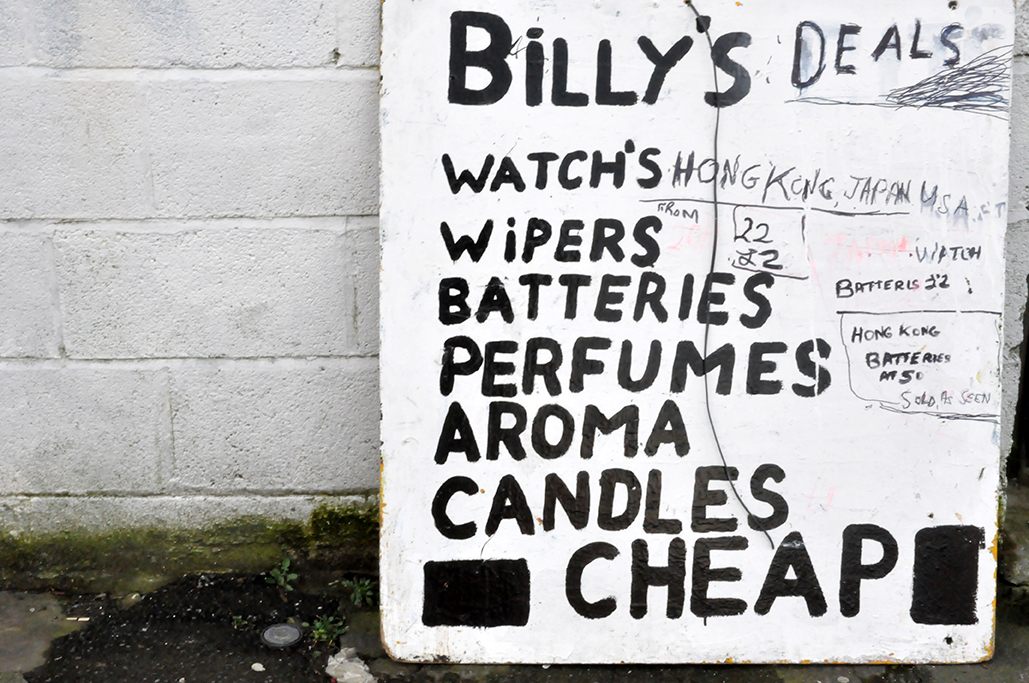
Openshaw Market survives, home to a rag bag of honest hard working and friendly traders, getting by.
They have their own unique brand of branding and signage – the downright, down home, home made.
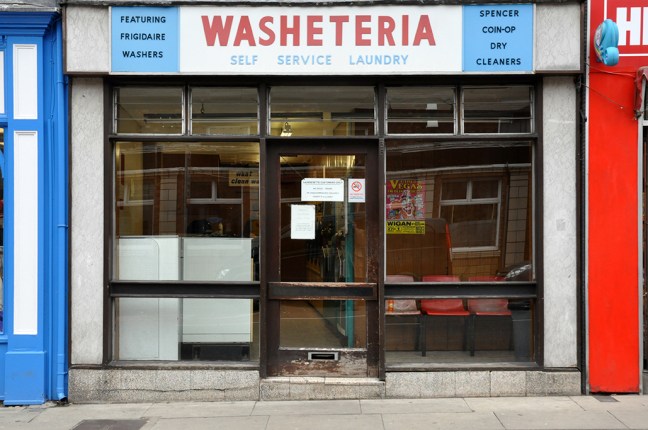
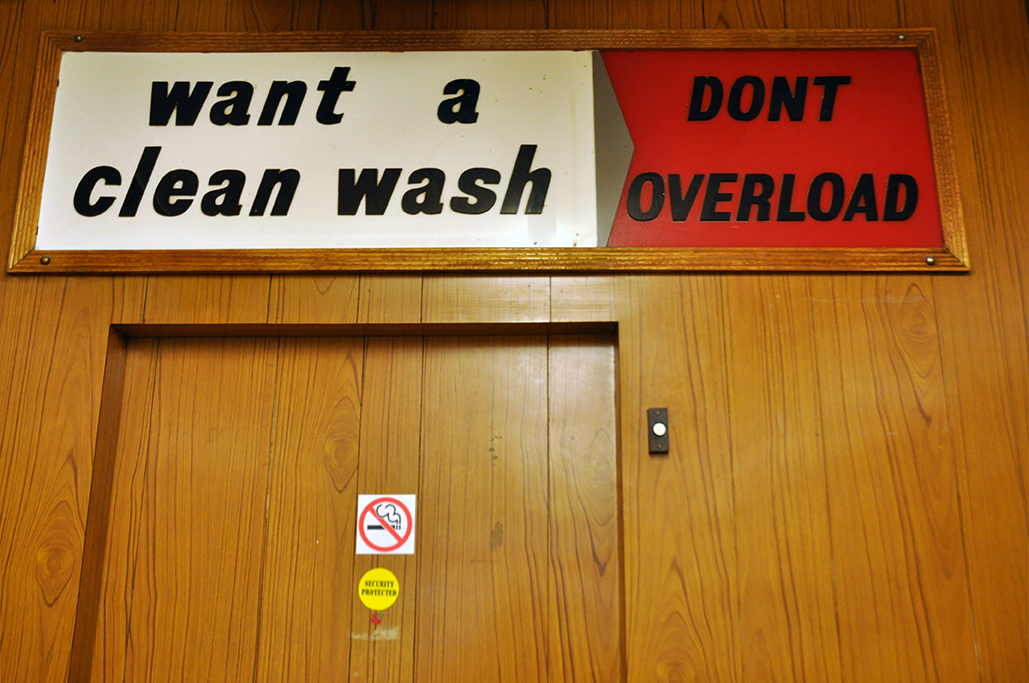
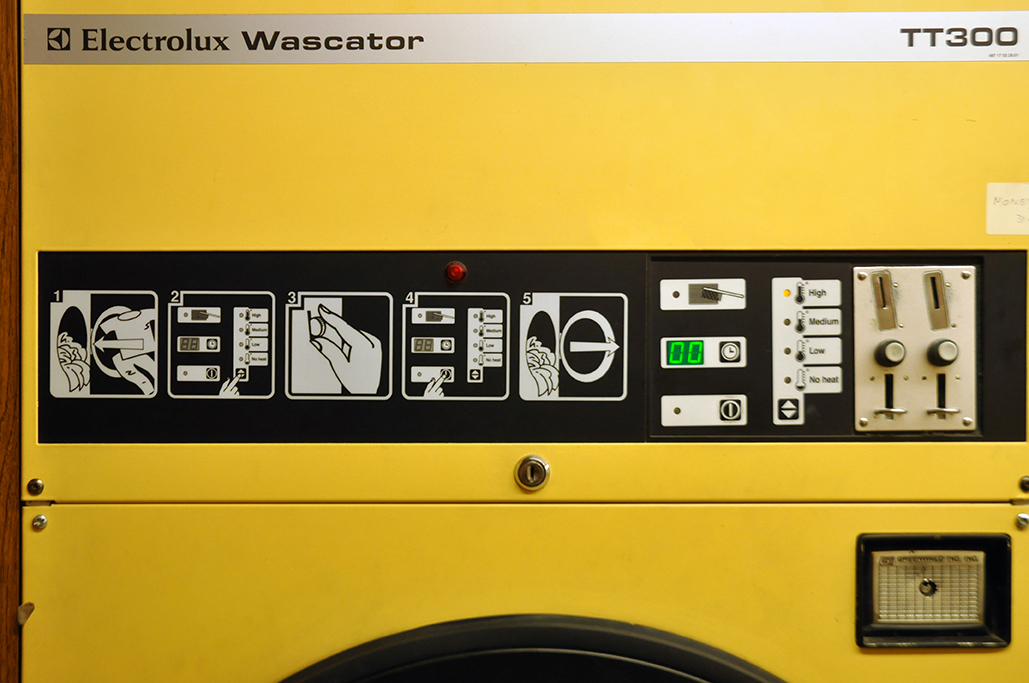
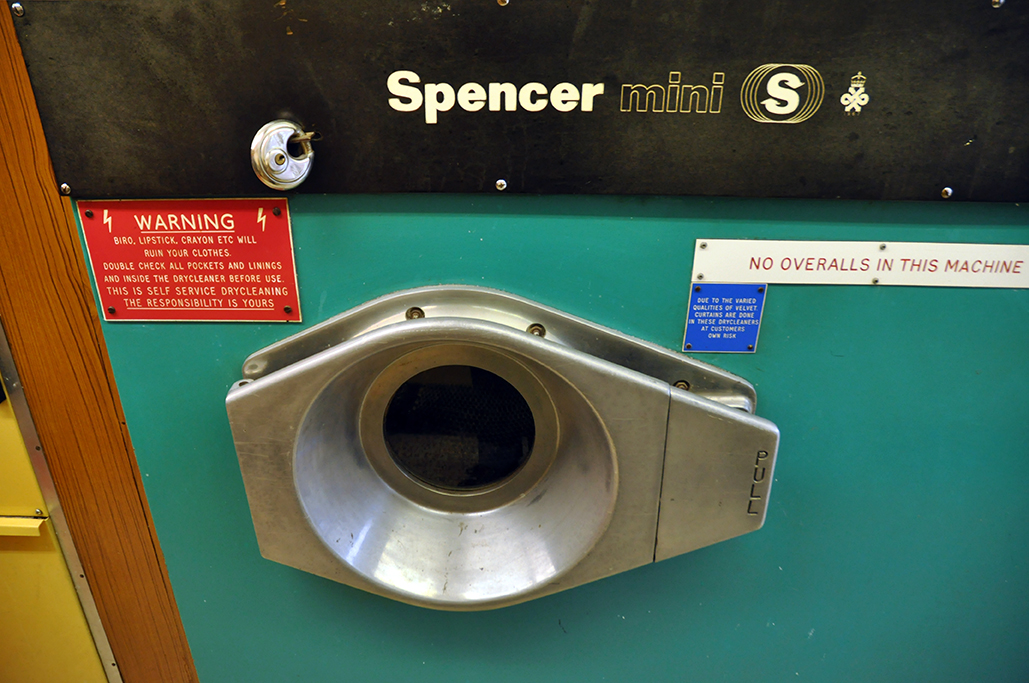
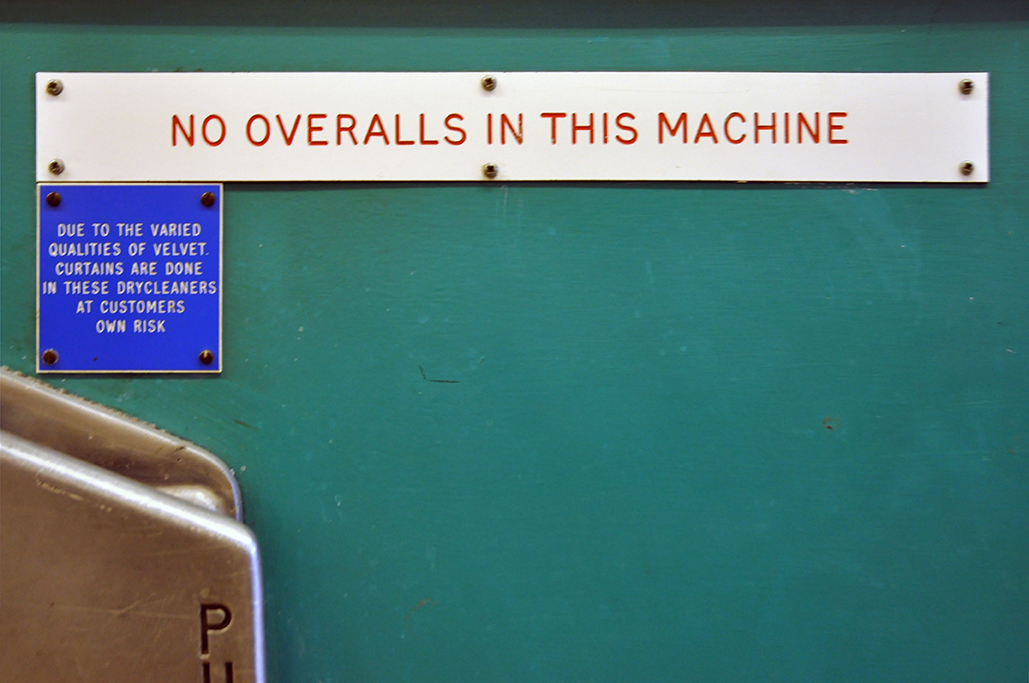
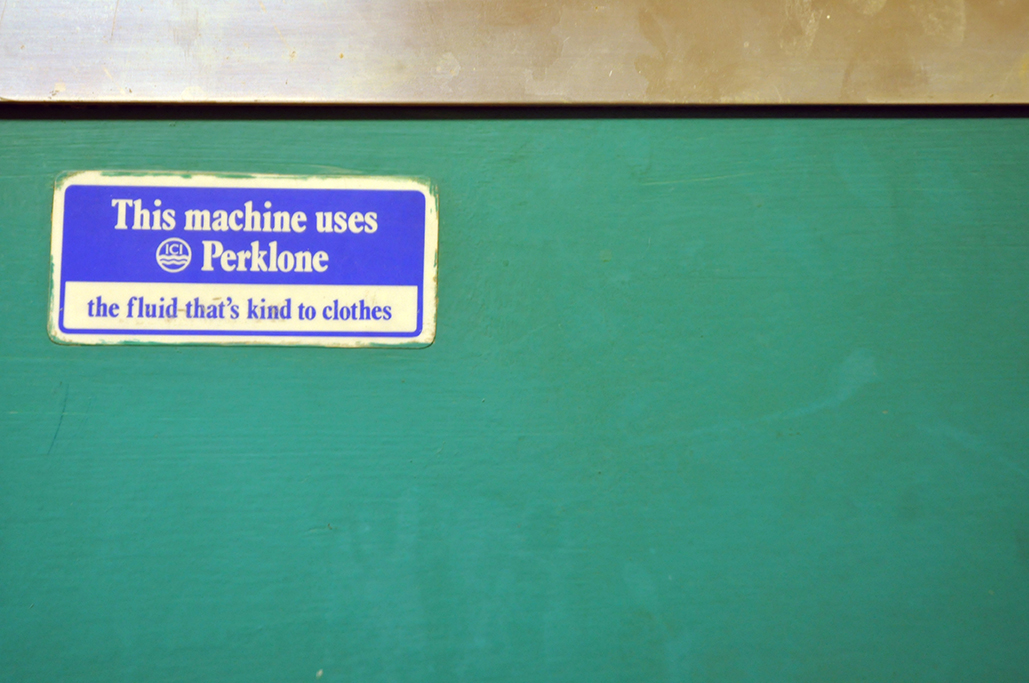
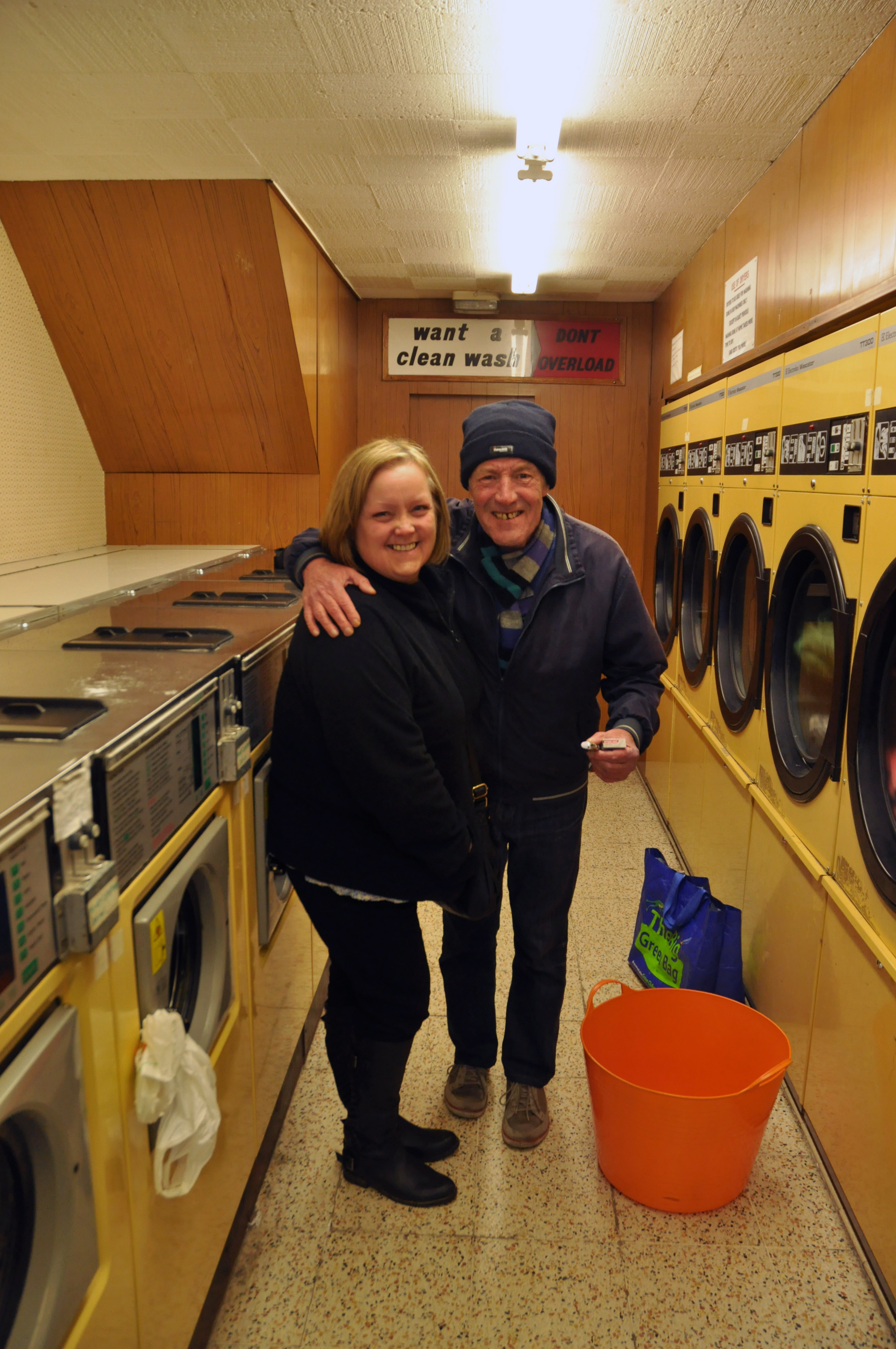
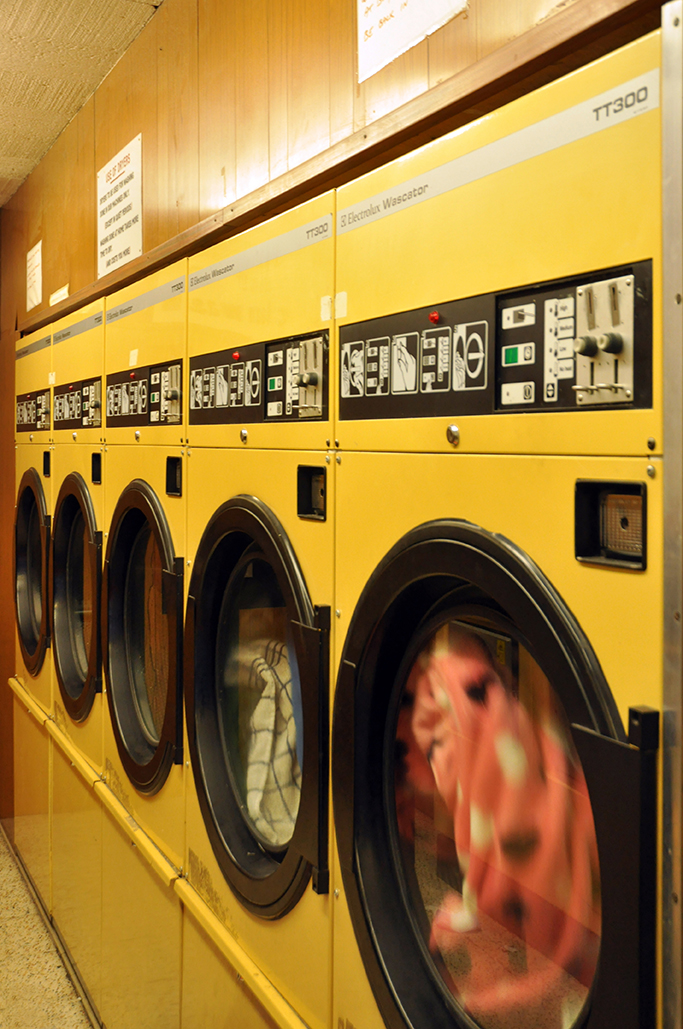
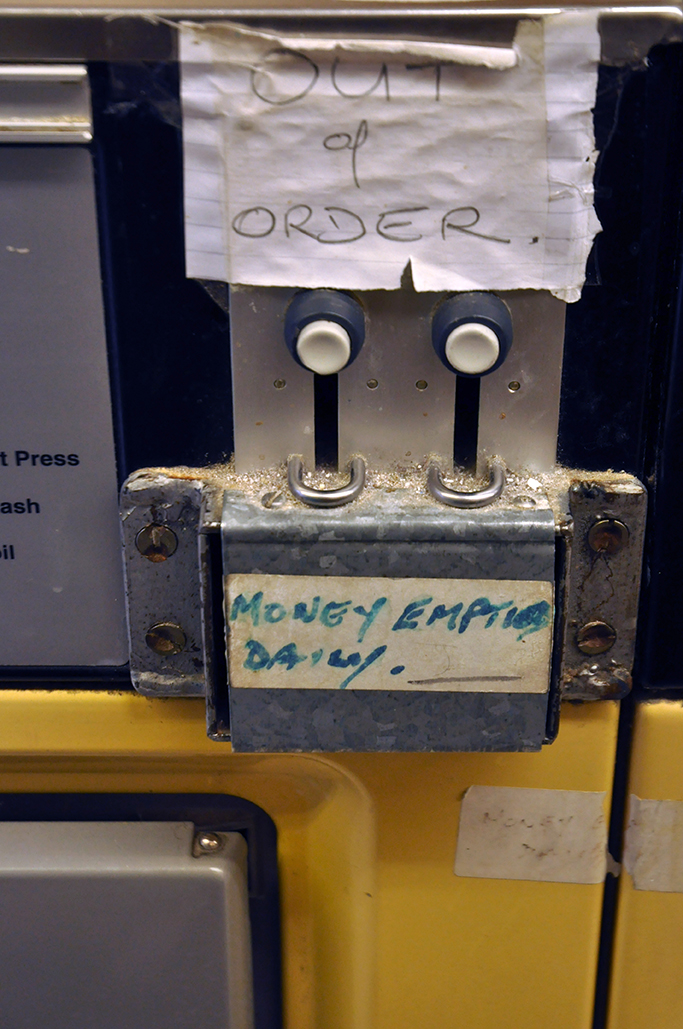
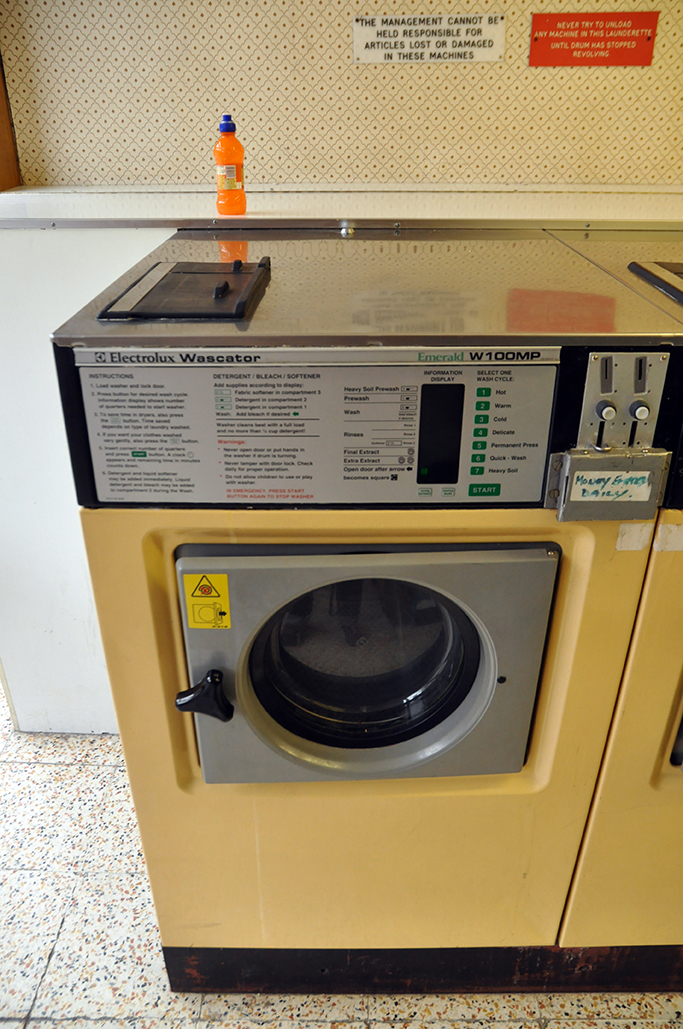
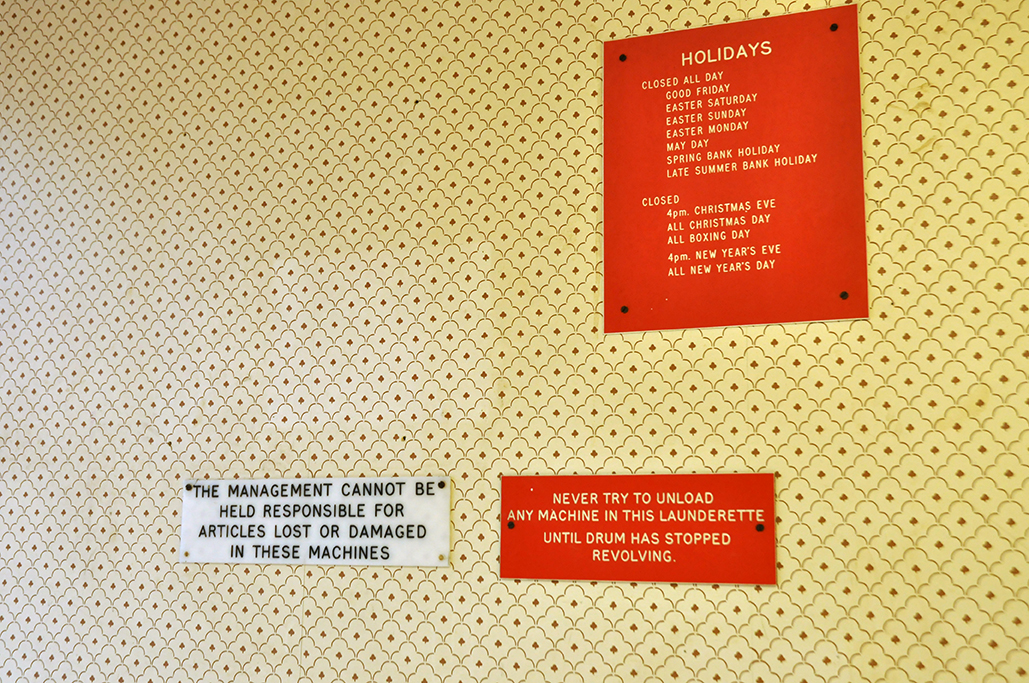
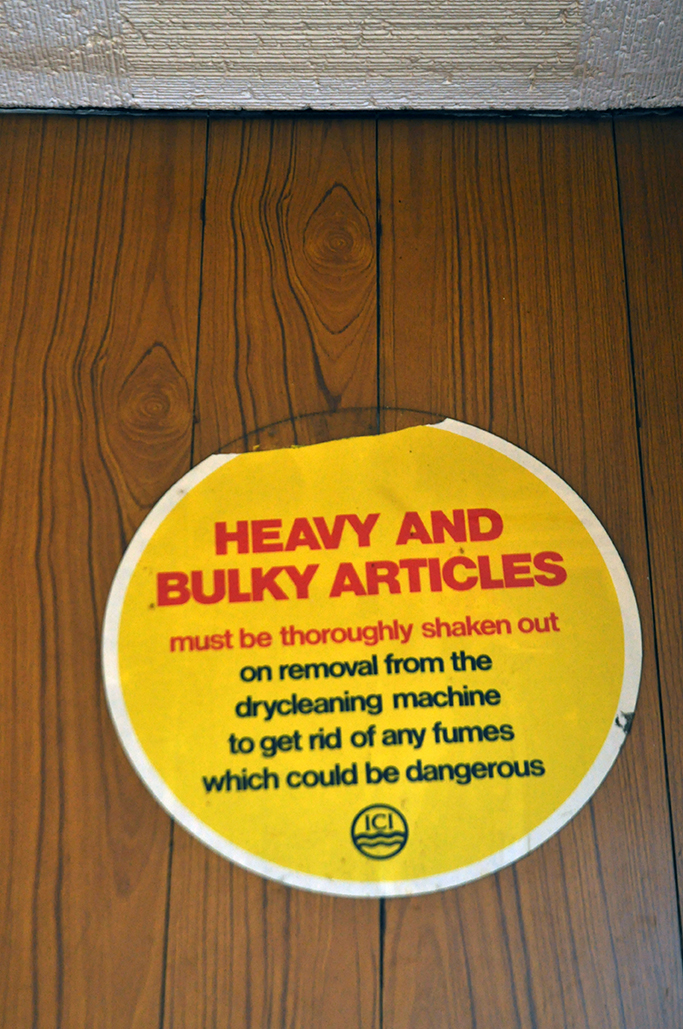
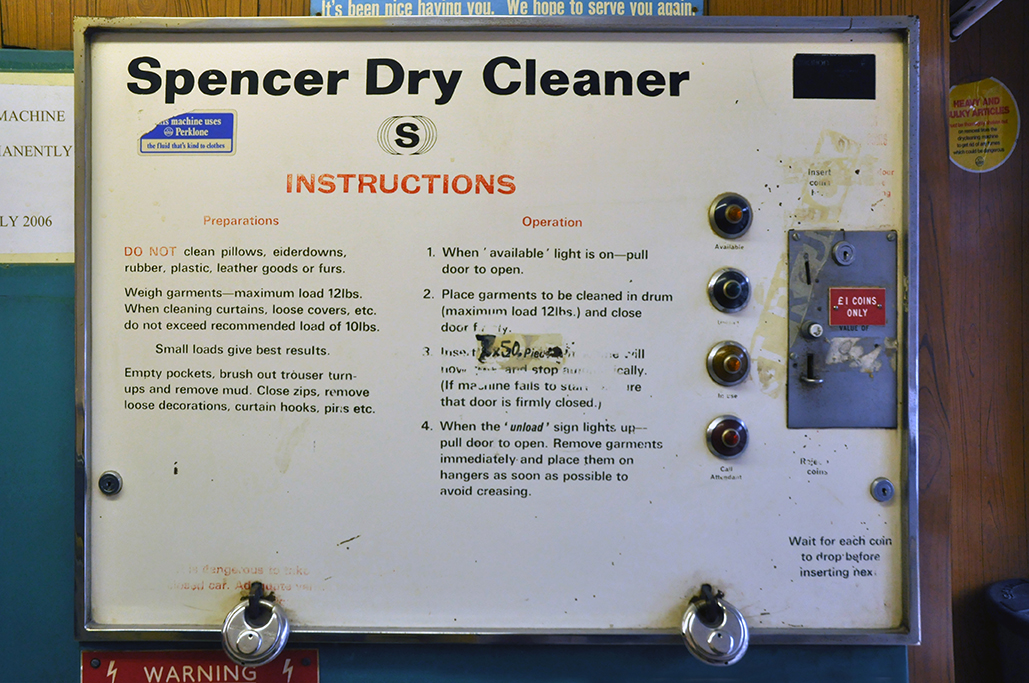
In the United Kingdom known as launderettes or laundrettes, and in the United States, Canada, Australia, New Zealand as laundromats or washeterias, and in Frimley too it would appear.
George Edward Penury created the word laundromat for Westinghouse.
According to NALI the National Association of the Launderette Industry, numbers peaked at 12,500 in the early 80s but have since dwindled to just 3,000.
The first UK launderette – alternative spelling: laundrette. was opened on May 9th 1949 in Queensway London.
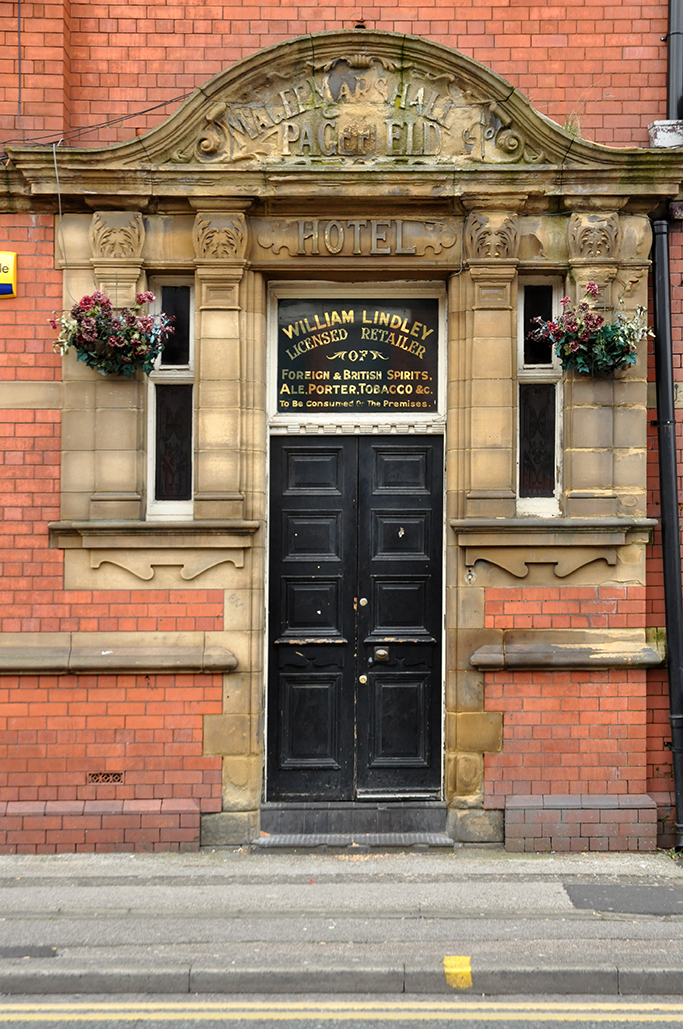
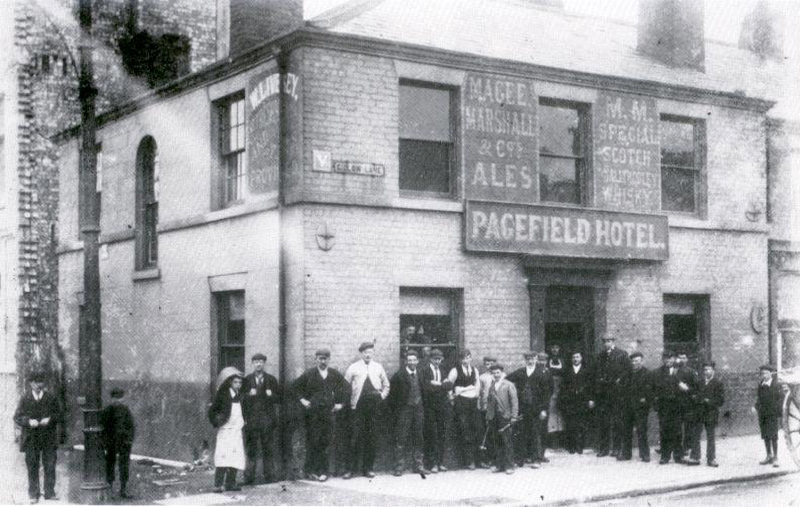
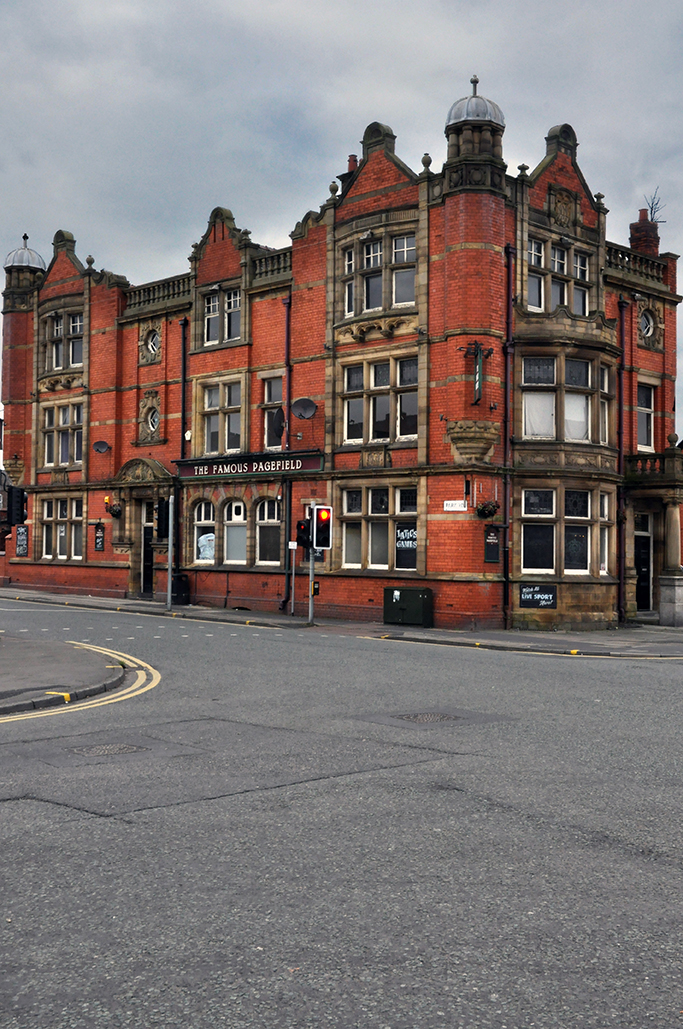
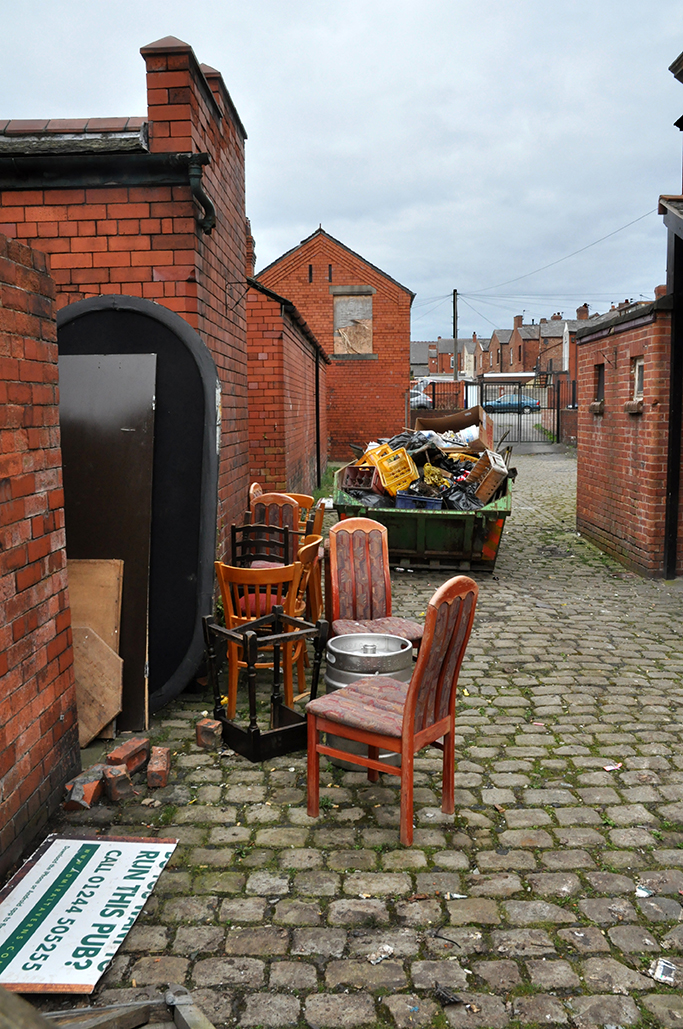
Like many large Edwardian pubs The Pagefield is now closed, though of great social, architectural and historical importance, the economics of industrial decline and changing patterns of leisure almost always point to a change of use rather than reopening as a boozer. Though more commonly becoming a Tesco or Sainsbury’s, plans have been submitted for both conversion to flats and a possible Indian Restaurant, neither seem imminent.
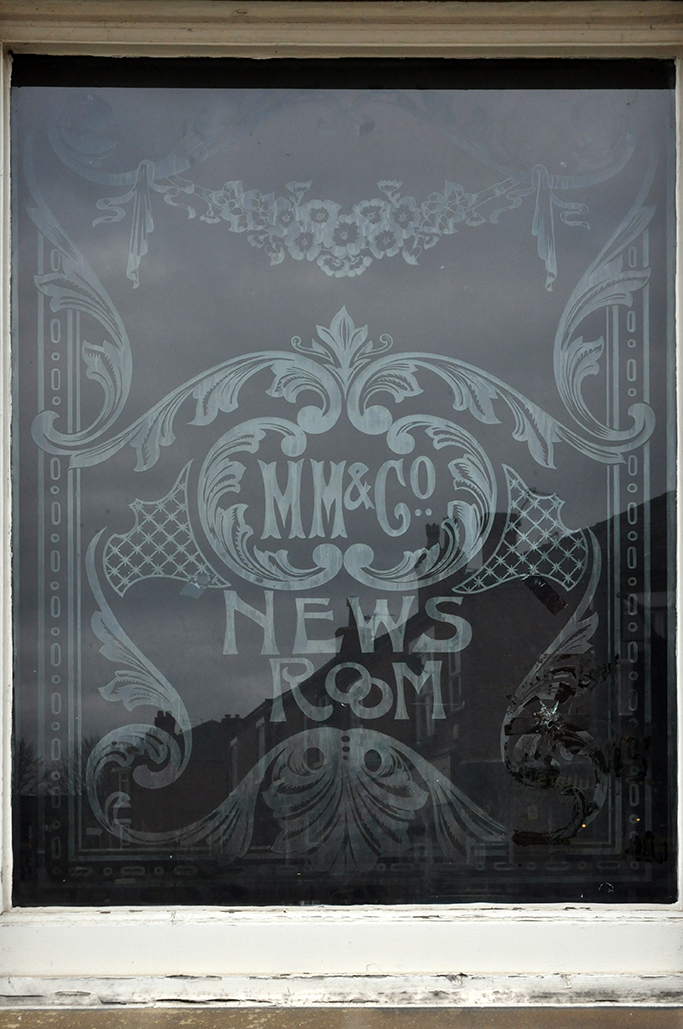
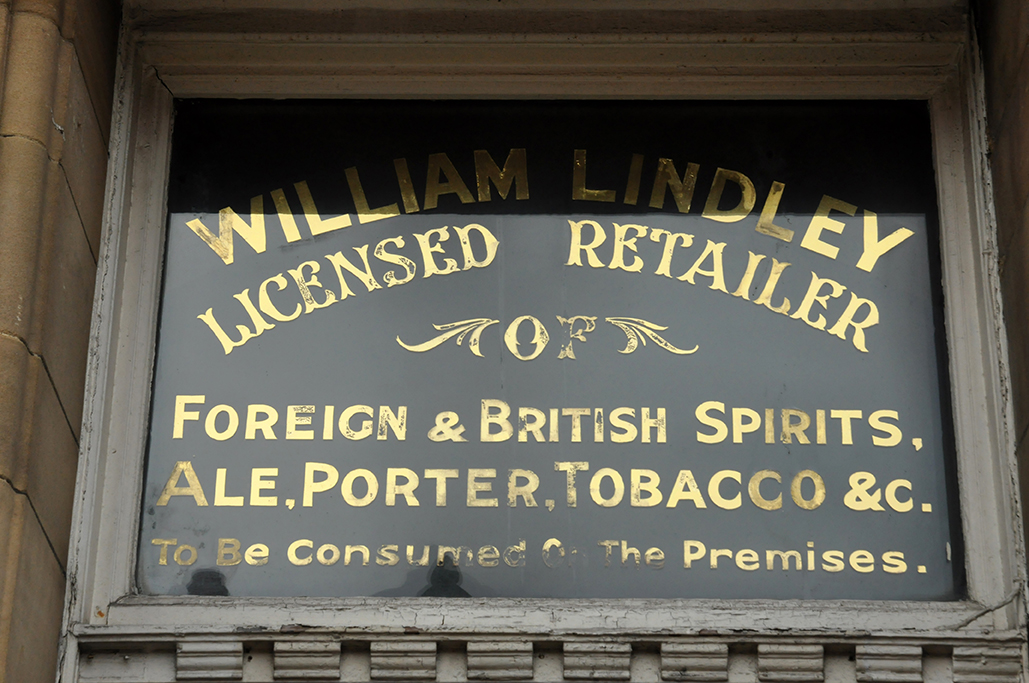
The building is blessed with etched and stained glass windows, a richness of architectural type, mosaic porch and a grandeur in scale and detailing. Once serving a high density of housing in the Springfield area, the mills that fuelled the economy of the area are now long gone, along with the wages that bounced over the bar.
It was named after the Pagefield iron rolling mills which were just down the road – thanks to Steven Buckley for the inside track, his great grandfathers worked at the mill.
Originally a Bolton based brewery Magee and Marshall owned the pub, passing to Greenall Whitley and then the usual succession of entrepreneurial pub companies.
“Magee Marshall & Company was a brewery that operated from the Crown Brewery in Bolton. It was founded by David Magee, a brewer and spirit merchant in 1853. He moved from the Good Samaritan Brewhouse to the Crown Hotel in the 1860s and built the Crown Brewery in Derby Street next to the hotel. After his death he was succeeded by his sons, who acquired David Marshall’s Grapes Brewery and the Horseshoe Brewery. The company was registered as Magee Marshall & Company Ltd. in 1888. The company acquired Henry Robinson’s Brewery in Wigan and Halliwell’s Alexandra Brewery. In 1959 it was acquired by Greenall and Whitley and closed in 1970.
The brewery, built around 1900, was in the “traditional brewery style” with a five-storey section for gravity processing and an ornamental tower. Up to the 1950s the company transported water, high in dissolved calcium carbonate content, in tankers by rail from Burton on Trent for the brewing process.”





























 Modern Mooch